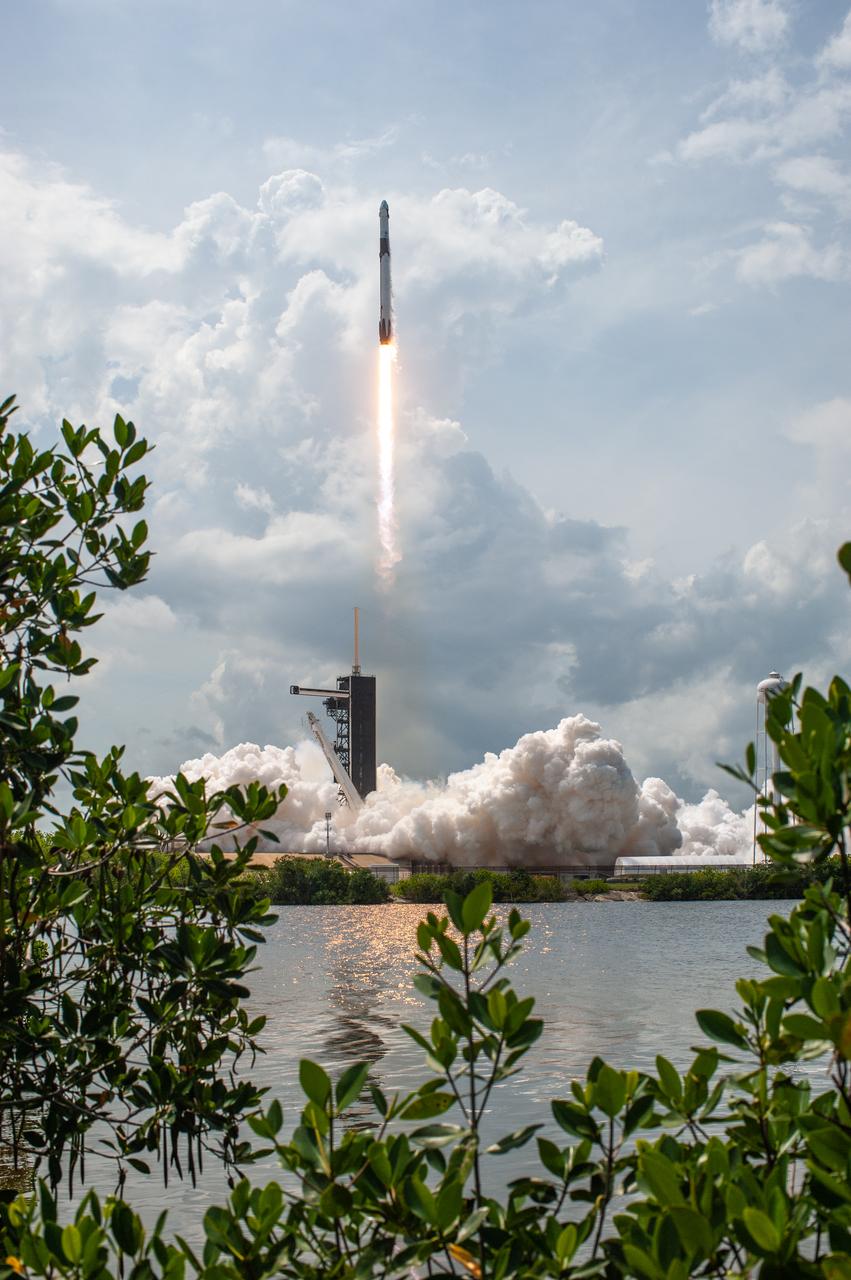
A SpaceX Falcon 9 rocket soars upward after lifting off from historic Launch Complex 39A at NASA’s Kennedy Space Center in Florida on May 30, 2020, carrying NASA astronauts Robert Behnken and Douglas Hurley to the International Space Station in a SpaceX Crew Dragon capsule for the agency’s SpaceX Demo-2 mission. Liftoff occurred at 3:22 p.m. EDT. Behnken and Hurley are the first astronauts to launch from U.S. soil to the space station since the end of the Space Shuttle Program in 2011. Part of NASA’s Commercial Crew Program, this will be SpaceX’s final flight test, paving the way for the agency to certify the crew transportation system for regular, crewed flights to the orbiting laboratory.
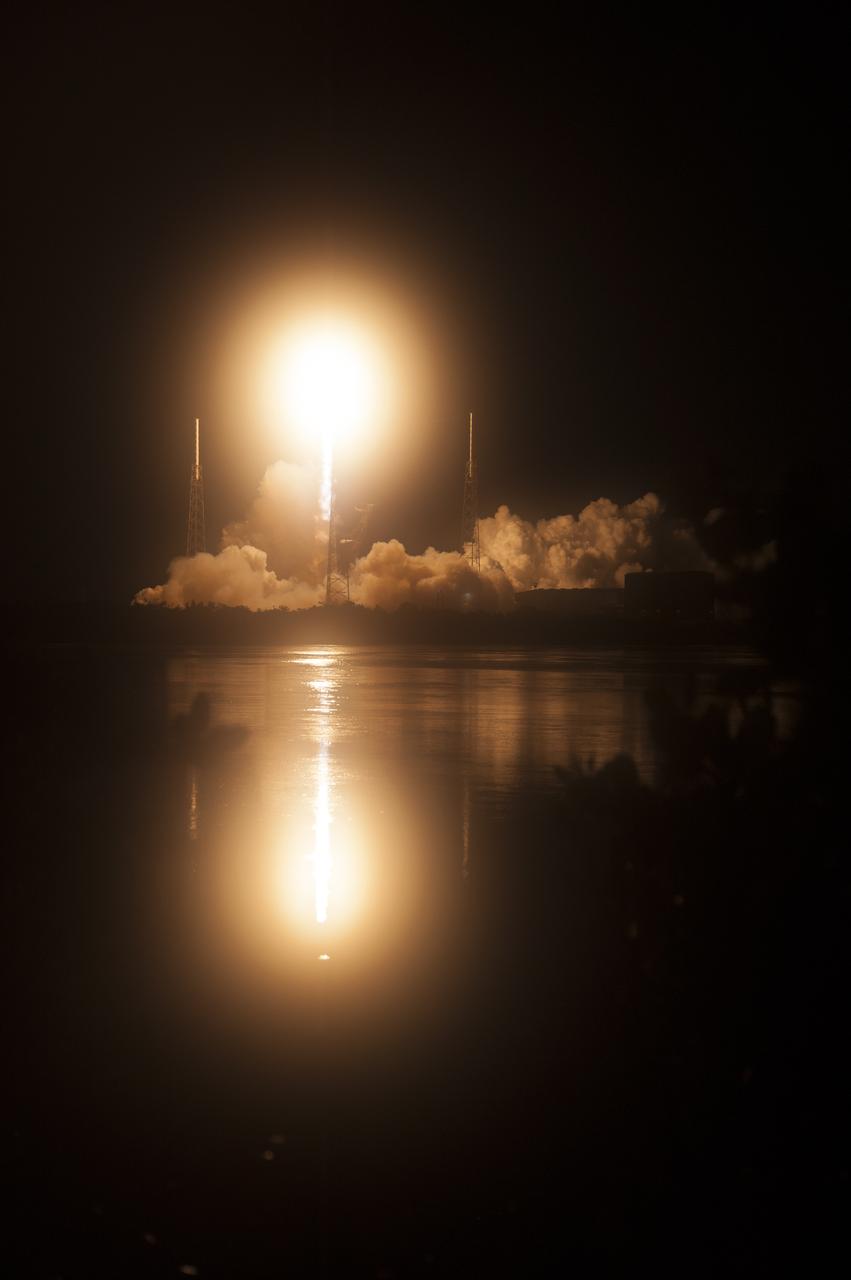
The two-stage SpaceX Falcon 9 launch vehicle lifts off from Space Launch Complex 40 at Cape Canaveral Air Force Station, carrying the SpaceX Dragon resupply spacecraft to the International Space Station. Liftoff was at 5:42 a.m. EDT on Friday, June 29, 2018. On the company’s 15th Commercial Resupply Services mission to the International Space Station, Dragon is filled with supplies and payloads, including critical materials to support several science and research investigations that will occur during Expedition 56. The spacecraft’s unpressurized trunk is carrying a Canadian-built Latching End Effector, or LEE. This new LEE will replace a failed unit astronauts removed during a series of spacewalks in the fall of 2017. Each end of the Canadarm2 robotic arm has an identical LEE, and they are used as the “hands” that grapple payloads and visiting cargo spaceships.
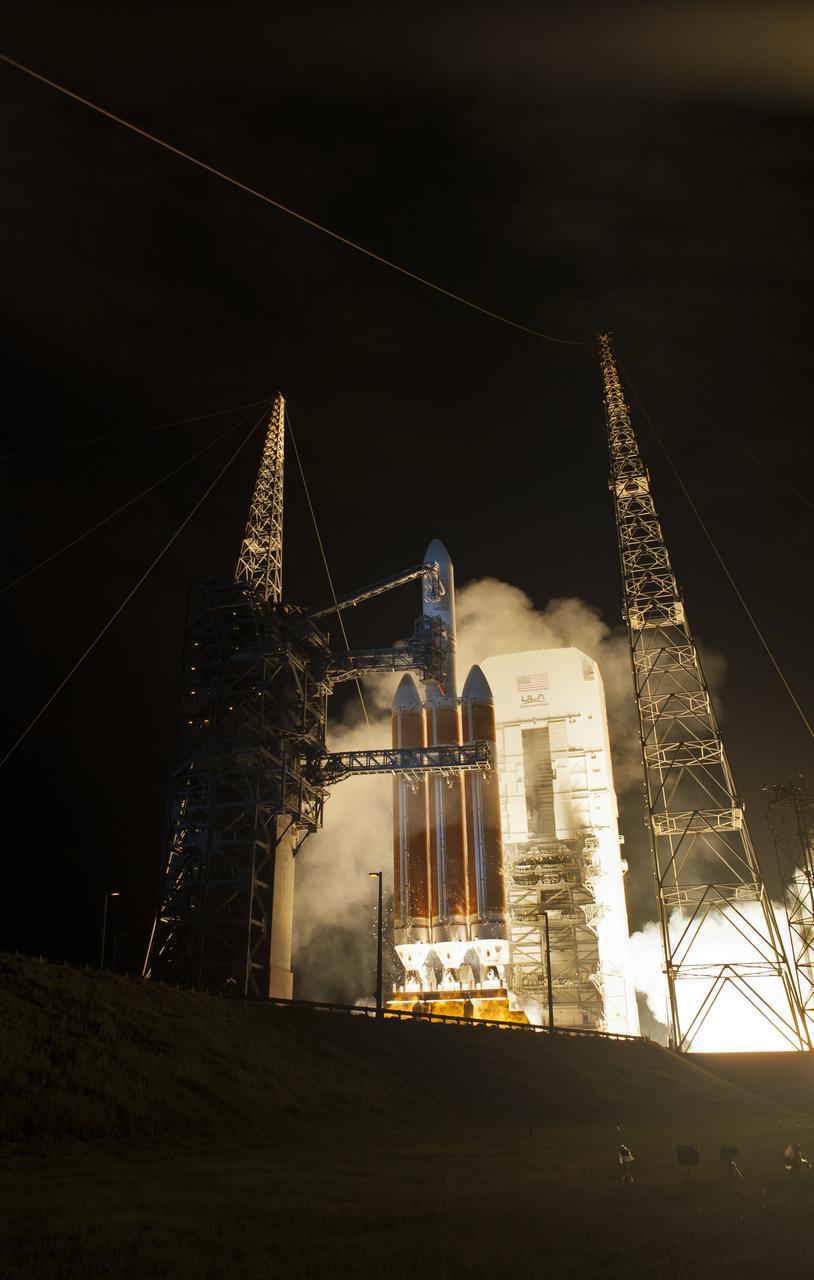
At Cape Canaveral Air Force Station's Space Launch Complex 37, the United Launch Alliance Delta IV Heavy rocket with NASA's Parker Solar Probe, lifts off at 3:31 a.m. EDT on Sunday, Aug. 12, 2018. The spacecraft was built by Applied Physics Laboratory of Johns Hopkins University in Laurel, Maryland. The mission will perform the closest-ever observations of a star when it travels through the Sun's atmosphere, called the corona. The probe will rely on measurements and imaging to revolutionize our understanding of the corona and the Sun-Earth connection.
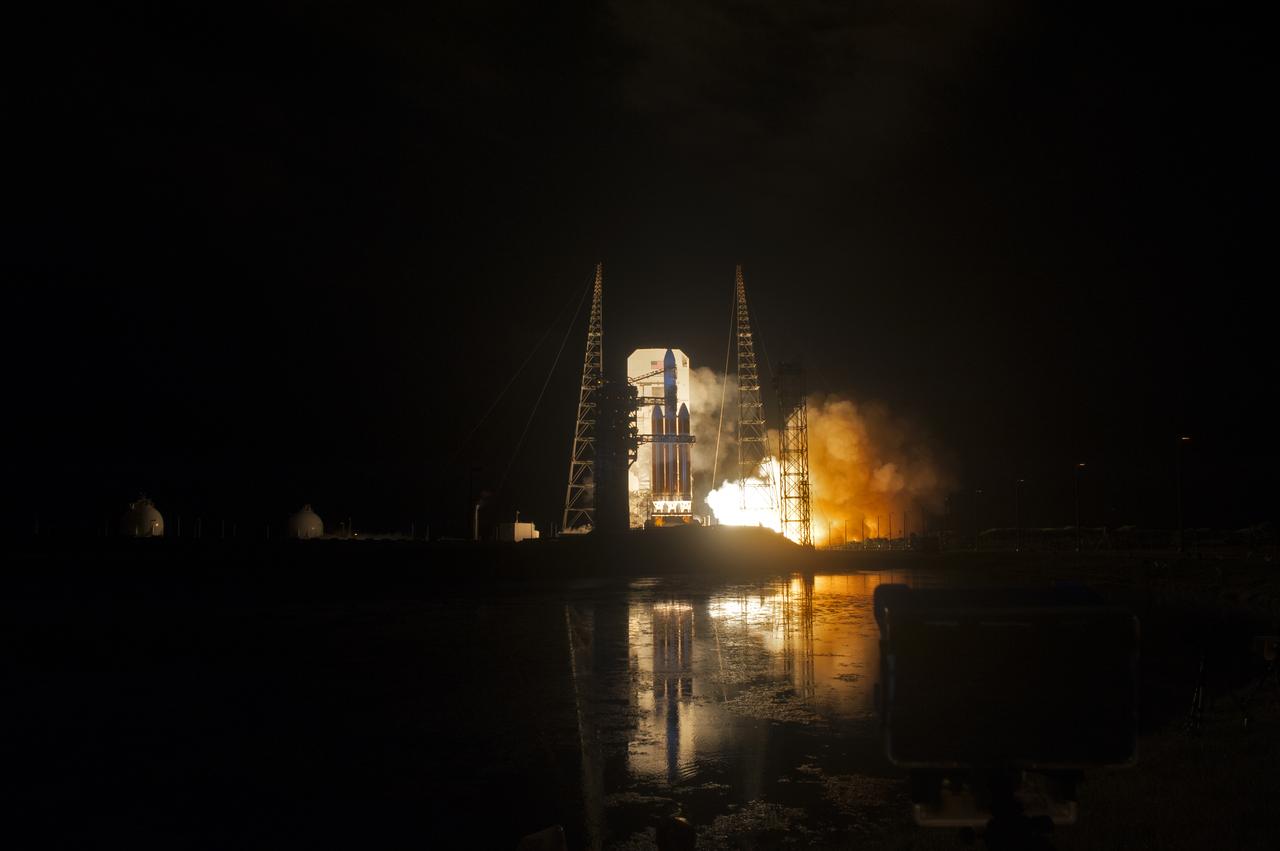
At Cape Canaveral Air Force Station's Space Launch Complex 37, the United Launch Alliance Delta IV Heavy rocket with NASA's Parker Solar Probe, lifts off at 3:31 a.m. EDT on Sunday, Aug. 12, 2018. The spacecraft was built by Applied Physics Laboratory of Johns Hopkins University in Laurel, Maryland. The mission will perform the closest-ever observations of a star when it travels through the Sun's atmosphere, called the corona. The probe will rely on measurements and imaging to revolutionize our understanding of the corona and the Sun-Earth connection.
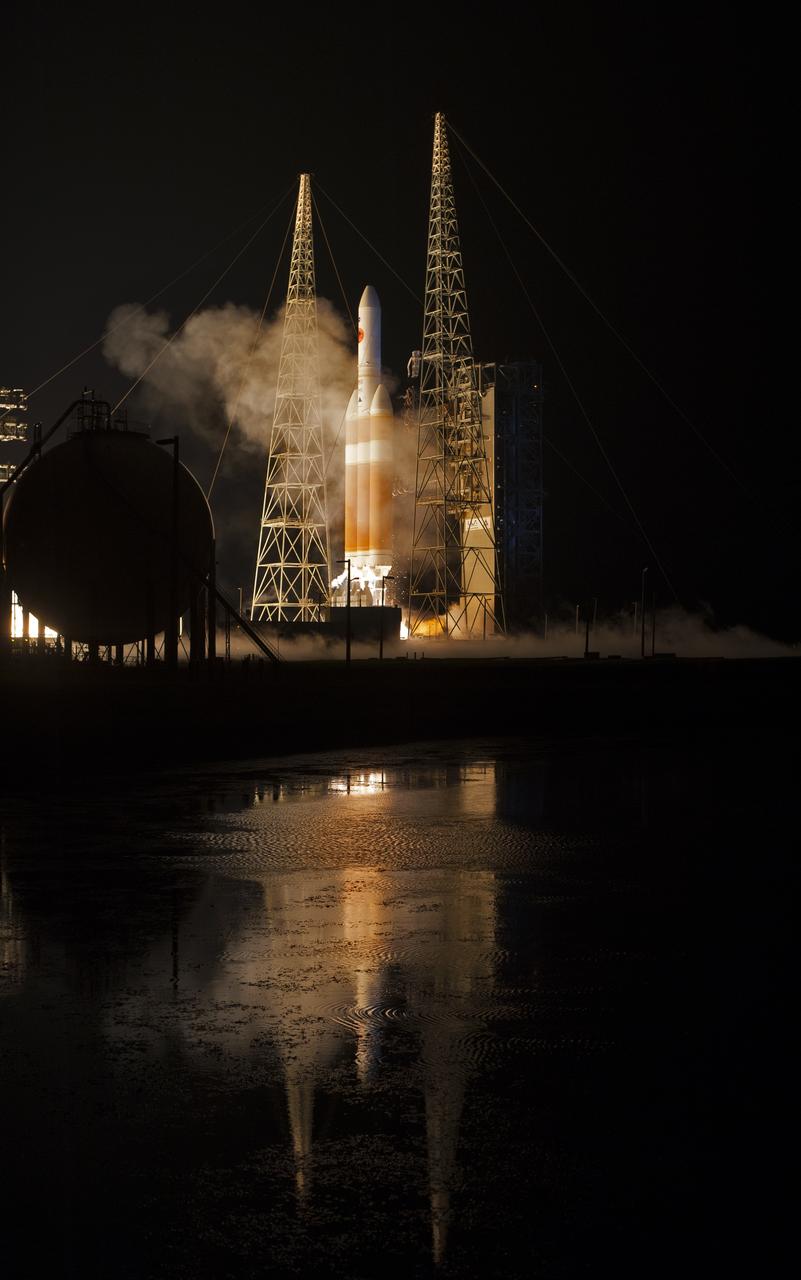
At Cape Canaveral Air Force Station’s Space Launch Complex 37, the United Launch Alliance Delta IV Heavy rocket with NASA's Parker Solar Probe, lifts off at 3:31 a.m. EDT on Sunday, Aug. 12, 2018. The spacecraft was built by Applied Physics Laboratory of Johns Hopkins University in Laurel, Maryland. The mission will perform the closest-ever observations of a star when it travels through the Sun's atmosphere, called the corona. The probe will rely on measurements and imaging to revolutionize our understanding of the corona and the Sun-Earth connection.
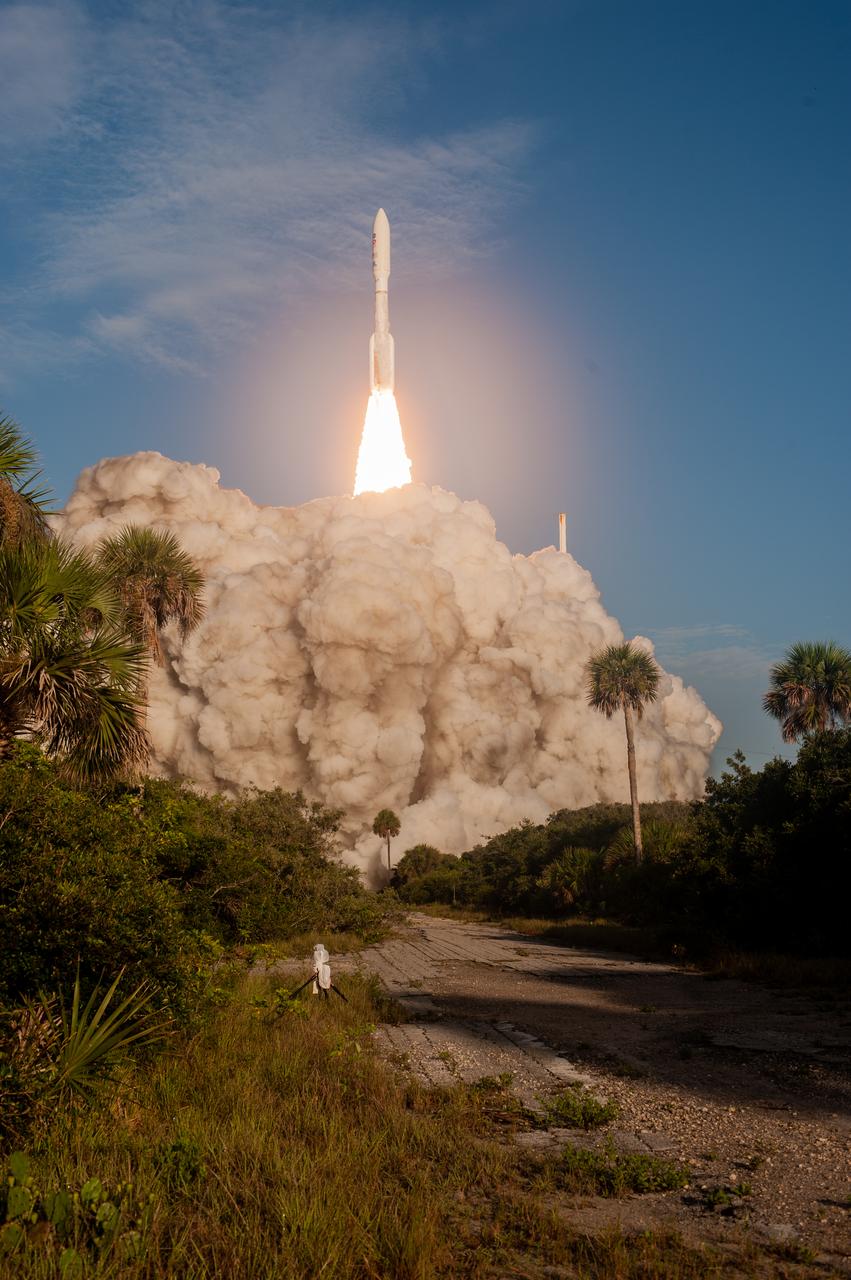
A United Launch Alliance Atlas V 541 rocket lifts off from Space Launch Complex 41 at Cape Canaveral Air Force Station in Florida on July 30, 2020, at 7:50 a.m. EDT, carrying NASA’s Mars Perseverance rover and Ingenuity helicopter. The rover is part of NASA’s Mars Exploration Program, a long-term effort of robotic exploration of the Red Planet. The rover’s seven instruments will search for habitable conditions in the ancient past and signs of past microbial life on Mars. The Launch Services Program at Kennedy is responsible for launch management.
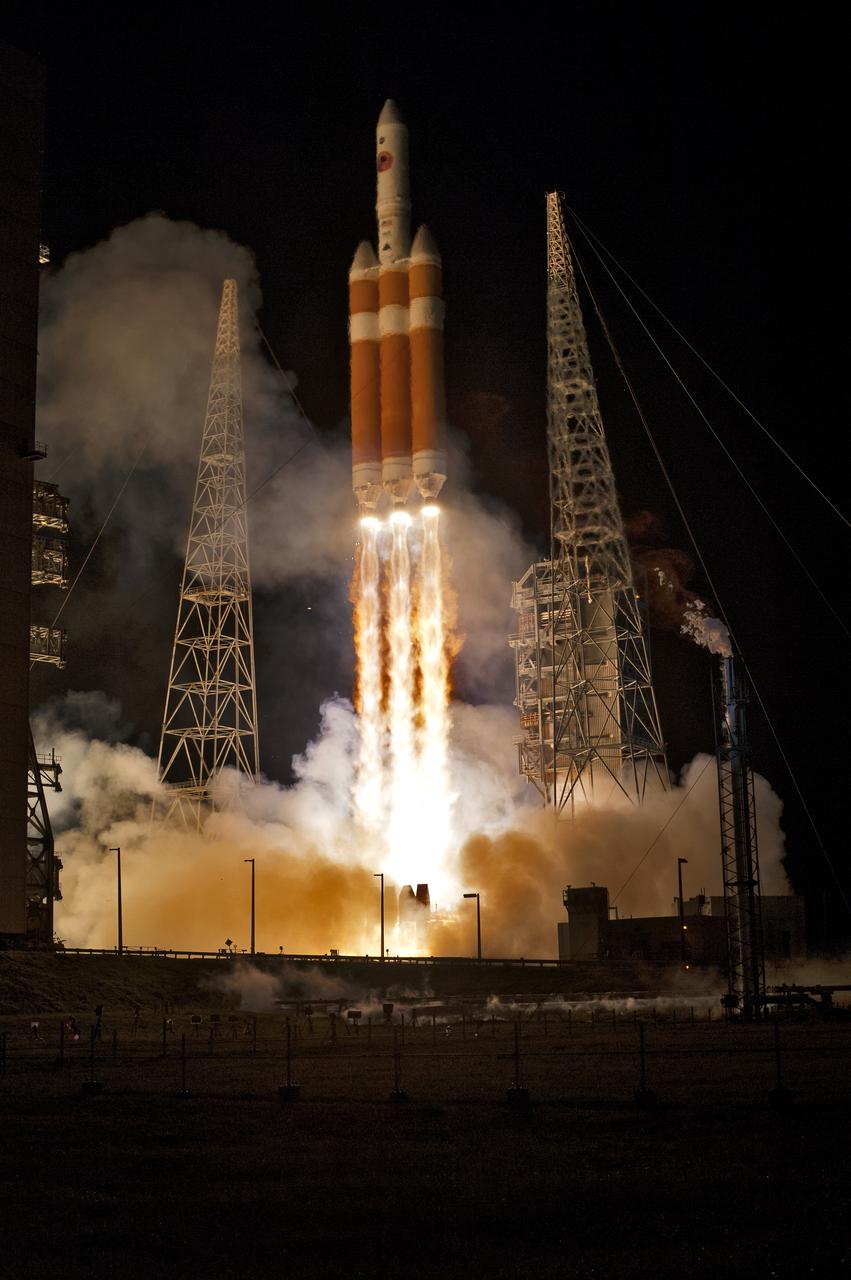
At Cape Canaveral Air Force Station’s Space Launch Complex 37, the United Launch Alliance Delta IV Heavy rocket with NASA's Parker Solar Probe, lifts off at 3:31 a.m. EDT on Sunday, Aug. 12, 2018. The spacecraft was built by Applied Physics Laboratory of Johns Hopkins University in Laurel, Maryland. The mission will perform the closest-ever observations of a star when it travels through the Sun's atmosphere, called the corona. The probe will rely on measurements and imaging to revolutionize our understanding of the corona and the Sun-Earth connection.
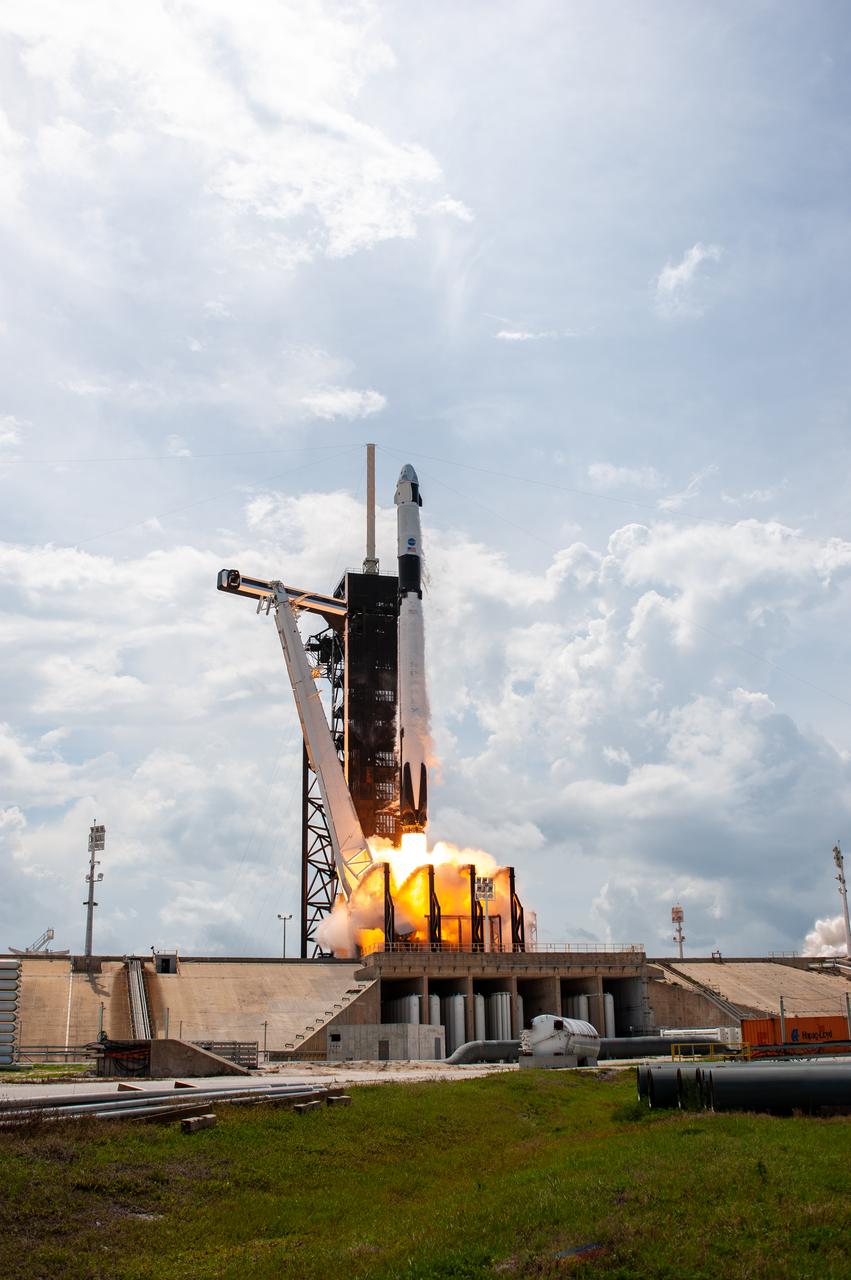
A SpaceX Falcon 9 rocket and Crew Dragon spacecraft lifts off from Launch Complex 39A at NASA’s Kennedy Space Center in Florida on May 30, 2020, carrying NASA astronauts Robert Behnken and Douglas Hurley to the International Space Station for the agency’s SpaceX Demo-2 mission. Liftoff occurred at 3:22 p.m. EDT. Behnken and Hurley are the first astronauts to launch from U.S. soil to the space station since the end of the Space Shuttle Program in 2011. Part of NASA’s Commercial Crew Program, this will be SpaceX’s final flight test, paving the way for the agency to certify the crew transportation system for regular, crewed flights to the orbiting laboratory.
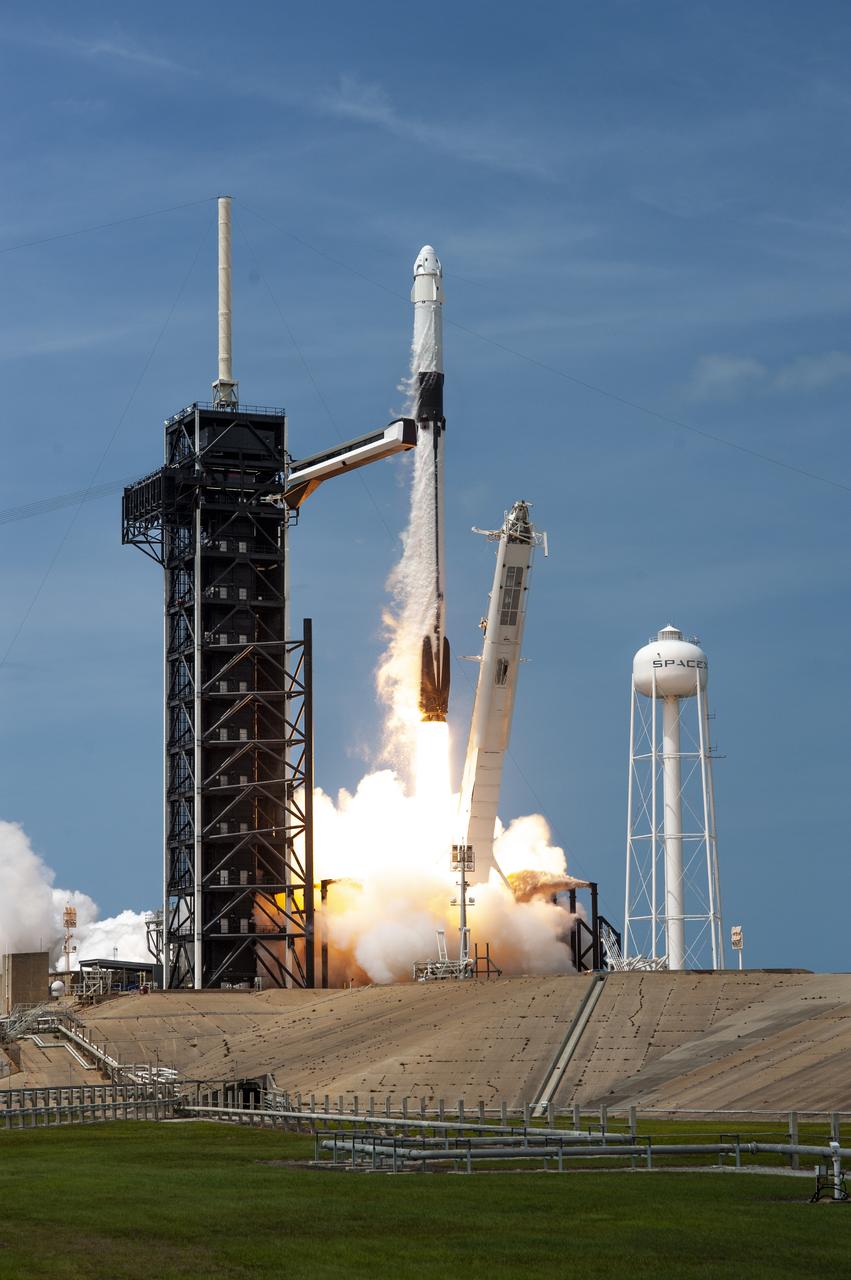
A SpaceX Falcon 9 rocket and Crew Dragon spacecraft lifts off from Launch Complex 39A at NASA’s Kennedy Space Center in Florida on May 30, 2020, carrying NASA astronauts Robert Behnken and Douglas Hurley to the International Space Station for the agency’s SpaceX Demo-2 mission. Liftoff occurred at 3:22 p.m. EDT. Behnken and Hurley are the first astronauts to launch from U.S. soil to the space station since the end of the Space Shuttle Program in 2011. Part of NASA’s Commercial Crew Program, this will be SpaceX’s final flight test, paving the way for the agency to certify the crew transportation system for regular, crewed flights to the orbiting laboratory.
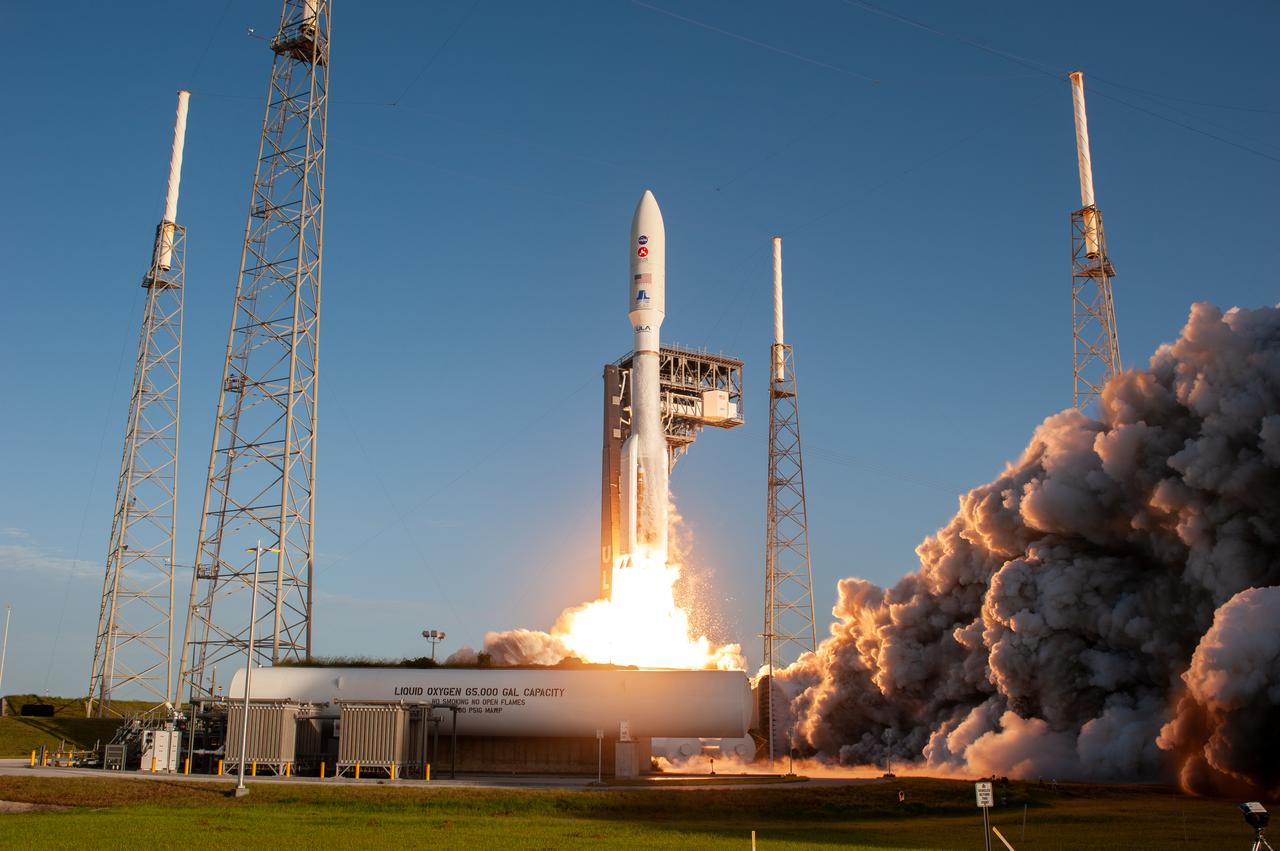
With blue sky as a backdrop, a United Launch Alliance Atlas V 541 rocket lifts off from Space Launch Complex 41 at Cape Canaveral Air Force Station in Florida on July 30, 2020, at 7:50 a.m. EDT, carrying NASA’s Mars Perseverance rover and Ingenuity helicopter. The rover is part of NASA’s Mars Exploration Program, a long-term effort of robotic exploration of the Red Planet. The rover’s seven instruments will search for habitable conditions in the ancient past and signs of past microbial life on Mars. The Launch Services Program at Kennedy is responsible for launch management.
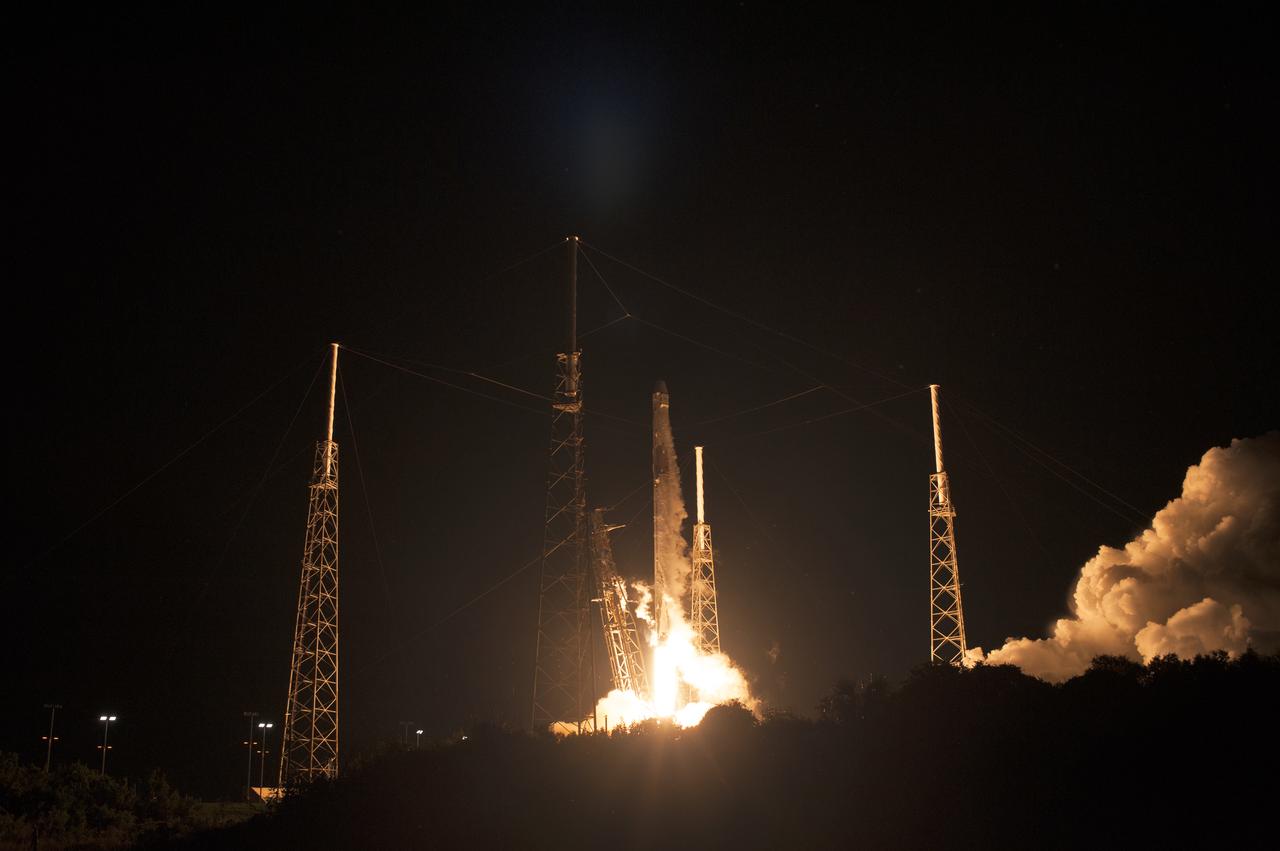
The two-stage SpaceX Falcon 9 launch vehicle lifts off from Space Launch Complex 40 at Cape Canaveral Air Force Station, carrying the SpaceX Dragon resupply spacecraft to the International Space Station. Liftoff was at 5:42 a.m. EDT on Friday, June 29, 2018. On the company’s 15th Commercial Resupply Services mission to the International Space Station, Dragon is filled with supplies and payloads, including critical materials to support several science and research investigations that will occur during Expedition 56. The spacecraft’s unpressurized trunk is carrying a Canadian-built Latching End Effector, or LEE. This new LEE will replace a failed unit astronauts removed during a series of spacewalks in the fall of 2017. Each end of the Canadarm2 robotic arm has an identical LEE, and they are used as the “hands” that grapple payloads and visiting cargo spaceships.
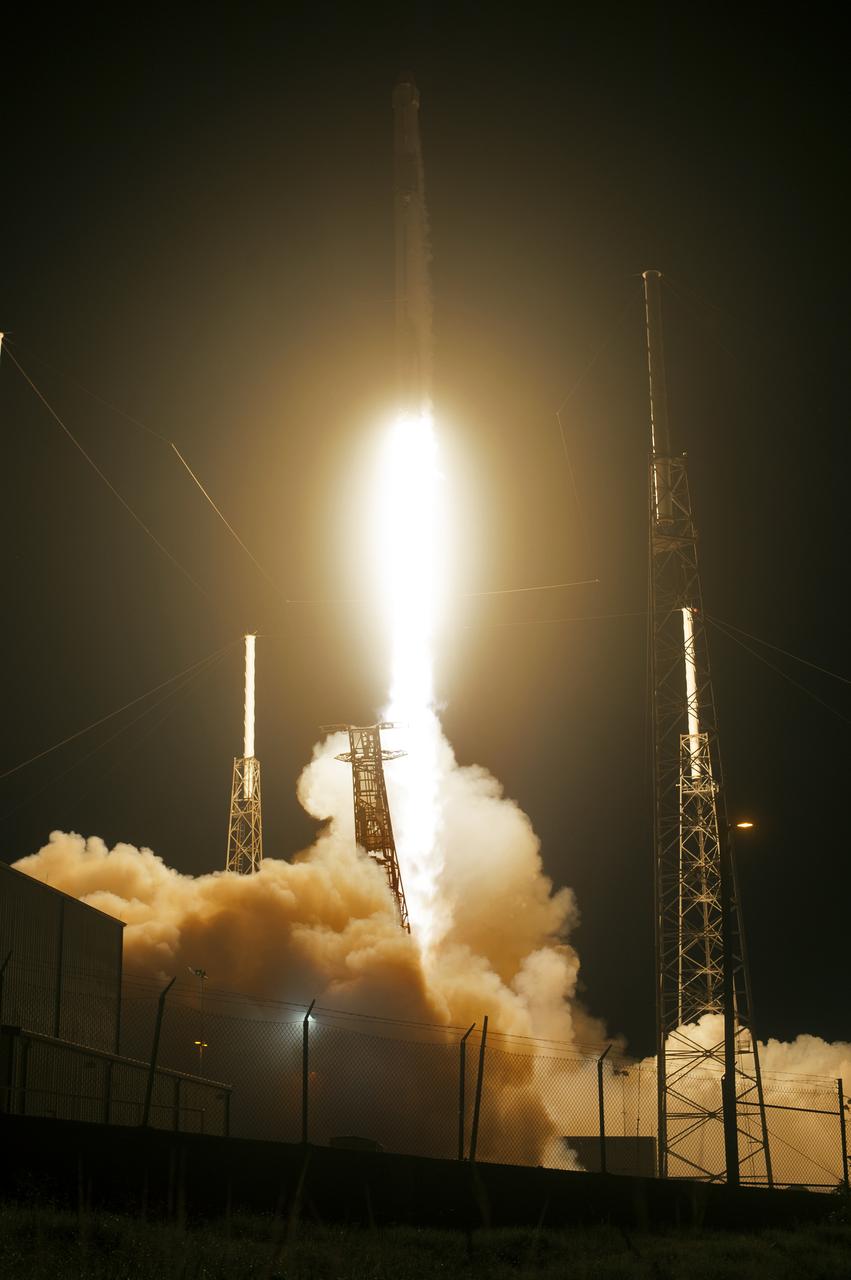
The two-stage SpaceX Falcon 9 launch vehicle lifts off from Space Launch Complex 40 at Cape Canaveral Air Force Station, carrying the SpaceX Dragon resupply spacecraft to the International Space Station. Liftoff was at 5:42 a.m. EDT on Friday, June 29, 2018. On the company’s 15th Commercial Resupply Services mission to the International Space Station, Dragon is filled with supplies and payloads, including critical materials to support several science and research investigations that will occur during Expedition 56. The spacecraft’s unpressurized trunk is carrying a Canadian-built Latching End Effector, or LEE. This new LEE will replace a failed unit astronauts removed during a series of spacewalks in the fall of 2017. Each end of the Canadarm2 robotic arm has an identical LEE, and they are used as the “hands” that grapple payloads and visiting cargo spaceships.
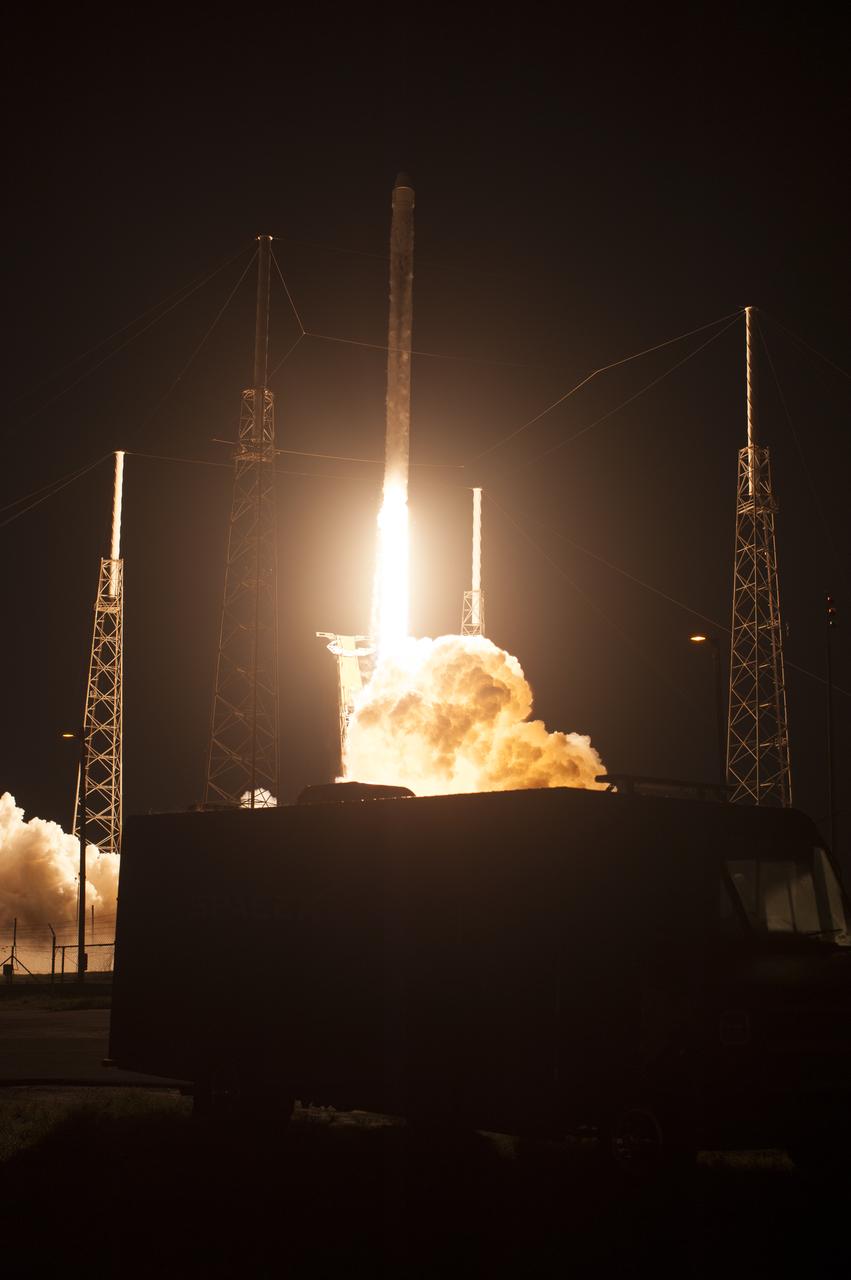
SpaceX CRS-15 lifts off from Space Launch Complex 40 at Cape Canaveral Air Force Station in Florida.
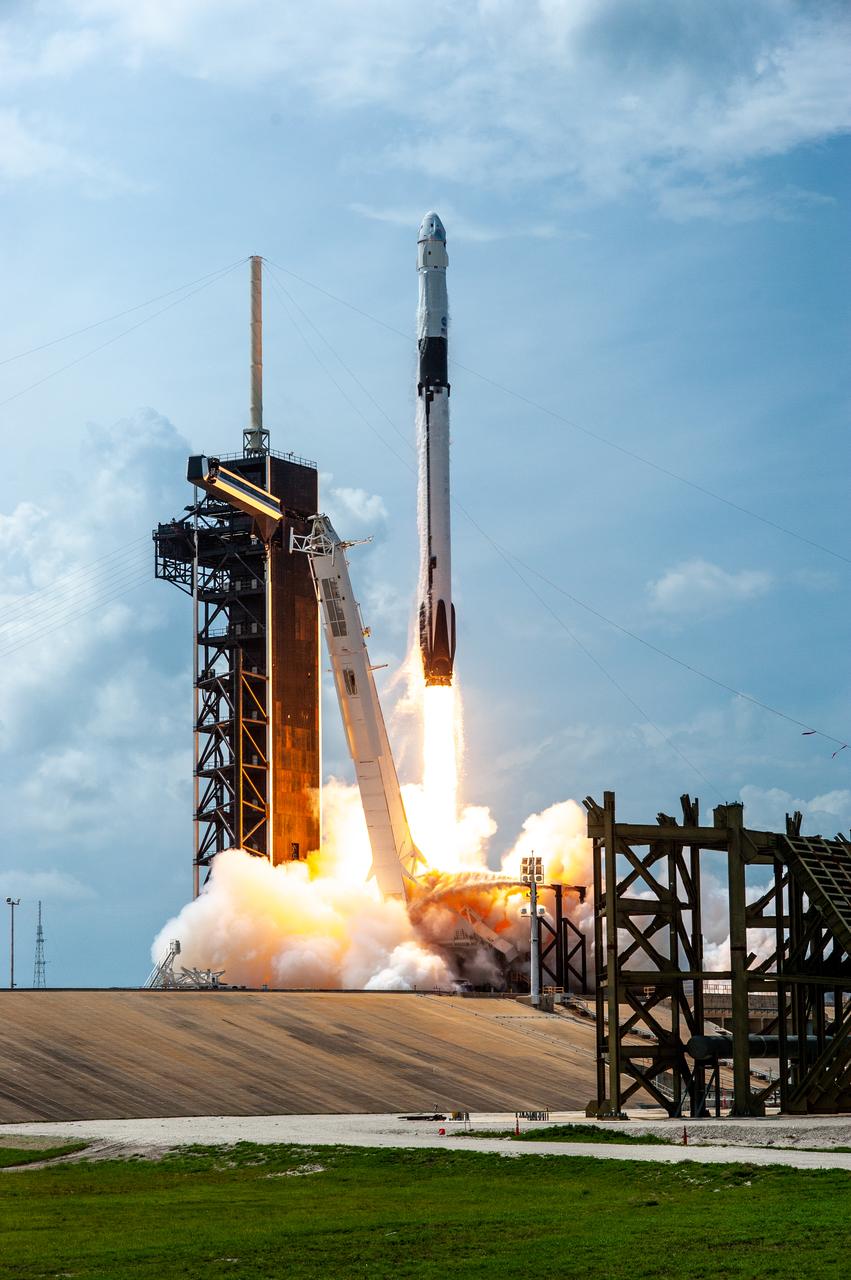
A SpaceX Falcon 9 rocket and Crew Dragon spacecraft lifts off from Launch Complex 39A at NASA’s Kennedy Space Center in Florida on May 30, 2020, carrying NASA astronauts Robert Behnken and Douglas Hurley to the International Space Station for the agency’s SpaceX Demo-2 mission. Liftoff occurred at 3:22 p.m. EDT. Behnken and Hurley are the first astronauts to launch from U.S. soil to the space station since the end of the Space Shuttle Program in 2011. Part of NASA’s Commercial Crew Program, this will be SpaceX’s final flight test, paving the way for the agency to certify the crew transportation system for regular, crewed flights to the orbiting laboratory.
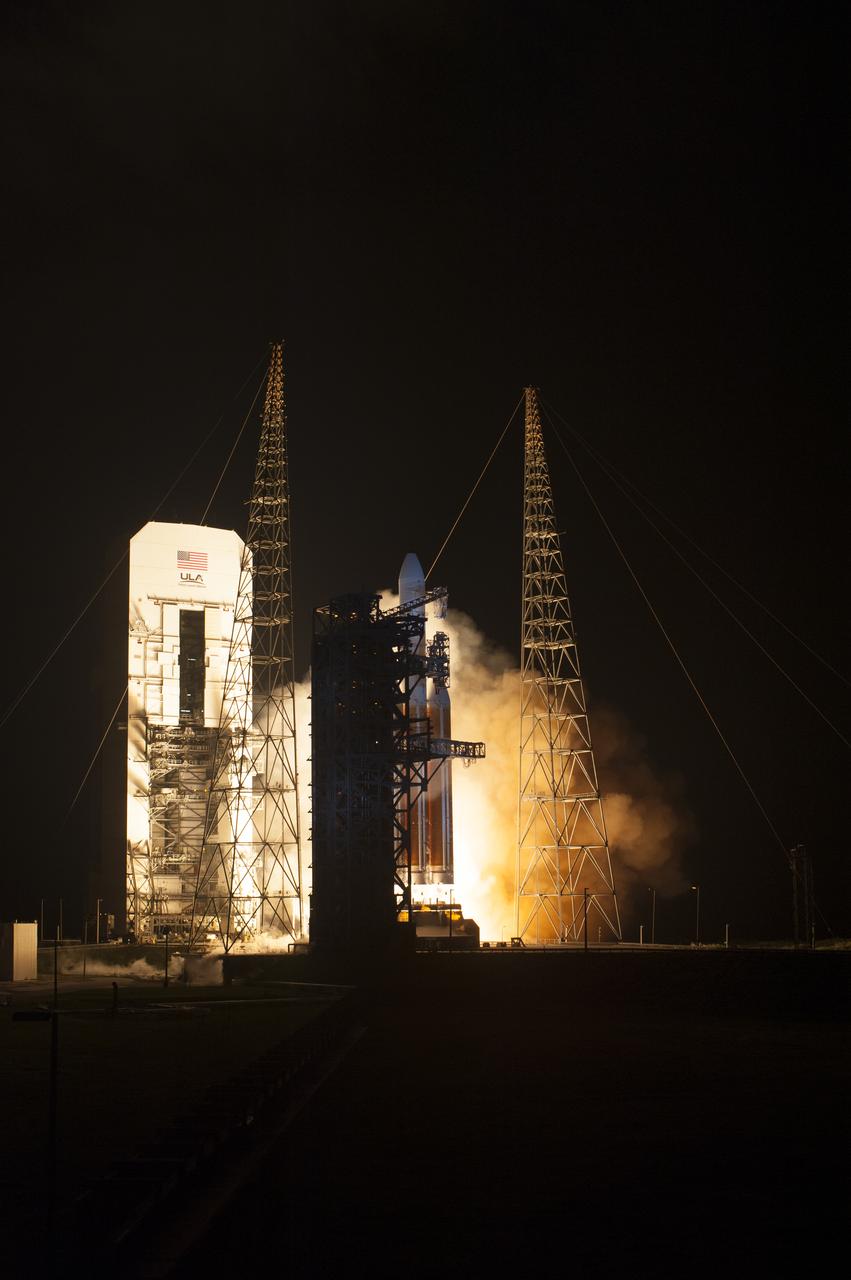
At Cape Canaveral Air Force Station's Space Launch Complex 37, the United Launch Alliance Delta IV Heavy rocket with NASA's Parker Solar Probe, lifts off at 3:31 a.m. EDT on Sunday, Aug. 12, 2018. The spacecraft was built by Applied Physics Laboratory of Johns Hopkins University in Laurel, Maryland. The mission will perform the closest-ever observations of a star when it travels through the Sun's atmosphere, called the corona. The probe will rely on measurements and imaging to revolutionize our understanding of the corona and the Sun-Earth connection.
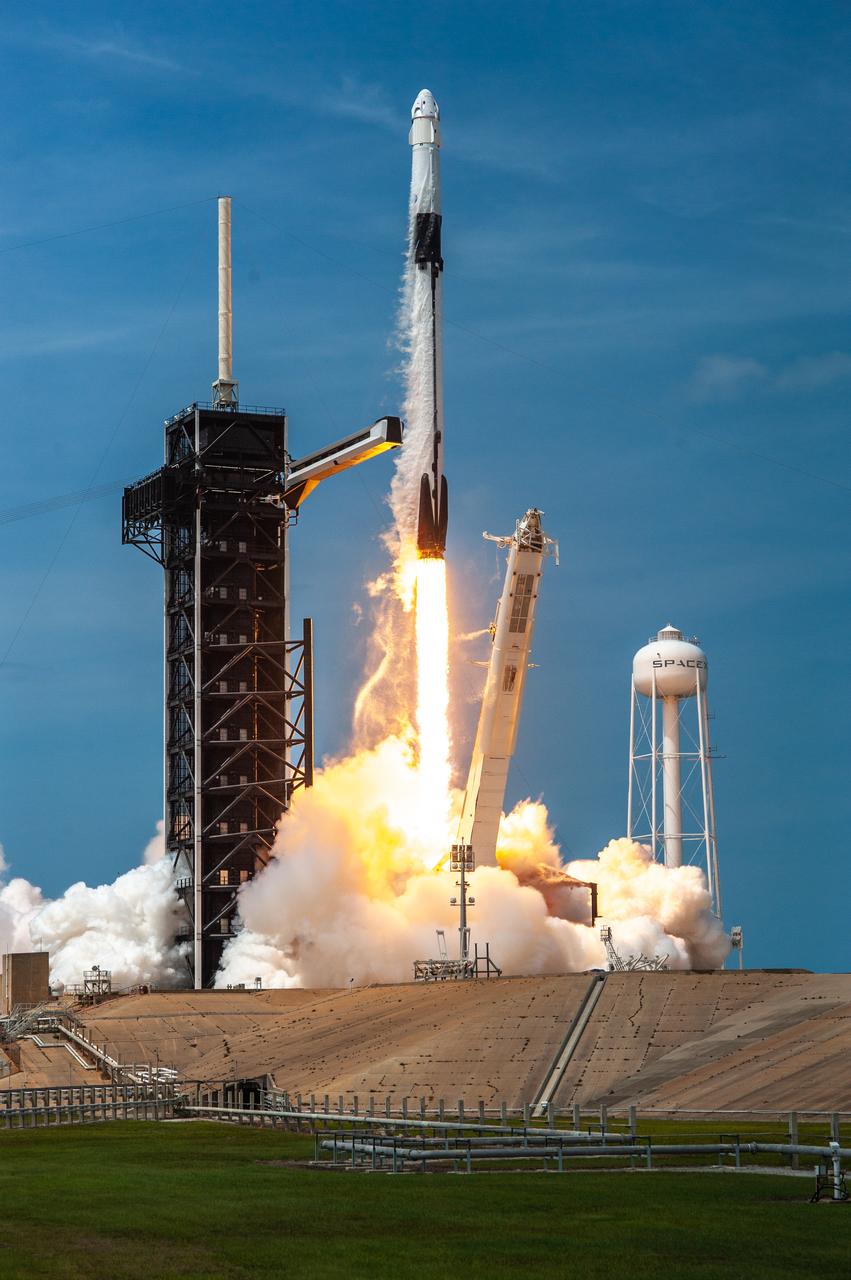
A SpaceX Falcon 9 rocket and Crew Dragon spacecraft lifts off from Launch Complex 39A at NASA’s Kennedy Space Center in Florida on May 30, 2020, carrying NASA astronauts Robert Behnken and Douglas Hurley to the International Space Station for the agency’s SpaceX Demo-2 mission. Liftoff occurred at 3:22 p.m. EDT. Behnken and Hurley are the first astronauts to launch from U.S. soil to the space station since the end of the Space Shuttle Program in 2011. Part of NASA’s Commercial Crew Program, this will be SpaceX’s final flight test, paving the way for the agency to certify the crew transportation system for regular, crewed flights to the orbiting laboratory.
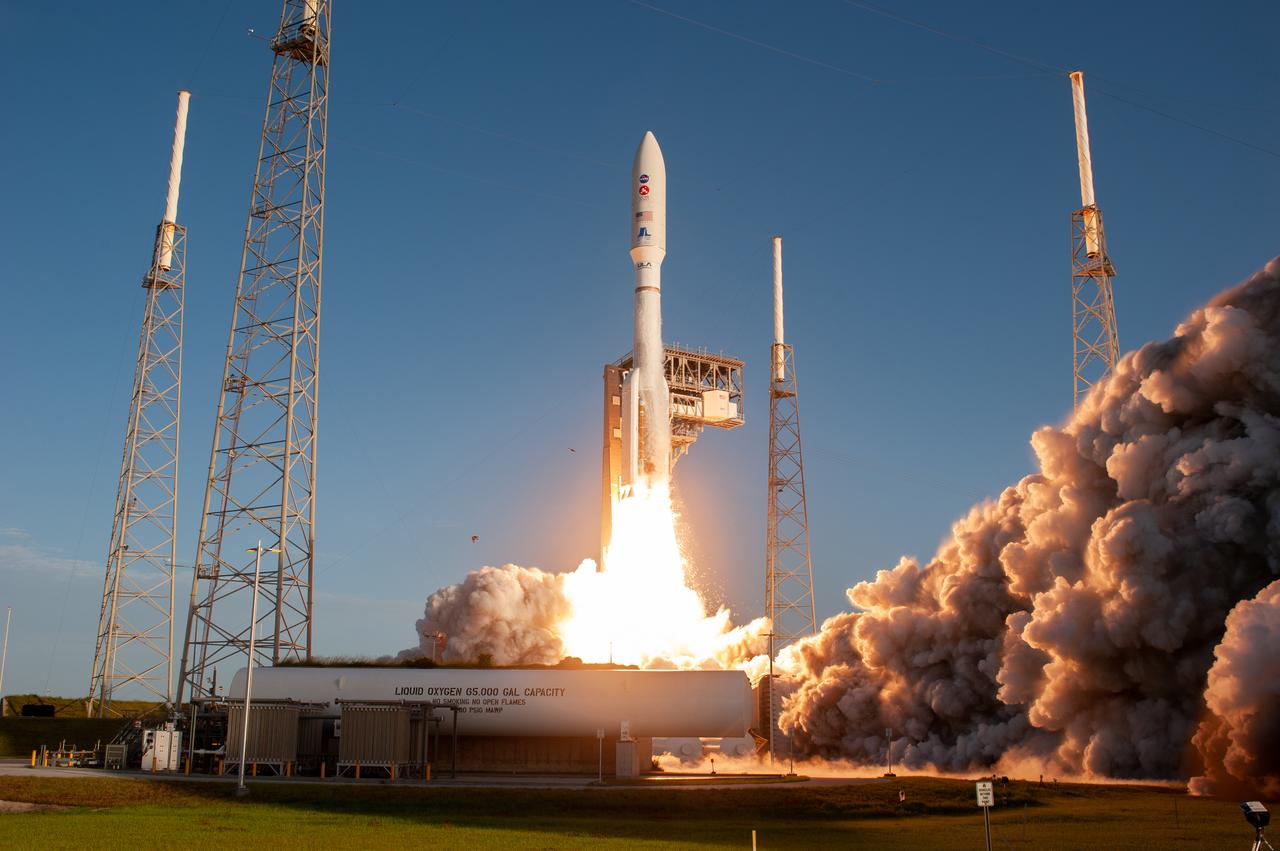
With blue sky as a backdrop, a United Launch Alliance Atlas V 541 rocket lifts off from Space Launch Complex 41 at Cape Canaveral Air Force Station in Florida on July 30, 2020, at 7:50 a.m. EDT, carrying NASA’s Mars Perseverance rover and Ingenuity helicopter. The rover is part of NASA’s Mars Exploration Program, a long-term effort of robotic exploration of the Red Planet. The rover’s seven instruments will search for habitable conditions in the ancient past and signs of past microbial life on Mars. The Launch Services Program at Kennedy is responsible for launch management.
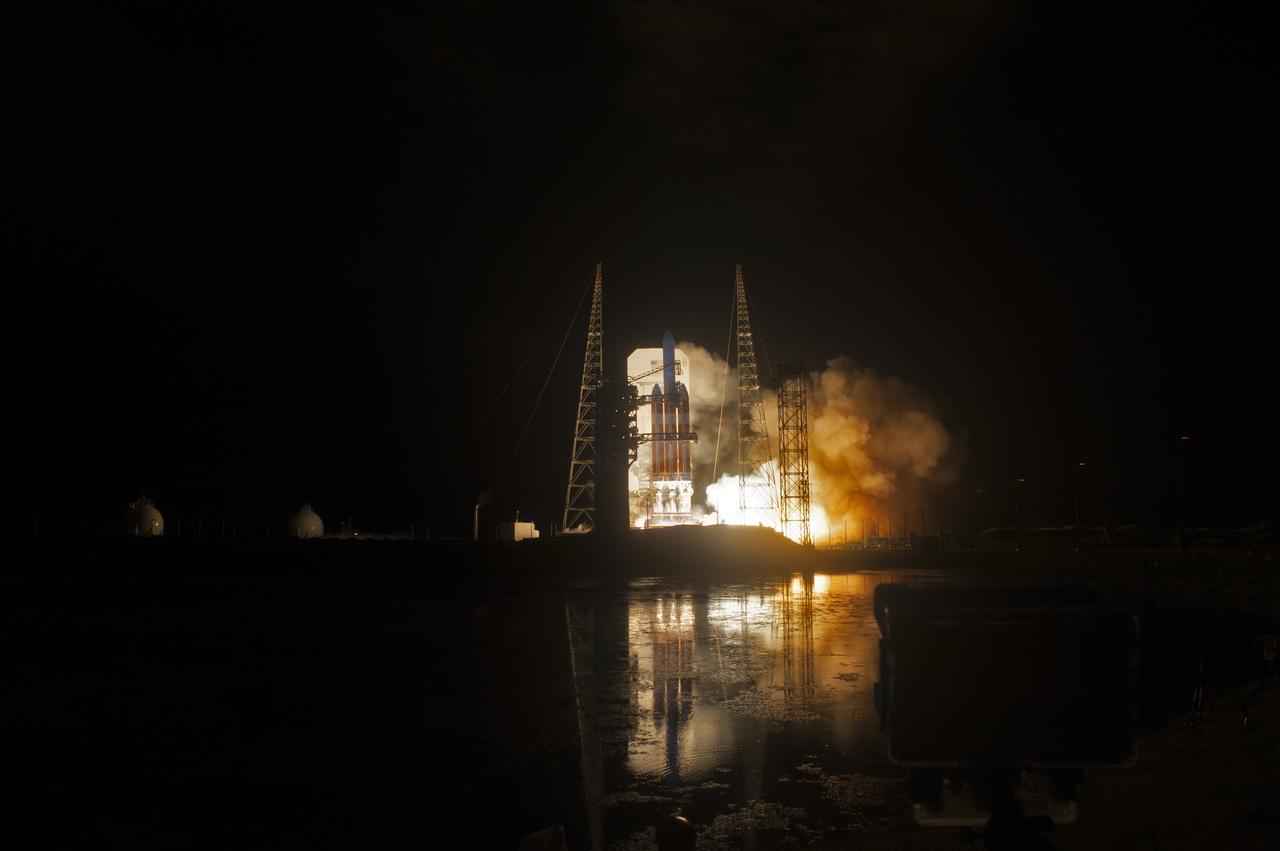
At Cape Canaveral Air Force Station's Space Launch Complex 37, the United Launch Alliance Delta IV Heavy rocket with NASA's Parker Solar Probe, lifts off at 3:31 a.m. EDT on Sunday, Aug. 12, 2018. The spacecraft was built by Applied Physics Laboratory of Johns Hopkins University in Laurel, Maryland. The mission will perform the closest-ever observations of a star when it travels through the Sun's atmosphere, called the corona. The probe will rely on measurements and imaging to revolutionize our understanding of the corona and the Sun-Earth connection.
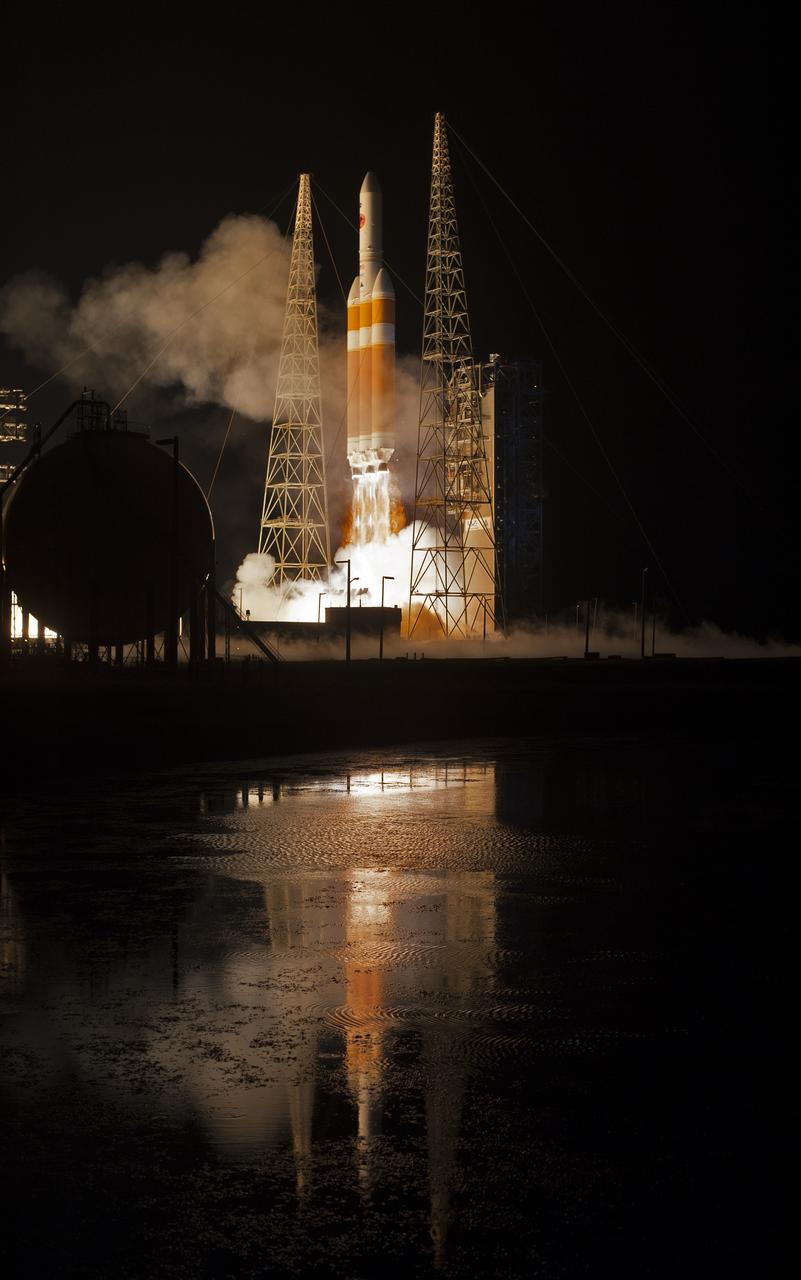
At Cape Canaveral Air Force Station’s Space Launch Complex 37, the United Launch Alliance Delta IV Heavy rocket with NASA's Parker Solar Probe, lifts off at 3:31 a.m. EDT on Sunday, Aug. 12, 2018. The spacecraft was built by Applied Physics Laboratory of Johns Hopkins University in Laurel, Maryland. The mission will perform the closest-ever observations of a star when it travels through the Sun's atmosphere, called the corona. The probe will rely on measurements and imaging to revolutionize our understanding of the corona and the Sun-Earth connection.
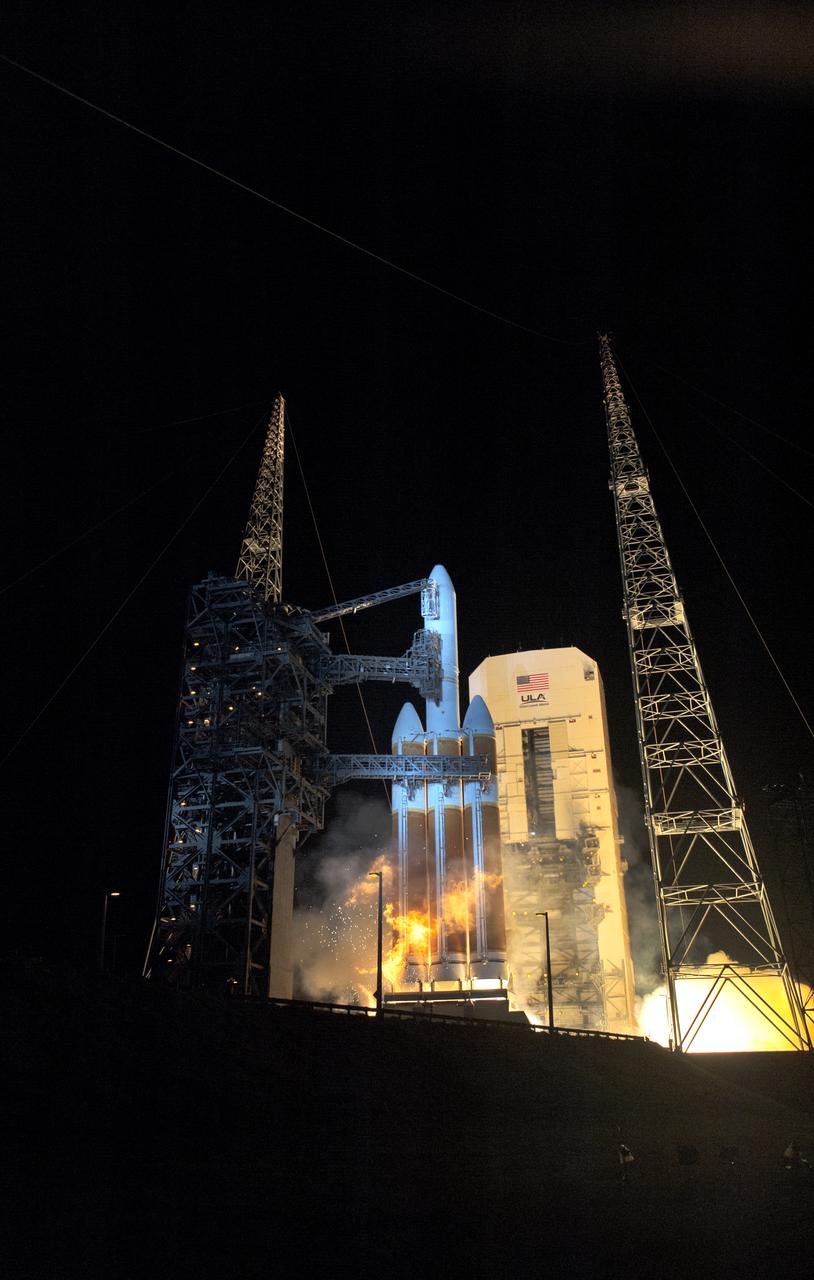
At Cape Canaveral Air Force Station's Space Launch Complex 37, the United Launch Alliance Delta IV Heavy rocket with NASA's Parker Solar Probe, lifts off at 3:31 a.m. EDT on Sunday, Aug. 12, 2018. The spacecraft was built by Applied Physics Laboratory of Johns Hopkins University in Laurel, Maryland. The mission will perform the closest-ever observations of a star when it travels through the Sun's atmosphere, called the corona. The probe will rely on measurements and imaging to revolutionize our understanding of the corona and the Sun-Earth connection.
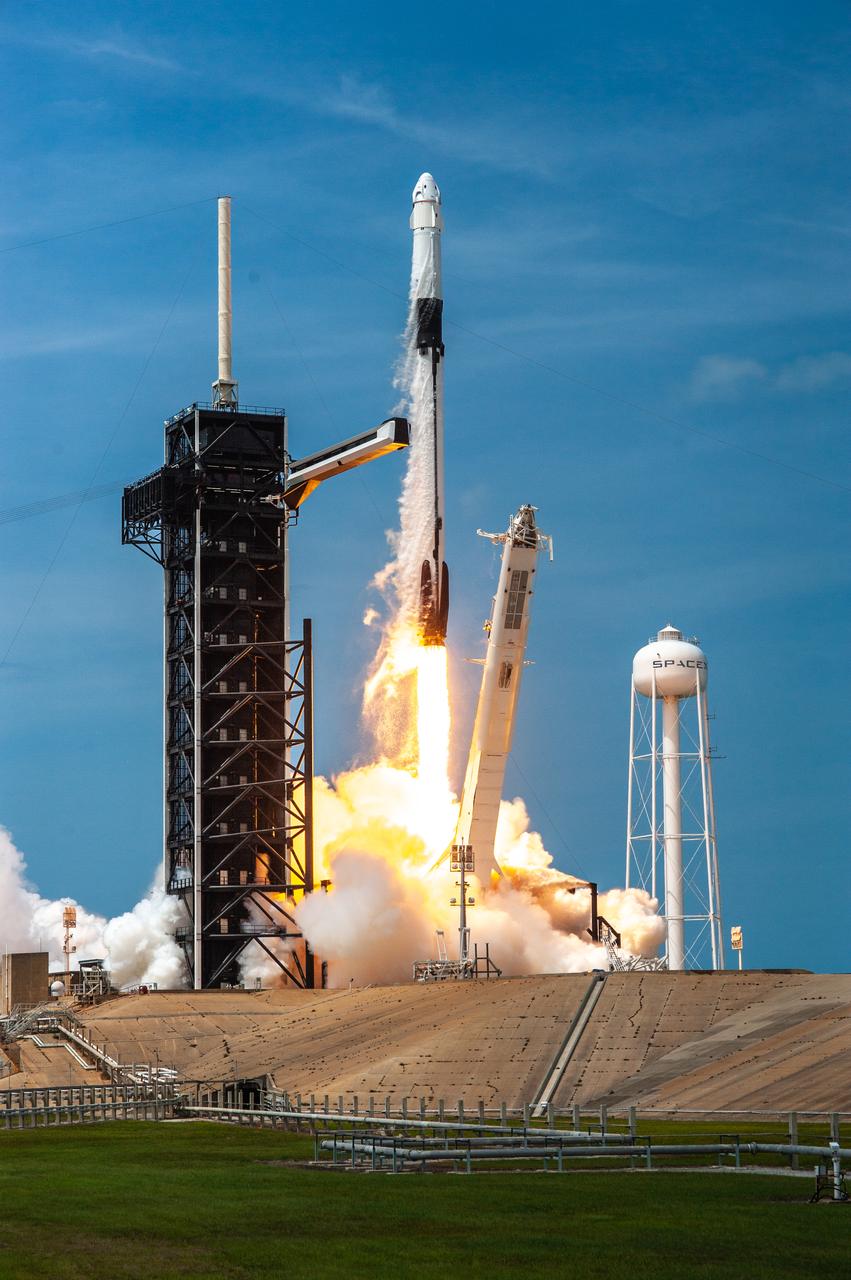
A SpaceX Falcon 9 rocket and Crew Dragon spacecraft lifts off from Launch Complex 39A at NASA’s Kennedy Space Center in Florida on May 30, 2020, carrying NASA astronauts Robert Behnken and Douglas Hurley to the International Space Station for the agency’s SpaceX Demo-2 mission. Liftoff occurred at 3:22 p.m. EDT. Behnken and Hurley are the first astronauts to launch from U.S. soil to the space station since the end of the Space Shuttle Program in 2011. Part of NASA’s Commercial Crew Program, this will be SpaceX’s final flight test, paving the way for the agency to certify the crew transportation system for regular, crewed flights to the orbiting laboratory.

At Cape Canaveral Air Force Station’s Space Launch Complex 37, the United Launch Alliance Delta IV Heavy rocket with NASA's Parker Solar Probe, lifts off at 3:31 a.m. EDT on Sunday, Aug. 12, 2018. The spacecraft was built by Applied Physics Laboratory of Johns Hopkins University in Laurel, Maryland. The mission will perform the closest-ever observations of a star when it travels through the Sun's atmosphere, called the corona. The probe will rely on measurements and imaging to revolutionize our understanding of the corona and the Sun-Earth connection.

A SpaceX Falcon 9 rocket and Crew Dragon spacecraft lifts off from Launch Complex 39A at NASA’s Kennedy Space Center in Florida on May 30, 2020, carrying NASA astronauts Robert Behnken and Douglas Hurley to the International Space Station for the agency’s SpaceX Demo-2 mission. Liftoff occurred at 3:22 p.m. EDT. Behnken and Hurley are the first astronauts to launch from U.S. soil to the space station since the end of the Space Shuttle Program in 2011. Part of NASA’s Commercial Crew Program, this will be SpaceX’s final flight test, paving the way for the agency to certify the crew transportation system for regular, crewed flights to the orbiting laboratory.
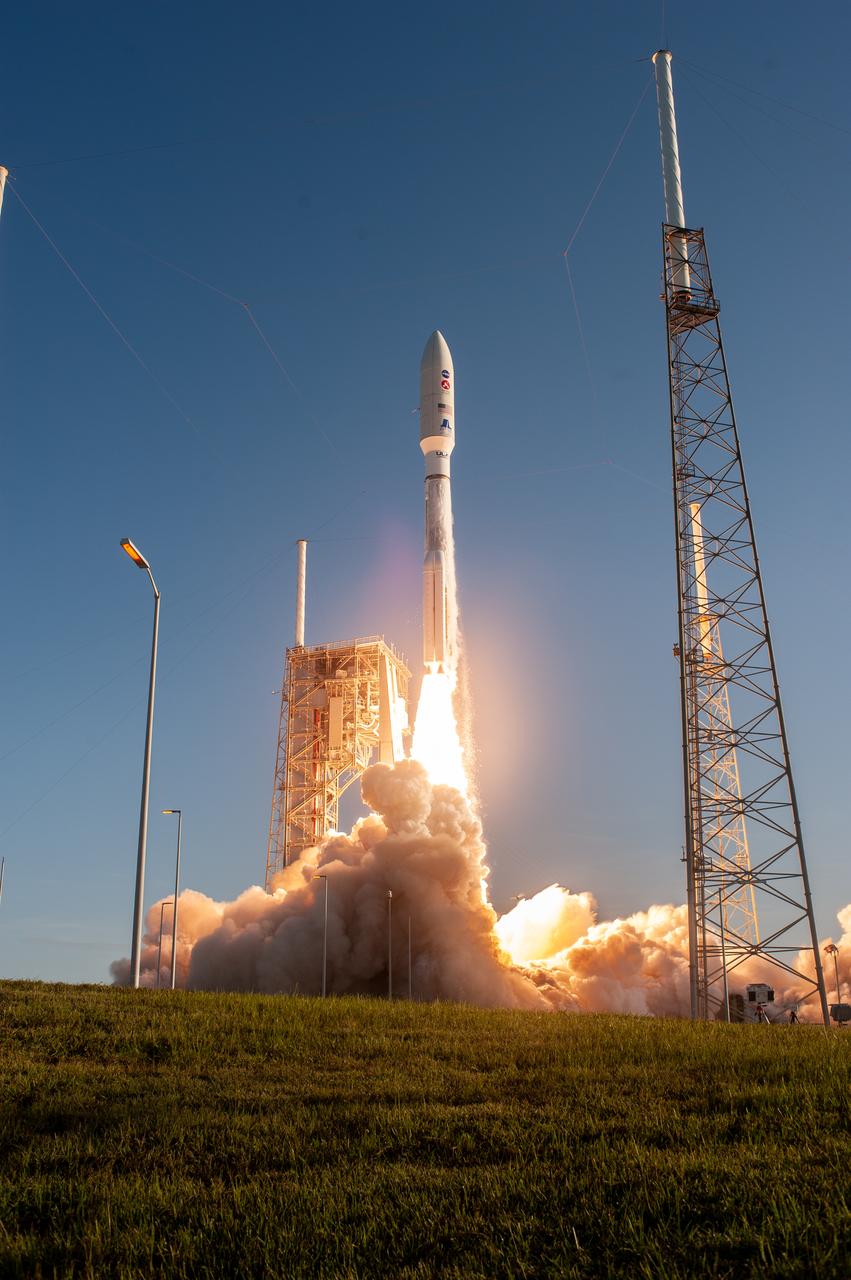
A United Launch Alliance Atlas V 541 rocket lifts off from Space Launch Complex 41 at Cape Canaveral Air Force Station in Florida on July 30, 2020, at 7:50 a.m. EDT, carrying NASA’s Mars Perseverance rover and Ingenuity helicopter. The rover is part of NASA’s Mars Exploration Program, a long-term effort of robotic exploration of the Red Planet. The rover’s seven instruments will search for habitable conditions in the ancient past and signs of past microbial life on Mars. The Launch Services Program at Kennedy is responsible for launch management.
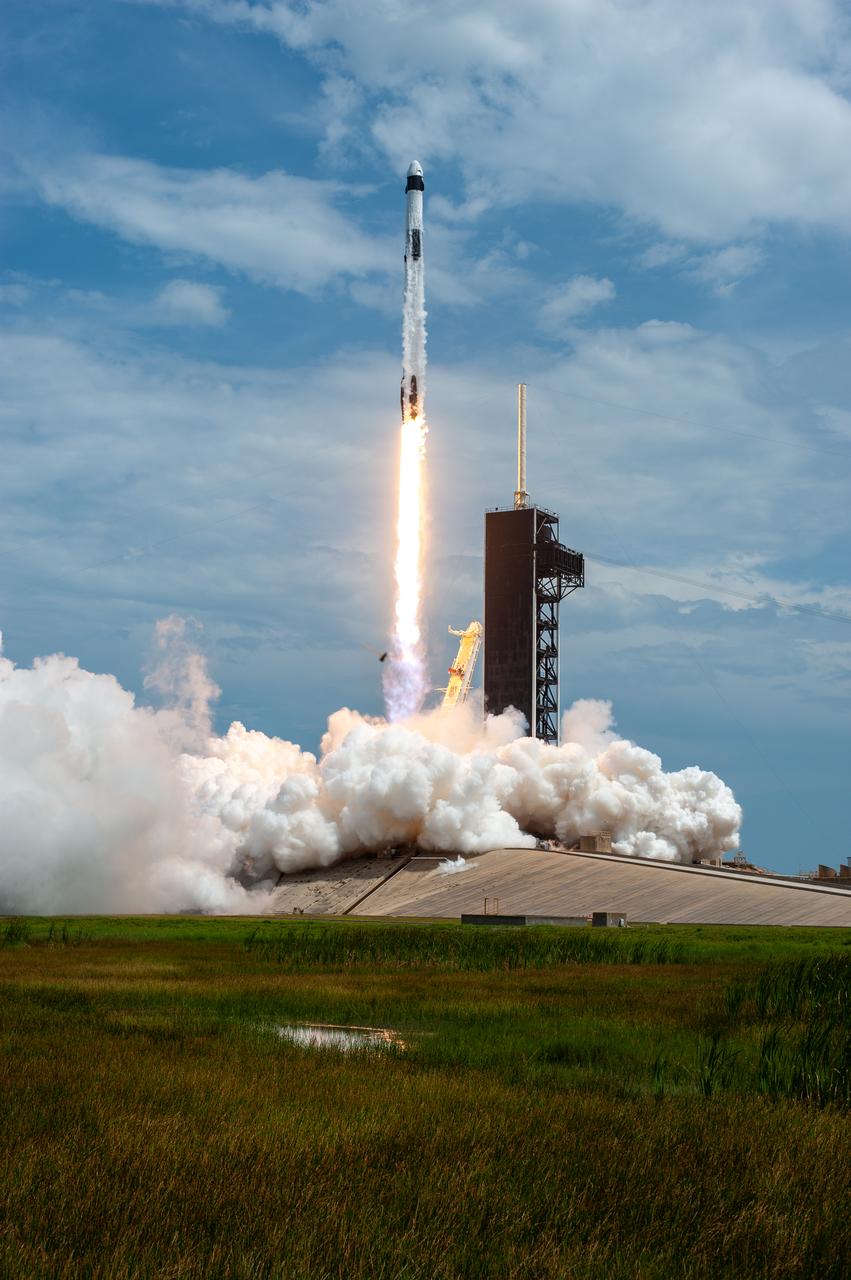
A SpaceX Falcon 9 rocket soars upward after lifting off from historic Launch Complex 39A at NASA’s Kennedy Space Center in Florida on May 30, 2020, carrying NASA astronauts Robert Behnken and Douglas Hurley to the International Space Station in a SpaceX Crew Dragon capsule for the agency’s SpaceX Demo-2 mission. Liftoff occurred at 3:22 p.m. EDT. Behnken and Hurley are the first astronauts to launch from U.S. soil to the space station since the end of the Space Shuttle Program in 2011. Part of NASA’s Commercial Crew Program, this will be SpaceX’s final flight test, paving the way for the agency to certify the crew transportation system for regular, crewed flights to the orbiting laboratory.
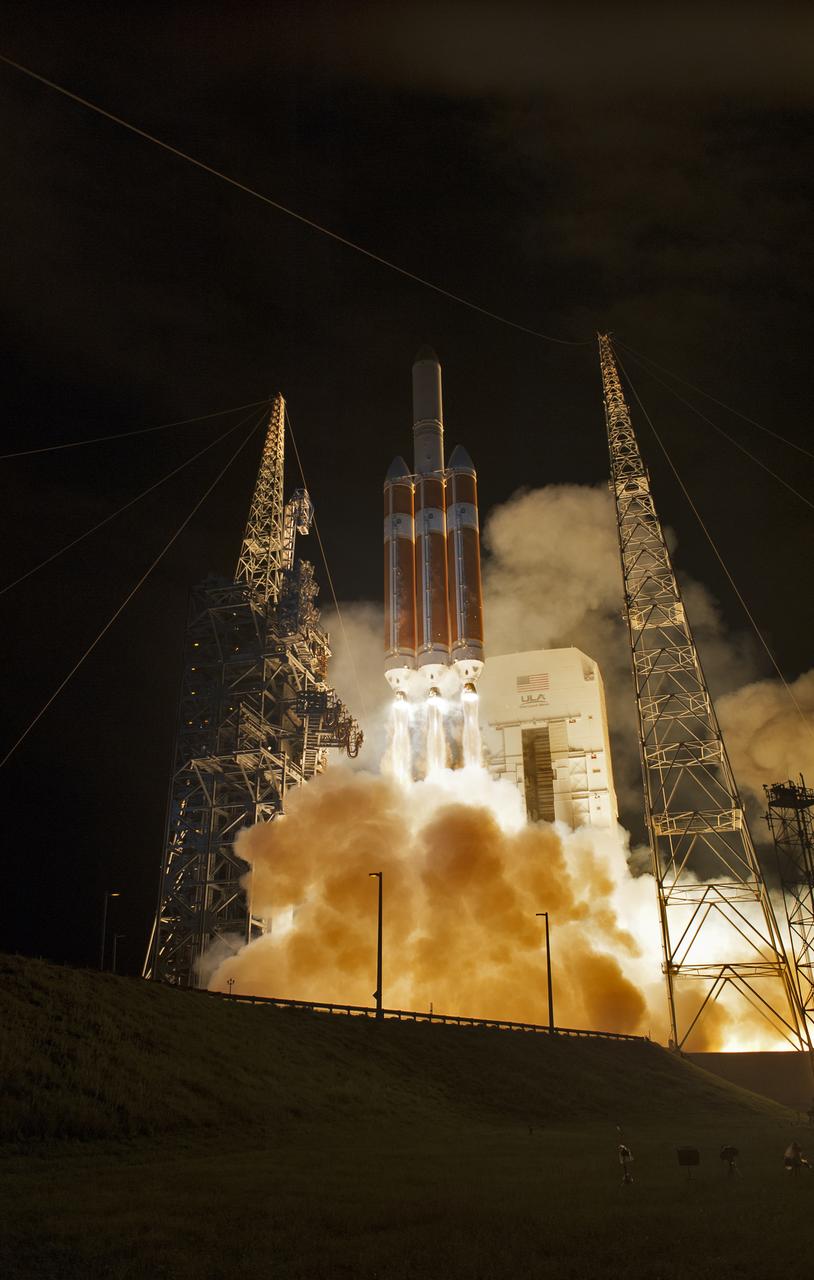
At Cape Canaveral Air Force Station's Space Launch Complex 37, the United Launch Alliance Delta IV Heavy rocket with NASA's Parker Solar Probe, lights up the night sky as it lifts off at 3:31 a.m. EDT on Sunday, Aug. 12, 2018. The spacecraft was built by Applied Physics Laboratory of Johns Hopkins University in Laurel, Maryland. The mission will perform the closest-ever observations of a star when it travels through the Sun's atmosphere, called the corona. The probe will rely on measurements and imaging to revolutionize our understanding of the corona and the Sun-Earth connection.
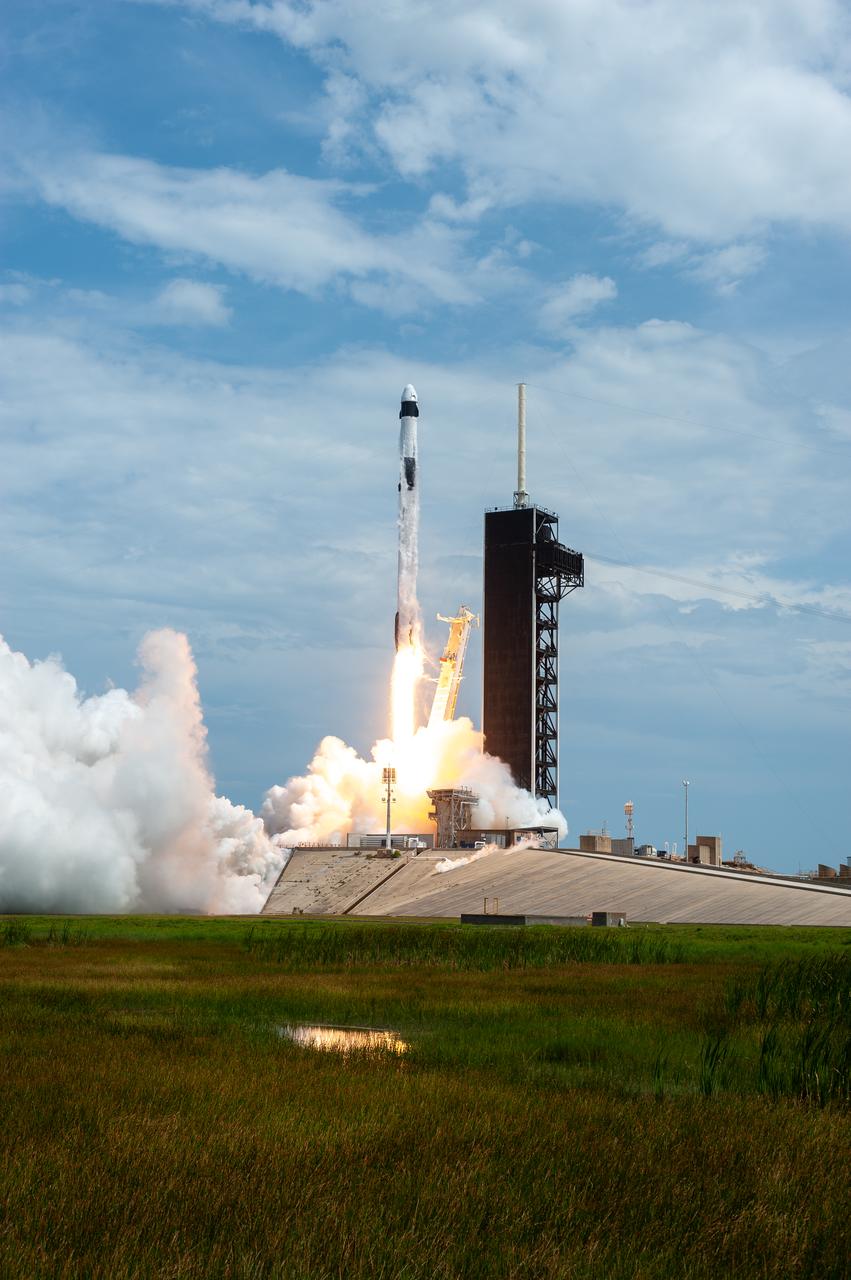
A SpaceX Falcon 9 rocket and Crew Dragon spacecraft lifts off from Launch Complex 39A at NASA’s Kennedy Space Center in Florida on May 30, 2020, carrying NASA astronauts Robert Behnken and Douglas Hurley to the International Space Station for the agency’s SpaceX Demo-2 mission. Liftoff occurred at 3:22 p.m. EDT. Behnken and Hurley are the first astronauts to launch from U.S. soil to the space station since the end of the Space Shuttle Program in 2011. Part of NASA’s Commercial Crew Program, this will be SpaceX’s final flight test, paving the way for the agency to certify the crew transportation system for regular, crewed flights to the orbiting laboratory.
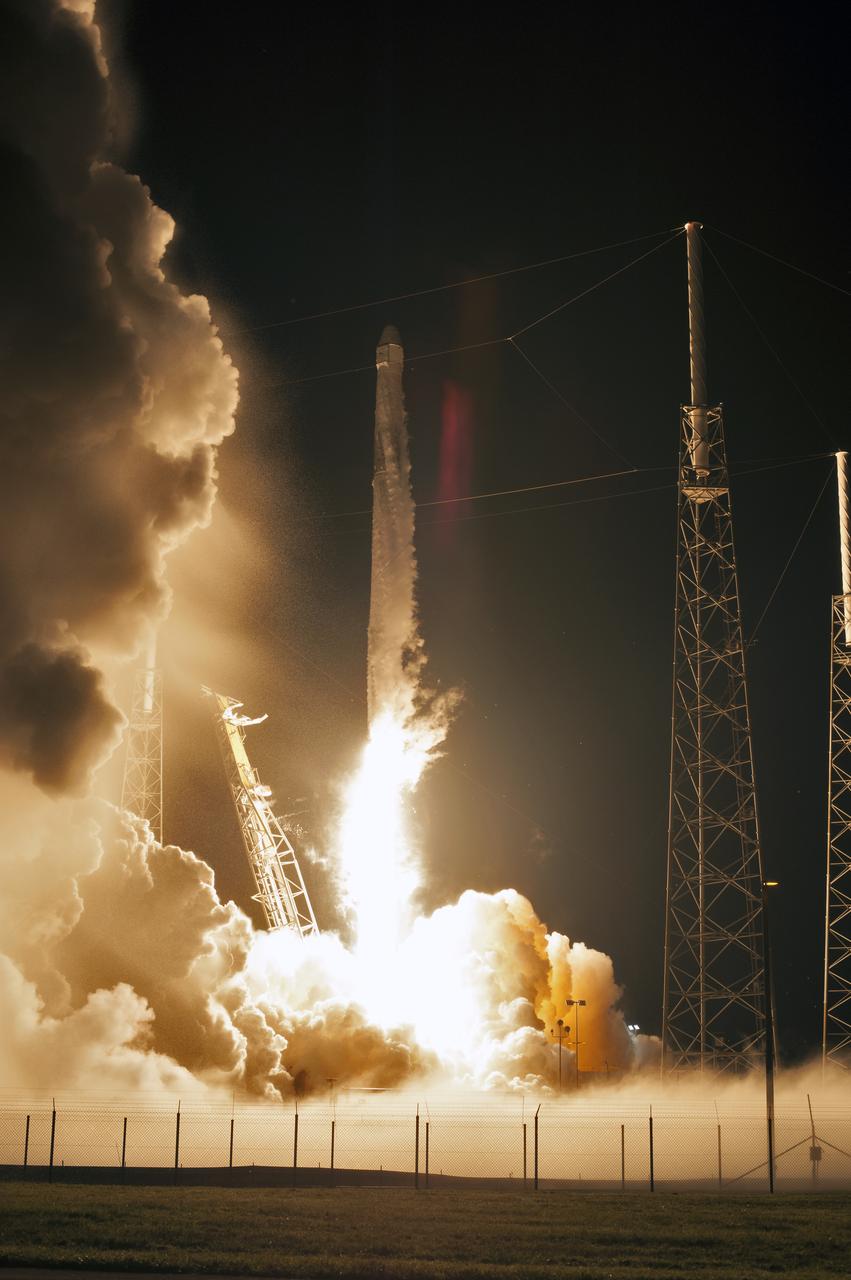
The two-stage SpaceX Falcon 9 launch vehicle lifts off from Space Launch Complex 40 at Cape Canaveral Air Force Station, carrying the SpaceX Dragon resupply spacecraft to the International Space Station. Liftoff was at 5:42 a.m. EDT on Friday, June 29, 2018. On the company’s 15th Commercial Resupply Services mission to the International Space Station, Dragon is filled with supplies and payloads, including critical materials to support several science and research investigations that will occur during Expedition 56. The spacecraft’s unpressurized trunk is carrying a Canadian-built Latching End Effector, or LEE. This new LEE will replace a failed unit astronauts removed during a series of spacewalks in the fall of 2017. Each end of the Canadarm2 robotic arm has an identical LEE, and they are used as the “hands” that grapple payloads and visiting cargo spaceships.
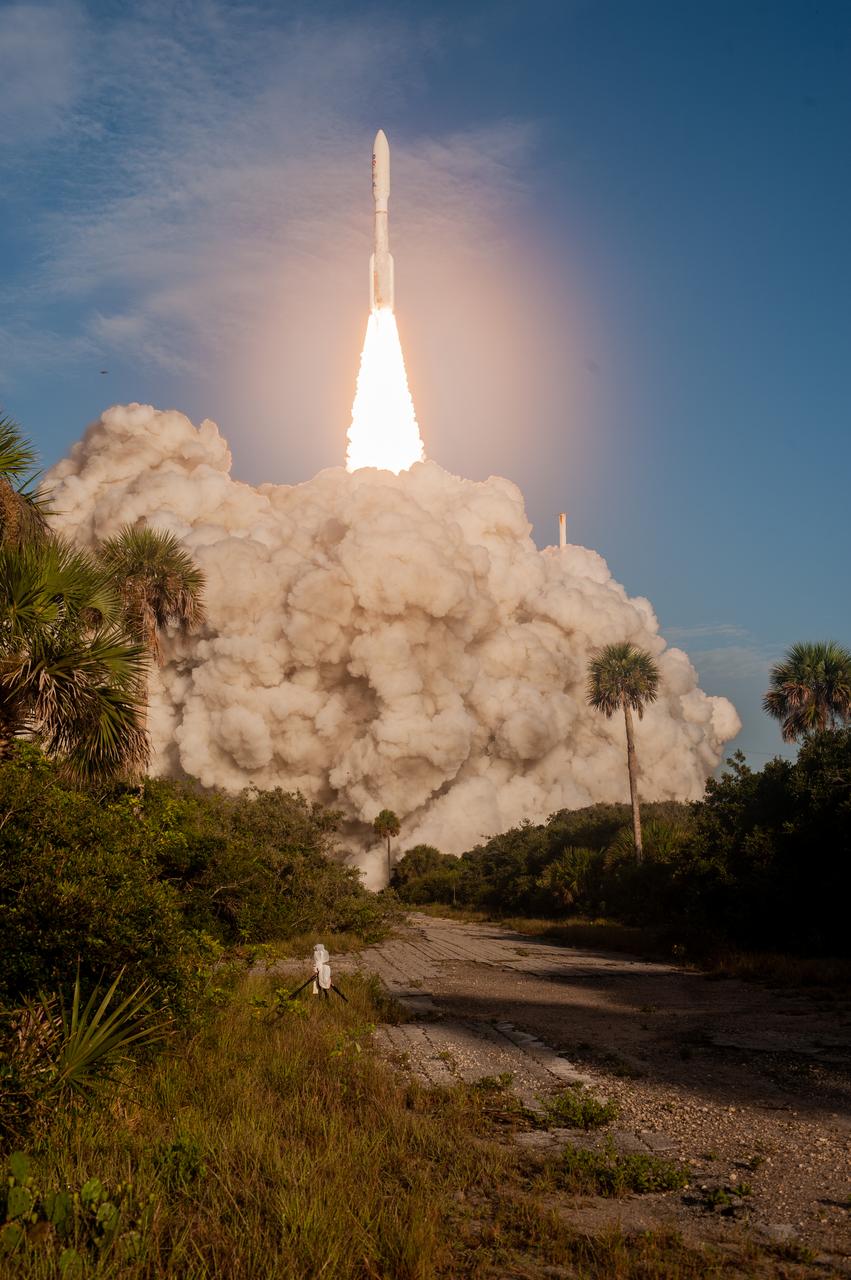
A United Launch Alliance Atlas V 541 rocket lifts off from Space Launch Complex 41 at Cape Canaveral Air Force Station in Florida on July 30, 2020, at 7:50 a.m. EDT, carrying NASA’s Mars Perseverance rover and Ingenuity helicopter. The rover is part of NASA’s Mars Exploration Program, a long-term effort of robotic exploration of the Red Planet. The rover’s seven instruments will search for habitable conditions in the ancient past and signs of past microbial life on Mars. The Launch Services Program at Kennedy is responsible for launch management.
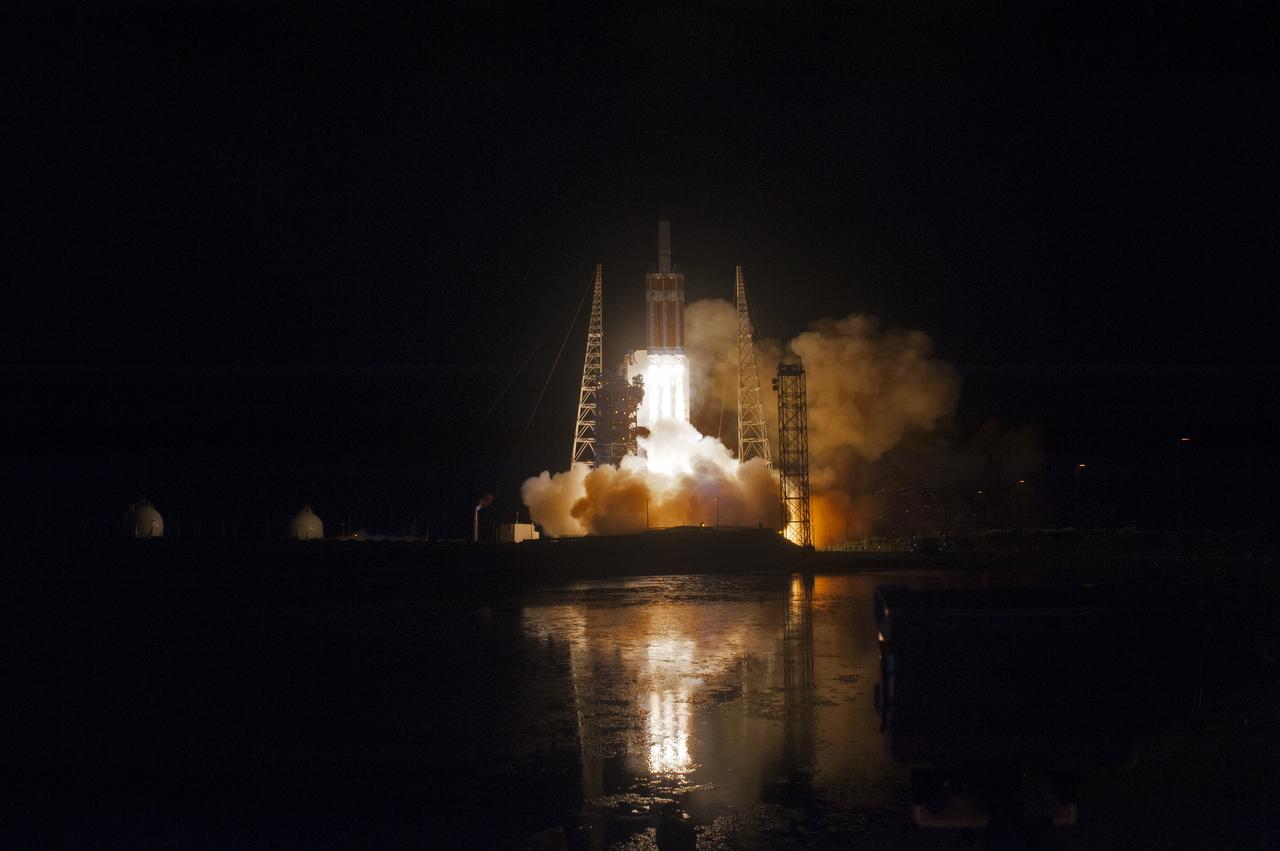
At Cape Canaveral Air Force Station's Space Launch Complex 37, the United Launch Alliance Delta IV Heavy rocket with NASA's Parker Solar Probe, lifts off at 3:31 a.m. EDT on Sunday, Aug. 12, 2018. The spacecraft was built by Applied Physics Laboratory of Johns Hopkins University in Laurel, Maryland. The mission will perform the closest-ever observations of a star when it travels through the Sun's atmosphere, called the corona. The probe will rely on measurements and imaging to revolutionize our understanding of the corona and the Sun-Earth connection.
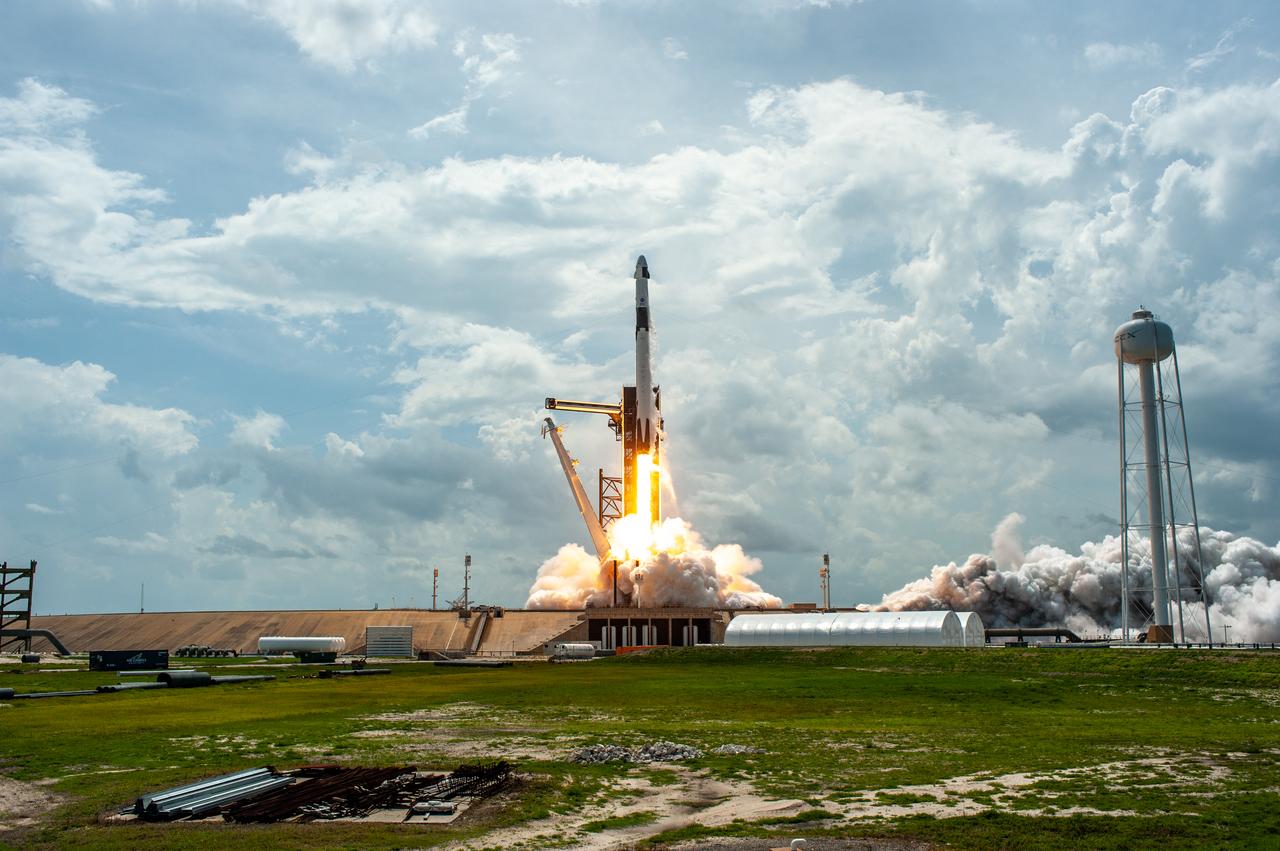
A SpaceX Falcon 9 rocket and Crew Dragon spacecraft lifts off from Launch Complex 39A at NASA’s Kennedy Space Center in Florida on May 30, 2020, carrying NASA astronauts Robert Behnken and Douglas Hurley to the International Space Station for the agency’s SpaceX Demo-2 mission. Liftoff occurred at 3:22 p.m. EDT. Behnken and Hurley are the first astronauts to launch from U.S. soil to the space station since the end of the Space Shuttle Program in 2011. Part of NASA’s Commercial Crew Program, this will be SpaceX’s final flight test, paving the way for the agency to certify the crew transportation system for regular, crewed flights to the orbiting laboratory.
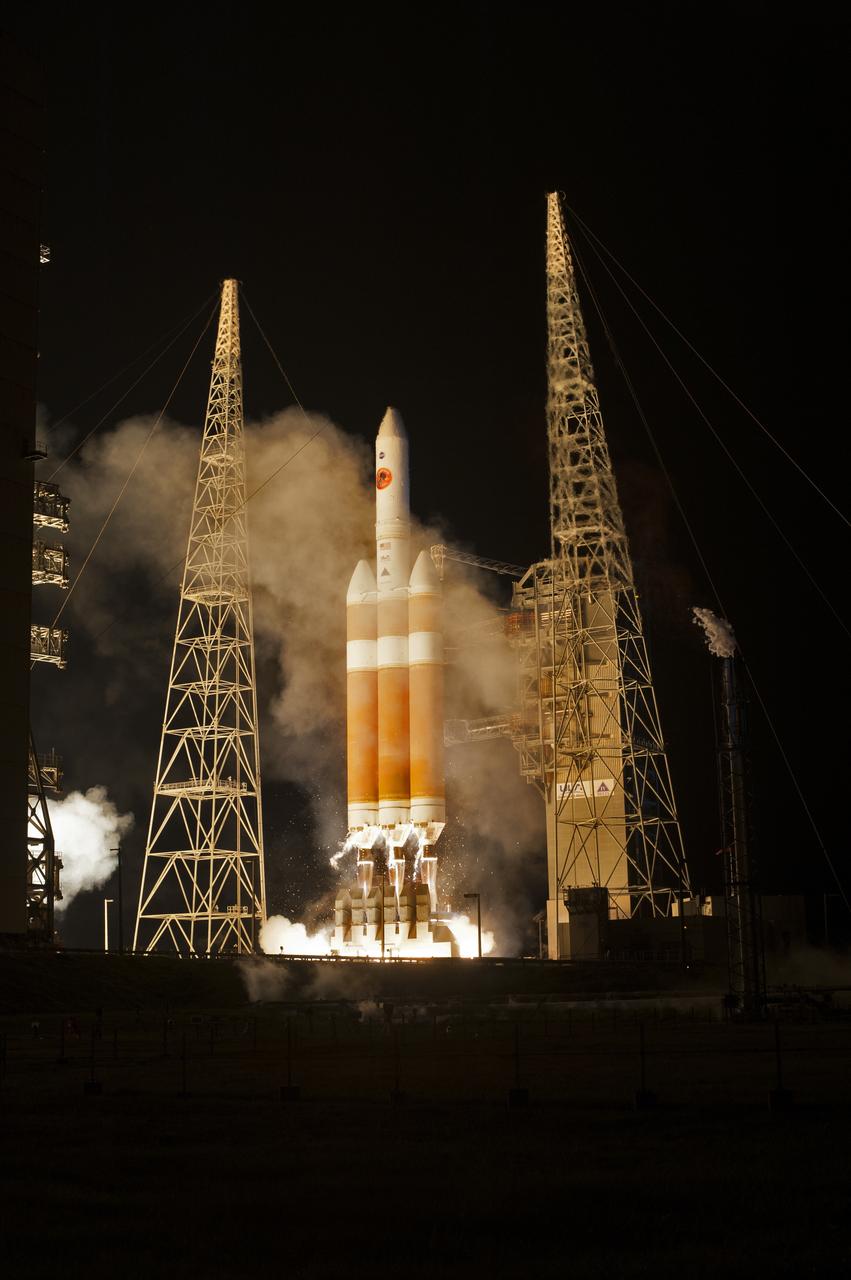
At Cape Canaveral Air Force Station’s Space Launch Complex 37, the United Launch Alliance Delta IV Heavy rocket with NASA's Parker Solar Probe, lifts off at 3:31 a.m. EDT on Sunday, Aug. 12, 2018. The spacecraft was built by Applied Physics Laboratory of Johns Hopkins University in Laurel, Maryland. The mission will perform the closest-ever observations of a star when it travels through the Sun's atmosphere, called the corona. The probe will rely on measurements and imaging to revolutionize our understanding of the corona and the Sun-Earth connection.

A United Launch Alliance Atlas V 541 rocket climbs upward after lifting off from Space Launch Complex 41 at Cape Canaveral Air Force Station in Florida on July 30, 2020, at 7:50 a.m. EDT, carrying NASA’s Mars Perseverance rover and Ingenuity helicopter. The rover is part of NASA’s Mars Exploration Program, a long-term effort of robotic exploration of the Red Planet. The rover’s seven instruments will search for habitable conditions in the ancient past and signs of past microbial life on Mars. The Launch Services Program at Kennedy is responsible for launch management.
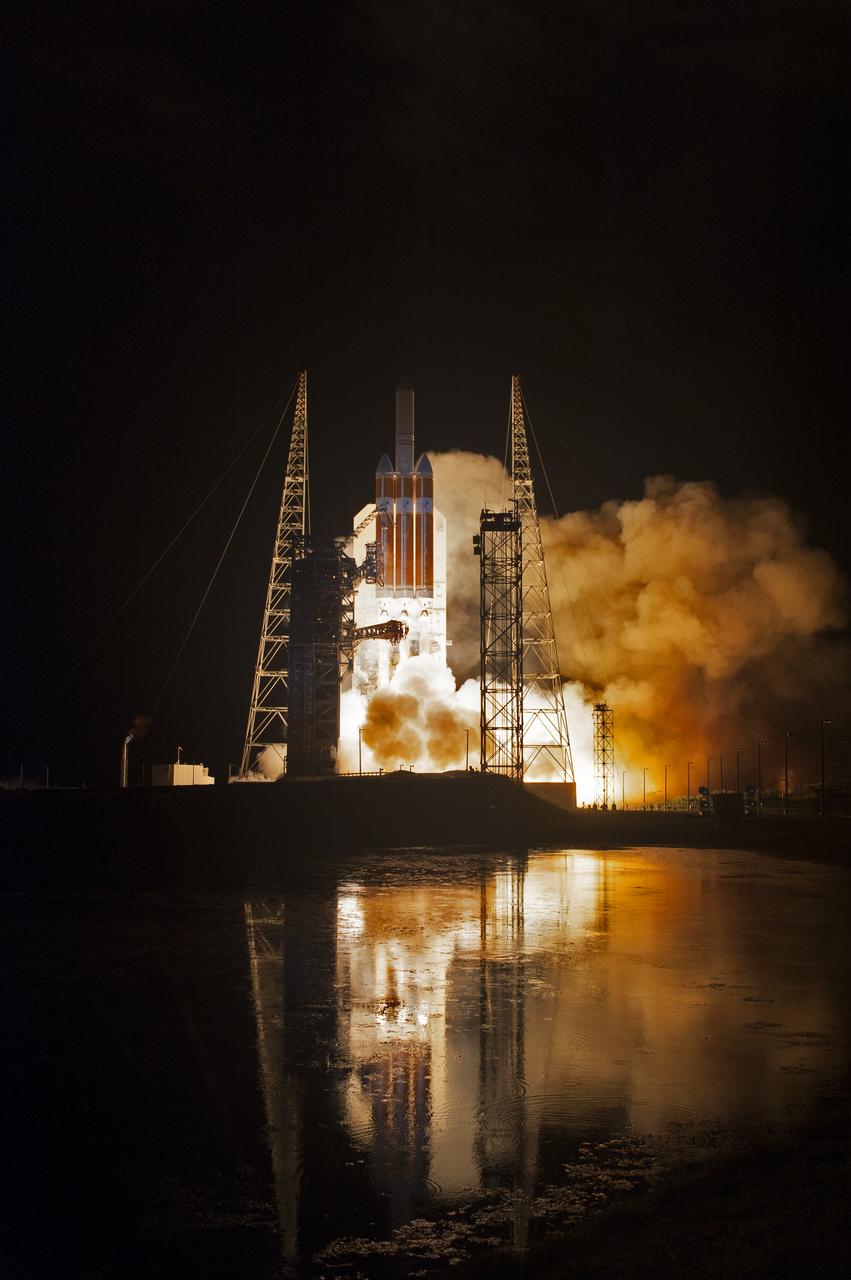
Lighting up the night sky at Cape Canaveral Air Force Station's Space Launch Complex 37, the United Launch Alliance Delta IV Heavy rocket with NASA's Parker Solar Probe, lifts off at 3:31 a.m. EDT on Sunday, Aug. 12, 2018. The spacecraft was built by Applied Physics Laboratory of Johns Hopkins University in Laurel, Maryland. The mission will perform the closest-ever observations of a star when it travels through the Sun's atmosphere, called the corona. The probe will rely on measurements and imaging to revolutionize our understanding of the corona and the Sun-Earth connection.

The two-stage SpaceX Falcon 9 launch vehicle lifts off from Space Launch Complex 40 at Cape Canaveral Air Force Station, carrying the SpaceX Dragon resupply spacecraft to the International Space Station. Liftoff was at 5:42 a.m. EDT on Friday, June 29, 2018. On the company’s 15th Commercial Resupply Services mission to the International Space Station, Dragon is filled with supplies and payloads, including critical materials to support several science and research investigations that will occur during Expedition 56. The spacecraft’s unpressurized trunk is carrying a Canadian-built Latching End Effector, or LEE. This new LEE will replace a failed unit astronauts removed during a series of spacewalks in the fall of 2017. Each end of the Canadarm2 robotic arm has an identical LEE, and they are used as the “hands” that grapple payloads and visiting cargo spaceships.
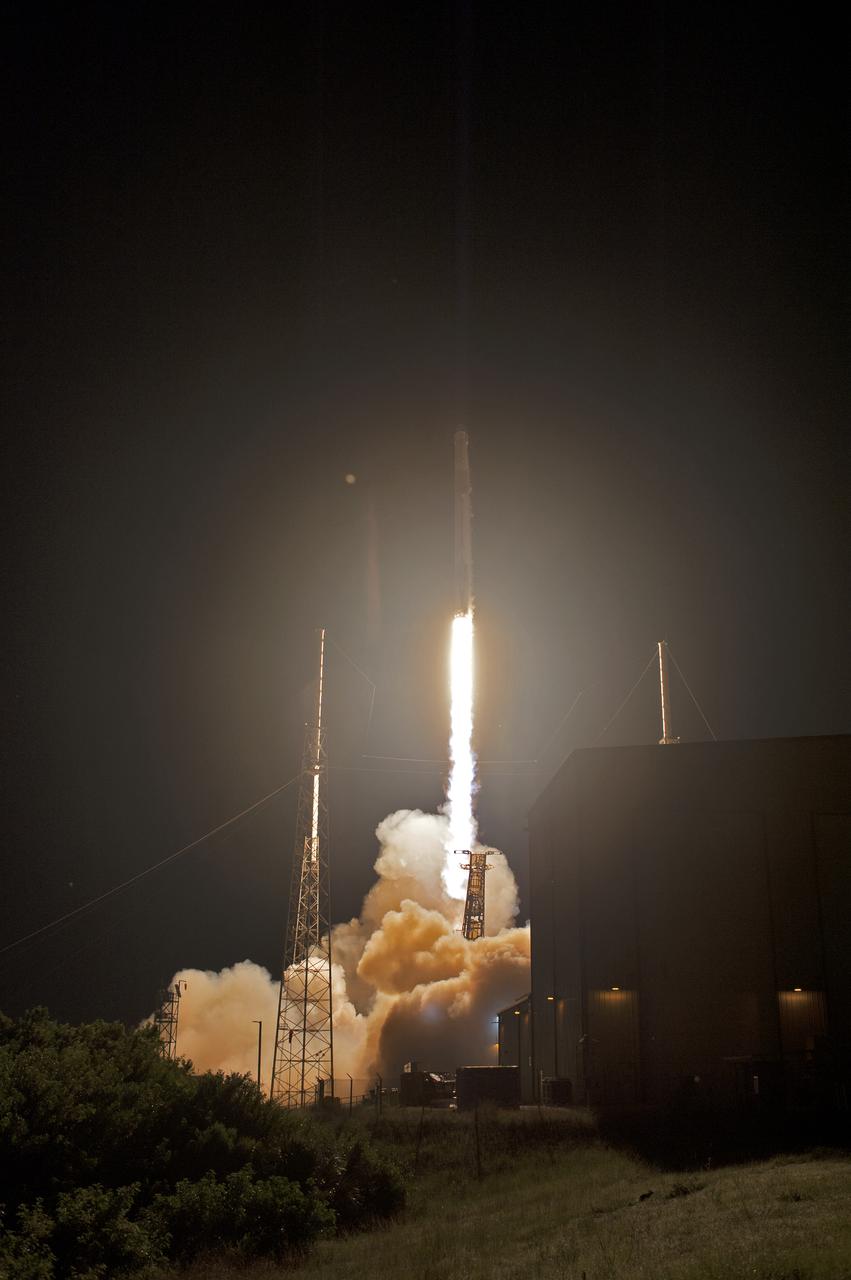
The two-stage SpaceX Falcon 9 launch vehicle lifts off from Space Launch Complex 40 at Cape Canaveral Air Force Station, carrying the SpaceX Dragon resupply spacecraft to the International Space Station. Liftoff was at 5:42 a.m. EDT on Friday, June 29, 2018. On the company’s 15th Commercial Resupply Services mission to the International Space Station, Dragon is filled with supplies and payloads, including critical materials to support several science and research investigations that will occur during Expedition 56. The spacecraft’s unpressurized trunk is carrying a Canadian-built Latching End Effector, or LEE. This new LEE will replace a failed unit astronauts removed during a series of spacewalks in the fall of 2017. Each end of the Canadarm2 robotic arm has an identical LEE, and they are used as the “hands” that grapple payloads and visiting cargo spaceships.
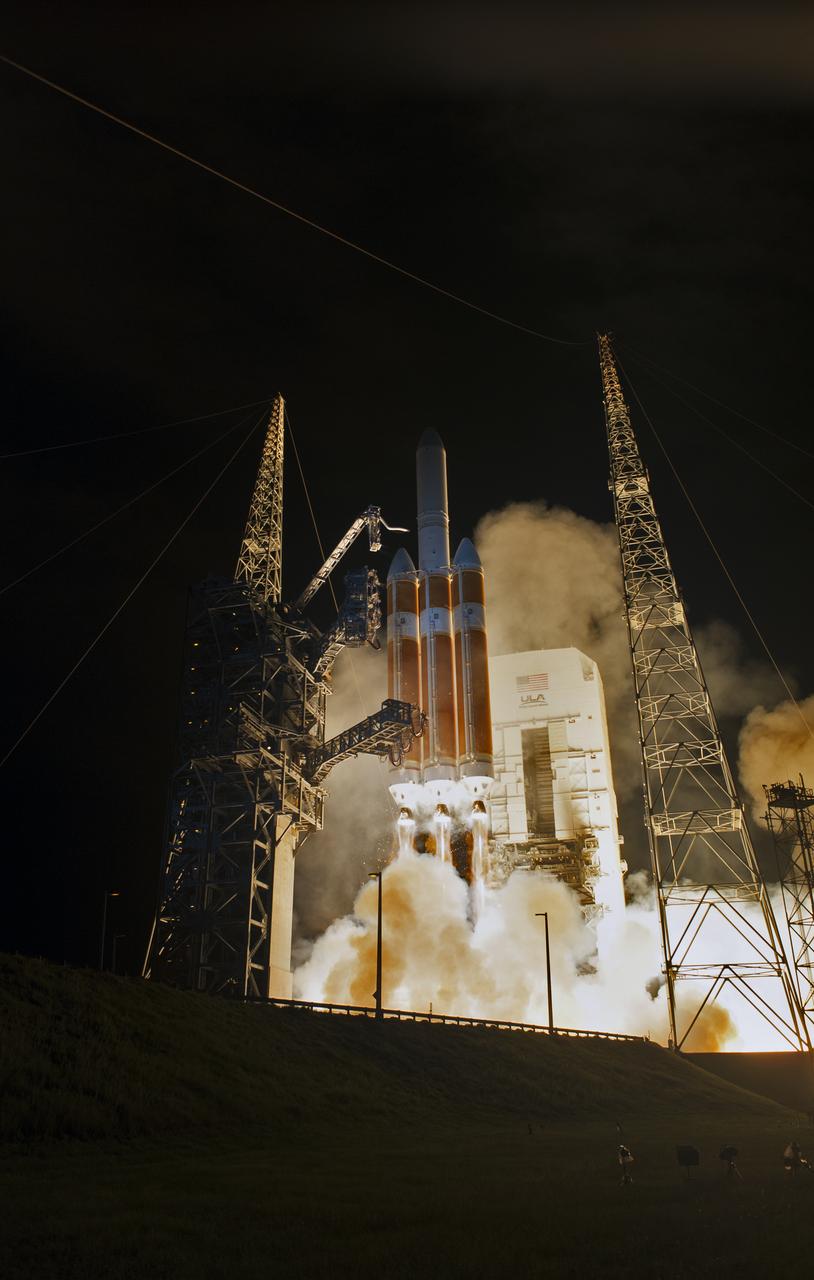
At Cape Canaveral Air Force Station's Space Launch Complex 37, the United Launch Alliance Delta IV Heavy rocket with NASA's Parker Solar Probe, lifts off at 3:31 a.m. EDT on Sunday, Aug. 12, 2018. The spacecraft was built by Applied Physics Laboratory of Johns Hopkins University in Laurel, Maryland. The mission will perform the closest-ever observations of a star when it travels through the Sun's atmosphere, called the corona. The probe will rely on measurements and imaging to revolutionize our understanding of the corona and the Sun-Earth connection.
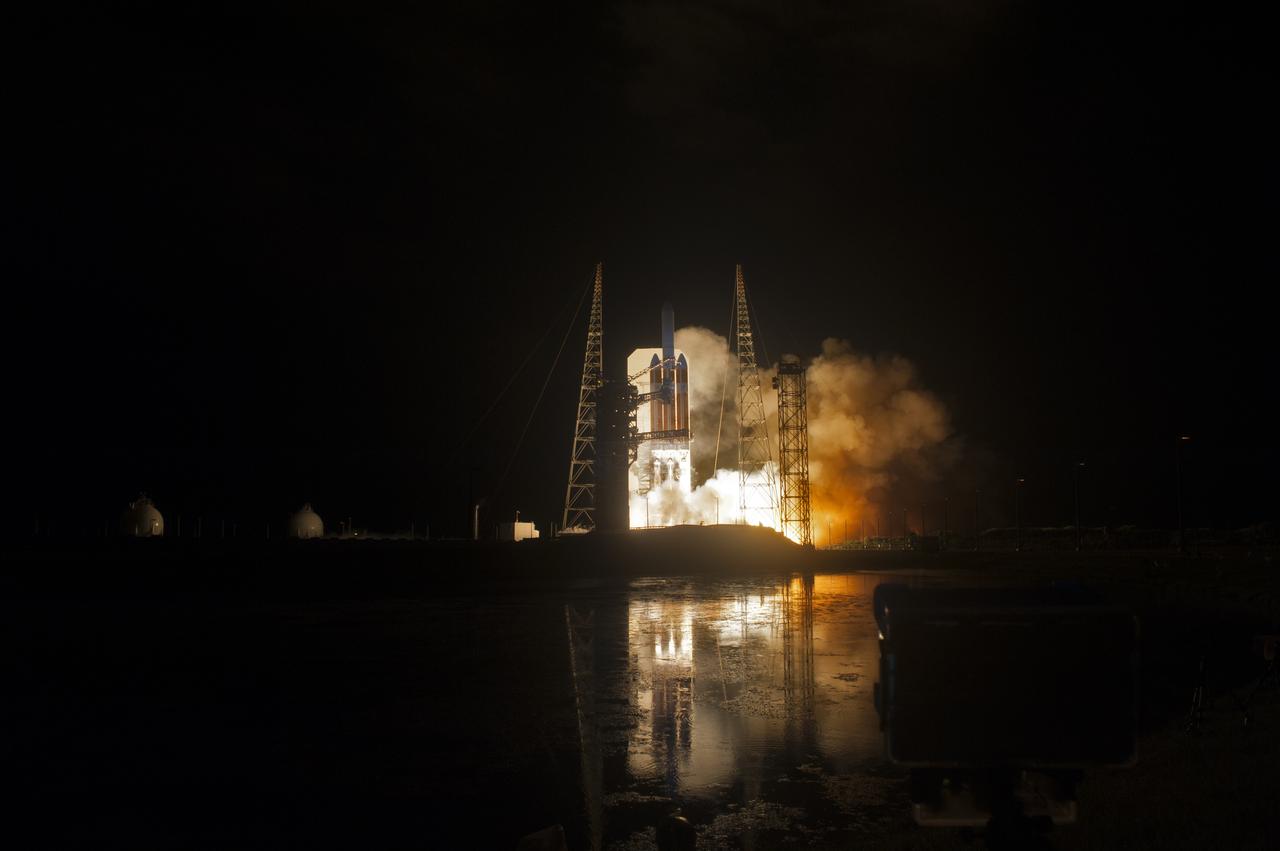
At Cape Canaveral Air Force Station's Space Launch Complex 37, the United Launch Alliance Delta IV Heavy rocket with NASA's Parker Solar Probe, lifts off at 3:31 a.m. EDT on Sunday, Aug. 12, 2018. The spacecraft was built by Applied Physics Laboratory of Johns Hopkins University in Laurel, Maryland. The mission will perform the closest-ever observations of a star when it travels through the Sun's atmosphere, called the corona. The probe will rely on measurements and imaging to revolutionize our understanding of the corona and the Sun-Earth connection.
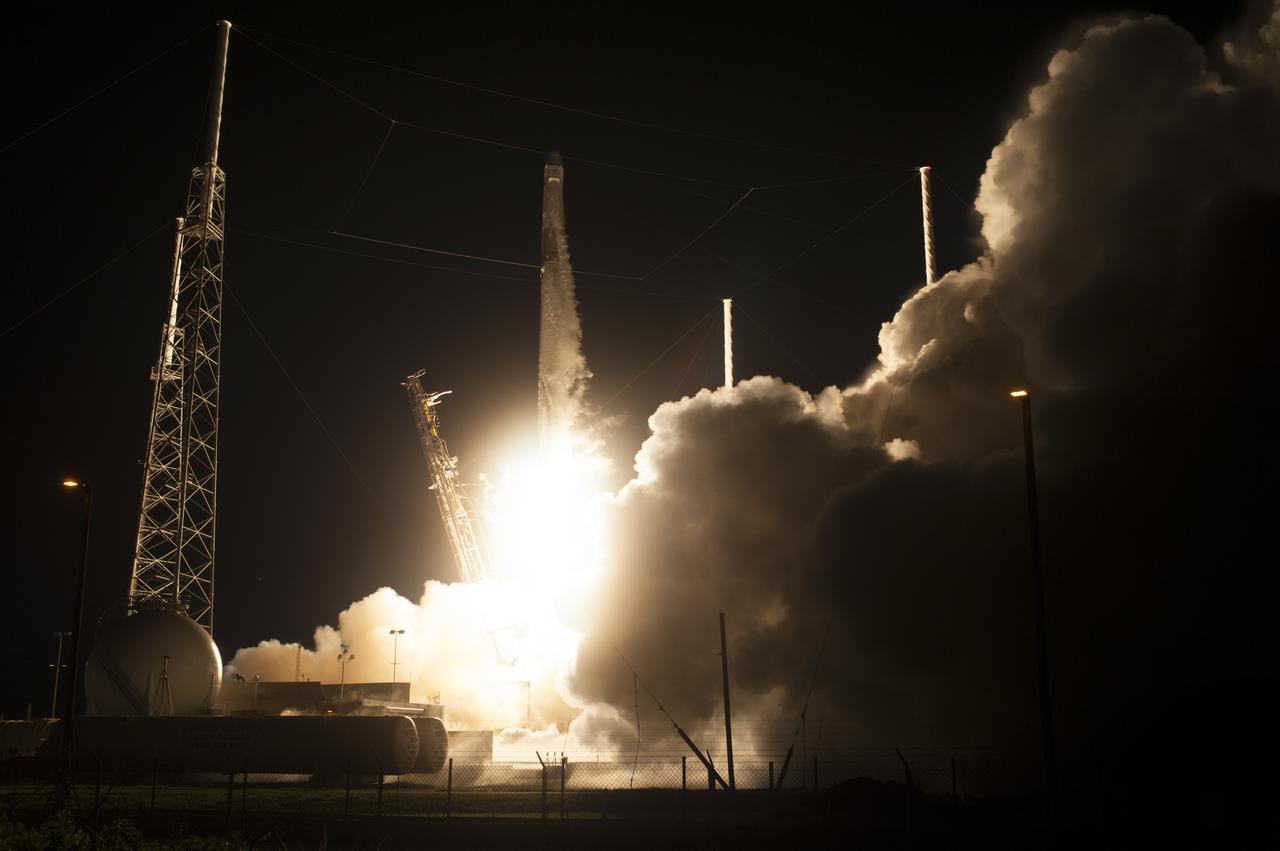
The two-stage SpaceX Falcon 9 launch vehicle lifts off from Space Launch Complex 40 at Cape Canaveral Air Force Station, carrying the SpaceX Dragon resupply spacecraft to the International Space Station. Liftoff was at 5:42 a.m. EDT on Friday, June 29, 2018. On the company’s 15th Commercial Resupply Services mission to the International Space Station, Dragon is filled with supplies and payloads, including critical materials to support several science and research investigations that will occur during Expedition 56. The spacecraft’s unpressurized trunk is carrying a Canadian-built Latching End Effector, or LEE. This new LEE will replace a failed unit astronauts removed during a series of spacewalks in the fall of 2017. Each end of the Canadarm2 robotic arm has an identical LEE, and they are used as the “hands” that grapple payloads and visiting cargo spaceships.
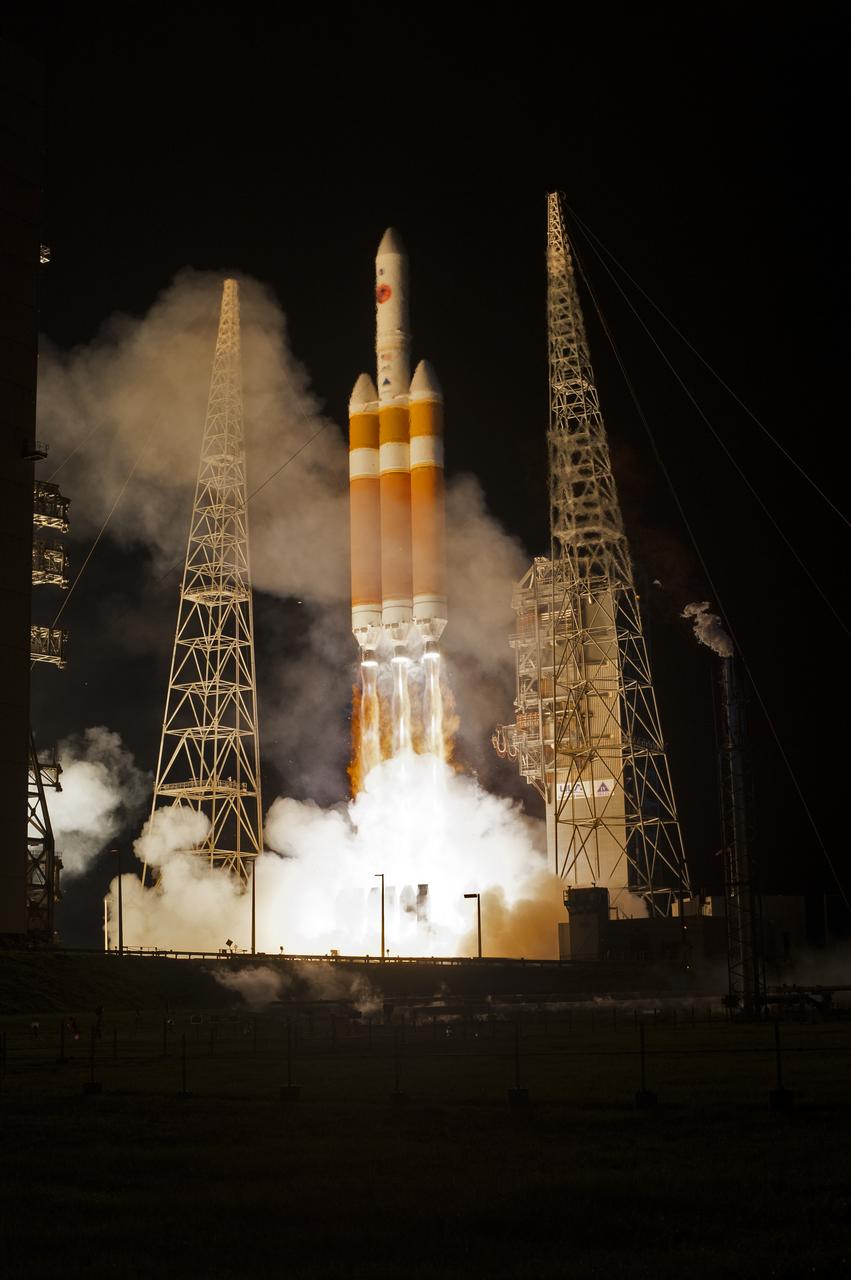
At Cape Canaveral Air Force Station’s Space Launch Complex 37, the United Launch Alliance Delta IV Heavy rocket with NASA's Parker Solar Probe, lifts off at 3:31 a.m. EDT on Sunday, Aug. 12, 2018. The spacecraft was built by Applied Physics Laboratory of Johns Hopkins University in Laurel, Maryland. The mission will perform the closest-ever observations of a star when it travels through the Sun's atmosphere, called the corona. The probe will rely on measurements and imaging to revolutionize our understanding of the corona and the Sun-Earth connection.
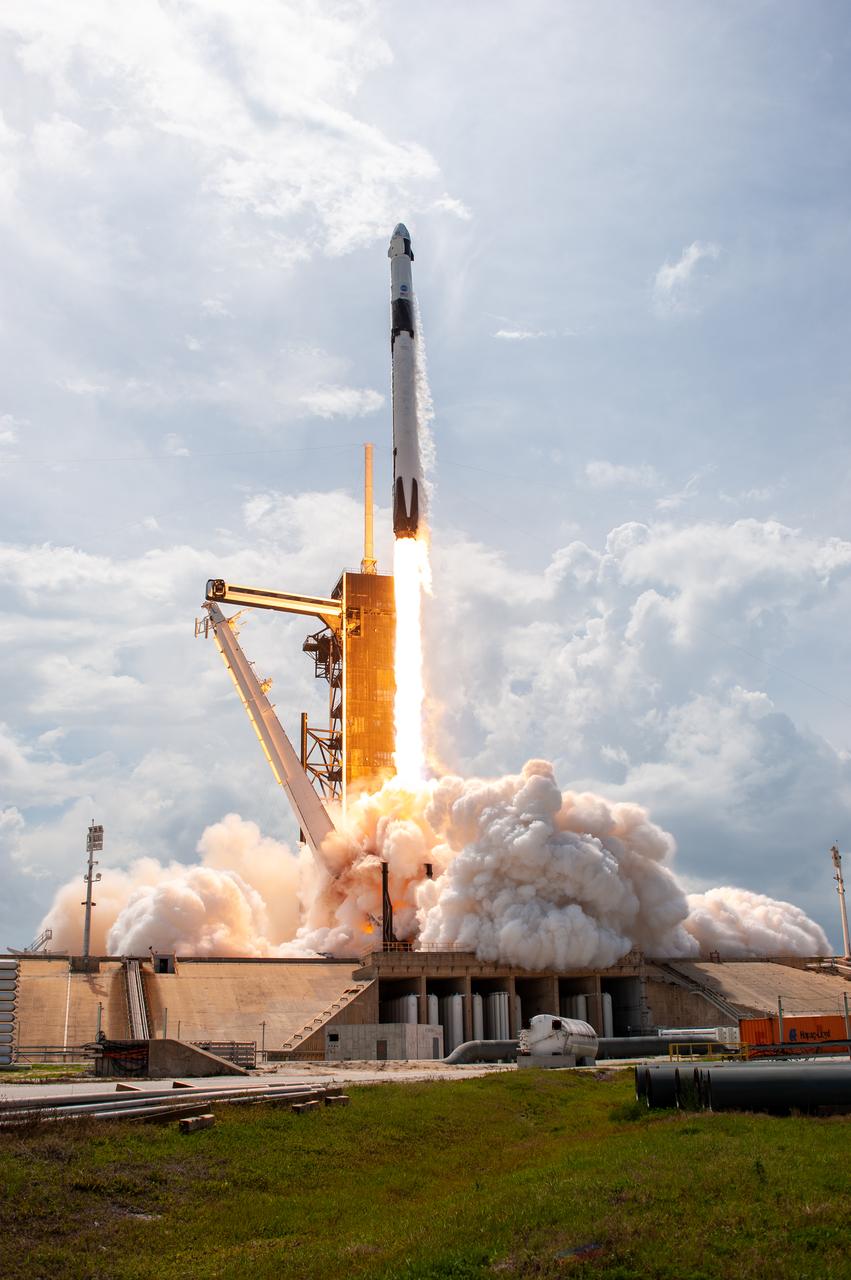
A SpaceX Falcon 9 rocket soars upward after lifting off from historic Launch Complex 39A at NASA’s Kennedy Space Center in Florida on May 30, 2020, carrying NASA astronauts Robert Behnken and Douglas Hurley to the International Space Station in a SpaceX Crew Dragon capsule for the agency’s SpaceX Demo-2 mission. Liftoff occurred at 3:22 p.m. EDT. Behnken and Hurley are the first astronauts to launch from U.S. soil to the space station since the end of the Space Shuttle Program in 2011. Part of NASA’s Commercial Crew Program, this will be SpaceX’s final flight test, paving the way for the agency to certify the crew transportation system for regular, crewed flights to the orbiting laboratory.
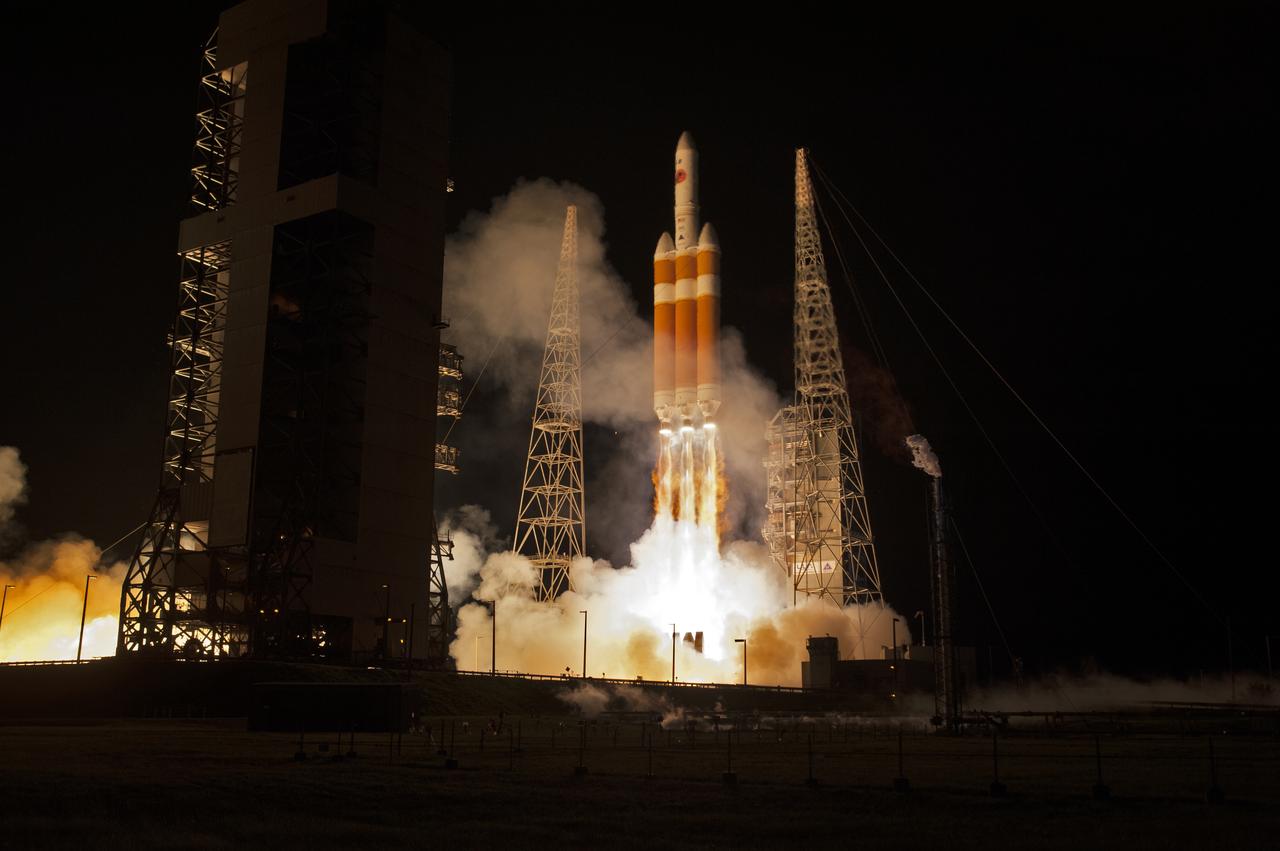
At Cape Canaveral Air Force Station’s Space Launch Complex 37, the United Launch Alliance Delta IV Heavy rocket with NASA's Parker Solar Probe, lifts off at 3:31 a.m. EDT on Sunday, Aug. 12, 2018. The spacecraft was built by Applied Physics Laboratory of Johns Hopkins University in Laurel, Maryland. The mission will perform the closest-ever observations of a star when it travels through the Sun's atmosphere, called the corona. The probe will rely on measurements and imaging to revolutionize our understanding of the corona and the Sun-Earth connection.
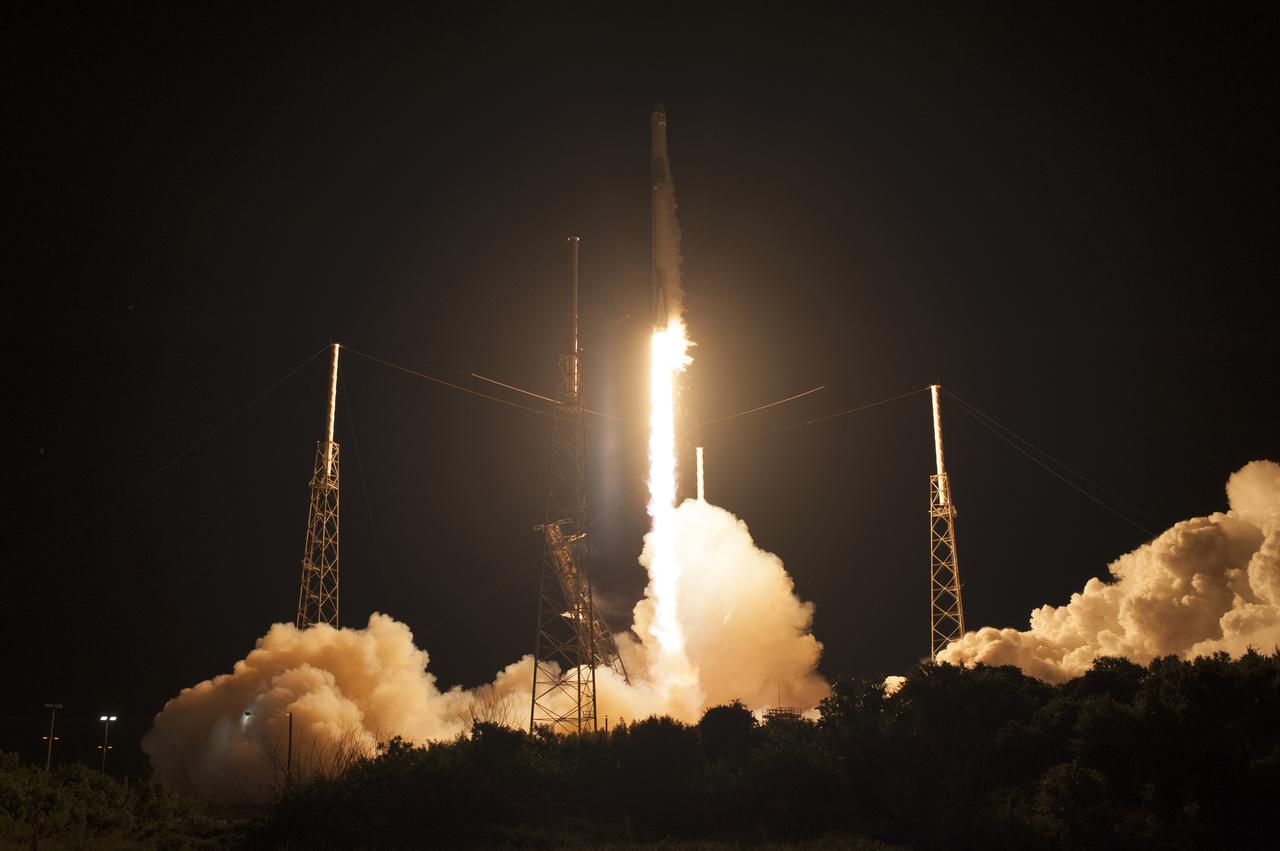
The two-stage SpaceX Falcon 9 launch vehicle lifts off from Space Launch Complex 40 at Cape Canaveral Air Force Station, carrying the SpaceX Dragon resupply spacecraft to the International Space Station. Liftoff was at 5:42 a.m. EDT on Friday, June 29, 2018. On the company’s 15th Commercial Resupply Services mission to the International Space Station, Dragon is filled with supplies and payloads, including critical materials to support several science and research investigations that will occur during Expedition 56. The spacecraft’s unpressurized trunk is carrying a Canadian-built Latching End Effector, or LEE. This new LEE will replace a failed unit astronauts removed during a series of spacewalks in the fall of 2017. Each end of the Canadarm2 robotic arm has an identical LEE, and they are used as the “hands” that grapple payloads and visiting cargo spaceships.

At Cape Canaveral Air Force Station's Space Launch Complex 37, the United Launch Alliance Delta IV Heavy rocket with NASA's Parker Solar Probe, lifts off at 3:31 a.m. EDT on Sunday, Aug. 12, 2018. The spacecraft was built by Applied Physics Laboratory of Johns Hopkins University in Laurel, Maryland. The mission will perform the closest-ever observations of a star when it travels through the Sun's atmosphere, called the corona. The probe will rely on measurements and imaging to revolutionize our understanding of the corona and the Sun-Earth connection.
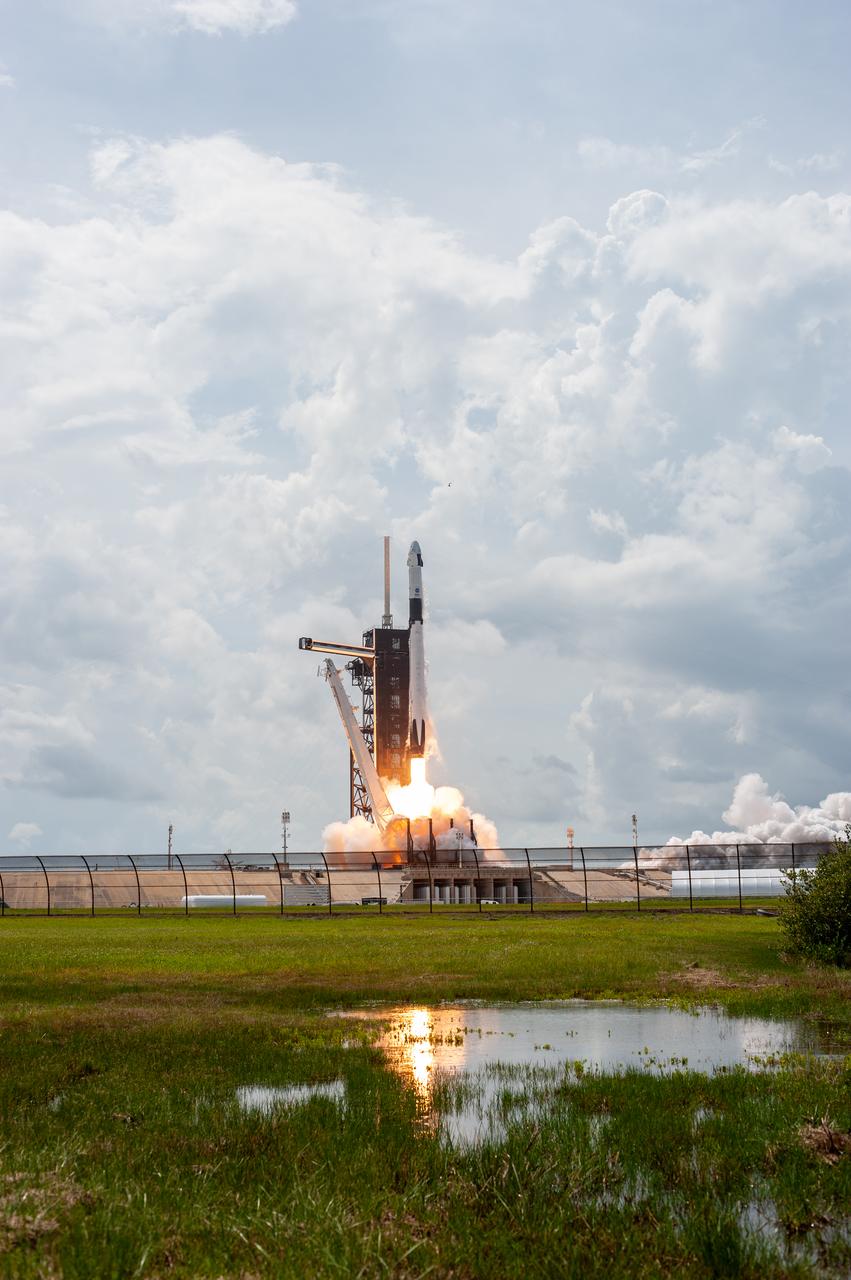
A SpaceX Falcon 9 rocket and Crew Dragon spacecraft lifts off from Launch Complex 39A at NASA’s Kennedy Space Center in Florida on May 30, 2020, carrying NASA astronauts Robert Behnken and Douglas Hurley to the International Space Station for the agency’s SpaceX Demo-2 mission. Liftoff occurred at 3:22 p.m. EDT. Behnken and Hurley are the first astronauts to launch from U.S. soil to the space station since the end of the Space Shuttle Program in 2011. Part of NASA’s Commercial Crew Program, this will be SpaceX’s final flight test, paving the way for the agency to certify the crew transportation system for regular, crewed flights to the orbiting laboratory.
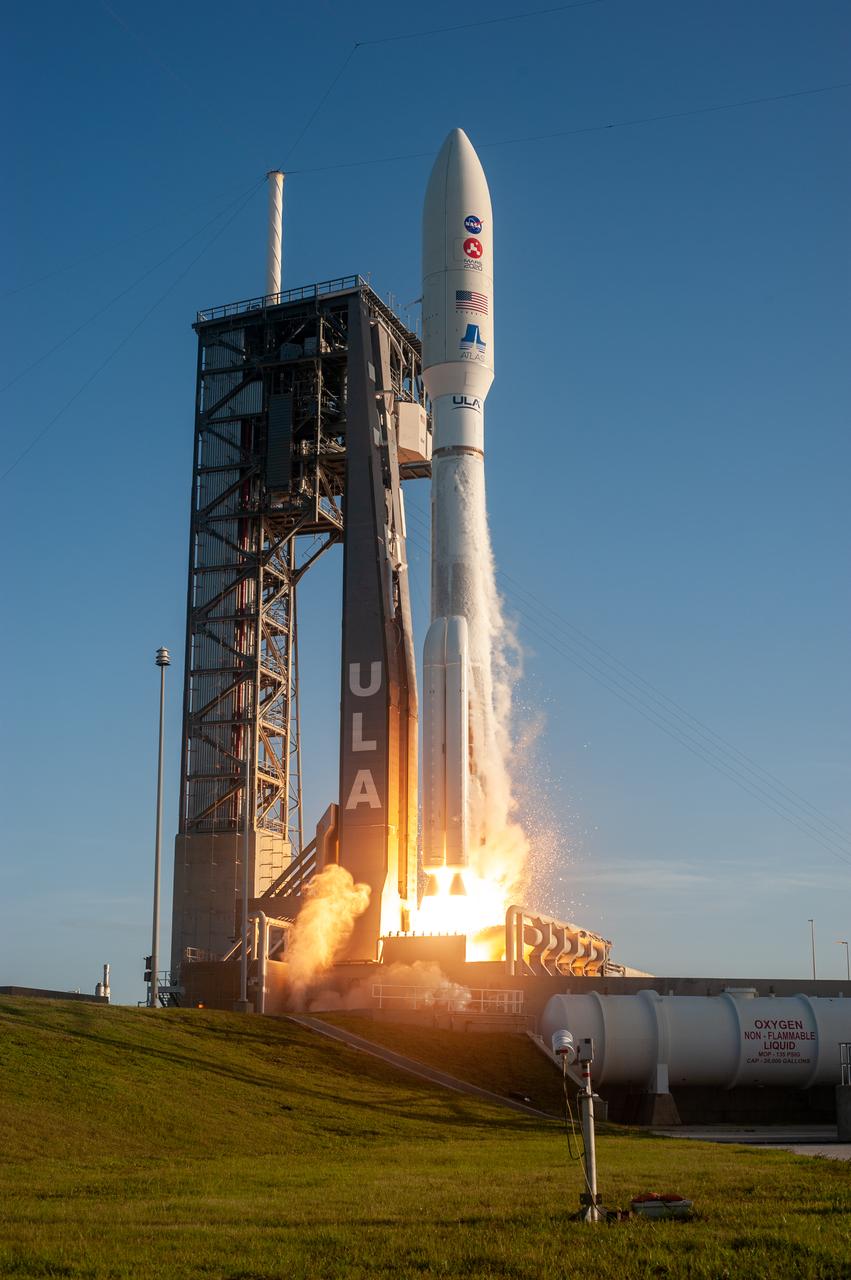
A United Launch Alliance Atlas V 541 rocket lifts off from Space Launch Complex 41 at Cape Canaveral Air Force Station in Florida on July 30, 2020, at 7:50 a.m. EDT, carrying NASA’s Mars Perseverance rover and Ingenuity helicopter. The rover is part of NASA’s Mars Exploration Program, a long-term effort of robotic exploration of the Red Planet. The rover’s seven instruments will search for habitable conditions in the ancient past and signs of past microbial life on Mars. The Launch Services Program at Kennedy is responsible for launch management.
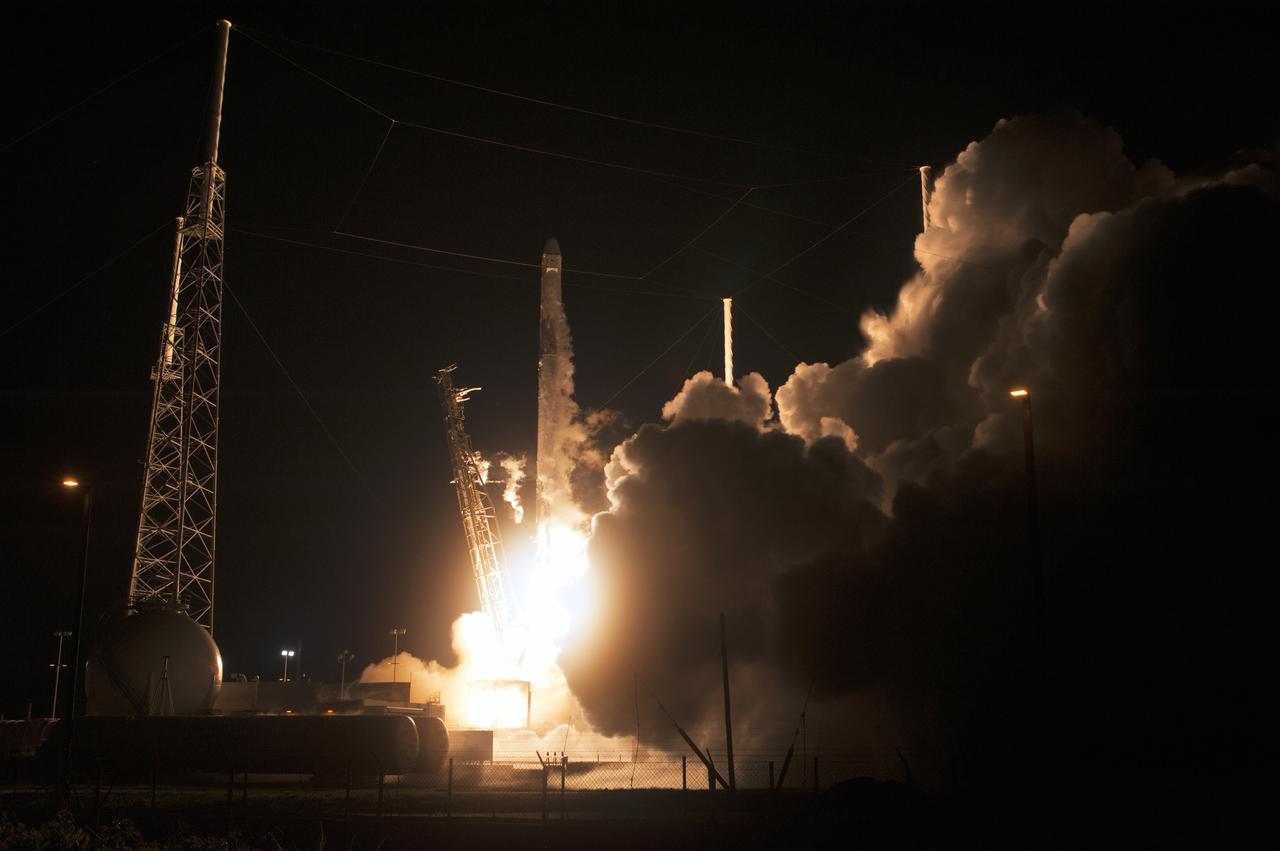
The two-stage SpaceX Falcon 9 launch vehicle lifts off from Space Launch Complex 40 at Cape Canaveral Air Force Station, carrying the SpaceX Dragon resupply spacecraft to the International Space Station. Liftoff was at 5:42 a.m. EDT on Friday, June 29, 2018. On the company’s 15th Commercial Resupply Services mission to the International Space Station, Dragon is filled with supplies and payloads, including critical materials to support several science and research investigations that will occur during Expedition 56. The spacecraft’s unpressurized trunk is carrying a Canadian-built Latching End Effector, or LEE. This new LEE will replace a failed unit astronauts removed during a series of spacewalks in the fall of 2017. Each end of the Canadarm2 robotic arm has an identical LEE, and they are used as the “hands” that grapple payloads and visiting cargo spaceships.
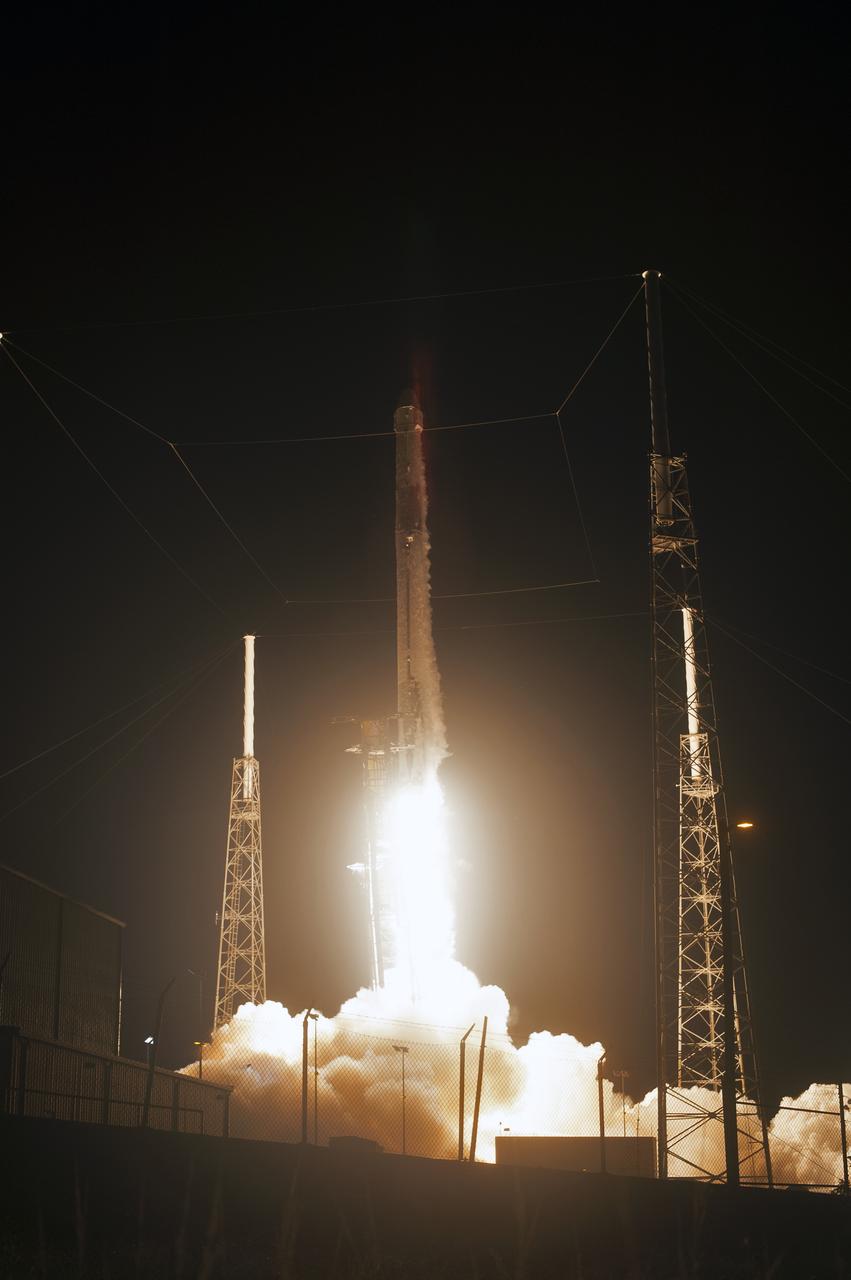
The two-stage SpaceX Falcon 9 launch vehicle lifts off from Space Launch Complex 40 at Cape Canaveral Air Force Station, carrying the SpaceX Dragon resupply spacecraft to the International Space Station. Liftoff was at 5:42 a.m. EDT on Friday, June 29, 2018. On the company’s 15th Commercial Resupply Services mission to the International Space Station, Dragon is filled with supplies and payloads, including critical materials to support several science and research investigations that will occur during Expedition 56. The spacecraft’s unpressurized trunk is carrying a Canadian-built Latching End Effector, or LEE. This new LEE will replace a failed unit astronauts removed during a series of spacewalks in the fall of 2017. Each end of the Canadarm2 robotic arm has an identical LEE, and they are used as the “hands” that grapple payloads and visiting cargo spaceships.
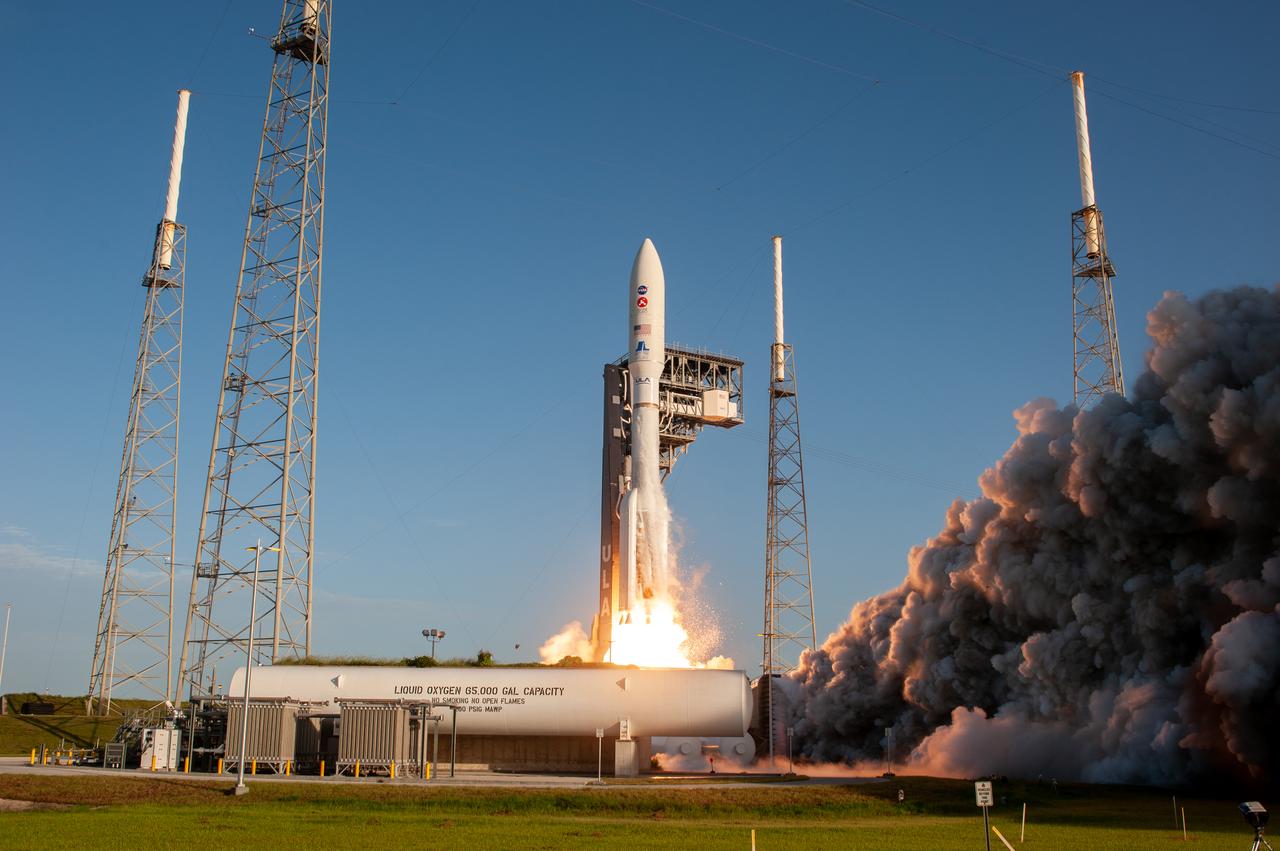
With blue sky as a backdrop, a United Launch Alliance Atlas V 541 rocket lifts off from Space Launch Complex 41 at Cape Canaveral Air Force Station in Florida on July 30, 2020, at 7:50 a.m. EDT, carrying NASA’s Mars Perseverance rover and Ingenuity helicopter. The rover is part of NASA’s Mars Exploration Program, a long-term effort of robotic exploration of the Red Planet. The rover’s seven instruments will search for habitable conditions in the ancient past and signs of past microbial life on Mars. The Launch Services Program at Kennedy is responsible for launch management.
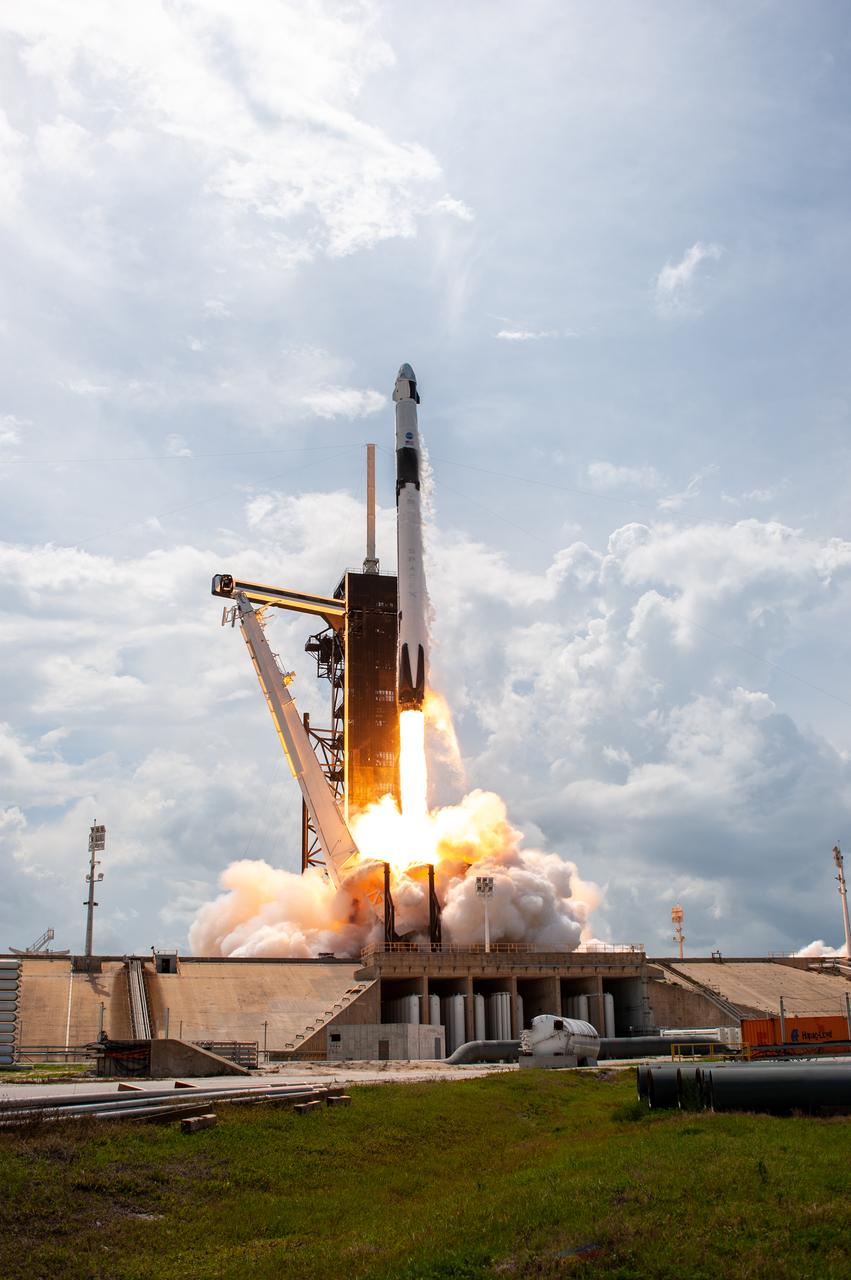
A SpaceX Falcon 9 rocket and Crew Dragon spacecraft lifts off from Launch Complex 39A at NASA’s Kennedy Space Center in Florida on May 30, 2020, carrying NASA astronauts Robert Behnken and Douglas Hurley to the International Space Station for the agency’s SpaceX Demo-2 mission. Liftoff occurred at 3:22 p.m. EDT. Behnken and Hurley are the first astronauts to launch from U.S. soil to the space station since the end of the Space Shuttle Program in 2011. Part of NASA’s Commercial Crew Program, this will be SpaceX’s final flight test, paving the way for the agency to certify the crew transportation system for regular, crewed flights to the orbiting laboratory.

At Cape Canaveral Air Force Station’s Space Launch Complex 37, the United Launch Alliance Delta IV Heavy rocket with NASA's Parker Solar Probe, lifts off at 3:31 a.m. EDT on Sunday, Aug. 12, 2018. The spacecraft was built by Applied Physics Laboratory of Johns Hopkins University in Laurel, Maryland. The mission will perform the closest-ever observations of a star when it travels through the Sun's atmosphere, called the corona. The probe will rely on measurements and imaging to revolutionize our understanding of the corona and the Sun-Earth connection.
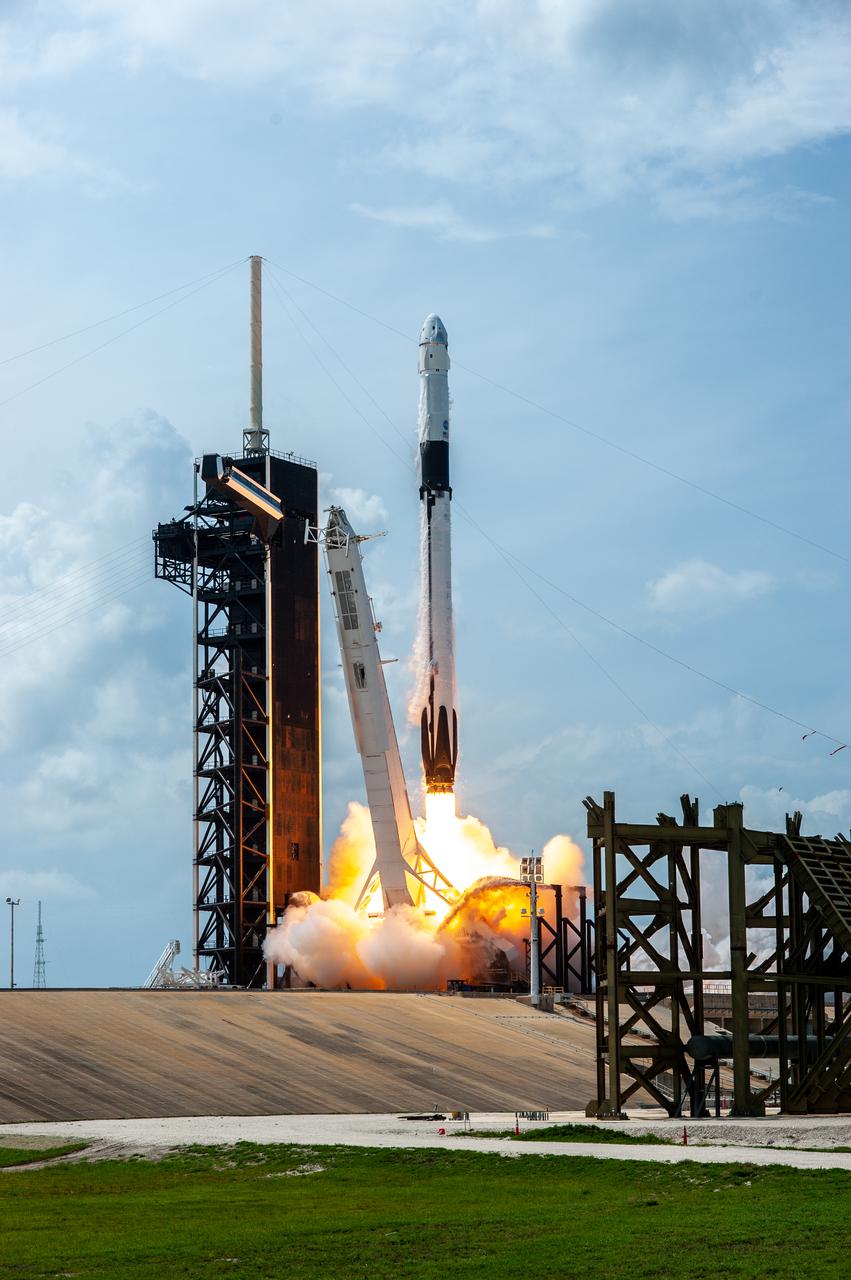
A SpaceX Falcon 9 rocket and Crew Dragon spacecraft lifts off from Launch Complex 39A at NASA’s Kennedy Space Center in Florida on May 30, 2020, carrying NASA astronauts Robert Behnken and Douglas Hurley to the International Space Station for the agency’s SpaceX Demo-2 mission. Liftoff occurred at 3:22 p.m. EDT. Behnken and Hurley are the first astronauts to launch from U.S. soil to the space station since the end of the Space Shuttle Program in 2011. Part of NASA’s Commercial Crew Program, this will be SpaceX’s final flight test, paving the way for the agency to certify the crew transportation system for regular, crewed flights to the orbiting laboratory.
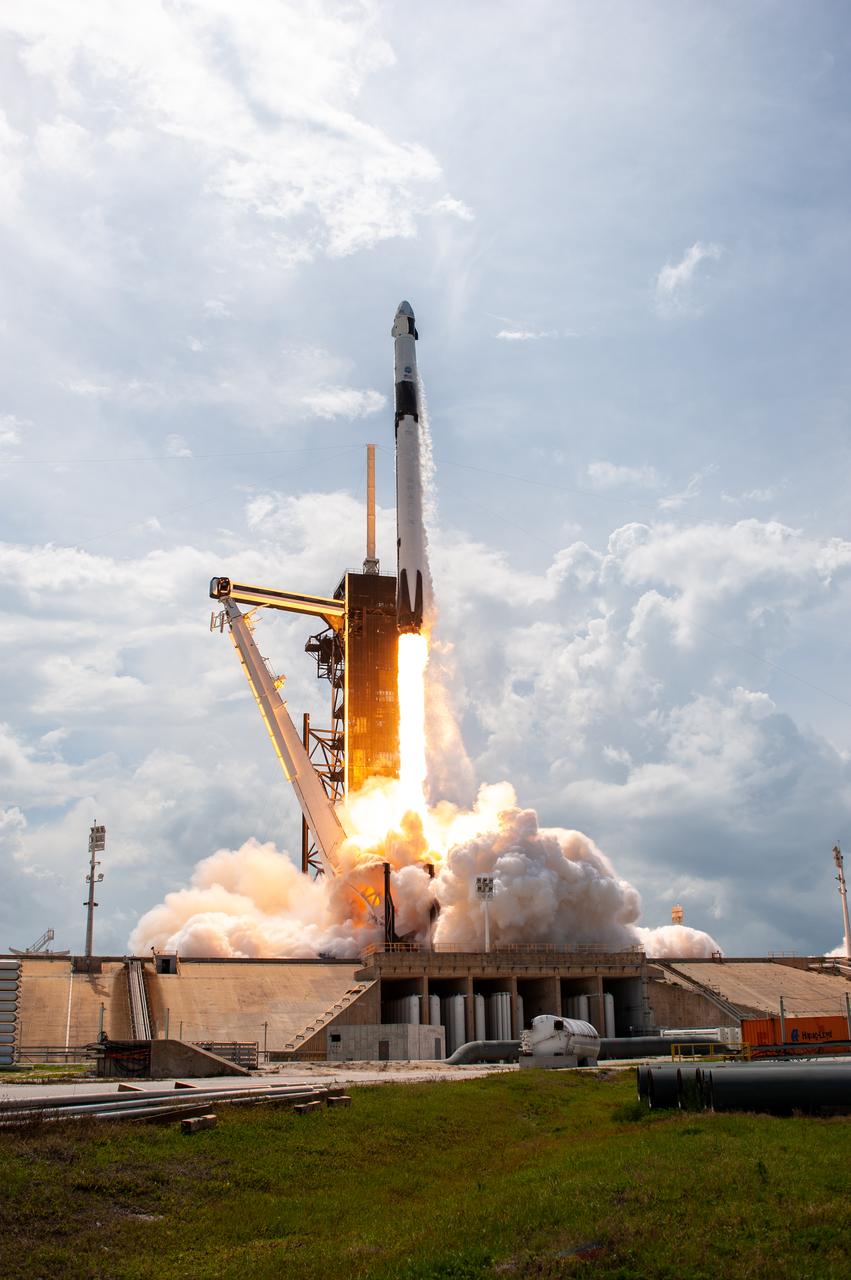
A SpaceX Falcon 9 rocket and Crew Dragon spacecraft lifts off from Launch Complex 39A at NASA’s Kennedy Space Center in Florida on May 30, 2020, carrying NASA astronauts Robert Behnken and Douglas Hurley to the International Space Station for the agency’s SpaceX Demo-2 mission. Liftoff occurred at 3:22 p.m. EDT. Behnken and Hurley are the first astronauts to launch from U.S. soil to the space station since the end of the Space Shuttle Program in 2011. Part of NASA’s Commercial Crew Program, this will be SpaceX’s final flight test, paving the way for the agency to certify the crew transportation system for regular, crewed flights to the orbiting laboratory.
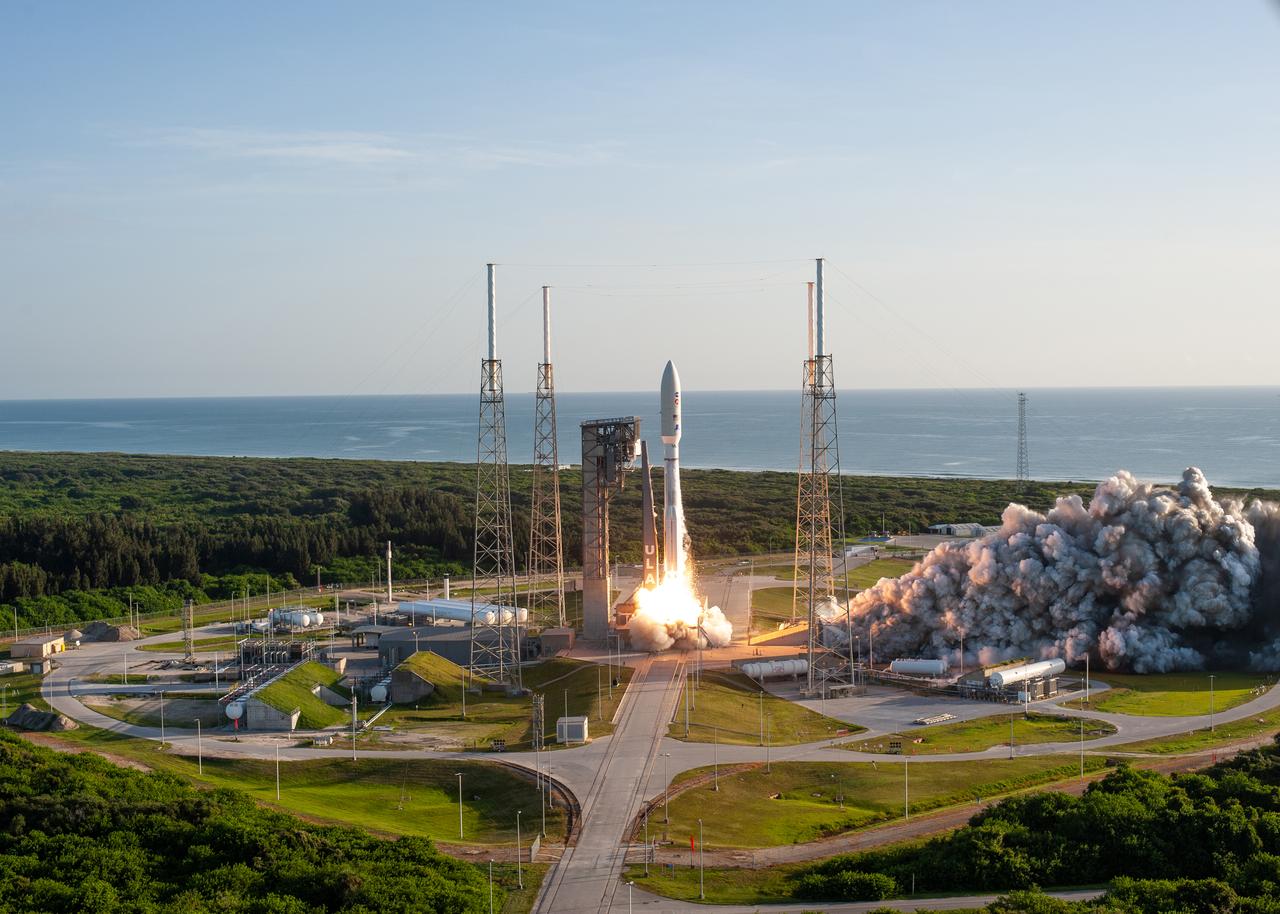
A United Launch Alliance Atlas V 541 rocket lifts off from Space Launch Complex 41 at Cape Canaveral Air Force Station in Florida on July 30, 2020, at 7:50 a.m. EDT, carrying NASA’s Mars Perseverance rover and Ingenuity helicopter. The rover is part of NASA’s Mars Exploration Program, a long-term effort of robotic exploration of the Red Planet. The rover’s seven instruments will search for habitable conditions in the ancient past and signs of past microbial life on Mars. The Launch Services Program at Kennedy is responsible for launch management.
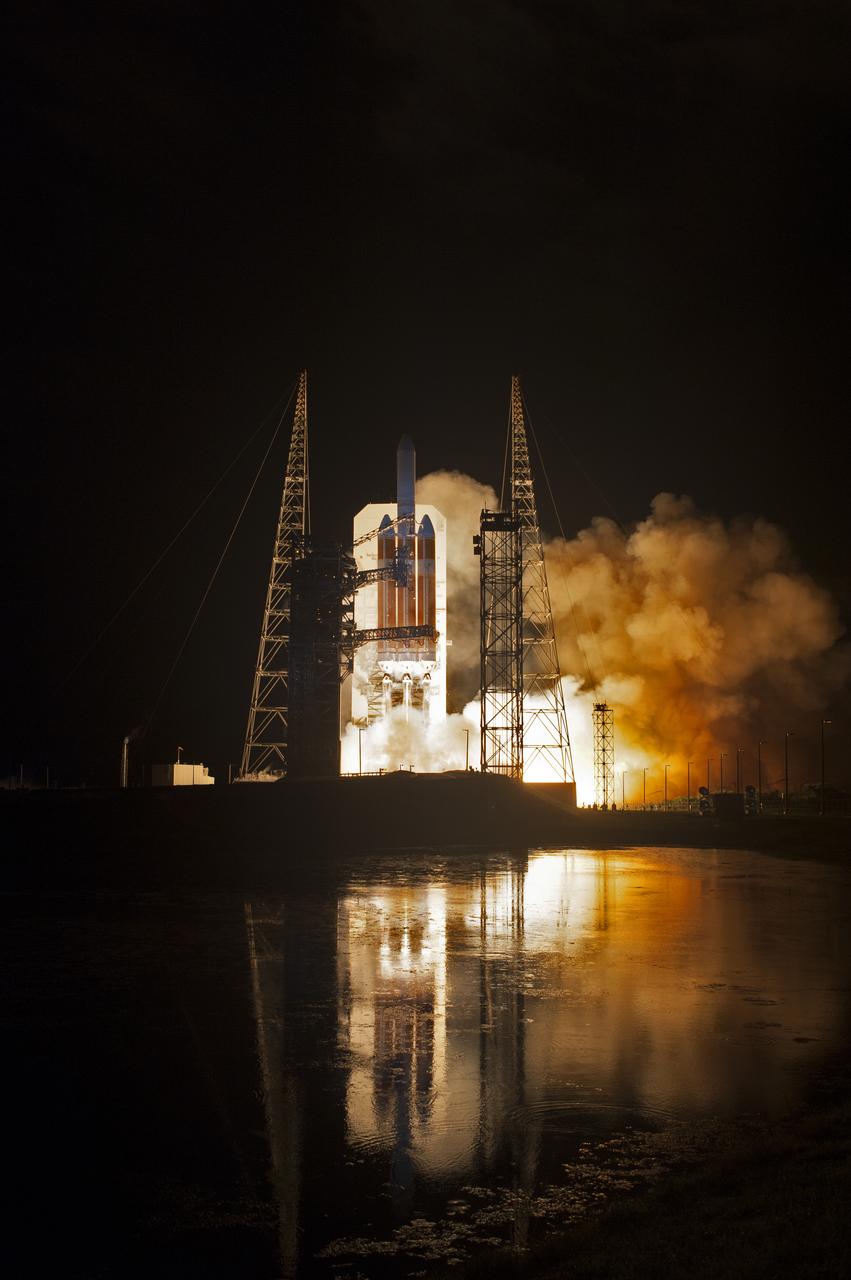
Lighting up the night sky at Cape Canaveral Air Force Station's Space Launch Complex 37, the United Launch Alliance Delta IV Heavy rocket with NASA's Parker Solar Probe, lifts off at 3:31 a.m. EDT on Sunday, Aug. 12, 2018. The spacecraft was built by Applied Physics Laboratory of Johns Hopkins University in Laurel, Maryland. The mission will perform the closest-ever observations of a star when it travels through the Sun's atmosphere, called the corona. The probe will rely on measurements and imaging to revolutionize our understanding of the corona and the Sun-Earth connection.
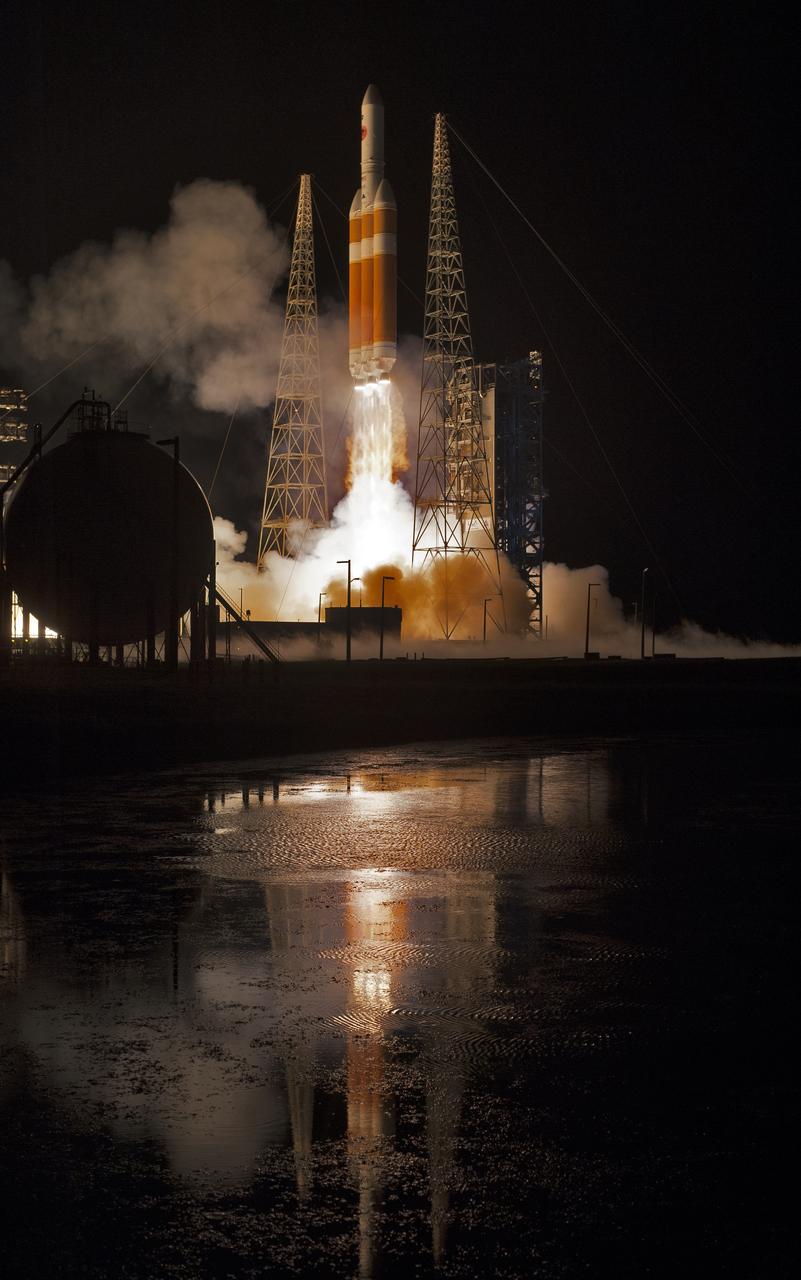
At Cape Canaveral Air Force Station’s Space Launch Complex 37, the United Launch Alliance Delta IV Heavy rocket with NASA's Parker Solar Probe, lifts off at 3:31 a.m. EDT on Sunday, Aug. 12, 2018. The spacecraft was built by Applied Physics Laboratory of Johns Hopkins University in Laurel, Maryland. The mission will perform the closest-ever observations of a star when it travels through the Sun's atmosphere, called the corona. The probe will rely on measurements and imaging to revolutionize our understanding of the corona and the Sun-Earth connection.
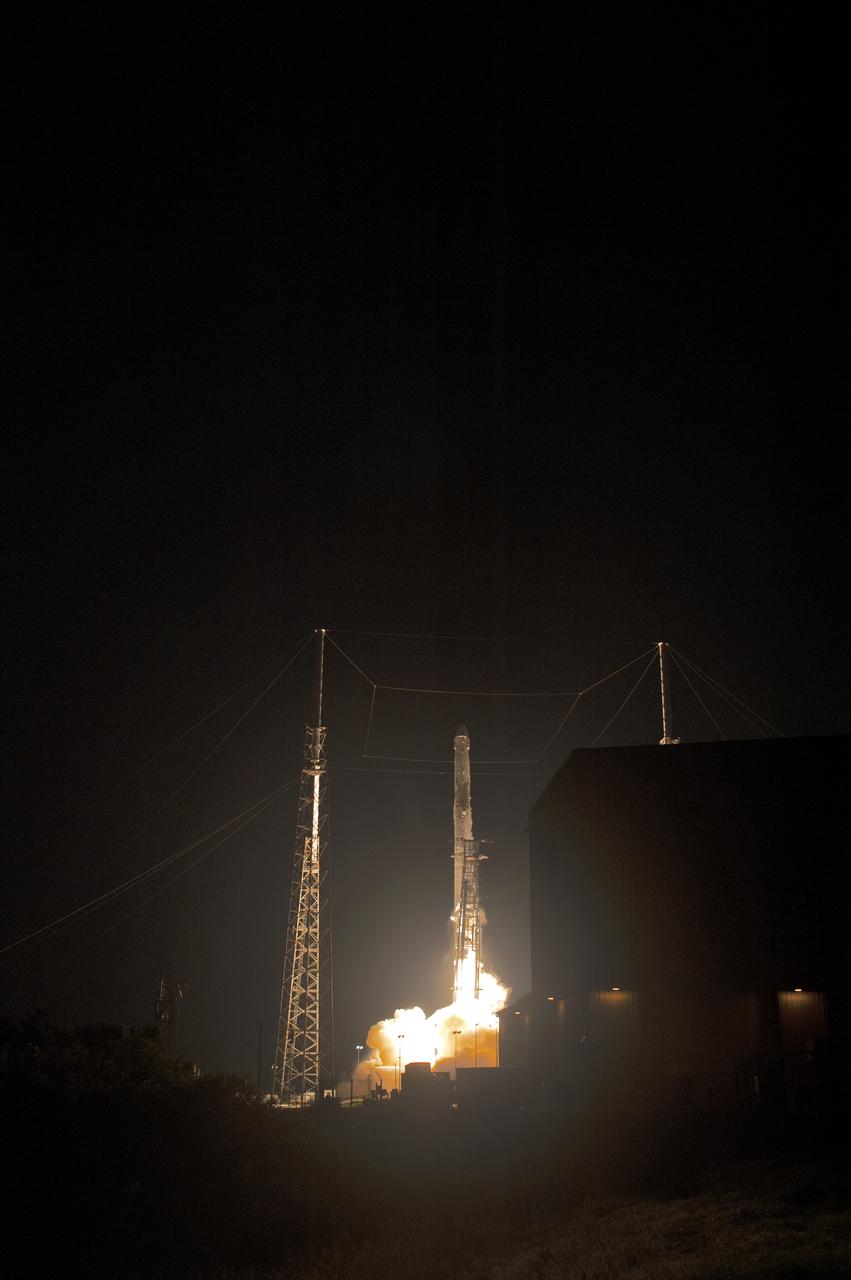
The two-stage SpaceX Falcon 9 launch vehicle lifts off from Space Launch Complex 40 at Cape Canaveral Air Force Station, carrying the SpaceX Dragon resupply spacecraft to the International Space Station. Liftoff was at 5:42 a.m. EDT on Friday, June 29, 2018. On the company’s 15th Commercial Resupply Services mission to the International Space Station, Dragon is filled with supplies and payloads, including critical materials to support several science and research investigations that will occur during Expedition 56. The spacecraft’s unpressurized trunk is carrying a Canadian-built Latching End Effector, or LEE. This new LEE will replace a failed unit astronauts removed during a series of spacewalks in the fall of 2017. Each end of the Canadarm2 robotic arm has an identical LEE, and they are used as the “hands” that grapple payloads and visiting cargo spaceships.
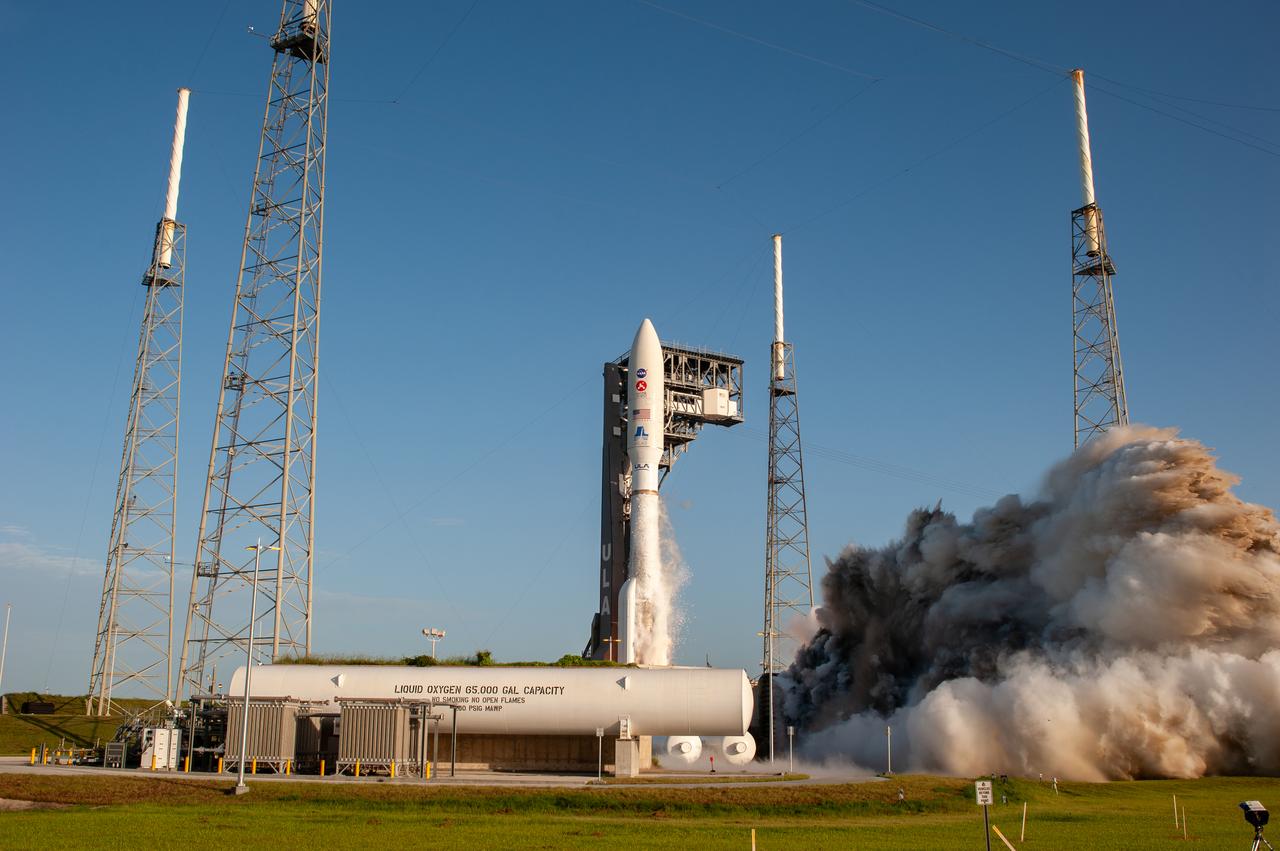
With blue sky as a backdrop, a United Launch Alliance Atlas V 541 rocket lifts off from Space Launch Complex 41 at Cape Canaveral Air Force Station in Florida on July 30, 2020, at 7:50 a.m. EDT, carrying NASA’s Mars Perseverance rover and Ingenuity helicopter. The rover is part of NASA’s Mars Exploration Program, a long-term effort of robotic exploration of the Red Planet. The rover’s seven instruments will search for habitable conditions in the ancient past and signs of past microbial life on Mars. The Launch Services Program at Kennedy is responsible for launch management.
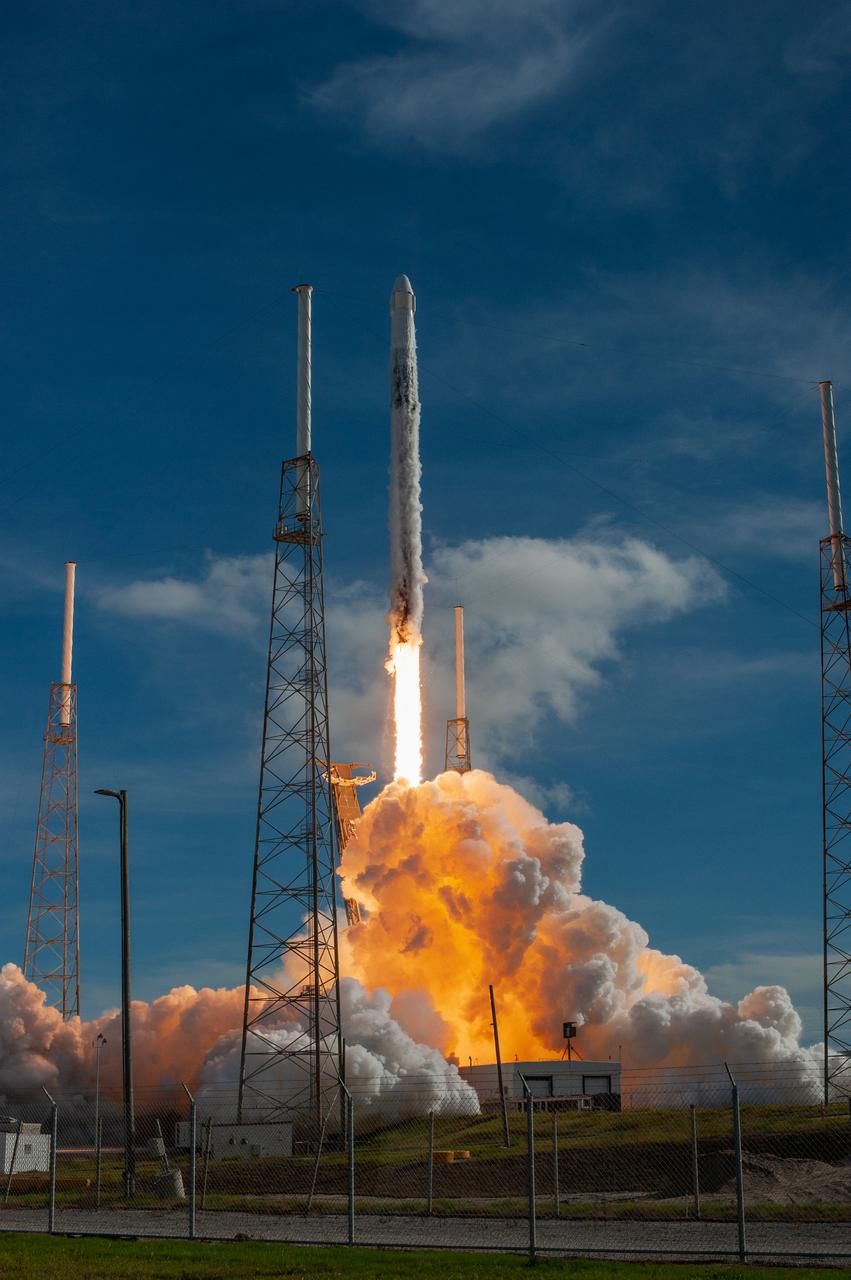
A SpaceX Falcon 9 rocket lifts off from Space Launch Complex 40 at Cape Canaveral Air Force Station in Florida at 6:01 p.m. EDT on July 25, 2019, carrying the Dragon spacecraft on the company's 18th Commercial Resupply Services (CRS-18) mission to the International Space Station. The uncrewed Dragon spacecraft will deliver about 5,000 pounds of science and research, crew supplies and vehicle hardware to the orbiting laboratory.
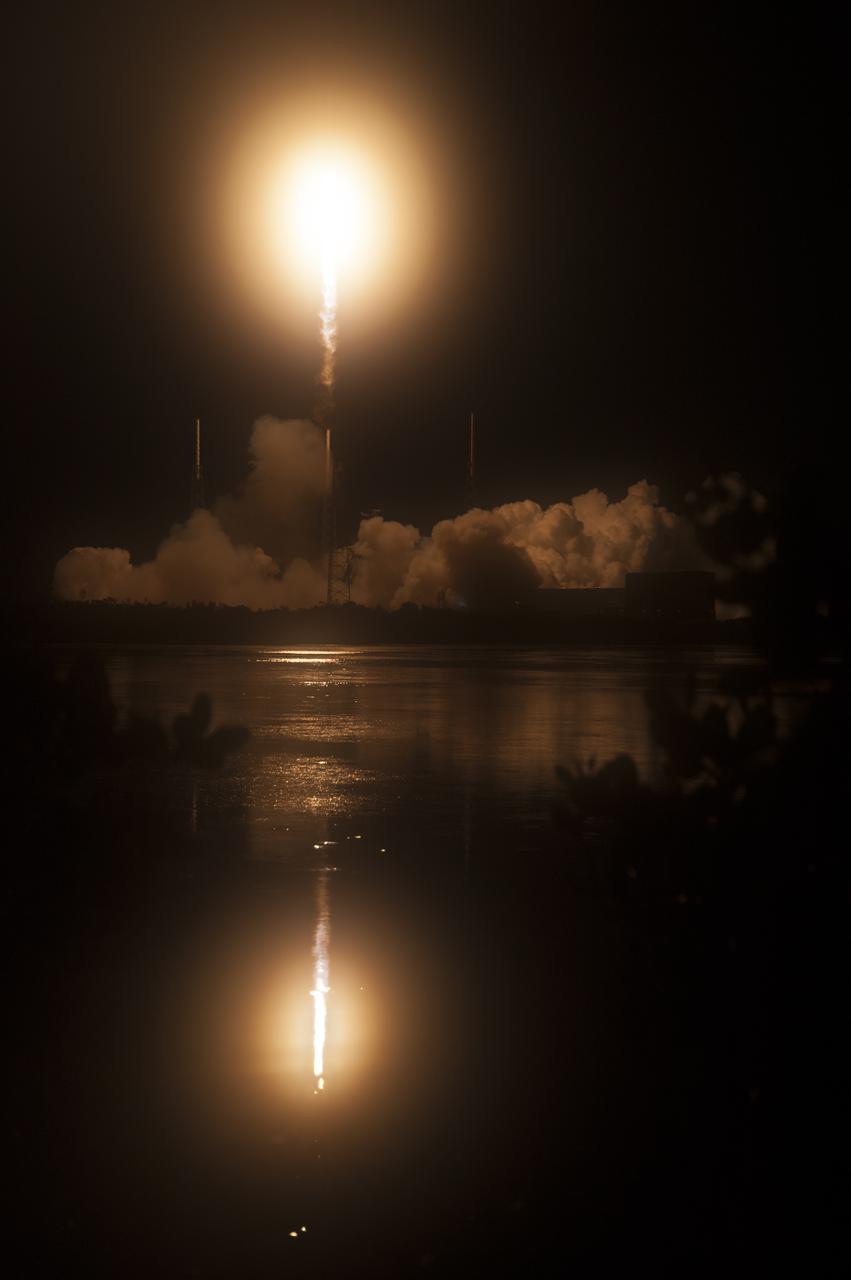
The two-stage SpaceX Falcon 9 launch vehicle lifts off from Space Launch Complex 40 at Cape Canaveral Air Force Station, carrying the SpaceX Dragon resupply spacecraft to the International Space Station. Liftoff was at 5:42 a.m. EDT on Friday, June 29, 2018. On the company’s 15th Commercial Resupply Services mission to the International Space Station, Dragon is filled with supplies and payloads, including critical materials to support several science and research investigations that will occur during Expedition 56. The spacecraft’s unpressurized trunk is carrying a Canadian-built Latching End Effector, or LEE. This new LEE will replace a failed unit astronauts removed during a series of spacewalks in the fall of 2017. Each end of the Canadarm2 robotic arm has an identical LEE, and they are used as the “hands” that grapple payloads and visiting cargo spaceships.
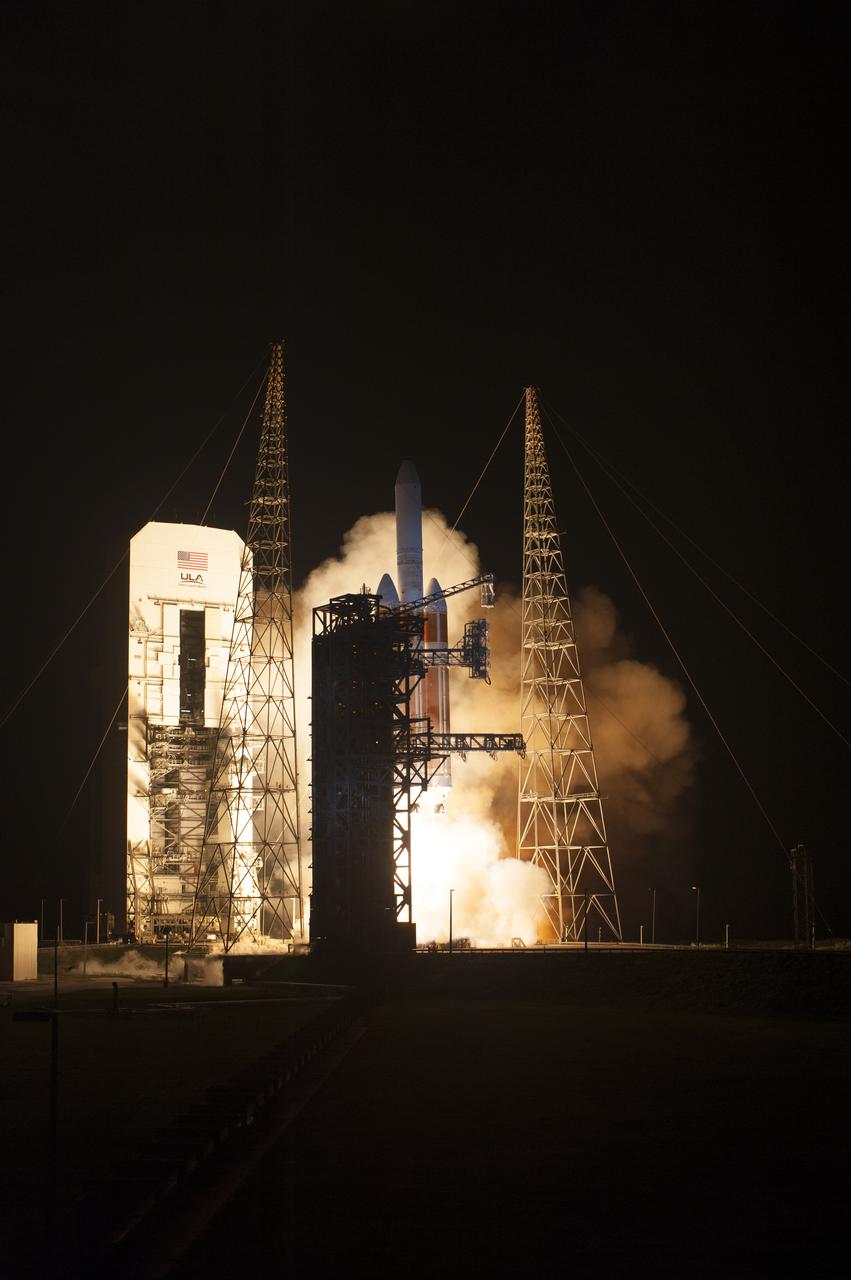
At Cape Canaveral Air Force Station's Space Launch Complex 37, the United Launch Alliance Delta IV Heavy rocket with NASA's Parker Solar Probe, lifts off at 3:31 a.m. EDT on Sunday, Aug. 12, 2018. The spacecraft was built by Applied Physics Laboratory of Johns Hopkins University in Laurel, Maryland. The mission will perform the closest-ever observations of a star when it travels through the Sun's atmosphere, called the corona. The probe will rely on measurements and imaging to revolutionize our understanding of the corona and the Sun-Earth connection.
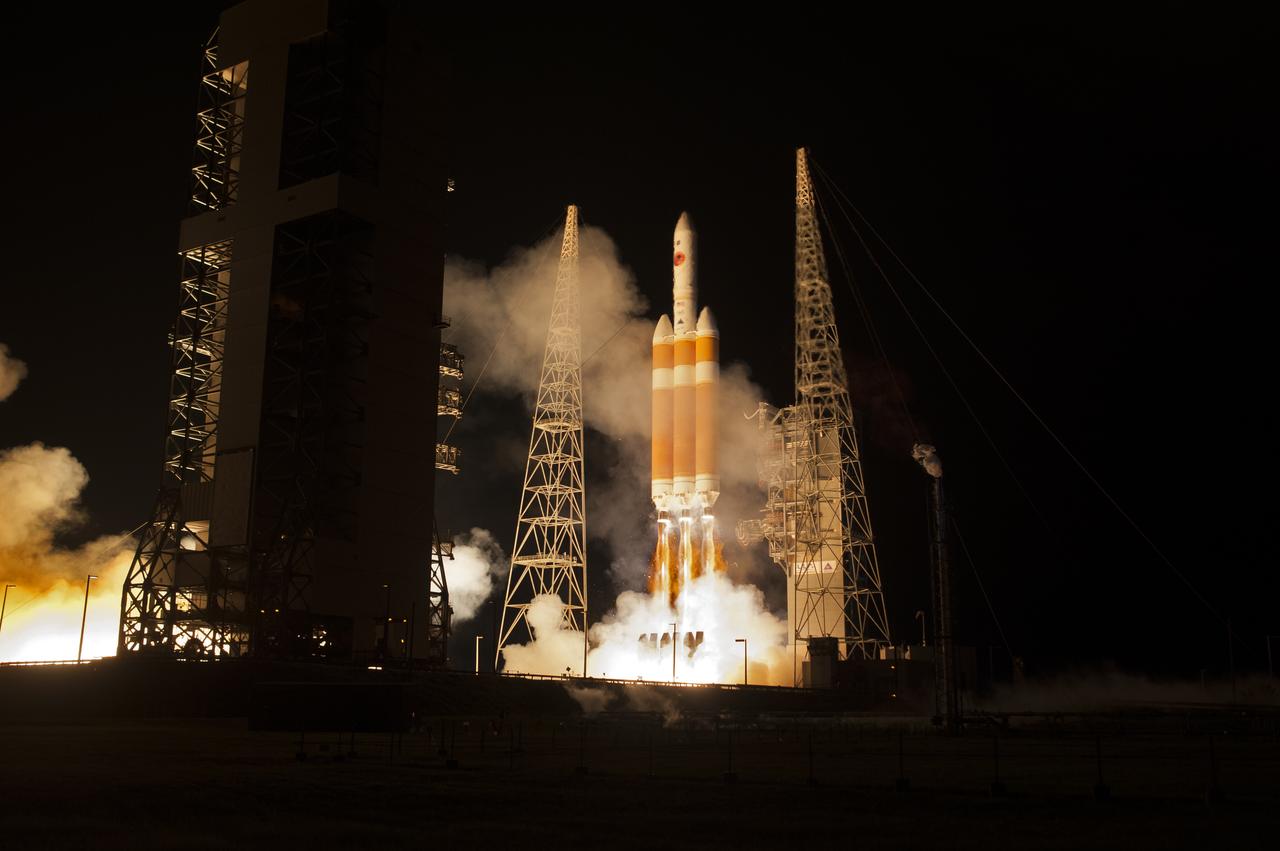
At Cape Canaveral Air Force Station’s Space Launch Complex 37, the United Launch Alliance Delta IV Heavy rocket with NASA's Parker Solar Probe, lifts off at 3:31 a.m. EDT on Sunday, Aug. 12, 2018. The spacecraft was built by Applied Physics Laboratory of Johns Hopkins University in Laurel, Maryland. The mission will perform the closest-ever observations of a star when it travels through the Sun's atmosphere, called the corona. The probe will rely on measurements and imaging to revolutionize our understanding of the corona and the Sun-Earth connection.
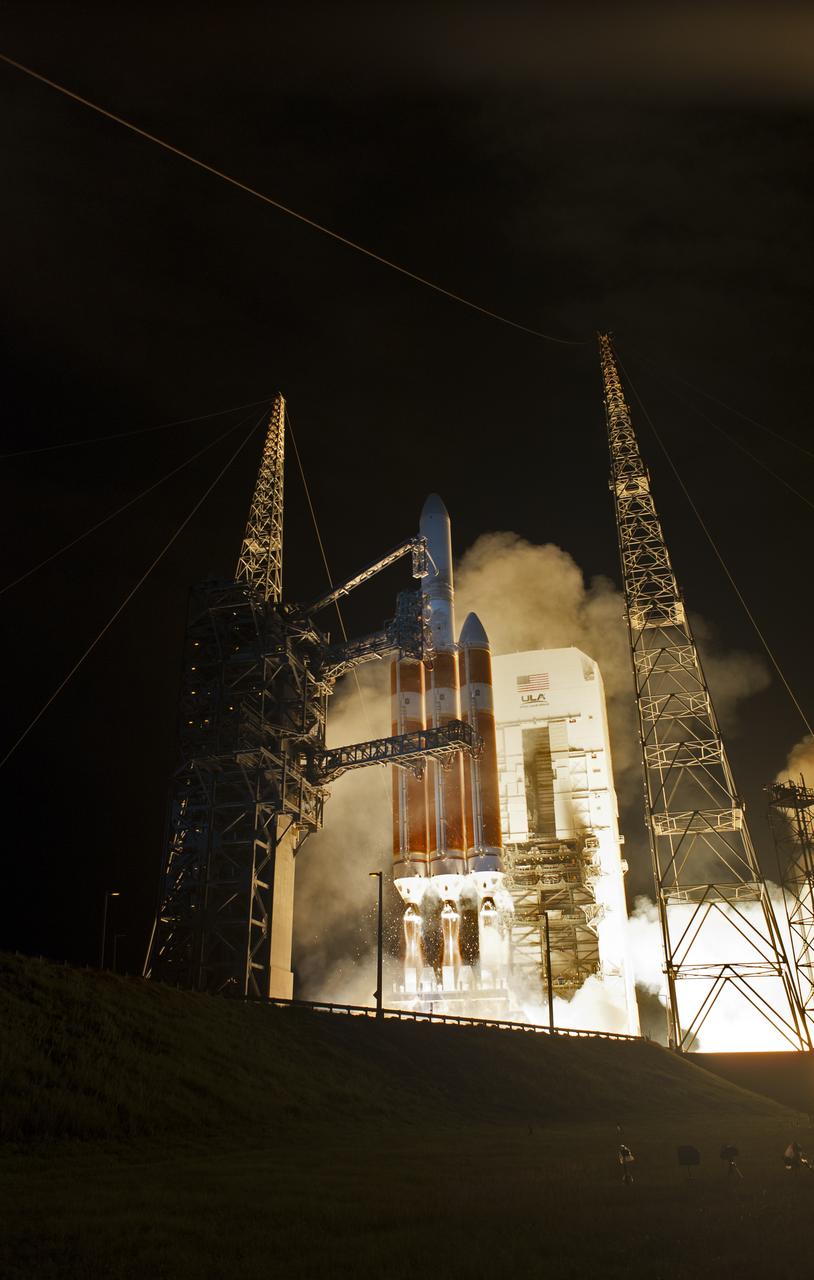
At Cape Canaveral Air Force Station's Space Launch Complex 37, the United Launch Alliance Delta IV Heavy rocket with NASA's Parker Solar Probe, lifts off at 3:31 a.m. EDT on Sunday, Aug. 12, 2018. The spacecraft was built by Applied Physics Laboratory of Johns Hopkins University in Laurel, Maryland. The mission will perform the closest-ever observations of a star when it travels through the Sun's atmosphere, called the corona. The probe will rely on measurements and imaging to revolutionize our understanding of the corona and the Sun-Earth connection.
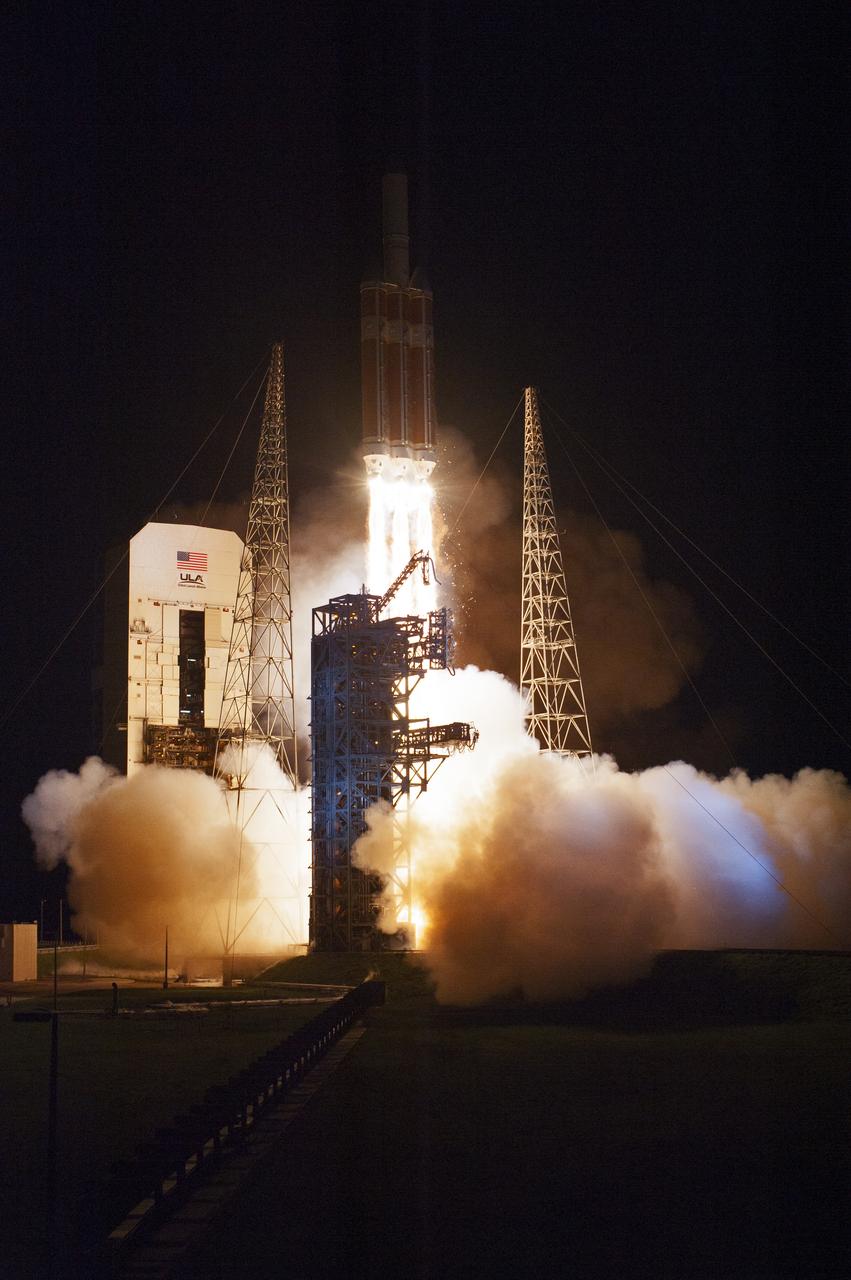
At Cape Canaveral Air Force Station's Space Launch Complex 37, the United Launch Alliance Delta IV Heavy rocket with NASA's Parker Solar Probe, lifts off at 3:31 a.m. EDT on Sunday, Aug. 12, 2018. The spacecraft was built by Applied Physics Laboratory of Johns Hopkins University in Laurel, Maryland. The mission will perform the closest-ever observations of a star when it travels through the Sun's atmosphere, called the corona. The probe will rely on measurements and imaging to revolutionize our understanding of the corona and the Sun-Earth connection.
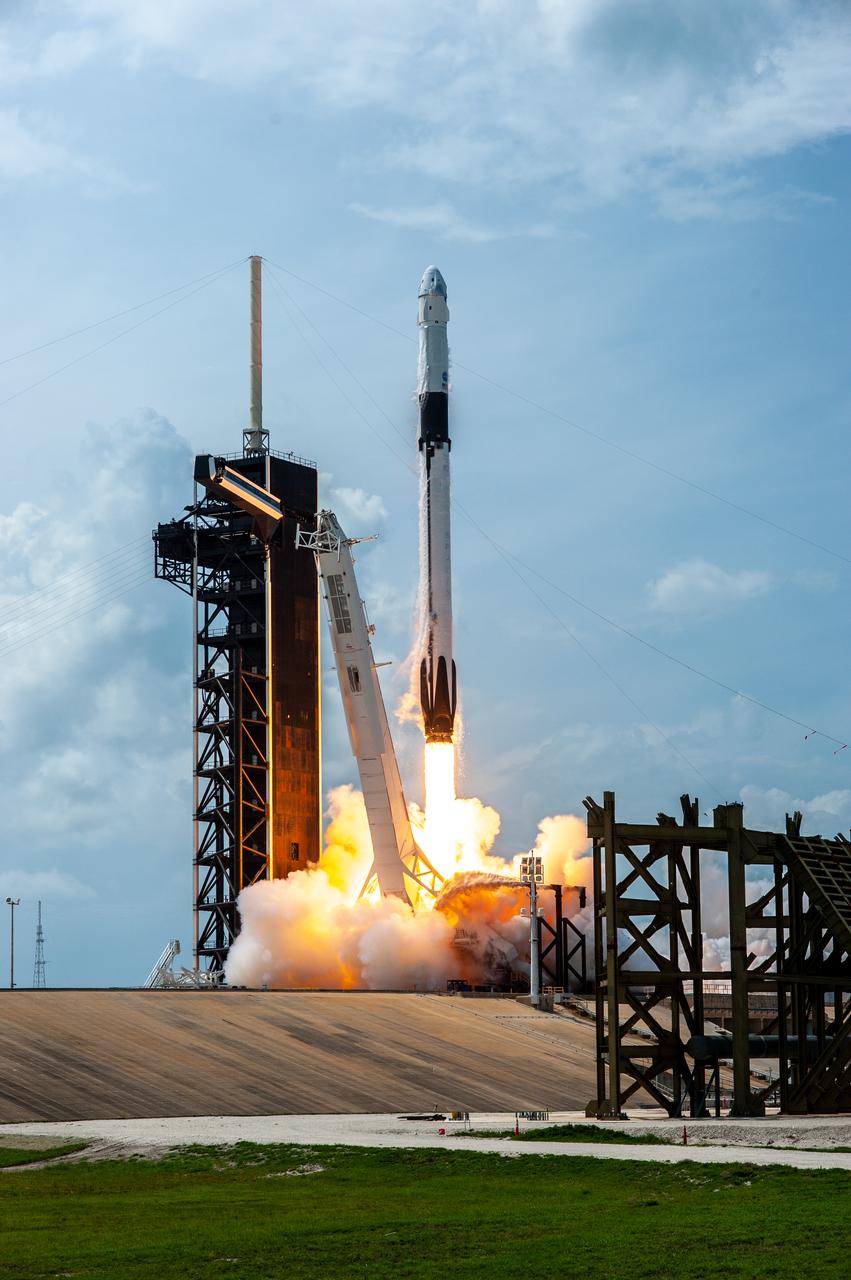
A SpaceX Falcon 9 rocket and Crew Dragon spacecraft lifts off from Launch Complex 39A at NASA’s Kennedy Space Center in Florida on May 30, 2020, carrying NASA astronauts Robert Behnken and Douglas Hurley to the International Space Station for the agency’s SpaceX Demo-2 mission. Liftoff occurred at 3:22 p.m. EDT. Behnken and Hurley are the first astronauts to launch from U.S. soil to the space station since the end of the Space Shuttle Program in 2011. Part of NASA’s Commercial Crew Program, this will be SpaceX’s final flight test, paving the way for the agency to certify the crew transportation system for regular, crewed flights to the orbiting laboratory.
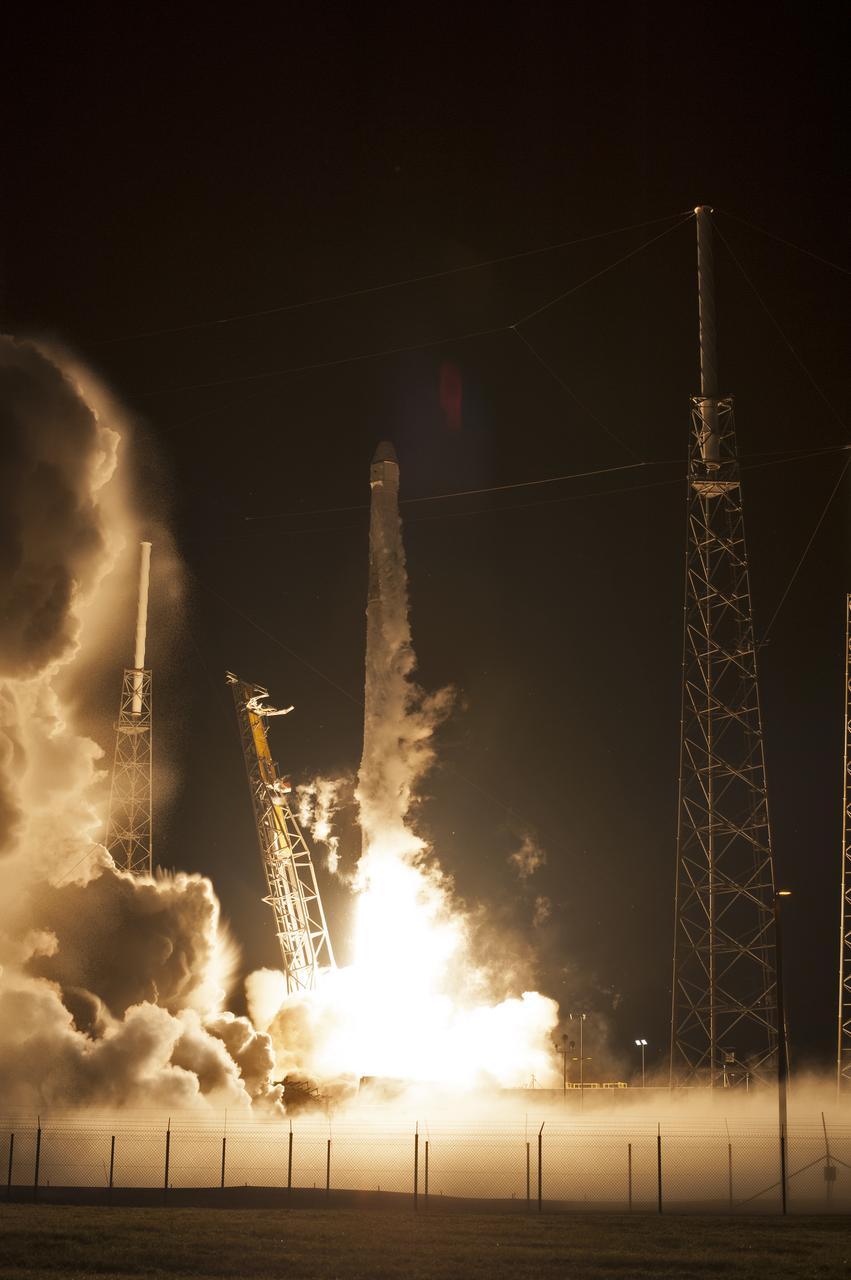
The two-stage SpaceX Falcon 9 launch vehicle lifts off from Space Launch Complex 40 at Cape Canaveral Air Force Station, carrying the SpaceX Dragon resupply spacecraft to the International Space Station. Liftoff was at 5:42 a.m. EDT on Friday, June 29, 2018. On the company’s 15th Commercial Resupply Services mission to the International Space Station, Dragon is filled with supplies and payloads, including critical materials to support several science and research investigations that will occur during Expedition 56. The spacecraft’s unpressurized trunk is carrying a Canadian-built Latching End Effector, or LEE. This new LEE will replace a failed unit astronauts removed during a series of spacewalks in the fall of 2017. Each end of the Canadarm2 robotic arm has an identical LEE, and they are used as the “hands” that grapple payloads and visiting cargo spaceships.
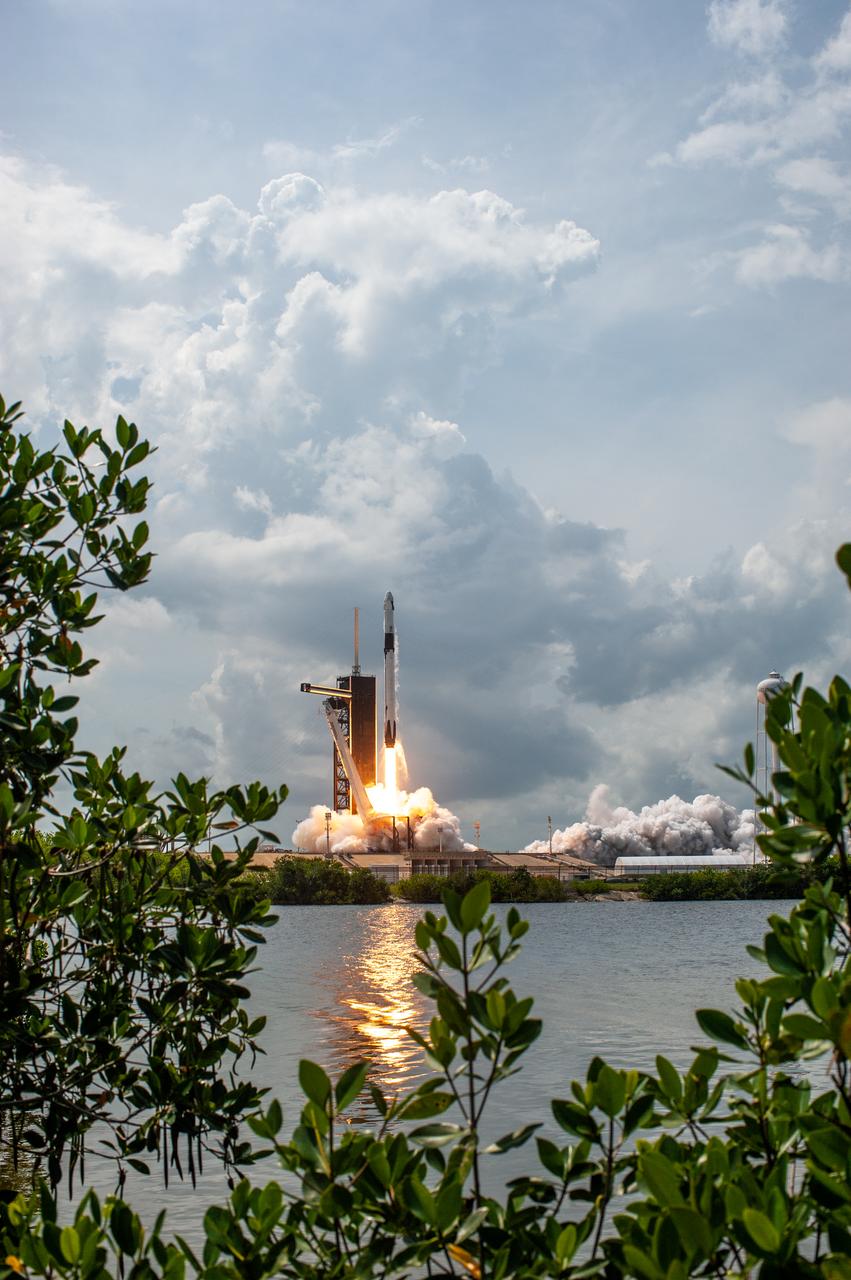
A SpaceX Falcon 9 rocket and Crew Dragon spacecraft lifts off from Launch Complex 39A at NASA’s Kennedy Space Center in Florida on May 30, 2020, carrying NASA astronauts Robert Behnken and Douglas Hurley to the International Space Station for the agency’s SpaceX Demo-2 mission. Liftoff occurred at 3:22 p.m. EDT. Behnken and Hurley are the first astronauts to launch from U.S. soil to the space station since the end of the Space Shuttle Program in 2011. Part of NASA’s Commercial Crew Program, this will be SpaceX’s final flight test, paving the way for the agency to certify the crew transportation system for regular, crewed flights to the orbiting laboratory.
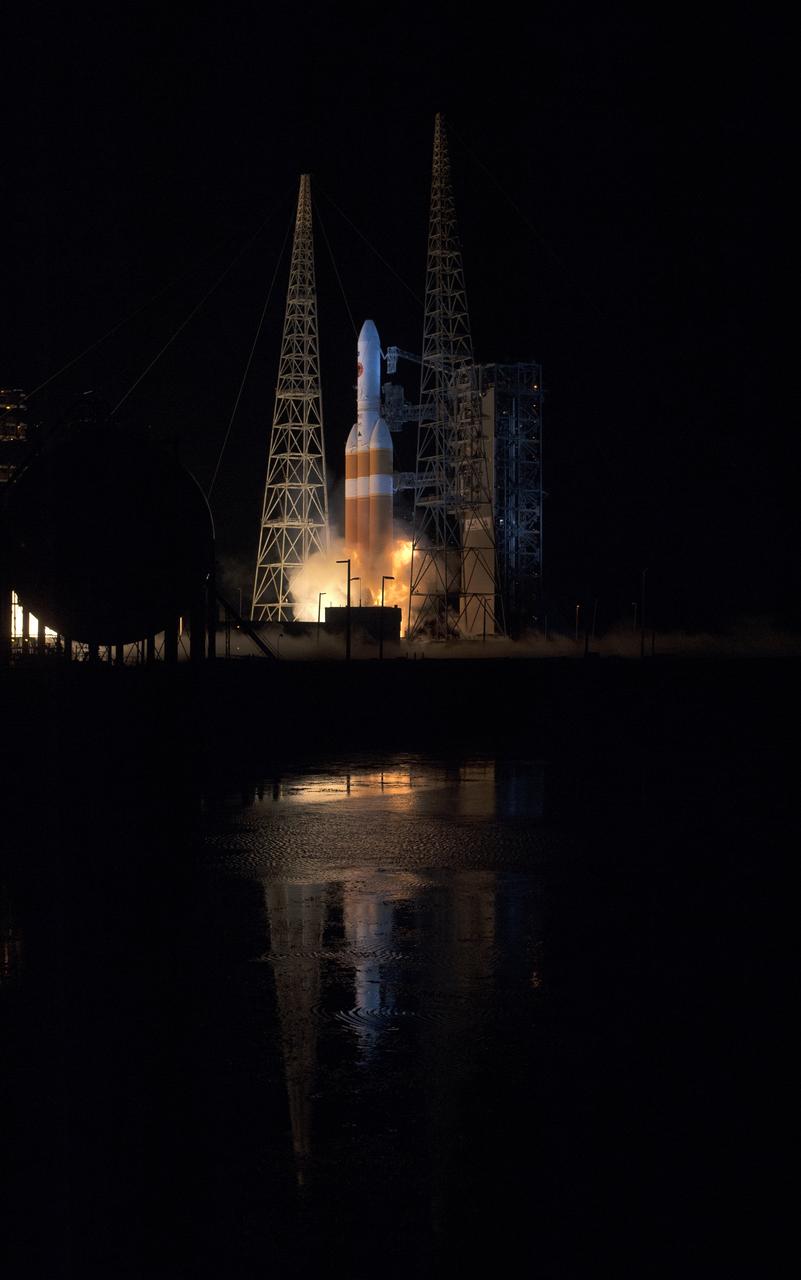
At Cape Canaveral Air Force Station’s Space Launch Complex 37, the United Launch Alliance Delta IV Heavy rocket with NASA's Parker Solar Probe, lifts off at 3:31 a.m. EDT on Sunday, Aug. 12, 2018. The spacecraft was built by Applied Physics Laboratory of Johns Hopkins University in Laurel, Maryland. The mission will perform the closest-ever observations of a star when it travels through the Sun's atmosphere, called the corona. The probe will rely on measurements and imaging to revolutionize our understanding of the corona and the Sun-Earth connection.
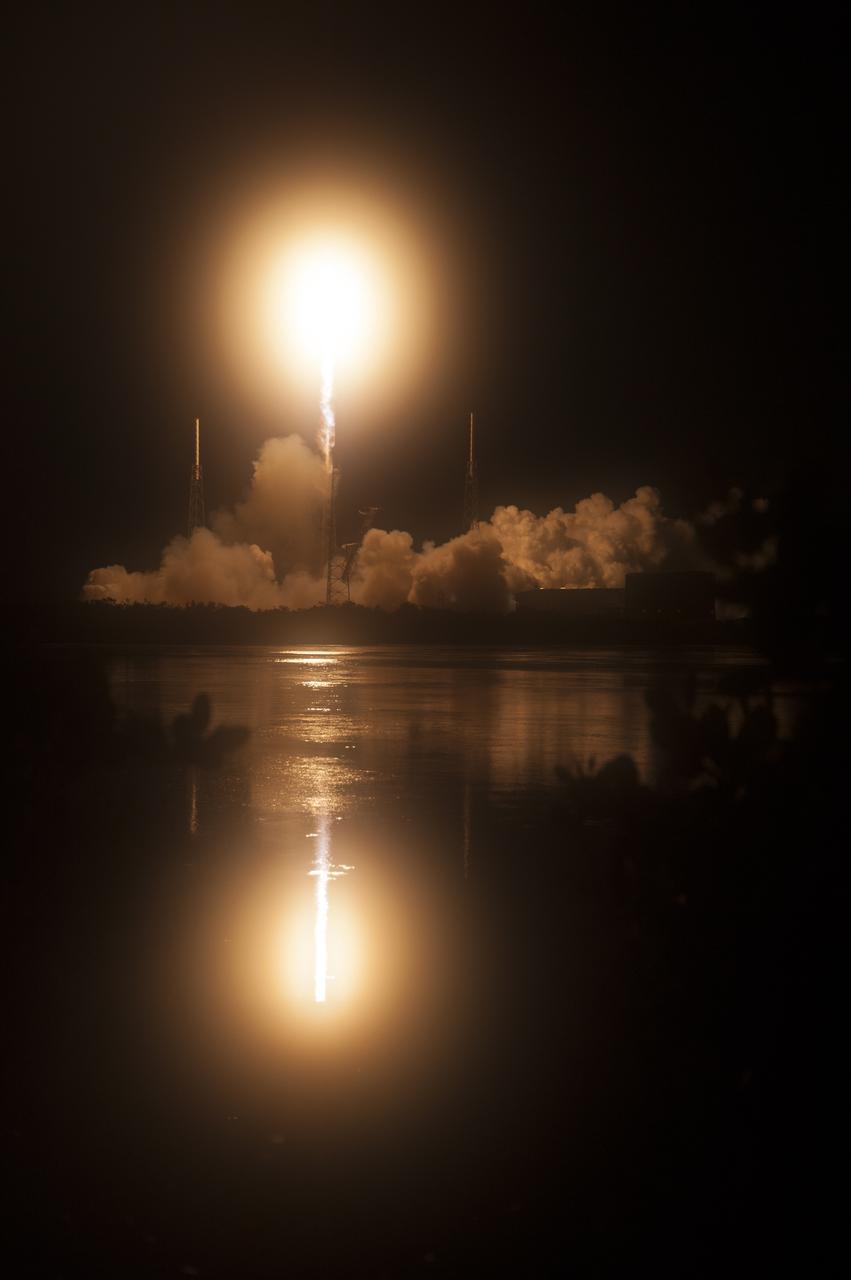
The two-stage SpaceX Falcon 9 launch vehicle lifts off from Space Launch Complex 40 at Cape Canaveral Air Force Station, carrying the SpaceX Dragon resupply spacecraft to the International Space Station. Liftoff was at 5:42 a.m. EDT on Friday, June 29, 2018. On the company’s 15th Commercial Resupply Services mission to the International Space Station, Dragon is filled with supplies and payloads, including critical materials to support several science and research investigations that will occur during Expedition 56. The spacecraft’s unpressurized trunk is carrying a Canadian-built Latching End Effector, or LEE. This new LEE will replace a failed unit astronauts removed during a series of spacewalks in the fall of 2017. Each end of the Canadarm2 robotic arm has an identical LEE, and they are used as the “hands” that grapple payloads and visiting cargo spaceships.
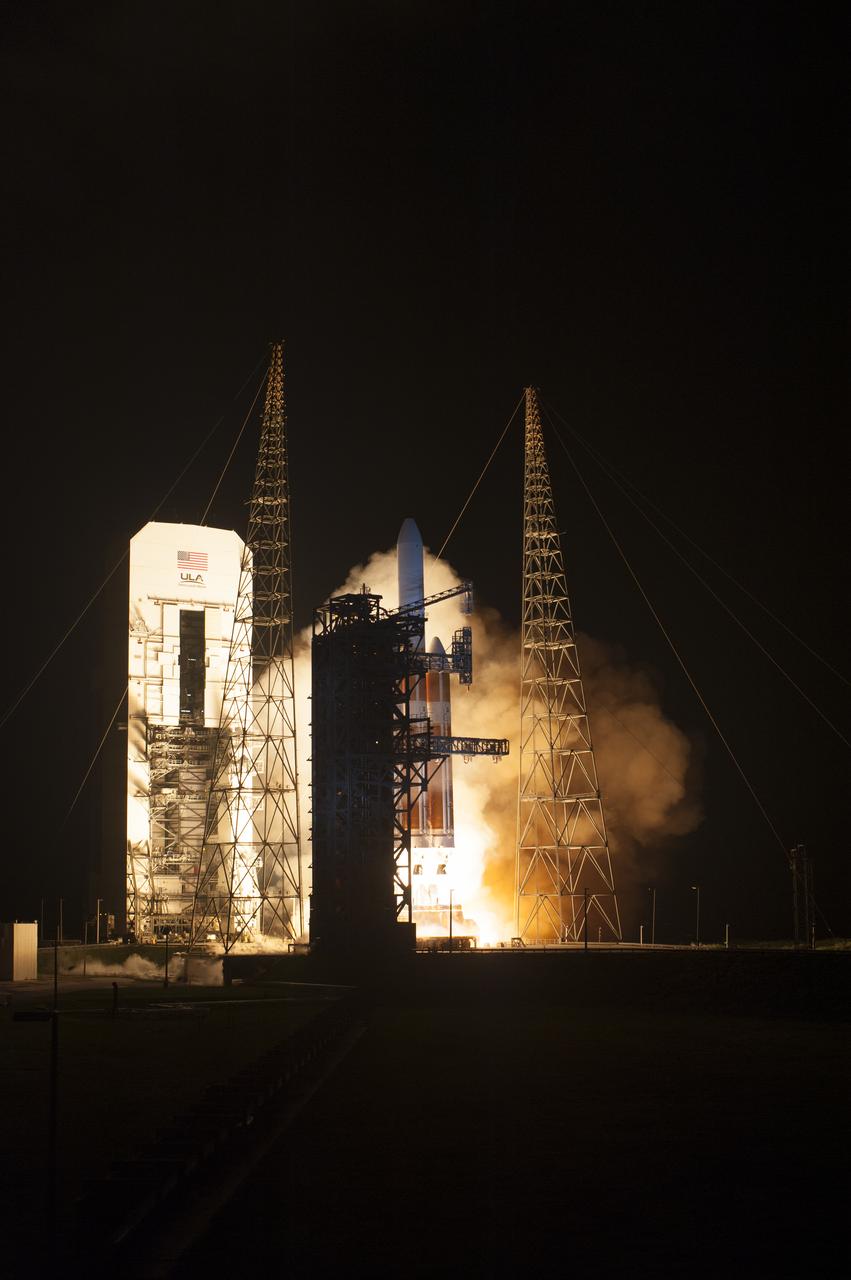
At Cape Canaveral Air Force Station's Space Launch Complex 37, the United Launch Alliance Delta IV Heavy rocket with NASA's Parker Solar Probe, lifts off at 3:31 a.m. EDT on Sunday, Aug. 12, 2018. The spacecraft was built by Applied Physics Laboratory of Johns Hopkins University in Laurel, Maryland. The mission will perform the closest-ever observations of a star when it travels through the Sun's atmosphere, called the corona. The probe will rely on measurements and imaging to revolutionize our understanding of the corona and the Sun-Earth connection.
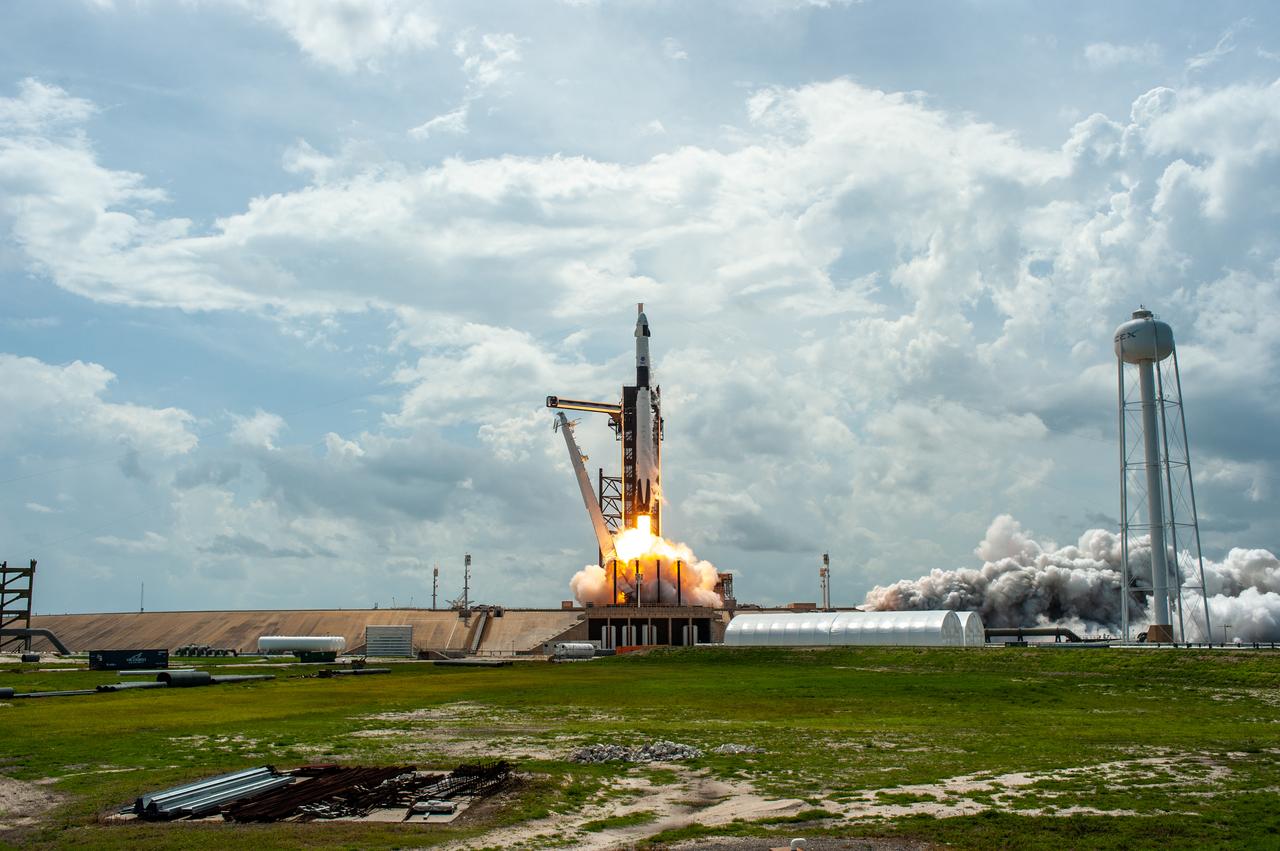
A SpaceX Falcon 9 rocket and Crew Dragon spacecraft lifts off from Launch Complex 39A at NASA’s Kennedy Space Center in Florida on May 30, 2020, carrying NASA astronauts Robert Behnken and Douglas Hurley to the International Space Station for the agency’s SpaceX Demo-2 mission. Liftoff occurred at 3:22 p.m. EDT. Behnken and Hurley are the first astronauts to launch from U.S. soil to the space station since the end of the Space Shuttle Program in 2011. Part of NASA’s Commercial Crew Program, this will be SpaceX’s final flight test, paving the way for the agency to certify the crew transportation system for regular, crewed flights to the orbiting laboratory.
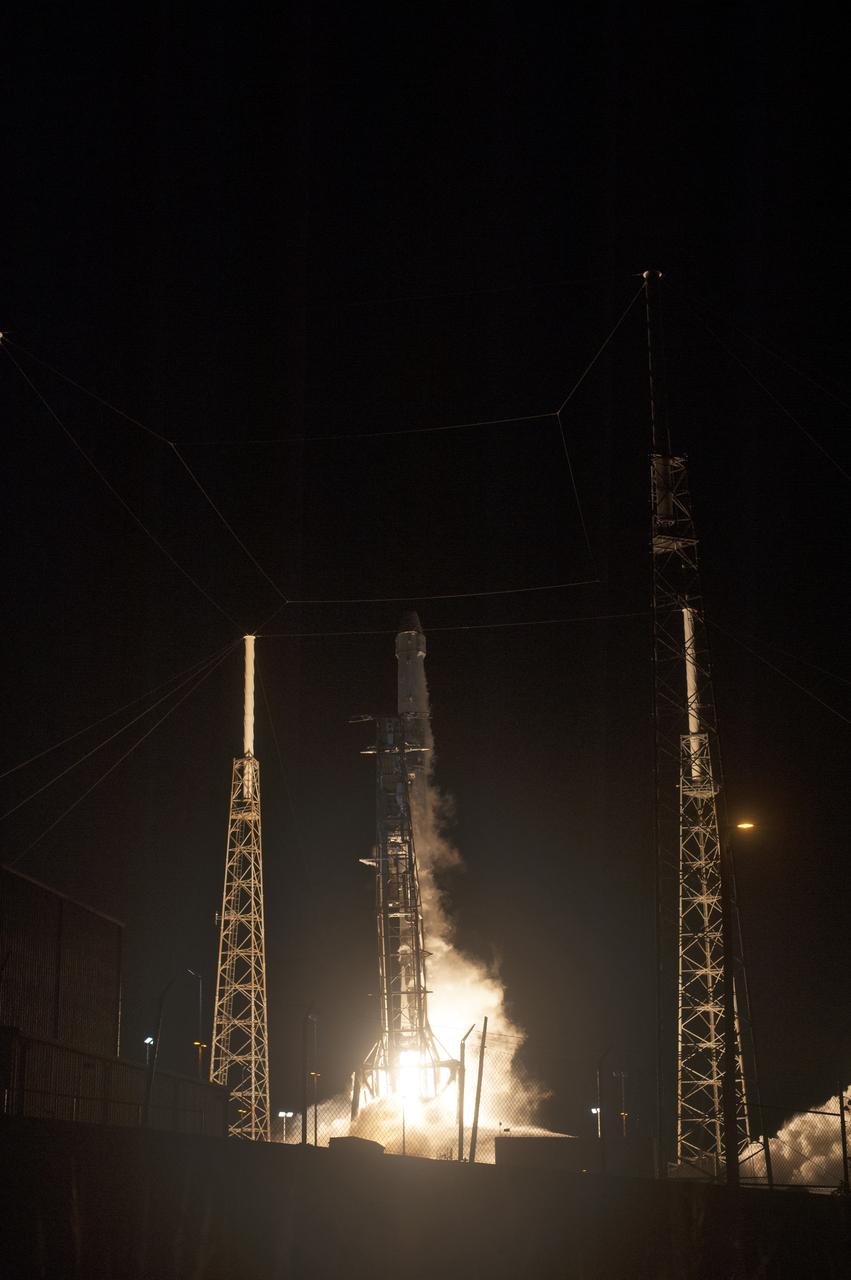
The two-stage SpaceX Falcon 9 launch vehicle lifts off from Space Launch Complex 40 at Cape Canaveral Air Force Station, carrying the SpaceX Dragon resupply spacecraft to the International Space Station. Liftoff was at 5:42 a.m. EDT on Friday, June 29, 2018. On the company’s 15th Commercial Resupply Services mission to the International Space Station, Dragon is filled with supplies and payloads, including critical materials to support several science and research investigations that will occur during Expedition 56. The spacecraft’s unpressurized trunk is carrying a Canadian-built Latching End Effector, or LEE. This new LEE will replace a failed unit astronauts removed during a series of spacewalks in the fall of 2017. Each end of the Canadarm2 robotic arm has an identical LEE, and they are used as the “hands” that grapple payloads and visiting cargo spaceships.
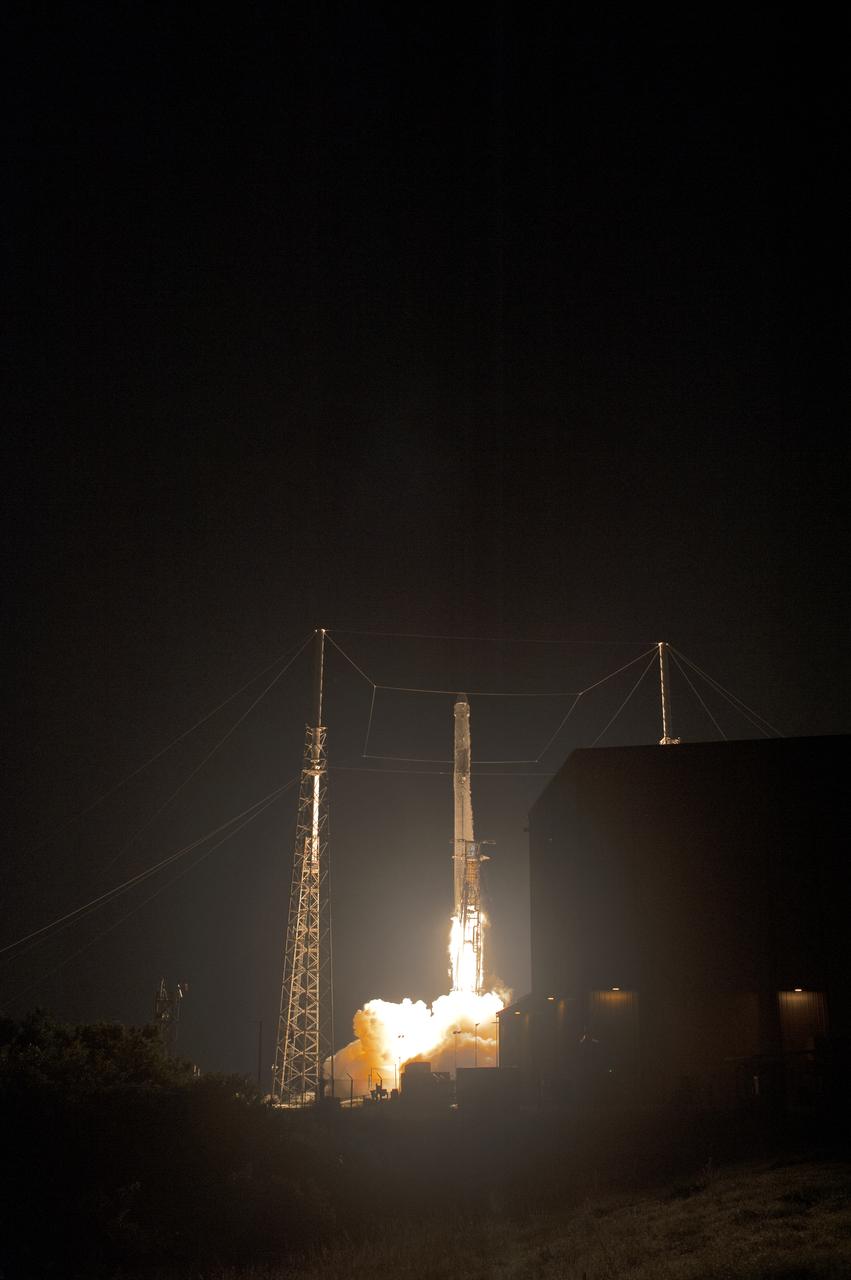
The two-stage SpaceX Falcon 9 launch vehicle lifts off from Space Launch Complex 40 at Cape Canaveral Air Force Station, carrying the SpaceX Dragon resupply spacecraft to the International Space Station. Liftoff was at 5:42 a.m. EDT on Friday, June 29, 2018. On the company’s 15th Commercial Resupply Services mission to the International Space Station, Dragon is filled with supplies and payloads, including critical materials to support several science and research investigations that will occur during Expedition 56. The spacecraft’s unpressurized trunk is carrying a Canadian-built Latching End Effector, or LEE. This new LEE will replace a failed unit astronauts removed during a series of spacewalks in the fall of 2017. Each end of the Canadarm2 robotic arm has an identical LEE, and they are used as the “hands” that grapple payloads and visiting cargo spaceships.
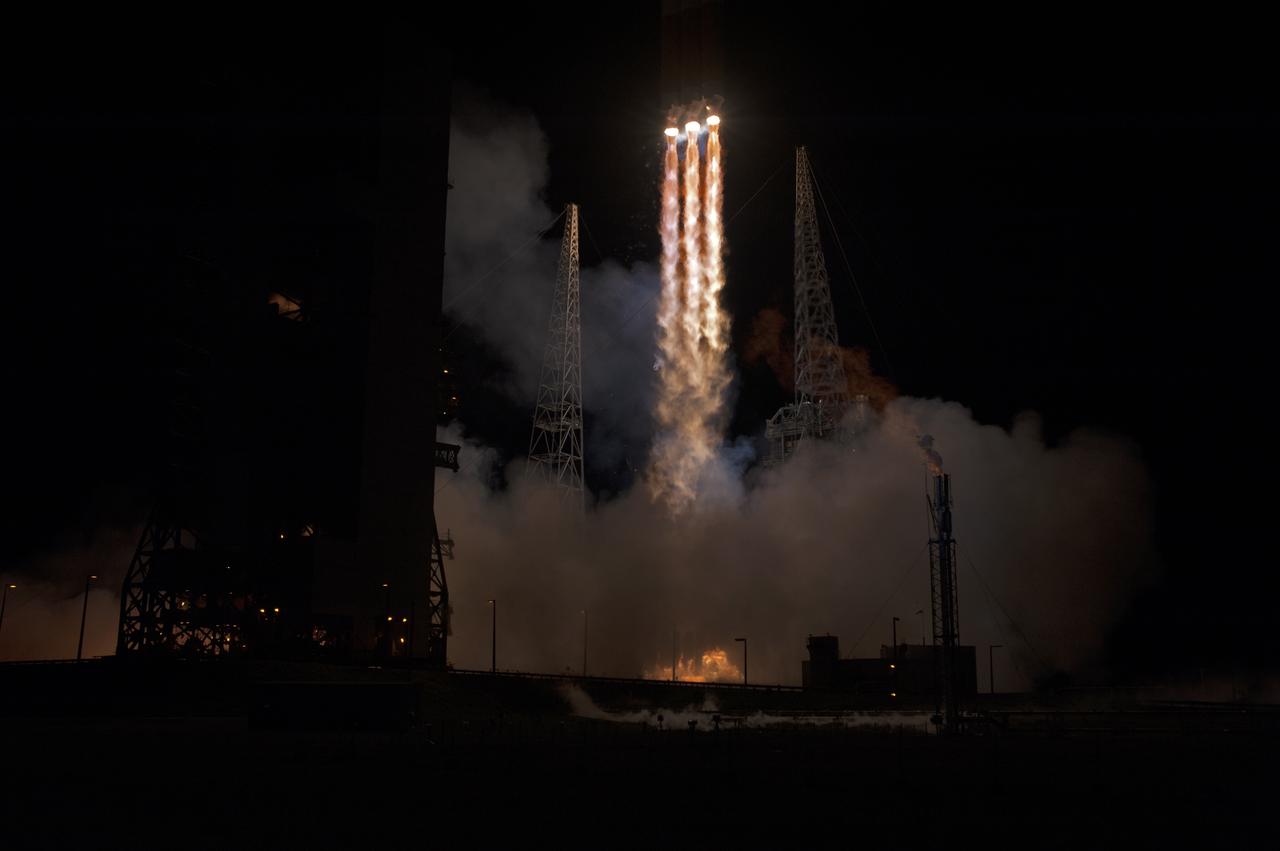
At Cape Canaveral Air Force Station’s Space Launch Complex 37, the United Launch Alliance Delta IV Heavy rocket with NASA's Parker Solar Probe, lifts off at 3:31 a.m. EDT on Sunday, Aug. 12, 2018. The spacecraft was built by Applied Physics Laboratory of Johns Hopkins University in Laurel, Maryland. The mission will perform the closest-ever observations of a star when it travels through the Sun's atmosphere, called the corona. The probe will rely on measurements and imaging to revolutionize our understanding of the corona and the Sun-Earth connection.
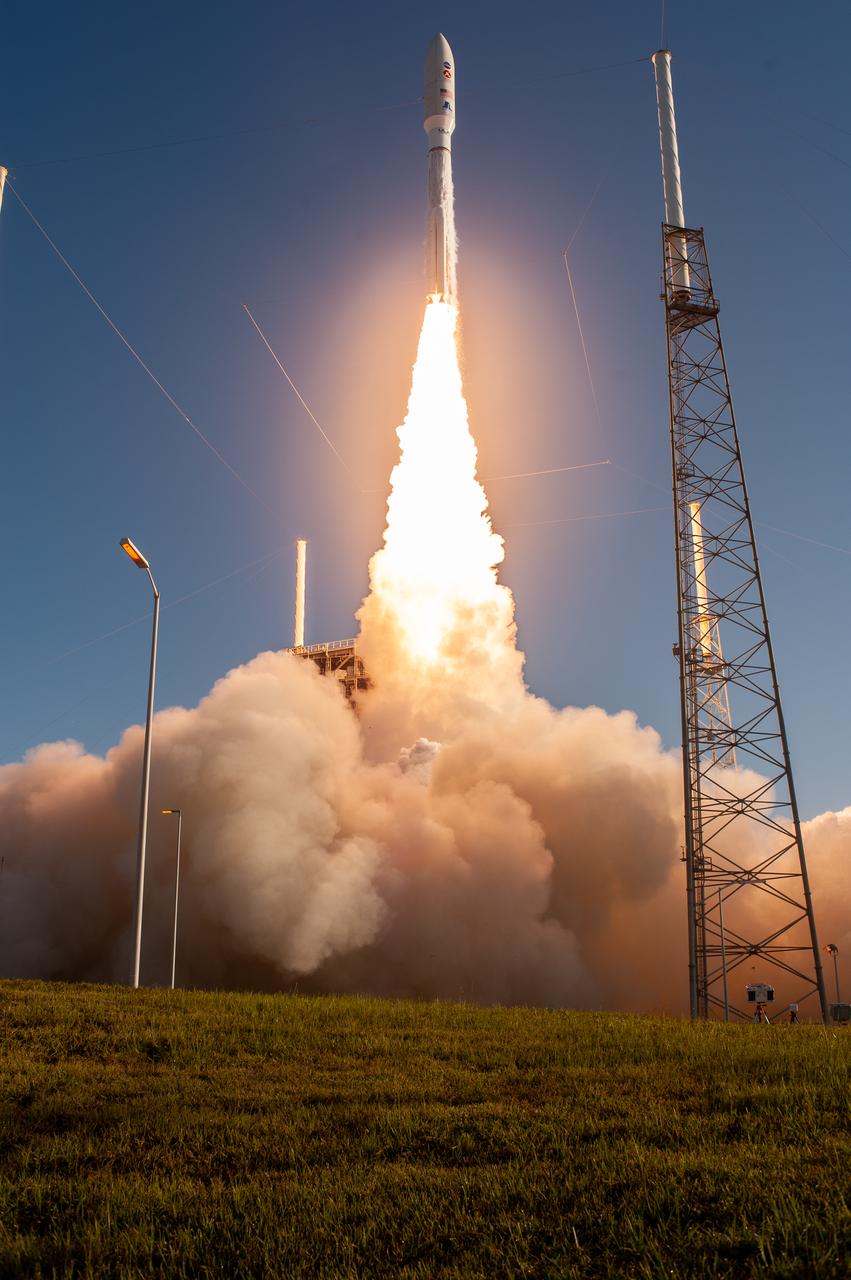
A United Launch Alliance Atlas V 541 rocket climbs upward after lifting off from Space Launch Complex 41 at Cape Canaveral Air Force Station in Florida on July 30, 2020, at 7:50 a.m. EDT, carrying NASA’s Mars Perseverance rover and Ingenuity helicopter. The rover is part of NASA’s Mars Exploration Program, a long-term effort of robotic exploration of the Red Planet. The rover’s seven instruments will search for habitable conditions in the ancient past and signs of past microbial life on Mars. The Launch Services Program at Kennedy is responsible for launch management.
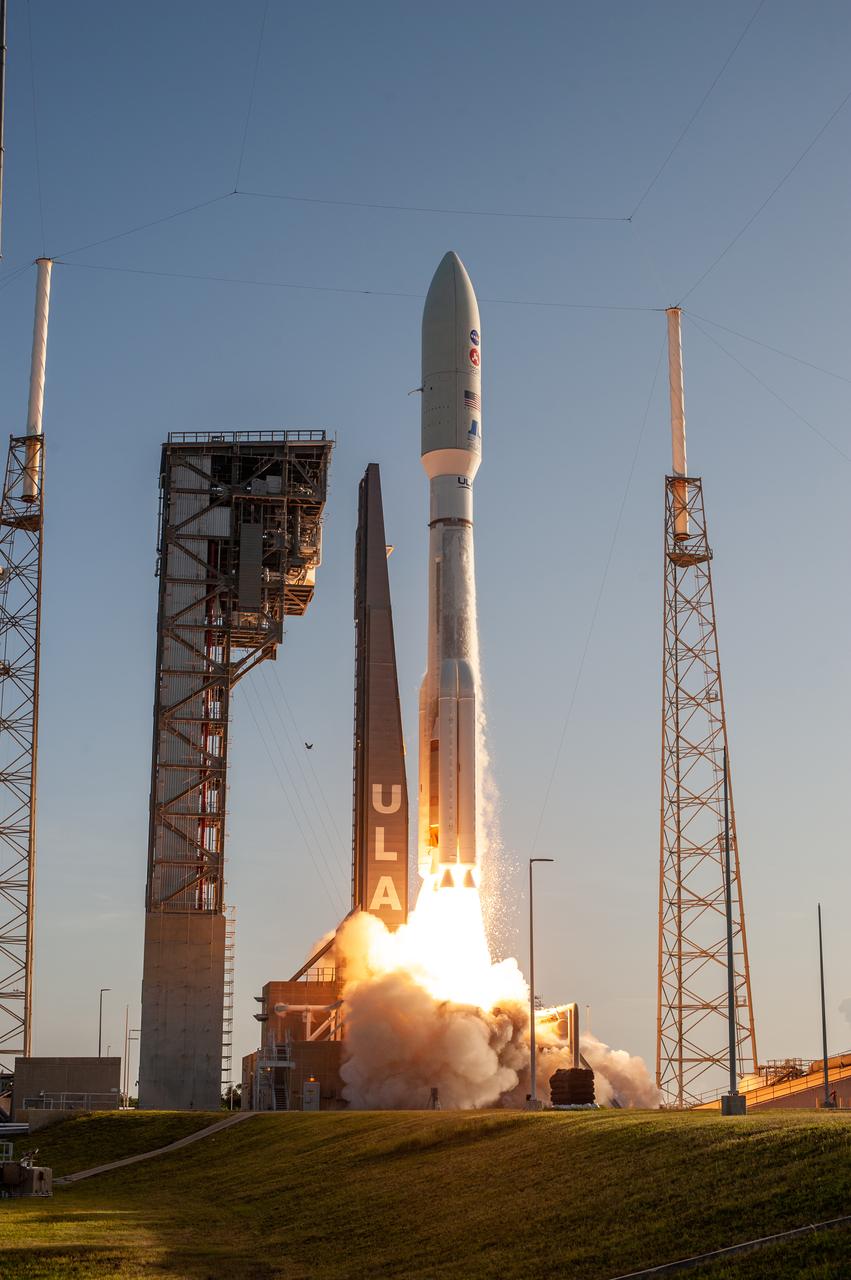
A United Launch Alliance Atlas V 541 rocket lifts off from Space Launch Complex 41 at Cape Canaveral Air Force Station in Florida on July 30, 2020, at 7:50 a.m. EDT, carrying NASA’s Mars Perseverance rover and Ingenuity helicopter. The rover is part of NASA’s Mars Exploration Program, a long-term effort of robotic exploration of the Red Planet. The rover’s seven instruments will search for habitable conditions in the ancient past and signs of past microbial life on Mars. The Launch Services Program at Kennedy is responsible for launch management.
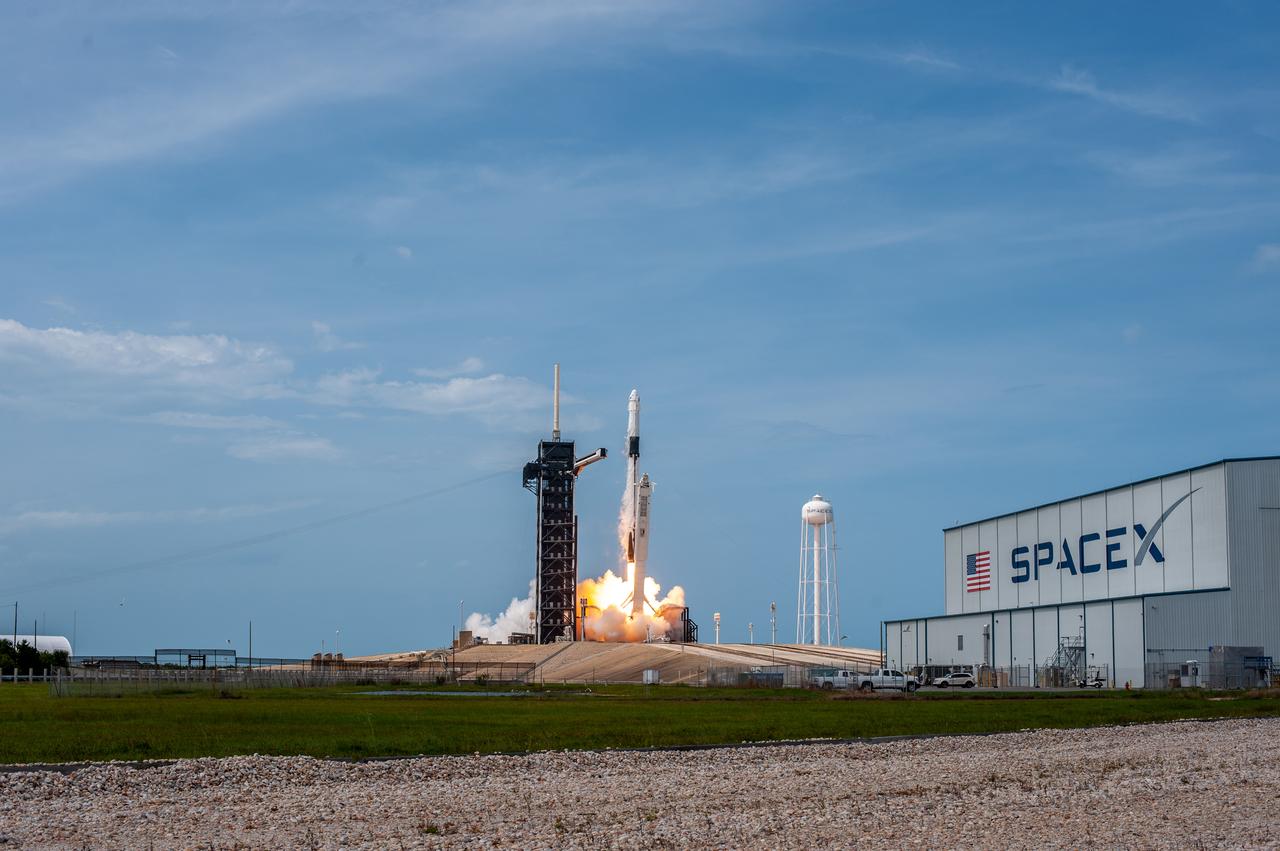
A SpaceX Falcon 9 rocket and Crew Dragon spacecraft lifts off from Launch Complex 39A at NASA’s Kennedy Space Center in Florida on May 30, 2020, carrying NASA astronauts Robert Behnken and Douglas Hurley to the International Space Station for the agency’s SpaceX Demo-2 mission. Liftoff occurred at 3:22 p.m. EDT. Behnken and Hurley are the first astronauts to launch from U.S. soil to the space station since the end of the Space Shuttle Program in 2011. Part of NASA’s Commercial Crew Program, this will be SpaceX’s final flight test, paving the way for the agency to certify the crew transportation system for regular, crewed flights to the orbiting laboratory.
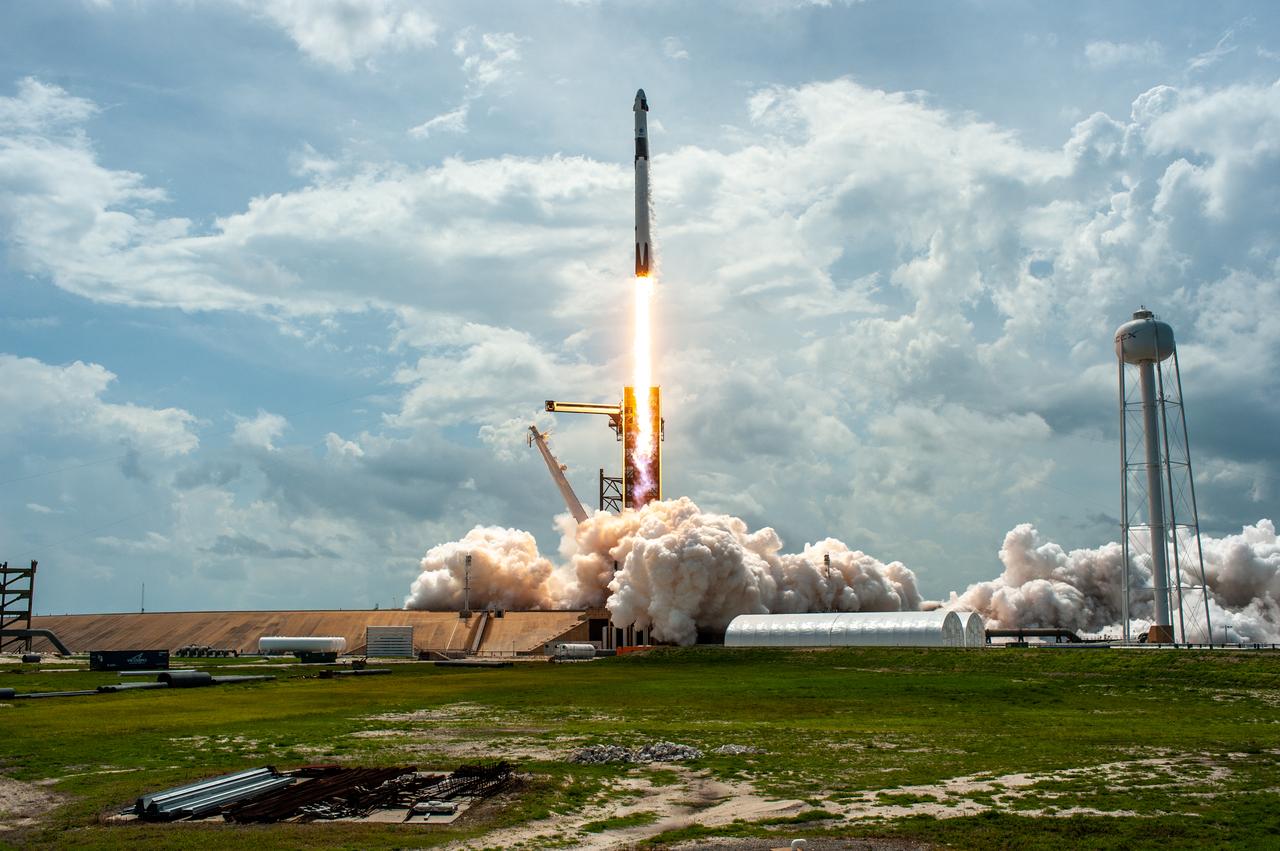
A SpaceX Falcon 9 rocket soars upward after lifting off from historic Launch Complex 39A at NASA’s Kennedy Space Center in Florida on May 30, 2020, carrying NASA astronauts Robert Behnken and Douglas Hurley to the International Space Station in a SpaceX Crew Dragon capsule for the agency’s SpaceX Demo-2 mission. Liftoff occurred at 3:22 p.m. EDT. Behnken and Hurley are the first astronauts to launch from U.S. soil to the space station since the end of the Space Shuttle Program in 2011. Part of NASA’s Commercial Crew Program, this will be SpaceX’s final flight test, paving the way for the agency to certify the crew transportation system for regular, crewed flights to the orbiting laboratory.
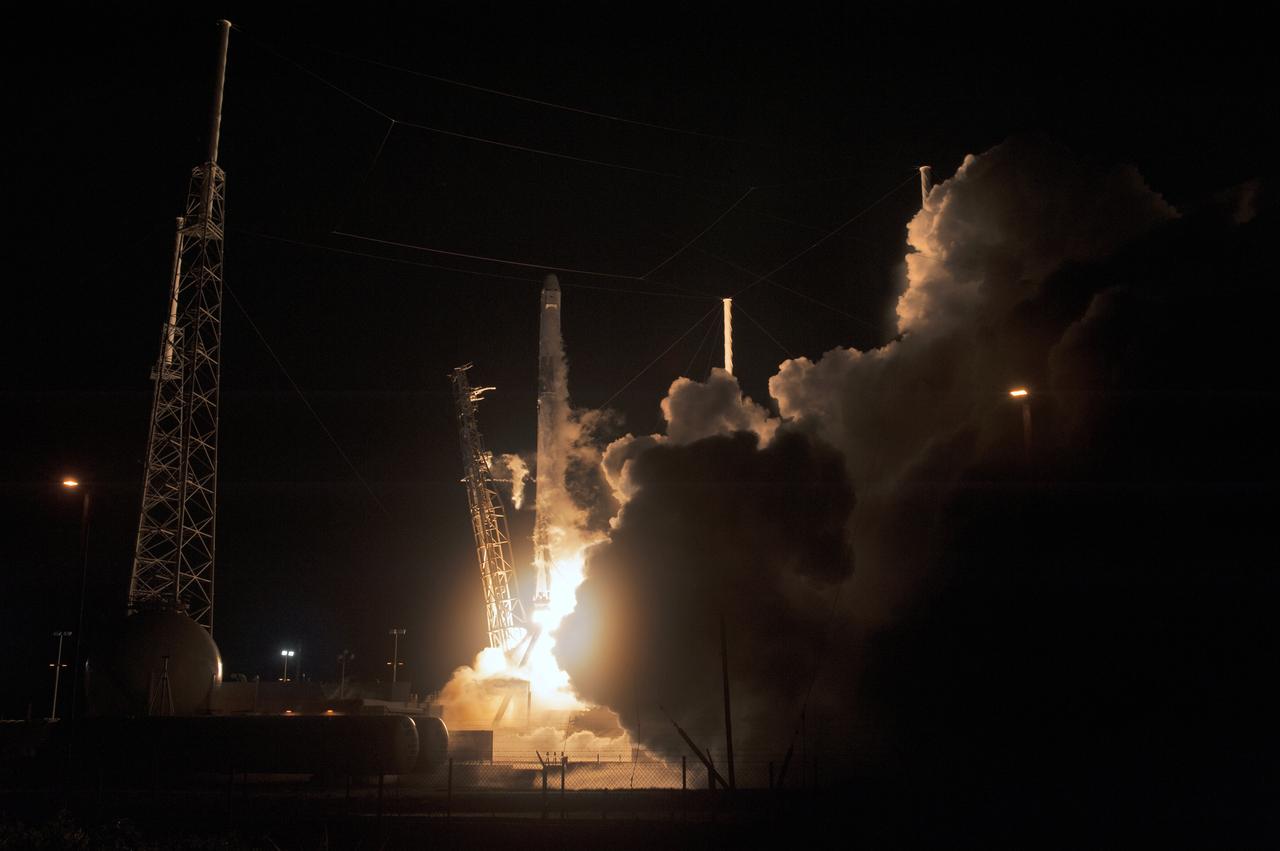
The two-stage SpaceX Falcon 9 launch vehicle lifts off from Space Launch Complex 40 at Cape Canaveral Air Force Station, carrying the SpaceX Dragon resupply spacecraft to the International Space Station. Liftoff was at 5:42 a.m. EDT on Friday, June 29, 2018. On the company’s 15th Commercial Resupply Services mission to the International Space Station, Dragon is filled with supplies and payloads, including critical materials to support several science and research investigations that will occur during Expedition 56. The spacecraft’s unpressurized trunk is carrying a Canadian-built Latching End Effector, or LEE. This new LEE will replace a failed unit astronauts removed during a series of spacewalks in the fall of 2017. Each end of the Canadarm2 robotic arm has an identical LEE, and they are used as the “hands” that grapple payloads and visiting cargo spaceships.

A SpaceX Falcon 9 rocket soars upward after lifting off from historic Launch Complex 39A at NASA’s Kennedy Space Center in Florida on May 30, 2020, carrying NASA astronauts Robert Behnken and Douglas Hurley to the International Space Station in a SpaceX Crew Dragon capsule for the agency’s SpaceX Demo-2 mission. Liftoff occurred at 3:22 p.m. EDT. Behnken and Hurley are the first astronauts to launch from U.S. soil to the space station since the end of the Space Shuttle Program in 2011. Part of NASA’s Commercial Crew Program, this will be SpaceX’s final flight test, paving the way for the agency to certify the crew transportation system for regular, crewed flights to the orbiting laboratory.
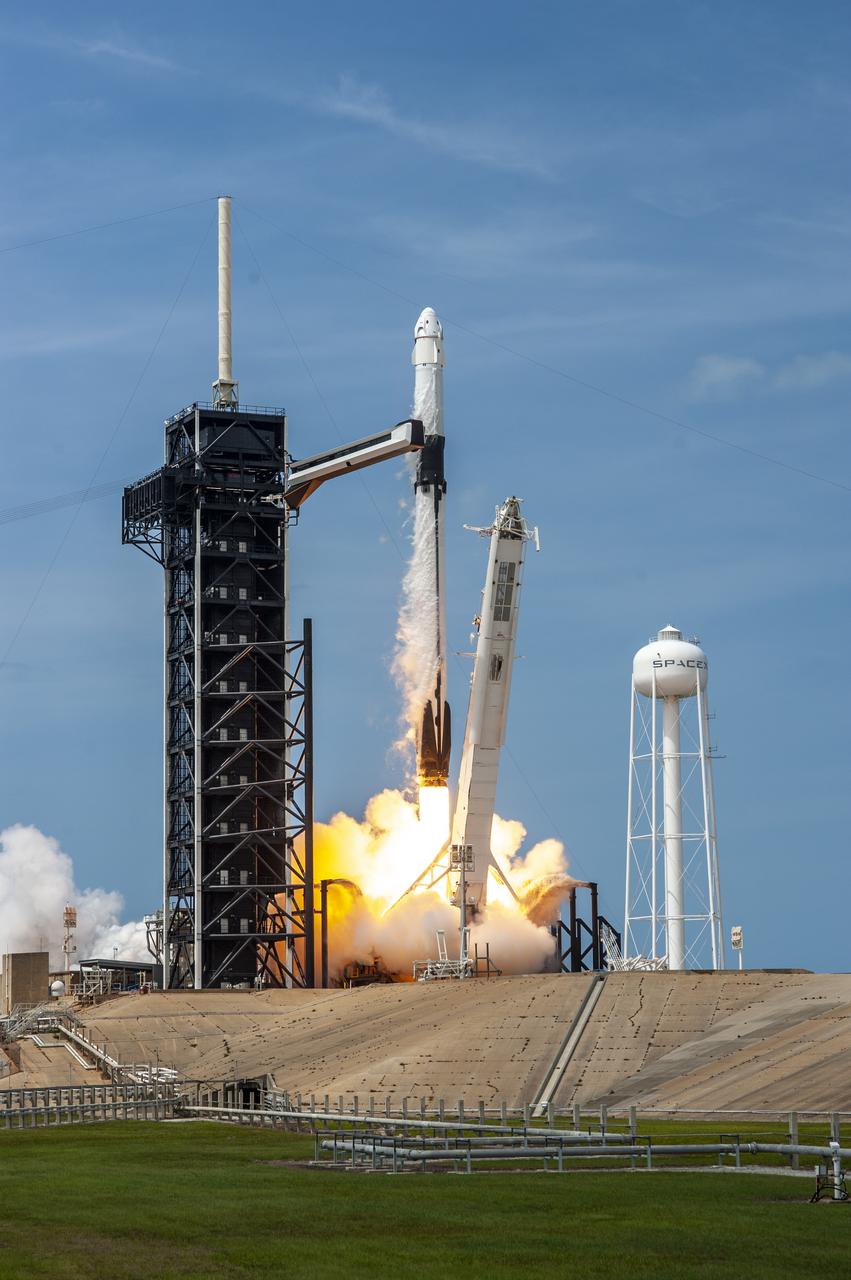
A SpaceX Falcon 9 rocket and Crew Dragon spacecraft lifts off from Launch Complex 39A at NASA’s Kennedy Space Center in Florida on May 30, 2020, carrying NASA astronauts Robert Behnken and Douglas Hurley to the International Space Station for the agency’s SpaceX Demo-2 mission. Liftoff occurred at 3:22 p.m. EDT. Behnken and Hurley are the first astronauts to launch from U.S. soil to the space station since the end of the Space Shuttle Program in 2011. Part of NASA’s Commercial Crew Program, this will be SpaceX’s final flight test, paving the way for the agency to certify the crew transportation system for regular, crewed flights to the orbiting laboratory.
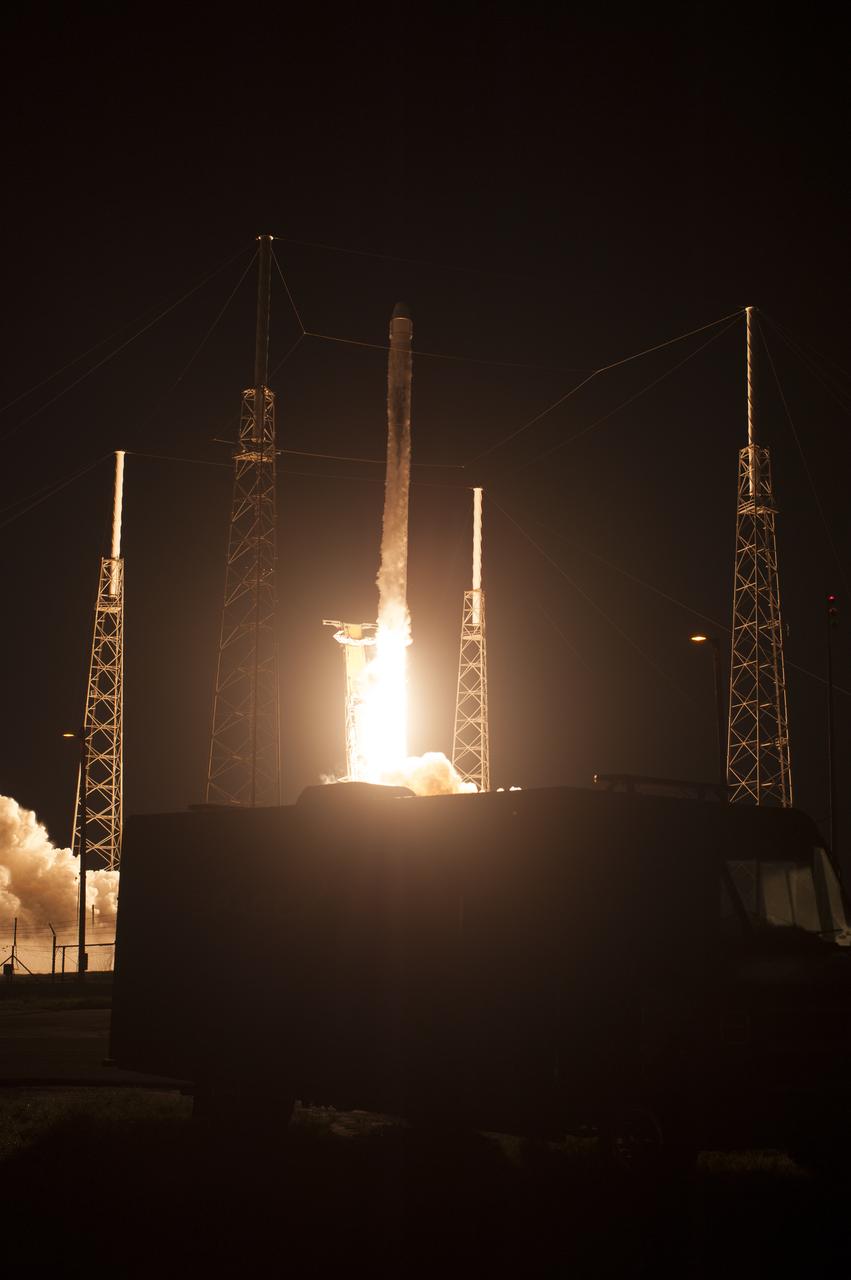
SpaceX CRS-15 lifts off from Space Launch Complex 40 at Cape Canaveral Air Force Station in Florida.
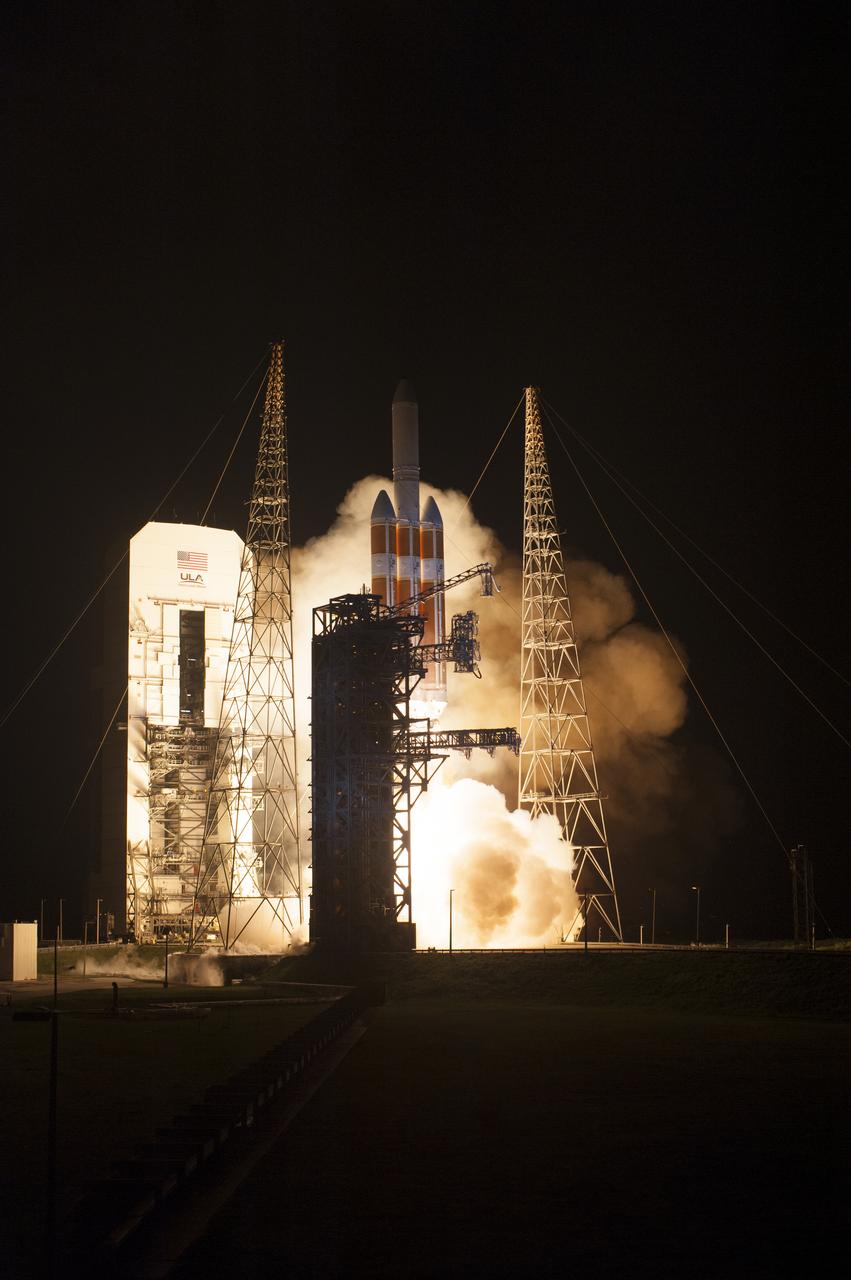
At Cape Canaveral Air Force Station's Space Launch Complex 37, the United Launch Alliance Delta IV Heavy rocket with NASA's Parker Solar Probe, lifts off at 3:31 a.m. EDT on Sunday, Aug. 12, 2018. The spacecraft was built by Applied Physics Laboratory of Johns Hopkins University in Laurel, Maryland. The mission will perform the closest-ever observations of a star when it travels through the Sun's atmosphere, called the corona. The probe will rely on measurements and imaging to revolutionize our understanding of the corona and the Sun-Earth connection.
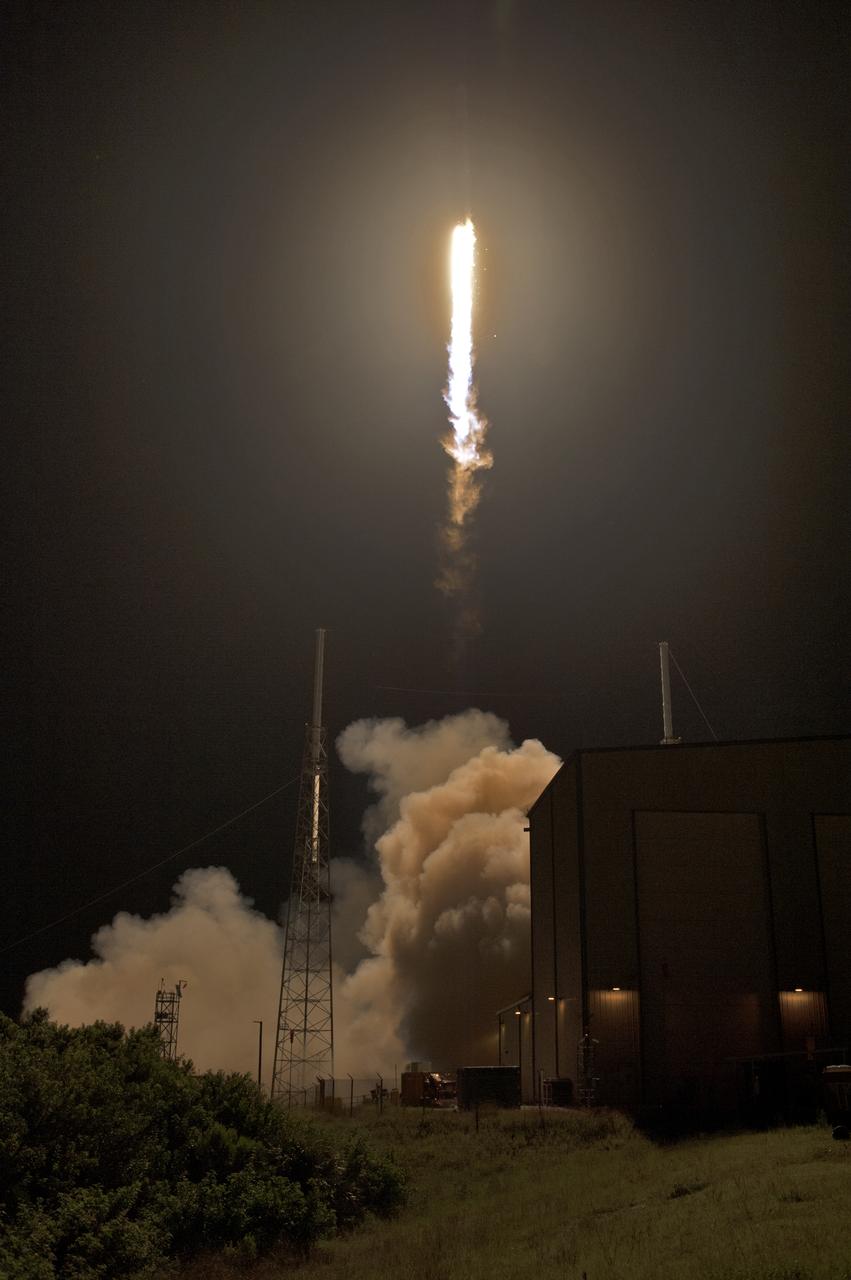
The two-stage SpaceX Falcon 9 launch vehicle lifts off from Space Launch Complex 40 at Cape Canaveral Air Force Station, carrying the SpaceX Dragon resupply spacecraft to the International Space Station. Liftoff was at 5:42 a.m. EDT on Friday, June 29, 2018. On the company’s 15th Commercial Resupply Services mission to the International Space Station, Dragon is filled with supplies and payloads, including critical materials to support several science and research investigations that will occur during Expedition 56. The spacecraft’s unpressurized trunk is carrying a Canadian-built Latching End Effector, or LEE. This new LEE will replace a failed unit astronauts removed during a series of spacewalks in the fall of 2017. Each end of the Canadarm2 robotic arm has an identical LEE, and they are used as the “hands” that grapple payloads and visiting cargo spaceships.
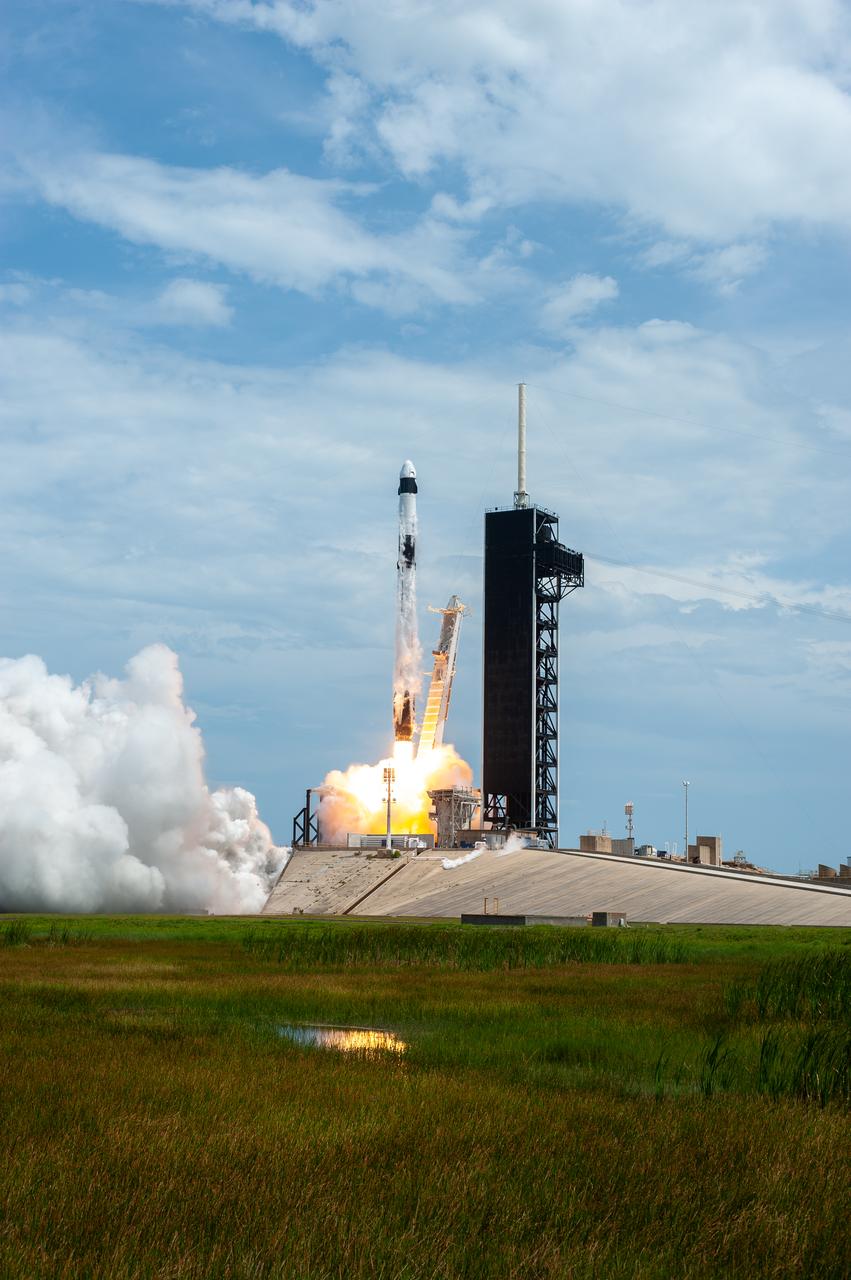
A SpaceX Falcon 9 rocket and Crew Dragon spacecraft lifts off from Launch Complex 39A at NASA’s Kennedy Space Center in Florida on May 30, 2020, carrying NASA astronauts Robert Behnken and Douglas Hurley to the International Space Station for the agency’s SpaceX Demo-2 mission. Liftoff occurred at 3:22 p.m. EDT. Behnken and Hurley are the first astronauts to launch from U.S. soil to the space station since the end of the Space Shuttle Program in 2011. Part of NASA’s Commercial Crew Program, this will be SpaceX’s final flight test, paving the way for the agency to certify the crew transportation system for regular, crewed flights to the orbiting laboratory.
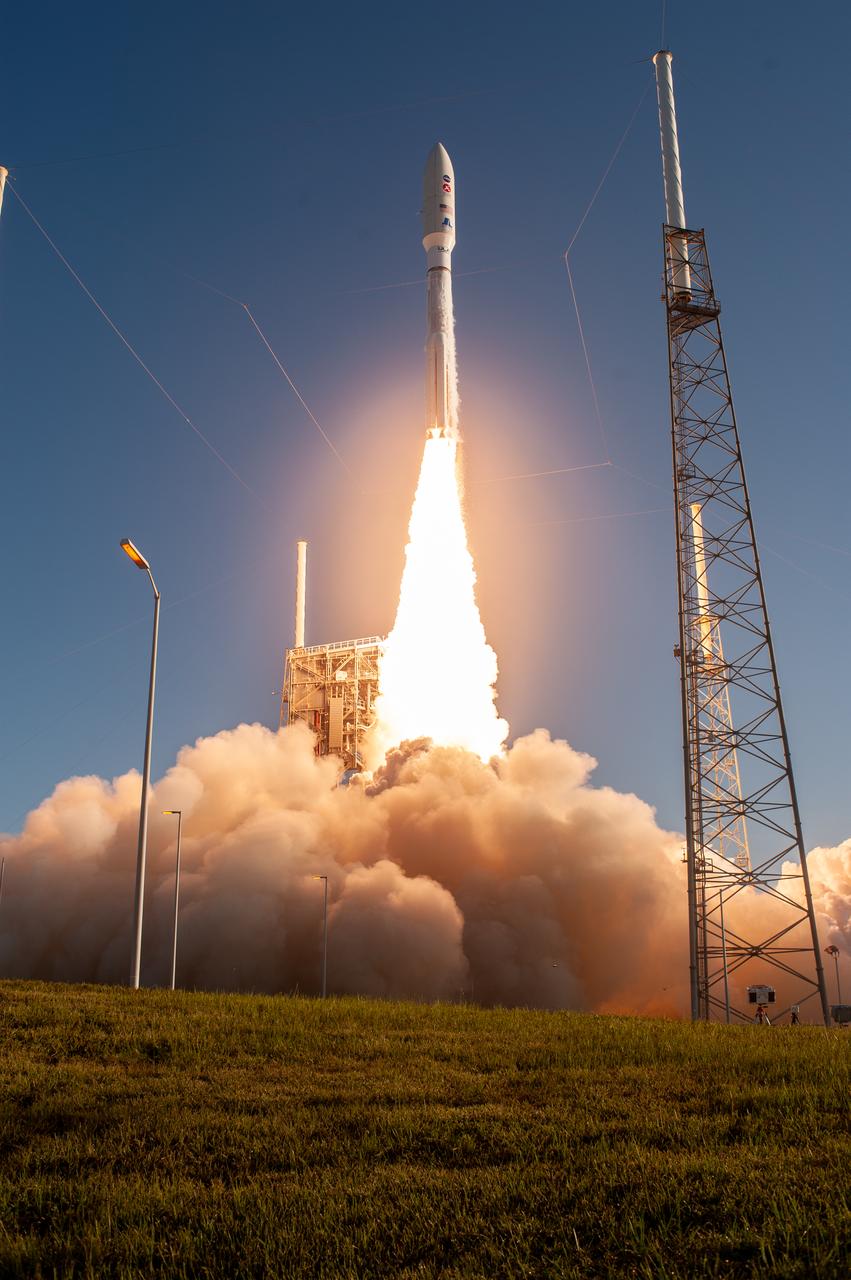
A United Launch Alliance Atlas V 541 rocket climbs upward after lifting off from Space Launch Complex 41 at Cape Canaveral Air Force Station in Florida on July 30, 2020, at 7:50 a.m. EDT, carrying NASA’s Mars Perseverance rover and Ingenuity helicopter. The rover is part of NASA’s Mars Exploration Program, a long-term effort of robotic exploration of the Red Planet. The rover’s seven instruments will search for habitable conditions in the ancient past and signs of past microbial life on Mars. The Launch Services Program at Kennedy is responsible for launch management.
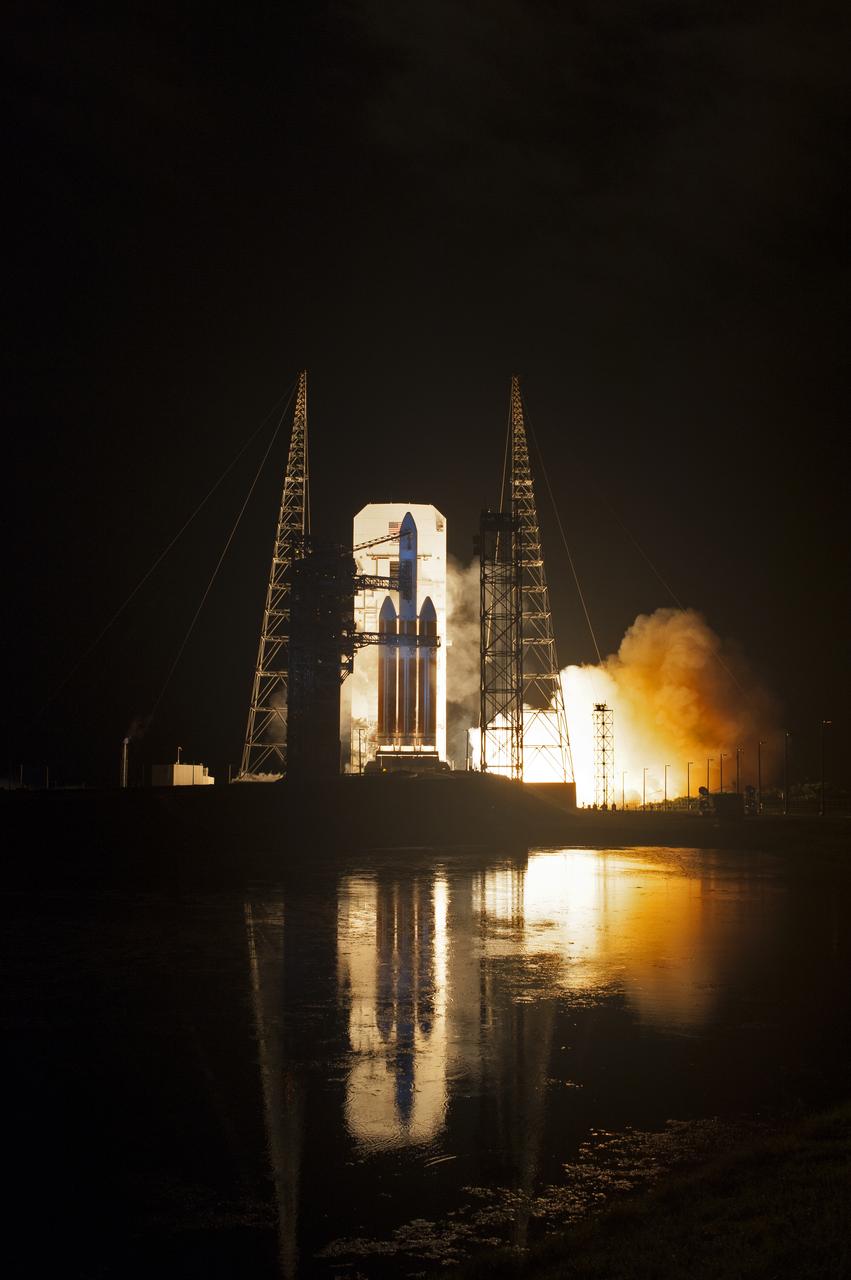
Lighting up the night sky at Cape Canaveral Air Force Station's Space Launch Complex 37, the United Launch Alliance Delta IV Heavy rocket with NASA's Parker Solar Probe, lifts off at 3:31 a.m. EDT on Sunday, Aug. 12, 2018. The spacecraft was built by Applied Physics Laboratory of Johns Hopkins University in Laurel, Maryland. The mission will perform the closest-ever observations of a star when it travels through the Sun's atmosphere, called the corona. The probe will rely on measurements and imaging to revolutionize our understanding of the corona and the Sun-Earth connection.
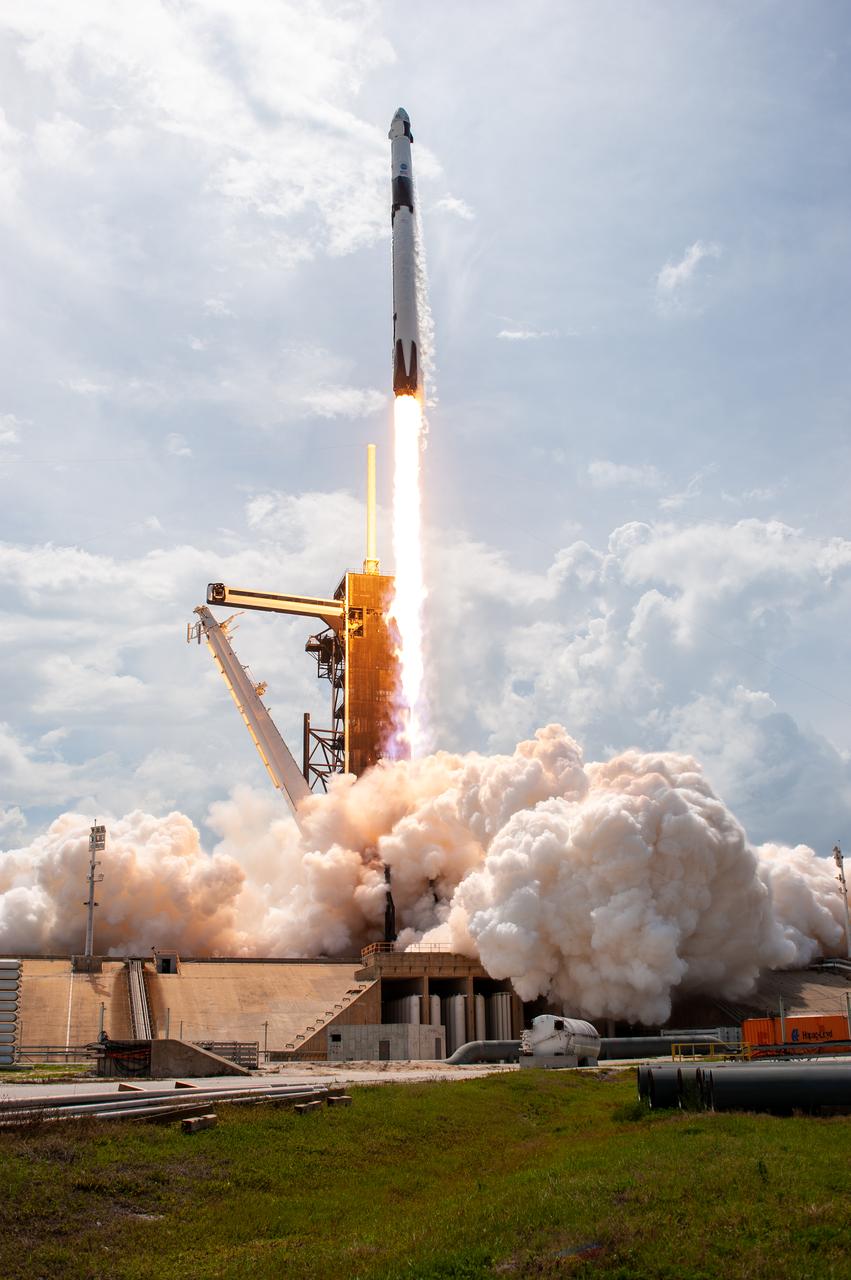
A SpaceX Falcon 9 rocket soars upward after lifting off from historic Launch Complex 39A at NASA’s Kennedy Space Center in Florida on May 30, 2020, carrying NASA astronauts Robert Behnken and Douglas Hurley to the International Space Station in a SpaceX Crew Dragon capsule for the agency’s SpaceX Demo-2 mission. Liftoff occurred at 3:22 p.m. EDT. Behnken and Hurley are the first astronauts to launch from U.S. soil to the space station since the end of the Space Shuttle Program in 2011. Part of NASA’s Commercial Crew Program, this will be SpaceX’s final flight test, paving the way for the agency to certify the crew transportation system for regular, crewed flights to the orbiting laboratory.

Lighting up the night sky at Cape Canaveral Air Force Station's Space Launch Complex 37, the United Launch Alliance Delta IV Heavy rocket with NASA's Parker Solar Probe, lifts off at 3:31 a.m. EDT on Sunday, Aug. 12, 2018. The spacecraft was built by Applied Physics Laboratory of Johns Hopkins University in Laurel, Maryland. The mission will perform the closest-ever observations of a star when it travels through the Sun's atmosphere, called the corona. The probe will rely on measurements and imaging to revolutionize our understanding of the corona and the Sun-Earth connection.
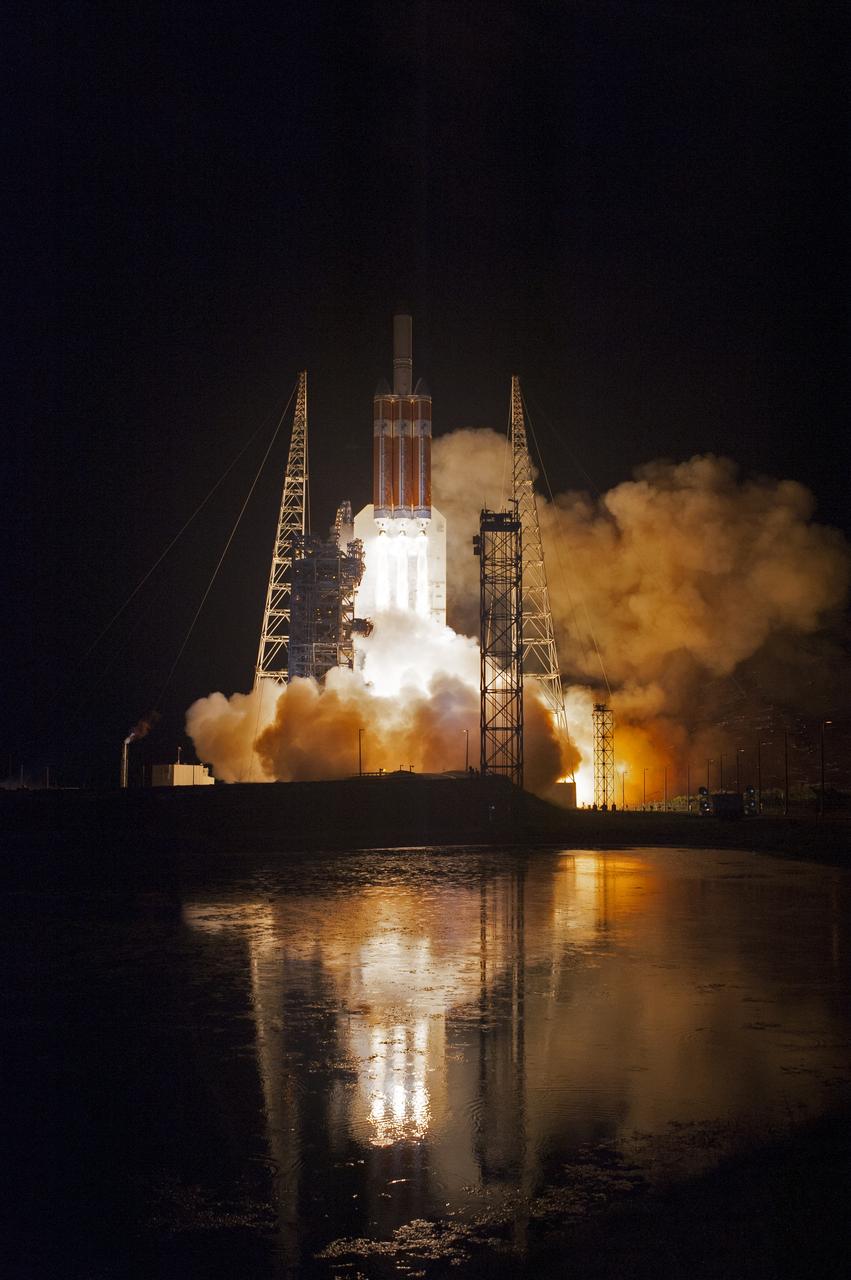
Lighting up the night sky at Cape Canaveral Air Force Station's Space Launch Complex 37, the United Launch Alliance Delta IV Heavy rocket with NASA's Parker Solar Probe, lifts off at 3:31 a.m. EDT on Sunday, Aug. 12, 2018. The spacecraft was built by Applied Physics Laboratory of Johns Hopkins University in Laurel, Maryland. The mission will perform the closest-ever observations of a star when it travels through the Sun's atmosphere, called the corona. The probe will rely on measurements and imaging to revolutionize our understanding of the corona and the Sun-Earth connection.
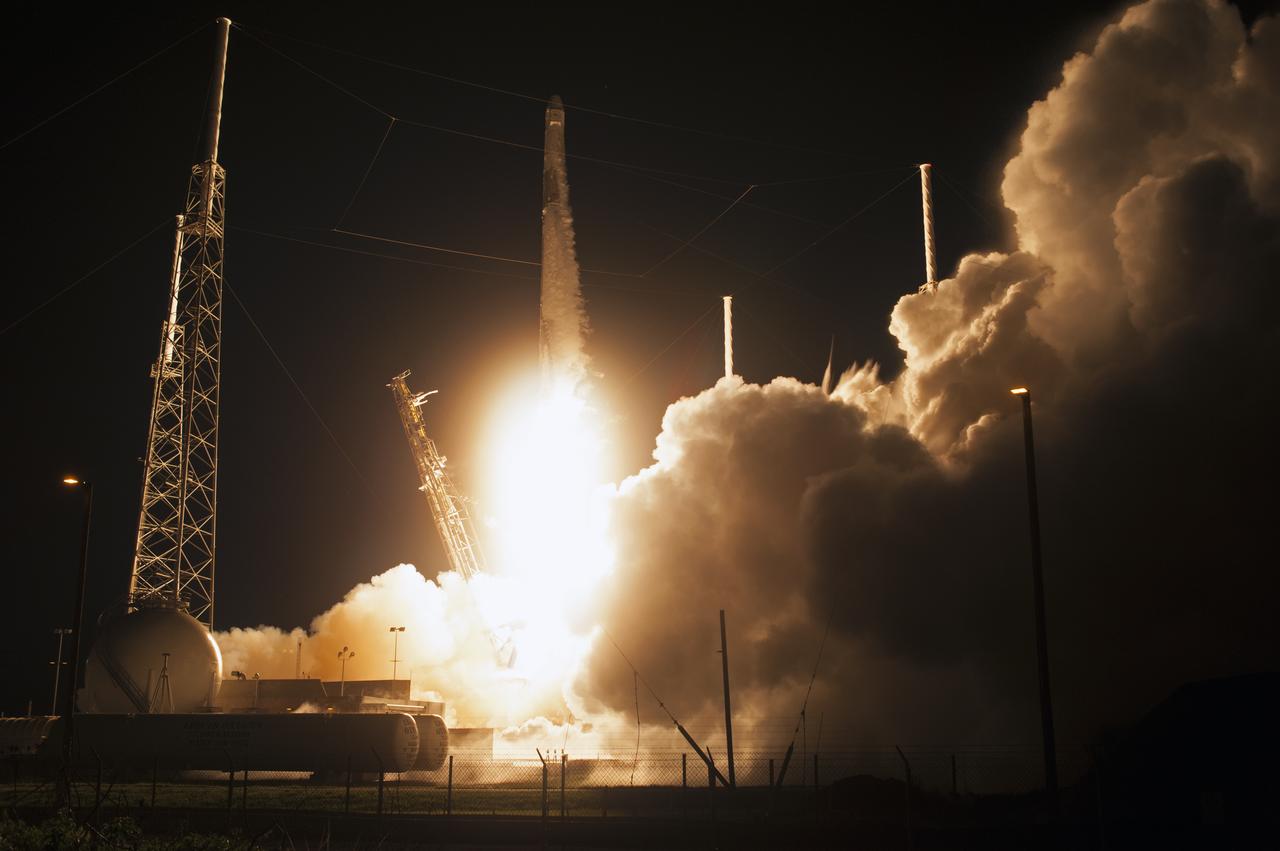
The two-stage SpaceX Falcon 9 launch vehicle lifts off from Space Launch Complex 40 at Cape Canaveral Air Force Station, carrying the SpaceX Dragon resupply spacecraft to the International Space Station. Liftoff was at 5:42 a.m. EDT on Friday, June 29, 2018. On the company’s 15th Commercial Resupply Services mission to the International Space Station, Dragon is filled with supplies and payloads, including critical materials to support several science and research investigations that will occur during Expedition 56. The spacecraft’s unpressurized trunk is carrying a Canadian-built Latching End Effector, or LEE. This new LEE will replace a failed unit astronauts removed during a series of spacewalks in the fall of 2017. Each end of the Canadarm2 robotic arm has an identical LEE, and they are used as the “hands” that grapple payloads and visiting cargo spaceships.
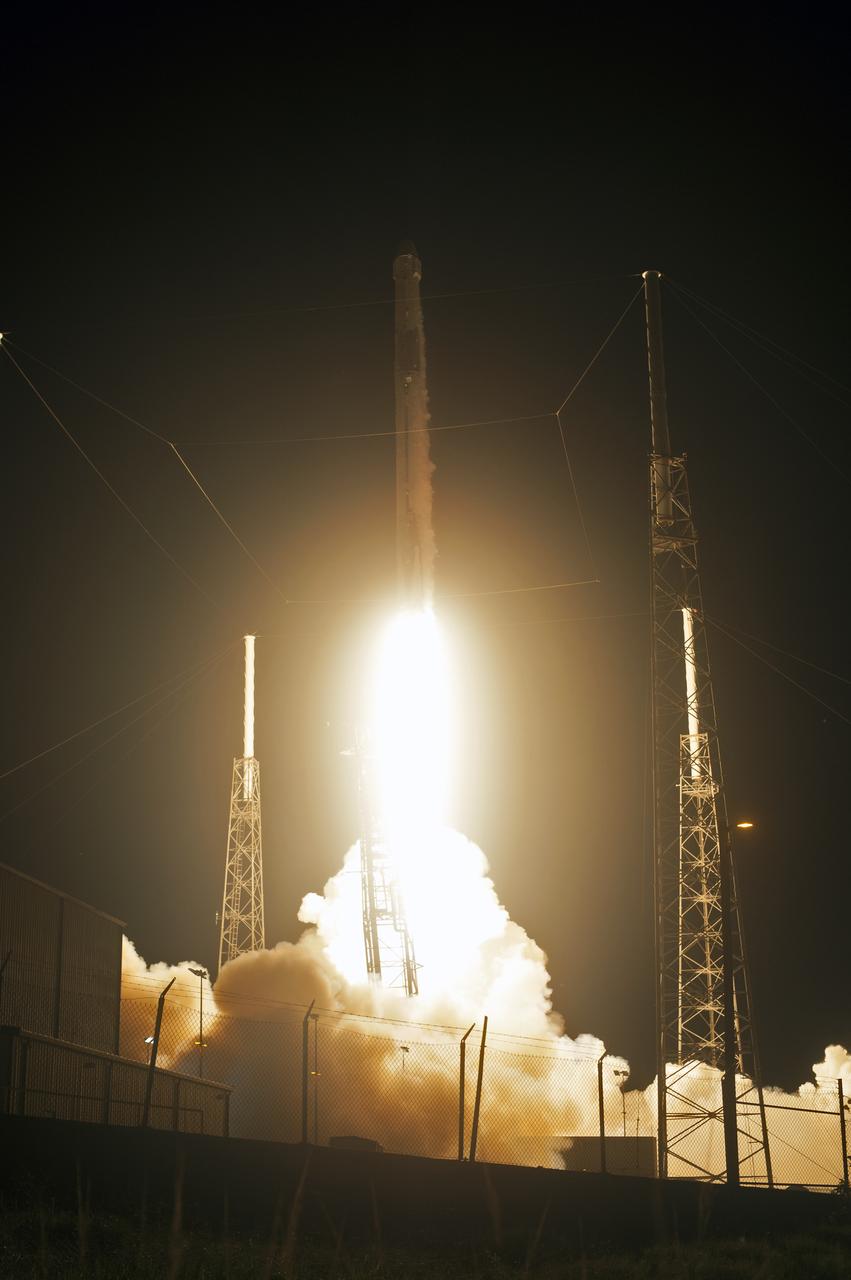
The two-stage SpaceX Falcon 9 launch vehicle lifts off from Space Launch Complex 40 at Cape Canaveral Air Force Station, carrying the SpaceX Dragon resupply spacecraft to the International Space Station. Liftoff was at 5:42 a.m. EDT on Friday, June 29, 2018. On the company’s 15th Commercial Resupply Services mission to the International Space Station, Dragon is filled with supplies and payloads, including critical materials to support several science and research investigations that will occur during Expedition 56. The spacecraft’s unpressurized trunk is carrying a Canadian-built Latching End Effector, or LEE. This new LEE will replace a failed unit astronauts removed during a series of spacewalks in the fall of 2017. Each end of the Canadarm2 robotic arm has an identical LEE, and they are used as the “hands” that grapple payloads and visiting cargo spaceships.
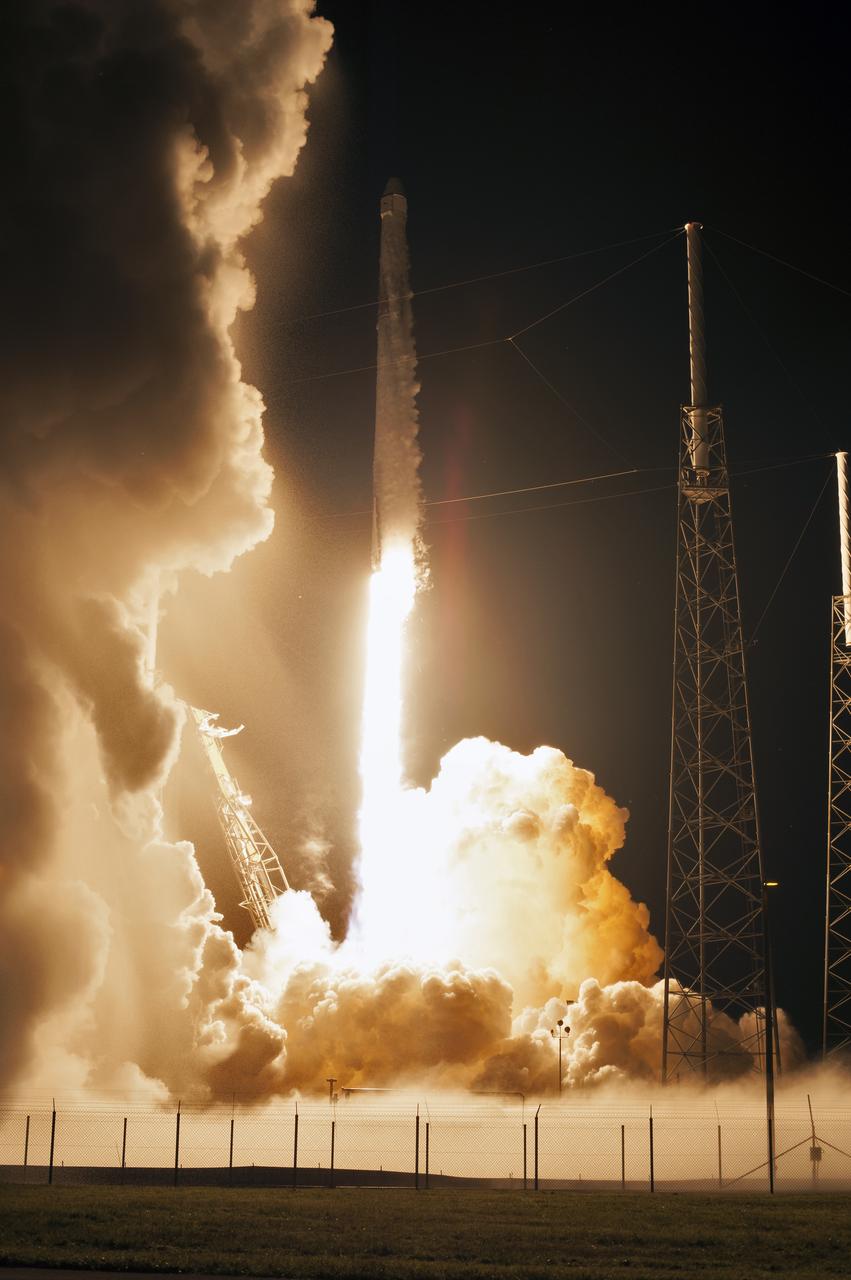
The two-stage SpaceX Falcon 9 launch vehicle lifts off from Space Launch Complex 40 at Cape Canaveral Air Force Station, carrying the SpaceX Dragon resupply spacecraft to the International Space Station. Liftoff was at 5:42 a.m. EDT on Friday, June 29, 2018. On the company’s 15th Commercial Resupply Services mission to the International Space Station, Dragon is filled with supplies and payloads, including critical materials to support several science and research investigations that will occur during Expedition 56. The spacecraft’s unpressurized trunk is carrying a Canadian-built Latching End Effector, or LEE. This new LEE will replace a failed unit astronauts removed during a series of spacewalks in the fall of 2017. Each end of the Canadarm2 robotic arm has an identical LEE, and they are used as the “hands” that grapple payloads and visiting cargo spaceships.
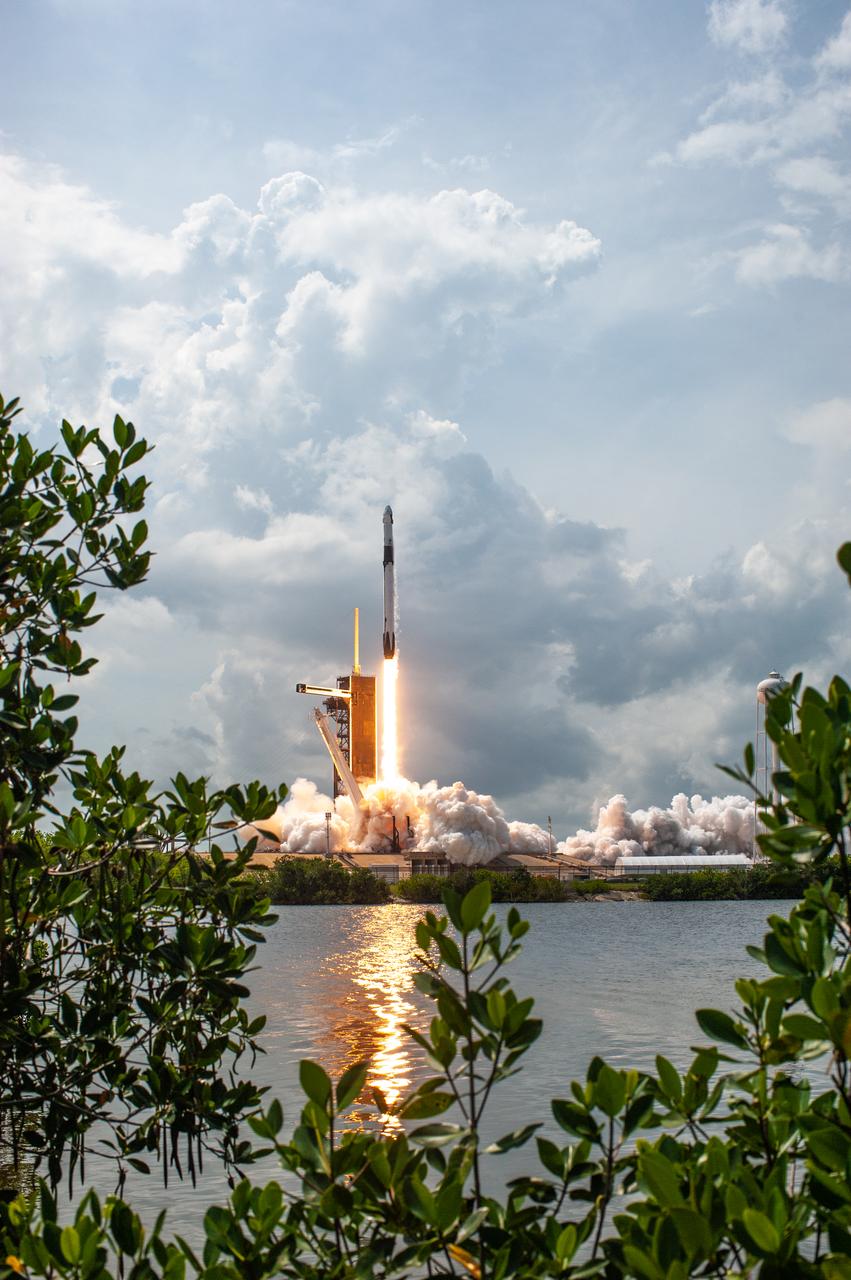
A SpaceX Falcon 9 rocket and Crew Dragon spacecraft lifts off from Launch Complex 39A at NASA’s Kennedy Space Center in Florida on May 30, 2020, carrying NASA astronauts Robert Behnken and Douglas Hurley to the International Space Station for the agency’s SpaceX Demo-2 mission. Liftoff occurred at 3:22 p.m. EDT. Behnken and Hurley are the first astronauts to launch from U.S. soil to the space station since the end of the Space Shuttle Program in 2011. Part of NASA’s Commercial Crew Program, this will be SpaceX’s final flight test, paving the way for the agency to certify the crew transportation system for regular, crewed flights to the orbiting laboratory.
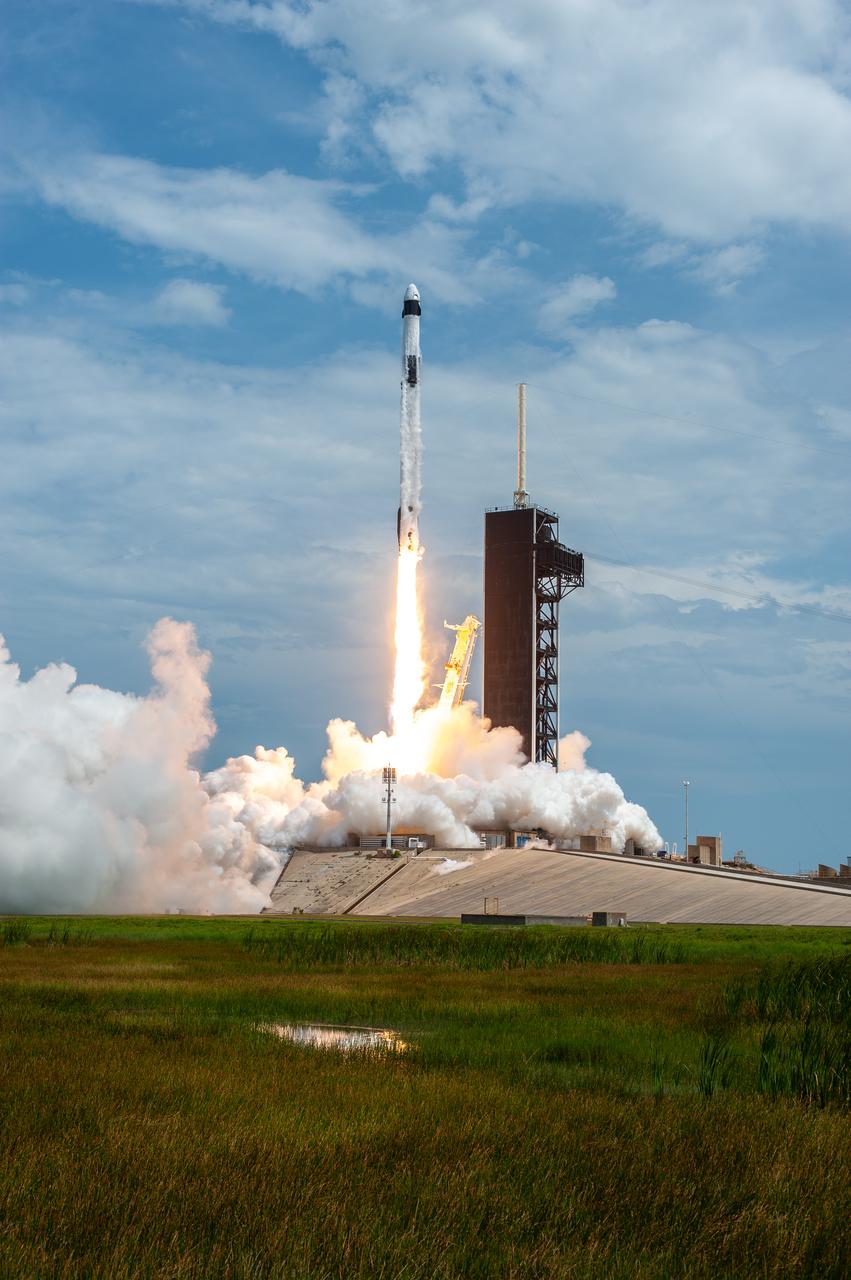
A SpaceX Falcon 9 rocket and Crew Dragon spacecraft lifts off from Launch Complex 39A at NASA’s Kennedy Space Center in Florida on May 30, 2020, carrying NASA astronauts Robert Behnken and Douglas Hurley to the International Space Station for the agency’s SpaceX Demo-2 mission. Liftoff occurred at 3:22 p.m. EDT. Behnken and Hurley are the first astronauts to launch from U.S. soil to the space station since the end of the Space Shuttle Program in 2011. Part of NASA’s Commercial Crew Program, this will be SpaceX’s final flight test, paving the way for the agency to certify the crew transportation system for regular, crewed flights to the orbiting laboratory.
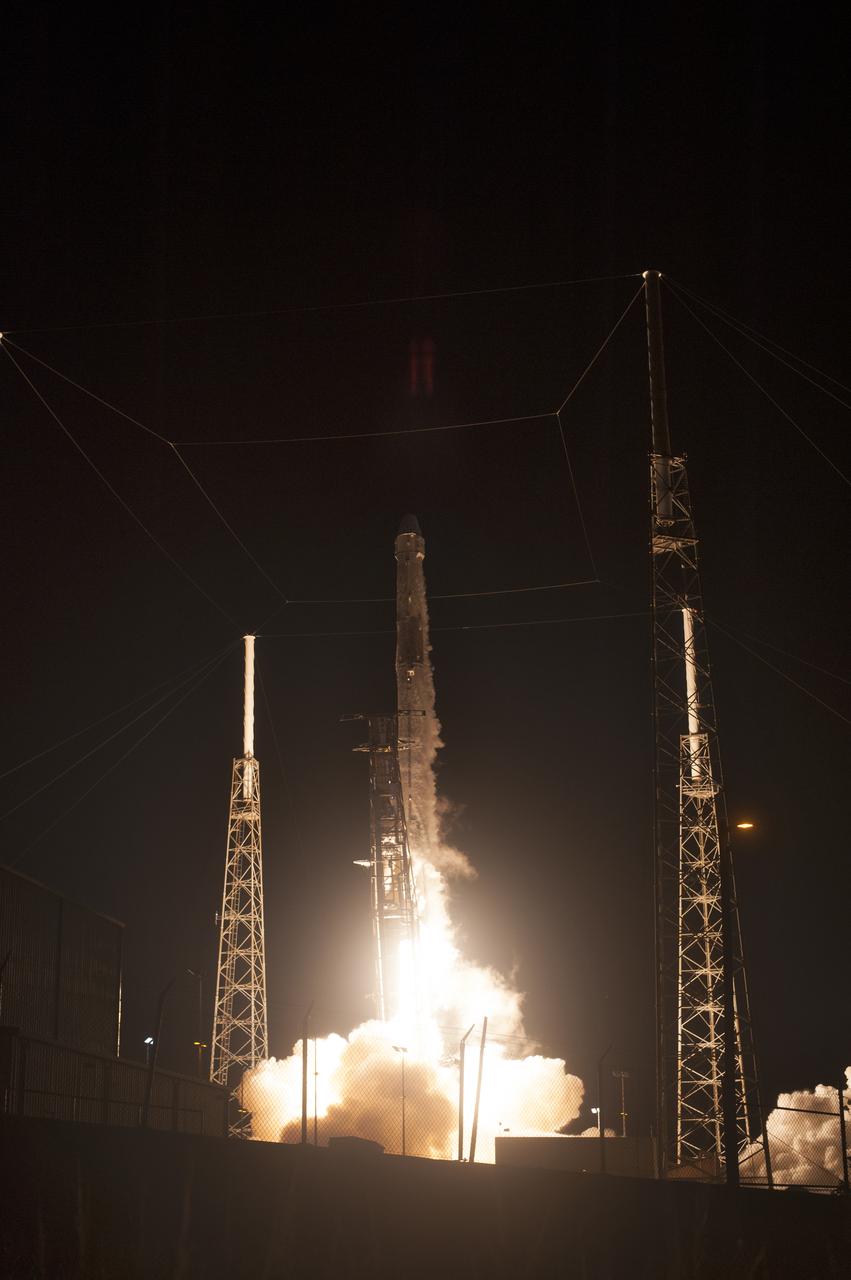
The two-stage SpaceX Falcon 9 launch vehicle lifts off from Space Launch Complex 40 at Cape Canaveral Air Force Station, carrying the SpaceX Dragon resupply spacecraft to the International Space Station. Liftoff was at 5:42 a.m. EDT on Friday, June 29, 2018. On the company’s 15th Commercial Resupply Services mission to the International Space Station, Dragon is filled with supplies and payloads, including critical materials to support several science and research investigations that will occur during Expedition 56. The spacecraft’s unpressurized trunk is carrying a Canadian-built Latching End Effector, or LEE. This new LEE will replace a failed unit astronauts removed during a series of spacewalks in the fall of 2017. Each end of the Canadarm2 robotic arm has an identical LEE, and they are used as the “hands” that grapple payloads and visiting cargo spaceships.
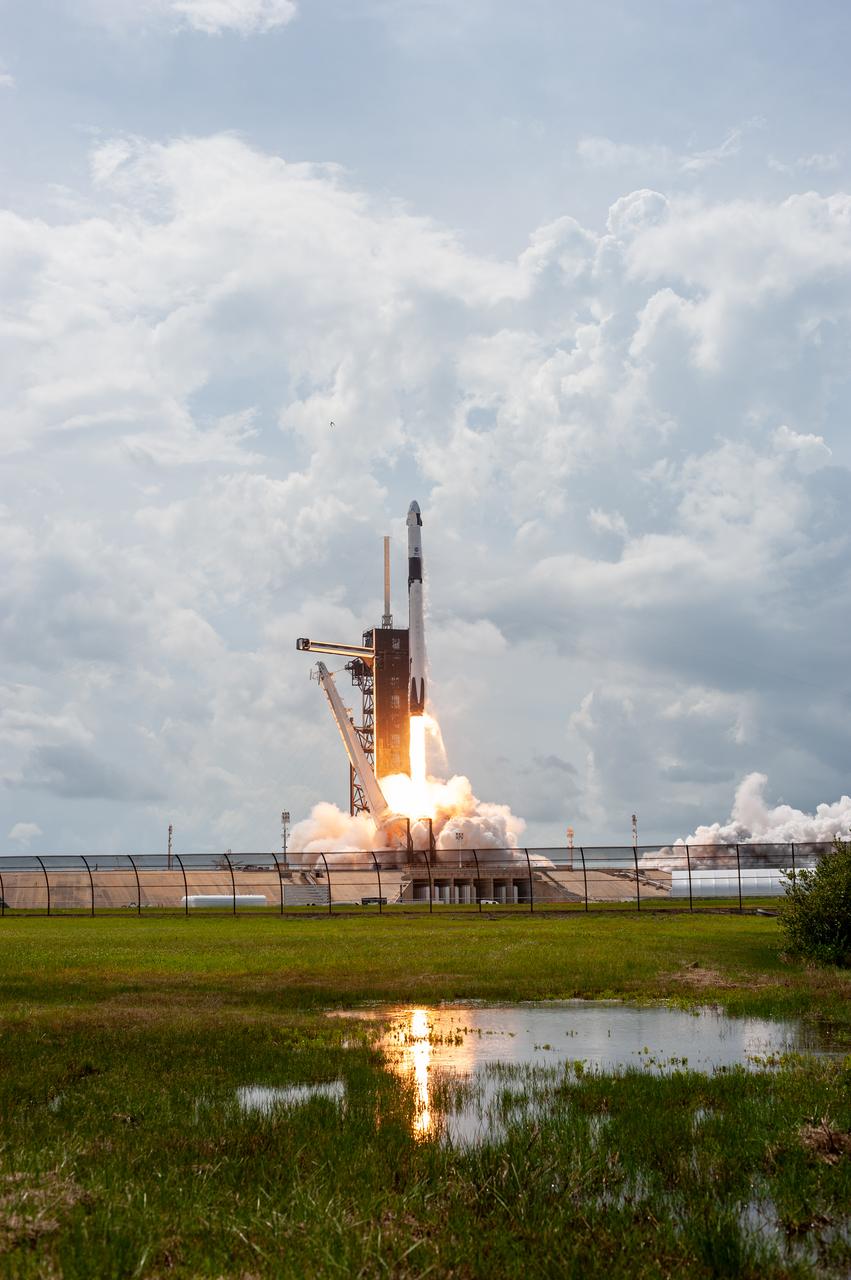
A SpaceX Falcon 9 rocket and Crew Dragon spacecraft lifts off from Launch Complex 39A at NASA’s Kennedy Space Center in Florida on May 30, 2020, carrying NASA astronauts Robert Behnken and Douglas Hurley to the International Space Station for the agency’s SpaceX Demo-2 mission. Liftoff occurred at 3:22 p.m. EDT. Behnken and Hurley are the first astronauts to launch from U.S. soil to the space station since the end of the Space Shuttle Program in 2011. Part of NASA’s Commercial Crew Program, this will be SpaceX’s final flight test, paving the way for the agency to certify the crew transportation system for regular, crewed flights to the orbiting laboratory.
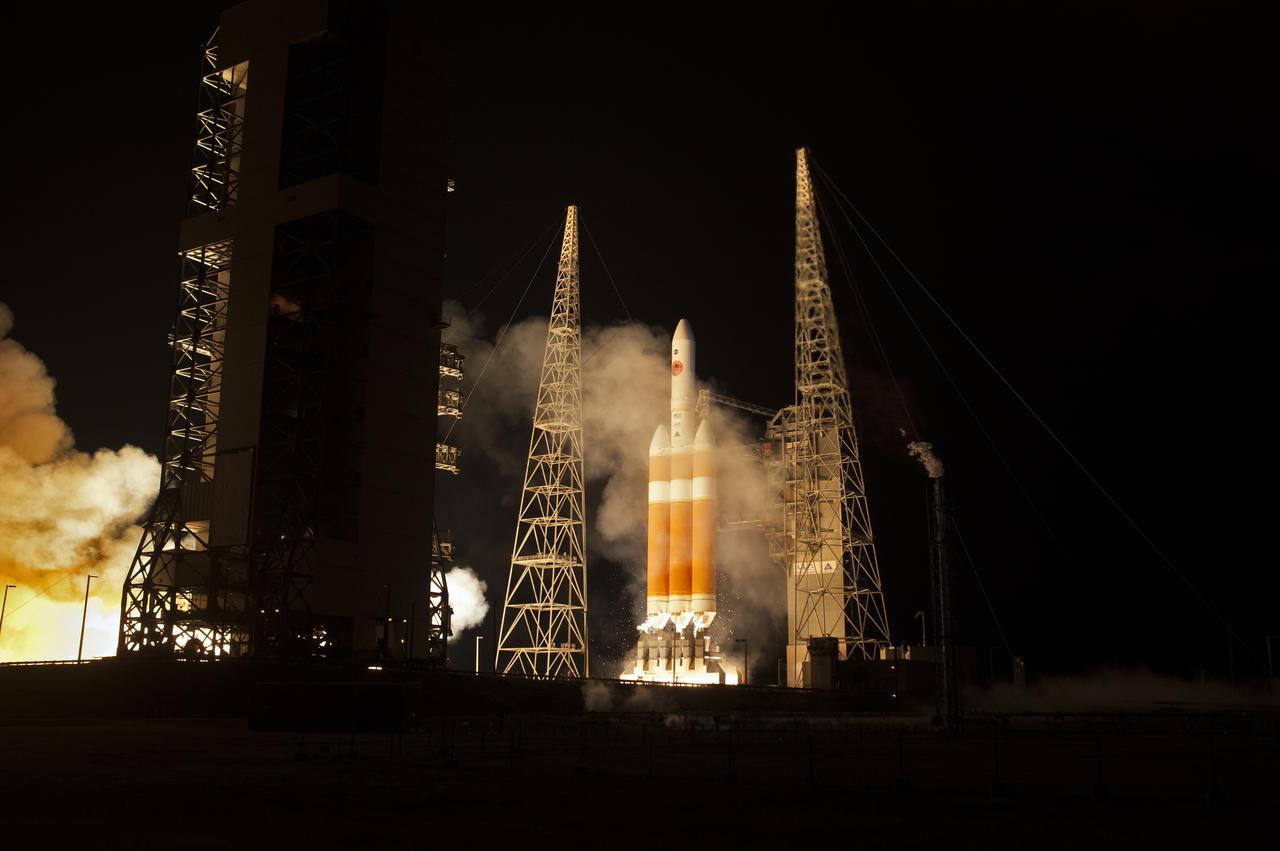
At Cape Canaveral Air Force Station’s Space Launch Complex 37, the United Launch Alliance Delta IV Heavy rocket with NASA's Parker Solar Probe, lifts off at 3:31 a.m. EDT on Sunday, Aug. 12, 2018. The spacecraft was built by Applied Physics Laboratory of Johns Hopkins University in Laurel, Maryland. The mission will perform the closest-ever observations of a star when it travels through the Sun's atmosphere, called the corona. The probe will rely on measurements and imaging to revolutionize our understanding of the corona and the Sun-Earth connection.
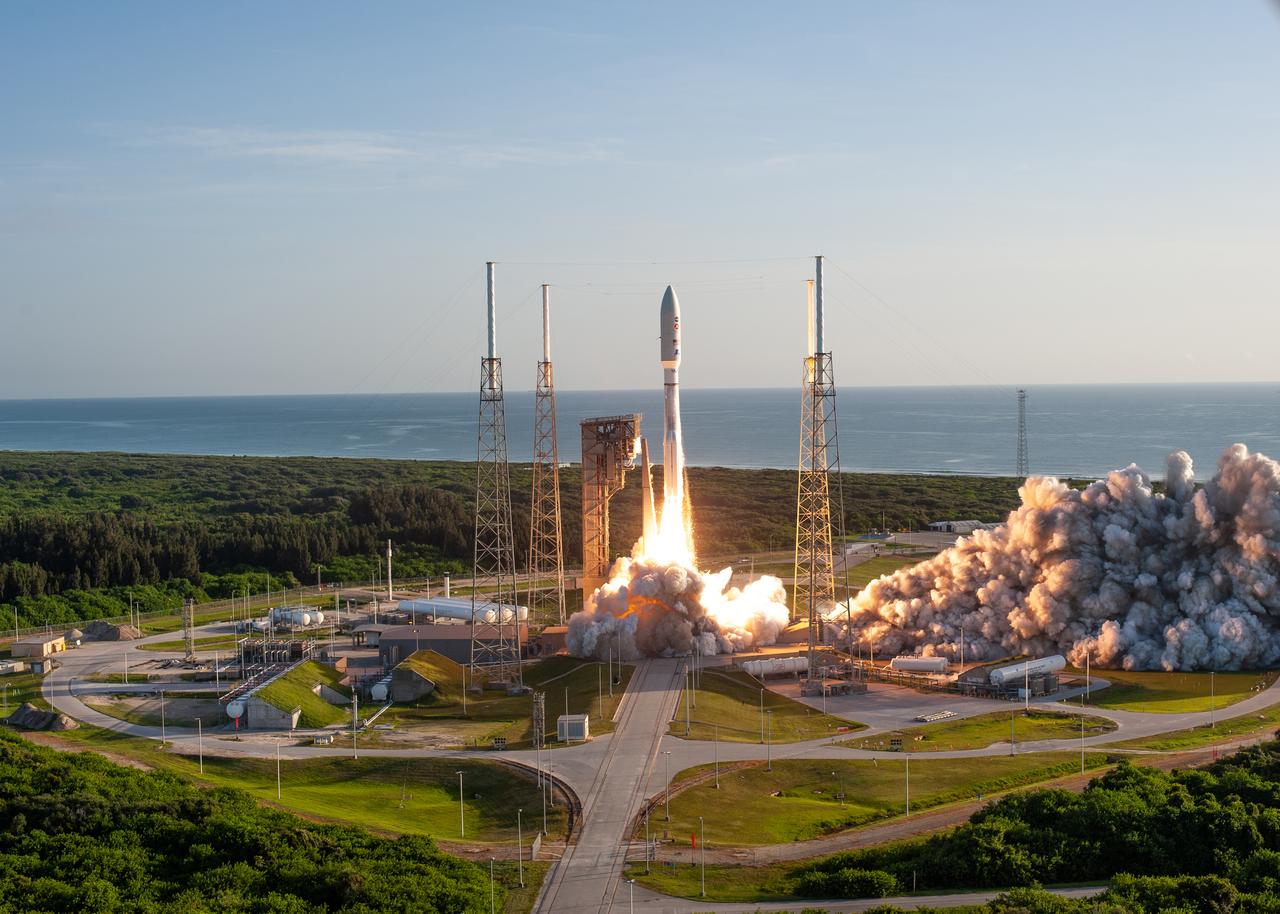
A United Launch Alliance Atlas V 541 rocket lifts off from Space Launch Complex 41 at Cape Canaveral Air Force Station in Florida on July 30, 2020, at 7:50 a.m. EDT, carrying NASA’s Mars Perseverance rover and Ingenuity helicopter. The rover is part of NASA’s Mars Exploration Program, a long-term effort of robotic exploration of the Red Planet. The rover’s seven instruments will search for habitable conditions in the ancient past and signs of past microbial life on Mars. The Launch Services Program at Kennedy is responsible for launch management.
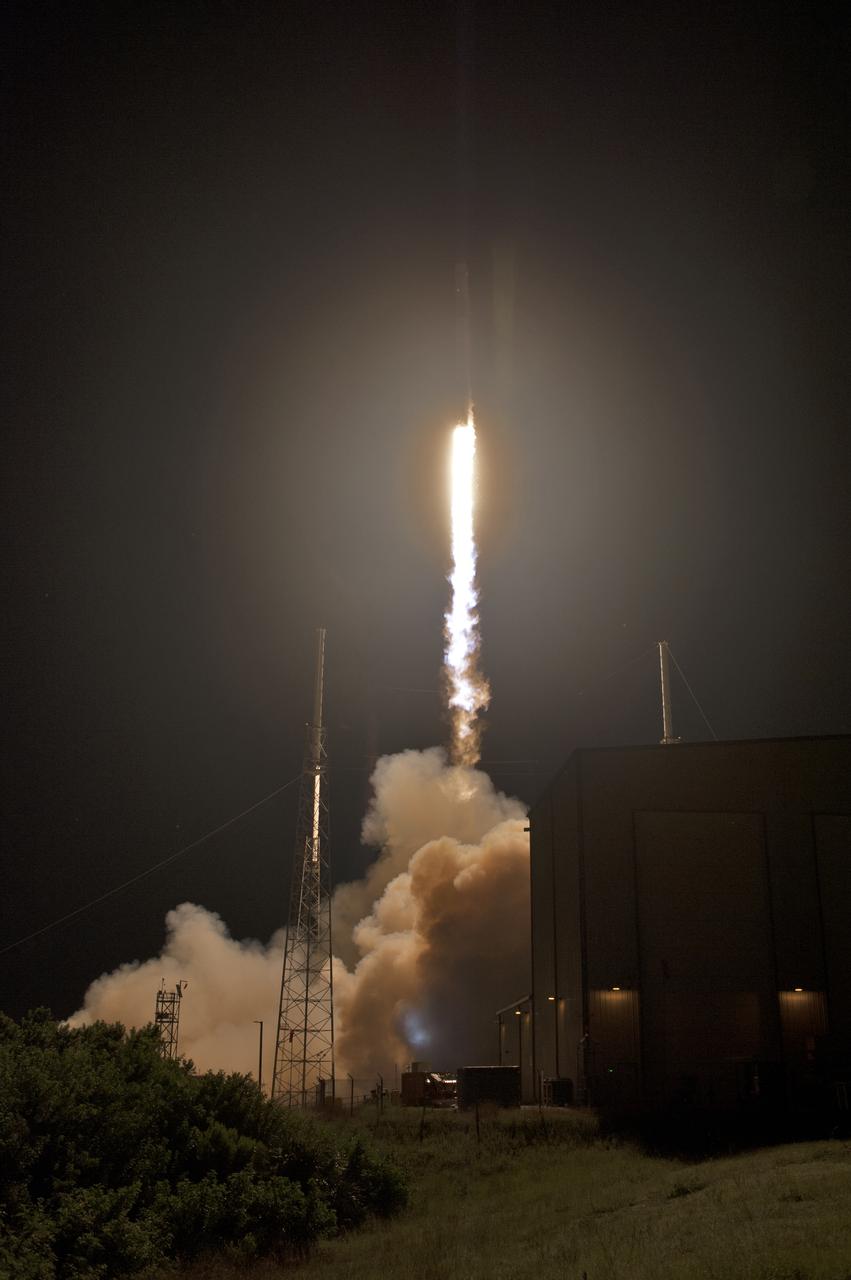
The two-stage SpaceX Falcon 9 launch vehicle lifts off from Space Launch Complex 40 at Cape Canaveral Air Force Station, carrying the SpaceX Dragon resupply spacecraft to the International Space Station. Liftoff was at 5:42 a.m. EDT on Friday, June 29, 2018. On the company’s 15th Commercial Resupply Services mission to the International Space Station, Dragon is filled with supplies and payloads, including critical materials to support several science and research investigations that will occur during Expedition 56. The spacecraft’s unpressurized trunk is carrying a Canadian-built Latching End Effector, or LEE. This new LEE will replace a failed unit astronauts removed during a series of spacewalks in the fall of 2017. Each end of the Canadarm2 robotic arm has an identical LEE, and they are used as the “hands” that grapple payloads and visiting cargo spaceships.