
A SpaceX Falcon 9 rocket climbs upward after lifting off from Space Launch Complex 40 at Cape Canaveral Air Force Station in Florida at 11:50 p.m. EST on March 6, 2020, for NASA and SpaceX’s 20th Commercial Resupply Services (CRS-20) mission. SpaceX’s uncrewed cargo Dragon spacecraft, carried atop the Falcon 9, will deliver more than 4,300 pounds of science investigations and cargo to the International Space Station.
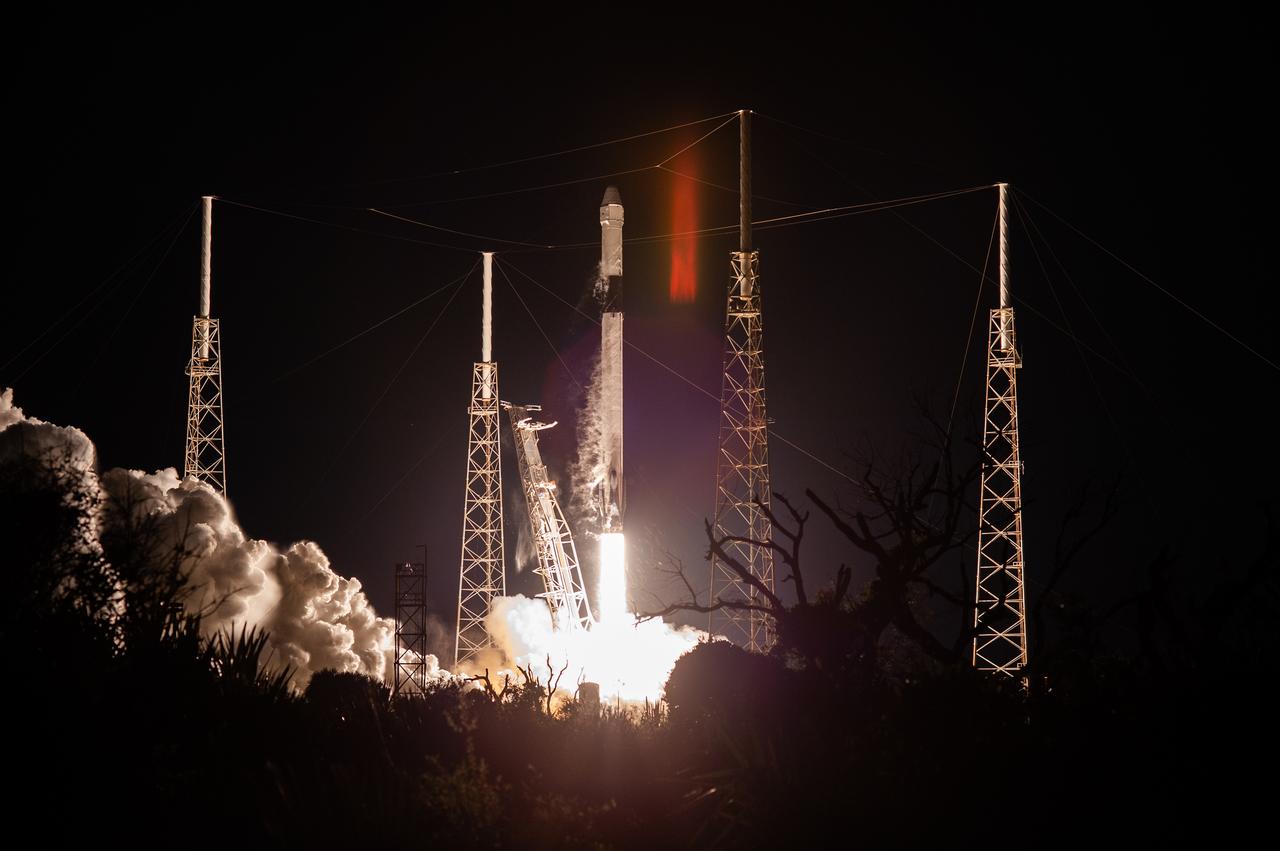
A SpaceX Falcon 9 rocket lifts off from Space Launch Complex 40 at Cape Canaveral Air Force Station in Florida at 11:50 p.m. EST on March 6, 2020, carrying the uncrewed cargo Dragon spacecraft on its journey to the International Space Station for NASA and SpaceX’s 20th Commercial Resupply Services (CRS-20) mission. Dragon will deliver more than 4,300 pounds of science investigations and cargo to the orbiting laboratory.
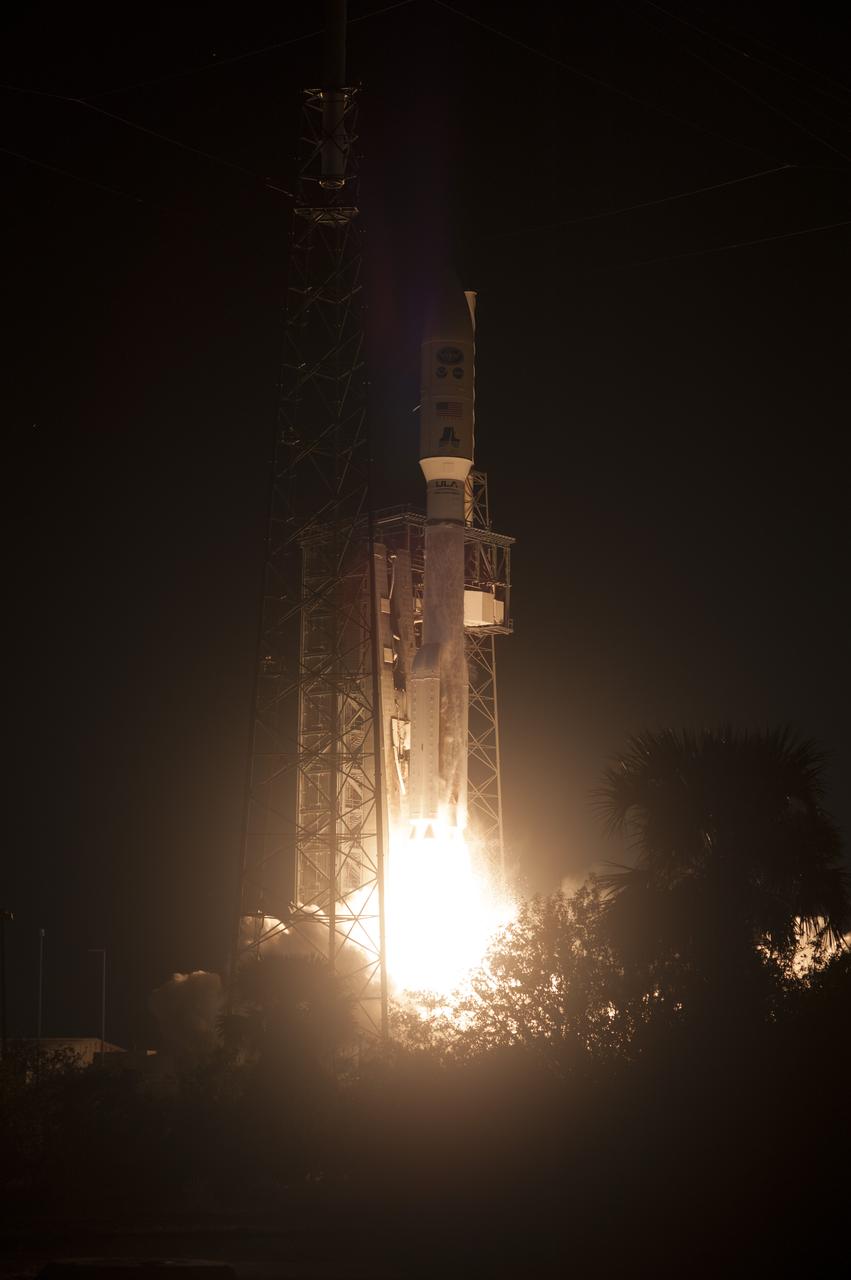
At Cape Canaveral Air Force Station's Space Launch Complex 41, an Atlas V rocket with NOAA's Geostationary Operational Environmental Satellite, or GOES-R, lifts off at 6:42 p.m. EST. GOES-R is the first satellite in a series of next-generation GOES satellites for NOAA, the National Oceanographic and Atmospheric Administration. It will launch to a geostationary orbit over the western hemisphere to provide images of storms and help meteorologists predict severe weather conditionals and develop long-range forecasts.
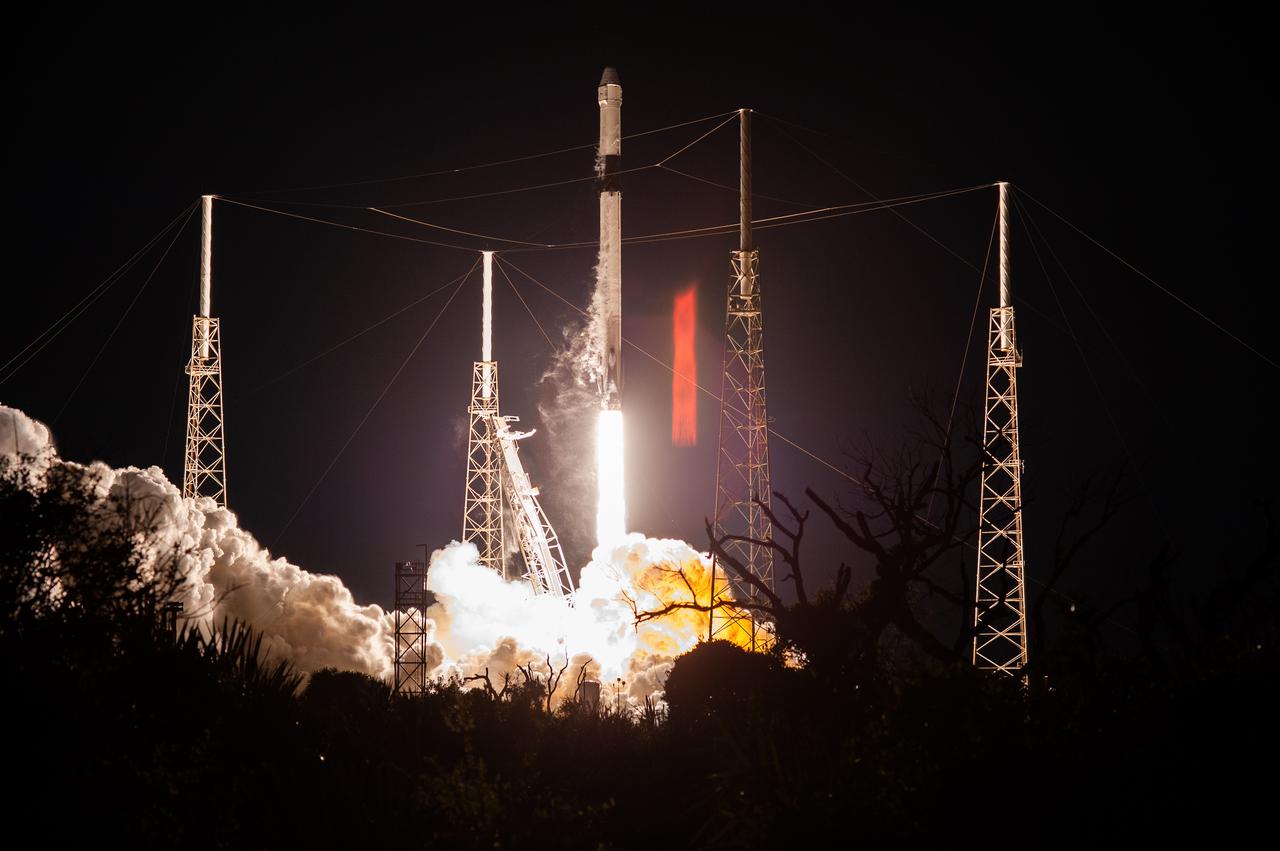
A SpaceX Falcon 9 rocket lifts off from Space Launch Complex 40 at Cape Canaveral Air Force Station in Florida at 11:50 p.m. EST on March 6, 2020, carrying the uncrewed cargo Dragon spacecraft on its journey to the International Space Station for NASA and SpaceX’s 20th Commercial Resupply Services (CRS-20) mission. Dragon will deliver more than 4,300 pounds of science investigations and cargo to the orbiting laboratory.
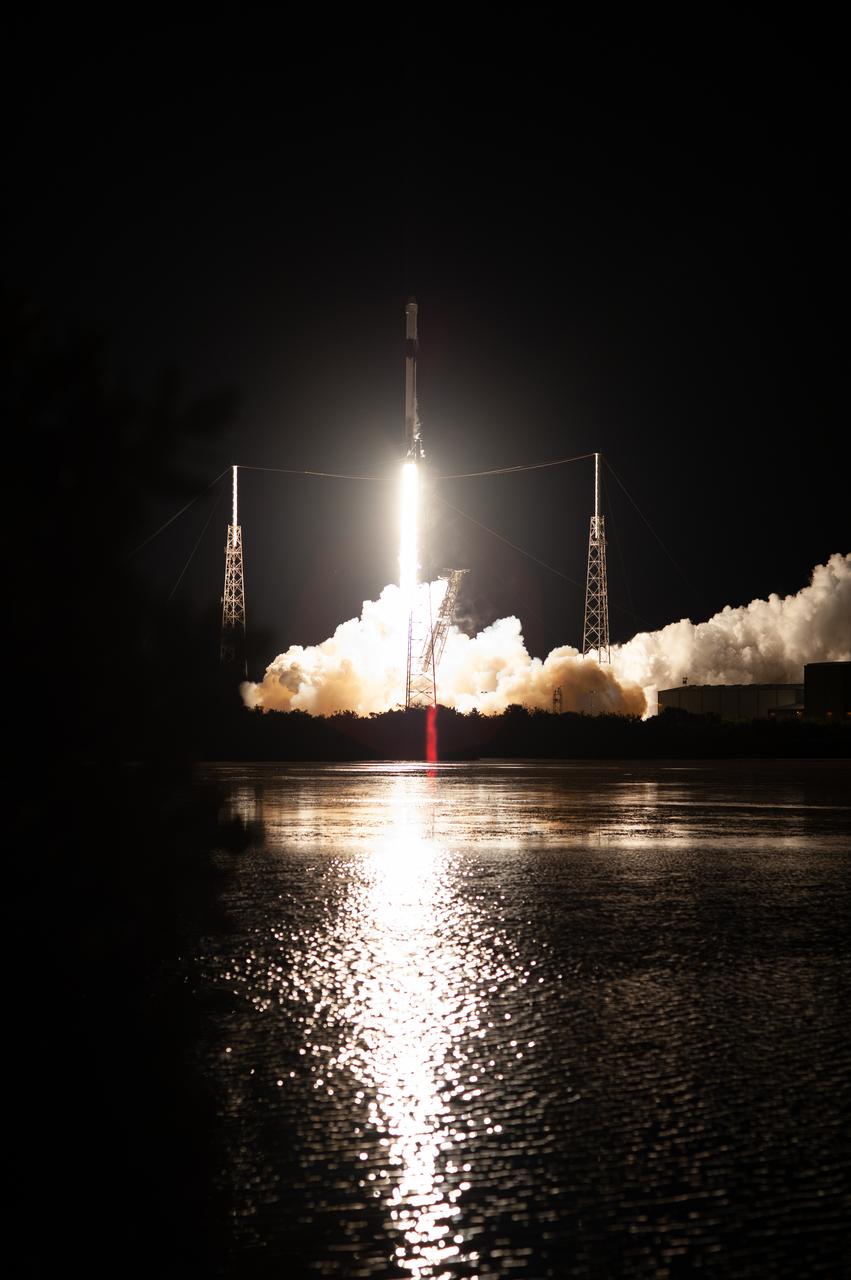
A SpaceX Falcon 9 rocket lifts off from Space Launch Complex 40 at Cape Canaveral Air Force Station in Florida at 11:50 p.m. EST on March 6, 2020, carrying the uncrewed cargo Dragon spacecraft on its journey to the International Space Station for NASA and SpaceX’s 20th Commercial Resupply Services (CRS-20) mission. Dragon will deliver more than 5,600 pounds of science investigations and cargo to the orbiting laboratory.
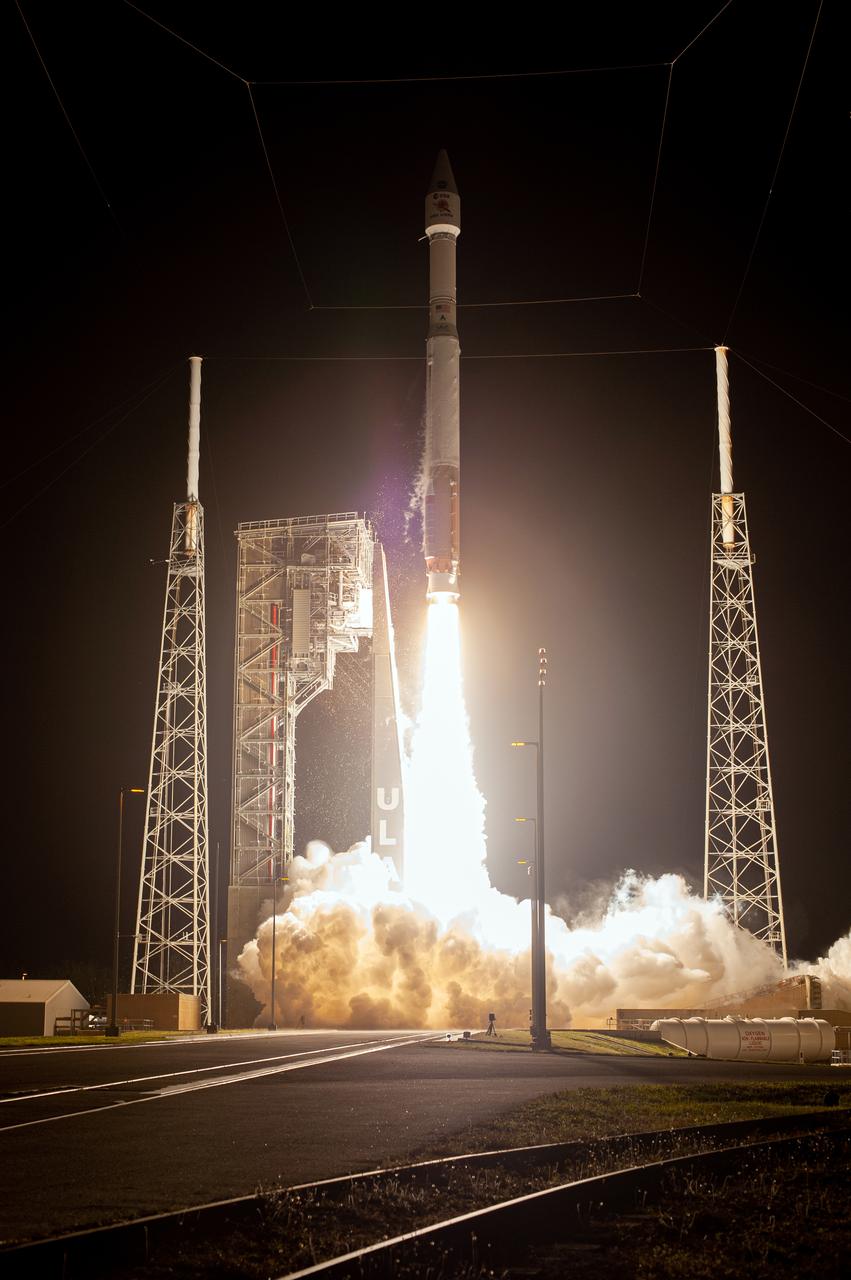
The United Launch Alliance Atlas V rocket, carrying the Solar Orbiter, climbs upward after liftoff from Space Launch Complex 41 on Cape Canaveral Air Force Station in Florida on Feb. 9, 2020. Liftoff was at 11:03 p.m. EST. Solar Orbiter is an international cooperative mission between ESA (European Space Agency) and NASA. The mission aims to study the Sun, its outer atmosphere and solar wind. The spacecraft will provide the first images of the Sun’s poles. The spacecraft was developed by Airbus Defence and Space. NASA’s Launch Services Program based at Kennedy managed the launch.
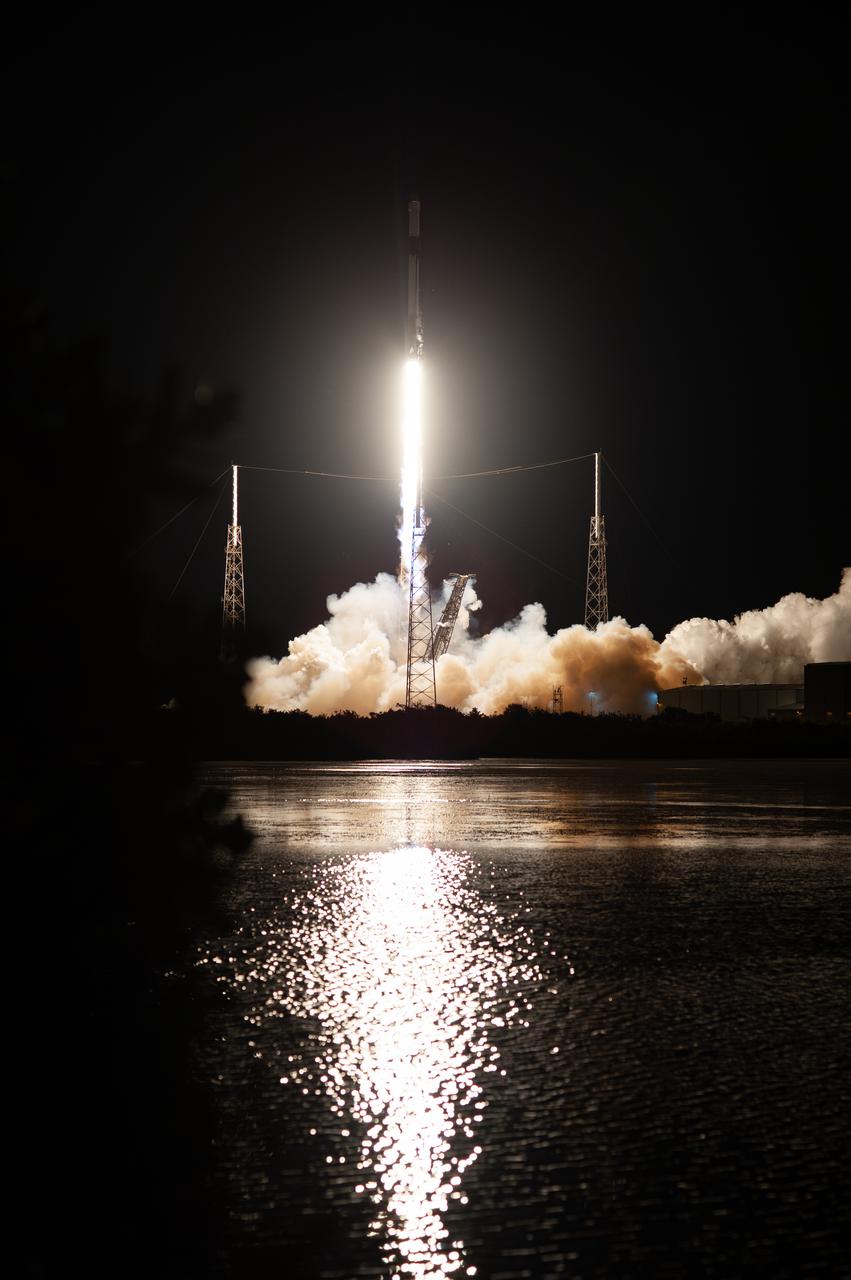
A SpaceX Falcon 9 rocket lifts off from Space Launch Complex 40 at Cape Canaveral Air Force Station in Florida at 11:50 p.m. EST on March 6, 2020, carrying the uncrewed cargo Dragon spacecraft on its journey to the International Space Station for NASA and SpaceX’s 20th Commercial Resupply Services (CRS-20) mission. Dragon will deliver more than 5,600 pounds of science investigations and cargo to the orbiting laboratory.

A SpaceX Falcon 9 rocket, with the uncrewed cargo Dragon spacecraft atop, lifts off from Space Launch Complex 40 at Cape Canaveral Air Force Station in Florida at 11:50 p.m. EST on March 6, 2020, for NASA and SpaceX’s 20th Commercial Resupply Services (CRS-20) mission to the International Space Station. The Dragon spacecraft will deliver more than 4,300 pounds of science investigations and cargo to the orbiting laboratory.
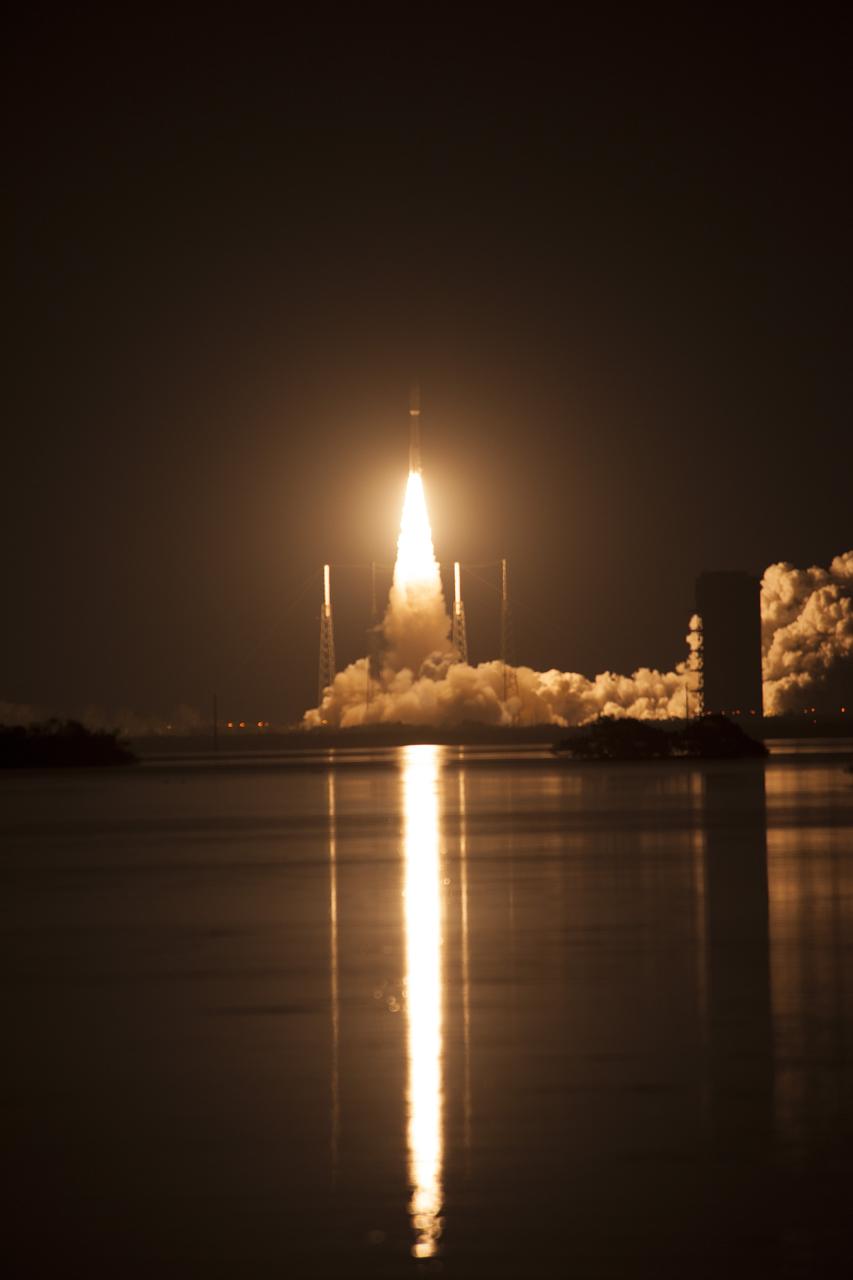
At Cape Canaveral Air Force Station's Space Launch Complex 41, an Atlas V rocket with NOAA's Geostationary Operational Environmental Satellite, or GOES-R, lifts off at 6:42 p.m. EST. GOES-R is the first satellite in a series of next-generation GOES satellites for NOAA, the National Oceanographic and Atmospheric Administration. It will launch to a geostationary orbit over the western hemisphere to provide images of storms and help meteorologists predict severe weather conditionals and develop long-range forecasts.
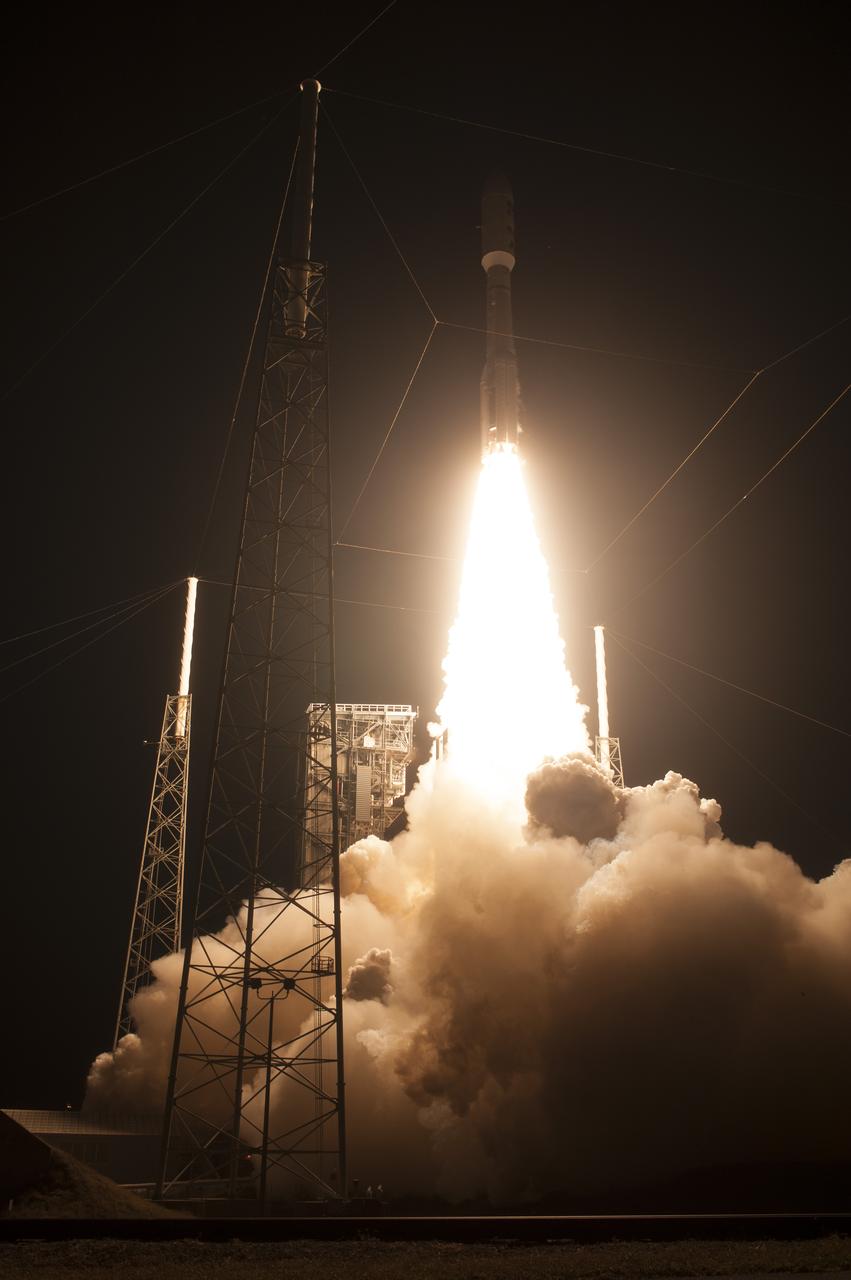
At Cape Canaveral Air Force Station's Space Launch Complex 41, an Atlas V rocket with NOAA's Geostationary Operational Environmental Satellite, or GOES-R, lifts off at 6:42 p.m. EST. GOES-R is the first satellite in a series of next-generation GOES satellites for NOAA, the National Oceanographic and Atmospheric Administration. It will launch to a geostationary orbit over the western hemisphere to provide images of storms and help meteorologists predict severe weather conditionals and develop long-range forecasts.
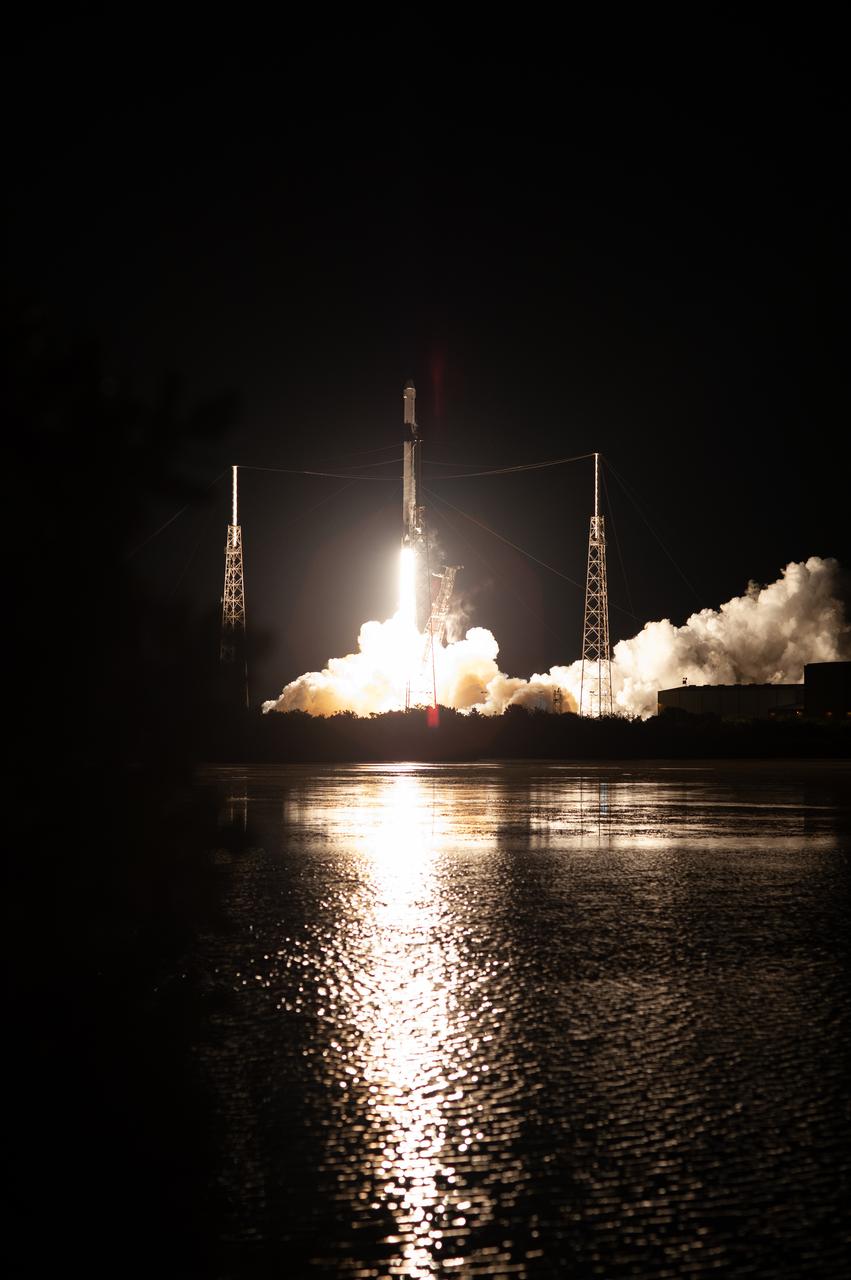
A SpaceX Falcon 9 rocket lifts off from Space Launch Complex 40 at Cape Canaveral Air Force Station in Florida at 11:50 p.m. EST on March 6, 2020, carrying the uncrewed cargo Dragon spacecraft on its journey to the International Space Station for NASA and SpaceX’s 20th Commercial Resupply Services (CRS-20) mission. Dragon will deliver more than 5,600 pounds of science investigations and cargo to the orbiting laboratory.
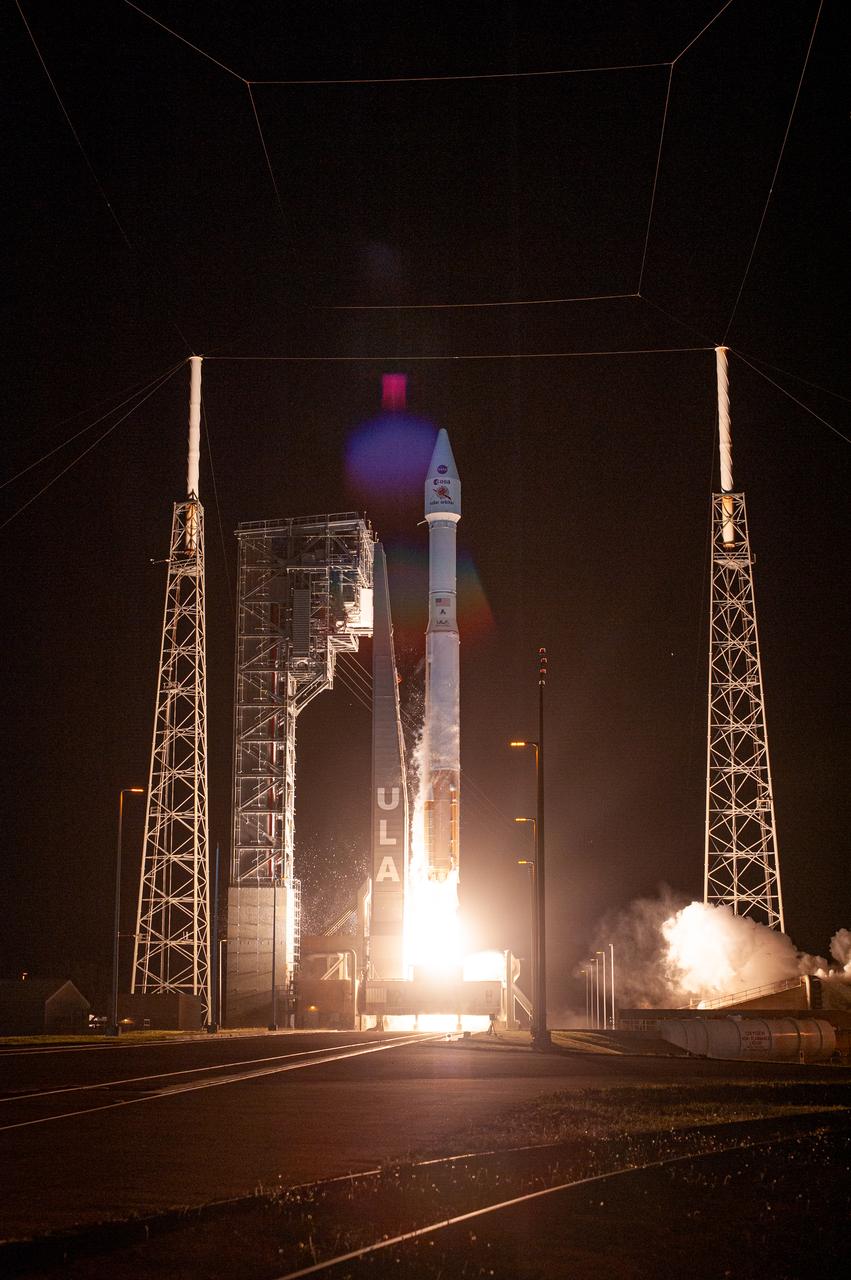
The United Launch Alliance Atlas V rocket, carrying the Solar Orbiter, lifts off Space Launch Complex 41 at Cape Canaveral Air Force Station in Florida at 11:03 p.m. EST, on Feb. 9, 2020. Solar Orbiter is an international cooperative mission between ESA (European Space Agency) and NASA. The mission aims to study the Sun, its outer atmosphere and solar wind. The spacecraft will provide the first images of the Sun’s poles. The spacecraft was developed by Airbus Defence and Space. NASA’s Launch Services Program based at Kennedy managed the launch.
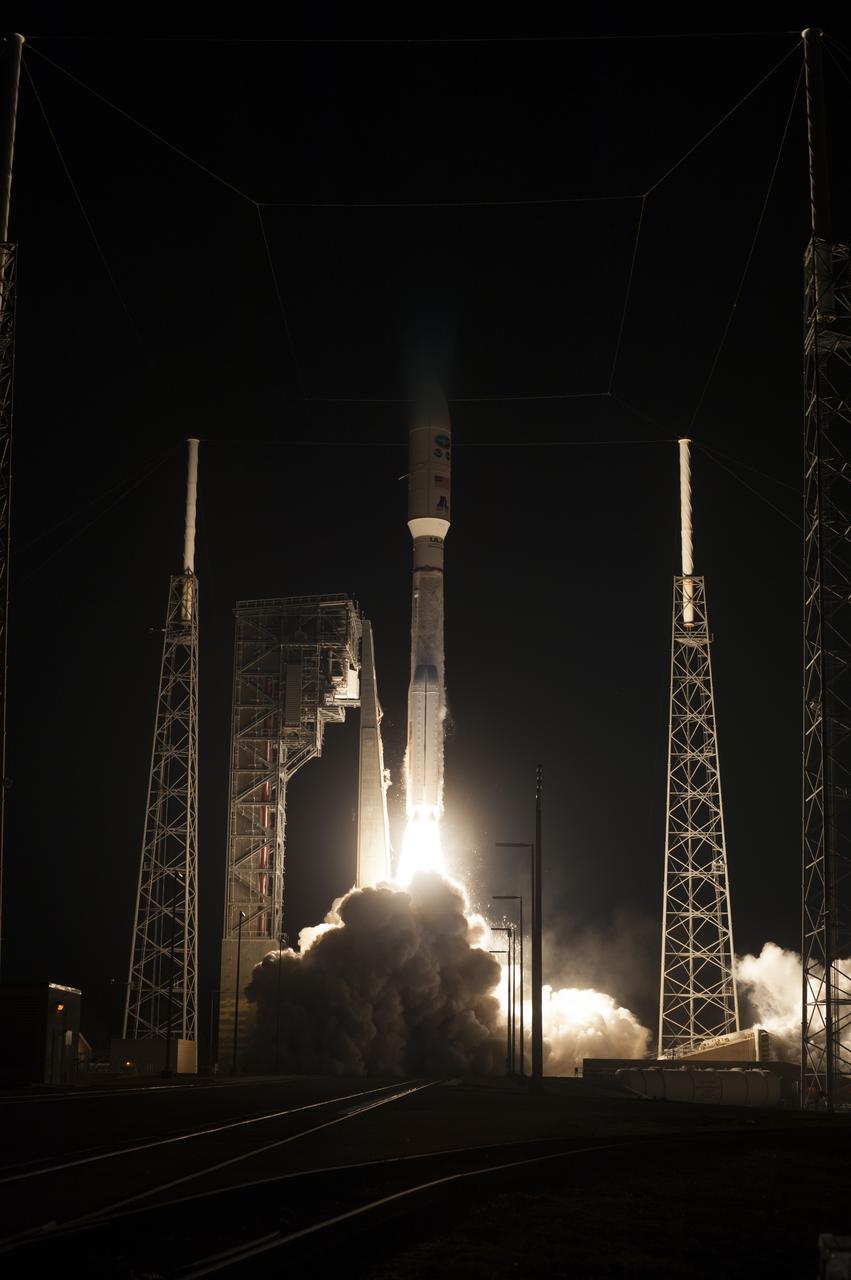
At Cape Canaveral Air Force Station's Space Launch Complex 41, an Atlas V rocket with NOAA's Geostationary Operational Environmental Satellite, or GOES-R, lifts off at 6:42 p.m. EST. GOES-R is the first satellite in a series of next-generation GOES satellites for NOAA, the National Oceanographic and Atmospheric Administration. It will launch to a geostationary orbit over the western hemisphere to provide images of storms and help meteorologists predict severe weather conditionals and develop long-range forecasts.
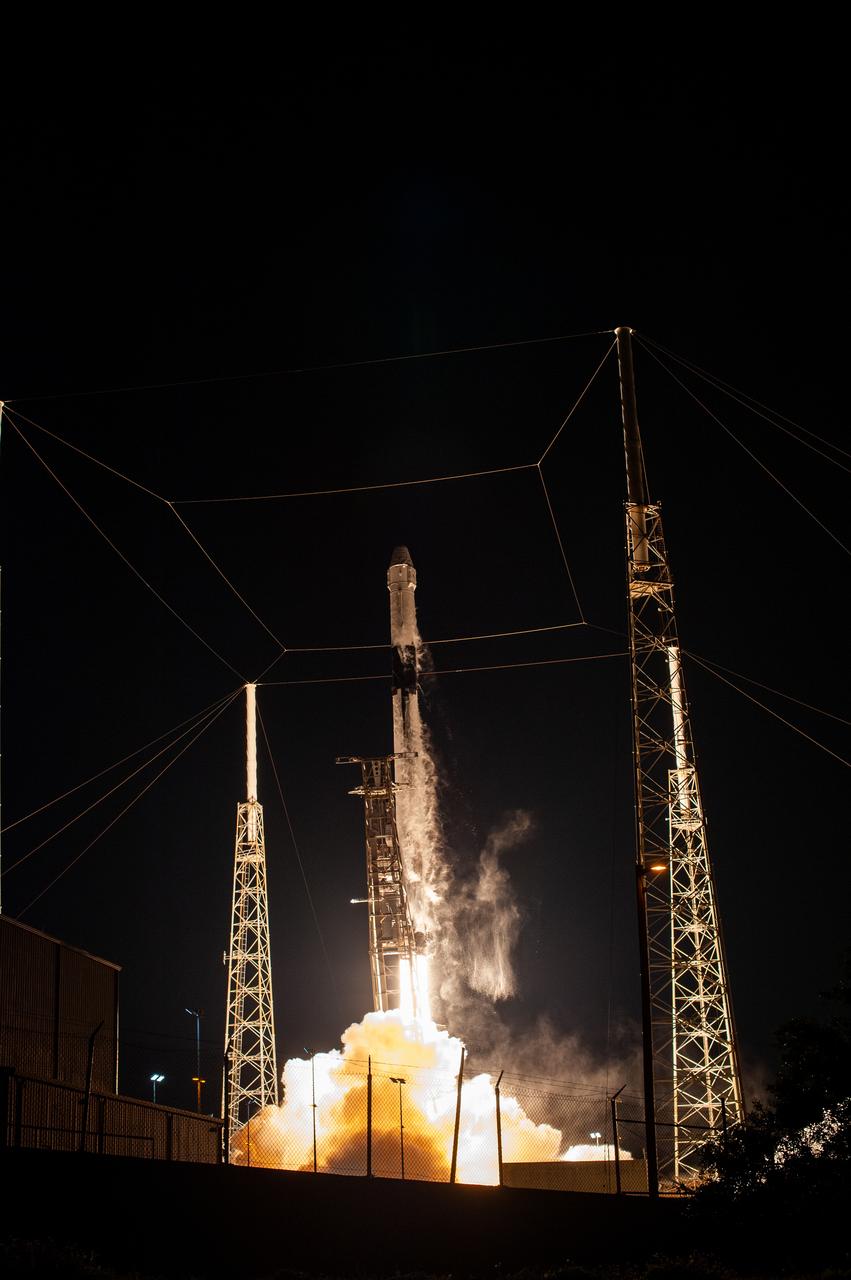
A SpaceX Falcon 9 rocket, with the uncrewed cargo Dragon spacecraft atop, lifts off from Space Launch Complex 40 at Cape Canaveral Air Force Station in Florida at 11:50 p.m. EST on March 6, 2020, for NASA and SpaceX’s 20th Commercial Resupply Services (CRS-20) mission to the International Space Station. The Dragon spacecraft will deliver more than 4,300 pounds of science investigations and cargo to the orbiting laboratory.
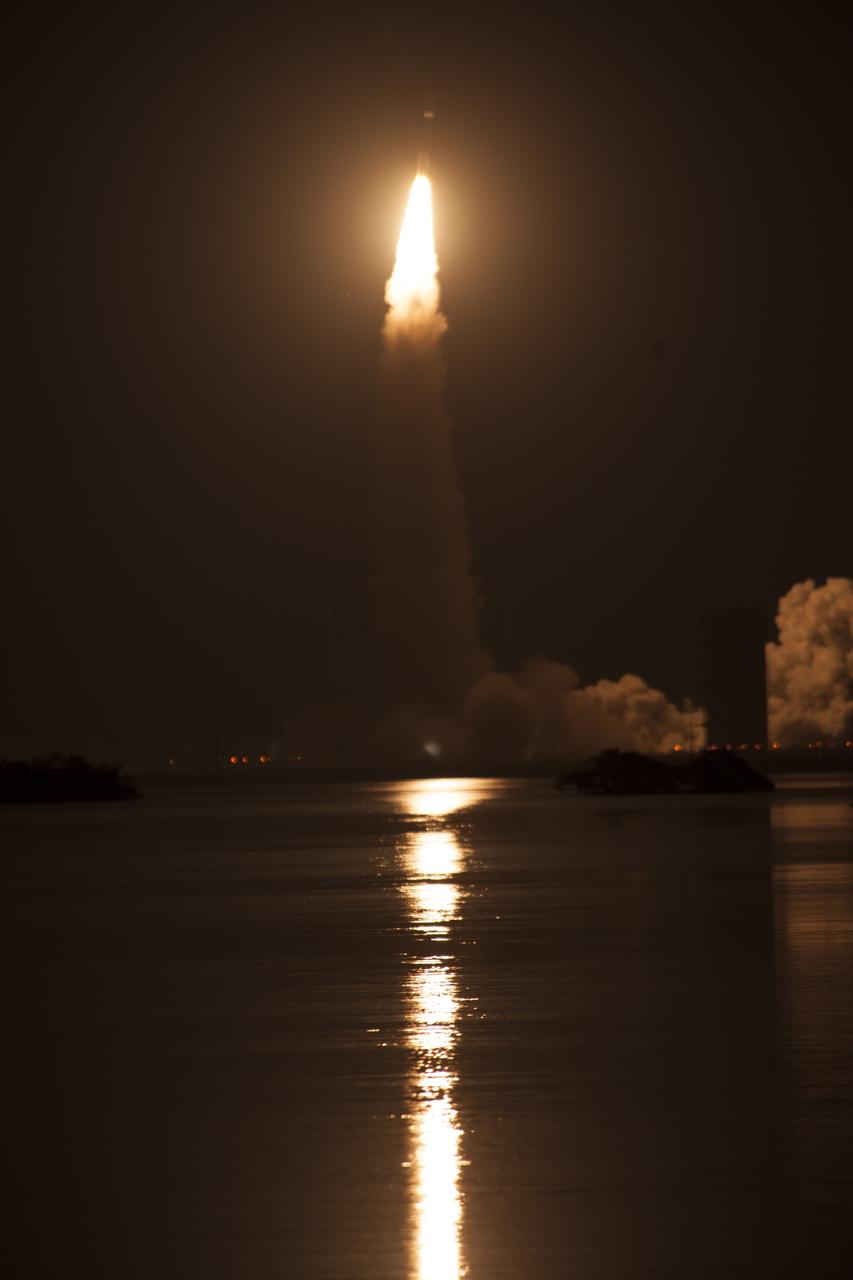
At Cape Canaveral Air Force Station's Space Launch Complex 41, an Atlas V rocket with NOAA's Geostationary Operational Environmental Satellite, or GOES-R, lifts off at 6:42 p.m. EST. GOES-R is the first satellite in a series of next-generation GOES satellites for NOAA, the National Oceanographic and Atmospheric Administration. It will launch to a geostationary orbit over the western hemisphere to provide images of storms and help meteorologists predict severe weather conditionals and develop long-range forecasts.
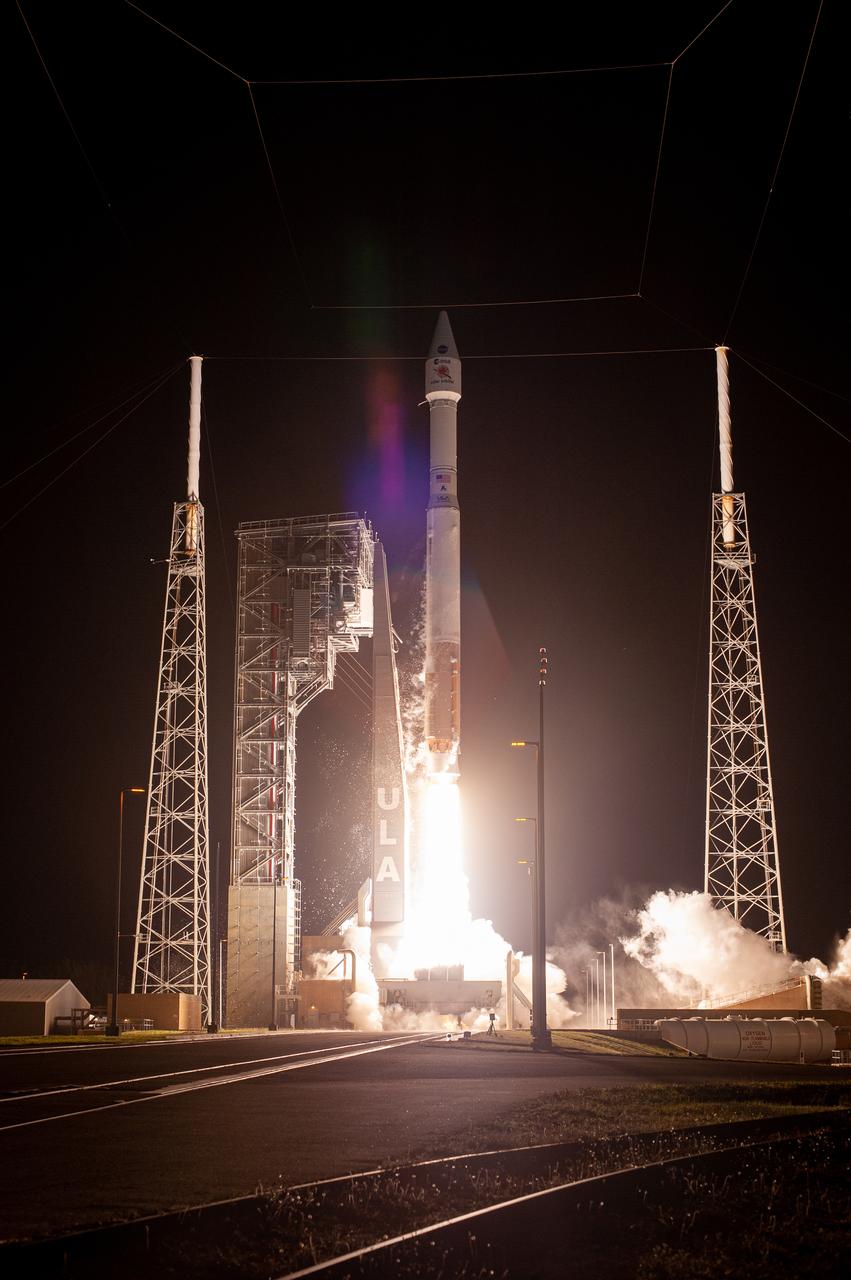
The United Launch Alliance Atlas V rocket, carrying the Solar Orbiter, lifts off Space Launch Complex 41 at Cape Canaveral Air Force Station in Florida at 11:03 p.m. EST, on Feb. 9, 2020. Solar Orbiter is an international cooperative mission between ESA (European Space Agency) and NASA. The mission aims to study the Sun, its outer atmosphere and solar wind. The spacecraft will provide the first images of the Sun’s poles. The spacecraft was developed by Airbus Defence and Space. NASA’s Launch Services Program based at Kennedy managed the launch.
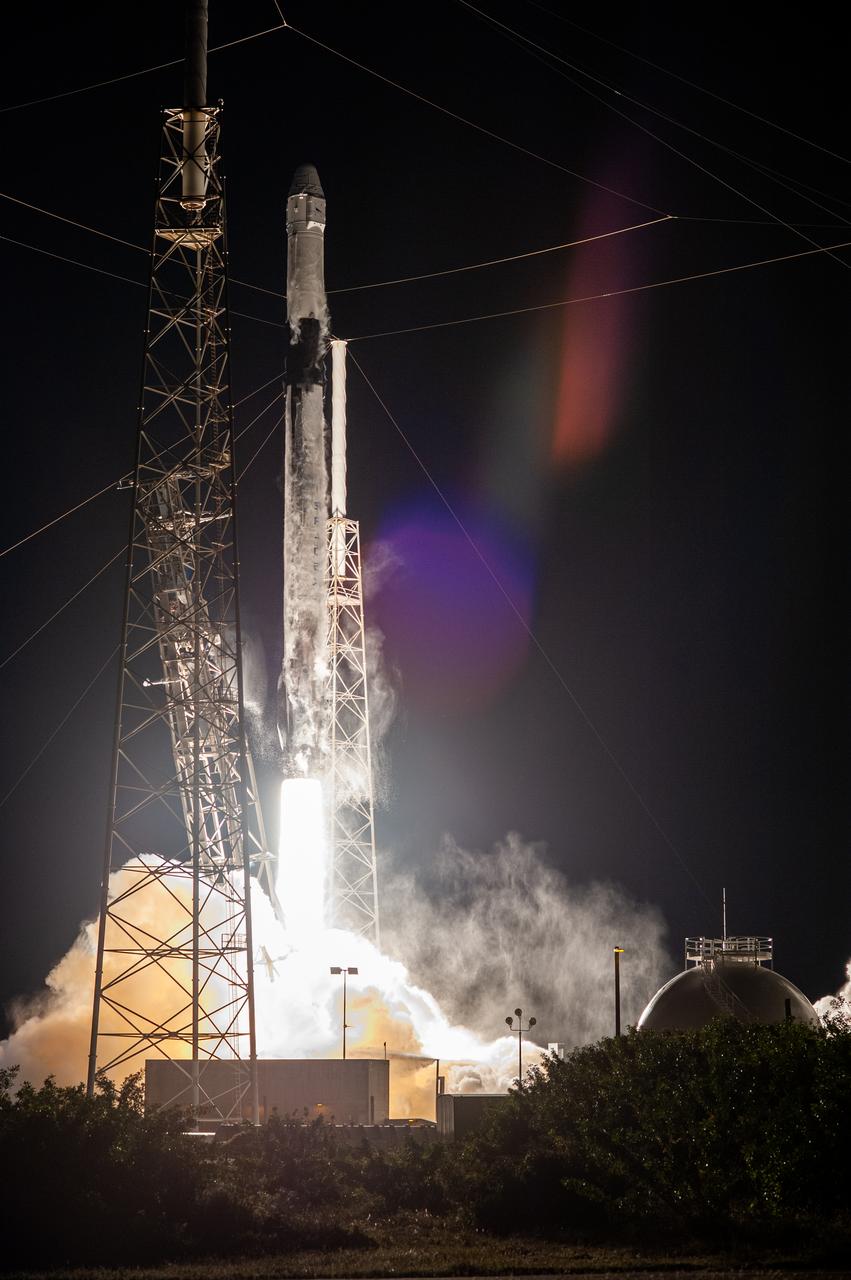
A SpaceX Falcon 9 rocket lifts off from Space Launch Complex 40 at Cape Canaveral Air Force Station in Florida at 11:50 p.m. EST on March 6, 2020, carrying the uncrewed cargo Dragon spacecraft on its journey to the International Space Station for NASA and SpaceX’s 20th Commercial Resupply Services (CRS-20) mission. Dragon will deliver more than 4,300 pounds of science investigations and cargo to the orbiting laboratory.
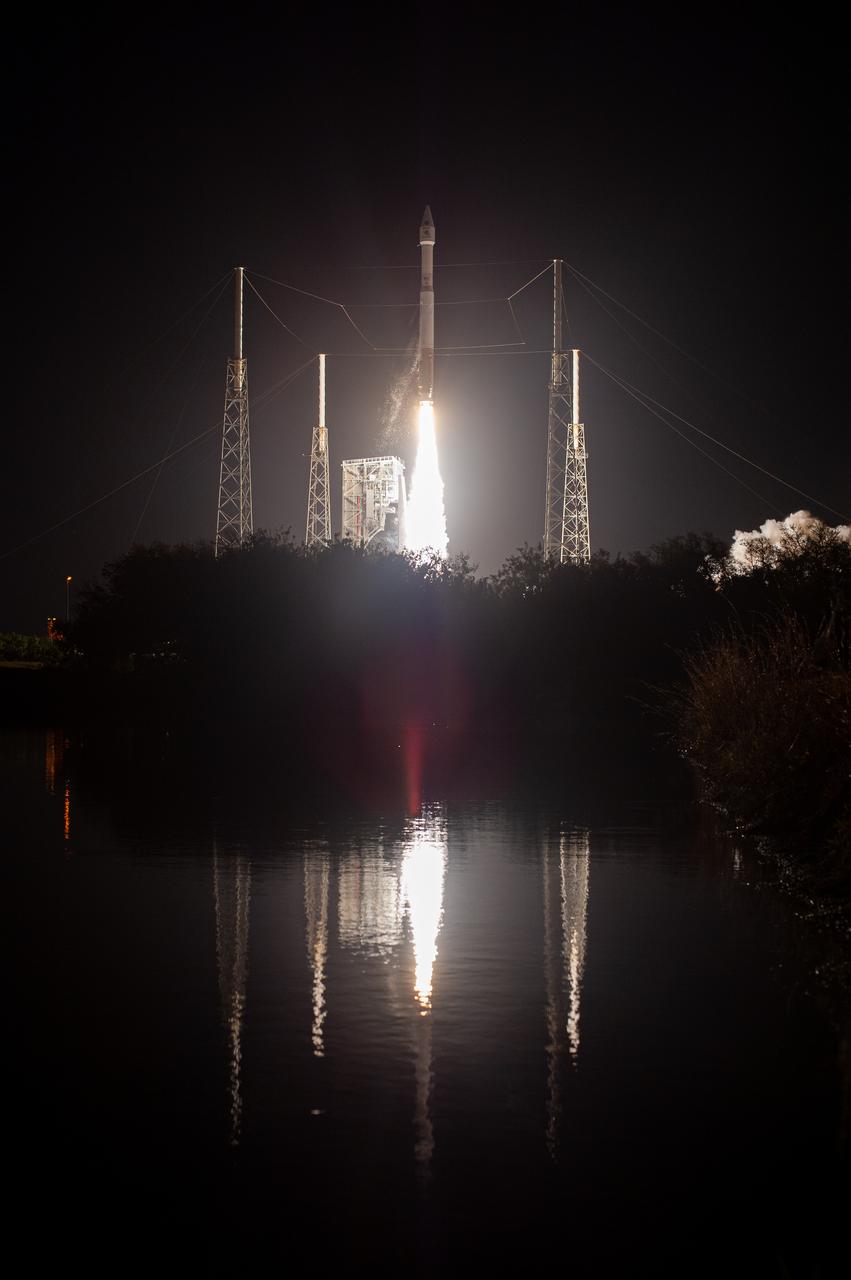
The United Launch Alliance Atlas V rocket, carrying the Solar Orbiter, lifts off Space Launch Complex 41 at Cape Canaveral Air Force Station in Florida at 11:03 p.m. EST, on Feb. 9, 2020. Solar Orbiter is an international cooperative mission between ESA (European Space Agency) and NASA. The mission aims to study the Sun, its outer atmosphere and solar wind. The spacecraft will provide the first images of the Sun’s poles. The spacecraft was developed by Airbus Defence and Space. NASA’s Launch Services Program based at Kennedy managed the launch.
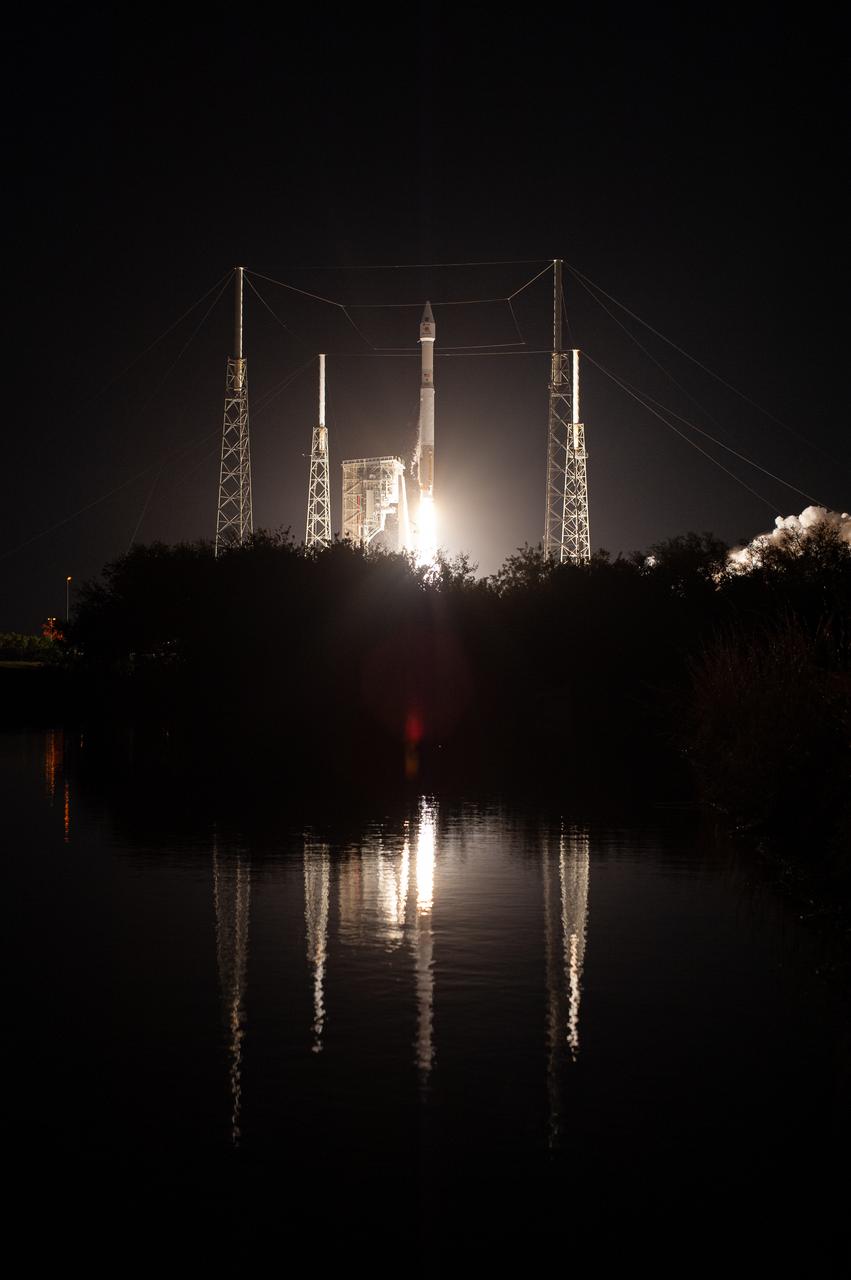
The United Launch Alliance Atlas V rocket, carrying the Solar Orbiter, lifts off Space Launch Complex 41 at Cape Canaveral Air Force Station in Florida at 11:03 p.m. EST, on Feb. 9, 2020. Solar Orbiter is an international cooperative mission between ESA (European Space Agency) and NASA. The mission aims to study the Sun, its outer atmosphere and solar wind. The spacecraft will provide the first images of the Sun’s poles. The spacecraft was developed by Airbus Defence and Space. NASA’s Launch Services Program based at Kennedy managed the launch.
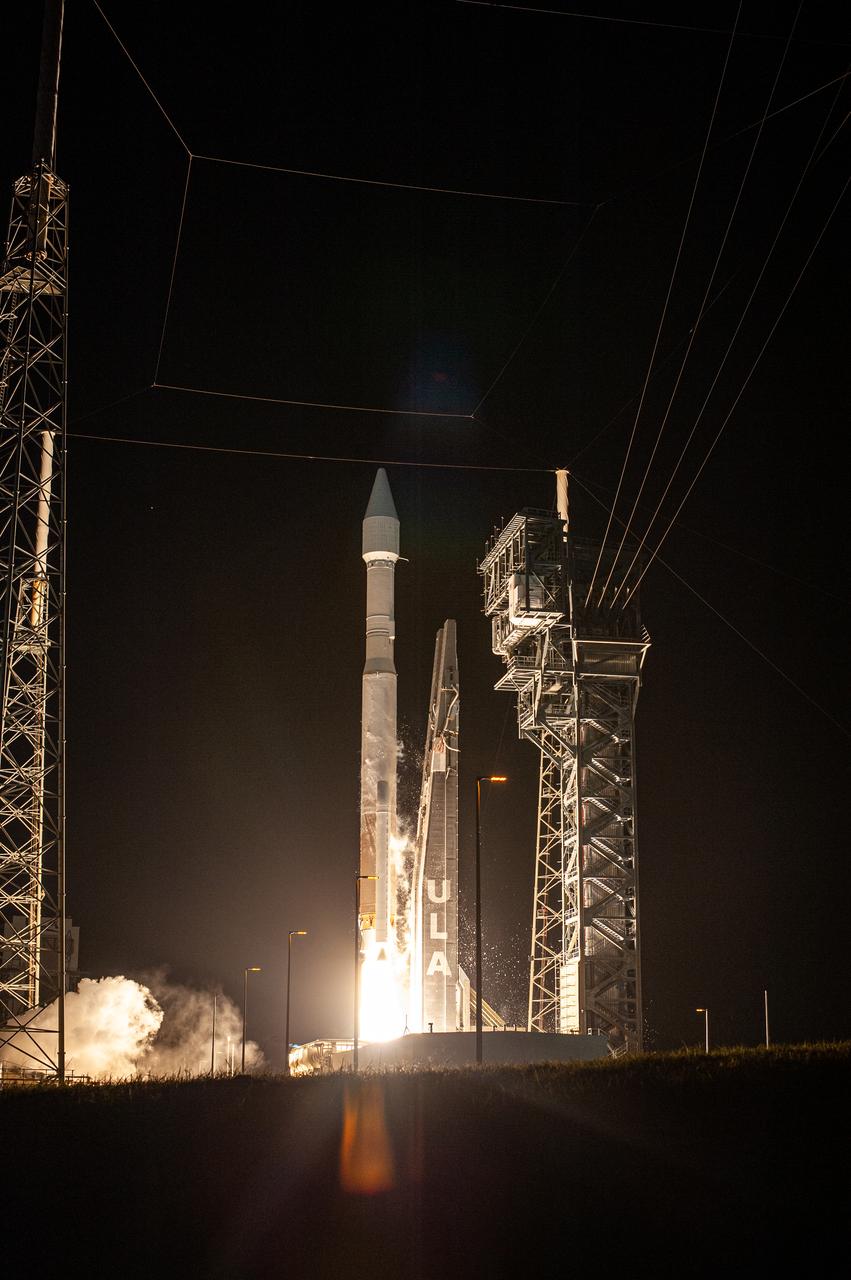
The United Launch Alliance Atlas V rocket, carrying the Solar Orbiter, lifts off Space Launch Complex 41 at Cape Canaveral Air Force Station in Florida at 11:03 p.m. EST, on Feb. 9, 2020. Solar Orbiter is an international cooperative mission between ESA (European Space Agency) and NASA. The mission aims to study the Sun, its outer atmosphere and solar wind. The spacecraft will provide the first images of the Sun’s poles. The spacecraft was developed by Airbus Defence and Space. NASA’s Launch Services Program based at Kennedy managed the launch.
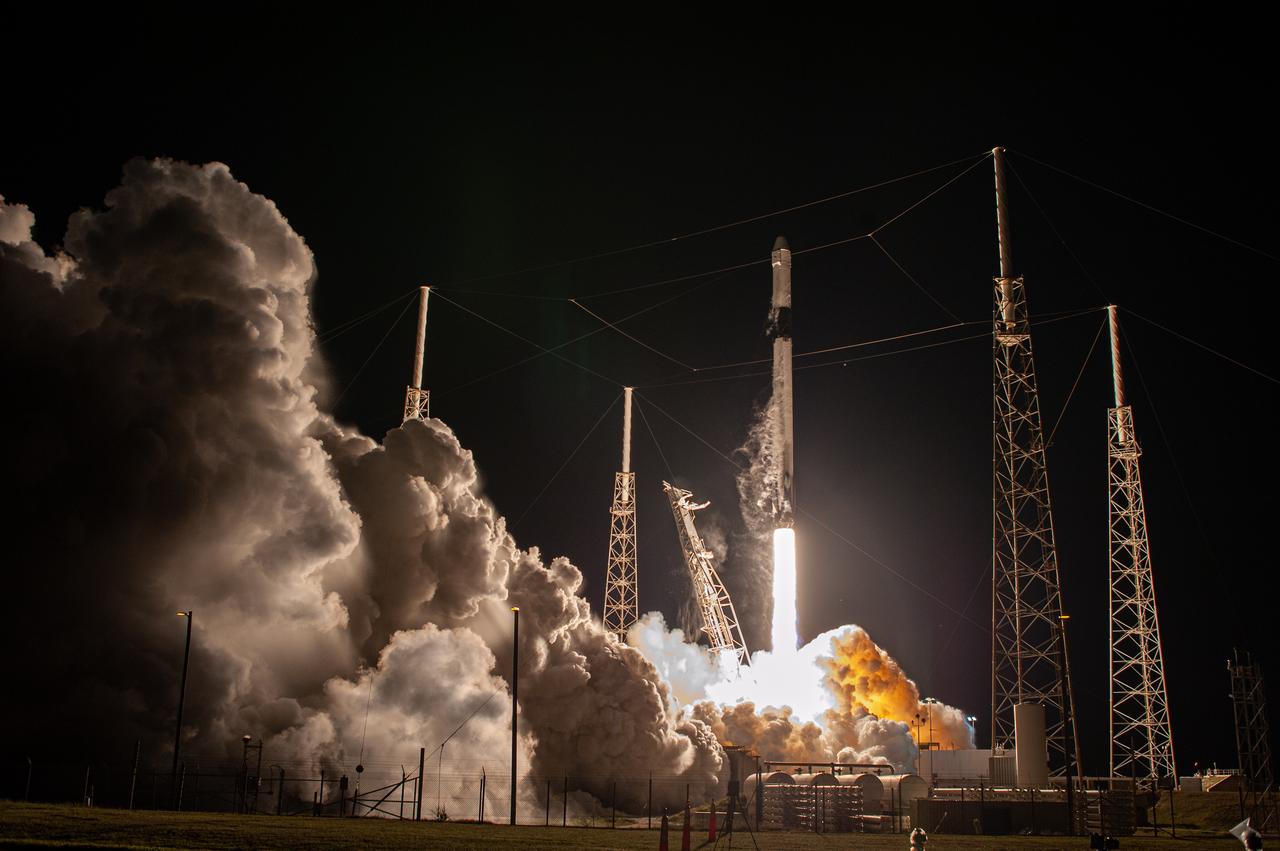
A SpaceX Falcon 9 rocket lifts off from Space Launch Complex 40 at Cape Canaveral Air Force Station in Florida at 11:50 p.m. EST on March 6, 2020, carrying the uncrewed cargo Dragon spacecraft on its journey to the International Space Station for NASA and SpaceX’s 20th Commercial Resupply Services (CRS-20) mission. Dragon will deliver more than 4,300 pounds of science investigations and cargo to the orbiting laboratory.
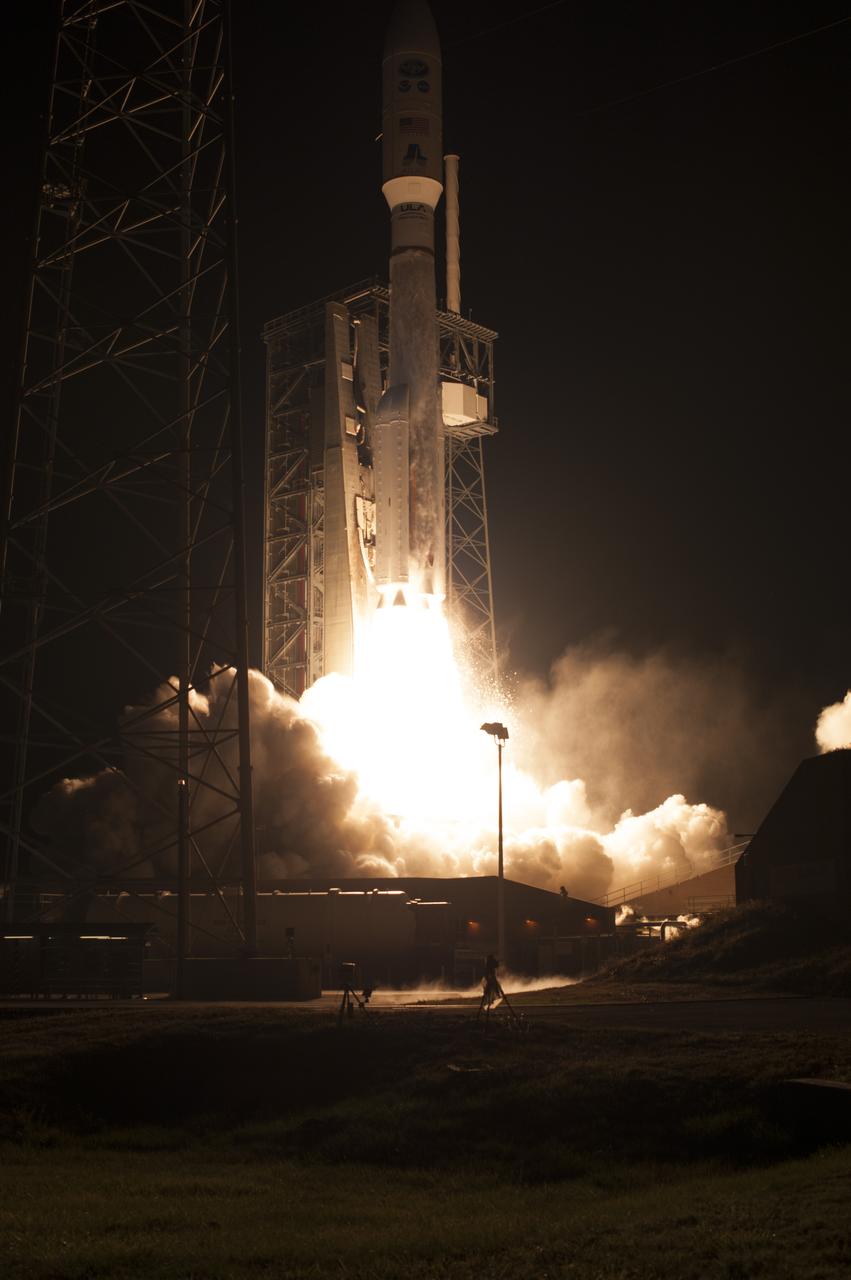
At Cape Canaveral Air Force Station's Space Launch Complex 41, an Atlas V rocket with NOAA's Geostationary Operational Environmental Satellite, or GOES-R, lifts off at 6:42 p.m. EST. GOES-R is the first satellite in a series of next-generation GOES satellites for NOAA, the National Oceanographic and Atmospheric Administration. It will launch to a geostationary orbit over the western hemisphere to provide images of storms and help meteorologists predict severe weather conditionals and develop long-range forecasts.
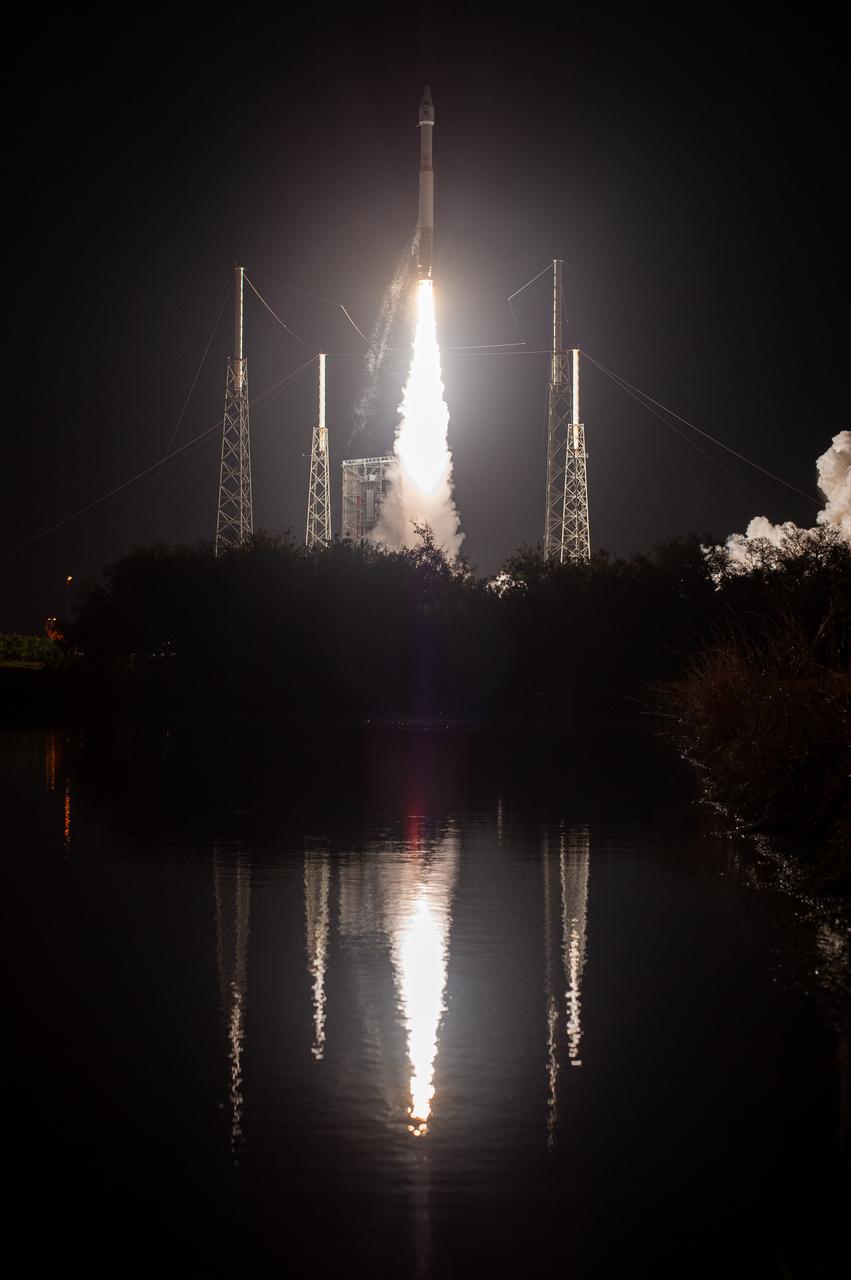
The United Launch Alliance Atlas V rocket, carrying the Solar Orbiter, climbs upward after liftoff from Space Launch Complex 41 on Cape Canaveral Air Force Station in Florida on Feb. 9, 2020. Liftoff was at 11:03 p.m. EST. Solar Orbiter is an international cooperative mission between ESA (European Space Agency) and NASA. The mission aims to study the Sun, its outer atmosphere and solar wind. The spacecraft will provide the first images of the Sun’s poles. The spacecraft was developed by Airbus Defence and Space. NASA’s Launch Services Program based at Kennedy managed the launch.
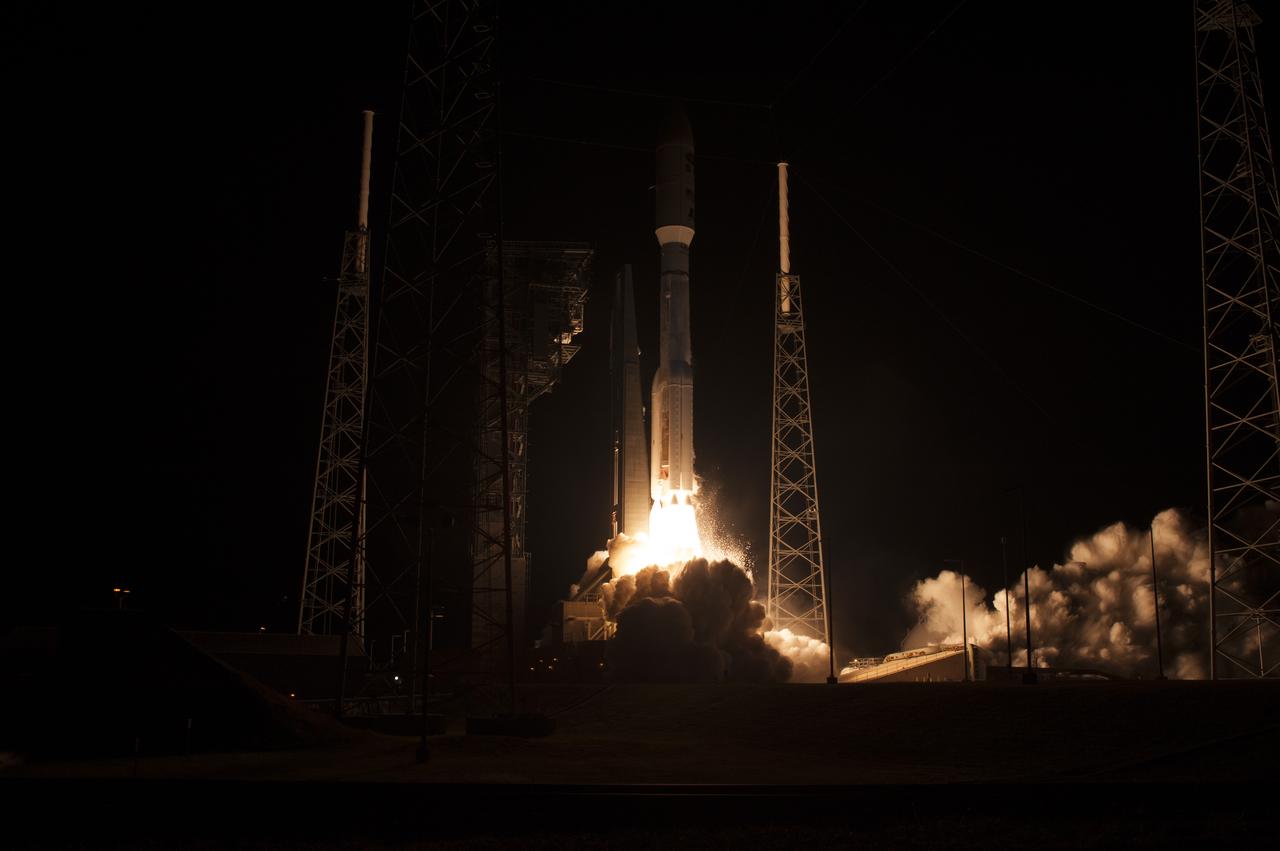
A United Launch Alliance Atlas V rocket lifts off from Space Launch Complex 41 at Cape Canaveral Air Force Station carrying the NOAA Geostationary Operational Environmental Satellite (GOES-R). Liftoff was at 6:42 p.m. EST.
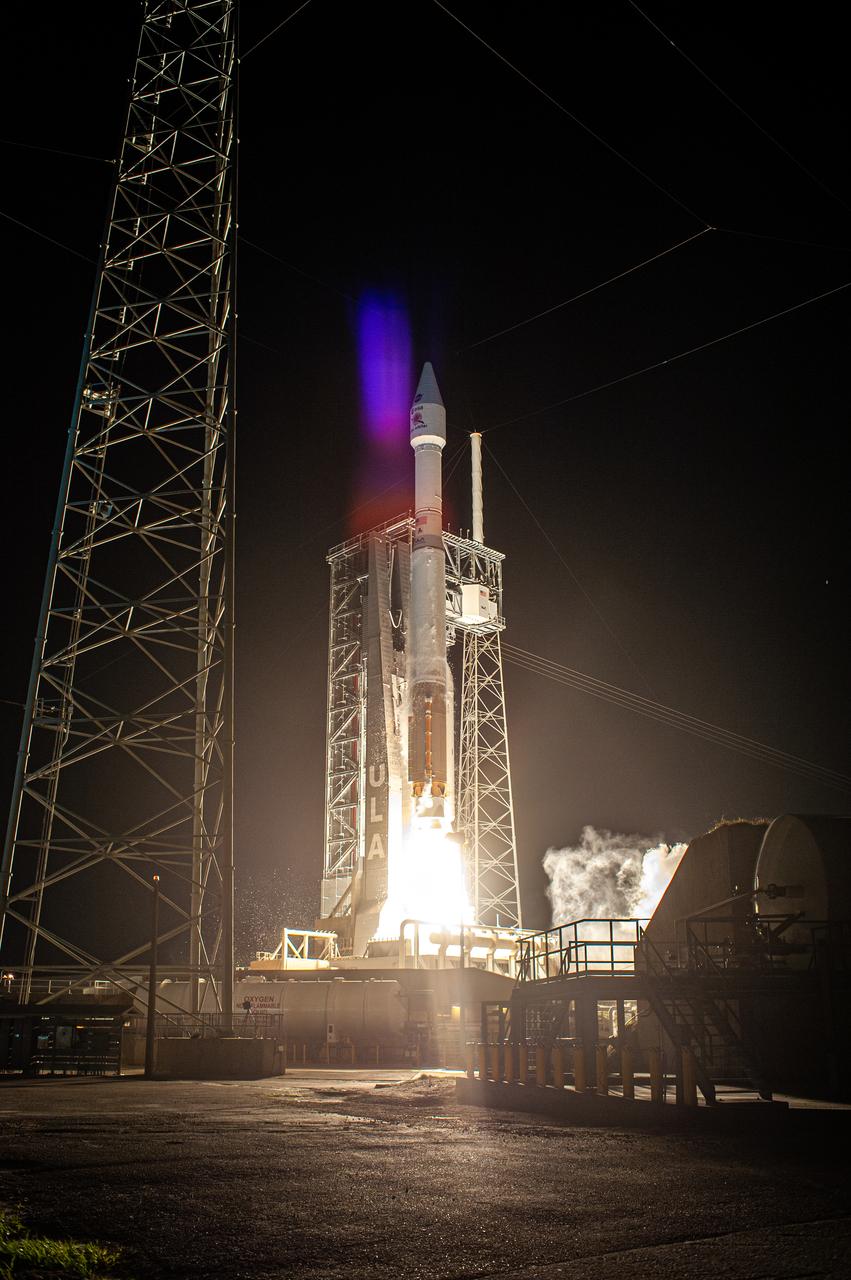
The United Launch Alliance Atlas V rocket, carrying the Solar Orbiter, lifts off Space Launch Complex 41 at Cape Canaveral Air Force Station in Florida at 11:03 p.m. EST, on Feb. 9, 2020. Solar Orbiter is an international cooperative mission between ESA (European Space Agency) and NASA. The mission aims to study the Sun, its outer atmosphere and solar wind. The spacecraft will provide the first images of the Sun’s poles. The spacecraft was developed by Airbus Defence and Space. NASA’s Launch Services Program based at Kennedy managed the launch.
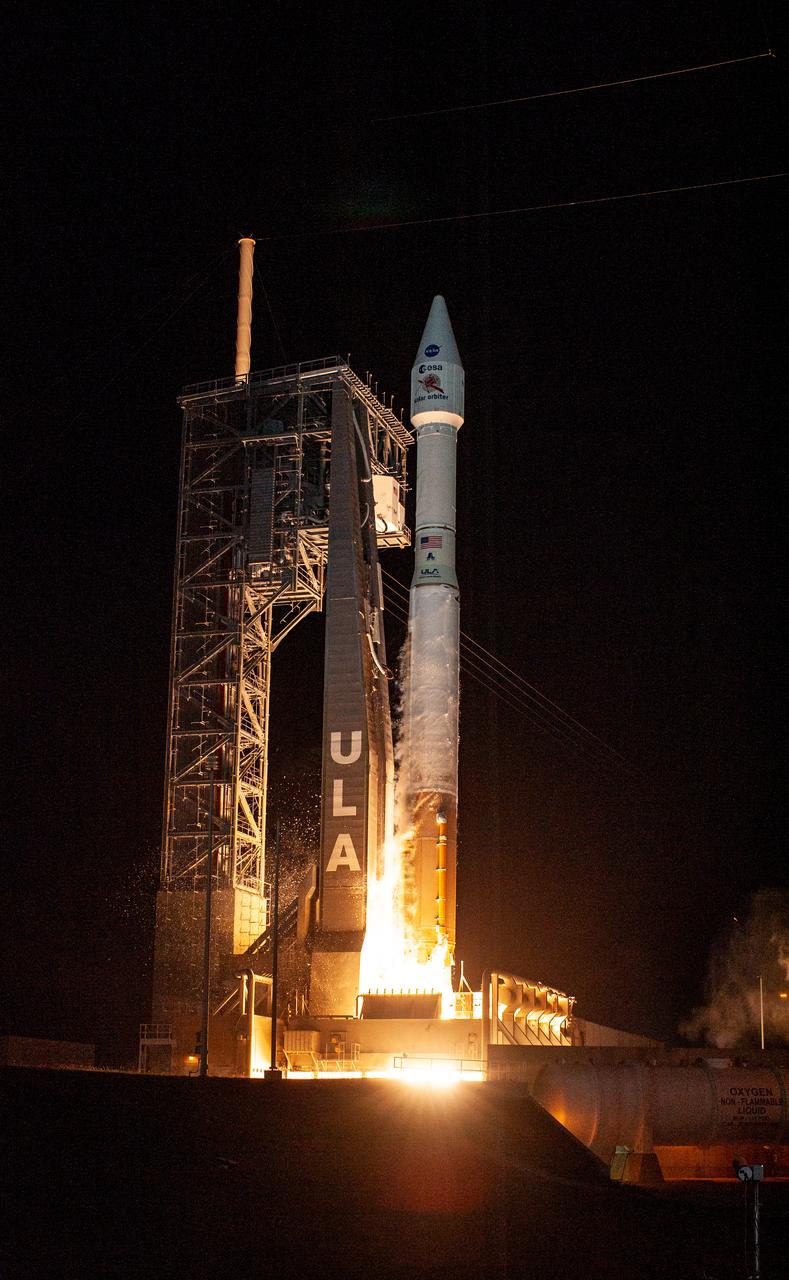
The United Launch Alliance Atlas V rocket, carrying the Solar Orbiter, lifts off Space Launch Complex 41 at Cape Canaveral Air Force Station in Florida at 11:03 p.m. EST, on Feb. 9, 2020. Solar Orbiter is an international cooperative mission between ESA (European Space Agency) and NASA. The mission aims to study the Sun, its outer atmosphere and solar wind. The spacecraft will provide the first images of the Sun’s poles. The spacecraft was developed by Airbus Defence and Space. NASA’s Launch Services Program based at Kennedy managed the launch.
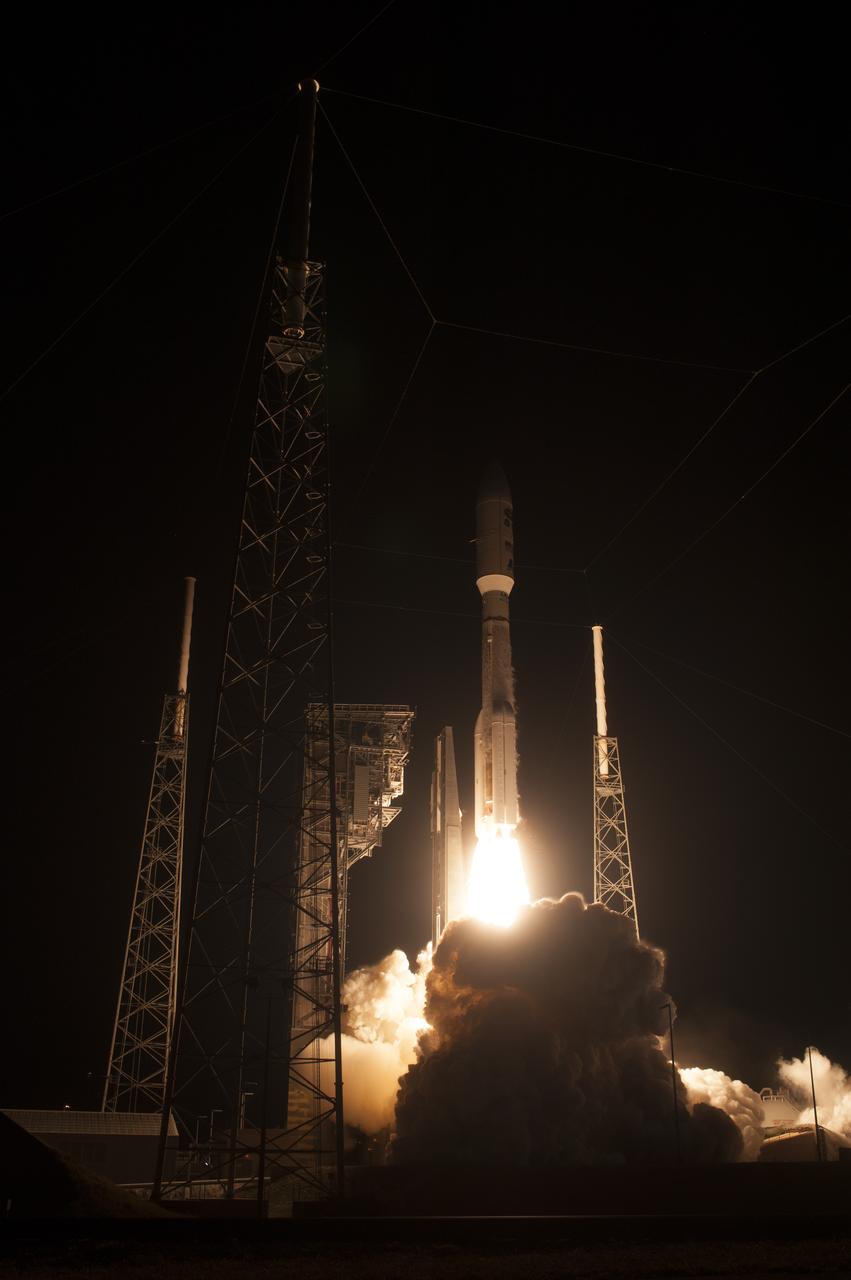
At Cape Canaveral Air Force Station's Space Launch Complex 41, an Atlas V rocket with NOAA's Geostationary Operational Environmental Satellite, or GOES-R, lifts off at 6:42 p.m. EST. GOES-R is the first satellite in a series of next-generation GOES satellites for NOAA, the National Oceanographic and Atmospheric Administration. It will launch to a geostationary orbit over the western hemisphere to provide images of storms and help meteorologists predict severe weather conditionals and develop long-range forecasts.
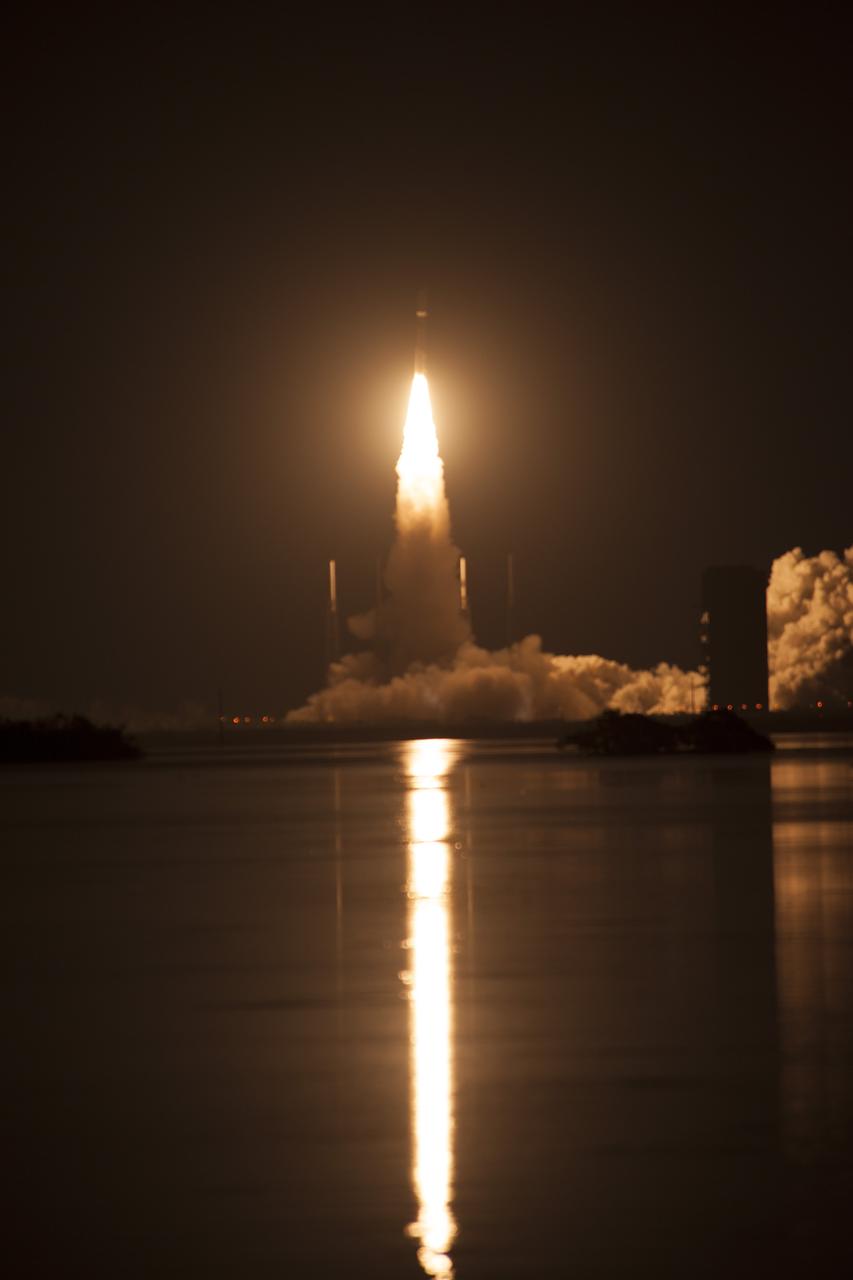
At Cape Canaveral Air Force Station's Space Launch Complex 41, an Atlas V rocket with NOAA's Geostationary Operational Environmental Satellite, or GOES-R, lifts off at 6:42 p.m. EST. GOES-R is the first satellite in a series of next-generation GOES satellites for NOAA, the National Oceanographic and Atmospheric Administration. It will launch to a geostationary orbit over the western hemisphere to provide images of storms and help meteorologists predict severe weather conditionals and develop long-range forecasts.
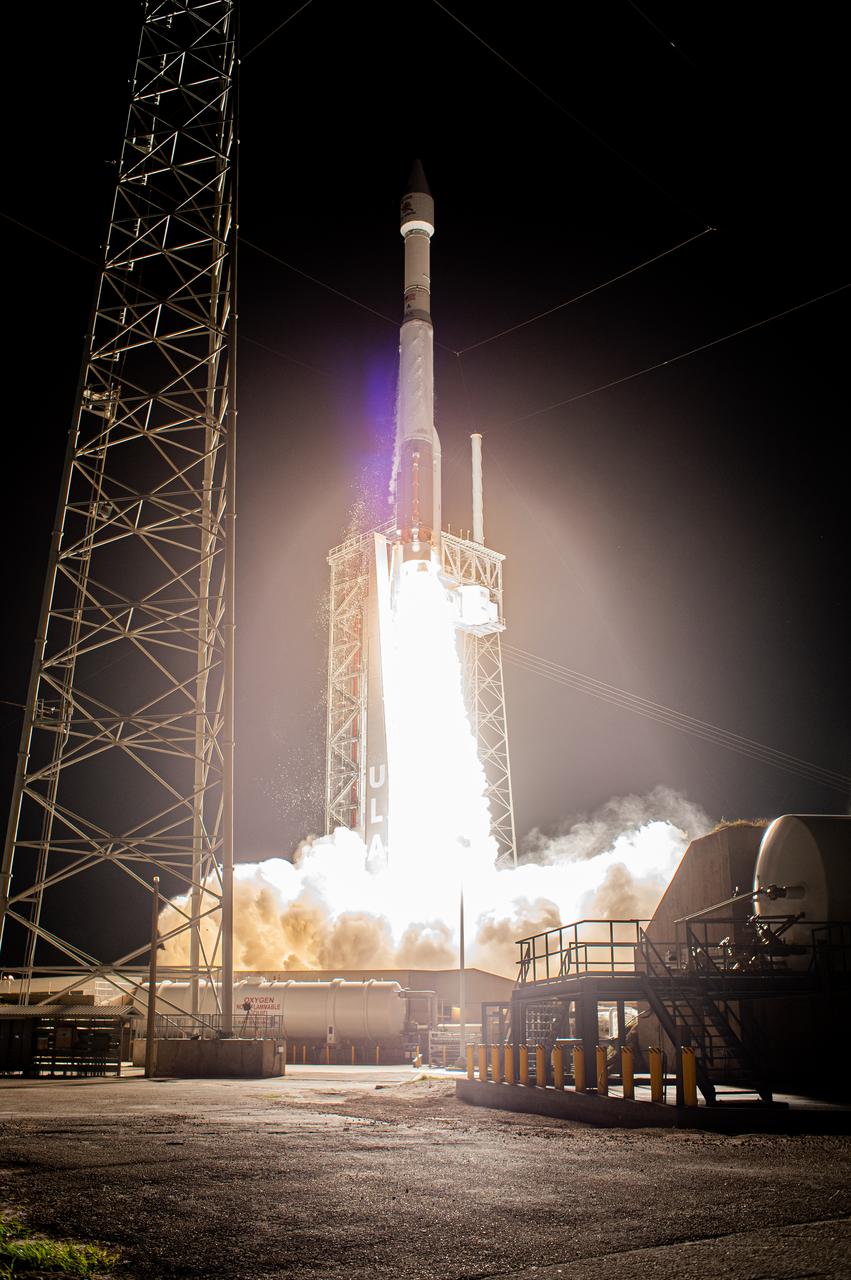
The United Launch Alliance Atlas V rocket, carrying the Solar Orbiter, climbs upward after liftoff from Space Launch Complex 41 on Cape Canaveral Air Force Station in Florida on Feb. 9, 2020. Liftoff was at 11:03 p.m. EST. Solar Orbiter is an international cooperative mission between ESA (European Space Agency) and NASA. The mission aims to study the Sun, its outer atmosphere and solar wind. The spacecraft will provide the first images of the Sun’s poles. The spacecraft was developed by Airbus Defence and Space. NASA’s Launch Services Program based at Kennedy managed the launch.
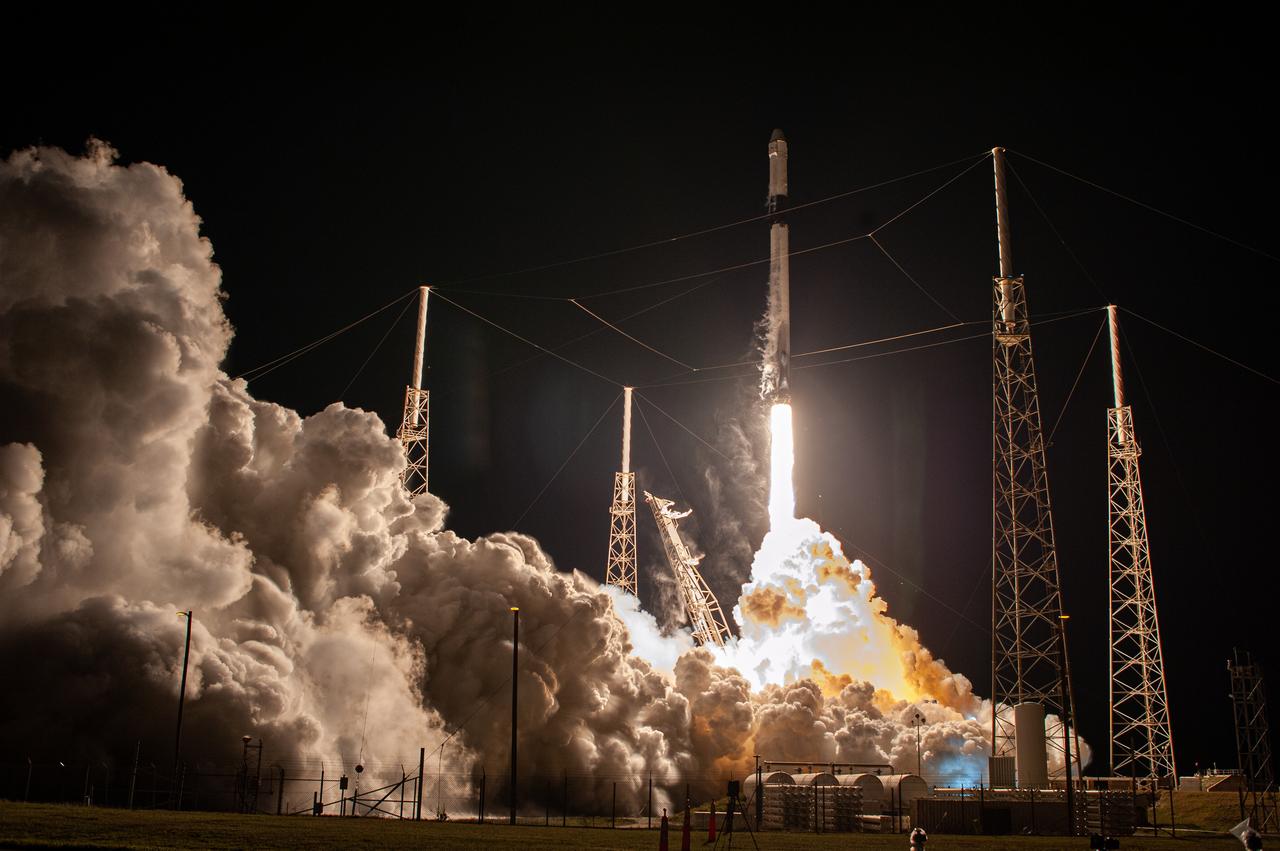
A SpaceX Falcon 9 rocket lifts off from Space Launch Complex 40 at Cape Canaveral Air Force Station in Florida at 11:50 p.m. EST on March 6, 2020, carrying the uncrewed cargo Dragon spacecraft on its journey to the International Space Station for NASA and SpaceX’s 20th Commercial Resupply Services (CRS-20) mission. Dragon will deliver more than 4,300 pounds of science investigations and cargo to the orbiting laboratory.
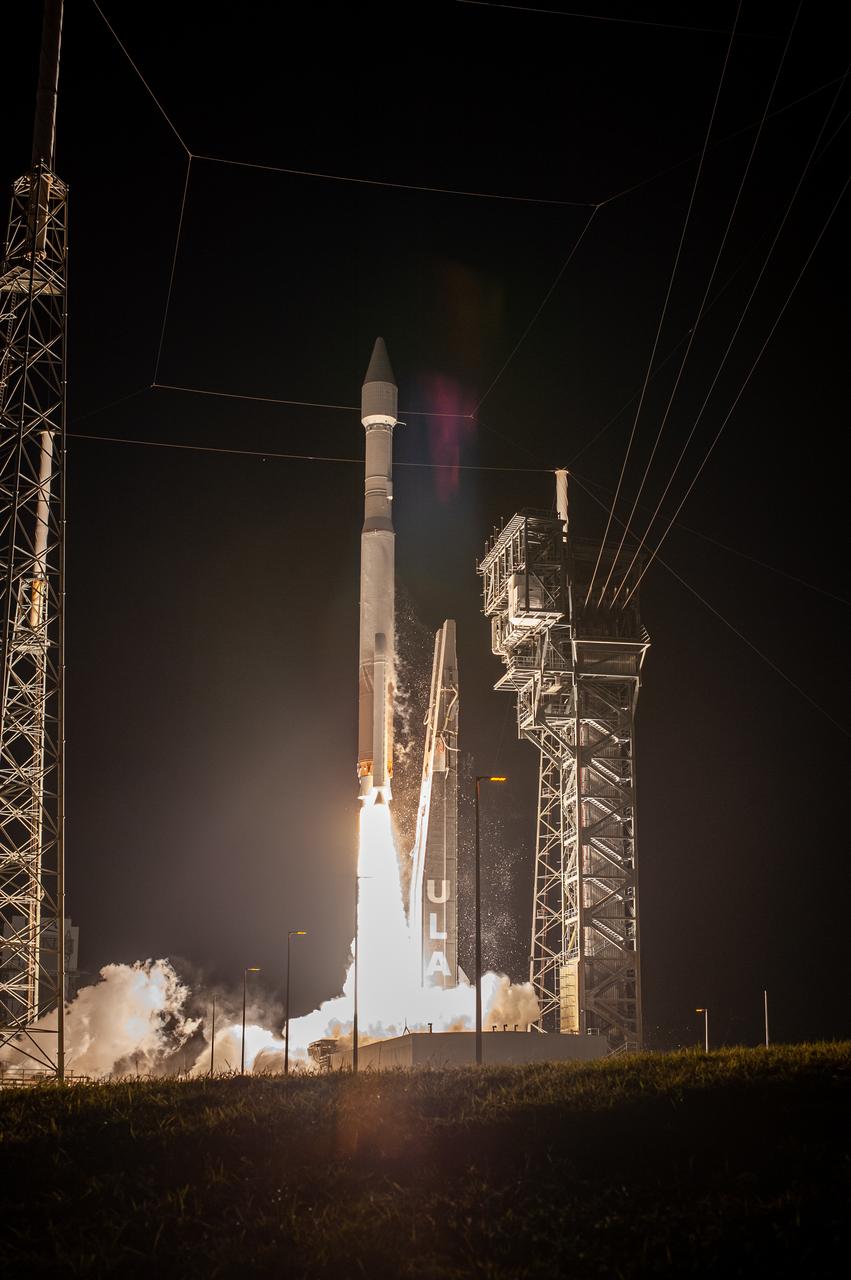
The United Launch Alliance Atlas V rocket, carrying the Solar Orbiter, lifts off Space Launch Complex 41 at Cape Canaveral Air Force Station in Florida at 11:03 p.m. EST, on Feb. 9, 2020. Solar Orbiter is an international cooperative mission between ESA (European Space Agency) and NASA. The mission aims to study the Sun, its outer atmosphere and solar wind. The spacecraft will provide the first images of the Sun’s poles. The spacecraft was developed by Airbus Defence and Space. NASA’s Launch Services Program based at Kennedy managed the launch.

The United Launch Alliance Atlas V rocket, carrying the Solar Orbiter, lifts off Space Launch Complex 41 at Cape Canaveral Air Force Station in Florida at 11:03 p.m. EST, on Feb. 9, 2020. Solar Orbiter is an international cooperative mission between ESA (European Space Agency) and NASA. The mission aims to study the Sun, its outer atmosphere and solar wind. The spacecraft will provide the first images of the Sun’s poles. The spacecraft was developed by Airbus Defence and Space. NASA’s Launch Services Program based at Kennedy managed the launch.
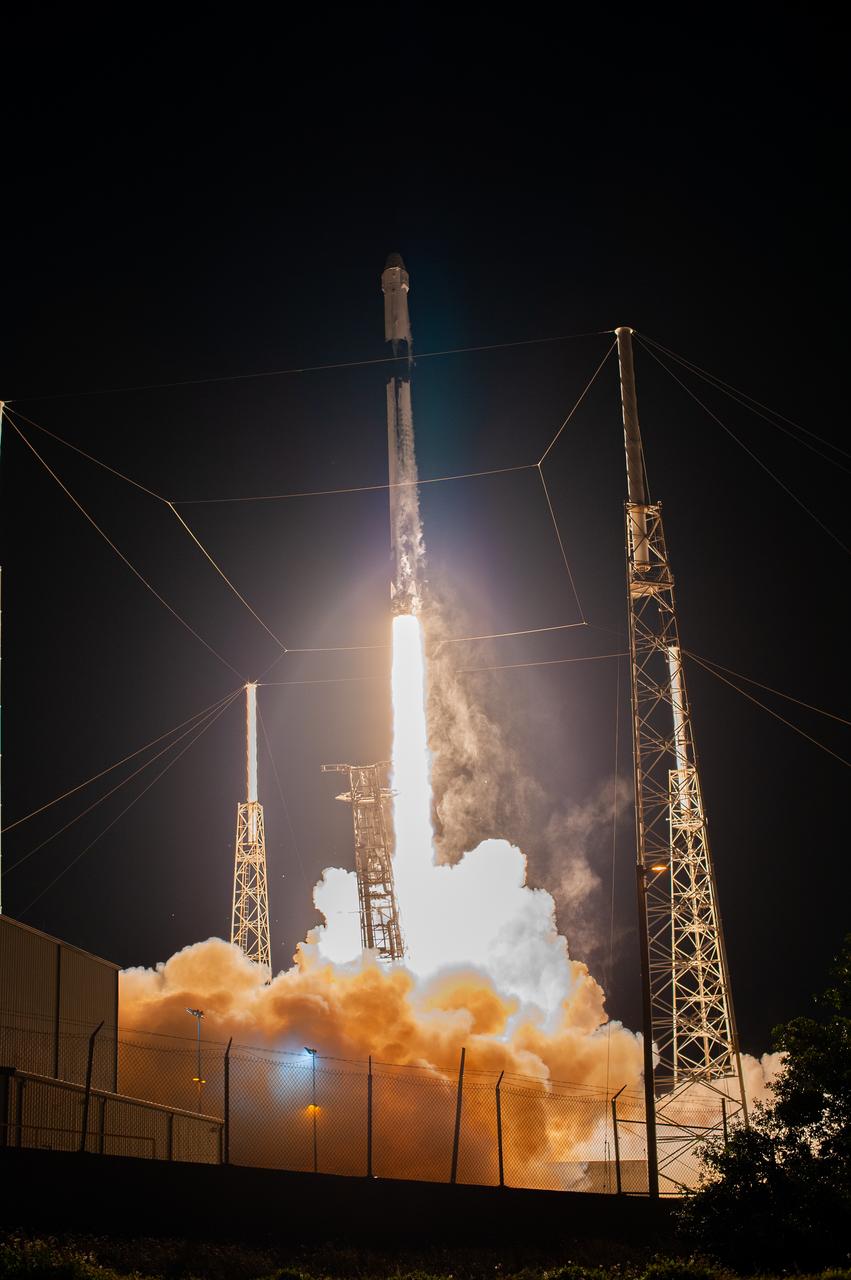
A SpaceX Falcon 9 rocket, with the uncrewed cargo Dragon spacecraft atop, lifts off from Space Launch Complex 40 at Cape Canaveral Air Force Station in Florida at 11:50 p.m. EST on March 6, 2020, for NASA and SpaceX’s 20th Commercial Resupply Services (CRS-20) mission to the International Space Station. The Dragon spacecraft will deliver more than 4,300 pounds of science investigations and cargo to the orbiting laboratory.
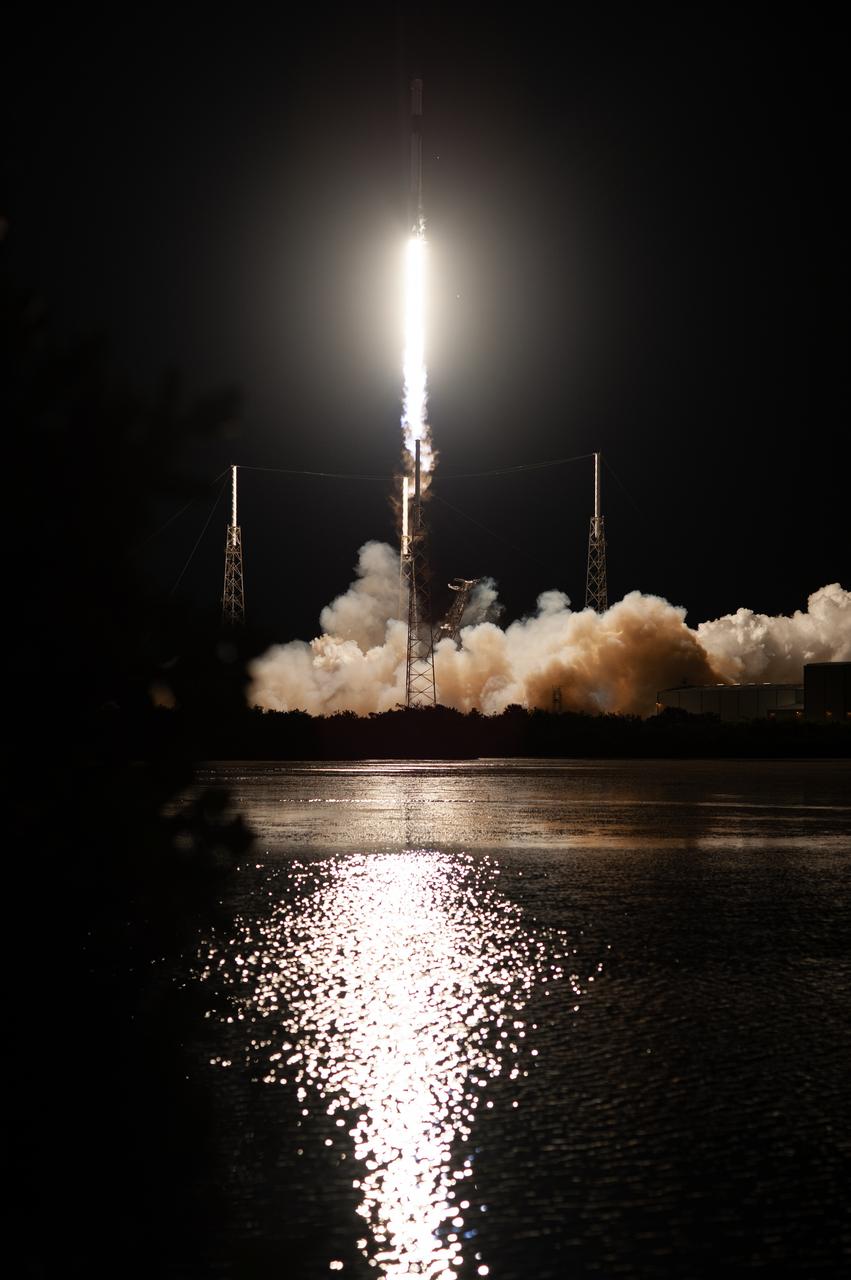
A SpaceX Falcon 9 rocket lifts off from Space Launch Complex 40 at Cape Canaveral Air Force Station in Florida at 11:50 p.m. EST on March 6, 2020, carrying the uncrewed cargo Dragon spacecraft on its journey to the International Space Station for NASA and SpaceX’s 20th Commercial Resupply Services (CRS-20) mission. Dragon will deliver more than 5,600 pounds of science investigations and cargo to the orbiting laboratory.
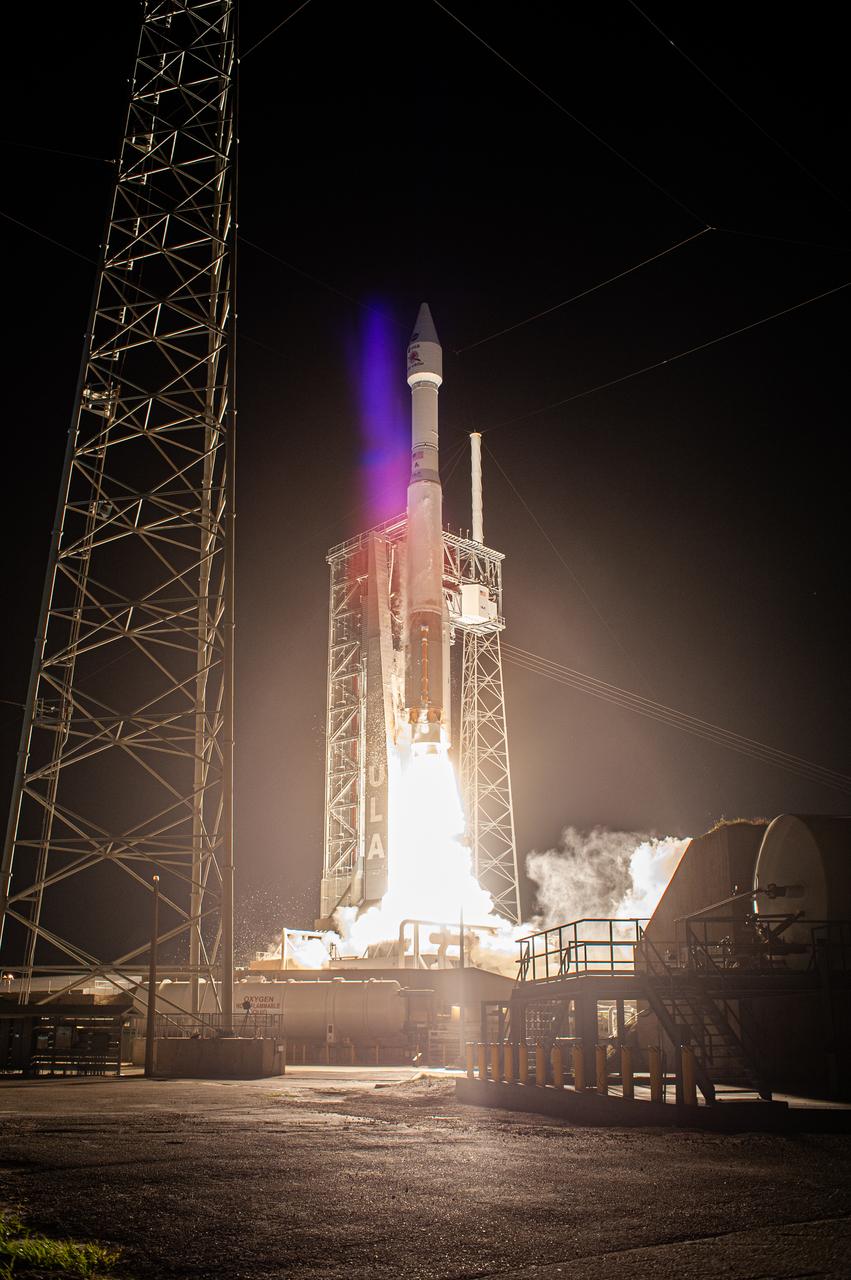
The United Launch Alliance Atlas V rocket, carrying the Solar Orbiter, lifts off Space Launch Complex 41 at Cape Canaveral Air Force Station in Florida at 11:03 p.m. EST, on Feb. 9, 2020. Solar Orbiter is an international cooperative mission between ESA (European Space Agency) and NASA. The mission aims to study the Sun, its outer atmosphere and solar wind. The spacecraft will provide the first images of the Sun’s poles. The spacecraft was developed by Airbus Defence and Space. NASA’s Launch Services Program based at Kennedy managed the launch.
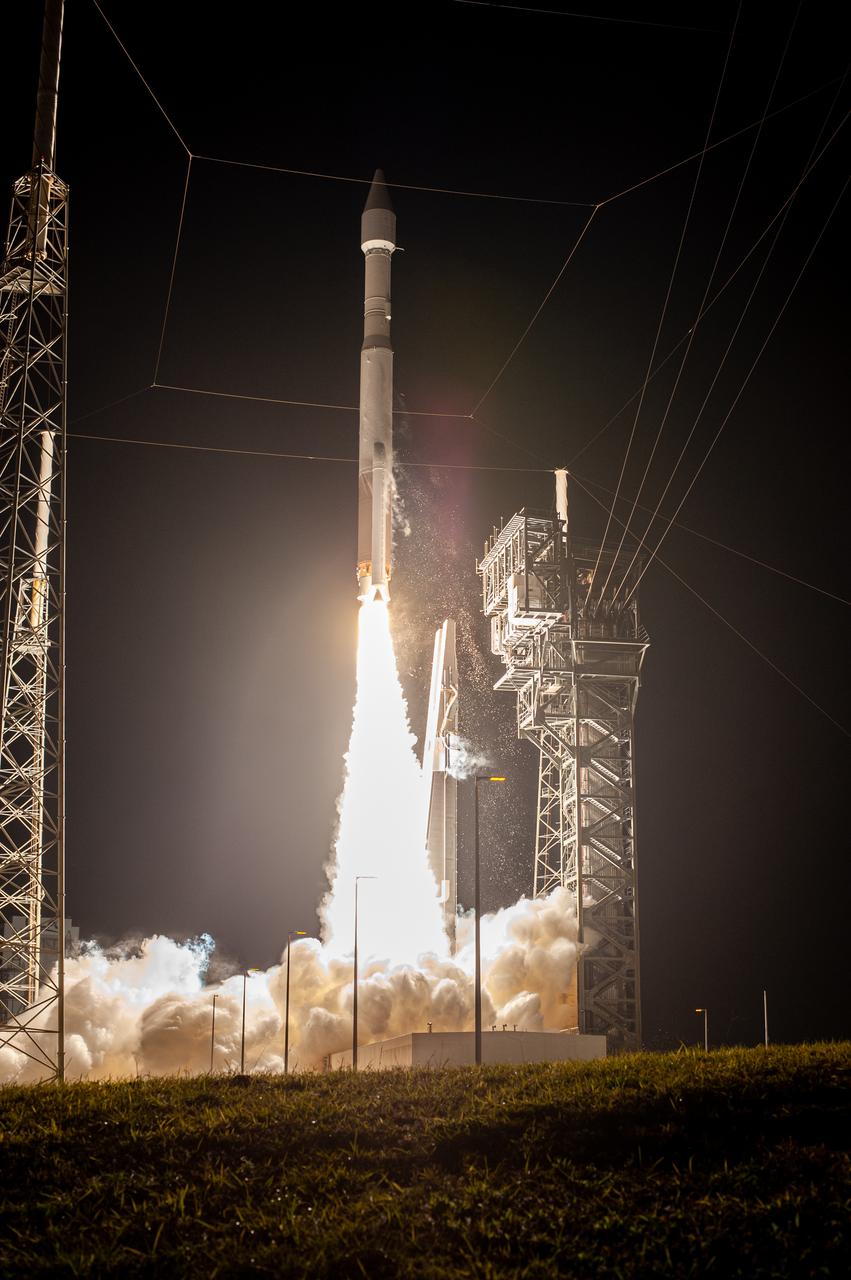
The United Launch Alliance Atlas V rocket, carrying the Solar Orbiter, climbs upward after liftoff from Space Launch Complex 41 on Cape Canaveral Air Force Station in Florida on Feb. 9, 2020. Liftoff was at 11:03 p.m. EST. Solar Orbiter is an international cooperative mission between ESA (European Space Agency) and NASA. The mission aims to study the Sun, its outer atmosphere and solar wind. The spacecraft will provide the first images of the Sun’s poles. The spacecraft was developed by Airbus Defence and Space. NASA’s Launch Services Program based at Kennedy managed the launch.
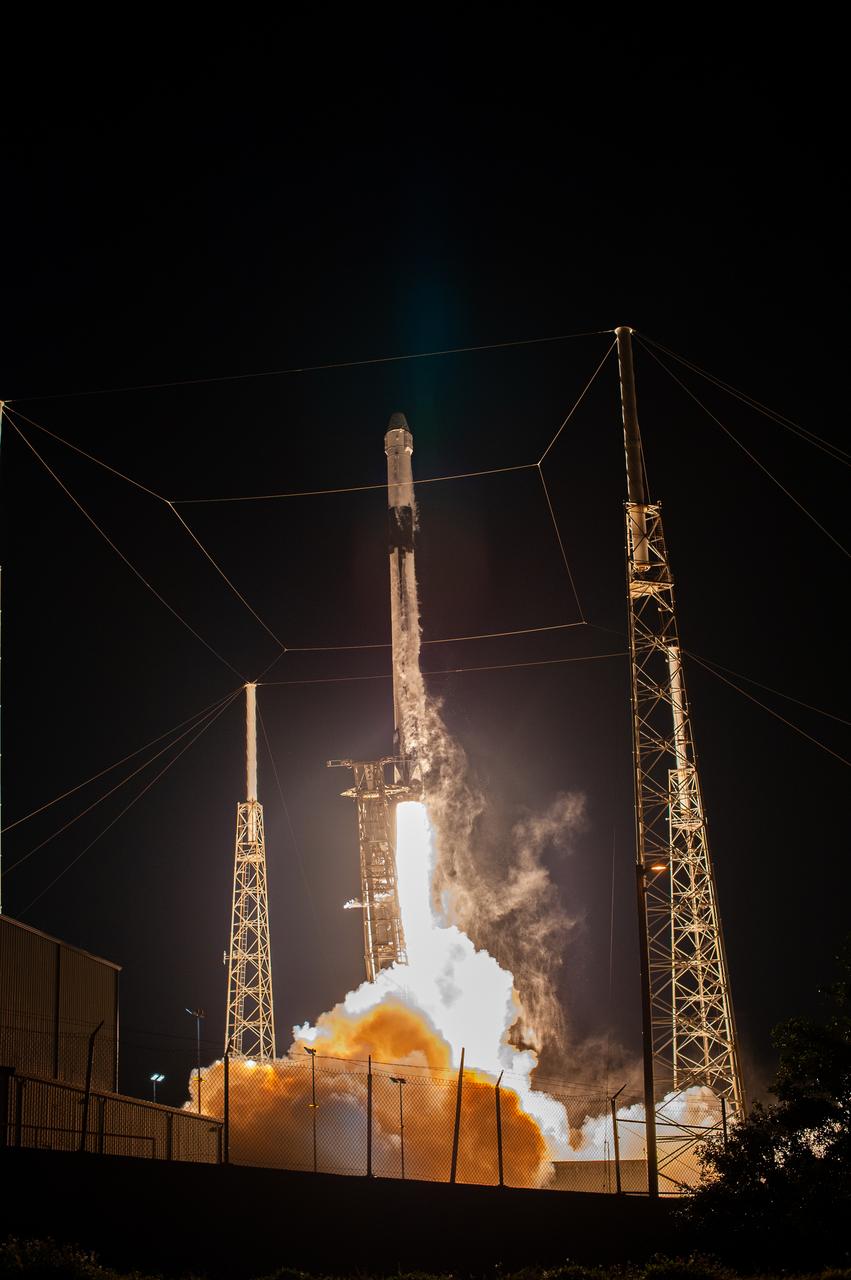
A SpaceX Falcon 9 rocket, with the uncrewed cargo Dragon spacecraft atop, lifts off from Space Launch Complex 40 at Cape Canaveral Air Force Station in Florida at 11:50 p.m. EST on March 6, 2020, for NASA and SpaceX’s 20th Commercial Resupply Services (CRS-20) mission to the International Space Station. The Dragon spacecraft will deliver more than 4,300 pounds of science investigations and cargo to the orbiting laboratory.
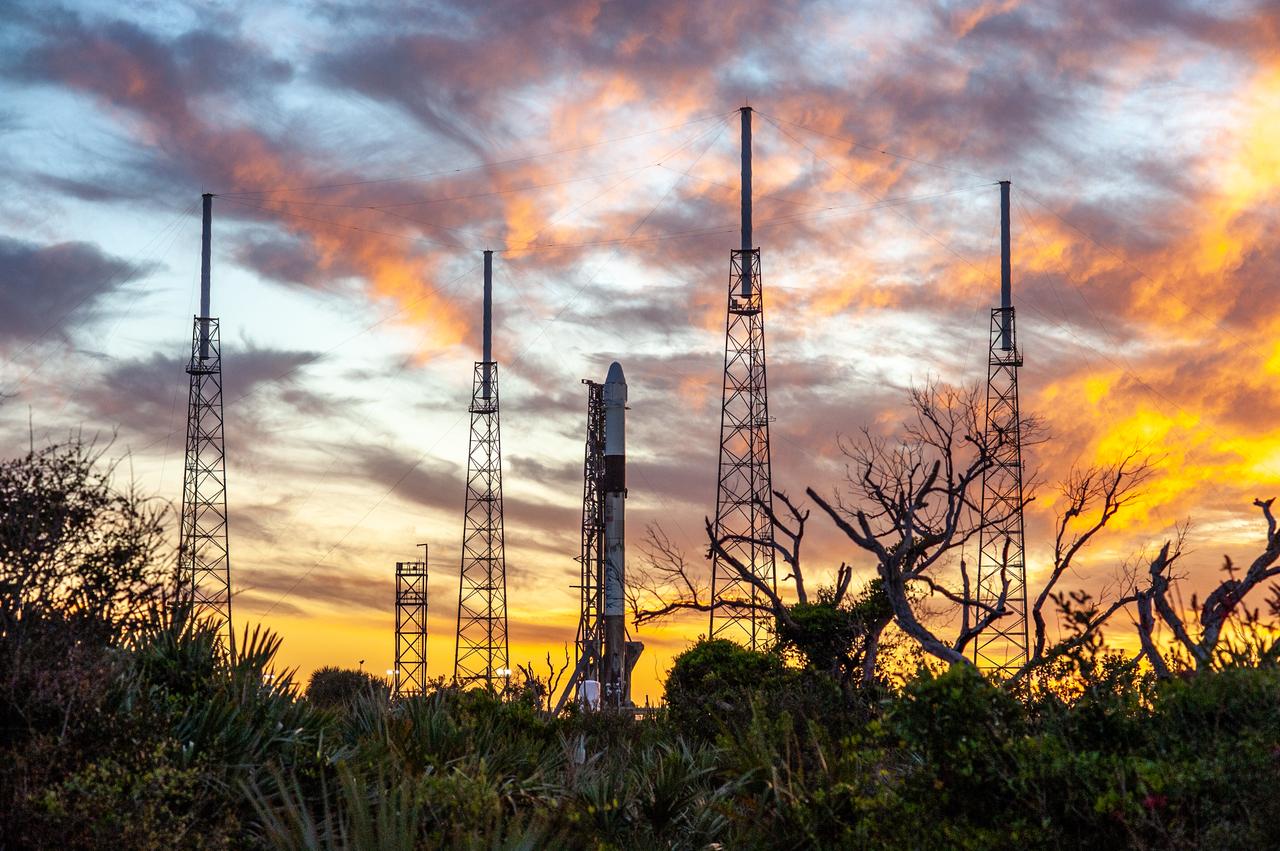
A SpaceX Falcon 9 rocket and cargo Dragon spacecraft stand ready for liftoff at Cape Canaveral Air Force Station’s Space Launch Complex 40 in Florida on March 6, 2020, for NASA and SpaceX’s 20th Commercial Resupply Services (CRS-20) mission to the International Space Station. Liftoff occurred at 11:50 p.m. EST.
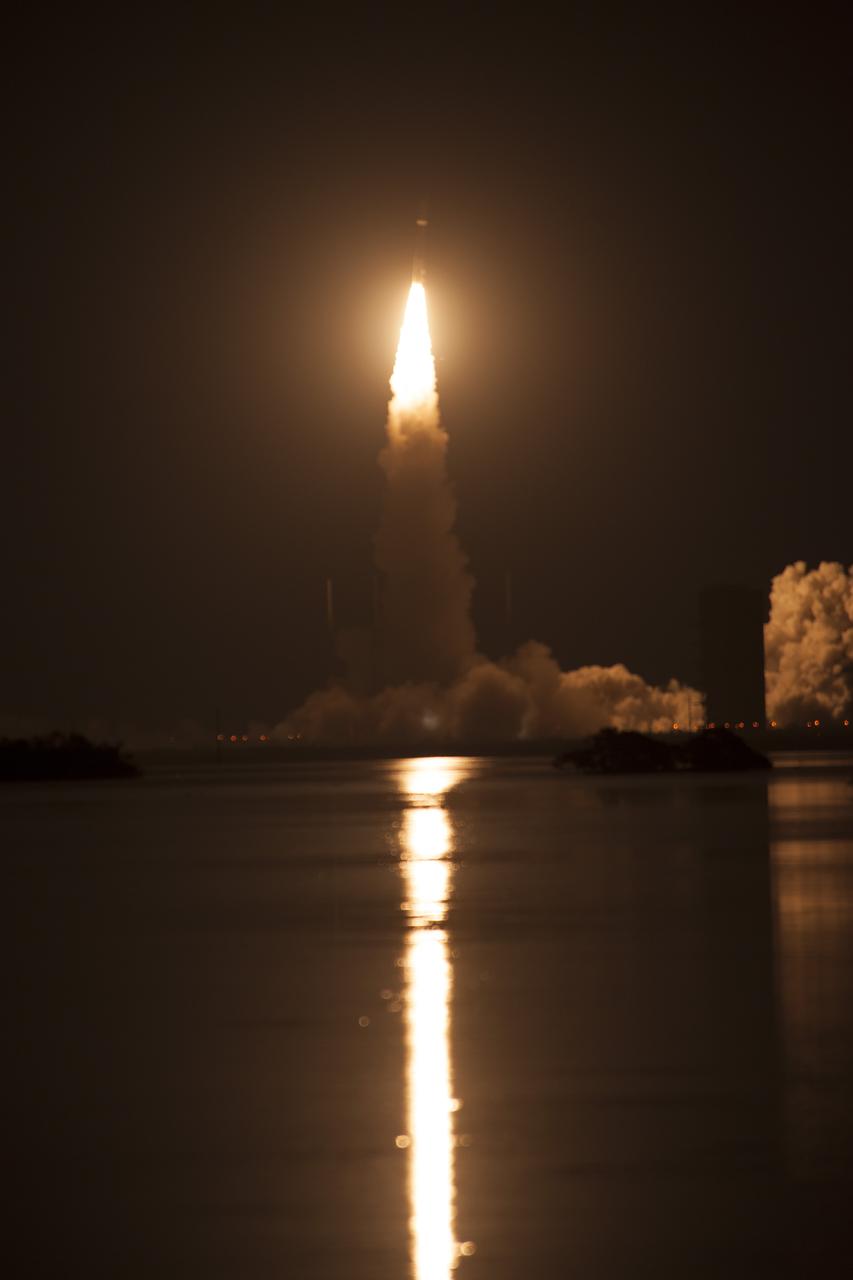
At Cape Canaveral Air Force Station's Space Launch Complex 41, an Atlas V rocket with NOAA's Geostationary Operational Environmental Satellite, or GOES-R, lifts off at 6:42 p.m. EST. GOES-R is the first satellite in a series of next-generation GOES satellites for NOAA, the National Oceanographic and Atmospheric Administration. It will launch to a geostationary orbit over the western hemisphere to provide images of storms and help meteorologists predict severe weather conditionals and develop long-range forecasts.
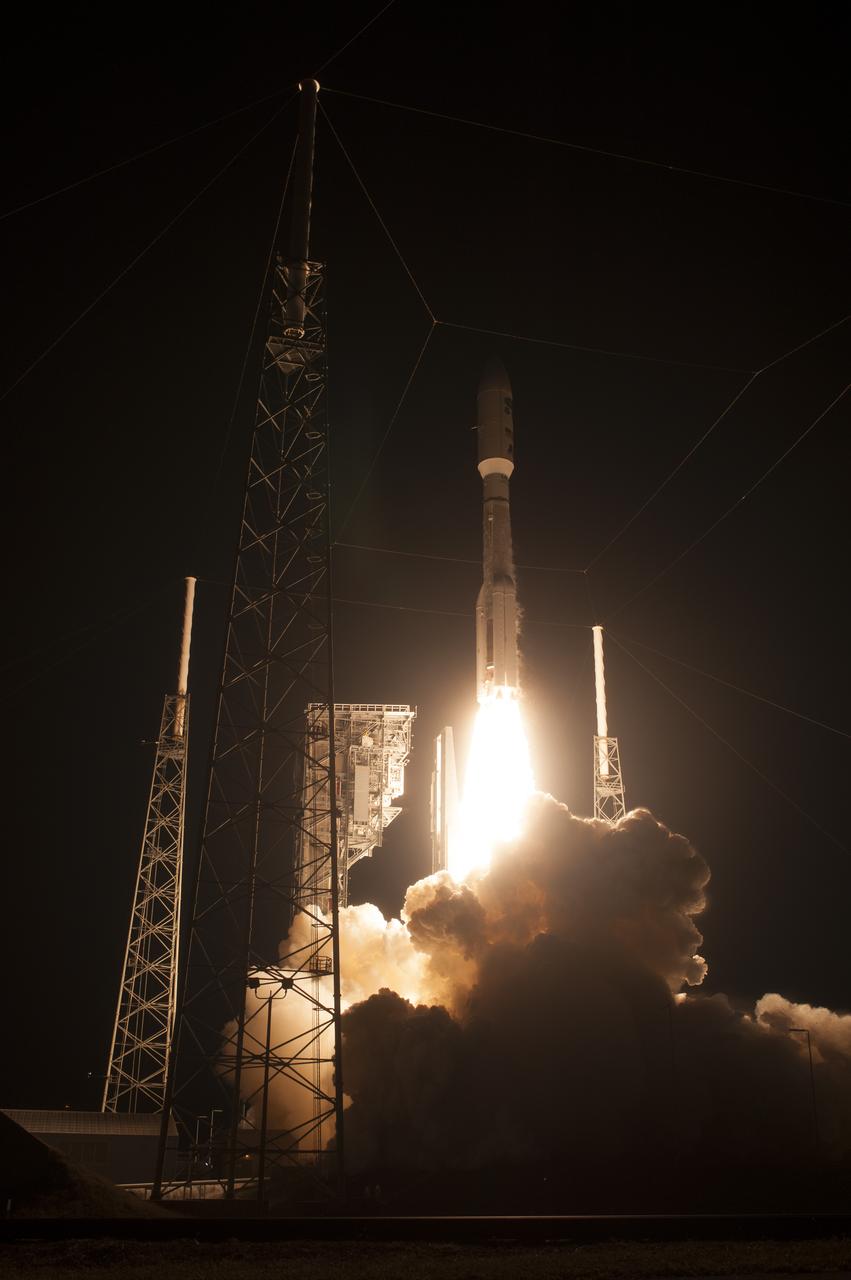
At Cape Canaveral Air Force Station's Space Launch Complex 41, an Atlas V rocket with NOAA's Geostationary Operational Environmental Satellite, or GOES-R, lifts off at 6:42 p.m. EST. GOES-R is the first satellite in a series of next-generation GOES satellites for NOAA, the National Oceanographic and Atmospheric Administration. It will launch to a geostationary orbit over the western hemisphere to provide images of storms and help meteorologists predict severe weather conditionals and develop long-range forecasts.
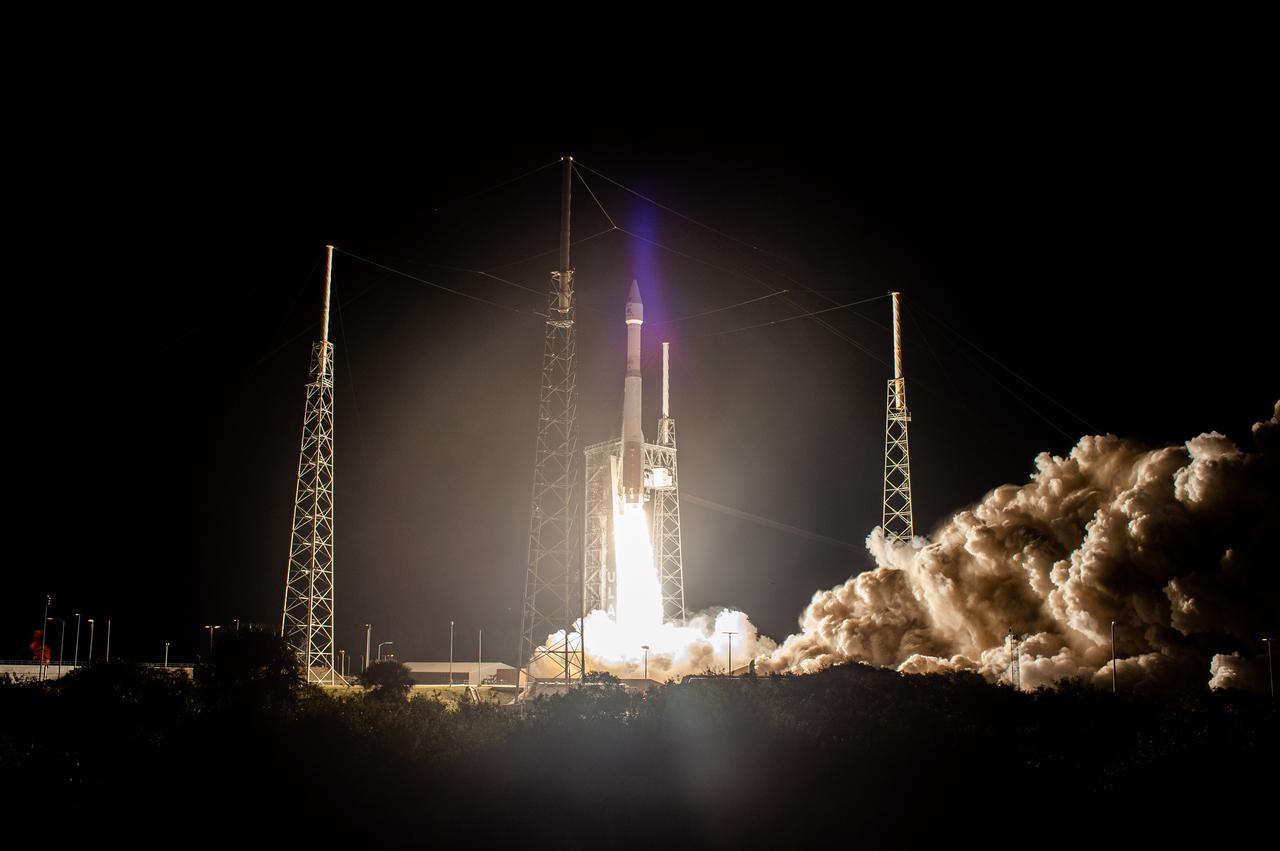
The United Launch Alliance Atlas V rocket, carrying the Solar Orbiter, lifts off Space Launch Complex 41 at Cape Canaveral Air Force Station in Florida at 11:03 p.m. EST, on Feb. 9, 2020. Solar Orbiter is an international cooperative mission between ESA (European Space Agency) and NASA. The mission aims to study the Sun, its outer atmosphere and solar wind. The spacecraft will provide the first images of the Sun’s poles. The spacecraft was developed by Airbus Defence and Space. NASA’s Launch Services Program based at Kennedy managed the launch.
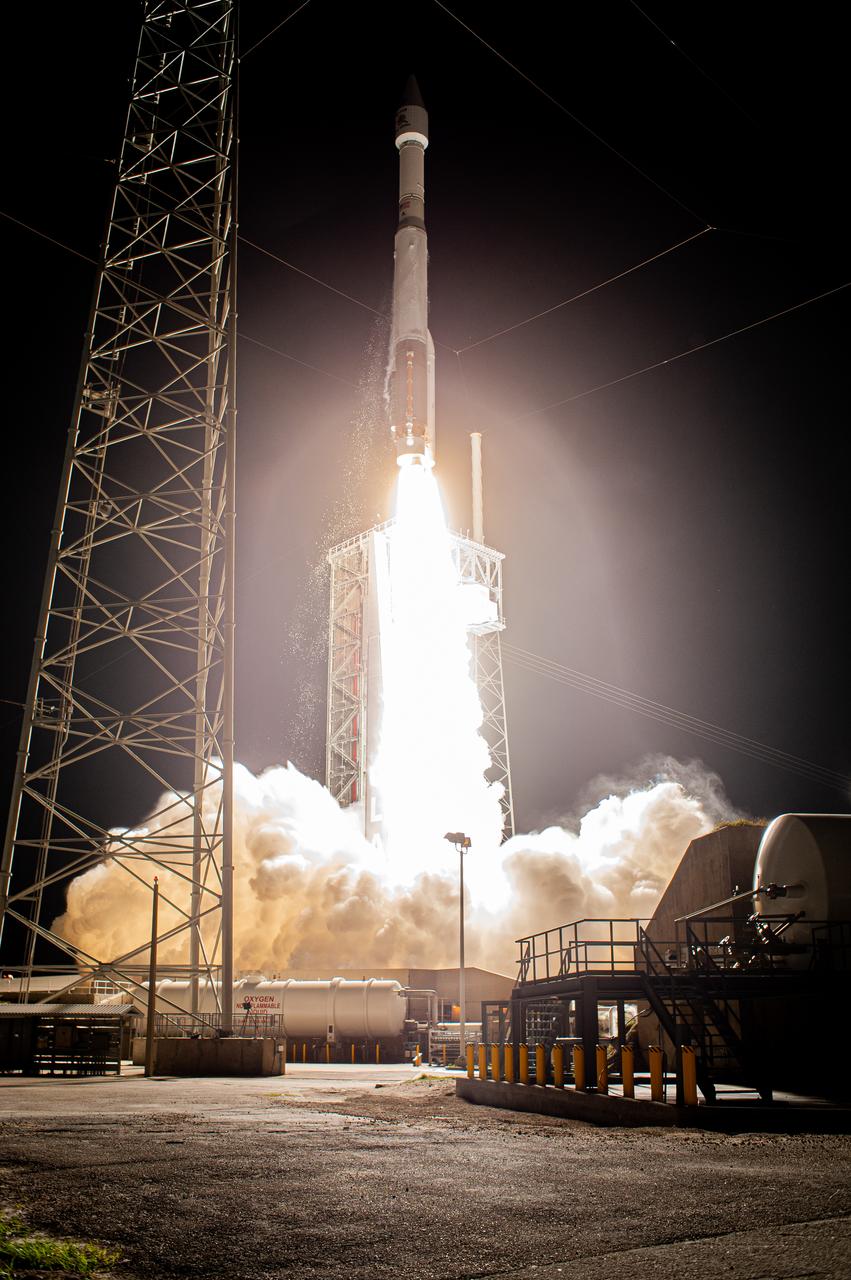
The United Launch Alliance Atlas V rocket, carrying the Solar Orbiter, climbs upward after liftoff from Space Launch Complex 41 on Cape Canaveral Air Force Station in Florida on Feb. 9, 2020. Liftoff was at 11:03 p.m. EST. Solar Orbiter is an international cooperative mission between ESA (European Space Agency) and NASA. The mission aims to study the Sun, its outer atmosphere and solar wind. The spacecraft will provide the first images of the Sun’s poles. The spacecraft was developed by Airbus Defence and Space. NASA’s Launch Services Program based at Kennedy managed the launch.
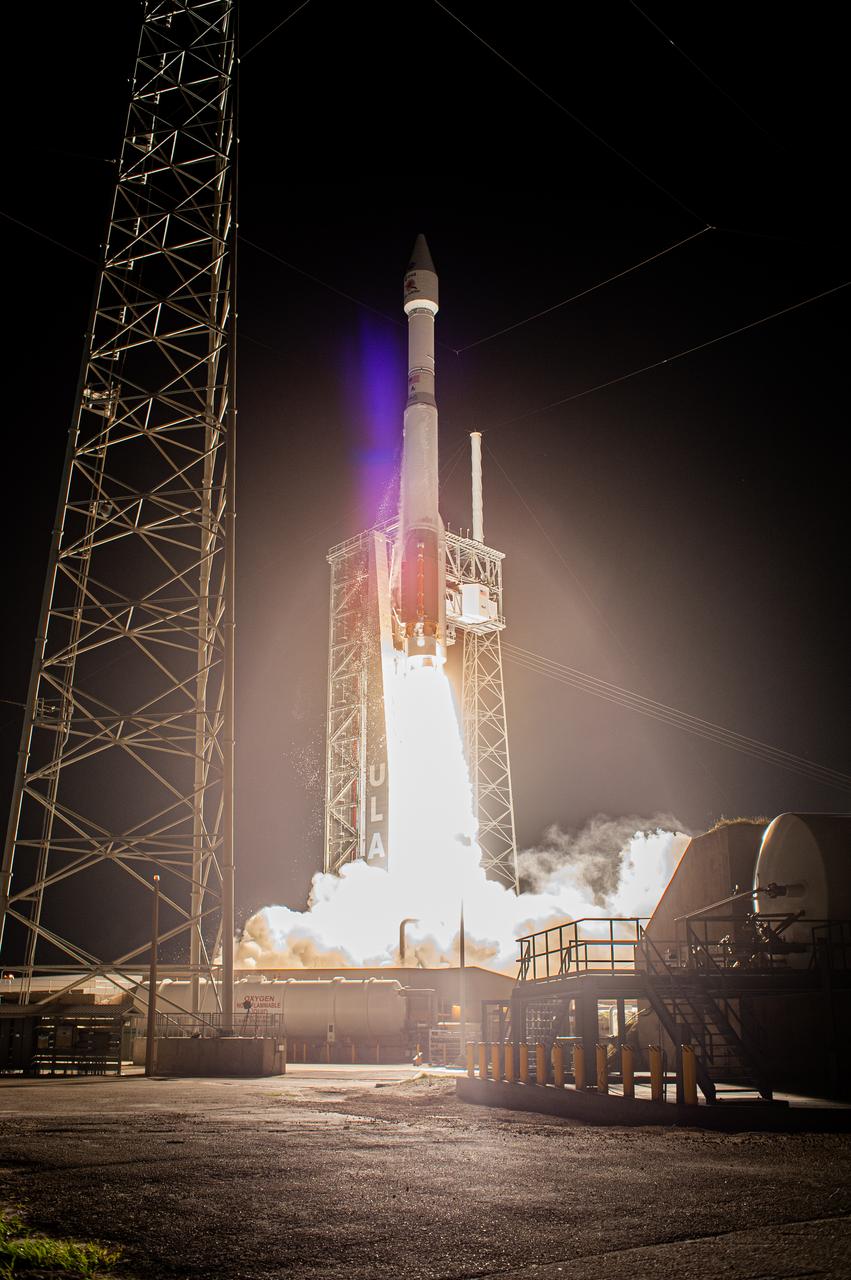
The United Launch Alliance Atlas V rocket, carrying the Solar Orbiter, climbs upward after liftoff from Space Launch Complex 41 on Cape Canaveral Air Force Station in Florida on Feb. 9, 2020. Liftoff was at 11:03 p.m. EST. Solar Orbiter is an international cooperative mission between ESA (European Space Agency) and NASA. The mission aims to study the Sun, its outer atmosphere and solar wind. The spacecraft will provide the first images of the Sun’s poles. The spacecraft was developed by Airbus Defence and Space. NASA’s Launch Services Program based at Kennedy managed the launch.
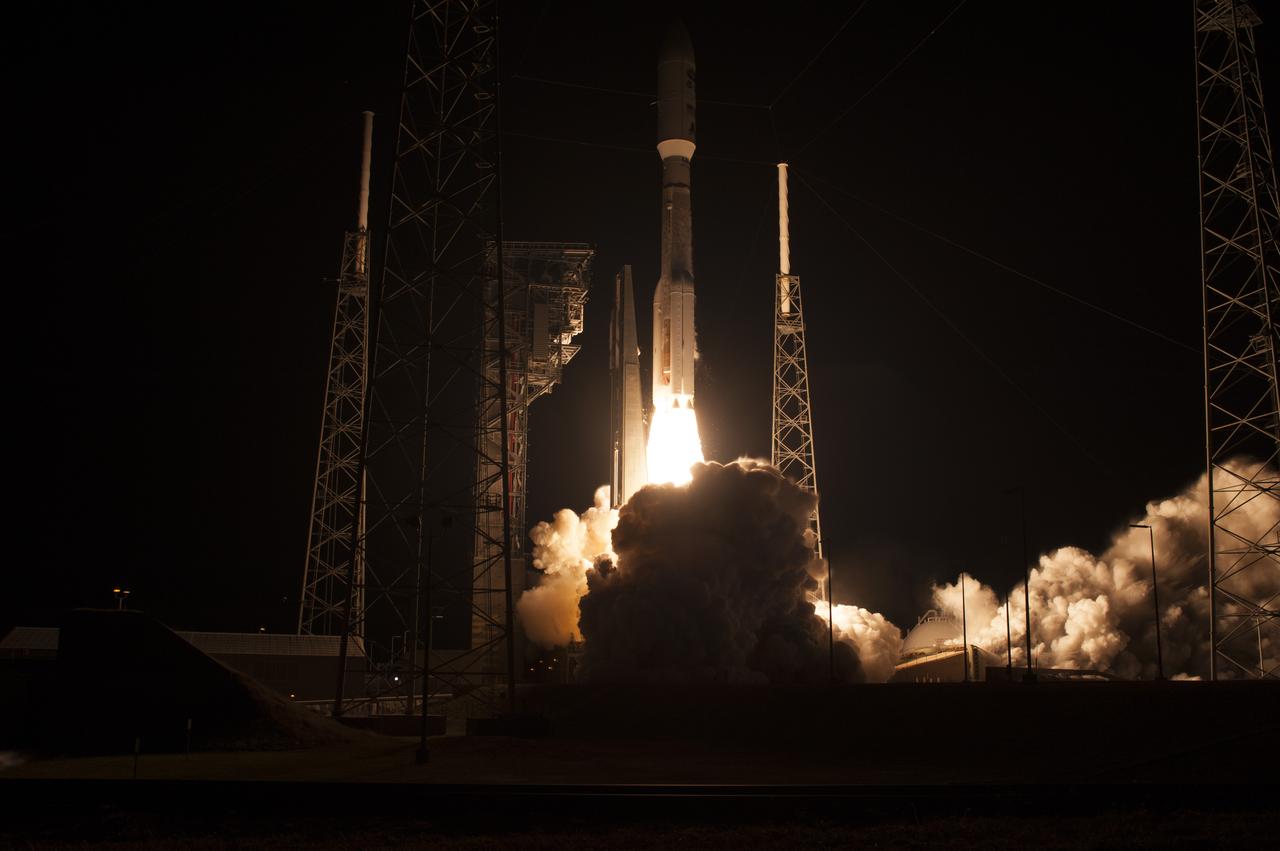
A United Launch Alliance Atlas V rocket lifts off from Space Launch Complex 41 at Cape Canaveral Air Force Station carrying the NOAA Geostationary Operational Environmental Satellite (GOES-R). Liftoff was at 6:42 p.m. EST.

The United Launch Alliance Atlas V rocket, carrying the Solar Orbiter, lifts off Space Launch Complex 41 at Cape Canaveral Air Force Station in Florida at 11:03 p.m. EST, on Feb. 9, 2020. Solar Orbiter is an international cooperative mission between ESA (European Space Agency) and NASA. The mission aims to study the Sun, its outer atmosphere and solar wind. The spacecraft will provide the first images of the Sun’s poles. The spacecraft was developed by Airbus Defence and Space. NASA’s Launch Services Program based at Kennedy managed the launch.
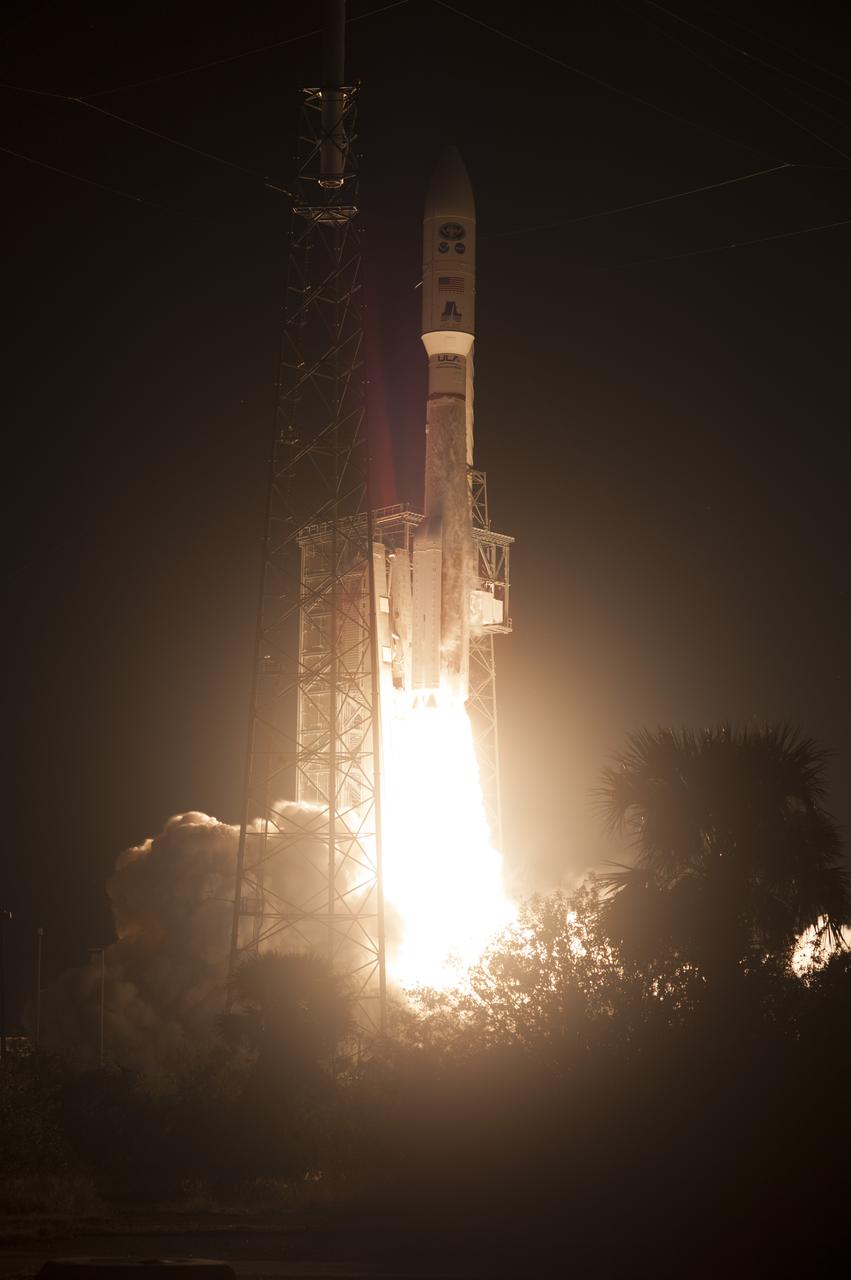
At Cape Canaveral Air Force Station's Space Launch Complex 41, an Atlas V rocket with NOAA's Geostationary Operational Environmental Satellite, or GOES-R, lifts off at 6:42 p.m. EST. GOES-R is the first satellite in a series of next-generation GOES satellites for NOAA, the National Oceanographic and Atmospheric Administration. It will launch to a geostationary orbit over the western hemisphere to provide images of storms and help meteorologists predict severe weather conditionals and develop long-range forecasts.
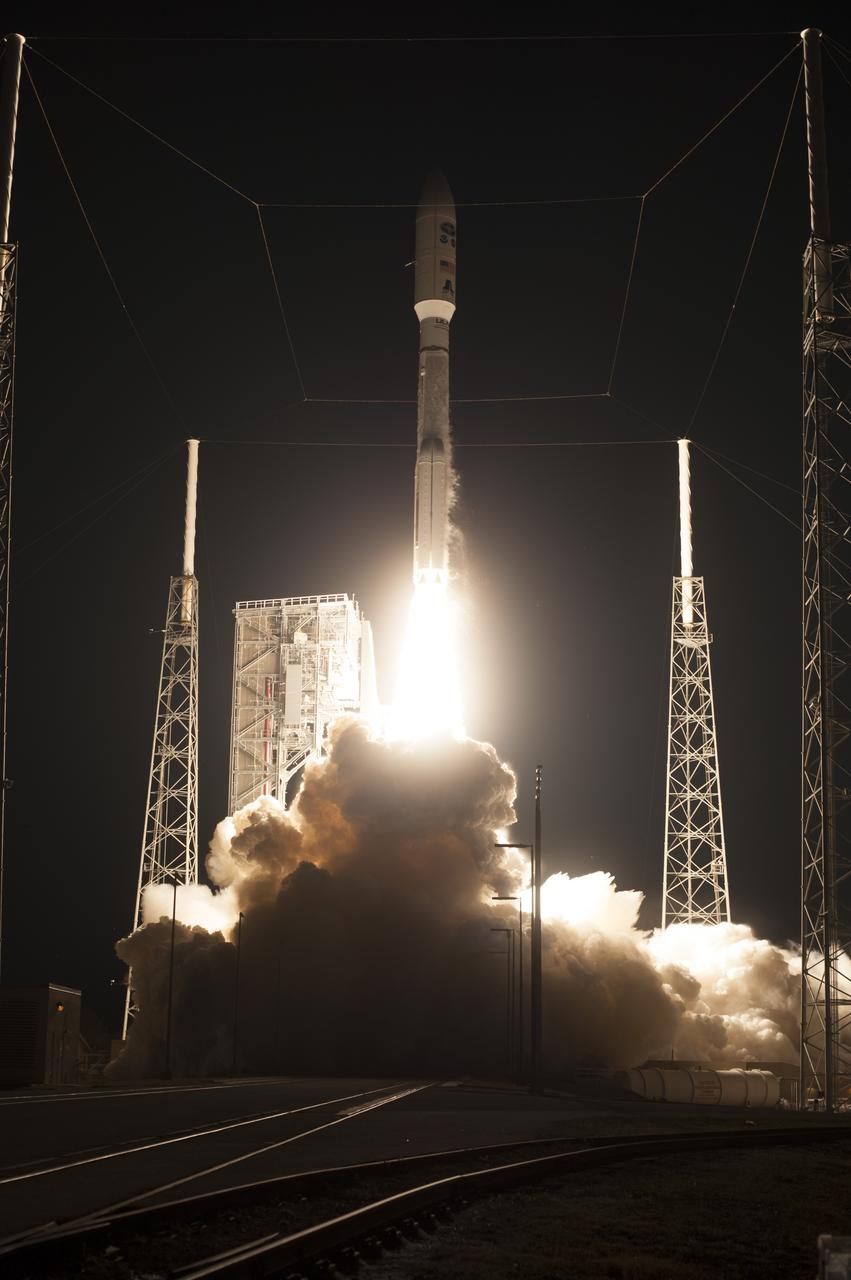
At Cape Canaveral Air Force Station's Space Launch Complex 41, an Atlas V rocket with NOAA's Geostationary Operational Environmental Satellite, or GOES-R, lifts off at 6:42 p.m. EST. GOES-R is the first satellite in a series of next-generation GOES satellites for NOAA, the National Oceanographic and Atmospheric Administration. It will launch to a geostationary orbit over the western hemisphere to provide images of storms and help meteorologists predict severe weather conditionals and develop long-range forecasts.
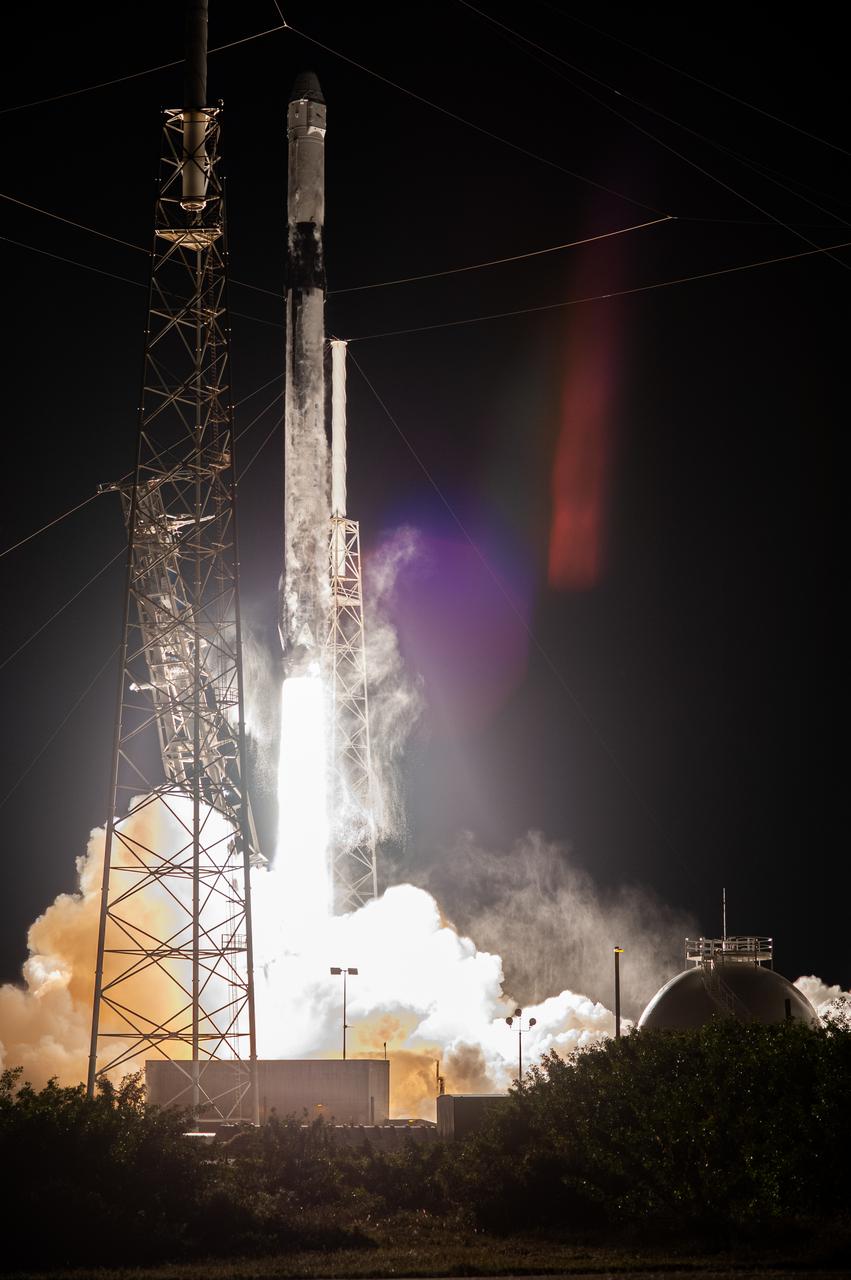
A SpaceX Falcon 9 rocket lifts off from Space Launch Complex 40 at Cape Canaveral Air Force Station in Florida at 11:50 p.m. EST on March 6, 2020, carrying the uncrewed cargo Dragon spacecraft on its journey to the International Space Station for NASA and SpaceX’s 20th Commercial Resupply Services (CRS-20) mission. Dragon will deliver more than 4,300 pounds of science investigations and cargo to the orbiting laboratory.
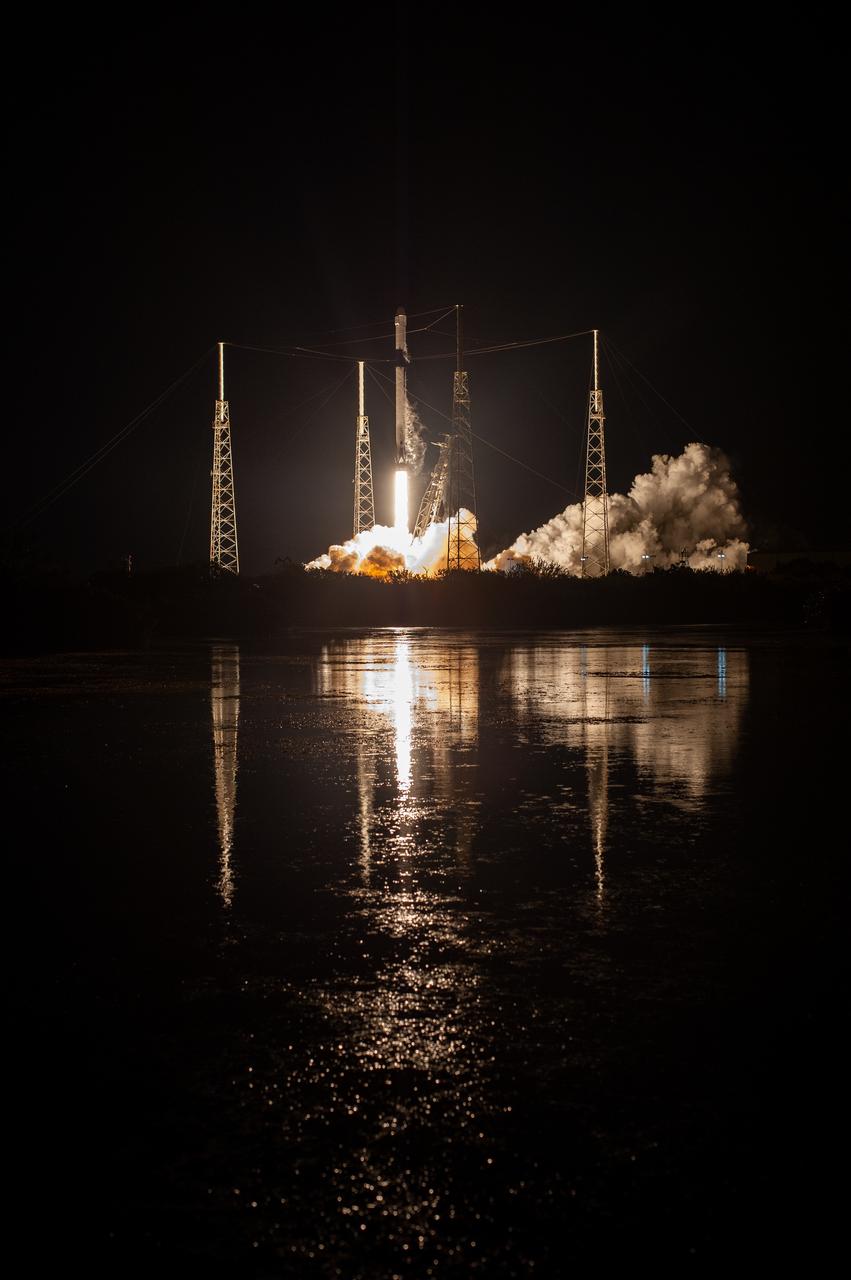
A SpaceX Falcon 9 rocket, with the uncrewed cargo Dragon spacecraft atop, lifts off from Space Launch Complex 40 at Cape Canaveral Air Force Station in Florida at 11:50 p.m. EST on March 6, 2020, for NASA and SpaceX’s 20th Commercial Resupply Services (CRS-20) mission to the International Space Station. The Dragon spacecraft will deliver more than 4,300 pounds of science investigations and cargo to the orbiting laboratory.
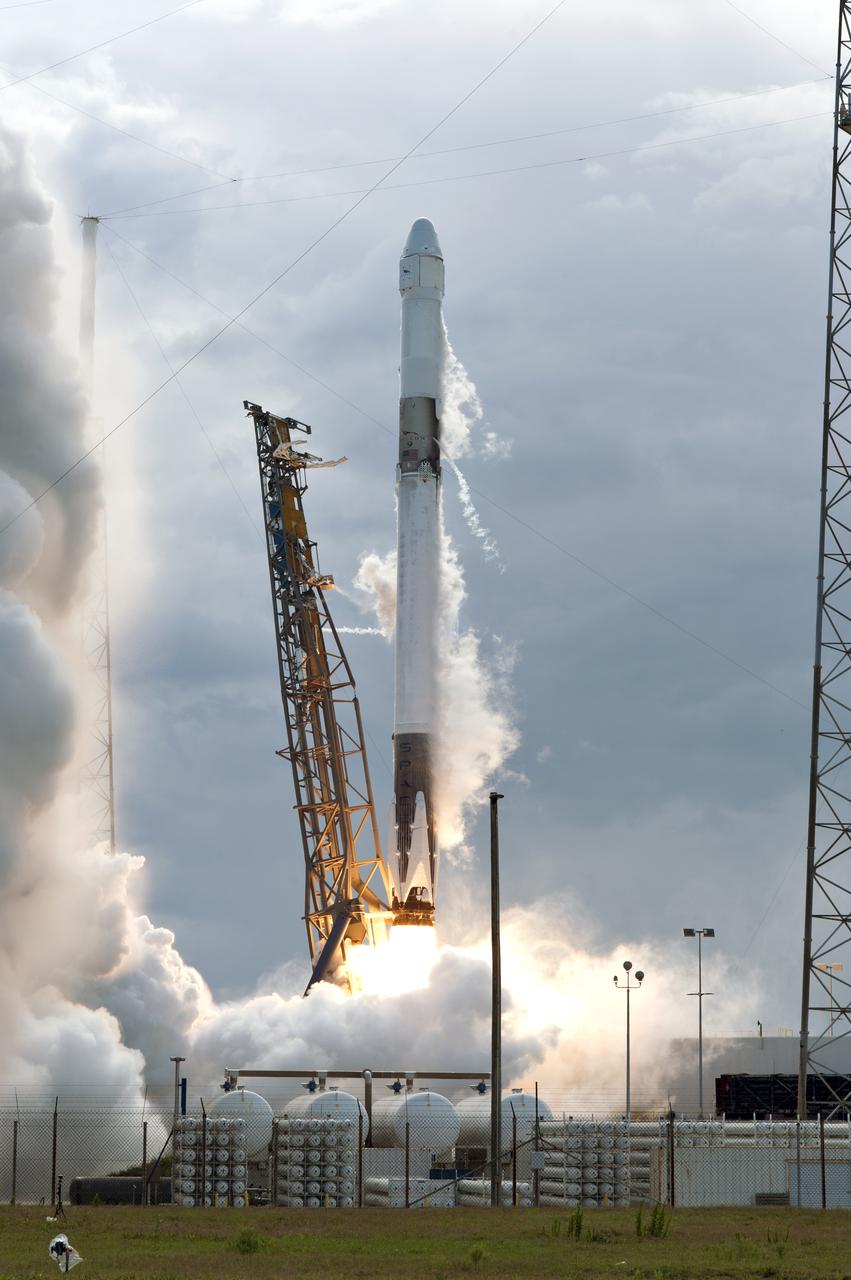
A SpaceX Falcon 9 rocket lifts off from Space Launch Complex 40 at Cape Canaveral Air Force Station in Florida at 4:30 p.m. EDT, carrying the SpaceX Dragon resupply spacecraft. On its 14th commercial resupply services mission for NASA, Dragon will deliver supplies, equipment and new science experiments for technology research to the space station.
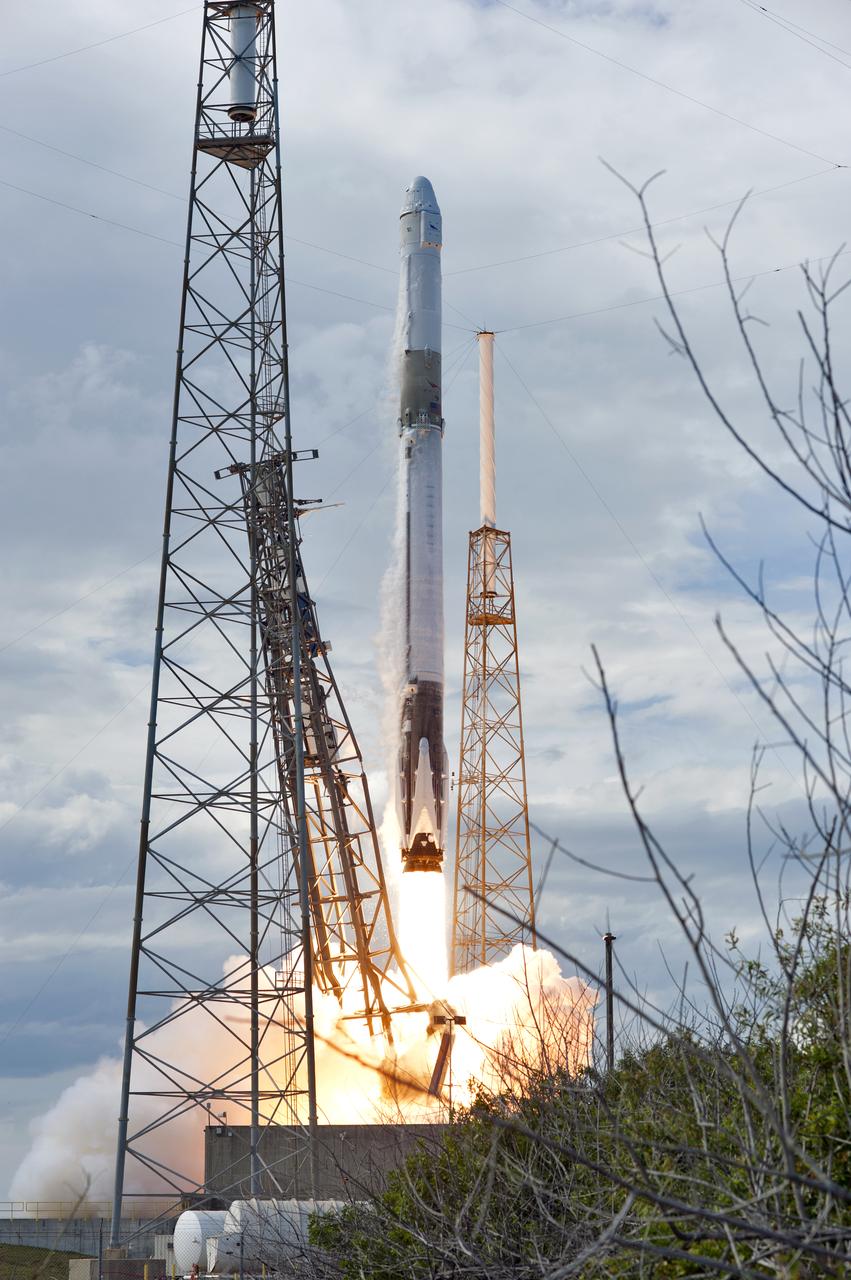
A SpaceX Falcon 9 rocket lifts off from Space Launch Complex 40 at Cape Canaveral Air Force Station in Florida at 4:30 p.m. EDT, carrying the SpaceX Dragon resupply spacecraft. On its 14th commercial resupply services mission for NASA, Dragon will deliver supplies, equipment and new science experiments for technology research to the space station.
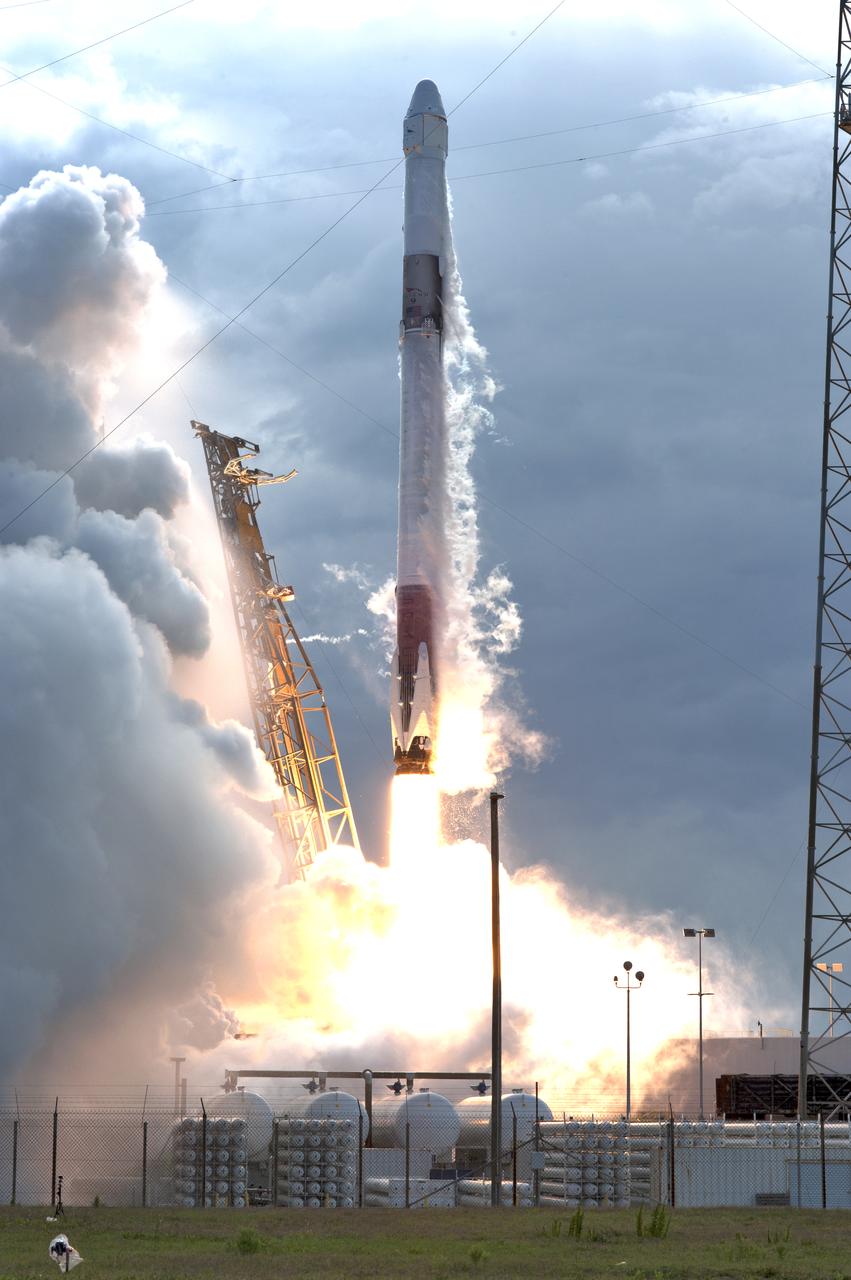
A SpaceX Falcon 9 rocket lifts off from Space Launch Complex 40 at Cape Canaveral Air Force Station in Florida at 4:30 p.m. EDT, carrying the SpaceX Dragon resupply spacecraft. On its 14th commercial resupply services mission for NASA, Dragon will deliver supplies, equipment and new science experiments for technology research to the space station.
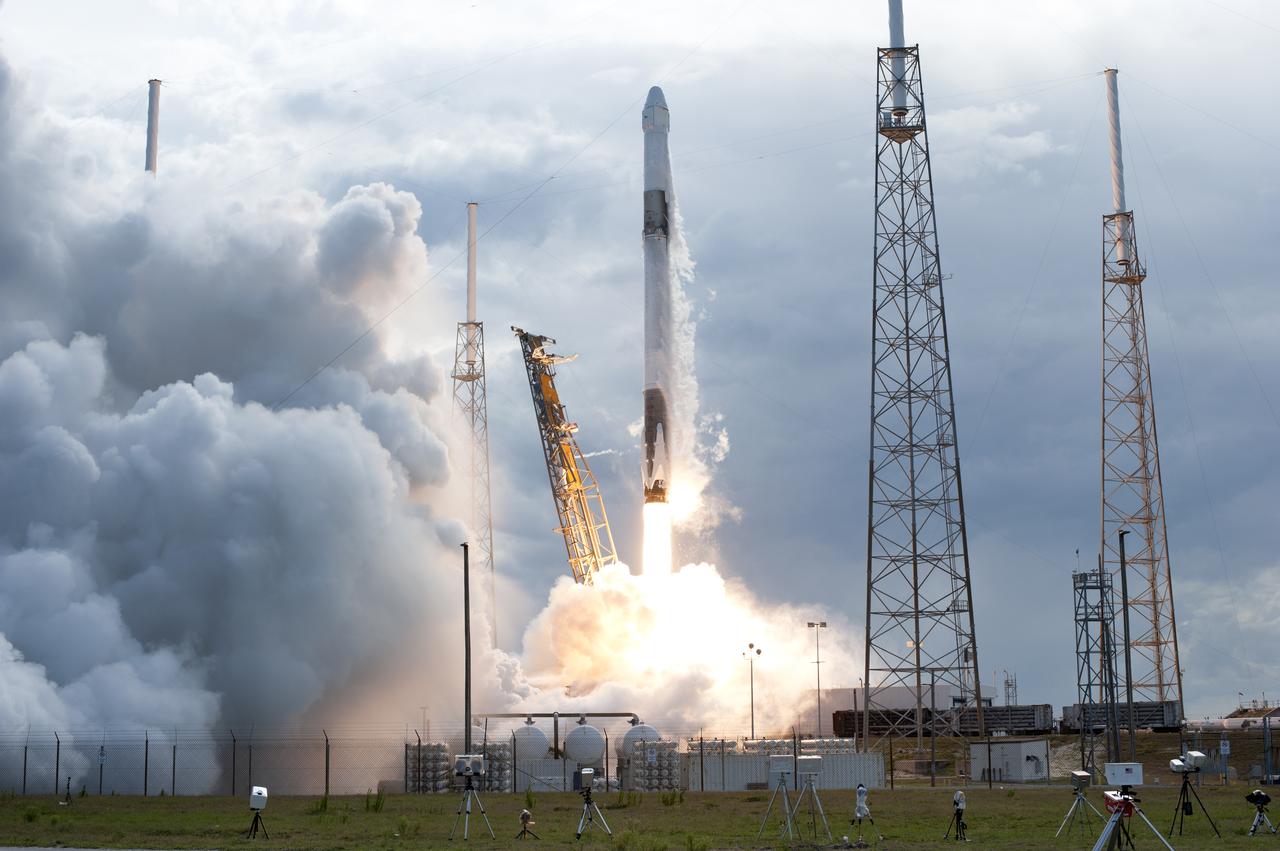
A SpaceX Falcon 9 rocket lifts off from Space Launch Complex 40 at Cape Canaveral Air Force Station in Florida at 4:30 p.m. EST, carrying the SpaceX Dragon resupply spacecraft. On its 14th commercial resupply services mission for NASA, Dragon will deliver supplies, equipment and new science experiments for technology research to the space station.
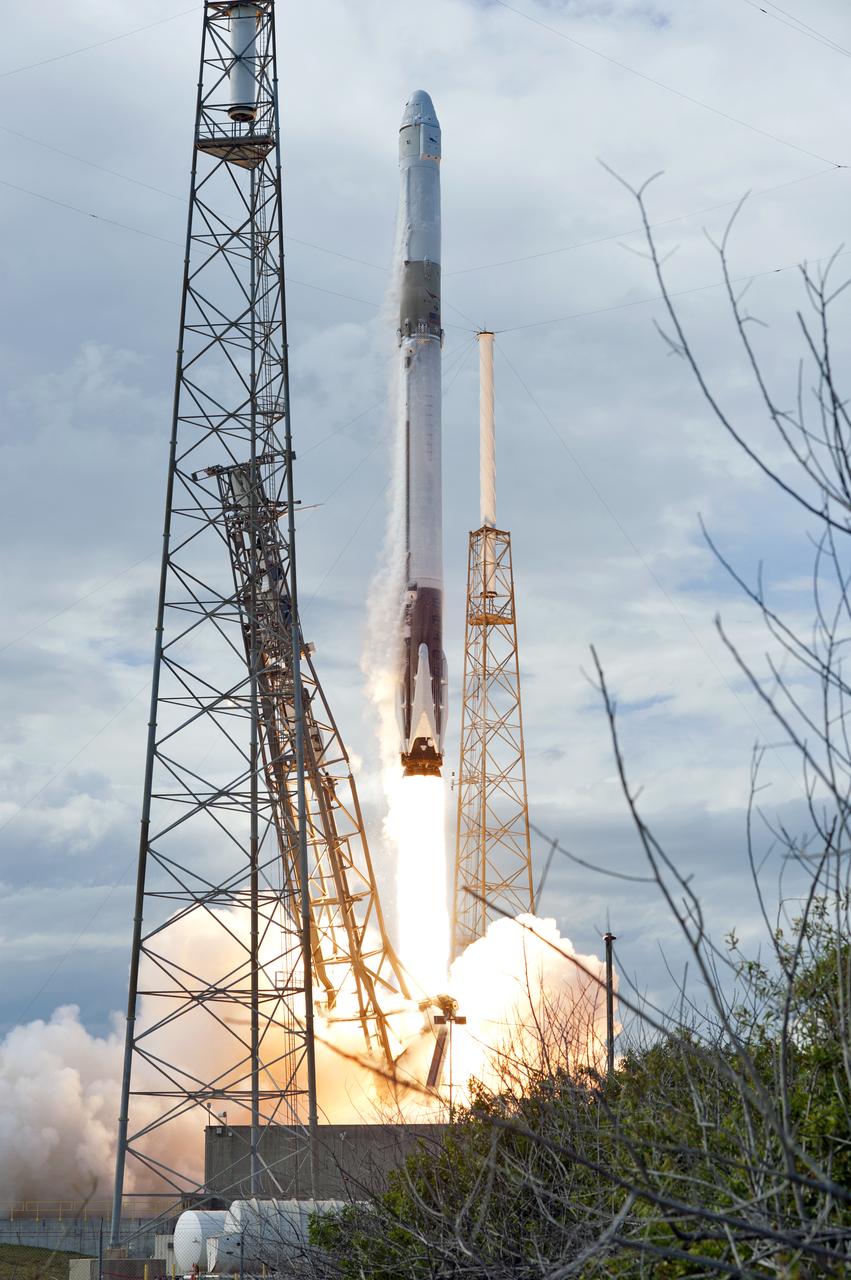
A SpaceX Falcon 9 rocket lifts off from Space Launch Complex 40 at Cape Canaveral Air Force Station in Florida at 4:30 p.m. EDT, carrying the SpaceX Dragon resupply spacecraft. On its 14th commercial resupply services mission for NASA, Dragon will deliver supplies, equipment and new science experiments for technology research to the space station.
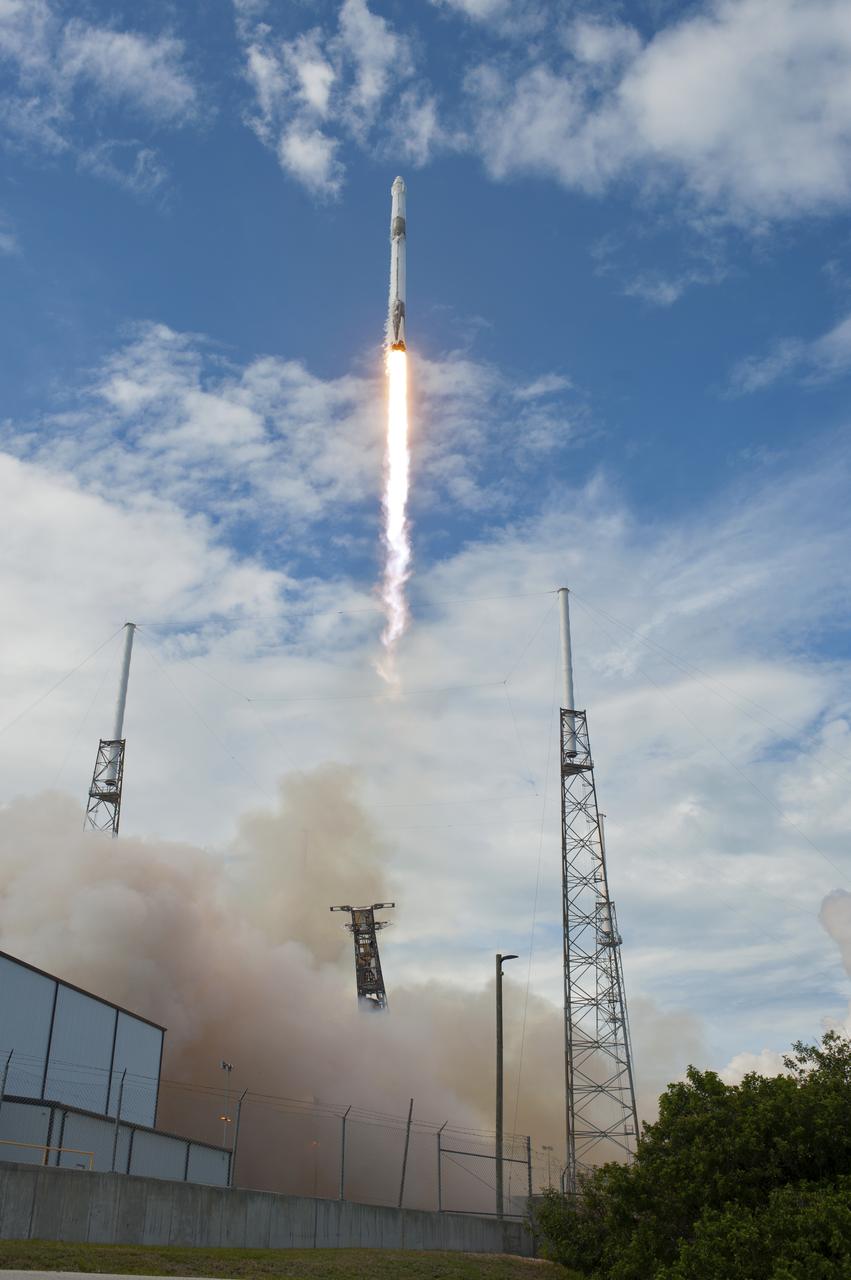
A SpaceX Falcon 9 rocket soars upward after lifting off from Space Launch Complex 40 at Cape Canaveral Air Force Station in Florida at 4:30 p.m. EDT, carrying the SpaceX Dragon resupply spacecraft. On its 14th commercial resupply services mission for NASA, Dragon will deliver supplies, equipment and new science experiments for technology research to the space station.
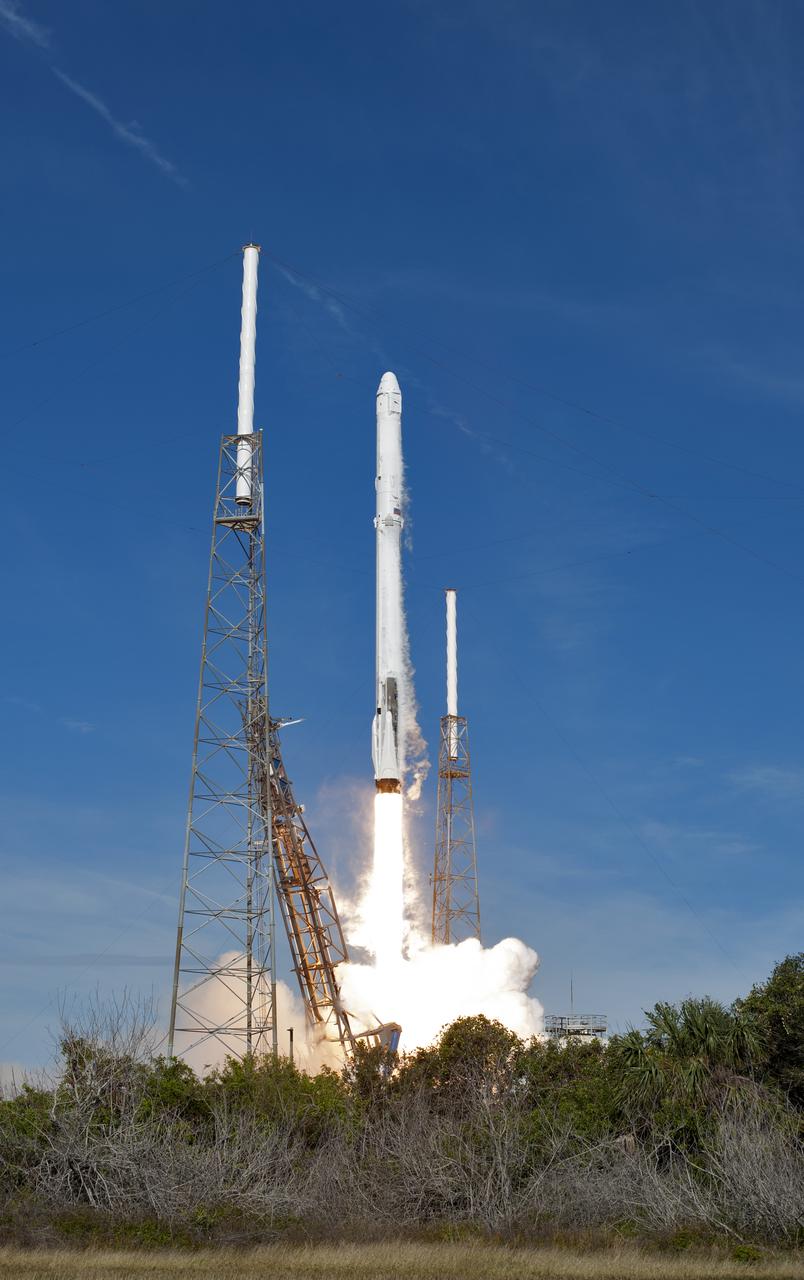
A SpaceX Falcon 9 rocket lifts off from Space Launch Complex 40 at Cape Canaveral Air Force Station in Florida at 4:30 p.m. EDT, carrying the SpaceX Dragon resupply spacecraft. On its 14th commercial resupply services mission for NASA, Dragon will deliver supplies, equipment and new science experiments for technology research to the space station.

A SpaceX Falcon 9 rocket lifts off from Space Launch Complex 40 at Cape Canaveral Air Force Station in Florida at 4:30 p.m. EDT, carrying the SpaceX Dragon resupply spacecraft. On its 14th commercial resupply services mission for NASA, Dragon will deliver supplies, equipment and new science experiments for technology research to the space station.
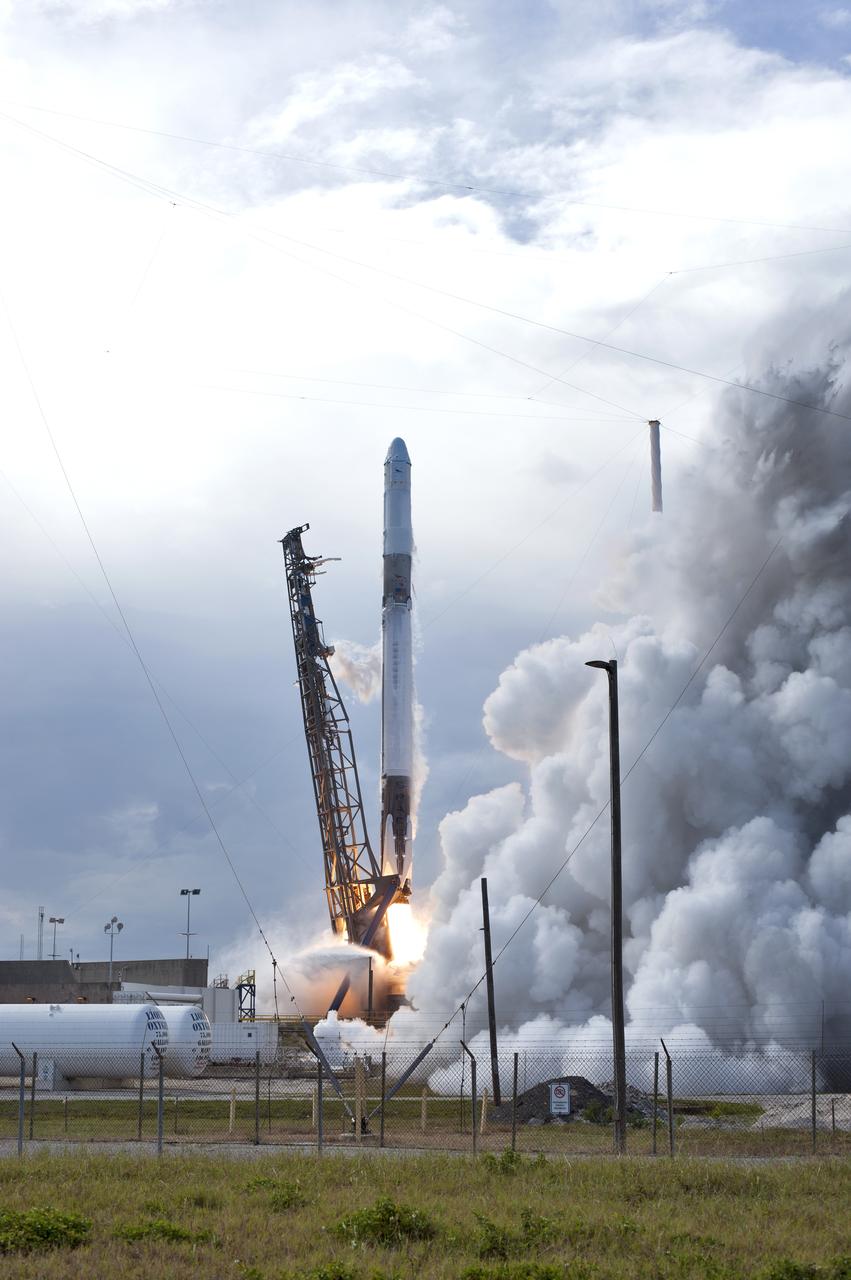
A SpaceX Falcon 9 rocket lifts off from Space Launch Complex 40 at Cape Canaveral Air Force Station in Florida at 4:30 p.m. EDT, carrying the SpaceX Dragon resupply spacecraft. On its 14th commercial resupply services mission for NASA, Dragon will deliver supplies, equipment and new science experiments for technology research to the space station.
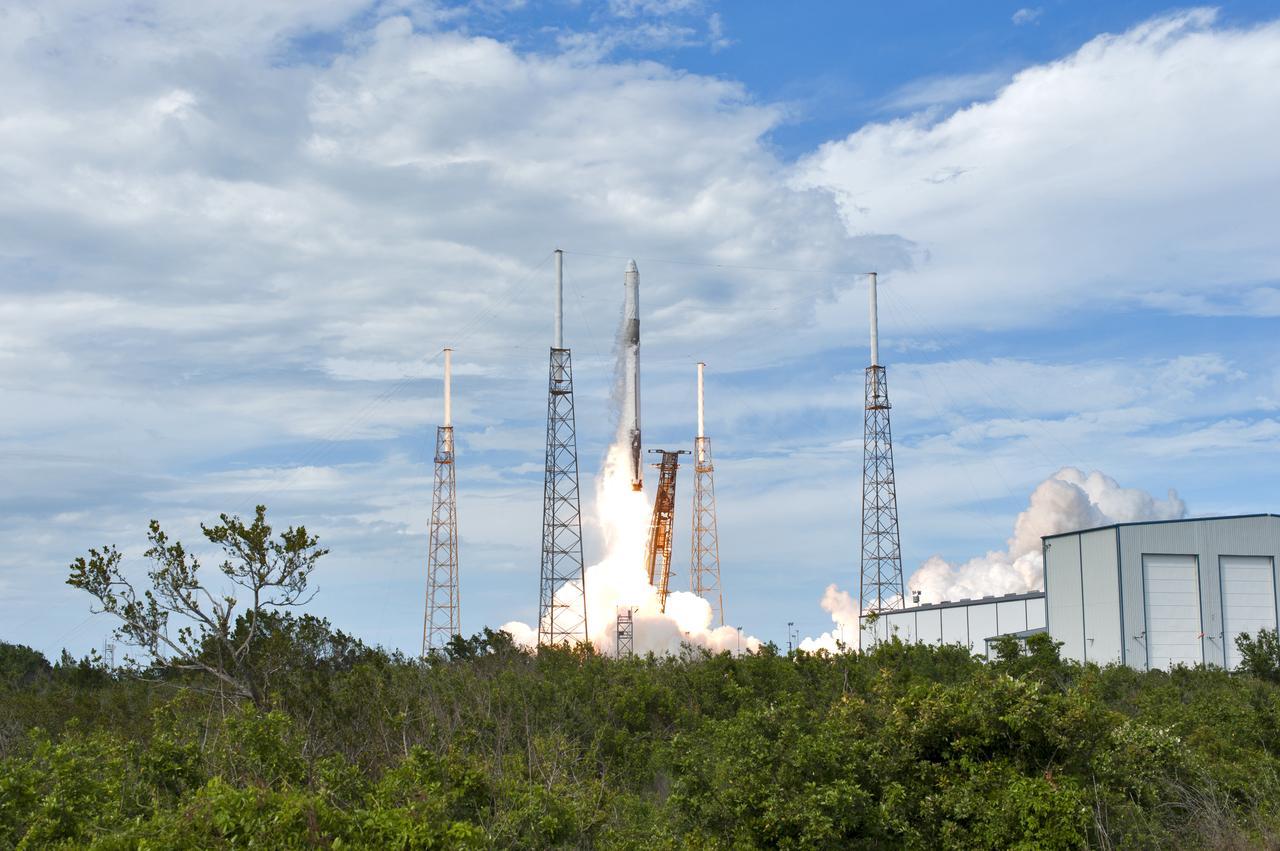
A SpaceX Falcon 9 rocket lifts off from Space Launch Complex 40 at Cape Canaveral Air Force Station in Florida at 4:30 p.m. EDT, carrying the SpaceX Dragon resupply spacecraft. On its 14th commercial resupply services mission for NASA, Dragon will deliver supplies, equipment and new science experiments for technology research to the space station.
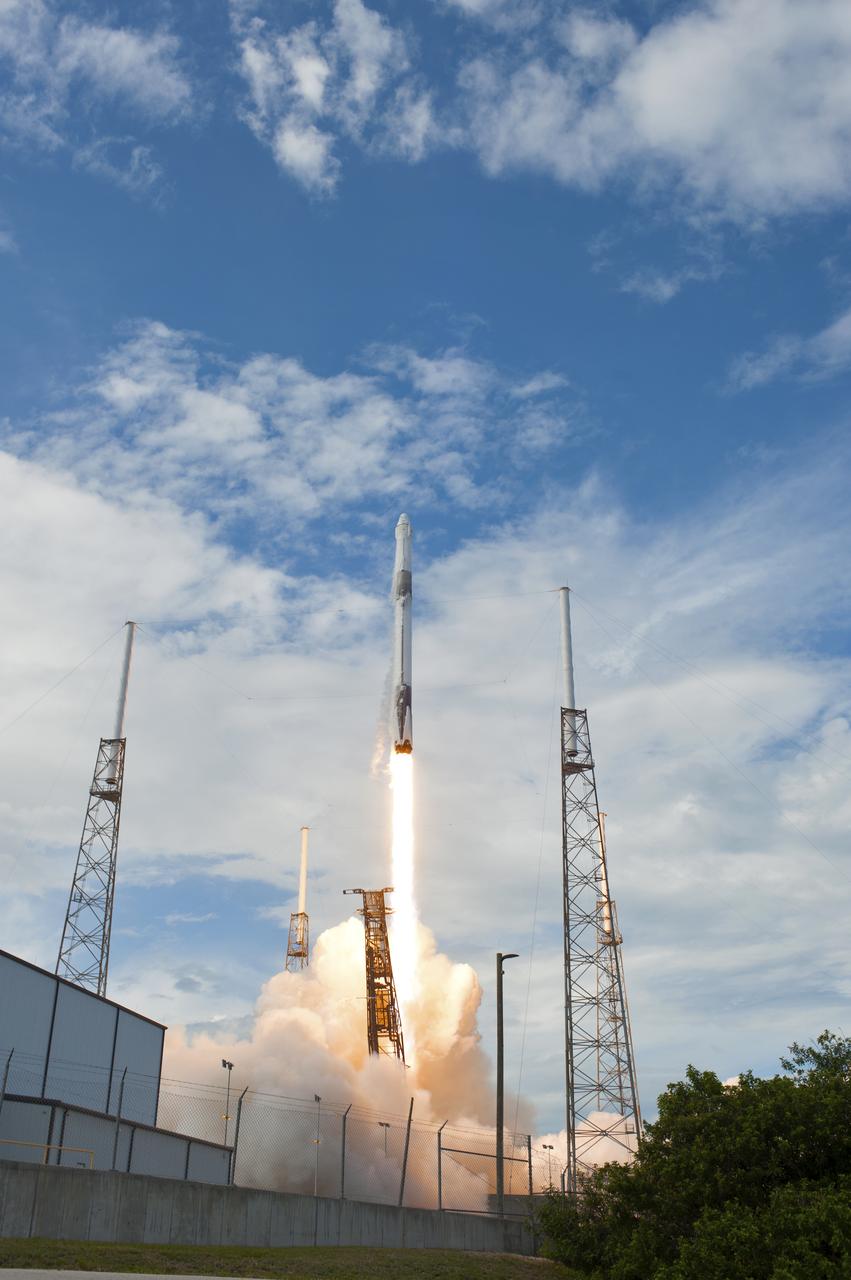
A SpaceX Falcon 9 rocket lifts off from Space Launch Complex 40 at Cape Canaveral Air Force Station in Florida at 4:30 p.m. EDT, carrying the SpaceX Dragon resupply spacecraft. On its 14th commercial resupply services mission for NASA, Dragon will deliver supplies, equipment and new science experiments for technology research to the space station.
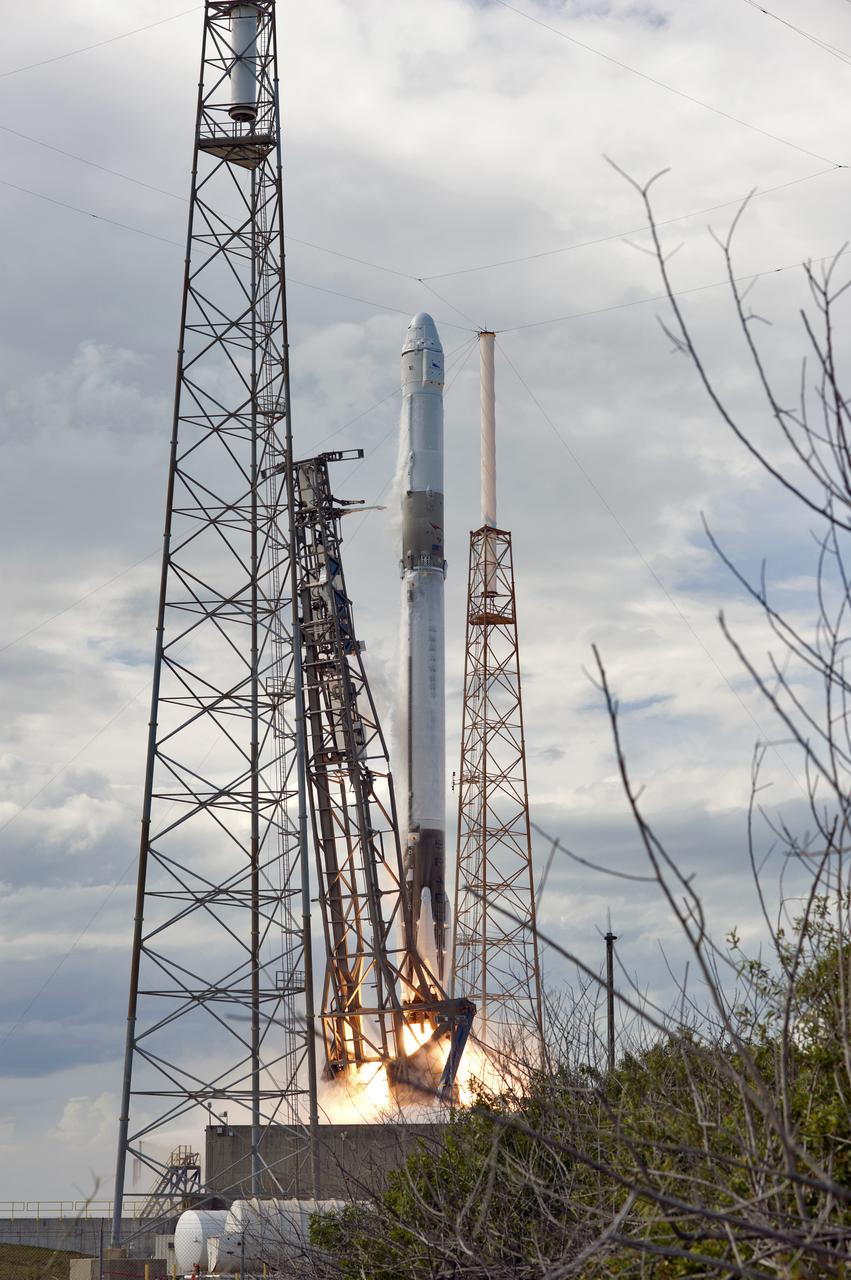
A SpaceX Falcon 9 rocket lifts off from Space Launch Complex 40 at Cape Canaveral Air Force Station in Florida at 4:30 p.m. EDT, carrying the SpaceX Dragon resupply spacecraft. On its 14th commercial resupply services mission for NASA, Dragon will deliver supplies, equipment and new science experiments for technology research to the space station.
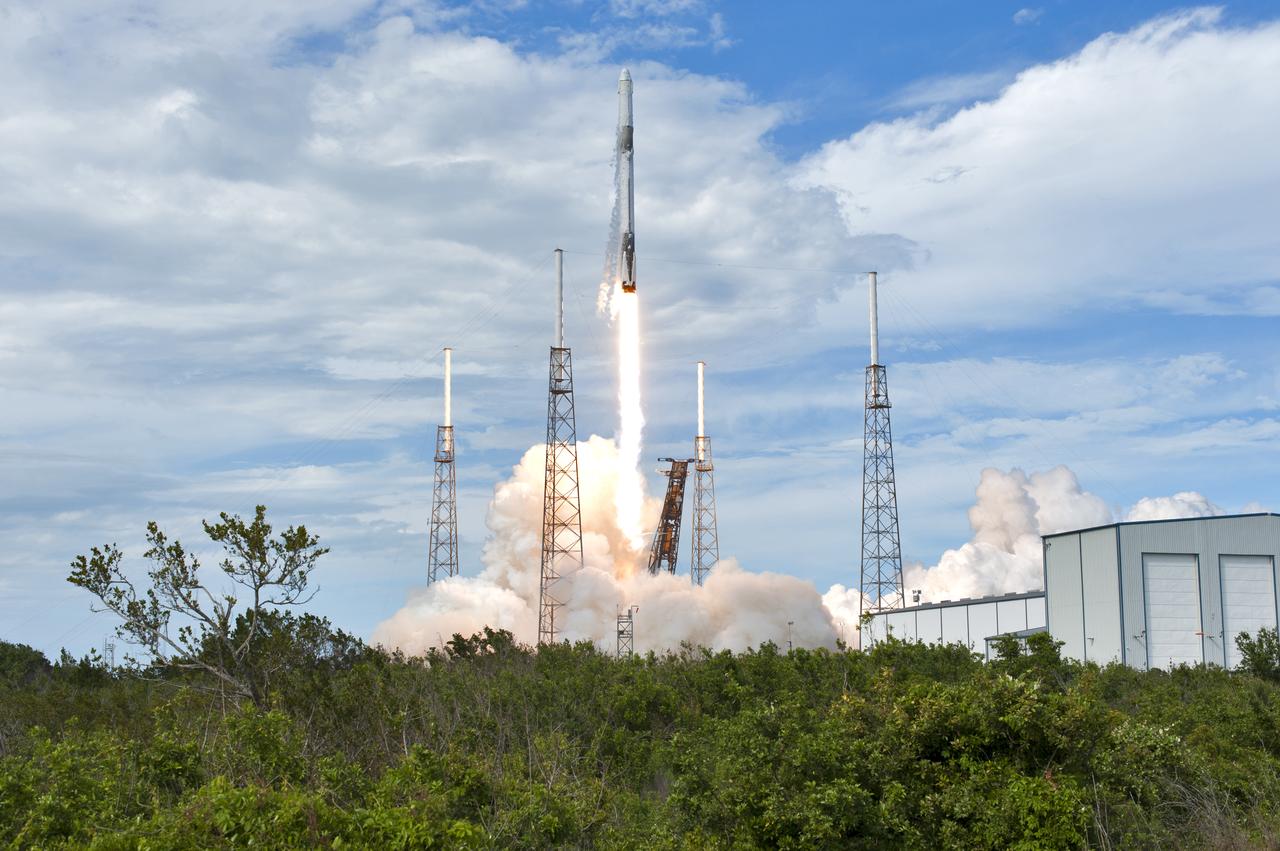
A SpaceX Falcon 9 rocket soars upward after lifting off from Space Launch Complex 40 at Cape Canaveral Air Force Station in Florida at 4:30 p.m. EDT, carrying the SpaceX Dragon resupply spacecraft. On its 14th commercial resupply services mission for NASA, Dragon will deliver supplies, equipment and new science experiments for technology research to the space station.

A SpaceX Falcon 9 rocket lifts off from Space Launch Complex 40 at Cape Canaveral Air Force Station in Florida at 4:30 p.m. EDT, carrying the SpaceX Dragon resupply spacecraft. On its 14th commercial resupply services mission for NASA, Dragon will deliver supplies, equipment and new science experiments for technology research to the space station.
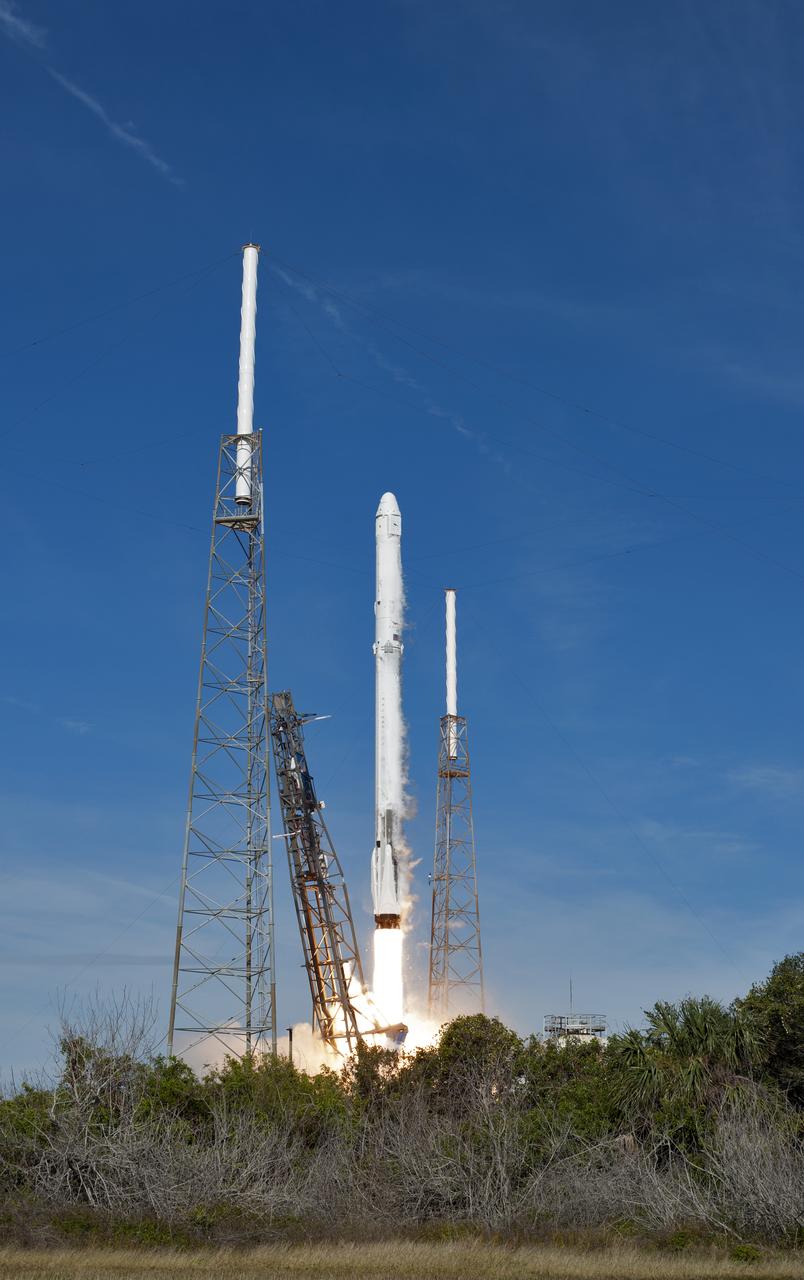
A SpaceX Falcon 9 rocket lifts off from Space Launch Complex 40 at Cape Canaveral Air Force Station in Florida at 4:30 p.m. EDT, carrying the SpaceX Dragon resupply spacecraft. On its 14th commercial resupply services mission for NASA, Dragon will deliver supplies, equipment and new science experiments for technology research to the space station.
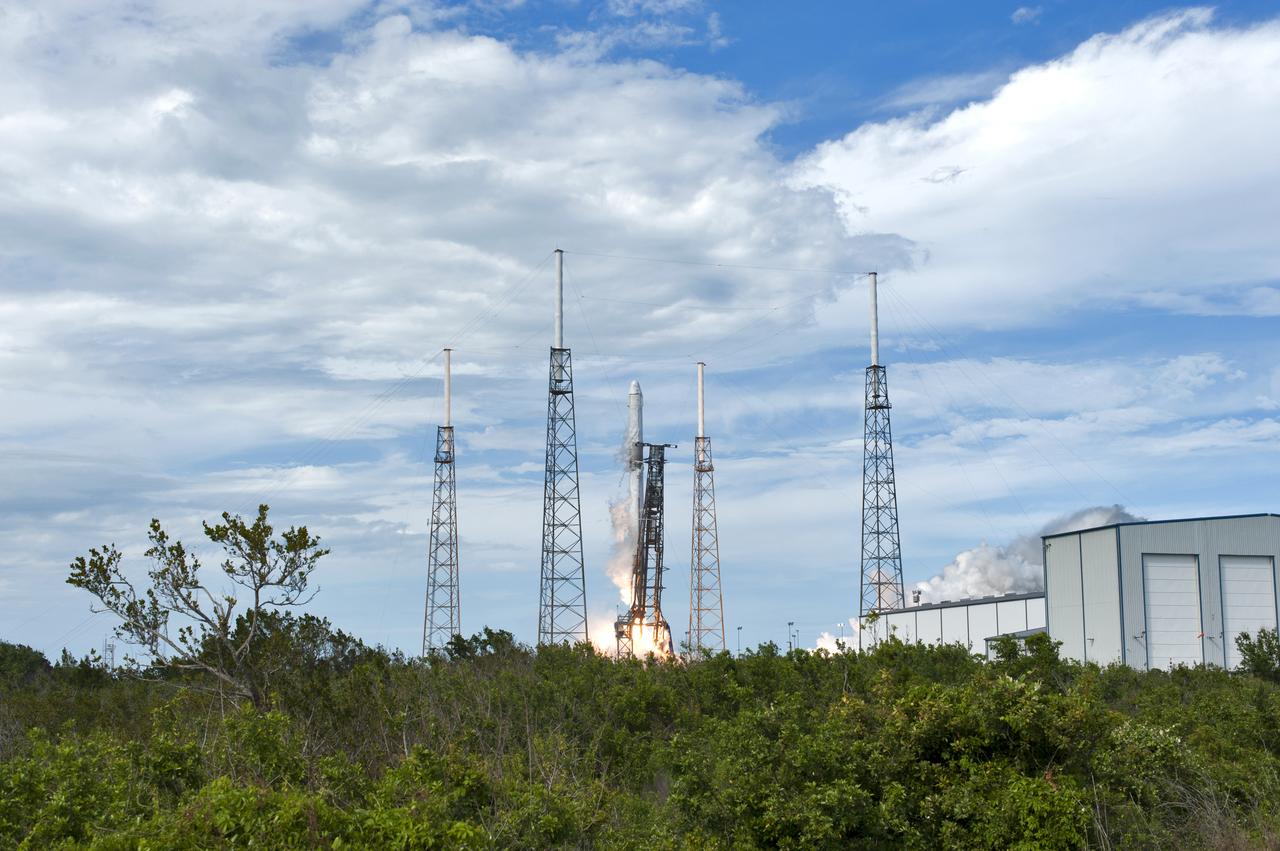
A SpaceX Falcon 9 rocket lifts off from Space Launch Complex 40 at Cape Canaveral Air Force Station in Florida at 4:30 p.m. EDT, carrying the SpaceX Dragon resupply spacecraft. On its 14th commercial resupply services mission for NASA, Dragon will deliver supplies, equipment and new science experiments for technology research to the space station.
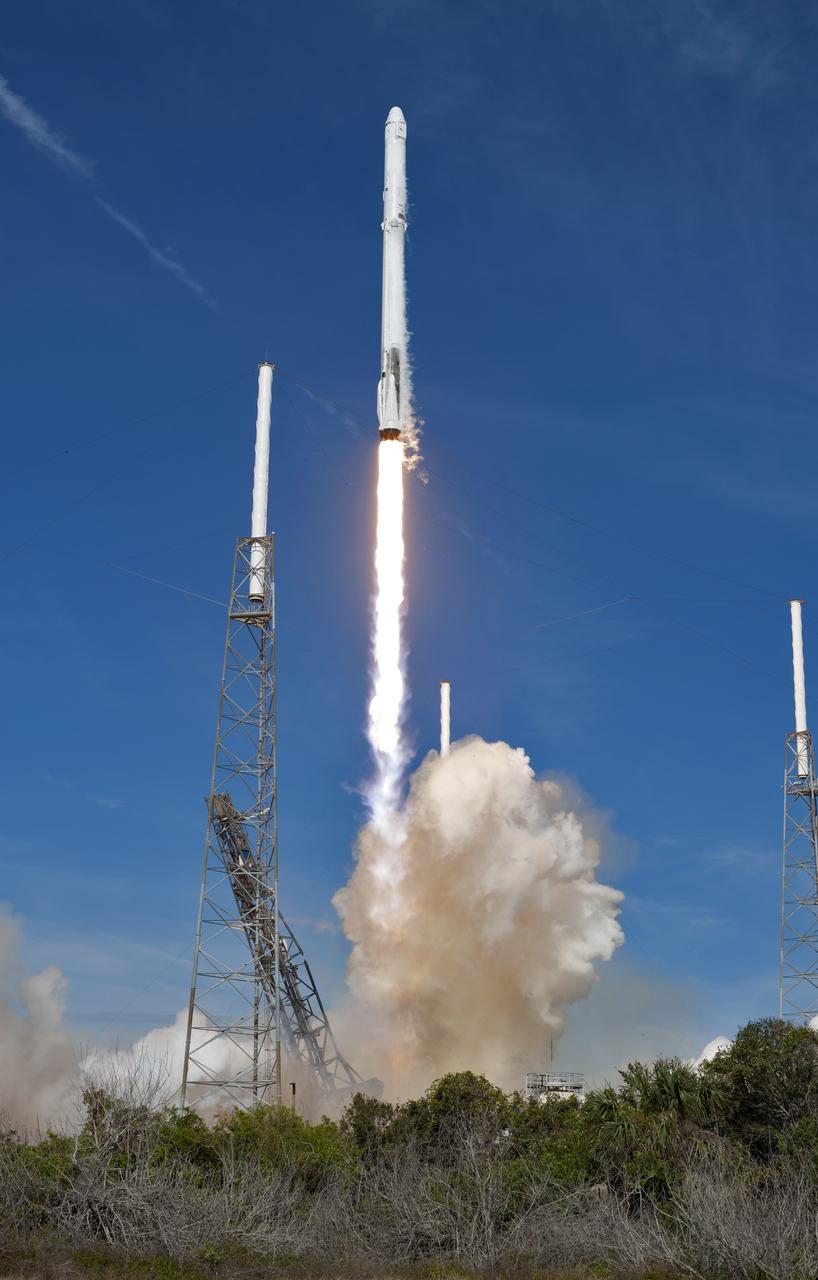
A SpaceX Falcon 9 rocket soars upward after lifting off from Space Launch Complex 40 at Cape Canaveral Air Force Station in Florida at 4:30 p.m. EDT, carrying the SpaceX Dragon resupply spacecraft. On its 14th commercial resupply services mission for NASA, Dragon will deliver supplies, equipment and new science experiments for technology research to the space station.
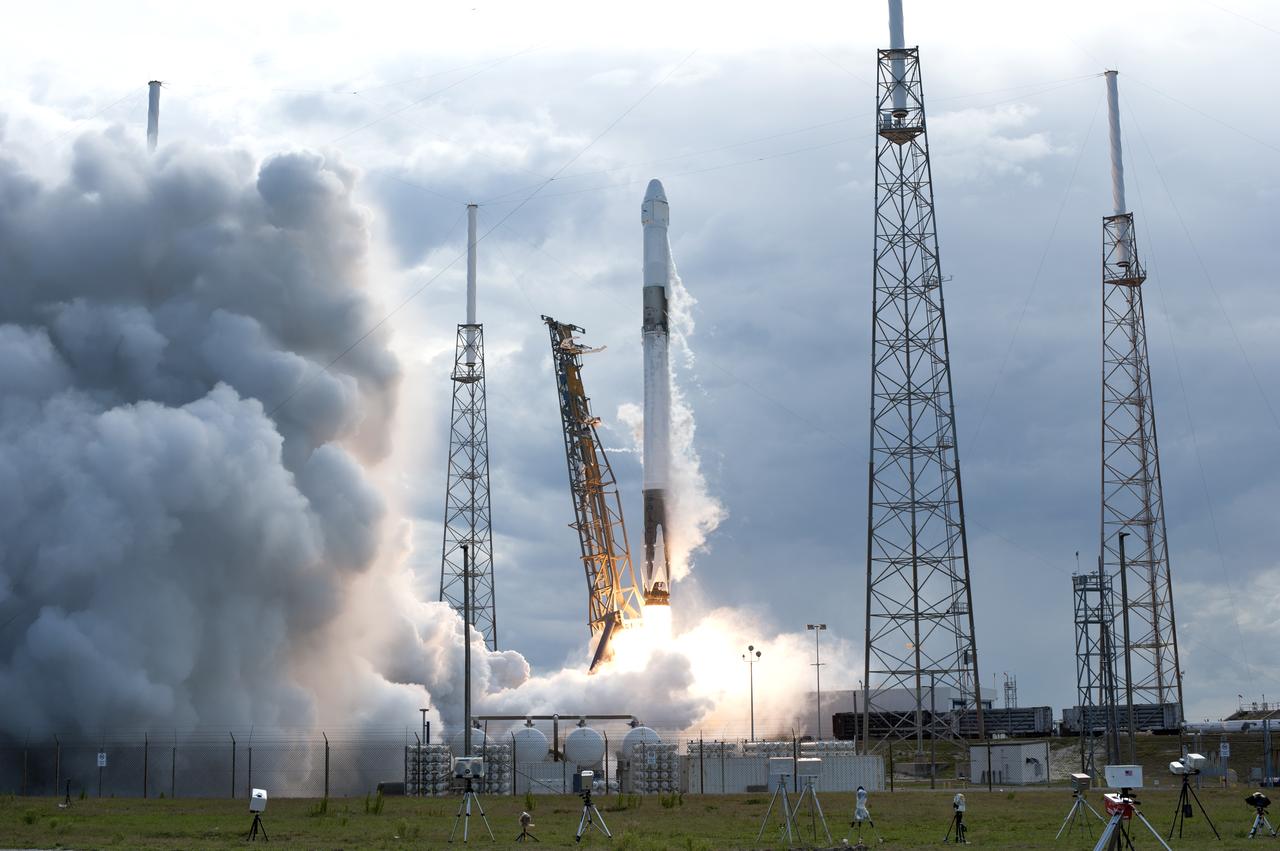
A SpaceX Falcon 9 rocket lifts off from Space Launch Complex 40 at Cape Canaveral Air Force Station in Florida at 4:30 p.m. EST, carrying the SpaceX Dragon resupply spacecraft. On its 14th commercial resupply services mission for NASA, Dragon will deliver supplies, equipment and new science experiments for technology research to the space station.
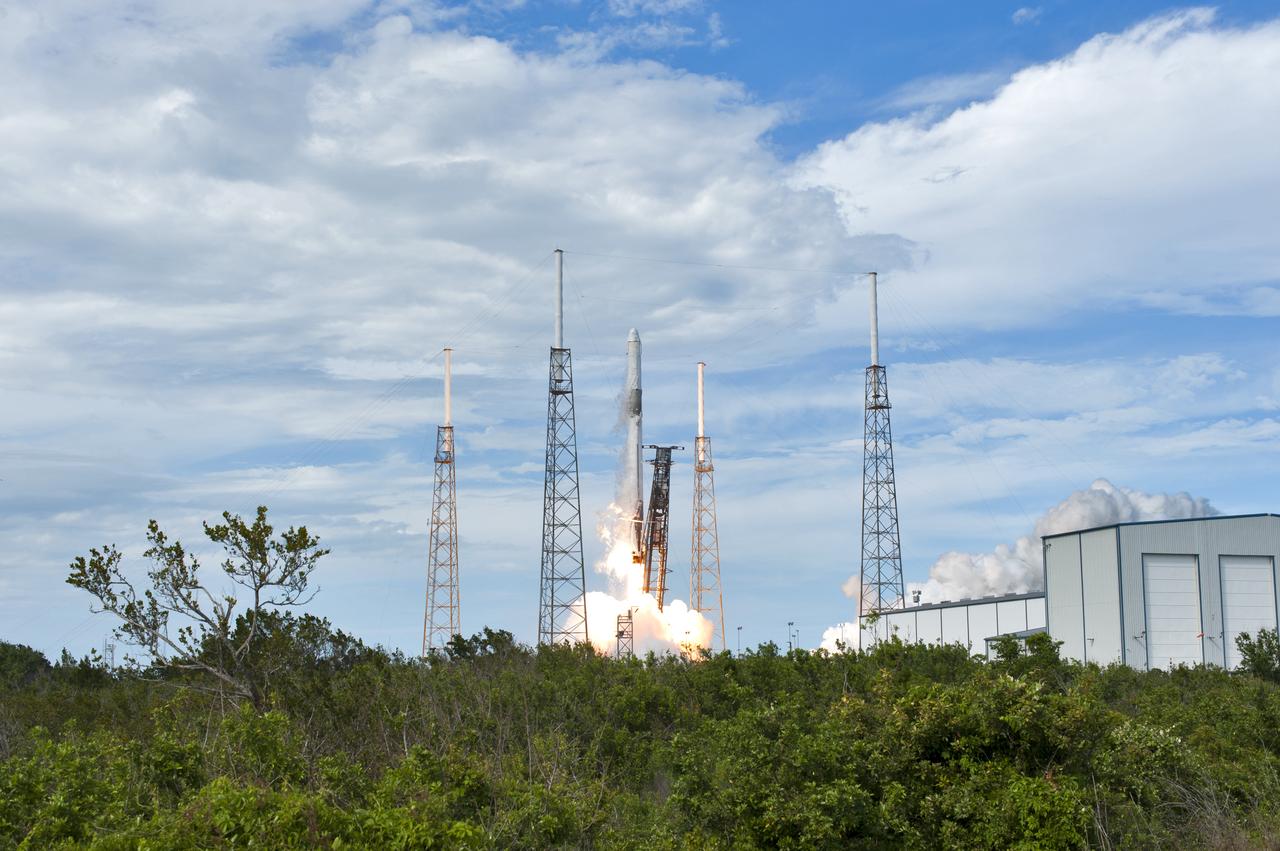
A SpaceX Falcon 9 rocket lifts off from Space Launch Complex 40 at Cape Canaveral Air Force Station in Florida at 4:30 p.m. EDT, carrying the SpaceX Dragon resupply spacecraft. On its 14th commercial resupply services mission for NASA, Dragon will deliver supplies, equipment and new science experiments for technology research to the space station.
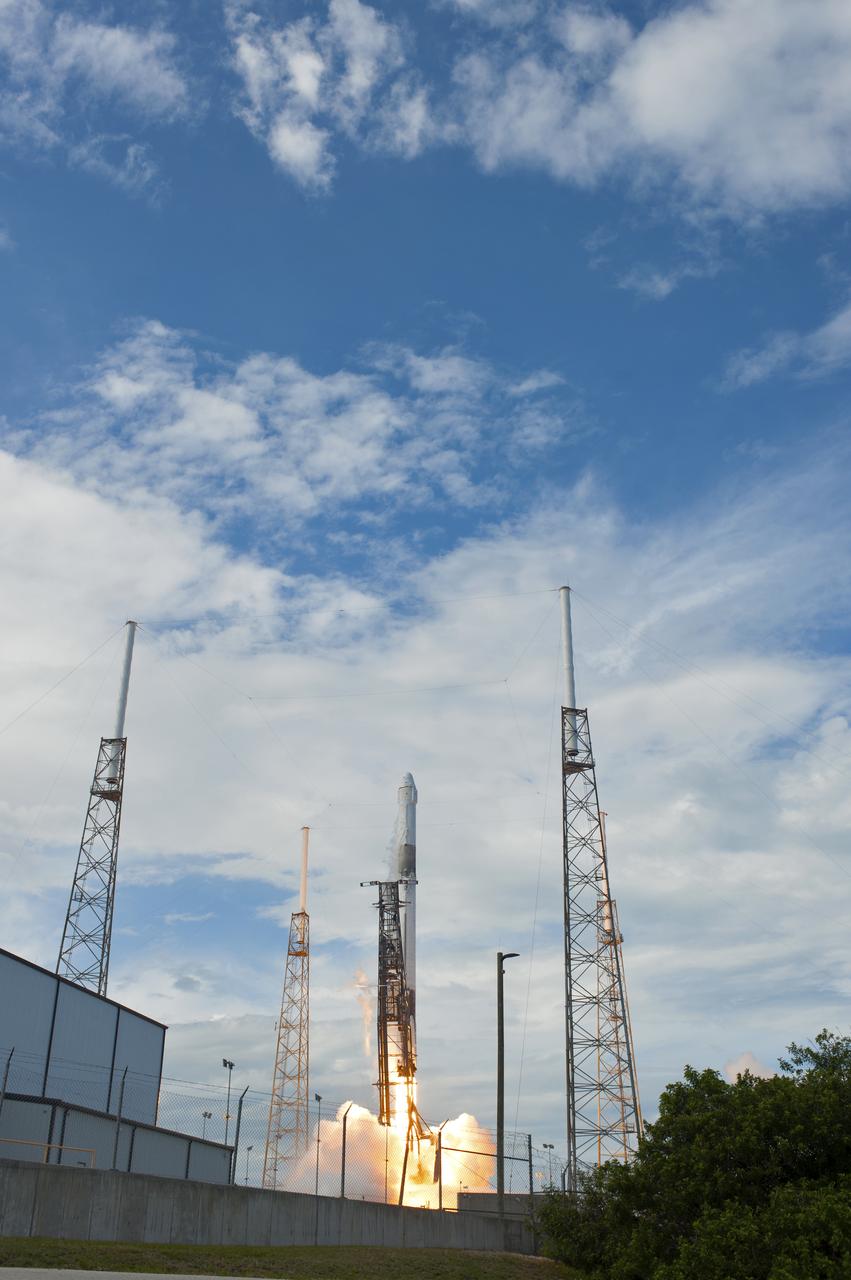
A SpaceX Falcon 9 rocket lifts off from Space Launch Complex 40 at Cape Canaveral Air Force Station in Florida at 4:30 p.m. EDT, carrying the SpaceX Dragon resupply spacecraft. On its 14th commercial resupply services mission for NASA, Dragon will deliver supplies, equipment and new science experiments for technology research to the space station.
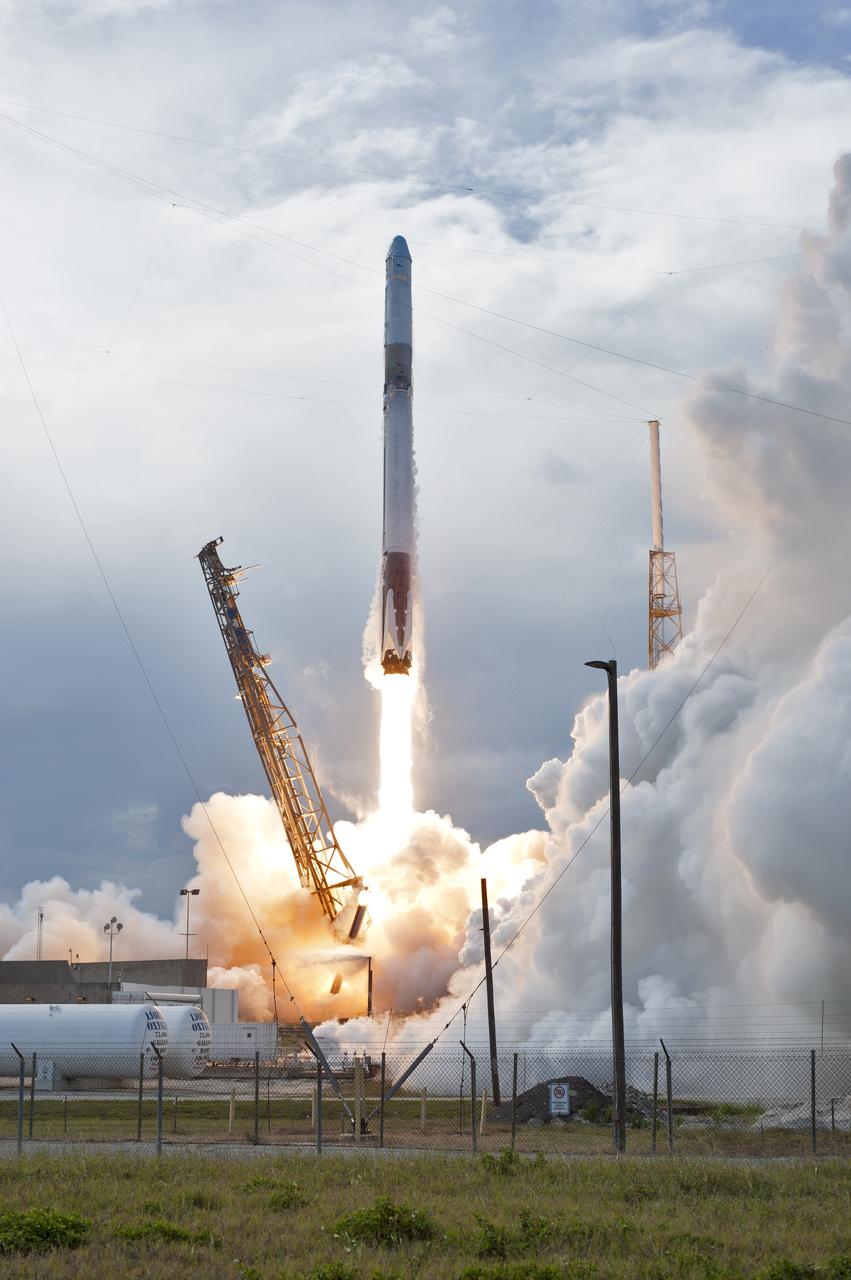
A SpaceX Falcon 9 rocket lifts off from Space Launch Complex 40 at Cape Canaveral Air Force Station in Florida at 4:30 p.m. EDT, carrying the SpaceX Dragon resupply spacecraft. On its 14th commercial resupply services mission for NASA, Dragon will deliver supplies, equipment and new science experiments for technology research to the space station.
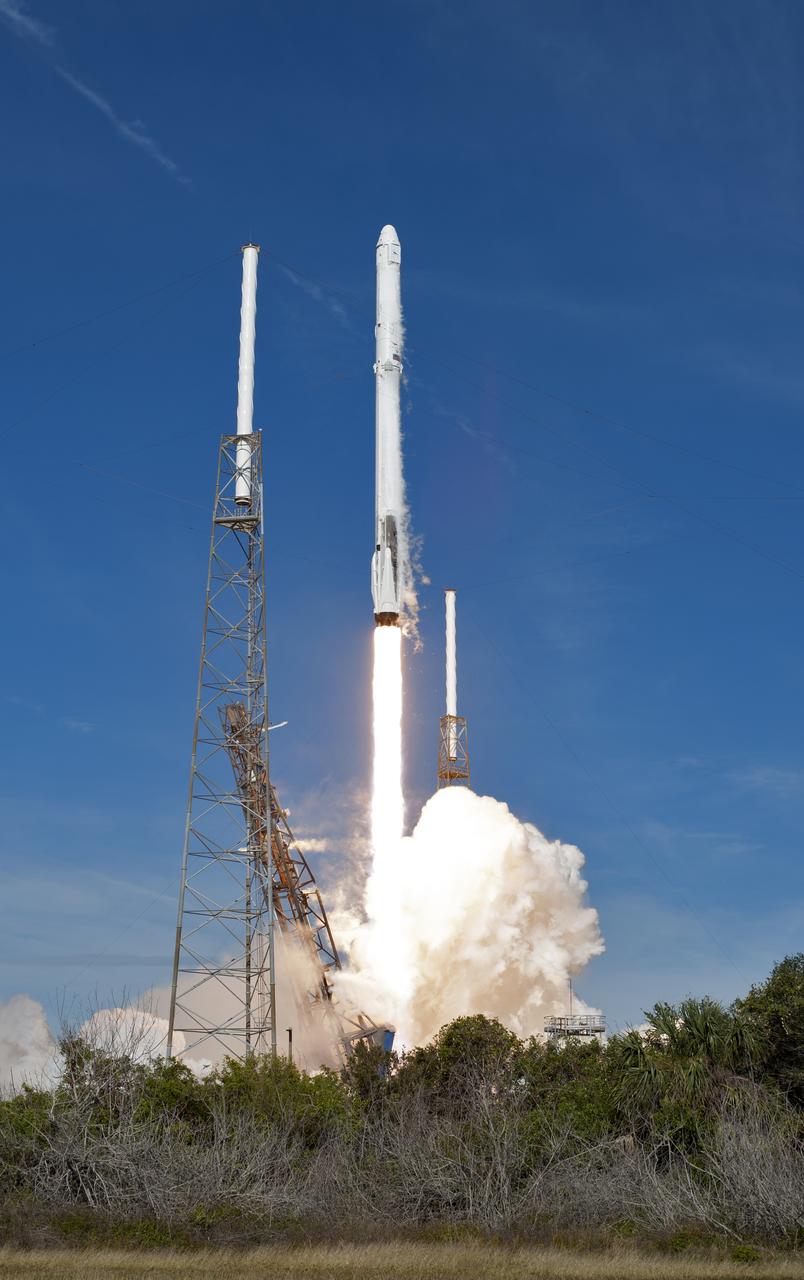
A SpaceX Falcon 9 rocket soars upward after lifting off from Space Launch Complex 40 at Cape Canaveral Air Force Station in Florida at 4:30 p.m. EDT, carrying the SpaceX Dragon resupply spacecraft. On its 14th commercial resupply services mission for NASA, Dragon will deliver supplies, equipment and new science experiments for technology research to the space station.
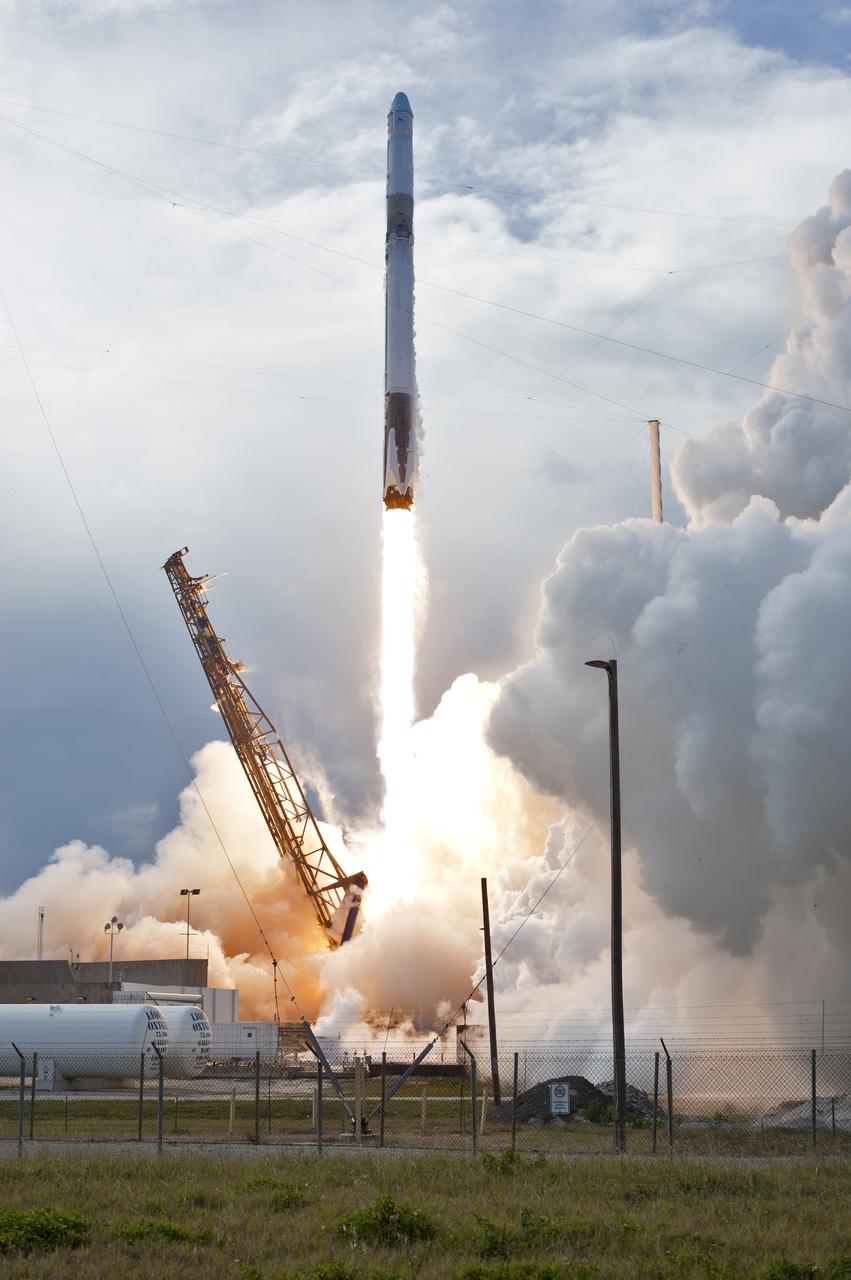
A SpaceX Falcon 9 rocket lifts off from Space Launch Complex 40 at Cape Canaveral Air Force Station in Florida at 4:30 p.m. EDT, carrying the SpaceX Dragon resupply spacecraft. On its 14th commercial resupply services mission for NASA, Dragon will deliver supplies, equipment and new science experiments for technology research to the space station.
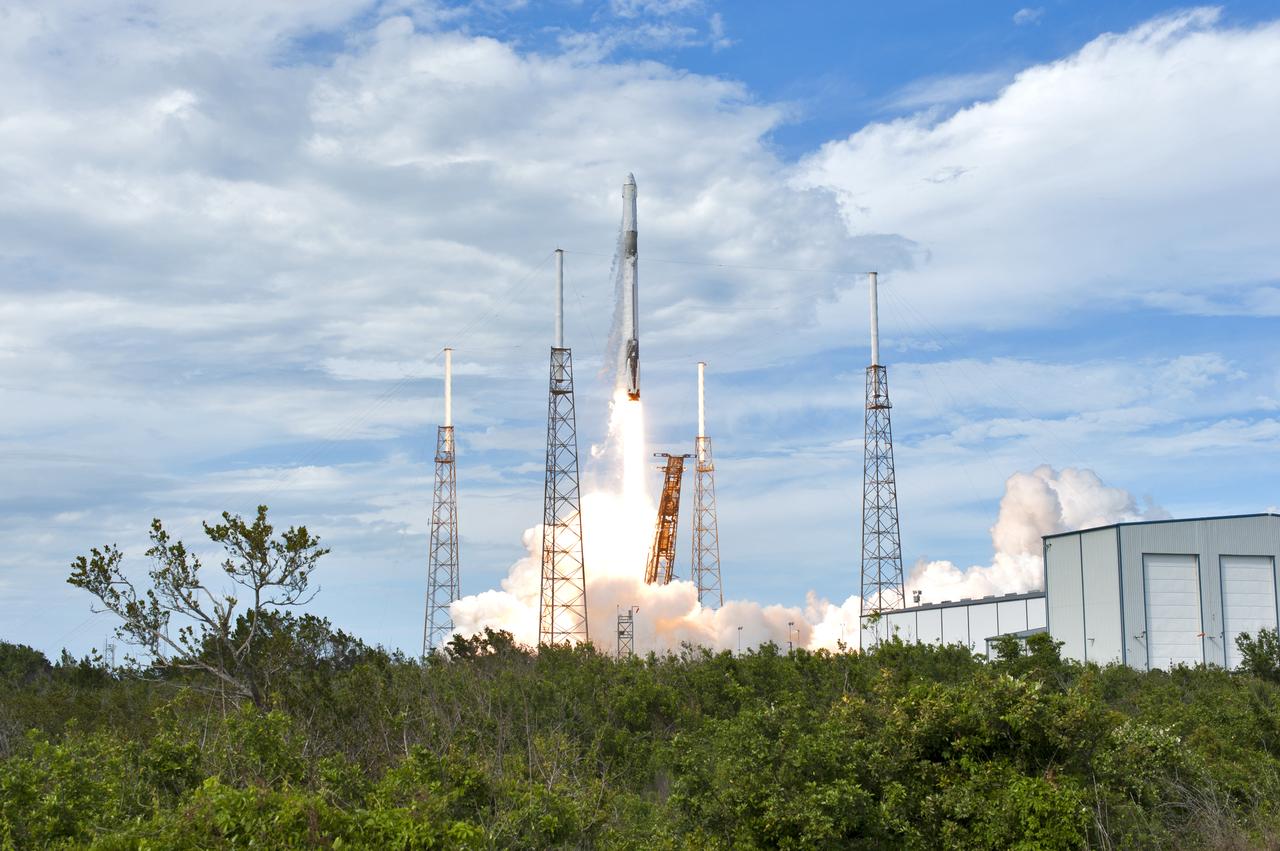
A SpaceX Falcon 9 rocket soars upward after lifting off from Space Launch Complex 40 at Cape Canaveral Air Force Station in Florida at 4:30 p.m. EDT, carrying the SpaceX Dragon resupply spacecraft. On its 14th commercial resupply services mission for NASA, Dragon will deliver supplies, equipment and new science experiments for technology research to the space station.
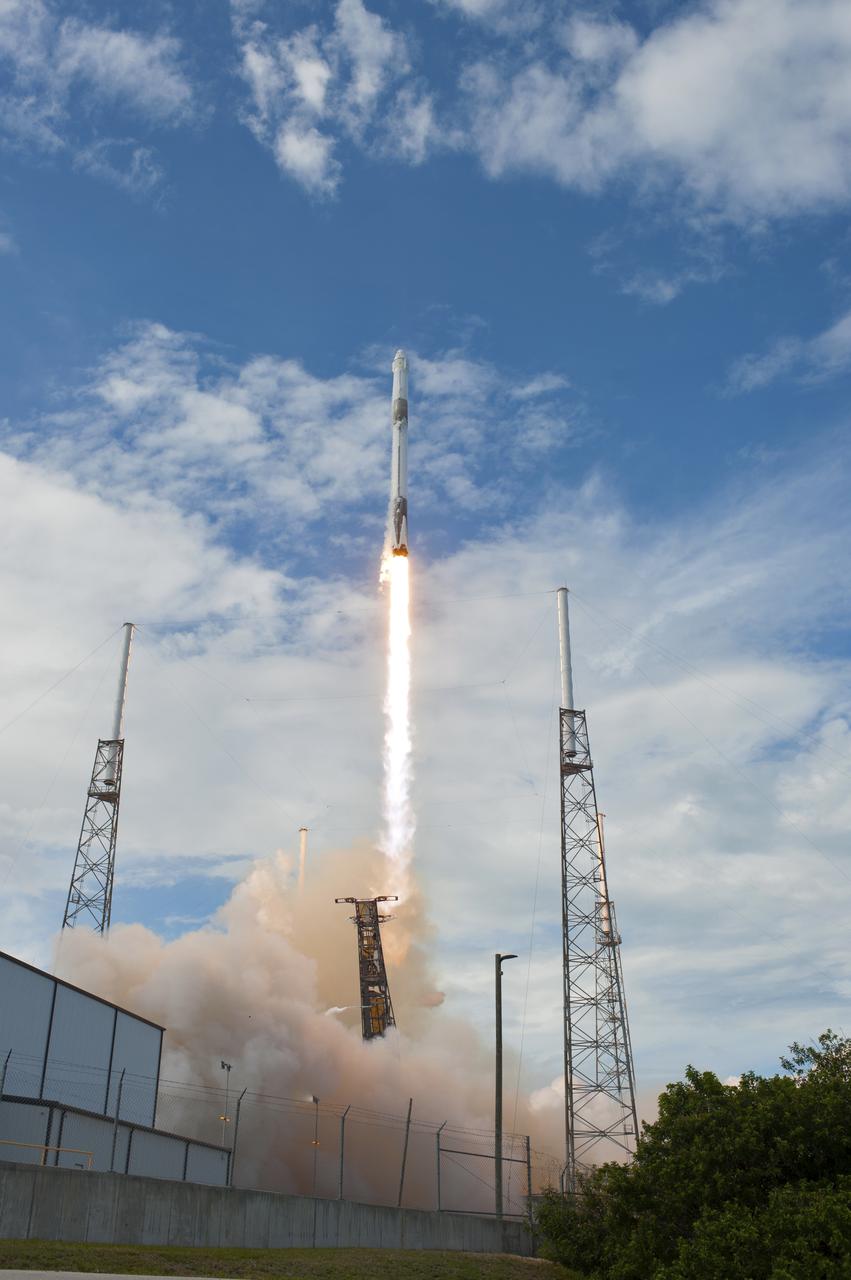
A SpaceX Falcon 9 rocket soars upward after lifting off from Space Launch Complex 40 at Cape Canaveral Air Force Station in Florida at 4:30 p.m. EDT, carrying the SpaceX Dragon resupply spacecraft. On its 14th commercial resupply services mission for NASA, Dragon will deliver supplies, equipment and new science experiments for technology research to the space station.
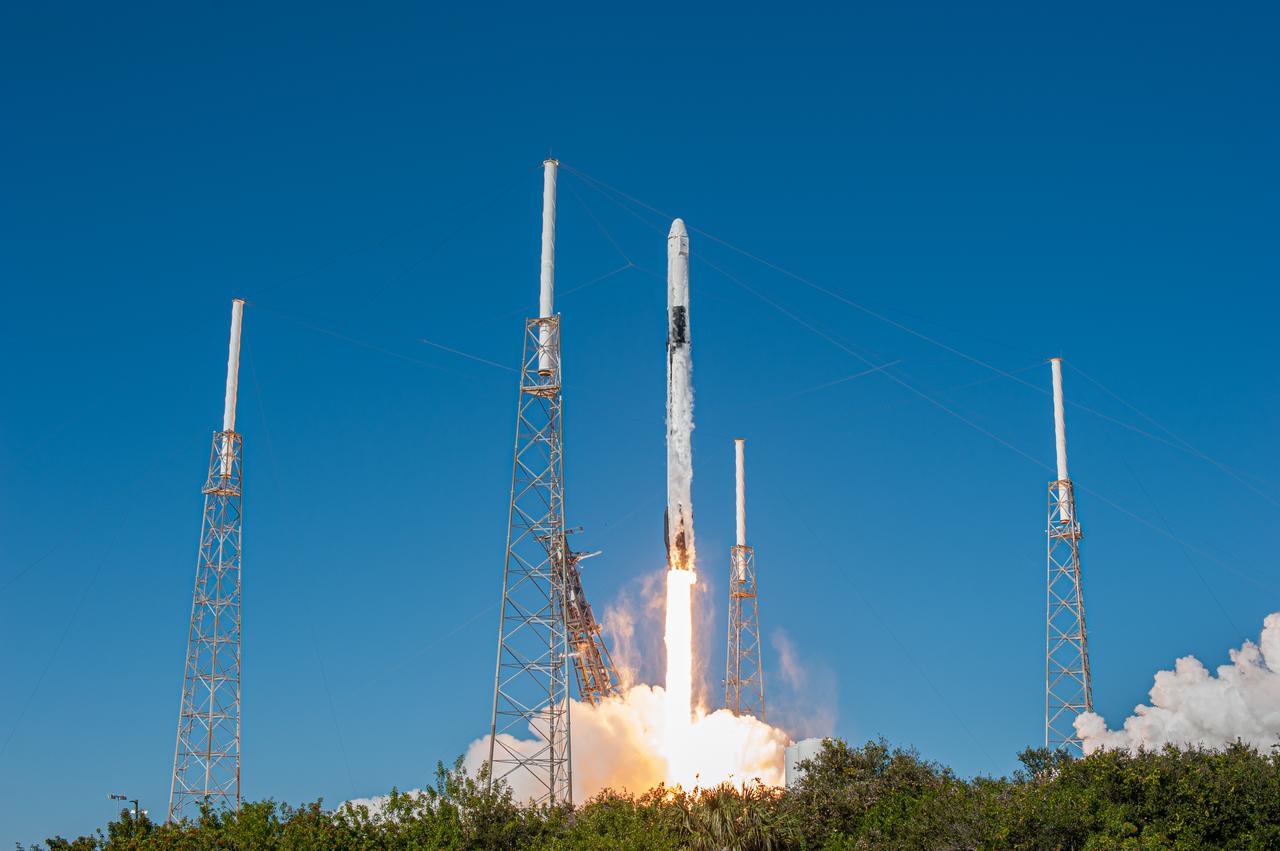
The SpaceX Falcon 9 rocket with the Dragon cargo module lifts off Space Launch Complex 40 on Cape Canaveral Air Force Station in Florida in the early afternoon on Dec. 5, 2019. Liftoff was at 12:29 p.m. EST. This is SpaceX’s 19th Commercial Resupply Services (CRS-19) mission for NASA to the International Space Station. The Dragon cargo module will deliver more than 5,700 pounds of science and research, crew supplies and vehicle hardware to the orbital laboratory and its crew.
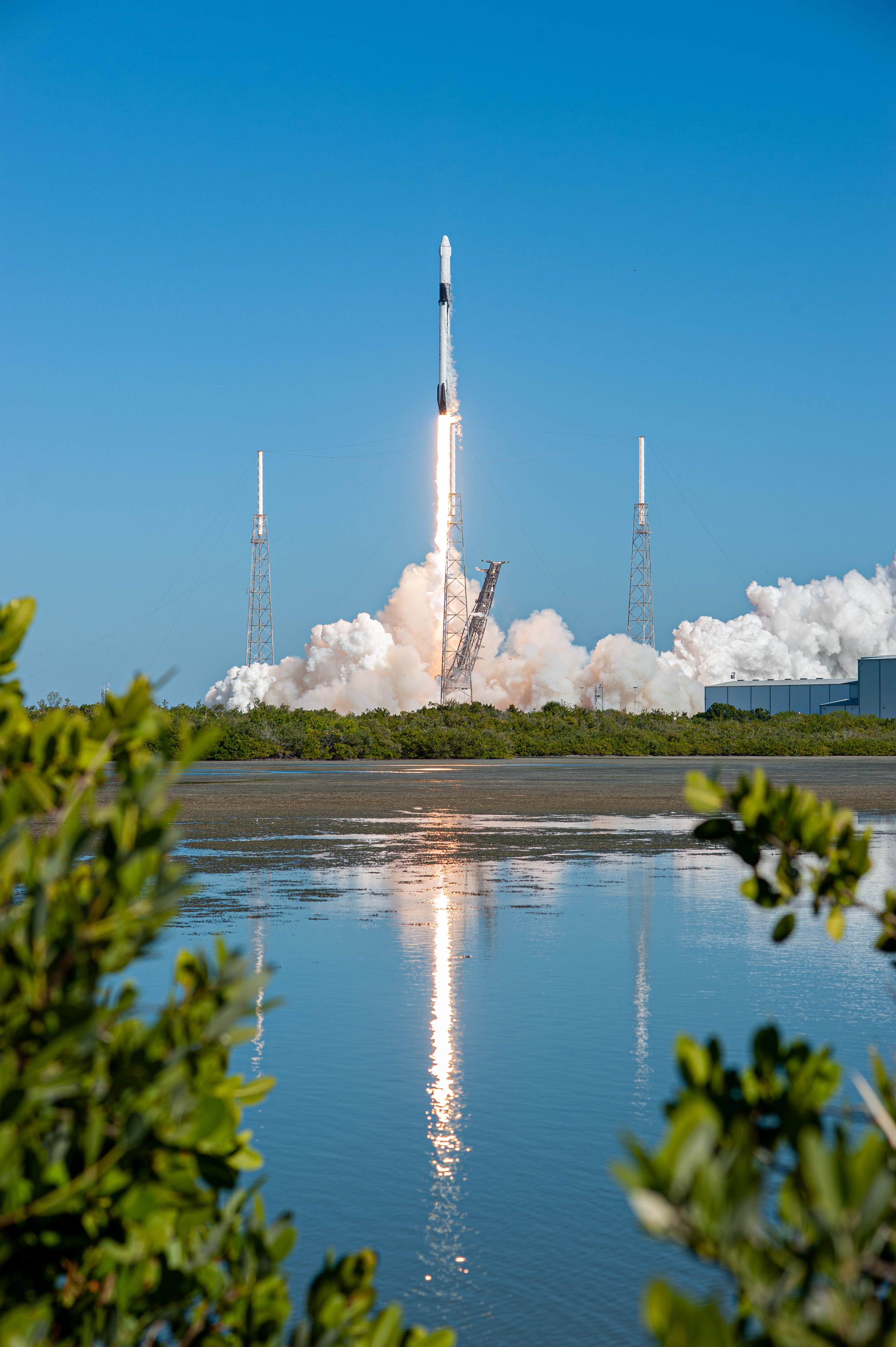
The SpaceX Falcon 9 rocket with the Dragon cargo module climbs upward after liftoff from Space Launch Complex 40 on Cape Canaveral Air Force Station in Florida in the early afternoon on Dec. 5, 2019. Liftoff was at 12:29 p.m. EST. This is SpaceX’s 19th Commercial Resupply Services (CRS-19) mission for NASA to the International Space Station. The Dragon cargo module will deliver more than 5,700 pounds of science and research, crew supplies and vehicle hardware to the orbital laboratory and its crew.
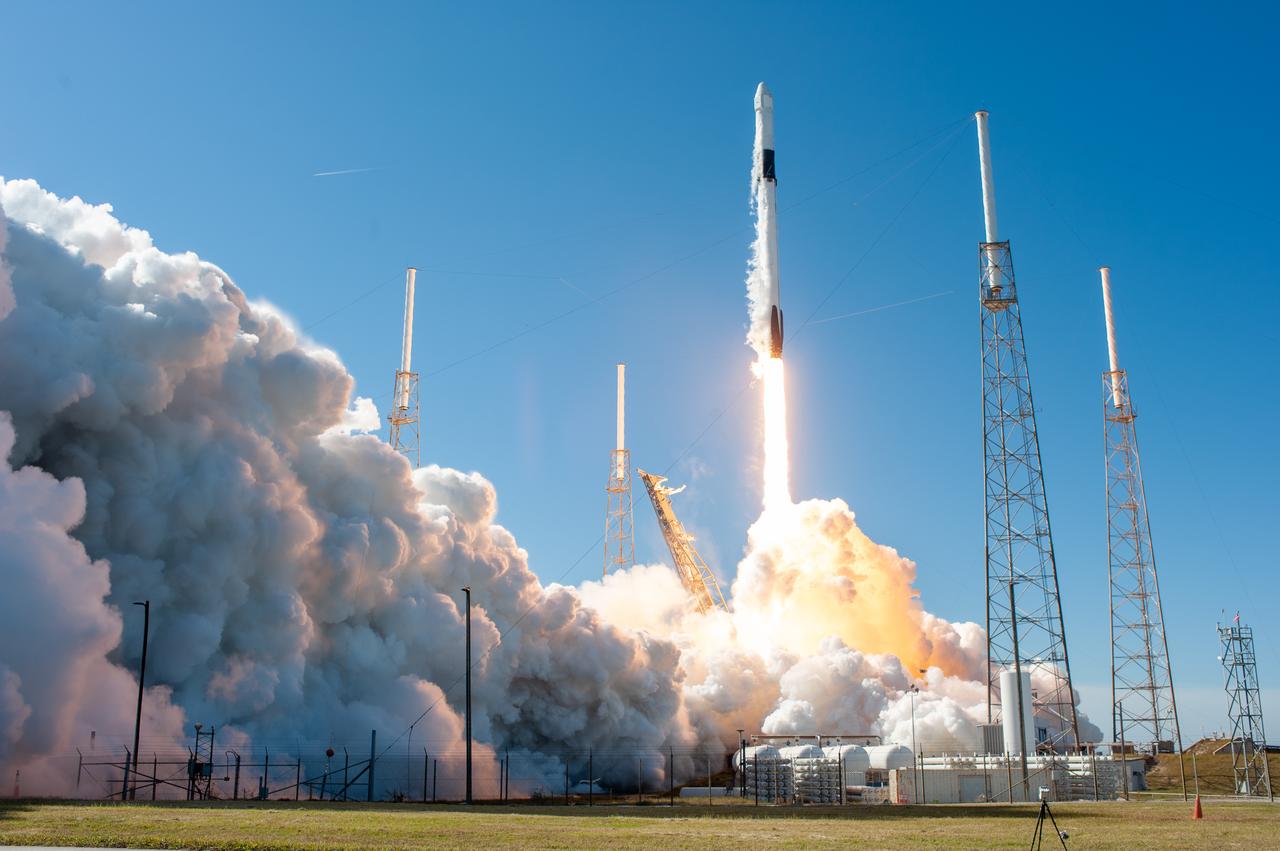
The SpaceX Falcon 9 rocket with the Dragon cargo module lifts off Space Launch Complex 40 on Cape Canaveral Air Force Station in Florida in the early afternoon on Dec. 5, 2019. Liftoff was at 12:29 p.m. EST. This is SpaceX’s 19th Commercial Resupply Services (CRS-19) mission for NASA to the International Space Station. The Dragon cargo module will deliver more than 5,700 pounds of science and research, crew supplies and vehicle hardware to the orbital laboratory and its crew.
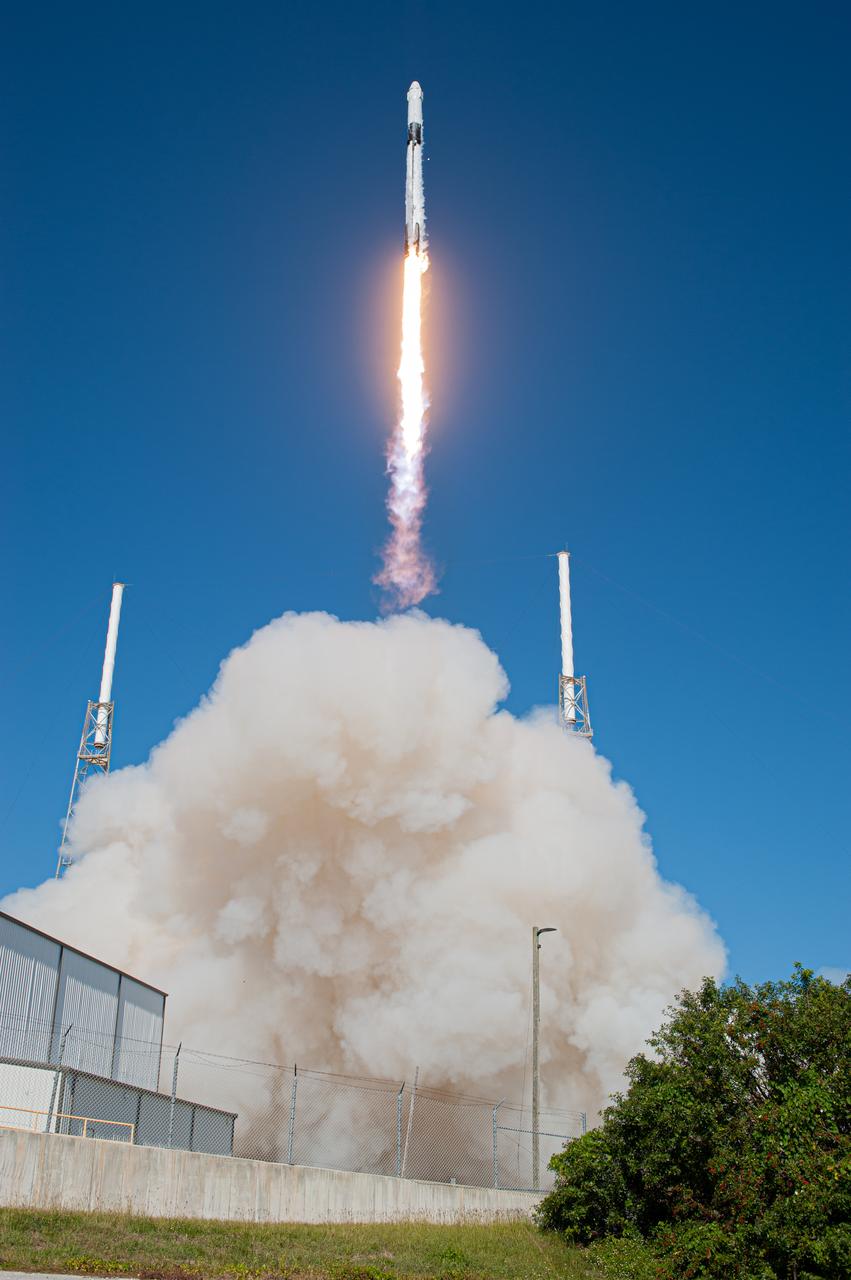
The SpaceX Falcon 9 rocket with the Dragon cargo module climbs upward after liftoff from Space Launch Complex 40 on Cape Canaveral Air Force Station in Florida in the early afternoon on Dec. 5, 2019. Liftoff was at 12:29 p.m. EST. This is SpaceX’s 19th Commercial Resupply Services (CRS-19) mission for NASA to the International Space Station. The Dragon cargo module will deliver more than 5,700 pounds of science and research, crew supplies and vehicle hardware to the orbital laboratory and its crew.

The SpaceX Falcon 9 rocket with the Dragon cargo module climbs upward after liftoff from Space Launch Complex 40 on Cape Canaveral Air Force Station in Florida in the early afternoon on Dec. 5, 2019. Liftoff was at 12:29 p.m. EST. This is SpaceX’s 19th Commercial Resupply Services (CRS-19) mission for NASA to the International Space Station. The Dragon cargo module will deliver more than 5,700 pounds of science and research, crew supplies and vehicle hardware to the orbital laboratory and its crew.
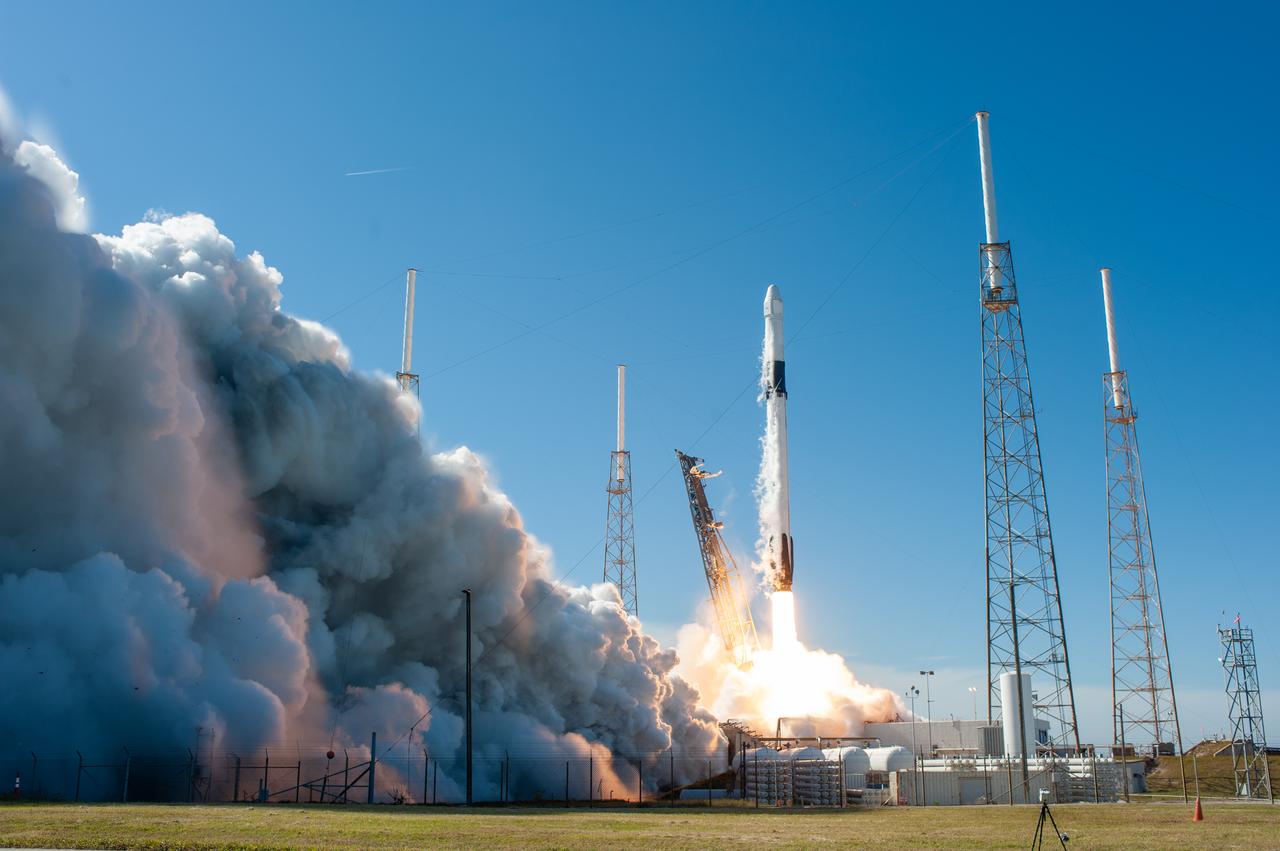
The SpaceX Falcon 9 rocket with the Dragon cargo module lifts off Space Launch Complex 40 on Cape Canaveral Air Force Station in Florida in the early afternoon on Dec. 5, 2019. Liftoff was at 12:29 p.m. EST. This is SpaceX’s 19th Commercial Resupply Services (CRS-19) mission for NASA to the International Space Station. The Dragon cargo module will deliver more than 5,700 pounds of science and research, crew supplies and vehicle hardware to the orbital laboratory and its crew.
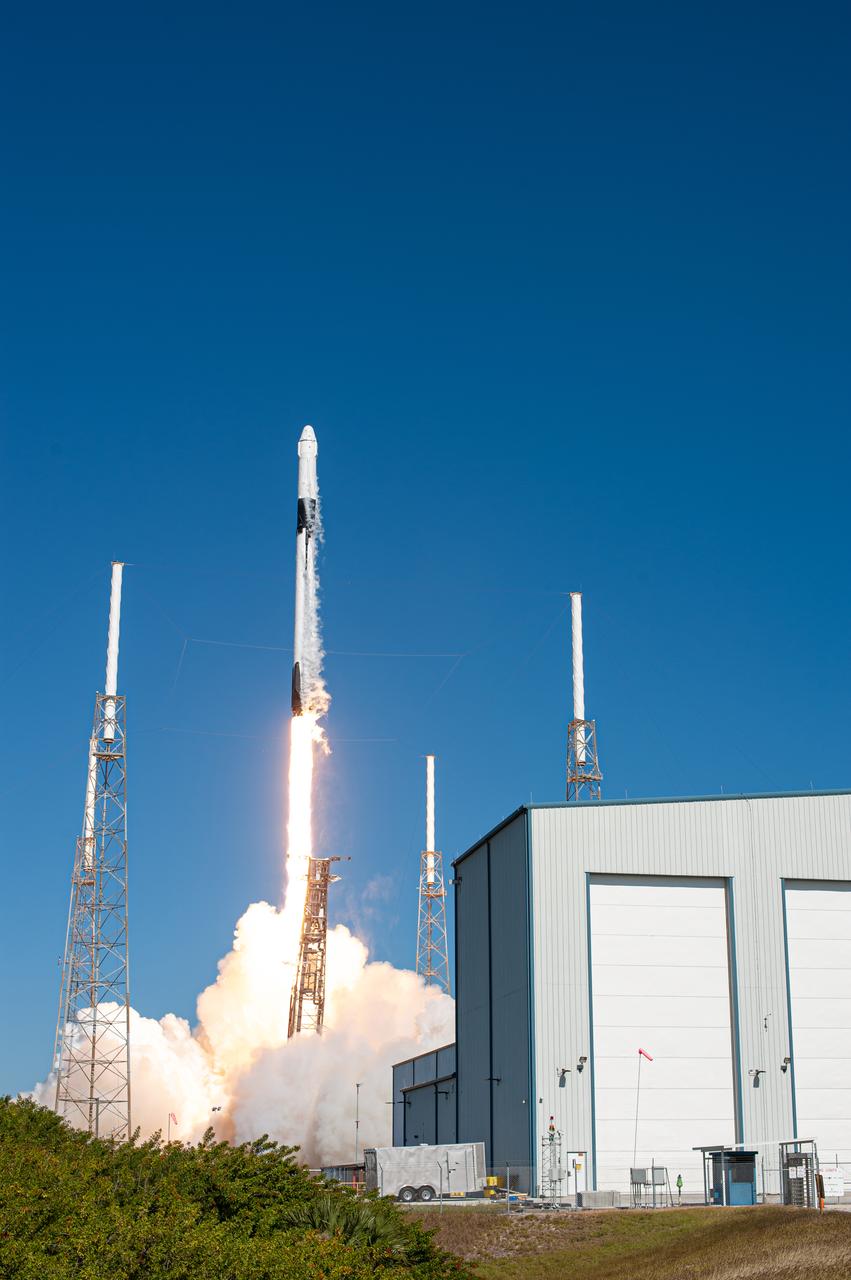
The SpaceX Falcon 9 rocket with the Dragon cargo module climbs upward after liftoff from Space Launch Complex 40 on Cape Canaveral Air Force Station in Florida in the early afternoon on Dec. 5, 2019. Liftoff was at 12:29 p.m. EST. This is SpaceX’s 19th Commercial Resupply Services (CRS-19) mission for NASA to the International Space Station. The Dragon cargo module will deliver more than 5,700 pounds of science and research, crew supplies and vehicle hardware to the orbital laboratory and its crew.
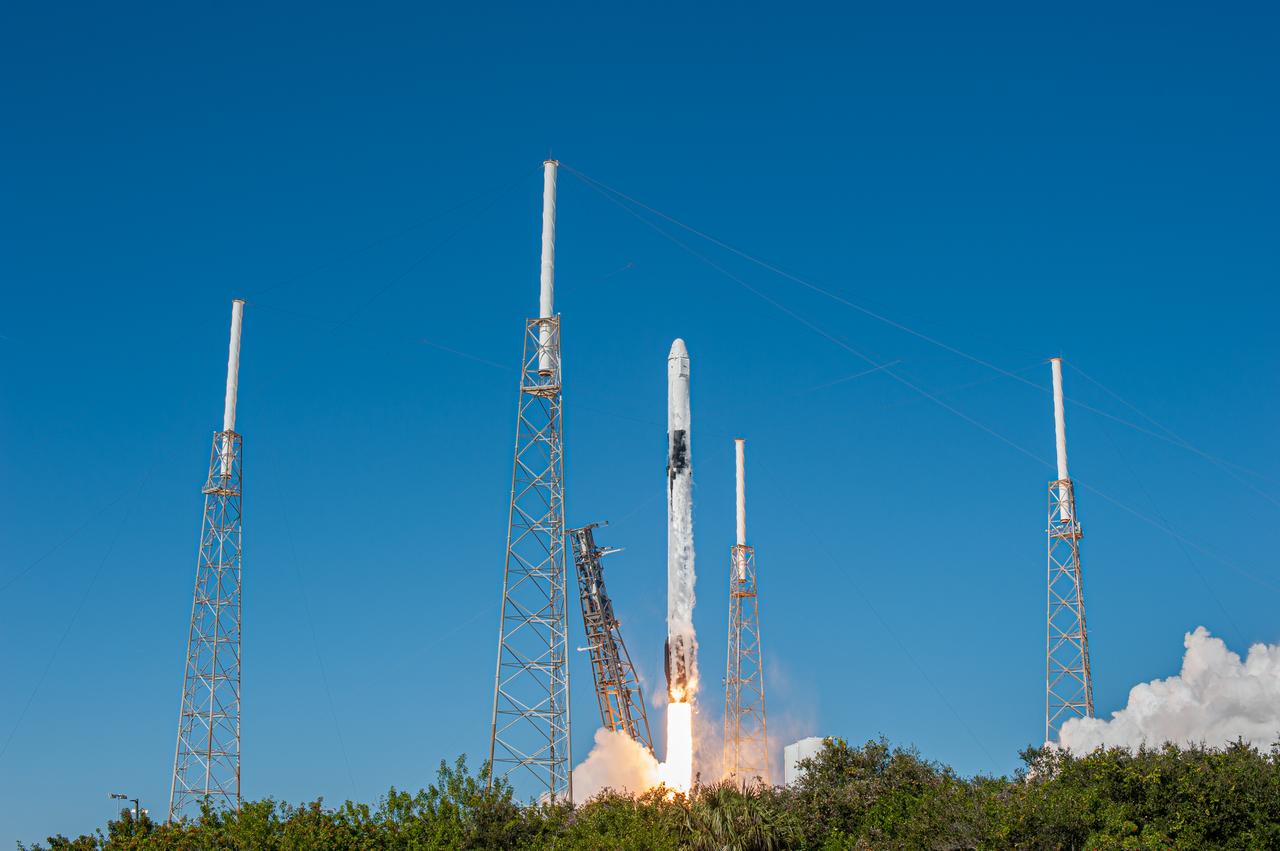
The SpaceX Falcon 9 rocket with the Dragon cargo module lifts off Space Launch Complex 40 on Cape Canaveral Air Force Station in Florida in the early afternoon on Dec. 5, 2019. Liftoff was at 12:29 p.m. EST. This is SpaceX’s 19th Commercial Resupply Services (CRS-19) mission for NASA to the International Space Station. The Dragon cargo module will deliver more than 5,700 pounds of science and research, crew supplies and vehicle hardware to the orbital laboratory and its crew.
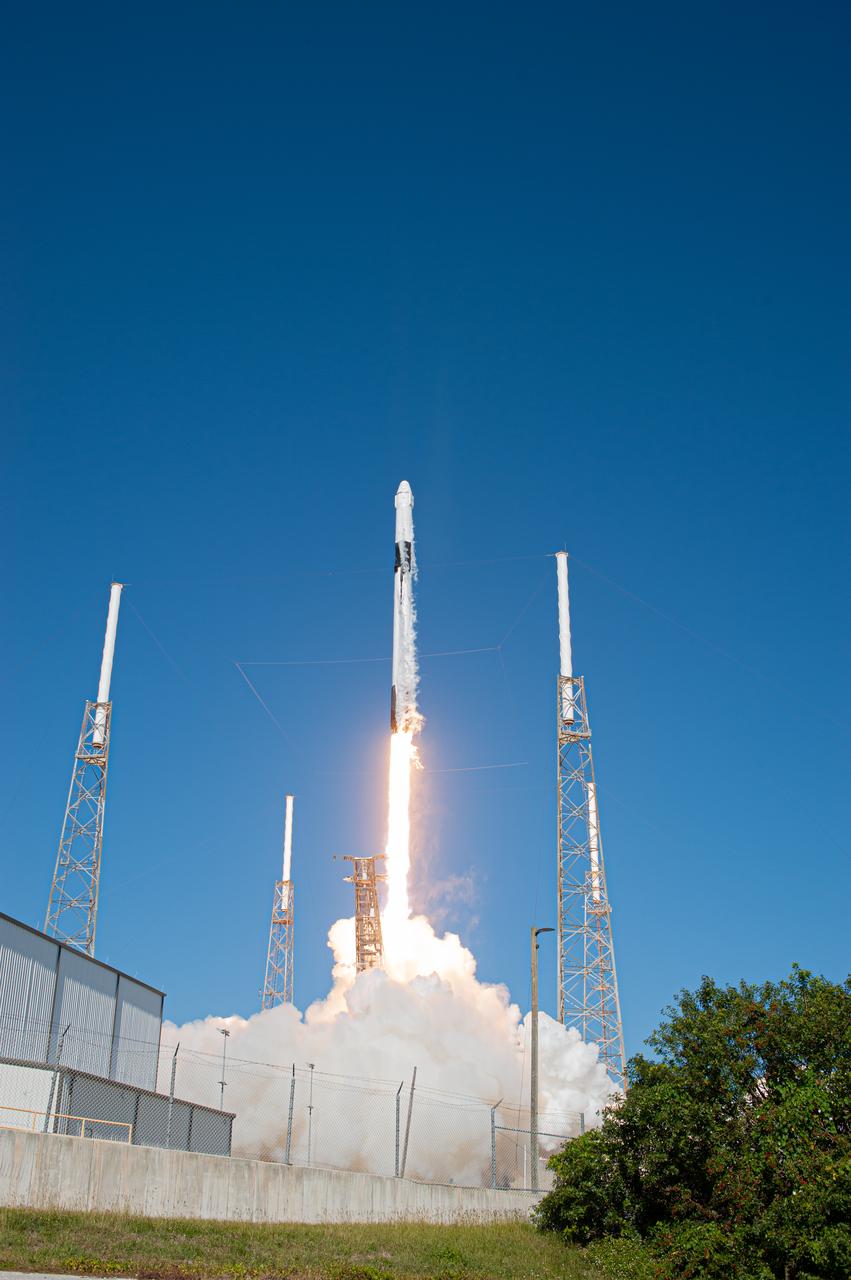
The SpaceX Falcon 9 rocket with the Dragon cargo module climbs upward after liftoff from Space Launch Complex 40 on Cape Canaveral Air Force Station in Florida in the early afternoon on Dec. 5, 2019. Liftoff was at 12:29 p.m. EST. This is SpaceX’s 19th Commercial Resupply Services (CRS-19) mission for NASA to the International Space Station. The Dragon cargo module will deliver more than 5,700 pounds of science and research, crew supplies and vehicle hardware to the orbital laboratory and its crew.
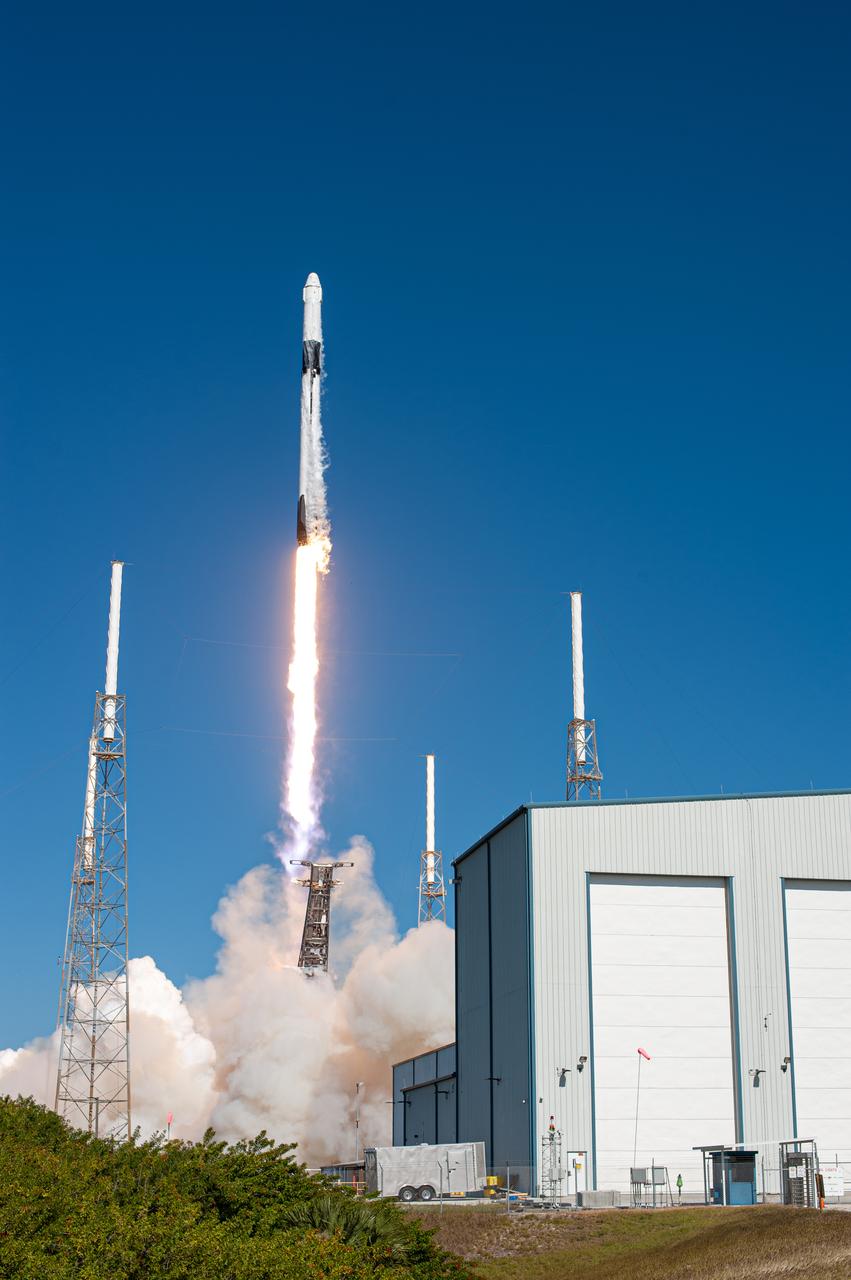
The SpaceX Falcon 9 rocket with the Dragon cargo module climbs upward after liftoff from Space Launch Complex 40 on Cape Canaveral Air Force Station in Florida in the early afternoon on Dec. 5, 2019. Liftoff was at 12:29 p.m. EST. This is SpaceX’s 19th Commercial Resupply Services (CRS-19) mission for NASA to the International Space Station. The Dragon cargo module will deliver more than 5,700 pounds of science and research, crew supplies and vehicle hardware to the orbital laboratory and its crew.
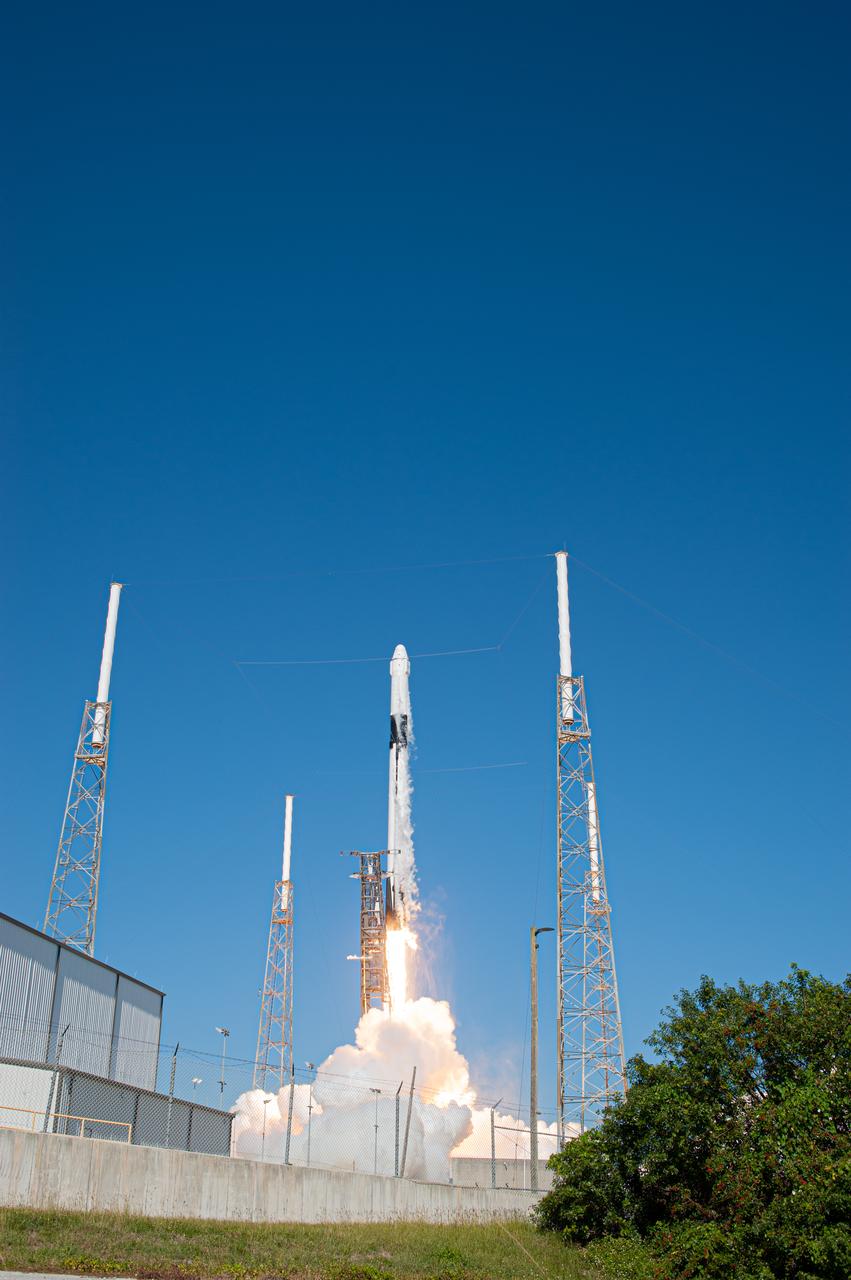
The SpaceX Falcon 9 rocket with the Dragon cargo module climbs upward after liftoff from Space Launch Complex 40 on Cape Canaveral Air Force Station in Florida in the early afternoon on Dec. 5, 2019. Liftoff was at 12:29 p.m. EST. This is SpaceX’s 19th Commercial Resupply Services (CRS-19) mission for NASA to the International Space Station. The Dragon cargo module will deliver more than 5,700 pounds of science and research, crew supplies and vehicle hardware to the orbital laboratory and its crew.
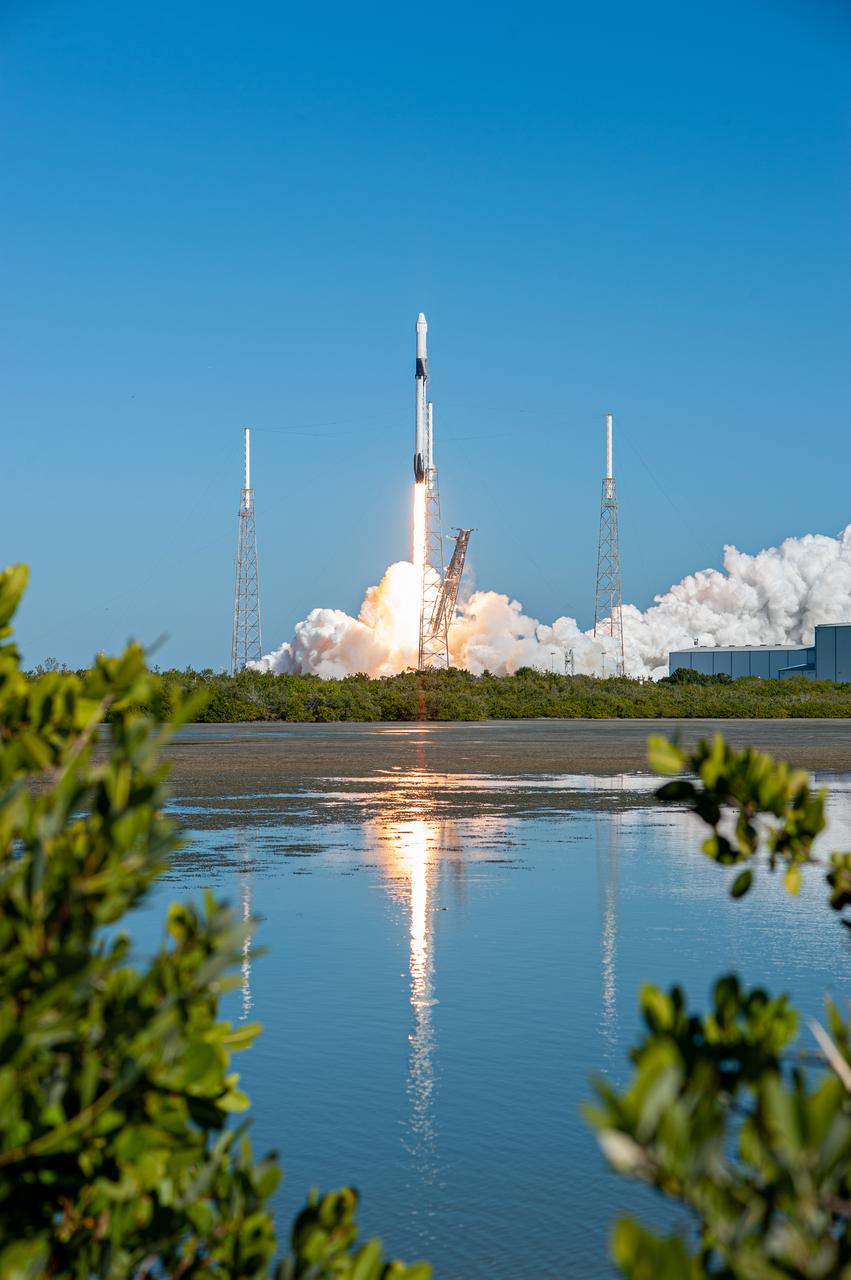
The SpaceX Falcon 9 rocket with the Dragon cargo module climbs upward after liftoff from Space Launch Complex 40 on Cape Canaveral Air Force Station in Florida in the early afternoon on Dec. 5, 2019. Liftoff was at 12:29 p.m. EST. This is SpaceX’s 19th Commercial Resupply Services (CRS-19) mission for NASA to the International Space Station. The Dragon cargo module will deliver more than 5,700 pounds of science and research, crew supplies and vehicle hardware to the orbital laboratory and its crew.
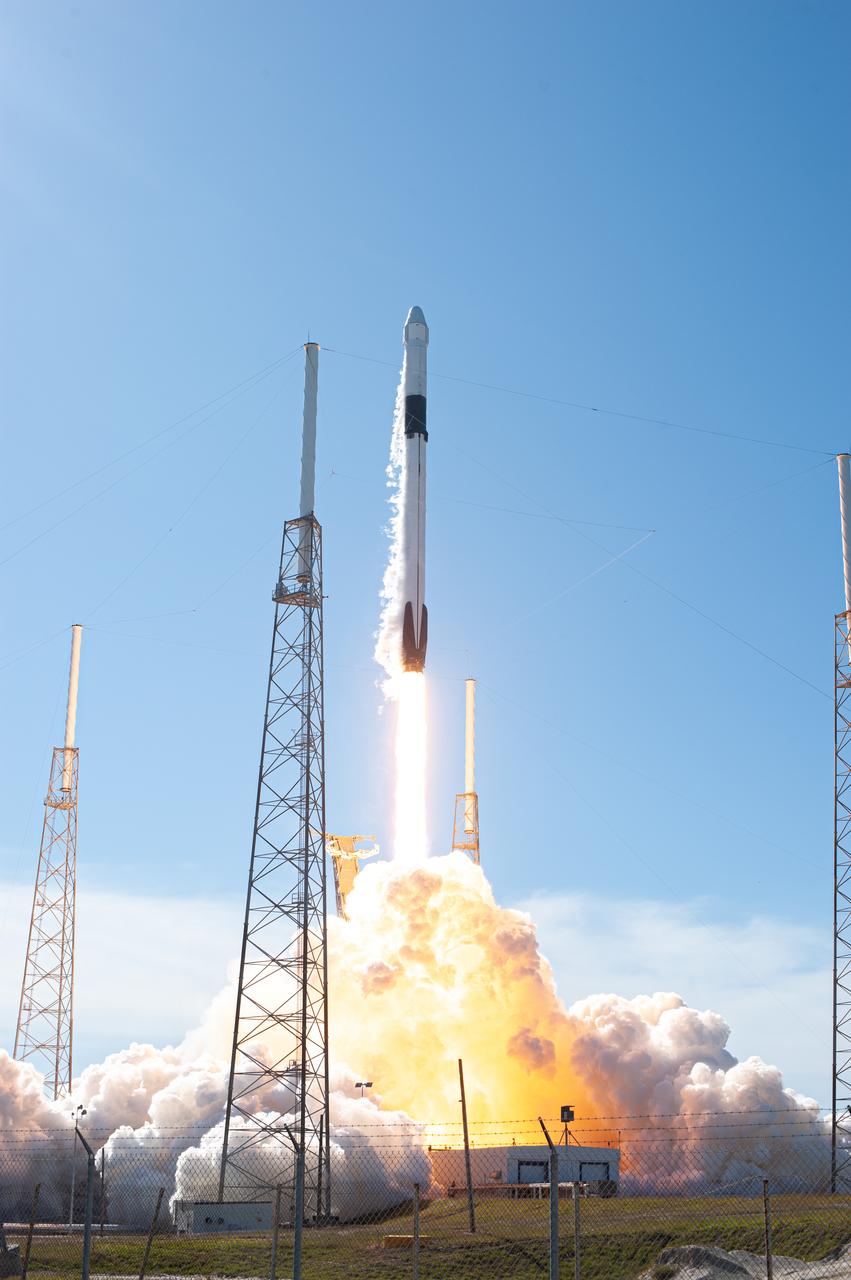
The SpaceX Falcon 9 rocket with the Dragon cargo module lifts off Space Launch Complex 40 on Cape Canaveral Air Force Station in Florida in the early afternoon on Dec. 5, 2019. Liftoff was at 12:29 p.m. EST. This is SpaceX’s 19th Commercial Resupply Services (CRS-19) mission for NASA to the International Space Station. The Dragon cargo module will deliver more than 5,700 pounds of science and research, crew supplies and vehicle hardware to the orbital laboratory and its crew.
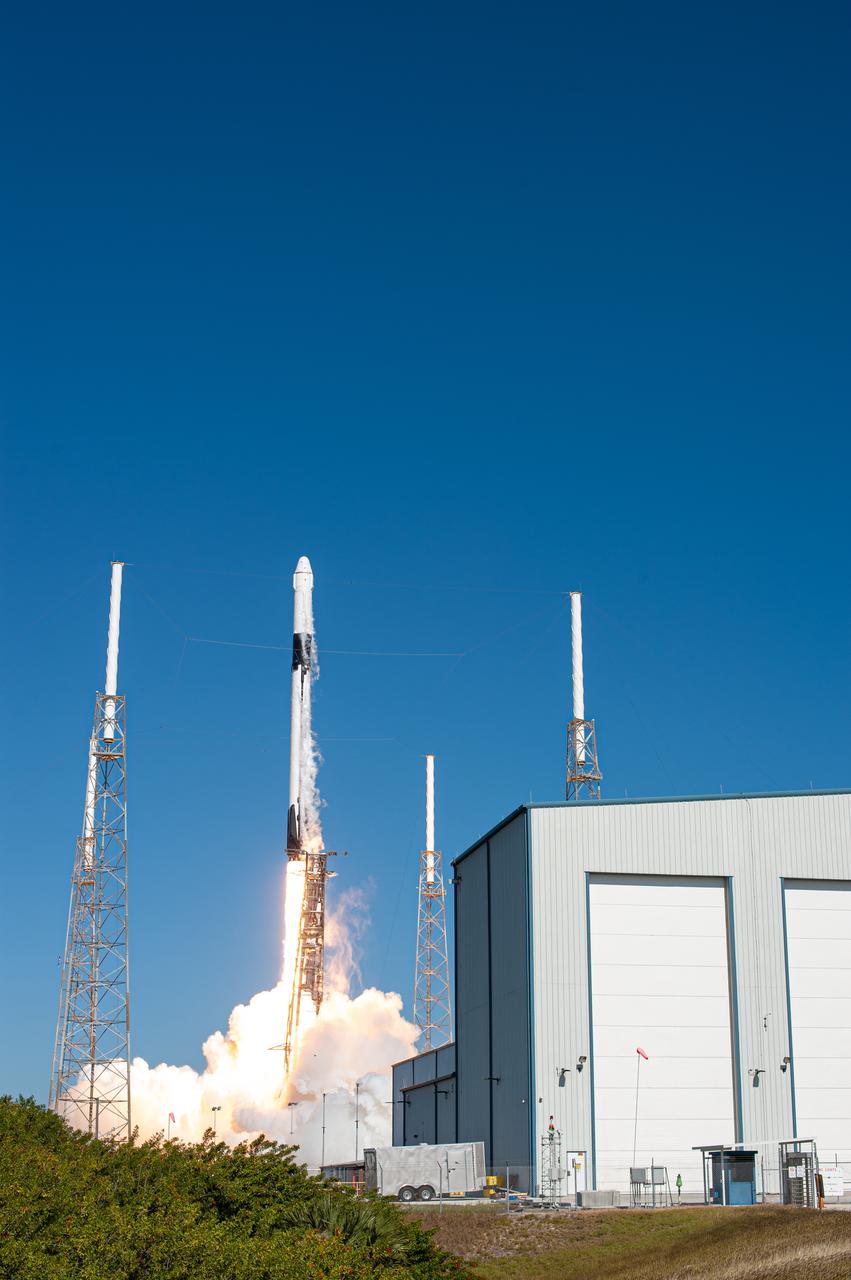
The SpaceX Falcon 9 rocket with the Dragon cargo module climbs upward after liftoff from Space Launch Complex 40 on Cape Canaveral Air Force Station in Florida in the early afternoon on Dec. 5, 2019. Liftoff was at 12:29 p.m. EST. This is SpaceX’s 19th Commercial Resupply Services (CRS-19) mission for NASA to the International Space Station. The Dragon cargo module will deliver more than 5,700 pounds of science and research, crew supplies and vehicle hardware to the orbital laboratory and its crew.
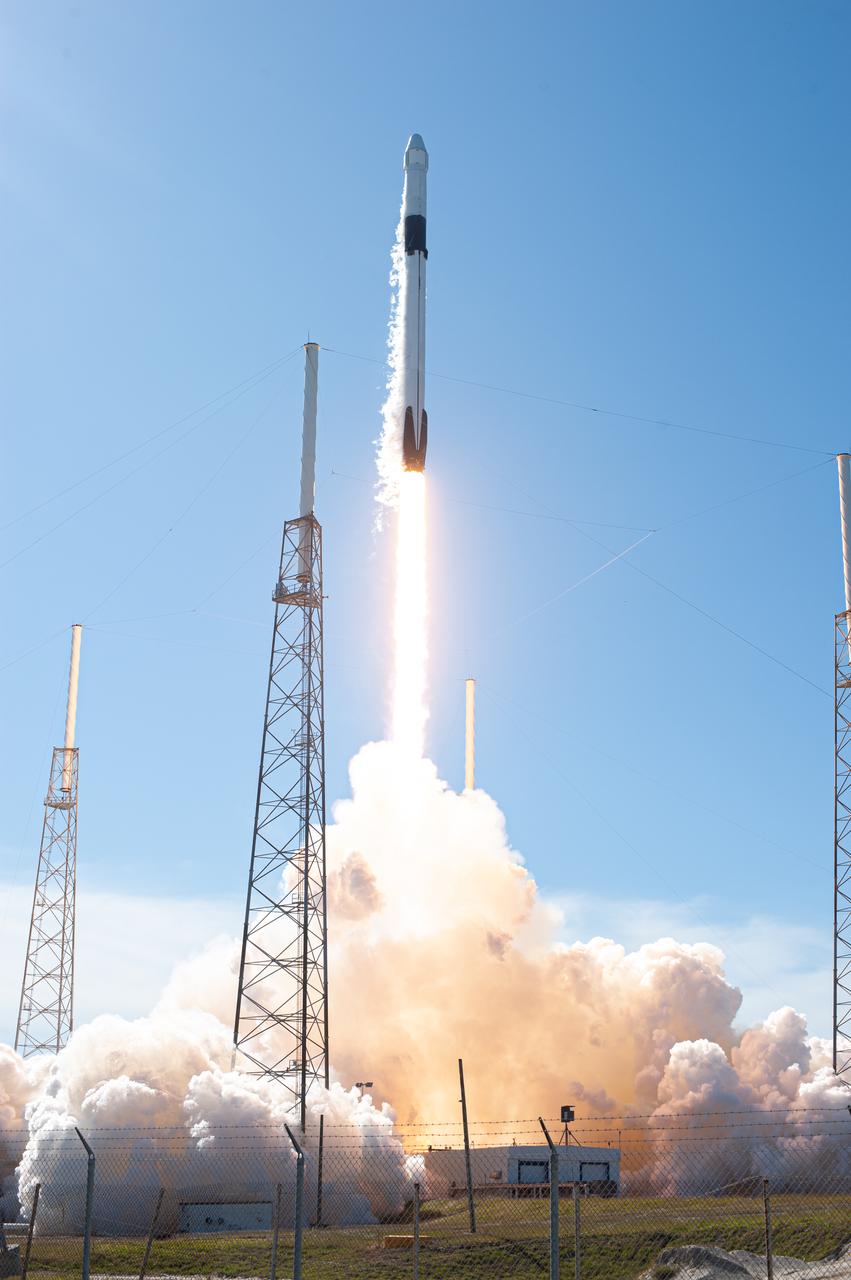
The SpaceX Falcon 9 rocket with the Dragon cargo module lifts off Space Launch Complex 40 on Cape Canaveral Air Force Station in Florida in the early afternoon on Dec. 5, 2019. Liftoff was at 12:29 p.m. EST. This is SpaceX’s 19th Commercial Resupply Services (CRS-19) mission for NASA to the International Space Station. The Dragon cargo module will deliver more than 5,700 pounds of science and research, crew supplies and vehicle hardware to the orbital laboratory and its crew.
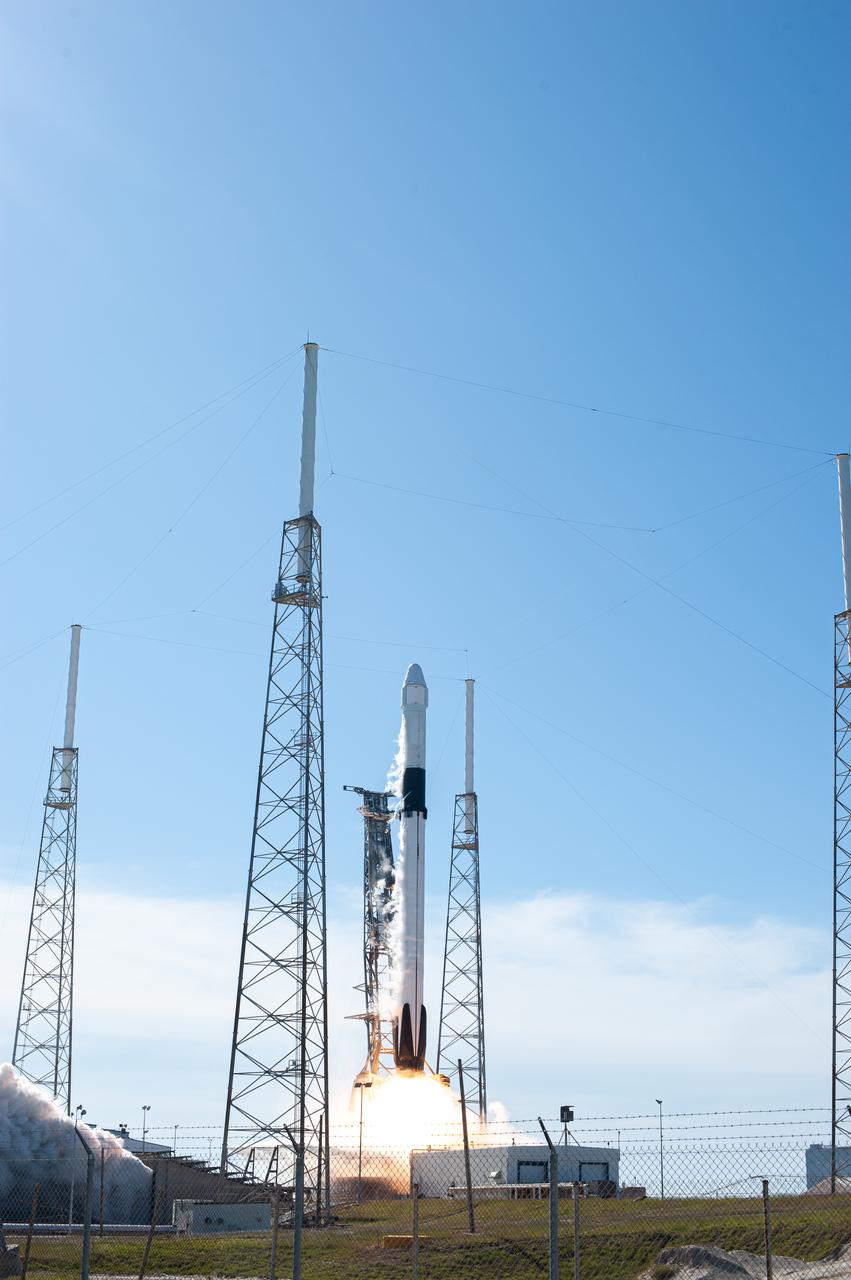
The SpaceX Falcon 9 rocket with the Dragon cargo module lifts off Space Launch Complex 40 on Cape Canaveral Air Force Station in Florida in the early afternoon on Dec. 5, 2019. Liftoff was at 12:29 p.m. EST. This is SpaceX’s 19th Commercial Resupply Services (CRS-19) mission for NASA to the International Space Station. The Dragon cargo module will deliver more than 5,700 pounds of science and research, crew supplies and vehicle hardware to the orbital laboratory and its crew.
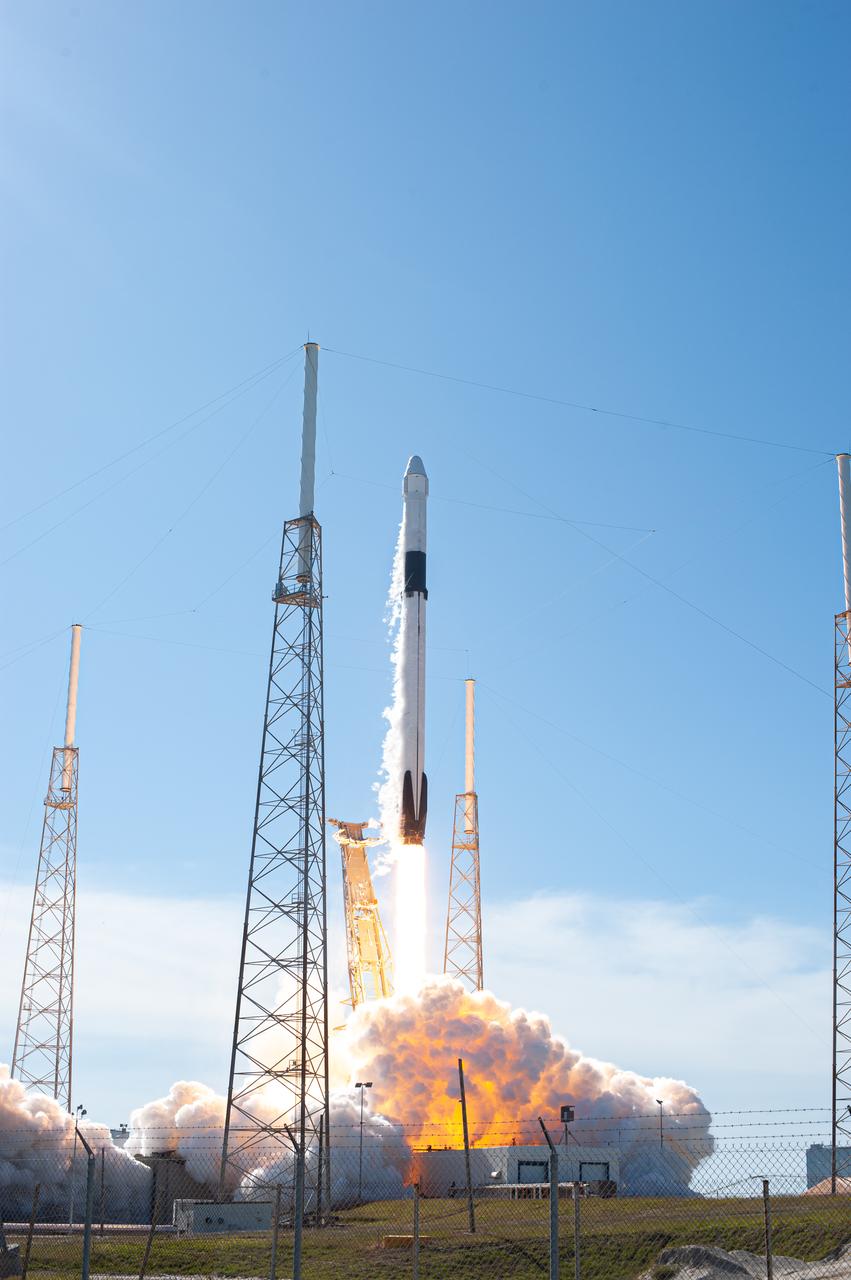
The SpaceX Falcon 9 rocket with the Dragon cargo module lifts off Space Launch Complex 40 on Cape Canaveral Air Force Station in Florida in the early afternoon on Dec. 5, 2019. Liftoff was at 12:29 p.m. EST. This is SpaceX’s 19th Commercial Resupply Services (CRS-19) mission for NASA to the International Space Station. The Dragon cargo module will deliver more than 5,700 pounds of science and research, crew supplies and vehicle hardware to the orbital laboratory and its crew.
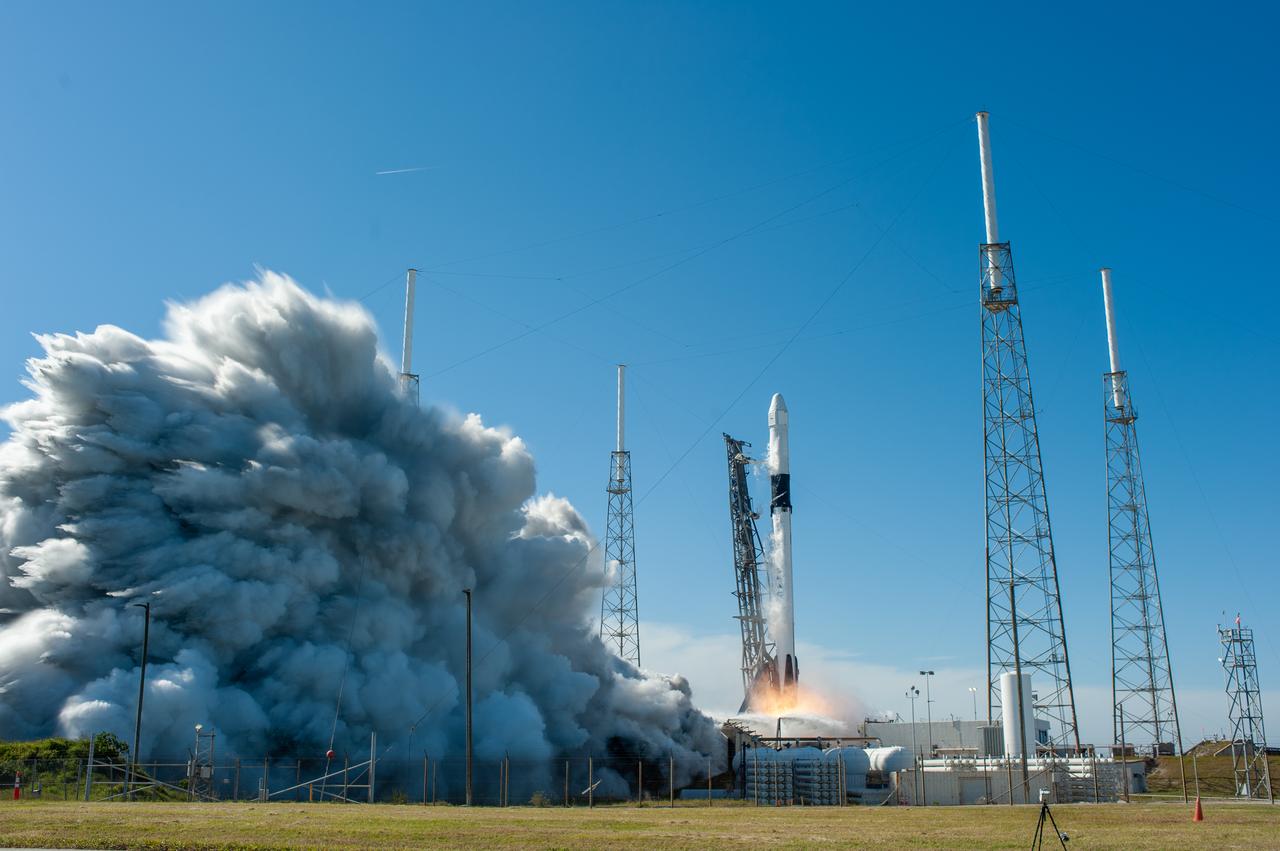
The SpaceX Falcon 9 rocket with the Dragon cargo module lifts off Space Launch Complex 40 on Cape Canaveral Air Force Station in Florida in the early afternoon on Dec. 5, 2019. Liftoff was at 12:29 p.m. EST. This is SpaceX’s 19th Commercial Resupply Services (CRS-19) mission for NASA to the International Space Station. The Dragon cargo module will deliver more than 5,700 pounds of science and research, crew supplies and vehicle hardware to the orbital laboratory and its crew.
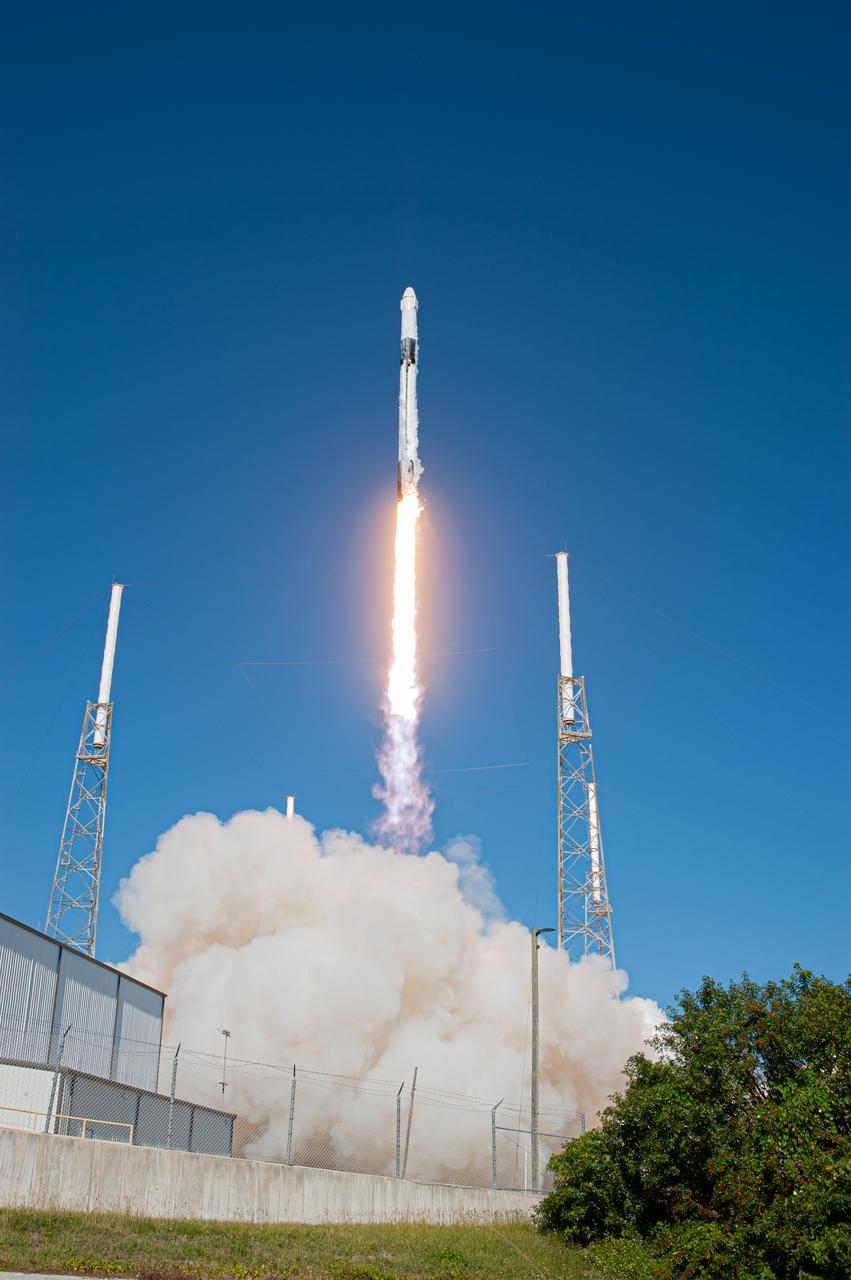
The SpaceX Falcon 9 rocket with the Dragon cargo module climbs upward after liftoff from Space Launch Complex 40 on Cape Canaveral Air Force Station in Florida in the early afternoon on Dec. 5, 2019. Liftoff was at 12:29 p.m. EST. This is SpaceX’s 19th Commercial Resupply Services (CRS-19) mission for NASA to the International Space Station. The Dragon cargo module will deliver more than 5,700 pounds of science and research, crew supplies and vehicle hardware to the orbital laboratory and its crew.
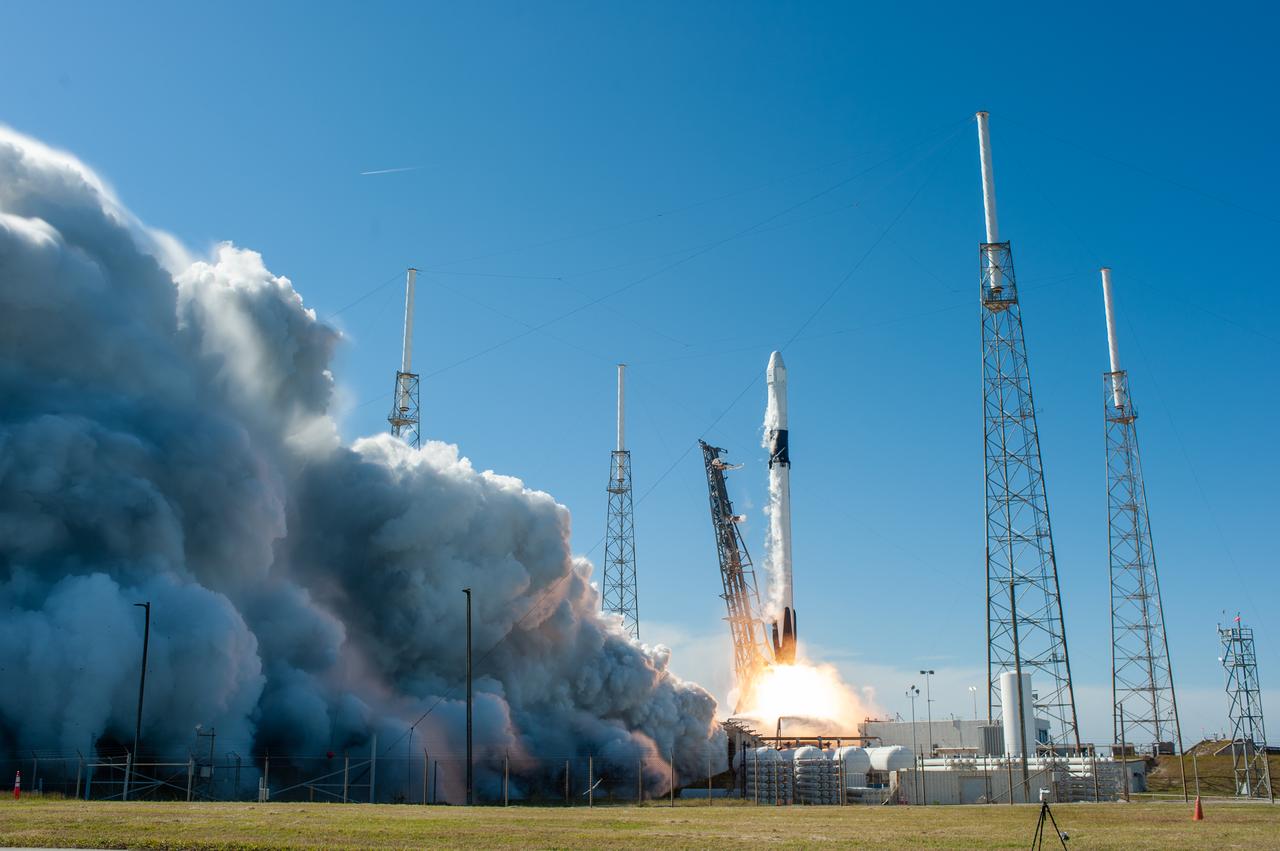
The SpaceX Falcon 9 rocket with the Dragon cargo module lifts off Space Launch Complex 40 on Cape Canaveral Air Force Station in Florida in the early afternoon on Dec. 5, 2019. Liftoff was at 12:29 p.m. EST. This is SpaceX’s 19th Commercial Resupply Services (CRS-19) mission for NASA to the International Space Station. The Dragon cargo module will deliver more than 5,700 pounds of science and research, crew supplies and vehicle hardware to the orbital laboratory and its crew.
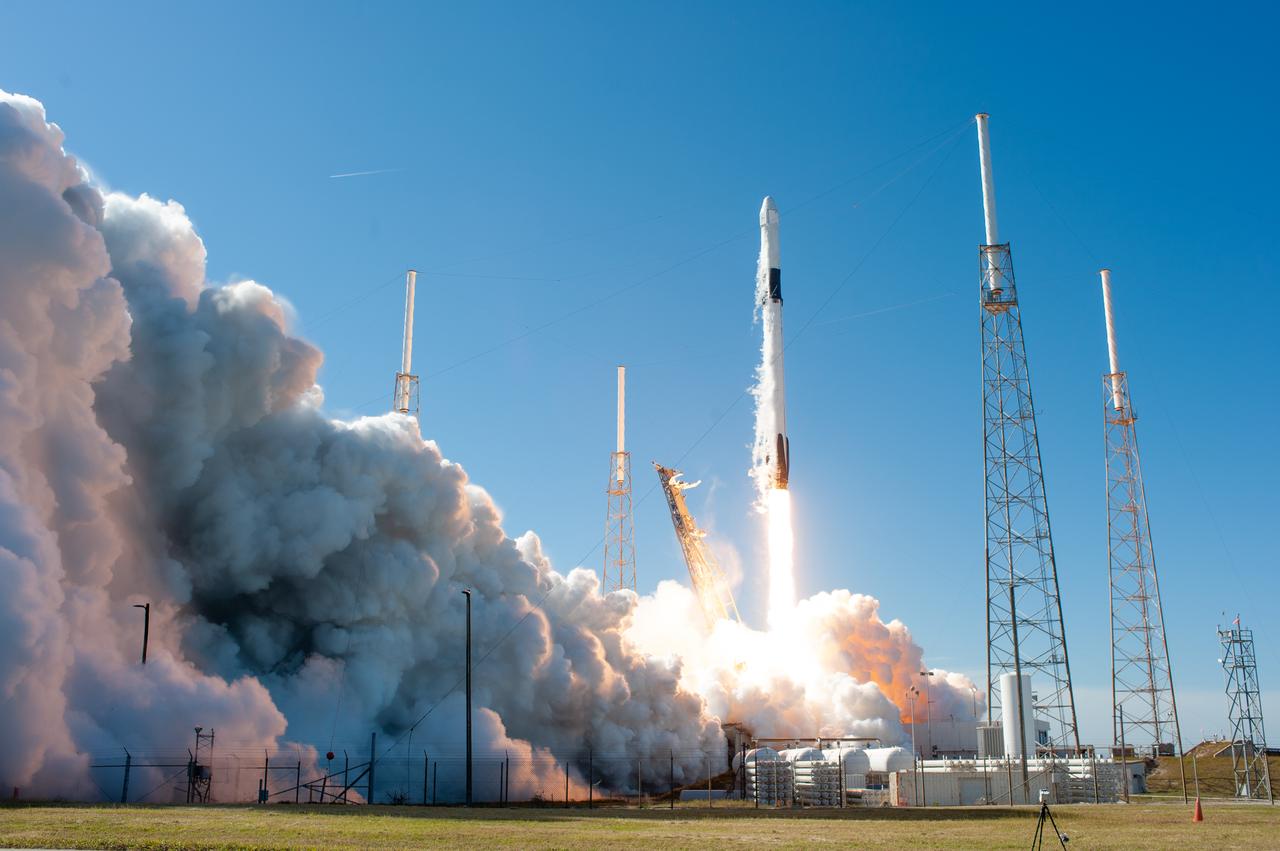
The SpaceX Falcon 9 rocket with the Dragon cargo module lifts off Space Launch Complex 40 on Cape Canaveral Air Force Station in Florida in the early afternoon on Dec. 5, 2019. Liftoff was at 12:29 p.m. EST. This is SpaceX’s 19th Commercial Resupply Services (CRS-19) mission for NASA to the International Space Station. The Dragon cargo module will deliver more than 5,700 pounds of science and research, crew supplies and vehicle hardware to the orbital laboratory and its crew.
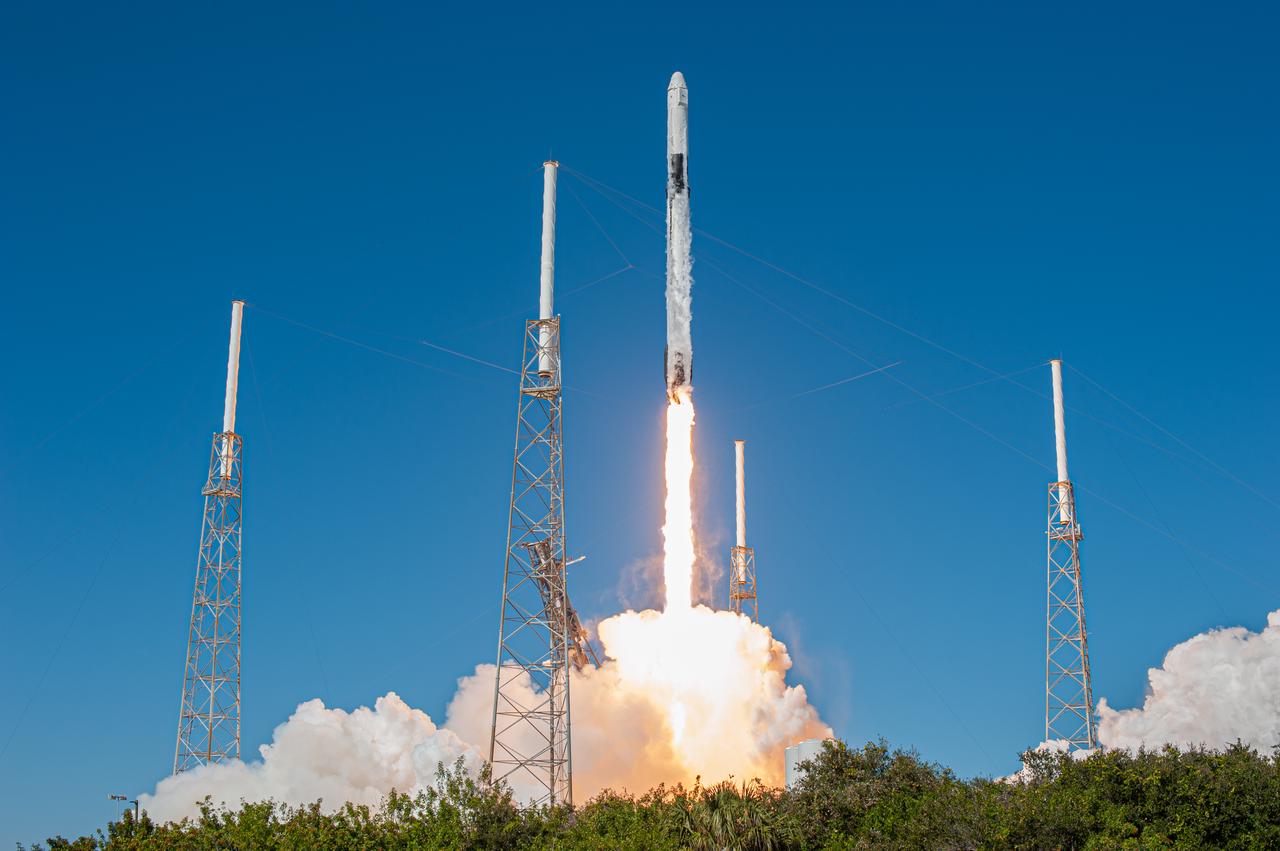
The SpaceX Falcon 9 rocket with the Dragon cargo module lifts off Space Launch Complex 40 on Cape Canaveral Air Force Station in Florida in the early afternoon on Dec. 5, 2019. Liftoff was at 12:29 p.m. EST. This is SpaceX’s 19th Commercial Resupply Services (CRS-19) mission for NASA to the International Space Station. The Dragon cargo module will deliver more than 5,700 pounds of science and research, crew supplies and vehicle hardware to the orbital laboratory and its crew.
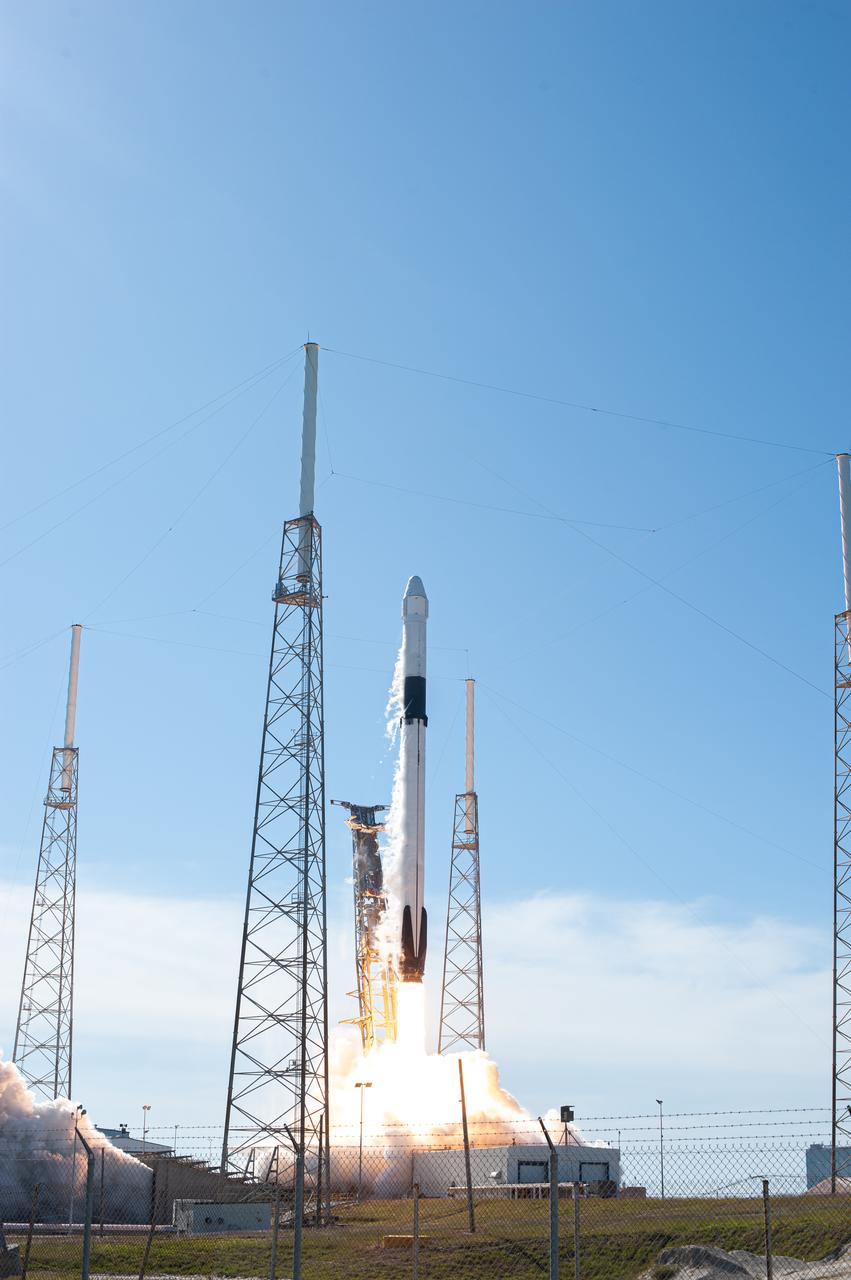
The SpaceX Falcon 9 rocket with the Dragon cargo module lifts off Space Launch Complex 40 on Cape Canaveral Air Force Station in Florida in the early afternoon on Dec. 5, 2019. Liftoff was at 12:29 p.m. EST. This is SpaceX’s 19th Commercial Resupply Services (CRS-19) mission for NASA to the International Space Station. The Dragon cargo module will deliver more than 5,700 pounds of science and research, crew supplies and vehicle hardware to the orbital laboratory and its crew.
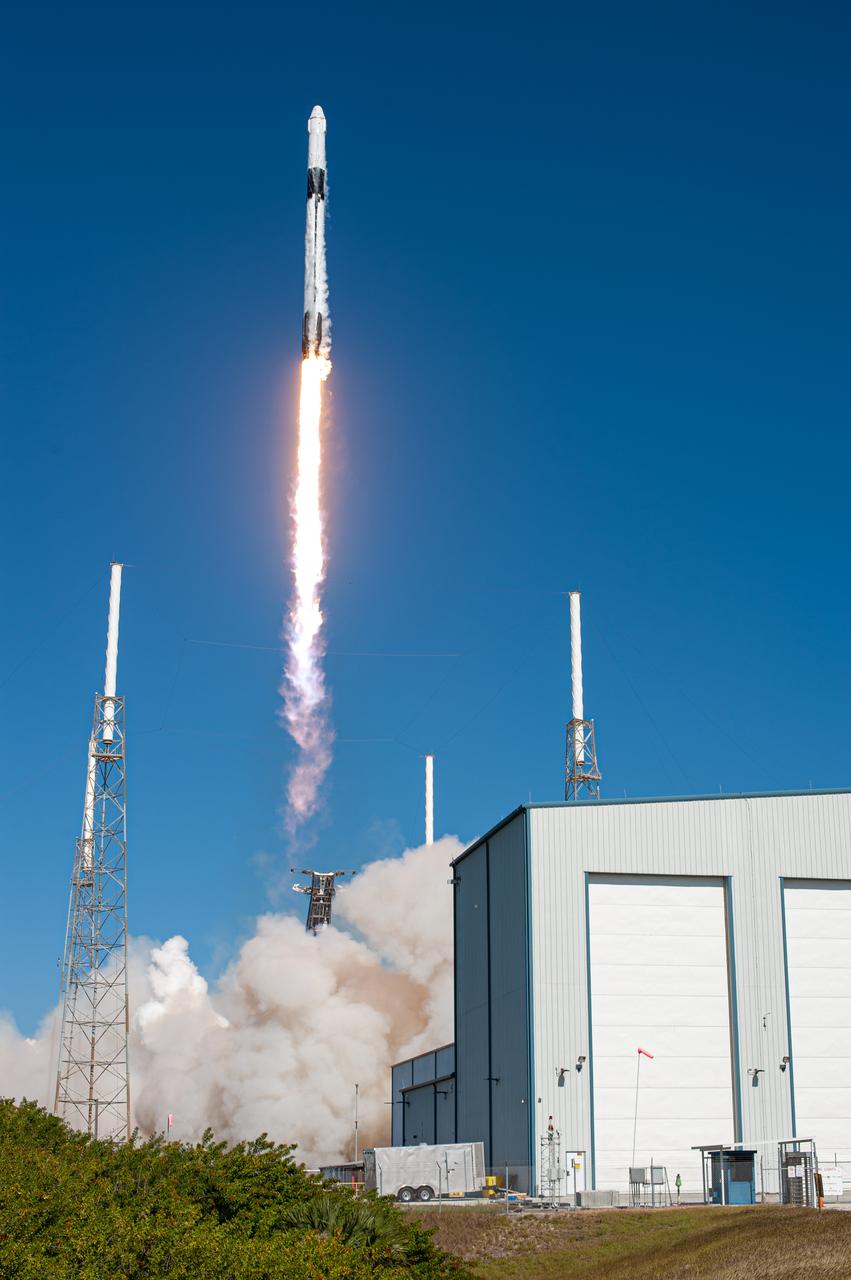
The SpaceX Falcon 9 rocket with the Dragon cargo module climbs upward after liftoff from Space Launch Complex 40 on Cape Canaveral Air Force Station in Florida in the early afternoon on Dec. 5, 2019. Liftoff was at 12:29 p.m. EST. This is SpaceX’s 19th Commercial Resupply Services (CRS-19) mission for NASA to the International Space Station. The Dragon cargo module will deliver more than 5,700 pounds of science and research, crew supplies and vehicle hardware to the orbital laboratory and its crew.