CAPE CANAVERAL, Fla. -- NASA's Tracking and Data Relay Satellite-K, TDRS-K, is well on its way to orbit, launching atop a United Launch Alliance Atlas V 401 rocket from Space Launch Complex 41 on Cape Canaveral Air Force Station in Florida at 8:48 p.m. EST. The TDRS-K spacecraft is part of the next-generation series in the Tracking and Data Relay Satellite System, a constellation of space-based communication satellites providing tracking, telemetry, command and high-bandwidth data return services. For more information, visit http:__www.nasa.gov_mission_pages_tdrs_index.html. Photo credit: NASA_George Roberts
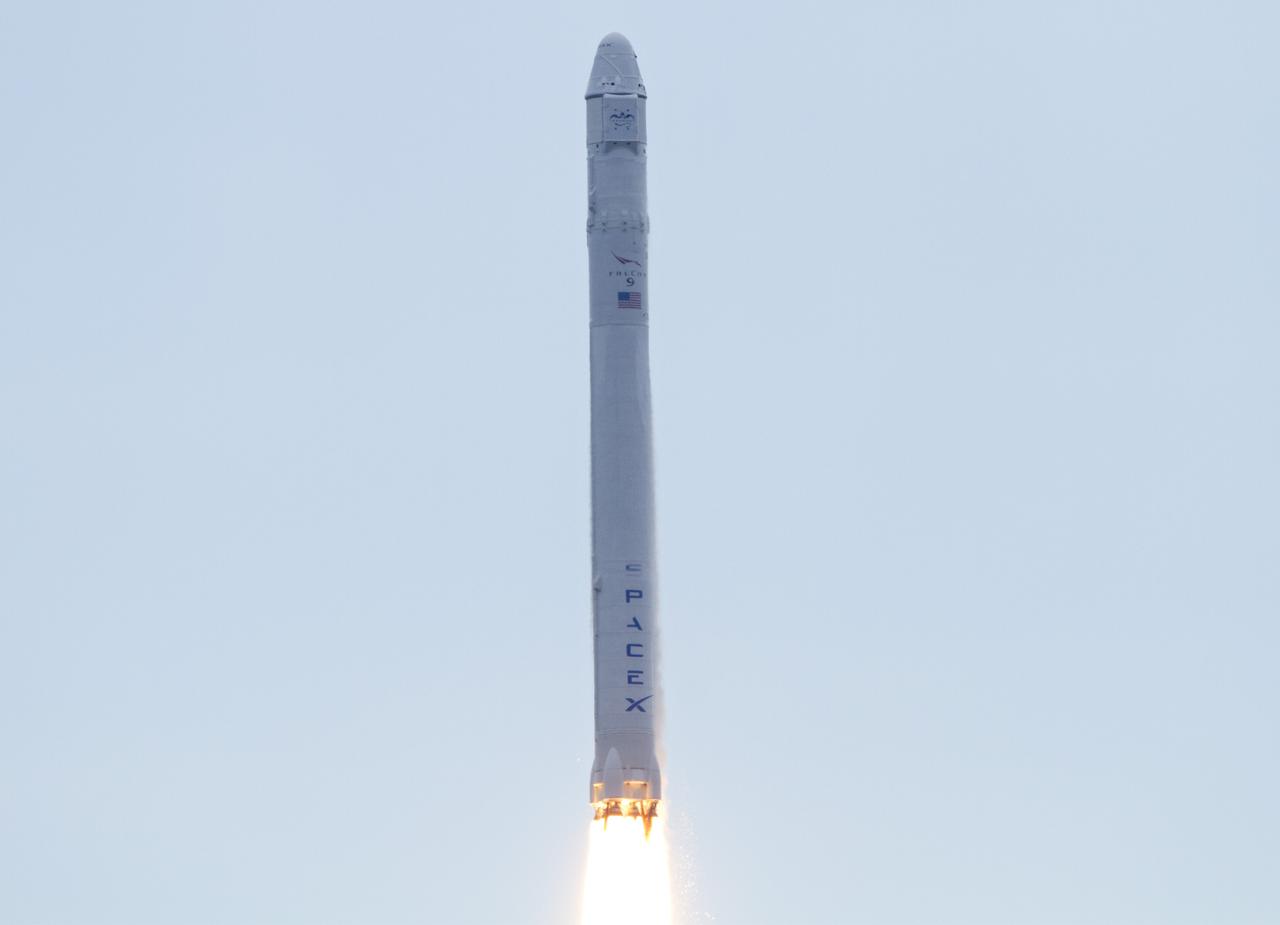
CAPE CANAVERAL, Fla. -- A Space Exploration Technologies, or SpaceX, Falcon 9 rocket lifts off Space Launch Complex 40 on Cape Canaveral Air Force Station in Florida at 10:10 a.m. EST, carrying a Dragon capsule filled with cargo. The SpaceX Dragon capsule is making its third trip to the International Space Station, following a demonstration flight in May 2012 and the first resupply mission in October 2012. The SpaceX-2 mission is the second of 12 SpaceX flights contracted by NASA to resupply the orbiting laboratory. For more information, visit http:__www.nasa.gov_mission_pages_station_structure_launch_spacex2-feature.html Photo credit: NASA_George Roberts
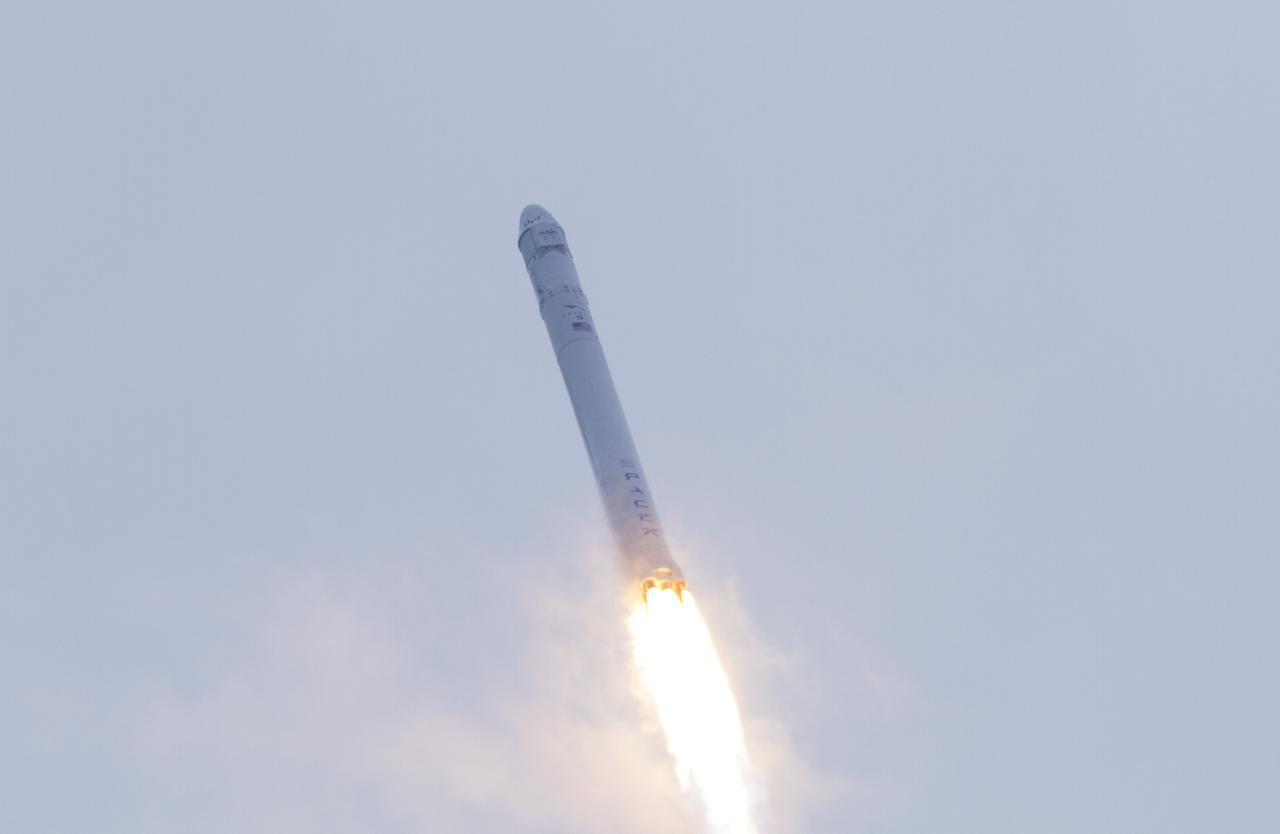
CAPE CANAVERAL, Fla. -- A Space Exploration Technologies, or SpaceX, Falcon 9 rocket lifts off Space Launch Complex 40 on Cape Canaveral Air Force Station in Florida at 10:10 a.m. EST, carrying a Dragon capsule filled with cargo. The SpaceX Dragon capsule is making its third trip to the International Space Station, following a demonstration flight in May 2012 and the first resupply mission in October 2012. The SpaceX-2 mission is the second of 12 SpaceX flights contracted by NASA to resupply the orbiting laboratory. For more information, visit http:__www.nasa.gov_mission_pages_station_structure_launch_spacex2-feature.html Photo credit: NASA_George Roberts
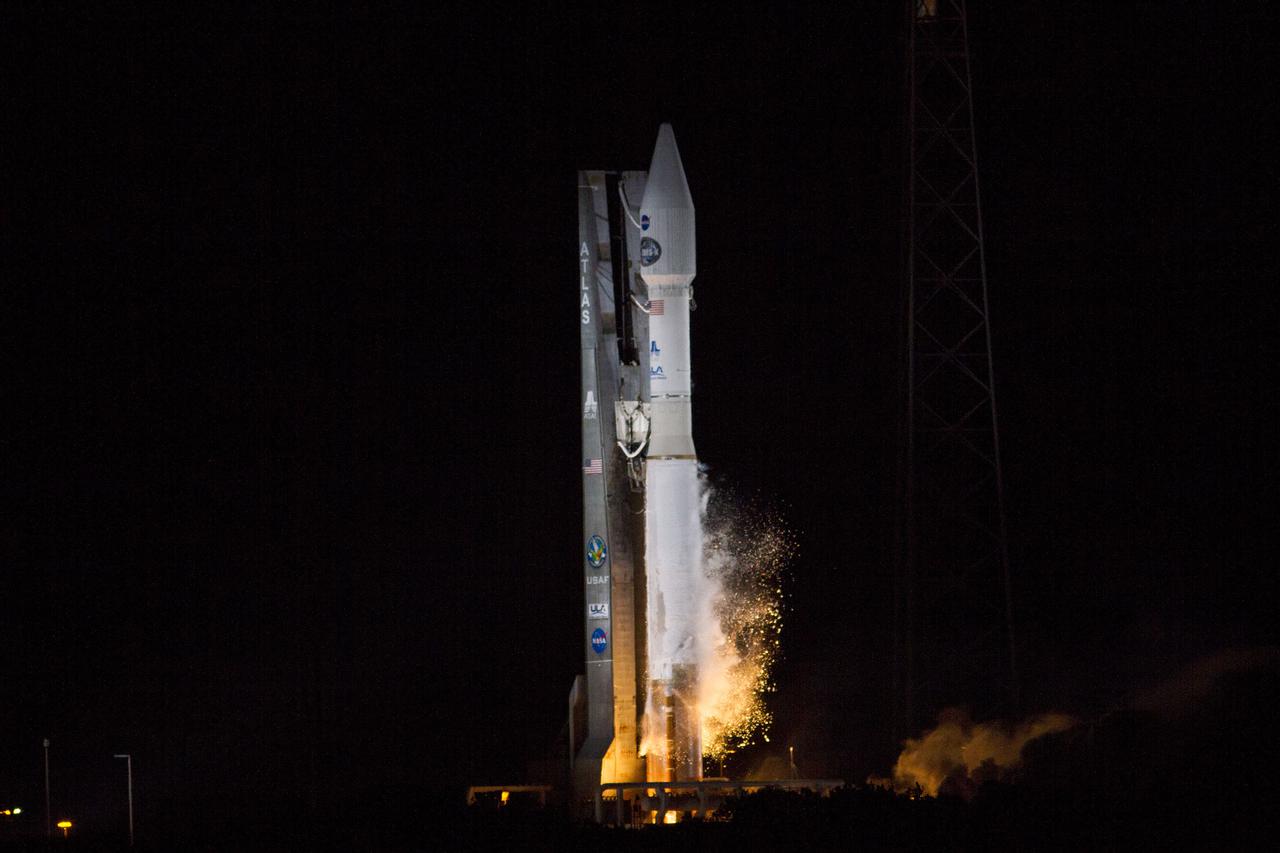
CAPE CANAVERAL, Fla. -- Plumes of exhaust and smoke form around a United Launch Alliance Atlas V 401 rocket at 8:48 p.m. EST as it lifts off Space Launch Complex 41 on Cape Canaveral Air Force Station in Florida, carrying NASA's Tracking and Data Relay Satellite-K, TDRS-K, to orbit. The TDRS-K spacecraft is part of the next-generation series in the Tracking and Data Relay Satellite System, a constellation of space-based communication satellites providing tracking, telemetry, command and high-bandwidth data return services. For more information, visit http:__www.nasa.gov_mission_pages_tdrs_index.html. Photo credit: NASA_George Roberts
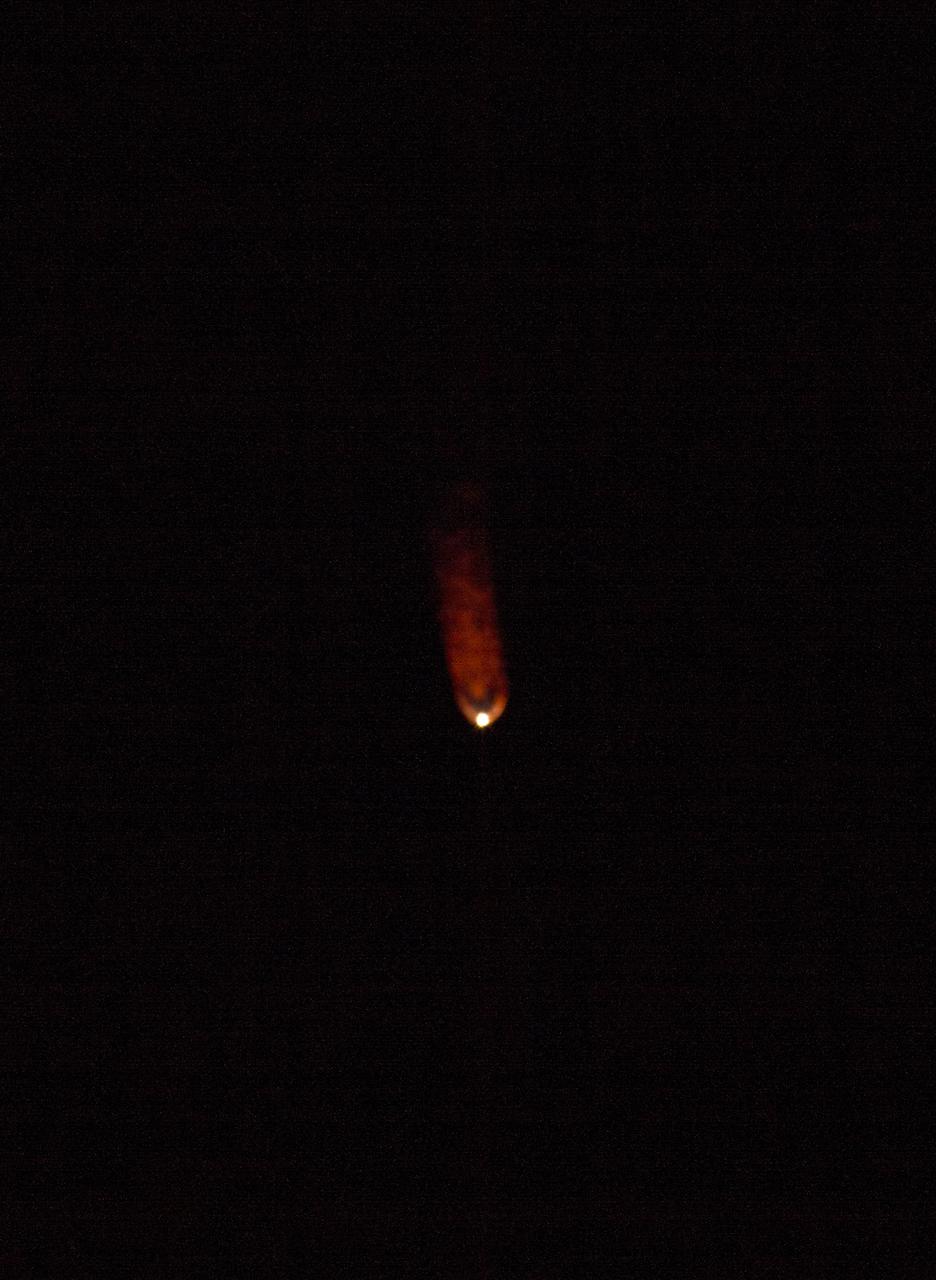
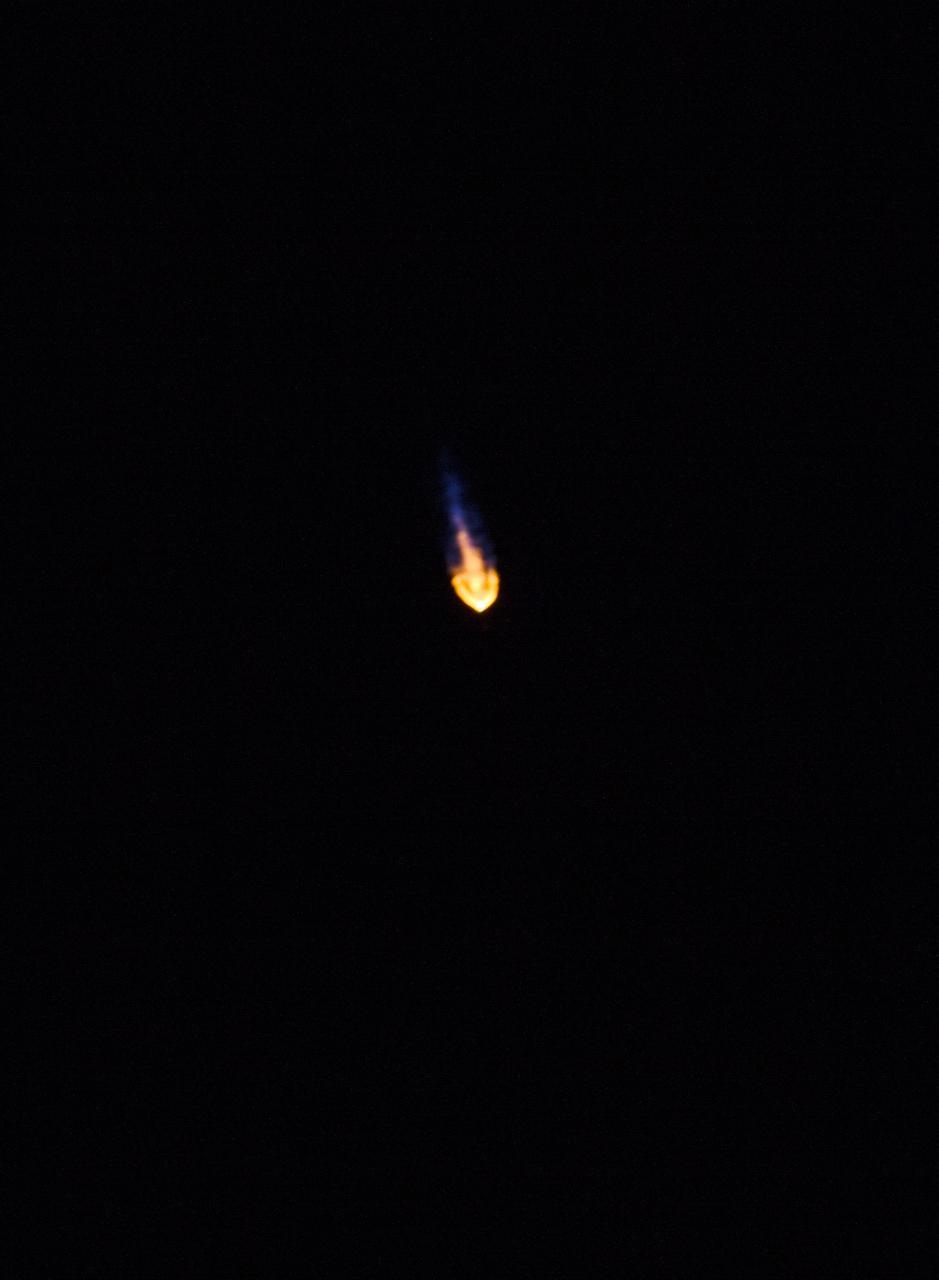
CAPE CANAVERAL, Fla. -- The United Launch Alliance Atlas V 401 rocket carrying NASA's Tracking and Data Relay Satellite-K, TDRS-K, is no more than a pinpoint of light in the night sky, following liftoff at 8:48 p.m. EST from Space Launch Complex 41 on Cape Canaveral Air Force Station in Florida. The TDRS-K spacecraft is part of the next-generation series in the Tracking and Data Relay Satellite System, a constellation of space-based communication satellites providing tracking, telemetry, command and high-bandwidth data return services. For more information, visit http:__www.nasa.gov_mission_pages_tdrs_index.html. Photo credit: NASA_George Roberts
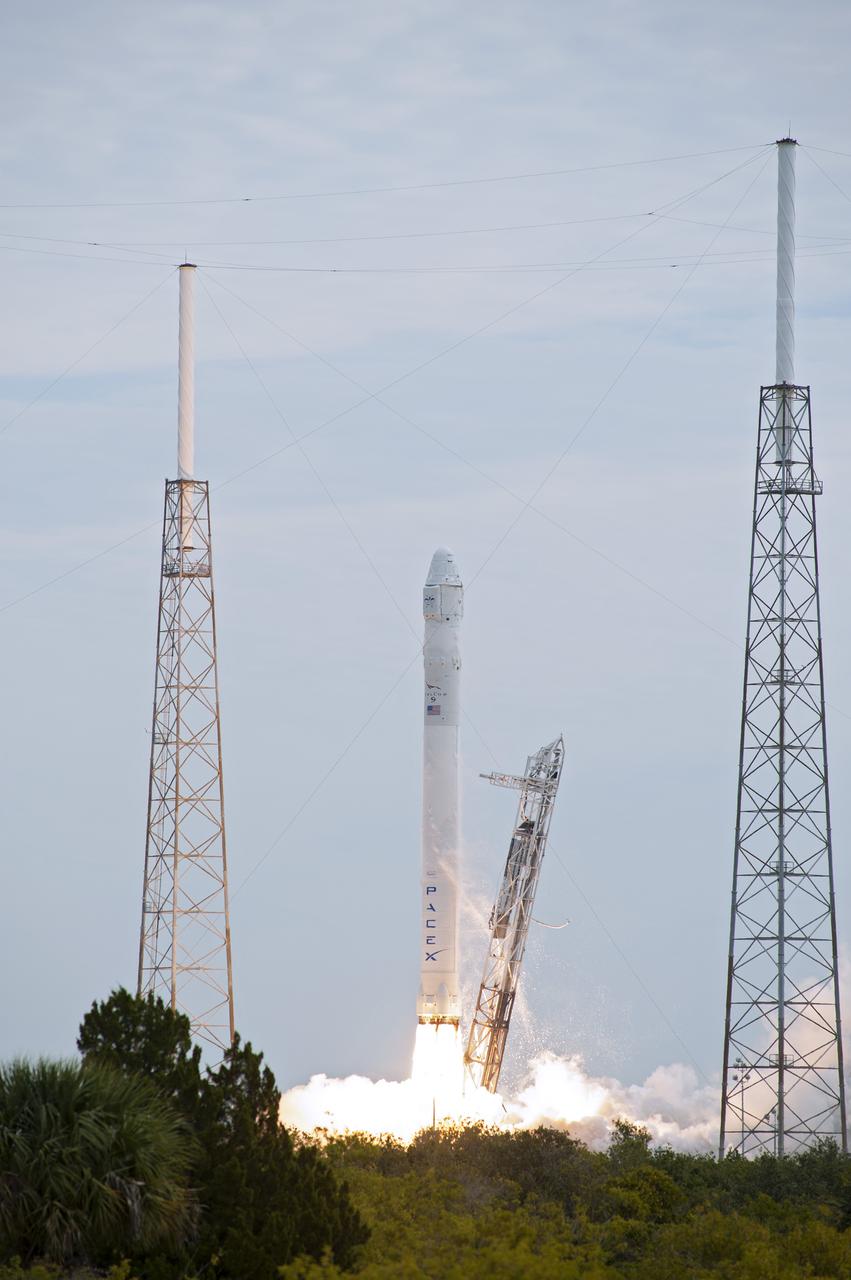
CAPE CANAVERAL, Fla. -- A Space Exploration Technologies, or SpaceX, Falcon 9 rocket lifts off Space Launch Complex 40 on Cape Canaveral Air Force Station in Florida at 10:10 a.m. EST, carrying a Dragon capsule filled with cargo. The SpaceX Dragon capsule is making its third trip to the International Space Station, following a demonstration flight in May 2012 and the first resupply mission in October 2012. The SpaceX-2 mission is the second of 12 SpaceX flights contracted by NASA to resupply the orbiting laboratory. For more information, visit http:__www.nasa.gov_mission_pages_station_structure_launch_spacex2-feature.html Photo credit: NASA_George Roberts
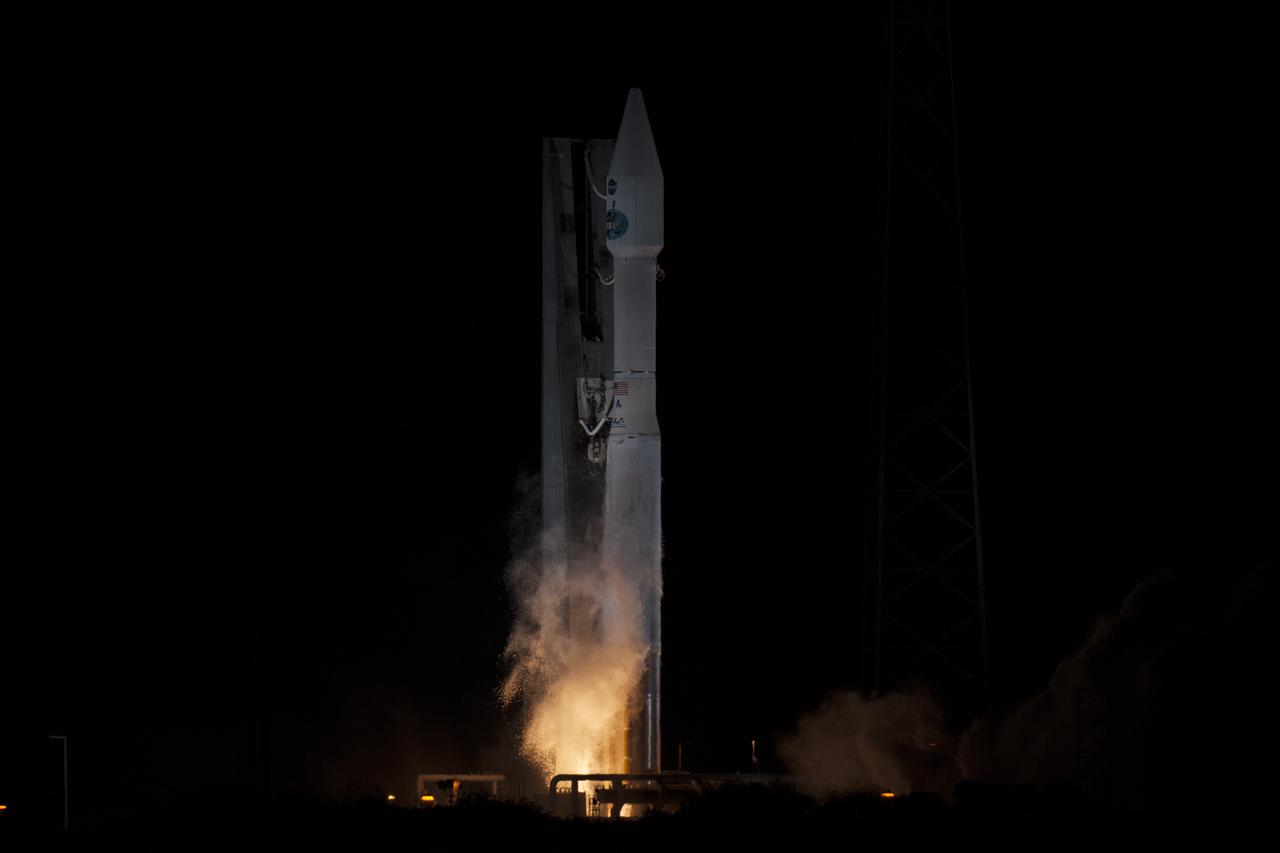
CAPE CANAVERAL, Fla. – At Space Launch Complex 41 on Cape Canaveral Air Force Station in Florida, dual rocket engines roar to life under the United Launch Alliance Atlas V rocket that will boost NASA's Tracking and Data Relay Satellite, or TDRS-L, to Earth orbit. Liftoff was at 9:33 p.m. EST Jan. 23 during a 40-minute launch window. The TDRS-L spacecraft is the second of three new satellites designed to ensure vital operational continuity for NASA by expanding the lifespan of the Tracking and Data Relay Satellite System TDRSS fleet, which consists of eight satellites in geosynchronous orbit. The spacecraft provide tracking, telemetry, command and high-bandwidth data return services for numerous science and human exploration missions orbiting Earth. These include NASA's Hubble Space Telescope and the International Space Station. TDRS-L has a high-performance solar panel designed for more spacecraft power to meet the growing S-band communications requirements. TDRSS is one of three NASA Space Communication and Navigation SCaN networks providing space communications to NASA’s missions. For more information more about TDRS-L, visit http:__www.nasa.gov_tdrs. To learn more about SCaN, visit www.nasa.gov_scan. Photo credit: NASA_George Roberts
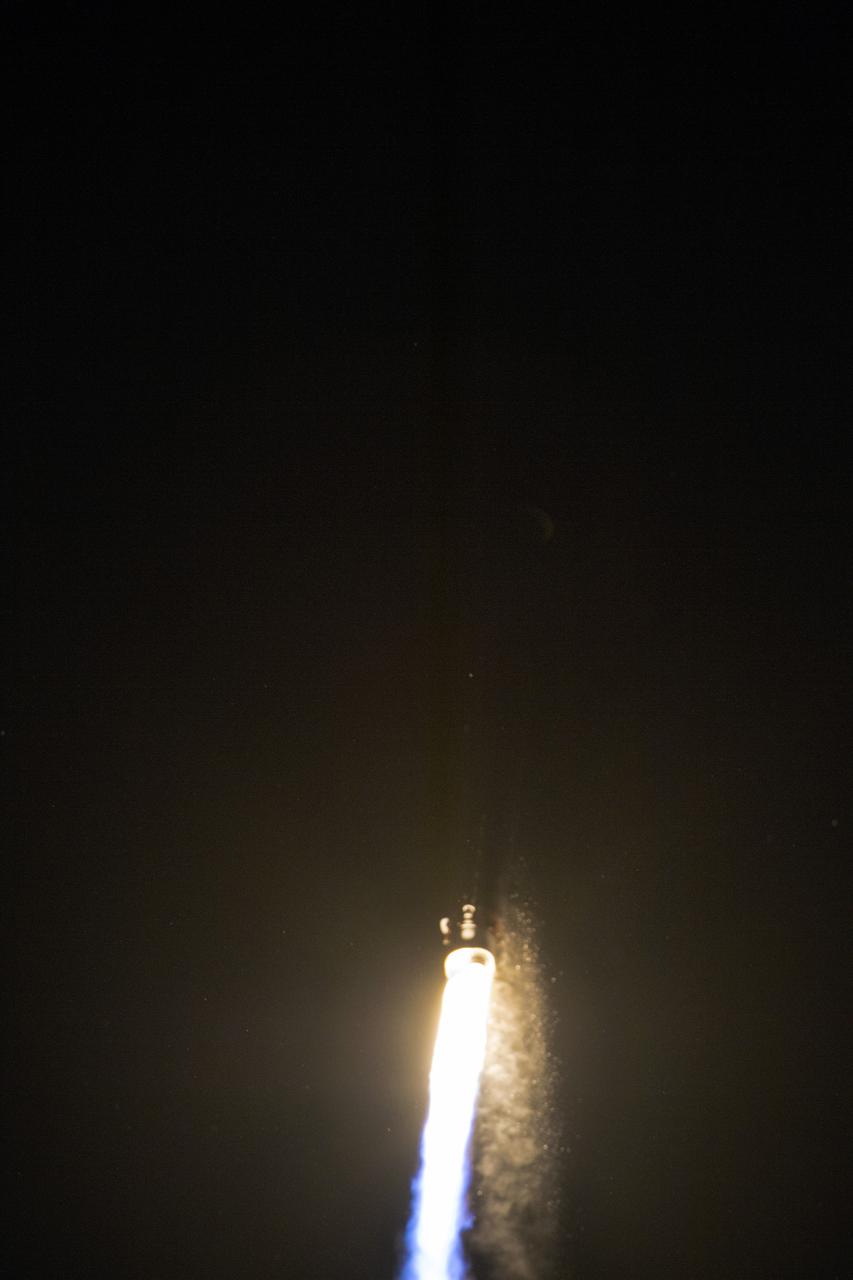
CAPE CANAVERAL, Fla. -- The glare from the engines is all that's visible of a United Launch Alliance Atlas V 401 rocket as it lifts off into the night sky over Space Launch Complex 41 on Cape Canaveral Air Force Station in Florida. Liftoff with NASA's Tracking and Data Relay Satellite-K, TDRS-K, aboard was at 8:48 p.m. EST. The TDRS-K spacecraft is part of the next-generation series in the Tracking and Data Relay Satellite System, a constellation of space-based communication satellites providing tracking, telemetry, command and high-bandwidth data return services. For more information, visit http:__www.nasa.gov_mission_pages_tdrs_index.html. Photo credit: NASA_George Roberts
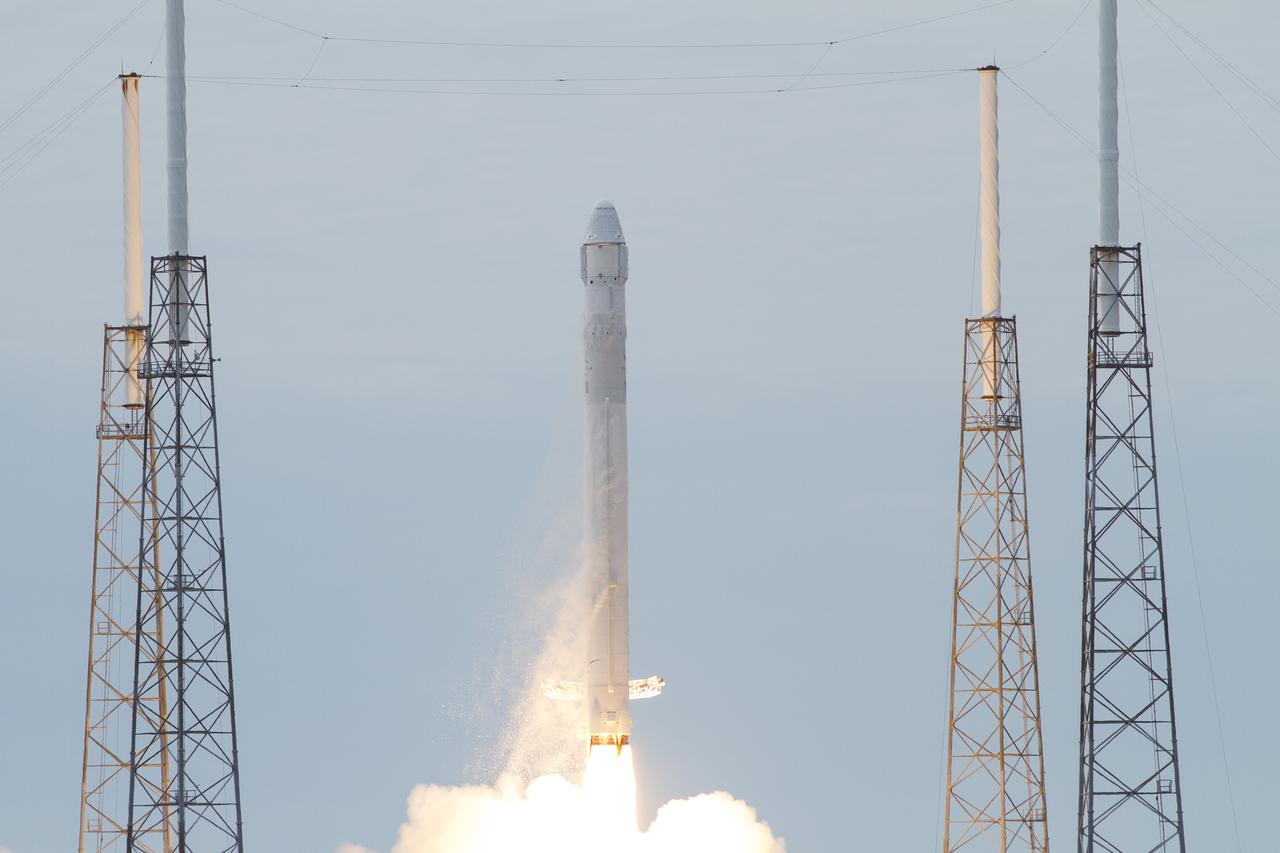
CAPE CANAVERAL, Fla. -- A Space Exploration Technologies, or SpaceX, Falcon 9 rocket lifts off Space Launch Complex 40 on Cape Canaveral Air Force Station in Florida at 10:10 a.m. EST, carrying a Dragon capsule filled with cargo. The SpaceX Dragon capsule is making its third trip to the International Space Station, following a demonstration flight in May 2012 and the first resupply mission in October 2012. The SpaceX-2 mission is the second of 12 SpaceX flights contracted by NASA to resupply the orbiting laboratory. For more information, visit http:__www.nasa.gov_mission_pages_station_structure_launch_spacex2-feature.html Photo credit: NASA_George Roberts
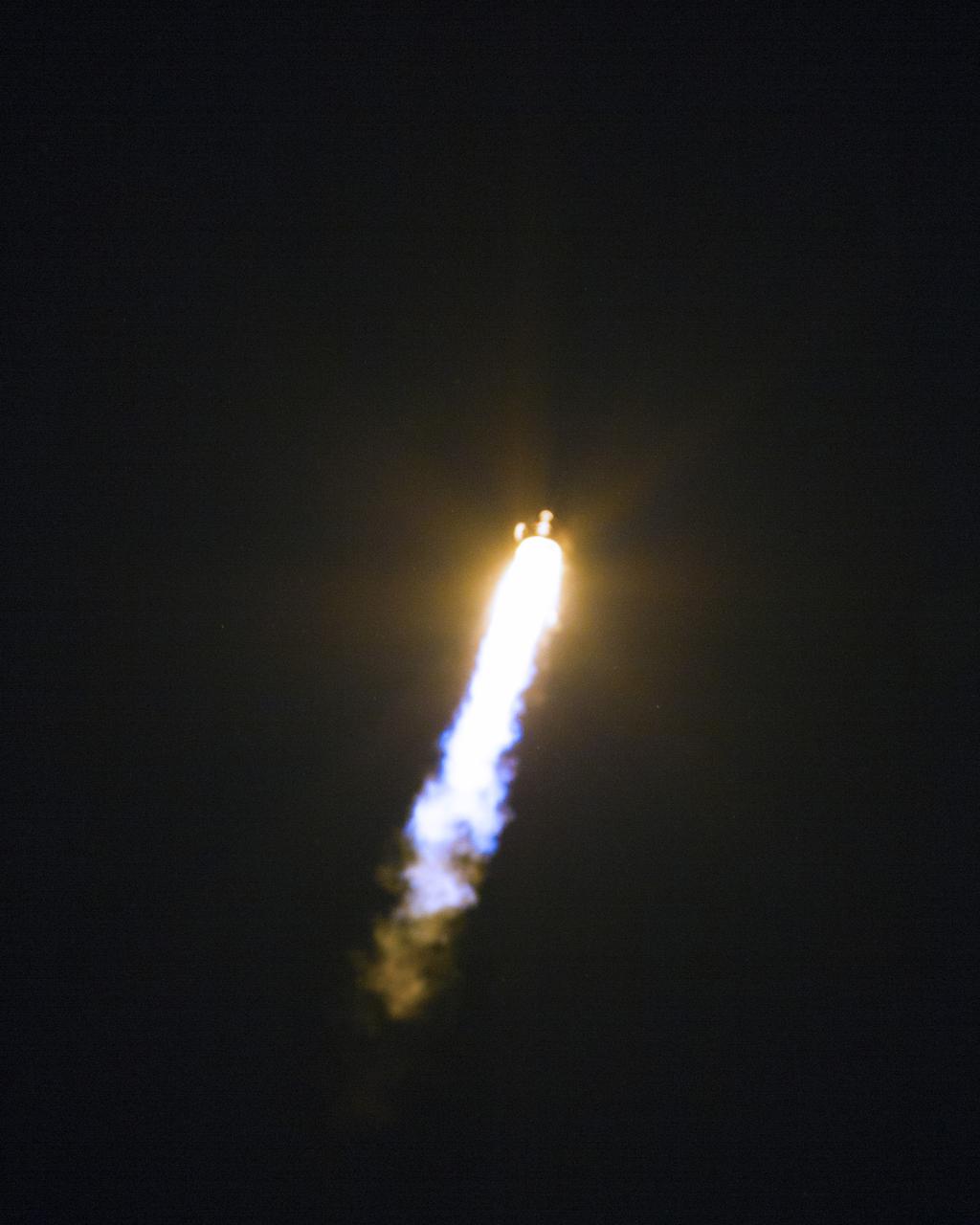
CAPE CANAVERAL, Fla. -- A United Launch Alliance Atlas V 401 rocket streaks into the night sky over Space Launch Complex 41 on Cape Canaveral Air Force Station in Florida, carrying NASA's Tracking and Data Relay Satellite-K, TDRS-K, to orbit. Launch was at 8:48 p.m. EST. The TDRS-K spacecraft is part of the next-generation series in the Tracking and Data Relay Satellite System, a constellation of space-based communication satellites providing tracking, telemetry, command and high-bandwidth data return services. For more information, visit http:__www.nasa.gov_mission_pages_tdrs_index.html. Photo credit: NASA_George Roberts
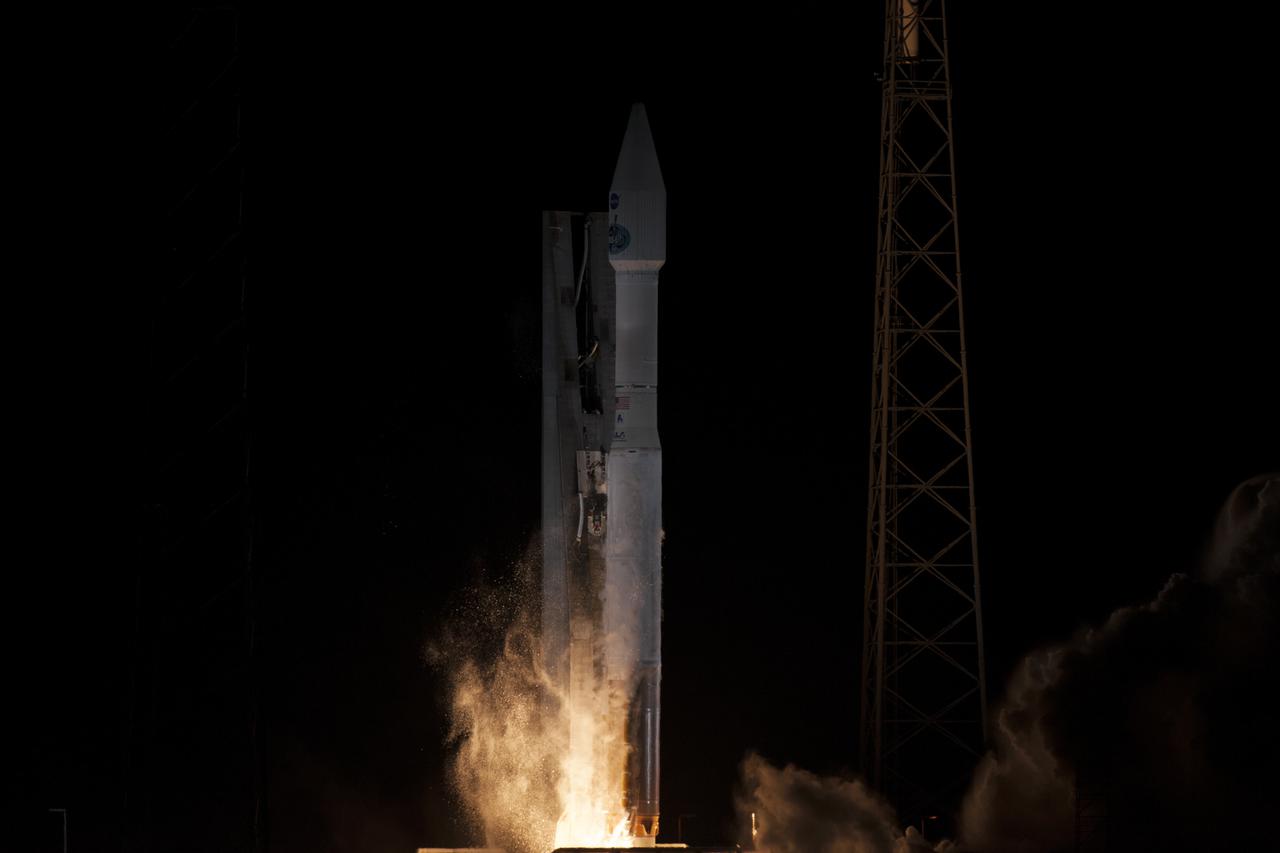
CAPE CANAVERAL, Fla. – The dual rocket engines beneath the United Launch Alliance Atlas V rocket are ablaze as it lifts off Space Launch Complex 41 on Cape Canaveral Air Force Station in Florida, carrying NASA's Tracking and Data Relay Satellite, or TDRS-L, to Earth orbit. Liftoff was at 9:33 p.m. EST Jan. 23 during a 40-minute launch window. The TDRS-L spacecraft is the second of three new satellites designed to ensure vital operational continuity for NASA by expanding the lifespan of the Tracking and Data Relay Satellite System TDRSS fleet, which consists of eight satellites in geosynchronous orbit. The spacecraft provide tracking, telemetry, command and high-bandwidth data return services for numerous science and human exploration missions orbiting Earth. These include NASA's Hubble Space Telescope and the International Space Station. TDRS-L has a high-performance solar panel designed for more spacecraft power to meet the growing S-band communications requirements. TDRSS is one of three NASA Space Communication and Navigation SCaN networks providing space communications to NASA’s missions. For more information more about TDRS-L, visit http:__www.nasa.gov_tdrs. To learn more about SCaN, visit www.nasa.gov_scan. Photo credit: NASA_George Roberts
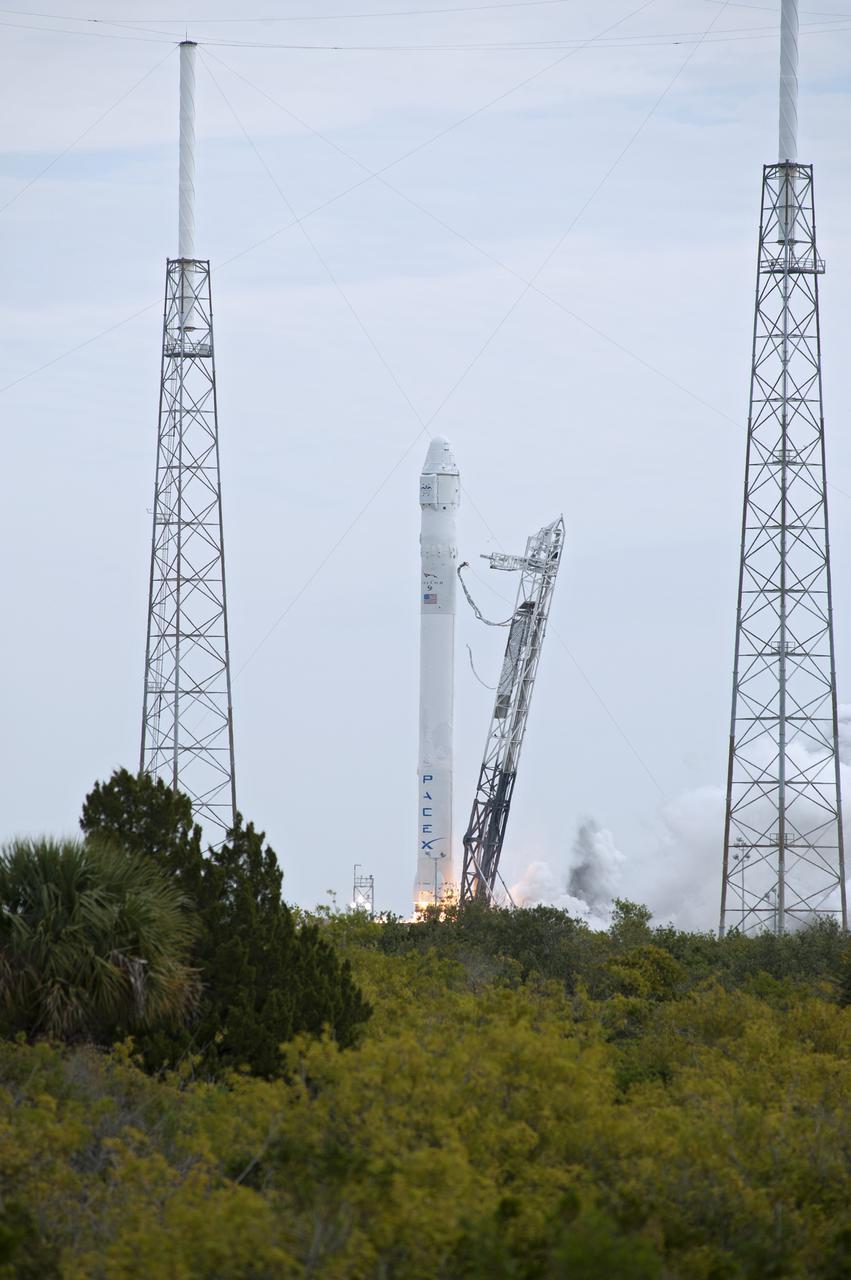
CAPE CANAVERAL, Fla. -- A Space Exploration Technologies, or SpaceX, Falcon 9 rocket lifts off Space Launch Complex 40 on Cape Canaveral Air Force Station in Florida at 10:10 a.m. EST, carrying a Dragon capsule filled with cargo. The SpaceX Dragon capsule is making its third trip to the International Space Station, following a demonstration flight in May 2012 and the first resupply mission in October 2012. The SpaceX-2 mission is the second of 12 SpaceX flights contracted by NASA to resupply the orbiting laboratory. For more information, visit http:__www.nasa.gov_mission_pages_station_structure_launch_spacex2-feature.html Photo credit: NASA_George Roberts
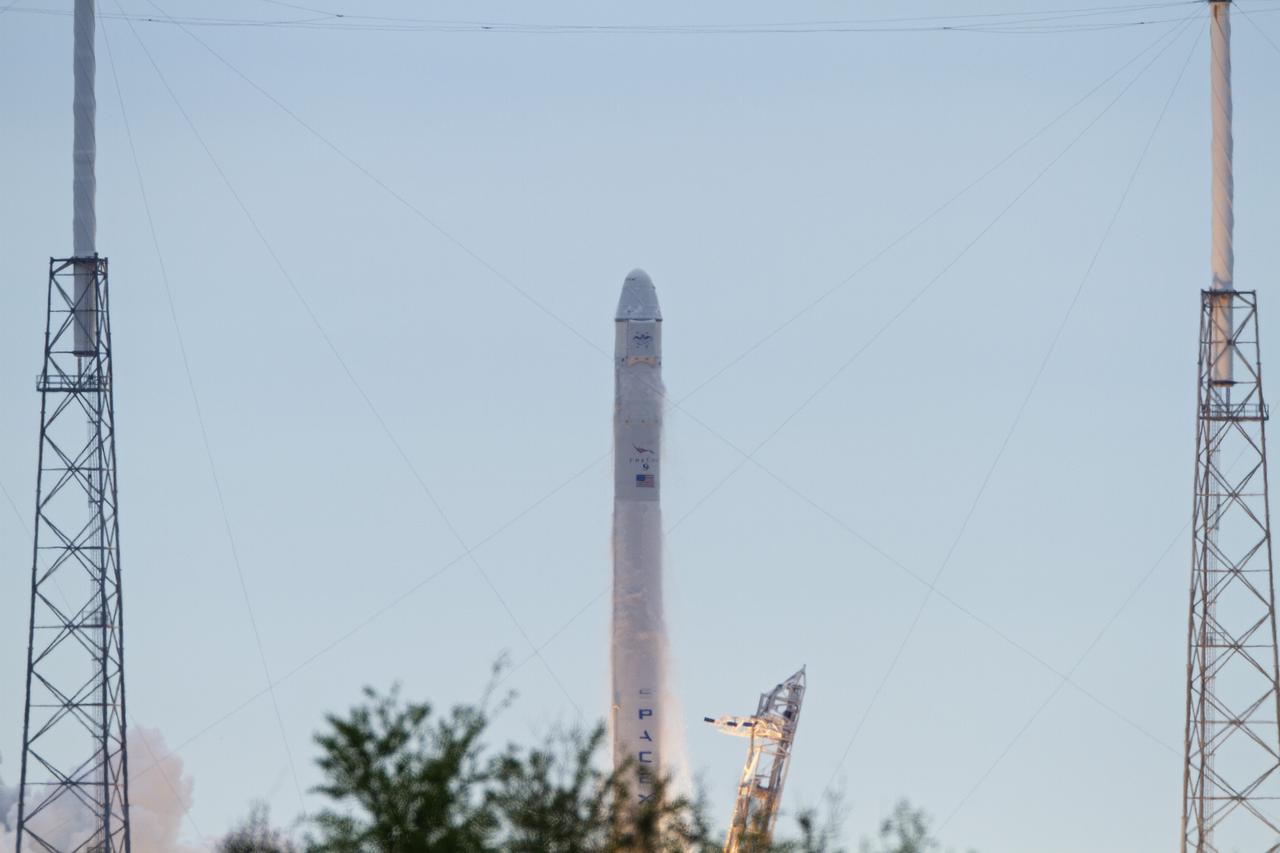
CAPE CANAVERAL, Fla. -- A Space Exploration Technologies, or SpaceX, Falcon 9 rocket lifts off Space Launch Complex 40 on Cape Canaveral Air Force Station in Florida at 10:10 a.m. EST, carrying a Dragon capsule filled with cargo. The SpaceX Dragon capsule is making its third trip to the International Space Station, following a demonstration flight in May 2012 and the first resupply mission in October 2012. The SpaceX-2 mission is the second of 12 SpaceX flights contracted by NASA to resupply the orbiting laboratory. For more information, visit http:__www.nasa.gov_mission_pages_station_structure_launch_spacex2-feature.html Photo credit: NASA_George Roberts
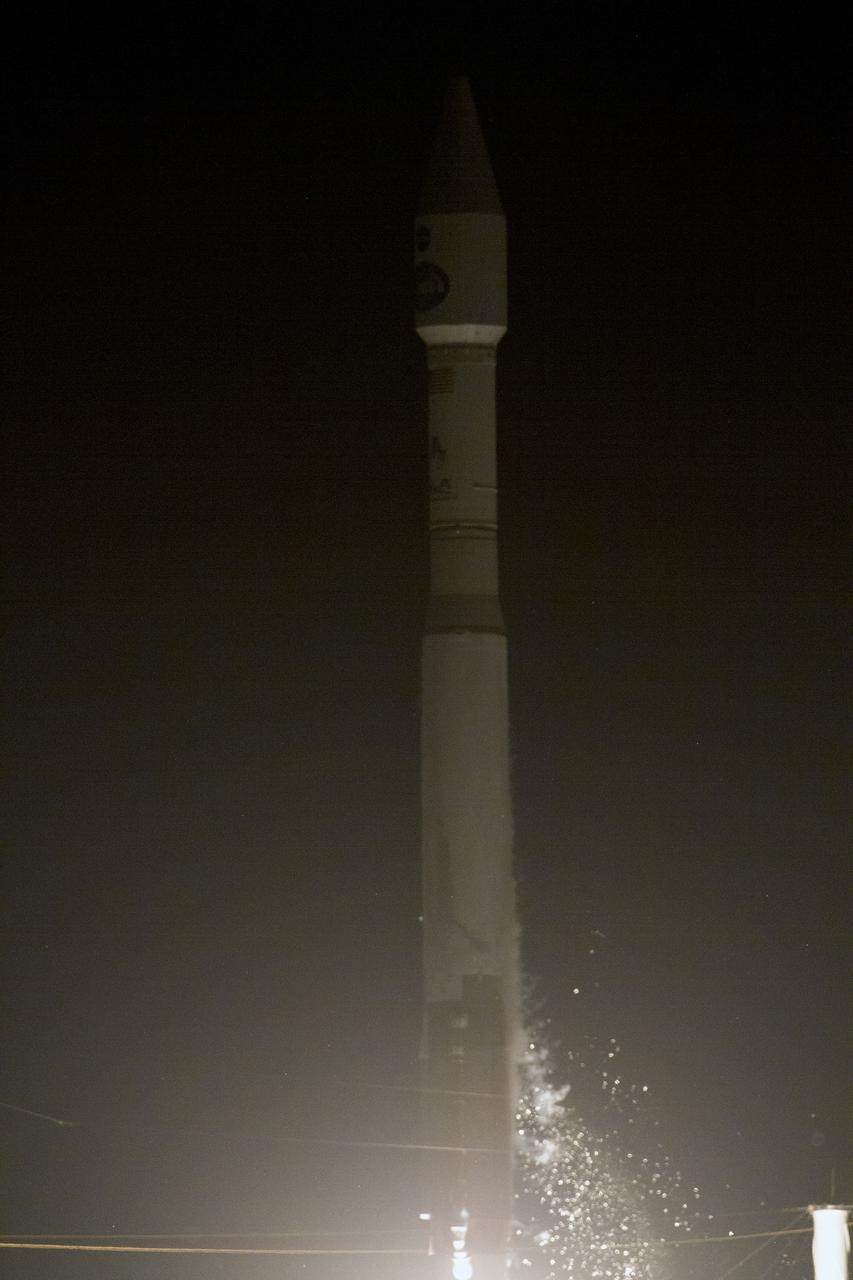
CAPE CANAVERAL, Fla. -- Ice crystals sparkle in the spotlights on Space Launch Complex 41 on Cape Canaveral Air Force Station in Florida as they fall away from a United Launch Alliance Atlas V 401 rocket lifting off at 8:48 p.m. EST to place NASA's Tracking and Data Relay Satellite-K, TDRS-K, in orbit. The ice forms on the rocket's fuel tank before launch, a byproduct of its super-cold propellants. The TDRS-K spacecraft is part of the next-generation series in the Tracking and Data Relay Satellite System, a constellation of space-based communication satellites providing tracking, telemetry, command and high-bandwidth data return services. For more information, visit http:__www.nasa.gov_mission_pages_tdrs_index.html. Photo credit: NASA_George Roberts
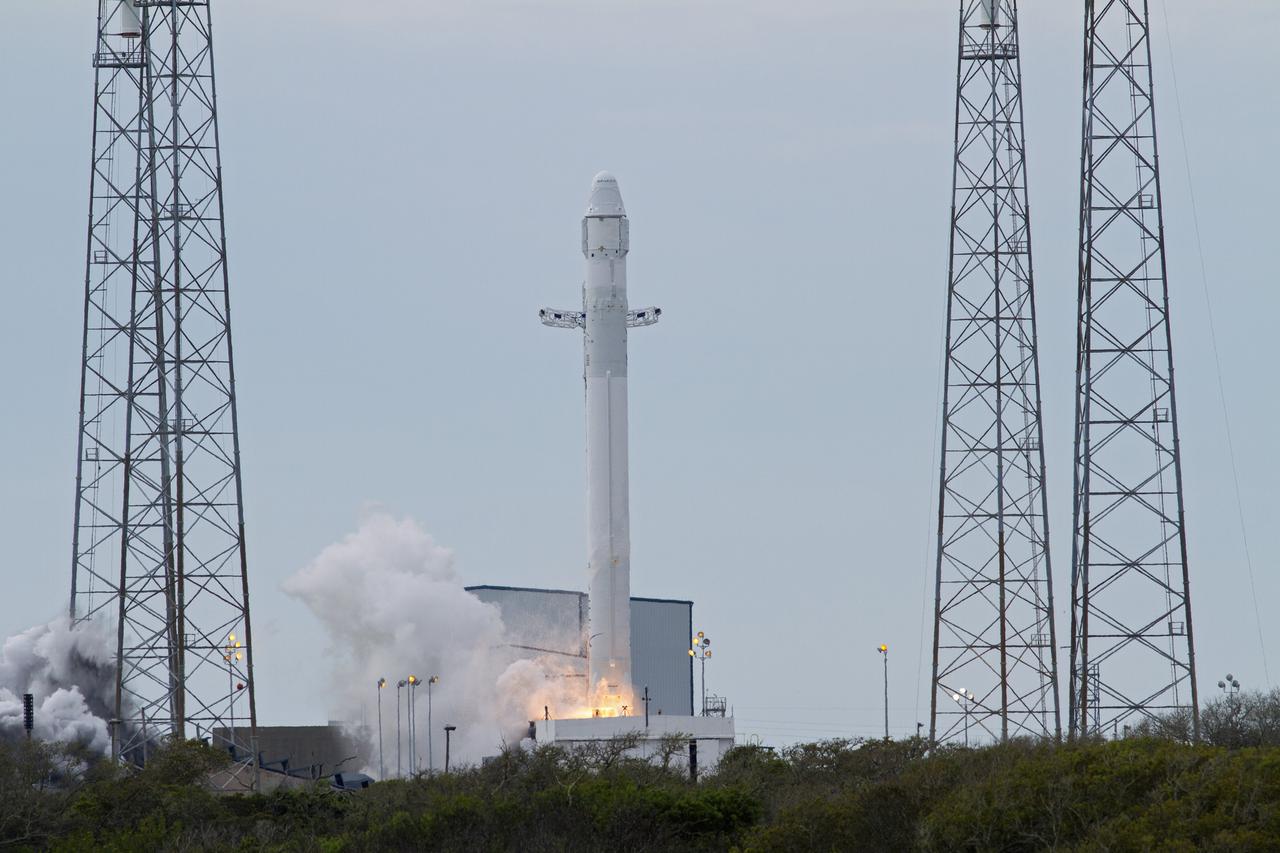
CAPE CANAVERAL, Fla. -- A Space Exploration Technologies, or SpaceX, Falcon 9 rocket lifts off Space Launch Complex 40 on Cape Canaveral Air Force Station in Florida at 10:10 a.m. EST, carrying a Dragon capsule filled with cargo. The SpaceX Dragon capsule is making its third trip to the International Space Station, following a demonstration flight in May 2012 and the first resupply mission in October 2012. The SpaceX-2 mission is the second of 12 SpaceX flights contracted by NASA to resupply the orbiting laboratory. For more information, visit http:__www.nasa.gov_mission_pages_station_structure_launch_spacex2-feature.html Photo credit: NASA_George Roberts
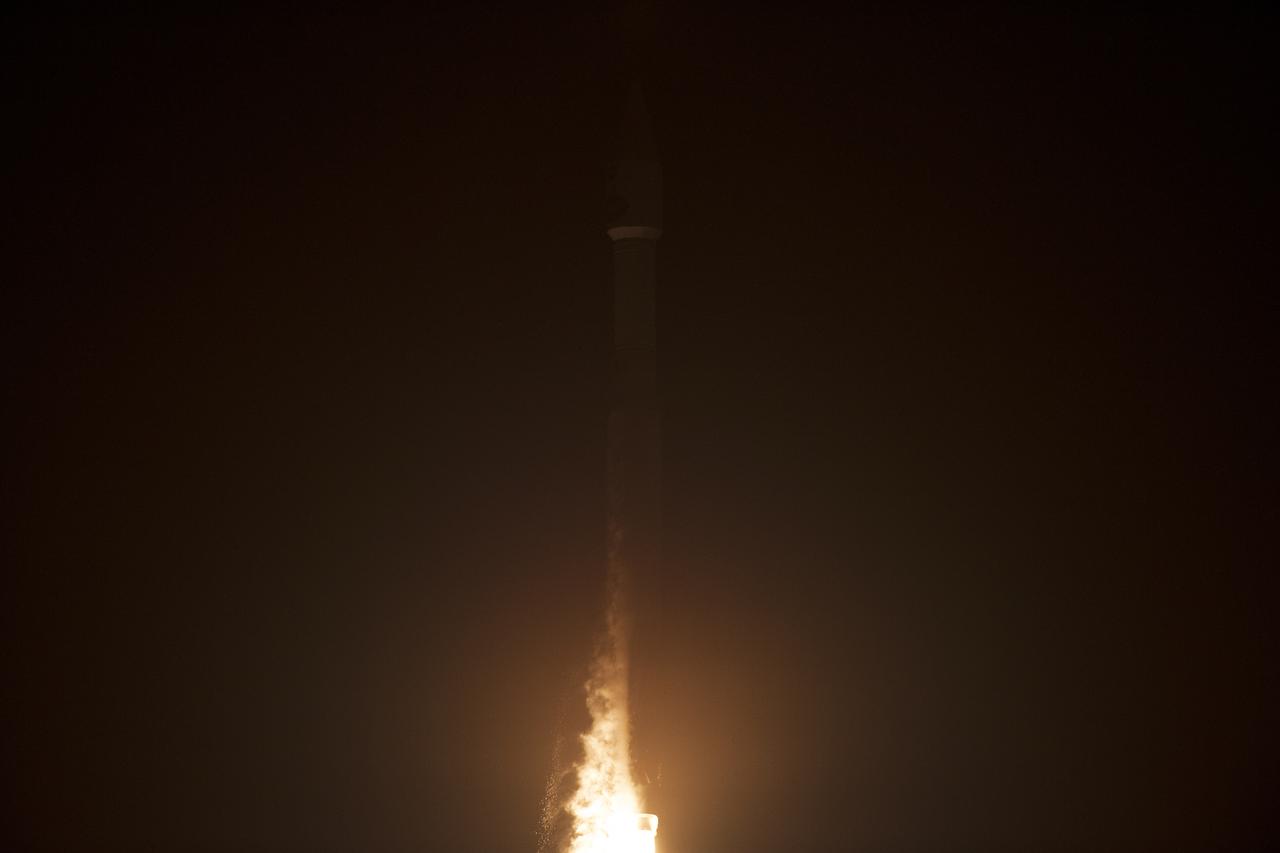
CAPE CANAVERAL, Fla. -- Obscured in darkness, a United Launch Alliance Atlas V rocket lifts off from Space Launch Complex 41 at Cape Canaveral Air Force Station in Florida, carrying NASA's Tracking and Data Relay Satellite, or TDRS-L, to Earth orbit. Launch was at 9:33 p.m. EST Jan. 23 during a 40-minute launch window. The TDRS-L spacecraft is the second of three new satellites designed to ensure vital operational continuity for NASA by expanding the lifespan of the Tracking and Data Relay Satellite System TDRSS fleet, which consists of eight satellites in geosynchronous orbit. The spacecraft provide tracking, telemetry, command and high-bandwidth data return services for numerous science and human exploration missions orbiting Earth. These include NASA's Hubble Space Telescope and the International Space Station. TDRS-L has a high-performance solar panel designed for more spacecraft power to meet the growing S-band communications requirements. TDRSS is one of three NASA Space Communication and Navigation SCaN networks providing space communications to NASA’s missions. For more information more about TDRS-L, visit http:__www.nasa.gov_tdrs. To learn more about SCaN, visit www.nasa.gov_scan. Photo credit: NASA_George Roberts
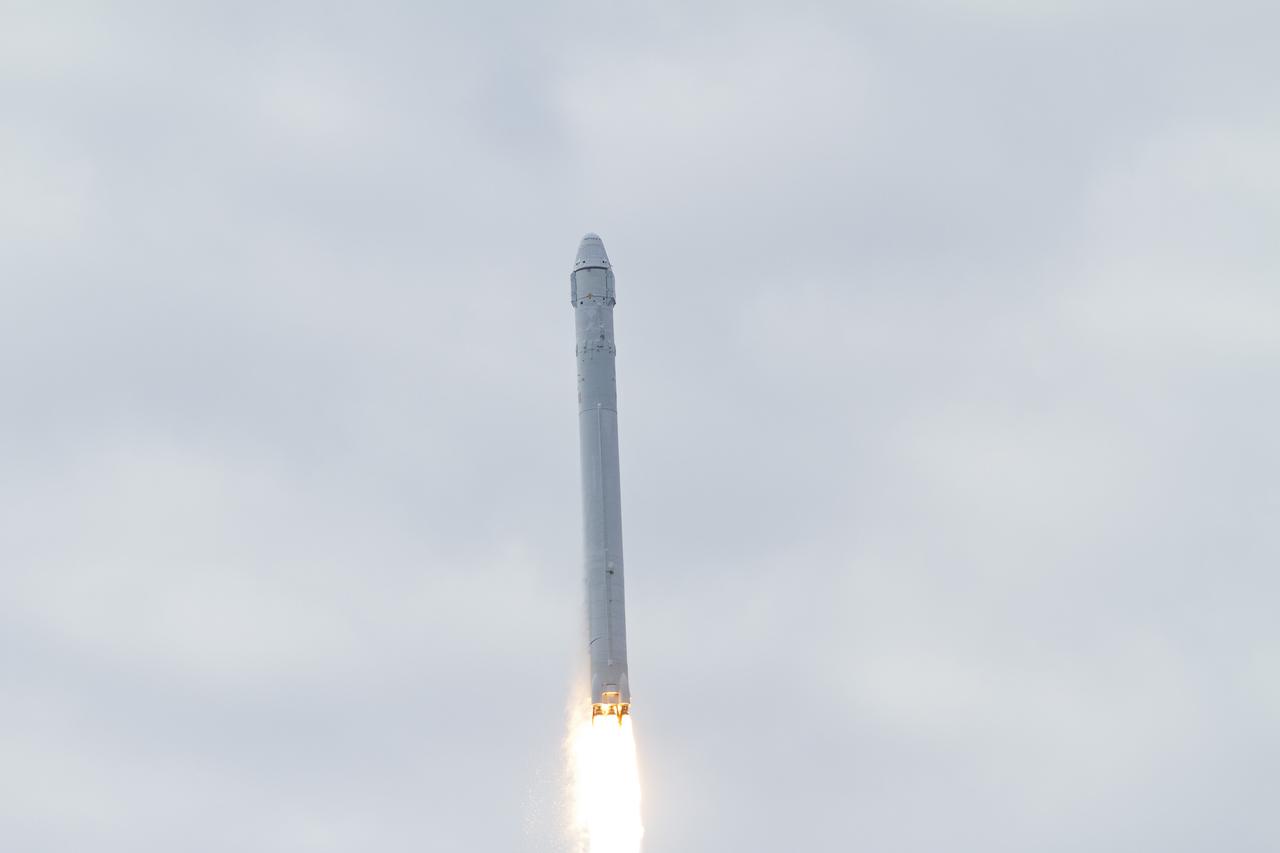
CAPE CANAVERAL, Fla. -- A Space Exploration Technologies, or SpaceX, Falcon 9 rocket lifts off Space Launch Complex 40 on Cape Canaveral Air Force Station in Florida at 10:10 a.m. EST, carrying a Dragon capsule filled with cargo. The SpaceX Dragon capsule is making its third trip to the International Space Station, following a demonstration flight in May 2012 and the first resupply mission in October 2012. The SpaceX-2 mission is the second of 12 SpaceX flights contracted by NASA to resupply the orbiting laboratory. For more information, visit http:__www.nasa.gov_mission_pages_station_structure_launch_spacex2-feature.html Photo credit: NASA_George Roberts
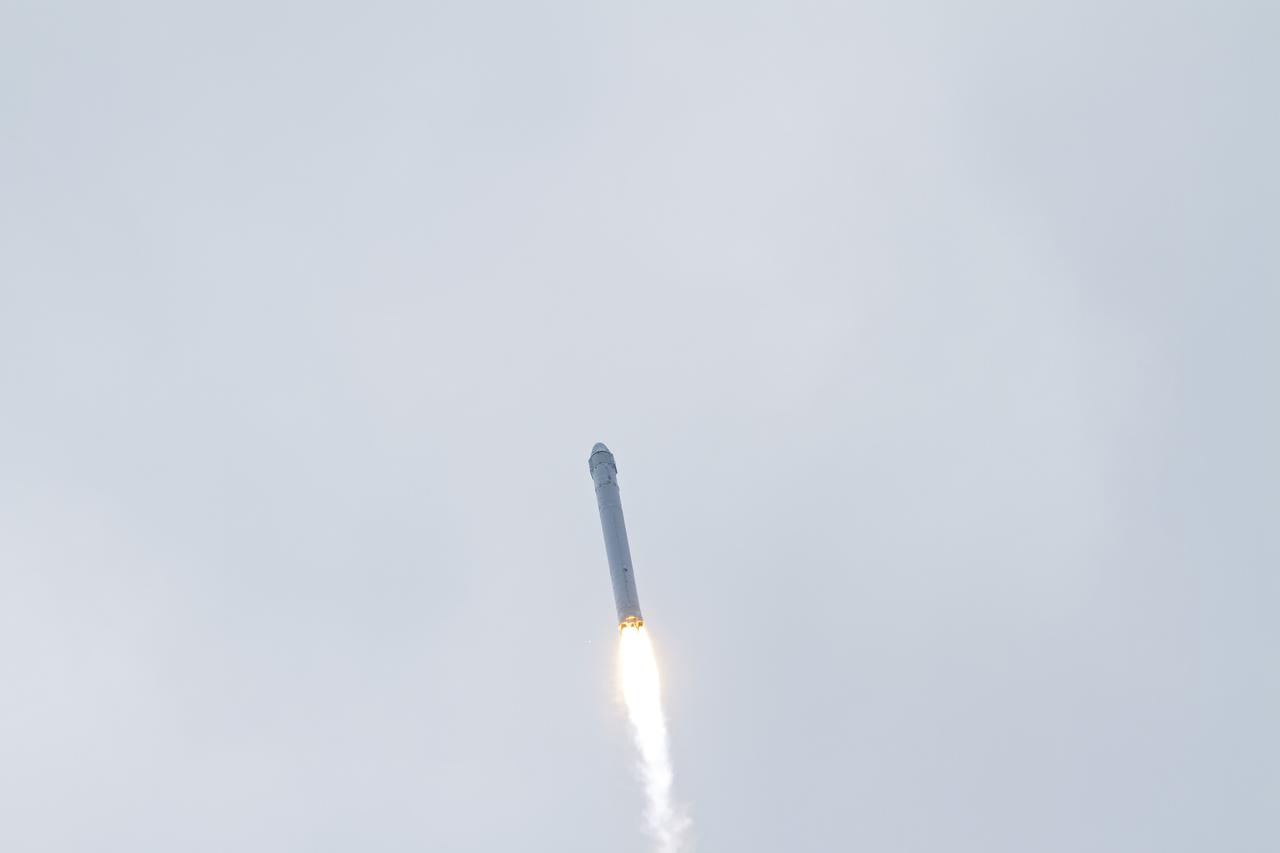
CAPE CANAVERAL, Fla. -- A Space Exploration Technologies, or SpaceX, Falcon 9 rocket lifts off Space Launch Complex 40 on Cape Canaveral Air Force Station in Florida at 10:10 a.m. EST, carrying a Dragon capsule filled with cargo. The SpaceX Dragon capsule is making its third trip to the International Space Station, following a demonstration flight in May 2012 and the first resupply mission in October 2012. The SpaceX-2 mission is the second of 12 SpaceX flights contracted by NASA to resupply the orbiting laboratory. For more information, visit http:__www.nasa.gov_mission_pages_station_structure_launch_spacex2-feature.html Photo credit: NASA_George Roberts
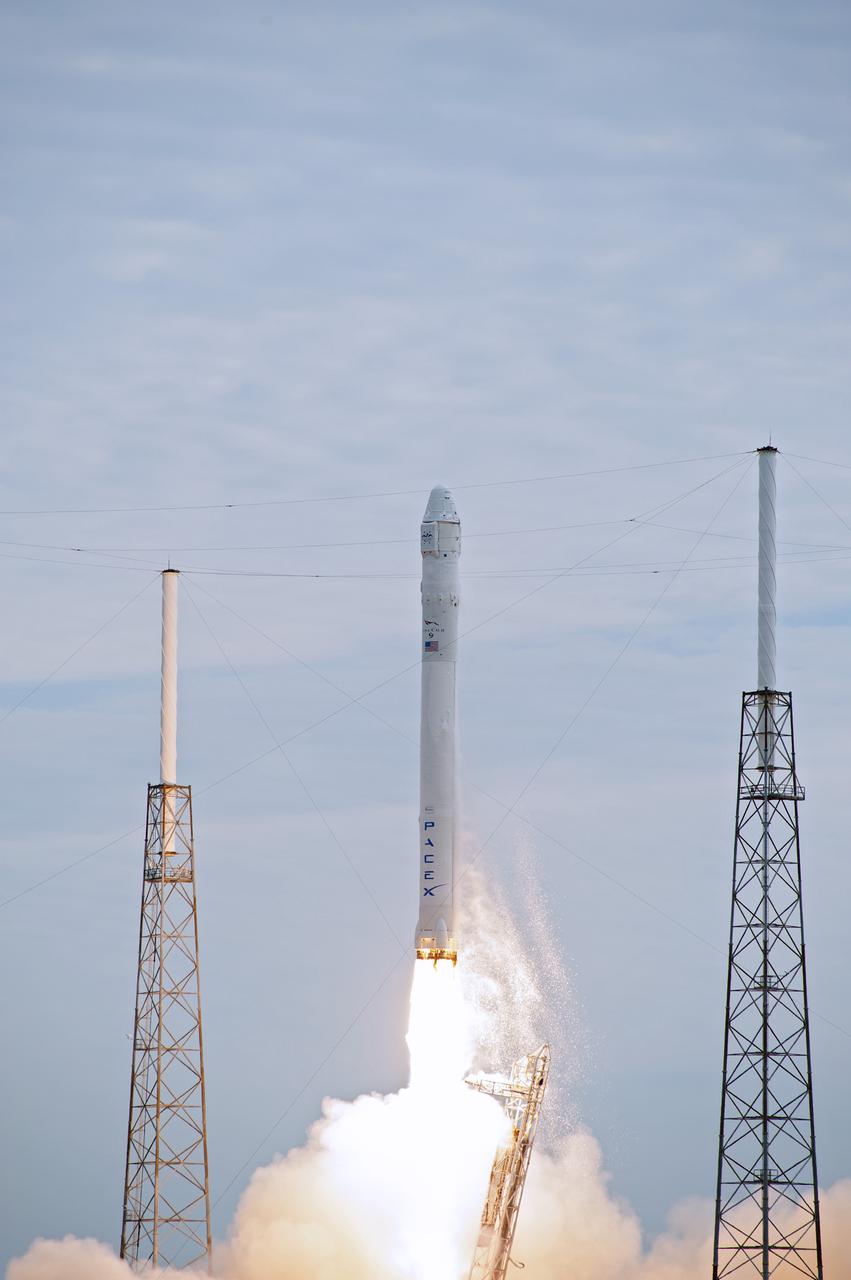
CAPE CANAVERAL, Fla. -- A Space Exploration Technologies, or SpaceX, Falcon 9 rocket lifts off Space Launch Complex 40 on Cape Canaveral Air Force Station in Florida at 10:10 a.m. EST, carrying a Dragon capsule filled with cargo. The SpaceX Dragon capsule is making its third trip to the International Space Station, following a demonstration flight in May 2012 and the first resupply mission in October 2012. The SpaceX-2 mission is the second of 12 SpaceX flights contracted by NASA to resupply the orbiting laboratory. For more information, visit http:__www.nasa.gov_mission_pages_station_structure_launch_spacex2-feature.html Photo credit: NASA_George Roberts
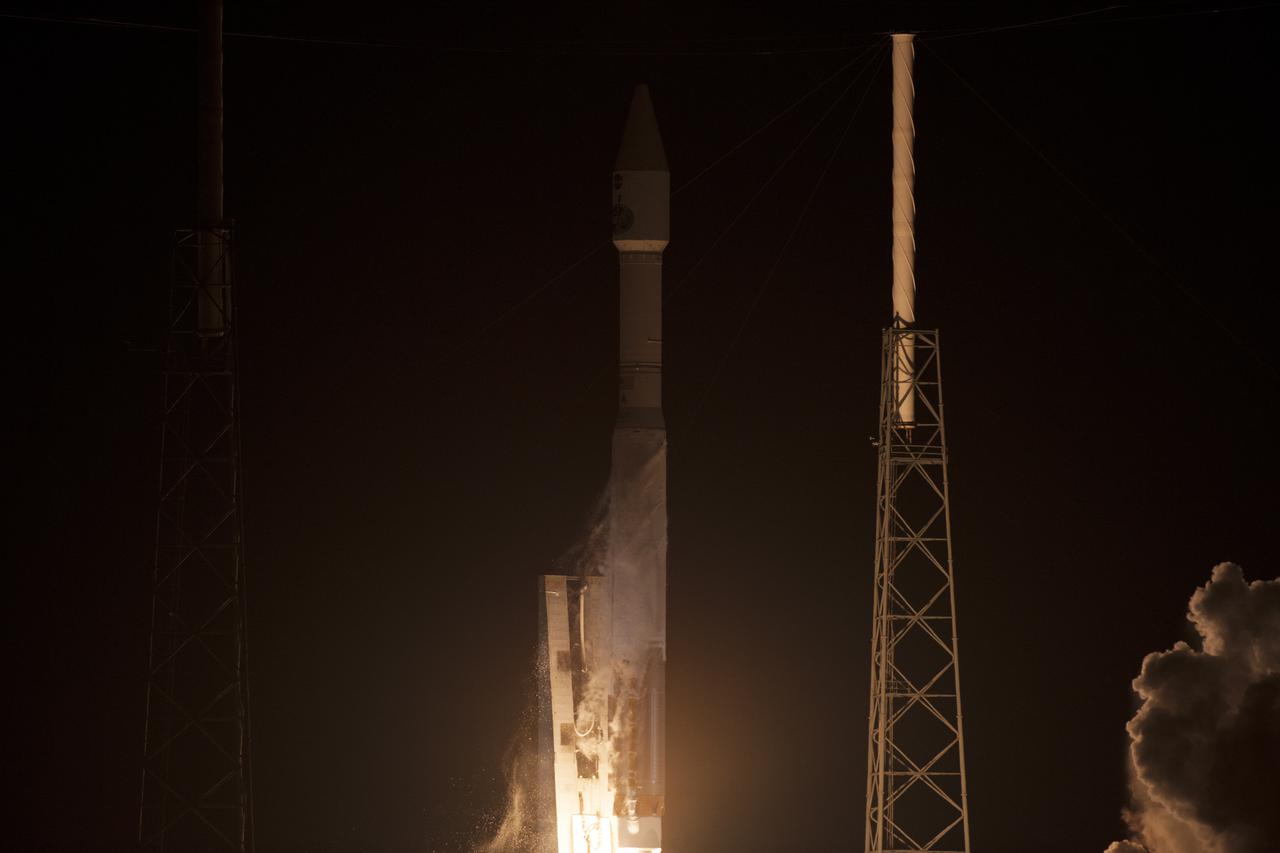
CAPE CANAVERAL, Fla. -- The United Launch Alliance Atlas V rocket carrying NASA's Tracking and Data Relay Satellite, or TDRS-L, rises off Space Launch Complex 41 on Cape Canaveral Air Force Station in Florida. Launch was at 9:33 p.m. EST Jan. 23 during a 40-minute launch window. The TDRS-L spacecraft is the second of three new satellites designed to ensure vital operational continuity for NASA by expanding the lifespan of the Tracking and Data Relay Satellite System TDRSS fleet, which consists of eight satellites in geosynchronous orbit. The spacecraft provide tracking, telemetry, command and high-bandwidth data return services for numerous science and human exploration missions orbiting Earth. These include NASA's Hubble Space Telescope and the International Space Station. TDRS-L has a high-performance solar panel designed for more spacecraft power to meet the growing S-band communications requirements. TDRSS is one of three NASA Space Communication and Navigation SCaN networks providing space communications to NASA’s missions. For more information more about TDRS-L, visit http:__www.nasa.gov_tdrs. To learn more about SCaN, visit www.nasa.gov_scan. Photo credit: NASA_George Roberts
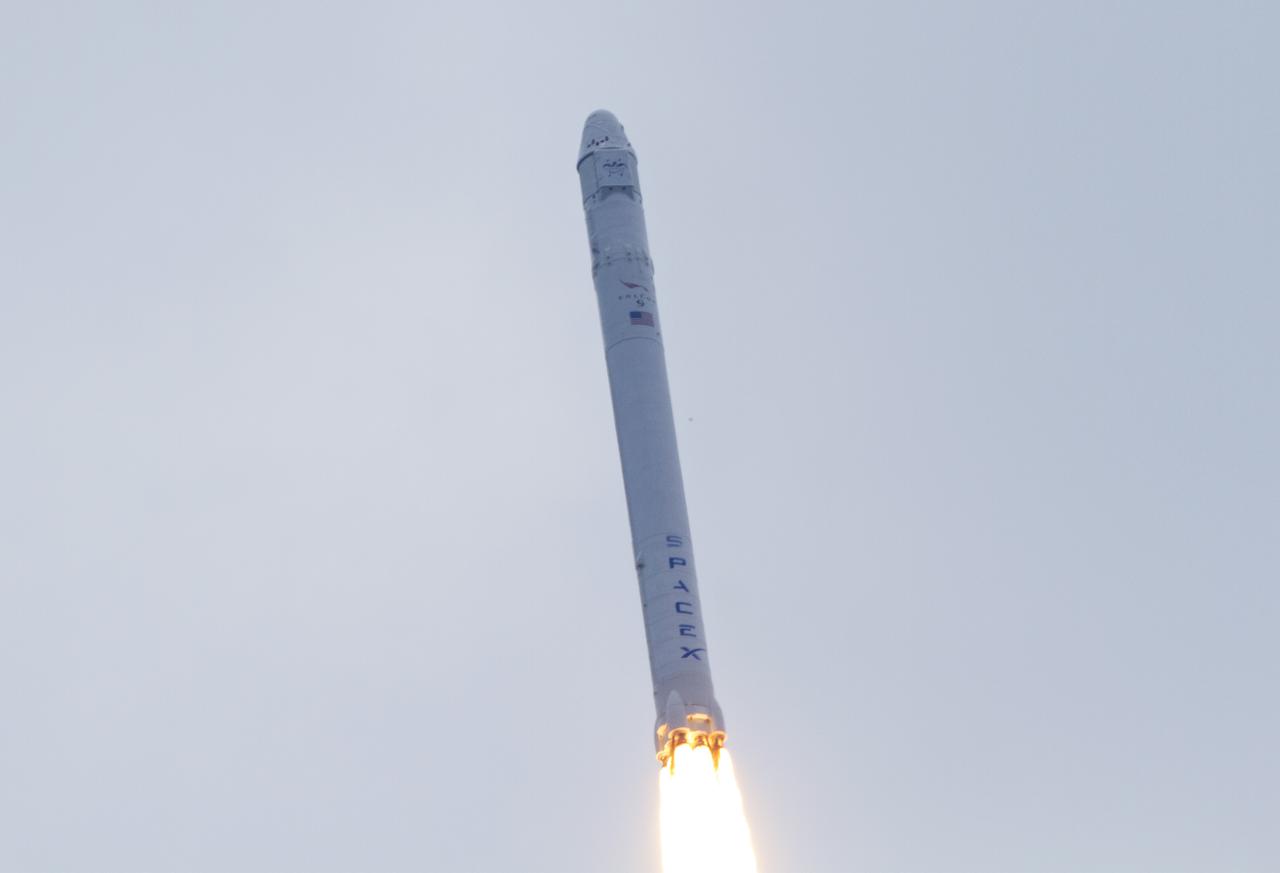
CAPE CANAVERAL, Fla. -- A Space Exploration Technologies, or SpaceX, Falcon 9 rocket lifts off Space Launch Complex 40 on Cape Canaveral Air Force Station in Florida at 10:10 a.m. EST, carrying a Dragon capsule filled with cargo. The SpaceX Dragon capsule is making its third trip to the International Space Station, following a demonstration flight in May 2012 and the first resupply mission in October 2012. The SpaceX-2 mission is the second of 12 SpaceX flights contracted by NASA to resupply the orbiting laboratory. For more information, visit http:__www.nasa.gov_mission_pages_station_structure_launch_spacex2-feature.html Photo credit: NASA_George Roberts
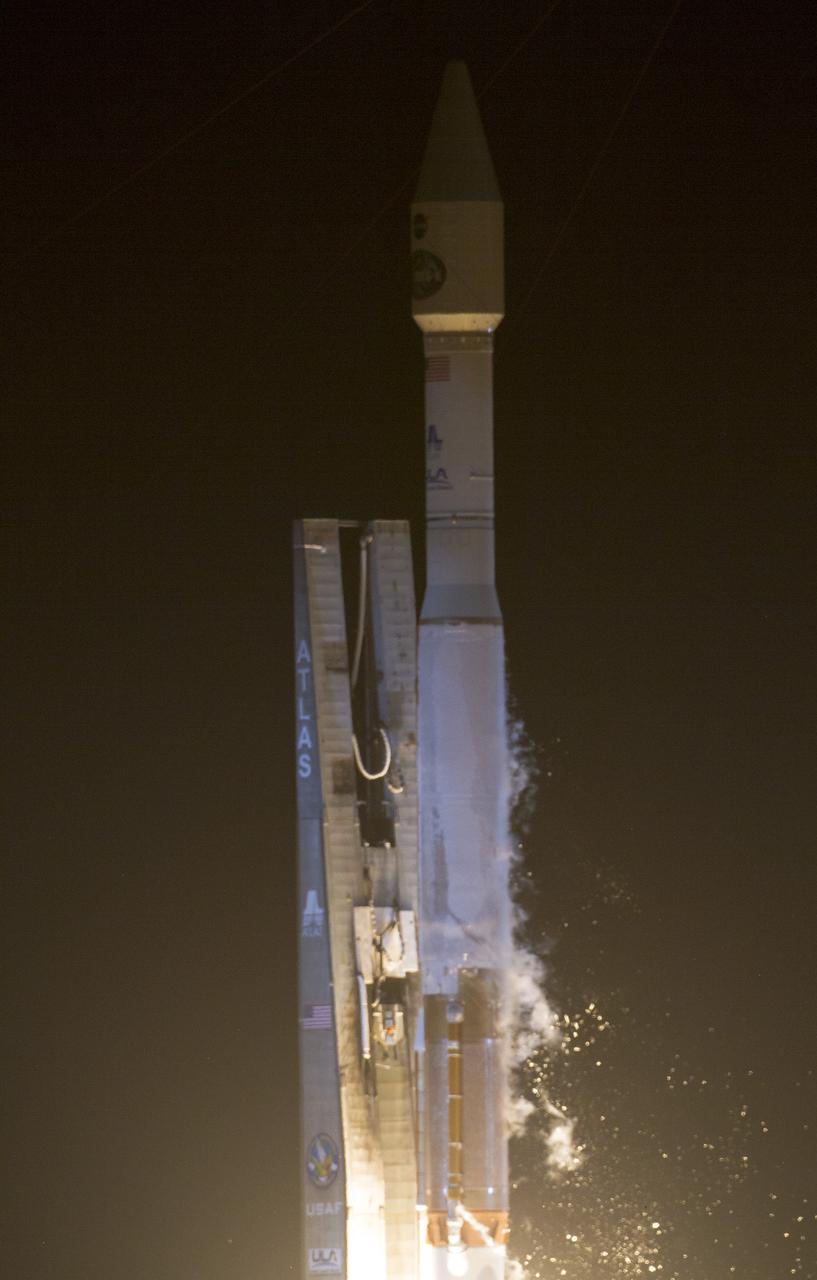
CAPE CANAVERAL, Fla. -- The umbilical tower drops away from a United Launch Alliance Atlas V 401 rocket as it lifts off Space Launch Complex 41 on Cape Canaveral Air Force Station in Florida. Launch, with NASA's Tracking and Data Relay Satellite-K or TDRS-K aboard, was at 8:48 p.m. EST. The TDRS-K spacecraft is part of the next-generation series in the Tracking and Data Relay Satellite System, a constellation of space-based communication satellites providing tracking, telemetry, command and high-bandwidth data return services. For more information, visit http:__www.nasa.gov_mission_pages_tdrs_index.html. Photo credit: NASA_George Roberts

CAPE CANAVERAL, Fla. -- Obscured in darkness, a United Launch Alliance Atlas V rocket soars past the lightning protection masts on Space Launch Complex 41 at Cape Canaveral Air Force Station in Florida, carrying NASA's Tracking and Data Relay Satellite, or TDRS-L, to Earth orbit. Launch was at 9:33 p.m. EST Jan. 23 during a 40-minute launch window. The TDRS-L spacecraft is the second of three new satellites designed to ensure vital operational continuity for NASA by expanding the lifespan of the Tracking and Data Relay Satellite System TDRSS fleet, which consists of eight satellites in geosynchronous orbit. The spacecraft provide tracking, telemetry, command and high-bandwidth data return services for numerous science and human exploration missions orbiting Earth. These include NASA's Hubble Space Telescope and the International Space Station. TDRS-L has a high-performance solar panel designed for more spacecraft power to meet the growing S-band communications requirements. TDRSS is one of three NASA Space Communication and Navigation SCaN networks providing space communications to NASA’s missions. For more information more about TDRS-L, visit http:__www.nasa.gov_tdrs. To learn more about SCaN, visit www.nasa.gov_scan. Photo credit: NASA_George Roberts
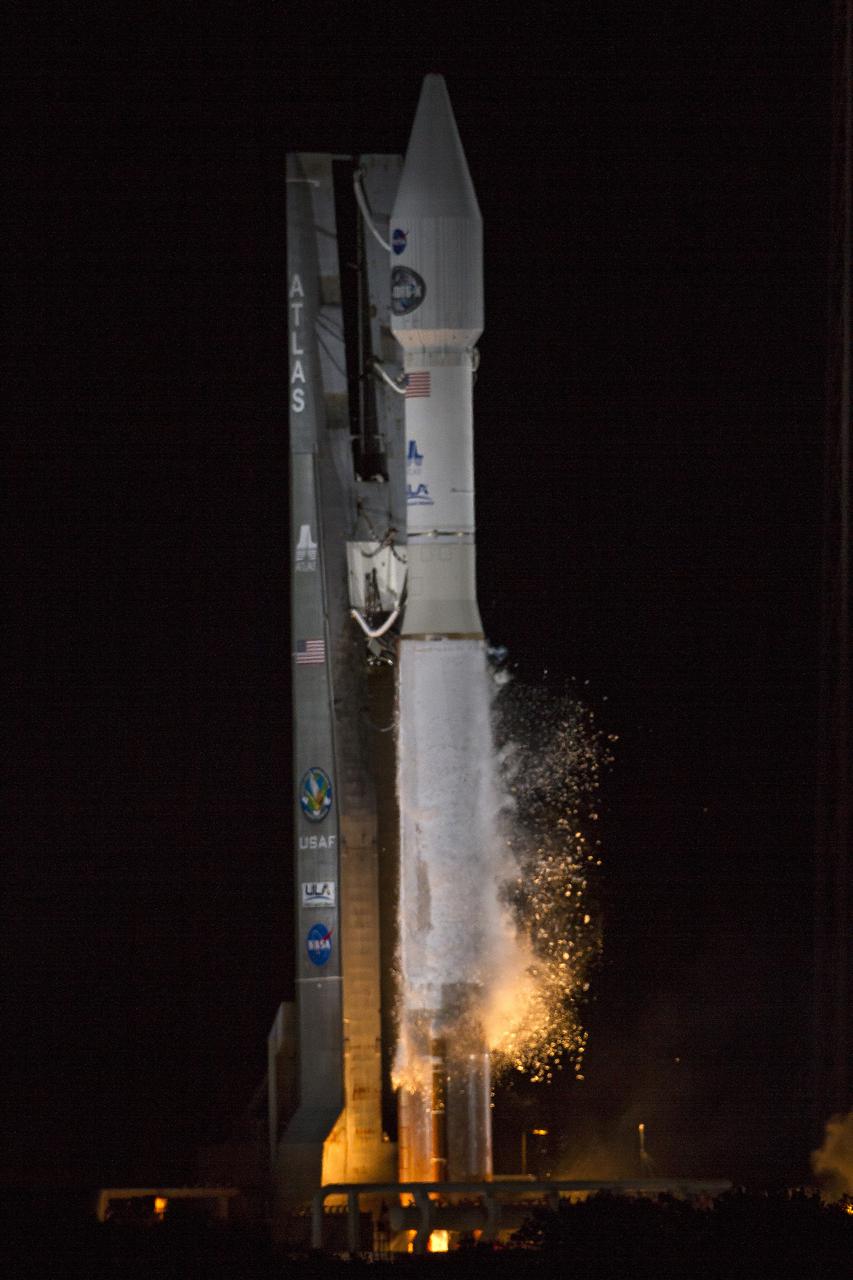
CAPE CANAVERAL, Fla. -- Fireworks begin on Space Launch Complex 41 on Cape Canaveral Air Force Station in Florida as the engines ignite under the United Launch Alliance Atlas V 401 rocket carrying NASA's Tracking and Data Relay Satellite-K, TDRS-K, to orbit. Liftoff was at 8:48 p.m. EST. The TDRS-K spacecraft is part of the next-generation series in the Tracking and Data Relay Satellite System, a constellation of space-based communication satellites providing tracking, telemetry, command and high-bandwidth data return services. For more information, visit http:__www.nasa.gov_mission_pages_tdrs_index.html. Photo credit: NASA_George Roberts
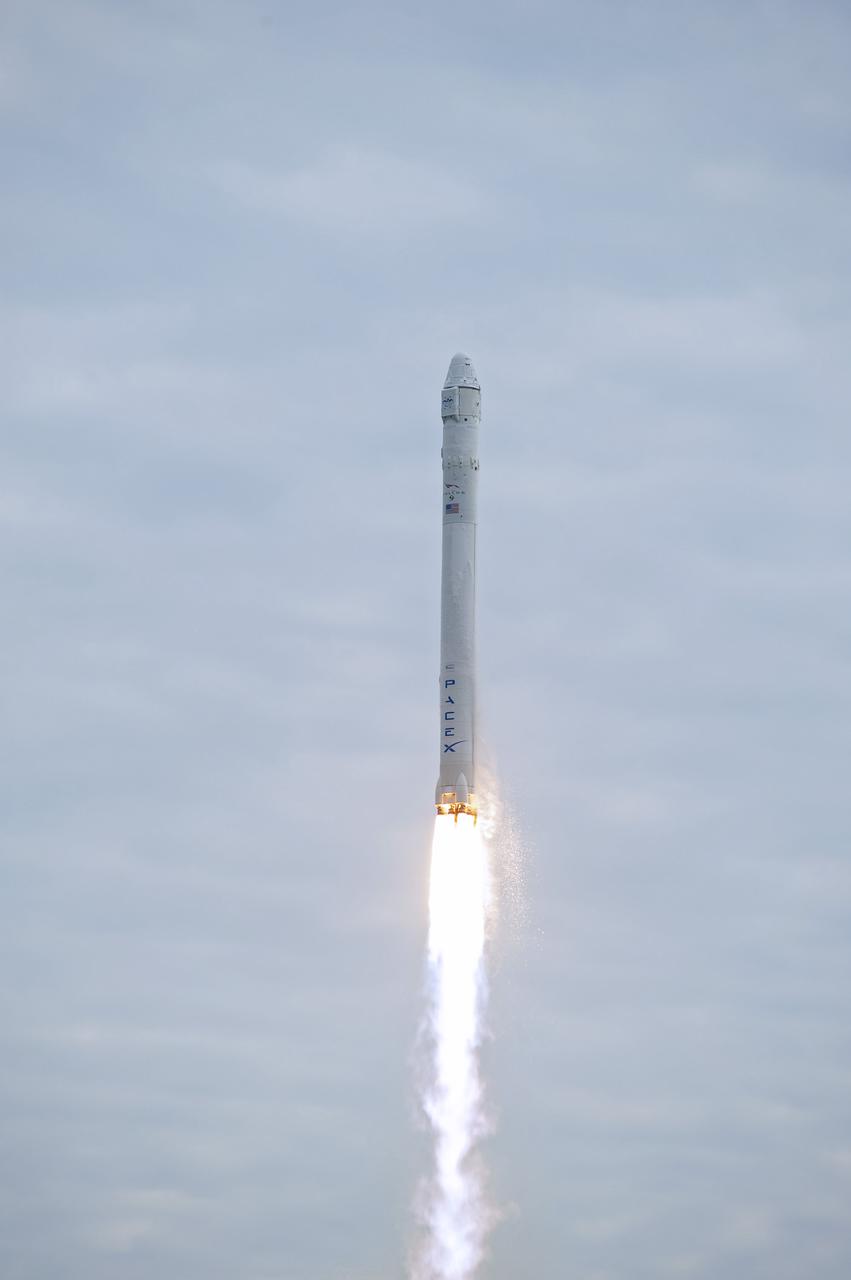
CAPE CANAVERAL, Fla. -- A Space Exploration Technologies, or SpaceX, Falcon 9 rocket lifts off Space Launch Complex 40 on Cape Canaveral Air Force Station in Florida at 10:10 a.m. EST, carrying a Dragon capsule filled with cargo. The SpaceX Dragon capsule is making its third trip to the International Space Station, following a demonstration flight in May 2012 and the first resupply mission in October 2012. The SpaceX-2 mission is the second of 12 SpaceX flights contracted by NASA to resupply the orbiting laboratory. For more information, visit http:__www.nasa.gov_mission_pages_station_structure_launch_spacex2-feature.html Photo credit: NASA_George Roberts
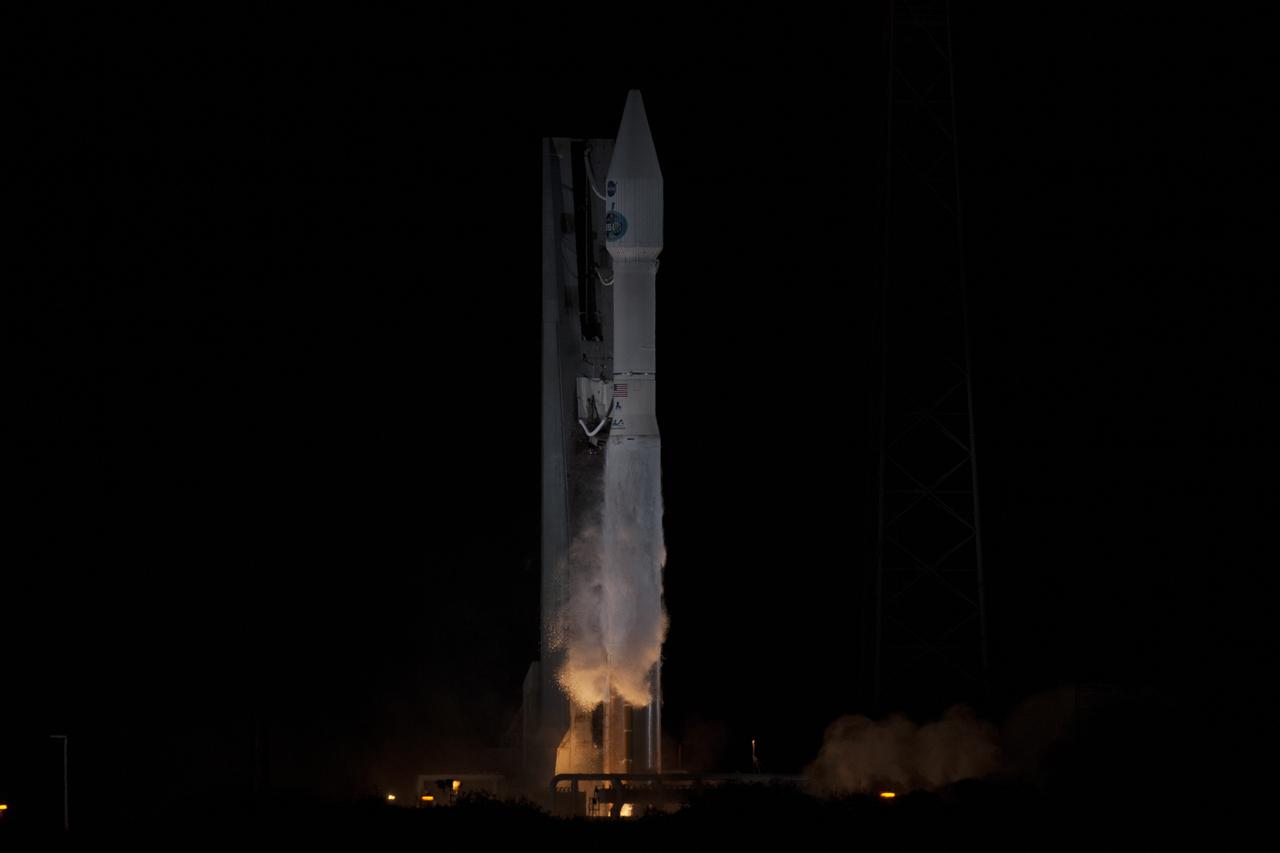
CAPE CANAVERAL, Fla. -- The engines ignite under the United Launch Alliance Atlas V rocket, lifting NASA's Tracking and Data Relay Satellite, or TDRS-L, off Space Launch Complex 41 on Cape Canaveral Air Force Station in Florida. Launch was at 9:33 p.m. EST Jan. 23 during a 40-minute launch window. The TDRS-L spacecraft is the second of three new satellites designed to ensure vital operational continuity for NASA by expanding the lifespan of the Tracking and Data Relay Satellite System TDRSS fleet, which consists of eight satellites in geosynchronous orbit. The spacecraft provide tracking, telemetry, command and high-bandwidth data return services for numerous science and human exploration missions orbiting Earth. These include NASA's Hubble Space Telescope and the International Space Station. TDRS-L has a high-performance solar panel designed for more spacecraft power to meet the growing S-band communications requirements. TDRSS is one of three NASA Space Communication and Navigation SCaN networks providing space communications to NASA’s missions. For more information more about TDRS-L, visit http:__www.nasa.gov_tdrs. To learn more about SCaN, visit www.nasa.gov_scan. Photo credit: NASA_George Roberts
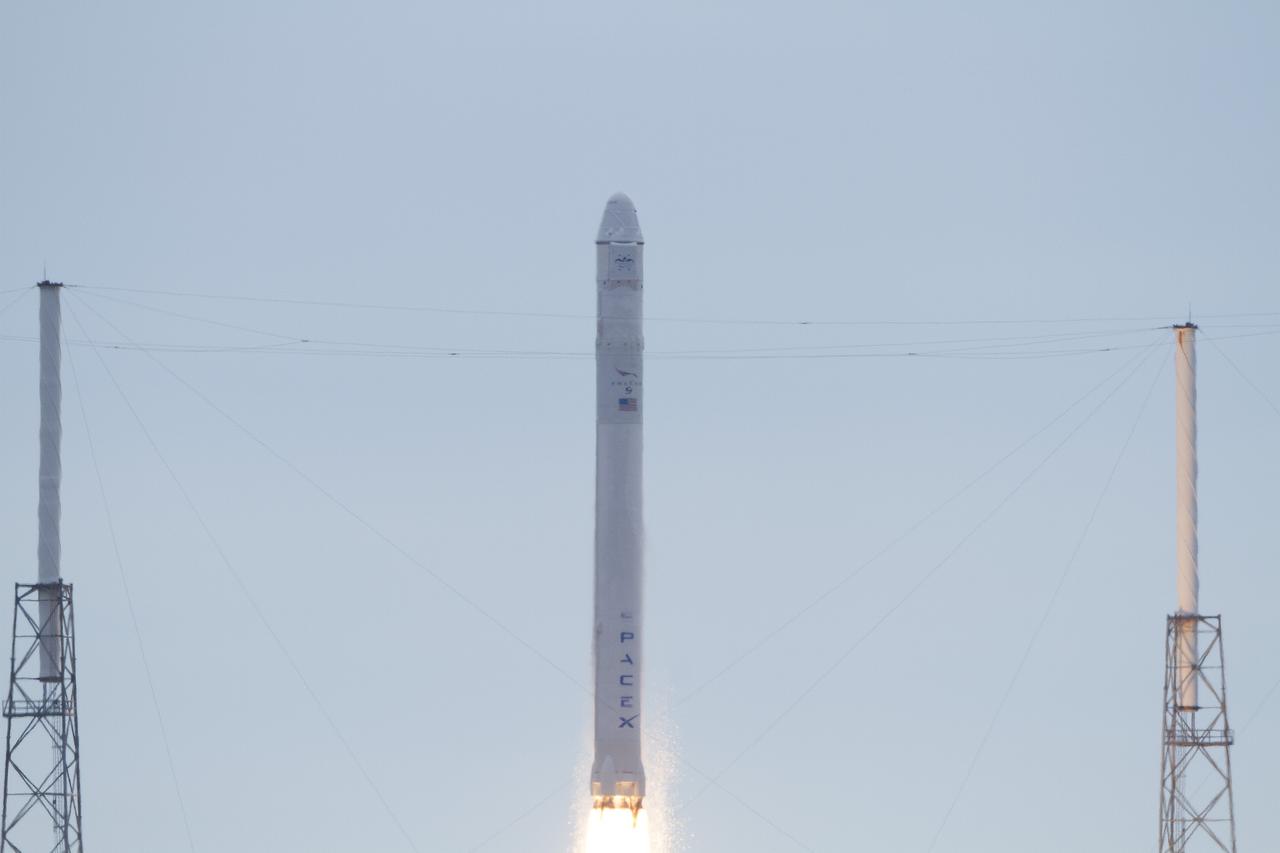
CAPE CANAVERAL, Fla. -- A Space Exploration Technologies, or SpaceX, Falcon 9 rocket lifts off Space Launch Complex 40 on Cape Canaveral Air Force Station in Florida at 10:10 a.m. EST, carrying a Dragon capsule filled with cargo. The SpaceX Dragon capsule is making its third trip to the International Space Station, following a demonstration flight in May 2012 and the first resupply mission in October 2012. The SpaceX-2 mission is the second of 12 SpaceX flights contracted by NASA to resupply the orbiting laboratory. For more information, visit http:__www.nasa.gov_mission_pages_station_structure_launch_spacex2-feature.html Photo credit: NASA_George Roberts
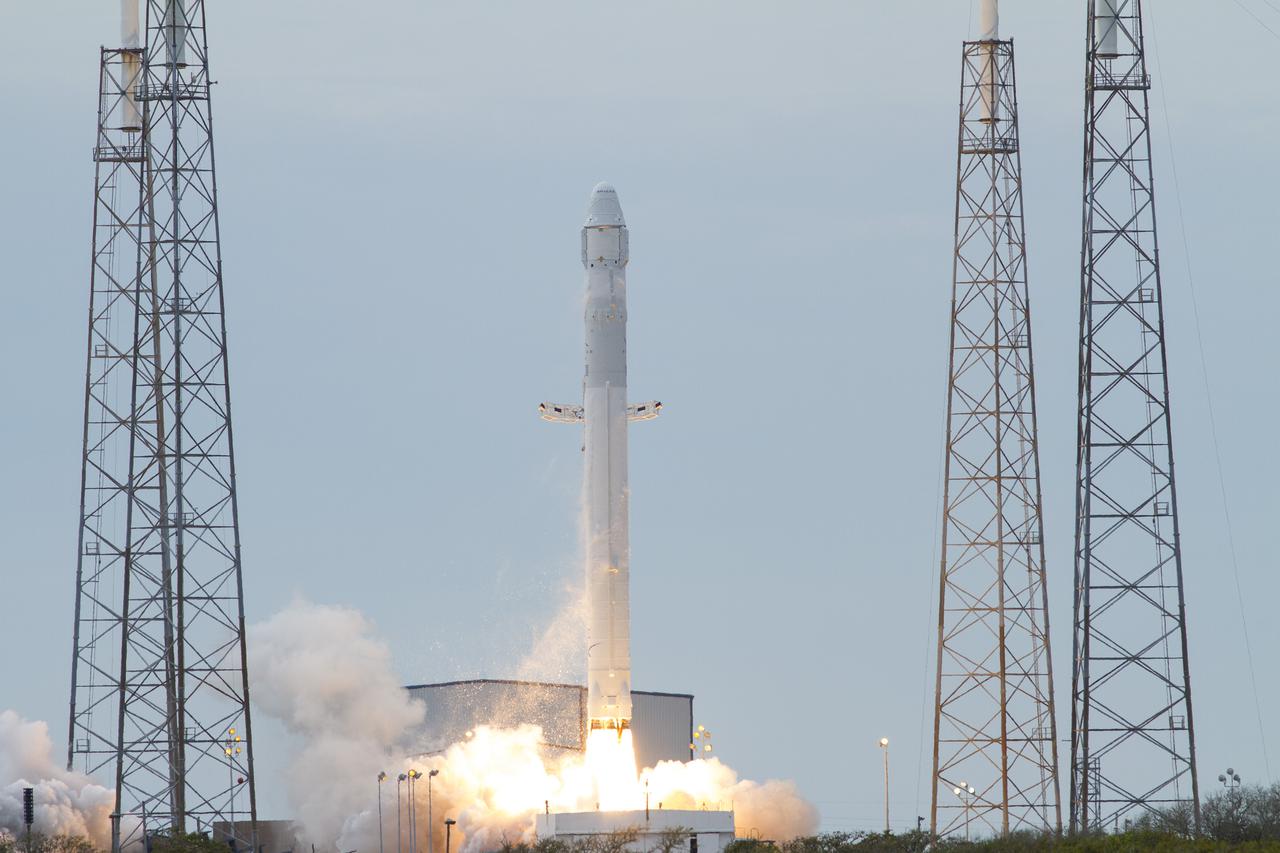
CAPE CANAVERAL, Fla. -- A Space Exploration Technologies, or SpaceX, Falcon 9 rocket lifts off Space Launch Complex 40 on Cape Canaveral Air Force Station in Florida at 10:10 a.m. EST, carrying a Dragon capsule filled with cargo. The SpaceX Dragon capsule is making its third trip to the International Space Station, following a demonstration flight in May 2012 and the first resupply mission in October 2012. The SpaceX-2 mission is the second of 12 SpaceX flights contracted by NASA to resupply the orbiting laboratory. For more information, visit http:__www.nasa.gov_mission_pages_station_structure_launch_spacex2-feature.html Photo credit: NASA_George Roberts
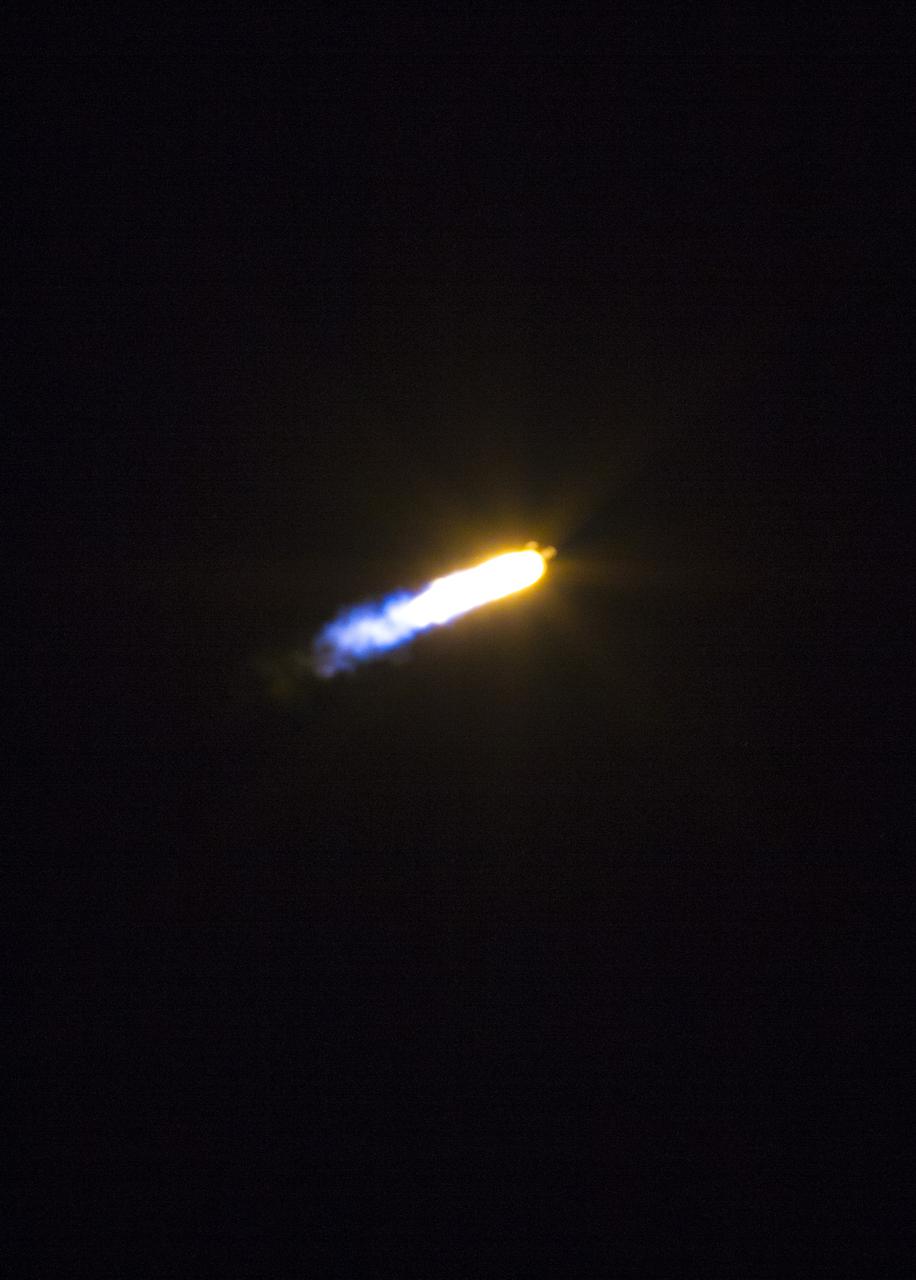
CAPE CANAVERAL, Fla. -- A United Launch Alliance Atlas V 401 rocket races to orbit from Space Launch Complex 41 on Cape Canaveral Air Force Station in Florida, carrying NASA's Tracking and Data Relay Satellite-K, TDRS-K. Launch was at 8:48 p.m. EST. The TDRS-K spacecraft is part of the next-generation series in the Tracking and Data Relay Satellite System, a constellation of space-based communication satellites providing tracking, telemetry, command and high-bandwidth data return services. For more information, visit http:__www.nasa.gov_mission_pages_tdrs_index.html. Photo credit: NASA_George Roberts
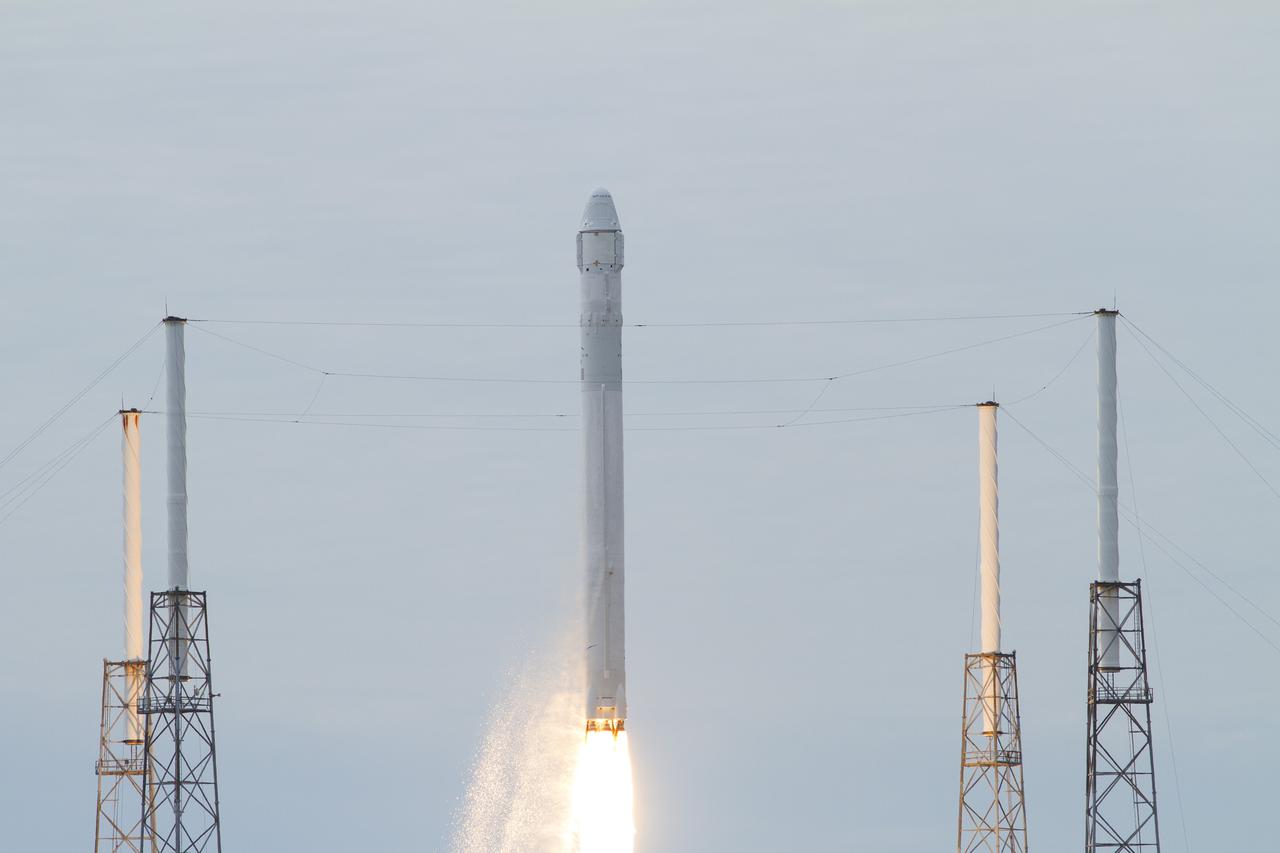
CAPE CANAVERAL, Fla. -- A Space Exploration Technologies, or SpaceX, Falcon 9 rocket lifts off Space Launch Complex 40 on Cape Canaveral Air Force Station in Florida at 10:10 a.m. EST, carrying a Dragon capsule filled with cargo. The SpaceX Dragon capsule is making its third trip to the International Space Station, following a demonstration flight in May 2012 and the first resupply mission in October 2012. The SpaceX-2 mission is the second of 12 SpaceX flights contracted by NASA to resupply the orbiting laboratory. For more information, visit http:__www.nasa.gov_mission_pages_station_structure_launch_spacex2-feature.html Photo credit: NASA_George Roberts