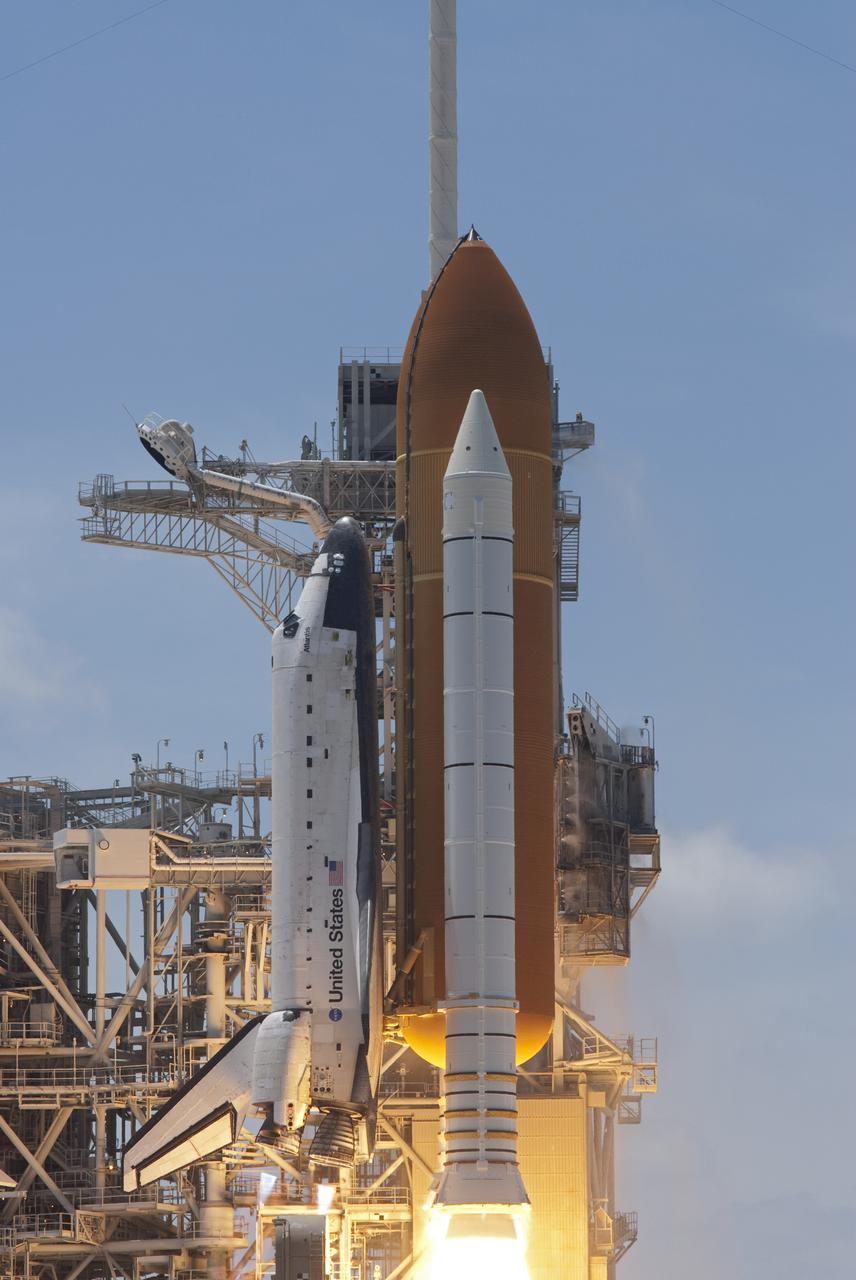
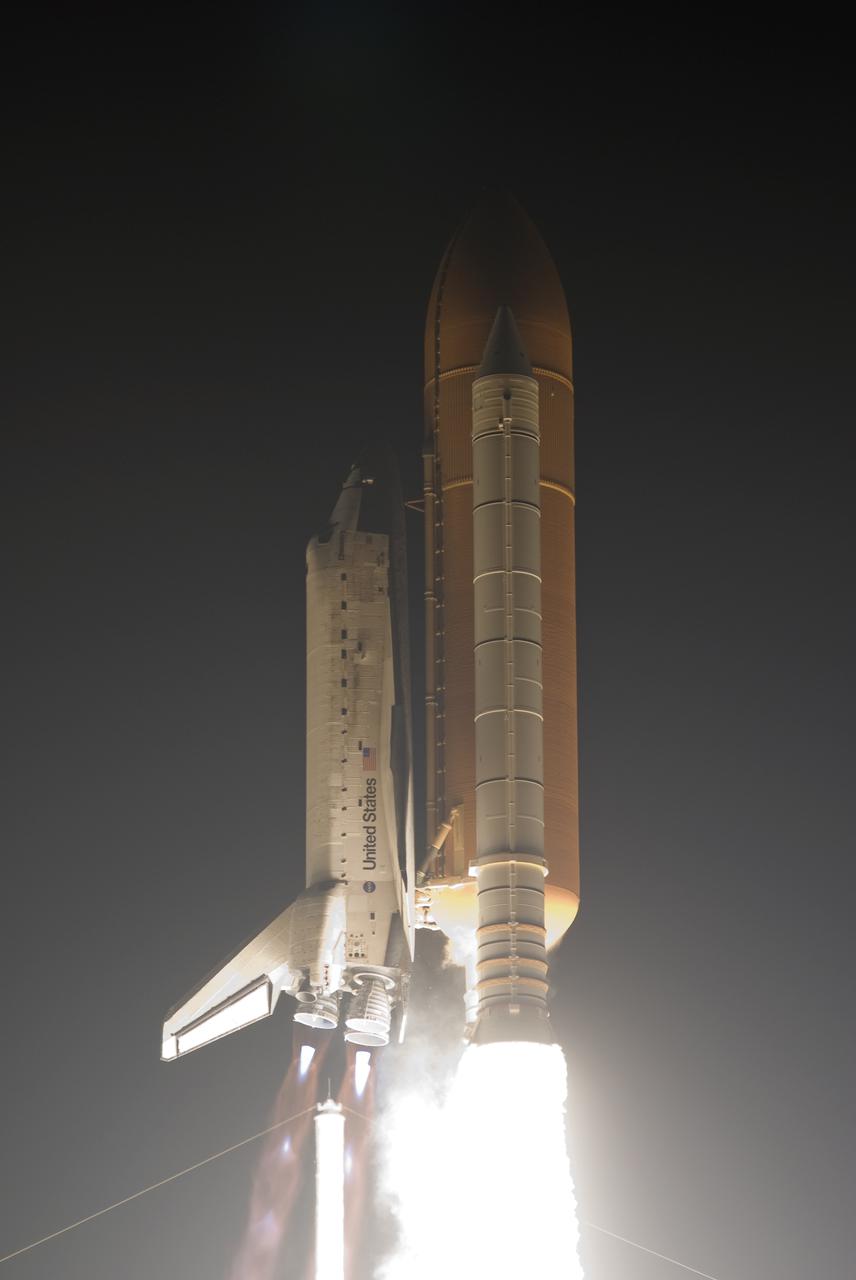
CAPE CANAVERAL, Fla. - Space shuttle Atlantis' twin solid rocket boosters and three main engines ignite to propel the spacecraft off NASA Kennedy Space Center's Launch Pad 39A and into orbit at 2:20 p.m. EDT on May 14. On board Atlantis, for its last planned flight, are six veteran NASA astronauts. Atlantis' primary payload for the STS-132 mission is the Russian-built Mini Research Module-1, which will provide additional storage space and a new docking port for Russian Soyuz and Progress spacecraft aboard the International Space Station. STS-132 is the 132nd shuttle flight, the 32nd for Atlantis and the 34th shuttle mission dedicated to station assembly and maintenance. For more information on the STS-132 mission objectives, payload and crew, visit www.nasa.gov_mission_pages_shuttle_shuttlemissions_sts132_index.html. Photo credit: NASA_Rusty Backer and Michael Gayle
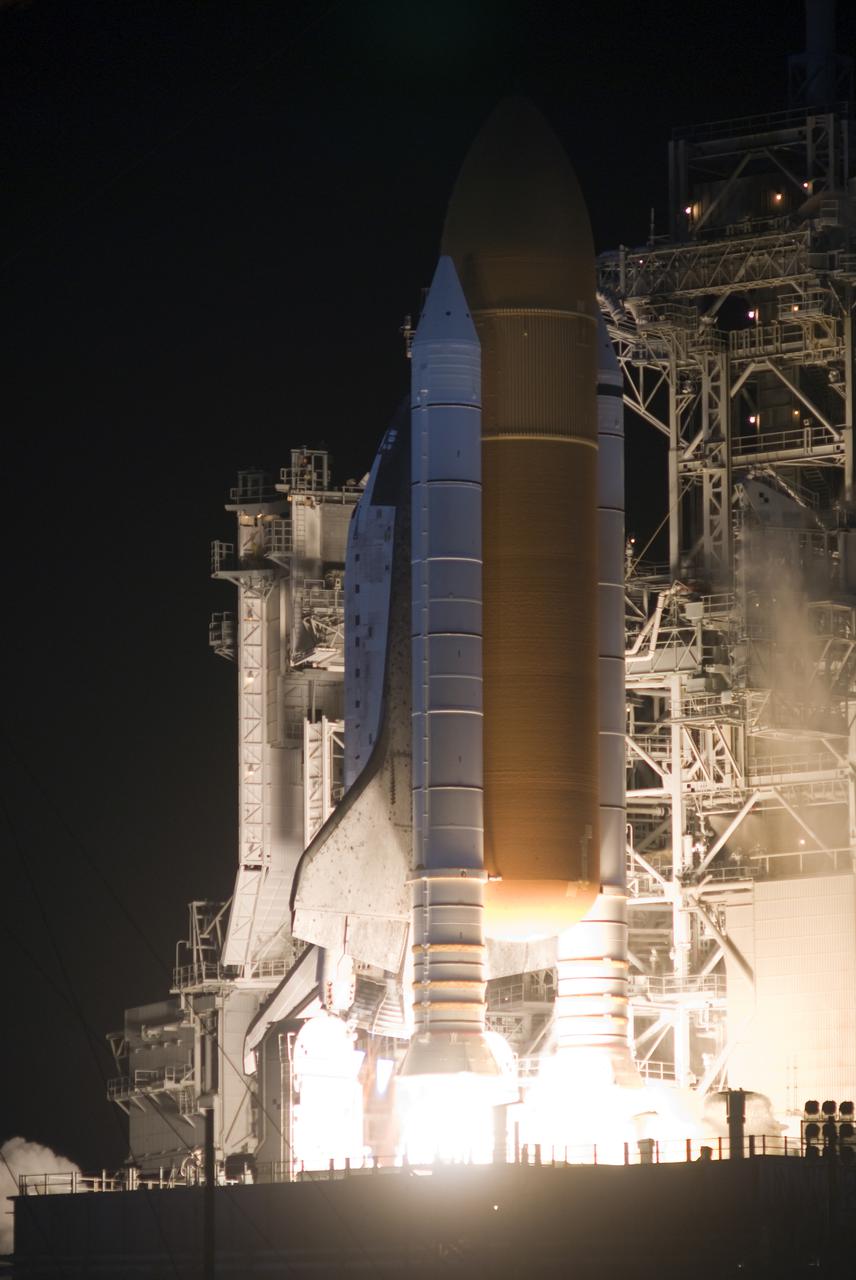
CAPE CANAVERAL, Fla. - Space shuttle Discovery lifts off of Launch Pad 39A at NASA's Kennedy Space Center in Florida beginning the STS-131 mission. Shuttle Discovery lifted off at 6:21 a.m. EDT on April 5, 2010. The seven-member STS-131 crew will deliver the multi-purpose logistics module Leonardo, filled with supplies, a new crew sleeping quarters and science racks that will be transferred to the International Space Station's laboratories. The crew also will switch out a gyroscope on the station’s truss, install a spare ammonia storage tank and retrieve a Japanese experiment from the station’s exterior. STS-131 is the 33rd shuttle mission to the station and the 131st shuttle mission overall. For information on the STS-131 mission and crew, visit http:__www.nasa.gov_mission_pages_shuttle_shuttlemissions_sts131_index.html. Photo credit: NASA_Rusty Backer and Michael Gayle

CAPE CANAVERAL, Fla. - Space shuttle Discovery leaps off of Launch Pad 39A at NASA's Kennedy Space Center in a blaze of smoke and clouds beginning the STS-131 mission. Shuttle Discovery lifted off at 6:21 a.m. EDT on April 5, 2010. The seven-member STS-131 crew will deliver the multi-purpose logistics module Leonardo, filled with supplies, a new crew sleeping quarters and science racks that will be transferred to the International Space Station's laboratories. The crew also will switch out a gyroscope on the station’s truss, install a spare ammonia storage tank and retrieve a Japanese experiment from the station’s exterior. STS-131 is the 33rd shuttle mission to the station and the 131st shuttle mission overall. For information on the STS-131 mission and crew, visit http:__www.nasa.gov_mission_pages_shuttle_shuttlemissions_sts131_index.html. Photo credit: NASA_Rusty Backer and Michael Gayle
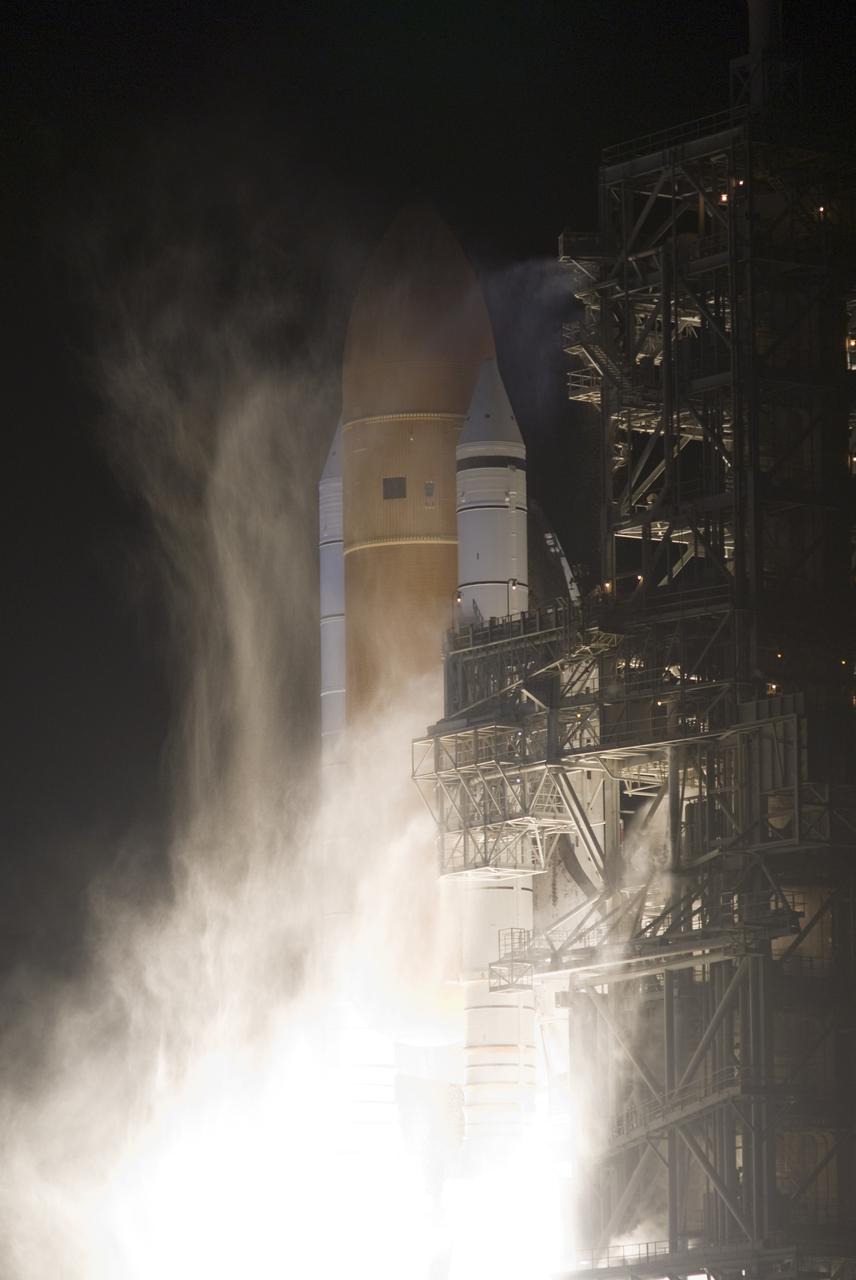
CAPE CANAVERAL, Fla. - An exhaust cloud begins to form at Launch Pad 39A at NASA's Kennedy Space Center in Florida as space shuttle Discovery lifts off on the STS-131 mission at 6:21 a.m. EDT April 5. The seven-member crew will deliver the multi-purpose logistics module Leonardo, filled with supplies, a new crew sleeping quarters and science racks that will be transferred to the International Space Station's laboratories. The crew also will switch out a gyroscope on the station’s truss, install a spare ammonia storage tank and retrieve a Japanese experiment from the station’s exterior. STS-131 is the 33rd shuttle mission to the station and the 131st shuttle mission overall. For information on the STS-131 mission and crew, visit http:__www.nasa.gov_mission_pages_shuttle_shuttlemissions_sts131_index.html. Photo credit: NASA_Rusty Backer and Michael Gayle
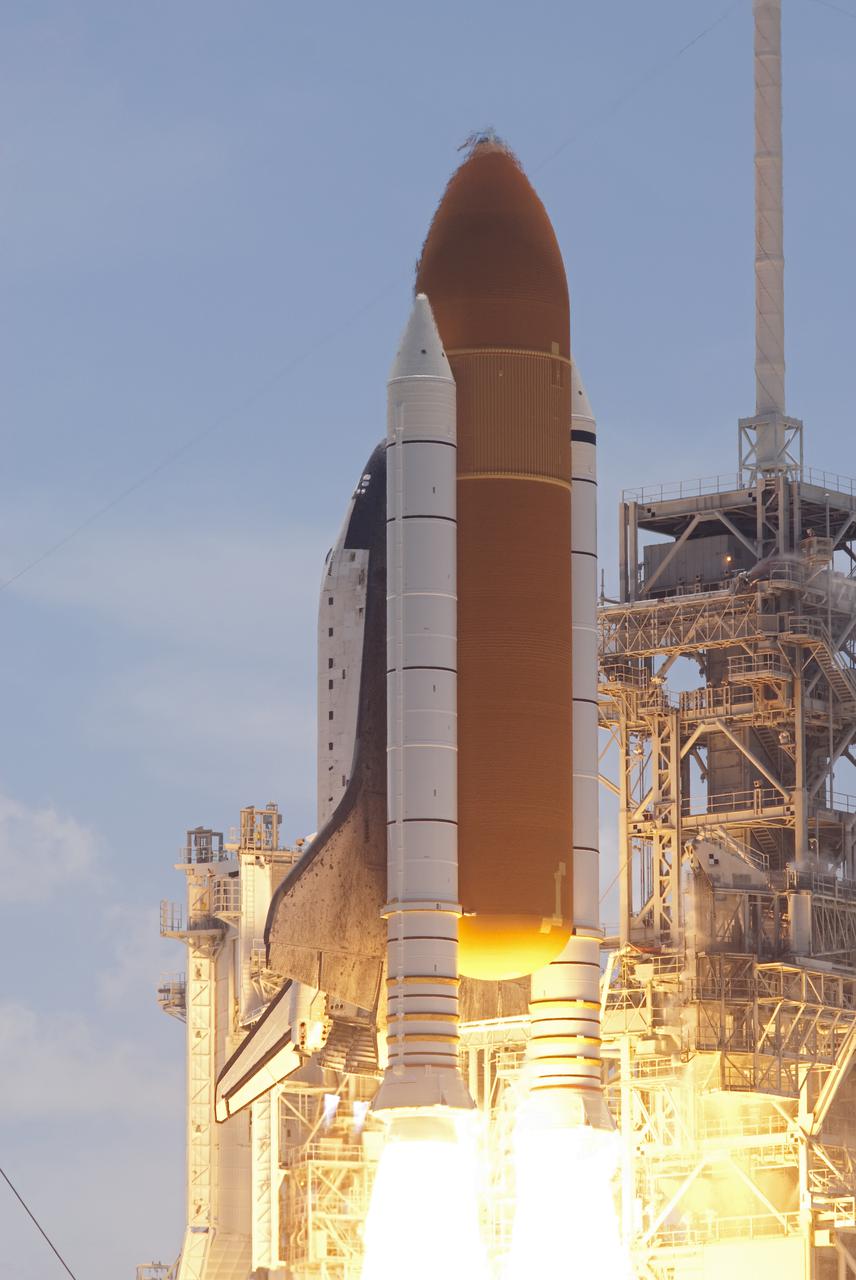
CAPE CANAVERAL, Fla. - Space shuttle Atlantis' twin solid rocket boosters ignite to propel the spacecraft off NASA Kennedy Space Center's Launch Pad 39A and into orbit at 2:20 p.m. EDT on May 14. On board Atlantis, for its last planned flight, are six veteran NASA astronauts. Atlantis' primary payload for the STS-132 mission is the Russian-built Mini Research Module-1, which will provide additional storage space and a new docking port for Russian Soyuz and Progress spacecraft aboard the International Space Station. STS-132 is the 132nd shuttle flight, the 32nd for Atlantis and the 34th shuttle mission dedicated to station assembly and maintenance. For more information on the STS-132 mission objectives, payload and crew, visit www.nasa.gov_mission_pages_shuttle_shuttlemissions_sts132_index.html. Photo credit: NASA_Rusty Backer and Michael Gayle
CAPE CANAVERAL, Fla. - Space shuttle Discovery roars off Launch Pad 39A at NASA's Kennedy Space Center in Florida beginning the STS-131 mission. Shuttle Discovery lifted off at 6:21 a.m. EDT on April 5, 2010. The seven-member STS-131 crew will deliver the multi-purpose logistics module Leonardo, filled with supplies, a new crew sleeping quarters and science racks that will be transferred to the International Space Station's laboratories. The crew also will switch out a gyroscope on the station’s truss, install a spare ammonia storage tank and retrieve a Japanese experiment from the station’s exterior. STS-131 is the 33rd shuttle mission to the station and the 131st shuttle mission overall. For information on the STS-131 mission and crew, visit http:__www.nasa.gov_mission_pages_shuttle_shuttlemissions_sts131_index.html. Photo credit: NASA_Rusty Backer and Michael Gayle
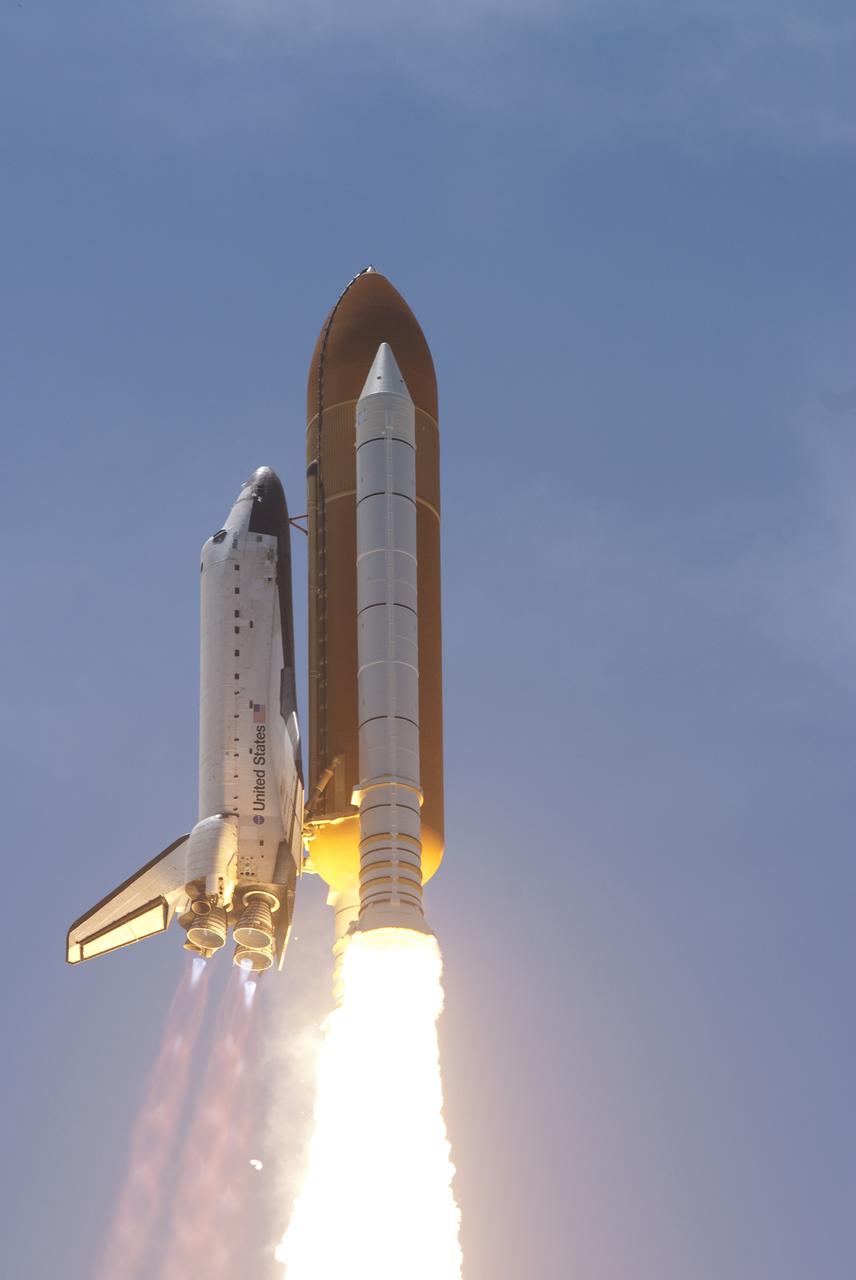
CAPE CANAVERAL, Fla. - Space shuttle Atlantis' twin solid rocket boosters and three main engines ignite to propel the spacecraft off NASA Kennedy Space Center's Launch Pad 39A and into orbit at 2:20 p.m. EDT on May 14. On board Atlantis, for its last planned flight, are six veteran NASA astronauts. Atlantis' primary payload for the STS-132 mission is the Russian-built Mini Research Module-1, which will provide additional storage space and a new docking port for Russian Soyuz and Progress spacecraft aboard the International Space Station. STS-132 is the 132nd shuttle flight, the 32nd for Atlantis and the 34th shuttle mission dedicated to station assembly and maintenance. For more information on the STS-132 mission objectives, payload and crew, visit www.nasa.gov_mission_pages_shuttle_shuttlemissions_sts132_index.html. Photo credit: NASA_Rusty Backer and Michael Gayle
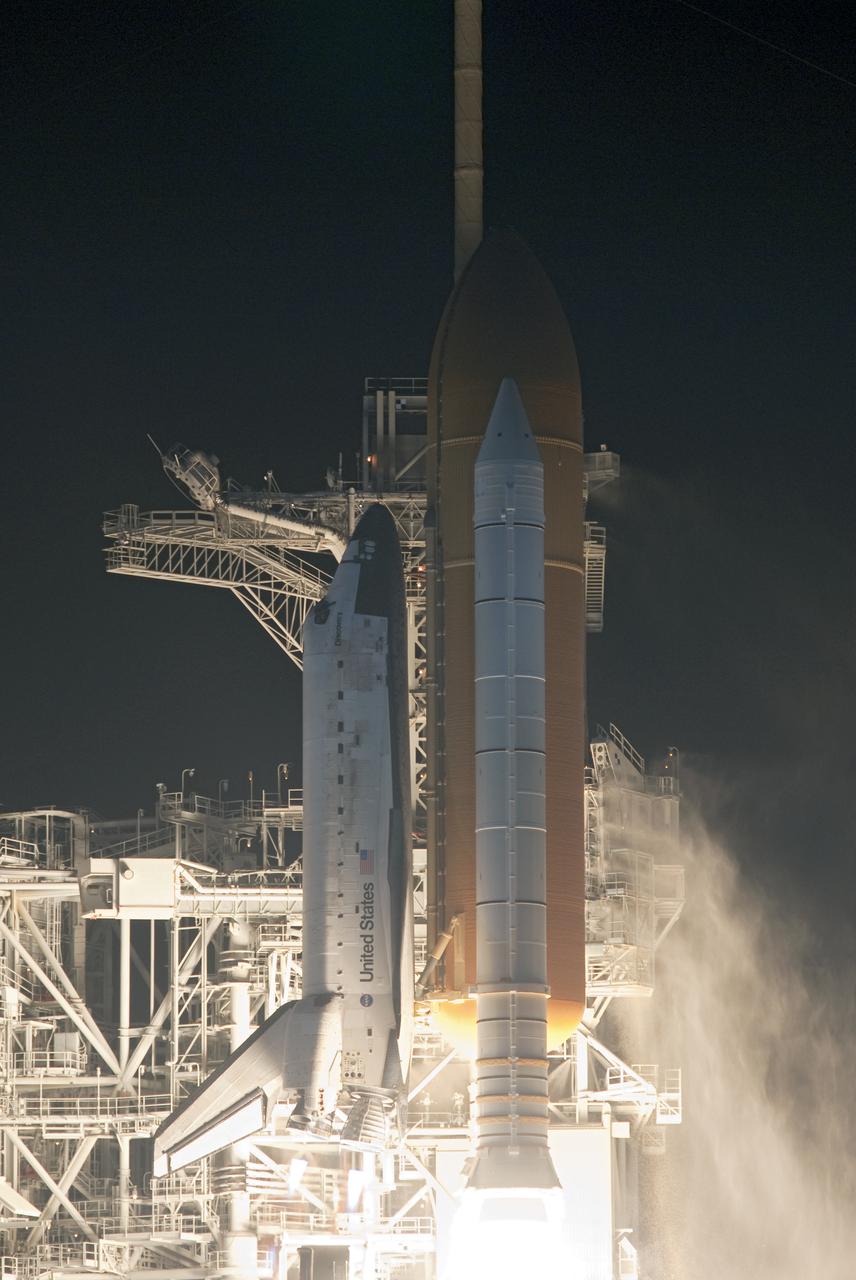
CAPE CANAVERAL, Fla. - Space shuttle Discovery begins its ascent into the predawn sky over Launch Pad 39A at NASA's Kennedy Space Center in Florida. Shuttle Discovery lifted off at 6:21 a.m. EDT on April 5, 2010. The seven-member STS-131 crew will deliver the multi-purpose logistics module Leonardo, filled with supplies, a new crew sleeping quarters and science racks that will be transferred to the International Space Station's laboratories. The crew also will switch out a gyroscope on the station’s truss, install a spare ammonia storage tank and retrieve a Japanese experiment from the station’s exterior. STS-131 is the 33rd shuttle mission to the station and the 131st shuttle mission overall. For information on the STS-131 mission and crew, visit http:__www.nasa.gov_mission_pages_shuttle_shuttlemissions_sts131_index.html. Photo credit: NASA_Rusty Backer and Michael Gayle
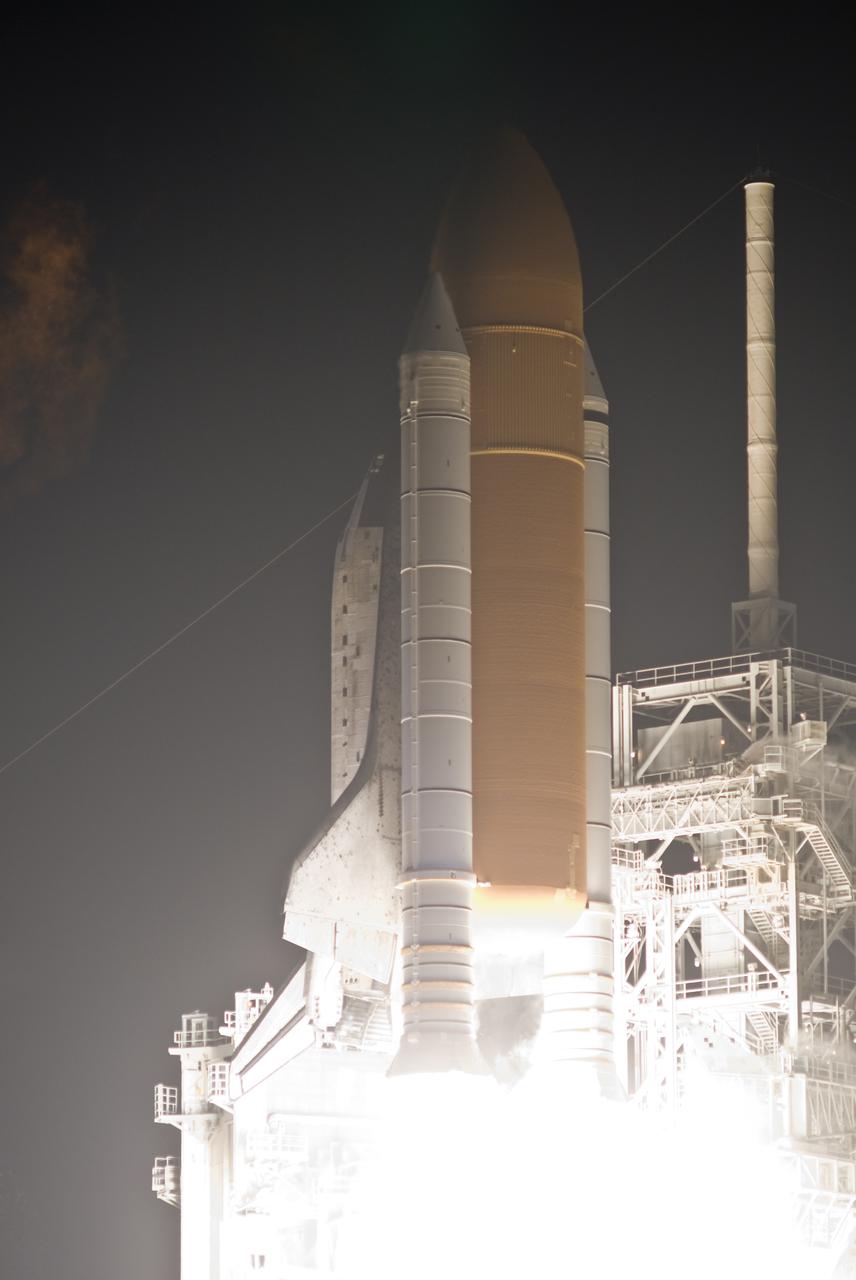
CAPE CANAVERAL, Fla. - Space shuttle Discovery begins its ascent into the predawn sky over Launch Pad 39A at NASA's Kennedy Space Center in Florida, a radiant start for the STS-131 mission. Shuttle Discovery lifted off at 6:21 a.m. EDT on April 5, 2010. The seven-member STS-131 crew will deliver the multi-purpose logistics module Leonardo, filled with supplies, a new crew sleeping quarters and science racks that will be transferred to the International Space Station's laboratories. The crew also will switch out a gyroscope on the station’s truss, install a spare ammonia storage tank and retrieve a Japanese experiment from the station’s exterior. STS-131 is the 33rd shuttle mission to the station and the 131st shuttle mission overall. For information on the STS-131 mission and crew, visit http:__www.nasa.gov_mission_pages_shuttle_shuttlemissions_sts131_index.html. Photo credit: NASA_Rusty Backer and Michael Gayle
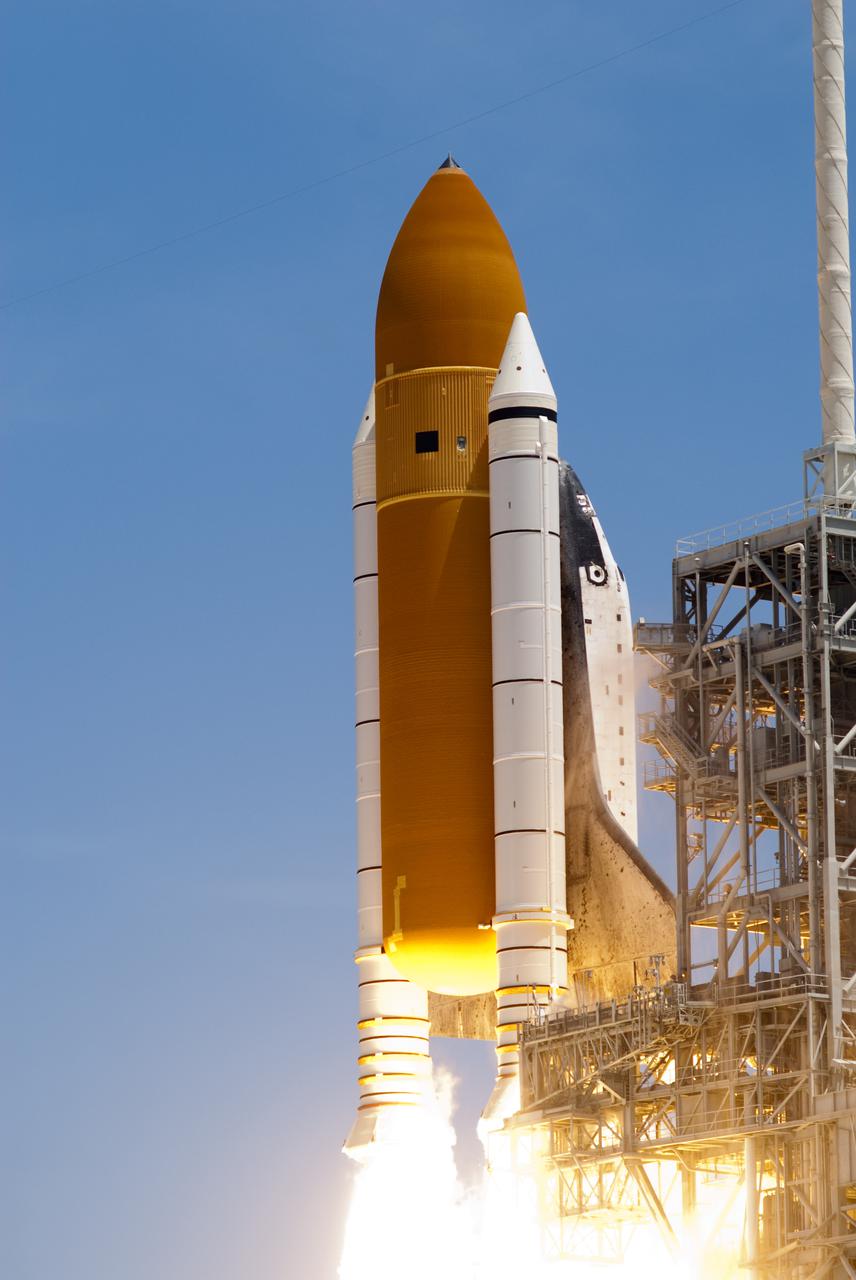
CAPE CANAVERAL, Fla. - Space shuttle Atlantis' twin solid rocket boosters ignite to propel the spacecraft off NASA Kennedy Space Center's Launch Pad 39A and into orbit at 2:20 p.m. EDT on May 14. On board Atlantis, for its last planned flight, are six veteran NASA astronauts. Atlantis' primary payload for the STS-132 mission is the Russian-built Mini Research Module-1, which will provide additional storage space and a new docking port for Russian Soyuz and Progress spacecraft aboard the International Space Station. STS-132 is the 132nd shuttle flight, the 32nd for Atlantis and the 34th shuttle mission dedicated to station assembly and maintenance. For more information on the STS-132 mission objectives, payload and crew, visit www.nasa.gov_mission_pages_shuttle_shuttlemissions_sts132_index.html. Photo credit: NASA_Rusty Backer and Michael Gayle
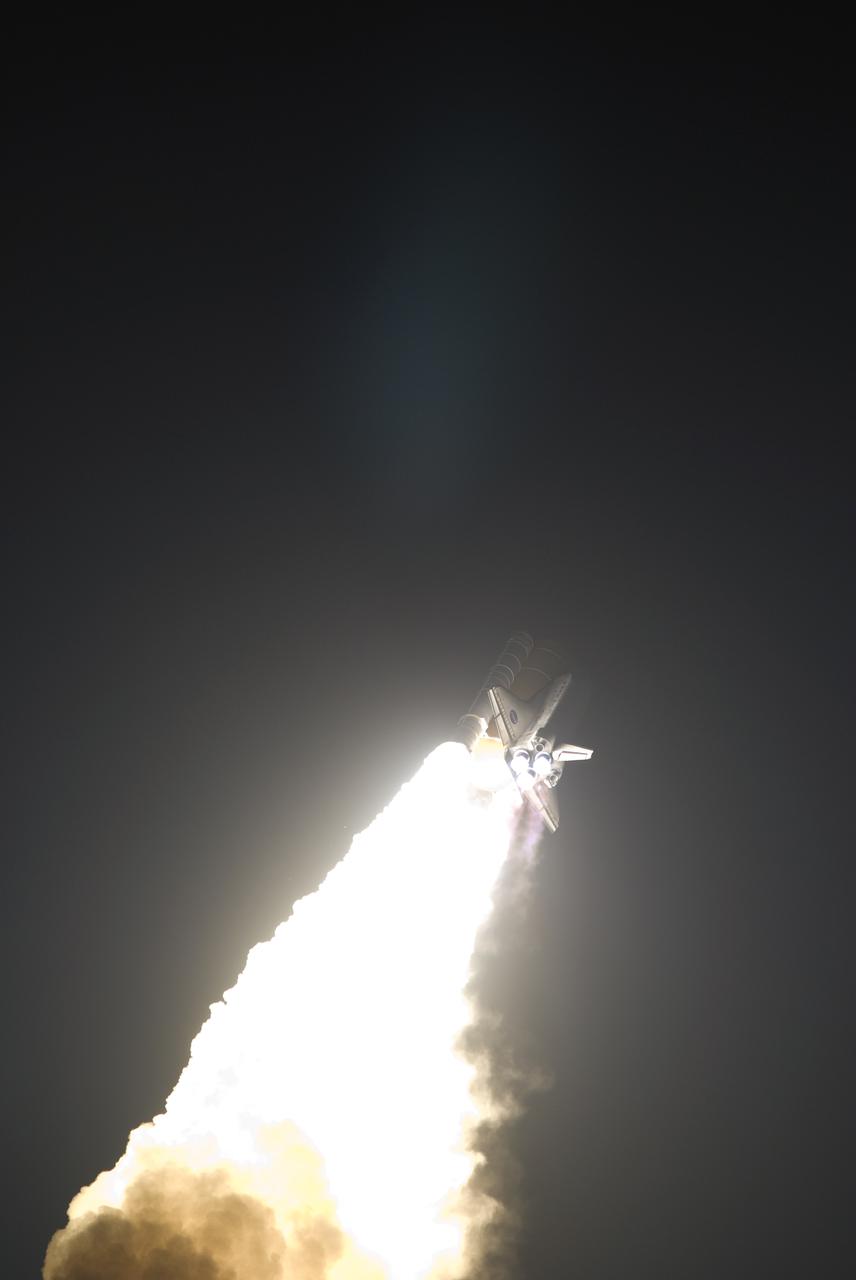
CAPE CANAVERAL, Fla. - On a brilliant twin column of flame and smoke, space shuttle Discovery streaks into the predawn sky on the STS-131 mission. Shuttle Discovery lifted off at 6:21 a.m. EDT on April 5, 2010. The seven-member STS-131 crew will deliver the multi-purpose logistics module Leonardo, filled with supplies, a new crew sleeping quarters and science racks that will be transferred to the International Space Station's laboratories. The crew also will switch out a gyroscope on the station’s truss, install a spare ammonia storage tank and retrieve a Japanese experiment from the station’s exterior. STS-131 is the 33rd shuttle mission to the station and the 131st shuttle mission overall. For information on the STS-131 mission and crew, visit http:__www.nasa.gov_mission_pages_shuttle_shuttlemissions_sts131_index.html. Photo credit: NASA_Rusty Backer and Michael Gayle
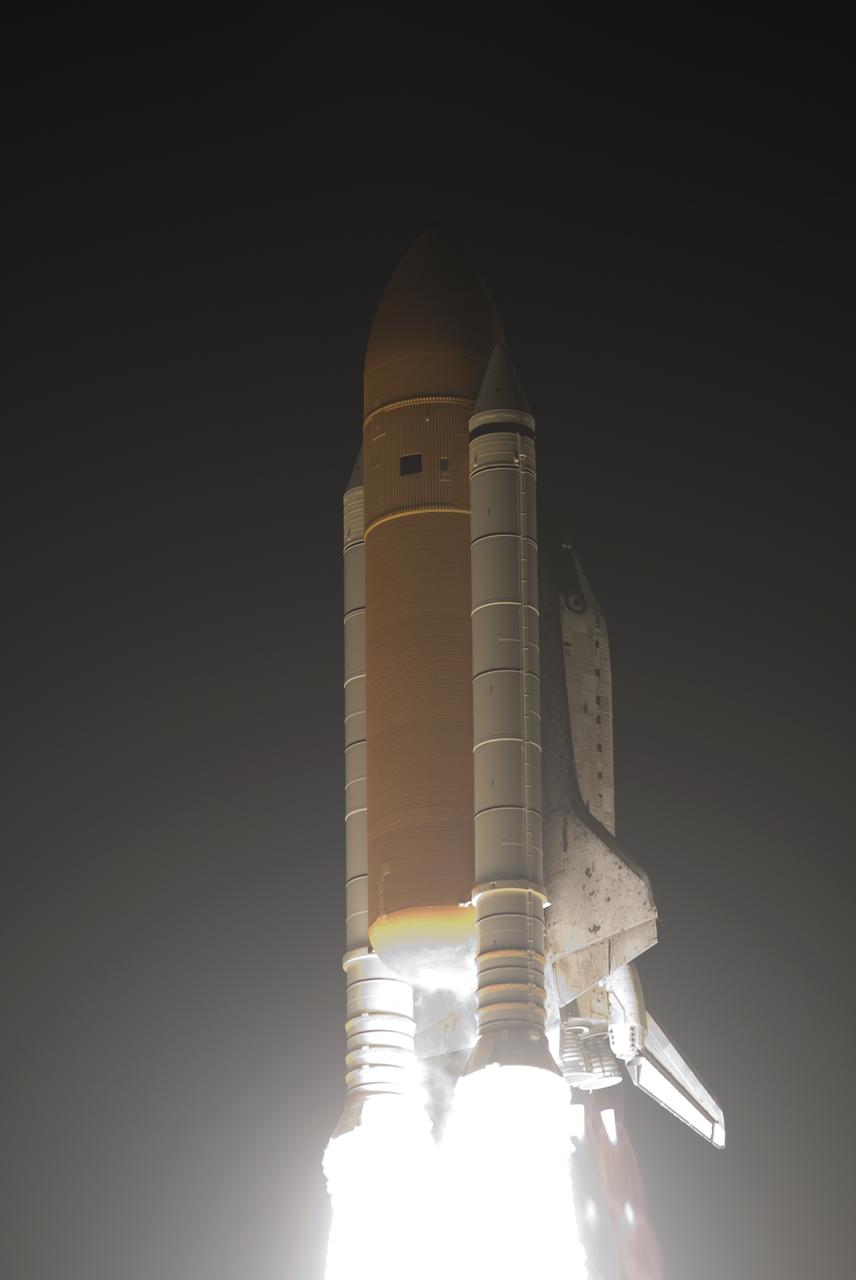
CAPE CANAVERAL, Fla. - The light from the solid rocket boosters and main engines of space shuttle Discovery is dazzling as the shuttle rushes into the predawn sky over Launch Pad 39A at NASA's Kennedy Space Center. Liftoff on the STS-131 mission was on time at 6:21 a.m. EDT April 5. The seven-member crew will deliver the multi-purpose logistics module Leonardo, filled with supplies, a new crew sleeping quarters and science racks that will be transferred to the International Space Station's laboratories. The crew also will switch out a gyroscope on the station’s truss, install a spare ammonia storage tank and retrieve a Japanese experiment from the station’s exterior. STS-131 is the 33rd shuttle mission to the station and the 131st shuttle mission overall. For information on the STS-131 mission and crew, visit http:__www.nasa.gov_mission_pages_shuttle_shuttlemissions_sts131_index.html. Photo credit: NASA_Rusty Backer and Michael Gayle
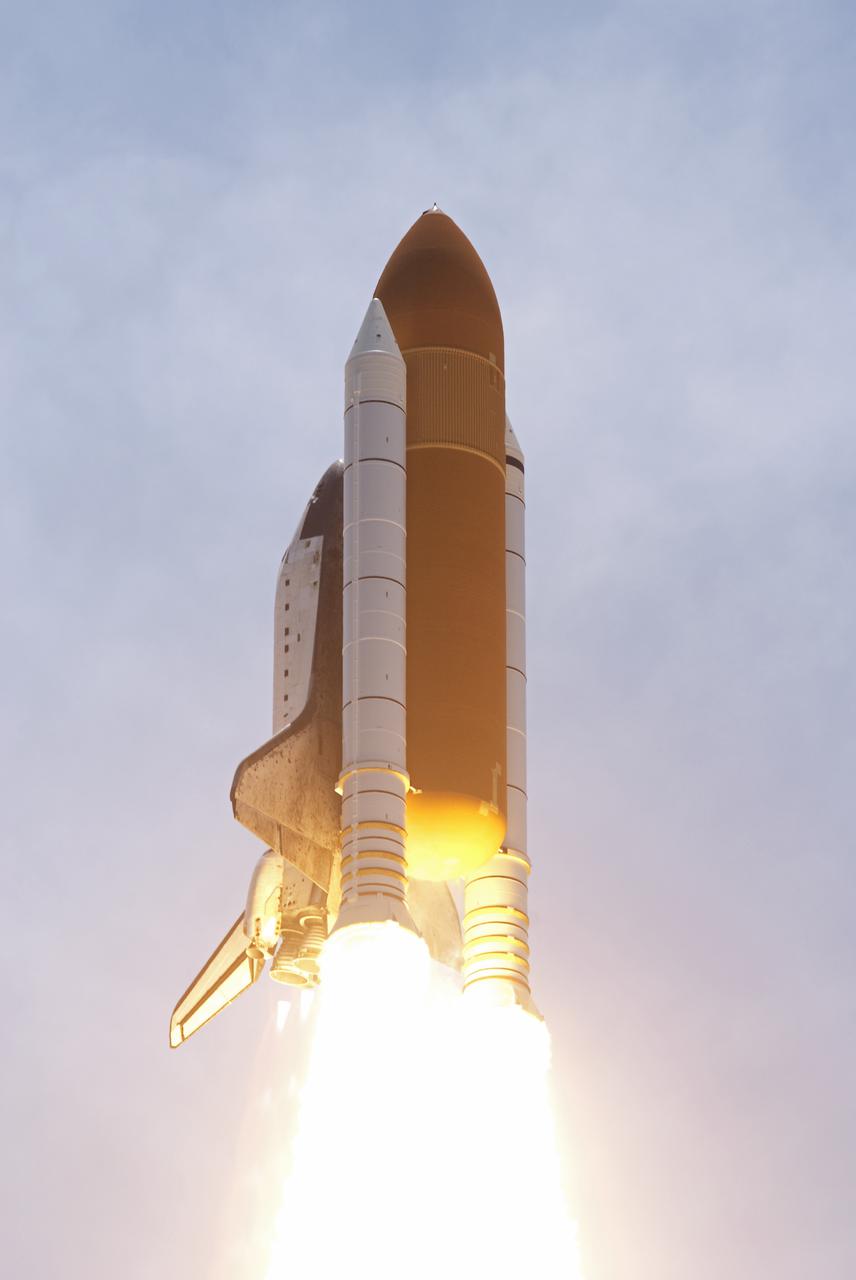
CAPE CANAVERAL, Fla. - Space shuttle Atlantis' twin solid rocket boosters propel to launch the spacecraft off NASA Kennedy Space Center's Launch Pad 39A and into orbit at 2:20 p.m. EDT on May 14. On board Atlantis, for its last planned flight, are six veteran NASA astronauts. Atlantis' primary payload for the STS-132 mission is the Russian-built Mini Research Module-1, which will provide additional storage space and a new docking port for Russian Soyuz and Progress spacecraft aboard the International Space Station. STS-132 is the 132nd shuttle flight, the 32nd for Atlantis and the 34th shuttle mission dedicated to station assembly and maintenance. For more information on the STS-132 mission objectives, payload and crew, visit www.nasa.gov_mission_pages_shuttle_shuttlemissions_sts132_index.html. Photo credit: NASA_Rusty Backer and Michael Gayle
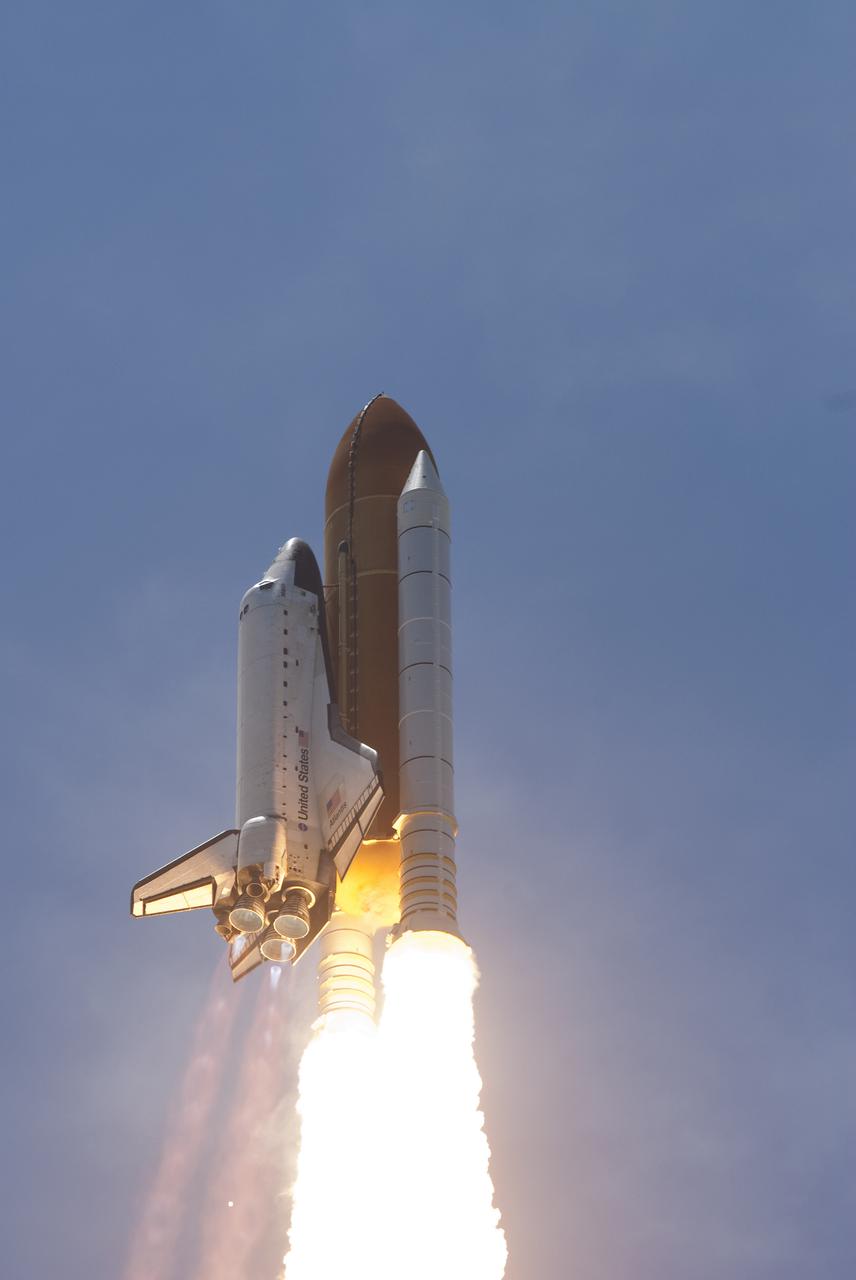
CAPE CANAVERAL, Fla. - Space shuttle Atlantis' twin solid rocket boosters and three main engines ignite to propel the spacecraft off NASA Kennedy Space Center's Launch Pad 39A and into orbit at 2:20 p.m. EDT on May 14. On board Atlantis, for its last planned flight, are six veteran NASA astronauts. Atlantis' primary payload for the STS-132 mission is the Russian-built Mini Research Module-1, which will provide additional storage space and a new docking port for Russian Soyuz and Progress spacecraft aboard the International Space Station. STS-132 is the 132nd shuttle flight, the 32nd for Atlantis and the 34th shuttle mission dedicated to station assembly and maintenance. For more information on the STS-132 mission objectives, payload and crew, visit www.nasa.gov_mission_pages_shuttle_shuttlemissions_sts132_index.html. Photo credit: NASA_Rusty Backer and Michael Gayle
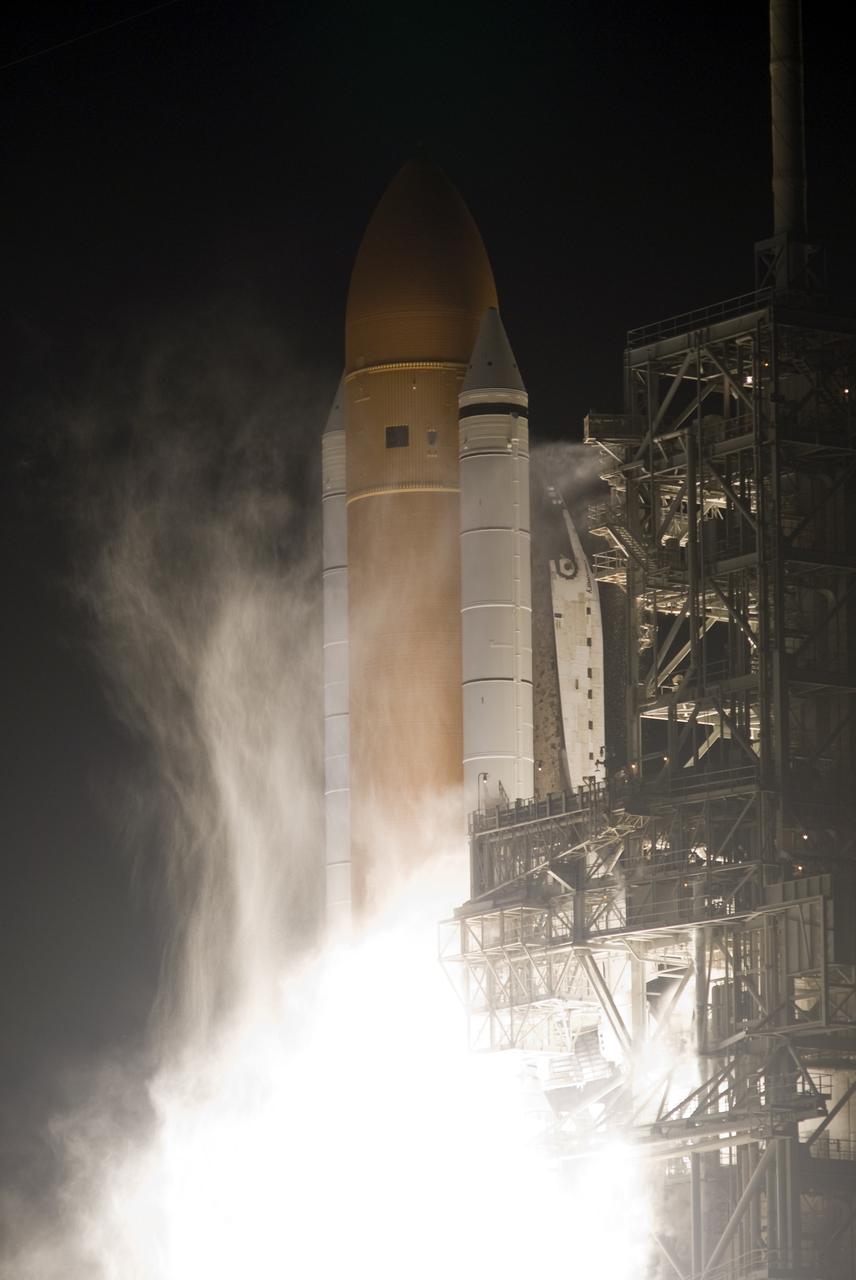
CAPE CANAVERAL, Fla. - Smoke and steam billow across Launch Pad 39A at NASA's Kennedy Space Center in Florida as space shuttle Discovery lifts off on the STS-131 mission. Launch was on time at 6:21 a.m. EDT April 5. The seven-member crew will deliver the multi-purpose logistics module Leonardo, filled with supplies, a new crew sleeping quarters and science racks that will be transferred to the International Space Station's laboratories. The crew also will switch out a gyroscope on the station’s truss, install a spare ammonia storage tank and retrieve a Japanese experiment from the station’s exterior. STS-131 is the 33rd shuttle mission to the station and the 131st shuttle mission overall. For information on the STS-131 mission and crew, visit http:__www.nasa.gov_mission_pages_shuttle_shuttlemissions_sts131_index.html. Photo credit: NASA_Rusty Backer and Michael Gayle
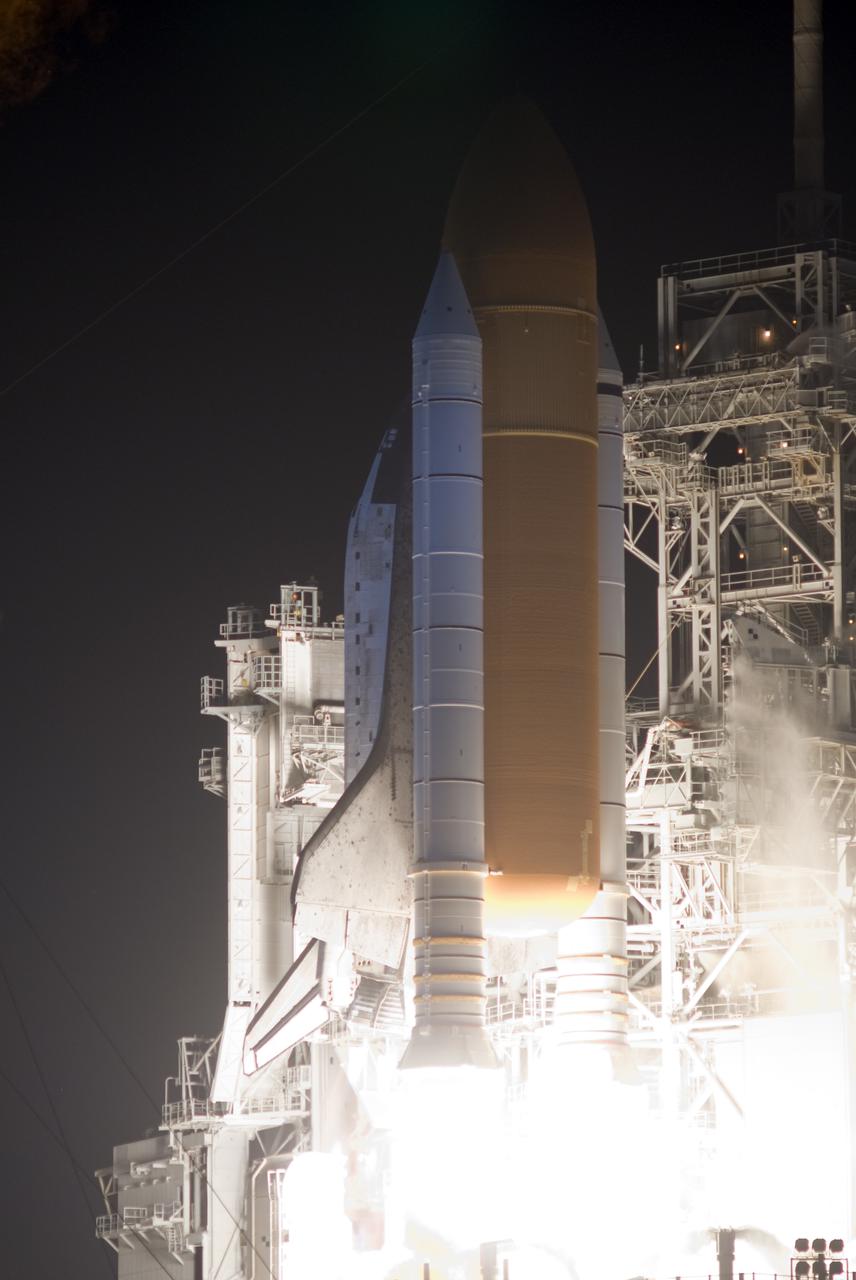
CAPE CANAVERAL, Fla. - A radiant cloud of smoke and steam swirl around Launch Pad 39A at NASA's Kennedy Space Center in Florida as space shuttle Discovery roars to life lifting off on the STS-131 mission. Shuttle Discovery lifted off at 6:21 a.m. EDT on April 5, 2010. The seven-member STS-131 crew will deliver the multi-purpose logistics module Leonardo, filled with supplies, a new crew sleeping quarters and science racks that will be transferred to the International Space Station's laboratories. The crew also will switch out a gyroscope on the station’s truss, install a spare ammonia storage tank and retrieve a Japanese experiment from the station’s exterior. STS-131 is the 33rd shuttle mission to the station and the 131st shuttle mission overall. For information on the STS-131 mission and crew, visit http:__www.nasa.gov_mission_pages_shuttle_shuttlemissions_sts131_index.html. Photo credit: NASA_Rusty Backer and Michael Gayle