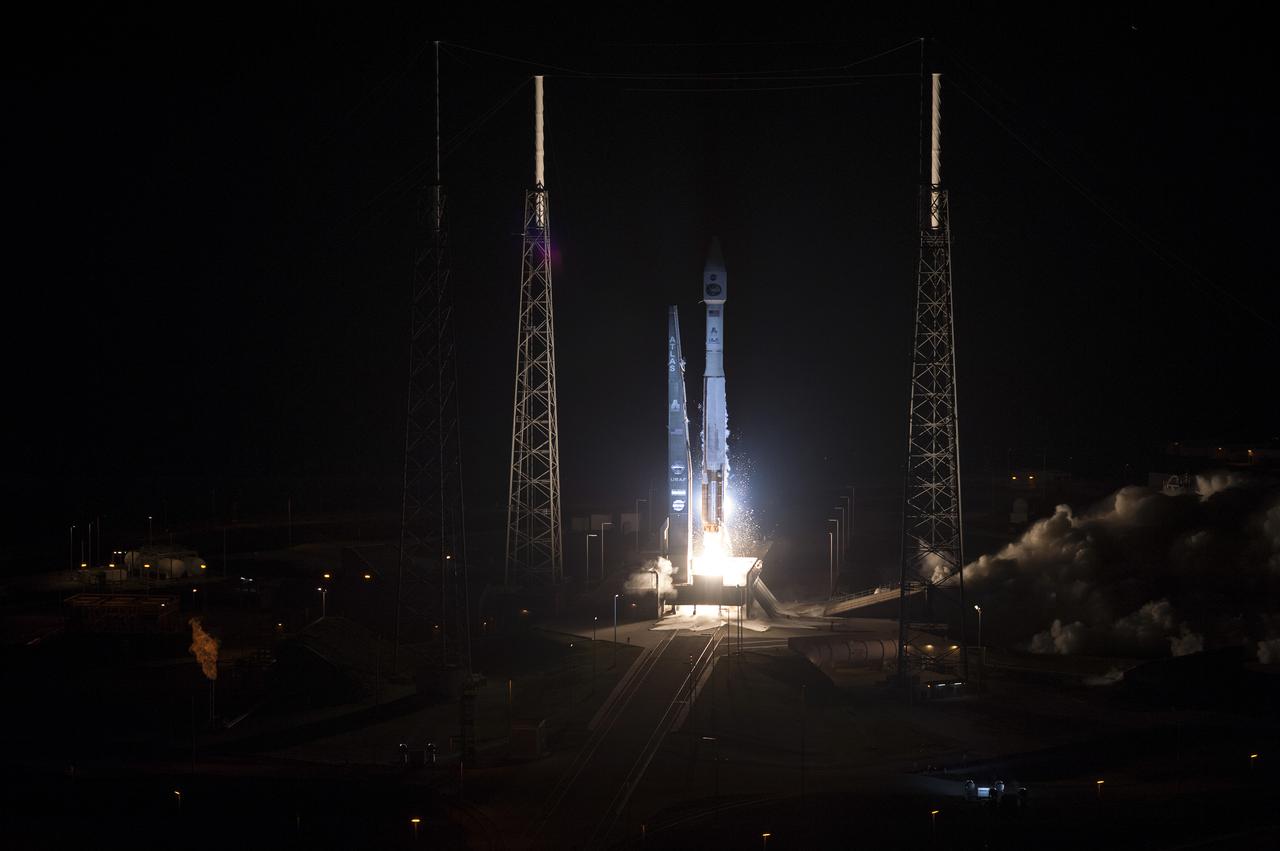
CAPE CANAVERAL, Fla. -- Plumes of exhaust and smoke form around the base of a lightning mast on Space Launch Complex 41 on Cape Canaveral Air Force Station in Florida as a United Launch Alliance Atlas V 401 rocket lifts off at 8:48 p.m. EST, carrying NASA's Tracking and Data Relay Satellite-K, TDRS-K, to orbit. The TDRS-K spacecraft is part of the next-generation series in the Tracking and Data Relay Satellite System, a constellation of space-based communication satellites providing tracking, telemetry, command and high-bandwidth data return services. For more information, visit http:__www.nasa.gov_mission_pages_tdrs_index.html. Photo credit: NASA_Tony Gray and Don Kight
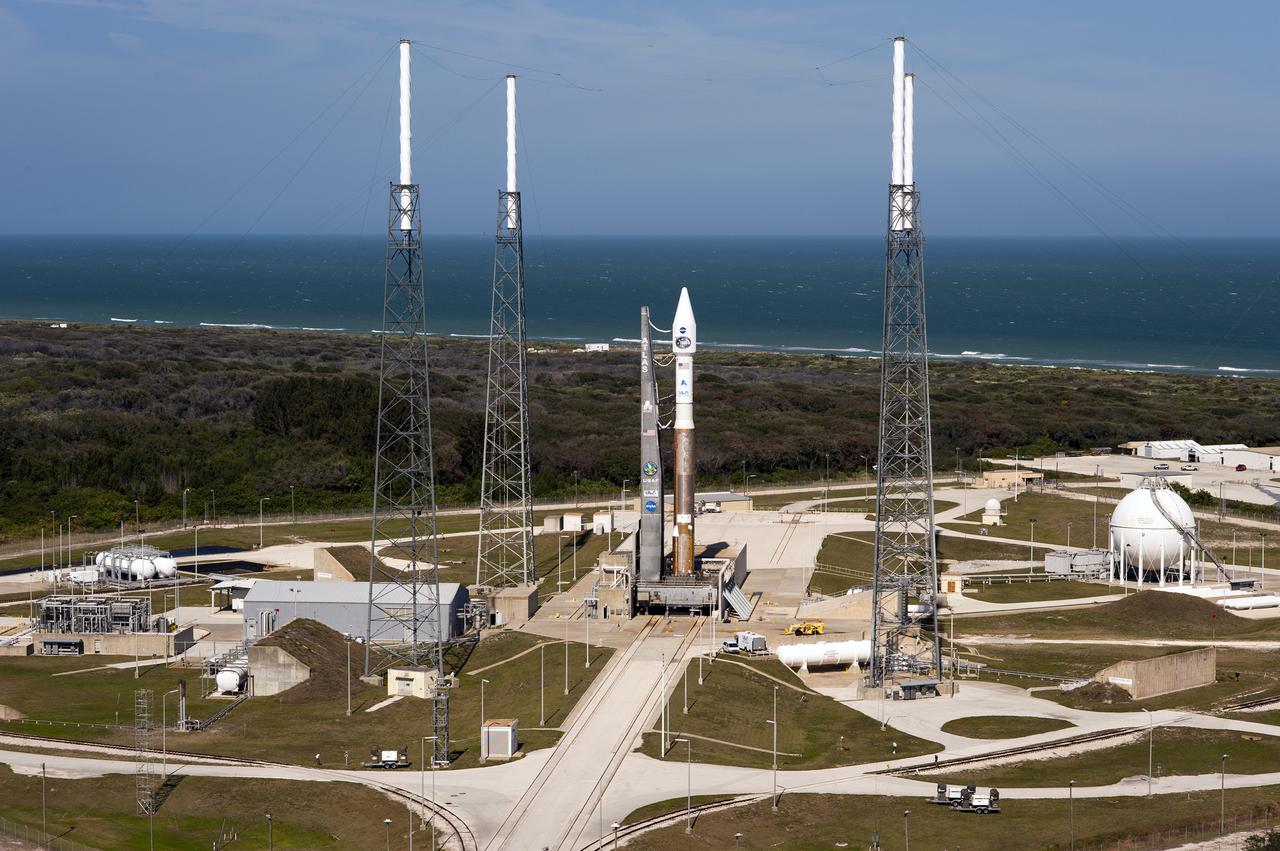
CAPE CANAVERAL, Fla. -- NASA's Tracking and Data Relay Satellite-K, TDRS-K, sits atop a United Launch Alliance Atlas V 401 rocket on Space Launch Complex 41 on Cape Canaveral Air Force Station in Florida, ready to begin its journey to orbit. Liftoff is set for 8:48 p.m. EST at the opening of a 40-minute launch window. The TDRS-K spacecraft is part of the next-generation series in the Tracking and Data Relay Satellite System, a constellation of space-based communication satellites providing tracking, telemetry, command and high-bandwidth data return services. For more information, visit http:__www.nasa.gov_mission_pages_tdrs_index.html. Photo credit: NASA_Tony Gray and Don Kight
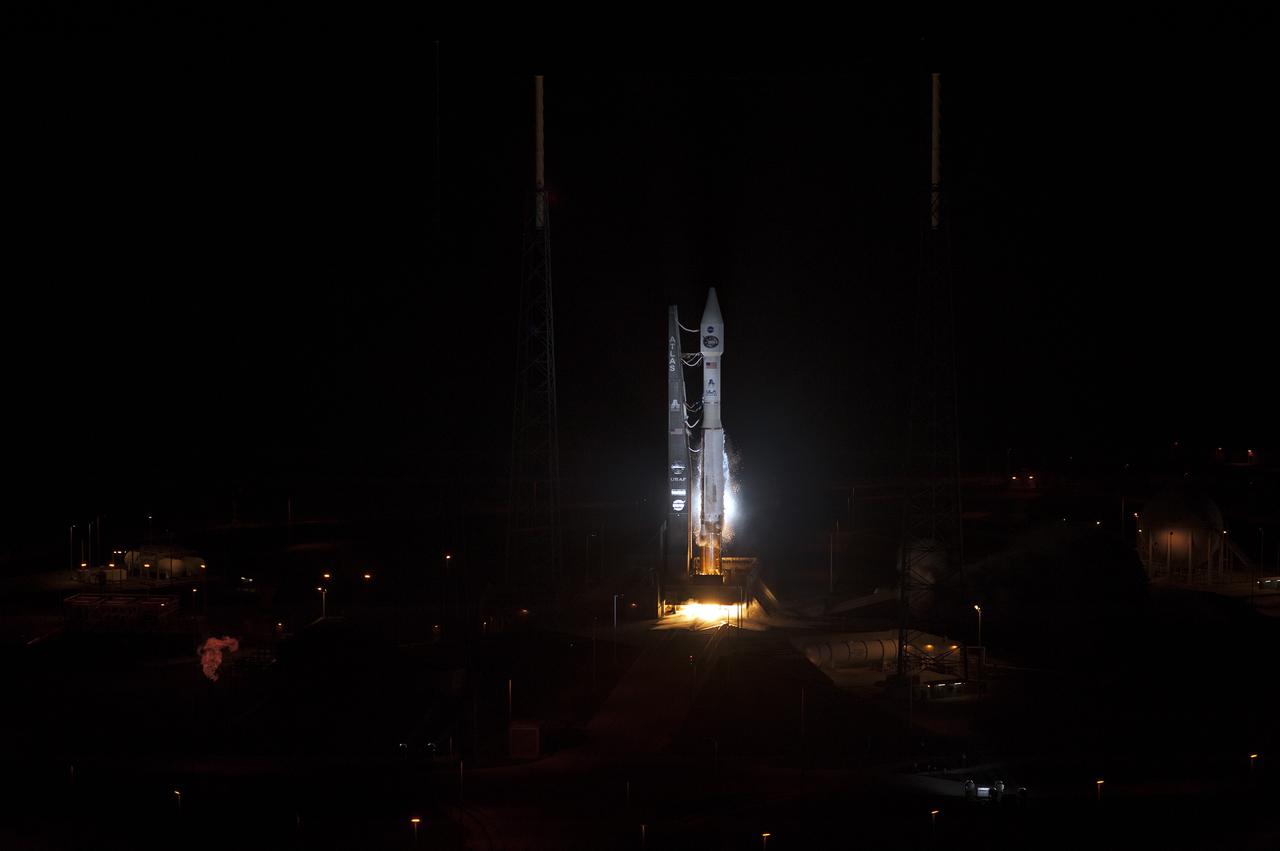
CAPE CANAVERAL, Fla. -- Space Launch Complex 41 on Cape Canaveral Air Force Station in Florida comes alive as the engines ignite under the United Launch Alliance Atlas V 401 rocket, carrying NASA's Tracking and Data Relay Satellite-K, TDRS-K, to orbit. Liftoff was at 8:48 p.m. EST. The TDRS-K spacecraft is part of the next-generation series in the Tracking and Data Relay Satellite System, a constellation of space-based communication satellites providing tracking, telemetry, command and high-bandwidth data return services. For more information, visit http:__www.nasa.gov_mission_pages_tdrs_index.html. Photo credit: NASA_Tony Gray and Don Kight
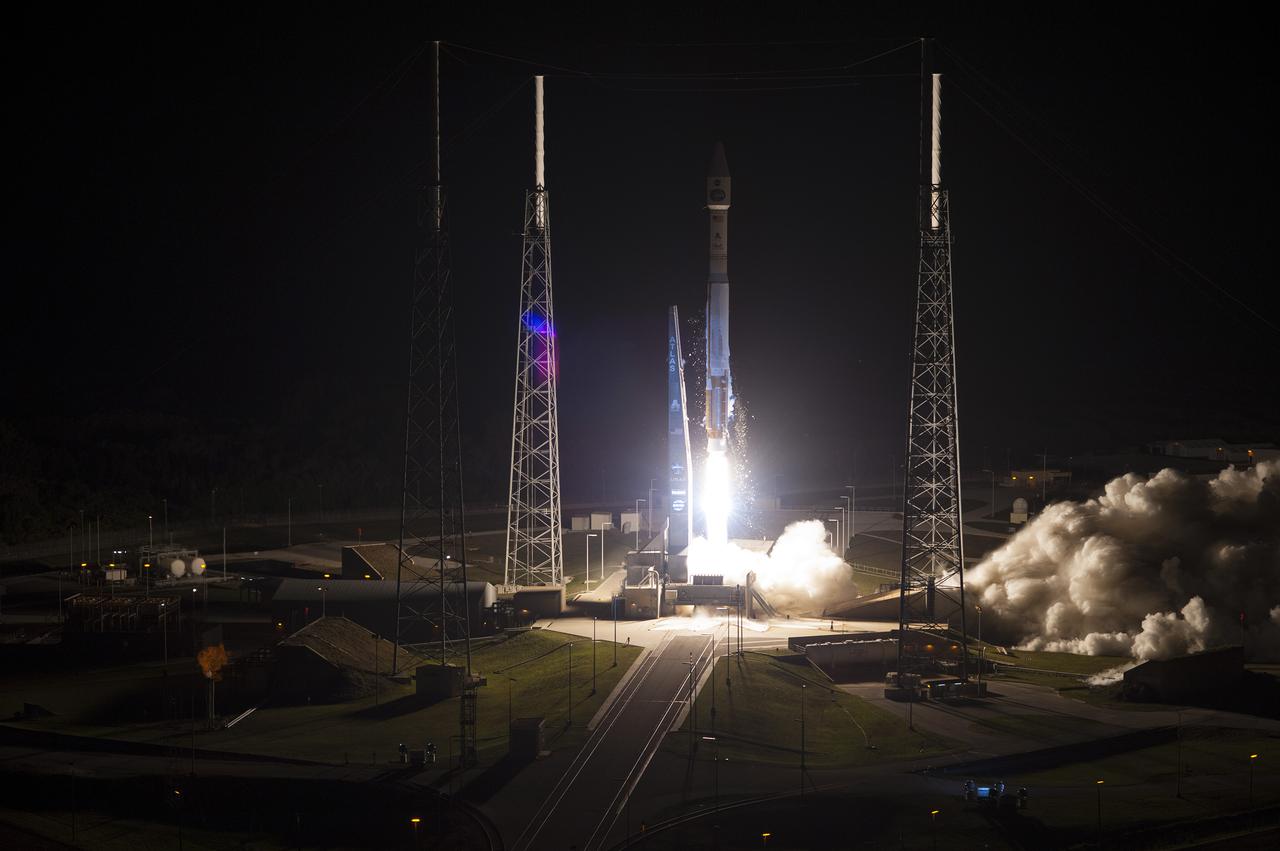
CAPE CANAVERAL, Fla. -- Space Launch Complex 41 on Cape Canaveral Air Force Station in Florida is illuminated by a United Launch Alliance Atlas V 401 rocket as it lifts off at 8:48 p.m. EST carrying NASA's Tracking and Data Relay Satellite-K, TDRS-K, to orbit. The TDRS-K spacecraft is part of the next-generation series in the Tracking and Data Relay Satellite System, a constellation of space-based communication satellites providing tracking, telemetry, command and high-bandwidth data return services. For more information, visit http:__www.nasa.gov_mission_pages_tdrs_index.html. Photo credit: NASA_Tony Gray and Don Kight
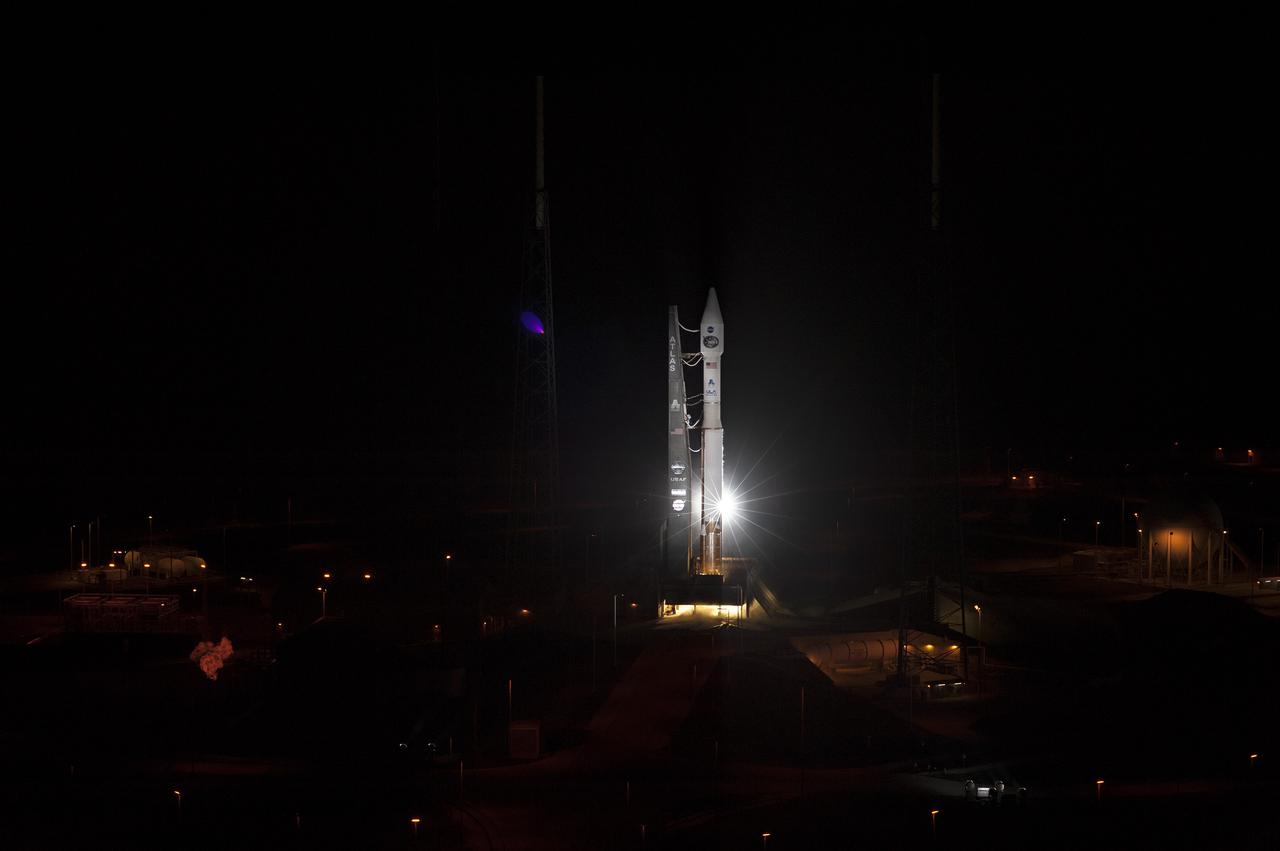
CAPE CANAVERAL, Fla. -- The engines ignite under the United Launch Alliance Atlas V 401 rocket at Space Launch Complex 41 on Cape Canaveral Air Force Station in Florida. NASA's Tracking and Data Relay Satellite-K, TDRS-K, began its journey to orbit at 8:48 p.m. EST. The TDRS-K spacecraft is part of the next-generation series in the Tracking and Data Relay Satellite System, a constellation of space-based communication satellites providing tracking, telemetry, command and high-bandwidth data return services. For more information, visit http:__www.nasa.gov_mission_pages_tdrs_index.html. Photo credit: NASA_Tony Gray and Don Kight
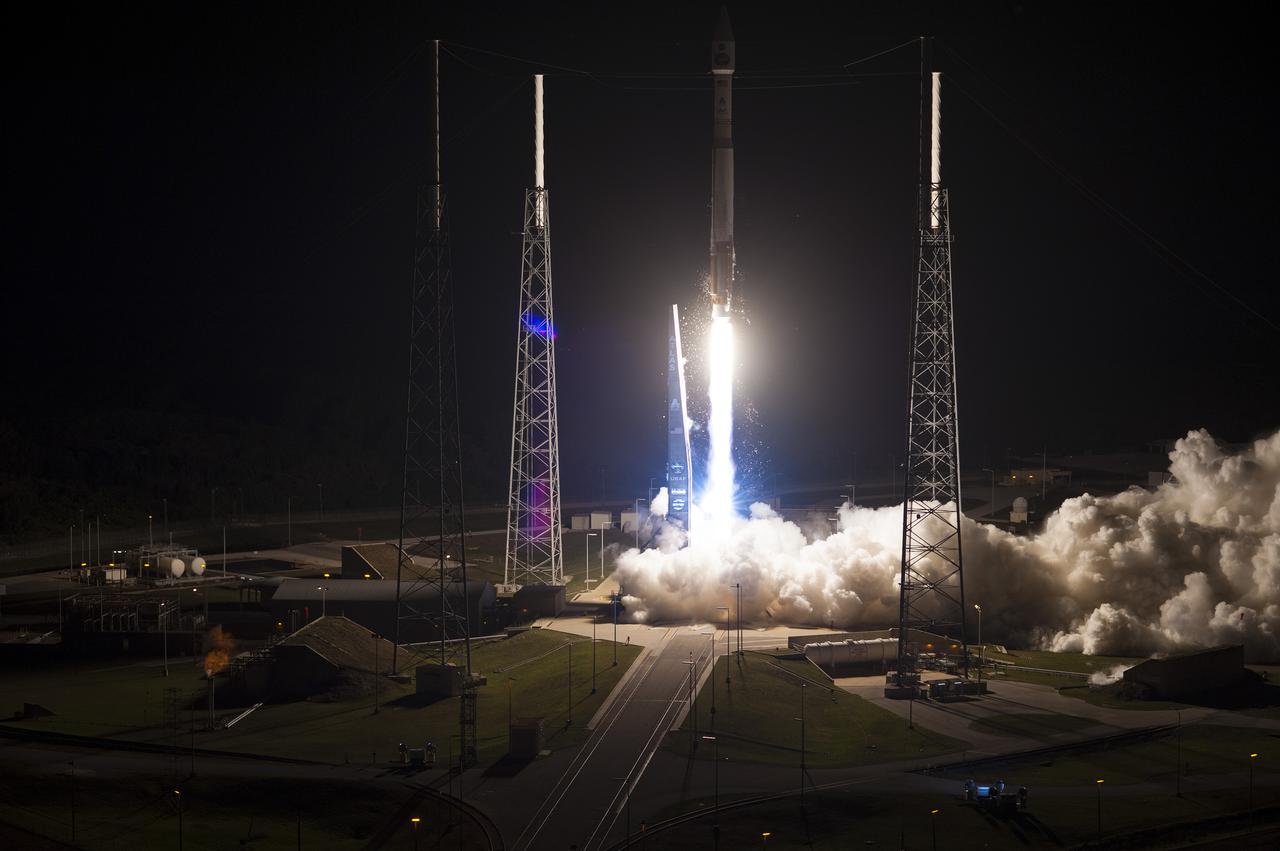
CAPE CANAVERAL, Fla. -- A United Launch Alliance Atlas V 401 rocket roars to life on Space Launch Complex 41 on Cape Canaveral Air Force Station in Florida at 8:48 p.m. EST, carrying NASA's Tracking and Data Relay Satellite-K, TDRS-K, to orbit. The TDRS-K spacecraft is part of the next-generation series in the Tracking and Data Relay Satellite System, a constellation of space-based communication satellites providing tracking, telemetry, command and high-bandwidth data return services. For more information, visit http:__www.nasa.gov_mission_pages_tdrs_index.html. Photo credit: NASA_Tony Gray and Don Kight