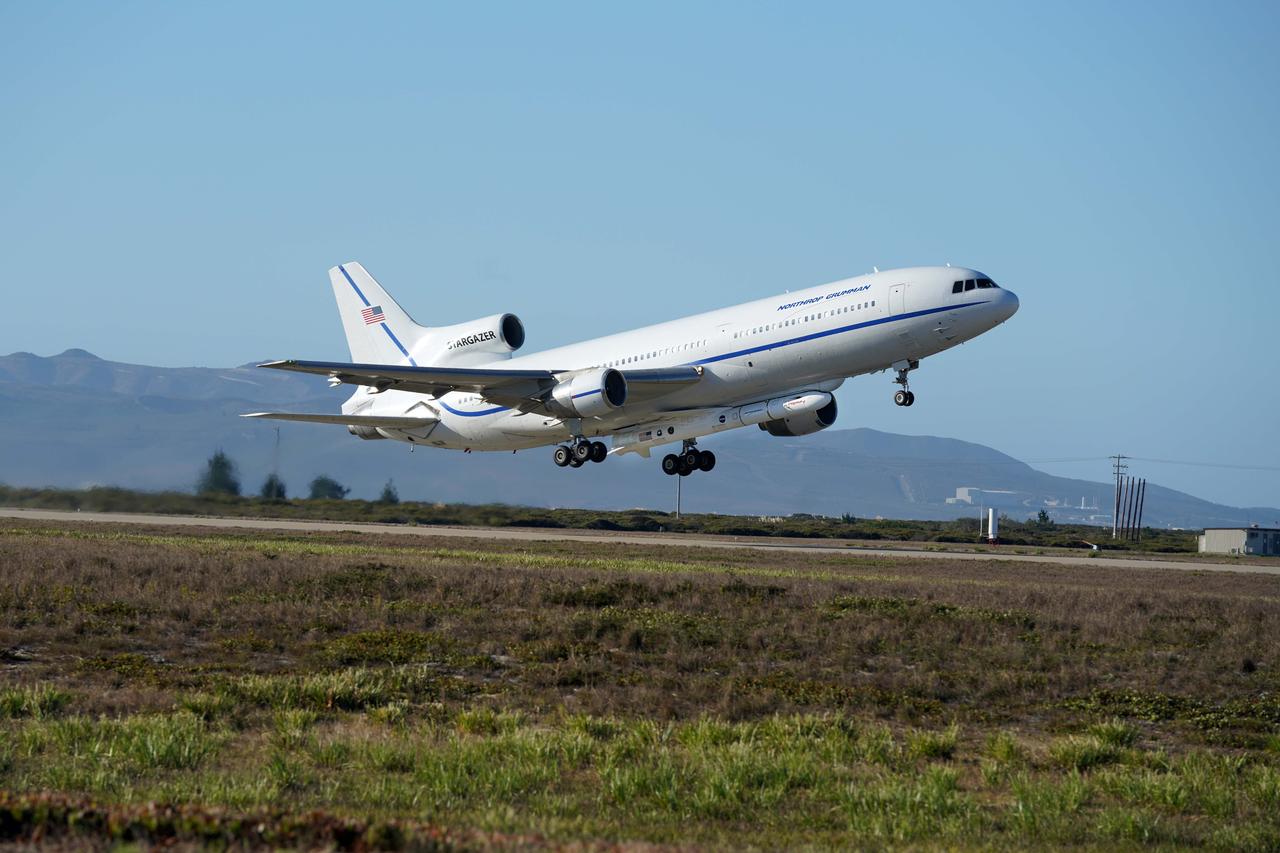
Northrop Grumman's L-1011 Stargazer takes off from Vandenberg Air Force Base in California on Oct. 1, 2019. The company's Pegasus XL rocket, containing NASA's Ionospheric Connection Explorer (ICON), is attached beneath the aircraft. The explorer is targeted to launch on Oct. 9, 2019, from Cape Canaveral Air Force Station in Florida. ICON will study the frontier of space - the dynamic zone high in Earth's atmosphere where terrestrial weather from below meets space weather above.
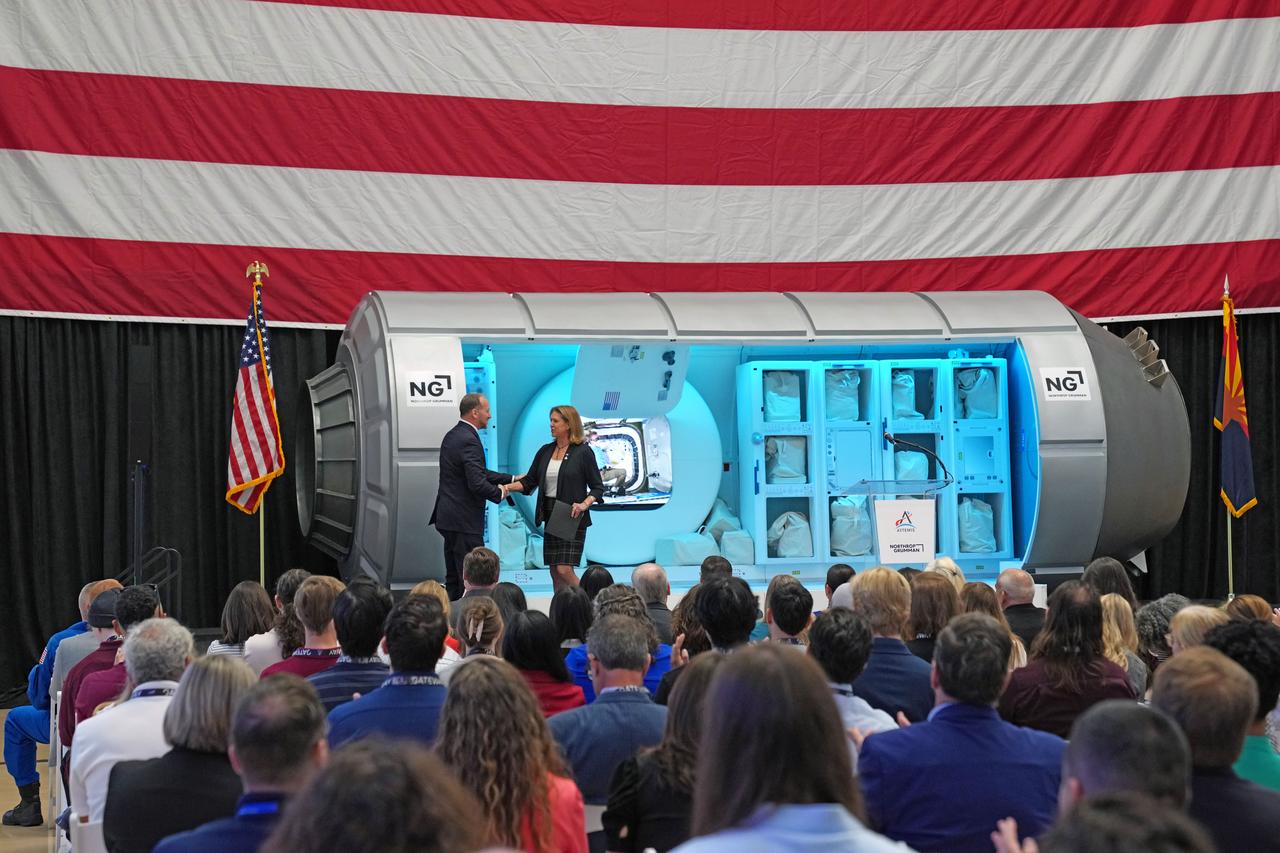
Dr. Lori Glaze, acting associate administrator for NASA’s Exploration Systems Development Mission Directorate, and Dr. Jon B. Olansen, Gateway Program manager, on stage during an April 24, 2025, event at Northrop Grumman’s facility in Gilbert, Arizona, commemorating HALO’s arrival in the United States.
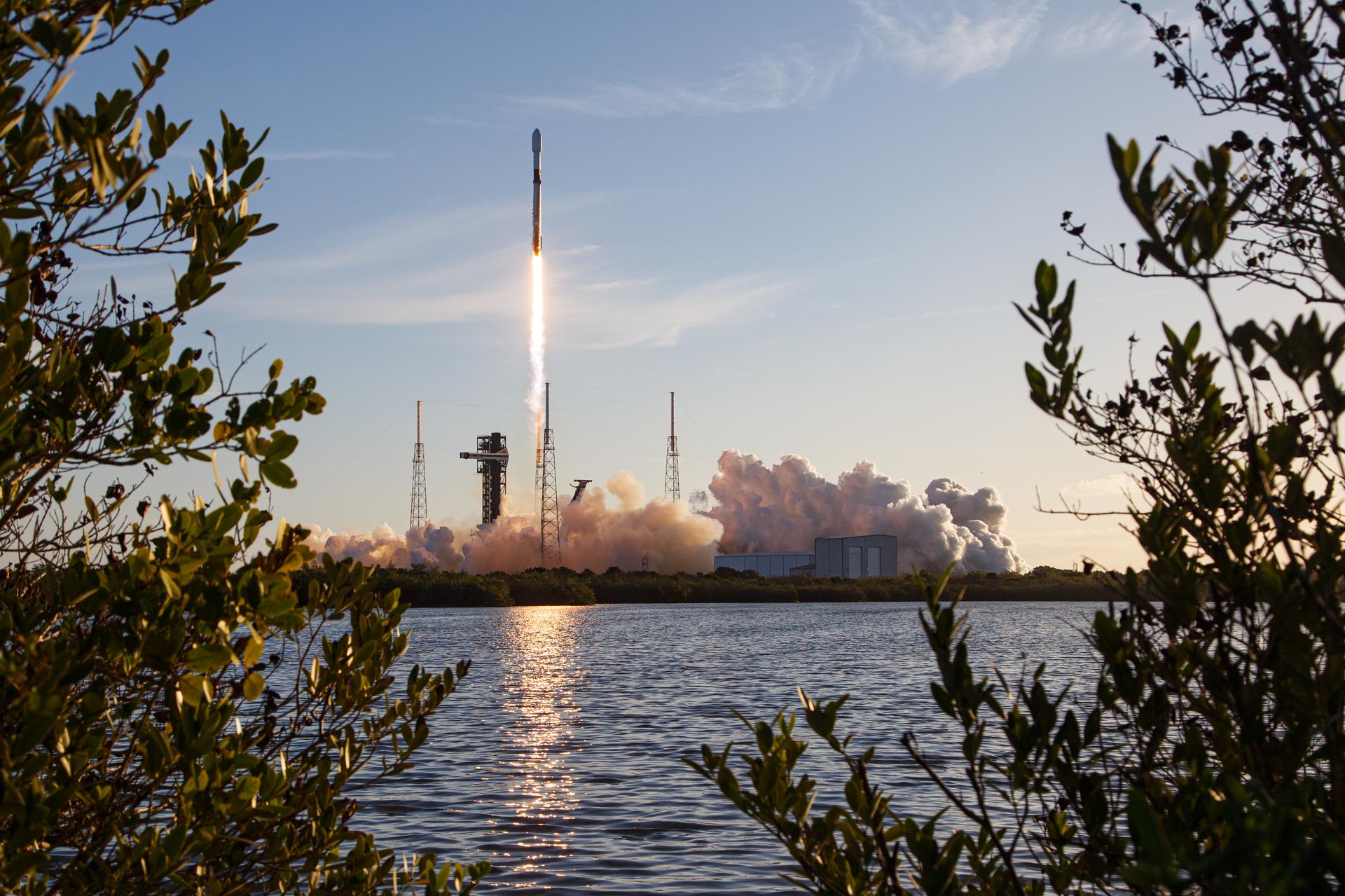
NASA’s Northrop Grumman Commercial Resupply Services 24 mission or Northrop Grumman CRS-24, launches Saturday, April 11, 2026, aboard the company’s Cygnus XL spacecraft atop a SpaceX Falcon 9 rocket from Space Launch Complex 40 at Cape Canaveral Space Force Station in Florida. The resupply mission will deliver approximately 11,000 pounds of science and supplies to the International Space Station.
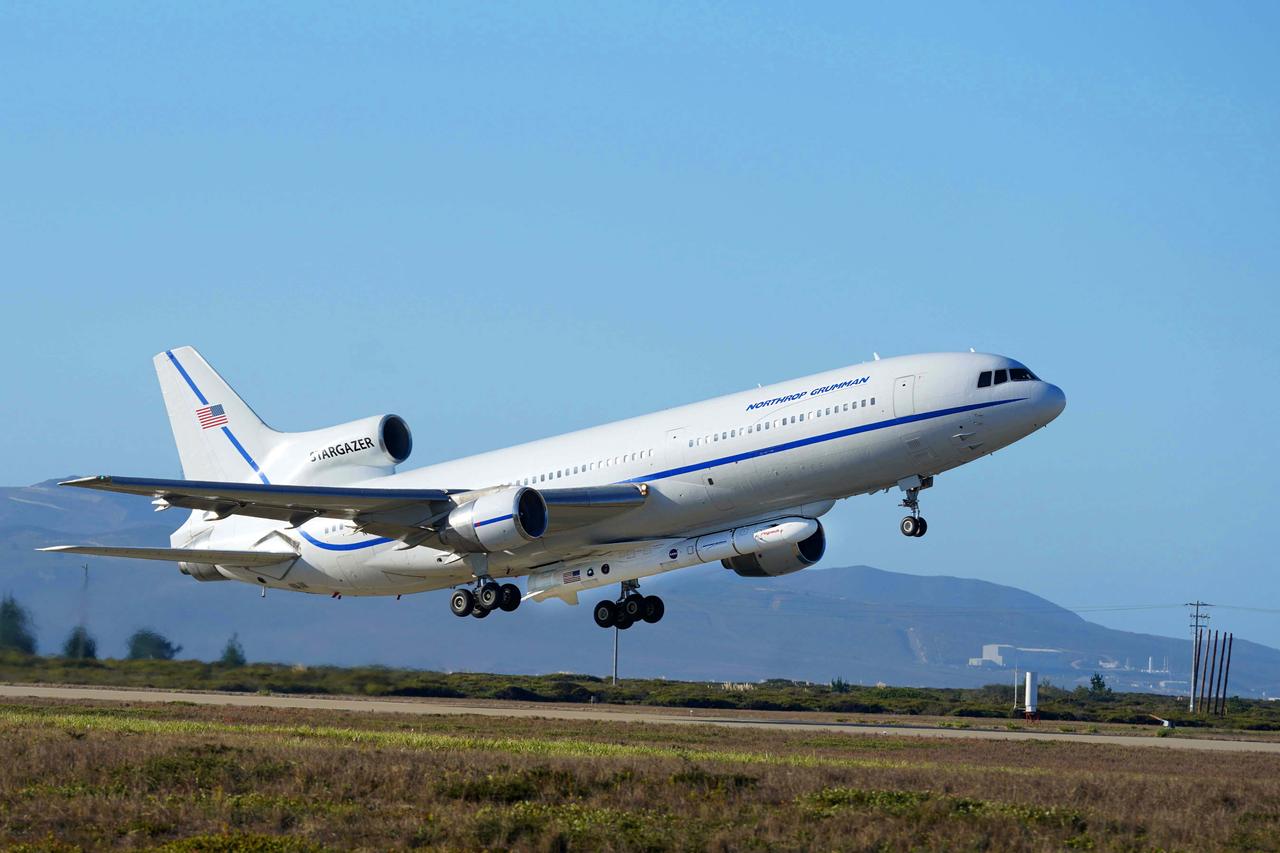
Northrop Grumman's L-1011 Stargazer takes off from Vandenberg Air Force Base in California on Oct. 1, 2019. The company's Pegasus XL rocket, containing NASA's Ionospheric Connection Explorer (ICON), is attached beneath the aircraft. The explorer is targeted to launch on Oct. 9, 2019, from Cape Canaveral Air Force Station in Florida. ICON will study the frontier of space - the dynamic zone high in Earth's atmosphere where terrestrial weather from below meets space weather above.
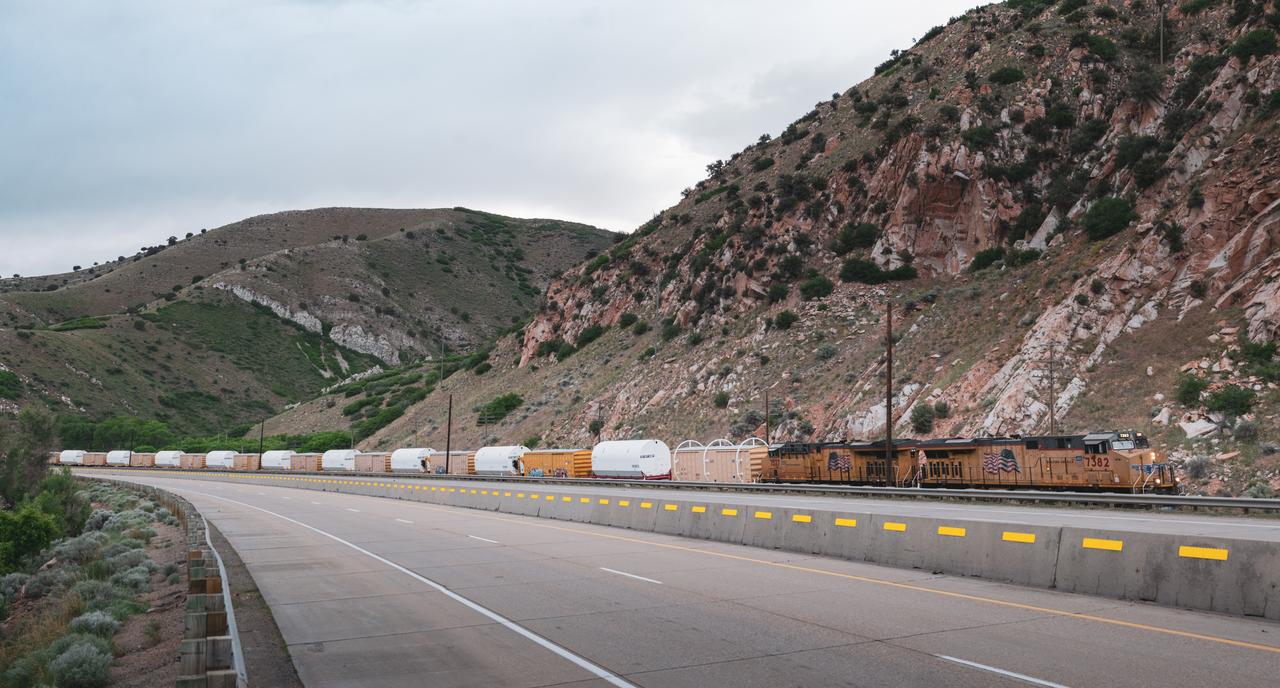
The two solid rocket boosters that will power NASA’s Space Launch System (SLS) for Artemis missions to the Moon are on their way to the agency’s Kennedy Space Center in Florida after departing from a Northrop Grumman manufacturing facility in Promontory, Utah, on June 5, 2020. The boosters – each comprised of five motor segments – are scheduled to arrive at Kennedy’s Rotation, Processing and Surge Facility, where teams with NASA’s Exploration Ground Systems will process the segments before moving them to the Vehicle Assembly Building for stacking on the mobile launcher. Under the Artemis program, NASA will land the first woman and the next man on the Moon by 2024. The first in a series of increasingly complex missions, Artemis I will test the Orion spacecraft and SLS as an integrated system ahead of crewed flights to the Moon.

The two solid rocket boosters that will power NASA’s Space Launch System (SLS) for Artemis missions to the Moon are on their way to the agency’s Kennedy Space Center in Florida after departing from a Northrop Grumman manufacturing facility in Promontory, Utah, on June 5, 2020. The boosters – each comprised of five motor segments – are scheduled to arrive at Kennedy’s Rotation, Processing and Surge Facility, where teams with NASA’s Exploration Ground Systems will process the segments before moving them to the Vehicle Assembly Building for stacking on the mobile launcher. Under the Artemis program, NASA will land the first woman and the next man on the Moon by 2024. The first in a series of increasingly complex missions, Artemis I will test the Orion spacecraft and SLS as an integrated system ahead of crewed flights to the Moon.
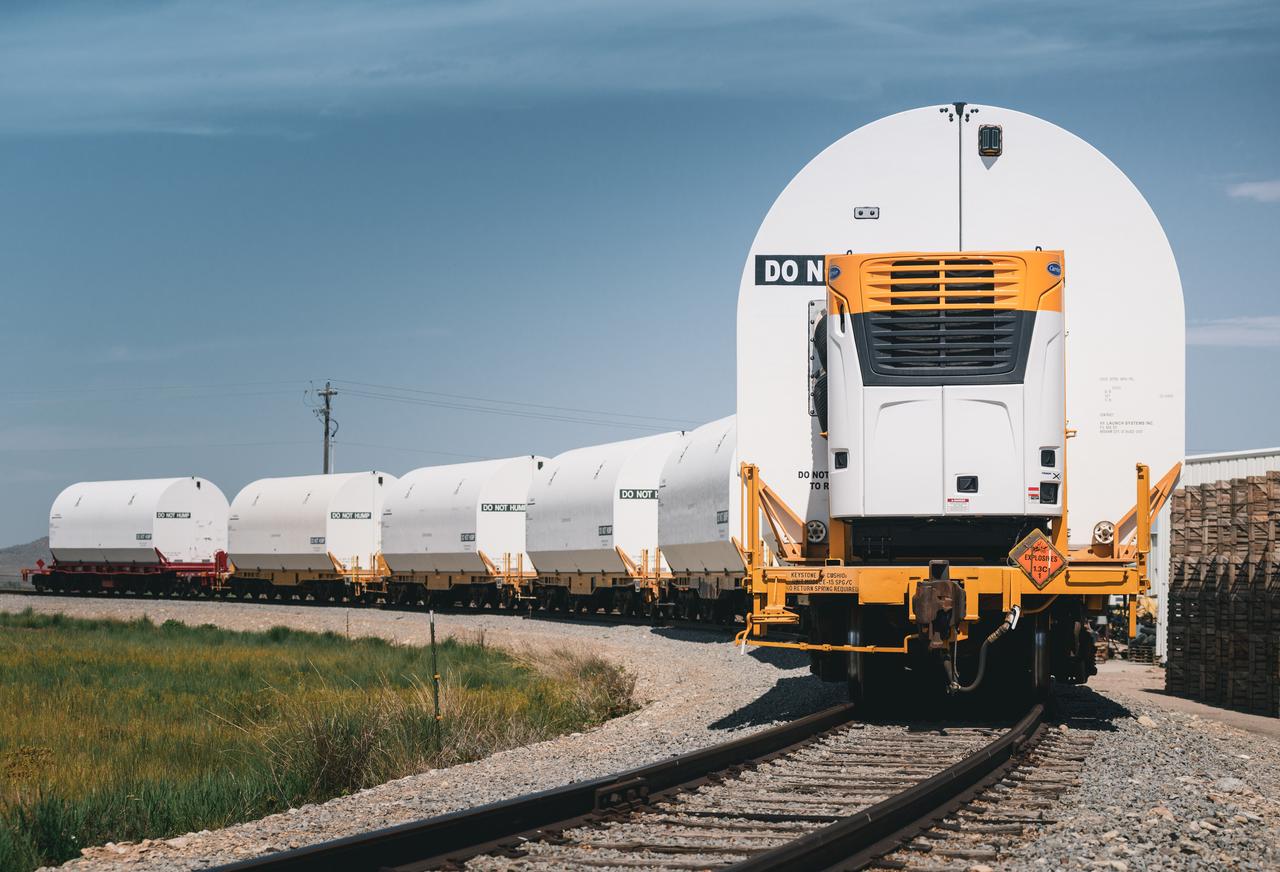
The two solid rocket boosters that will power NASA’s Space Launch System (SLS) for Artemis missions to the Moon are on their way to the agency’s Kennedy Space Center in Florida after departing from a Northrop Grumman manufacturing facility in Promontory, Utah, on June 5, 2020. The boosters – each comprised of five motor segments – are scheduled to arrive at Kennedy’s Rotation, Processing and Surge Facility, where teams with NASA’s Exploration Ground Systems will process the segments before moving them to the Vehicle Assembly Building for stacking on the mobile launcher. Under the Artemis program, NASA will land the first woman and the next man on the Moon by 2024. The first in a series of increasingly complex missions, Artemis I will test the Orion spacecraft and SLS as an integrated system ahead of crewed flights to the Moon.
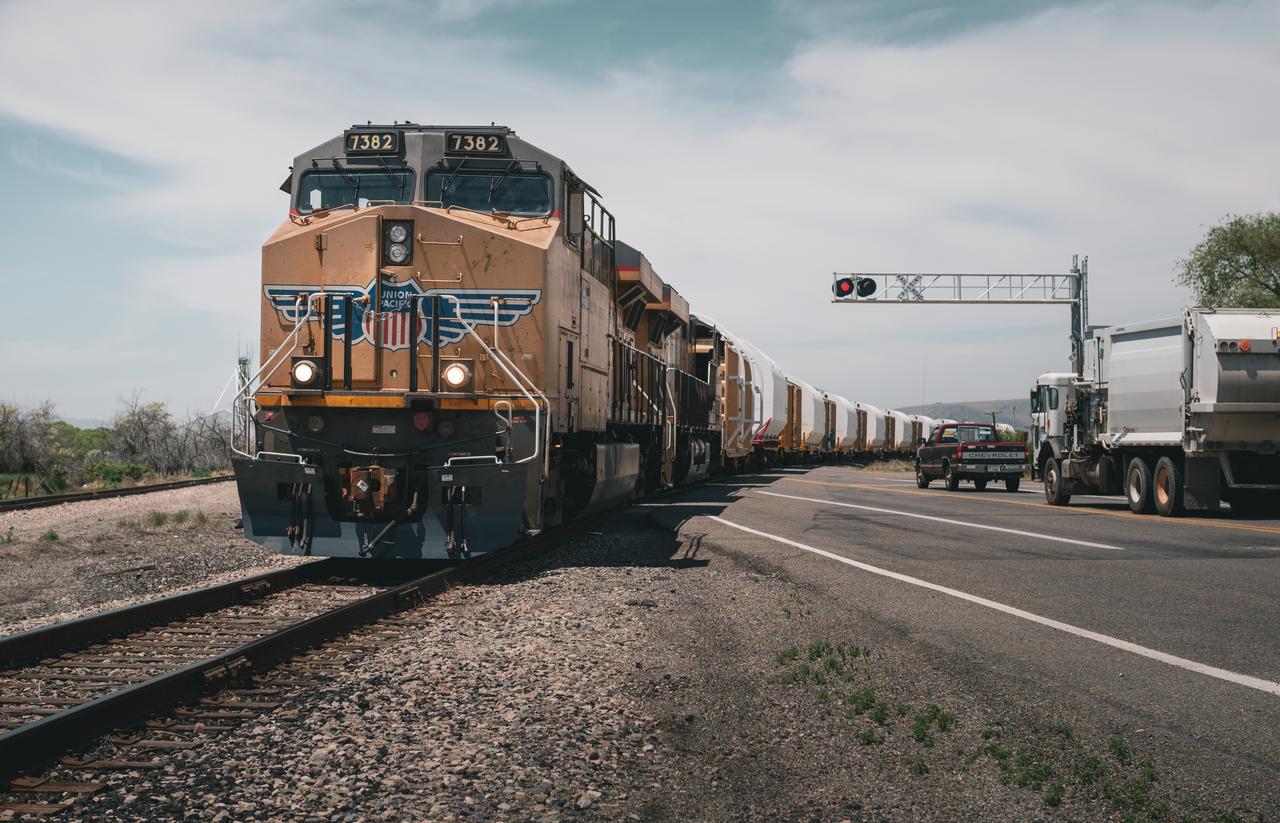
The two solid rocket boosters that will power NASA’s Space Launch System (SLS) for Artemis missions to the Moon are on their way to the agency’s Kennedy Space Center in Florida after departing from a Northrop Grumman manufacturing facility in Promontory, Utah, on June 5, 2020. The boosters – each comprised of five motor segments – are scheduled to arrive at Kennedy’s Rotation, Processing and Surge Facility, where teams with NASA’s Exploration Ground Systems will process the segments before moving them to the Vehicle Assembly Building for stacking on the mobile launcher. Under the Artemis program, NASA will land the first woman and the next man on the Moon by 2024. The first in a series of increasingly complex missions, Artemis I will test the Orion spacecraft and SLS as an integrated system ahead of crewed flights to the Moon.
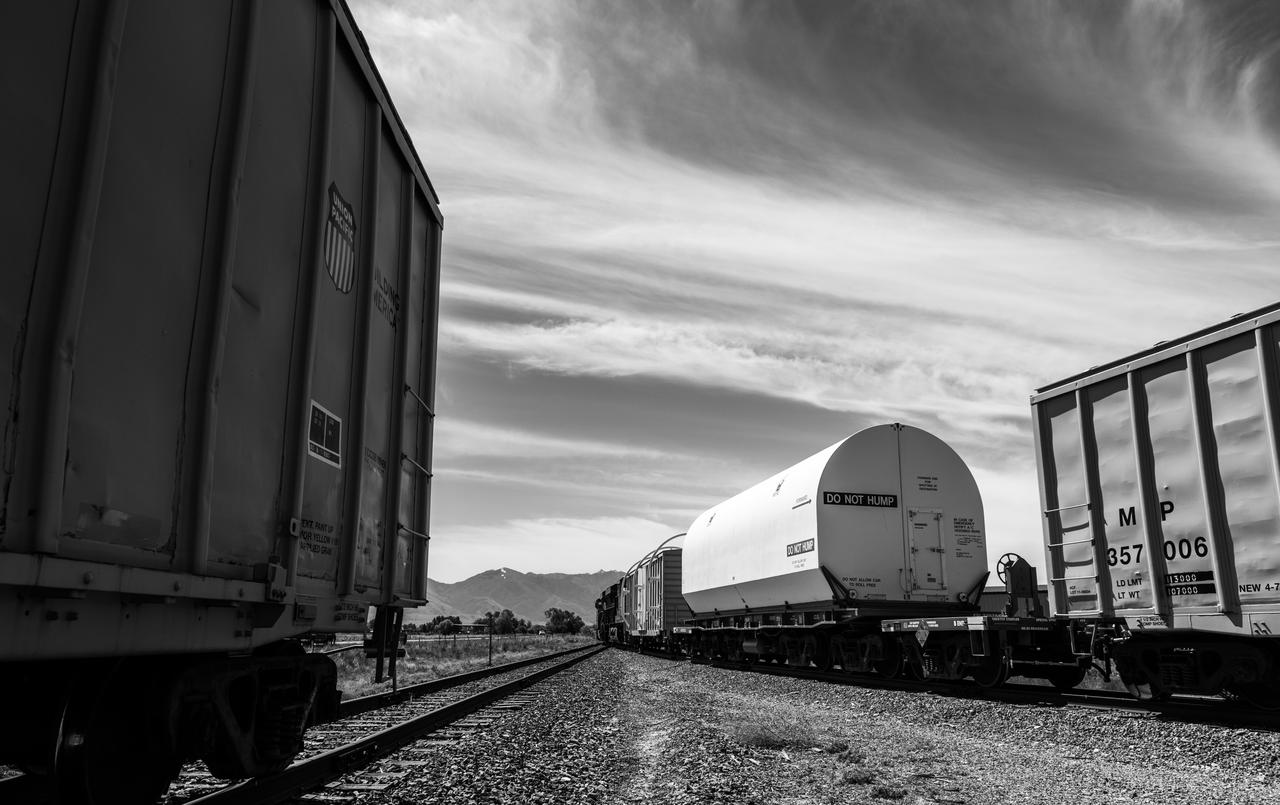
The two solid rocket boosters that will power NASA’s Space Launch System (SLS) for Artemis missions to the Moon are on their way to the agency’s Kennedy Space Center in Florida after departing from a Northrop Grumman manufacturing facility in Promontory, Utah, on June 5, 2020. The boosters – each comprised of five motor segments – are scheduled to arrive at Kennedy’s Rotation, Processing and Surge Facility, where teams with NASA’s Exploration Ground Systems will process the segments before moving them to the Vehicle Assembly Building for stacking on the mobile launcher. Under the Artemis program, NASA will land the first woman and the next man on the Moon by 2024. The first in a series of increasingly complex missions, Artemis I will test the Orion spacecraft and SLS as an integrated system ahead of crewed flights to the Moon.
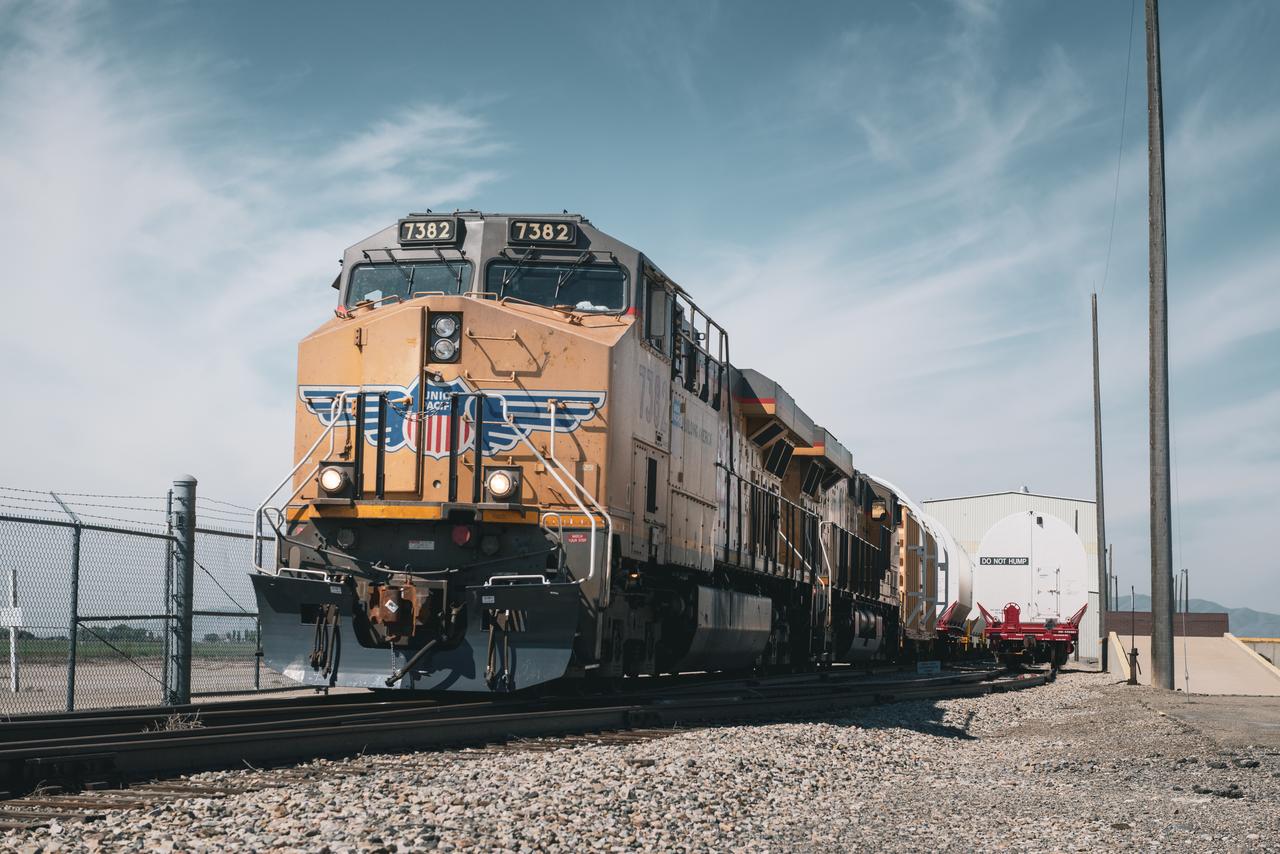
The two solid rocket boosters that will power NASA’s Space Launch System (SLS) for Artemis missions to the Moon are on their way to the agency’s Kennedy Space Center in Florida after departing from a Northrop Grumman manufacturing facility in Promontory, Utah, on June 5, 2020. The boosters – each comprised of five motor segments – are scheduled to arrive at Kennedy’s Rotation, Processing and Surge Facility, where teams with NASA’s Exploration Ground Systems will process the segments before moving them to the Vehicle Assembly Building for stacking on the mobile launcher. Under the Artemis program, NASA will land the first woman and the next man on the Moon by 2024. The first in a series of increasingly complex missions, Artemis I will test the Orion spacecraft and SLS as an integrated system ahead of crewed flights to the Moon.
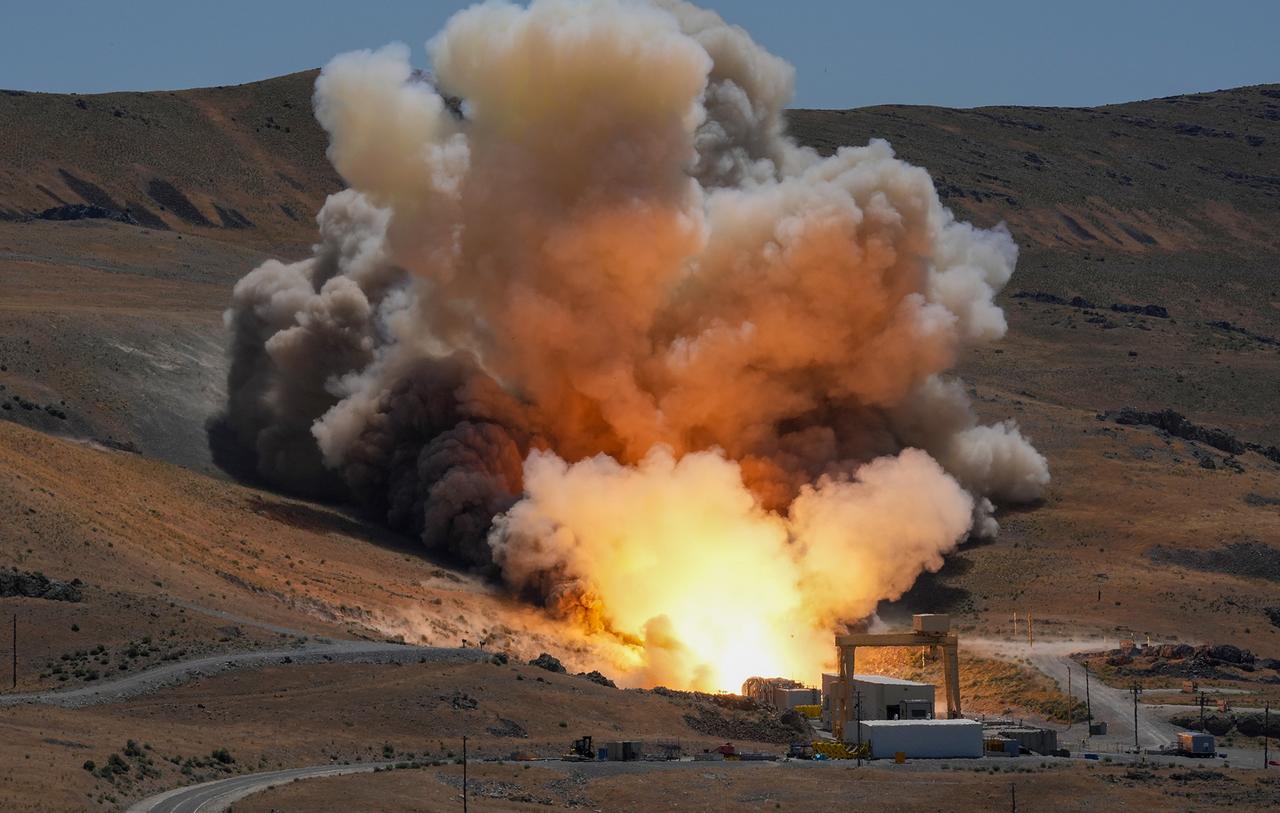
Teams from NASA and Northrop Grumman fire a ground-based version of a booster for the agency’s SLS (Space Launch System) rocket June 26. Secured horizontally in a test stand at Northrop Grumman’s test facility in Promontory, Utah, the single five-segment booster motor fired for more than two minutes and produced 3.9 million pounds of thrust. The booster for this test, known as Demonstration Motor-1 (DM-1), is the result of the Booster Obsolescence Life Extension (BOLE) project. This test was the first full-scale ground test of a new five-segment solid rocket motor. During the test, there was an abnormal event approximately 15 seconds before the end of the motor firing. Despite this event, NASA achieved several of the test’s primary objectives and received valuable data on technical risks identified ahead of the test. Testing this evolved booster for the SLS will help evaluate improvements and new materials in the boosters. The BOLE effort was launched to transition to a more efficient, lower cost commercial solution for the boosters for the SLS rocket. Through the Artemis campaign, NASA will send astronauts to explore the Moon for scientific discovery, economic benefits, and to build the foundation for the first crewed missions to Mars – for the benefit of all. For more information, contact NASA Marshall’s Office of Communications at 256-544-0034.
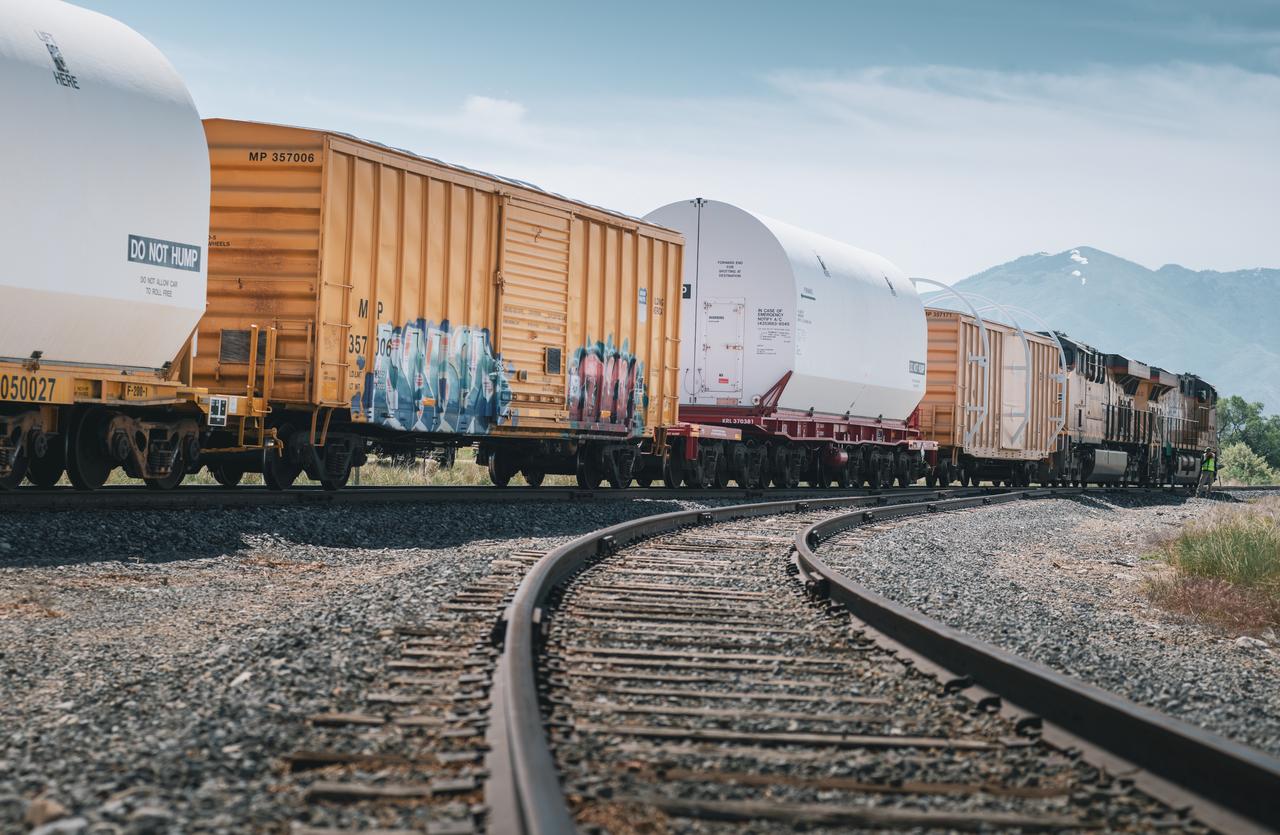
The two solid rocket boosters that will power NASA’s Space Launch System (SLS) for Artemis missions to the Moon are on their way to the agency’s Kennedy Space Center in Florida after departing from a Northrop Grumman manufacturing facility in Promontory, Utah, on June 5, 2020. The boosters – each comprised of five motor segments – are scheduled to arrive at Kennedy’s Rotation, Processing and Surge Facility, where teams with NASA’s Exploration Ground Systems will process the segments before moving them to the Vehicle Assembly Building for stacking on the mobile launcher. Under the Artemis program, NASA will land the first woman and the next man on the Moon by 2024. The first in a series of increasingly complex missions, Artemis I will test the Orion spacecraft and SLS as an integrated system ahead of crewed flights to the Moon.
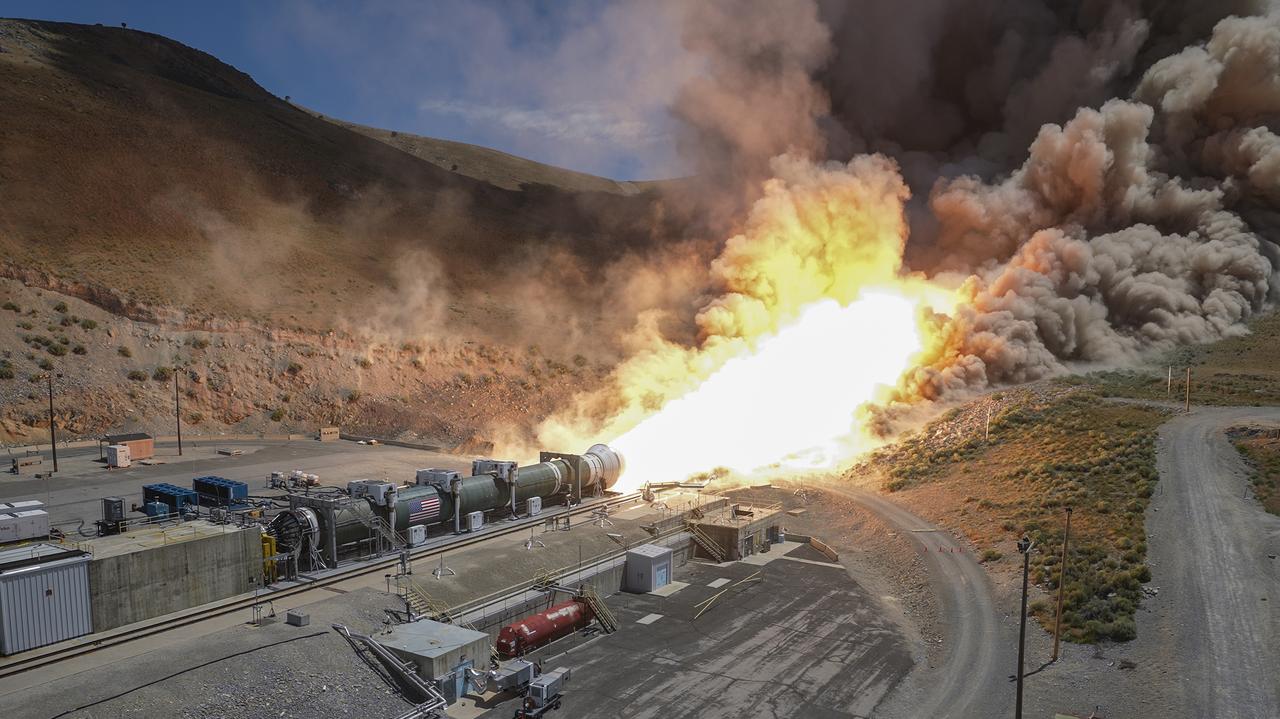
Teams from NASA and Northrop Grumman fire a ground-based version of a booster for the agency’s SLS (Space Launch System) rocket June 26. Secured horizontally in a test stand at Northrop Grumman’s test facility in Promontory, Utah, the single five-segment booster motor fired for more than two minutes and produced 3.9 million pounds of thrust. The booster for this test, known as Demonstration Motor-1 (DM-1), is the result of the Booster Obsolescence Life Extension (BOLE) project. This test was the first full-scale ground test of a new five-segment solid rocket motor. During the test, there was an abnormal event approximately 15 seconds before the end of the motor firing. Despite this event, NASA achieved several of the test’s primary objectives and received valuable data on technical risks identified ahead of the test. Testing this evolved booster for the SLS will help evaluate improvements and new materials in the boosters. The BOLE effort was launched to transition to a more efficient, lower cost commercial solution for the boosters for the SLS rocket. Through the Artemis campaign, NASA will send astronauts to explore the Moon for scientific discovery, economic benefits, and to build the foundation for the first crewed missions to Mars – for the benefit of all. For more information, contact NASA Marshall’s Office of Communications at 256-544-0034.
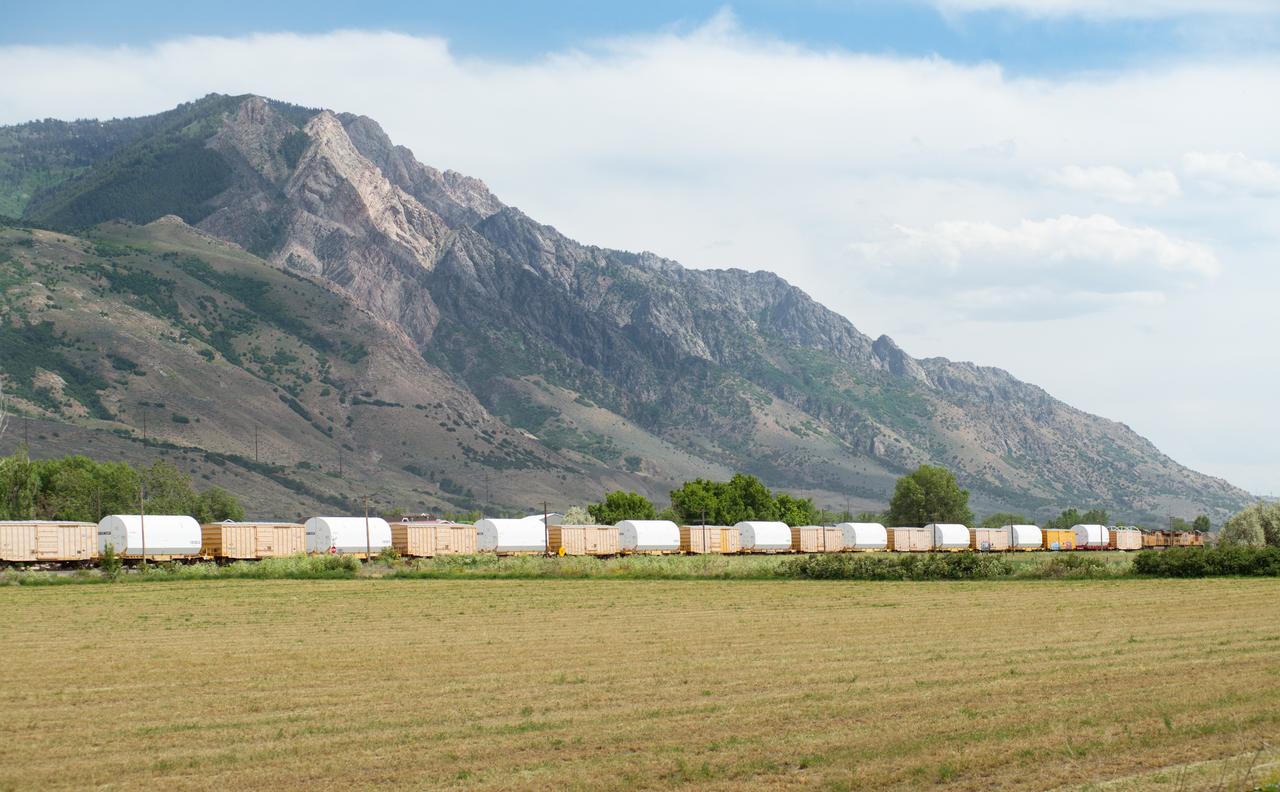
The two solid rocket boosters that will power NASA’s Space Launch System (SLS) for Artemis missions to the Moon are on their way to the agency’s Kennedy Space Center in Florida after departing from a Northrop Grumman manufacturing facility in Promontory, Utah, on June 5, 2020. The boosters – each comprised of five motor segments – are scheduled to arrive at Kennedy’s Rotation, Processing and Surge Facility, where teams with NASA’s Exploration Ground Systems will process the segments before moving them to the Vehicle Assembly Building for stacking on the mobile launcher. Under the Artemis program, NASA will land the first woman and the next man on the Moon by 2024. The first in a series of increasingly complex missions, Artemis I will test the Orion spacecraft and SLS as an integrated system ahead of crewed flights to the Moon.
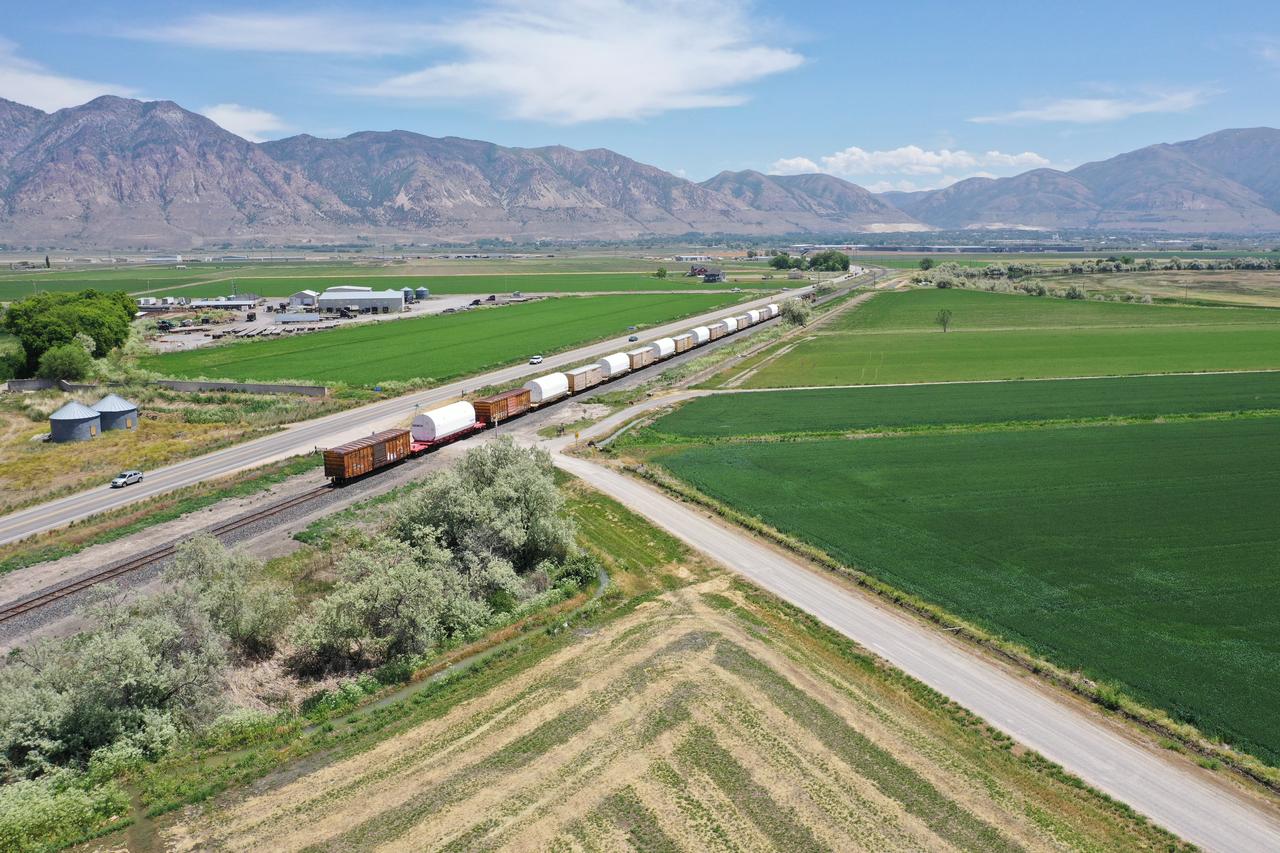
The two solid rocket boosters that will power NASA’s Space Launch System (SLS) for Artemis missions to the Moon are on their way to the agency’s Kennedy Space Center in Florida after departing from a Northrop Grumman manufacturing facility in Promontory, Utah, on June 5, 2020. The boosters – each comprised of five motor segments – are scheduled to arrive at Kennedy’s Rotation, Processing and Surge Facility, where teams with NASA’s Exploration Ground Systems will process the segments before moving them to the Vehicle Assembly Building for stacking on the mobile launcher. Under the Artemis program, NASA will land the first woman and the next man on the Moon by 2024. The first in a series of increasingly complex missions, Artemis I will test the Orion spacecraft and SLS as an integrated system ahead of crewed flights to the Moon.

The two solid rocket boosters that will power NASA’s Space Launch System (SLS) for Artemis missions to the Moon are on their way to the agency’s Kennedy Space Center in Florida after departing from a Northrop Grumman manufacturing facility in Promontory, Utah, on June 5, 2020. The boosters – each comprised of five motor segments – are scheduled to arrive at Kennedy’s Rotation, Processing and Surge Facility, where teams with NASA’s Exploration Ground Systems will process the segments before moving them to the Vehicle Assembly Building for stacking on the mobile launcher. Under the Artemis program, NASA will land the first woman and the next man on the Moon by 2024. The first in a series of increasingly complex missions, Artemis I will test the Orion spacecraft and SLS as an integrated system ahead of crewed flights to the Moon.
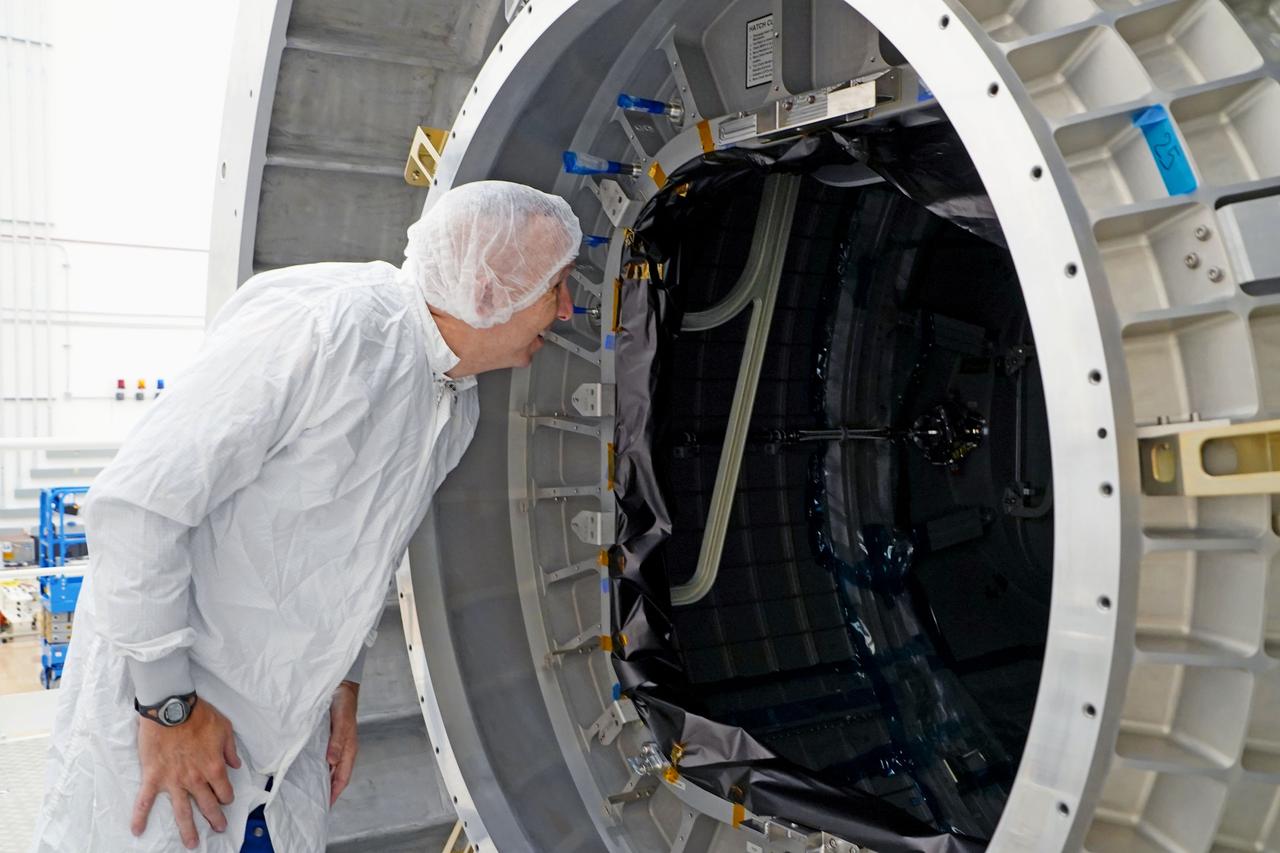
NASA astronaut Randy Bresnik peers inside the HALO module during a close-up look on April 24, 2024, at Northrop Grumman’s facility in Gilbert, Arizona. The visit was part of an event commemorating HALO’s arrival in the United States, marking a major milestone for Gateway.
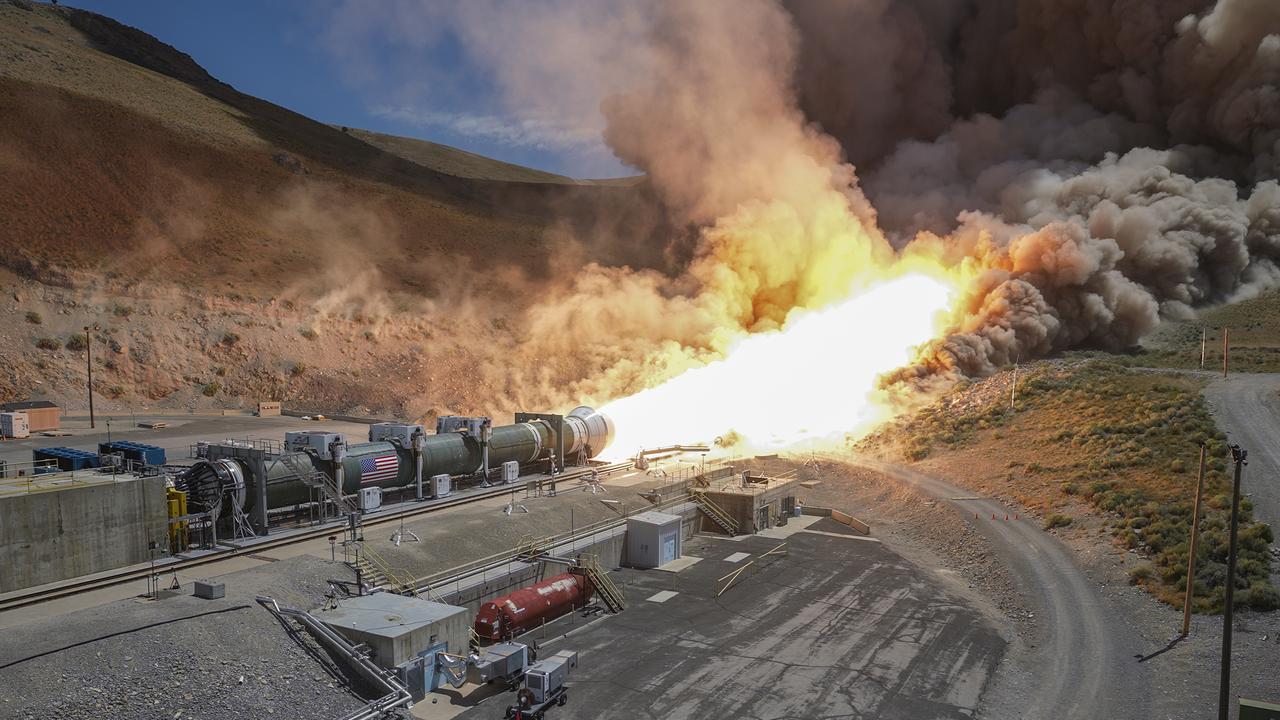
Teams from NASA and Northrop Grumman fire a ground-based version of a booster for the agency’s SLS (Space Launch System) rocket June 26. Secured horizontally in a test stand at Northrop Grumman’s test facility in Promontory, Utah, the single five-segment booster motor fired for more than two minutes and produced 3.9 million pounds of thrust. The booster for this test, known as Demonstration Motor-1 (DM-1), is the result of the Booster Obsolescence Life Extension (BOLE) project. This test was the first full-scale ground test of a new five-segment solid rocket motor. Teams from NASA and Northrop Grumman fire a ground-based version of a booster for the agency’s SLS (Space Launch System) rocket June 26. Secured horizontally in a test stand at Northrop Grumman’s test facility in Promontory, Utah, the single five-segment booster motor fired for more than two minutes and produced 3.9 million pounds of thrust. The booster for this test, known as Demonstration Motor-1 (DM-1), is the result of the Booster Obsolescence Life Extension (BOLE) project. This test was the first full-scale ground test of a new five-segment solid rocket motor. During the test, there was an abnormal event approximately 15 seconds before the end of the motor firing. Despite this event, NASA achieved several of the test’s primary objectives and received valuable data on technical risks identified ahead of the test. Testing this evolved booster for the SLS will help evaluate improvements and new materials in the boosters. The BOLE effort was launched to transition to a more efficient, lower cost commercial solution for the boosters for the SLS rocket. Through the Artemis campaign, NASA will send astronauts to explore the Moon for scientific discovery, economic benefits, and to build the foundation for the first crewed missions to Mars – for the benefit of all. For more information, contact NASA Marshall’s Office of Communications at 256-544-0034.
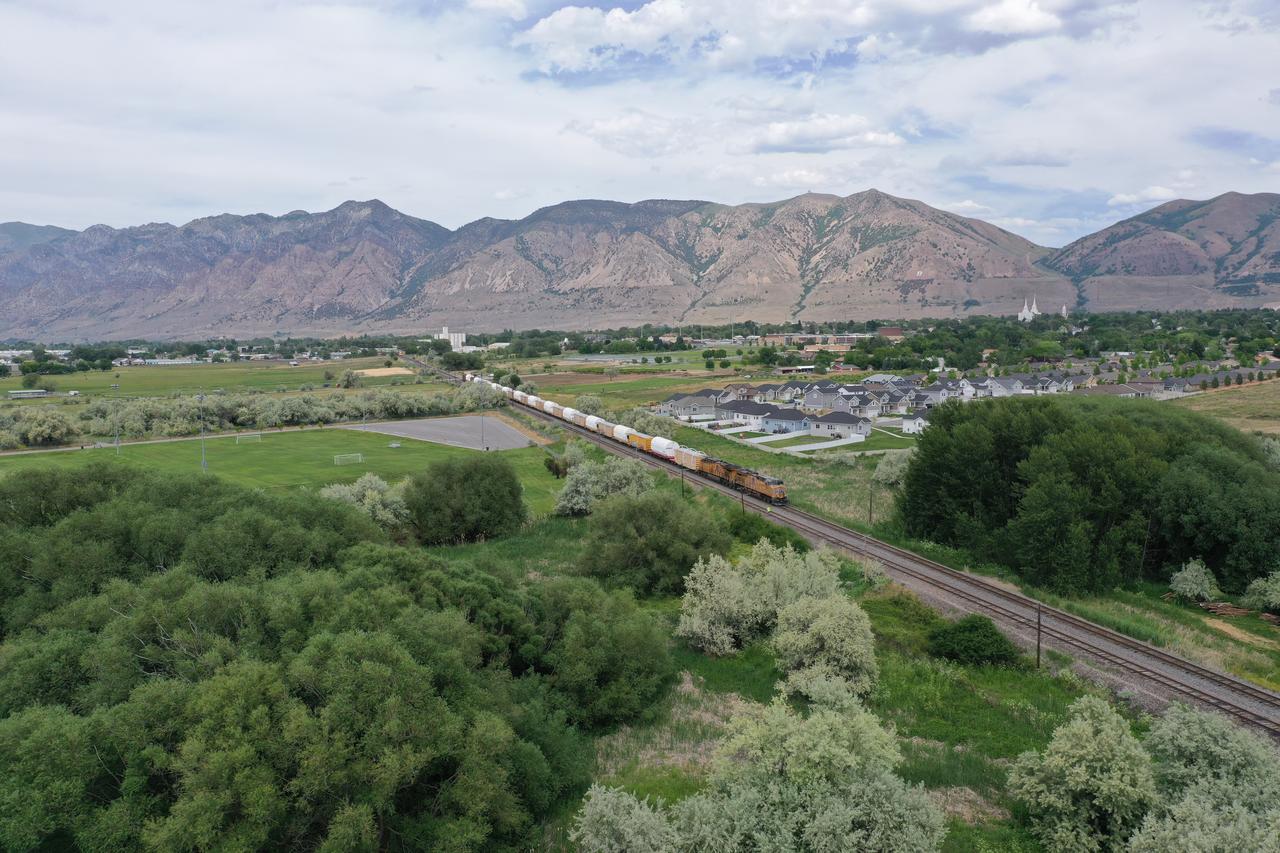
The two solid rocket boosters that will power NASA’s Space Launch System (SLS) for Artemis missions to the Moon are on their way to the agency’s Kennedy Space Center in Florida after departing from a Northrop Grumman manufacturing facility in Promontory, Utah, on June 5, 2020. The boosters – each comprised of five motor segments – are scheduled to arrive at Kennedy’s Rotation, Processing and Surge Facility, where teams with NASA’s Exploration Ground Systems will process the segments before moving them to the Vehicle Assembly Building for stacking on the mobile launcher. Under the Artemis program, NASA will land the first woman and the next man on the Moon by 2024. The first in a series of increasingly complex missions, Artemis I will test the Orion spacecraft and SLS as an integrated system ahead of crewed flights to the Moon.

Two solid rocket boosters that will power NASA’s Space Launch System (SLS) for Artemis missions to the Moon are being transported from a Northrop Grumman manufacturing facility in Promontory, Utah, to the agency’s Kennedy Space Center in Florida by railcar. Departing on June 5, 2020, the boosters – each comprised of five motor segments – are scheduled to arrive at Kennedy’s Rotation, Processing and Surge Facility, where teams with NASA’s Exploration Ground Systems will process the segments before moving them to the Vehicle Assembly Building for stacking on the mobile launcher. Under the Artemis program, NASA will land the first woman and the next man on the Moon by 2024. The first in a series of increasingly complex missions, Artemis I will test the Orion spacecraft and SLS as an integrated system ahead of crewed flights to the Moon.
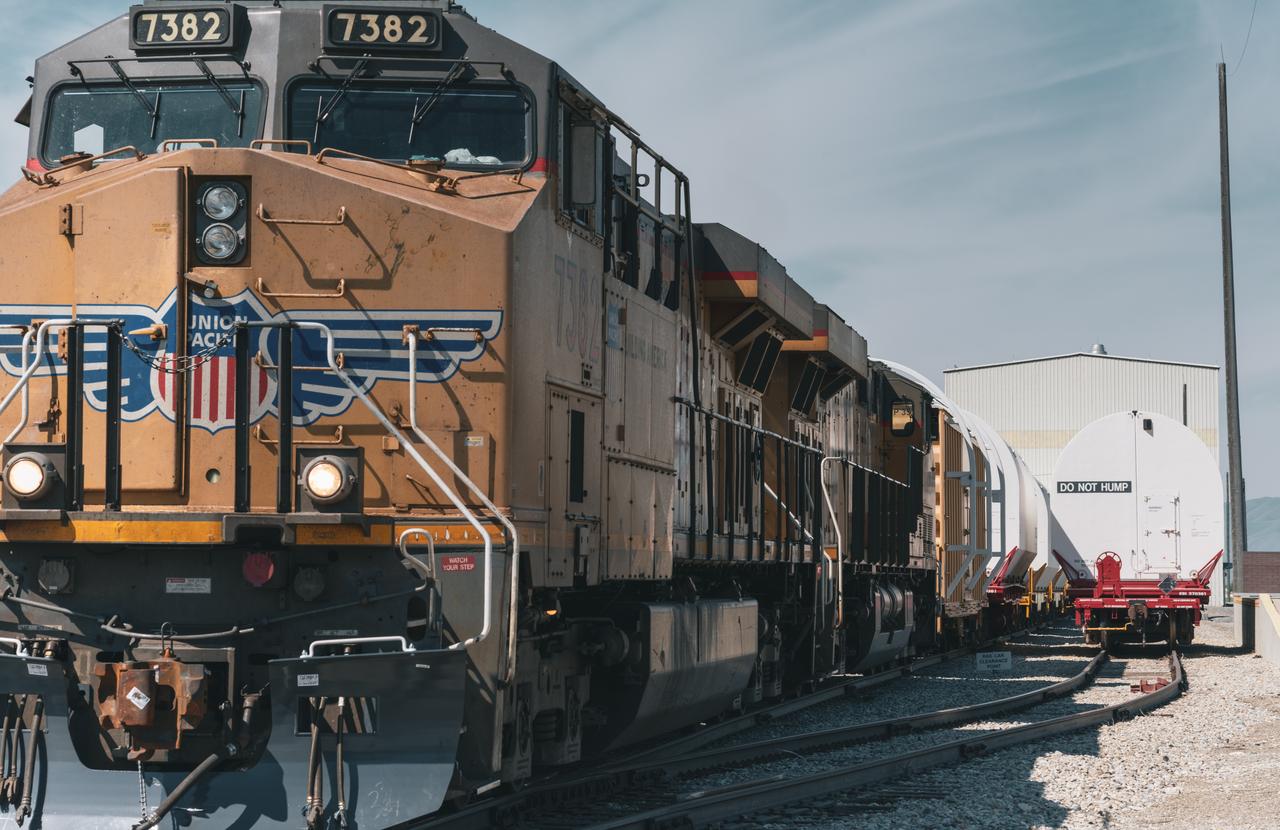
The two solid rocket boosters that will power NASA’s Space Launch System (SLS) for Artemis missions to the Moon are on their way to the agency’s Kennedy Space Center in Florida after departing from a Northrop Grumman manufacturing facility in Promontory, Utah, on June 5, 2020. The boosters – each comprised of five motor segments – are scheduled to arrive at Kennedy’s Rotation, Processing and Surge Facility, where teams with NASA’s Exploration Ground Systems will process the segments before moving them to the Vehicle Assembly Building for stacking on the mobile launcher. Under the Artemis program, NASA will land the first woman and the next man on the Moon by 2024. The first in a series of increasingly complex missions, Artemis I will test the Orion spacecraft and SLS as an integrated system ahead of crewed flights to the Moon.
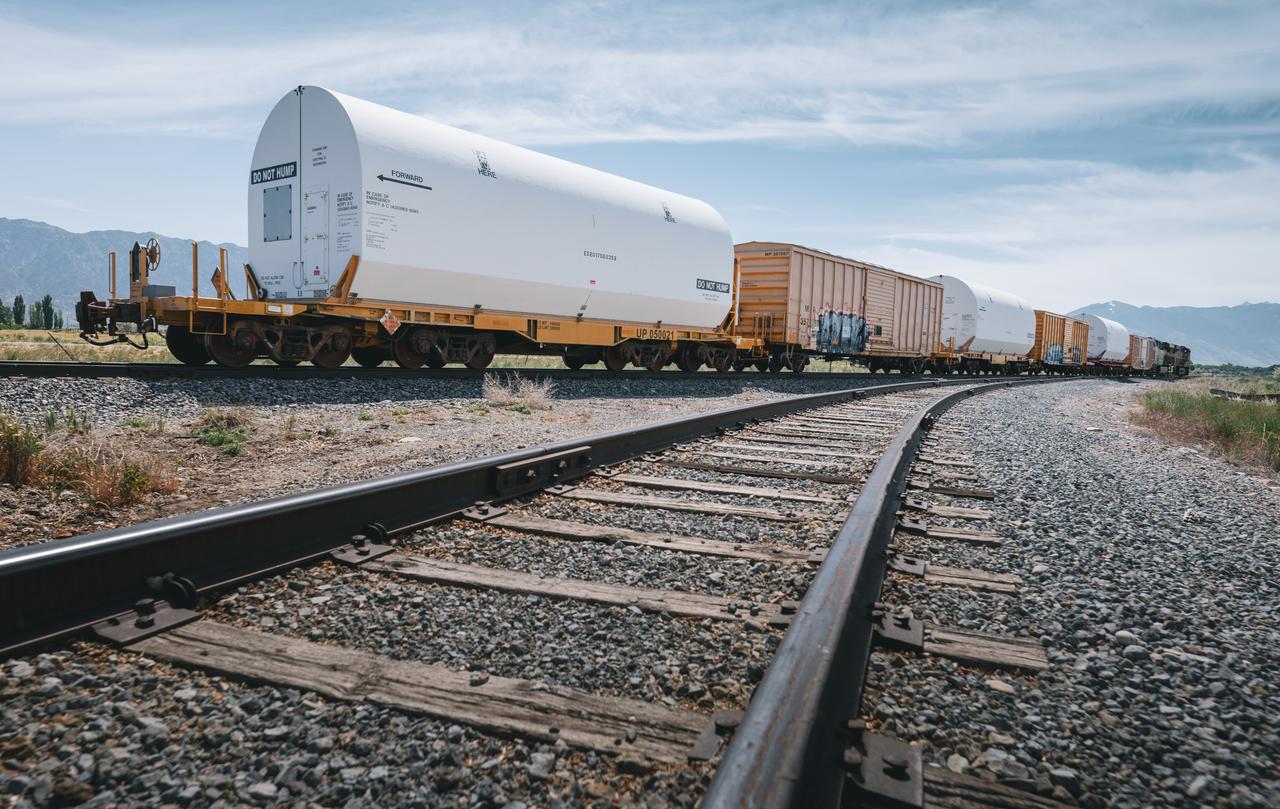
The two solid rocket boosters that will power NASA’s Space Launch System (SLS) for Artemis missions to the Moon are on their way to the agency’s Kennedy Space Center in Florida after departing from a Northrop Grumman manufacturing facility in Promontory, Utah, on June 5, 2020. The boosters – each comprised of five motor segments – are scheduled to arrive at Kennedy’s Rotation, Processing and Surge Facility, where teams with NASA’s Exploration Ground Systems will process the segments before moving them to the Vehicle Assembly Building for stacking on the mobile launcher. Under the Artemis program, NASA will land the first woman and the next man on the Moon by 2024. The first in a series of increasingly complex missions, Artemis I will test the Orion spacecraft and SLS as an integrated system ahead of crewed flights to the Moon.
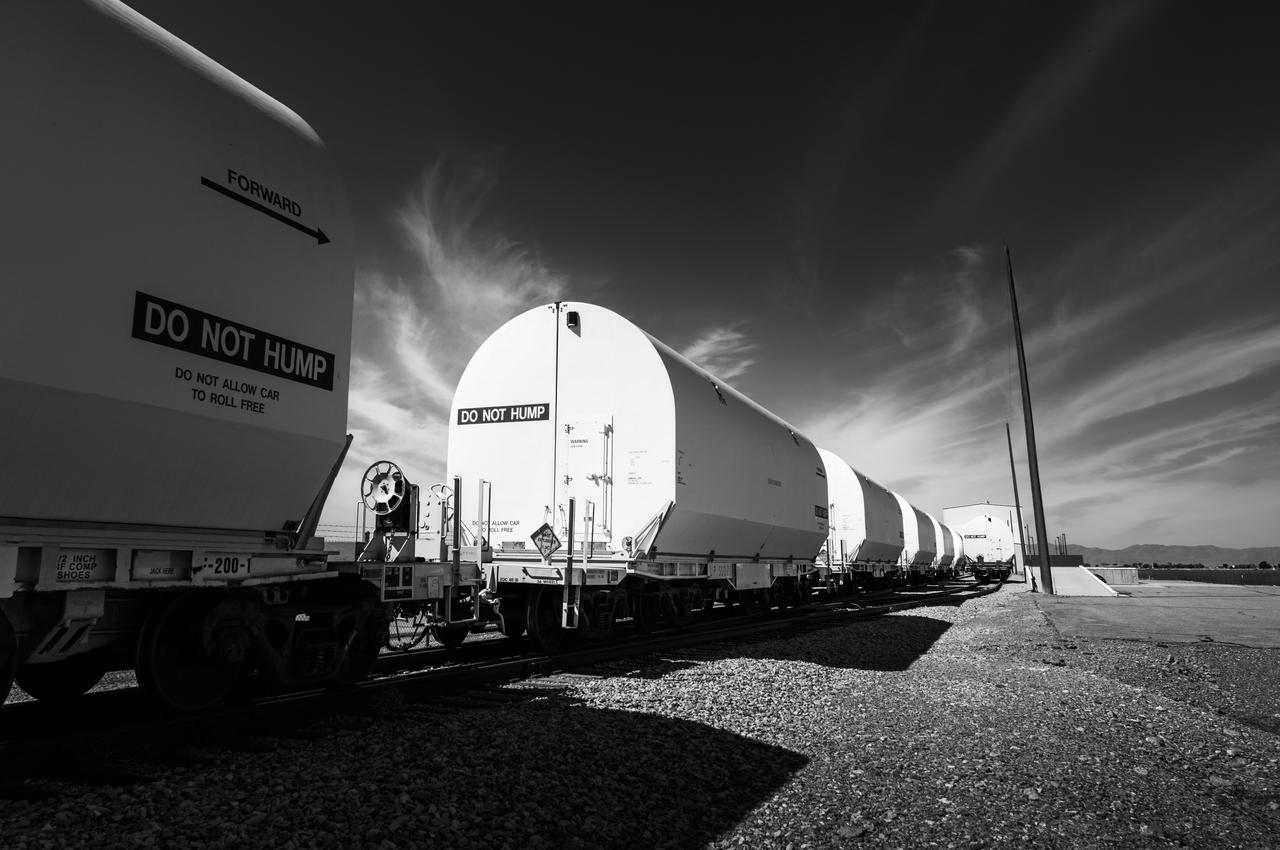
The two solid rocket boosters that will power NASA’s Space Launch System (SLS) for Artemis missions to the Moon are on their way to the agency’s Kennedy Space Center in Florida after departing from a Northrop Grumman manufacturing facility in Promontory, Utah, on June 5, 2020. The boosters – each comprised of five motor segments – are scheduled to arrive at Kennedy’s Rotation, Processing and Surge Facility, where teams with NASA’s Exploration Ground Systems will process the segments before moving them to the Vehicle Assembly Building for stacking on the mobile launcher. Under the Artemis program, NASA will land the first woman and the next man on the Moon by 2024. The first in a series of increasingly complex missions, Artemis I will test the Orion spacecraft and SLS as an integrated system ahead of crewed flights to the Moon.
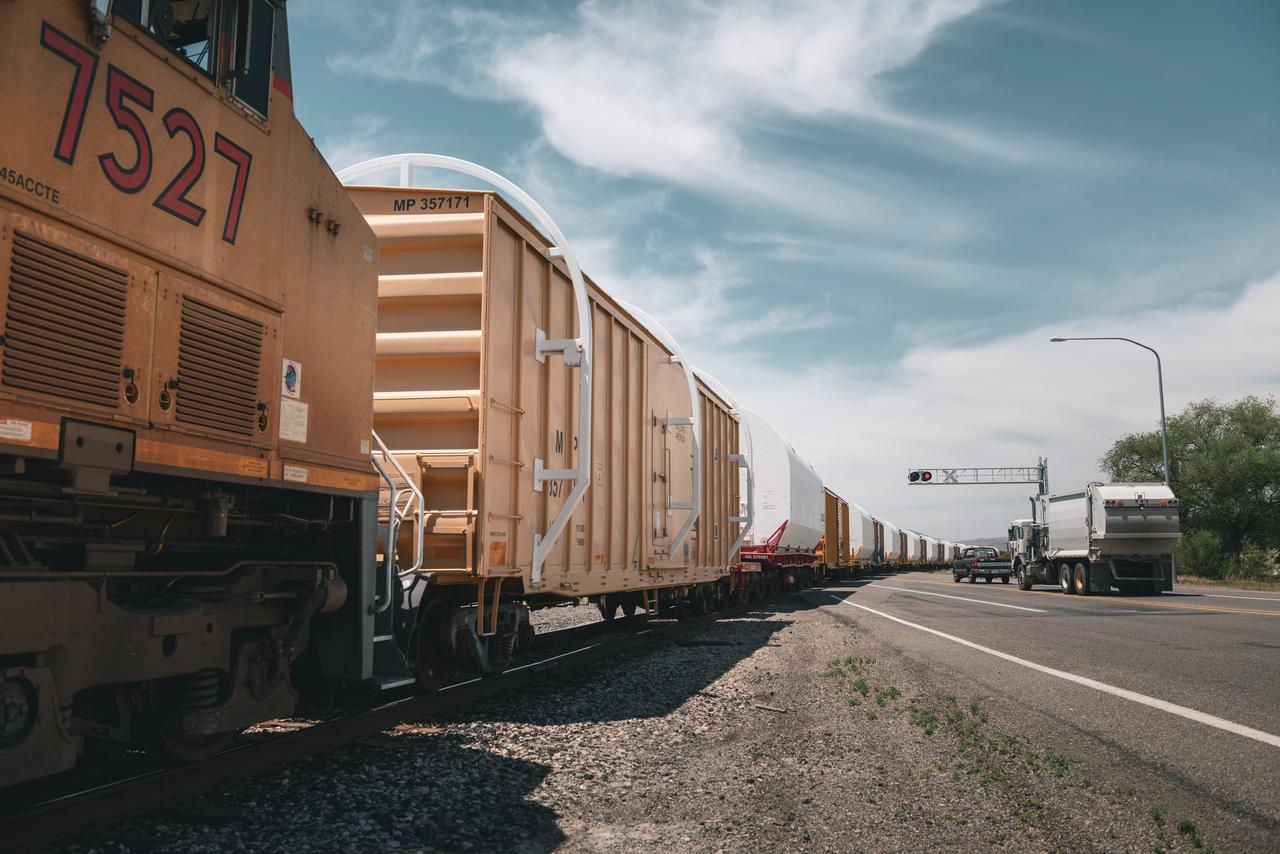
The two solid rocket boosters that will power NASA’s Space Launch System (SLS) for Artemis missions to the Moon are on their way to the agency’s Kennedy Space Center in Florida after departing from a Northrop Grumman manufacturing facility in Promontory, Utah, on June 5, 2020. The boosters – each comprised of five motor segments – are scheduled to arrive at Kennedy’s Rotation, Processing and Surge Facility, where teams with NASA’s Exploration Ground Systems will process the segments before moving them to the Vehicle Assembly Building for stacking on the mobile launcher. Under the Artemis program, NASA will land the first woman and the next man on the Moon by 2024. The first in a series of increasingly complex missions, Artemis I will test the Orion spacecraft and SLS as an integrated system ahead of crewed flights to the Moon.
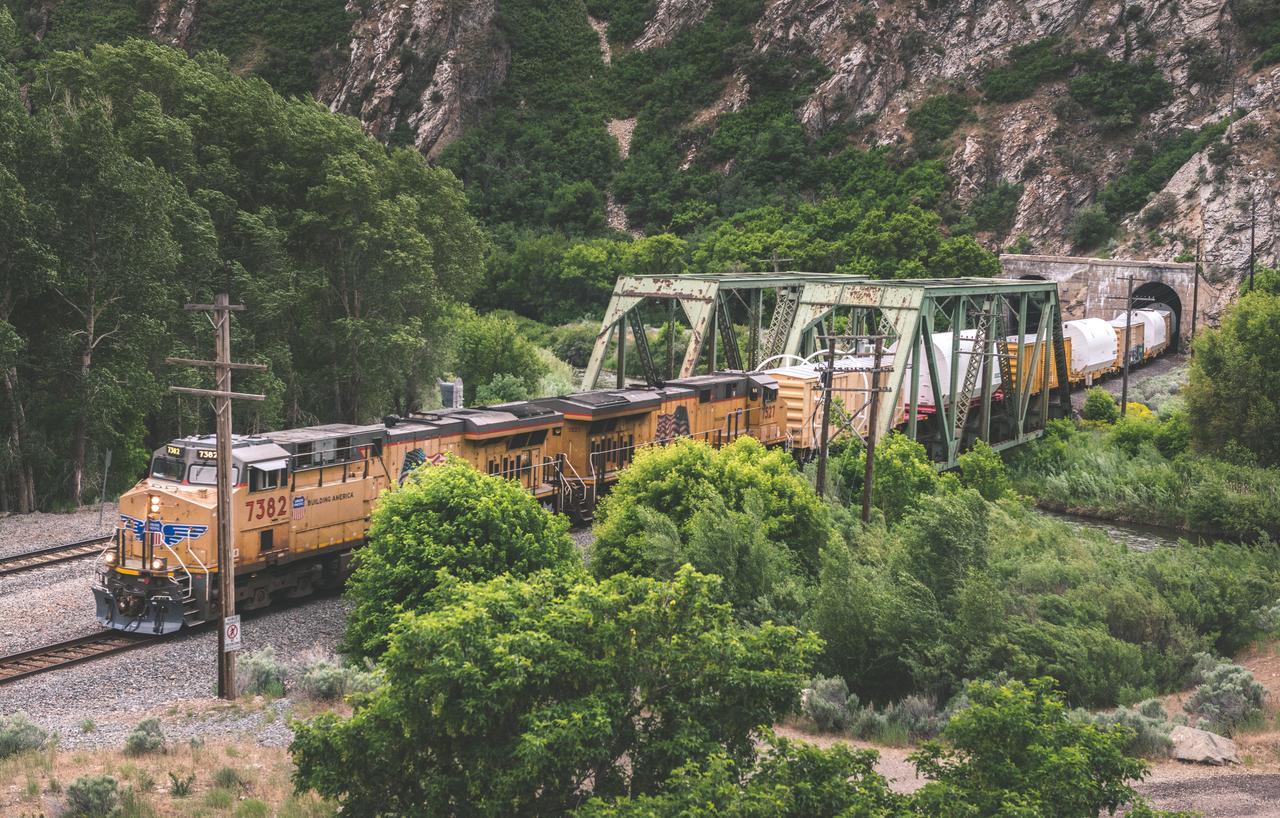
The two solid rocket boosters that will power NASA’s Space Launch System (SLS) for Artemis missions to the Moon are on their way to the agency’s Kennedy Space Center in Florida after departing from a Northrop Grumman manufacturing facility in Promontory, Utah, on June 5, 2020. The boosters – each comprised of five motor segments – are scheduled to arrive at Kennedy’s Rotation, Processing and Surge Facility, where teams with NASA’s Exploration Ground Systems will process the segments before moving them to the Vehicle Assembly Building for stacking on the mobile launcher. Under the Artemis program, NASA will land the first woman and the next man on the Moon by 2024. The first in a series of increasingly complex missions, Artemis I will test the Orion spacecraft and SLS as an integrated system ahead of crewed flights to the Moon.