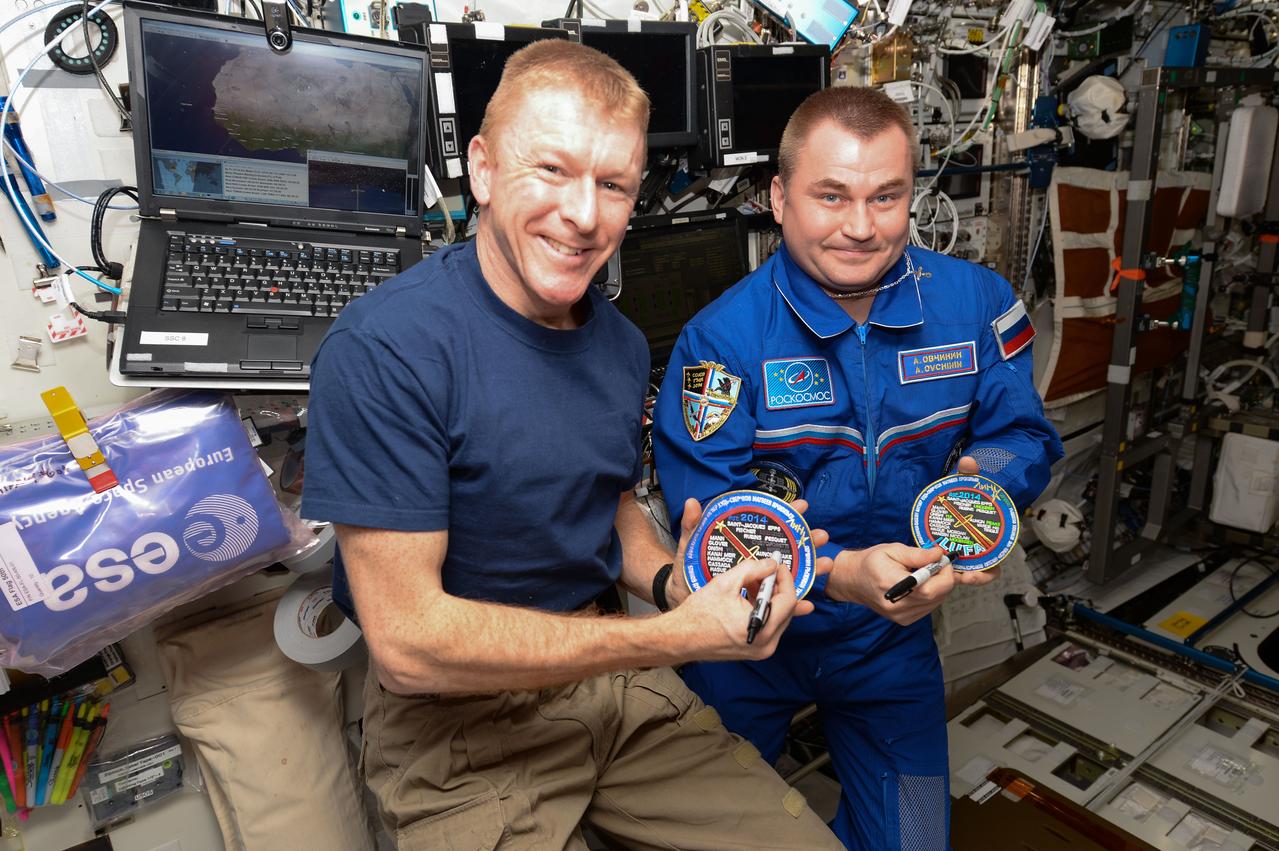
ISS047e050582 (04/09/2016) --- Expedition 47 crew members Tim Peake of ESA (European Space Agency) left, and Alexey Ovchinin of Roscosmos cross their names off the ceremonial “League of Unflown Astronauts” patch. Both are on their first spaceflight and were the 221st and 222nd individuals to visit the International Space Station, respectively.
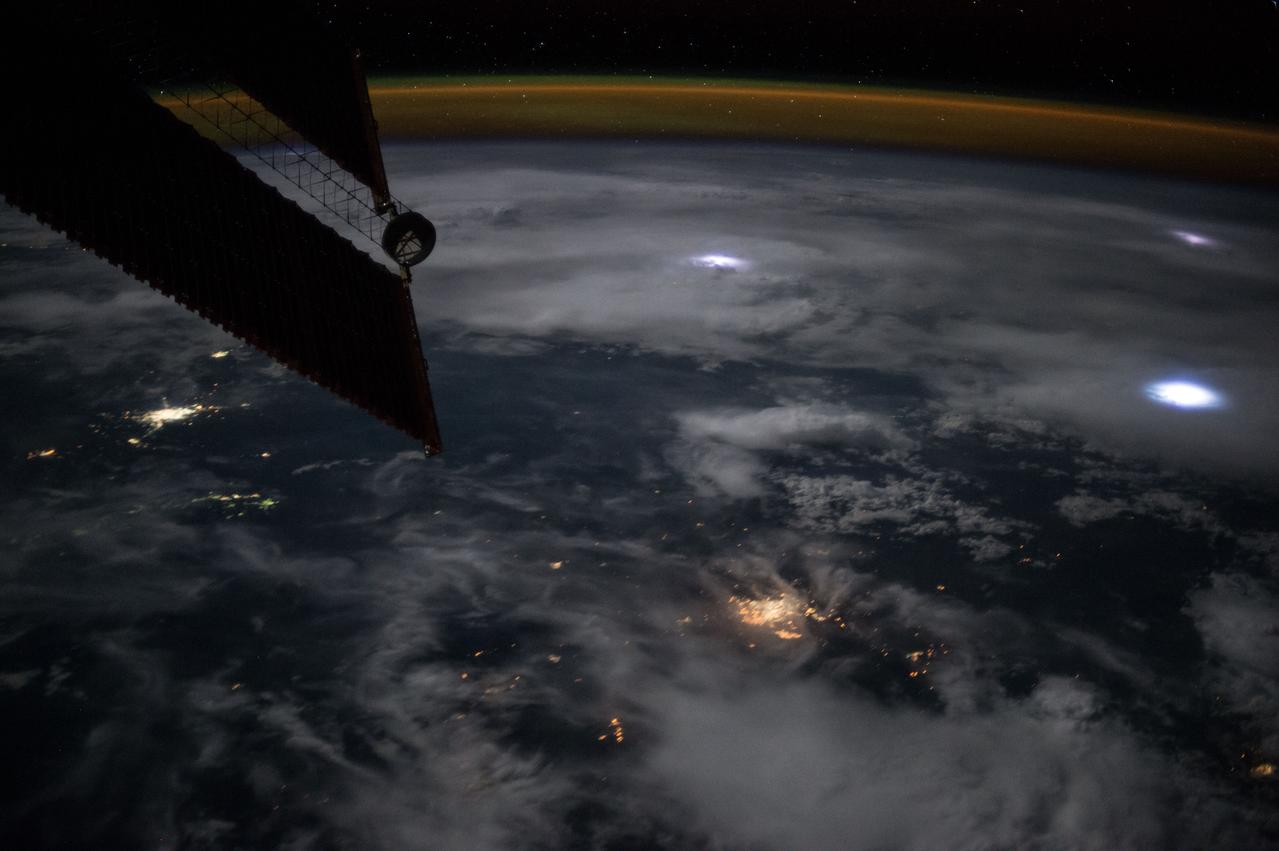
ISS047e009593 (03/16/2016) --- Expedition 47 crew members aboard the International Space Station capture a view of lightning storms flashing in clouds over the Earth at night while an aurora provides a vivid outline to the Earth’s atmosphere above.
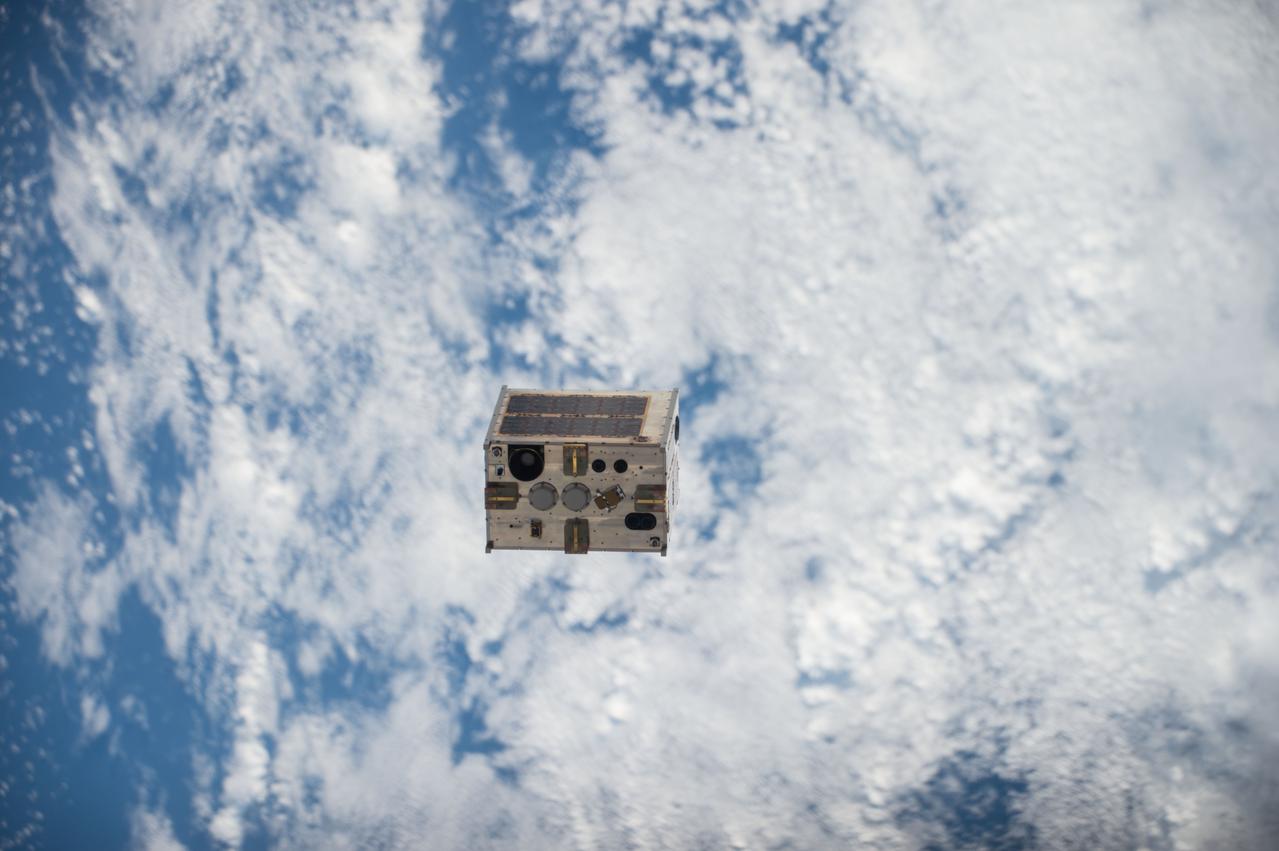
ISS047e083589(04/27/2016) --- The DIWATA-1 satellite is deployed from outside of the Japanese Kibo module. Intended to observe earth and monitor climate changes, this was the first microsatellite owned by the Philippine government that involved Filipino engineers in the development. It was a joint project between Philippine and Japanese universities.
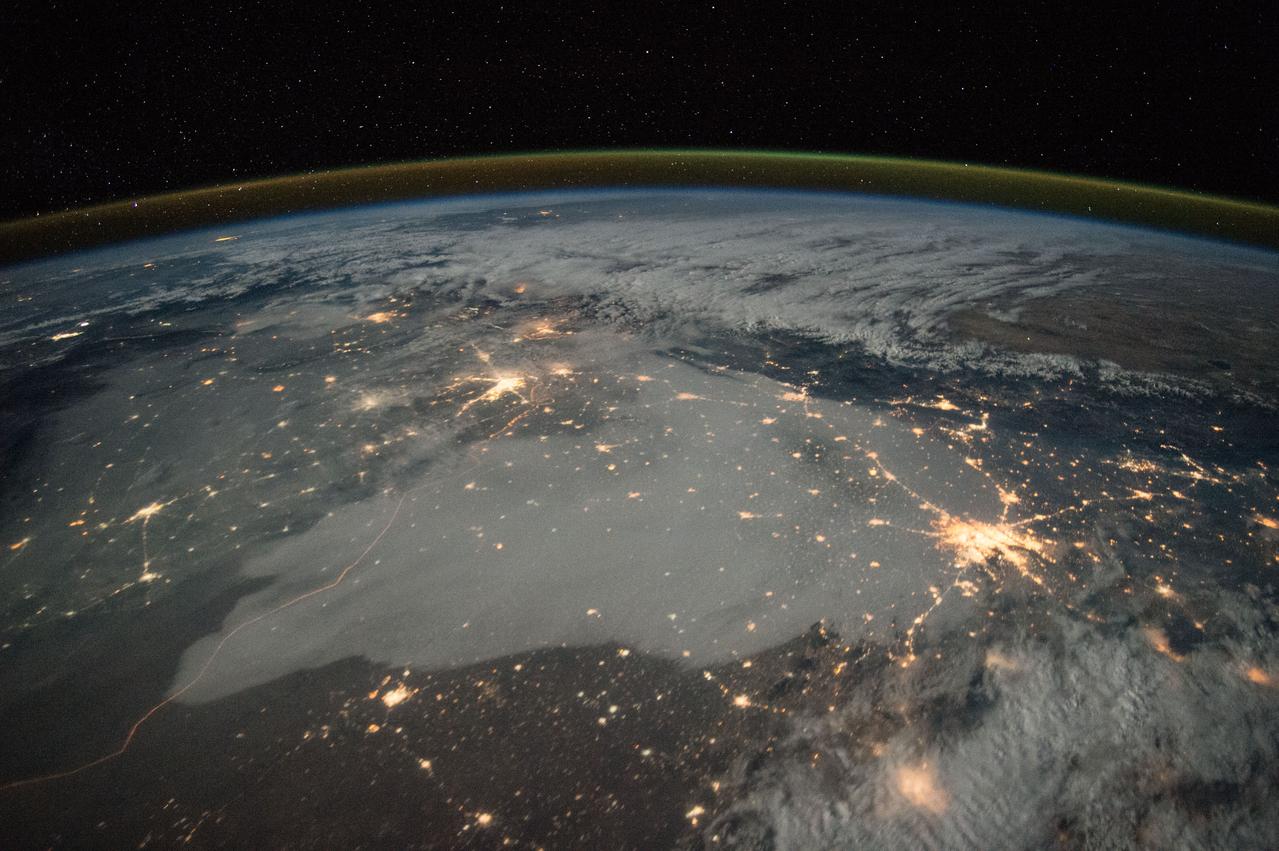
ISS046e012758 (01/18/2016) --- This long exposure image of Northern India was taken by astronauts on the International Space Station while the Earth was shrouded in darkness. Major cities in view include New Delhi, on the left side of the image, and Lahore (right), which is located to the northwest of New Delhi.
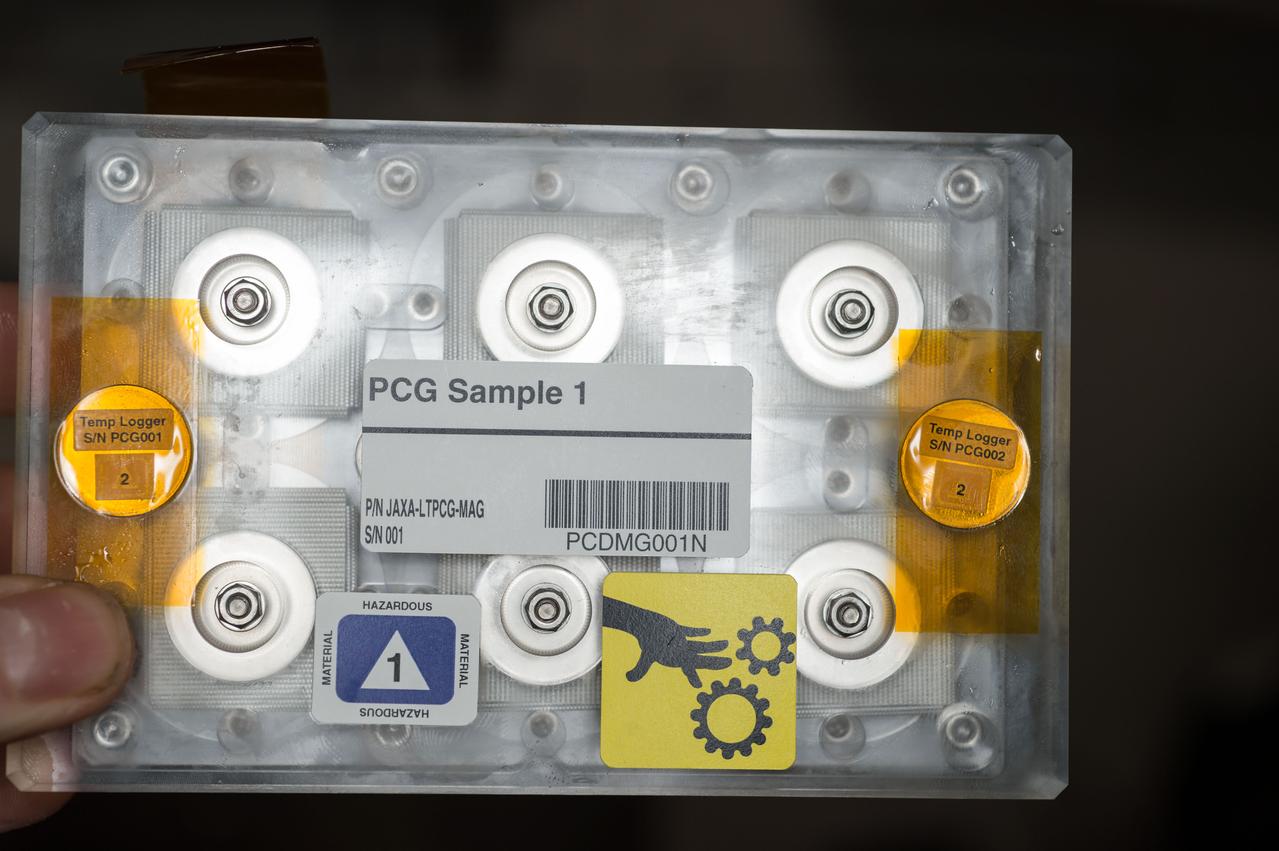
iss047e055613 (4/11/2016) --- A view of the JAXA Protein Crystal Growth (PCG) Demo Sample, in the Japanese Experiment Module (JEM) Pressurized Module (JPM) aboard the International space Station (ISS). The objective of JAXA High Quality Protein Crystal Growth Demonstration Experiment (JAXA PCG-Demo) is to grow high quality protein crystals in microgravity.
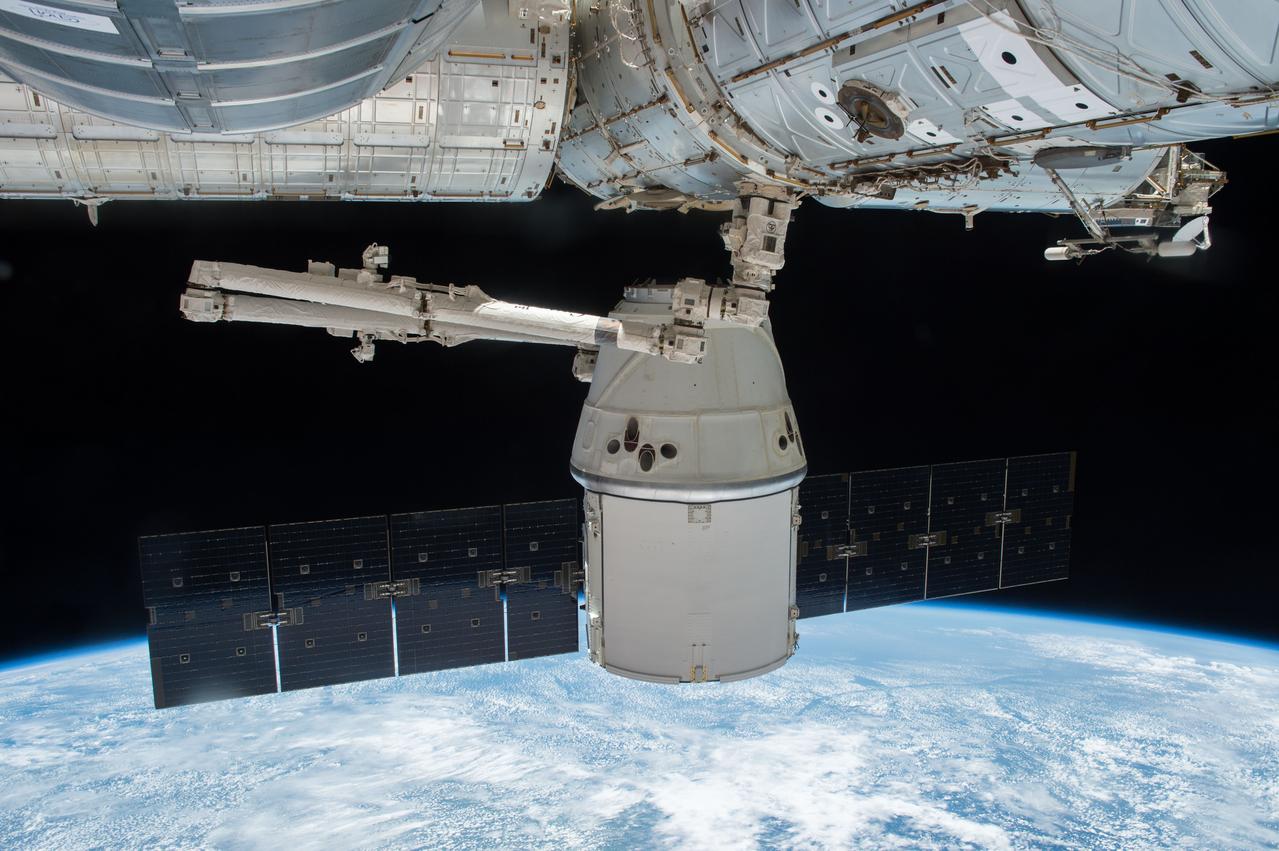
ISS047e109559 (05/11/2016) --- The SpaceX Dragon is seen berthed to the Earth-facing side of the station’s Harmony module shortly before departure. The vehicle was ultimately released by Expedition 47 robotic arm operator Tim Peake of ESA (European Space Agency) at 9:18 a.m. EDT. Dragon returned to Earth carrying more than 3,700 pounds of NASA cargo and science samples from human research, biology and biotechnology studies, physical science investigations and education activities sponsored by NASA and the U.S. national laboratory.
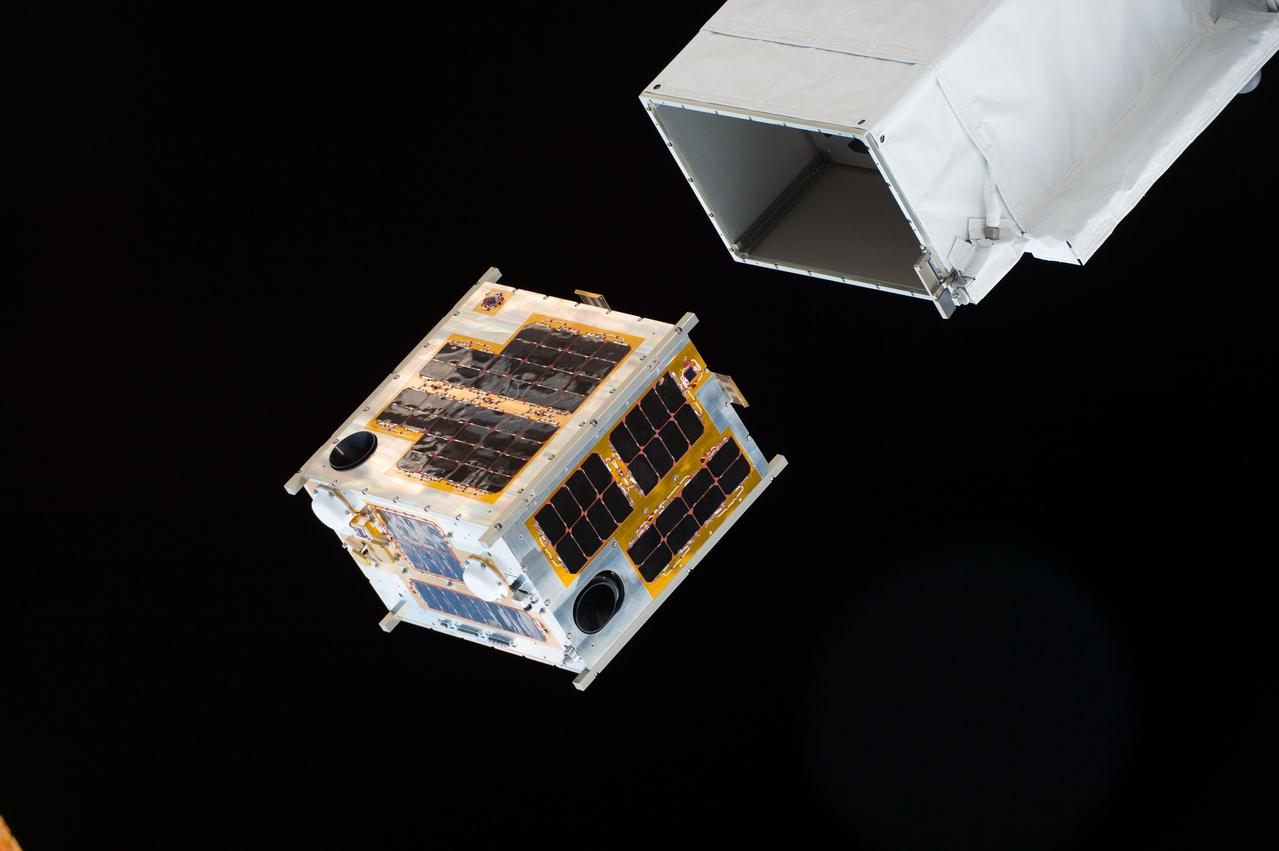
ISS047e083577 (04/27/2016) --- The DIWATA-1 satellite is deployed from outside of the Japanese Kibo module. Intended to observe earth and monitor climate changes, this was the first microsatellite owned by the Philippine government that involved Filipino engineers in the development. It was a joint project between Philippine and Japanese universities.
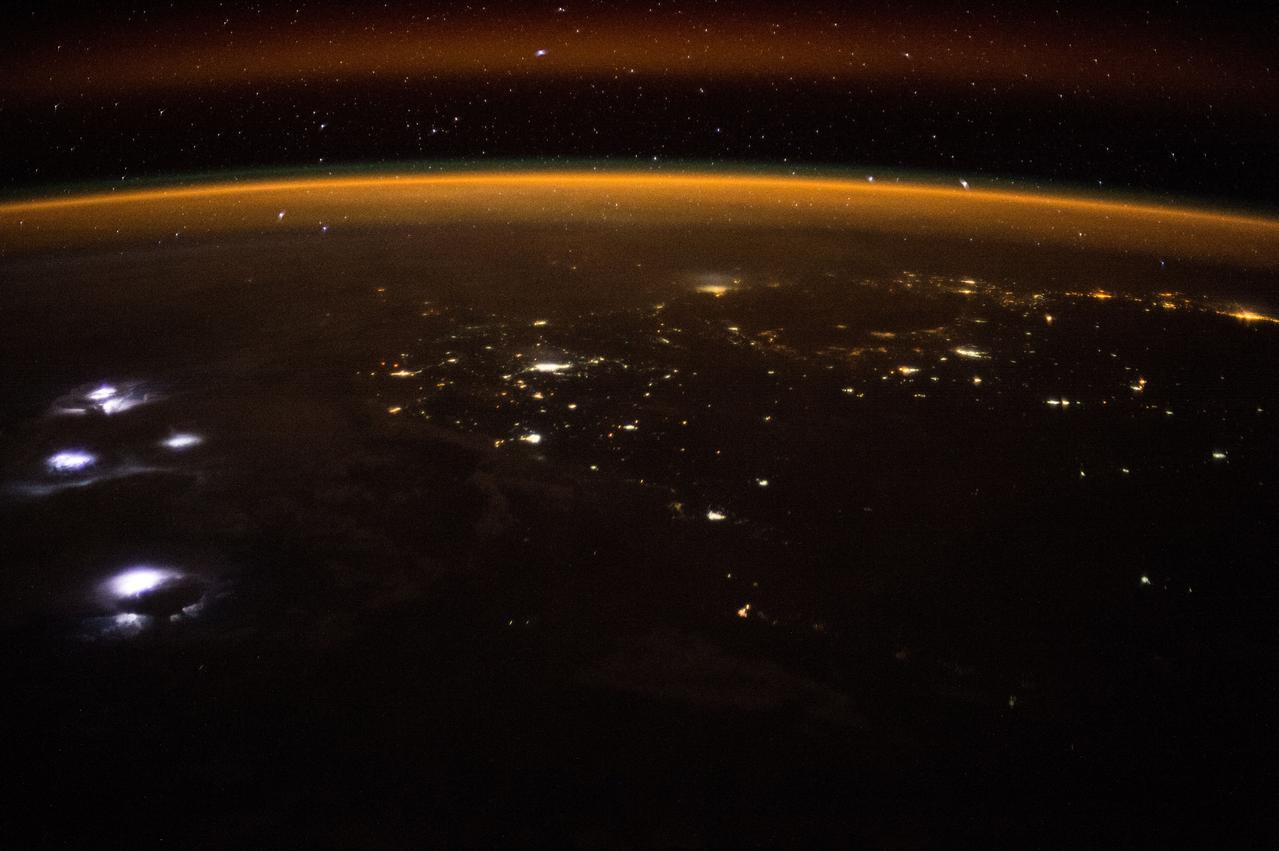
ISS047e007765 (03/14/2016) --- Using special cameras and Chronophotography aboard the International Space Station, crew members of Expedition 47 during Earth observations capture awesome beauty . This nighttime image shows an approaching lightning storm on the left. The gold and red aurora act as a frame to this display of natures wonders.
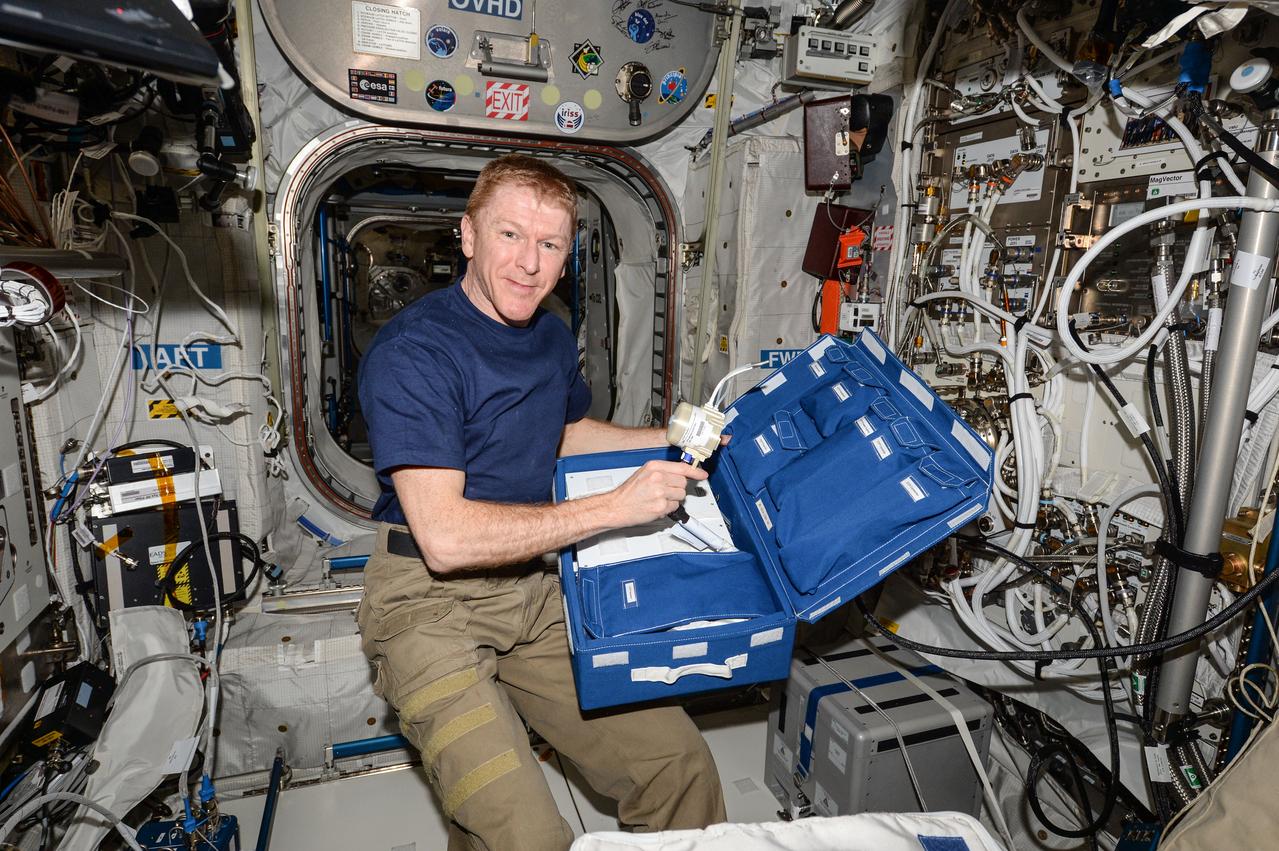
ISS047e106715 (05/06/2016) --- ESA (European Space Agency astronaut Tim Peake unpacks a cerebral and cochlear fluid pressure (CCFP) analyzer. The device is being tested to measure the pressure of the fluid in the skull, also known as intracranial pressure, which may increase due to fluid shifts in the body while in microgravity. It is hypothesized that the headward fluid shift that occurs during space flight leads to increased pressure in the brain, which may push on the back of the eye, causing it to change shape.
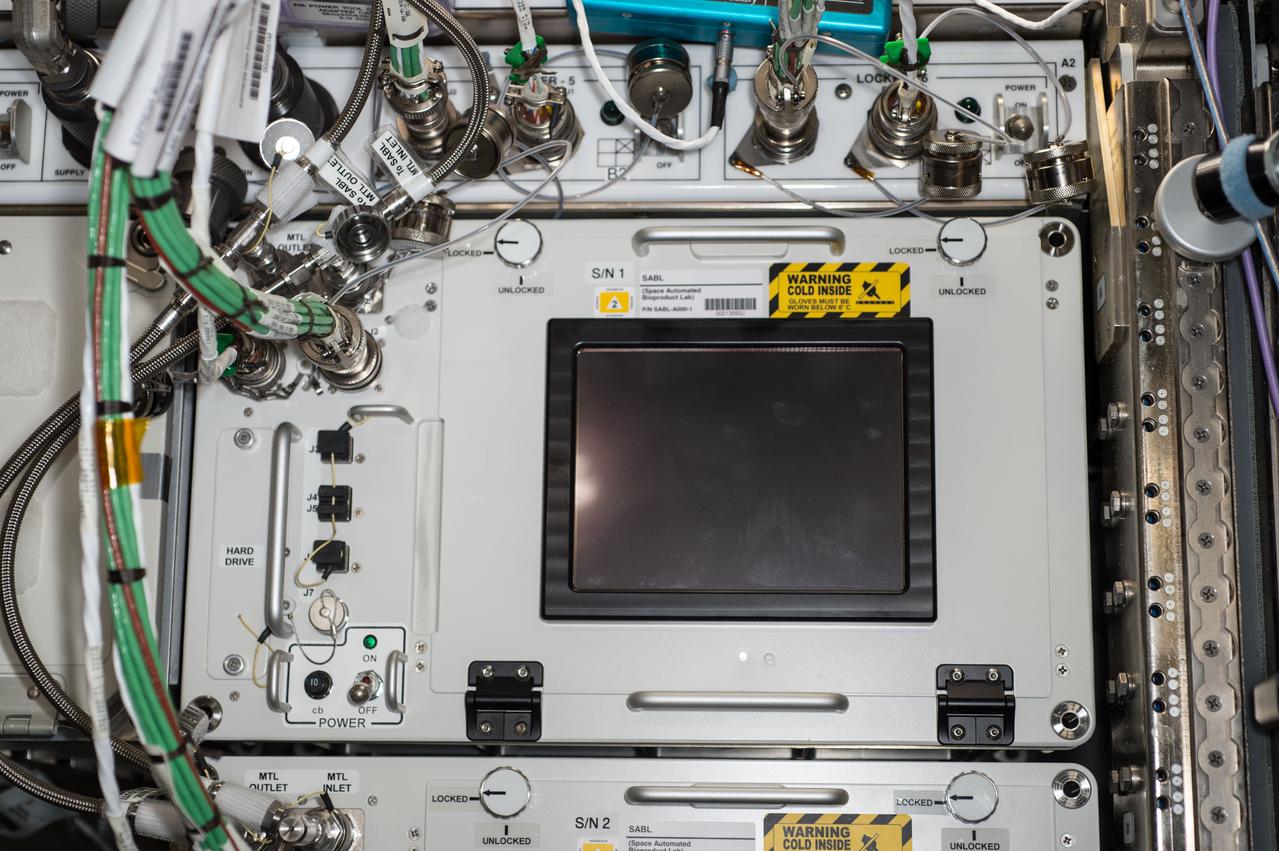
iss046e046607 (2/23/2016) --- A view of the newly installed Space Automated Bioproduct Laboratory (SABL) power, data, and thermal connections in the rack located in the U.S Lab. SABL is an upgrade to the long standing ISS incubator, Commercial Generic Bioprocessing Apparatus (CGBA). The Space Automated Bioproduct Laboratory (SABL) supports a wide variety of experiments in the life, physical and material sciences with a focus on supporting research of biological systems and processes.
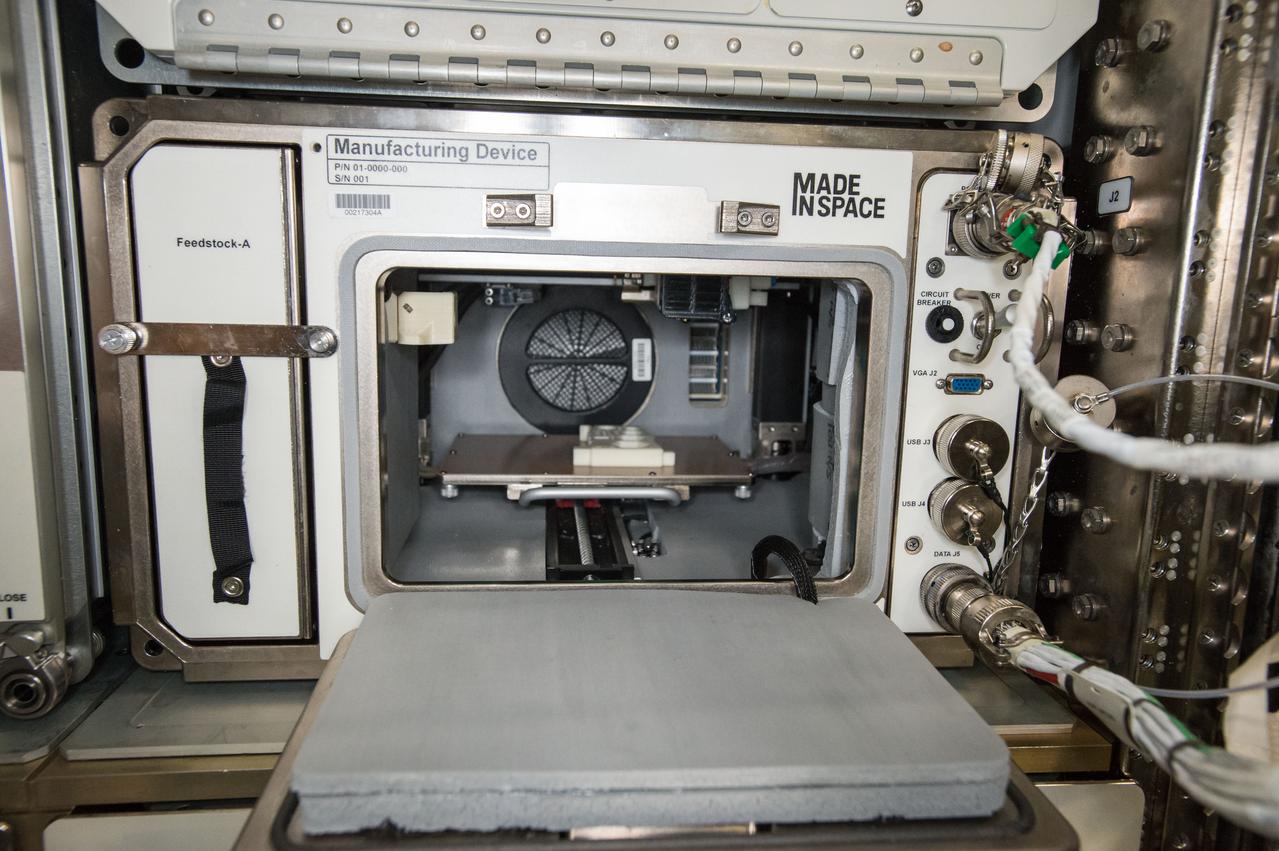
iss047e152500 (6/14/2016) --- A view of the Additive Manufacturing Facility (AMF) aboard the International Space Station (ISS).
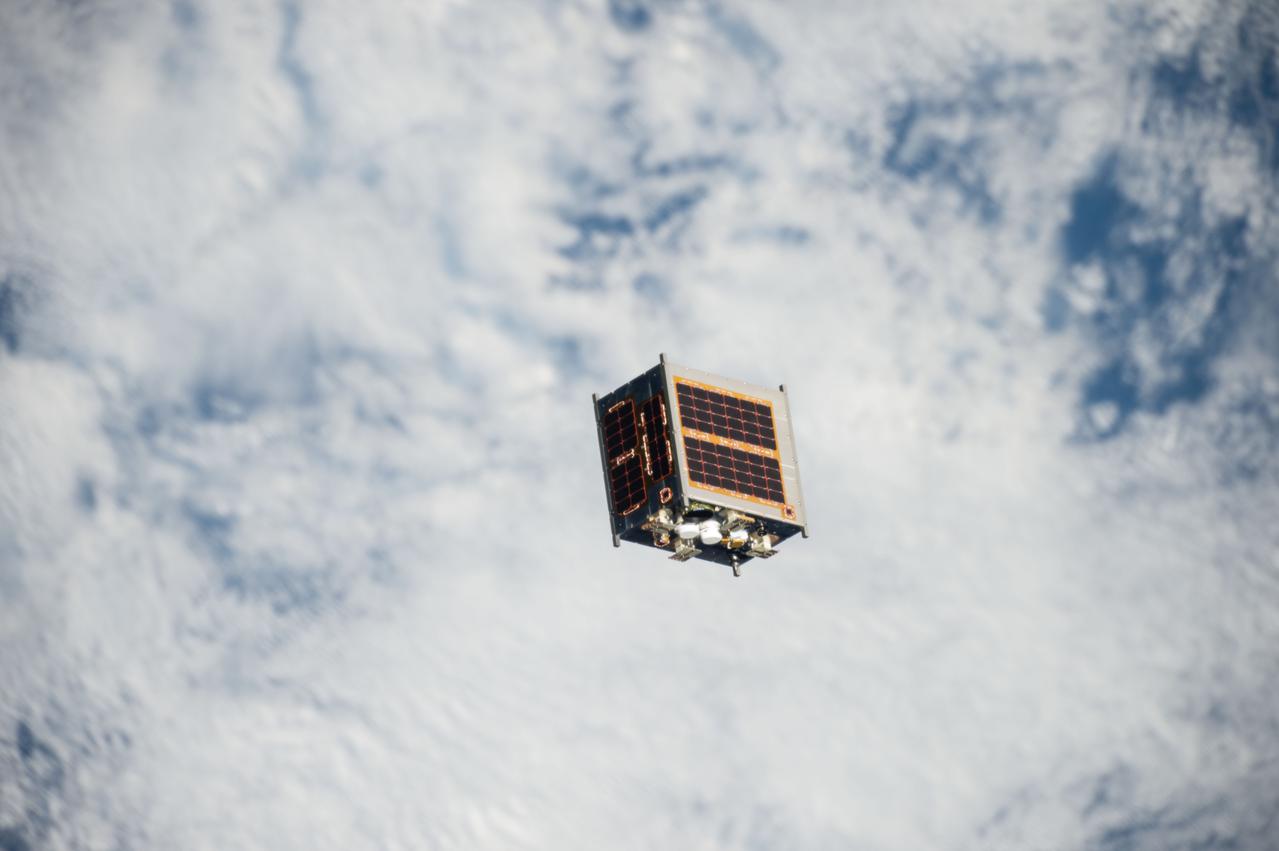
ISS047e083623(04/27/2016) --- The DIWATA-1 satellite is deployed from outside of the Japanese Kibo module. Intended to observe earth and monitor climate changes, this was the first microsatellite owned by the Philippine government that involved Filipino engineers in the development. It was a joint project between Philippine and Japanese universities.
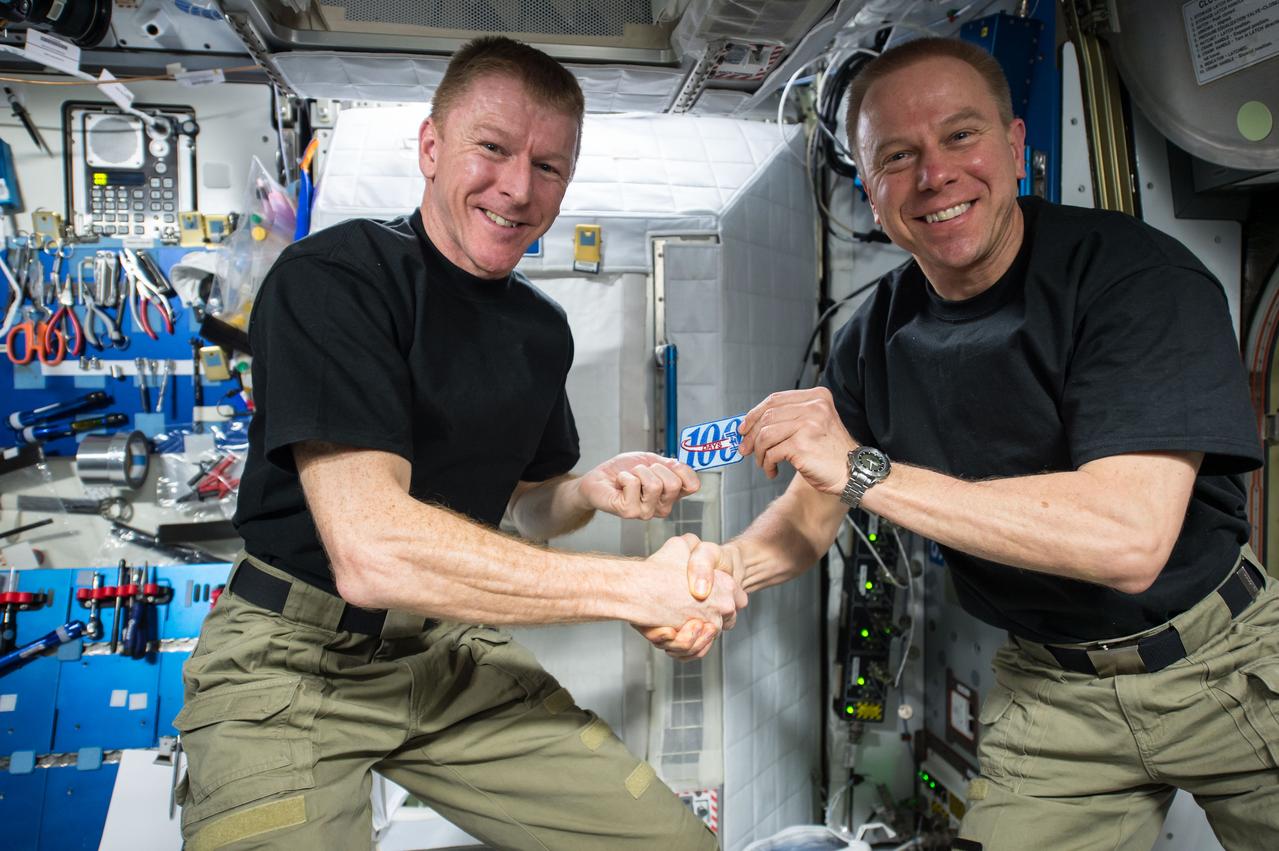
ISS047e017191 (03/24/2016) --- NASA astronaut Tim Kopra (right) presents ESA (European Space Agency) astronaut Tim Peake (left) with a patch to commemorate his 100th day in space on March 24, 2016. Peake, who arrived at the station along with Kopra on Dec. 15, 2015, is on his first spaceflight and was the 221st individual to visit the International Space Station.
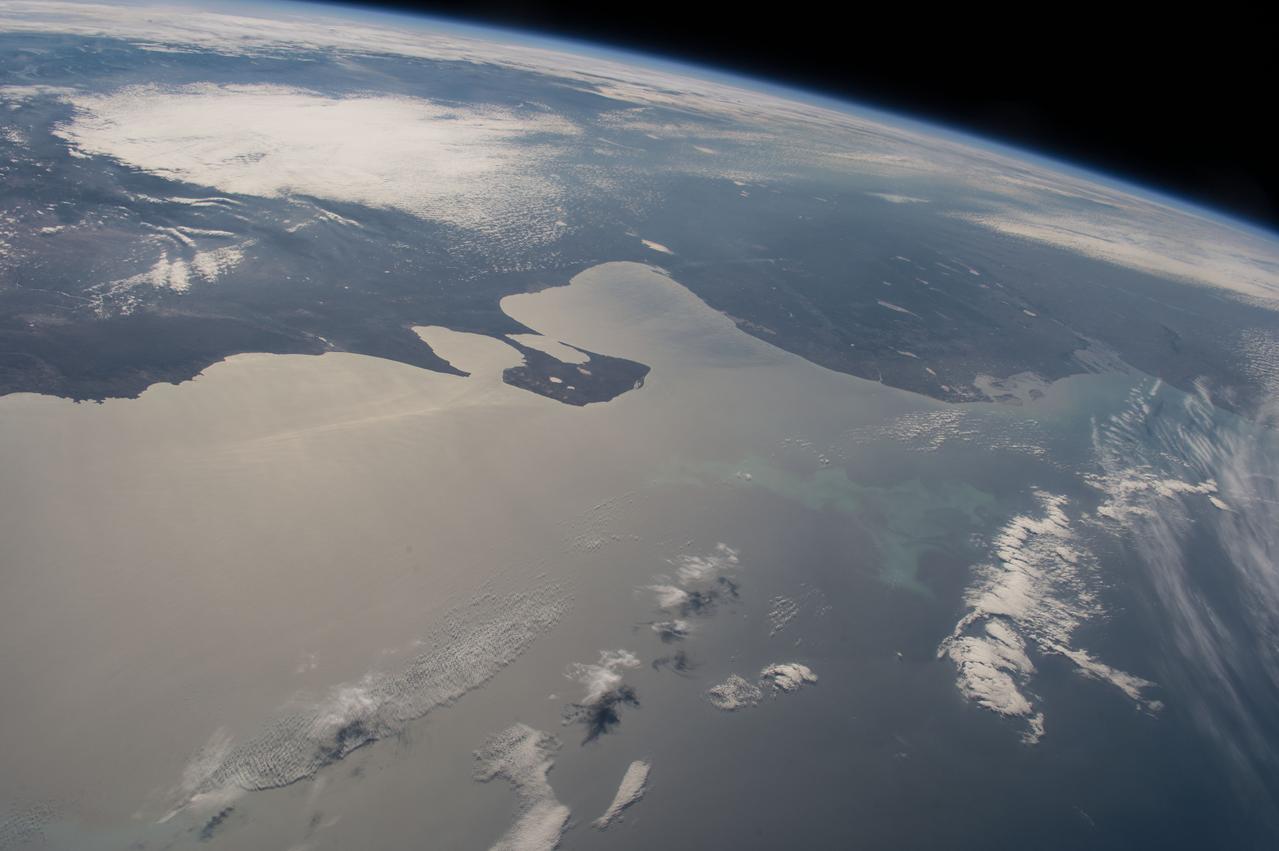
ISS047e023224 (03/26/2016) ---The view of the Earth from the vantage point offered from the International Space Station is constantly changing as the station orbits around at 17,500 miles an hour. This image is of the Argentinian coastline. The Valdes Peninsula is the piece of land jutting out near the middle of the picture.
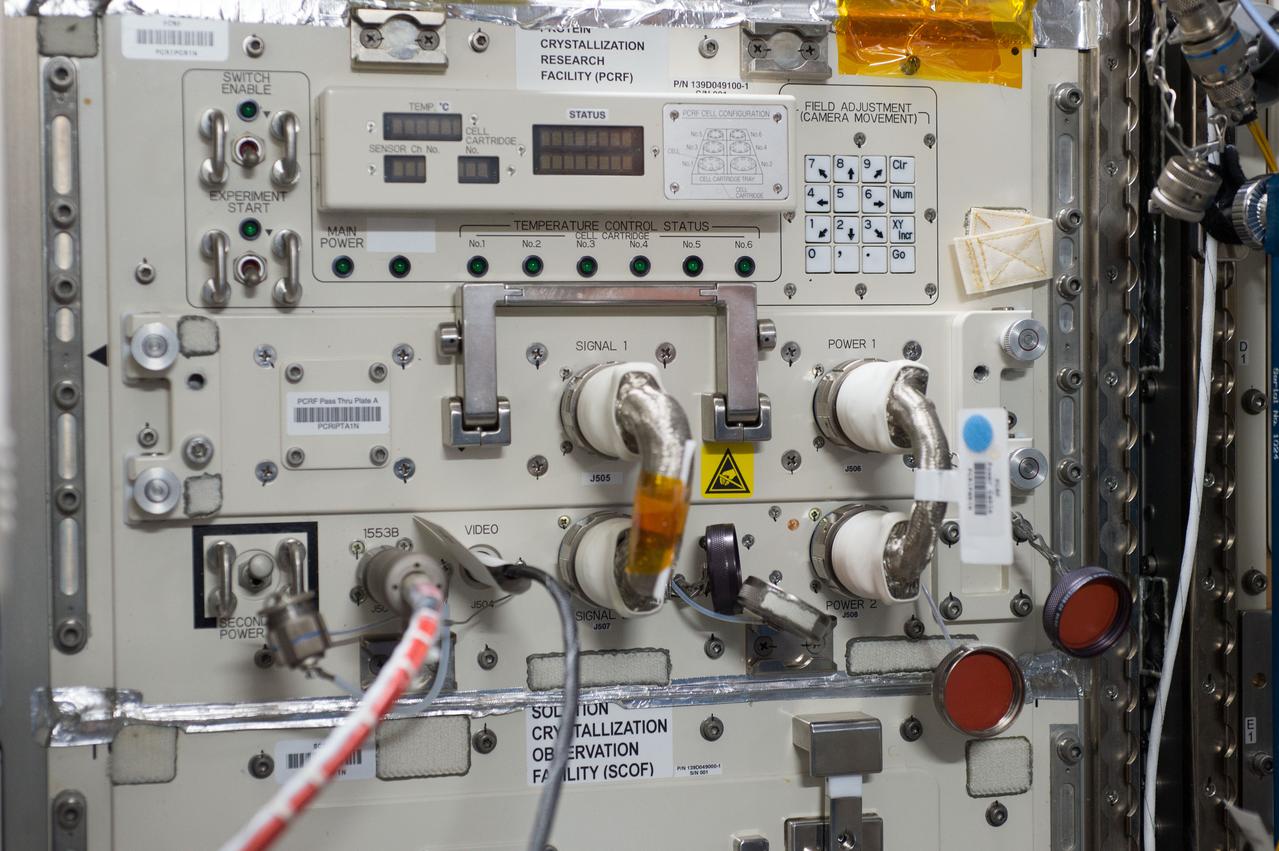
iss047e105727 (5/10/2016) --- Photographic documentation of the Japan Aerospace Exploration Agency (JAXA) High Quality Protein Crystal Growth (PCG) Removal. The PCG-Canister Bags were removed from the Cell Biology Experiment Facility (CBEF) and the Protein Crystallization Research Facility (PCRF) before being stowed for return on SpX-8. The JAXA PCG-Demo investigation crystallizes proteins using the counter-diffusion technique and permeation method that minimizes impurities, forming high-quality crystals for use in medical studies and ecological applications.
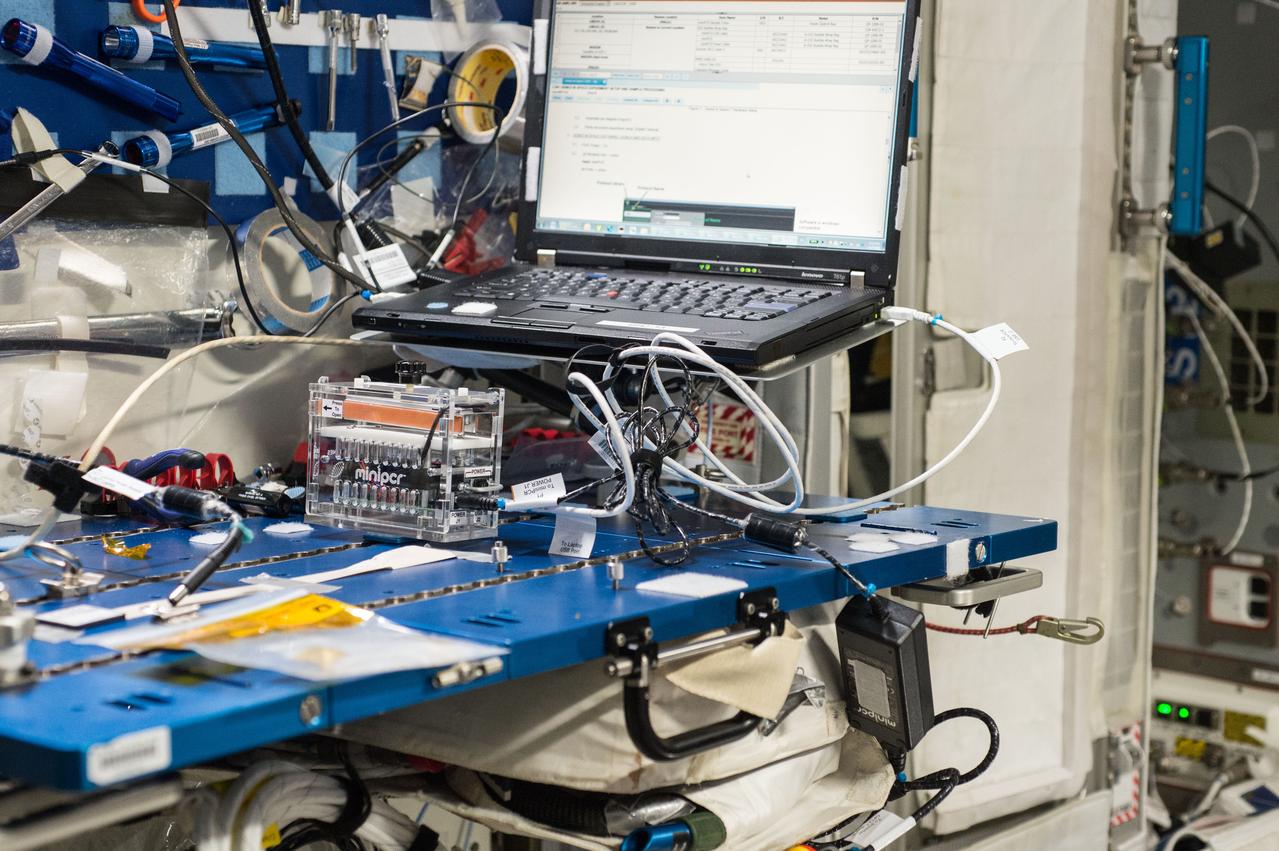
iss047e083547 (4/27/2016) --- Photographic documentation during the Genes in Space experiment showing the polymerase chain reaction (PCR) and miniPCR system as a way to amplify deoxyribonucleic acid (DNA) in space and make it possible to measure and monitor telomere changes during spaceflight. Genes in Space is an innovation challenge including students and teachers across the United States from grades 7 through 12. Students design a pioneering DNA-related experiment to fly on the ISS, providing real-world training in science, technology, engineering and math (STEM) fields and connecting students to the space program.
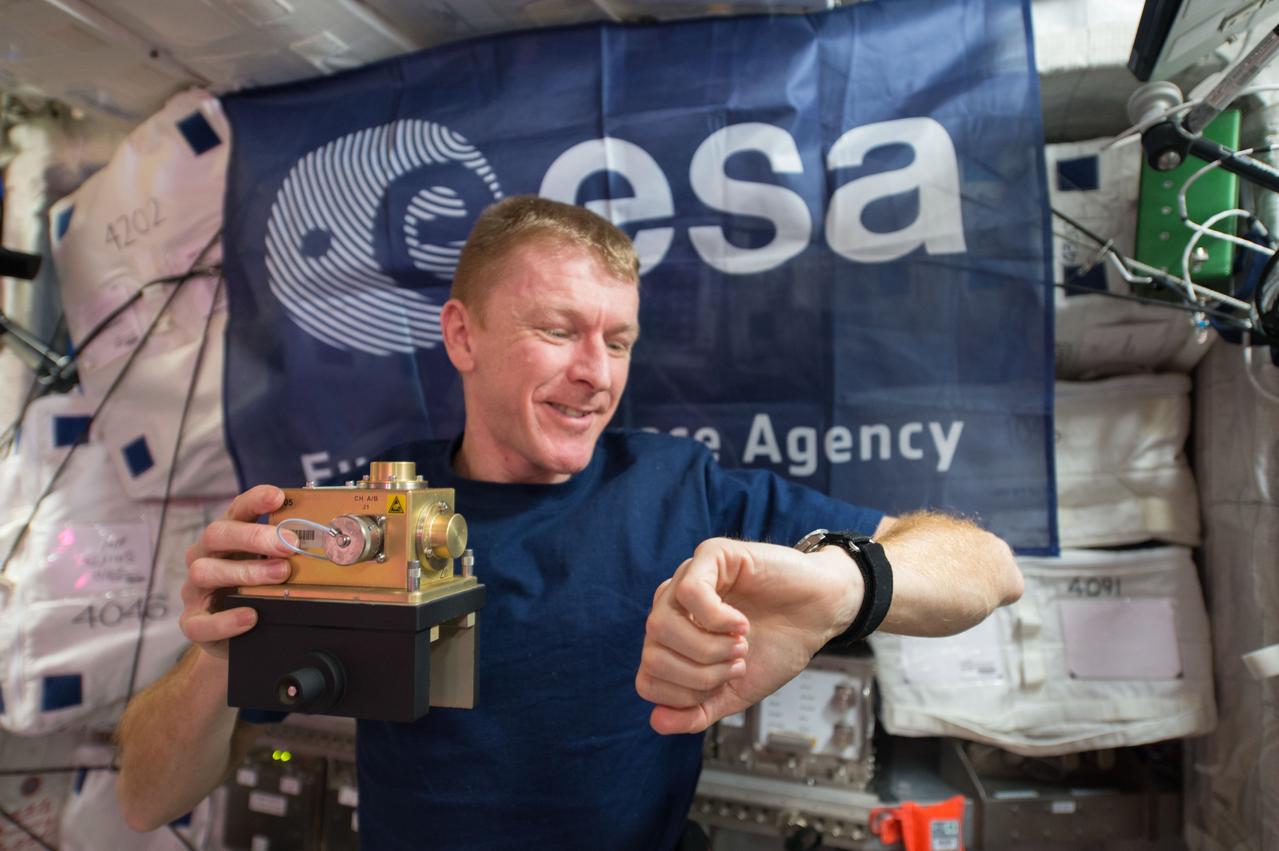
ISS046e024411 (01/26/2016) --- European Space Agency (ESA) astronaut Timothy Peake prepares to install a space acceleration measurement system sensor inside the European Columbus module aboard the International Space Station. The device is used in an ongoing study of the small forces (vibrations and accelerations) on the International Space Station resulting from the operation of hardware, crew activities, dockings and maneuvering. Results generalize the types of vibrations affecting vibration-sensitive experiments.
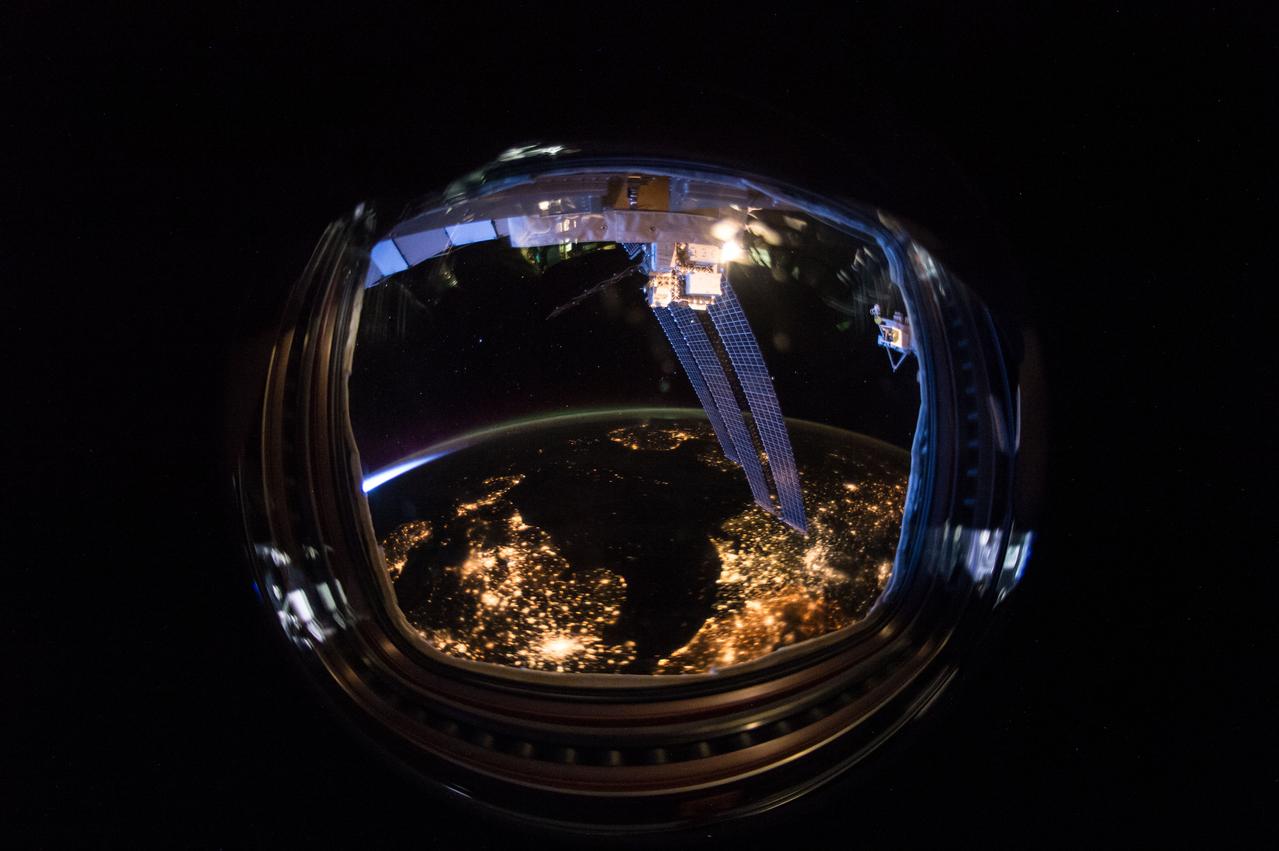
ISS046e040151 (02/11/2016) --- This wide fisheye lens night view of the Earth was taken aboard the International Space Station on Feb 11, 2016 by the crew of Expedition 46. Some of the stations solar array juts down into the image on the left side.

iss047e055611 (4/11/2016) --- A view of the JAXA Protein Crystal Growth (PCG) Demo Sample, in the Japanese Experiment Module (JEM) Pressurized Module (JPM) aboard the International space Station (ISS). The objective of JAXA High Quality Protein Crystal Growth Demonstration Experiment (JAXA PCG-Demo) is to grow high quality protein crystals in microgravity.
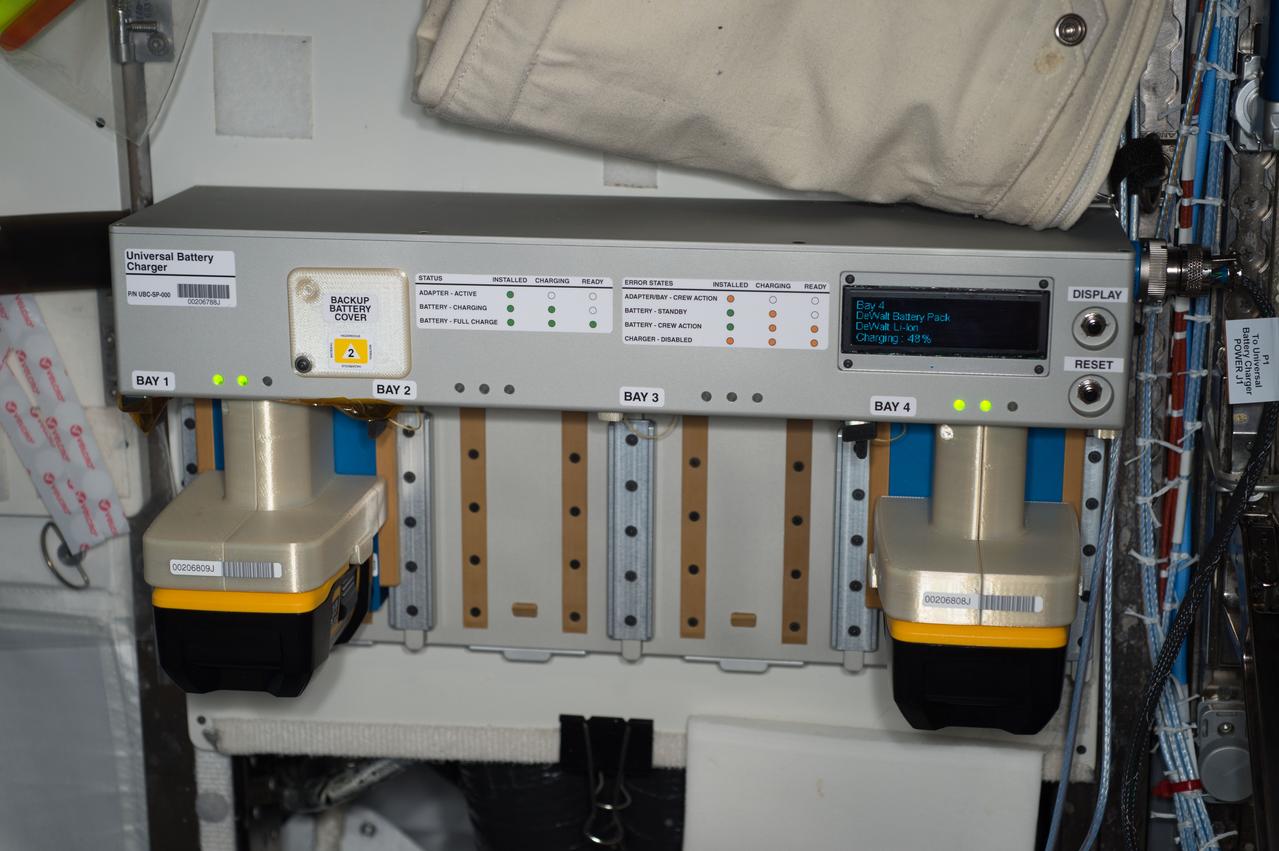
iss047e057658 (4/14/2016) --- Photo documentation during the installation of Universal Battery Charger (UBC), in the U.S. Laboratory aboard the International Space Station (ISS). The Universal Battery Charger provides a new, transformable system to charge different types of batteries aboard the International Space Station (ISS). The ability to charge multiple battery types with one system reduces the amount of cargo that must fly to the station and be stowed on board.