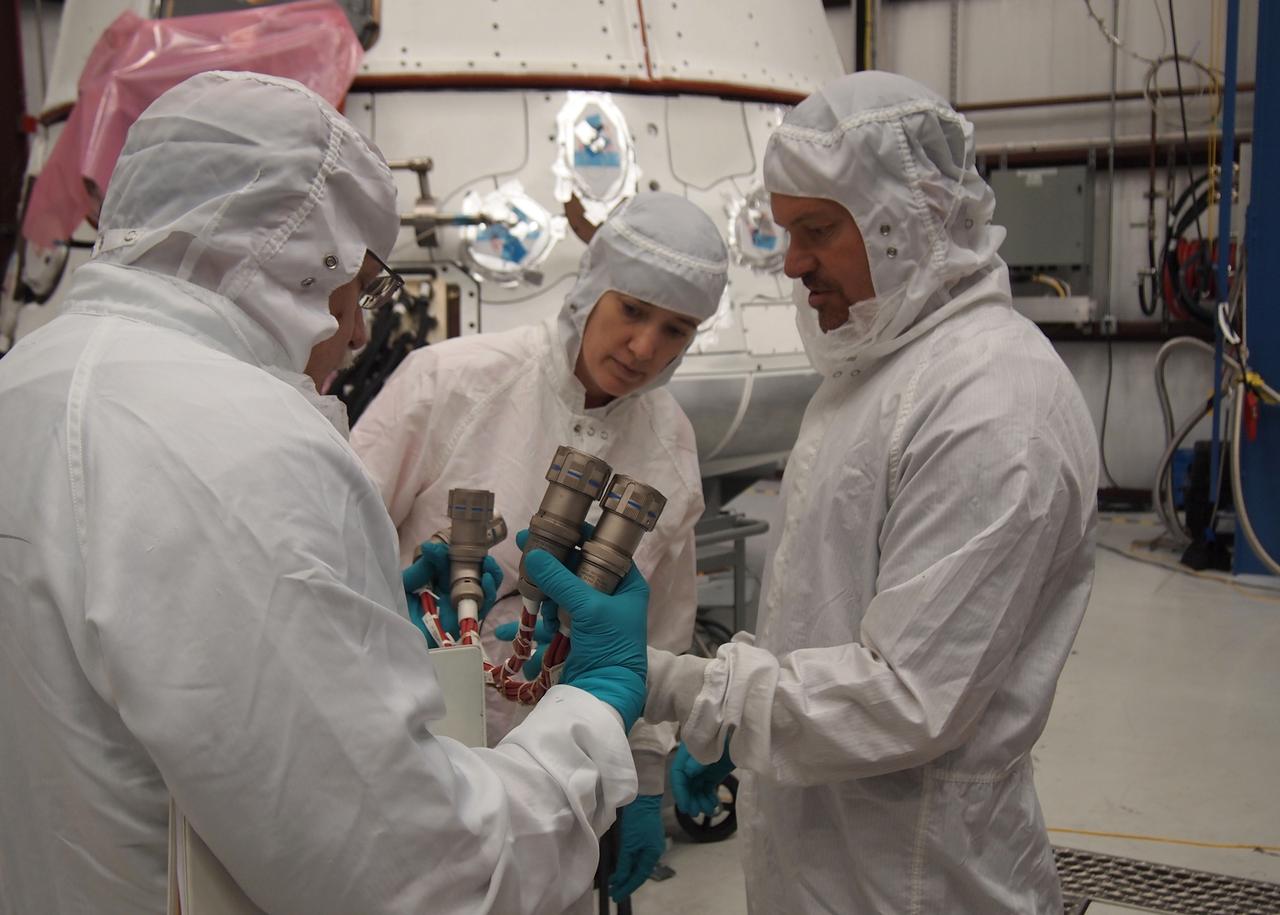
CAPE CANAVERAL, Fla. -- NASA astronaut Megan McArthur, center, takes part in a crew equipment interface test CEIT in order to become familiar with the Space Exploration Technologies Corp. SpaceX Dragon capsule prior to its scheduled April 30 liftoff. The interface test inside a processing hangar at Cape Canaveral Air Force Station's Space Launch Complex-40 was part of prelaunch preparations for the company's next demonstration test flight for NASA's Commercial Orbital Transportation Services COTS program. Under COTS, NASA has partnered with two private companies to launch cargo safely to the International Space Station. United Space Alliance technicians, Dan Nelson, left, and Chris Hardcastle, right, show McArthur two power connectors that are similar to the ones astronauts will use to provide power to Dragon once at the station. CEIT is an activity that dates back to NASA's Space Shuttle Program, providing astronauts on Earth an opportunity to work with the actual hardware they would use in space. This exercise gave astronauts and engineers the opportunity to assess the compatibility of the equipment and systems aboard Dragon with the procedures to be used by the flight crew and flight controllers once the capsule is berthed at the space station. For more information, visit www.nasa.gov/exploration/commercial/cargo/spacex_index.html. Image courtesy: SpaceX/Paul Bonness
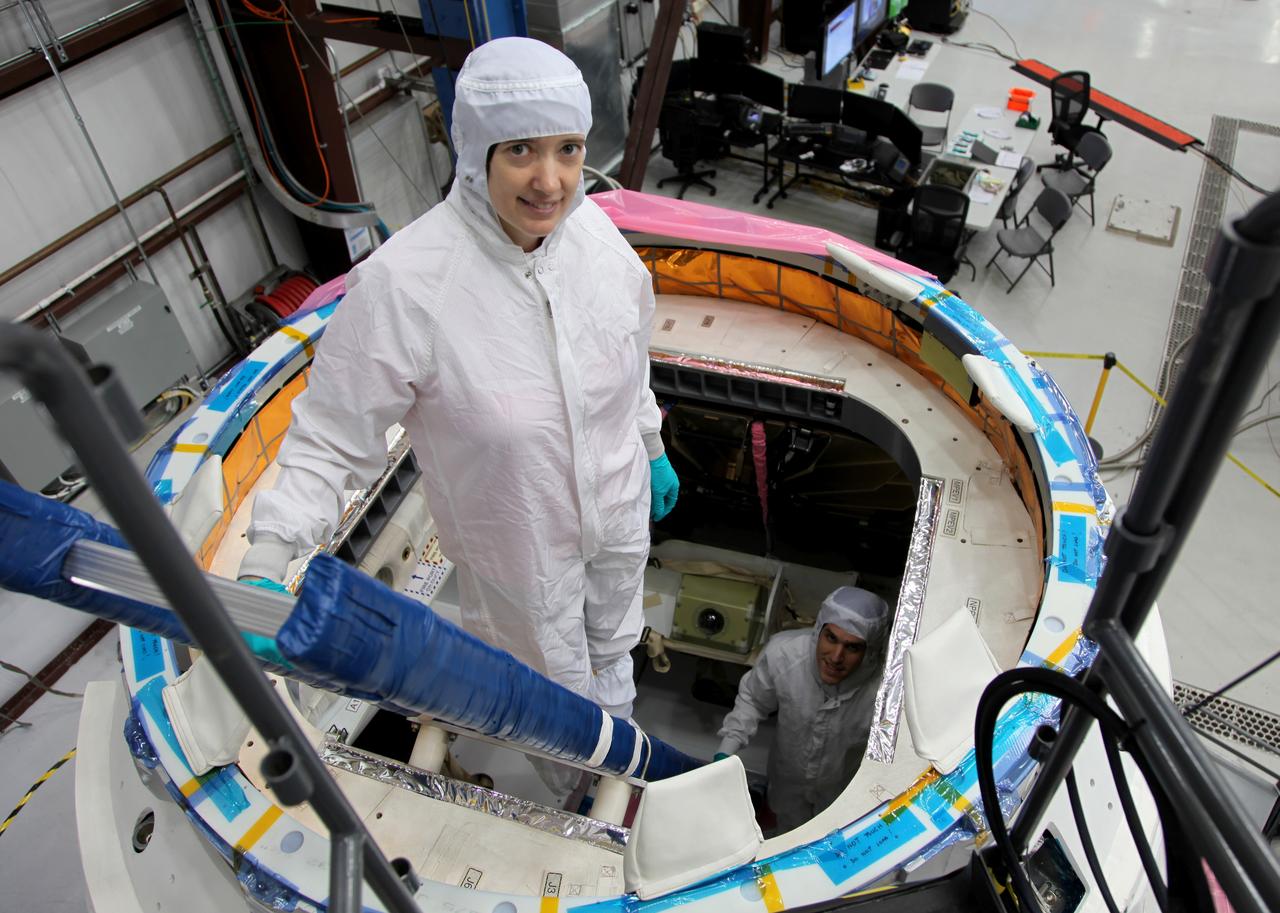
CAPE CANAVERAL, Fla. -- NASA astronaut Megan McArthur, foreground, takes part in a crew equipment interface test CEIT in order to become familiar with the Space Exploration Technologies Corp. SpaceX Dragon capsule prior to its scheduled April 30 liftoff. The interface test inside a processing hangar at Cape Canaveral Air Force Station's Space Launch Complex-40 was part of prelaunch preparations for the company's next demonstration test flight for NASA's Commercial Orbital Transportation Services COTS program. Under COTS, NASA has partnered with two private companies to launch cargo safely to the International Space Station. Jason Tenenbaum, with SpaceX Mission Operations, background, also takes part in the test. CEIT is an activity that dates back to NASA's Space Shuttle Program, providing astronauts on Earth an opportunity to work with the actual hardware they would use in space. This exercise gave astronauts and engineers the opportunity to assess the compatibility of the equipment and systems aboard Dragon with the procedures to be used by the flight crew and flight controllers once the capsule is berthed at the space station. For more information, visit www.nasa.gov/exploration/commercial/cargo/spacex_index.html. Image courtesy: SpaceX/Paul Bonness
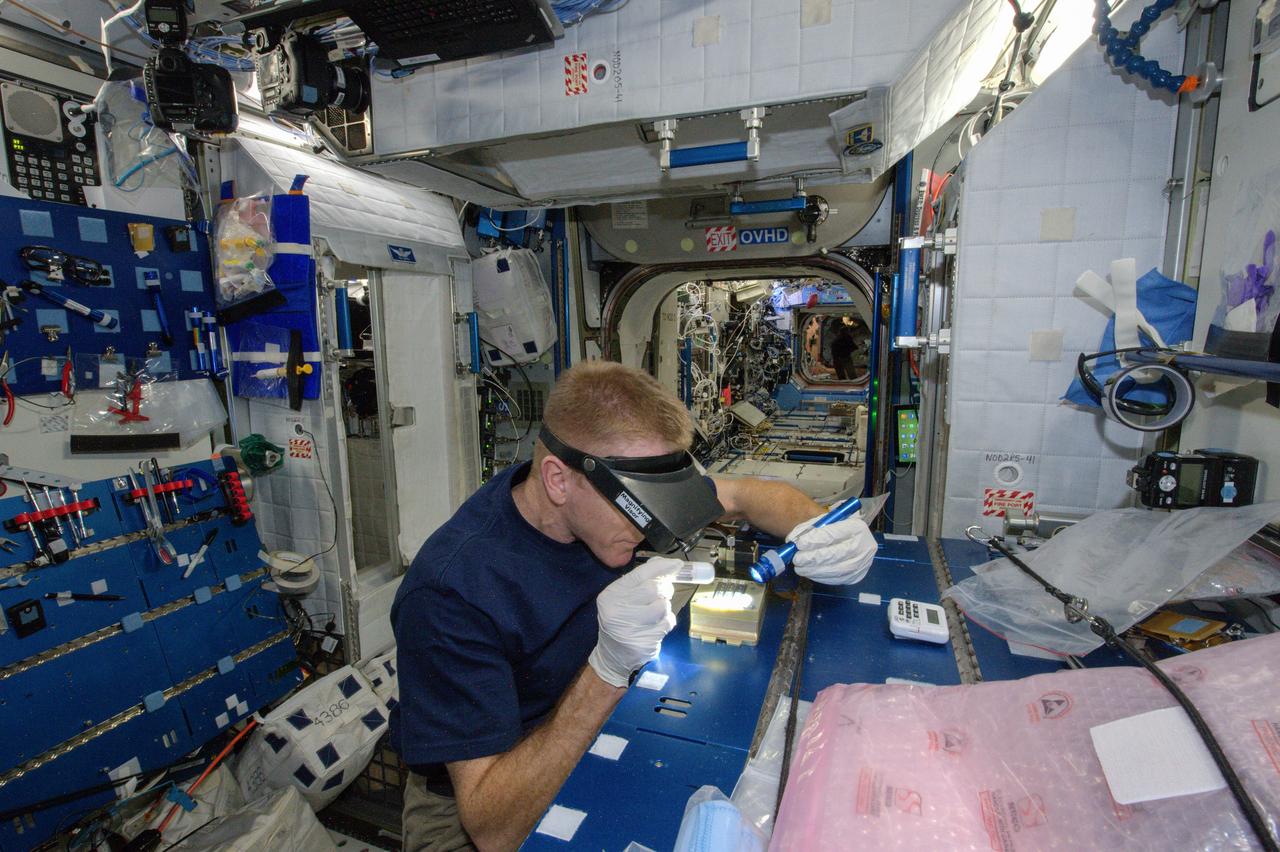
ISS046e005678 (01/04/2016) ---- ESA (European Space Agency) astronaut Tim Peake works on the Advanced Colloids Experiment 2 (ACE H2) Hardware Configuration and Mix Part 1. Peake sent out a Twitter message with this image: Stirring samples using a bar magnet to turn a tiny metal rod - preparing for today's @ISS_Research. #Principia".
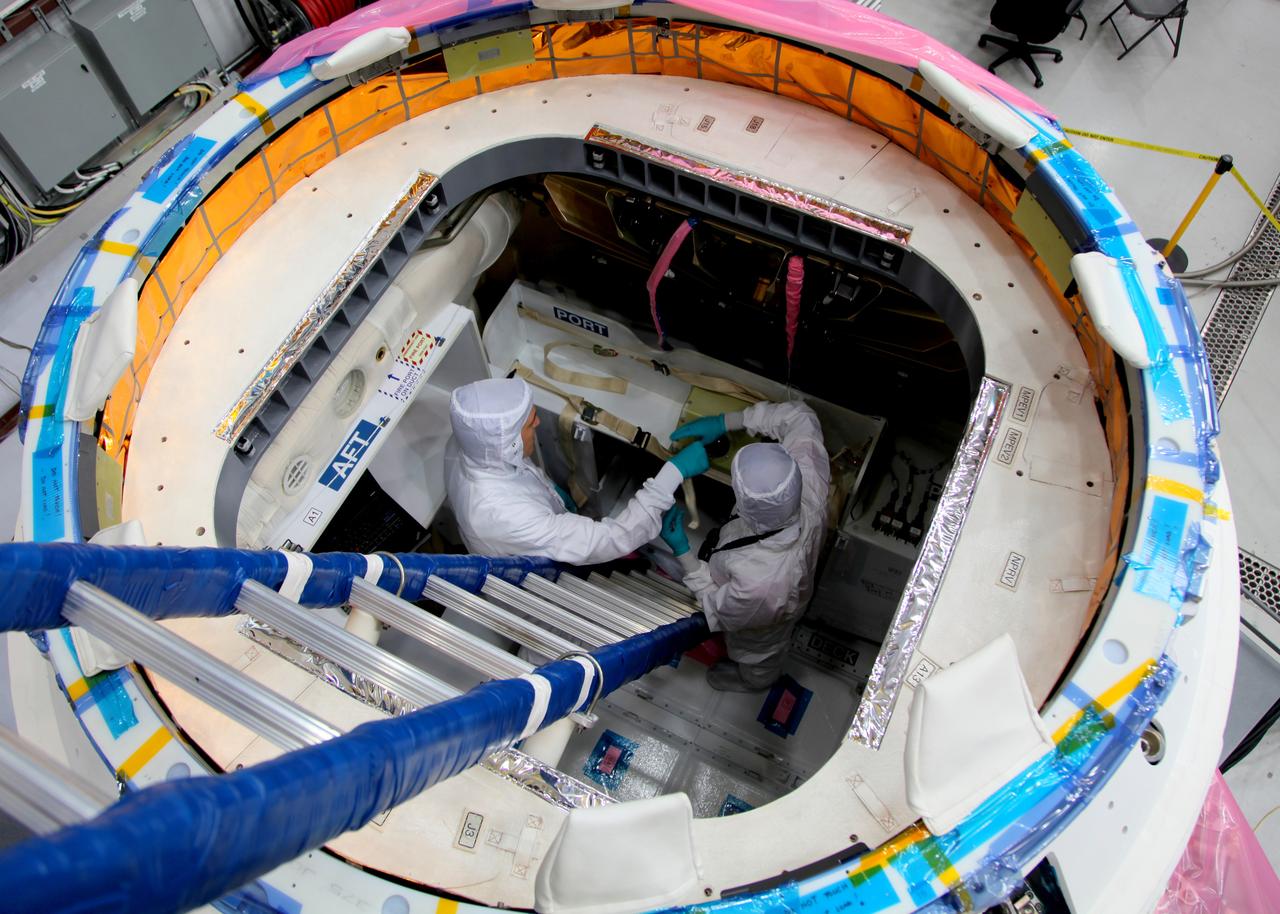
CAPE CANAVERAL, Fla. -- NASA astronaut Megan McArthur, right, takes part in a crew equipment interface test CEIT in order to become familiar with the Space Exploration Technologies Corp. SpaceX Dragon capsule prior to its scheduled April 30 liftoff. The interface test inside a processing hangar at Cape Canaveral Air Force Station's Space Launch Complex-40 was part of prelaunch preparations for the company's next demonstration test flight for NASA's Commercial Orbital Transportation Services COTS program. Under COTS, NASA has partnered with two private companies to launch cargo safely to the International Space Station. Jason Tenenbaum, with SpaceX Mission Operations, left, also takes part in the test. CEIT is an activity that dates back to NASA's Space Shuttle Program, providing astronauts on Earth an opportunity to work with the actual hardware they would use in space. This exercise gave astronauts and engineers the opportunity to assess the compatibility of the equipment and systems aboard Dragon with the procedures to be used by the flight crew and flight controllers once the capsule is berthed at the space station. For more information, visit www.nasa.gov/exploration/commercial/cargo/spacex_index.html. Image courtesy: SpaceX/Paul Bonness

The Rotifer-B2 investigation aims to explore the effects that spaceflight has on deoxyribonucleic acid (DNA) repair mechanisms of the bdelloid rotifer Adineta vaga. This is achieved by pre-exposing rotifers to high levels of radiation on Earth and then culturing them in Kubik, an on-orbit incubator facility. After exposing rotifers to space conditions inside the International Space Station, the samples are frozen and returned to Earth for postflight analyses. Image courtesy of the University of Namur.
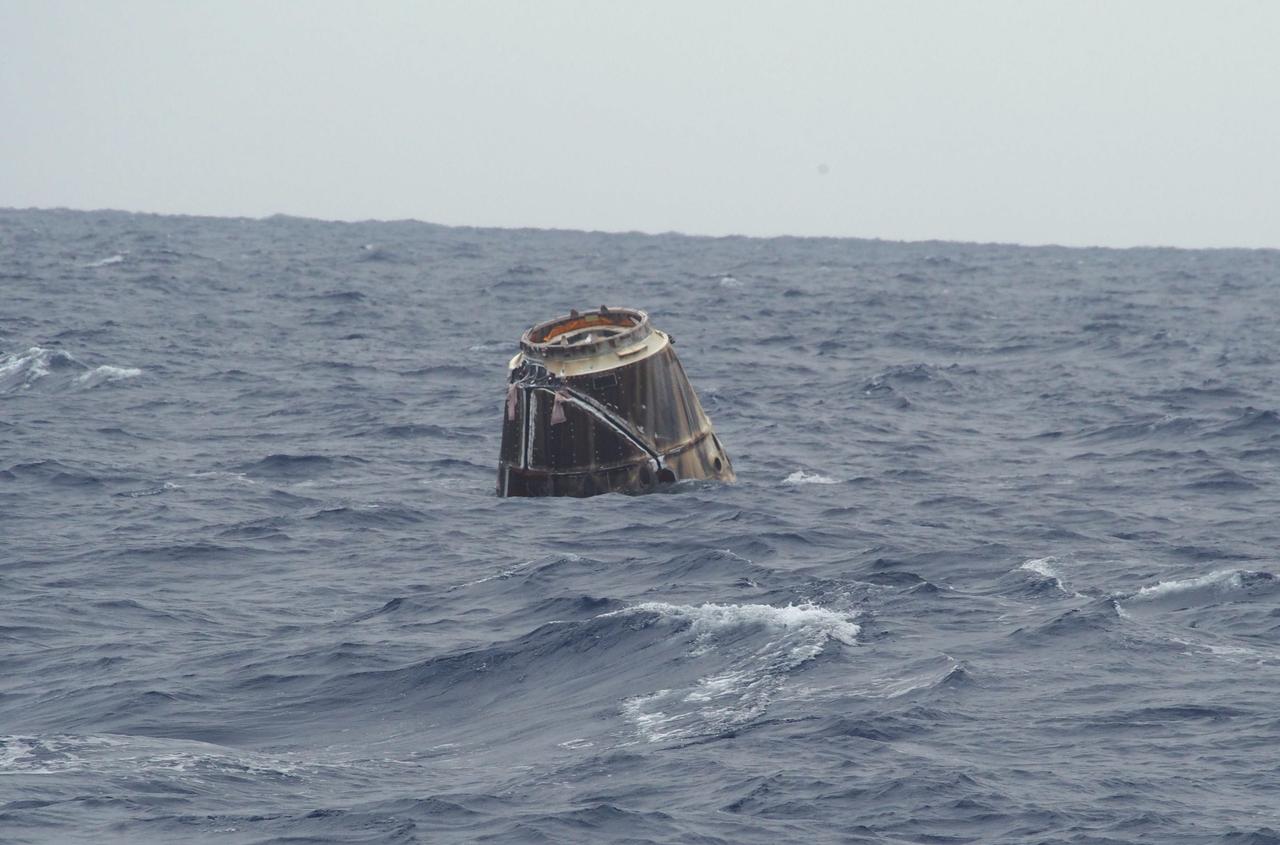
(31 May 2012) --- First picture from the Pacific showing the SpaceX Drgon following its splashdown. Photo credit: Michael Altenhofen/SpaceX
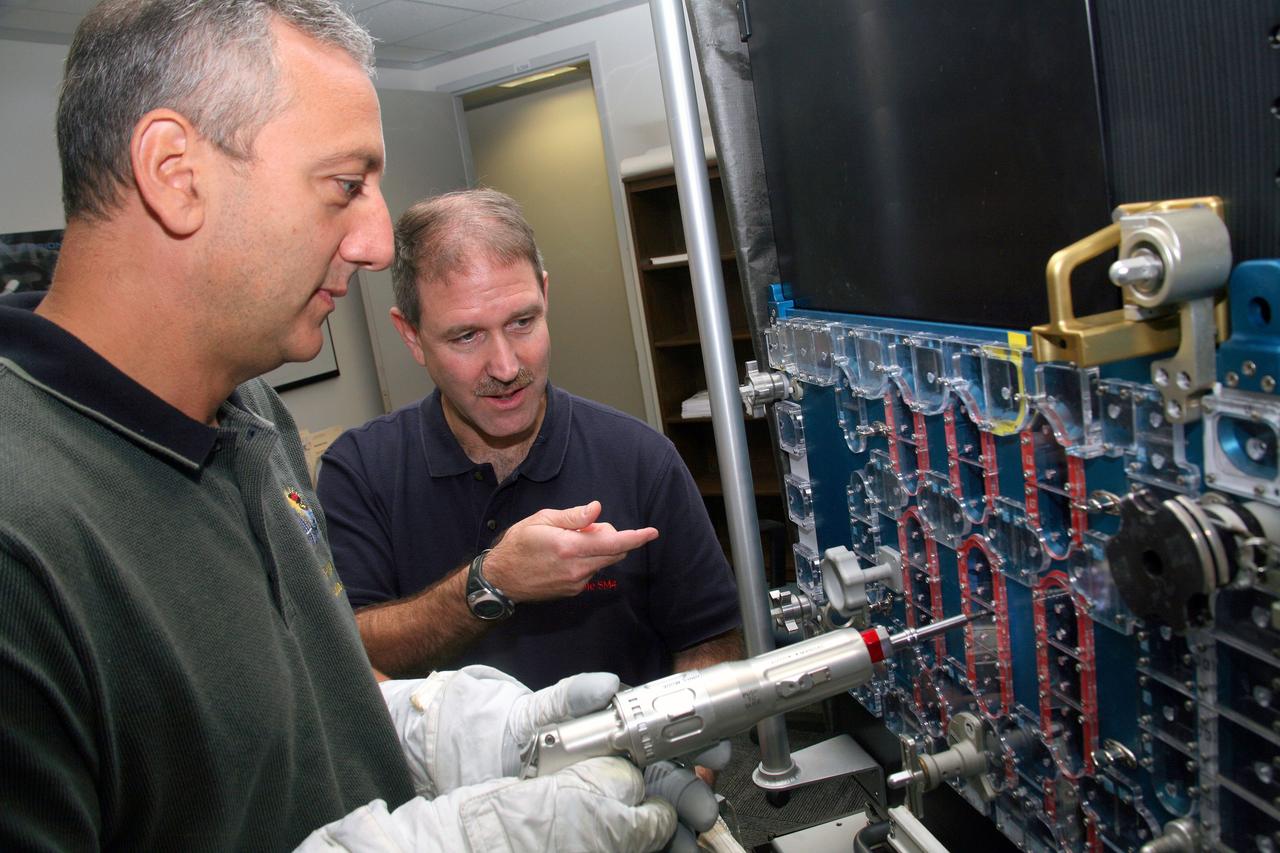
JSC2008-E-097091 (1 Aug. 2008) --- Astronauts Mike Massimino (foreground) and John Grunsfeld, both STS-125 mission specialists, practice repairing Hubble Space Telescope hardware during a training session at NASA's Johnson Space Center.
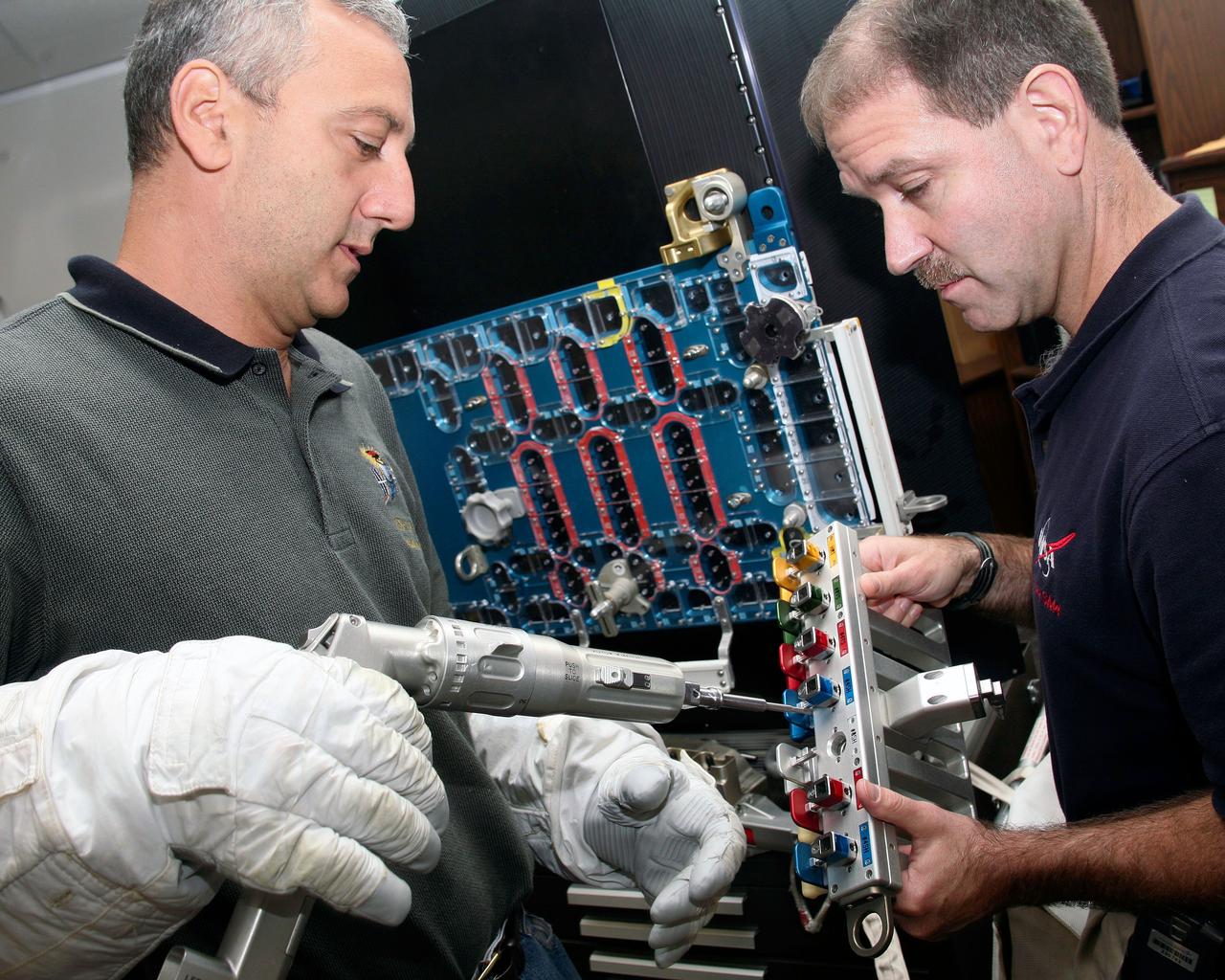
JSC2008-E-097093 (1 Aug. 2008) --- Astronauts Mike Massimino (left) and John Grunsfeld, both STS-125 mission specialists, practice repairing Hubble Space Telescope hardware during a training session at NASA's Johnson Space Center.
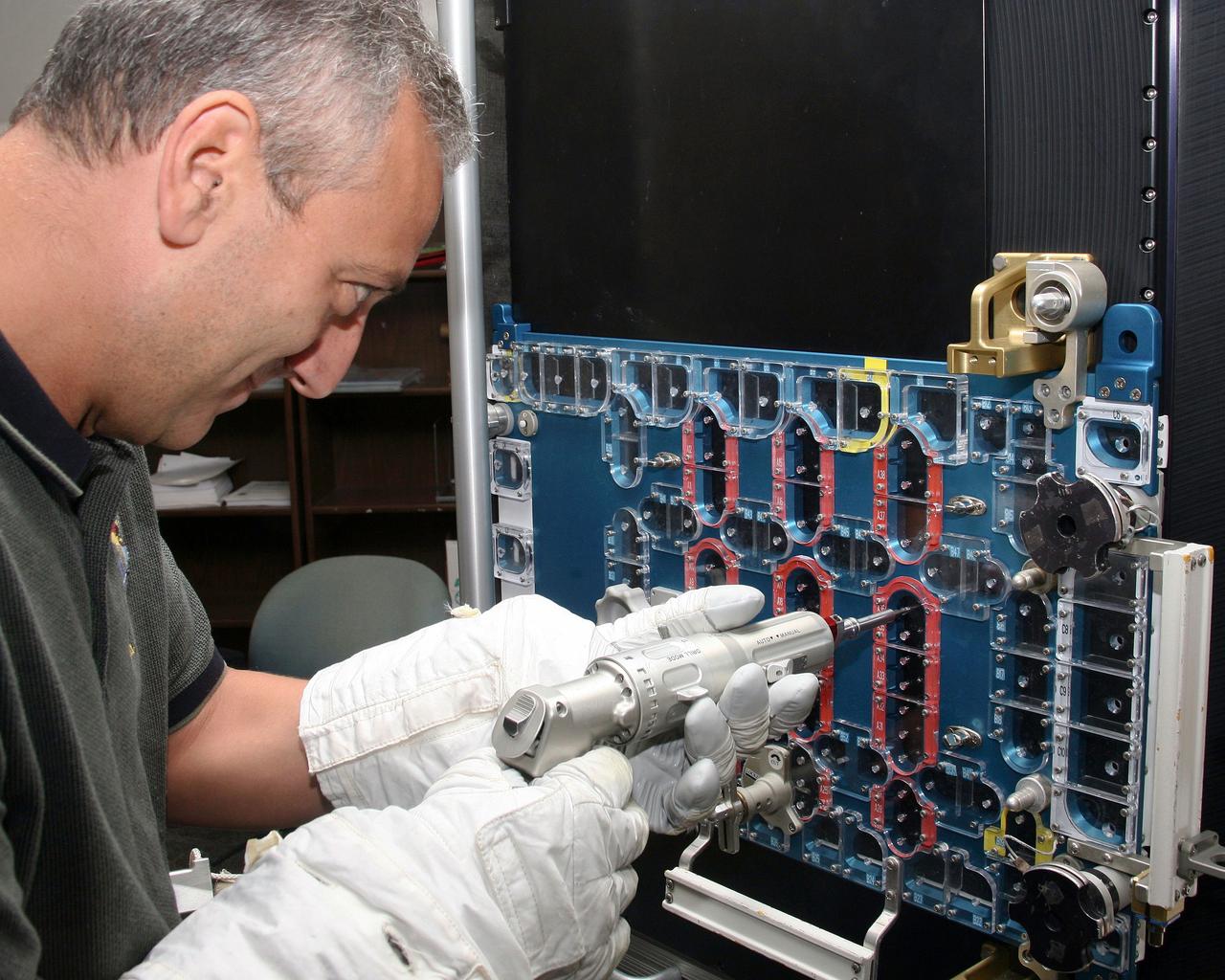
JSC2008-E-097094 (1 Aug. 2008) --- Astronaut Mike Massimino, STS-125 mission specialist, practices repairing Hubble Space Telescope hardware during a training session at NASA's Johnson Space Center.