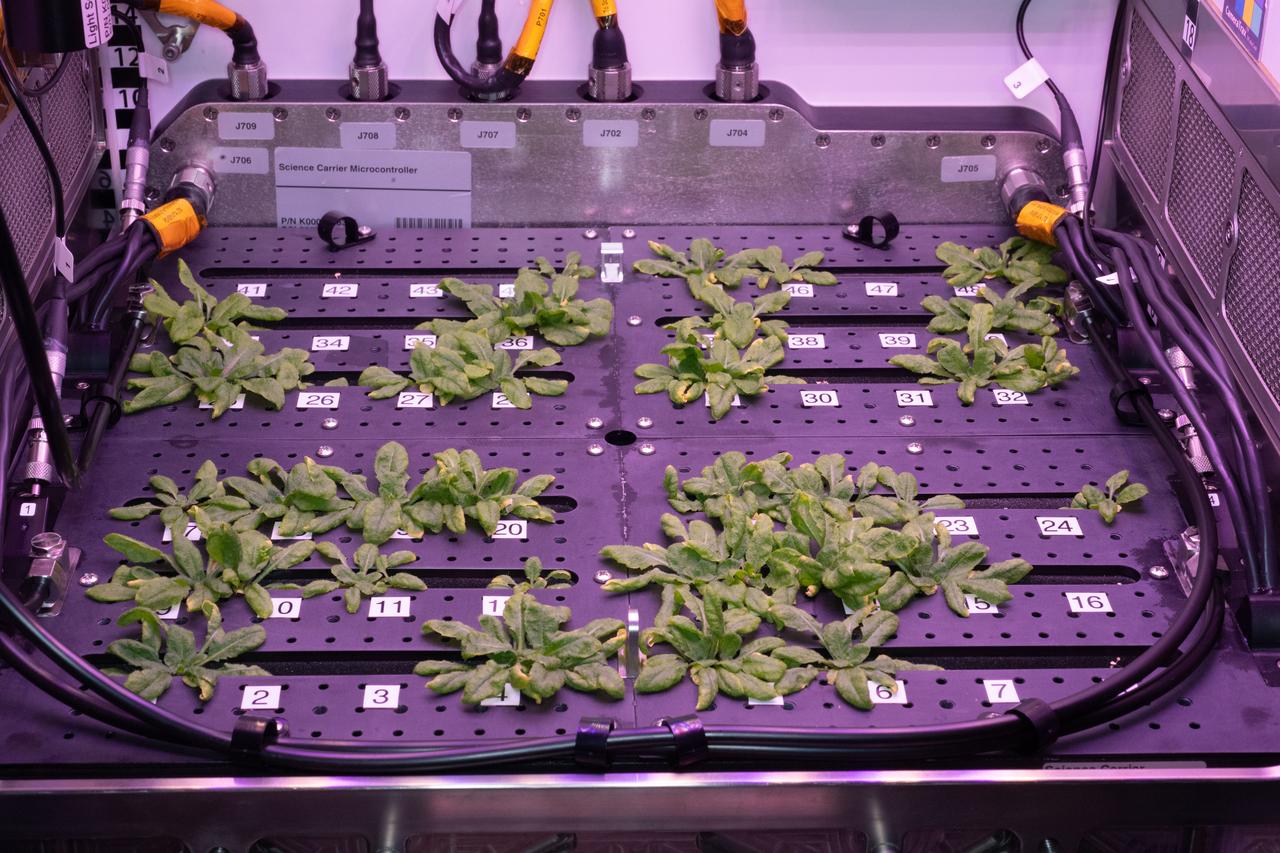
View during harvest of Arabidopsis plants. Photo was taken by Expedition 56 crew.
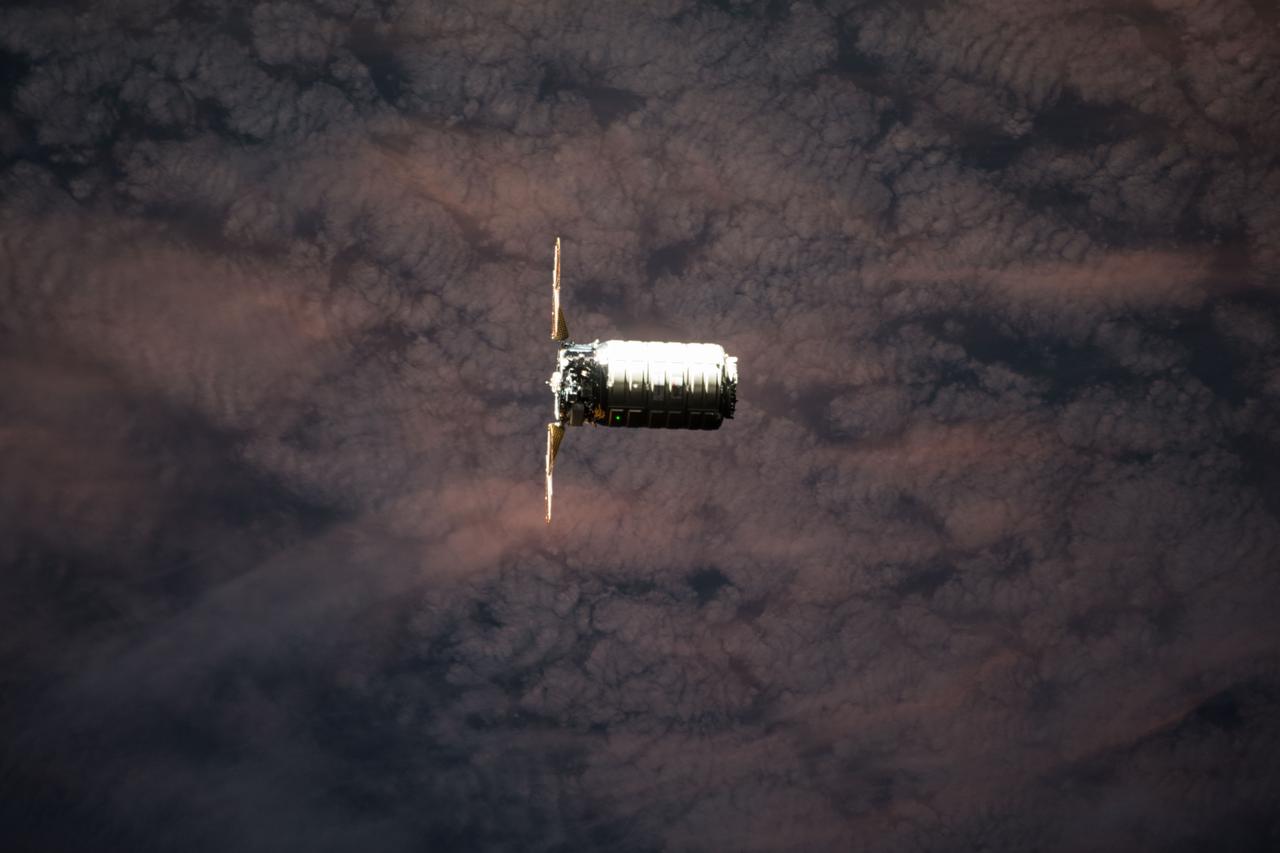
iss055e076991 (May 24, 2018) --- The Orbital ATK space freighter is pictured as it slowly and methodically approaches the International Space Station to resupply the Expedition 55 crew.
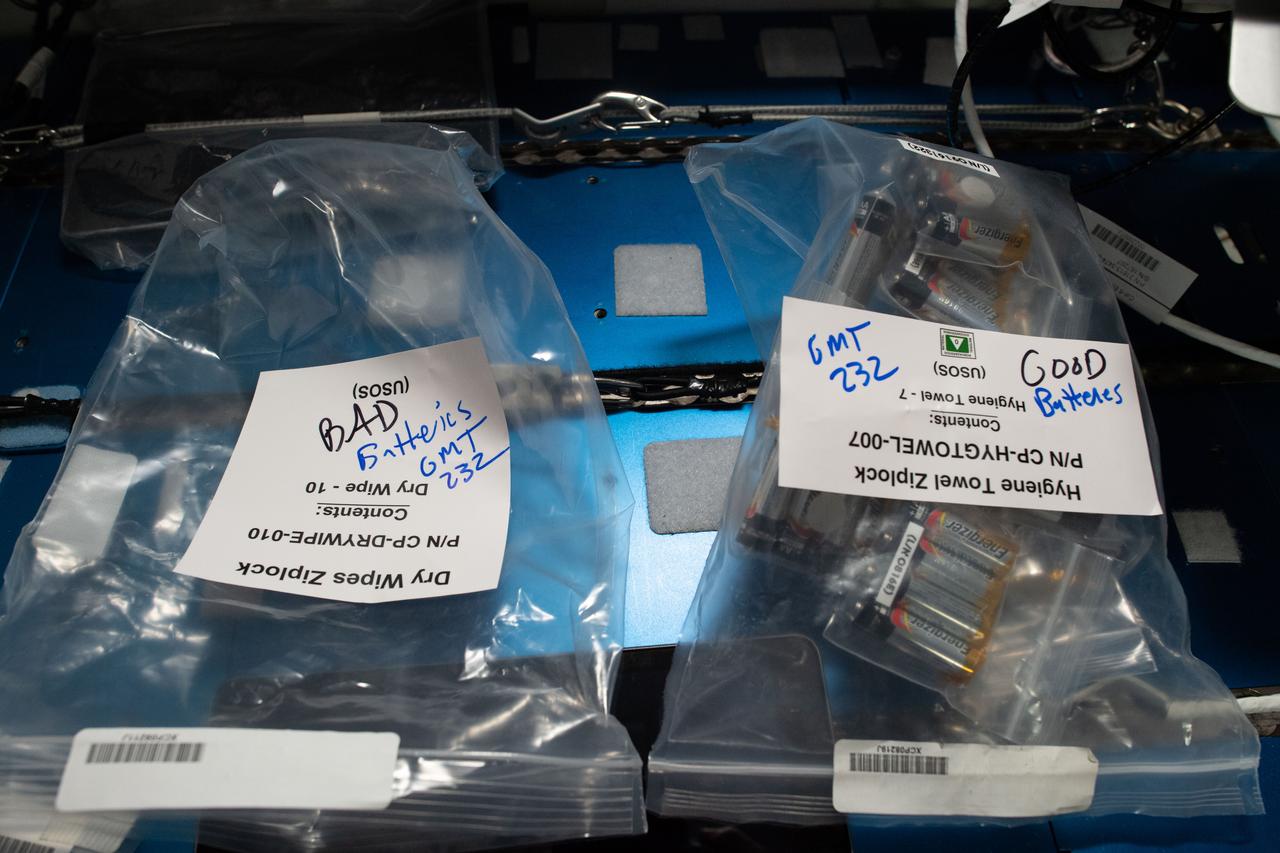
iss056e150242 (8/20/2018) --- A view of good and bad batteries within ziplock bags after Zero G battery testing aboard the International Space Station (ISS). The Zero-g Battery Testing is an initial study to investigate comments from Space Shuttle and International Space Station crew members to determine if batteries change due to zero-g. This is not intended to be an extensive study due to the short time frame available, and due to the availability of equipment.
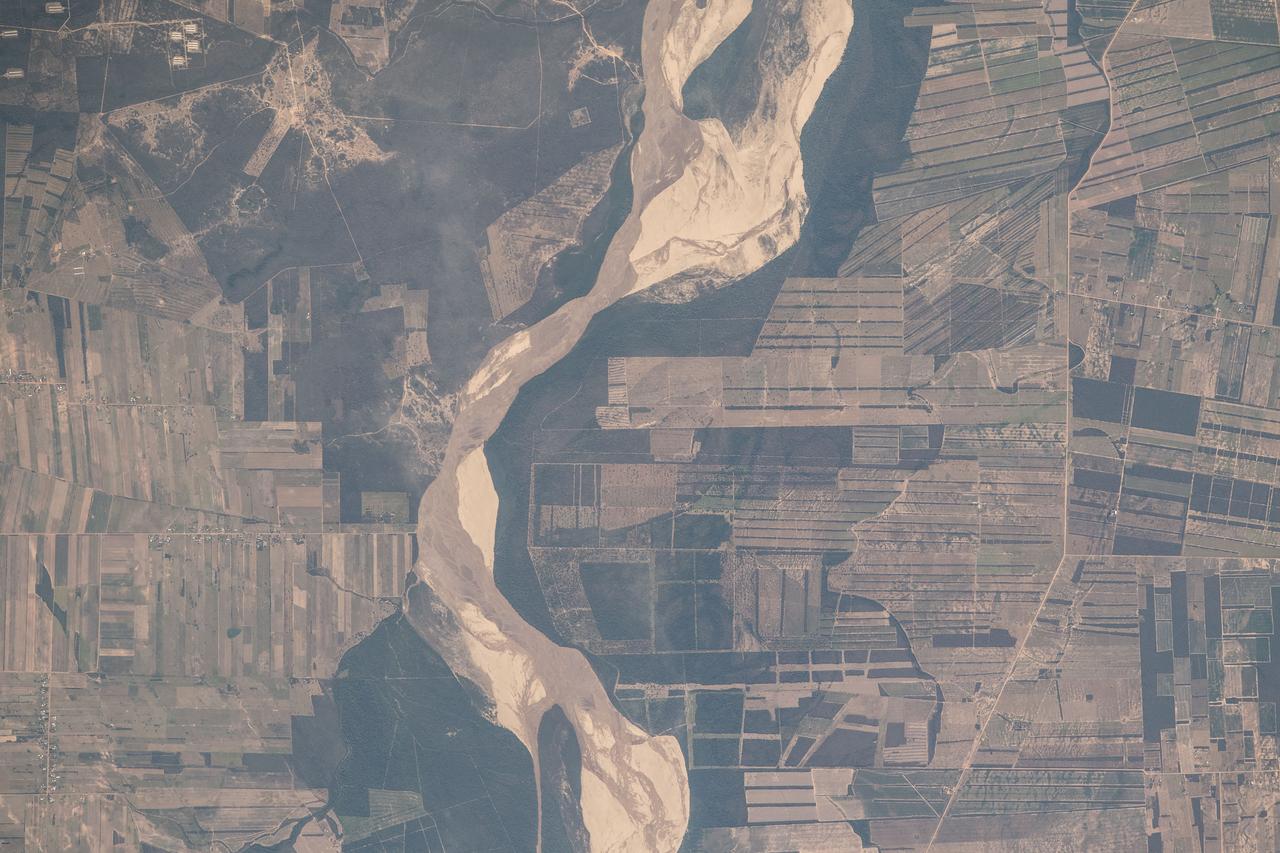
iss056e094532 (July 10, 2018) --- This portion of Bolivia's Rio Grande is about 27 miles east of downtown Santa Cruz de la Sierra, the country's largest city. The river in the Amazon Basin and the sub-tropical climate support navigation, fishing and agriculture.
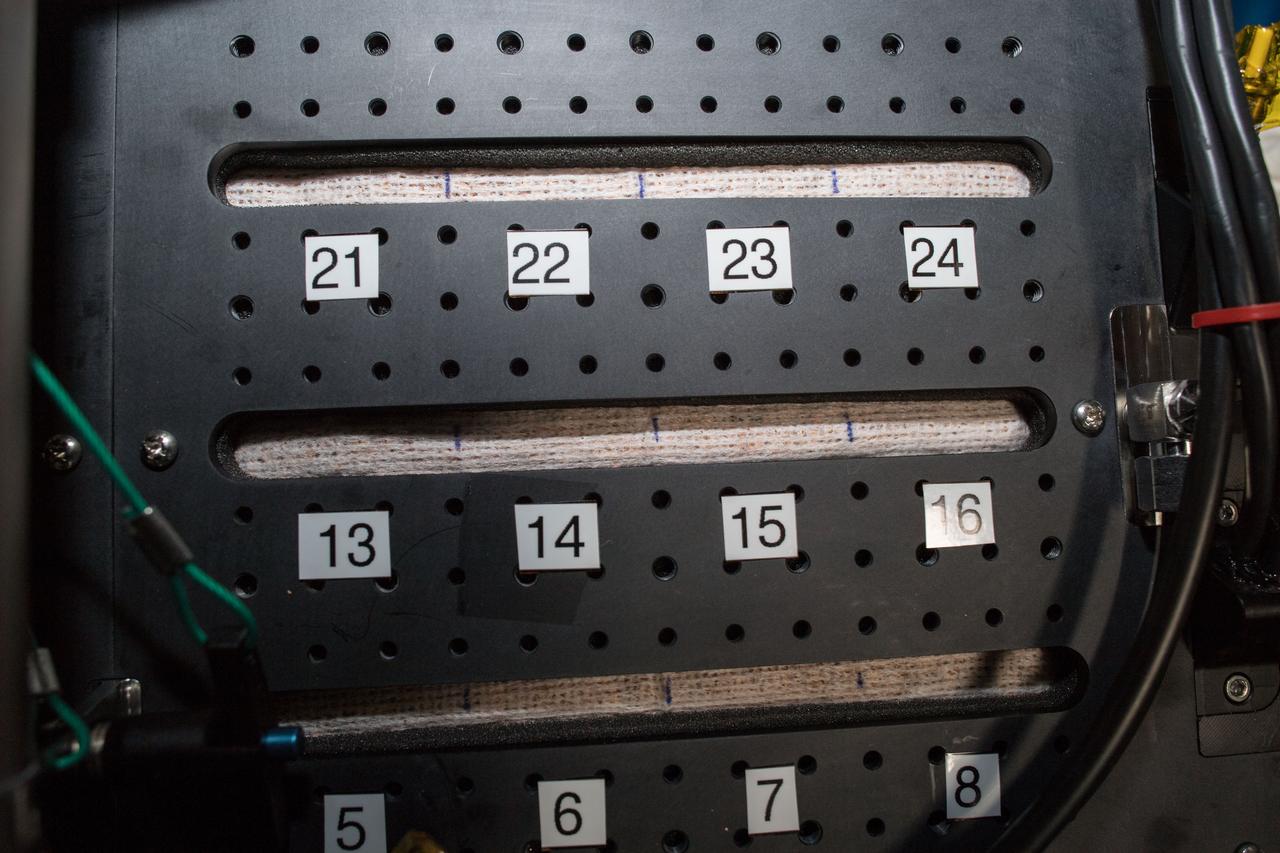
View during Plant Habitat Facility Science Carrier #1 installation. Plant Habitat is a fully automated facility that will be used to conduct plant bioscience research on the ISS. Photo was taken by Expedition 56 crew.
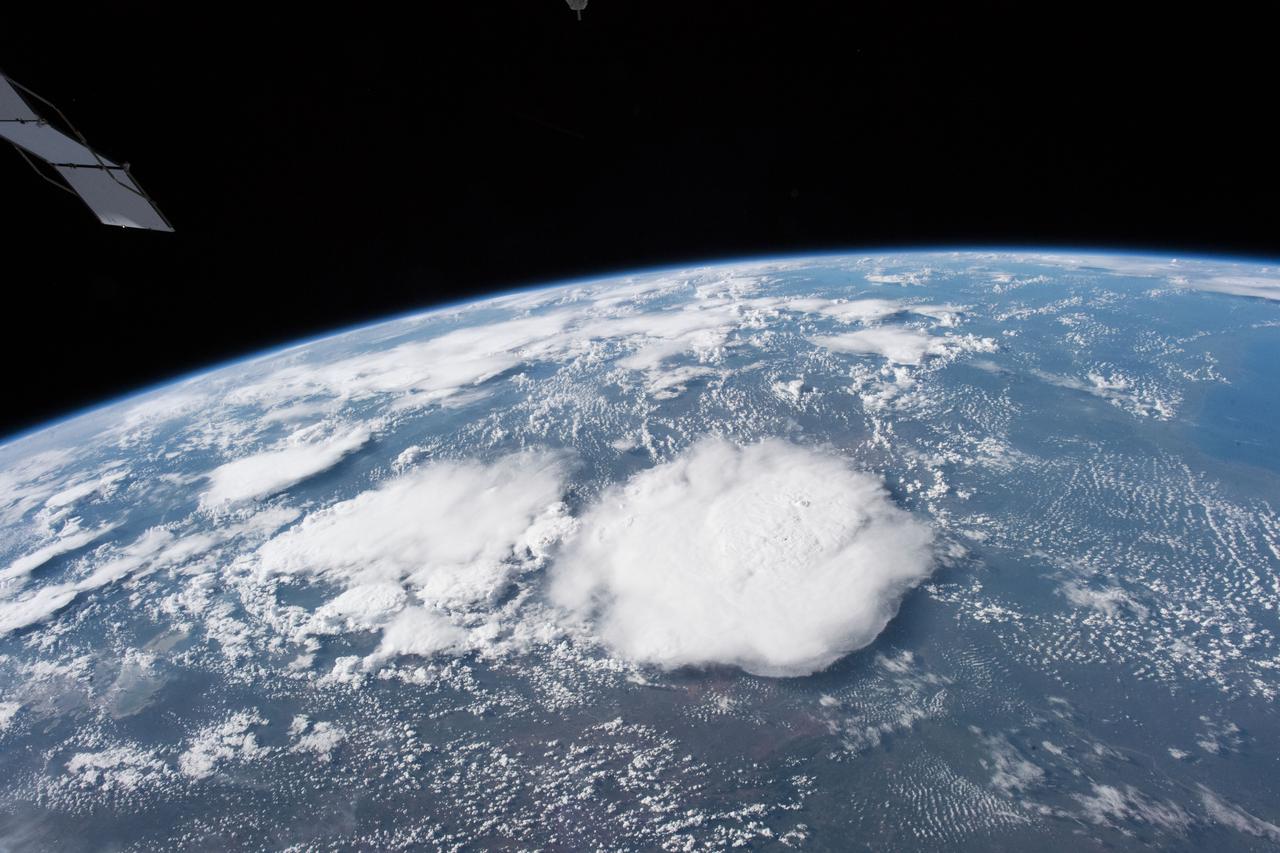
iss055e004922 (March 24, 2018) --- Storm clouds blanket an area of South Africa just inland from its eastern coast on the Indian Ocean.
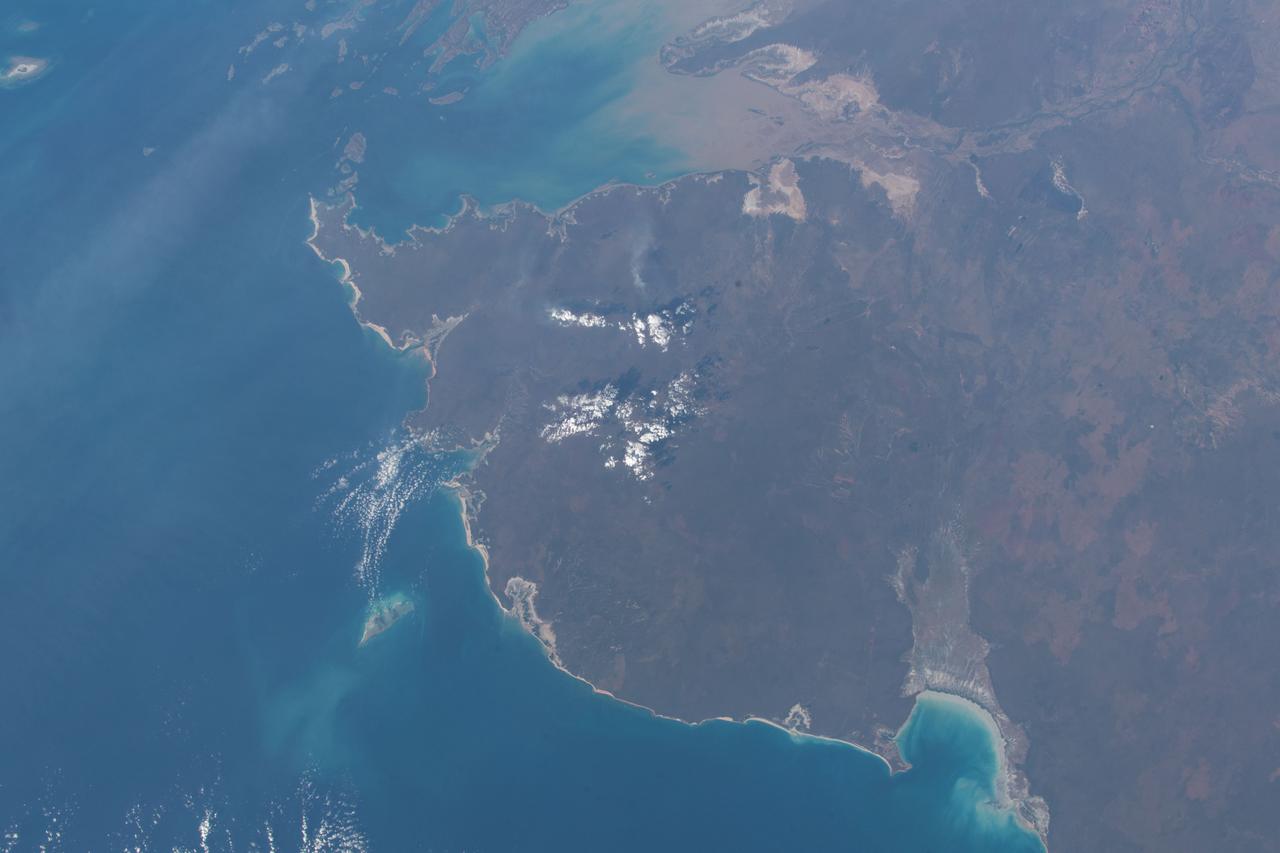
iss056e098149 (July 23, 2108) --- The Indian Ocean and the north coast of Western Australia are pictured as the International Space Station began an orbital trek southwest to northeast across the Pacific Ocean.
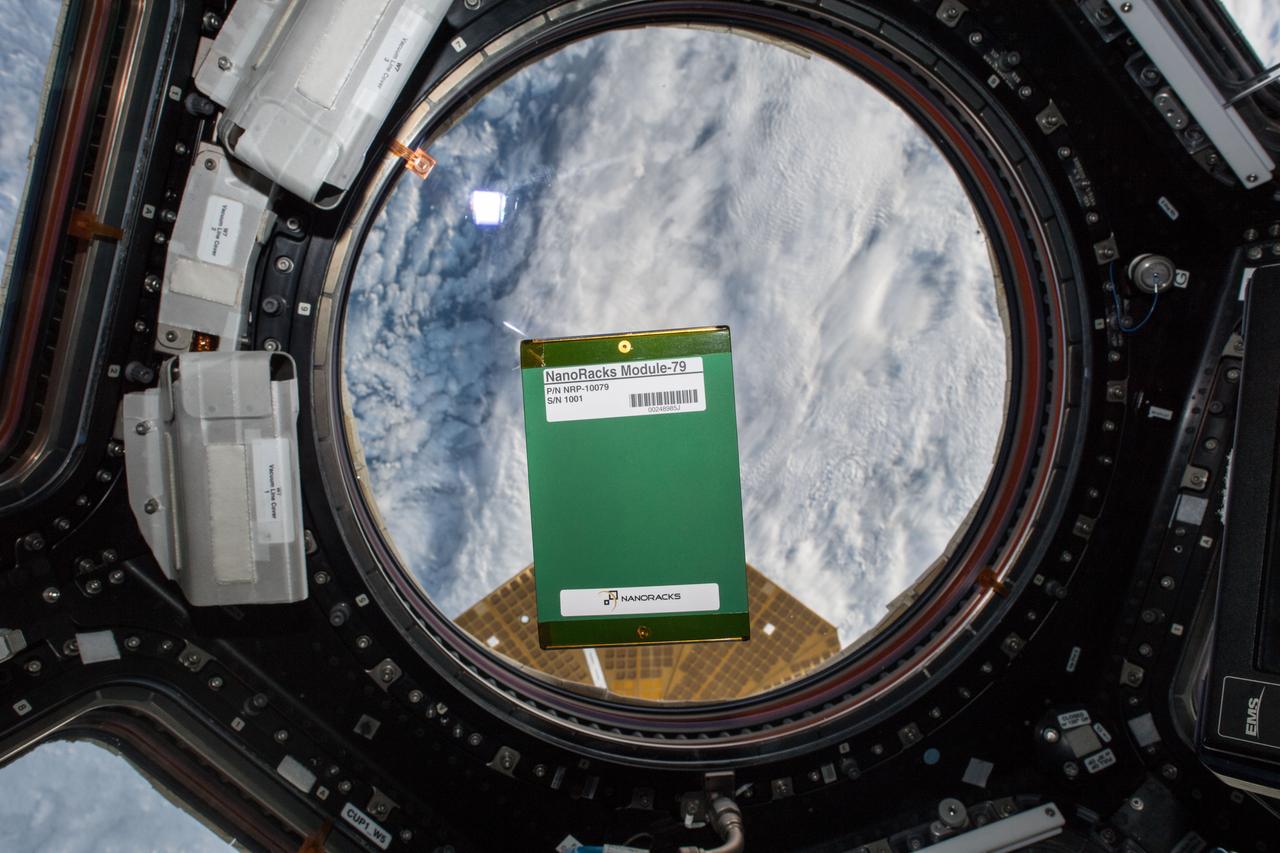
iss056e078370 (6/7/2018) --- Photo of the QUANTUM experiment floating in front of Window 7 in the Cupola module. Earth is in the background. QUANTUM observes the effects of entropy outside of the Earth’s atmosphere. Materials with tight, intense crystalline structures are exposed to a space environment to observe even small changes and differences between materials aboard the International Space Station (ISS) and those on Earth.
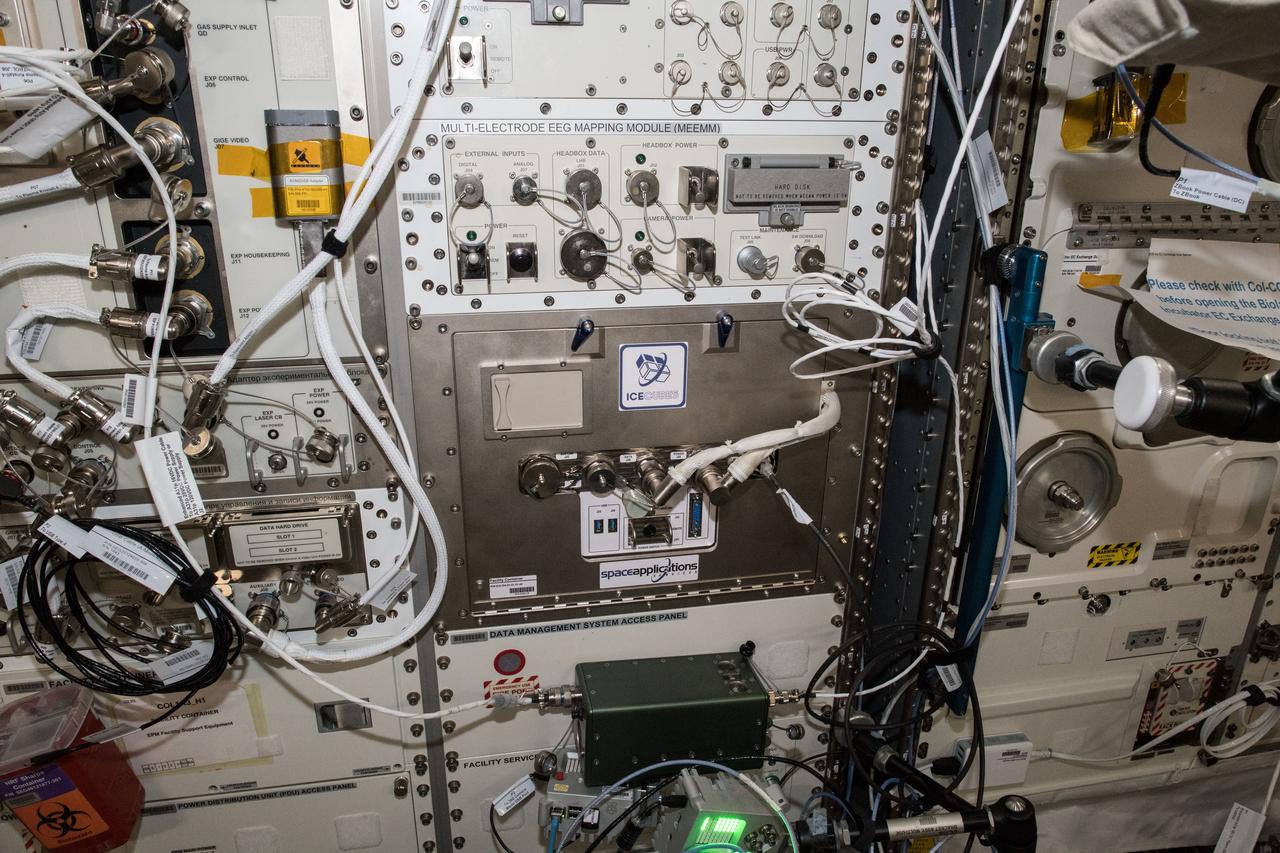
iss056e005017 (6/5/2018) --- The International Commercial Experiment Cubes (ICE Cubes) Facility located in the Columbus European Physiology Module (EPM) rack is a capable experiment platform that offers flexibility to host many different experiments for research, technology demonstration or educational objectives.
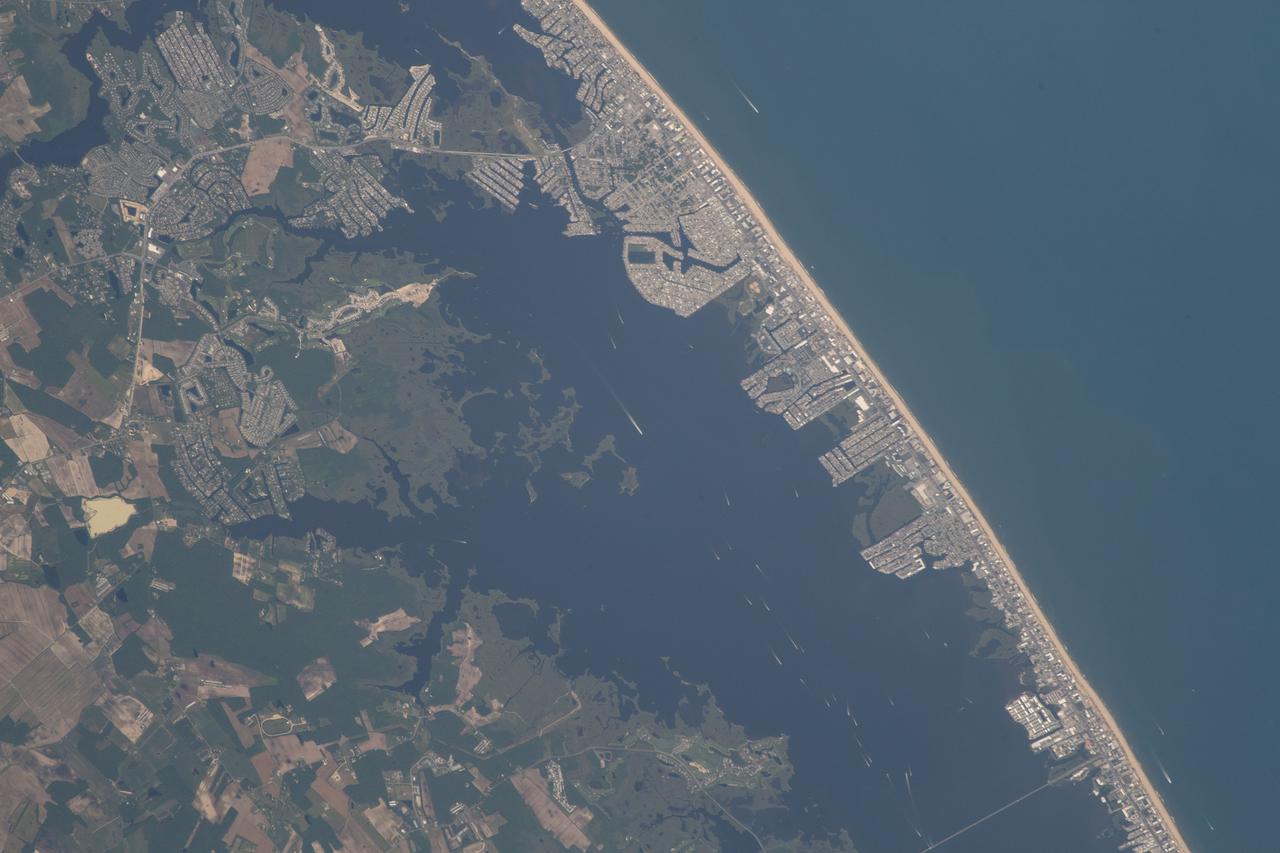
iss056e014240 (June 16, 2018) --- Ocean City, Maryland, pictured by an Expedition 56 crew member aboard the International Space Station, rests on a barrier spit between the Isle of Wight Bay and the Atlantic Ocean. the northern tip of Ocean City ends at the border of the state of Delaware.
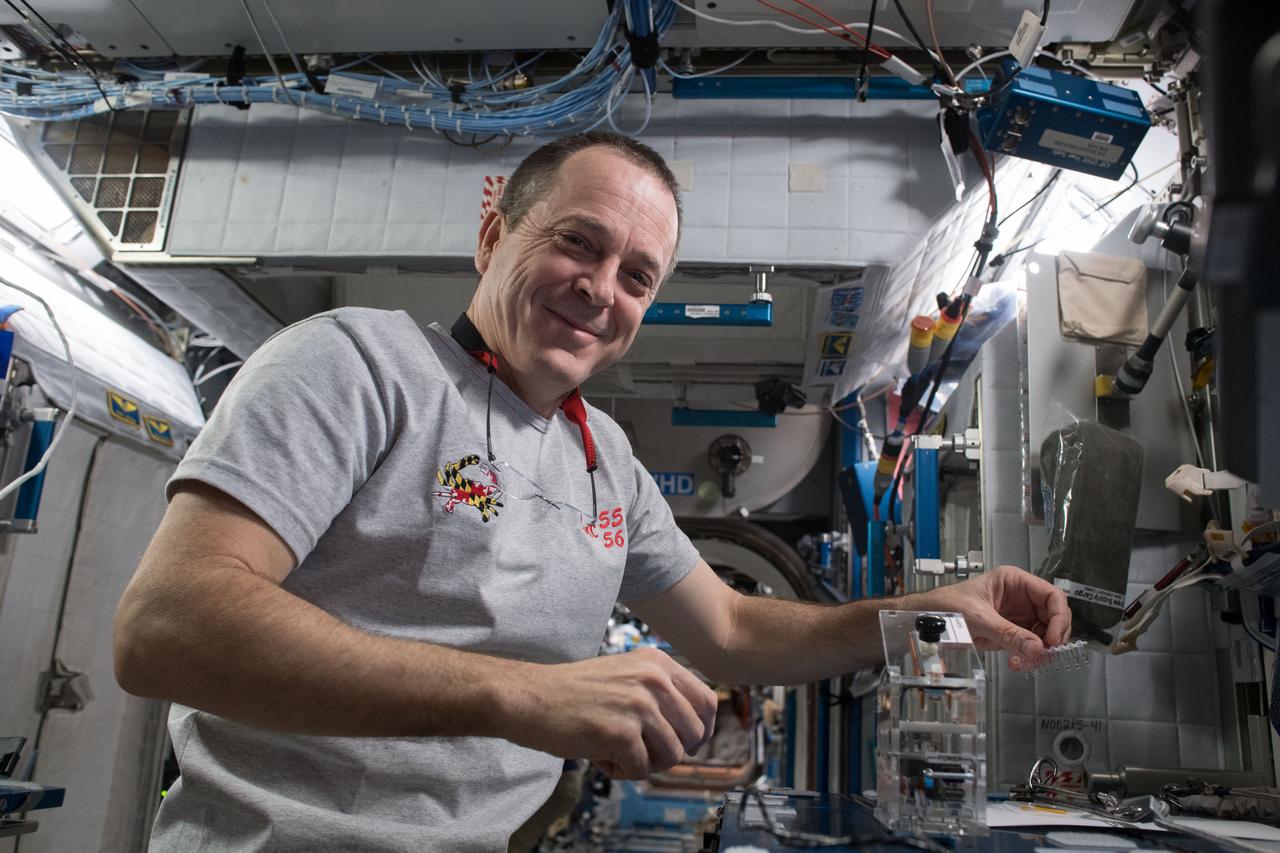
iss055e016053 (4/11/2018) --- NASA astronaut Ricky Arnold works with the student-designed Genes in Space-5 experiment inside the Harmony module. The genetic research is helping scientists understand the relationship between DNA alterations and weakened immune systems possibly caused by living in space. Genes in Space is an innovation challenge including students and teachers across the United States from grades 7 through 12. Students design a pioneering DNA-related experiment to fly on the ISS, providing real-world training in science, technology, engineering and math (STEM) fields and connecting students to the space program.
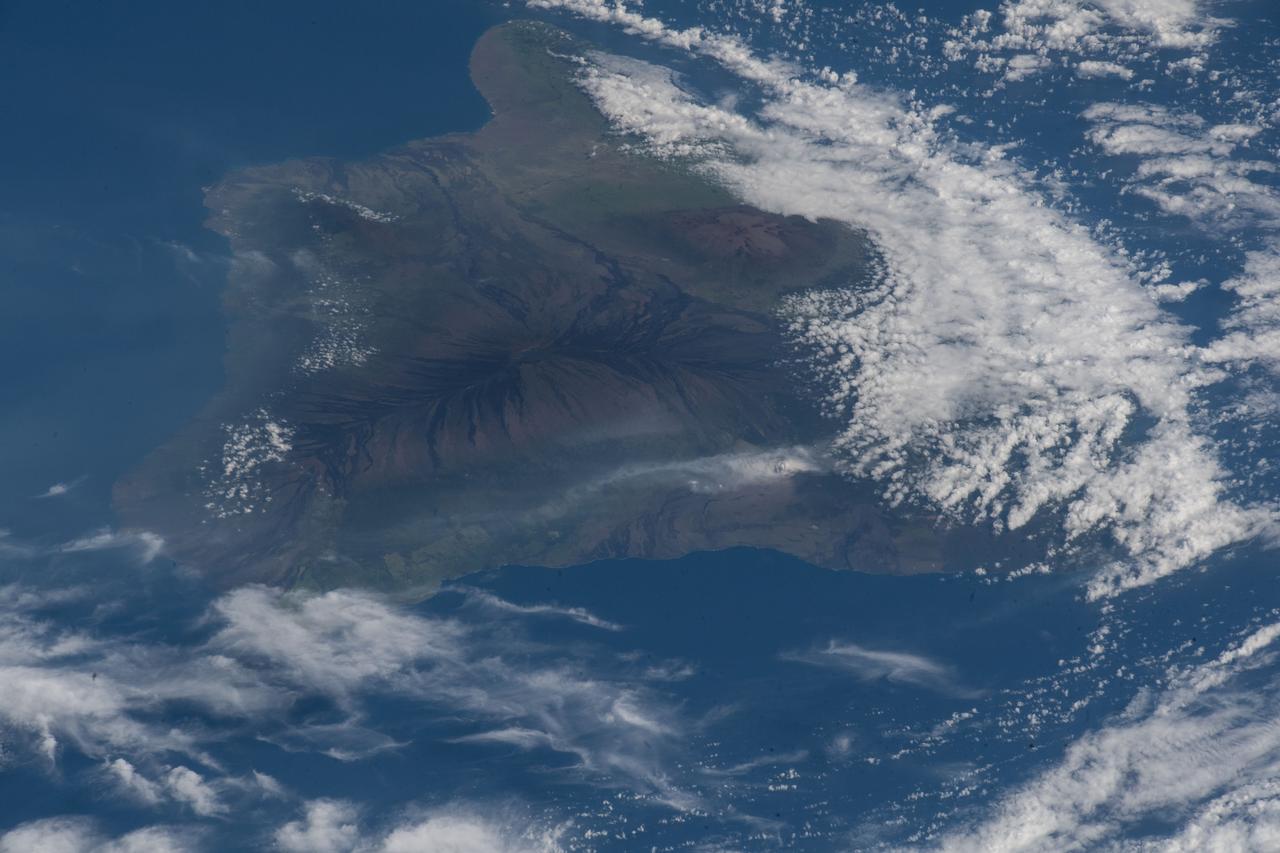
iss055e070338 (May 12, 2018) --- The ash plume from the Kilauea volcano on the big island of Hawaii was pictured May 12, 2018, from the International Space Station.

iss055e009959 (April 4, 2018) --- The SpaceX Dragon resupply ship approaches the International Space Station before its capture as both spacecraft begin an orbital pass off the southern coast of Namibia then northwest across the continent of Africa.
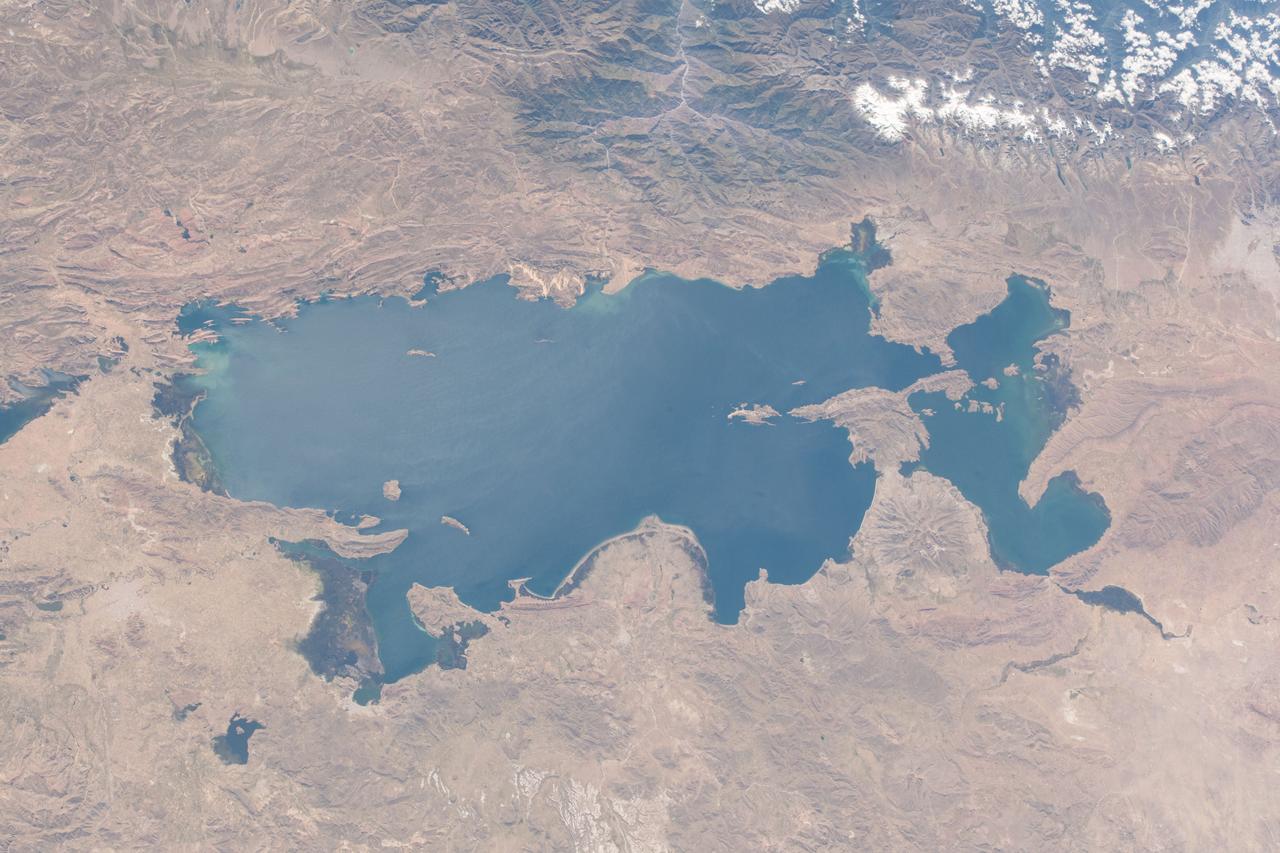
iss055e071030 (May 14, 2018) --- Lake Titicaca is bisected by the South American countries of Peru and Bolivia with the Andes Mountain range skirting up against its northwestern edge.

iss056e097828 (July 23, 2018) --- Arabidopsis plants are pictured before being harvested inside the Plant Habitat-01 housed inside Europe's Columbus laboratory module. The Plant Habitat-01 study seeks to comprehensively compare differences in genetics, metabolism, photosynthesis, and gravity sensing between plants grown in space and on Earth.
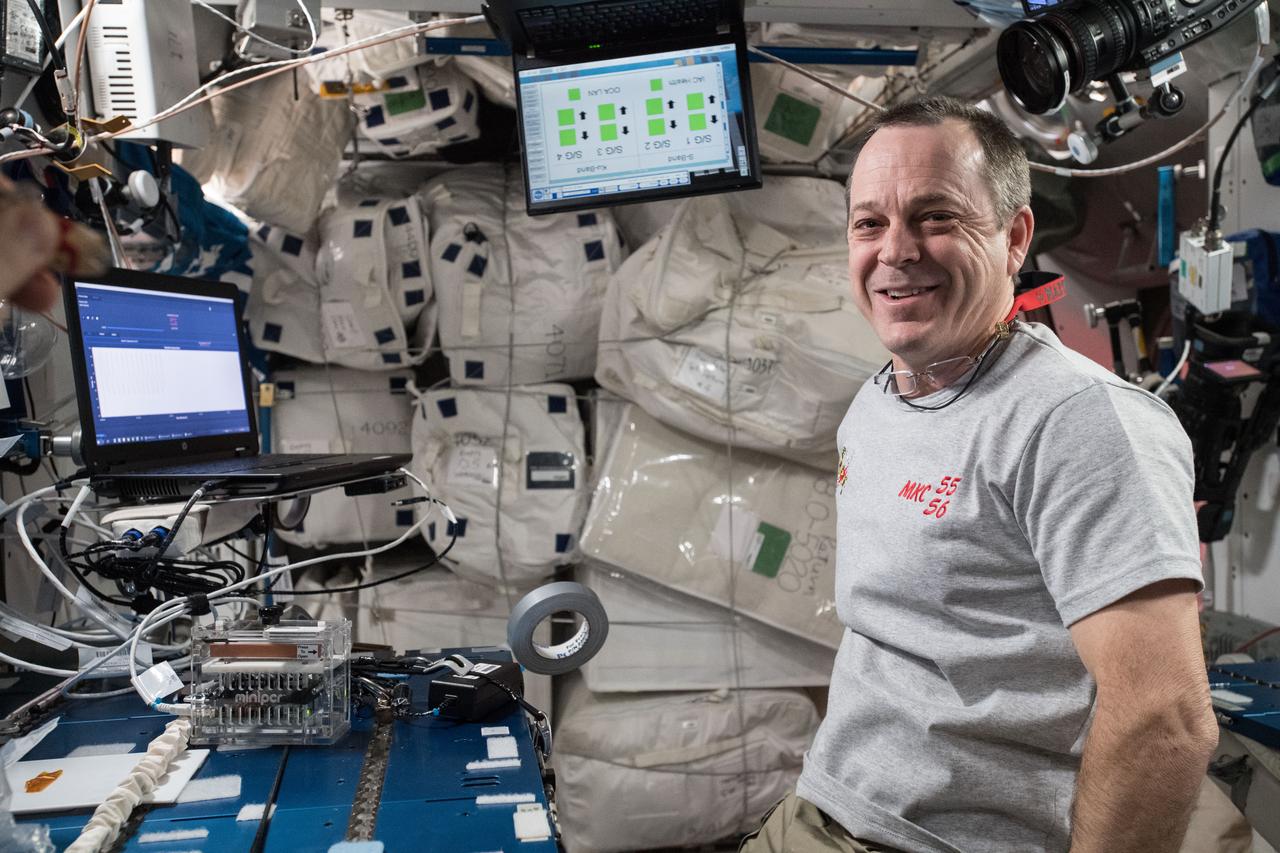
iss055e020319 (April 13, 2018) --- Flight Engineer Ricky Arnold processes of samples inside the Miniature Polymerase Chain Reaction (miniPCR) for the Genes In Space-5 experiment. The research gathered from Genes in Space-5 may be valuable in the development of procedures to maintain astronaut health and prevent an increased risk of cancer on deep space missions. The investigation also provides a deeper understanding of the human immune system, while giving student researchers a direct connection to the space program and offering hands-on educational experiences on Earth and promoting involvement in STEM fields.
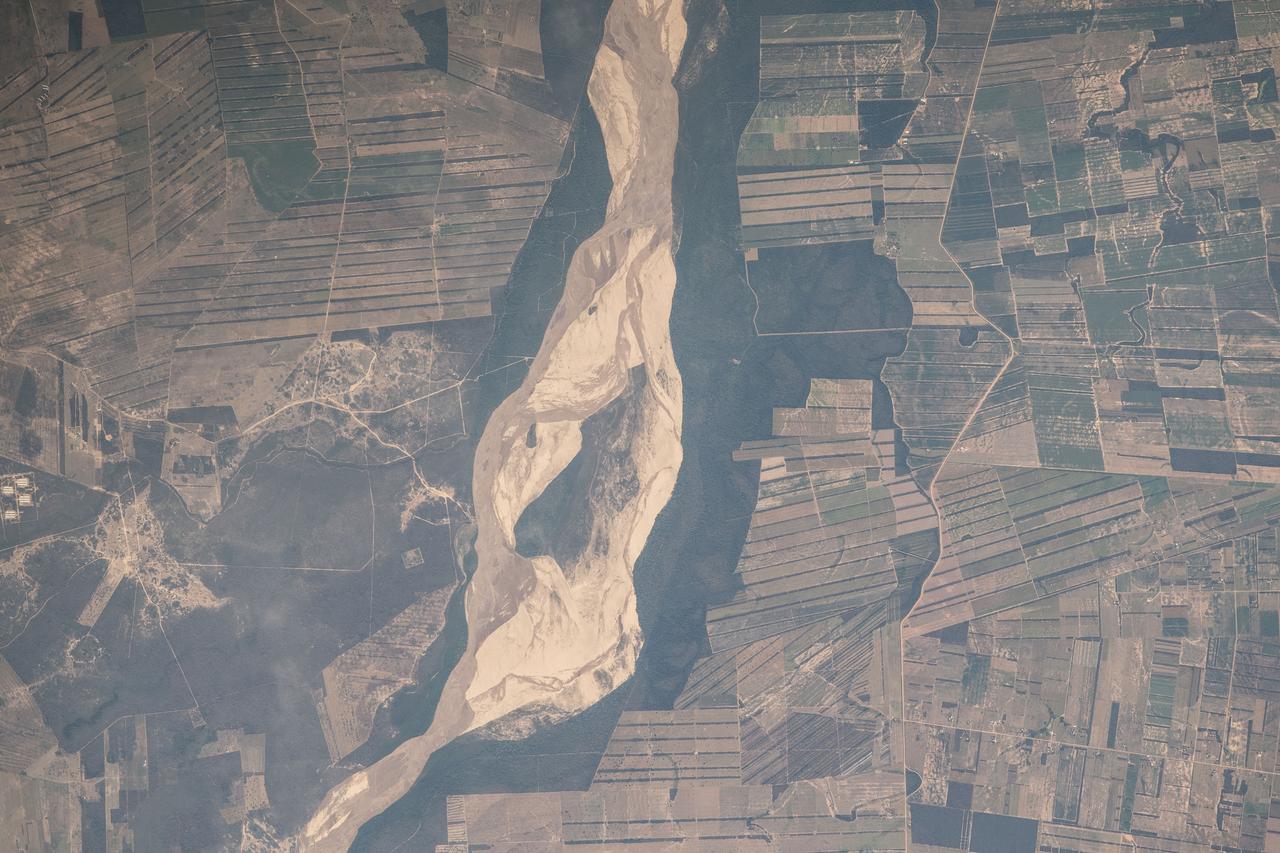
iss056e094533 (July 10, 2018) --- This portion of Bolivia's Rio Grande is about 27 miles east of downtown Santa Cruz de la Sierra, the country's largest city. The river in the Amazon Basin and the sub-tropical climate support navigation, fishing and agriculture.
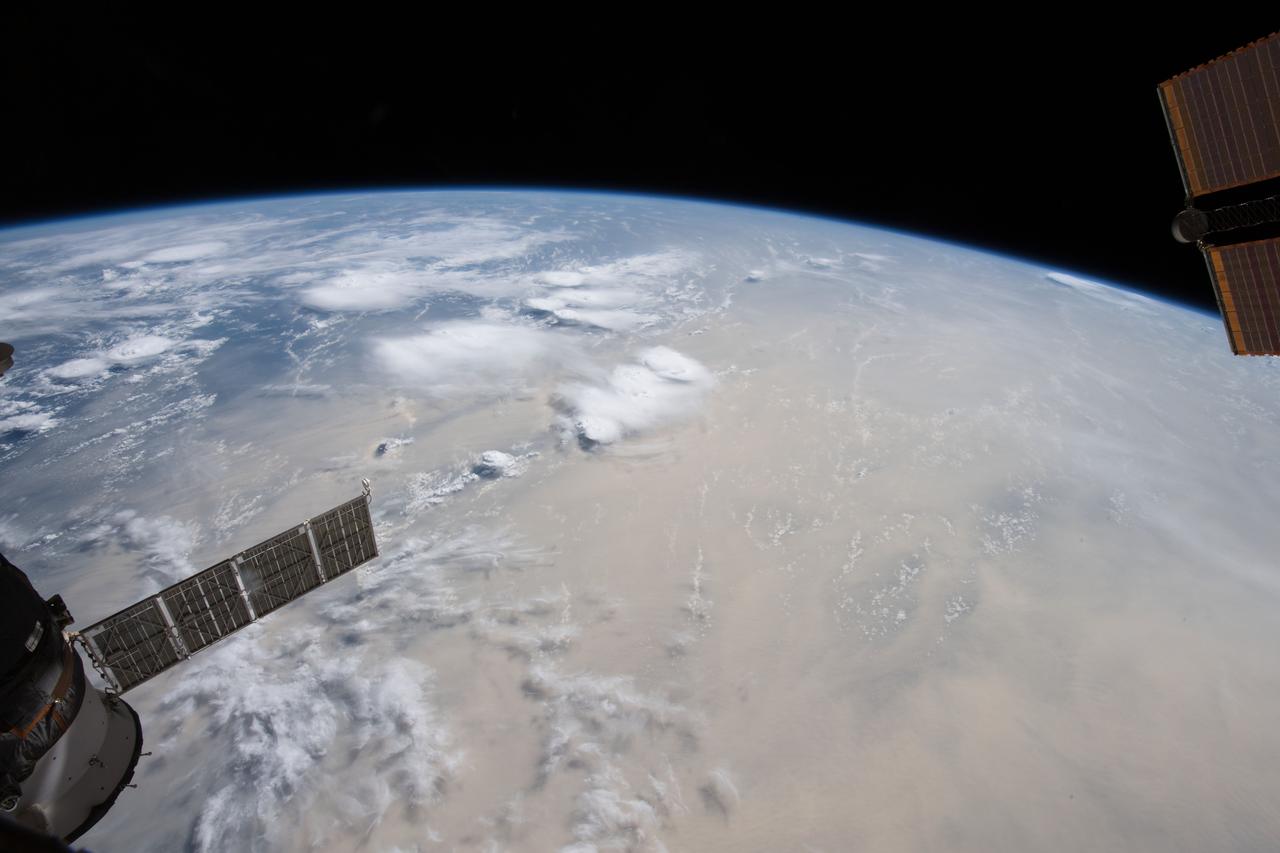
iss055e007630 (March 31, 2018) --- This view from the International Space Station looks over a portion of the African continent including the nations of Nigeria and Cameroon.
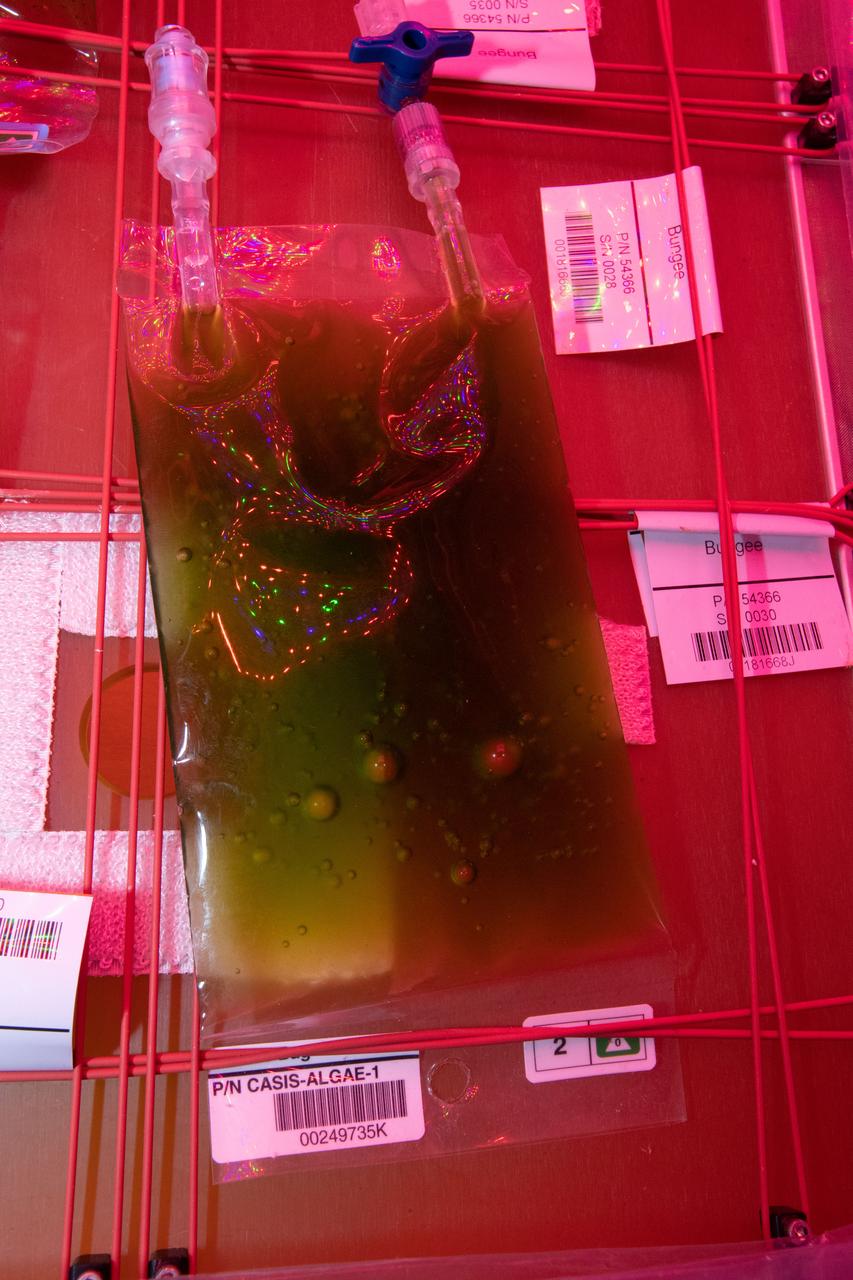
iss056e096982 (7/17/2018) --- View of the installation of a Space Algae culture bags in the Veggie facility. The Space Algae investigation explores the genetic basis for productivity of algae cultivated in space and whether this requires genetic adaptations or not.
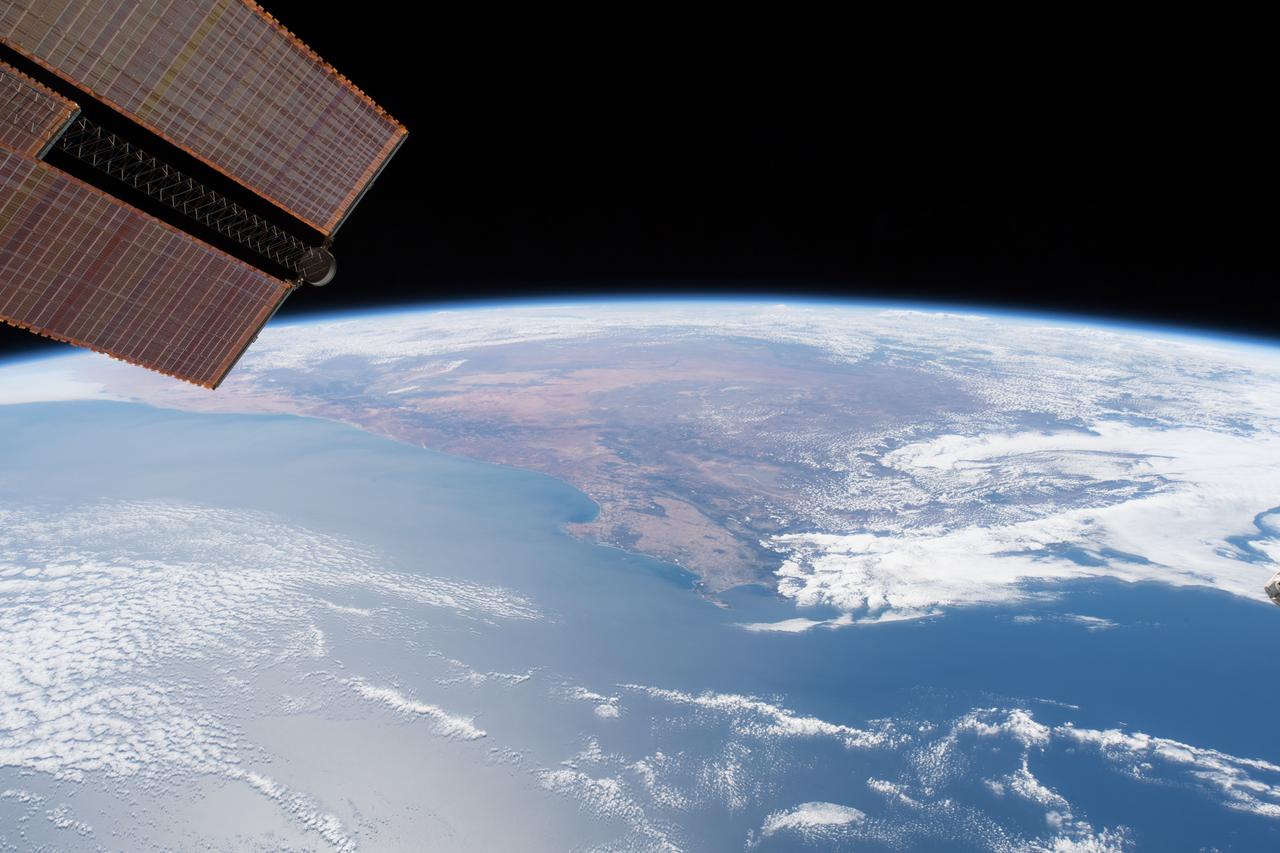
iss055e007531 (March 31, 2018) --- The tip of South Africa and its legislative capital city of Cape Town are pictured as the International Space Station comes out of the lowest portion of its orbit over the South Atlantic Ocean.
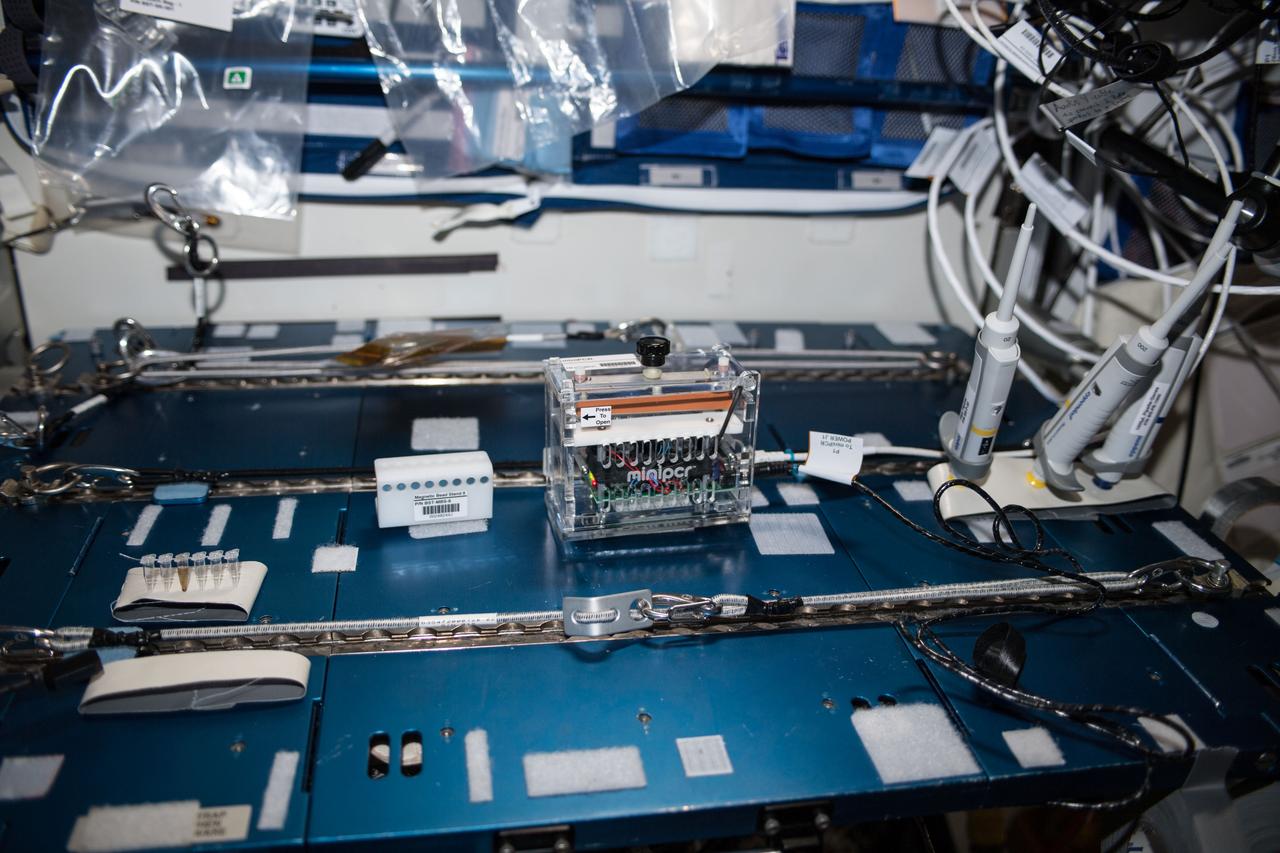
iss056e097438 (July 19, 2018) --- NASA astronaut Ricky Arnold swabbed surfaces in the International Space Station to collect microbe samples. He then processed the microbial DNA using the Biomolecule Sequencer, a device that enables DNA sequencing in microgravity, to identify microbes able to survive in microgravity.
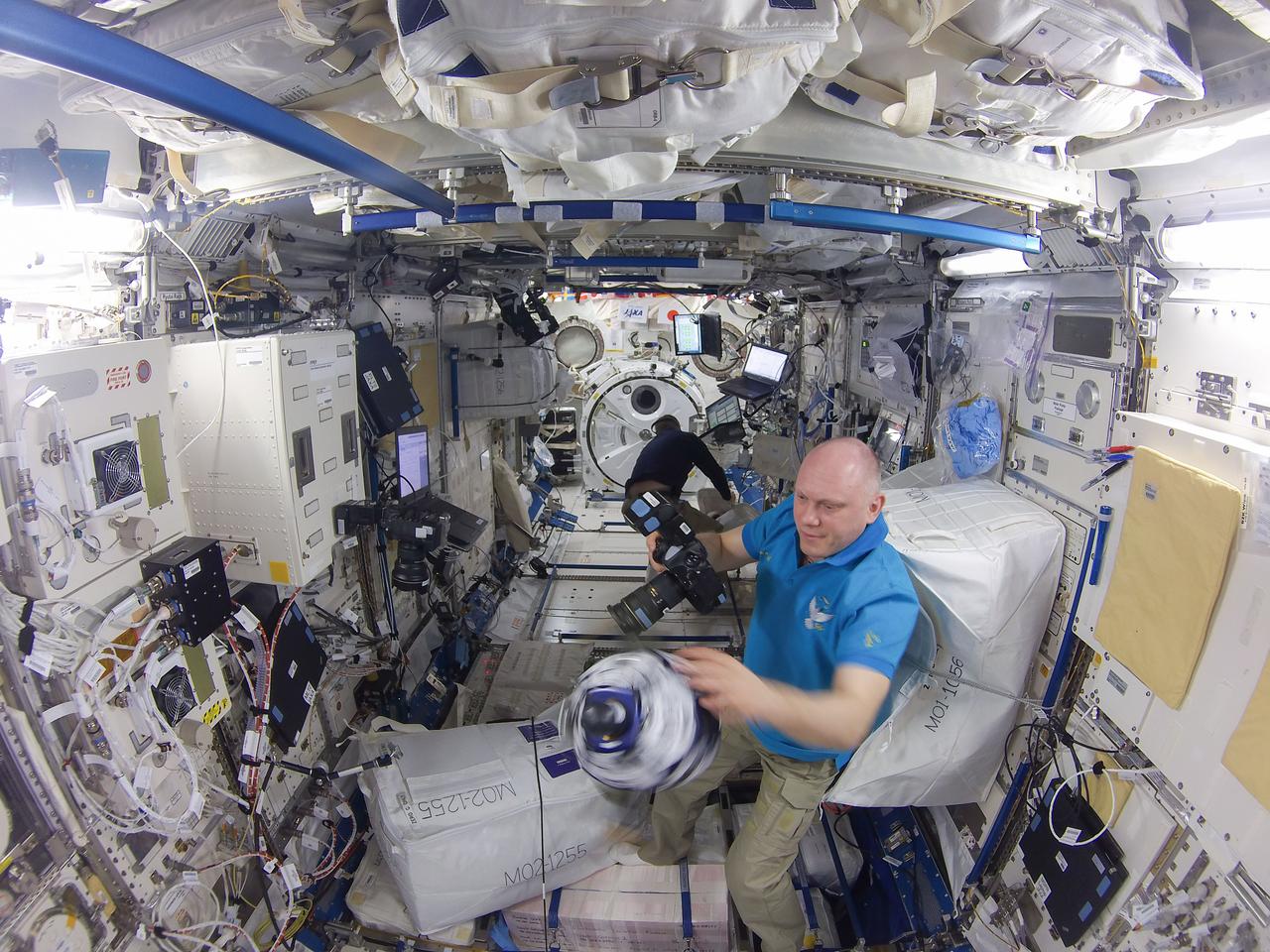
iss056e050302 (6/28/2018) --- Cosmonaut Oleg Artemyev and NASA astronaut Ricky Arnold during the Synchronized Position Hold Engage and Reorient Experimental Satellites (SPHERES) maintenance session two, in the Japanese Experiment Module (JEM) Pressurized Module (JPM).
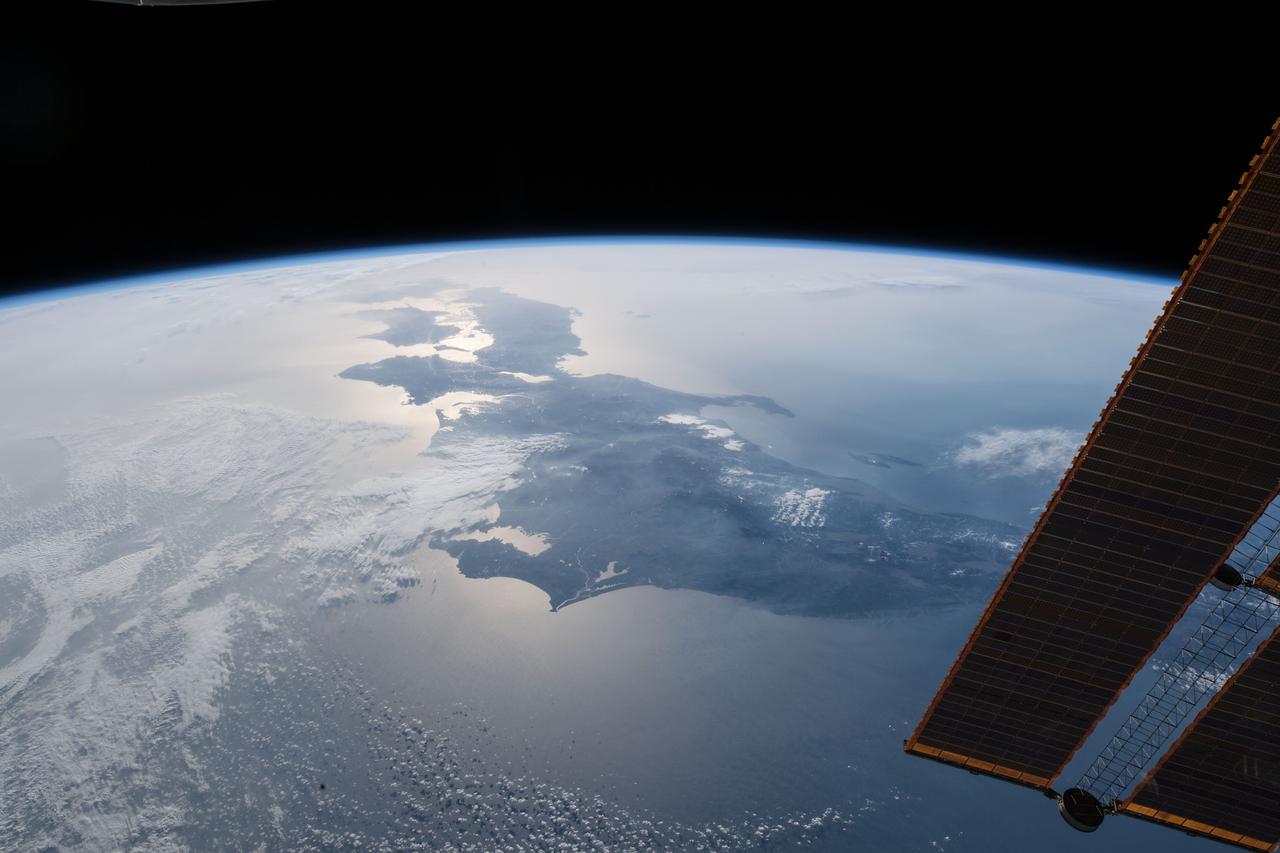
iss055e006515 (March 30, 2018) --- This view of Japan from the International Space Station looks from north to south and encompasses the cities of Tokyo, Nagoya, Osaka, Hiroshima and Fukuoka.
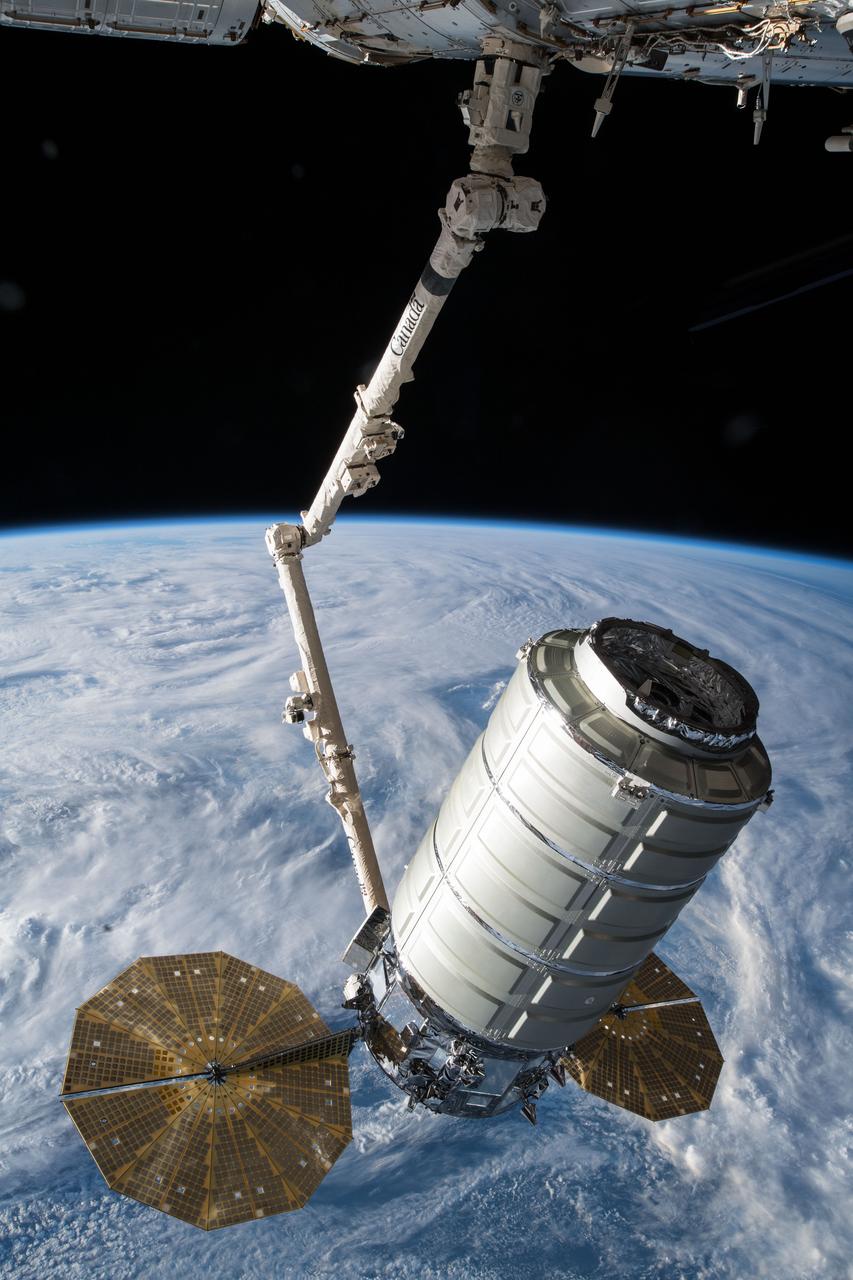
iss055e076762 (May 24, 2018) --- The Orbital ATK space freighter is slowly maneuvered by the Canadarm2 robotic arm toward the Unity module for installation on the International Space Station to resupply the Expedition 55 crew.
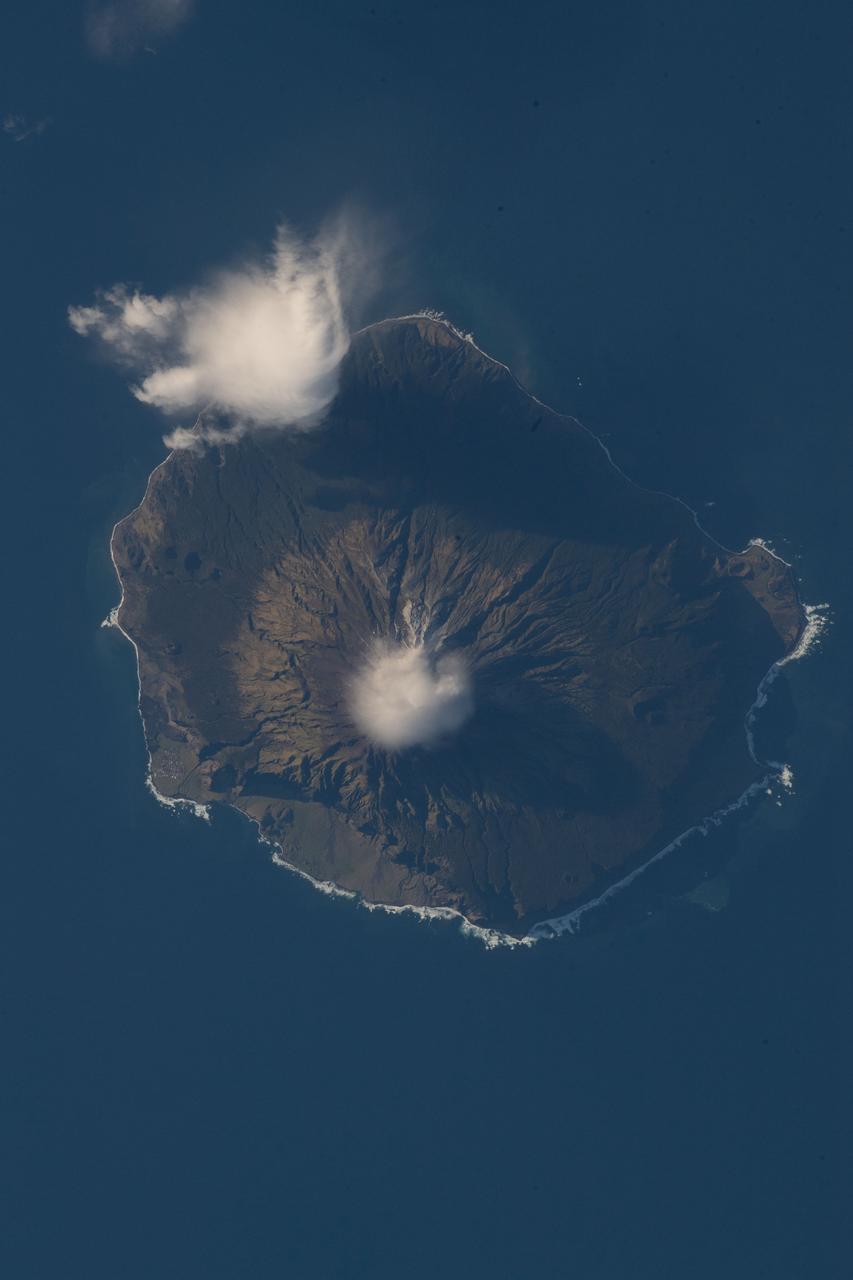
iss056e097317 (July 18, 2018) --- Queen Mary's Peak on the British territorial island of Tristan Da Cunha is pictured as the International Space Station was orbiting nearly 260 miles above the South Atlantic Ocean.
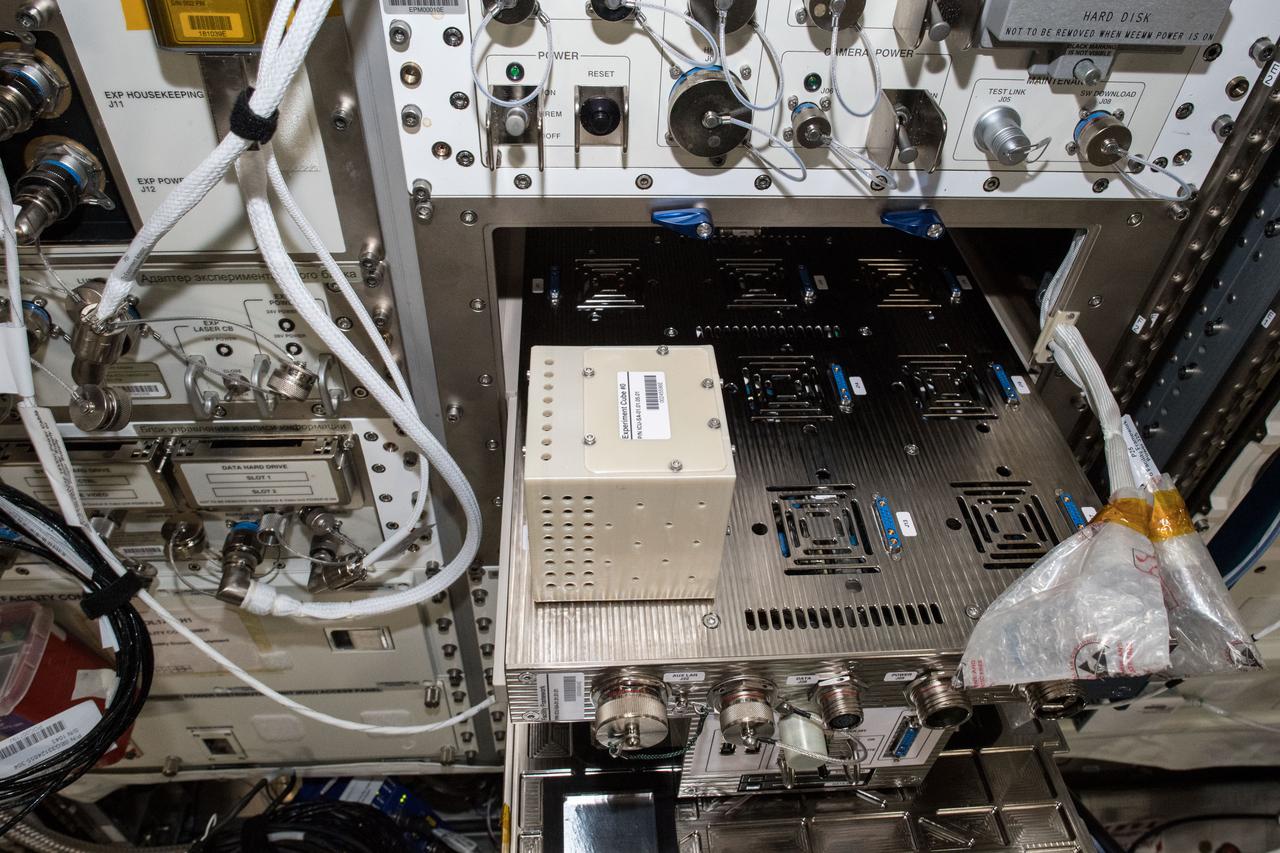
iss056e005012 (6/5/2018) --- The International Commercial Experiment Cubes (ICE Cubes) Facility located in the Columbus European Physiology Module (EPM) rack is a capable experiment platform that offers flexibility to host many different experiments for research, technology demonstration or educational objectives.
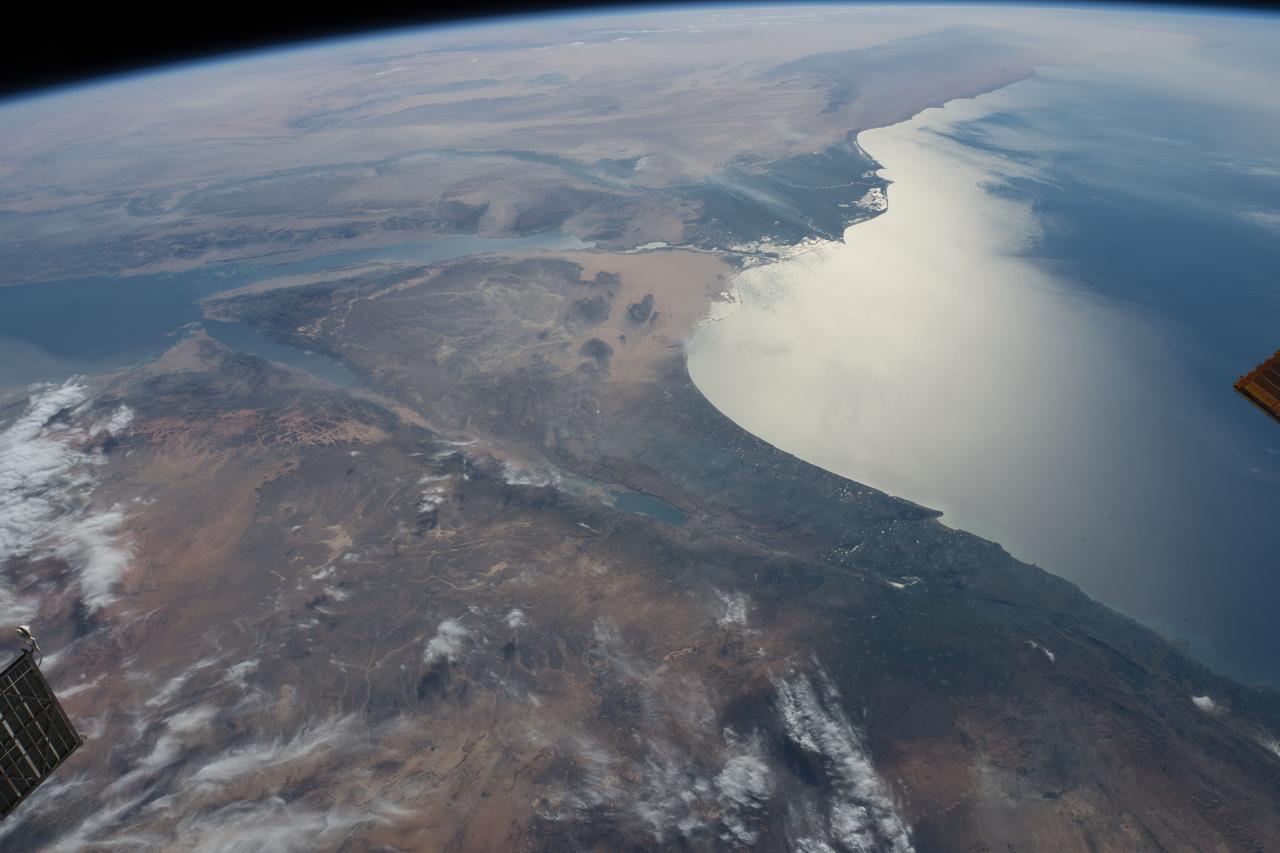
iss055e007948 (April 1, 2018) --- This view looking southwest over the Egyptian delta, the Nile River and the Mediterranean sea was taken from the International Space Station as it was orbiting above the Middle Eastern nation of Jordan.
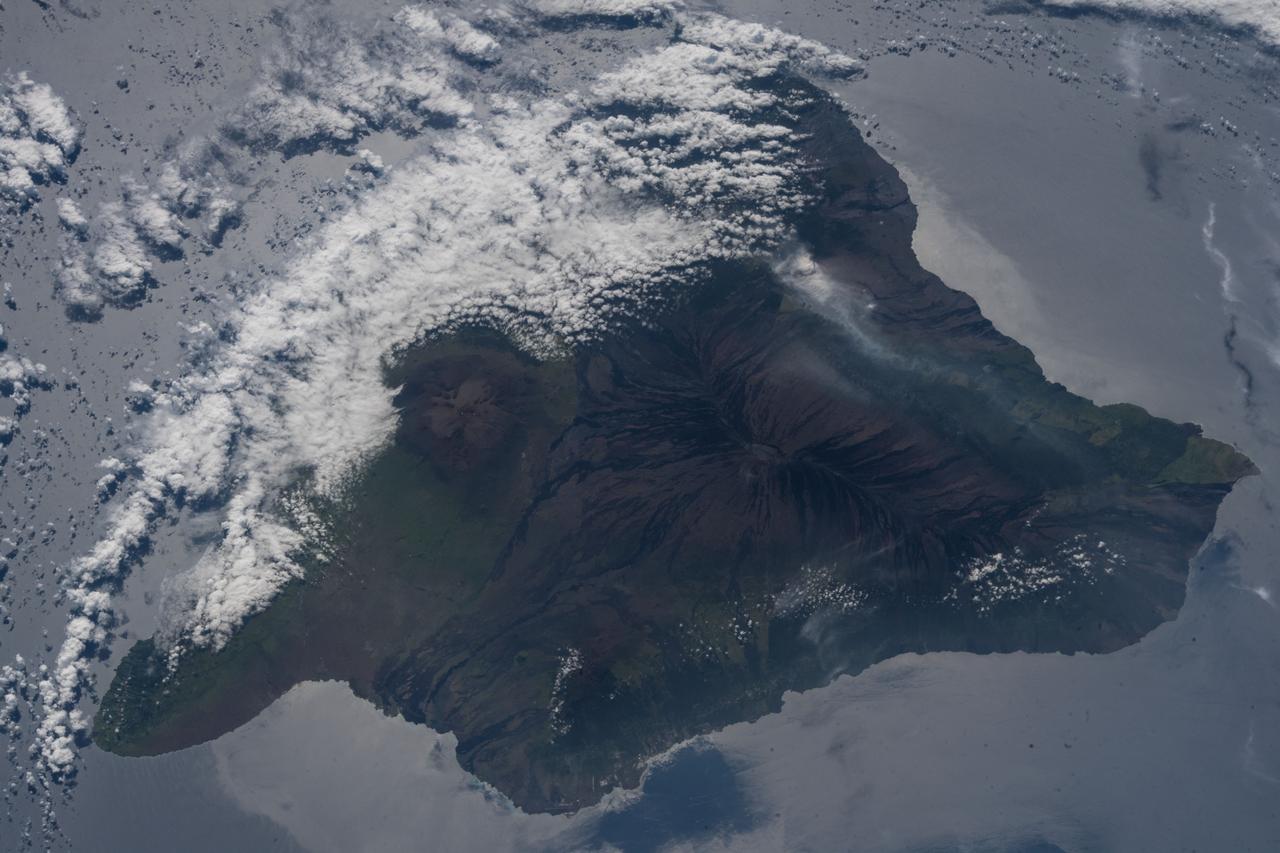
iss055e070297 (May 12, 2018) --- The volcanic ash plume from Mount Kilauea is seen just inland off the eastern coast of Hawaii's Big Island.
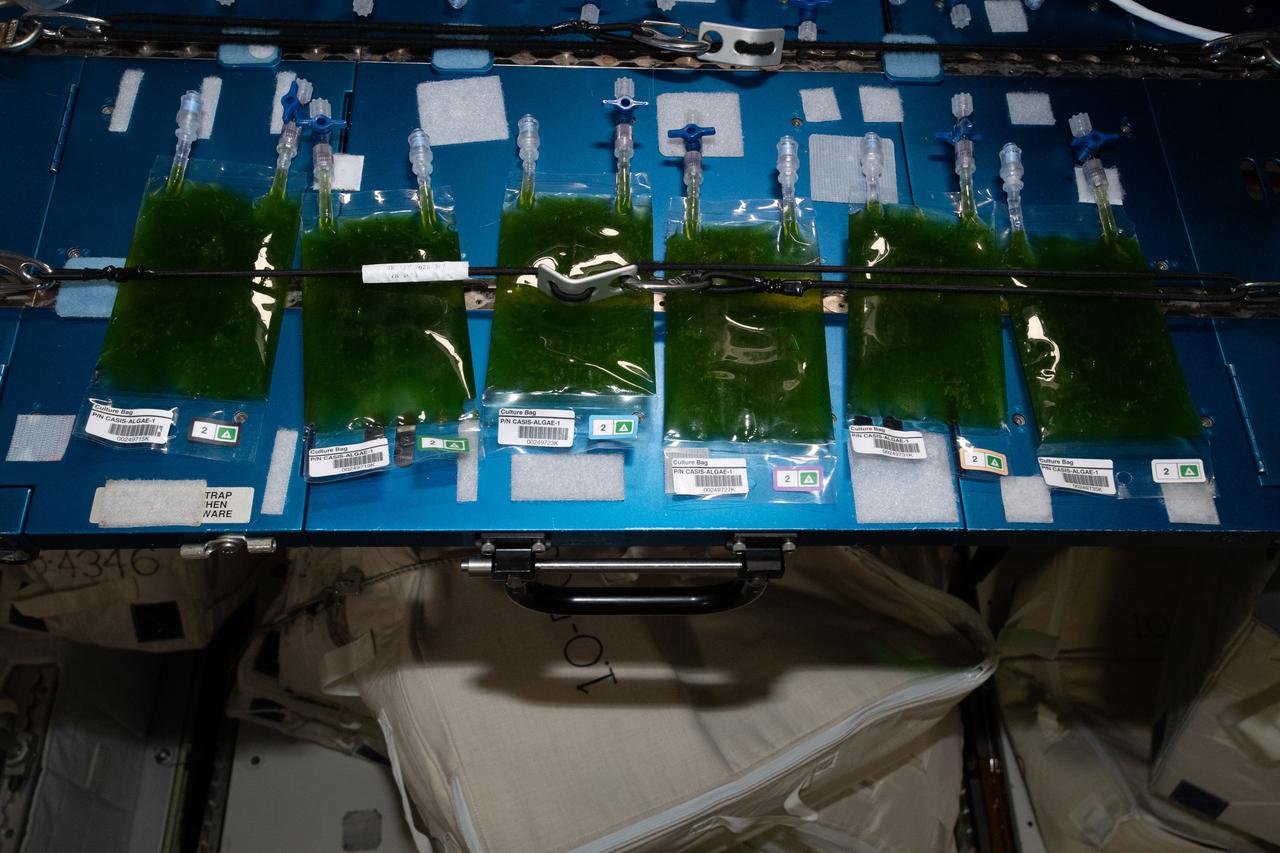
iss056e096983 (7/17/2018) --- View of the installation of six Space Algae culture bags in the Veggie facility. The Space Algae investigation explores the genetic basis for productivity of algae cultivated in space and whether this requires genetic adaptations or not.
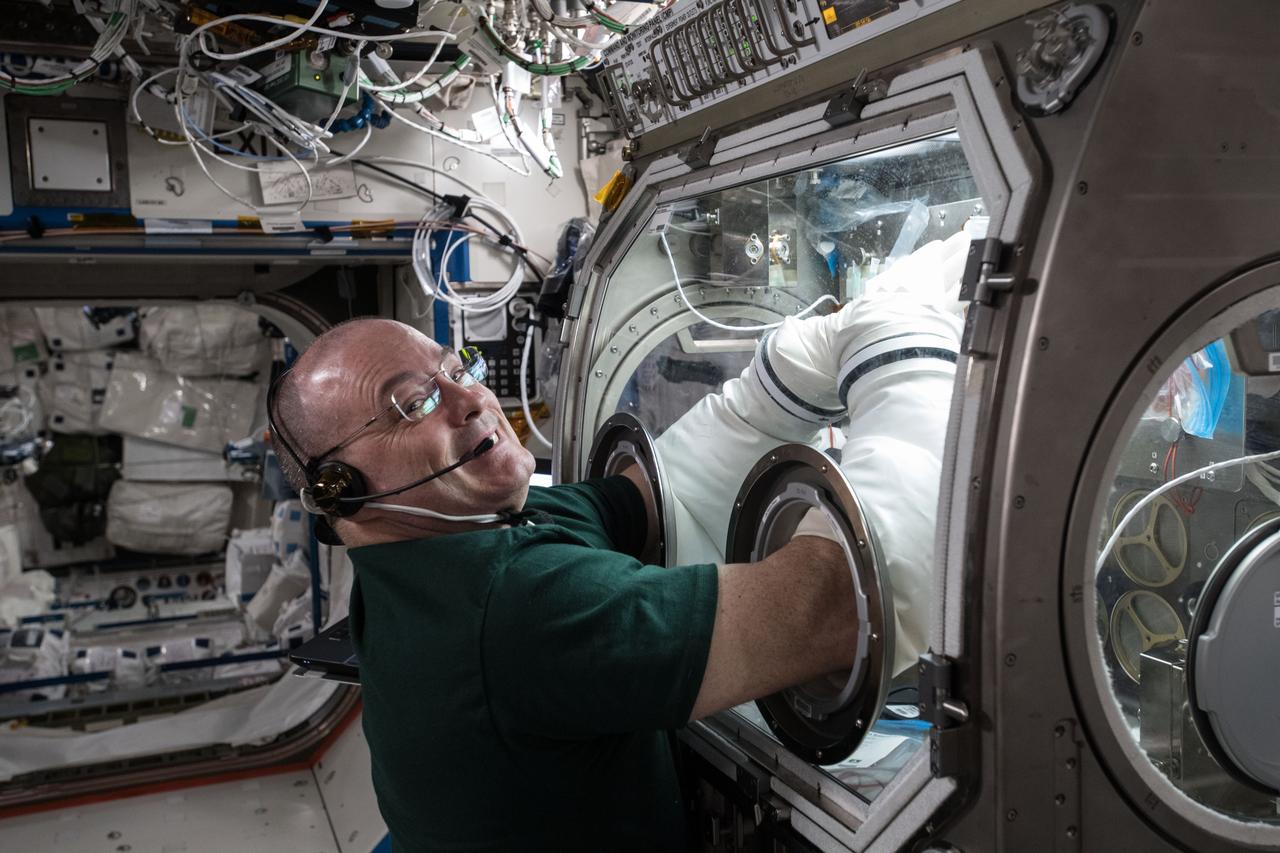
iss055e018653 (April 11, 2018) --- NASA astronaut Scott Tingle performs research operations with the Microgravity Sciences Glovebox inside the U.S. Destiny laboratory module. Tingle was working on the Metabolic Tracking experiment that looks at a particular type of medicine and how it interacts with human tissue cultures. Results could improve therapies in space and lead to better, cheaper drugs on Earth.
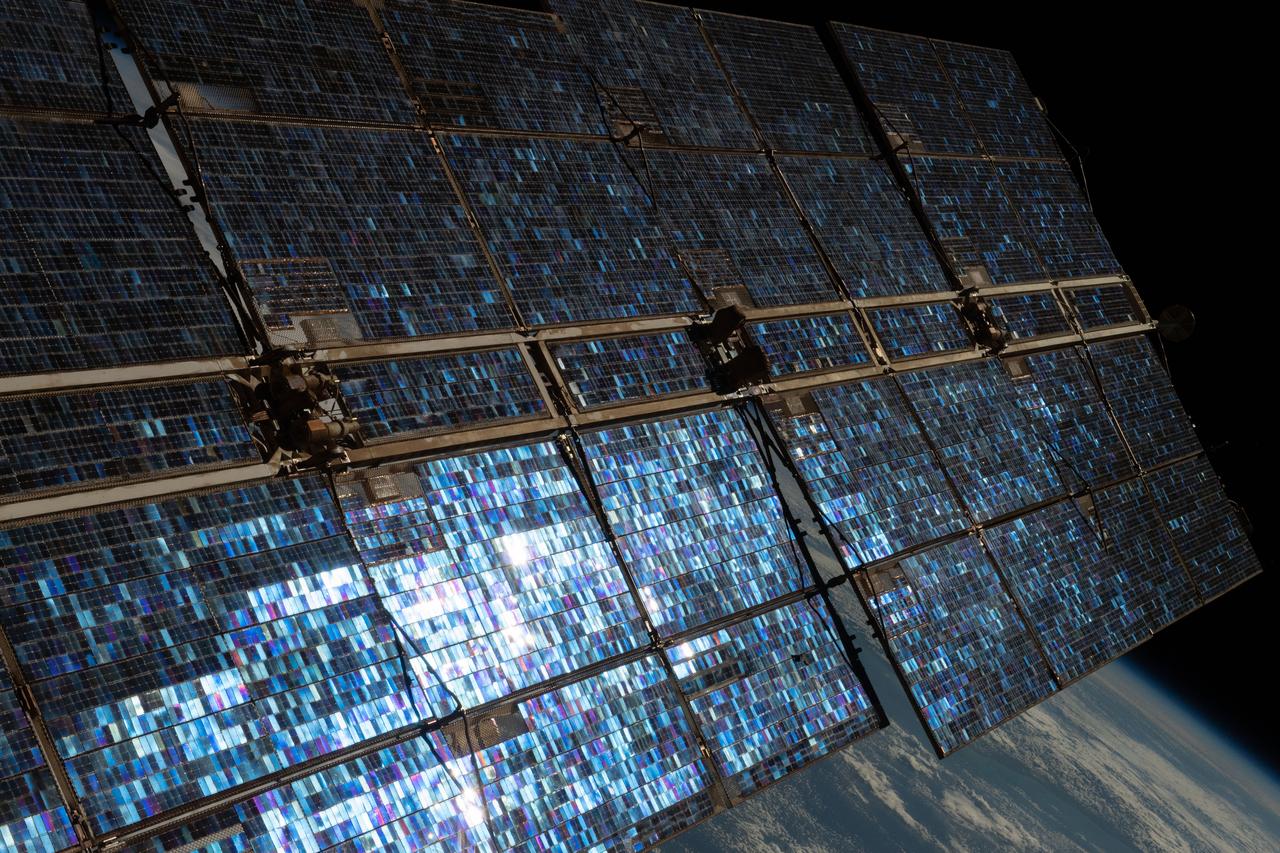
Earth observation taken by the Expedition 56 crew. Solar Array is visible.
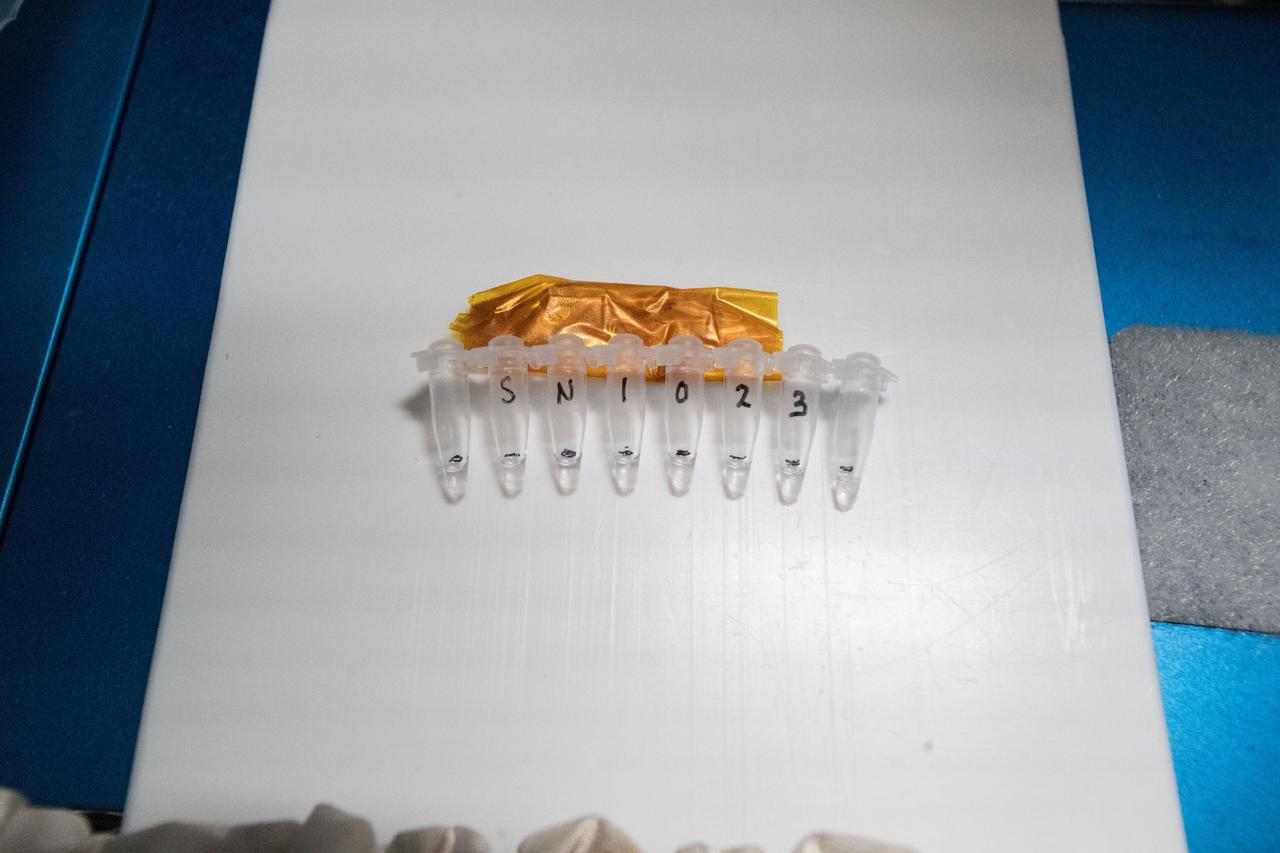
iss055e020316 (4/13/2018) --- Photographic documentation taken during processing of samples in the Miniature Polymerase Chain Reaction (miniPCR) for the Genes In Space-5 experiment onboard the International Space Station (ISS). The genetic research is helping scientists understand the relationship between DNA alterations and weakened immune systems possibly caused by living in space. Genes in Space is an innovation challenge including students and teachers across the United States from grades 7 through 12. Students design a pioneering DNA-related experiment to fly on the ISS, providing real-world training in science, technology, engineering and math (STEM) fields and connecting students to the space program.
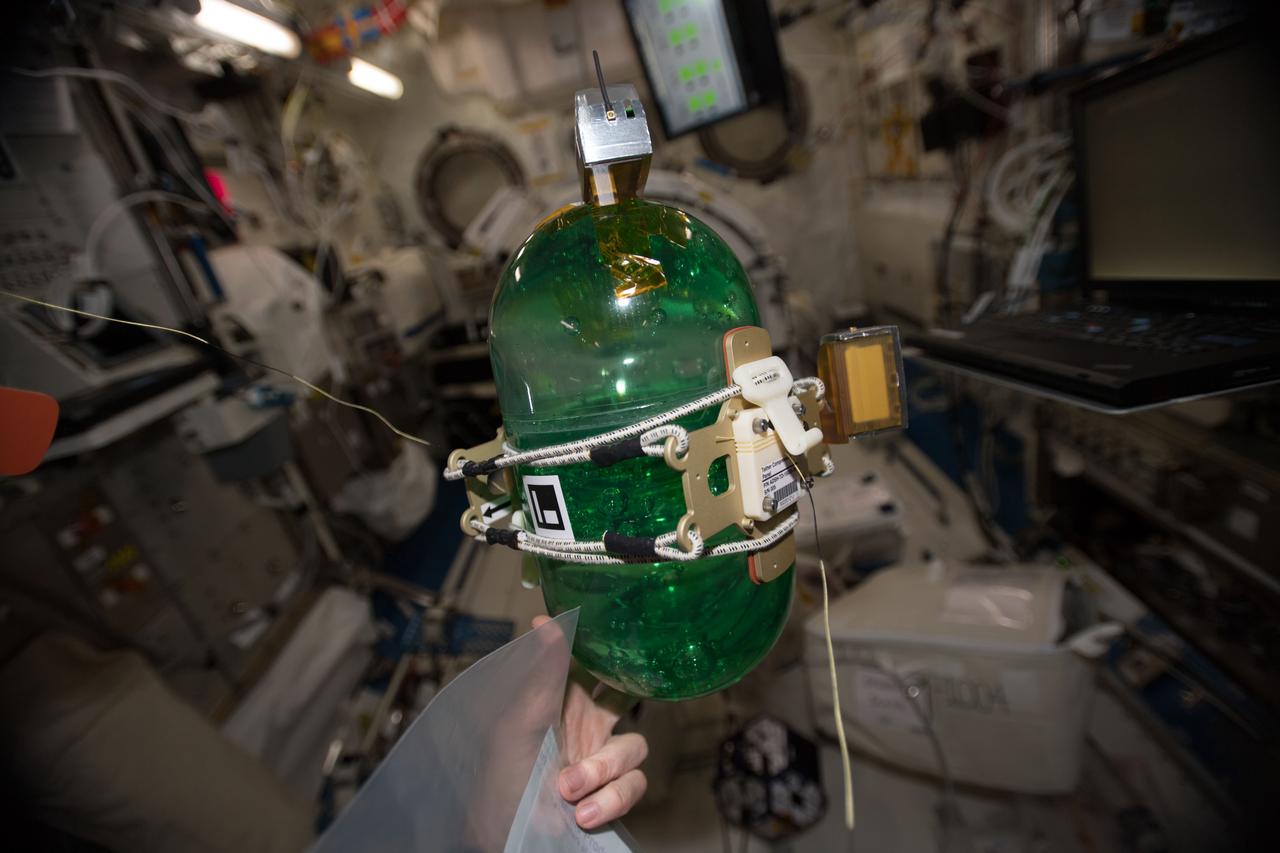
iss055e010694 (4/4/2018) --- A view taken aboard the International Space Station (ISS) during the set up of the SPHERES Tether Slosh experiment hardware. The image is of the green SPHERES robots tethered to a fluid-filled container covered in sensors to test strategies for safely steering spacecraft such as dead satellites that might still have fuel in the tank. SPHERES Tether Slosh combines fluid dynamics equipment with robotic capabilities aboard the International Space Station to investigate automated strategies for steering passive cargo that contain fluids.
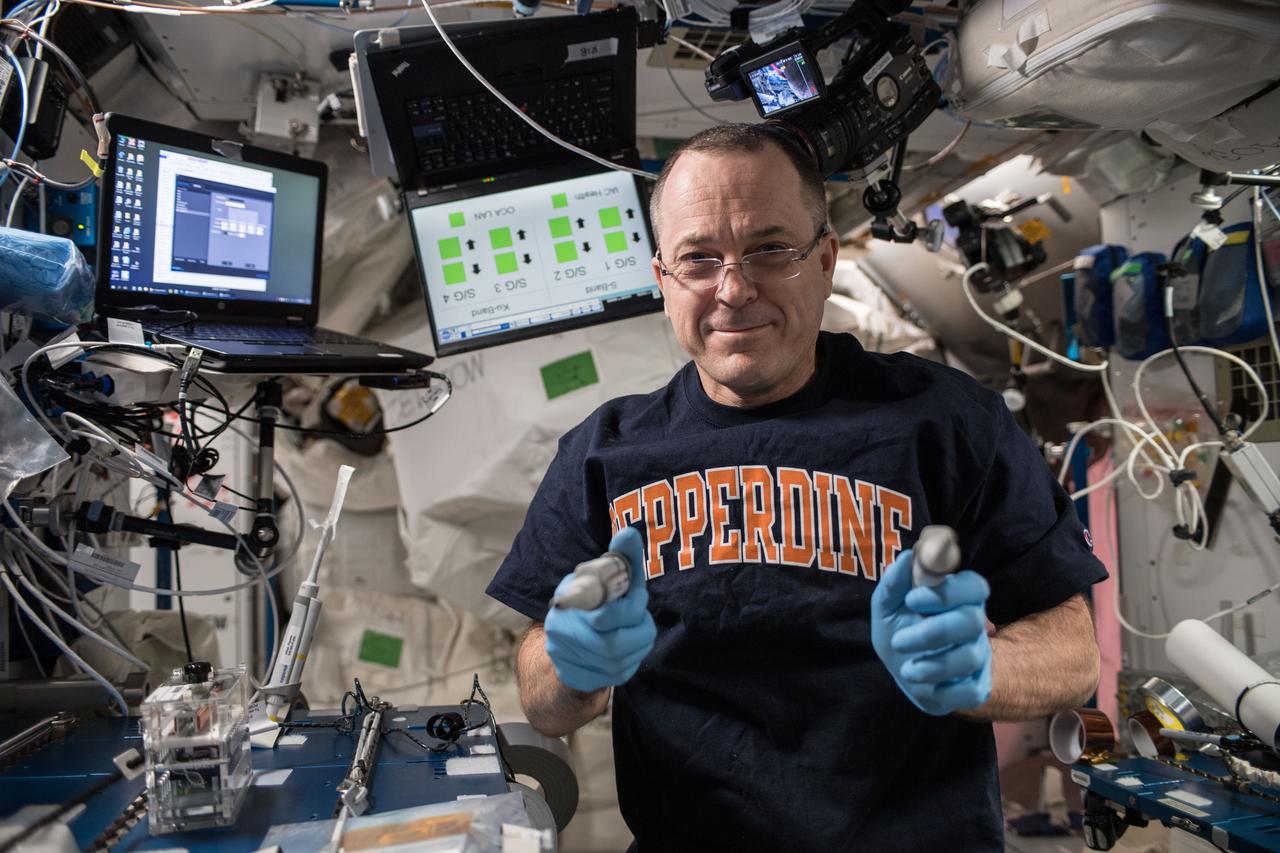
iss056e097429 (July 19, 2018) --- NASA astronaut Ricky Arnold swabbed surfaces in the International Space Station to collect microbe samples. He then processed the microbial DNA using the Biomolecule Sequencer, a device that enables DNA sequencing in microgravity, to identify microbes able to survive in microgravity.
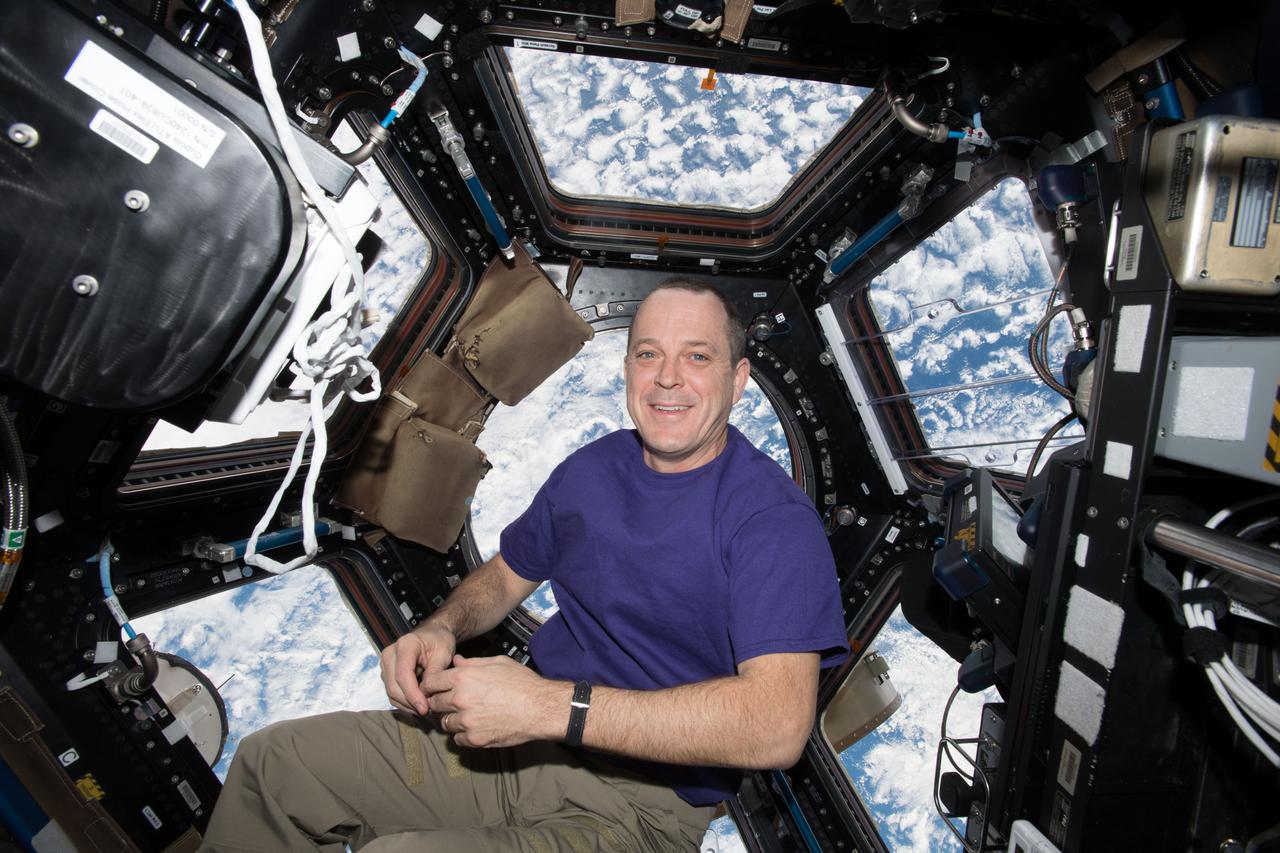
iss055e004444 (March 24, 2018) --- NASA astronaut and Expedition 55 Flight Engineer Ricky Arnold rests inside the seven-windowed cupola as the International Space Station orbits above the south Atlantic Ocean.
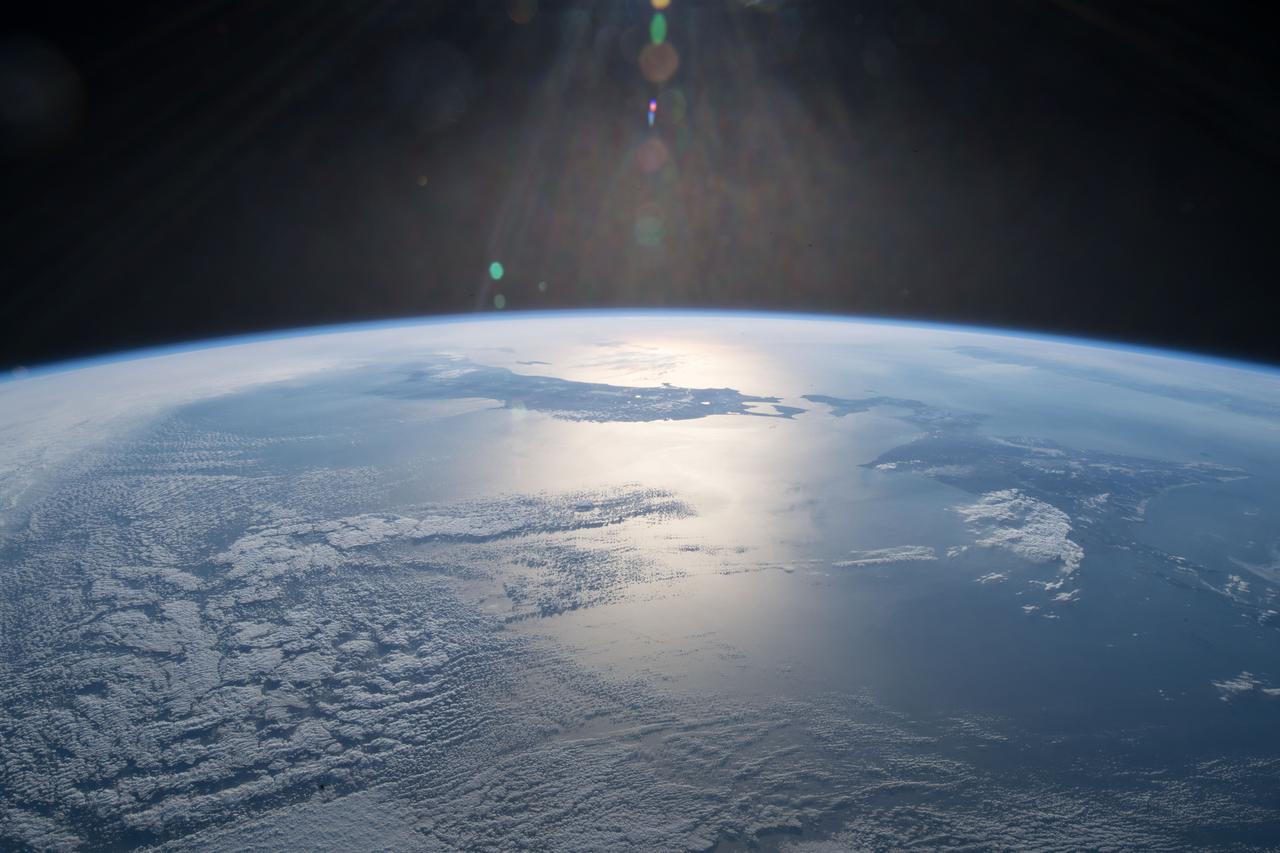
iss055e006531 (March 30, 2018) --- The International Space Station was off the coast of northern Japan when an Expedition 55 crew member took this photograph. The sun's glint is reflected off the Sea of Japan and the North Pacific Ocean.
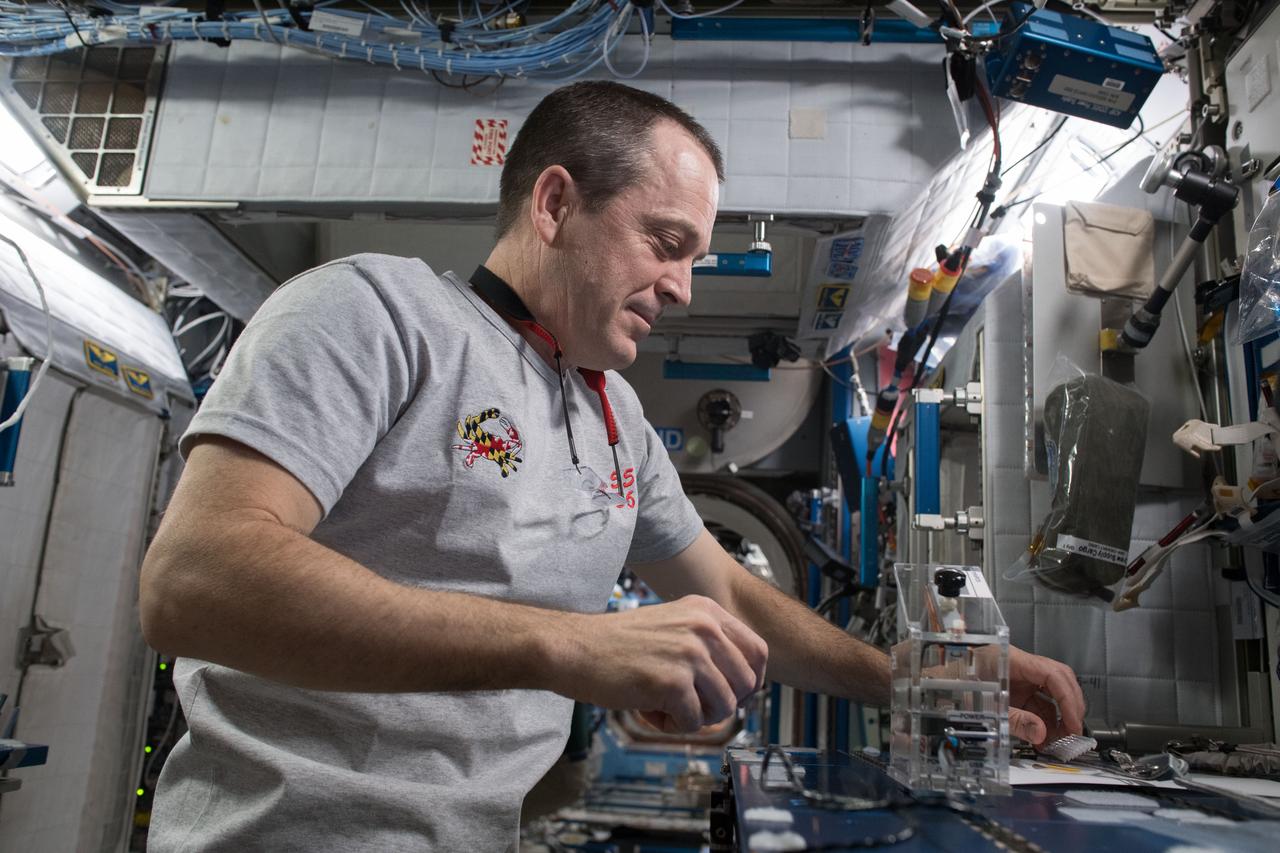
iss055e016052 (4/11/2018) --- NASA astronaut Ricky Arnold works with the student-designed Genes in Space-5 experiment inside the Harmony module. The genetic research is helping scientists understand the relationship between DNA alterations and weakened immune systems possibly caused by living in space. Genes in Space is an innovation challenge including students and teachers across the United States from grades 7 through 12. Students design a pioneering DNA-related experiment to fly on the ISS, providing real-world training in science, technology, engineering and math (STEM) fields and connecting students to the space program.
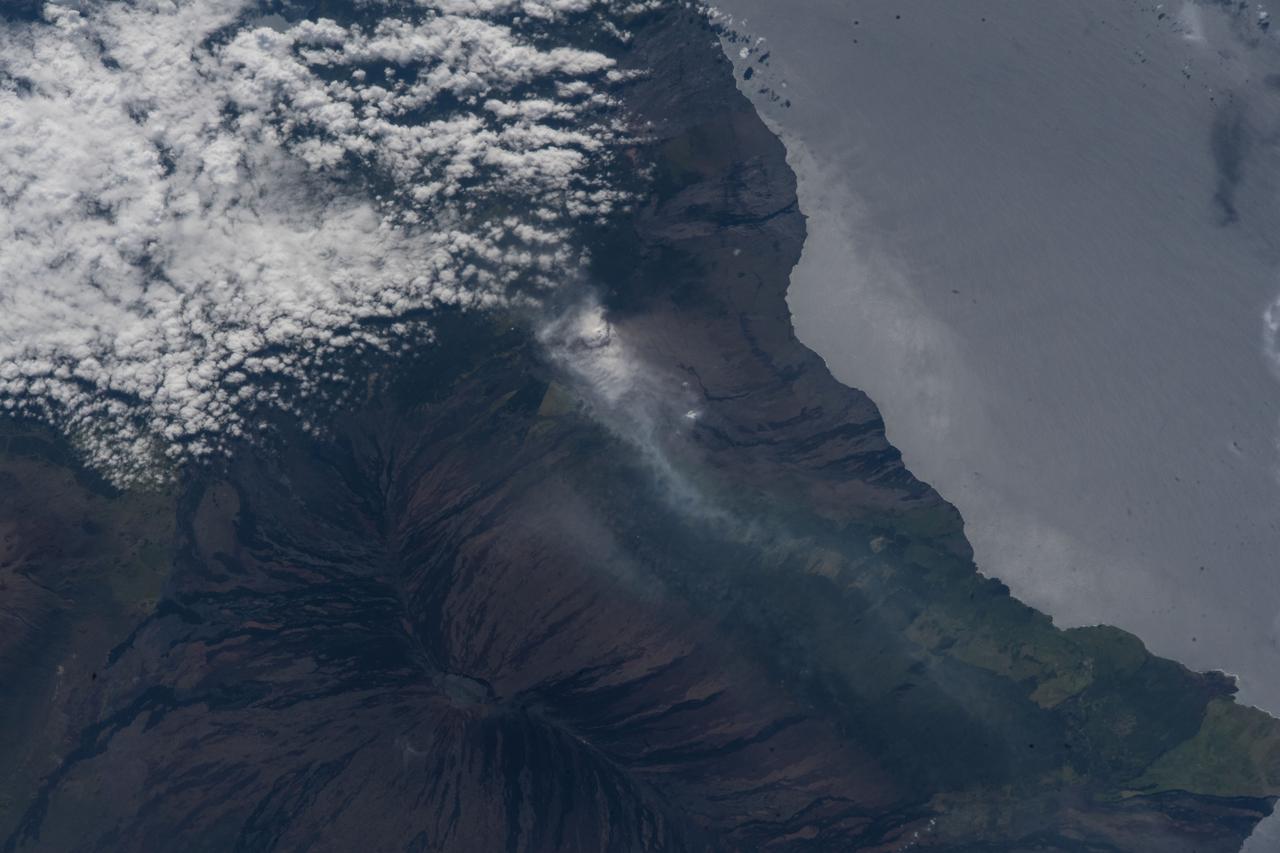
iss055e070305 (May 12, 2018) --- The volcanic ash plume from Mount Kilauea is seen just inland off the eastern coast of Hawaii's Big Island.
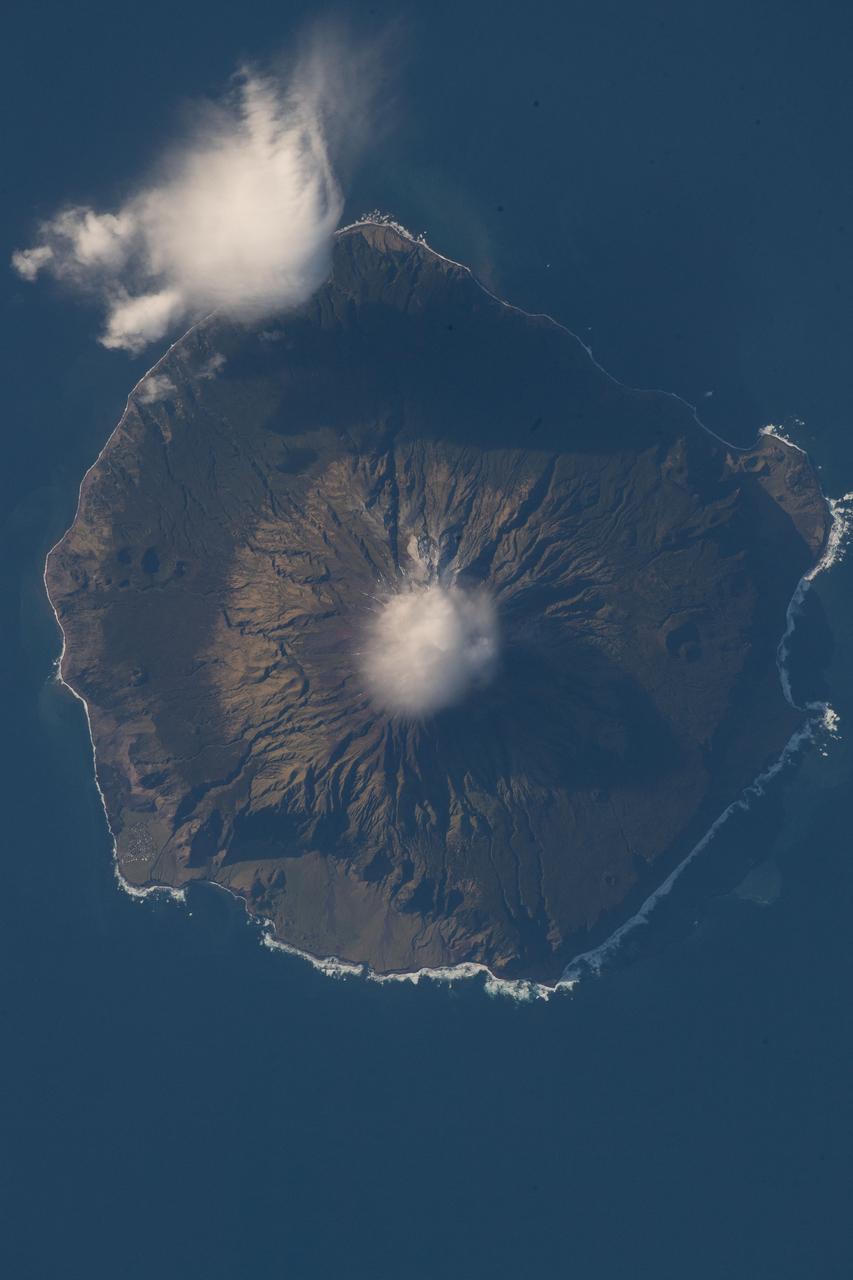
iss056e097317 (July 18, 2018) --- Queen Mary's Peak on the British territorial island of Tristan Da Cunha is pictured as the International Space Station was orbiting nearly 260 miles above the South Atlantic Ocean.
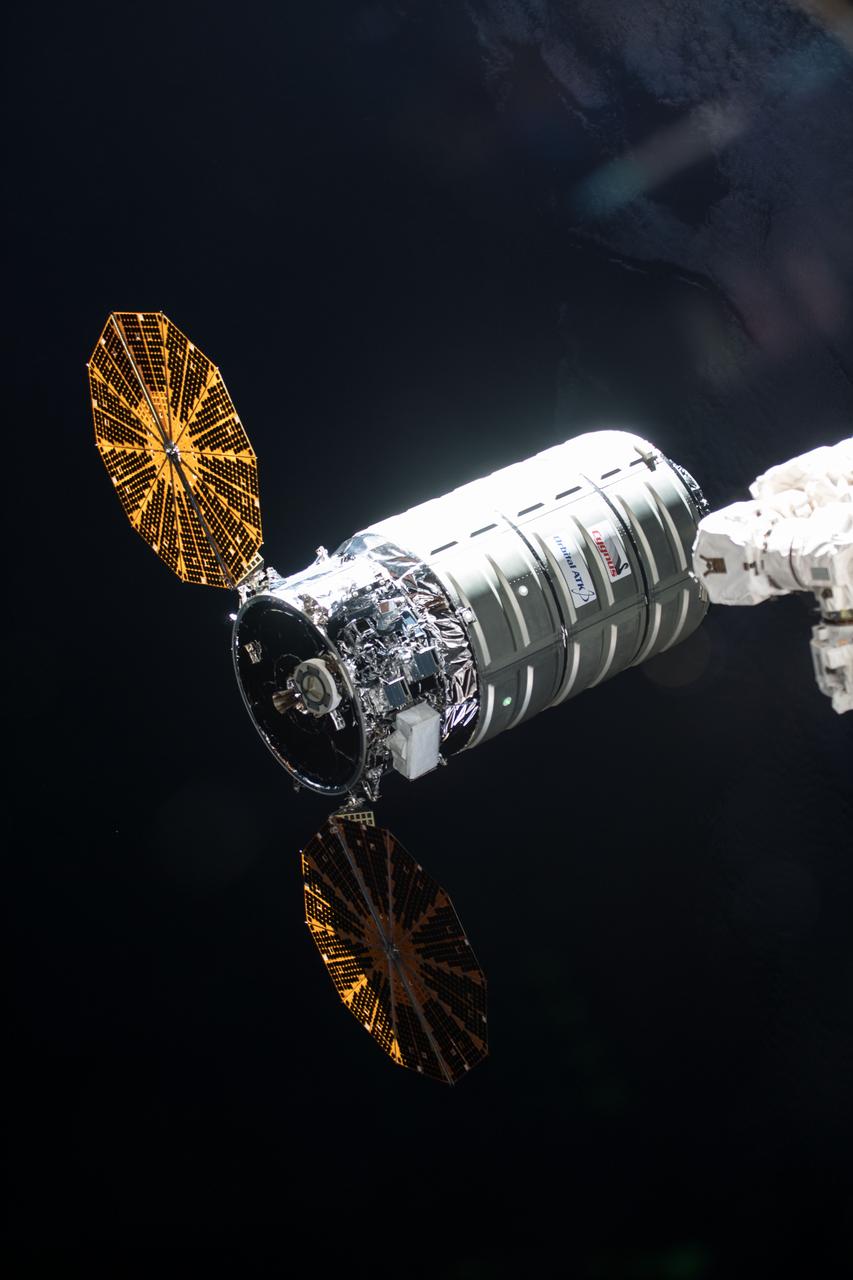
iss055e077018 (May 24, 2018) --- The Orbital ATK space freighter approaches its capture point about 10 meters from the International Space Station where it was grappled with the Canadarm2 robotic arm.
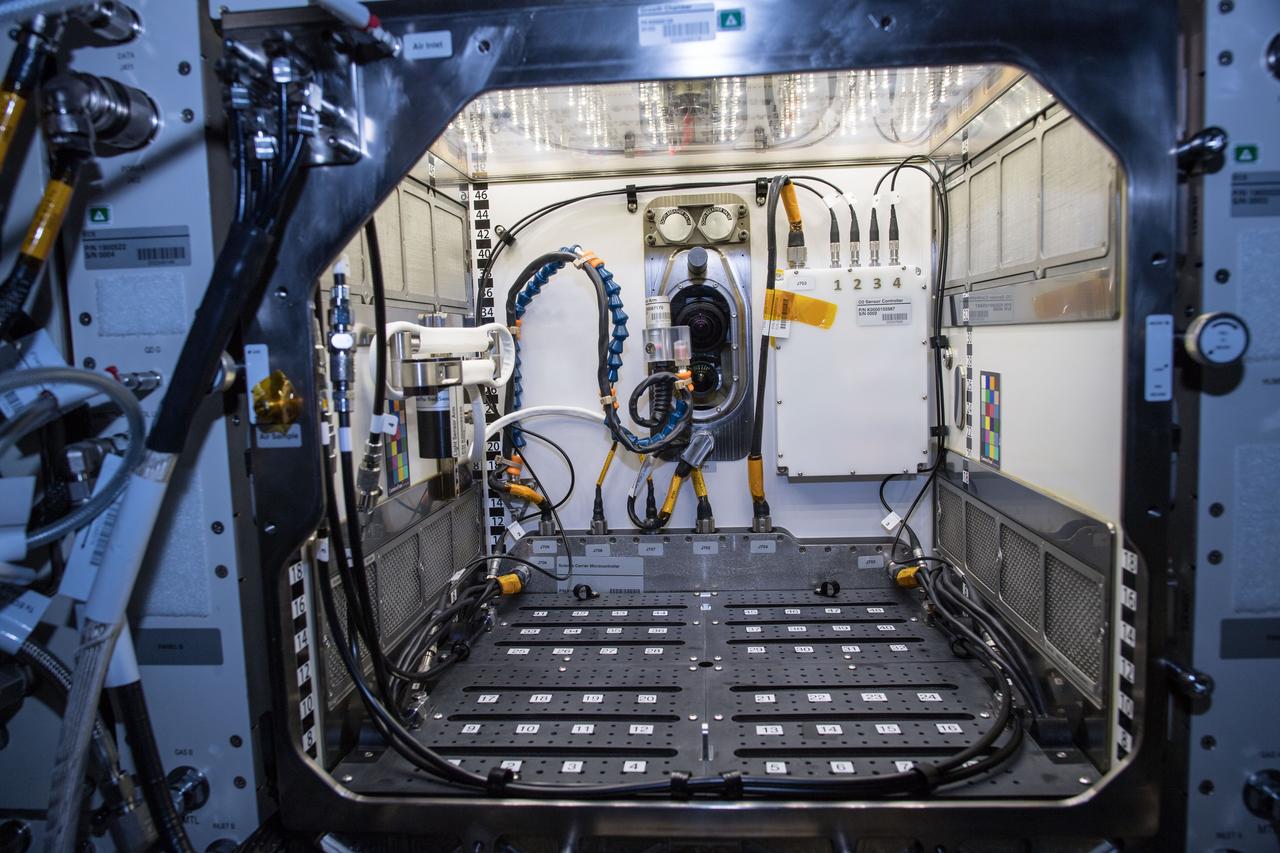
iss056e005665 (6/8/2018) --- View aboard the International Space Station (ISS) during the Plant Habitat Facility Science Carrier #1 installation. Plant Habitat is a fully automated facility that will be used to conduct plant bioscience research on the ISS.
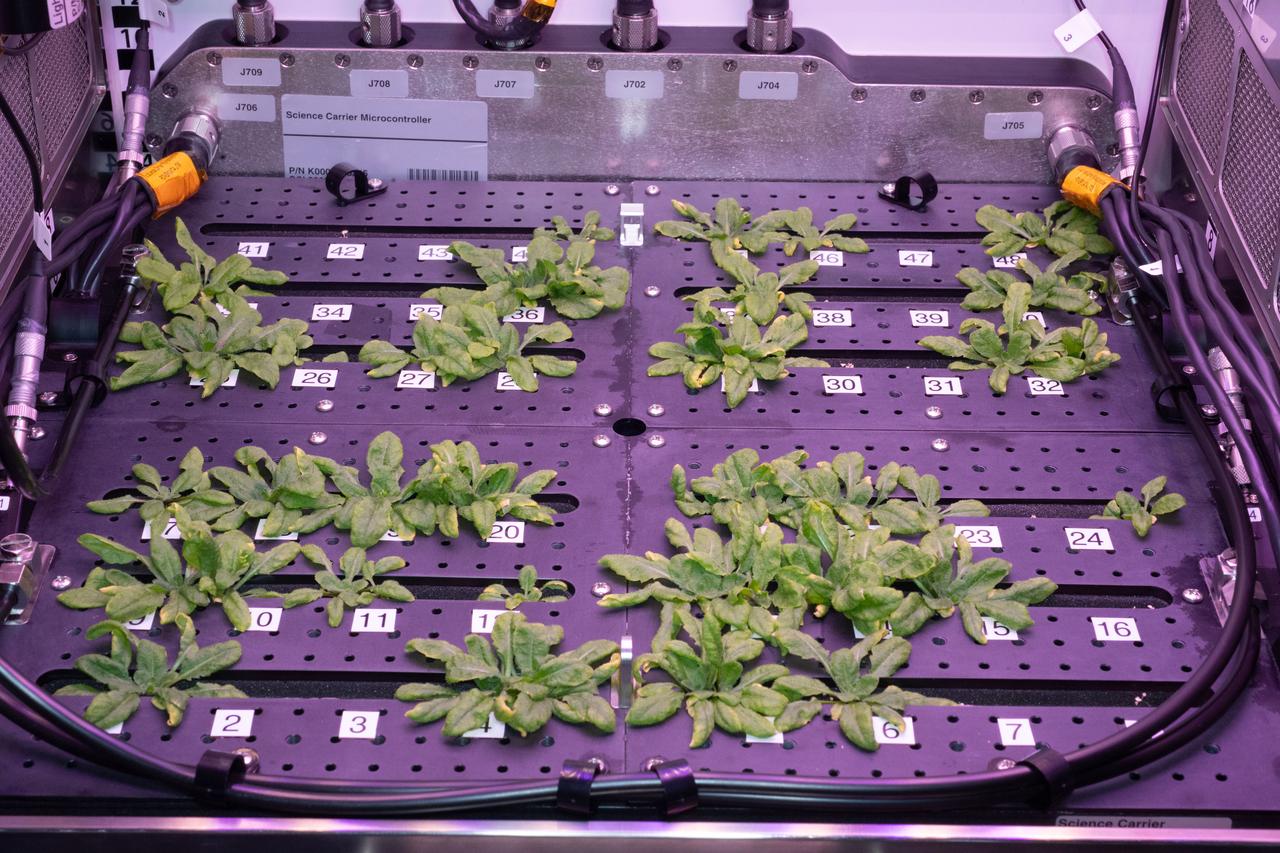
iss056e094286 (July 9, 2018) --- Arabidopsis plants are pictured inside the Plant Habitat experiment's Growth Chamber located in the Columbus laboratory module's EXPRESS Rack 5. The plants were harvested for the Plant Habitat experiment which is researching differences in genetics, metabolism, photosynthesis, and gravity sensing between plants grown in space and on Earth. Results may help crews on future missions successfully grow plants for food and oxygen generation.
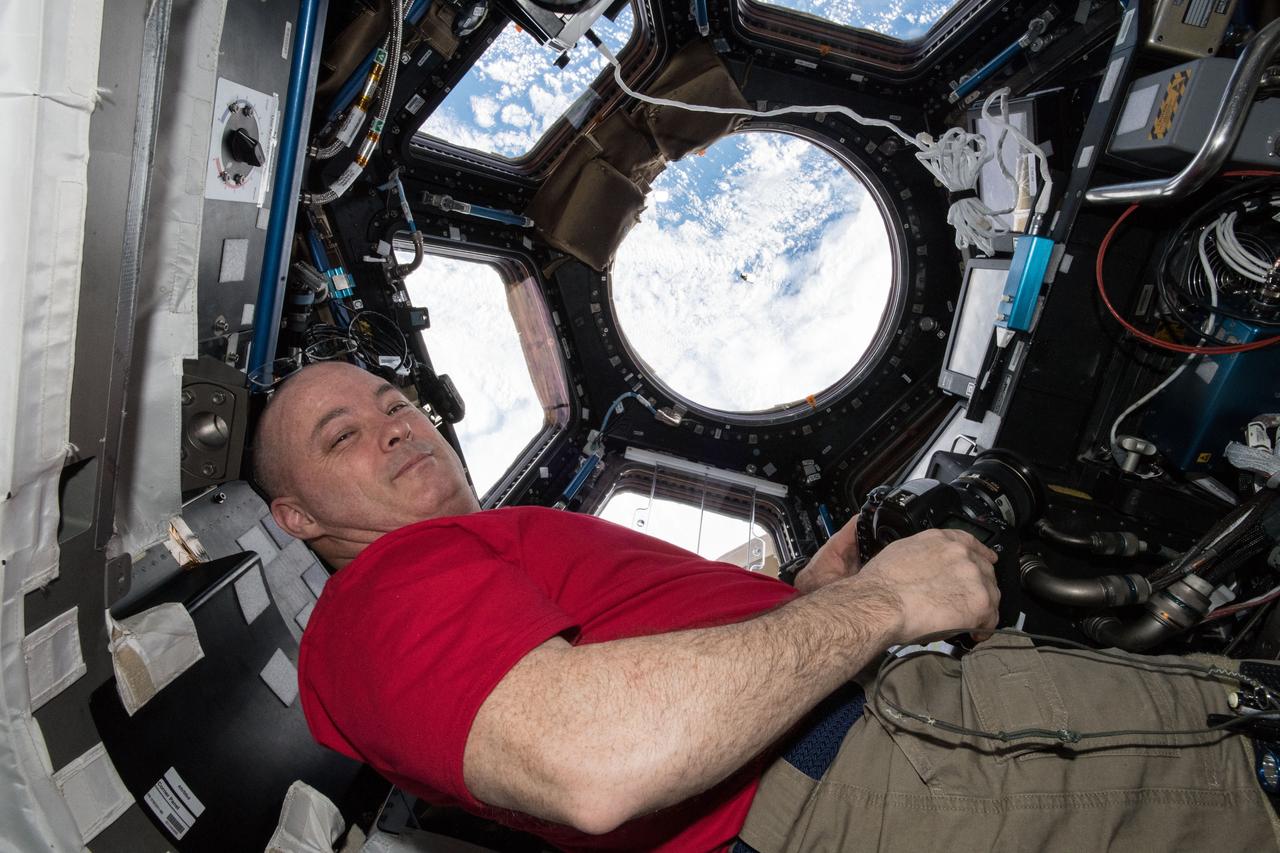
iss055e009927 (April 4, 2018) --- Astronaut Scott Tingle watches the SpaceX Dragon cargo craft arrive from inside the seven-windowed Cupola moments before capturing it with the Canadarm2 robotic arm.
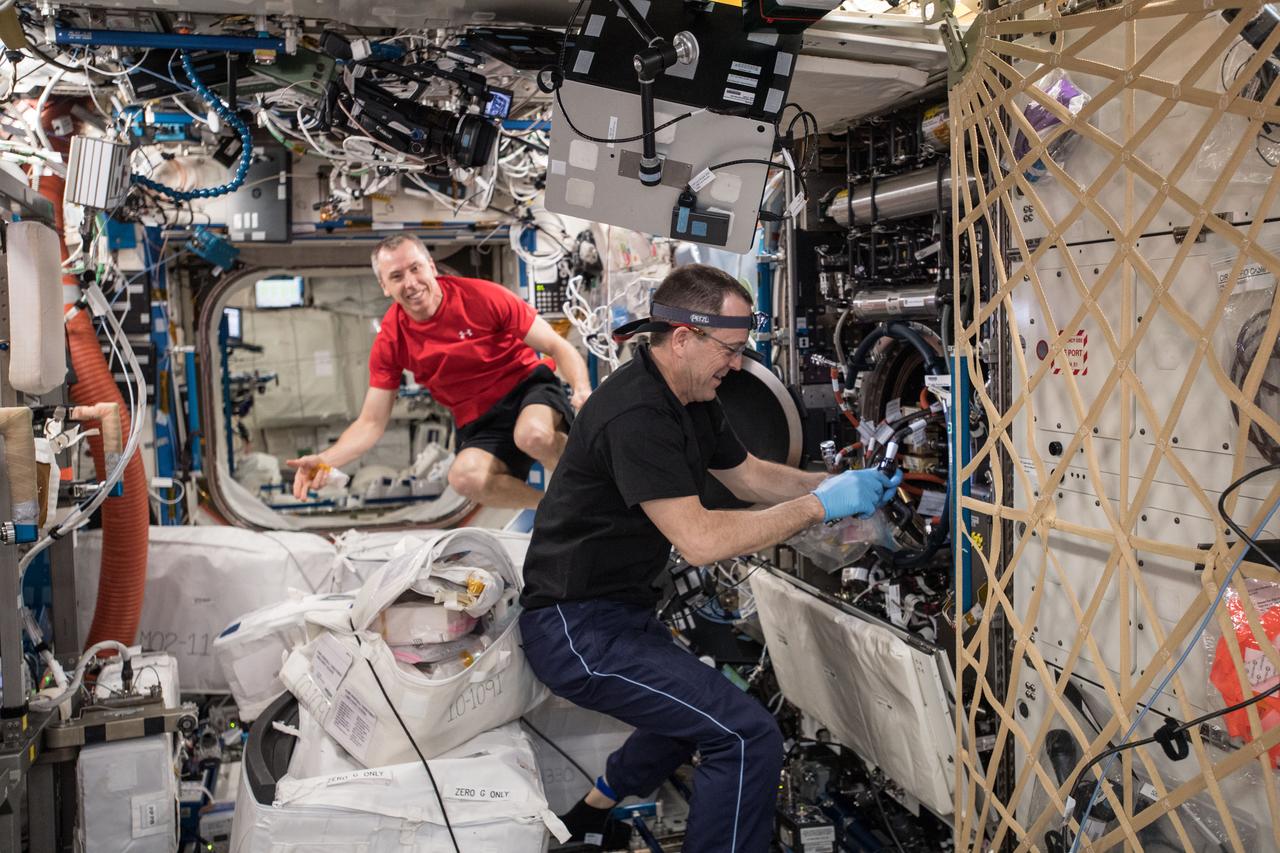
iss056e021157 (June 19, 2018) --- Expedition 56 Flight Engineer Ricky Arnold of NASA (foreground) performs maintenance inside the Combustion Integrated Rack to set up the Advanced Combustion via Microgravity Experiments (ACME), a series of five independent studies of gaseous flames. Expedition 56 Commander Drew Feustel of NASA is seen in the background.
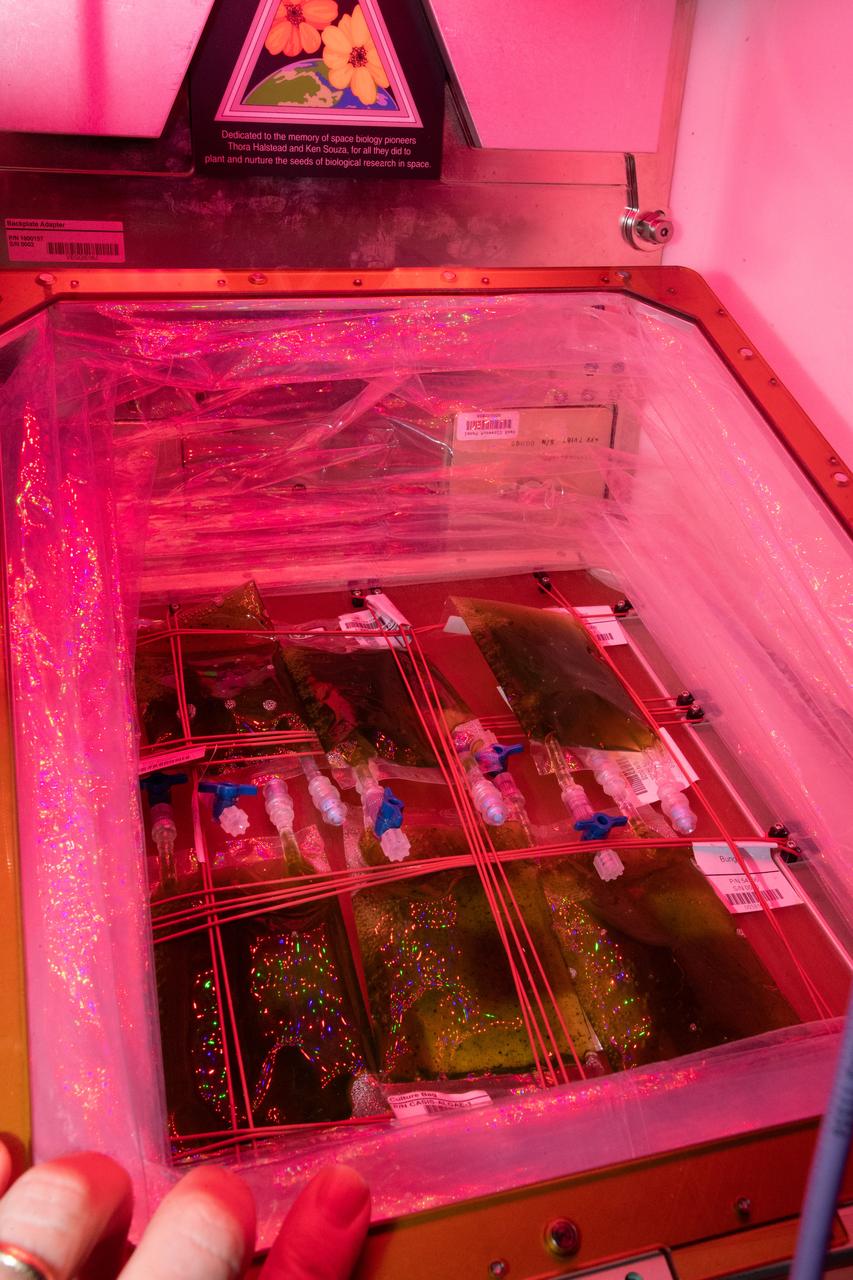
iss056e096962 (7/17/2018) --- View of the installation of six Space Algae culture bags in the Veggie facility. The Space Algae investigation explores the genetic basis for productivity of algae cultivated in space and whether this requires genetic adaptations or not.
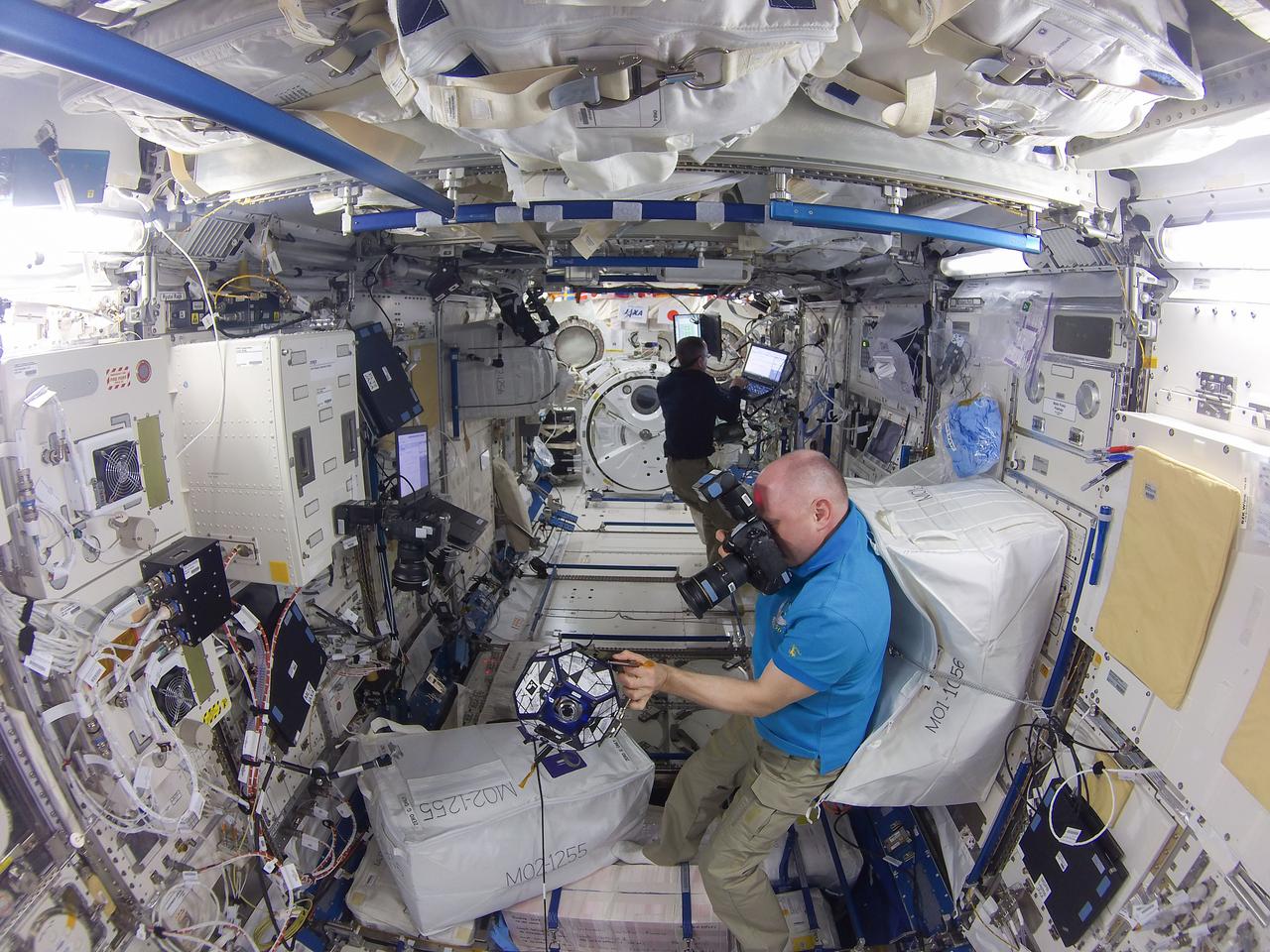
iss056e050304 (6/28/2018) --- Cosmonaut Oleg Artemyev and NASA astronaut Ricky Arnold during the Synchronized Position Hold Engage and Reorient Experimental Satellites (SPHERES) maintenance session two, in the Japanese Experiment Module (JEM) Pressurized Module (JPM).
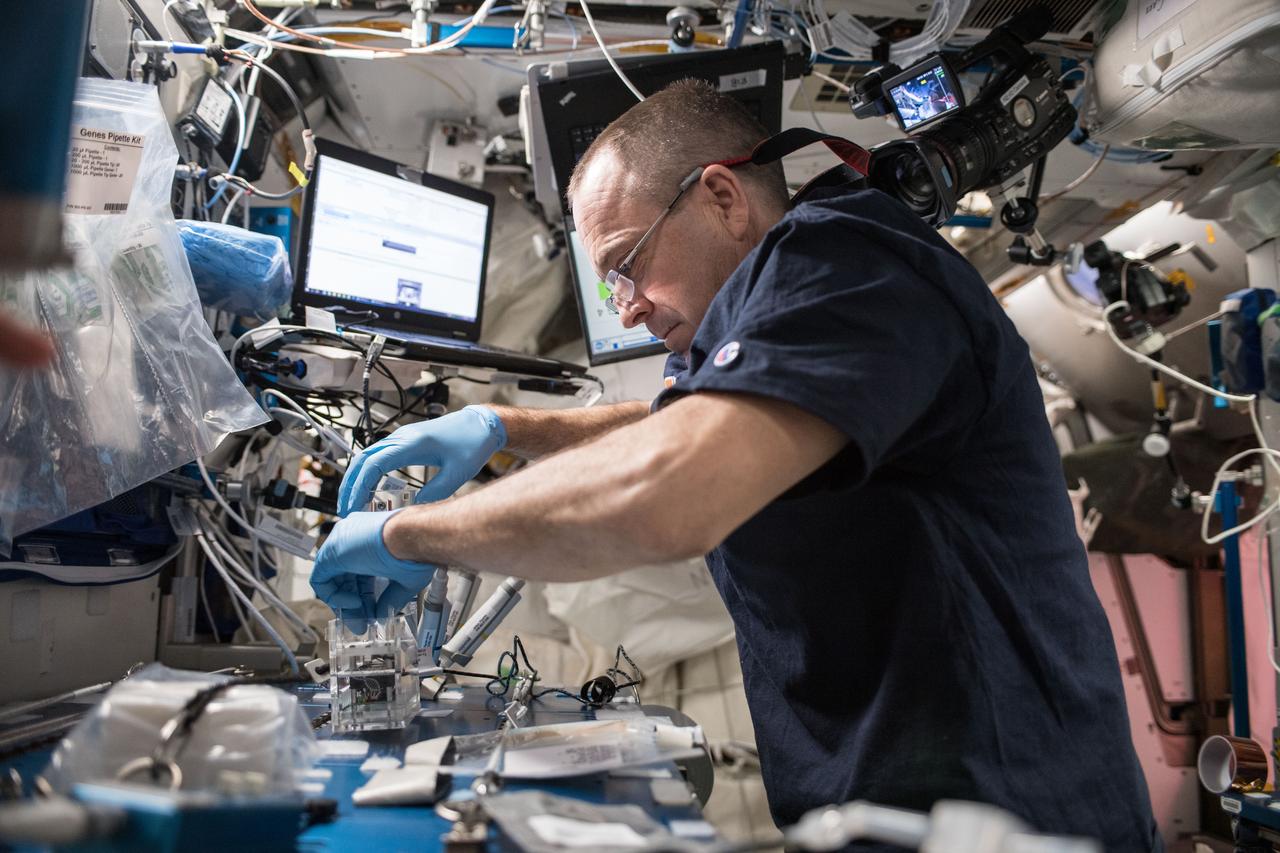
iss056e097421 (July 19, 2018) --- NASA astronaut Ricky Arnold swabbed surfaces in the International Space Station to collect microbe samples. He then processed the microbial DNA using the Biomolecule Sequencer, a device that enables DNA sequencing in microgravity, to identify microbes able to survive in microgravity.
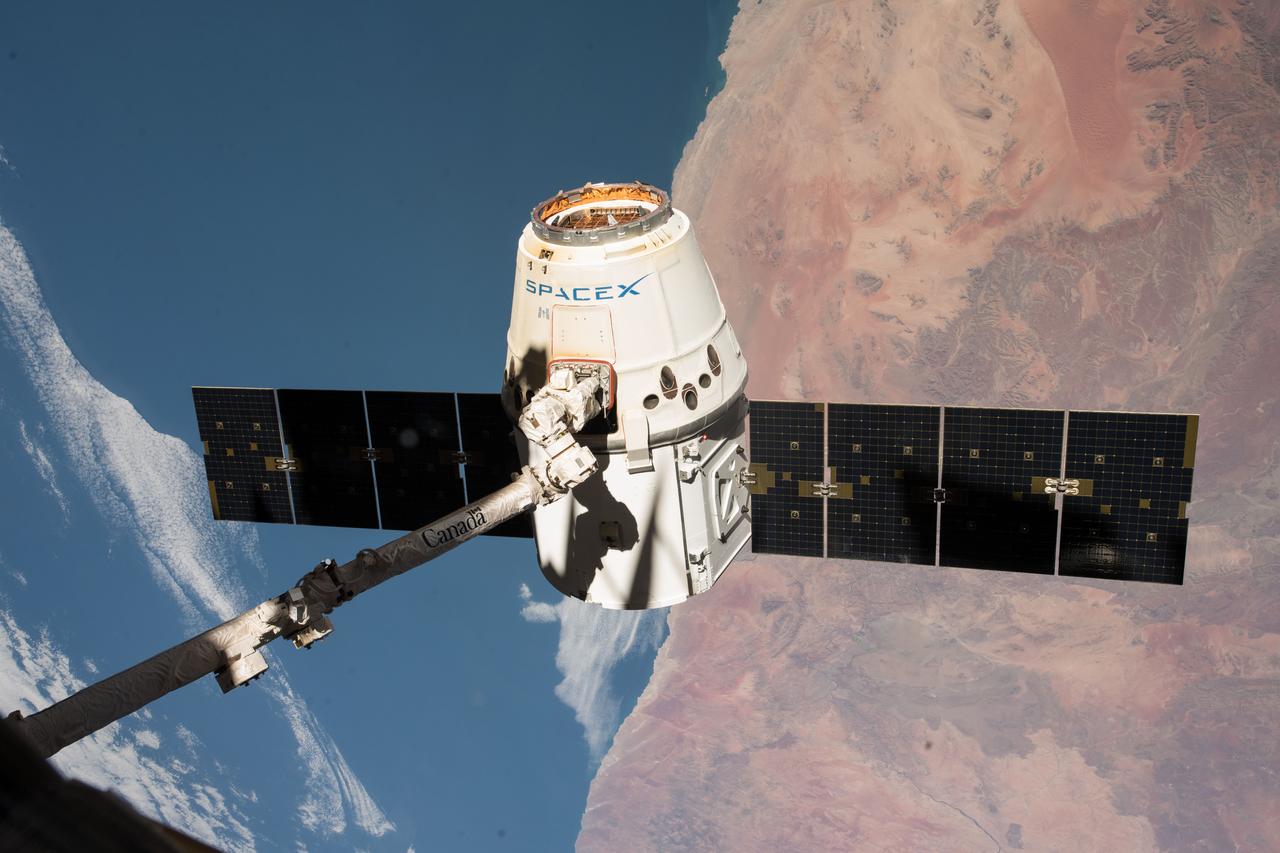
iss055e057155 (May 5, 2018) --- The SpaceX Dragon cargo craft is pictured in the grips of the Canadarm2 robotic arm as the International Space Station was orbiting across the central coast of Namibia. Dragon was later released for its splashdown in the Pacific Ocean off the coast of California on May 5, 2018 ending the SpaceX CRS-14 mission.

iss056e096990 (7/17/2018) --- View of the installation of a Space Algae culture bags in the Veggie facility. The Space Algae investigation explores the genetic basis for productivity of algae cultivated in space and whether this requires genetic adaptations or not.

iss056e078371 (6/7/2018) --- Photo of the QUANTUM experiment floating in front of Window 7 in the Cupola module. Earth is in the background. QUANTUM observes the effects of entropy outside of the Earth’s atmosphere. Materials with tight, intense crystalline structures are exposed to a space environment to observe even small changes and differences between materials aboard the International Space Station (ISS) and those on Earth.