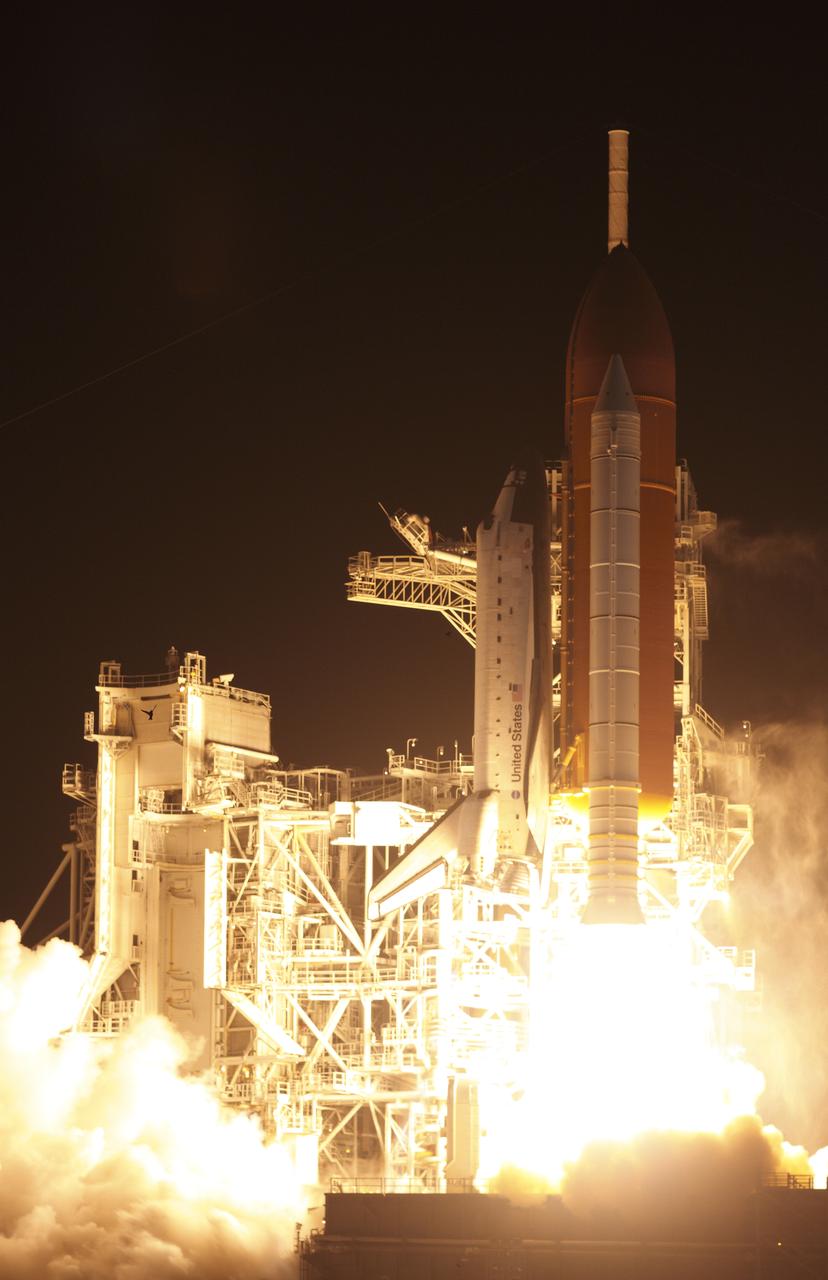
STS-126 Remote Camera
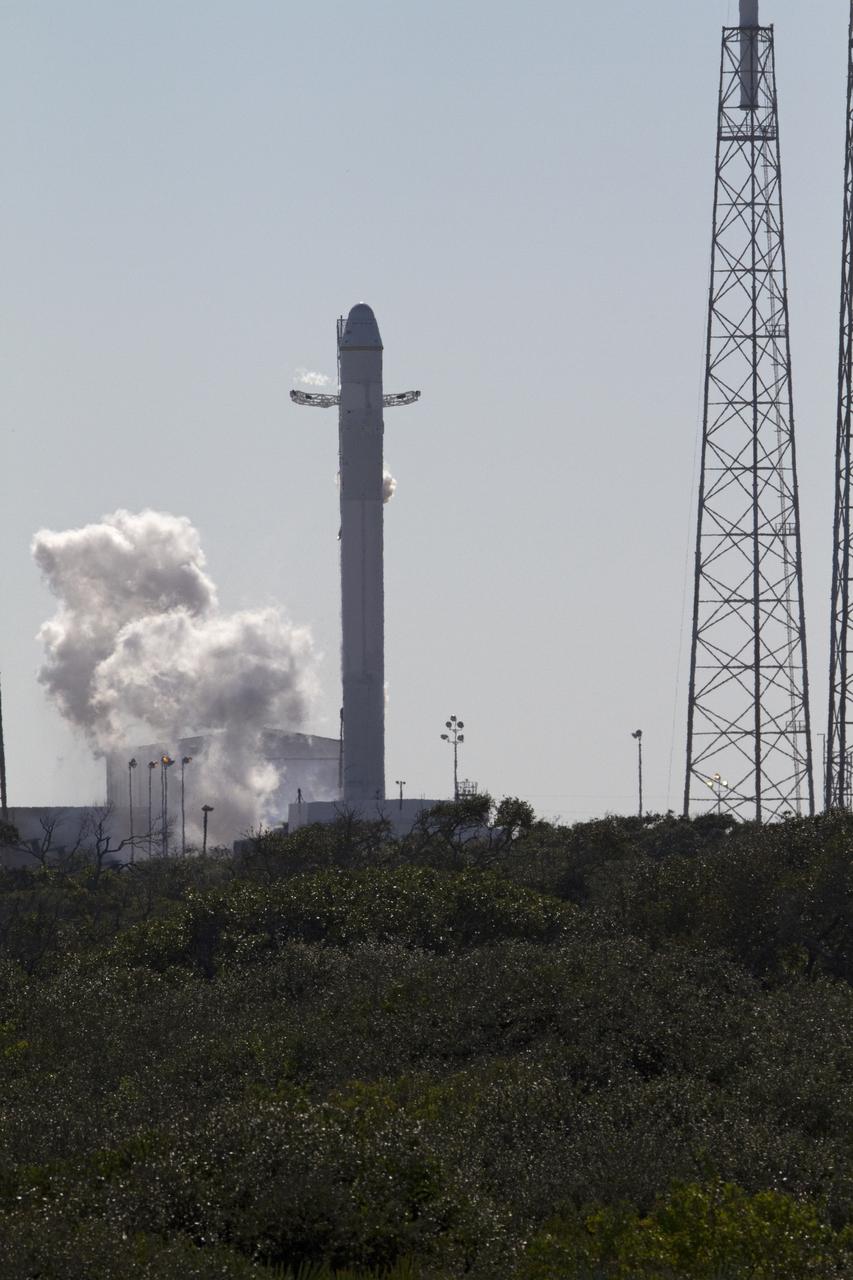
SPACE X FALCON 9 COTS-1 TEST FIRE DAY 1
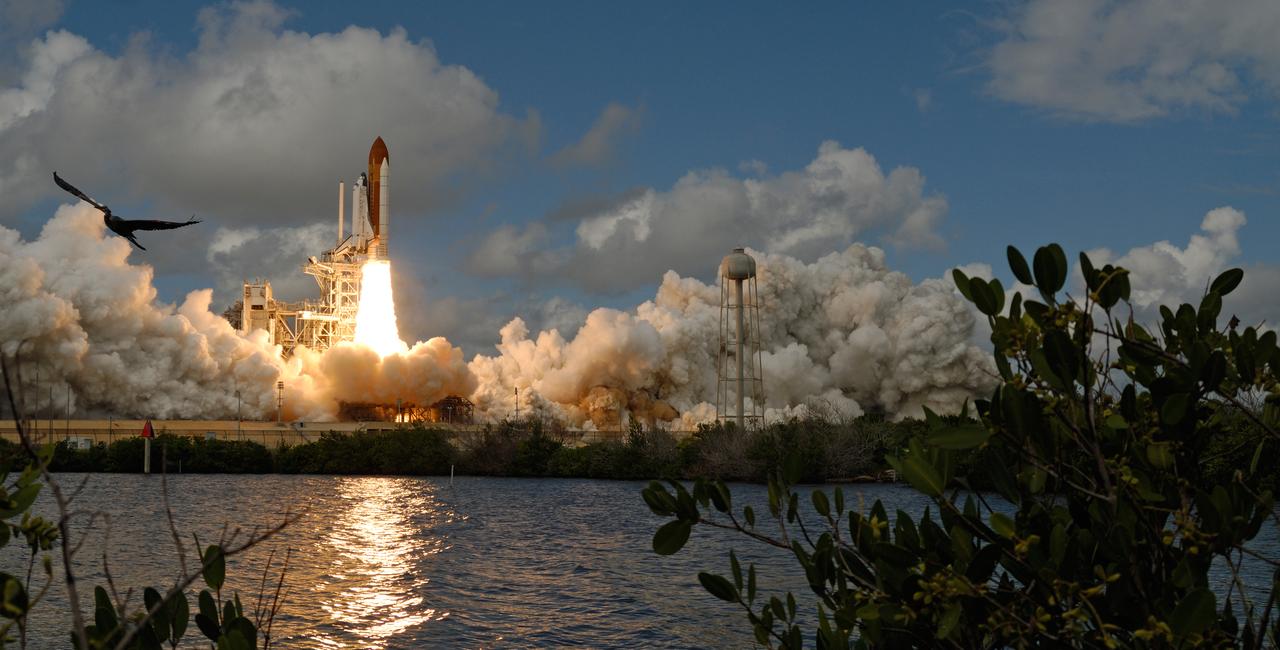
(10/23/2007) --- KENNEDY SPACE CENTER, FLA. -- Out of the clouds of smoke and steam rolling across Launch Pad 39A at NASA's Kennedy Space Center, space shuttle Discovery hurtles toward space on the 23rd assembly mission to the International Space Station. Liftoff was on time at 11:38:19 a.m. EDT. Discovery carries the Italian-built U.S. Node 2, called Harmony. During the 14-day STS-120 mission, the crew will install Harmony and move the P6 solar arrays to their permanent position and deploy them. Discovery is expected to complete its mission and return home at 4:47 a.m. EST on Nov. 6
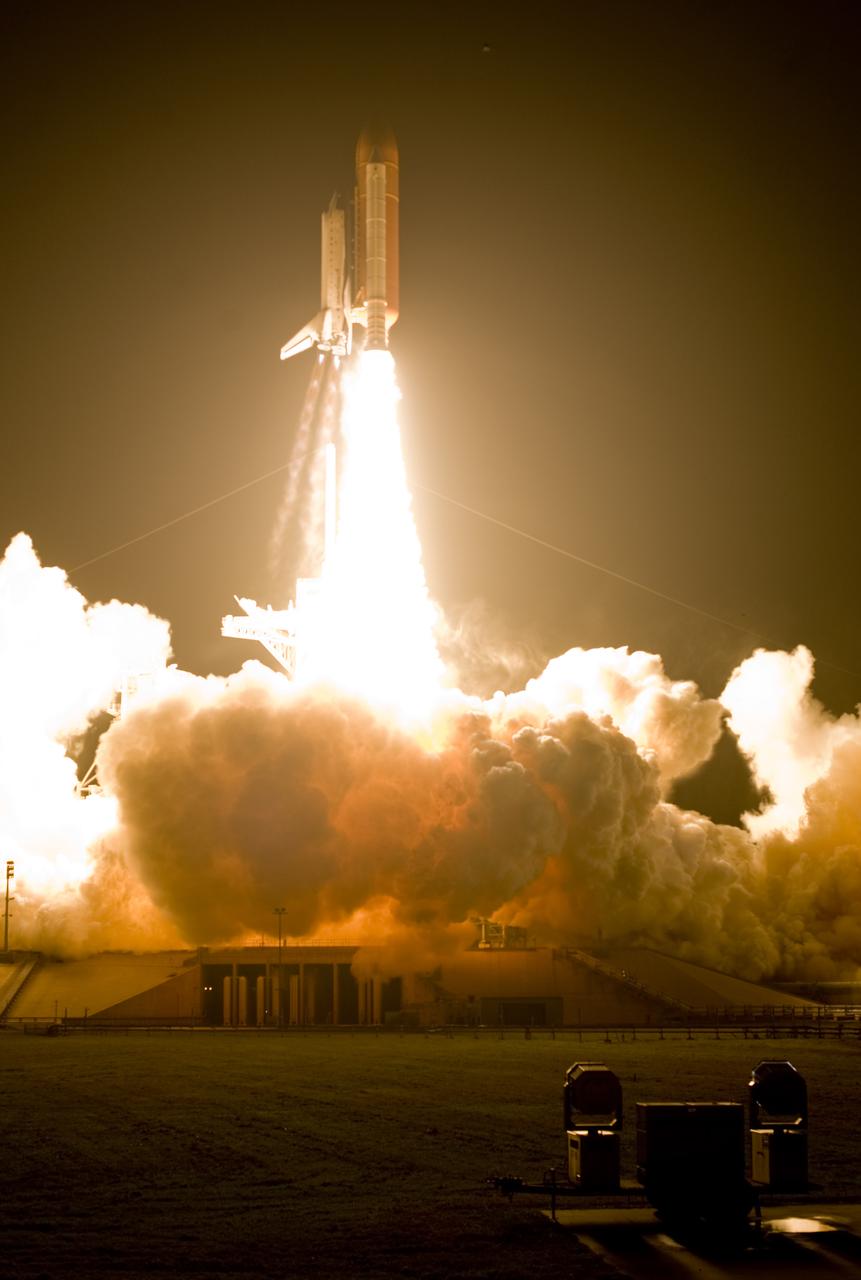
STS-126 Remote Camera
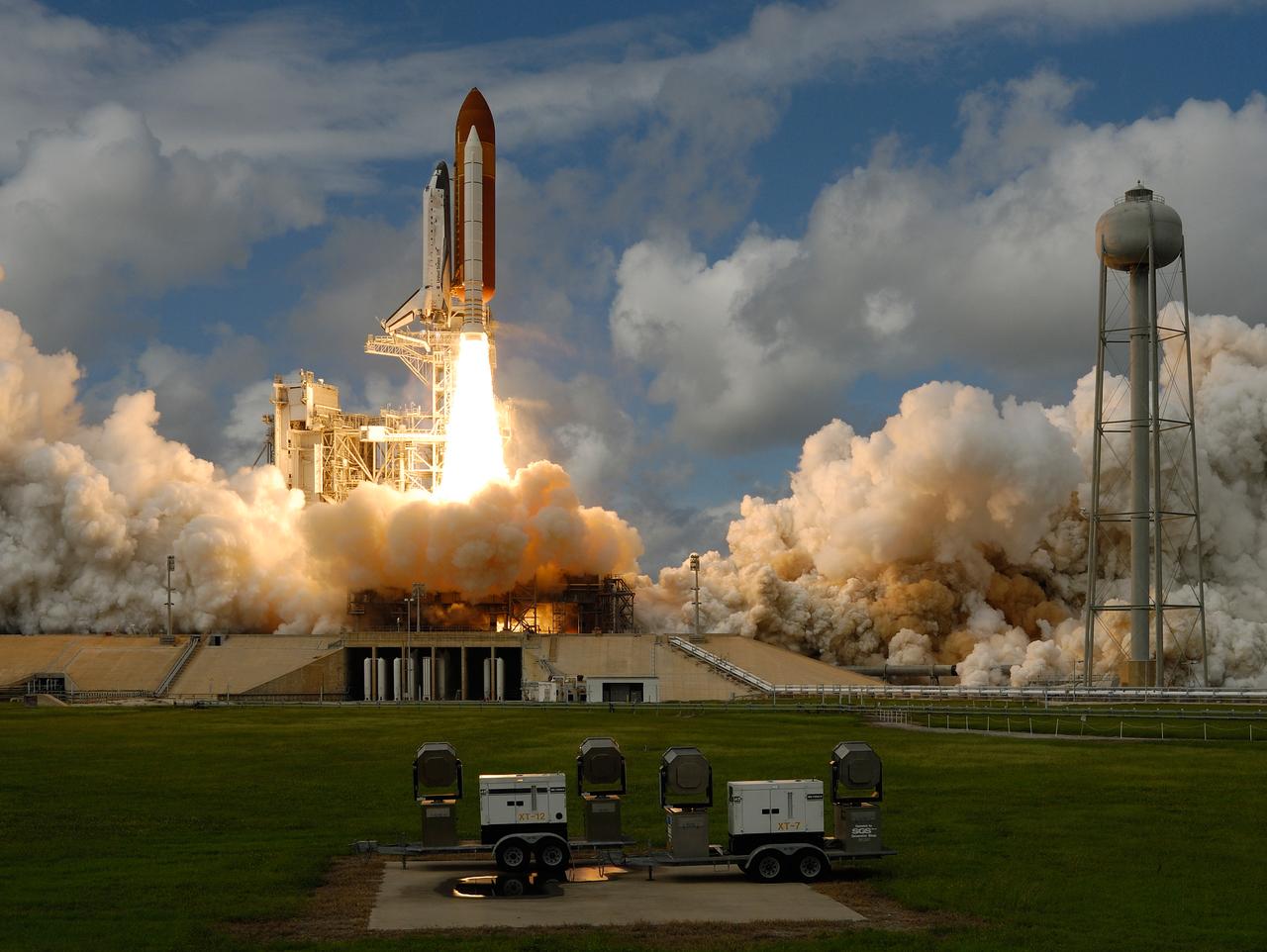
(10/23/2007) --- KENNEDY SPACE CENTER, FLA. -- Out of the clouds of smoke and steam rolling across Launch Pad 39A at NASA's Kennedy Space Center, space shuttle Discovery hurtles toward space on the 23rd assembly mission to the International Space Station. Liftoff was on time at 11:38:19 a.m. EDT. Discovery carries the Italian-built U.S. Node 2, called Harmony. During the 14-day STS-120 mission, the crew will install Harmony and move the P6 solar arrays to their permanent position and deploy them. Discovery is expected to complete its mission and return home at 4:47 a.m. EST on Nov. 6
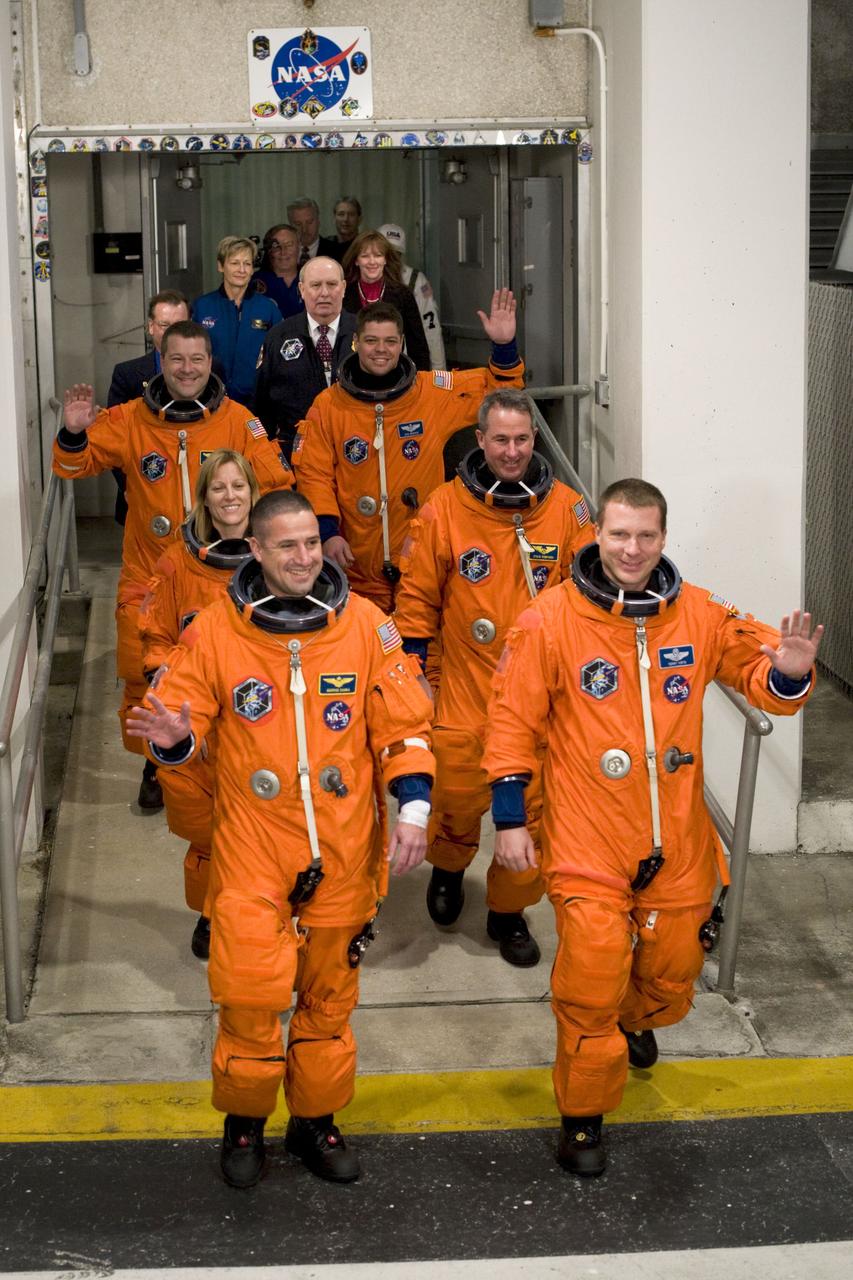
STS130-S-014 (8 Feb. 2010) --- After suiting up, the STS-130 crew members exit the Operations and Checkout Building to board the Astrovan, which will take them to launch pad 39A for the launch of space shuttle Endeavour on the STS-130 mission. On the left (front to back) are NASA astronauts George Zamka, commander; Kathryn Hire and Nicholas Patrick, both mission specialists. On the right (front to back) are NASA astronauts Terry Virts, pilot; Stephen Robinson and Robert Behnken, both mission specialists. This is the second launch attempt for Endeavour's STS-130 crew. The first attempt on Feb. 7 was scrubbed due to unfavorable weather. The primary payload for the STS-130 mission to the International Space Station is the Tranquility node, a pressurized module that will provide additional room for crew members and many of the station's life support and environmental control systems. Attached to one end of Tranquility is the Cupola module, a unique work area with six windows on its sides and one on top. The Cupola resembles a circular bay window and will provide a vastly improved view of the station's exterior. The multi-directional view will allow the crew to monitor spacewalks and docking operations, as well as provide a spectacular view of Earth and other celestial objects. The module was built in Turin, Italy, by Thales Alenia Space for the European Space Agency. Endeavour's launch is set for Feb. 8, 2010, at 4:14 a.m. (EST).
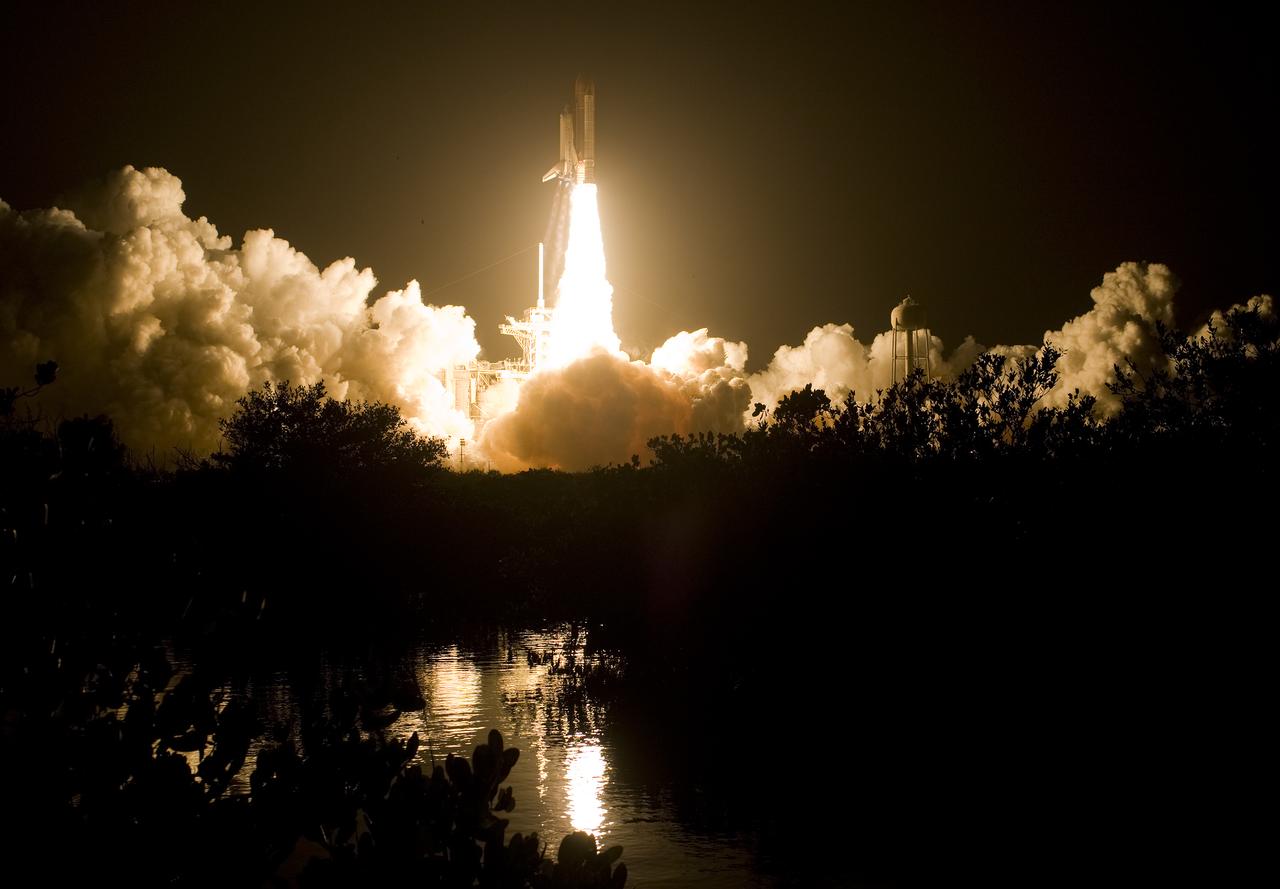
STS-126 Remote Camera
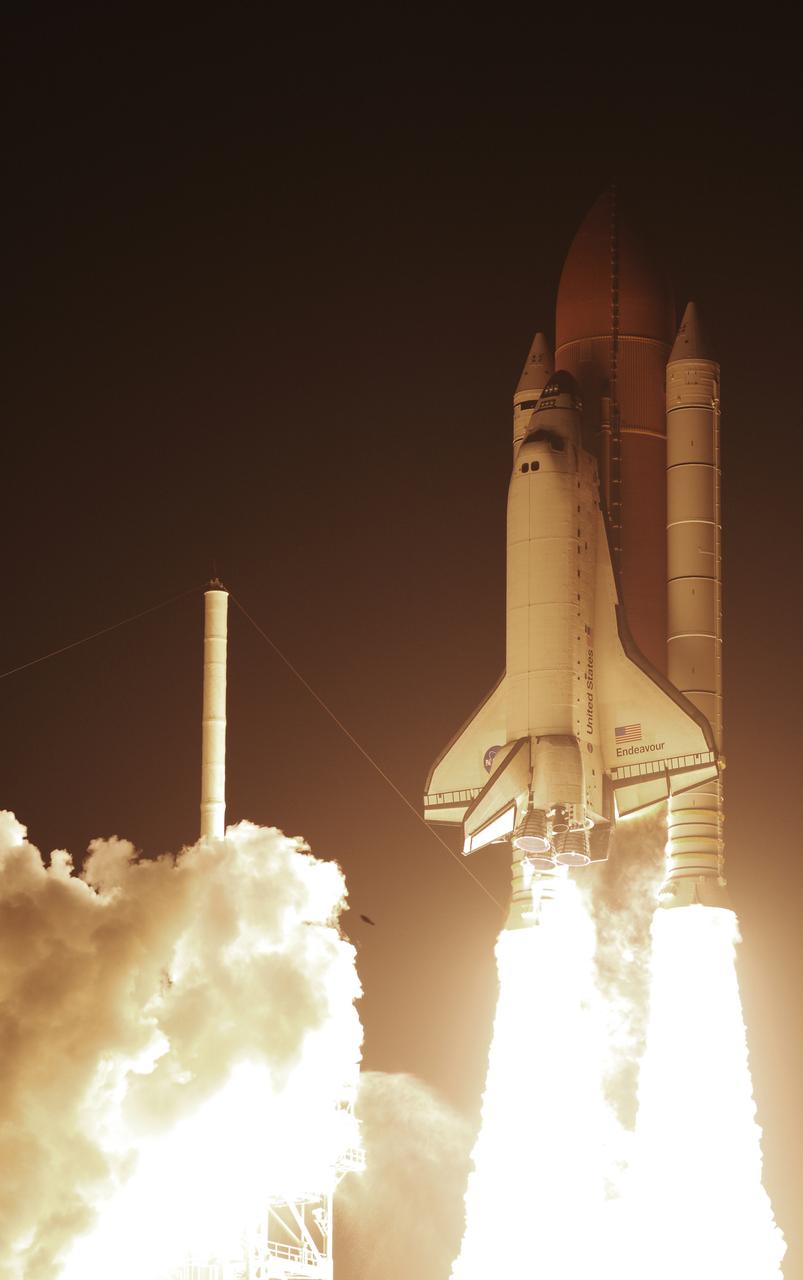
STS-126 Remote Camera
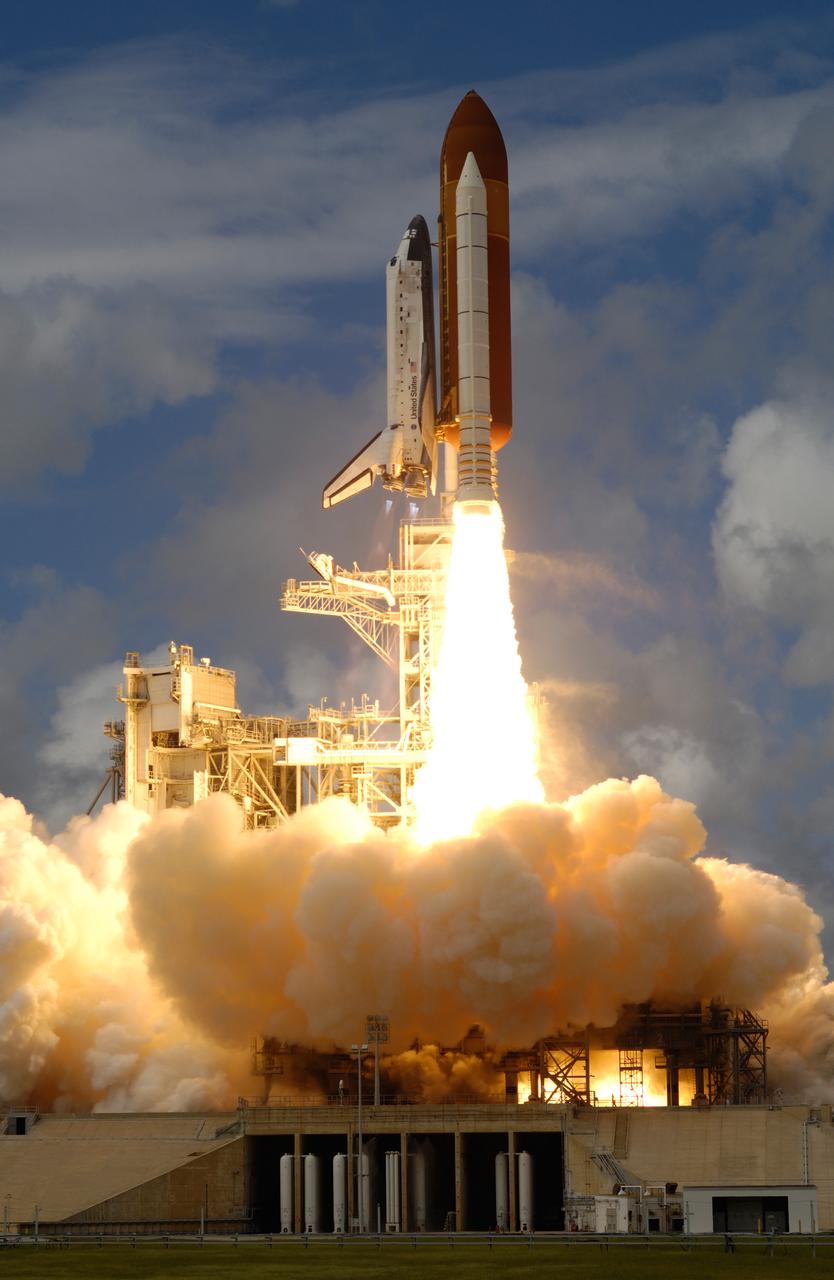
(10/23/2007) --- KENNEDY SPACE CENTER, FLA. -- Out of the clouds of smoke and steam rolling across Launch Pad 39A at NASA's Kennedy Space Center, space shuttle Discovery hurtles toward space on the 23rd assembly mission to the International Space Station. Liftoff was on time at 11:38:19 a.m. EDT. Discovery carries the Italian-built U.S. Node 2, called Harmony. During the 14-day STS-120 mission, the crew will install Harmony and move the P6 solar arrays to their permanent position and deploy them. Discovery is expected to complete its mission and return home at 4:47 a.m. EST on Nov. 6
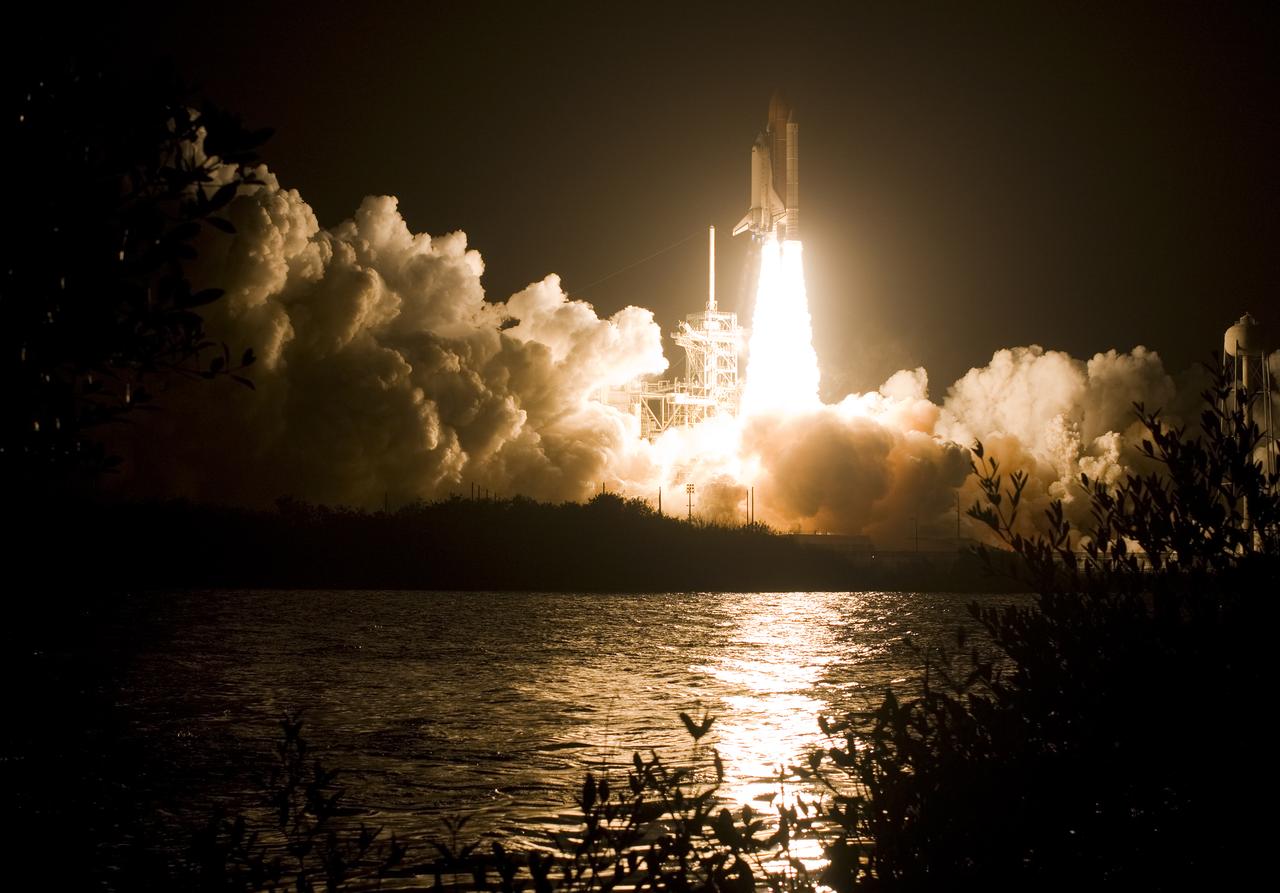
STS-126 Remote Camera
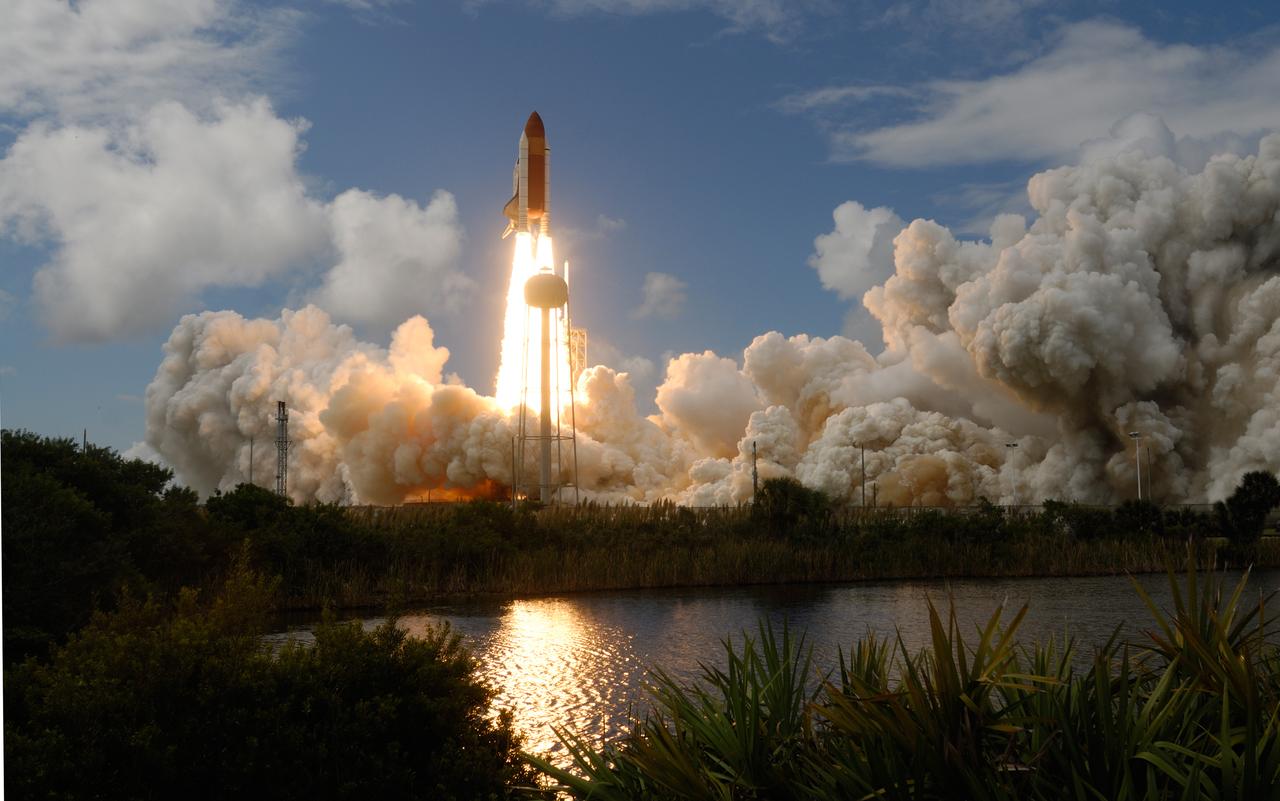
(10/23/2007) --- KENNEDY SPACE CENTER, FLA. -- Out of the clouds of smoke and steam rolling across Launch Pad 39A at NASA's Kennedy Space Center, space shuttle Discovery hurtles toward space on the 23rd assembly mission to the International Space Station. Liftoff was on time at 11:38:19 a.m. EDT. Discovery carries the Italian-built U.S. Node 2, called Harmony. During the 14-day STS-120 mission, the crew will install Harmony and move the P6 solar arrays to their permanent position and deploy them. Discovery is expected to complete its mission and return home at 4:47 a.m. EST on Nov. 6
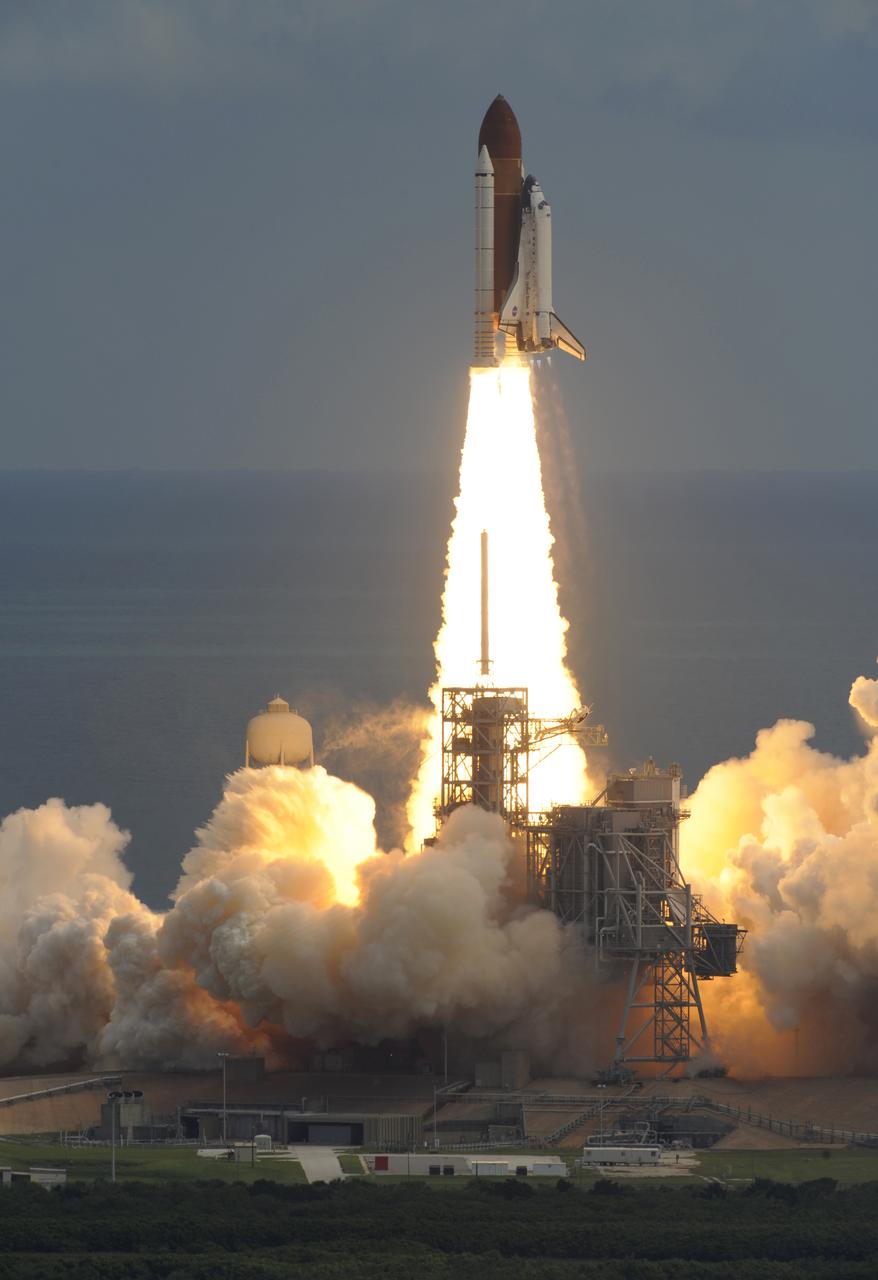
(10/23/2007) --- KENNEDY SPACE CENTER, FLA. -- Out of the clouds of smoke and steam rolling across Launch Pad 39A at NASA's Kennedy Space Center, space shuttle Discovery hurtles toward space on the 23rd assembly mission to the International Space Station. Liftoff was on time at 11:38:19 a.m. EDT. Discovery carries the Italian-built U.S. Node 2, called Harmony. During the 14-day STS-120 mission, the crew will install Harmony and move the P6 solar arrays to their permanent position and deploy them. Discovery is expected to complete its mission and return home at 4:47 a.m. EST on Nov. 6
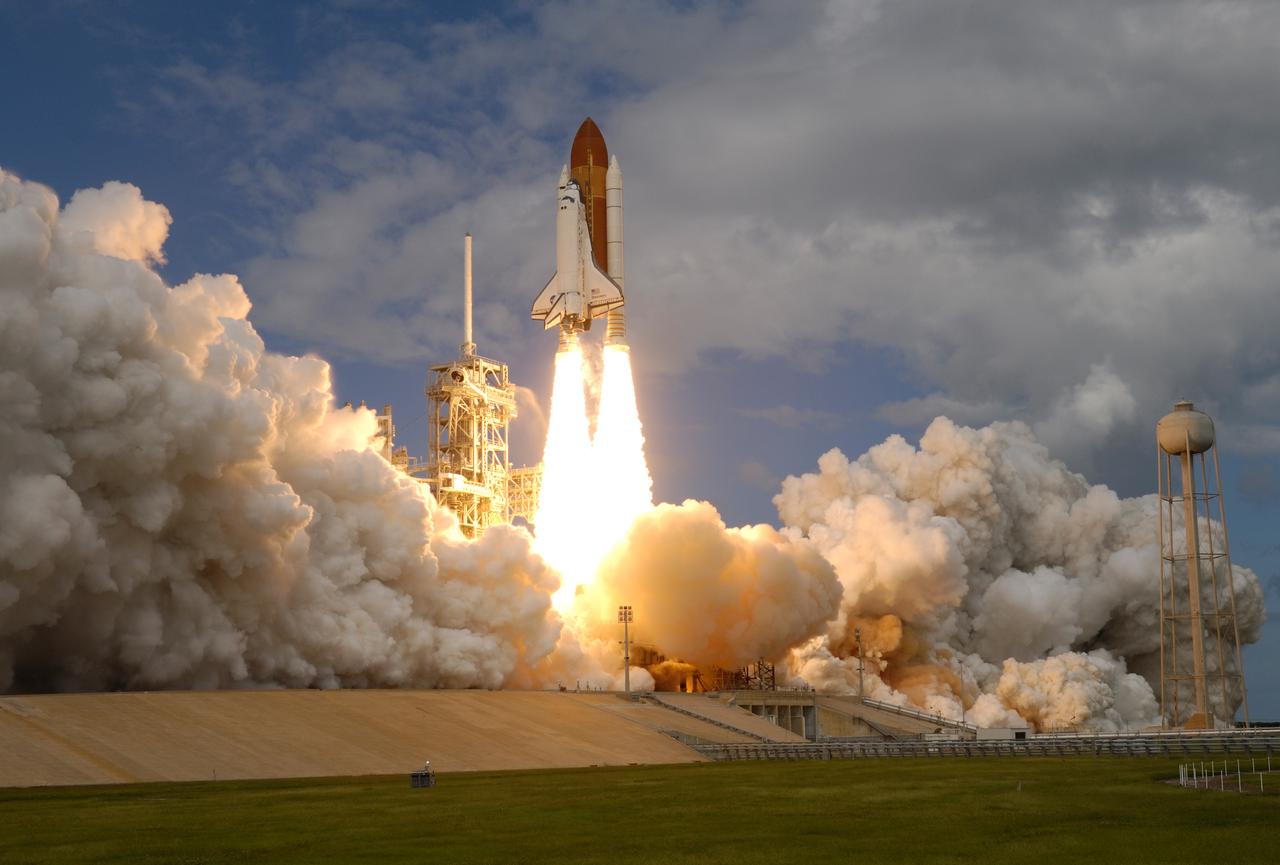
(10/23/2007) --- KENNEDY SPACE CENTER, FLA. -- Out of the clouds of smoke and steam rolling across Launch Pad 39A at NASA's Kennedy Space Center, space shuttle Discovery hurtles toward space on the 23rd assembly mission to the International Space Station. Liftoff was on time at 11:38:19 a.m. EDT. Discovery carries the Italian-built U.S. Node 2, called Harmony. During the 14-day STS-120 mission, the crew will install Harmony and move the P6 solar arrays to their permanent position and deploy them. Discovery is expected to complete its mission and return home at 4:47 a.m. EST on Nov. 6
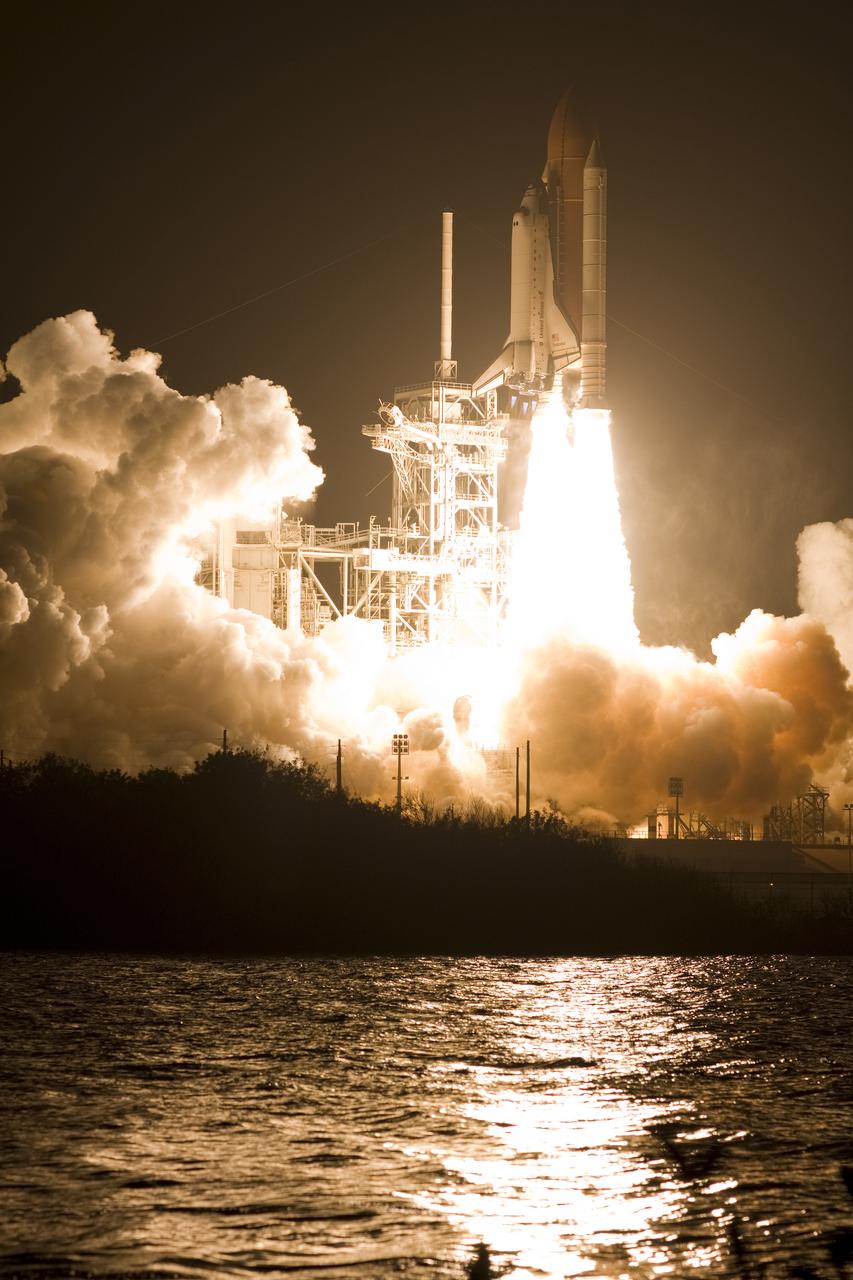
STS-126 Remote Camera
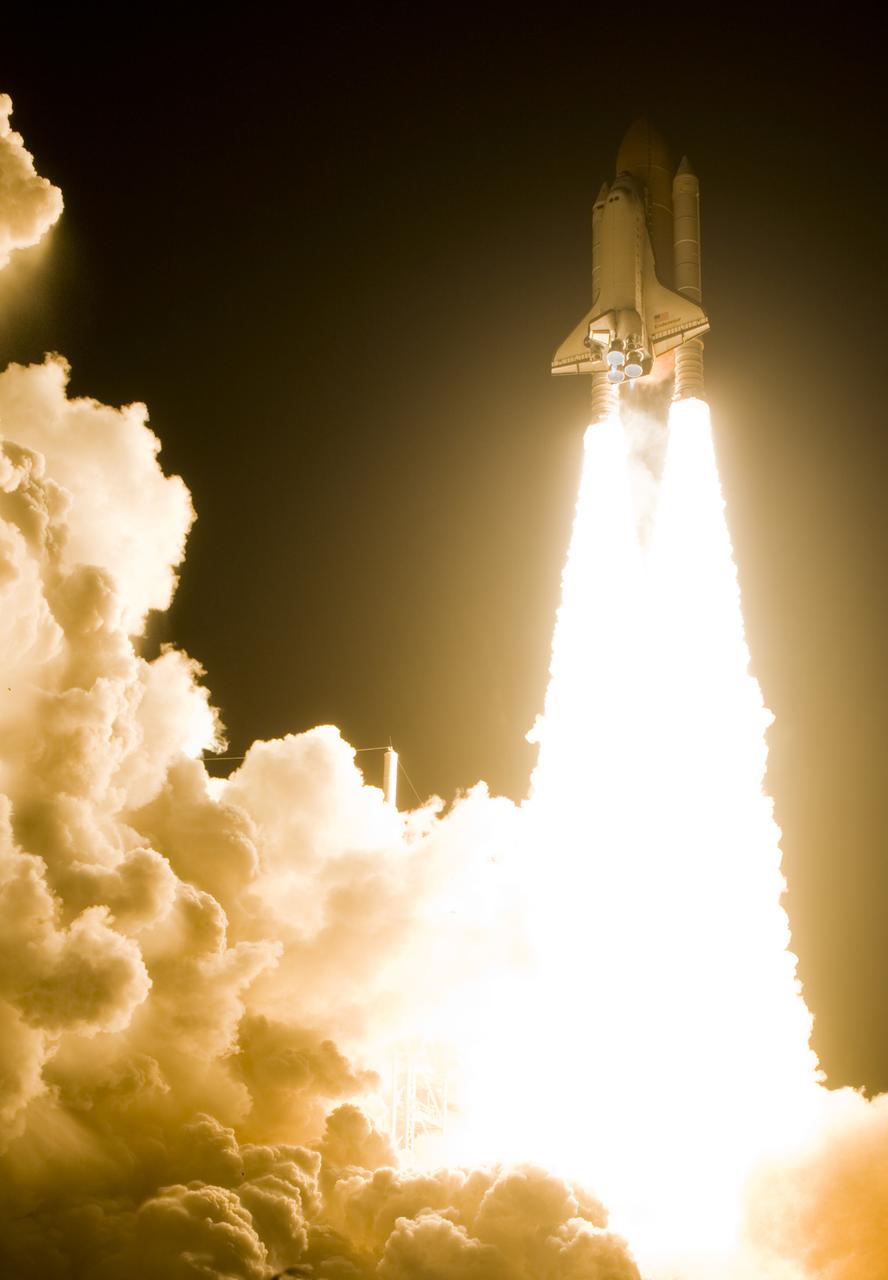
STS-126 Remote Camera
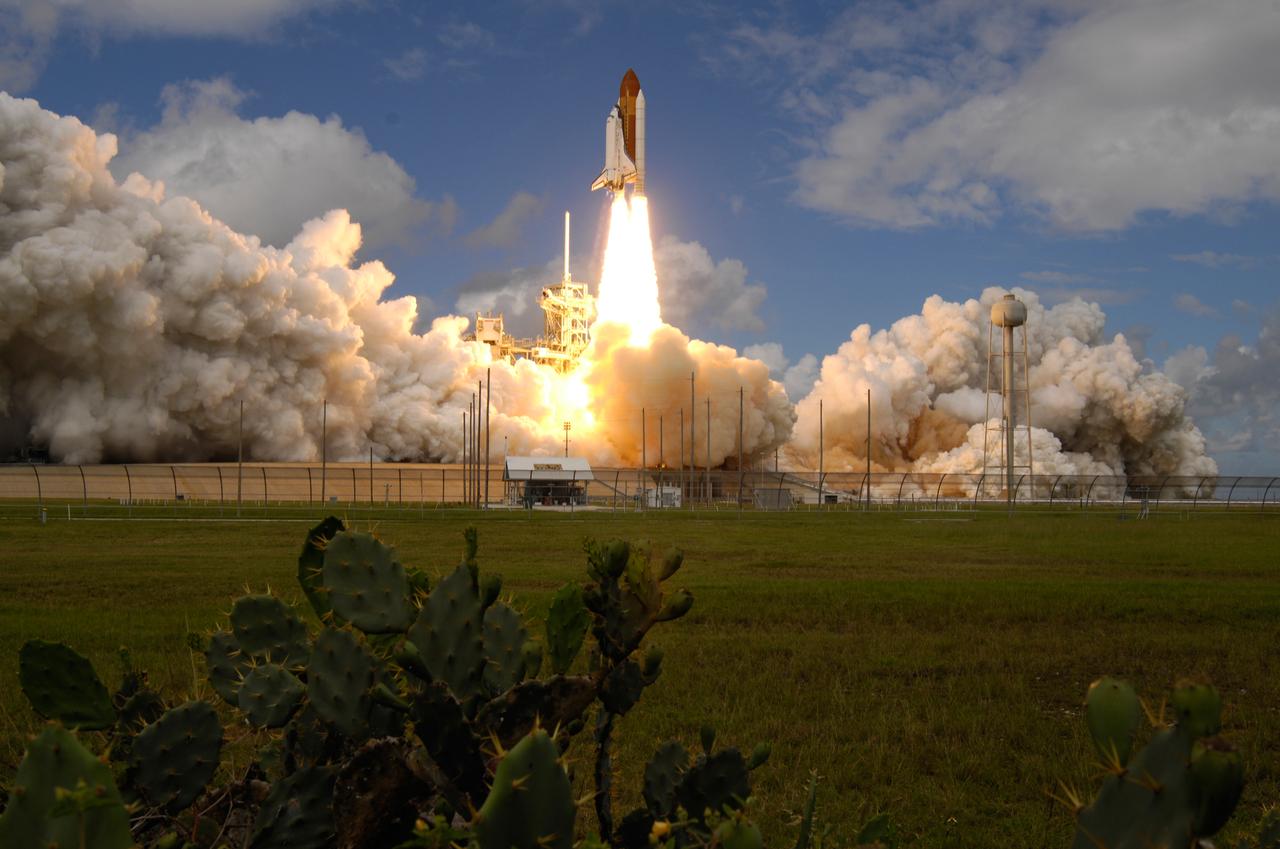
(10/23/2007) --- KENNEDY SPACE CENTER, FLA. -- Out of the clouds of smoke and steam rolling across Launch Pad 39A at NASA's Kennedy Space Center, space shuttle Discovery hurtles toward space on the 23rd assembly mission to the International Space Station. Liftoff was on time at 11:38:19 a.m. EDT. Discovery carries the Italian-built U.S. Node 2, called Harmony. During the 14-day STS-120 mission, the crew will install Harmony and move the P6 solar arrays to their permanent position and deploy them. Discovery is expected to complete its mission and return home at 4:47 a.m. EST on Nov. 6
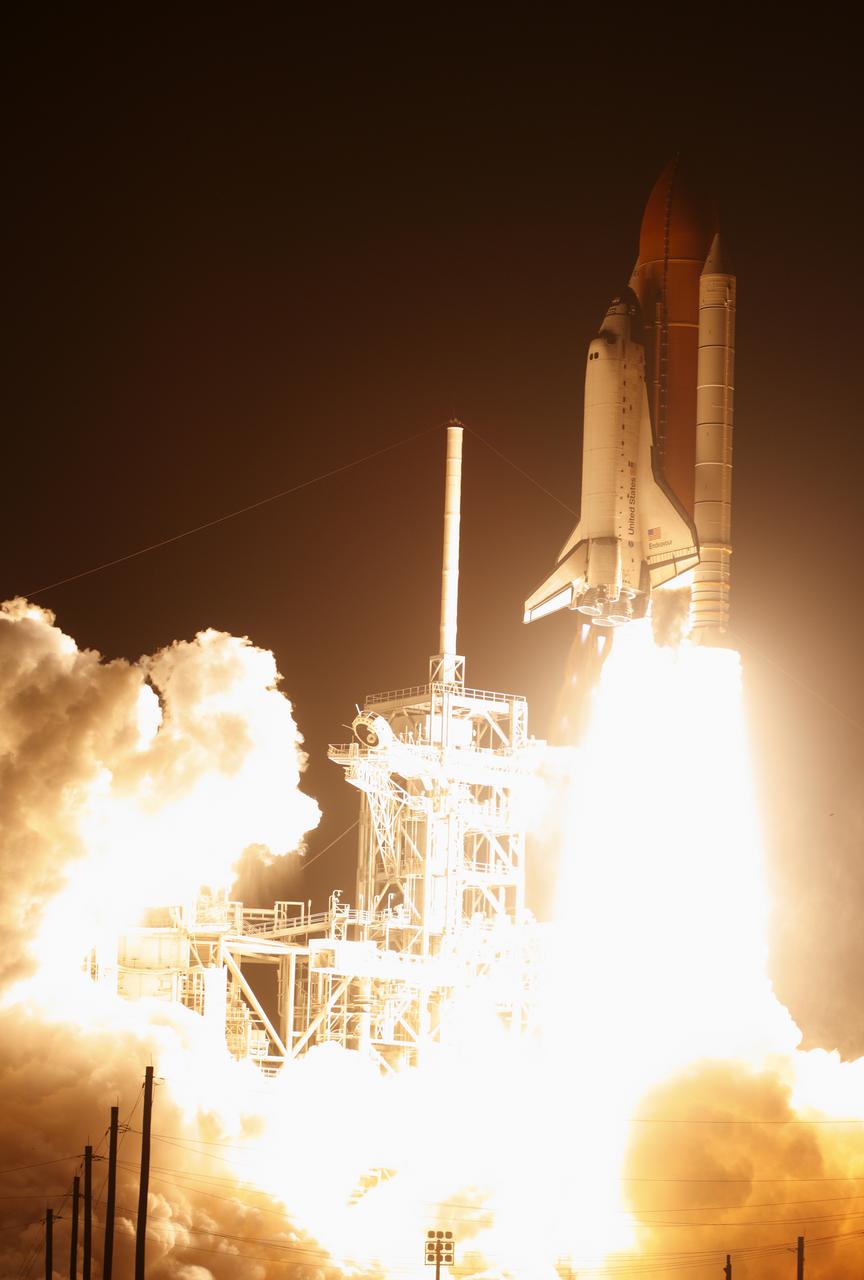
STS-126 Remote Camera
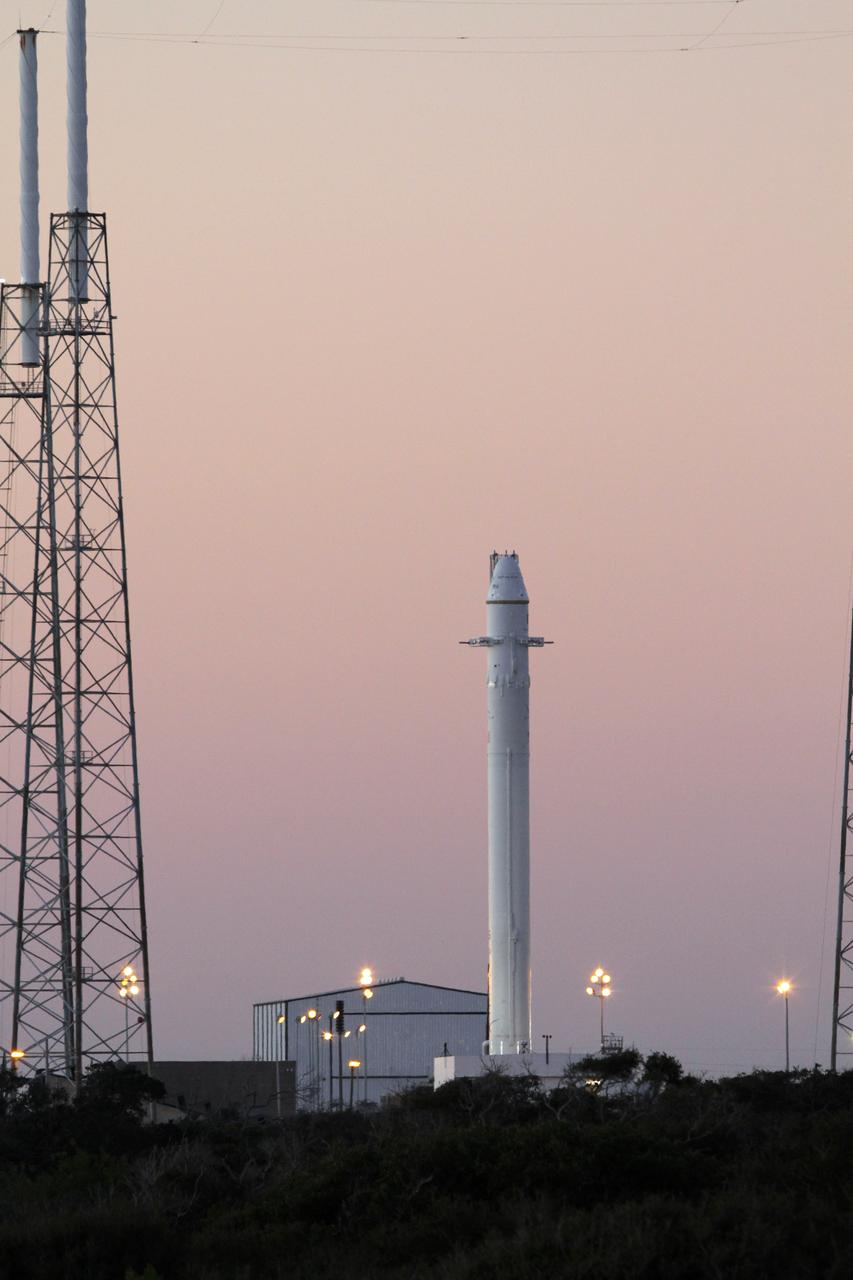
SPACE X FALCON 9 COTS-1 TEST FIRE DAY 1
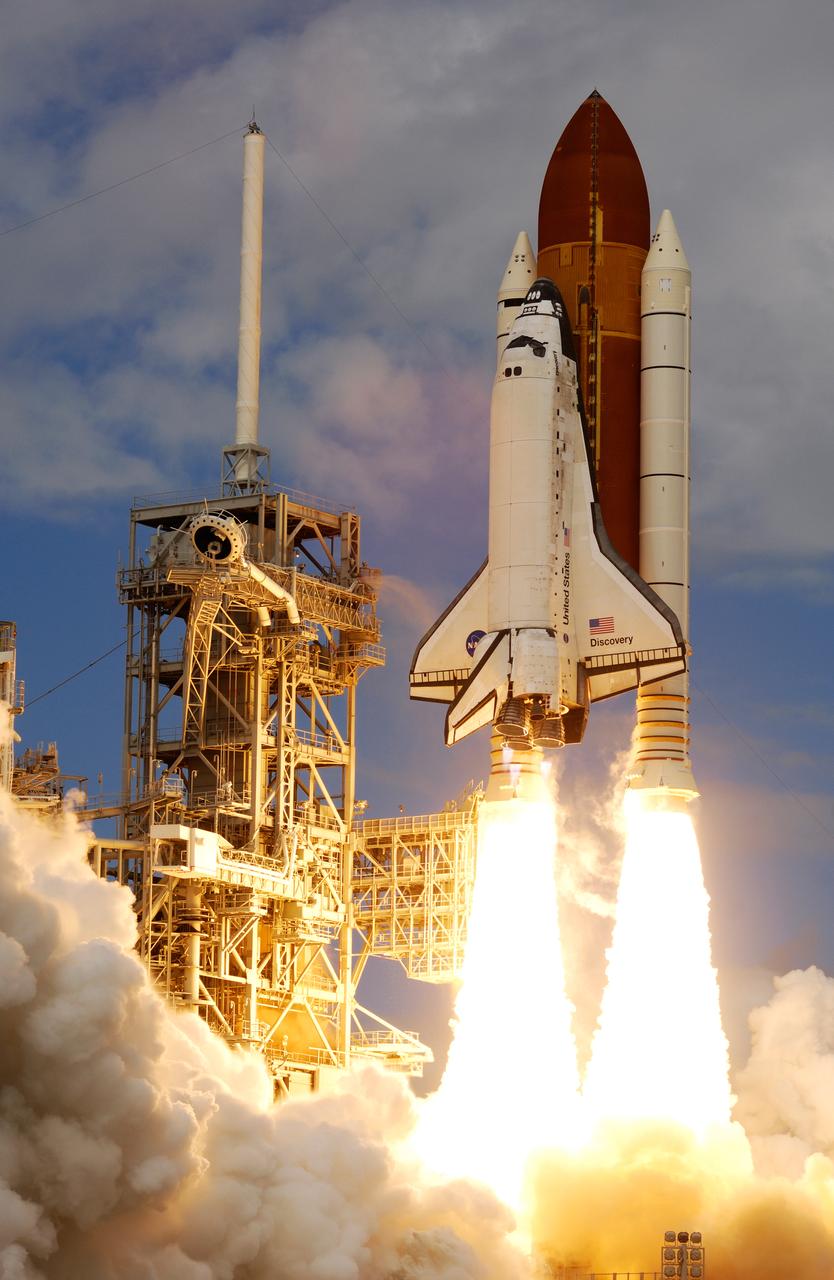
(10/23/2007) --- KENNEDY SPACE CENTER, FLA. -- Out of the clouds of smoke and steam rolling across Launch Pad 39A at NASA's Kennedy Space Center, space shuttle Discovery hurtles toward space on the 23rd assembly mission to the International Space Station. Liftoff was on time at 11:38:19 a.m. EDT. Discovery carries the Italian-built U.S. Node 2, called Harmony. During the 14-day STS-120 mission, the crew will install Harmony and move the P6 solar arrays to their permanent position and deploy them. Discovery is expected to complete its mission and return home at 4:47 a.m. EST on Nov. 6
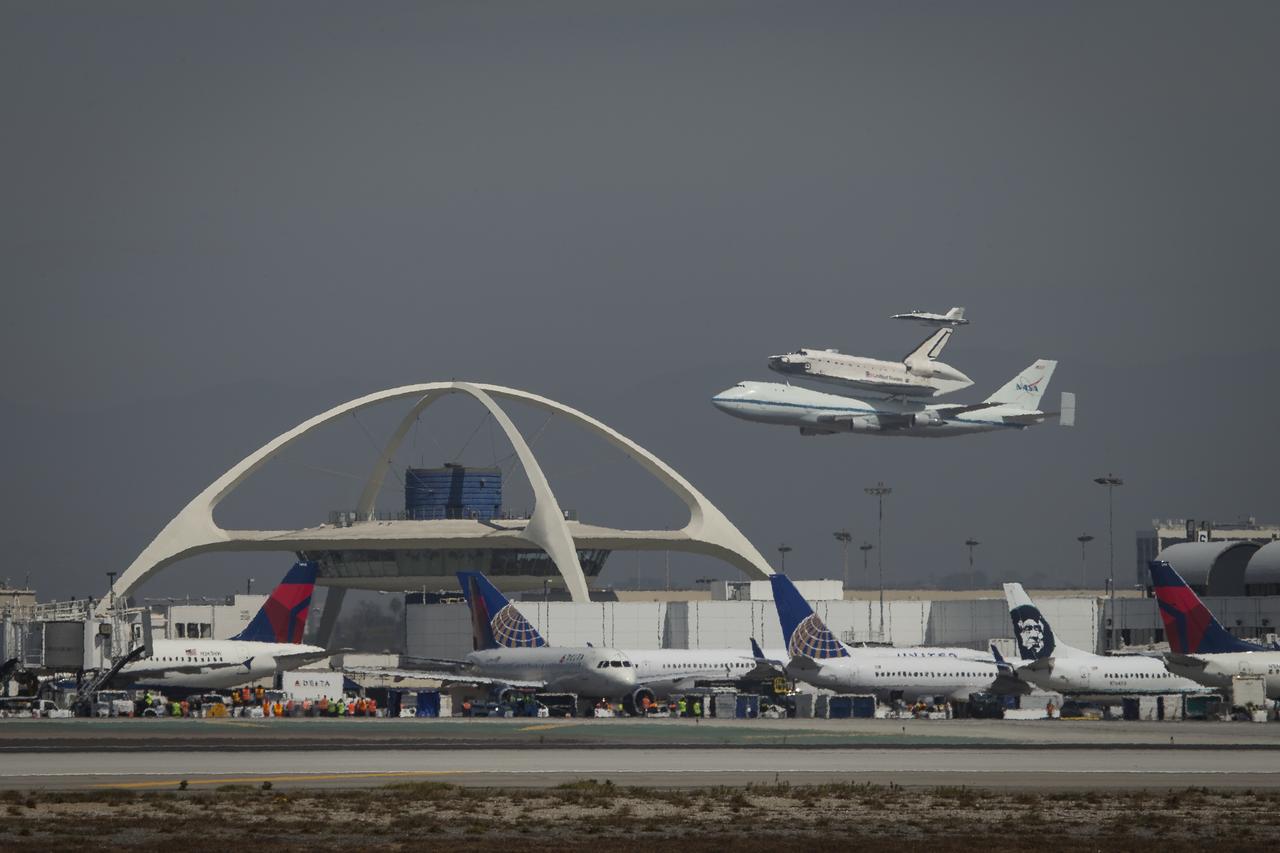
Space shuttle Endeavour, mounted atop a NASA 747 Shuttle Carrier Aircraft (SCA) performs a flyby of the Theme Building at Los Angeles International Airport, Friday, Sept. 21, 2012. Endeavour, built as a replacement for space shuttle Challenger, completed 25 missions, spent 299 days in orbit, and orbited Earth 4,671 times while traveling 122,883,151 miles. Beginning Oct. 30, the shuttle will be on display in the California Science center's Samuel Oschin Space Shuttle Endeavour Display Pavilion, embarking on its new mission to commemorate past achievements in space and educate and inspire future generations of explorers.Photo Credit: (NASA/Scott Andrews)
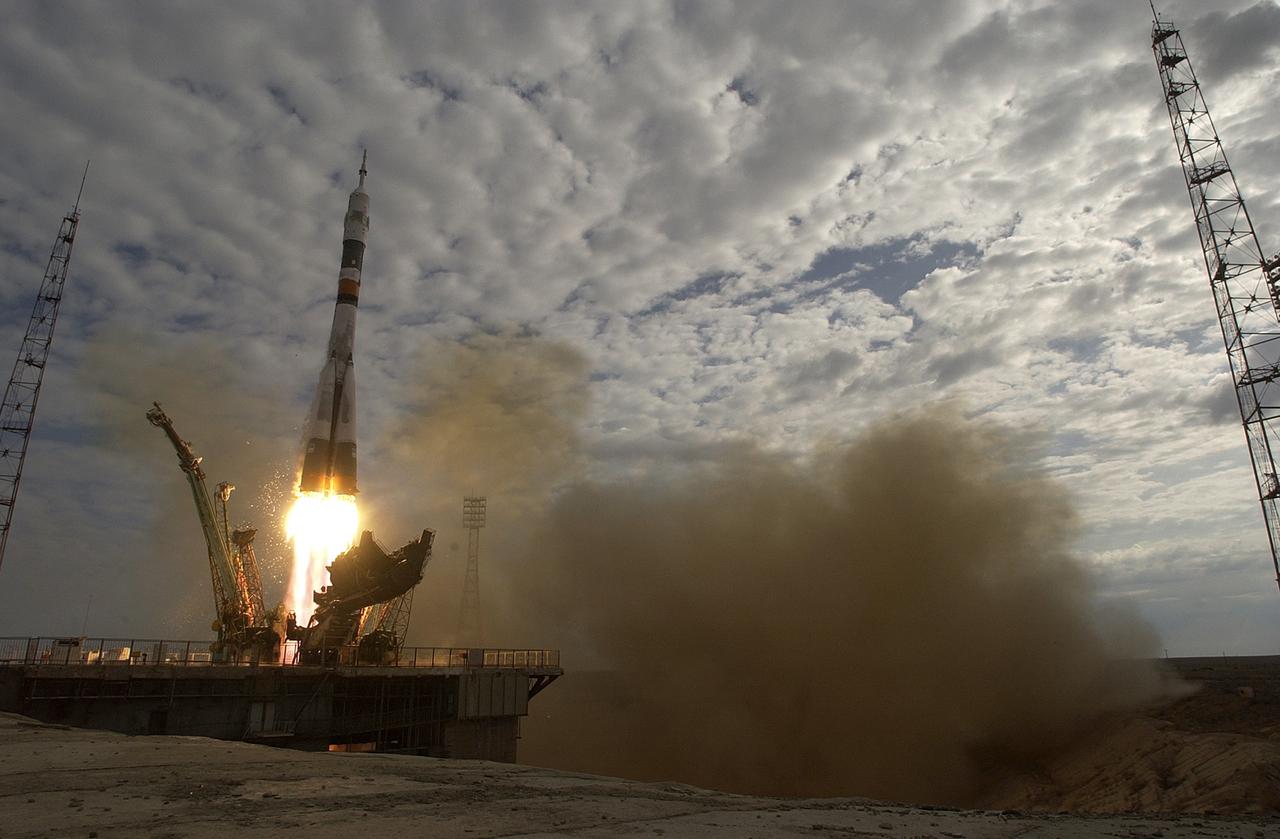
A Soyuz spacecraft lifts off from the Baikonur Cosmodrome in Baikonur, Kazakhstan, at 10:54 p.m. (CDT) on Saturday, April 26, 2003. Onboard were Yuri I. Malenchenko, Expedition 7 Mission Commander, and Edward T. Lu, NASA International Space Station Science Officer and Flight Engineer. Photo credit: (NASA/Scott Andrews)

Edward T. Lu, NASA International Space Station Science Officer and Flight Engineer for Expedition 7, raises the United States flag as he participates in the ceremonial flag raising at the Cosmonaut Hotel, Kazakhstan, Monday, April 21, 2003. Photo Credit: (NASA/Scott Andrews)
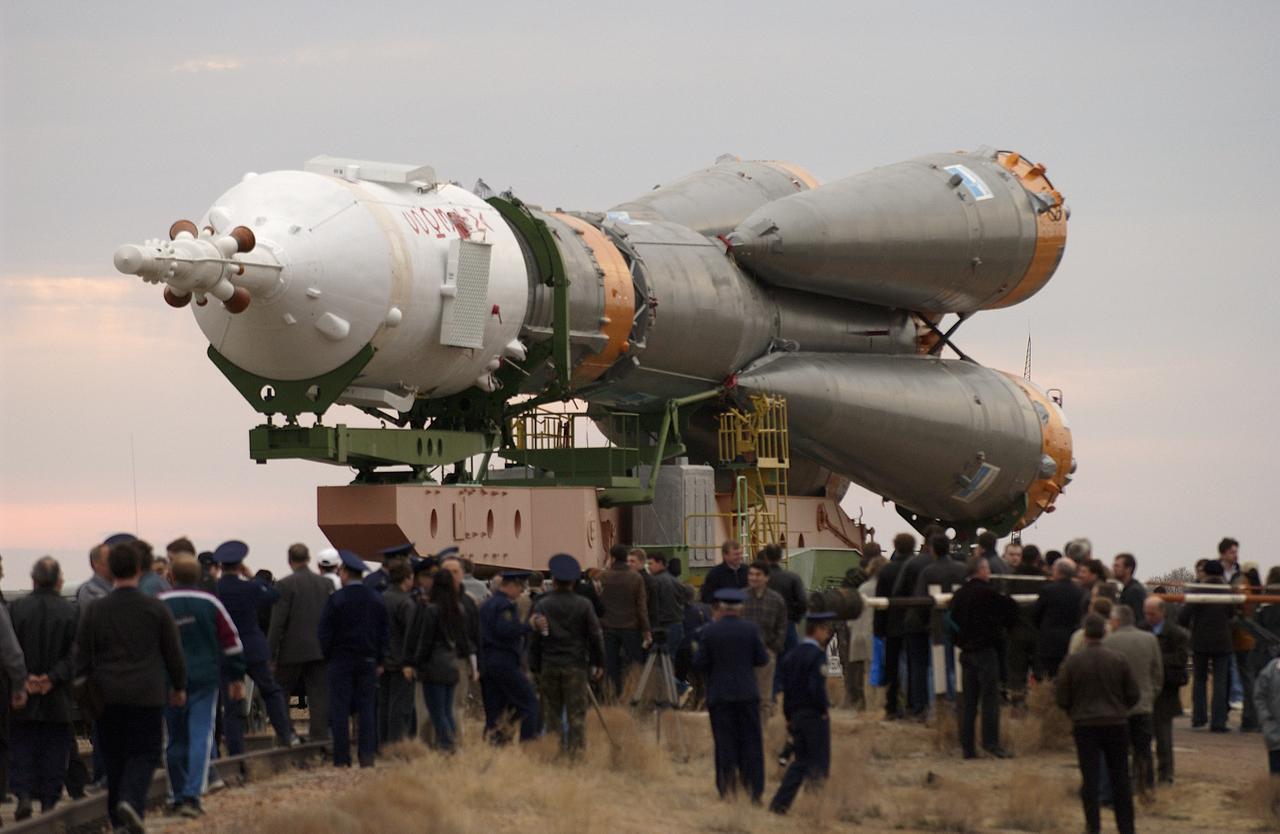
A Soyuz rocket is rolled out of the assembly building and travels via rail to the launch pad at the Baikonur Cosmodrome in Baikonur, Kazakhstan, Thursday, April 24, 2003. Expedition 7 is scheduled to launch onboard the Soyuz on Saturday April 26, 2003. Photo credit: (NASA/Scott Andrews)
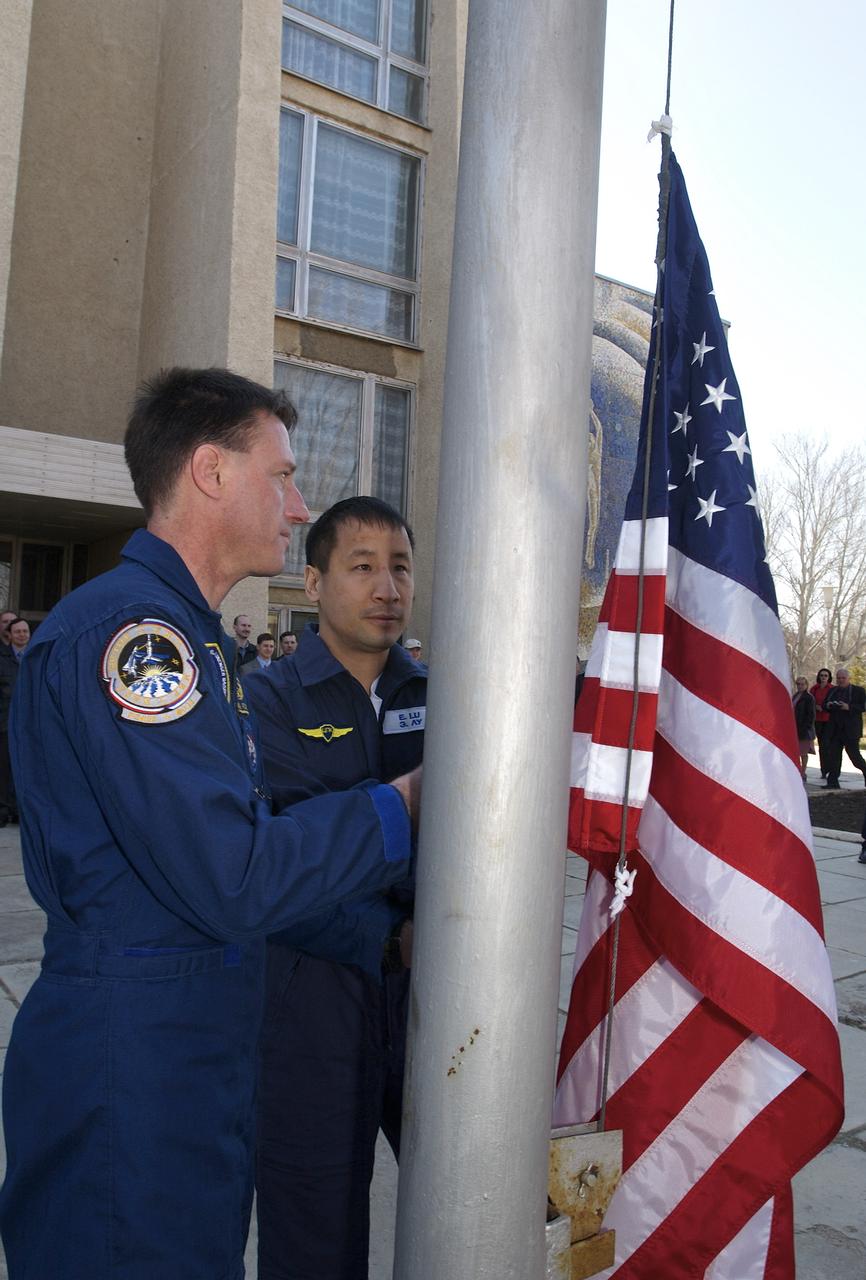
Expedition 7 backup crew member Michael Foale, left and Edward T. Lu, NASA International Space Station Science Officer and Flight Engineer, participate in the ceremonial flag raising at the Cosmonaut Hotel, Kazakhstan, Monday, April 21, 2003. Photo Credit: (NASA/Scott Andrews)
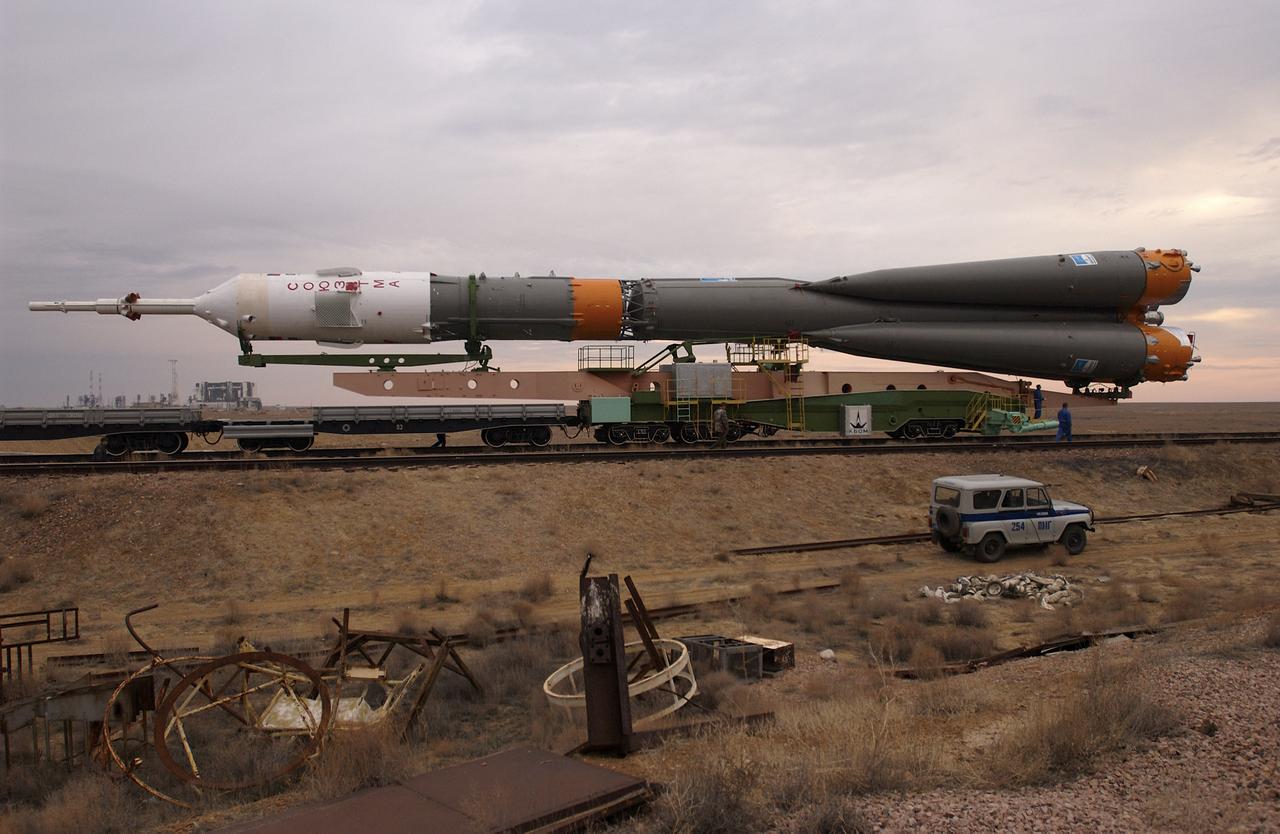
A Soyuz rocket is rolled out of the assembly building and travels via rail to the launch pad at the Baikonur Cosmodrome in Baikonur, Kazakhstan, Thursday, April 24, 2003. Expedition 7 is scheduled to launch onboard the Soyuz on Saturday, April 26, 2003. Photo credit: (NASA/Scott Andrews)
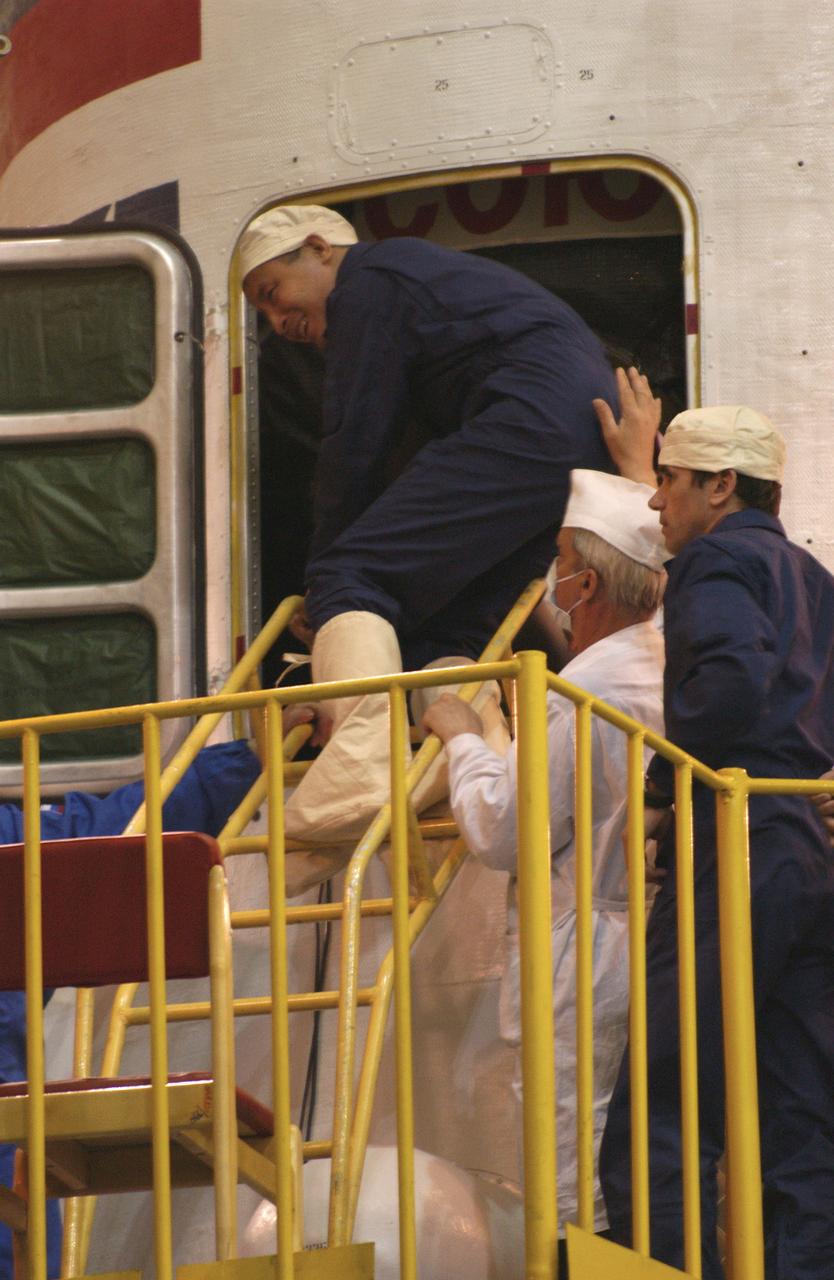
Expedition 7 NASA International Space Station Science Officer and Flight Engineer Edward T. Lu steps out of the Soyuz capsule while Mission Commander Yuri I. Malenchenko looks on. The crew entered the Soyuz capsule for final checks, Tuesday, April 22, 2003, prior to their scheduled launch on Saturday April 26, 2003 from the Baikonur Cosmodrome in Baiknour, Kazakhstan. Photo credit: (NASA/Scott Andrews)
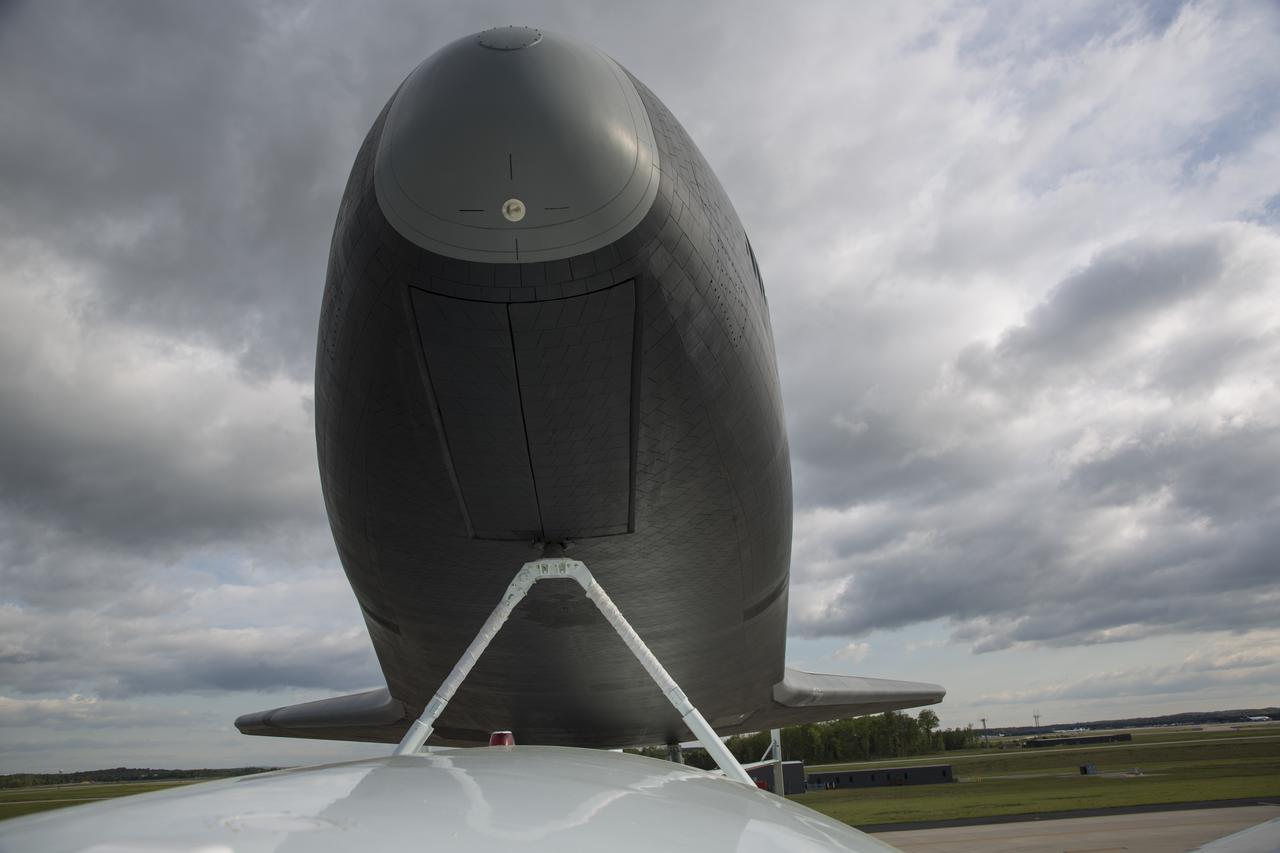
Space shuttle Enterprise, mounted atop a NASA 747 Shuttle Carrier Aircraft (SCA), is seen prior to taking off for New York from Washington Dulles International Airport, Friday, April 27, 2012, in Sterling, VA. Enterprise was the first shuttle orbiter built for NASA performing test flights in the atmosphere and was incapable of spaceflight. Originally housed at the Smithsonian's Steven F. Udvar-Hazy Center, Enterprise will be demated from the SCA and placed on a barge that will eventually be moved by tugboat up the Hudson River to the Intrepid Sea, Air & Space Museum in June. Photo Credit: (NASA/Scott Andrews)
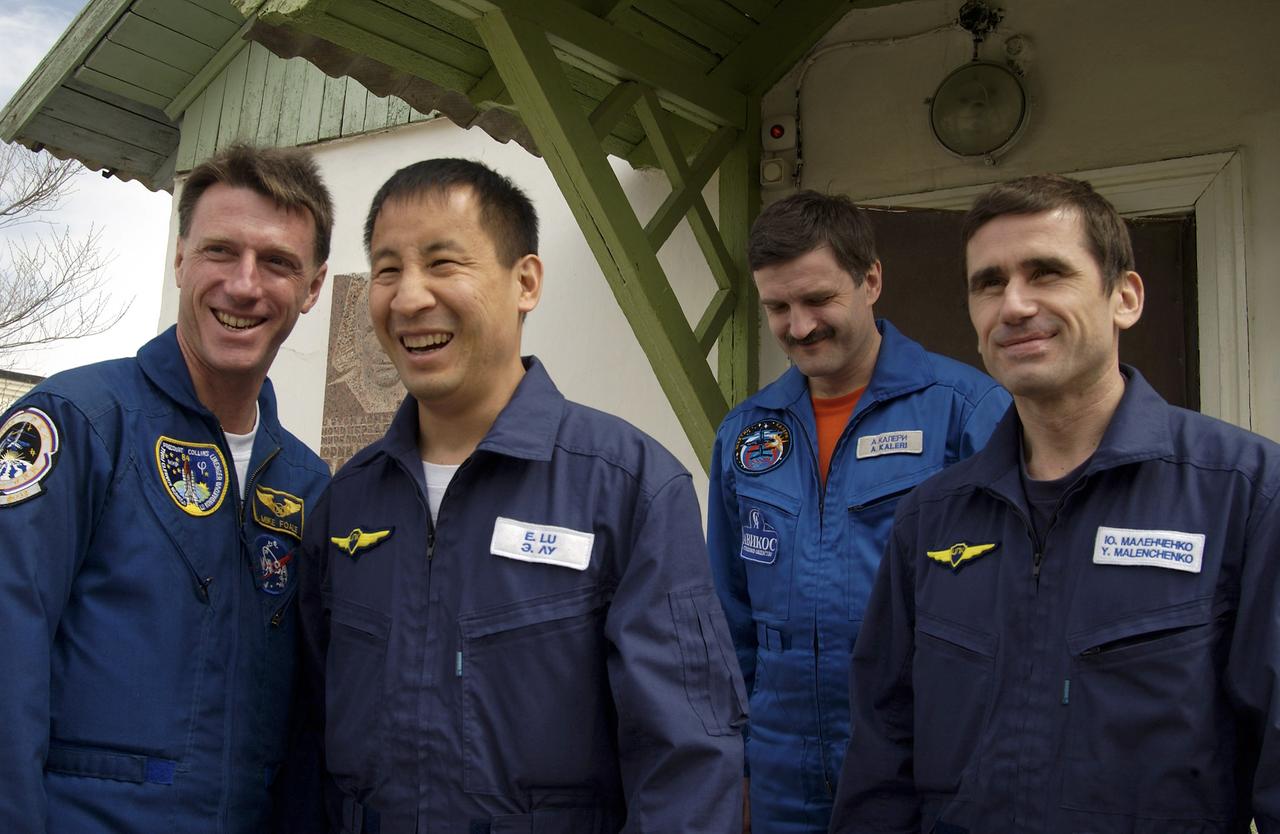
Michael Foale, left, Expedition 7 backup crew member; Edward T. Lu, NASA International Space Station Science Officer and Flight Engineer; Alexander Y. Kaleri, backup crew member; and Yuri I. Malenchenko, Mission Commander, right are pictured as they visit the quarters of Yuri Gagarin after having visited the Soyuz launch pad and performing a final check of the Soyuz capsule at the Baikonur Cosmodrome in Baikonur, Kazakhstan, Tuesday, April 22, 2003. Photo credit: (NASA/Scott Andrews)
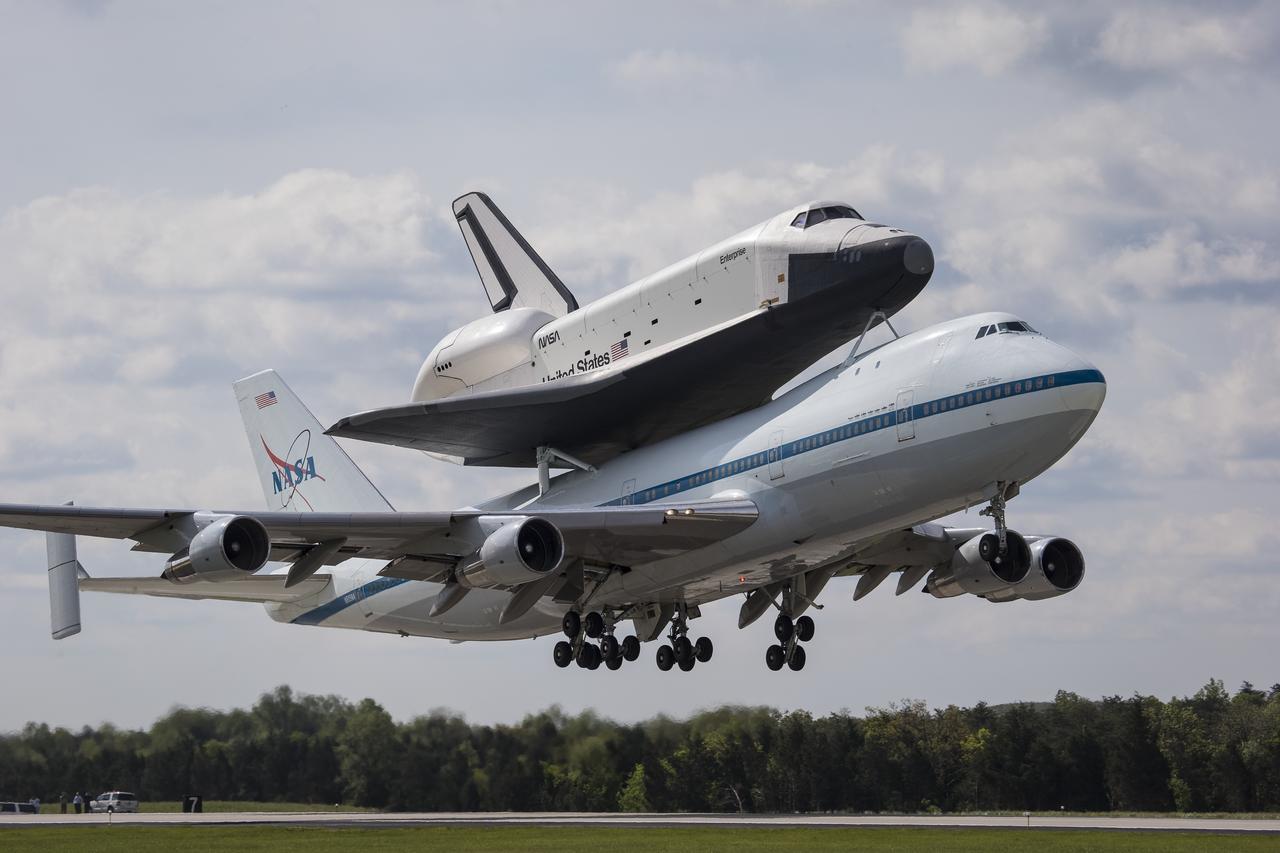
Space shuttle Enterprise, mounted atop a NASA 747 Shuttle Carrier Aircraft (SCA), is seen as it takes off for New York from Washington Dulles International Airport, Friday, April 27, 2012, in Sterling, VA. Enterprise was the first shuttle orbiter built for NASA performing test flights in the atmosphere and was incapable of spaceflight. Originally housed at the Smithsonian's Steven F. Udvar-Hazy Center, Enterprise will be demated from the SCA and placed on a barge that will eventually be moved by tugboat up the Hudson River to the Intrepid Sea, Air & Space Museum in June. Photo Credit: (NASA/Scott Andrews)
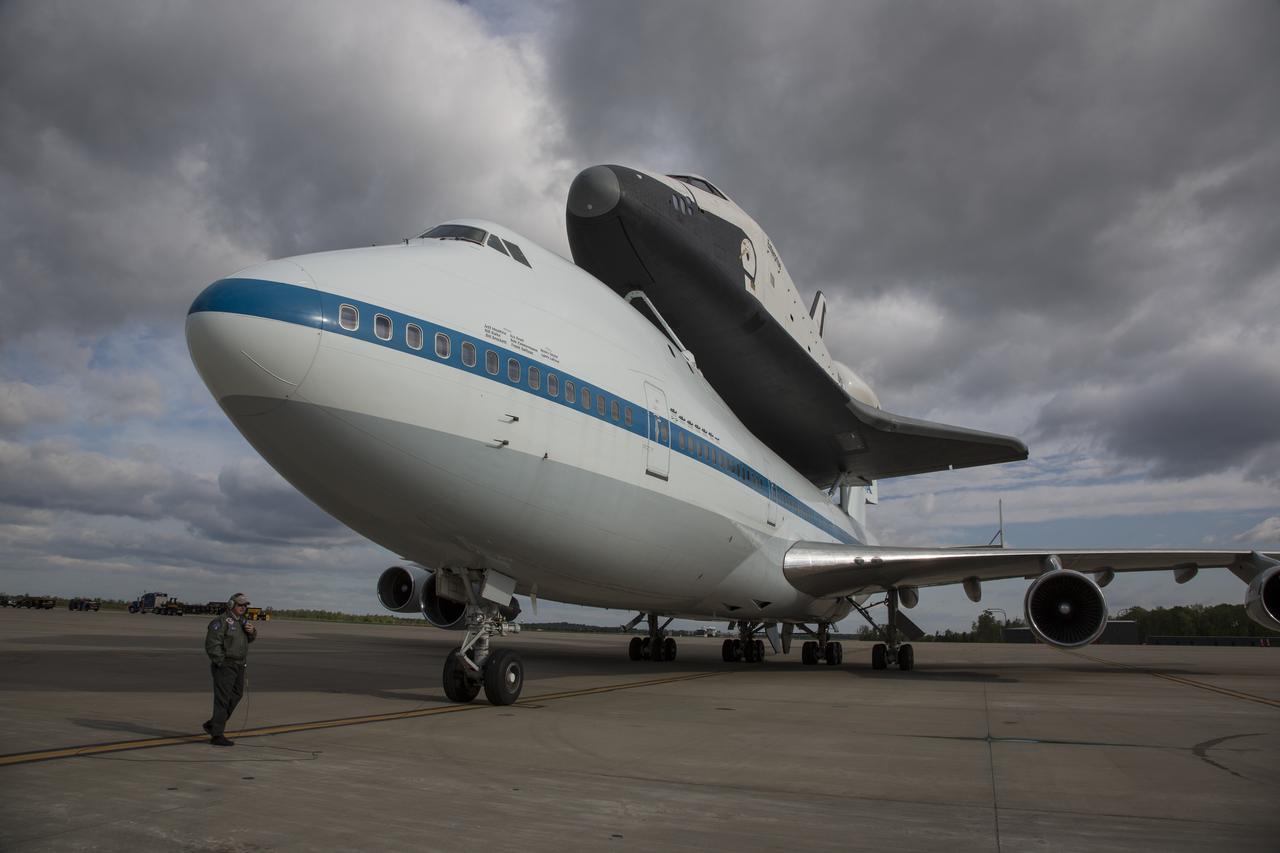
Space shuttle Enterprise, mounted atop a NASA 747 Shuttle Carrier Aircraft (SCA), is seen prior to taking off for New York from Washington Dulles International Airport, Friday, April 27, 2012, in Sterling, VA. Enterprise was the first shuttle orbiter built for NASA performing test flights in the atmosphere and was incapable of spaceflight. Originally housed at the Smithsonian's Steven F. Udvar-Hazy Center, Enterprise will be demated from the SCA and placed on a barge that will eventually be moved by tugboat up the Hudson River to the Intrepid Sea, Air & Space Museum in June. Photo Credit: (NASA/Scott Andrews)