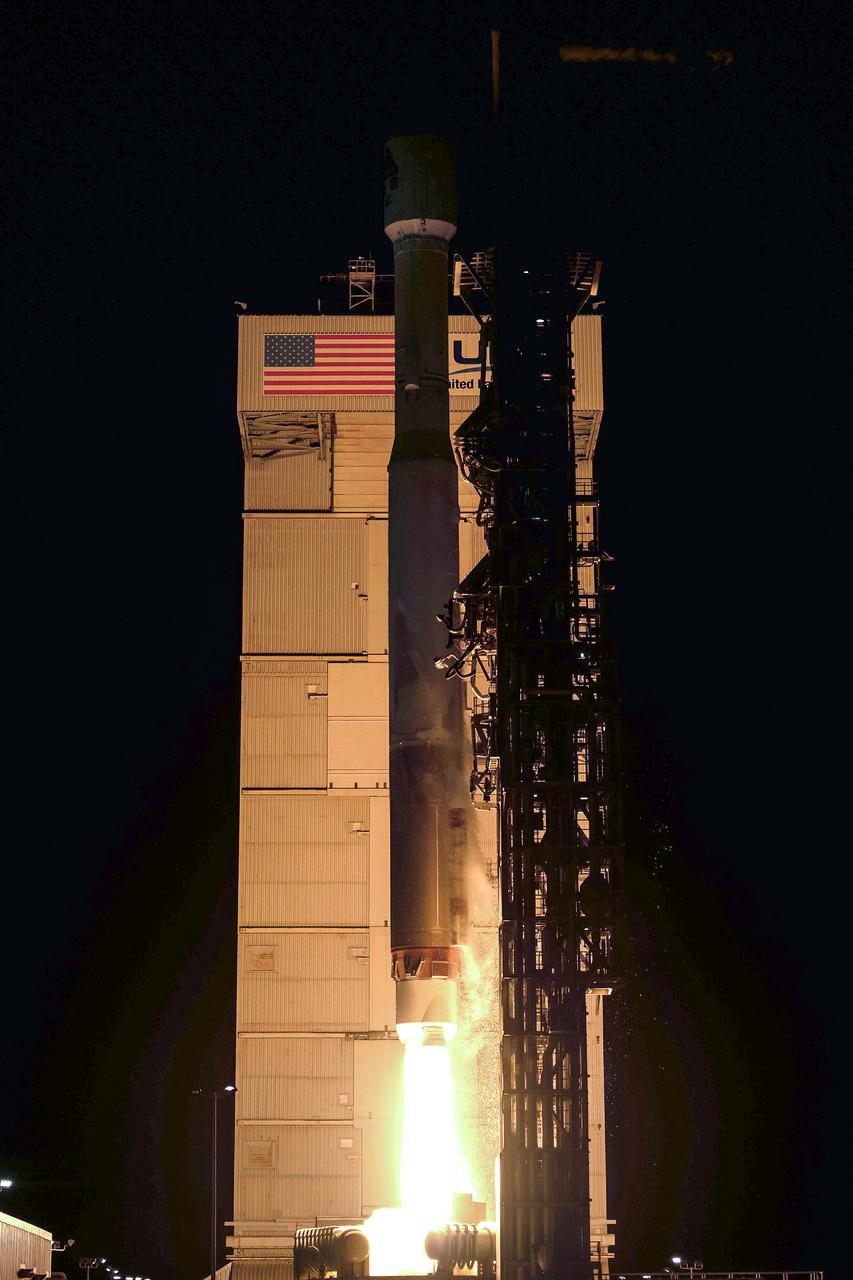
A United Launch Alliance Atlas V 401 rocket lifts off from Space Launch Complex 3 at Vandenberg Space Force Base in California on Nov. 10 carrying the National Oceanic and Atmospheric Administration’s (NOAA) Joint Polar Satellite System-2 (JPSS-2) and NASA’s Low-Earth Orbit Flight Test of an Inflatable Decelerator (LOFTID) technology demonstration. Liftoff was at 2:25 a.m. PDT. JPSS-2 is the third satellite in the polar satellite series and is expected to capture data to improve weather forecasts, helping scientists predict and prepare for extreme weather events and climate change. After JPSS-2 safely reaches orbit, LOFTID will follow a re-entry trajectory from low-Earth orbit to demonstrate the inflatable heat shield’s ability to slow down and survive re-entry. LOFTID is a partnership with ULA and is dedicated to the memory of Bernard Kutter, one of the company’s engineers who played a key role in developing the technology. LOFTID will demonstrate how the inflatable aeroshell, or heat shield, can slow down and survive re-entry in conditions relevant to many potential applications, whether landing humans on Mars, new missions to Venus and Titan, or returning heavier payloads and samples from low-Earth orbit.
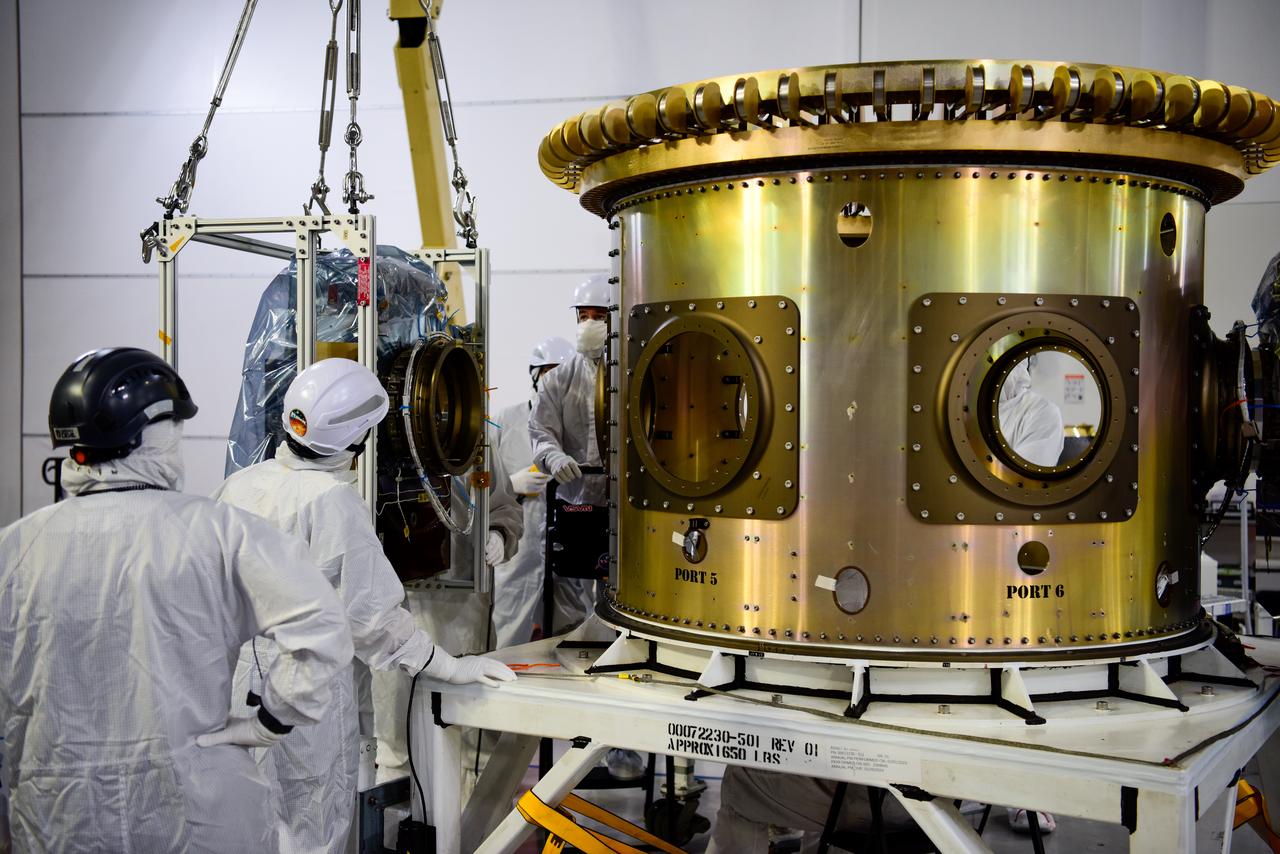
Technicians integrate NASA’s four PUNCH (Polarimeter to Unify the Corona and Heliosphere) satellites to the evolved expendable launch vehicle secondary payload adapter array ring inside the Astrotech Space Operations Facility at Vandenberg Space Force Base in California on Friday, Feb. 14, 2025. PUNCH will study origins of the Sun’s outflow of material, or the solar wind, capturing continuous 3D images of the Sun’s corona and the solar wind’s journey into the solar system. The PUNCH mission is launching as a rideshare with NASA’s SPHEREx (Spectro-Photometer for the History of the Universe, Epoch of Reionization and Ices Explorer) observatory scheduled to launch aboard a SpaceX Falcon 9 rocket at 10:09 p.m. EST (7:09 p.m. PST), Friday, Feb. 28, 2025, at Space Launch Complex 4 East from Vandenberg Space Force Base in California.
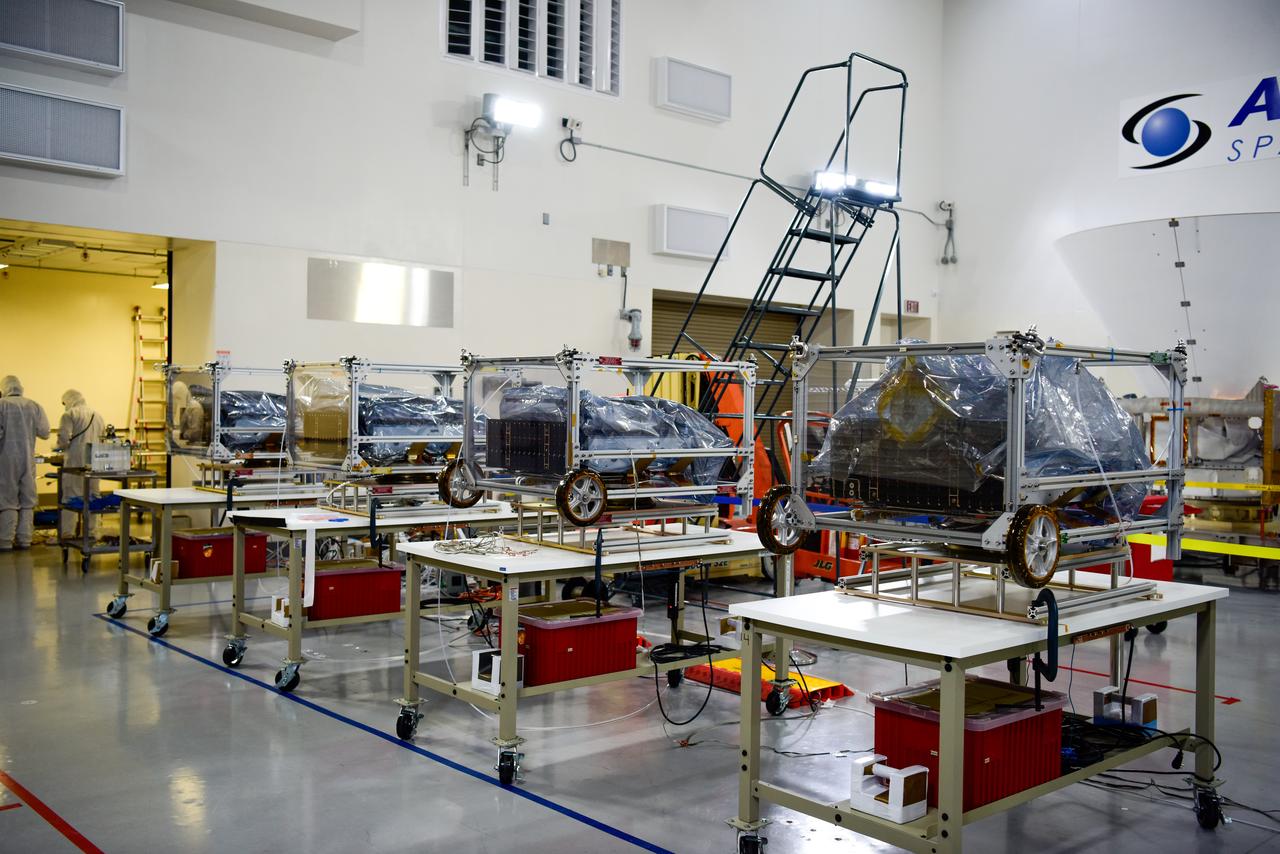
NASA’s four PUNCH (Polarimeter to Unify the Corona and Heliosphere) satellites await integration to the evolved expendable launch vehicle secondary payload adapter array ring inside the Astrotech Space Operations Facility at Vandenberg Space Force Base in California on Friday, Feb. 14, 2025. PUNCH will study origins of the Sun’s outflow of material, or the solar wind, capturing continuous 3D images of the Sun’s corona and the solar wind’s journey into the solar system. The PUNCH mission is launching as a rideshare with NASA’s SPHEREx (Spectro-Photometer for the History of the Universe, Epoch of Reionization and Ices Explorer) observatory scheduled to launch aboard a SpaceX Falcon 9 rocket at 10:09 p.m. EST (7:09 p.m. PST), Friday, Feb. 28, 2025, at Space Launch Complex 4 East from Vandenberg Space Force Base in California.
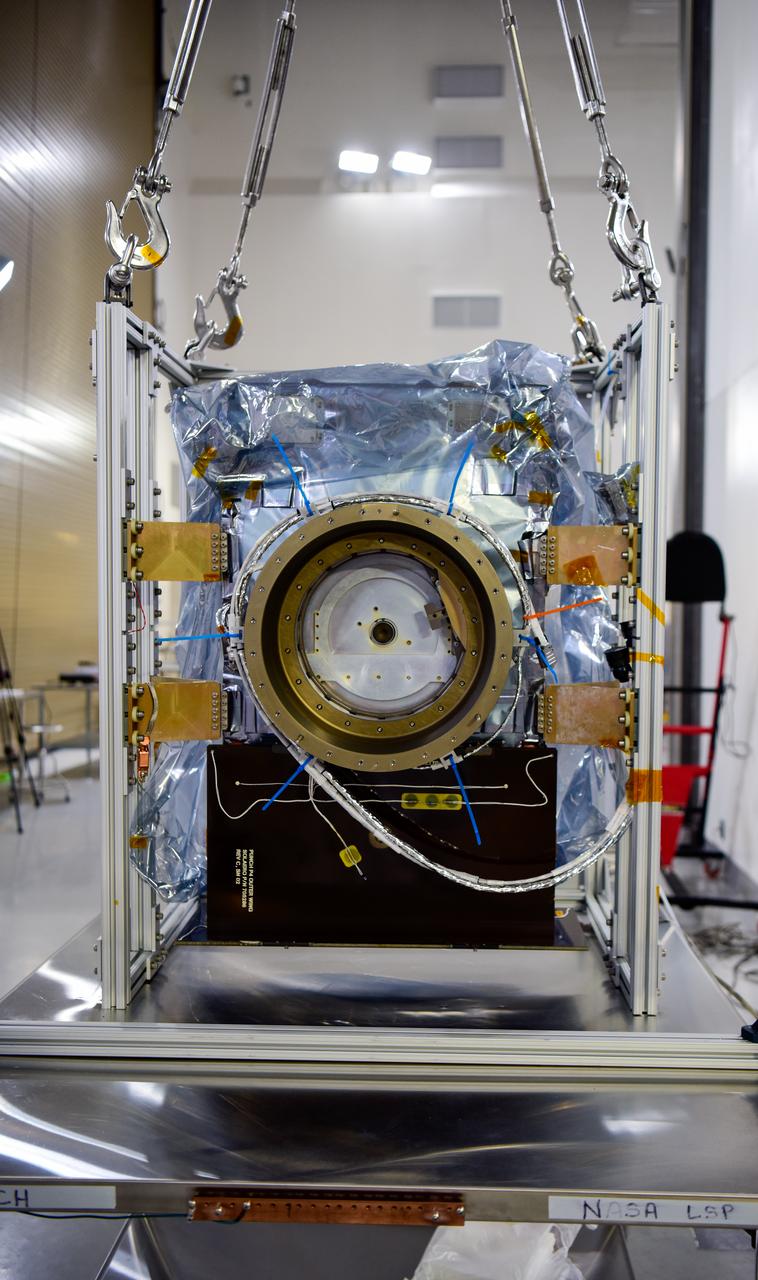
Technicians integrate NASA’s four PUNCH (Polarimeter to Unify the Corona and Heliosphere) satellites to the evolved expendable launch vehicle secondary payload adapter array ring inside the Astrotech Space Operations Facility at Vandenberg Space Force Base in California on Friday, Feb. 14, 2025. PUNCH will study origins of the Sun’s outflow of material, or the solar wind, capturing continuous 3D images of the Sun’s corona and the solar wind’s journey into the solar system. The PUNCH mission is launching as a rideshare with NASA’s SPHEREx (Spectro-Photometer for the History of the Universe, Epoch of Reionization and Ices Explorer) observatory scheduled to launch aboard a SpaceX Falcon 9 rocket at 10:09 p.m. EST (7:09 p.m. PST), Friday, Feb. 28, 2025, at Space Launch Complex 4 East from Vandenberg Space Force Base in California.
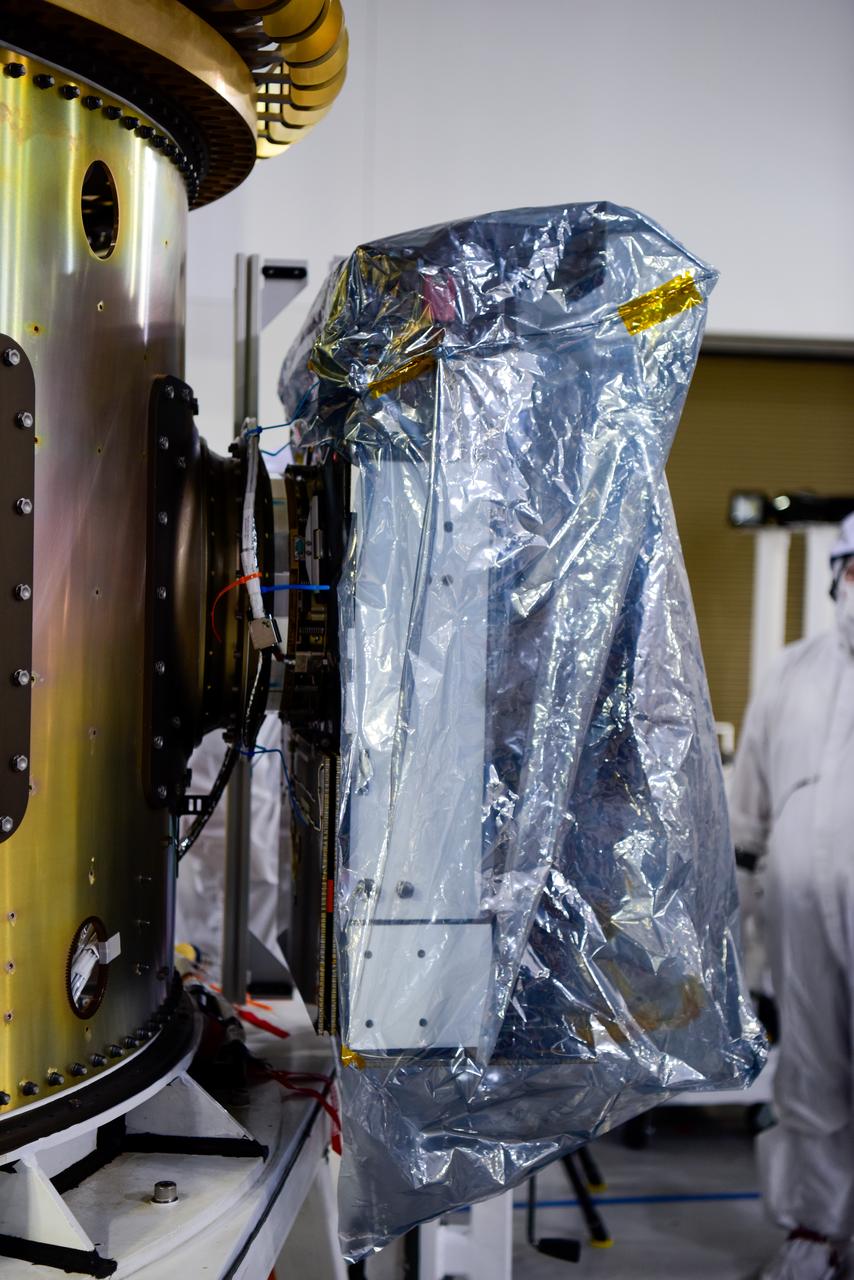
Technicians integrate NASA’s four PUNCH (Polarimeter to Unify the Corona and Heliosphere) satellites to the evolved expendable launch vehicle secondary payload adapter array ring inside the Astrotech Space Operations Facility at Vandenberg Space Force Base in California on Friday, Feb. 14, 2025. PUNCH will study origins of the Sun’s outflow of material, or the solar wind, capturing continuous 3D images of the Sun’s corona and the solar wind’s journey into the solar system. The PUNCH mission is launching as a rideshare with NASA’s SPHEREx (Spectro-Photometer for the History of the Universe, Epoch of Reionization and Ices Explorer) observatory scheduled to launch aboard a SpaceX Falcon 9 rocket at 10:09 p.m. EST (7:09 p.m. PST), Friday, Feb. 28, 2025, at Space Launch Complex 4 East from Vandenberg Space Force Base in California.
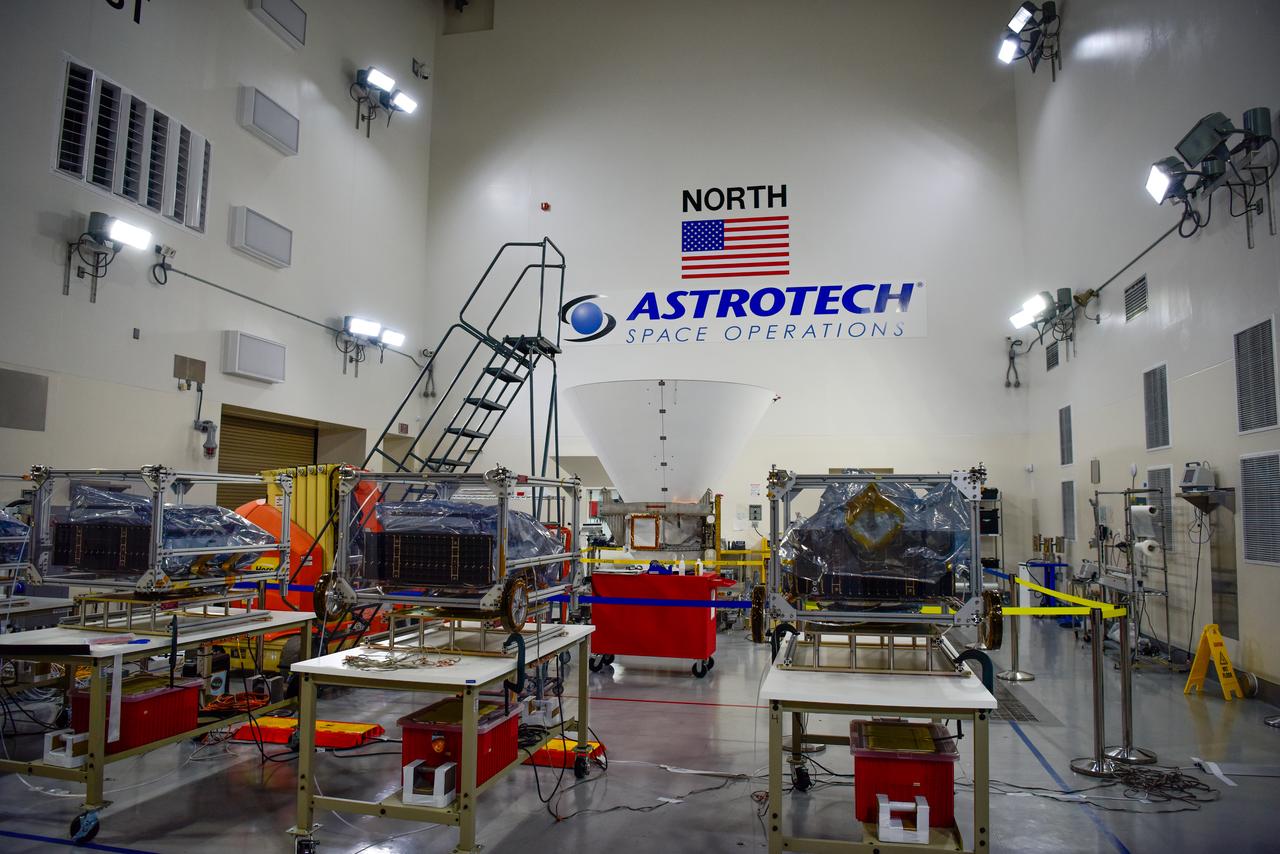
NASA’s four PUNCH (Polarimeter to Unify the Corona and Heliosphere) satellites await integration to the evolved expendable launch vehicle secondary payload adapter array ring inside the Astrotech Space Operations Facility at Vandenberg Space Force Base in California on Friday, Feb. 14, 2025. PUNCH will study origins of the Sun’s outflow of material, or the solar wind, capturing continuous 3D images of the Sun’s corona and the solar wind’s journey into the solar system. The PUNCH mission is launching as a rideshare with NASA’s SPHEREx (Spectro-Photometer for the History of the Universe, Epoch of Reionization and Ices Explorer) observatory scheduled to launch aboard a SpaceX Falcon 9 rocket at 10:09 p.m. EST (7:09 p.m. PST), Friday, Feb. 28, 2025, at Space Launch Complex 4 East from Vandenberg Space Force Base in California.
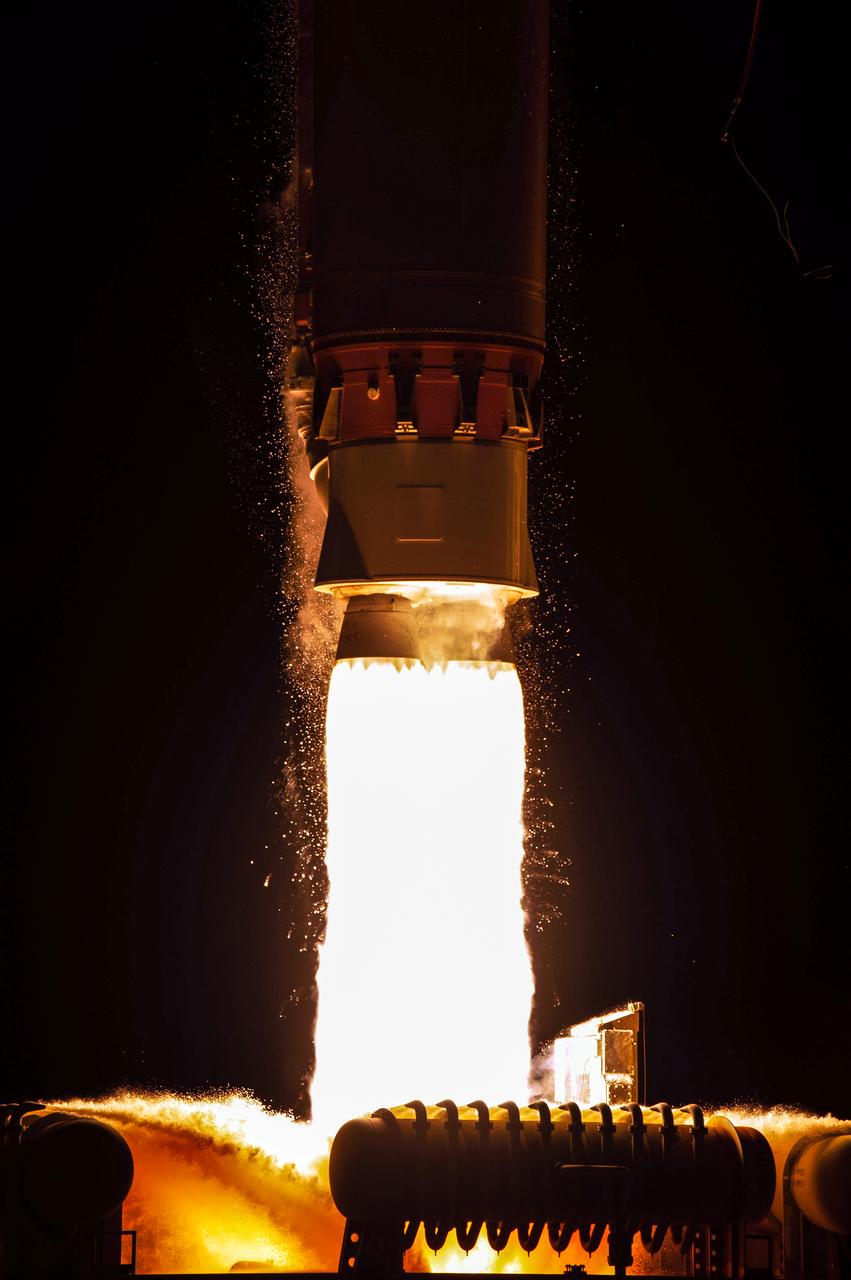
A United Launch Alliance Atlas V 401 rocket lifts off from Space Launch Complex 3 at Vandenberg Space Force Base in California on Nov. 10 carrying the National Oceanic and Atmospheric Administration’s (NOAA) Joint Polar Satellite System-2 (JPSS-2) and NASA’s Low-Earth Orbit Flight Test of an Inflatable Decelerator (LOFTID) technology demonstration. Liftoff was at 2:25 a.m. PDT. JPSS-2 is the third satellite in the polar satellite series and is expected to capture data to improve weather forecasts, helping scientists predict and prepare for extreme weather events and climate change. After JPSS-2 safely reaches orbit, LOFTID will follow a re-entry trajectory from low-Earth orbit to demonstrate the inflatable heat shield’s ability to slow down and survive re-entry. LOFTID is a partnership with ULA and is dedicated to the memory of Bernard Kutter, one of the company’s engineers who played a key role in developing the technology. LOFTID will demonstrate how the inflatable aeroshell, or heat shield, can slow down and survive re-entry in conditions relevant to many potential applications, whether landing humans on Mars, new missions to Venus and Titan, or returning heavier payloads and samples from low-Earth orbit.
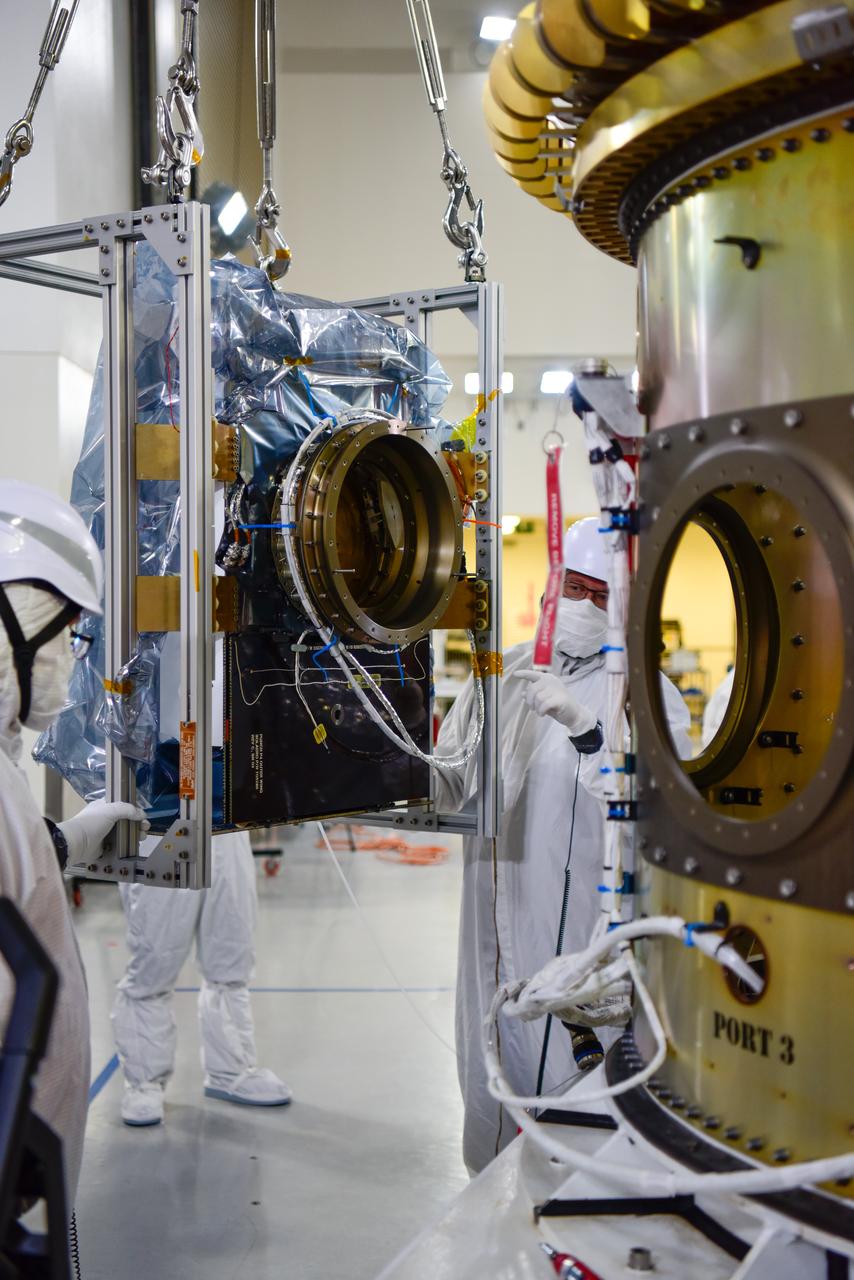
Technicians integrate NASA’s four PUNCH (Polarimeter to Unify the Corona and Heliosphere) satellites to the evolved expendable launch vehicle secondary payload adapter array ring inside the Astrotech Space Operations Facility at Vandenberg Space Force Base in California on Friday, Feb. 14, 2025. PUNCH will study origins of the Sun’s outflow of material, or the solar wind, capturing continuous 3D images of the Sun’s corona and the solar wind’s journey into the solar system. The PUNCH mission is launching as a rideshare with NASA’s SPHEREx (Spectro-Photometer for the History of the Universe, Epoch of Reionization and Ices Explorer) observatory scheduled to launch aboard a SpaceX Falcon 9 rocket at 10:09 p.m. EST (7:09 p.m. PST), Friday, Feb. 28, 2025, at Space Launch Complex 4 East from Vandenberg Space Force Base in California.
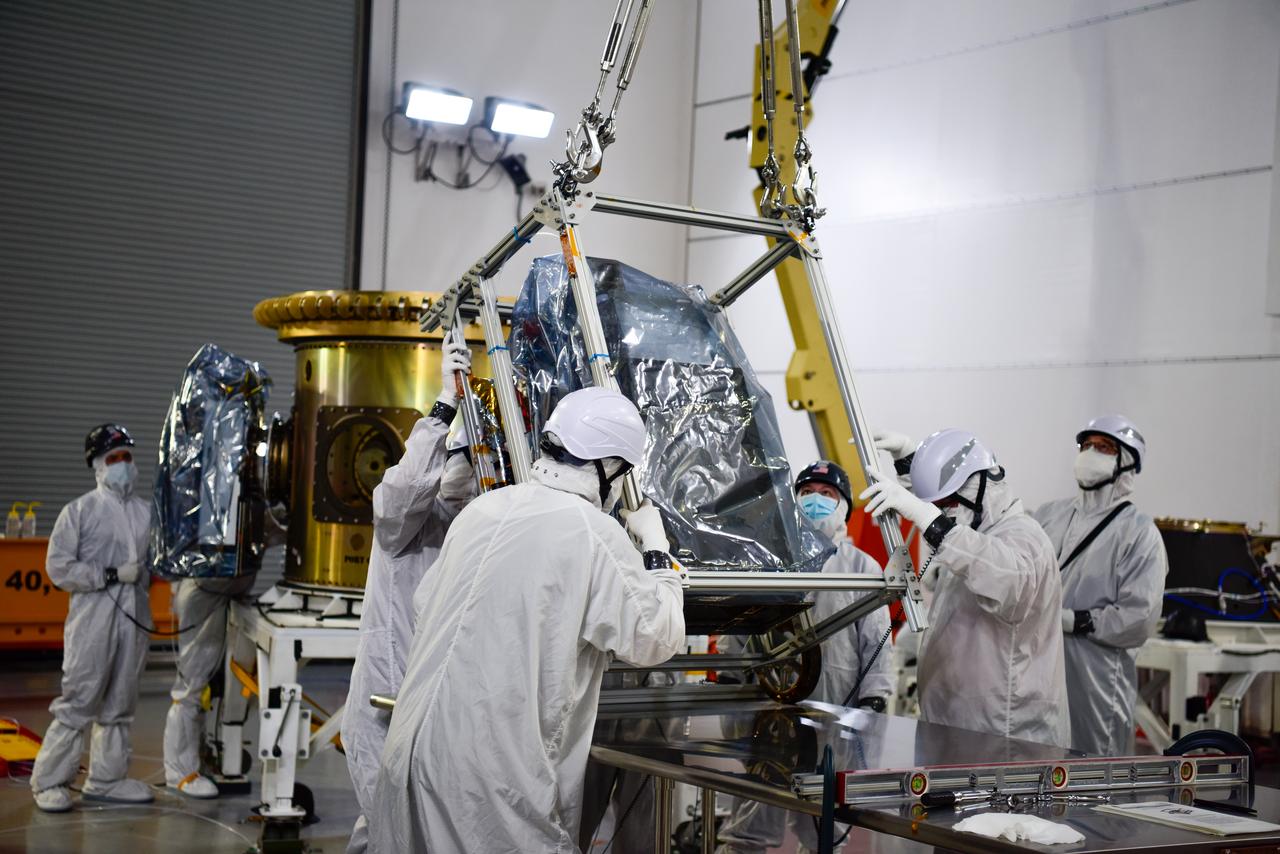
Technicians integrate NASA’s four PUNCH (Polarimeter to Unify the Corona and Heliosphere) satellites to the evolved expendable launch vehicle secondary payload adapter array ring inside the Astrotech Space Operations Facility at Vandenberg Space Force Base in California on Friday, Feb. 14, 2025. PUNCH will study origins of the Sun’s outflow of material, or the solar wind, capturing continuous 3D images of the Sun’s corona and the solar wind’s journey into the solar system. The PUNCH mission is launching as a rideshare with NASA’s SPHEREx (Spectro-Photometer for the History of the Universe, Epoch of Reionization and Ices Explorer) observatory scheduled to launch aboard a SpaceX Falcon 9 rocket at 10:09 p.m. EST (7:09 p.m. PST), Friday, Feb. 28, 2025, at Space Launch Complex 4 East from Vandenberg Space Force Base in California.
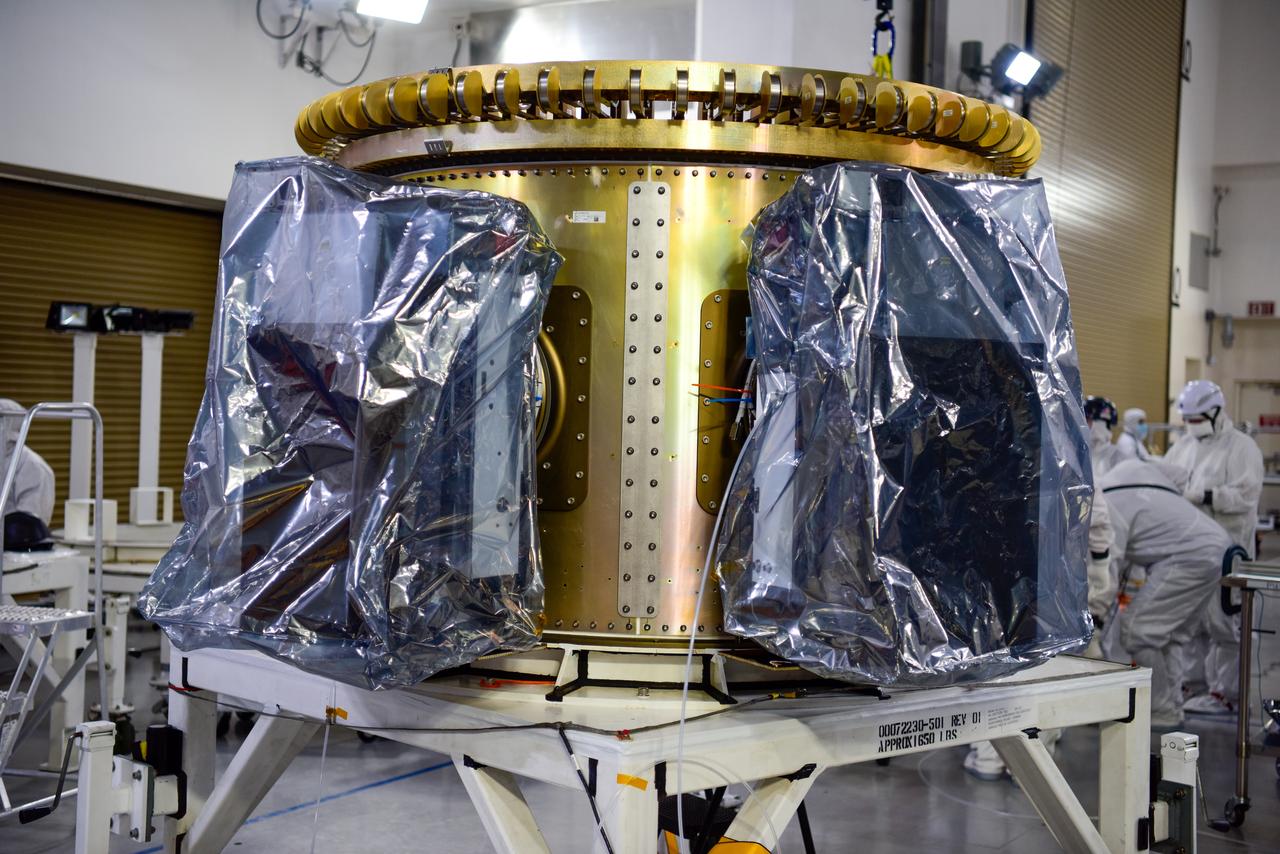
Technicians integrate NASA’s four PUNCH (Polarimeter to Unify the Corona and Heliosphere) satellites to the evolved expendable launch vehicle secondary payload adapter array ring inside the Astrotech Space Operations Facility at Vandenberg Space Force Base in California on Friday, Feb. 14, 2025. PUNCH will study origins of the Sun’s outflow of material, or the solar wind, capturing continuous 3D images of the Sun’s corona and the solar wind’s journey into the solar system. The PUNCH mission is launching as a rideshare with NASA’s SPHEREx (Spectro-Photometer for the History of the Universe, Epoch of Reionization and Ices Explorer) observatory scheduled to launch aboard a SpaceX Falcon 9 rocket at 10:09 p.m. EST (7:09 p.m. PST), Friday, Feb. 28, 2025, at Space Launch Complex 4 East from Vandenberg Space Force Base in California.
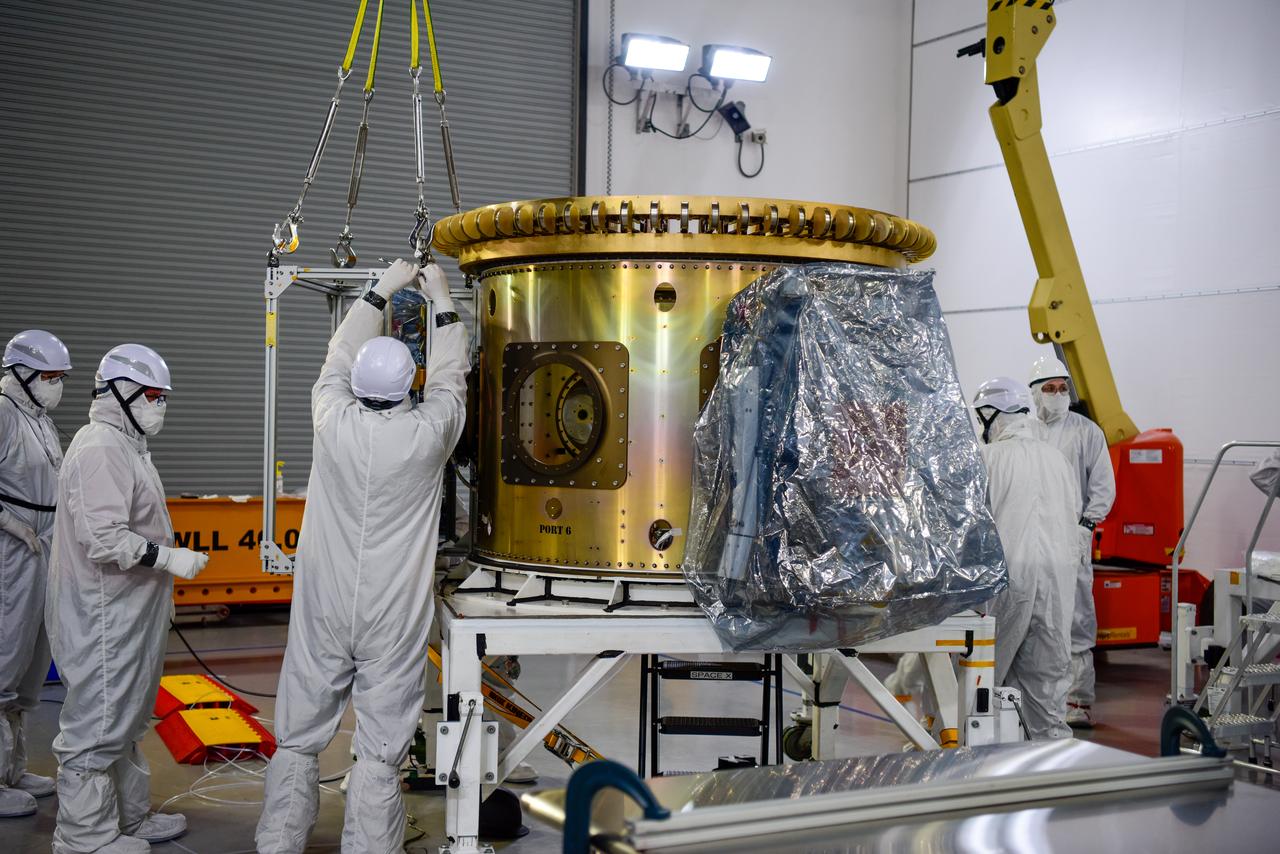
Technicians integrate NASA’s four PUNCH (Polarimeter to Unify the Corona and Heliosphere) satellites to the evolved expendable launch vehicle secondary payload adapter array ring inside the Astrotech Space Operations Facility at Vandenberg Space Force Base in California on Friday, Feb. 14, 2025. PUNCH will study origins of the Sun’s outflow of material, or the solar wind, capturing continuous 3D images of the Sun’s corona and the solar wind’s journey into the solar system. The PUNCH mission is launching as a rideshare with NASA’s SPHEREx (Spectro-Photometer for the History of the Universe, Epoch of Reionization and Ices Explorer) observatory scheduled to launch aboard a SpaceX Falcon 9 rocket at 10:09 p.m. EST (7:09 p.m. PST), Friday, Feb. 28, 2025, at Space Launch Complex 4 East from Vandenberg Space Force Base in California.
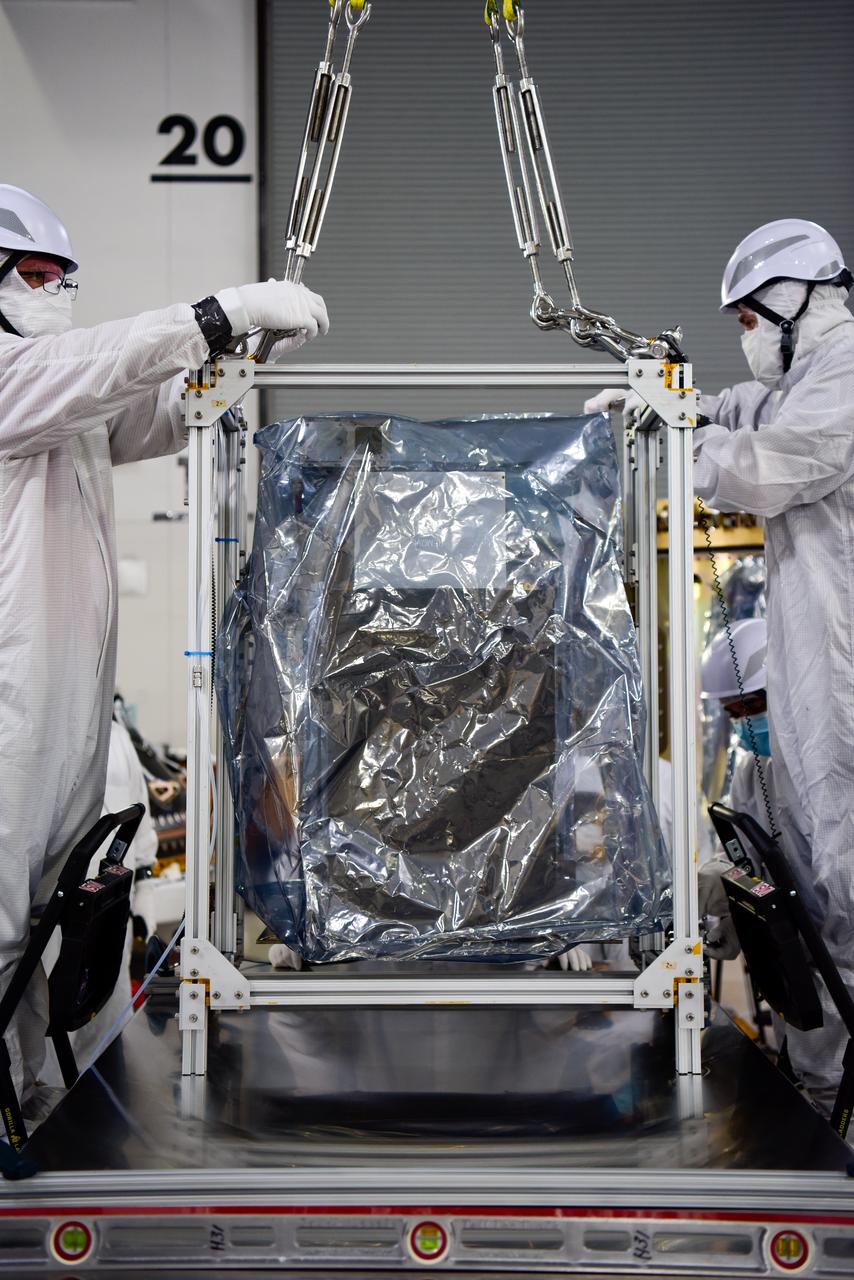
Technicians integrate NASA’s four PUNCH (Polarimeter to Unify the Corona and Heliosphere) satellites to the evolved expendable launch vehicle secondary payload adapter array ring inside the Astrotech Space Operations Facility at Vandenberg Space Force Base in California on Friday, Feb. 14, 2025. PUNCH will study origins of the Sun’s outflow of material, or the solar wind, capturing continuous 3D images of the Sun’s corona and the solar wind’s journey into the solar system. The PUNCH mission is launching as a rideshare with NASA’s SPHEREx (Spectro-Photometer for the History of the Universe, Epoch of Reionization and Ices Explorer) observatory scheduled to launch aboard a SpaceX Falcon 9 rocket at 10:09 p.m. EST (7:09 p.m. PST), Friday, Feb. 28, 2025, at Space Launch Complex 4 East from Vandenberg Space Force Base in California.