
F-15A #281 In Flight

F-15A #281 In Flight over Mojave.
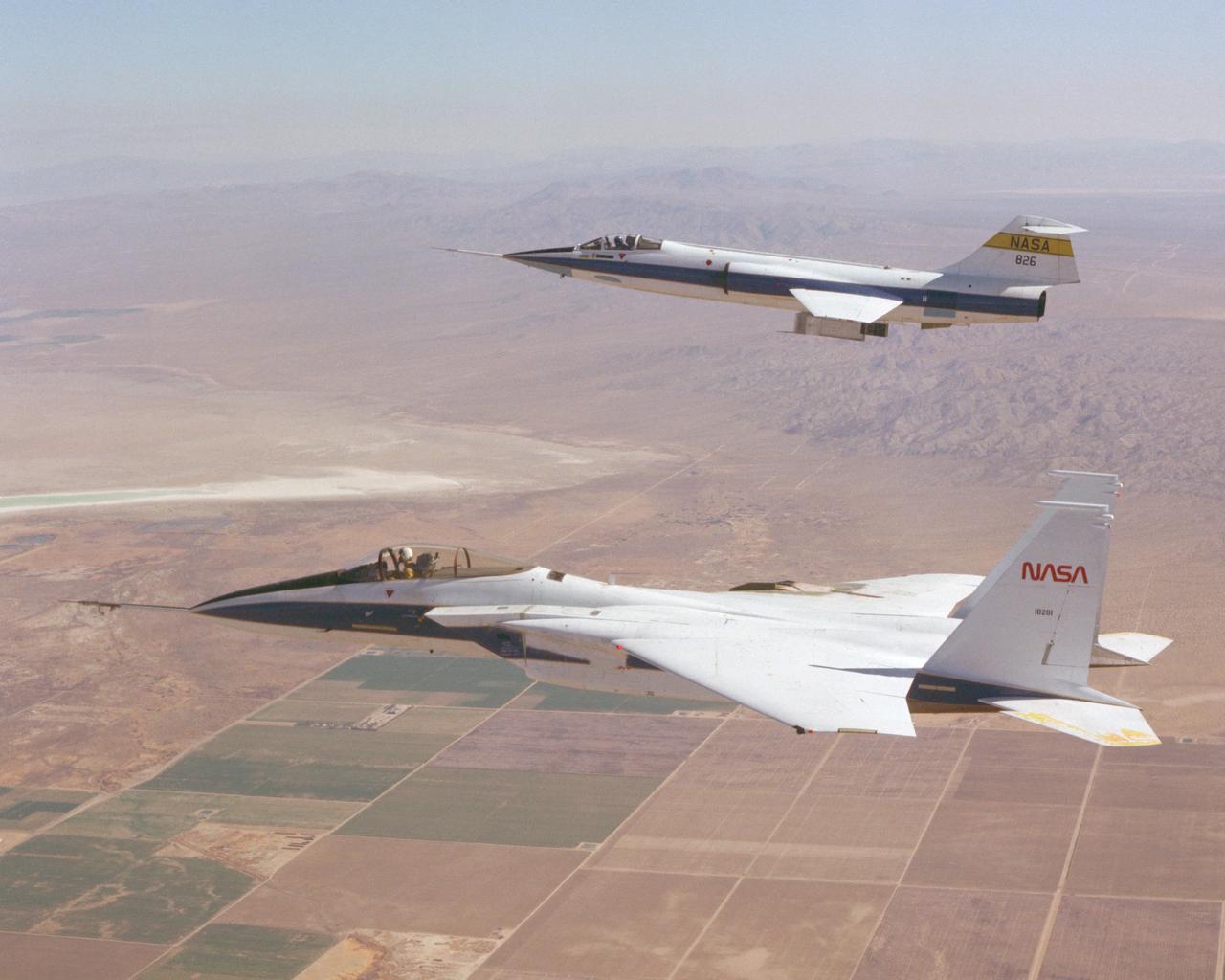
F-15 #281 and F-104 #826 fly in formation during Space Shuttle tile testing. Note the tiles mounted on the right wing of the F-15 and the centerline test fixture of the F-104.
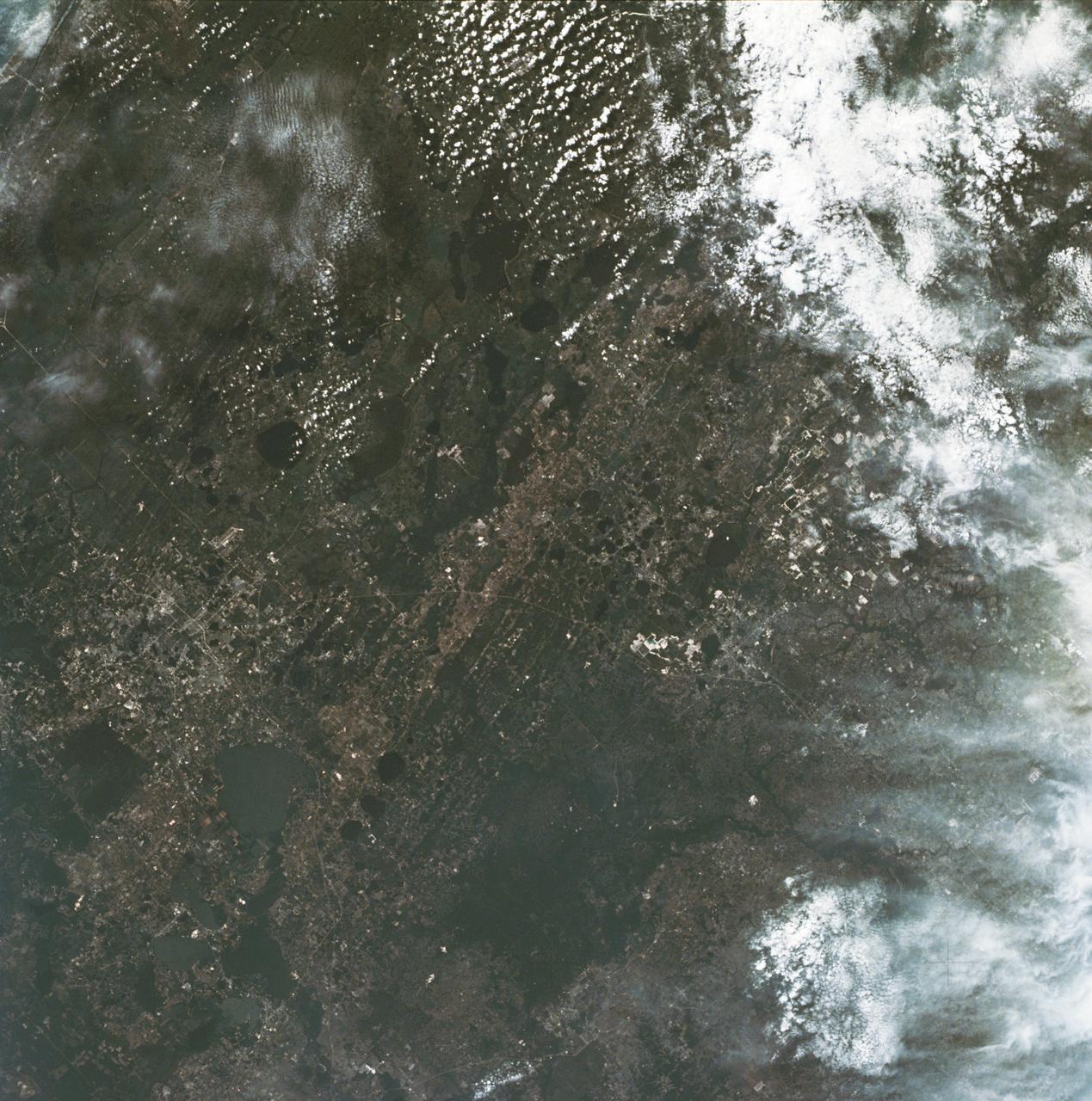
SL2-16-281 (June 1973) --- A vertical view of the Orlando and central Florida area photographed from the Skylab space station in Earth orbit. (The picture should be held with the heaviest cloud cover at the bottom.) The extensive road and highway network in the area is clearly visible. The Lakeland and Winter Haven area is near the center of the picture. Interstate 4 extends southwesterly out of Orlando through the center of the picture. The urban growth caused by the opening of the Disney World amusement complex is clearly evident. The giant recreational facility is just southwest of Orlando. This picture was taken by one of the six lenses of the Itek-furnished S190-A Multispectral Photographic Facility Experiment in the Multiple Docking Adapter of the space station. Type SO-356 film was used. Photo credit: NASA

This composite image of the star cluster NGC 28 contains X-ray data from Chandra, in purple, with infrared observations from Spitzer, in red, green, blue. NGC 281 is known informally as the Pacman Nebula because of its appearance in optical images.

NASA Wide-field Infrared Survey Explorer observed the star-forming cloud NGC 281 in the constellation of Cassiopeia as it appears to be chomping through the cosmos, earning it the nickname the Pacman nebula.
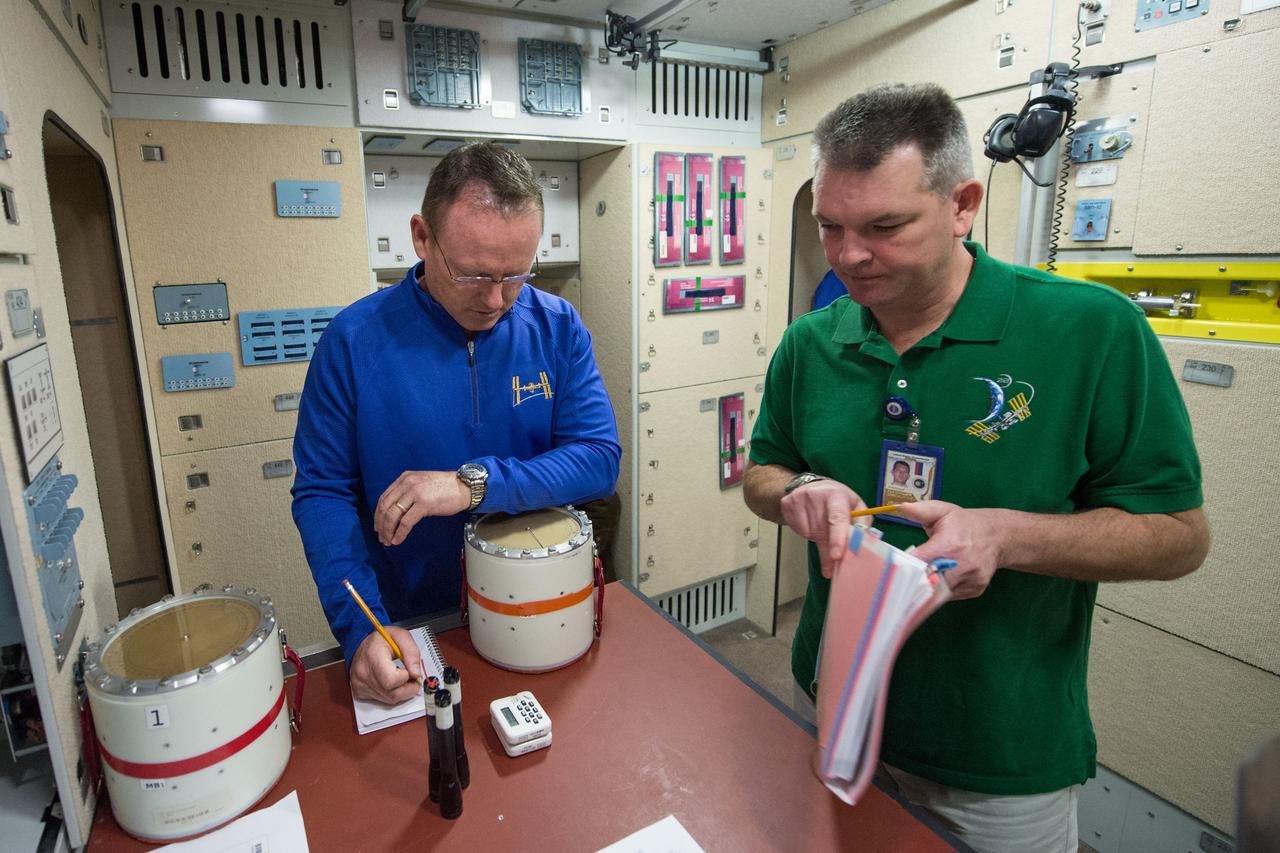
Photo Date:11-15-2013 Subject:EXP42 Crew (Soyuz 40)Emergency Training Location:B9NW ISS Mockups Photographer:David DeHoyos 281-483-4752
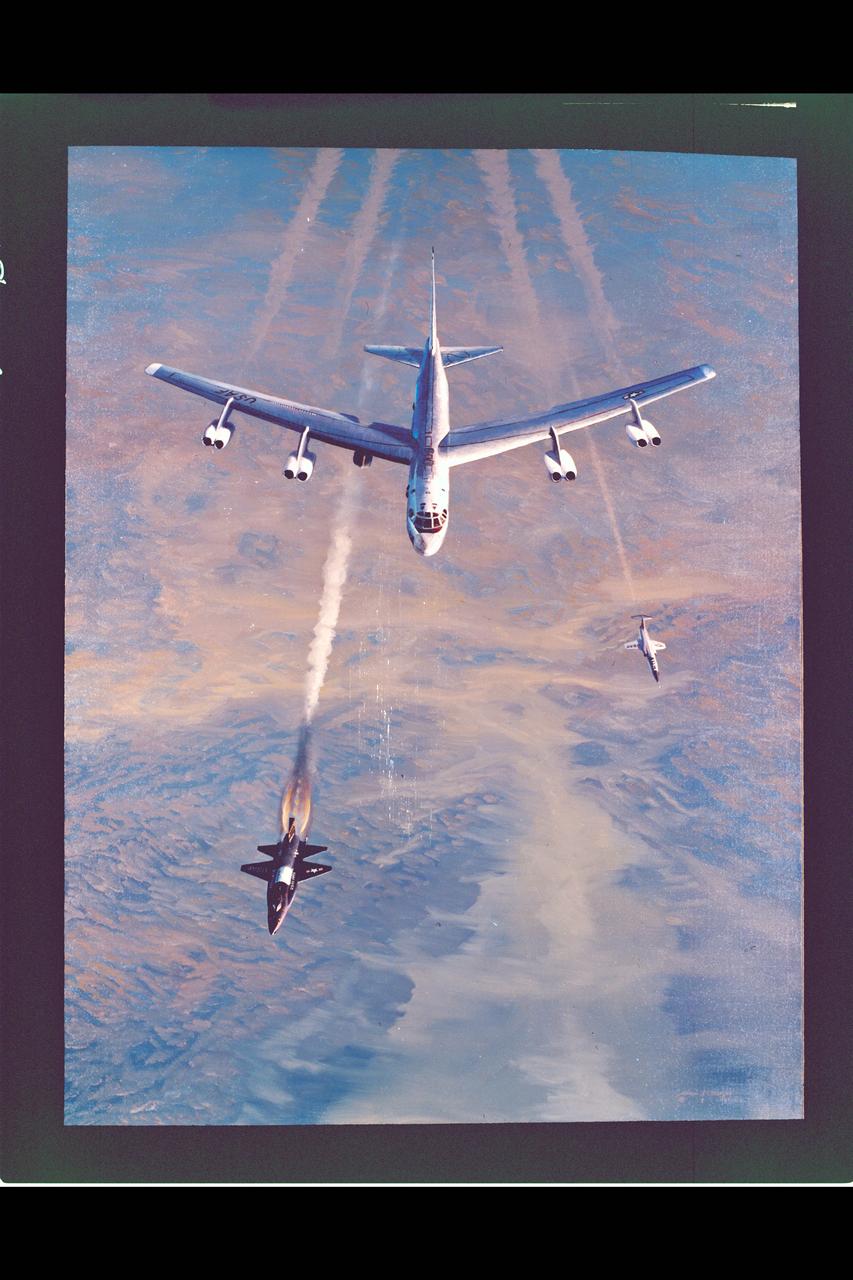
Artist: W.S. Phillips Aeronautics Art: X-15 Hypersonic Final (HQ ref: 84-HC-281 & 84-H-285)

Photo Date:11-15-2013 Subject:EXP42 Crew (Soyuz 40)Emergency Training Location:B9NW ISS Mockups Photographer:David DeHoyos 281-483-4752
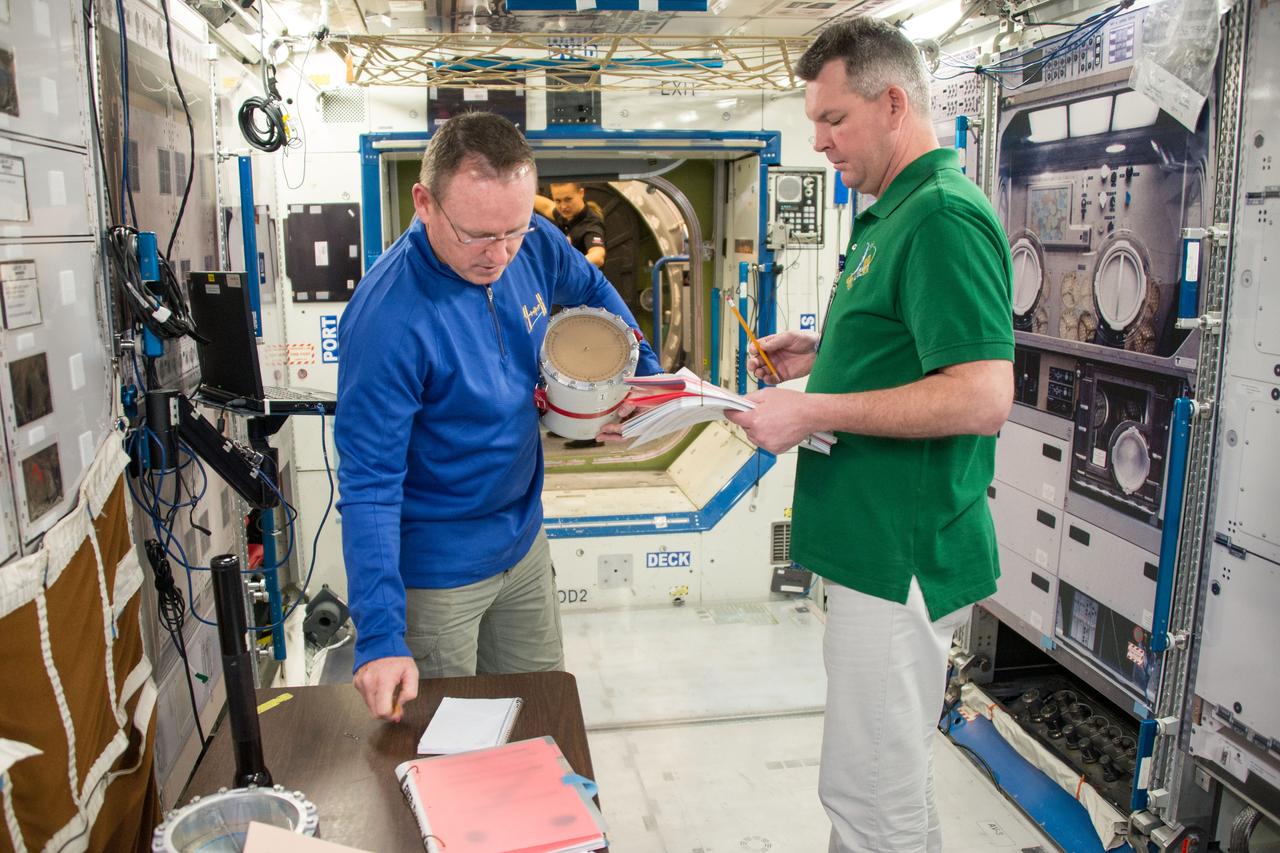
Photo Date:11-15-2013 Subject:EXP42 Crew (Soyuz 40)Emergency Training Location:B9NW ISS Mockups Photographer:David DeHoyos 281-483-4752
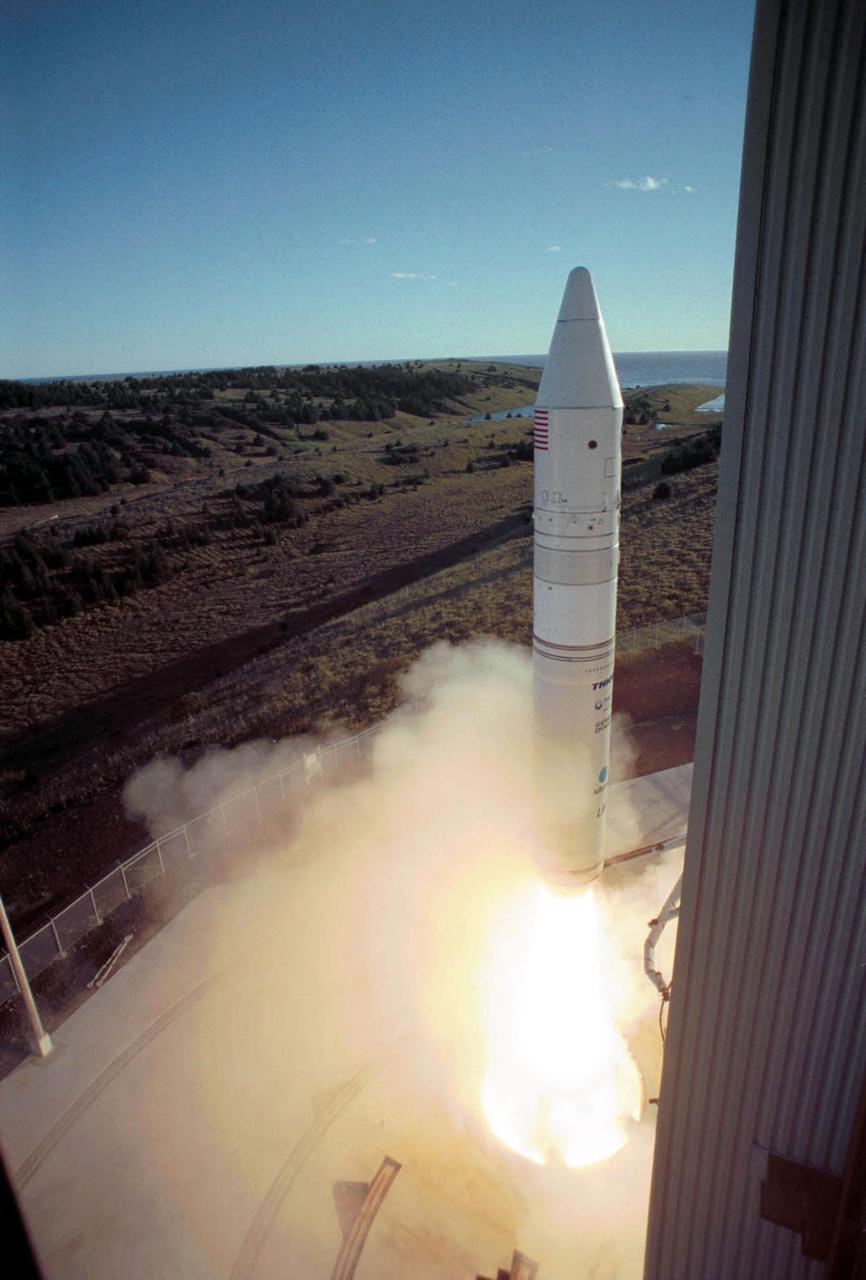
KODIAK ISLAND, Alaska. -- With light still on the horizon, a Lockheed Martin Athena I launch vehicle lifts off the launch pad at Kodiak Launch Complex (KSC) with the Kodiak Star spacecraft on board. Liftoff occurred at 10:40 p.m. EDT, Sept. 29. The Kodiak Star payload consists of four satellites: PICOSat, PCSat, Sapphire and Starshine 3. Starshine is sponsored by NASA. The 200-pound sphere will be used by students to study orbital decay. The other three satellites, also on educational missions, are sponsored by the department of defense. PICOSat is a technology demonstration satellite with four experiments on board. PCSat was designed by midshipmen at the U.S. Naval Academy, and will become part of the amateur radio community's automatic position reporting system. Sapphire is a micro-satellite built by students at Stanford University and Washington University - St. Louis to test infrared sensors for space use. KLC is the newest commercial launch complex in the United States, ideal for launch payloads requiring low-Earth polar or sun-synchronous orbits
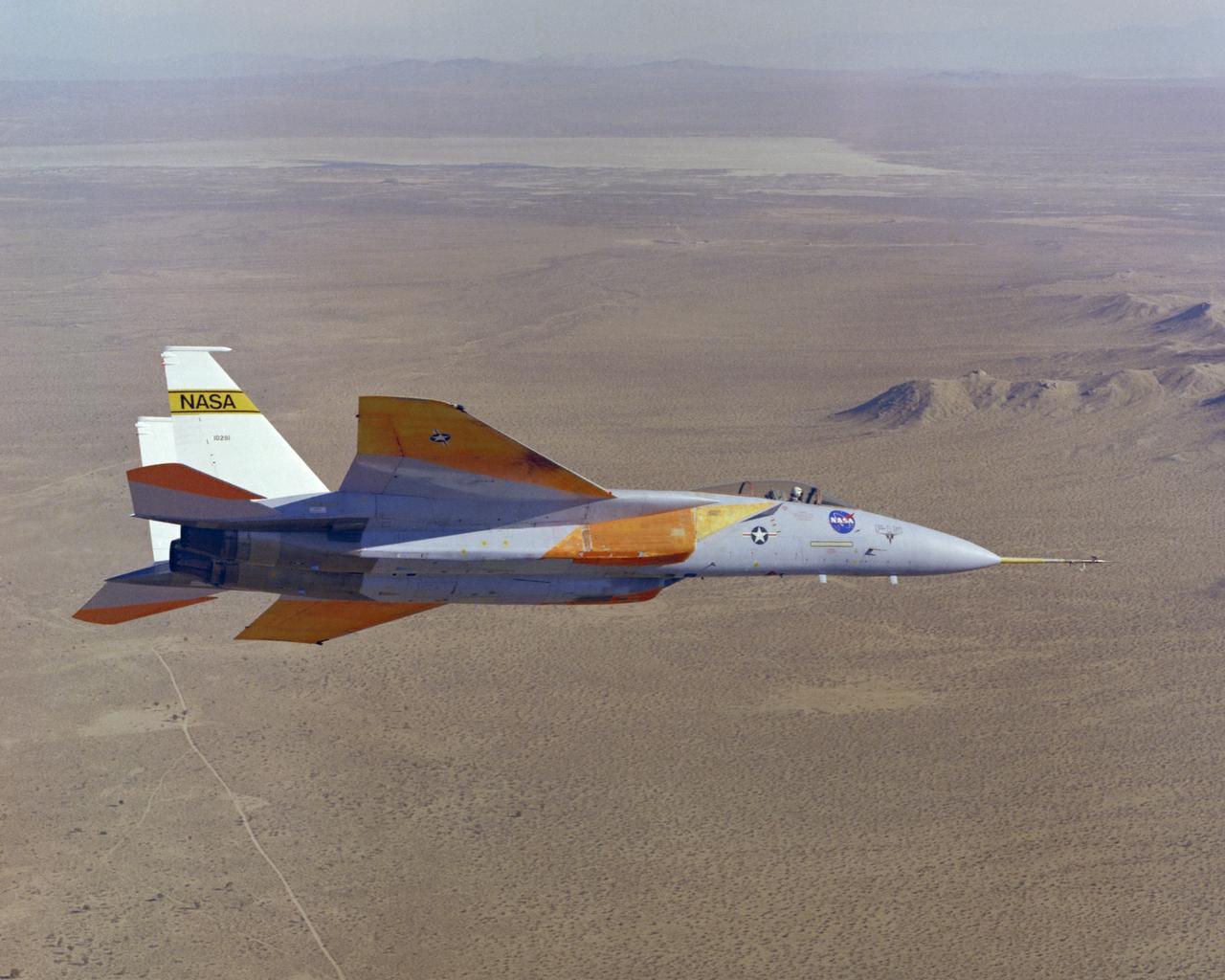
The number two F-15A (Serial #71-0281) was obtained by NASA from the U.S. Air Force in 1976 and was used for more than 25 advanced research projects involving aerodynamics, performance, propulsion control, control integration, instrumentation development, human factors, and flight test techniques. Included in these projects was its role as a testbed to evaluate aerodynamic pressures on Space Shuttle thermal protection tiles at specific altitudes and speeds.