Bridenstine walks along with AFRC Center Director David McBride as McBride explains the aeronautical research happening at the center as well as discussing the capabilities used for agency missions.
Armstrong Center Director McBride provides NASA Administrator Bridenstine first tour of the California Armstrong Flight Research Center.
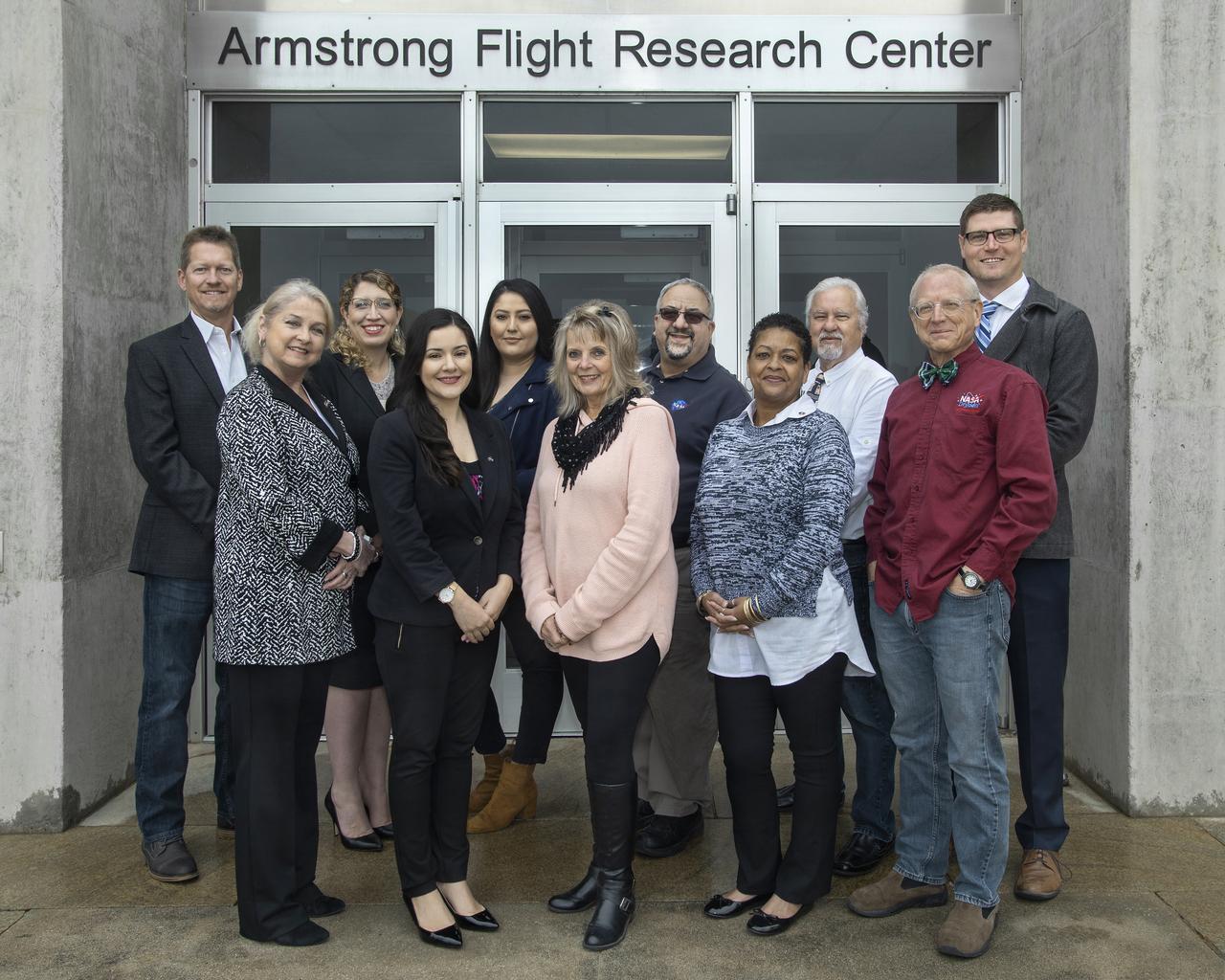
The No Chase COA (NCC) team at NASA Armstrong Flight Research Center pose for a group photo with the unmanned aircraft system the Ikhana.
NASA’s AFRC No Chase COA Team
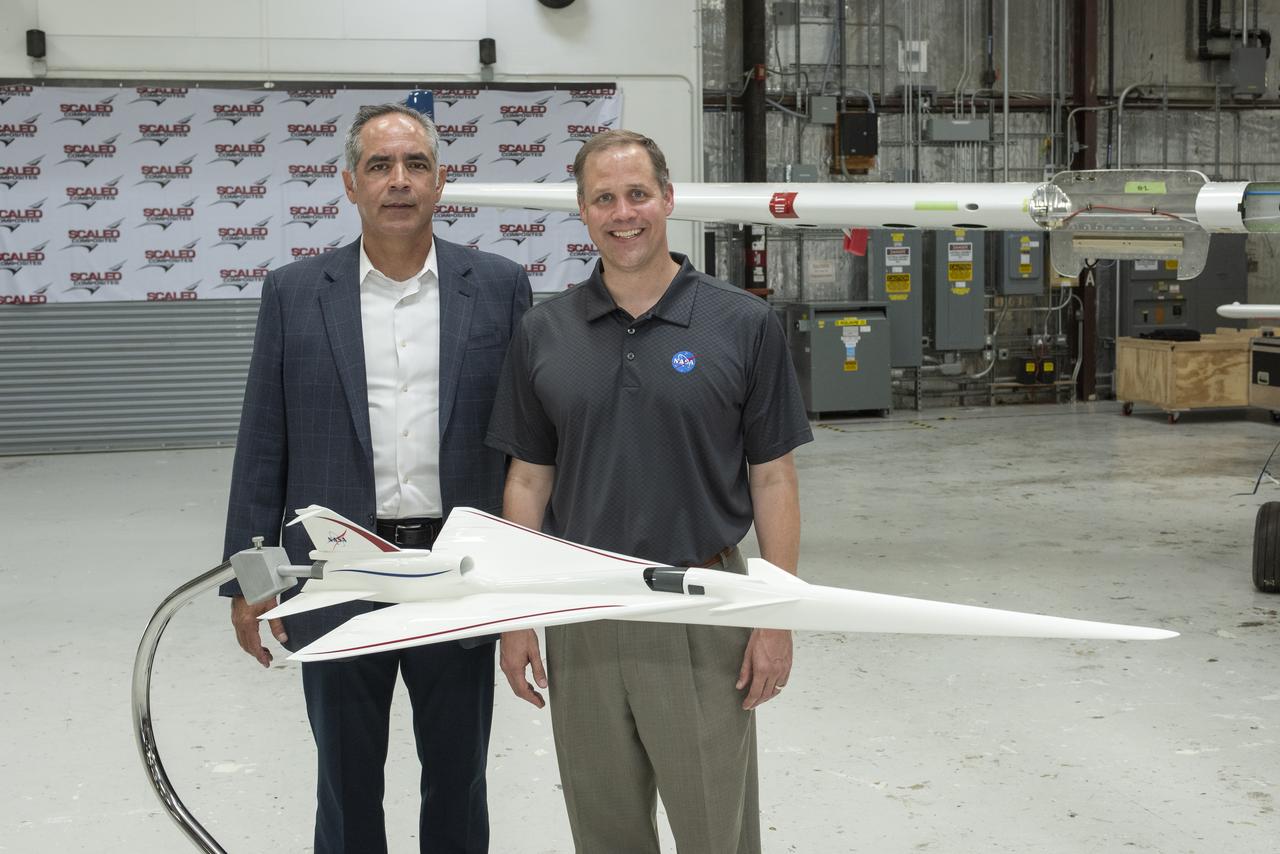
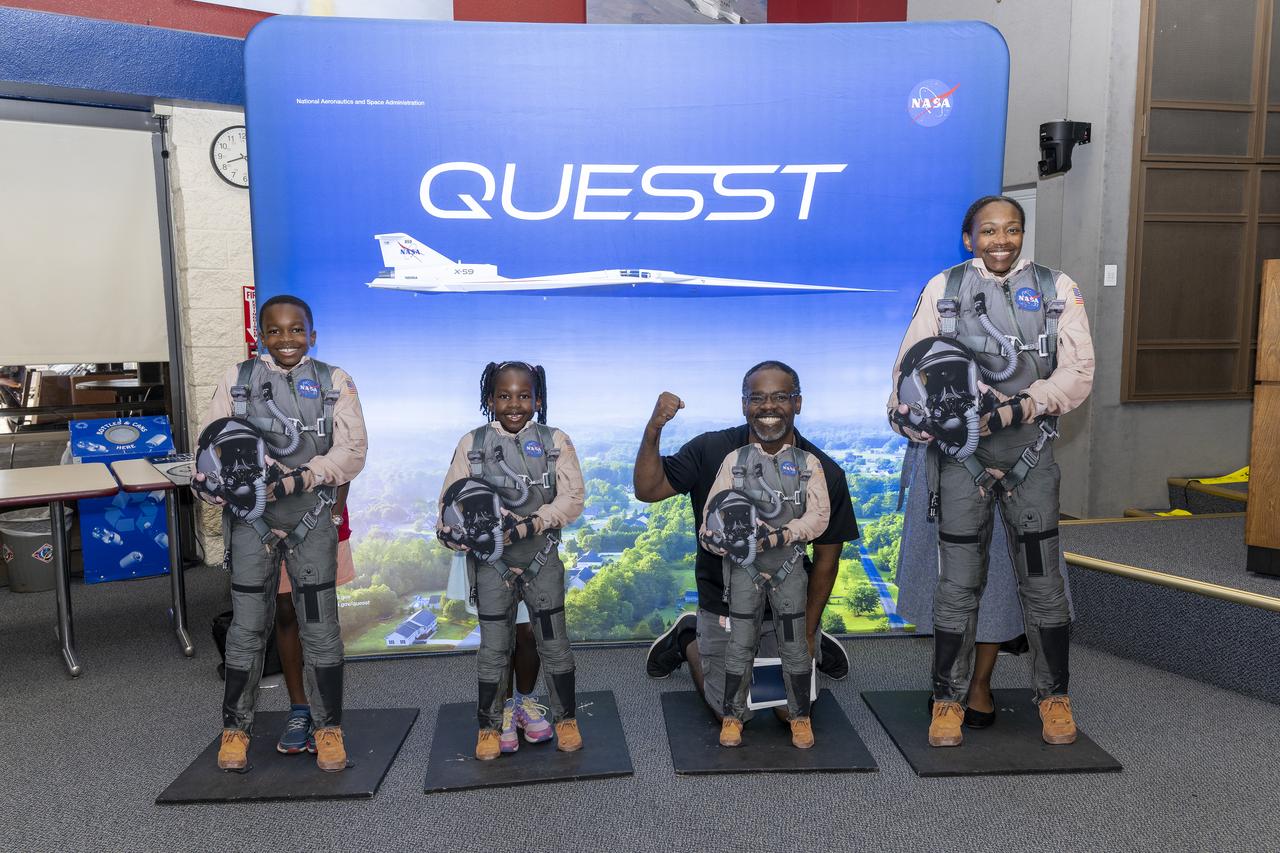
NASA Administrator Bridenstine stands with AFRC center director McBride by model NASA's Supersonic X-Plane, X-59 Quiet Supersonic Technology or QueSST. Bridenstine spoke at press event at Mojave Air and Space Port in California. The goal of X-59 is to quiet the sound when aircraft pierce the speed of sound and make a loud sonic boom on the ground.
NASA Administrator Bridenstine and Armstrong Flight Research Center's Center Director McBride stand beside model of NASA's Supersonic X-Plane, X-59 Quiet Supersonic Technology or QueSST at press event in Mojave Air & Space Port in California
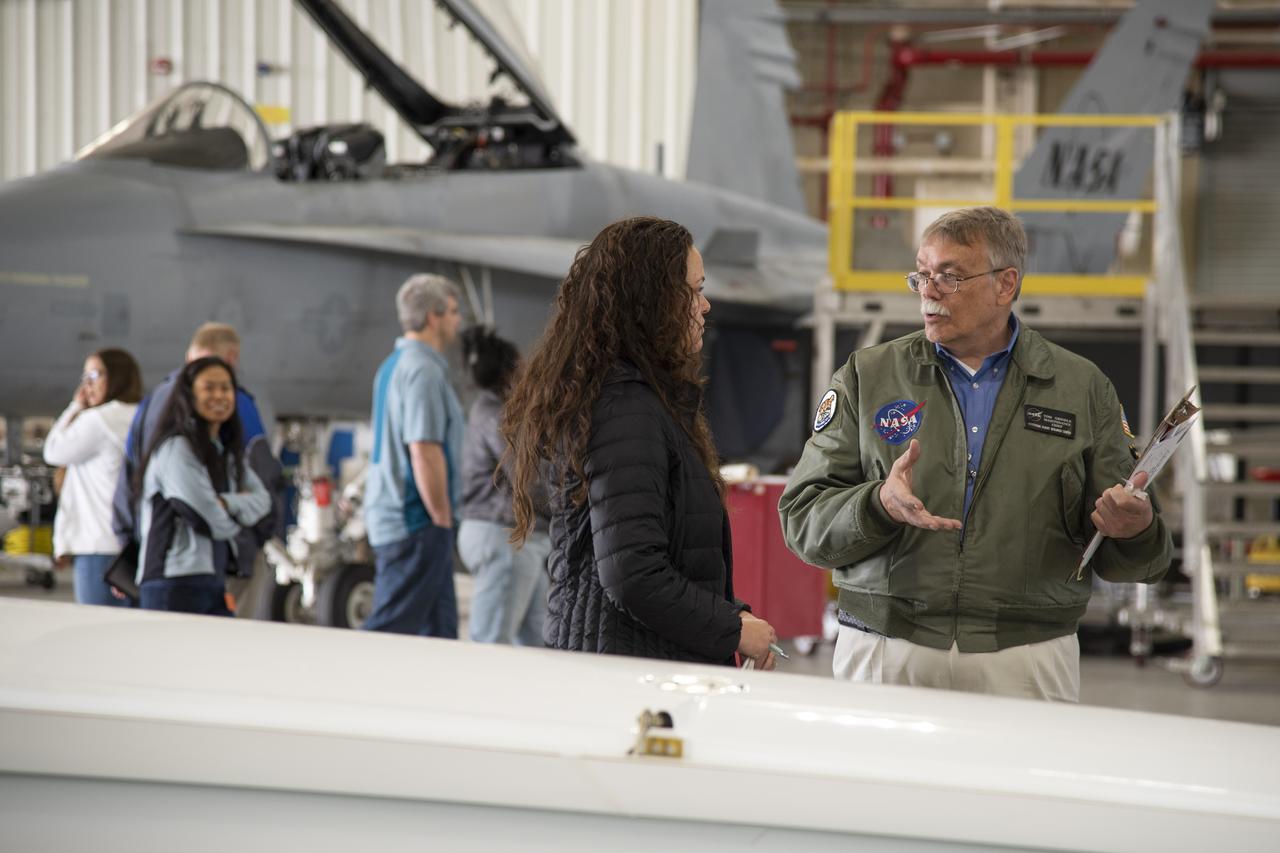
NASA Armstrong’s Chief of Maintenance, Tom Grindle, leads a tour inside the hangar with a group of teachers.
AFRC Hangar Tour
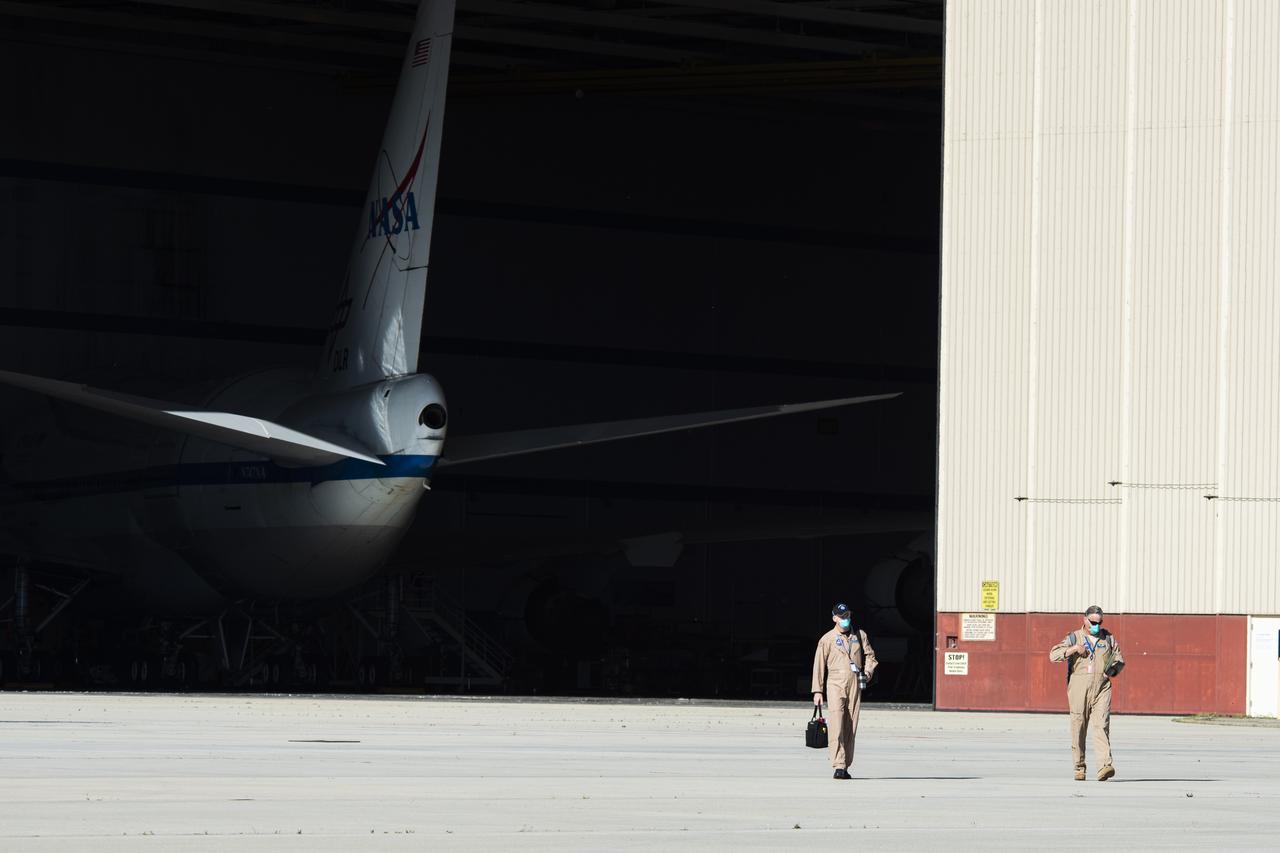
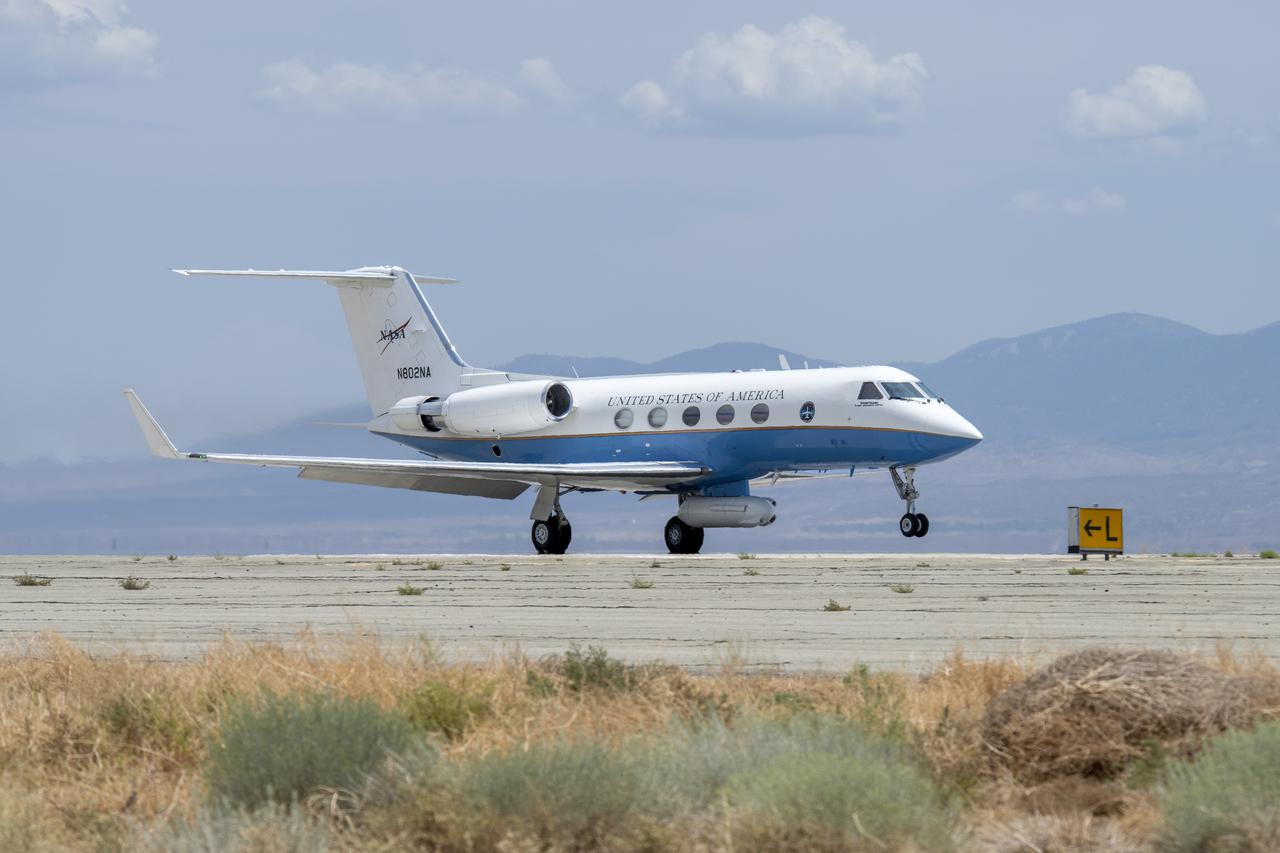
A flight crew from NASA's Armstrong Flight Research Center in California prepares to fly NASA's Jet Propulsion Laboratory (JPL) staff on an Armstrong G-III aircraft from California to NASA's Kennedy Space Center in Florida. JPL staff are completing critical work to ensure NASA's Mars 2020 mission is ready on time
AFRC Provides Mars 2020 Support
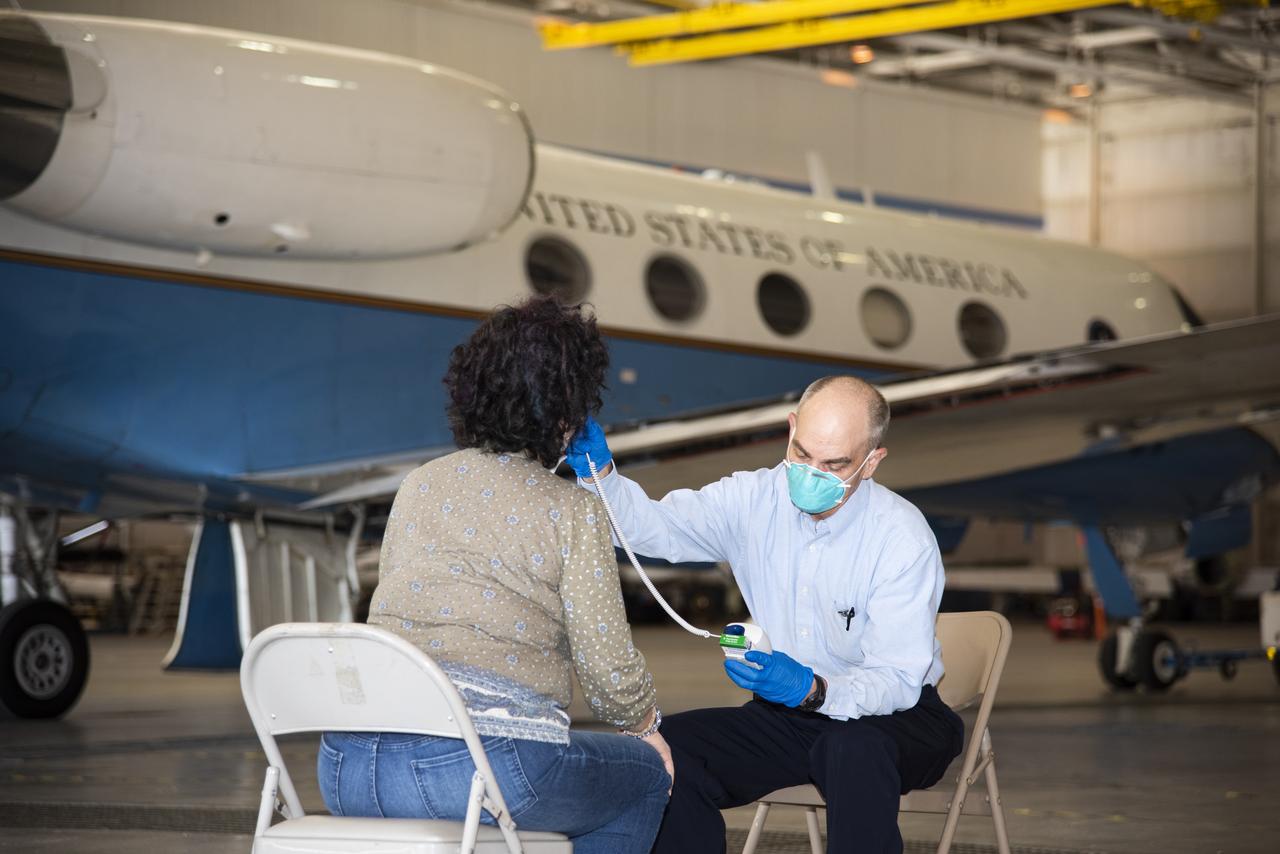
Dr. Dwight Peake, NASA’s Armstrong Flight Research Center chief medical officer and flight surgeon, confirms a NASA Jet Propulsion Laboratory (JPL) staff member is ready for flight. The two California NASA centers are working together to fly JPL staff on an Armstrong G-III aircraft from California to NASA’s Kennedy Space Center in Florida. JPL staff are completing critical work to ensure NASA’s Mars 2020 mission is ready on time.
AFRC Provides Mars 2020 Support
Sam Choi and Naiara Pinto observe Google Earth overlaid with in almost real time what the synthetic aperture radar is mapping from the C-20A aircraft. Researchers were in the sky and on the ground to take measurements of plant mass, distribution of trees, shrubs and ground cover and the diversity of plants and how much carbon is absorbed by them.
AfriSAR 2016
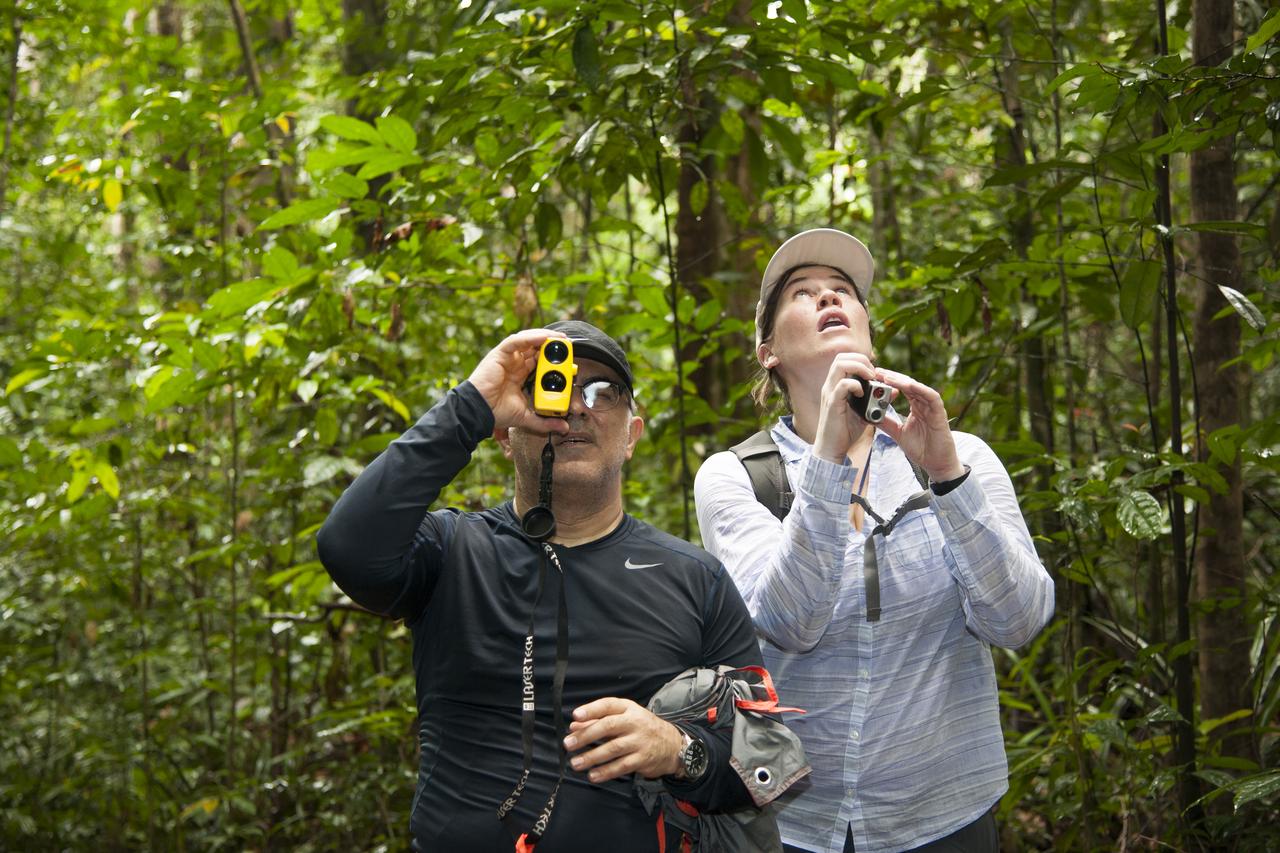
AfriSAR team members Sassan Saatchi (left) from NASA’s Jet Propulsion Laboratory and Laura Duncanson from NASA’s Goddard Space Flight Center take measurements of trees in the rainforest in the Mondah National Park, Gabon, Africa.
AfriSAR 2016
Members of the AfriSAR team standing by the C-20A in Gabon, Africa, which is usually based at NASA Armstrong Flight Research Center in California include, from left, John McGrath, Carlos Meza, Stu Broce, Samuel Choi, David Fedors, Naiara Pinto, Mark Scherer, Marc Simard, Vincent Moreno, Chuck Irving and Kean Tham.
AfriSAR 2016
C-20A crew chief Vince Moreno inspects the aircraft.
AfriSAR 2016
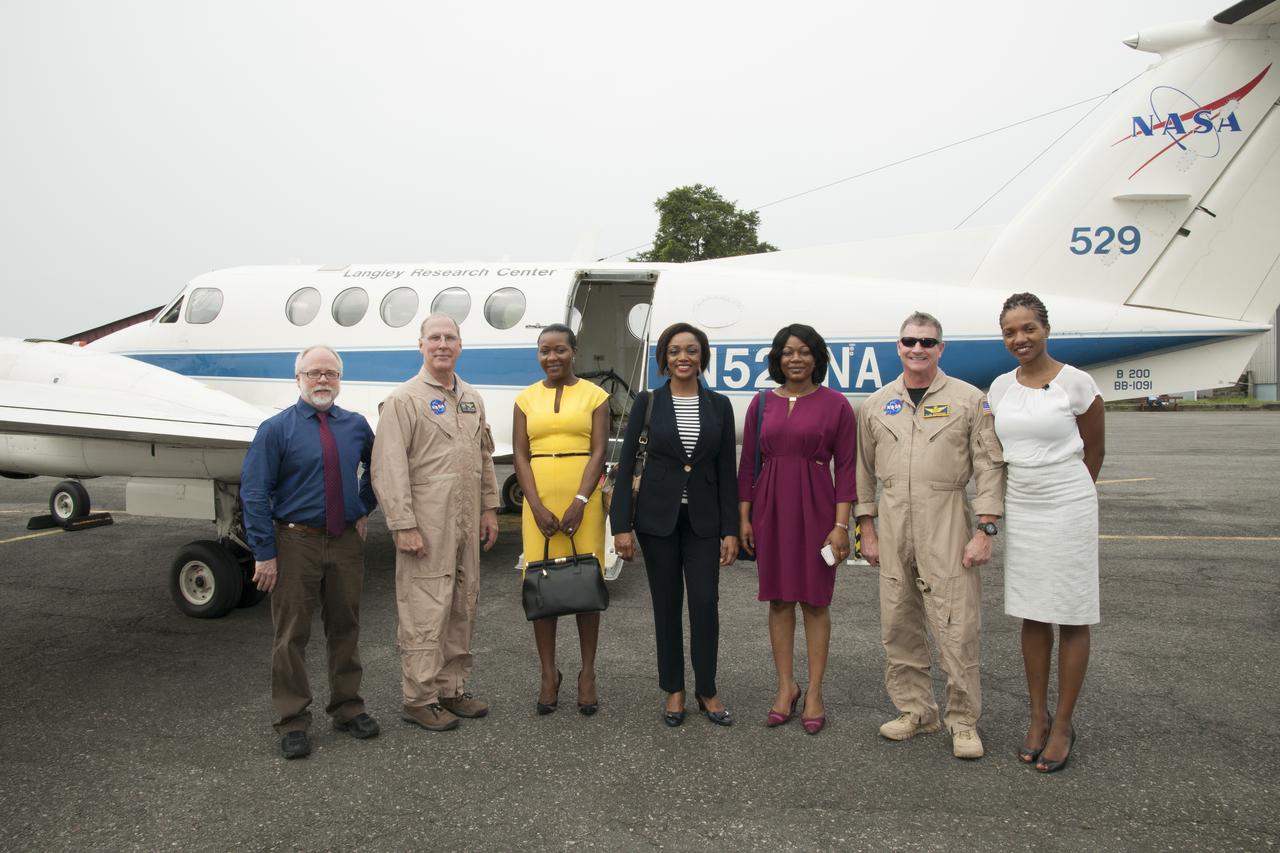
The NASA Langley Research Center-based B-200 in Gabon, Africa, was visited by three representatives of the Gabon Ministry of the Numerical Economy (the three women seen in the middle). In the photo from left are Bryan Blair, Rick Yasky, the three Gabon representatives, Alan Barringer and Lola Fatoyinbo.
AfriSAR 2016
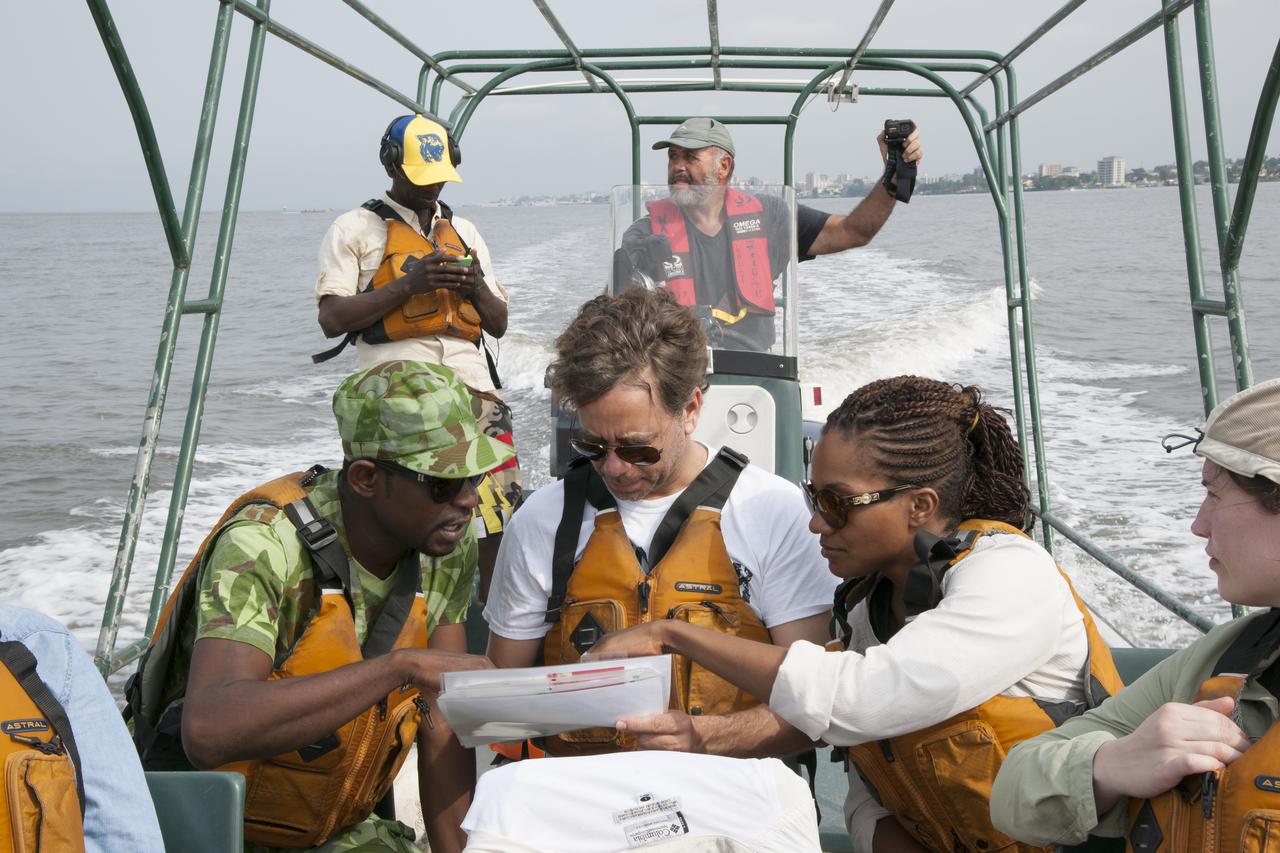
A member of the Gabon National Park Agency Ecoguard discussed the next research destination with Lola Fatoyinbo, Marc Simard and Laura Duncanson.
AfriSAR 2016
Armstrong Pilots David Fedors and Stu Broce are at the controls of the C-20A in March 2016 as it flies a synthetic aperture radar over areas of interest in the AfriSAR mission based in Gabon, Africa. The international campaign included measurements of flora in the country’s rainforests, wetlands, mangrove forests and savanna.
AfriSAR 2016
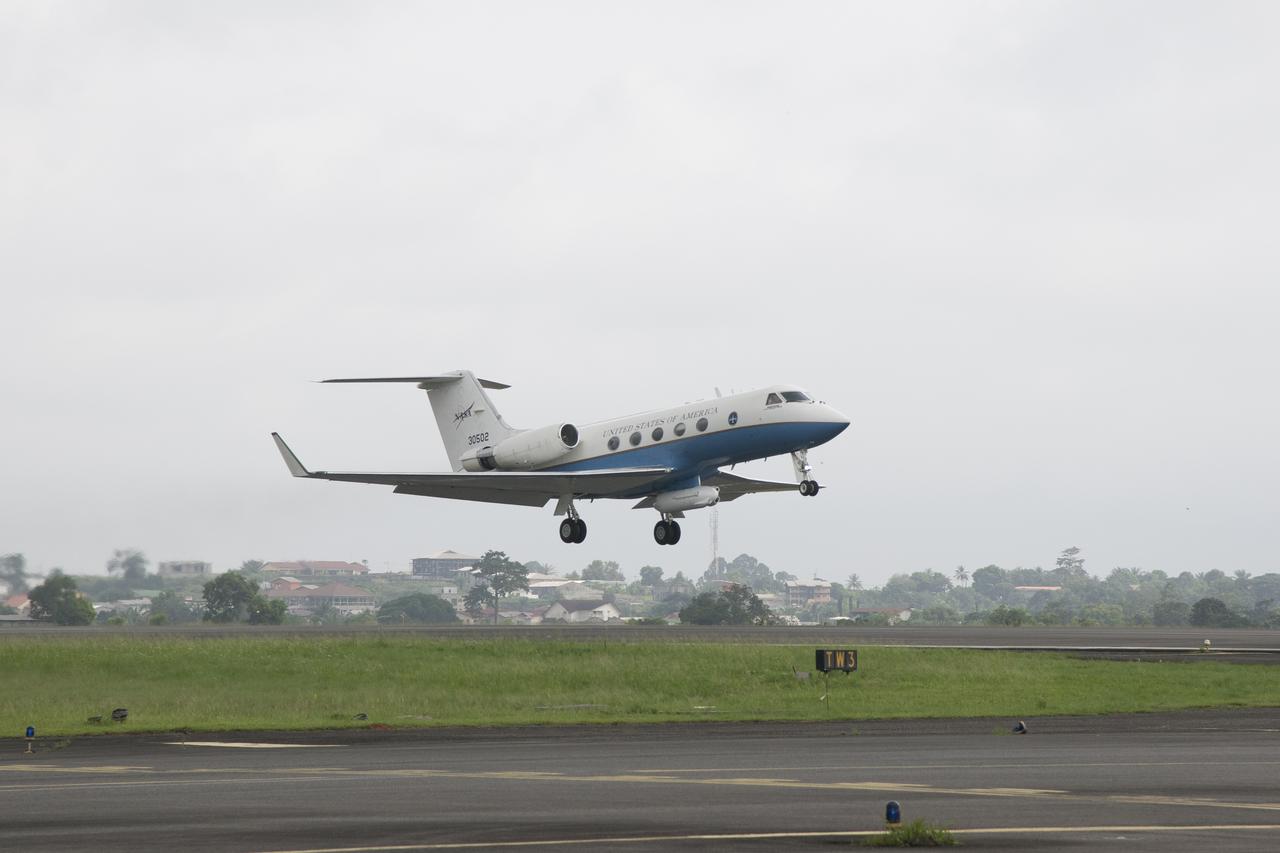
NASA’s C-20A takes off from Libreville International Airport in Gabon, Africa, in support of the AfriSAR  campaign in March 2016. Gabon is a Central African country slightly smaller than the state of Colorado that features the world’s second largest rainforest. In addition to environmental measurements, the flights were used for calibrating satellites for current and upcoming missions.
AfriSAR 2016
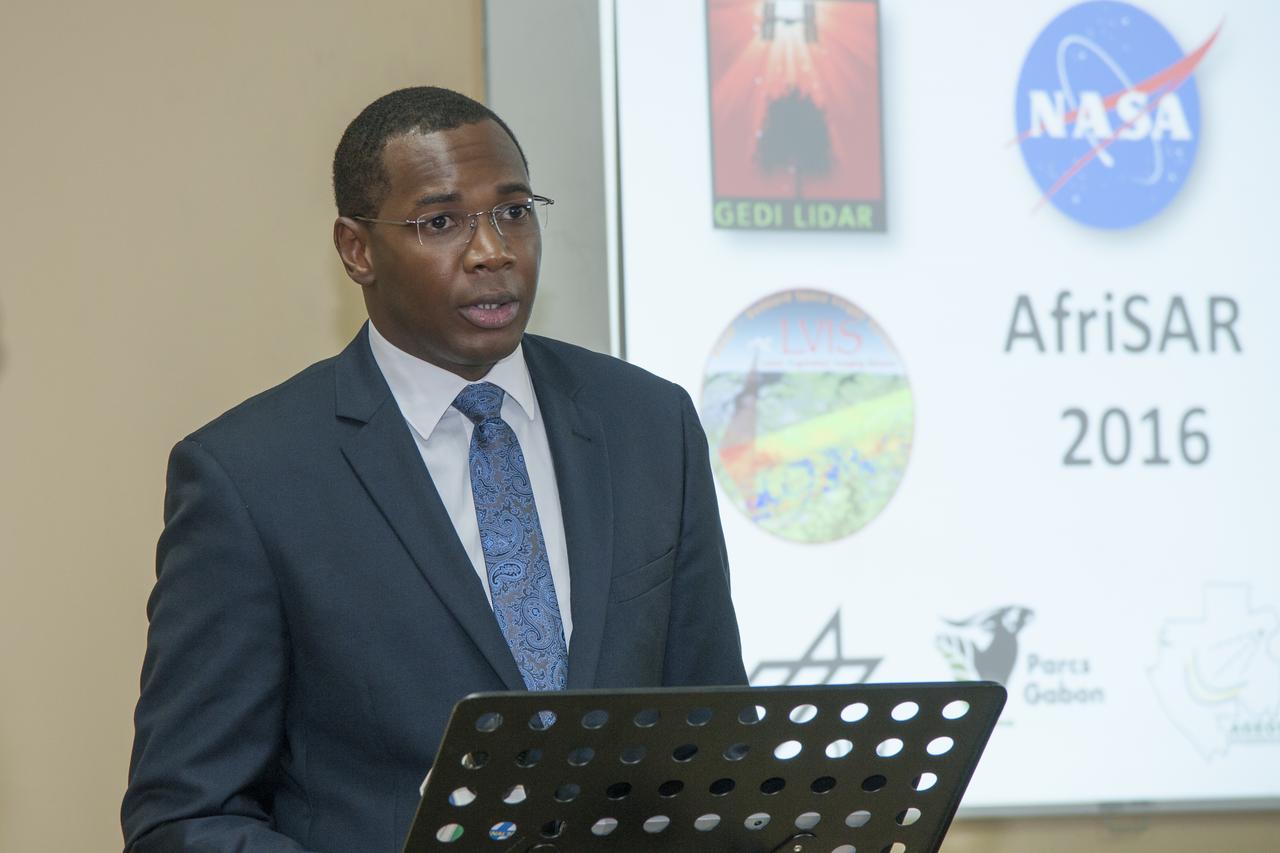
Tanguay Gahouma Bekale, director general of the Gabonese Space Agency, talks to media about the AfriSAR mission.
AfriSAR 2016
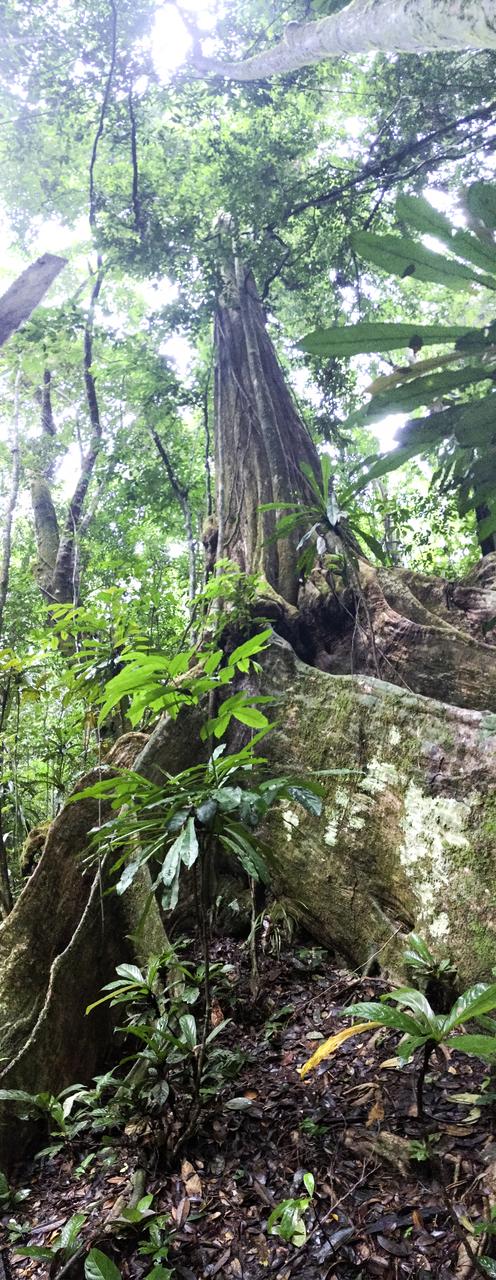
The Okoumé tree is large, as compared to a hand seen in the bottom right portion of the image. The Mondah National Park is one of the field research sites for NASA’s AfriSAR campaign.
AfriSAR 2016
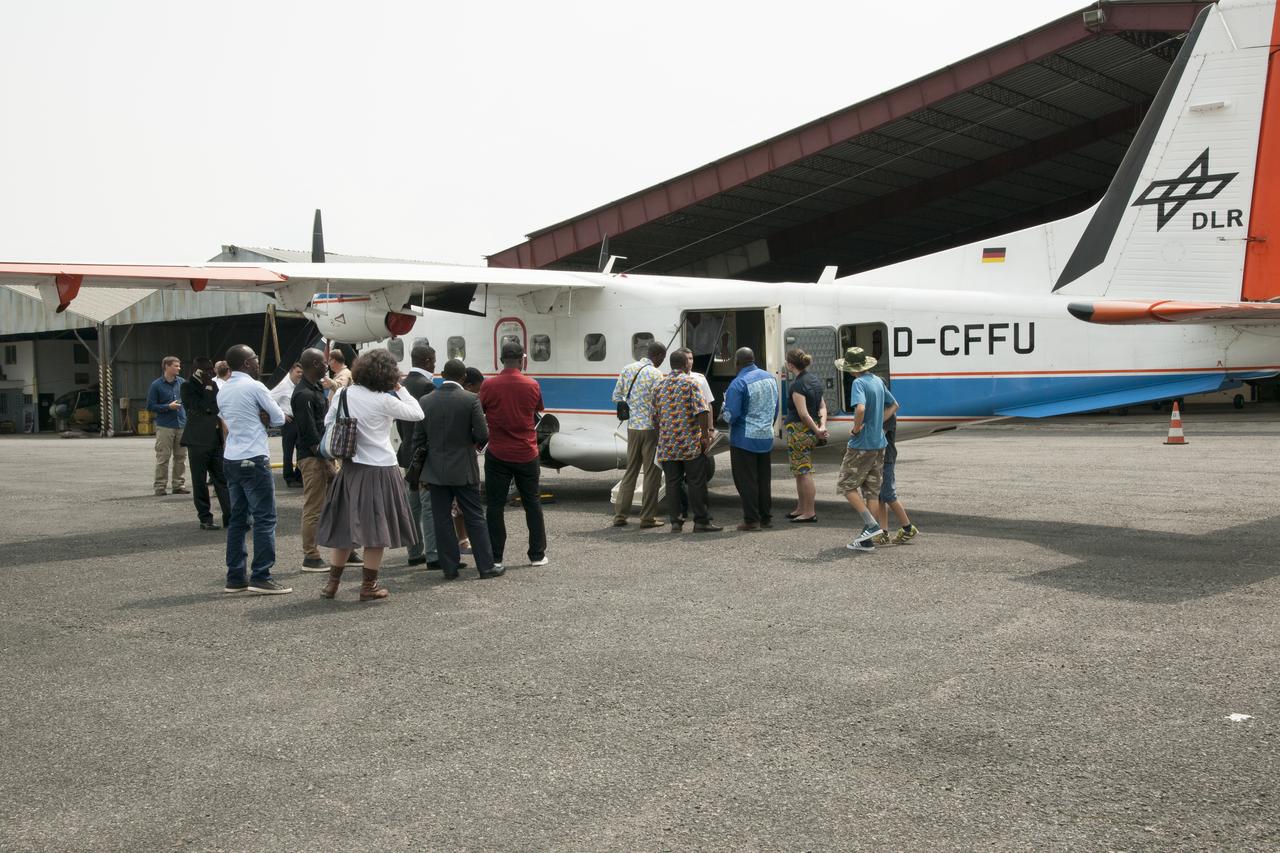
During an education outreach event in Gabon, Africa, students and educators, look at the German Aerospace Center Dornier DO-228 twin-engine turboprop aircraft.
AfriSAR 2016
Mark Scherer prepares the C-20A for the AfriSAR mission.
AfriSAR 2016
In Gabon, Africa, the Mondah National Park is one of the field research sites for NASA’s AfriSAR campaign. Gabon is a Central African country slightly smaller than the state of Colorado that features the world’s second largest rainforest. In addition to environmental measurements, the flights were used for calibrating satellites for current and upcoming missions.
AfriSAR 2016
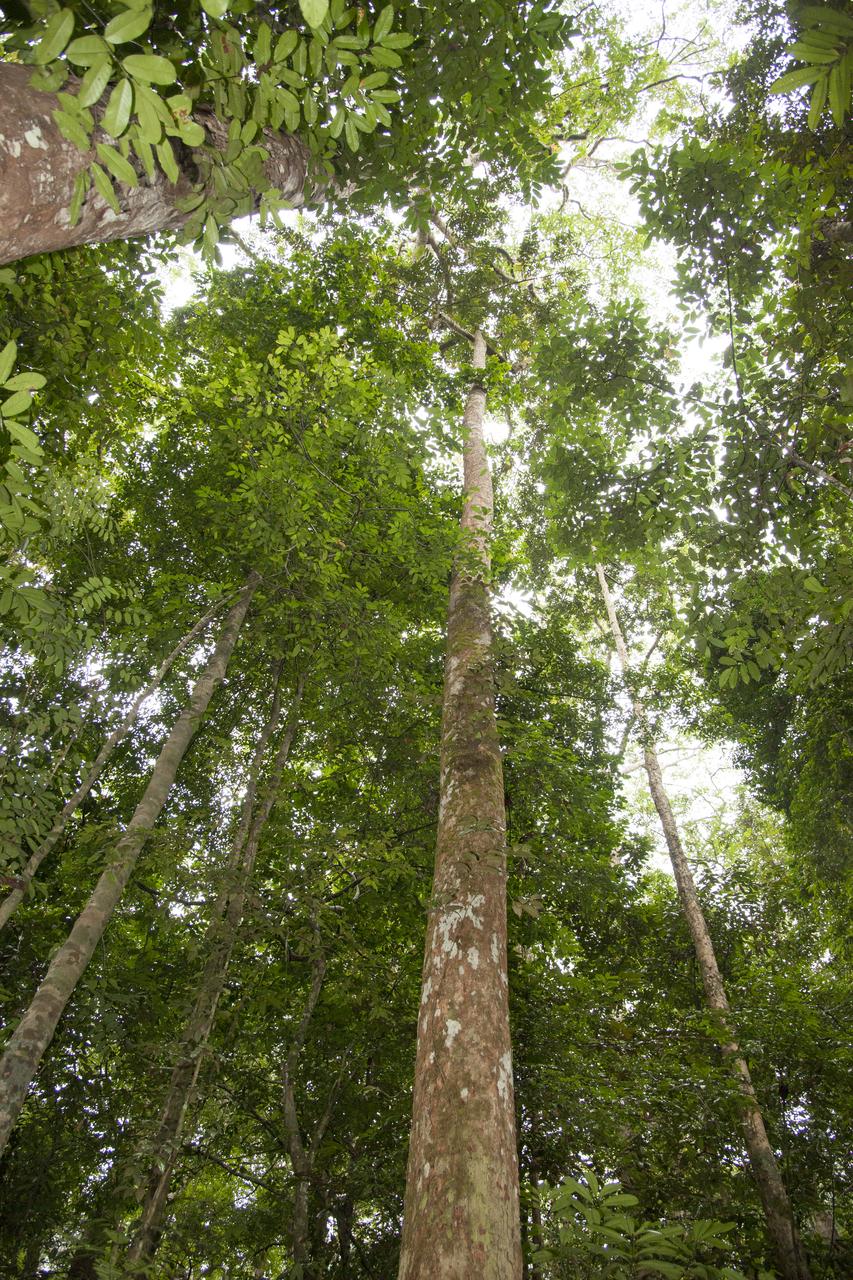
The Okoume’ tree grows tall above the other flora to reach for the suns energy.
AfriSAR 2016
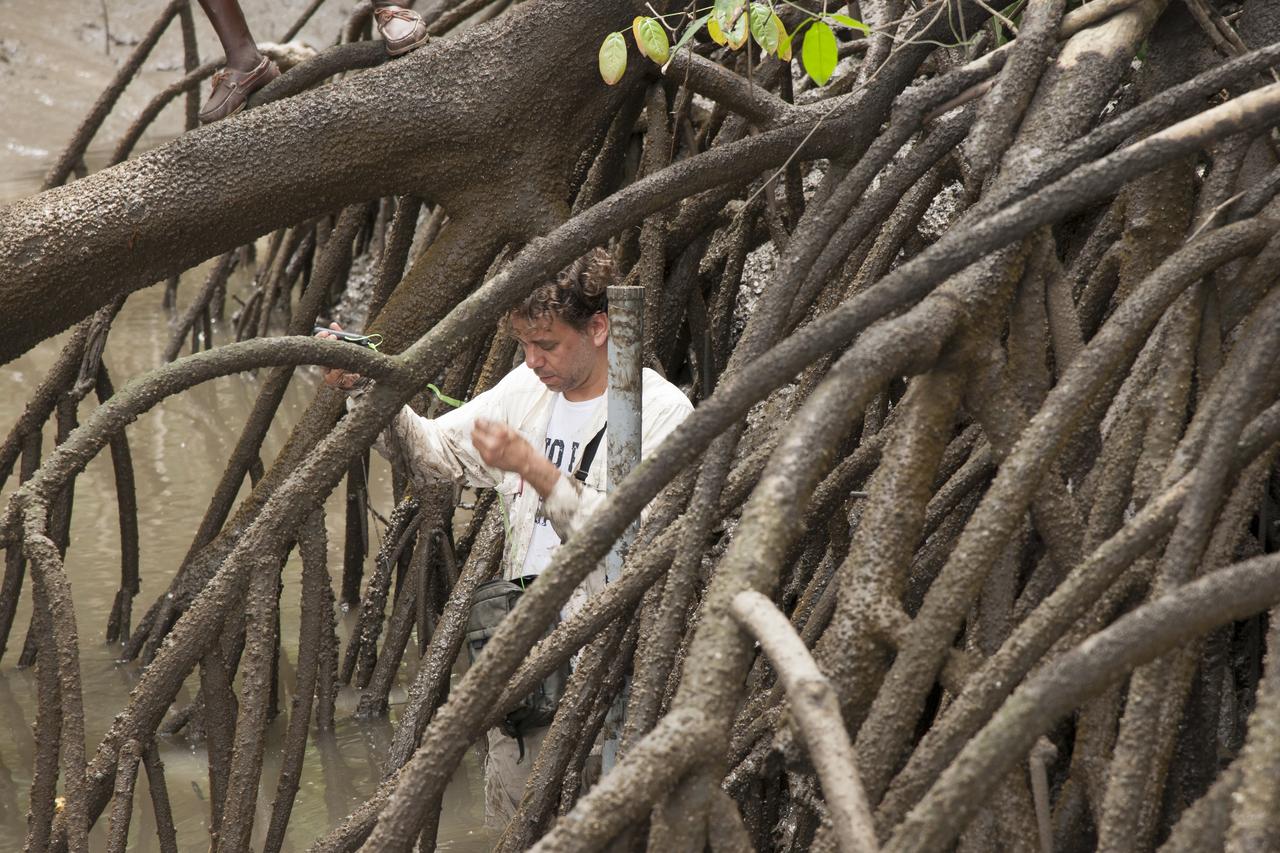
Marc Simard of the Jet Propulsion Laboratory installs a gauge that will record water level changes in the Pongara Mongrove.
AfriSAR 2016
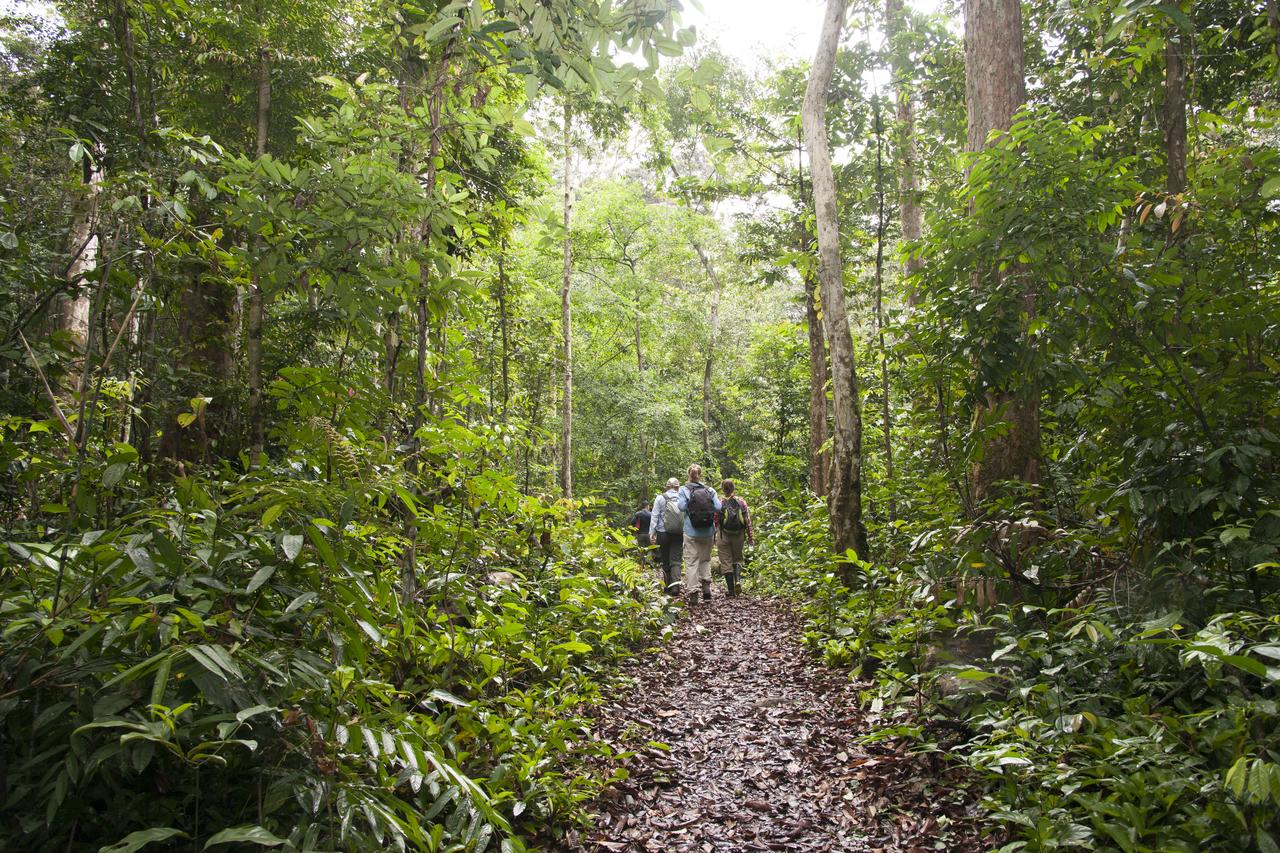
NASA researchers walk through the Mondah rainforest to collect tree and flora measurements and other data as part of the AfriSAR mission.
AfriSAR 2016
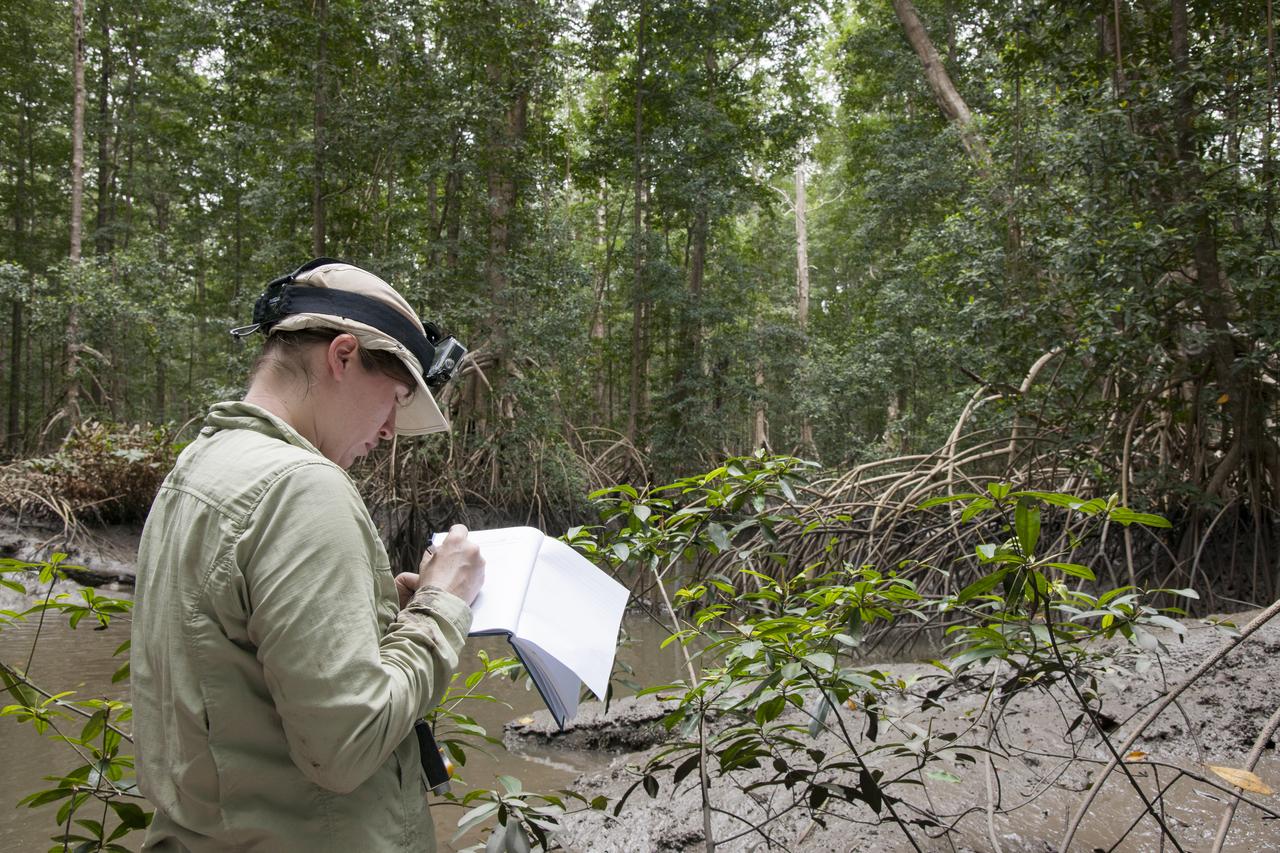
Goddard Space Center’s Laura Duncanson records global positioning satellite coordinates of the Pongara Mangrove and tree heights and diameters.
AfriSAR 2016
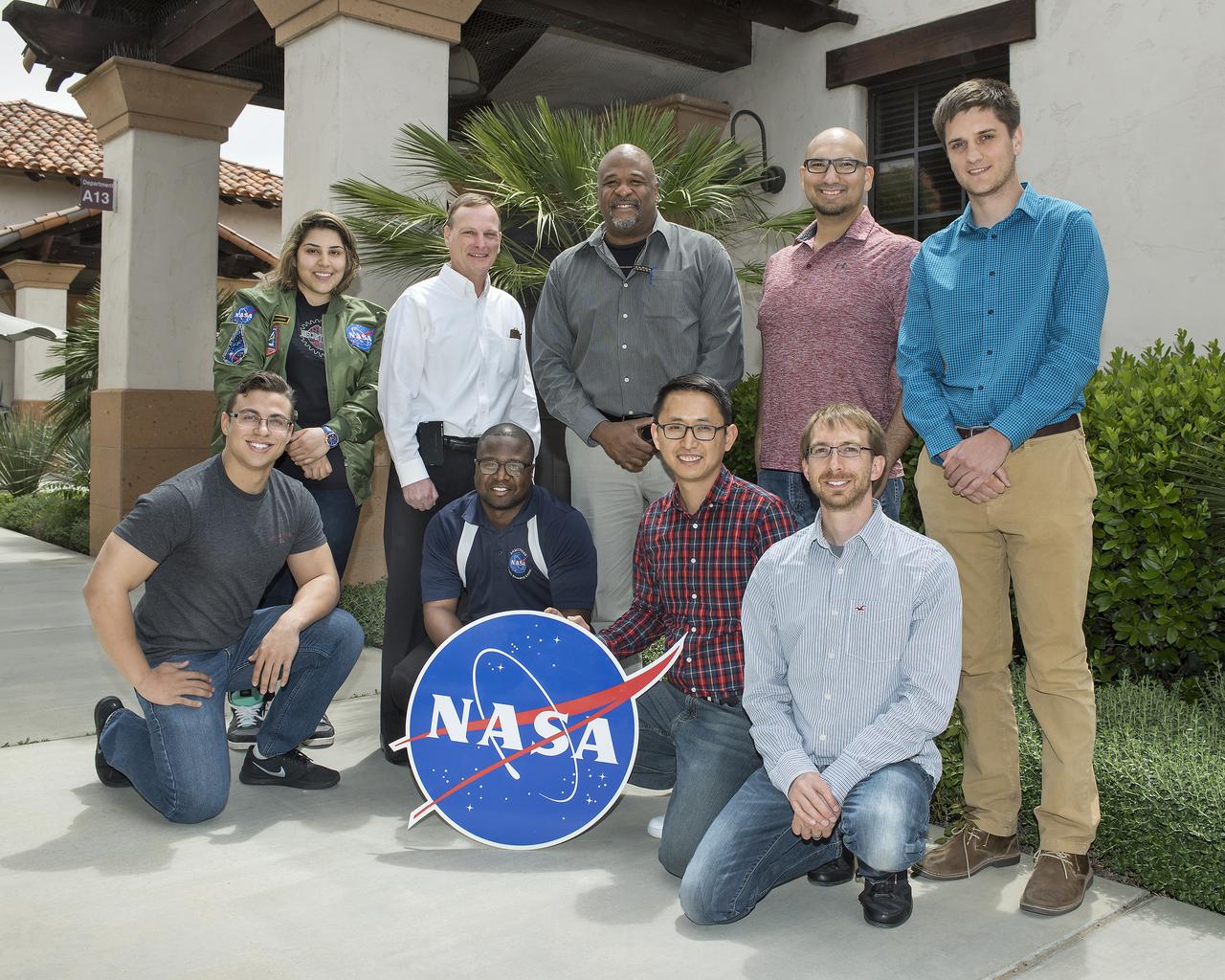
The Fiber Optic Sensing System team includes in the front from left Nick Finks, Ryan Warner, Patrick Chan and Paul Bean. In the back row from left are Shideh Naderi, Jeff Bauer, Allen Parker, Frank Pena and Nathan Perreau. Lance Richards, Anthony Piazza and Phil Hamory are current FOSS team members who are not pictured.
AFRC2017-0092-07
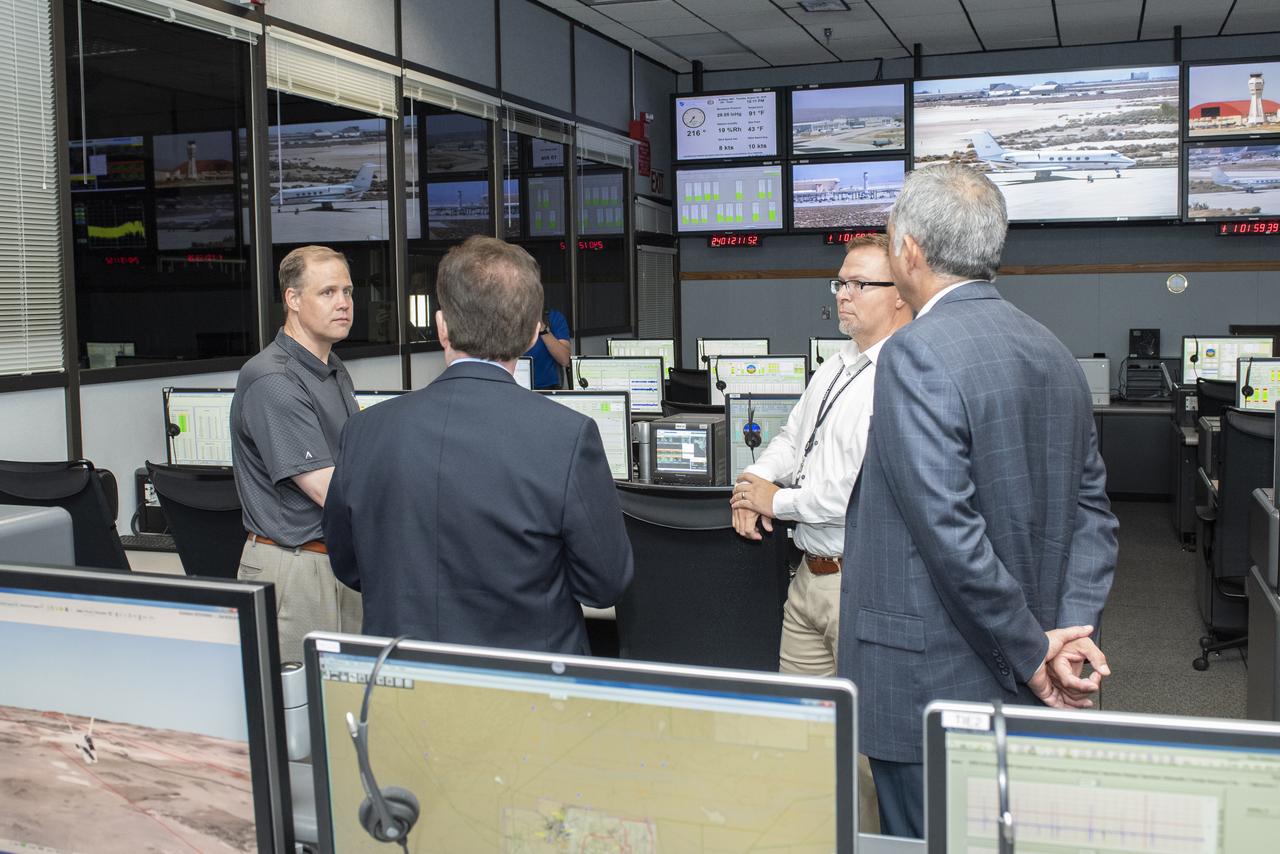
NASA Administrator Bridenstine learns about the many uses for mission control rooms for flight research projects such as monitoring the flights for safety, gathering data and talking to the pilot and project researcher.
Bridenstine stands by AFRC center director David McBride in one of Armstrong's mission control rooms that monitor flights, talk with pilots and gather data to project analysis.
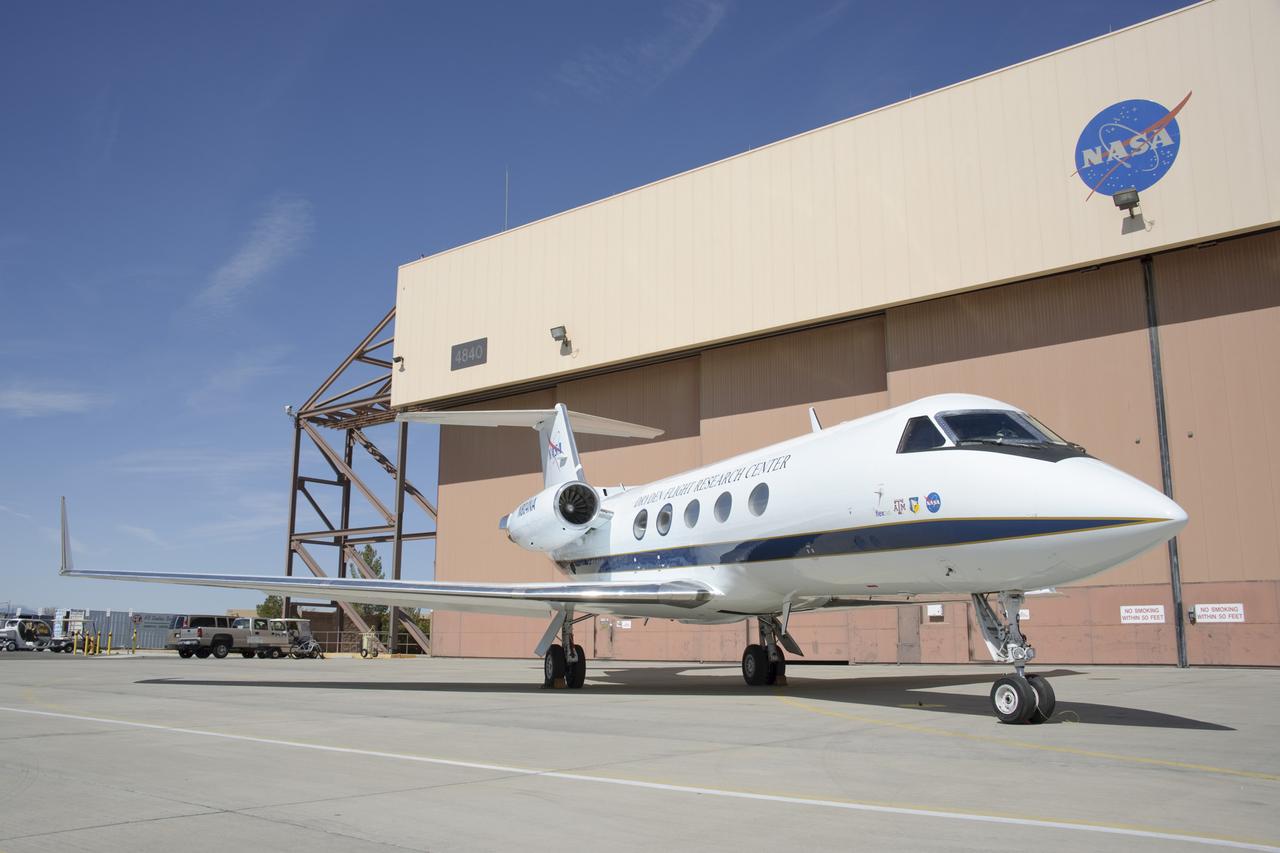
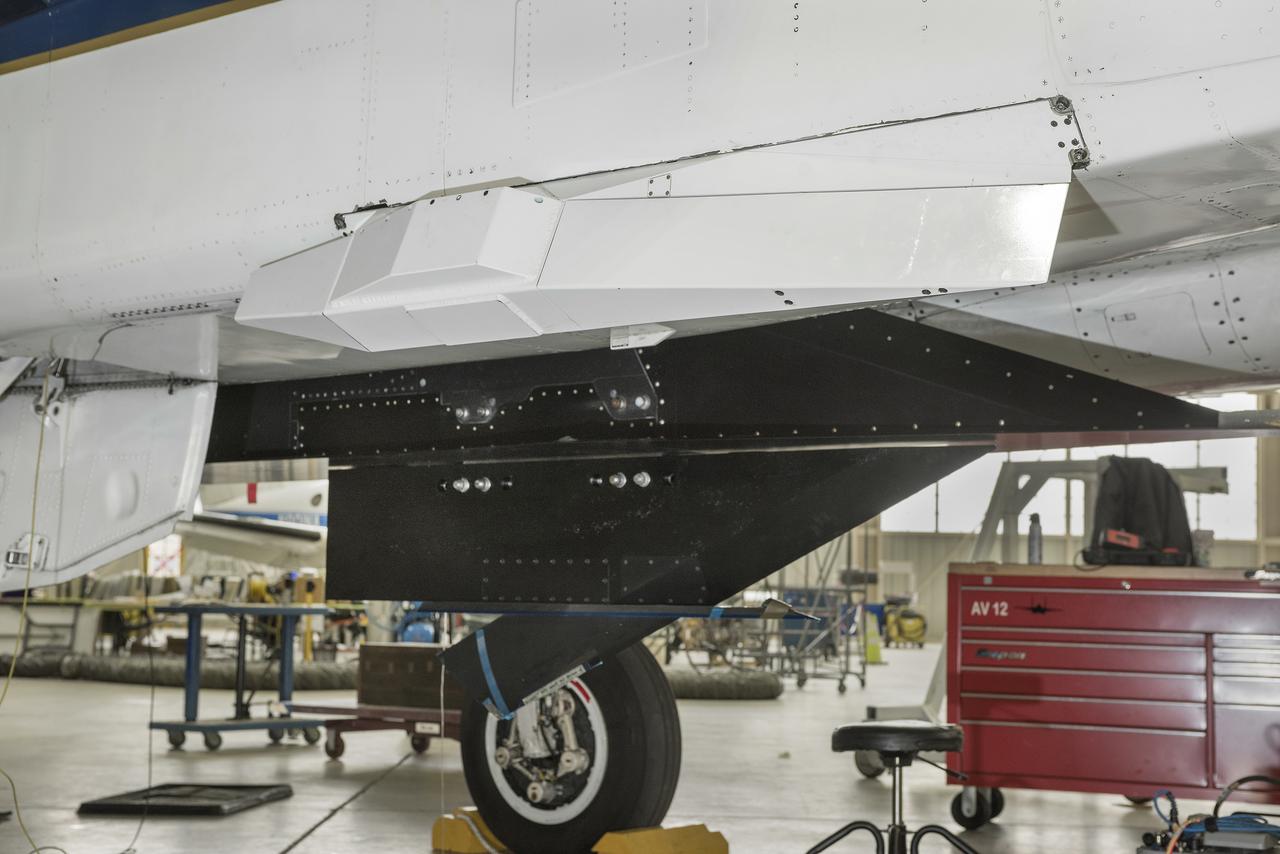
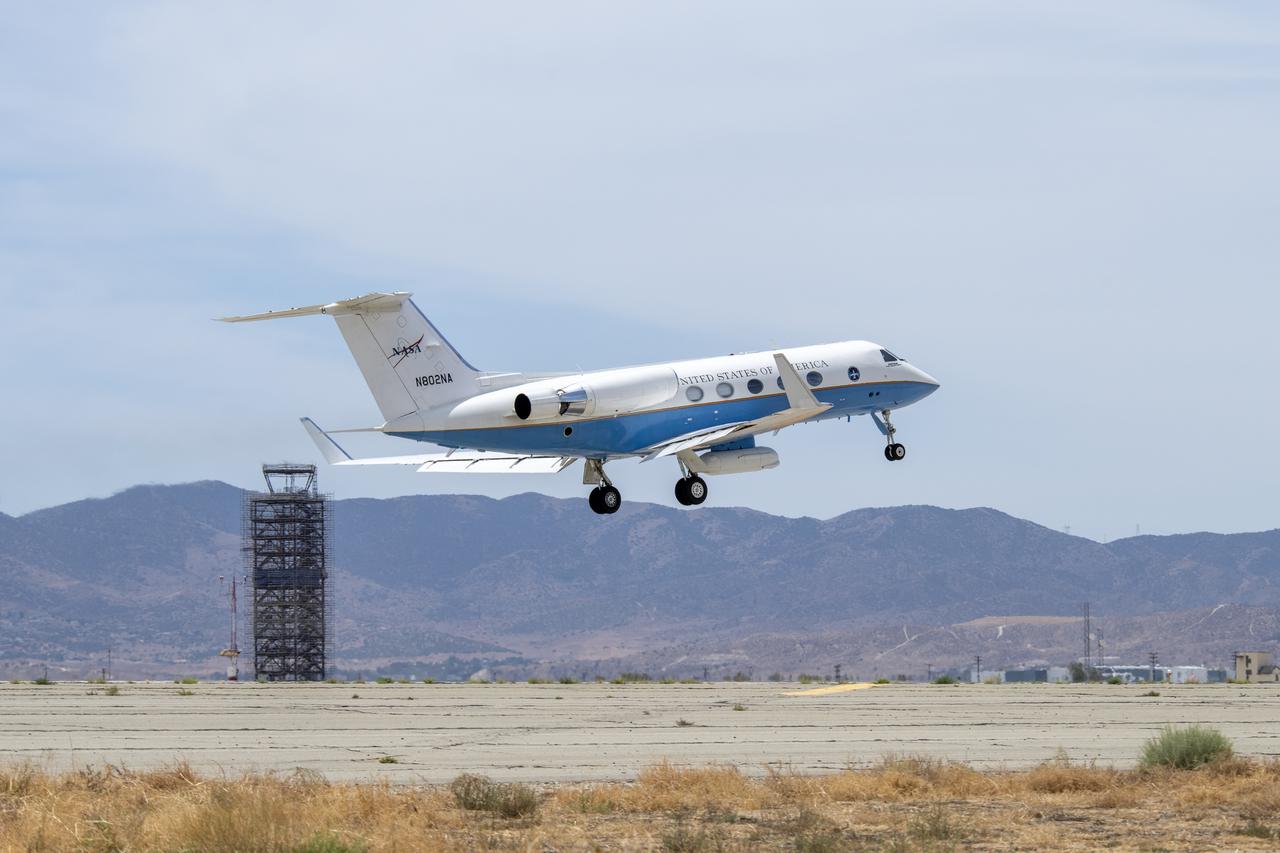
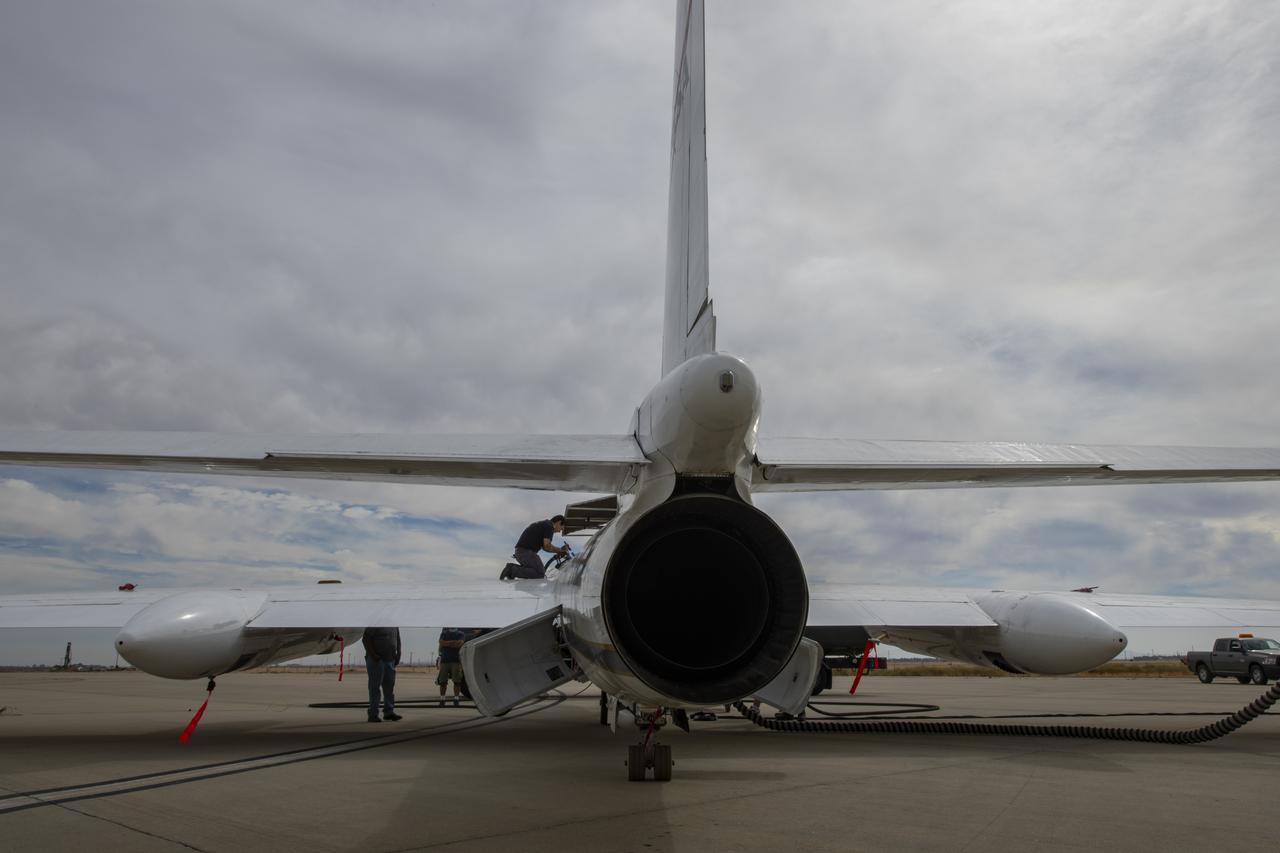
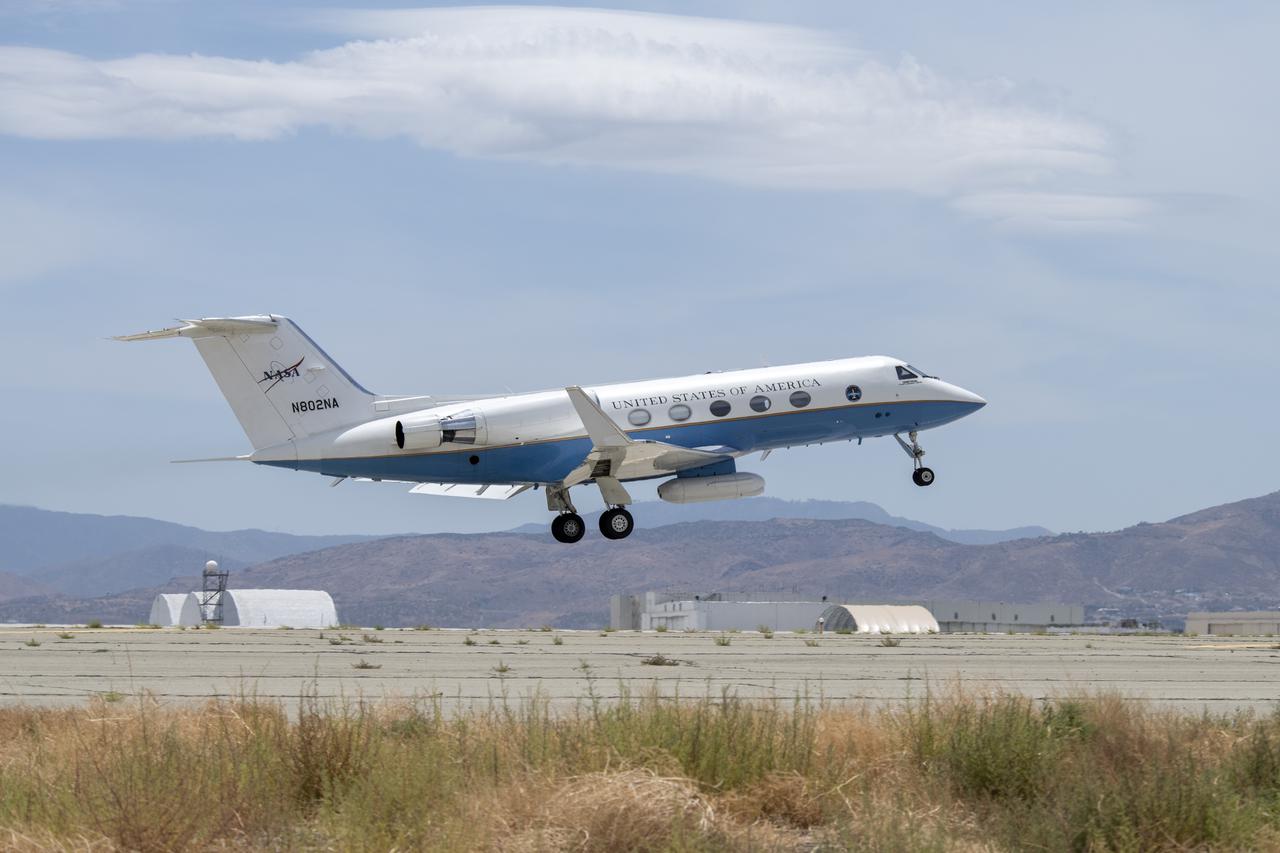
NASA’s Subsonic Research Aircraft Testbed, or SCRAT, is a modified Gulfstream III that operates out of Armstrong Flight Research Center in Edwards, California. SCRAT the test bed aircraft for the ACTE flexible-flap research project, which examines flexible wing flap technology’s benefits to aerodynamic efficiency.
ED11-0072-14
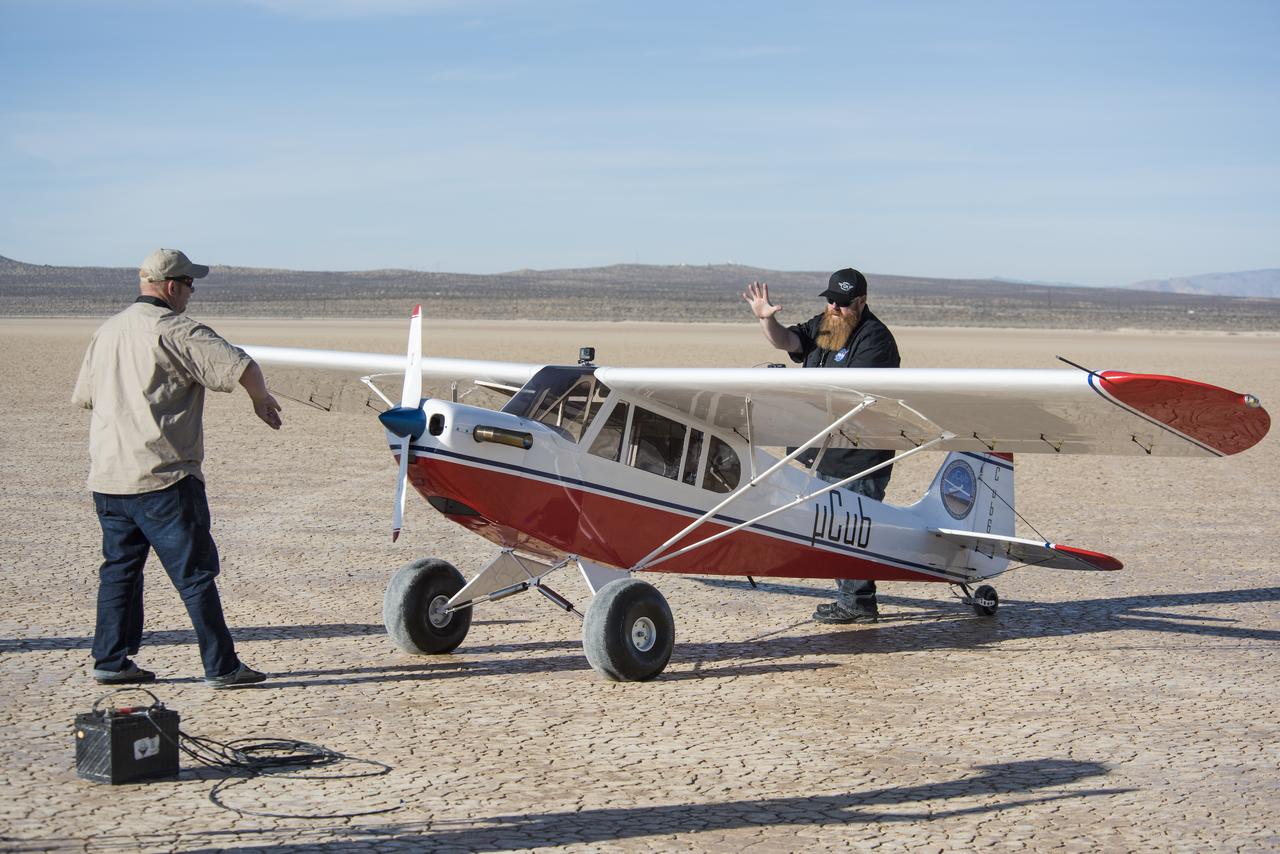
Crew members of the Subscale Research Lab at NASA’s Armstrong Flight Research Center in California perform a series of preflight system checks of the MicroCub to ensure the aircraft is ready for its maiden flight.
MicroCub Preflight Check
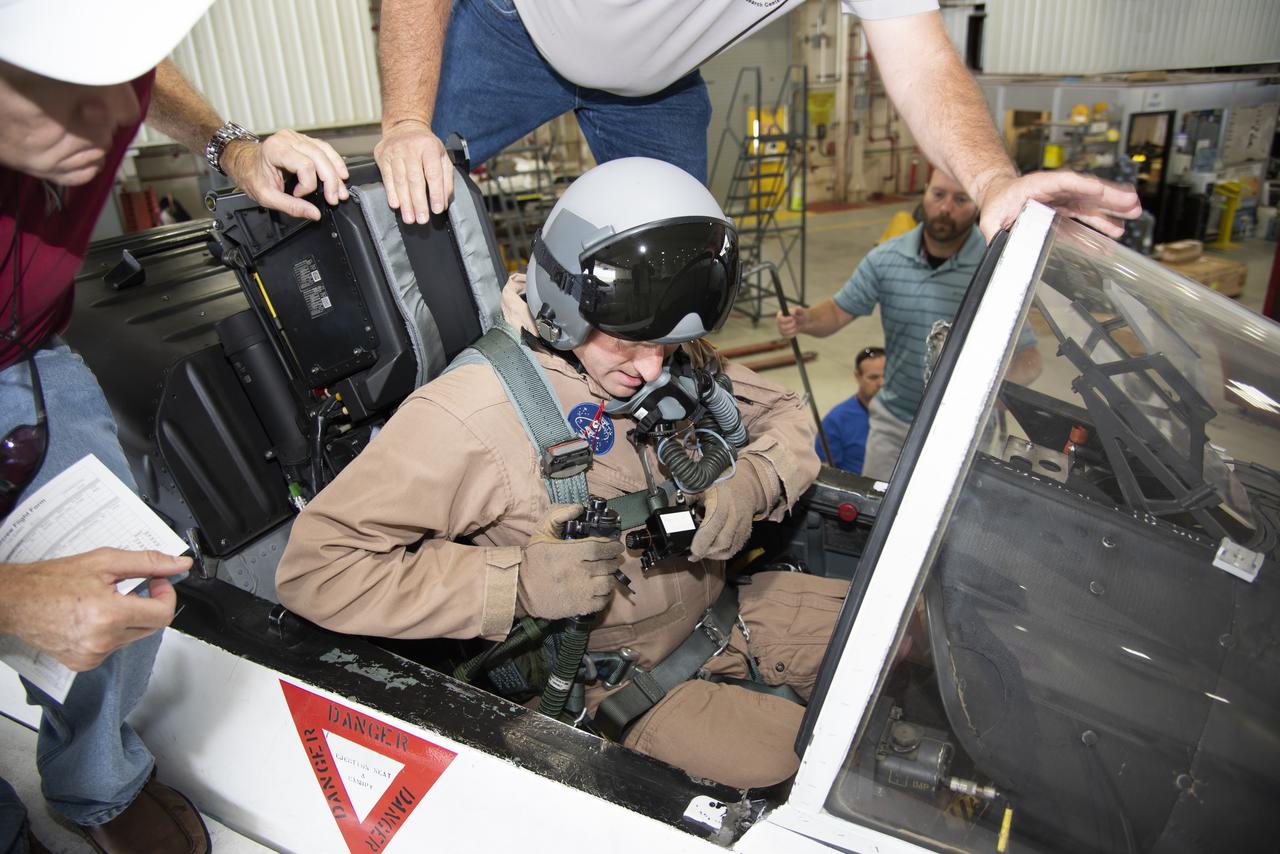
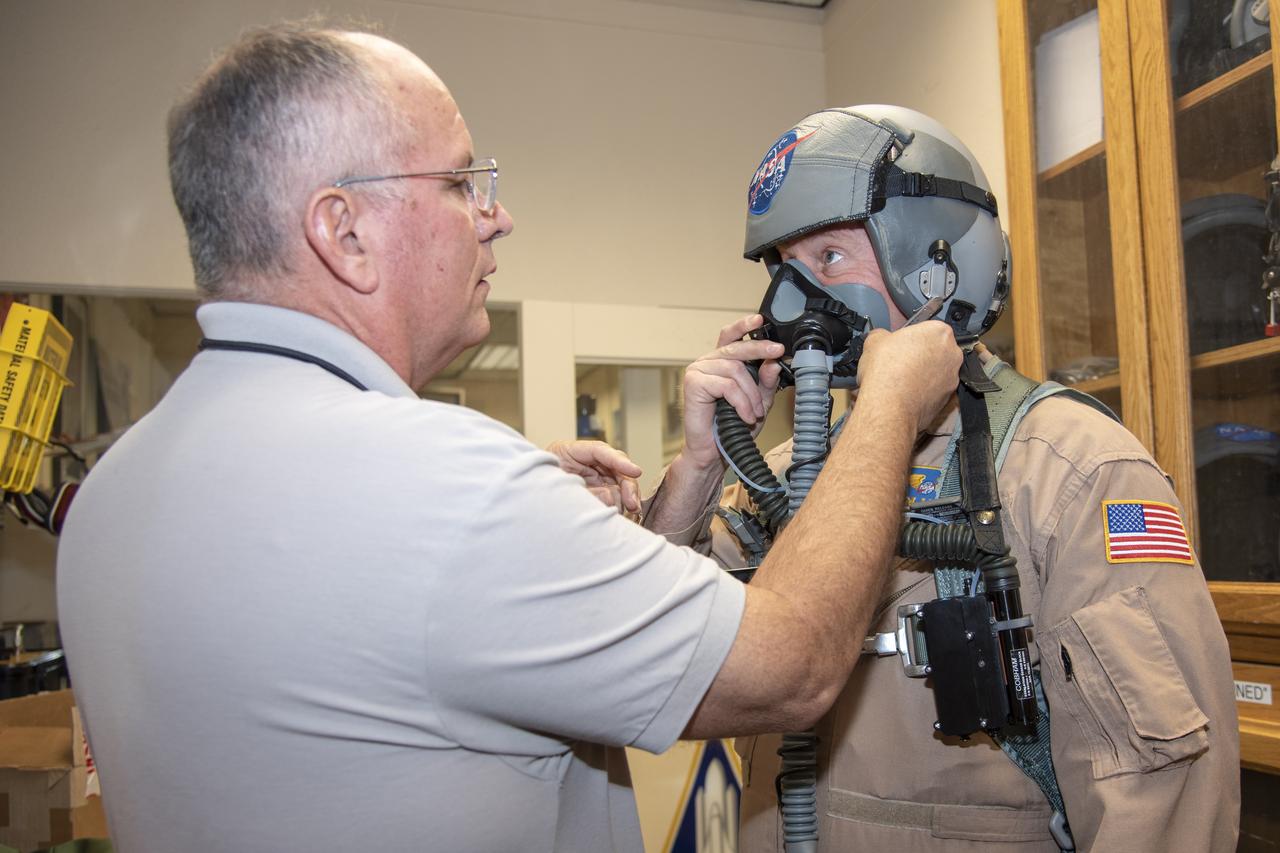
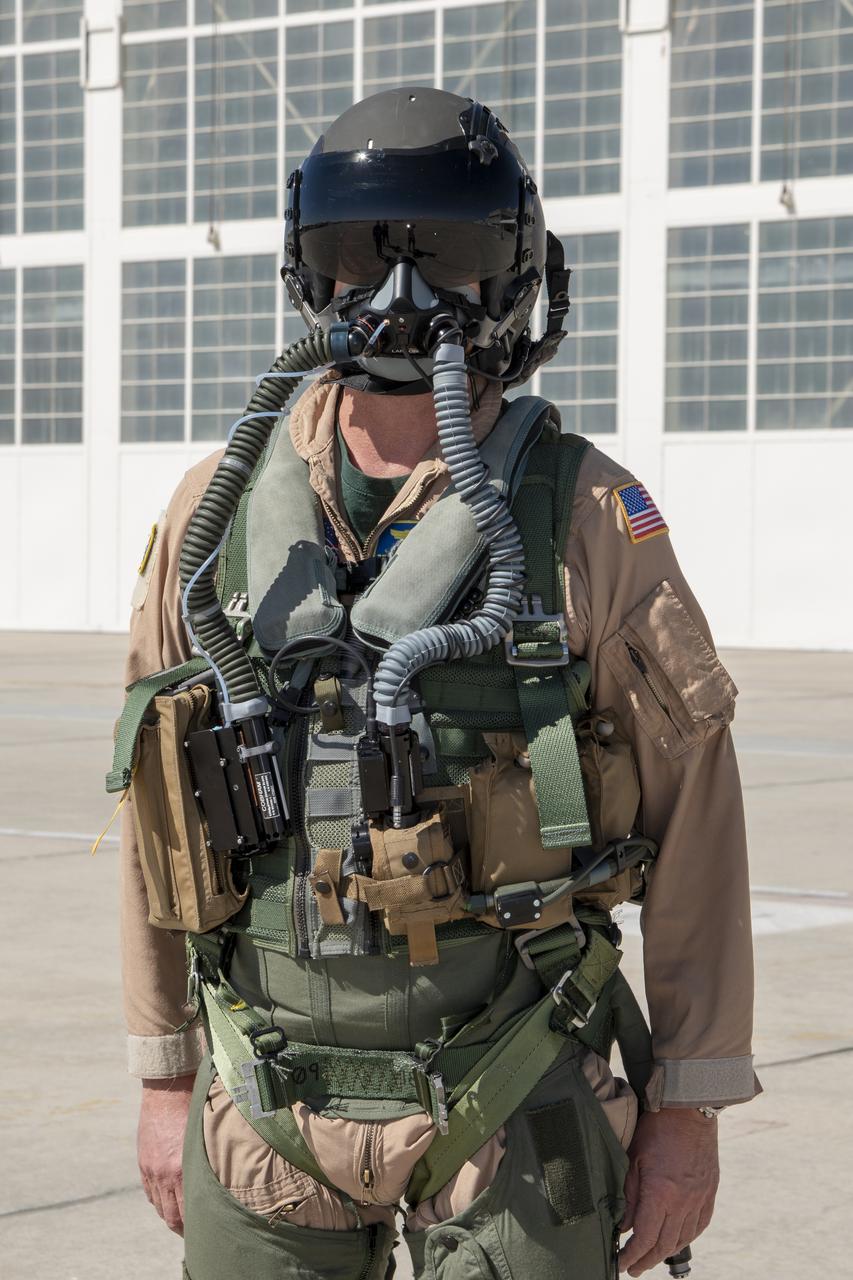
NASA pilot Jim Less is assisted by life support as he is fitted with a Cobham designed VigiLOX pilot oxygen monitoring system. VigiLOX is a sensing system that is attached to a pilot's existing gear to capture real-time physiological, breathing gas and cockpit environmental data.
VigiLOX Pilot Oxygen Monitoring System
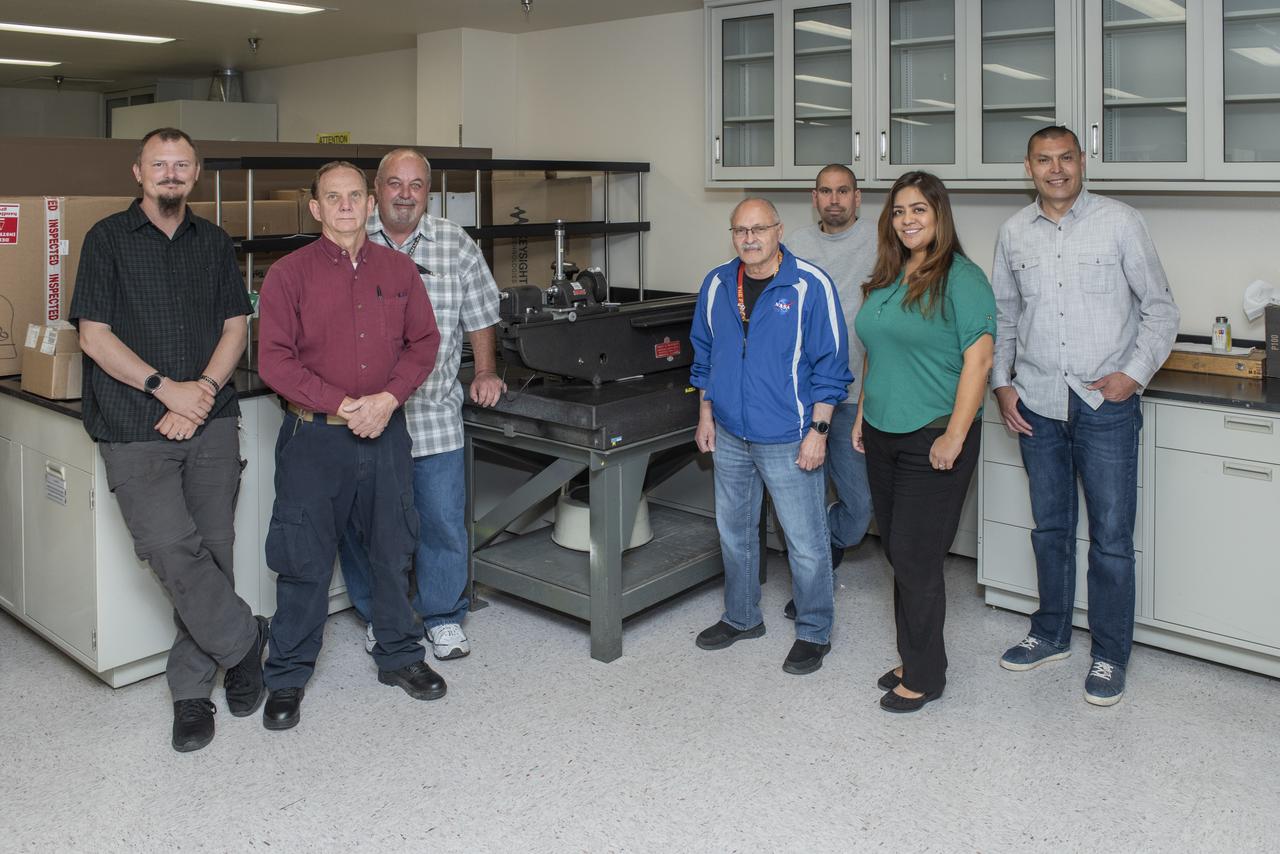
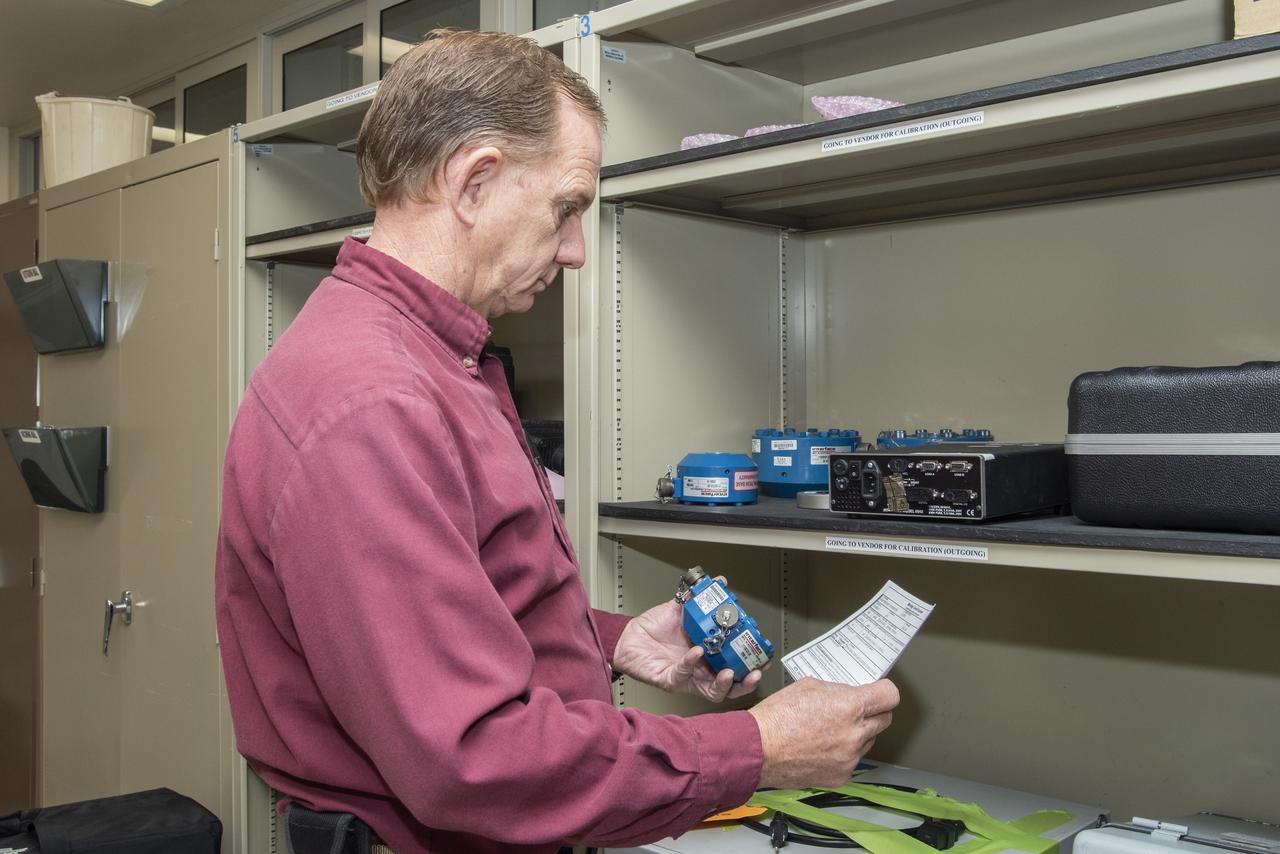
NASA’s Armstrong Flight Research Center Calibration Laboratory in California has a workload that is 80 percent related to items used in preparing aircraft for flight. To successfully complete that work takes a staff, which from left includes Paul Craig, James Kelly, David Swindle, Arnold Gonzales, Ronnie Juvinall, Anita Solorio and Alex Rivera. They are standing by a 1948 calibration tool they call the boat anchor, which still is a valued asset. 
Calibration Laboratory Provides Key Aircraft Support
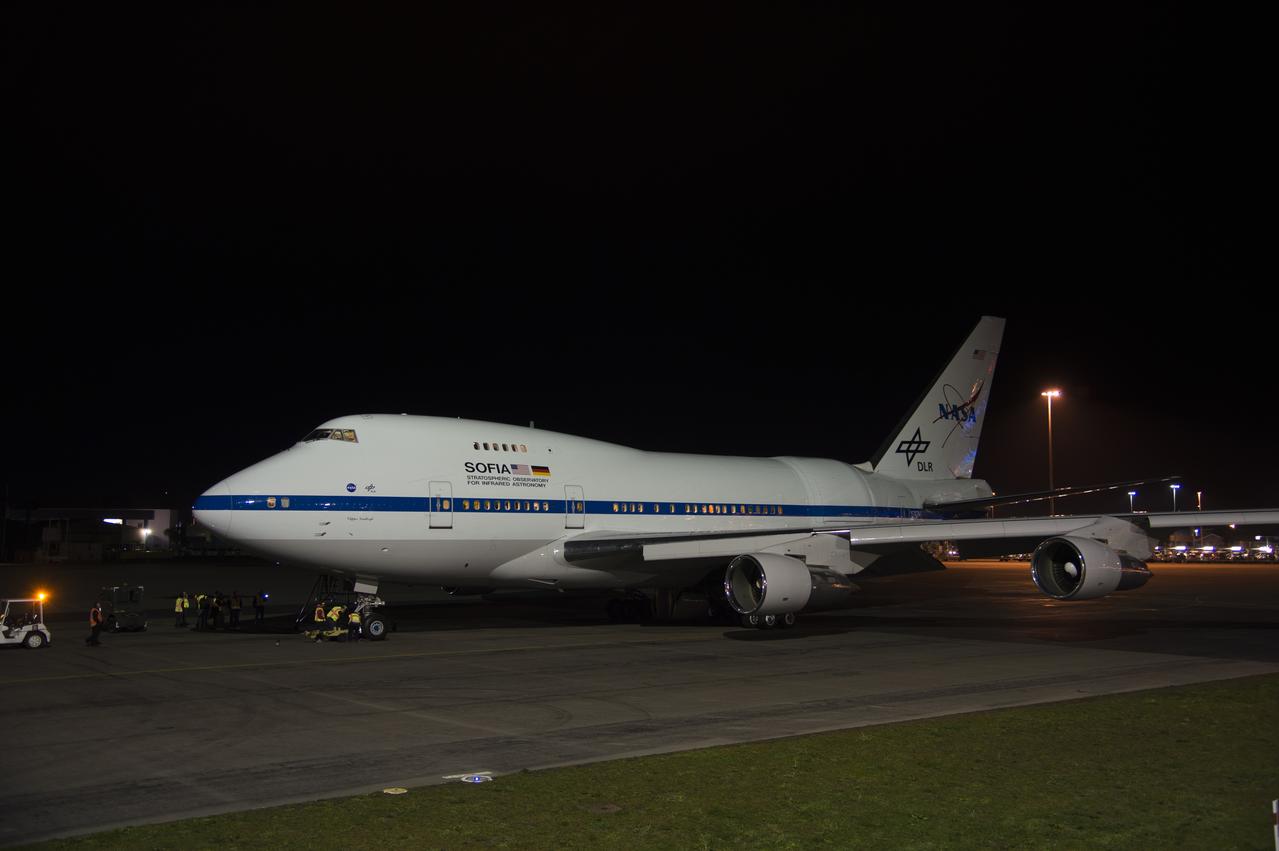
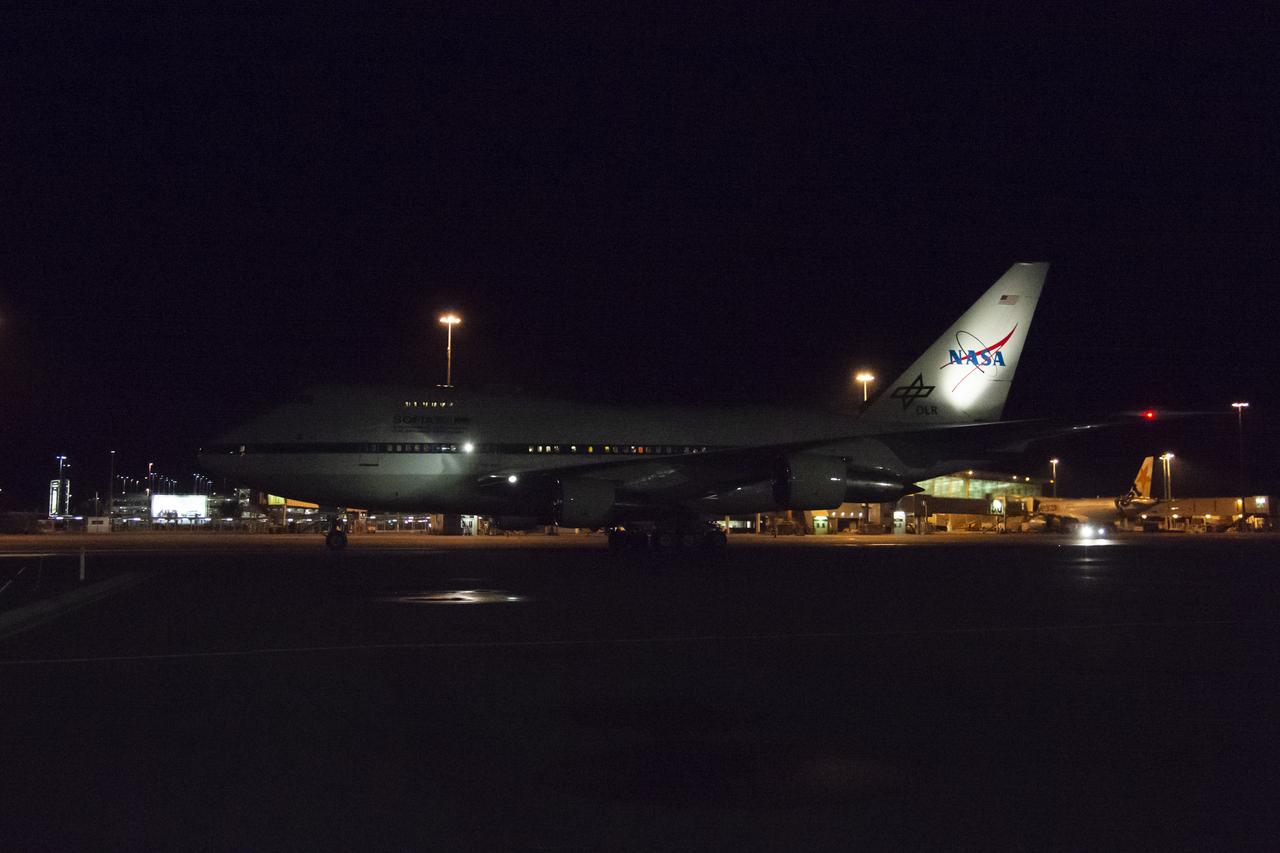
SOFIA at nighttime in New Zealand.
SOFIA at Nighttime
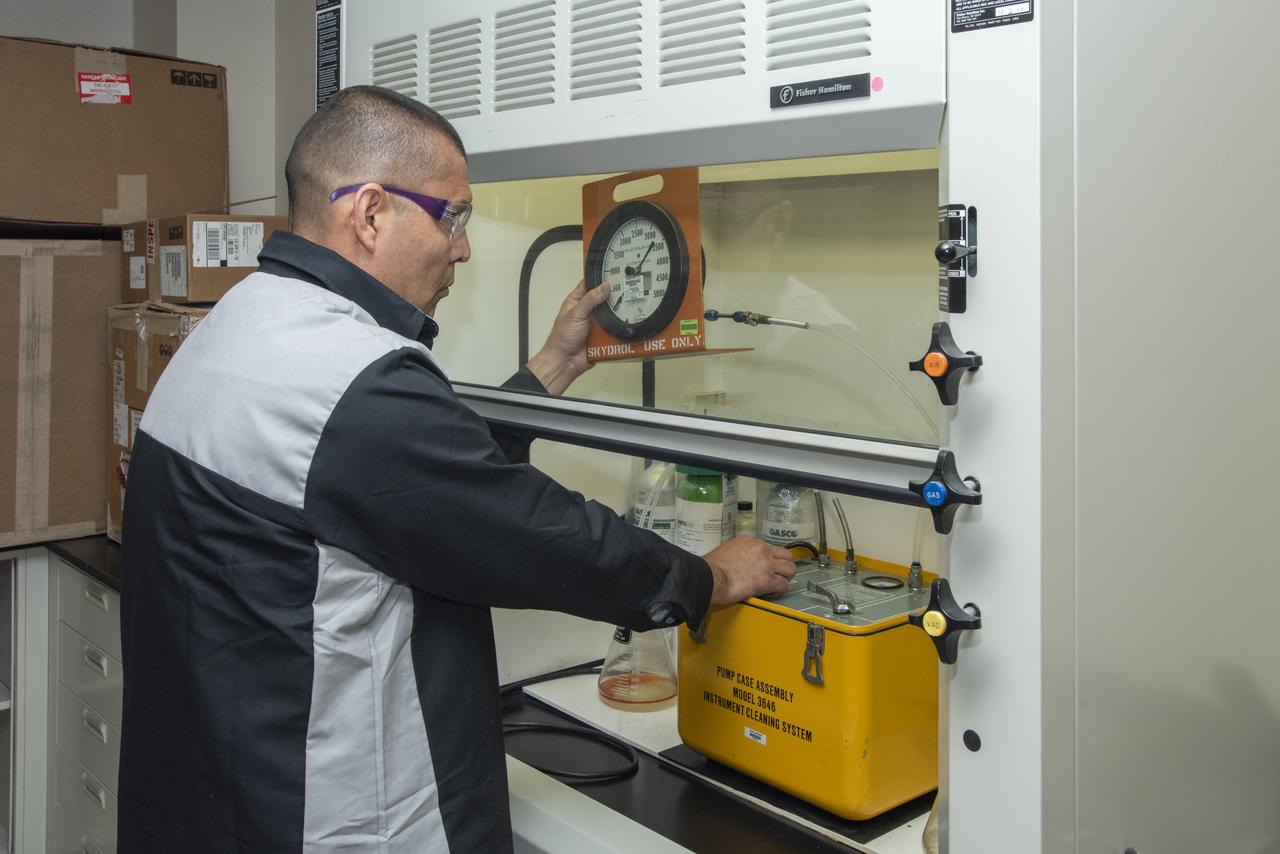
Alex Rivera purges a gauge of contamination prior to a calibration test at NASA's Armstrong Flight Research Center in California.
Calibration Laboratory Provides Key Aircraft Support
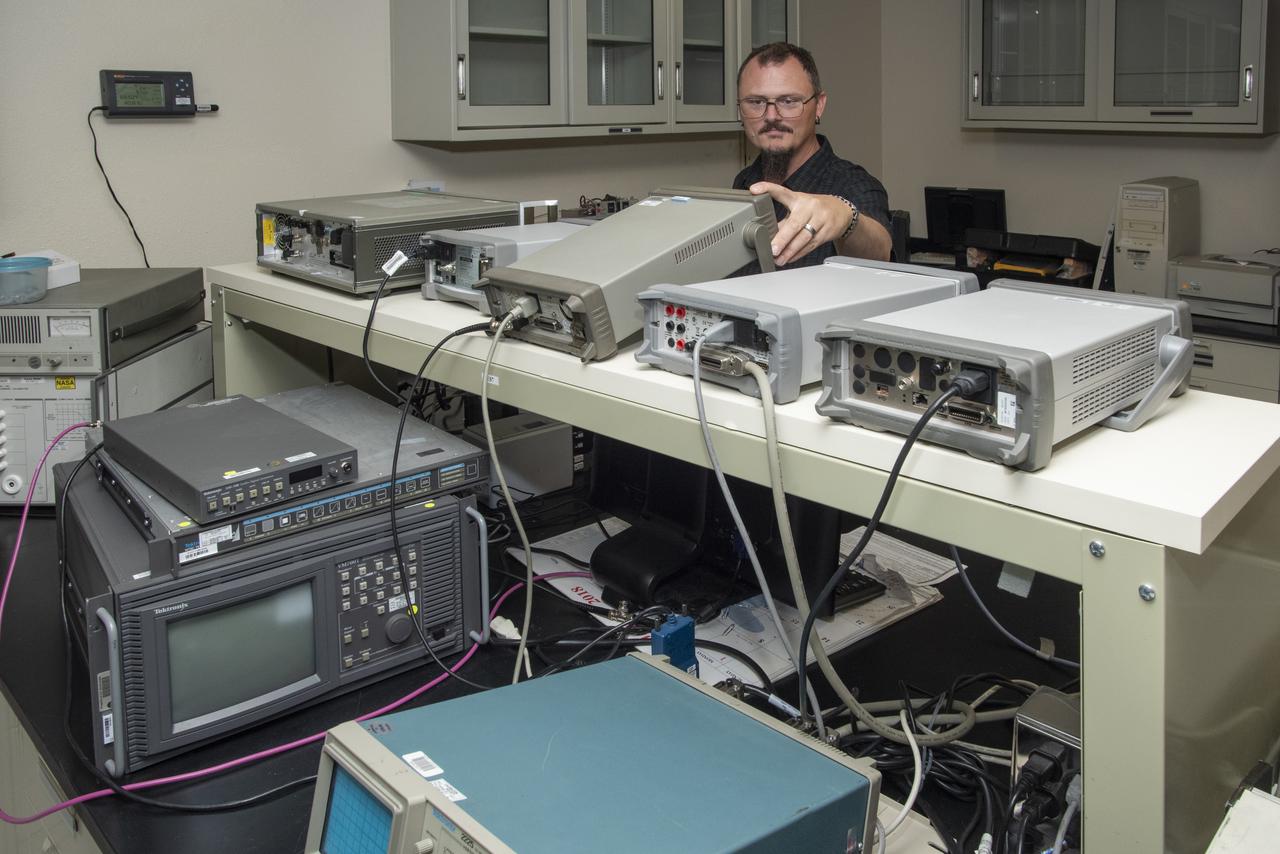
Paul Craig calibrates specialized high-level radio frequency equipment at NASA’s Armstrong Flight Research Center in California.
Calibration Laboratory Provides Key Aircraft Support
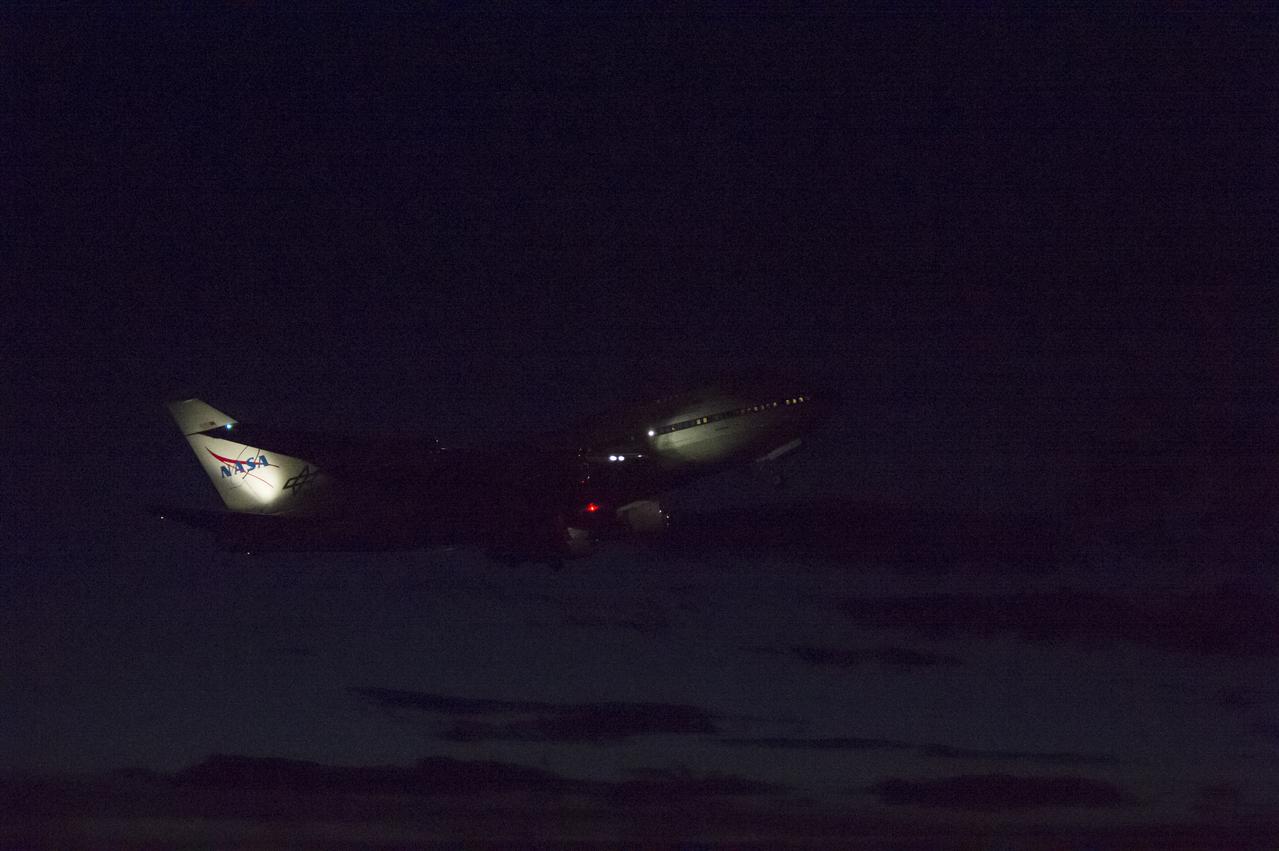
SOFIA at nighttime in New Zealand.
SOFIA at Nighttime
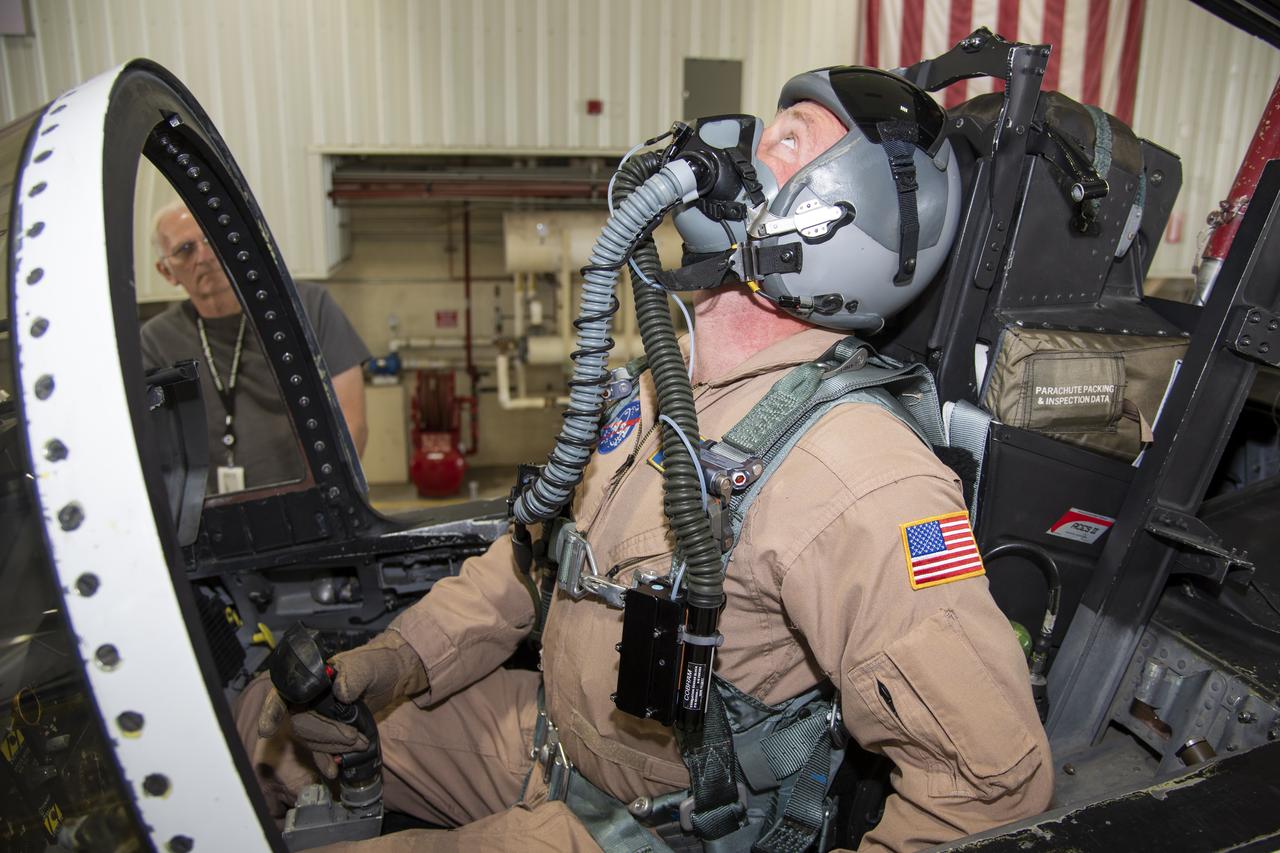
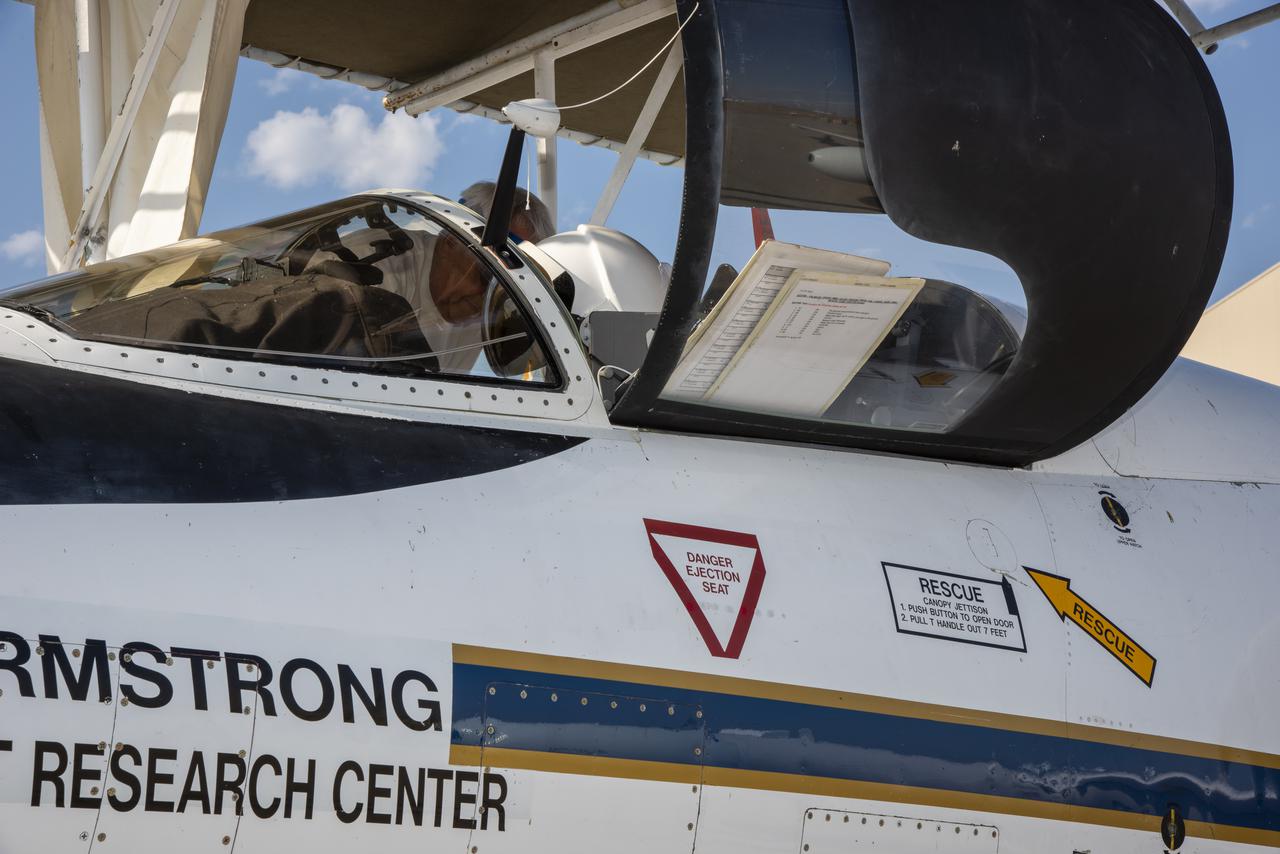
NASA pilot Jim Less sits in the cockpit of a NASA F/A-18 aircraft in preparation for flight tests that will be used to understand the physiological impacts that high-performance aircraft have on pilots.
Armstrong Pilot with VigiLOX Pilot Oxygen Monitoring System
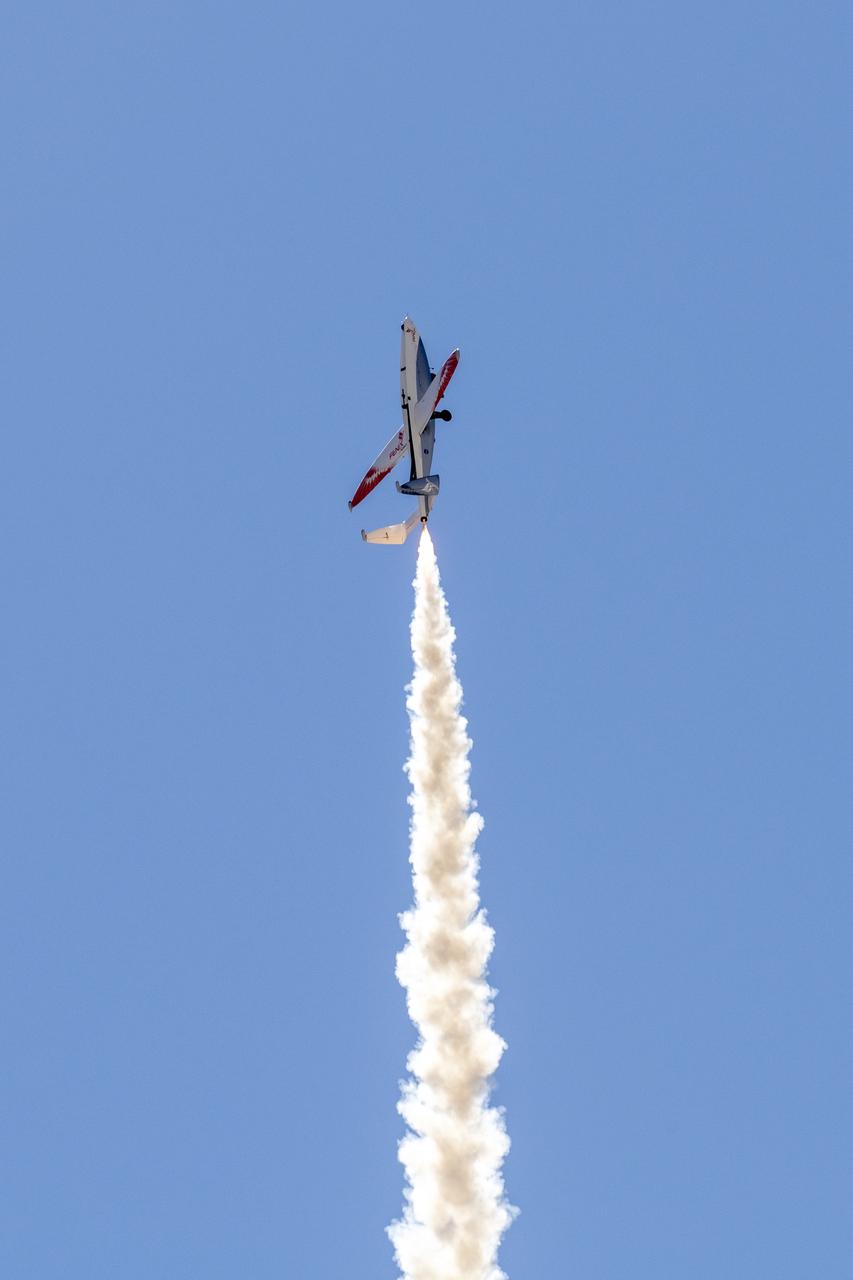
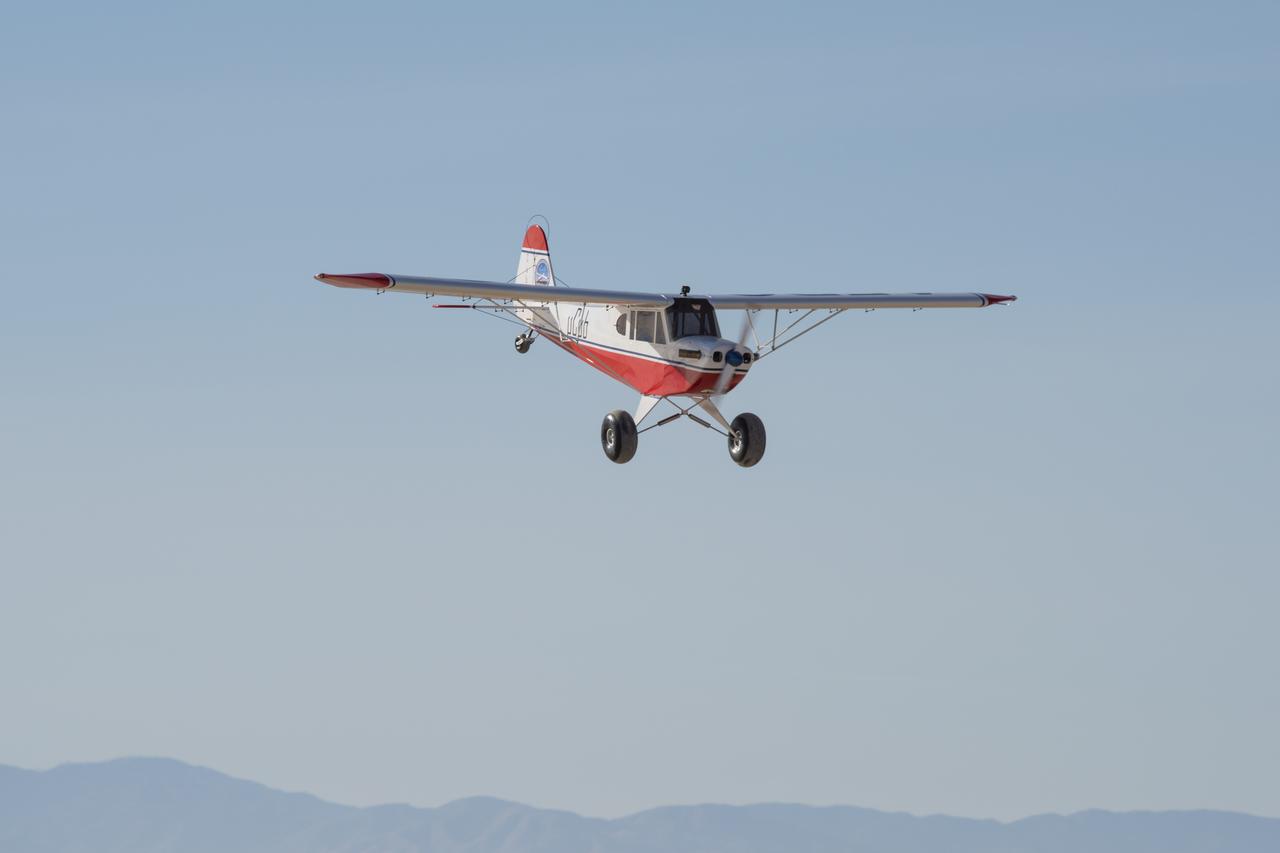
The MicroCub, a modified a Bill Hempel 60-percent-scale super cub, approaches for a landing at NASA's Armstrong Flight Research Center. This was the first flight of the MicroCub in which the crew validated the airworthiness of the aircraft.
MicroCub In Flight
The MicroCub is the newest addition to NASA Armstrong's fleet of subscale research aircraft. The aircraft is a modified a Bill Hempel 60-percent-scale super cub, designed with a 21-foot wingspan, a Piccolo Autopilot guidance system and a JetCat SPT-15 Turboprop.
MicroCub Subscale Aircraft
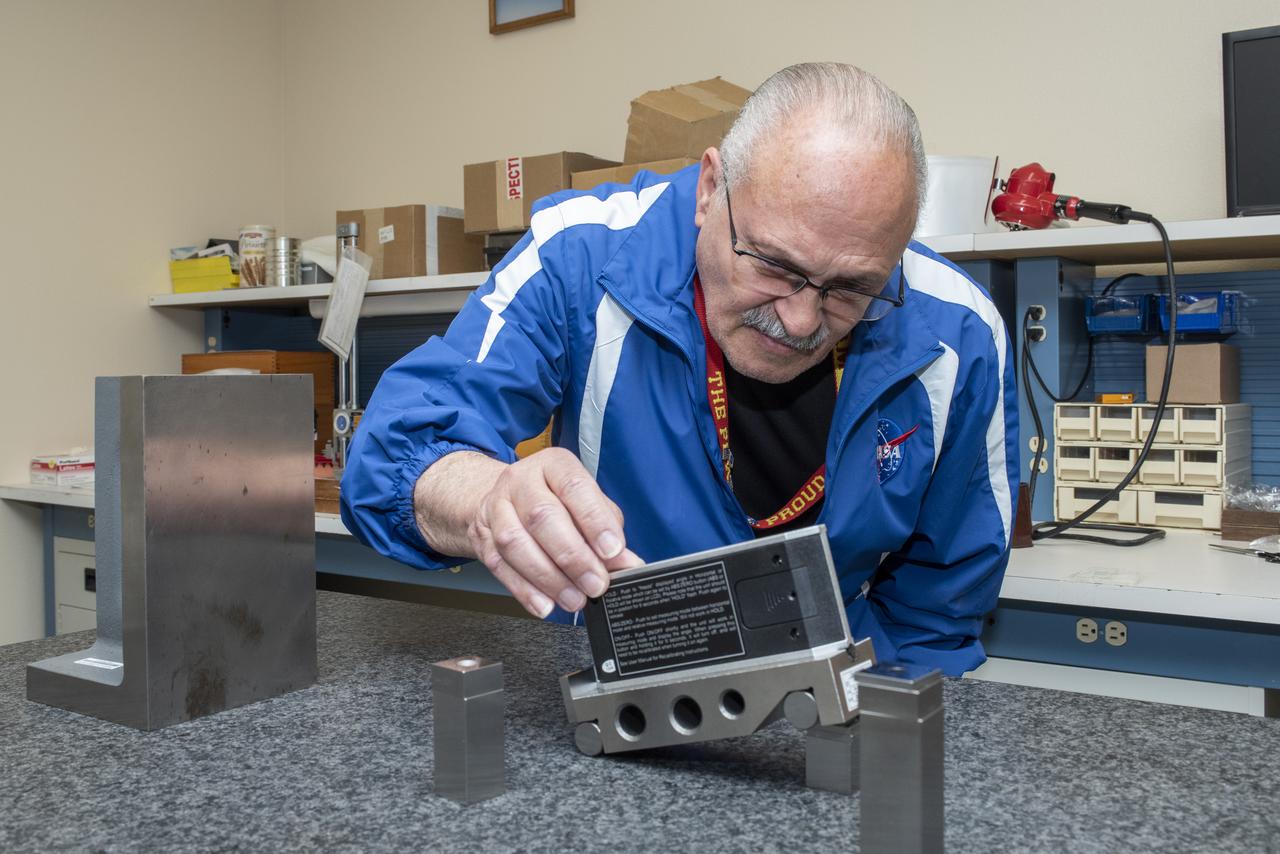
Arnold Gonzales, a 20-year veteran of the NASA Armstrong Calibration Laboratory, uses a digital protractor to calibrate an item sent to the lab at NASA’s Armstrong Flight Research Center in California.
Calibration Laboratory Provides Key Aircraft Support
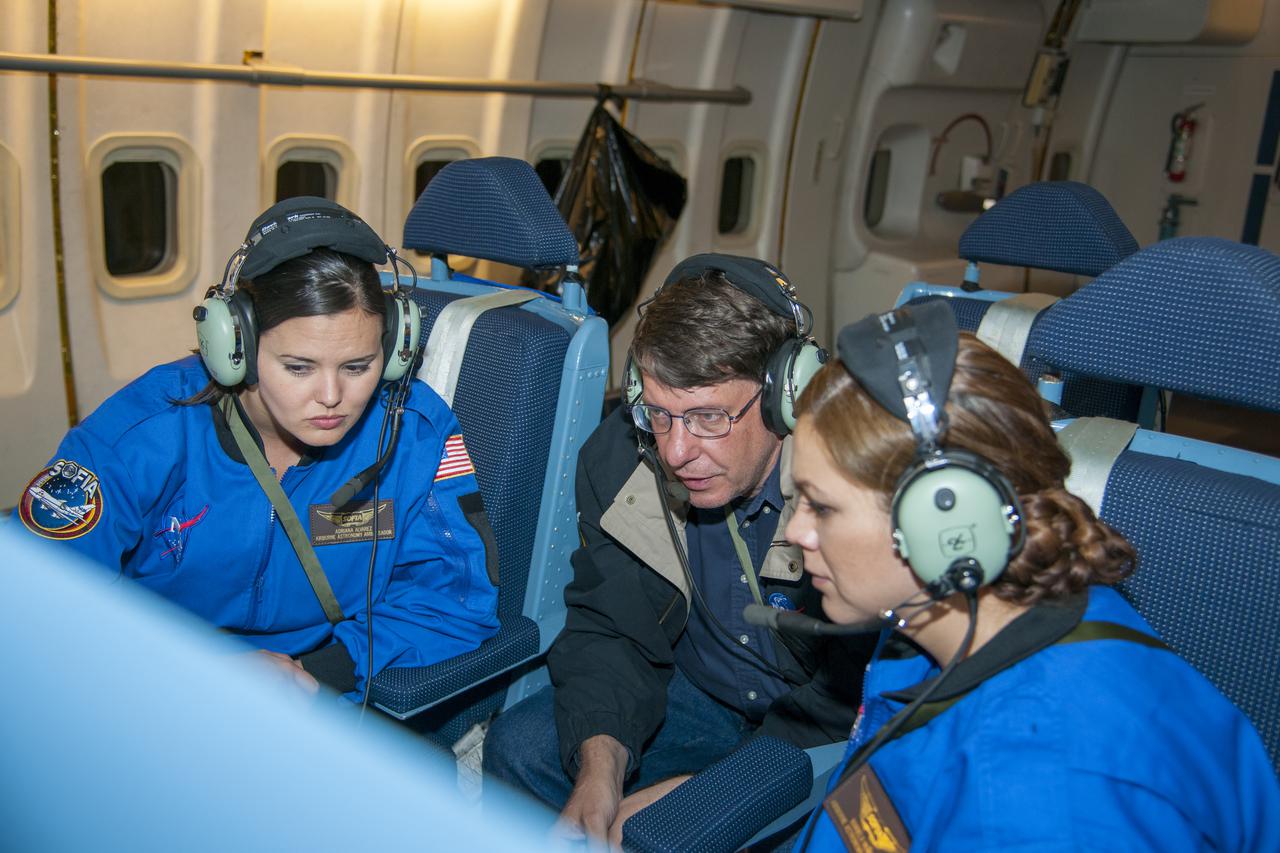
Dana Backamn explains SOFIA’s observations during a flight with Airborne Astronomy Ambassador educators Adriana Alvarez and Mariela Muñoz.
SOFIA Observations Explained
NASA pilot Jim Less is assisted by life support as he is fitted with a Cobham designed VigiLOX pilot oxygen monitoring system. VigiLOX is a sensing system that is attached to a pilot's existing gear to capture real-time physiological, breathing gas and cockpit environmental data.
VigiLOX Pilot Oxygen Monitoring System
SOFIA at nighttime in New Zealand.
SOFIA at Nighttime
James Kelly, who is responsible for pickup and delivery of items to and from NASA Armstrong's Calibration Laboratory, checks the numbers of a part before he puts it on the delivery vehicle for transport back to a customer.
Calibration Laboratory Provides Key Aircraft Support
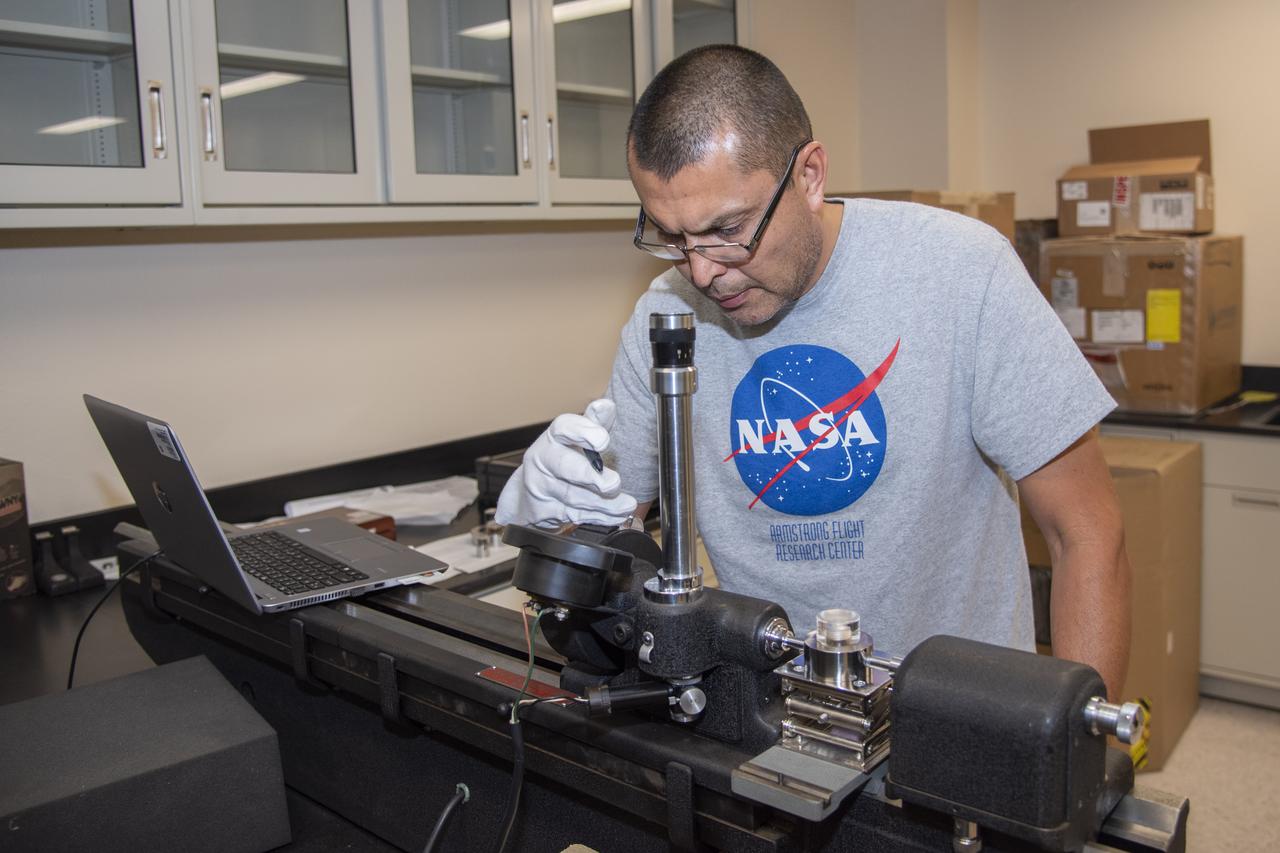
Alex Rivera calibrates a cylindrical plug gauge at NASA's Armstrong Flight Research Center Calibration Laboratory in California.
Calibration Laboratory Provides Key Aircraft Support
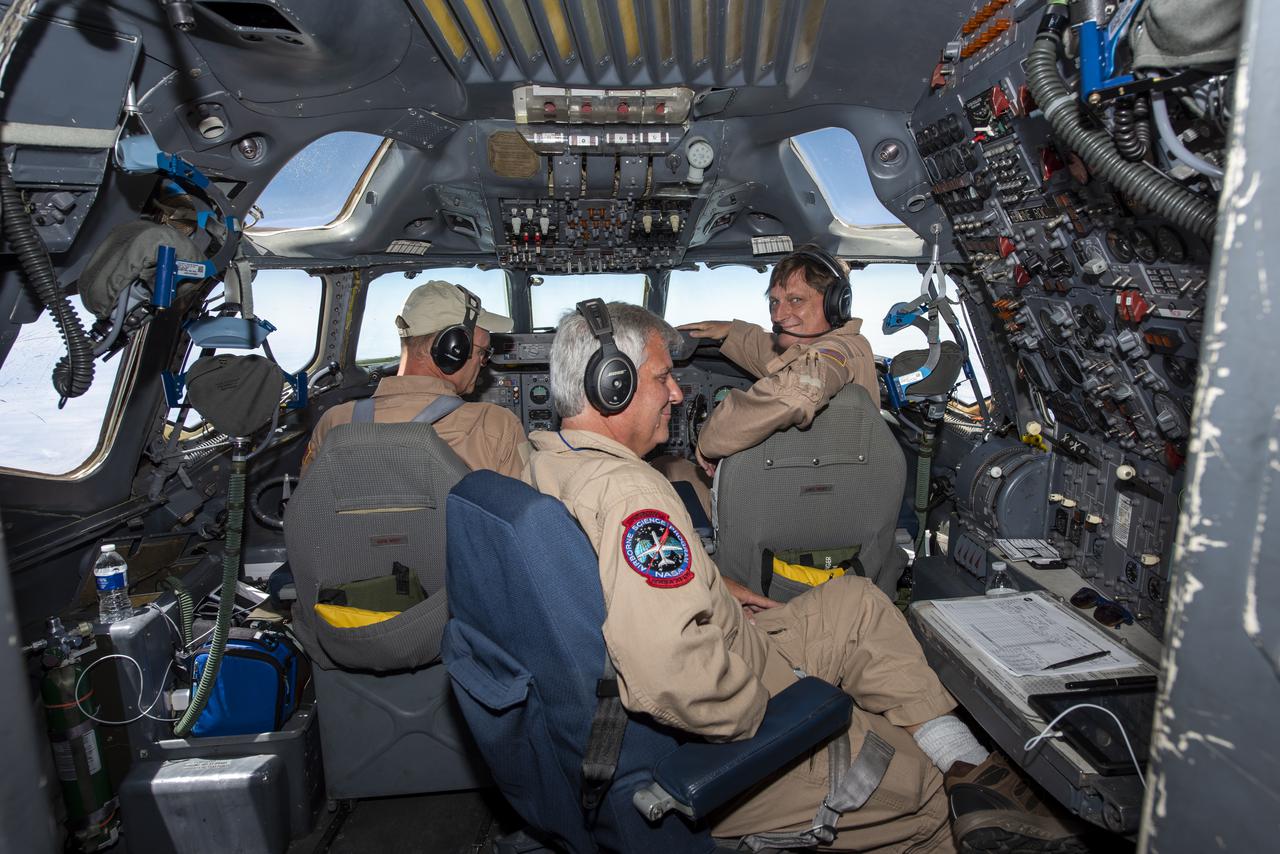
NASA's Armstrong Flight Research Center flies the DC-8 airborne science laboratory in support of the Convective Processes Experiment - Aerosols and Winds campaign, CPEX-AW, on Aug 6, 2021. From left to right: Nils Larson, David Fedors and Mark Crane
DC-8 CPEX-AW Science Flight
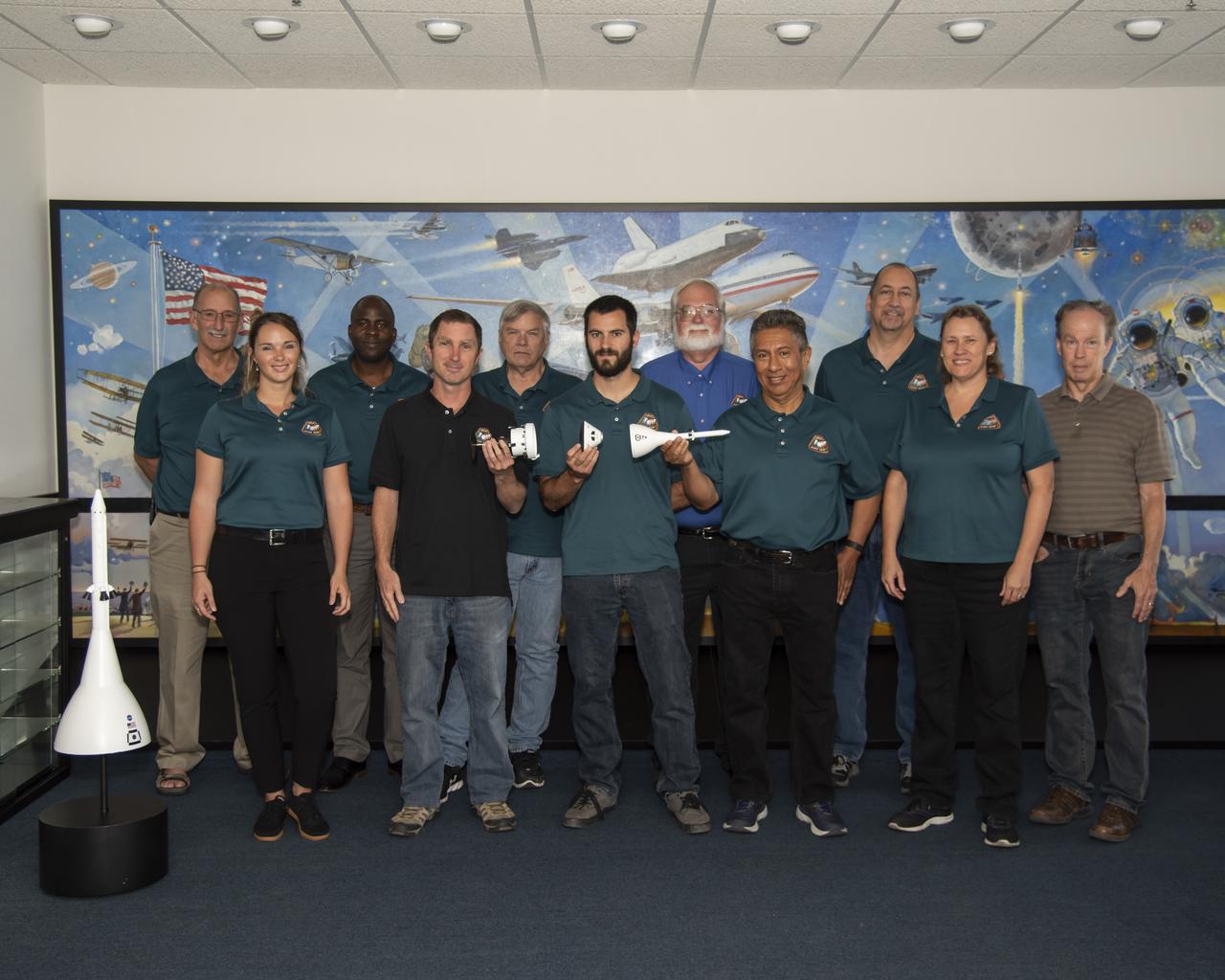
Members of the NASA Armstrong Flight Research Center Ascent Abort-2 management and engineering team contributed to the AA-2 launch at Cape Canaveral in Florida July 2, 2019. From left are Gary Martin, Rose Blomquist, Ernest Mwajagu, Lucas Moxey, Leo Gross, Jeff Sutherland, Chuck Rogers, Joe Hernandez, David Dowdell, Jeri Myers and Dan Nolan. Additional engineering team members include Paul Aristo, Bob Clark and Nikki Martin. Team members hold elements of the stack that was launched to show how the separation ring, crew module and Launch Abort System fit together.
NASA Armstrong Team Assisted with AA-2 Launch
NASA's Armstrong Flight Research Center flies the DC-8 airborne science laboratory in support of the Convective Processes Experiment - Aerosols and Winds campaign, CPEX-AW,  on Aug 6, 2021.
DC-8 CPEX-AW Science Flight
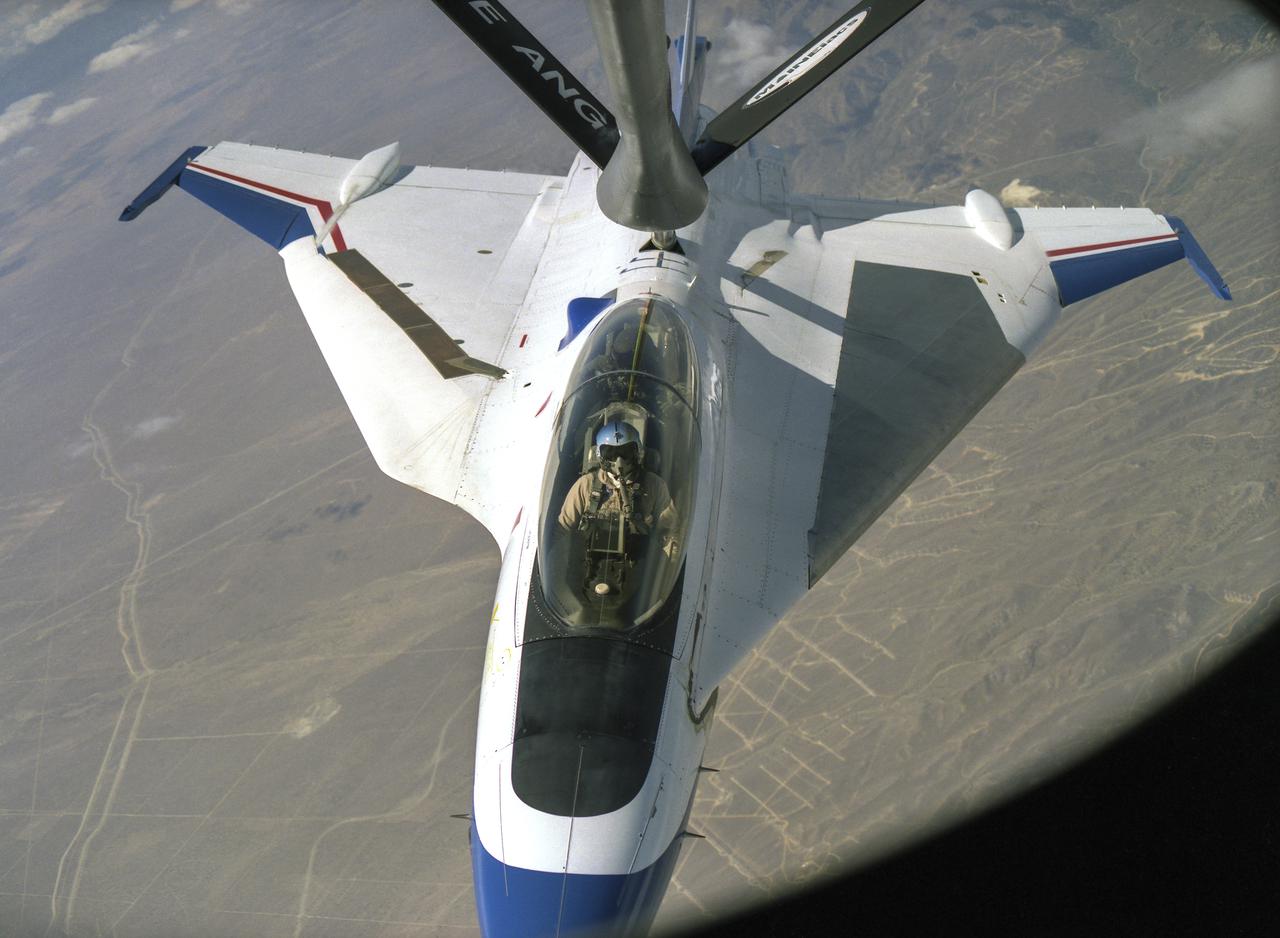
An F-16XL refuels in-flight. Only two XLs were built, and NASA eventually operated both for experimental purposes, including an active supersonic laminar flow experiment.
F-16XL Refuels In-Flight
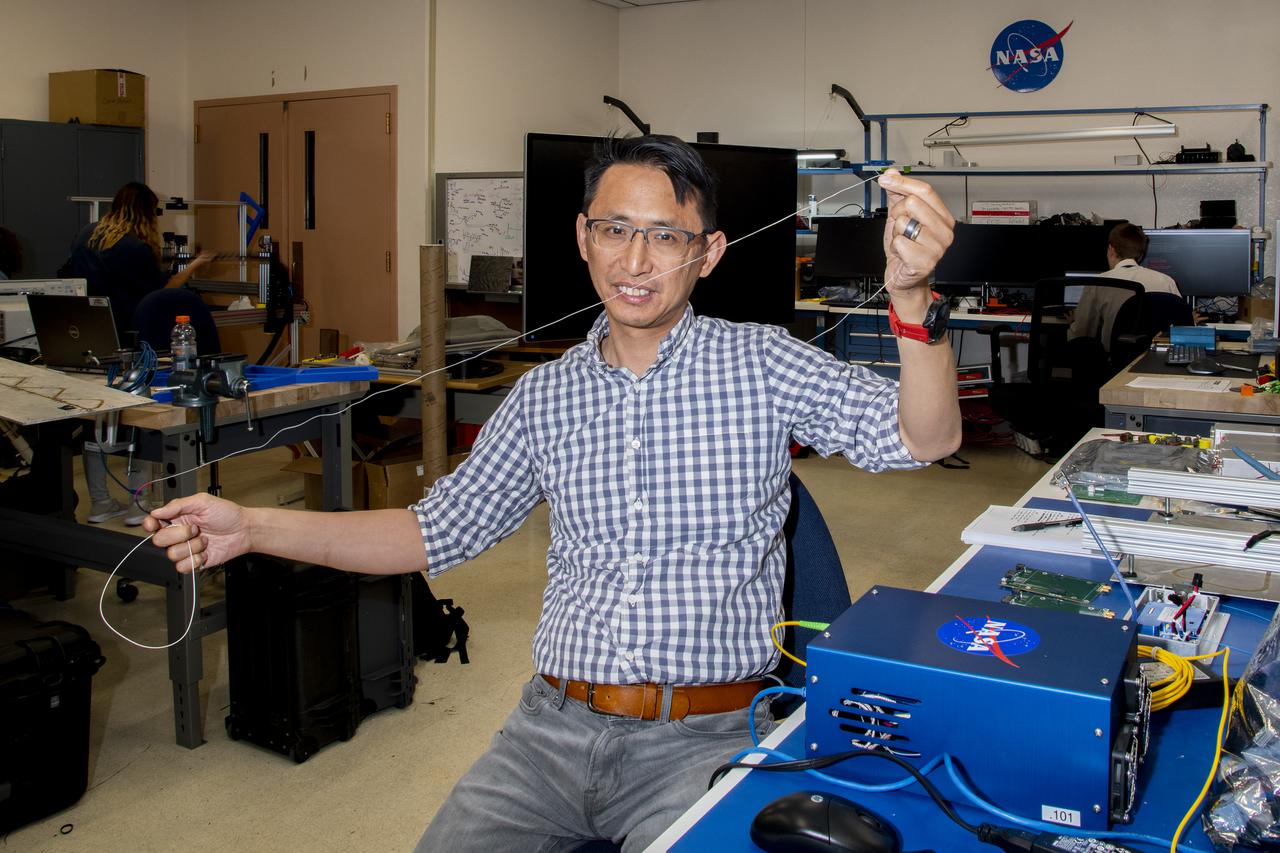
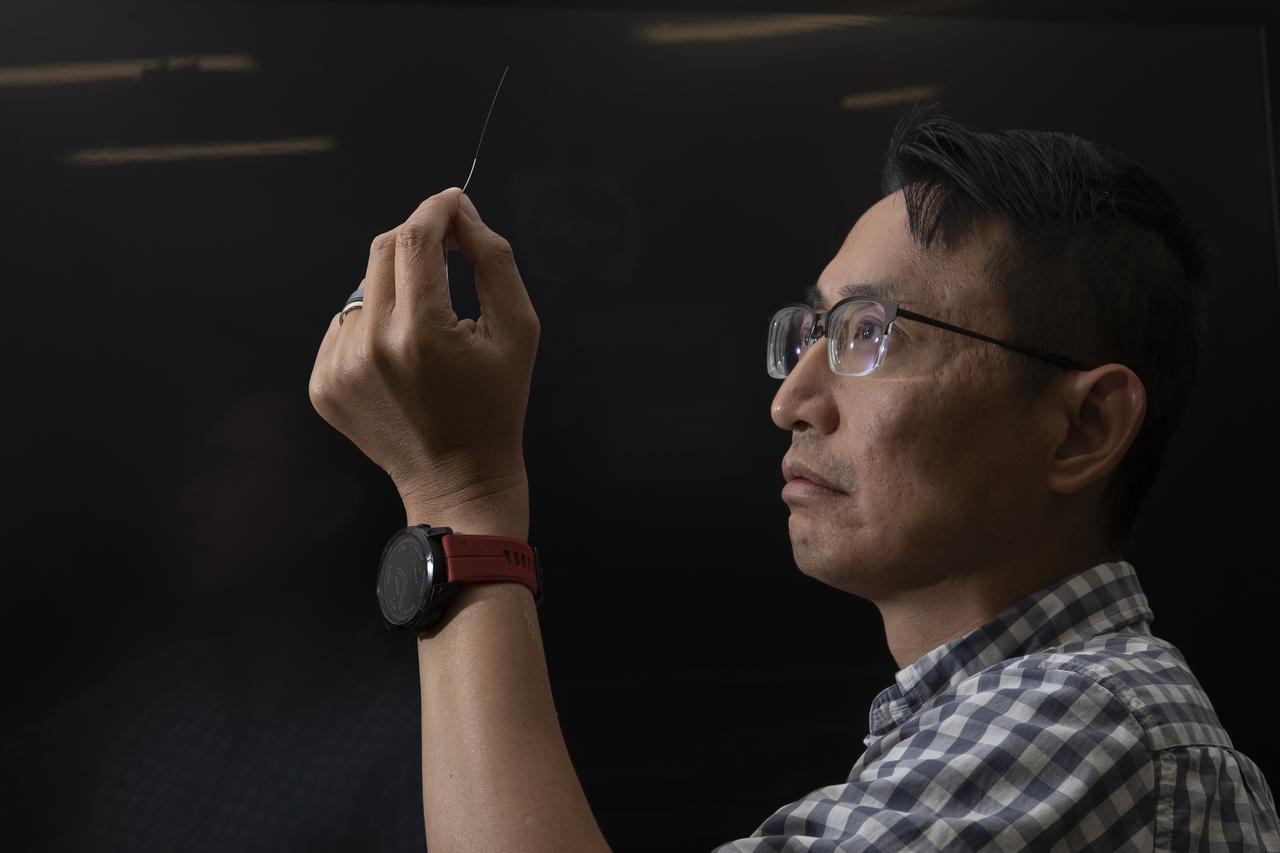
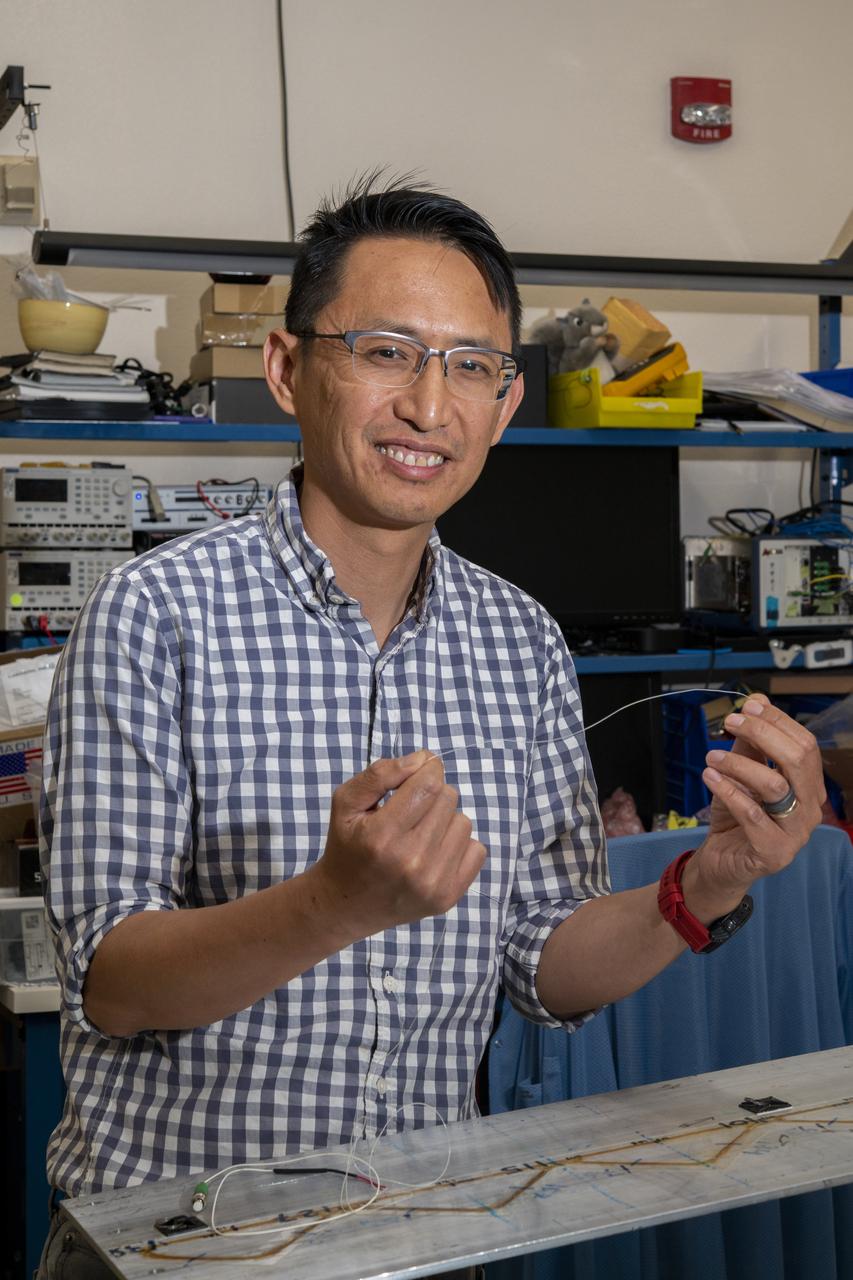
Patrick Chan, electronics engineer, and NASA Armstrong Flight Research Center’s FOSS portfolio project manager, shows a fiber used in a temperature sensing system. Armstrong’s Fiber Optic Sensing System was used to measure temperatures during tests aimed at turning oxygen into liquid oxygen. Testing was conducted at NASA’s Glenn Research Center in Cleveland, Ohio.
Helping CryoFILL Turn Oxygen into Fuel
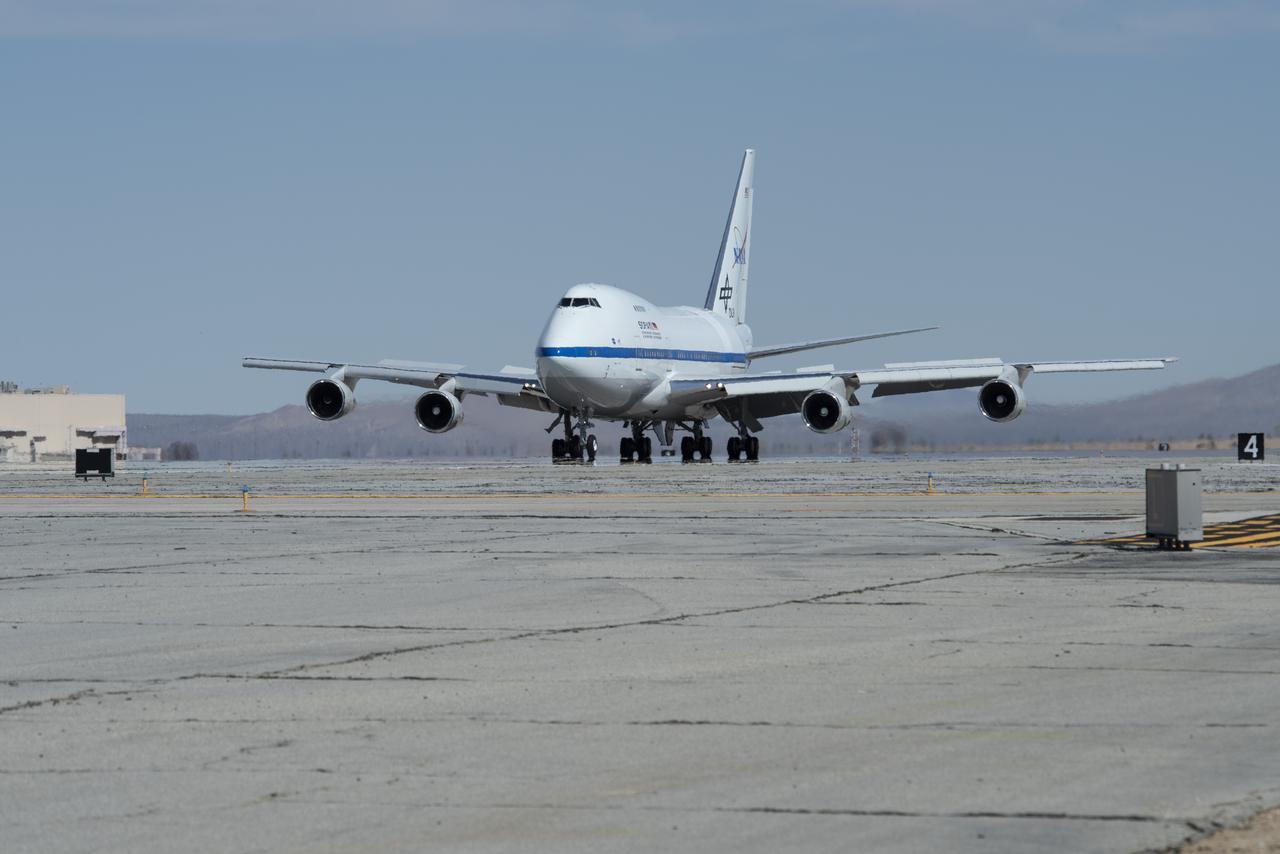
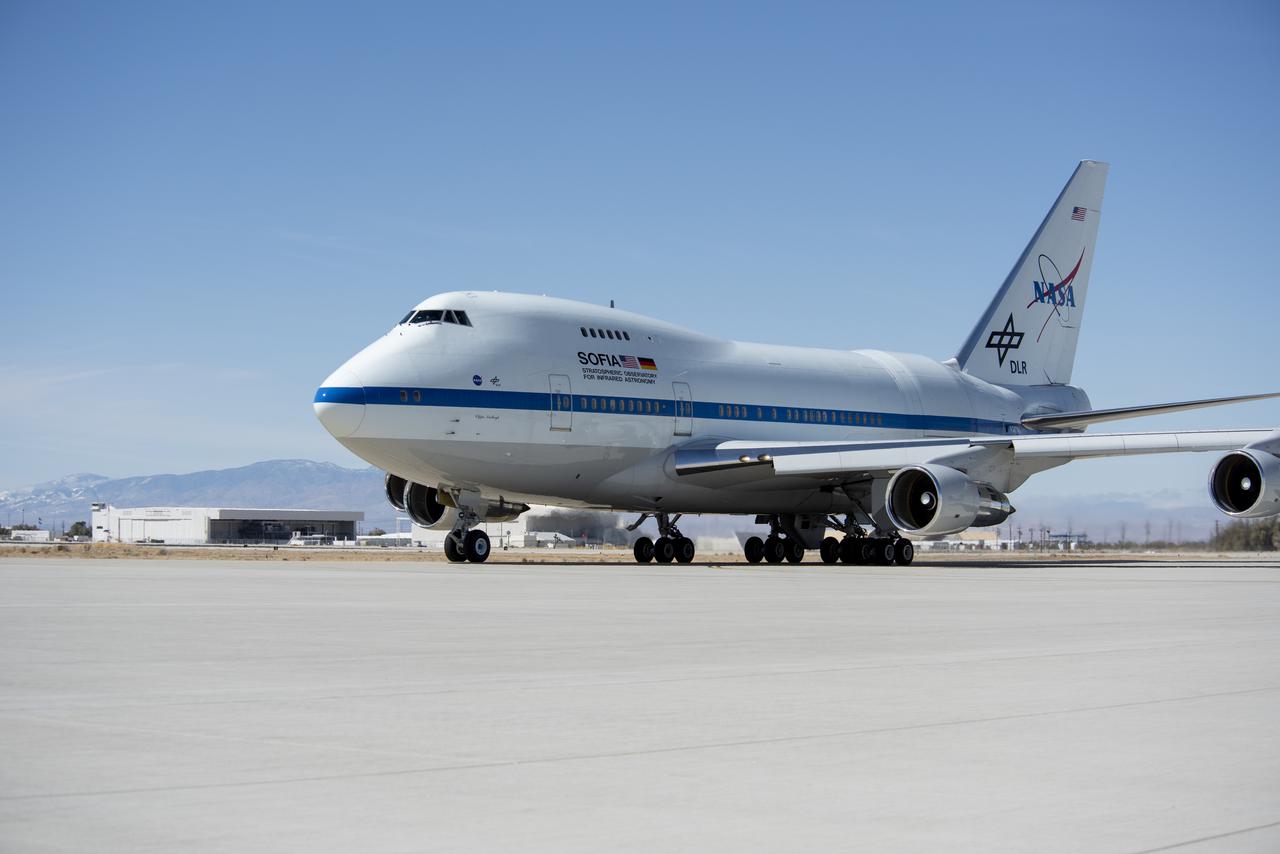
SOFIA Returns to NASA's Armstrong Flight Research Center Building 703 Caption: SOFIA returns to NASA's Armstrong Flight Research Center building 703 in Palmdale, California on March 16, 2021 after spending six months in Germany conducting science observations.
SOFIA Returns to NASA's Armstrong Flight Research Center Building 703
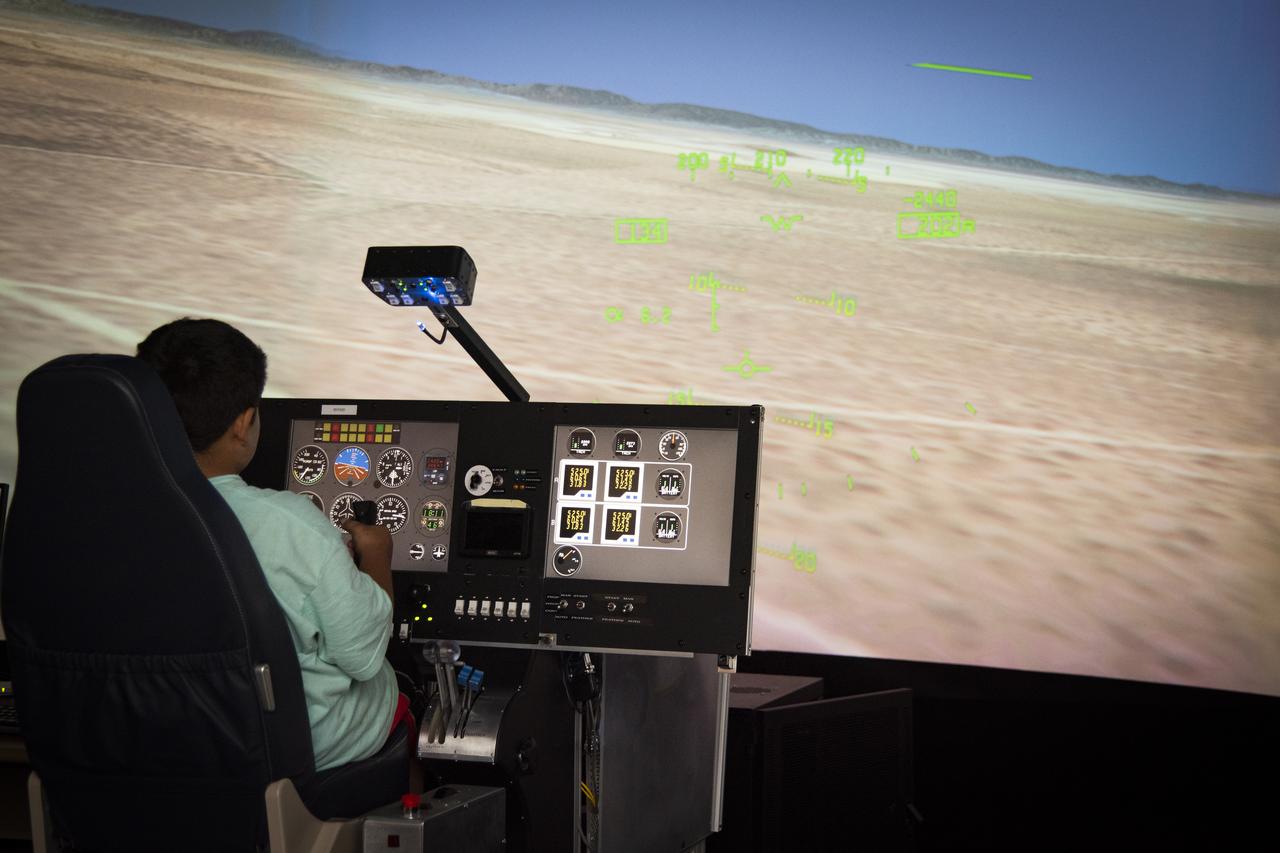
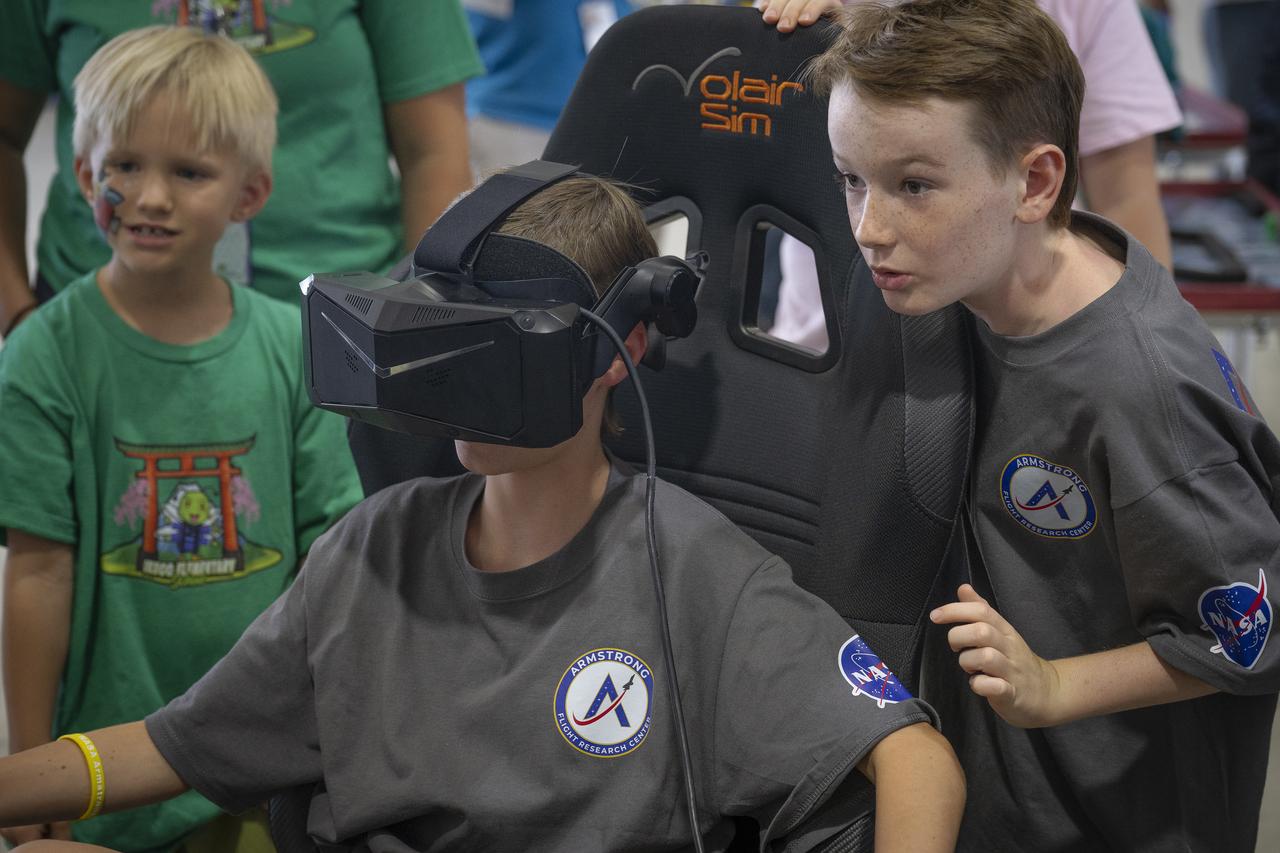
An elementary student enrolled in the U.S. Department of Defense Starbase program at Edwards Air Force Base flew the X-57 Maxwell inside NASA’s Armstrong  Flight Research Center’s simulator lab on Sept. 16th 2019.
Elementary Student Flies The X-57 Maxwell Simulator
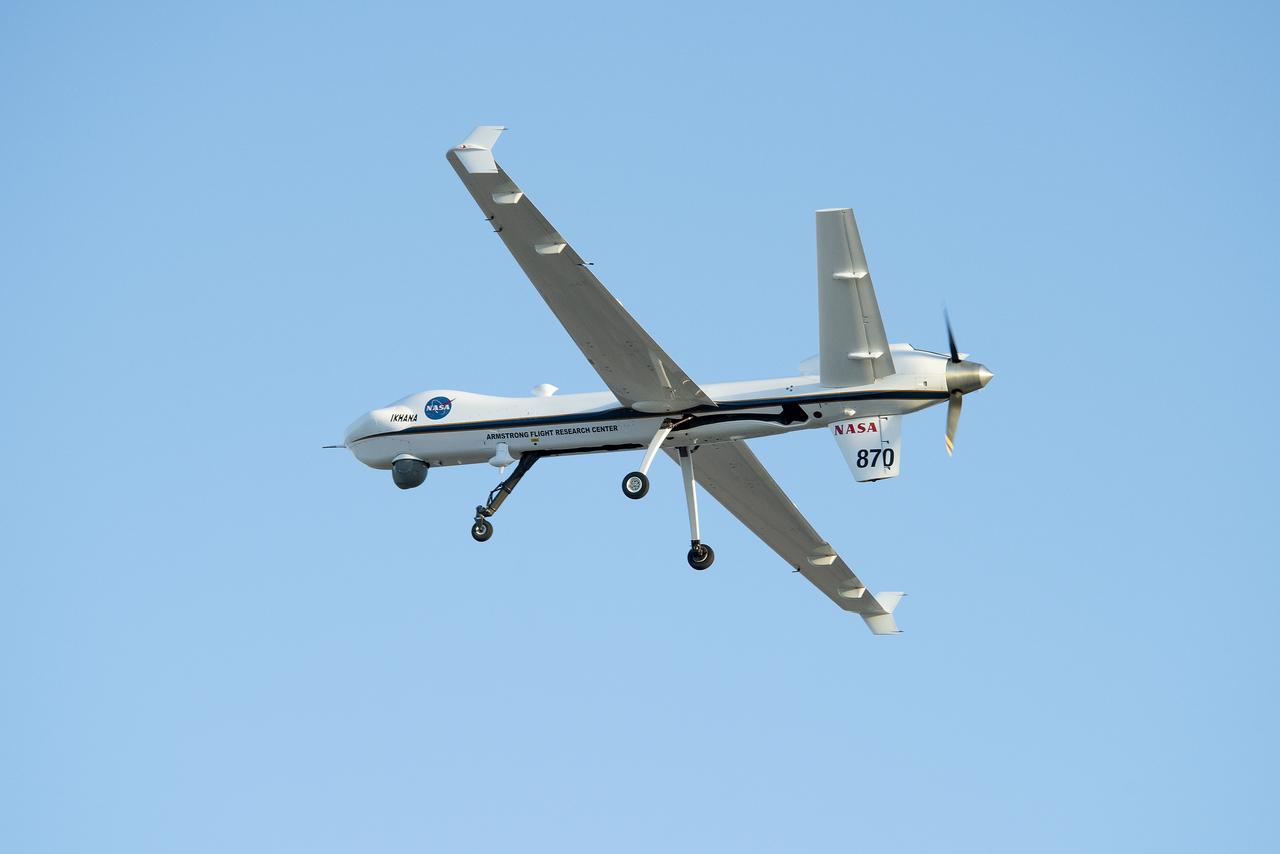
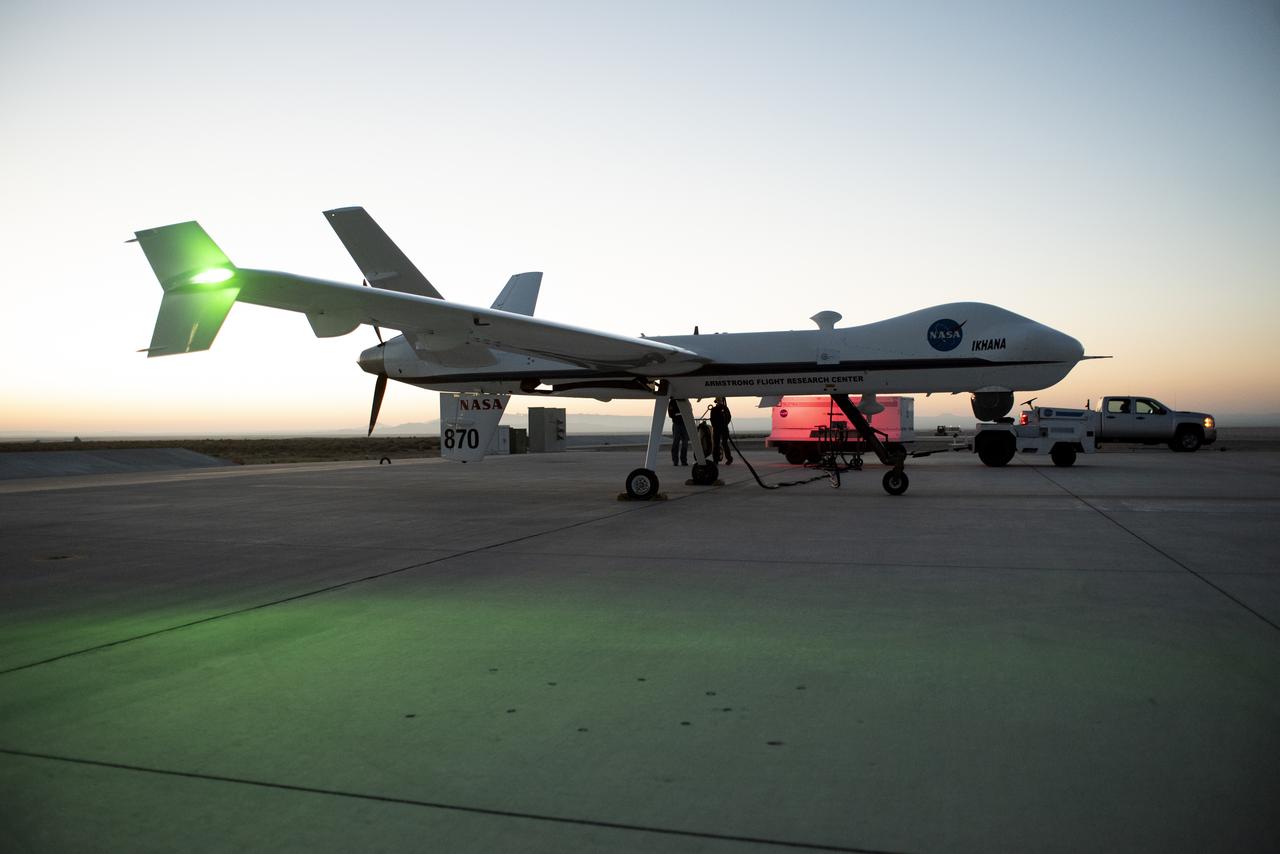
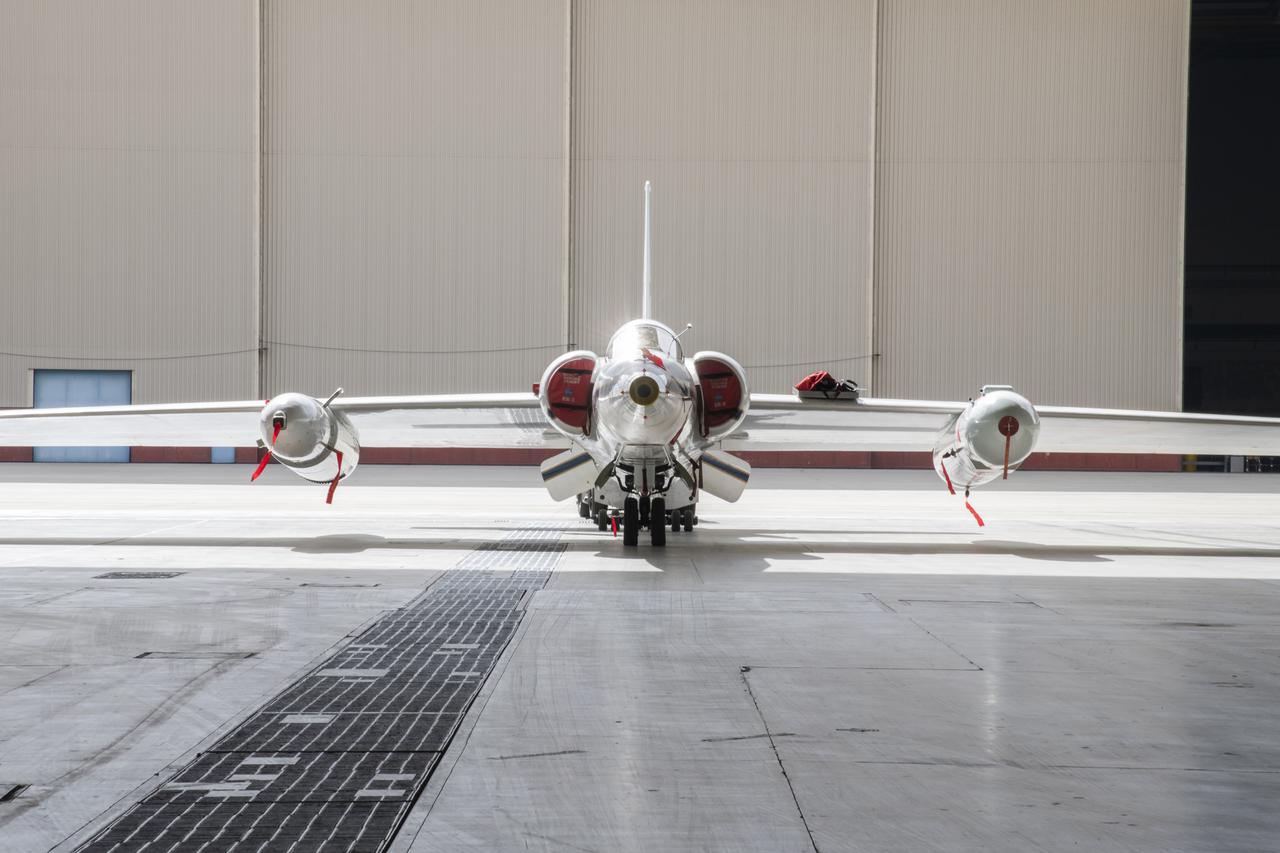
NASA’s Ikhana aircraft, based at the agency’s Armstrong Flight Research Center in Edwards, California, flew for 2.5 hours on June 12 in the national airspace without a safety chase aircraft.
NASA’s Ikhana Aircraft During Takeoff for June 12 Flight
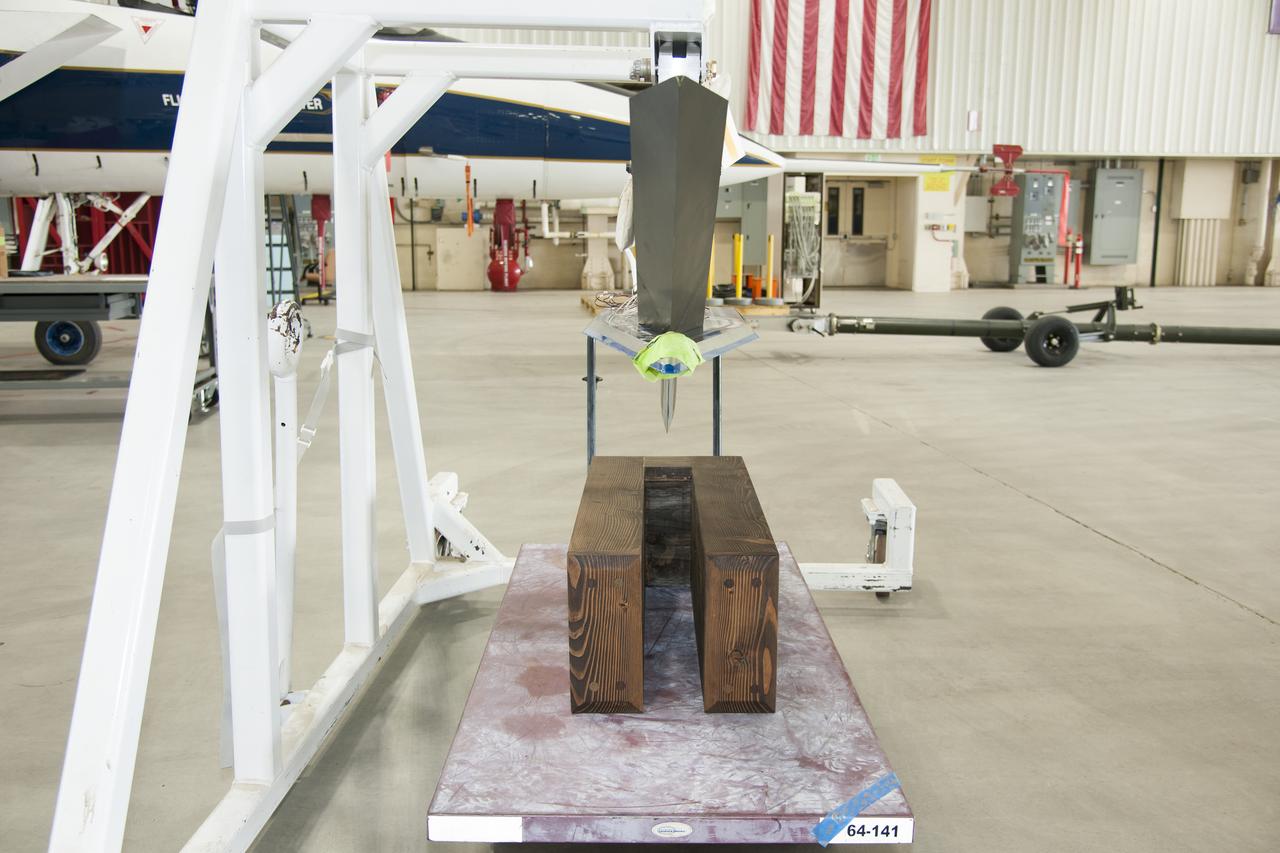
The Swept Wing Laminar Flow test article, integrated to the underside of a NASA F-15, will examine the effectiveness of different configurations of small dots, called distributed roughness elements, to extend smooth, laminar airflow over a wing’s depth, reducing friction drag.
AFRC2017-0037-01
The AeroVironment Helios high-altitude, solar-powered aircraft flies in Kauai, Hawaii. Helios reached 96,300 feet altitude, the record for sustained, level flight for a winged aircraft.
Helios Flies High
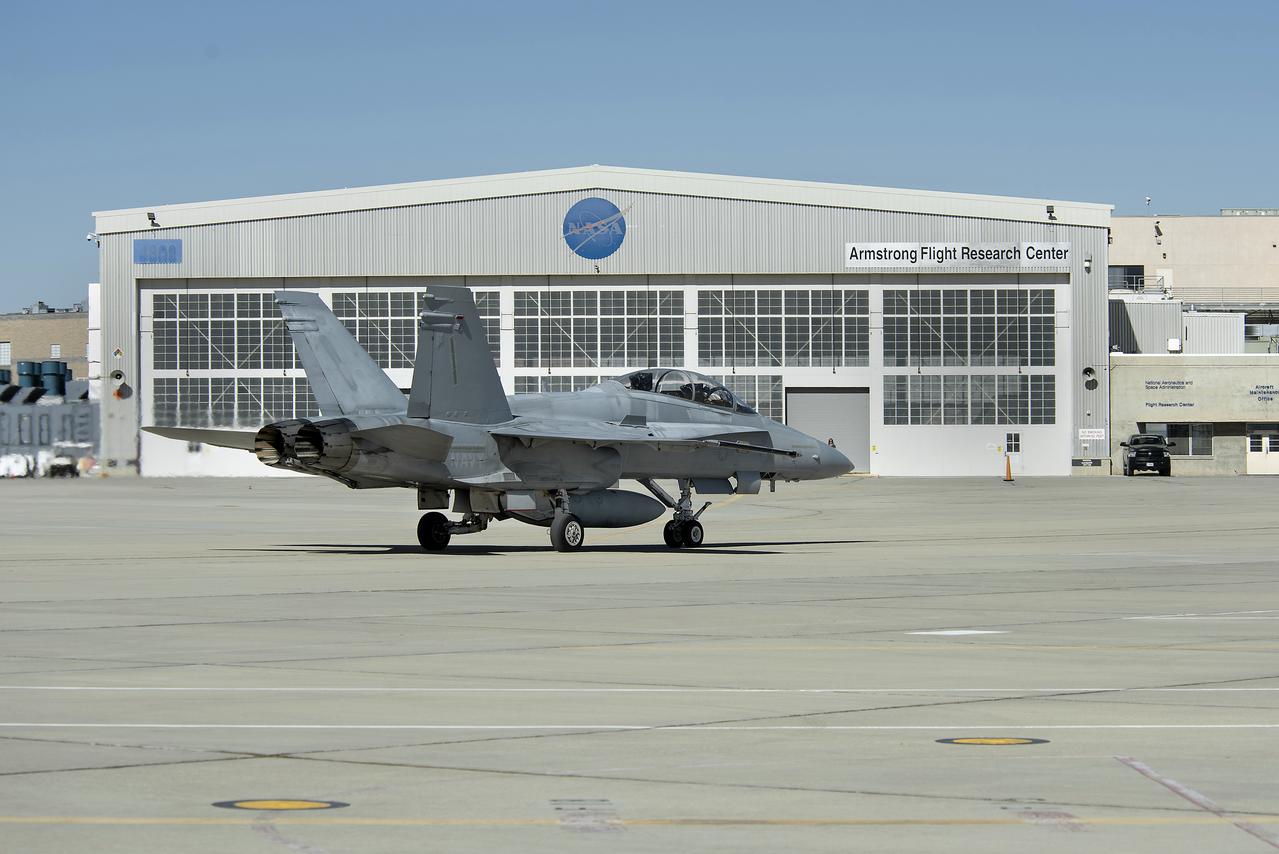
The first of three “new” F/A-18B Hornets arrived at NASA’s Armstrong Flight Research Center in California Nov. 6.
NASA Armstrong Receives First of Three F/A-18Bs
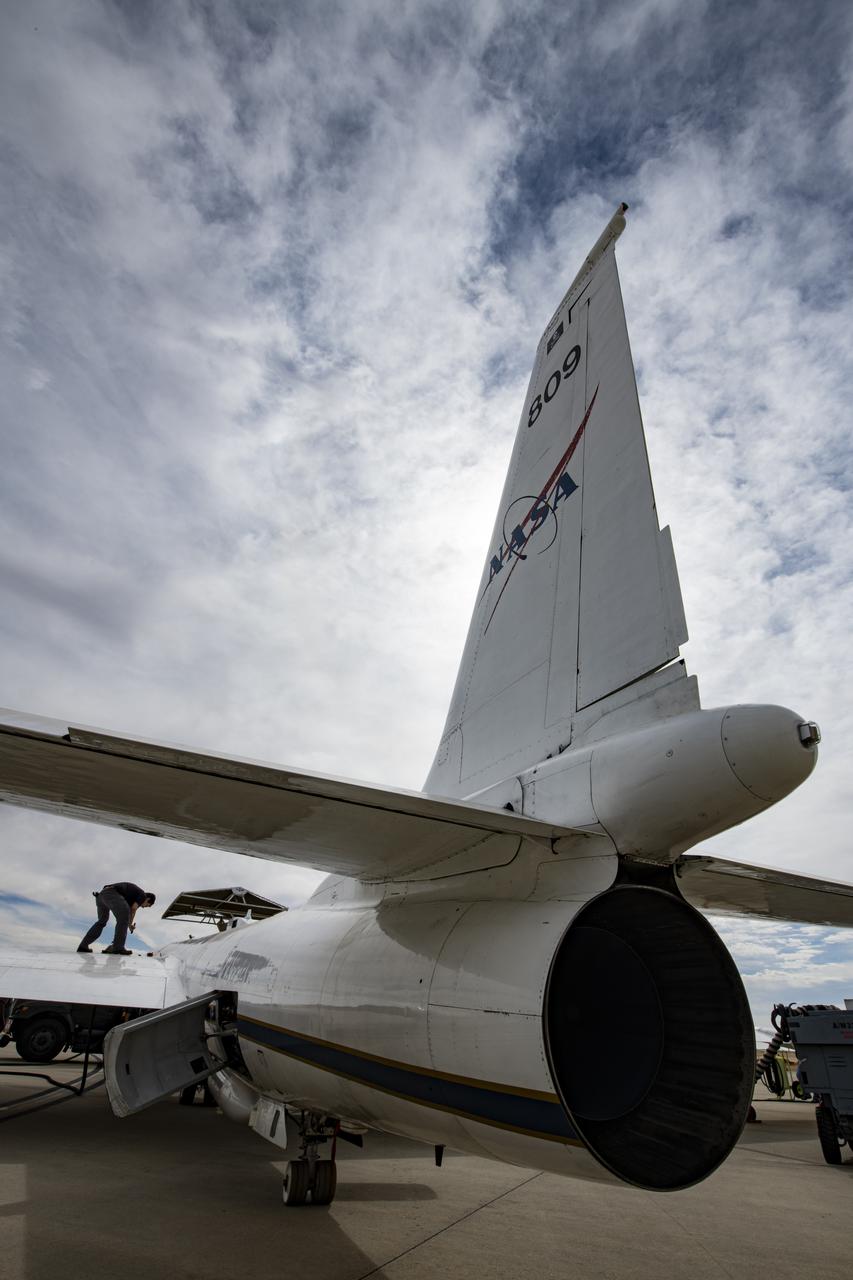
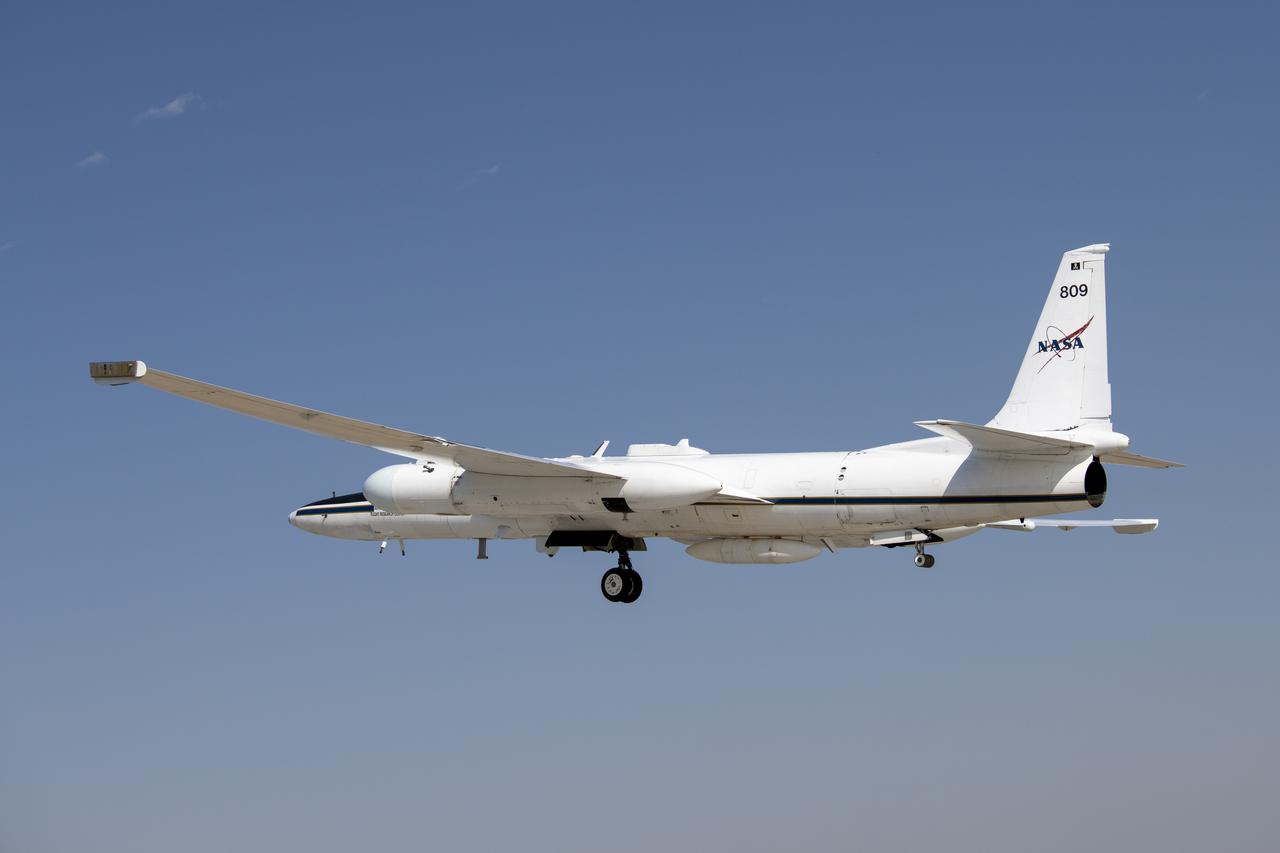
NASA’s Armstrong Flight Research Center ER-2 #809 high-altitude aircraft prepped for Dynamics and Chemistry of the Summer Stratosphere (DCOTSS) science flights in Palmdale, CA.
NASA launches DCOTSS Science Flights
NASA's Armstrong Flight Research Center ER-2 pilot Gary Toroni and engineering technician Raul "Corky" Cortes preparing for Dynamics and Chemistry of the Summer Stratosphere (DCOTSS) science flights in Palmdale, CA on June 17, 2021.
NASA Launches DCOTSS Science Flights
Ikhana flies a UAS Integration in the NAS mission
UAS-NAS ACAS Xu FT2 Flight
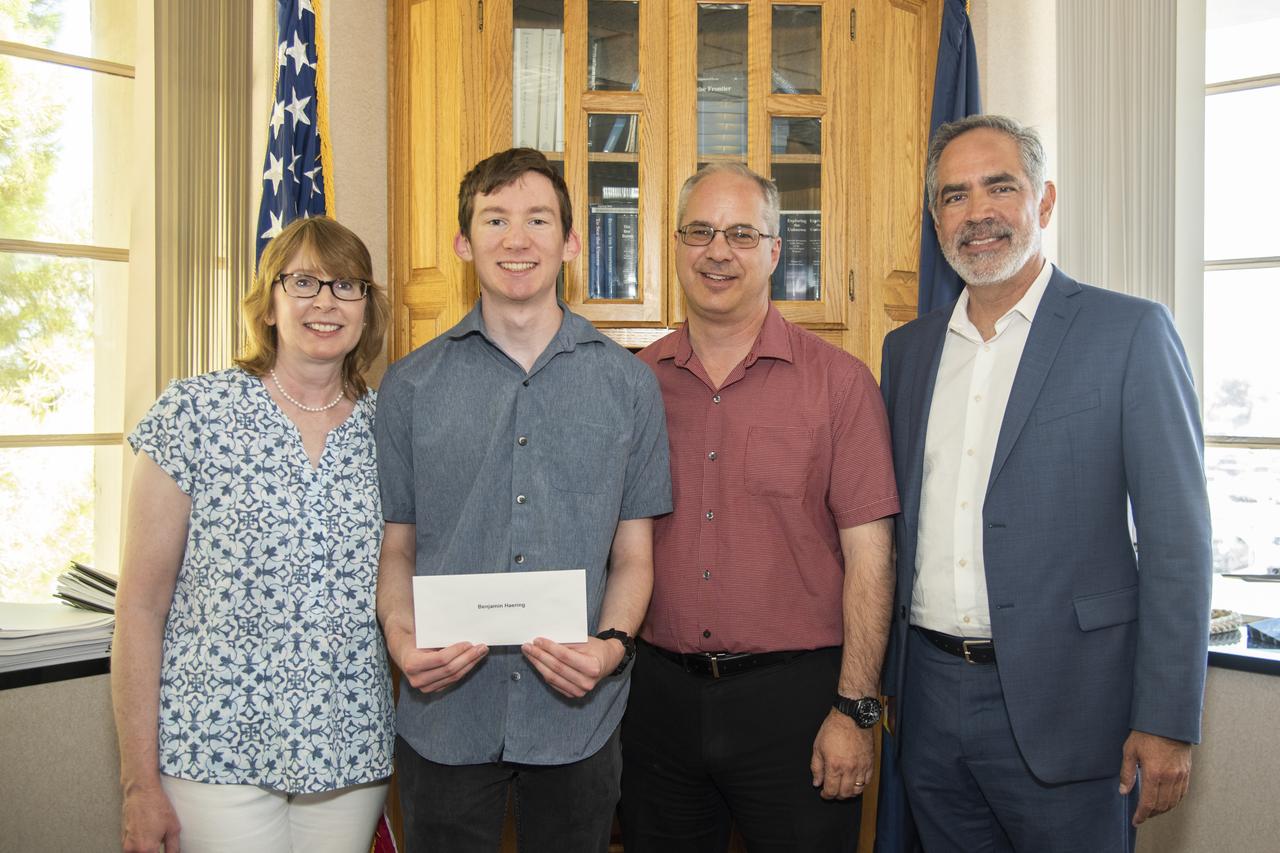
The Employee Exchange Council at NASA’s Armstrong Flight Research Center in California recently awarded its 2019 scholarship to Ben Haering, second from left. Armstrong Center Director David McBride, at right, presented the award. Also in the photo are Haering’s parents Ed and Kathy Haering.
NASA Armstrong Exchange Awards Scholarship
NASA Pilot Nils Larson wears a U.S. Navy harness configuration to show the integrated parachute harness and the built-in survival vest. The Navy configuration is bulkier and weighs more than the U.S. Air Force harness. Both configurations are being used in the Pilot Breathing Assessment program at NASA’s Armstrong Flight Research Center in California.
U.S. Navy Harness Configuration
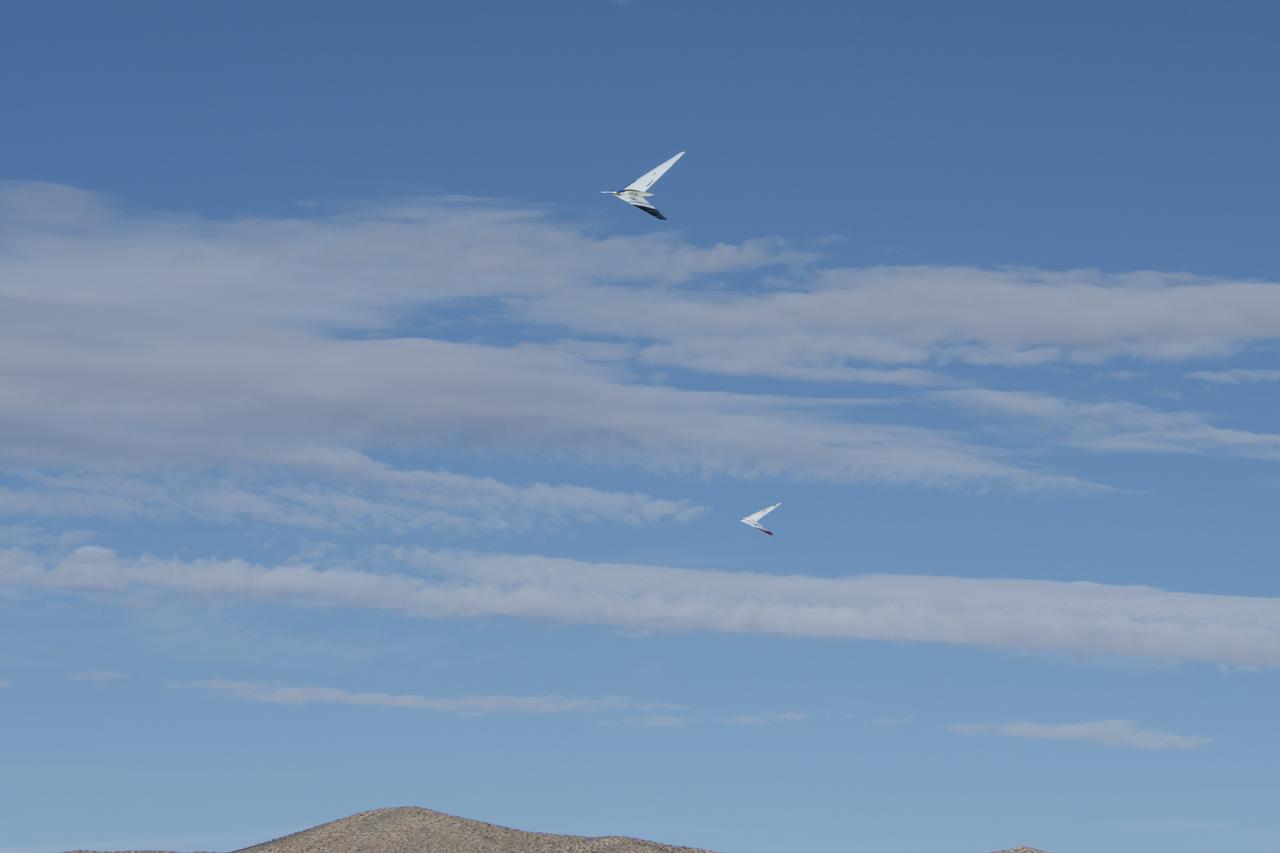
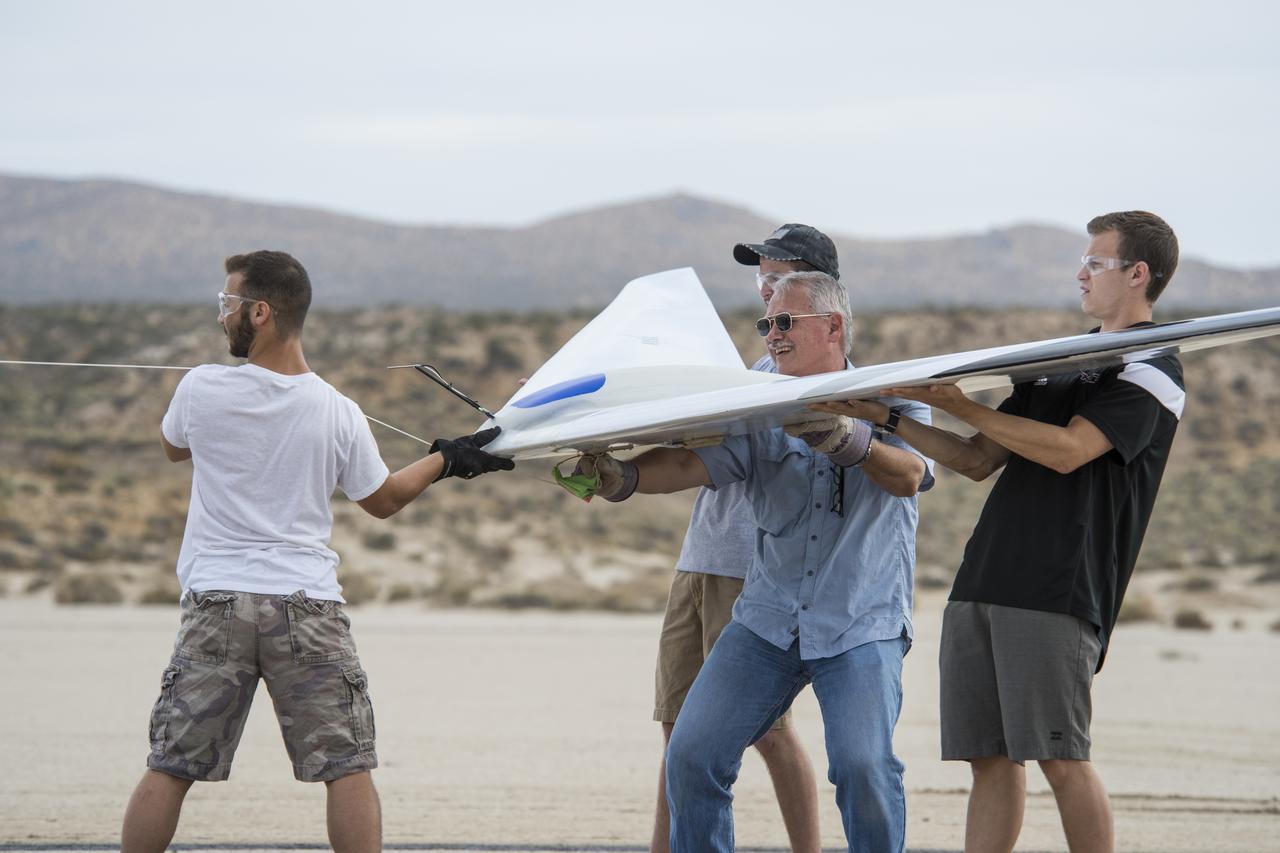
NASA Armstrong Flight Research Center conducted its first formation flight with the Preliminary Research Aerodynamic Design to Lower Drag (Prandtl) aircrafts Prandtl-D2 and Prandtl-3C.
Prandtl Formation Flight
NASA's Armstrong Flight Research Center operates ER-2 #809 high-altitude aircraft for Dynamics and Chemistry of the Summer Stratosphere (DCOTSS) science flights on June 17, 2021.
NASA Launches DCOTSS Science Flights
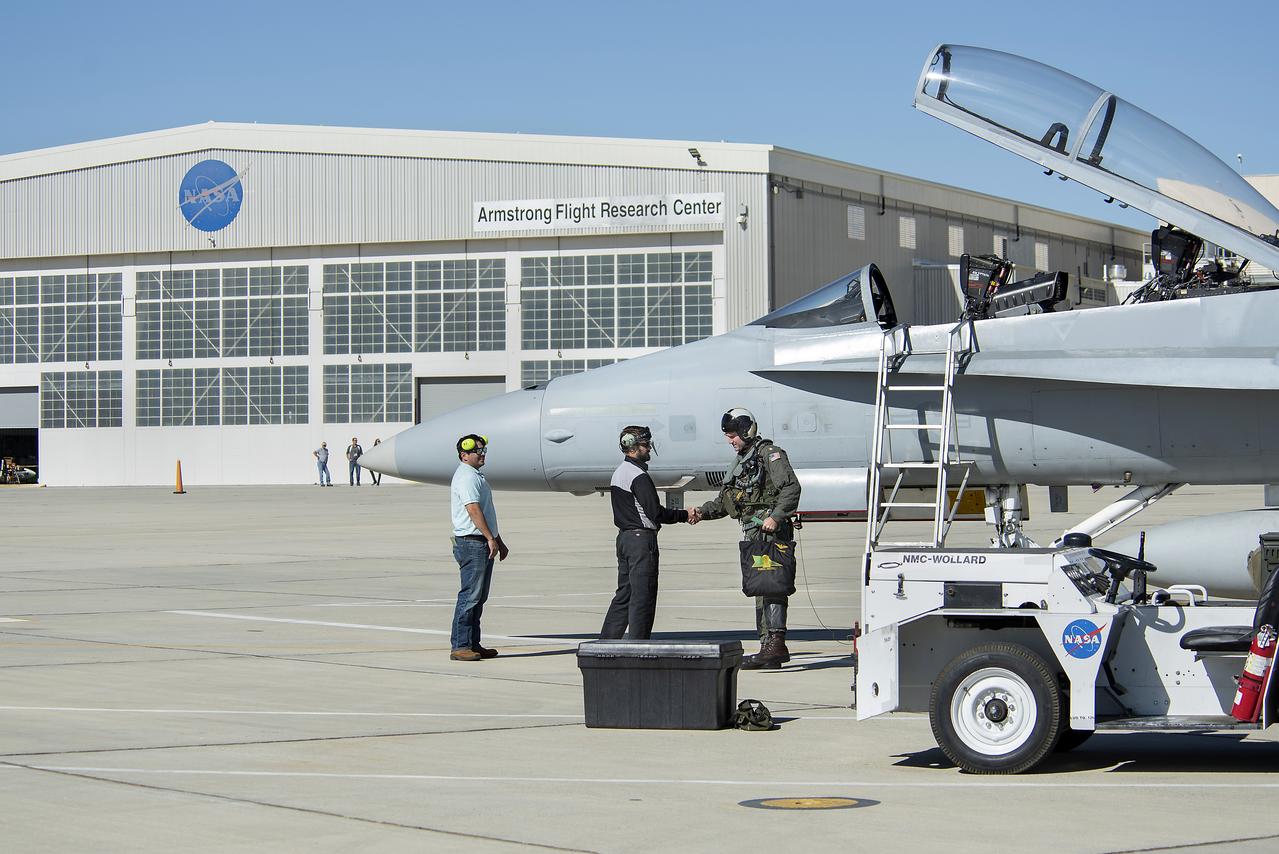
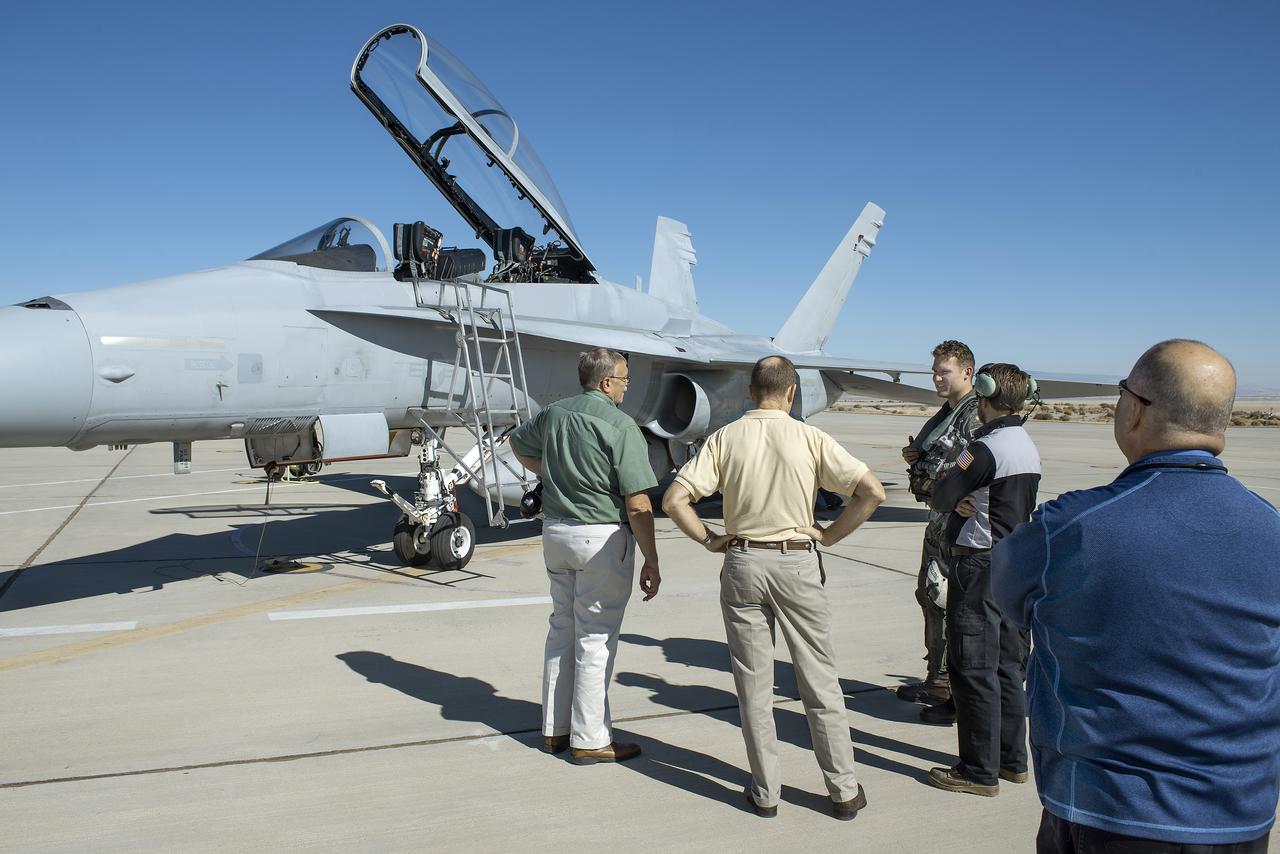
Lt. Cmdr. Mike Shelton delivers a F/A/-18B Hornet to NASA’s Armstrong Flight Research Center in California. Shelton, center, was met by Armstrong’s Tom Grindle, from left, Ted Williams, Gary Gano and Brian Fox.
NASA Armstrong Receives First of Three F/A-18Bs
NASA's Armstrong Flight Research Center ER-2 #809 high-altitude aircraft prepared for Dynamics and Chemistry of the Summer Stratosphere (DCOTSS) science flights in Palmdale, CA on June 17, 2021.
NASA Launches DCOTSS Science Flights
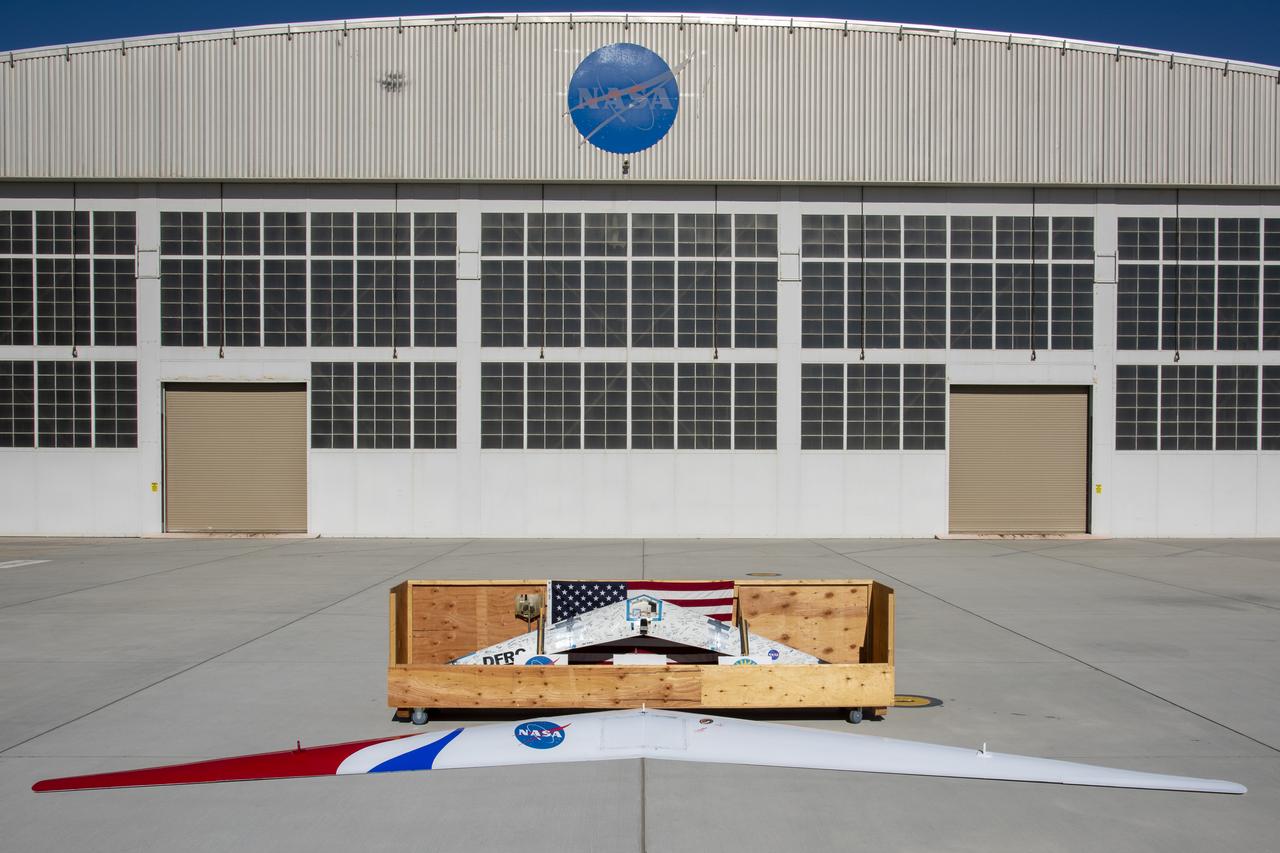
NASA Armstrong says goodbye to its Prandtl-D1 that is being shipped to the National Air and Space Museum, Smithsonian Institution and Prandl-D3 that will be going to the California Science Center.
Prandtl-D1 and Prandtl-D3
NASA’s Armstrong Flight Research Center ER-2 #809 high-altitude aircraft maintained by avionics technician Gregory Bantalin for Dynamics and Chemistry of the Summer Stratosphere (DCOTSS) science flights.
NASA launches DCOTSS Science Flights
Patrick Chan, electronics engineer, and NASA Armstrong’s FOSS portfolio project manager, closely examines an optic fiber inside of a protective sleeve. Armstrong’s Fiber Optic Sensing System recently supported tests in which oxygen was turned into liquid oxygen at minus 297 degrees Fahrenheit. Testing was aimed at developing technologies could allow future astronauts to manufacture rocket fuel on the Moon.
Helping CryoFILL Turn Oxygen into Fuel
NASA’s Armstrong Flight Research Center flies the C-20 aircraft in support of the Advanced Synthetic Aperture Radar (ASAR) campaign on July 22, 2021. 
C-20 ASAR Flight
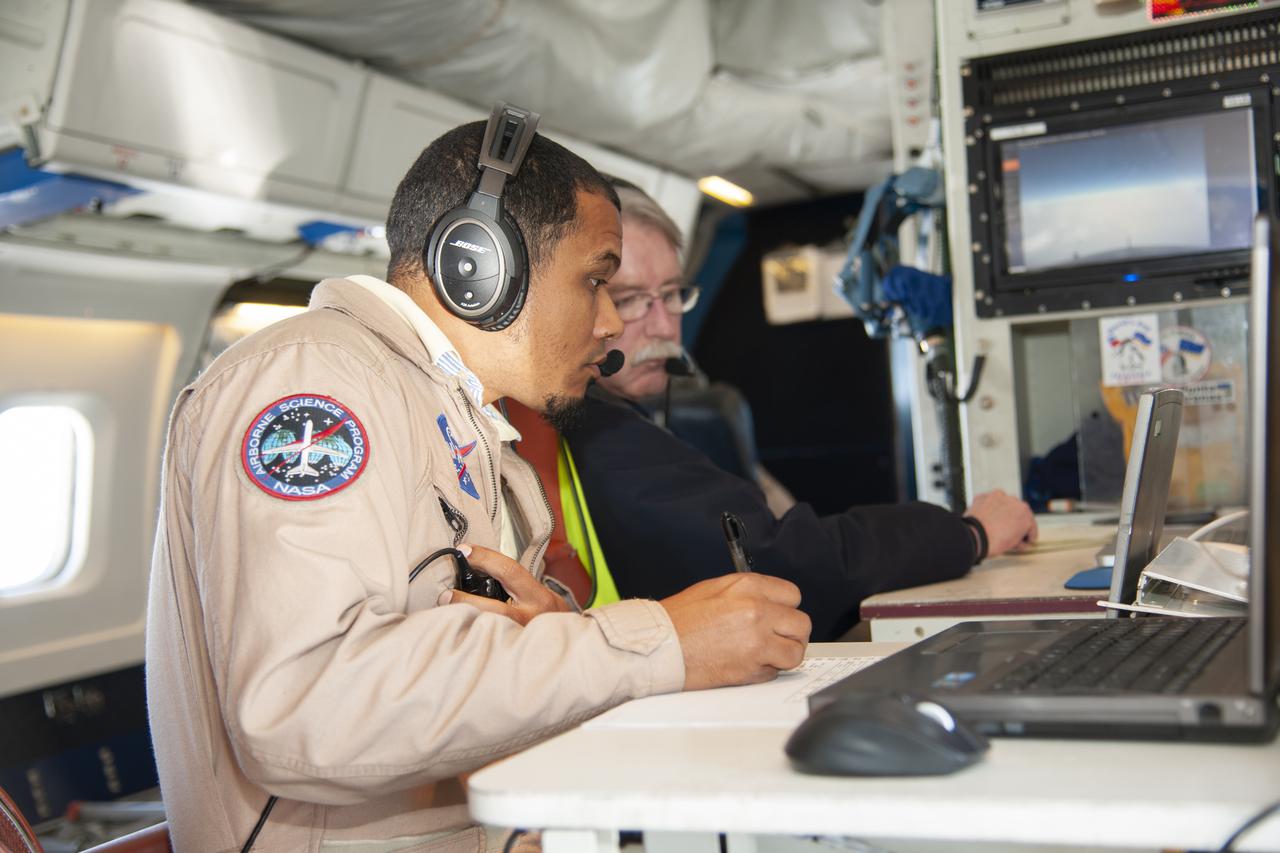
Matt Berry, left, and Chris Jennison examine incoming data on NASA’s DC-8 airborne science aircraft. The 62-year-old ex-airliner is one of seven DC-8s still flying.
Incoming Data Aboard DC-8
NASA’s Ikhana aircraft, based at the agency’s Armstrong Flight Research Center in Edwards, California, takes off for the agency’s first large-scale, remotely-piloted aircraft flight in the national airspace without a safety chase aircraft.
NASA’s Ikhana Aircraft During Takeoff for June 12 Flight
NASA's Armstrong Flight Research Center flies the C-20 aircraft in support of the Advanced Synthetic Aperture Radar (ASAR) campaign on July 22, 2021.
C-20 ASAR Flight
Former Apollo Astronaut Vance Brand leads a discussion about Apollo and beyond at NASA’s Armstrong Flight Research Center in California, with deputy center director Patrick Stoliker.
Former Apollo Astronaut Vance Brand
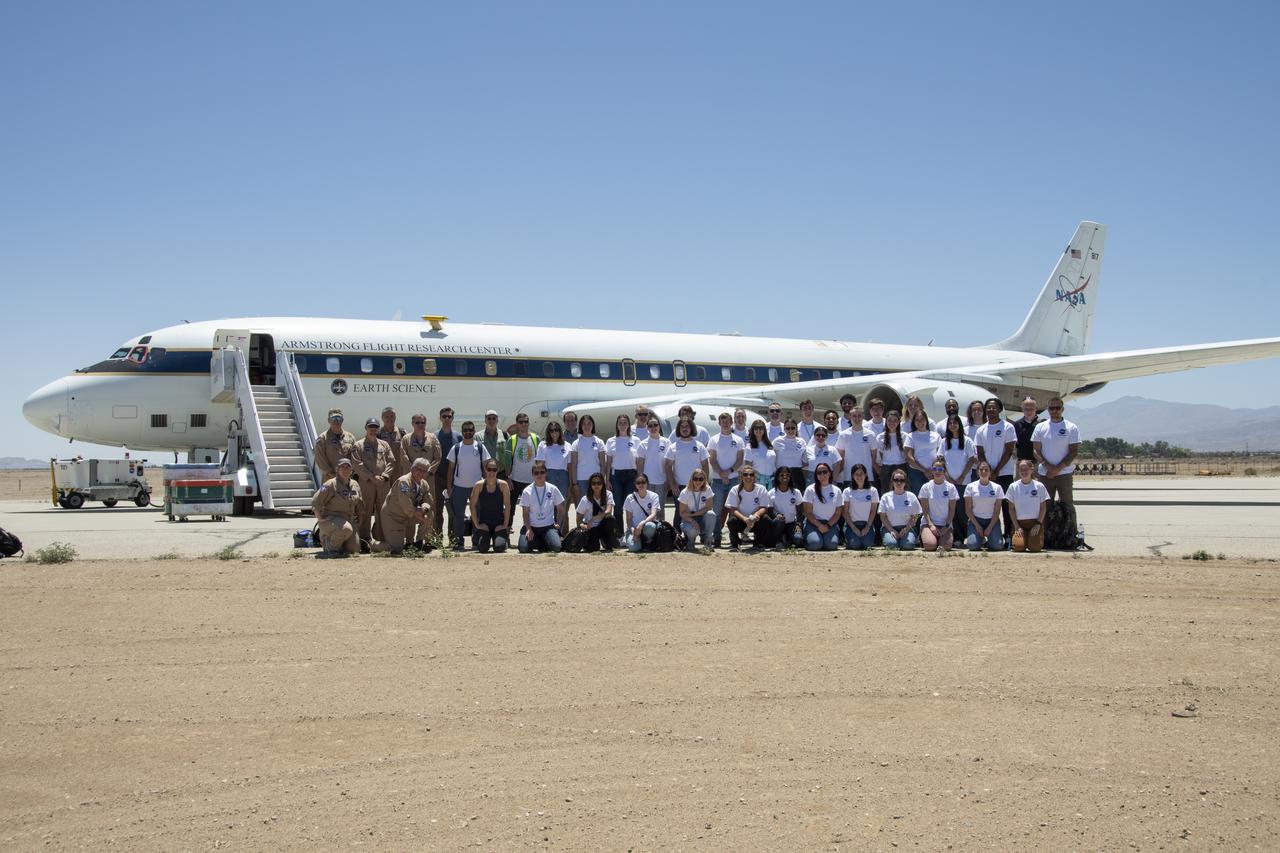
A group of university students and mentors flew aboard NASA Armstrong Flight Research Center’s DC-8 aircraft to study air quality as part of NASA’s Student Airborne Research Program (SARP). Based at NASA’s Armstrong Building 703 in Palmdale, California, the DC-8 flew over the Central Valley to measure pollution and monitor air quality on Tuesday, June 21, 2022.
NASA Flies Students on DC-8 to Study Air Quality
NASA Armstrong Interns watch a live broadcast of a town hall with Administrator Jim Bridenstine for National Intern Day 2018
NASA Armstrong Interns Watch Town Hall with Jim Bridenstine Live
Tim Logan
SSP2 Flight-1
NASA's Armstrong Flight Research Center ER-2 #809 high-altitude aircraft prepped for Dynamics and Chemistry of the Summer Stratosphere (DCOTSS) science flights in Palmdale, CA.
NASA launches DCOTSS Science Flights
Aircraft maintenance crews at NASA‘s Armstrong Flight Research Center prepare the remotely-piloted Ikhana aircraft for a test flight. The test flight was performed to validate key technologies and operations necessary for FAA’s approval to fly the aircraft in the National Airspace System June 12, 2018, without a safety chase aircraft.
Sun Rises over NASA’s Ikhana Aircraft as Armstrong Maintenance Crews Prepare the Aircraft for a Test Flight
NASA's Armstrong Flight Research Center flies the C-20 aircraft in support of the Advanced Synthetic Aperture Radar (ASAR) campaign on July 22, 2021.
C-20 ASAR Flight
On June 12, 2018, NASA’s remotely-piloted Ikhana aircraft, lifted off from Edwards Air Force Base for its first mission in the National Airspace System without a safety chase aircraft. The June 12 flight successfully demonstrated the first remotely-piloted aircraft to use airborne detect and avoid technology to meet the intent of the FAA’s “see and avoid” rules.
NASA’s Ikhana Aircraft Lifts off for First Flight in the National Airspace System Without a Chase Plane
On June 12, 2018, NASA’s remotely-piloted Ikhana aircraft, based at the agency’s Armstrong Flight Research Center in Edwards, California, lifted off for its first mission in the National Airspace System without a safety chase aircraft. The June 12 flight successfully demonstrated the first remotely-piloted aircraft to use airborne detect and avoid technology to meet the intent of the FAA’s “see and avoid” rules.
NASA’s Ikhana Aircraft Lifts off for First Flight in the National Airspace System Without a Chase Plane
NASA's Armstrong Flight Research Center ER-2 #809 high-altitude aircraft prepped for Dynamics and Chemistry of the Summer Stratosphere (DCOTSS) science flights in Palmdale, CA.
NASA launches DCOTSS Science Flights
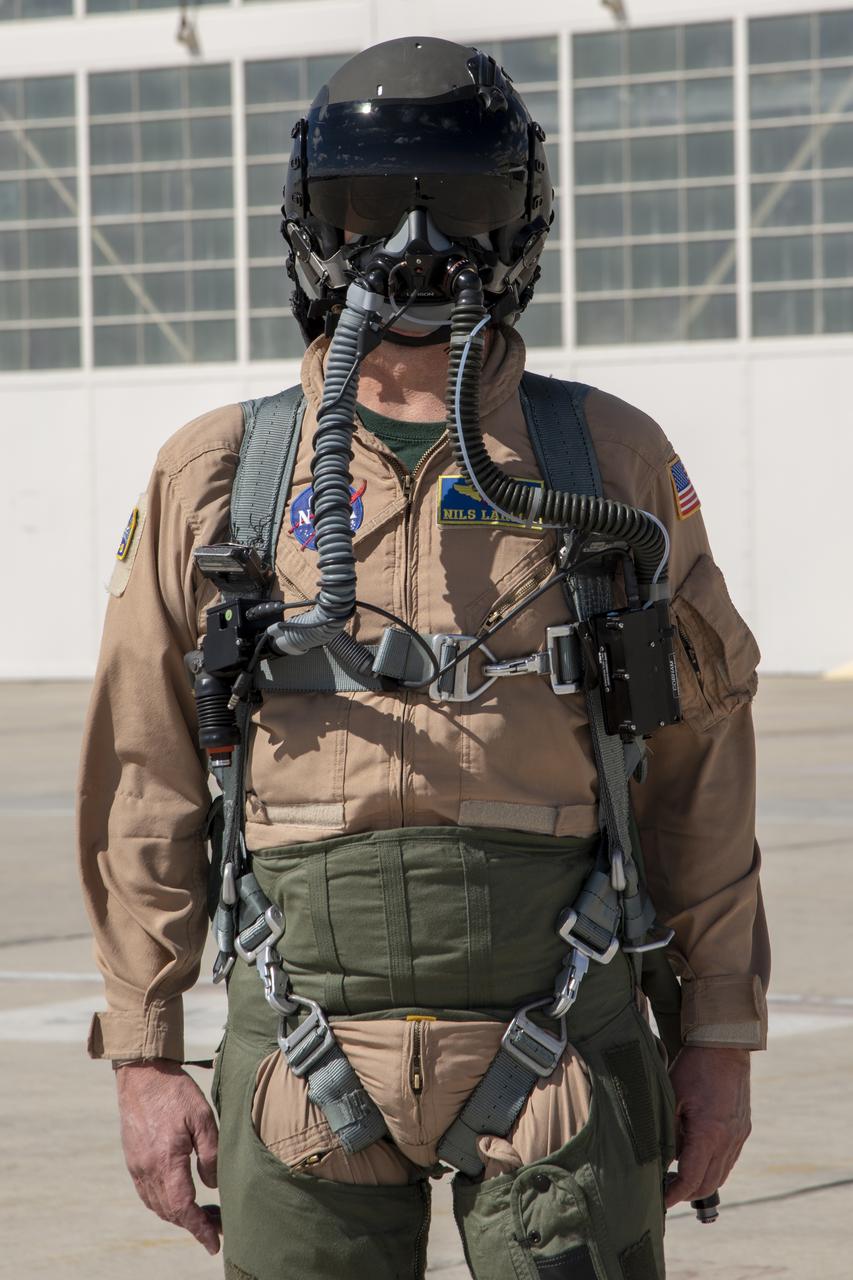
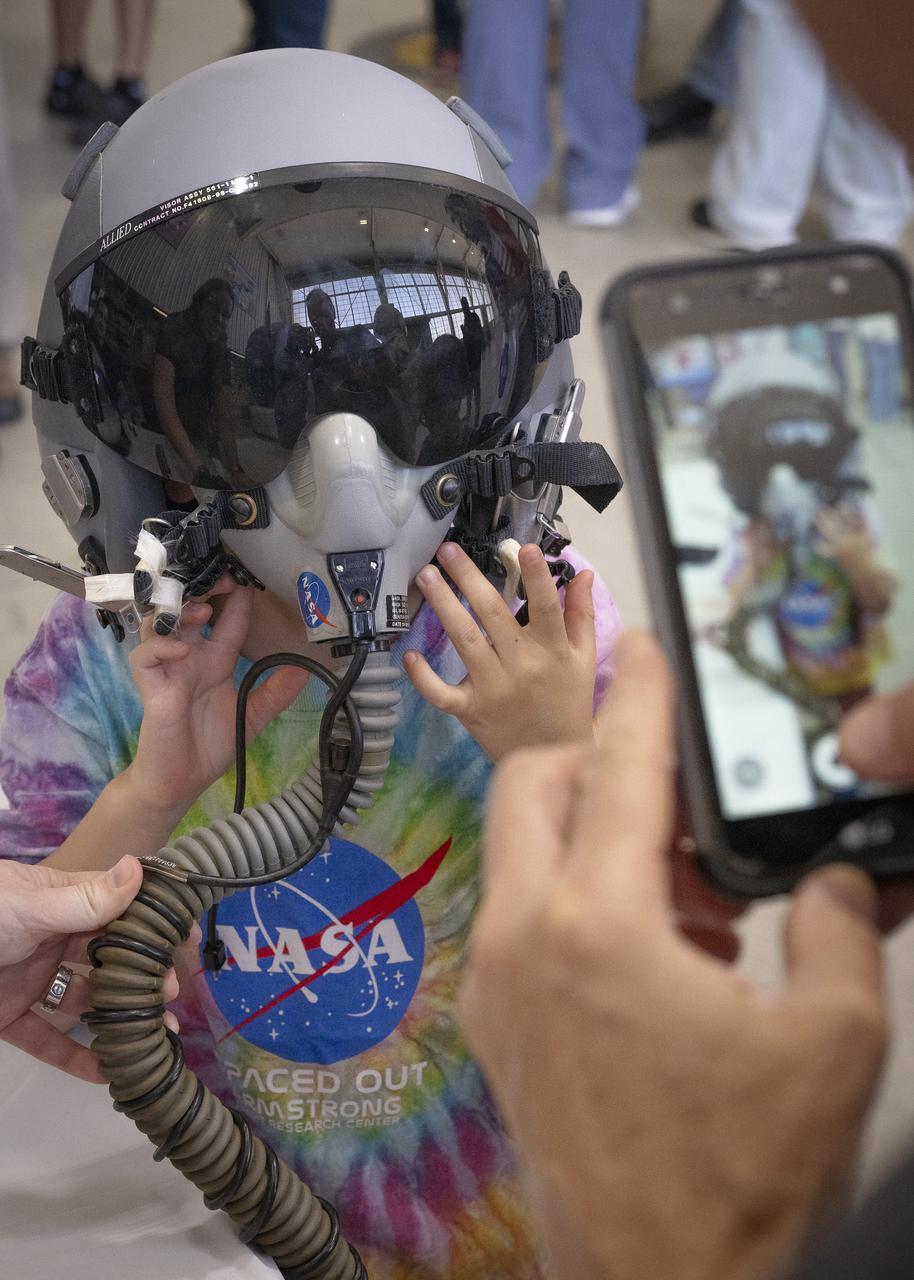
NASA Pilot Nils Larson wears a U.S. Air Force harness configuration with a helmet and an oxygen mask that is being used in the Pilot Breathing Assessment program at NASA's Armstrong Flight Research Center in California.
U.S. Air Force Harness Configuration
NASA’s Ikhana aircraft, based at the agency’s Armstrong Flight Research Center in Edwards, California, flew for 2.5 hours on June 12 in the national airspace without a safety chase aircraft.
NASA’s Ikhana Aircraft During Takeoff for June 12 Flight
Particle Analysis by Laser Mass Spectrometry or PALMS instrument maintained by Dave Thomson and Justin Jacquot of Purdue University as part of NASA's Dynamics and Chemistry of the Summer Stratosphere (DCOTSS) mission
NASA launches DCOTSS Science Flights
NASA Armstrong's Prandtl-D1, is autographed by all the interns that have worked on the project. Prandtl-D1 is being shipped to the National Air and Space Museum, Smithsonian Institution to be featured in its Innovations Gallery.
Prandtl-D1
The X-31, the world’s first international X-plane, demonstrates controlled flight at high alpha courtesy of its canards and thrust vectoring paddles in the exhaust stream.
World’s First International X-Plane
NASA's Armstrong Flight Research Center ER-2 #809 high-altitude aircraft prepared for Dynamics and Chemistry of the Summer Stratosphere (DCOTSS) science flights in Palmdale, CA on June 17, 2021
NASA Launches DCOTSS Science Flights
David Carbajal and Gary Gano meet Lt. Cmdr. Mike Shelton, right, of the U.S. Naval Air Station Patuxent River in Maryland. Shelton delivered a F/A-18B Hornet to NASA’s Armstrong Flight Research Center in California.
NASA Armstrong Receives First of Three F/A-18Bs
NASA’s Armstrong Flight Research Center’s FOSS, Fiber Optic Sensing System, recently supported tests of a system designed to turn oxygen into liquid oxygen, a component of rocket fuel. Patrick Chan, electronics engineer, and NASA Armstrong’s FOSS portfolio project manager, shows fiber like that used in the testing.
Helping CryoFILL Turn Oxygen into Fuel
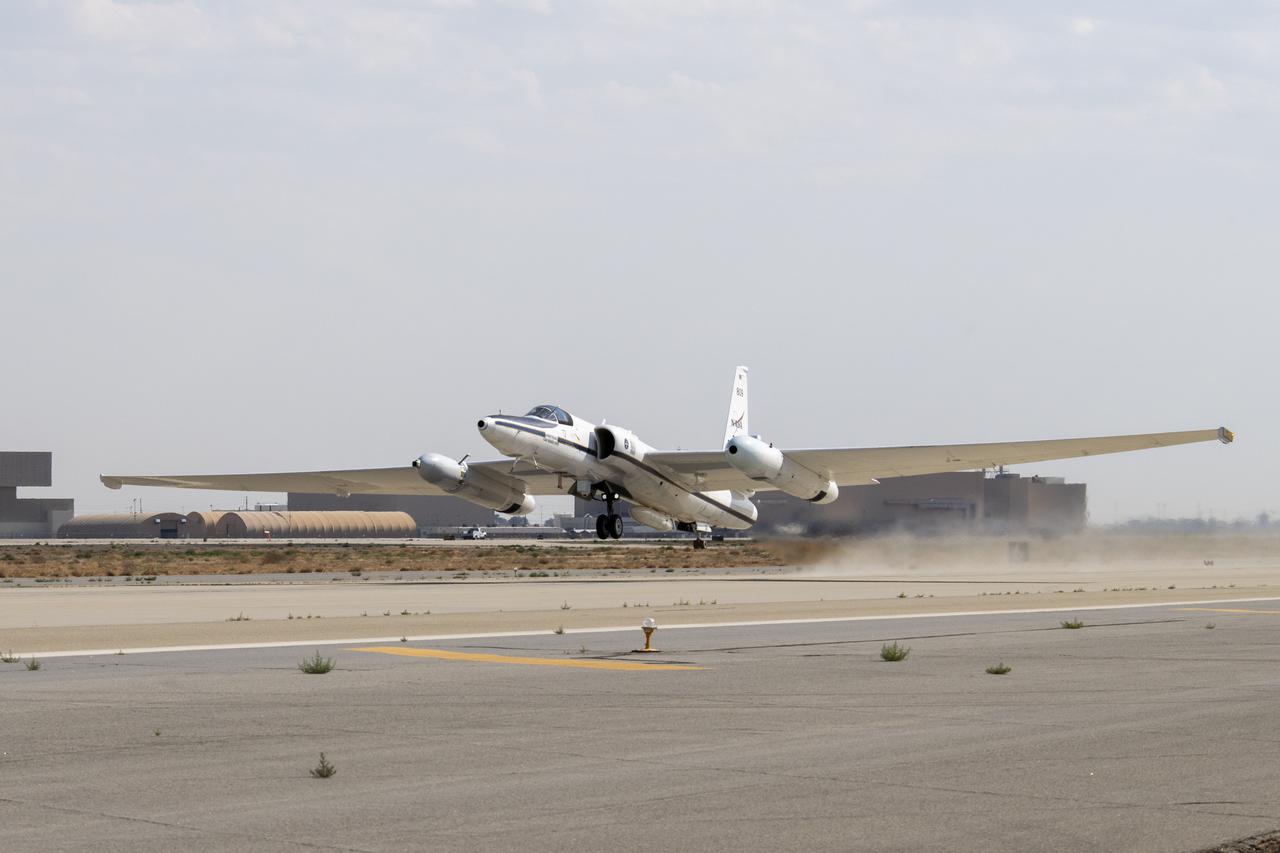
NASA’s Armstrong Flight Research Center ER-2 #809 high-altitude aircraft taking off for Dynamics and Chemistry of the Summer Stratosphere (DCOTSS) science flights in Palmdale, CA on June 17, 2021.
NASA Launches DCOTSS Science Flights
NASA’s remotely-piloted Ikhana aircraft, based at the agency’s Armstrong Flight Research Center in Edwards, California, is flown in preparation for its first mission in the National Airspace System without a safety chase aircraft.
NASAs Ikhana Aircraft Prepares for Flight in the National Airspace System
NASA's Armstrong Flight Research Center ER-2 #809 high-altitude aircraft prepped for Dynamics and Chemistry of the Summer Stratosphere (DCOTSS) science flights in Palmdale, CA.
NASA launches DCOTSS Science Flights
SOFIA Returns to NASA's Armstrong Flight Research Center Building 703 Caption: SOFIA returns to NASA's Armstrong Flight Research Center Building 703 in Palmdale, California on March 16, 2021 after spending six months in Germany conducting science observations.
SOFIA Returns to NASA's Armstrong Flight Research Center Building 703
Armstrong Flight Research Center Office of Strategic Communication group photo in front of the Center's building 4800. Back row (left to right) Kevin Rohrer, Kate Squires, Jessica Arreola, Jay Levine, Steve Lighthill and Matt Kamlet. Bottom row (left to right) Leslie Williams, Elvia Valenzuela, Mary Anne Harness, Kim Lewis-Bias and Christian Gelzer.
NASA’s Armstrong Flight Research Center Office of Strategic Communication
NASA’s Armstrong Flight Research Center flies the C-20 aircraft in support of the Advanced Synthetic Aperture Radar (ASAR) campaign on July 22, 2021. 
C-20 ASAR Flight
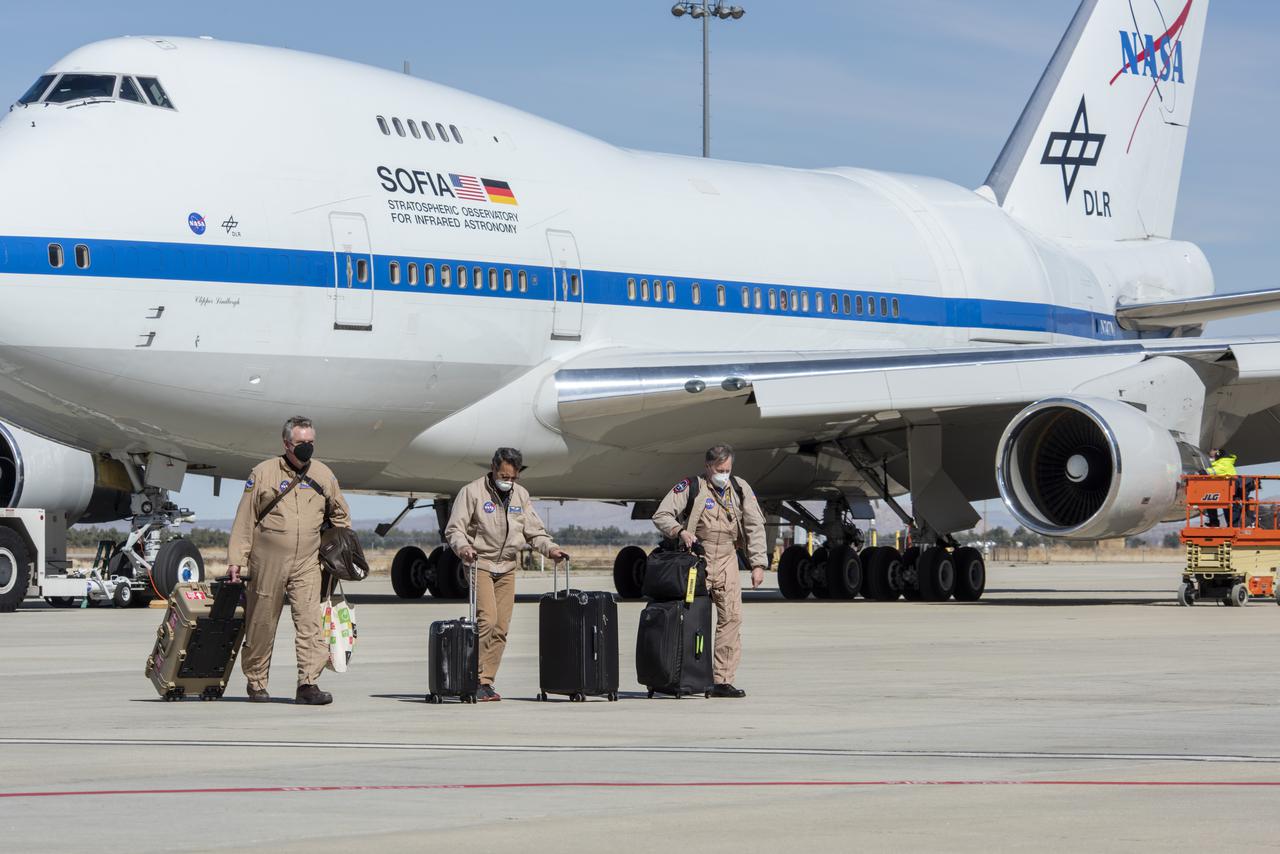
SOFIA Returns to NASA’s Armstrong Flight Research Center Building 703 Caption: SOFIA pilots are welcomed home to NASA’s Armstrong Flight Research Center Building 703 in Palmdale, California on March 16, 2021. From left to right: Tracy Phelps, Jeff Borton and Wayne Ringelberg
SOFIA Returns to NASA’s Armstrong Flight Research Center Building 703