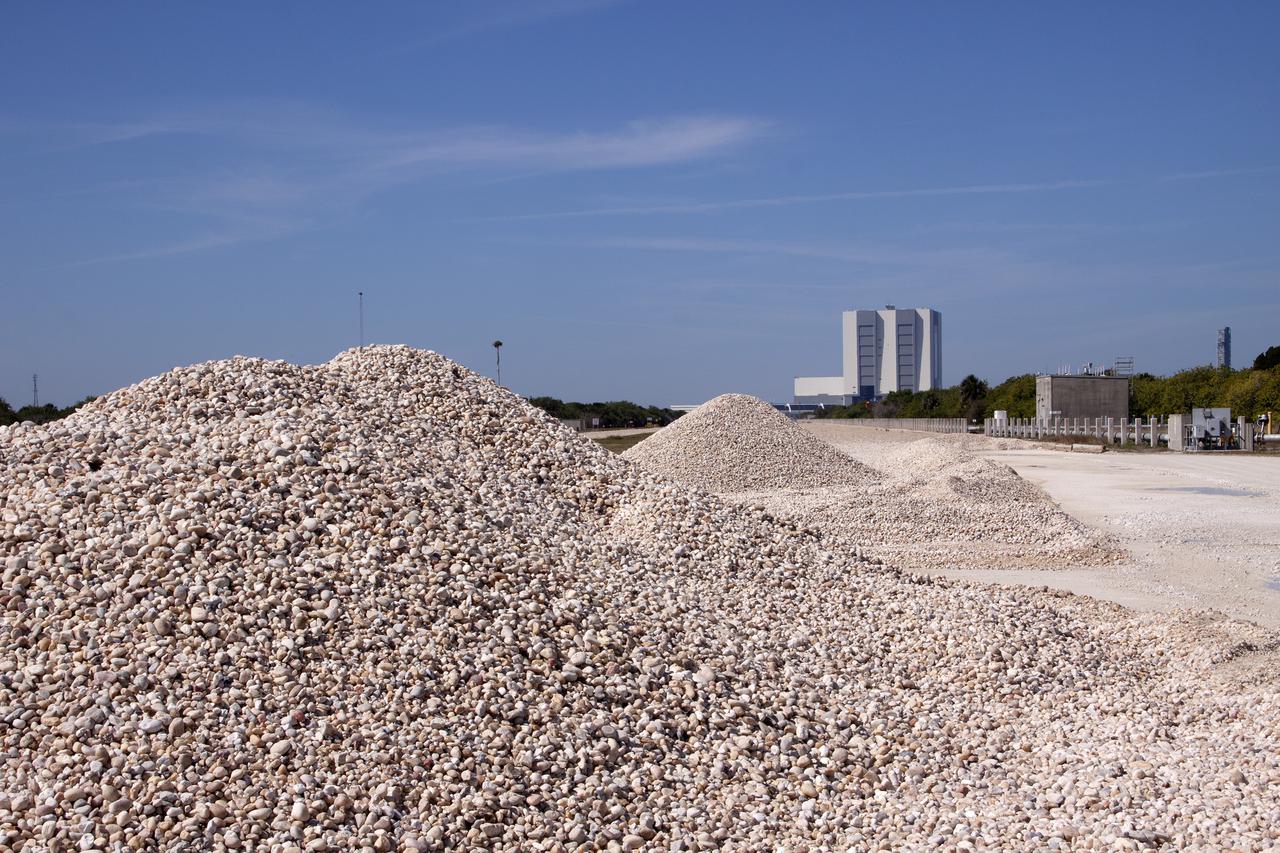
CAPE CANAVERAL, Fla. -- On the crawlerway leading to Launch Pad 39B at NASA’s Kennedy Space Center in Florida, workers from Canaveral Construction in Mims, Fla., continue to remove sections of the Alabama river rock in order to re-grade the lime rock below. The crawlerway is being upgraded to improve the foundation and prepare it to support the weight of NASA’s Space Launch System, or SLS, and mobile launcher on the crawler-transporter during rollout. Workers are removing the original Alabama river rock and restoring the layer of lime rock below to its original depth. Then new river rock will be added on top. The Ground Systems Development and Operations, or GSDO, Program office at Kennedy is leading the center’s transformation to safely handle a variety of rockets and spacecraft. For more information about GSDO, visit: http:__go.nasa.gov_groundsystems. Photo credit: NASA_Jim Grossmann
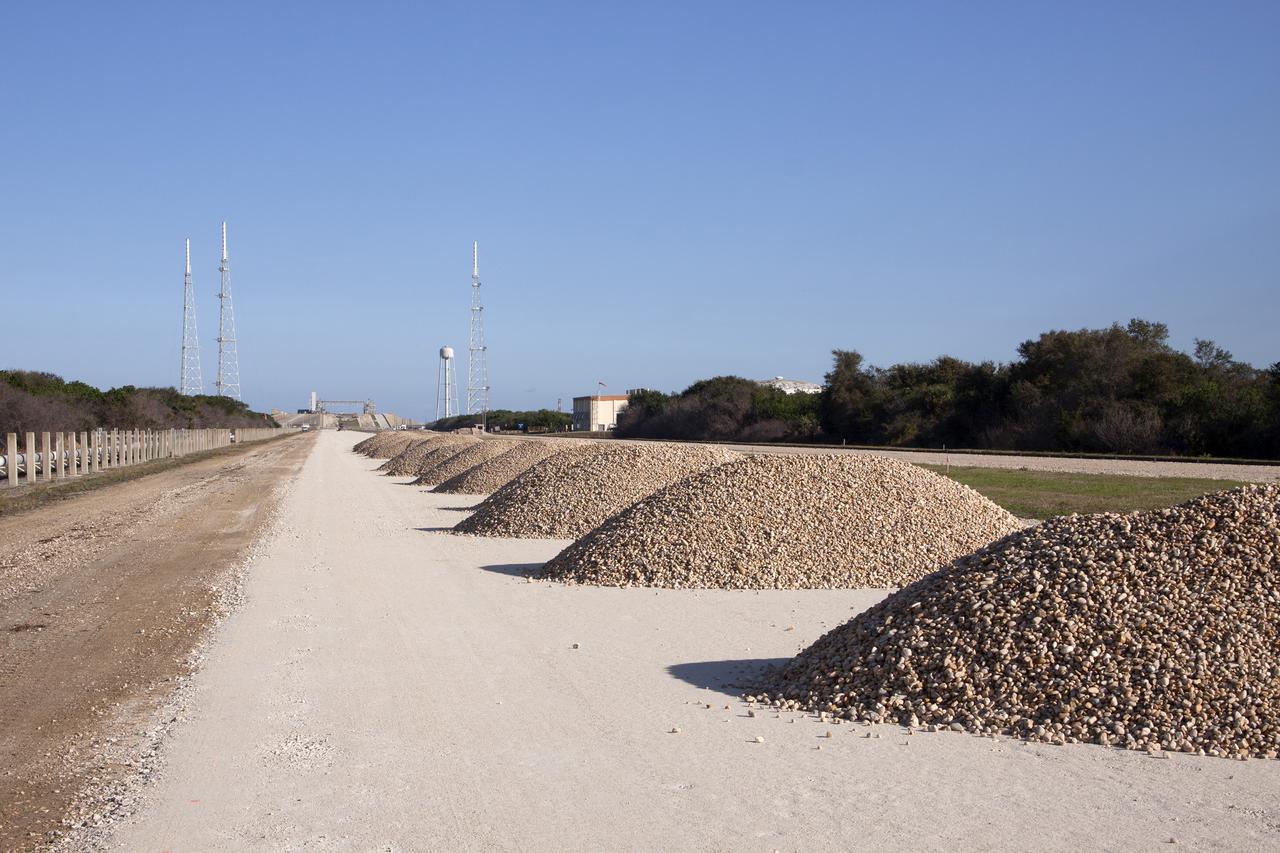
CAPE CANAVERAL, Fla. – Workers from Canaveral Construction in Mims, Fla., have removed the Alabama river rock from one side of the crawlerway near Launch Pad 39B at NASA’s Kennedy Space Center in Florida. The crawlerway is being upgraded to improve the foundation and prepare it to support the weight of NASA’s Space Launch System, or SLS, and mobile launcher on the crawler-transporter during rollout. Workers are removing the original Alabama river rock and restoring the layer of lime rock below to its original depth of three feet. Then new river rock will be added on top. The Ground Systems Development and Operations, or GSDO, Program office at Kennedy is leading the center’s transformation to safely handle a variety of rockets and spacecraft. For more information about GSDO, visit: http:__go.nasa.gov_groundsystems. Photo credit: NASA_Jim Grossmann
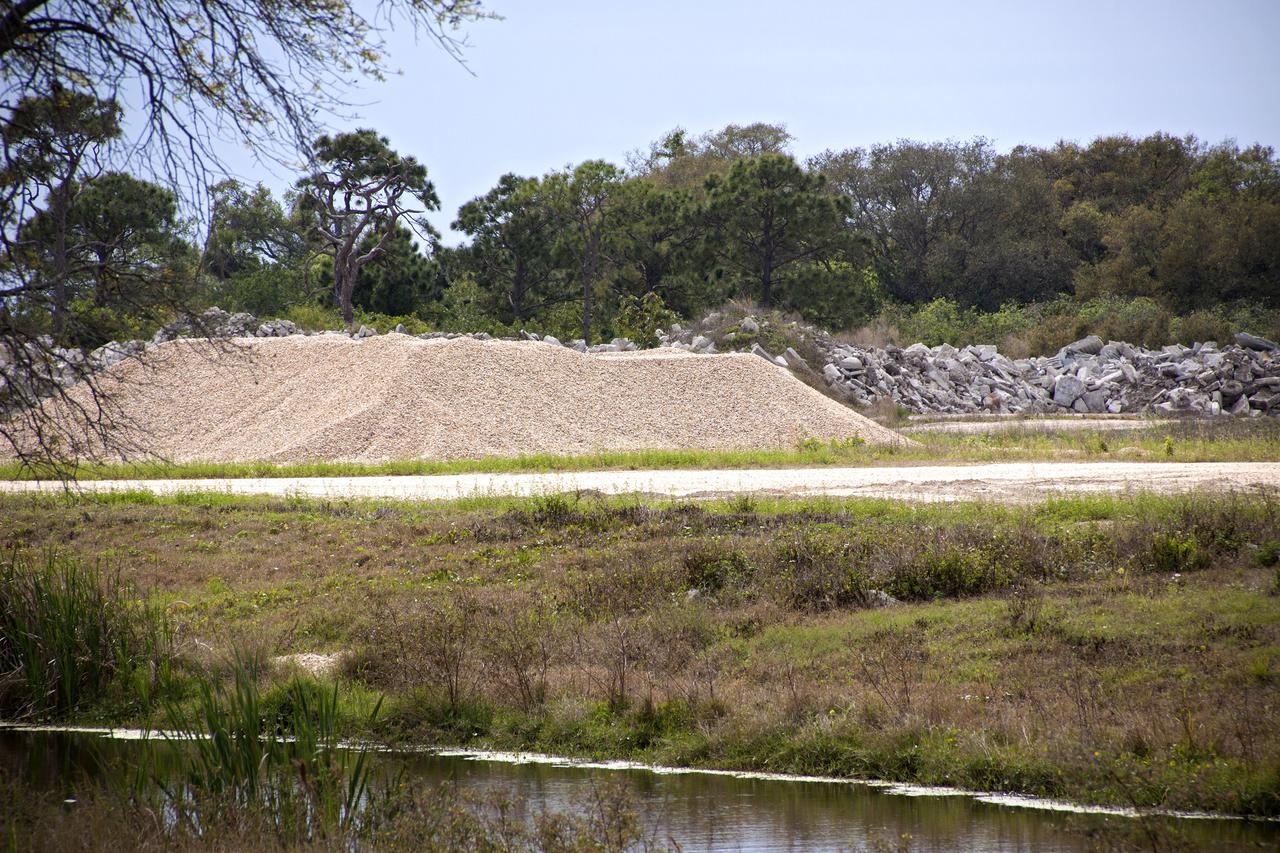
CAPE CANAVERAL, Fla. -- At NASA’s Kennedy Space Center in Florida, workers from Canaveral Construction in Mims, Fla., removed the Alabama river rock from sections of the crawlerway near Launch Pad 39B and transported it to the landfill. The crawlerway is being upgraded to improve the foundation and prepare it to support the weight of NASA’s Space Launch System, or SLS, and mobile launcher on the crawler-transporter during rollout. Workers are removing the original Alabama river rock and restoring the layer of lime rock below to its original depth. Then new river rock will be added on top. The Ground Systems Development and Operations, or GSDO, Program office at Kennedy is leading the center’s transformation to safely handle a variety of rockets and spacecraft. For more information about GSDO, visit: http:__go.nasa.gov_groundsystems. Photo credit: NASA_Jim Grossmann
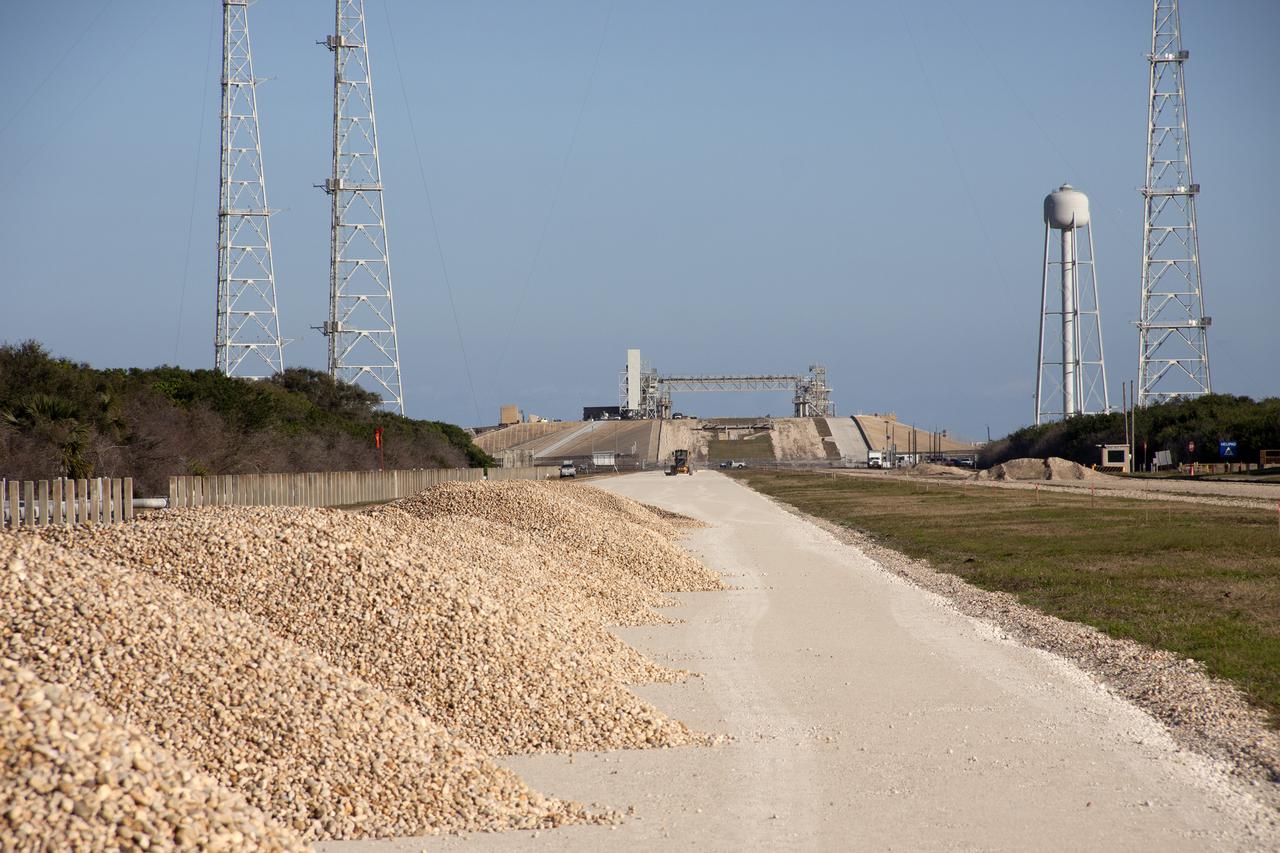
CAPE CANAVERAL, Fla. – Workers from Canaveral Construction in Mims, Fla., have removed the Alabama river rock from one side of the crawlerway near Launch Pad 39B at NASA’s Kennedy Space Center in Florida. The crawlerway is being upgraded to improve the foundation and prepare it to support the weight of NASA’s Space Launch System, or SLS, and mobile launcher on the crawler-transporter during rollout. Workers are removing the original Alabama river rock and restoring the layer of lime rock below to its original depth of three feet. Then new river rock will be added on top. The Ground Systems Development and Operations, or GSDO, Program office at Kennedy is leading the center’s transformation to safely handle a variety of rockets and spacecraft. For more information about GSDO, visit: http:__go.nasa.gov_groundsystems. Photo credit: NASA_Jim Grossmann
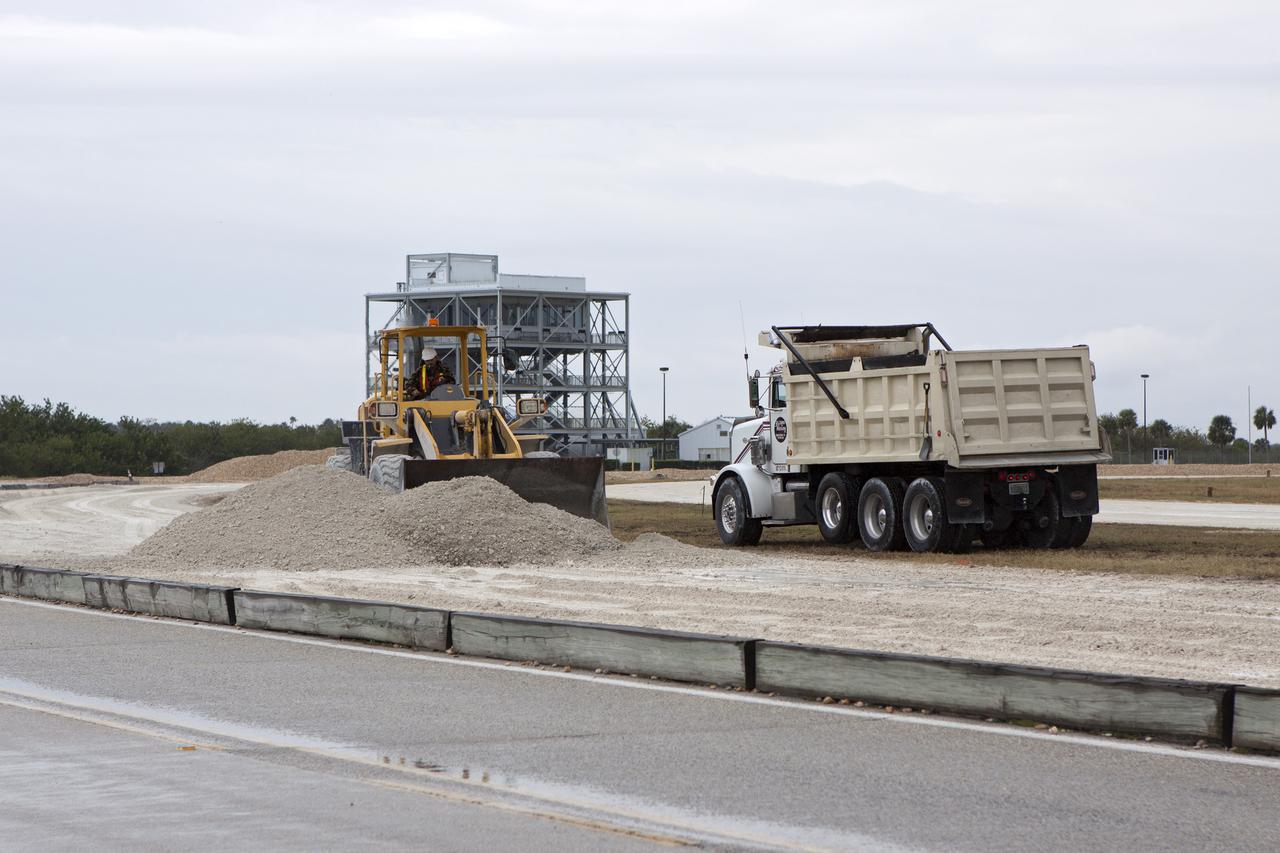
CAPE CANAVERAL, Fla. – Workers from Canaveral Construction in Mims, Fla., remove the Alabama river rock from the crawlerway near the turn off to Launch Pad 39B at NASA’s Kennedy Space Center in Florida. In the background is the Launch Viewing Gantry that is a Kennedy Space Center Visitor Complex tour stop. The crawlerway is being upgraded to improve the foundation and prepare it to support the weight of NASA’s Space Launch System, or SLS, and mobile launcher on the crawler-transporter during rollout. Workers are removing the original Alabama river rock and restoring the layer of lime rock below to its original depth. Then new river rock will be added on top. The Ground Systems Development and Operations, or GSDO, Program office at Kennedy is leading the center’s transformation to safely handle a variety of rockets and spacecraft. For more information about GSDO, visit: http:__go.nasa.gov_groundsystems. Photo credit: NASA_Jim Grossmann
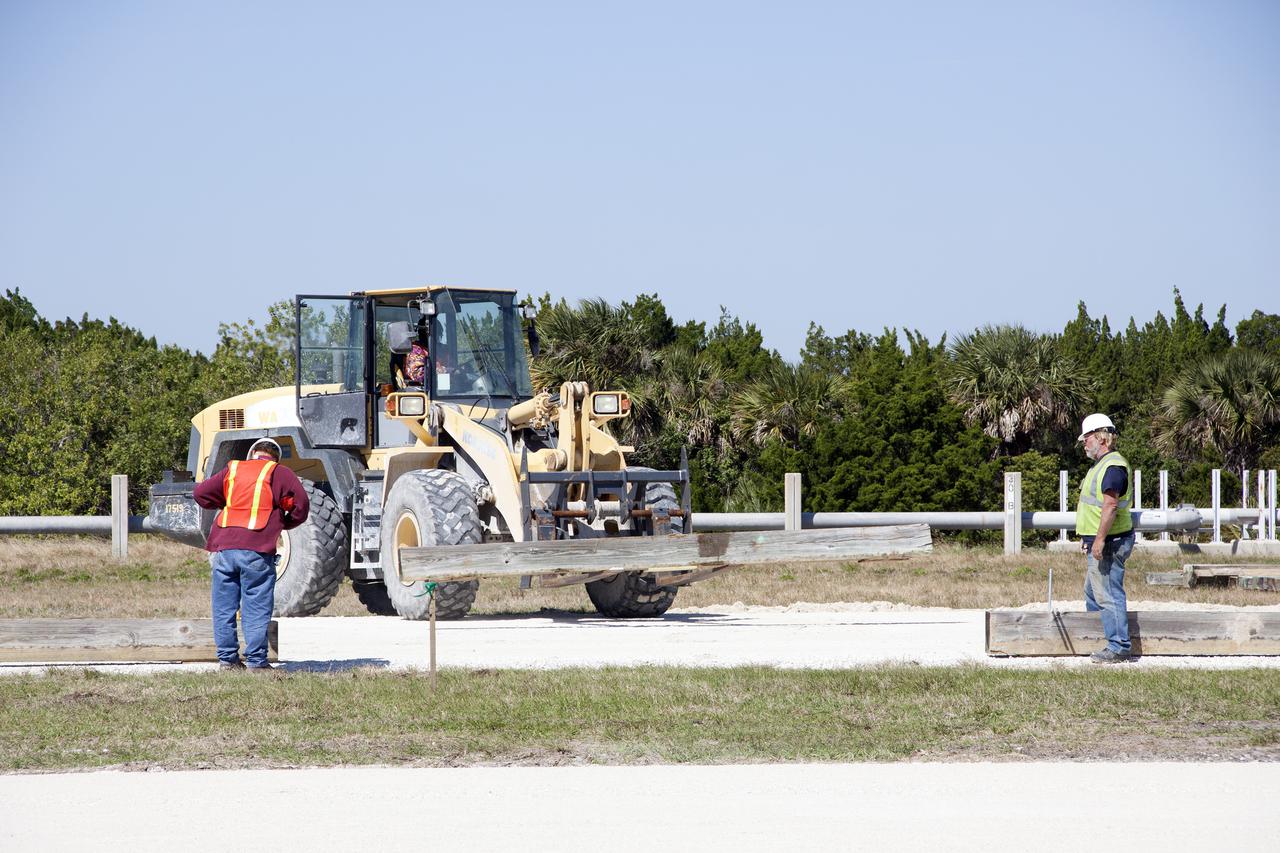
CAPE CANAVERAL, Fla. -- At NASA’s Kennedy Space Center in Florida, workers from Canaveral Construction in Mims, Fla., continue to re-grade the lime rock in sections of the crawlerway leading to Launch Pad 39B. The crawlerway is being upgraded to improve the foundation and prepare it to support the weight of NASA’s Space Launch System, or SLS, and mobile launcher on the crawler-transporter during rollout. Workers are removing the original Alabama river rock and restoring the layer of lime rock below to its original depth. Then new river rock will be added on top. The Ground Systems Development and Operations, or GSDO, Program office at Kennedy is leading the center’s transformation to safely handle a variety of rockets and spacecraft. For more information about GSDO, visit: http:__go.nasa.gov_groundsystems. Photo credit: NASA_Jim Grossmann
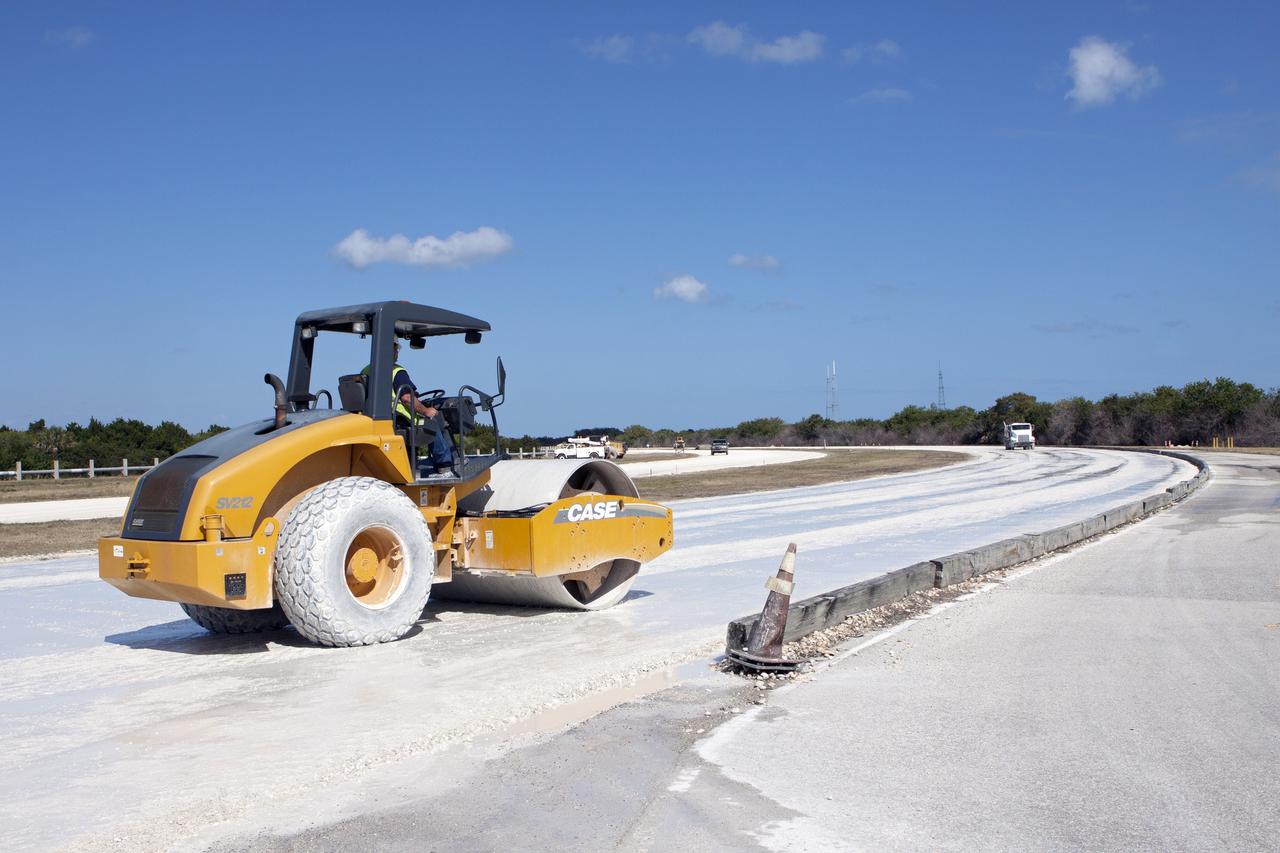
CAPE CANAVERAL, Fla. – A worker from Canaveral Construction in Mims, Fla., re-grades a section of the lime rock on the crawlerway near Launch Pad 39B at NASA’s Kennedy Space Center in Florida. The crawlerway is being upgraded to improve the foundation and prepare it to support the weight of NASA’s Space Launch System, or SLS, and mobile launcher on the crawler-transporter during rollout. Workers are removing the original Alabama river rock and restoring the layer of lime rock below to its original depth. Then new river rock will be added on top. The Ground Systems Development and Operations, or GSDO, Program office at Kennedy is leading the center’s transformation to safely handle a variety of rockets and spacecraft. For more information about GSDO, visit: http://go.nasa.gov/groundsystems. Photo credit: NASA/Jim Grossmann
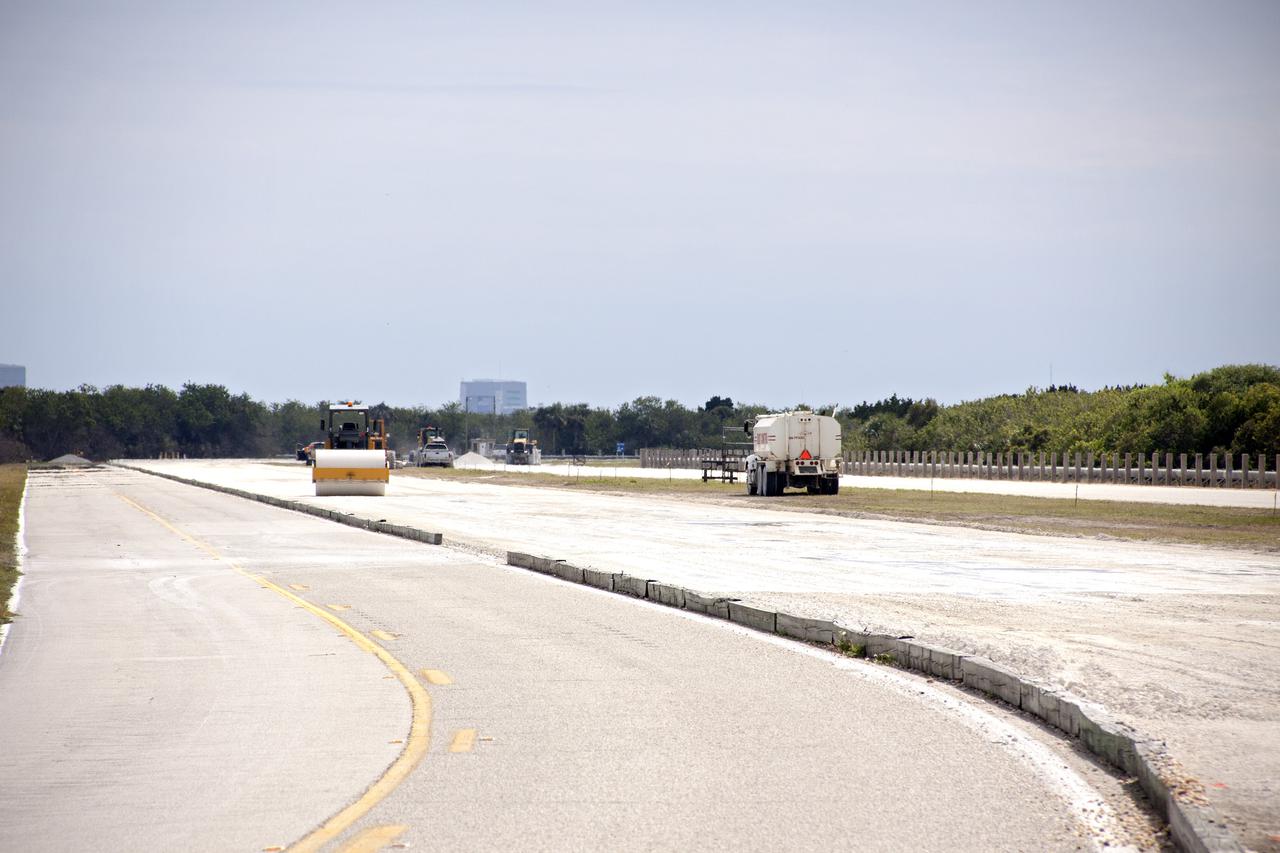
CAPE CANAVERAL, Fla. --Workers from Canaveral Construction in Mims, Fla., continue to re-grade the lime rock on the crawlerway near Launch Pad 39B at NASA’s Kennedy Space Center in Florida. The crawlerway is being upgraded to improve the foundation and prepare it to support the weight of NASA’s Space Launch System, or SLS, and mobile launcher on the crawler-transporter during rollout. Workers are removing the original Alabama river rock and restoring the layer of lime rock below to its original depth. Then new river rock will be added on top. The Ground Systems Development and Operations, or GSDO, Program office at Kennedy is leading the center’s transformation to safely handle a variety of rockets and spacecraft. For more information about GSDO, visit: http:__go.nasa.gov_groundsystems. Photo credit: NASA_Jim Grossmann
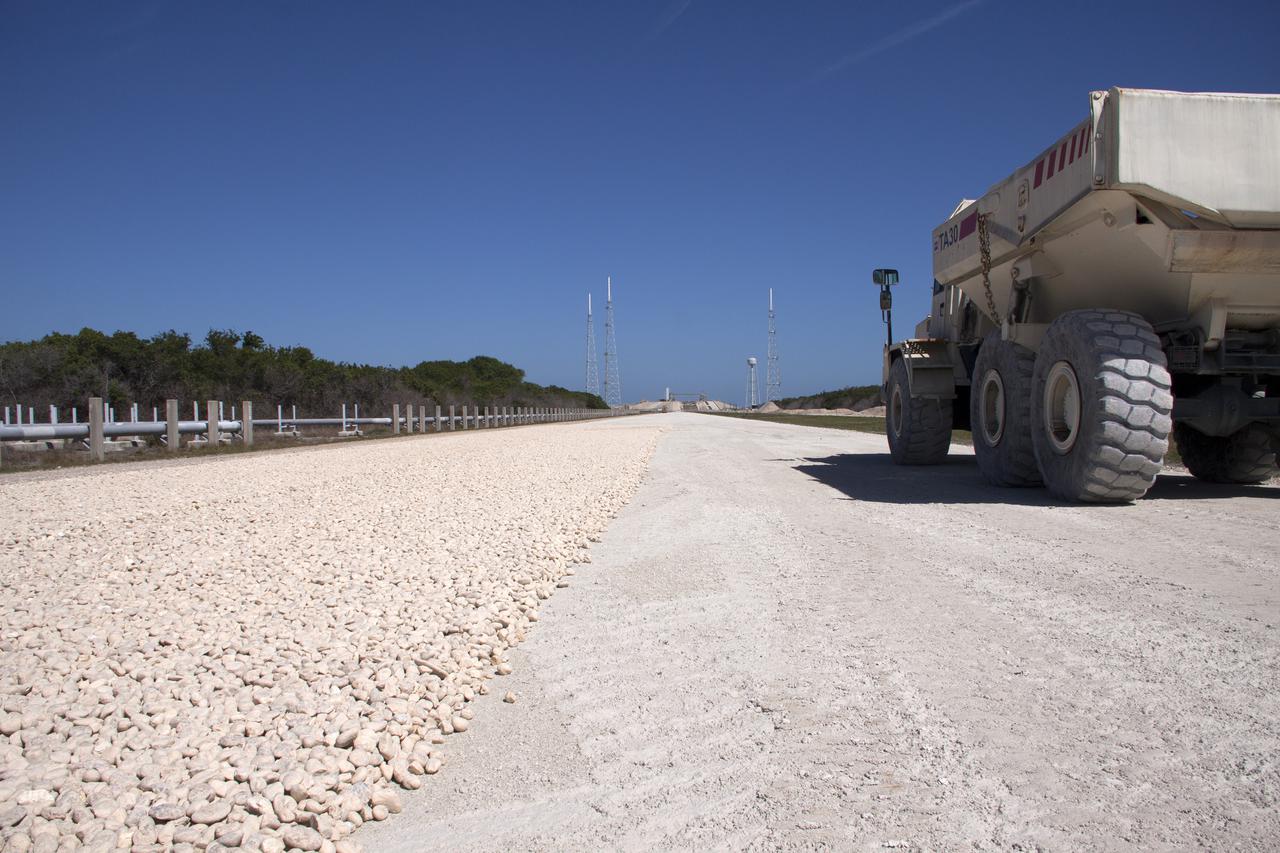
CAPE CANAVERAL, Fla. -- At NASA’s Kennedy Space Center in Florida, workers from Canaveral Construction in Mims, Fla., continue to re-grade the lime rock in sections of the crawlerway leading to Launch Pad 39B. The crawlerway is being upgraded to improve the foundation and prepare it to support the weight of NASA’s Space Launch System, or SLS, and mobile launcher on the crawler-transporter during rollout. Workers are removing the original Alabama river rock and restoring the layer of lime rock below to its original depth. Then new river rock will be added on top. The Ground Systems Development and Operations, or GSDO, Program office at Kennedy is leading the center’s transformation to safely handle a variety of rockets and spacecraft. For more information about GSDO, visit: http:__go.nasa.gov_groundsystems. Photo credit: NASA_Jim Grossmann
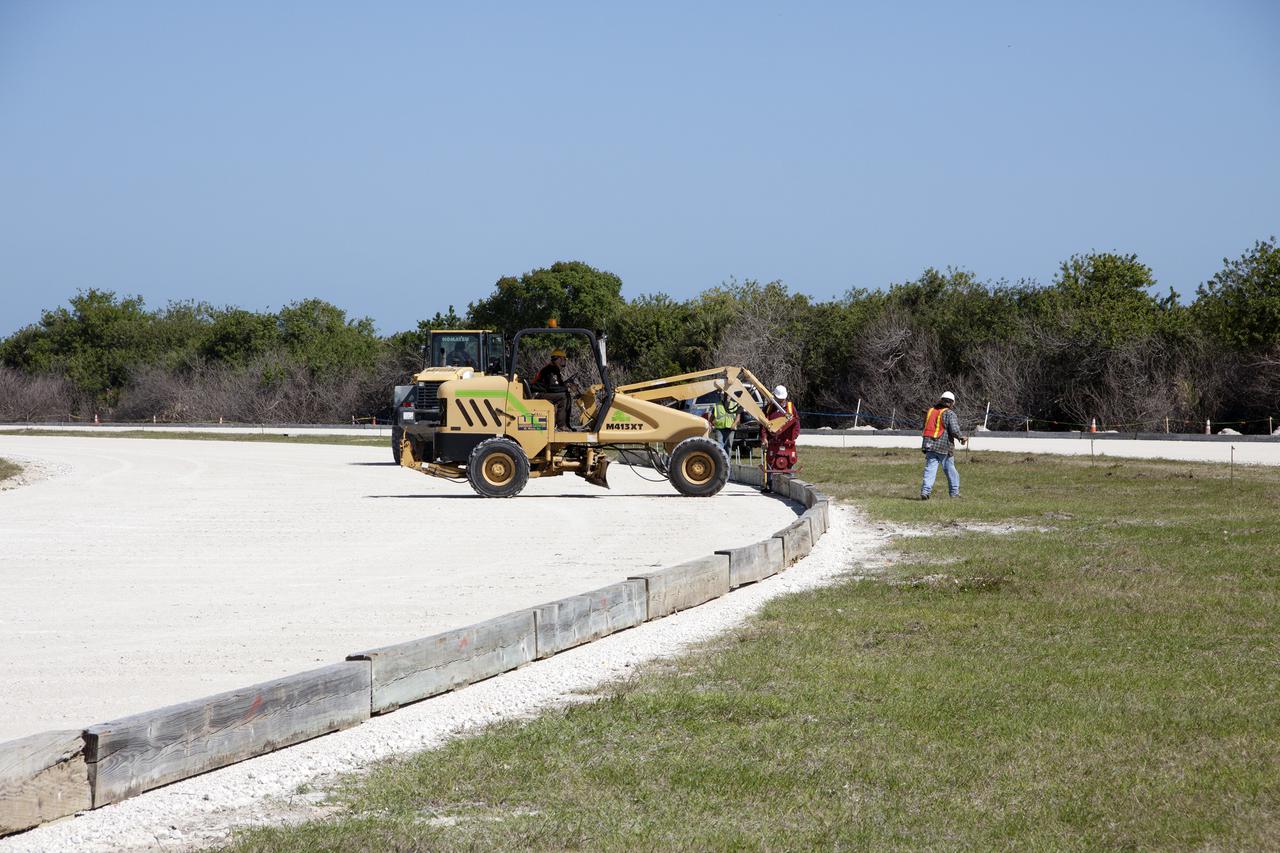
CAPE CANAVERAL, Fla. -- At NASA’s Kennedy Space Center in Florida, workers from Canaveral Construction in Mims, Fla., continue to re-grade the lime rock in sections of the crawlerway leading to Launch Pad 39B. The crawlerway is being upgraded to improve the foundation and prepare it to support the weight of NASA’s Space Launch System, or SLS, and mobile launcher on the crawler-transporter during rollout. Workers are removing the original Alabama river rock and restoring the layer of lime rock below to its original depth. Then new river rock will be added on top. The Ground Systems Development and Operations, or GSDO, Program office at Kennedy is leading the center’s transformation to safely handle a variety of rockets and spacecraft. For more information about GSDO, visit: http:__go.nasa.gov_groundsystems. Photo credit: NASA_Jim Grossmann
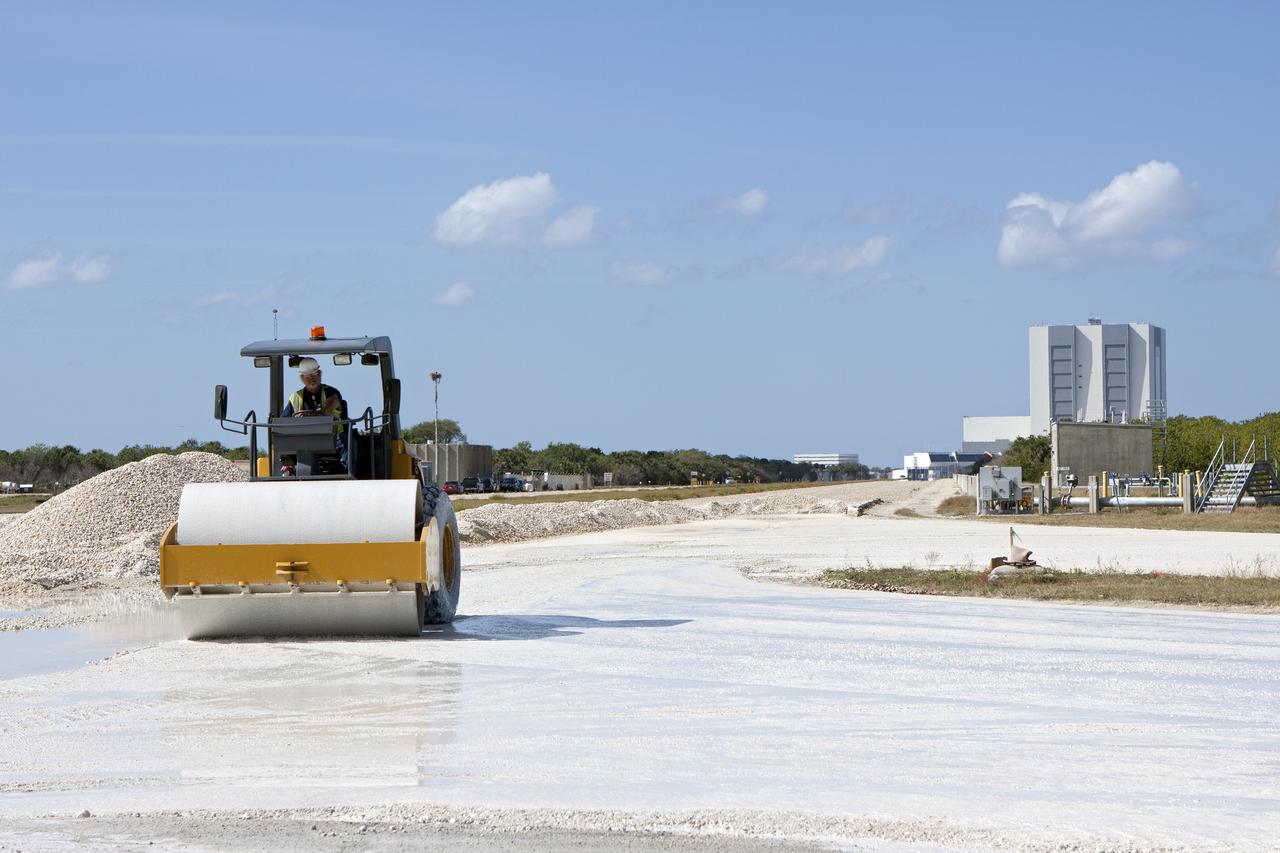
CAPE CANAVERAL, Fla. – A worker from Canaveral Construction in Mims, Fla., re-grades a section of the lime rock on the crawlerway near Launch Pad 39B at NASA’s Kennedy Space Center in Florida. The crawlerway is being upgraded to improve the foundation and prepare it to support the weight of NASA’s Space Launch System, or SLS, and mobile launcher on the crawler-transporter during rollout. Workers are removing the original Alabama river rock and restoring the layer of lime rock below to its original depth. Then new river rock will be added on top. The Ground Systems Development and Operations, or GSDO, Program office at Kennedy is leading the center’s transformation to safely handle a variety of rockets and spacecraft. For more information about GSDO, visit: http://go.nasa.gov/groundsystems. Photo credit: NASA/Jim Grossmann
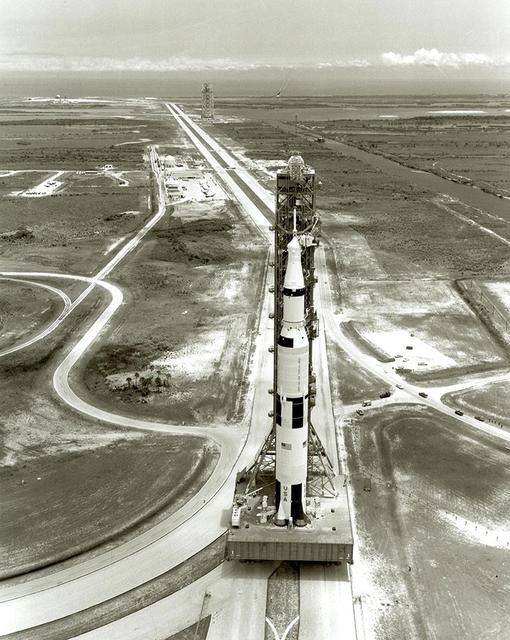
Aerial view of Crawlerway

View of Crawlerway
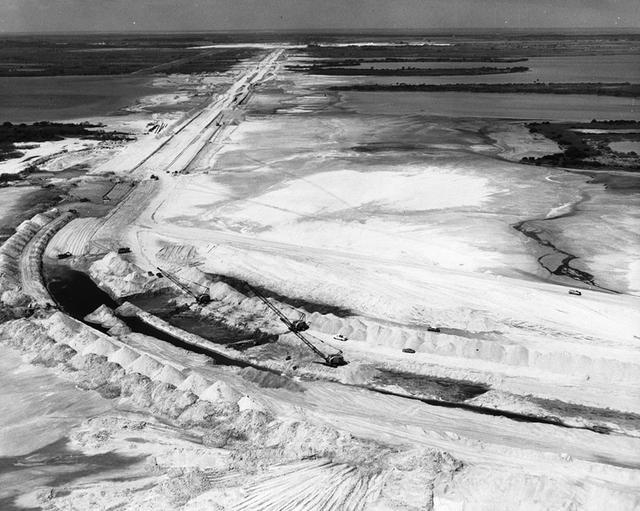
Aerial view of Crawlerway
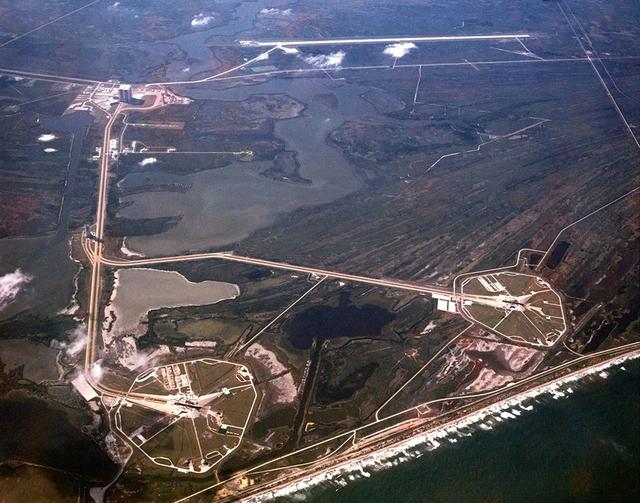
Aerial view of Crawlerway
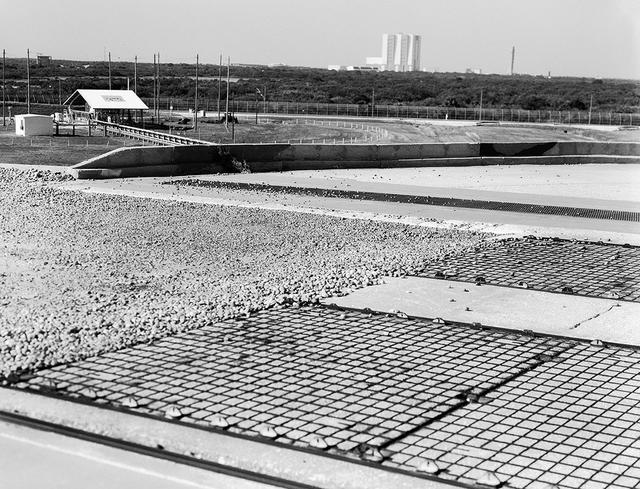
View of Crawlerway
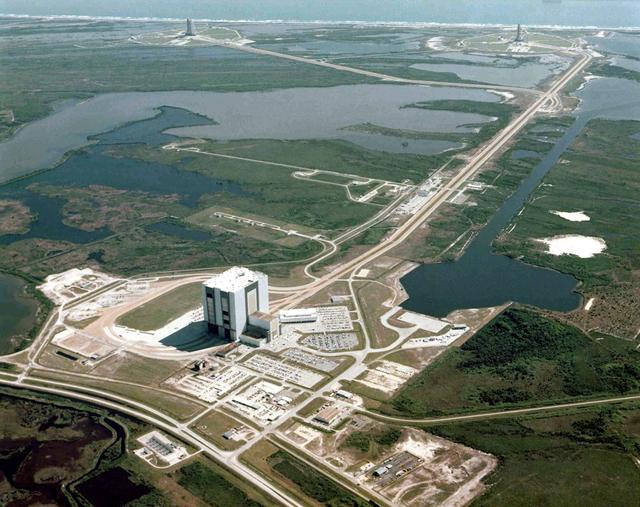
Aerial view of Crawlerway
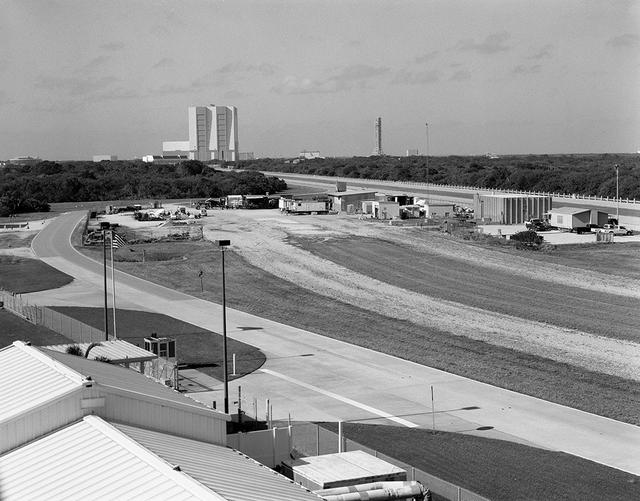
View of Crawlerway
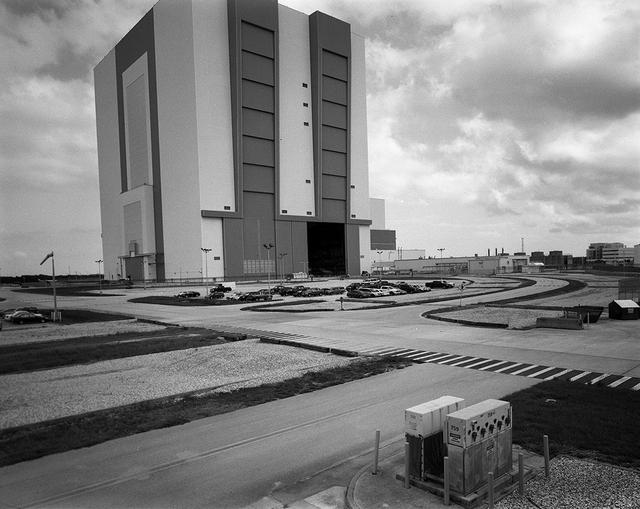
View of Crawlerway
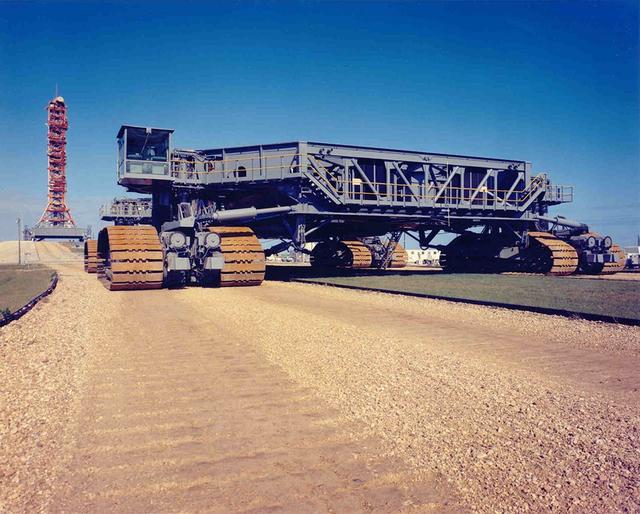
View of Crawlerway
View of Crawlerway

Aerial view of Crawlerway
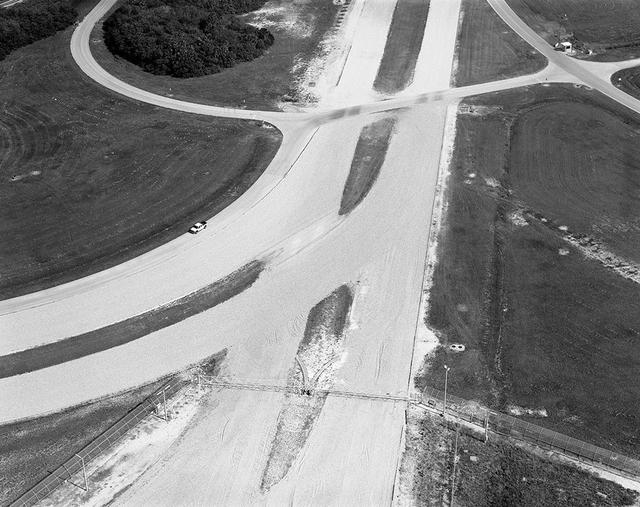
View of Crawlerway

View of Crawlerway

Aerial view of Crawlerway
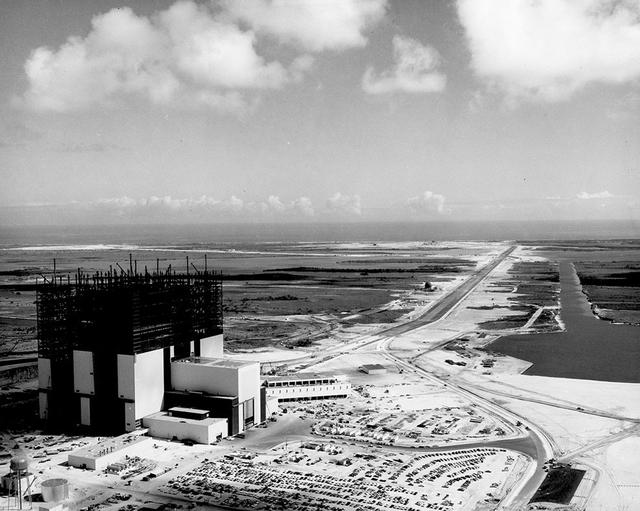
Aerial view of Crawlerway
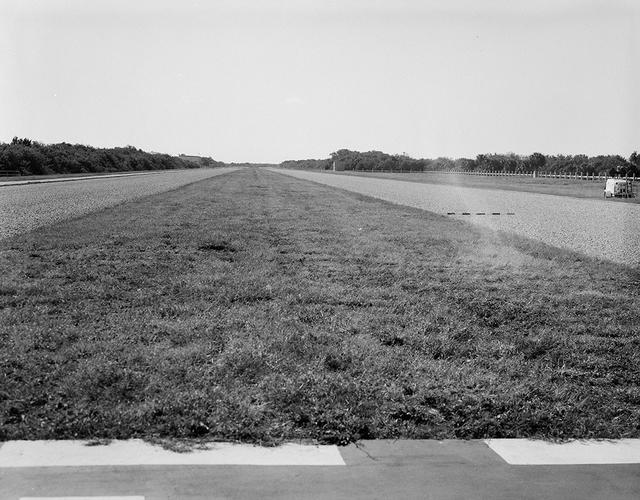
View of Crawlerway
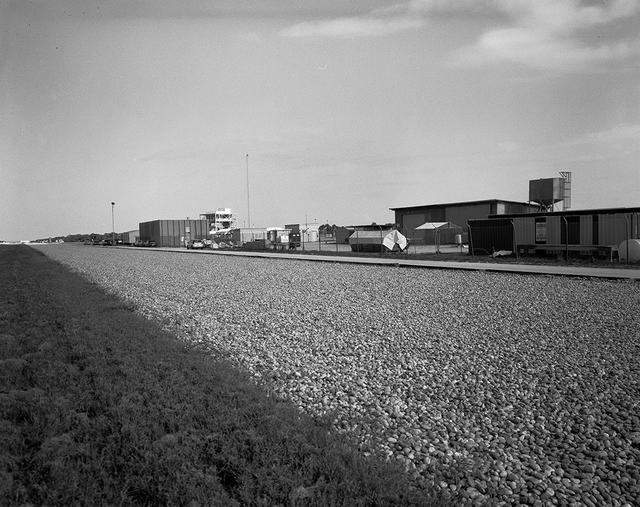
View of Crawlerway
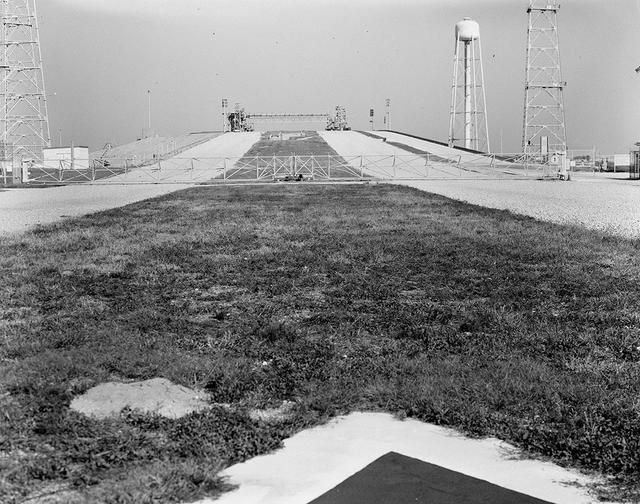
View of Crawlerway
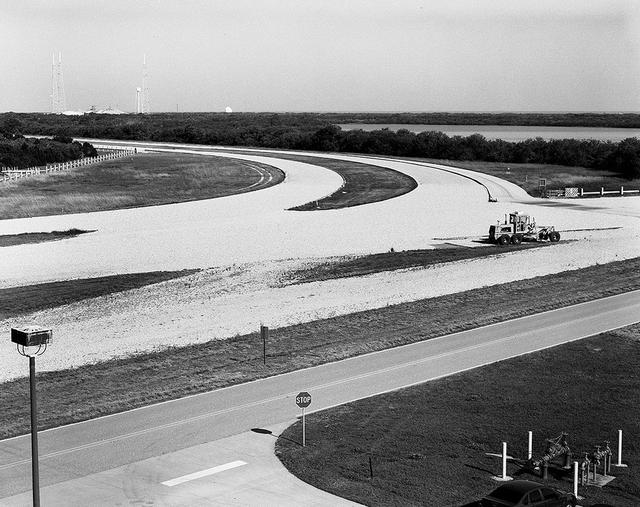
View of Crawlerway
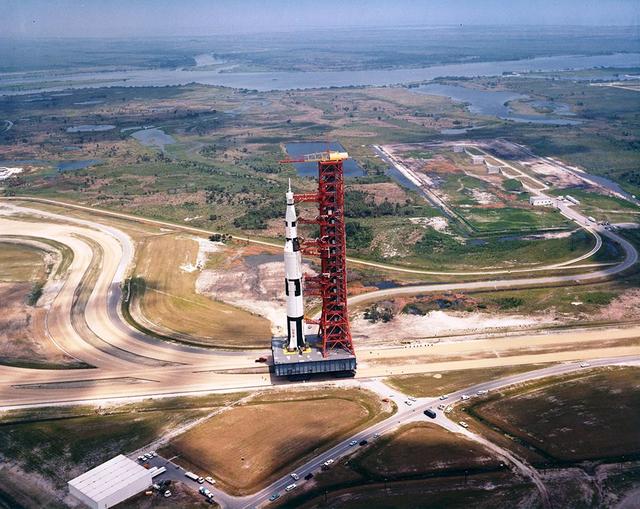
Aerial view of Crawlerway
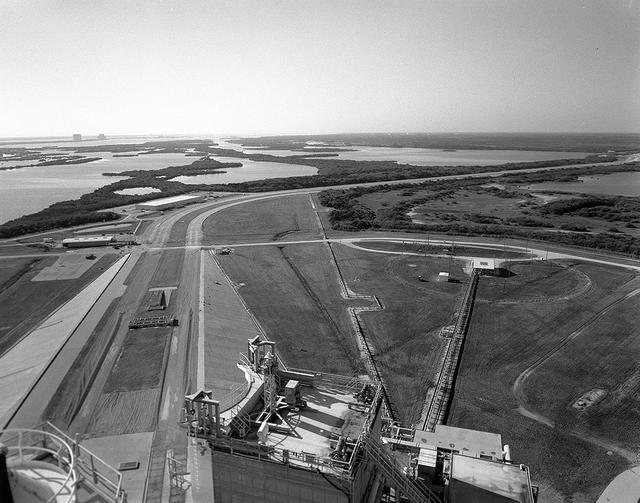
Aerial view of Crawlerway
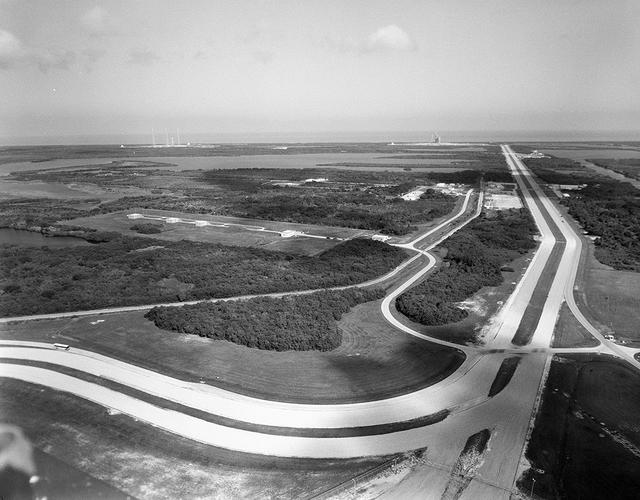
Aerial view of Crawlerway
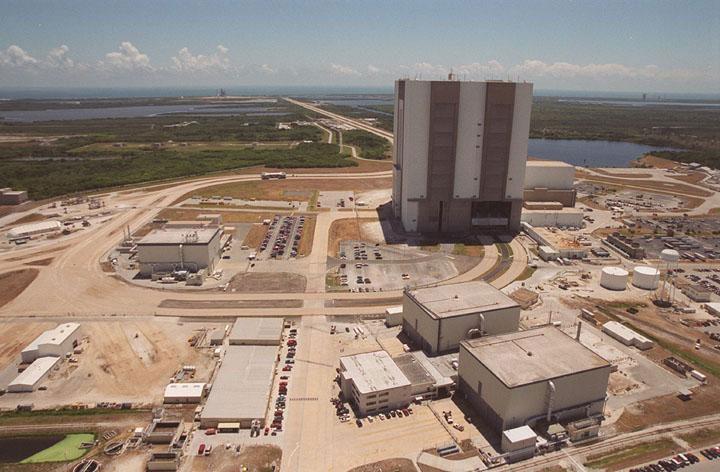
Aerial view of Crawlerway
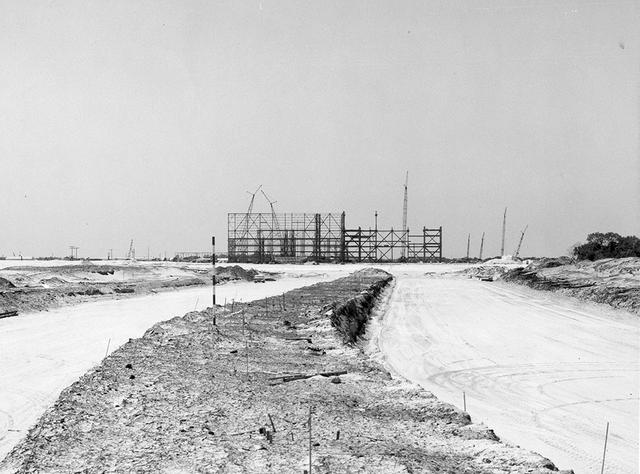
View of Crawlerway
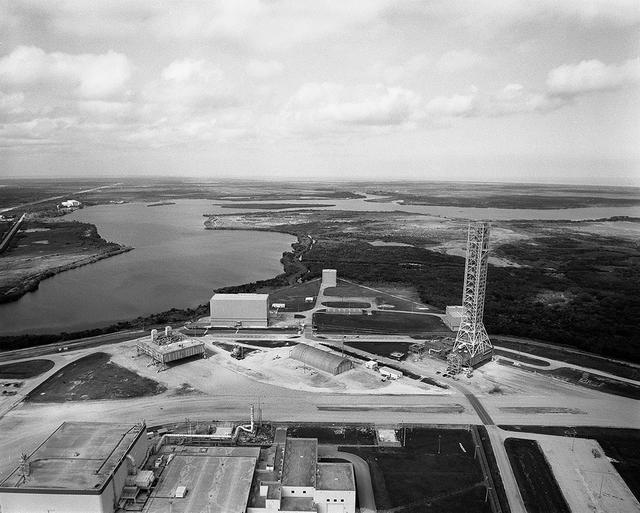
View of Crawlerway
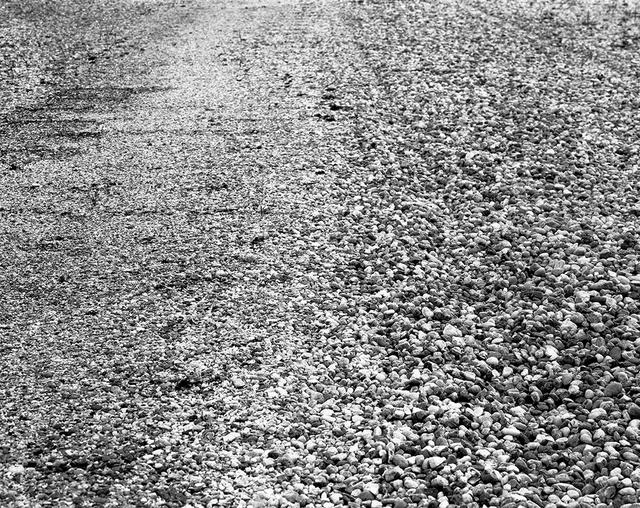
View of Crawlerway
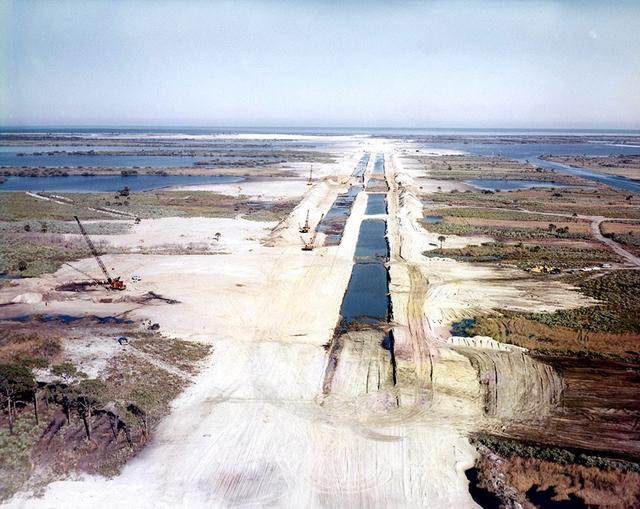
Aerial view of Crawlerway
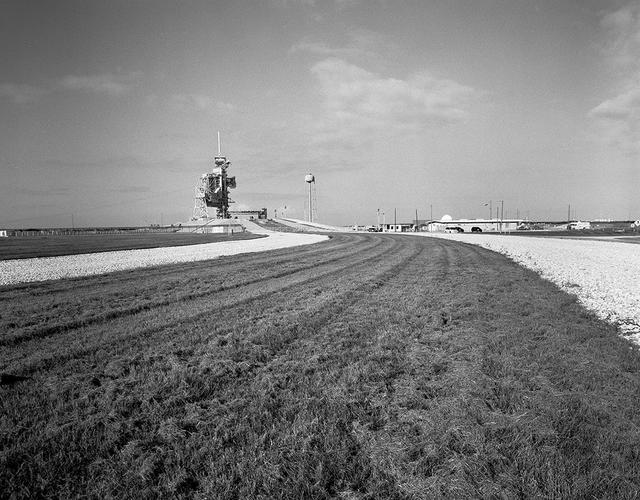
View of Crawlerway
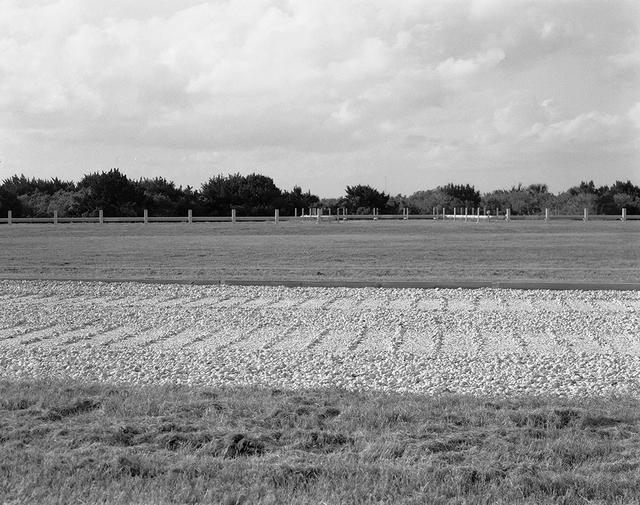
View of Crawlerway
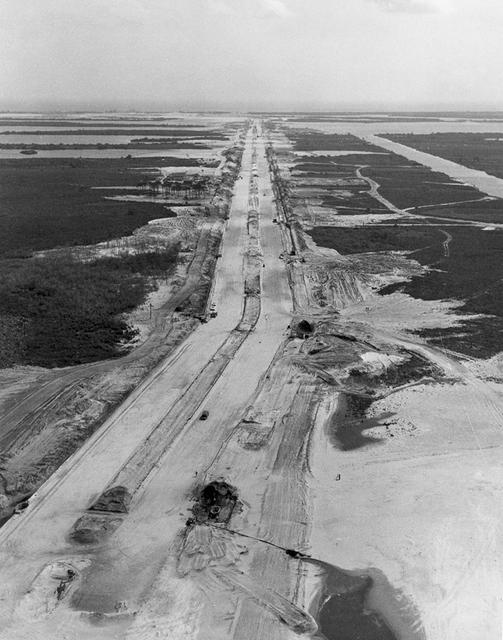
Aerial view of Crawlerway
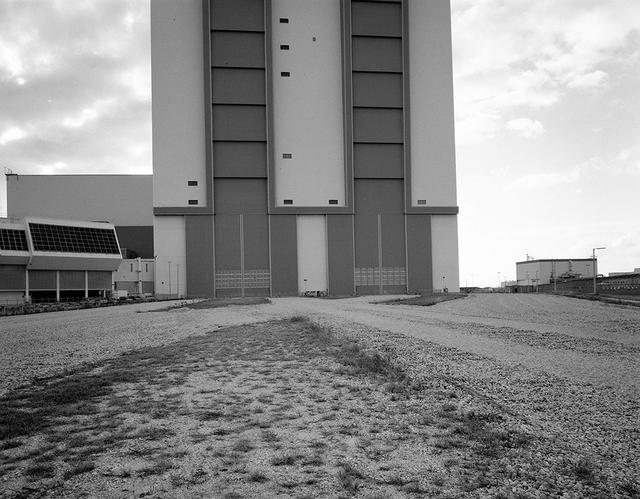
View of Crawlerway
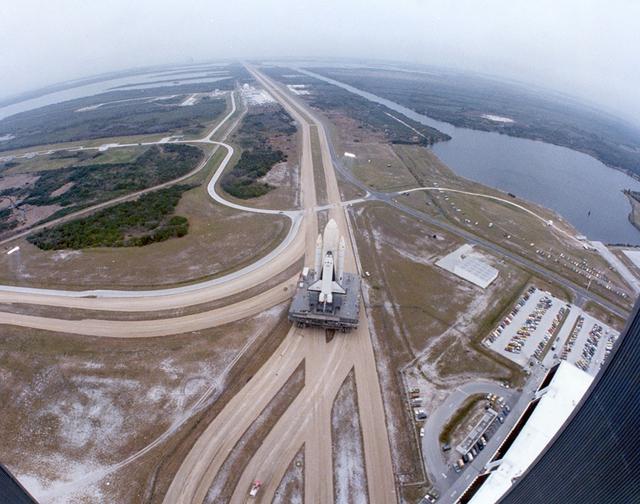
Aerial view of Crawlerway
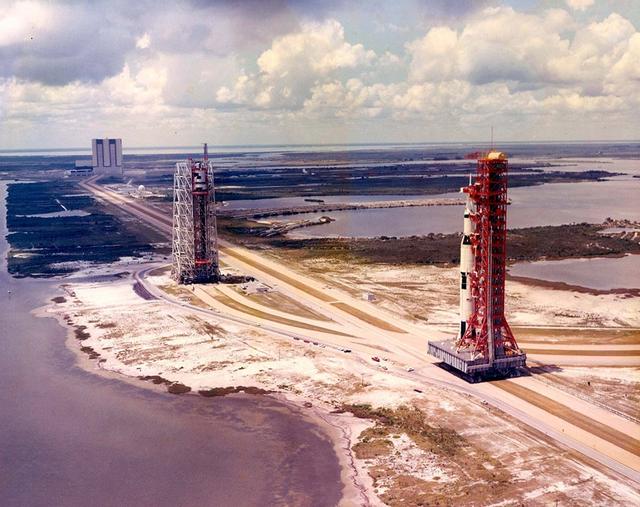
Aerial view of Crawlerway
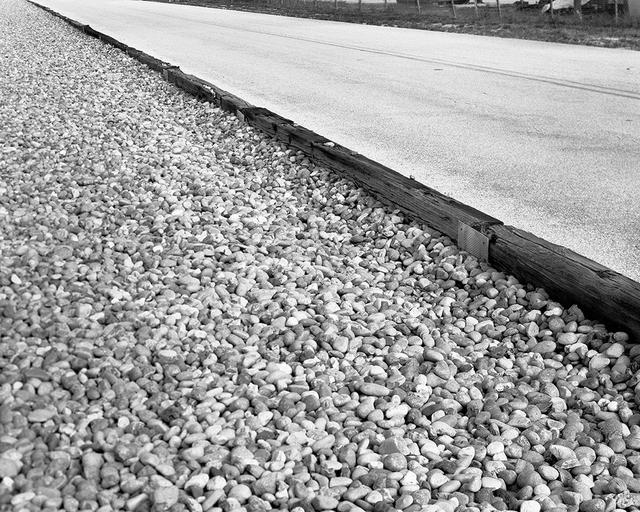
View of Crawlerway
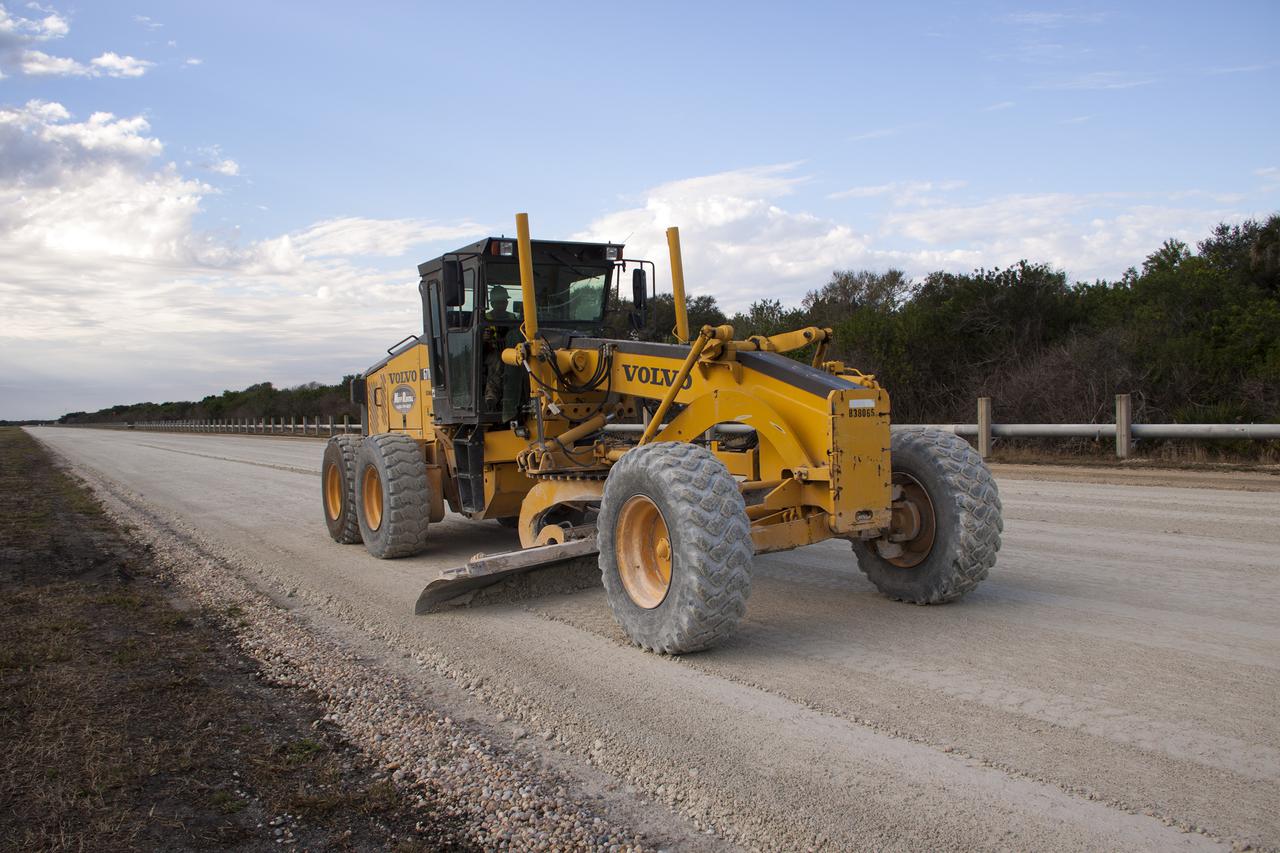
CAPE CANAVERAL, Fla. – A worker from Canaveral Construction in Mims, Fla., re-grades a section of the crawlerway near Launch Pad 39B at NASA’s Kennedy Space Center in Florida. The crawlerway is being upgraded to improve the foundation and prepare it to support the weight of NASA’s Space Launch System, or SLS, and mobile launcher on the crawler-transporter during rollout. Workers are removing the original Alabama river rock and restoring the layer of lime rock below to its original depth of three feet. Then new river rock will be added on top. The Ground Systems Development and Operations, or GSDO, Program office at Kennedy is leading the center’s transformation to safely handle a variety of rockets and spacecraft. For more information about GSDO, visit: http:__go.nasa.gov_groundsystems. Photo credit: NASA_Jim Grossmann
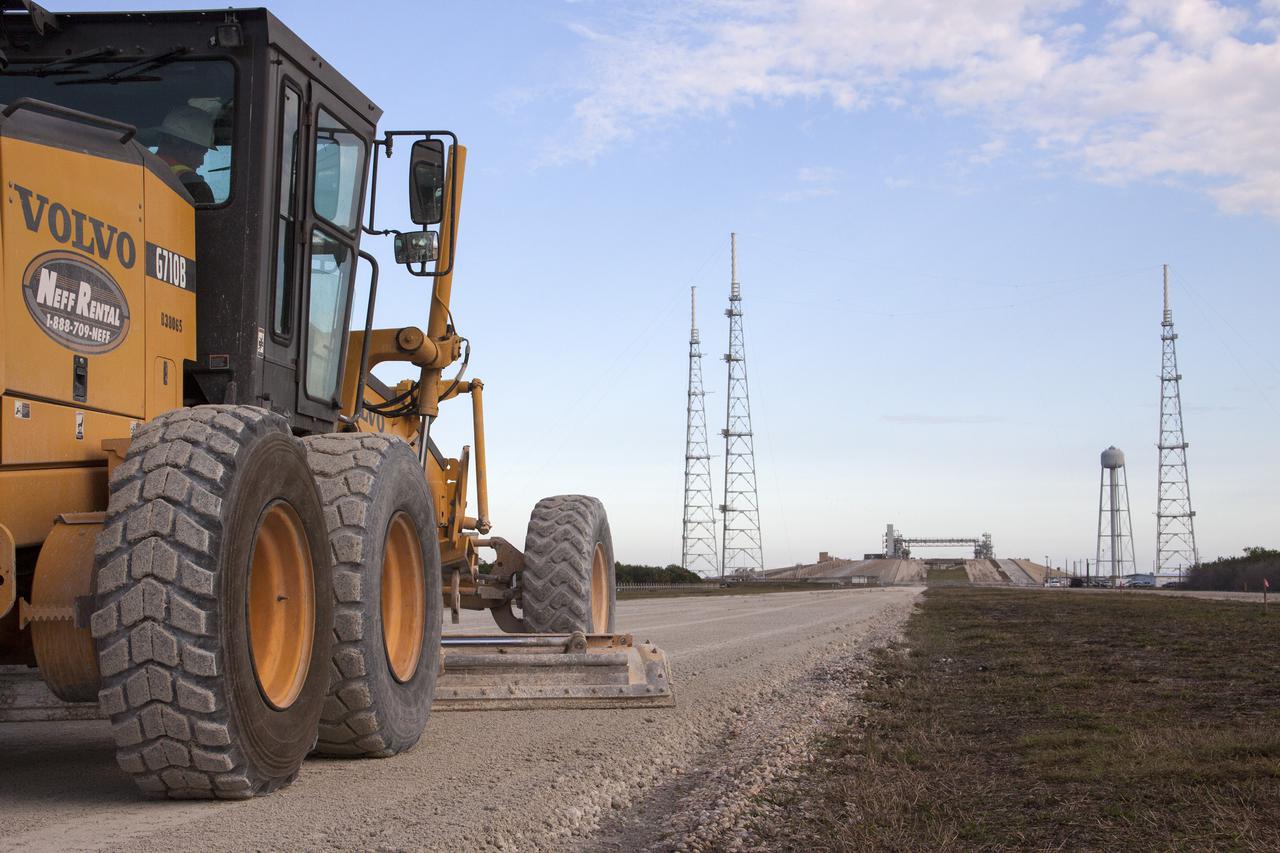
CAPE CANAVERAL, Fla. – A worker from Canaveral Construction in Mims, Fla., re-grades a section of the crawlerway near Launch Pad 39B at NASA’s Kennedy Space Center in Florida. The crawlerway is being upgraded to improve the foundation and prepare it to support the weight of NASA’s Space Launch System, or SLS, and mobile launcher on the crawler-transporter during rollout. Workers are removing the original Alabama river rock and restoring the layer of lime rock below to its original depth of three feet. Then new river rock will be added on top. The Ground Systems Development and Operations, or GSDO, Program office at Kennedy is leading the center’s transformation to safely handle a variety of rockets and spacecraft. For more information about GSDO, visit: http:__go.nasa.gov_groundsystems. Photo credit: NASA_Jim Grossmann
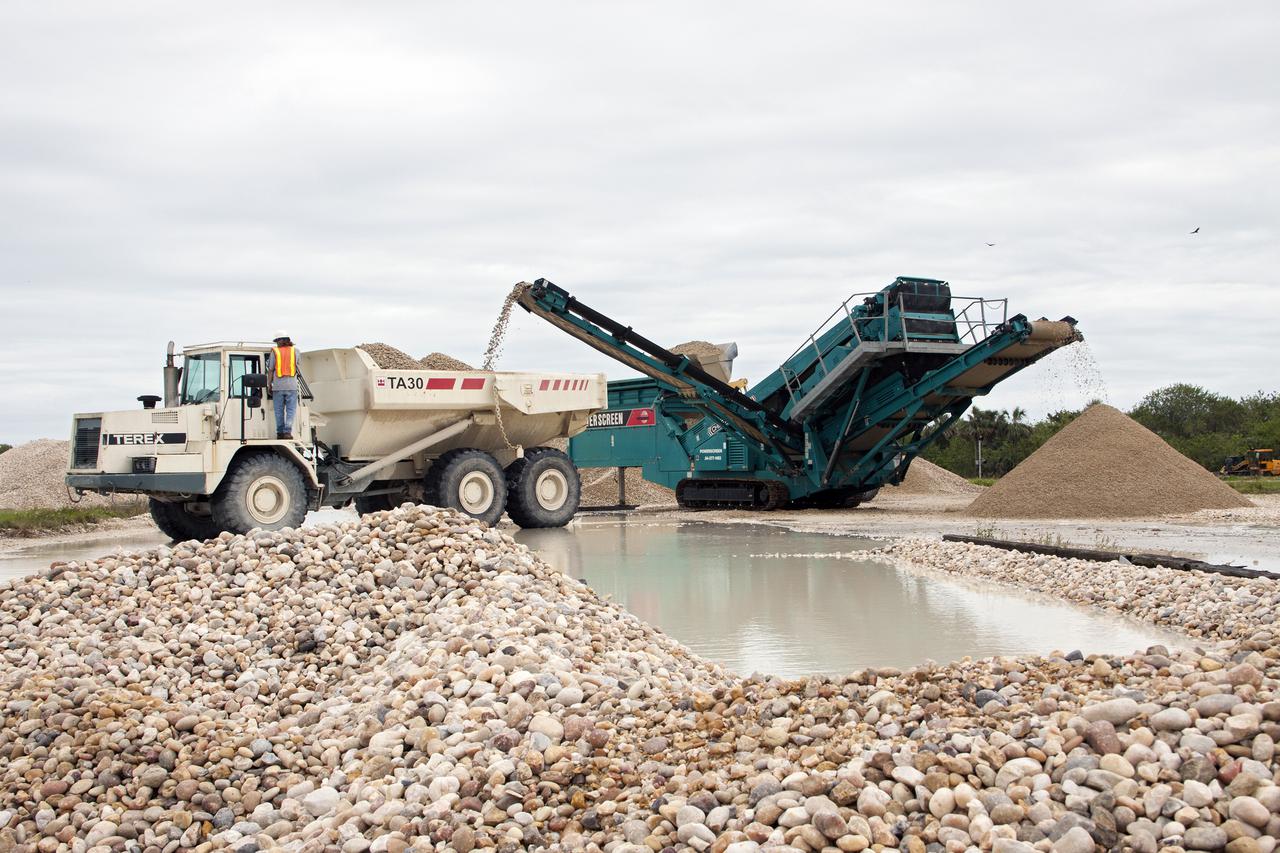
CAPE CANAVERAL, Fla. – At NASA’s Kennedy Space Center in Florida, screening equipment is operating to separate pulverized Alabama river rock from stones still usable in the crawlerway leading from the Vehicle Assembly Building VAB to the launch pads. The rock no longer suitable for the crawlerway will be reused in other areas of the spaceport. After years of wear from the weight of space shuttles being transported to the launch pads, the crawlerway was in need of resurfacing in preparation for future programs. The Ground Systems Development and Operations GSDO Program office at Kennedy is working to upgrade the two 40-foot-wide pathways the crawler-transporter will travel as it transports vehicles such as NASA's Space Launch System SLS rocket from the VAB to the launch pad. For more: http:__www.nasa.gov_exploration_systems_ground_crawlerway_upgrades.html Photo credit: NASA_Jim Grossmann

CAPE CANAVERAL, Fla. – At NASA’s Kennedy Space Center in Florida, screening equipment is operating to separate pulverized Alabama river rock from stones still usable in the crawlerway leading from the Vehicle Assembly Building VAB to the launch pads. The rock no longer suitable for the crawlerway will be reused in other areas of the spaceport. After years of wear from the weight of space shuttles being transported to the launch pads, the crawlerway was in need of resurfacing in preparation for future programs. The Ground Systems Development and Operations GSDO Program office at Kennedy is working to upgrade the two 40-foot-wide pathways the crawler-transporter will travel as it transports vehicles such as NASA's Space Launch System SLS rocket from the VAB to the launch pad. For more: http:__www.nasa.gov_exploration_systems_ground_crawlerway_upgrades.html Photo credit: NASA_Jim Grossmann
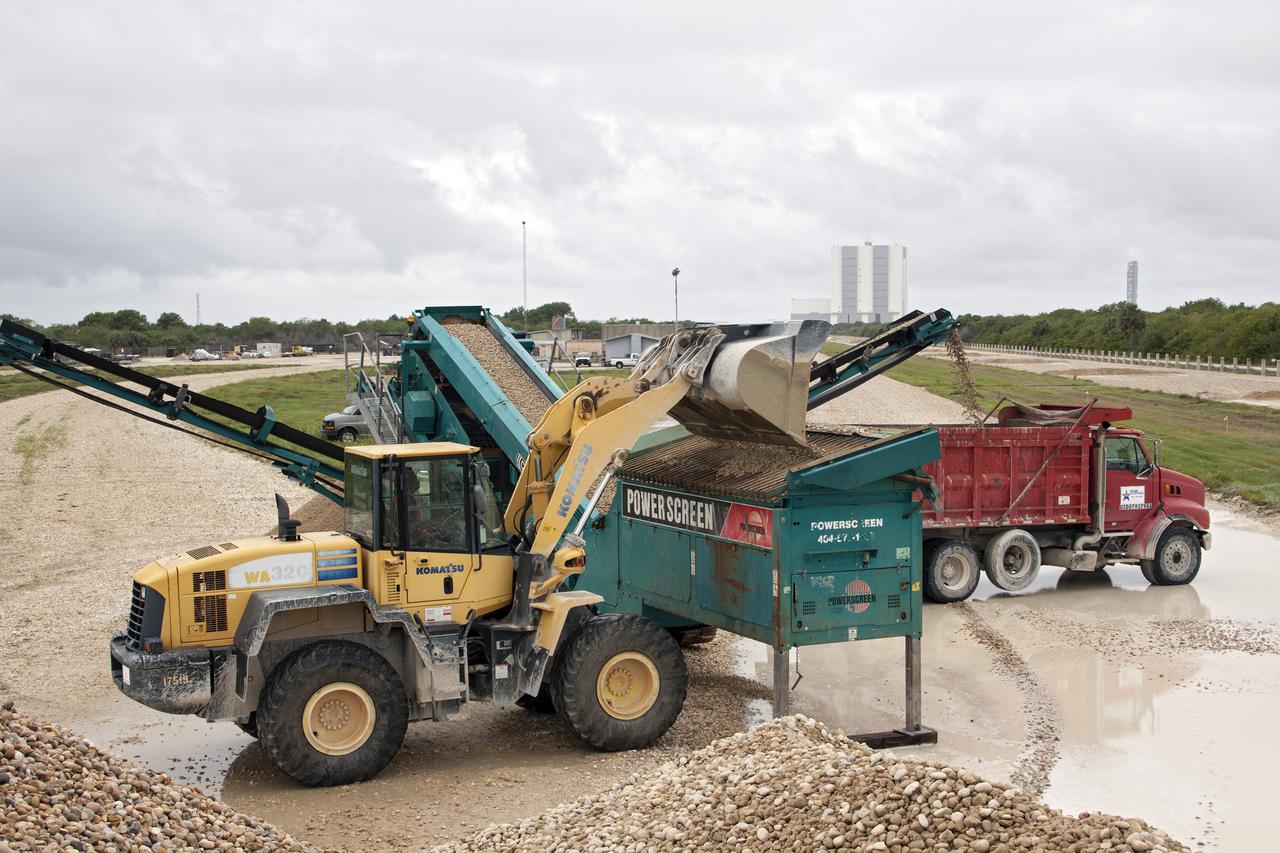
CAPE CANAVERAL, Fla. – At NASA’s Kennedy Space Center in Florida, screening equipment is operating to separate pulverized Alabama river rock from stones still usable in the crawlerway leading from the Vehicle Assembly Building VAB to the launch pads. The rock no longer suitable for the crawlerway will be reused in other areas of the spaceport. After years of wear from the weight of space shuttles being transported to the launch pads, the crawlerway was in need of resurfacing in preparation for future programs. The Ground Systems Development and Operations GSDO Program office at Kennedy is working to upgrade the two 40-foot-wide pathways the crawler-transporter will travel as it transports vehicles such as NASA's Space Launch System SLS rocket from the VAB to the launch pad. For more: http:__www.nasa.gov_exploration_systems_ground_crawlerway_upgrades.html Photo credit: NASA_Jim Grossmann
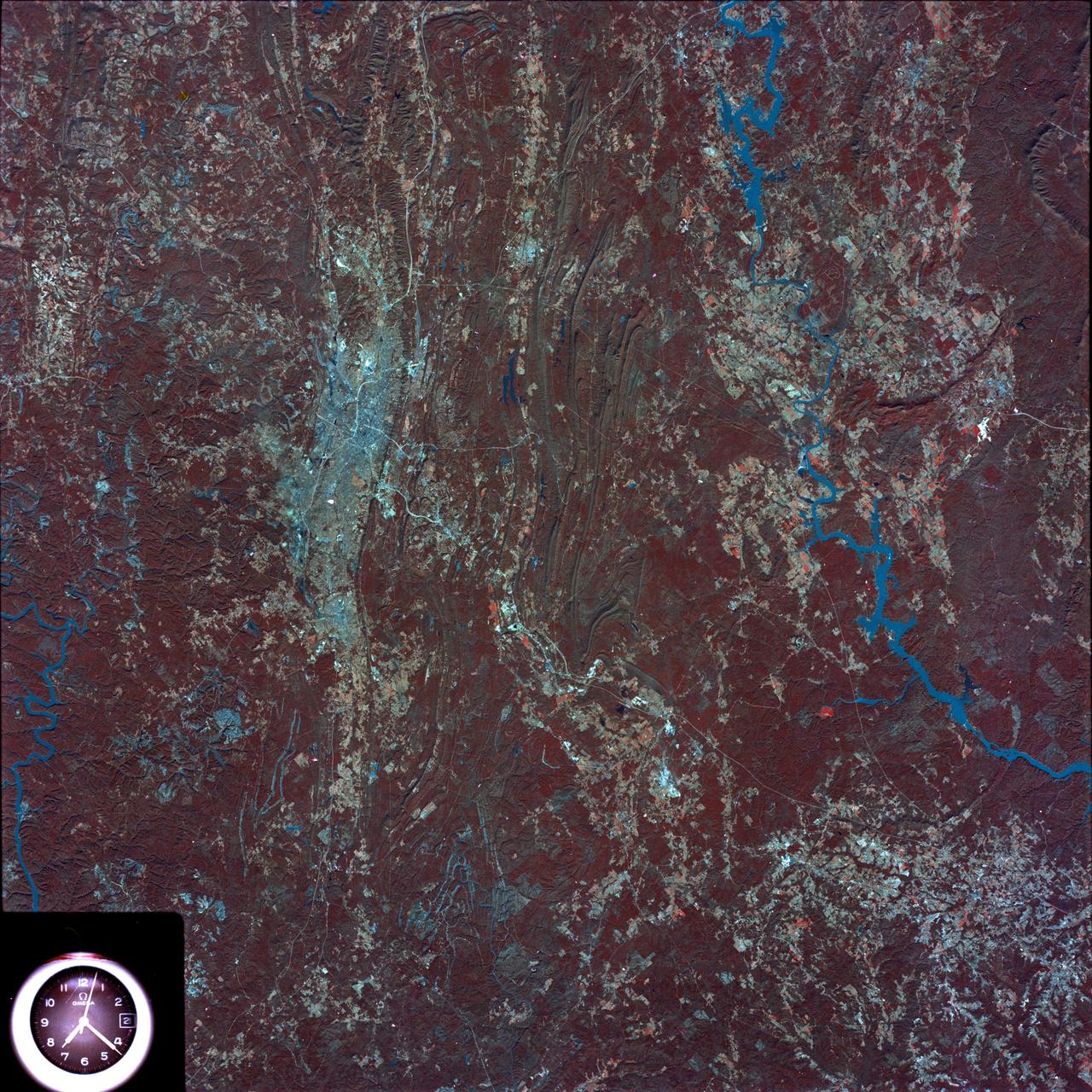
SL4-93-153 (February 1974) --- A vertical view of the Birmingham and central Alabama area is seen in this Skylab 4 Earth Resources Experiments Package S190-B (five-inch earth terrain camera) infrared photographed taken from the Skylab space station in Earth orbit. Illustrated here is the utility of color infrared film in depicting distribution of living vegetation in the 3,600 square mile Birmingham region. The Birmingham industrial complex, with a population of nearly 850,000, is the light gray area nestled in the valley between the northeast-trending ridges that are prominent topographic features in the southern Appalachian Mountains. The narrow ridges and adjacent valleys reflect folded and faulted sedimentary rocks, indicating the complex geological history of the region. Two major rivers and several reservoirs are easily distinguished in this photograph. Bankhand Lake, formed by a dam on the Black Warrior River, appears as bright blue west of Birmingham. Two lakes are formed by dams on the Goosa River east of Birmingham. Federal and state highways appear as thin white lines and are easily identified. Interstate 65 to Montgomery is the prominent white line extending southward from Birmingham. Power line clearings are visible in the center of the picture along the Goosa River, and can be traced northwestward to northern parts of Birmingham. The predominant deep red color of the picture is due to the reflections from living vegetation. In contrast are the light tan areas that commonly occur as rectangular patterns in the east part of the photograph and represent mature agricultural crops or grazing lands. Analysis of the photographic data from the earth terrain camera will be conducted by Dr. H. Jayroe of the Marshall Space Flight Center in developing analytical techniques. All EREP photography is available to the public through the Department of Interior's Earth Resources Observations Systems Data Center, Sioux Falls, South Dakota, 57198. Photo credit: NASA
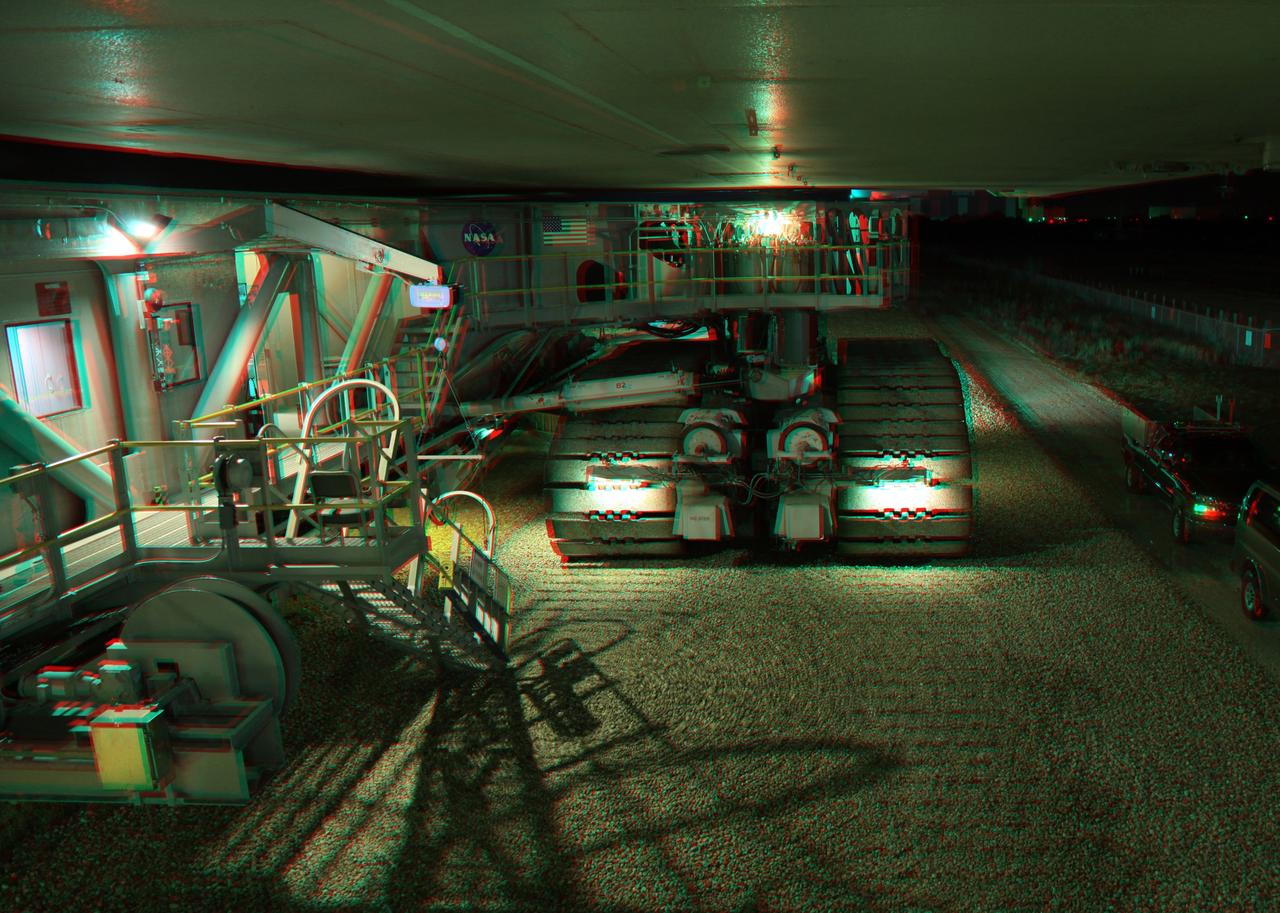
CAPE CANAVERAL, Fla. -- This is a 3-D image of the crawler-transporter as it slowly hauls space shuttle Endeavour from the Vehicle Assembly Building to Launch Pad 39A at NASA’s Kennedy Space Center in Florida. The gigantic tracked mover weighs about 18 million pounds with the space shuttle, two solid rocket boosters, external fuel tank and mobile launcher platform attached. It takes six to eight hours to complete the 3.4-mile trip along crushed Alabama river rock at a speed of about 1 mph. To view this image, use green and magenta 3-D glasses. Endeavour and its six-member STS-134 crew will deliver the Express Logistics Carrier-3, Alpha Magnetic Spectrometer-2 (AMS), a high-pressure gas tank, additional spare parts for the Dextre robotic helper and micrometeoroid debris shields to the International Space Station. Endeavour's final launch is targeted for April 19 at 7:48 p.m. EDT. For more information visit, http://www.nasa.gov/mission_pages/shuttle/shuttlemissions/sts134/index.html. Photo credit: NASA/Frankie Martin
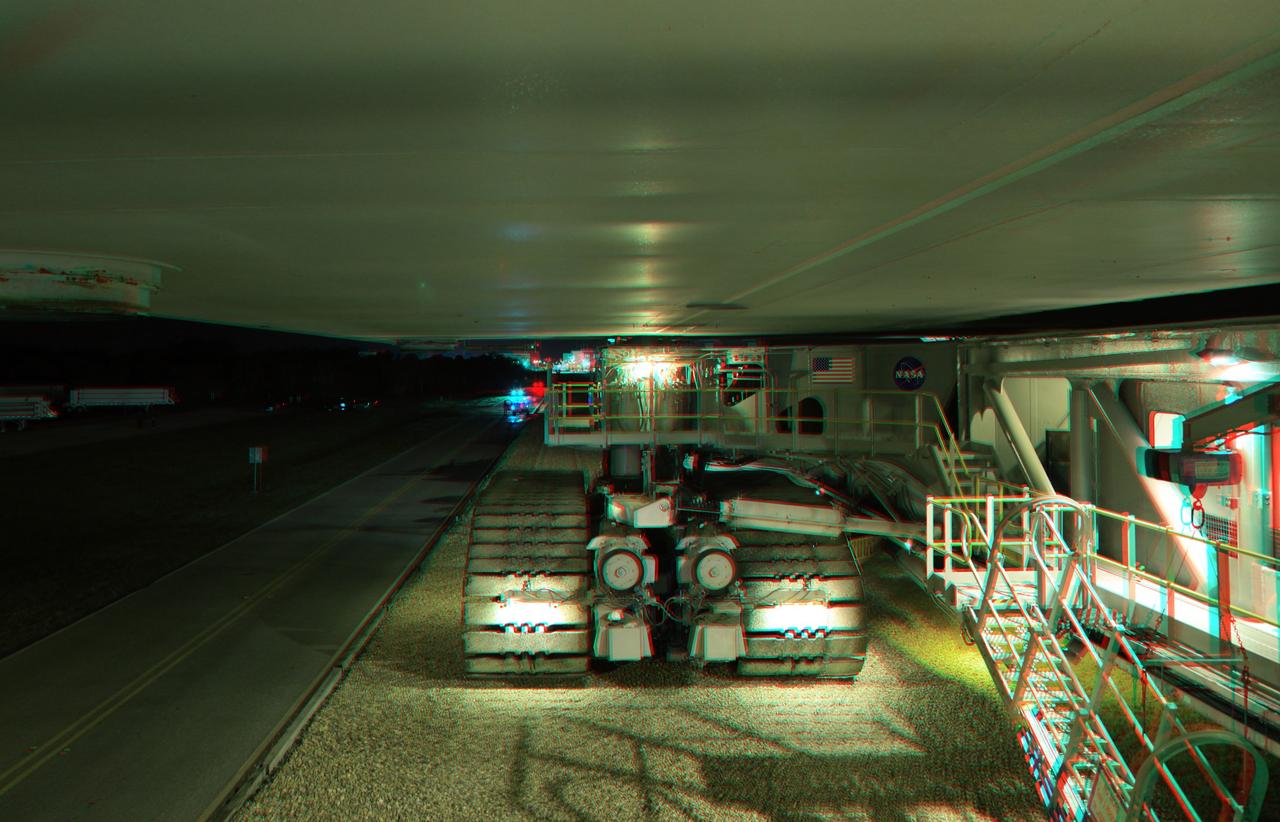
CAPE CANAVERAL, Fla. -- This is a 3-D image of the crawler-transporter as it slowly hauls space shuttle Endeavour from the Vehicle Assembly Building to Launch Pad 39A at NASA’s Kennedy Space Center in Florida. The gigantic tracked mover weighs about 18 million pounds with the space shuttle, two solid rocket boosters, external fuel tank and mobile launcher platform attached. It takes six to eight hours to complete the 3.4-mile trip along crushed Alabama river rock at a speed of about 1 mph. To view this image, use green and magenta 3-D glasses. Endeavour and its six-member STS-134 crew will deliver the Express Logistics Carrier-3, Alpha Magnetic Spectrometer-2 (AMS), a high-pressure gas tank, additional spare parts for the Dextre robotic helper and micrometeoroid debris shields to the International Space Station. Endeavour's final launch is targeted for April 19 at 7:48 p.m. EDT. For more information visit, http://www.nasa.gov/mission_pages/shuttle/shuttlemissions/sts134/index.html. Photo credit: NASA/Frankie Martin