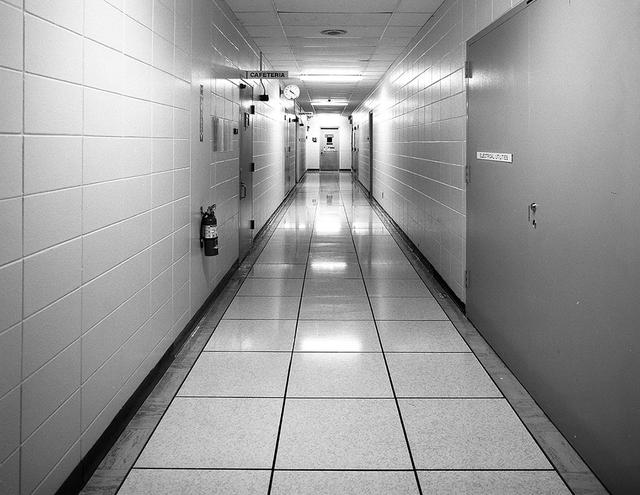
Interior View of CIF
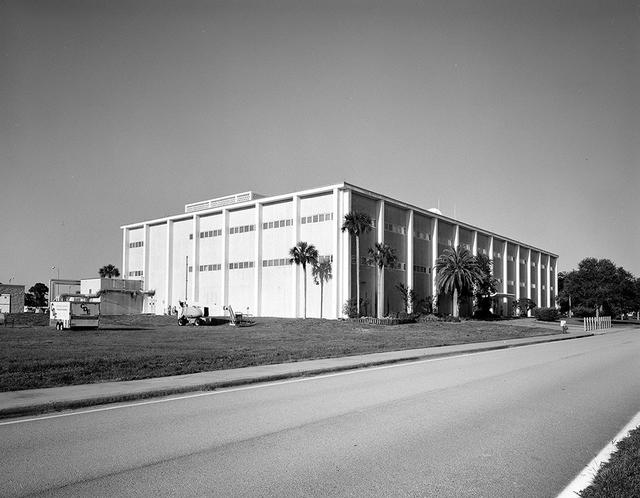
Exterior View of CIF
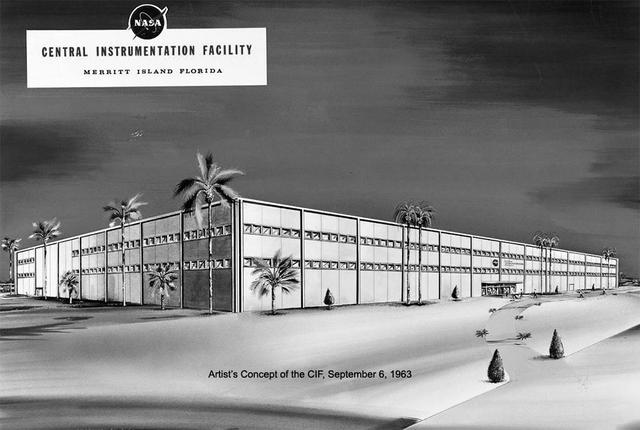
Exterior View of CIF
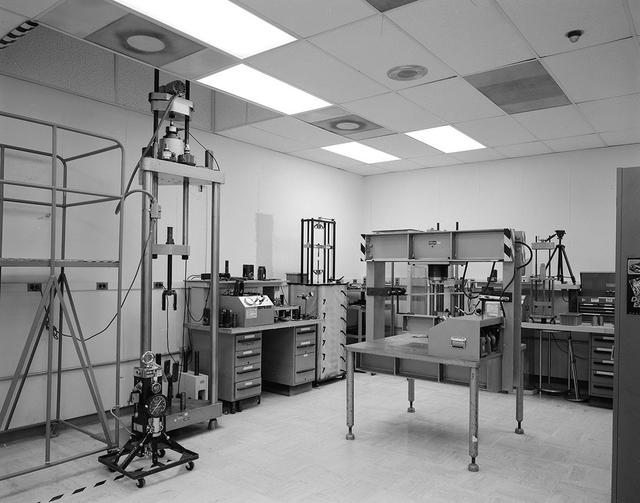
Interior View of CIF
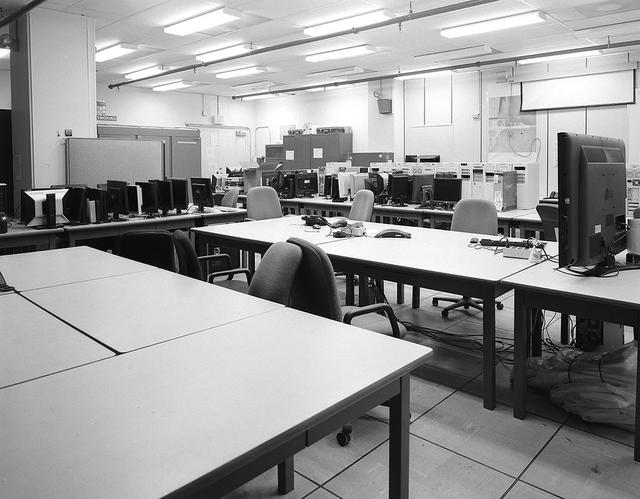
Interior View of CIF
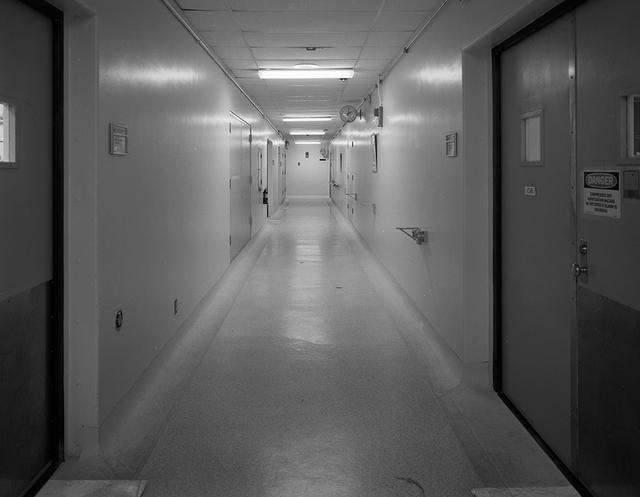
Interior View of CIF
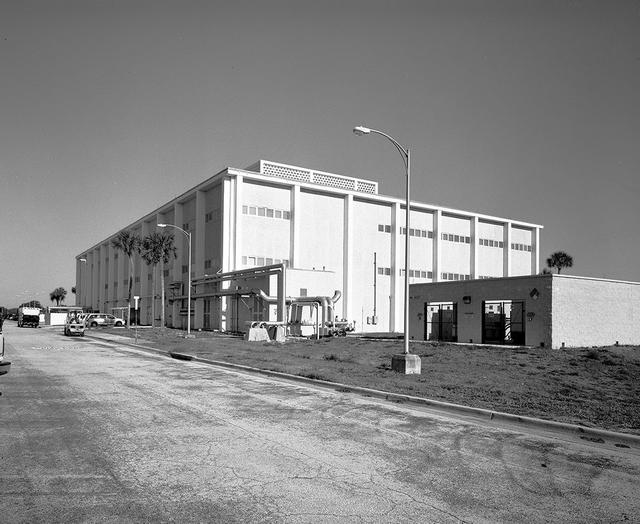
Exterior View of CIF
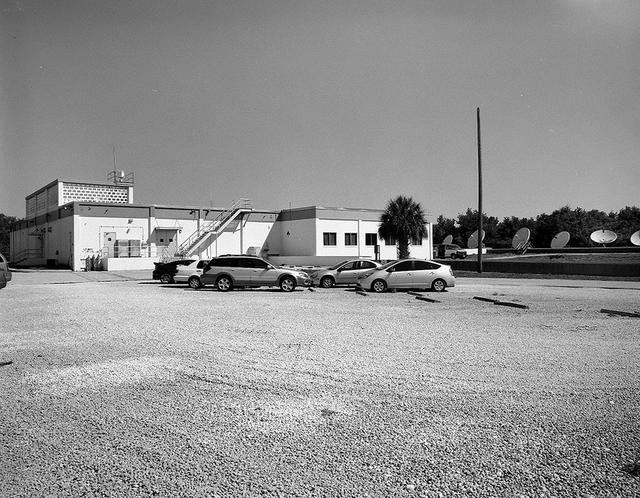
Exterior View of CIF
Exterior View of CIF
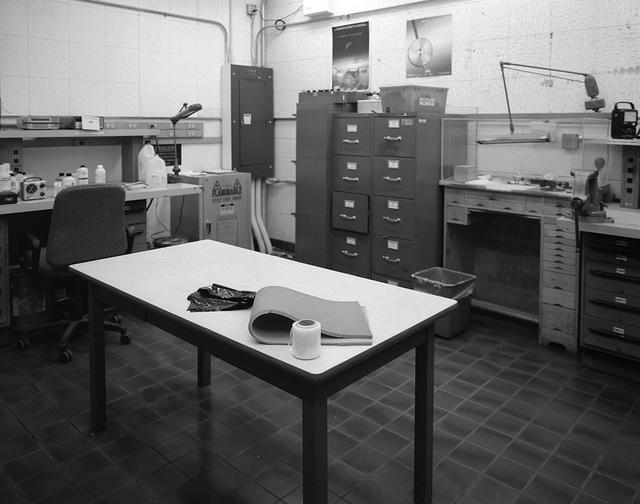
Interior View of CIF
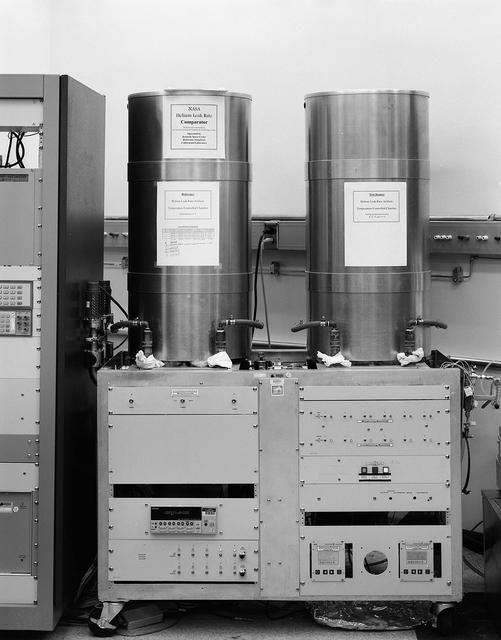
Interior View of CIF
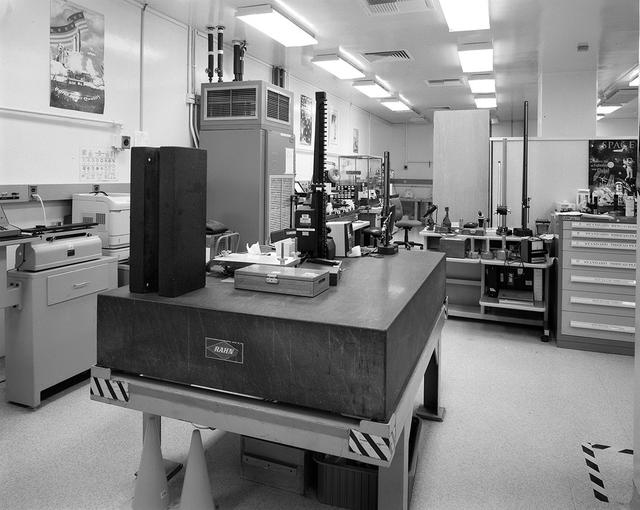
Interior View of CIF

Exterior View of CIF
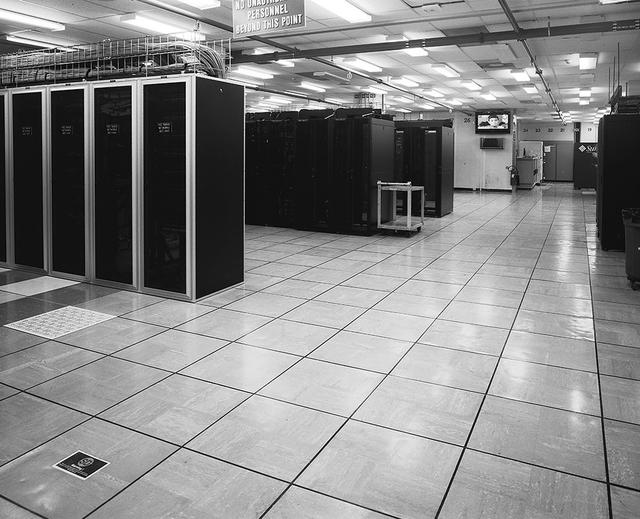
Interior View of CIF
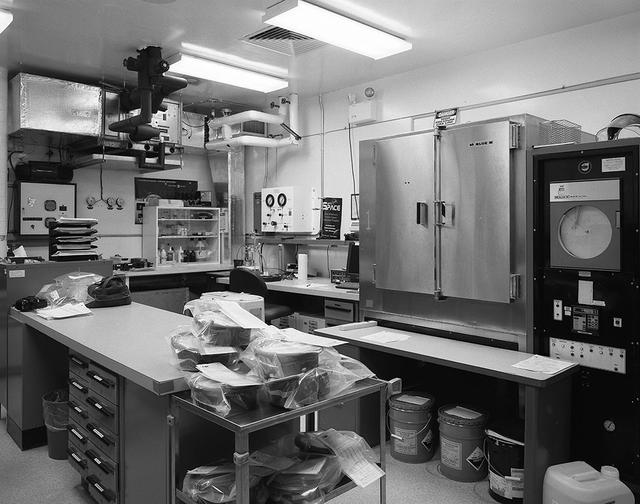
Interior View of CIF
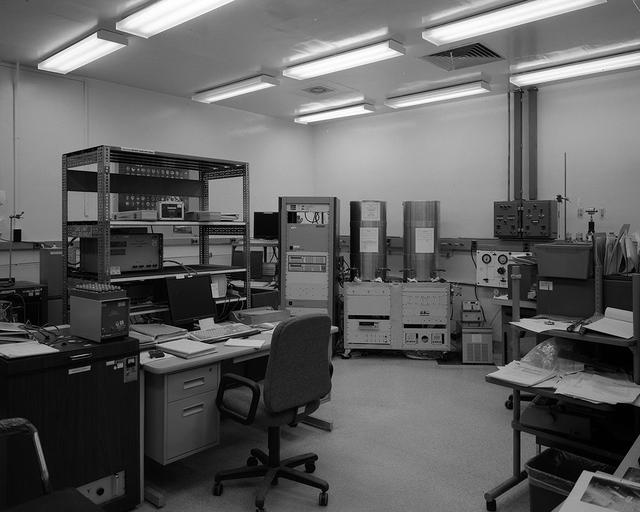
Interior View of CIF
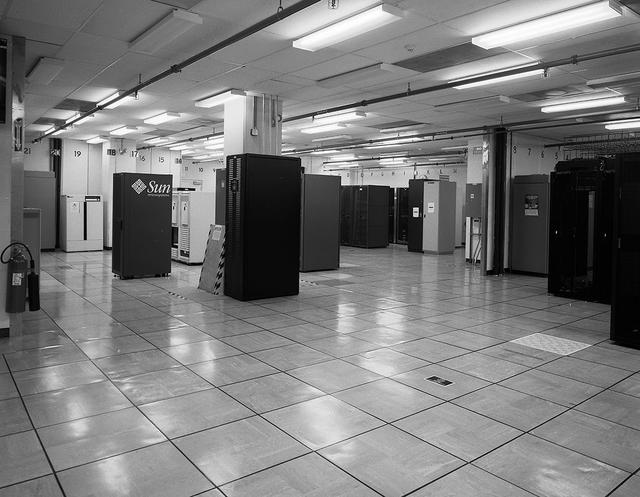
Interior View of CIF
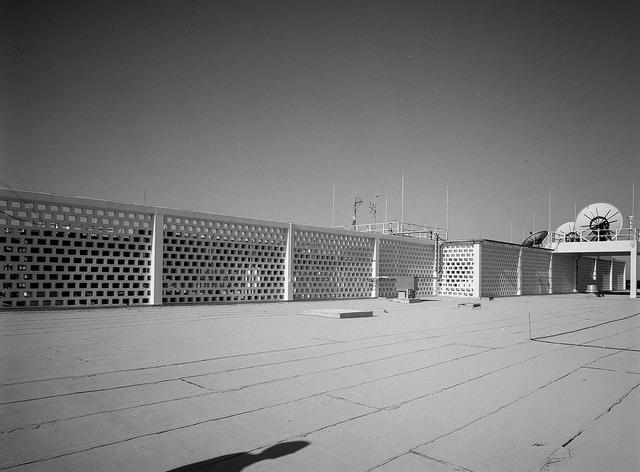
Exterior View of CIF
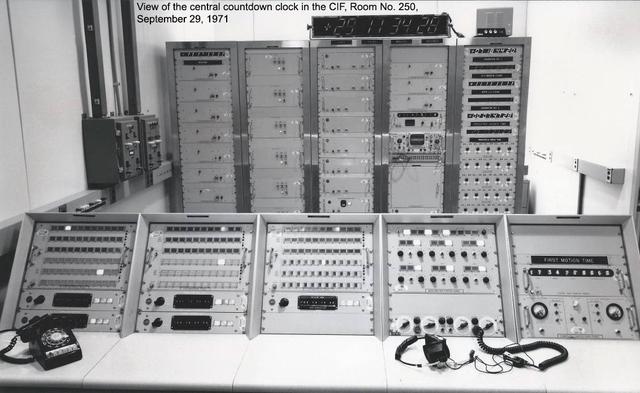
Interior View of CIF
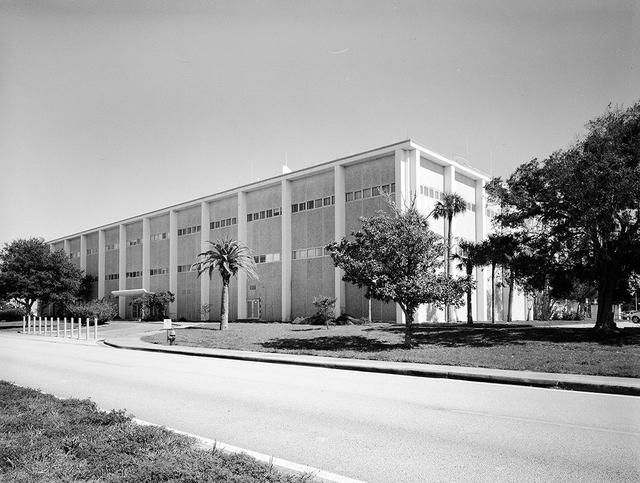
Exterior View of CIF
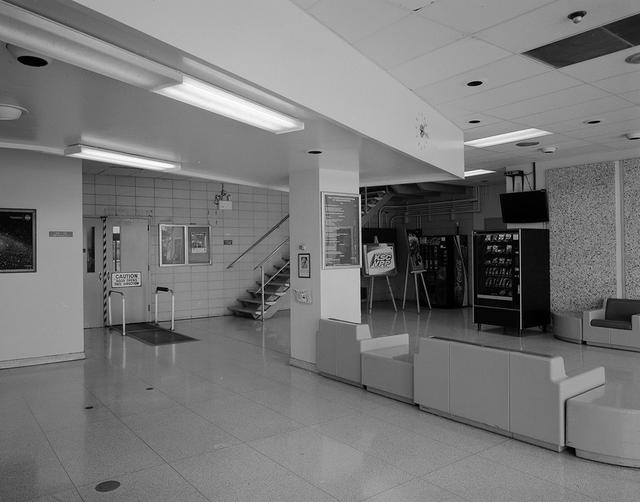
Interior View of CIF

Interior View of CIF
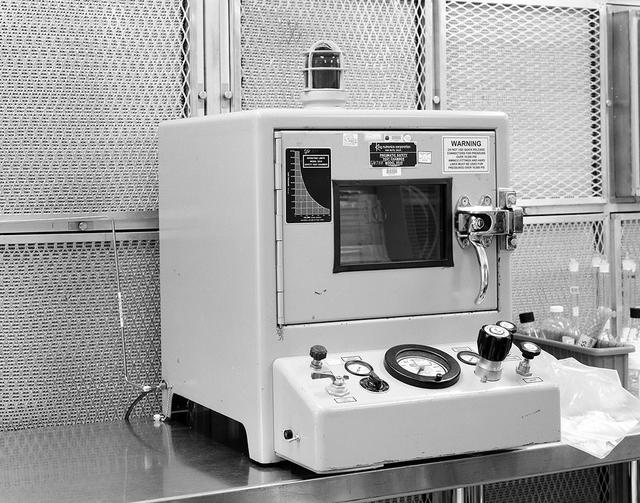
Interior View of CIF
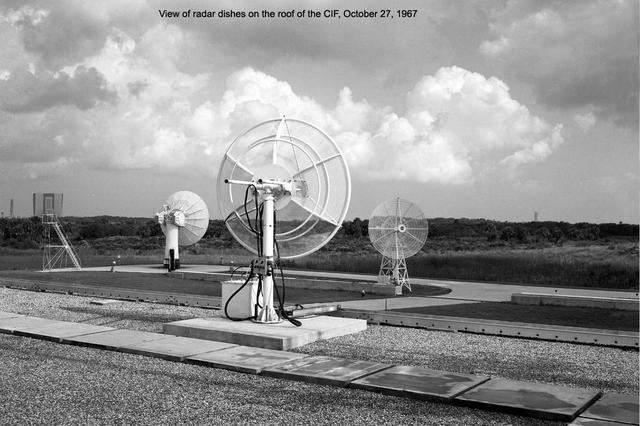
View of CIF Roof
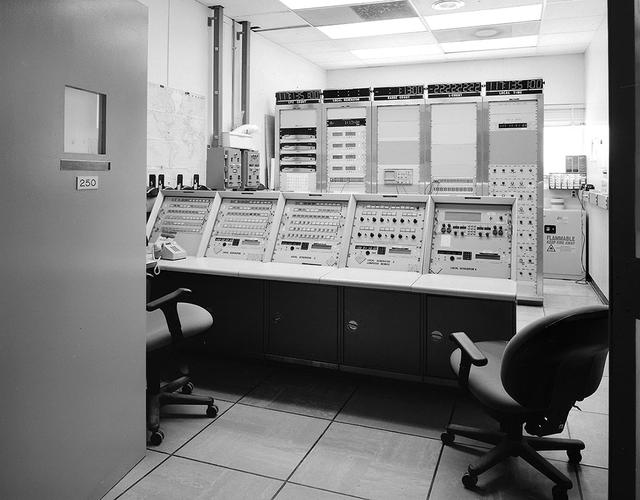
Interior View of CIF
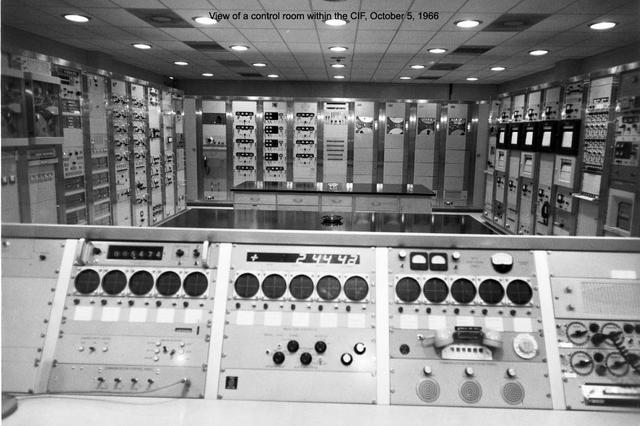
Interior View of CIF
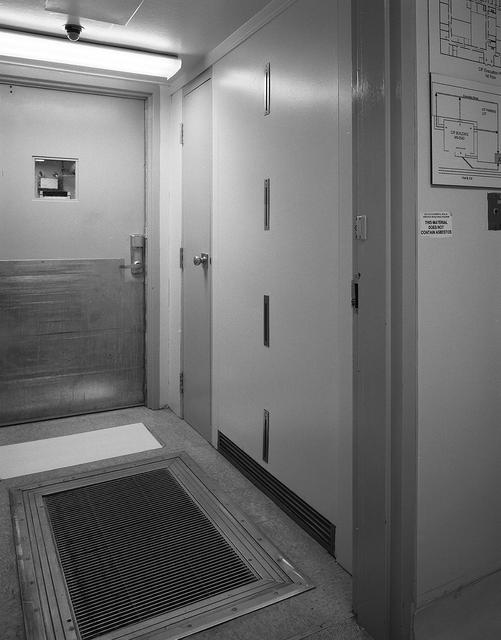
Interior View of CIF
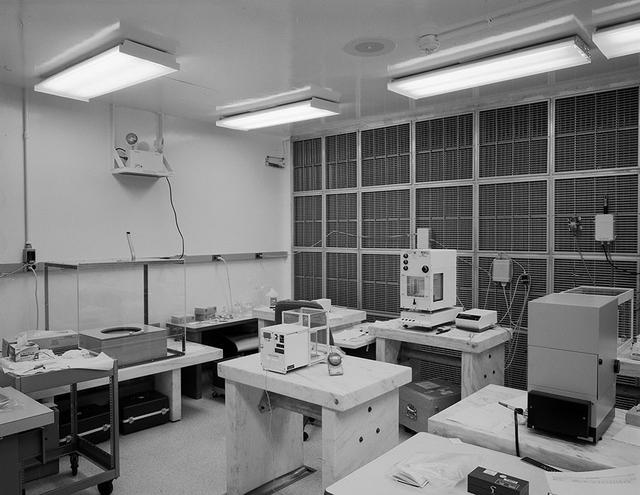
Interior View of CIF

Interior View of CIF
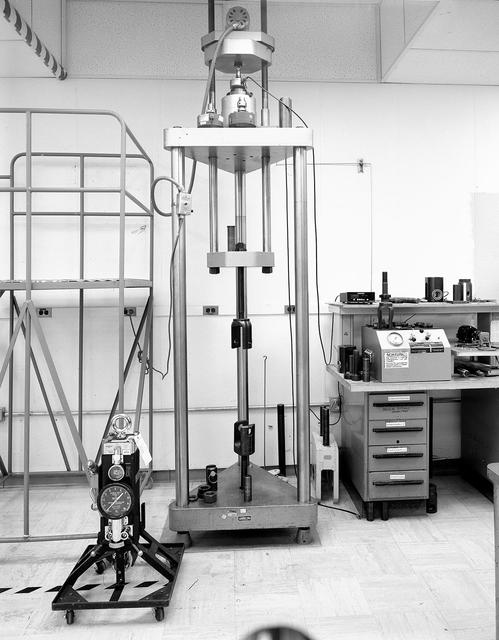
Interior View of CIF
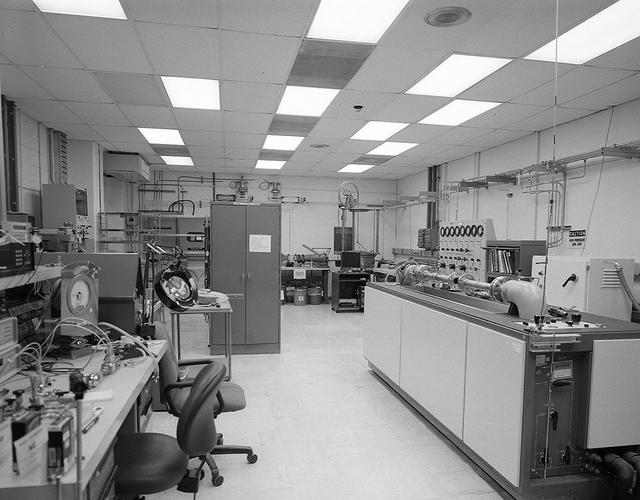
Interior View of CIF
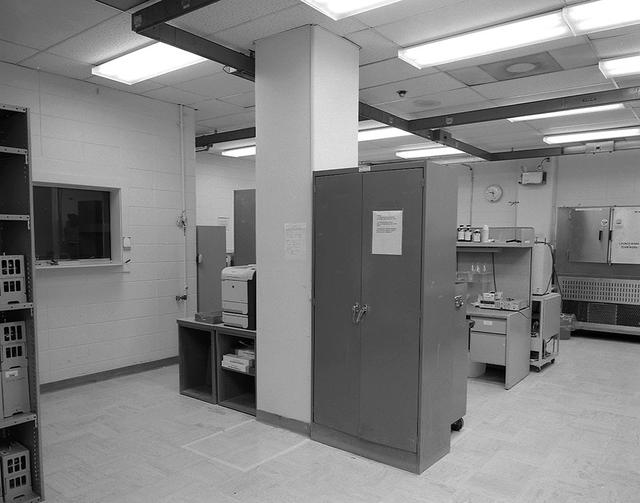
Interior View of CIF
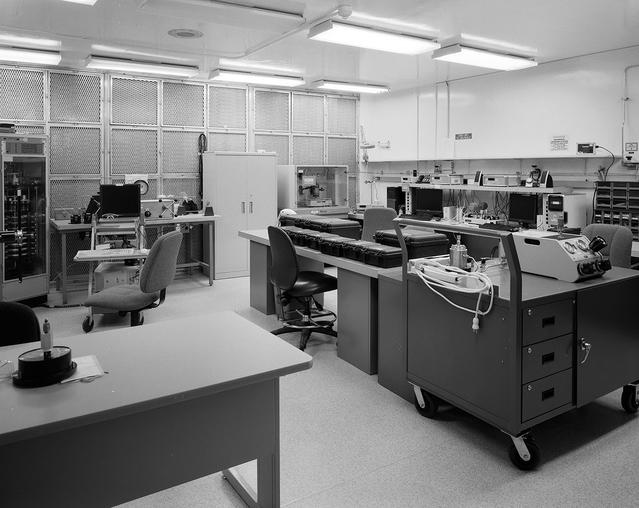
Interior View of CIF

View of CIF Roof
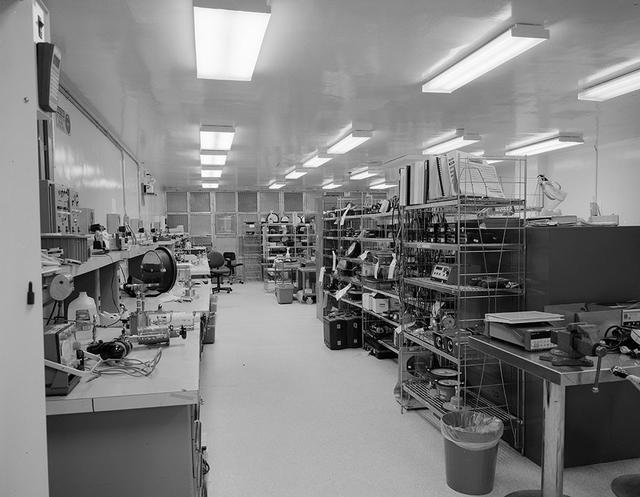
Interior View of CIF
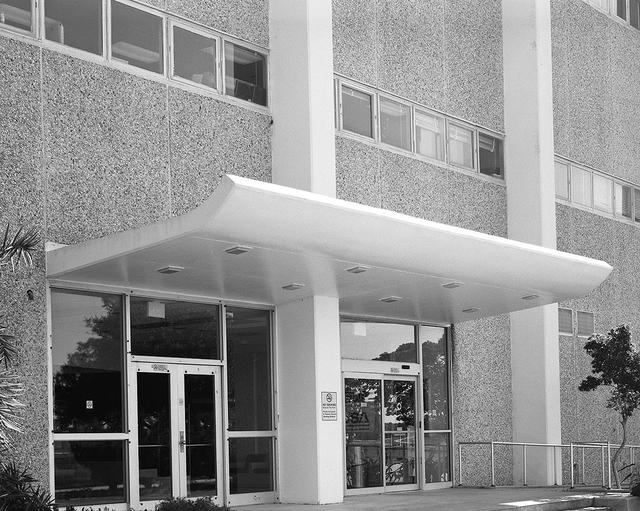
Exterior View of CIF

Interior View of CIF
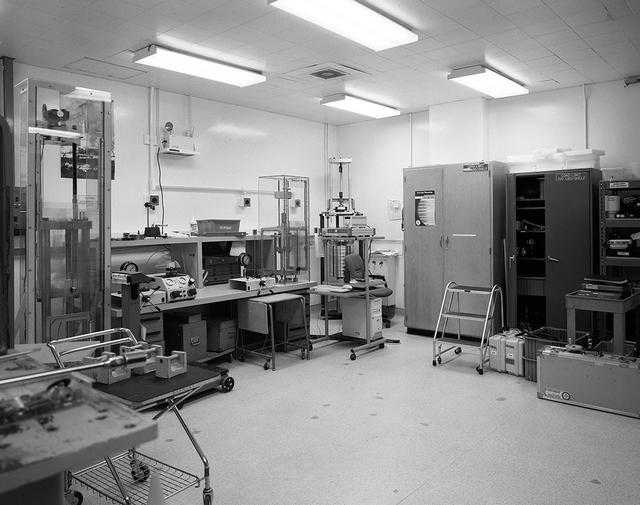
Interior View of CIF
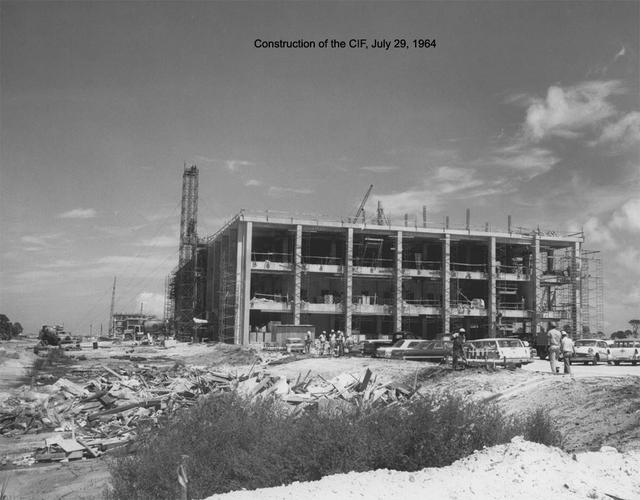
Exterior View of CIF
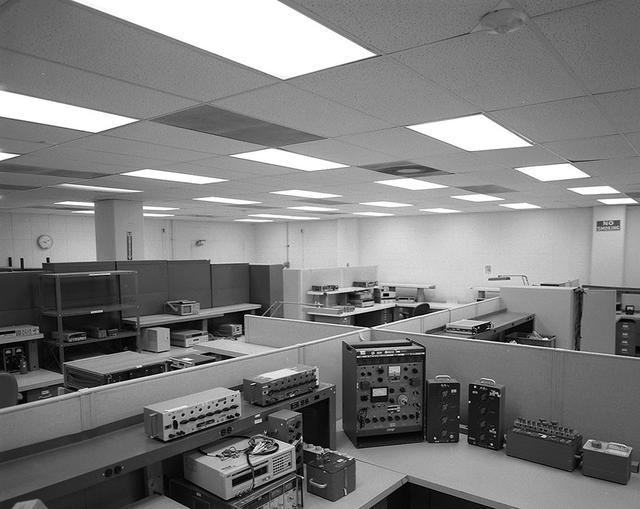
Interior View of CIF
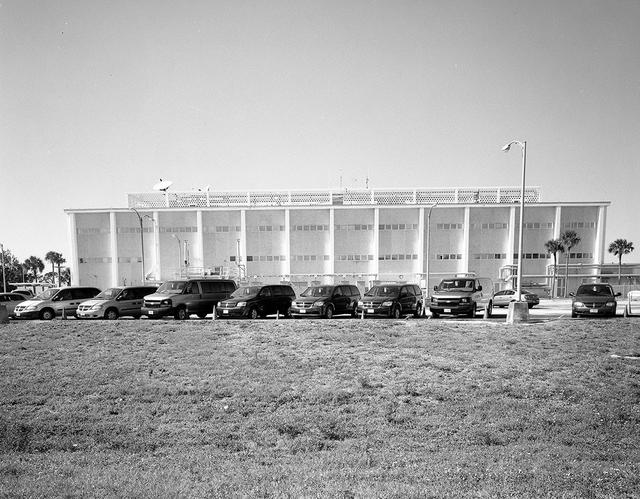
Exterior View of CIF
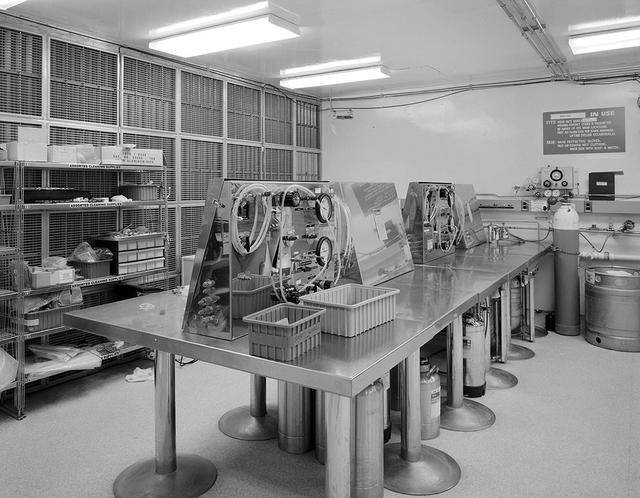
Interior View of CIF
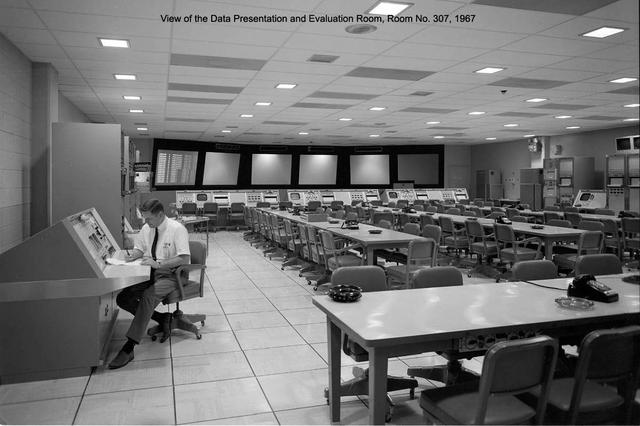
Interior View of CIF

Interior View of CIF
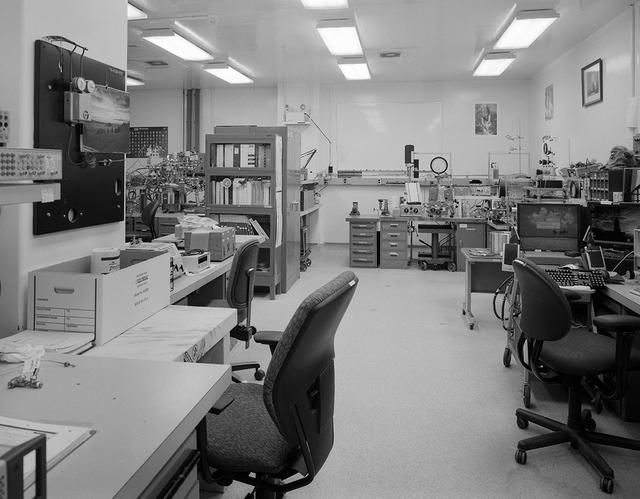
Interior View of CIF
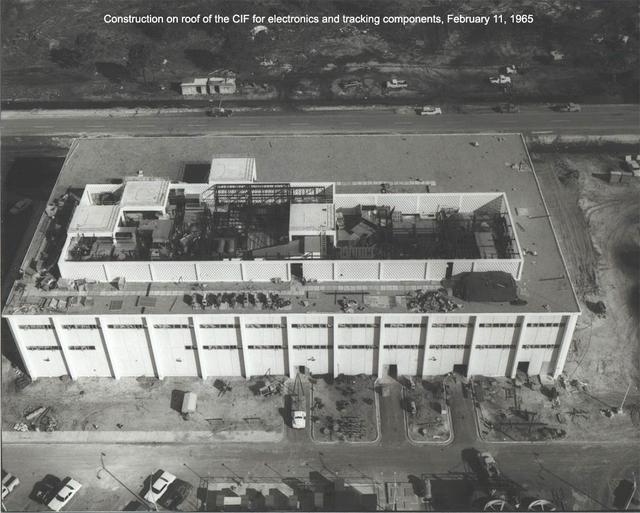
Exterior View of CIF
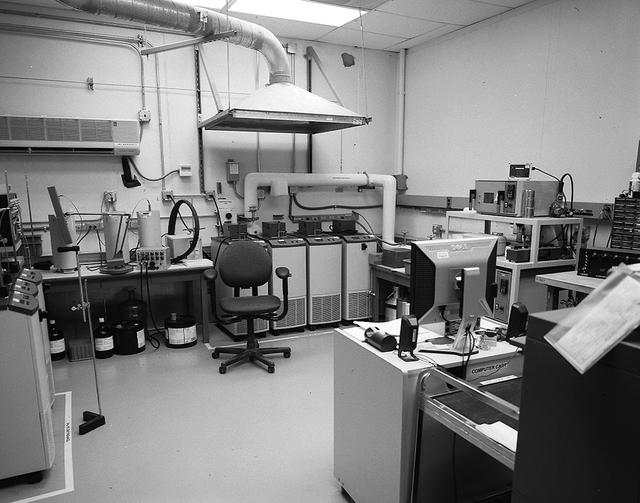
Interior View of CIF
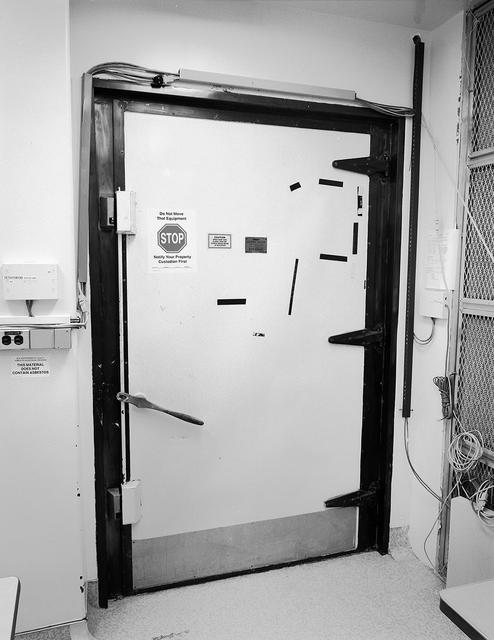
Interior View of CIF
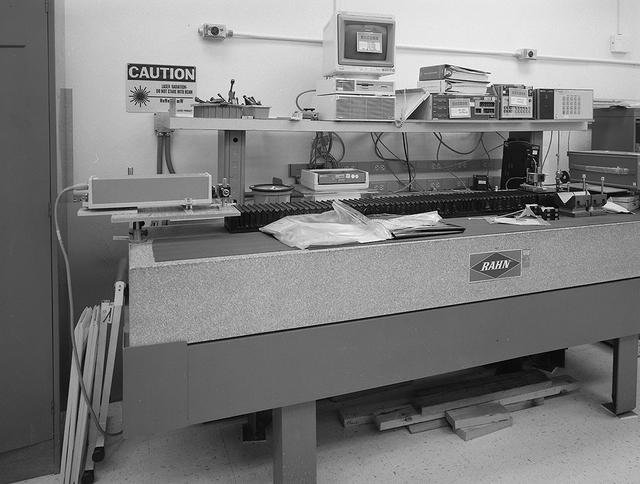
Interior View of CIF
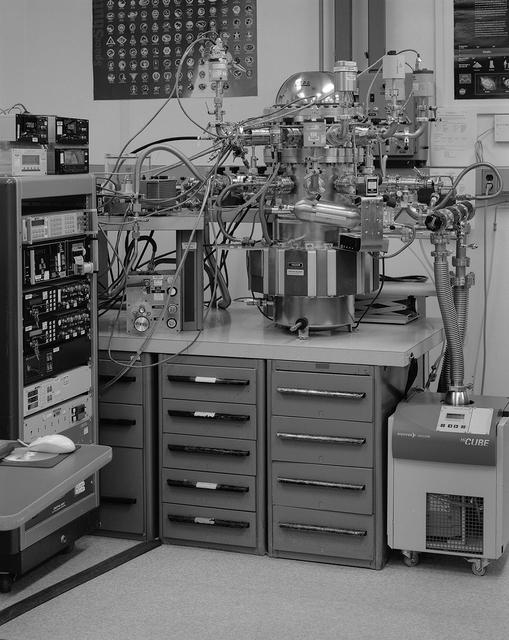
Interior View of CIF

Interior View of CIF
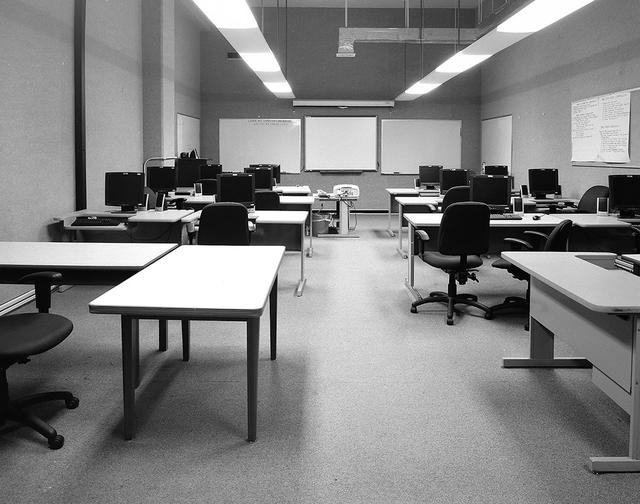
Interior View of CIF
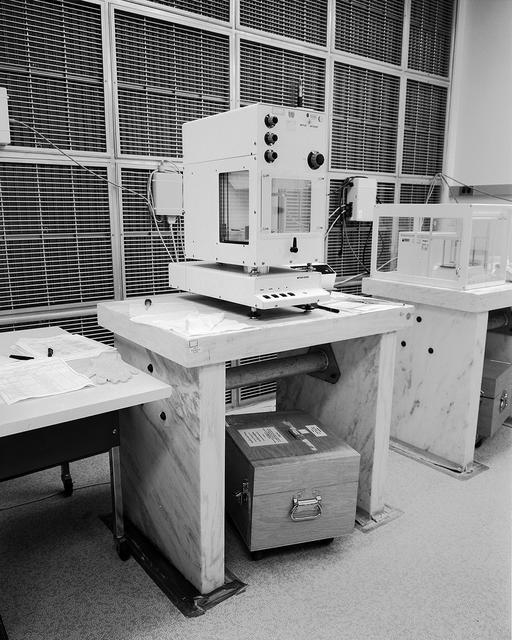
Interior View of CIF
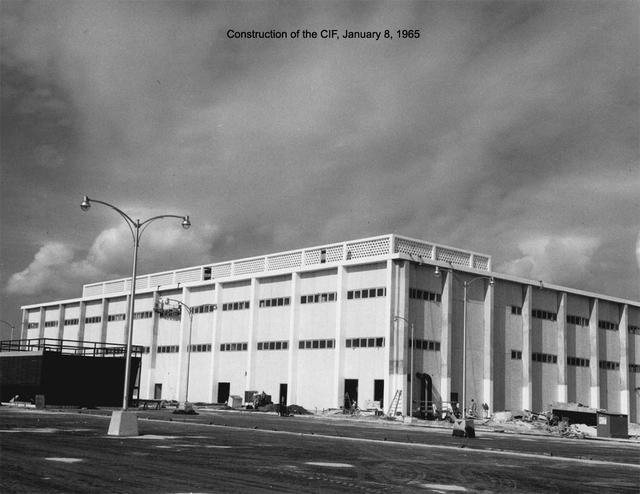
Exterior View of CIF
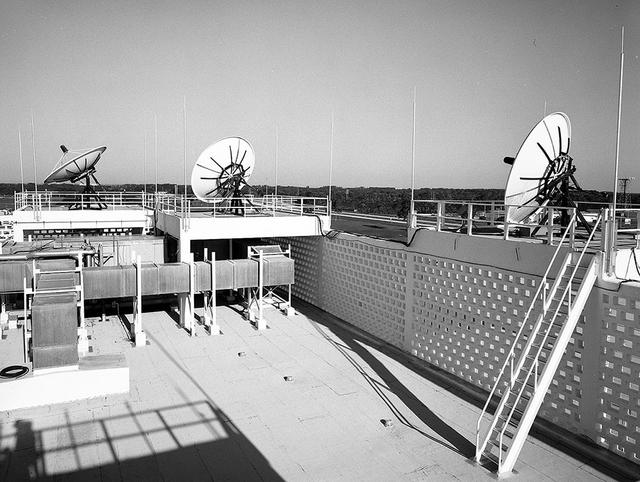
View of CIF Roof

Exterior View of CIF
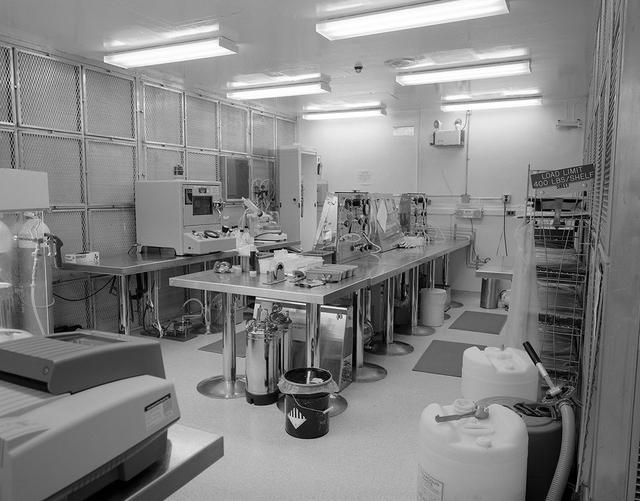
Interior View of CIF
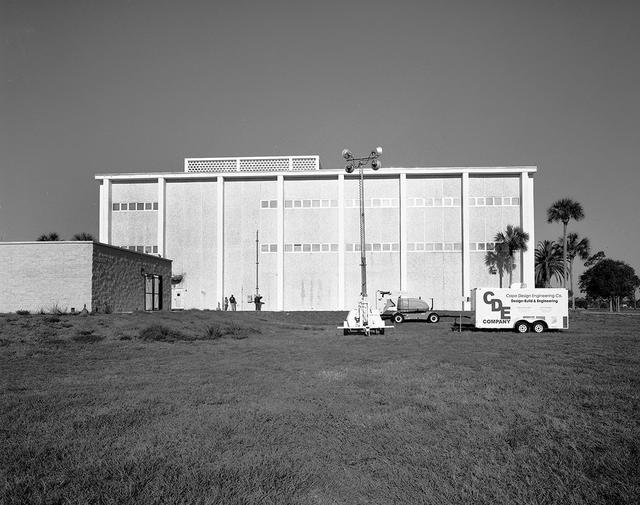
Exterior View of CIF
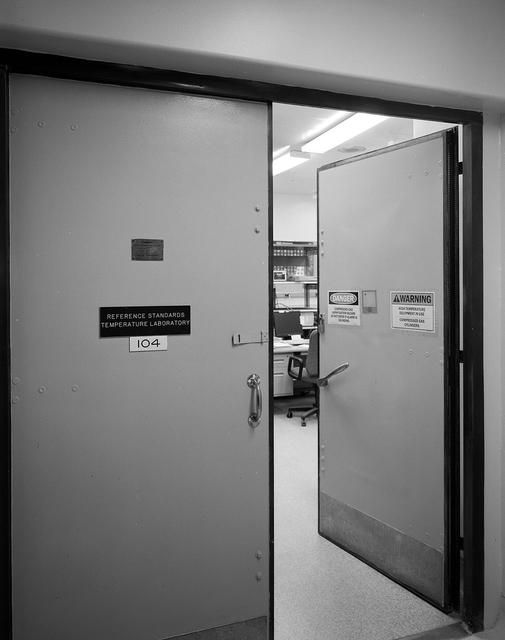
Interior View of CIF
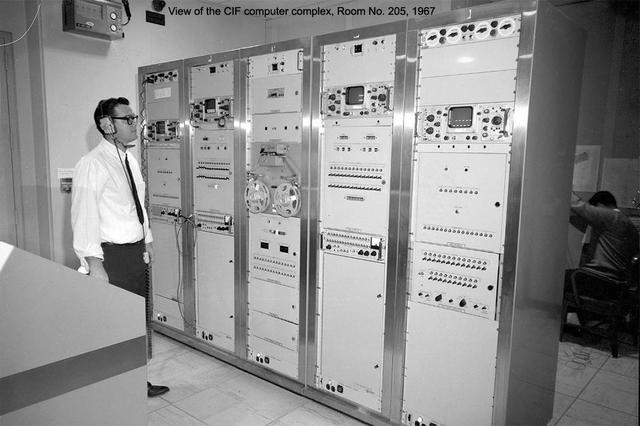
Interior View of CIF
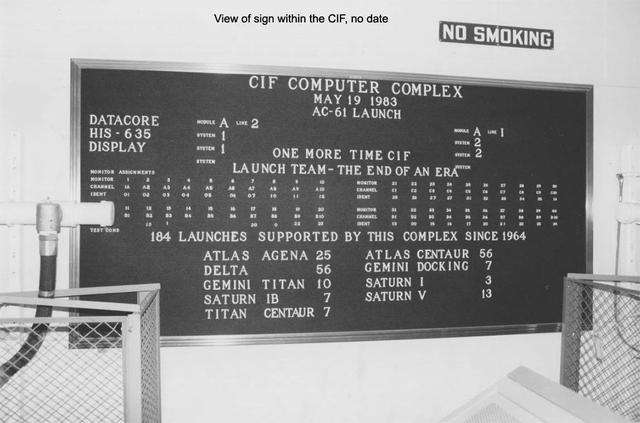
Interior View of CIF
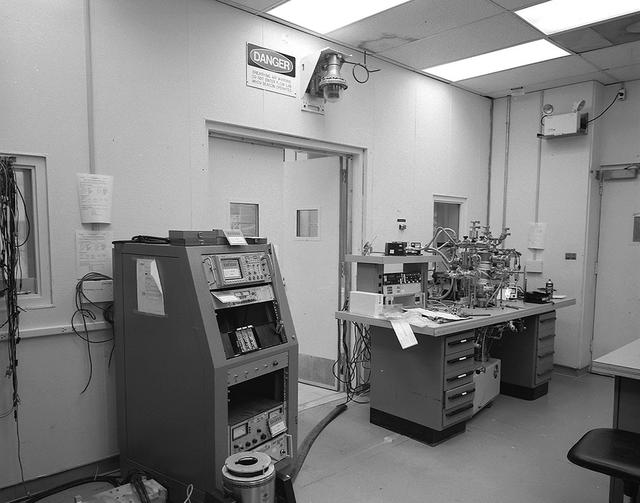
Interior View of CIF
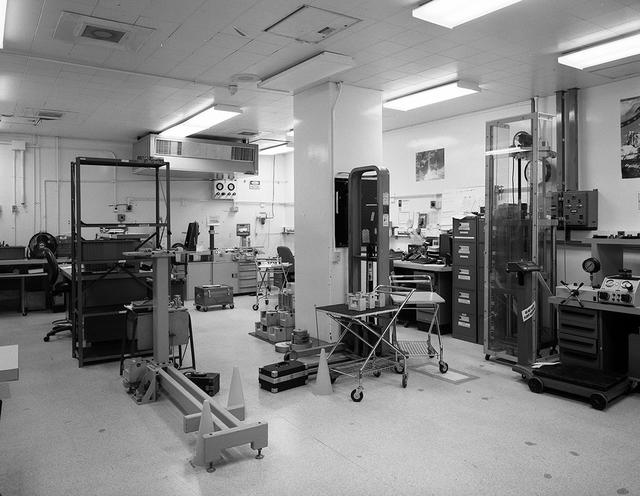
Interior View of CIF
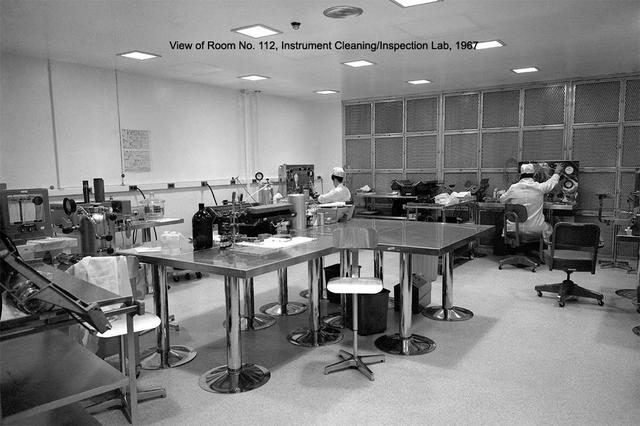
Interior View of CIF
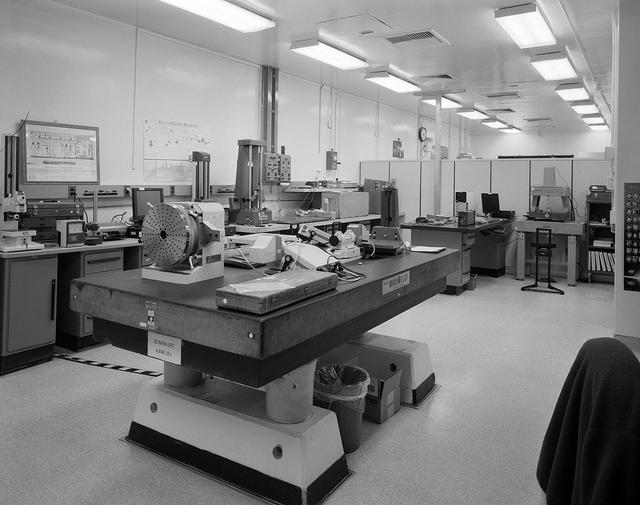
Interior View of CIF
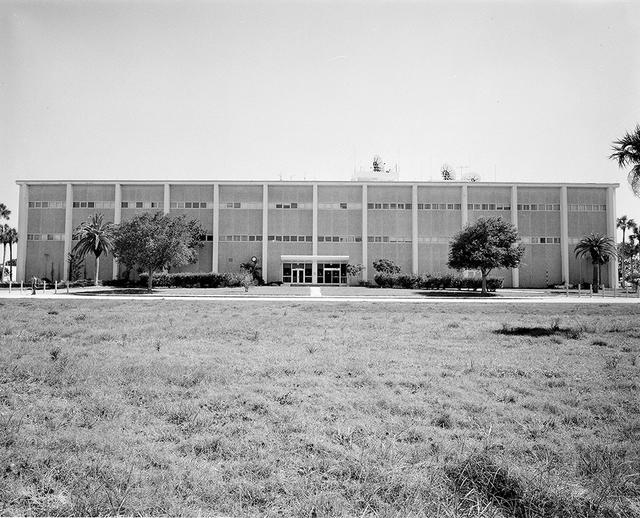
Exterior View of CIF
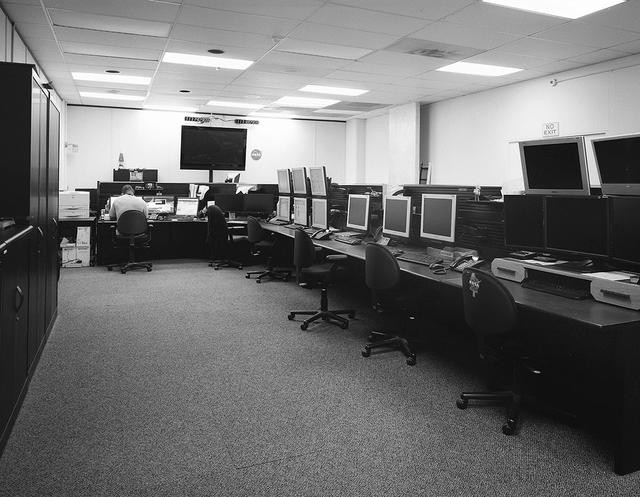
Interior View of CIF
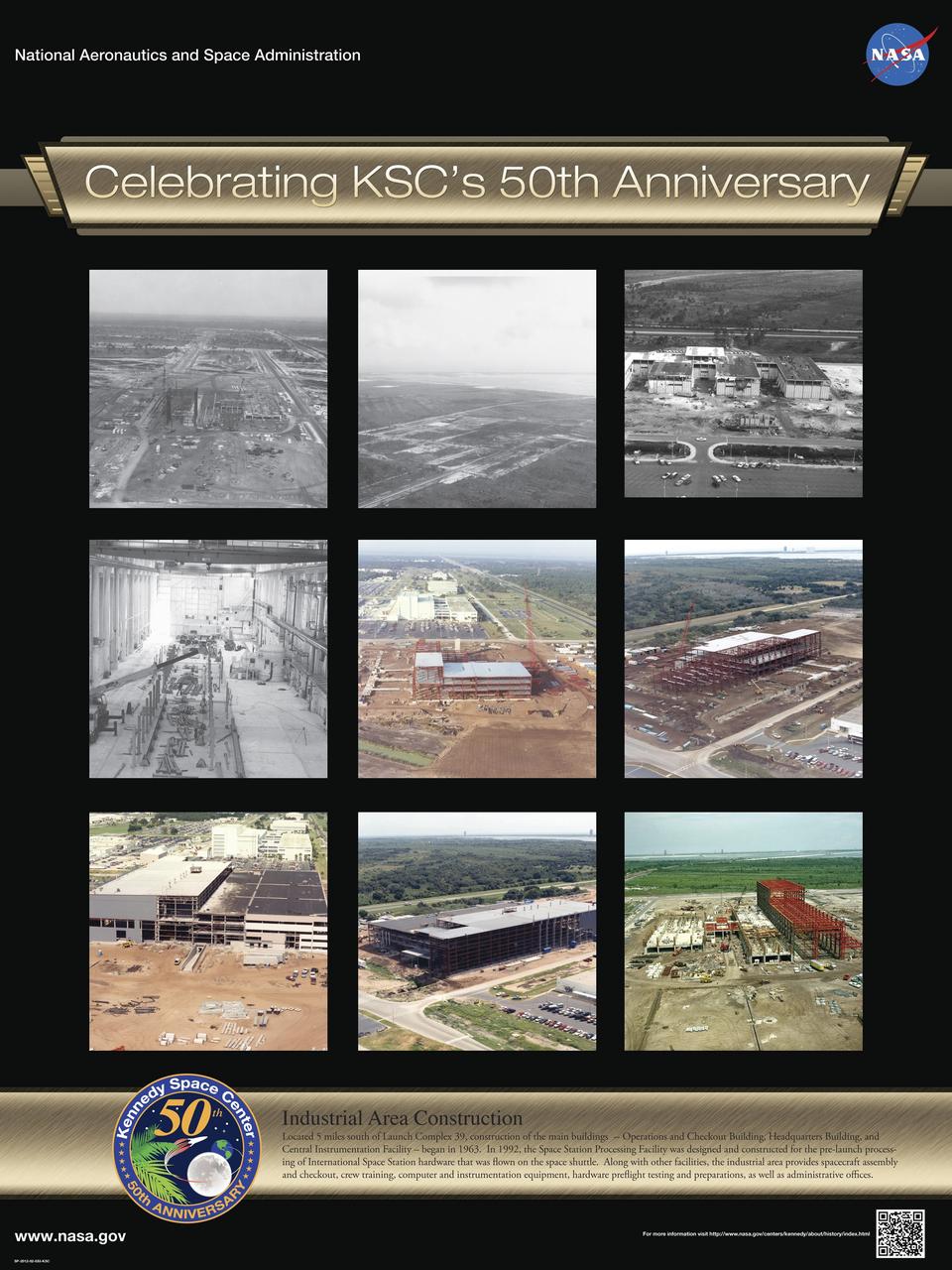
Industrial Area Construction: Located 5 miles south of Launch Complex 39, construction of the main buildings -- Operations and Checkout Building, Headquarters Building, and Central Instrumentation Facility – began in 1963. In 1992, the Space Station Processing Facility was designed and constructed for the pre-launch processing of International Space Station hardware that was flown on the space shuttle. Along with other facilities, the industrial area provides spacecraft assembly and checkout, crew training, computer and instrumentation equipment, hardware preflight testing and preparations, as well as administrative offices. Poster designed by Kennedy Space Center Graphics Department/Greg Lee. Credit: NASA
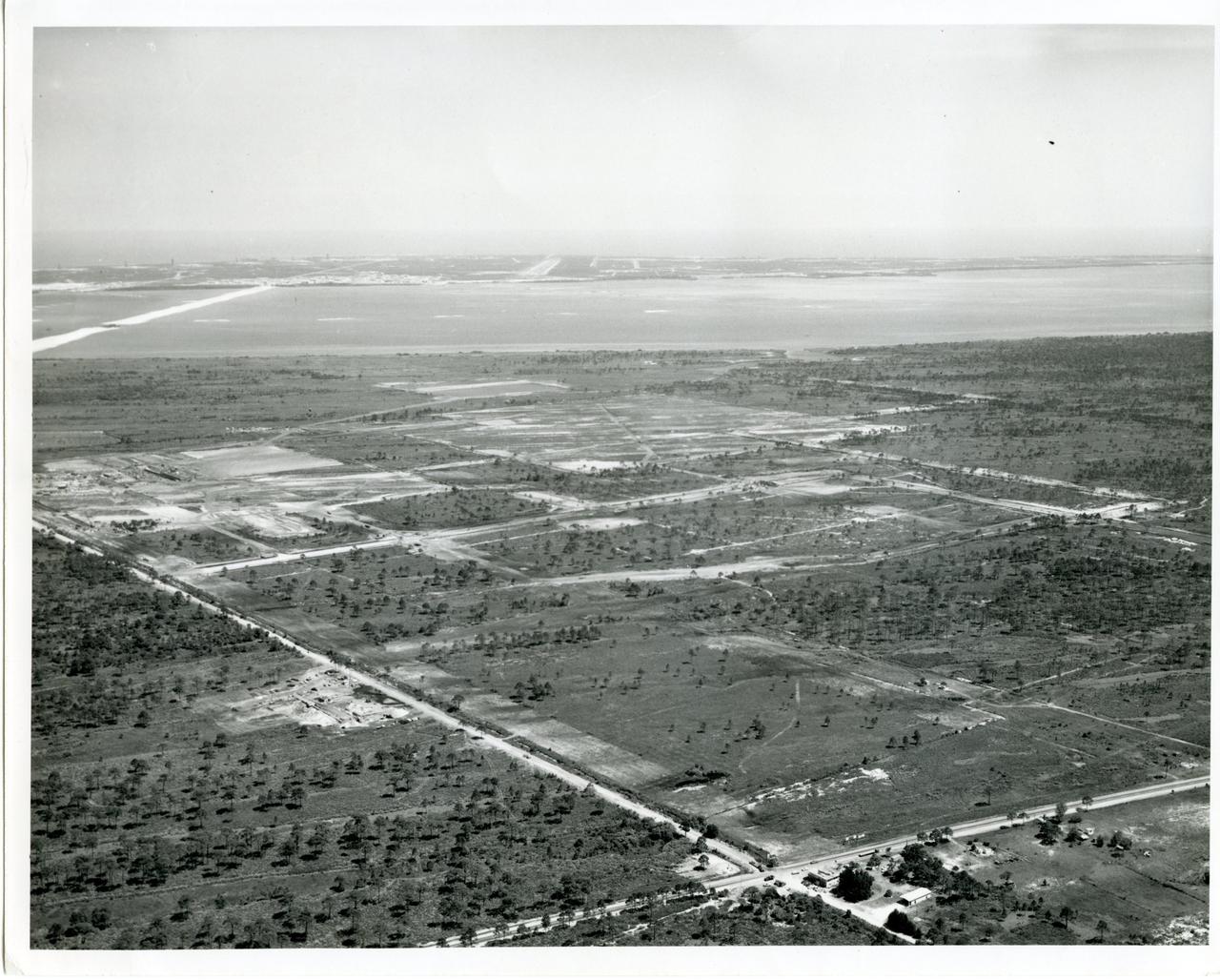
CAPE CANAVERAL, Fla. -- This aerial of view from 1963 shows the site of the Industrial Area for the Merritt Island Launch Annex, now the Kennedy Space Center in Florida. Located five miles south of Launch Complex 39, this is the site where facilities were built such as the Headquarters Building, Operations and Checkout Building as well as the Central Instrumentation Facility. Photo Credit: NASA.
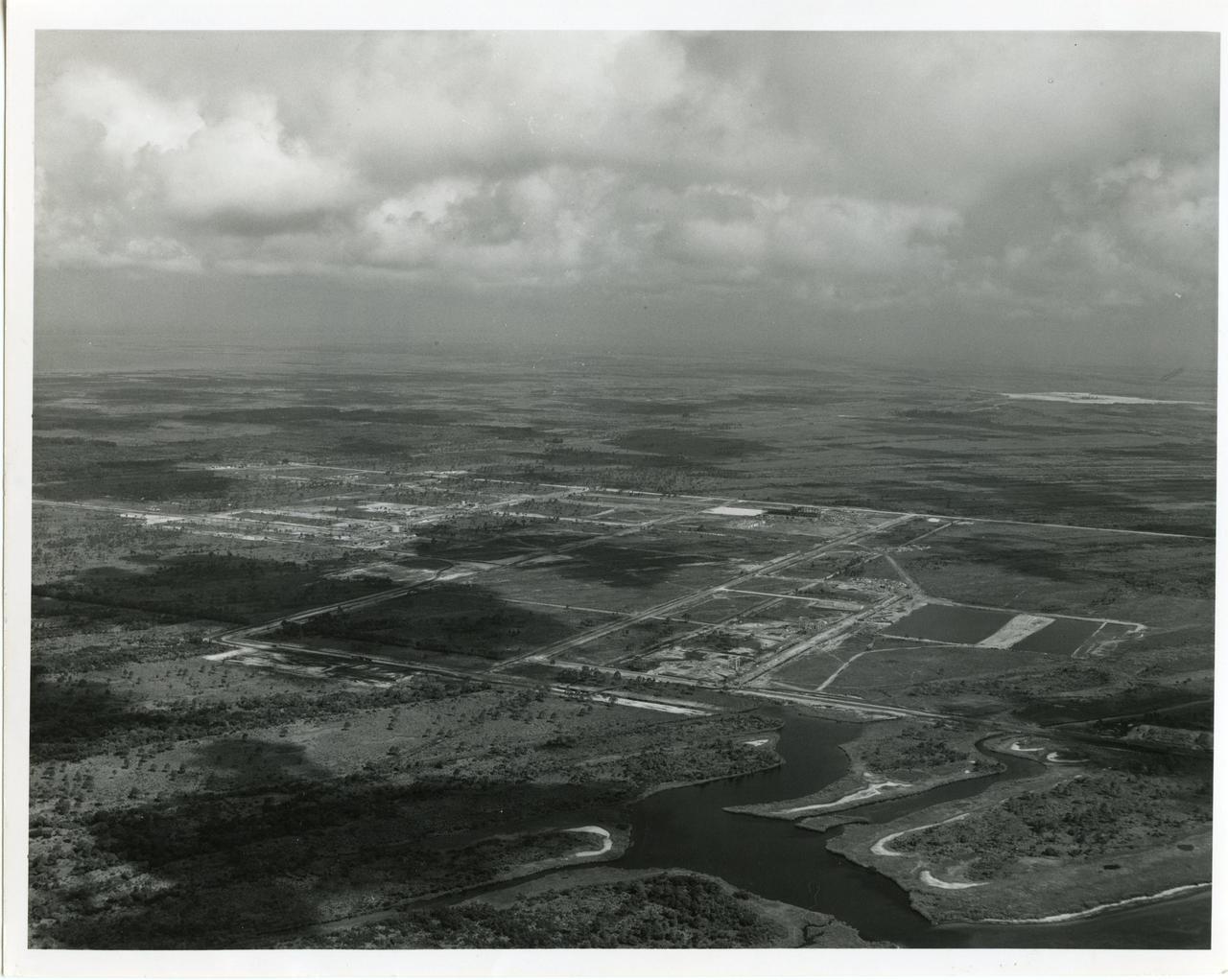
CAPE CANAVERAL, Fla. -- This aerial of view from 1963 shows the site of the Industrial Area for the Merritt Island Launch Annex, now the Kennedy Space Center in Florida. Located five miles south of Launch Complex 39, this is the site where facilities were built such as the Headquarters Building, Operations and Checkout Building as well as the Central Instrumentation Facility. Photo Credit: NASA
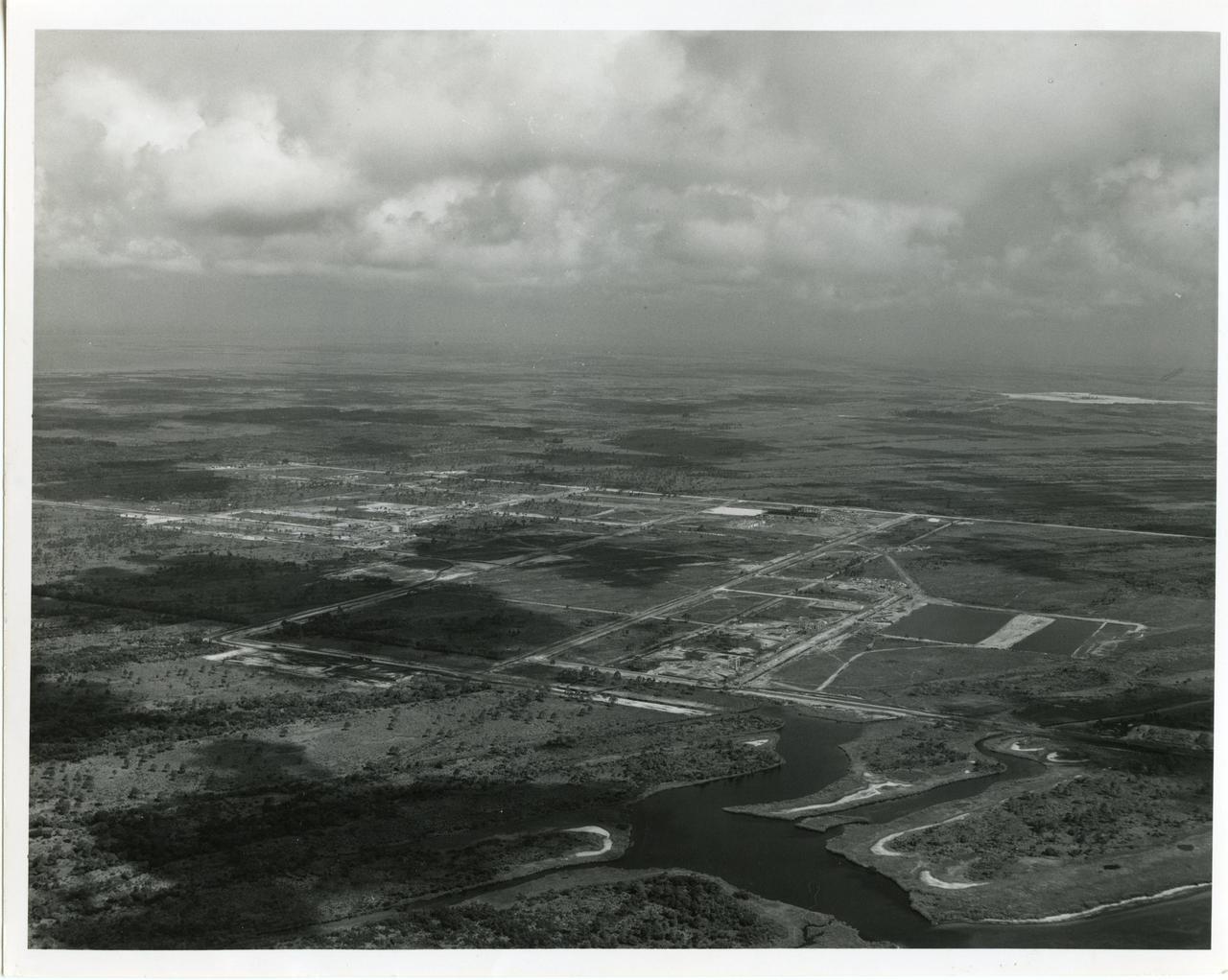
CAPE CANAVERAL, Fla. -- This aerial of view from 1963 shows the site of the Industrial Area for the Merritt Island Launch Annex, now the Kennedy Space Center in Florida. Located five miles south of Launch Complex 39, this is the site where facilities were built such as the Headquarters Building, Operations and Checkout Building as well as the Central Instrumentation Facility. Photo Credit: NASA
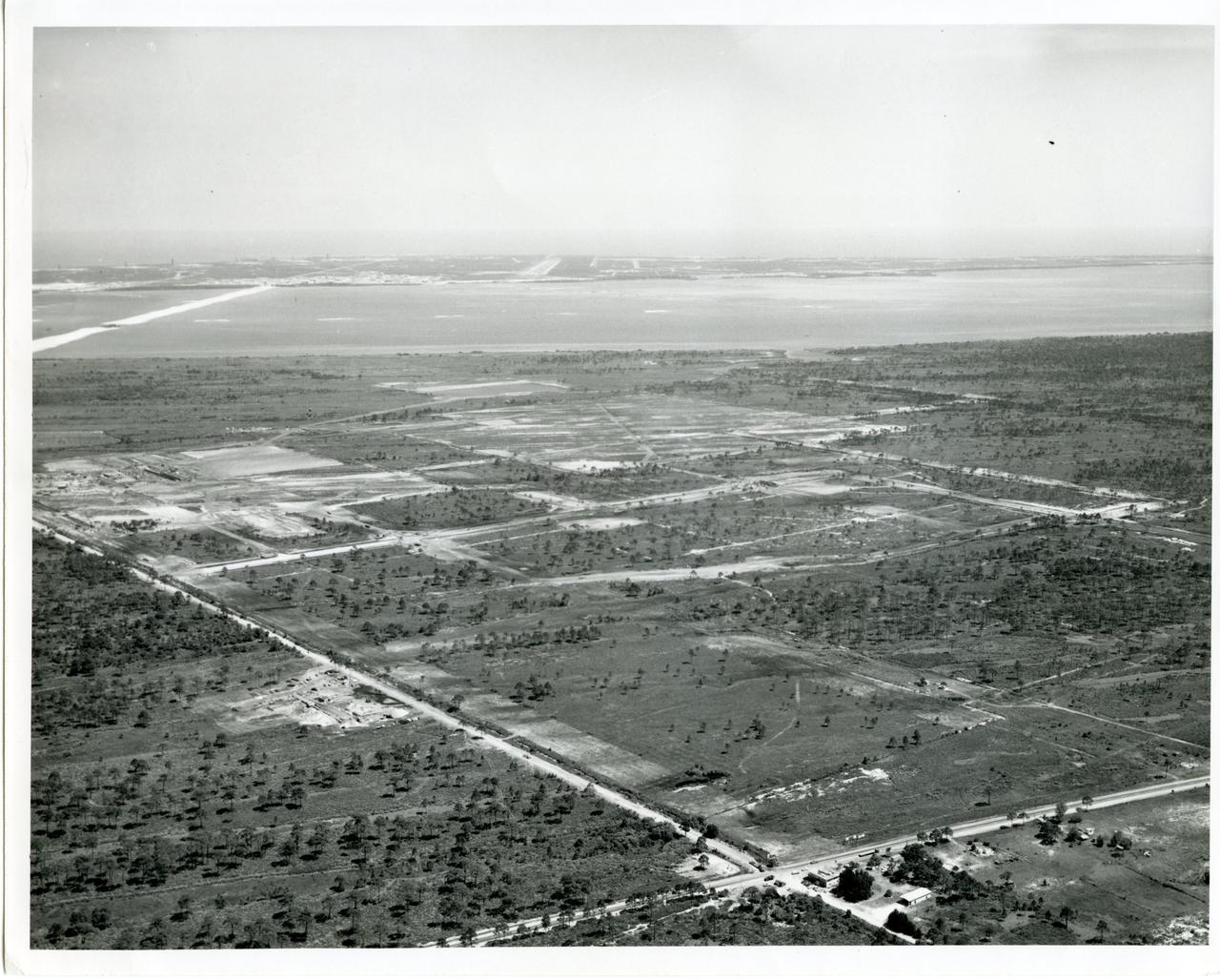
CAPE CANAVERAL, Fla. -- This aerial of view from 1963 shows the site of the Industrial Area for the Merritt Island Launch Annex, now the Kennedy Space Center in Florida. Located five miles south of Launch Complex 39, this is the site where facilities were built such as the Headquarters Building, Operations and Checkout Building as well as the Central Instrumentation Facility. Photo Credit: NASA.

CAPE CANAVERAL, Fla. - Roseate spoonbills and other birds gather near the Central Instrumentation Facility at NASA's Kennedy Space Center in Florida. The center shares a boundary with the Merritt Island National Wildlife Refuge, consisting of 140,000 acres. The refuge provides a wide variety of habitats -- coastal dunes, saltwater estuaries and marshes, freshwater impoundments, scrub, pine flatwoods, and hardwood hammocks -- that provide sanctuary for more than 1,500 species of plants and animals, including about 331 species of birds. Photo credit: NASA/Ben Smegelsky
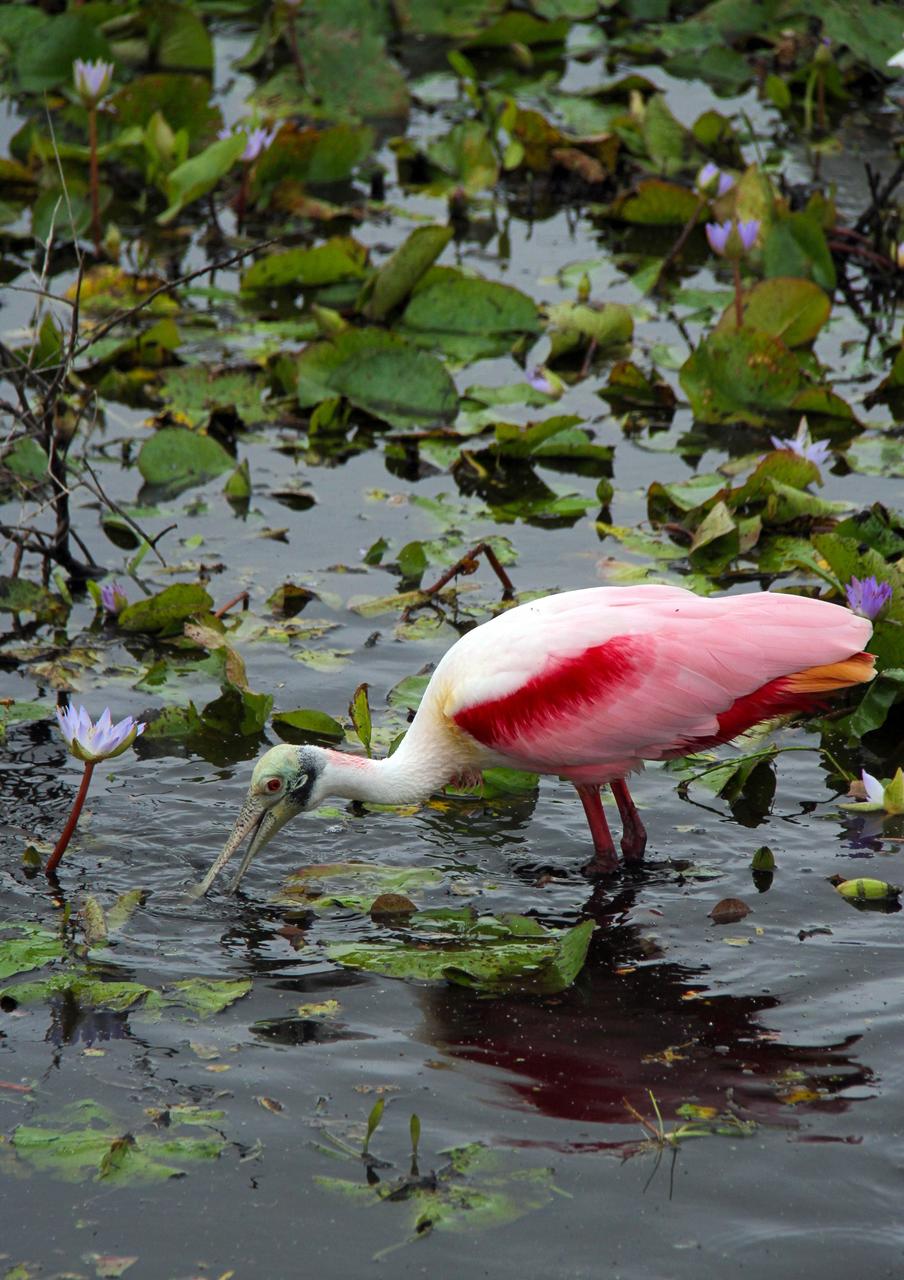
CAPE CANAVERAL, Fla. - A Roseate spoonbill feeds in an area near the Central Instrumentation Facility at NASA's Kennedy Space Center in Florida. The center shares a boundary with the Merritt Island National Wildlife Refuge, consisting of 140,000 acres. The refuge provides a wide variety of habitats -- coastal dunes, saltwater estuaries and marshes, freshwater impoundments, scrub, pine flatwoods, and hardwood hammocks -- that provide sanctuary for more than 1,500 species of plants and animals, including about 331 species of birds. Photo credit: NASA/Ben Smegelsky
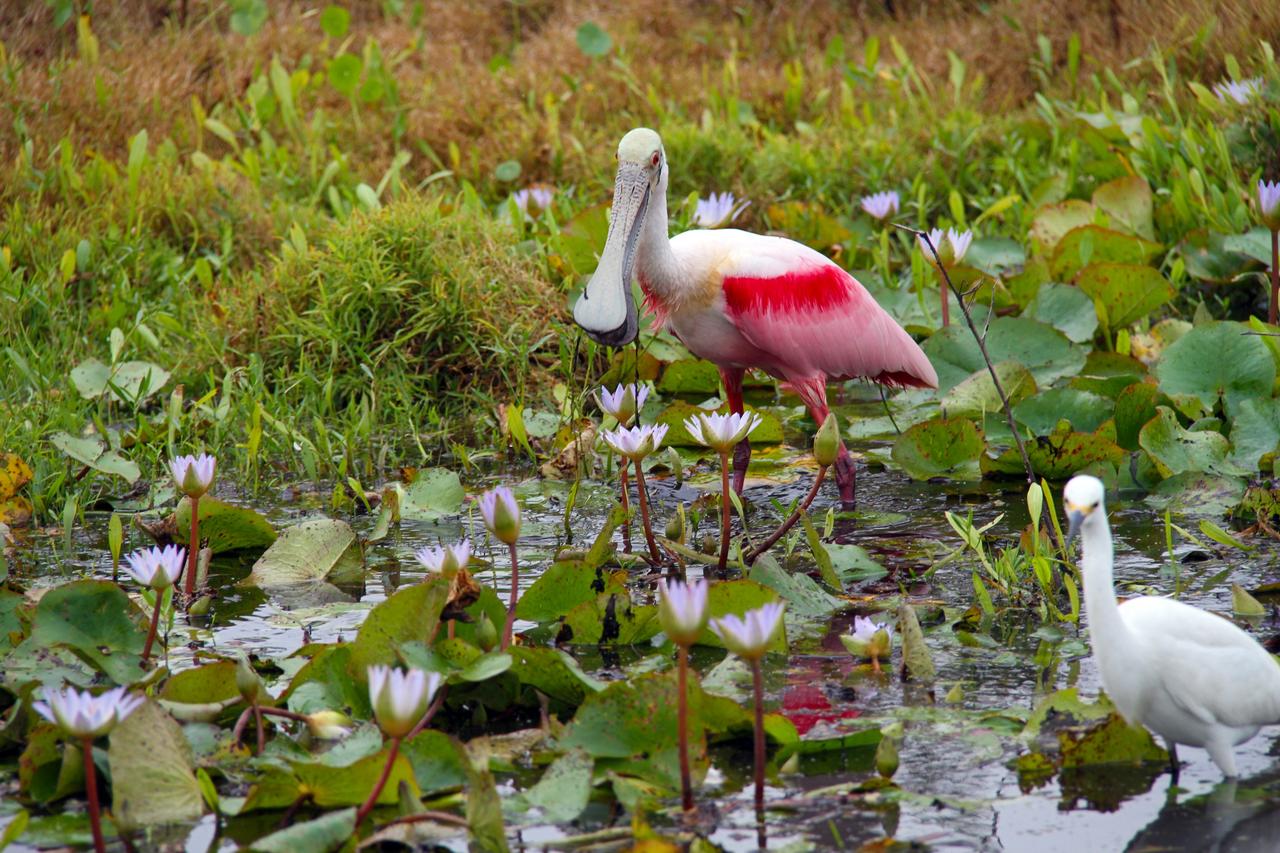
CAPE CANAVERAL, Fla. - A Roseate spoonbill and another bird stand in an area near the Central Instrumentation Facility at NASA's Kennedy Space Center in Florida. The center shares a boundary with the Merritt Island National Wildlife Refuge, consisting of 140,000 acres. The refuge provides a wide variety of habitats -- coastal dunes, saltwater estuaries and marshes, freshwater impoundments, scrub, pine flatwoods, and hardwood hammocks -- that provide sanctuary for more than 1,500 species of plants and animals, including about 331 species of birds. Photo credit: NASA/Ben Smegelsky
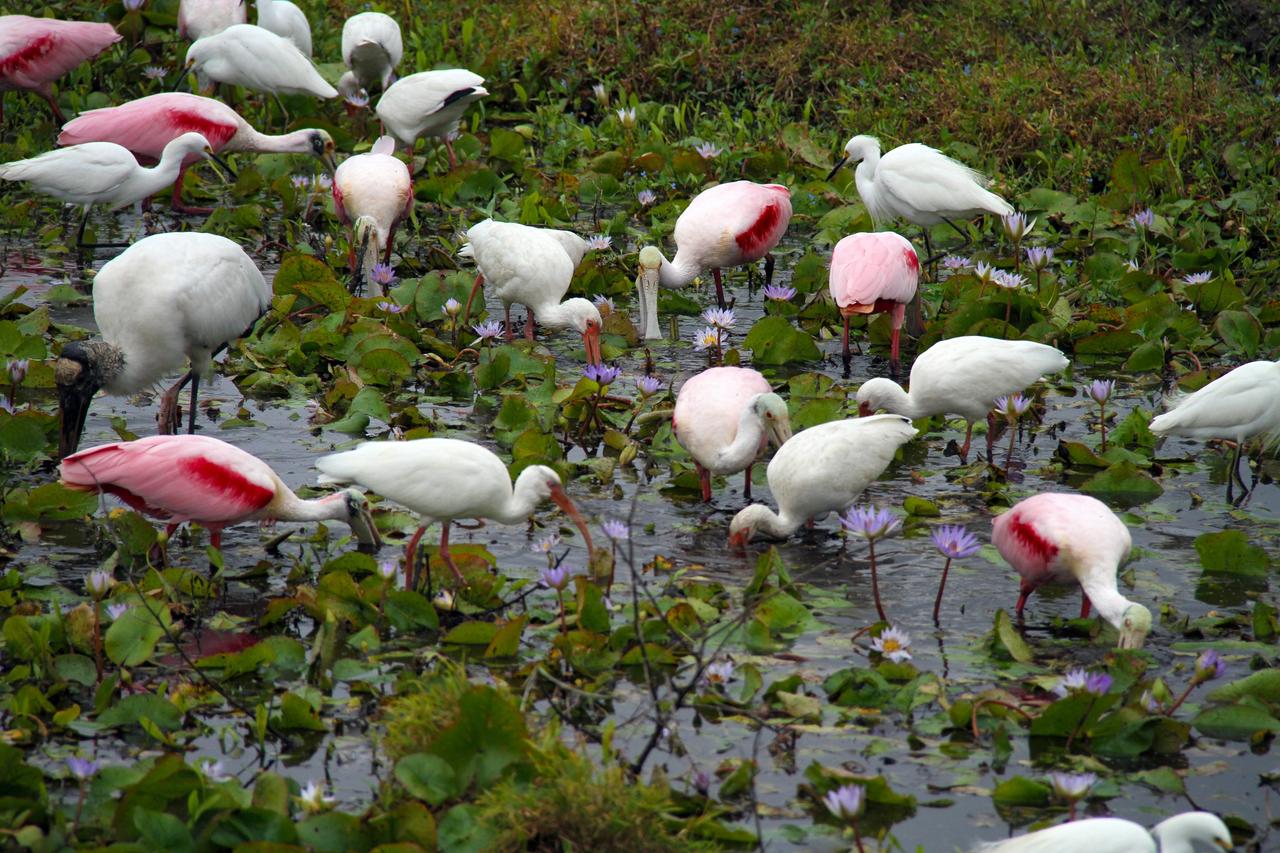
Roseate spoonbills and other birds gather near the Central Instrumentation Facility at NASA's Kennedy Space Center in Florida. The center shares a boundary with the Merritt Island National Wildlife Refuge, consisting of 140,000 acres. The refuge provides a wide variety of habitats -- coastal dunes, saltwater estuaries and marshes, freshwater impoundments, scrub, pine flatwoods, and hardwood hammocks -- that provide sanctuary for more than 1,500 species of plants and animals, including about 331 species of birds. Photo credit: NASA/Ben Smegelsky
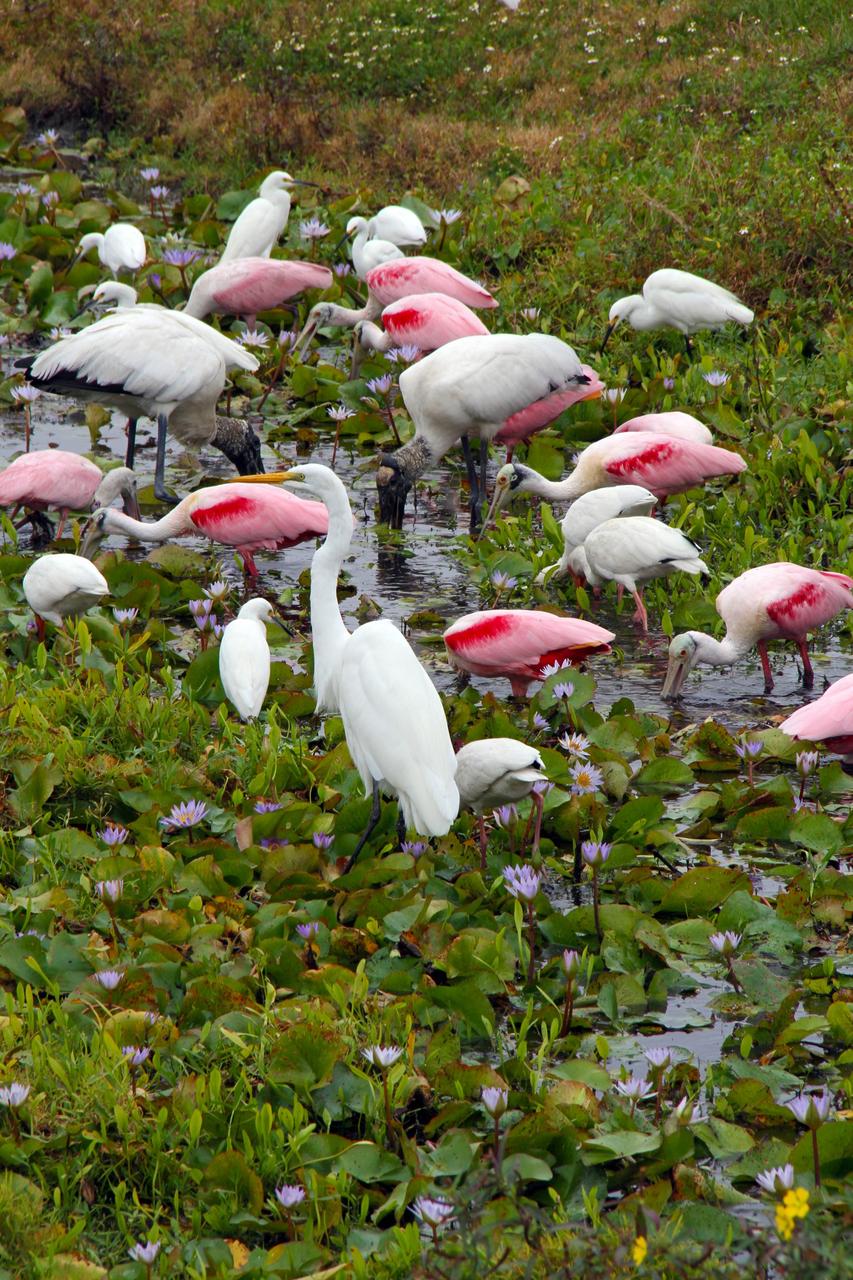
CAPE CANAVERAL, Fla. - Roseate spoonbills and other birds gather near the Central Instrumentation Facility at NASA's Kennedy Space Center in Florida. The center shares a boundary with the Merritt Island National Wildlife Refuge, consisting of 140,000 acres. The refuge provides a wide variety of habitats -- coastal dunes, saltwater estuaries and marshes, freshwater impoundments, scrub, pine flatwoods, and hardwood hammocks -- that provide sanctuary for more than 1,500 species of plants and animals, including about 331 species of birds. Photo credit: NASA/Ben Smegelsky
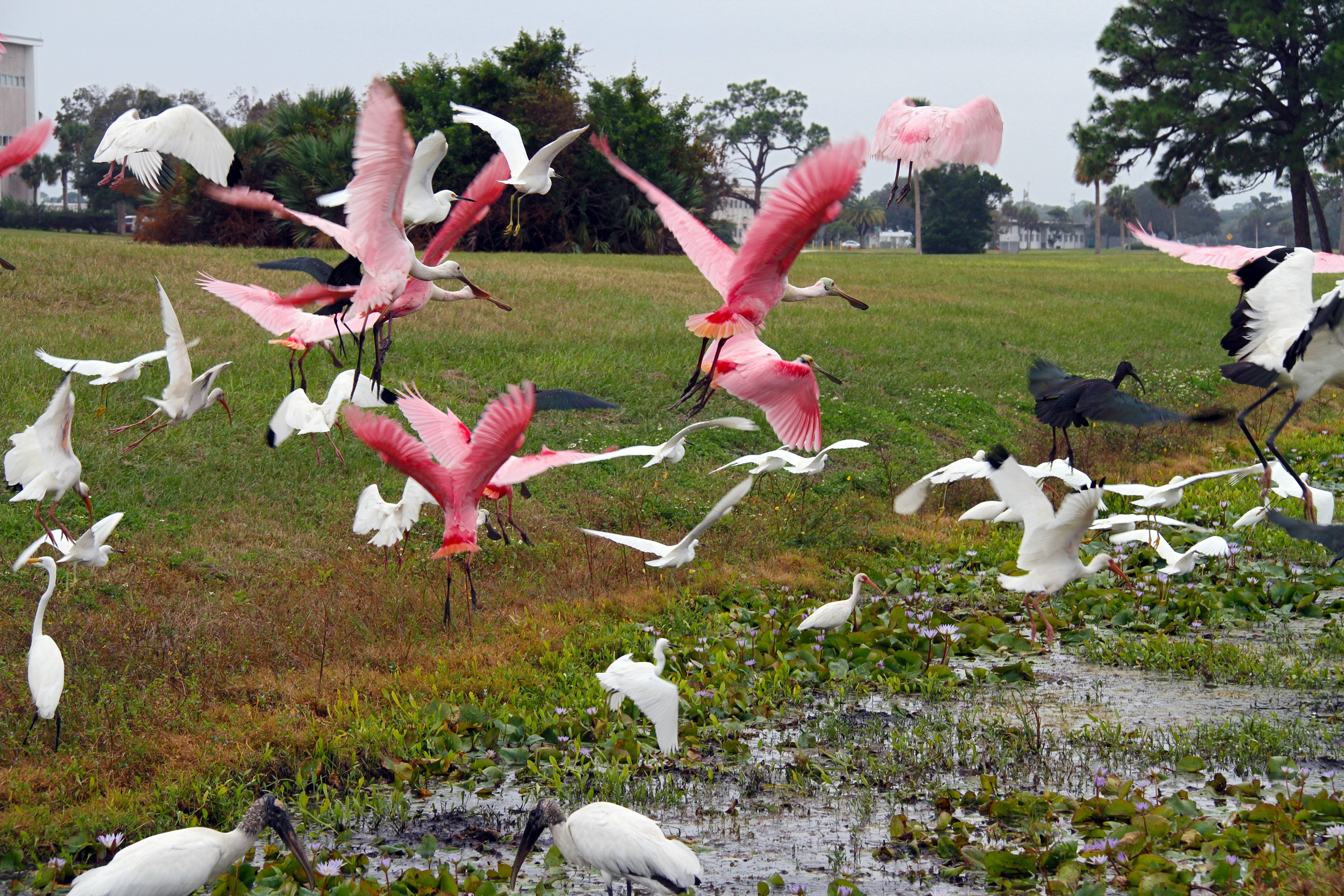
CAPE CANAVERAL, Fla. - Roseate spoonbills and other birds leave an area near the Central Instrumentation Facility at NASA's Kennedy Space Center in Florida. The center shares a boundary with the Merritt Island National Wildlife Refuge, consisting of 140,000 acres. The refuge provides a wide variety of habitats -- coastal dunes, saltwater estuaries and marshes, freshwater impoundments, scrub, pine flatwoods, and hardwood hammocks -- that provide sanctuary for more than 1,500 species of plants and animals, including about 331 species of birds. Photo credit: NASA/Ben Smegelsky

CAPE CANAVERAL, Fla. - Roseate spoonbills feed in an area near the Central Instrumentation Facility at NASA's Kennedy Space Center in Florida. The center shares a boundary with the Merritt Island National Wildlife Refuge, consisting of 140,000 acres. The refuge provides a wide variety of habitats -- coastal dunes, saltwater estuaries and marshes, freshwater impoundments, scrub, pine flatwoods, and hardwood hammocks -- that provide sanctuary for more than 1,500 species of plants and animals, including about 331 species of birds. Photo credit: NASA/Ben Smegelsky
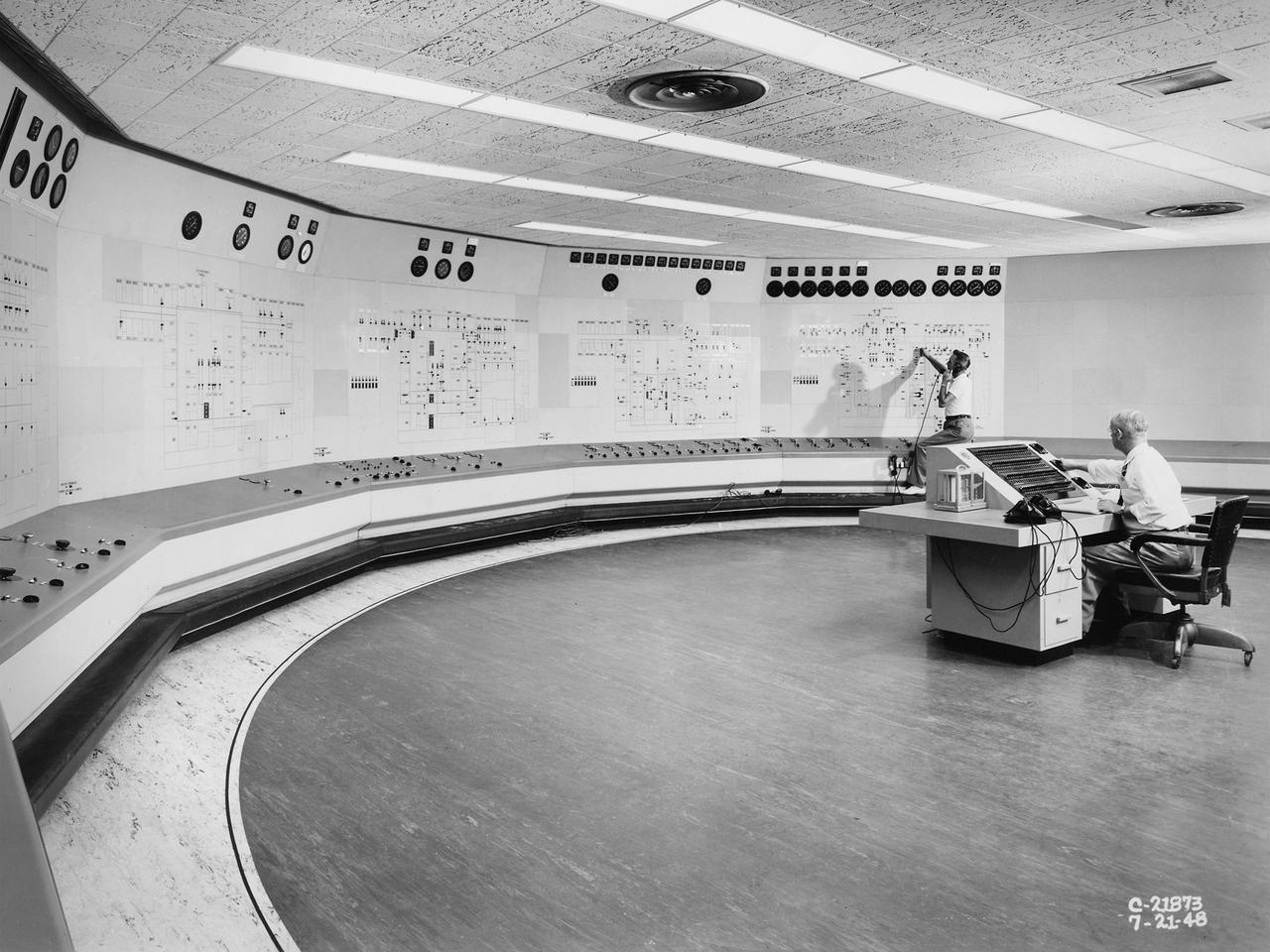
Operators in the Engine Research Building’s Central Control Room at the National Advisory Committee for Aeronautics (NACA) Lewis Flight Propulsion Laboratory. The massive 4.25-acre Engine Research Building contains dozens of test cells, test stands, and altitude chambers. A powerful collection of compressors and exhausters located in the central portion of the basement provided process air and exhaust for these test areas. This system is connected to similar process air systems in the laboratory’s other large test facilities. The Central Control Room coordinates this activity and communicates with the local utilities. This photograph was taken just after a major upgrade to the control room in 1948. The panels on the wall contain rudimentary floor plans of the different Engine Research Building sections with indicator lights and instrumentation for each test cell. The process air equipment included 12 exhausters, four compressors, a refrigeration system, cooling water, and an exhaust system. The operators in the control room kept in contact with engineers running the process air system and those conducting the tests in the test cells. The operators also coordinated with the local power companies to make sure enough electricity was available to operate the powerful compressors and exhausters.
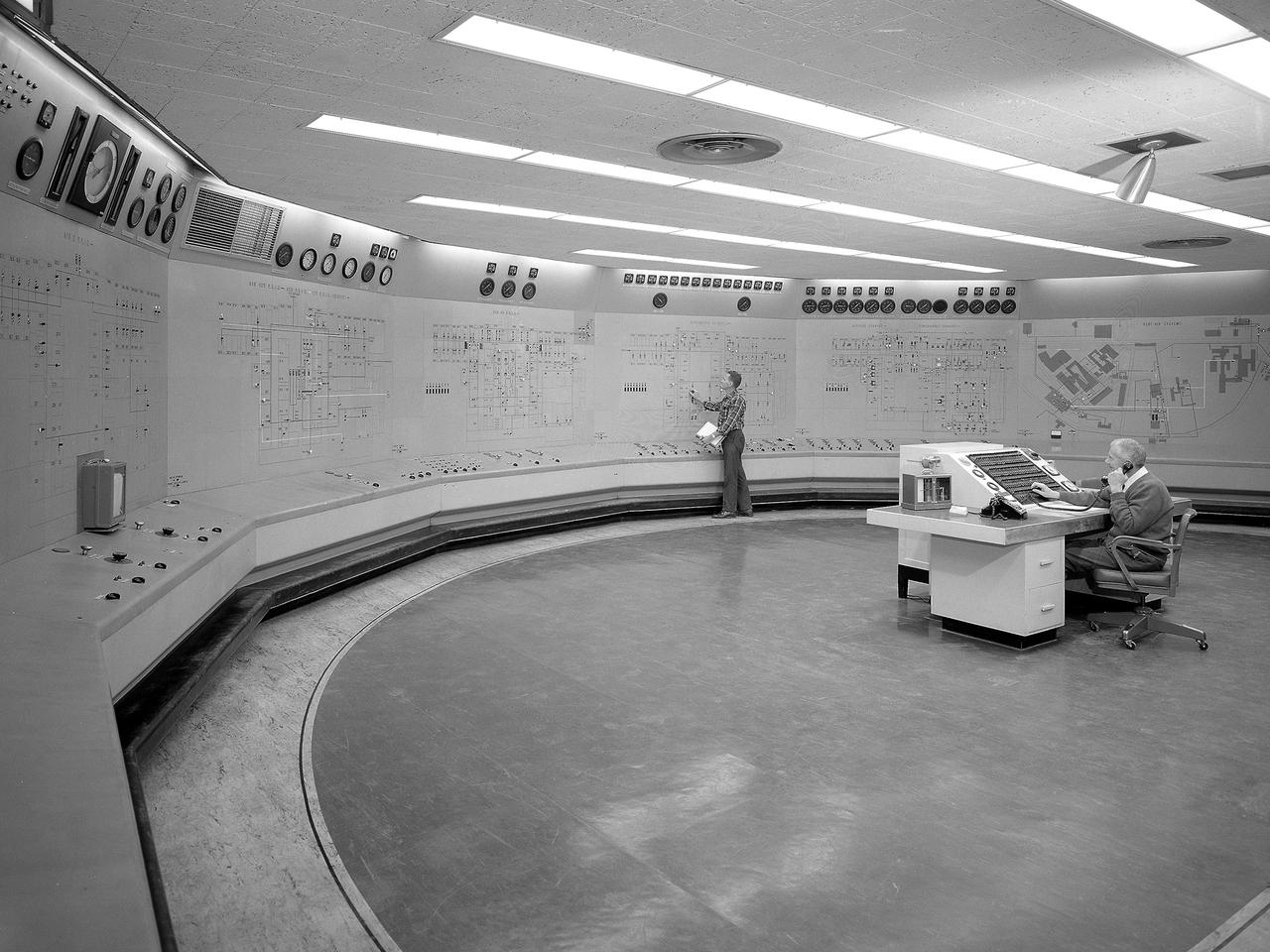
Operators in the Engine Research Building’s Central Control Room at the National Aeronautics and Space Administration (NASA) Lewis Research Center. The massive 4.25-acre Engine Research Building contains dozens of test cells, test stands, and altitude chambers. A powerful a collection of compressors and exhausters located in the central portion of the basement provides process air and exhaust for these test areas. This system is connected to similar process air systems in the laboratory’s other large test facilities. The Central Control Room coordinates this activity and communicates with the local utilities. The panels on the wall contain schematics with indicator lights and instrumentation for the atmospheric exhaust, altitude exhaust, refrigerated air, and process air systems. The process air equipment included twelve exhausters, four compressors, refrigeration system, cooling water, and an exhaust system. The operators in the control room kept in contact with engineers running the process air system and those conducting the tests in the test cells. The operators also coordinated with the local power companies to make sure enough electricity was available to operate the powerful compressors and exhausters.
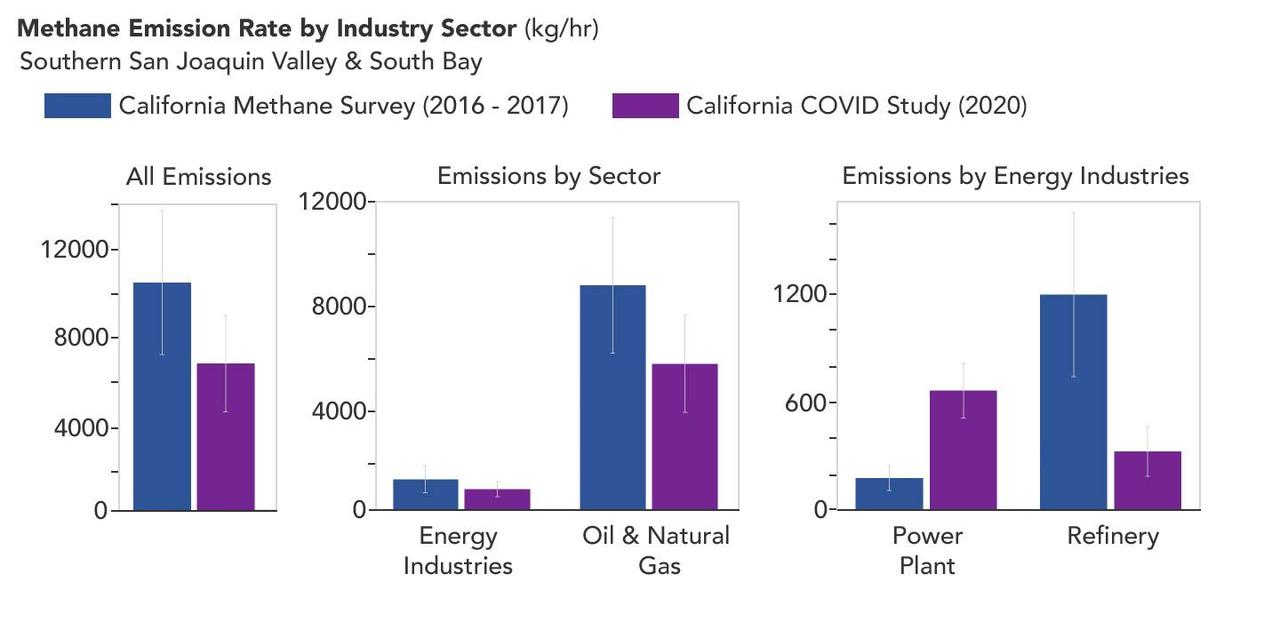
A March 2023 study by researchers at NASA's Jet Propulsion Laboratory in Southern California compared emissions from a belt of oil refineries across the South Bay area of Los Angeles during the first summer of the COVID-19 pandemic to those observed three years earlier. Using data from a NASA airborne instrument, researchers saw that most of the facilities they identified as methane sources in 2016-17 were no longer emitting the greenhouse gas in 2020, leading to a 73% reduction in measured emissions. The study uses measurements made by an imaging spectrometer called AVIRIS-NG (Airborne Visible/Infrared Imaging Spectrometer-Next Generation). Attached to the bottom of an aircraft, the instrument can detect greenhouse gas emissions from individual facilities or even pieces of equipment by looking at how the gases absorb sunlight. In 2016 and 2017, AVIRIS-NG was flown over 22,000 square miles (57,000 square kilometers) of the state as part of the California Methane Survey. From July to September 2020, researchers retraced some of those flight paths over refineries and power plants in Los Angeles County and over oil fields in central California's San Joaquin Valley. The flights were funded by NASA's Earth Science Division, the California Air Resources Board, and the California Energy Commission. The 2020 surveys over Los Angeles identified only 11 plumes from five refinery sources, with a total emissions rate of about 712 pounds (323 kilograms) methane per hour. The 2016 and 2017 flights had found 48 plumes from 33 sources, with a total emissions rate of roughly 2,639 pounds (1,197 kilograms) methane per hour. The drop correlates with an 18% decrease in monthly production in Southern California refineries between the two flight campaigns, the scientists noted, citing data from the California Energy Commission. The study also found that emissions from oil fields in and around the city of Bakersfield in central California fell 34.2%, correlating with a 24.2% drop in oil production. Reduced production during the pandemic due to lower demand for fuel and lower gas prices could have led to the drop in methane emissions, as oil fields and refineries emitted less methane as part of operations. However, researchers said, improved equipment maintenance and mitigation efforts at those facilities between 2016 and 2020 can't be ruled out as a factor. https://photojournal.jpl.nasa.gov/catalog/PIA25864
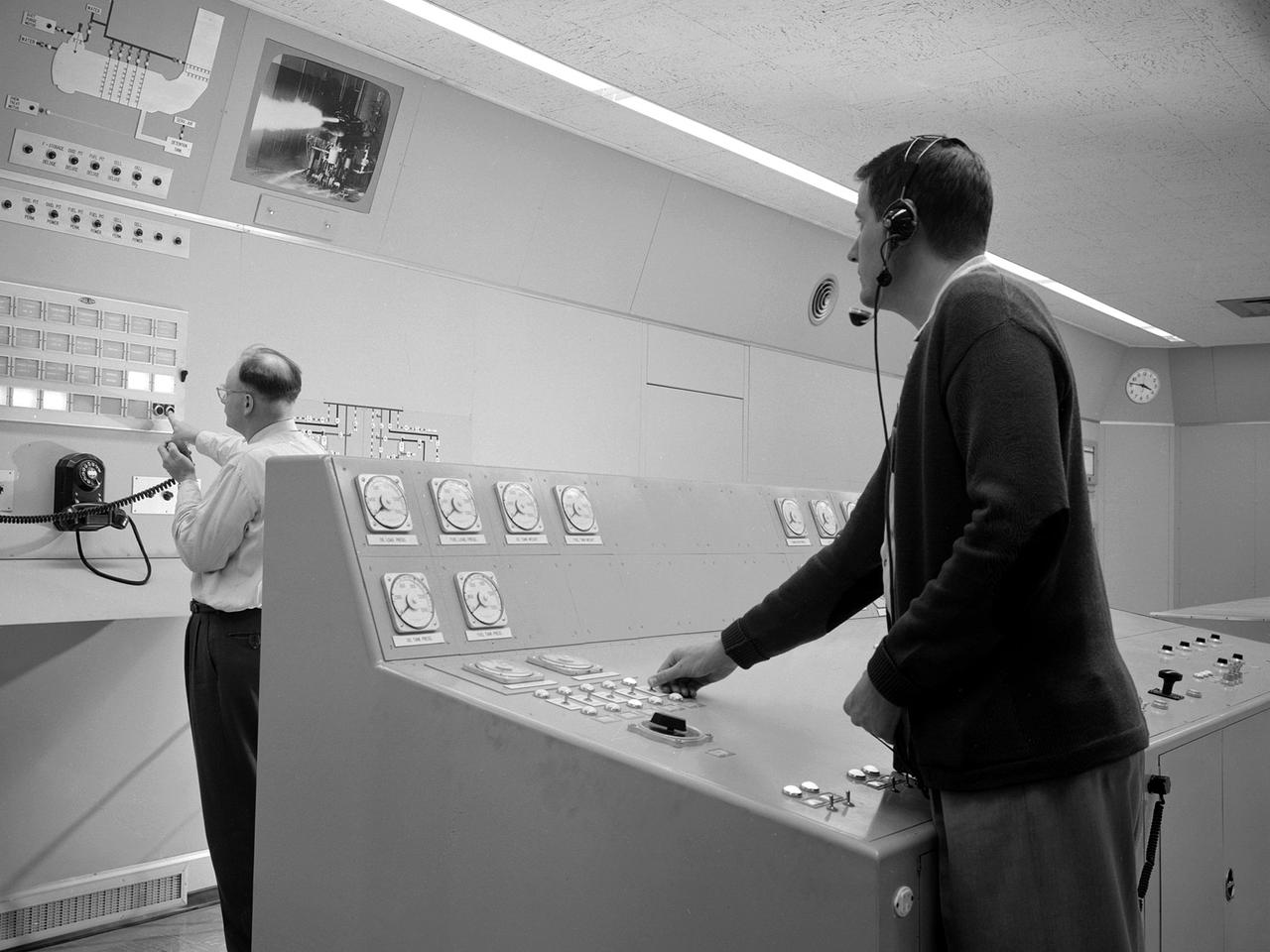
Test engineers monitor an engine firing from the control room of the Rocket Engine Test Facility at the National Advisory Committee for Aeronautics (NACA) Lewis Flight Propulsion Laboratory. The Rocket Engine Test Facility, built in the early 1950s, had a rocket stand designed to evaluate high-energy propellants and rocket engine designs. The facility was used to study numerous different types of rocket engines including the Pratt and Whitney RL-10 engine for the Centaur rocket and Rocketdyne’s F-1 and J-2 engines for the Saturn rockets. The Rocket Engine Test Facility was built in a ravine at the far end of the laboratory because of its use of the dangerous propellants such as liquid hydrogen and liquid fluorine. The control room was located in a building 1,600 feet north of the test stand to protect the engineers running the tests. The main control and instrument consoles were centrally located in the control room and surrounded by boards controlling and monitoring the major valves, pumps, motors, and actuators. A camera system at the test stand allowed the operators to view the tests, but the researchers were reliant on data recording equipment, sensors, and other devices to provide test data. The facility’s control room was upgraded several times over the years. Programmable logic controllers replaced the electro-mechanical control devices. The new controllers were programed to operate the valves and actuators controlling the fuel, oxidant, and ignition sequence according to a predetermined time schedule.