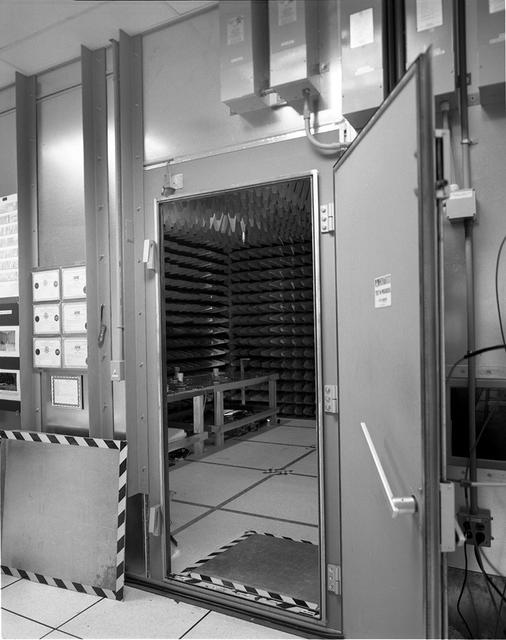
Interior View of FCTB/EDL
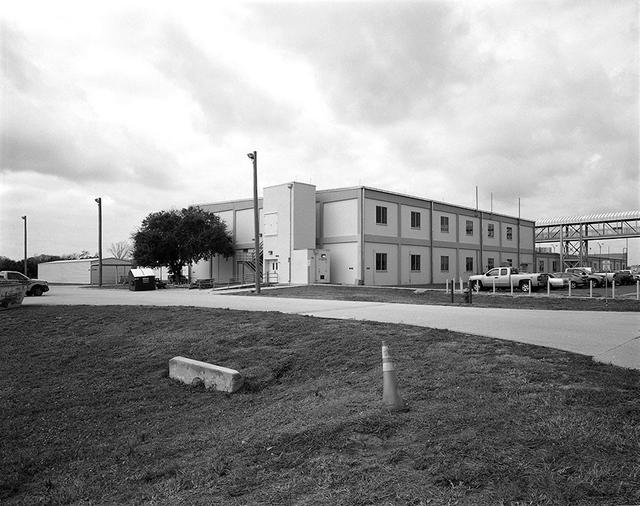
Exterior View of FCTB/EDL
Interior View of FCTB/EDL
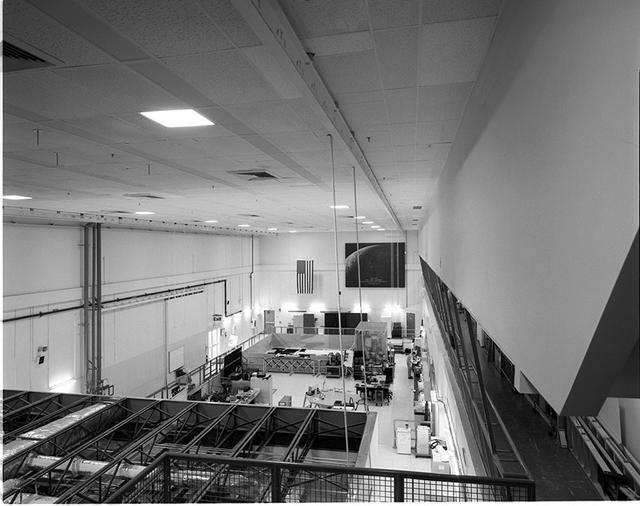
Interior View of FCTB/EDL
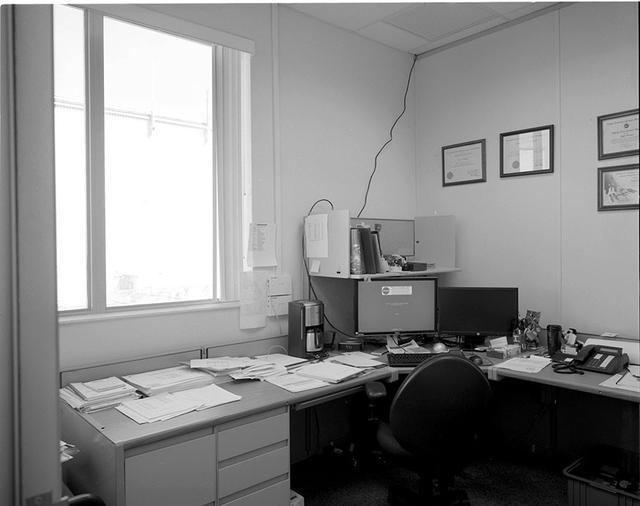
Interior View of FCTB/EDL
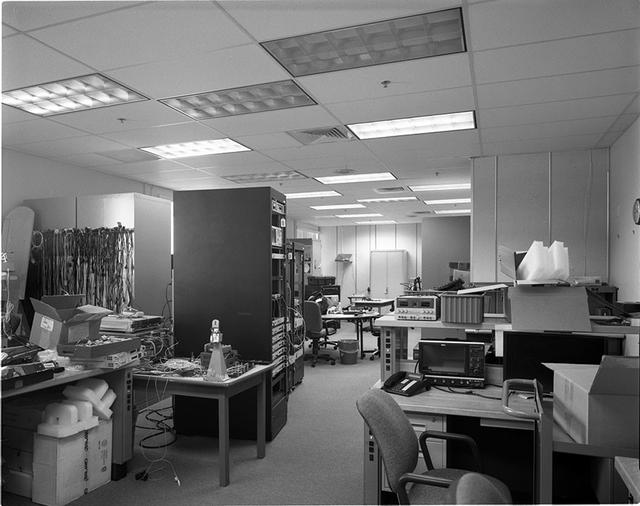
Interior View of FCTB/EDL
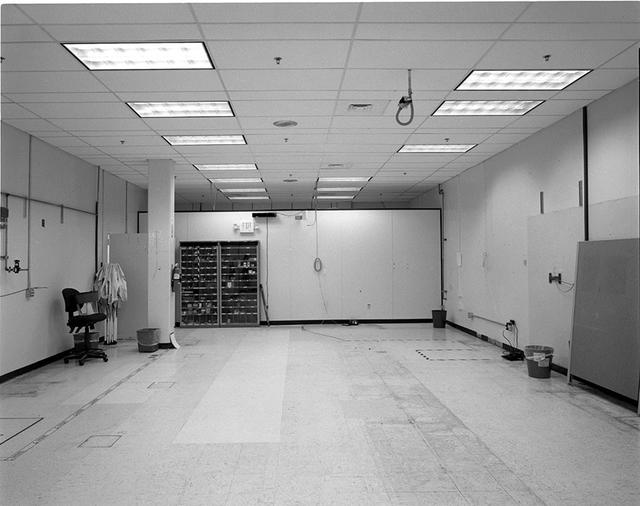
Interior View of FCTB/EDL
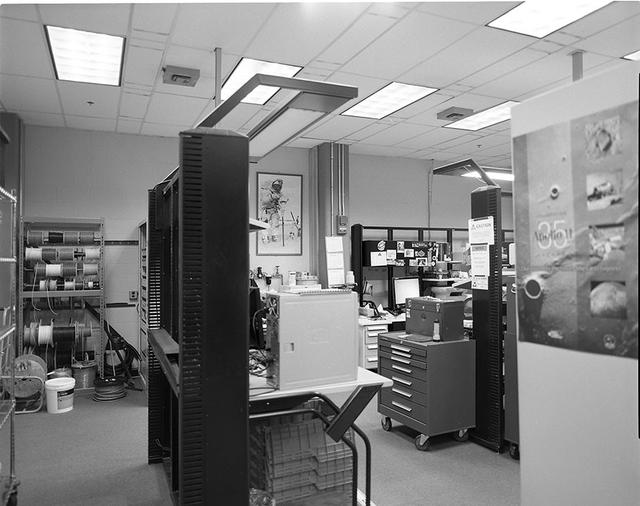
Interior View of FCTB/EDL

Interior View of FCTB/EDL
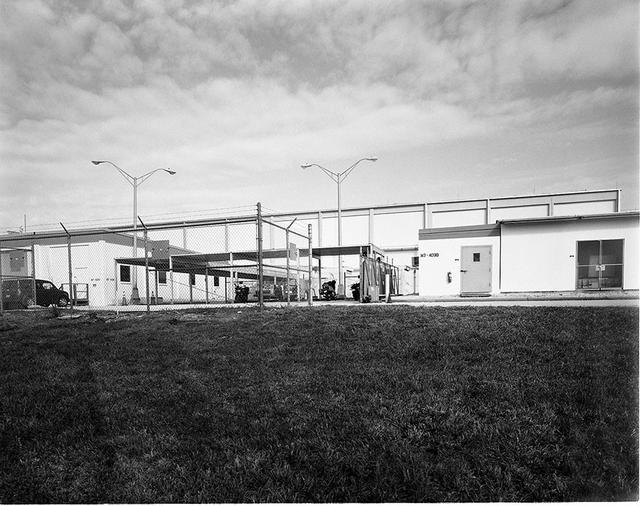
Exterior View of FCTB/EDL
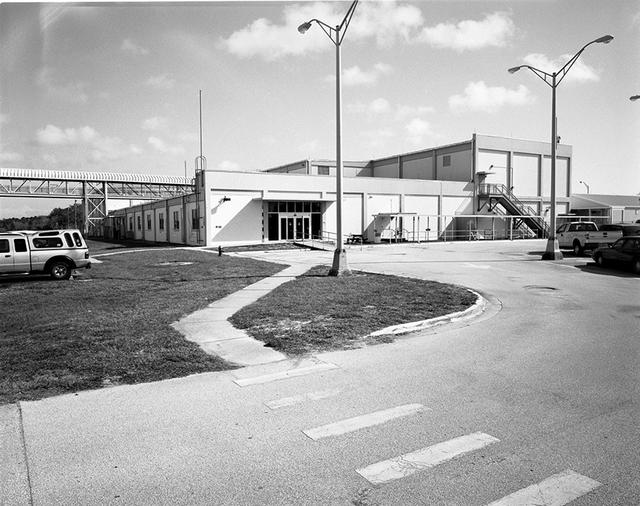
Exterior View of FCTB/EDL
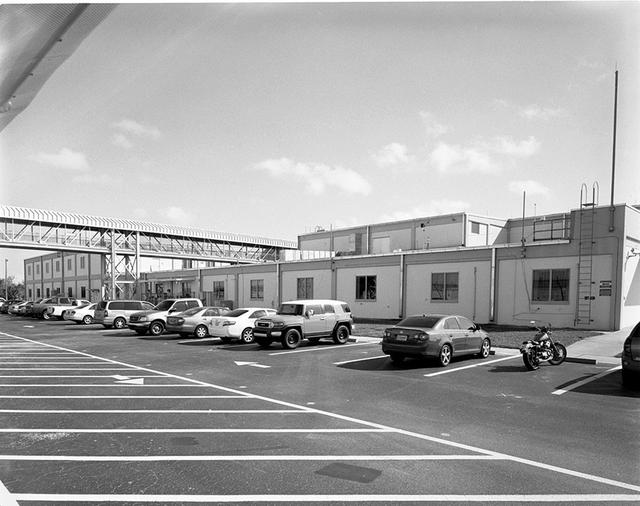
Exterior View of FCTB/EDL
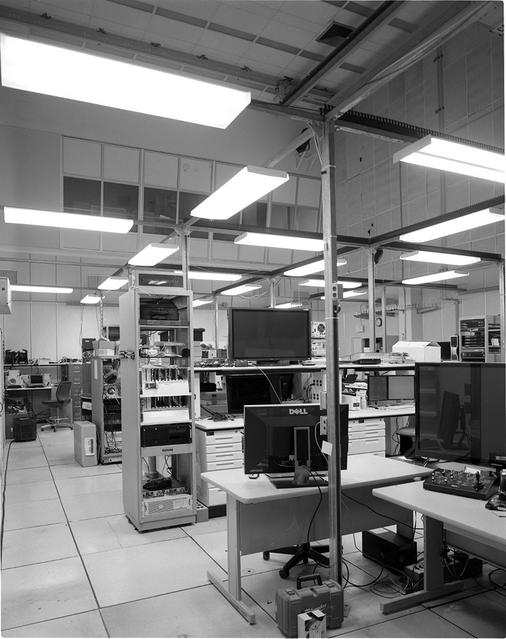
Interior View of FCTB/EDL
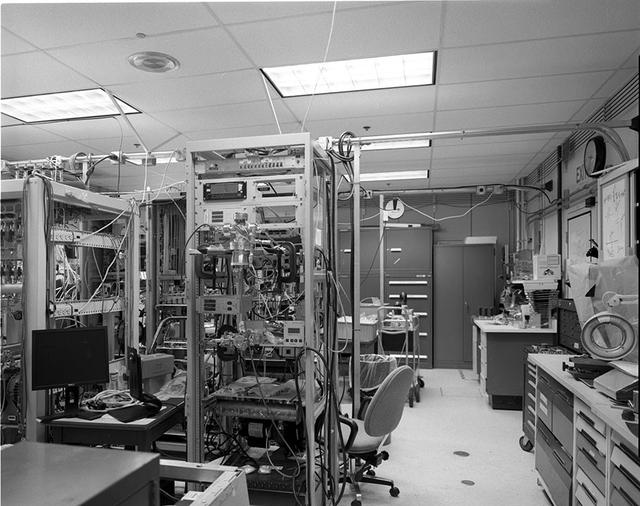
Interior View of FCTB/EDL
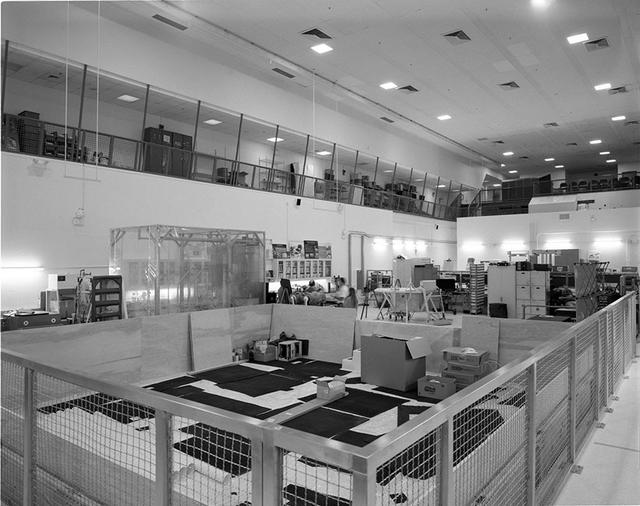
Interior View of FCTB/EDL
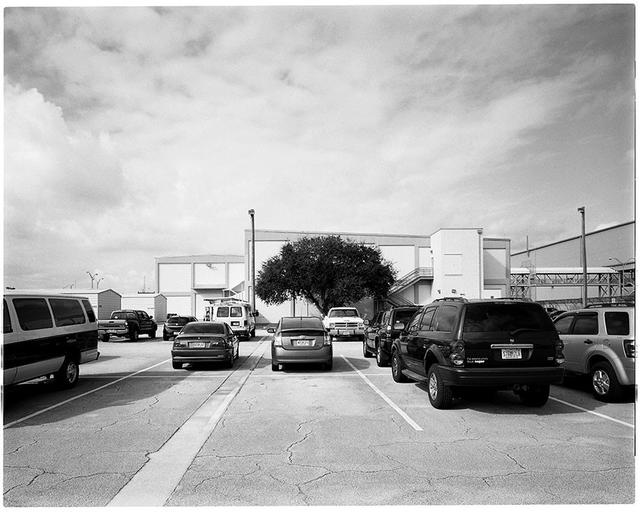
Exterior View of FCTB/EDL
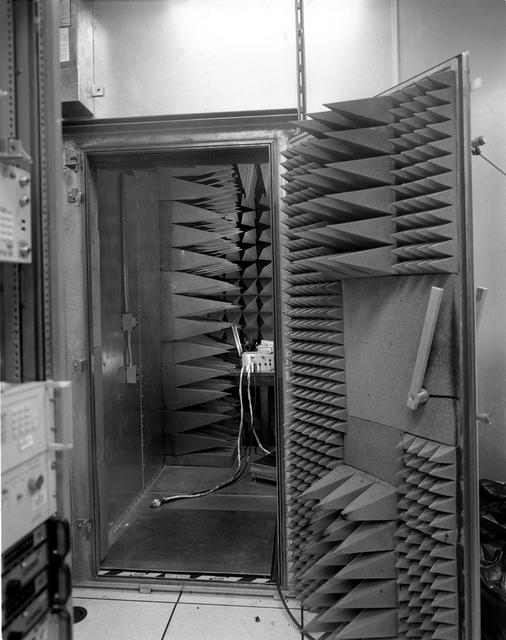
Interior View of FCTB/EDL
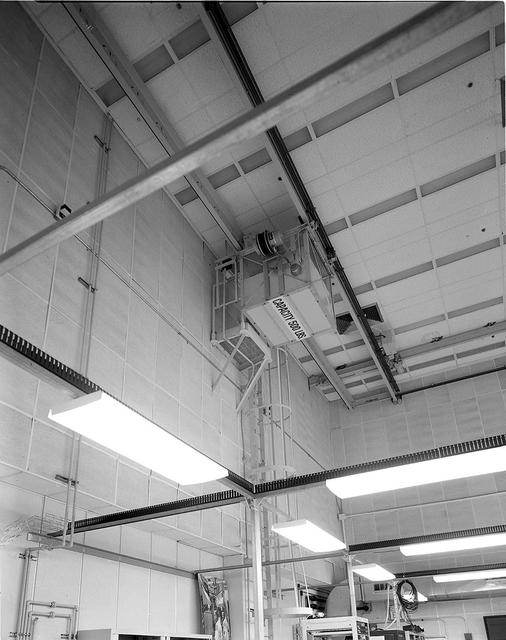
Interior View of FCTB/EDL
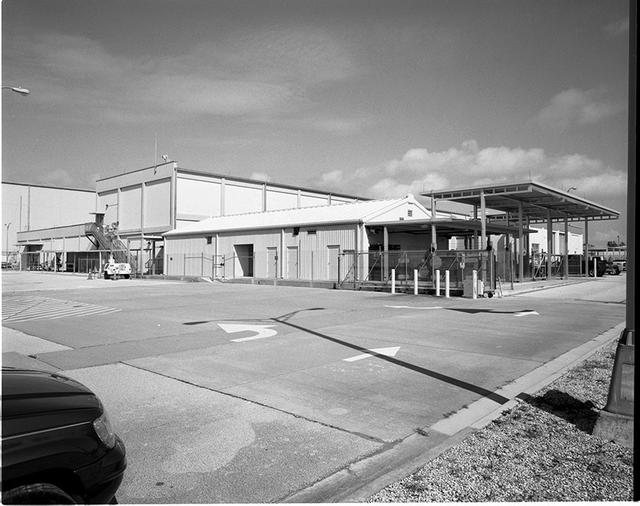
Exterior View of FCTB/EDL
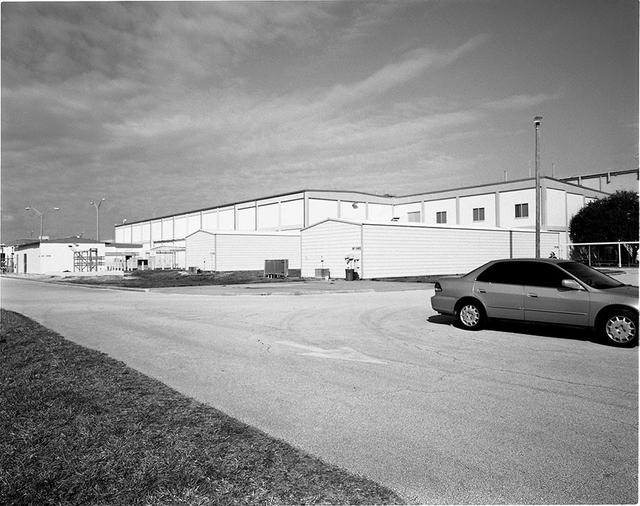
Exterior View of FCTB/EDL
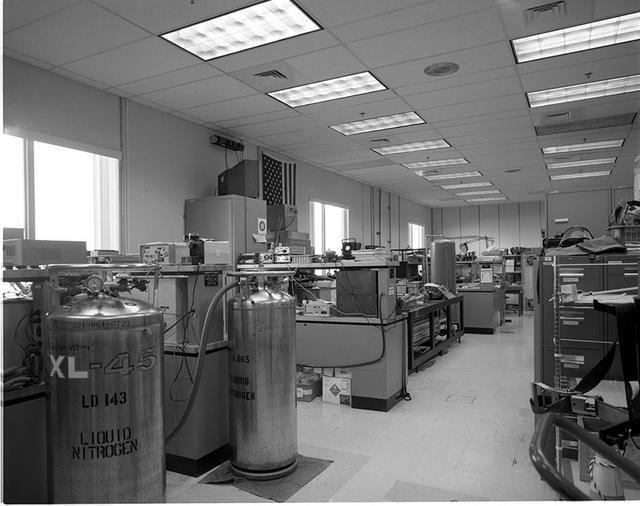
Interior View of FCTB/EDL
Exterior View of FCTB/EDL
Interior View of FCTB/EDL
Interior View of FCTB/EDL
Interior View of FCTB/EDL
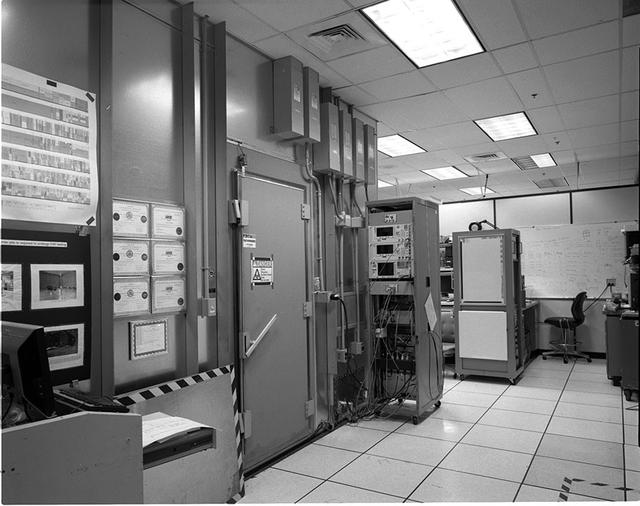
Interior View of FCTB/EDL
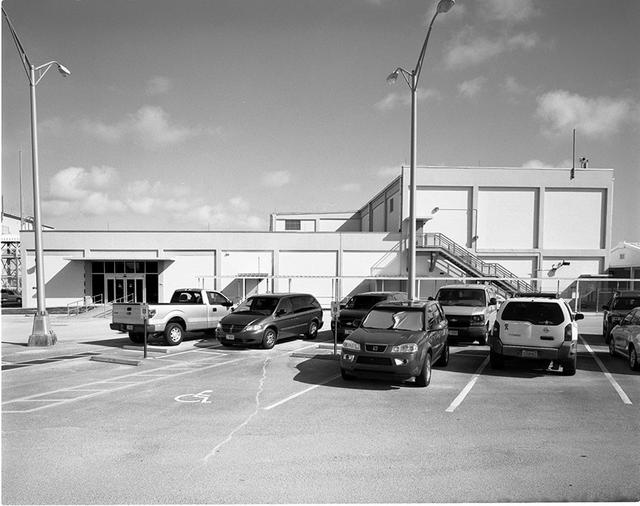
Exterior View of FCTB/EDL
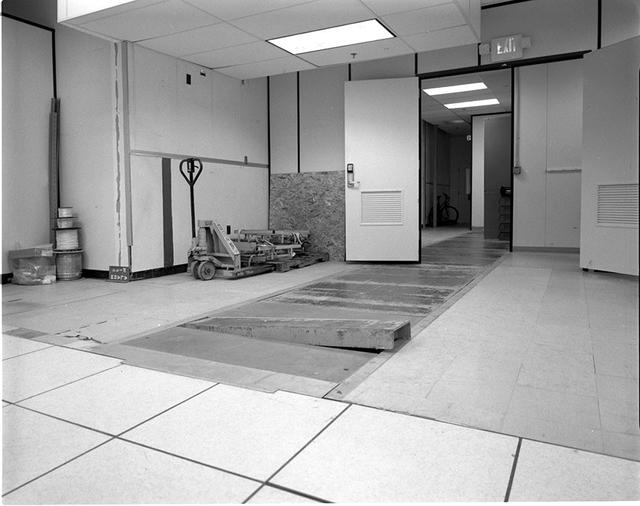
Interior View of FCTB/EDL
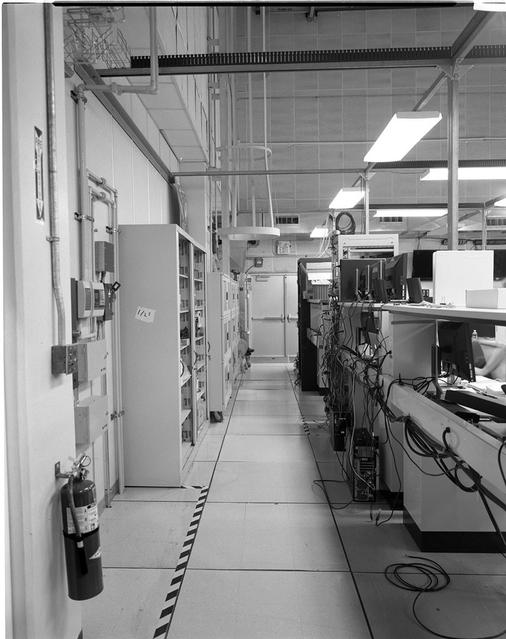
Interior View of FCTB/EDL
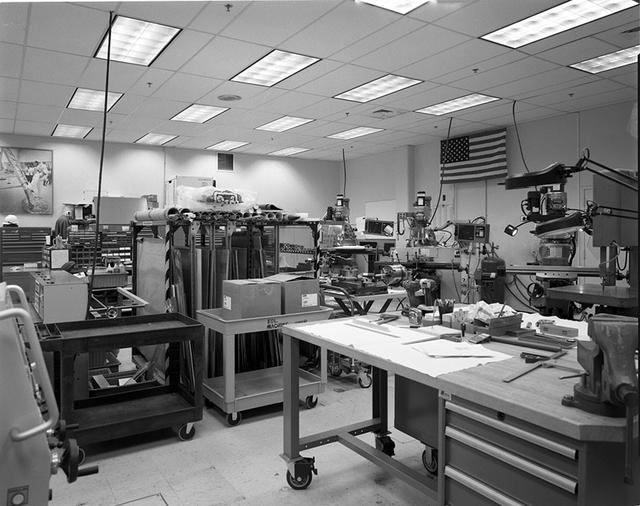
Interior View of FCTB/EDL
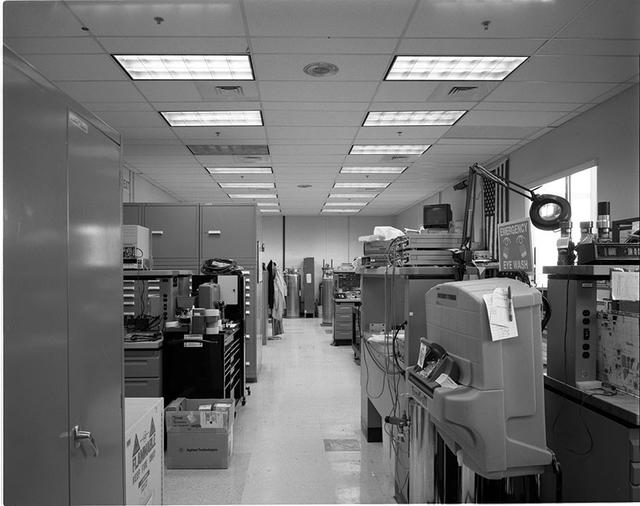
Interior View of FCTB/EDL
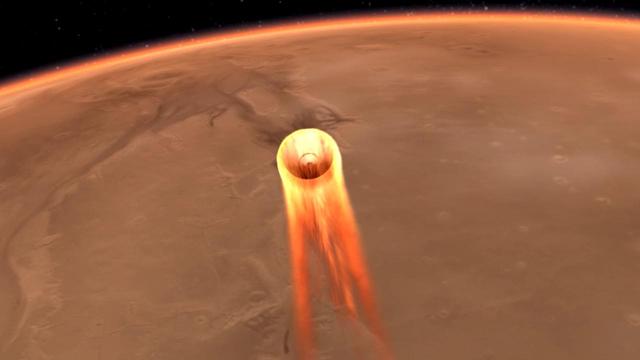
An artist's impression of InSight's Entry, Descent and Landing (EDL). InSight is short for Interior Exploration using Seismic Investigations, Geodesy and Heat Transport. The mission is the first outer space explorer to study the "inner space" of Mars. The lander probes deep beneath the surface of Mars to study the fingerprints of the processes that first formed the rocky planets of our solar system. Entry, descent, and landing (EDL) begins when the spacecraft reaches the Martian atmosphere, about 80 miles (about 128 kilometers) above the surface, and ends with the lander safe and sound on the surface of Mars six minutes later. https://photojournal.jpl.nasa.gov/catalog/PIA22100
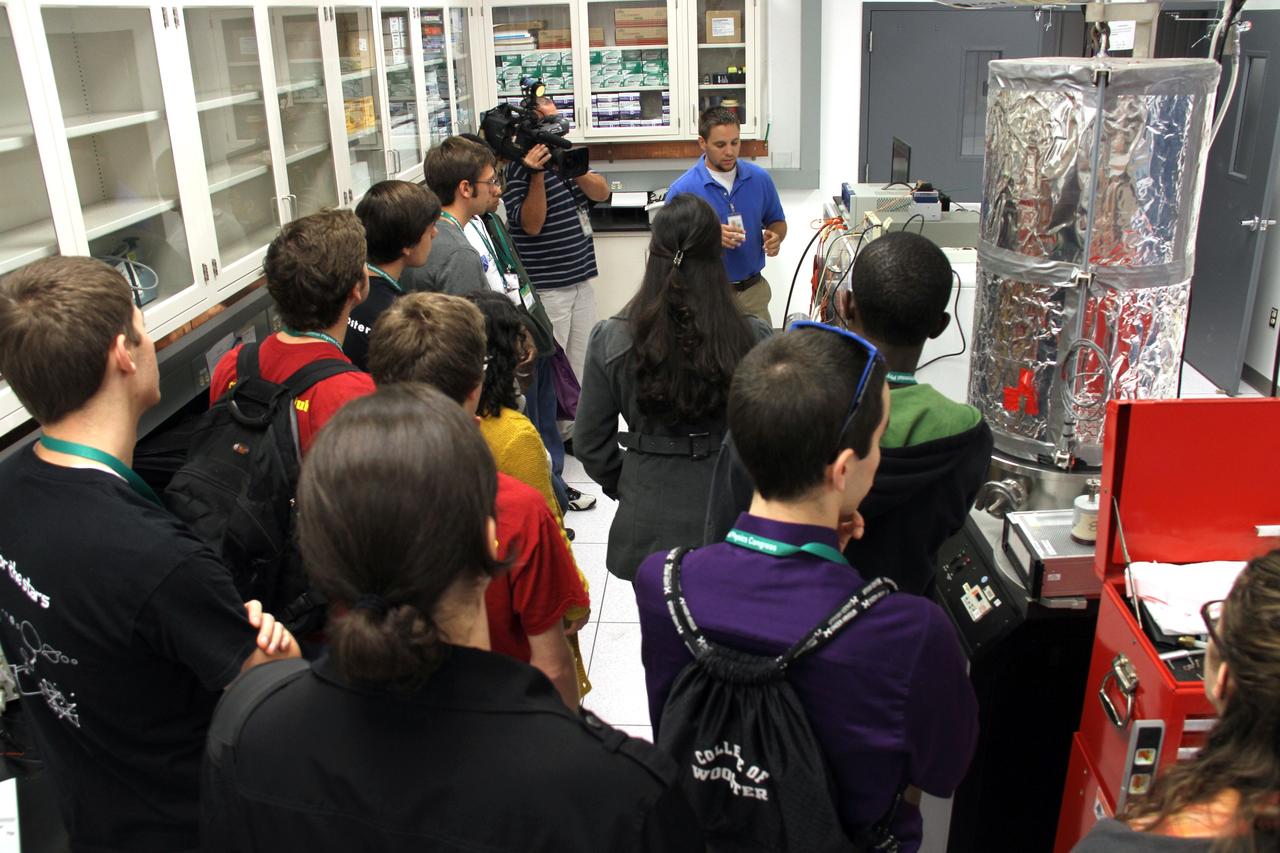
CAPE CANAVERAL, Fla. -- – Inside a laboratory in the Engineering Development Laboratory, or EDL, at NASA’s Kennedy Space Center in Florida, research scientist Michael Johansen, in the blue polo shirt, describes dust mitigation technology to a group of Society of Physics students. About 800 graduate and undergraduate physics students toured Kennedy facilities. A group of about 40 students toured laboratories in the Operations and Checkout Building and the EDL during their visit. The physics students were in Orlando for the 2012 Quadrennial Physics Congress. Photo credit: NASA/Cory Huston
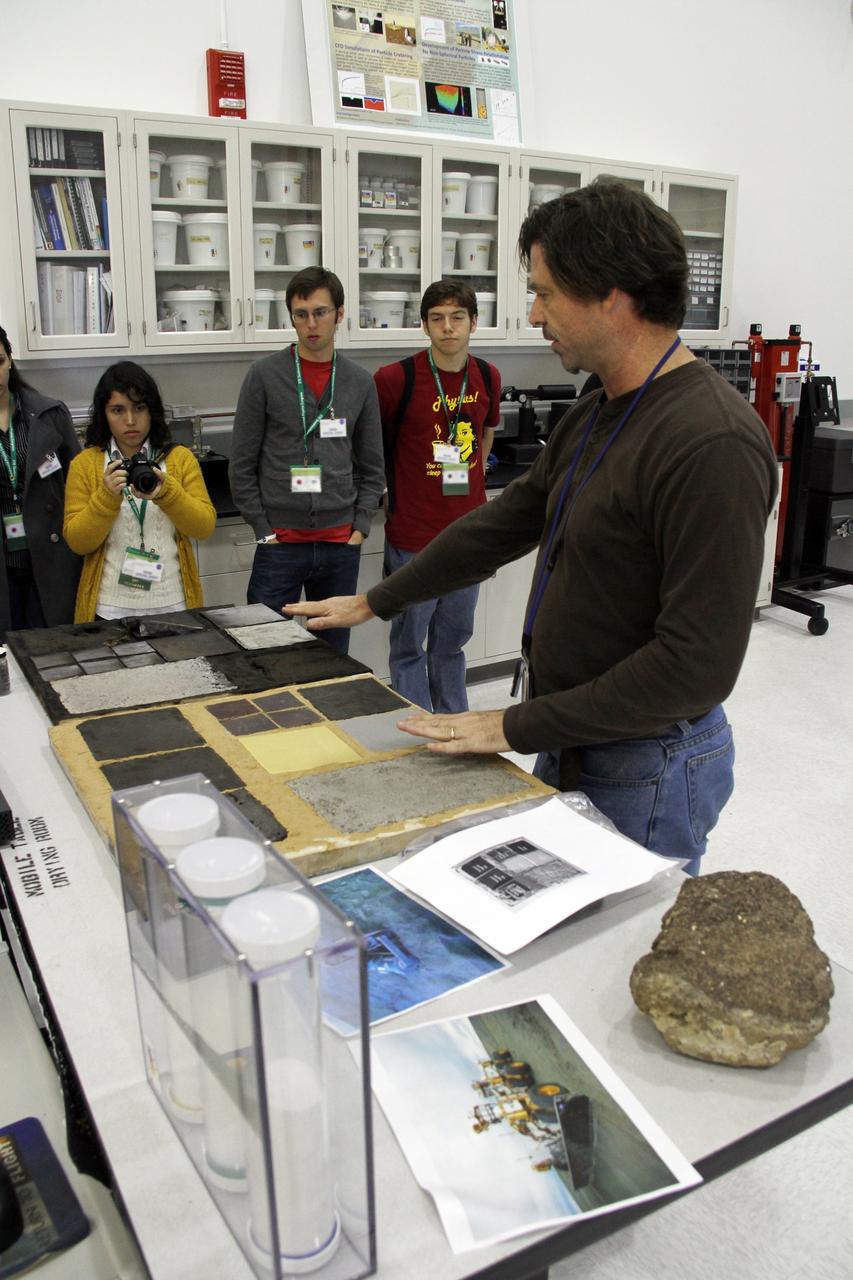
CAPE CANAVERAL, Fla. -- Inside a laboratory in the Engineering Development Laboratory, or EDL, at NASA’s Kennedy Space Center in Florida, research physicist Phil Metzger describes lunar excavators and soil processing technologies to a group of Society of Physics students. About 800 graduate and undergraduate physics students toured Kennedy facilities. A group of about 40 students toured laboratories in the Operations and Checkout Building and the EDL during their visit. The physics students were in Orlando for the 2012 Quadrennial Physics Congress. Photo credit: NASA/Cory Huston
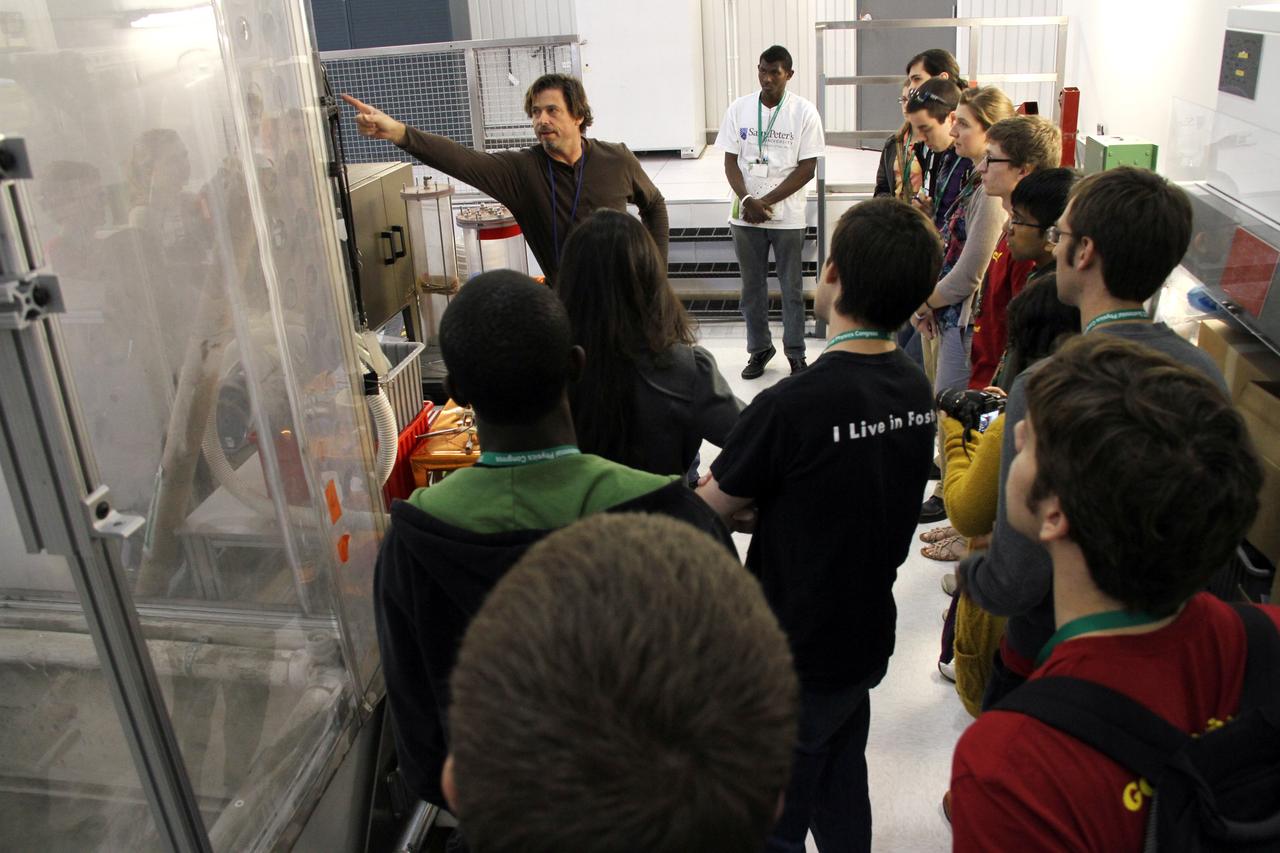
CAPE CANAVERAL, Fla. -- Inside a laboratory in the Engineering Development Laboratory, or EDL, at NASA’s Kennedy Space Center in Florida, research physicist Phil Metzger describes lunar excavators and soil processing technologies to a group of Society of Physics students. About 800 graduate and undergraduate physics students toured Kennedy facilities. A group of about 40 students toured laboratories in the Operations and Checkout Building and the EDL during their visit. The physics students were in Orlando for the 2012 Quadrennial Physics Congress. Photo credit: NASA/Cory Huston
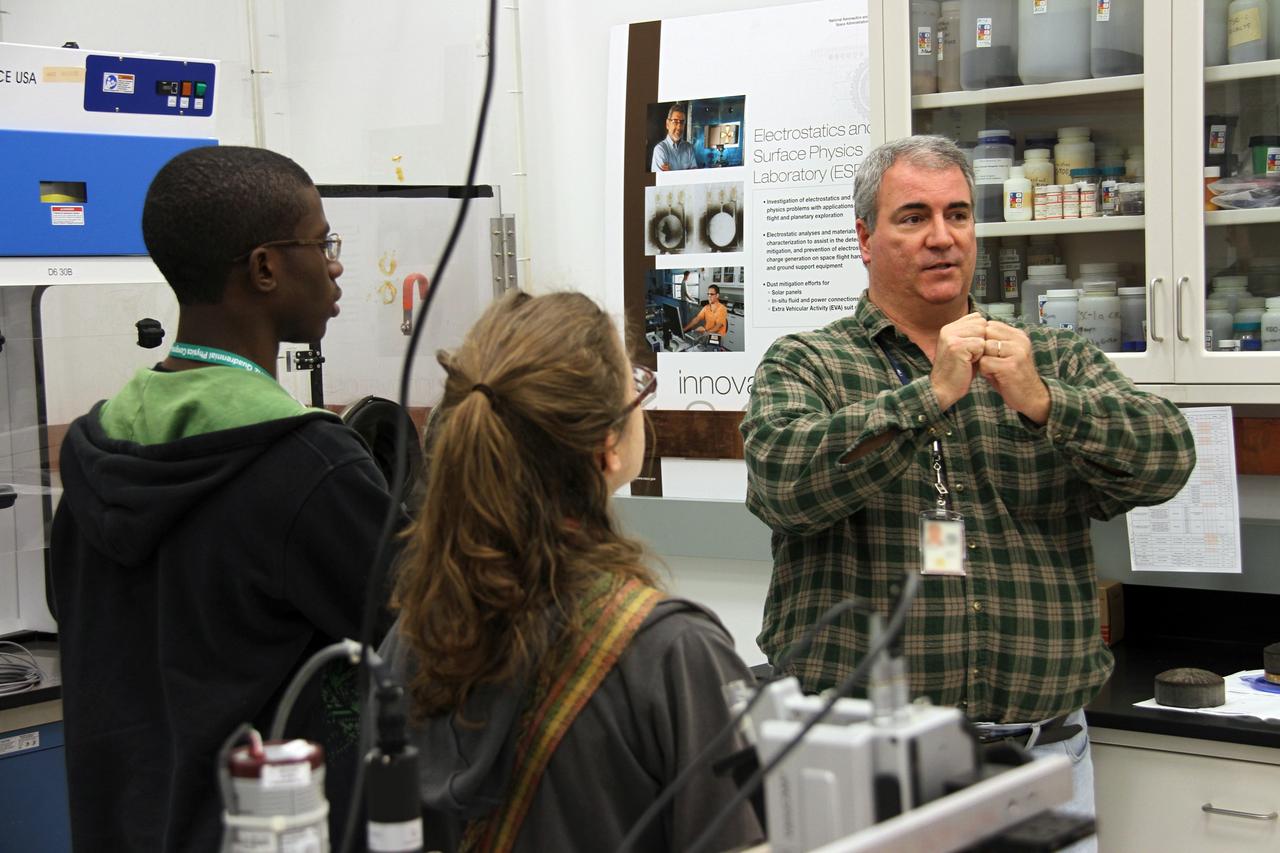
CAPE CANAVERAL, Fla. -- Inside a laboratory in the Engineering Development Laboratory, or EDL, at NASA’s Kennedy Space Center in Florida, research scientist Michael Hogue, in the green plaid shirt, describes several technologies to a group of Society of Physics students. About 800 graduate and undergraduate physics students toured Kennedy facilities. A group of about 40 students toured laboratories in the Operations and Checkout Building and the EDL during their visit. The physics students were in Orlando for the 2012 Quadrennial Physics Congress. Photo credit: NASA/Cory Huston
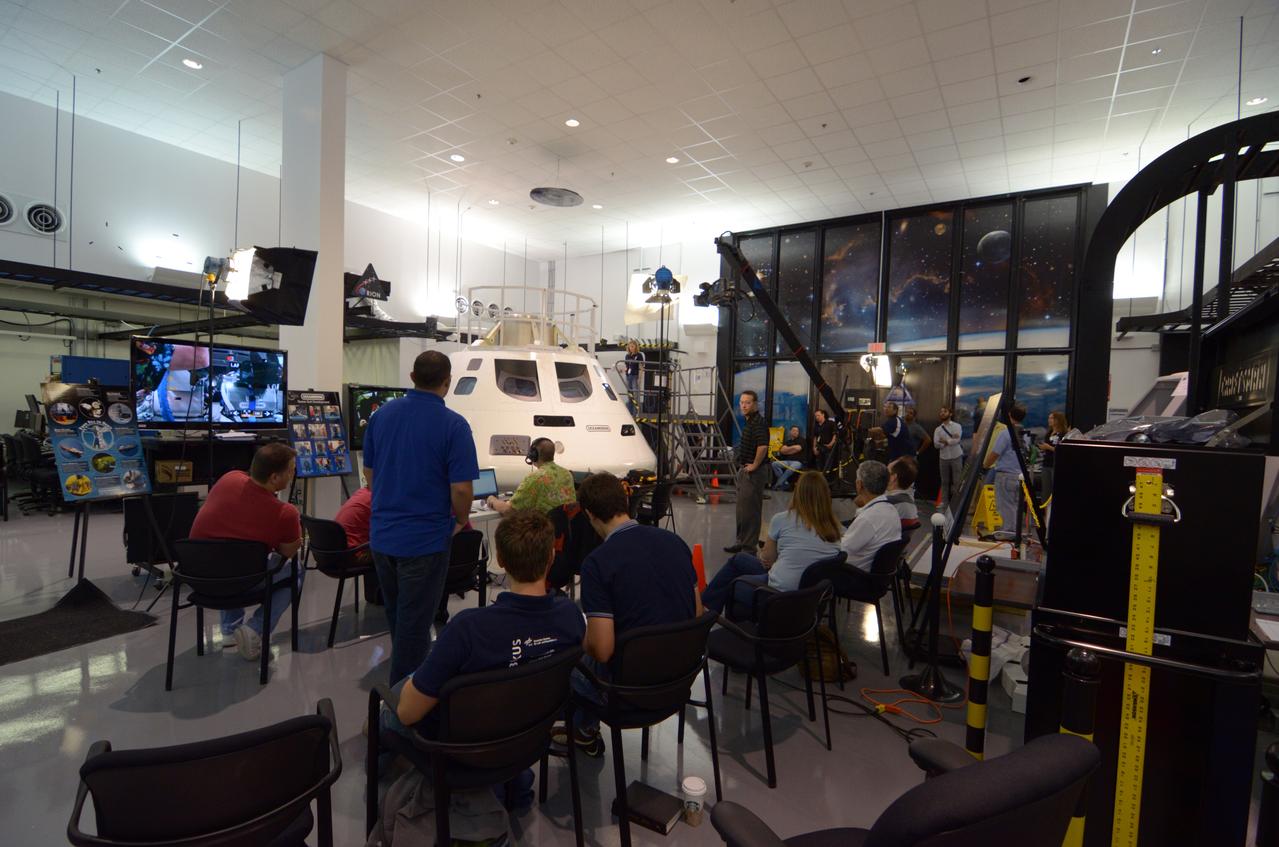
Engineers evaluate early space suit designs in an Orion mockup at Lockheed Martin’s Exploration Development Lab (EDL) in Houston on July 1, 2011. Part of Batch image transfer from Flickr.
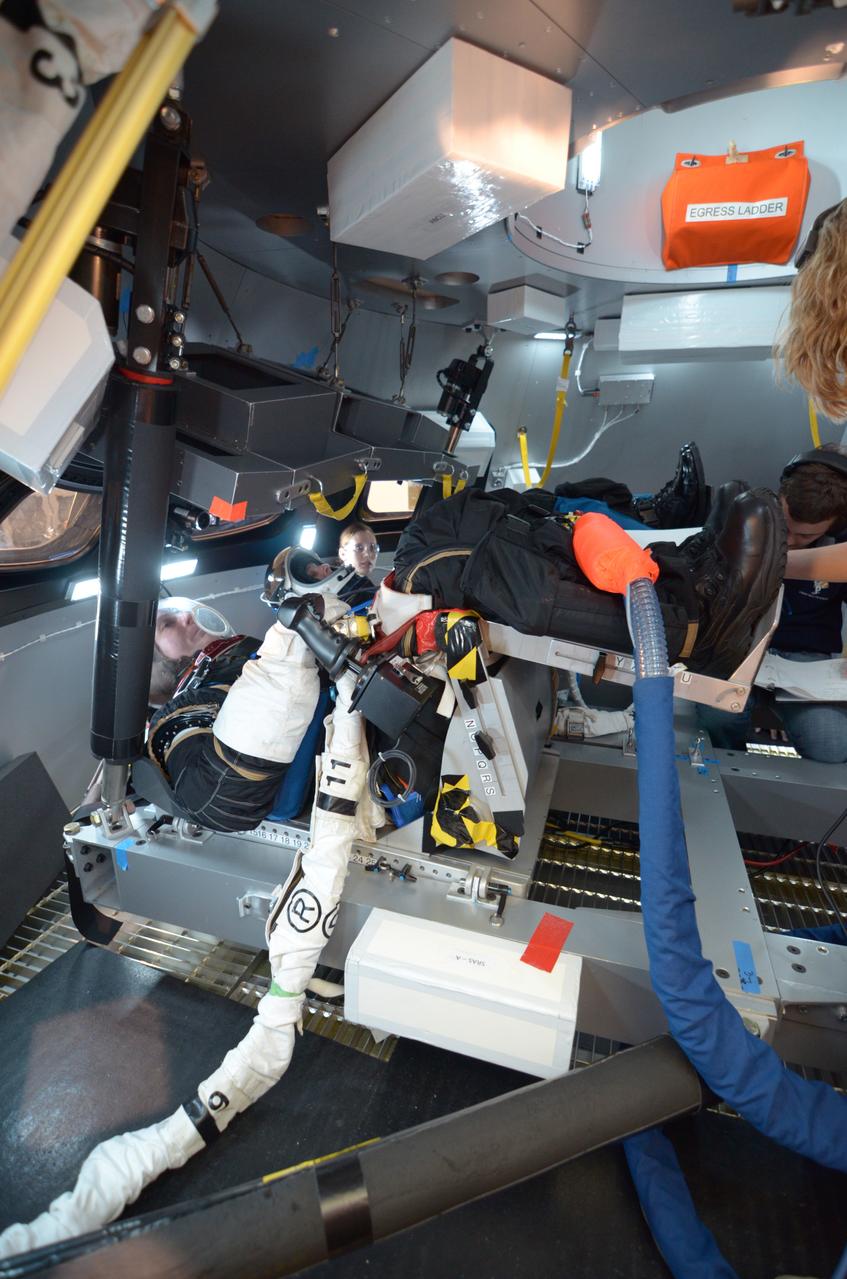
Engineers evaluate early space suit designs in an Orion mockup at Lockheed Martin’s Exploration Development Lab (EDL) in Houston on July 1, 2011. Part of Batch image transfer from Flickr.
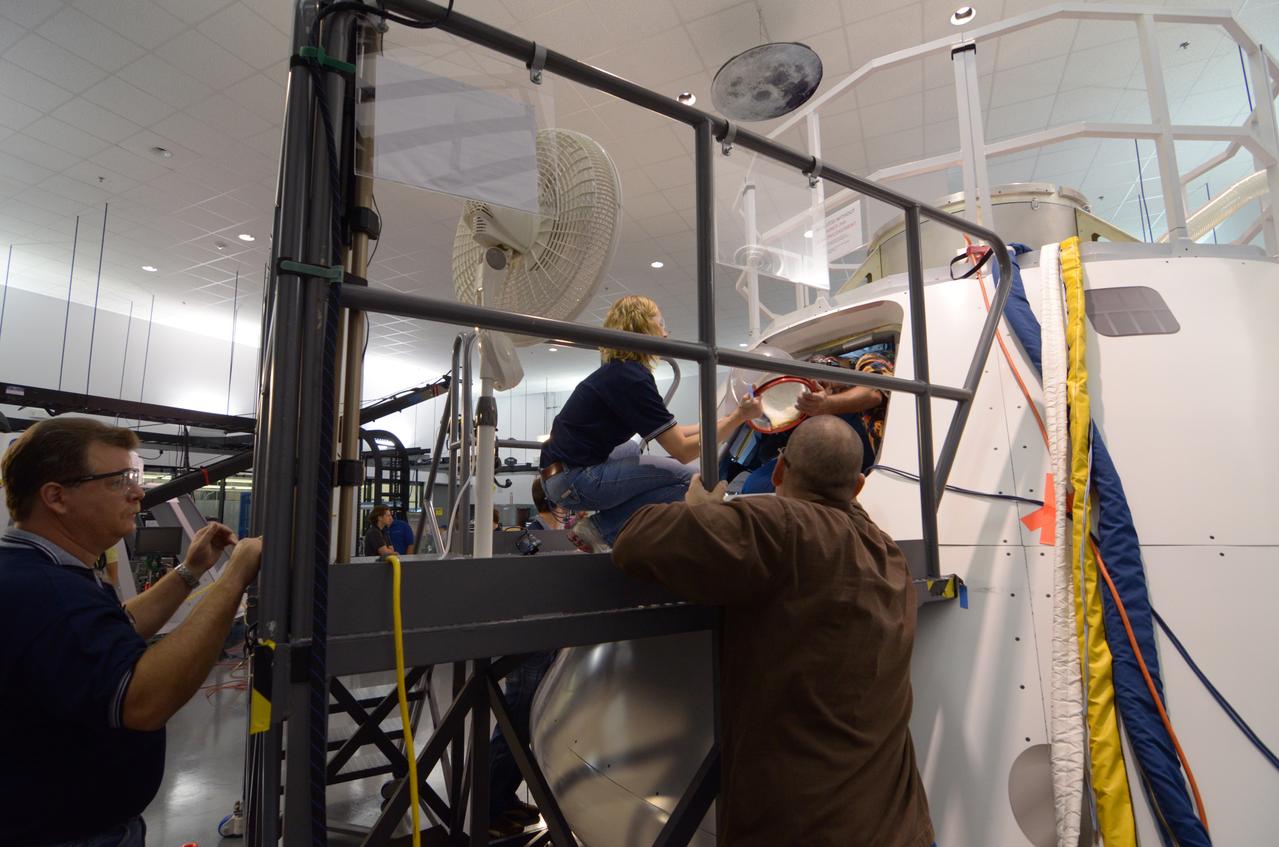
Engineers evaluate early space suit designs in an Orion mockup at Lockheed Martin’s Exploration Development Lab (EDL) in Houston on July 1, 2011. Part of Batch image transfer from Flickr.
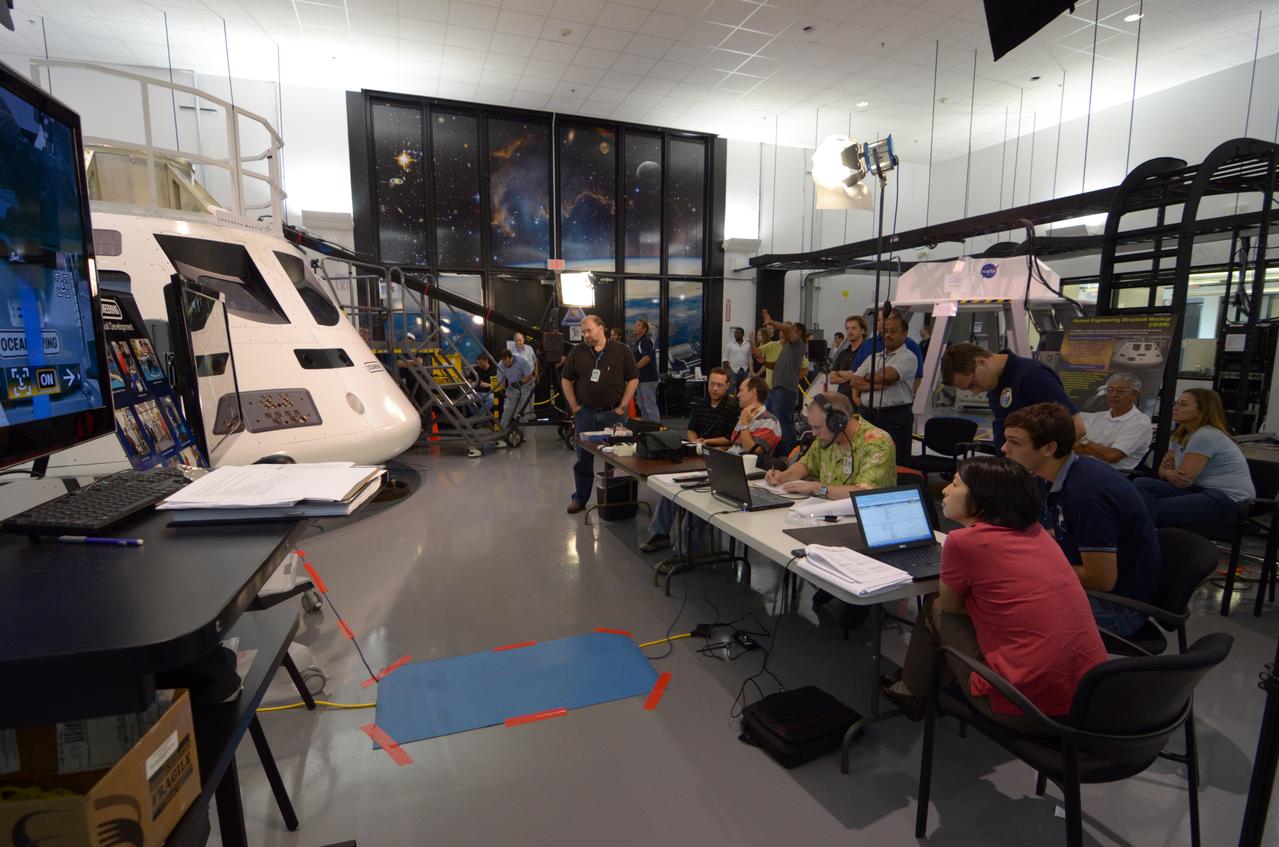
Engineers evaluate early space suit designs in an Orion mockup at Lockheed Martin’s Exploration Development Lab (EDL) in Houston on July 1, 2011. Part of Batch image transfer from Flickr.
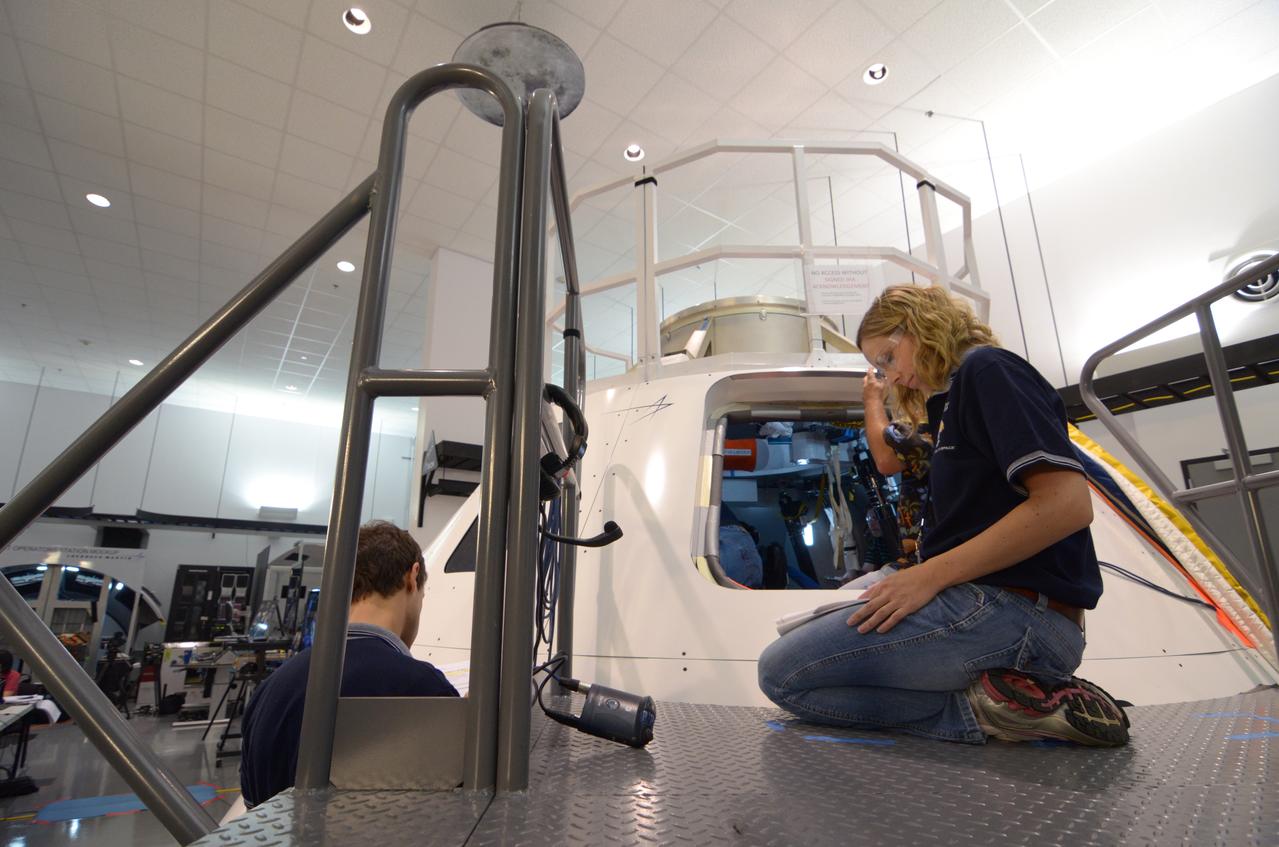
Engineers evaluate early space suit designs in an Orion mockup at Lockheed Martin’s Exploration Development Lab (EDL) in Houston on July 1, 2011. Part of Batch image transfer from Flickr.
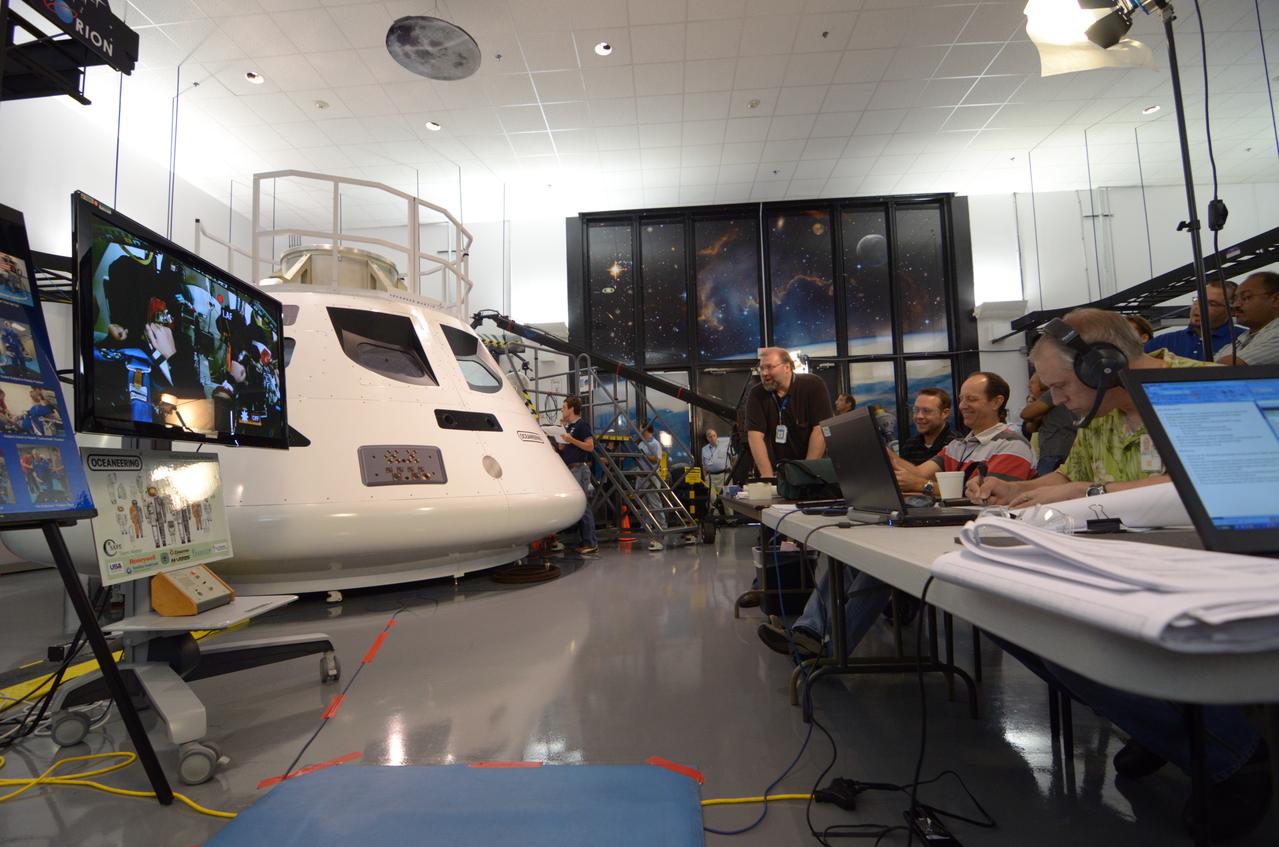
Engineers evaluate early space suit designs in an Orion mockup at Lockheed Martin’s Exploration Development Lab (EDL) in Houston on July 1, 2011. Part of Batch image transfer from Flickr.
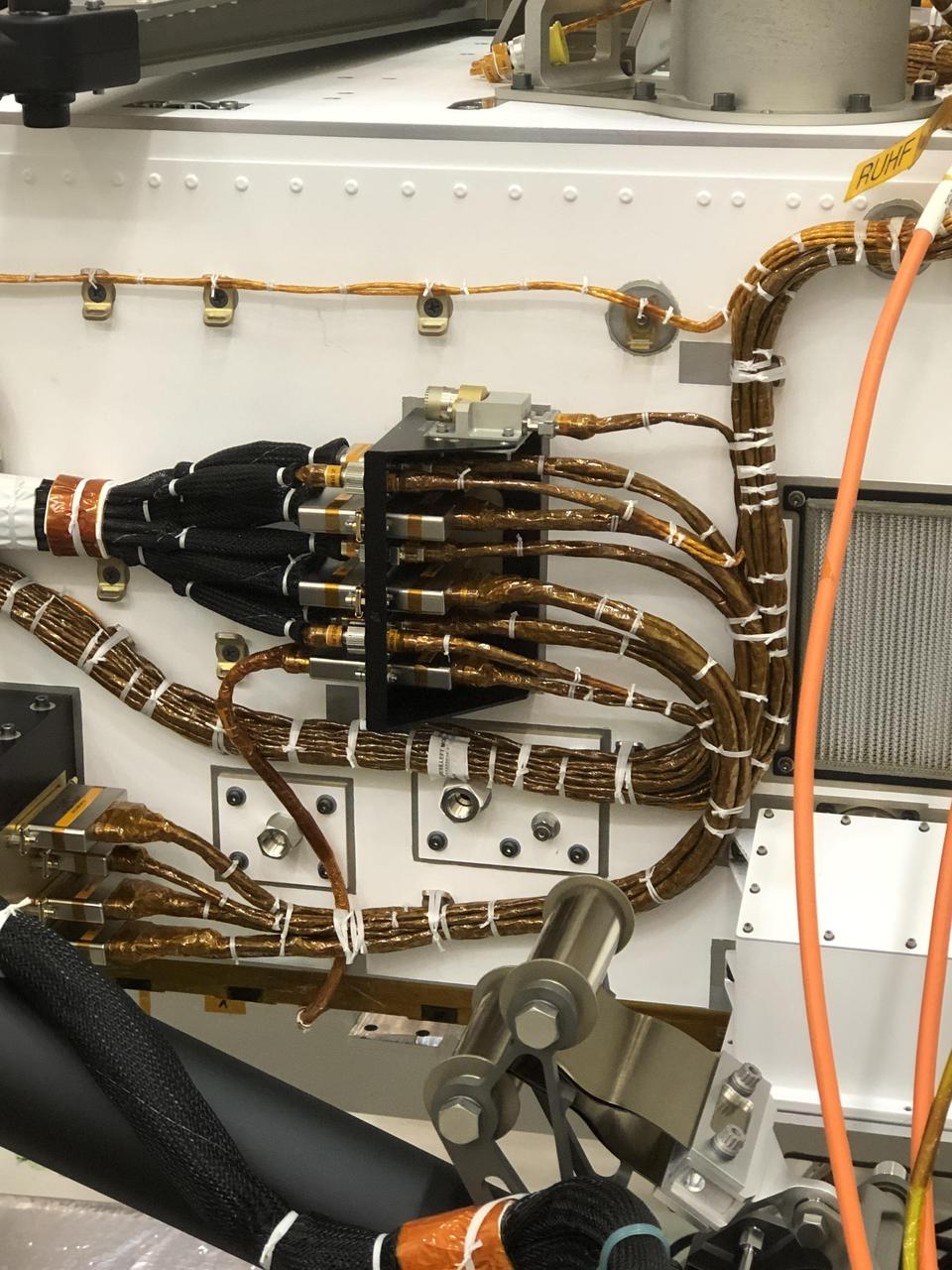
Components are visible on the port side of the Perseverance rover in this close-up image taken on Nov. 16, 2019, in High Bay 1 of the Spacecraft Assembly Facility at NASA's Jet Propulsion Laboratory in Southern California. At center of the image, attached to the side of the rover, is a black cable bracket (with gold cabling running through it). Attached to the top of this black bracket — and gray in color — is the Entry Descent and Landing (EDL) microphone. Below the cable bracket are the Mars Oxygen In-Situ Resource Utilization Experiment (MOXIE) wall ports. The orange cable passing over it is part of ground support equipment. https://photojournal.jpl.nasa.gov/catalog/PIA24046
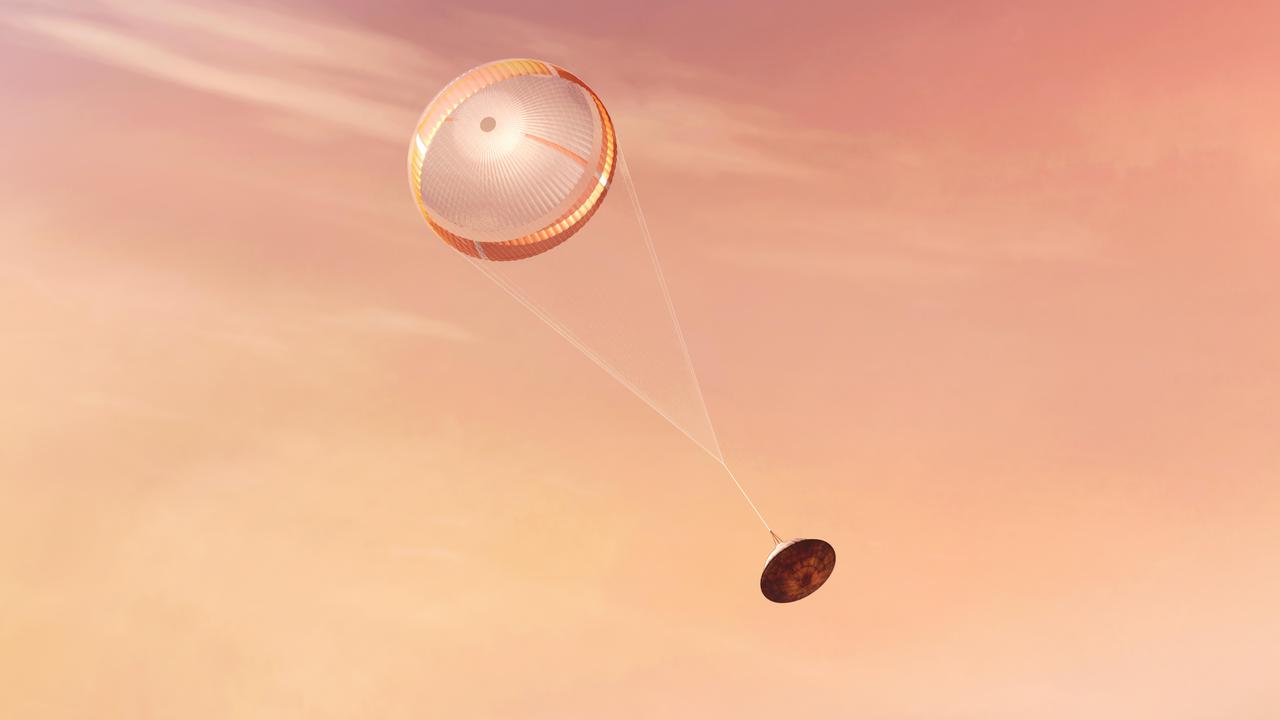
NASA's Perseverance rover deploys a supersonic parachute from its aeroshell as it slows down before landing, in this artist's illustration. Hundreds of critical events must execute perfectly and exactly on time for the rover to land safely on Feb. 18, 2021. Entry, Descent, and Landing, or "EDL," begins when the spacecraft reaches the top of the Martian atmosphere, traveling nearly 12,500 mph (20,000 kph). EDL ends about seven minutes after atmospheric entry, with Perseverance stationary on the Martian surface. The parachute, 70.5 feet (21.5 meters) in diameter, deploys about 240 seconds after entry into the Martian atmosphere, at an altitude of about 7 miles (11 kilometers) and a velocity of about 940 mph (1,512 kph). The parachute slows the vehicle to about 200 mph (320 kph). https://photojournal.jpl.nasa.gov/catalog/PIA24316
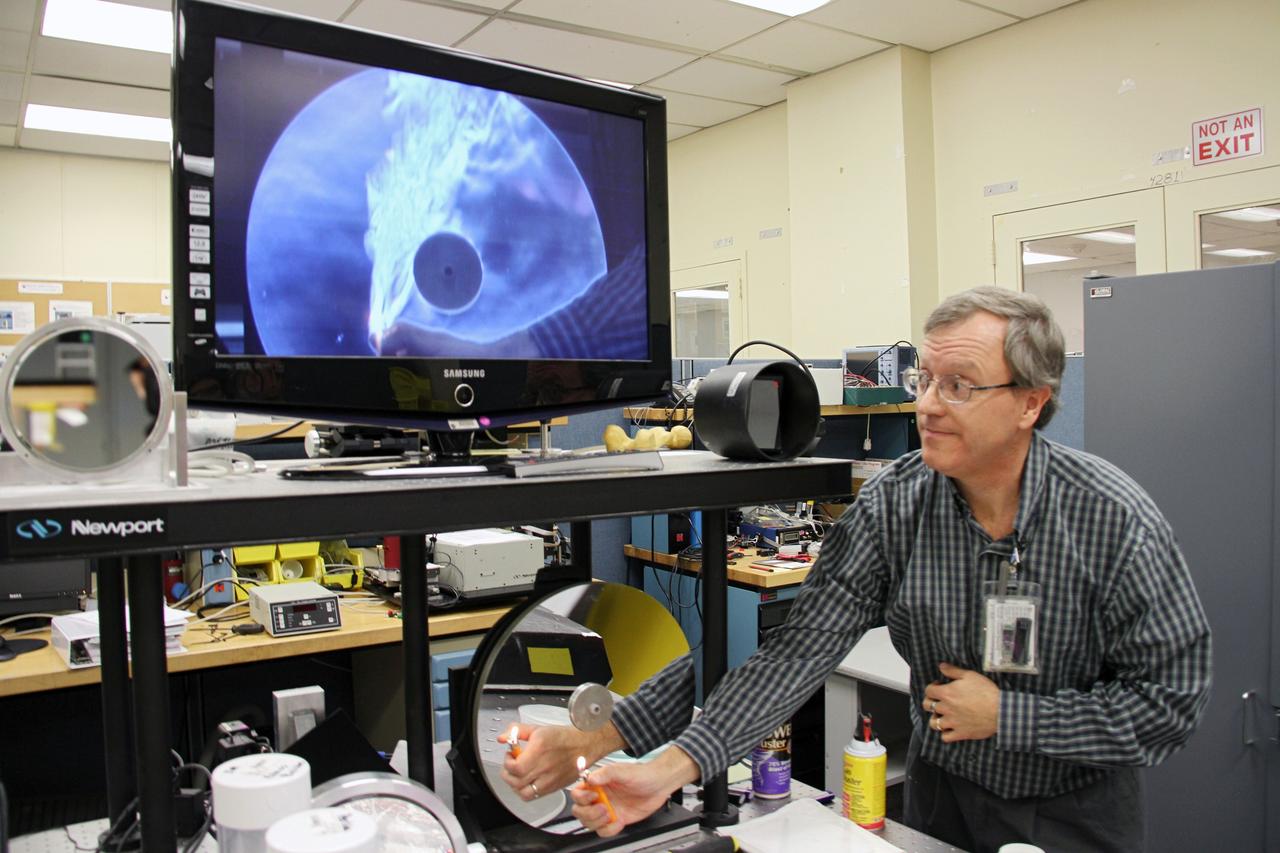
CAPE CANAVERAL, Fla. -- Inside the Applied Physics Laboratory in the Operations and Checkout Building at NASA’s Kennedy Space Center in Florida, lead researcher Dr. Bob Youngquist demonstrates a technology developed for the Space Shuttle Program to a group of Society of Physics students. About 800 graduate and undergraduate physics students toured Kennedy facilities. A group of about 40 students toured laboratories in the Operations and Checkout Building and the EDL during their visit. The physics students were in Orlando for the 2012 Quadrennial Physics Congress. Photo credit: NASA/Cory Huston
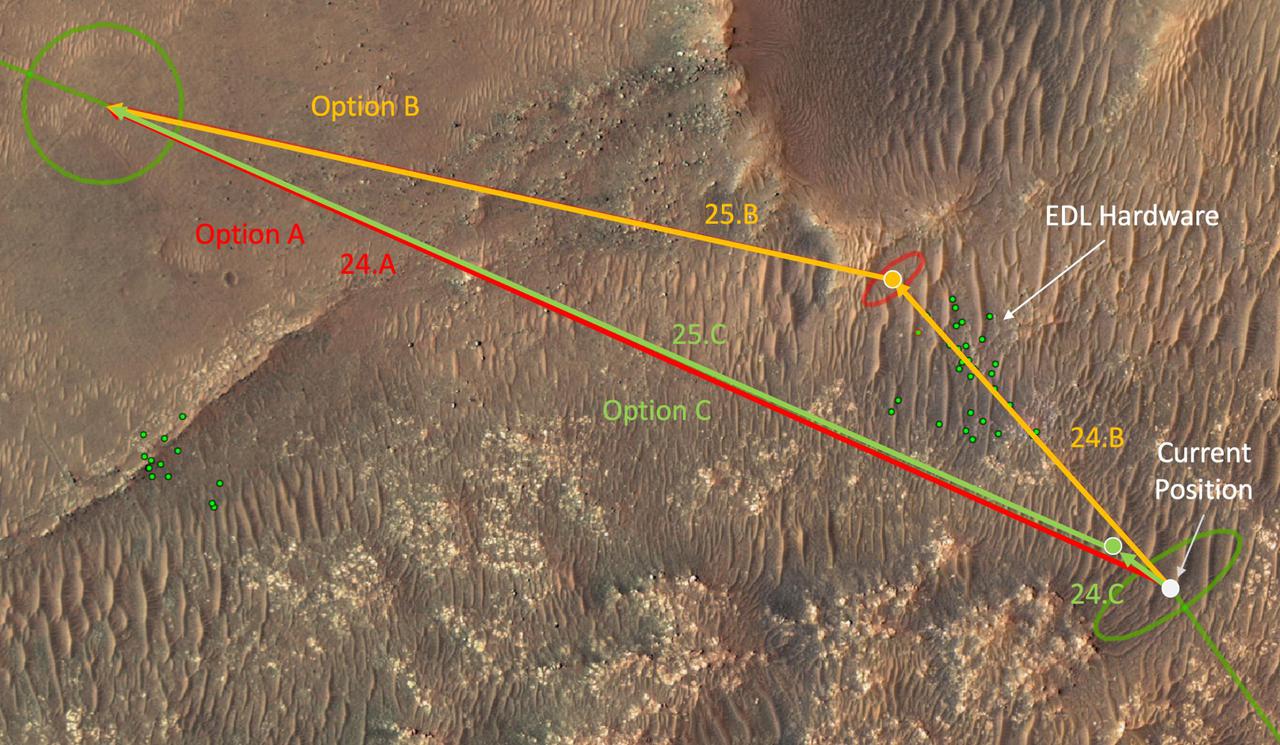
This annotated overhead image from the HiRISE camera aboard NASA's Mars Reconnaissance Orbiter (MRO) depicts three options for the agency's Mars Ingenuity Helicopter to take on flights out of the "Séítah" region, as well as the location of the entry, descent, and landing (EDL) hardware. The size and location of the landing ellipses have been analyzed to be safe for landing – free of hazards such as rocks, dunes, and large slopes. See an interactive map with Perseverance and Ingenuity location updates here: https://mars.nasa.gov/mars2020/mission/where-is-the-rover/ https://photojournal.jpl.nasa.gov/catalog/PIA25029
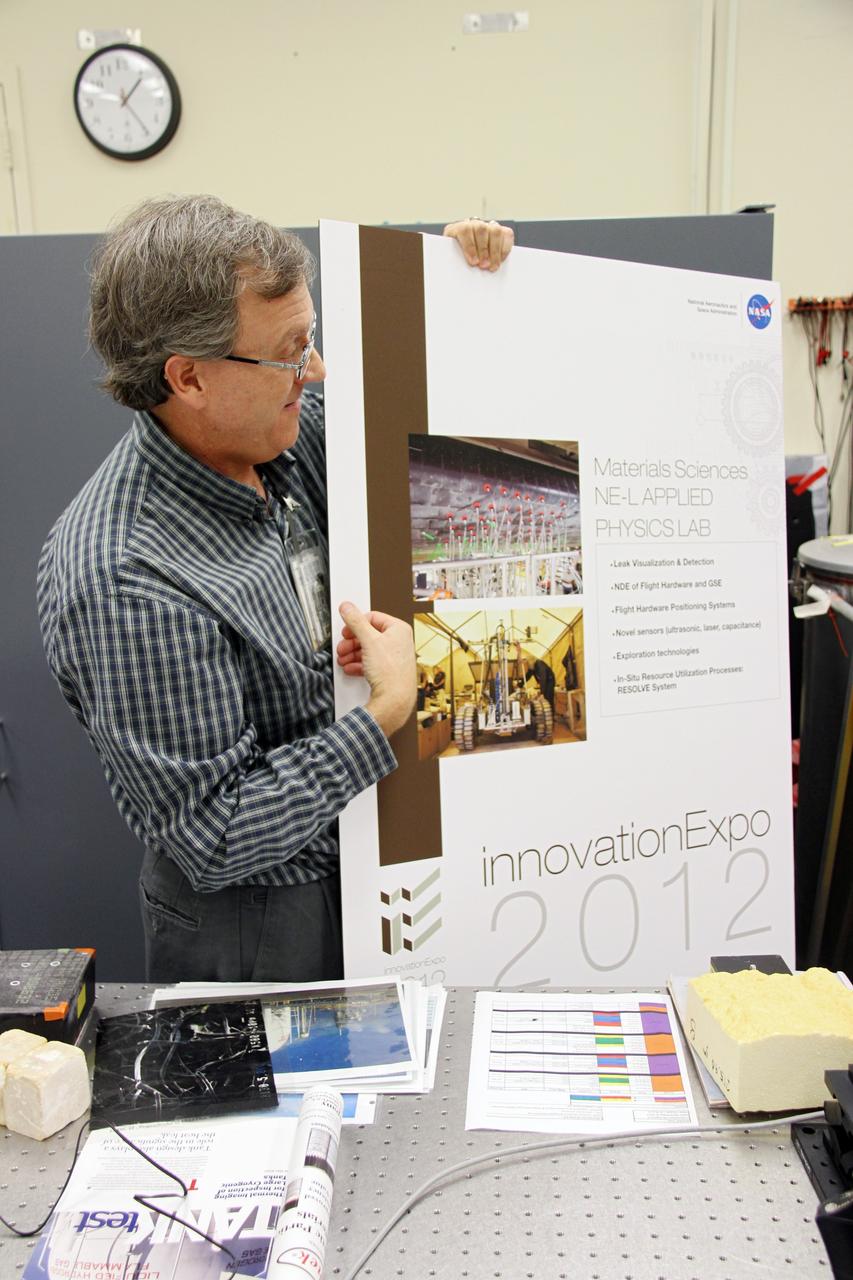
CAPE CANAVERAL, Fla. -- Inside the Applied Physics Laboratory in the Operations and Checkout Building at NASA’s Kennedy Space Center in Florida, lead researcher Dr. Bob Youngquist describes technologies developed for the Space Shuttle Program to a group of Society of Physics students. About 800 graduate and undergraduate physics students toured Kennedy facilities. A group of about 40 students toured laboratories in the Operations and Checkout Building and the EDL during their visit. The physics students were in Orlando for the 2012 Quadrennial Physics Congress. Photo credit: NASA/Cory Huston
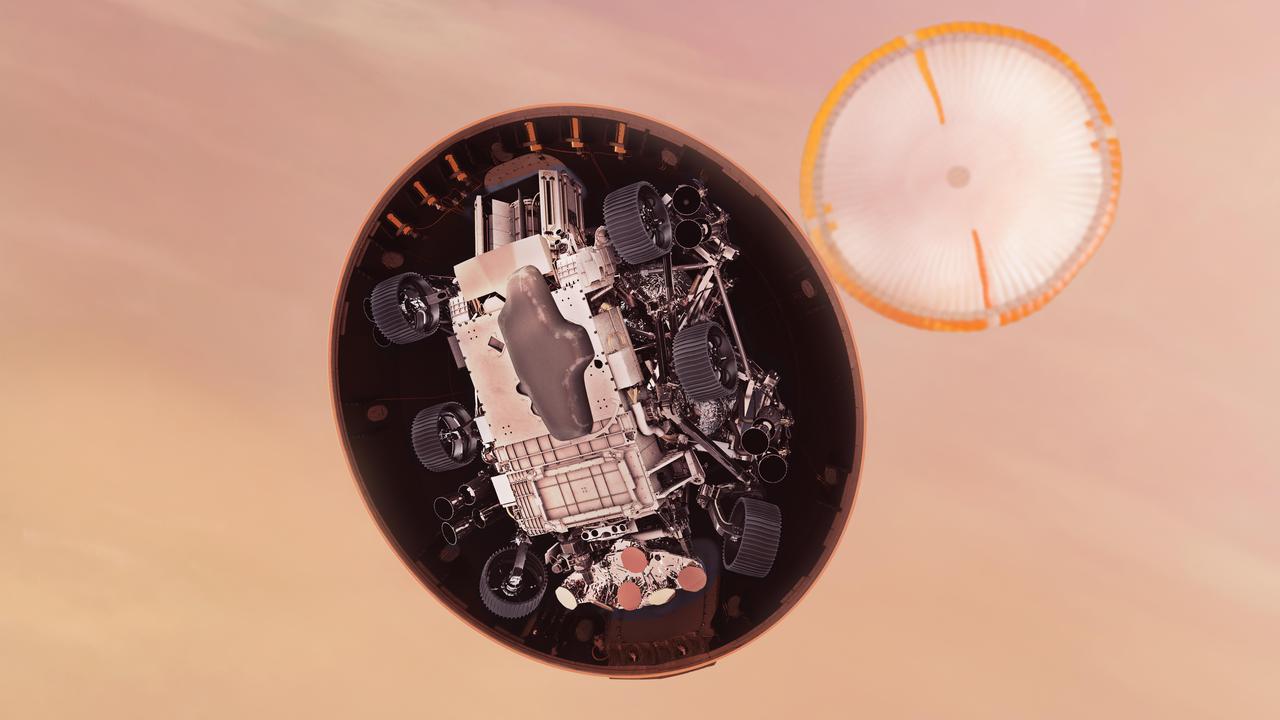
In this illustration, NASA's Perseverance rover gets its first look at the Martian surface below, after dropping its heat shield just under six minutes after entry into the Mars atmosphere. Hundreds of critical events must execute perfectly and exactly on time for the rover to land safely on Feb. 18, 2021. Entry, Descent, and Landing, or "EDL," begins when the spacecraft reaches the top of the Martian atmosphere, traveling nearly 12,500 mph (20,000 kph). EDL ends about seven minutes after atmospheric entry, with Perseverance stationary on the Martian surface. The parachute, 70.5 feet (21.5 meters) in diameter, deploys about 240 seconds after entry, at an altitude of about 7 miles (11 kilometers) and a velocity of about 940 mph (1,512 kph). The heat shield separates about 20 seconds, and the rover is exposed to the atmosphere of Mars for the first time. With a clear view of the ground, the landing radar and Terrain Relative Navigation system can begin determining the vehicle's precise altitude, position, and velocity in preparation for touchdown. https://photojournal.jpl.nasa.gov/catalog/PIA24317
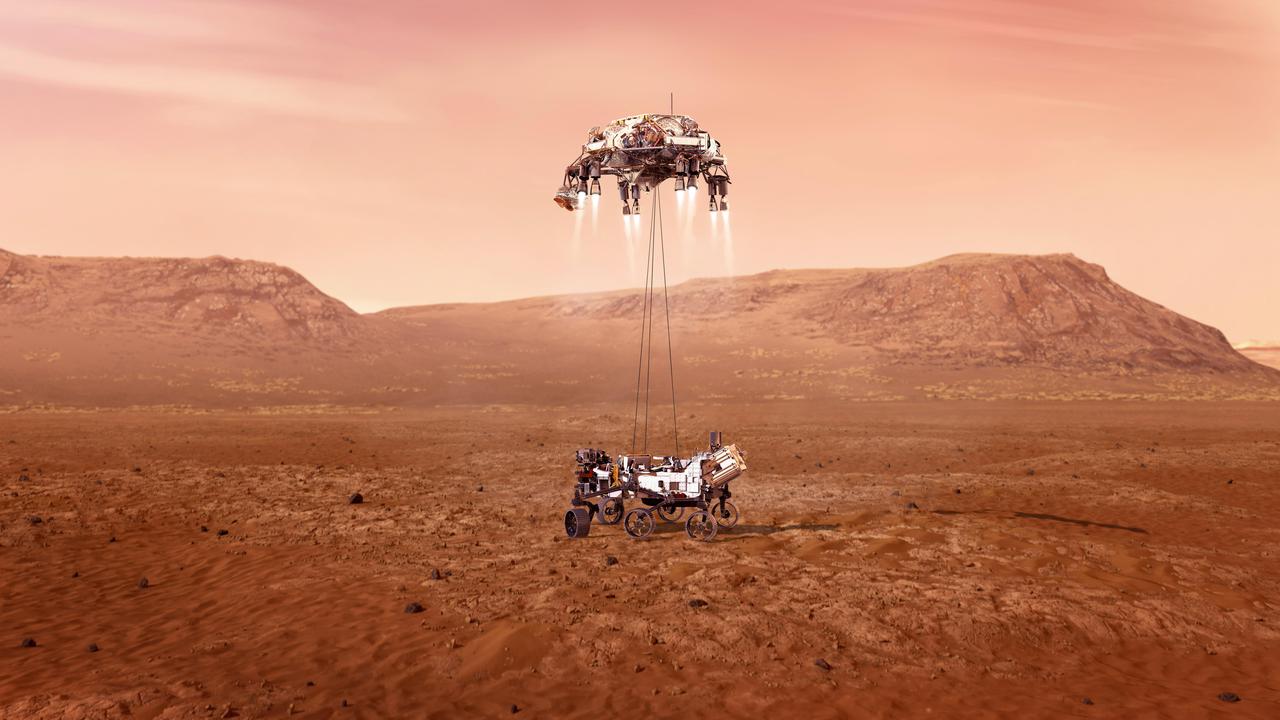
An illustration of NASA's Perseverance rover landing safely on Mars. Hundreds of critical events must execute perfectly and exactly on time for the rover to land safely on Feb. 18, 2021. Entry, Descent, and Landing, or "EDL," begins when the spacecraft reaches the top of the Martian atmosphere, travelling nearly 12,500 mph (20,000 kph). EDL ends about seven minutes after atmospheric entry, with Perseverance stationary on the Martian surface. At about 6,900 feet (2,100 meters) above the surface, the rover separates from the backshell, and fires up the descent stage engines. As the descent stage levels out and slows to its final descent speed of about 1.7 mph (2.7 kph), it initiates the "skycrane" maneuver. About 12 seconds before touchdown, roughly 66 feet (20 meters) above the surface, the descent stage lowers the rover on a set of cables about 21 feet (6.4 meters) long. The rover unstows its mobility system, locking its legs and wheels into landing position. As soon as the rover senses that its wheels have touched the ground, it cuts the cables connecting it to the descent stage. This frees the descent stage to fly off to make its own uncontrolled landing on the surface, a safe distance away from Perseverance. https://photojournal.jpl.nasa.gov/catalog/PIA24319
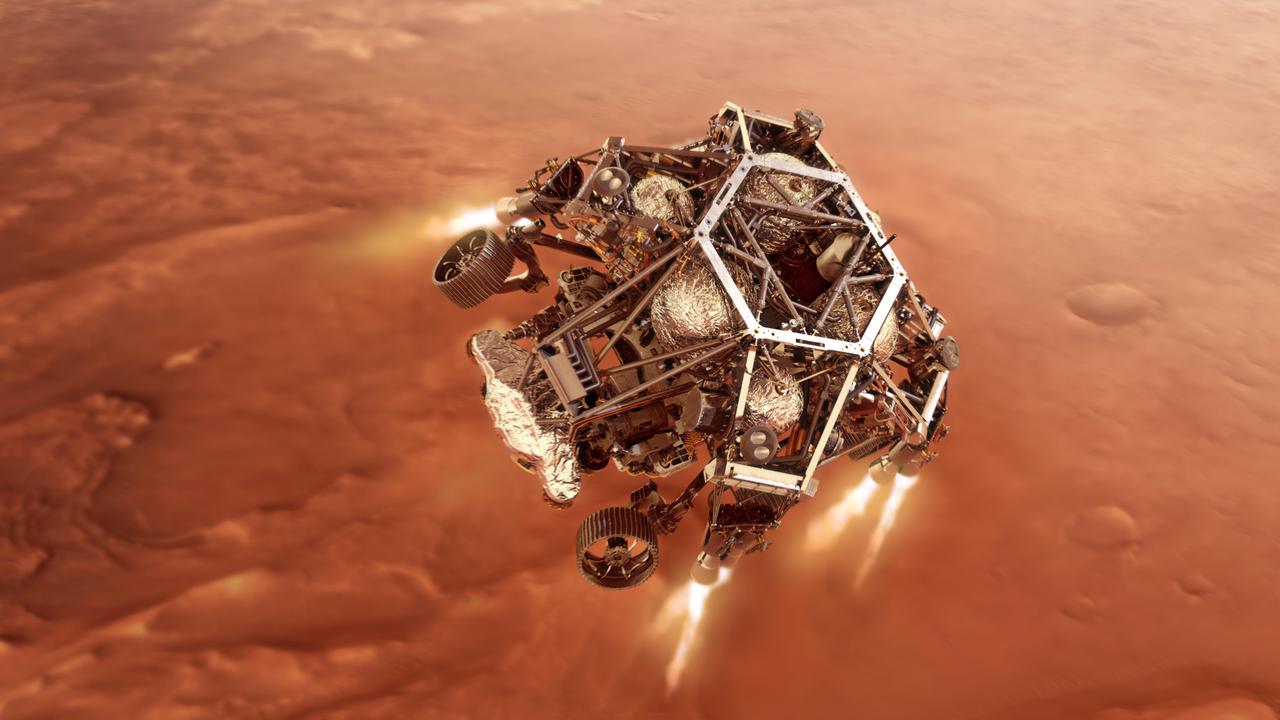
NASA's Perseverance rover fires up its descent stage engines as it nears the Martian surface in this illustration. This phase of its entry, descent and landing sequence, or EDL, is known as "powered descent." Hundreds of critical events must execute perfectly and exactly on time for the rover to land safely on Feb. 18, 2021. The cruise stage separates about 10 minutes before entering into the atmosphere, leaving the aeroshell, which encloses the rover and descent stage, to make the trip to the surface. At about 6,900 feet (2,100 meters) above the surface, the rover separates from the parachute and backshell. At this point, the rover is joined to the descent stage, which functions as a sort of jetpack for the rover. The descent stage fires up its engines, flies to a reachable self-selected safe landing target, levels out, and slows to its final descent speed of about 1.7 mph (2.7 kph). It then initiates the "skycrane" maneuver: about 12 seconds before touchdown, roughly 66 feet (20 meters) above the surface, the descent stage lowers the rover on a set of cables about 21 feet (6.4 meters) long. The rover unstows its mobility system, locking its legs and wheels into landing position. EDL ends about seven minutes after atmospheric entry, with Perseverance stationary on the Martian surface. https://photojournal.jpl.nasa.gov/catalog/PIA24318

Aline Zimmer, EDL Systems Engineer, NASA JPL, left, and Farah Alibay, Payload Systems Engineer, NASA JPL, talk about Mars InSight during a social media briefing, Sunday, Nov. 25, 2018 at NASA's Jet Propulsion Laboratory in Pasadena, California. InSight, short for Interior Exploration using Seismic Investigations, Geodesy and Heat Transport, is a Mars lander designed to study the "inner space" of Mars: its crust, mantle, and core. InSight is scheduled to touch down on the Red Planet at approximately noon PST (3 p.m. EST) on Nov. 26. Photo Credit: (NASA/Bill Ingalls)
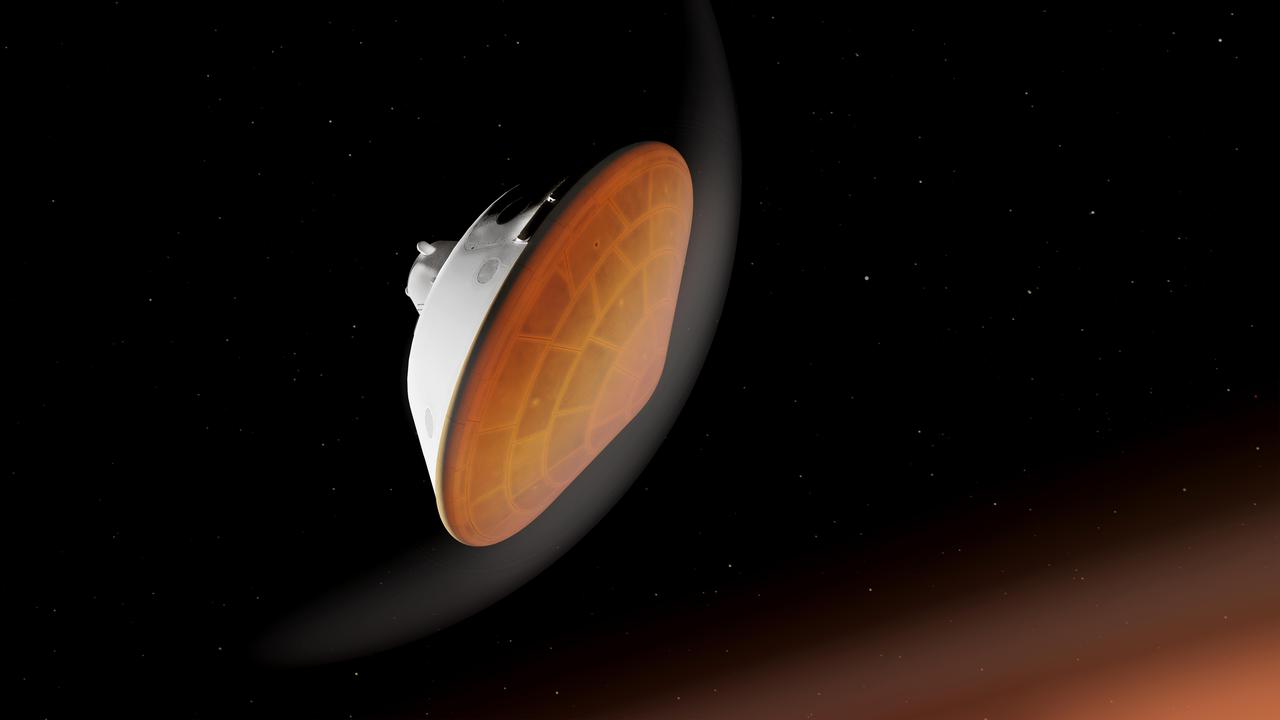
With its heat shield facing the planet, NASA's Perseverance rover begins its descent through the Martian atmosphere in this illustration. Hundreds of critical events must execute perfectly and exactly on time for the rover to land on Mars safely on Feb. 18, 2021. Entry, Descent, and Landing, or "EDL," begins when the spacecraft reaches the top of the Martian atmosphere, traveling nearly 12,500 mph (20,000 kph). The aeroshell, which encloses the rover and descent stage, makes the trip to the surface on its own. The vehicle fires small thrusters on the backshell to reorient itself and make sure the heat shield is facing forward as it plunges into the atmosphere. https://photojournal.jpl.nasa.gov/catalog/PIA24313

Aline Zimmer, EDL Systems Engineer, NASA JPL talks about Mars InSight during a social media briefing, Sunday, Nov. 25, 2018 at NASA's Jet Propulsion Laboratory in Pasadena, California. InSight, short for Interior Exploration using Seismic Investigations, Geodesy and Heat Transport, is a Mars lander designed to study the "inner space" of Mars: its crust, mantle, and core. InSight is scheduled to touch down on the Red Planet at approximately noon PST (3 p.m. EST) on Nov. 26. Photo Credit: (NASA/Bill Ingalls)

CAPE CANAVERAL, Fla. -- Inside a laboratory in the Operations and Checkout Building at NASA’s Kennedy Space Center in Florida, research chemist Mary Coan describes components of the Regolith and Environment Science and Oxygen and Lunar Volatiles Extraction, or RESOLVE, rover to a group of Society of Physics students. About 800 graduate and undergraduate physics students toured Kennedy facilities. A group of about 40 students toured laboratories in the Operations and Checkout Building and the EDL during their visit. The physics students were in Orlando for the 2012 Quadrennial Physics Congress. Photo credit: NASA/Cory Huston

Rob Grover, EDL Phase Lead, NASA JPL, holds a jar of good-luck peanuts as he and other Mars InSight team members monitor the status of the lander prior to it touching down on Mars, Monday, Nov. 26, 2018 inside the Mission Support Area at NASA's Jet Propulsion Laboratory in Pasadena, California. InSight, short for Interior Exploration using Seismic Investigations, Geodesy and Heat Transport, is a Mars lander designed to study the "inner space" of Mars: its crust, mantle, and core. Photo Credit: (NASA/Bill Ingalls)
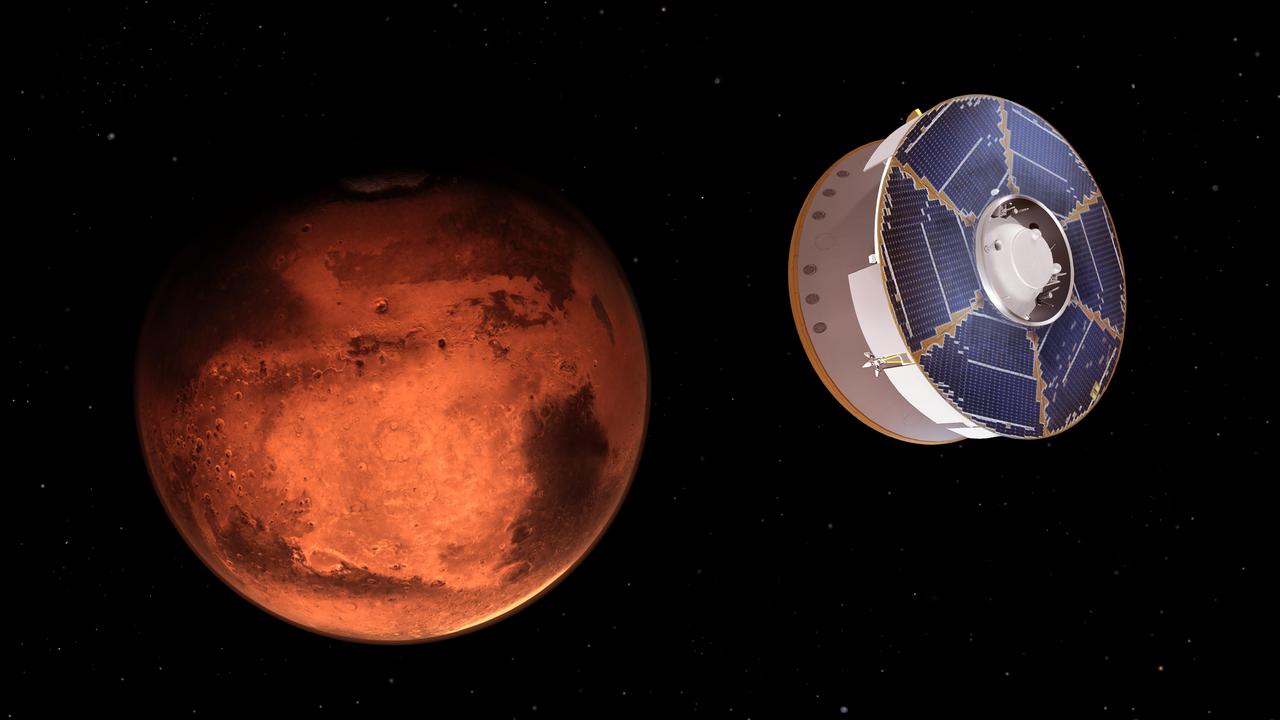
This illustration shows NASA's Mars 2020 spacecraft carrying the Perseverance rover as it approaches Mars. Hundreds of critical events must execute perfectly and exactly on time for the rover to land on Mars safely on Feb. 18, 2021. Solar panels powering the spacecraft are visible on the cruise state at the top. The cruise stage is attached to the aeroshell, which encloses the rover and descent stage. Entry, Descent, and Landing, or "EDL," begins when the aeroshell reaches the top of the Martian atmosphere, traveling nearly 12,500 mph (20,000 kph). It ends about seven minutes later, with Perseverance stationary on the Martian surface. https://photojournal.jpl.nasa.gov/catalog/PIA24311
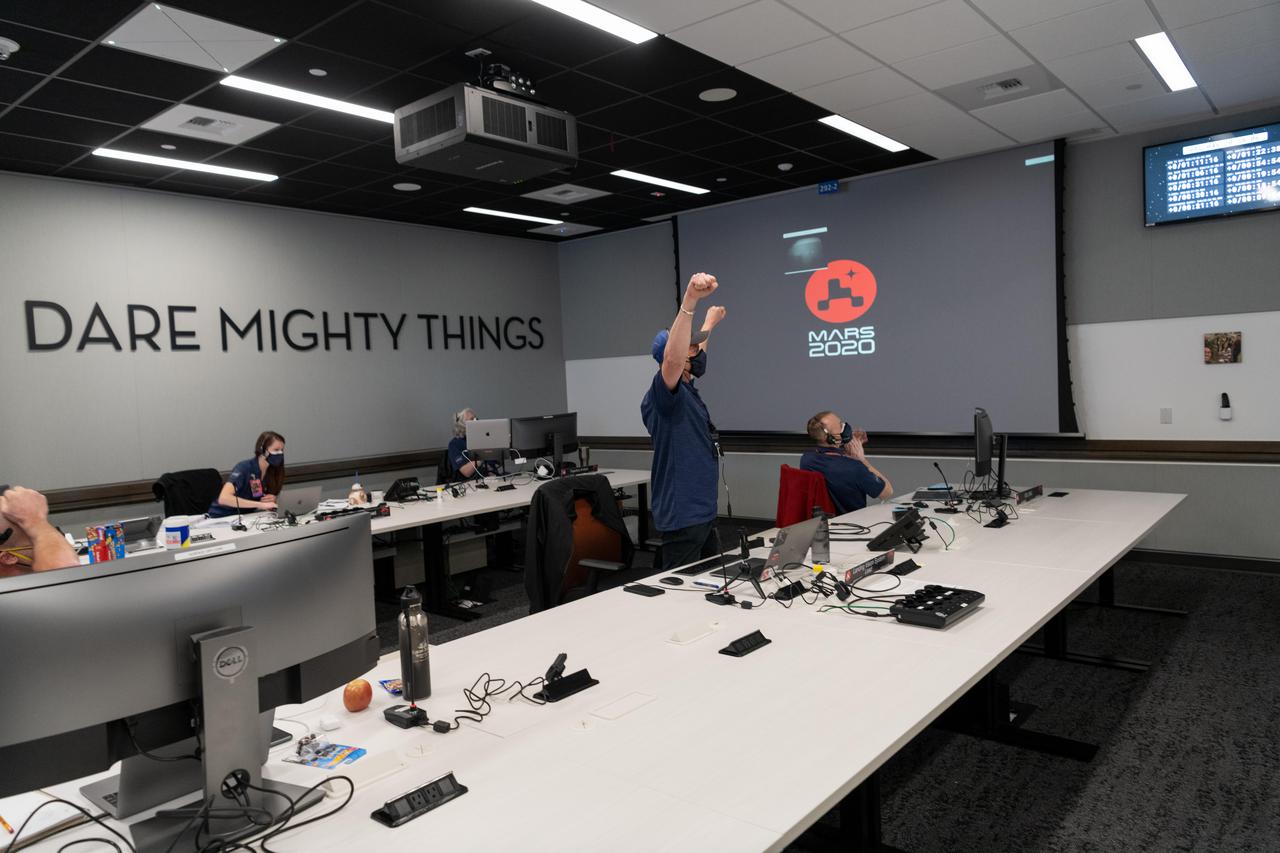
Members of NASA's Mars 2020 Perseverance rover mission celebrate on Feb. 18, 2021, after learning the spacecraft has touched down on Mars. They are in the Entry, Descent and Landing War Room at NASA's Jet Propulsion Laboratory in Southern California. A key objective for Perseverance's mission on Mars is astrobiology, including the search for signs of ancient microbial life. The rover will characterize the planet's geology and past climate, pave the way for human exploration of the Red Planet, and be the first mission to collect and cache Martian rock and regolith. Subsequent missions, currently under consideration by NASA in cooperation with ESA (European Space Agency), would send spacecraft to Mars to collect these cached samples from the surface and return them to Earth for in-depth analysis. https://photojournal.jpl.nasa.gov/catalog/PIA24267

This illustration shows the events that occur in the final minutes of the nearly seven-month journey that NASA's Perseverance rover takes to Mars. Hundreds of critical events must execute perfectly and exactly on time for the rover to land on Mars safely on Feb. 18, 2021. A metric version of this illustration is also available (Figure 1). Entry, Descent, and Landing, or "EDL," begins when the spacecraft reaches the top of the Martian atmosphere, traveling nearly 12,500 mph (20,000 kph). It ends about seven minutes later, with Perseverance stationary on the Martian surface. Perseverance handles everything on its own during this process. It takes more than 11 minutes to get a radio signal back from Mars, so by the time the mission team hears that the spacecraft has entered the atmosphere, in reality, the rover is already on the ground. https://photojournal.jpl.nasa.gov/catalog/PIA24285
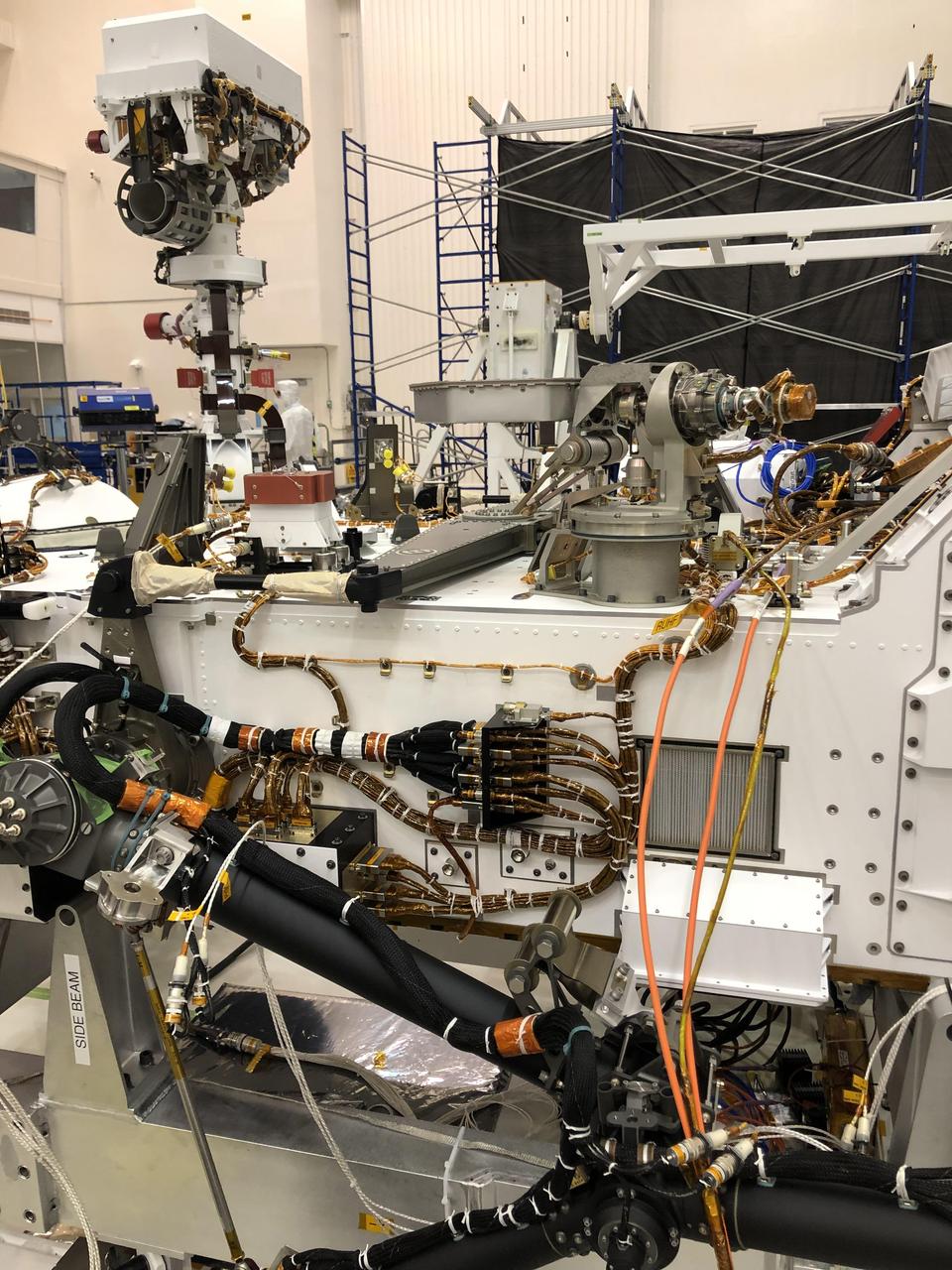
The port side of NASA's Perseverance Mars rover can be seen in this image taken on Nov. 16, 2019, in High Bay 1 of the Spacecraft Assembly Facility at NASA's Jet Propulsion Laboratory in Southern California. At the top left, the rover's remote sensing mast can be seen in the deployed position. To the right of the mast in the center of the image is the light gray high-gain antenna. At center of the image, attached to the side of the rover, is a black cable bracket (with gold cabling running through it). Attached to the top of this black bracket — and gray in color — is the Entry Descent and Landing (EDL) microphone. The rectangular screen to the right of the cable bracket is the rover chassis HEPA filter, which is above the white box housing the Mars Oxygen In-Situ Resource Utilization Experiment (MOXIE) inlet filter assembly. Gray and bright orange cables seen in the foreground of the image belong to ground support equipment. https://photojournal.jpl.nasa.gov/catalog/PIA24045
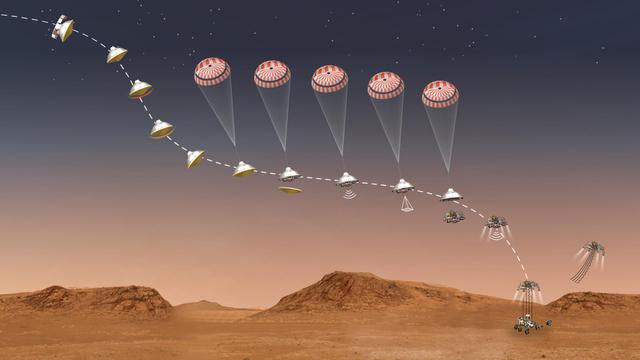
This illustration depicts the some of the major milestones NASA's Perseverance rover will go through during its 7-minute descent to the Martian surface on Feb. 18, 2021. Hundreds of critical events must execute perfectly and exactly on time for the rover to land safely. Entry, Descent, and Landing, or EDL, begins when the spacecraft reaches the top of the Martian atmosphere, traveling nearly 12,500 mph (20,000 kph). It ends about seven minutes later, with Perseverance stationary on the Martian surface. Perseverance handles everything on its own during this process. It takes more than 11 minutes to get a radio signal back from Mars, so by the time the mission team hears that the spacecraft has entered the atmosphere, in reality, the rover is already on the ground. A key objective for Perseverance's mission on Mars is astrobiology, including the search for signs of ancient microbial life. The rover will characterize the planet's geology and past climate, pave the way for human exploration of the Red Planet, and be the first mission to collect and cache Martian rock and regolith. Subsequent missions, currently under consideration by NASA in cooperation with ESA (European Space Agency), would send spacecraft to Mars to collect these cached samples from the surface and return them to Earth for in-depth analysis. https://photojournal.jpl.nasa.gov/catalog/PIA24265
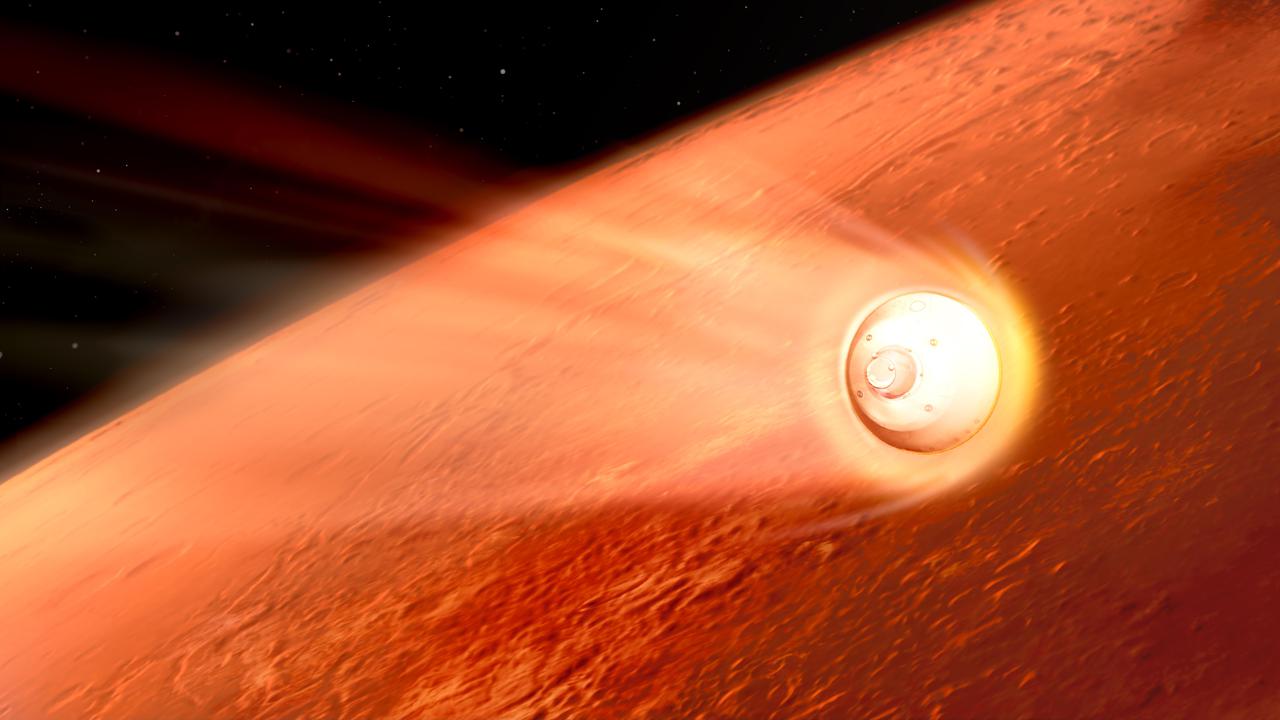
In this illustration of its descent to Mars, the spacecraft containing NASA's Perseverance rover slows down using the drag generated by its motion in the Martian atmosphere. Hundreds of critical events must execute perfectly and exactly on time for the rover to land on Mars safely on Feb. 18, 2021. Entry, Descent, and Landing, or "EDL," begins when the spacecraft reaches the top of the Martian atmosphere, traveling nearly 12,500 mph (20,000 kph). The cruise stage separates about 10 minutes before entering into the atmosphere, leaving the aeroshell, which encloses the rover and descent stage, to make the trip to the surface. The vehicle fires small thrusters on the backshell to reorient itself and make sure the heat shield is facing forward as it plunges into the atmosphere. As it descends through the atmosphere, the spacecraft fires these thrusters on its backshell to guide itself. The spacecraft uses the Martian atmosphere to brake, causing it to heat up dramatically. Peak heating occurs about 80 seconds after atmospheric entry, when the temperature at the external surface of the heat shield reaches about 2,370 degrees Fahrenheit (about 1,300 degrees Celsius). The rover is safe in the aeroshell, and reaches only about room temperature. Peak deceleration occurs about 10 seconds later (~90 seconds after atmospheric entry). The heat shield slows the spacecraft to under 1,000 mph (1,600 kph). https://photojournal.jpl.nasa.gov/catalog/PIA24314
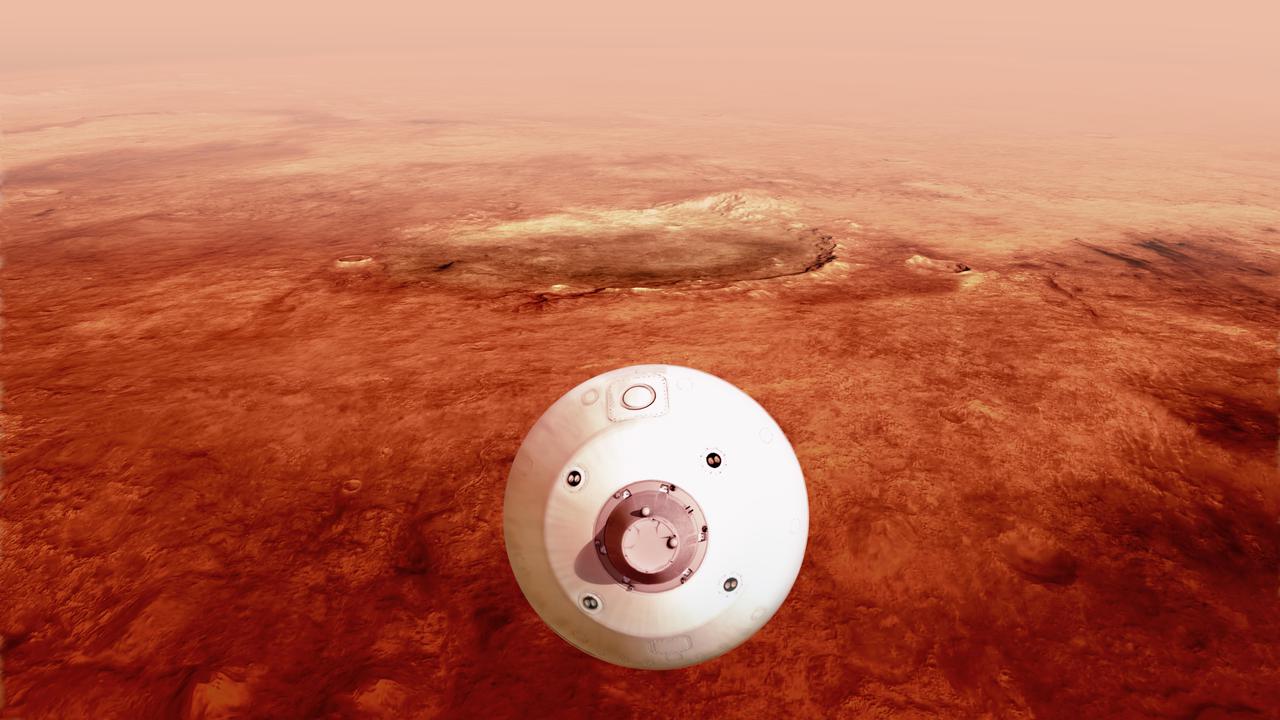
The aeroshell containing NASA's Perseverance rover guides itself towards the Martian surface as it descends through the atmosphere in this illustration. Hundreds of critical events must execute perfectly and exactly on time for the rover to land on Mars safely on Feb. 18, 2021. Entry, Descent, and Landing, or "EDL," begins when the spacecraft reaches the top of the Martian atmosphere, traveling nearly 12,500 mph (20,000 kph). The cruise stage separates about 10 minutes before entering into the atmosphere, leaving the aeroshell, which encloses the rover and descent stage, to make the trip to the surface. The vehicle fires small thrusters on the backshell to reorient itself and make sure the heat shield is facing forward. The spacecraft uses the Martian atmosphere to brake, causing it to heat up dramatically. Peak heating occurs about 80 seconds after atmospheric entry. The rover is safe in the aeroshell, and reaches only about room temperature. Peak deceleration occurs about 10 seconds later (~90 seconds after atmospheric entry). As it descends through the atmosphere, the spacecraft fires thrusters on its backshell to guide itself. This phase of the descent is referred to as "guided entry." https://photojournal.jpl.nasa.gov/catalog/PIA24315