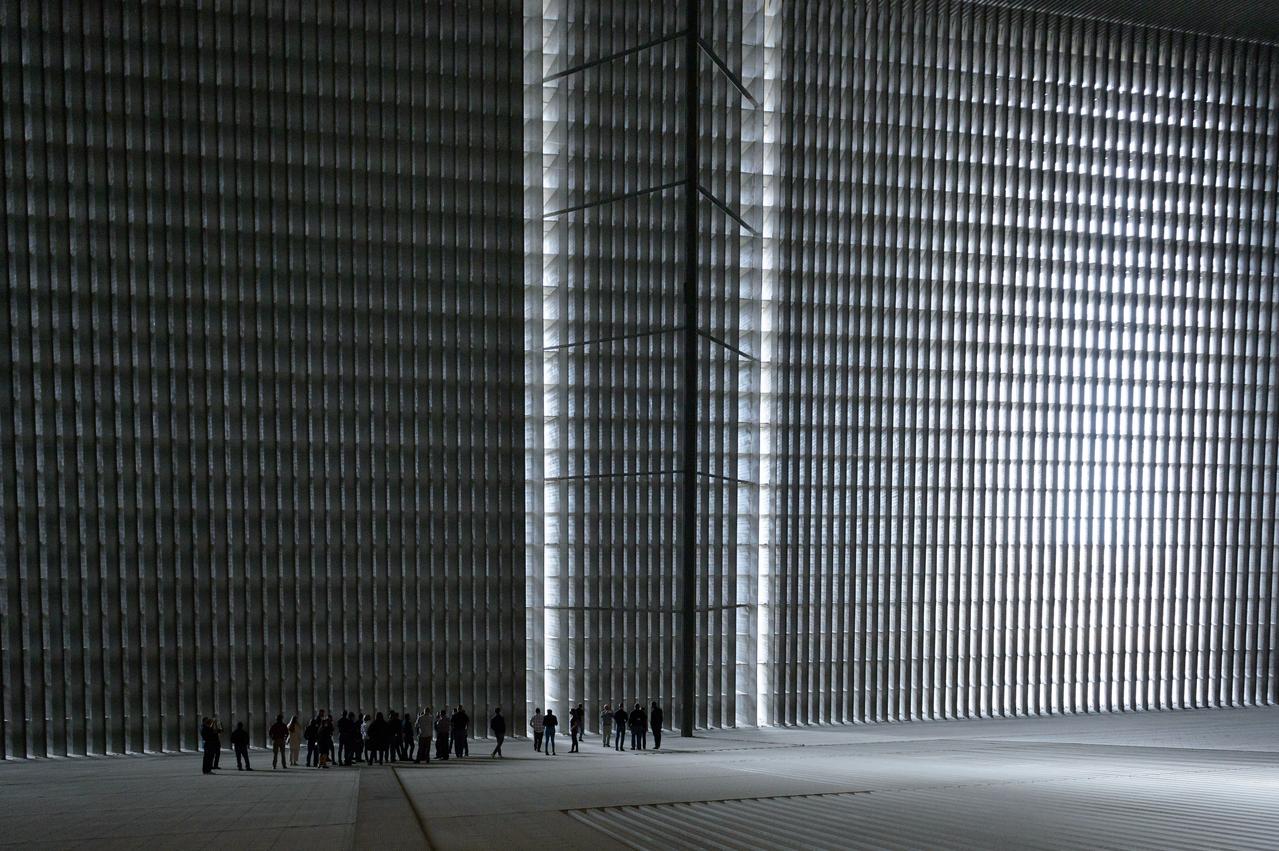
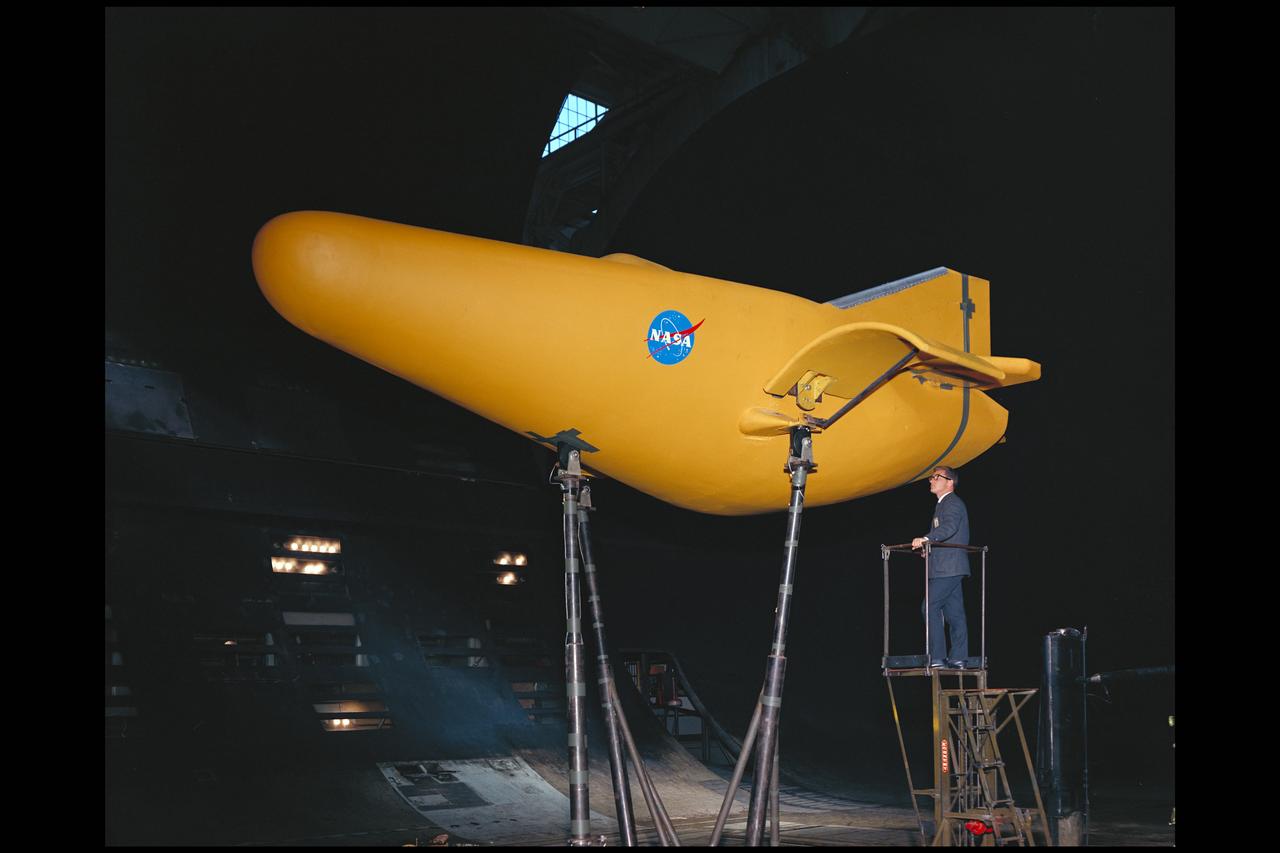
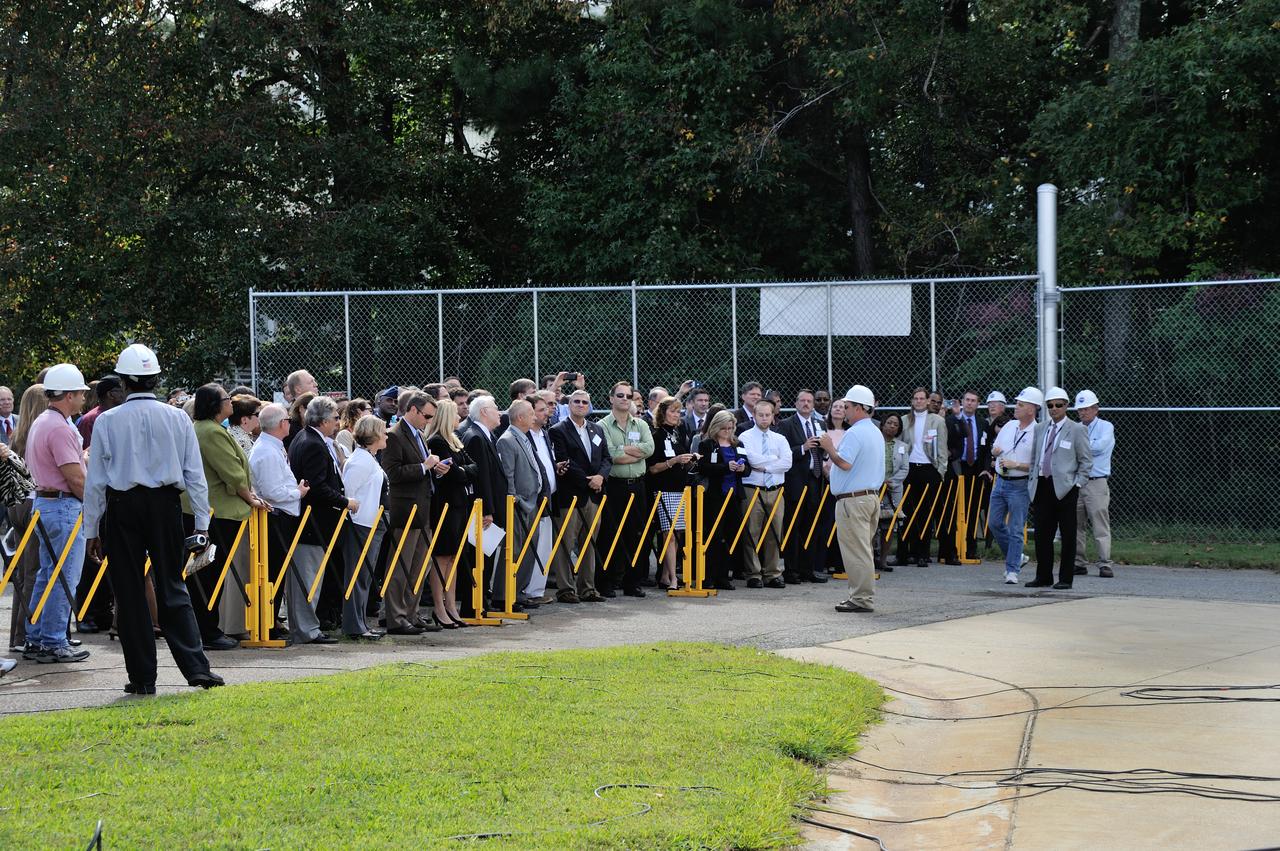
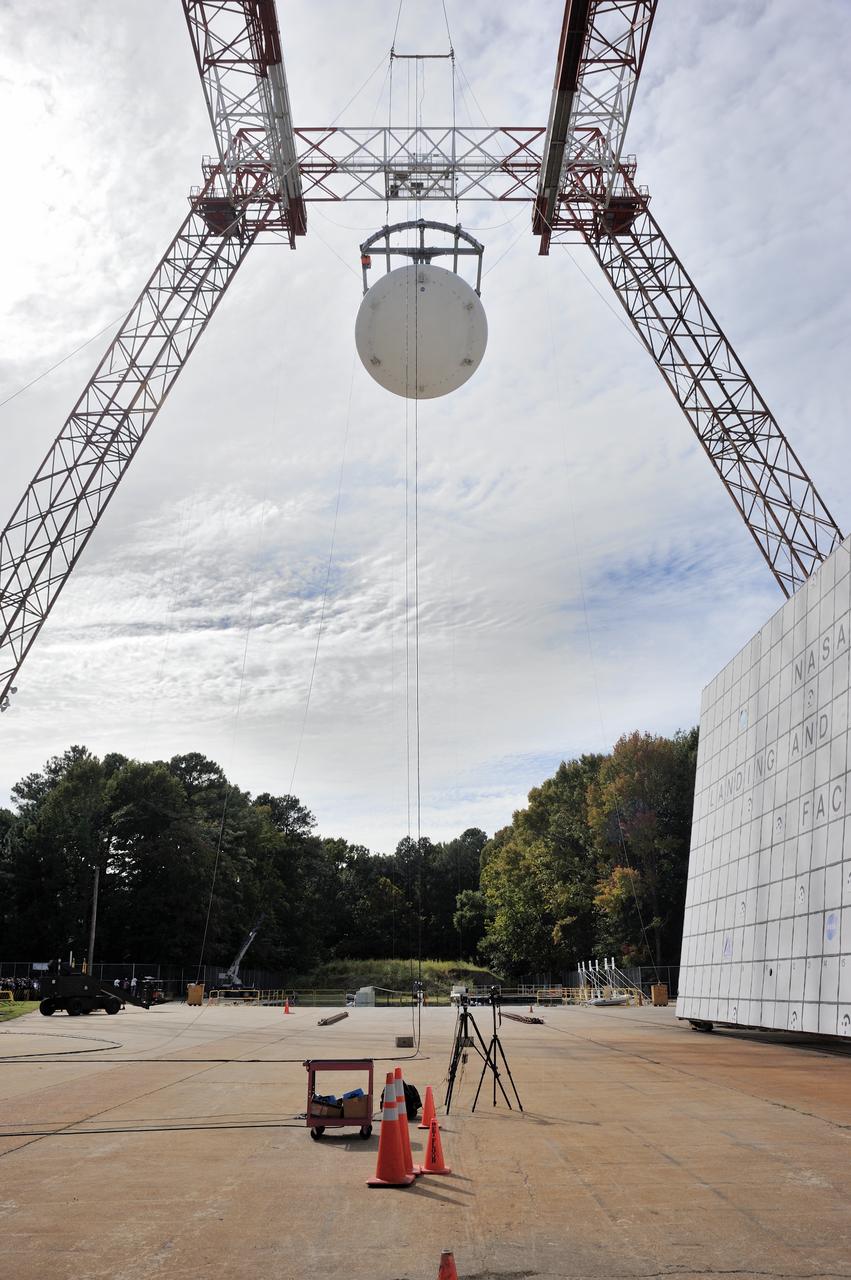
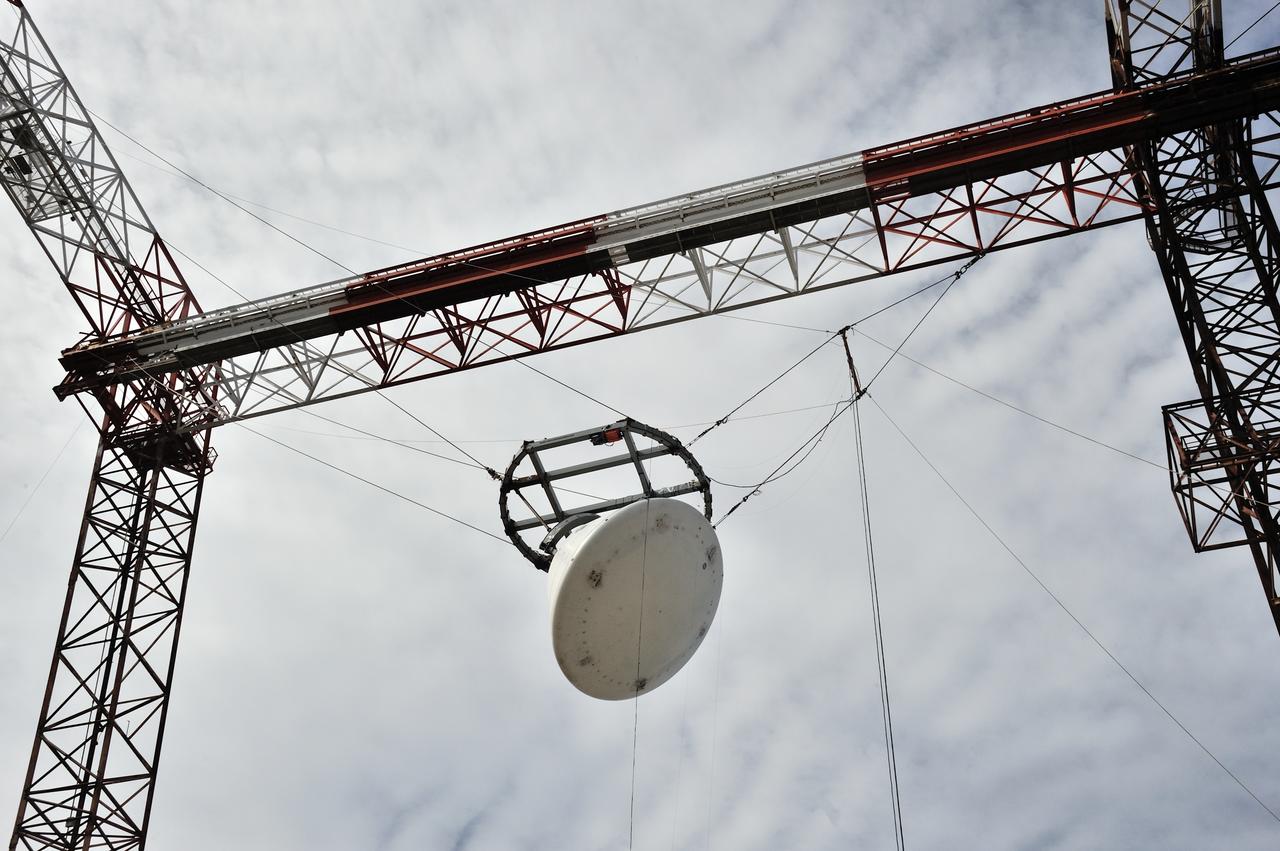
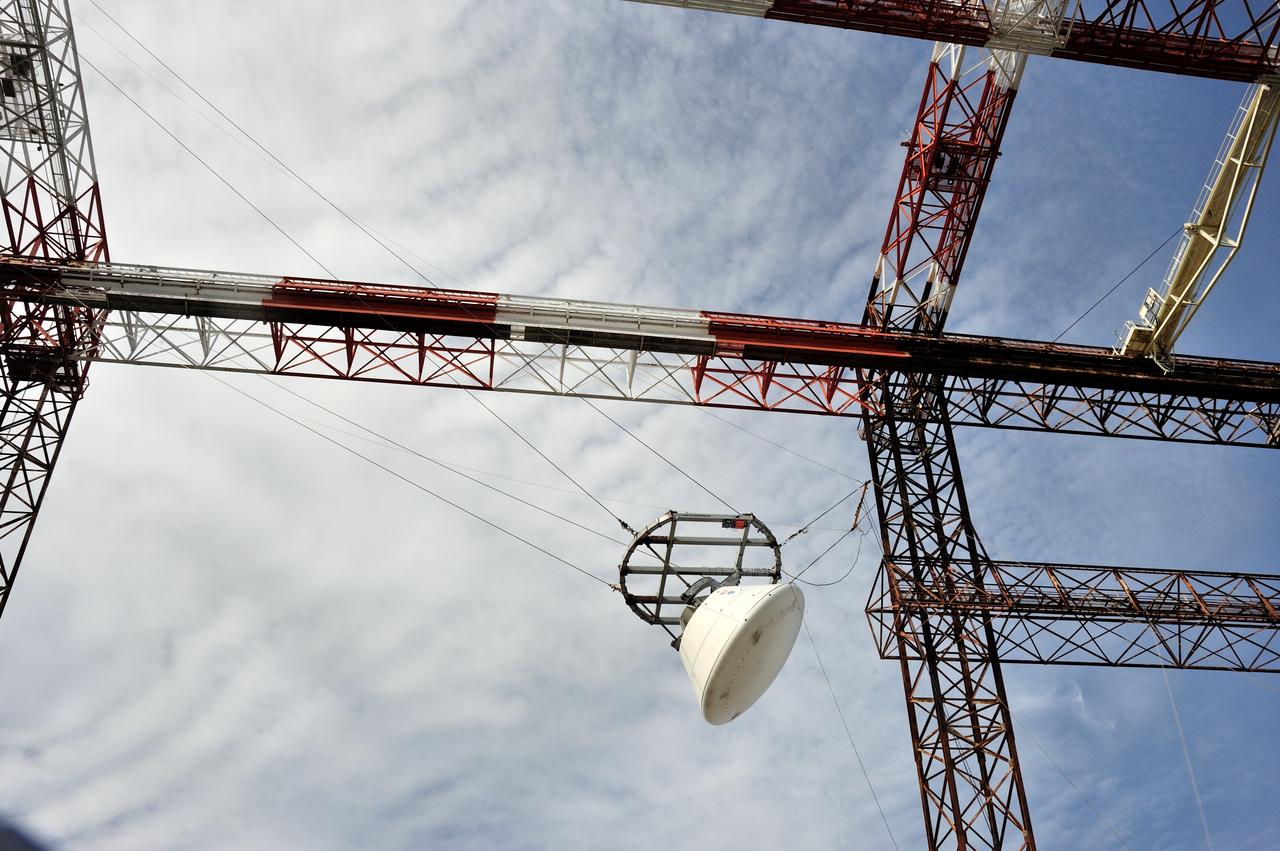
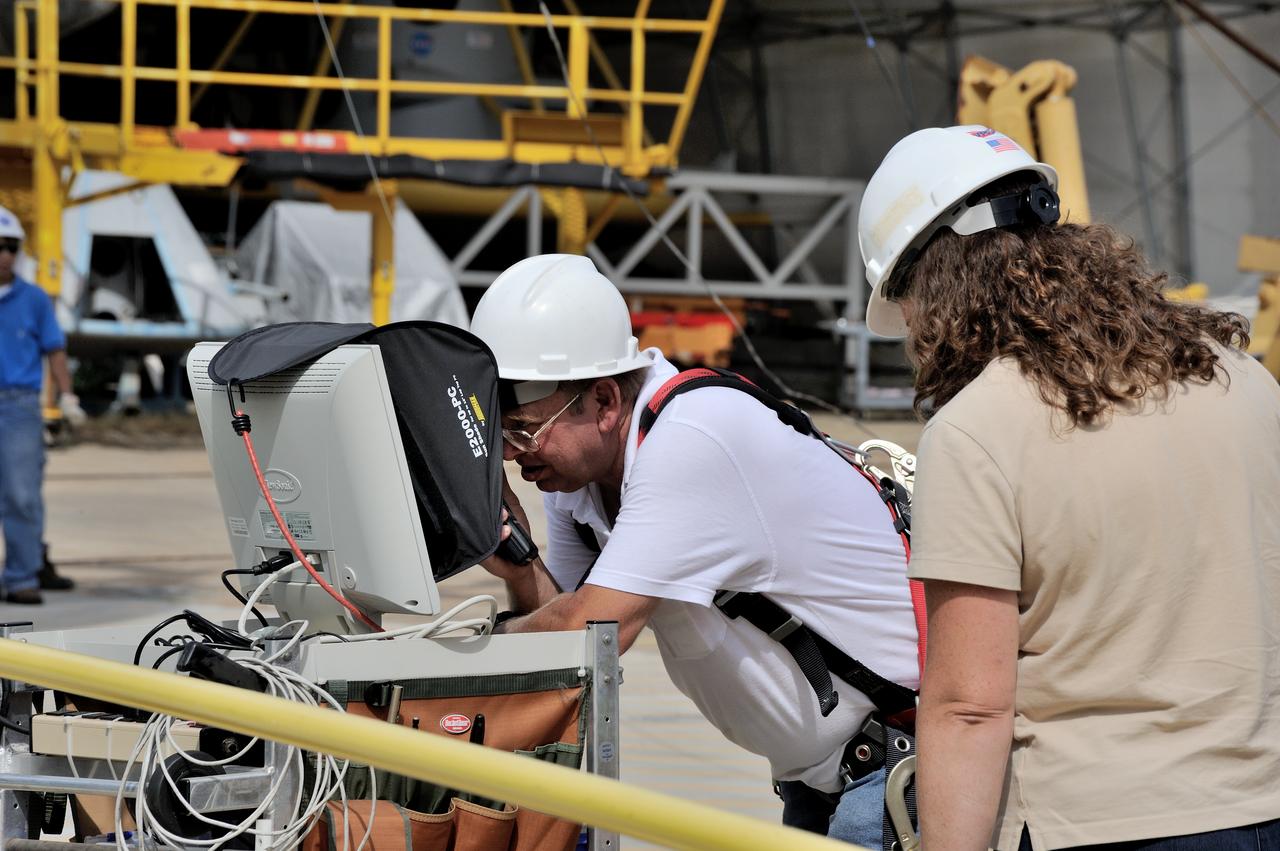
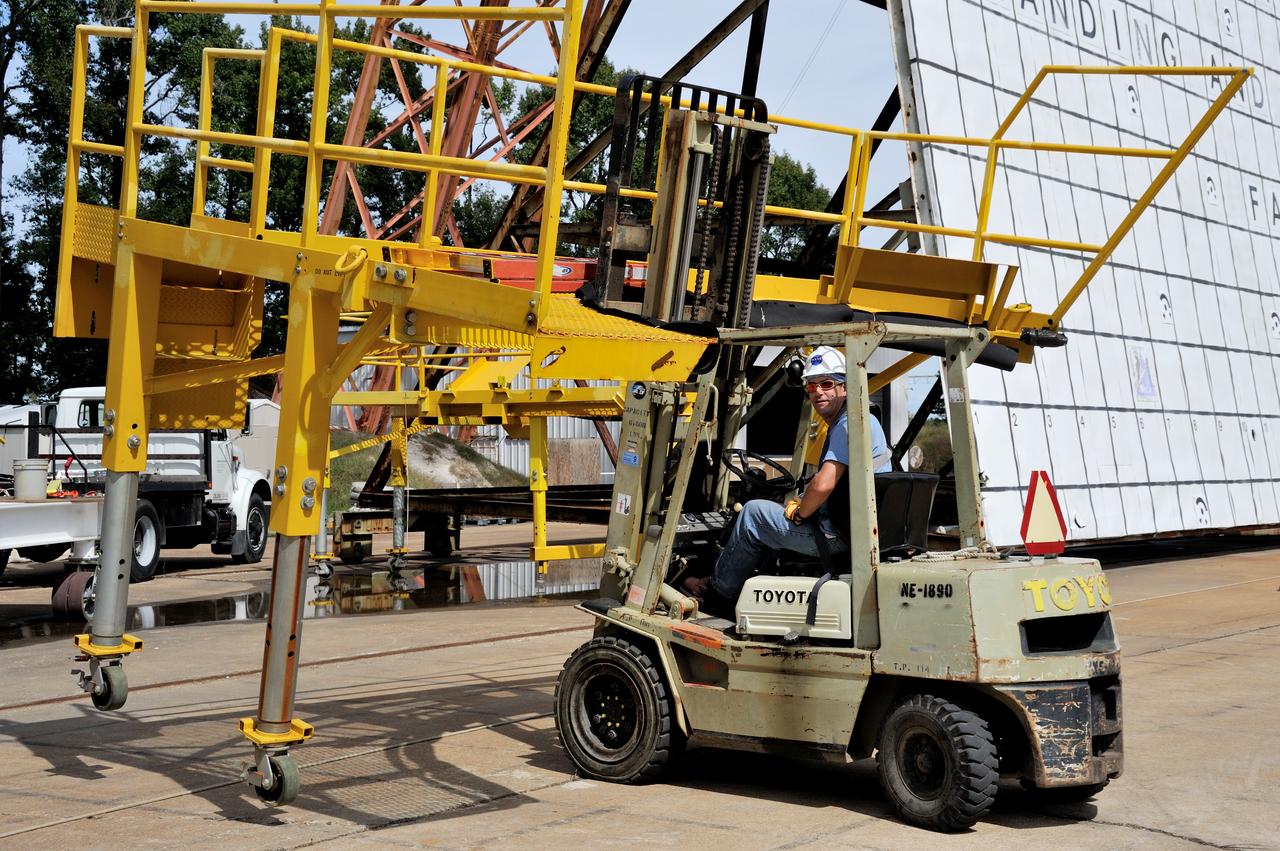
Full Scale Tunnel before demolition in 2011
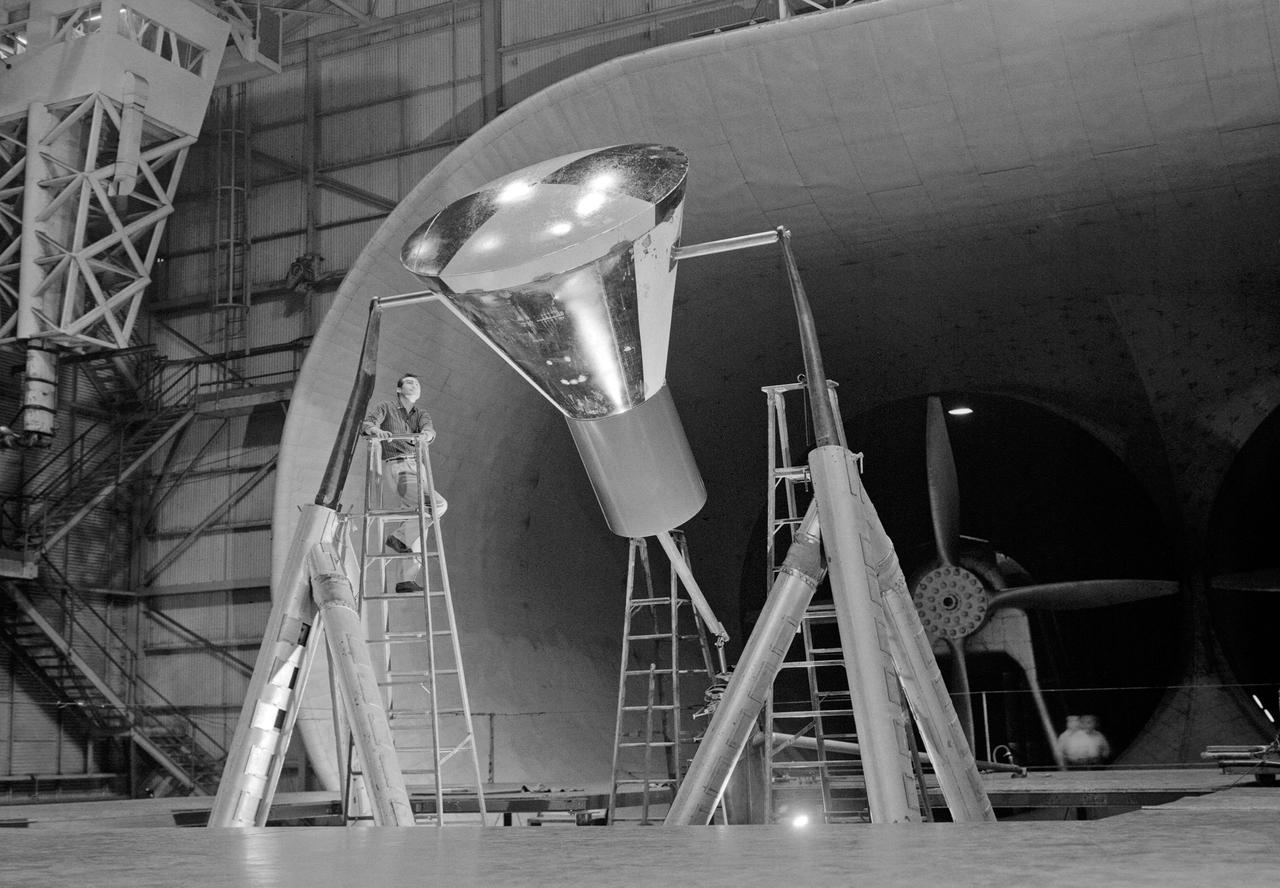
Full Scale Tunnel NASA Langley Research Center
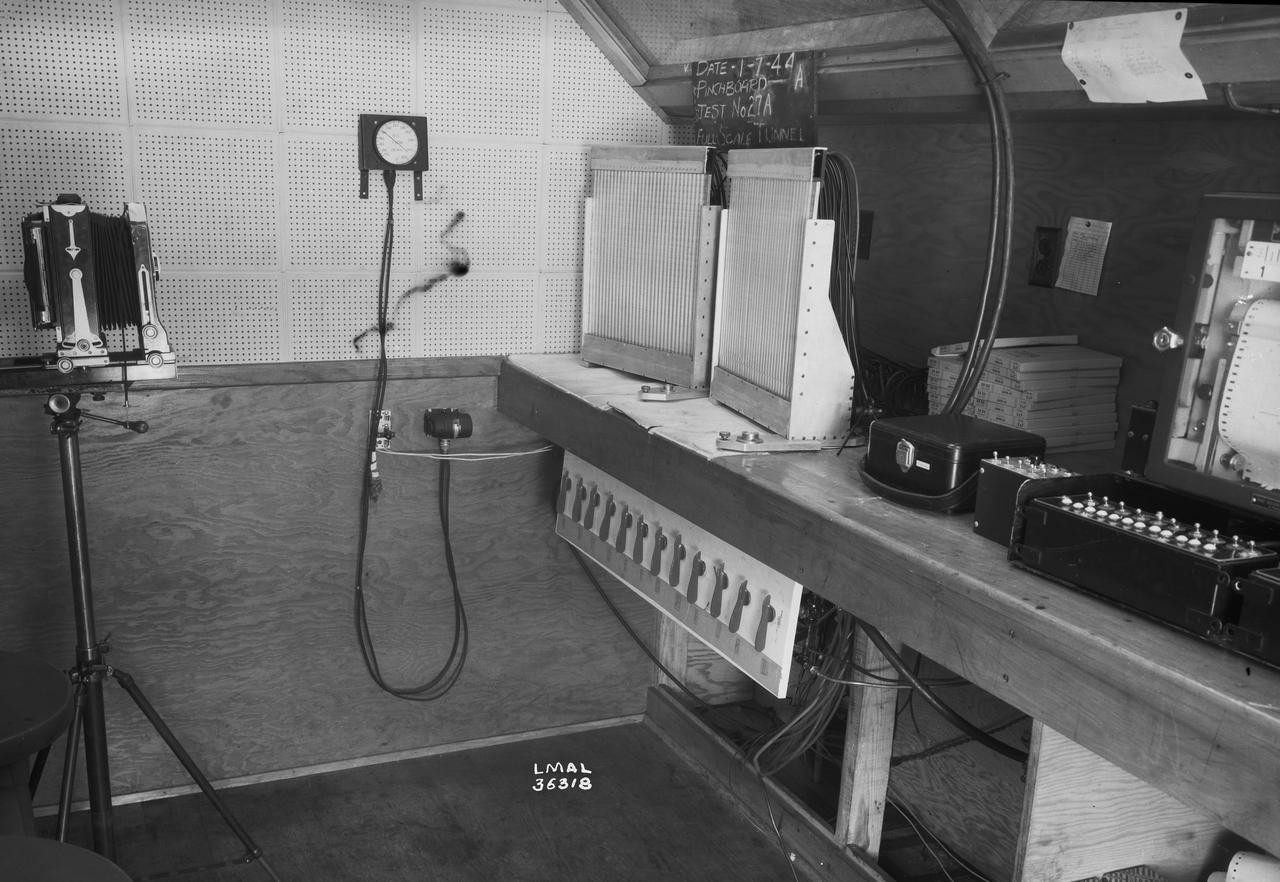
Instrumentation in Full Scale Tunnel
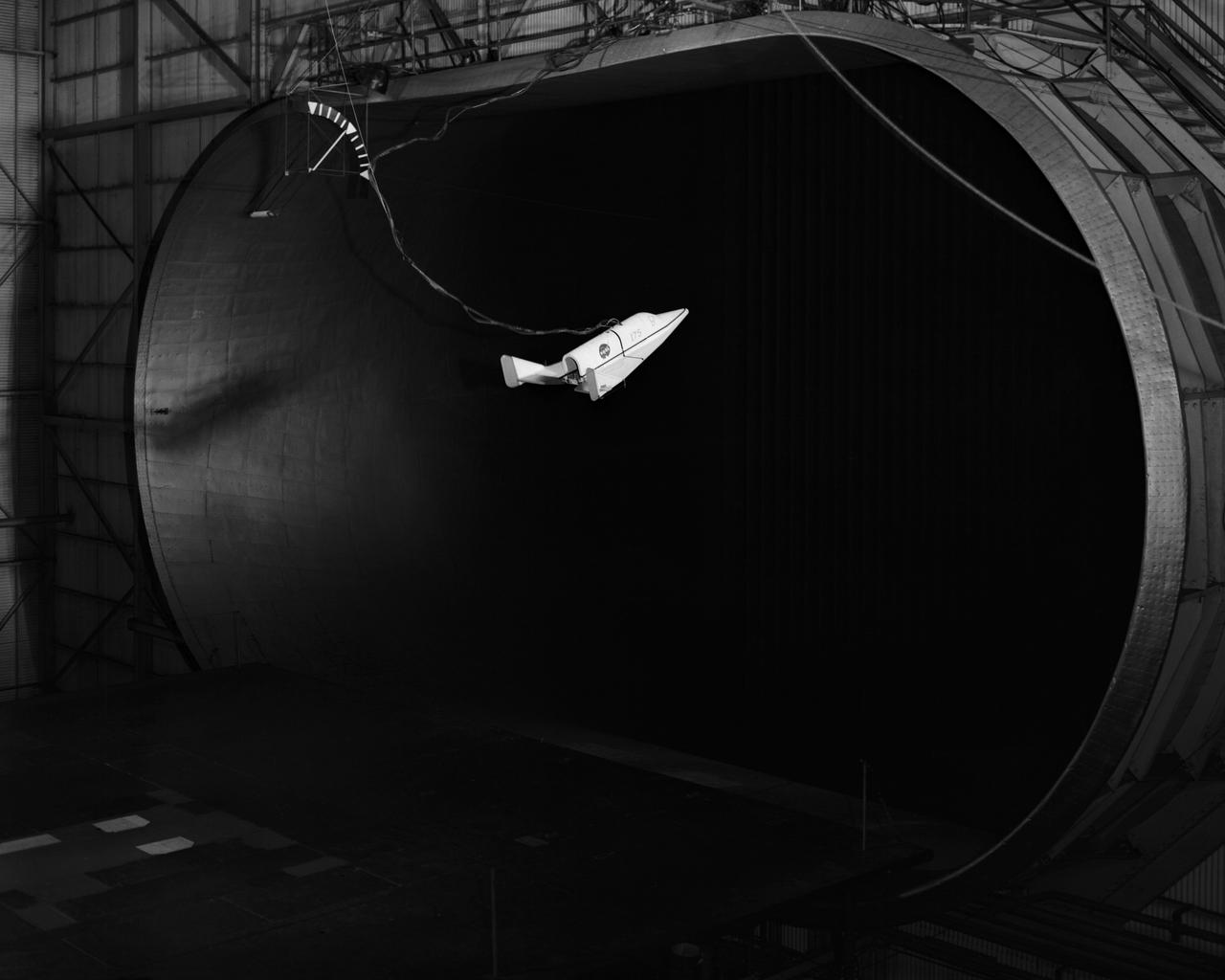
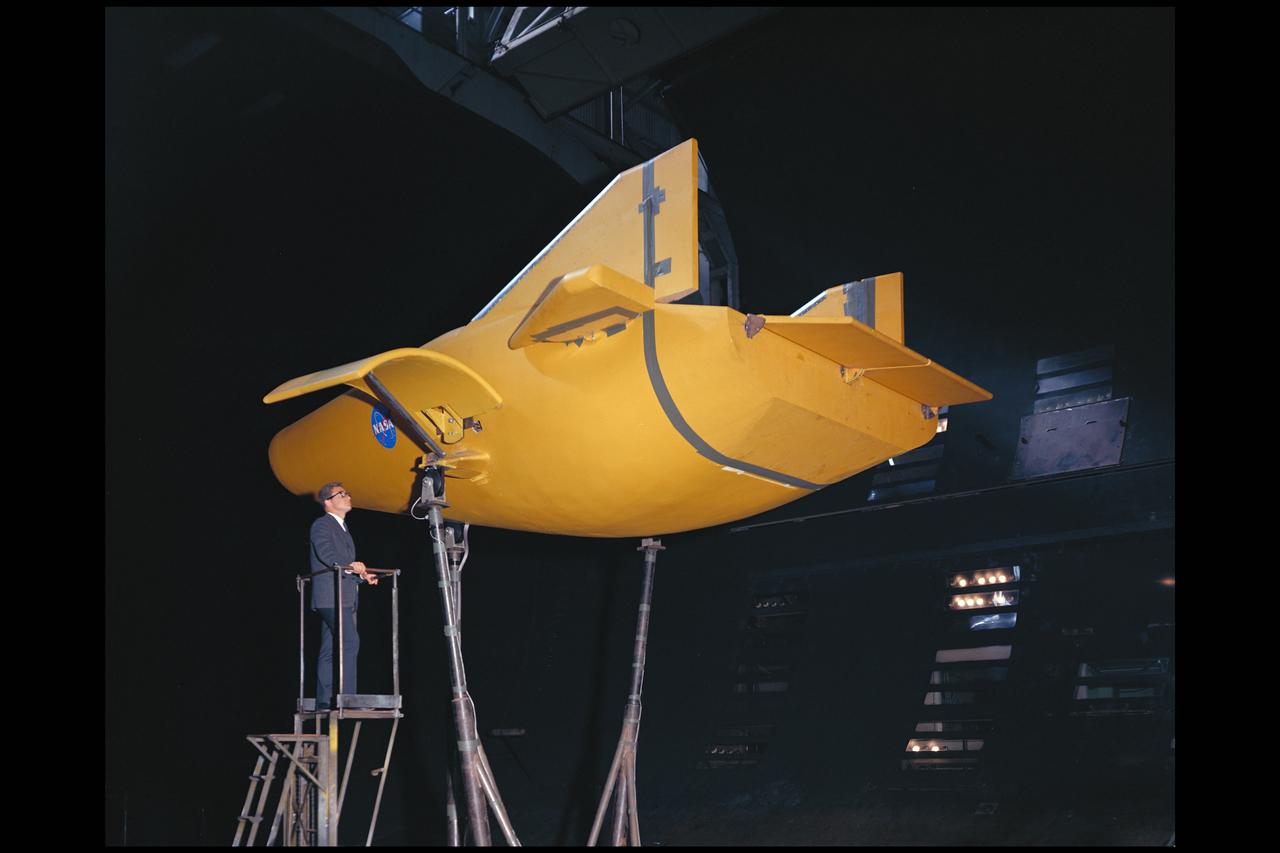
Dyna-Soar Model In Full Scale Tunnel
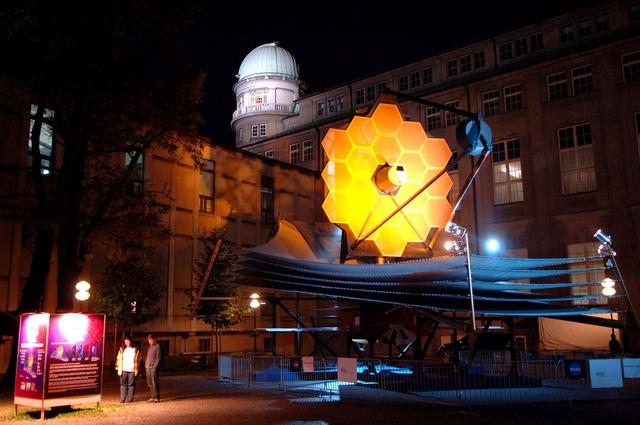
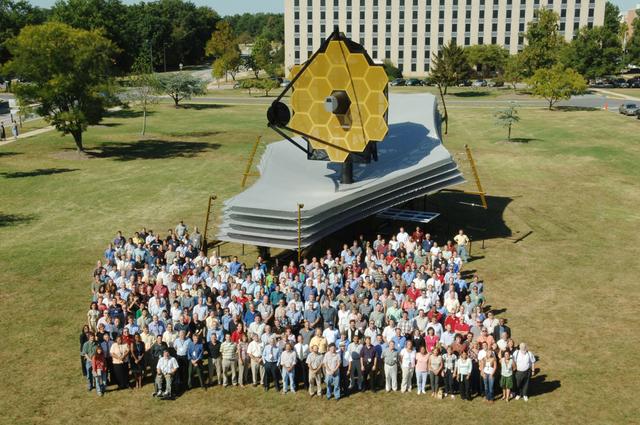
JWST Full-Scale Model on Display.  A full-scale model of the James Webb Space Telescope was built by the prime contractor, Northrop Grumman, to provide a better understanding of the size, scale and complexity of this satellite. The model is constructed mainly of aluminum and steel, weighs 12,000 lb., and is approximately 80 feet long, 40 feet wide and 40 feet tall. The model requires 2 trucks to ship it and assembly takes a crew of 12 approximately four days. This model has travelled to a few sites since 2005. The photographs below were taken at some of its destinations.   The model is pictured here in Munich, Germany  Credit: EADS Astrium
JWST Full-Scale Model on Display in Germany
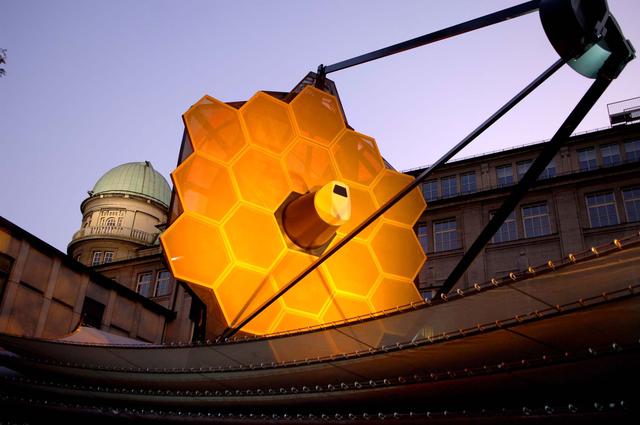
JWST Full-Scale Model on Display.  A full-scale model of the James Webb Space Telescope was built by the prime contractor, Northrop Grumman, to provide a better understanding of the size, scale and complexity of this satellite. The model is constructed mainly of aluminum and steel, weighs 12,000 lb., and is approximately 80 feet long, 40 feet wide and 40 feet tall. The model requires 2 trucks to ship it and assembly takes a crew of 12 approximately four days. This model has travelled to a few sites since 2005. The photographs below were taken at some of its destinations.   The model is pictured here in Munich, Germany  Credit: EADS Astrium
JWST Full-Scale Model on Display in Germany
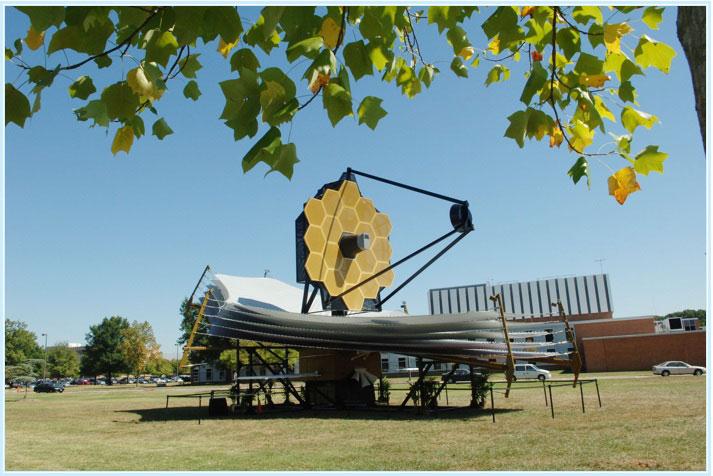
JWST Full-Scale Model on Display.  A full-scale model of the James Webb Space Telescope was built by the prime contractor, Northrop Grumman, to provide a better understanding of the size, scale and complexity of this satellite. The model is constructed mainly of aluminum and steel, weighs 12,000 lb., and is approximately 80 feet long, 40 feet wide and 40 feet tall. The model requires 2 trucks to ship it and assembly takes a crew of 12 approximately four days. This model has travelled to a few sites since 2005. The photographs below were taken at some of its destinations.   The model is pictured here in Greenbelt, MD at the NASA Goddard Space Flight Center.  Credit: NASA/Goddard Space Flight Center/Pat Izzo
JWST Full-Scale Model on Display at GSFC
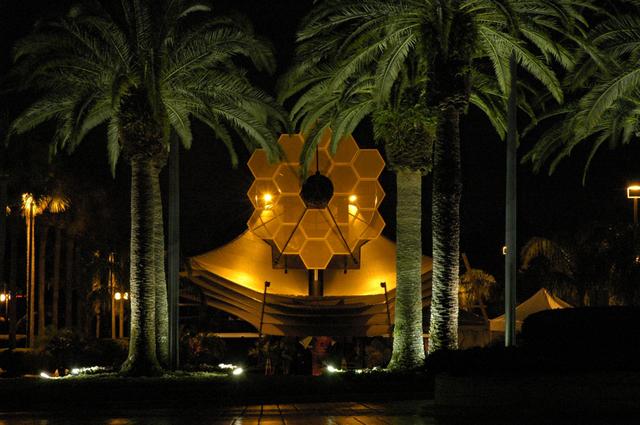
JWST Full-Scale Model on Display.  A full-scale model of the James Webb Space Telescope was built by the prime contractor, Northrop Grumman, to provide a better understanding of the size, scale and complexity of this satellite. The model is constructed mainly of aluminum and steel, weighs 12,000 lb., and is approximately 80 feet long, 40 feet wide and 40 feet tall. The model requires 2 trucks to ship it and assembly takes a crew of 12 approximately four days. This model has traveled to a few sites since 2005. The photographs below were taken at some of its destinations.   The model was on display at The International Society for Optical Engineering's (SPIE) week-long Astronomical Telescopes and Instrumentations conference,May 25 - 30, 2006.  Credit:  NASA/Goddard Space Flight Center/Dr Mark Clampin  <b><a href="http://www.nasa.gov/audience/formedia/features/MP_Photo_Guidelines.html" rel="nofollow">NASA image use policy.</a></b>  <b><a href="http://www.nasa.gov/centers/goddard/home/index.html" rel="nofollow">NASA Goddard Space Flight Center</a></b> enables NASA’s mission through four scientific endeavors: Earth Science, Heliophysics, Solar System Exploration, and Astrophysics. Goddard plays a leading role in NASA’s accomplishments by contributing compelling scientific knowledge to advance the Agency’s mission.  <b>Follow us on <a href="http://twitter.com/NASA_GoddardPix" rel="nofollow">Twitter</a></b>  <b>Like us on <a href="http://www.facebook.com/pages/Greenbelt-MD/NASA-Goddard/395013845897?ref=tsd" rel="nofollow">Facebook</a></b>  <b>Find us on <a href="http://instagram.com/nasagoddard?vm=grid" rel="nofollow">Instagram</a></b>
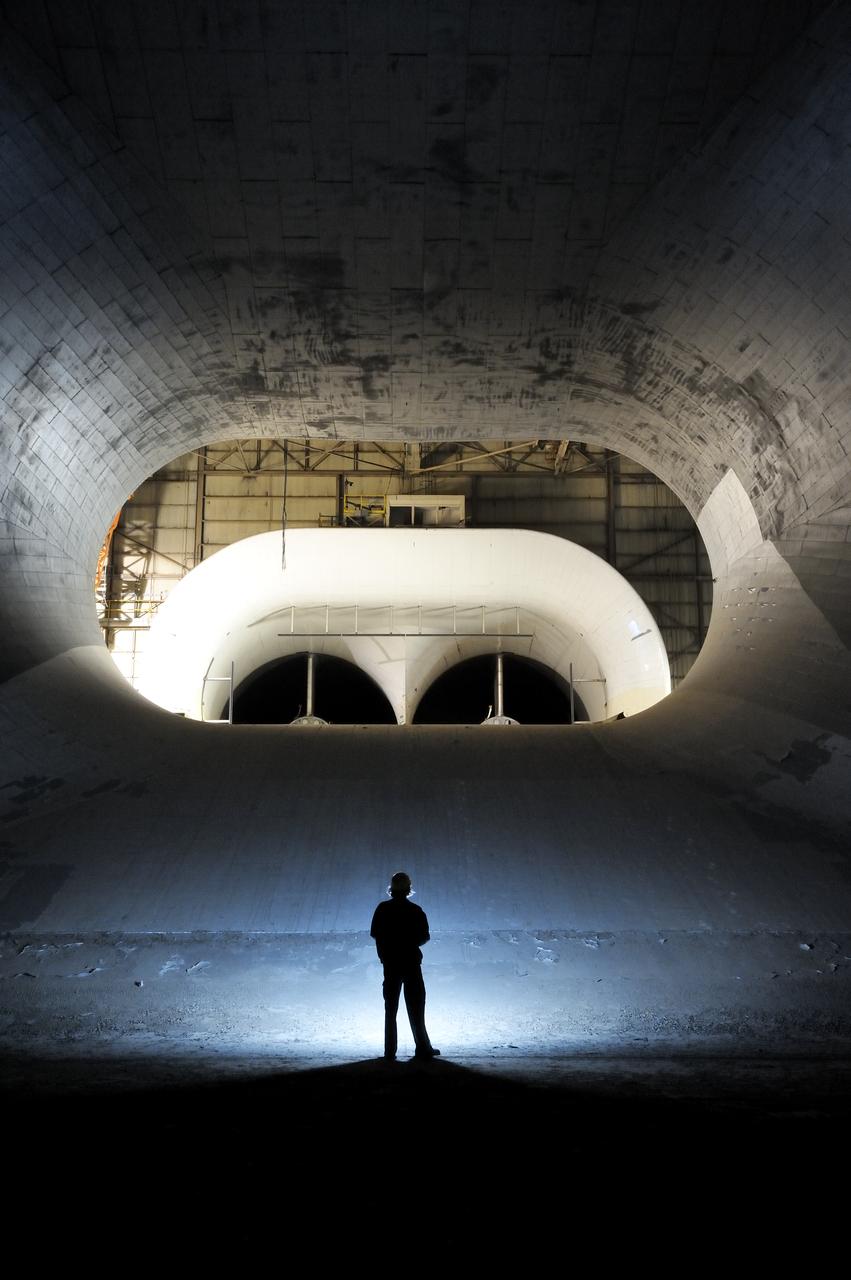
JWST Full-Scale Model on Display in Orlando
JWST Full-Scale Model on Display.  A full-scale model of the James Webb Space Telescope was built by the prime contractor, Northrop Grumman, to provide a better understanding of the size, scale and complexity of this satellite. The model is constructed mainly of aluminum and steel, weighs 12,000 lb., and is approximately 80 feet long, 40 feet wide and 40 feet tall. The model requires 2 trucks to ship it and assembly takes a crew of 12 approximately four days. This model has travelled to a few sites since 2005. The photographs below were taken at some of its destinations.   The model is pictured here in Greenbelt, MD at the NASA Goddard Space Flight Center.  Credit: NASA/Goddard Space Flight Center/Pat Izzo
JWST Full-Scale Model on Display at Goddard Space Flight Center
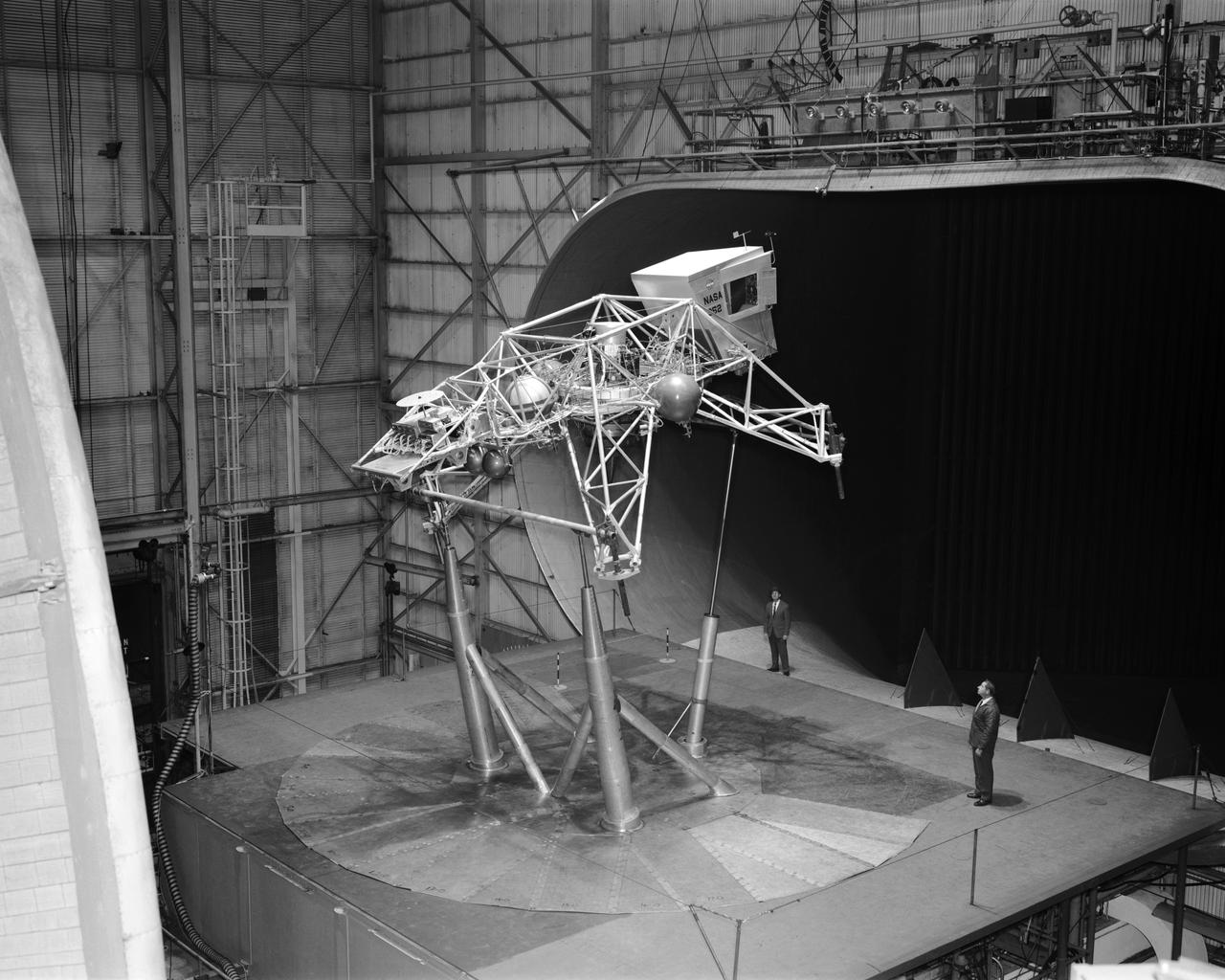
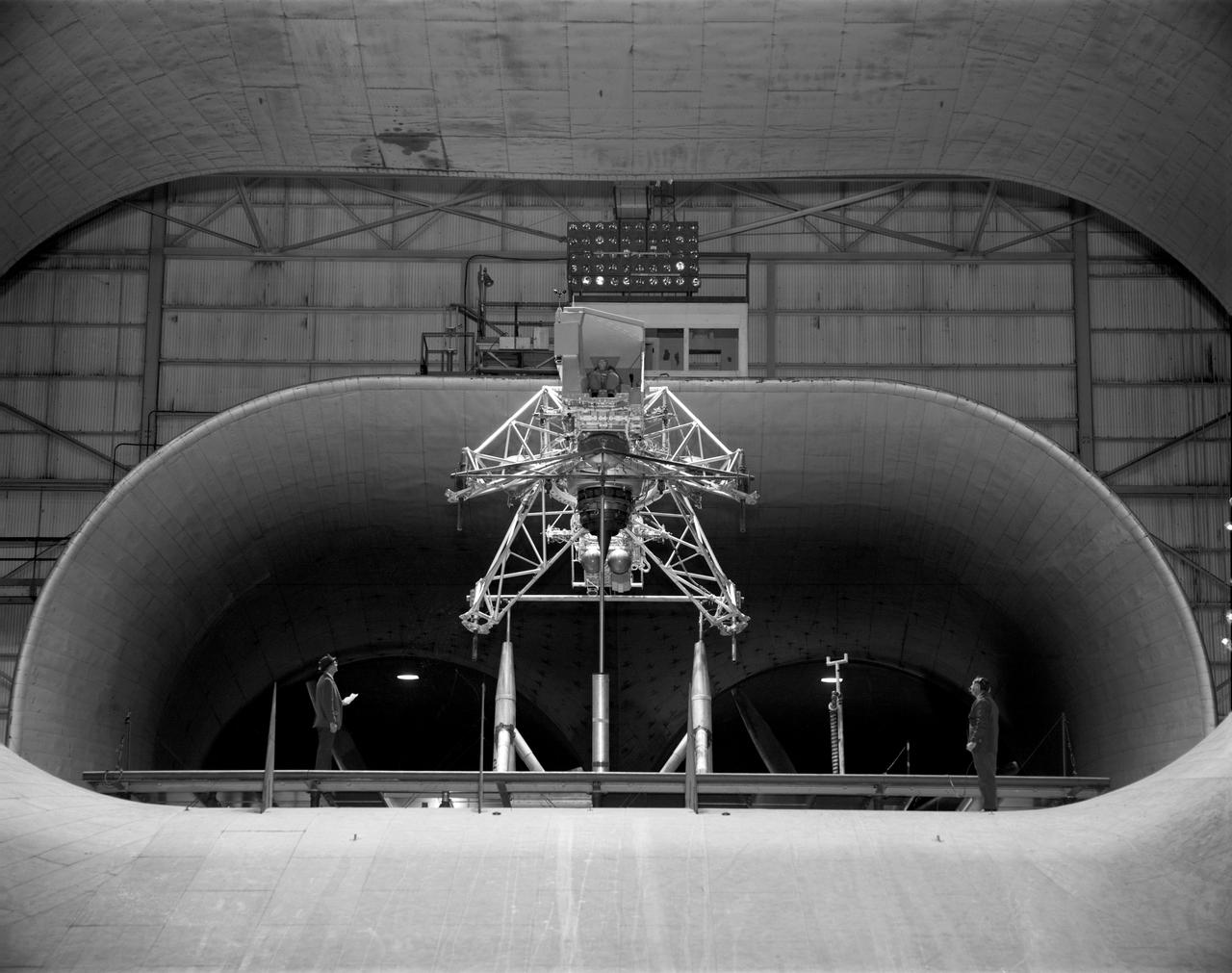
Concept model of the Lunar Excursion Module tested in the Full-Scale wind tunnel. -- Published in James R. Hansen, Spaceflight Revolution: NASA Langley Research Center From Sputnik to Apollo, (Washington: NASA, 1995), p. 356.-L69-670 Bell Lunar Landing Training Vehicle (LLTV): Following the crash of a sister Lunar Landing Training Vehicle at Ellington Field in Houston, Texas, the LLTV NASA 952 was sent from Houston to Langley for tests in the 30 x 60 Full Scale Tunnel. The LLTV was returned to Houston for further training use a short time later. NASA 952 is now on exhibit at the Johnson Space Center in Houston, Texas.
Lunar Excursion Model in Full Scale Wind Tunnel. Apollo Project. Bell Lunar Landing Training Vehicle (LLTV)
Concept model of the Lunar Excursion Module tested in the Full-Scale wind tunnel. -- Published in James R. Hansen, Spaceflight Revolution: NASA Langley Research Center From Sputnik to Apollo, (Washington: NASA, 1995), p. 356.-L69-670 Bell Lunar Landing Training Vehicle (LLTV): Following the crash of a sister Lunar Landing Training Vehicle at Ellington Field in Houston, Texas, the LLTV NASA 952 was sent from Houston to Langley for tests in the 30 x 60 Full Scale Tunnel. The LLTV was returned to Houston for further training use a short time later. NASA 952 is now on exhibit at the Johnson Space Center in Houston, Texas.
Lunar Excursion Model in Full Scale Wind Tunnel. Apollo Project. Bell Lunar Landing Training Vehicle (LLTV)
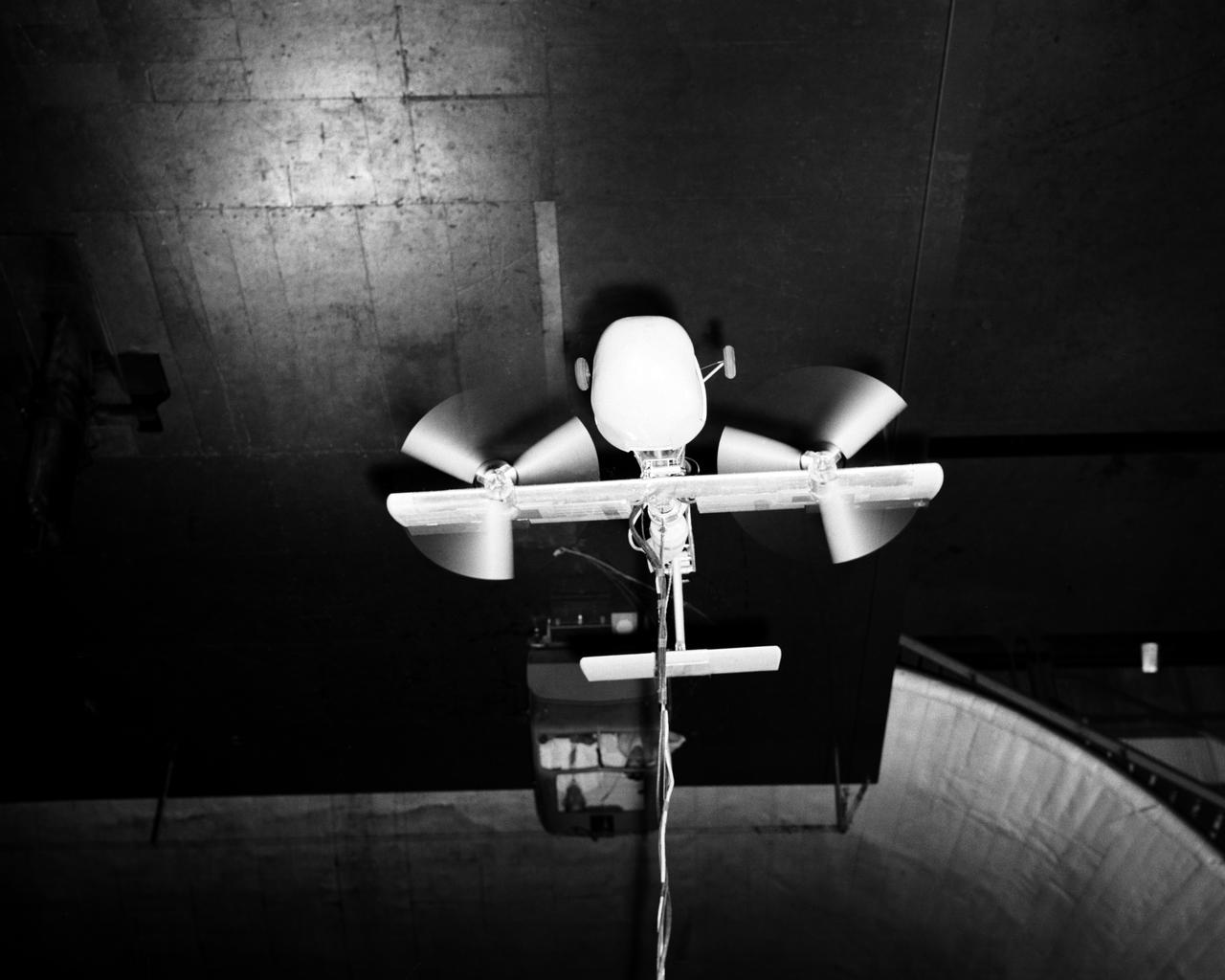
Vertical model flying in Langley Research Center's Full Scale Tunnel.
Vertical model flying in LaRC Full Scale Tunnel
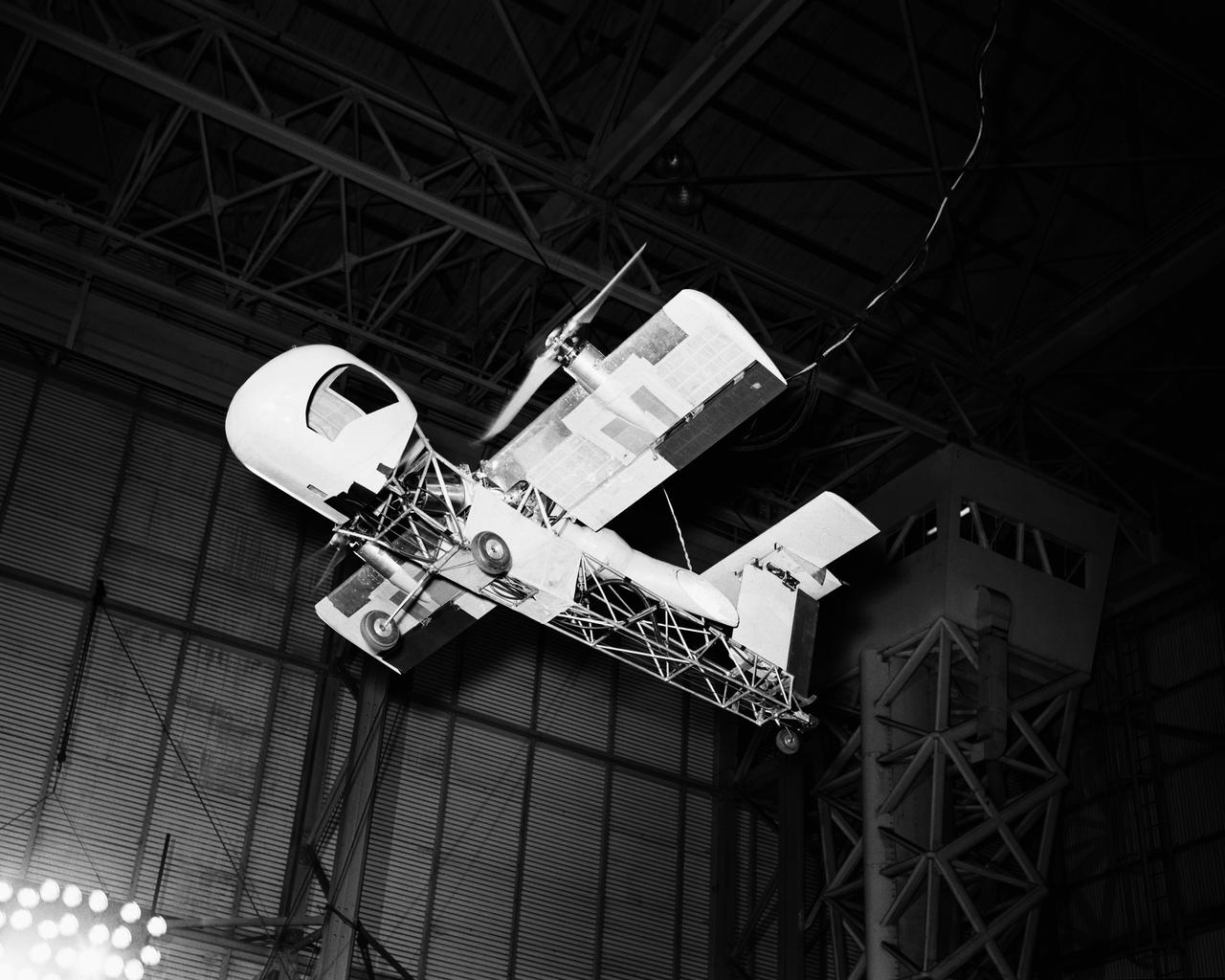
Vertical model flying in Langley Research Center's Full Scale Tunnel.
Vertical model flying in LaRC Full Scale Tunnel
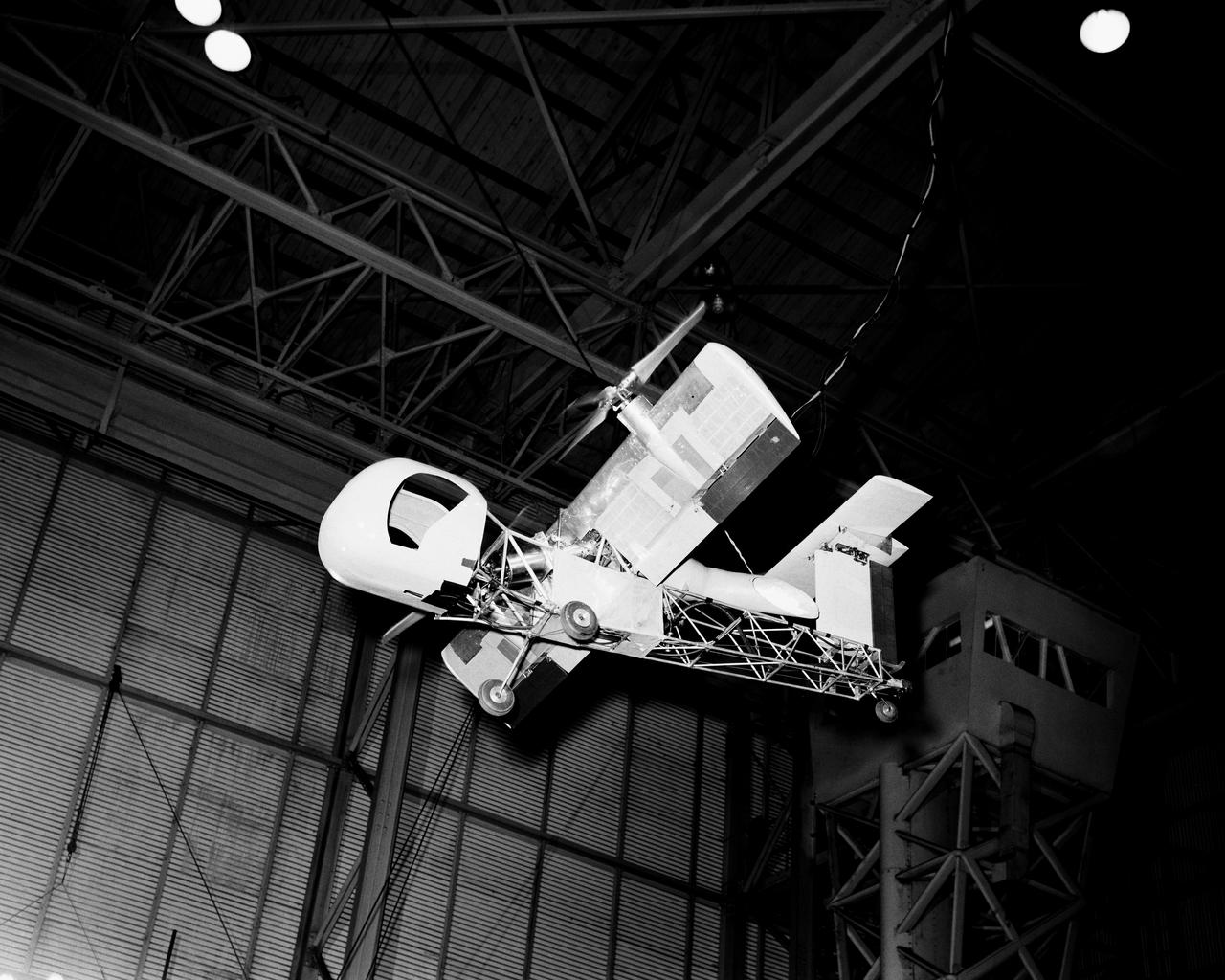
Vertical model flying in Langley Research Center's Full Scale Tunnel.
Vertical model flying in LaRC Full Scale Tunnel
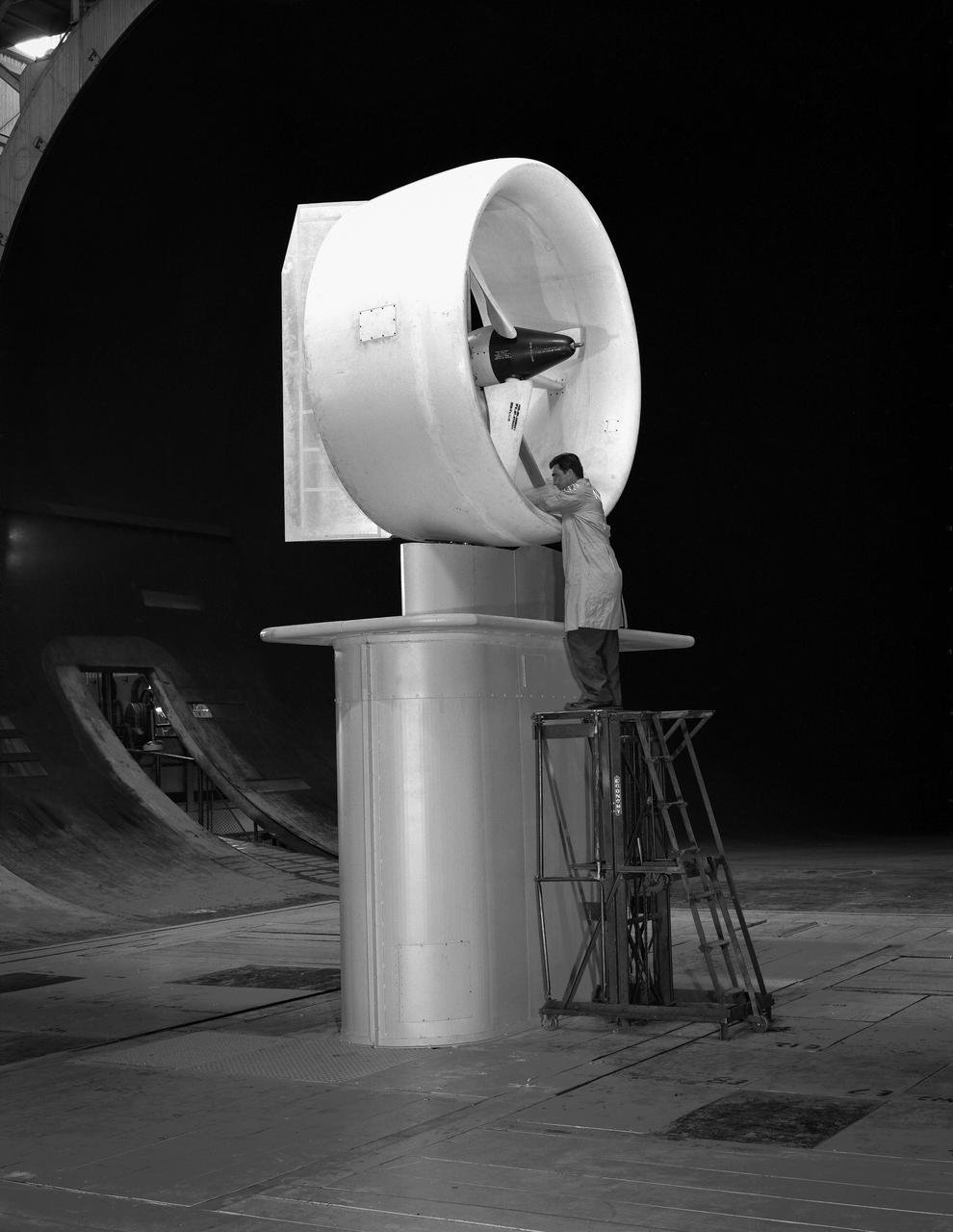
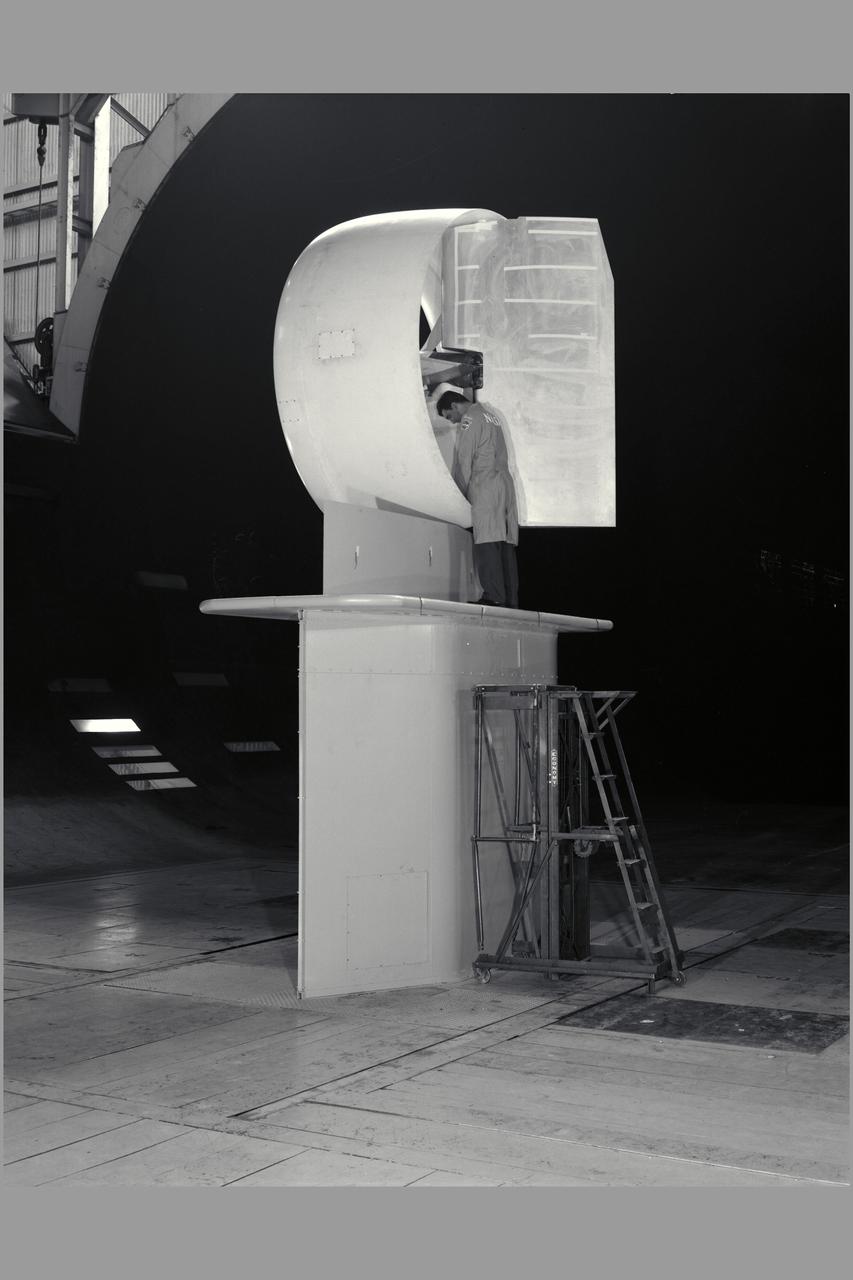
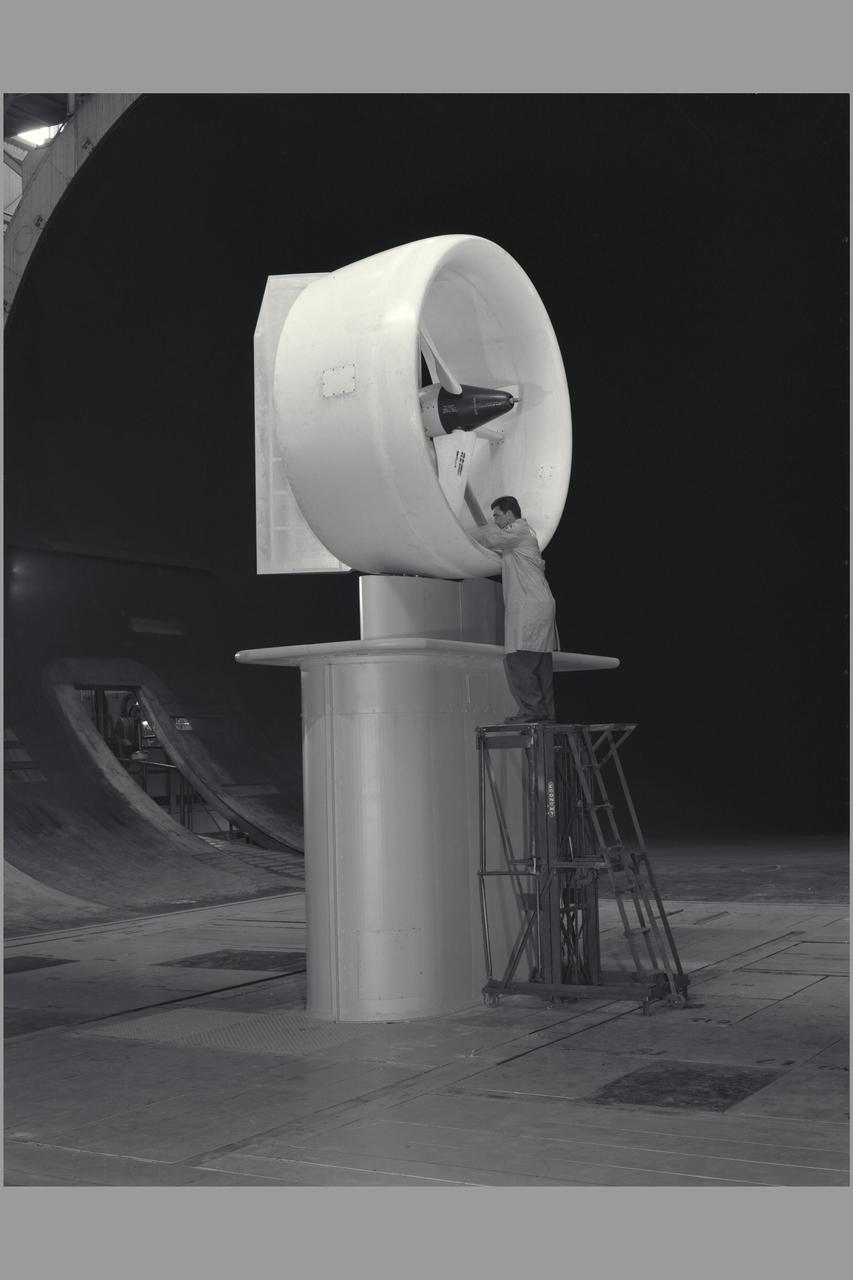
Bell X-22A full scale, Model-C ducted fan with semi-span mount. Duct at 90 degrees with Chuck Greco.
Bell Full-Scale X-22A Ducted Fan with Semi-Span Mount in Ames 40x80ft Wind Tunnel.
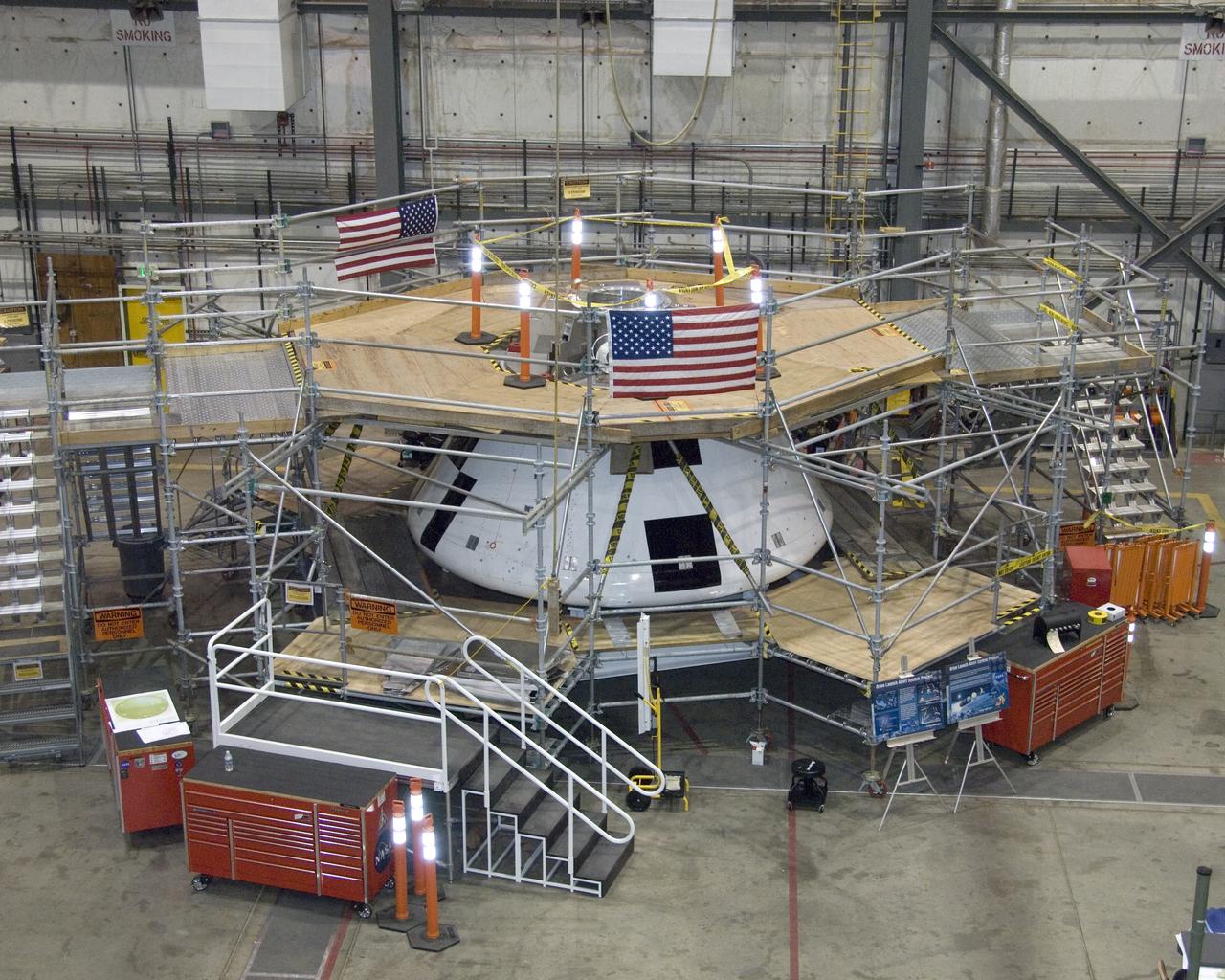
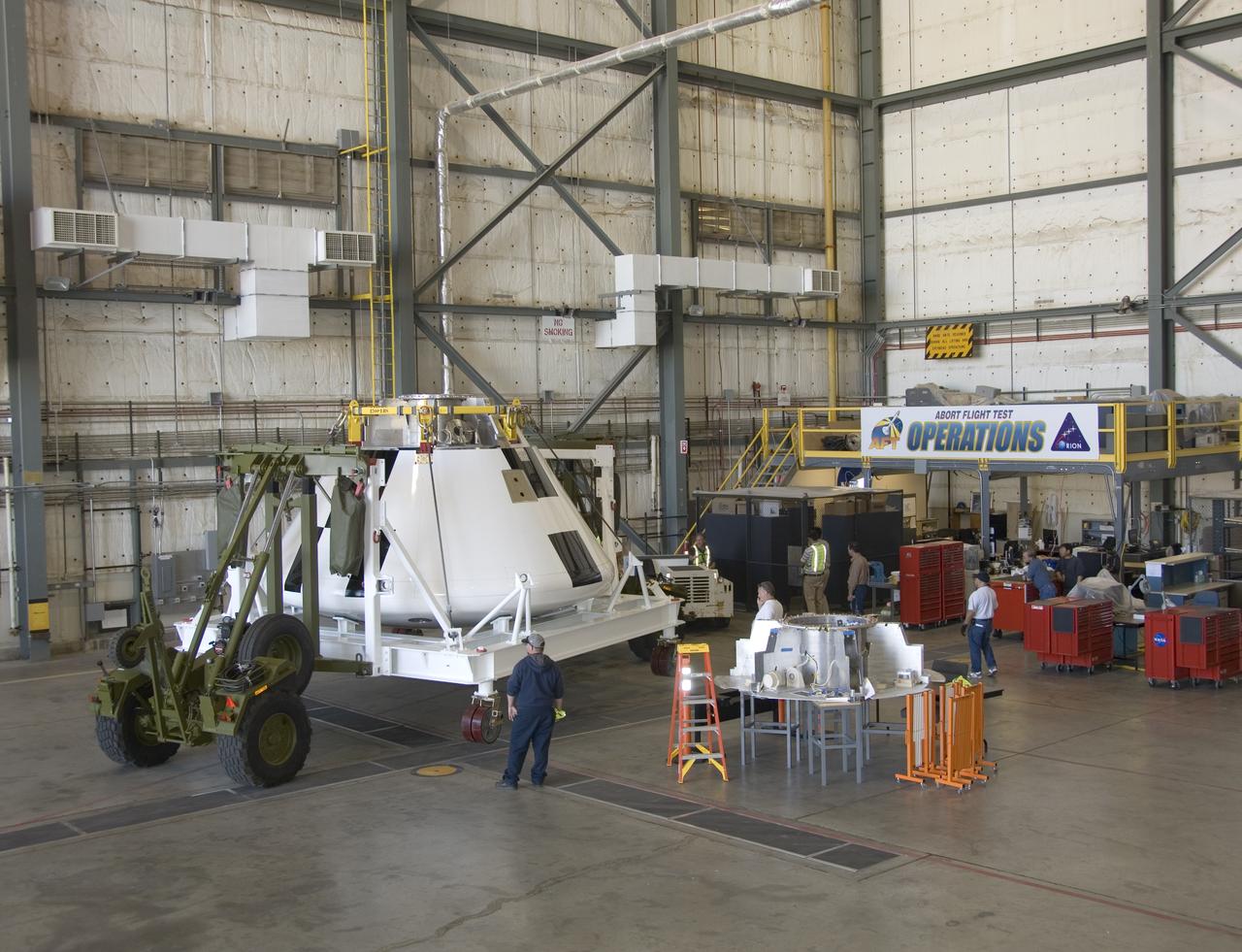
Surrounded by work platforms, NASA's first full-scale Orion abort flight test (AFT) crew module (center) is undergoing preparations at the NASA Dryden Flight Research Center in California for the first flight test of Orion's launch abort system.
Surrounded by work platforms, the full-scale Orion AFT crew module (center) is undergoing preparations for the first flight test of Orion's launch abort system.
Surrounded by work platforms, NASA's first full-scale Orion abort flight test (AFT) crew module (center) is undergoing preparations at the NASA Dryden Flight Research Center in California for the first flight test of Orion's launch abort system. To the left is a space shuttle orbiter purge vehicle sharing the hangar.
Surrounded by work platforms, the full-scale Orion AFT crew module (center) is undergoing preparations for the first flight test of Orion's launch abort system.
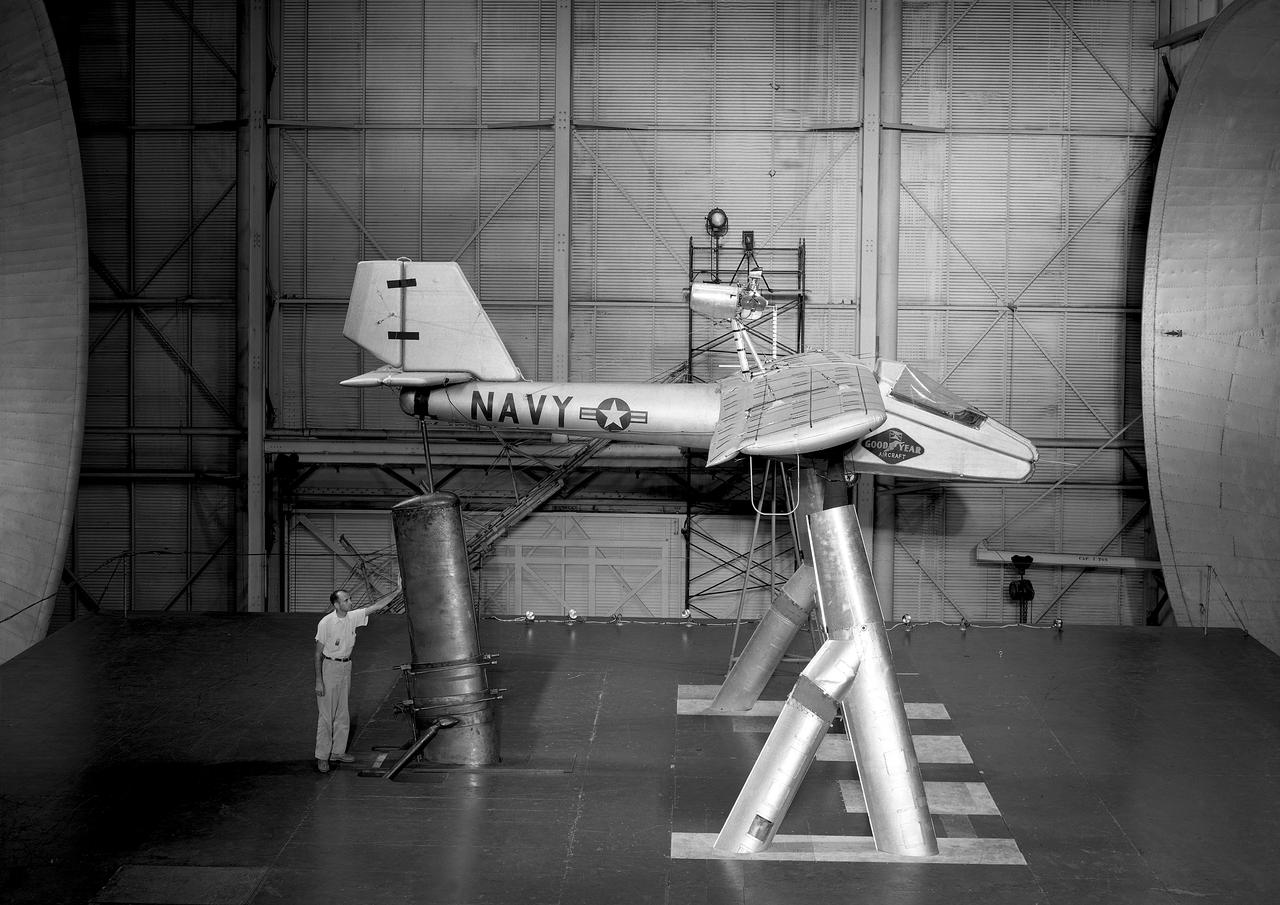
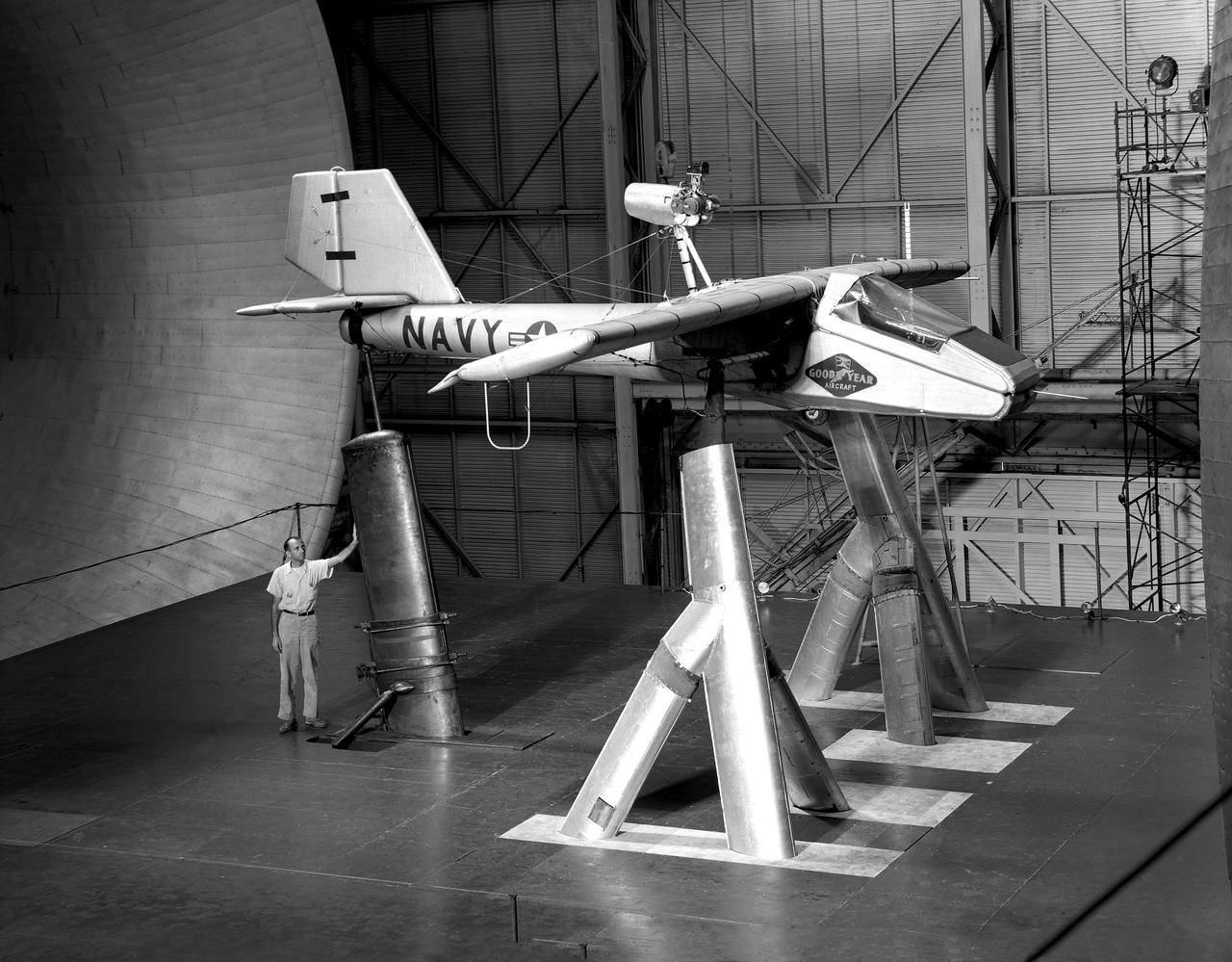
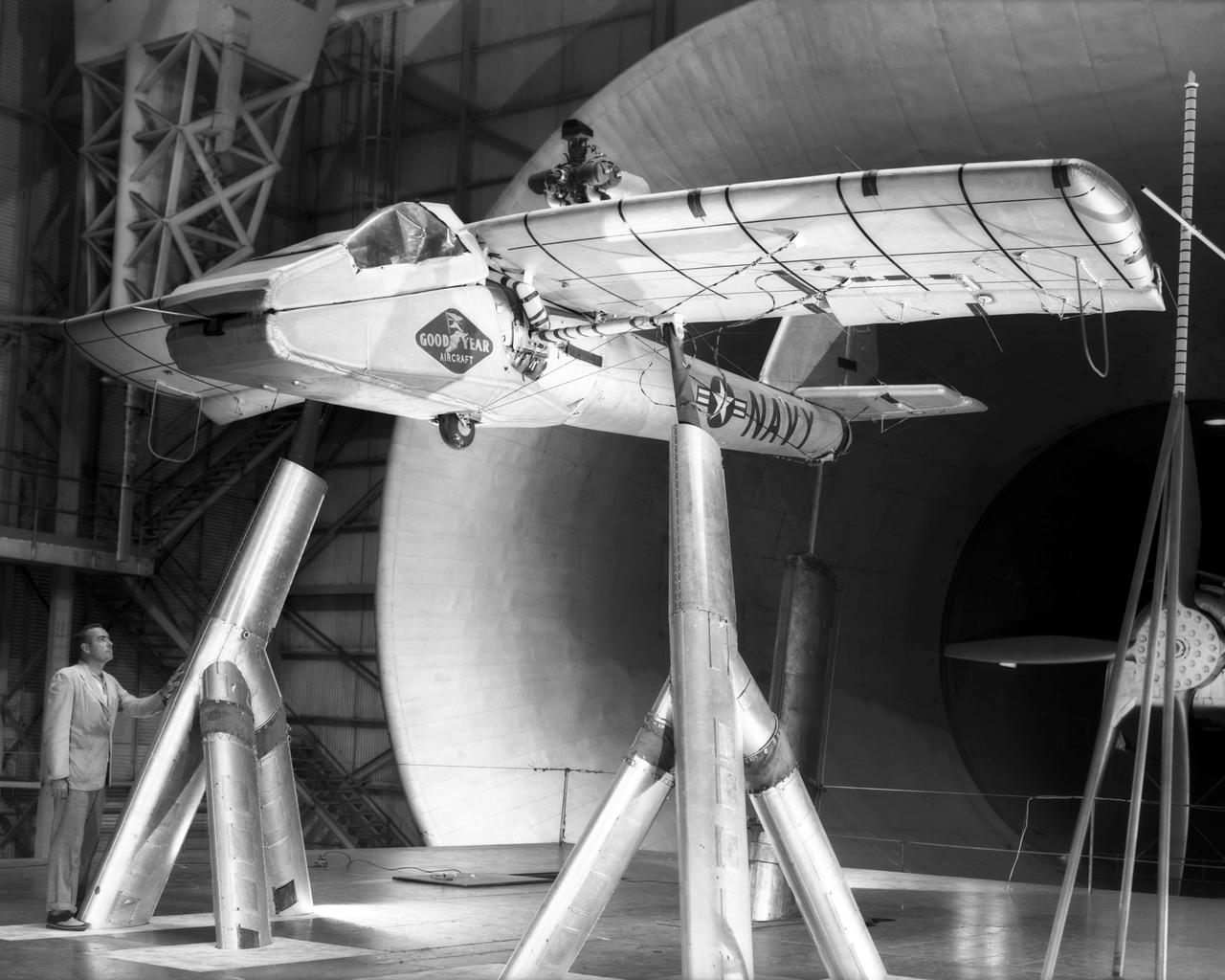
Various Components of Goodyear Inflatable Airplane in Full Scale Tunnel building 643 Test 238
Various Components of Goodyear Inflatable Airplane in Full Scale Tunnel
Various Components of Goodyear Inflatable Airplane in Full Scale Tunnel building 643 Test 238
Various Components of Goodyear Inflatable Airplane in Full Scale Tunnel
Various Components of Goodyear Inflatable Airplane in Full Scale Tunnel building 643 Test 238
Various Components of Goodyear Inflatable Airplane in Full Scale Tunnel
The Mercury space capsule undergoing tests in Full Scale Wind Tunnel, January 1959. Photograph published in Winds of Change, 75th Anniversary NASA publication, page 75, by James Schultz. Also Photograph published in Engineer in Charge: A History of the Langley Aeronautical Laboratory, 1917-1958, page 389, by James R. Hansen.
Space capsule mounted in the Full Scale Wind Tunnel
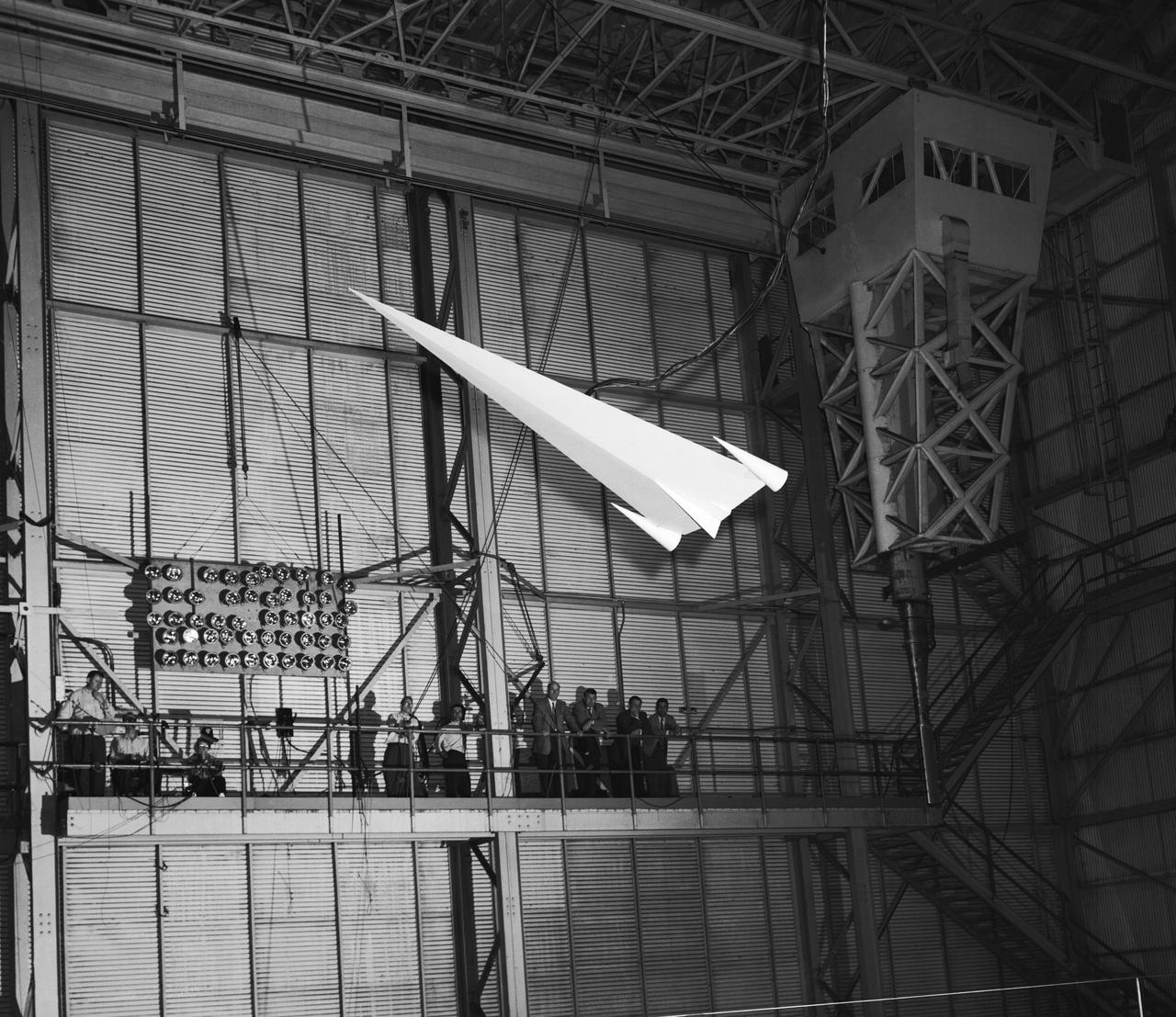
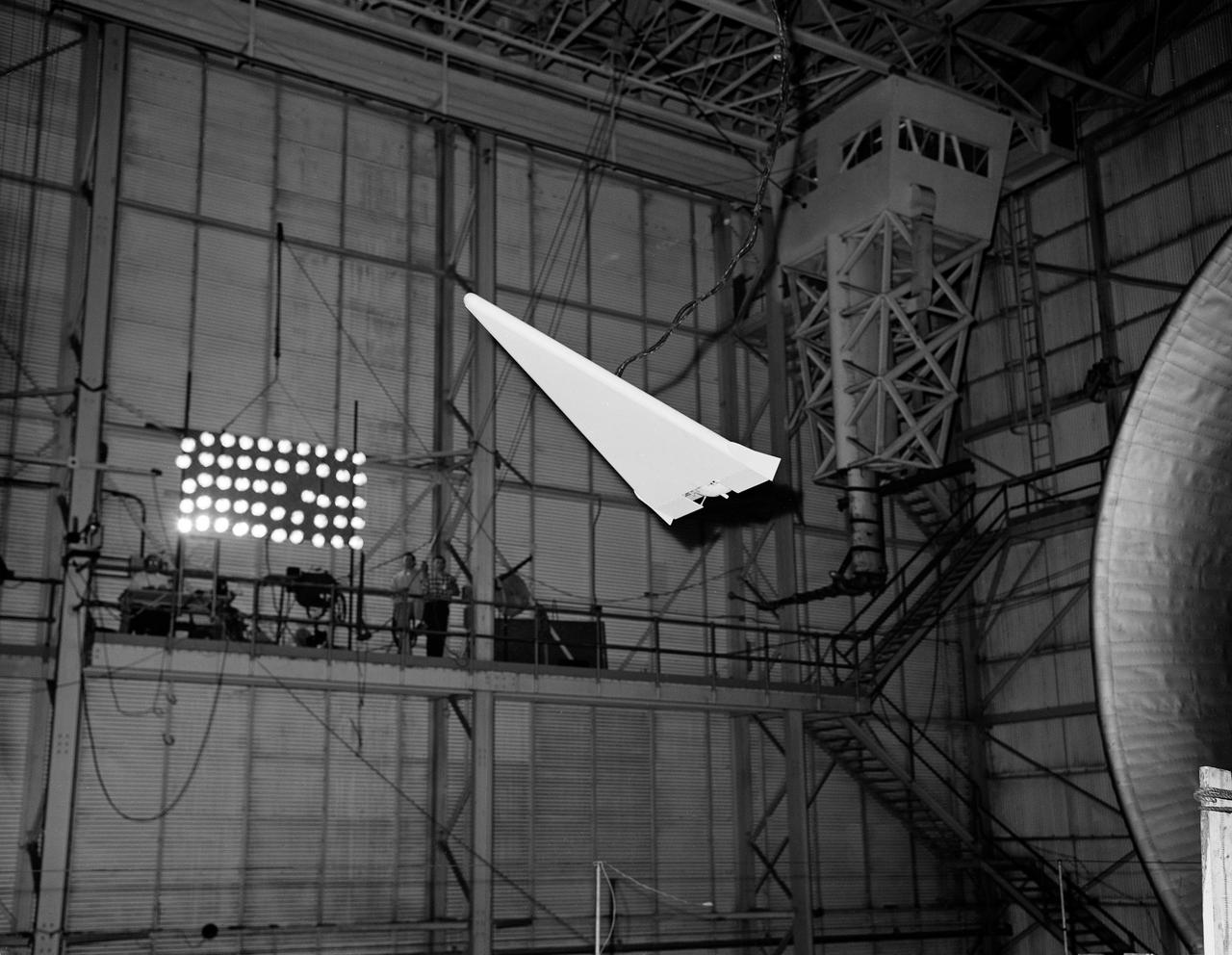
L57-1439 A model based on Langley s concept of a hypersonic glider was test flown on an umbilical cord inside the Full Scale Tunnel in 1957. Photograph published in Engineer in Charge: A History of the Langley Aeronautical Laboratory, 1917-1958 by James R. Hansen. Page 374.
Hypersonic Glider Model in Full Scale Tunnel 1957
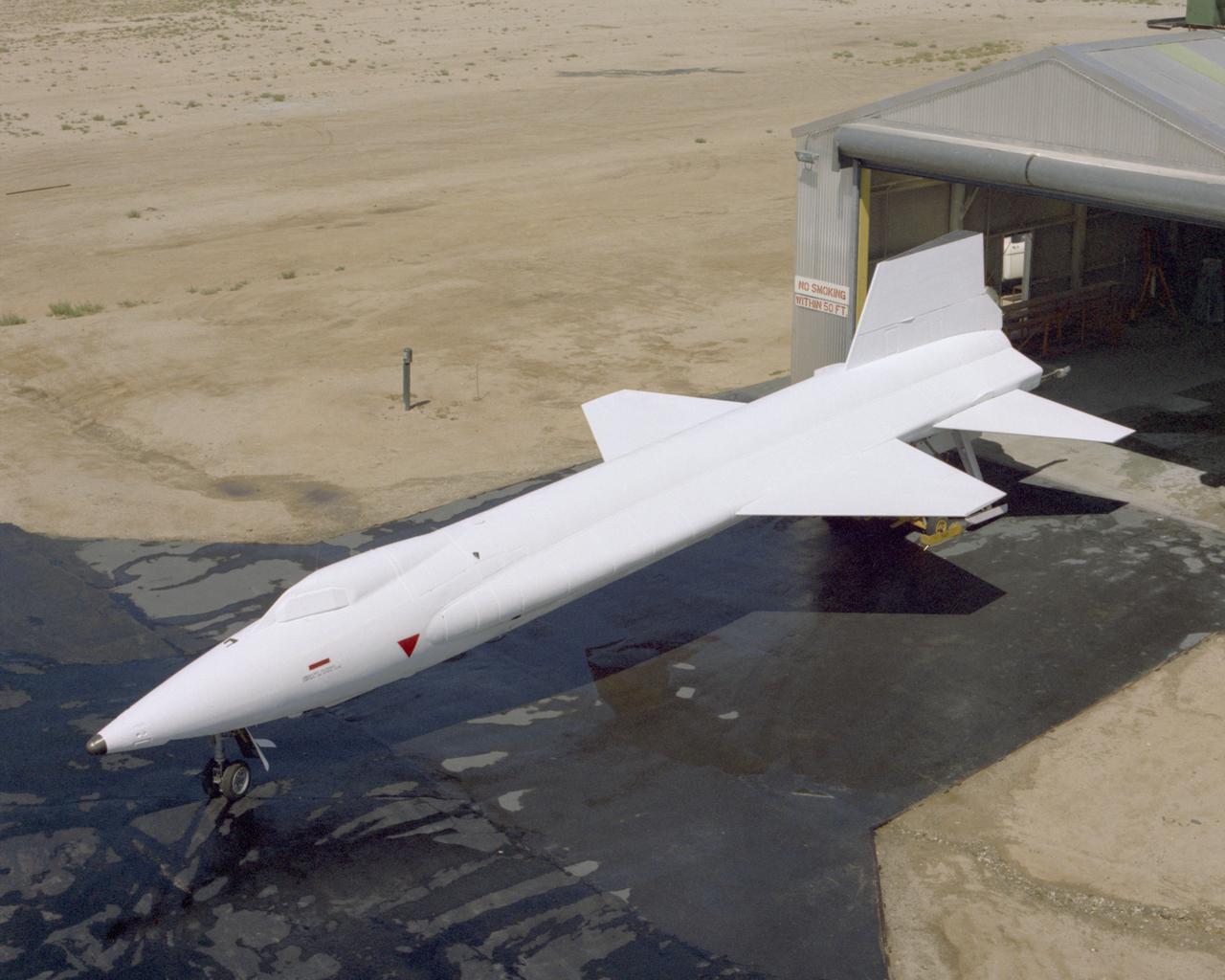
X-15A-2 is rolled out of the paint shop after having the full scale ablative applied. In June 1967, the X-15A-2 rocket-powered research aircraft received a full-scale ablative coating to protect the craft from the high temperatures associated with hypersonic flight (above Mach 5). This pink eraser-like substance, applied to the X-15A-2 aircraft (56-6671), was then covered with a white sealant coat before flight. This coating would help the #2 aircraft reach the record speed of 4,520 mph (Mach 6.7).
X-15A-2 is rolled out of the paint shop after having the full scale ablative applied
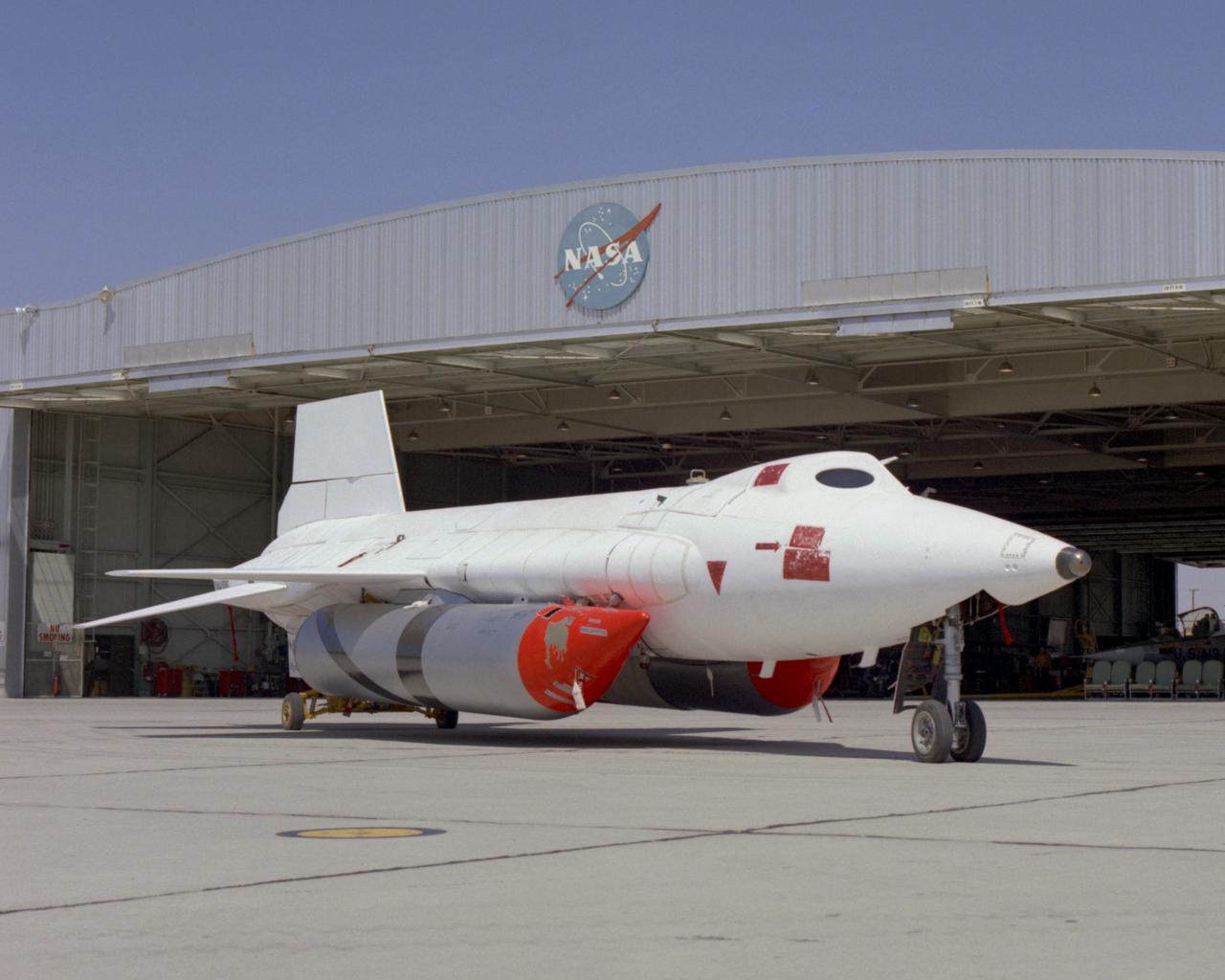
X-15A-2 with full scale ablative and external tanks installed parked in front of hangar. In June 1967, the X-15A-2 rocket-powered research aircraft received a full-scale ablative coating to protect the craft from the high temperatures associated with hypersonic flight (above Mach 5). This pink eraser-like substance, applied to the X-15A-2 aircraft (56-6671), was then covered with a white sealant coat before flight. This coating would help the #2 aircraft reach the record speed of 4,520 mph (Mach 6.7).
X-15A-2 with full scale ablative and external tanks installed parked in front of hangar
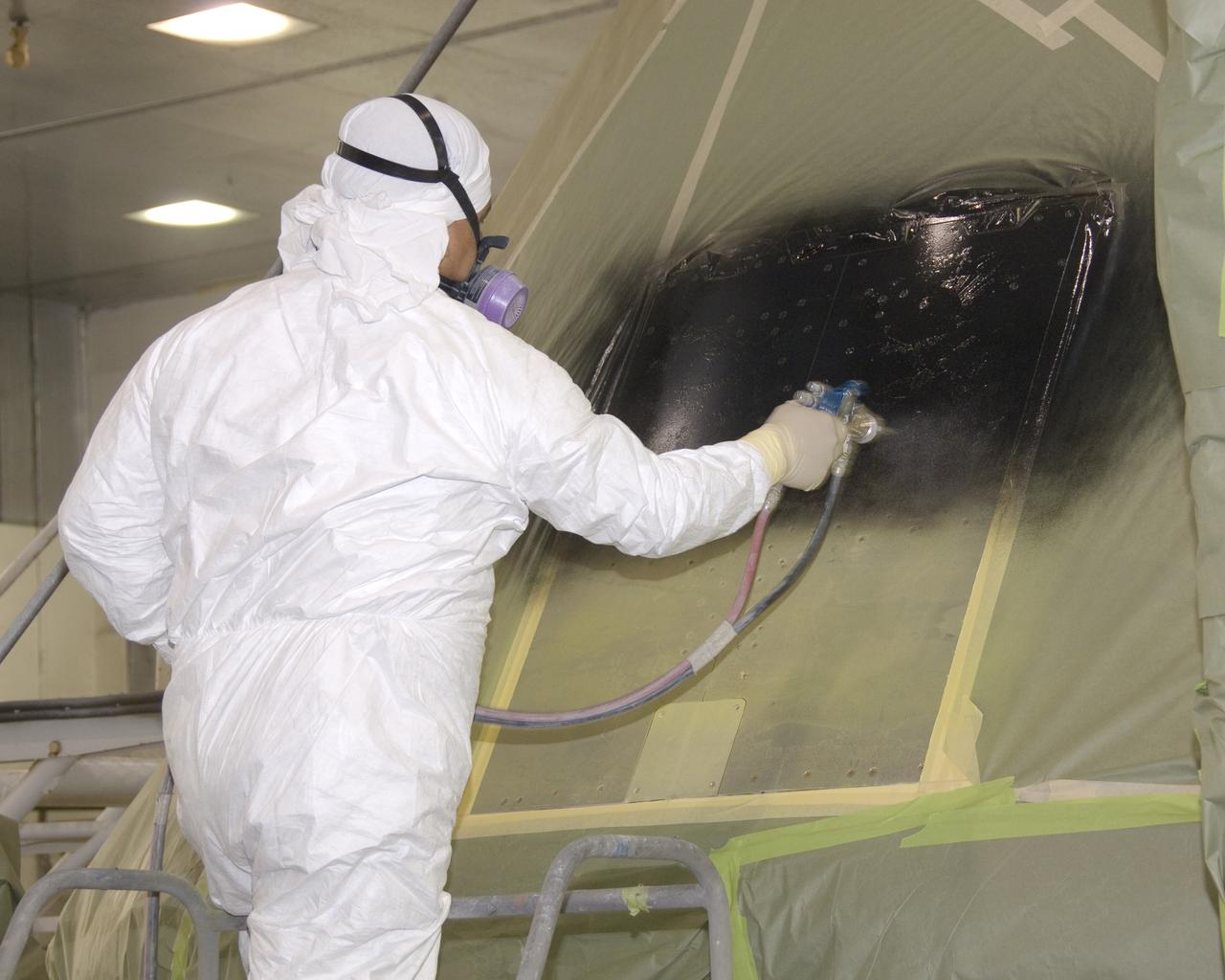
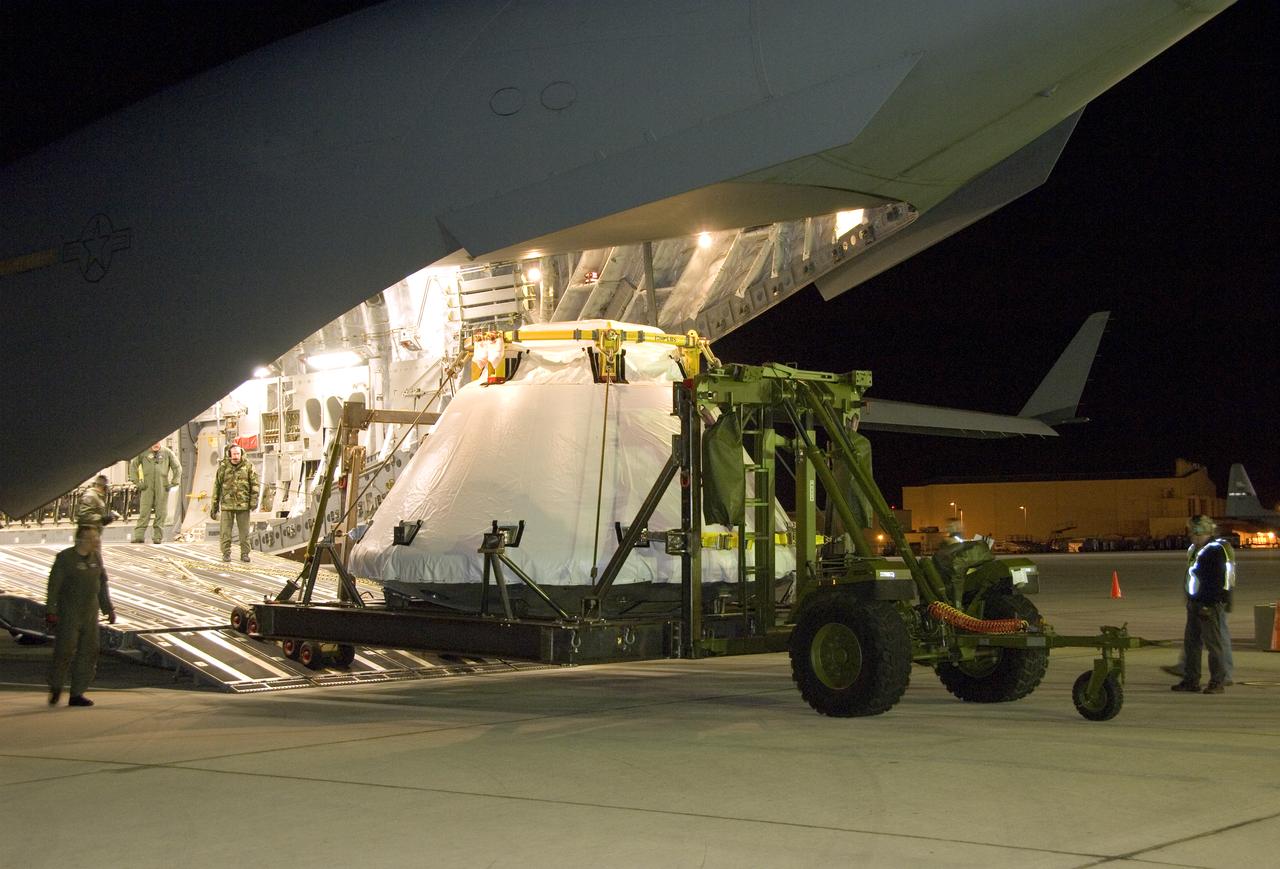
A full-scale flight-test mockup of the Constellation program's Orion crew vehicle arrived at NASA's Dryden Flight Research Center in late March 2008 to undergo preparations for the first short-range flight test of the spacecraft's astronaut escape system later that year. Engineers and technicians at NASA's Langley Research Center fabricated the structure, which precisely represents the size, outer shape and mass characteristics of the Orion space capsule. The Orion crew module mockup was ferried to NASA Dryden on an Air Force C-17. After painting in the Edwards Air Force Base paint hangar, the conical capsule was taken to Dryden for installation of flight computers, instrumentation and other electronics prior to being sent to the U.S. Army's White Sands Missile Range in New Mexico for integration with the escape system and the first abort flight test in late 2008. The tests were designed to ensure a safe, reliable method of escape for astronauts in case of an emergency.
A NASA technician paints NASA's first Orion full-scale abort flight test crew module.
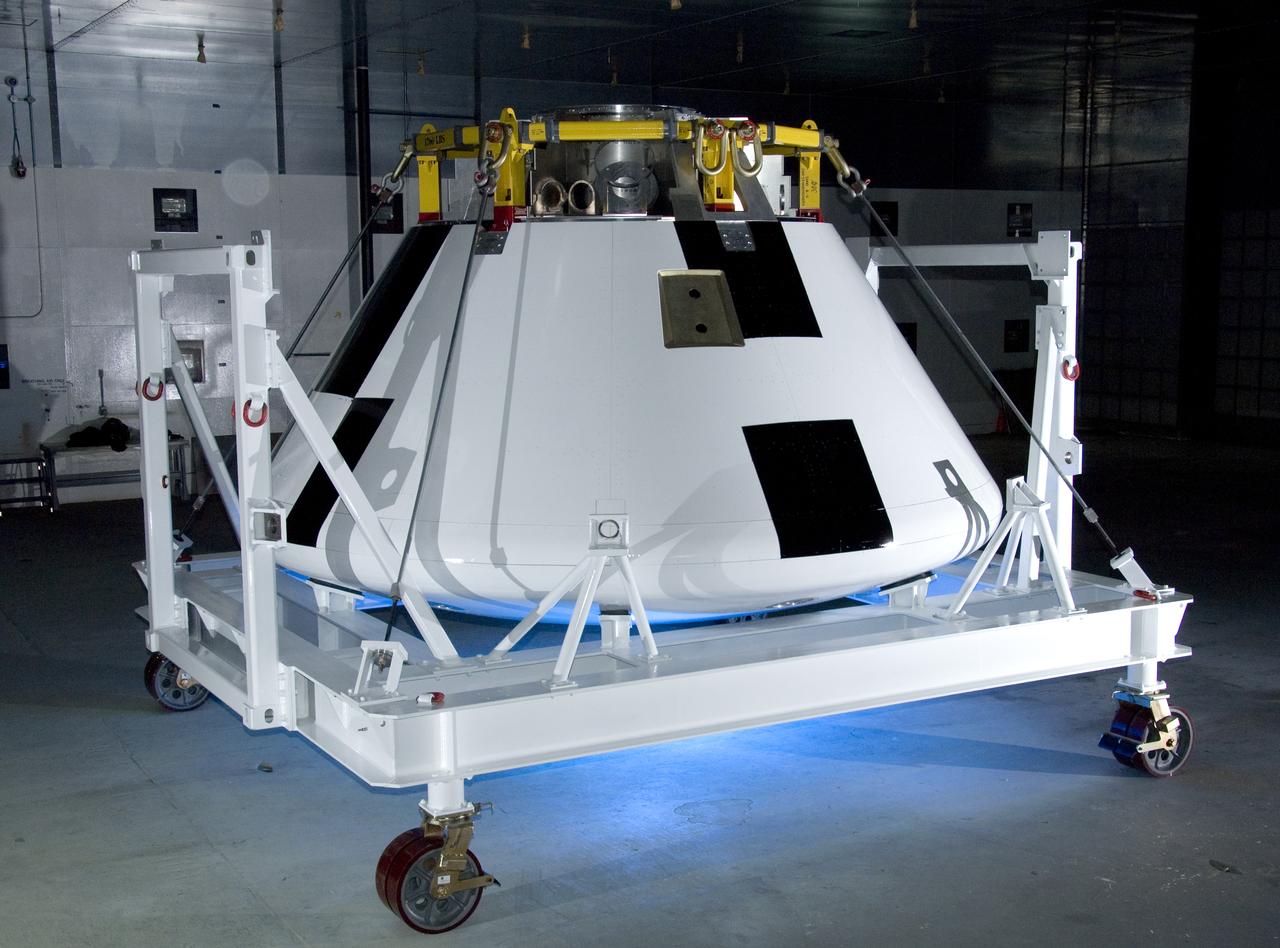
A full-scale flight-test mockup of the Constellation program's Orion crew vehicle arrived at NASA's Dryden Flight Research Center in late March 2008 to undergo preparations for the first short-range flight test of the spacecraft's astronaut escape system later that year. Engineers and technicians at NASA's Langley Research Center fabricated the structure, which precisely represents the size, outer shape and mass characteristics of the Orion space capsule. The Orion crew module mockup was ferried to NASA Dryden on an Air Force C-17. After painting in the Edwards Air Force Base paint hangar, the conical capsule was taken to Dryden for installation of flight computers, instrumentation and other electronics prior to being sent to the U.S. Army's White Sands Missile Range in New Mexico for integration with the escape system and the first abort flight test in late 2008. The tests were designed to ensure a safe, reliable method of escape for astronauts in case of an emergency.
Sporting a fresh paint job, NASA's first Orion full-scale abort flight test crew module awaits avionics and other equipment installation.
A full-scale flight-test mockup of the Constellation program's Orion crew vehicle arrived at NASA's Dryden Flight Research Center in late March 2008 to undergo preparations for the first short-range flight test of the spacecraft's astronaut escape system later that year. Engineers and technicians at NASA's Langley Research Center fabricated the structure, which precisely represents the size, outer shape and mass characteristics of the Orion space capsule. The Orion crew module mockup was ferried to NASA Dryden on an Air Force C-17. After painting in the Edwards Air Force Base paint hangar, the conical capsule was taken to Dryden for installation of flight computers, instrumentation and other electronics prior to being sent to the U.S. Army's White Sands Missile Range in New Mexico for integration with the escape system and the first abort flight test in late 2008. The tests were designed to ensure a safe, reliable method of escape for astronauts in case of an emergency.
NASA's first Orion full-scale abort flight test crew module was placed in NASA Dryden's Abort Flight Test integration area for equipment installation.
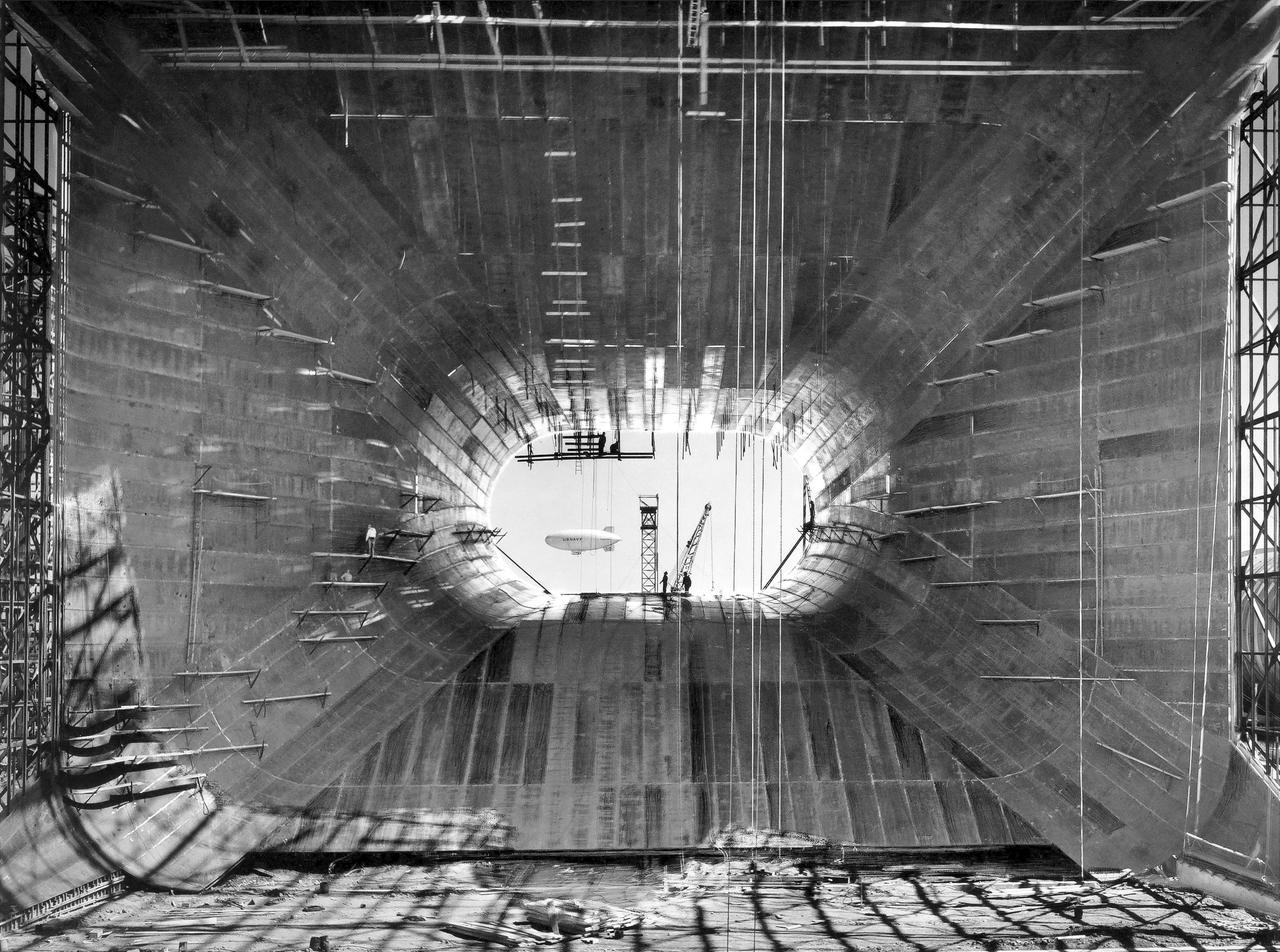
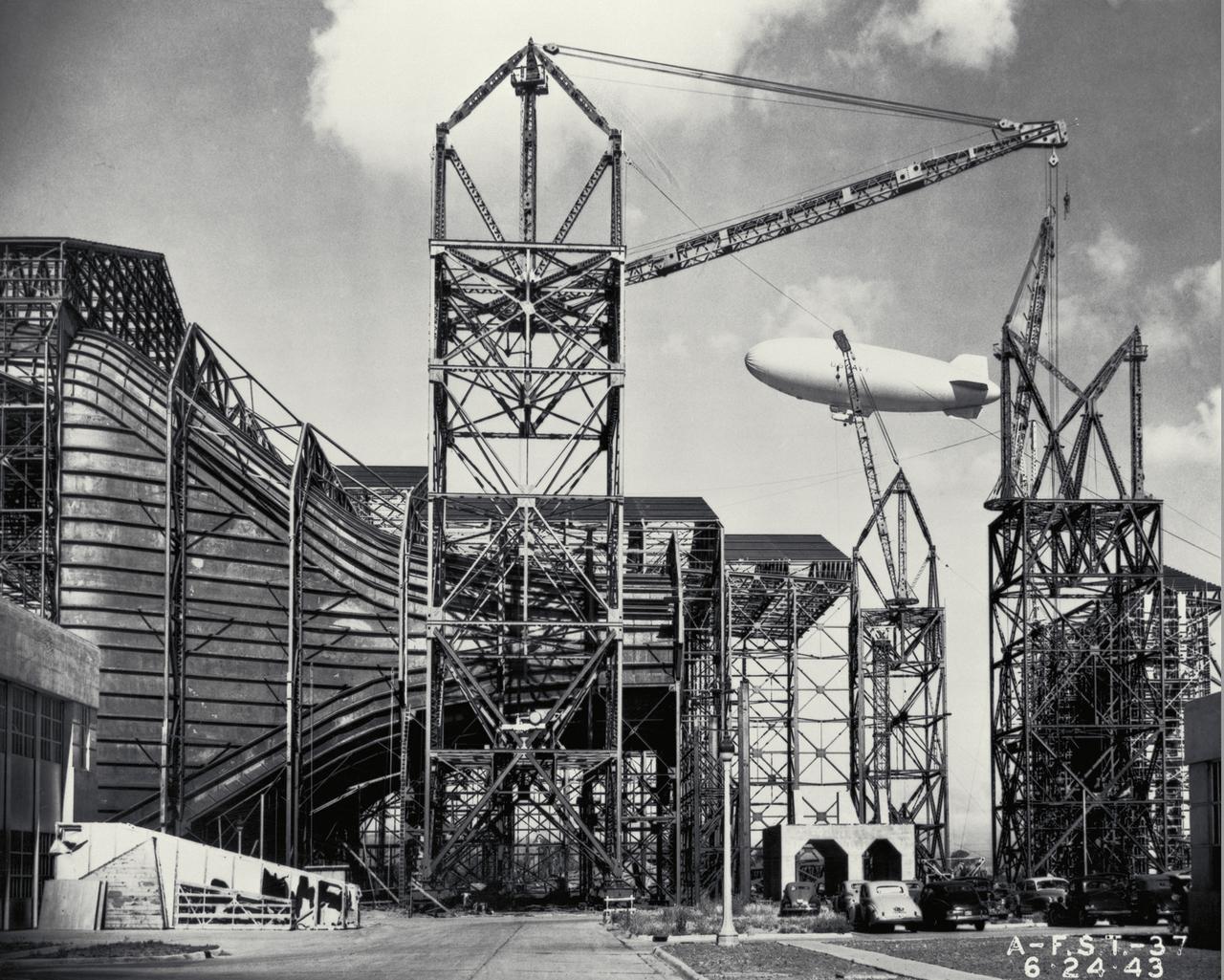
(07/07/1943) Construction view from inside the contraction framing of the 40x80 foot wind tunnel with a blimp flying in the background.
Full Scale Tunnel Motors Under Construction.
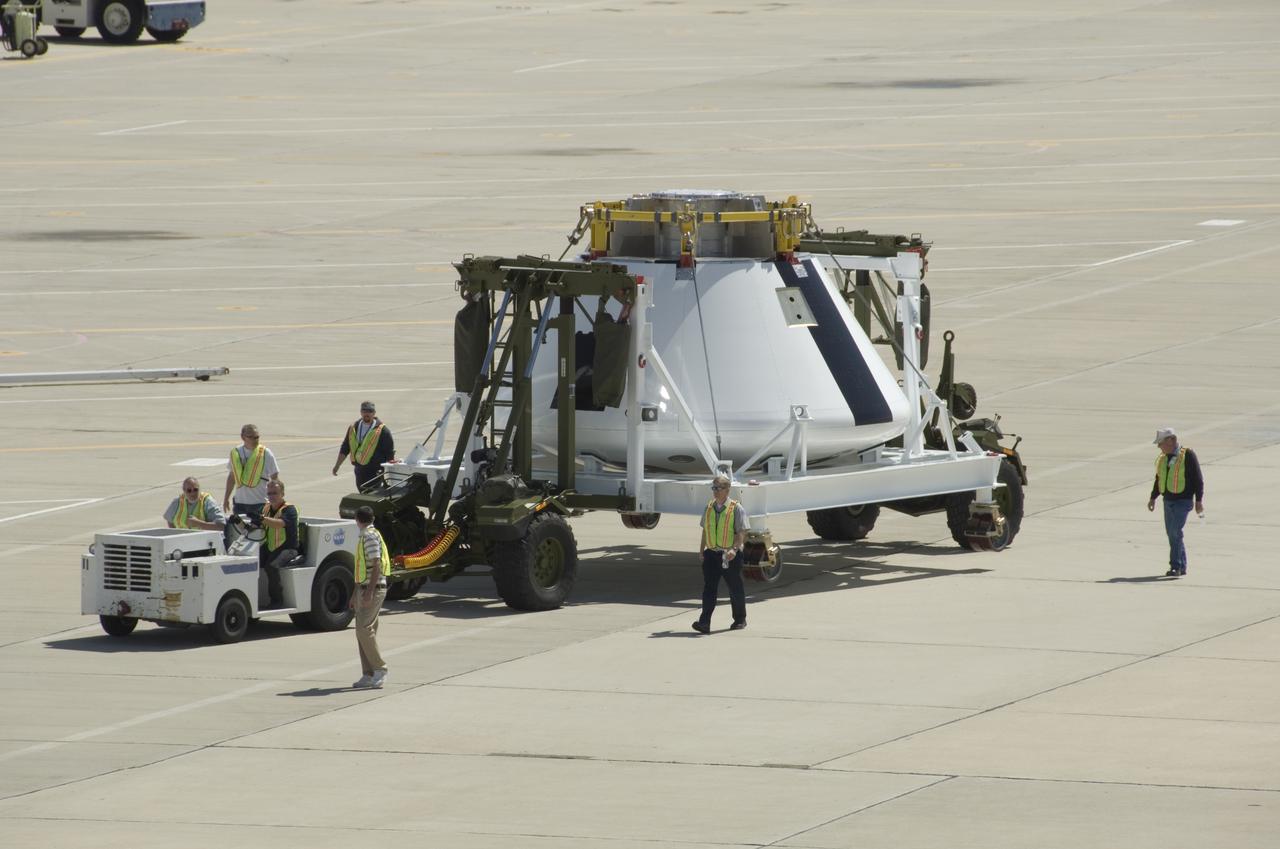
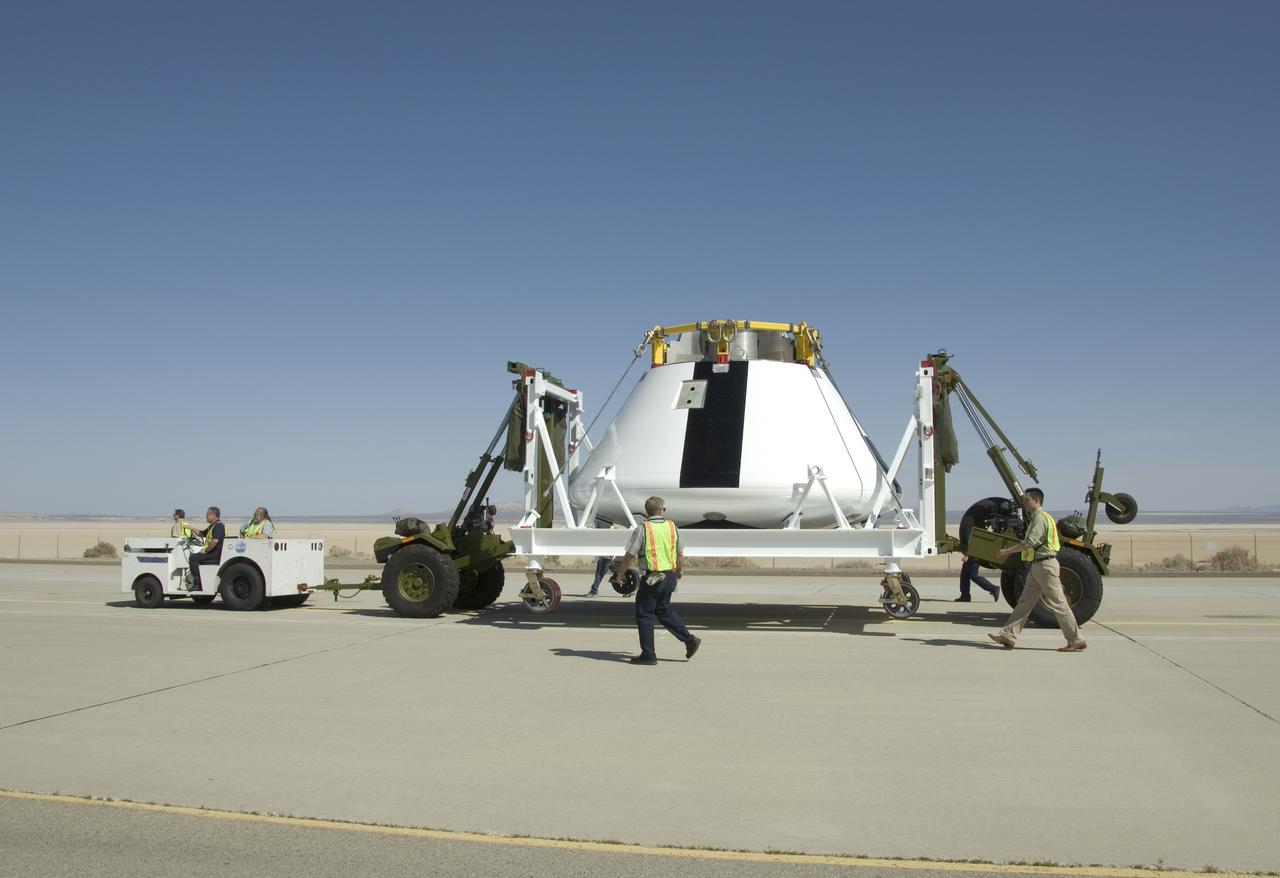
A full-scale flight-test mockup of the Constellation program's Orion crew vehicle arrived at NASA's Dryden Flight Research Center in late March 2008 to undergo preparations for the first short-range flight test of the spacecraft's astronaut escape system later that year. Engineers and technicians at NASA's Langley Research Center fabricated the structure, which precisely represents the size, outer shape and mass characteristics of the Orion space capsule. The Orion crew module mockup was ferried to NASA Dryden on an Air Force C-17. After painting in the Edwards Air Force Base paint hangar, the conical capsule was taken to Dryden for installation of flight computers, instrumentation and other electronics prior to being sent to the U.S. Army's White Sands Missile Range in New Mexico for integration with the escape system and the first abort flight test in late 2008. The tests were designed to ensure a safe, reliable method of escape for astronauts in case of an emergency.
NASA Dryden Flight Research Center personnel accompany NASA's first Orion full-scale abort flight test crew module as it heads to its new home.
A full-scale flight-test mockup of the Constellation program's Orion crew vehicle arrived at NASA's Dryden Flight Research Center in late March 2008 to undergo preparations for the first short-range flight test of the spacecraft's astronaut escape system later that year. Engineers and technicians at NASA's Langley Research Center fabricated the structure, which precisely represents the size, outer shape and mass characteristics of the Orion space capsule. The Orion crew module mockup was ferried to NASA Dryden on an Air Force C-17. After painting in the Edwards Air Force Base paint hangar, the conical capsule was taken to Dryden for installation of flight computers, instrumentation and other electronics prior to being sent to the U.S. Army's White Sands Missile Range in New Mexico for integration with the escape system and the first abort flight test in late 2008. The tests were designed to ensure a safe, reliable method of escape for astronauts in case of an emergency.
NASA Dryden Flight Research Center personnel accompany NASA's first Orion full-scale abort flight test crew module as it heads to its new home.
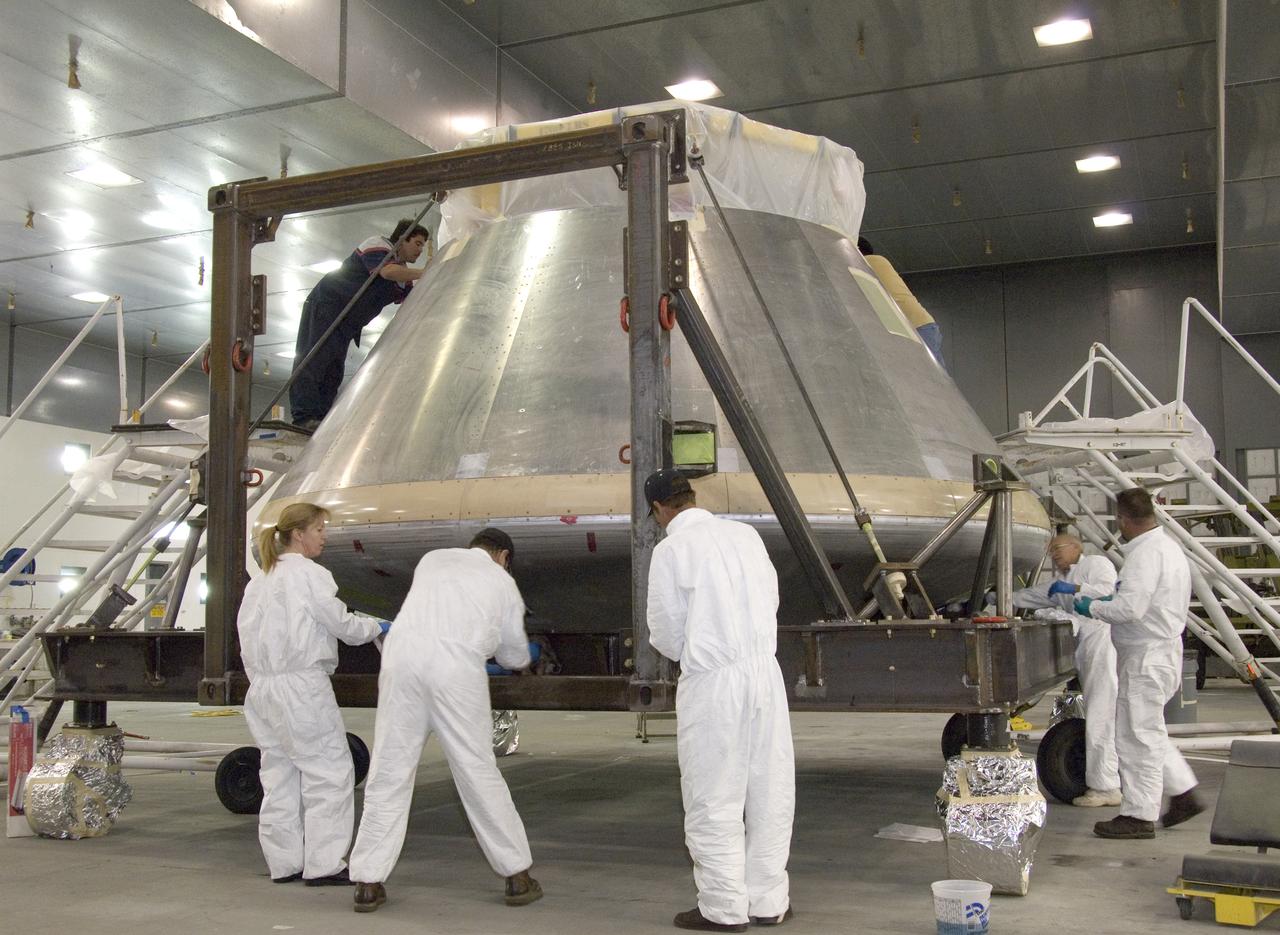
A full-scale flight-test mockup of the Constellation program's Orion crew vehicle arrived at NASA's Dryden Flight Research Center in late March 2008 to undergo preparations for the first short-range flight test of the spacecraft's astronaut escape system later that year. Engineers and technicians at NASA's Langley Research Center fabricated the structure, which precisely represents the size, outer shape and mass characteristics of the Orion space capsule. The Orion crew module mockup was ferried to NASA Dryden on an Air Force C-17. After painting in the Edwards Air Force Base paint hangar, the conical capsule was taken to Dryden for installation of flight computers, instrumentation and other electronics prior to being sent to the U.S. Army's White Sands Missile Range in New Mexico for integration with the escape system and the first abort flight test in late 2008. The tests were designed to ensure a safe, reliable method of escape for astronauts in case of an emergency.
NASA paint shop technicians prepare the Orion full-scale flight test crew module for painting in the Edwards Air Force Base paint hangar.
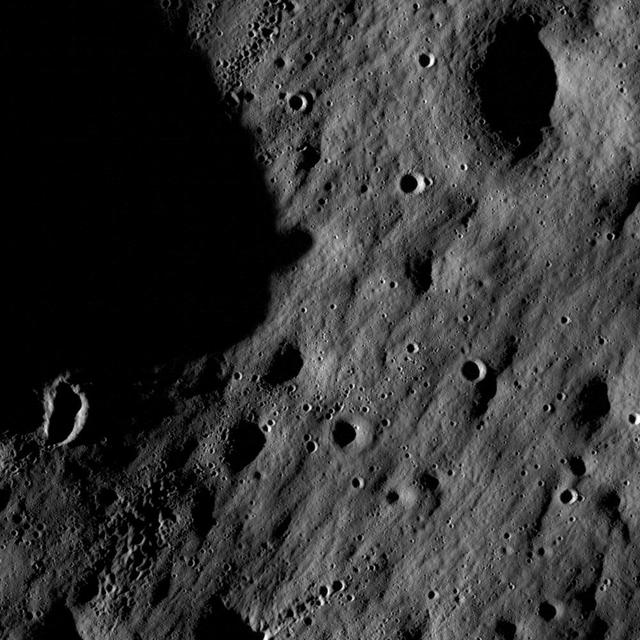
Full resolution detail from one of the first LROC NAC images. At this scale and lighting, impact craters dominate the landscape.
First LROC Images
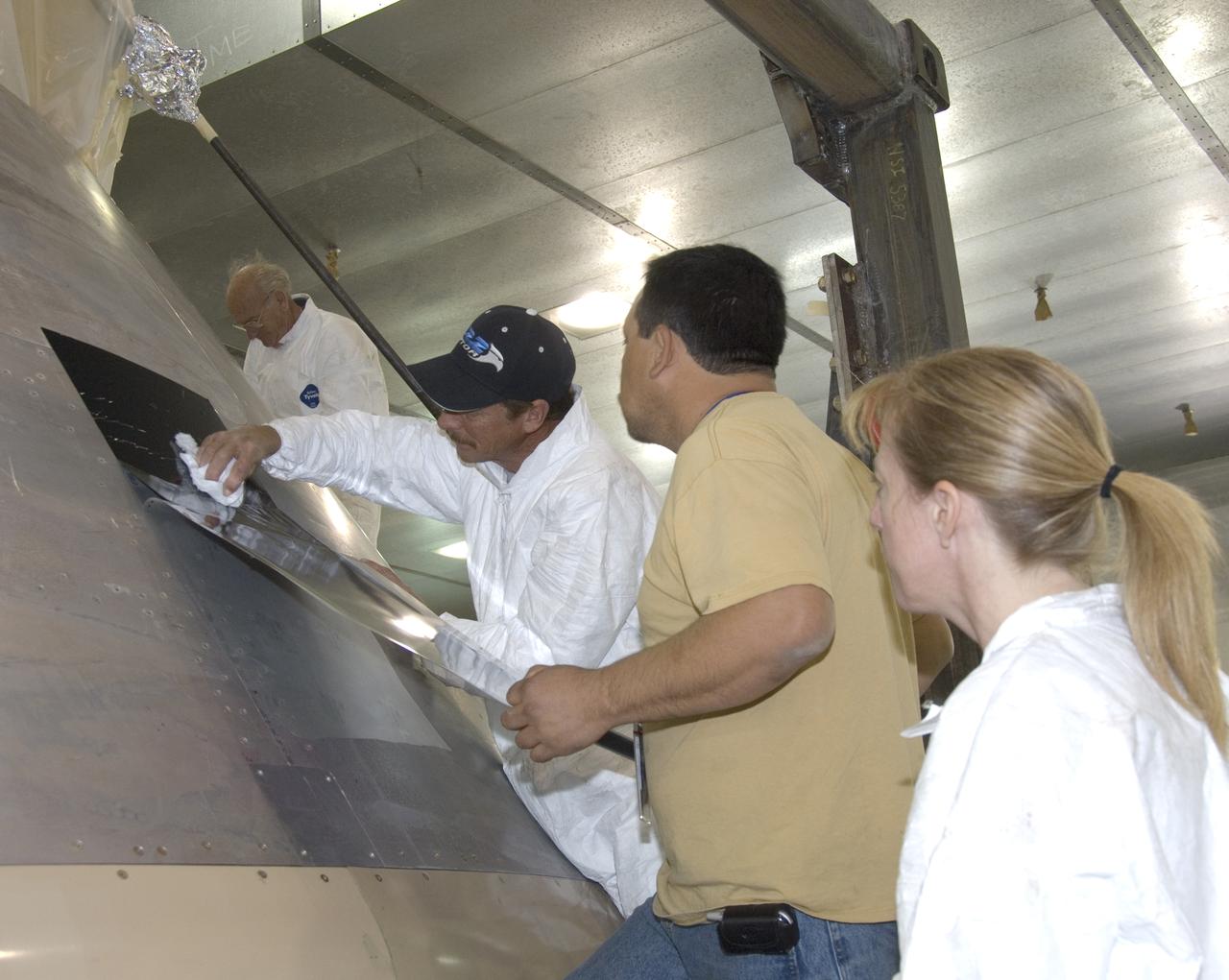
A full-scale flight-test mockup of the Constellation program's Orion crew vehicle arrived at NASA's Dryden Flight Research Center in late March 2008 to undergo preparations for the first short-range flight test of the spacecraft's astronaut escape system later that year. Engineers and technicians at NASA's Langley Research Center fabricated the structure, which precisely represents the size, outer shape and mass characteristics of the Orion space capsule. The Orion crew module mockup was ferried to NASA Dryden on an Air Force C-17. After painting in the Edwards Air Force Base paint hangar, the conical capsule was taken to Dryden for installation of flight computers, instrumentation and other electronics prior to being sent to the U.S. Army's White Sands Missile Range in New Mexico for integration with the escape system and the first abort flight test in late 2008. The tests were designed to ensure a safe, reliable method of escape for astronauts in case of an emergency.
Paint shop technicians carefully apply masking prior to painting the Orion full-scale abort flight test crew module in the Edwards Air Force Base paint hangar.
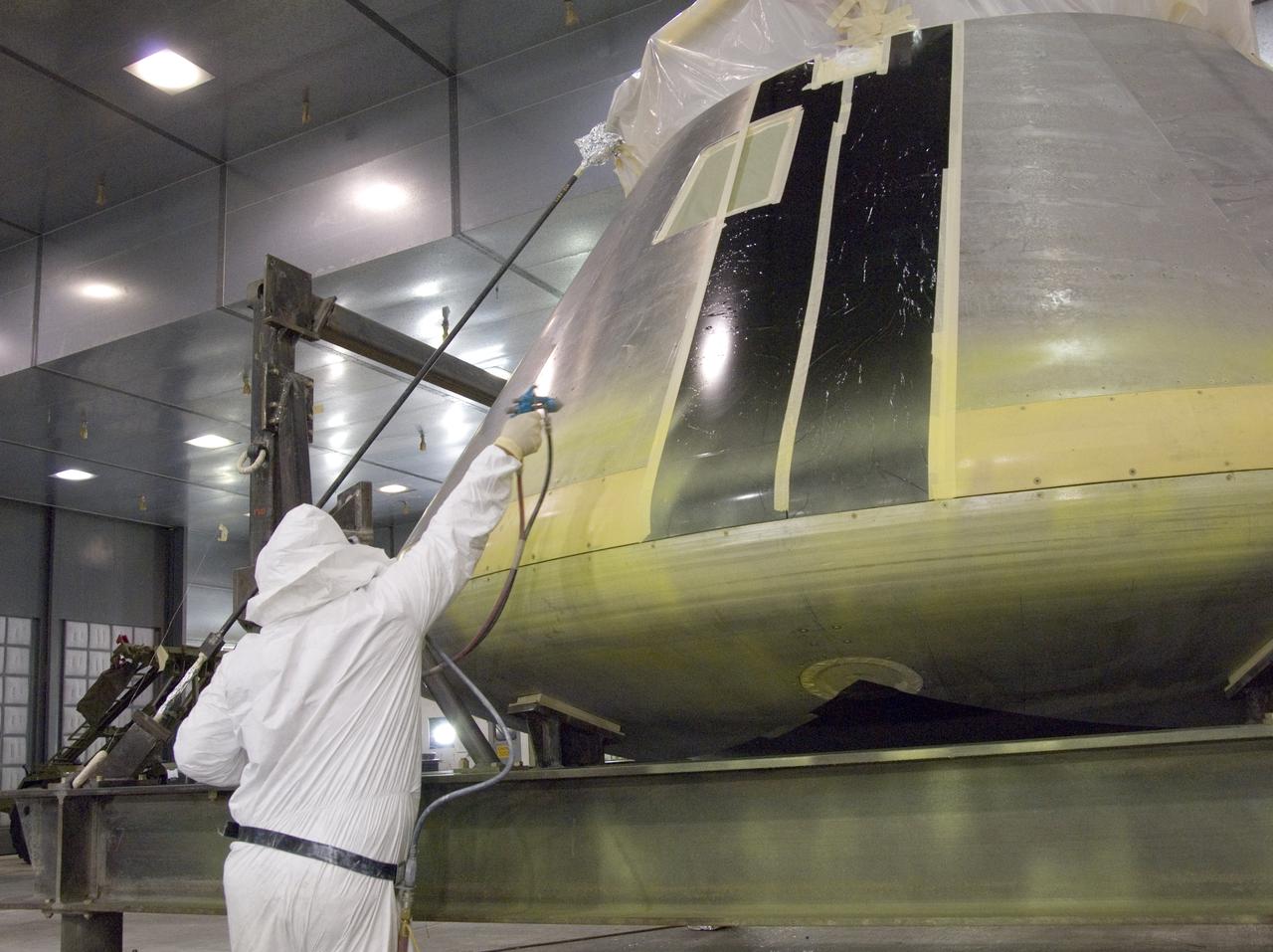
A full-scale flight-test mockup of the Constellation program's Orion crew vehicle arrived at NASA's Dryden Flight Research Center in late March 2008 to undergo preparations for the first short-range flight test of the spacecraft's astronaut escape system later that year. Engineers and technicians at NASA's Langley Research Center fabricated the structure, which precisely represents the size, outer shape and mass characteristics of the Orion space capsule. The Orion crew module mockup was ferried to NASA Dryden on an Air Force C-17. After painting in the Edwards Air Force Base paint hangar, the conical capsule was taken to Dryden for installation of flight computers, instrumentation and other electronics prior to being sent to the U.S. Army's White Sands Missile Range in New Mexico for integration with the escape system and the first abort flight test in late 2008. The tests were designed to ensure a safe, reliable method of escape for astronauts in case of an emergency.
A NASA painter applies the first primer coat to NASA's Orion full-scale abort flight test crew module in the Edwards Air Force Base paint hangar.
A full-scale flight-test mockup of the Constellation program's Orion crew vehicle arrived at NASA's Dryden Flight Research Center in late March 2008 to undergo preparations for the first short-range flight test of the spacecraft's astronaut escape system later that year. Engineers and technicians at NASA's Langley Research Center fabricated the structure, which precisely represents the size, outer shape and mass characteristics of the Orion space capsule. The Orion crew module mockup was ferried to NASA Dryden on an Air Force C-17. After painting in the Edwards Air Force Base paint hangar, the conical capsule was taken to Dryden for installation of flight computers, instrumentation and other electronics prior to being sent to the U.S. Army's White Sands Missile Range in New Mexico for integration with the escape system and the first abort flight test in late 2008. The tests were designed to ensure a safe, reliable method of escape for astronauts in case of an emergency.
Air Force loadmasters oversee unloading of the full-scale Orion abort test crew module mockup from a C-17 cargo aircraft at Edwards Air Force Base March 28.
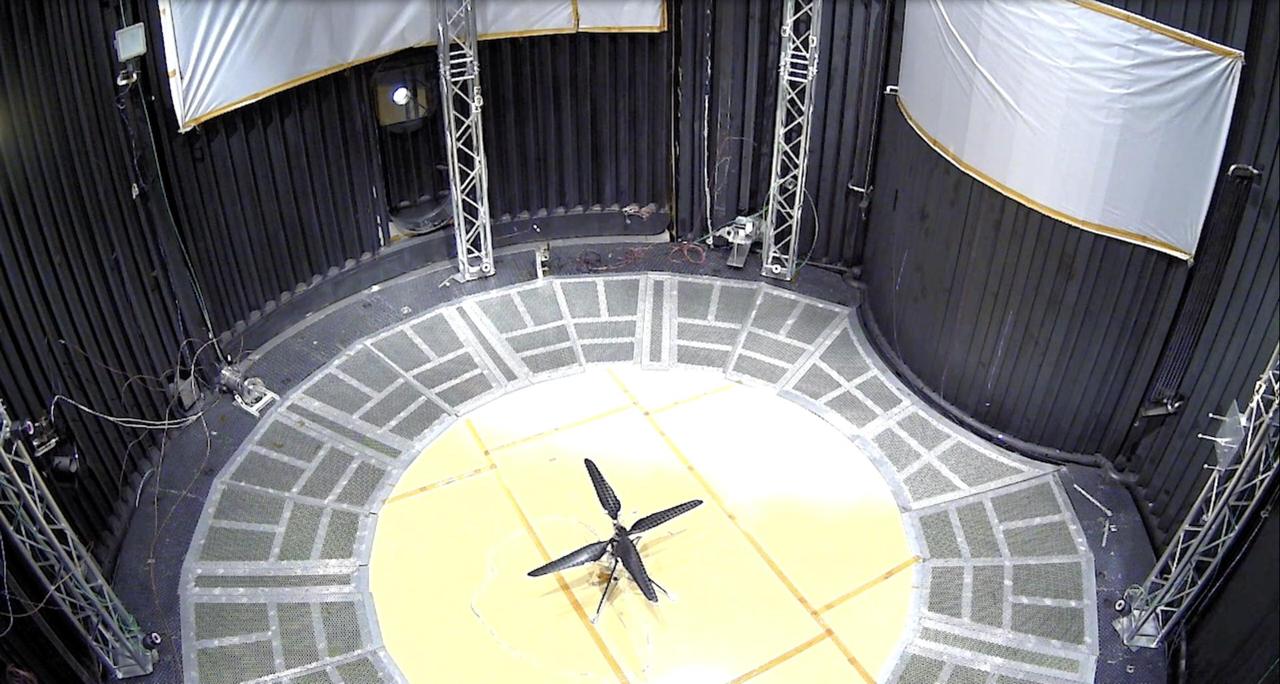
This image shows a test flight of a full-scale prototype of the Ingenuity Mars Helicopter. The flight took place on May 31, 2016, in the 25-foot-wide, 85-foot-tall (8-meter-by-26-meter) Space Simulator Facility at NASA's Jet Propulsion Laboratory in Southern California. The flight was the first demonstration that powered-controlled flight could be successfully executed in Mars-like conditions.  The simulator's vacuum chamber allows engineers to test spacecraft and components in conditions like those they would face on Mars.  https://photojournal.jpl.nasa.gov/catalog/PIA26233
First Controlled Flight of Mars Helicopter Prototype
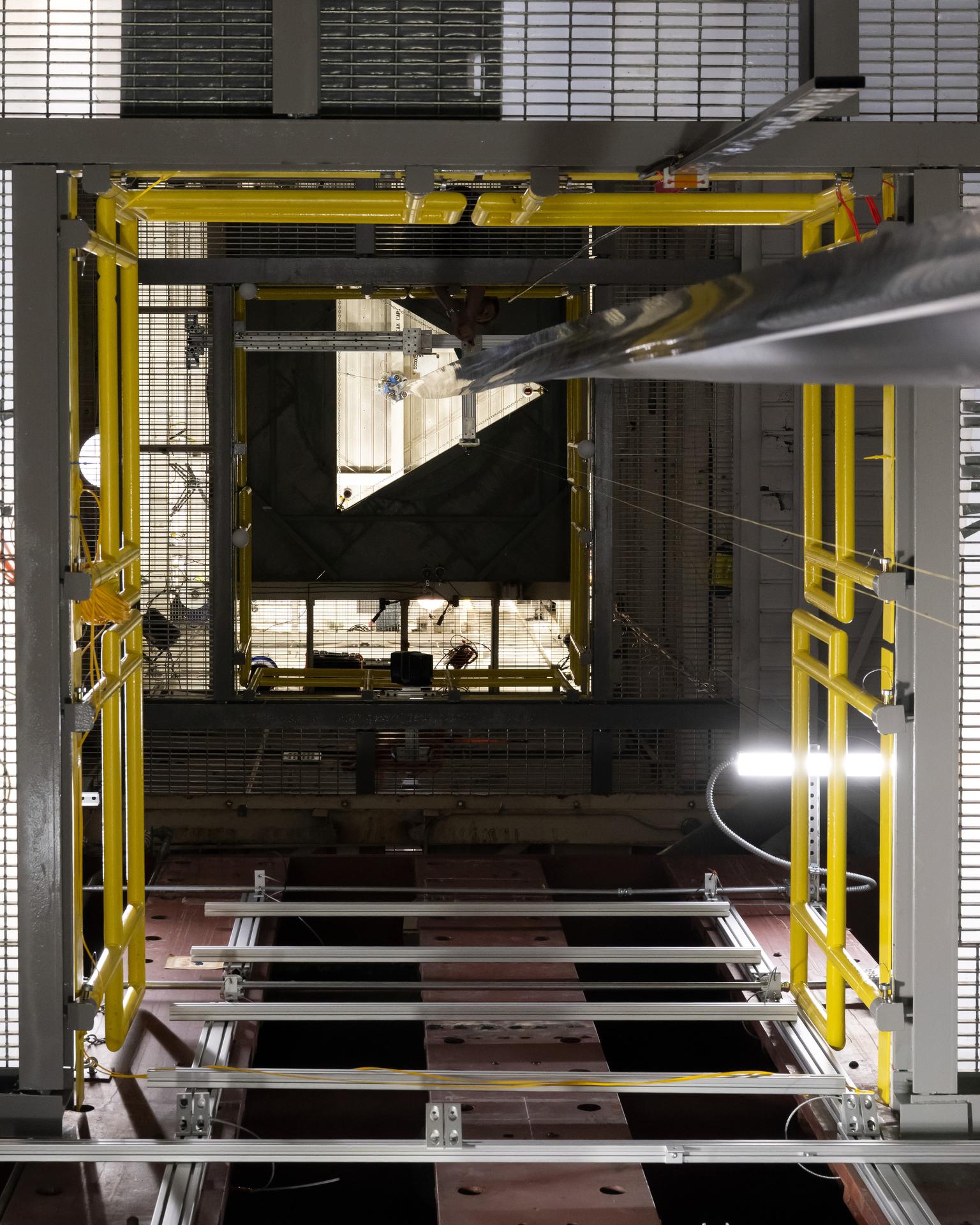
Full-Scale Test Campaign of Gravity Offloading and Analysis of Long Imperfection-Sensitive Elements (GOALIE) TRAC boom in B1293B Thor Tower, Test of Load Case C, Off-axis Compression
LRC-2025-OCIO_P-00769.TIF
Full-Scale Test Campaign of Gravity Offloading and Analysis of Long Imperfection-Sensitive Elements (GOALIE) TRAC boom in B1293B Thor Tower, Test of Load Case C, Off-axis Compression
LRC-2025-OCIO_P-00805.TIF
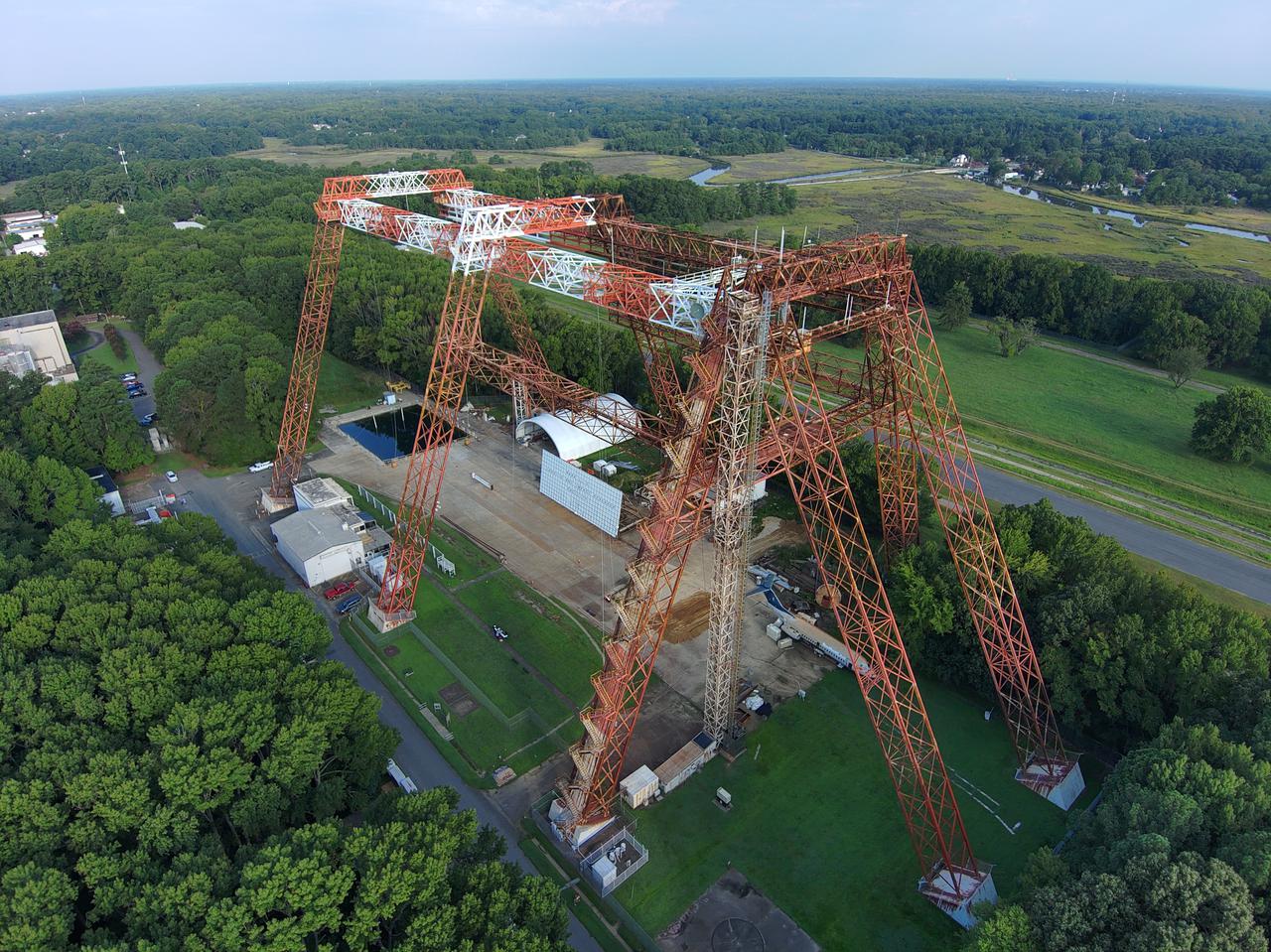
Langley’s historic Impact Dynamics Facility for full-scale aircraft crash testing stands on the western corner of the NASA Langley campus. In its original configuration, the “gantry” was used to train the Mercury 7
NASA Langley Research Center Impact Dynamics Facility
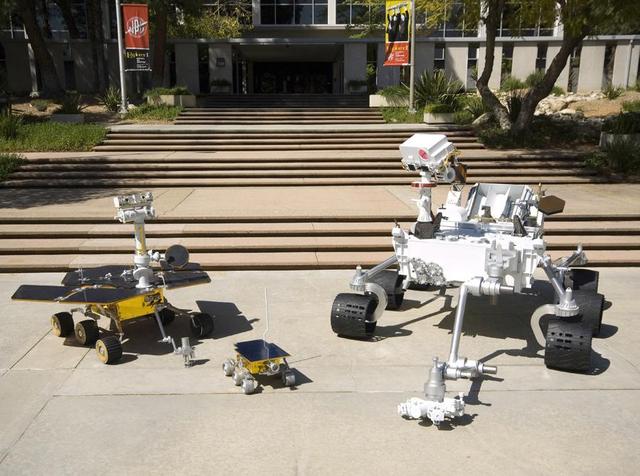
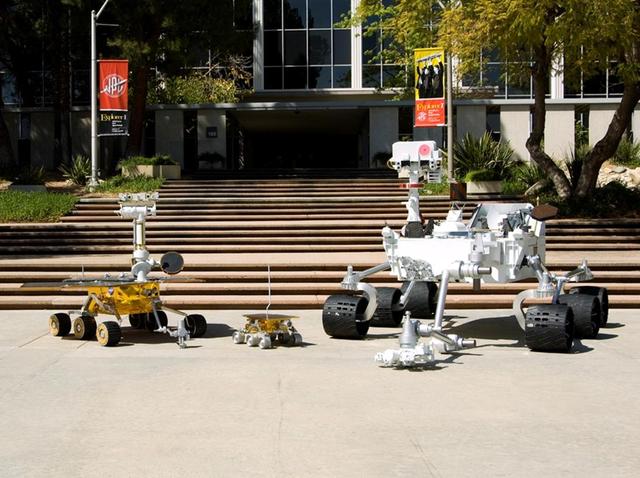
Full-scale models of three generations of NASA Mars rovers show the increase in size from the Sojourner rover of the Mars Pathfinder project, to the twin Mars Exploration Rovers Spirit and Opportunity, to the Mars Science Laboratory rover.
Size Comparison: Three Generations of Mars Rovers
Full-scale models of three generations of NASA Mars rovers show the increase in size from the Sojourner rover of the Mars Pathfinder project, to the twin Mars Exploration Rovers Spirit and Opportunity, to the Mars Science Laboratory rover.
Newest is Biggest: Three Generations of NASA Mars Rovers
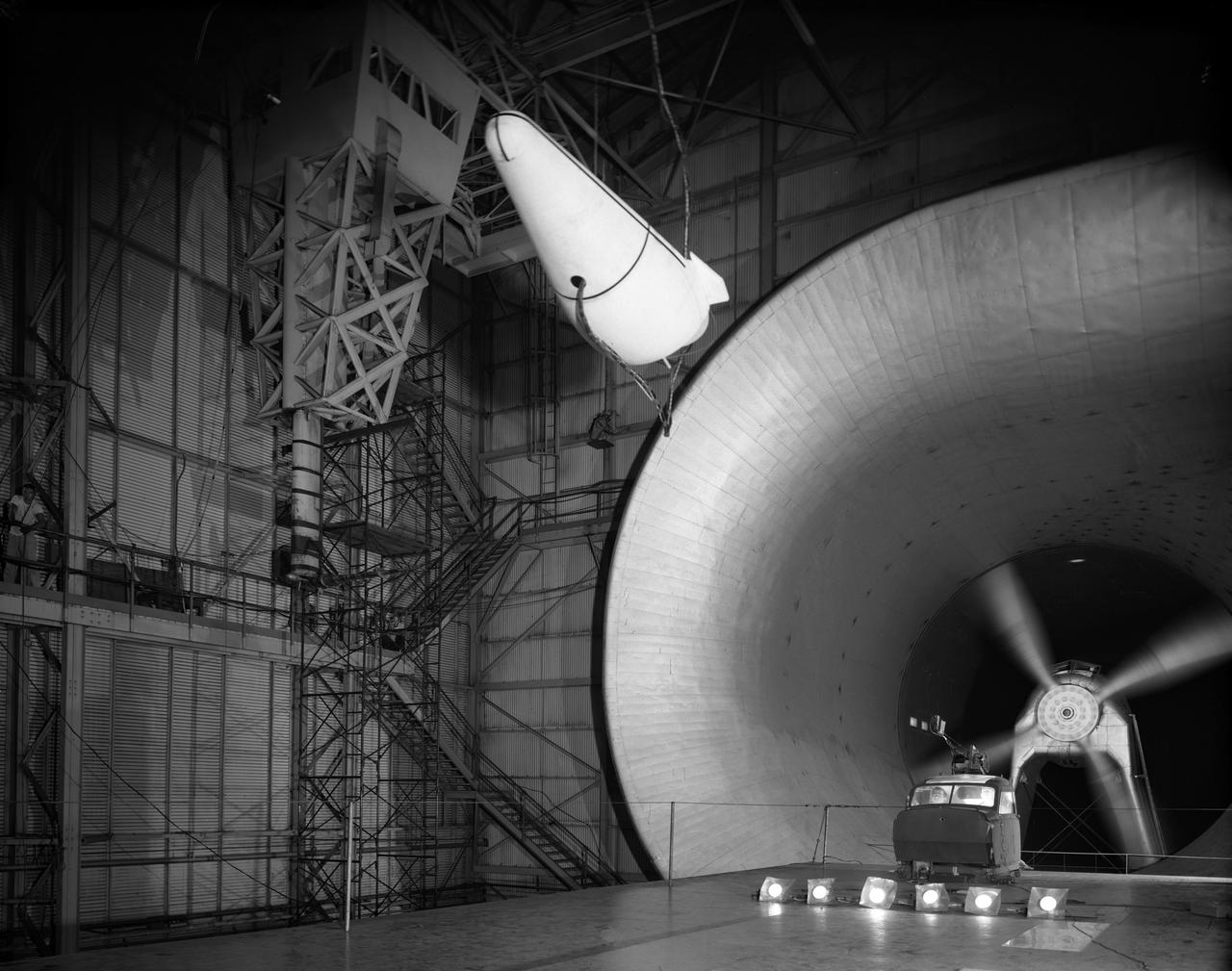
Re-entry vehicle on Full Scale Tunnel (FST)
Re-entry vehicle on FST
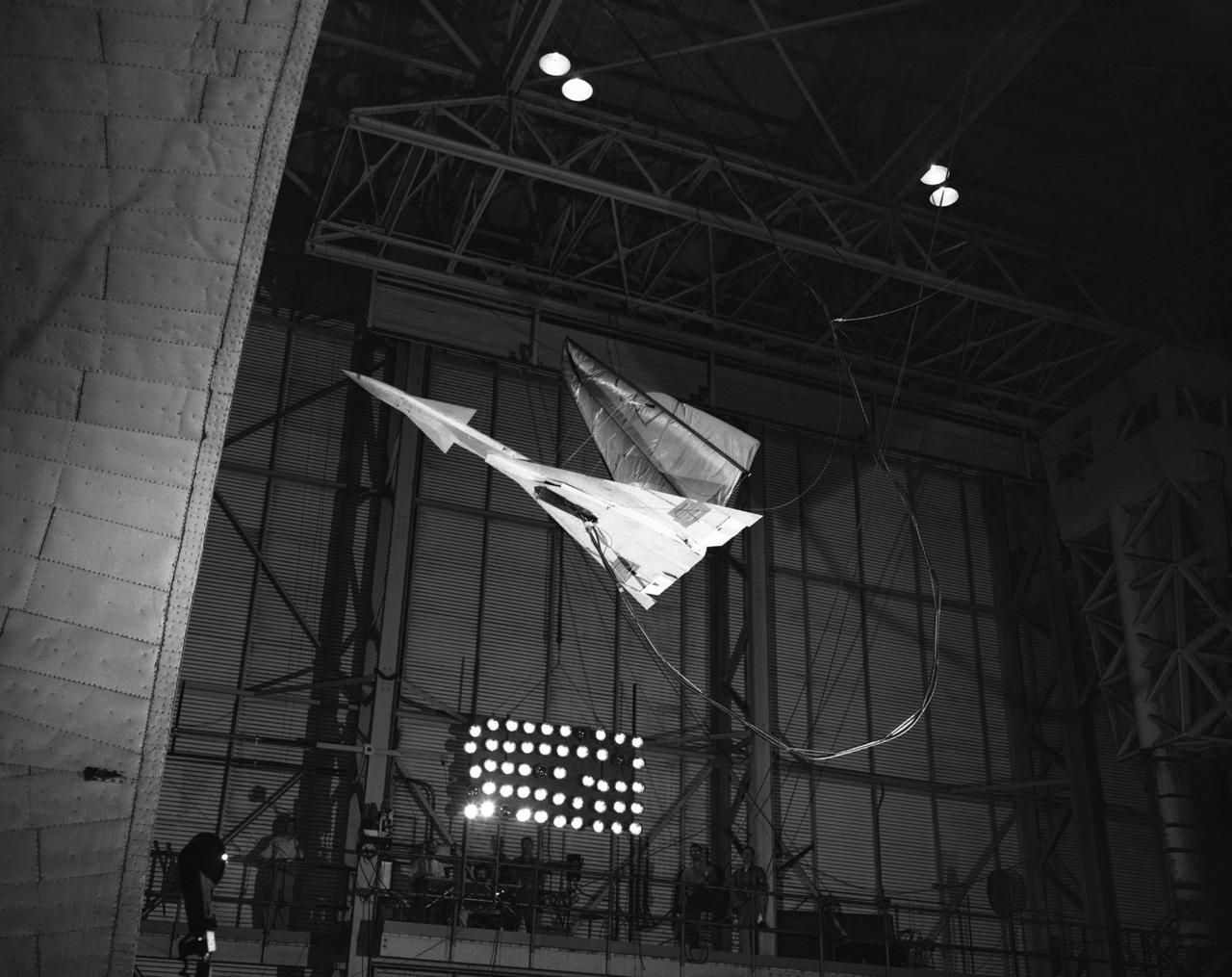
Kite model flying in Full Scale Tunnel (FST)
Kite model flying in FST
A full-scale prototype of the high-gain antenna on NASA's Europa Clipper spacecraft is undergoing testing in the Experimental Test Range at NASA's Langley Research Center in Hampton, Virginia. The Europa Clipper is expected to launch on a mission to conduct detailed reconnaissance of Jupiter's moon Europa in the 2020s.  https://photojournal.jpl.nasa.gov/catalog/PIA22773
Europa Clipper Antenna Prototype
The Blue Angels crew tour the inlet of the NFAC’s 80-by-120-foot wind tunnel test section in building N221.
United States Navy Flight Demonstration Squadron, the Blue Angel
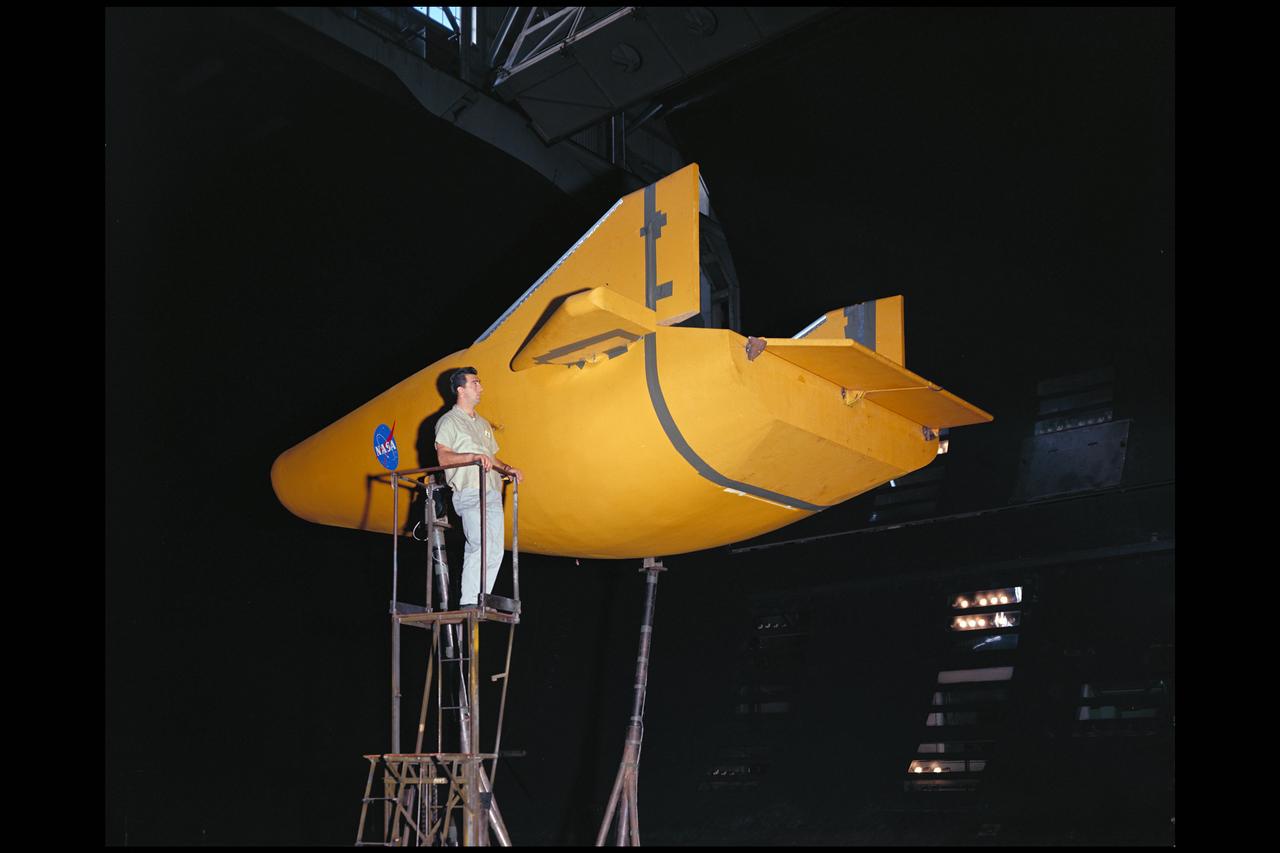
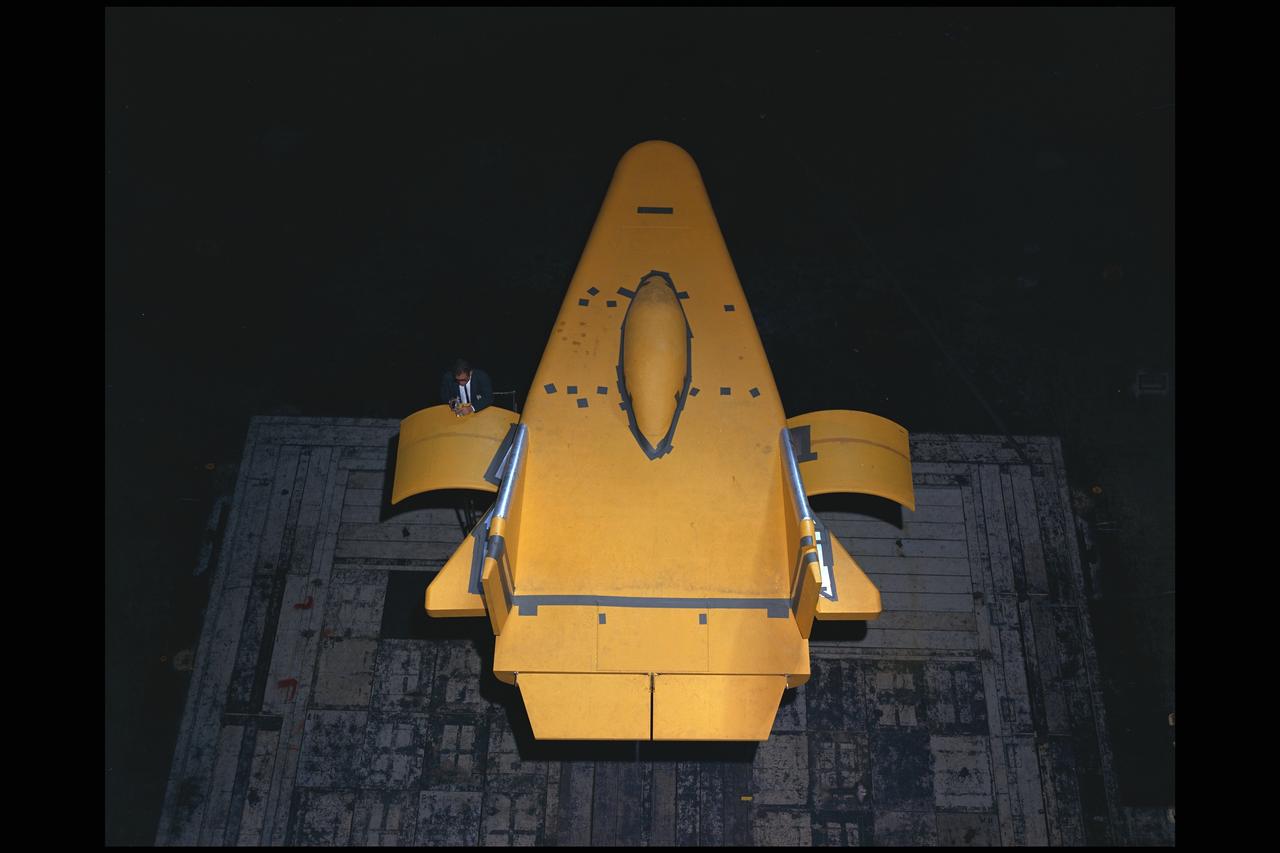
M-2 Lifting body 40x80ft Full Scale Wind Tunnle
ARC-1963-A-31466
Flat Delta Model Flying in Full Scale Tunnel (FST)  (Boiseau)
Flat Delta Model Flying in F.S.T.
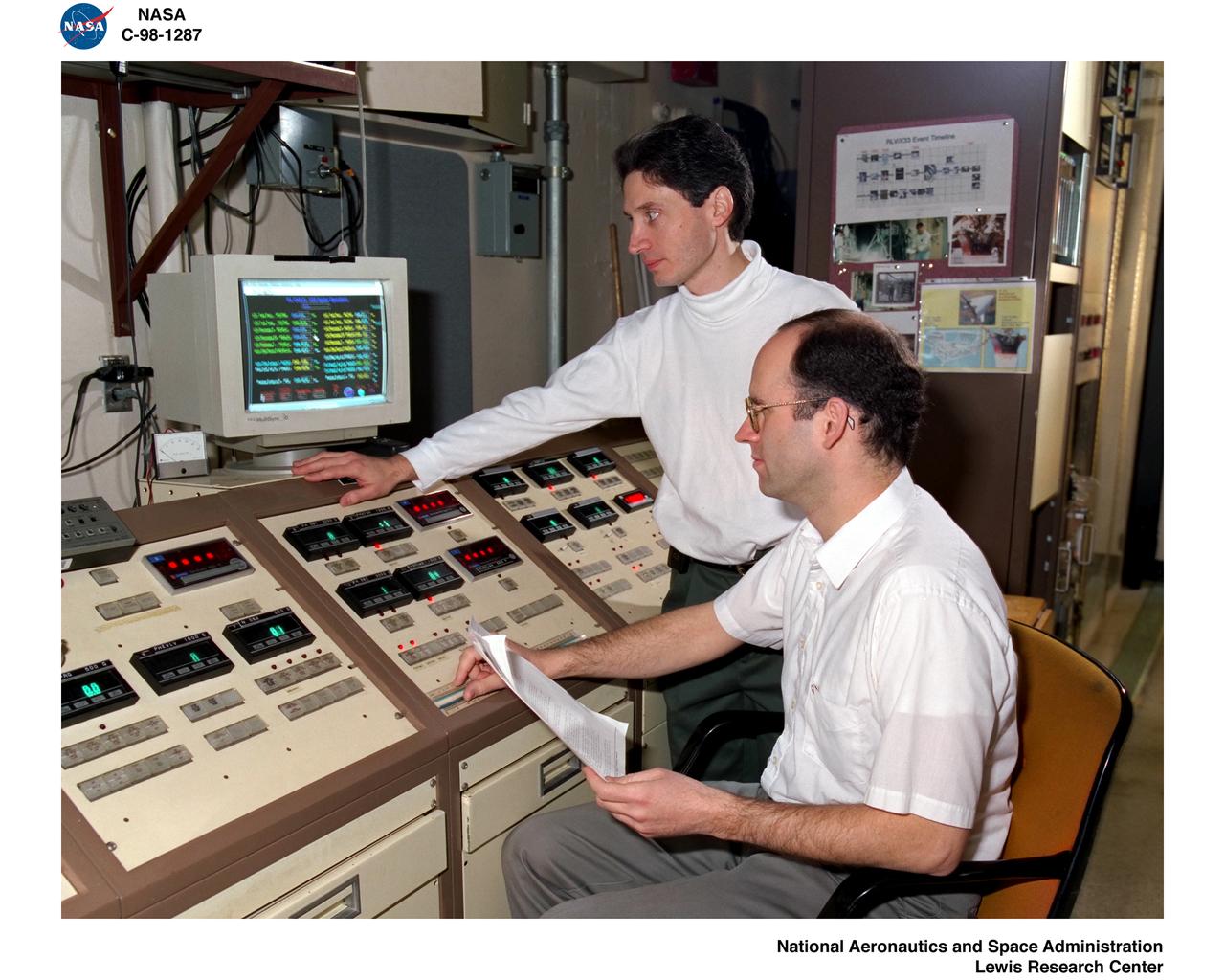
X33 COMBUSTION WARE IGNITION FULL SCALE PROTOYPE TEST RIG
GRC-1998-C-01287
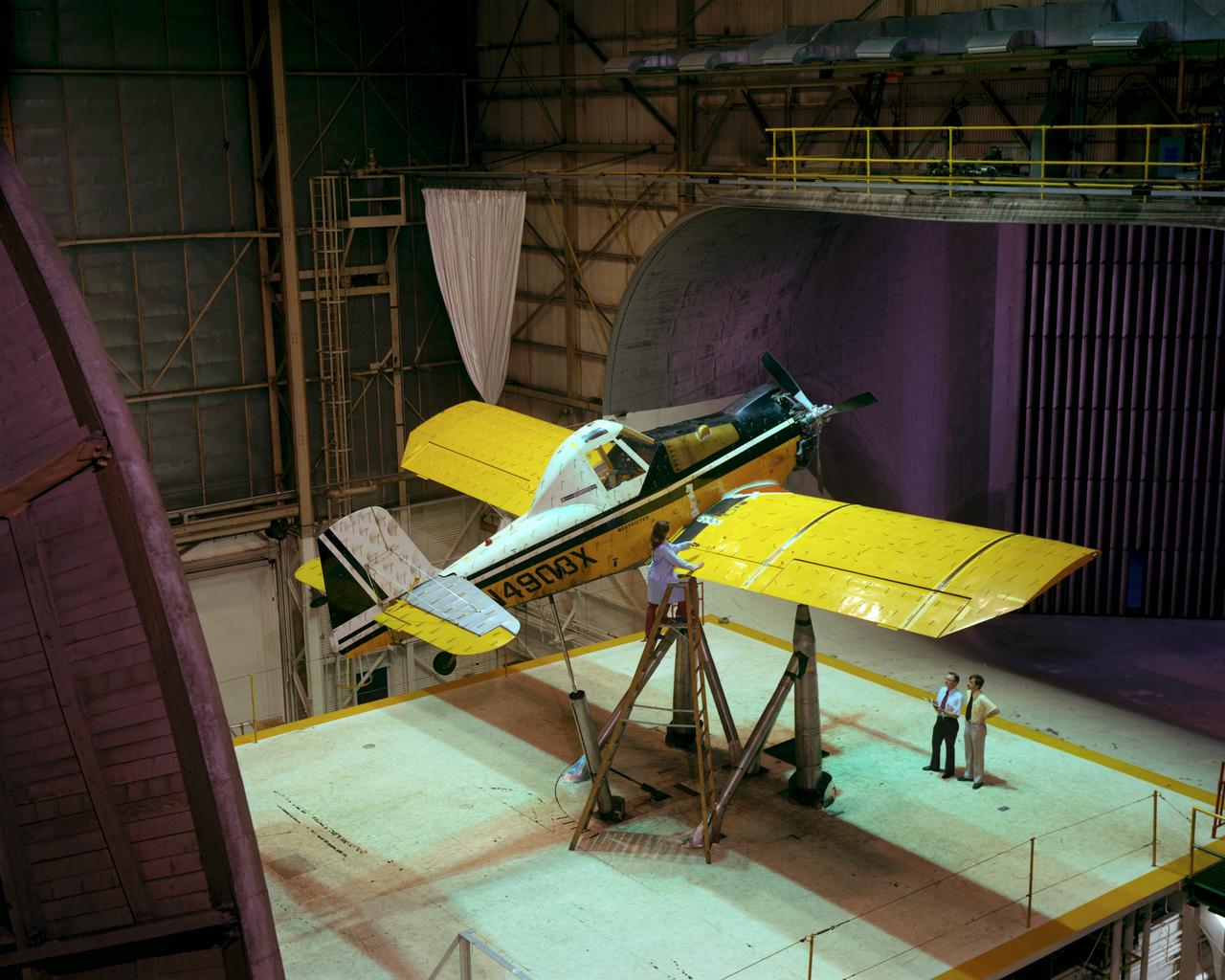
Agriculture aircraft in Full Scale Tunnel (FST). -- Photographed on: 05/19/78.
Agriculture aircraft in FST
Various views of the Goodyear Inflate-A-Plane mounted in Full Scale Tunnel.
Goodyear inflatable aircraft
M-2 Lifting body 40x80ft Full Scale Wind Tunnle
ARC-1963-A-31465
M-2 Lifting body 40x80ft Full Scale Wind Tunnle
ARC-1963-A-31468
X33 COMBUSTION WARE IGNITION FULL SCALE PROTOYPE TEST RIG
GRC-1998-C-01289
M-2 Lifting body 40x80ft Full Scale Wind Tunnel
ARC-1963-A-31467
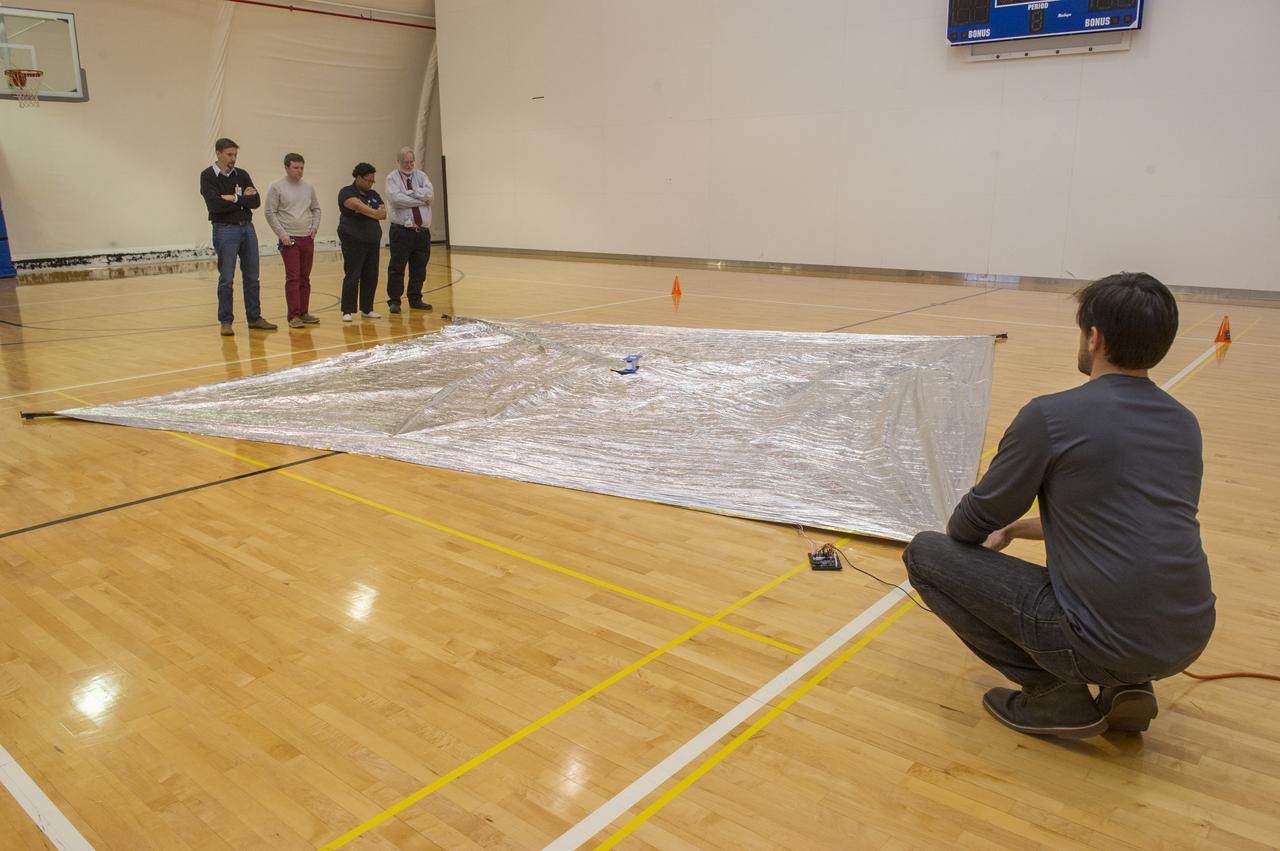
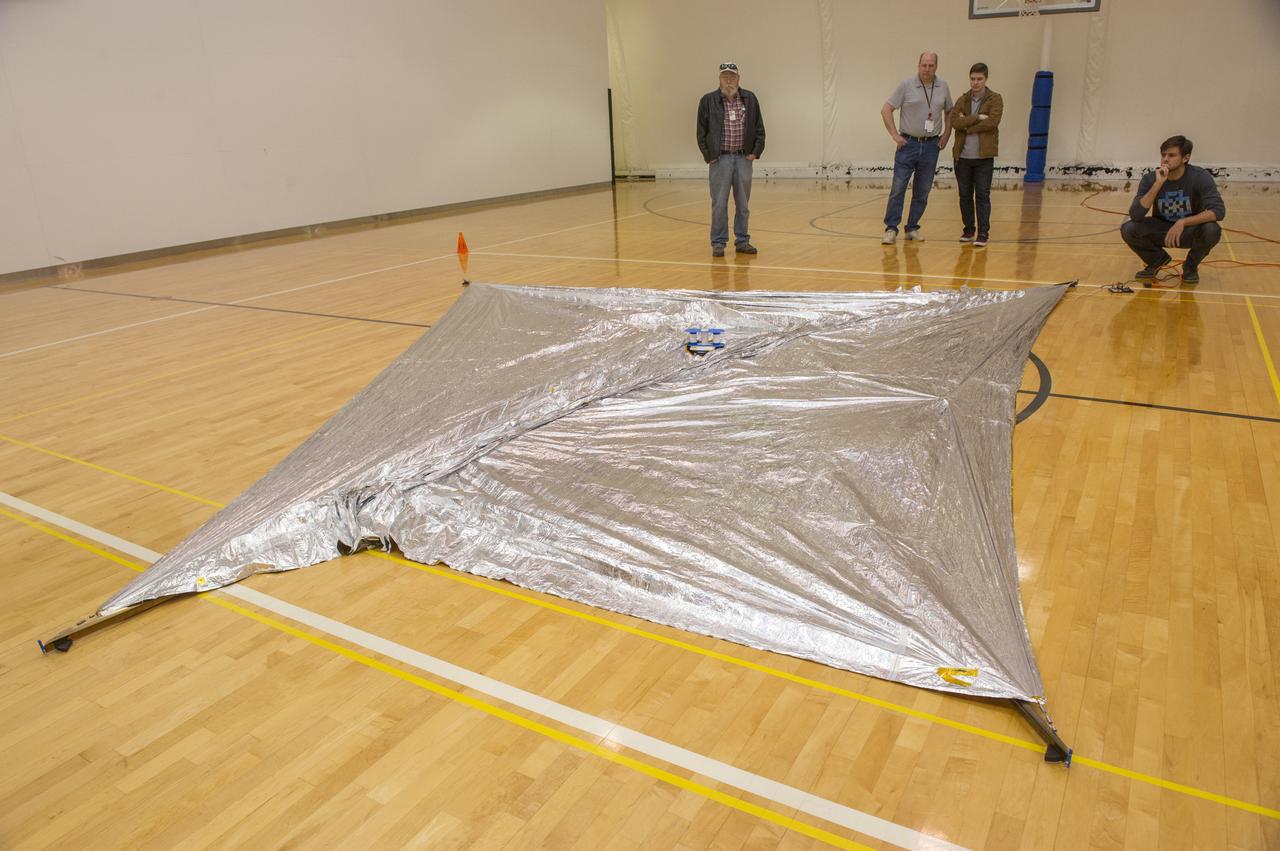
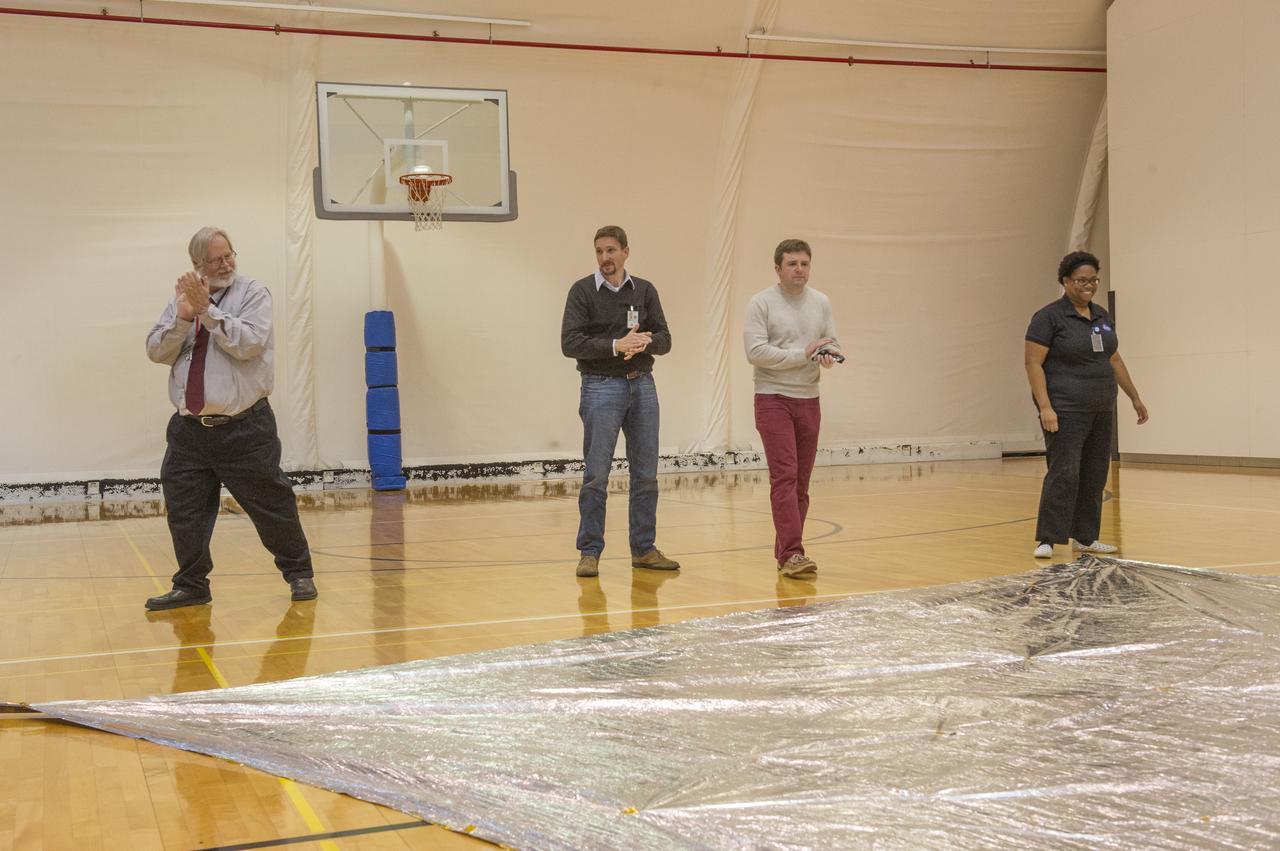
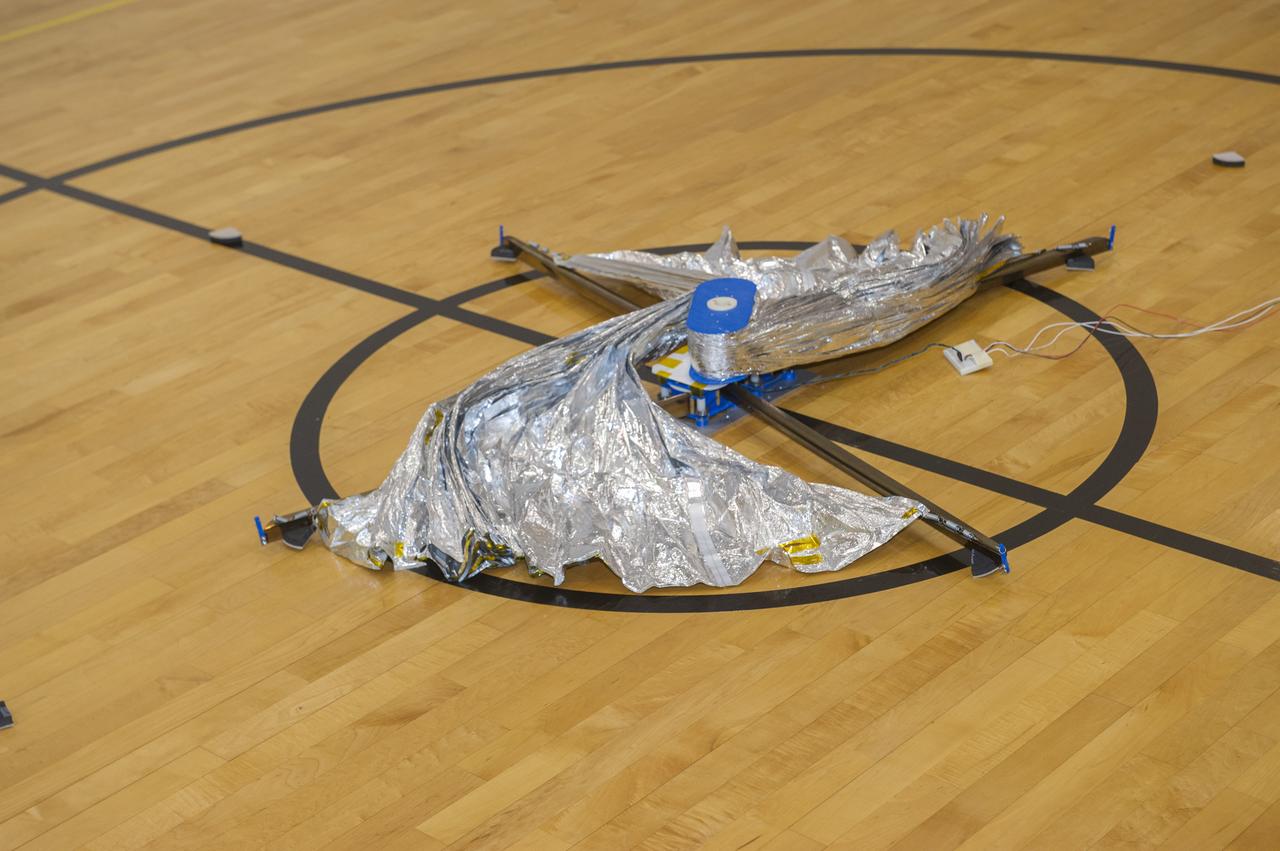
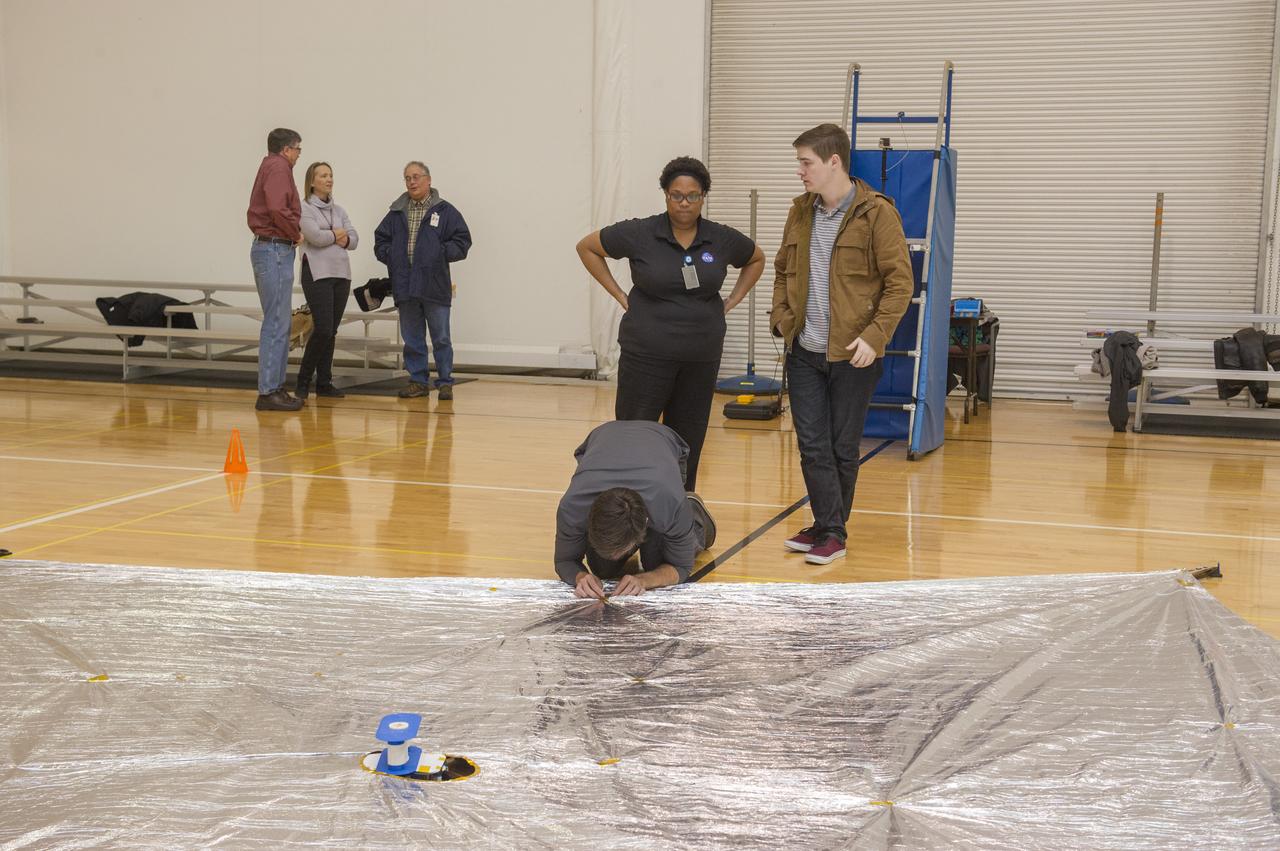
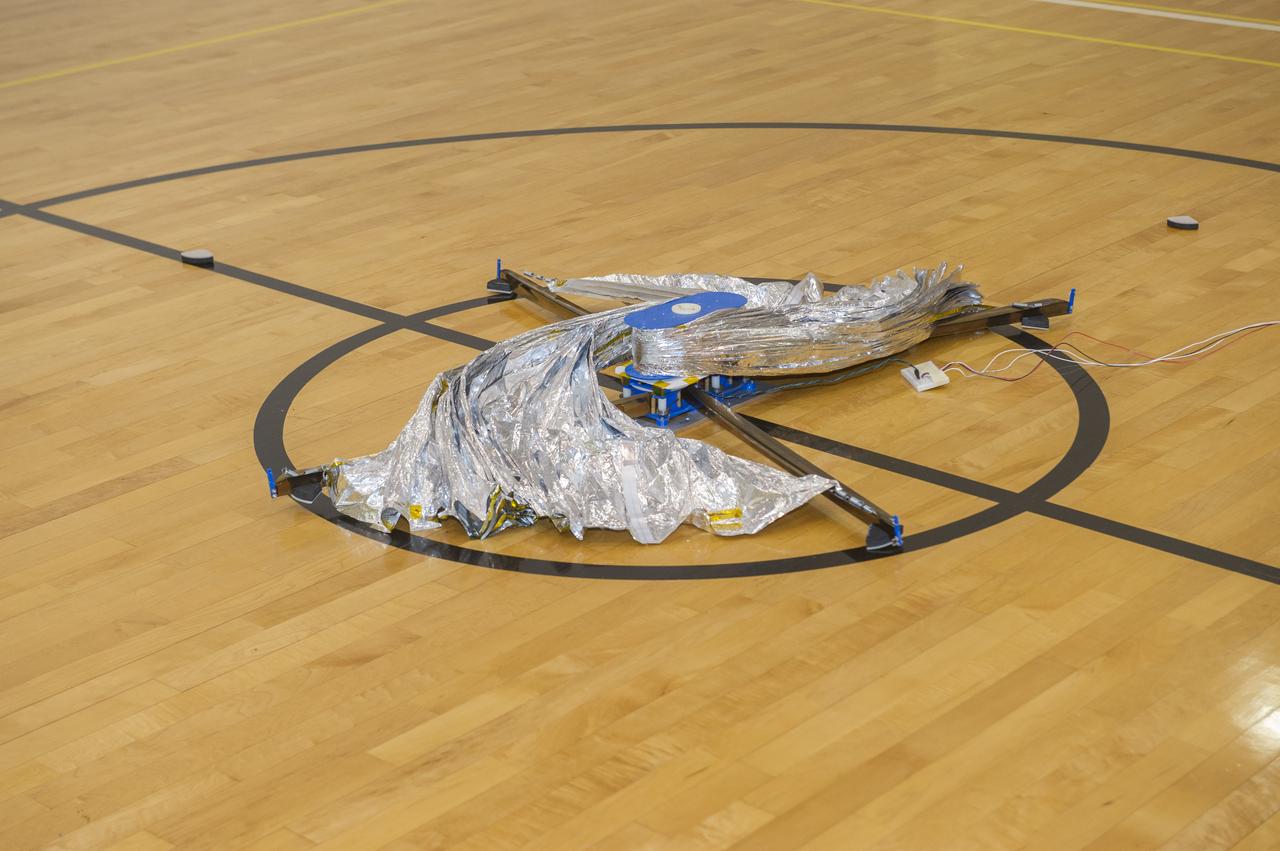
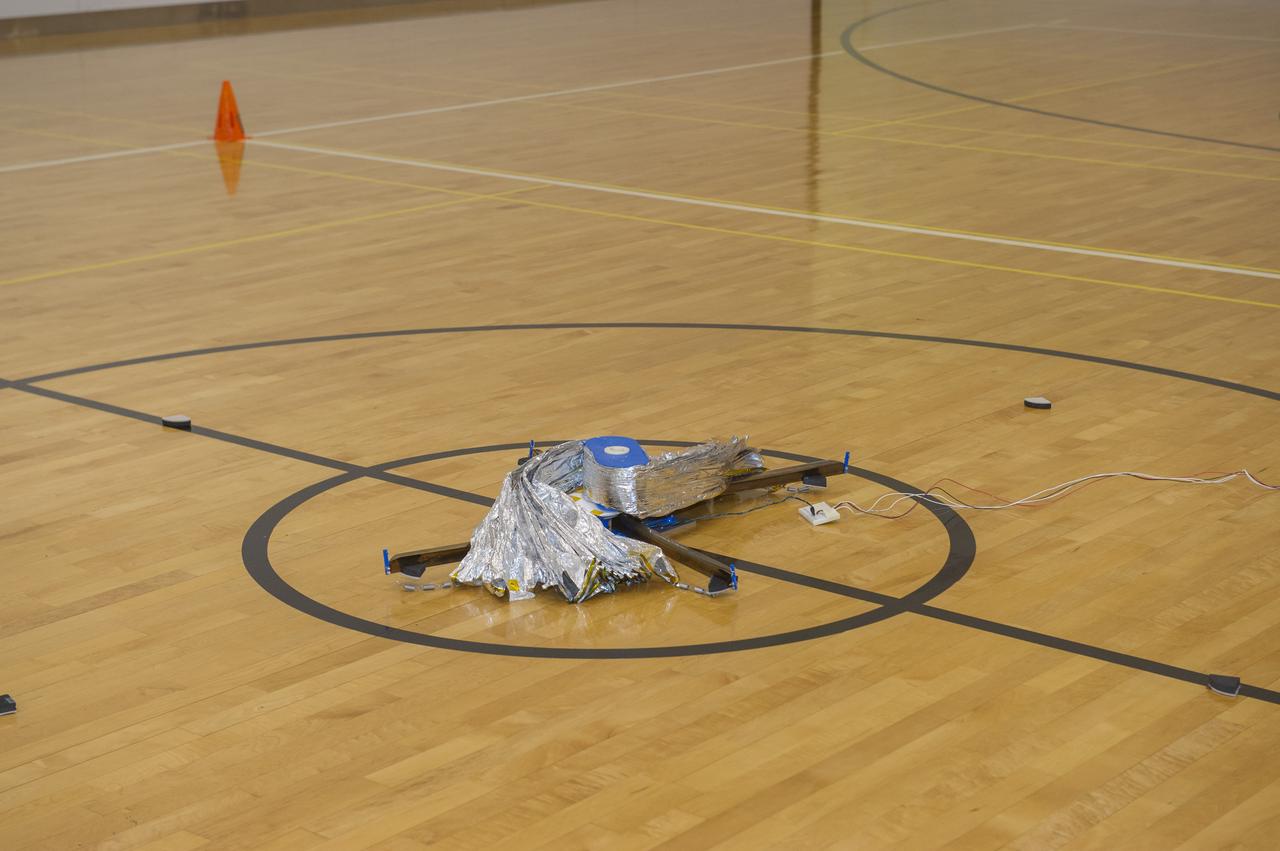
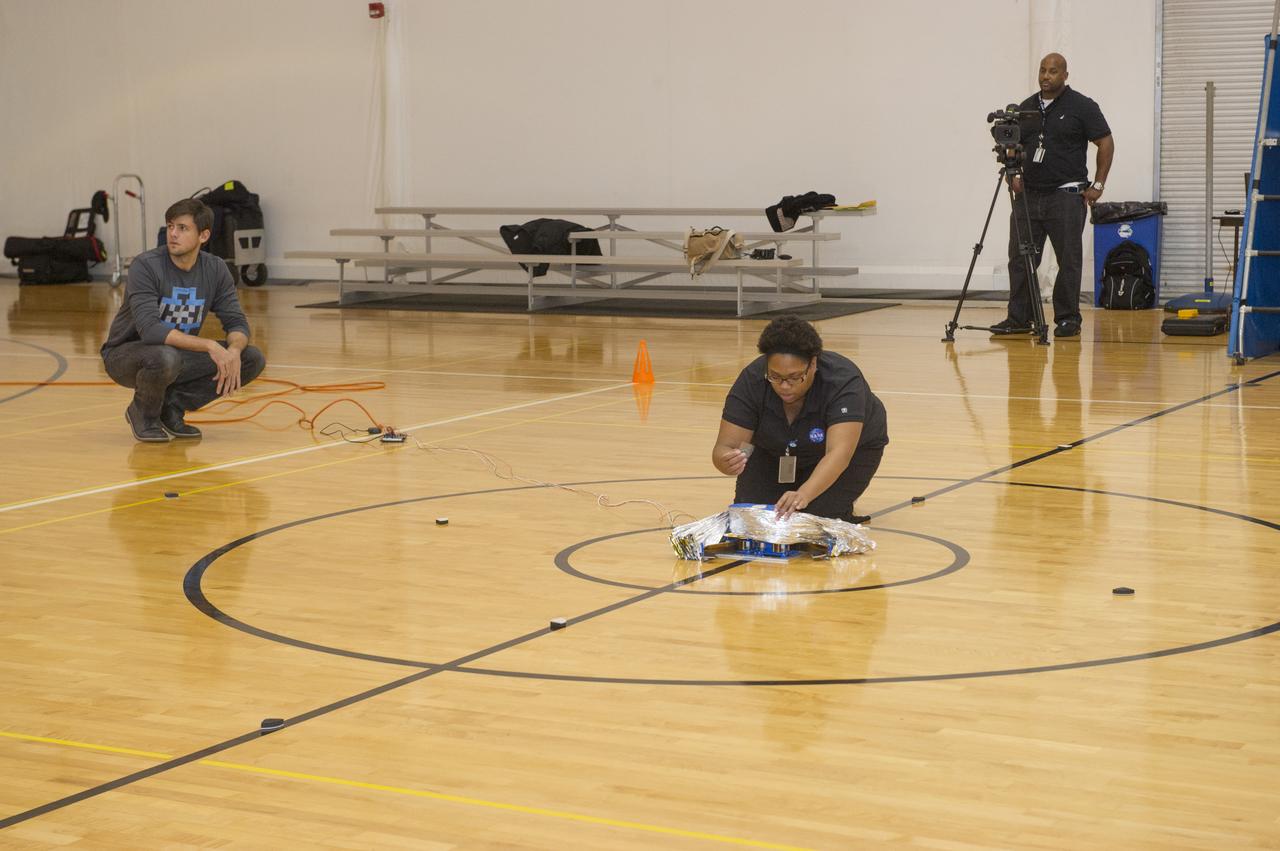
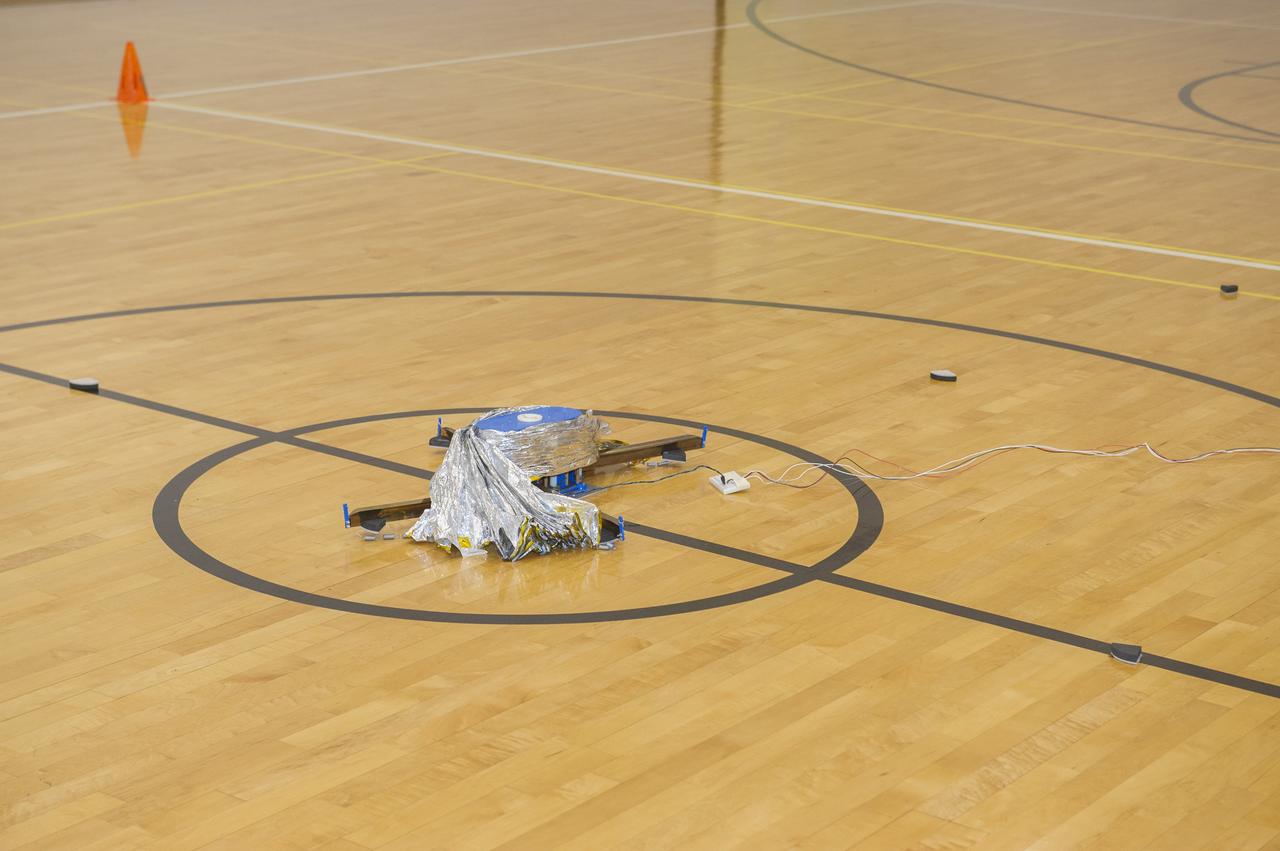
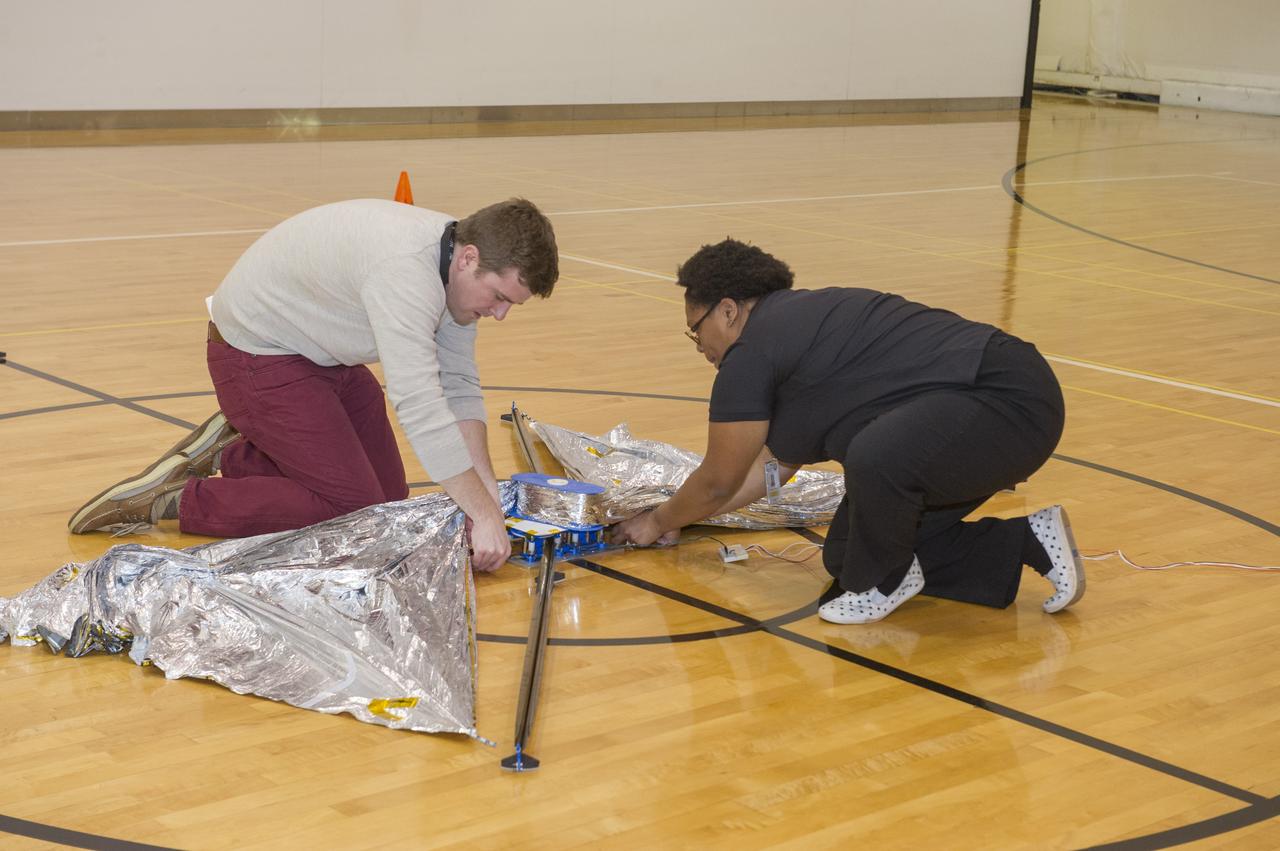
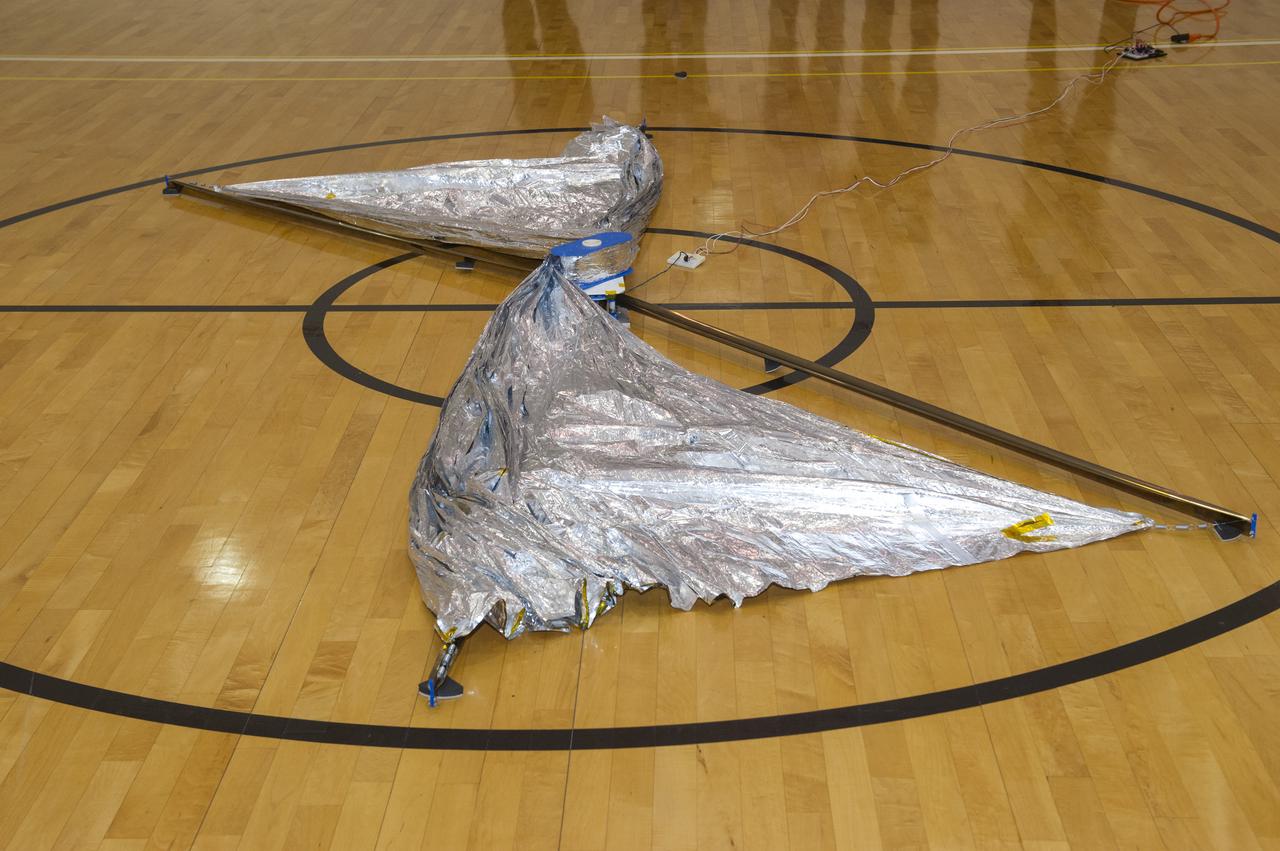
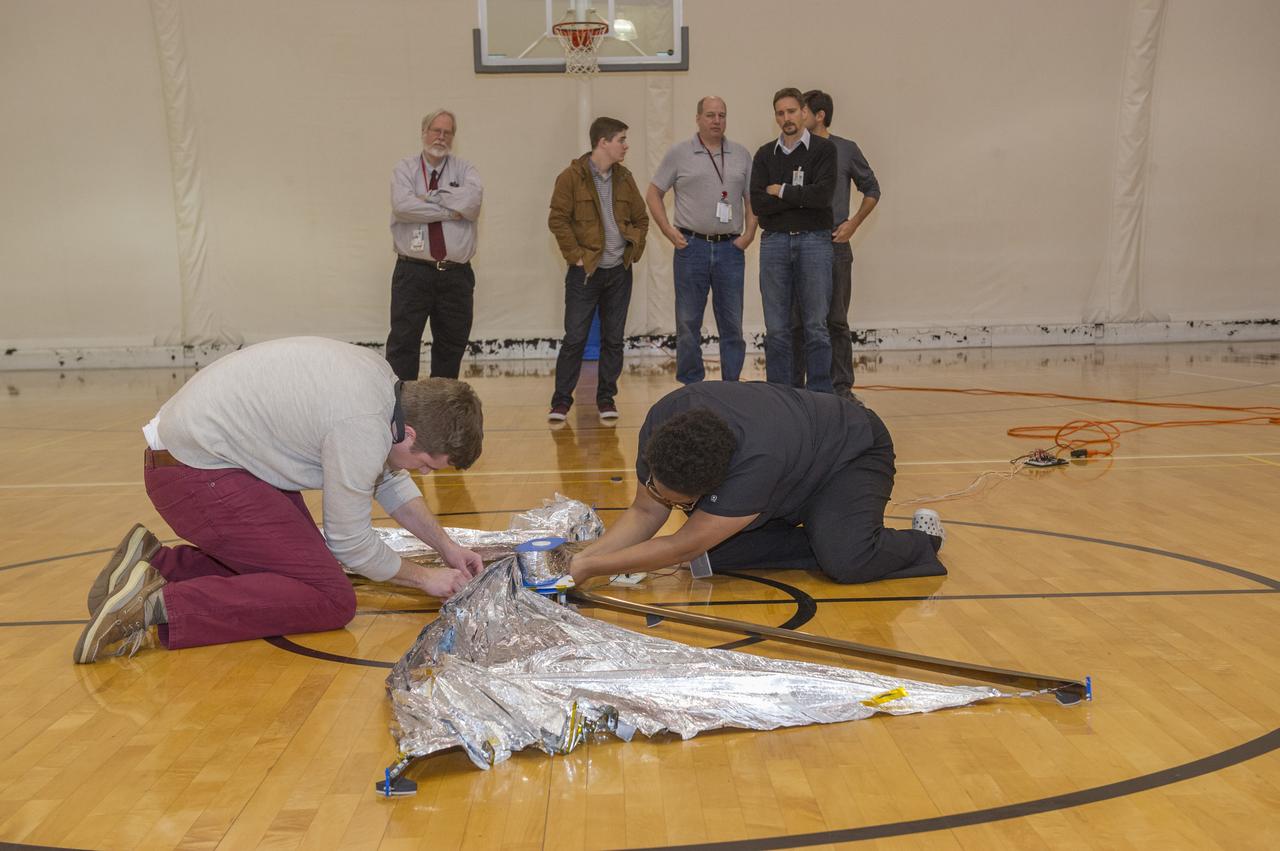
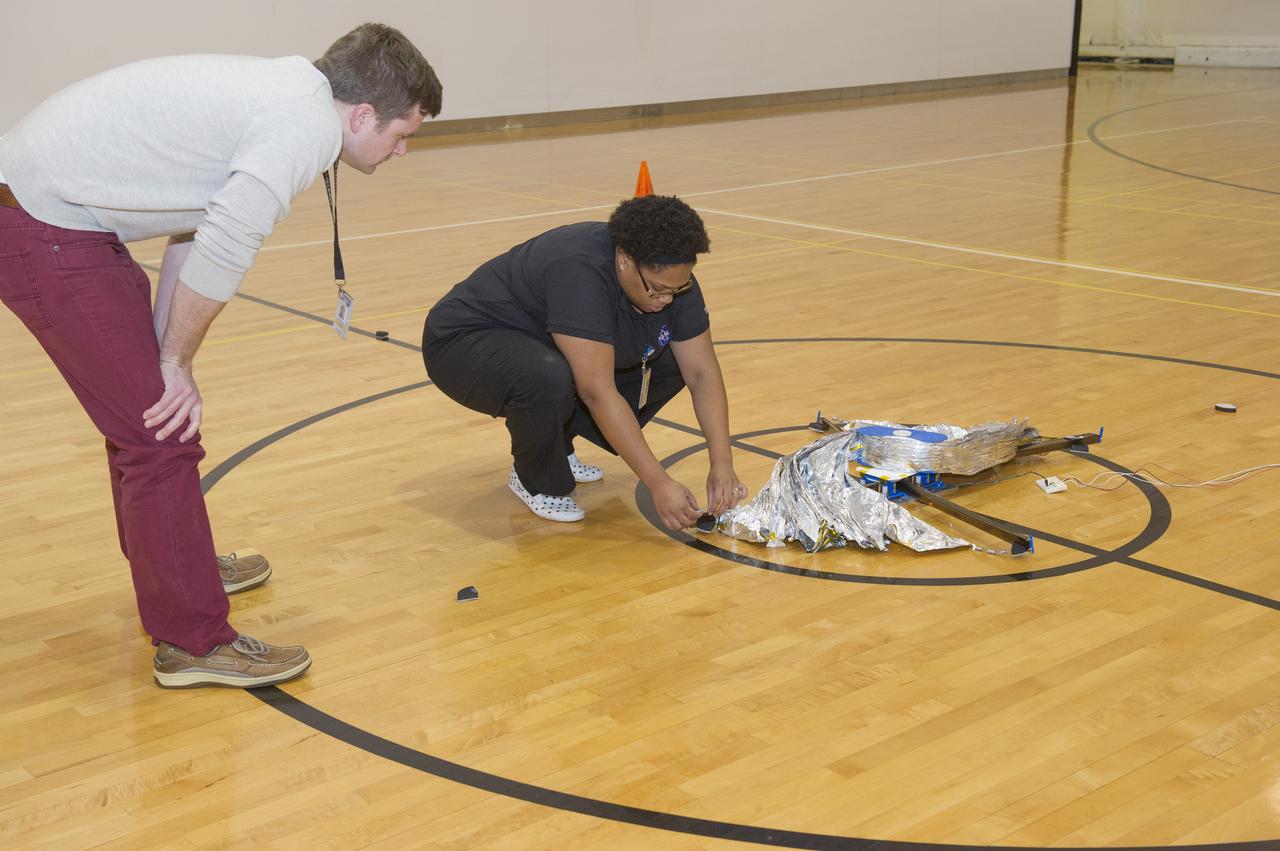
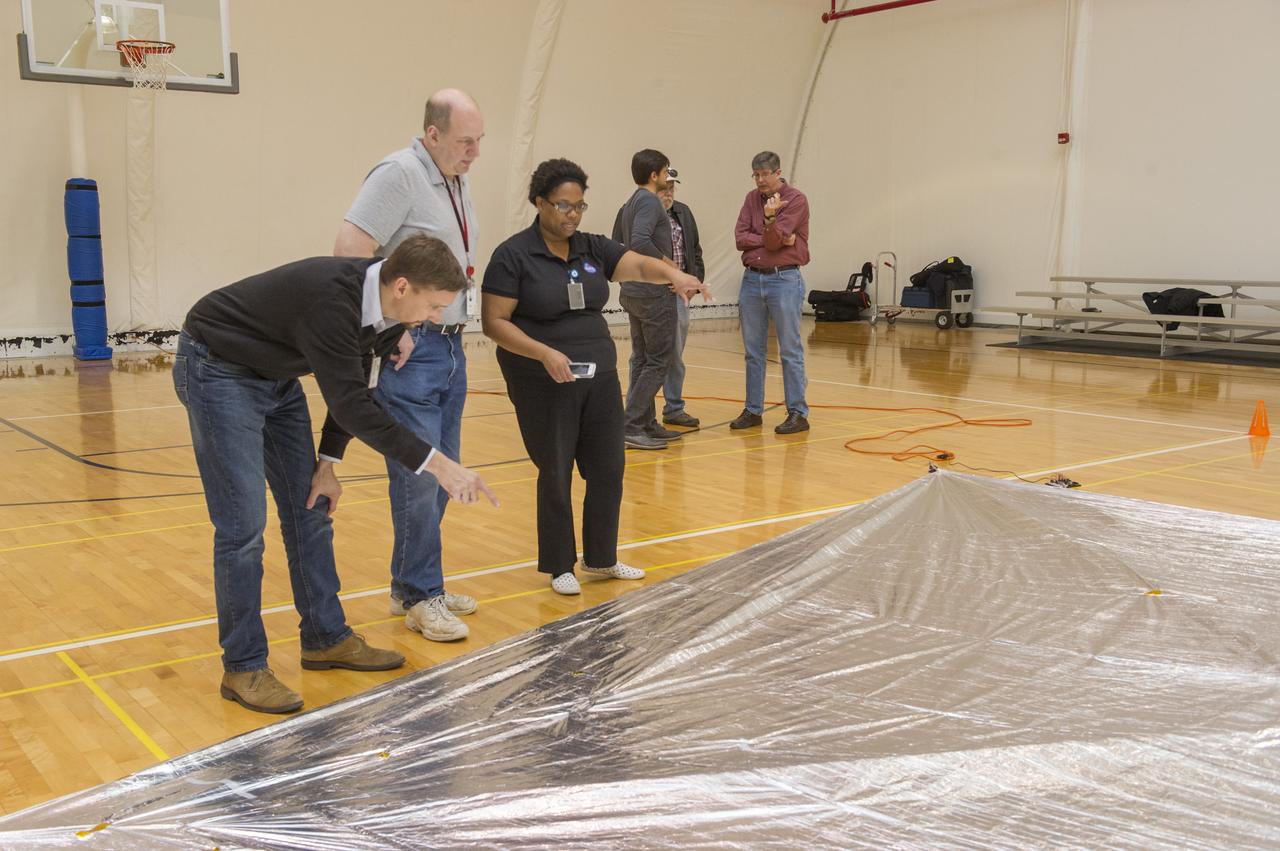
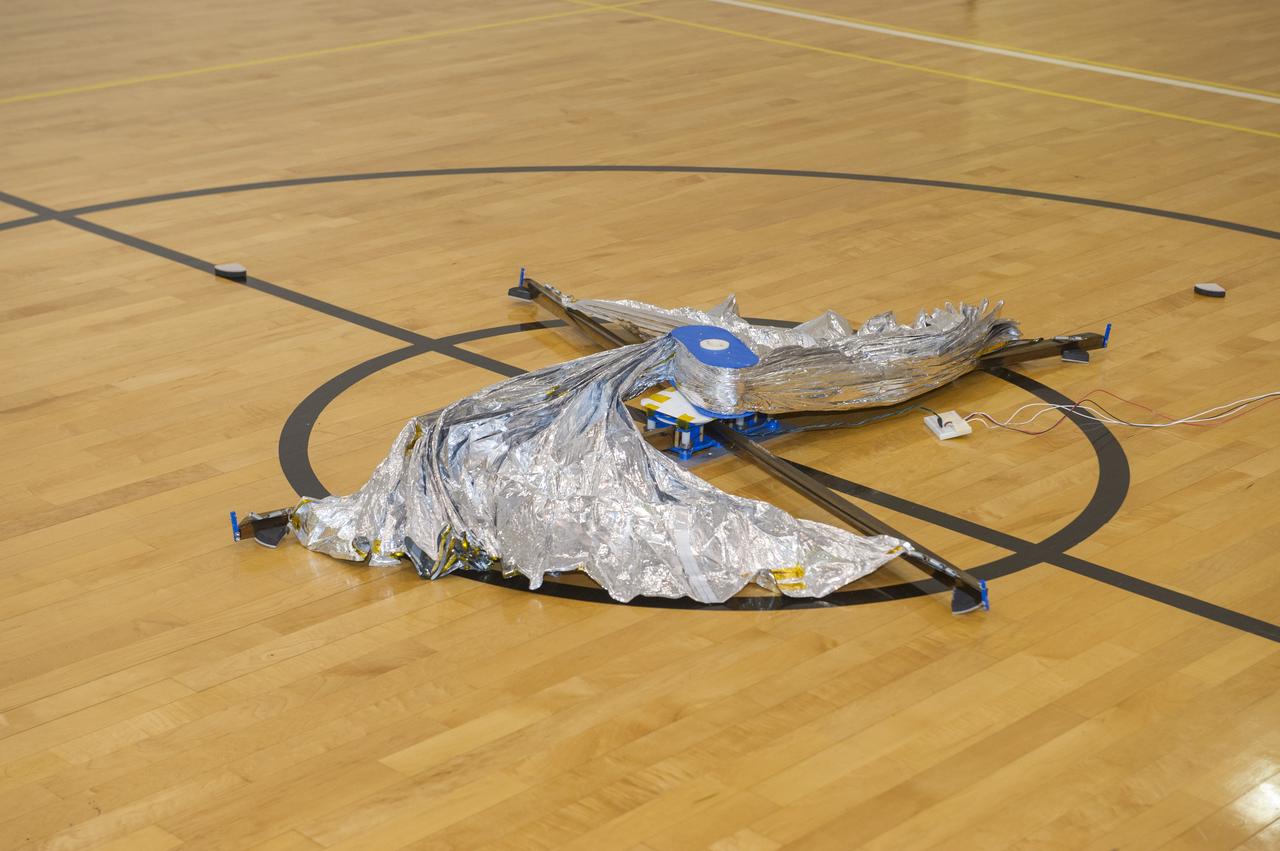
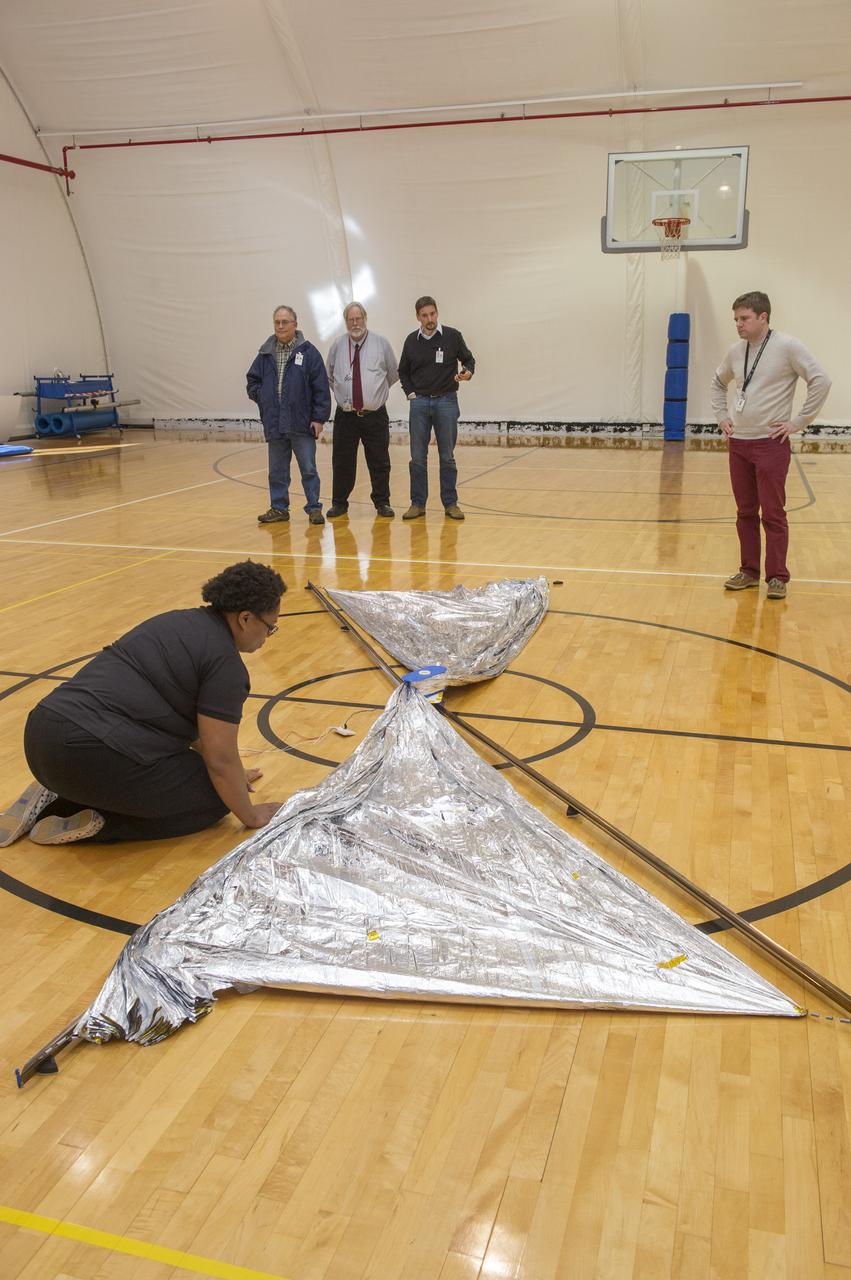
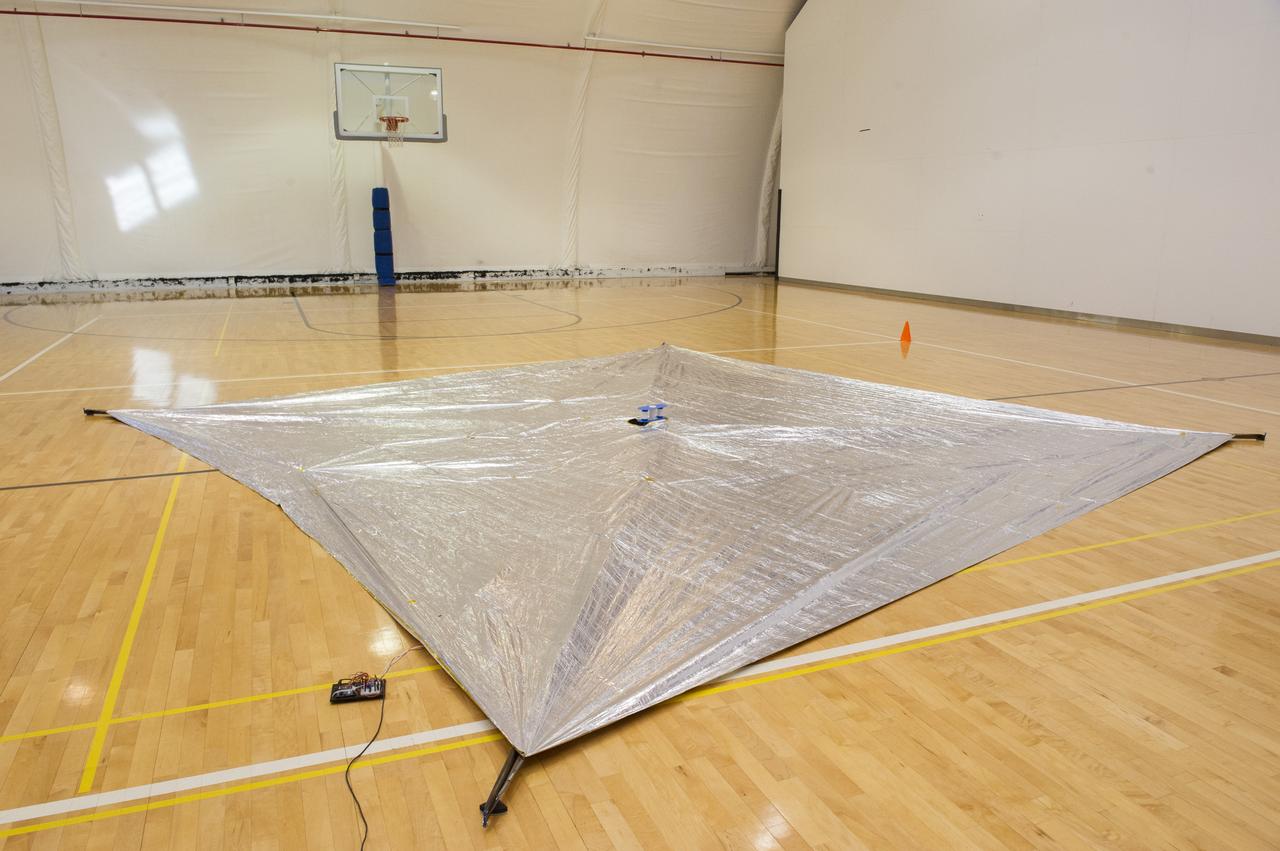
TIFFANY LOCKETT OVERSEES THE HALF SCALE (36 SQUARE METERS) ENGINEERING DEVELOPMENT UNIT (EDU) SOLAR SAIL DEPLOYMENT DEMONSTRATION IN PREPARATION FOR FULL SCALE EDU (86 SQUARE METERS) DEPLOYMENT IN APRIL, 2016
ENGINEERING DEVELOPMENT UNIT SOLAR SAIL
TIFFANY LOCKETT OVERSEES THE HALF SCALE (36 SQUARE METERS) ENGINEERING DEVELOPMENT UNIT (EDU) SOLAR SAIL DEPLOYMENT DEMONSTRATION IN PREPARATION FOR FULL SCALE EDU (86 SQUARE METERS) DEPLOYMENT IN APRIL, 2016
ENGINEERING DEVELOPMENT UNIT SOLAR SAIL
TIFFANY LOCKETT OVERSEES THE HALF SCALE (36 SQUARE METERS) ENGINEERING DEVELOPMENT UNIT (EDU) SOLAR SAIL DEPLOYMENT DEMONSTRATION IN PREPARATION FOR FULL SCALE EDU (86 SQUARE METERS) DEPLOYMENT IN APRIL, 2016
ENGINEERING DEVELOPMENT UNIT SOLAR SAIL
TIFFANY LOCKETT OVERSEES THE HALF SCALE (36 SQUARE METERS) ENGINEERING DEVELOPMENT UNIT (EDU) SOLAR SAIL DEPLOYMENT DEMONSTRATION IN PREPARATION FOR FULL SCALE EDU (86 SQUARE METERS) DEPLOYMENT IN APRIL, 2016
ENGINEERING DEVELOPMENT UNIT SOLAR SAIL
TIFFANY LOCKETT OVERSEES THE HALF SCALE (36 SQUARE METERS) ENGINEERING DEVELOPMENT UNIT (EDU) SOLAR SAIL DEPLOYMENT DEMONSTRATION IN PREPARATION FOR FULL SCALE EDU (86 SQUARE METERS) DEPLOYMENT IN APRIL, 2016
ENGINEERING DEVELOPMENT UNIT SOLAR SAIL
TIFFANY LOCKETT OVERSEES THE HALF SCALE (36 SQUARE METERS) ENGINEERING DEVELOPMENT UNIT (EDU) SOLAR SAIL DEPLOYMENT DEMONSTRATION IN PREPARATION FOR FULL SCALE EDU (86 SQUARE METERS) DEPLOYMENT IN APRIL, 2016
ENGINEERING DEVELOPMENT UNIT SOLAR SAIL
TIFFANY LOCKETT OVERSEES THE HALF SCALE (36 SQUARE METERS) ENGINEERING DEVELOPMENT UNIT (EDU) SOLAR SAIL DEPLOYMENT DEMONSTRATION IN PREPARATION FOR FULL SCALE EDU (86 SQUARE METERS) DEPLOYMENT IN APRIL, 2016
ENGINEERING DEVELOPMENT UNIT SOLAR SAIL
TIFFANY LOCKETT OVERSEES THE HALF SCALE (36 SQUARE METERS) ENGINEERING DEVELOPMENT UNIT (EDU) SOLAR SAIL DEPLOYMENT DEMONSTRATION IN PREPARATION FOR FULL SCALE EDU (86 SQUARE METERS) DEPLOYMENT IN APRIL, 2016
ENGINEERING DEVELOPMENT UNIT SOLAR SAIL
TIFFANY LOCKETT OVERSEES THE HALF SCALE (36 SQUARE METERS) ENGINEERING DEVELOPMENT UNIT (EDU) SOLAR SAIL DEPLOYMENT DEMONSTRATION IN PREPARATION FOR FULL SCALE EDU (86 SQUARE METERS) DEPLOYMENT IN APRIL, 2016
ENGINEERING DEVELOPMENT UNIT SOLAR SAIL
TIFFANY LOCKETT OVERSEES THE HALF SCALE (36 SQUARE METERS) ENGINEERING DEVELOPMENT UNIT (EDU) SOLAR SAIL DEPLOYMENT DEMONSTRATION IN PREPARATION FOR FULL SCALE EDU (86 SQUARE METERS) DEPLOYMENT IN APRIL, 2016
ENGINEERING DEVELOPMENT UNIT SOLAR SAIL
TIFFANY LOCKETT OVERSEES THE HALF SCALE (36 SQUARE METERS) ENGINEERING DEVELOPMENT UNIT (EDU) SOLAR SAIL DEPLOYMENT DEMONSTRATION IN PREPARATION FOR FULL SCALE EDU (86 SQUARE METERS) DEPLOYMENT IN APRIL, 2016
ENGINEERING DEVELOPMENT UNIT SOLAR SAIL
TIFFANY LOCKETT OVERSEES THE HALF SCALE (36 SQUARE METERS) ENGINEERING DEVELOPMENT UNIT (EDU) SOLAR SAIL DEPLOYMENT DEMONSTRATION IN PREPARATION FOR FULL SCALE EDU (86 SQUARE METERS) DEPLOYMENT IN APRIL, 2016
ENGINEERING DEVELOPMENT UNIT SOLAR SAIL
TIFFANY LOCKETT OVERSEES THE HALF SCALE (36 SQUARE METERS) ENGINEERING DEVELOPMENT UNIT (EDU) SOLAR SAIL DEPLOYMENT DEMONSTRATION IN PREPARATION FOR FULL SCALE EDU (86 SQUARE METERS) DEPLOYMENT IN APRIL, 2016
ENGINEERING DEVELOPMENT UNIT SOLAR SAIL
TIFFANY LOCKETT OVERSEES THE HALF SCALE (36 SQUARE METERS) ENGINEERING DEVELOPMENT UNIT (EDU) SOLAR SAIL DEPLOYMENT DEMONSTRATION IN PREPARATION FOR FULL SCALE EDU (86 SQUARE METERS) DEPLOYMENT IN APRIL, 2016
ENGINEERING DEVELOPMENT UNIT SOLAR SAIL
TIFFANY LOCKETT OVERSEES THE HALF SCALE (36 SQUARE METERS) ENGINEERING DEVELOPMENT UNIT (EDU) SOLAR SAIL DEPLOYMENT DEMONSTRATION IN PREPARATION FOR FULL SCALE EDU (86 SQUARE METERS) DEPLOYMENT IN APRIL, 2016
ENGINEERING DEVELOPMENT UNIT SOLAR SAIL
TIFFANY LOCKETT OVERSEES THE HALF SCALE (36 SQUARE METERS) ENGINEERING DEVELOPMENT UNIT (EDU) SOLAR SAIL DEPLOYMENT DEMONSTRATION IN PREPARATION FOR FULL SCALE EDU (86 SQUARE METERS) DEPLOYMENT IN APRIL, 2016
ENGINEERING DEVELOPMENT UNIT SOLAR SAIL
TIFFANY LOCKETT OVERSEES THE HALF SCALE (36 SQUARE METERS) ENGINEERING DEVELOPMENT UNIT (EDU) SOLAR SAIL DEPLOYMENT DEMONSTRATION IN PREPARATION FOR FULL SCALE EDU (86 SQUARE METERS) DEPLOYMENT IN APRIL, 2016
ENGINEERING DEVELOPMENT UNIT SOLAR SAIL
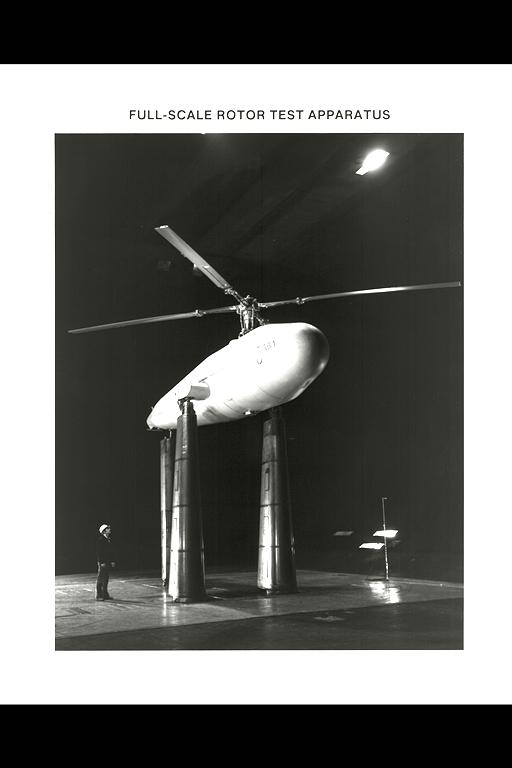
Sykorsky Bearingless Main Rotor test in 40x80ft w.t. (Full-Scale Rotor Test Apparatus)
ARC-1980-A80-0120
3/4 front view of full scale X-22A ducted fan model.  Chuck Greco
ARC-1964-A-32845
3/4 front view of full scale X-22A ducted fan model.  Chuck Greco
ARC-1964-A-32844
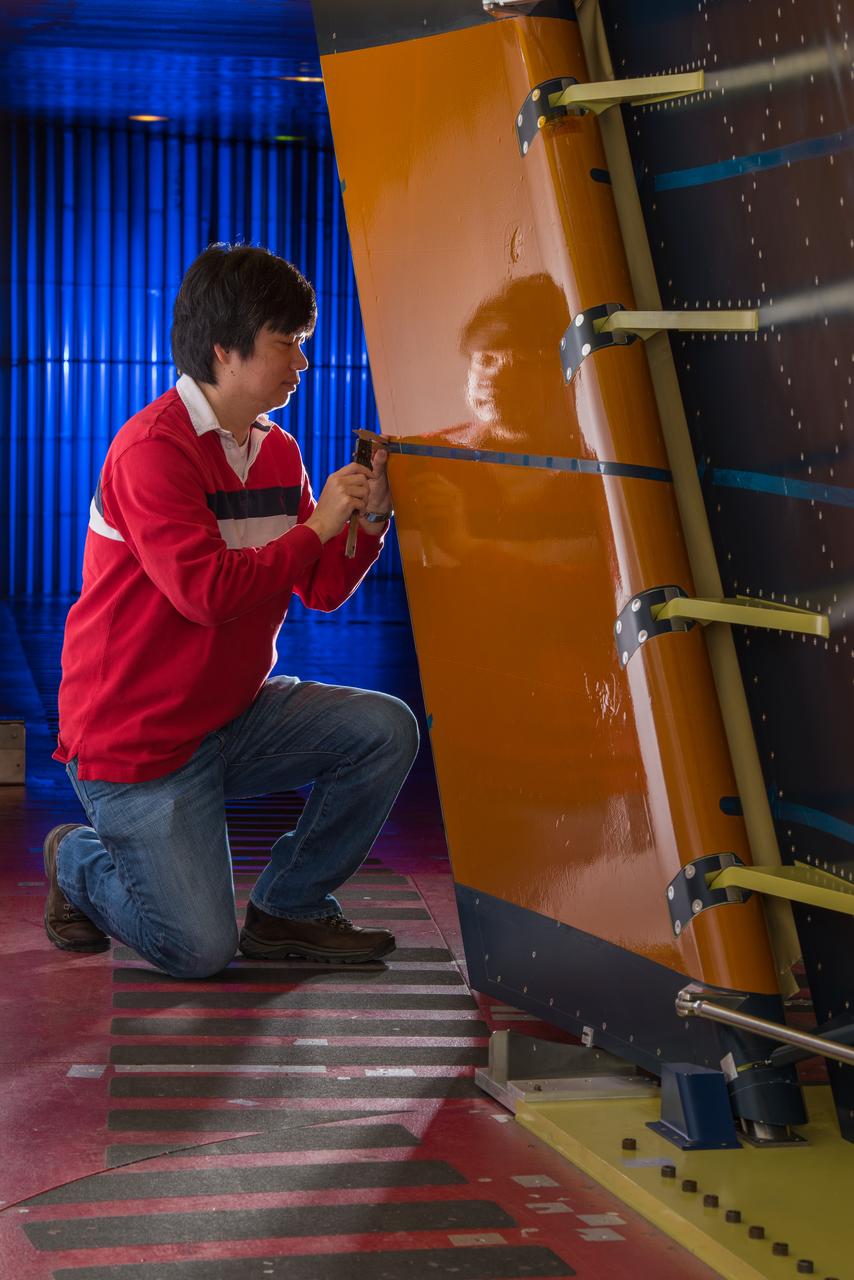
Full Scale Truncated Inboard Wing Section of the Common Research Model, CRM, typical of a Wide Body Commercial Transport
GRC-2015-C-00803
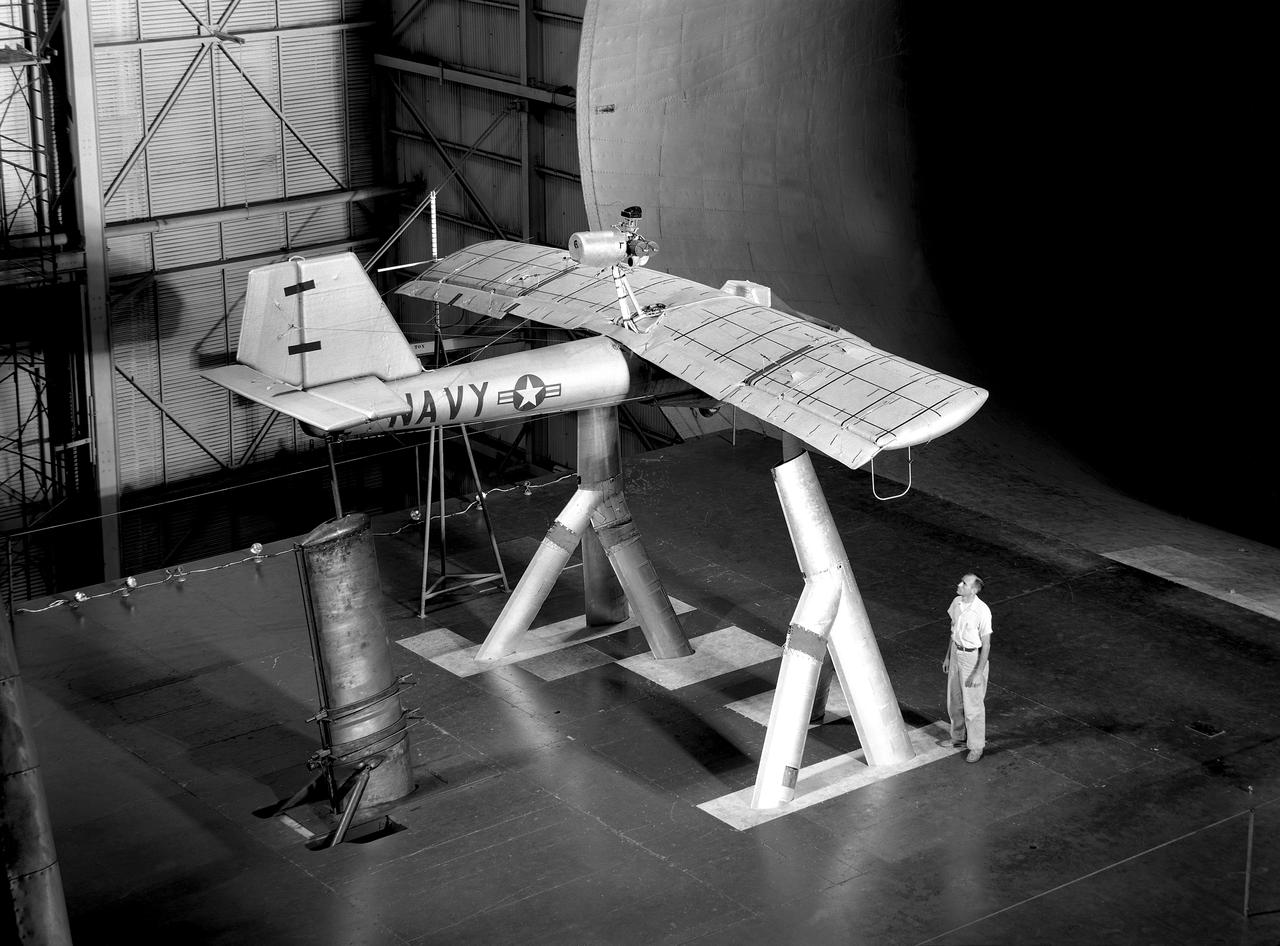
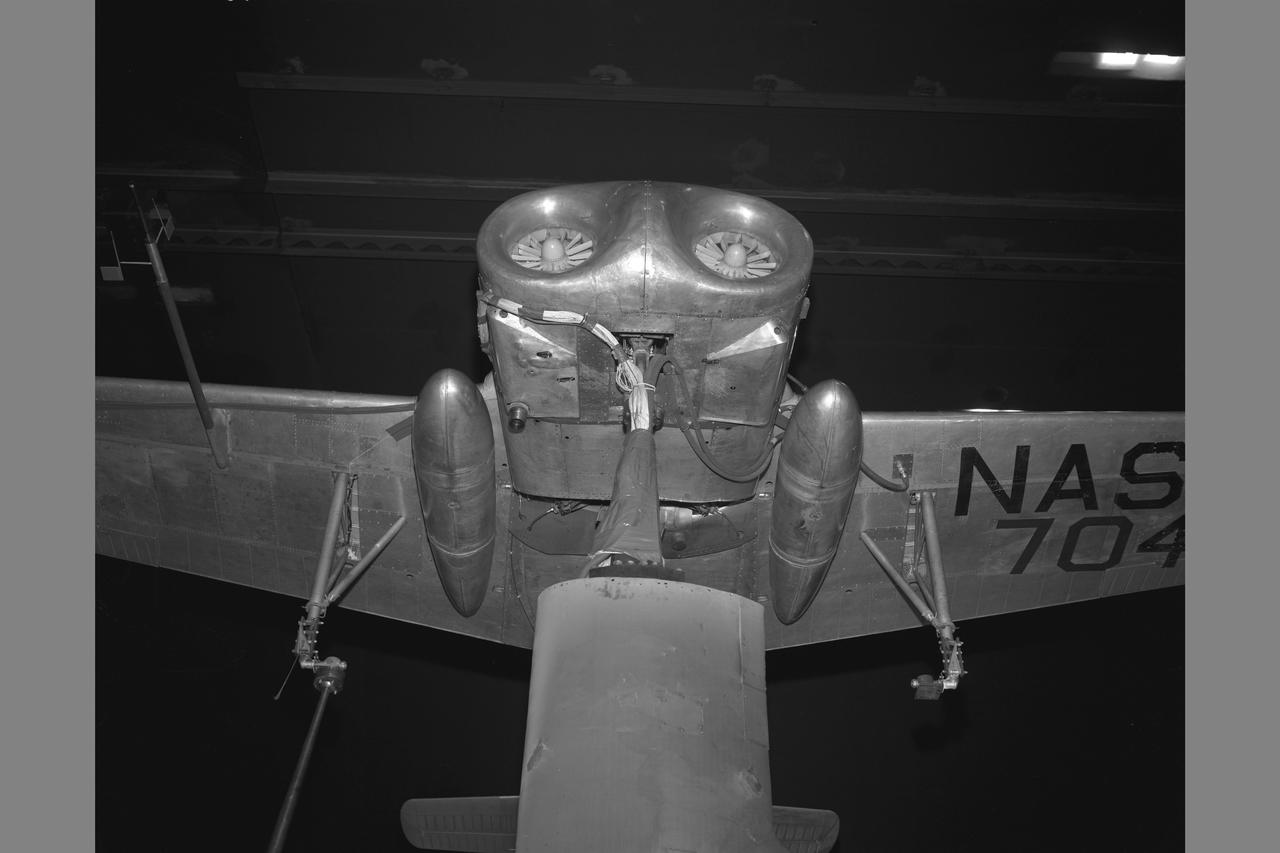
X-14 NASA 704 Full Scale Airplane tests in  40x80ft. Wind Tunnel (NORMAL MOUNTING) jet inlets
ARC-1967-A-38763
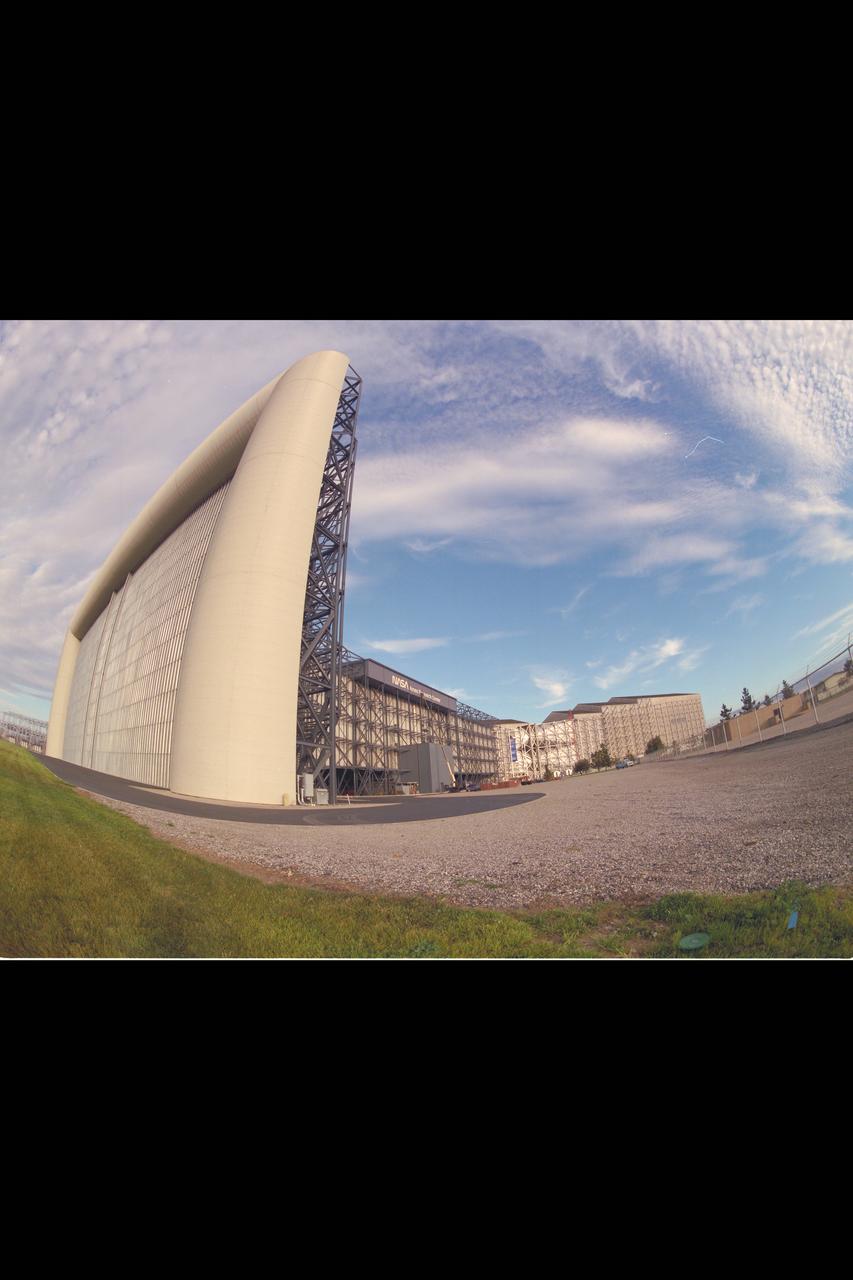
National Full-Scale Aerodynamic Complex (NFAC) 40x80x120ft wind tunnel fisheye view
ARC-1984-AC84-0630-30
Construction of the Ames Full-Scale 40x80ft Wind tunnel. - side view of entrance cone, blimp in background
ARC-1943-AFST-37
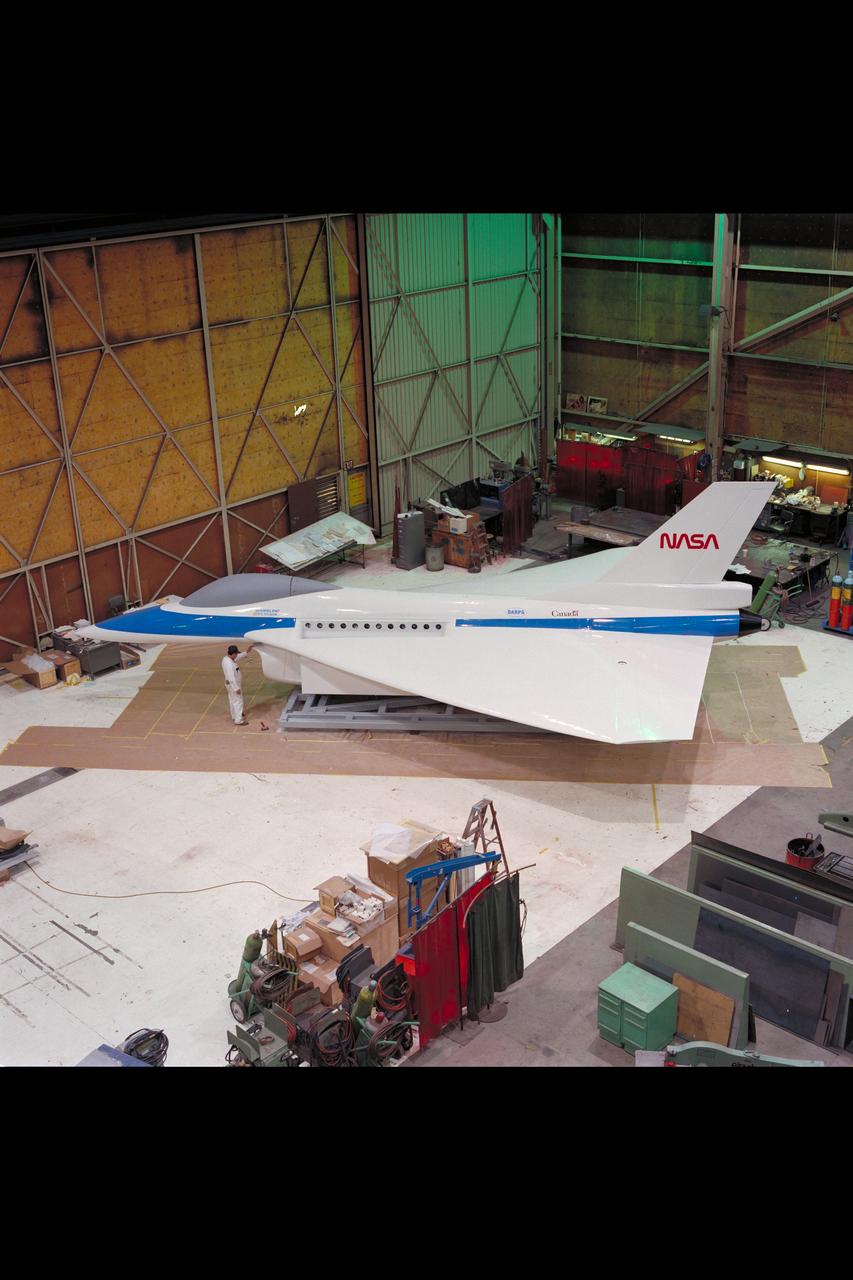
General Dynamics E-7 Full-scale STOVL fighter model fabrication at Ames Model Shop
ARC-1987-AC87-0372-143
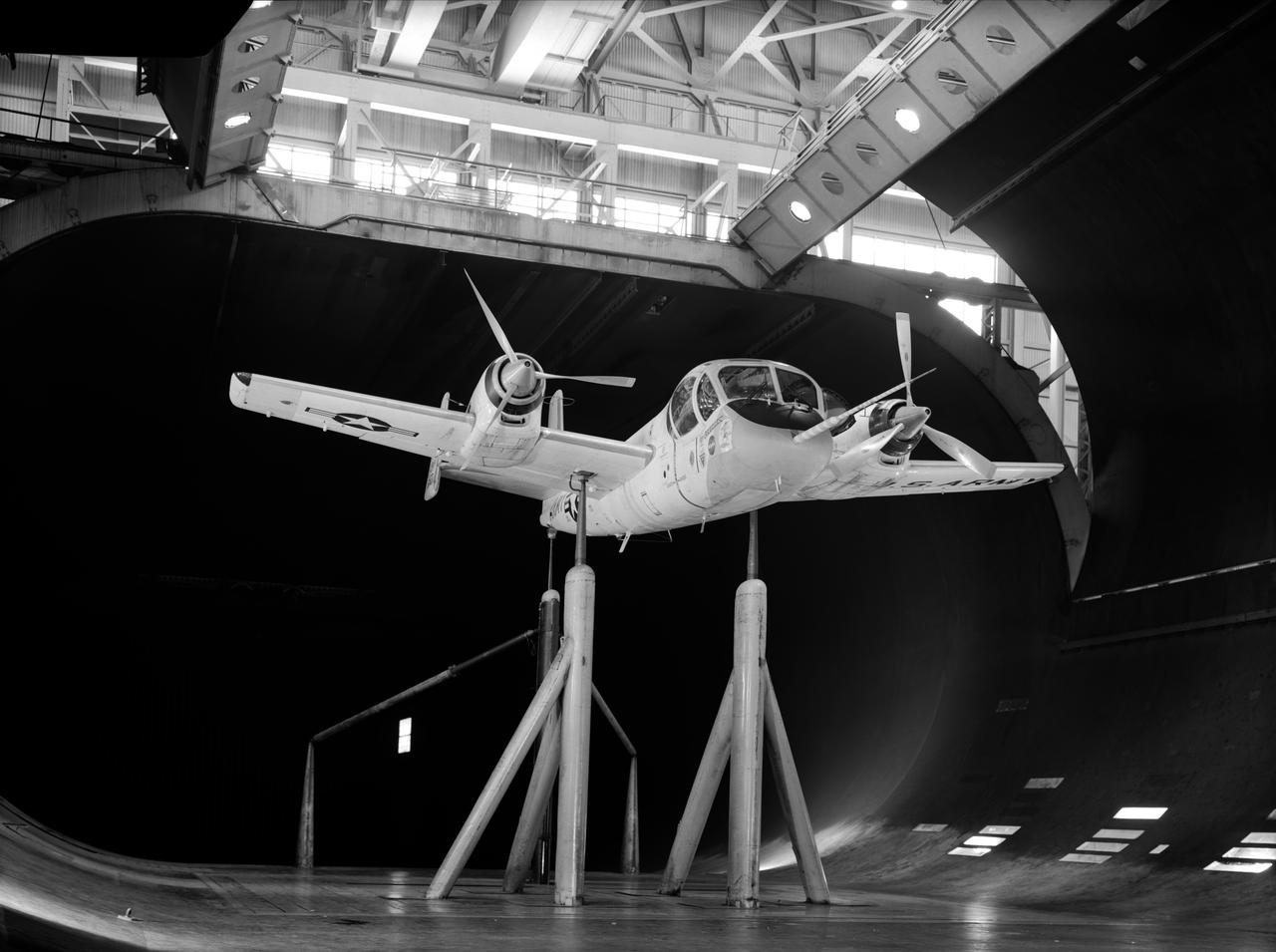
Drag studies for Full Scale wind tunnel test of Grumman YAO-1 airplane, 3/4 front view with propellers on
Grumman YAO-1 airplane mounted in the 40x80 foot wind tunnel at Ames.
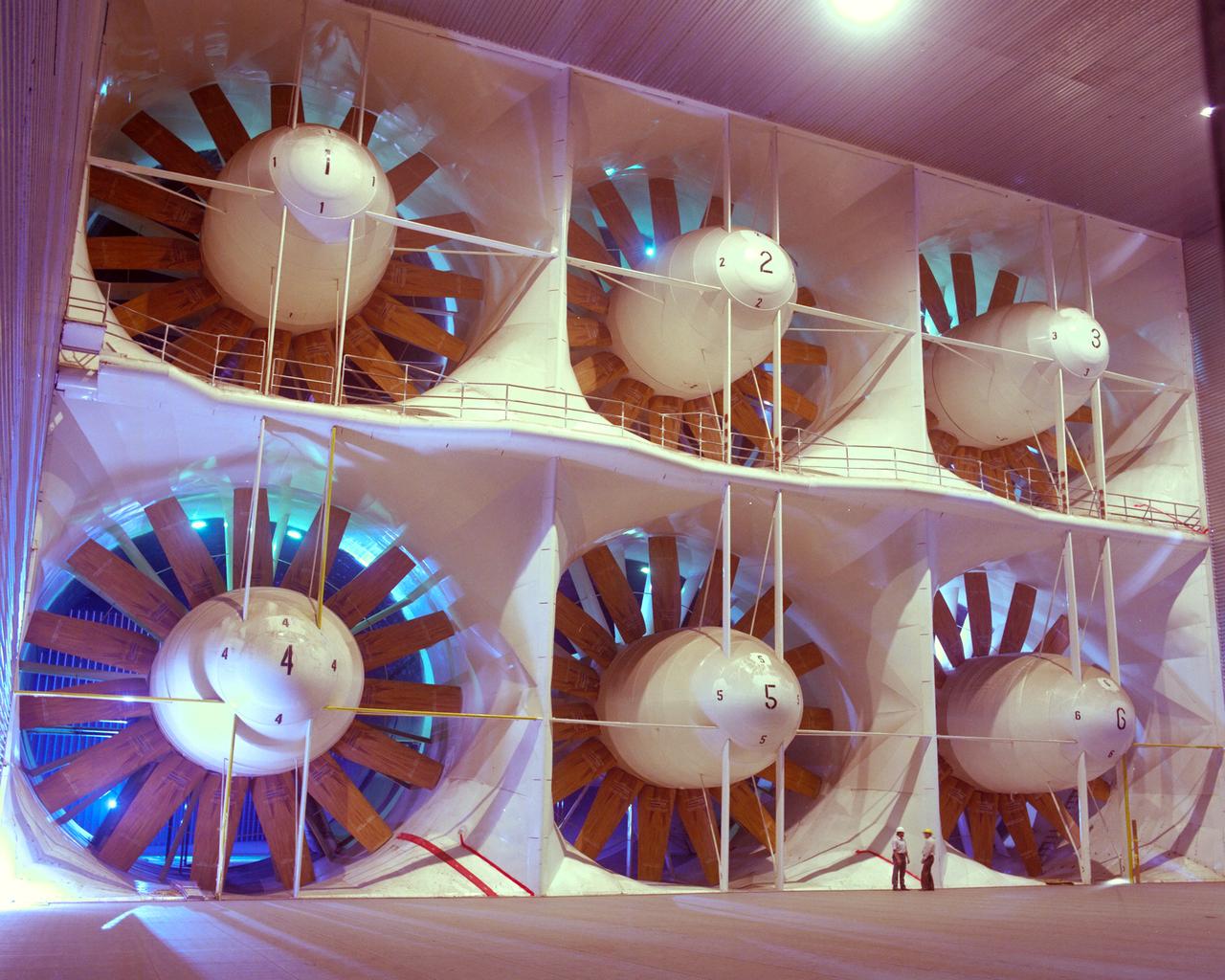
Ames National Full-Scale Aerodynamic Complex - NFAC; 80x120ft Wind Tunnel, drive fans during reconstruction process
ARC-1986-AC86-8016-7
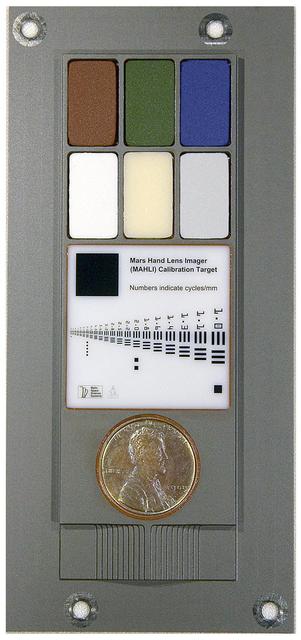
This image provides a way to have a full-size printout of the calibration target for the Mars Hand Lens Imager MAHLI camera on NASA Mars rover Curiosity.
Full-Scale Image of MAHLI Calibration Target
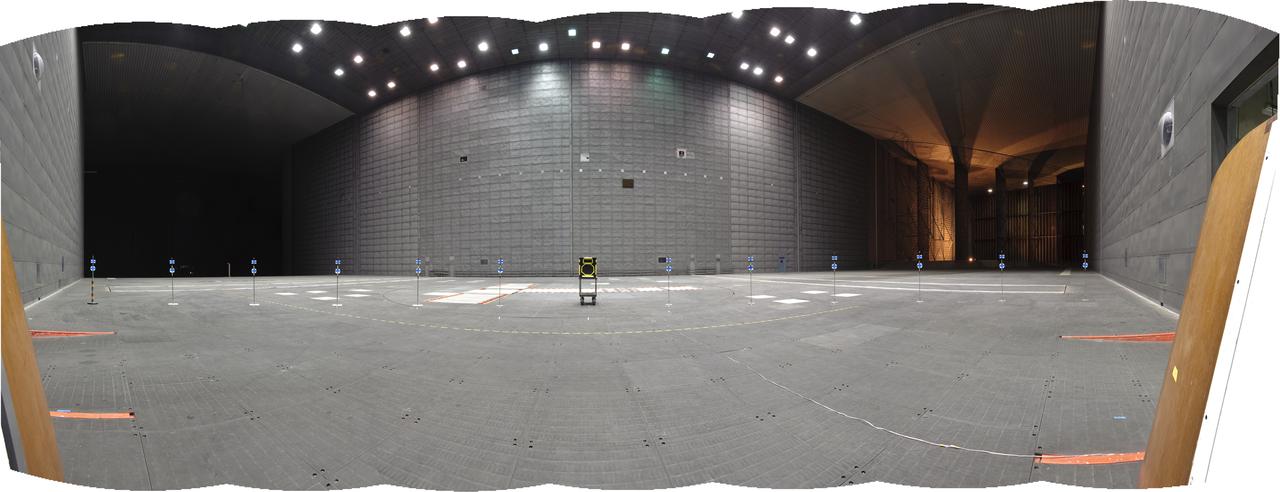
National Full Scale Aerodynamic Complex (NFAC) located at the NASA Ames Research Center 80x20ft. wind tunnel microphone array background noise test
ARC-2010-ACD10-0053-001
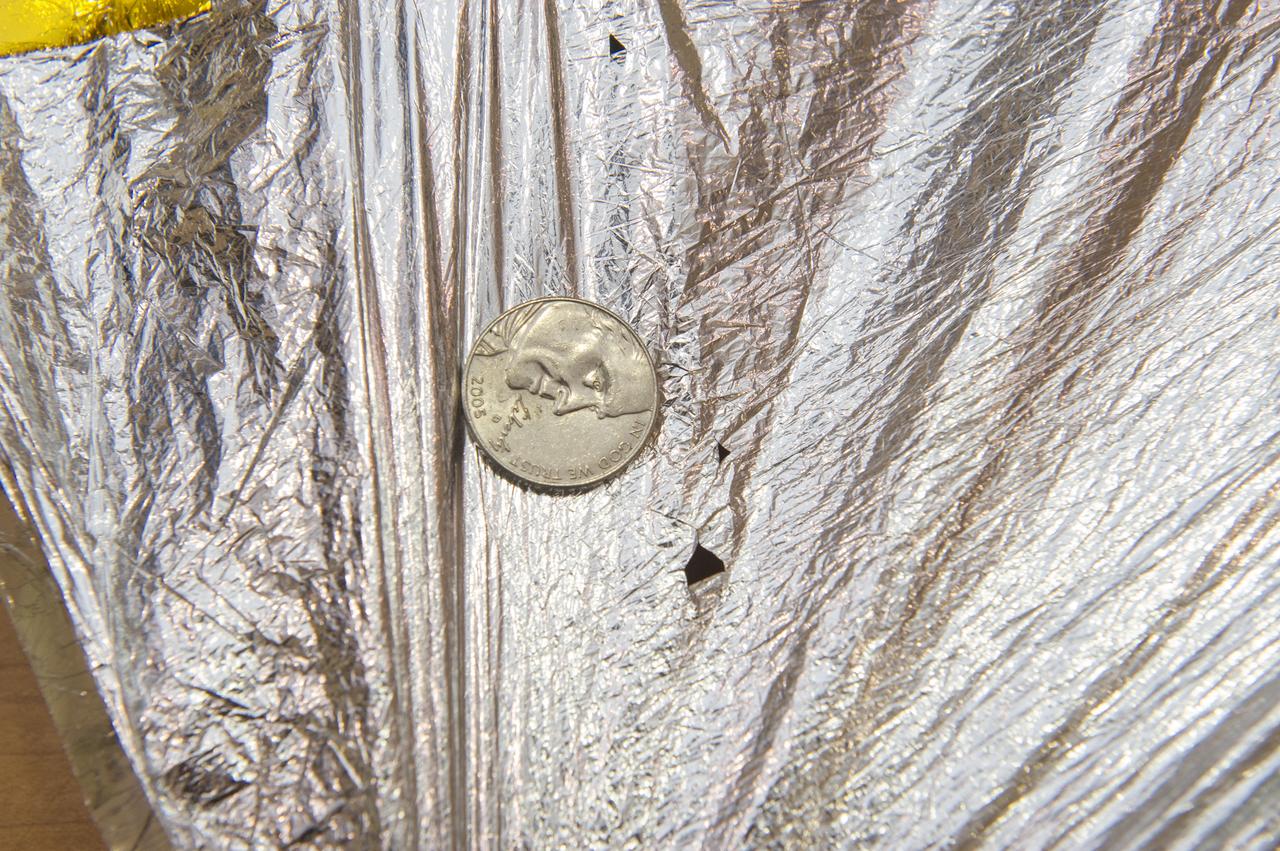
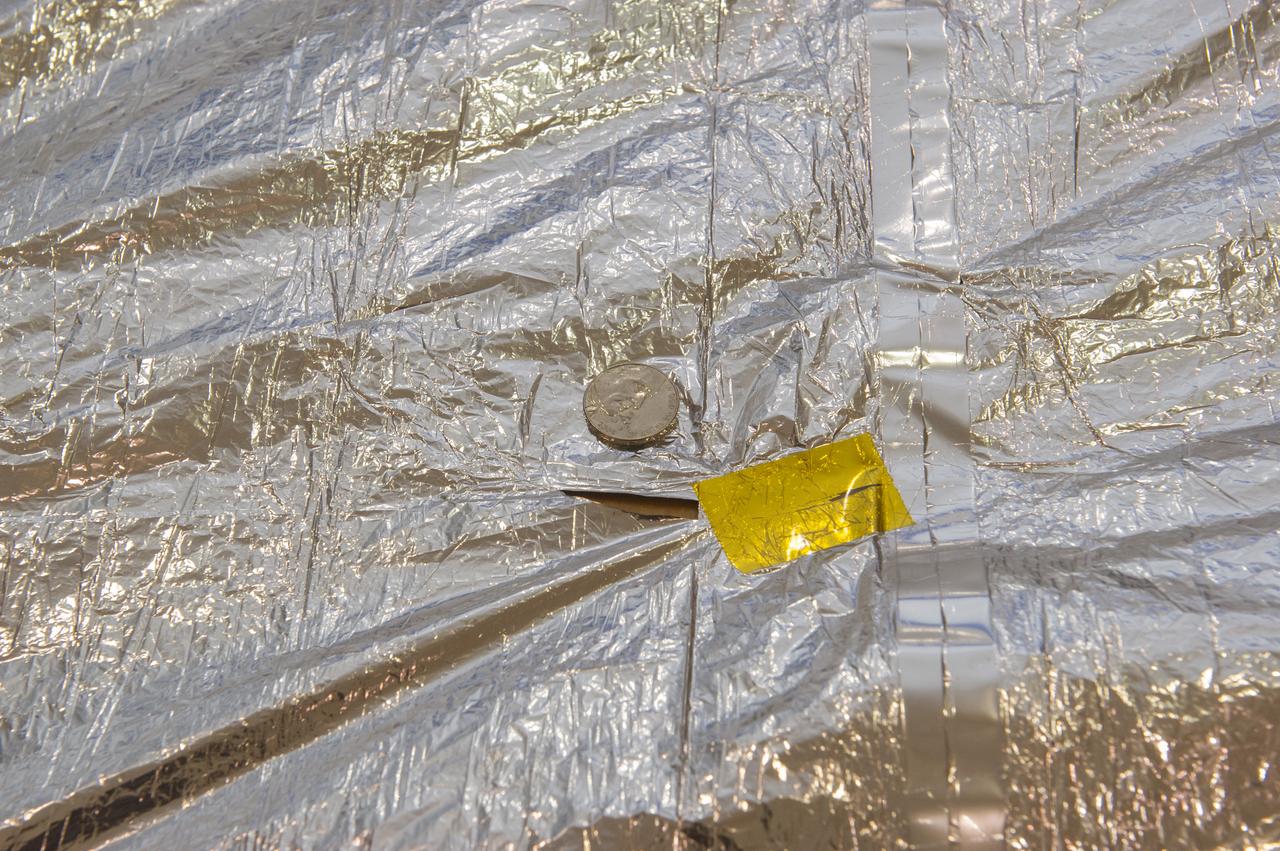
TIFFANY LOCKETT OVERSEES THE HALF SCALE (36 SQUARE METERS) ENGINEERING DEVELOPMENT UNIT (EDU) SOLAR SAIL DEPLOYMENT DEMONSTRATION IN PREPARATION FOR FULL SCALE EDU (86 SQUARE METERS) DEPLOYMENT IN APRIL, 2016. DETAILS OF RIPS AND HOLES IN SOLAR SAIL FABRIC.
ENGINEERING DEVELOPMENT UNIT SOLAR SAIL
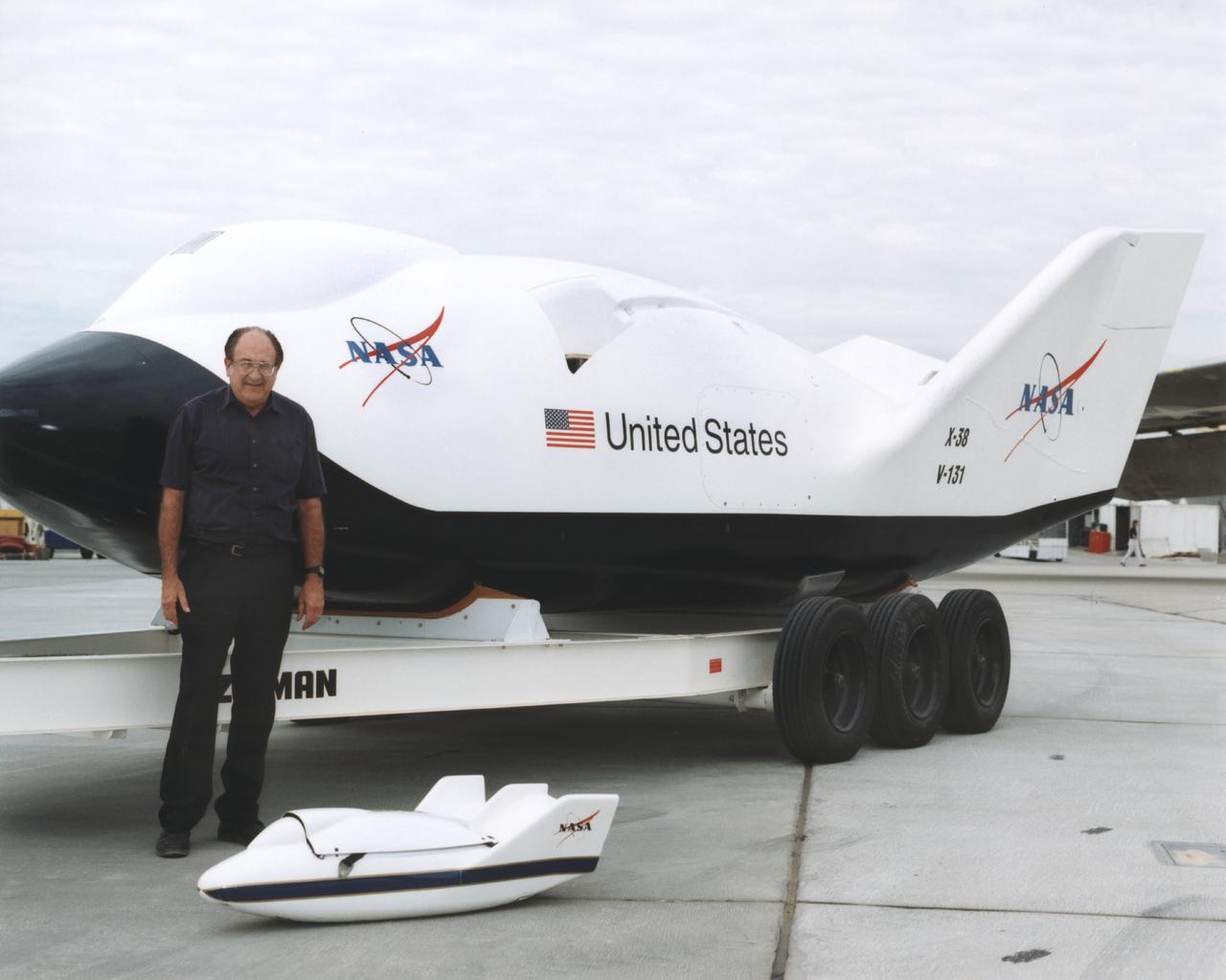
Dale Reed, a NASA engineer who worked on the original lifting-body research programs in the 1960s and 1970s, stands with a scale-model X-38 that was used in 1995 research flights, with a full-scale X-38 (80 percent of the size of a potential Crew Return Vehicle) behind him.
Dale Reed with X-38 and a Subscale Model Used in Test Program
TIFFANY LOCKETT OVERSEES THE HALF SCALE (36 SQUARE METERS) ENGINEERING DEVELOPMENT UNIT (EDU) SOLAR SAIL DEPLOYMENT DEMONSTRATION IN PREPARATION FOR FULL SCALE EDU (86 SQUARE METERS) DEPLOYMENT IN APRIL, 2016. DETAILS OF RIPS AND HOLES IN SOLAR SAIL FABRIC.
ENGINEERING DEVELOPMENT UNIT SOLAR SAIL
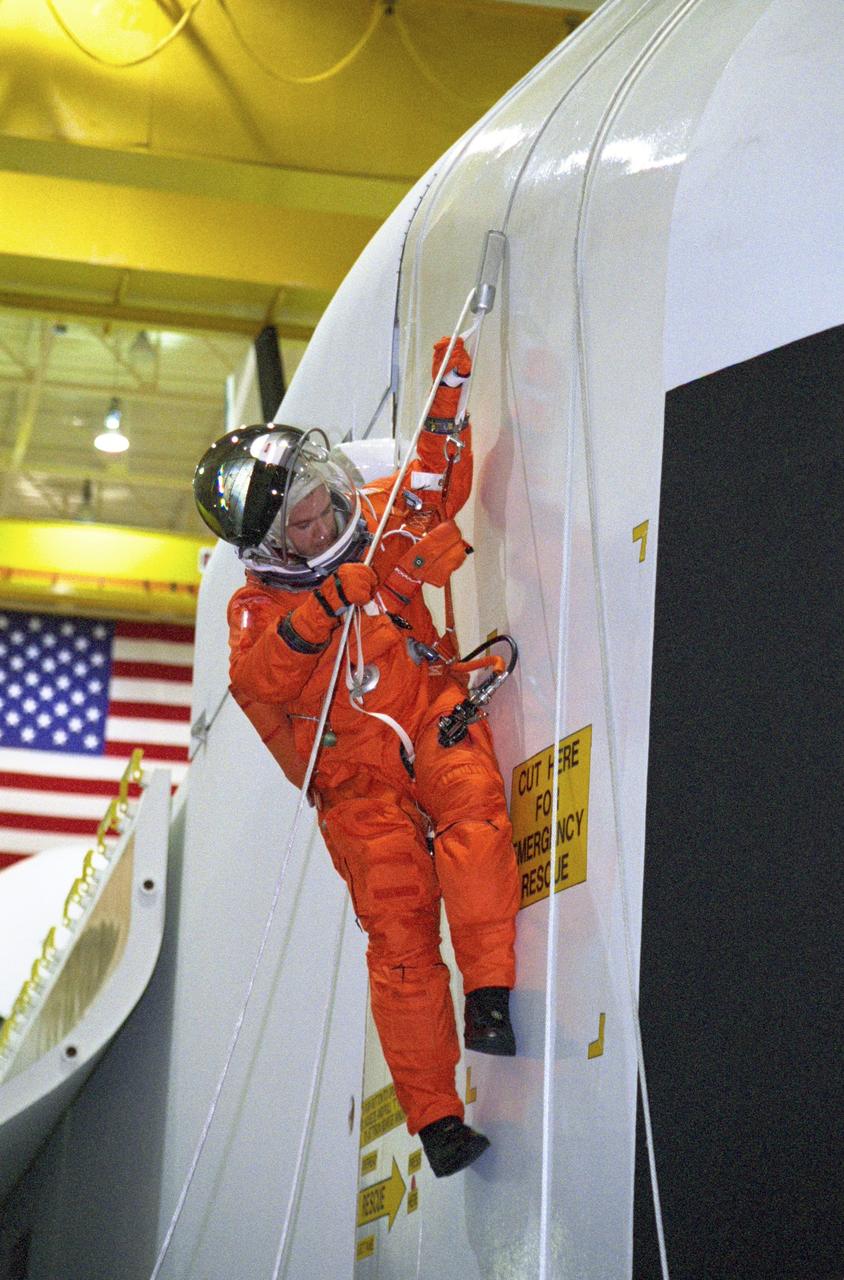
JSC2000-05553 (3 August 2000) --- Astronaut Paul W. Richards, STS-102 mission specialist, during  a session of egress training in the Johnson Space Center's Systems Integration Facility, uses a Sky-genie device to escape from a simulated shuttle in trouble.  The full fuselage trainer (FFT) is a full scale mockup of a shuttle.
STS-102 crew egress training in building 9
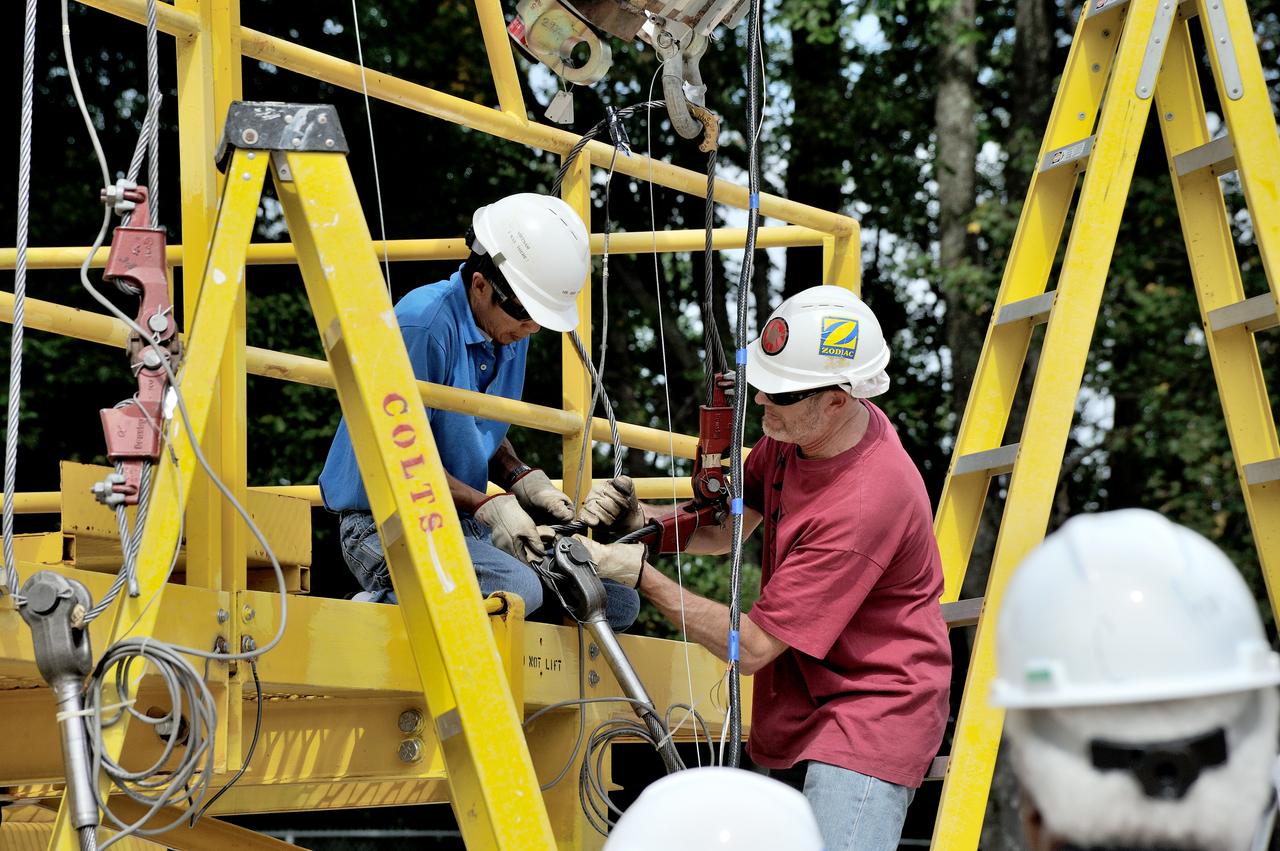
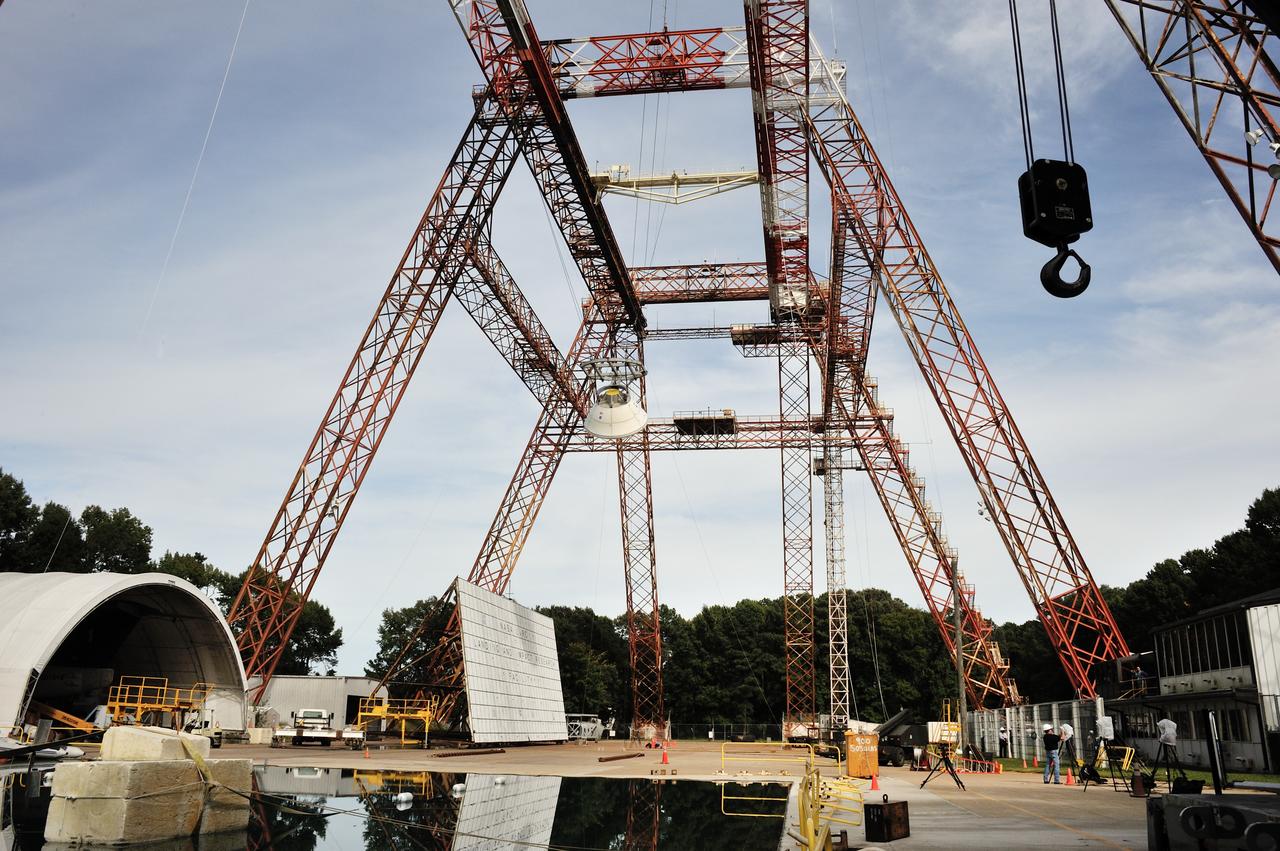
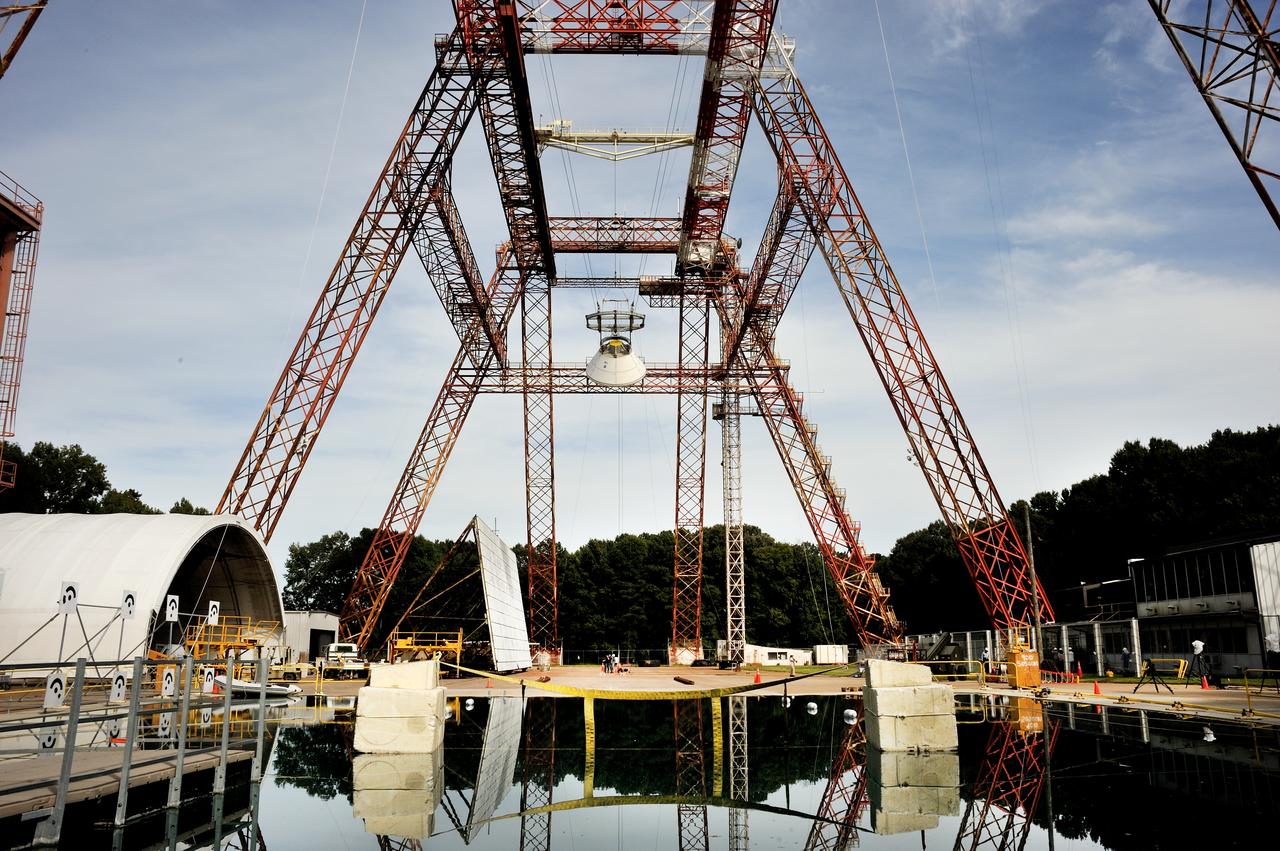
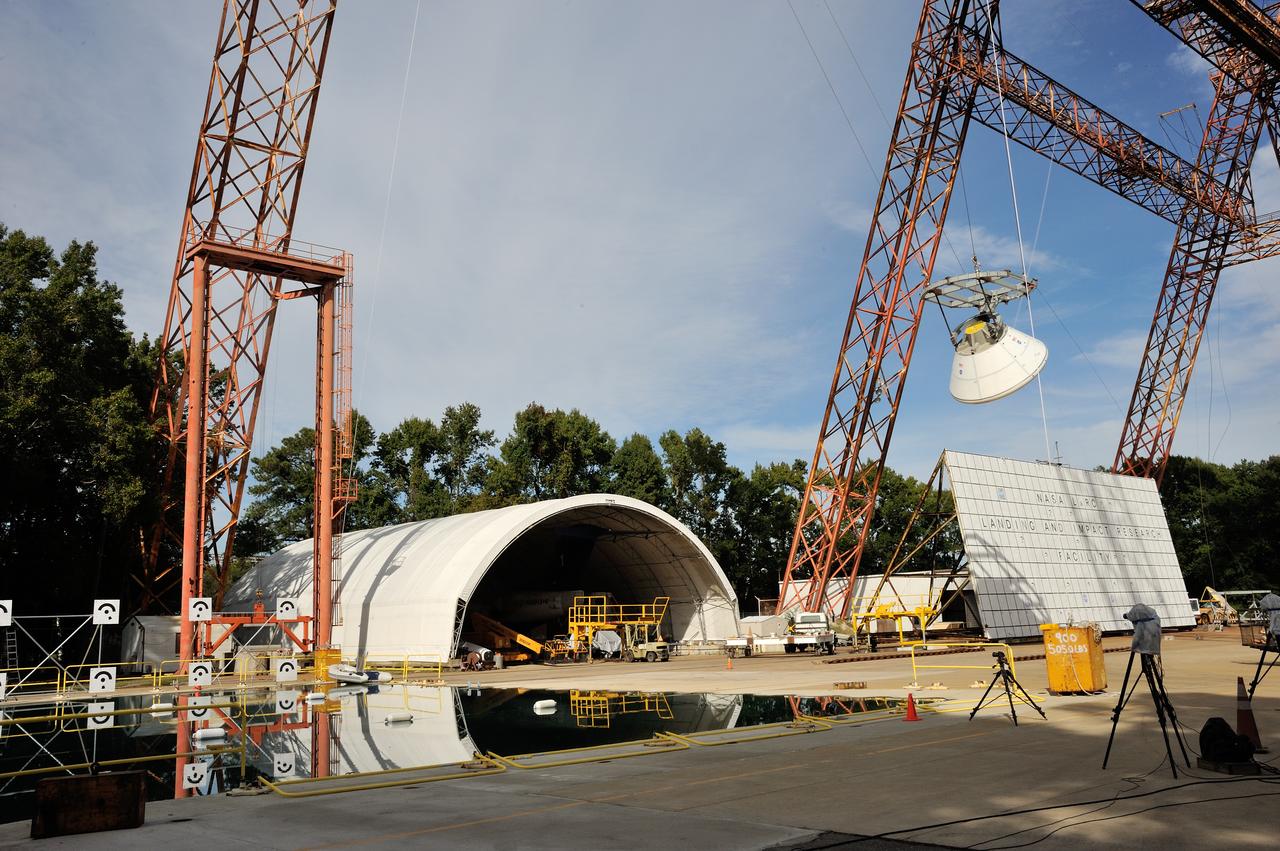
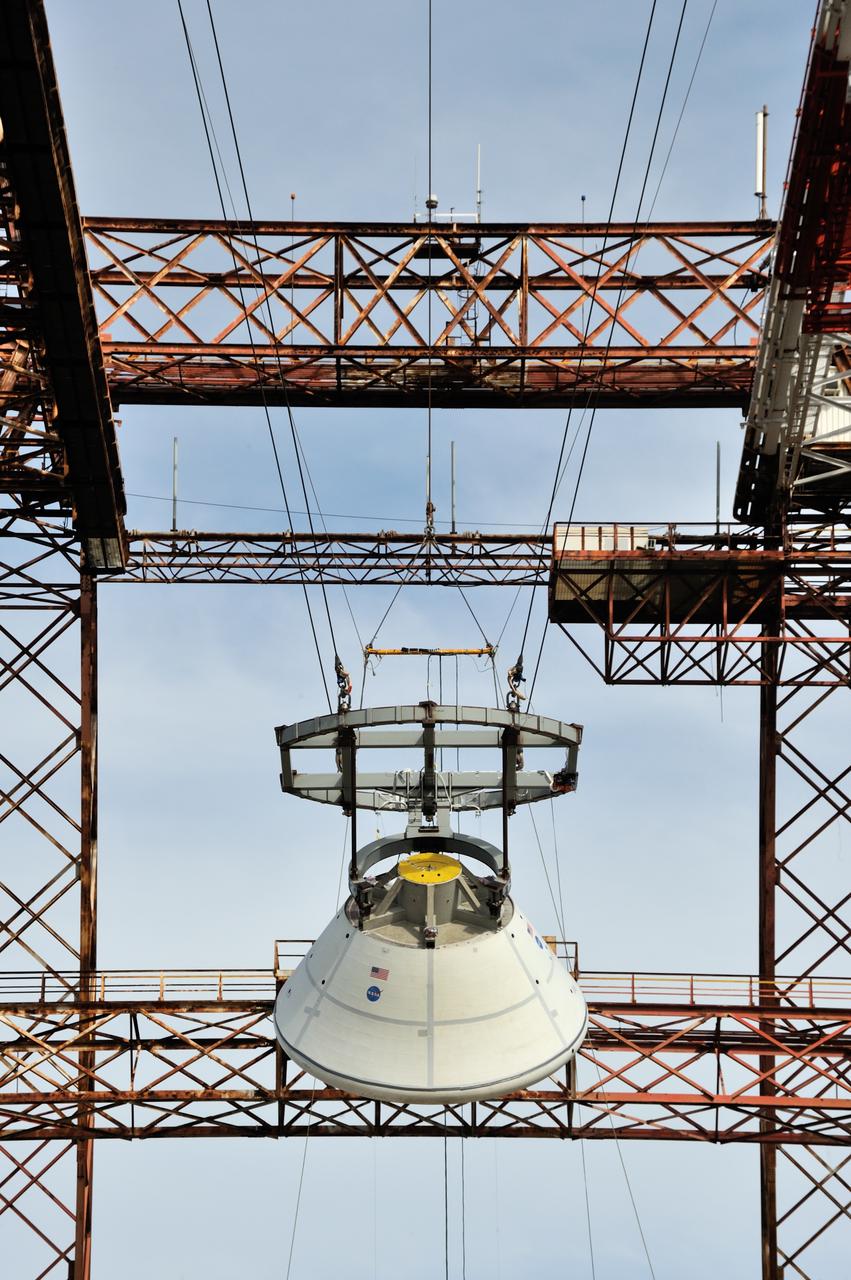
SPLASH P1 Test 7 Swing Test: Documentation of preparation, set up and results of full scale BTA (Boilerplate Test Article) vertical drop test series performed in 2012 at the LaRC Hydro Impact Basin (HIB)
Orion SPLASH P1 Test 7 Swing Test at NASA Langley Research Cente
SPLASH P1 Test 7 Swing Test: Documentation of preparation, set up and results of full scale BTA (Boilerplate Test Article) vertical drop test series performed in 2012 at the LaRC Hydro Impact Basin (HIB)
Orion SPLASH P1 Test 7 Swing Test at NASA Langley Research Cente
SPLASH P1 Test 7 Swing Test: Documentation of preparation, set up and results of full scale BTA (Boilerplate Test Article) vertical drop test series performed in 2012 at the LaRC Hydro Impact Basin (HIB)
Orion SPLASH P1 Test 7 Swing Test at NASA Langley Research Cente
SPLASH P1 Test 7 Swing Test: Documentation of preparation, set up and results of full scale BTA (Boilerplate Test Article) vertical drop test series performed in 2012 at the LaRC Hydro Impact Basin (HIB)
Orion SPLASH P1 Test 7 Swing Test at NASA Langley Research Cente
SPLASH P1 Test 7 Swing Test: Documentation of preparation, set up and results of full scale BTA (Boilerplate Test Article) vertical drop test series performed in 2012 at the LaRC Hydro Impact Basin (HIB)
Orion SPLASH P1 Test 7 Swing Test at NASA Langley Research Cente
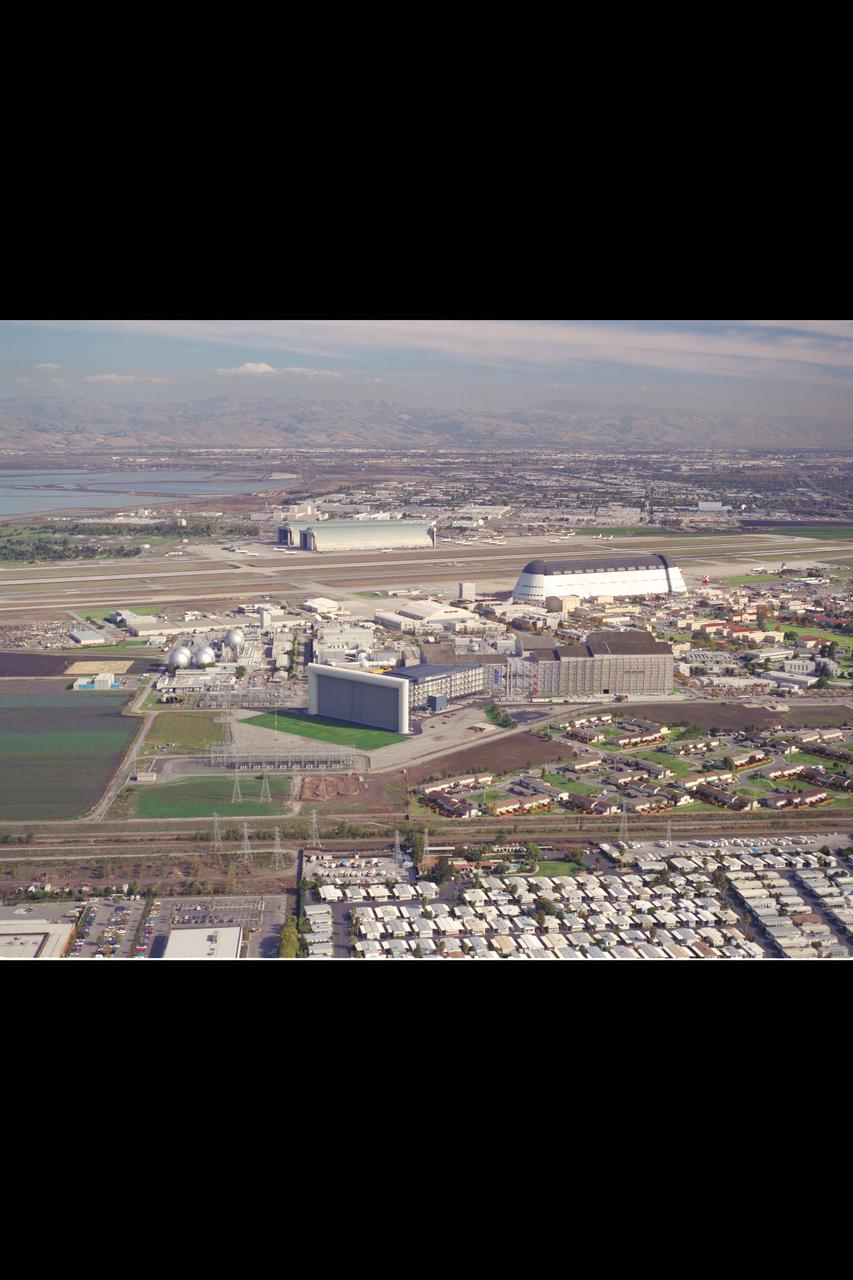
Ames Research Center, Moffett Field, CA Aerials showing the National Full Scale Aerodynamic Complex (NFAC) sign which can be seen from U.S. Highway 101 in Northern California
ARC-1984-AC84-0712-5
SPLASH P1 Test 7 Swing Test: Documentation of preparation, set up and results of full scale BTA (Boilerplate Test Article) vertical drop test series performed in 2012 at the LaRC Hydro Impact Basin (HIB)
Orion SPLASH P1 Test 7 Swing Test at NASA Langley Research Cente
SPLASH P1 Test 7 Swing Test: Documentation of preparation, set up and results of full scale BTA (Boilerplate Test Article) vertical drop test series performed in 2012 at the LaRC Hydro Impact Basin (HIB)
Orion SPLASH P1 Test 7 Swing Test at NASA Langley Research Cente
SPLASH P1 Test 7 Swing Test: Documentation of preparation, set up and results of full scale BTA (Boilerplate Test Article) vertical drop test series performed in 2012 at the LaRC Hydro Impact Basin (HIB)
Orion SPLASH P1 Test 7 Swing Test at NASA Langley Research Cente
The Boeing Mission Simulator is moved to NASA's Johnson Space Center in Houston. The simulator is a full-scale mockup of Boeing's Starliner spacecraft. The simulator will be used to train crews to fly the spacecraft.
Boeing Mission Simulator for CST-100 Arrives at JSC
SPLASH P1 Test 7 Swing Test: Documentation of preparation, set up and results of full scale BTA (Boilerplate Test Article) vertical drop test series performed in 2012 at the LaRC Hydro Impact Basin (HIB)
Orion SPLASH P1 Test 7 Swing Test at NASA Langley Research Cente
SPLASH P1 Test 7 Swing Test: Documentation of preparation, set up and results of full scale BTA (Boilerplate Test Article) vertical drop test series performed in 2012 at the LaRC Hydro Impact Basin (HIB)
Orion SPLASH P1 Test 7 Swing Test at NASA Langley Research Cente
SPLASH P1 Test 7 Swing Test: Documentation of preparation, set up and results of full scale BTA (Boilerplate Test Article) vertical drop test series performed in 2012 at the LaRC Hydro Impact Basin (HIB)
Orion SPLASH P1 Test 7 Swing Test at NASA Langley Research Cente
SPLASH P1 Test 7 Swing Test: Documentation of preparation, set up and results of full scale BTA (Boilerplate Test Article) vertical drop test series performed in 2012 at the LaRC Hydro Impact Basin (HIB)
Orion SPLASH P1 Test 7 Swing Test at NASA Langley Research Cente