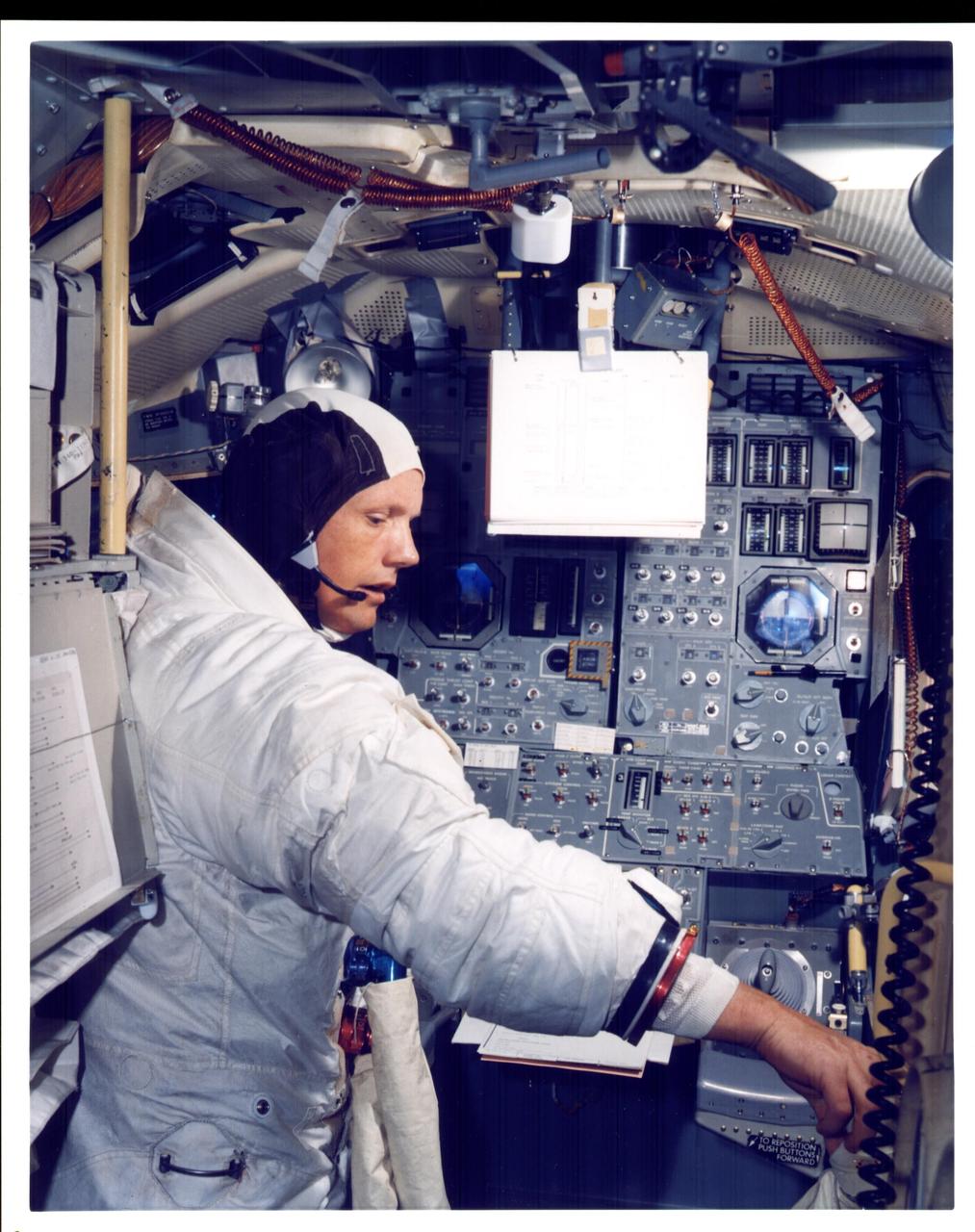
KENNEDY SPACE CENTER, FLA. - Apollo 11 Commander Neil Armstrong is going through flight training in the lunar module simulator situated in the Flight Crew Training Building at KSC. Armstrong wil pilot the lunar module to a Moon landing on July 20, following launch from KSC at 9:32 a.m. July 16.
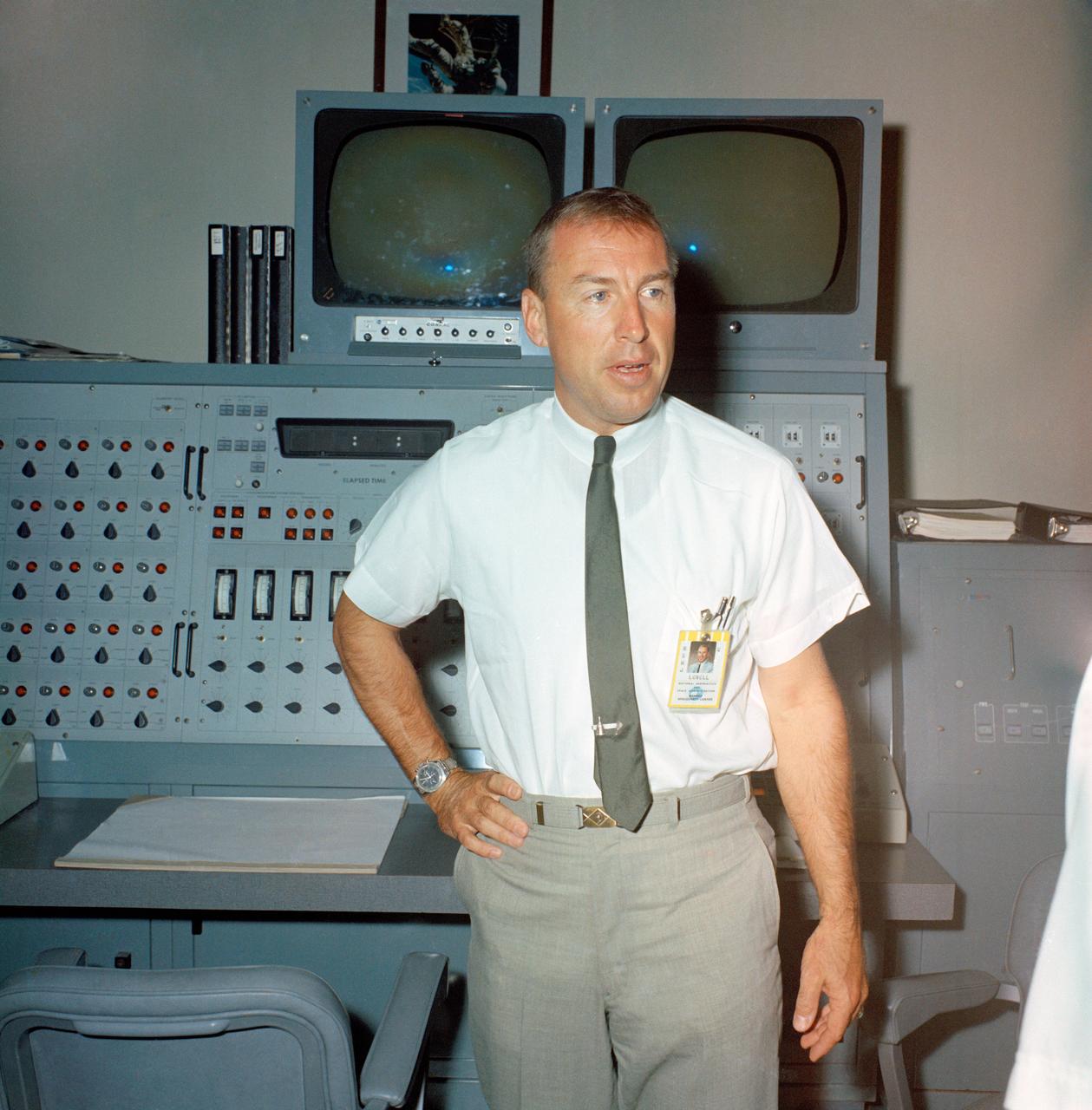
S66-45578 (6 Sept. 1966) --- Astronaut James A. Lovell Jr., prime crew command pilot for the Gemini-12 spaceflight, is pictured in Building 5, Mission Simulation and Training Facility, prior to entering the Gemini Mission Simulator for flight training. Photo credit: NASA
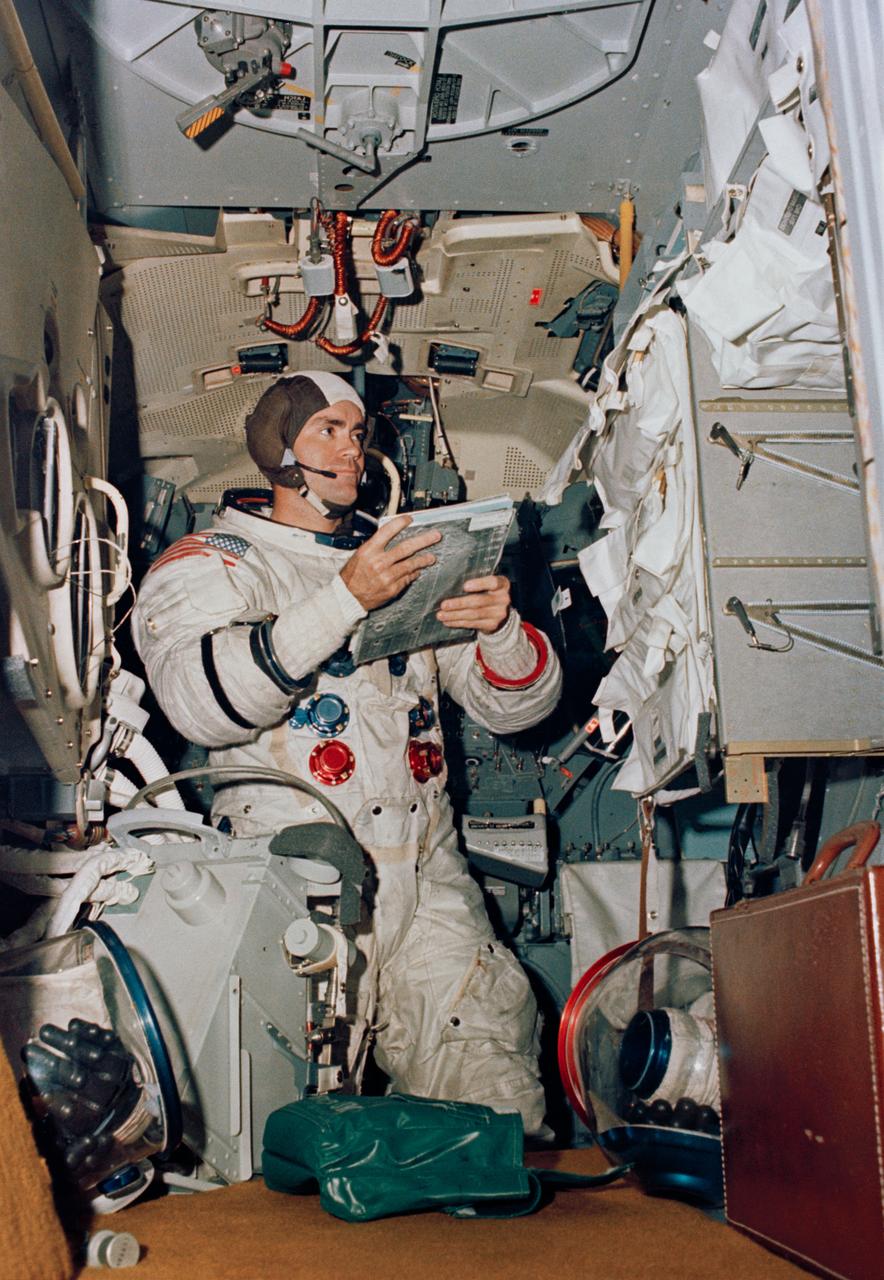
S70-34412 (4 April 1970) --- Astronaut Fred W. Haise Jr., Apollo 13 lunar module pilot, participates in simulation training in preparation for the scheduled lunar landing mission. He is in the Apollo Lunar Module Mission Simulator in the Kennedy Space Center's Flight Crew Training building.
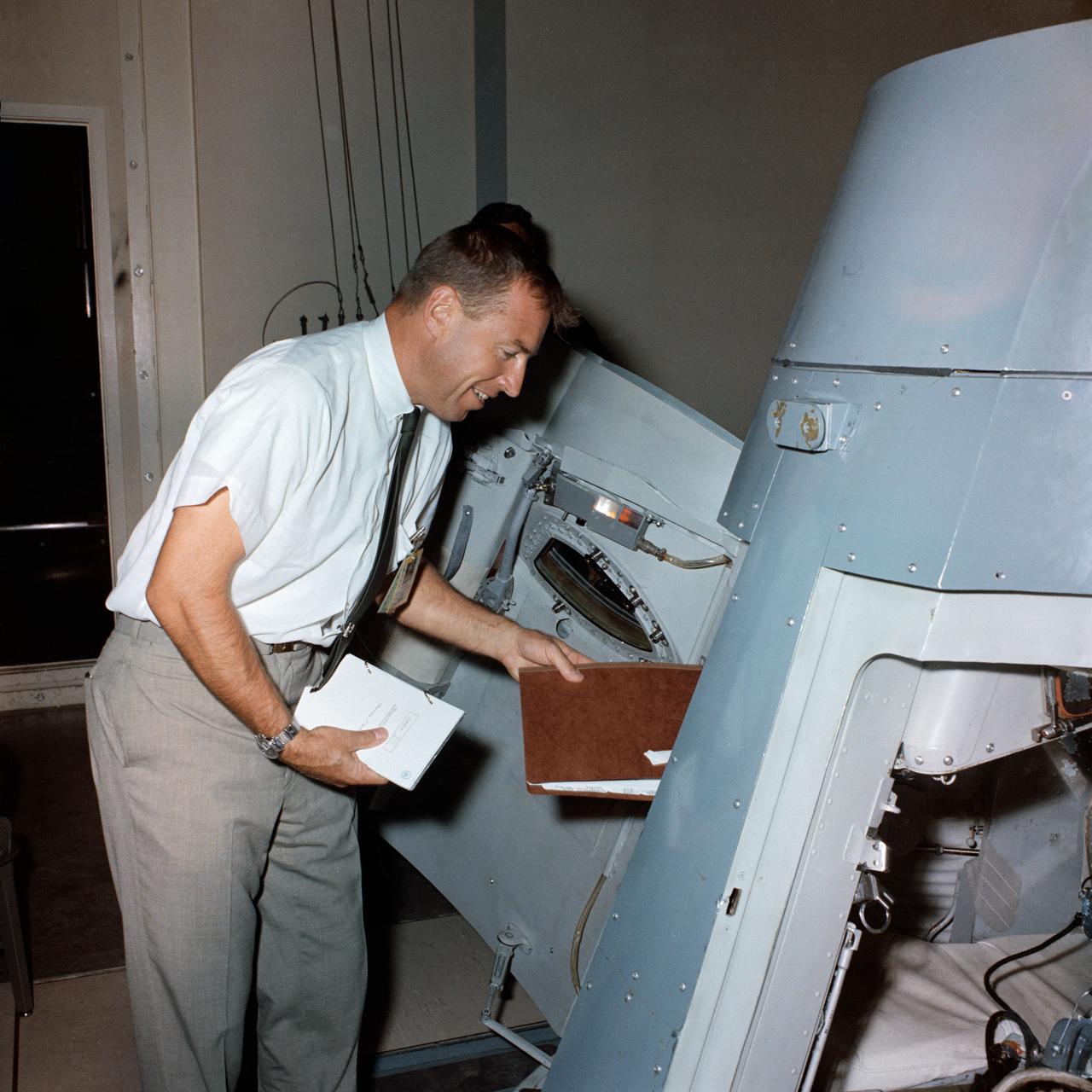
S66-45580 (6 Sept. 1966) --- Astronaut James A. Lovell Jr., prime crew command pilot of the Gemini-12 spaceflight, prepares to enter the Gemini Mission Simulator in Building 5 for flight training. Photo credit: NASA
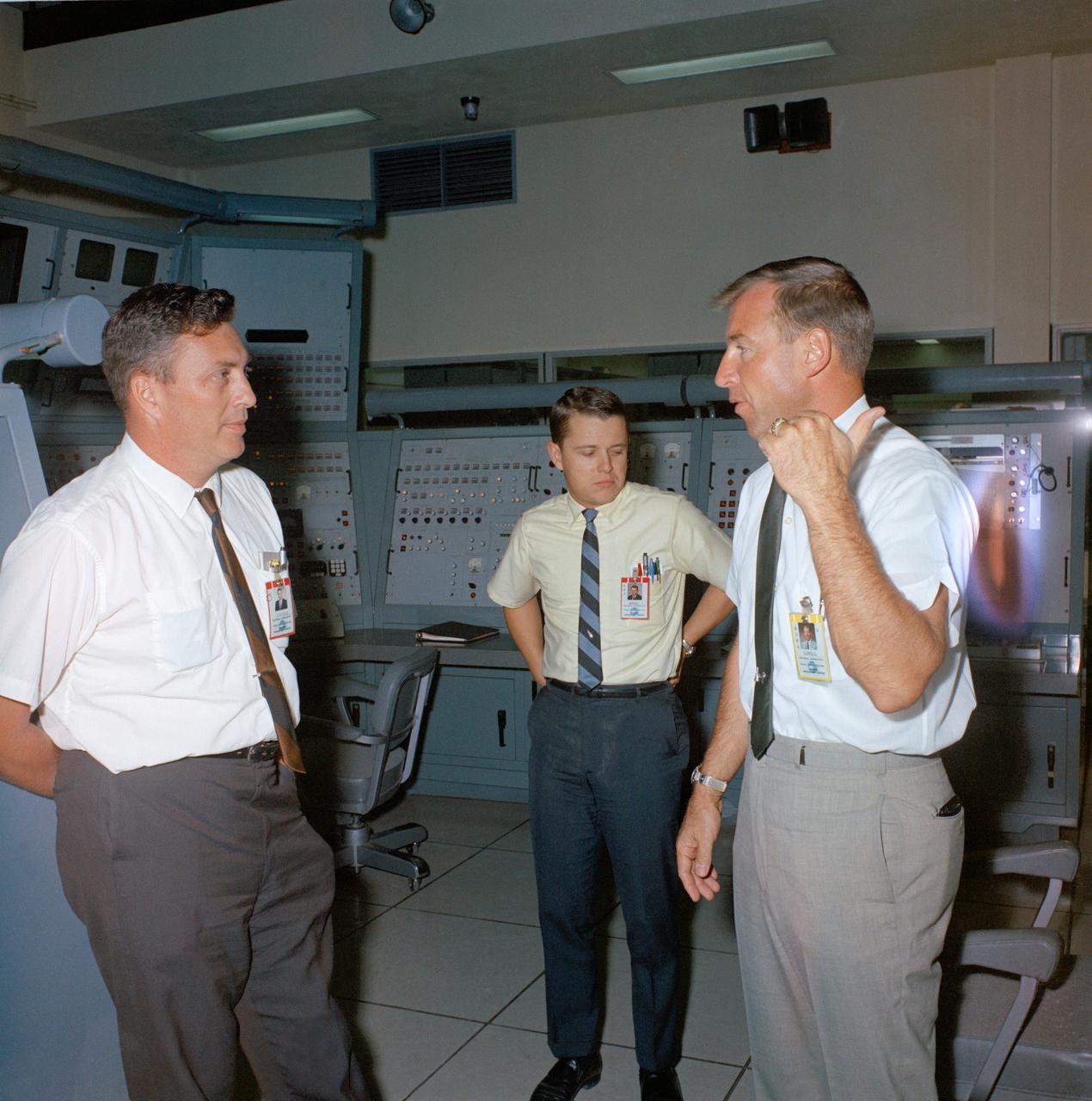
S66-45579 (6 Sept. 1966) --- Astronaut James A. Lovell Jr. (right), prime crew command pilot of the Gemini-12 spaceflight, talks with Burton M. Gifford (left) and Duane K. Mosel (center), both with the Simulation Branch, Flight Crew Support Division. Lovell was preparing to undergo flight training in the Gemini Mission Simulator in Building 5, Mission Simulation and Training Facility. Photo credit: NASA
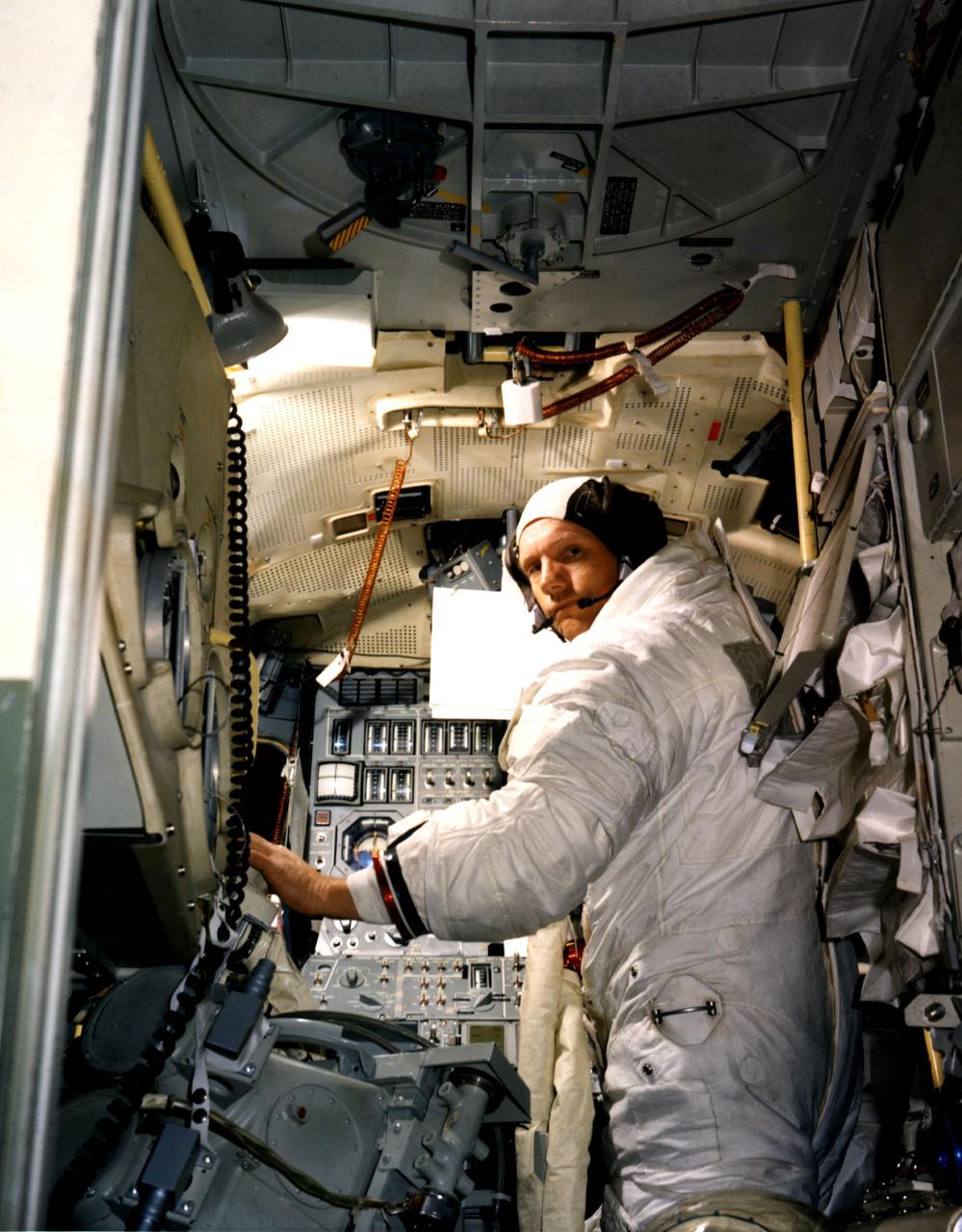
KENNEDY SPACE CENTER, FLA. - Neil A. Armstrong, commander for the Apollo 11 Moon-landing mission, practices for the historic event in a Lunar Module simulator in the Flight Crew Training Building at KSC. Accompanying Armstrong on the Moon flight will be Command Module Pilot Michael Collins and Lunar Module Pilot Edwin E. Aldrin Jr.
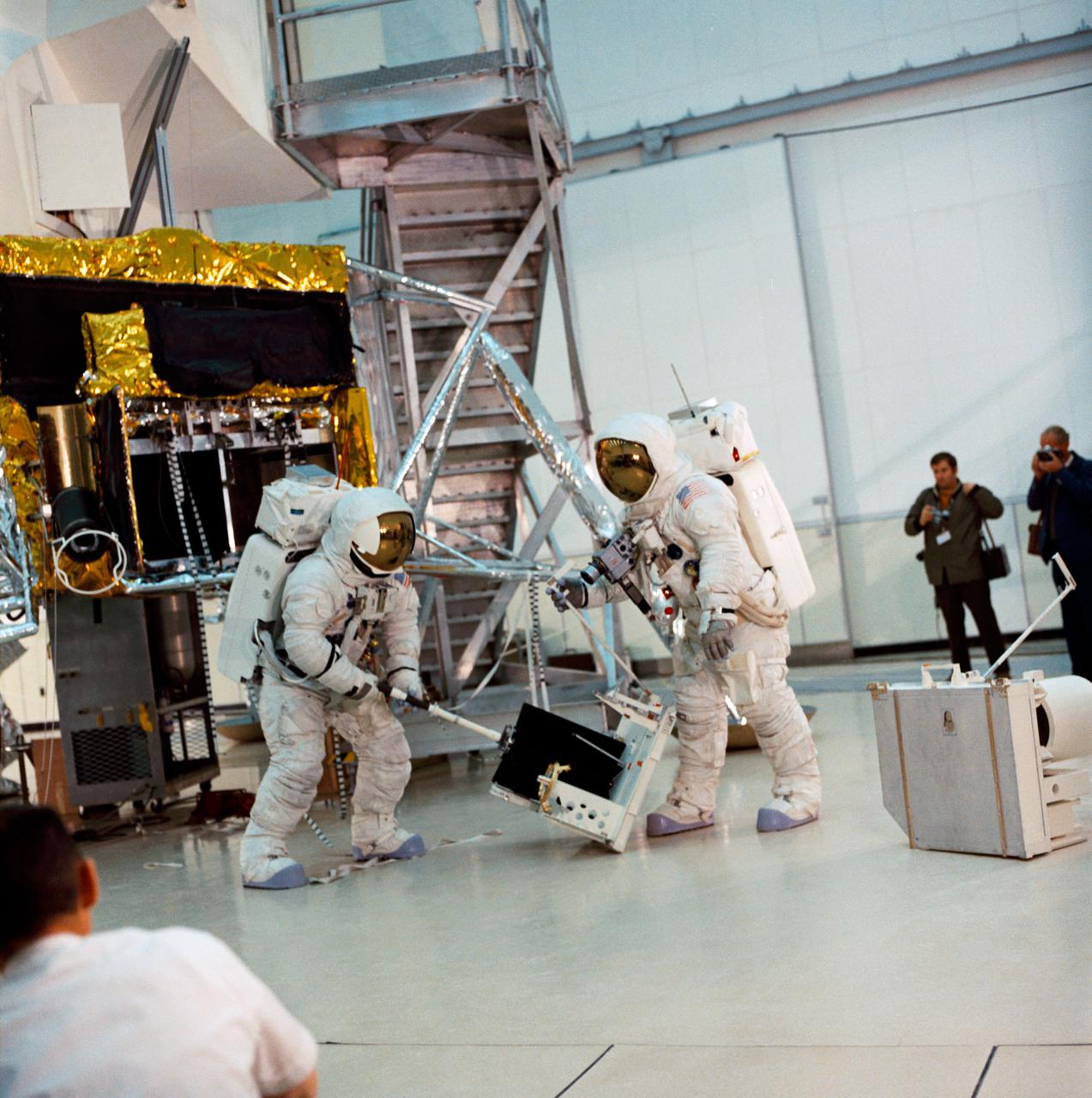
S70-27036 (4 Feb. 1970) --- Two crew men of the Apollo 13 lunar landing mission simulate lunar surface extravehicular activity (EVA) during training exercises in the Kennedy Space Center's (KSC) Flight Crew Training Building. They are astronauts James A. Lovell Jr. commander; and Fred W. Haise Jr., lunar module pilot.
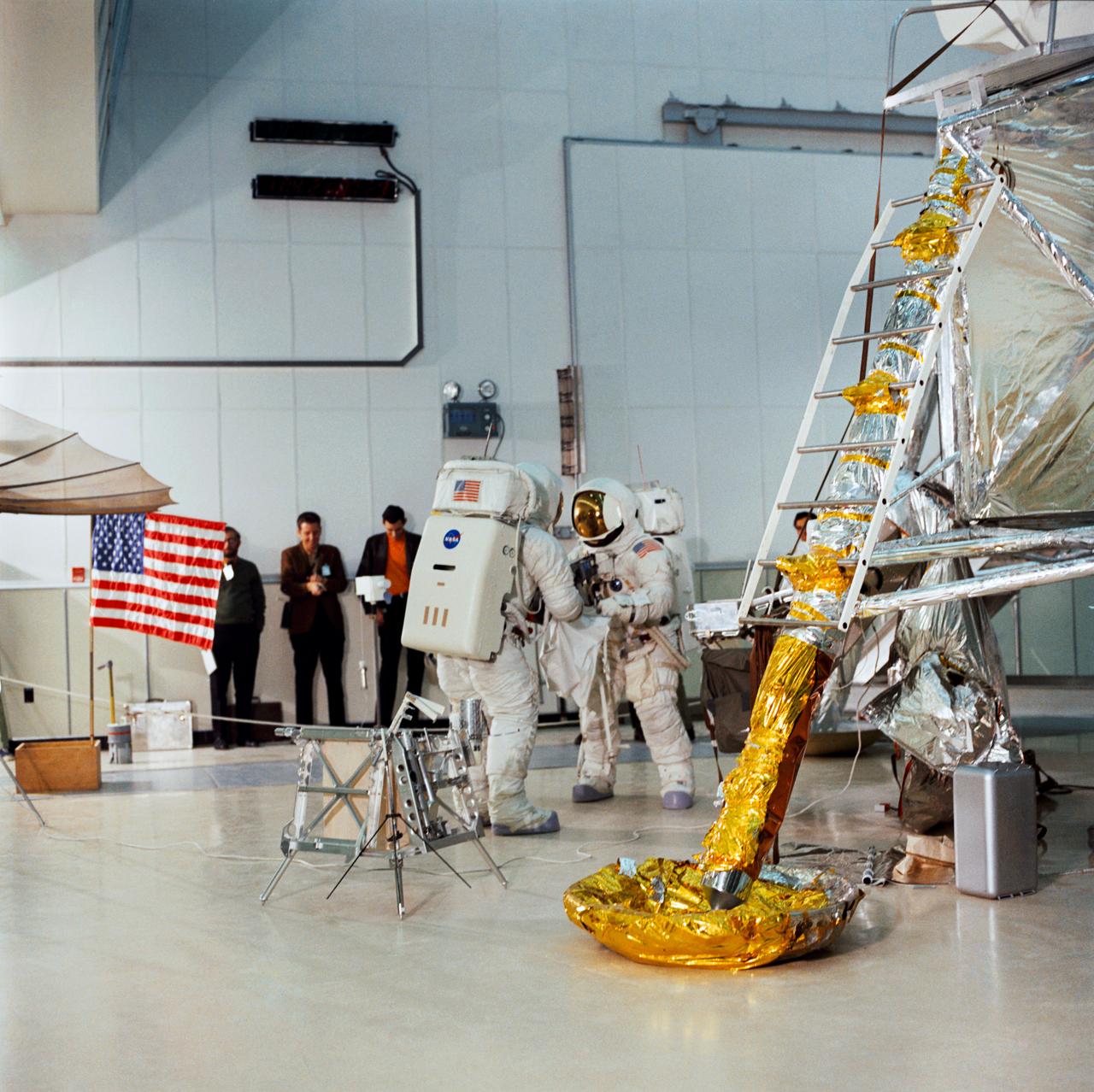
S70-27038 (4 Feb. 1970) --- Two crew men of the Apollo 13 lunar landing mission simulate lunar surface Extravehicular Activity (EVA) during training exercises in the Kennedy Space Center's (KSC) Flight Crew Training Building. They are astronauts James A. Lovell Jr. (on left, back to camera) commander; and Fred W. Haise Jr., lunar module pilot.
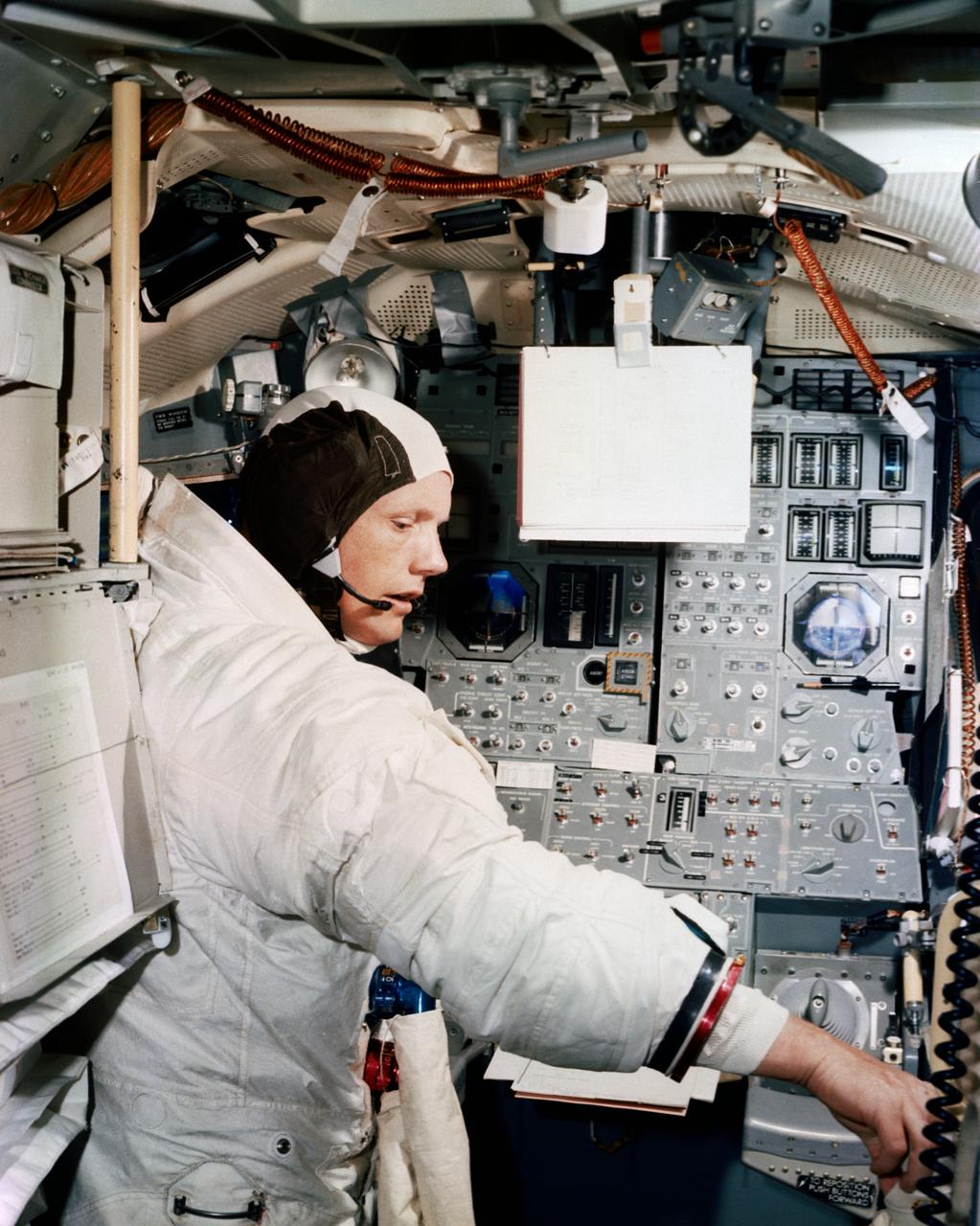
S69-38677 (19 June 1969) --- Astronaut Neil A. Armstrong, Apollo 11 commander, participates in simulation training in preparation for the scheduled lunar landing mission. He is in the Apollo Lunar Module Mission Simulator in the Kennedy Space Center (KSC) Flight Crew Training Building. The other two crewmen of the historic flight are astronauts Michael Collins, command module pilot; and Edwin E. Aldrin Jr., lunar module pilot.
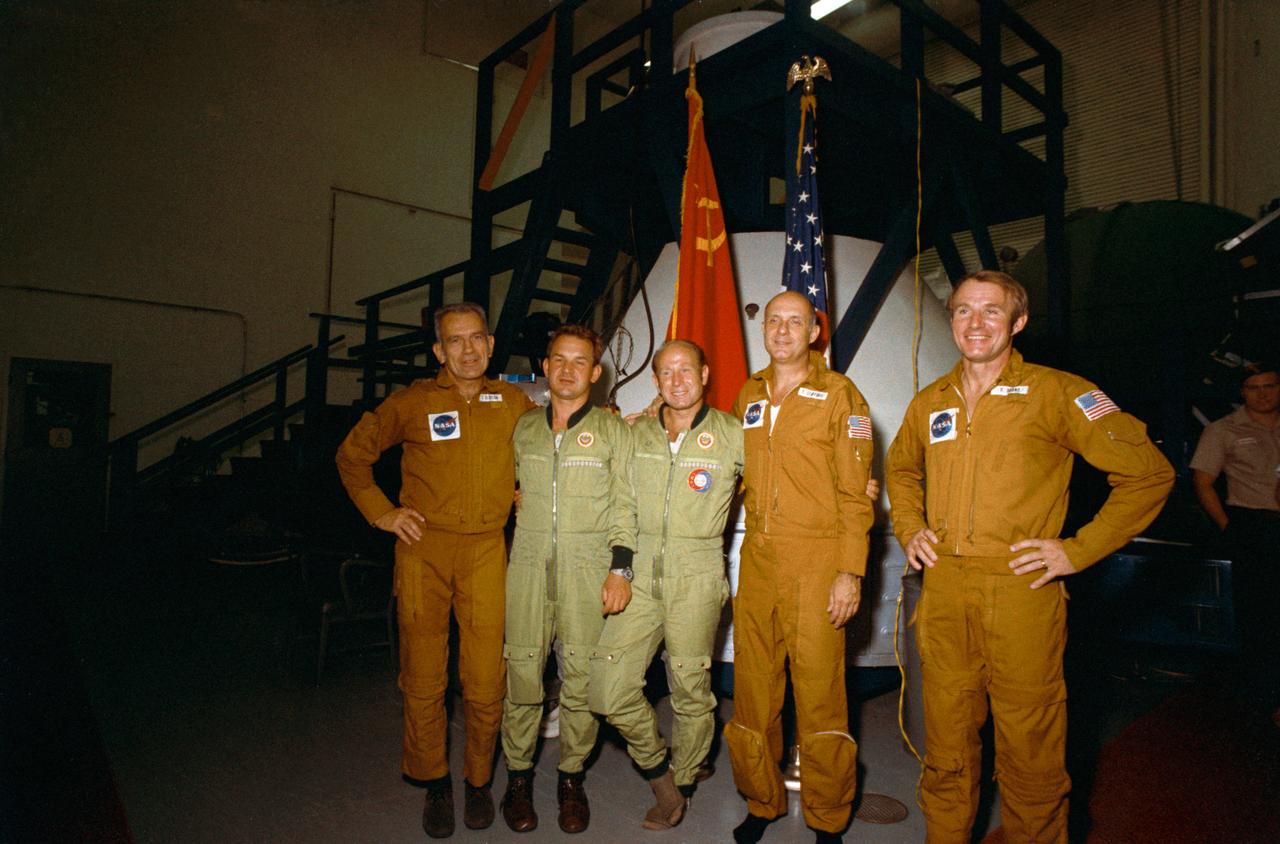
S74-28811 (23 Sept. 1974) --- The five prime crewmen of the joint U.S.-USSR Apollo-Soyuz Test Project mission are photographed in the Flight Crew Training Facility, Building 35, at the Johnson Space Center during ASTP crew training activity. They are, left to right, astronaut Donald K. Slayton, docking module pilot of the American crew; cosmonaut Valeriy N. Kubasov, engineer on the Soviet crew; cosmonaut Aleksey A. Leonov, commander of the Soviet crew; astronaut Thomas P. Stafford, commander of the American crew; and astronaut Vance D. Brand, command module pilot of the American crew.
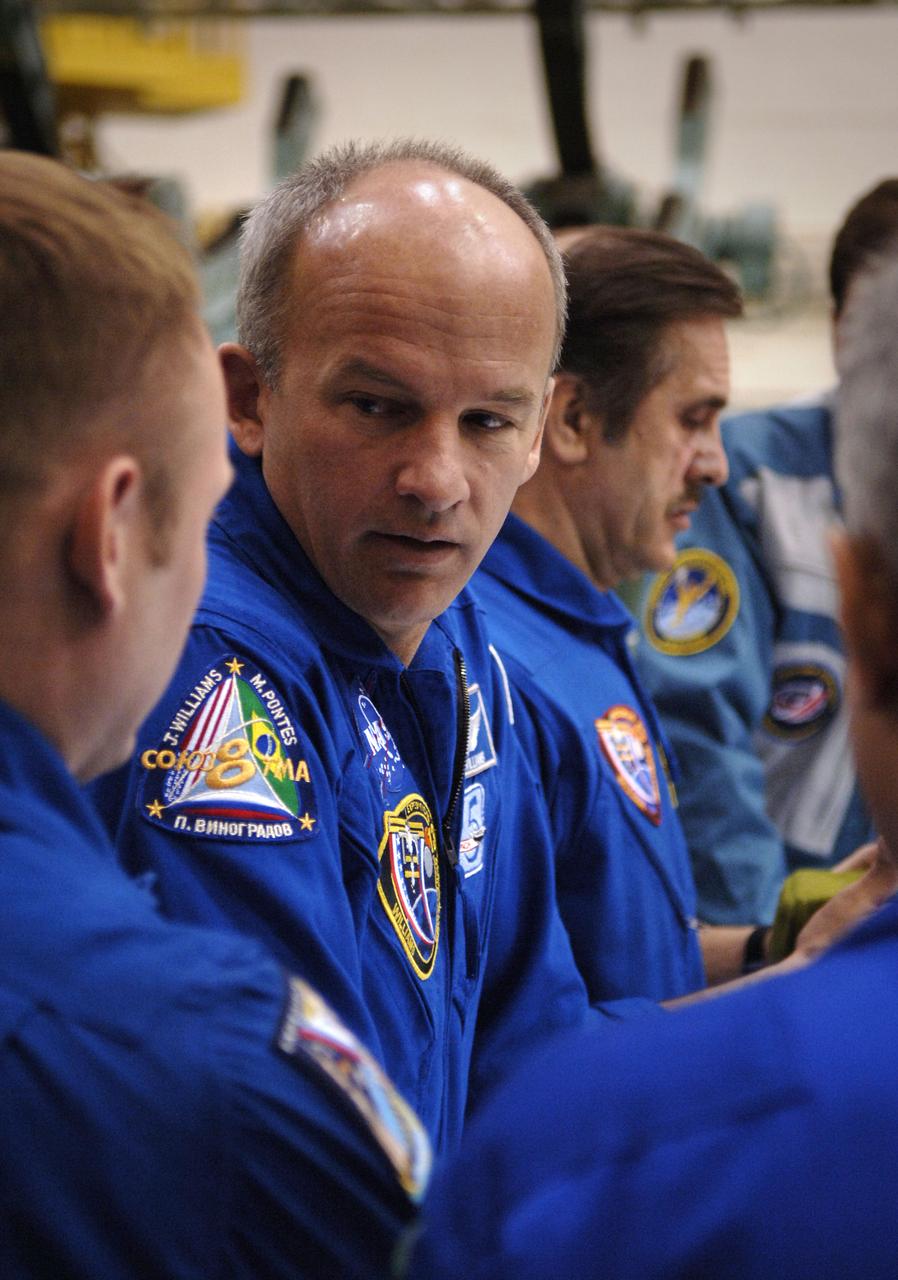
Expedition 13 Science Officer and Flight Engineer Jeffrey N. Williams, center, talks with backup crew member Michael Fincke, left, during training at building 254 of the Baikonur Cosmodrome in Baikonur, Kazakhstan. Sunday, March 26, 2006. Photo Credit: (NASA/Bill Ingalls)
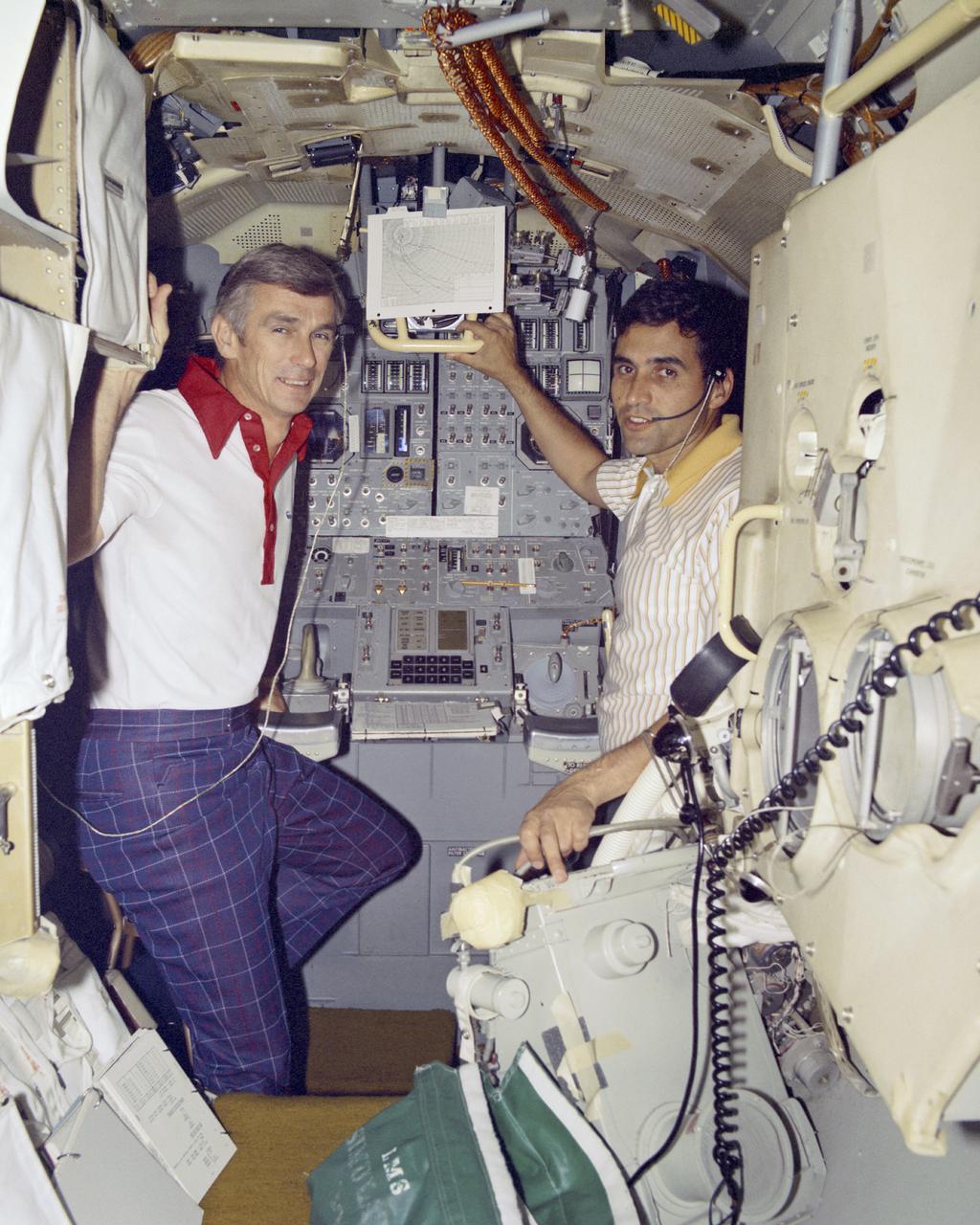
Apollo 17 Mission Commander Eugene A Cernan, a Navy Captain, and Lunar Module Pilot Dr. Harrison H. Schmitt, civilian scientist-astronaut, at right, familiarize themselves with equipment used in the Lunar Module in which they will descend to the lunar surface during December. Cernan and Dr. Schmitt are undergoing pre-launch training in the lunar Module Simulator at the Flight Crew Training Building at the Space Center. Navy Commander Ronald E. Evans, Command Module Pilot, will accompany Cernan and Schmitt on the mission.
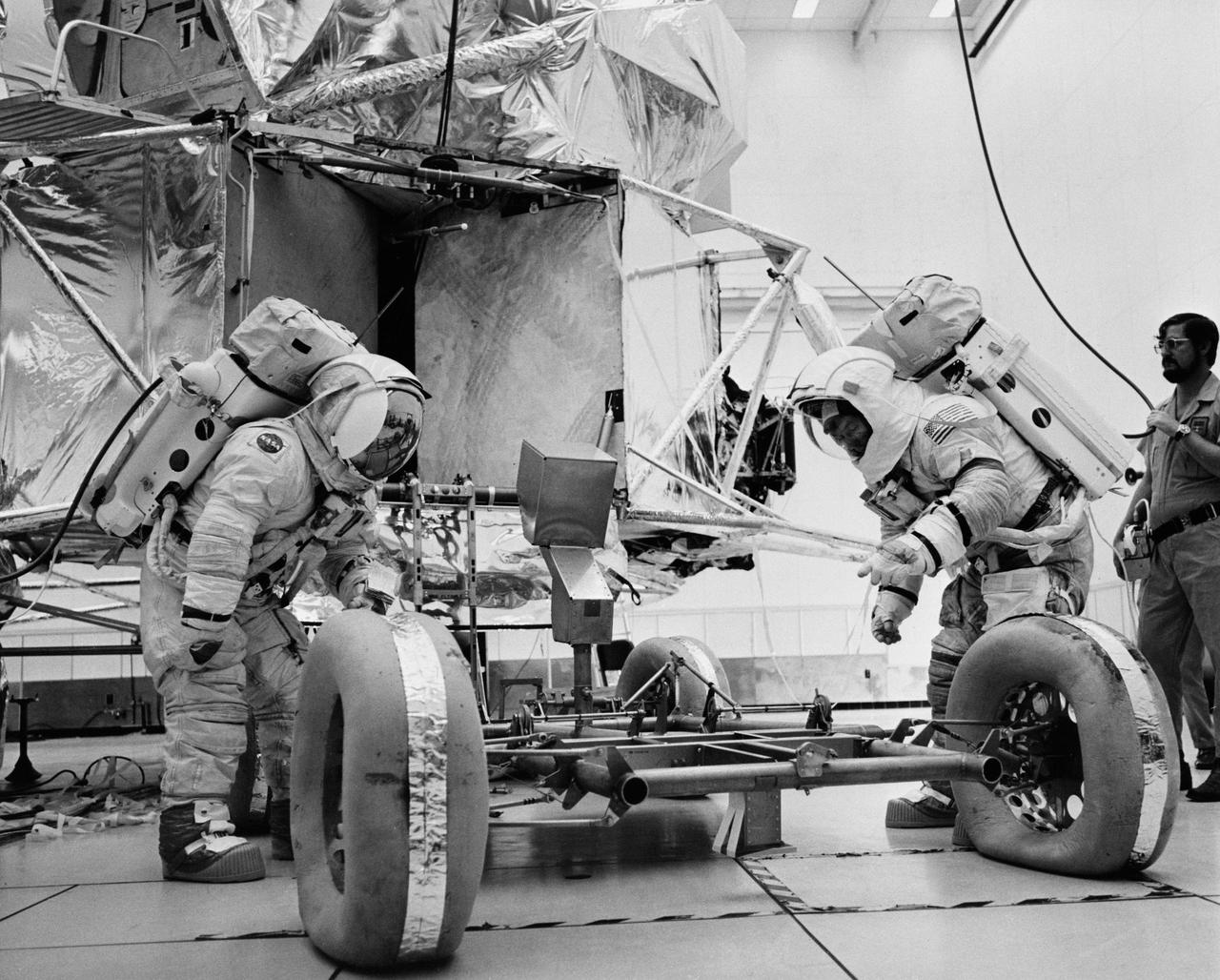
S72-44423 (8 Sept. 1972) --- Two Apollo 17 crewmen ready a Lunar Roving Vehicle trainer following its deployment from a Lunar Module trainer in the Flight Crew Training Building at the Kennedy Space Center, Florida. Taking part in the Apollo 17 training exercise were astronauts Eugene A. Cernan (right), commander; and Harrison H. "Jack" Schmitt, lunar module pilot.
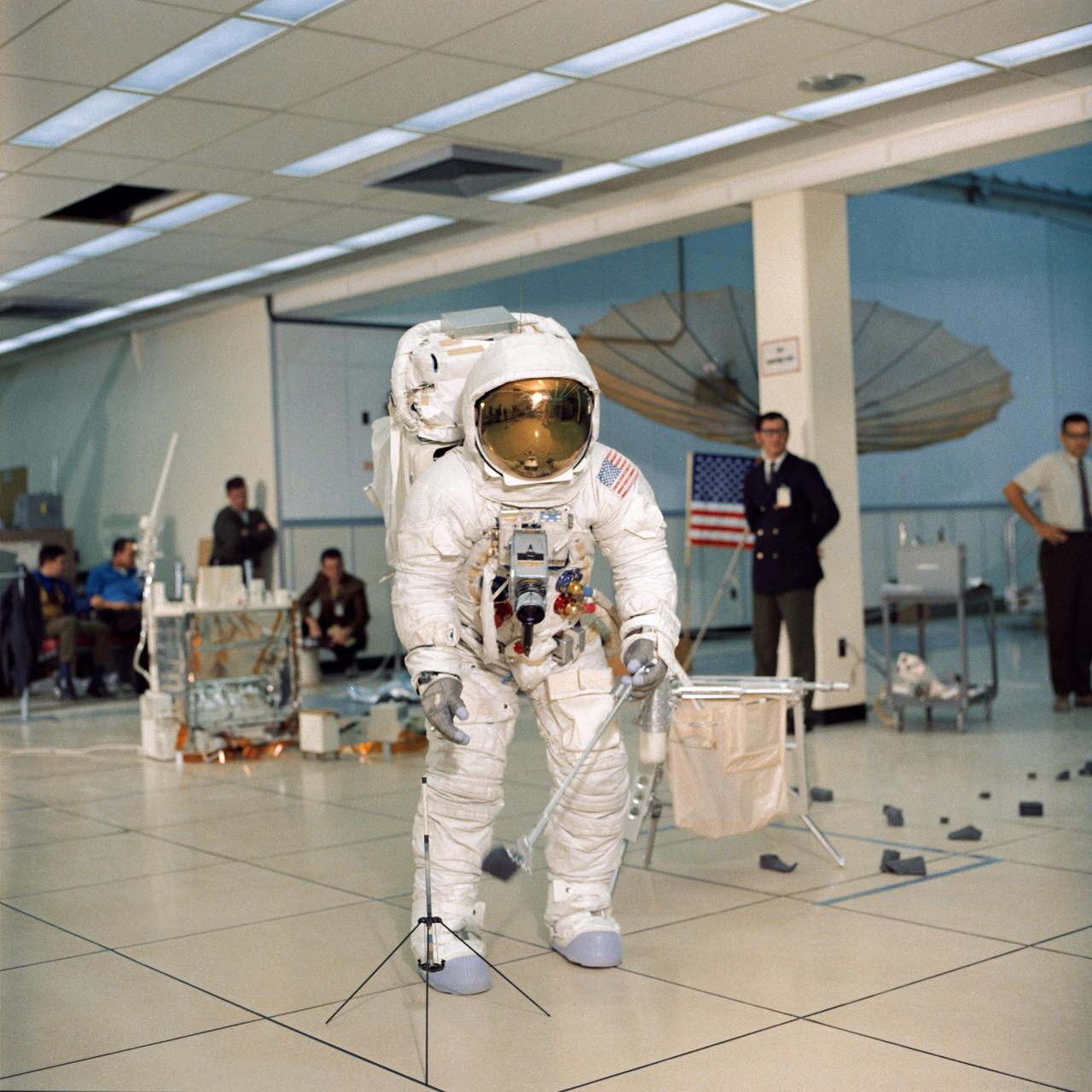
S70-27037 (4 Feb. 1970) --- Astronaut James A. Lovell Jr., commander of the Apollo 13 lunar landing mission, simulates lunar surface extravehicular activity during training exercises in the Kennedy Space Center’s Flight Crew Training Building. Lovell, wearing an Extravehicular Mobility Unit (EMU), is holding an Apollo Lunar Hand Tool (a set of tongs) in his left hand. A gnomon is in front of his right foot. A tool carrier is in the right background.
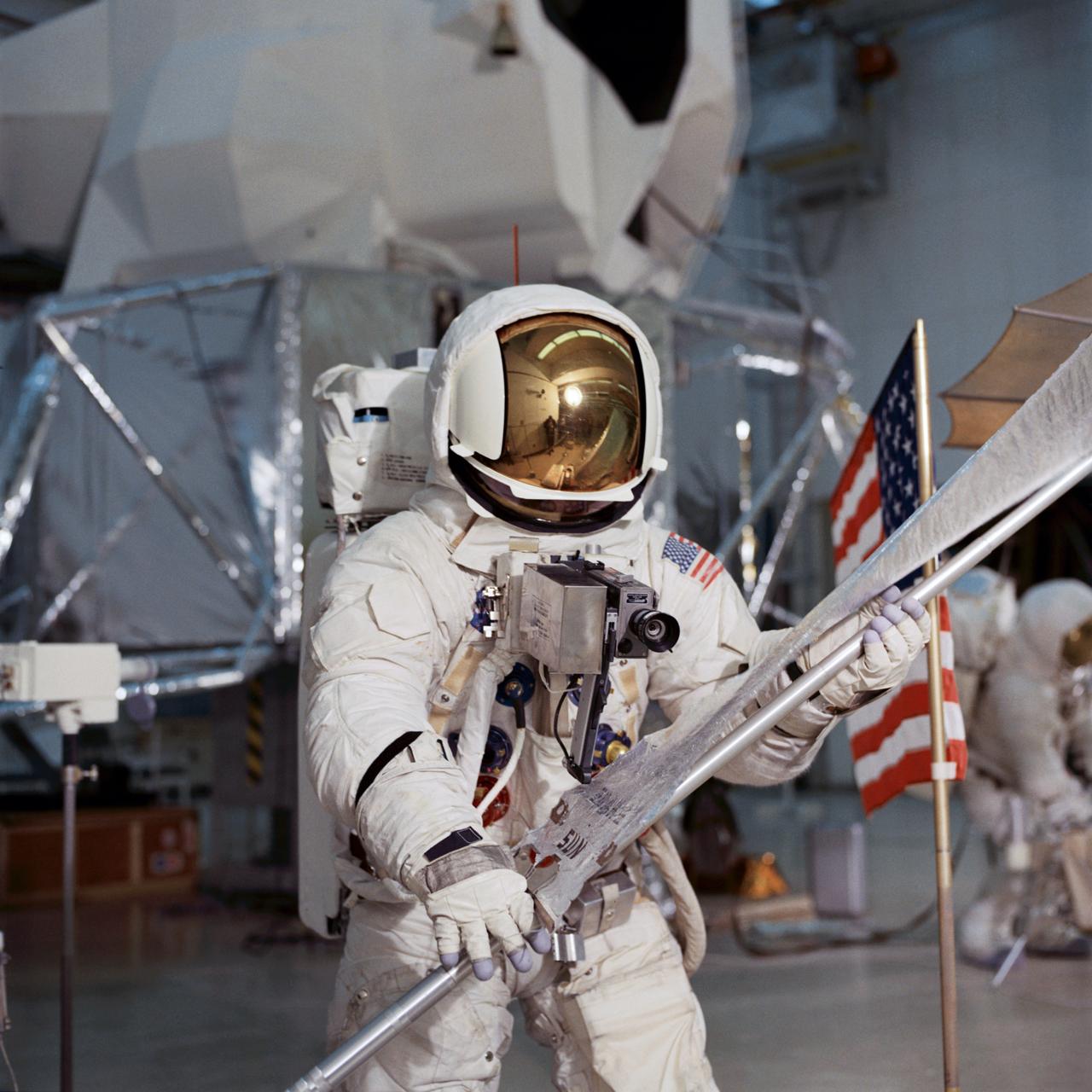
S70-27034 (4 Feb. 1970) --- Astronaut Fred W. Haise Jr., lunar module pilot of the Apollo 13 lunar landing mission, simulates lunar surface extravehicular activity (EVA) during training exercises in the Kennedy Space Center's (KSC) Flight Crew Training Building (FCTB). Haise, wearing an Extravehicular Mobility Unit (EMU), is holding a Solar Wind Composition (SWC) experiment.
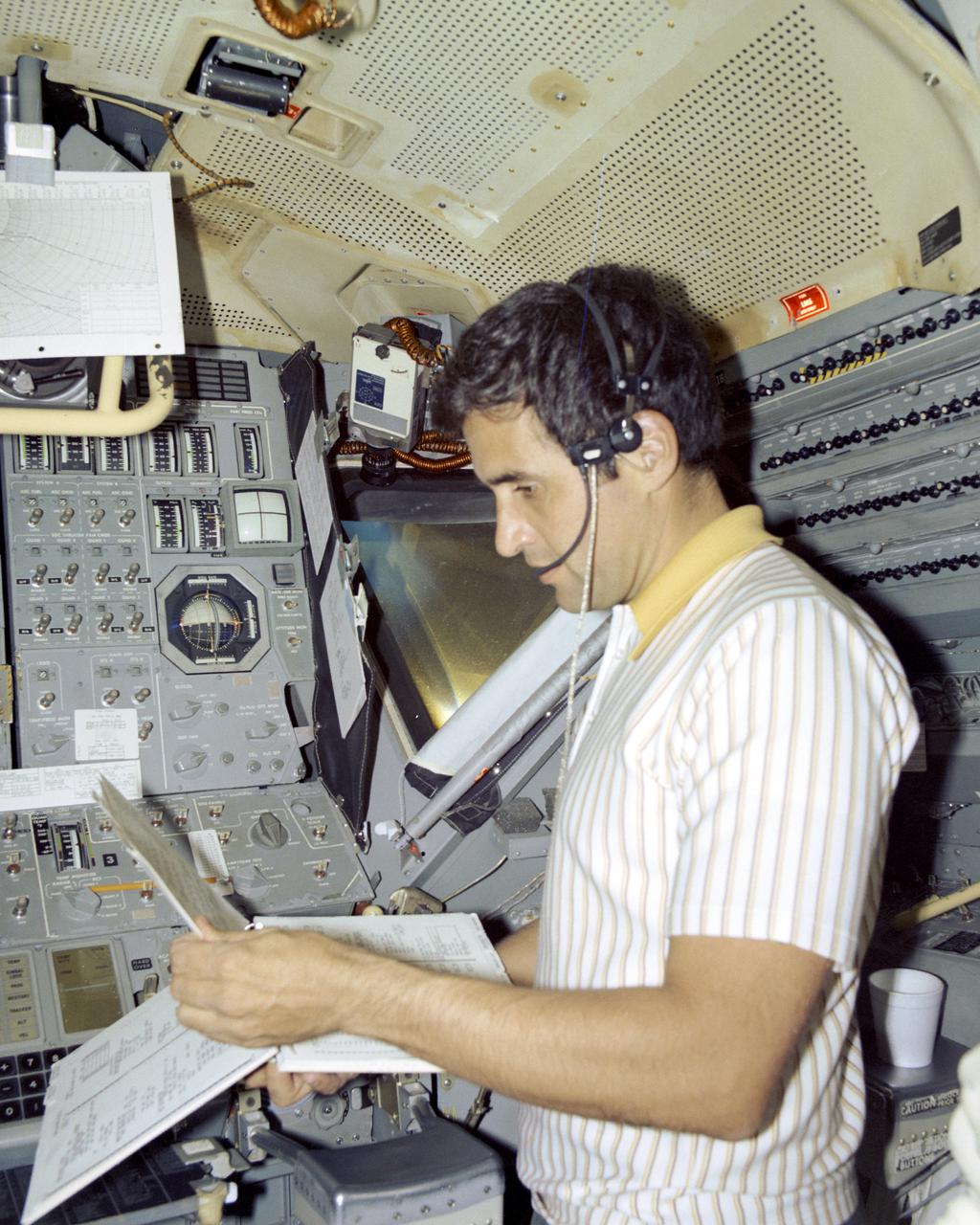
Dr. Harrison H. Schmitt, civilian scientist-astronaut, who will pilot the Lunar Module of Apollo 17 to the Moon’s Surface in December, preps for his task by undergoing training in the Lunar Module Simulator at the Flight Crew Training Building at Kennedy Space Center. Dr. Schmitt, accompanied by Commander Eugene A. Cernan and Ronald E. Evans, Command Module Pilot, will lift-off from the Center no earlier than December 6.
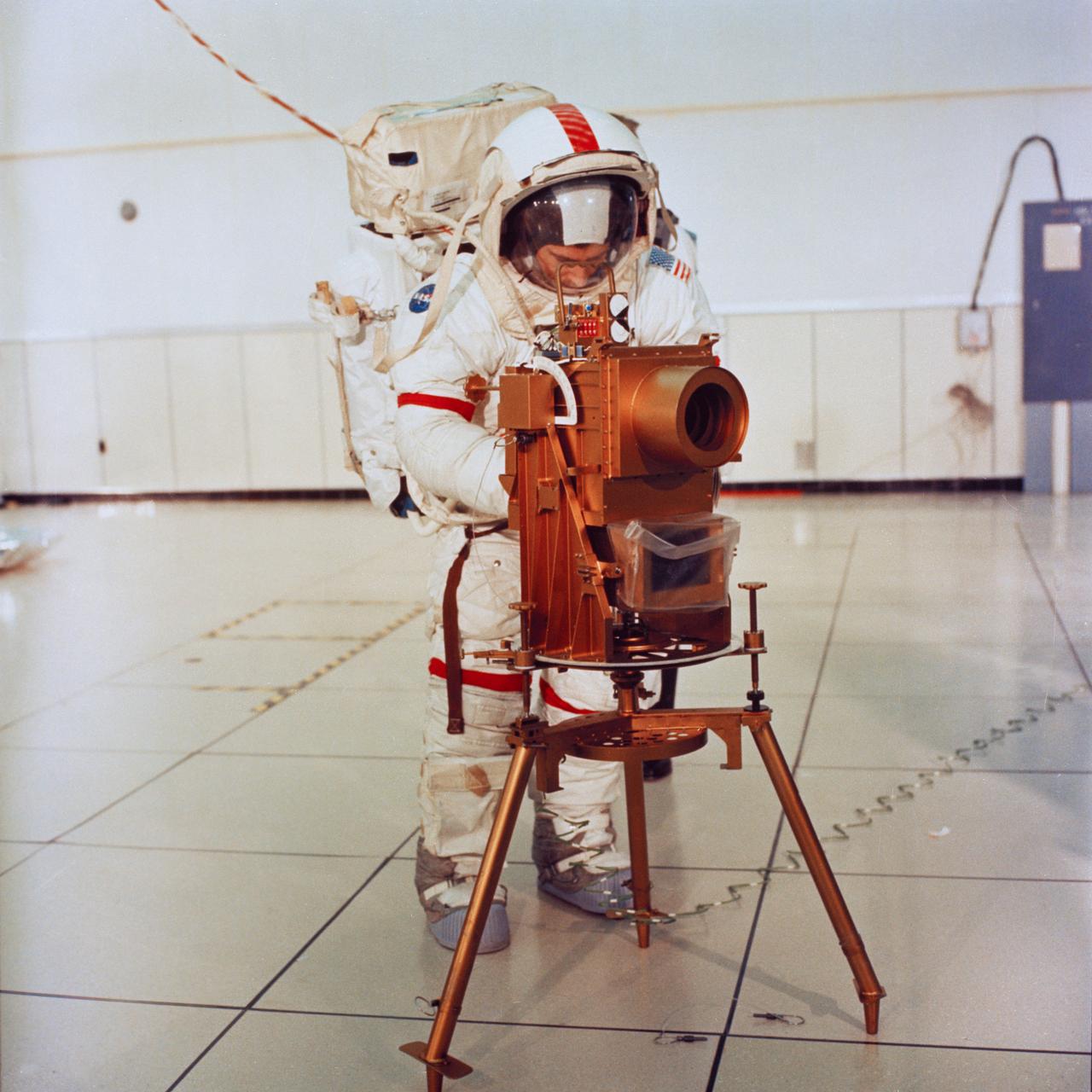
S72-19739 (22 Dec. 1972) --- Astronaut John W. Young, commander of the Apollo 16 lunar landing mission, participates in lunar surface extravehicular activity (EVA) training in the Flight Crew Training Building at the Kennedy Space Center (KSC). Young adjusts a training model of a Far Ultraviolet Camera/Spectroscope, an instrument which will be emplaced on the moon during the Apollo 16 EVA. Deep-space sources of hydrogen in interplanetary, interstellar and intergalactic regions will be mapped by this instrument which gathers both photographic images and spectroscope data in the far ultraviolet spectrum. This experiment will be the first such astronomical observation emplaced on the lunar surface.
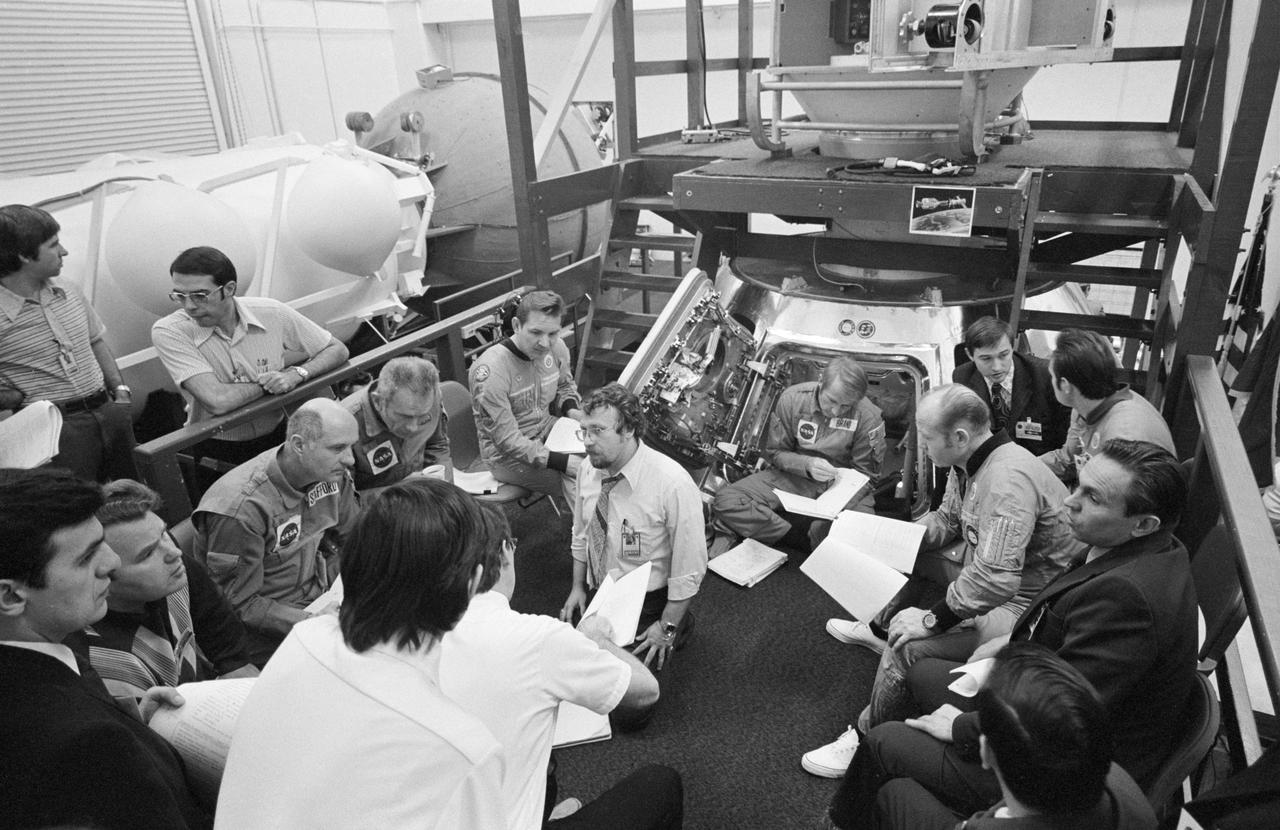
S75-21599 (12 Feb. 1975) --- Six Apollo-Soyuz Test Project crewmen participate in joint crew training in Building 35 at the Johnson Space Center. They are (wearing flight suits), left to right, astronaut Thomas P. Stafford, commander of the American ASTP prime crew; astronaut Donald K. Slayton, docking module pilot on Stafford?s crew; cosmonaut Valeriy N. Kubasov, engineer on the Soviet ASTP first (prime) crew; astronaut Vance D. Brand, command module pilot on Stafford?s crew; cosmonaut Aleksey A. Leonov, commander of the Soviet ASTP first (prime) crew; and cosmonaut Vladimir A. Dzhanibekov, commander of the Soviet ASTP third (backup) crew. Brand is seated next to the hatch of the Apollo Command Module trainer. This picture was taken during a ?walk-through? of the first day?s activities in Earth orbit. The other men are interpreters and training personnel.
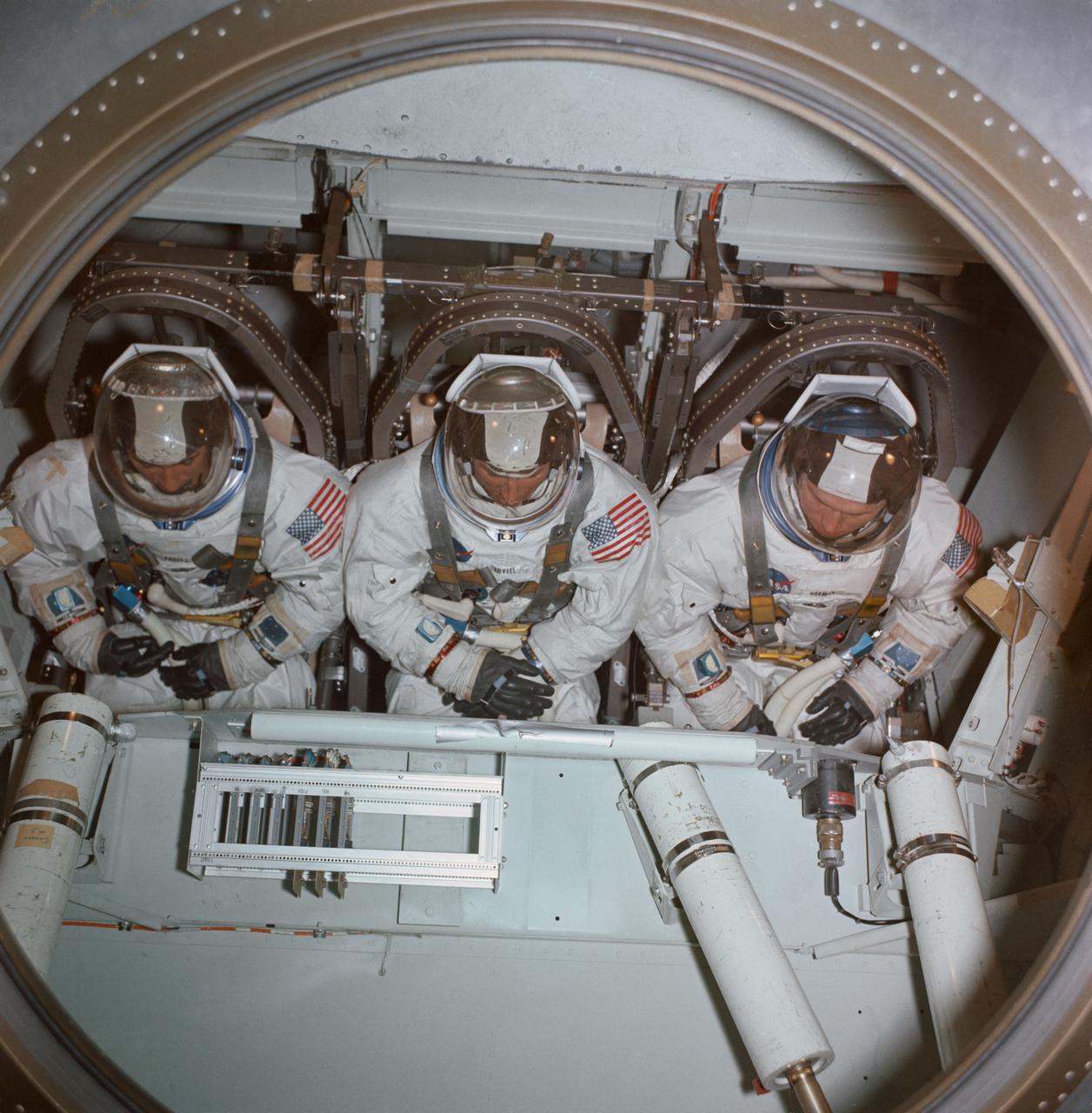
S68-53194 (1 Nov. 1968) --- The Apollo 8 prime crew inside the centrifuge gondola in Building 29 during centrifuge training in MSC's Flight Acceleration Facility. (View with crew lying on back) Left to right are astronauts William A. Anders, lunar module pilot; James A. Lovell Jr., command module pilot; and Frank Borman, commander. Photo credit: NASA
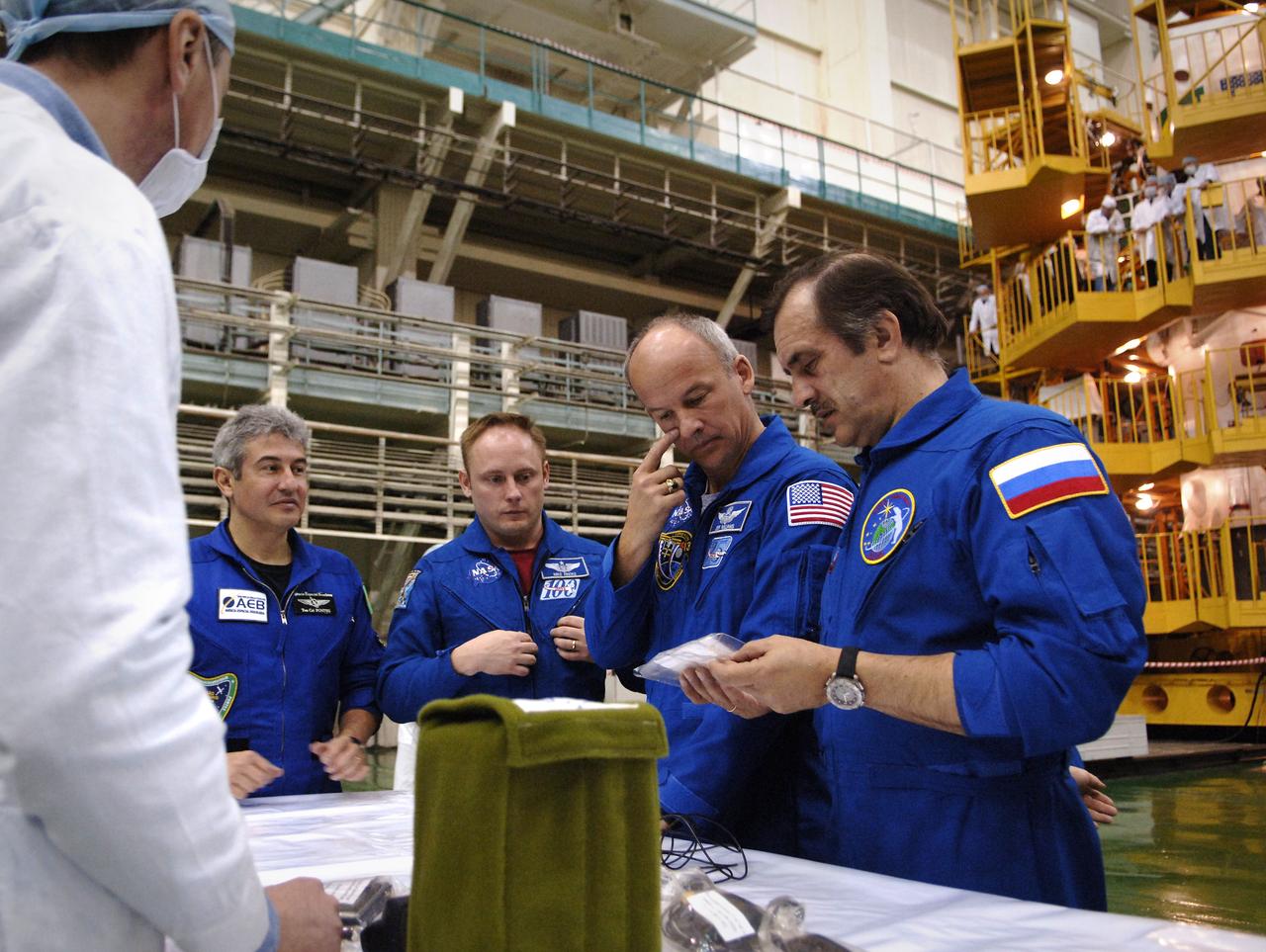
Marcos Pontes, left, Brazilian Space Agency Soyuz crew member; Michael Fincke, backup crew member; Jeffrey N. Williams, Expedition 13 Science Officer and Flight Engineer; and Pavel V. Vinogradov, right, Commander, train at building 254 of the Baikonur Cosmodrome in Baikonur, Kazakhstan days before launch to the International Space Station. Sunday, March 26, 2006. Photo Credit: (NASA/Bill Ingalls)
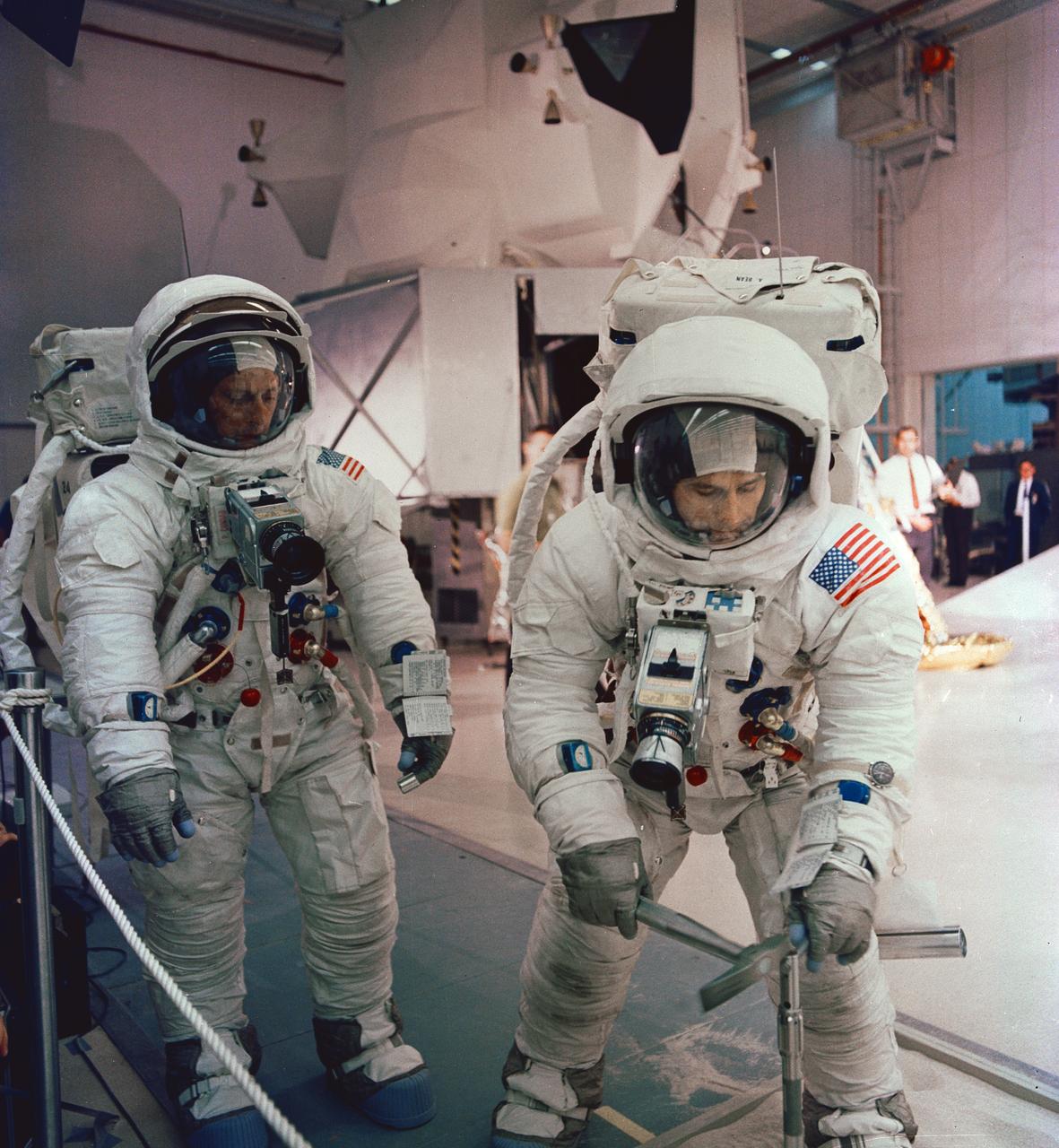
S69-55362 (6 Oct. 1969) --- The two assigned moon-walking crew members for the Apollo 12 lunar landing mission participate in lunar surface extravehicular activity simulations in the Kennedy Space Center's Flight Crew Training Building. Here, astronaut Alan L. Bean, lunar module pilot, simulates driving core tube into lunar surface to obtain a sample. Astronaut Charles Conrad Jr., commander, looks on. A Lunar Module mock-up is in the center background. Photo credit: NASA or National Aeronautics and Space Administration
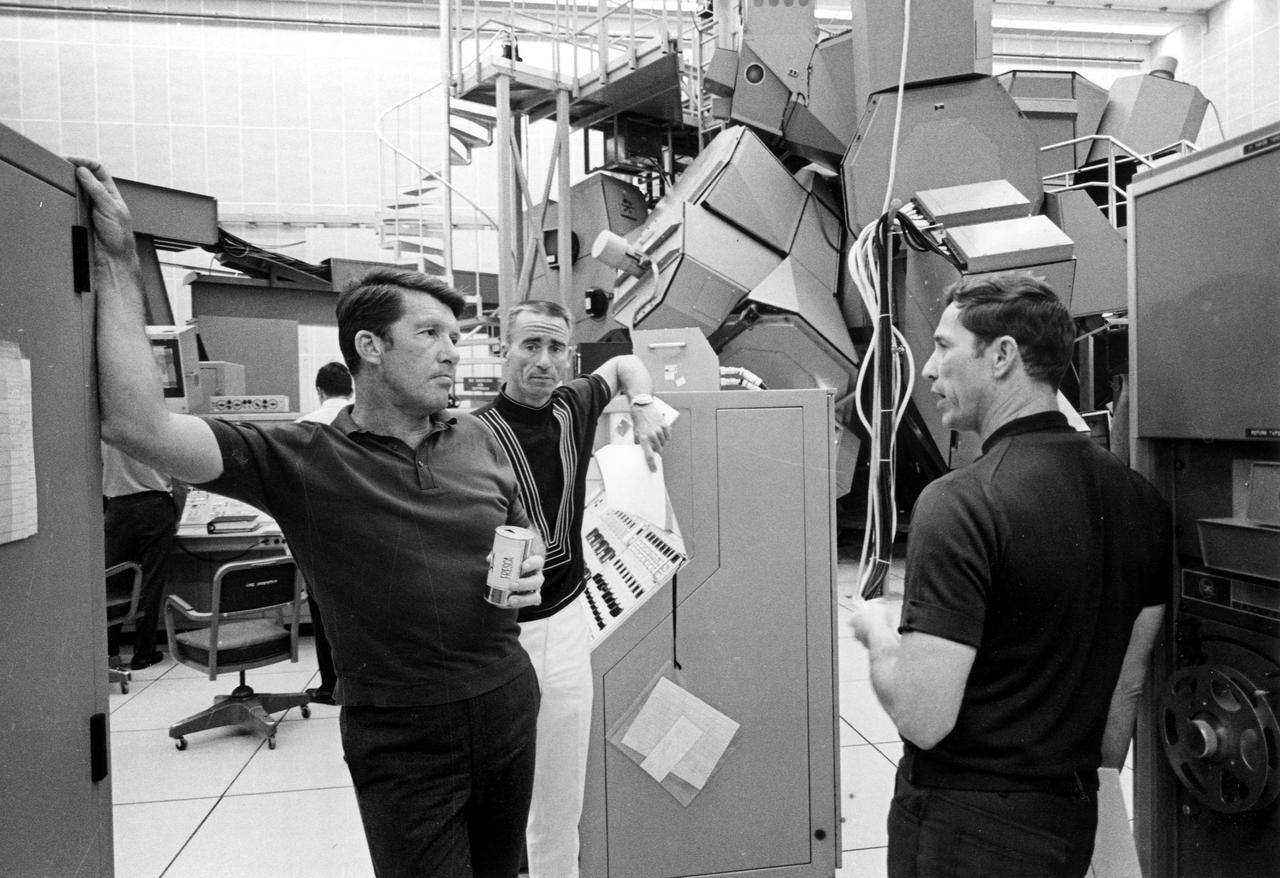
KENNEDY SPACE CENTER, FLA. -- Apollo 7 astronauts, left to right, Walter Schirra, Walter Cunningham and Donn Eisele pause during a practice mission yesterday within Kennedy Space Center's Flight Crew Training Building. The trio spent several hours in the Apollo mission simulator, rear, in preparation for their upcoming mission. The National Aeronautics and Space Administration's first manned Apollo flight is scheduled to begin no earlier than Oct. 11, 1968.
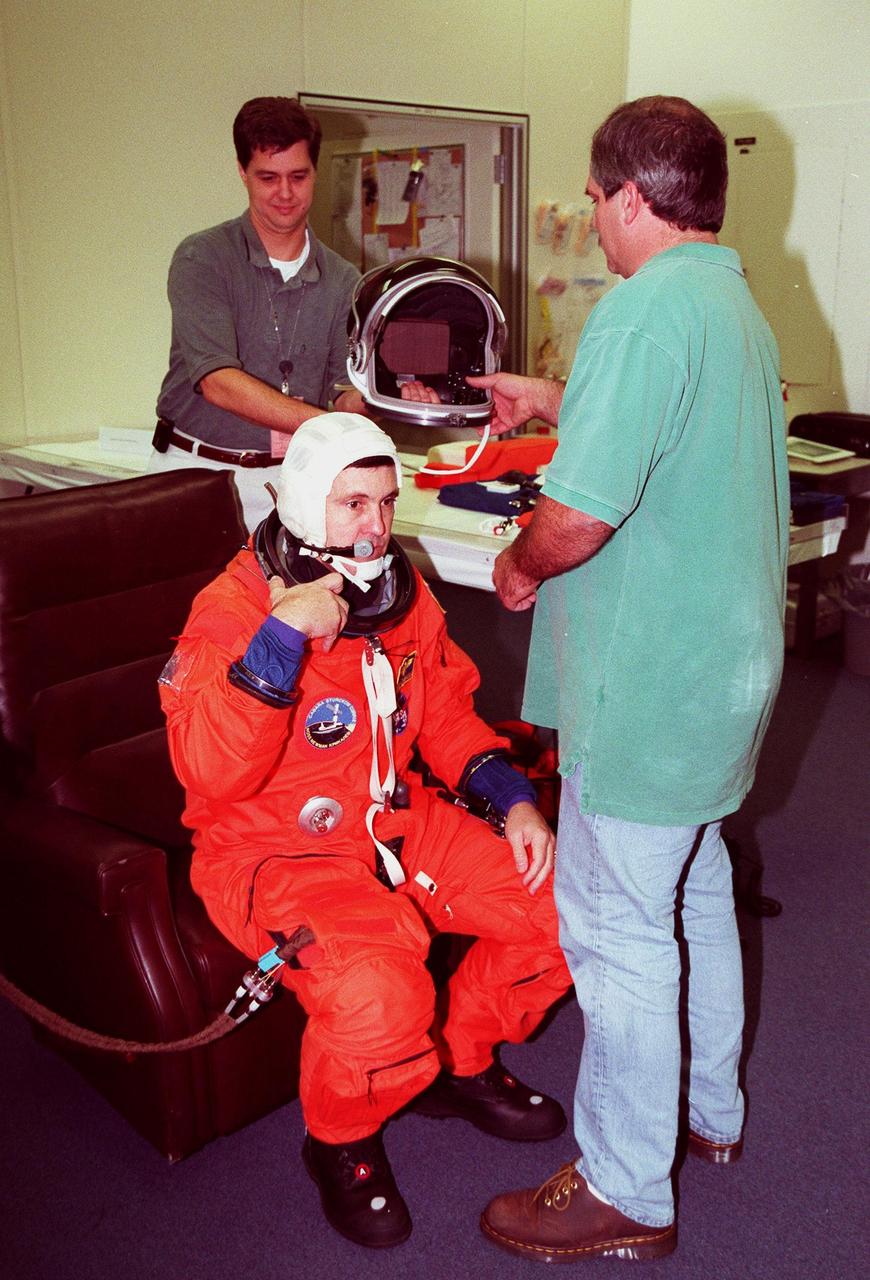
STS-88 Mission Commander Robert D. Cabana suits up in the Operations and Checkout Building prior, as part of flight crew equipment fit check, to his trip to Launch Pad 39A. He is helped by suit tech (right) Lloyd Armintor and an unidentified KSC worker. The crew are at KSC to participate in the Terminal Countdown Demonstration Test (TCDT) which includes mission familiarization activities, emergency egress training, and the simulated main engine cut-off exercise. This is Cabana's fourth space flight. Mission STS-88 is targeted for launch on Dec. 3, 1998. It is the first U.S. flight for the assembly of the International Space Station and will carry the Unity connecting module
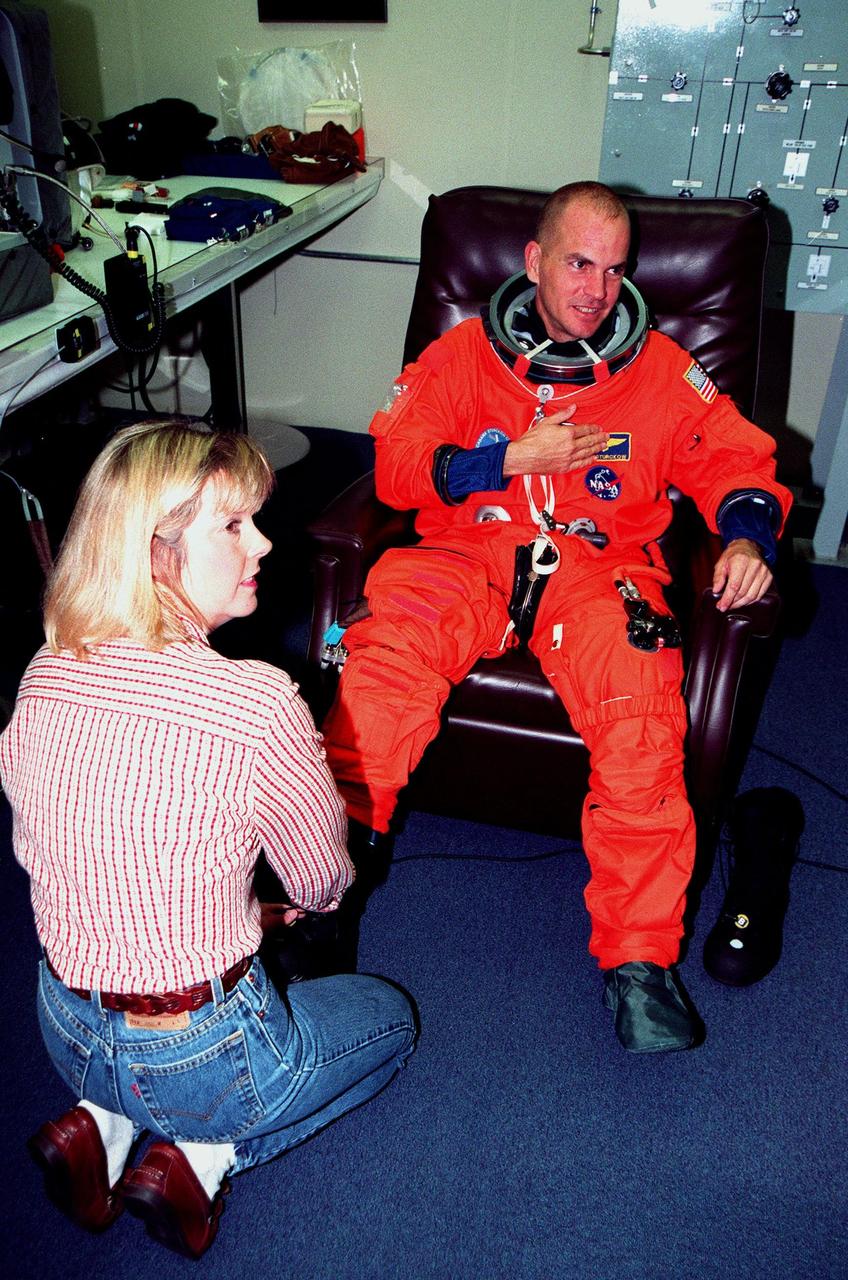
STS-88 Pilot Frederick W. "Rick" Sturckow suits up in the Operations and Checkout Building, as part of flight crew equipment fit check, prior to his trip to Launch Pad 39A. He is helped by suit tech Terri McKinney. The crew are at KSC to participate in the Terminal Countdown Demonstration Test (TCDT) which includes mission familiarization activities, emergency egress training, and the simulated main engine cut-off exercise. This is Sturckow's first space flight. Mission STS-88 is targeted for launch on Dec. 3, 1998. It is the first U.S. flight for the assembly of the International Space Station and will carry the Unity connecting module
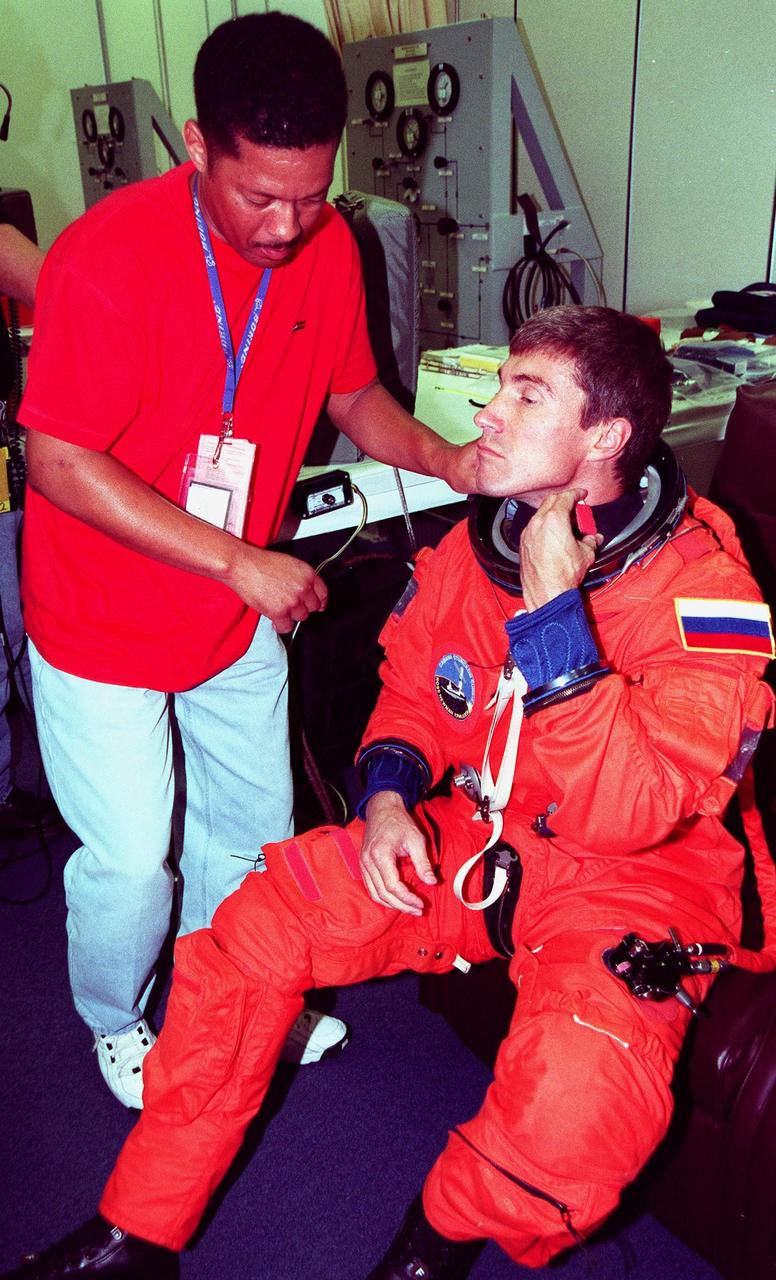
STS-88 Mission Specialist Sergei Konstantinovich Krikalev, a Russian cosmonaut, suits up in the Operations and Checkout Building, as part of a flight crew equipment fit check, prior to his trip to Launch Pad 39A. He is helped by suit tech George Brittingham. The STS-88 crew is at KSC to participate in the Terminal Countdown Demonstration Test (TCDT) which includes mission familiarization activities, emergency egress training, and a simulated launch countdown. This is Krikalev's second flight on the Space Shuttle. Mission STS-88 is targeted for launch on Dec. 3, 1998. It is the first U.S. flight for the assembly of the International Space Station and will carry the Unity connecting module
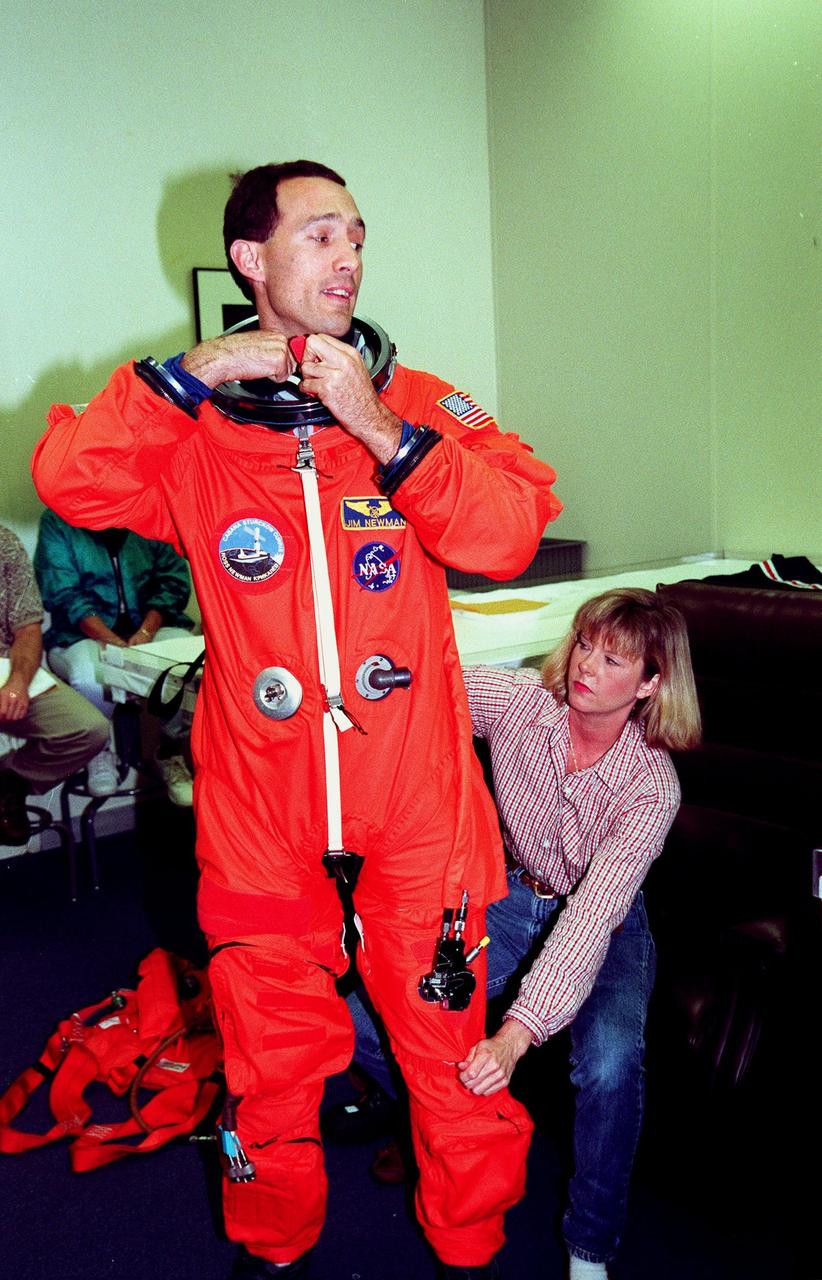
STS-88 Mission Specialist James H. Newman (left) suits up in the Operations and Checkout Building, as part of flight crew equipment fit check, prior to his trip to Launch Pad 39A. He is helped by suit tech Terri McKinney. The crew are at KSC to participate in the Terminal Countdown Demonstration Test (TCDT) which includes mission familiarization activities, emergency egress training, and the simulated main engine cut-off exercise. This is Newman's third space flight. Mission STS-88 is targeted for launch on Dec. 3, 1998. It is the first U.S. flight for the assembly of the International Space Station and will carry the Unity connecting module
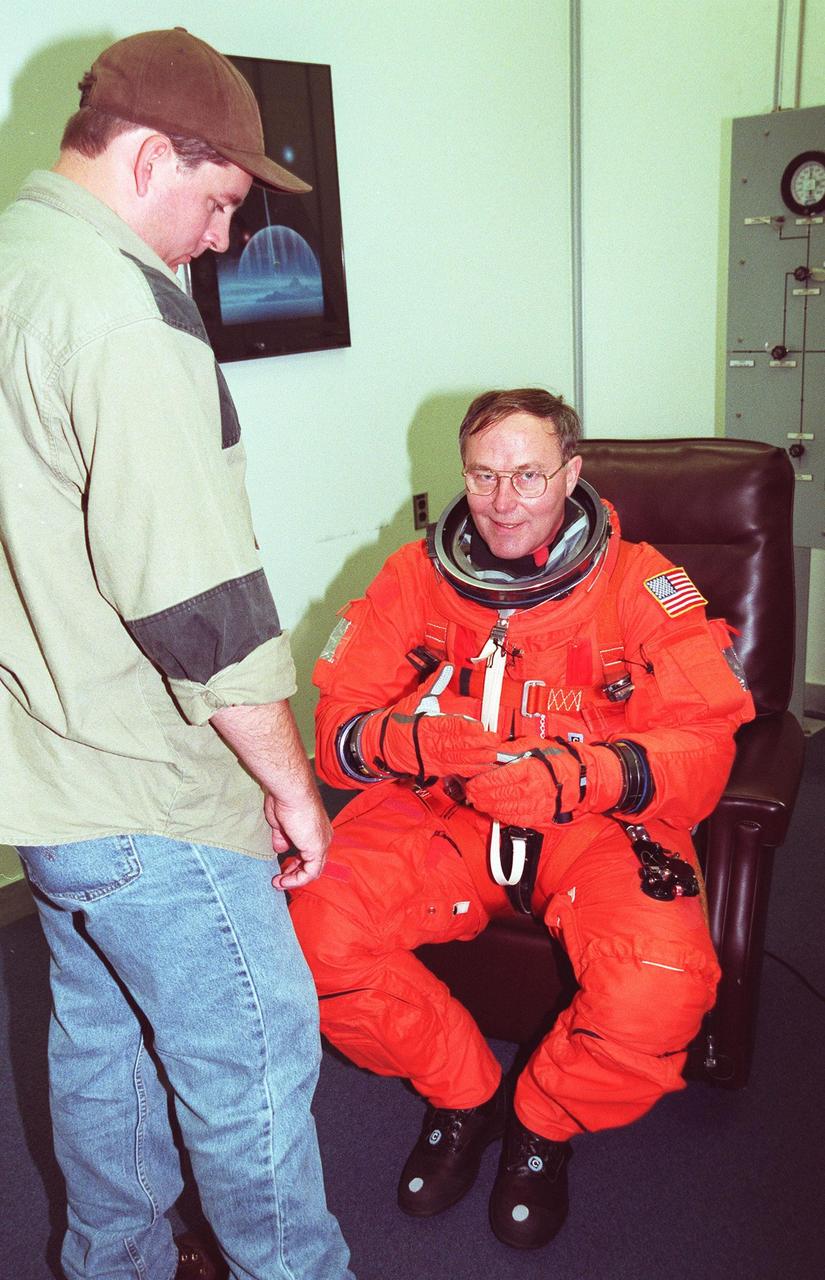
STS-88 Mission Specialist Jerry L. Ross (right) suits up in the Operations and Checkout Building, as part of a flight crew equipment fit check, prior to his trip to Launch Pad 39A. He is helped by suit tech Leonard Groce II. The STS-88 crew is at KSC to participate in the Terminal Countdown Demonstration Test (TCDT) which includes mission familiarization activities, emergency egress training, and a simulated launch countdown. This is Ross' sixth space flight. Mission STS-88 is targeted for launch on Dec. 3, 1998. It is the first U.S. flight for the assembly of the International Space Station and will carry the Unity connecting module
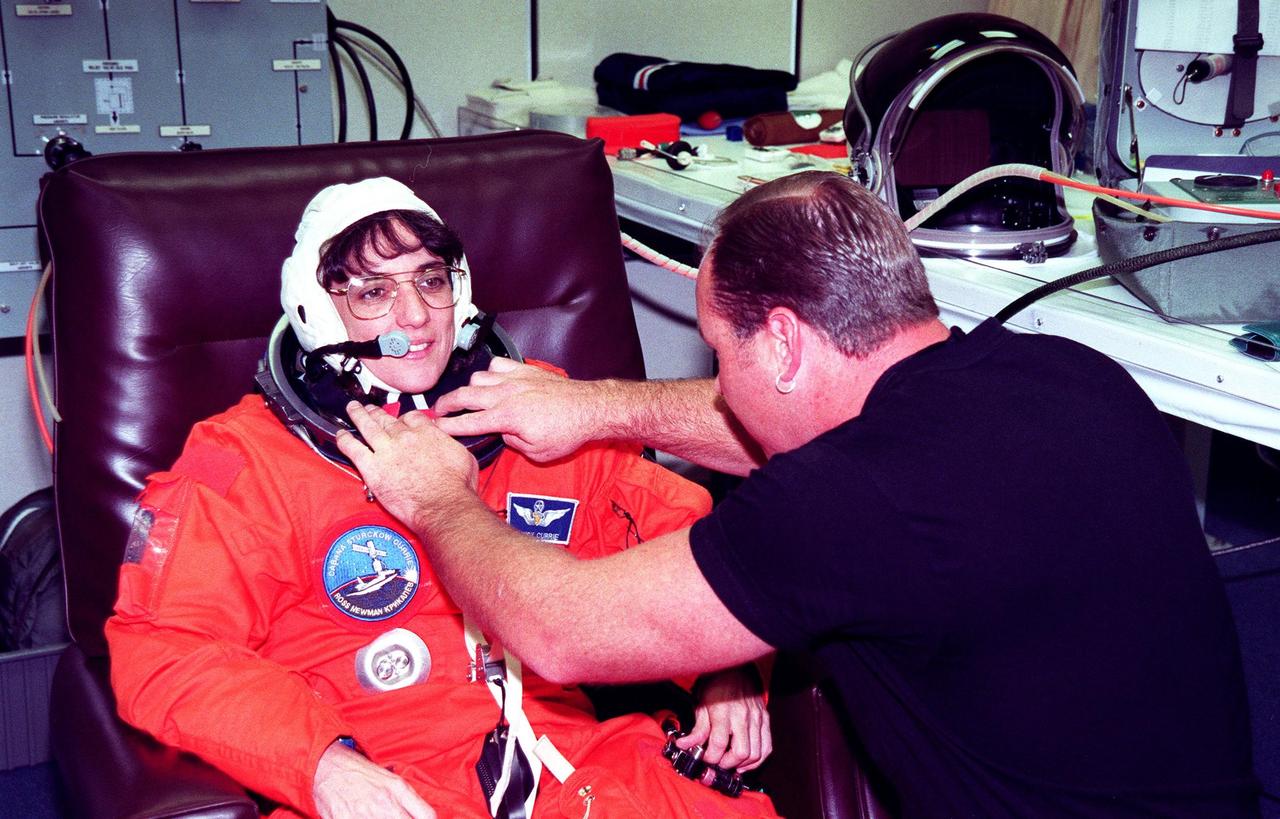
STS-88 Mission Specialist Nancy J. Currie suits up in the Operations and Checkout Building, as part of flight crew equipment fit check, prior to her trip to Launch Pad 39A. She is helped by suit tech Drew Billingsley. The crew are at KSC to participate in the Terminal Countdown Demonstration Test (TCDT) which includes mission familiarization activities, emergency egress training, and the simulated main engine cut-off exercise. This is Currie's third space flight. Mission STS-88 is targeted for launch on Dec. 3, 1998. It is the first U.S. flight for the assembly of the International Space Station and will carry the Unity connecting module
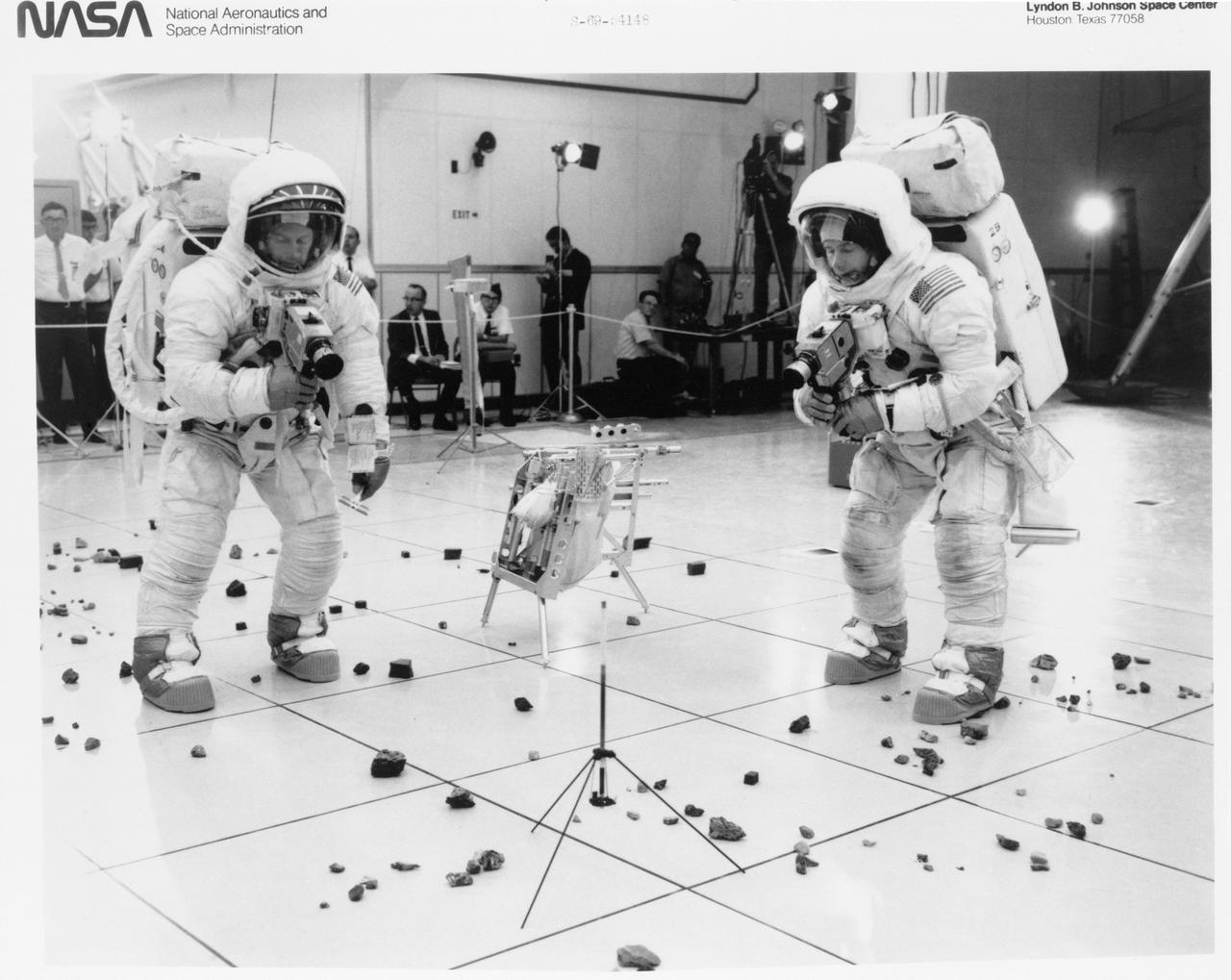
S69-54148 (October 1969) --- Two members of the Apollo 12 lunar landing mission participates in lunar surface extravehicular activity (EVA) simulations in the Kennedy Space Center's (KSC) Flight Crew Training Building. Here, astronauts Charles Conrad Jr. (on left), commander, and Alan L. Bean, lunar module pilot, simulate the photographic documentation of lunar rock samples. The simulations were part of a run-through of the Apollo 12 lunar surface "timeline".
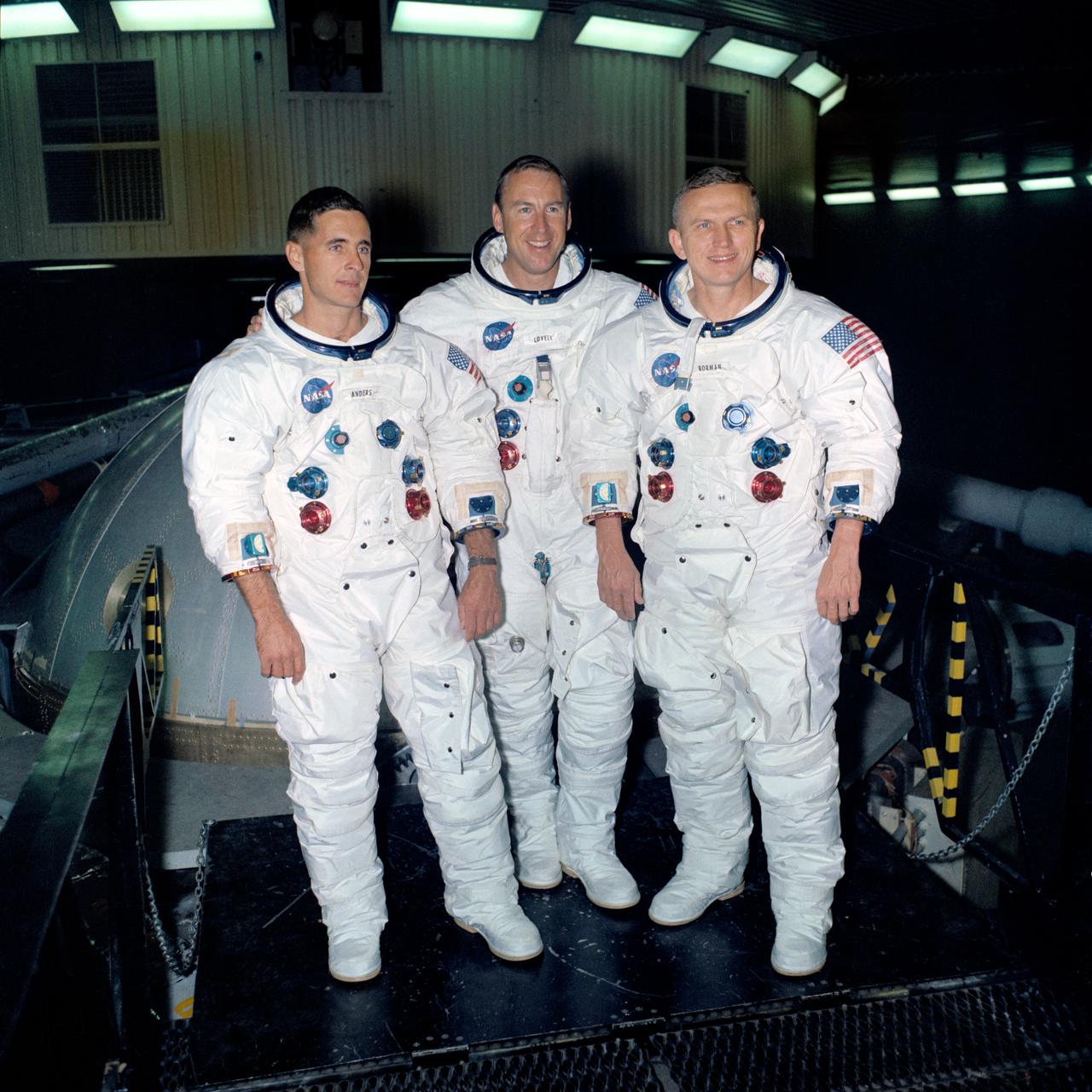
S68-53187 (1 Nov. 1968) --- The prime crew of the Apollo 8 lunar orbit mission stands beside the gondola in Building 29 after suiting up for centrifuge training in the Manned Spacecraft Center's (MSC) Flight Acceleration Facility (FAF). Left to right, are astronauts William A. Anders, lunar module pilot; James A. Lovell Jr., command module pilot; and Frank Borman, commander.

Expedition 9 Science Officer and Flight Engineer Mike Fincke, left, Expedition 9 Commander Gennady Padalka, center and the backup crew, left of center, receive some final instructions from engineers, technicians and Valery Korzun, Chief of Cosmonauts, Gagarin Cosmonaut Training Center, right, in building 254 at the Baikonur Cosmodrome, Wednesday, April 14, 2004, in Baikonur, Kazakhstan. Photo Credit: (NASA/Bill Ingalls)
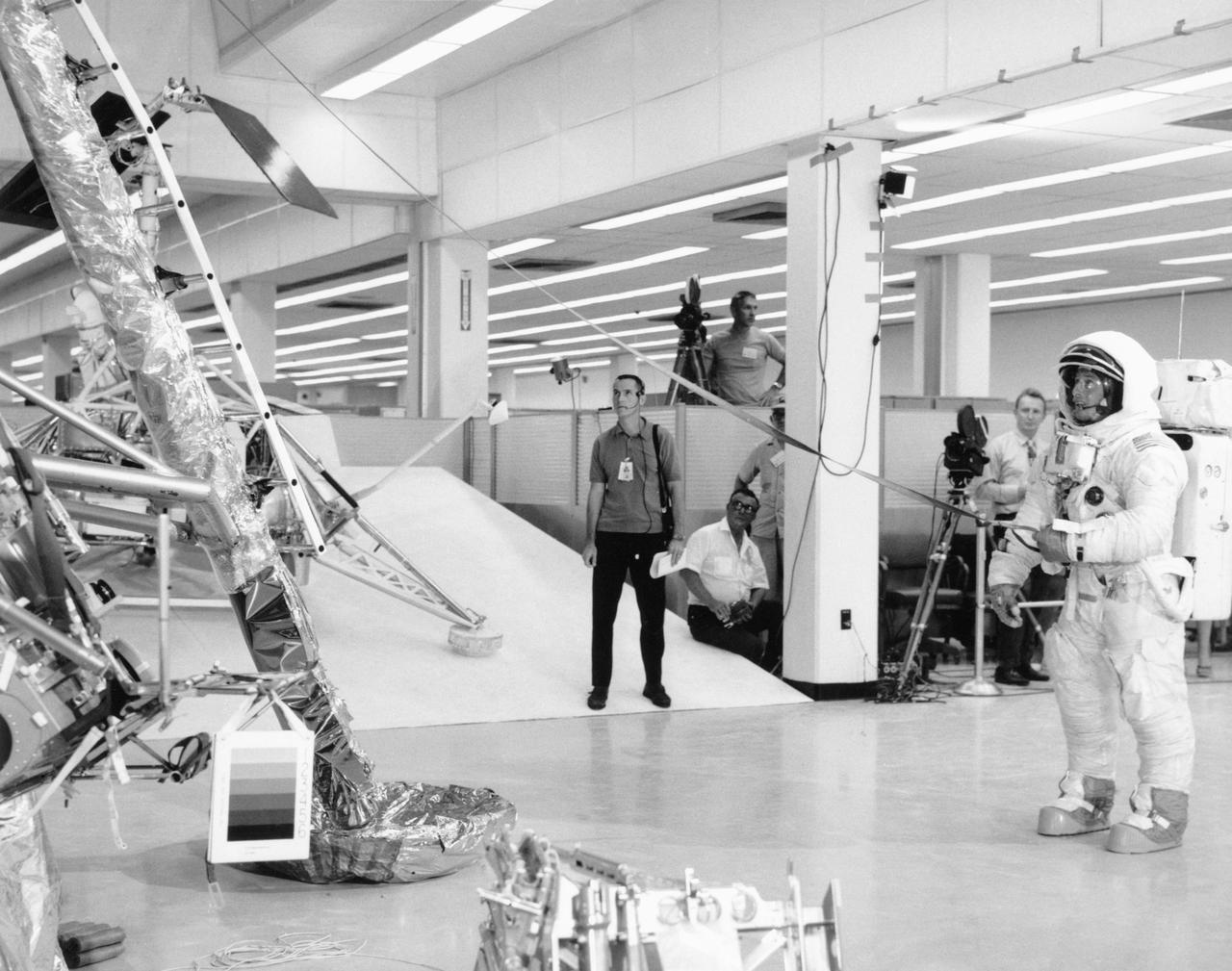
S69-54147 (October 1969) --- Two members of the Apollo 12 lunar landing mission participates in lunar surface extravehicular activity (EVA) simulations in the Kennedy Space Center's (KSC) Flight Crew Training Building. Here, astronauts Charles Conrad Jr., commander, is holding the bottom end of the lunar equipment conveyor. Inside the Lunar Module (LM) and out of view is astronaut Alan L. Bean, lunar module pilot. The simulations were part of a run-through of the Apollo 12 lunar surface "timeline".
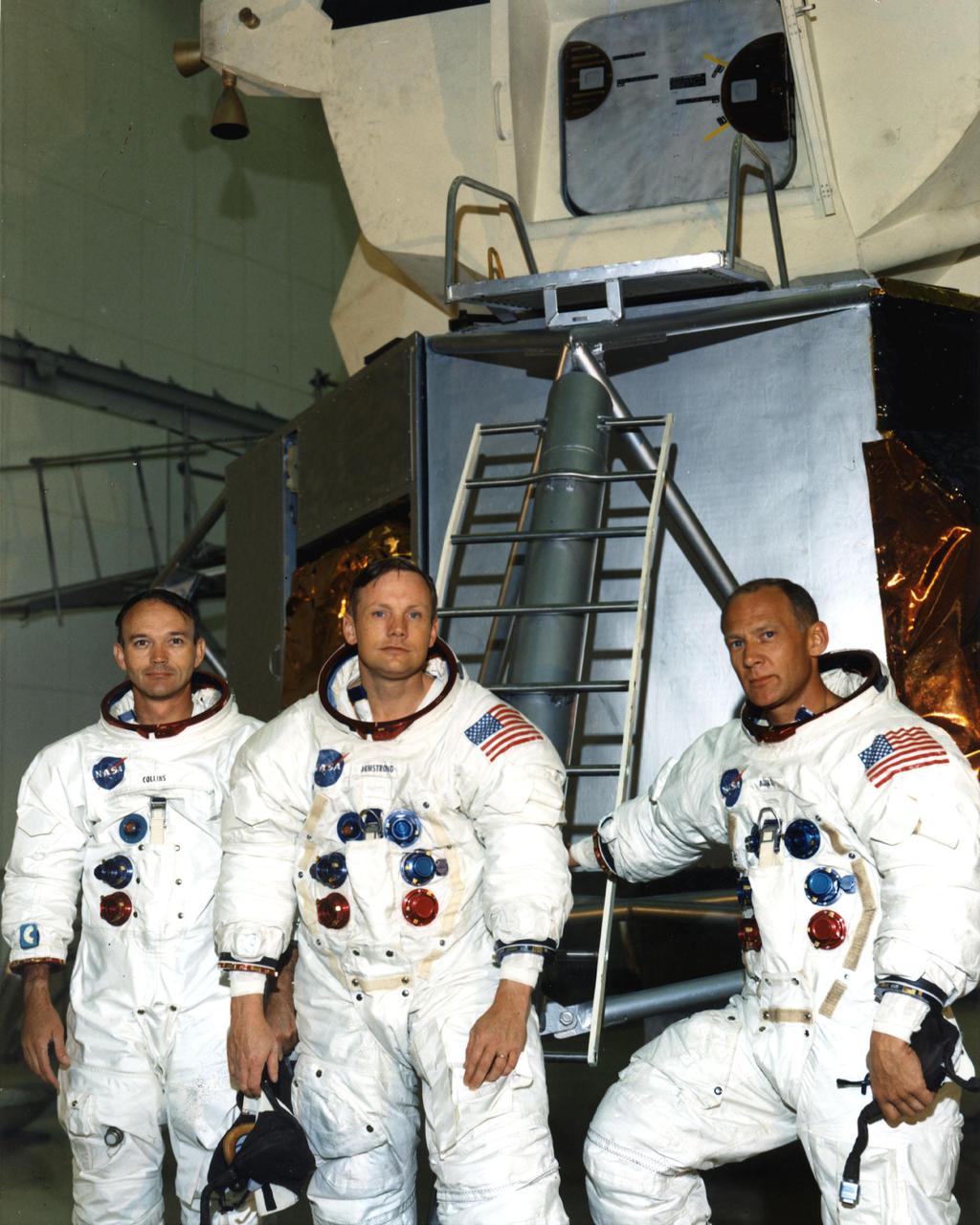
KENNEDY SPACE CENTER, FLA. - The Apollo 11 astronauts rehearsed their lunar landing mission in simulators here today. Pictured in front of a lunar module mockup in the Flight Crew Training Building area, from left, are Michael Collins, Command Module pilot; Neil A. Armstrong, commander; and Edwin E. Aldrin Jr., Lunar Module pilot.
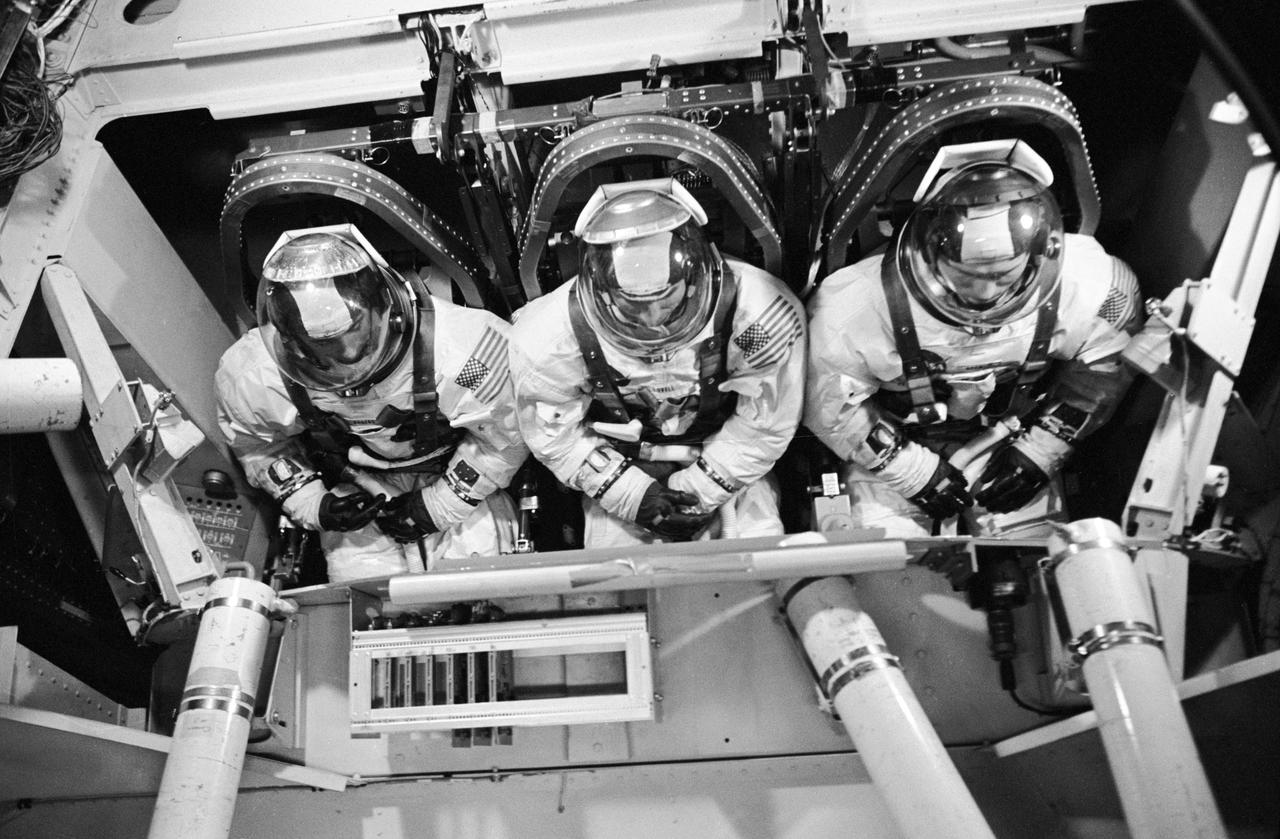
S68-53283 (1 Nov. 1968) --- The Apollo 8 prime crew is seen inside the gondola during centrifuge training in MSC's Flight Acceleration Facility, Building 29. Left to right, are astronauts William A. Anders, lunar module pilot, James A. Lovell Jr., command module pilot; and Frank Borman, commander. Photo credit: NASA
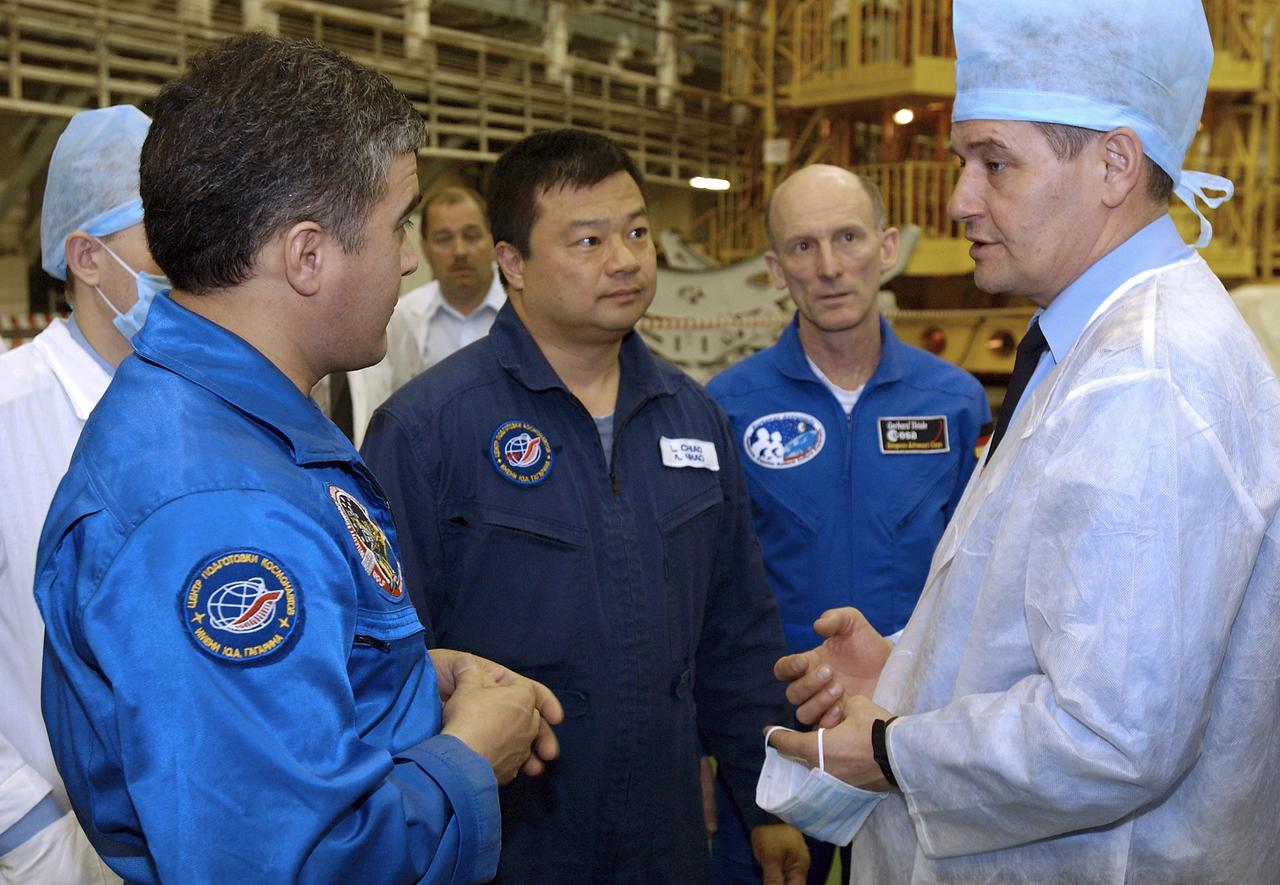
Backup Flight Engineer Salizhan Sharipov, left, Expedition 9 backup Commander Leroy Chiao, center and backup European Space Agency astronaut Gerhard Thiele of Germany talk with Valery Korzun, right, Chief of Cosmonauts, Gagarin Cosmonaut Training Center after the backup crew finished its final fit check in the Soyuz capsule at building 254 at the Baikonur Cosmodrome, Wednesday, April 14, 2004, in Baikonur, Kazakhstan. Photo Credit: (NASA/Bill Ingalls)
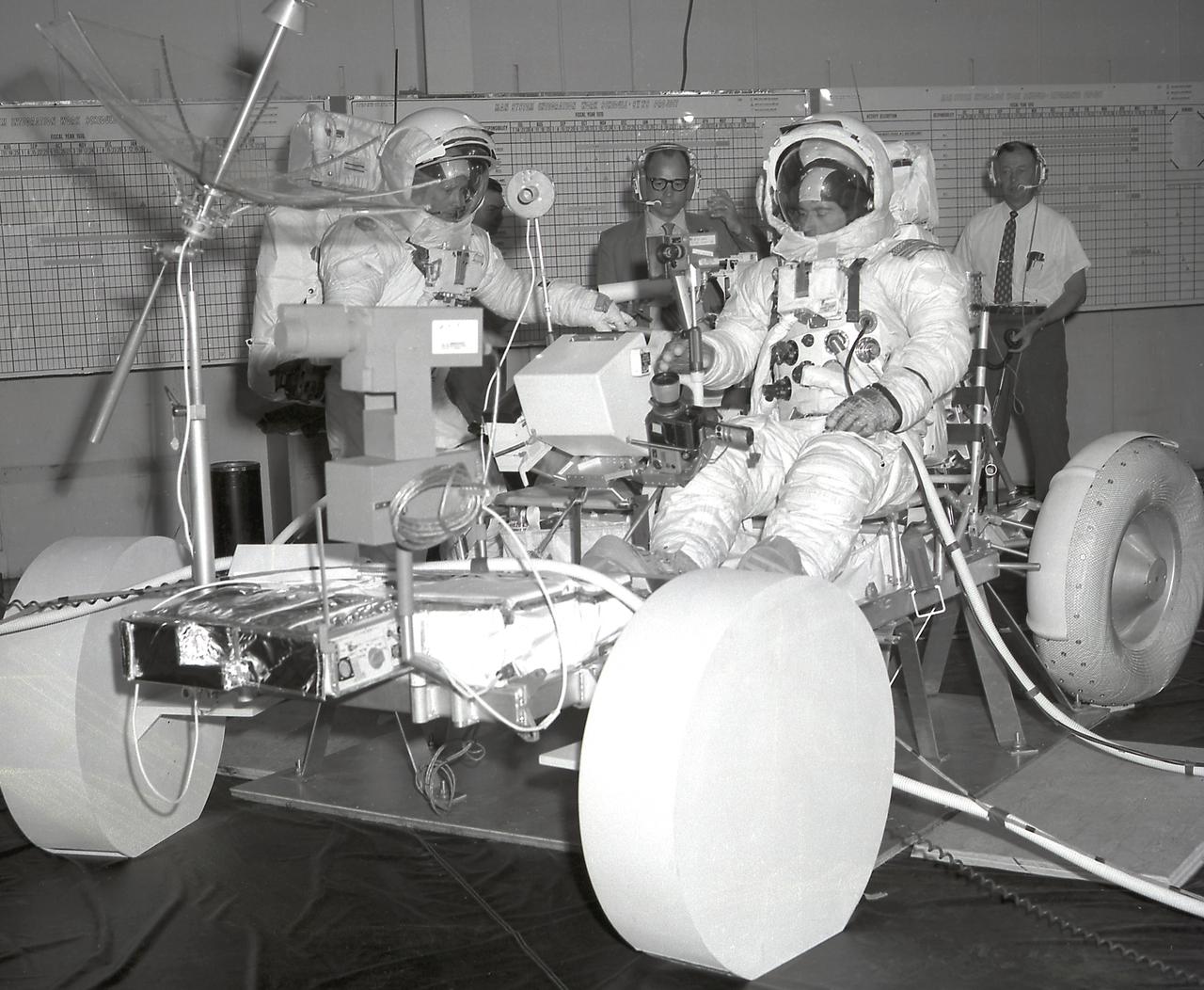
This image depicts the Apollo 16 mission astronauts John Young (right) and Charles Duke (left) in pressure suits during a final crew training on the Lunar Roving Vehicle (LRV) at the Marshall Space Flight Center (MSFC), building 4619. Developed by the MSFC, the LRV was the lightweight electric car designed to increase the range of mobility and productivity of astronauts on the lunar surface. It was used on the last three Apollo missions; Apollo 15, Apollo 16, and Apollo 17.
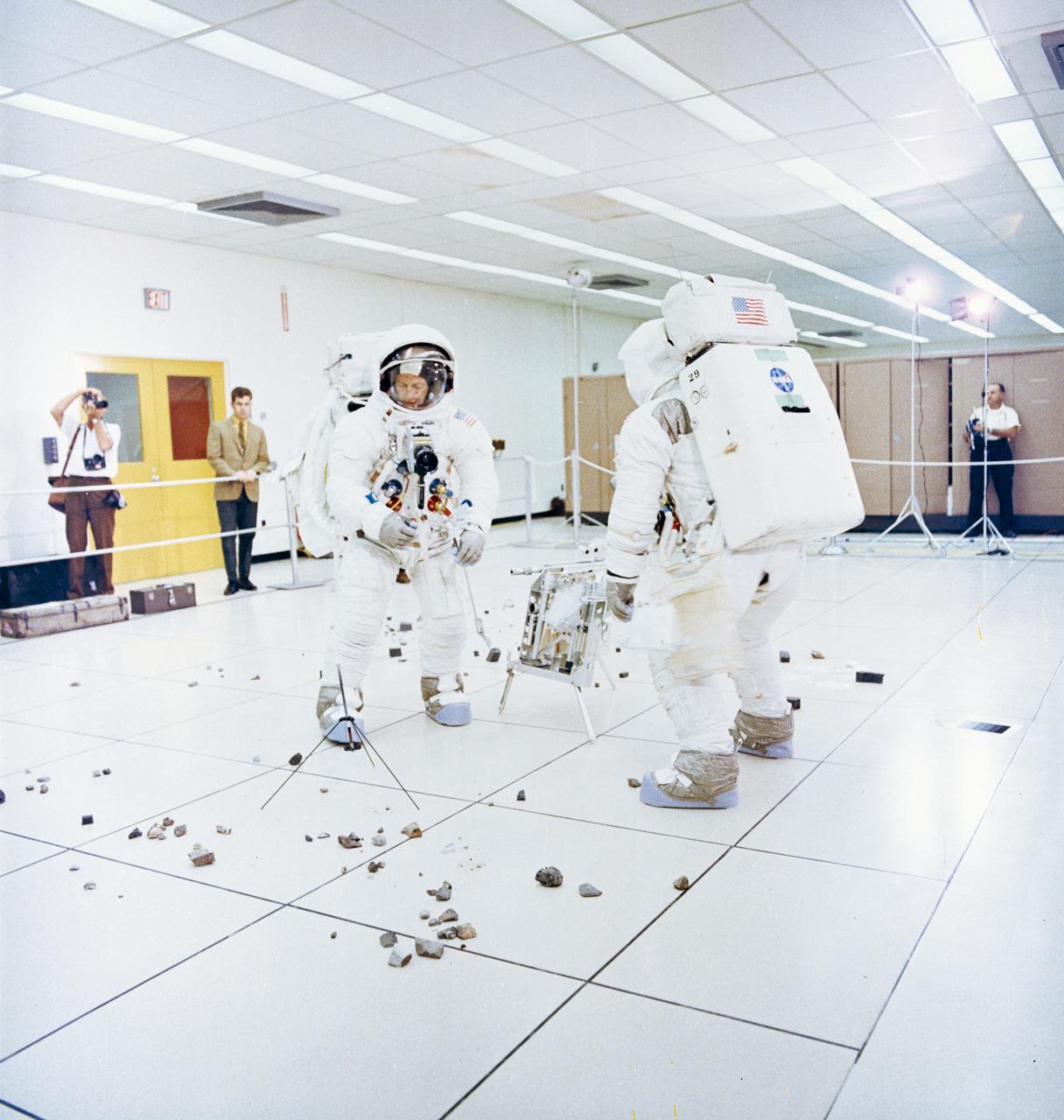
S69-55368 (6 Oct. 1969) --- Two members of the Apollo 12 lunar landing mission participate in lunar surface extravehicular activity (EVA) simulations in the Flight Crew Training Building at the Kennedy Space Center (KSC). Astronaut Charles Conrad Jr., commander (facing camera), simulates picking up samples. Astronaut Alan L. Bean, lunar module pilot, simulates photographic lunar rock sample documentation.
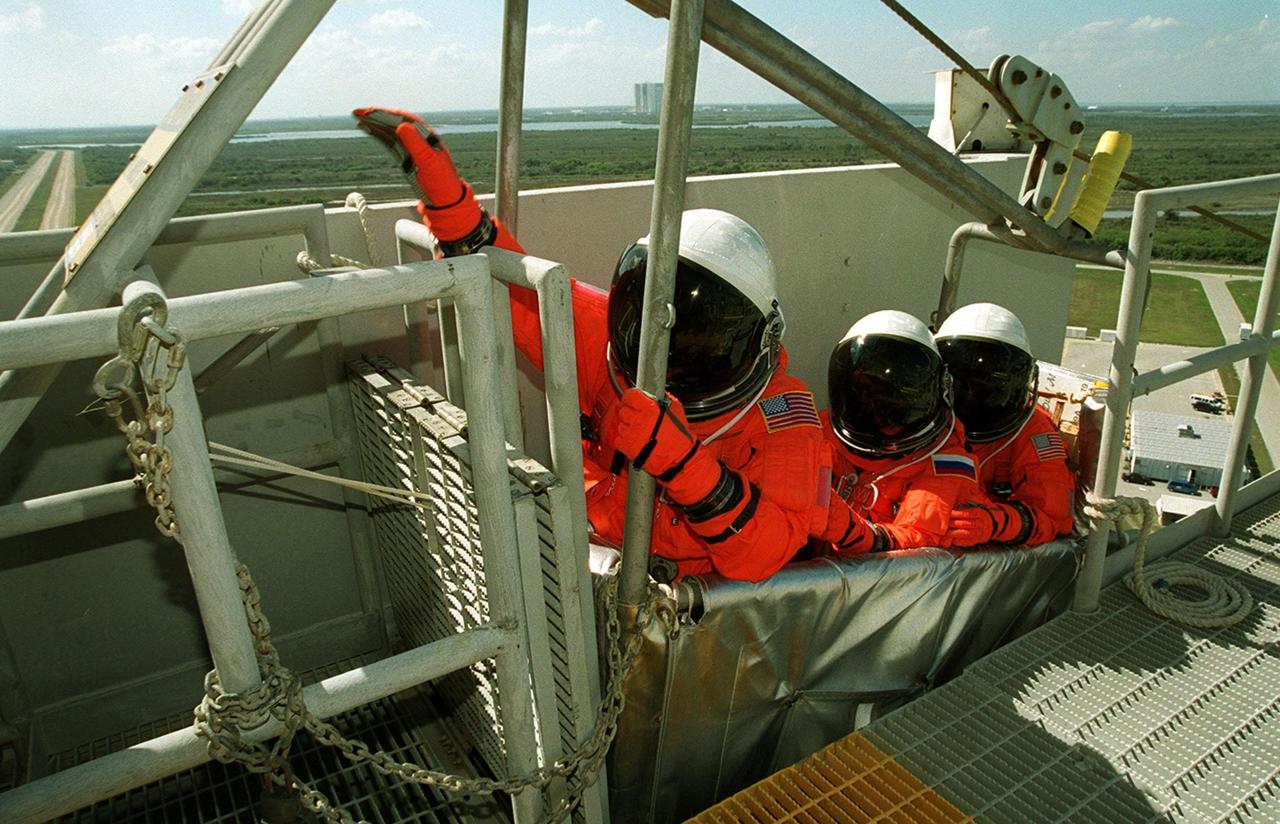
An STS-102 crew member reaches for the release lever for the slidewire basket, used for emergency egress from the orbiter and pad. The crew is at KSC for Terminal Countdown Demonstration Test activities, which include the emergency training and a simulated launch countdown. On the horizon in the background can be seen the Vehicle Assembly Building. STS-102 is the eighth construction flight to the International Space Station, with Space Shuttle Discovery carrying the Multi-Purpose Logistics Module Leonardo. In addition, the Expedition Two crew will be on the mission, to replace Expedition One, who will return to Earth with Discovery. Launch on mission STS-102 is scheduled for March 8
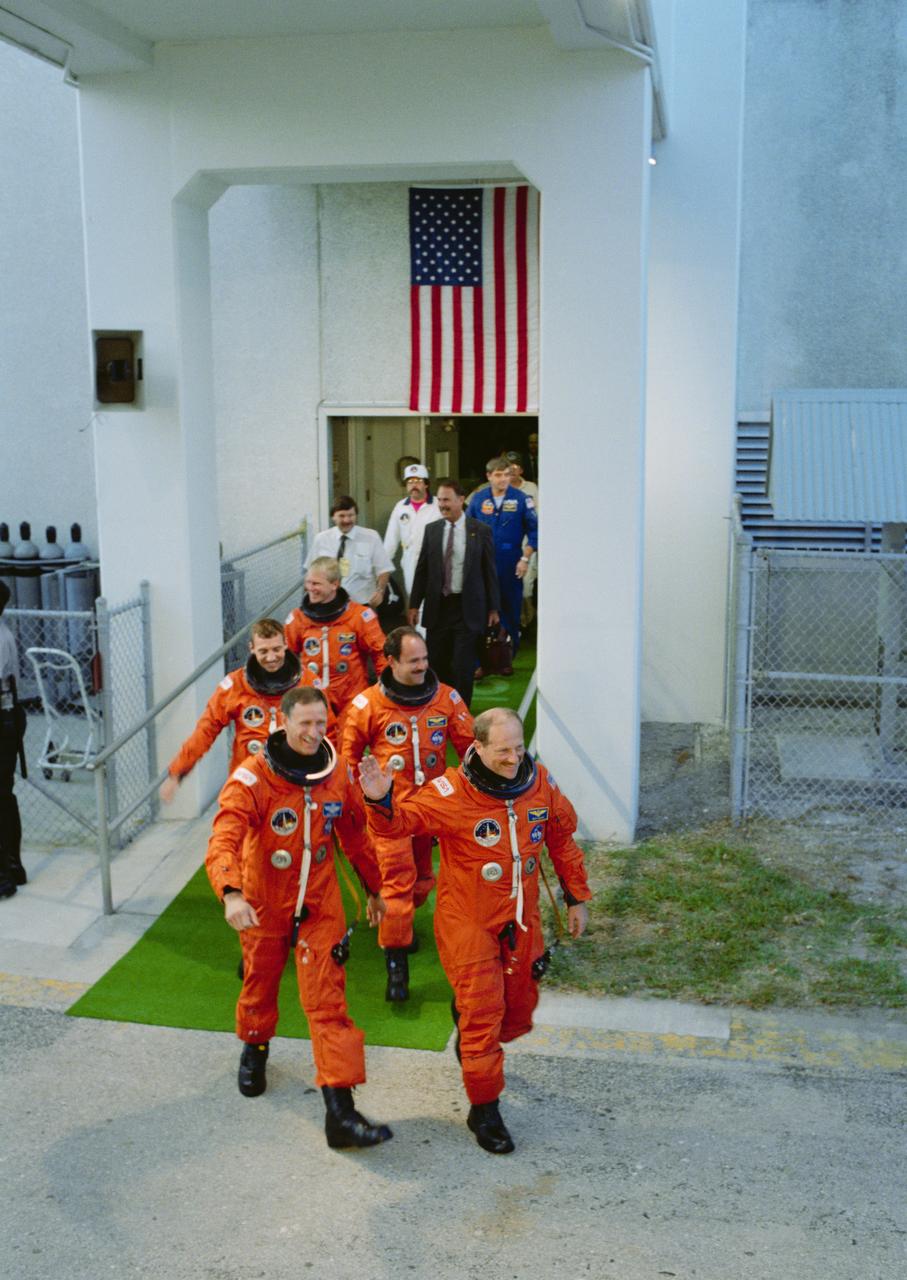
STS-26 crewmembers, suited in launch and entry suits (LESs), leave the Kennedy Space Center (KSC) Operations and Checkout (O&C) Building on their way to the launch complex (LC) pad 39B where they will board Discovery, Orbiter Vehicle (OV) 103. Commander Frederick H. Hauck, waving to spectators, is followed by Pilot Richard O. Covey, Mission Specialist (MS) John M. Lounge, MS David C. Hilmers, and MS George D. Nelson. Others accompanying the crew are JSC Flight Crew Operations Directorate (FCOD) Director Donald R. Puddy, Astronaut Office Chief Daniel C. Brandenstein, and a Crew Training Officer Richard W. Nygren.
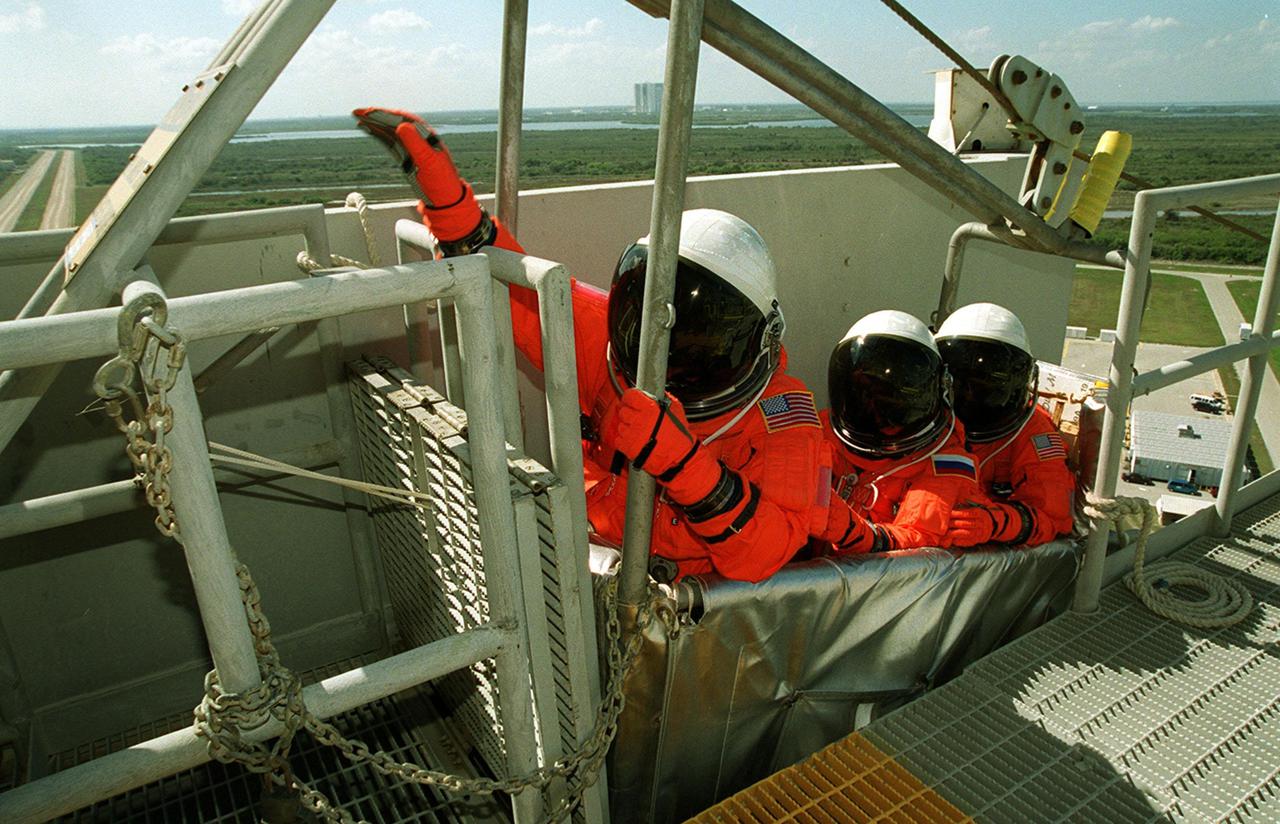
An STS-102 crew member reaches for the release lever for the slidewire basket, used for emergency egress from the orbiter and pad. The crew is at KSC for Terminal Countdown Demonstration Test activities, which include the emergency training and a simulated launch countdown. On the horizon in the background can be seen the Vehicle Assembly Building. STS-102 is the eighth construction flight to the International Space Station, with Space Shuttle Discovery carrying the Multi-Purpose Logistics Module Leonardo. In addition, the Expedition Two crew will be on the mission, to replace Expedition One, who will return to Earth with Discovery. Launch on mission STS-102 is scheduled for March 8
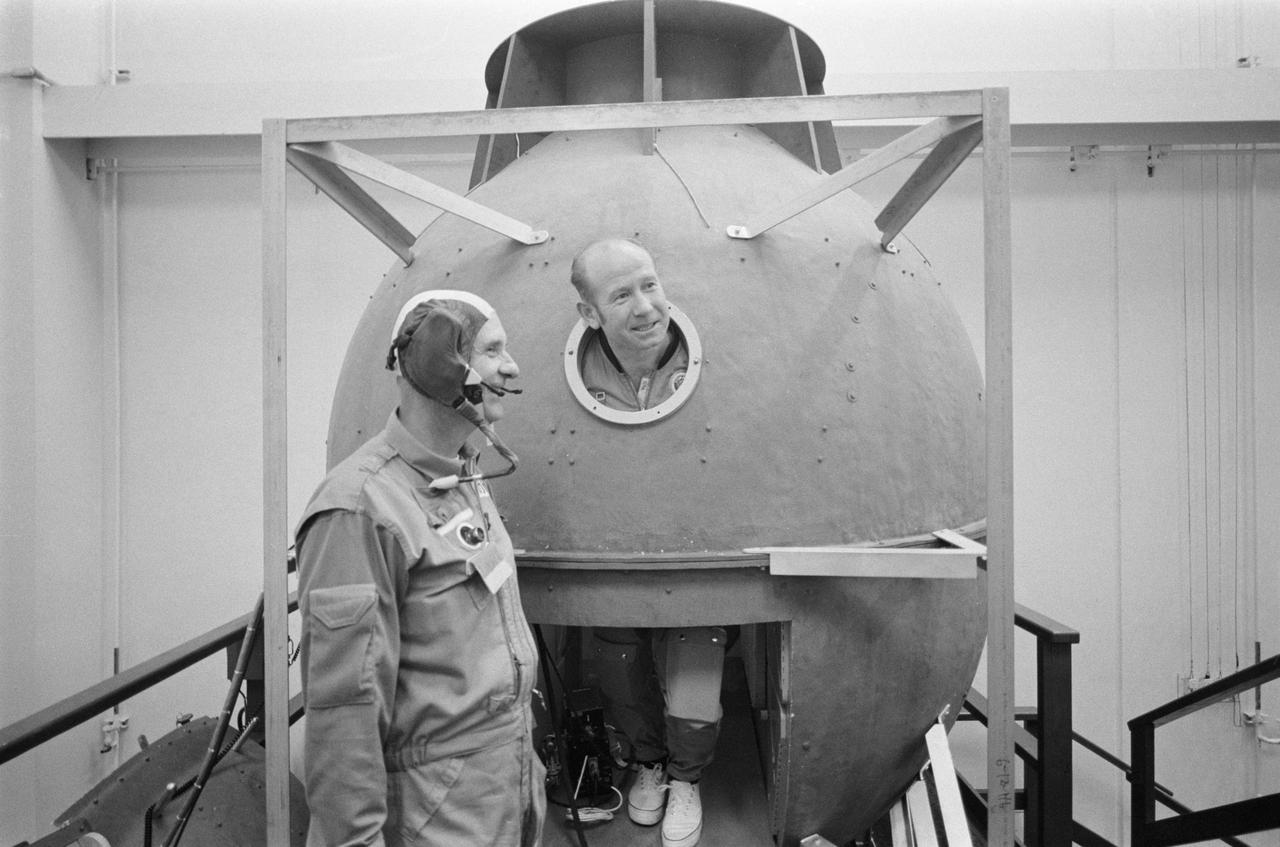
S75-21716 (19 Feb. 1975) --- Prime crew commanders for the joint U.S.-USSR Apollo-Soyuz Test Project (ASTP) take a break from busy simulations at NASA's Johnson Space Center (JSC) to enjoy a lighter moment. Cosmonaut Aleksey A. Leonov sticks his head through the Soyuz orbital module mock-up in the Flight Crew Training Facility (Building 35) at JSC, while his American counterpart, astronaut Thomas P. Stafford, looks on. The two men were pausing from a simulation of joint crew second-day ASTP activities.
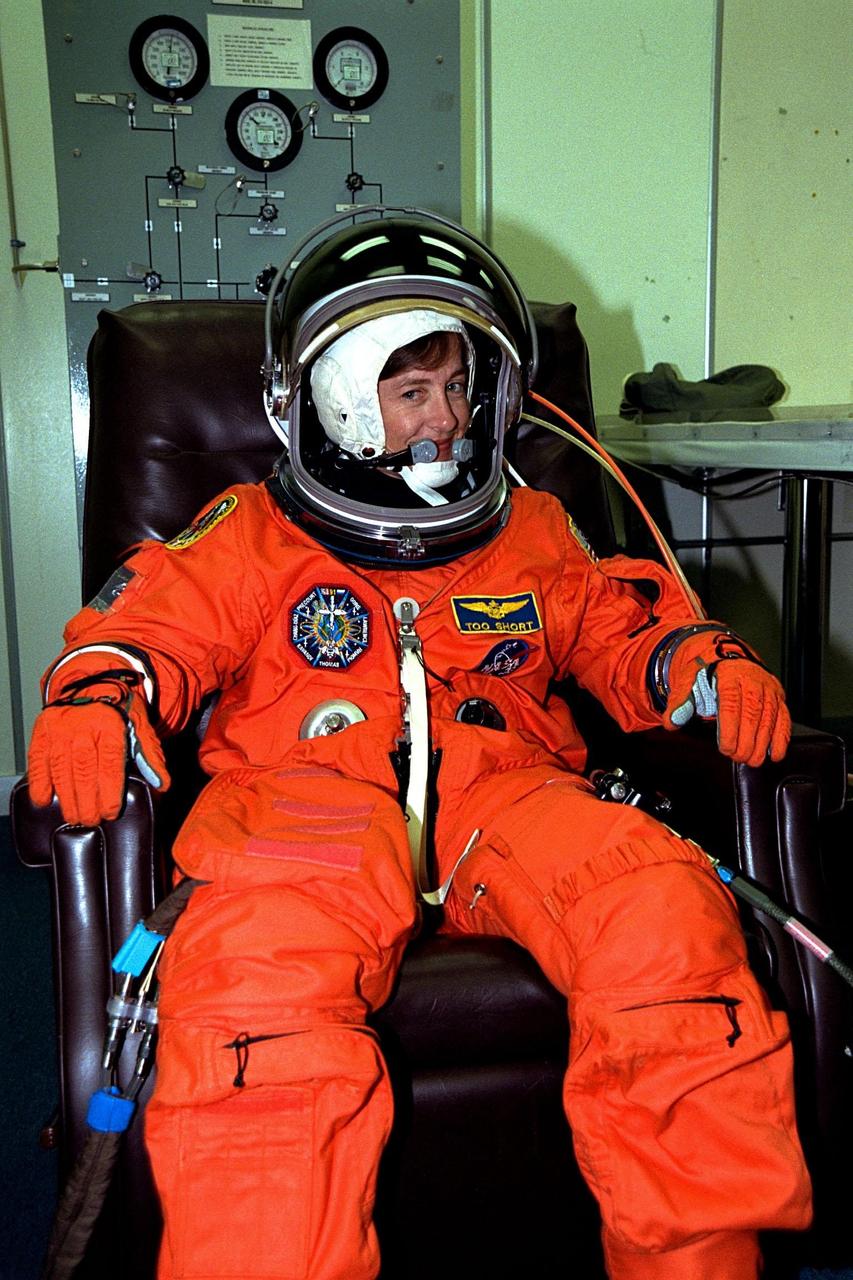
STS-91 Mission Specialist Wendy B. Lawrence is ready to go as her flight suit gets a final checkout in the Operations and Checkout (O&C) Building. The fitting takes place prior to the crew walkout and transport to Launch Pad 39A. She is a commander in the Navy and is on her third Shuttle mission and second trip to Mir. Lawrence has served as Director of Operations for NASA at the Gagarin Cosmonaut Training Center in Star City, Russia, and has also trained for a Shuttle-Mir flight. Lawrence will also on the flight deck during ascent and re-entry as flight engineer. In this capacity, she will be on-hand to support the commander and copilot in these critical parts of the flight. She will also have primary responsibility for all Shuttle-Mir transfer operations and science experiments in the middeck crew cabin area. STS-91 is scheduled to be launched on June 2 with a launch window opening around 6:10 p.m. EDT. The mission will feature the ninth and final Shuttle docking with the Russian space station Mir, the first Mir docking for Discovery, the first on-orbit test of the Alpha Magnetic Spectrometer (AMS), and the first flight of the new Space Shuttle super lightweight external tank. Astronaut Andrew S. W. Thomas will return to Earth as a STS91 crew member after living more than four months aboard Mir
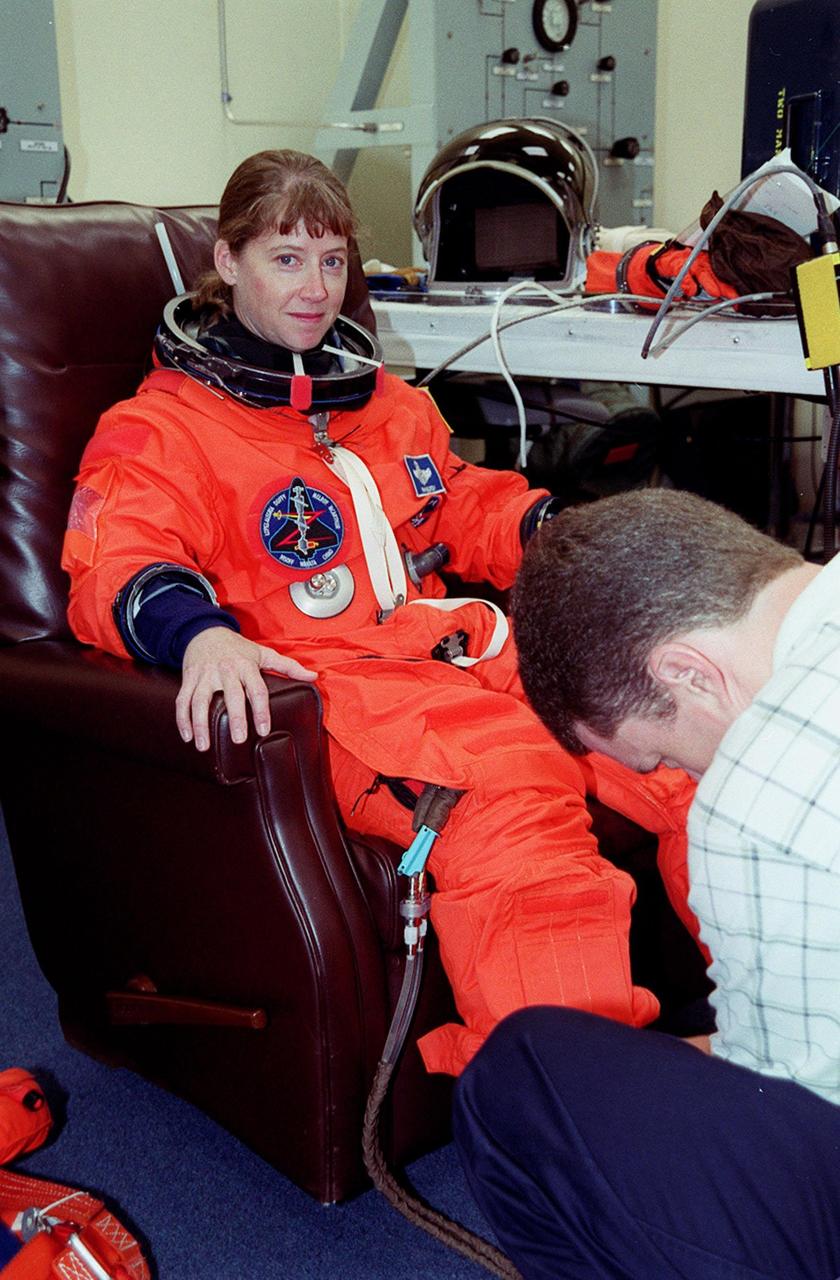
In the Operations and Checkout Building, STS-92 Pilot Pamela Ann Melroy has her new launch and entry suit adjusted during fit check. Melroy and the rest of the crew are at KSC for Terminal Countdown Demonstration Test activities. The TCDT provides emergency egress training, simulated countdown exercises and opportunities to inspect the mission payload. This mission will be Melroy’s first Shuttle flight. STS-92 is scheduled to launch Oct. 5 at 9:38 p.m. EDT from Launch Pad 39A on the fifth flight to the International Space Station. It will carry two elements of the Space Station, the Integrated Truss Structure Z1 and the third Pressurized Mating Adapter. The mission is also the 100th flight in the Shuttle program
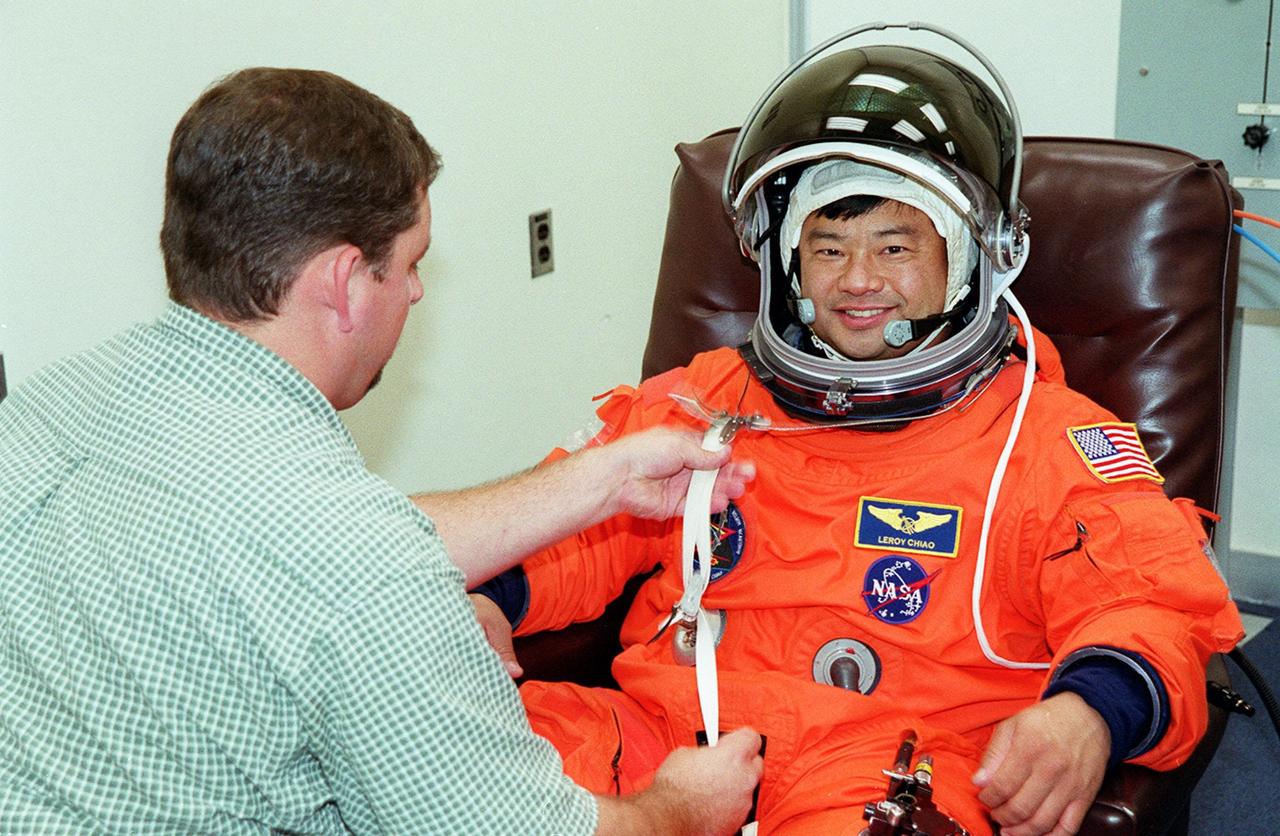
In the Operations and Checkout Building, STS-92 Mission Specialist Leroy Chiao has his launch and entry suit adjusted during fit check. Chiao and the rest of the crew are at KSC for Terminal Countdown Demonstration Test activities. The TCDT provides emergency egress training, simulated countdown exercises and opportunities to inspect the mission payload. This mission will be Chiao’s third Shuttle flight. STS-92 is scheduled to launch Oct. 5 at 9:38 p.m. EDT from Launch Pad 39A on the fifth flight to the International Space Station. It will carry two elements of the Space Station, the Integrated Truss Structure Z1 and the third Pressurized Mating Adapter. The mission is also the 100th flight in the Shuttle program
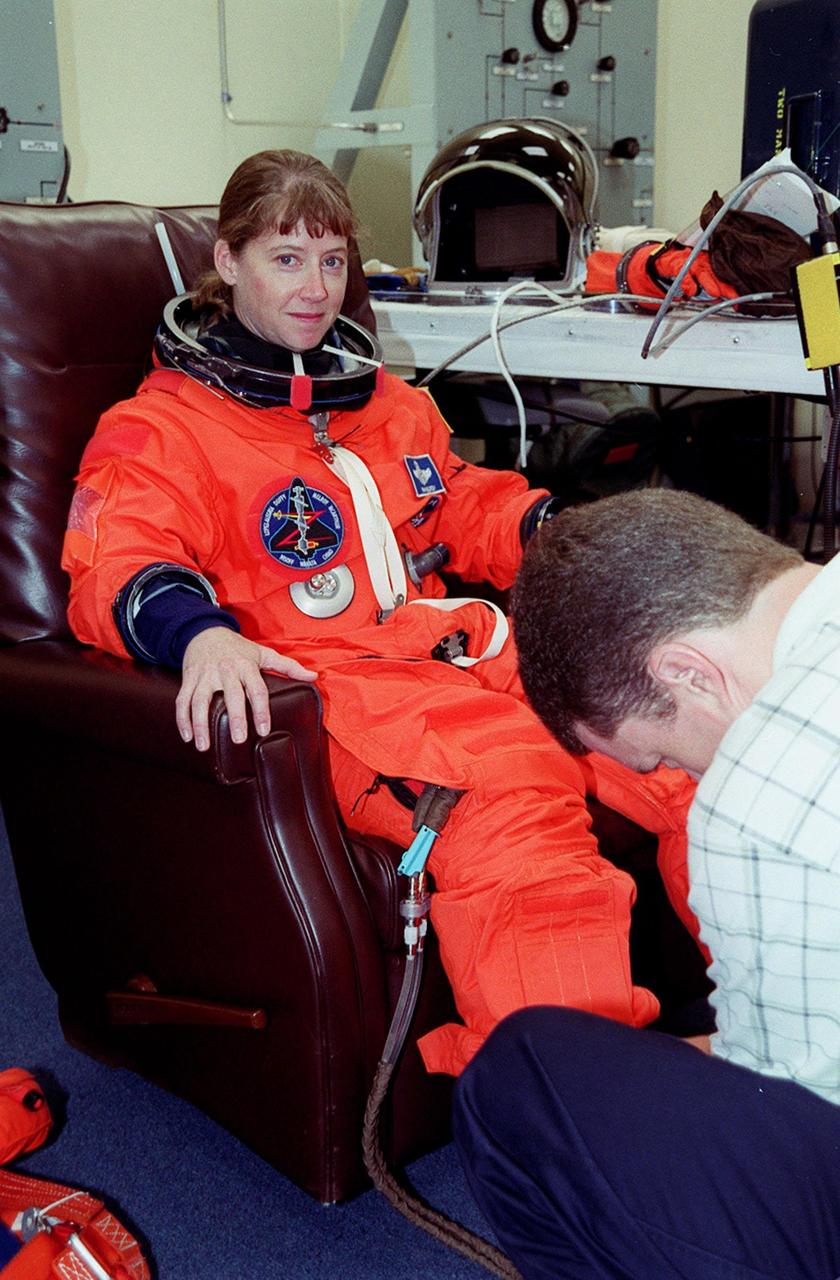
In the Operations and Checkout Building, STS-92 Pilot Pamela Ann Melroy has her new launch and entry suit adjusted during fit check. Melroy and the rest of the crew are at KSC for Terminal Countdown Demonstration Test activities. The TCDT provides emergency egress training, simulated countdown exercises and opportunities to inspect the mission payload. This mission will be Melroy’s first Shuttle flight. STS-92 is scheduled to launch Oct. 5 at 9:38 p.m. EDT from Launch Pad 39A on the fifth flight to the International Space Station. It will carry two elements of the Space Station, the Integrated Truss Structure Z1 and the third Pressurized Mating Adapter. The mission is also the 100th flight in the Shuttle program
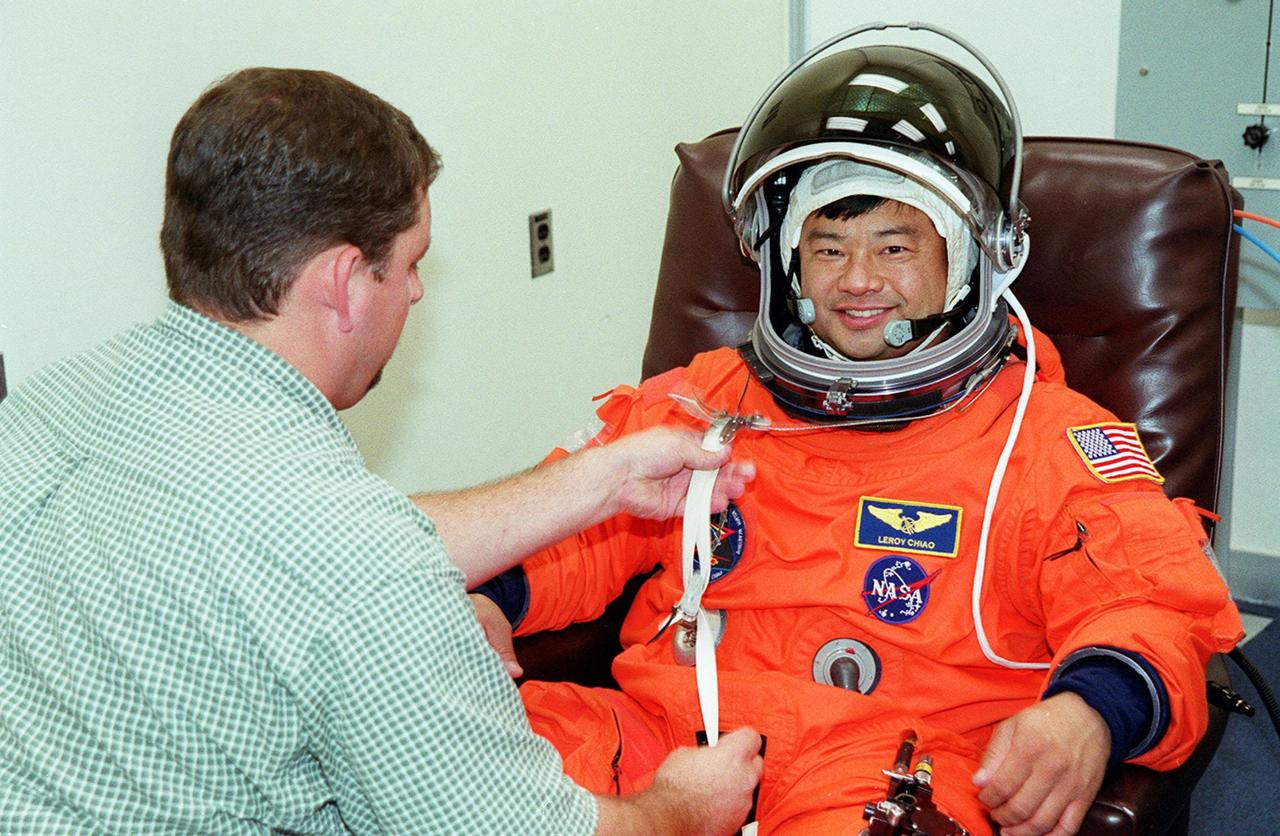
In the Operations and Checkout Building, STS-92 Mission Specialist Leroy Chiao has his launch and entry suit adjusted during fit check. Chiao and the rest of the crew are at KSC for Terminal Countdown Demonstration Test activities. The TCDT provides emergency egress training, simulated countdown exercises and opportunities to inspect the mission payload. This mission will be Chiao’s third Shuttle flight. STS-92 is scheduled to launch Oct. 5 at 9:38 p.m. EDT from Launch Pad 39A on the fifth flight to the International Space Station. It will carry two elements of the Space Station, the Integrated Truss Structure Z1 and the third Pressurized Mating Adapter. The mission is also the 100th flight in the Shuttle program
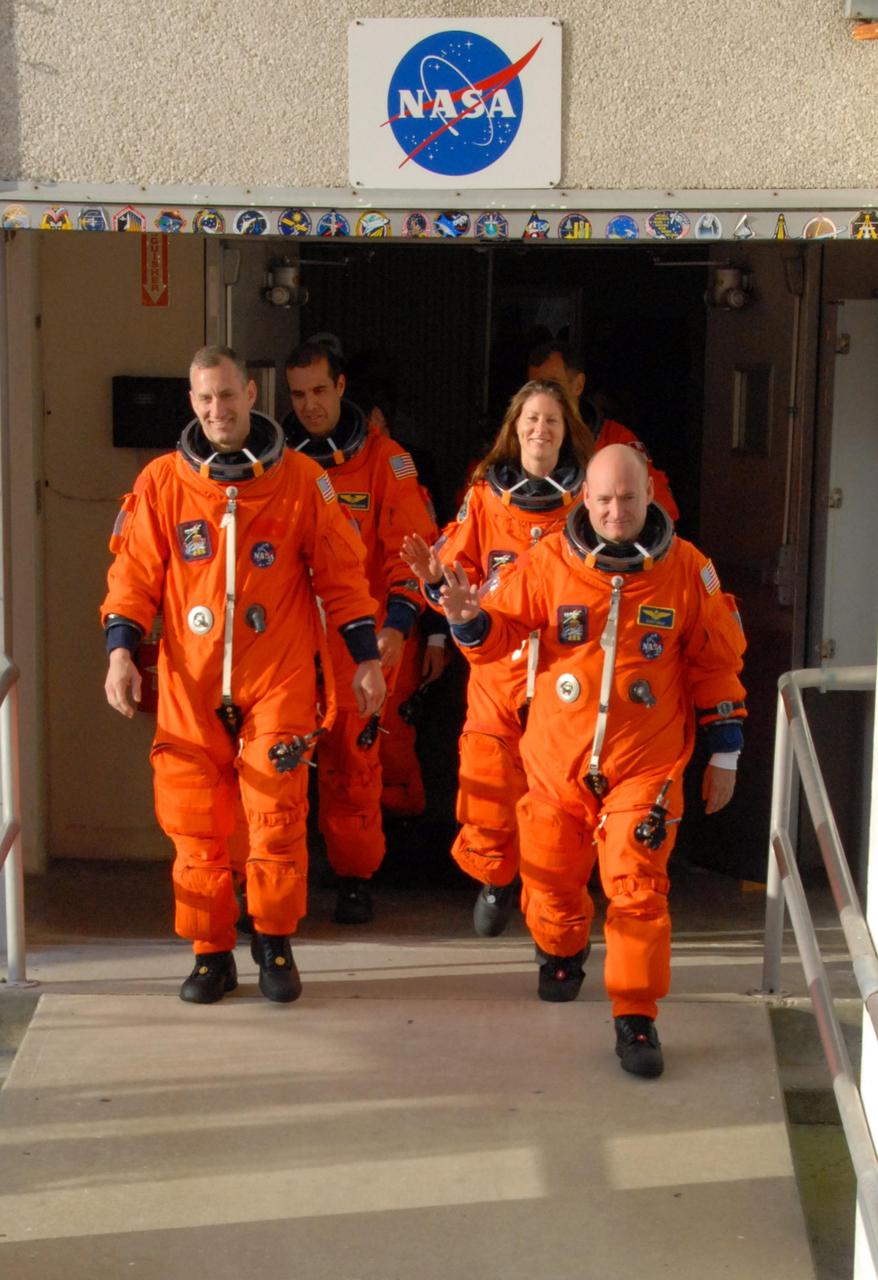
KENNEDY SPACE CENTER, Fla. -- The STS-118 crew walks out of the Operations and Checkout Building, heading for Launch Pad 39A and a simulated launch countdown. On the left, Pilot Charlie Hobaugh leads one column, with Mission Specialist Rick Mastracchio behind him. On the right, Commander Scott Kelly leads, with Mission Specialists Tracy Caldwell and Dave Williams behind. Not pictured are Mission Specialists Alvin Drew and teacher-turned-astronaut Barbara R. Morgan. The countdown concludes the terminal countdown demonstration test, or TCDT. The STS-118 crew has been at Kennedy for the TCDT activities that also include M-113 training, payload familiarization and emergency egress training at the pad. The mission is the 22nd flight to the International Space Station and Space Shuttle Endeavour will carry a payload including the S5 truss, a SPACEHAB module and external stowage platform 3. STS-118 is targeted for launch on Aug. 7. Photo credit: NASA/George Shelton
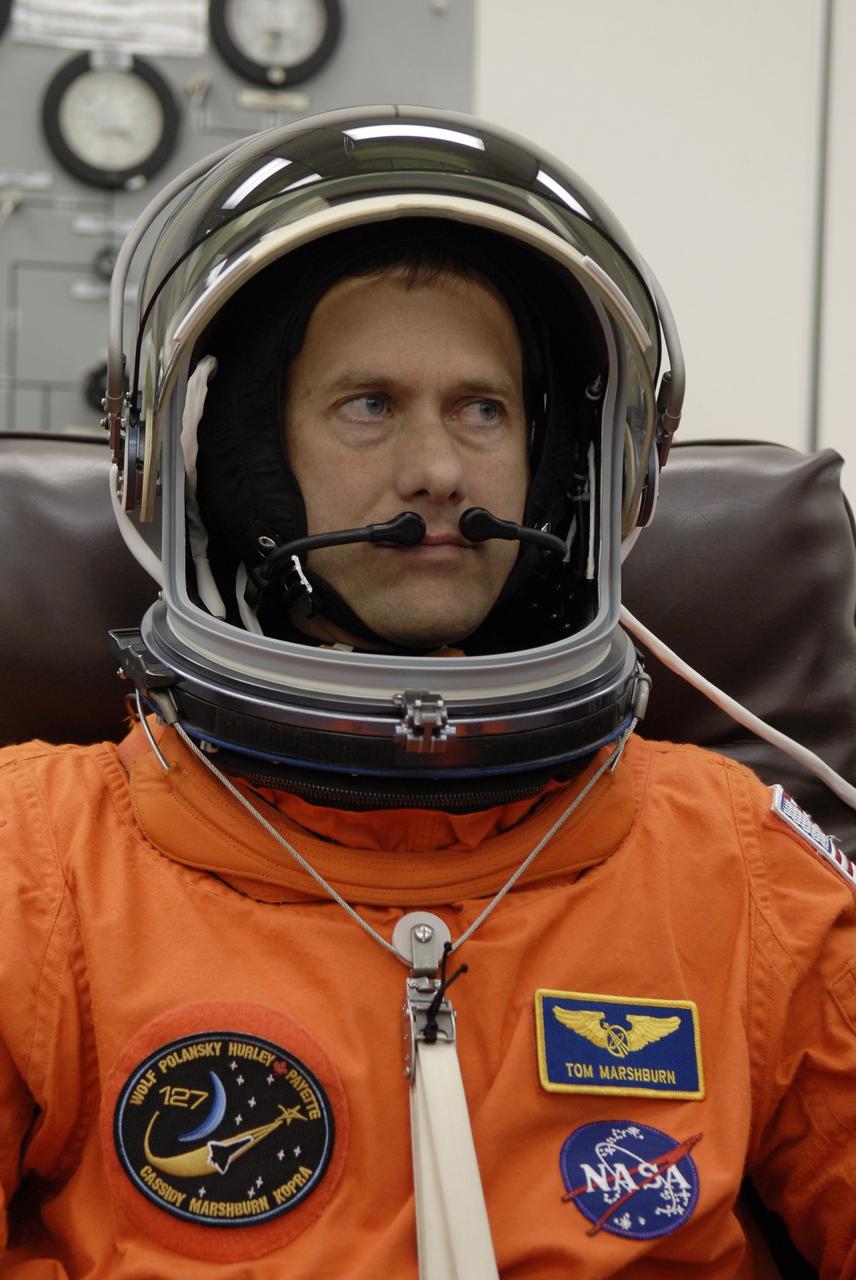
CAPE CANAVERAL, Fla. – In the Operations and Checkout Building at NASA's Kennedy Space Center in Florida, STS-127 Mission Specialist Tom Marshburn checks the communication system in his helmet. He and other crew members will be heading for Launch Pad 39A for a simulated launch countdown. The crew is at Kennedy for a launch dress rehearsal called the terminal countdown demonstration test, or TCDT, which includes emergency exit training and equipment familiarization. Endeavour's STS-127 mission is the final of three flights dedicated to the assembly of the Japanese Kibo laboratory complex on the International Space Station. Endeavour's launch is scheduled for June 13 at 7:17 a.m. EDT. Photo credit: NASA/Kim Shiflett
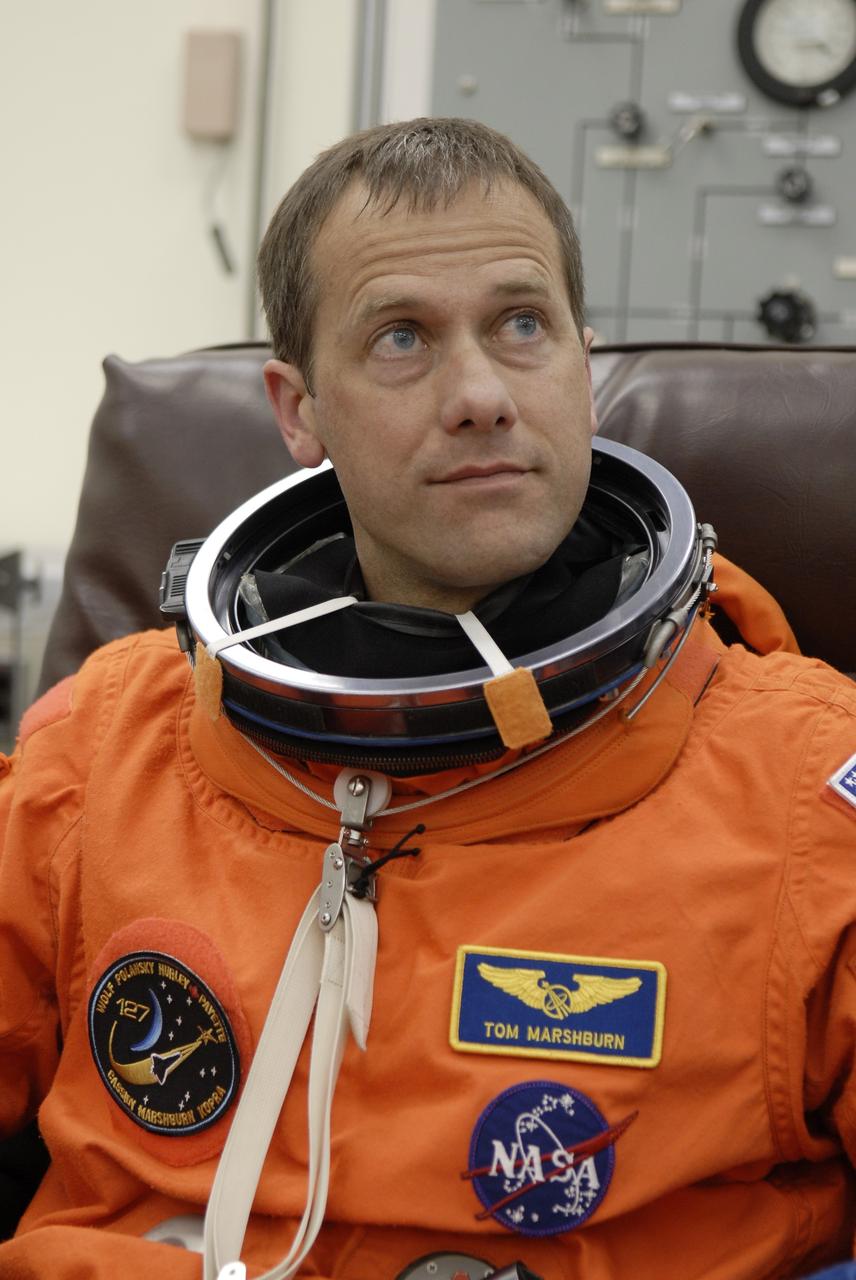
CAPE CANAVERAL, Fla. – In the Operations and Checkout Building at NASA's Kennedy Space Center in Florida, STS-127 Mission Specialist Tom Marshburn puts on his launch-and-entry suit. He and other crew members will be heading for Launch Pad 39A for a simulated launch countdown. The crew is at Kennedy for a launch dress rehearsal called the terminal countdown demonstration test, or TCDT, which includes emergency exit training and equipment familiarization. Endeavour's STS-127 mission is the final of three flights dedicated to the assembly of the Japanese Kibo laboratory complex on the International Space Station. Endeavour's launch is scheduled for June 13 at 7:17 a.m. EDT. Photo credit: NASA/Kim Shiflett
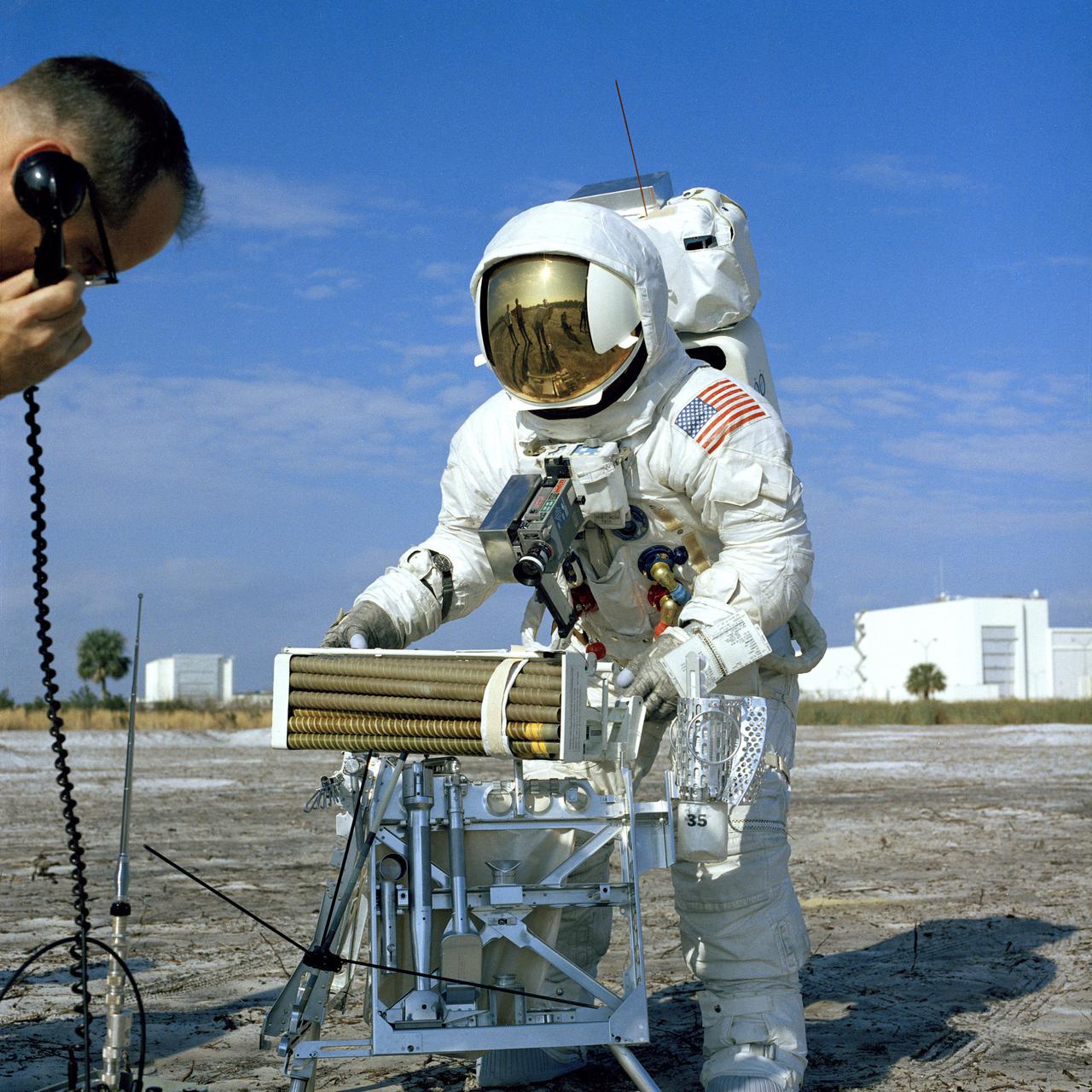
CAPE CANAVERAL, Fla. - Fred W. Haise Jr., Apollo 13 lunar module pilot, participated in a walk-through of the extravehicular activity timeline near the Flight Crew Training Building here today. In the foreground is the lunar surface tool carrier topped by auger-like pipes to be used with a motorized device to obtain soil sample cores in the moon's rugged Fra Mauro region. Apollo 13 is scheduled for launch from Complex 39A no earlier than April 11. The other crew members are James A. Lovell Jr., commander, and Thomas K. Mattingly II, command module pilot. Photo credit: NASA
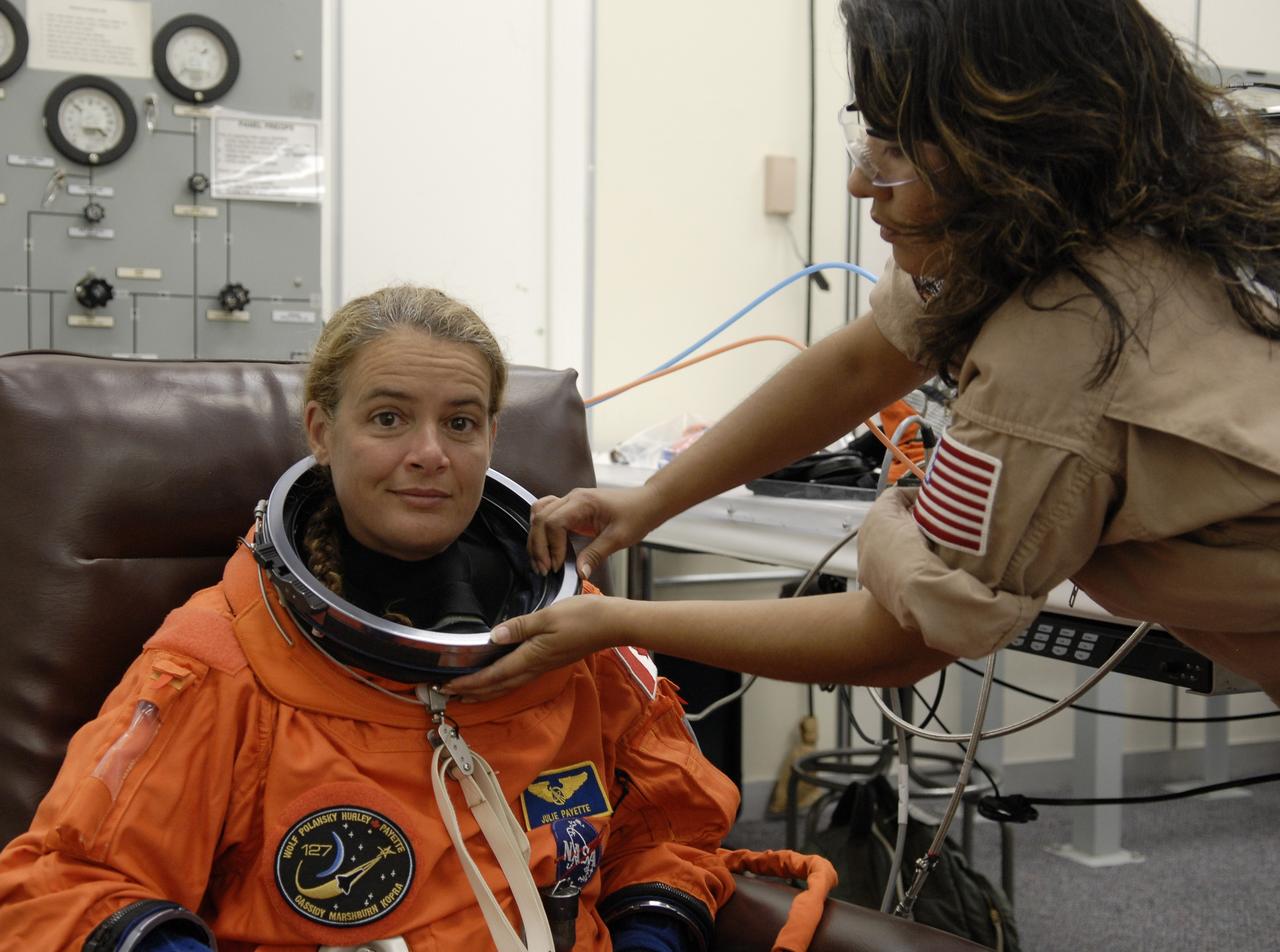
CAPE CANAVERAL, Fla. – In the Operations and Checkout Building at NASA's Kennedy Space Center in Florida, STS-127 Mission Specialist Julie Payette is helped with her launch-and-entry suit. She and other crew members will be heading for Launch Pad 39A for a simulated launch countdown. The crew is at Kennedy for a launch dress rehearsal called the terminal countdown demonstration test, or TCDT, which includes emergency exit training and equipment familiarization. Endeavour's STS-127 mission is the final of three flights dedicated to the assembly of the Japanese Kibo laboratory complex on the International Space Station. Endeavour's launch is scheduled for June 13 at 7:17 a.m. EDT. Photo credit: NASA/Kim Shiflett
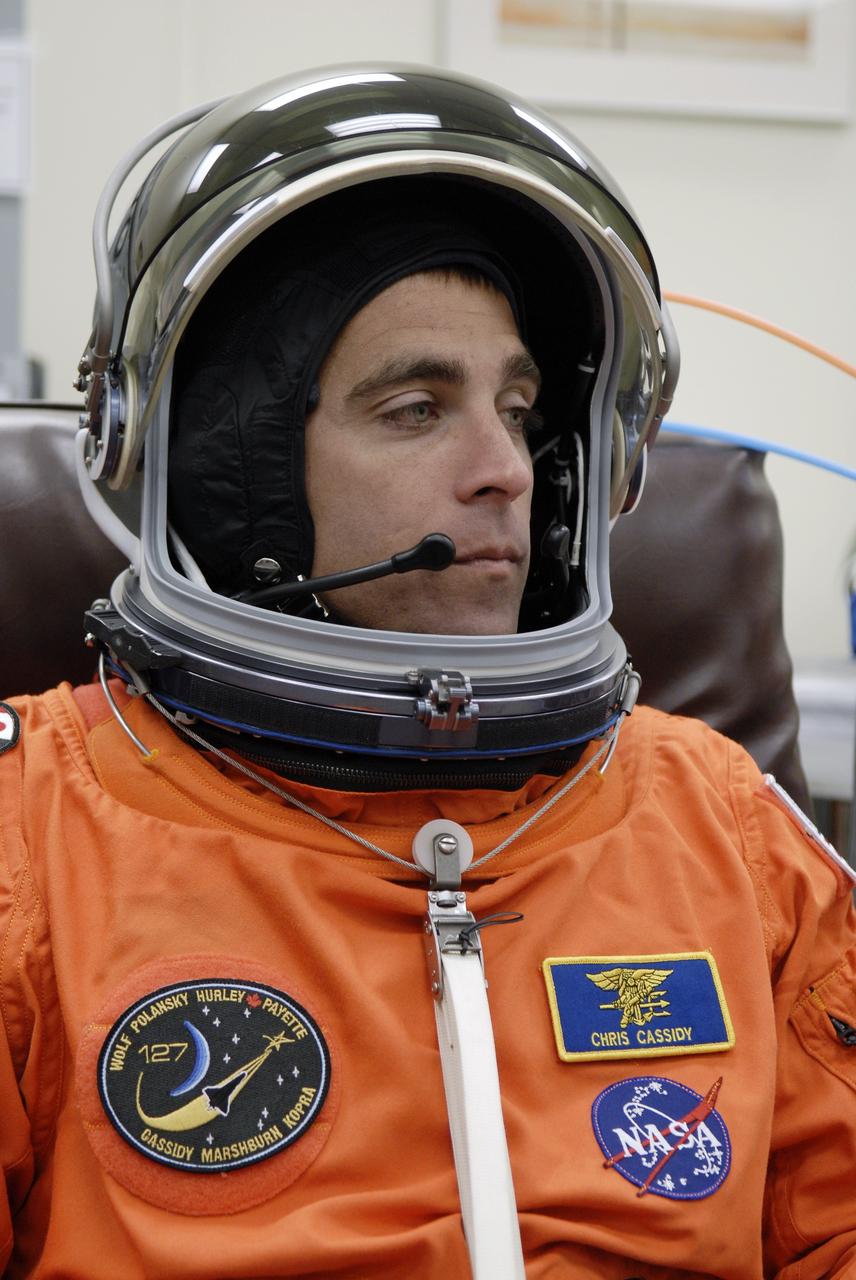
CAPE CANAVERAL, Fla. – In the Operations and Checkout Building at NASA's Kennedy Space Center in Florida, STS-127 Mission Specialist Christopher Cassidy checks the communication system in his helmet. He and other crew members will be heading for Launch Pad 39A for a simulated launch countdown. The crew is at Kennedy for a launch dress rehearsal called the terminal countdown demonstration test, or TCDT, which includes emergency exit training and equipment familiarization. Endeavour's STS-127 mission is the final of three flights dedicated to the assembly of the Japanese Kibo laboratory complex on the International Space Station. Endeavour's launch is scheduled for June 13 at 7:17 a.m. EDT. Photo credit: NASA/Kim Shiflett
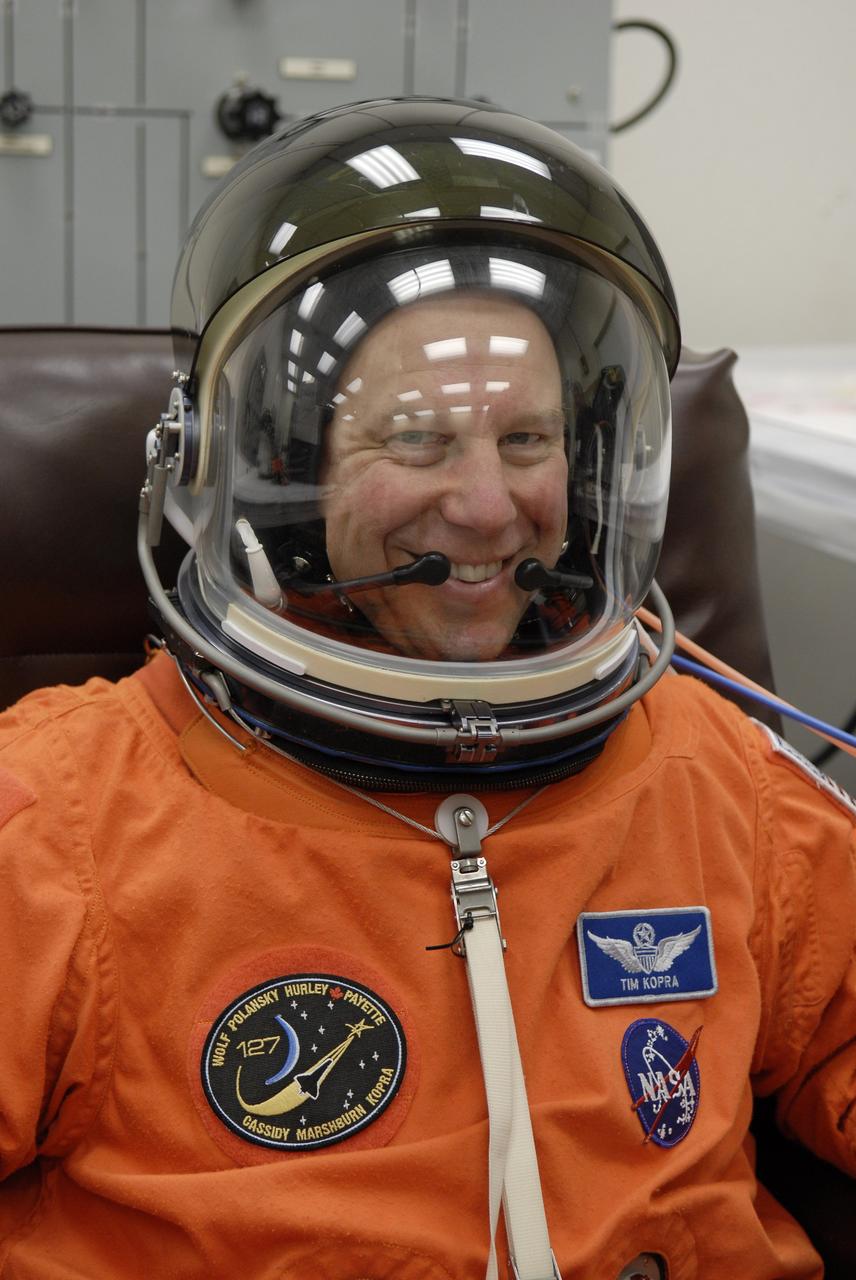
CAPE CANAVERAL, Fla. – In the Operations and Checkout Building at NASA's Kennedy Space Center in Florida, STS-127 Mission Specialist Tim Kopra checks the communication system in his helmet. He and other crew members will be heading for Launch Pad 39A for a simulated launch countdown. The crew is at Kennedy for a launch dress rehearsal called the terminal countdown demonstration test, or TCDT, which includes emergency exit training and equipment familiarization. Endeavour's STS-127 mission is the final of three flights dedicated to the assembly of the Japanese Kibo laboratory complex on the International Space Station. Endeavour's launch is scheduled for June 13 at 7:17 a.m. EDT. Photo credit: NASA/Kim Shiflett
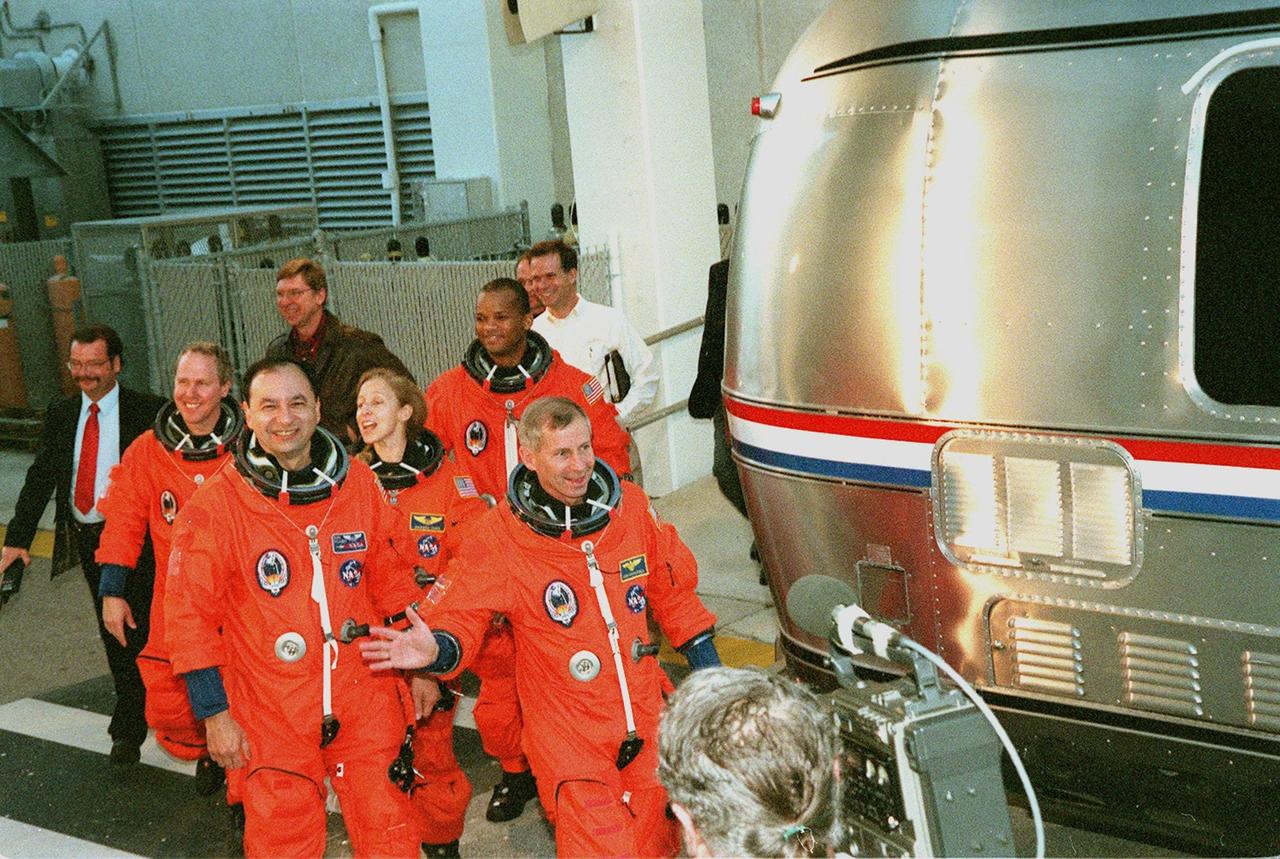
The STS-98 crew wave to onlookers as they walk out of the Operations and Checkout Building dressed for a simulated launch countdown at Launch Pad 39A. From left to right, they are Mission Specialist Thomas Jones, Pilot Mark Polansky, Mission Specialists Marsh Ivins and Robert Curbeam, being led by Commander Ken Cockrell. The crew is taking part in Terminal Countdown Demonstration Test activities, which include the countdown and emergency egress training at the pad. STS-98 is the seventh construction flight to the International Space Station, carrying as payload the U.S. Lab Destiny, a key element in the construction of the ISS. Launch of STS-98 is scheduled for Jan. 19 at 2:11 a.m. EST
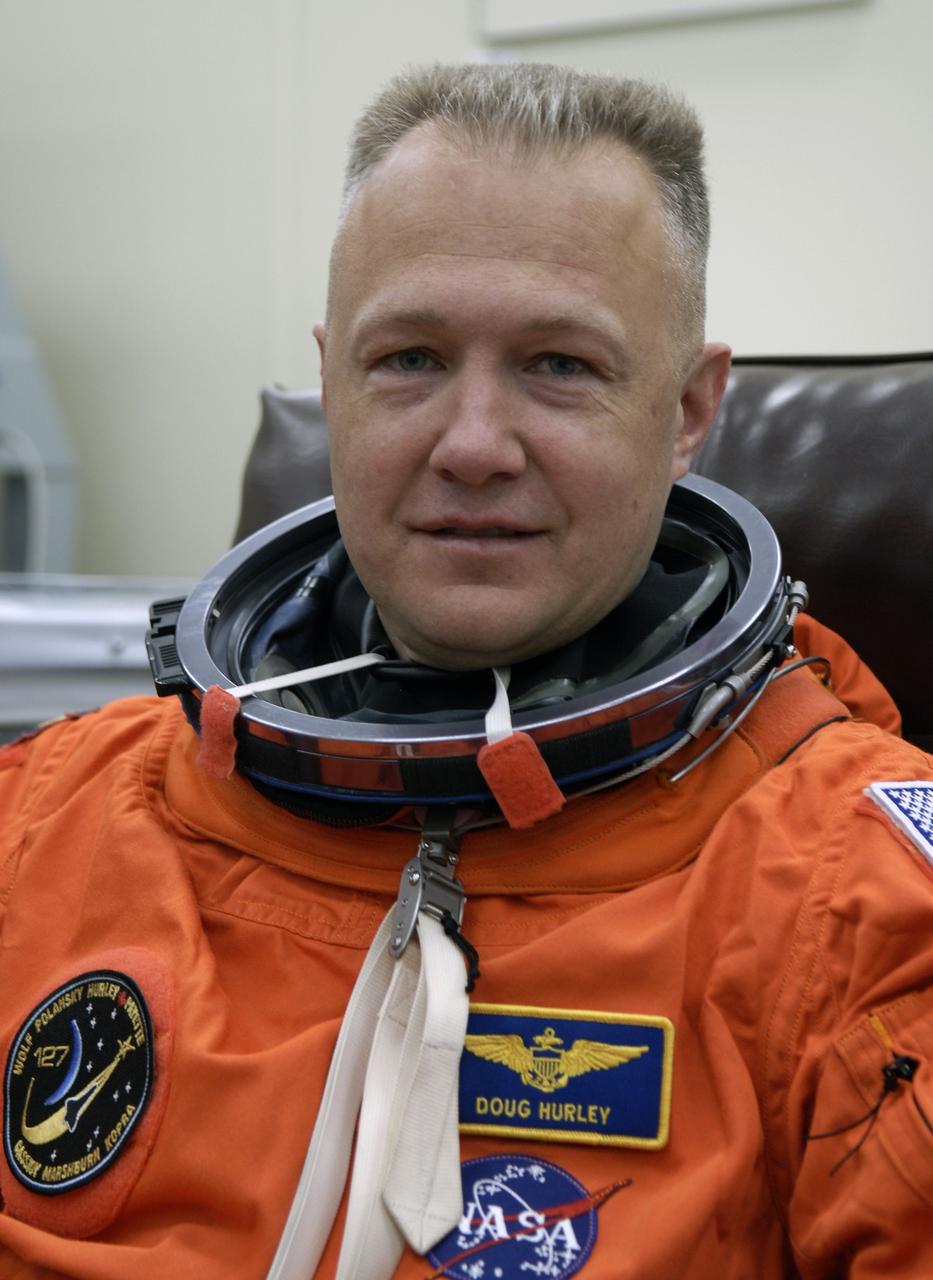
CAPE CANAVERAL, Fla. – In the Operations and Checkout Building at NASA's Kennedy Space Center in Florida, STS-127 Pilot Doug Hurley puts on his launch-and-entry suit. He and other crew members will be heading for Launch Pad 39A for a simulated launch countdown. The crew is at Kennedy for a launch dress rehearsal called the terminal countdown demonstration test, or TCDT, which includes emergency exit training and equipment familiarization. Endeavour's STS-127 mission is the final of three flights dedicated to the assembly of the Japanese Kibo laboratory complex on the International Space Station. Endeavour's launch is scheduled for June 13 at 7:17 a.m. EDT. Photo credit: NASA/Kim Shiflett
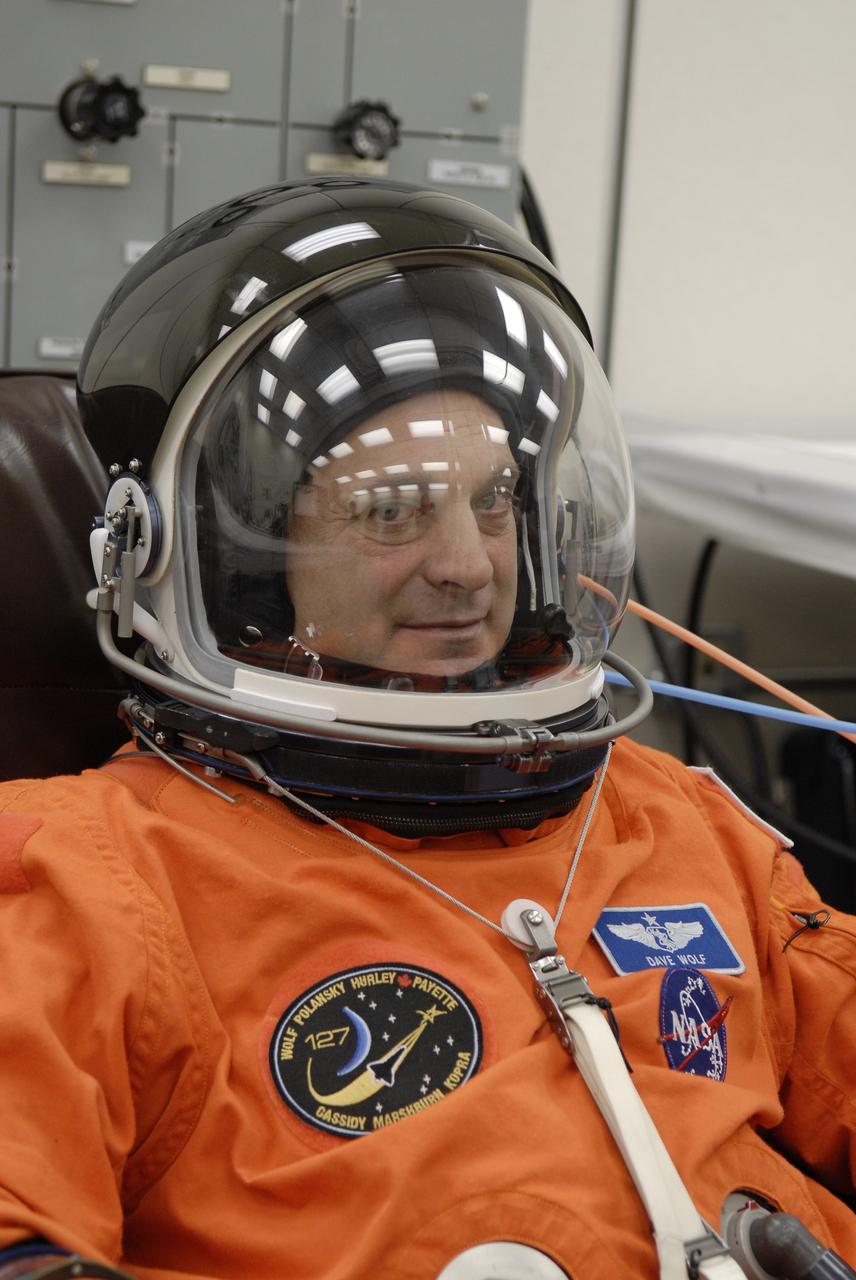
CAPE CANAVERAL, Fla. – In the Operations and Checkout Building at NASA's Kennedy Space Center in Florida, STS-127 Mission Specialist Dave Wolf checks the communication system in his helmet. He and other crew members will be heading for Launch Pad 39A for a simulated launch countdown. The crew is at Kennedy for a launch dress rehearsal called the terminal countdown demonstration test, or TCDT, which includes emergency exit training and equipment familiarization. Endeavour's STS-127 mission is the final of three flights dedicated to the assembly of the Japanese Kibo laboratory complex on the International Space Station. Endeavour's launch is scheduled for June 13 at 7:17 a.m. EDT. Photo credit: NASA/Kim Shiflett
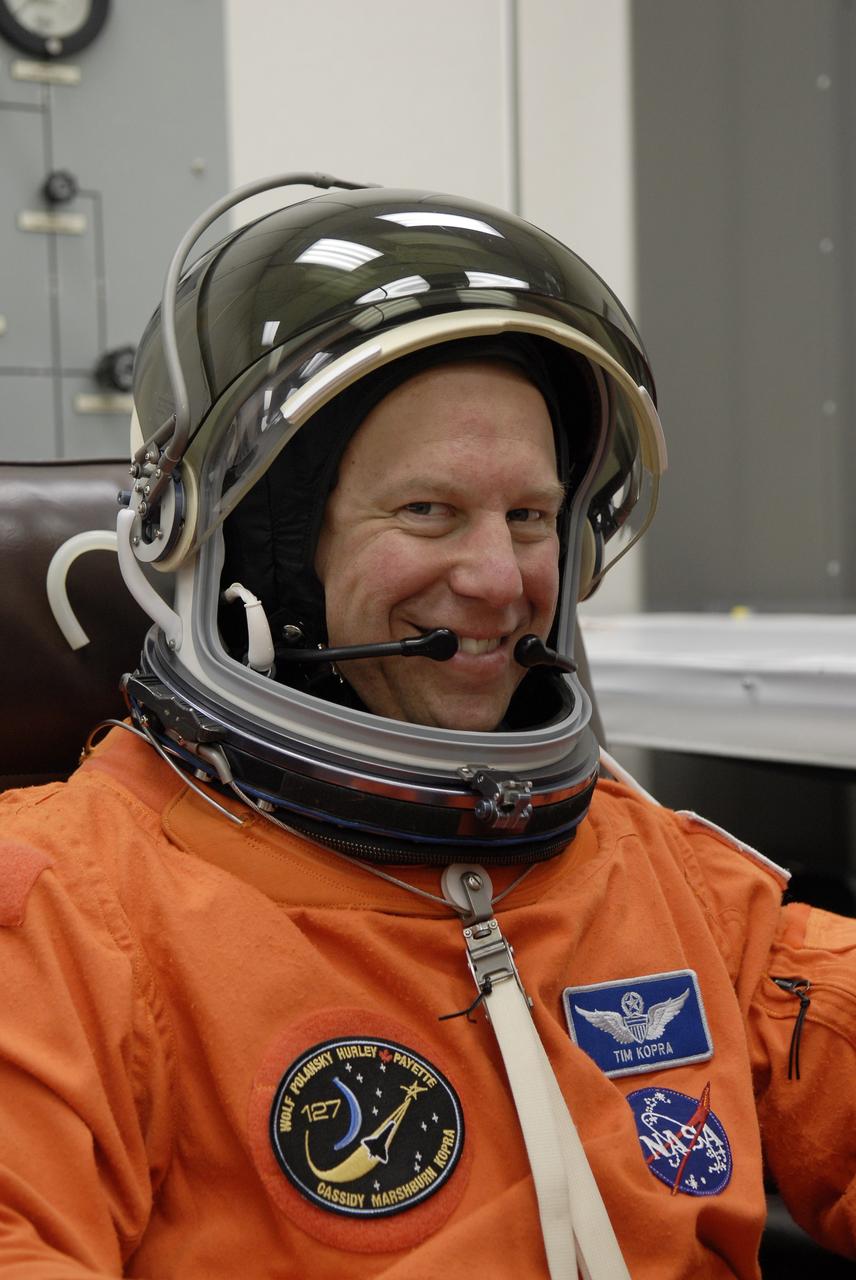
CAPE CANAVERAL, Fla. – In the Operations and Checkout Building at NASA's Kennedy Space Center in Florida, STS-127 Mission Specialist Tim Kopra puts on the helmet for his launch-and-entry suit. He and other crew members will be heading for Launch Pad 39A for a simulated launch countdown. The crew is at Kennedy for a launch dress rehearsal called the terminal countdown demonstration test, or TCDT, which includes emergency exit training and equipment familiarization. Endeavour's STS-127 mission is the final of three flights dedicated to the assembly of the Japanese Kibo laboratory complex on the International Space Station. Endeavour's launch is scheduled for June 13 at 7:17 a.m. EDT. Photo credit: NASA/Kim Shiflett
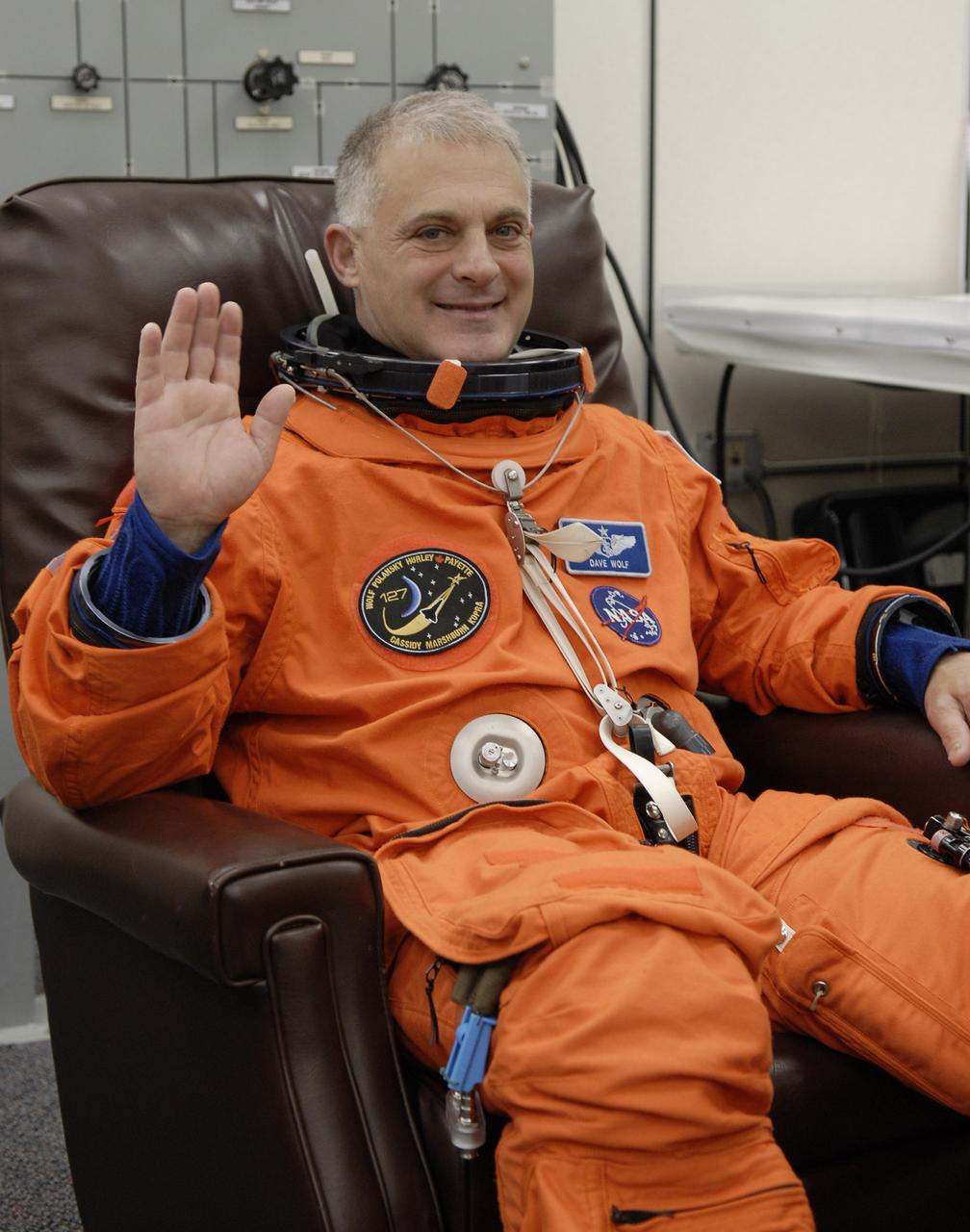
CAPE CANAVERAL, Fla. – In the Operations and Checkout Building at NASA's Kennedy Space Center in Florida, STS-127 Mission Specialist Dave Wolf puts on his launch-and-entry suit. He and other crew members will be heading for Launch Pad 39A for a simulated launch countdown. The crew is at Kennedy for a launch dress rehearsal called the terminal countdown demonstration test, or TCDT, which includes emergency exit training and equipment familiarization. Endeavour's STS-127 mission is the final of three flights dedicated to the assembly of the Japanese Kibo laboratory complex on the International Space Station. Endeavour's launch is scheduled for June 13 at 7:17 a.m. EDT. Photo credit: NASA/Kim Shiflett
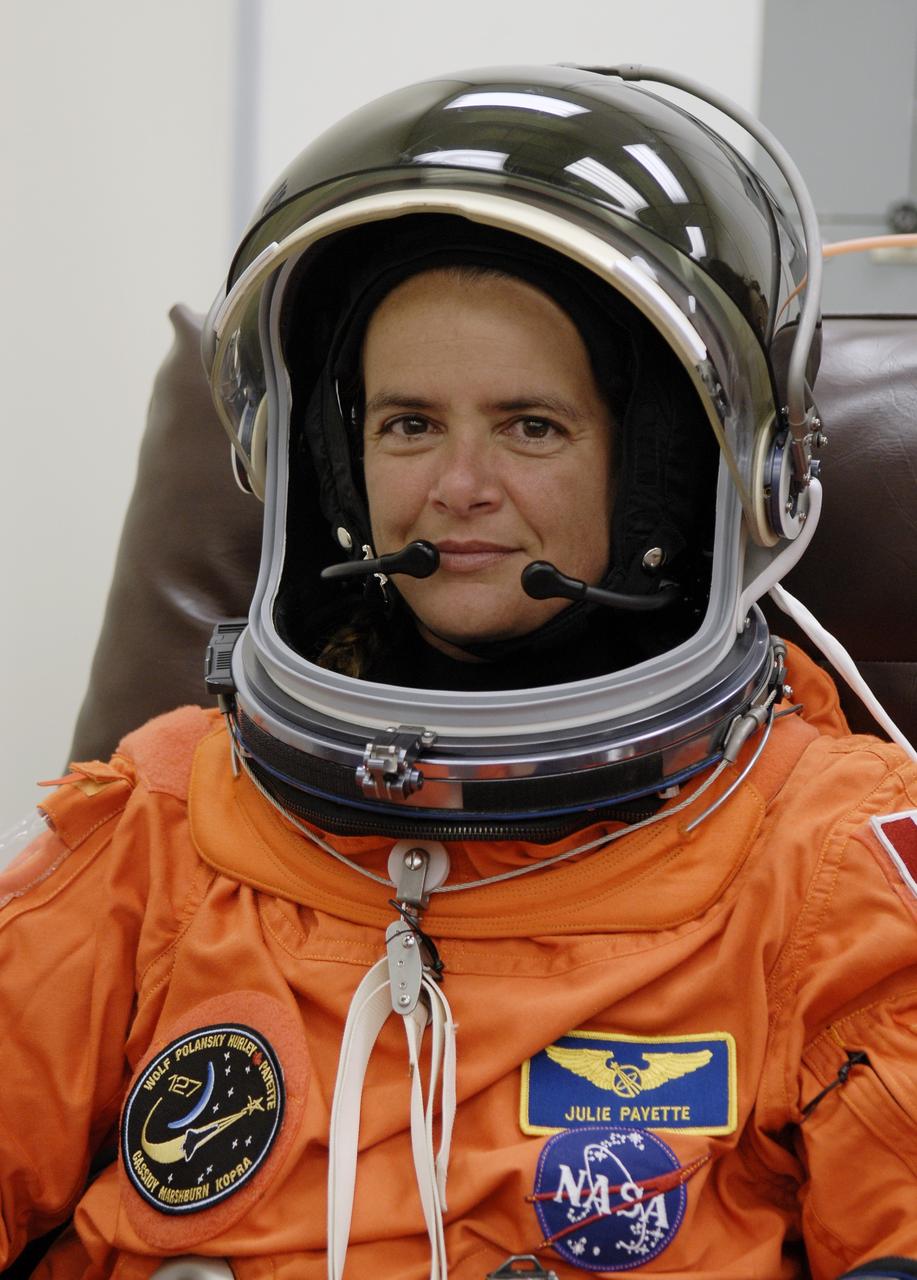
CAPE CANAVERAL, Fla. – In the Operations and Checkout Building at NASA's Kennedy Space Center in Florida, STS-127 Mission Specialist Julie Payette checks the communication system in her helmet. She and other crew members will be heading for Launch Pad 39A for a simulated launch countdown. The crew is at Kennedy for a launch dress rehearsal called the terminal countdown demonstration test, or TCDT, which includes emergency exit training and equipment familiarization. Endeavour's STS-127 mission is the final of three flights dedicated to the assembly of the Japanese Kibo laboratory complex on the International Space Station. Endeavour's launch is scheduled for June 13 at 7:17 a.m. EDT. Photo credit: NASA/Kim Shiflett
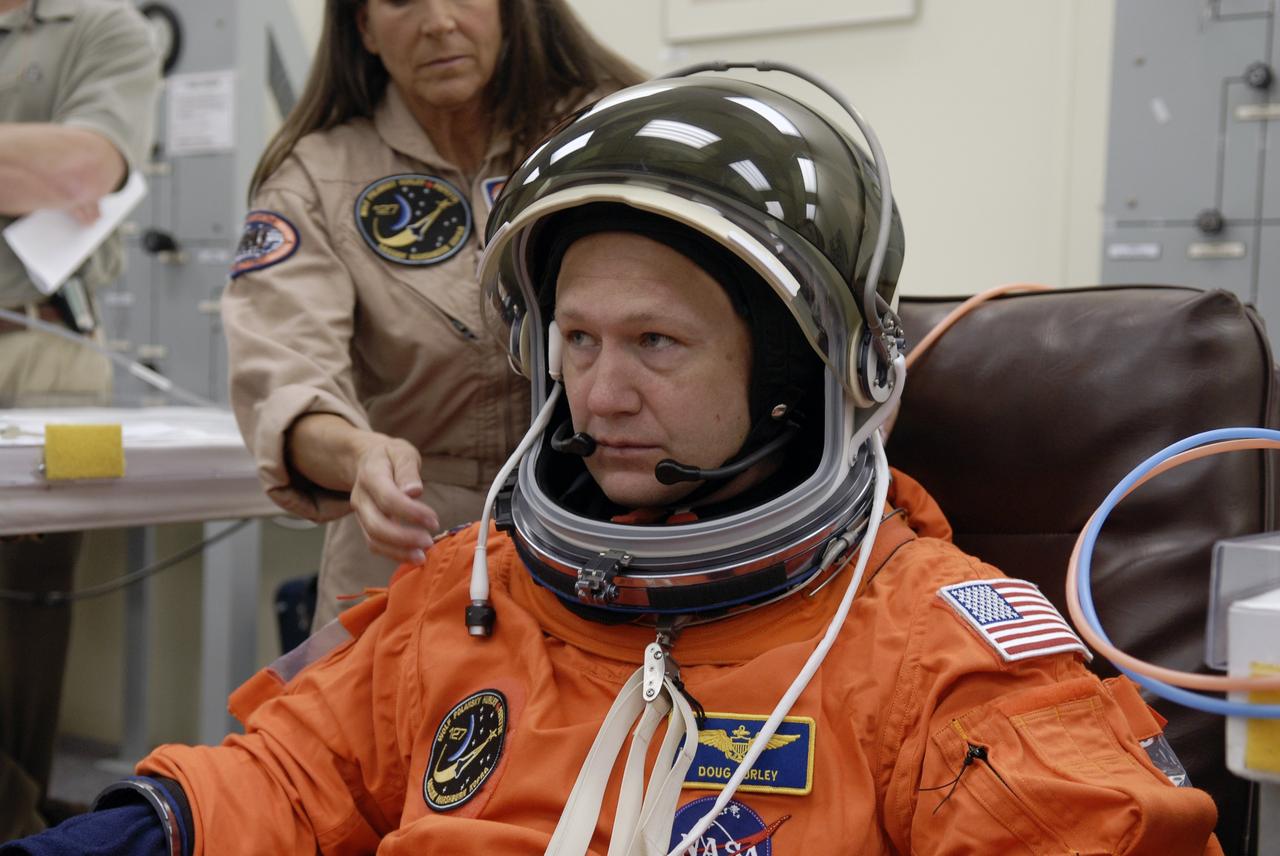
CAPE CANAVERAL, Fla. – In the Operations and Checkout Building at NASA's Kennedy Space Center in Florida, STS-127 Pilot Doug Hurley checks the communication system in his helmet. He and other crew members will be heading for Launch Pad 39A for a simulated launch countdown. The crew is at Kennedy for a launch dress rehearsal called the terminal countdown demonstration test, or TCDT, which includes emergency exit training and equipment familiarization. Endeavour's STS-127 mission is the final of three flights dedicated to the assembly of the Japanese Kibo laboratory complex on the International Space Station. Endeavour's launch is scheduled for June 13 at 7:17 a.m. EDT. Photo credit: NASA/Kim Shiflett
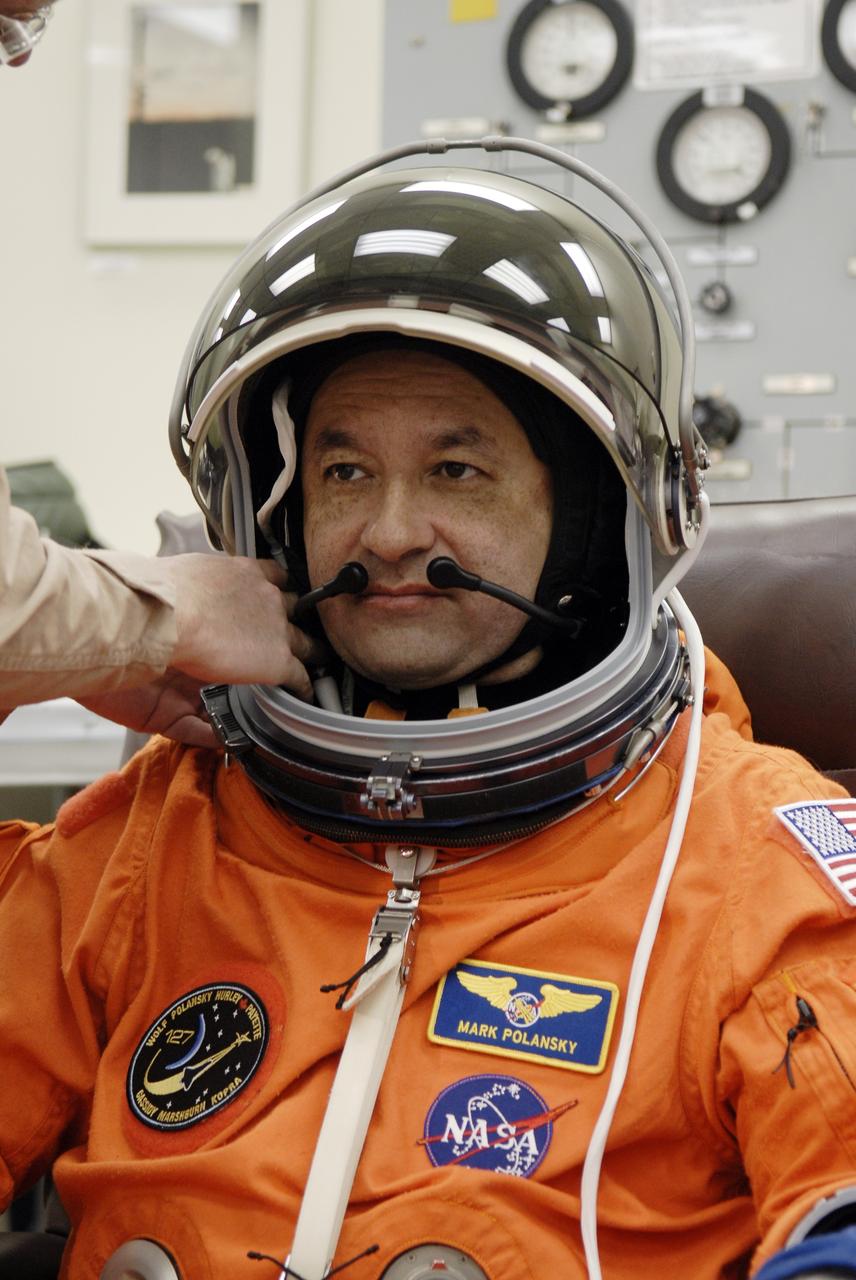
CAPE CANAVERAL, Fla. – In the Operations and Checkout Building at NASA's Kennedy Space Center in Florida, STS-127 Commander Mark Polansky checks the communication system in his helmet. He and other crew members will be heading for Launch Pad 39A for a simulated launch countdown. The crew is at Kennedy for a launch dress rehearsal called the terminal countdown demonstration test, or TCDT, which includes emergency exit training and equipment familiarization. Endeavour's STS-127 mission is the final of three flights dedicated to the assembly of the Japanese Kibo laboratory complex on the International Space Station. Endeavour's launch is scheduled for June 13 at 7:17 a.m. EDT. Photo credit: NASA/Kim Shiflett
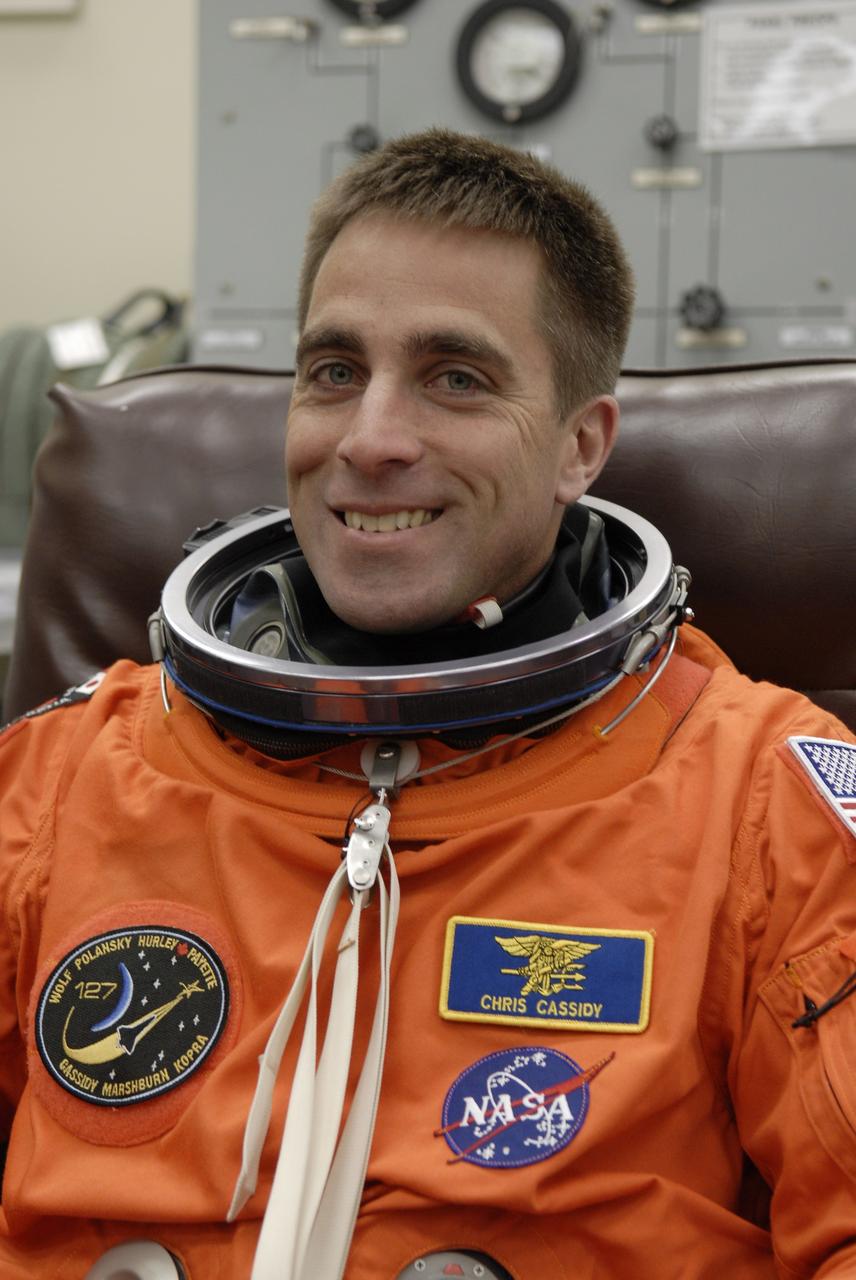
CAPE CANAVERAL, Fla. – In the Operations and Checkout Building at NASA's Kennedy Space Center in Florida, STS-127 Mission Specialist Christopher Cassidy puts on his launch-and-entry suit. He and other crew members will be heading for Launch Pad 39A for a simulated launch countdown. The crew is at Kennedy for a launch dress rehearsal called the terminal countdown demonstration test, or TCDT, which includes emergency exit training and equipment familiarization. Endeavour's STS-127 mission is the final of three flights dedicated to the assembly of the Japanese Kibo laboratory complex on the International Space Station. Endeavour's launch is scheduled for June 13 at 7:17 a.m. EDT. Photo credit: NASA/Kim Shiflett
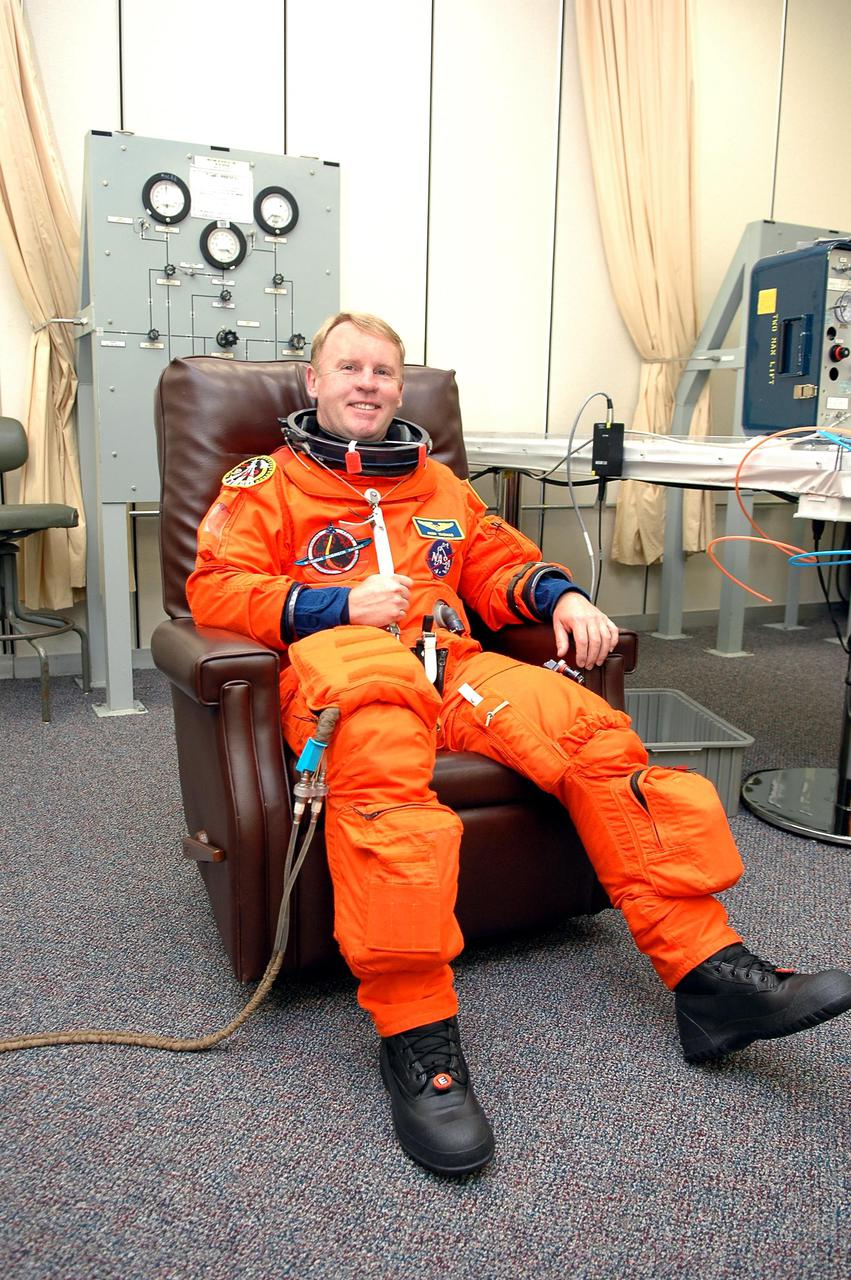
KENNEDY SPACE CENTER, FLA. -STS-114 Mission Specialist Andrew Thomas suits up in the Operations and Checkout Building for the trip to Launch Pad 39B for a mock launch countdown culminating in a simulated main engine cutoff. The dress rehearsal is part of Terminal Countdown Demonstration Test (TCDT) activities held prior to each Space Shuttle flight. It provides the crew of each mission an opportunity to participate in various simulated countdown activities, including equipment familiarization and emergency egress training. STS-114 is the first Return to Flight mission to the International Space Station. The launch window extends July 13 through July 31.
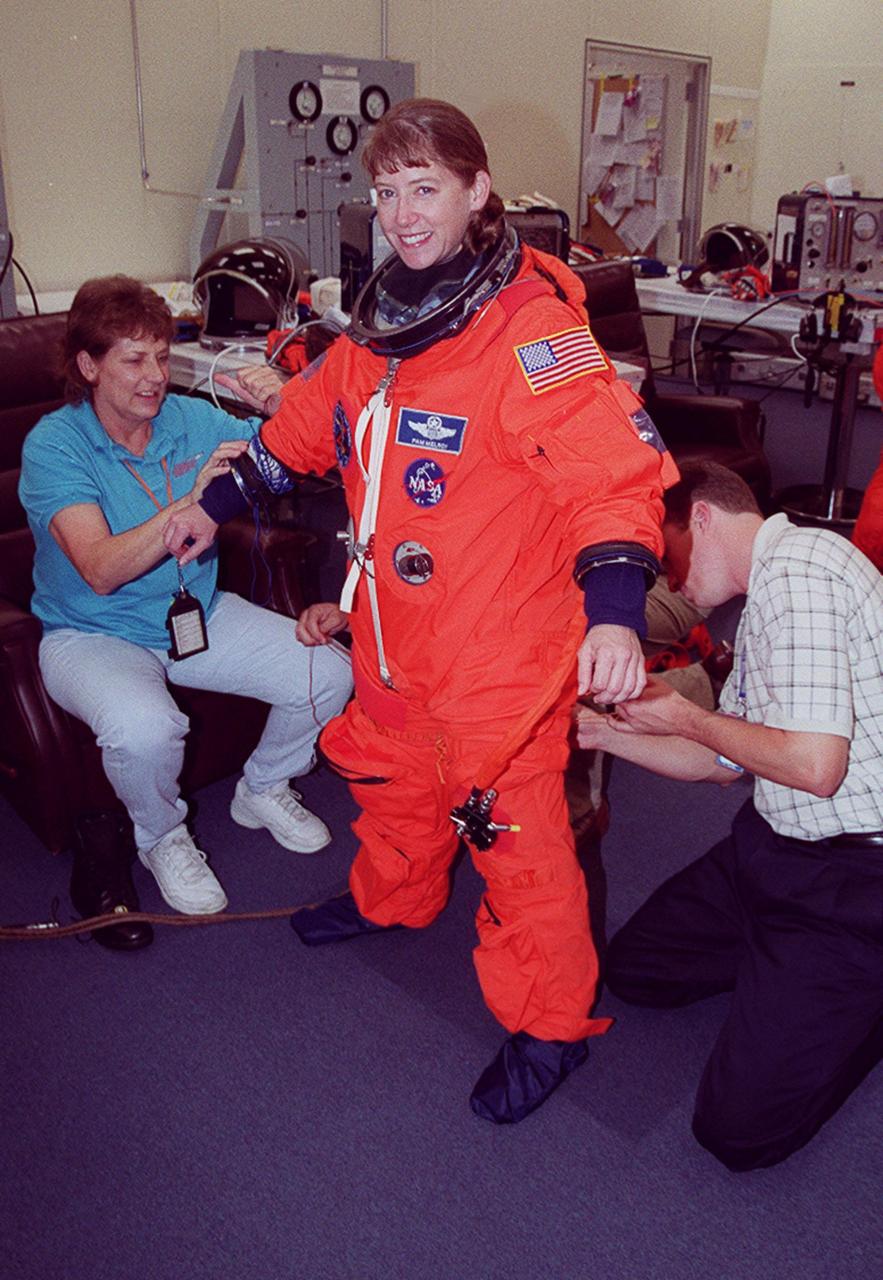
The “rookie” on the STS-92 mission, Pilot Pamela Ann Melroy has her new launch and entry suit adjusted during pre-pack and fit check in the Operations and Checkout Building. Melroy and the rest of the crew are at KSC for Terminal Countdown Demonstration Test activities. The TCDT provides emergency egress training, simulated countdown exercises and opportunities to inspect the mission payload. STS-92 is scheduled to launch Oct. 5 at 9:38 p.m. EDT from Launch Pad 39A on the fifth flight to the International Space Station. It will carry two elements of the Space Station, the Integrated Truss Structure Z1 and the third Pressurized Mating Adapter. The mission is also the 100th flight in the Shuttle program

KENNEDY SPACE CENTER, FLA. -STS-114 Mission Specialist Andrew Thomas suits up in the Operations and Checkout Building for the trip to Launch Pad 39B for a mock launch countdown culminating in a simulated main engine cutoff. The dress rehearsal is part of Terminal Countdown Demonstration Test (TCDT) activities held prior to each Space Shuttle flight. It provides the crew of each mission an opportunity to participate in various simulated countdown activities, including equipment familiarization and emergency egress training. STS-114 is the first Return to Flight mission to the International Space Station. The launch window extends July 13 through July 31.
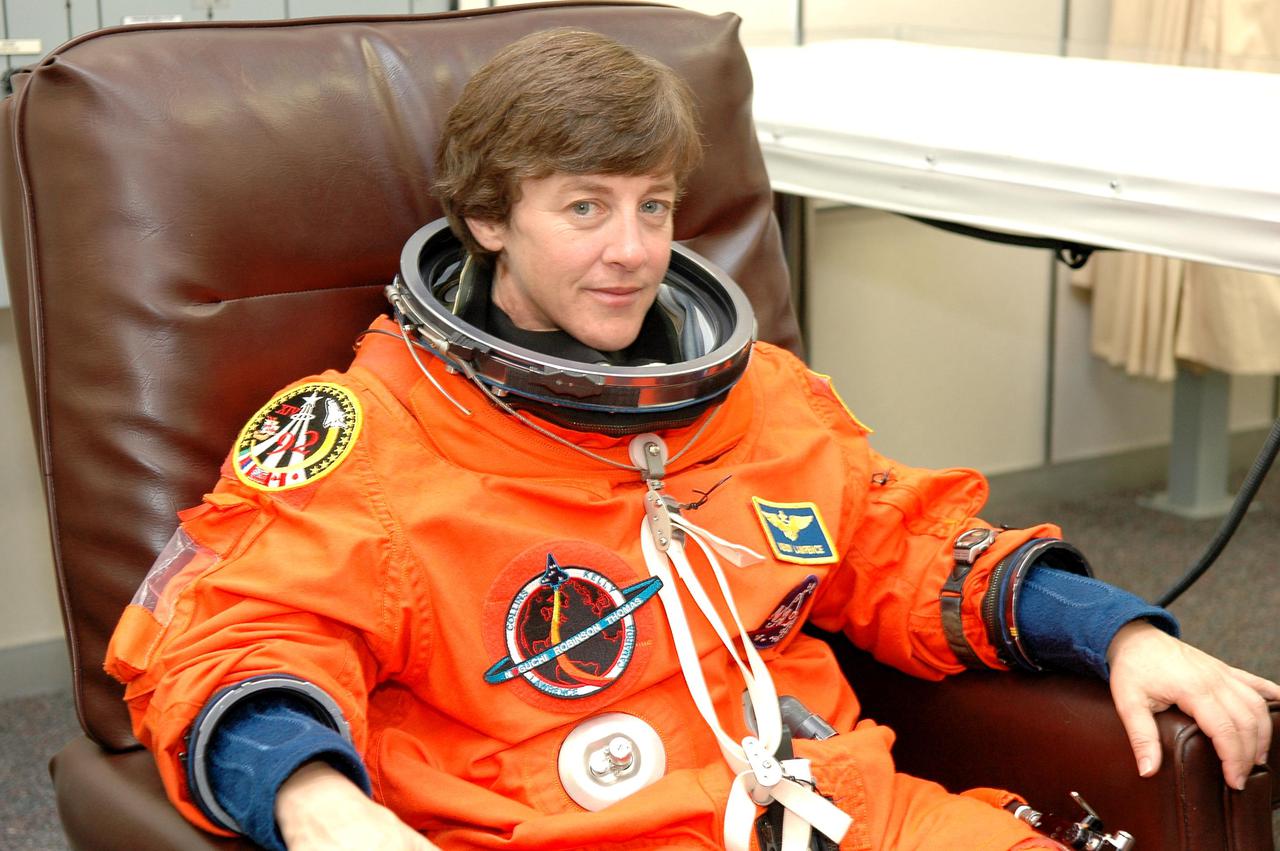
KENNEDY SPACE CENTER, FLA. -STS-114 Mission Specialist Wendy Lawrence suits up in the Operations and Checkout Building for the trip to Launch Pad 39B for a mock launch countdown culminating in a simulated main engine cutoff. The dress rehearsal is part of Terminal Countdown Demonstration Test (TCDT) activities held prior to each Space Shuttle flight. It provides the crew of each mission an opportunity to participate in various simulated countdown activities, including equipment familiarization and emergency egress training. STS-114 is the first Return to Flight mission to the International Space Station. The launch window extends July 13 through July 31.
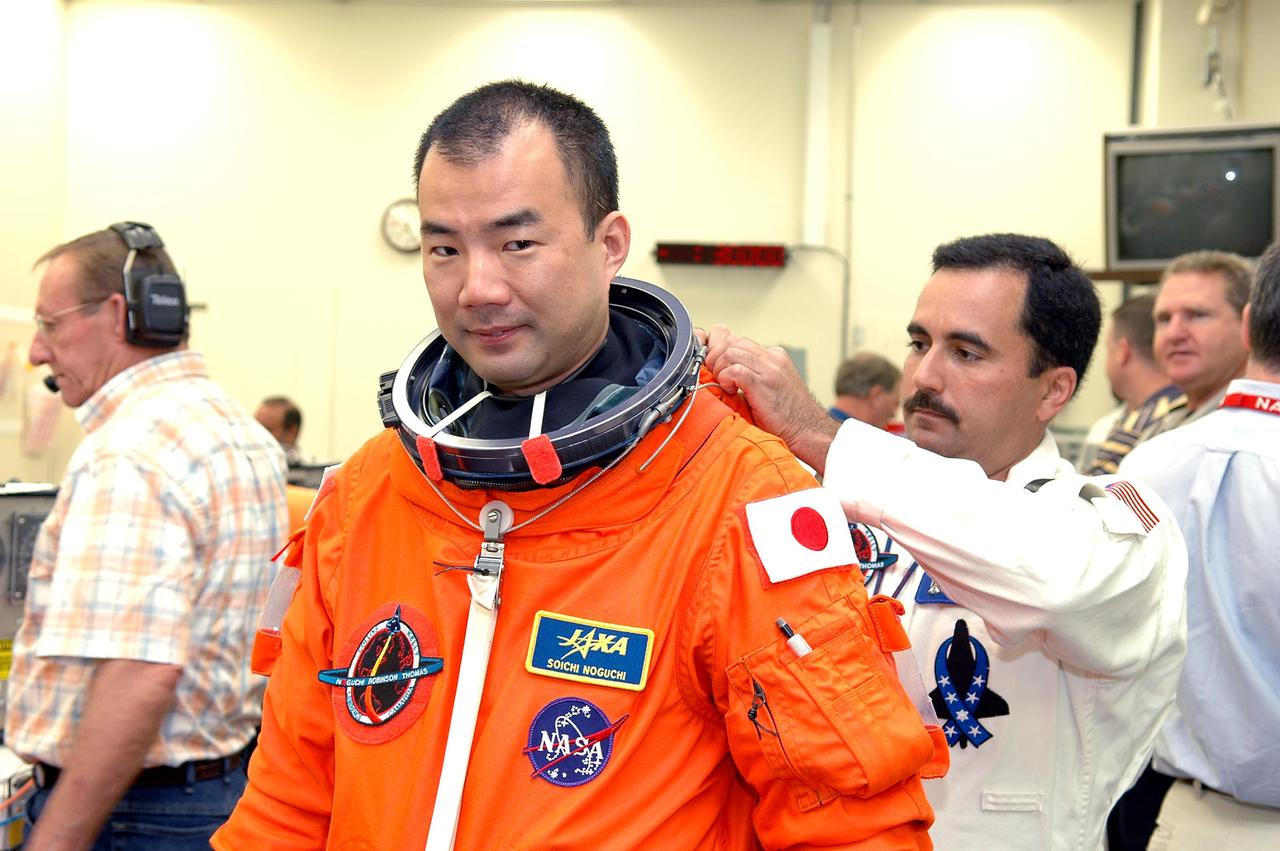
KENNEDY SPACE CENTER, FLA. - A suit technician helps STS-114 Mission Specialist Soichi Noguchi suit up in the Operations and Checkout Building for the trip to Launch Pad 39B for a mock launch countdown culminating in a simulated main engine cutoff. Noguchi is with the Japan Aerospace Exploration Agency. The dress rehearsal is part of Terminal Countdown Demonstration Test (TCDT) activities held prior to each Space Shuttle flight. It provides the crew of each mission an opportunity to participate in various simulated countdown activities, including equipment familiarization and emergency egress training. STS-114 is the first Return to Flight mission to the International Space Station. The launch window extends July 13 through July 31.
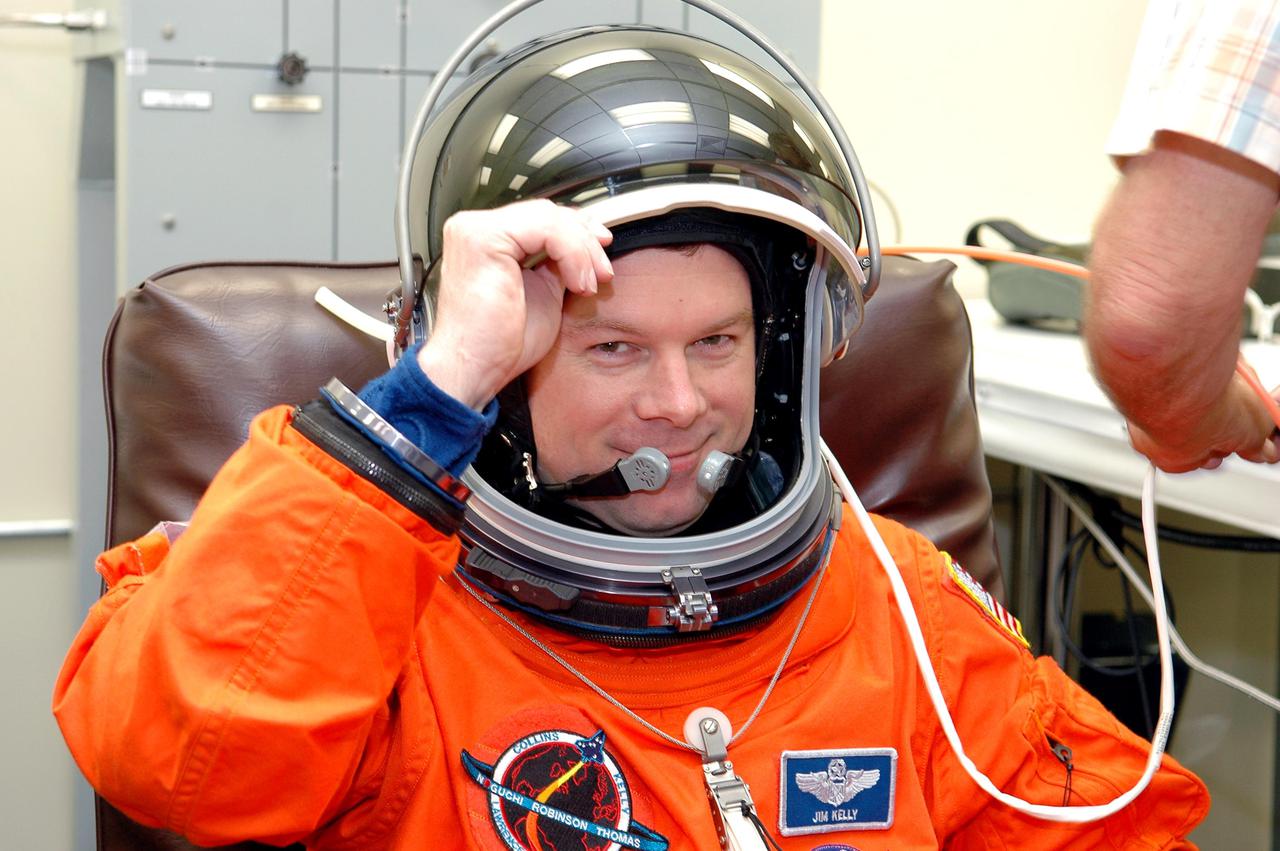
KENNEDY SPACE CENTER, FLA. -STS-114 Pilot James Kelly suits up in the Operations and Checkout Building for the trip to Launch Pad 39B for a mock launch countdown culminating in a simulated main engine cutoff. The dress rehearsal is part of Terminal Countdown Demonstration Test (TCDT) activities held prior to each Space Shuttle flight. It provides the crew of each mission an opportunity to participate in various simulated countdown activities, including equipment familiarization and emergency egress training. STS-114 is the first Return to Flight mission to the International Space Station. The launch window extends July 13 through July 31.
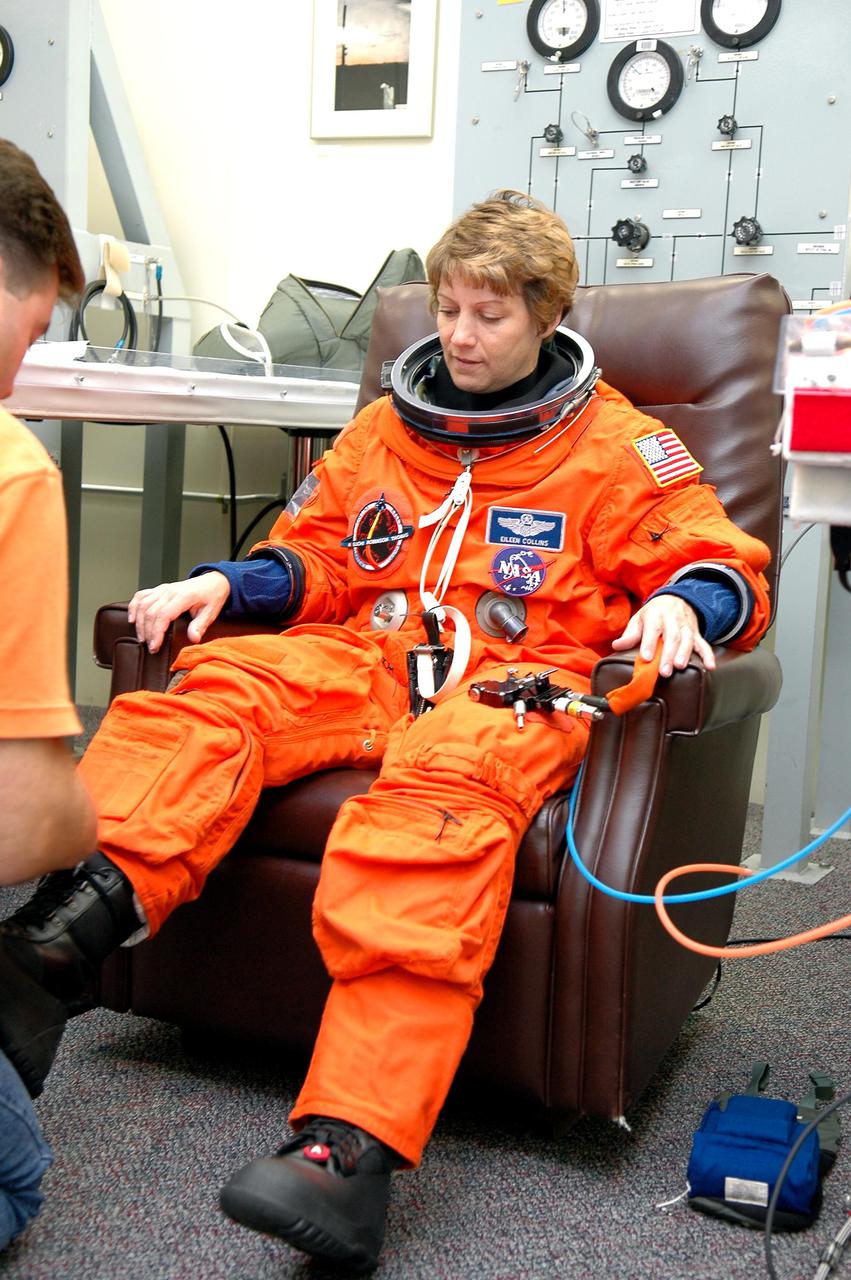
KENNEDY SPACE CENTER, FLA. - A suit technician helps STS-114 Commander Eileen Collins with a boot as she suits up in the Operations and Checkout Building for the trip to Launch Pad 39B for a mock launch countdown culminating in a simulated main engine cutoff. The dress rehearsal is part of Terminal Countdown Demonstration Test (TCDT) activities held prior to each Space Shuttle flight. It provides the crew of each mission an opportunity to participate in various simulated countdown activities, including equipment familiarization and emergency egress training. STS-114 is the first Return to Flight mission to the International Space Station. The launch window extends July 13 through July 31.
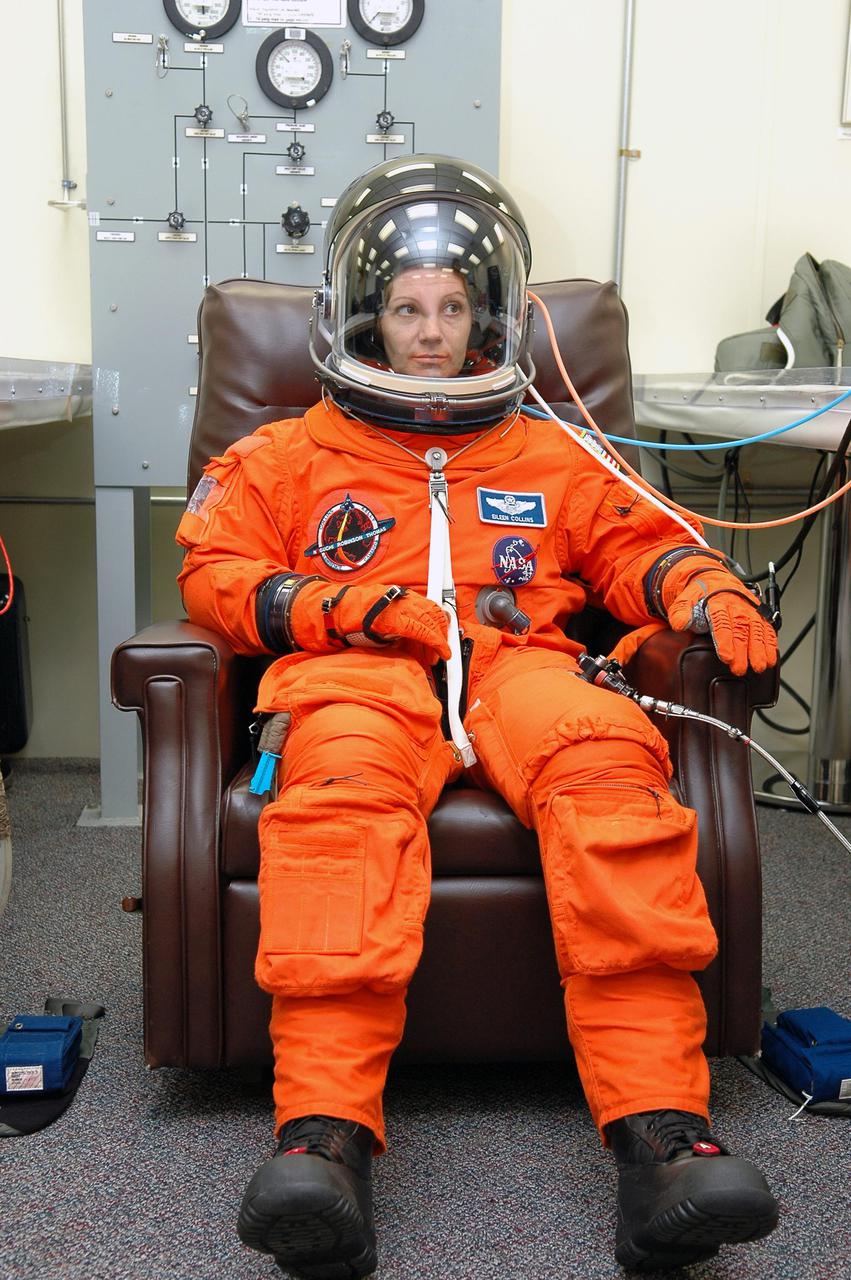
KENNEDY SPACE CENTER, FLA. -STS-114 Commander Eileen Collins suits up in the Operations and Checkout Building for the trip to Launch Pad 39B for a mock launch countdown culminating in a simulated main engine cutoff. The dress rehearsal is part of Terminal Countdown Demonstration Test (TCDT) activities held prior to each Space Shuttle flight. It provides the crew of each mission an opportunity to participate in various simulated countdown activities, including equipment familiarization and emergency egress training. STS-114 is the first Return to Flight mission to the International Space Station. The launch window extends July 13 through July 31.
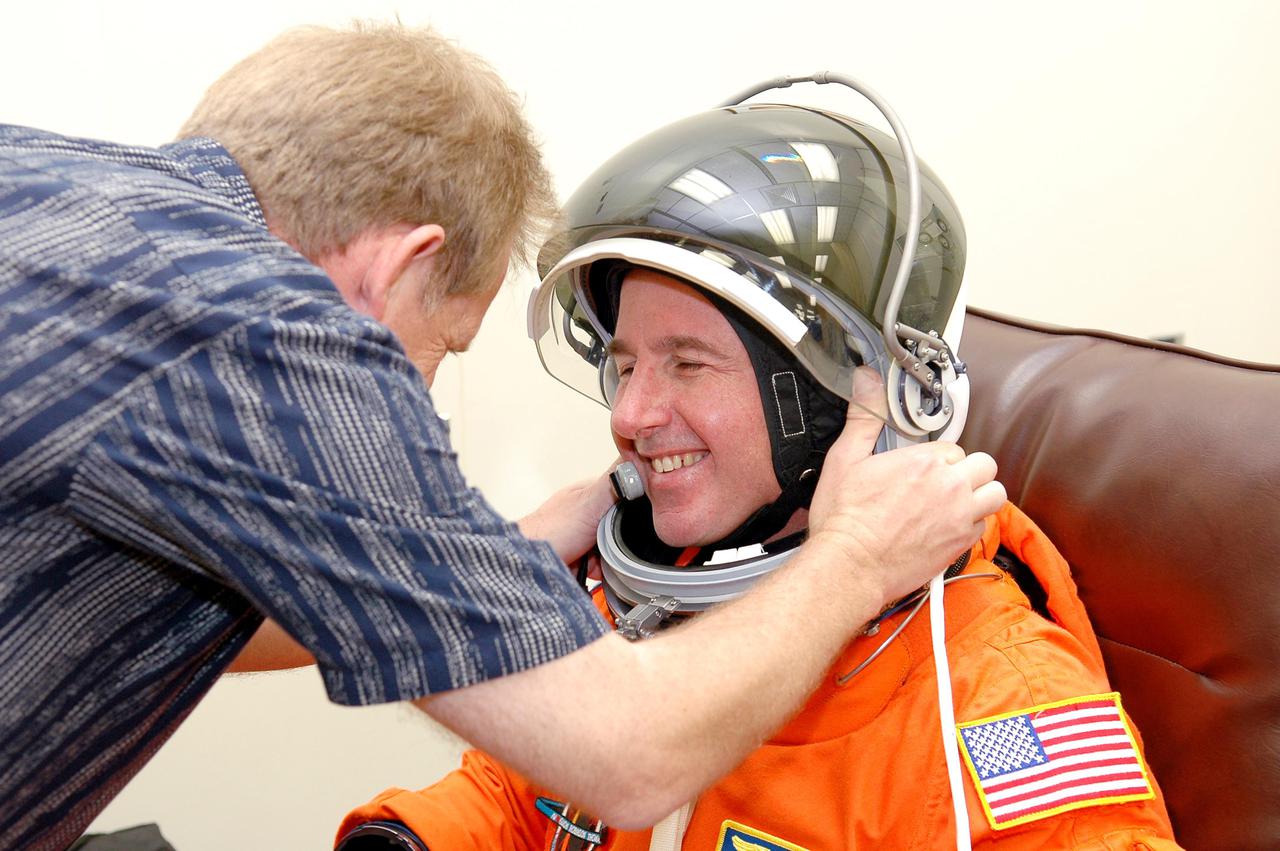
KENNEDY SPACE CENTER, FLA. - A suit technician helps STS-114 Mission Specialist Stephen Robinson suit up in the Operations and Checkout Building for the trip to Launch Pad 39B for a mock launch countdown culminating in a simulated main engine cutoff. The dress rehearsal is part of Terminal Countdown Demonstration Test (TCDT) activities held prior to each Space Shuttle flight. It provides the crew of each mission an opportunity to participate in various simulated countdown activities, including equipment familiarization and emergency egress training. STS-114 is the first Return to Flight mission to the International Space Station. The launch window extends July 13 through July 31.
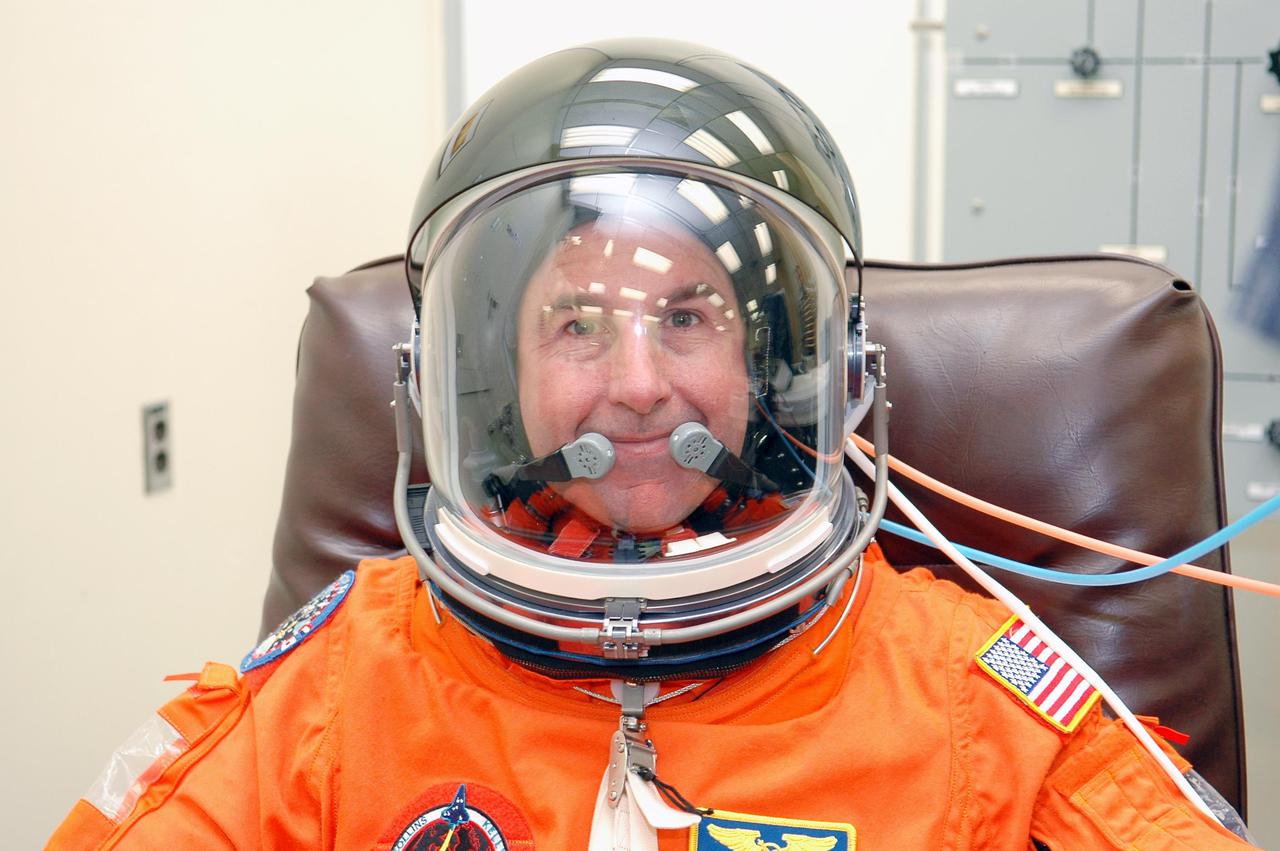
KENNEDY SPACE CENTER, FLA. -STS-114 Mission Specialist Stephen Robinson suits up in the Operations and Checkout Building for the trip to Launch Pad 39B for a mock launch countdown culminating in a simulated main engine cutoff. The dress rehearsal is part of Terminal Countdown Demonstration Test (TCDT) activities held prior to each Space Shuttle flight. It provides the crew of each mission an opportunity to participate in various simulated countdown activities, including equipment familiarization and emergency egress training. STS-114 is the first Return to Flight mission to the International Space Station. The launch window extends July 13 through July 31.

KENNEDY SPACE CENTER, FLA. -STS-114 Mission Specialist Charles Camarda suits up in the Operations and Checkout Building for the trip to Launch Pad 39-B for a mock launch countdown culminating in a simulated main engine cutoff. The dress rehearsal is part of Terminal Countdown Demonstration Test (TCDT) activities held prior to each Space Shuttle flight. It provides the crew of each mission an opportunity to participate in various simulated countdown activities, including equipment familiarization and emergency egress training. STS-114 is the first Return to Flight mission to the International Space Station. The launch window extends July 13 through July 31.

The “rookie” on the STS-92 mission, Pilot Pamela Ann Melroy has her new launch and entry suit adjusted during pre-pack and fit check in the Operations and Checkout Building. Melroy and the rest of the crew are at KSC for Terminal Countdown Demonstration Test activities. The TCDT provides emergency egress training, simulated countdown exercises and opportunities to inspect the mission payload. STS-92 is scheduled to launch Oct. 5 at 9:38 p.m. EDT from Launch Pad 39A on the fifth flight to the International Space Station. It will carry two elements of the Space Station, the Integrated Truss Structure Z1 and the third Pressurized Mating Adapter. The mission is also the 100th flight in the Shuttle program
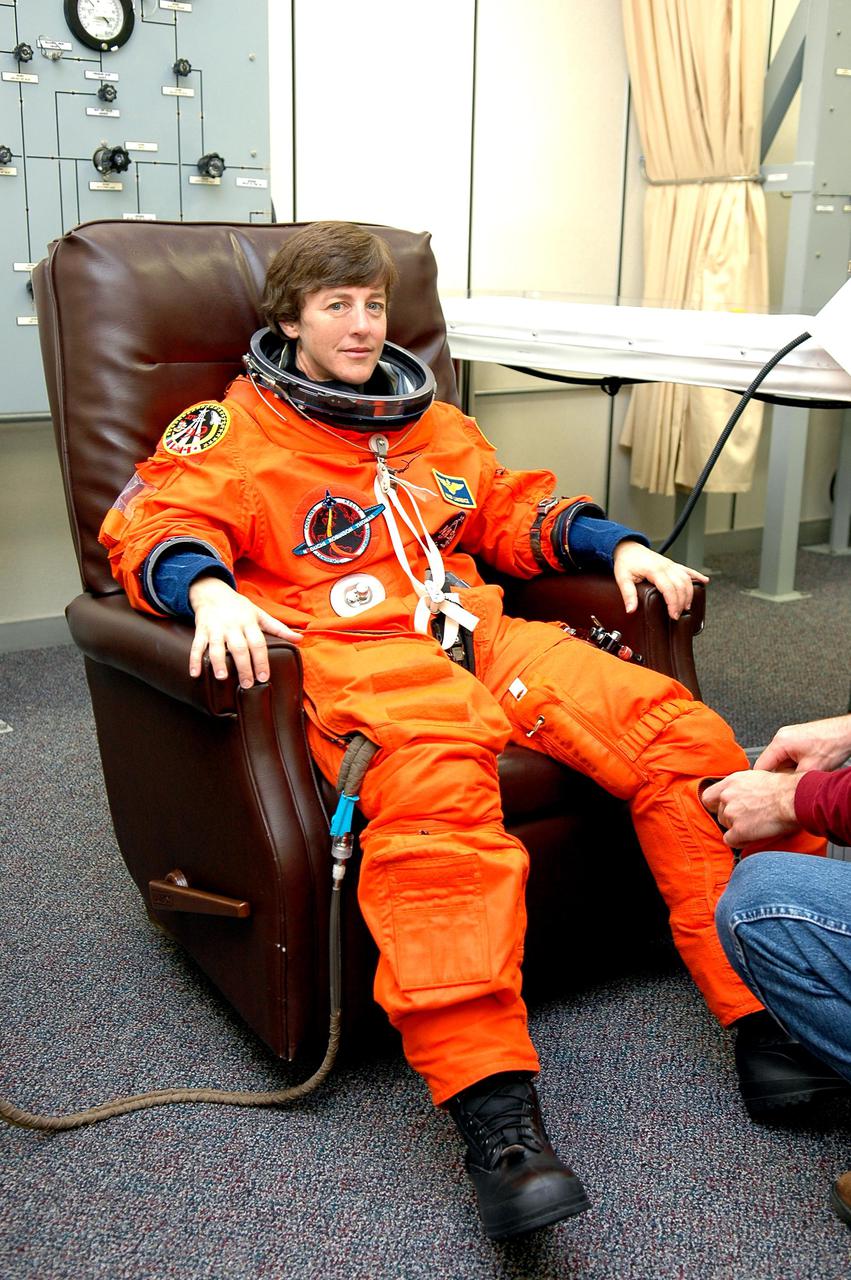
KENNEDY SPACE CENTER, FLA. -STS-114 Mission Specialist Wendy Lawrence suits up in the Operations and Checkout Building for the trip to Launch Pad 39B for a mock launch countdown culminating in a simulated main engine cutoff. The dress rehearsal is part of Terminal Countdown Demonstration Test (TCDT) activities held prior to each Space Shuttle flight. It provides the crew of each mission an opportunity to participate in various simulated countdown activities, including equipment familiarization and emergency egress training. STS-114 is the first Return to Flight mission to the International Space Station. The launch window extends July 13 through July 31.
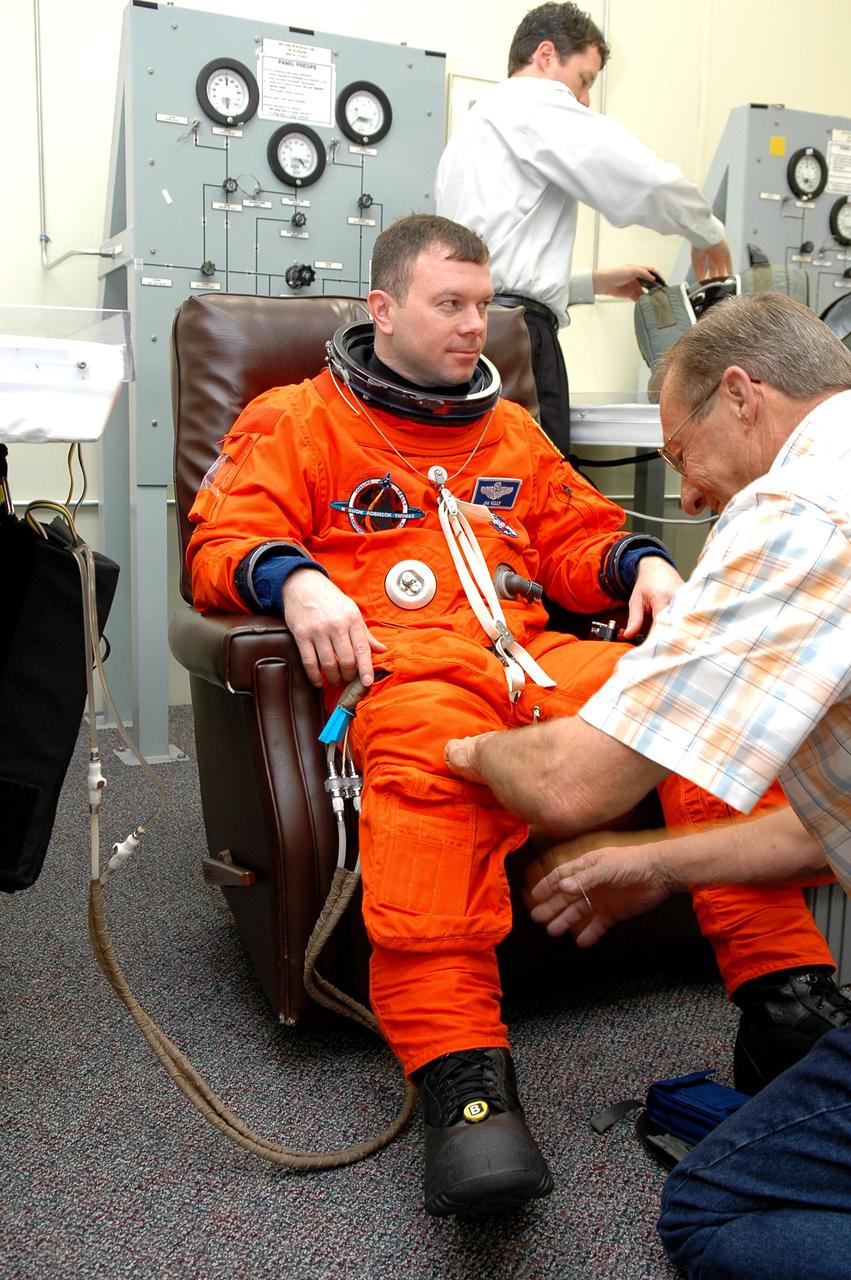
KENNEDY SPACE CENTER, FLA. - A suit technician helps STS-114 Pilot James Kelly suit up in the Operations and Checkout Building for the trip to Launch Pad 39B for a mock launch countdown culminating in a simulated main engine cutoff. The dress rehearsal is part of Terminal Countdown Demonstration Test (TCDT) activities held prior to each Space Shuttle flight. It provides the crew of each mission an opportunity to participate in various simulated countdown activities, including equipment familiarization and emergency egress training. STS-114 is the first Return to Flight mission to the International Space Station. The launch window extends July 13 through July 31.
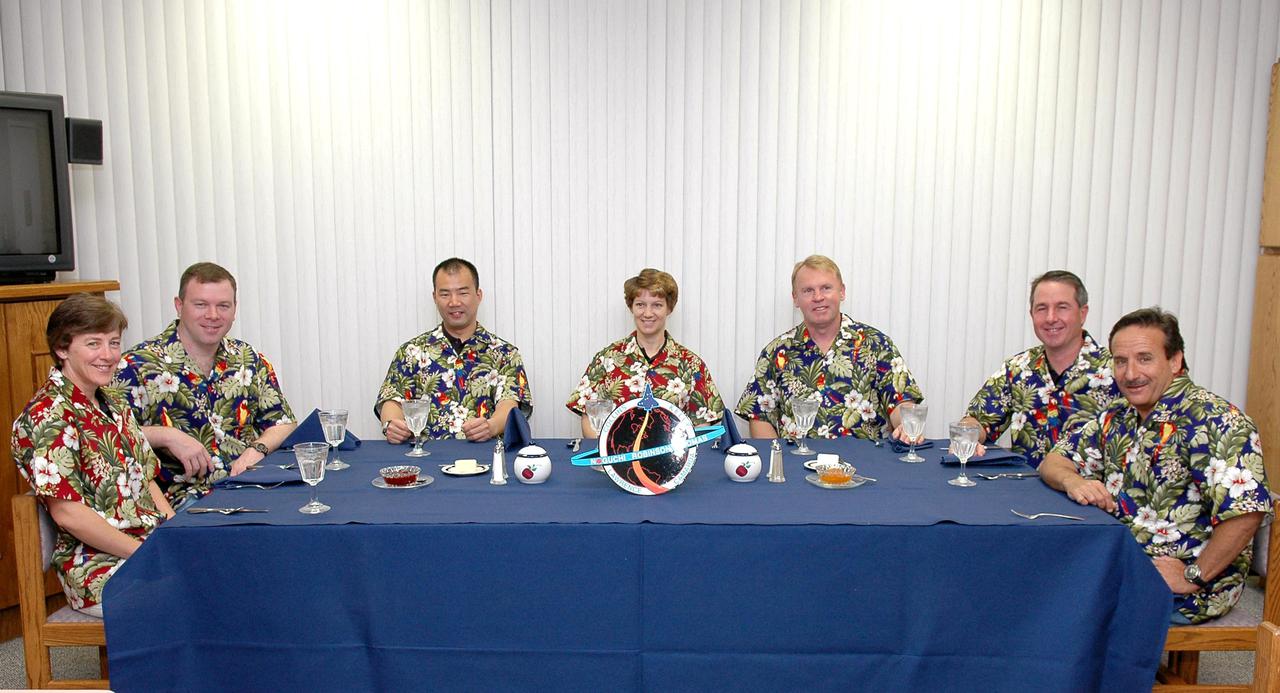
KENNEDY SPACE CENTER, FLA. - The STS-114 crew partakes of the traditional breakfast in the crew quarters at the Operations and Checkout (OandC) Building prior to suit-up for the trip to Launch Pad 39B for a mock launch countdown culminating in a simulated main engine cutoff. Seated, from left, are Mission Specialist Wendy Lawrence, Pilot James Kelly, Mission Specialist Soichi Noguchi, Commander Eileen Collins, and Mission Specialists Andrew Thomas, Stephen Robinson, and Charles Camarda. Noguchi is with the Japan Aerospace Exploration Agency. The dress rehearsal is part of Terminal Countdown Demonstration Test (TCDT) activities held prior to each Space Shuttle flight. It provides the crew of each mission an opportunity to participate in various simulated countdown activities, including equipment familiarization and emergency egress training. STS-114 is the first Return to Flight mission to the International Space Station. The launch window extends July 13 through July 31.
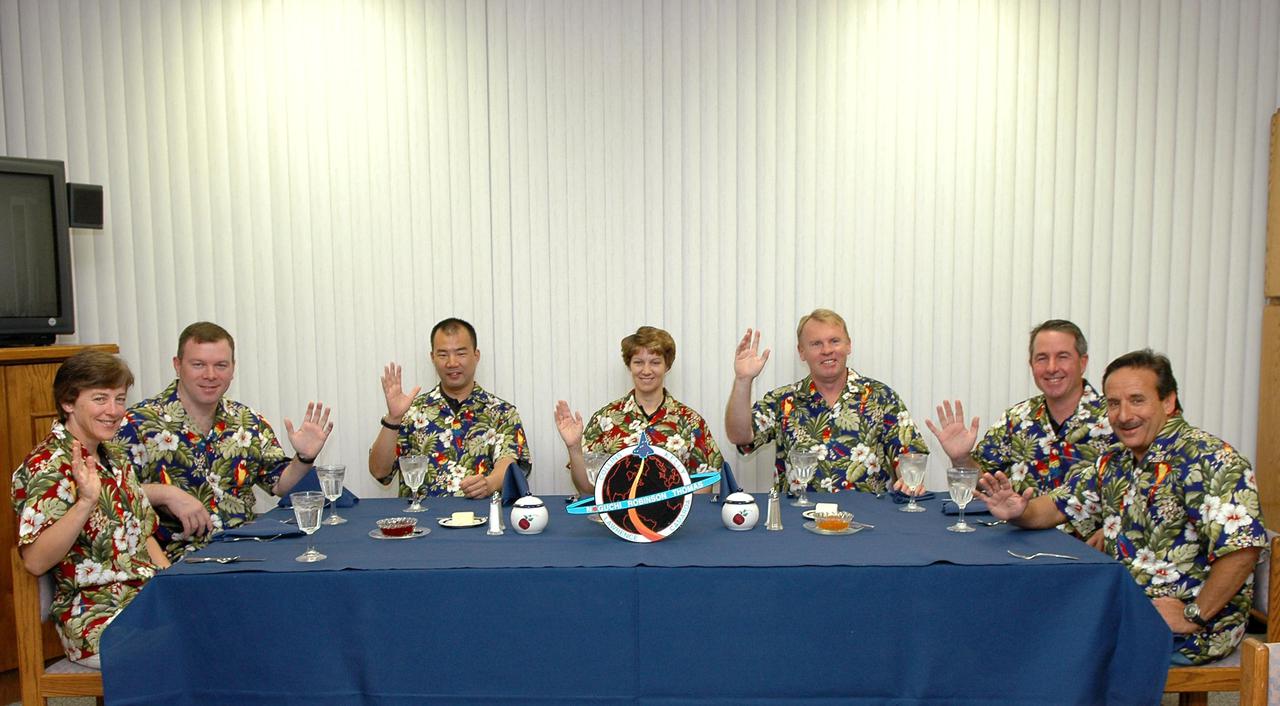
KENNEDY SPACE CENTER, FLA. - The STS-114 crew partakes of the traditional breakfast in the crew quarters at the Operations and Checkout (OandC) Building prior to suit-up for the trip to Launch Pad 39B for a mock launch countdown culminating in a simulated main engine cutoff. Seated, from left, are Mission Specialist Wendy Lawrence, Pilot James Kelly, Mission Specialist Soichi Noguchi, Commander Eileen Collins, and Mission Specialists Andrew Thomas, Stephen Robinson, and Charles Camarda. Noguchi is with the Japan Aerospace Exploration Agency. The dress rehearsal is part of Terminal Countdown Demonstration Test (TCDT) activities held prior to each Space Shuttle flight. It provides the crew of each mission an opportunity to participate in various simulated countdown activities, including equipment familiarization and emergency egress training. STS-114 is the first Return to Flight mission to the International Space Station. The launch window extends July 13 through July 31.
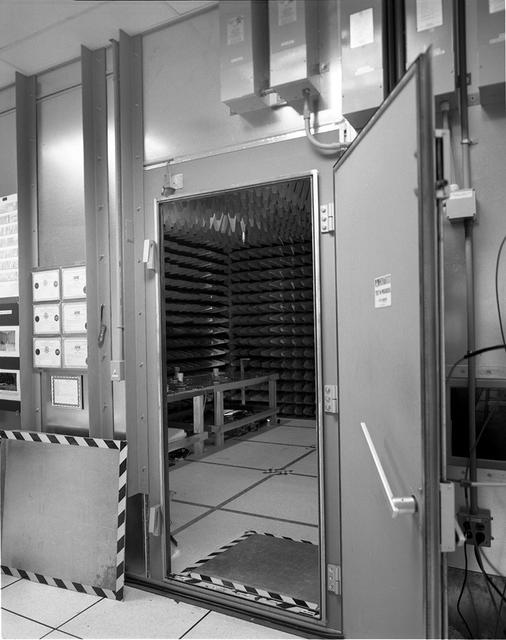
Interior View of FCTB/EDL
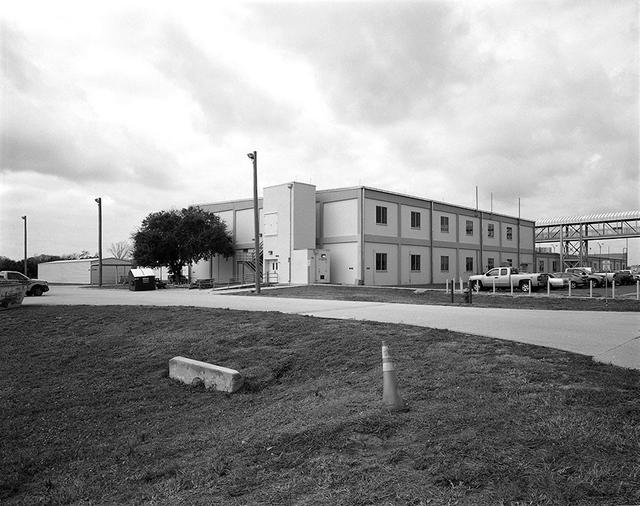
Exterior View of FCTB/EDL
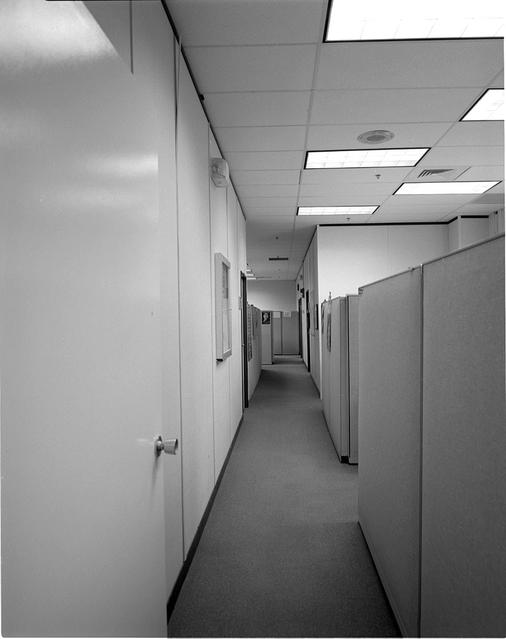
Interior View of FCTB/EDL
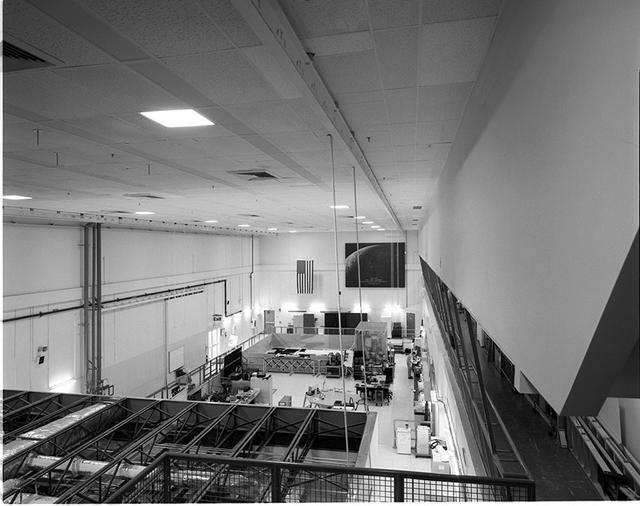
Interior View of FCTB/EDL
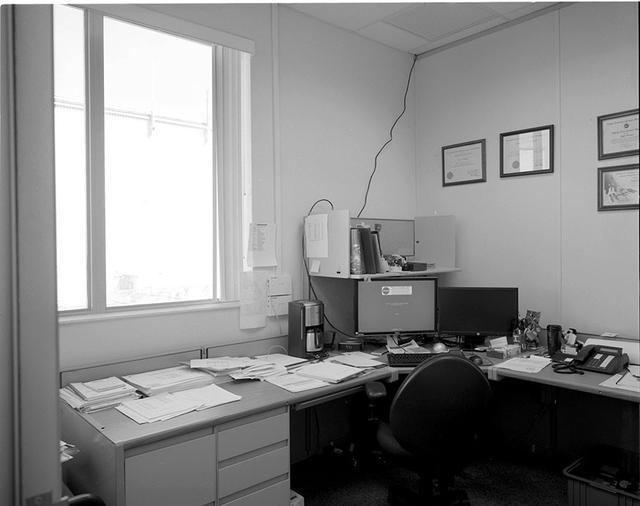
Interior View of FCTB/EDL
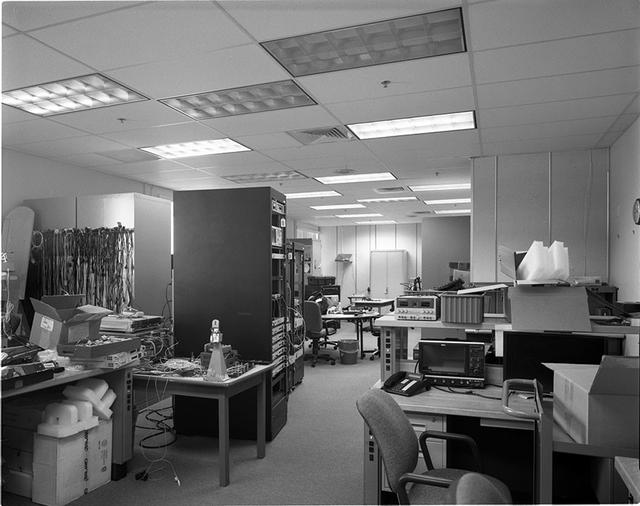
Interior View of FCTB/EDL
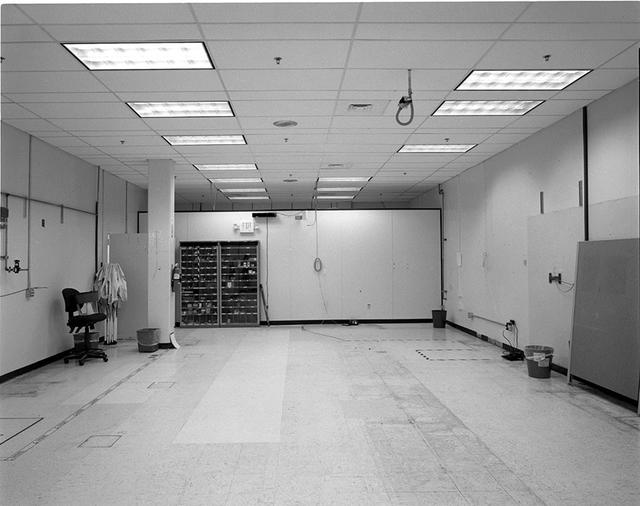
Interior View of FCTB/EDL
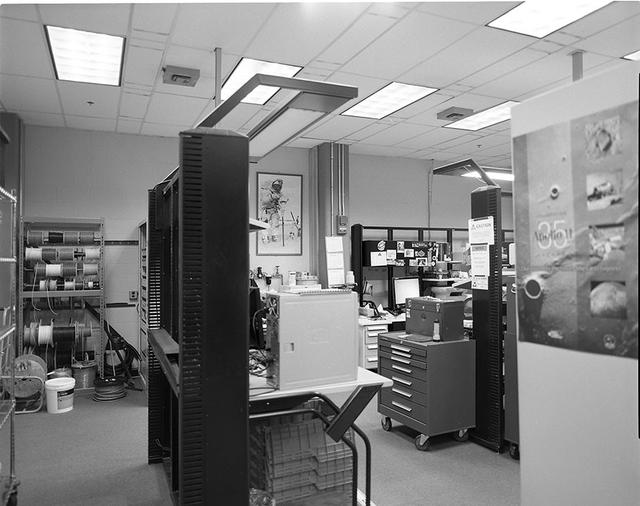
Interior View of FCTB/EDL

Interior View of FCTB/EDL
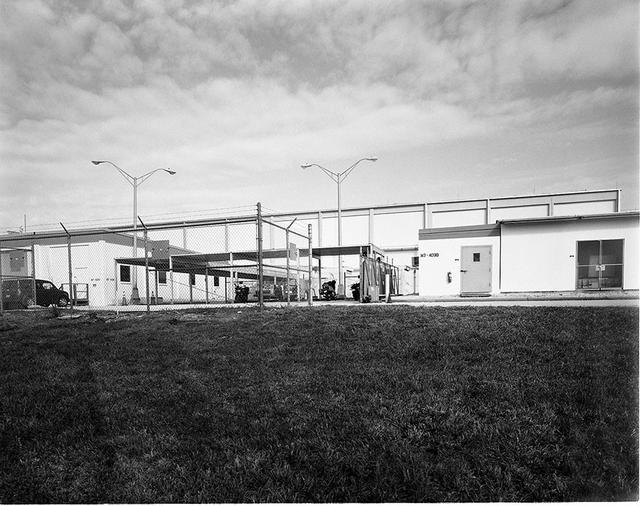
Exterior View of FCTB/EDL
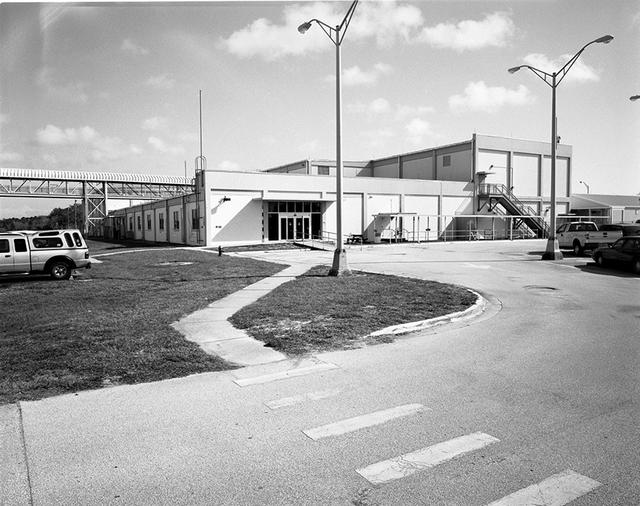
Exterior View of FCTB/EDL
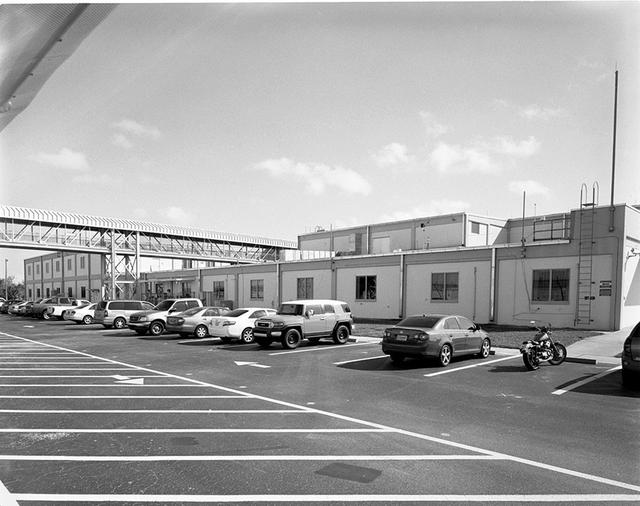
Exterior View of FCTB/EDL
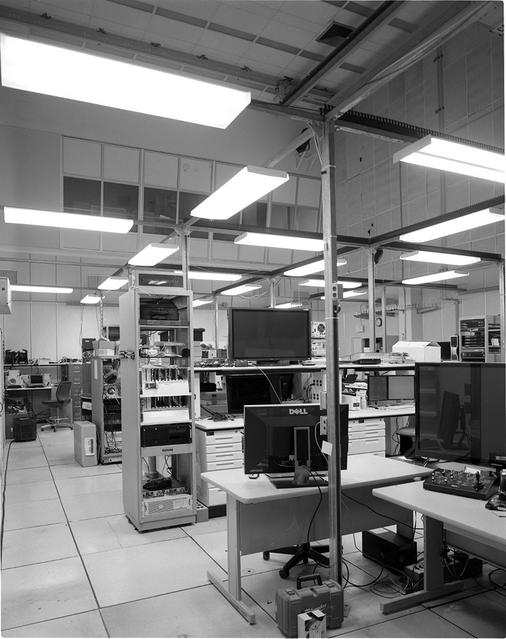
Interior View of FCTB/EDL
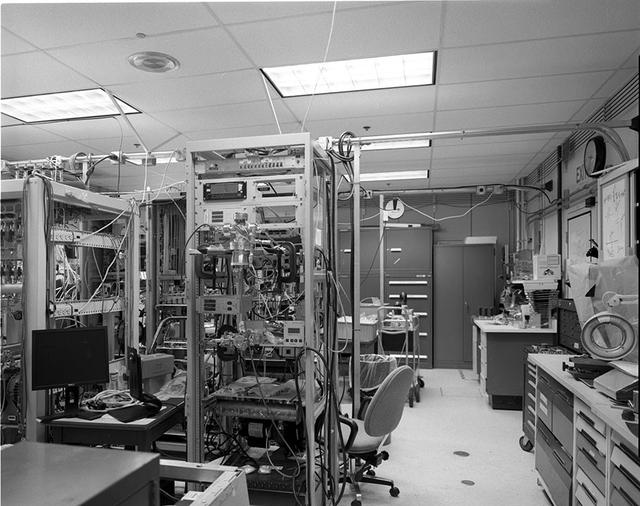
Interior View of FCTB/EDL
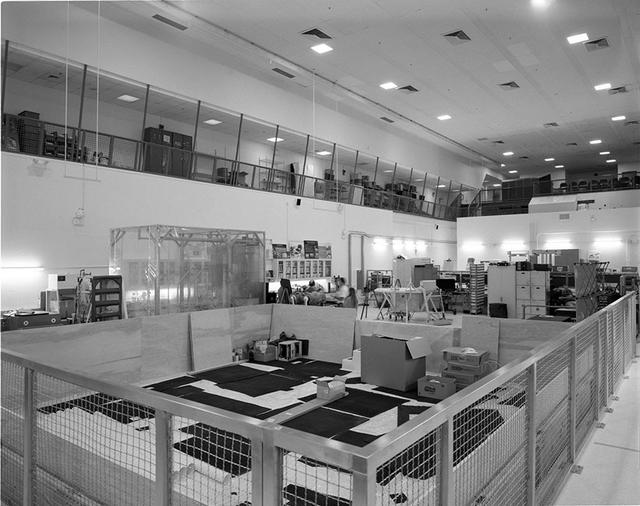
Interior View of FCTB/EDL
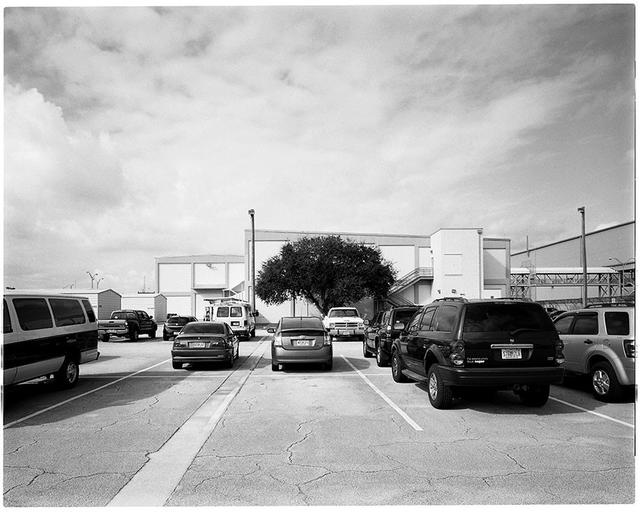
Exterior View of FCTB/EDL
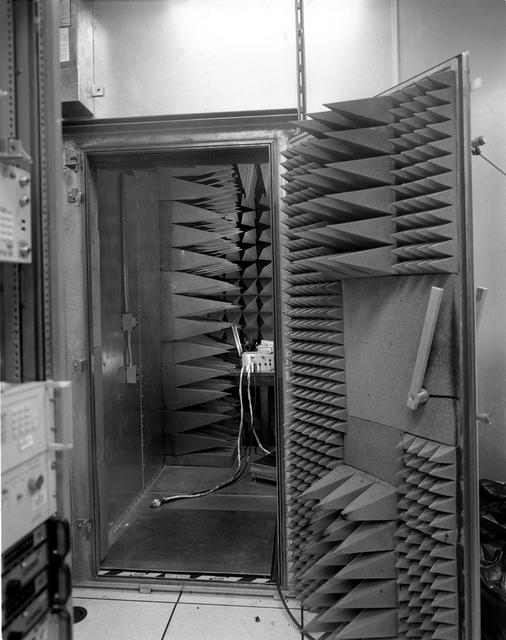
Interior View of FCTB/EDL
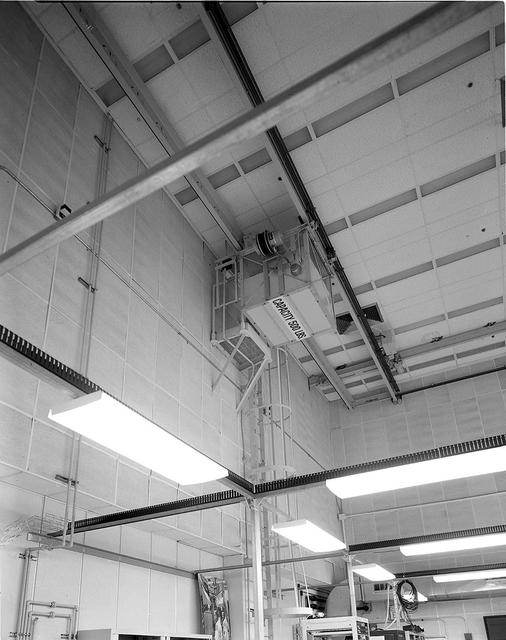
Interior View of FCTB/EDL
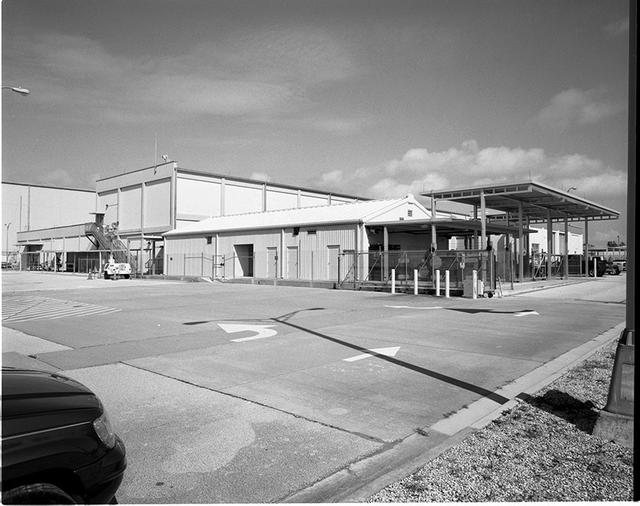
Exterior View of FCTB/EDL
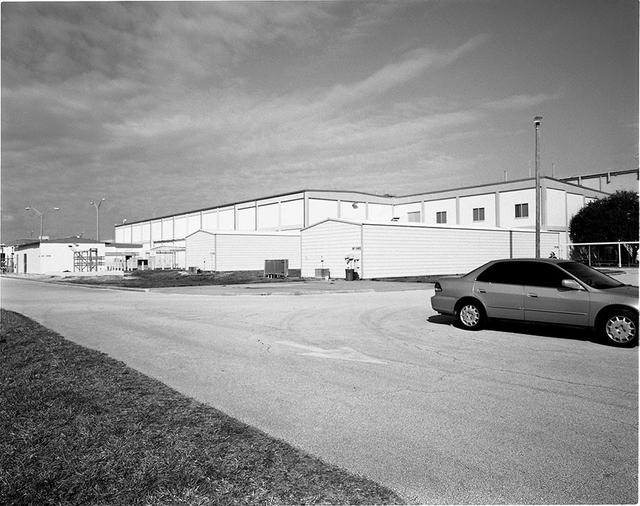
Exterior View of FCTB/EDL
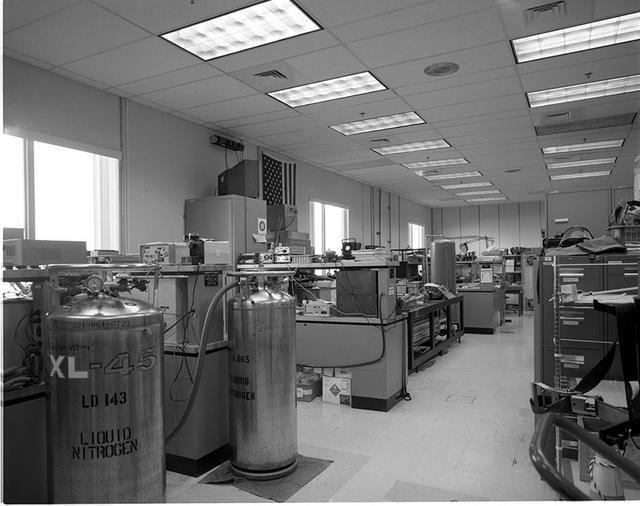
Interior View of FCTB/EDL
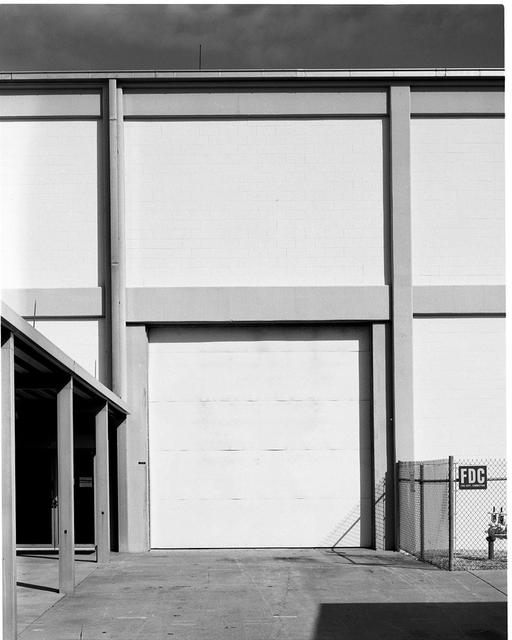
Exterior View of FCTB/EDL