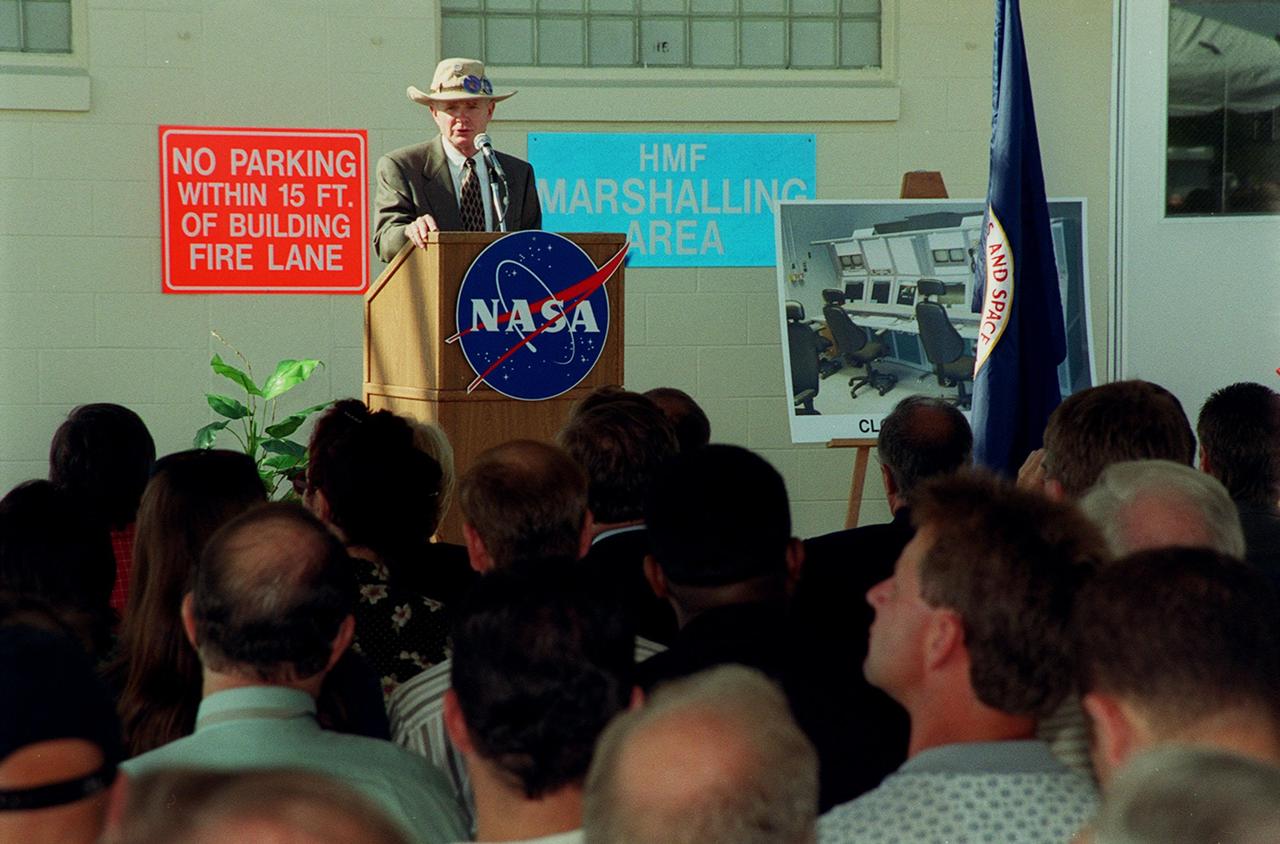
KSC Director Roy Bridges addresses attendees at a ribbon cutting for the new Checkout and Launch Control System (CLCS) at the Hypergolic Maintenance Facility (HMF). The CLCS was declared operational in a ribbon cutting ceremony earlier. The new control room will be used to process the Orbital Maneuvering System pods and Forward Reaction Control System modules at the HMF. This hardware is removed from Space Shuttle orbiters and routinely taken to the HMF for checkout and servicing
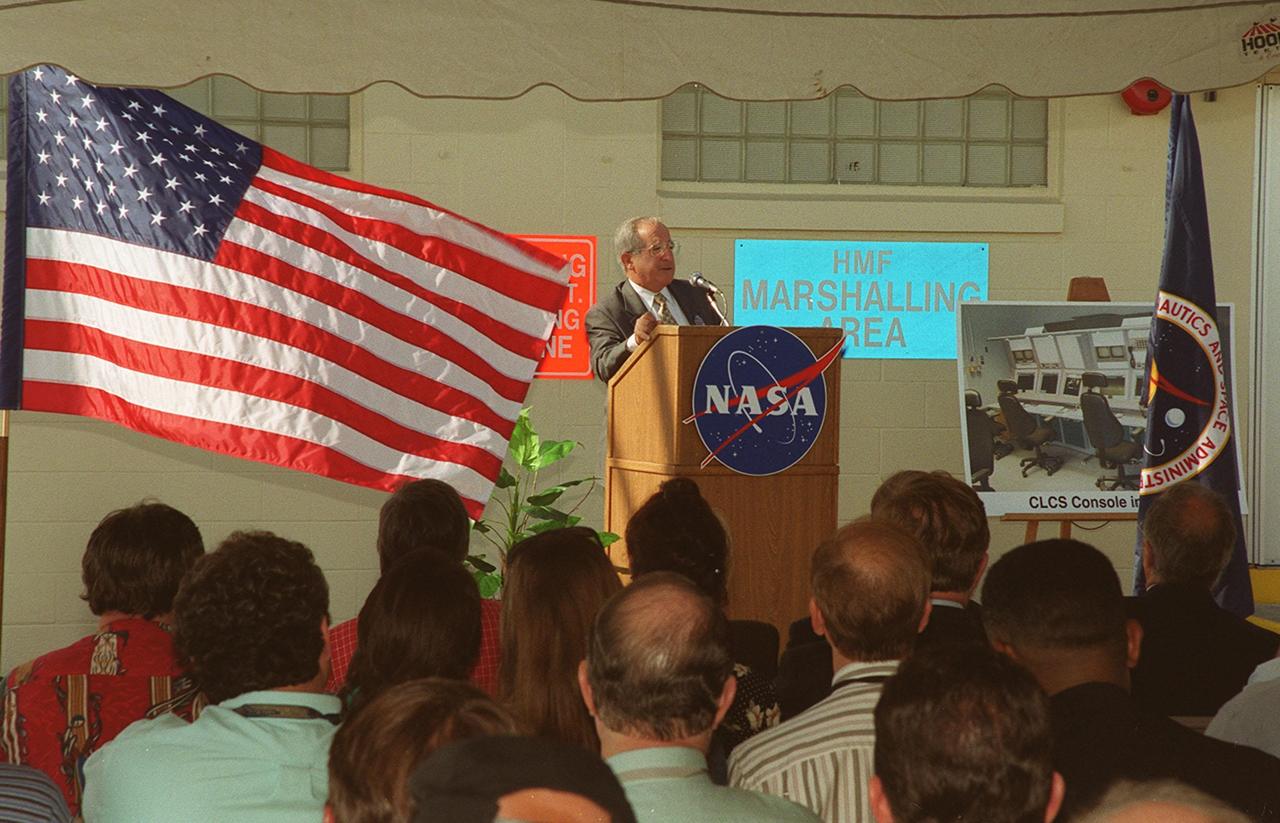
NASA Associate Administrator for Space Flight Joseph Rothenberg addresses attendees at a ribbon cutting for the new Checkout and Launch Control System (CLCS) at the Hypergolic Maintenance Facility (HMF). The CLCS was declared operational in a ribbon cutting ceremony earlier. The new control room will be used to process the Orbital Maneuvering System pods and Forward Reaction Control System modules at the HMF. This hardware is removed from Space Shuttle orbiters and routinely taken to the HMF for checkout and servicing
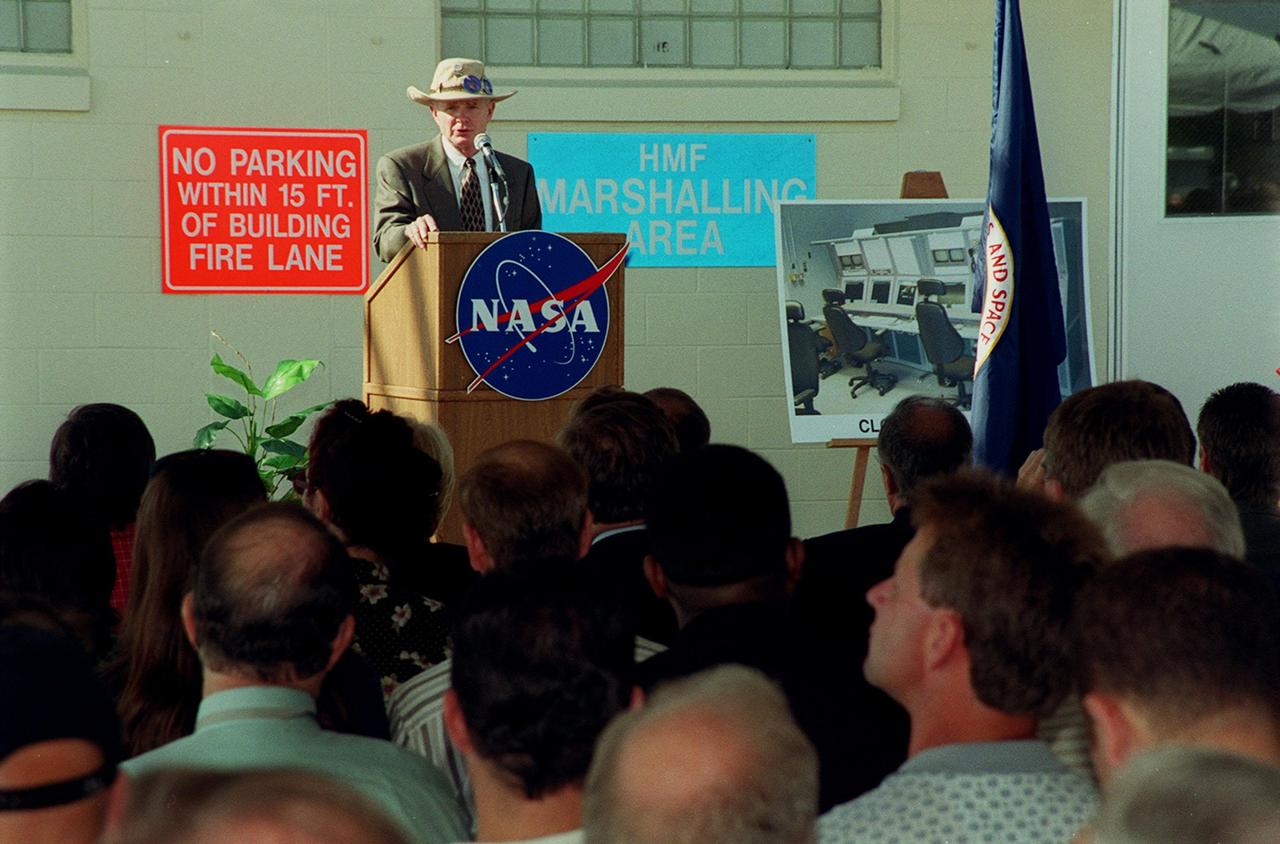
KSC Director Roy Bridges addresses attendees at a ribbon cutting for the new Checkout and Launch Control System (CLCS) at the Hypergolic Maintenance Facility (HMF). The CLCS was declared operational in a ribbon cutting ceremony earlier. The new control room will be used to process the Orbital Maneuvering System pods and Forward Reaction Control System modules at the HMF. This hardware is removed from Space Shuttle orbiters and routinely taken to the HMF for checkout and servicing
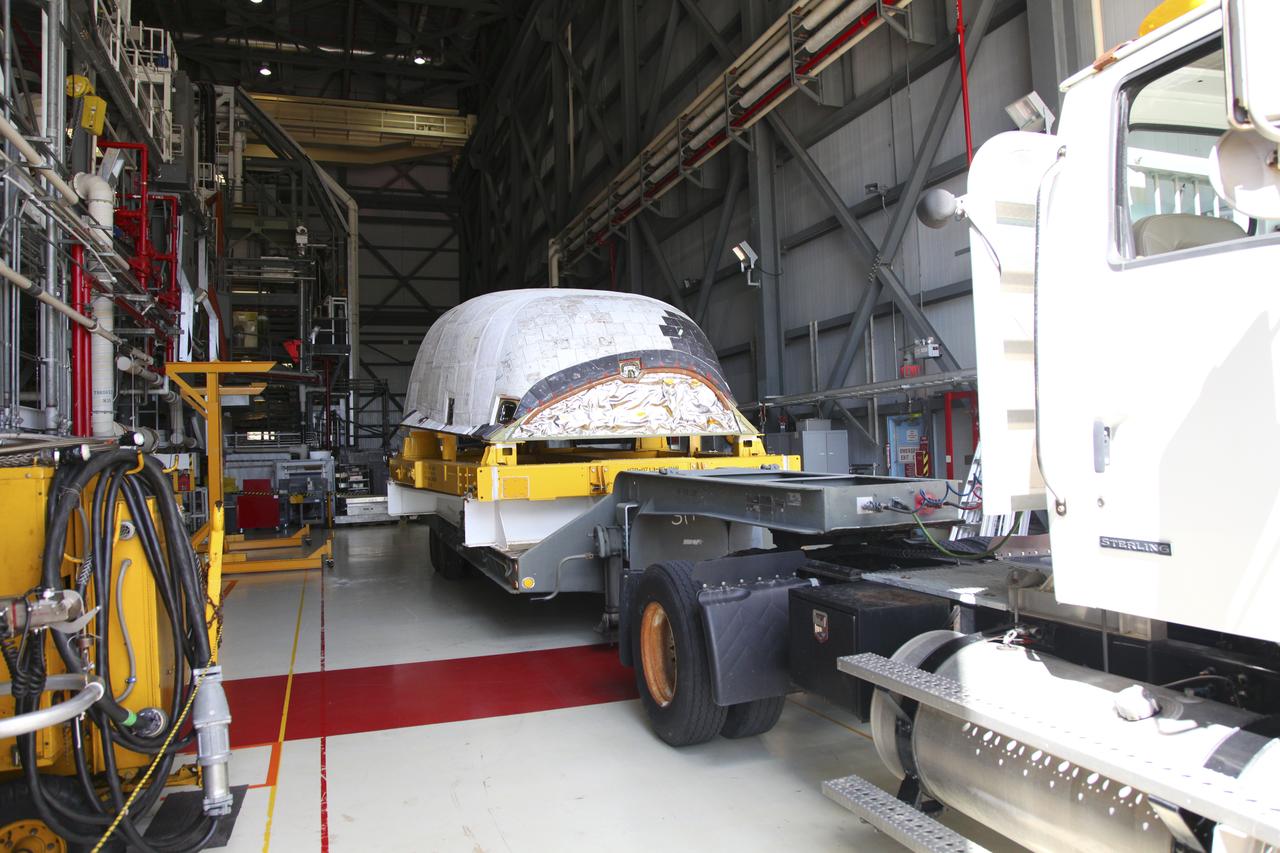
T&R Atlantis, OMS Pod is Moved from HMF to OPF 1
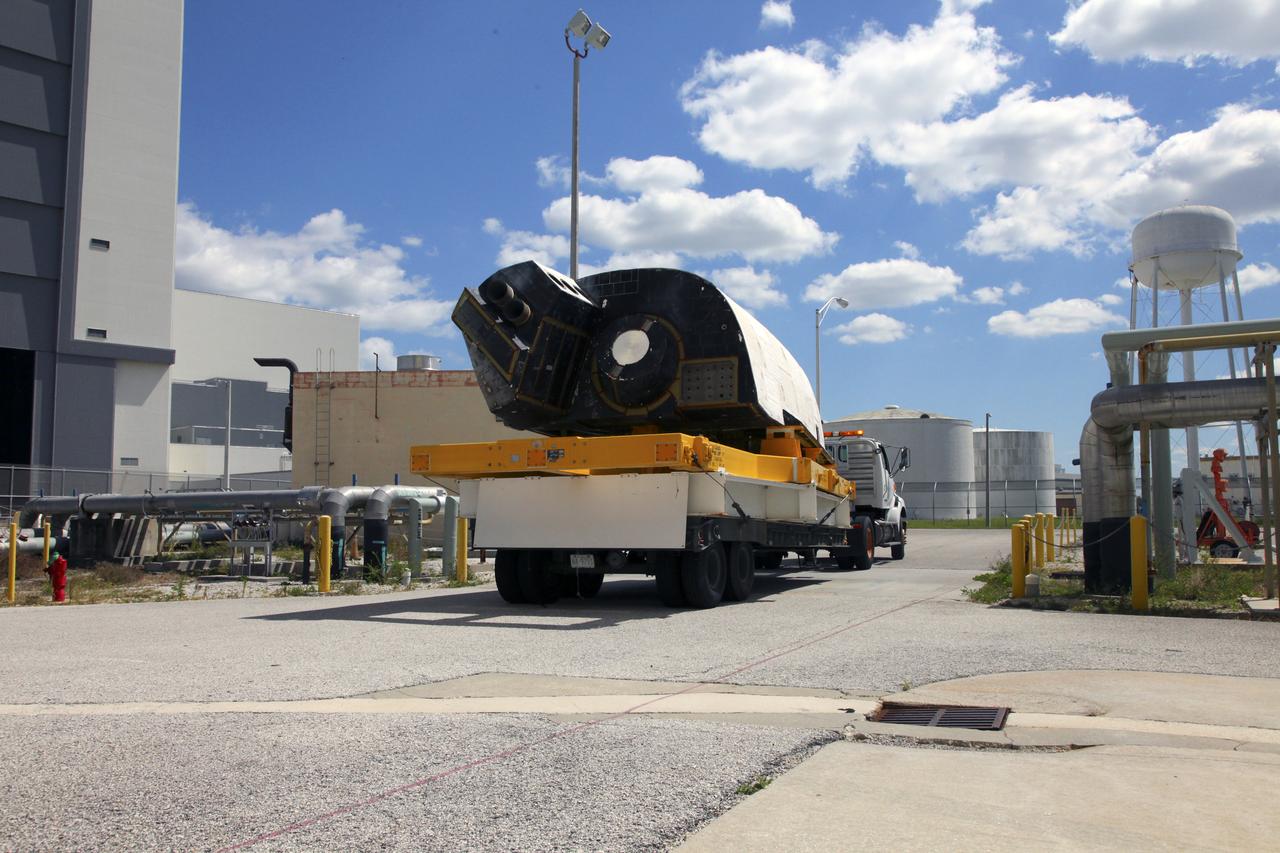
T&R Atlantis, OMS Pod is Moved from HMF to OPF 1
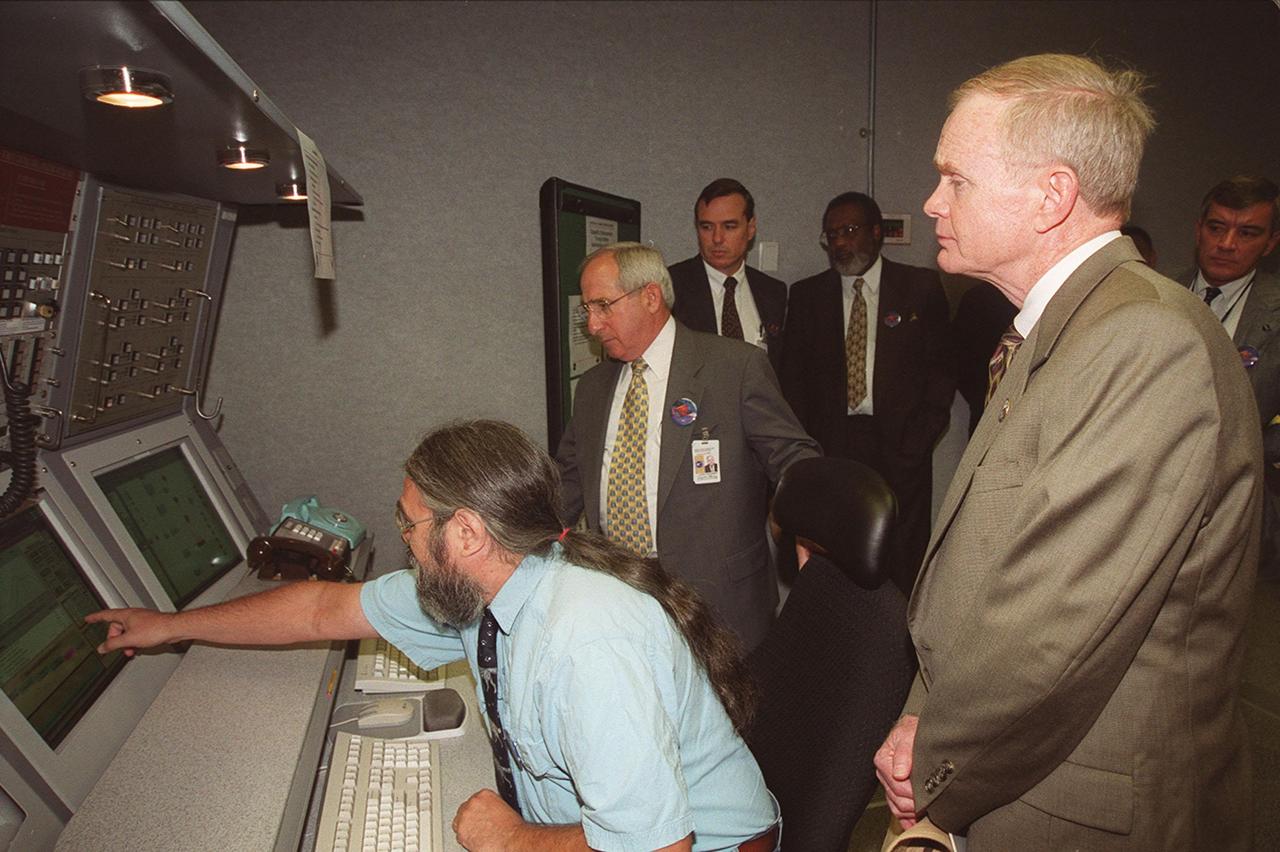
KSC Director Roy Bridges (right) views the new Checkout and Launch Control System (CLCS) at the Hypergolic Maintenance Facility (HMF). Looking on (left to right)are NASA Associate Administrator for Space Flight Joseph Rothenberg, United Space Alliance Lead IPT Frank Norris, KSC Deputy Center Director Jim Jennings, and Deputy Director of External Relations & Business Development Joe Gordon (behind Bridges). At the controls is Charles Novak, HMF programmer, United Space Alliance. The CLCS was declared operational in a ribbon cutting ceremony earlier. The new control room will be used to process the Orbital Maneuvering System pods and Forward Reaction Control System modules at the HMF. This hardware is removed from Space Shuttle orbiters and routinely taken to the HMF for checkout and servicing
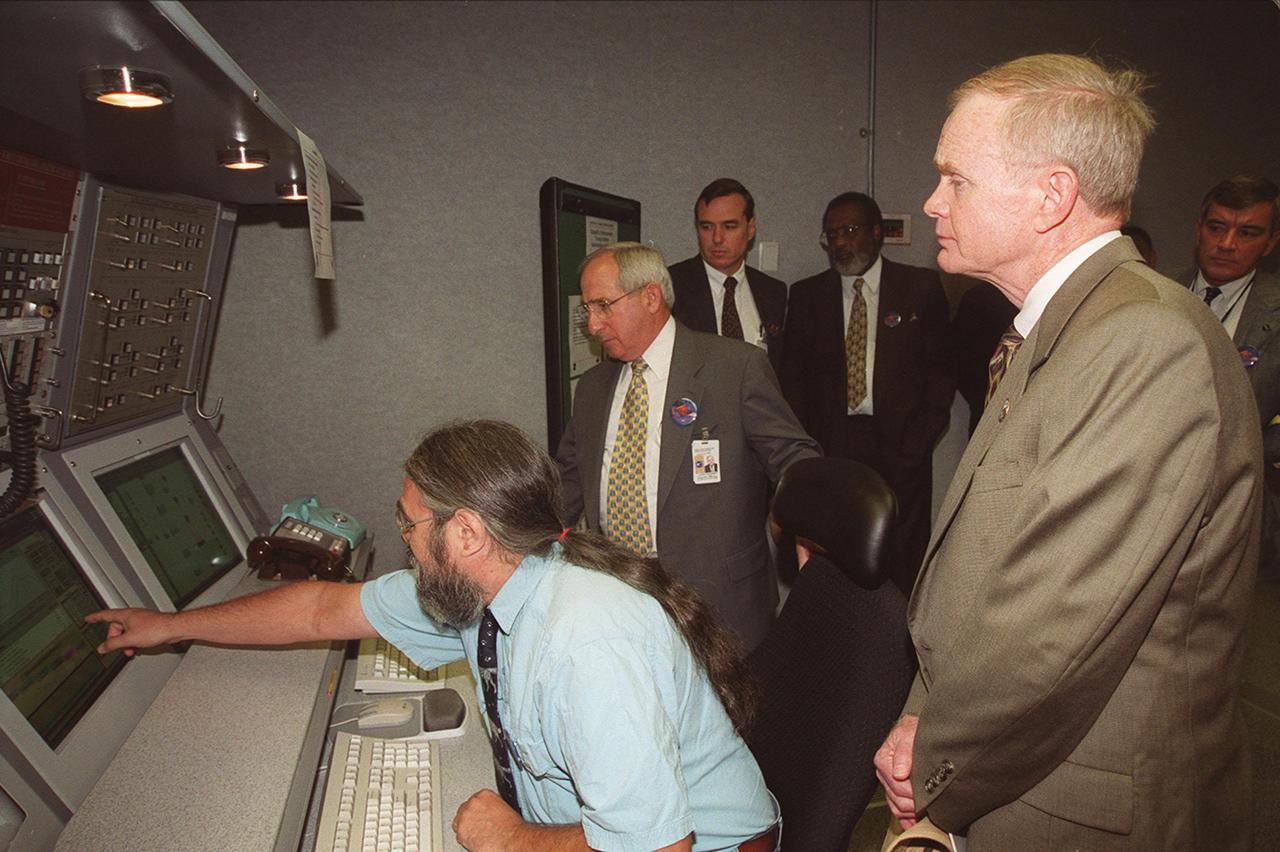
KSC Director Roy Bridges (right) views the new Checkout and Launch Control System (CLCS) at the Hypergolic Maintenance Facility (HMF). Looking on (left to right)are NASA Associate Administrator for Space Flight Joseph Rothenberg, United Space Alliance Lead IPT Frank Norris, KSC Deputy Center Director Jim Jennings, and Deputy Director of External Relations & Business Development Joe Gordon (behind Bridges). At the controls is Charles Novak, HMF programmer, United Space Alliance. The CLCS was declared operational in a ribbon cutting ceremony earlier. The new control room will be used to process the Orbital Maneuvering System pods and Forward Reaction Control System modules at the HMF. This hardware is removed from Space Shuttle orbiters and routinely taken to the HMF for checkout and servicing
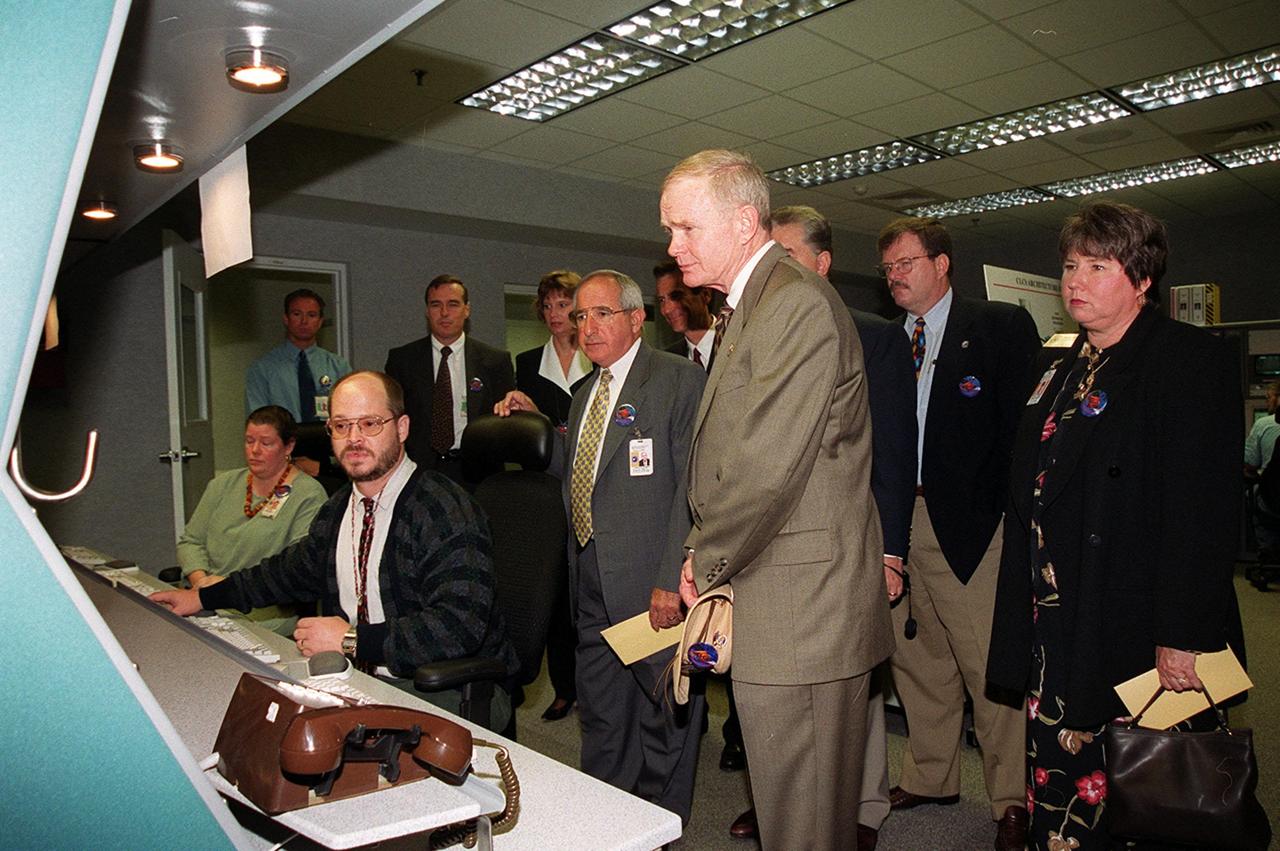
KSC Director Roy Bridges (center) and guests view the new Checkout and Launch Control System (CLCS) at the Hypergolic Maintenance Facility (HMF). Looking on next to him (left) is NASA Associate Administrator for Space Flight Joseph Rothenberg and Pam Gillespie (far right), from Rep. Dave Weldon’s office. The CLCS was declared operational in a ribbon cutting ceremony earlier. The new control room will be used to process the Orbital Maneuvering System pods and Forward Reaction Control System modules at the HMF. This hardware is removed from Space Shuttle orbiters and routinely taken to the HMF for checkout and servicing
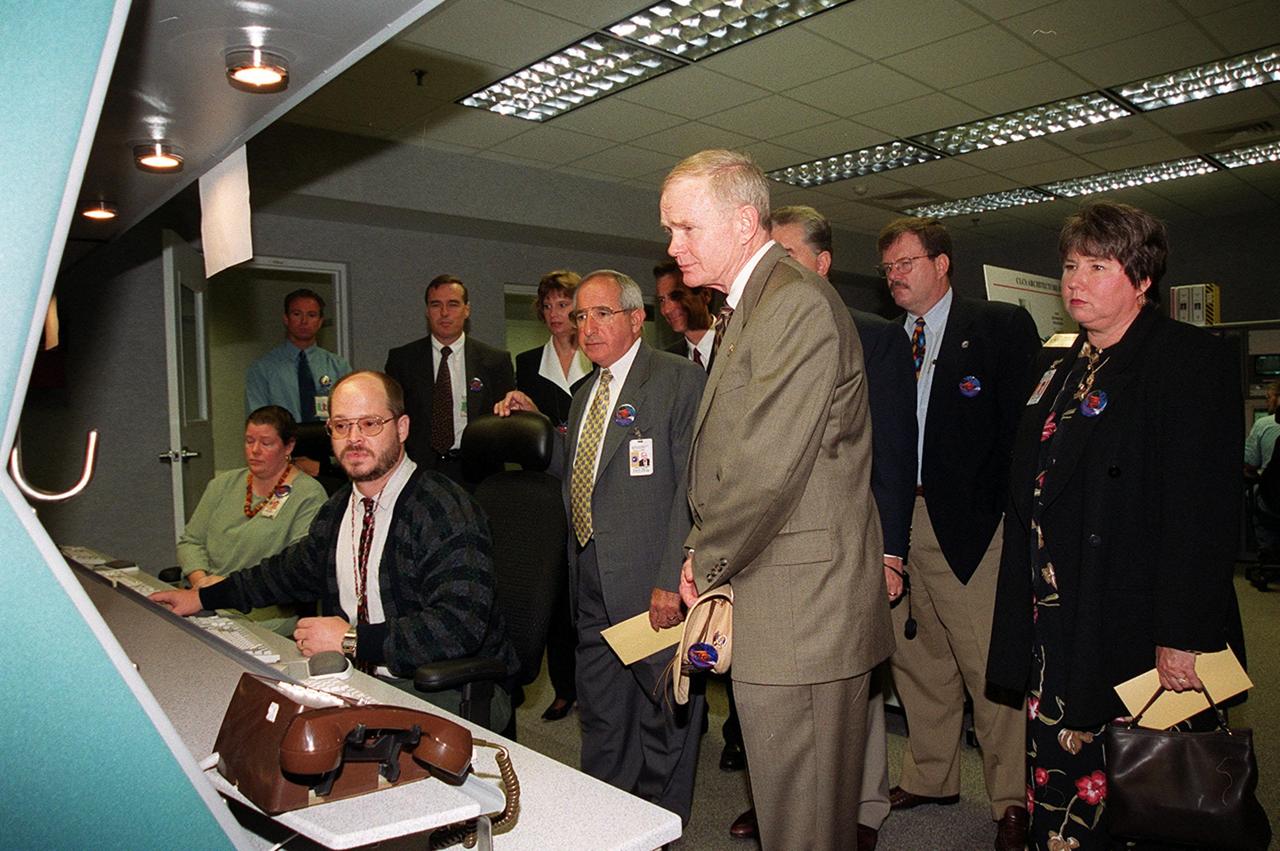
KSC Director Roy Bridges (center) and guests view the new Checkout and Launch Control System (CLCS) at the Hypergolic Maintenance Facility (HMF). Looking on next to him (left) is NASA Associate Administrator for Space Flight Joseph Rothenberg and Pam Gillespie (far right), from Rep. Dave Weldon’s office. The CLCS was declared operational in a ribbon cutting ceremony earlier. The new control room will be used to process the Orbital Maneuvering System pods and Forward Reaction Control System modules at the HMF. This hardware is removed from Space Shuttle orbiters and routinely taken to the HMF for checkout and servicing
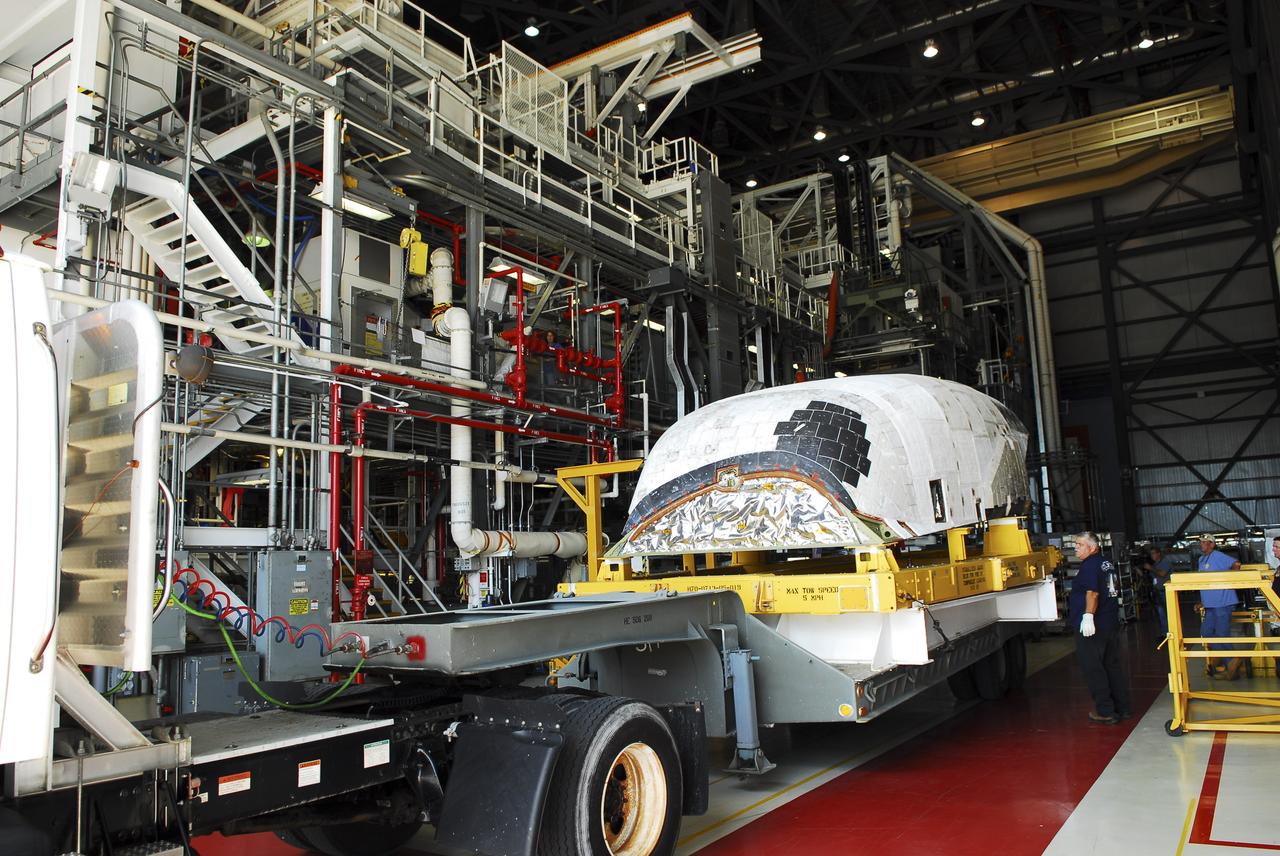
T&R Atlantis, OMS Pod Returns from White Sands, Offloaded at HMF, moved to OPF 1

T&R Atlantis, OMS Pod Returns from White Sands, Offloaded at HMF, moved to OPF 1

T&R Atlantis, OMS Pod Returns from White Sands, Offloaded at HMF, moved to OPF 1
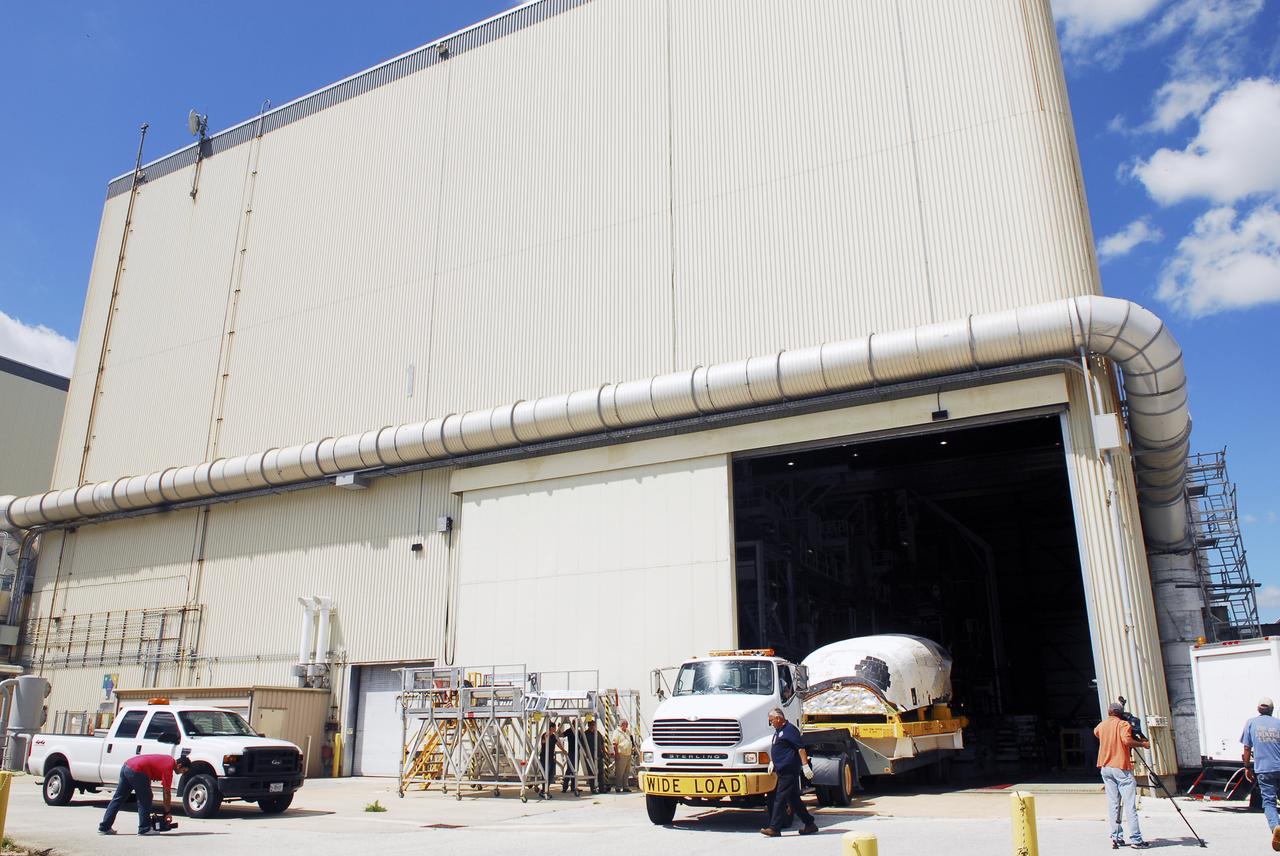
T&R Atlantis, OMS Pod Returns from White Sands, Offloaded at HMF, moved to OPF 1

T&R Atlantis, OMS Pod Returns from White Sands, Offloaded at HMF, moved to OPF 1
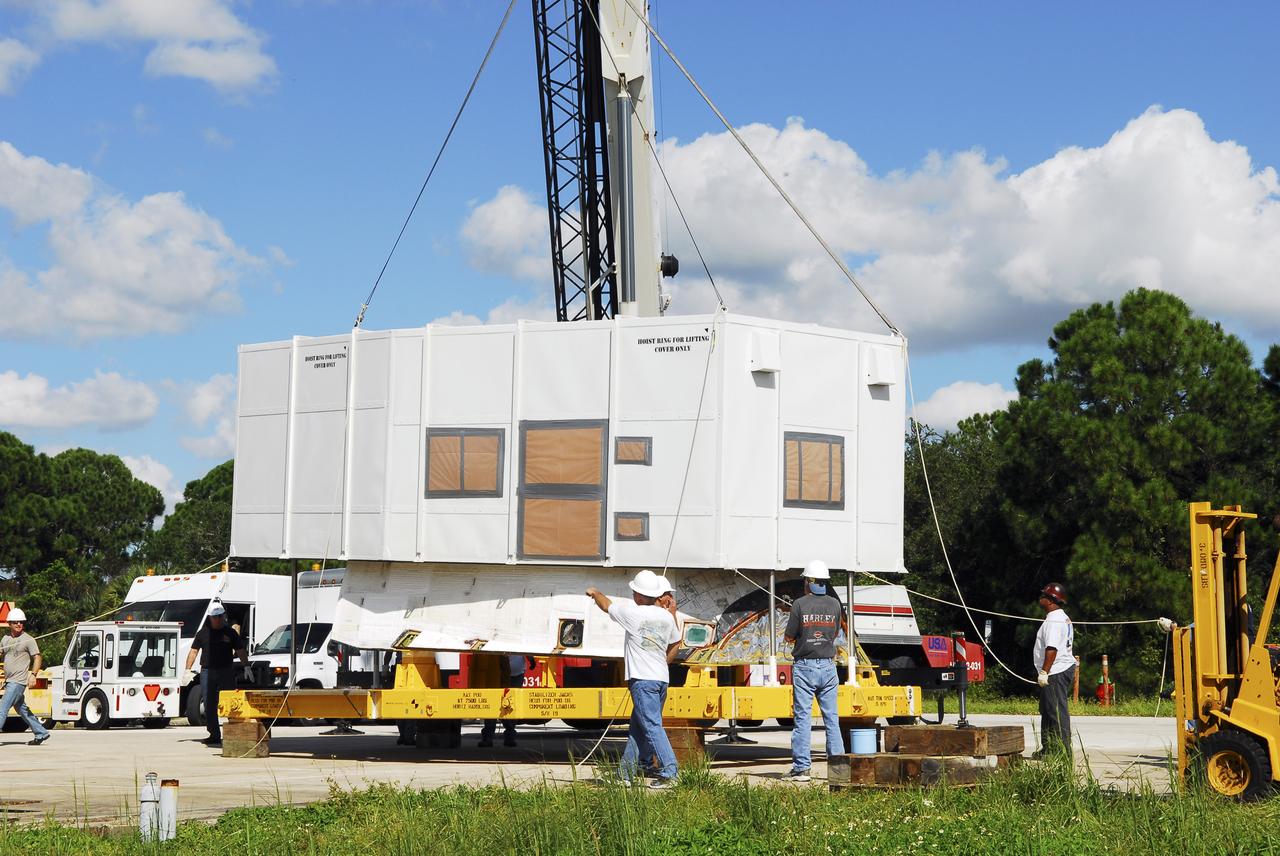
T&R Atlantis, OMS Pod Returns from White Sands, Offloaded at HMF, moved to OPF 1
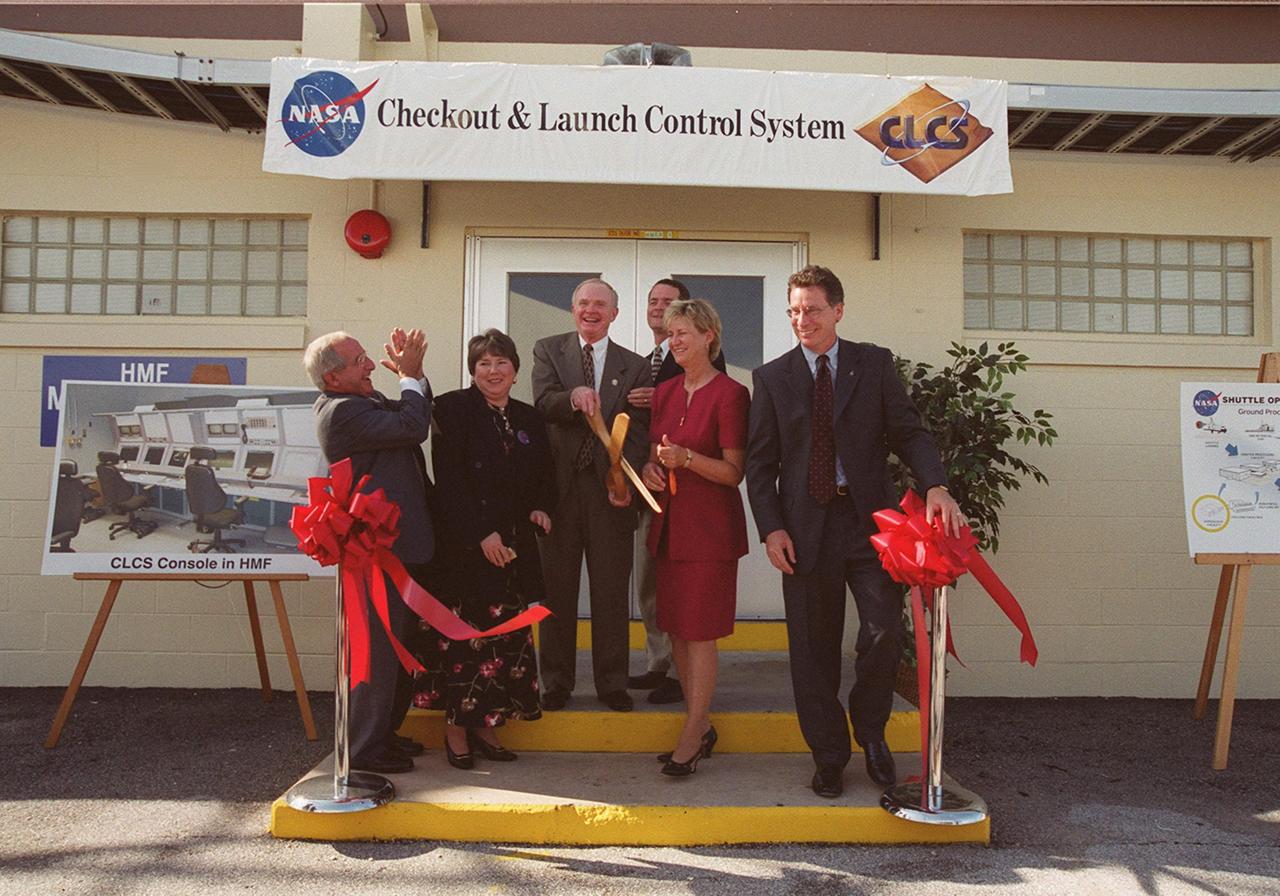
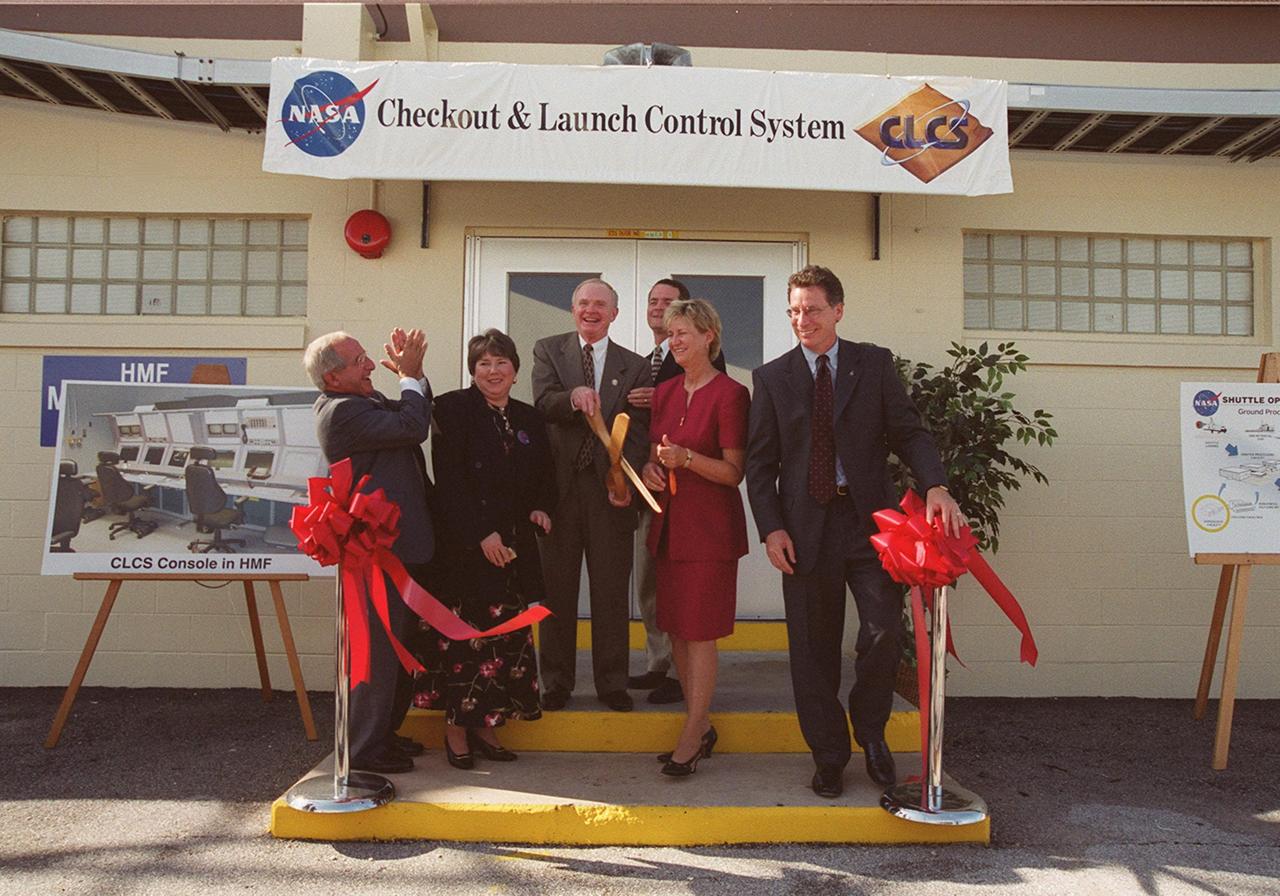
The ribbon is cut and the new Checkout and Launch Control System (CLCS) declared operational. Those taking part in the ceremony are (from left) Joseph Rothenberg, NASA Associate Administrator for Space Flight; Pam Gillespie, from Rep. Dave Weldon's office; Roy Bridges, Kennedy Space Center director; Dave King, director of Shuttle Processing; Retha Hart, deputy associate director, Spaceport Technology Management Office; and Ron Dittemore, manager, Space Shuttle Program. The new control room will be used to process the Orbital Maneuvering System pods and Forward Reaction Control System modules at the HMF. This hardware is removed from Space Shuttle orbiters and routinely taken to the HMF for checkout and servicing
The ribbon is cut and the new Checkout and Launch Control System (CLCS) declared operational. Those taking part in the ceremony are (from left) Joseph Rothenberg, NASA Associate Administrator for Space Flight; Pam Gillespie, from Rep. Dave Weldon's office; Roy Bridges, Kennedy Space Center director; Dave King, director of Shuttle Processing; Retha Hart, deputy associate director, Spaceport Technology Management Office; and Ron Dittemore, manager, Space Shuttle Program. The new control room will be used to process the Orbital Maneuvering System pods and Forward Reaction Control System modules at the HMF. This hardware is removed from Space Shuttle orbiters and routinely taken to the HMF for checkout and servicing
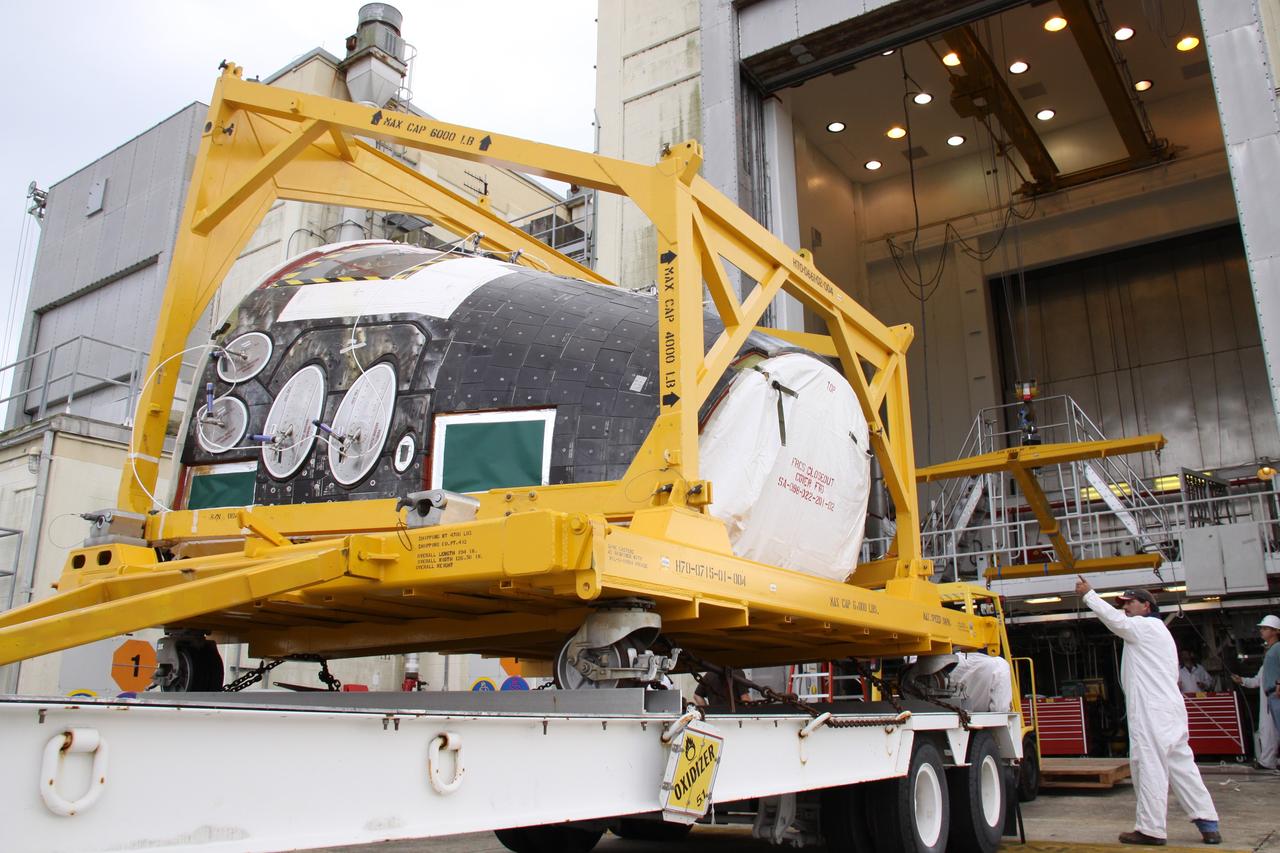
CAPE CANAVERAL, Fla. - At the Hypergolic Maintenance Facility at NASA's Kennedy Space Center in Florida, United Space Alliance workers prepare to transport the Forward Reaction Control System, or FRCS, for space shuttle Discovery to Orbiter Processing Facility Bay 3. Discovery is being prepared for the STS-131 mission, the 33rd flight to the International Space Station. The FRCS provides the thrust for attitude (rotational) maneuvers (pitch, yaw and roll) and for small velocity changes along the orbiter axis (translation maneuvers). The seven-member STS-131 crew will deliver a Multi-Purpose Logistics Module filled with resupply stowage platforms and racks to be transferred to locations around the station. Three spacewalks will include work to attach a spare ammonia tank assembly to the station's exterior and return a European experiment from outside the station's Columbus module. Discovery's launch is targeted for March 18, 2010. For information on the STS-131 mission and crew, visit http://www.nasa.gov/mission_pages/shuttle/shuttlemissions/sts131/index.html. Photo credit: NASA/Troy Cryder

CAPE CANAVERAL, Fla. - In the Hypergolic Maintenance Facility at NASA's Kennedy Space Center in Florida, United Space Alliance workers lower the Forward Reaction Control System, or FRCS, for space shuttle Discovery onto a transporter for its move to Orbiter Processing Facility Bay 3. Discovery is being prepared for the STS-131 mission, the 33rd flight to the International Space Station. The FRCS provides the thrust for attitude (rotational) maneuvers (pitch, yaw and roll) and for small velocity changes along the orbiter axis (translation maneuvers). The seven-member STS-131 crew will deliver a Multi-Purpose Logistics Module filled with resupply stowage platforms and racks to be transferred to locations around the station. Three spacewalks will include work to attach a spare ammonia tank assembly to the station's exterior and return a European experiment from outside the station's Columbus module. Discovery's launch is targeted for March 18, 2010. For information on the STS-131 mission and crew, visit http://www.nasa.gov/mission_pages/shuttle/shuttlemissions/sts131/index.html. Photo credit: NASA/Troy Cryder

CAPE CANAVERAL, Fla. - At the Hypergolic Maintenance Facility at NASA's Kennedy Space Center in Florida, preparations are under way to move the Forward Reaction Control System, or FRCS, for space shuttle Discovery to Orbiter Processing Facility Bay 3. Discovery is being prepared for the STS-131 mission, the 33rd flight to the International Space Station. The FRCS provides the thrust for attitude (rotational) maneuvers (pitch, yaw and roll) and for small velocity changes along the orbiter axis (translation maneuvers). The seven-member STS-131 crew will deliver a Multi-Purpose Logistics Module filled with resupply stowage platforms and racks to be transferred to locations around the station. Three spacewalks will include work to attach a spare ammonia tank assembly to the station's exterior and return a European experiment from outside the station's Columbus module. Discovery's launch is targeted for March 18, 2010. For information on the STS-131 mission and crew, visit http://www.nasa.gov/mission_pages/shuttle/shuttlemissions/sts131/index.html. Photo credit: NASA/Troy Cryder

CAPE CANAVERAL, Fla. - At the Hypergolic Maintenance Facility at NASA's Kennedy Space Center in Florida, the Forward Reaction Control System, or FRCS, for space shuttle Discovery is secured on a truck bed and ready for transport to Orbiter Processing Facility Bay 3. Discovery is being prepared for the STS-131 mission, the 33rd flight to the International Space Station. The FRCS provides the thrust for attitude (rotational) maneuvers (pitch, yaw and roll) and for small velocity changes along the orbiter axis (translation maneuvers). The seven-member STS-131 crew will deliver a Multi-Purpose Logistics Module filled with resupply stowage platforms and racks to be transferred to locations around the station. Three spacewalks will include work to attach a spare ammonia tank assembly to the station's exterior and return a European experiment from outside the station's Columbus module. Discovery's launch is targeted for March 18, 2010. For information on the STS-131 mission and crew, visit http://www.nasa.gov/mission_pages/shuttle/shuttlemissions/sts131/index.html. Photo credit: NASA/Troy Cryder

CAPE CANAVERAL, Fla. - In the Hypergolic Maintenance Facility at NASA's Kennedy Space Center in Florida, United Space Alliance workers lift the Forward Reaction Control System, or FRCS, for space shuttle Discovery for its move to Orbiter Processing Facility Bay 3. Discovery is being prepared for the STS-131 mission, the 33rd flight to the International Space Station. The FRCS provides the thrust for attitude (rotational) maneuvers (pitch, yaw and roll) and for small velocity changes along the orbiter axis (translation maneuvers). The seven-member STS-131 crew will deliver a Multi-Purpose Logistics Module filled with resupply stowage platforms and racks to be transferred to locations around the station. Three spacewalks will include work to attach a spare ammonia tank assembly to the station's exterior and return a European experiment from outside the station's Columbus module. Discovery's launch is targeted for March 18, 2010. For information on the STS-131 mission and crew, visit http://www.nasa.gov/mission_pages/shuttle/shuttlemissions/sts131/index.html. Photo credit: NASA/Troy Cryder
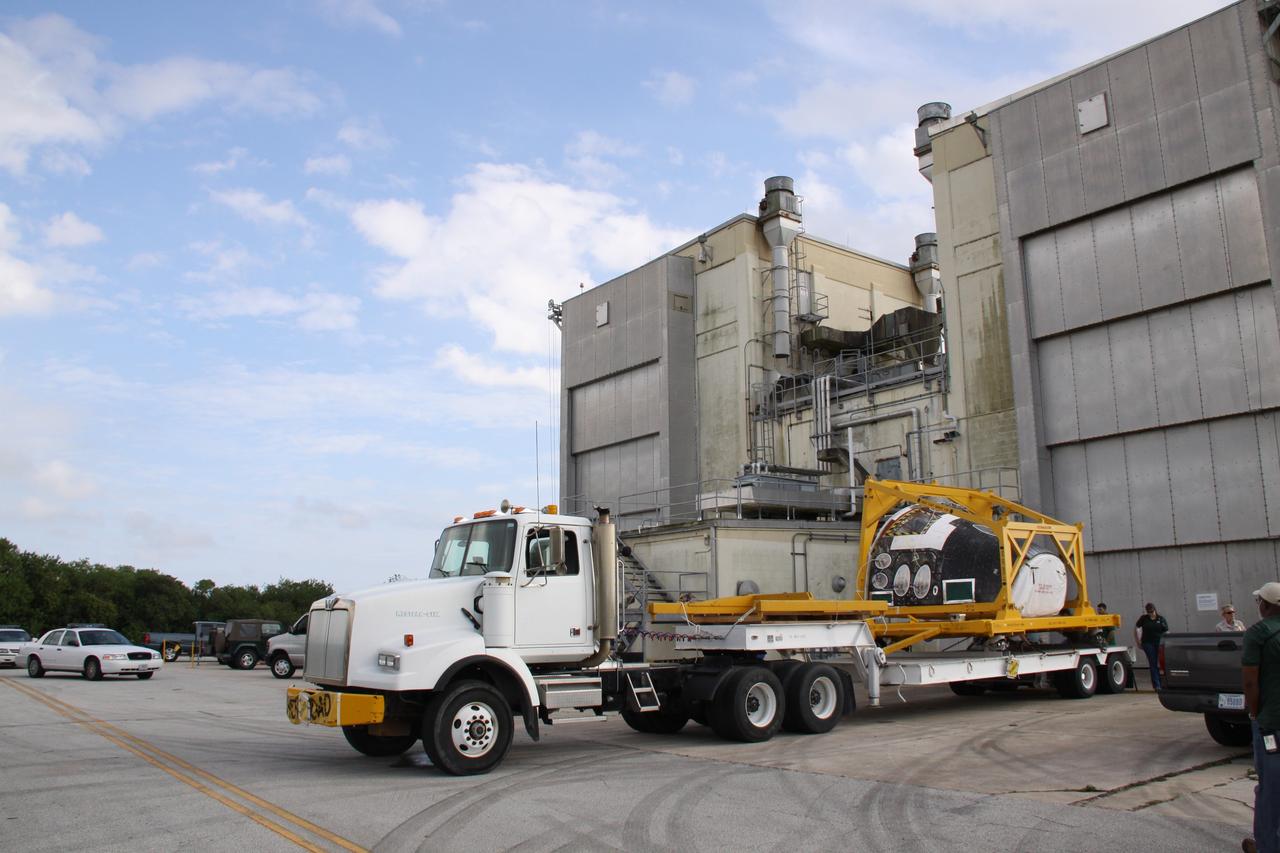
CAPE CANAVERAL, Fla. - At the Hypergolic Maintenance Facility at NASA's Kennedy Space Center in Florida, the Forward Reaction Control System, or FRCS, for space shuttle Discovery is secured on a truck bed and ready for transport to Orbiter Processing Facility Bay 3. Discovery is being prepared for the STS-131 mission, the 33rd flight to the International Space Station. The FRCS provides the thrust for attitude (rotational) maneuvers (pitch, yaw and roll) and for small velocity changes along the orbiter axis (translation maneuvers). The seven-member STS-131 crew will deliver a Multi-Purpose Logistics Module filled with resupply stowage platforms and racks to be transferred to locations around the station. Three spacewalks will include work to attach a spare ammonia tank assembly to the station's exterior and return a European experiment from outside the station's Columbus module. Discovery's launch is targeted for March 18, 2010. For information on the STS-131 mission and crew, visit http://www.nasa.gov/mission_pages/shuttle/shuttlemissions/sts131/index.html. Photo credit: NASA/Troy Cryder
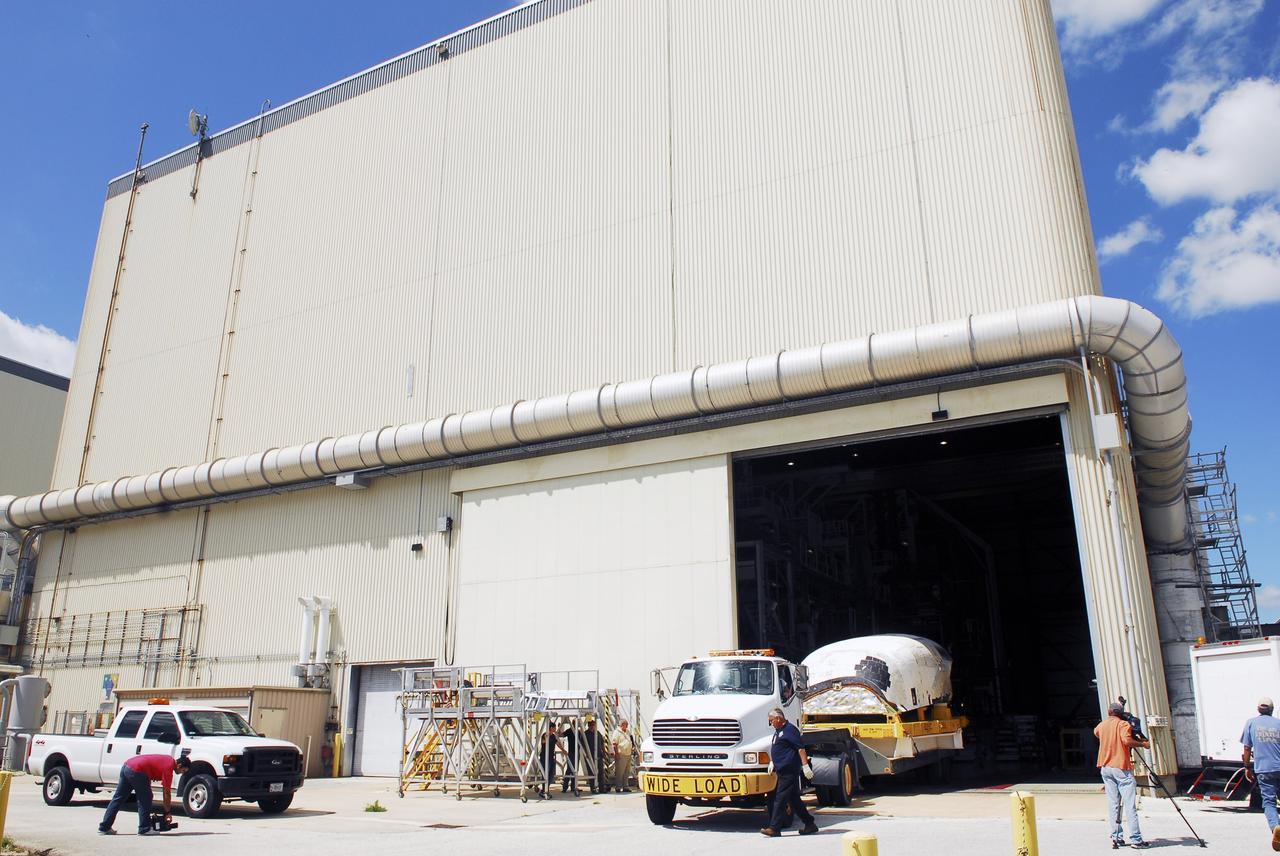
CAPE CANAVERAL, Fla. – At NASA’s Kennedy Space Center in Florida, a truck backs space shuttle Discovery's orbital maneuvering system (OMS) pod into Orbiter Processing Facility-1 (OPF). The OMS has been returned from White Sands Space Harbor in New Mexico where it underwent a complete deservicing and cleaning. The work is part of the Space Shuttle Program’s transition and retirement processing of space shuttle Discovery. The shuttle will go to the Smithsonian's National Air and Space Museum, Steven F. Udvar-Hazy Center in Chantilly, Va. For more information, visit http://www.nasa.gov/shuttle. Photo credit: NASA/Jim Grossmann
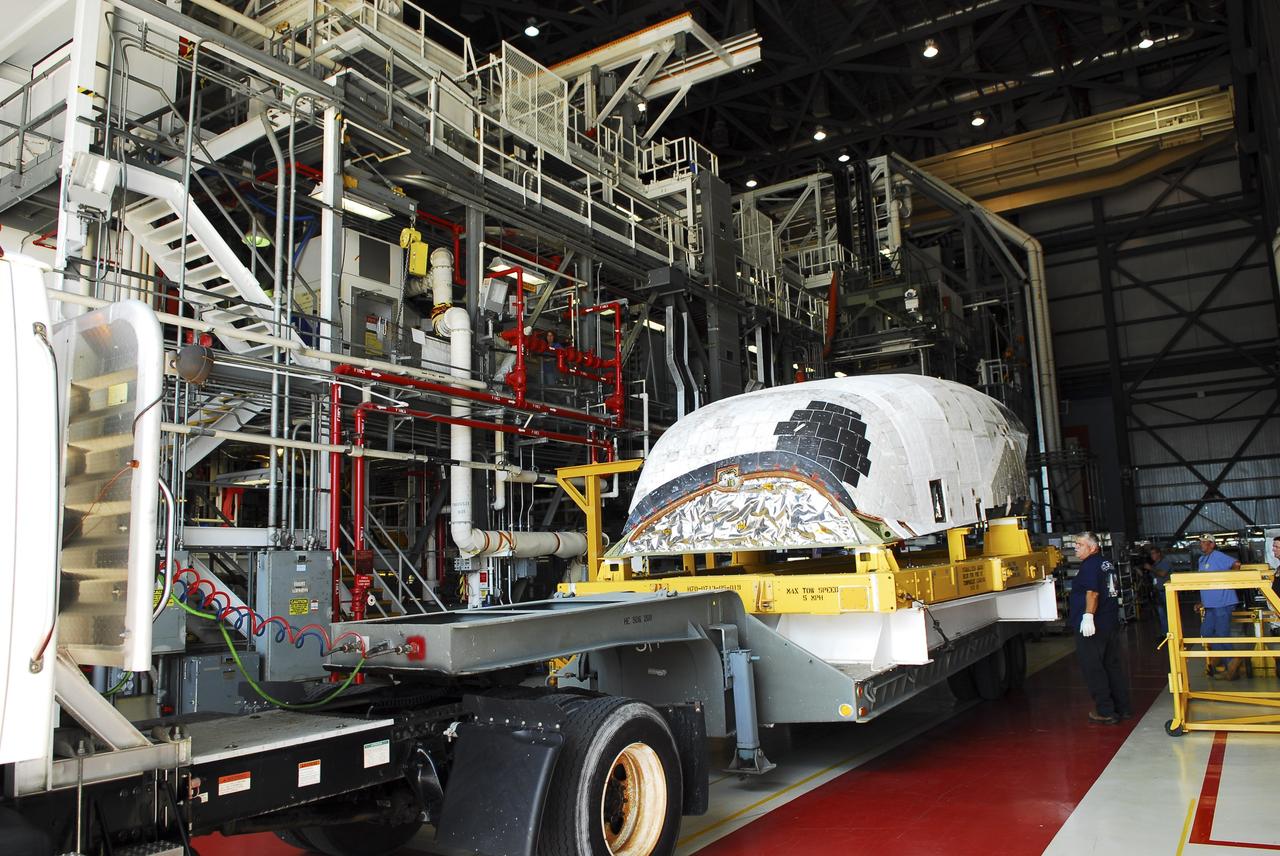
CAPE CANAVERAL, Fla. – At NASA’s Kennedy Space Center in Florida, a truck positions space shuttle Discovery's orbital maneuvering system (OMS) pod into Orbiter Processing Facility-1 (OPF). The OMS has been returned from White Sands Space Harbor in New Mexico where it underwent a complete deservicing and cleaning. The work is part of the Space Shuttle Program’s transition and retirement processing of space shuttle Discovery. The shuttle will go to the Smithsonian's National Air and Space Museum, Steven F. Udvar-Hazy Center in Chantilly, Va. For more information, visit http://www.nasa.gov/shuttle. Photo credit: NASA/Jim Grossmann
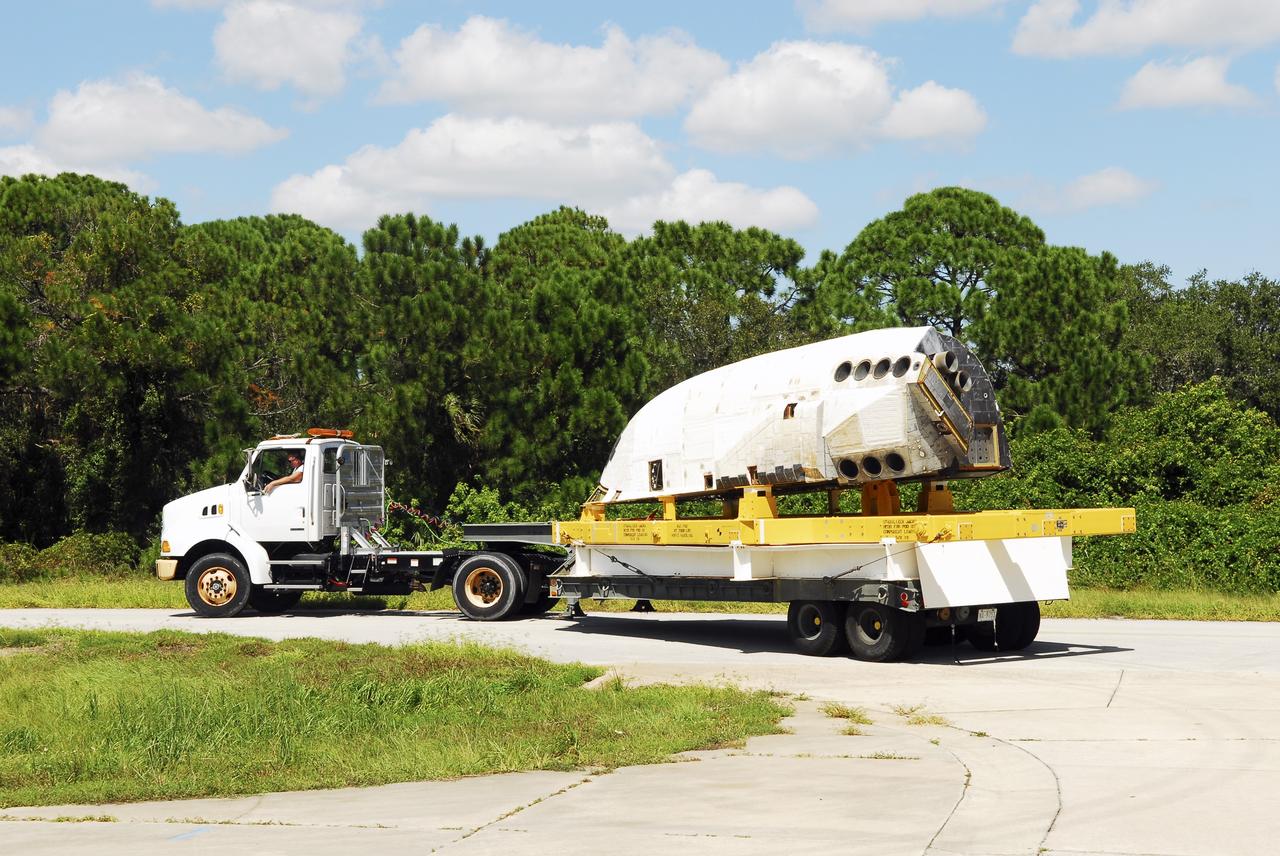
CAPE CANAVERAL, Fla. – At NASA’s Kennedy Space Center in Florida, a truck transports space shuttle Discovery's orbital maneuvering system (OMS) pod from the Hypergol Maintenance Facility to the Orbiter Processing Facility (OPF). The OMS has been returned from White Sands Space Harbor in New Mexico where it underwent a complete deservicing and cleaning. The work is part of the Space Shuttle Program’s transition and retirement processing of space shuttle Discovery. The shuttle will go to the Smithsonian's National Air and Space Museum, Steven F. Udvar-Hazy Center in Chantilly, Va. For more information, visit http://www.nasa.gov/shuttle. Photo credit: NASA/Jim Grossmann
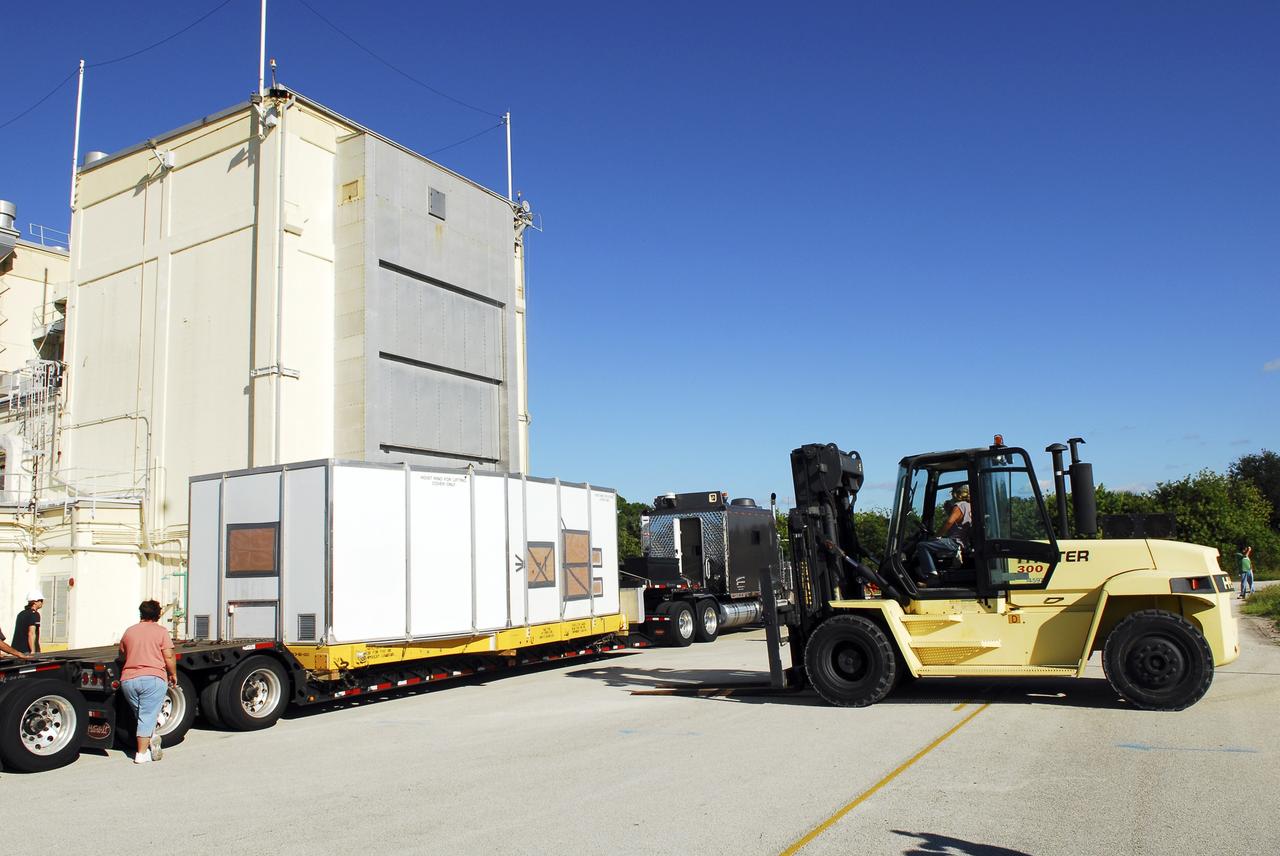
CAPE CANAVERAL, Fla. – Workers outside the Hypergol Maintenance Facility at NASA’s Kennedy Space Center in Florida use a forklift to elevate a shipping crate, containing space shuttle Discovery's orbital maneuvering system (OMS) pod, off a flatbed truck. The OMS has been returned from White Sands Space Harbor in New Mexico where it underwent a complete deservicing and cleaning. The work is part of the Space Shuttle Program’s transition and retirement processing of space shuttle Discovery. The shuttle will go to the Smithsonian's National Air and Space Museum, Steven F. Udvar-Hazy Center in Chantilly, Va. For more information, visit http://www.nasa.gov/shuttle. Photo credit: NASA/Jim Grossmann
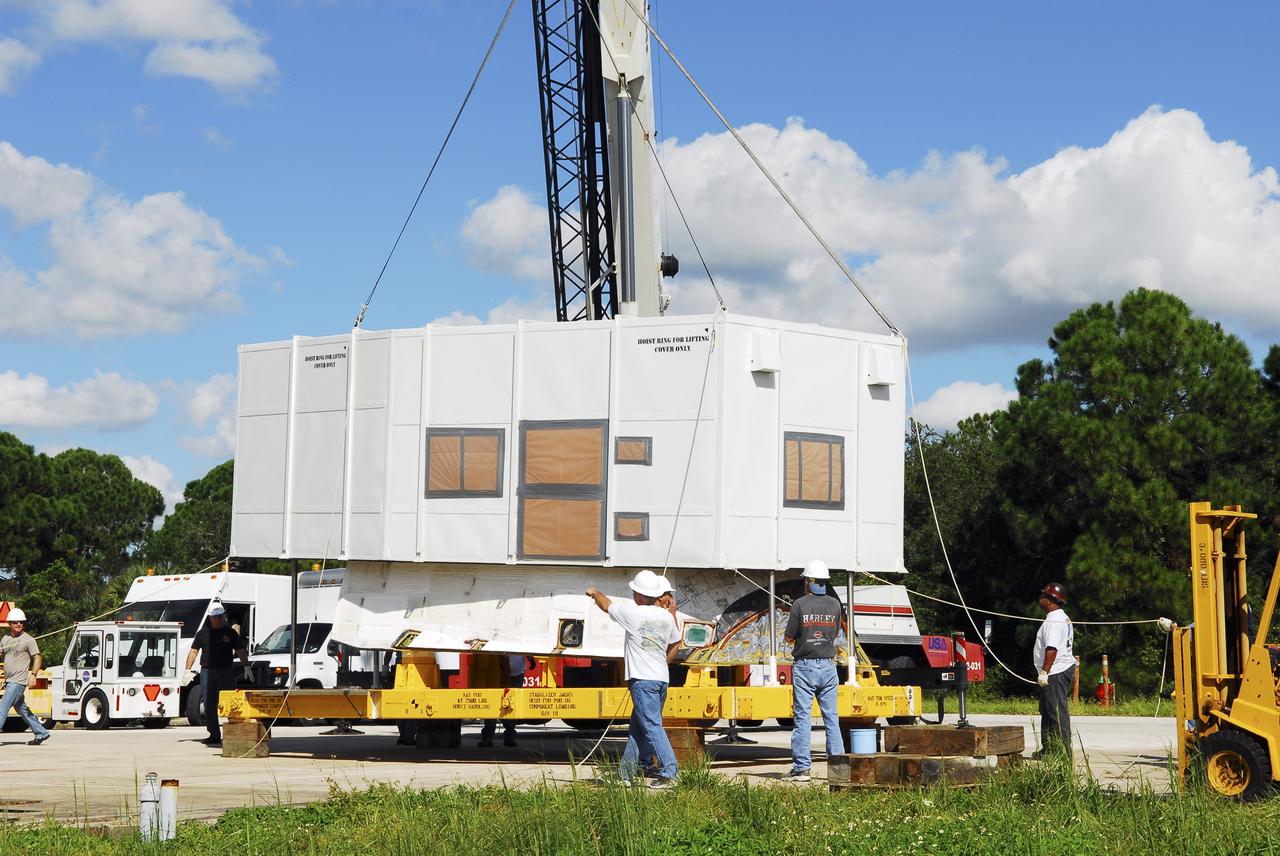
CAPE CANAVERAL, Fla. – Workers outside the Hypergol Maintenance Facility at NASA’s Kennedy Space Center in Florida use a crane to lift the shipping container off of space shuttle Discovery's orbital maneuvering system (OMS) pod. The OMS has been returned from White Sands Space Harbor in New Mexico where it underwent a complete deservicing and cleaning. The work is part of the Space Shuttle Program’s transition and retirement processing of space shuttle Discovery. The shuttle will go to the Smithsonian's National Air and Space Museum, Steven F. Udvar-Hazy Center in Chantilly, Va. For more information, visit http://www.nasa.gov/shuttle. Photo credit: NASA/Jim Grossmann
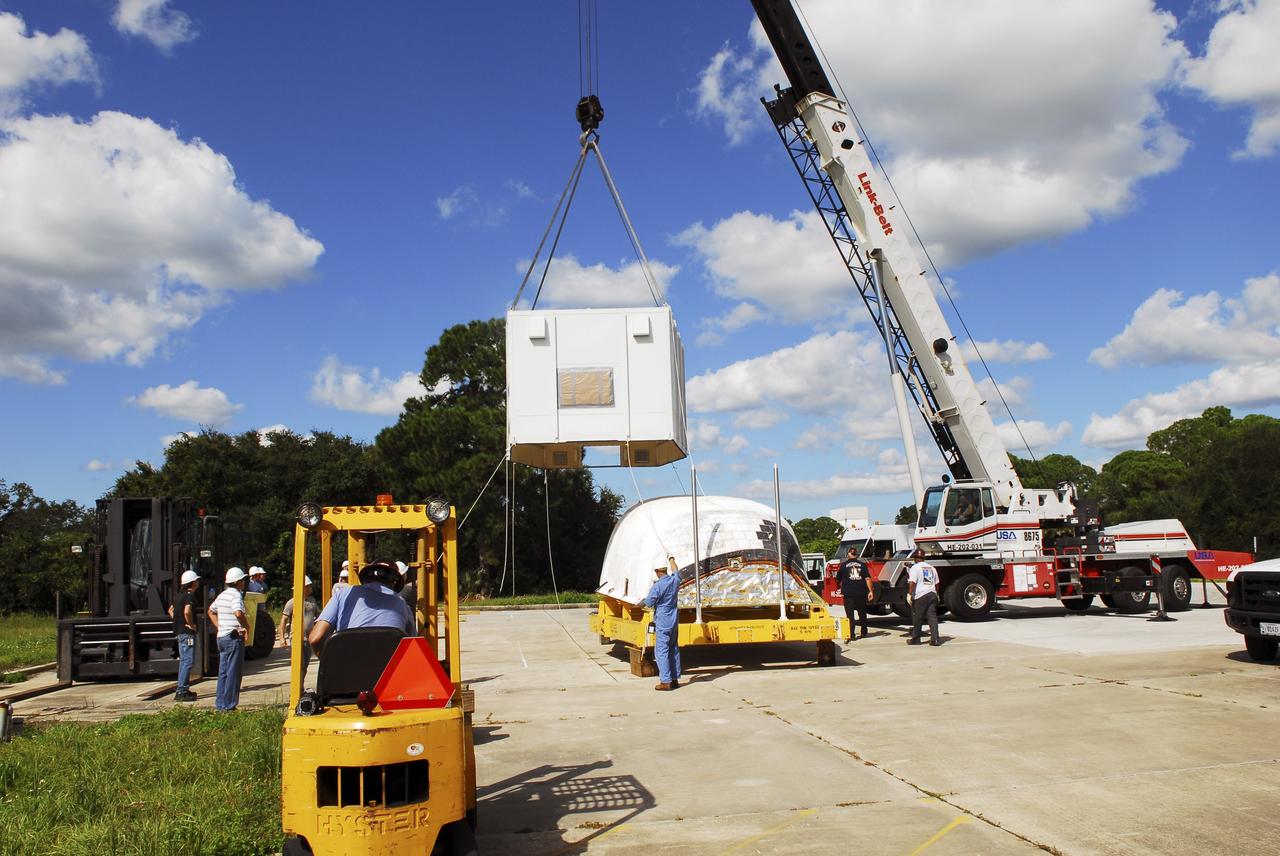
CAPE CANAVERAL, Fla. – Workers outside the Hypergol Maintenance Facility at NASA’s Kennedy Space Center in Florida use a crane to lift the shipping container off of space shuttle Discovery's orbital maneuvering system (OMS) pod. The OMS has been returned from White Sands Space Harbor in New Mexico where it underwent a complete deservicing and cleaning. The work is part of the Space Shuttle Program’s transition and retirement processing of space shuttle Discovery. The shuttle will go to the Smithsonian's National Air and Space Museum, Steven F. Udvar-Hazy Center in Chantilly, Va. For more information, visit http://www.nasa.gov/shuttle. Photo credit: NASA/Jim Grossmann
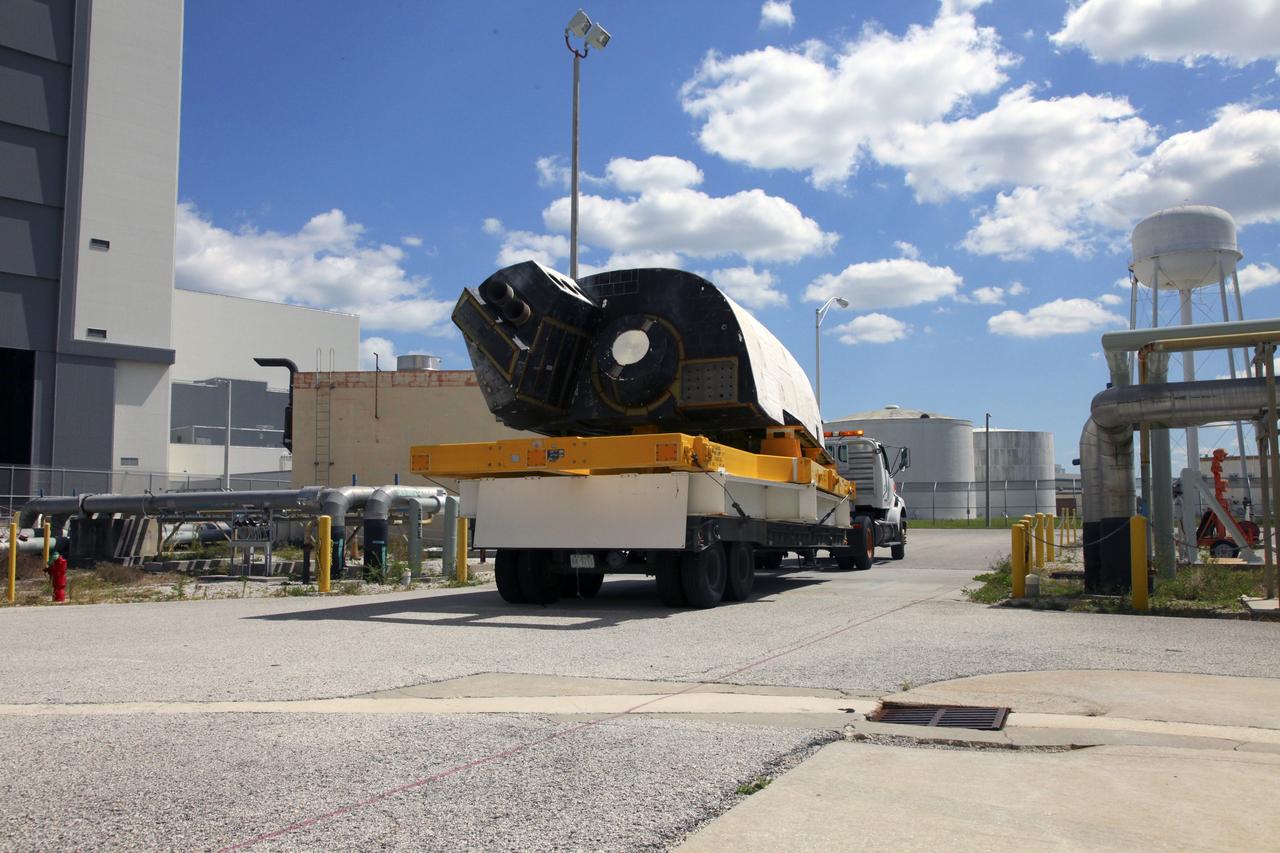
CAPE CANAVERAL, Fla. – At NASA’s Kennedy Space Center in Florida, a truck transports space shuttle Discovery's orbital maneuvering system (OMS) pod to the Orbiter Processing Facility (OPF). The OMS has been returned from White Sands Space Harbor in New Mexico where it underwent a complete deservicing and cleaning. The work is part of the Space Shuttle Program’s transition and retirement processing of space shuttle Discovery. The shuttle will go to the Smithsonian's National Air and Space Museum, Steven F. Udvar-Hazy Center in Chantilly, Va. For more information, visit http://www.nasa.gov/shuttle. Photo credit: NASA/Frankie Martin
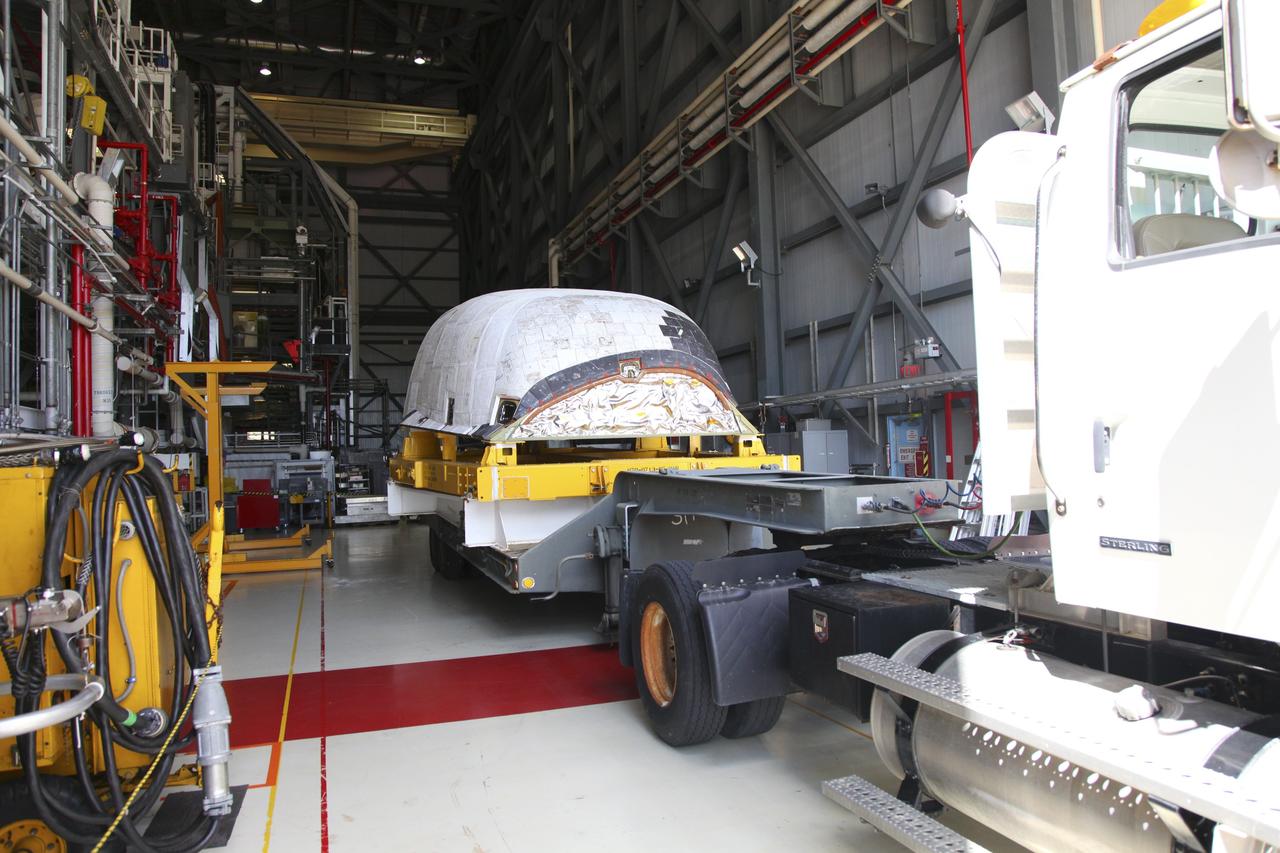
CAPE CANAVERAL, Fla. – At NASA’s Kennedy Space Center in Florida, a truck backs space shuttle Discovery's orbital maneuvering system (OMS) pod into Orbiter Processing Facility-1 (OPF). The OMS has been returned from White Sands Space Harbor in New Mexico where it underwent a complete deservicing and cleaning. The work is part of the Space Shuttle Program’s transition and retirement processing of space shuttle Discovery. The shuttle will go to the Smithsonian's National Air and Space Museum, Steven F. Udvar-Hazy Center in Chantilly, Va. For more information, visit http://www.nasa.gov/shuttle. Photo credit: NASA/Frankie Martin
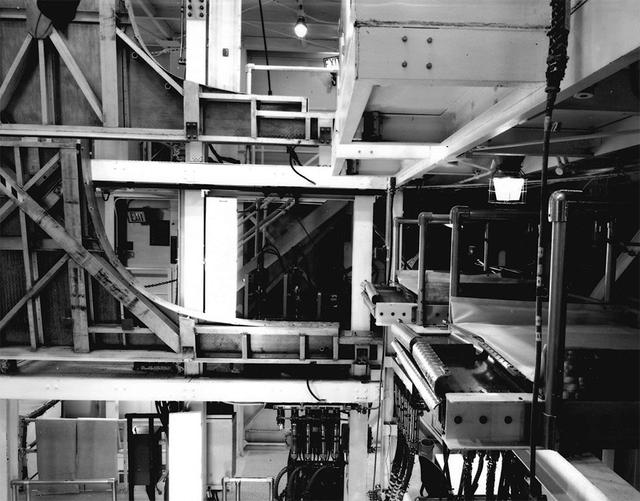
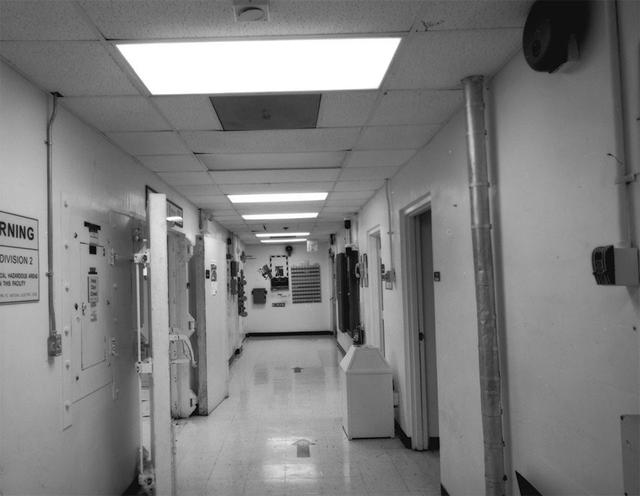
Interior view of the HMCA North (HMP North)
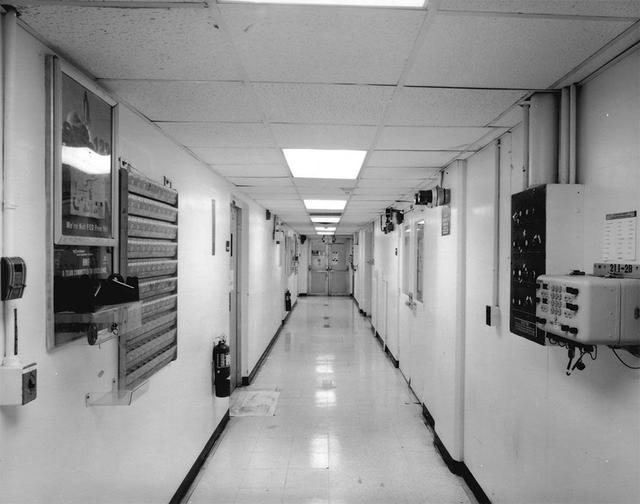
Interior view of the HMCA North (HMP North)
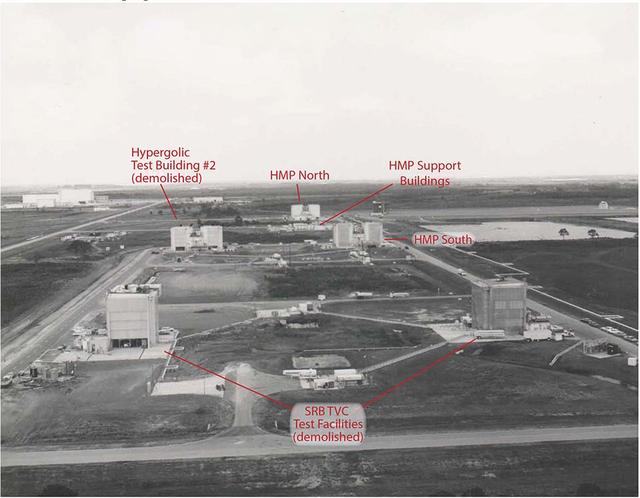
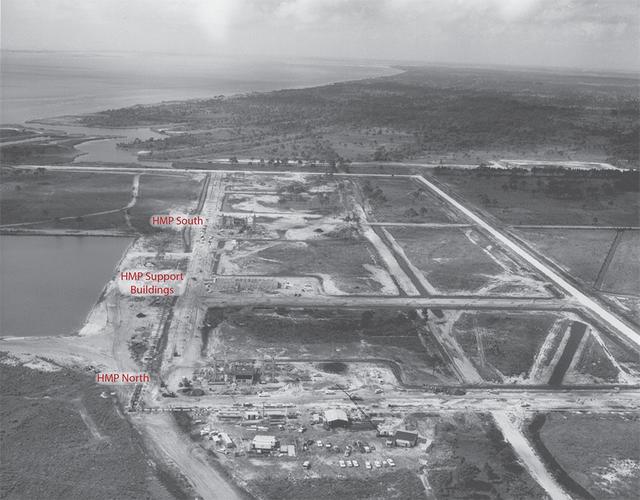
Aerial view of the HMCA Complex
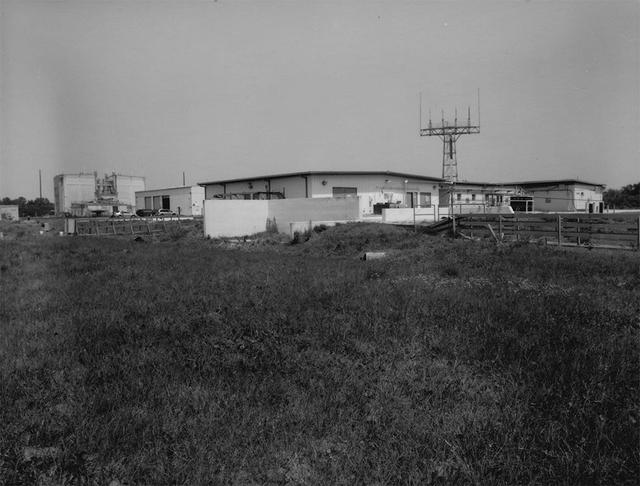
Exterior view of the HMCA Support Building
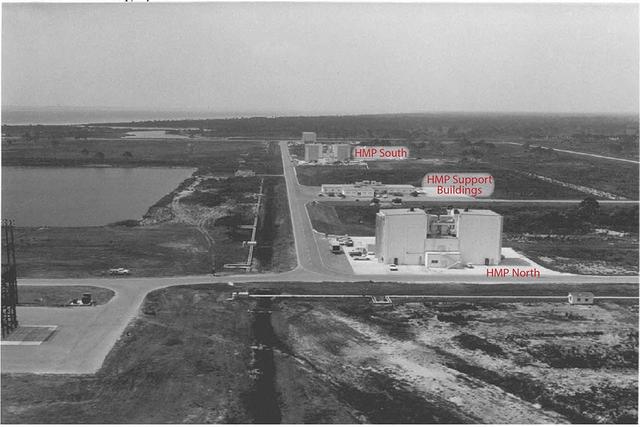
Aerial view of the HMCA Complex
Exterior view of the HMCA North (HMP North)
Interior view of the HMCA South (HMP South)
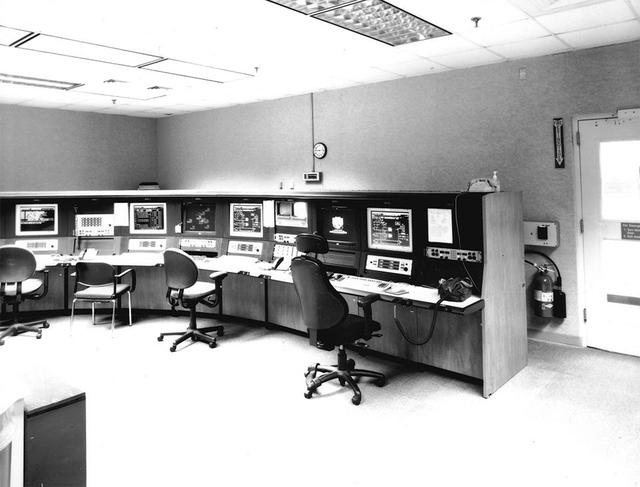
Interior view of the HMCA Support Building
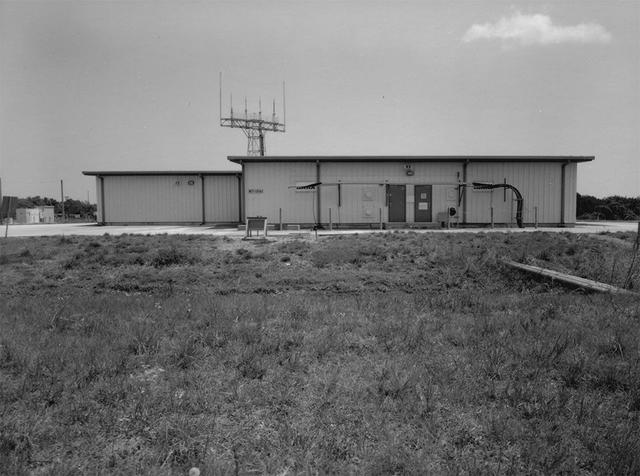
Exterior view of the HMCA Support Building
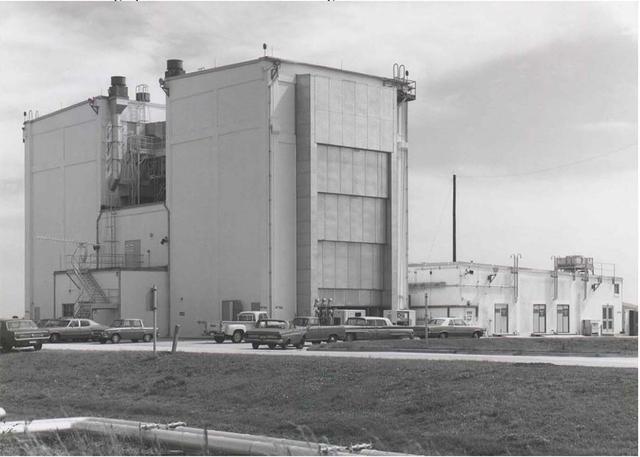
Exterior view of the HMCA North (HMP North)
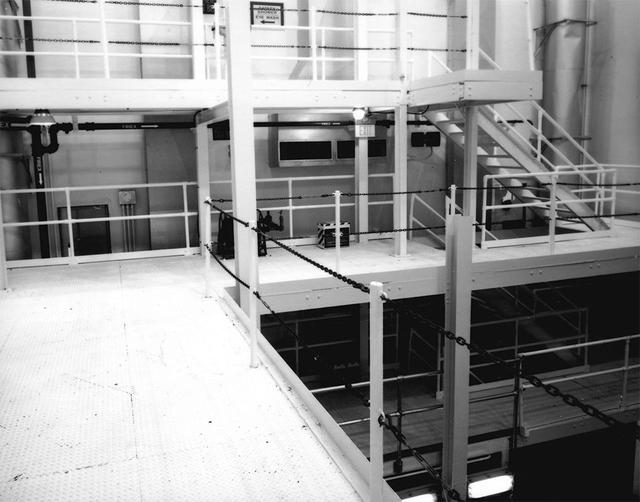
Interior view of the HMCA South (HMP South)
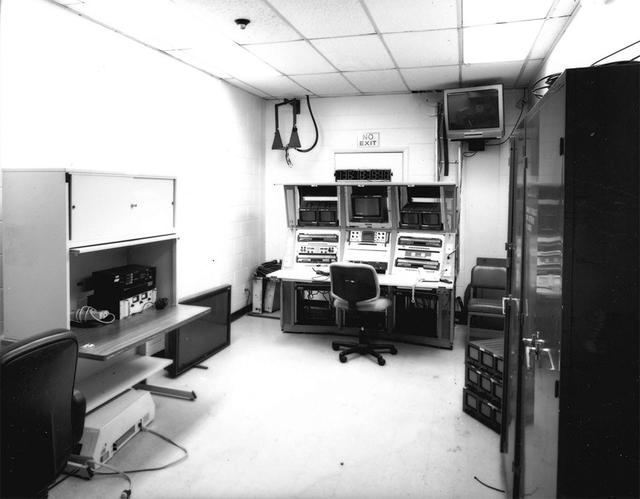
Interior view of the HMCA Support Building
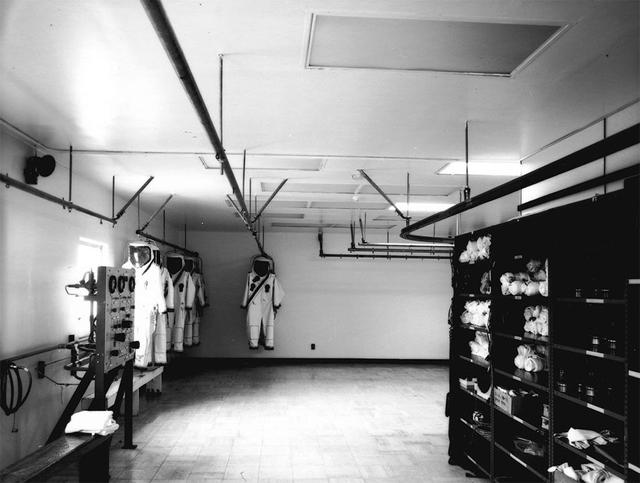
Interior view of the HMCA Support Building
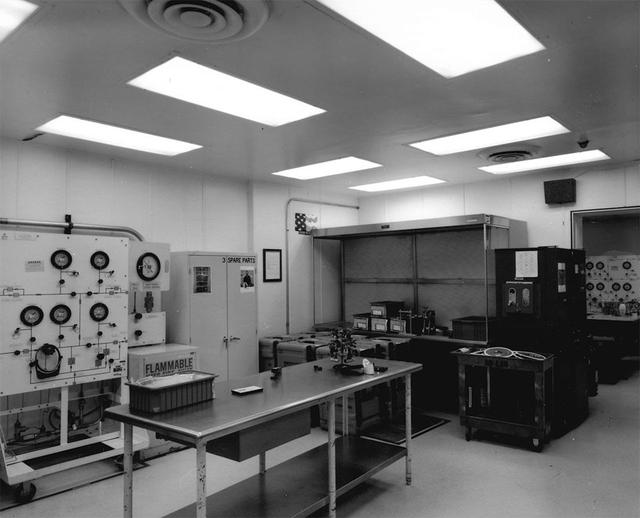
Interior view of the HMCA North (HMP North)
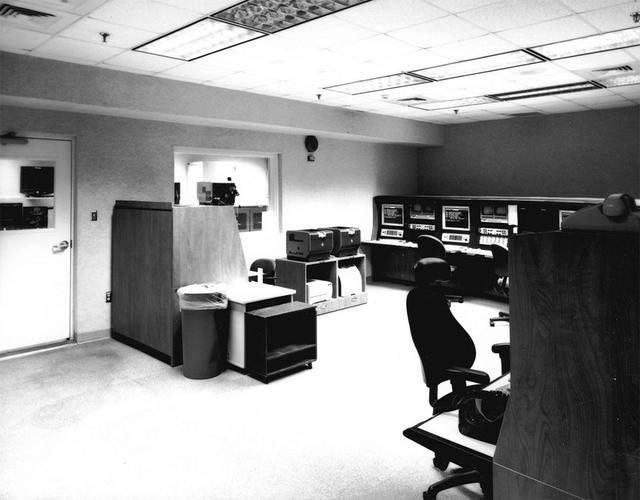
Interior view of the HMCA Support Building
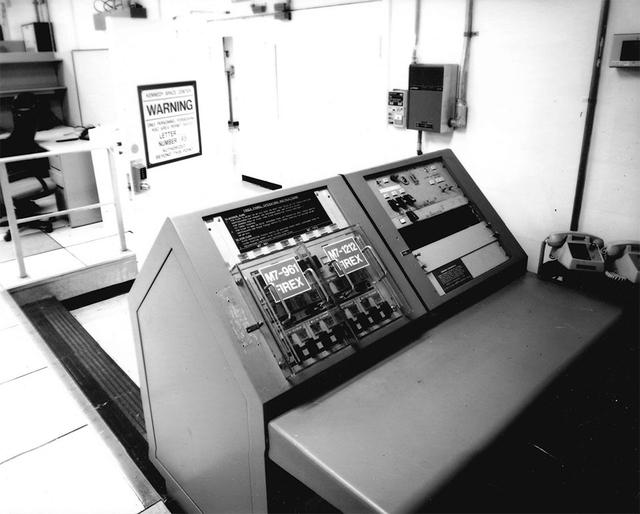
Interior view of the HMCA Support Building
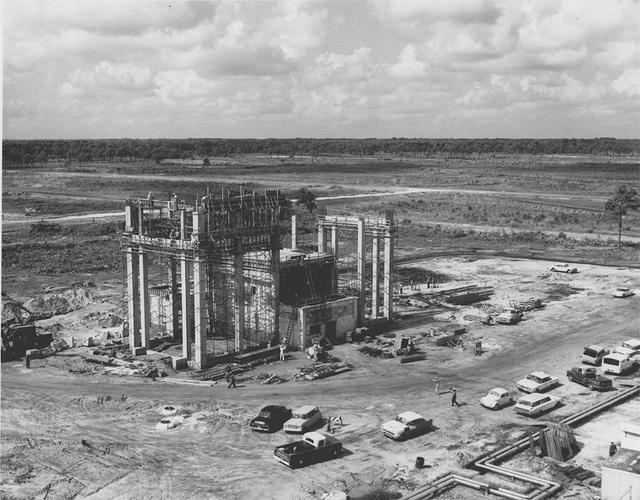
Exterior view of the HMCA North (HMP North)
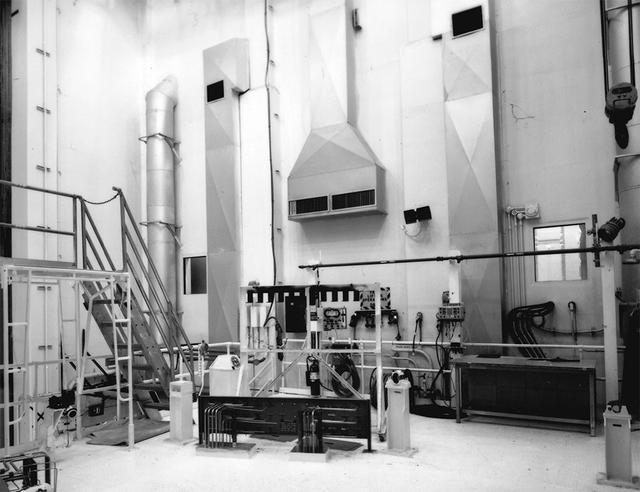
Interior view of the HMCA South (HMP South)
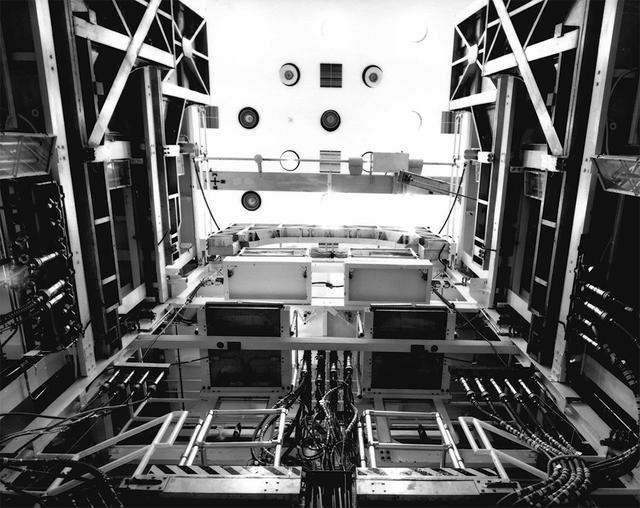
Interior view of the HMCA North (HMP North)
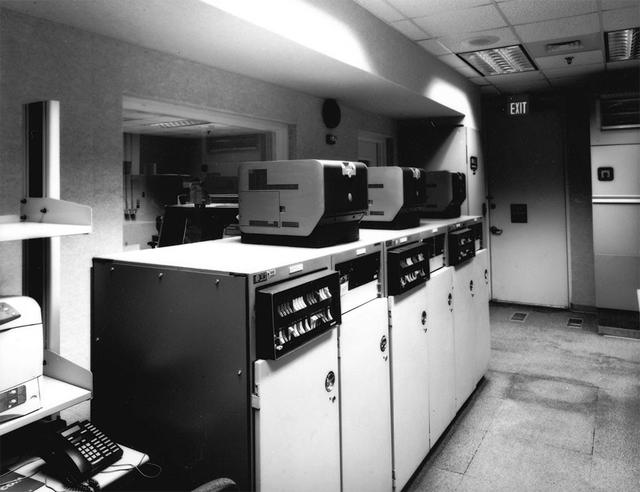
Interior view of the HMCA Support Building
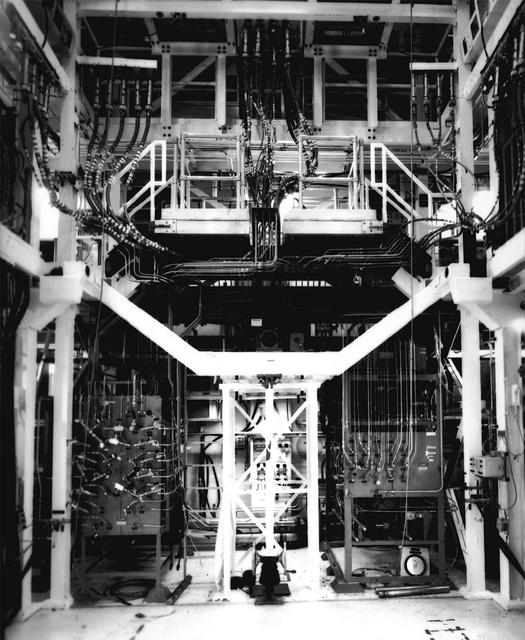
Interior view of the HMCA North (HMP North)
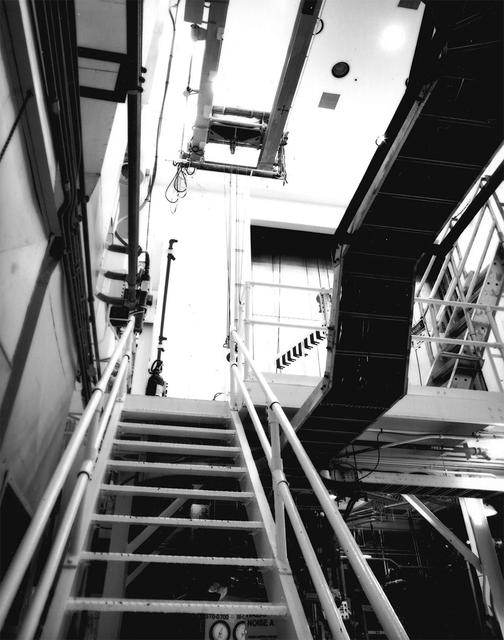
Interior view of the HMCA South (HMP South)
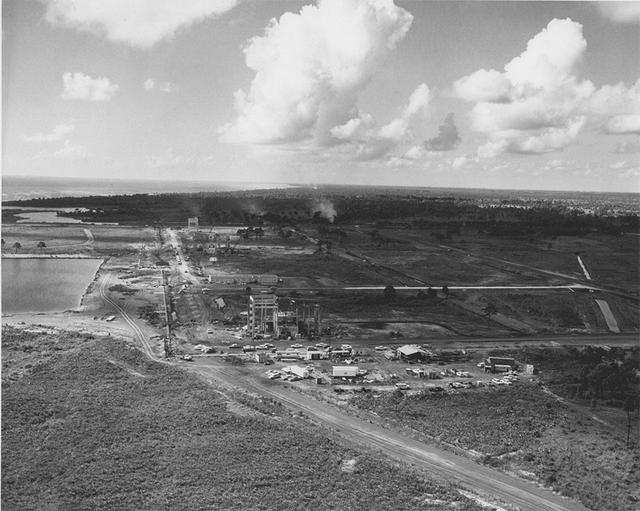
Exterior view of the HMCA North (HMP North)
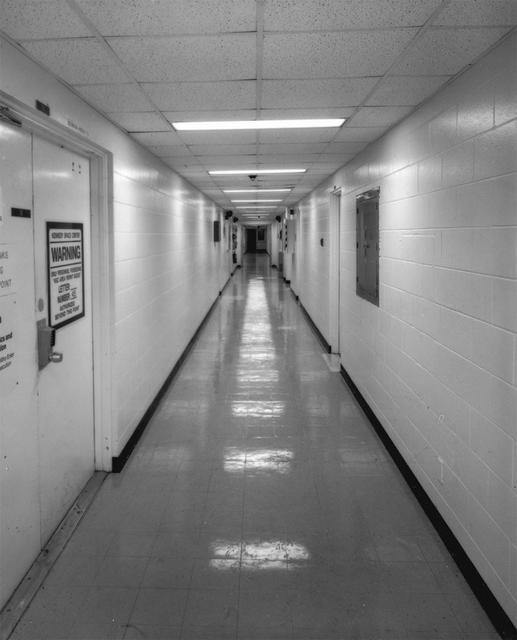
Interior view of the HMCA Support Building
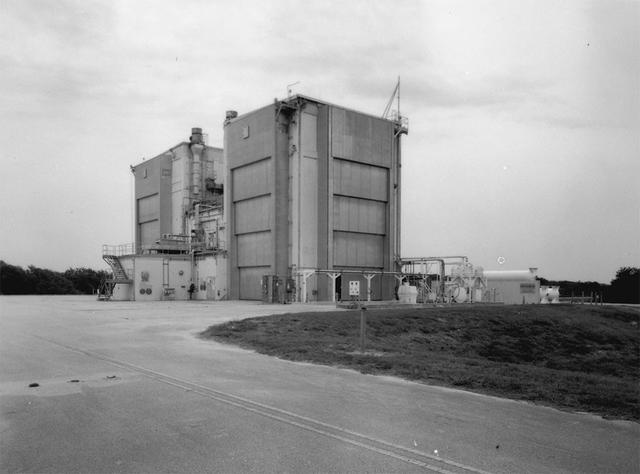
Exterior view of the HMCA South (HMP South)
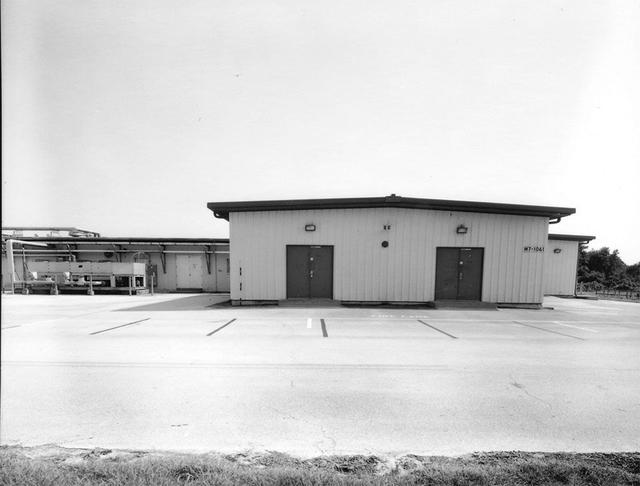
Exterior view of the HMCA Support Building
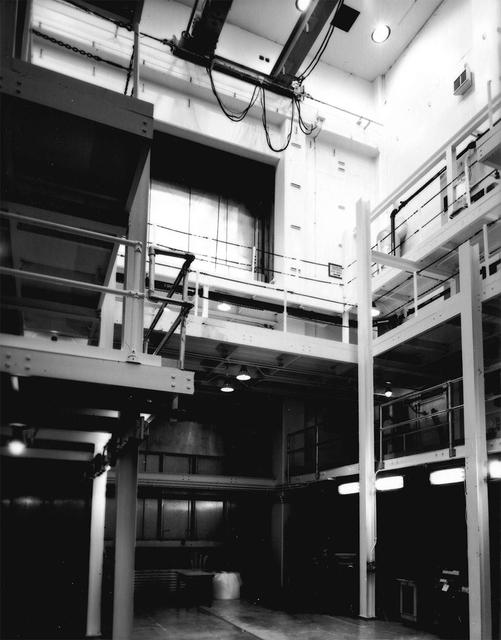
Interior view of the HMCA South (HMP South)
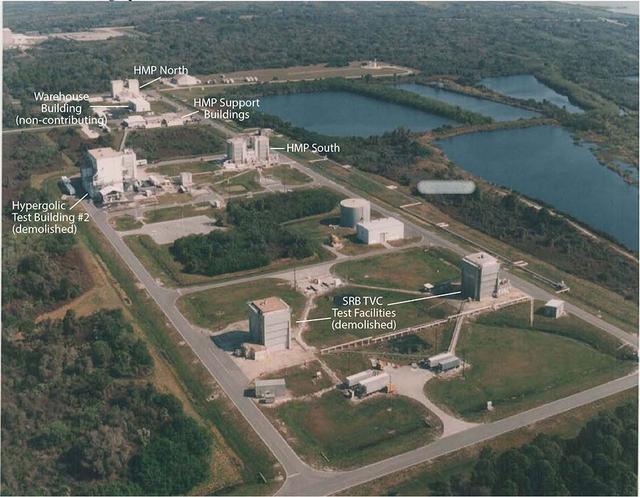
Aerial view of the HMCA Complex
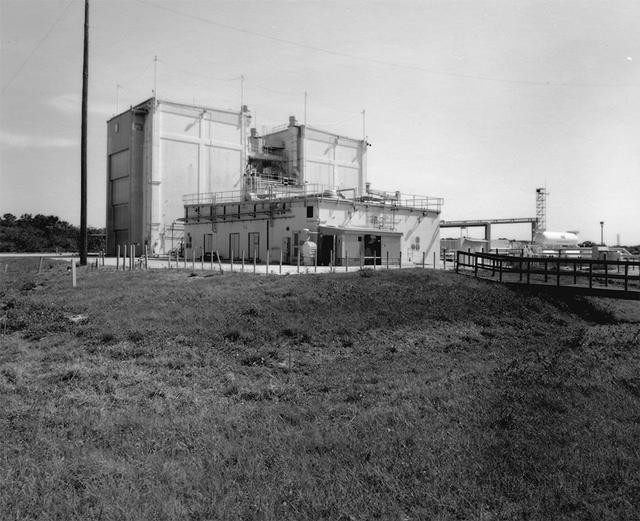
Exterior view of the HMCA North (HMP North)
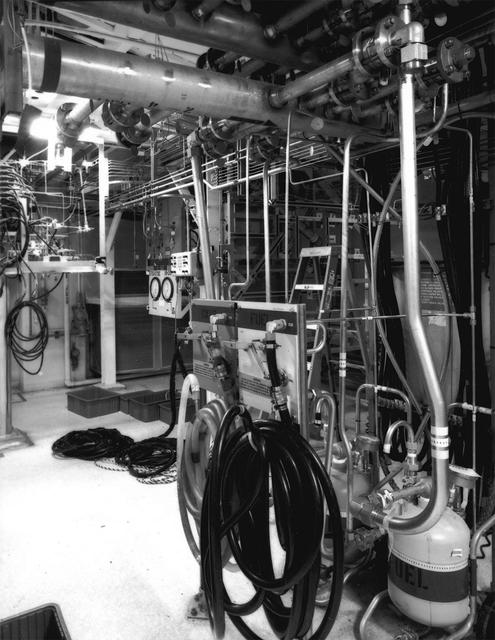
Interior view of the HMCA South (HMP South)
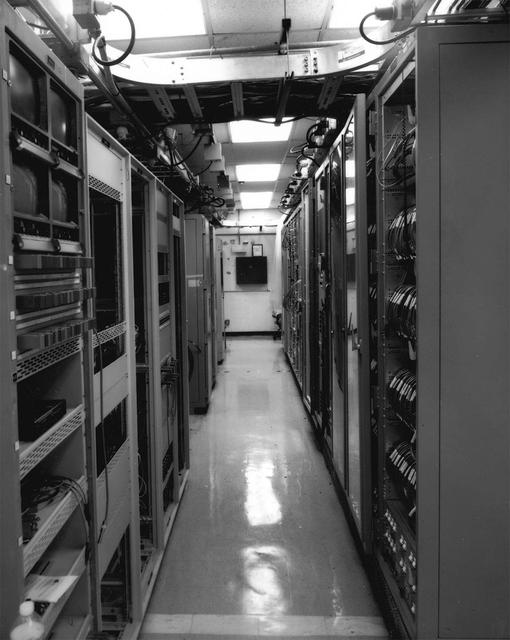
Interior view of the HMCA Support Building
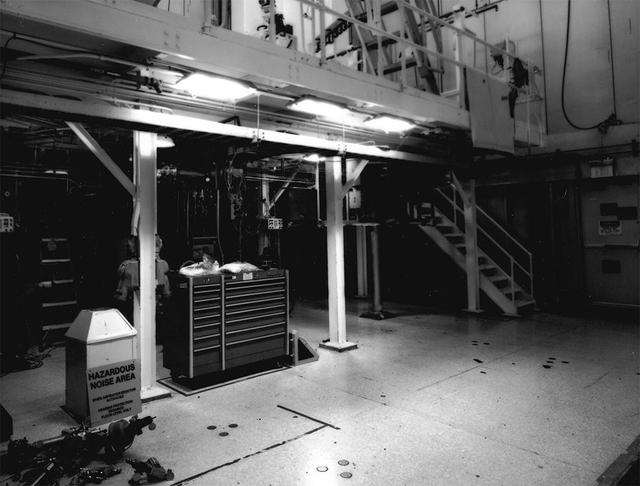
Interior view of the HMCA South (HMP South)
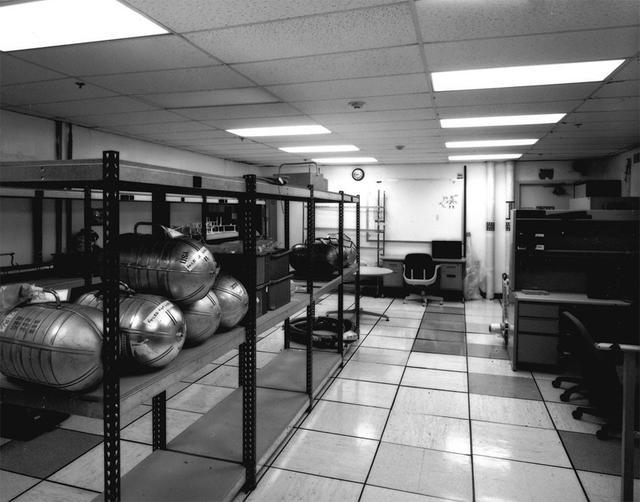
Interior view of the HMCA Support Building
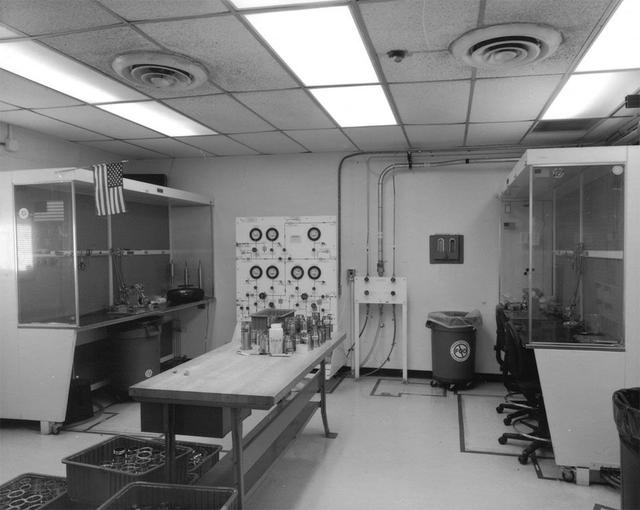
Interior view of the HMCA North (HMP North)
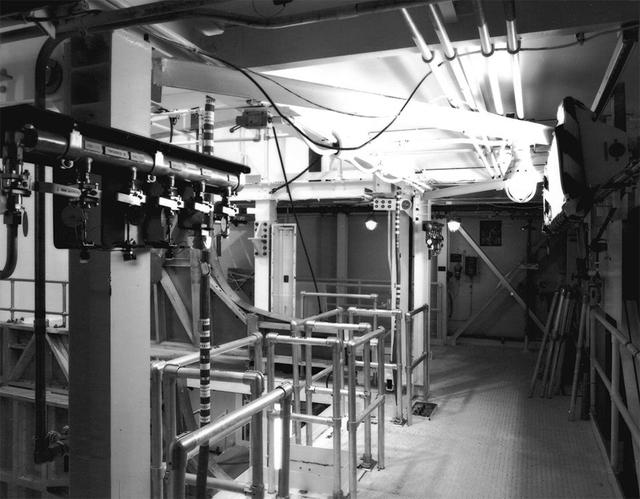
Interior view of the HMCA North (HMP North)
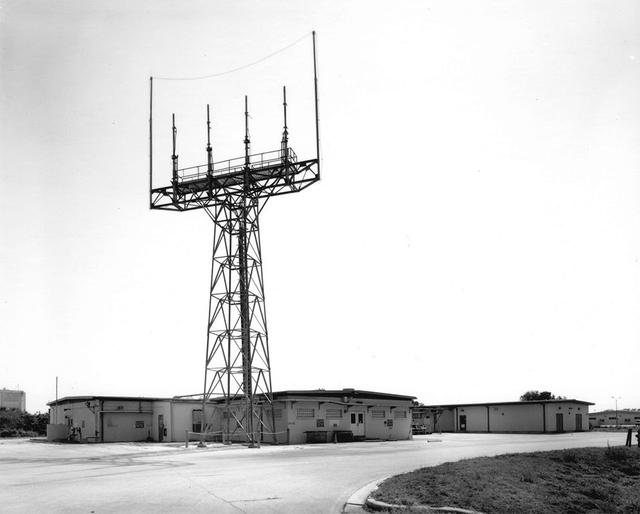
Exterior view of the HMCA Support Building
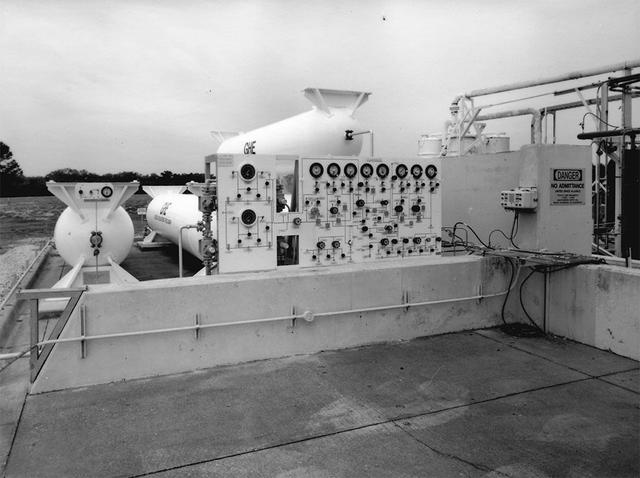
Exterior view of the HMCA South (HMP South)
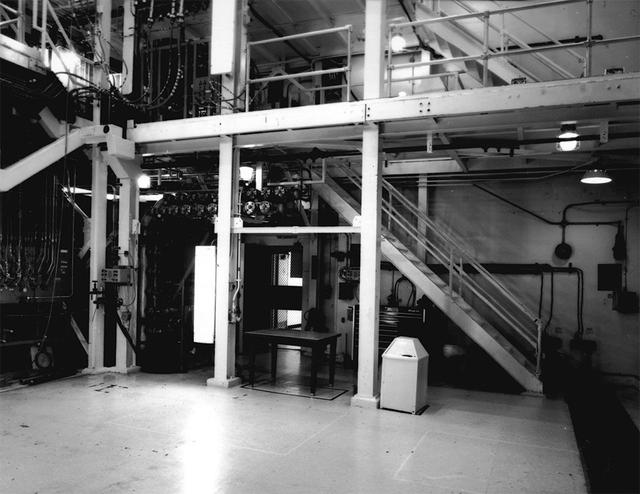
Interior view of the HMCA North (HMP North)
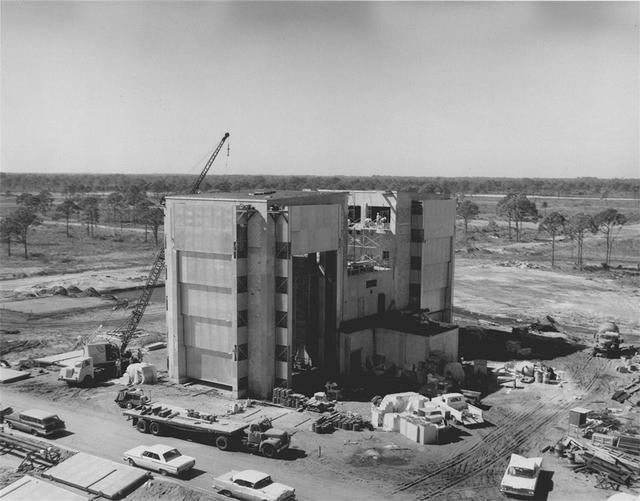
Exterior view of the HMCA South (HMP South)
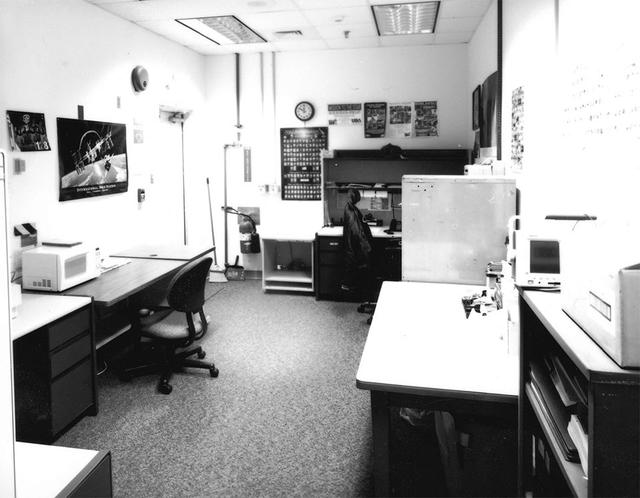
Interior view of the HMCA Support Building
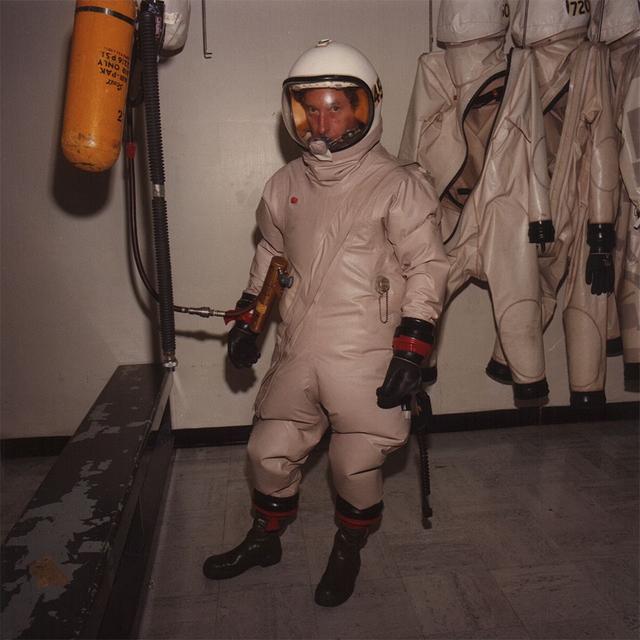
Interior view of the HMCA Support Building
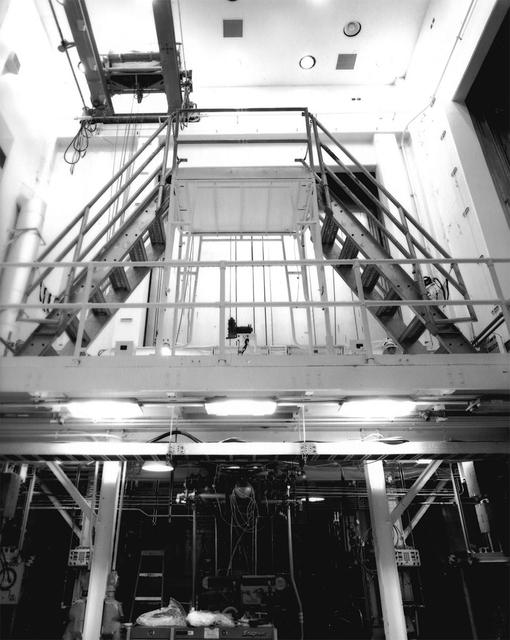
Interior view of the HMCA South (HMP South)
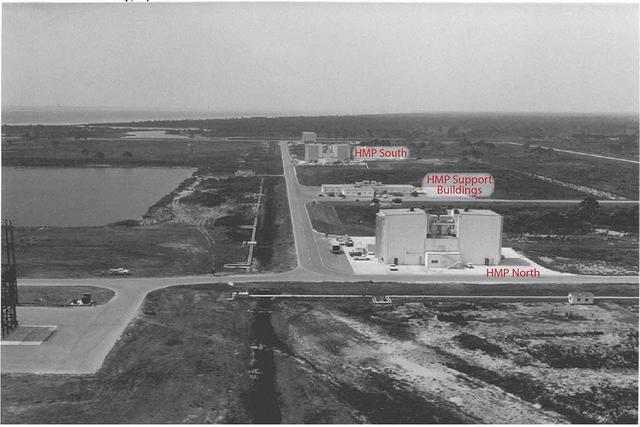
Exterior view of the HMCA North (HMP North)
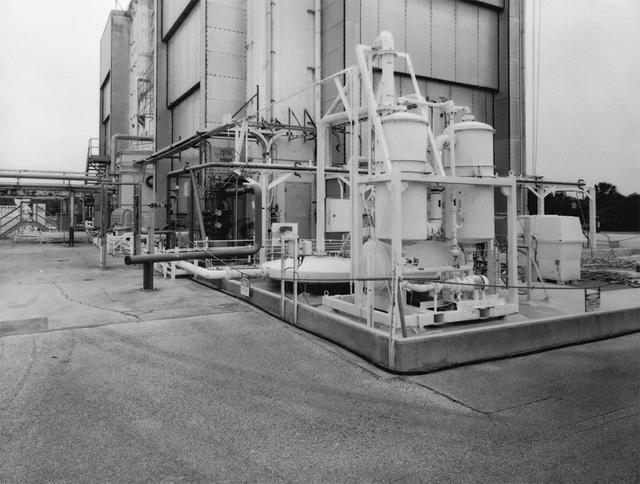
Exterior view of the HMCA South (HMP South)
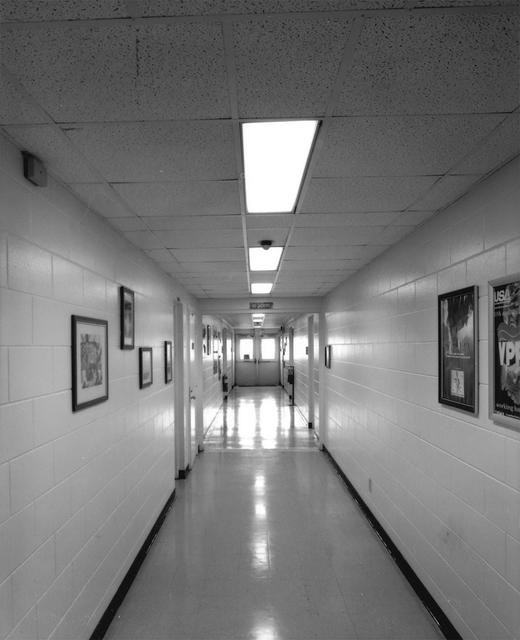
Interior view of the HMCA Support Building
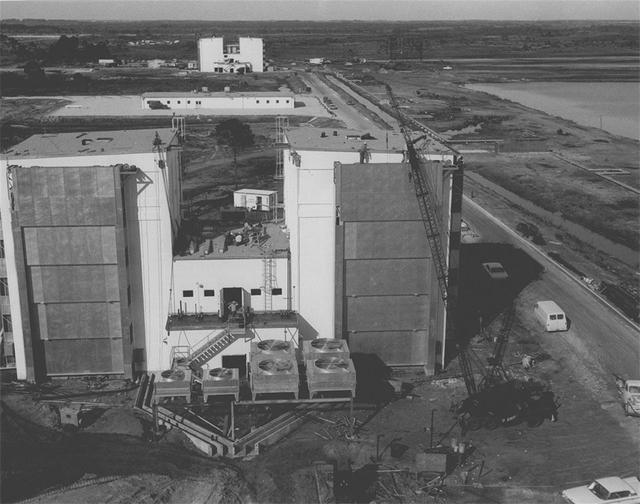
Exterior view of the HMCA South (HMP South)

Aerial view of the HMCA Complex
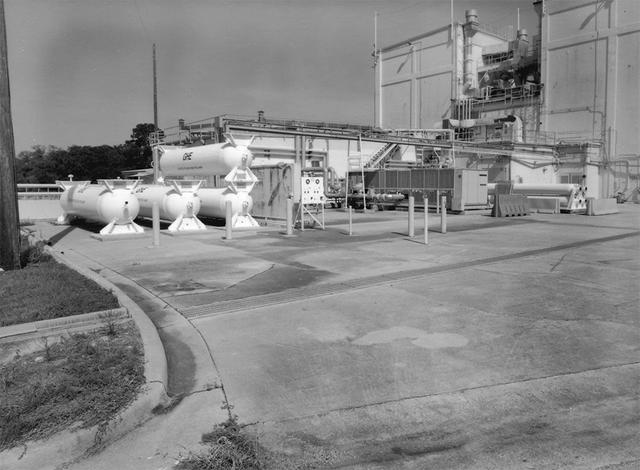
Exterior view of the HMCA North (HMP North)
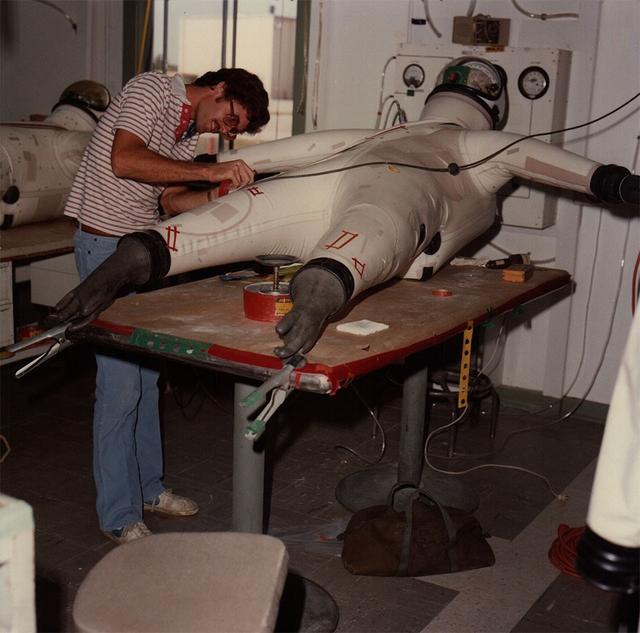
Interior view of the HMCA Support Building
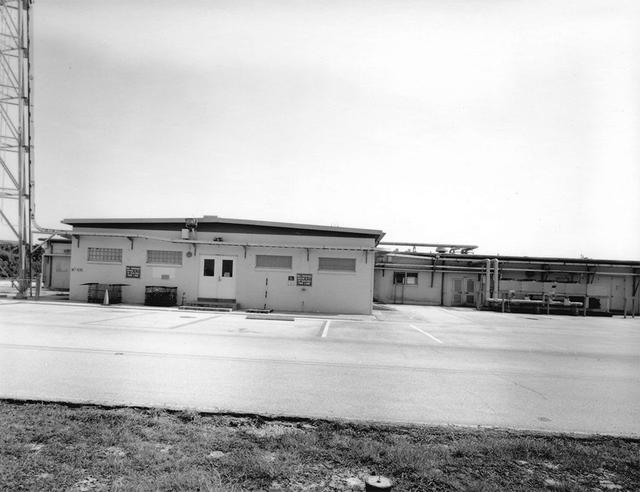
Exterior view of the HMCA Support Building
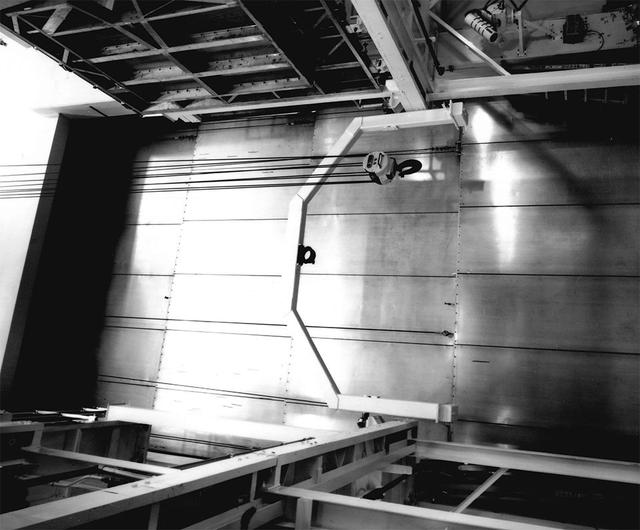
Interior view of the HMCA North (HMP North)
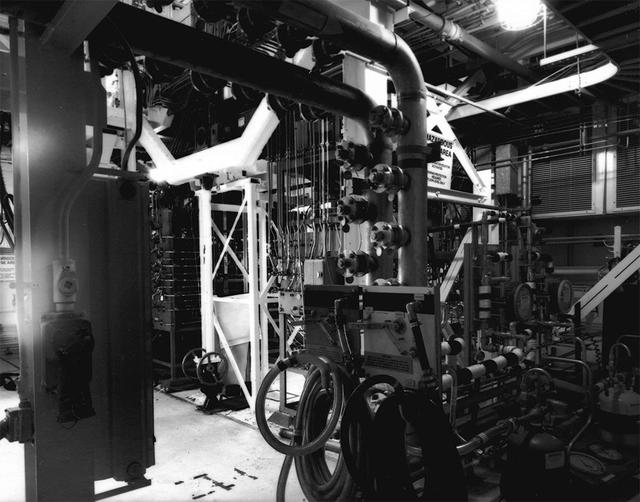
Interior view of the HMCA North (HMP North)
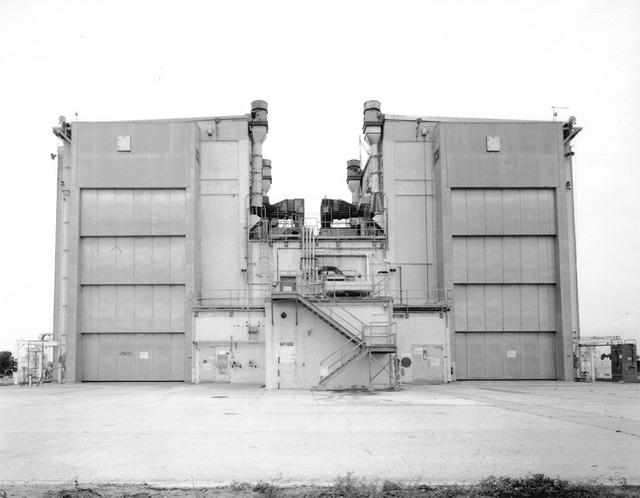
Exterior view of the HMCA South (HMP South)
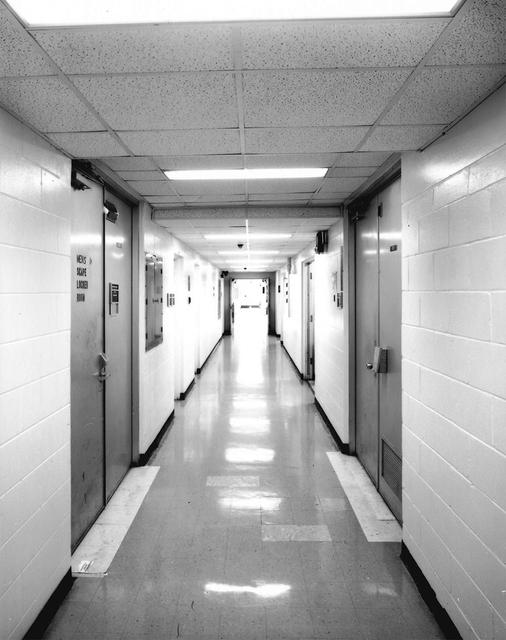
Interior view of the HMCA Support Building
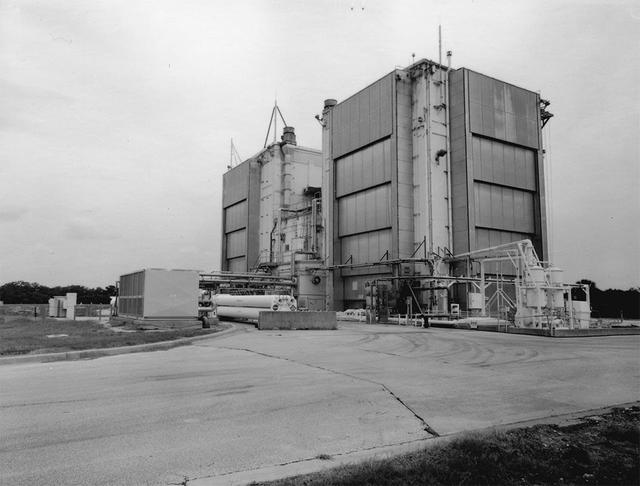
Exterior view of the HMCA South (HMP South)
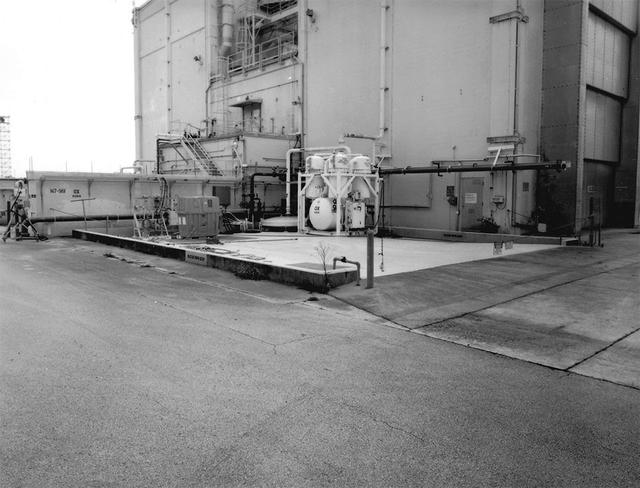
Interior view of the HMCA North (HMP North)
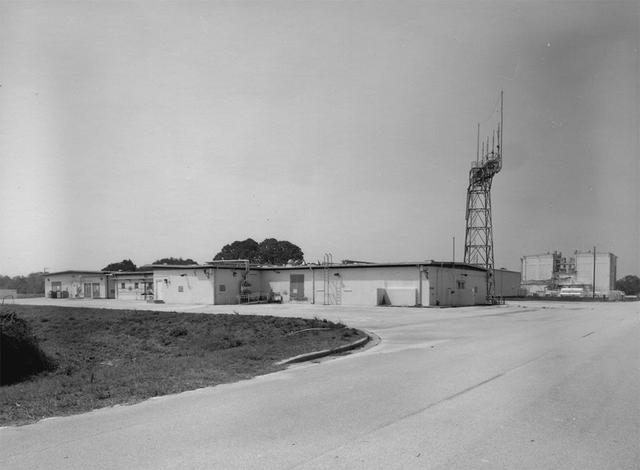
Exterior view of the HMCA Support Building
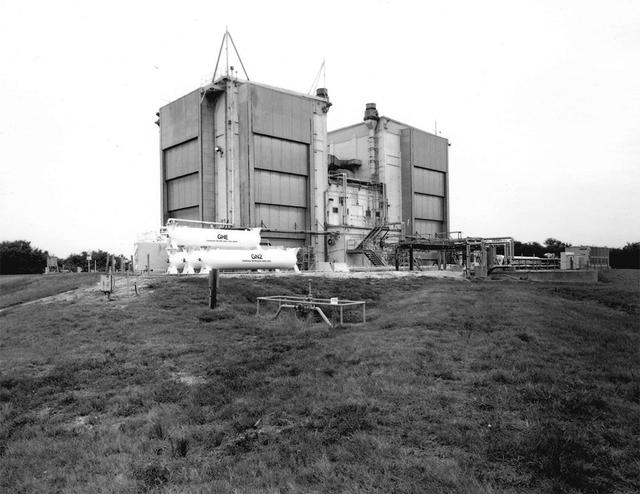
Exterior view of the HMCA South (HMP South)
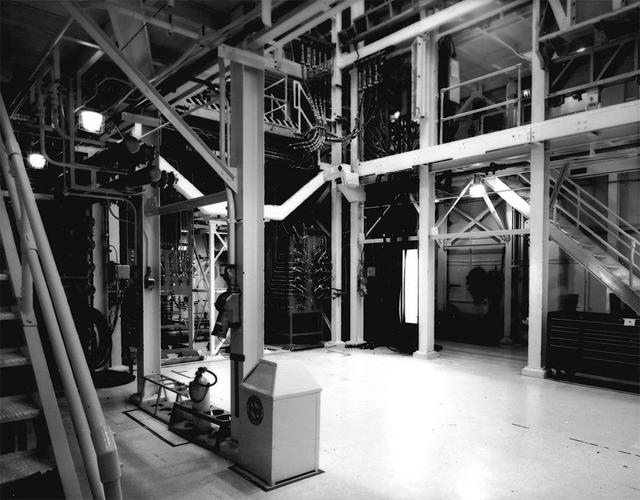
Interior view of the HMCA North (HMP North)
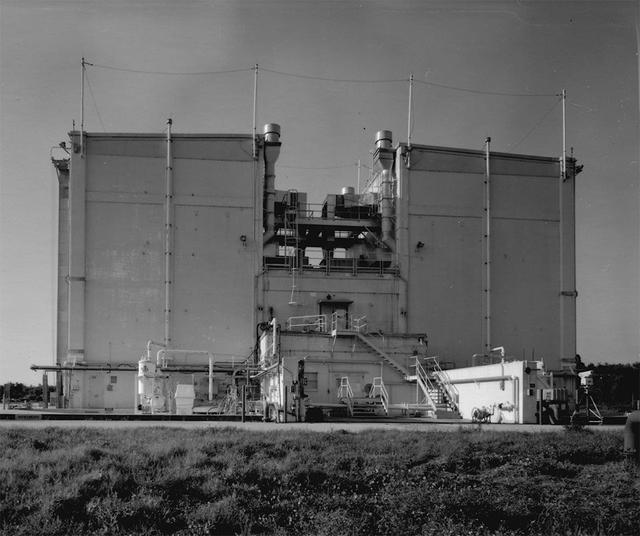
Exterior view of the HMCA North (HMP North)
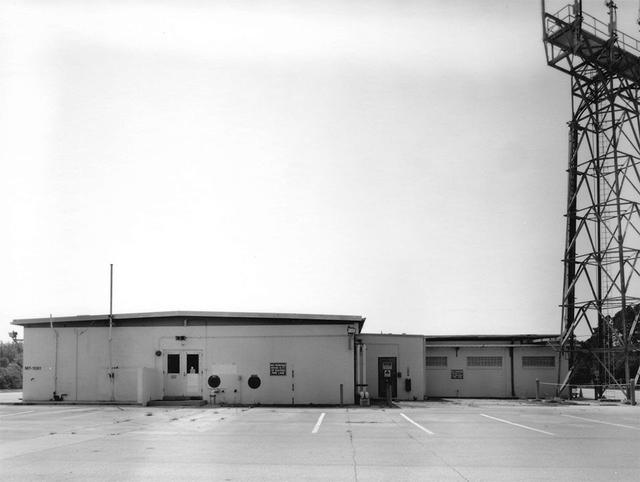
Exterior view of the HMCA Support Building
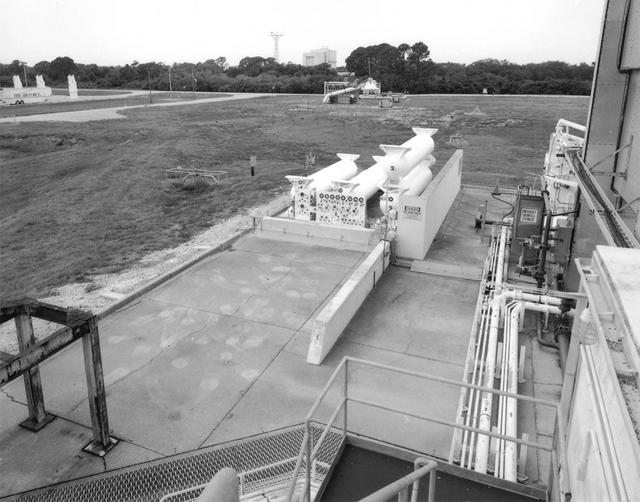
Interior view of the HMCA South (HMP South)
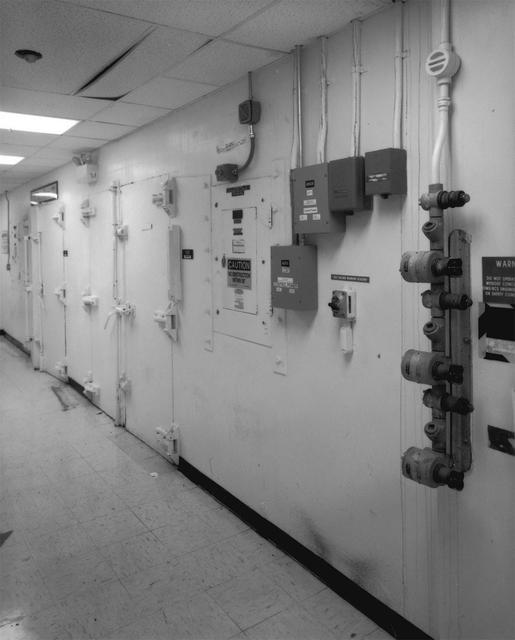
Interior view of the HMCA South (HMP South)
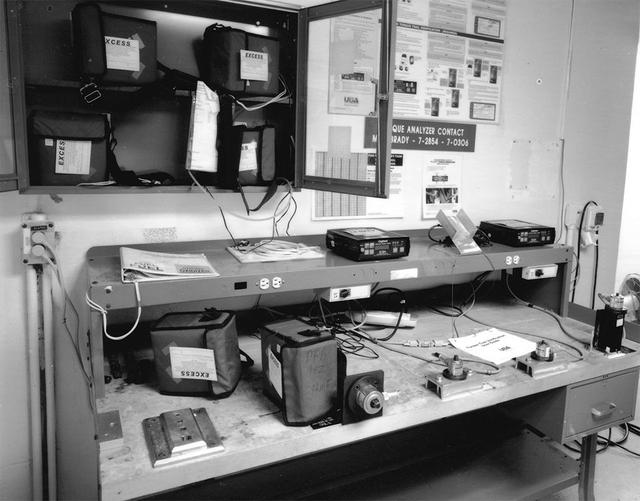
Interior view of the HMCA North (HMP North)
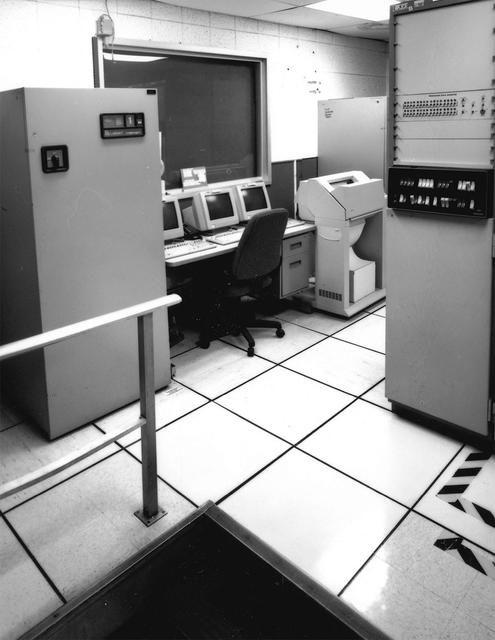
Interior view of the HMCA Support Building
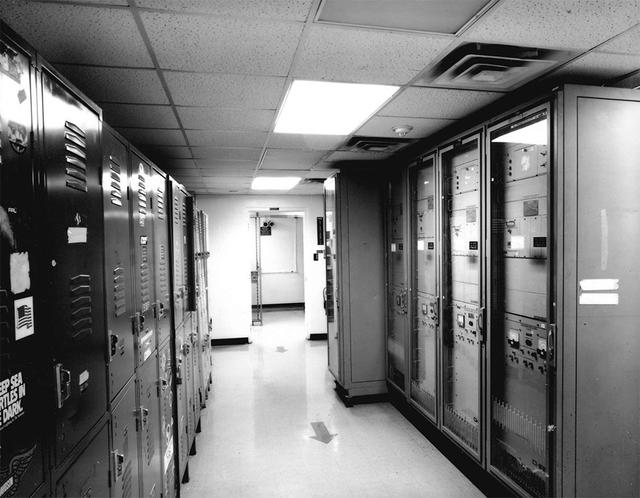
Interior view of the HMCA North (HMP North)
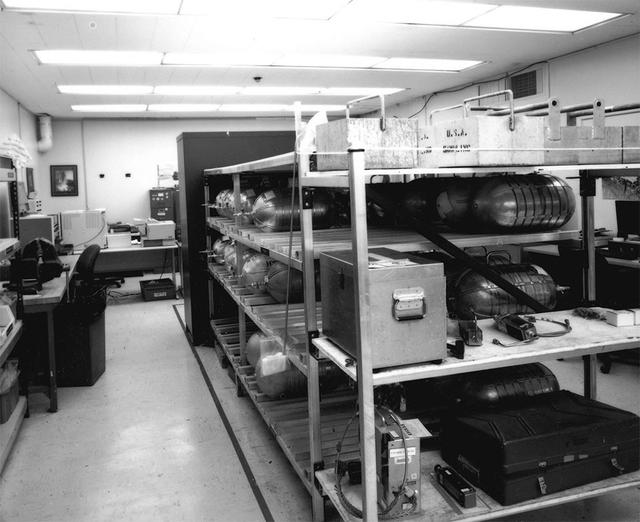
Interior view of the HMCA Support Building
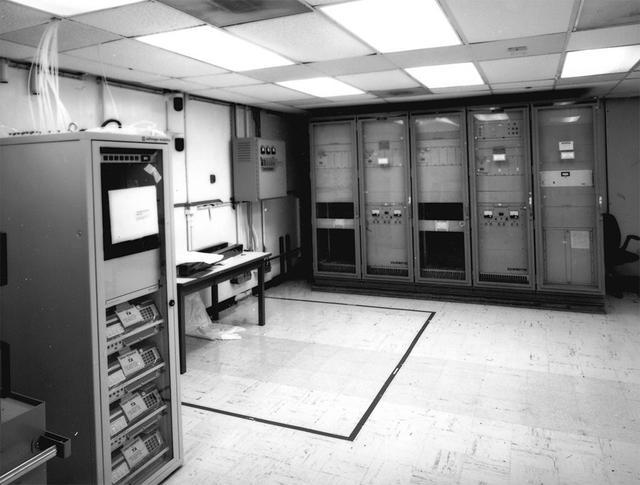
Interior view of the HMCA South (HMP South)
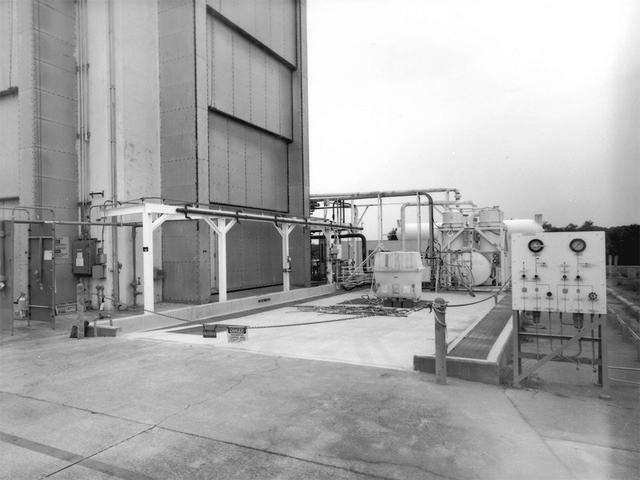
Exterior view of the HMCA South (HMP South)