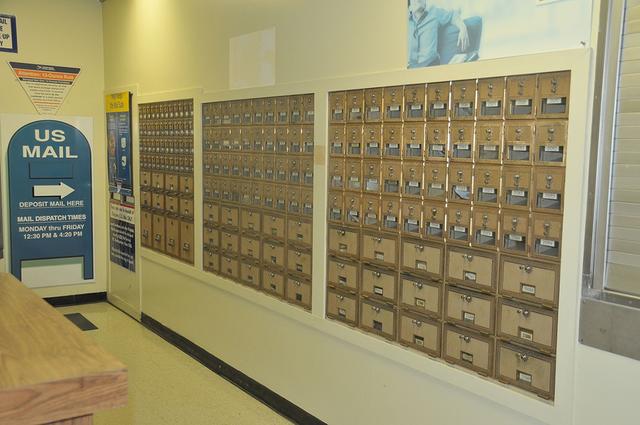
Interior view of KSC Headquarters Building
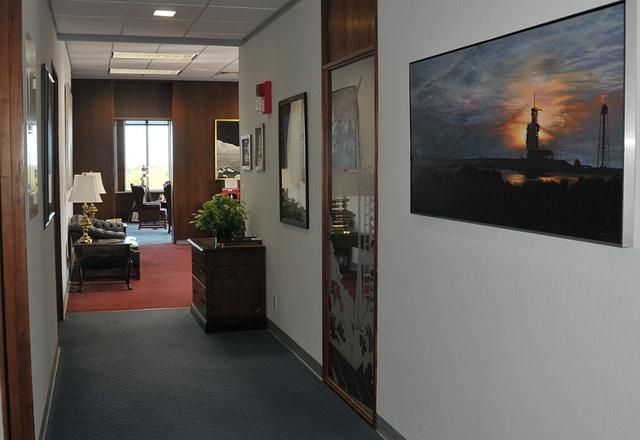
Interior view of KSC Headquarters Building
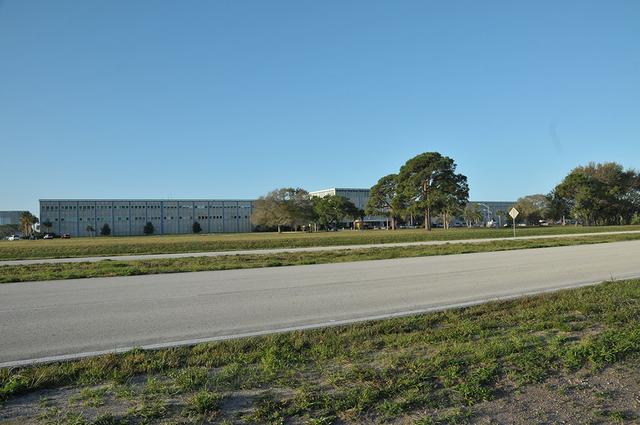
Exterior view of KSC Headquarters Building
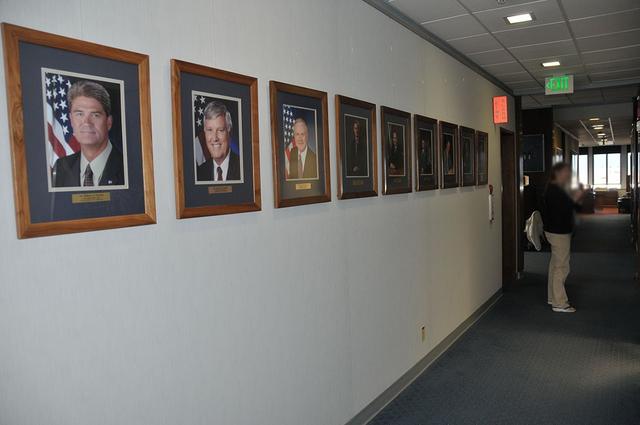
Interior view of KSC Headquarters Building
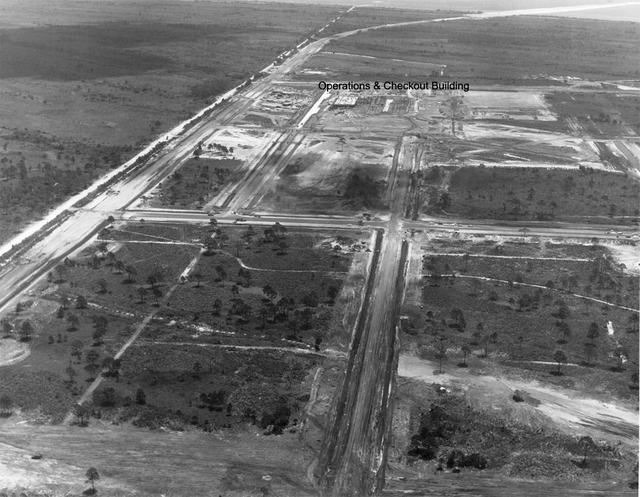
Aerial view of KSC Headquarters Building
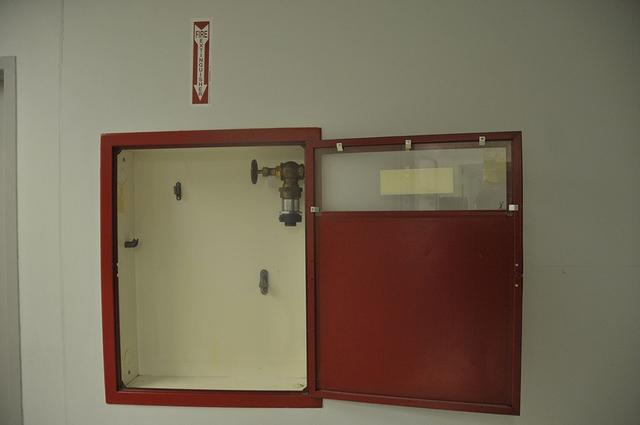
Interior view of KSC Headquarters Building
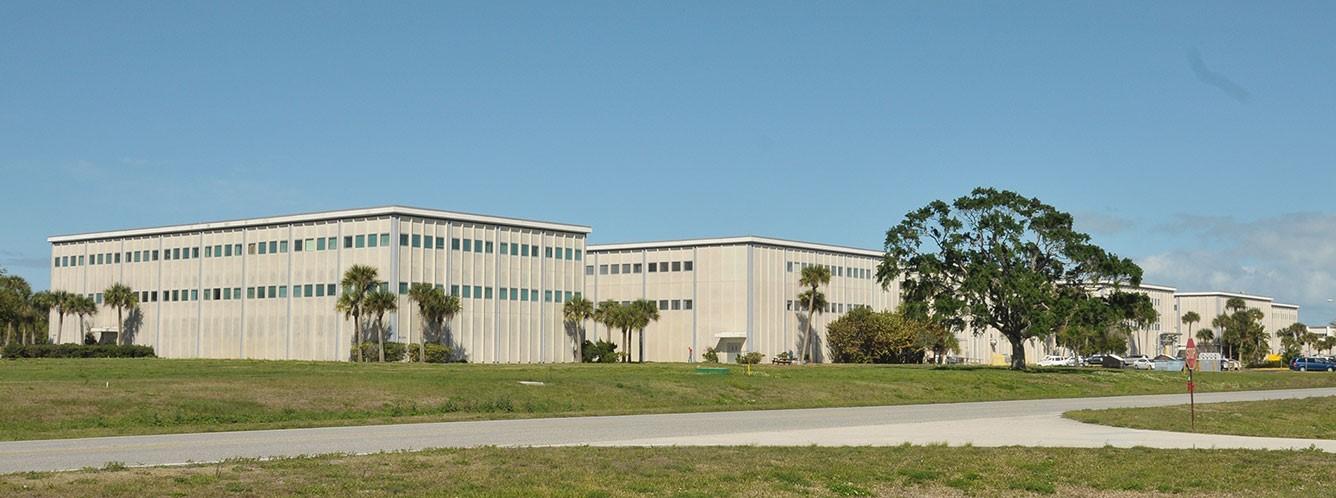
Exterior view of KSC Headquarters Building
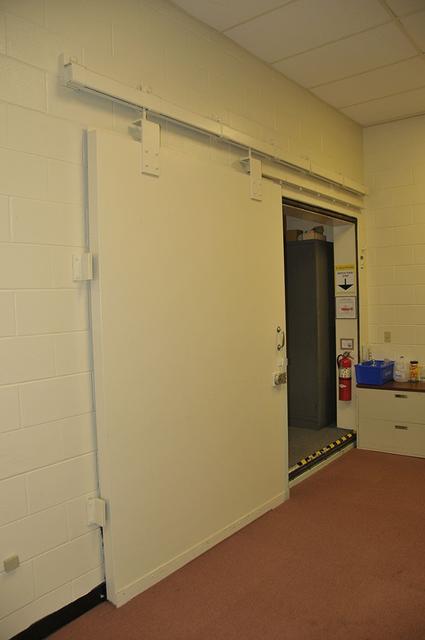
Interior view of KSC Headquarters Building
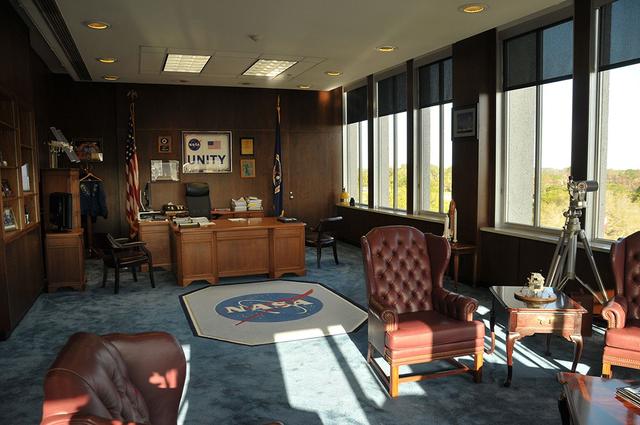
Interior view of KSC Headquarters Building
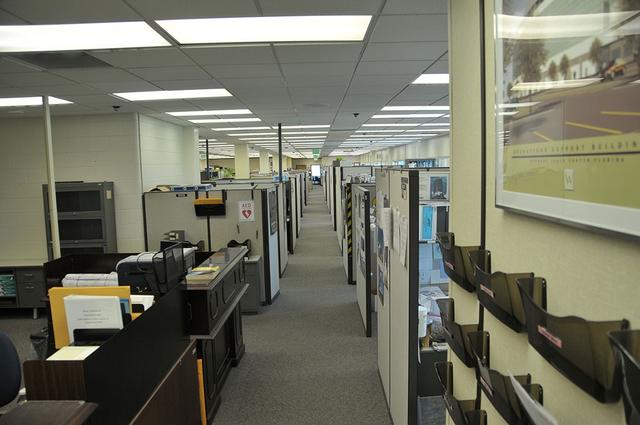
Interior view of KSC Headquarters Building
Interior view of KSC Headquarters Building
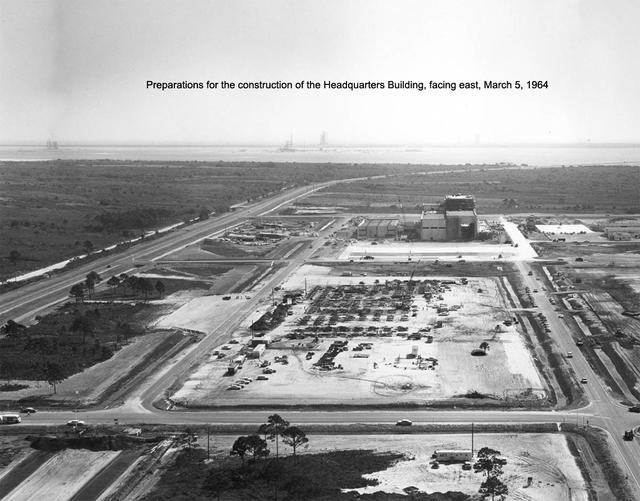
Aerial view of KSC Headquarters Building
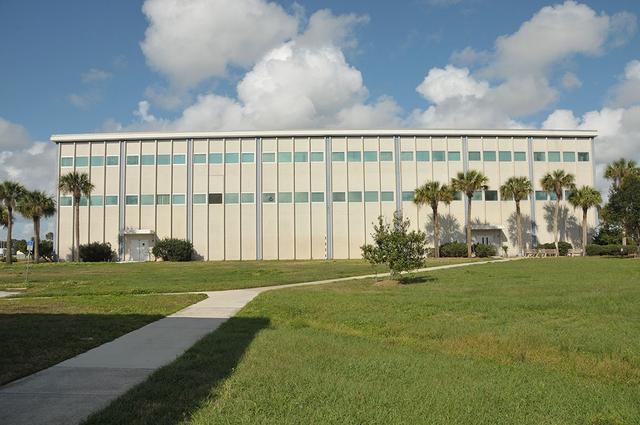
Exterior view of KSC Headquarters Building

Interior view of KSC Headquarters Building
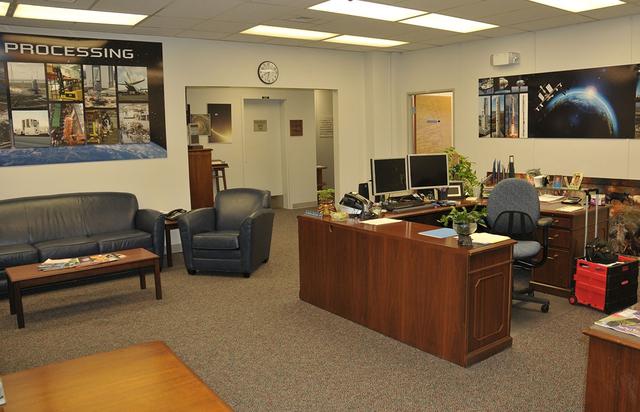
Interior view of KSC Headquarters Building
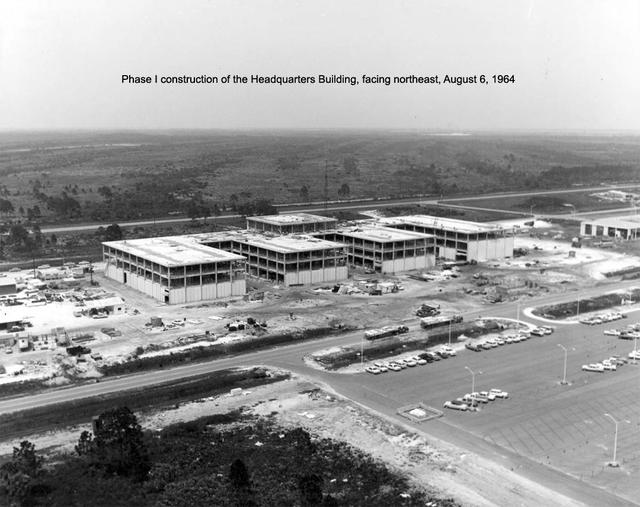
Aerial view of KSC Headquarters Building
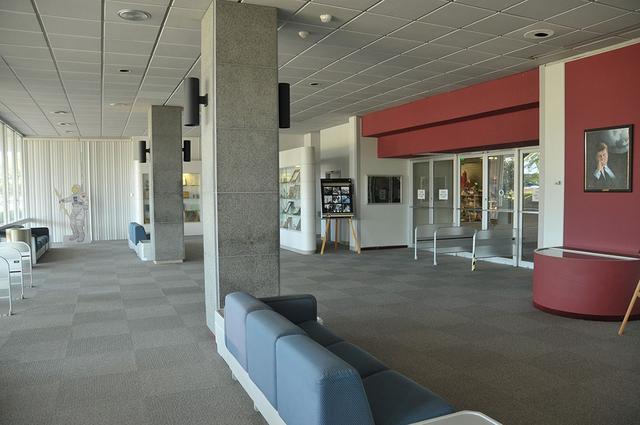
Interior view of KSC Headquarters Building
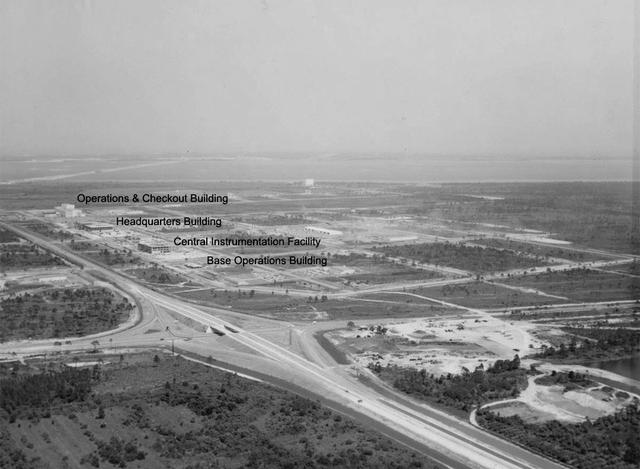
Aerial view of KSC Headquarters Building
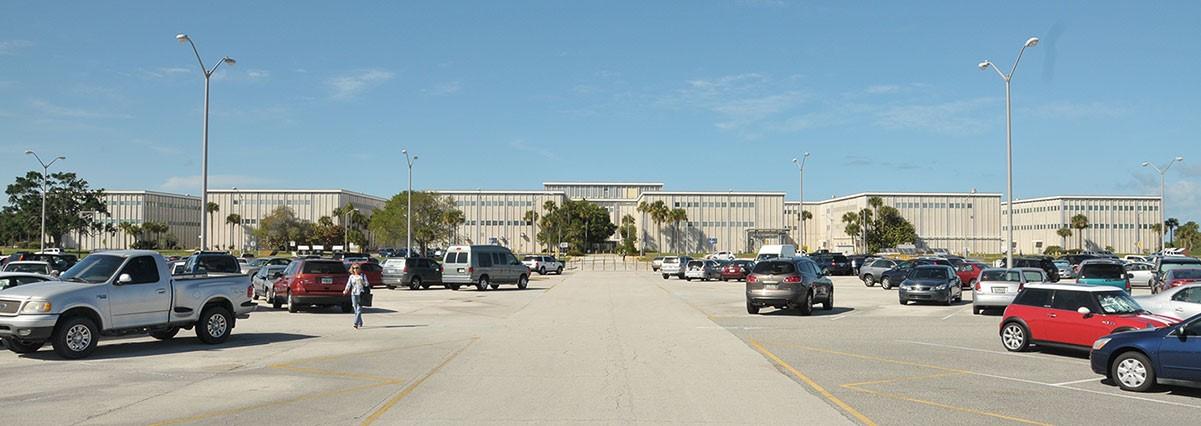
Exterior view of KSC Headquarters Building
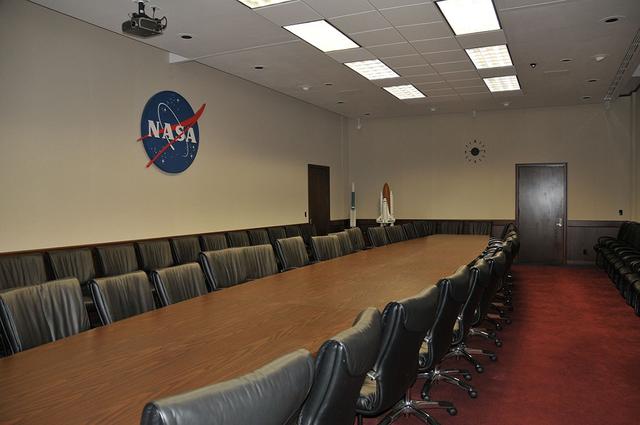
Interior view of KSC Headquarters Building
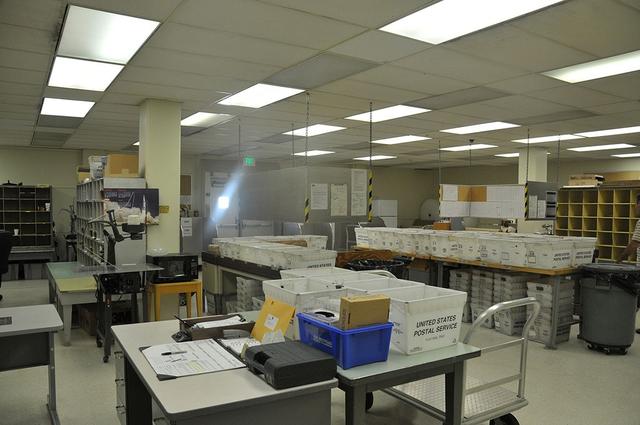
Interior view of KSC Headquarters Building
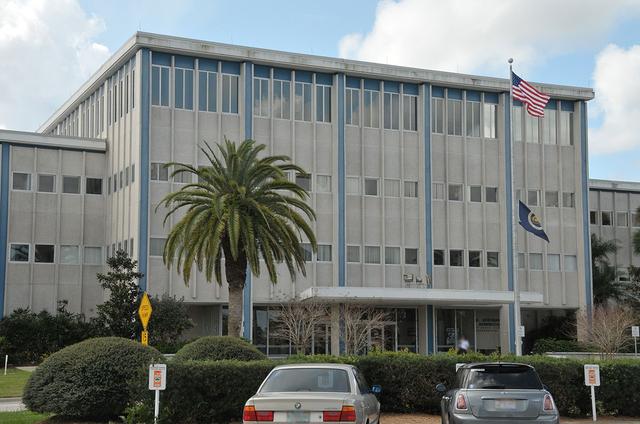
Exterior view of KSC Headquarters Building
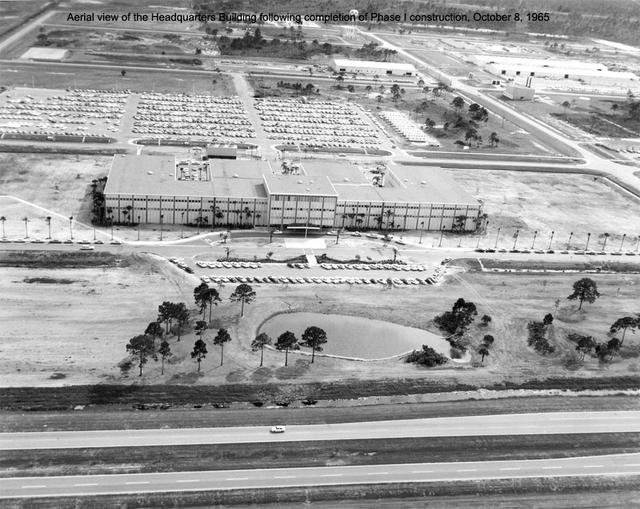
Aerial view of KSC Headquarters Building
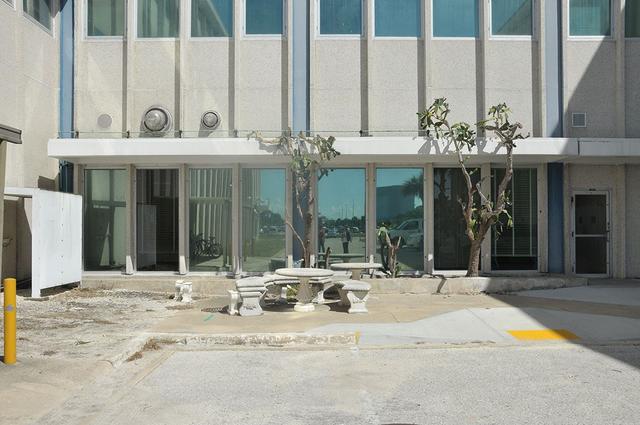
Exterior view of KSC Headquarters Building
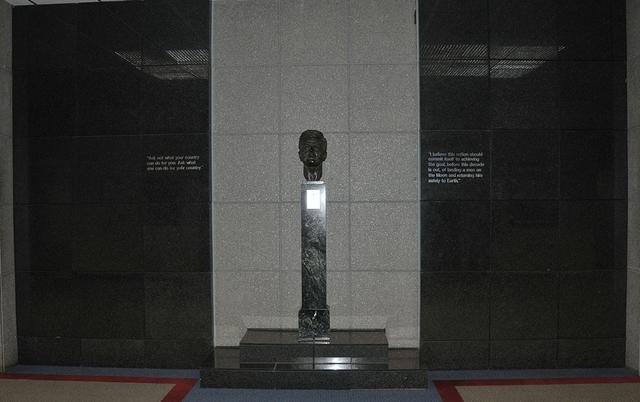
Interior view of KSC Headquarters Building
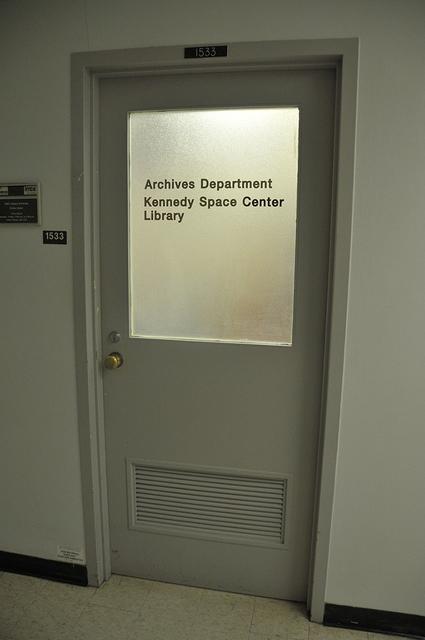
Interior view of KSC Headquarters Building
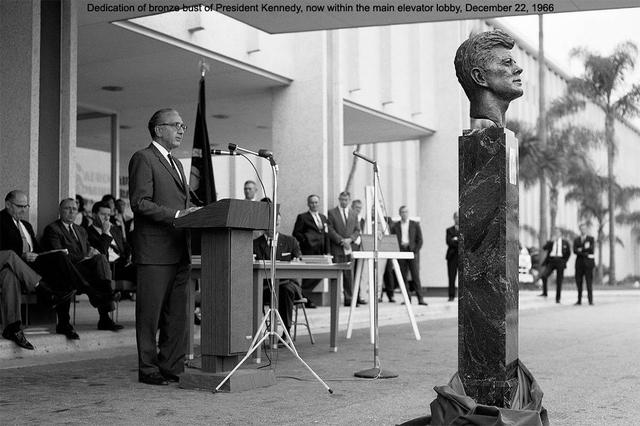
Exterior view of KSC Headquarters Building
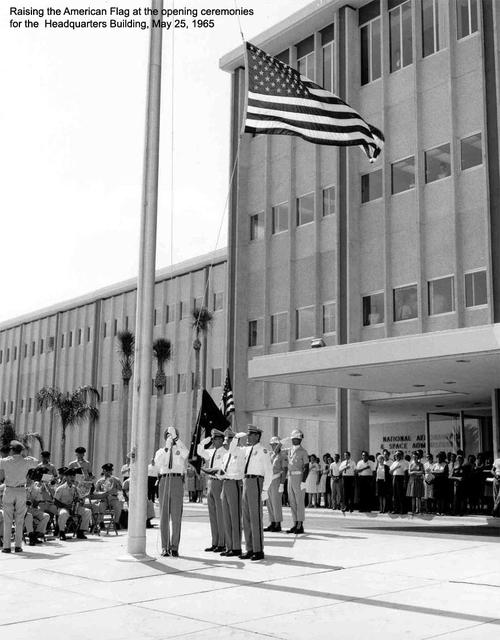
Exterior view of KSC Headquarters Building
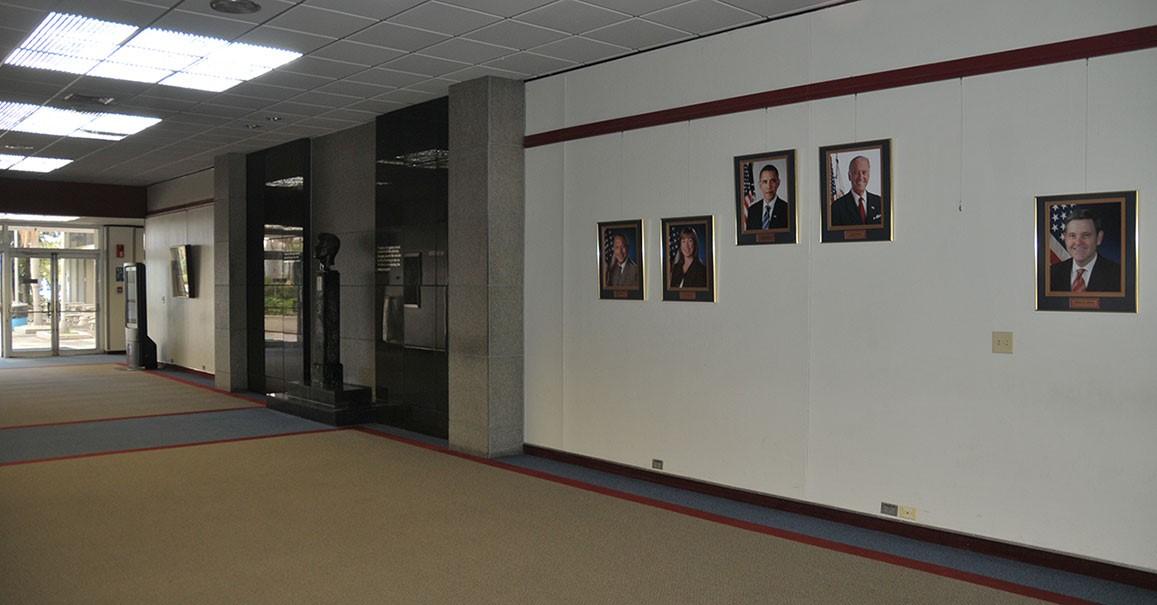
Interior view of KSC Headquarters Building
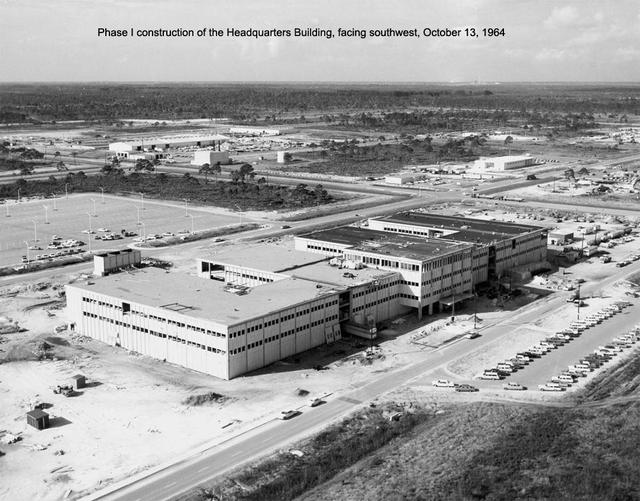
Aerial view of KSC Headquarters Building
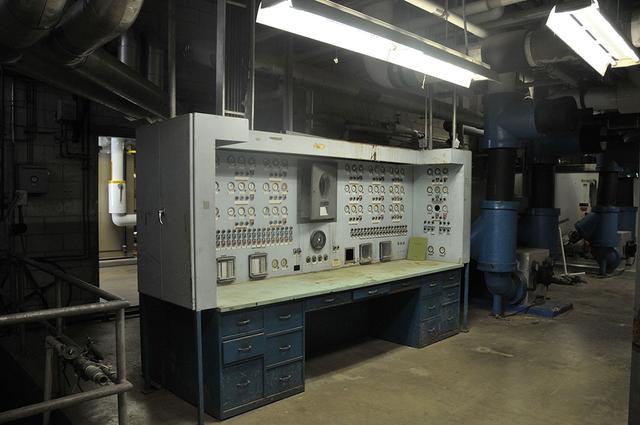
Interior view of KSC Headquarters Building
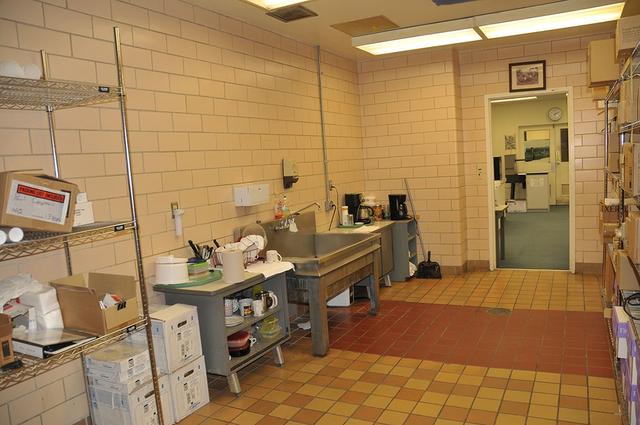
Interior view of KSC Headquarters Building
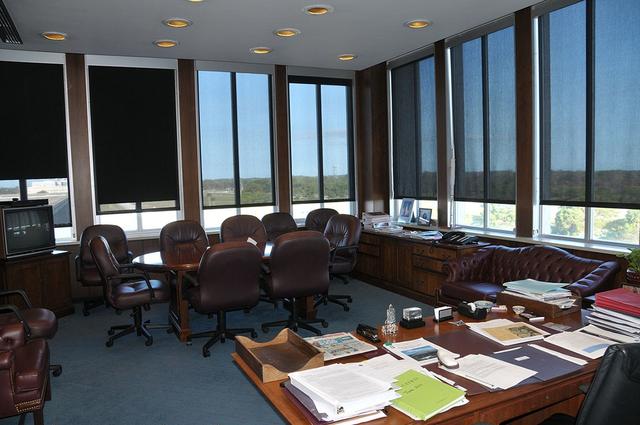
Interior view of KSC Headquarters Building
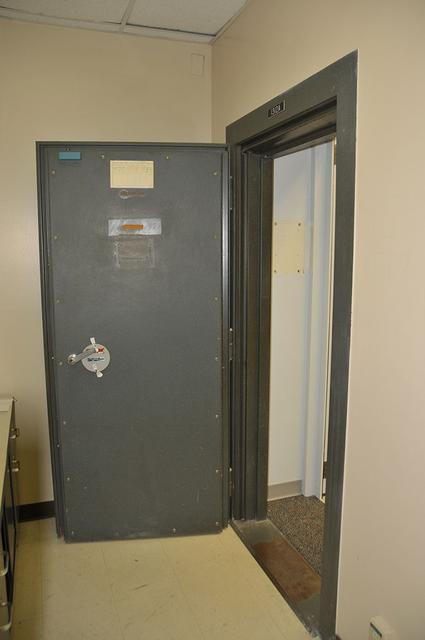
Interior view of KSC Headquarters Building
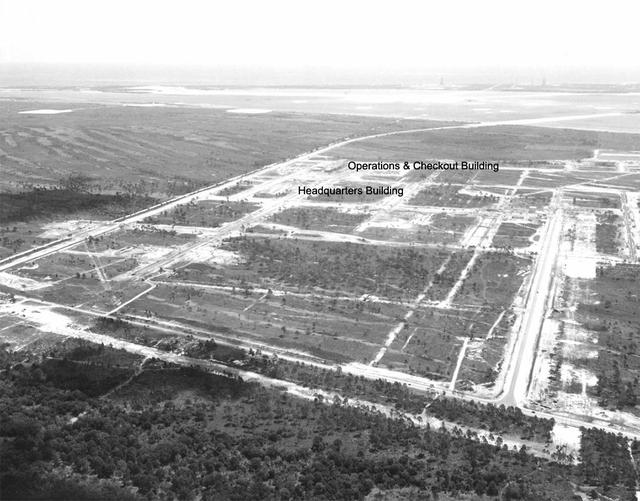
Aerial view of KSC Headquarters Building
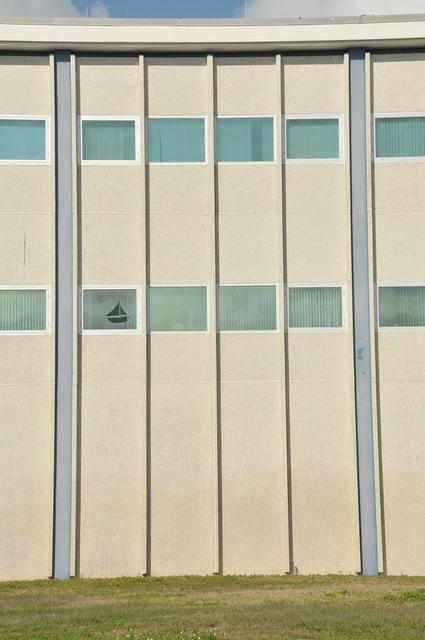
Exterior view of KSC Headquarters Building
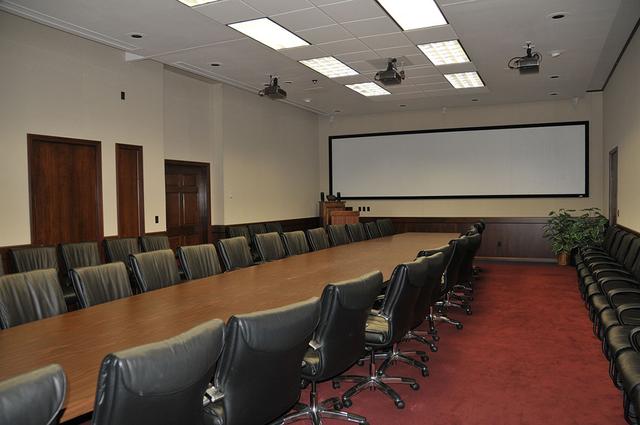
Interior view of KSC Headquarters Building
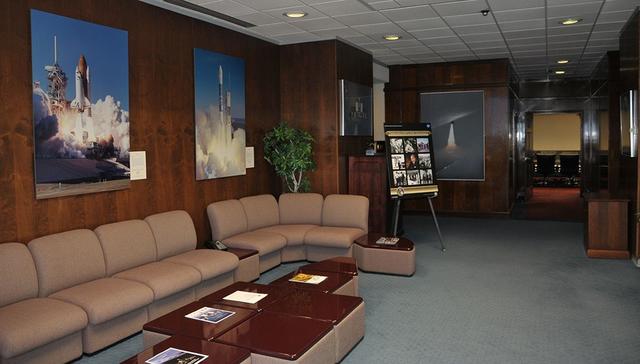
Interior view of KSC Headquarters Building
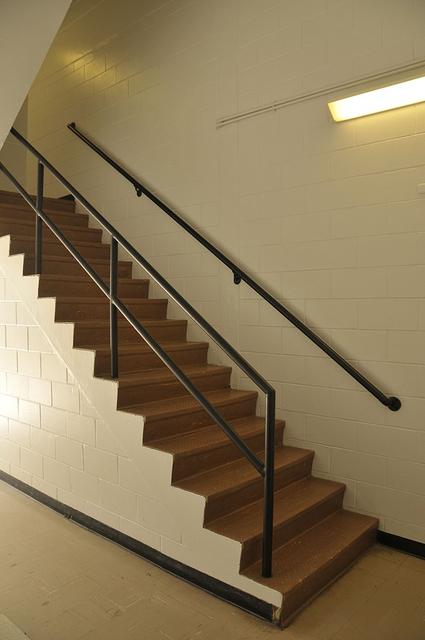
Interior view of KSC Headquarters Building
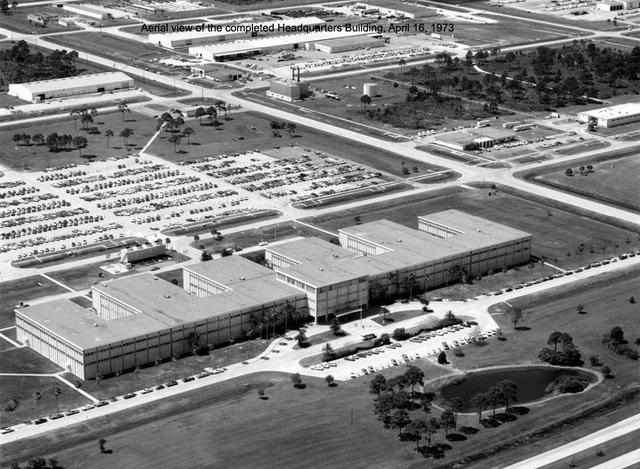
Aerial view of KSC Headquarters Building
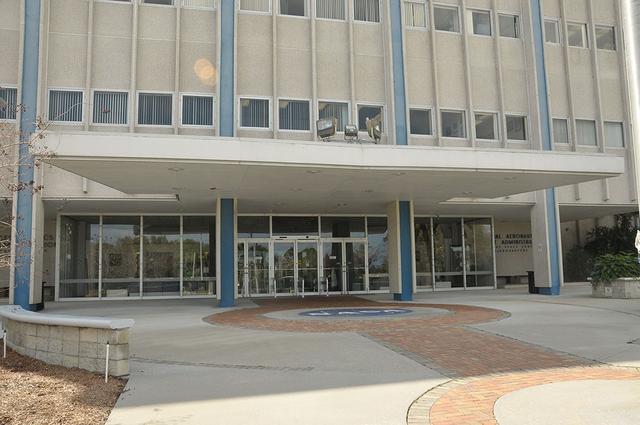
Exterior view of KSC Headquarters Building
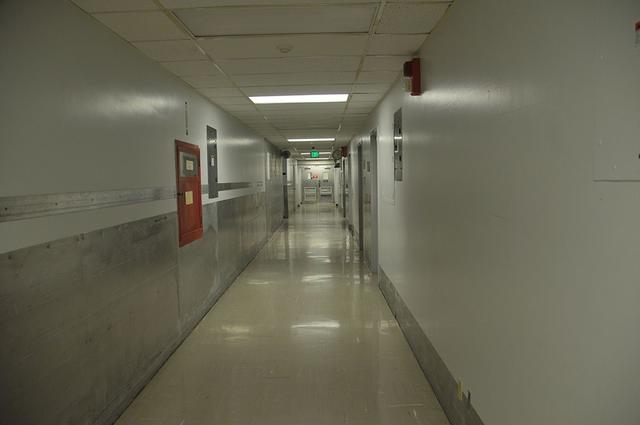
Interior view of KSC Headquarters Building

Interior view of KSC Headquarters Building
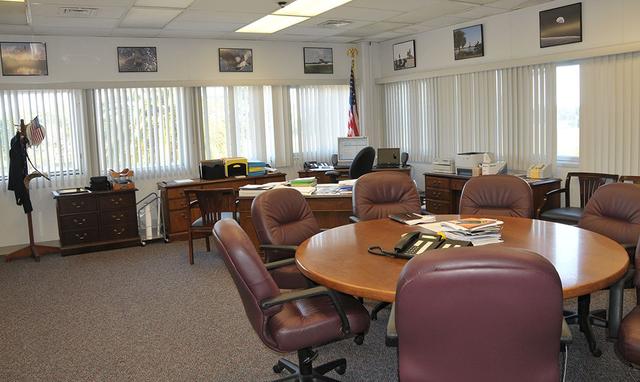
Interior view of KSC Headquarters Building
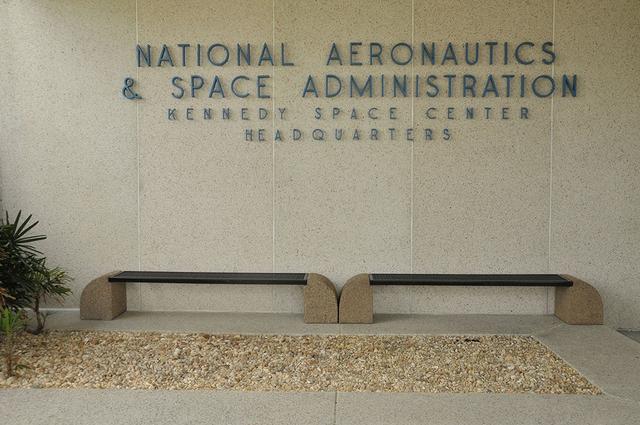
Exterior view of KSC Headquarters Building
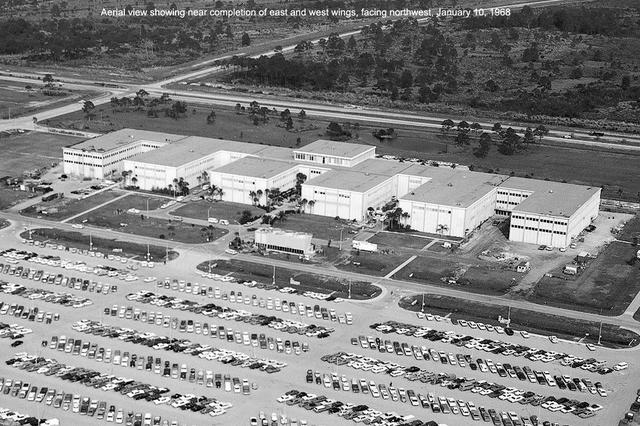
Aerial view of KSC Headquarters Building
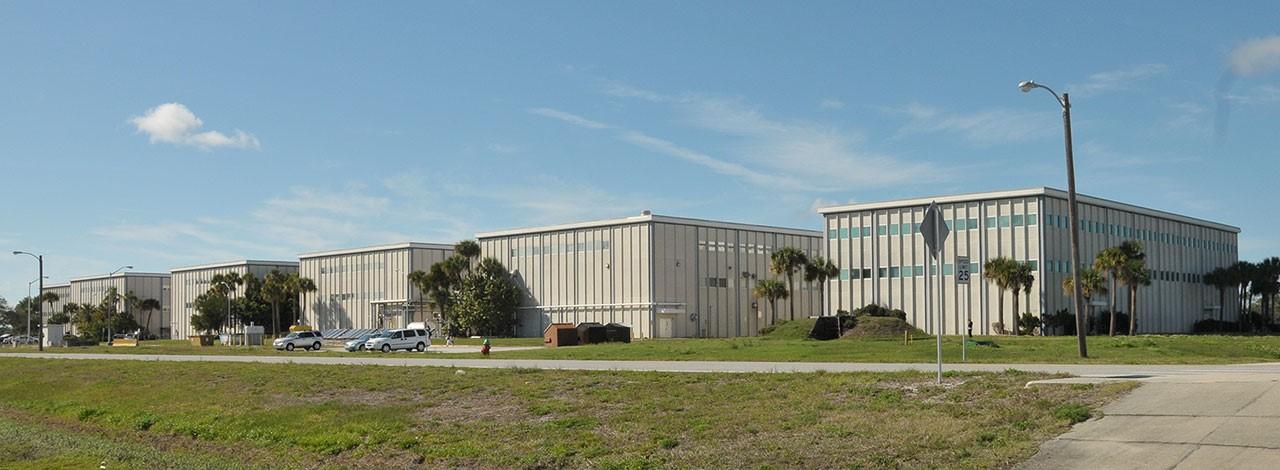
Exterior view of KSC Headquarters Building
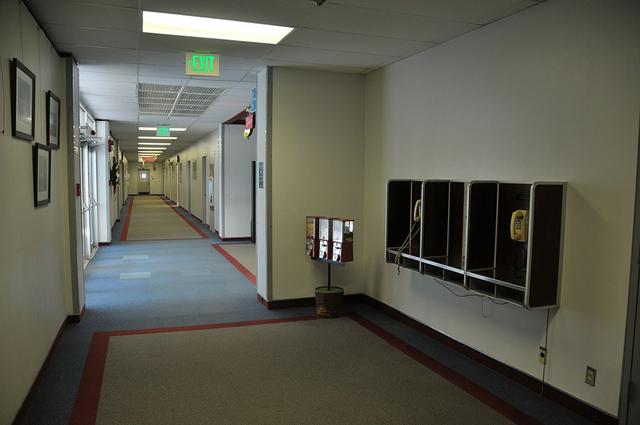
Interior view of KSC Headquarters Building
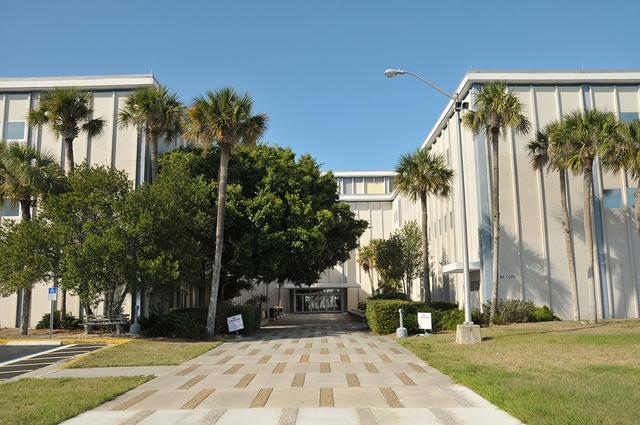
Exterior view of KSC Headquarters Building
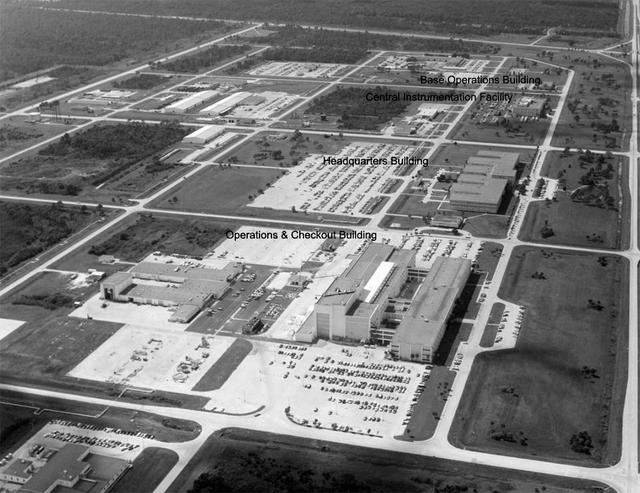
Aerial view of KSC Headquarters Building

The refurbished sign from the original Headquarters building at NASA’s Kennedy Space Center in Florida is installed by the main entrance of the new Central Campus Headquarters, Feb. 18, 2021. The sign, which reads “National Aeronautics and Space Administration – Kennedy Space Center Headquarters,” was placed on the center’s first Headquarters building when the facility was completed in 1965. Kennedy’s modern Central Campus Headquarters, a seven-story building with several sustainable features, opened in May 2019 and provides space for 500 NASA and contractor employees.
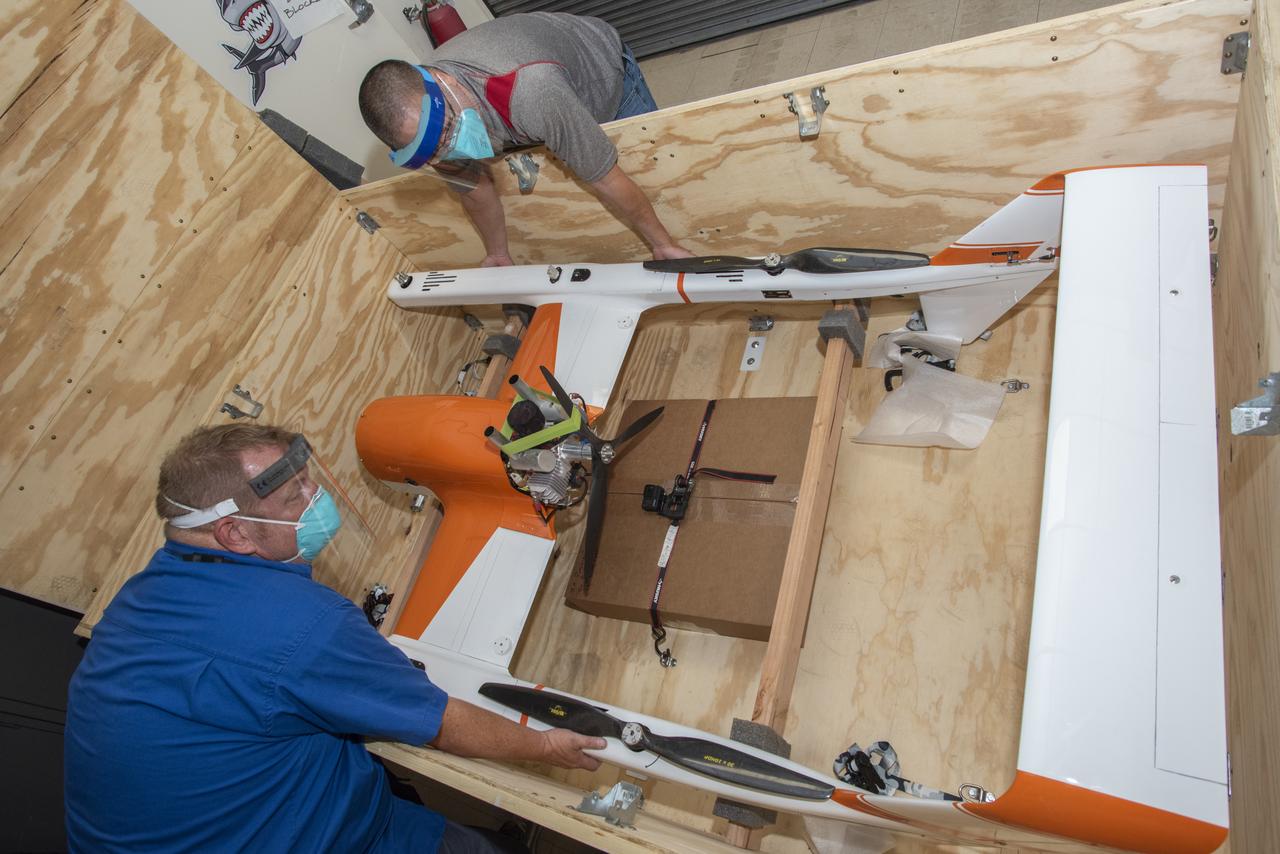
Derek Abramson and Robert Jensen unload the Hybrid Quadrotor 90C (HQ-90) at NASA Armstrong Flight Research Center’s Dale Reed Subscale Flight Research Lab in California on Oct. 1, 2020. The Resilient Autonomy project will use the vertical lift and transition remotely piloted aircraft for software testing at NASA Armstrong.
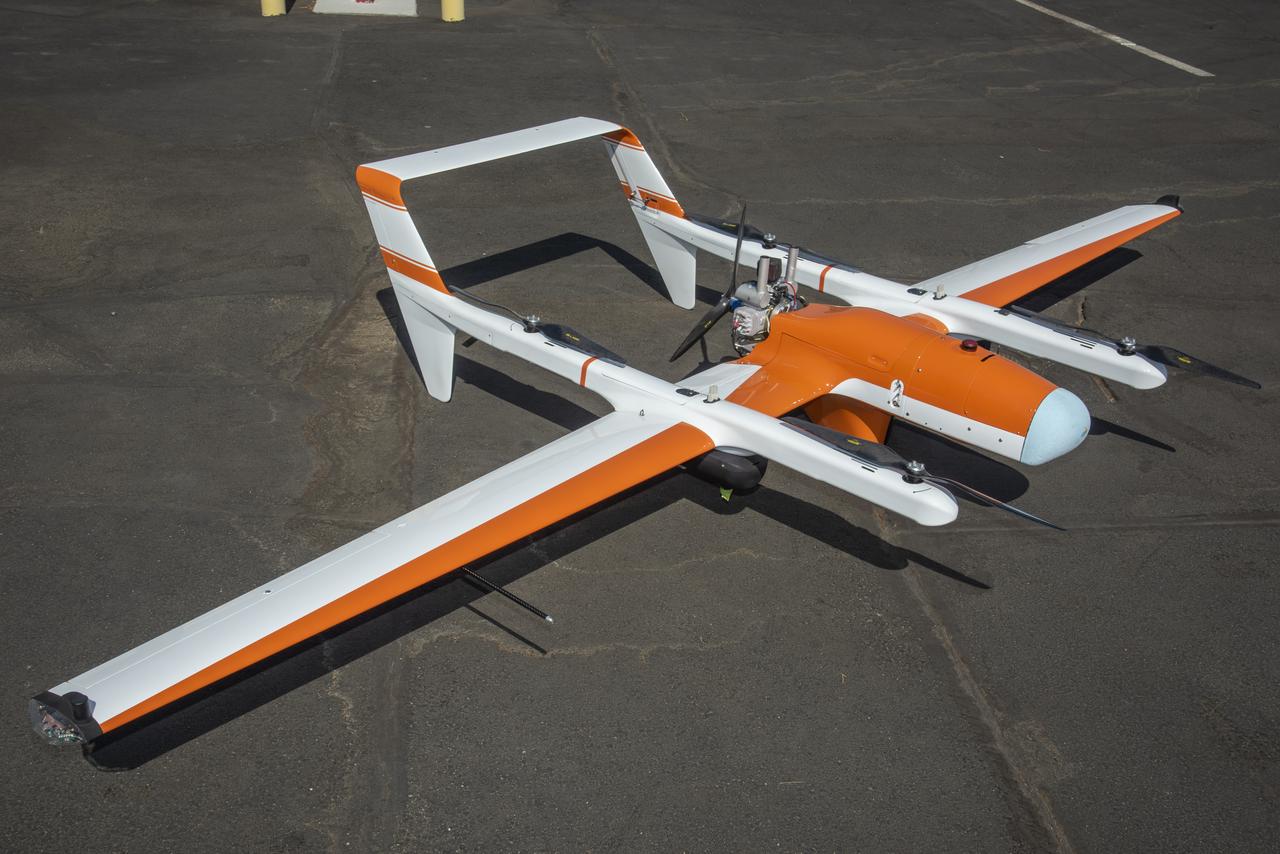
The Hybrid Quadrotor 90C (HQ-90) is displayed outside the NASA Armstrong Flight Research Center’s Dale Reed Subscale Flight Research Lab in California on Oct. 1, 2020. The Resilient Autonomy project will use this vertical lift and transition remotely piloted aircraft for software testing.
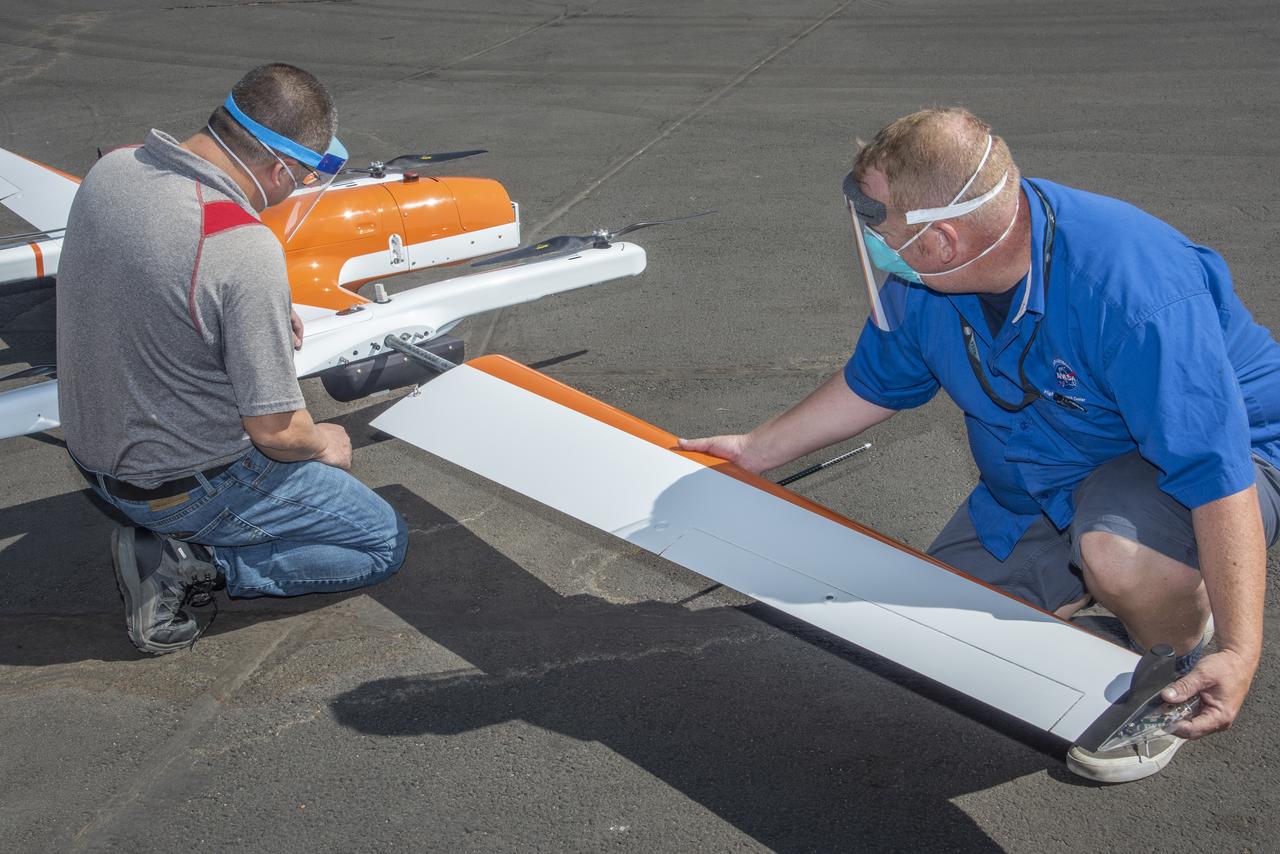
Derek Abramson and Robert Jensen install a wing on the Hybrid Quadrotor 90C (HQ-90) at NASA Armstrong Flight Research Center's Dale Reed Subscale Flight Research Lab in California on Oct. 1, 2020. This vertical lift and transition remotely piloted aircraft arrived in pieces packed in crates for the Resilient Autonomy project to test software in flight.
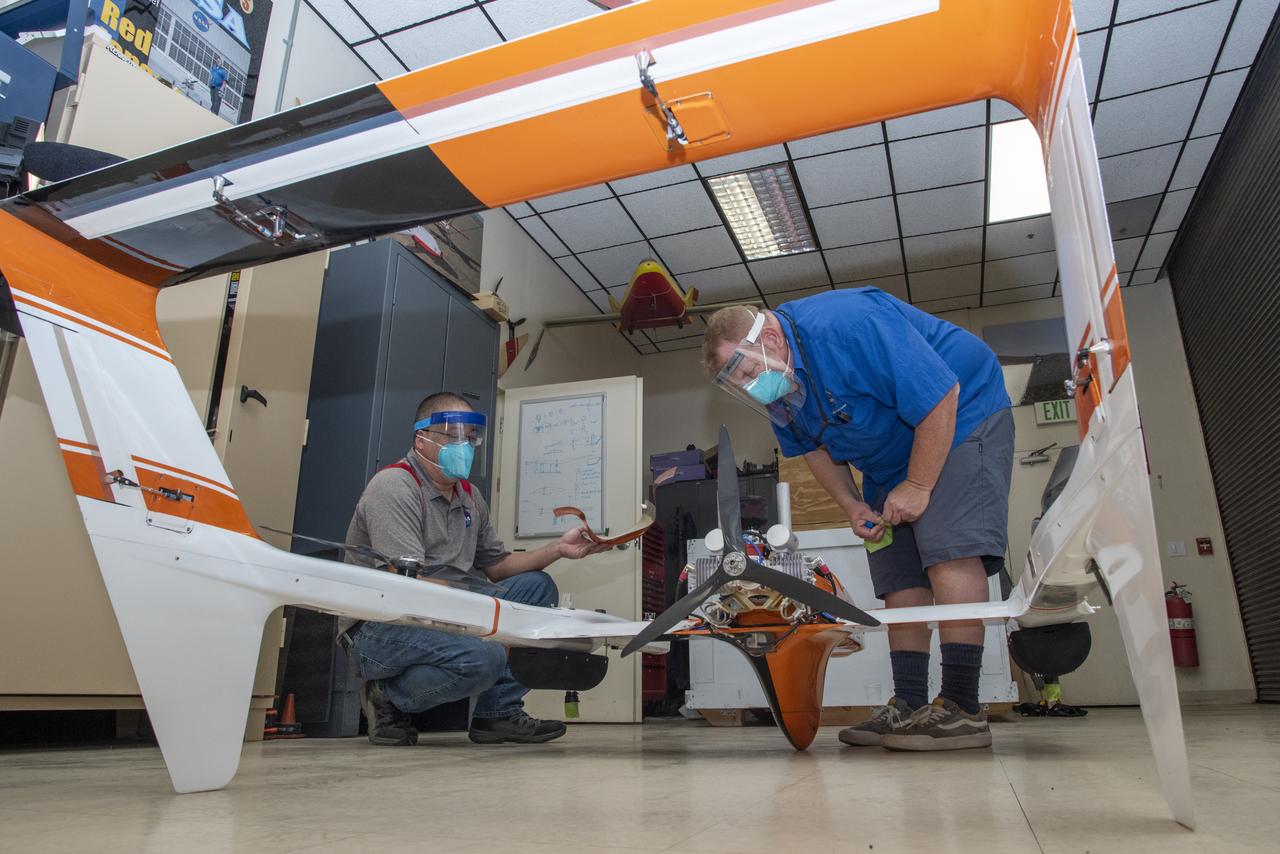
Derek Abramson and Robert Jensen assemble pieces of the Hybrid Quadrotor 90C (HQ-90) at NASA Armstrong Flight Research Center’s Dale Reed Subscale Flight Research Lab in California on Oct. 1, 2020. This vertical lift and transition remotely piloted aircraft arrived in pieces packed in crates. It was reassembled for the Resilient Autonomy project to test software in flight.
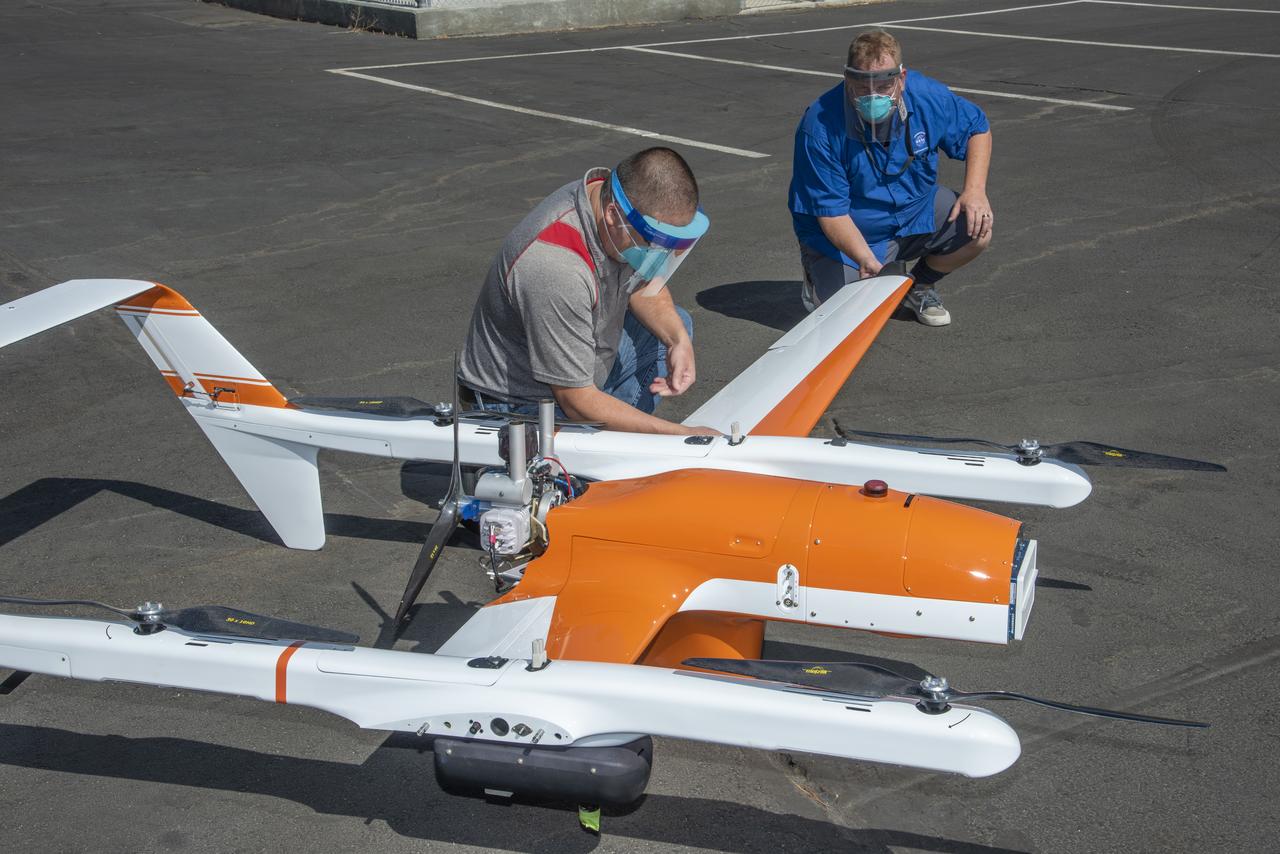
Derek Abramson and Robert Jensen install one of two wings on the Hybrid Quadrotor 90C (HQ-90) at NASA Armstrong Flight Research Center's Dale Reed Subscale Flight Research Lab in California on Oct. 1, 2020. This vertical lift and transition remotely piloted aircraft arrived in pieces packed in crates for the Resilient Autonomy project to test software in flight.
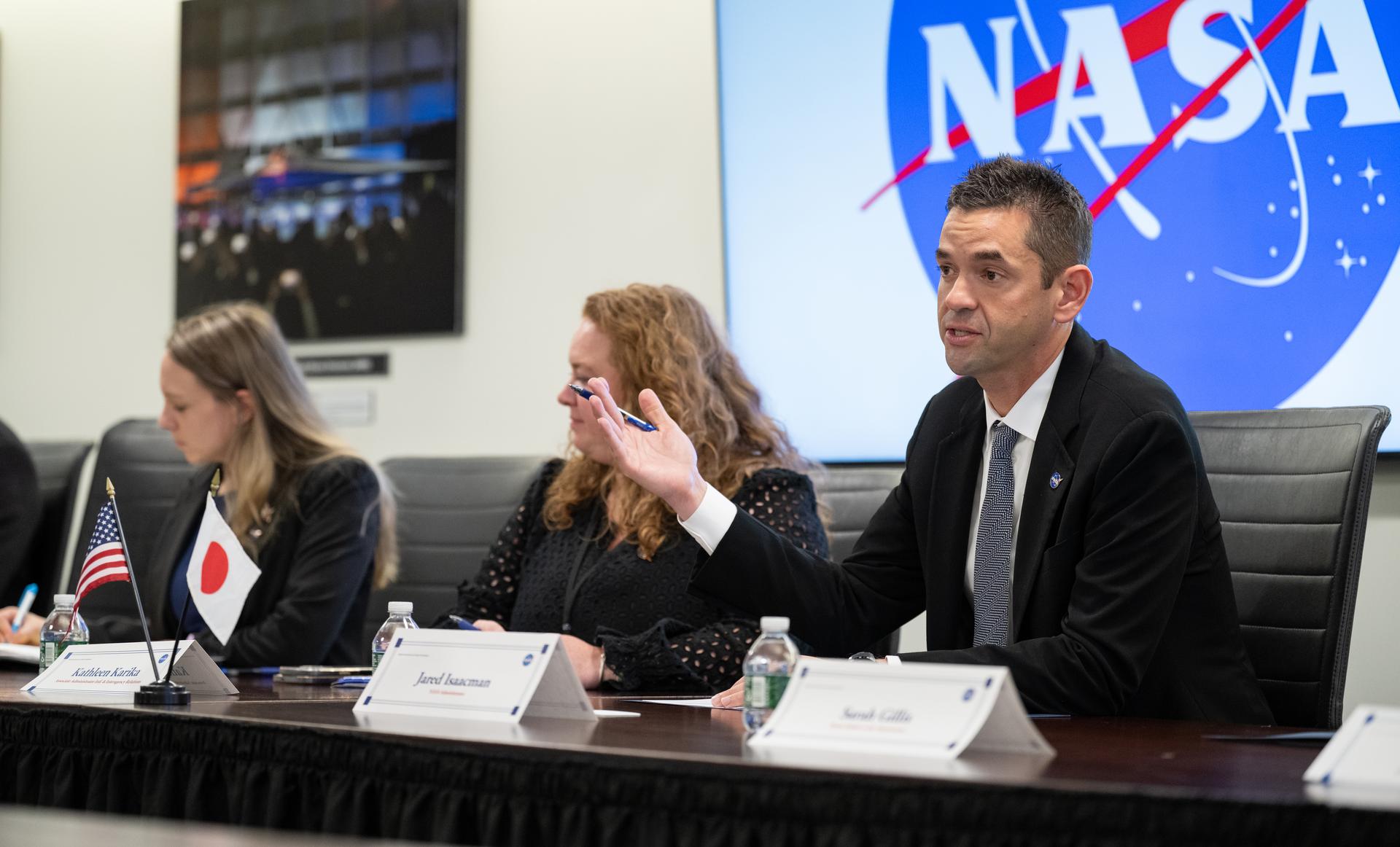
NASA Administrator Jared Isaacman, right, speaks alongside NASA staff during a meeting with Jun Sawada, Chairman of Japan’s National Space Policy Committee (NSPC), Monday, Aug. 24, 2026, at the Mary W. Jackson NASA Headquarters building in Washington. Photo Credit: (NASA/Keegan Barber)
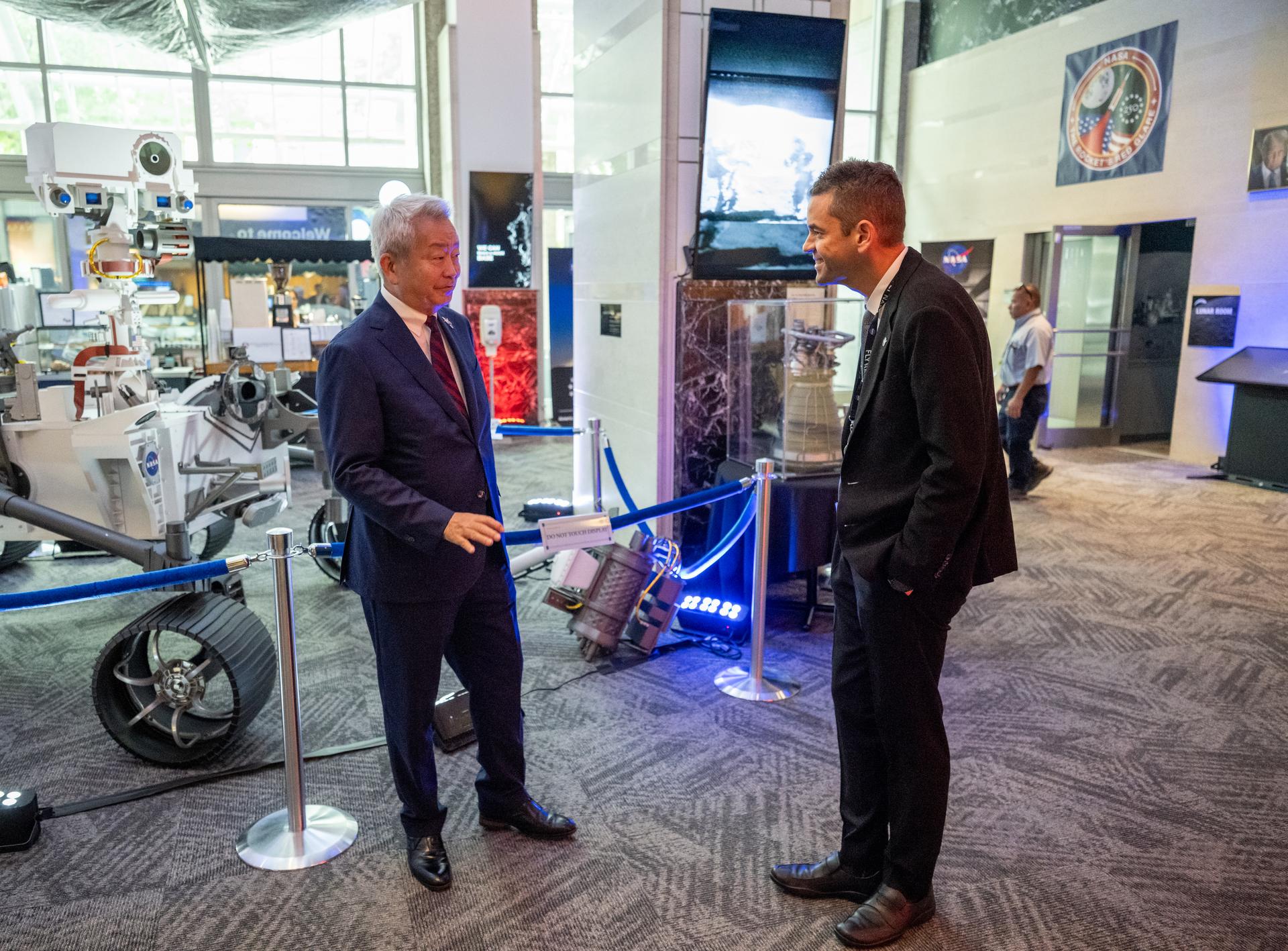
NASA Administrator Jared Isaacman, right, greets Jun Sawada, Chairman of Japan’s National Space Policy Committee (NSPC), left, Monday, Aug. 24, 2026, at the Mary W. Jackson NASA Headquarters building in Washington. Photo Credit: (NASA/Keegan Barber)
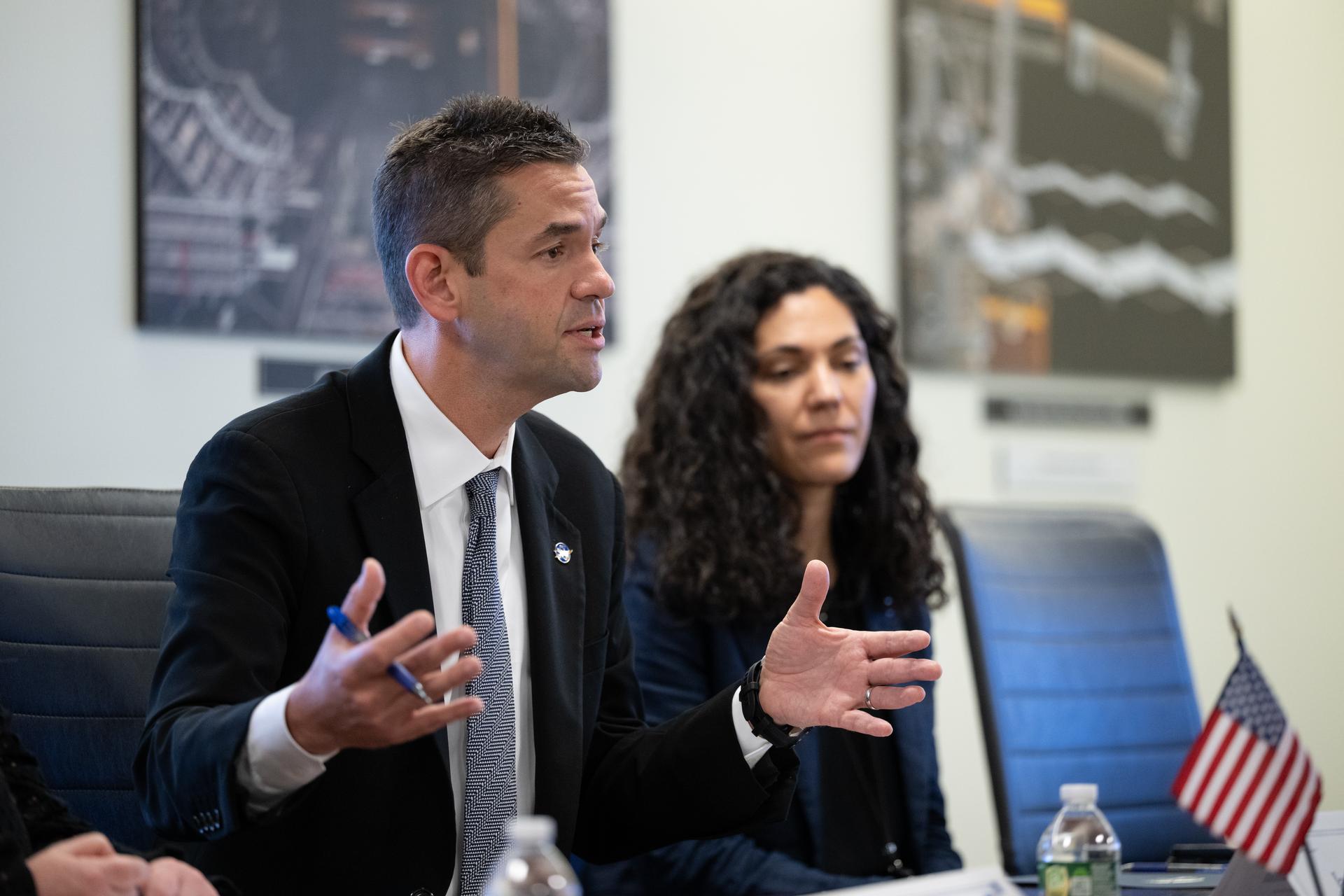
NASA Administrator Jared Isaacman, left, speaks alongside NASA staff during a meeting with Jun Sawada, Chairman of Japan’s National Space Policy Committee (NSPC), Monday, Aug. 24, 2026, at the Mary W. Jackson NASA Headquarters building in Washington. Photo Credit: (NASA/Keegan Barber)
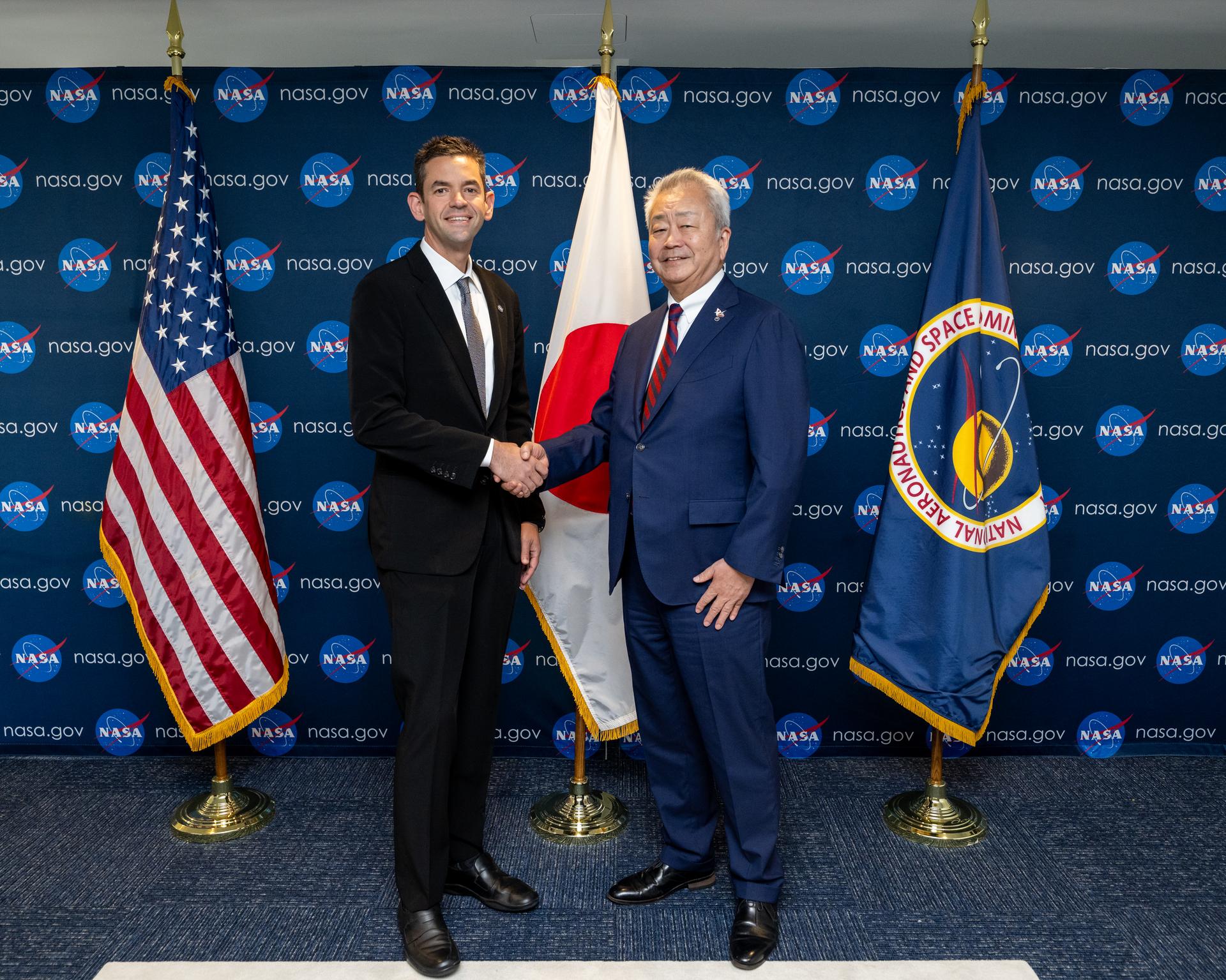
NASA Administrator Jared Isaacman, left, and Jun Sawada, Chairman of Japan’s National Space Policy Committee (NSPC), right, pose for a photo Monday, Aug. 24, 2026, at the Mary W. Jackson NASA Headquarters building in Washington. Photo Credit: (NASA/Keegan Barber)
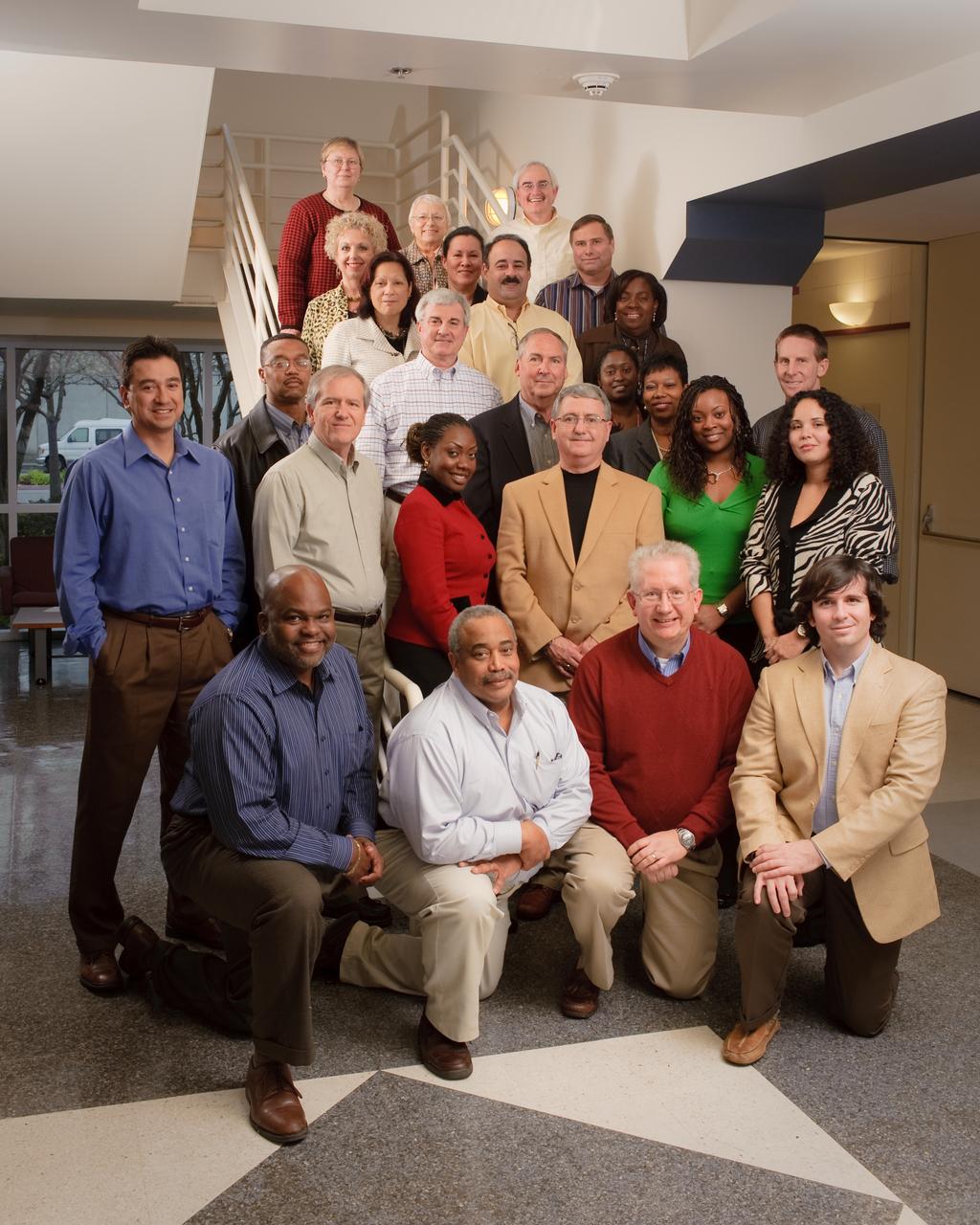
Small Business Council meeting hosed by NASA Ames Research Center: Naeemah Lee, H.Q., Cheryl Harrison, JSC, Gil DelVaile, GSRC, Mary Helen Ruiz, JPL, David Grove, HQ, John Cecconi, NSSC, Sandra Morris, HQ/OP, Michelle Stracener, SSC, Randy Manning, LaRC, Vernon Vann, LaRC, David Brock, MSFC, Ben Henson, MSFC, Larry Third, KSC, Robert Medina, DFRC, Christine Munroe, ARC, Lupe M. Velasquez, ARC, Monica F. Craft, JSC (?), Angel Castillo, NMO, Timothy C Pierce, GRC, Charles Williams, JSC, Jennifer Perez, GSFC, Rosa Acevedo, GSFC, Glenn A Delgado, HQ/Assoc Admin for Small Business, Tabisa Tepfer, HQ/OSBP/MORIAssoc, Richard Mann, HQ/OSBP
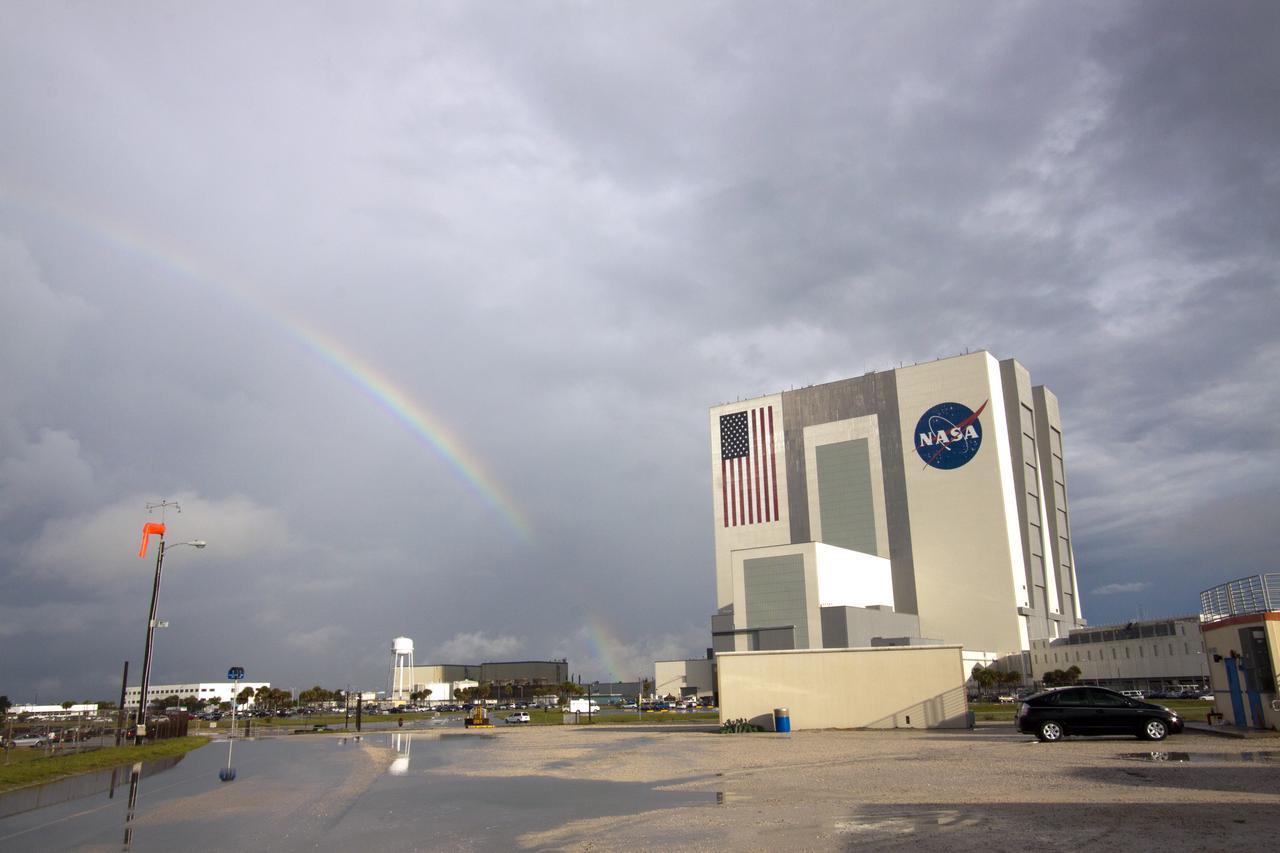
KSC WEATHER - RAINBOWS NEAR VAB AND HQ BLDG.
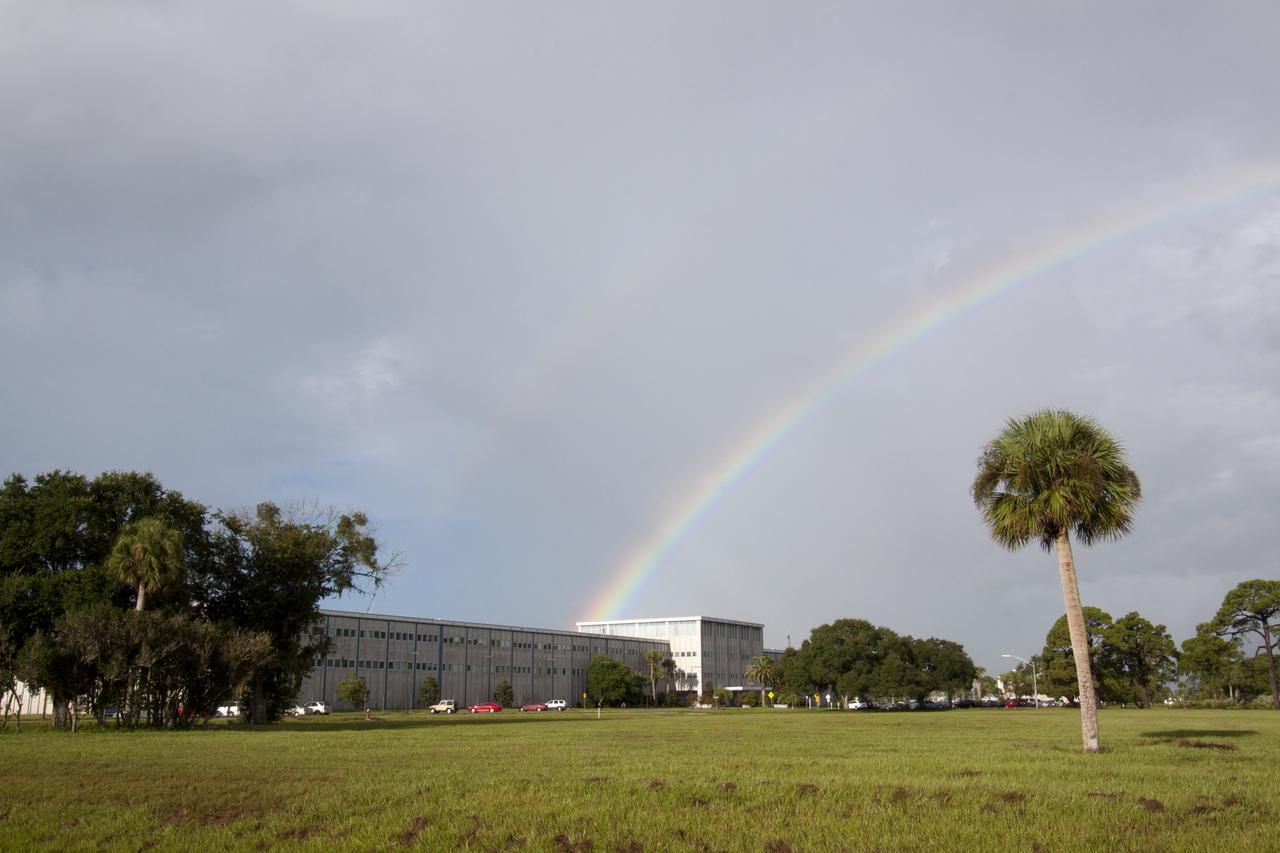
KSC WEATHER - RAINBOWS NEAR VAB AND HQ BLDG.
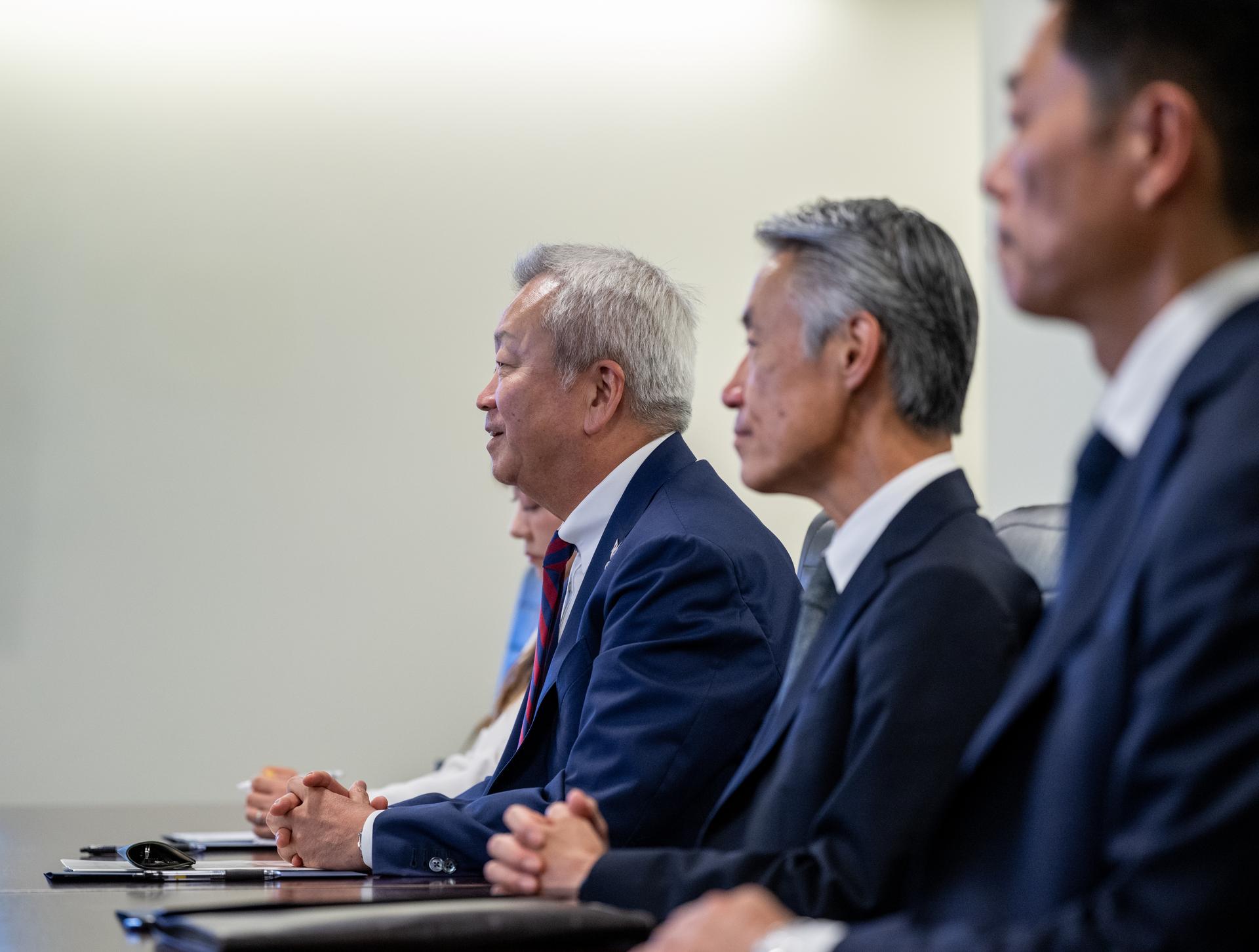
Jun Sawada, Chairman of Japan’s National Space Policy Committee (NSPC), left, speaks alongside Ambassador of Japan to the United States Shigeo Yamada, center, and Yosuke Kaneko, First Secretary for the Embassy of Japan, during meeting with NASA Administrator Jared Isaacman Monday, Aug. 24, 2026, at the Mary W. Jackson NASA Headquarters building in Washington. Photo Credit: (NASA/Keegan Barber)
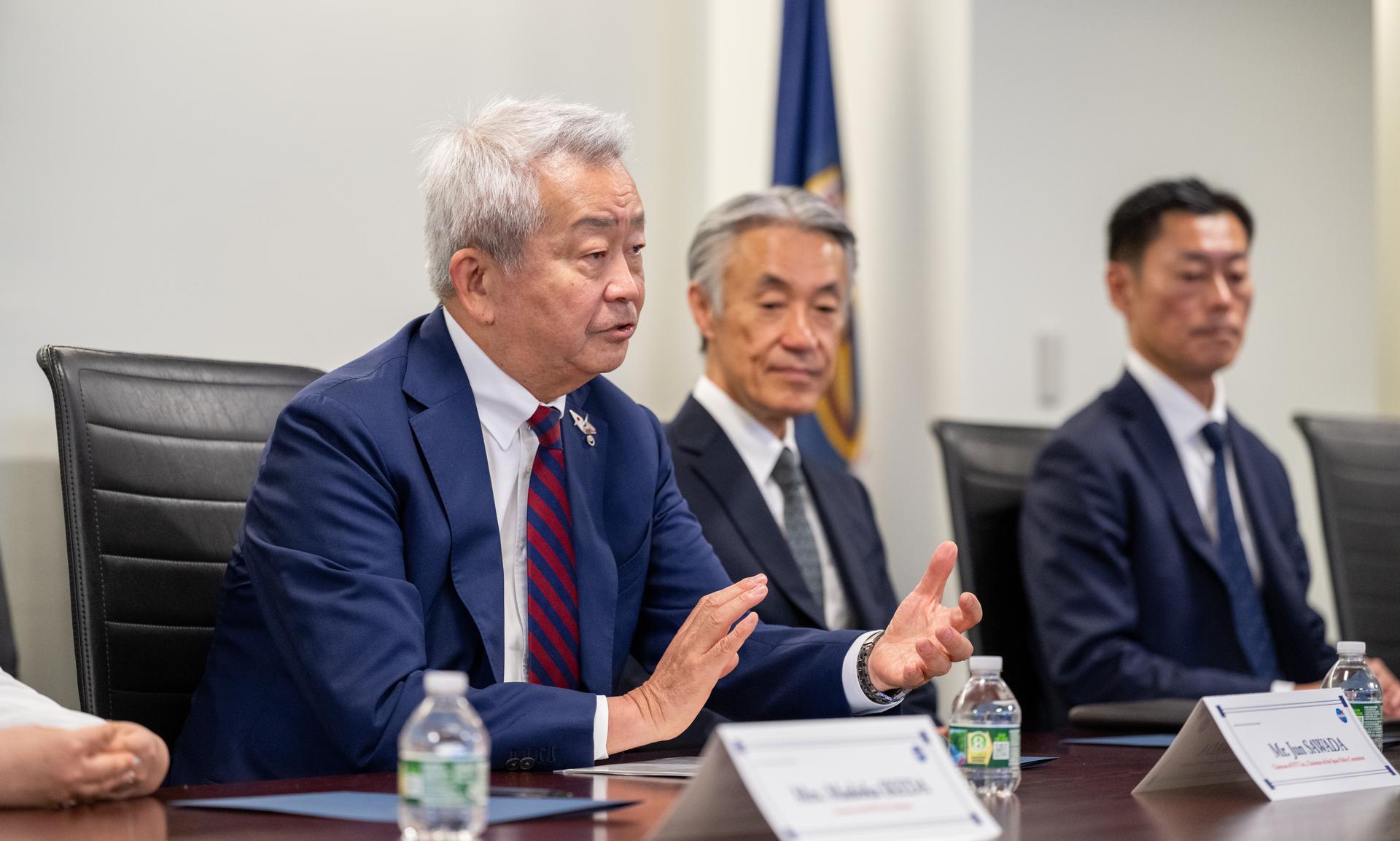
Jun Sawada, Chairman of Japan’s National Space Policy Committee (NSPC), left, speaks alongside Ambassador of Japan to the United States Shigeo Yamada, center, and Yosuke Kaneko, First Secretary for the Embassy of Japan, during meeting with NASA Administrator Jared Isaacman, Monday, Aug. 24, 2026, at the Mary W. Jackson NASA Headquarters building in Washington. Photo Credit: (NASA/Keegan Barber)
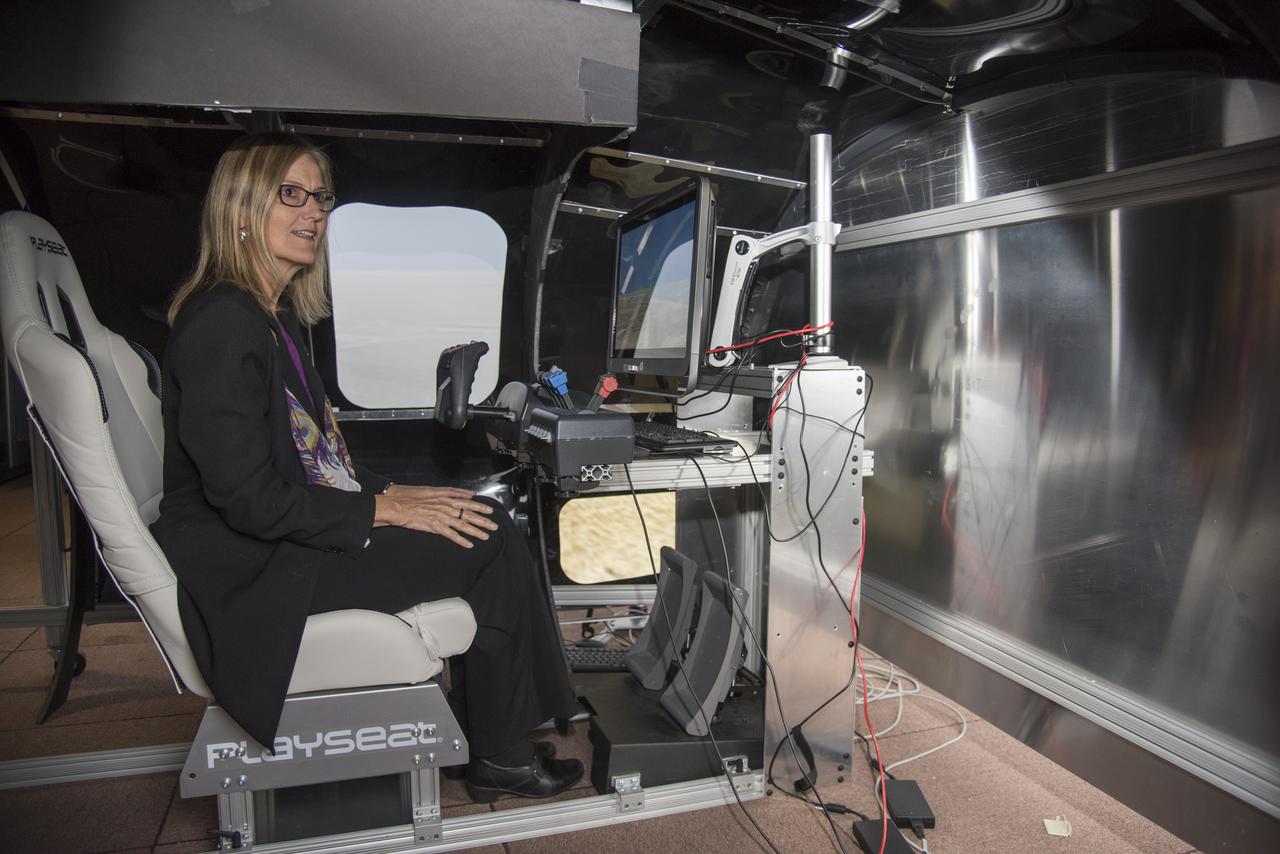
Vicki Crisp Deputy Chief Technologist Visit from HQ
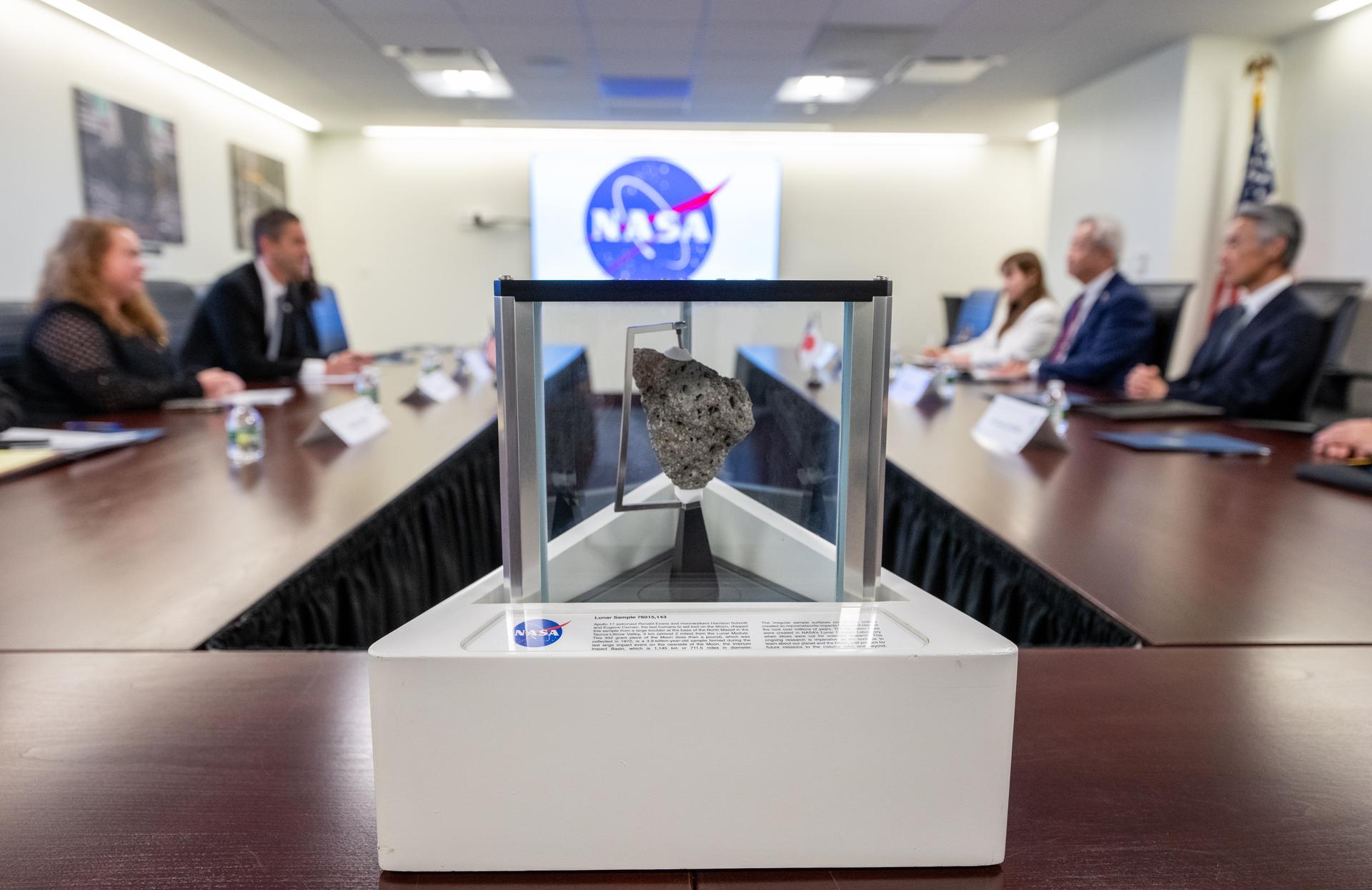
A lunar sample collected during the Apollo 17 mission is seen in the foreground during a meeting between Jun Sawada, Chairman of Japan’s National Space Policy Committee (NSPC), and NASA Administrator Jared Isaacman Monday, Aug. 24, 2026, at the Mary W. Jackson NASA Headquarters building in Washington. Photo Credit: (NASA/Keegan Barber)
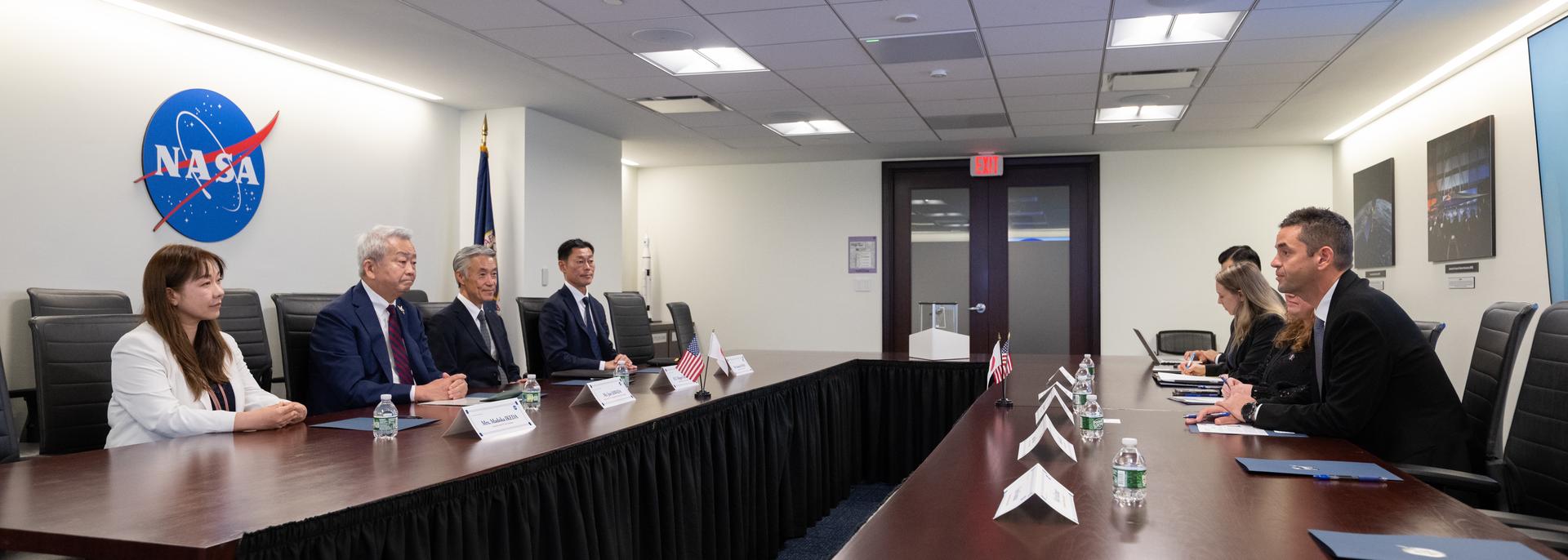
NASA Administrator Jared Isaacman, right, speaks with, from left to right, Madoka Ikeda, Secretary of Chairman, Jun Sawada, Chairman of Japan’s National Space Policy Committee (NSPC), Ambassador of Japan to the United States Shigeo Yamada, and Yosuke Kaneko, First Secretary for the Embassy of Japan, Monday, Aug. 24, 2026, at the Mary W. Jackson NASA Headquarters building in Washington. Photo Credit: (NASA/Keegan Barber)
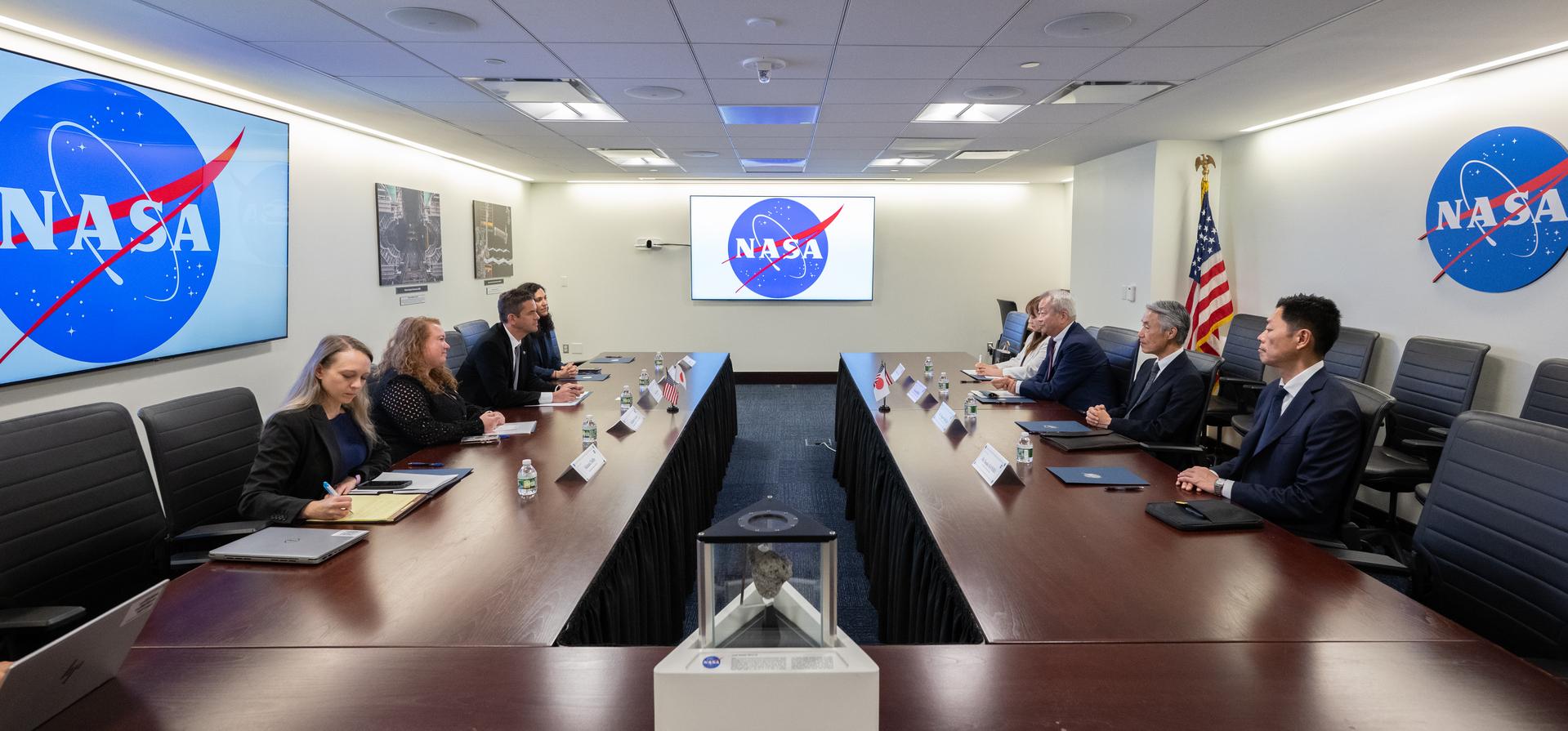
Jun Sawada, Chairman of Japan’s National Space Policy Committee (NSPC), third from right, speaks during a meeting with NASA Administrator Jared Isaacman Monday, Aug. 24, 2026, at the Mary W. Jackson NASA Headquarters building in Washington. Photo Credit: (NASA/Keegan Barber)
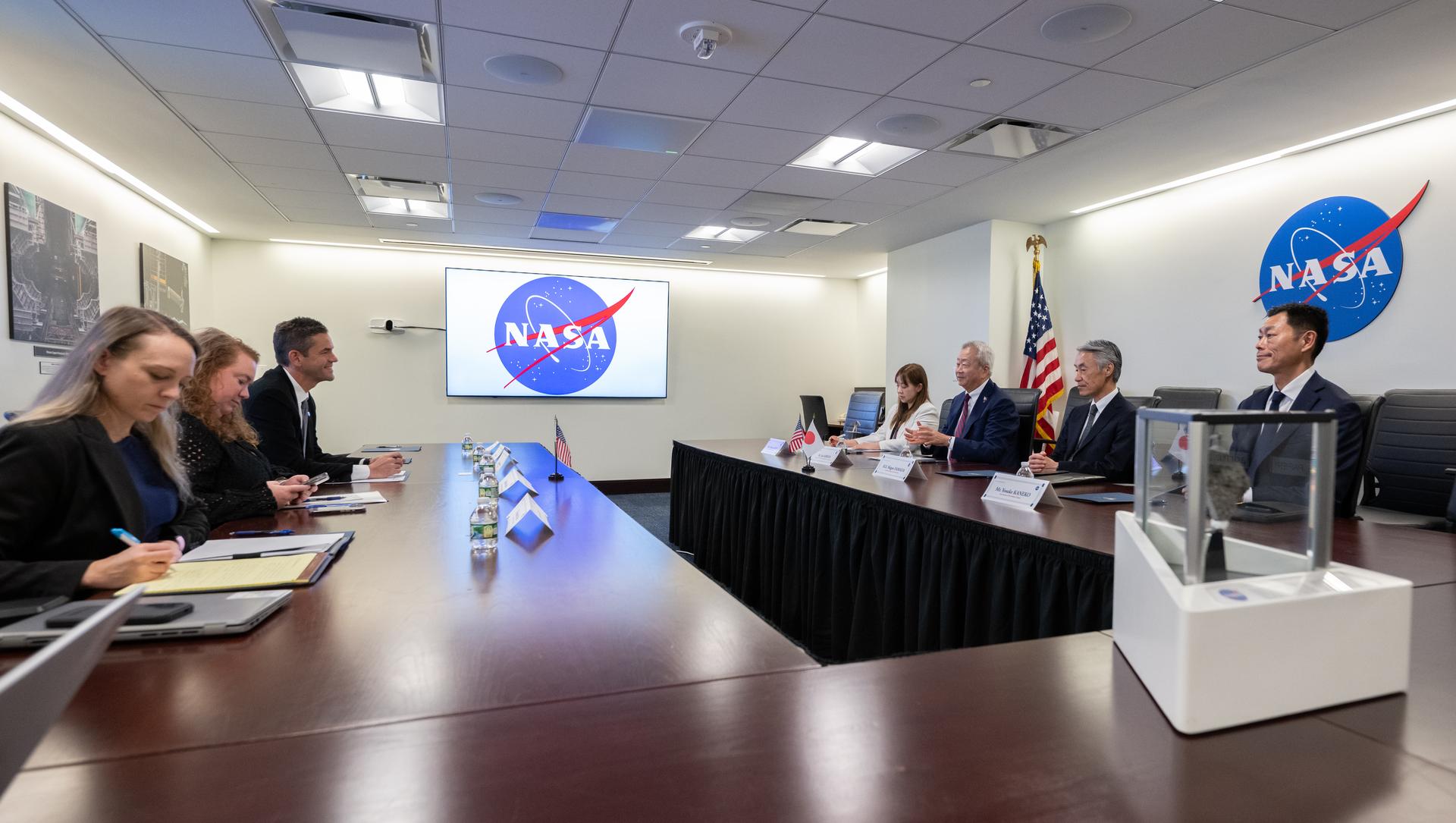
Jun Sawada, Chairman of Japan’s National Space Policy Committee (NSPC), third from right, speaks during a meeting with NASA Administrator Jared Isaacman Monday, Aug. 24, 2026, at the Mary W. Jackson NASA Headquarters building in Washington. Photo Credit: (NASA/Keegan Barber)
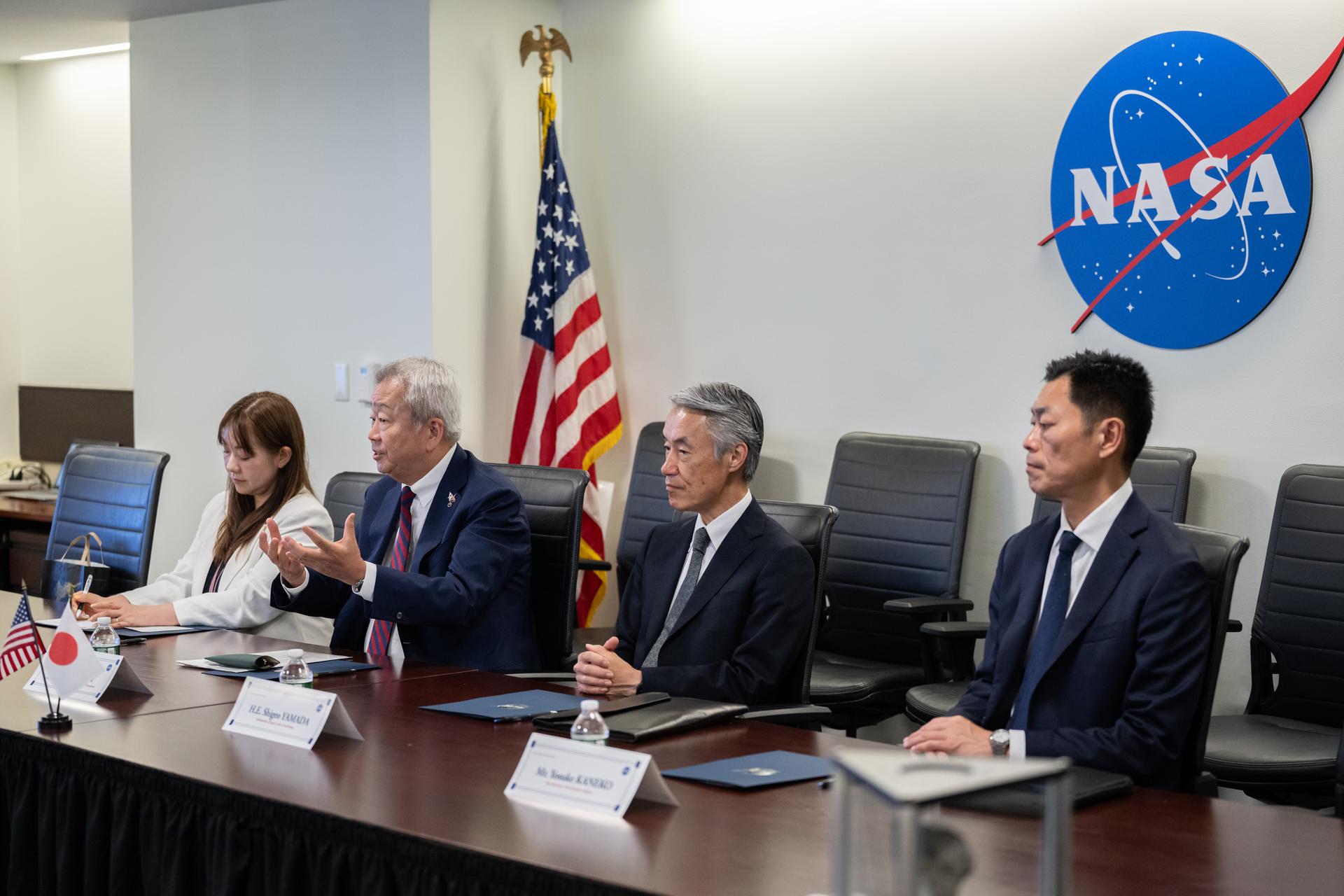
Jun Sawada, Chairman of Japan’s National Space Policy Committee (NSPC), second from left, speaks alongside Madoka Ikeda, Secretary of Chairman, left, Ambassador of Japan to the United States Shigeo Yamada, second from right, and Yosuke Kaneko, First Secretary for the Embassy of Japan, right, during a meeting with NASA Administrator Jared Isaacman, Monday, Aug. 24, 2026, at the Mary W. Jackson NASA Headquarters building in Washington. Photo Credit: (NASA/Keegan Barber)
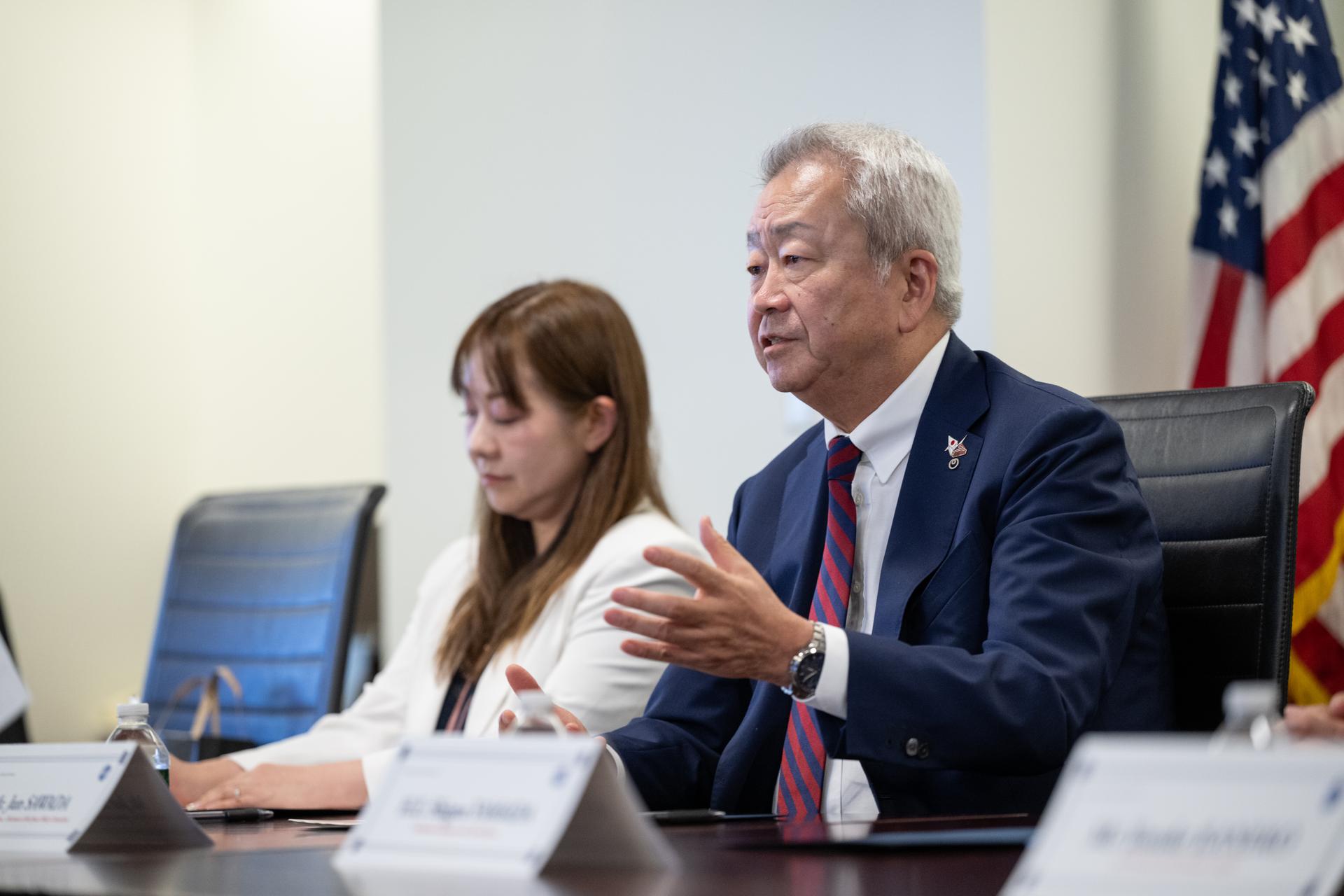
Jun Sawada, Chairman of Japan’s National Space Policy Committee (NSPC), right, speaks during a meeting with NASA Administrator Jared Isaacman Monday, Aug. 24, 2026, at the Mary W. Jackson NASA Headquarters building in Washington. Photo Credit: (NASA/Keegan Barber)
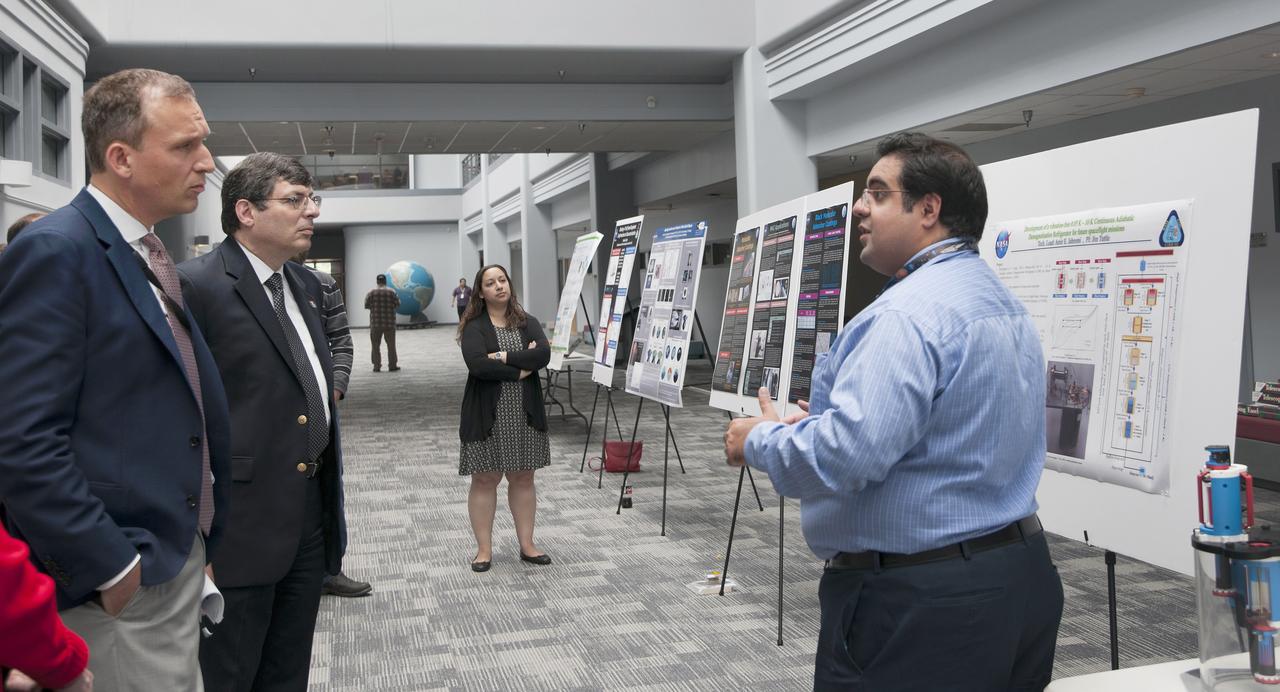
Dr. Thomas Zurbuchen Associate Administrator for Science Mission Directorate Hqs visited Goddard on May 29 2018
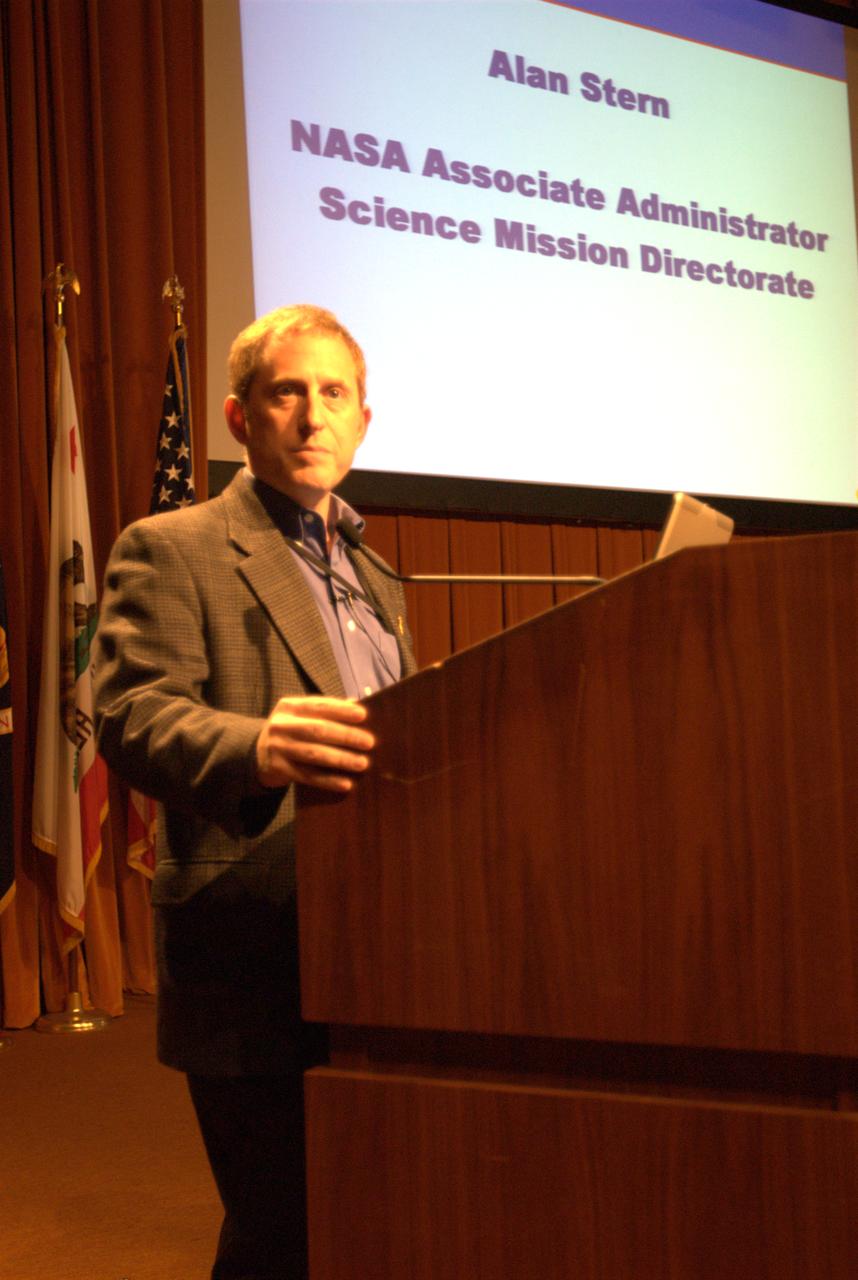
Alan Stern, Associate Administrator of the Science Mission Directorate HQ addressing Ames staff
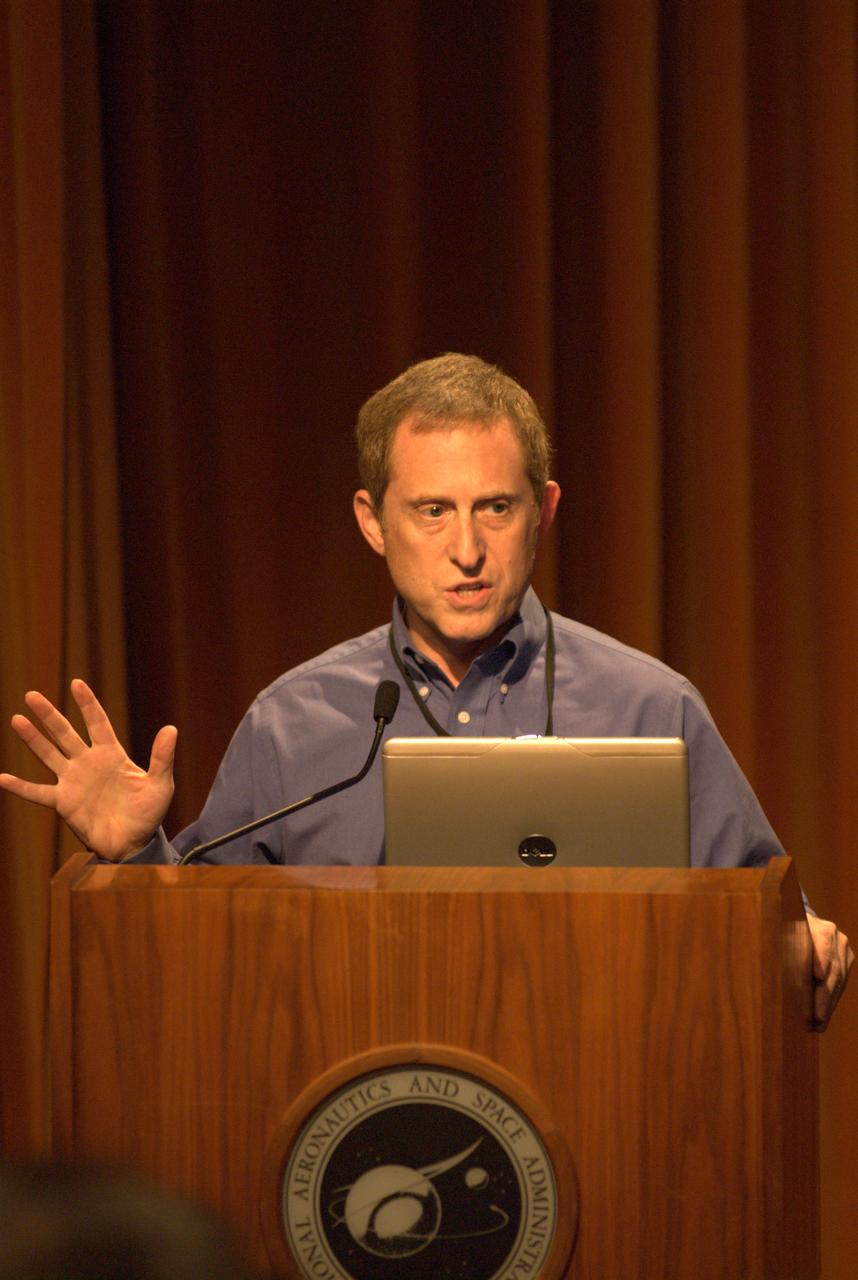
Alan Stern, Associate Administrator of the Science Mission Directorate HQ addressing Ames staff
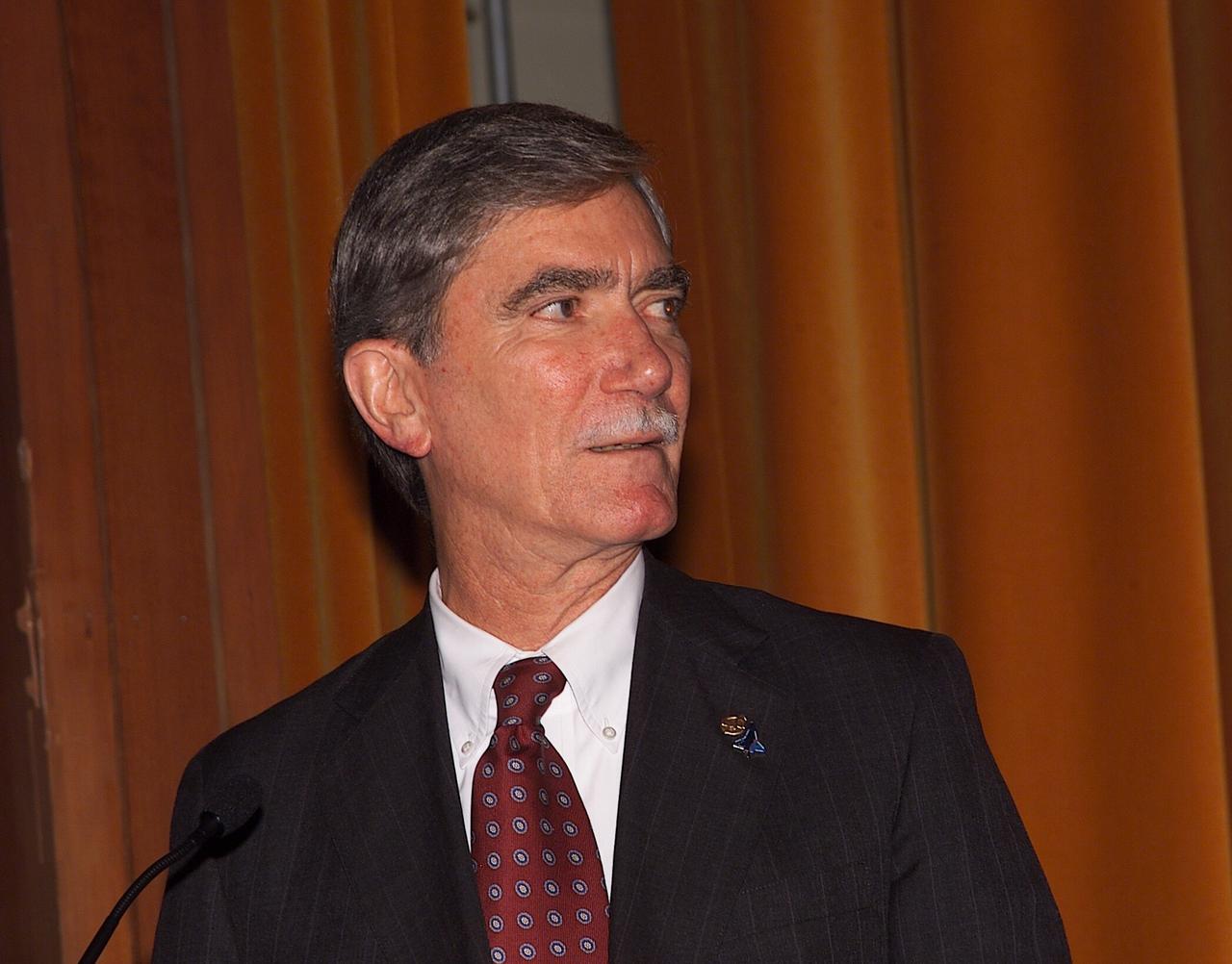
Presidential Rank and NASA Honor Awards 2003 - Dr. Victor Lebacqz (on assignment HQ - Aeronautics)
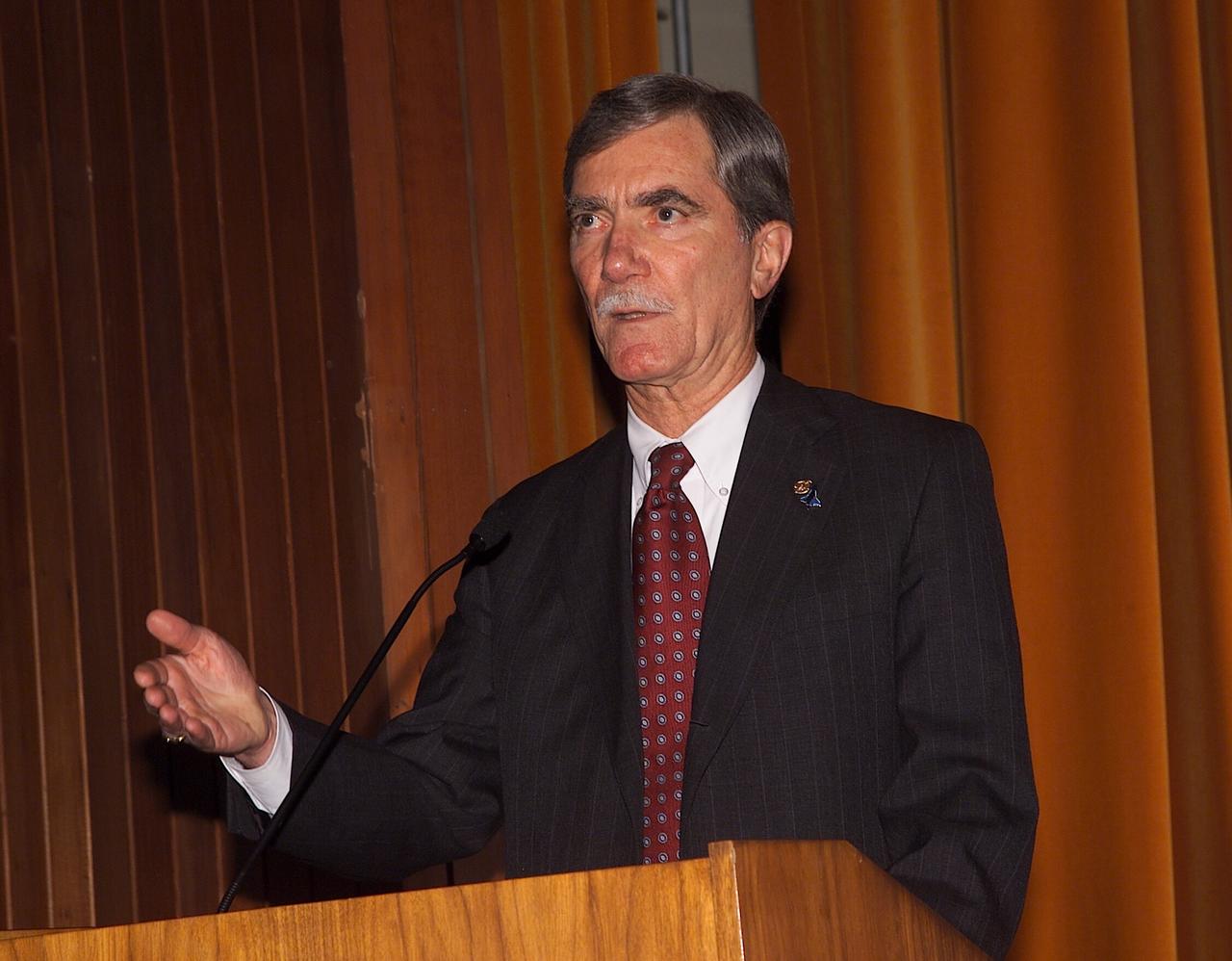
Presidential Rank and NASA Honor Awards 2003 - Dr. Victor Lebacqz (on assignment HQ - Aeronautics)
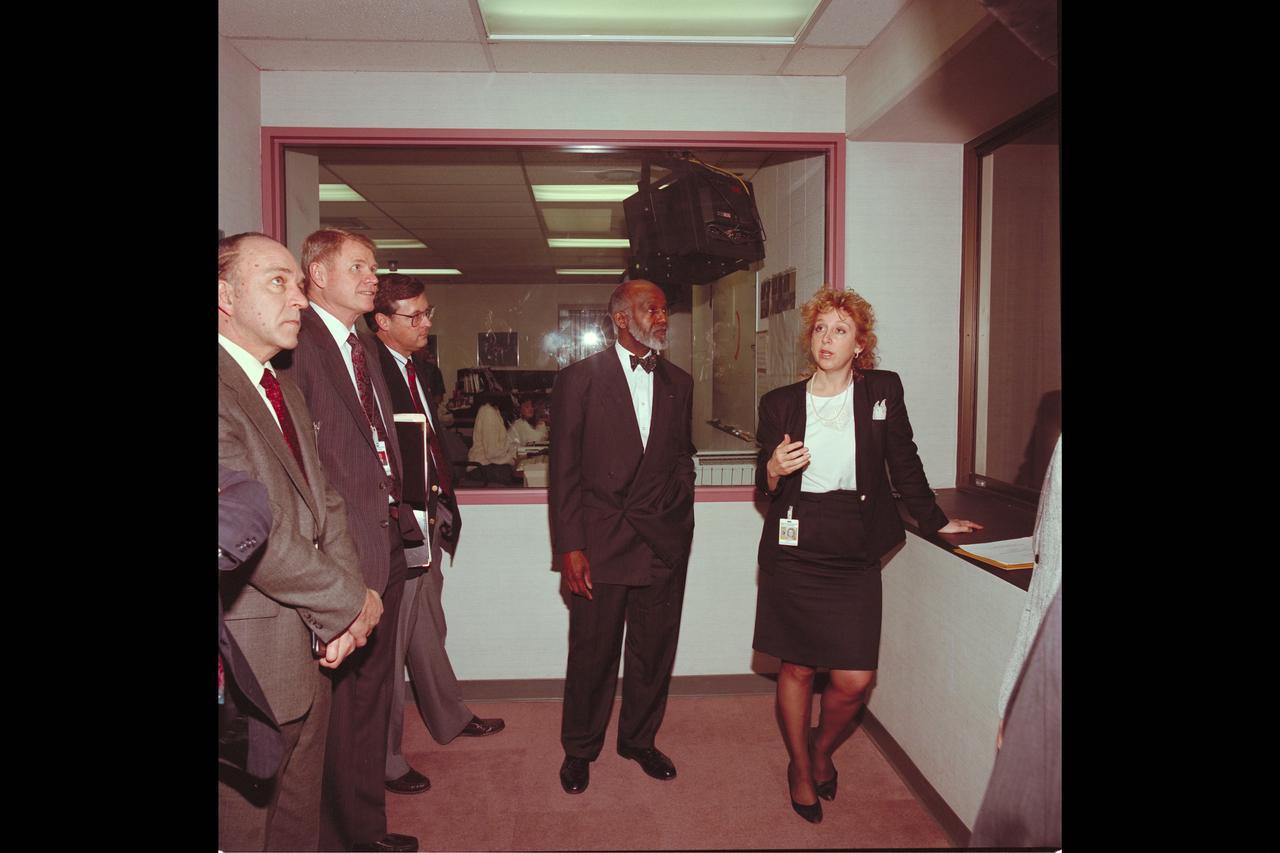
Dr Wesley Harris, NASA HQ tours VMS with Dale Compton and Vic Peterson Ames Director & Deputy Director
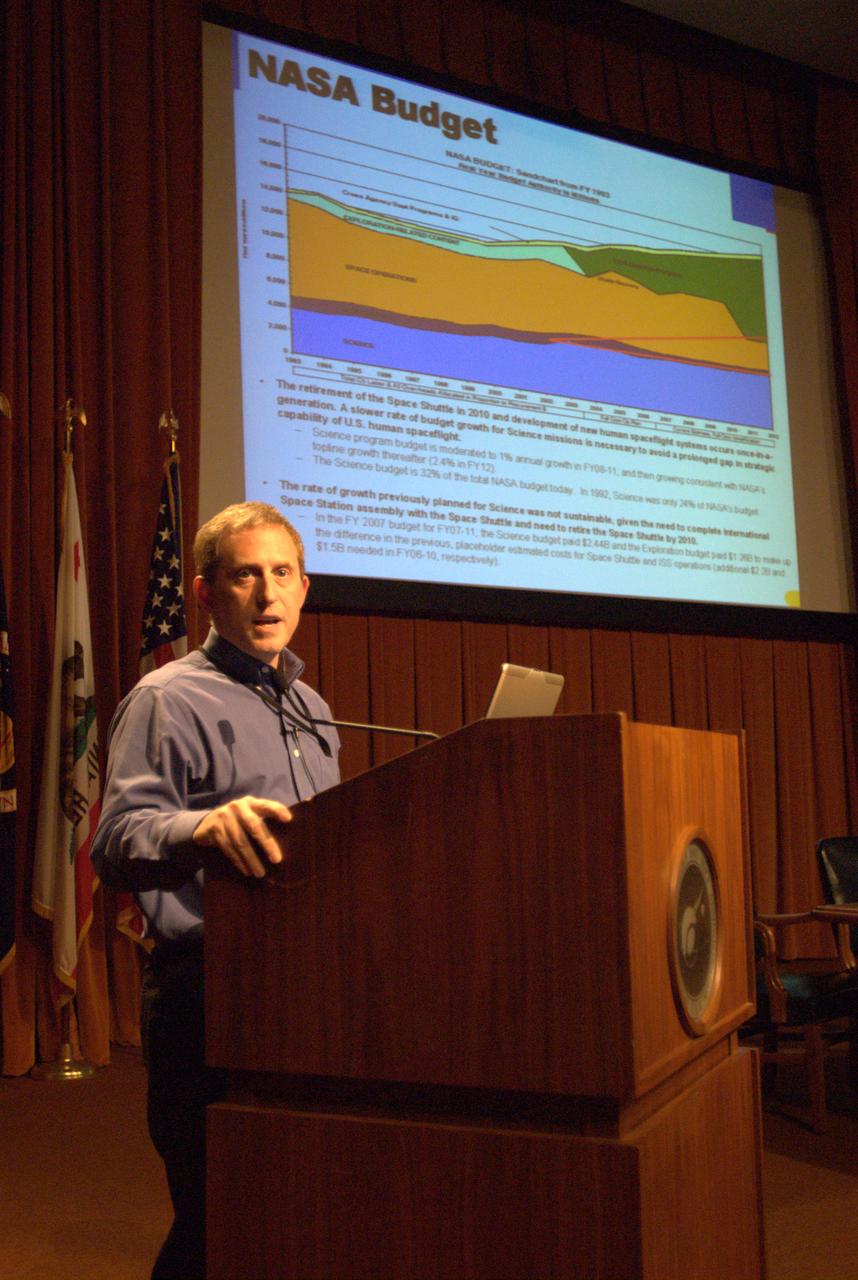
Alan Stern, Associate Administrator of the Science Mission Directorate HQ addressing Ames staff
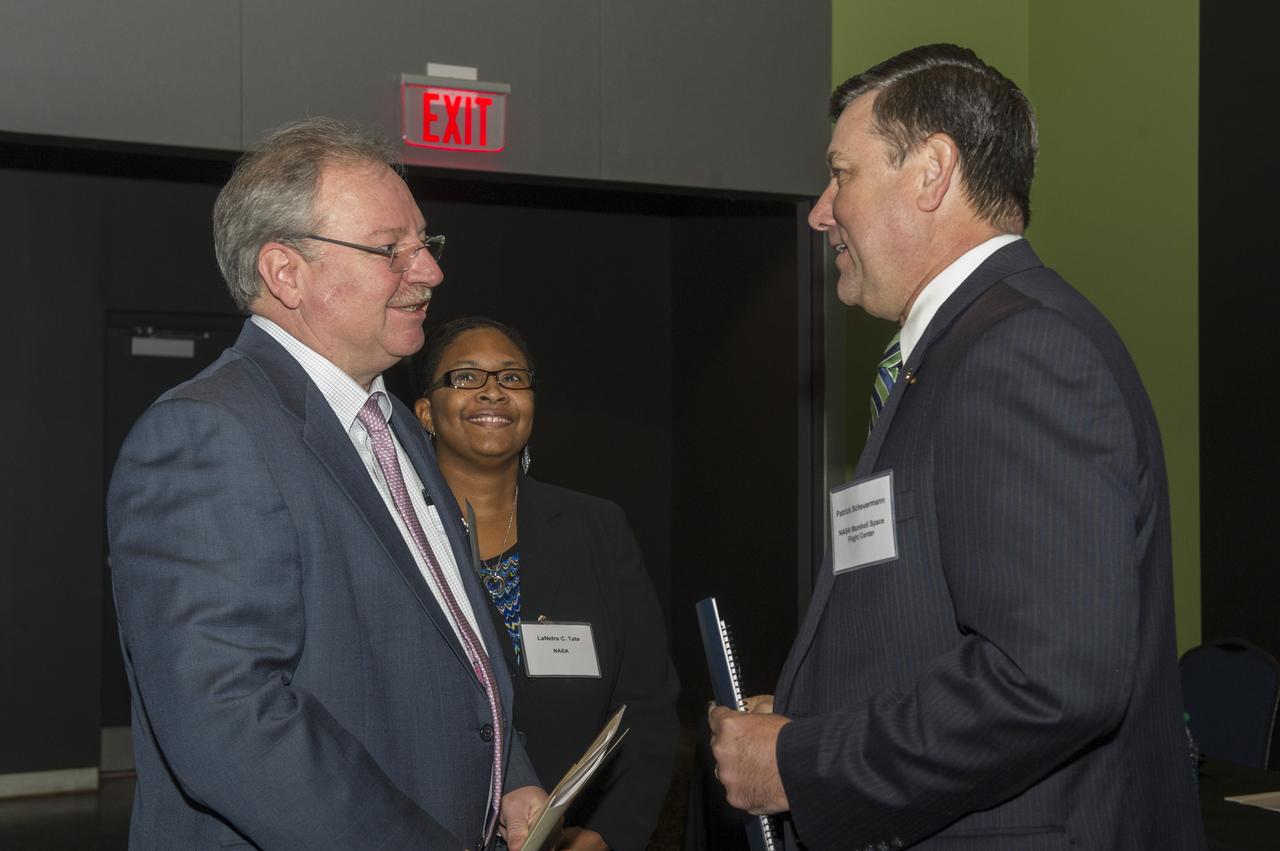
JOHN VICKERS, LANETRA TATE (NASA HQ), AND PATRICK SCHEUERMANN CHAT BEFORE OPENING OF ADVANCED MANUFACTURING WORKSHOP AT DAVIDSON CENTER
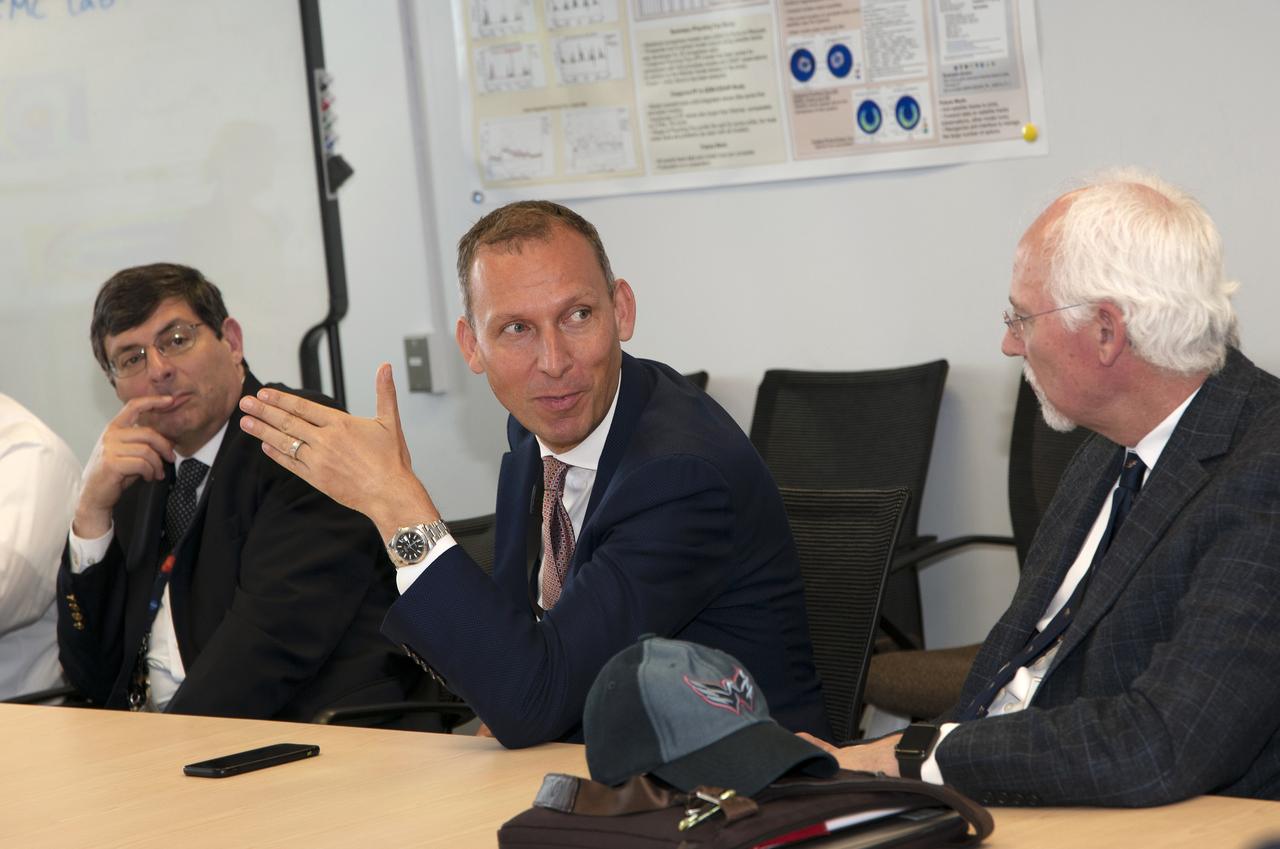
Dr. Thomas Zurbuchen Associate Administrator for Science Mission Directorate Hqs visited Goddard on May 29, 2018
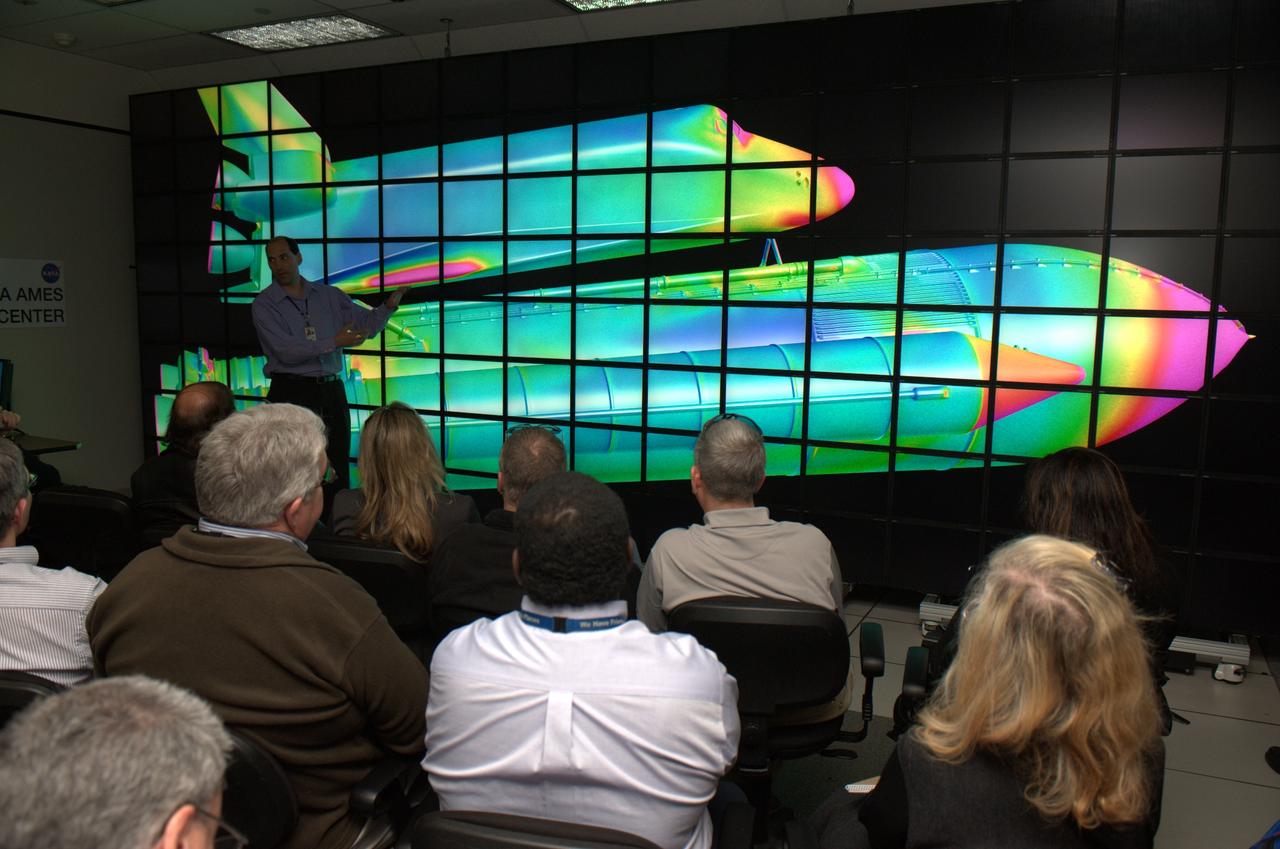
NAS Facility Hyperwall 2 visit and tour: HQ Review Committee on Facility & Real Property. Showing on Hyperwall is the Space Shuttle.
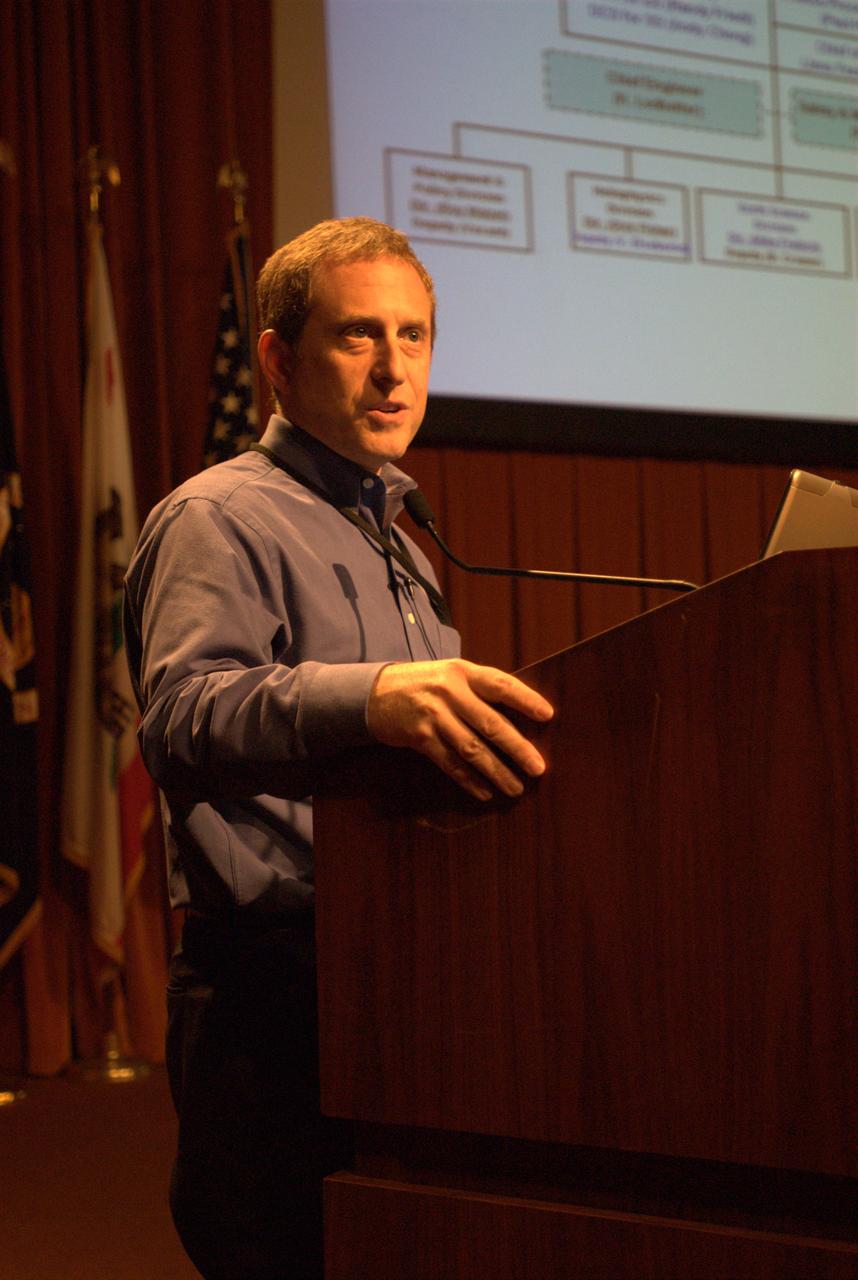
Alan Stern, Associate Administrator of the Science Mission Directorate HQ addressing Ames staff

Alan Stern, Associate Administrator of the Science Mission Directorate HQ addressing Ames staff
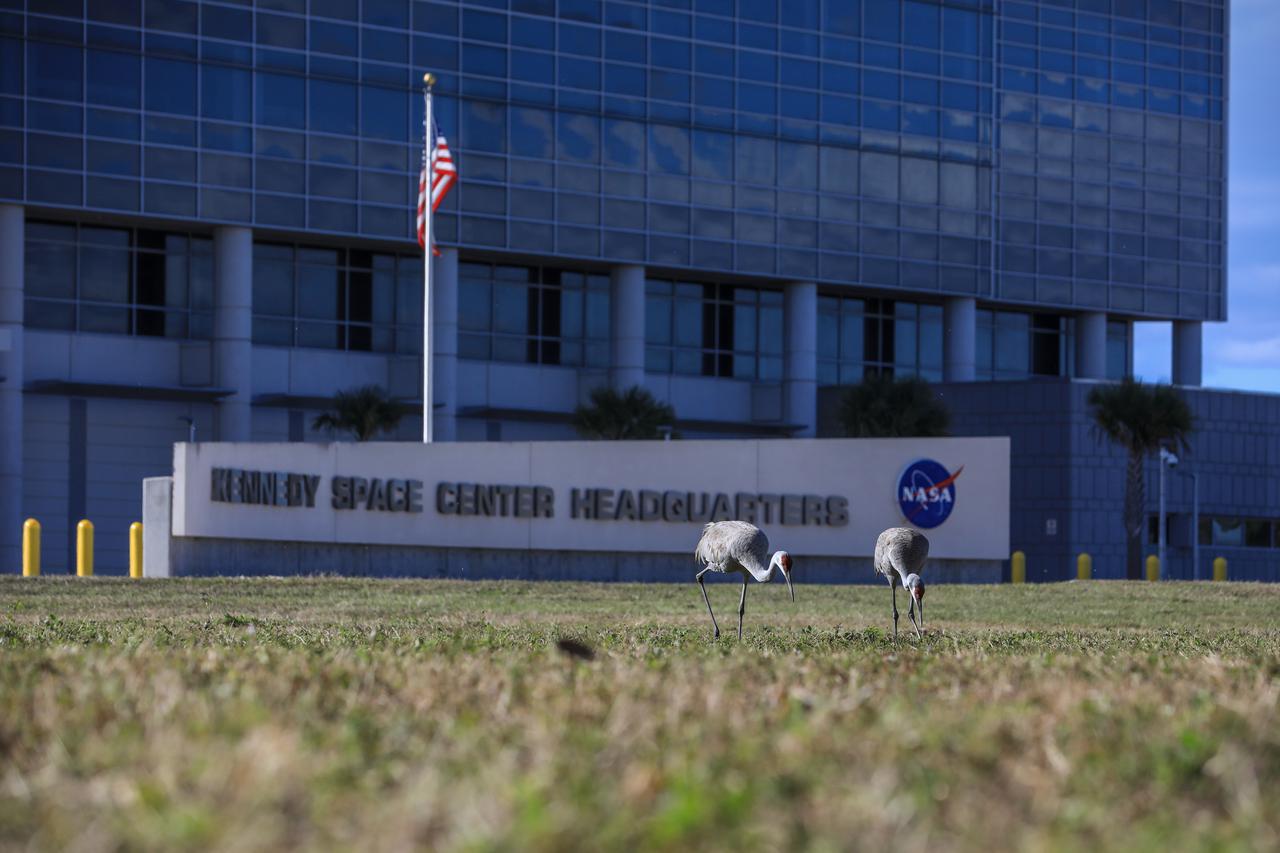
Sandhill cranes dig in the ground in front of the Central Campus Headquarters (CCHQ) Building at NASA’s Kennedy Space Center in Florida on Jan. 11, 2022. The CCHQ is a modernized, energy efficient facility representative of Kennedy’s transformation to America’s premier multi-user spaceport. It opened in May 2019. Built in 1965, the former headquarters building was recently demolished. The area previously occupied by the 439,000 square-foot-facility will be utilized as greenspace.
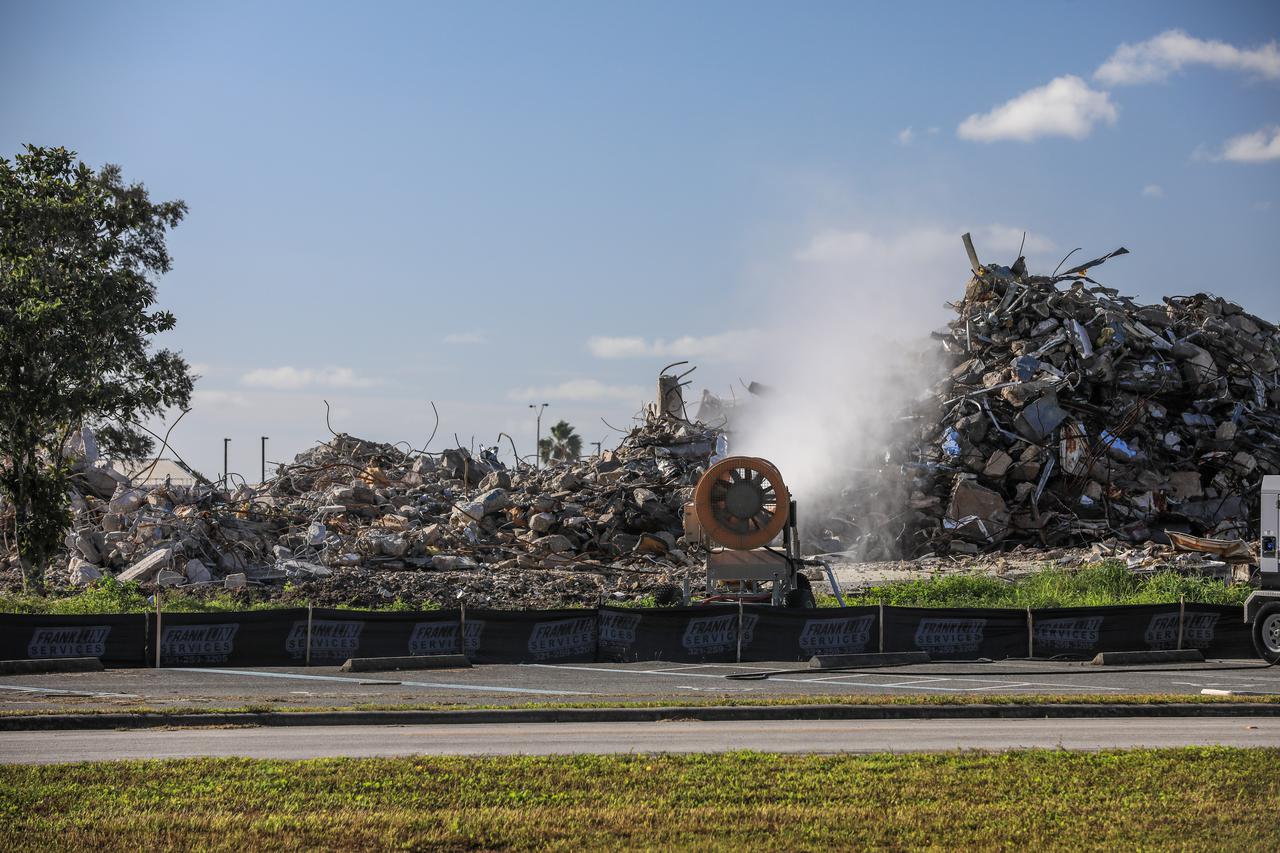
Shown is remnants of the former headquarters building at NASA’s Kennedy Space Center on Jan. 11, 2022. Built in 1965, the 439,000-square-foot structure was demolished and replaced at the Florida spaceport by the 200,000-square-foot, seven-story Central Campus Headquarters (CCHQ) Building. The CCHQ is a modernized, energy efficient facility representative of Kennedy’s transformation to America’s premier multi-user spaceport. The area previously occupied by the old headquarters building will be utilized as greenspace.
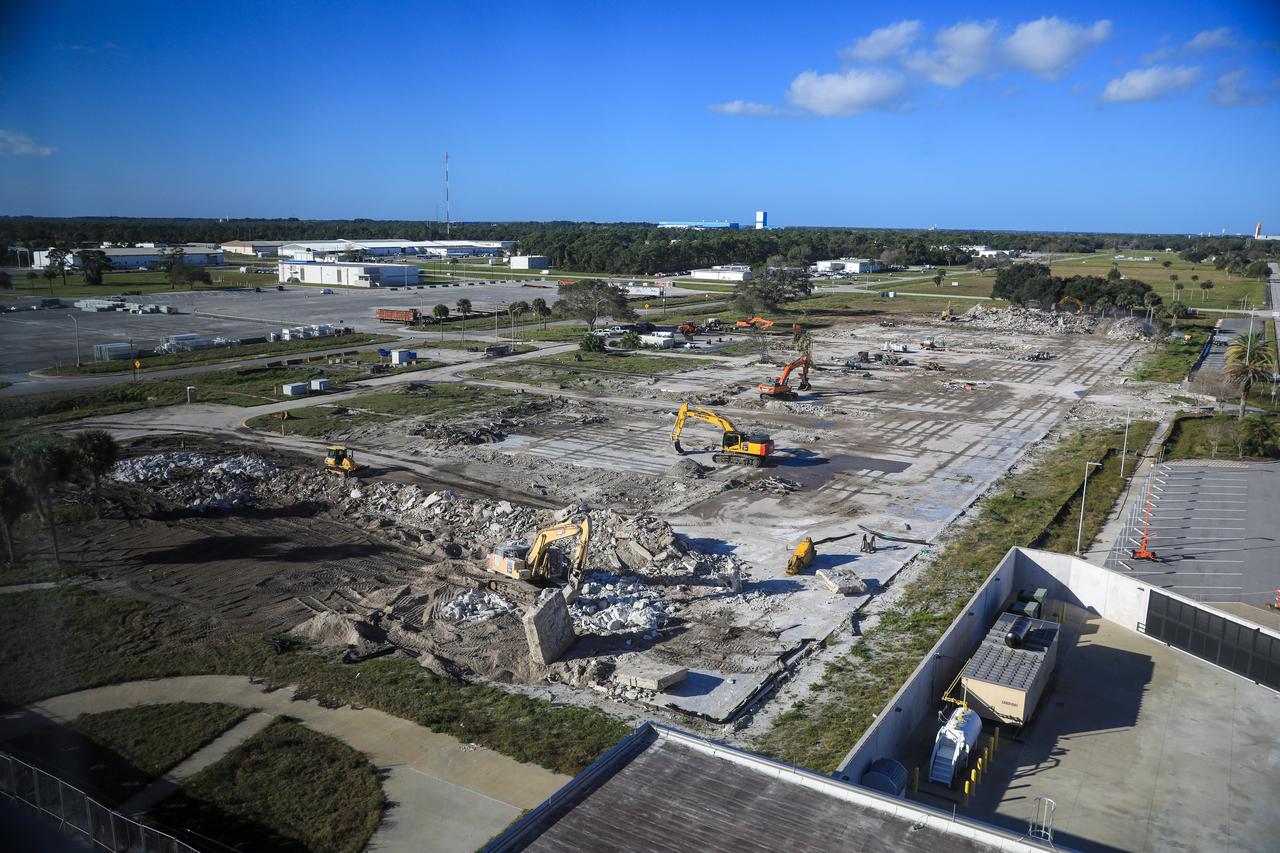
Shown on Jan. 11, 2022, is the area formerly occupied by the headquarters building at NASA’s Kennedy Space Center. Built in 1965, the 439,000-square-foot-structure was demolished and replaced at the Florida spaceport by the 200,000-square-foot, seven-story Central Campus Headquarters (CCHQ) Building. The CCHQ is a modernized, energy efficient facility representative of Kennedy’s transformation to America’s premier multi-user spaceport. It opened in May 2019. The area previously occupied by the old headquarters building will be utilized as greenspace.
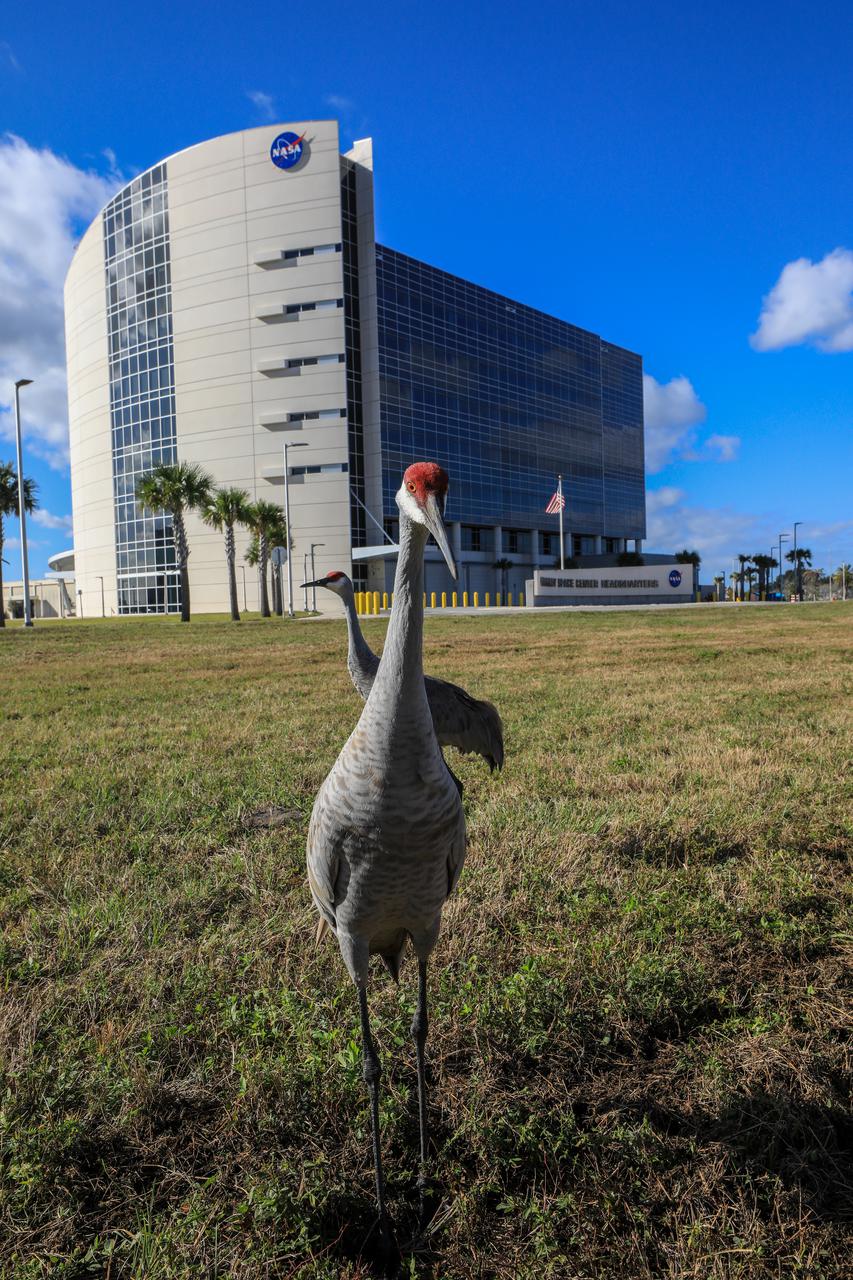
Sandhill cranes pose in front of the Central Campus Headquarters (CCHQ) Building at NASA’s Kennedy Space Center in Florida on Jan. 11, 2022. The CCHQ is a modernized, energy efficient facility representative of Kennedy’s transformation to America’s premier multi-user spaceport. It opened in May 2019. Built in 1965, the former headquarters building was recently demolished. The area previously occupied by the 439,000 square-foot-facility will be utilized as greenspace.
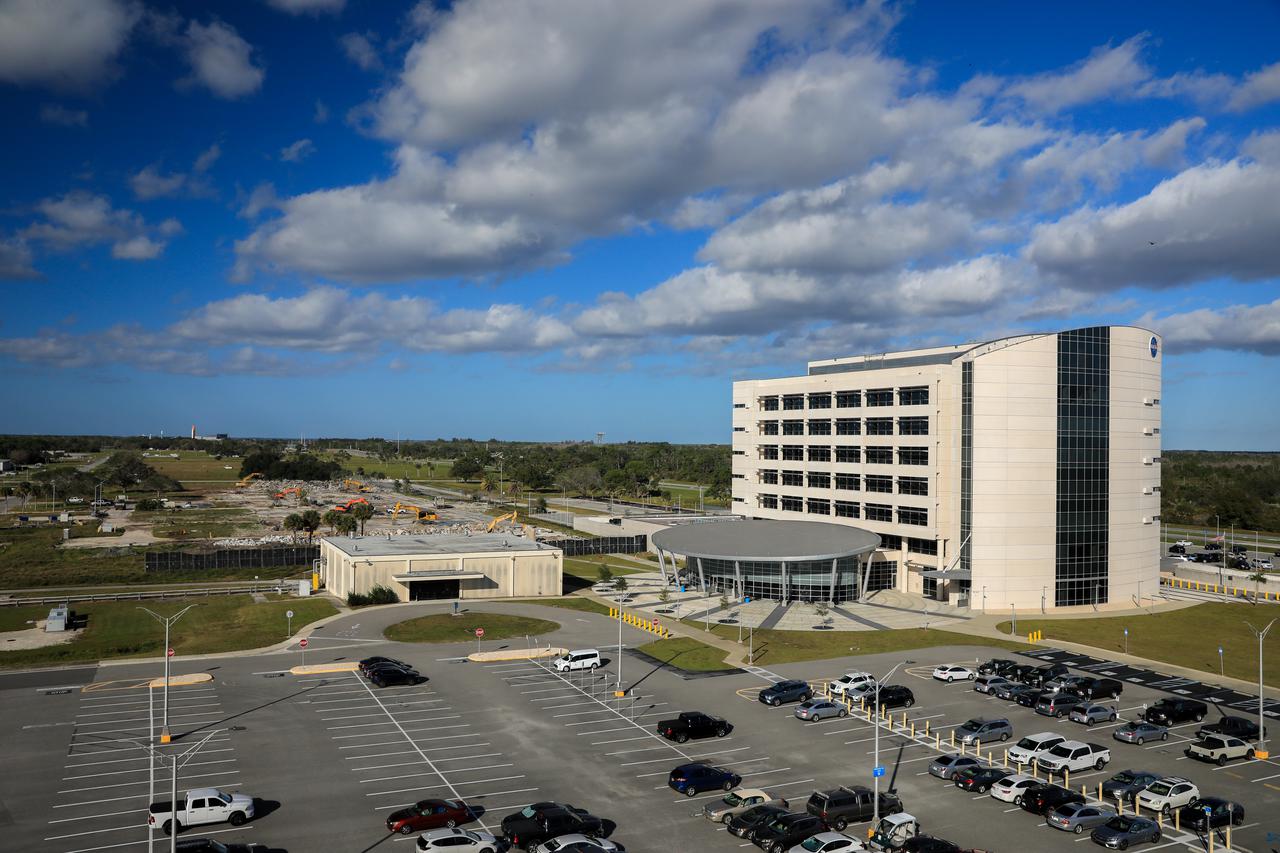
Shown is a view of the seven-story, 200,000-square-foot Central Campus Headquarters (CCHQ) Building at NASA’s Kennedy Space Center in Florida on Jan. 11, 2022. The CCHQ is a modernized, energy efficient facility representative of Kennedy’s transformation to America’s premier multi-user spaceport. It opened in May 2019. Built in 1965, the former headquarters building was recently demolished. The area previously occupied by the 439,000 square-foot-facility will be utilized as greenspace.
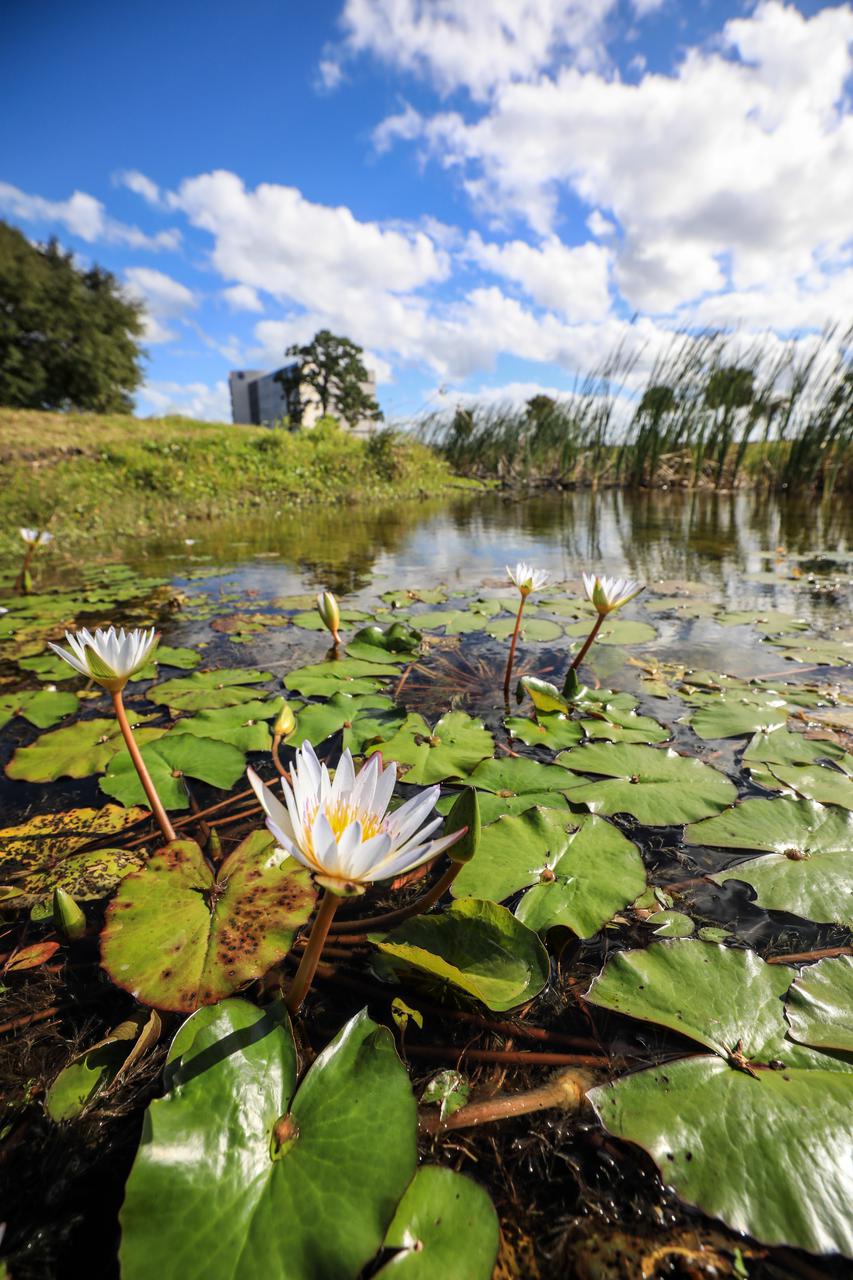
Budding flowers adorn the forefront of the Central Campus Headquarters (CCHQ) Building at NASA’s Kennedy Space Center in Florida on Jan. 11, 2022. The CCHQ is a modernized, energy efficient facility representative of Kennedy’s transformation to America’s premier multi-user spaceport. It opened in May 2019. Built in 1965, the former headquarters building was recently demolished. The area previously occupied by the 439,000 square-foot-facility will be utilized as greenspace.
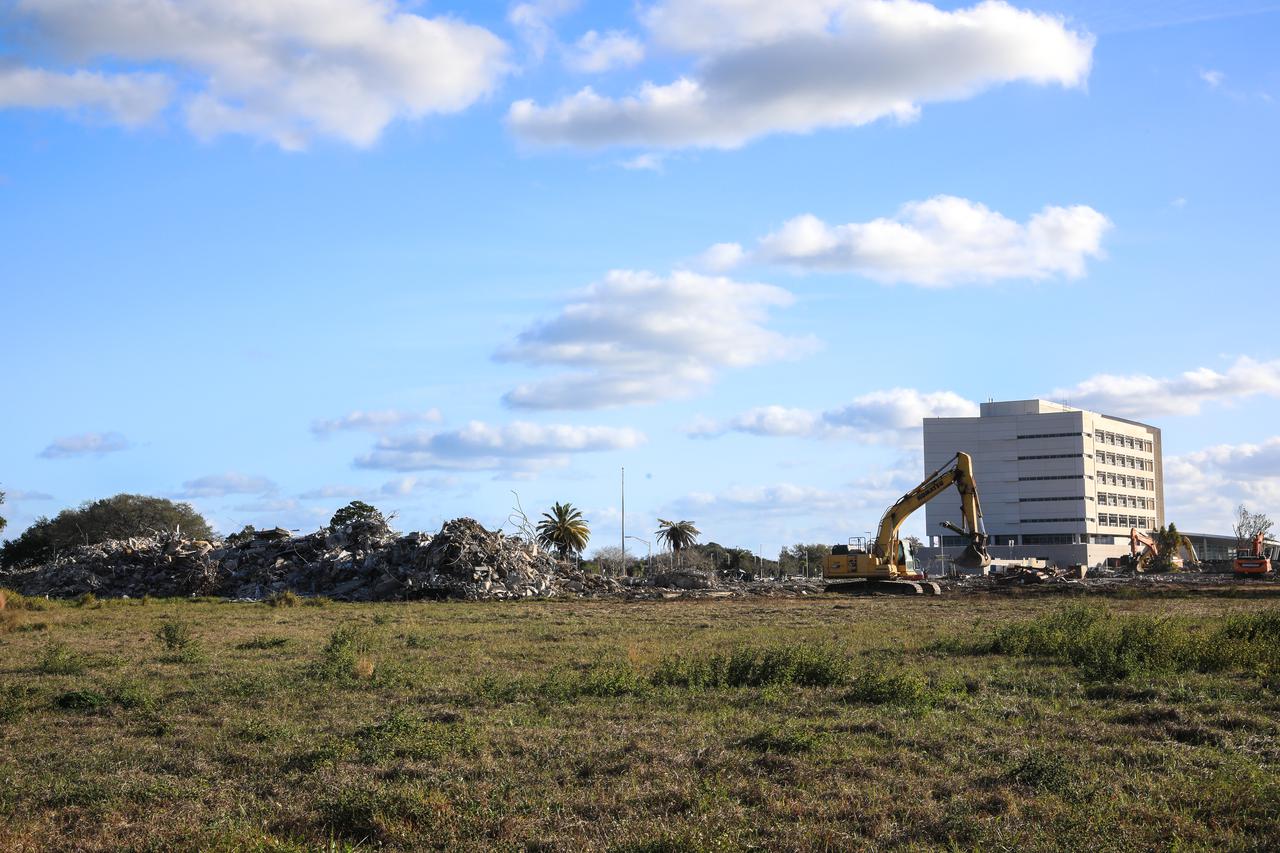
In the foreground is remnants of the former headquarters building at NASA’s Kennedy Space Center on Jan. 11, 2022. Built in 1965, the 439,000-square-foot structure was demolished and replaced at the Florida spaceport by the 200,000-square-foot, seven-story Central Campus Headquarters (CCHQ) Building, shown in the background. The CCHQ is a modernized, energy efficient facility representative of Kennedy’s transformation to America’s premier multi-user spaceport. It opened in May 2019. The area previously occupied by the old headquarters building will be utilized as greenspace.
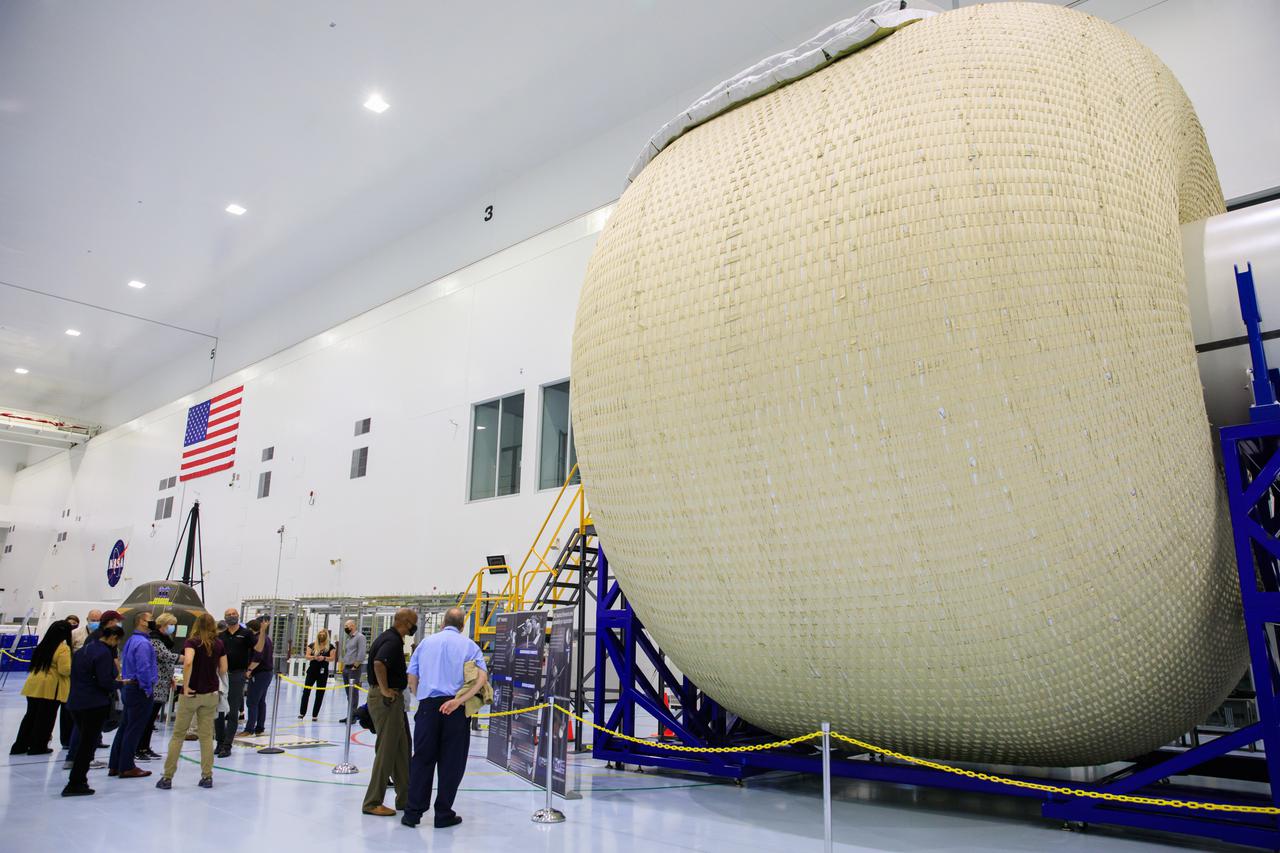
Senior leaders with Kennedy Space Center in Florida, familiarize newly appointed officials from NASA Headquarters with the center’s facilities during a tour on April 19, 2021. The group views Sierra Nevada’s Large Inflatable Fabric Environment (LIFE) habitat inside the Space Station Processing Facility high bay. The habitat is an expandable habitat. Expandable habitats have the benefit of greatly decreasing the amount of volume it takes to launch the habitat, which can then inflate once it is in space.
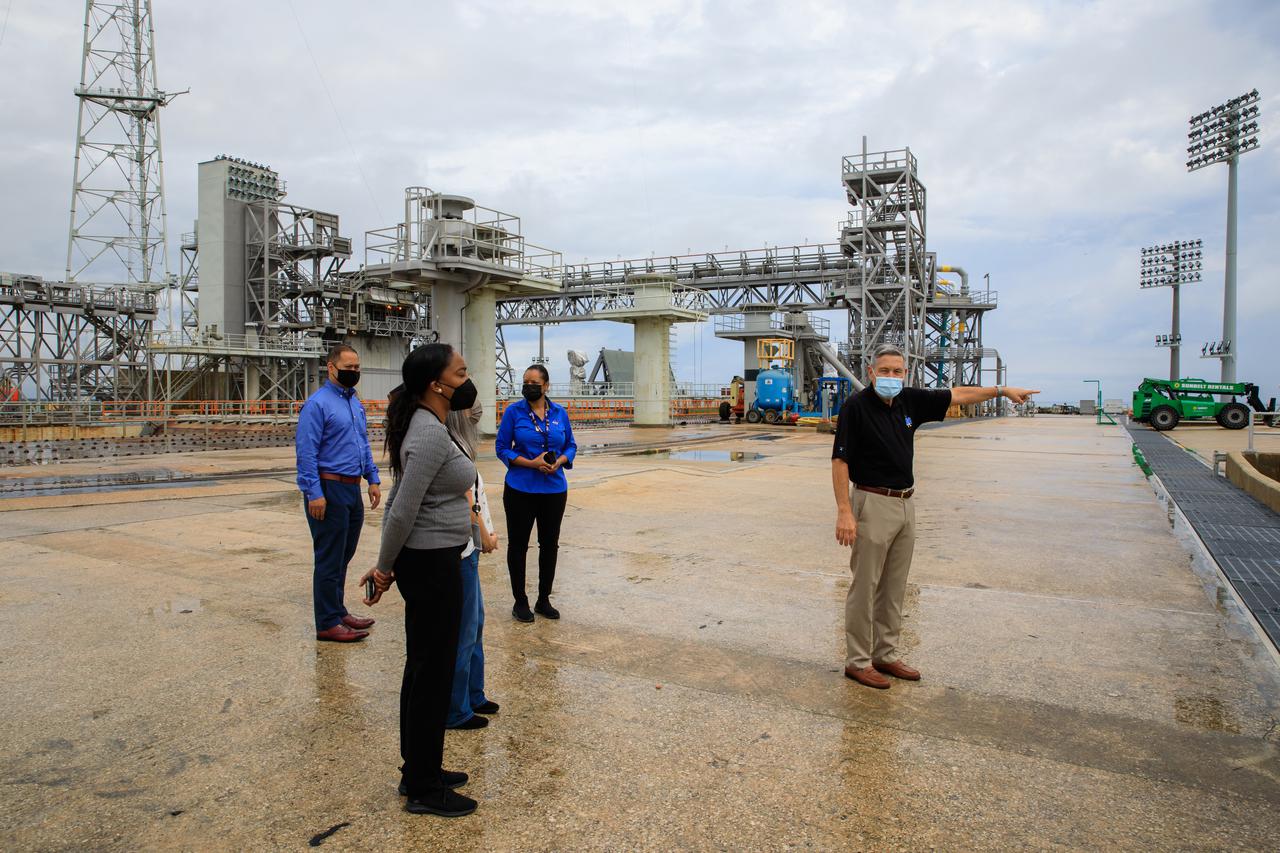
Senior leaders with Kennedy Space Center in Florida, familiarize newly appointed officials from NASA Headquarters with the center’s facilities during a tour on April 19, 2021. The group is on the surface of Launch Complex 39B, where the launch of NASA’s Space Launch System (SLS) rocket and Orion spacecraft will lift off on Artemis missions. Artemis I will be the first integrated test of SLS and Orion and will pave the way for landing the first woman and first person of color on the lunar surface. It will be a proving ground for deep space exploration, leading the agency’s efforts under the Artemis program for a sustainable presence on the Moon and preparing for human missions to Mars.
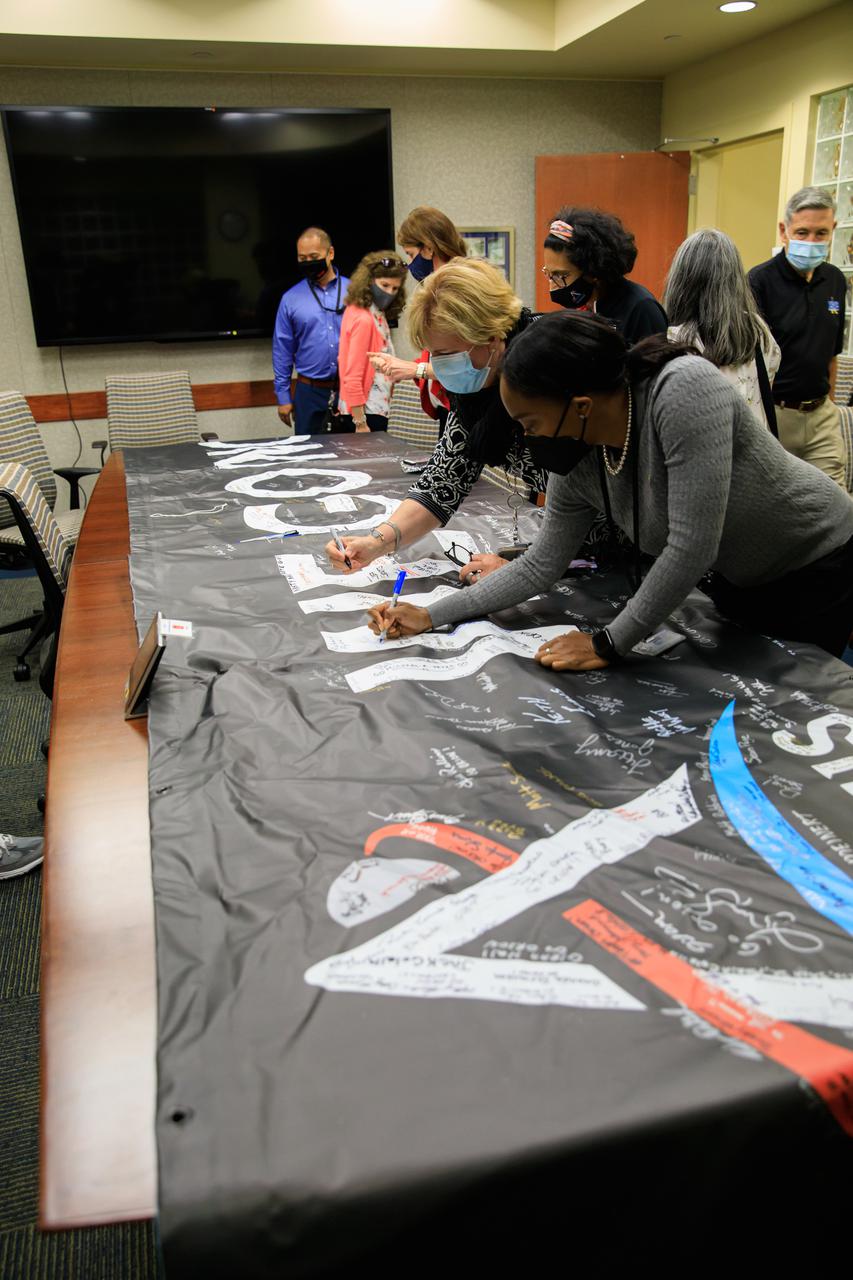
Senior leaders with Kennedy Space Center in Florida, familiarize newly appointed officials from NASA Headquarters with the center’s facilities during a tour on April 19, 2021. The group is inside the Neil Armstrong Operations and Checkout Building signing an Artemis banner. Artemis I will be the first integrated test of SLS and Orion and will pave the way for landing the first woman and first person of color on the lunar surface. It will be a proving ground for deep space exploration, leading the agency’s efforts under the Artemis program for a sustainable presence on the Moon and preparing for human missions to Mars.
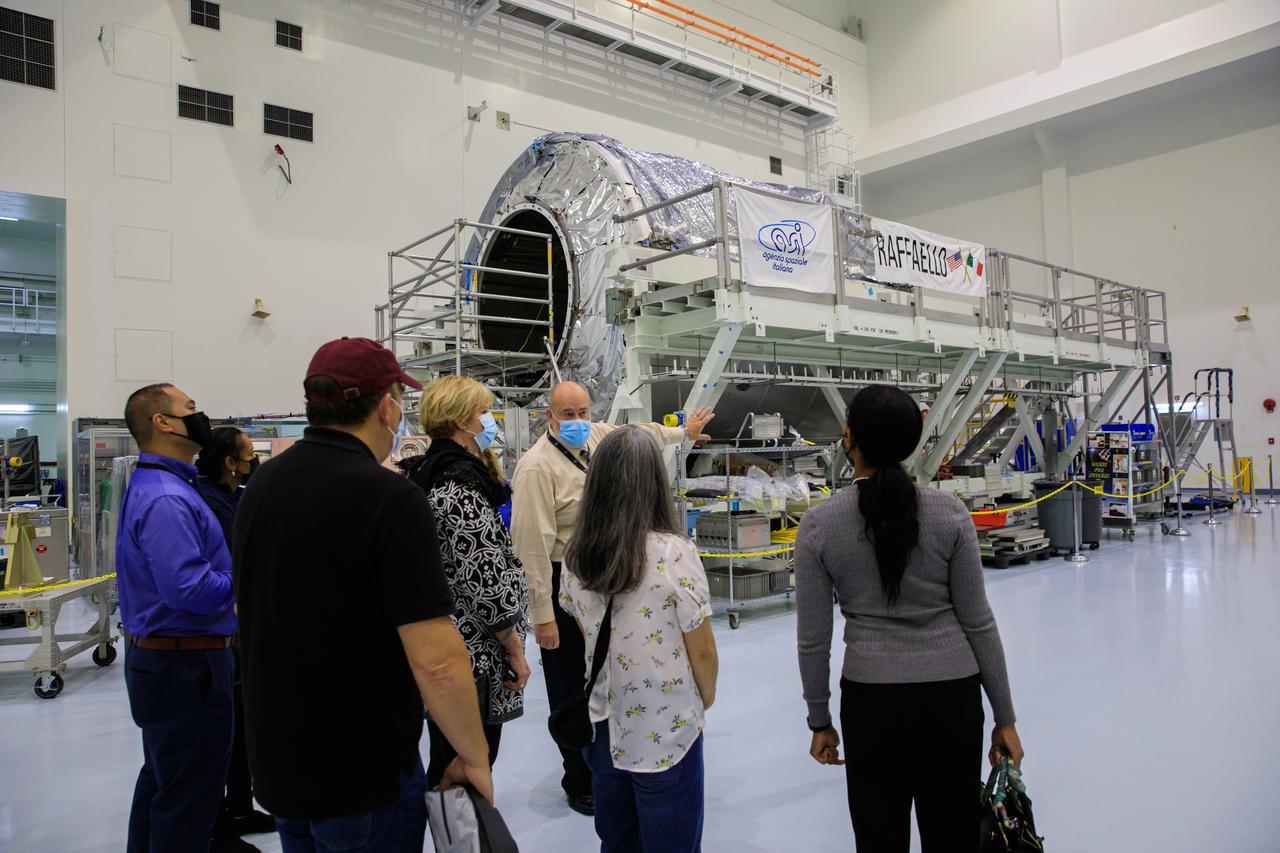
Senior leaders with Kennedy Space Center in Florida, familiarize newly appointed officials from NASA Headquarters with the center’s facilities during a tour on April 19, 2021. The group views the Raffaello Multi-Purpose Logistics Module inside the Space Station Processing Facility high bay.

Senior leaders with Kennedy Space Center in Florida, familiarize newly appointed officials from NASA Headquarters with the center’s facilities during a tour on April 19, 2021. The group is inside the Neil Armstrong Operations and Checkout Building high bay, where Orion crew module spacecraft are readied for the Artemis II mission. Artemis II will be the first crewed launch of SLS and Orion and will pave the way for landing the first woman and first person of color on the lunar surface. It will be a proving ground for deep space exploration, leading the agency’s efforts under the Artemis program for a sustainable presence on the Moon and preparing for human missions to Mars.
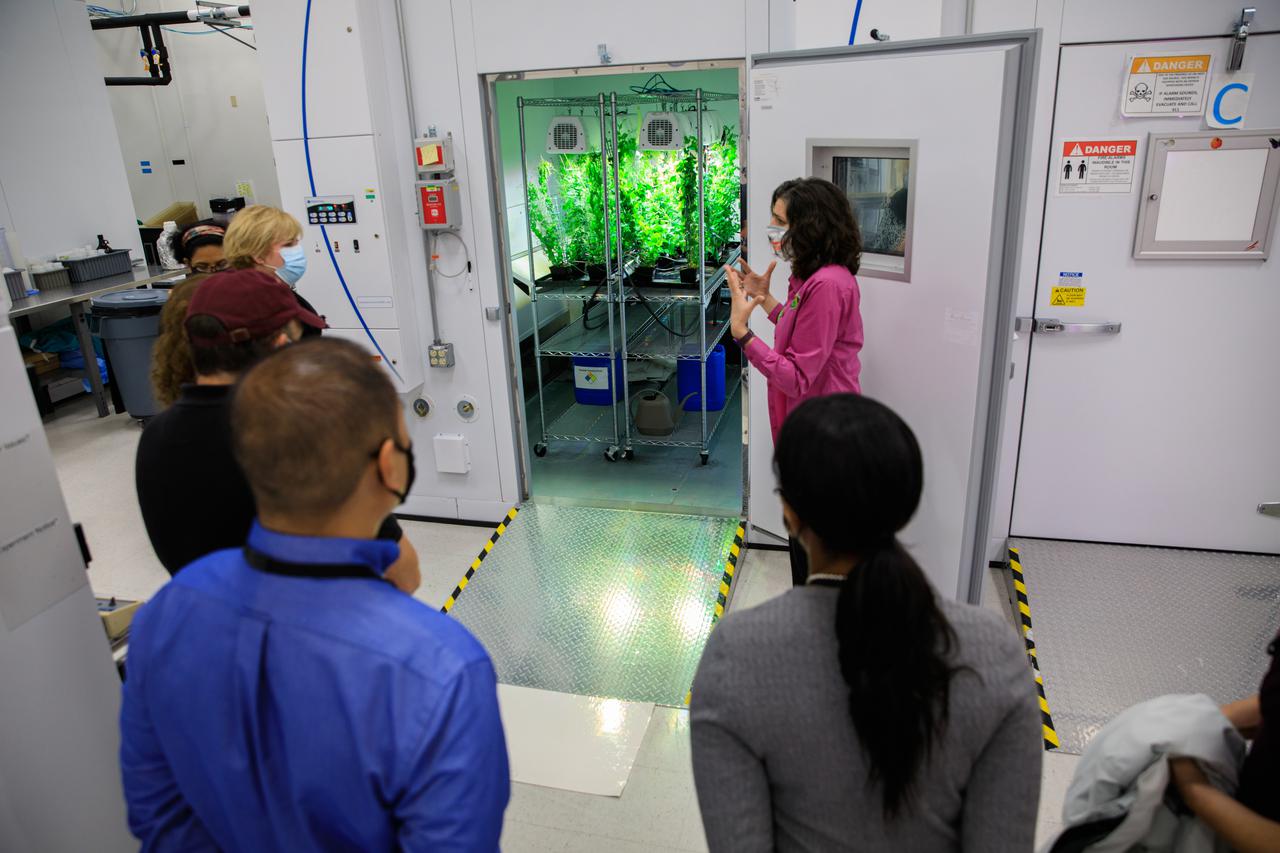
Senior leaders with Kennedy Space Center in Florida, familiarize newly appointed officials from NASA Headquarters with the center’s facilities during a tour on April 19, 2021. The group views plant experiments inside a growth chamber in the Space Station Processing Facility. Plant experiments at Kennedy supports research enabling deep space exploration including experiments in the Veggie and Advanced Plant Habitat systems aboard the International Space Station.
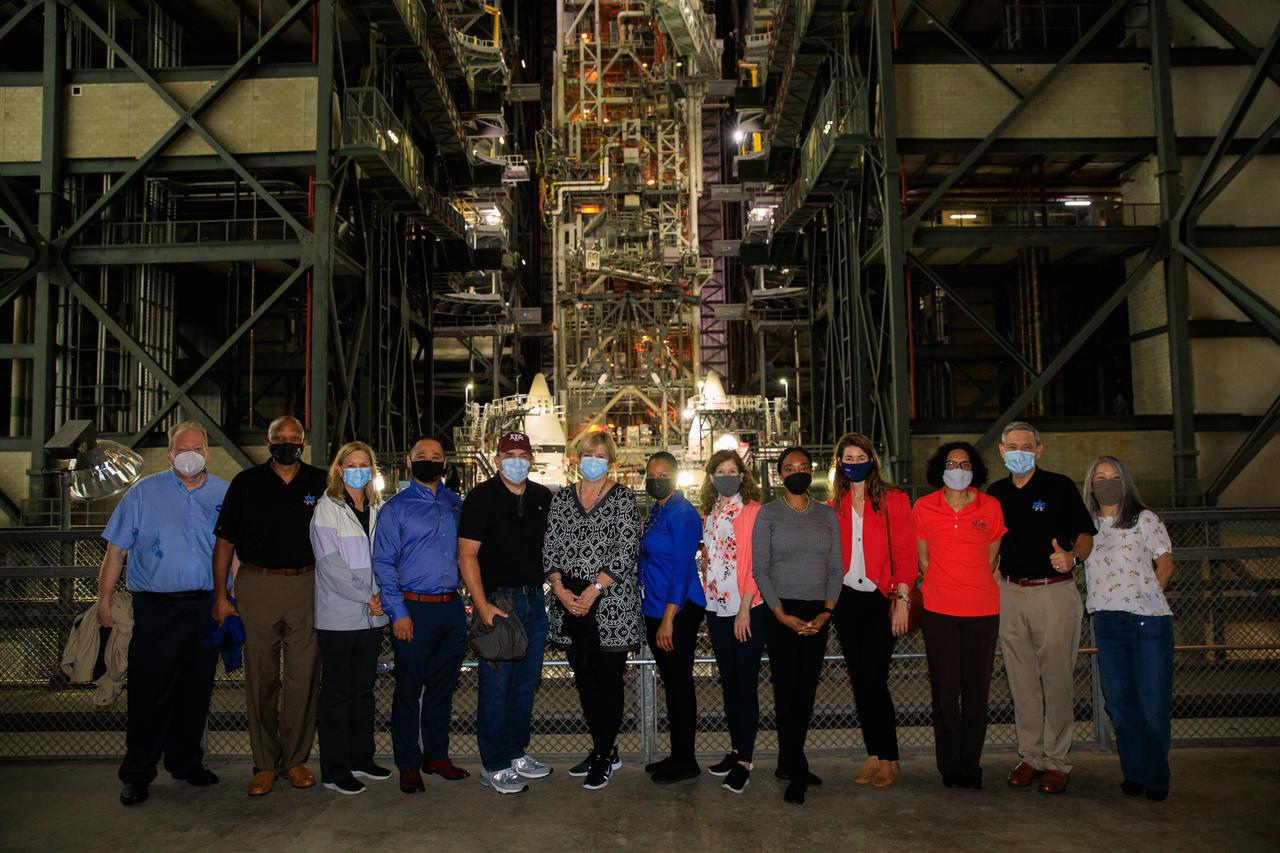
Senior leaders with Kennedy Space Center in Florida, familiarize newly appointed officials from NASA Headquarters with the center’s facilities during a tour on April 19, 2021. The group is in the Vehicle Assembly Building, where NASA’s Space Launch System (SLS) rocket and Orion spacecraft will be stacked on the mobile launcher for Artemis missions. Artemis I will be the first integrated test of SLS and Orion and will pave the way for landing the first woman and first person of color on the lunar surface. It will be a proving ground for deep space exploration, leading the agency’s efforts under the Artemis program for a sustainable presence on the Moon and preparing for human missions to Mars.
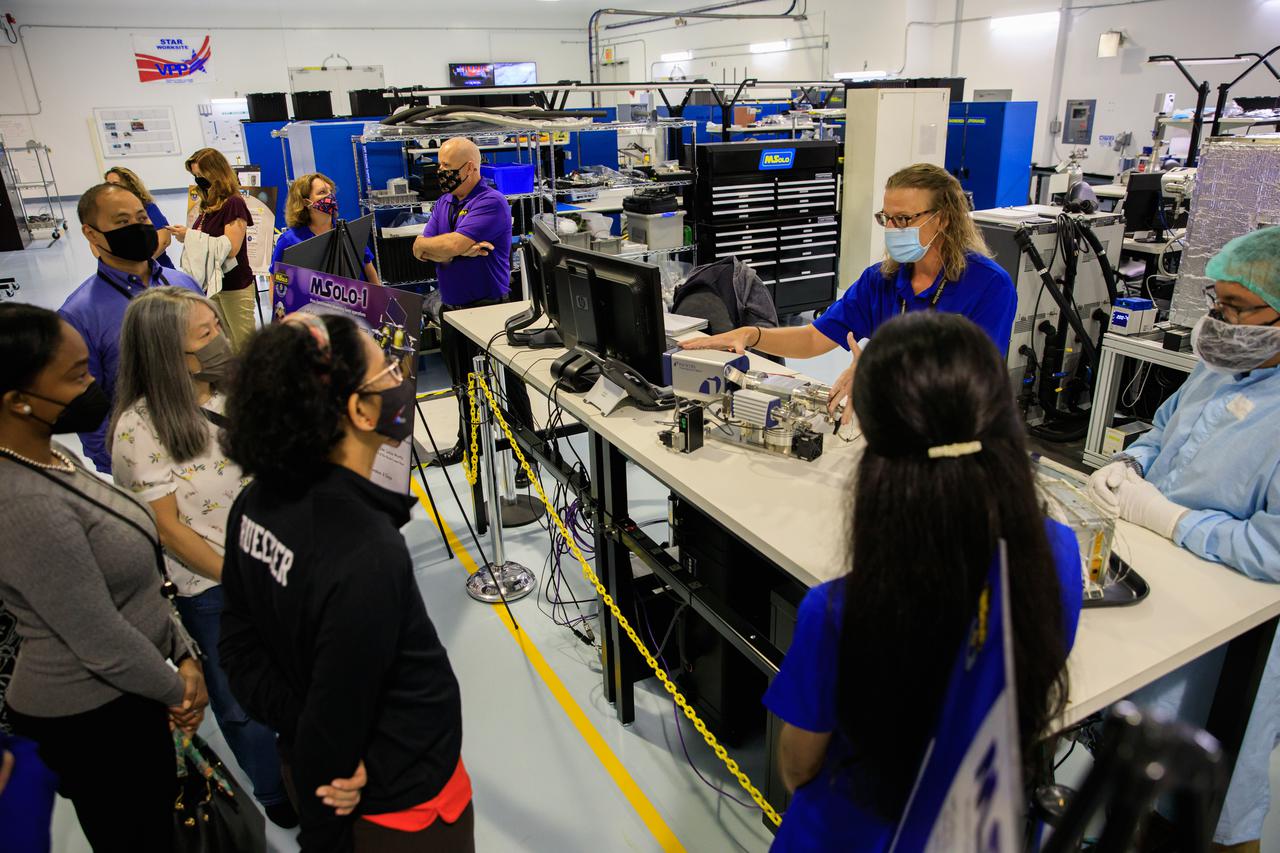
Senior leaders with Kennedy Space Center in Florida, familiarize newly appointed officials from NASA Headquarters with the center’s facilities during a tour on April 19, 2021. The group views research and technology experiments in the Space Station Processing Facility. Janine Captain, the principal investigator for the Mass Spectrometer Observing Lunar Operations, or MSolo, briefs the team about the commercial off the-shelf- mass spectrometer the team at Kennedy has hardened for lunar operations. MSolo will be part of four missions for NASA’s Commercial Lunar Payload Services initiative, including NASA’s Polar Resources Ice Mining Experiment-1 (PRIME-1) and NASA’s Volatiles Investigating Polar Exploration Rover or VIPER.
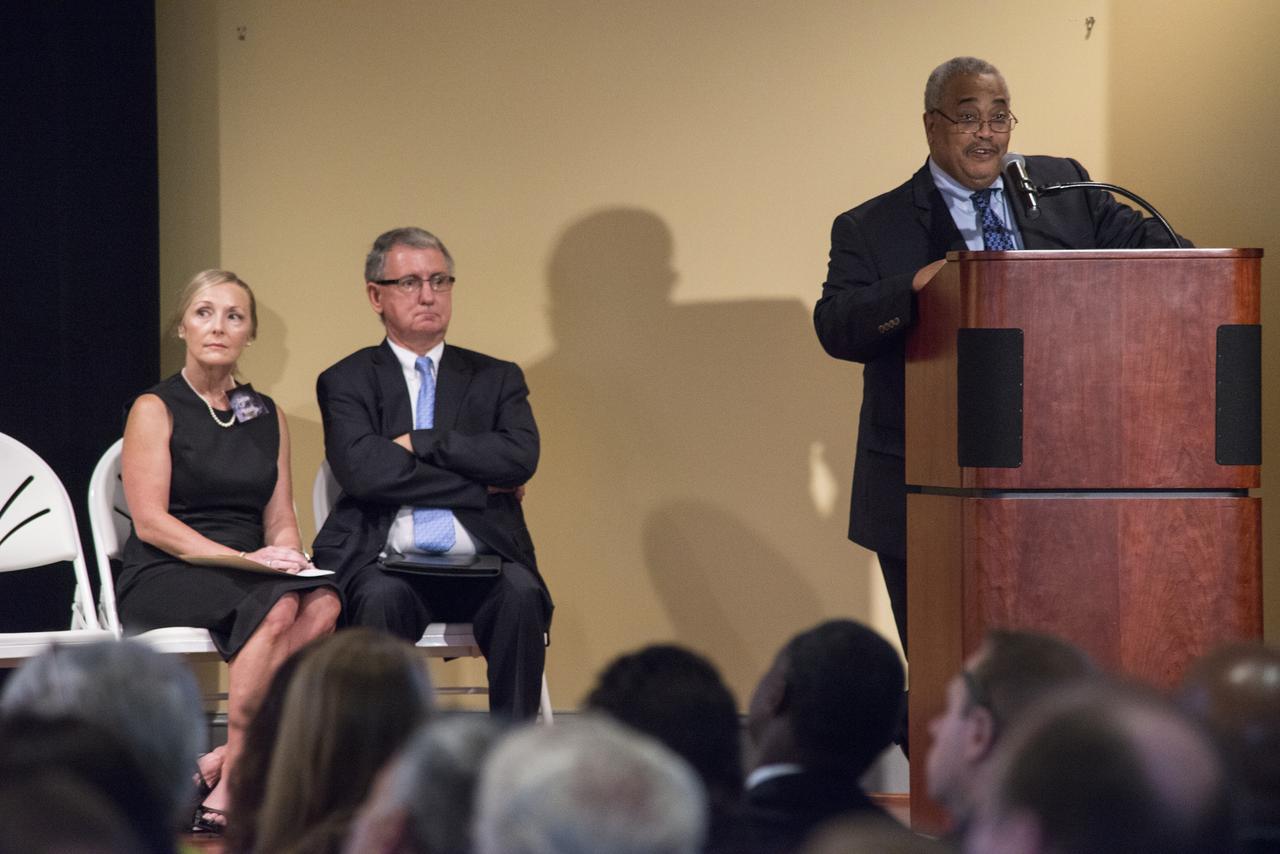
GLENN DELGADO, ASSOCIATE ADMINISTRATOR OFFICE OF SMALL BUSINESS PROGRAMS, NASA HQ, ADDRESSES THE ATTENDEES AT THE SMBA ESD-HUB ZONE EVENT AT THE HUNTSVILLE MUSEUM OF ART.