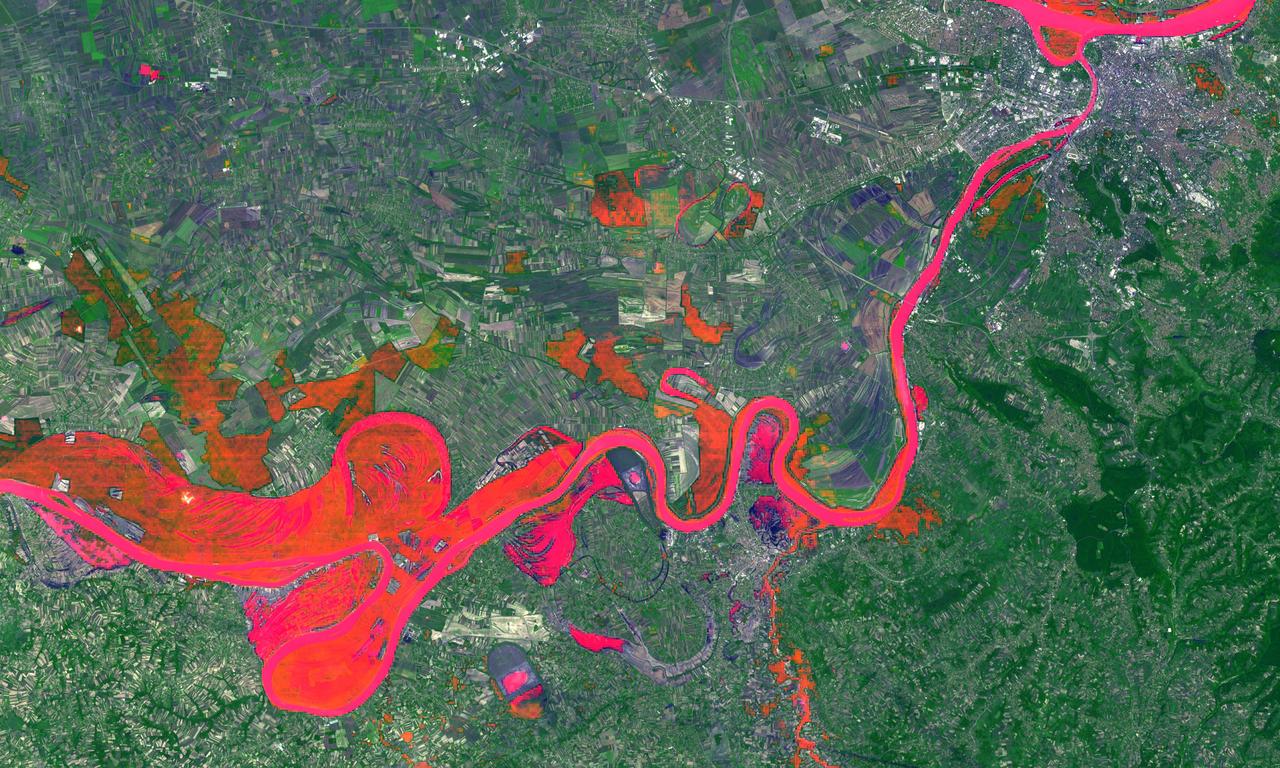
In May 2014, historic floods inundated Serbia and neighboring countries, causing major population displacements and property destruction. This image was acquired by NASA Terra spacecraft.
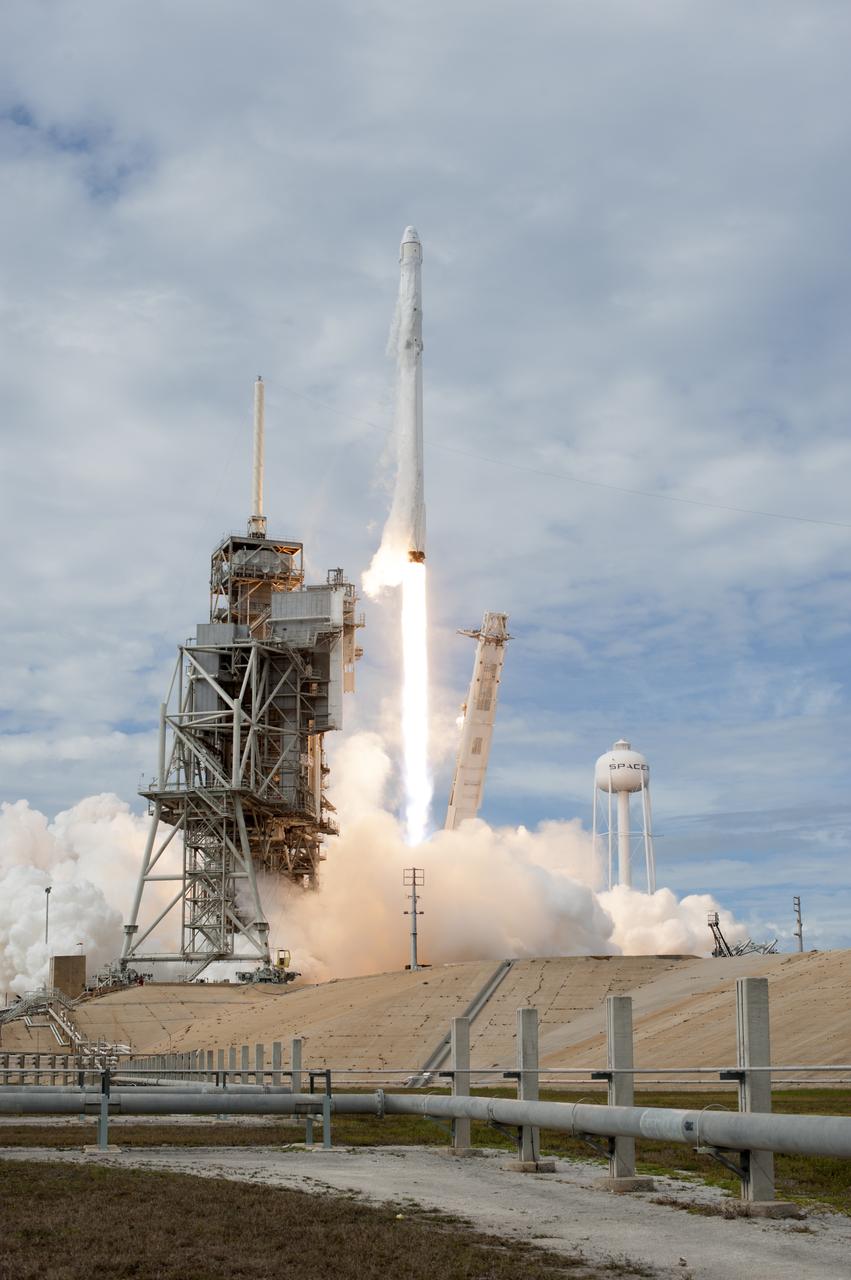
A SpaceX Falcon 9 rocket lifts off from Launch Complex 39A at NASA's Kenney Space Center in Florida, the company's 11th commercial resupply services mission to the International Space Station. Liftoff was at 5:07 p.m. EDT from the historic launch site now operated by SpaceX under a property agreement with NASA. The Dragon spacecraft will deliver 6,000 pounds of supplies, such as the Neutron star Interior Composition Explorer, or NICER, designed to study the extraordinary physics of these stars, providing insights into their nature and behavior.
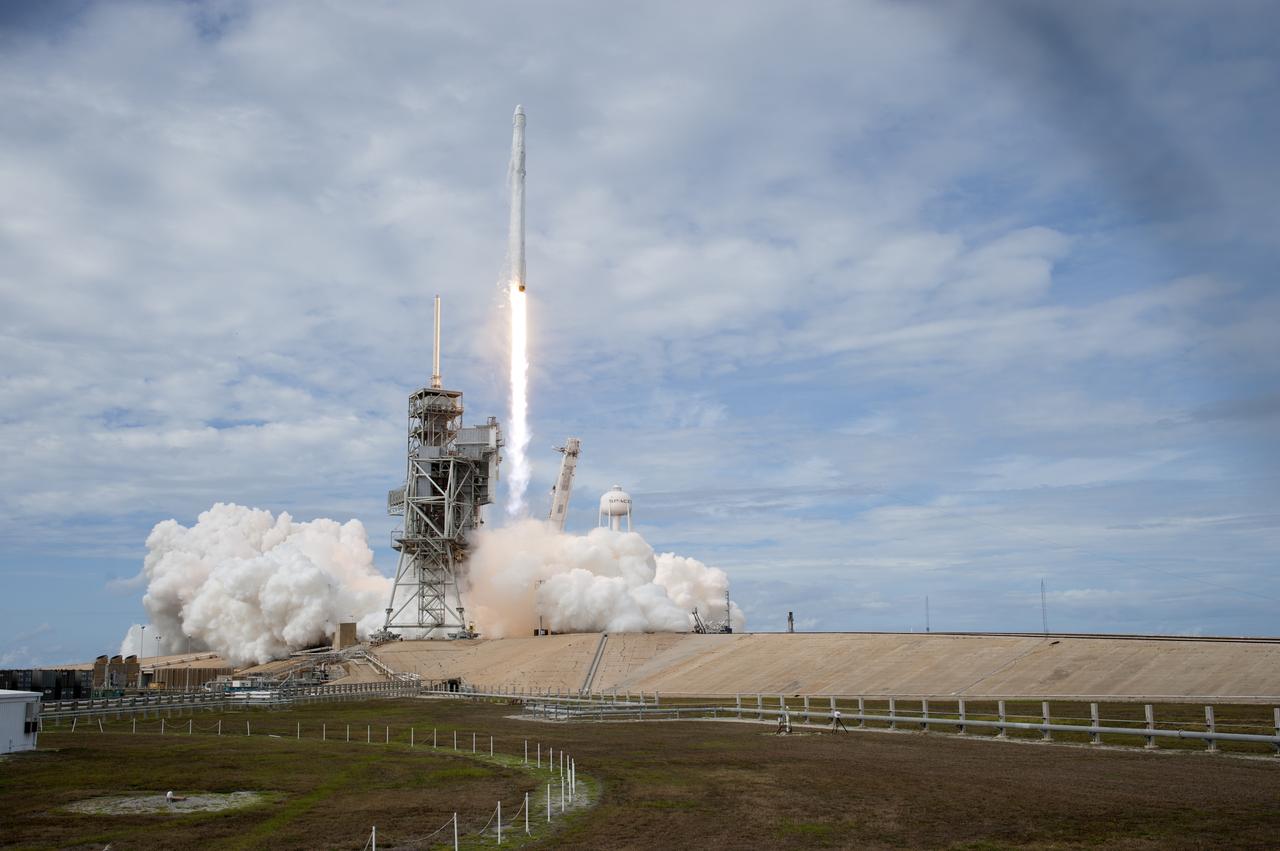
A SpaceX Falcon 9 rocket lifts off from Launch Complex 39A at NASA's Kenney Space Center in Florida, the company's 11th commercial resupply services mission to the International Space Station. Liftoff was at 5:07 p.m. EDT from the historic launch site now operated by SpaceX under a property agreement with NASA. The Dragon spacecraft will deliver 6,000 pounds of supplies, such as the Neutron star Interior Composition Explorer, or NICER, designed to study the extraordinary physics of these stars, providing insights into their nature and behavior.
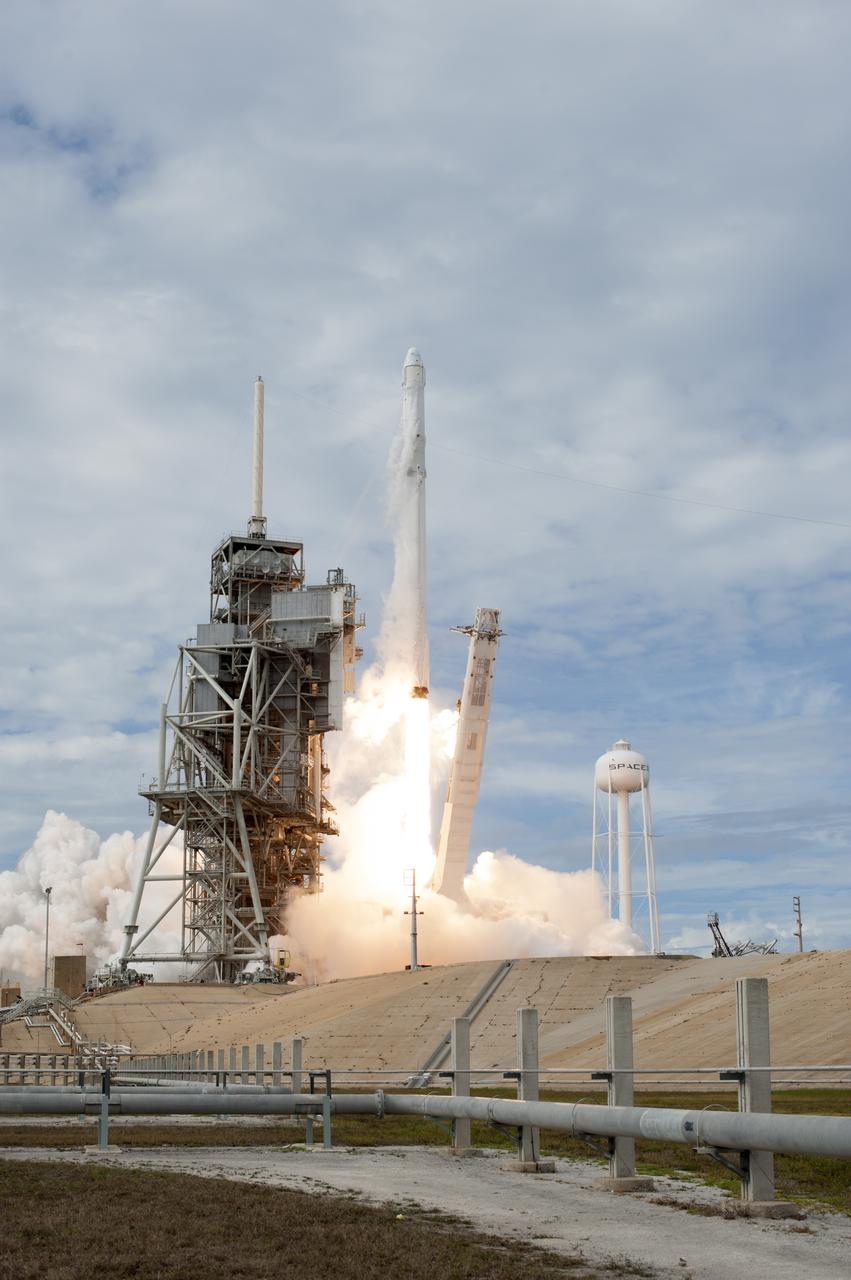
A SpaceX Falcon 9 rocket lifts off from Launch Complex 39A at NASA's Kenney Space Center in Florida, the company's 11th commercial resupply services mission to the International Space Station. Liftoff was at 5:07 p.m. EDT from the historic launch site now operated by SpaceX under a property agreement with NASA. The Dragon spacecraft will deliver 6,000 pounds of supplies, such as the Neutron star Interior Composition Explorer, or NICER, designed to study the extraordinary physics of these stars, providing insights into their nature and behavior.
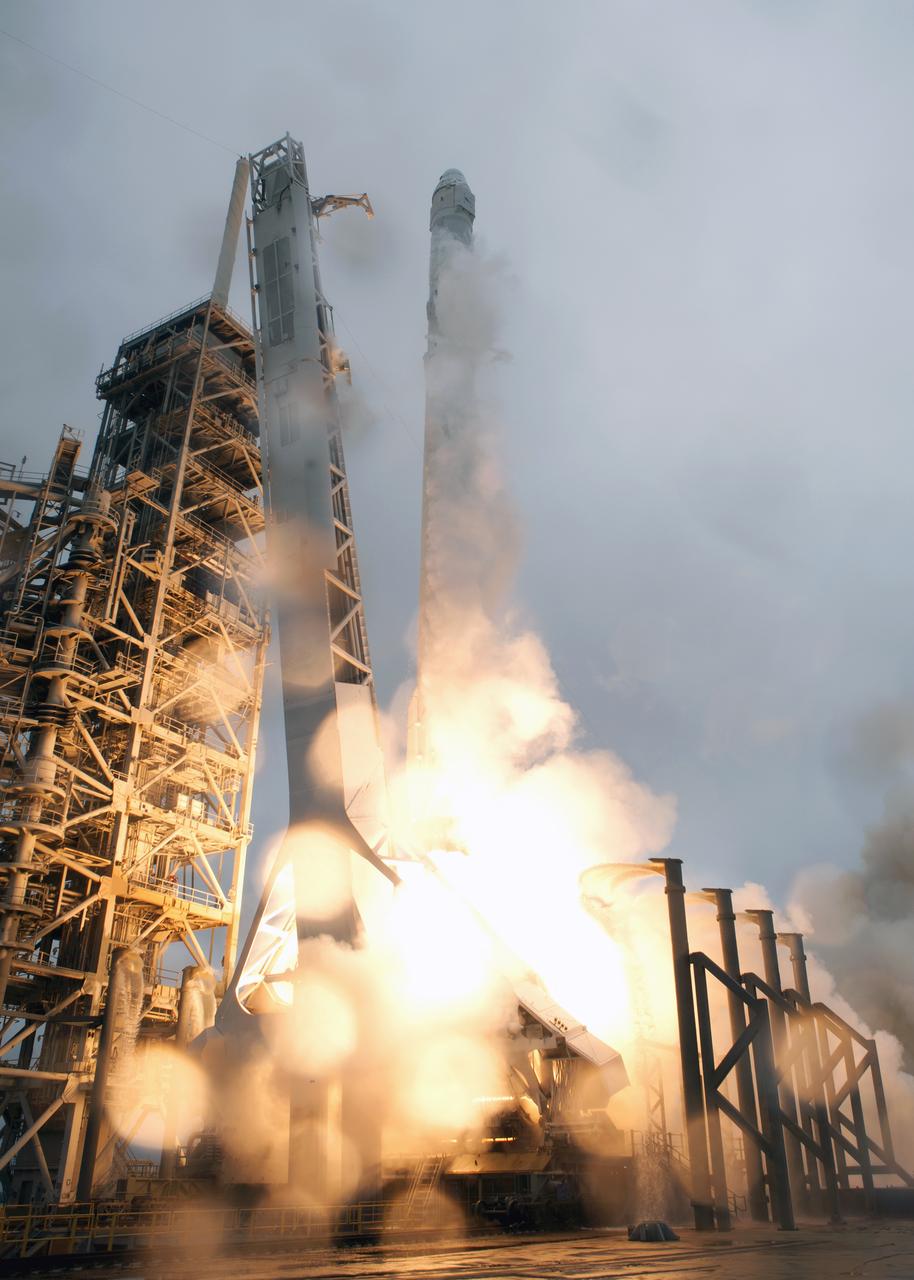
A SpaceX Falcon 9 rocket lifts off from Launch Complex 39A at NASA's Kenney Space Center in Florida. This is the company's 10th commercial resupply services mission to the International Space Station. Liftoff was at 9:39 a.m. EST from the historic launch site now operated by SpaceX under a property agreement with NASA. The Dragon spacecraft will deliver about 5,500 pounds of supplies to the space station, including the Stratospheric Aerosol and Gas Experiment (SAGE) III instrument to further study ozone in the atmosphere.
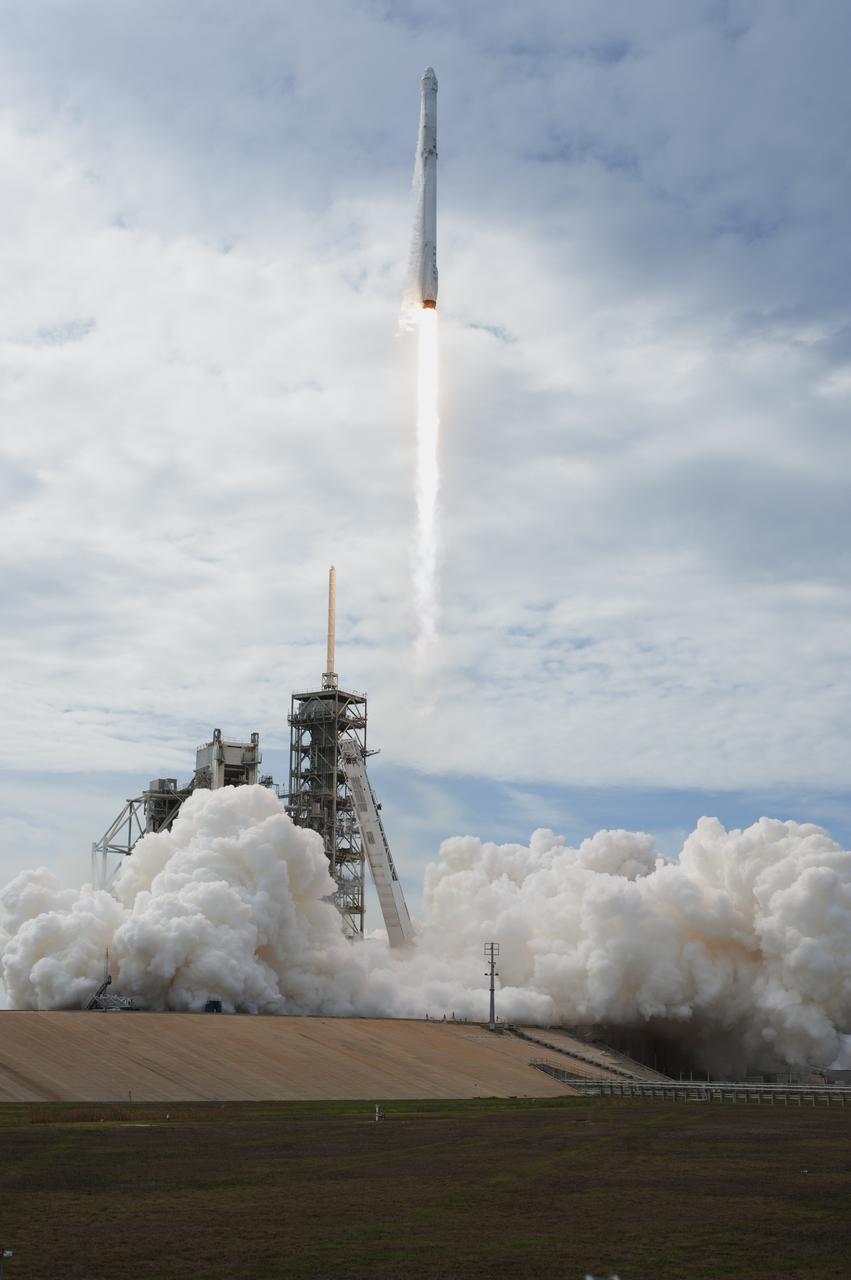
A SpaceX Falcon 9 rocket lifts off from Launch Complex 39A at NASA's Kenney Space Center in Florida, the company's 11th commercial resupply services mission to the International Space Station. Liftoff was at 5:07 p.m. EDT from the historic launch site now operated by SpaceX under a property agreement with NASA. The Dragon spacecraft will deliver 6,000 pounds of supplies, such as the Neutron star Interior Composition Explorer, or NICER, designed to study the extraordinary physics of these stars, providing insights into their nature and behavior.
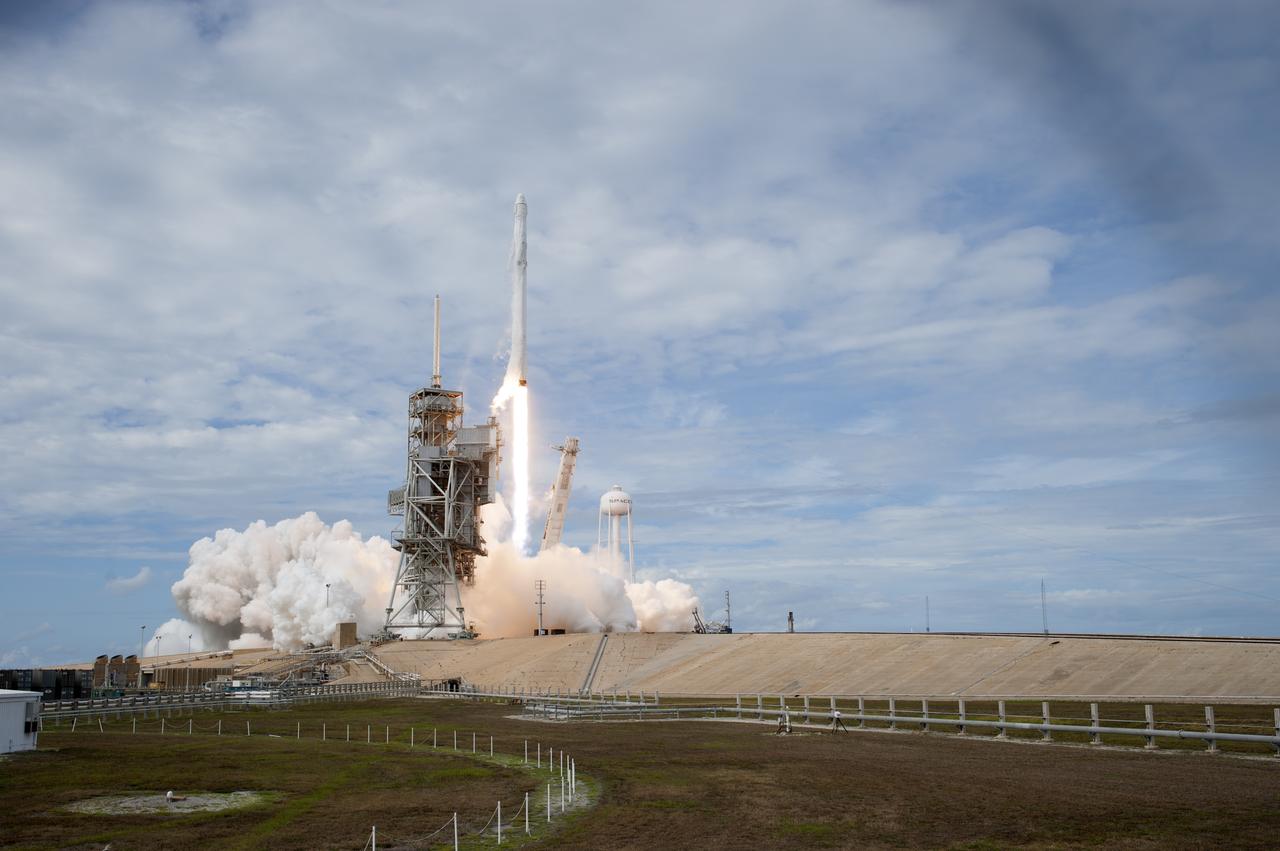
A SpaceX Falcon 9 rocket lifts off from Launch Complex 39A at NASA's Kenney Space Center in Florida, the company's 11th commercial resupply services mission to the International Space Station. Liftoff was at 5:07 p.m. EDT from the historic launch site now operated by SpaceX under a property agreement with NASA. The Dragon spacecraft will deliver 6,000 pounds of supplies, such as the Neutron star Interior Composition Explorer, or NICER, designed to study the extraordinary physics of these stars, providing insights into their nature and behavior.
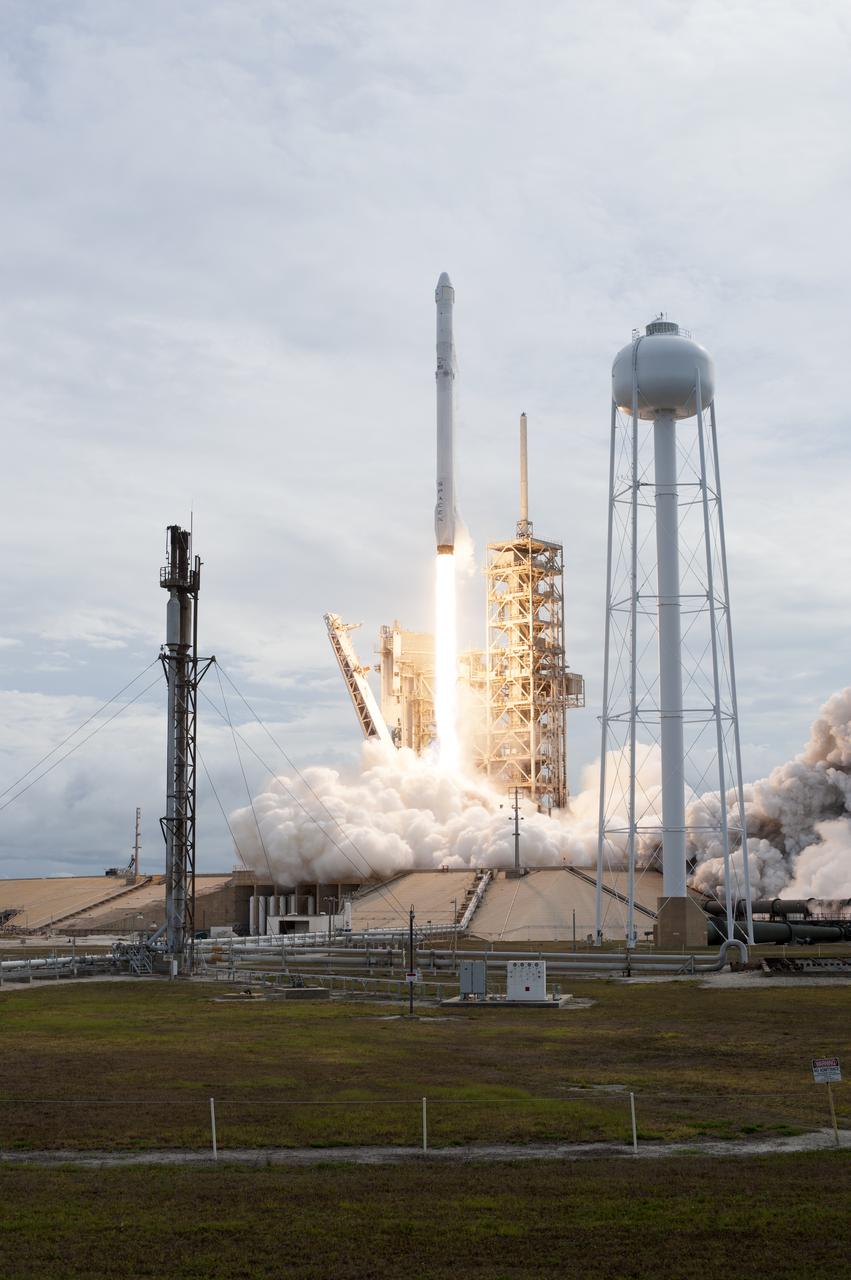
A SpaceX Falcon 9 rocket lifts off from Launch Complex 39A at NASA's Kenney Space Center in Florida, the company's 11th commercial resupply services mission to the International Space Station. Liftoff was at 5:07 p.m. EDT from the historic launch site now operated by SpaceX under a property agreement with NASA. The Dragon spacecraft will deliver 6,000 pounds of supplies, such as the Neutron star Interior Composition Explorer, or NICER, designed to study the extraordinary physics of these stars, providing insights into their nature and behavior.
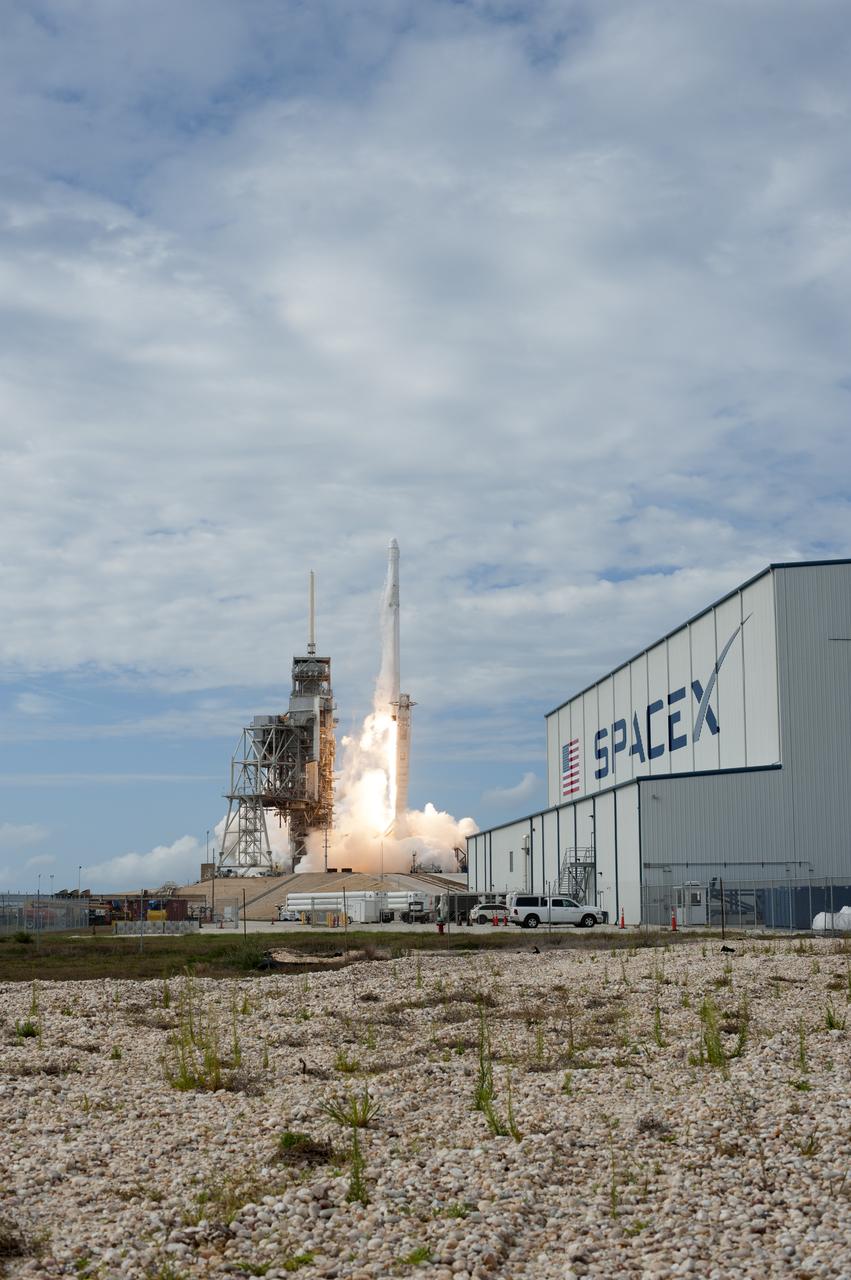
A SpaceX Falcon 9 rocket lifts off from Launch Complex 39A at NASA's Kenney Space Center in Florida, the company's 11th commercial resupply services mission to the International Space Station. Liftoff was at 5:07 p.m. EDT from the historic launch site now operated by SpaceX under a property agreement with NASA. The Dragon spacecraft will deliver 6,000 pounds of supplies, such as the Neutron star Interior Composition Explorer, or NICER, designed to study the extraordinary physics of these stars, providing insights into their nature and behavior.
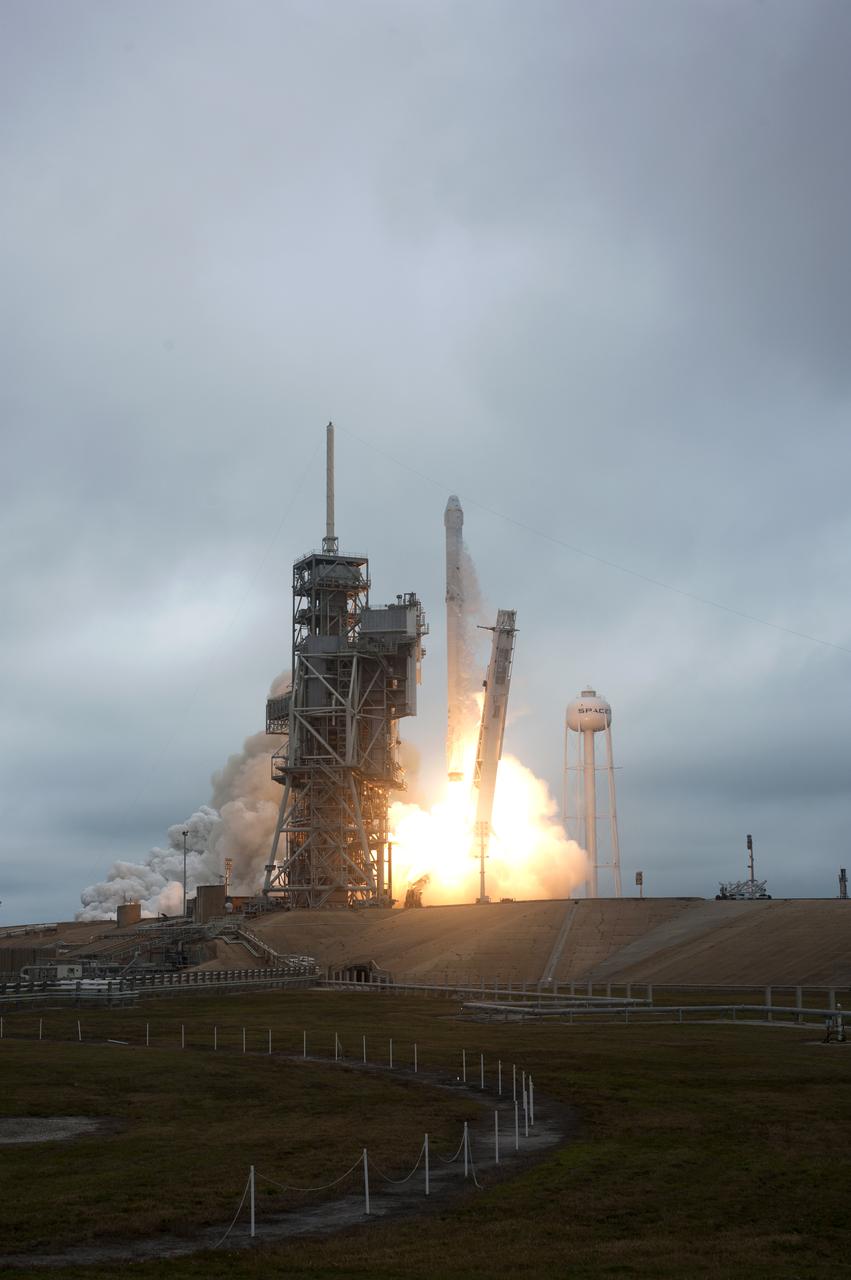
A SpaceX Falcon 9 rocket lifts off from Launch Complex 39A at NASA's Kenney Space Center in Florida. This is the company's 10th commercial resupply services mission to the International Space Station. Liftoff was at 9:39 a.m. EST from the historic launch site now operated by SpaceX under a property agreement with NASA. The Dragon spacecraft will deliver about 5,500 pounds of supplies to the space station, including the Stratospheric Aerosol and Gas Experiment (SAGE) III instrument to further study ozone in the atmosphere.
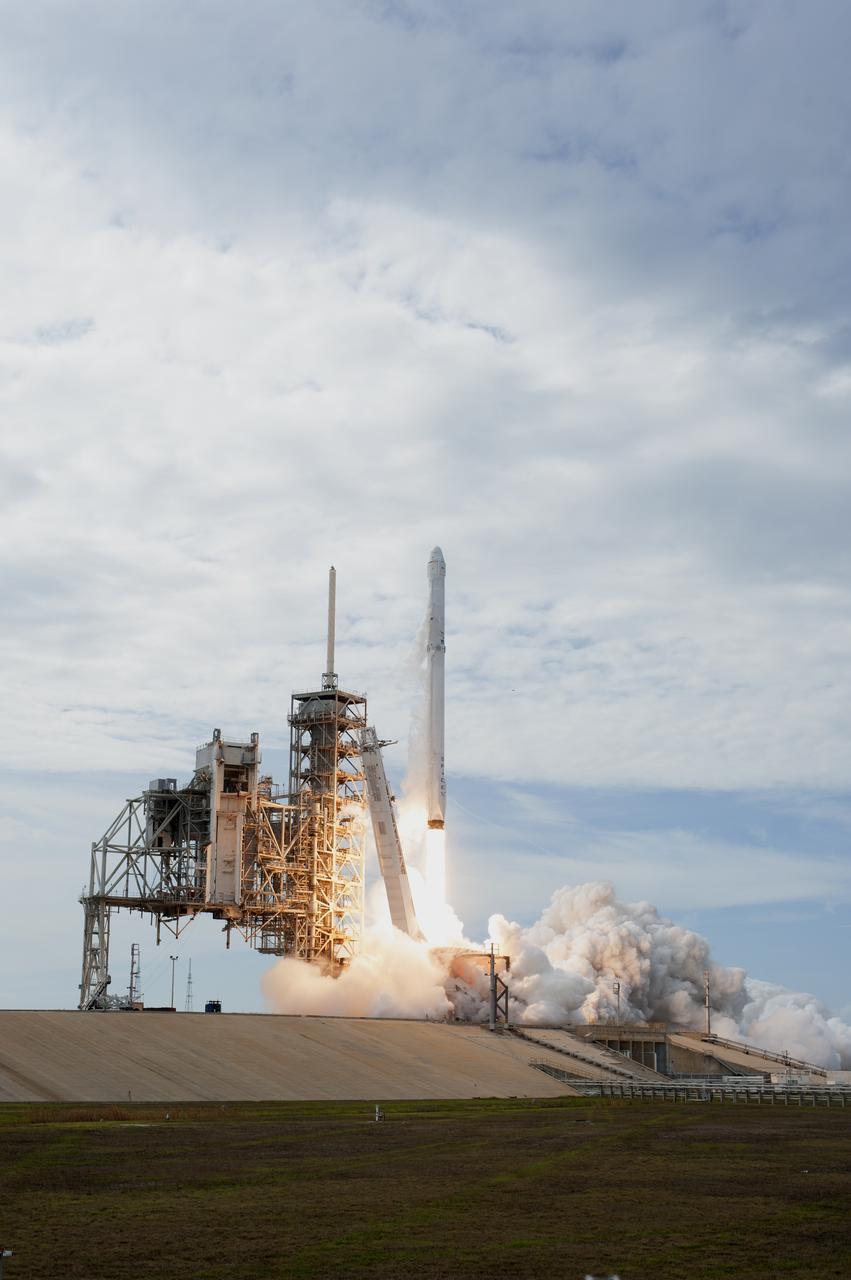
A SpaceX Falcon 9 rocket lifts off from Launch Complex 39A at NASA's Kenney Space Center in Florida, the company's 11th commercial resupply services mission to the International Space Station. Liftoff was at 5:07 p.m. EDT from the historic launch site now operated by SpaceX under a property agreement with NASA. The Dragon spacecraft will deliver 6,000 pounds of supplies, such as the Neutron star Interior Composition Explorer, or NICER, designed to study the extraordinary physics of these stars, providing insights into their nature and behavior.

A SpaceX Falcon 9 rocket lifts off from Launch Complex 39A at NASA's Kenney Space Center in Florida, the company's 11th commercial resupply services mission to the International Space Station. Liftoff was at 5:07 p.m. EDT from the historic launch site now operated by SpaceX under a property agreement with NASA. The Dragon spacecraft will deliver 6,000 pounds of supplies, such as the Neutron star Interior Composition Explorer, or NICER, designed to study the extraordinary physics of these stars, providing insights into their nature and behavior.
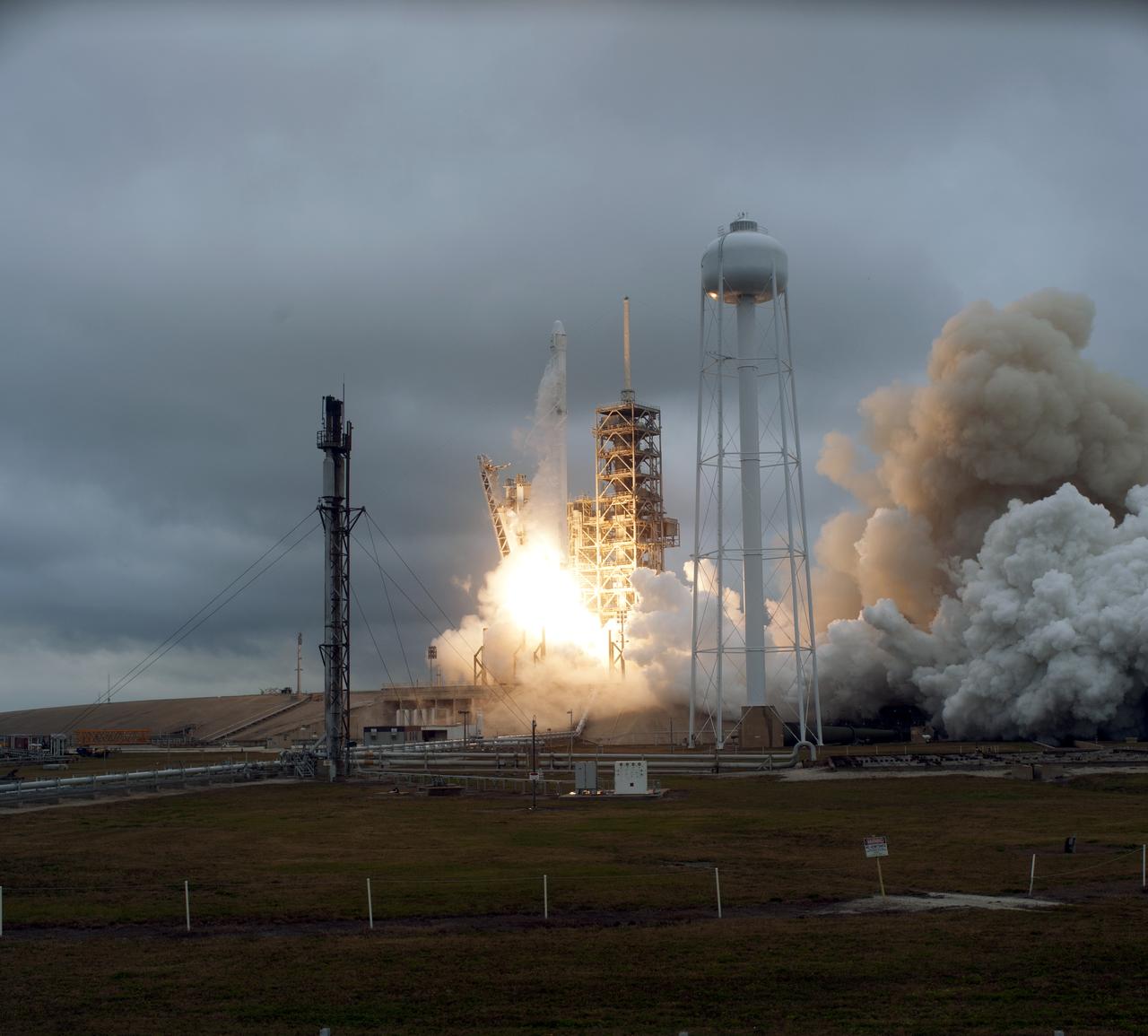
A SpaceX Falcon 9 rocket lifts off from Launch Complex 39A at NASA's Kenney Space Center in Florida. This is the company's 10th commercial resupply services mission to the International Space Station. Liftoff was at 9:39 a.m. EST from the historic launch site now operated by SpaceX under a property agreement with NASA. The Dragon spacecraft will deliver about 5,500 pounds of supplies to the space station, including the Stratospheric Aerosol and Gas Experiment (SAGE) III instrument to further study ozone in the atmosphere.
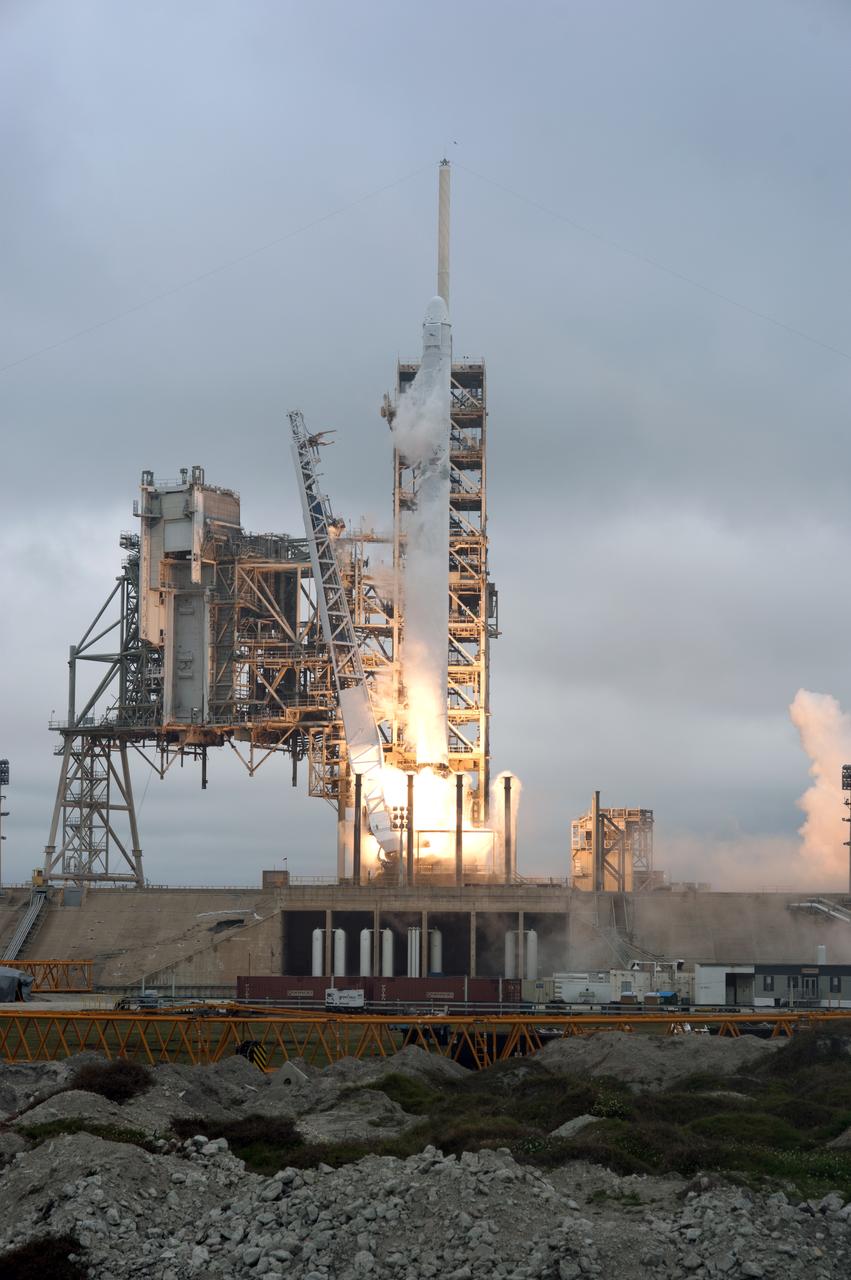
A SpaceX Falcon 9 rocket lifts off from Launch Complex 39A at NASA's Kenney Space Center in Florida. This is the company's 10th commercial resupply services mission to the International Space Station. Liftoff was at 9:39 a.m. EST from the historic launch site now operated by SpaceX under a property agreement with NASA. The Dragon spacecraft will deliver about 5,500 pounds of supplies to the space station, including the Stratospheric Aerosol and Gas Experiment (SAGE) III instrument to further study ozone in the atmosphere.
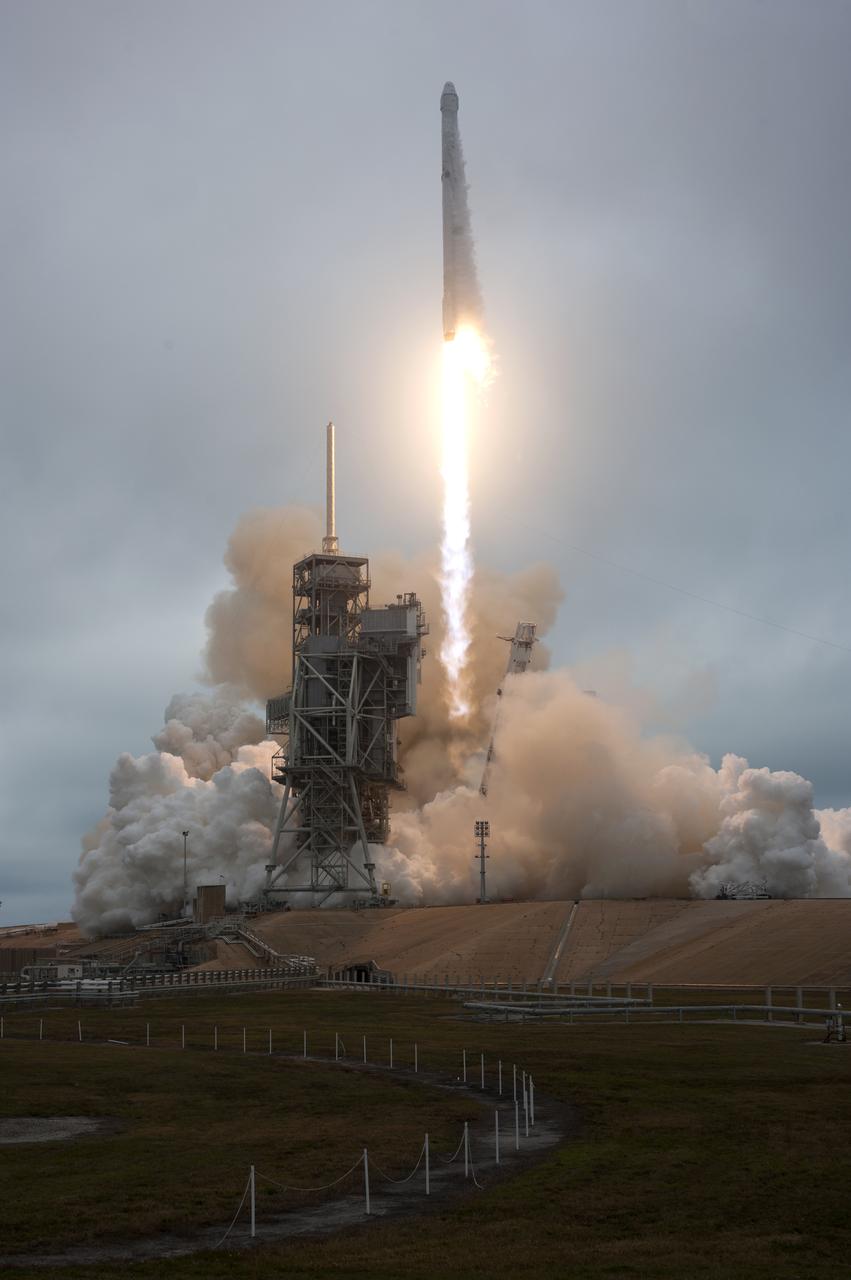
A SpaceX Falcon 9 rocket lifts off from Launch Complex 39A at NASA's Kenney Space Center in Florida. This is the company's 10th commercial resupply services mission to the International Space Station. Liftoff was at 9:39 a.m. EST from the historic launch site now operated by SpaceX under a property agreement with NASA. The Dragon spacecraft will deliver about 5,500 pounds of supplies to the space station, including the Stratospheric Aerosol and Gas Experiment (SAGE) III instrument to further study ozone in the atmosphere.
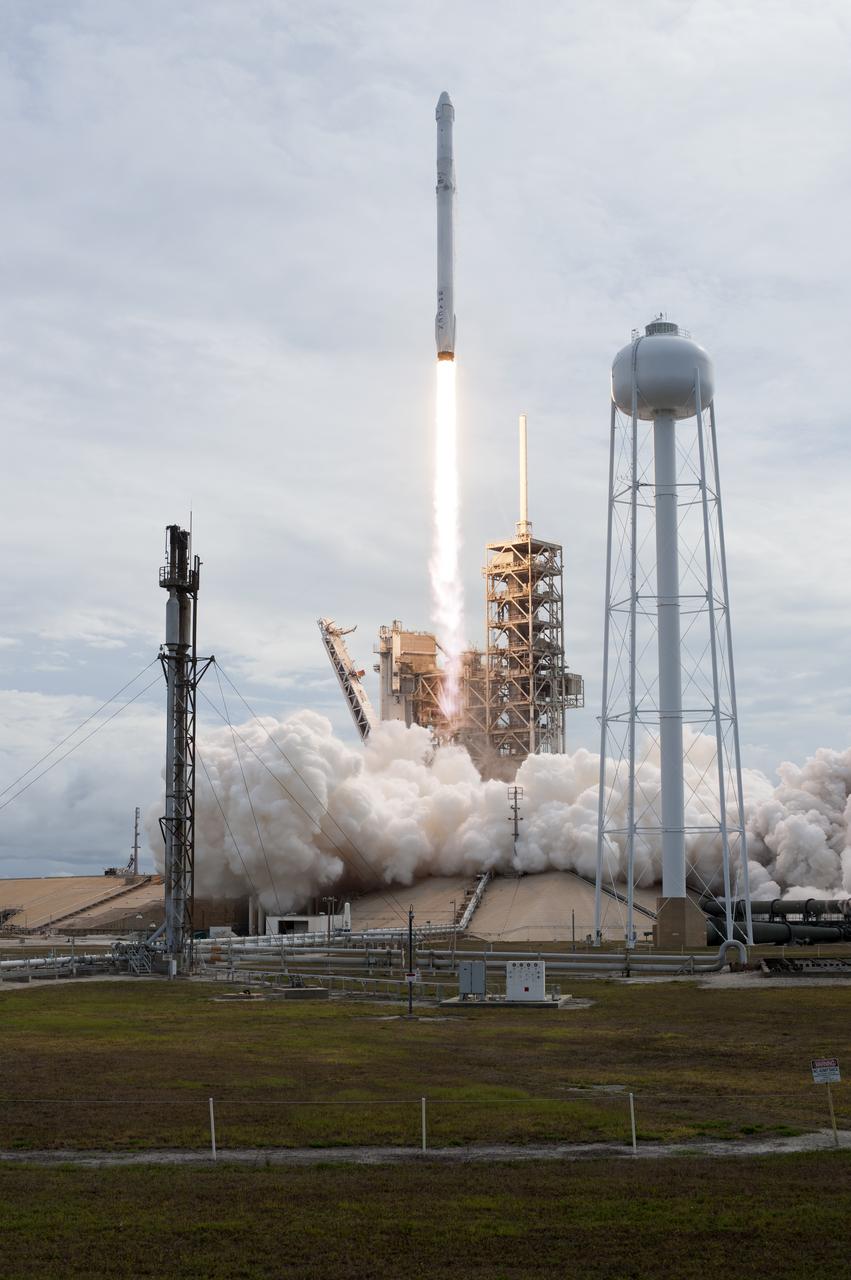
A SpaceX Falcon 9 rocket lifts off from Launch Complex 39A at NASA's Kenney Space Center in Florida, the company's 11th commercial resupply services mission to the International Space Station. Liftoff was at 5:07 p.m. EDT from the historic launch site now operated by SpaceX under a property agreement with NASA. The Dragon spacecraft will deliver 6,000 pounds of supplies, such as the Neutron star Interior Composition Explorer, or NICER, designed to study the extraordinary physics of these stars, providing insights into their nature and behavior.
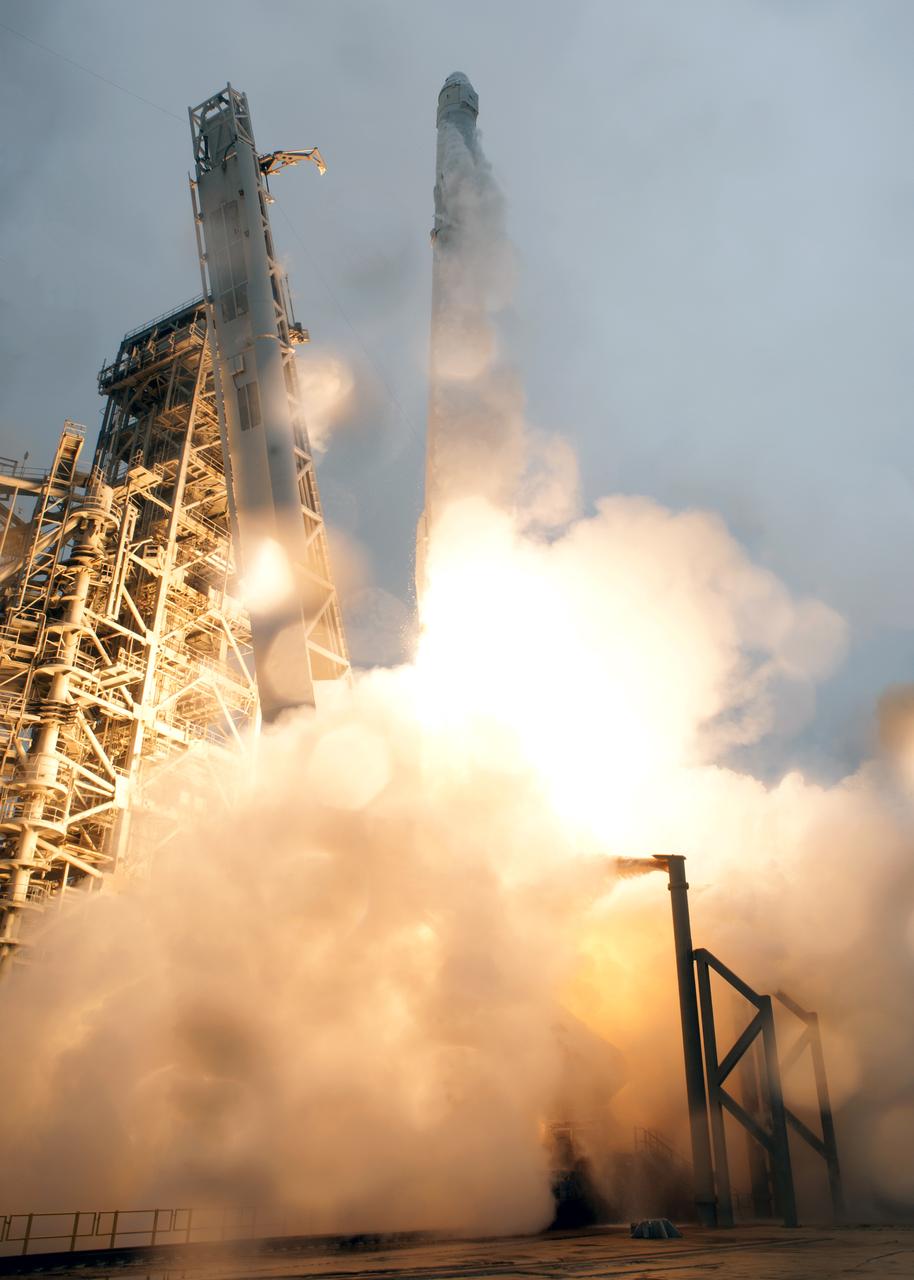
A SpaceX Falcon 9 rocket lifts off from Launch Complex 39A at NASA's Kenney Space Center in Florida. This is the company's 10th commercial resupply services mission to the International Space Station. Liftoff was at 9:39 a.m. EST from the historic launch site now operated by SpaceX under a property agreement with NASA. The Dragon spacecraft will deliver about 5,500 pounds of supplies to the space station, including the Stratospheric Aerosol and Gas Experiment (SAGE) III instrument to further study ozone in the atmosphere.
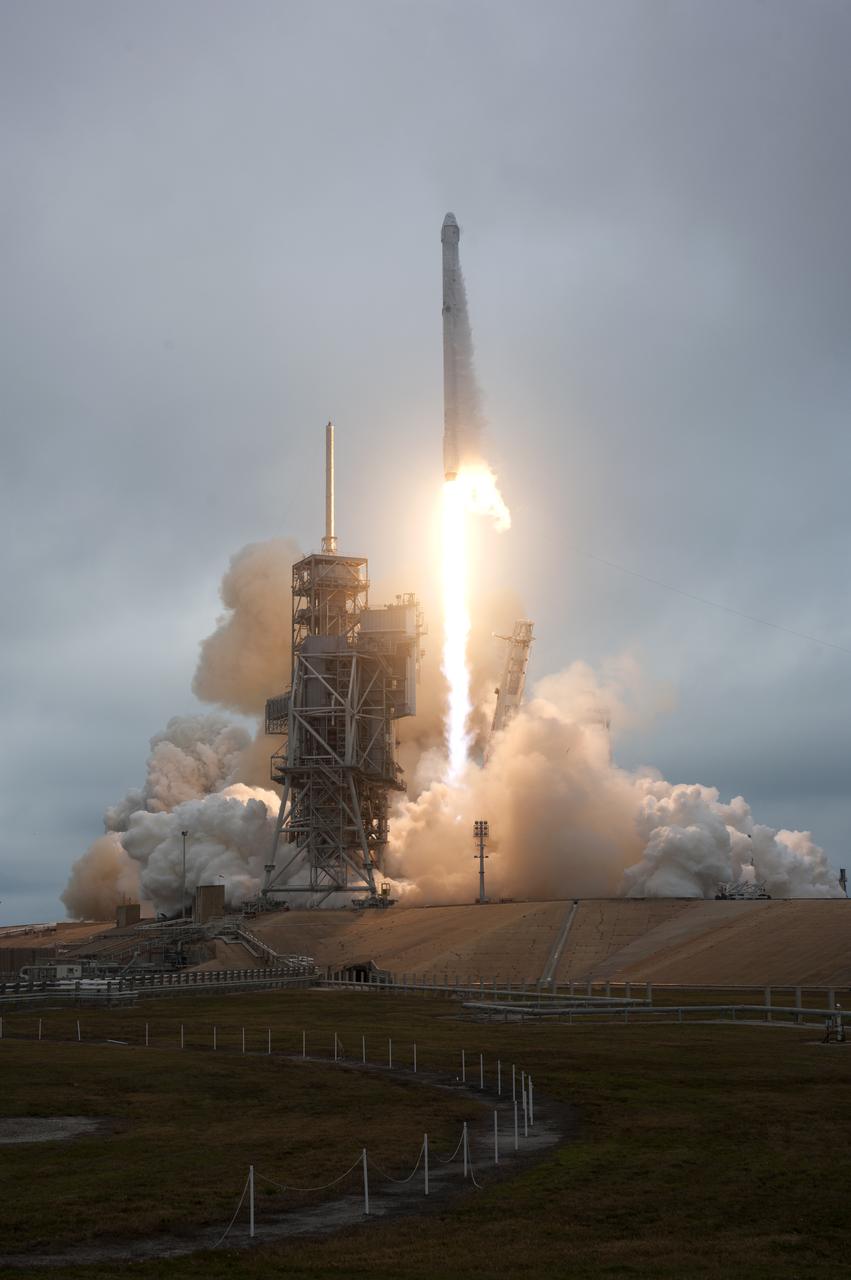
A SpaceX Falcon 9 rocket lifts off from Launch Complex 39A at NASA's Kenney Space Center in Florida. This is the company's 10th commercial resupply services mission to the International Space Station. Liftoff was at 9:39 a.m. EST from the historic launch site now operated by SpaceX under a property agreement with NASA. The Dragon spacecraft will deliver about 5,500 pounds of supplies to the space station, including the Stratospheric Aerosol and Gas Experiment (SAGE) III instrument to further study ozone in the atmosphere.

A SpaceX Falcon 9 rocket lifts off from Launch Complex 39A at NASA's Kenney Space Center in Florida, the company's 11th commercial resupply services mission to the International Space Station. Liftoff was at 5:07 p.m. EDT from the historic launch site now operated by SpaceX under a property agreement with NASA. The Dragon spacecraft will deliver 6,000 pounds of supplies, such as the Neutron star Interior Composition Explorer, or NICER, designed to study the extraordinary physics of these stars, providing insights into their nature and behavior.

A SpaceX Falcon 9 rocket lifts off from Launch Complex 39A at NASA's Kenney Space Center in Florida. This is the company's 10th commercial resupply services mission to the International Space Station. Liftoff was at 9:39 a.m. EST from the historic launch site now operated by SpaceX under a property agreement with NASA. The Dragon spacecraft will deliver about 5,500 pounds of supplies to the space station, including the Stratospheric Aerosol and Gas Experiment (SAGE) III instrument to further study ozone in the atmosphere.
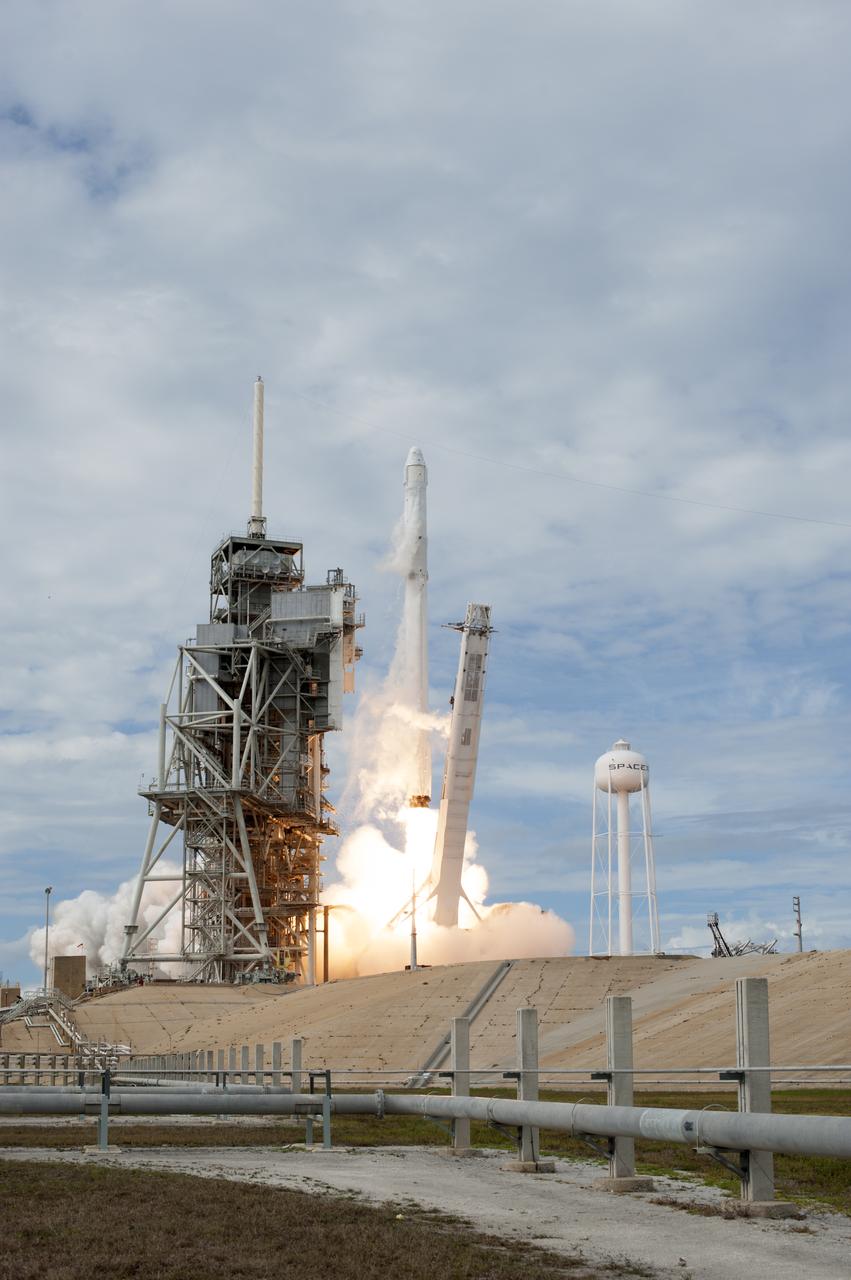
A SpaceX Falcon 9 rocket lifts off from Launch Complex 39A at NASA's Kenney Space Center in Florida, the company's 11th commercial resupply services mission to the International Space Station. Liftoff was at 5:07 p.m. EDT from the historic launch site now operated by SpaceX under a property agreement with NASA. The Dragon spacecraft will deliver 6,000 pounds of supplies, such as the Neutron star Interior Composition Explorer, or NICER, designed to study the extraordinary physics of these stars, providing insights into their nature and behavior.
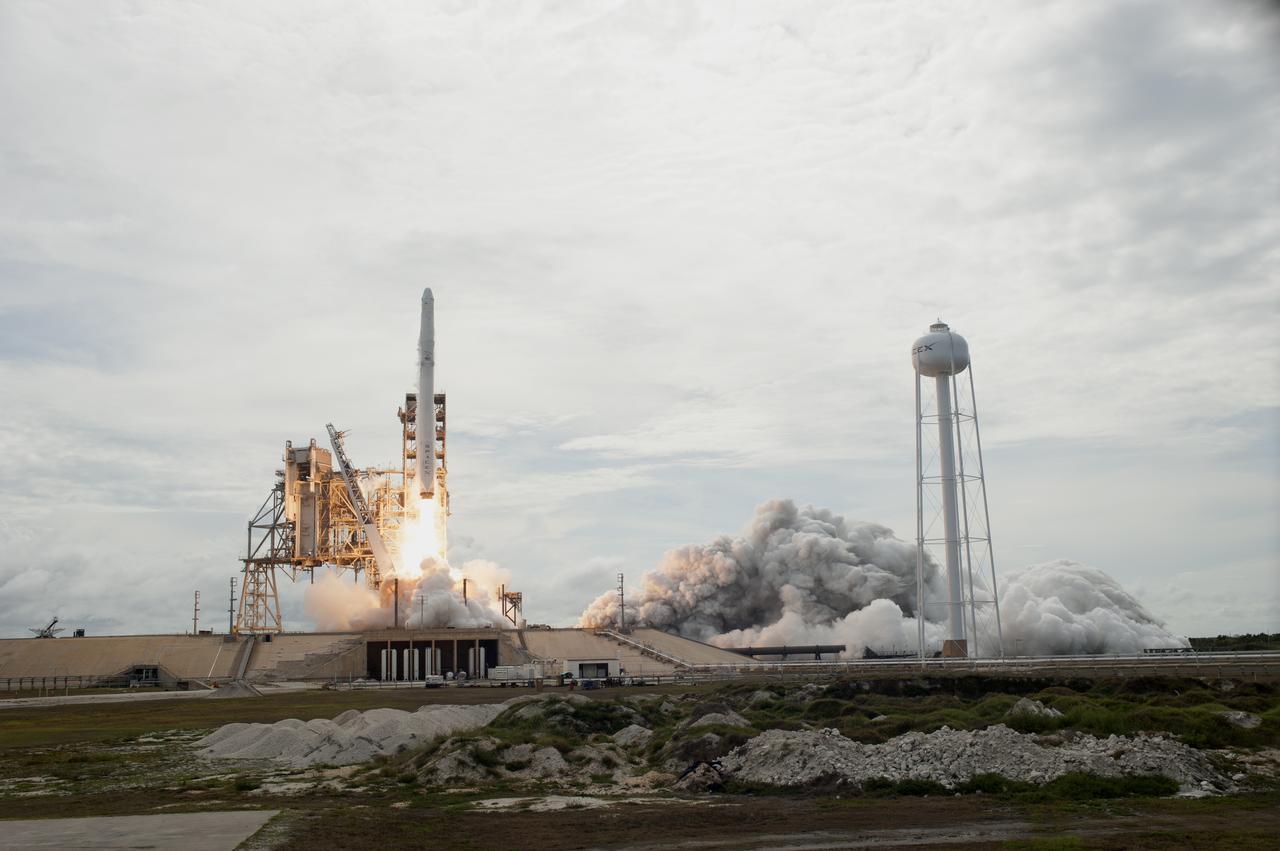
A SpaceX Falcon 9 rocket lifts off from Launch Complex 39A at NASA's Kenney Space Center in Florida, the company's 11th commercial resupply services mission to the International Space Station. Liftoff was at 5:07 p.m. EDT from the historic launch site now operated by SpaceX under a property agreement with NASA. The Dragon spacecraft will deliver 6,000 pounds of supplies, such as the Neutron star Interior Composition Explorer, or NICER, designed to study the extraordinary physics of these stars, providing insights into their nature and behavior.
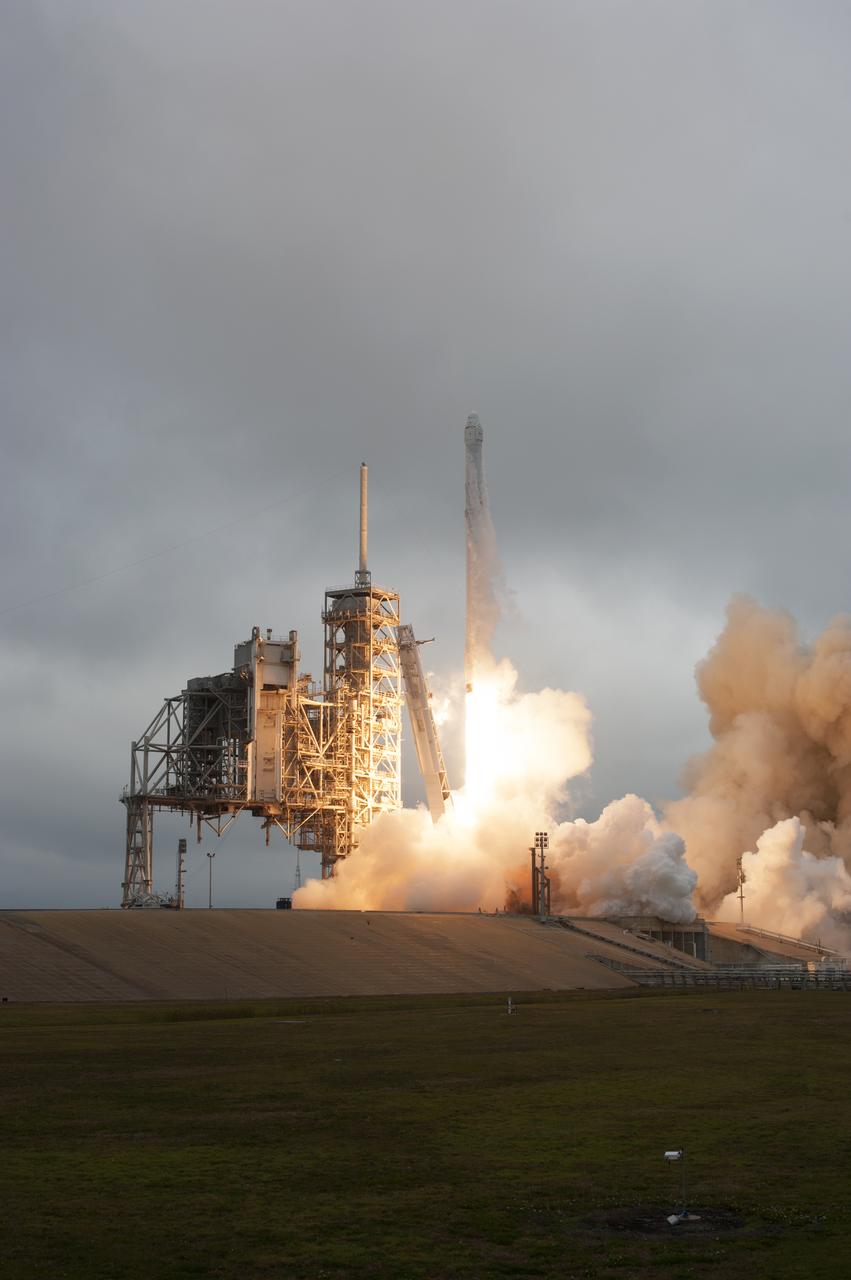
A SpaceX Falcon 9 rocket lifts off from Launch Complex 39A at NASA's Kenney Space Center in Florida. This is the company's 10th commercial resupply services mission to the International Space Station. Liftoff was at 9:39 a.m. EST from the historic launch site now operated by SpaceX under a property agreement with NASA. The Dragon spacecraft will deliver about 5,500 pounds of supplies to the space station, including the Stratospheric Aerosol and Gas Experiment (SAGE) III instrument to further study ozone in the atmosphere.
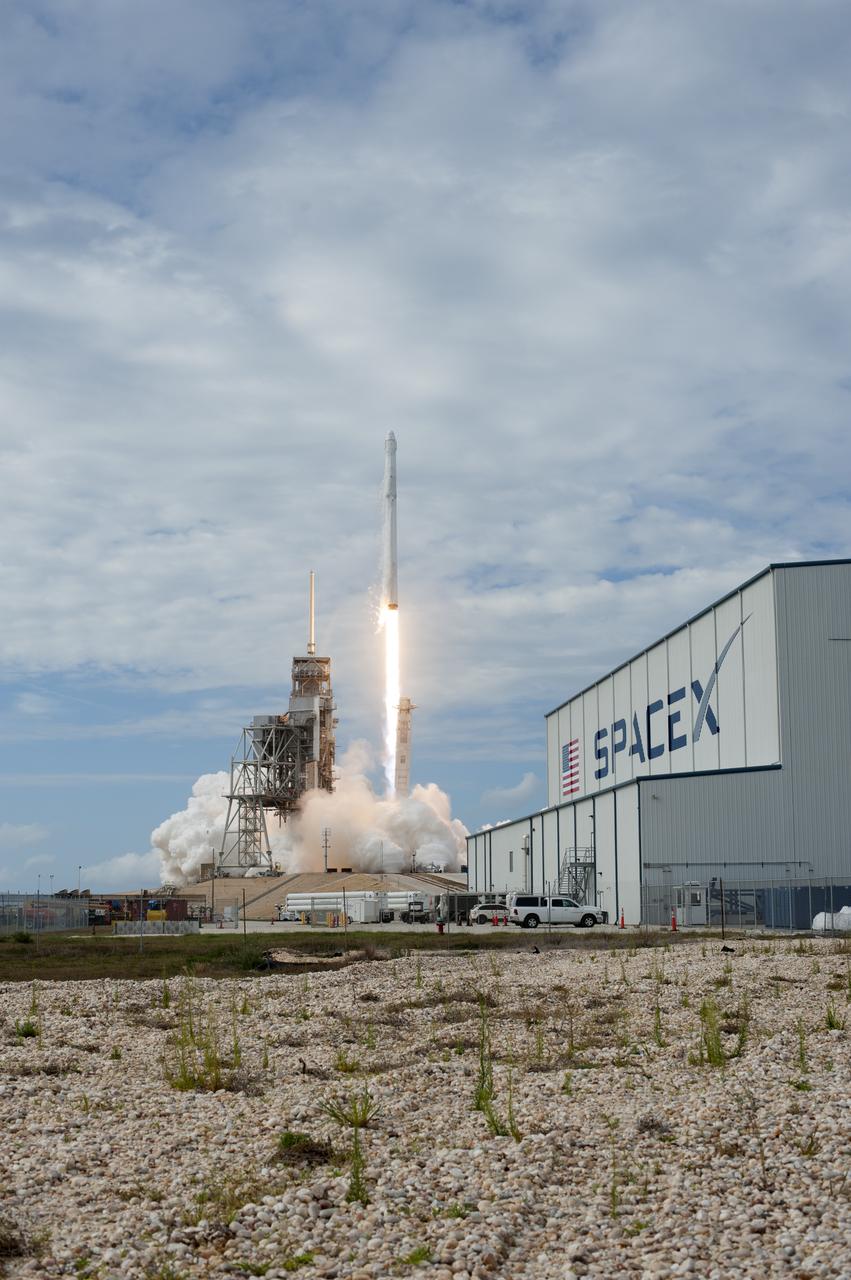
A SpaceX Falcon 9 rocket lifts off from Launch Complex 39A at NASA's Kenney Space Center in Florida, the company's 11th commercial resupply services mission to the International Space Station. Liftoff was at 5:07 p.m. EDT from the historic launch site now operated by SpaceX under a property agreement with NASA. The Dragon spacecraft will deliver 6,000 pounds of supplies, such as the Neutron star Interior Composition Explorer, or NICER, designed to study the extraordinary physics of these stars, providing insights into their nature and behavior.
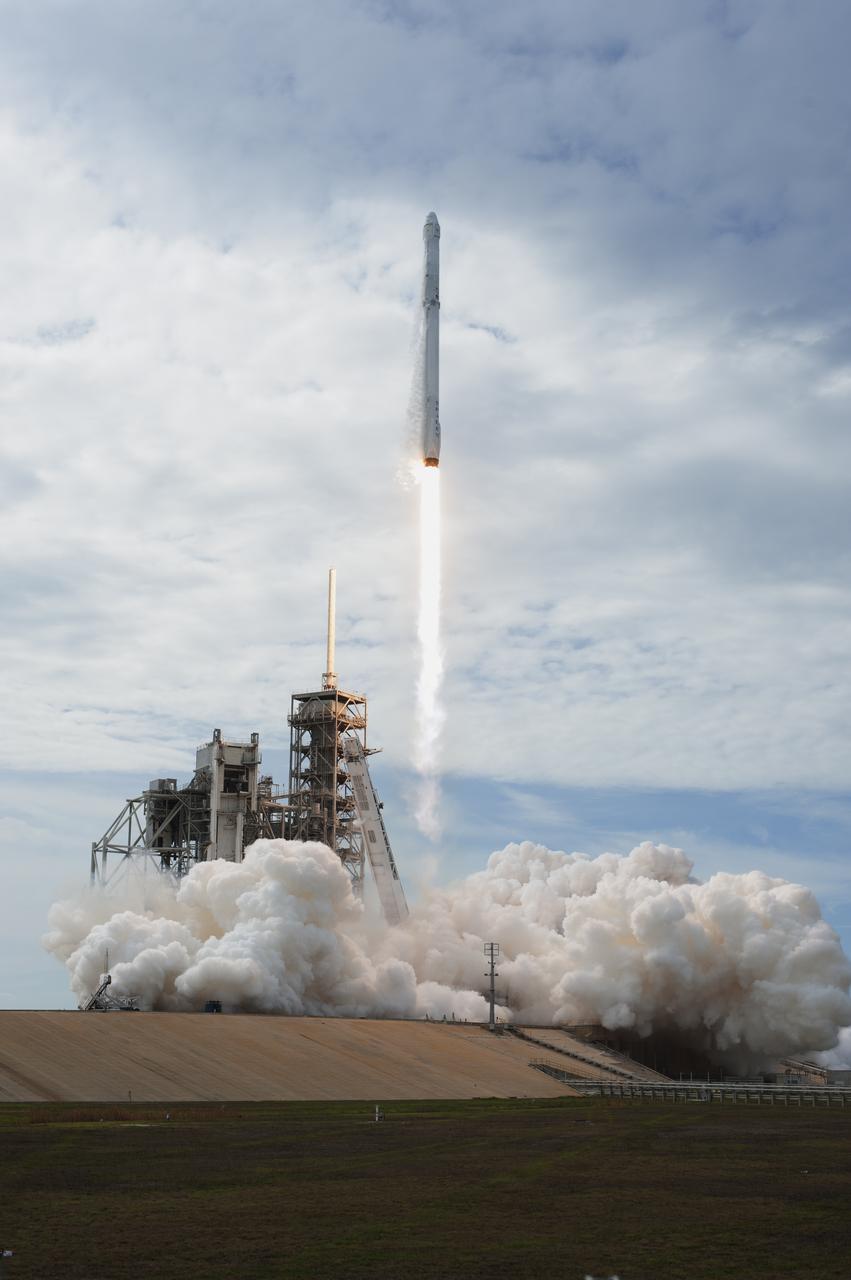
A SpaceX Falcon 9 rocket lifts off from Launch Complex 39A at NASA's Kenney Space Center in Florida, the company's 11th commercial resupply services mission to the International Space Station. Liftoff was at 5:07 p.m. EDT from the historic launch site now operated by SpaceX under a property agreement with NASA. The Dragon spacecraft will deliver 6,000 pounds of supplies, such as the Neutron star Interior Composition Explorer, or NICER, designed to study the extraordinary physics of these stars, providing insights into their nature and behavior.
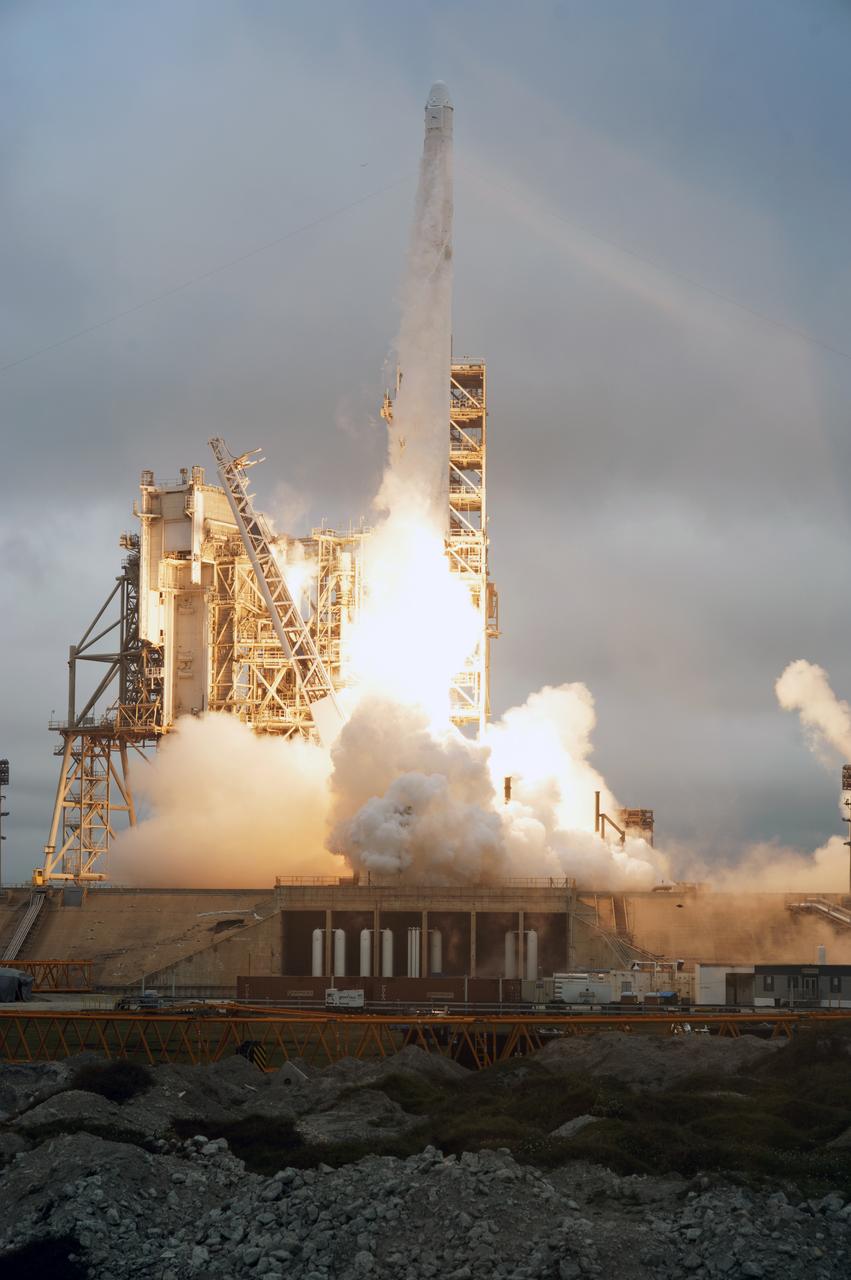
A SpaceX Falcon 9 rocket lifts off from Launch Complex 39A at NASA's Kenney Space Center in Florida. This is the company's 10th commercial resupply services mission to the International Space Station. Liftoff was at 9:39 a.m. EST from the historic launch site now operated by SpaceX under a property agreement with NASA. The Dragon spacecraft will deliver about 5,500 pounds of supplies to the space station, including the Stratospheric Aerosol and Gas Experiment (SAGE) III instrument to further study ozone in the atmosphere.

A SpaceX Falcon 9 rocket lifts off from Launch Complex 39A at NASA's Kenney Space Center in Florida. This is the company's 10th commercial resupply services mission to the International Space Station. Liftoff was at 9:39 a.m. EST from the historic launch site now operated by SpaceX under a property agreement with NASA. The Dragon spacecraft will deliver about 5,500 pounds of supplies to the space station, including the Stratospheric Aerosol and Gas Experiment (SAGE) III instrument to further study ozone in the atmosphere.
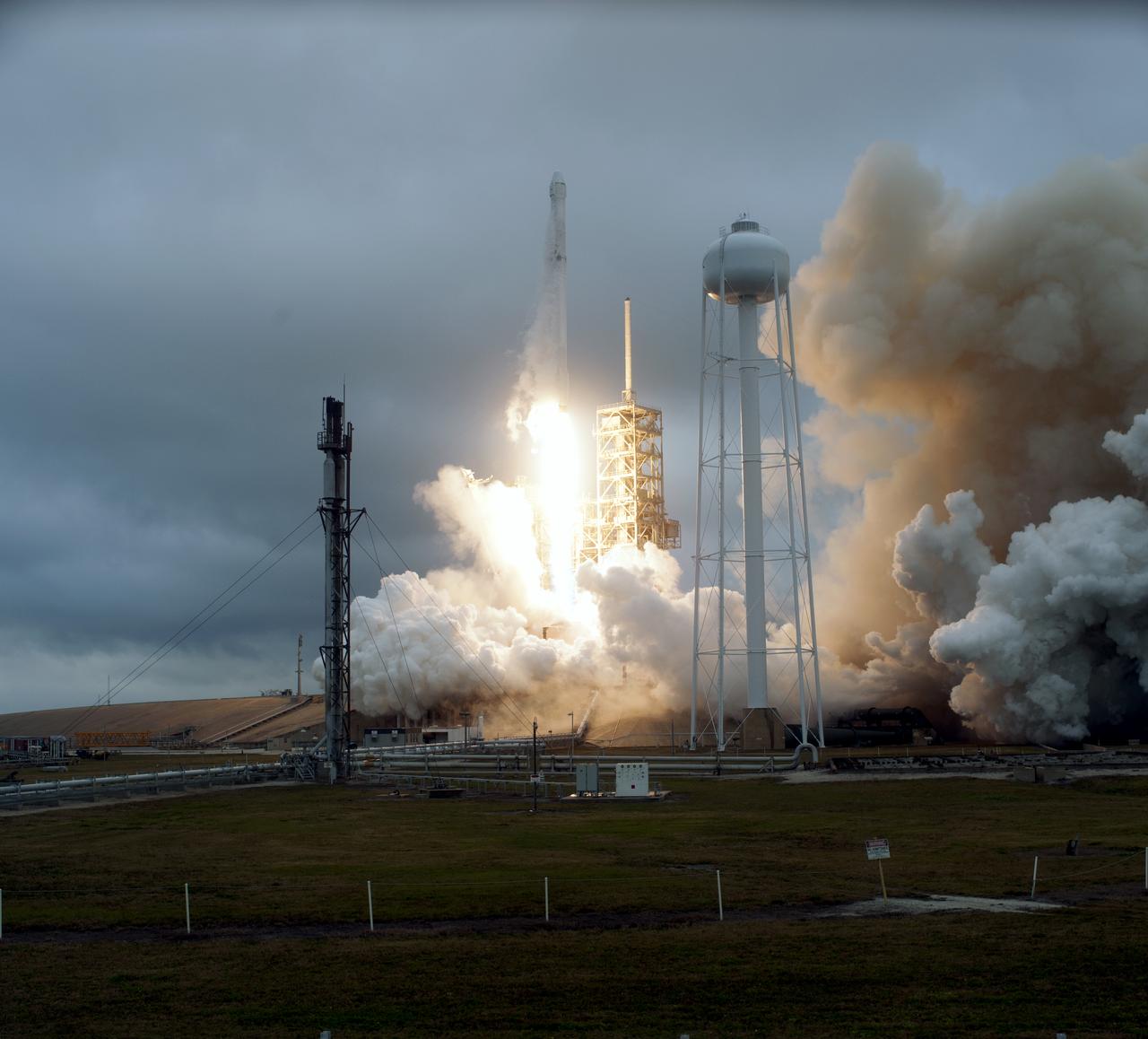
A SpaceX Falcon 9 rocket lifts off from Launch Complex 39A at NASA's Kenney Space Center in Florida. This is the company's 10th commercial resupply services mission to the International Space Station. Liftoff was at 9:39 a.m. EST from the historic launch site now operated by SpaceX under a property agreement with NASA. The Dragon spacecraft will deliver about 5,500 pounds of supplies to the space station, including the Stratospheric Aerosol and Gas Experiment (SAGE) III instrument to further study ozone in the atmosphere.
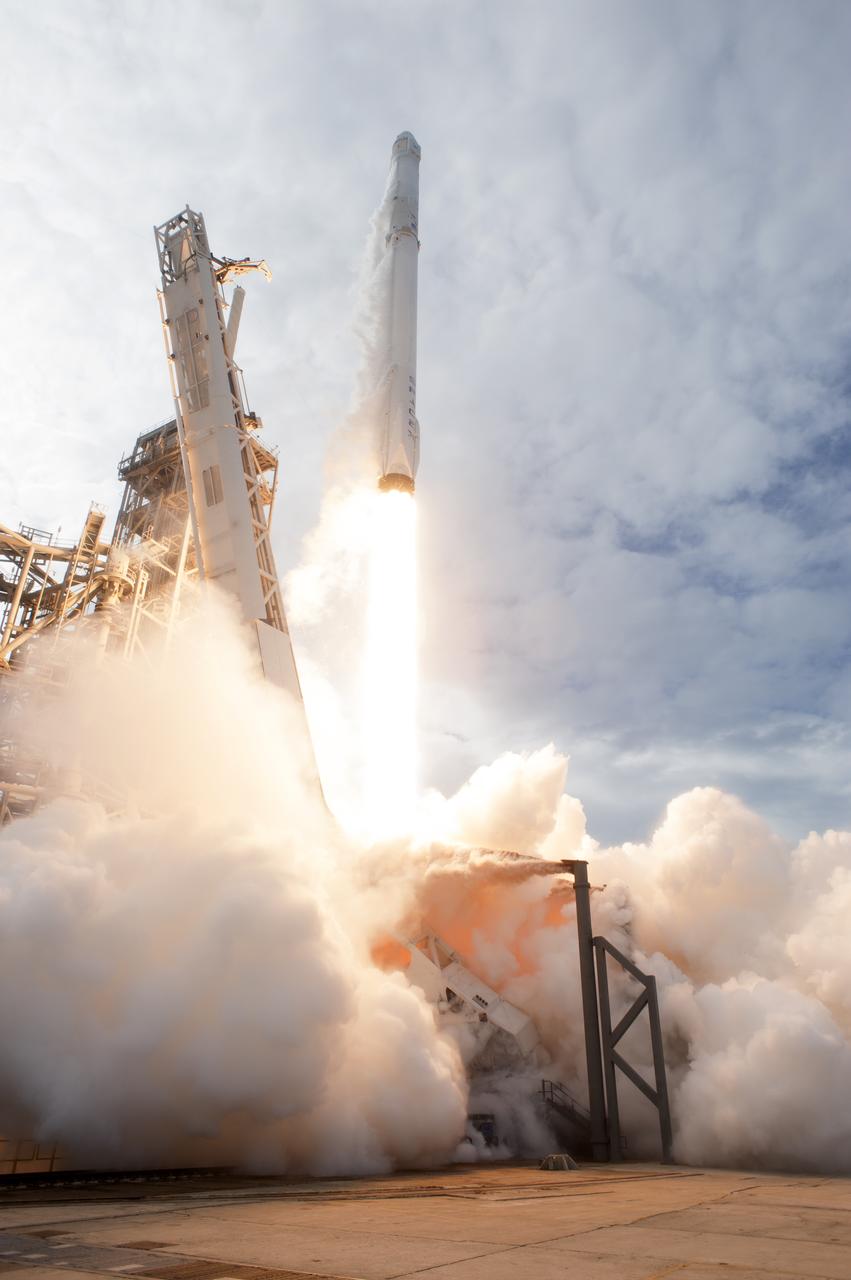
A SpaceX Falcon 9 rocket lifts off from Launch Complex 39A at NASA's Kenney Space Center in Florida, the company's 11th commercial resupply services mission to the International Space Station. Liftoff was at 5:07 p.m. EDT from the historic launch site now operated by SpaceX under a property agreement with NASA. The Dragon spacecraft will deliver 6,000 pounds of supplies, such as the Neutron star Interior Composition Explorer, or NICER, designed to study the extraordinary physics of these stars, providing insights into their nature and behavior.
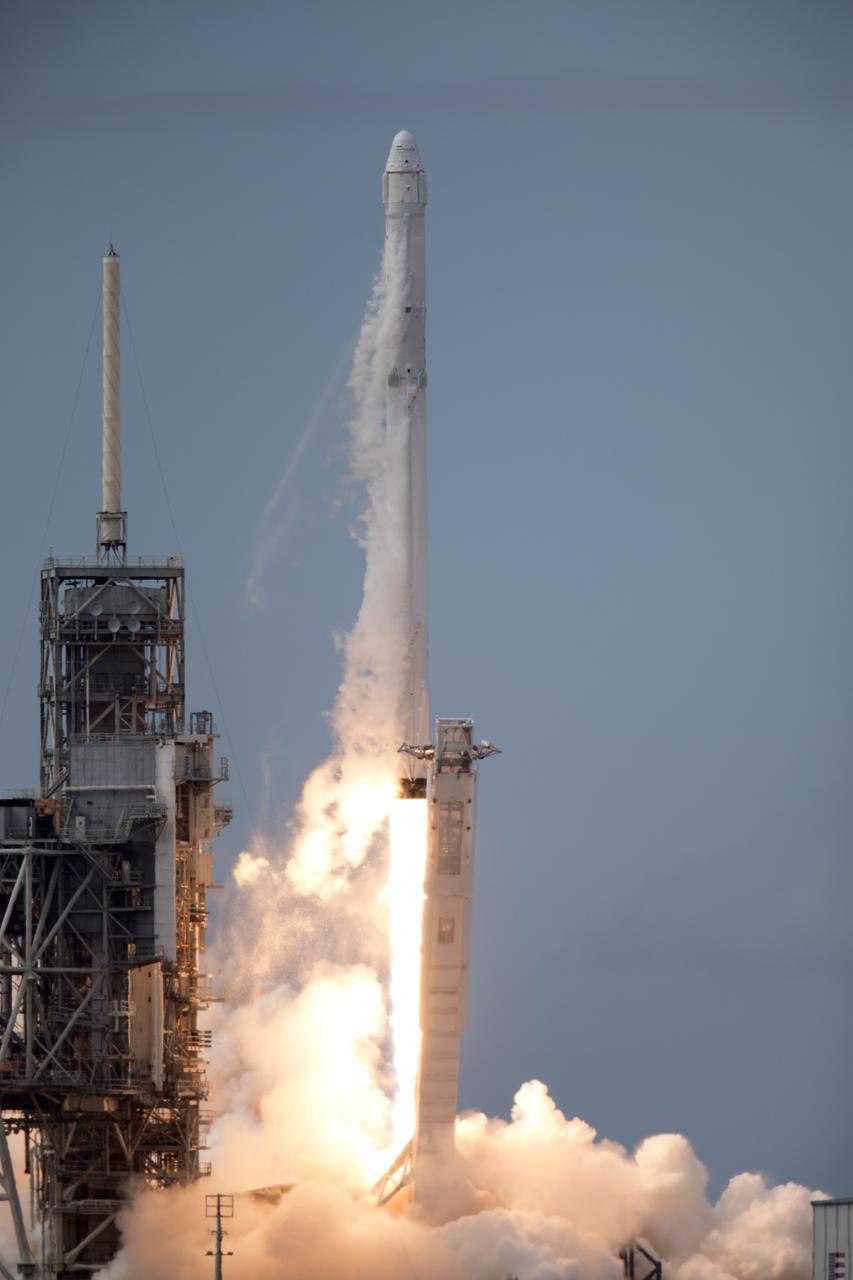
A SpaceX Falcon 9 rocket lifts off from Launch Complex 39A at NASA's Kenney Space Center in Florida, the company's 11th commercial resupply services mission to the International Space Station. Liftoff was at 5:07 p.m. EDT from the historic launch site now operated by SpaceX under a property agreement with NASA. The Dragon spacecraft will deliver 6,000 pounds of supplies, such as the Neutron star Interior Composition Explorer, or NICER, designed to study the extraordinary physics of these stars, providing insights into their nature and behavior.
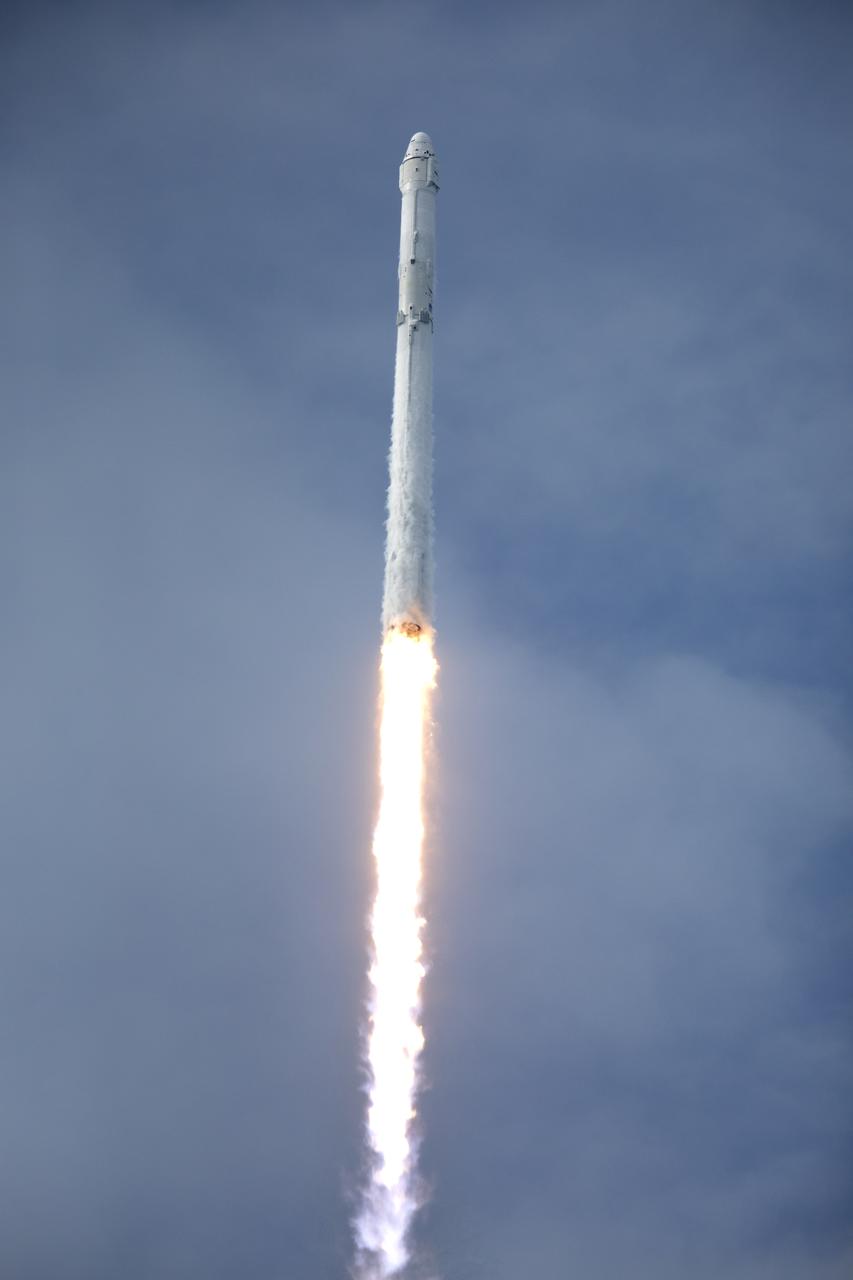
A SpaceX Falcon 9 rocket lifts off from Launch Complex 39A at NASA's Kenney Space Center in Florida, the company's 11th commercial resupply services mission to the International Space Station. Liftoff was at 5:07 p.m. EDT from the historic launch site now operated by SpaceX under a property agreement with NASA. The Dragon spacecraft will deliver 6,000 pounds of supplies, such as the Neutron star Interior Composition Explorer, or NICER, designed to study the extraordinary physics of these stars, providing insights into their nature and behavior.
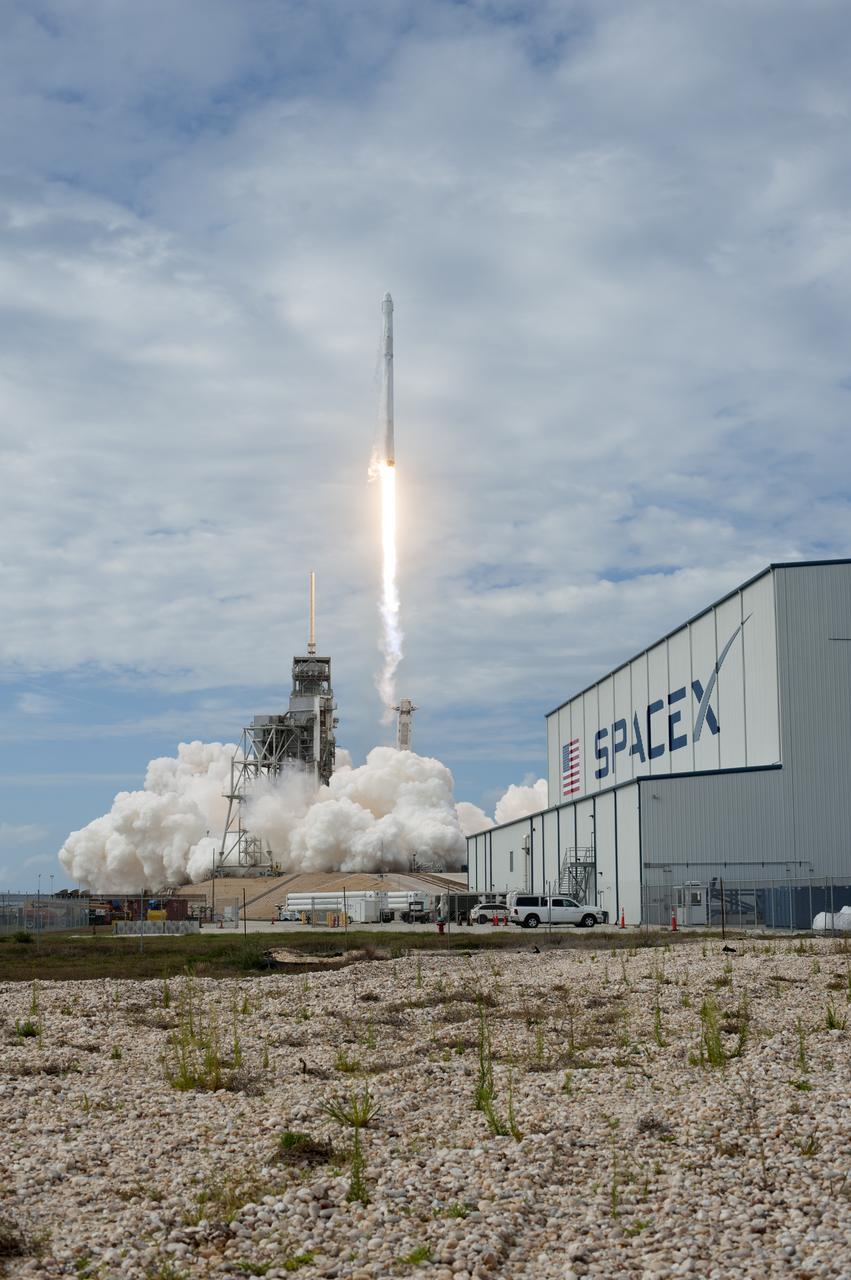
A SpaceX Falcon 9 rocket lifts off from Launch Complex 39A at NASA's Kenney Space Center in Florida, the company's 11th commercial resupply services mission to the International Space Station. Liftoff was at 5:07 p.m. EDT from the historic launch site now operated by SpaceX under a property agreement with NASA. The Dragon spacecraft will deliver 6,000 pounds of supplies, such as the Neutron star Interior Composition Explorer, or NICER, designed to study the extraordinary physics of these stars, providing insights into their nature and behavior.
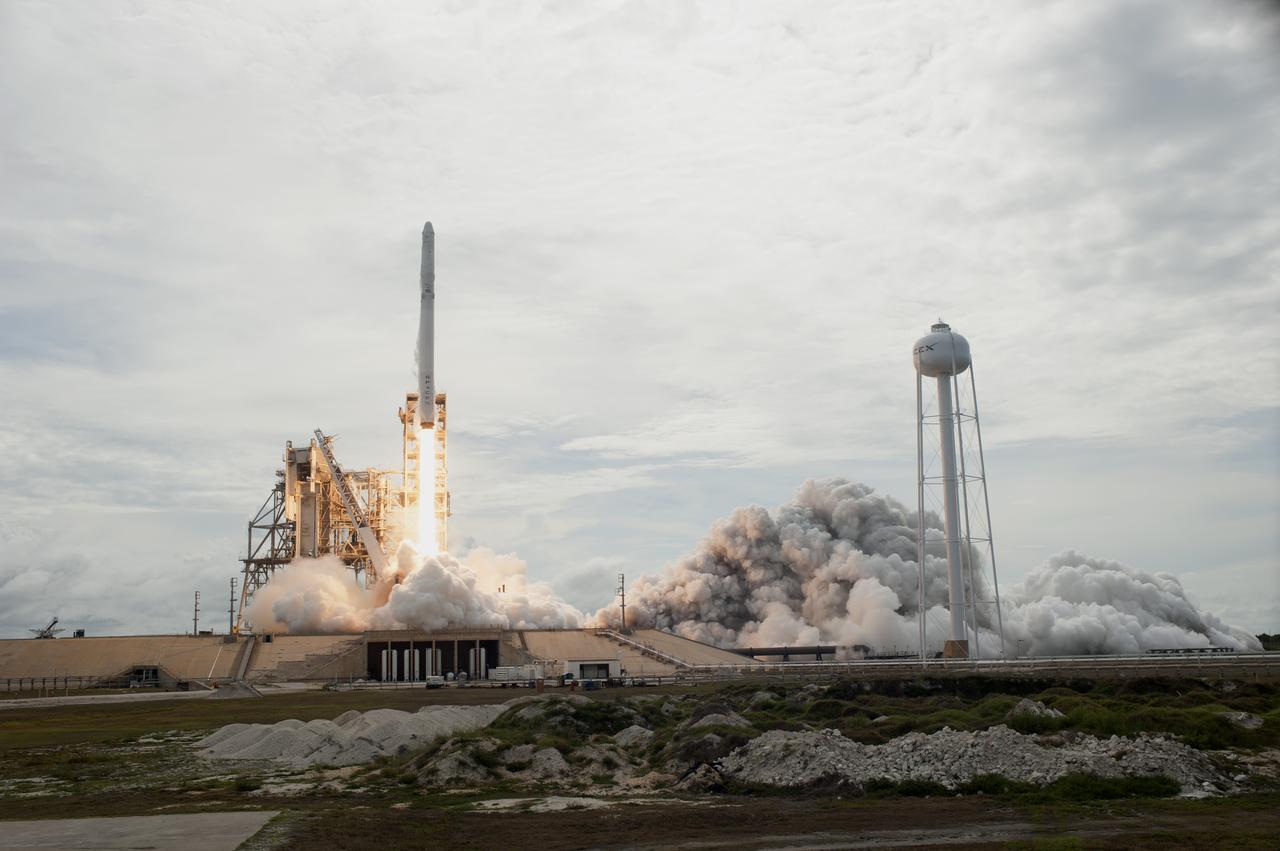
A SpaceX Falcon 9 rocket lifts off from Launch Complex 39A at NASA's Kenney Space Center in Florida, the company's 11th commercial resupply services mission to the International Space Station. Liftoff was at 5:07 p.m. EDT from the historic launch site now operated by SpaceX under a property agreement with NASA. The Dragon spacecraft will deliver 6,000 pounds of supplies, such as the Neutron star Interior Composition Explorer, or NICER, designed to study the extraordinary physics of these stars, providing insights into their nature and behavior.
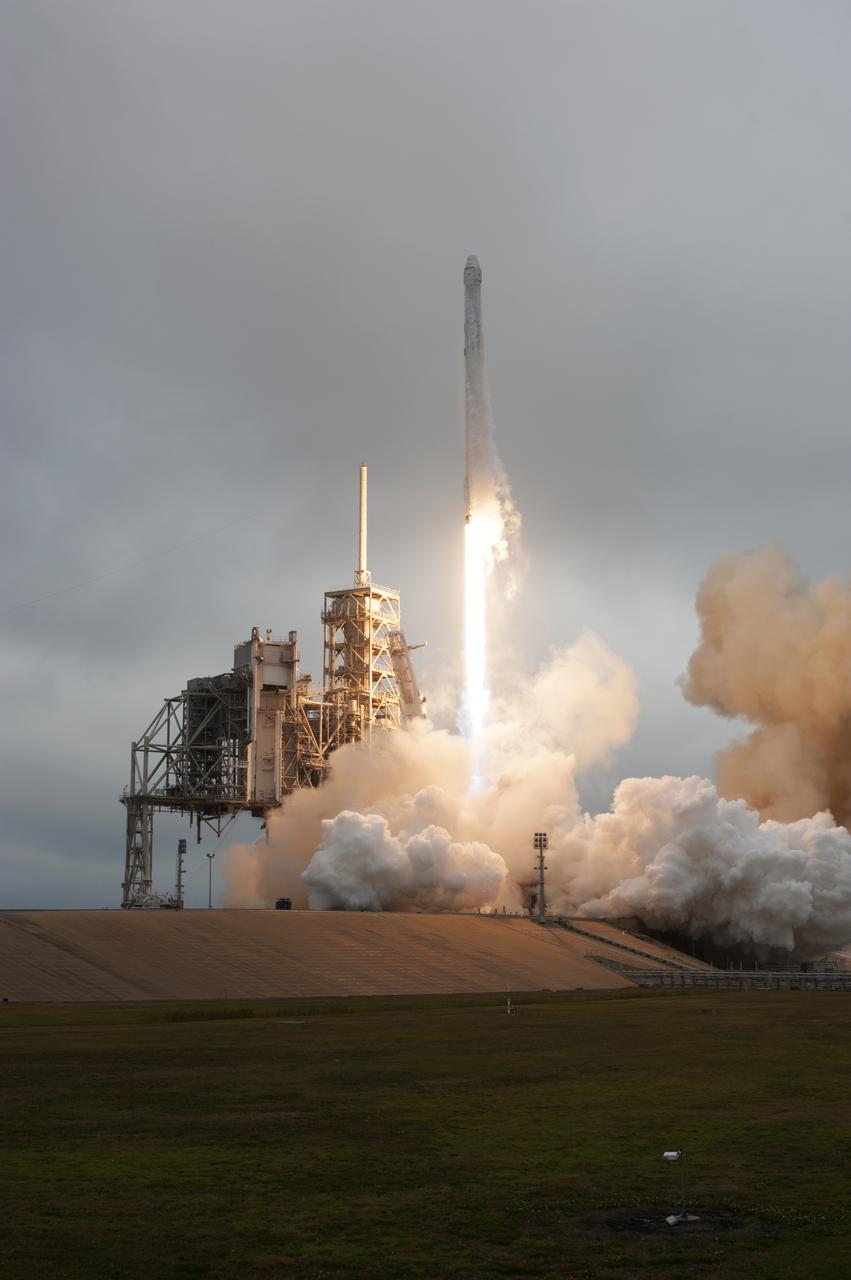
A SpaceX Falcon 9 rocket lifts off from Launch Complex 39A at NASA's Kenney Space Center in Florida. This is the company's 10th commercial resupply services mission to the International Space Station. Liftoff was at 9:39 a.m. EST from the historic launch site now operated by SpaceX under a property agreement with NASA. The Dragon spacecraft will deliver about 5,500 pounds of supplies to the space station, including the Stratospheric Aerosol and Gas Experiment (SAGE) III instrument to further study ozone in the atmosphere.
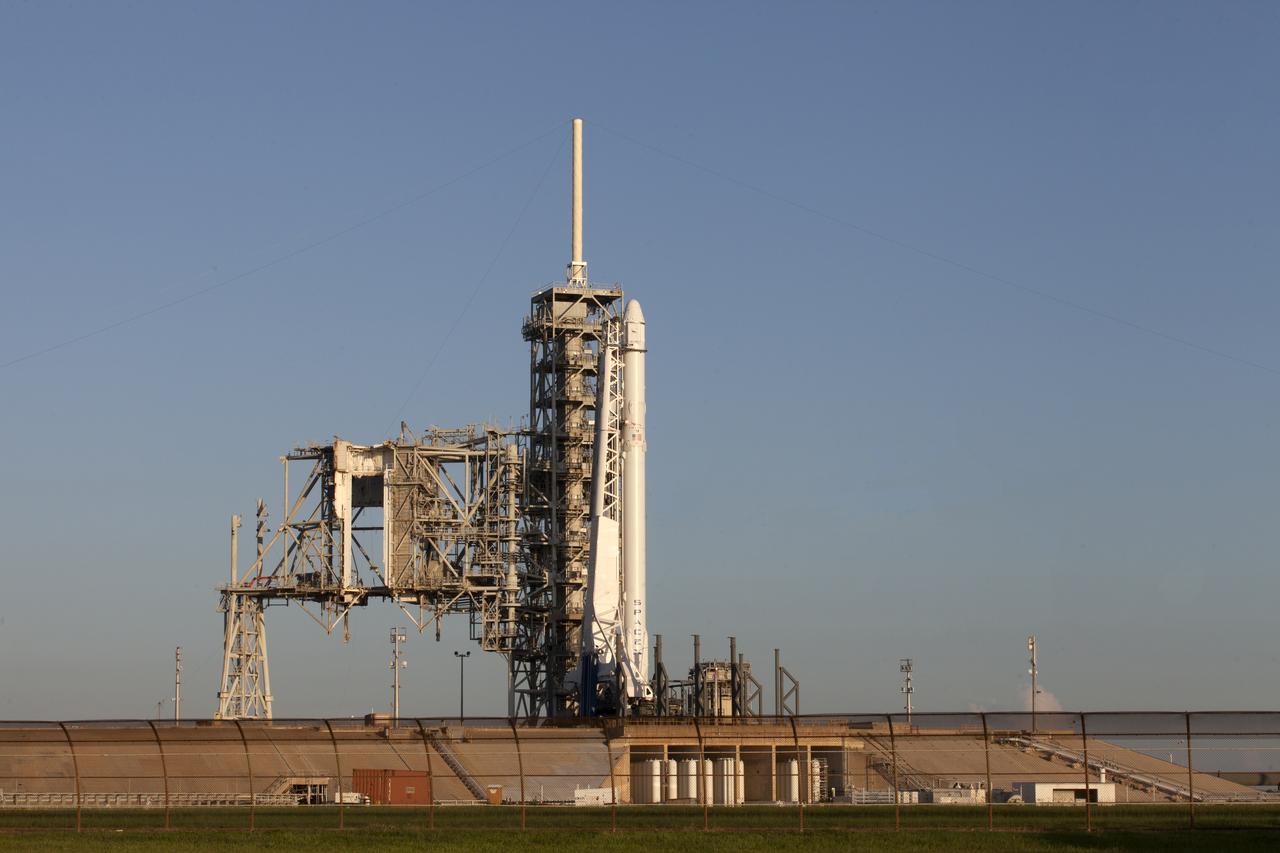
As a Falcon 9 rocket stands ready for liftoff at the Kennedy Space Center's Launch Complex 39A. The rocket will boost a Dragon resupply spacecraft to the International Space Station. Liftoff is scheduled for 12:31 p.m. EDT. On its 12th commercial resupply services mission to the space station, Dragon will bring up more than 6,400 pounds of supplies. The historic launch site now is operated by SpaceX under a property agreement signed with NASA.
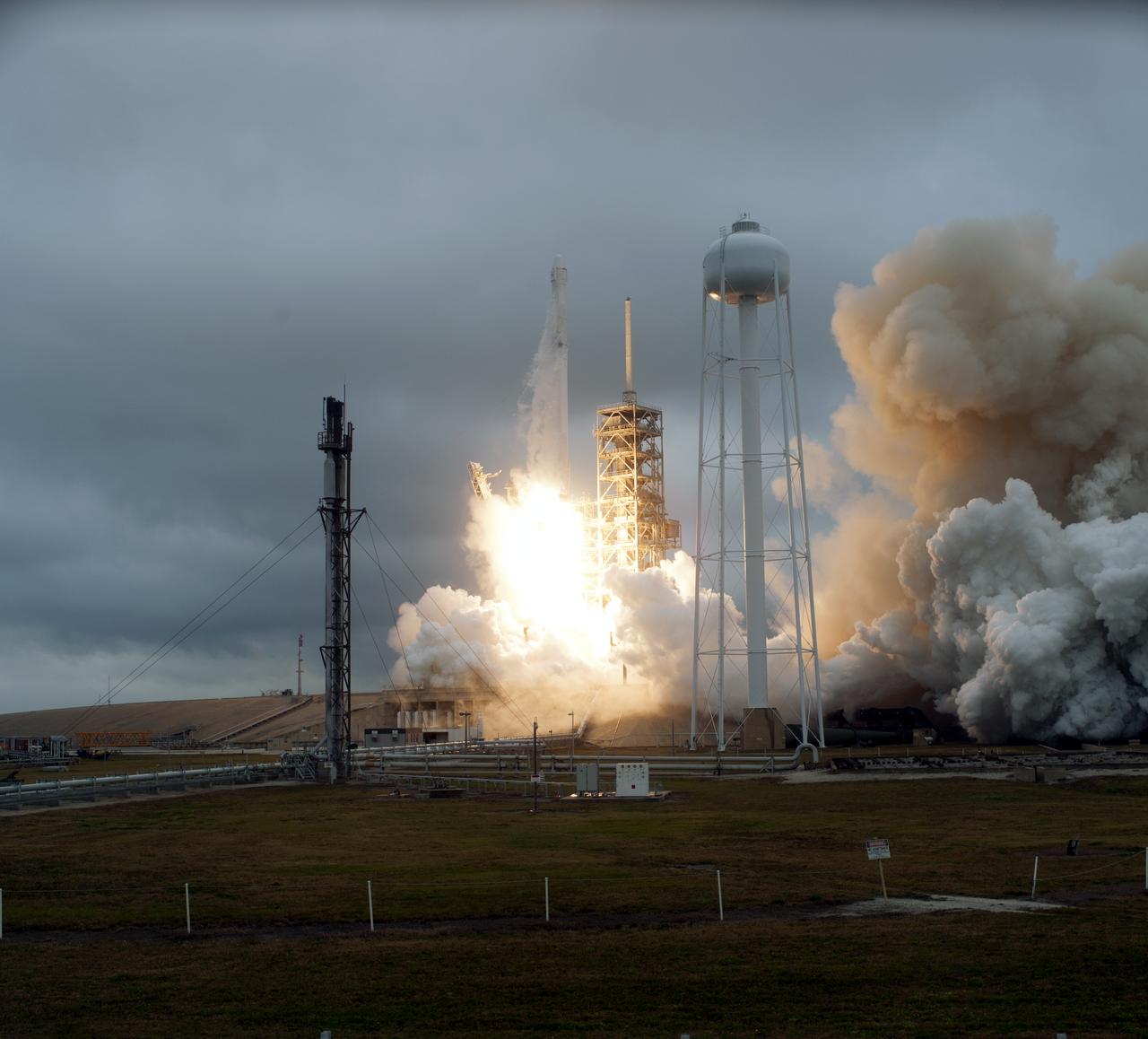
A SpaceX Falcon 9 rocket lifts off from Launch Complex 39A at NASA's Kenney Space Center in Florida. This is the company's 10th commercial resupply services mission to the International Space Station. Liftoff was at 9:39 a.m. EST from the historic launch site now operated by SpaceX under a property agreement with NASA. The Dragon spacecraft will deliver about 5,500 pounds of supplies to the space station, including the Stratospheric Aerosol and Gas Experiment (SAGE) III instrument to further study ozone in the atmosphere.

A SpaceX Falcon 9 rocket lifts off from Launch Complex 39A at NASA's Kenney Space Center in Florida, the company's 11th commercial resupply services mission to the International Space Station. Liftoff was at 5:07 p.m. EDT from the historic launch site now operated by SpaceX under a property agreement with NASA. The Dragon spacecraft will deliver 6,000 pounds of supplies, such as the Neutron star Interior Composition Explorer, or NICER, designed to study the extraordinary physics of these stars, providing insights into their nature and behavior.
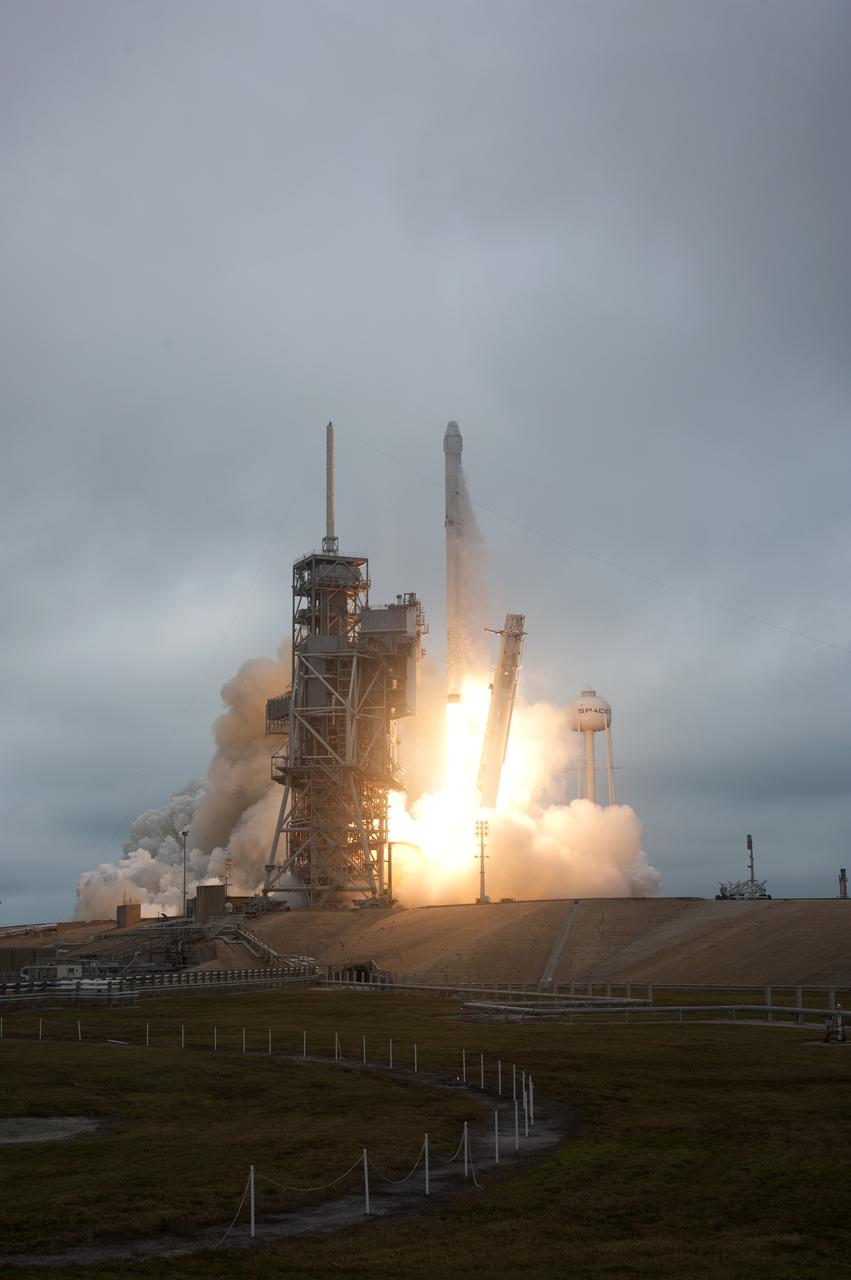
A SpaceX Falcon 9 rocket lifts off from Launch Complex 39A at NASA's Kenney Space Center in Florida. This is the company's 10th commercial resupply services mission to the International Space Station. Liftoff was at 9:39 a.m. EST from the historic launch site now operated by SpaceX under a property agreement with NASA. The Dragon spacecraft will deliver about 5,500 pounds of supplies to the space station, including the Stratospheric Aerosol and Gas Experiment (SAGE) III instrument to further study ozone in the atmosphere.
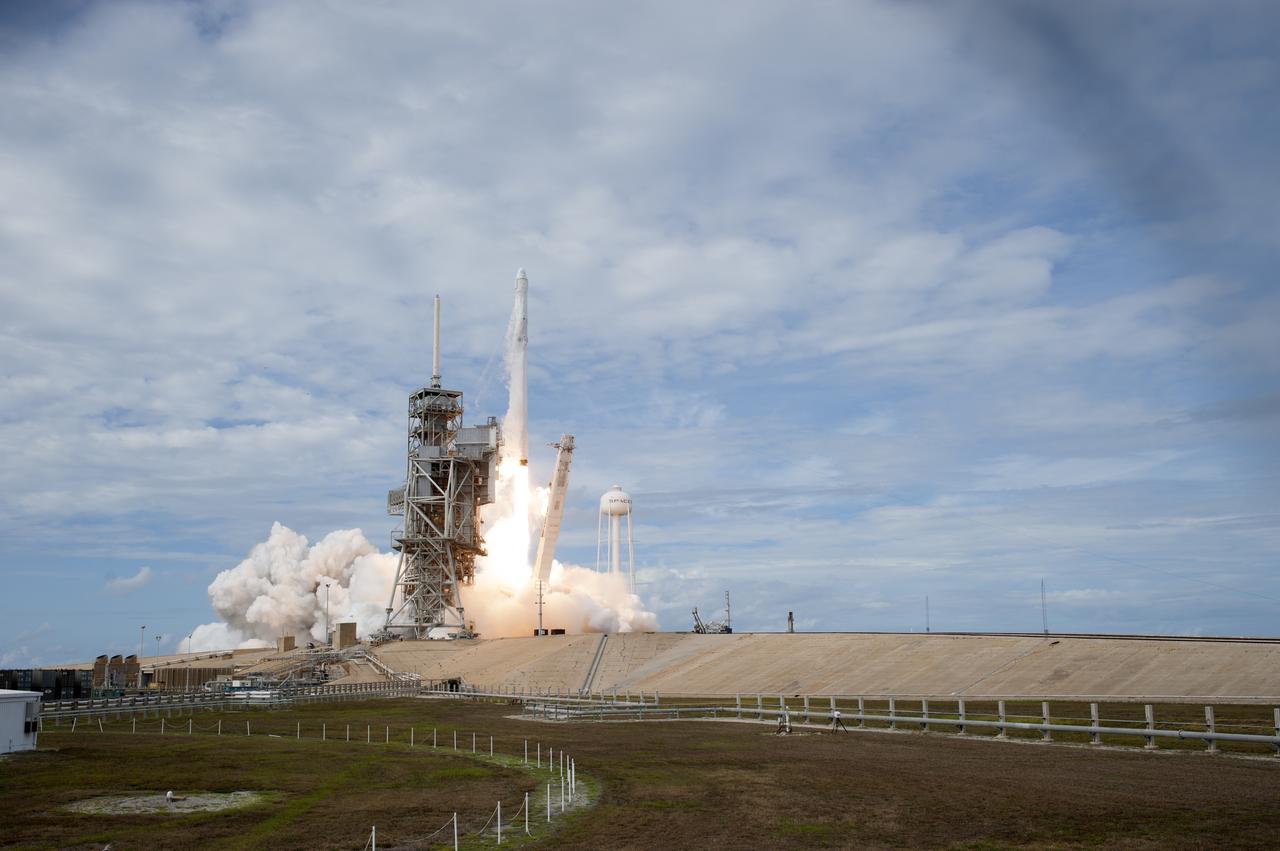
A SpaceX Falcon 9 rocket lifts off from Launch Complex 39A at NASA's Kenney Space Center in Florida, the company's 11th commercial resupply services mission to the International Space Station. Liftoff was at 5:07 p.m. EDT from the historic launch site now operated by SpaceX under a property agreement with NASA. The Dragon spacecraft will deliver 6,000 pounds of supplies, such as the Neutron star Interior Composition Explorer, or NICER, designed to study the extraordinary physics of these stars, providing insights into their nature and behavior.
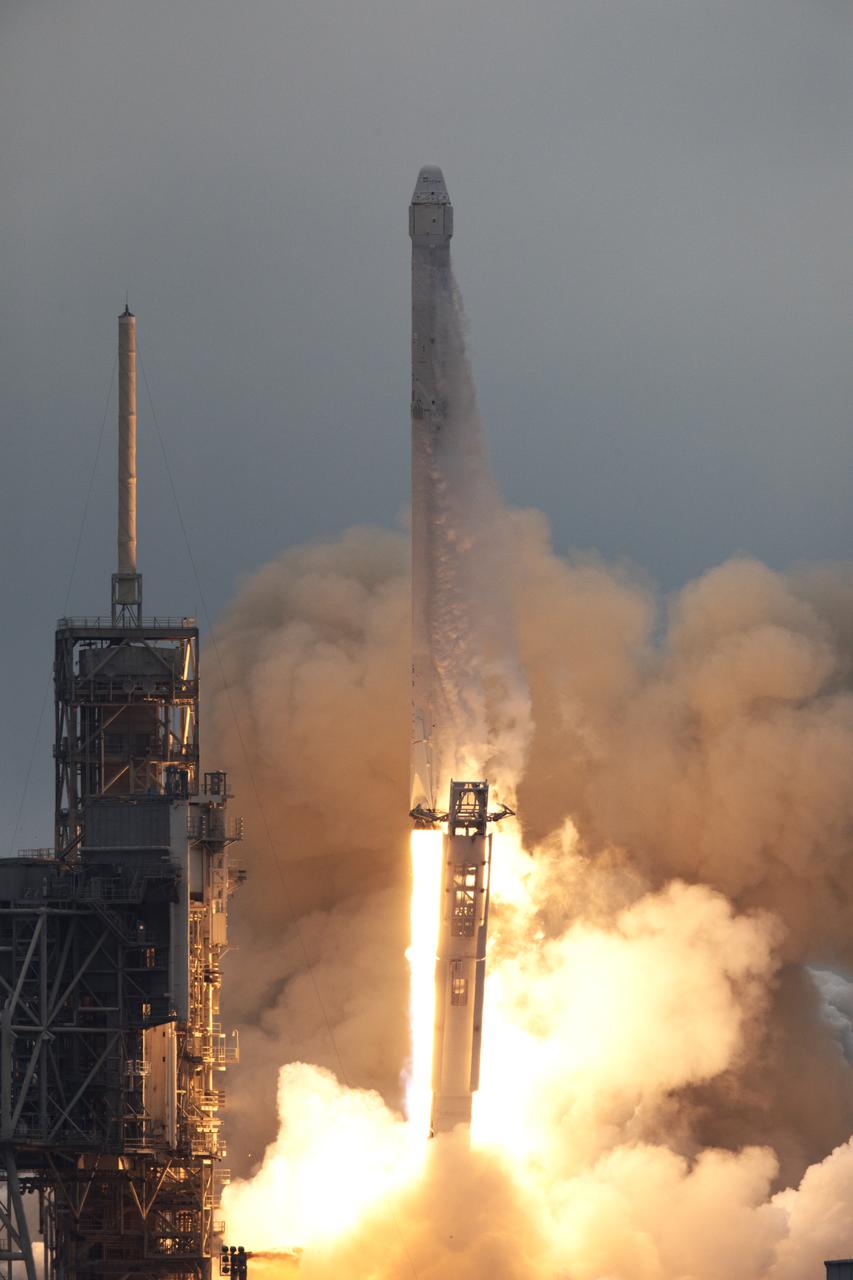
A SpaceX Falcon 9 rocket lifts off from Launch Complex 39A at NASA's Kenney Space Center in Florida. This is the company's 10th commercial resupply services mission to the International Space Station. Liftoff was at 9:39 a.m. EST from the historic launch site now operated by SpaceX under a property agreement with NASA. The Dragon spacecraft will deliver about 5,500 pounds of supplies to the space station, including the Stratospheric Aerosol and Gas Experiment (SAGE) III instrument to further study ozone in the atmosphere.
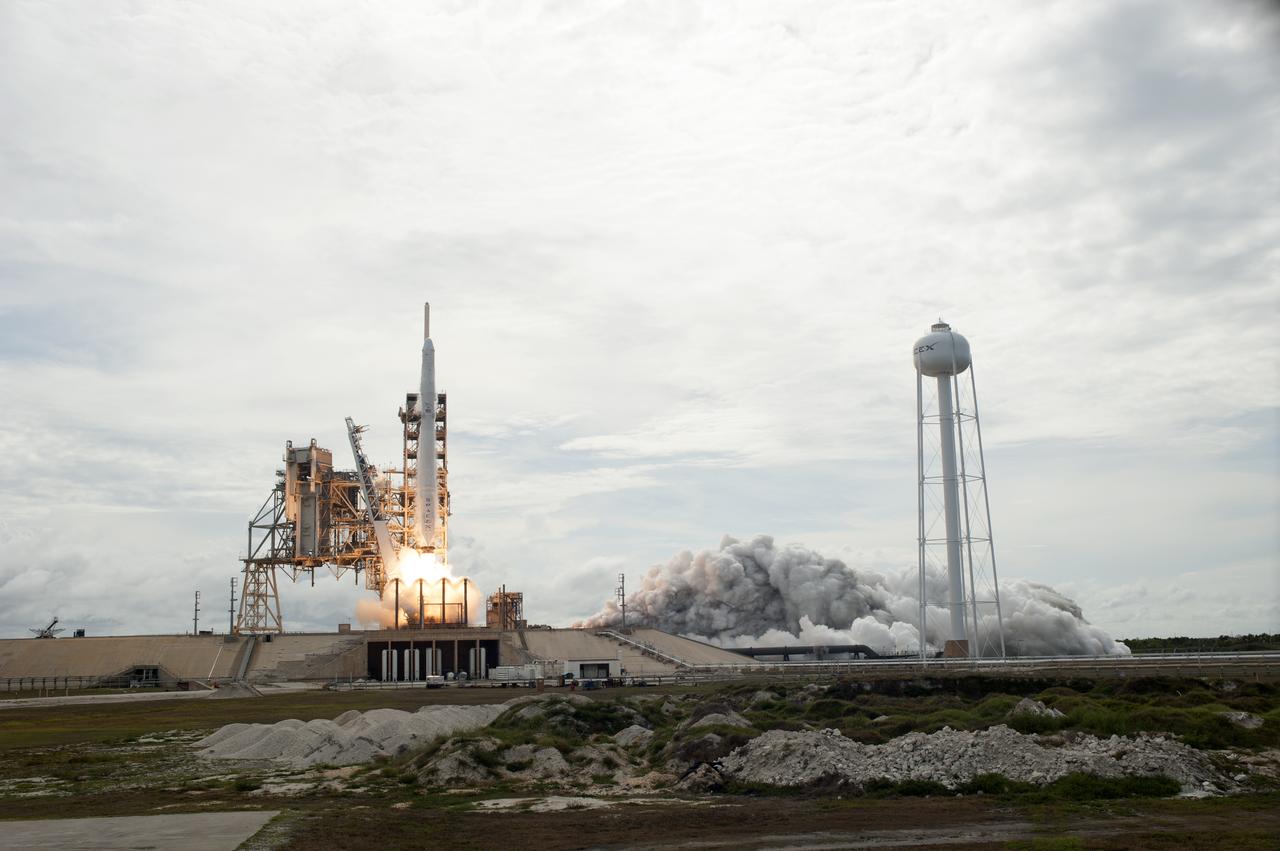
A SpaceX Falcon 9 rocket lifts off from Launch Complex 39A at NASA's Kenney Space Center in Florida, the company's 11th commercial resupply services mission to the International Space Station. Liftoff was at 5:07 p.m. EDT from the historic launch site now operated by SpaceX under a property agreement with NASA. The Dragon spacecraft will deliver 6,000 pounds of supplies, such as the Neutron star Interior Composition Explorer, or NICER, designed to study the extraordinary physics of these stars, providing insights into their nature and behavior.
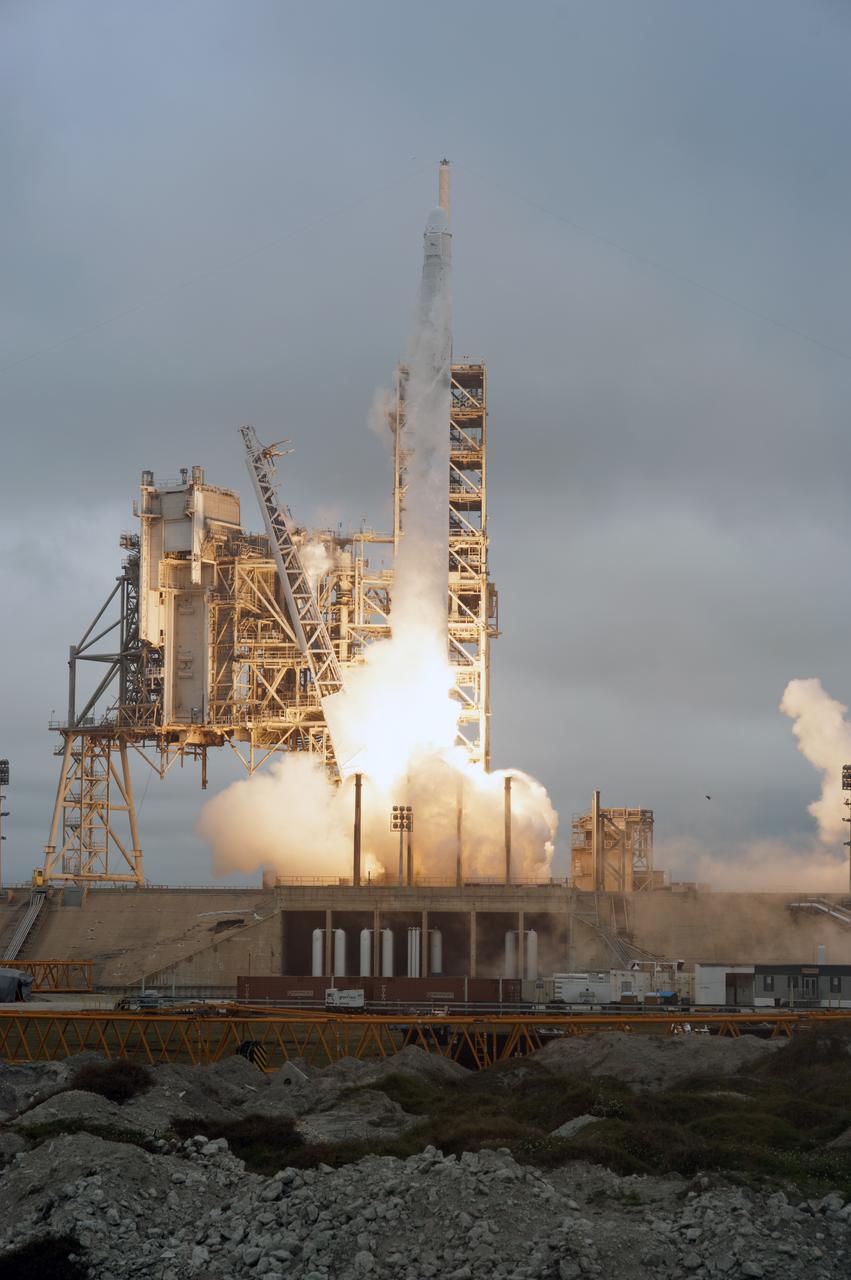
A SpaceX Falcon 9 rocket lifts off from Launch Complex 39A at NASA's Kenney Space Center in Florida. This is the company's 10th commercial resupply services mission to the International Space Station. Liftoff was at 9:39 a.m. EST from the historic launch site now operated by SpaceX under a property agreement with NASA. The Dragon spacecraft will deliver about 5,500 pounds of supplies to the space station, including the Stratospheric Aerosol and Gas Experiment (SAGE) III instrument to further study ozone in the atmosphere.

A SpaceX Falcon 9 rocket lifts off from Launch Complex 39A at NASA's Kenney Space Center in Florida, the company's 11th commercial resupply services mission to the International Space Station. Liftoff was at 5:07 p.m. EDT from the historic launch site now operated by SpaceX under a property agreement with NASA. The Dragon spacecraft will deliver 6,000 pounds of supplies, such as the Neutron star Interior Composition Explorer, or NICER, designed to study the extraordinary physics of these stars, providing insights into their nature and behavior.
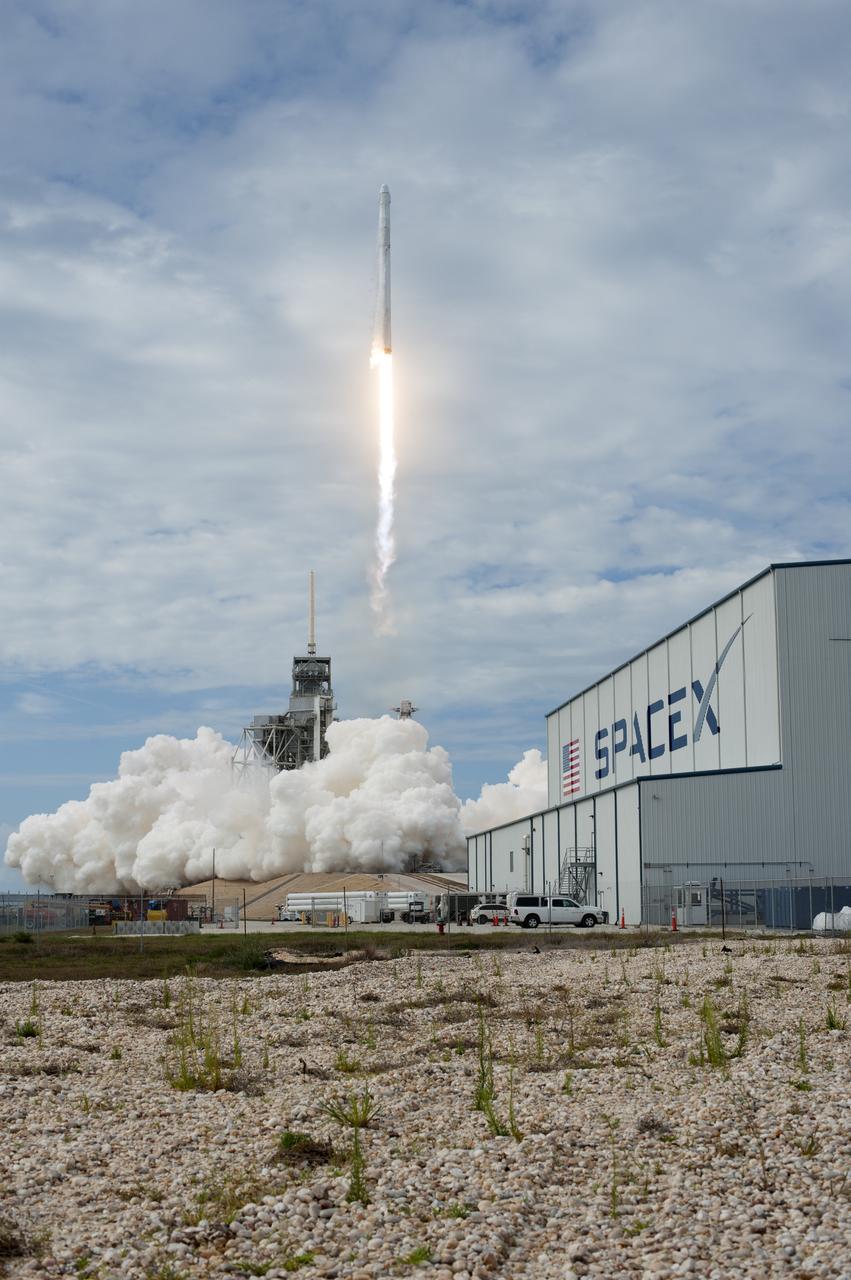
A SpaceX Falcon 9 rocket lifts off from Launch Complex 39A at NASA's Kenney Space Center in Florida, the company's 11th commercial resupply services mission to the International Space Station. Liftoff was at 5:07 p.m. EDT from the historic launch site now operated by SpaceX under a property agreement with NASA. The Dragon spacecraft will deliver 6,000 pounds of supplies, such as the Neutron star Interior Composition Explorer, or NICER, designed to study the extraordinary physics of these stars, providing insights into their nature and behavior.
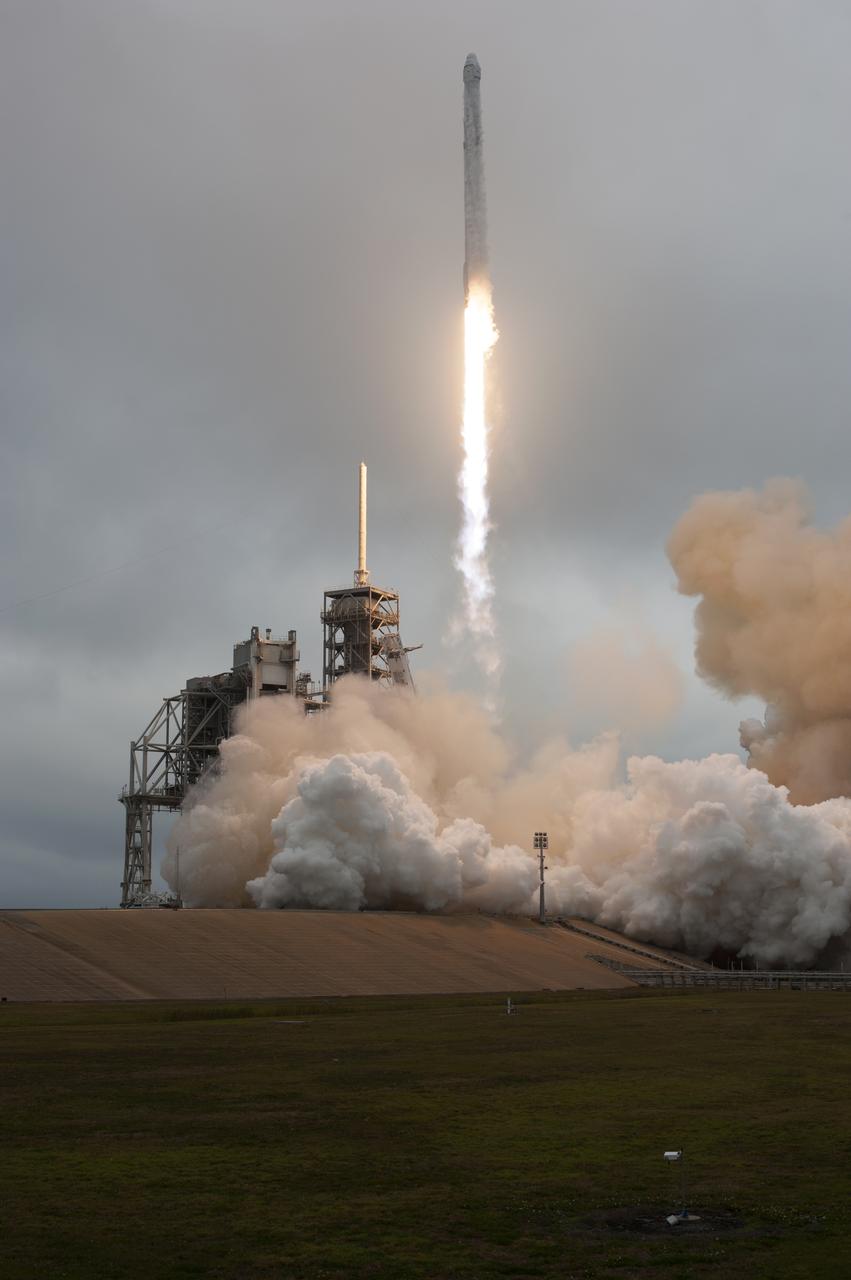
A SpaceX Falcon 9 rocket lifts off from Launch Complex 39A at NASA's Kenney Space Center in Florida. This is the company's 10th commercial resupply services mission to the International Space Station. Liftoff was at 9:39 a.m. EST from the historic launch site now operated by SpaceX under a property agreement with NASA. The Dragon spacecraft will deliver about 5,500 pounds of supplies to the space station, including the Stratospheric Aerosol and Gas Experiment (SAGE) III instrument to further study ozone in the atmosphere.
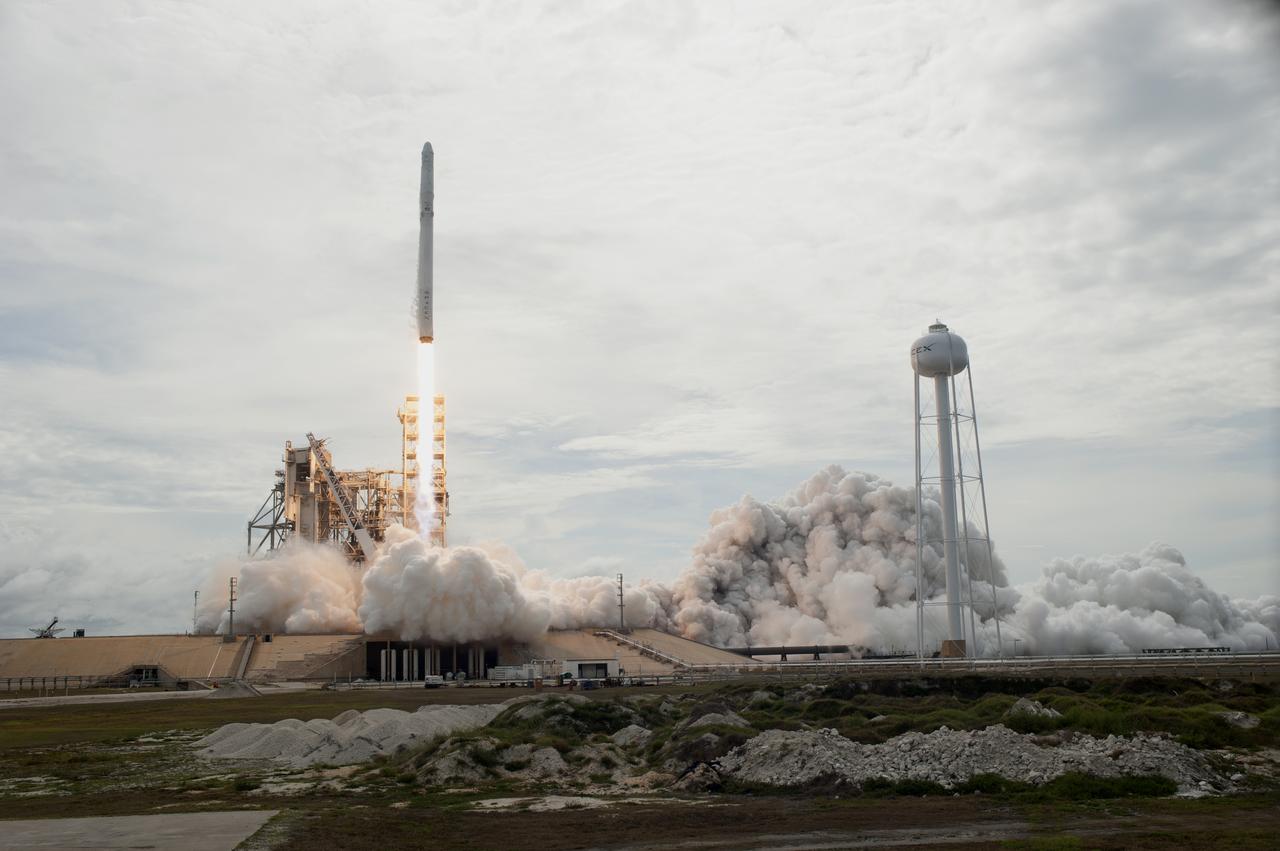
A SpaceX Falcon 9 rocket lifts off from Launch Complex 39A at NASA's Kenney Space Center in Florida, the company's 11th commercial resupply services mission to the International Space Station. Liftoff was at 5:07 p.m. EDT from the historic launch site now operated by SpaceX under a property agreement with NASA. The Dragon spacecraft will deliver 6,000 pounds of supplies, such as the Neutron star Interior Composition Explorer, or NICER, designed to study the extraordinary physics of these stars, providing insights into their nature and behavior.
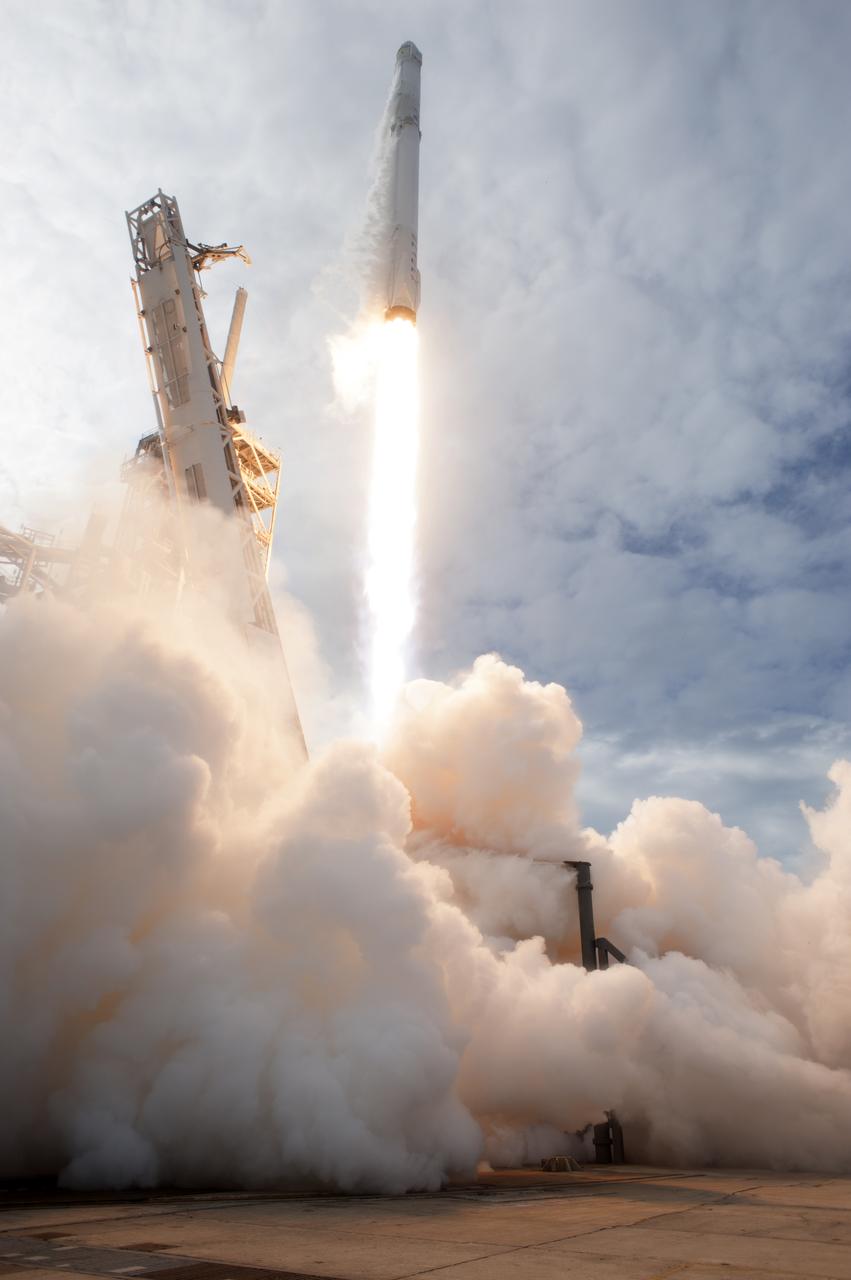
A SpaceX Falcon 9 rocket lifts off from Launch Complex 39A at NASA's Kenney Space Center in Florida, the company's 11th commercial resupply services mission to the International Space Station. Liftoff was at 5:07 p.m. EDT from the historic launch site now operated by SpaceX under a property agreement with NASA. The Dragon spacecraft will deliver 6,000 pounds of supplies, such as the Neutron star Interior Composition Explorer, or NICER, designed to study the extraordinary physics of these stars, providing insights into their nature and behavior.
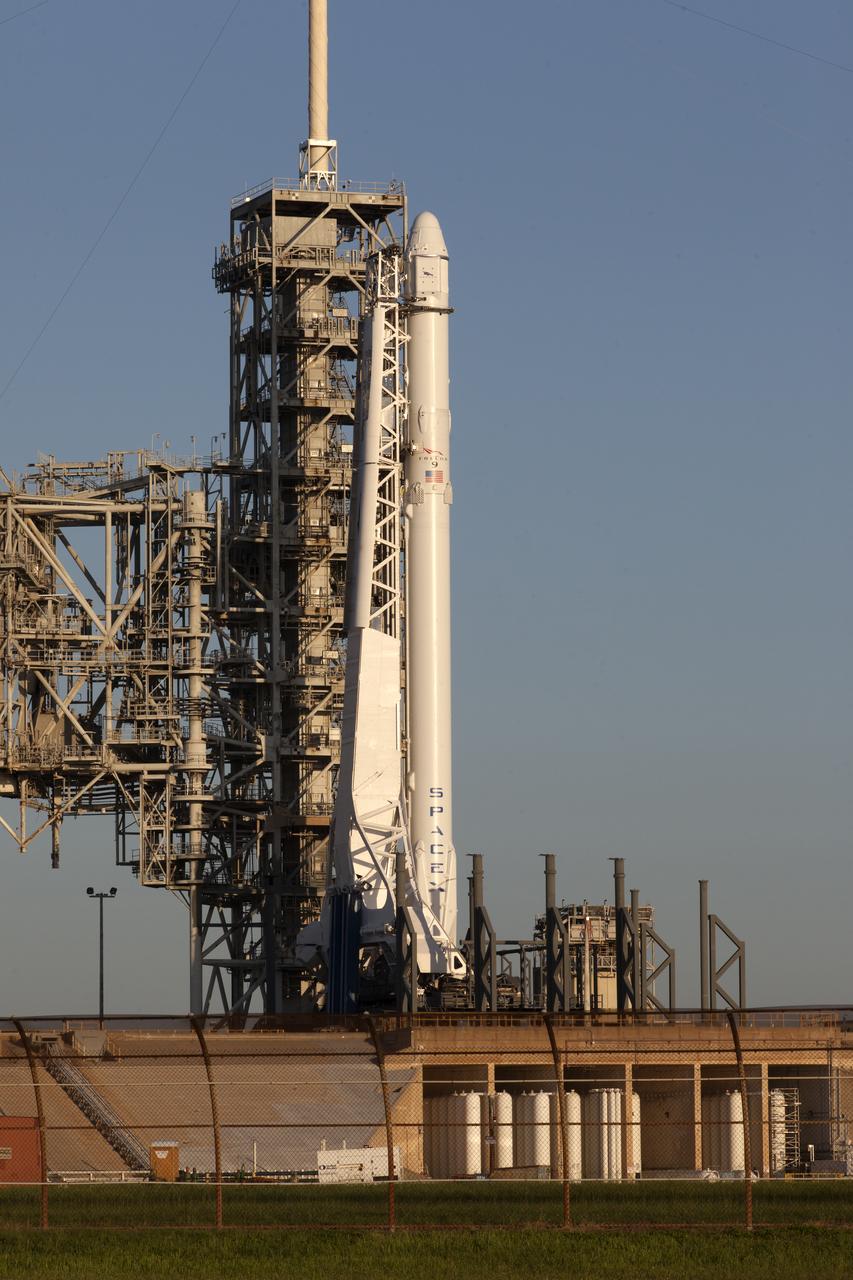
As a Falcon 9 rocket stands ready for liftoff at the Kennedy Space Center's Launch Complex 39A. The rocket will boost a Dragon resupply spacecraft to the International Space Station. Liftoff is scheduled for 12:31 p.m. EDT. On its 12th commercial resupply services mission to the space station, Dragon will bring up more than 6,400 pounds of supplies. The historic launch site now is operated by SpaceX under a property agreement signed with NASA.
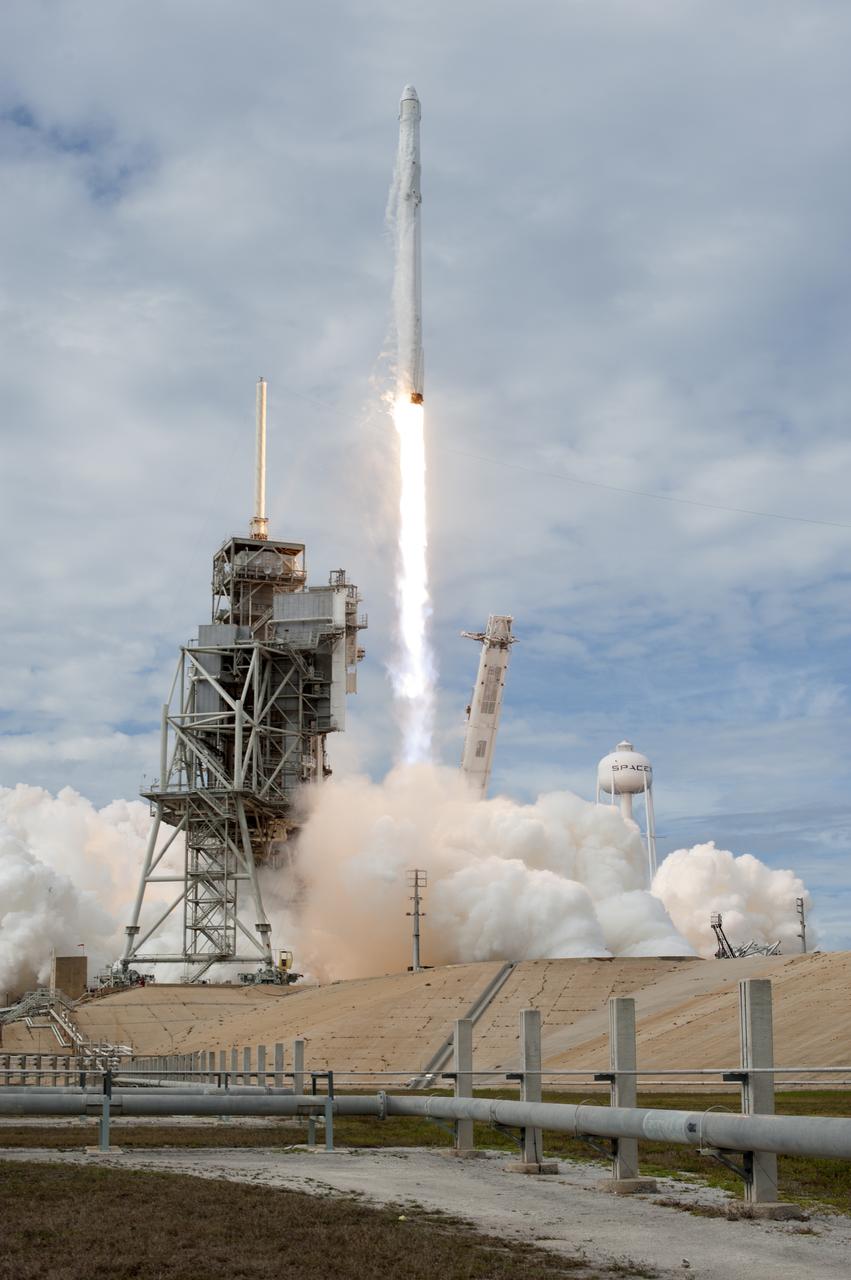
A SpaceX Falcon 9 rocket lifts off from Launch Complex 39A at NASA's Kenney Space Center in Florida, the company's 11th commercial resupply services mission to the International Space Station. Liftoff was at 5:07 p.m. EDT from the historic launch site now operated by SpaceX under a property agreement with NASA. The Dragon spacecraft will deliver 6,000 pounds of supplies, such as the Neutron star Interior Composition Explorer, or NICER, designed to study the extraordinary physics of these stars, providing insights into their nature and behavior.
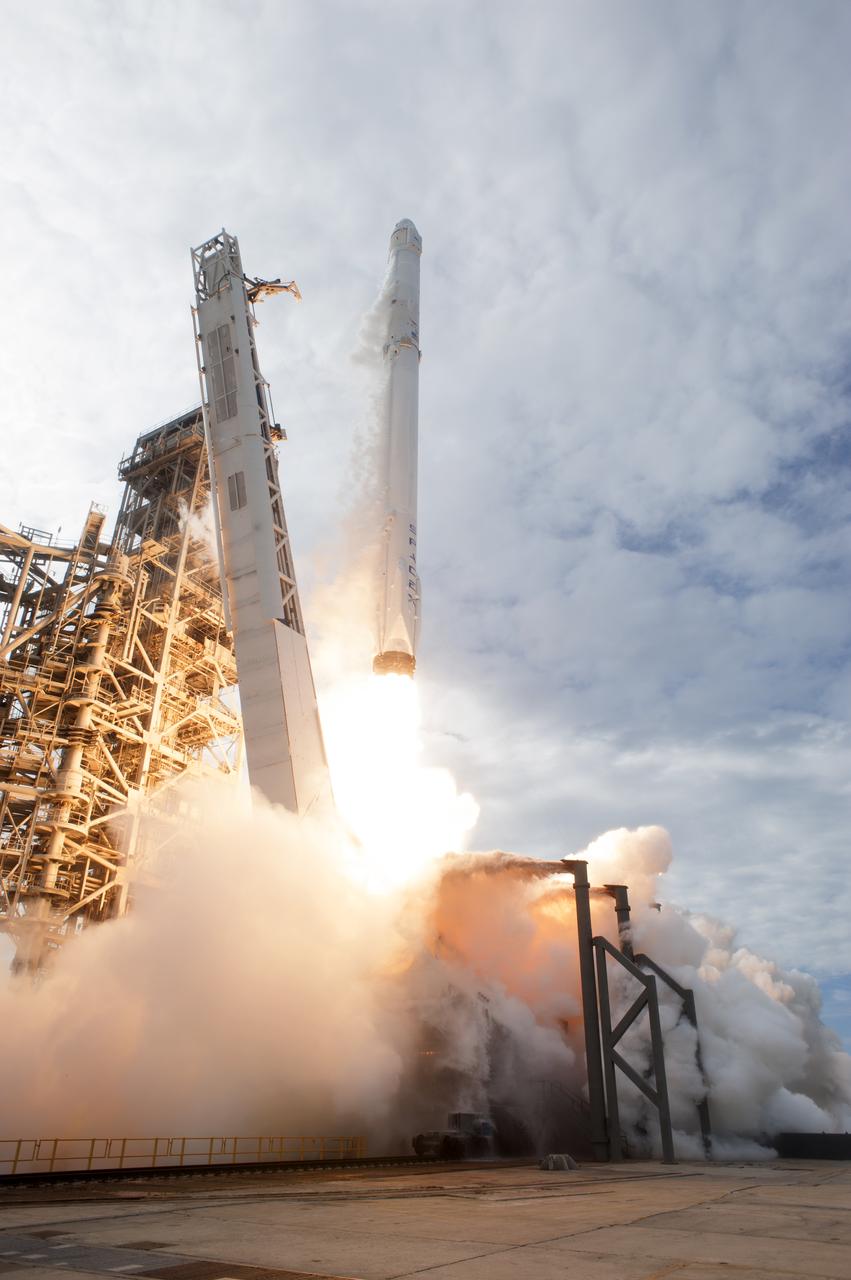
A SpaceX Falcon 9 rocket lifts off from Launch Complex 39A at NASA's Kenney Space Center in Florida, the company's 11th commercial resupply services mission to the International Space Station. Liftoff was at 5:07 p.m. EDT from the historic launch site now operated by SpaceX under a property agreement with NASA. The Dragon spacecraft will deliver 6,000 pounds of supplies, such as the Neutron star Interior Composition Explorer, or NICER, designed to study the extraordinary physics of these stars, providing insights into their nature and behavior.
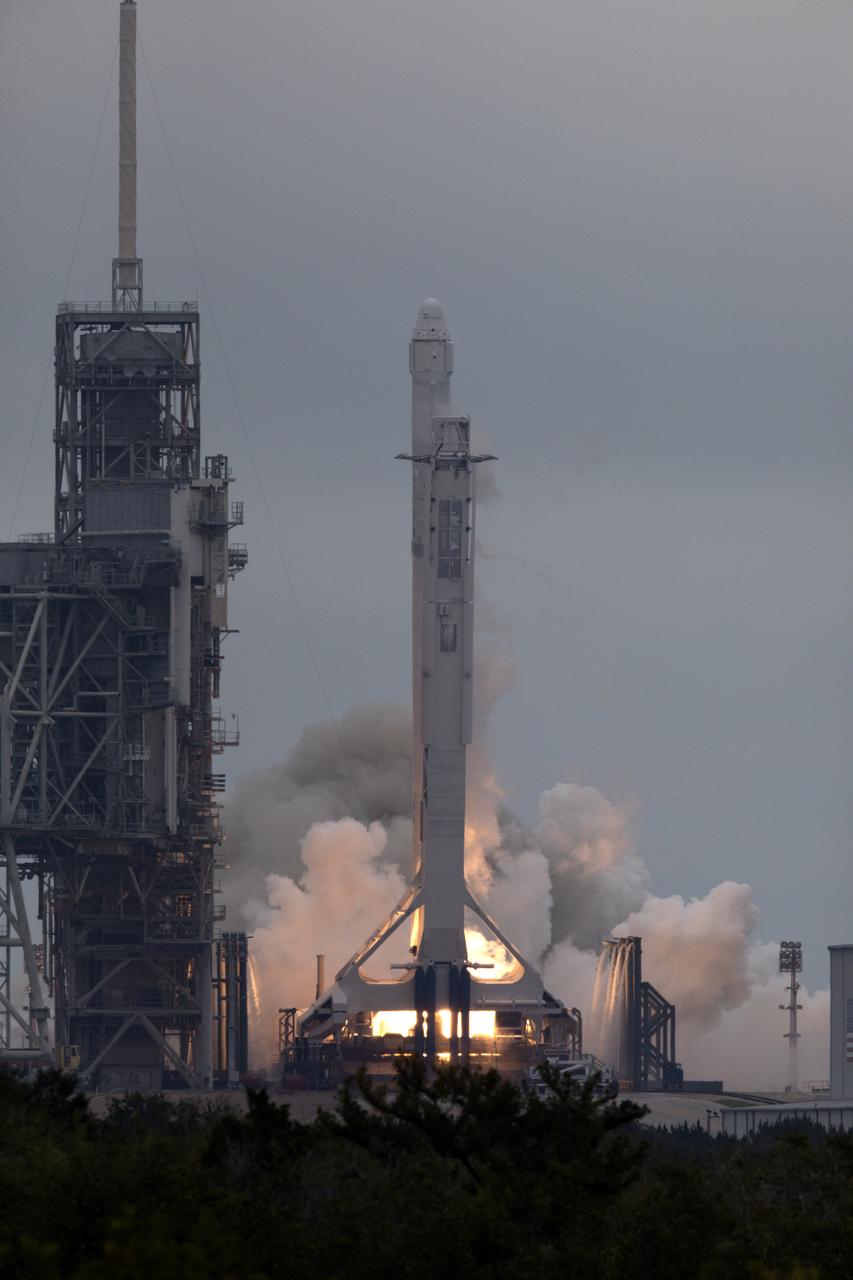
A SpaceX Falcon 9 rocket lifts off from Launch Complex 39A at NASA's Kenney Space Center in Florida. This is the company's 10th commercial resupply services mission to the International Space Station. Liftoff was at 9:39 a.m. EST from the historic launch site now operated by SpaceX under a property agreement with NASA. The Dragon spacecraft will deliver about 5,500 pounds of supplies to the space station, including the Stratospheric Aerosol and Gas Experiment (SAGE) III instrument to further study ozone in the atmosphere.
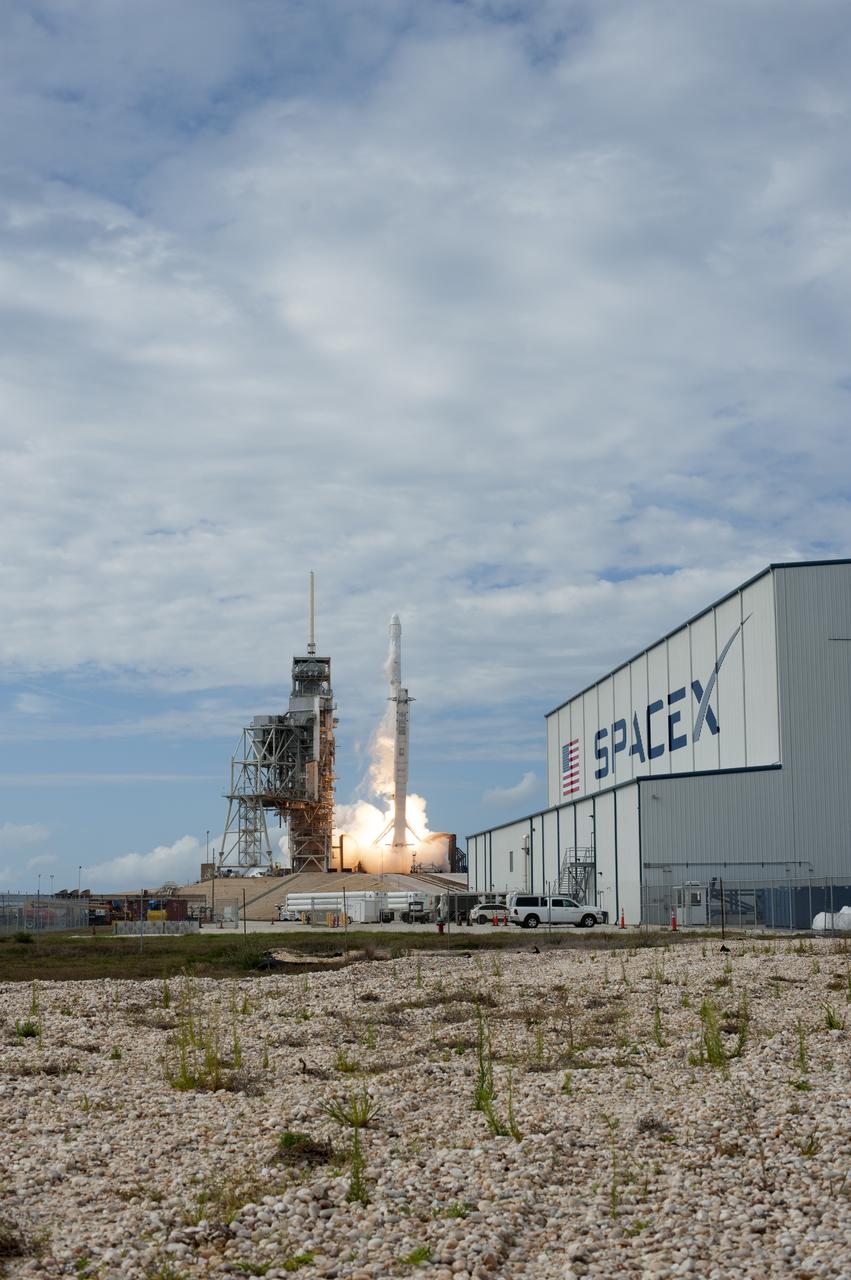
A SpaceX Falcon 9 rocket lifts off from Launch Complex 39A at NASA's Kenney Space Center in Florida, the company's 11th commercial resupply services mission to the International Space Station. Liftoff was at 5:07 p.m. EDT from the historic launch site now operated by SpaceX under a property agreement with NASA. The Dragon spacecraft will deliver 6,000 pounds of supplies, such as the Neutron star Interior Composition Explorer, or NICER, designed to study the extraordinary physics of these stars, providing insights into their nature and behavior.
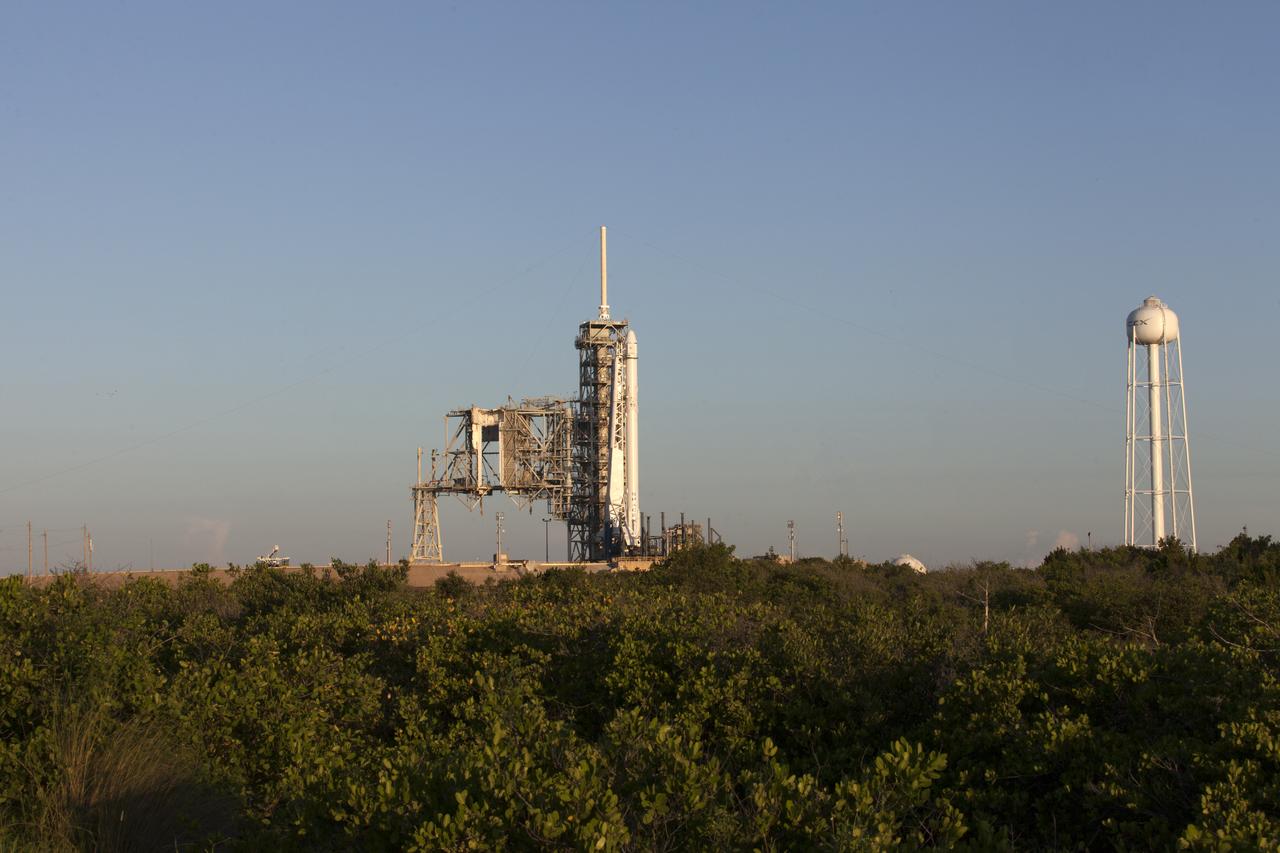
As a Falcon 9 rocket stands ready for liftoff at the Kennedy Space Center's Launch Complex 39A. The rocket will boost a Dragon resupply spacecraft to the International Space Station. Liftoff is scheduled for 12:31 p.m. EDT. On its 12th commercial resupply services mission to the space station, Dragon will bring up more than 6,400 pounds of supplies. The historic launch site now is operated by SpaceX under a property agreement signed with NASA.
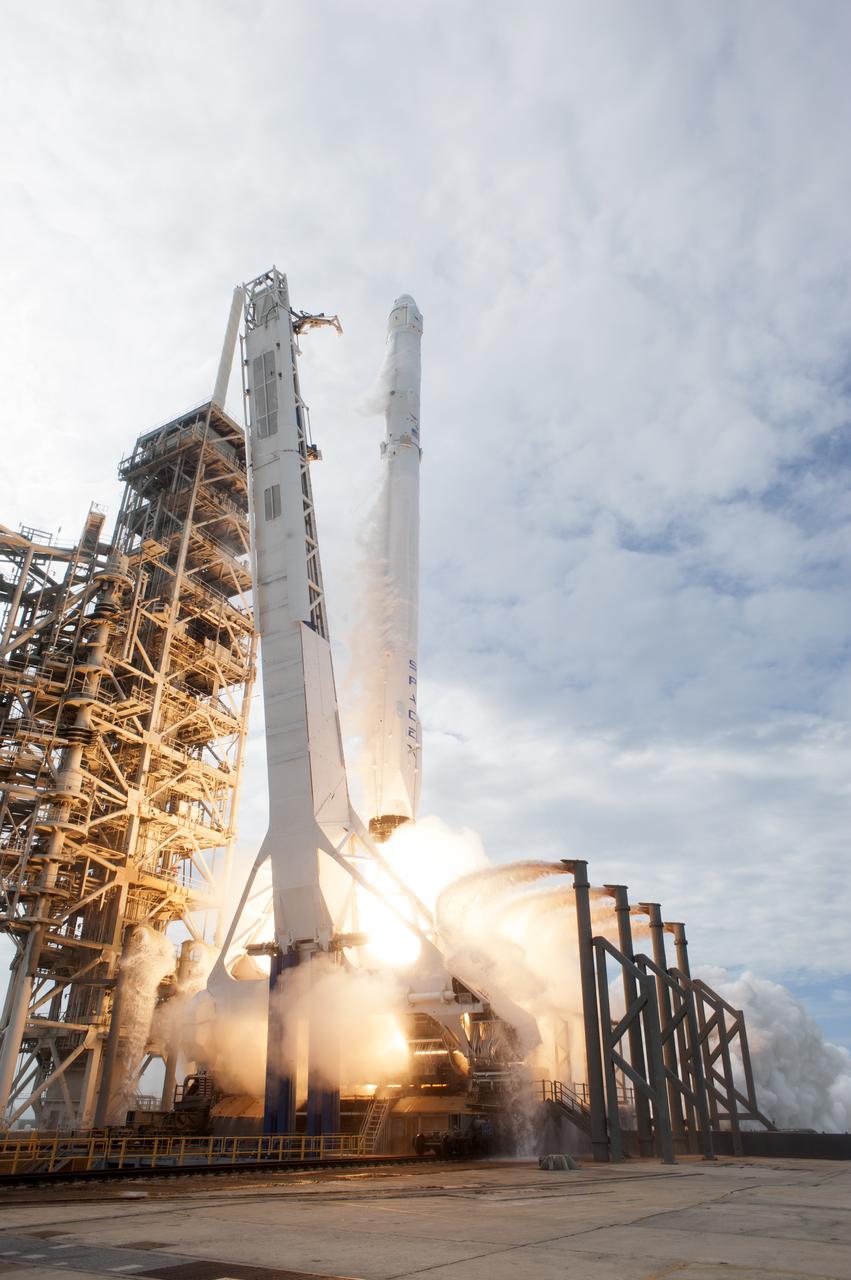
A SpaceX Falcon 9 rocket lifts off from Launch Complex 39A at NASA's Kenney Space Center in Florida, the company's 11th commercial resupply services mission to the International Space Station. Liftoff was at 5:07 p.m. EDT from the historic launch site now operated by SpaceX under a property agreement with NASA. The Dragon spacecraft will deliver 6,000 pounds of supplies, such as the Neutron star Interior Composition Explorer, or NICER, designed to study the extraordinary physics of these stars, providing insights into their nature and behavior.
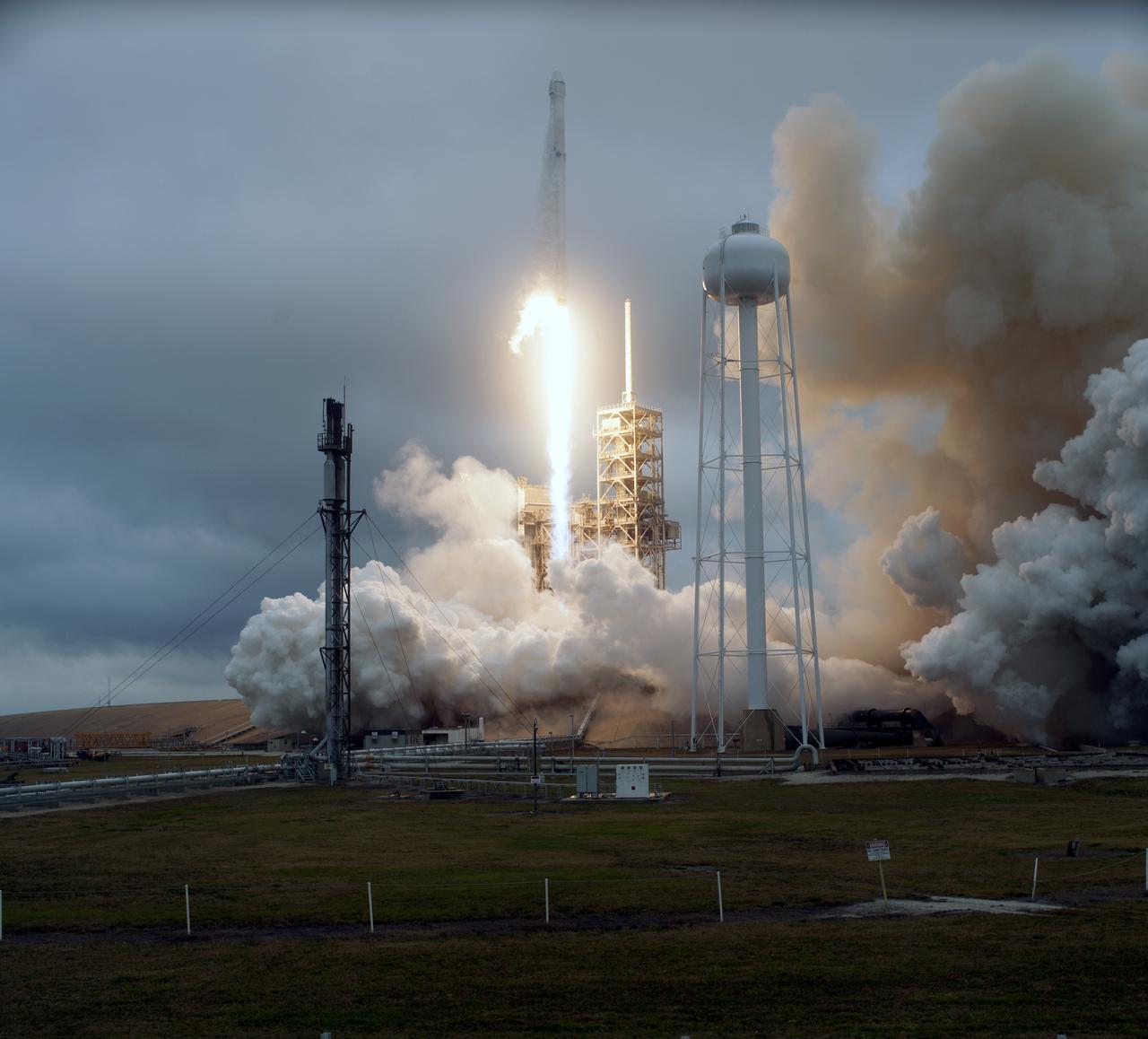
A SpaceX Falcon 9 rocket lifts off from Launch Complex 39A at NASA's Kenney Space Center in Florida. This is the company's 10th commercial resupply services mission to the International Space Station. Liftoff was at 9:39 a.m. EST from the historic launch site now operated by SpaceX under a property agreement with NASA. The Dragon spacecraft will deliver about 5,500 pounds of supplies to the space station, including the Stratospheric Aerosol and Gas Experiment (SAGE) III instrument to further study ozone in the atmosphere.

A SpaceX Falcon 9 rocket lifts off from Launch Complex 39A at NASA's Kenney Space Center in Florida, the company's 11th commercial resupply services mission to the International Space Station. Liftoff was at 5:07 p.m. EDT from the historic launch site now operated by SpaceX under a property agreement with NASA. The Dragon spacecraft will deliver 6,000 pounds of supplies, such as the Neutron star Interior Composition Explorer, or NICER, designed to study the extraordinary physics of these stars, providing insights into their nature and behavior.
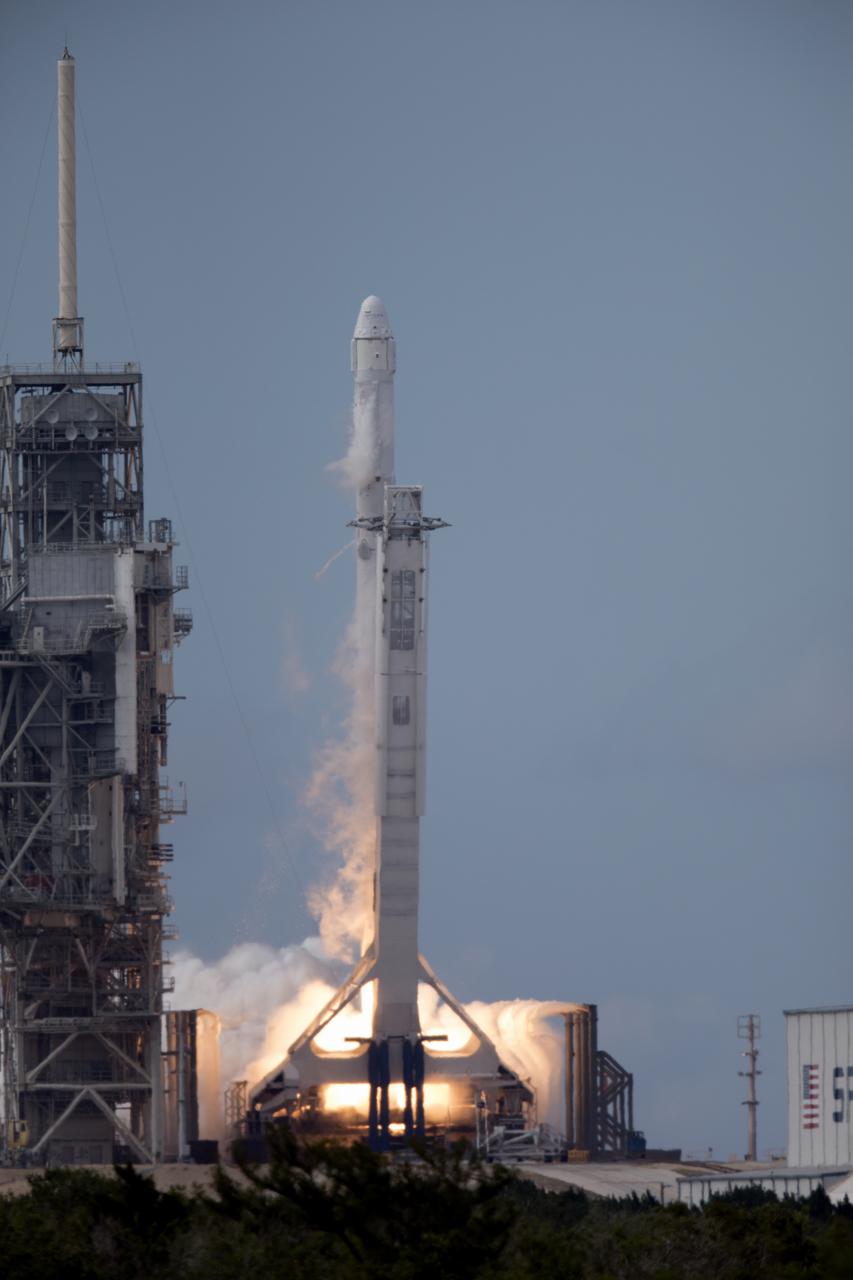
A SpaceX Falcon 9 rocket lifts off from Launch Complex 39A at NASA's Kenney Space Center in Florida, the company's 11th commercial resupply services mission to the International Space Station. Liftoff was at 5:07 p.m. EDT from the historic launch site now operated by SpaceX under a property agreement with NASA. The Dragon spacecraft will deliver 6,000 pounds of supplies, such as the Neutron star Interior Composition Explorer, or NICER, designed to study the extraordinary physics of these stars, providing insights into their nature and behavior.
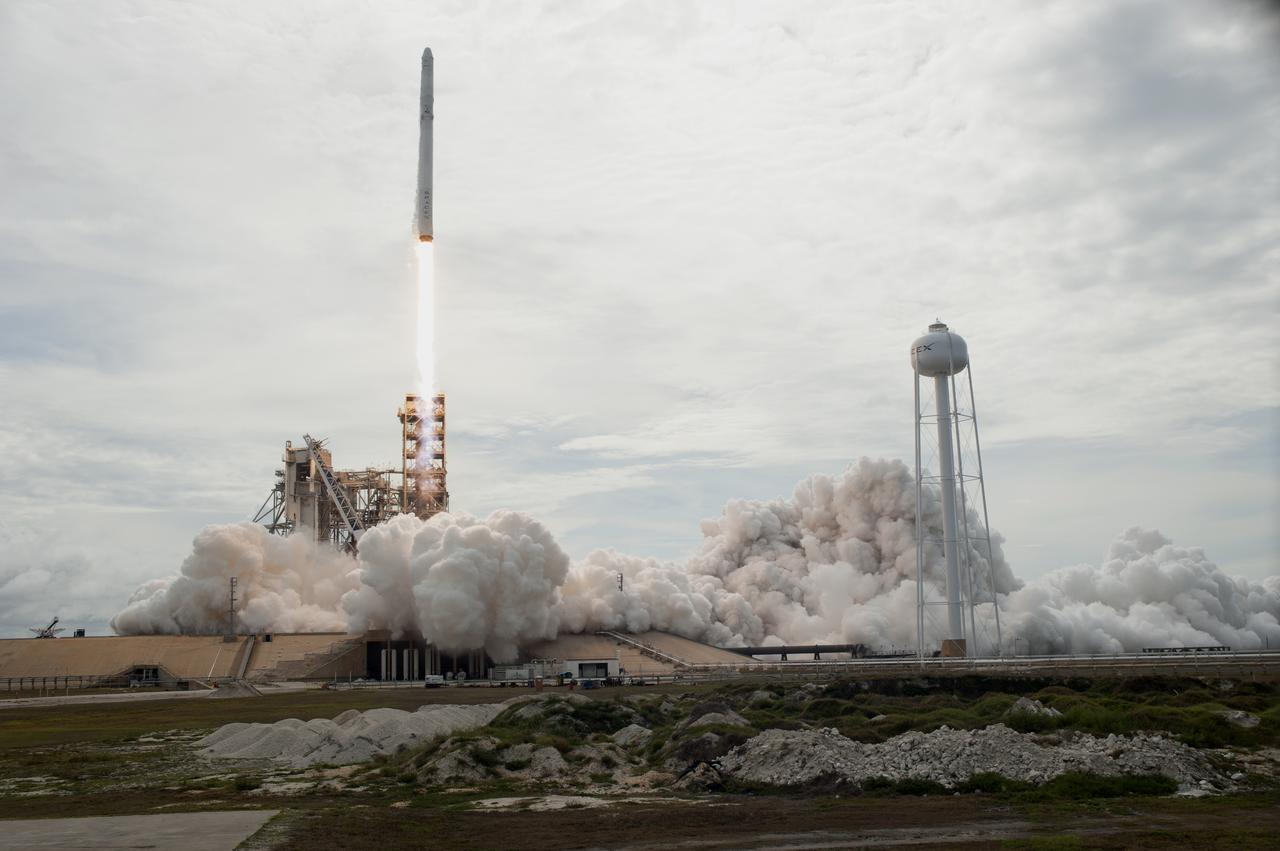
A SpaceX Falcon 9 rocket lifts off from Launch Complex 39A at NASA's Kenney Space Center in Florida, the company's 11th commercial resupply services mission to the International Space Station. Liftoff was at 5:07 p.m. EDT from the historic launch site now operated by SpaceX under a property agreement with NASA. The Dragon spacecraft will deliver 6,000 pounds of supplies, such as the Neutron star Interior Composition Explorer, or NICER, designed to study the extraordinary physics of these stars, providing insights into their nature and behavior.
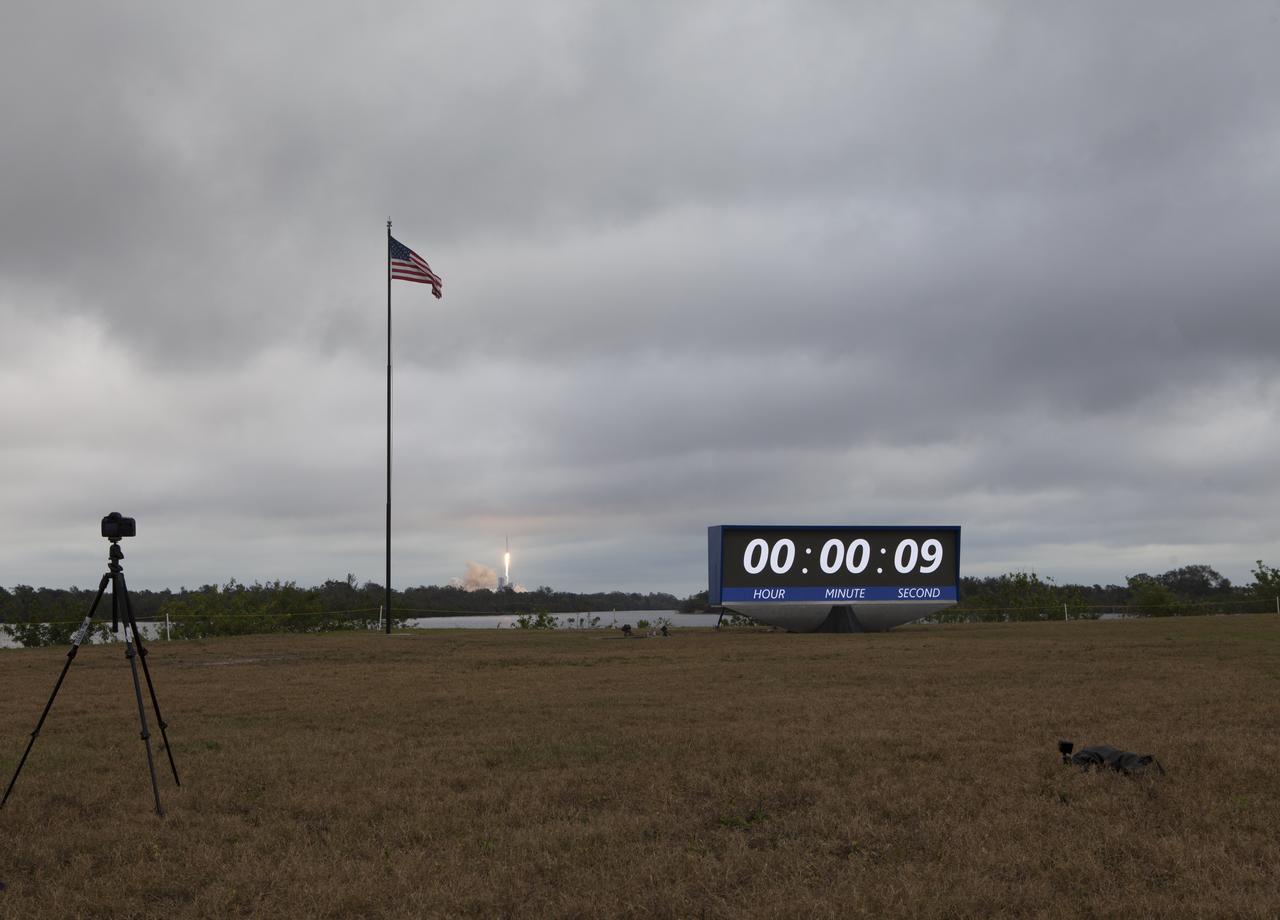
With the countdown clock at the NASA Kenney Space Center Press Site in the foreground, a SpaceX Falcon 9 rocket lifts off from Launch Complex 39A at the Florida spaceport. It was the company's 10th commercial resupply services mission to the International Space Station. Liftoff was at 9:39 a.m. EST from the historic launch site now operated by SpaceX under a property agreement with NASA. The Dragon spacecraft will deliver about 5,500 pounds of supplies, such as the Stratospheric Aerosol and Gas Experiment (SAGE) III instrument to further study ozone in the atmosphere.

As a Falcon 9 rocket stands ready for liftoff at the Kennedy Space Center's Launch Complex 39A. The rocket will boost a Dragon resupply spacecraft to the International Space Station. Liftoff is scheduled for 12:31 p.m. EDT. On its 12th commercial resupply services mission to the space station, Dragon will bring up more than 6,400 pounds of supplies. The historic launch site now is operated by SpaceX under a property agreement signed with NASA.
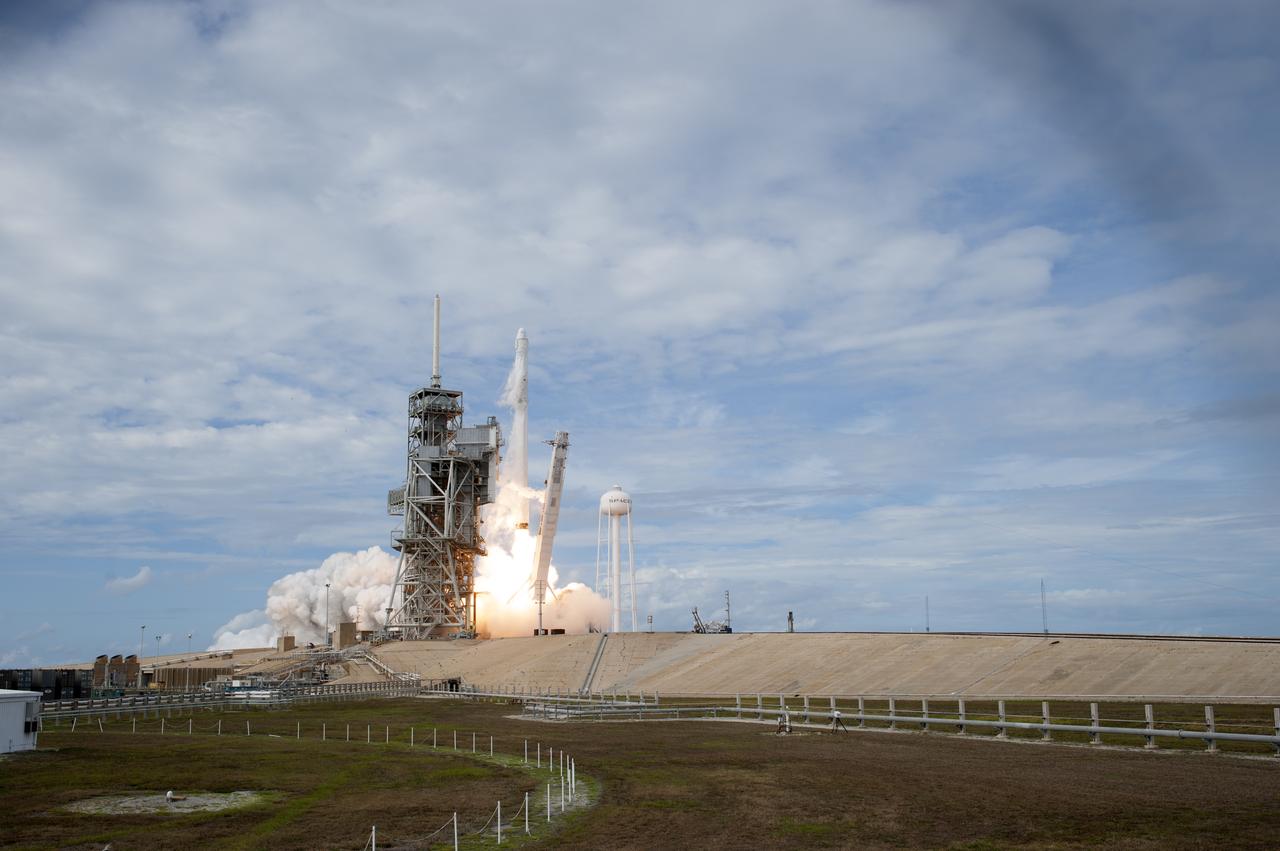
A SpaceX Falcon 9 rocket lifts off from Launch Complex 39A at NASA's Kenney Space Center in Florida, the company's 11th commercial resupply services mission to the International Space Station. Liftoff was at 5:07 p.m. EDT from the historic launch site now operated by SpaceX under a property agreement with NASA. The Dragon spacecraft will deliver 6,000 pounds of supplies, such as the Neutron star Interior Composition Explorer, or NICER, designed to study the extraordinary physics of these stars, providing insights into their nature and behavior.
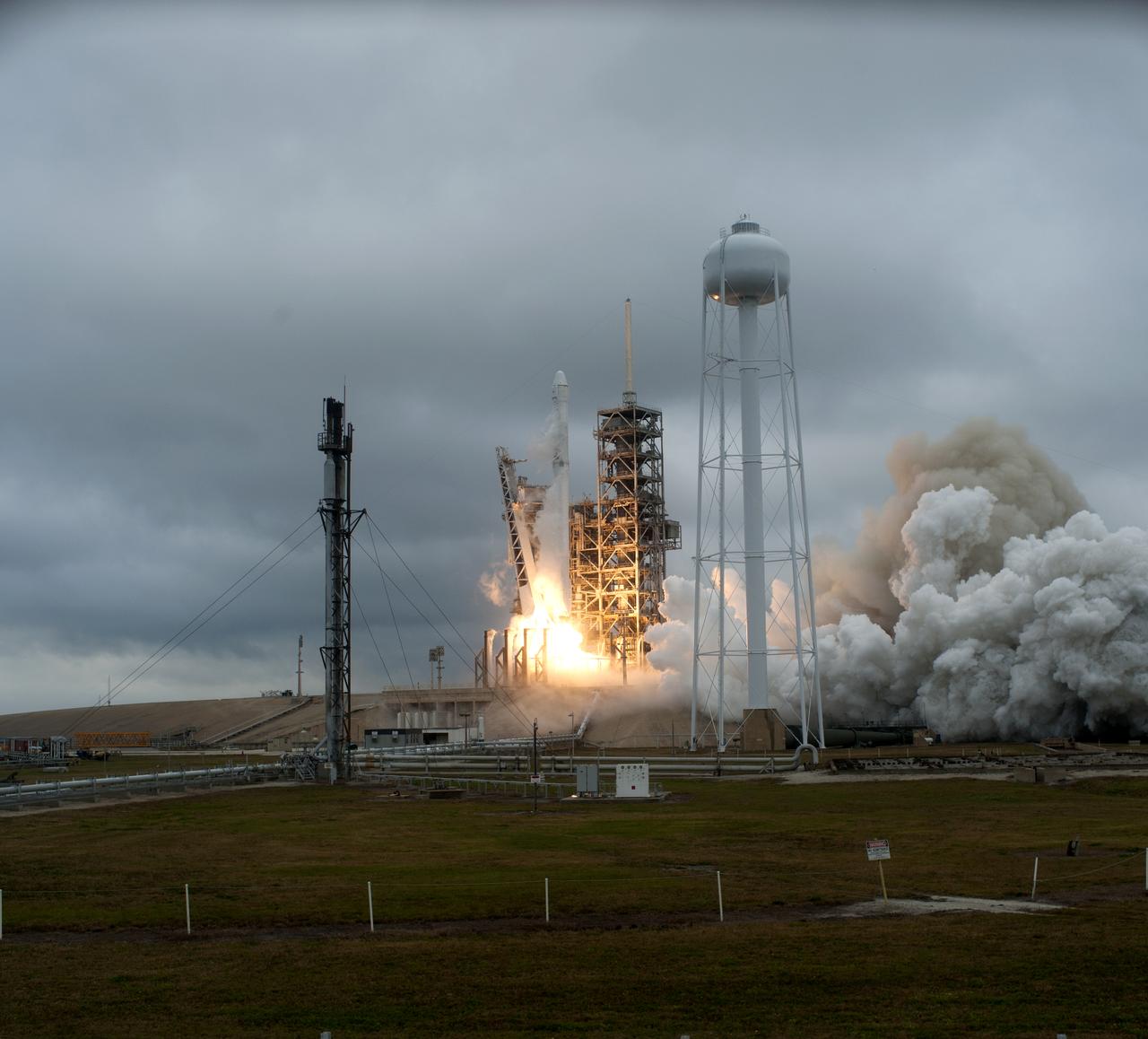
A SpaceX Falcon 9 rocket lifts off from Launch Complex 39A at NASA's Kenney Space Center in Florida. This is the company's 10th commercial resupply services mission to the International Space Station. Liftoff was at 9:39 a.m. EST from the historic launch site now operated by SpaceX under a property agreement with NASA. The Dragon spacecraft will deliver about 5,500 pounds of supplies to the space station, including the Stratospheric Aerosol and Gas Experiment (SAGE) III instrument to further study ozone in the atmosphere.
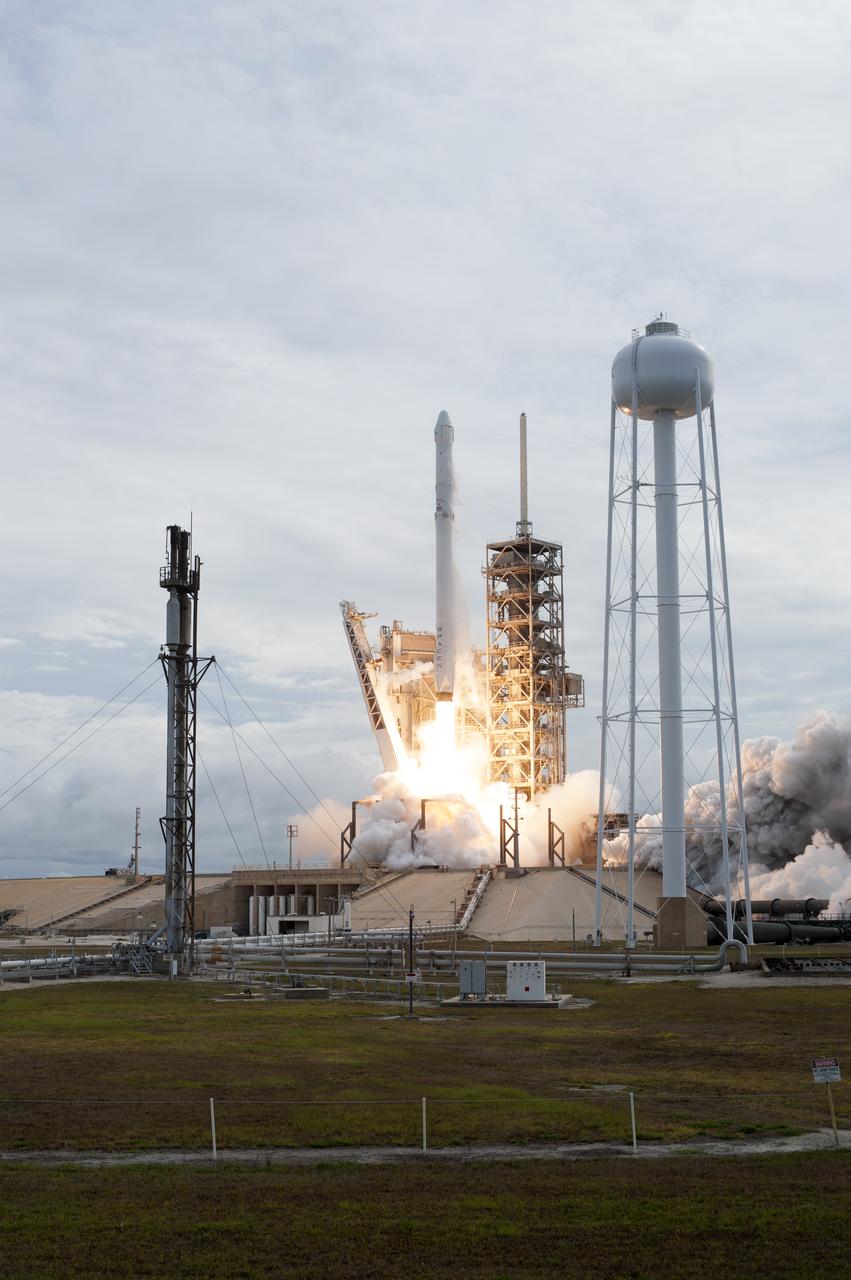
A SpaceX Falcon 9 rocket lifts off from Launch Complex 39A at NASA's Kenney Space Center in Florida, the company's 11th commercial resupply services mission to the International Space Station. Liftoff was at 5:07 p.m. EDT from the historic launch site now operated by SpaceX under a property agreement with NASA. The Dragon spacecraft will deliver 6,000 pounds of supplies, such as the Neutron star Interior Composition Explorer, or NICER, designed to study the extraordinary physics of these stars, providing insights into their nature and behavior.
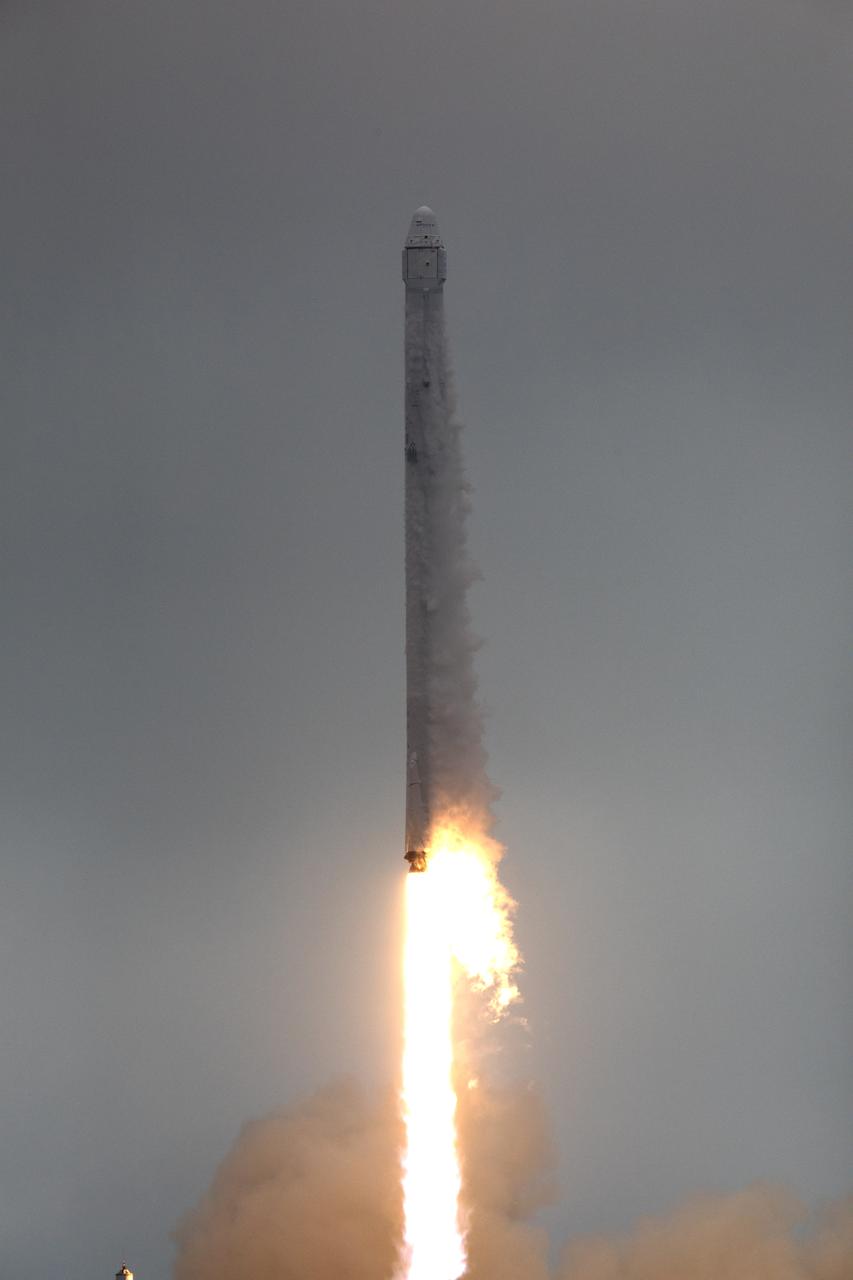
A SpaceX Falcon 9 rocket lifts off from Launch Complex 39A at NASA's Kenney Space Center in Florida. This is the company's 10th commercial resupply services mission to the International Space Station. Liftoff was at 9:39 a.m. EST from the historic launch site now operated by SpaceX under a property agreement with NASA. The Dragon spacecraft will deliver about 5,500 pounds of supplies to the space station, including the Stratospheric Aerosol and Gas Experiment (SAGE) III instrument to further study ozone in the atmosphere.
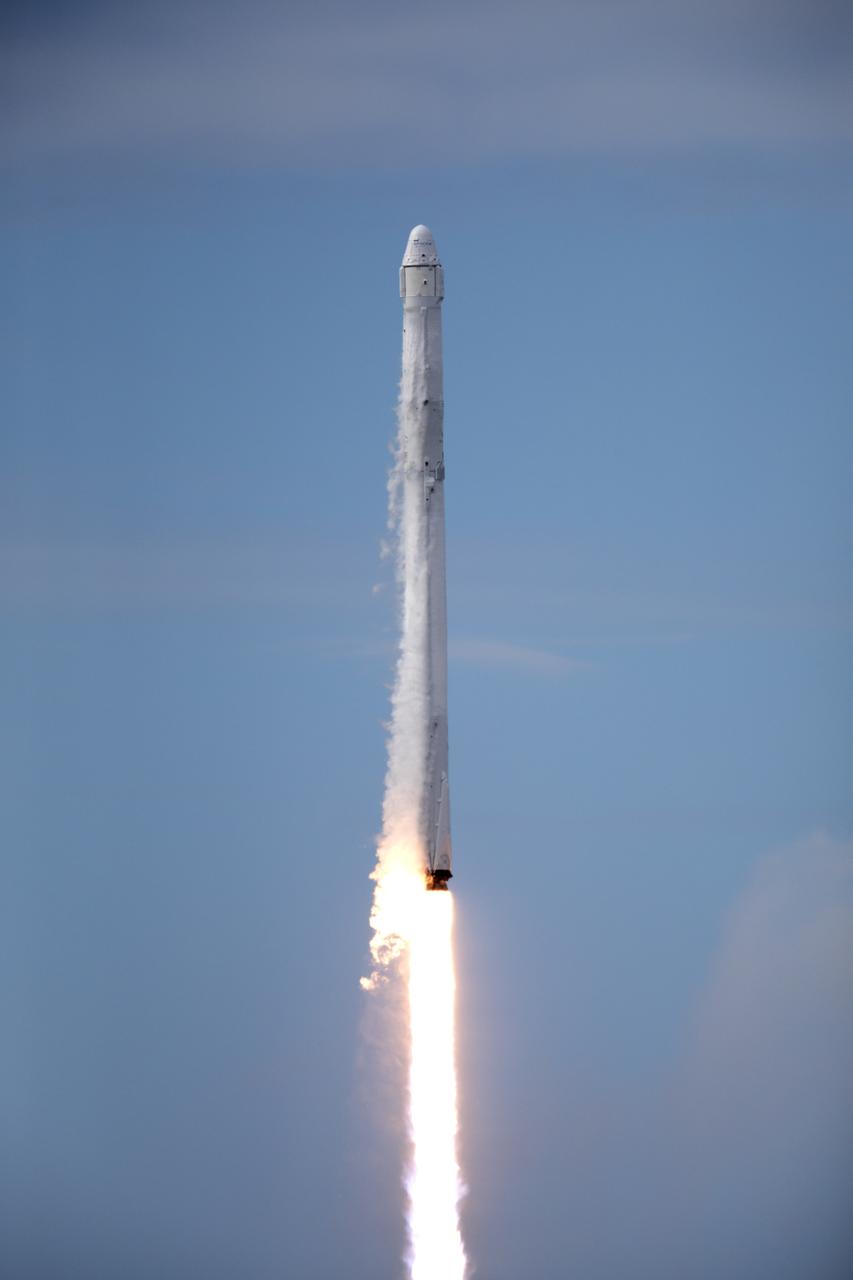
A SpaceX Falcon 9 rocket lifts off from Launch Complex 39A at NASA's Kenney Space Center in Florida, the company's 11th commercial resupply services mission to the International Space Station. Liftoff was at 5:07 p.m. EDT from the historic launch site now operated by SpaceX under a property agreement with NASA. The Dragon spacecraft will deliver 6,000 pounds of supplies, such as the Neutron star Interior Composition Explorer, or NICER, designed to study the extraordinary physics of these stars, providing insights into their nature and behavior.
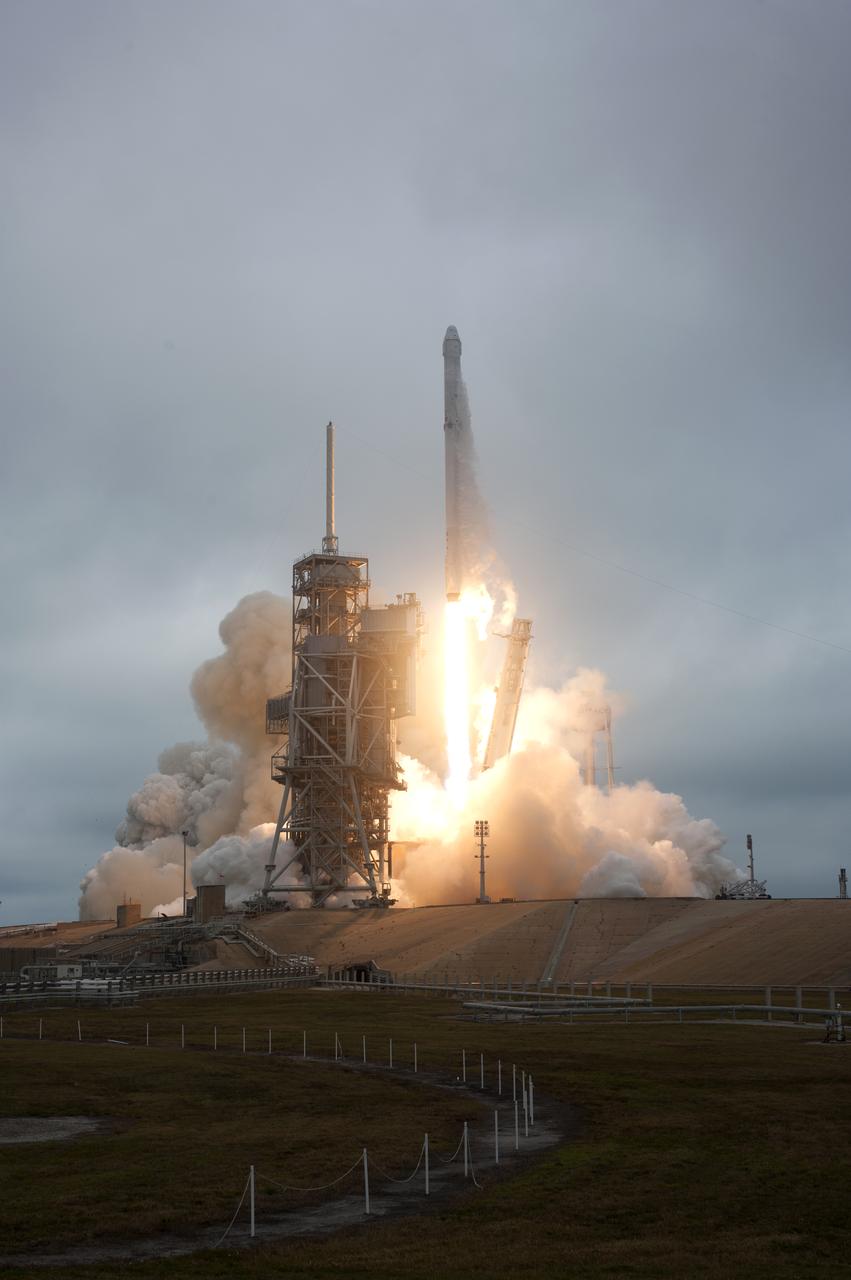
A SpaceX Falcon 9 rocket lifts off from Launch Complex 39A at NASA's Kenney Space Center in Florida. This is the company's 10th commercial resupply services mission to the International Space Station. Liftoff was at 9:39 a.m. EST from the historic launch site now operated by SpaceX under a property agreement with NASA. The Dragon spacecraft will deliver about 5,500 pounds of supplies to the space station, including the Stratospheric Aerosol and Gas Experiment (SAGE) III instrument to further study ozone in the atmosphere.
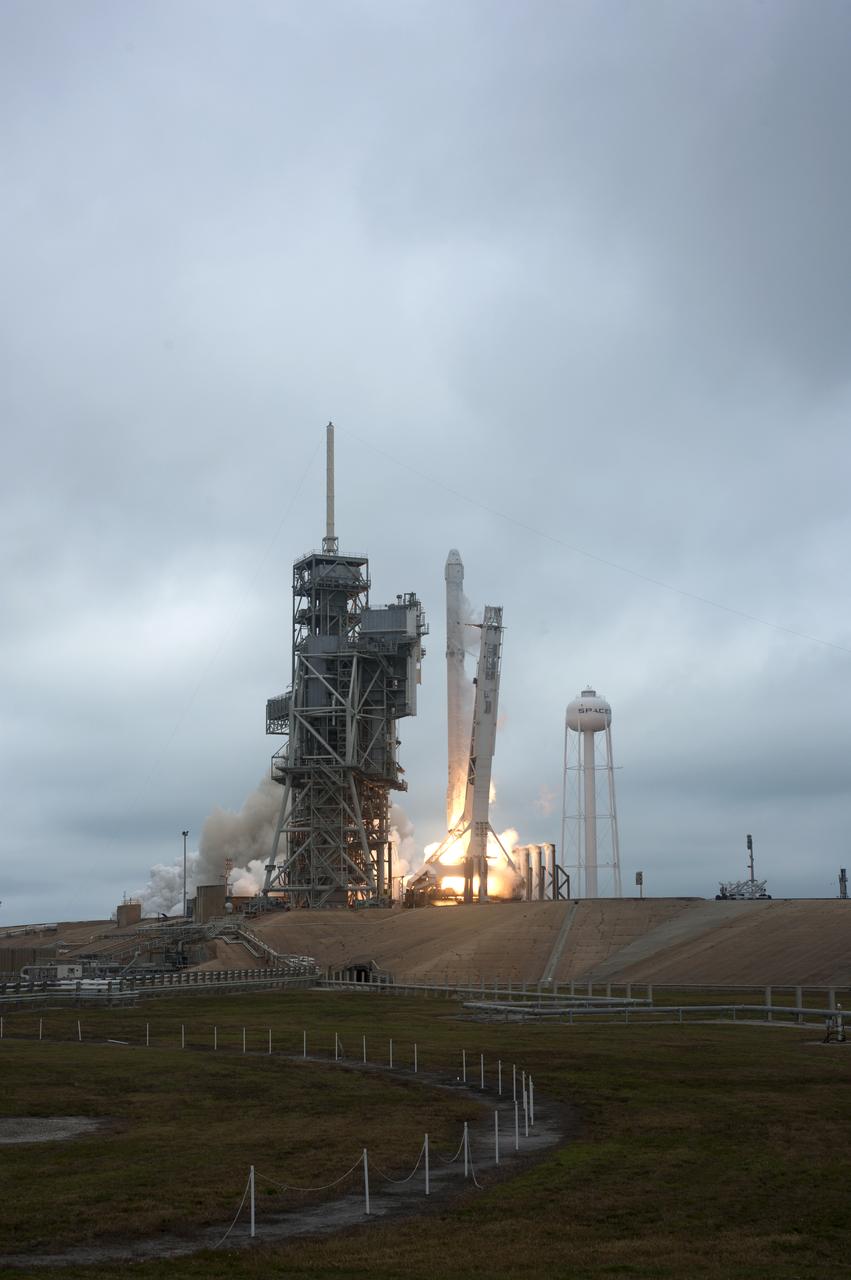
A SpaceX Falcon 9 rocket lifts off from Launch Complex 39A at NASA's Kenney Space Center in Florida. This is the company's 10th commercial resupply services mission to the International Space Station. Liftoff was at 9:39 a.m. EST from the historic launch site now operated by SpaceX under a property agreement with NASA. The Dragon spacecraft will deliver about 5,500 pounds of supplies to the space station, including the Stratospheric Aerosol and Gas Experiment (SAGE) III instrument to further study ozone in the atmosphere.

A Falcon 9 rocket stands ready for liftoff at the Kennedy Space Center's Launch Complex 39A. The historic launch site now is operated by SpaceX under a property agreement signed with NASA. The rocket will boost a Dragon resupply spacecraft to the International Space Station. Liftoff is scheduled for 10:01 a.m. EST on Feb. 18. On its 10th commercial resupply services mission to the space station, Dragon will bring up 5,000 pounds of supplies, such as the Stratospheric Aerosol and Gas Experiment (SAGE) III instrument to further study ozone in the atmosphere. Once mounted on the space station, SAGE III will measure the Earth’s sunscreen, or ozone, along with other gases and aerosols, or tiny particles in the atmosphere.
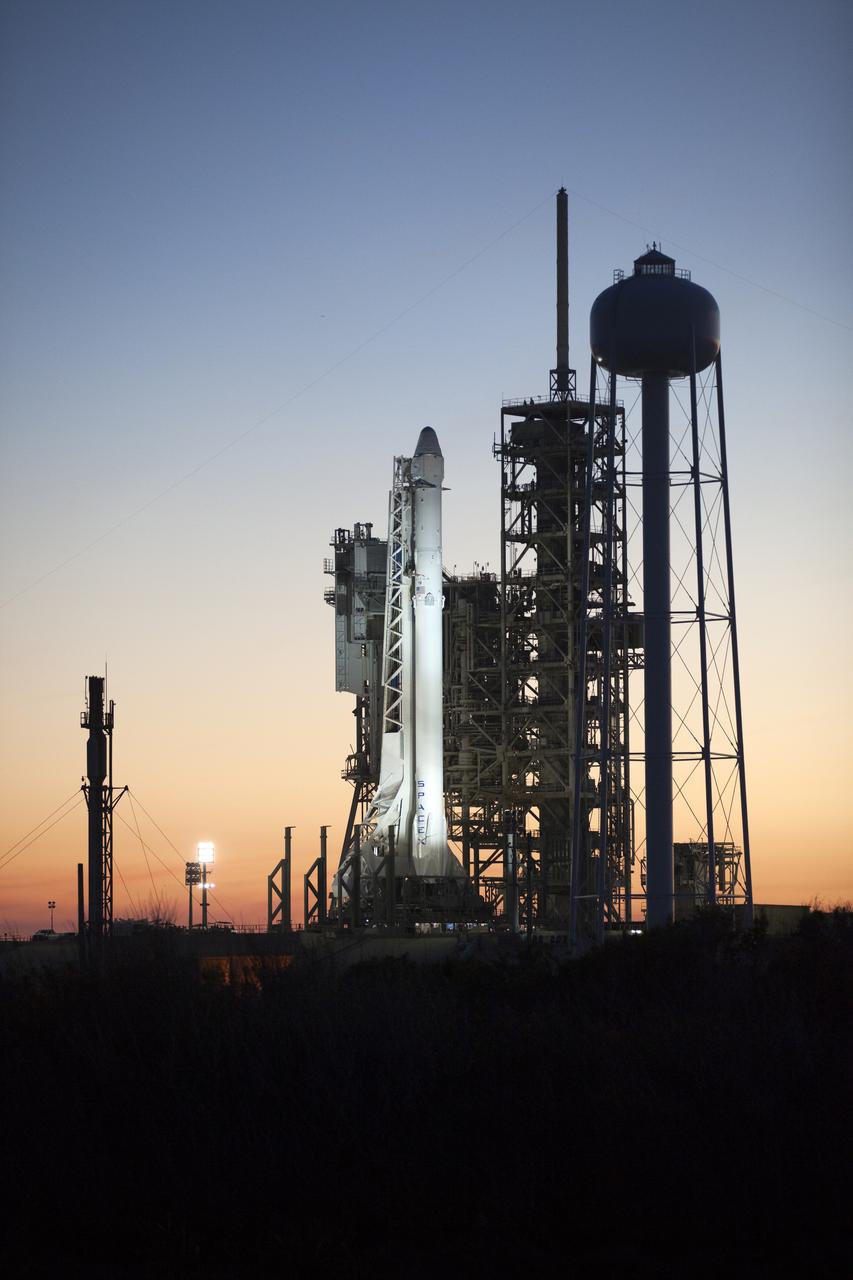
A Falcon 9 rocket stands ready for liftoff at the Kennedy Space Center's Launch Complex 39A. The historic launch site now is operated by SpaceX under a property agreement signed with NASA. The rocket will boost a Dragon resupply spacecraft to the International Space Station. Liftoff is scheduled for 10:01 a.m. EST on Feb. 18. On its 10th commercial resupply services mission to the space station, Dragon will bring up 5,000 pounds of supplies, such as the Stratospheric Aerosol and Gas Experiment (SAGE) III instrument to further study ozone in the atmosphere. Once mounted on the space station, SAGE III will measure the Earth’s sunscreen, or ozone, along with other gases and aerosols, or tiny particles in the atmosphere.
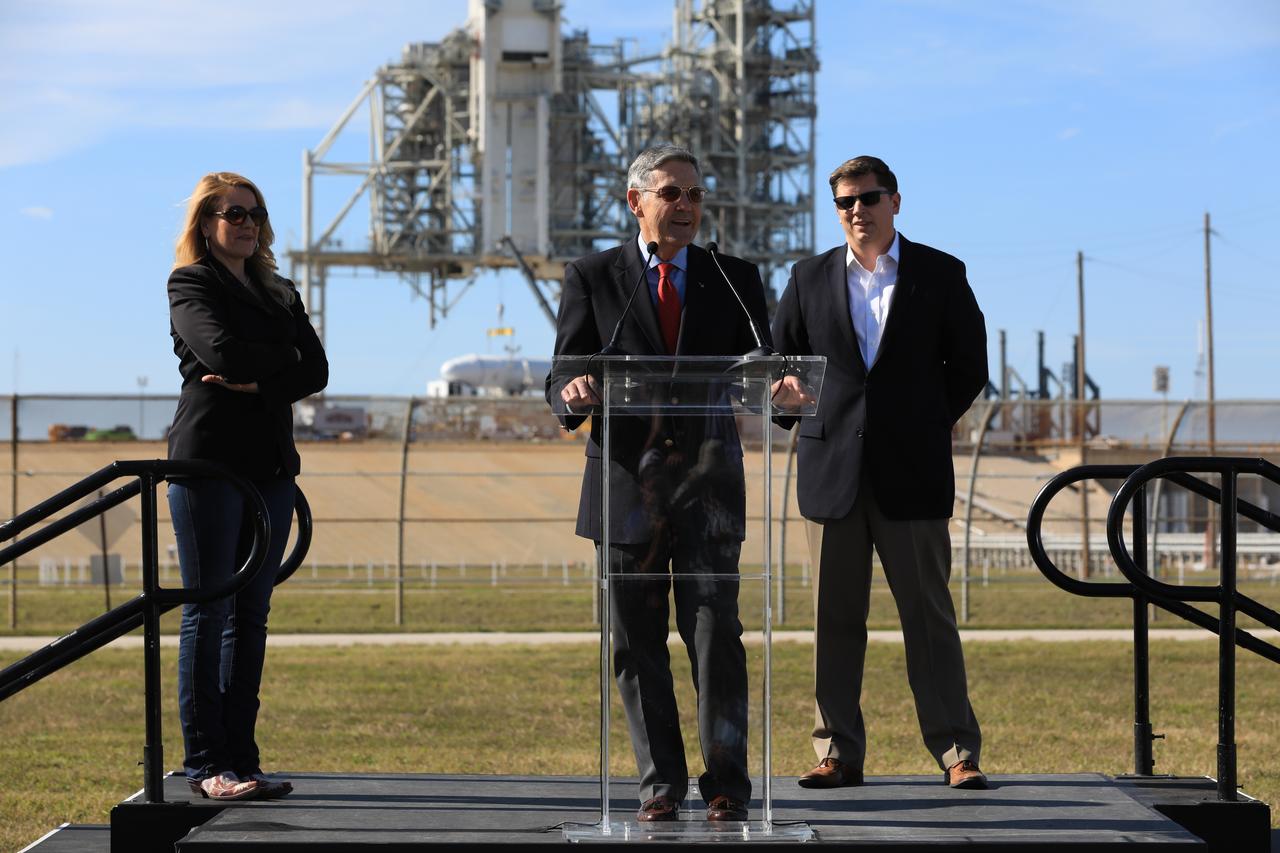
Kennedy Space Center Director Bob Cabana speaks to members of the news media at Launch Complex 39A. At left is Gwynne Shotwell, president and chief operating officer of SpaceX. At right is Timothy Hughes, senior vice president and general counsel for SpaceX. On Feb. 18, a Falcon 9 rocket with a Dragon spacecraft atop is scheduled to lift off from the launch pad for the SpaceX CRS-10 mission. The historic site is where American astronauts first launched to the moon and was last used in 2011 for the final mission of the Space Shuttle Program. In April 2014, NASA officials signed a 20-year property agreement with SpaceX for use and operation of the launch pad for their Falcon 9 and Falcon 9 Heavy rockets. The SpaceX CRS-10 liftoff is another milestone further establishing Kennedy as a premier, multi-user spaceport. The Dragon spacecraft will deliver 5,000 pounds of supplies and research materials to the space station.
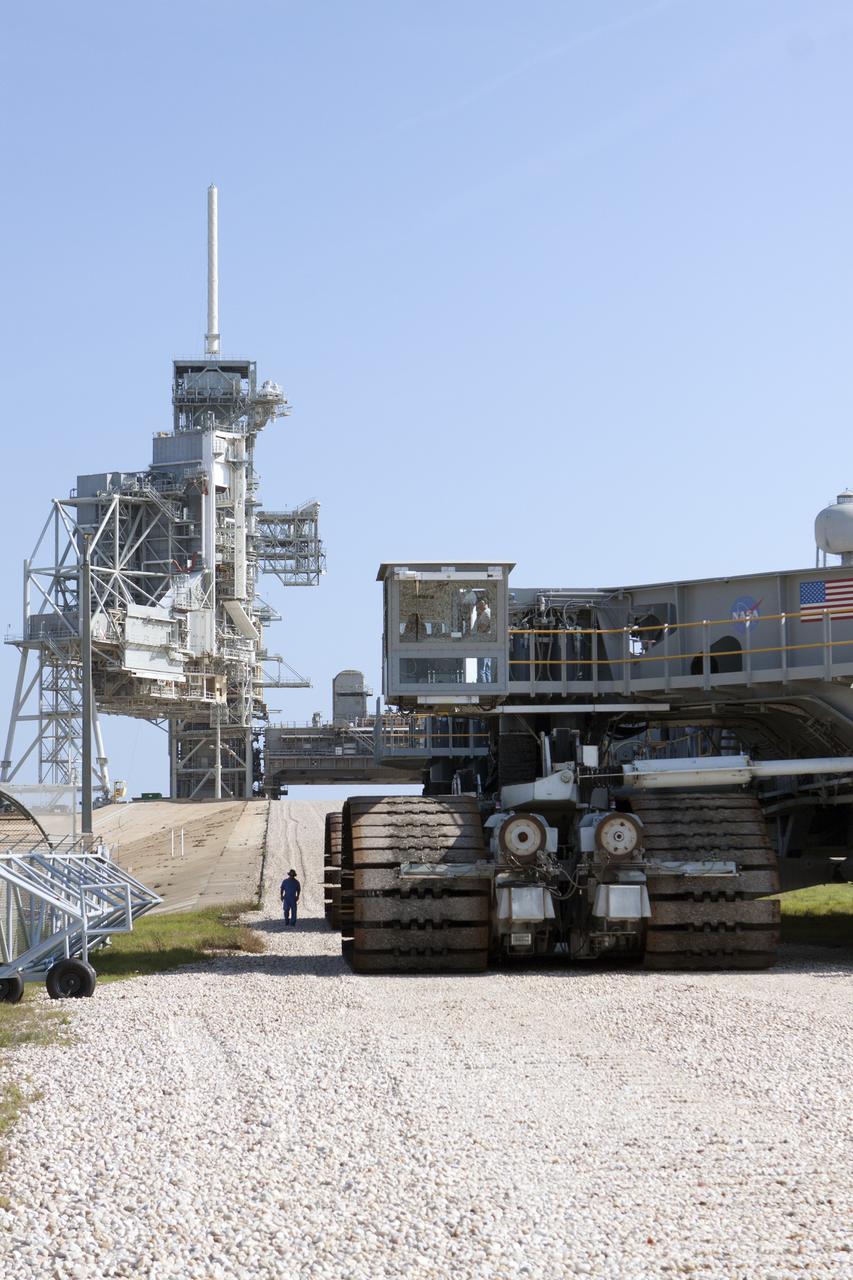
CAPE CANAVERAL, Fla. -- A crawler-transporter begins its climb to the hardstand at Launch Pad 39A at NASA's Kennedy Space Center in Florida. Operations are underway to move Mobile Launcher Platform-2, or MLP-2, from the pad to a nearby park site in Launch Complex 39. The historic launch pad was the site from which numerous Apollo and space shuttle missions began and is beginning a new mission as a commercial launch site. NASA signed a property agreement with Space Exploration Technologies Corp., or SpaceX, of Hawthorne, California, on April 14 for use and occupancy of the seaside complex along Florida's central east coast. It will serve as a platform for SpaceX to support their commercial launch activities. For more information on Launch Pad 39A, visit http://www.nasa.gov/centers/kennedy/pdf/167416main_LC39-08.pdf. For learn more about the crawler-transporter, visit http://www.nasa.gov/centers/kennedy/pdf/167402main_crawlertransporters07.pdf. Photo credit: NASA/Kim Shiflett
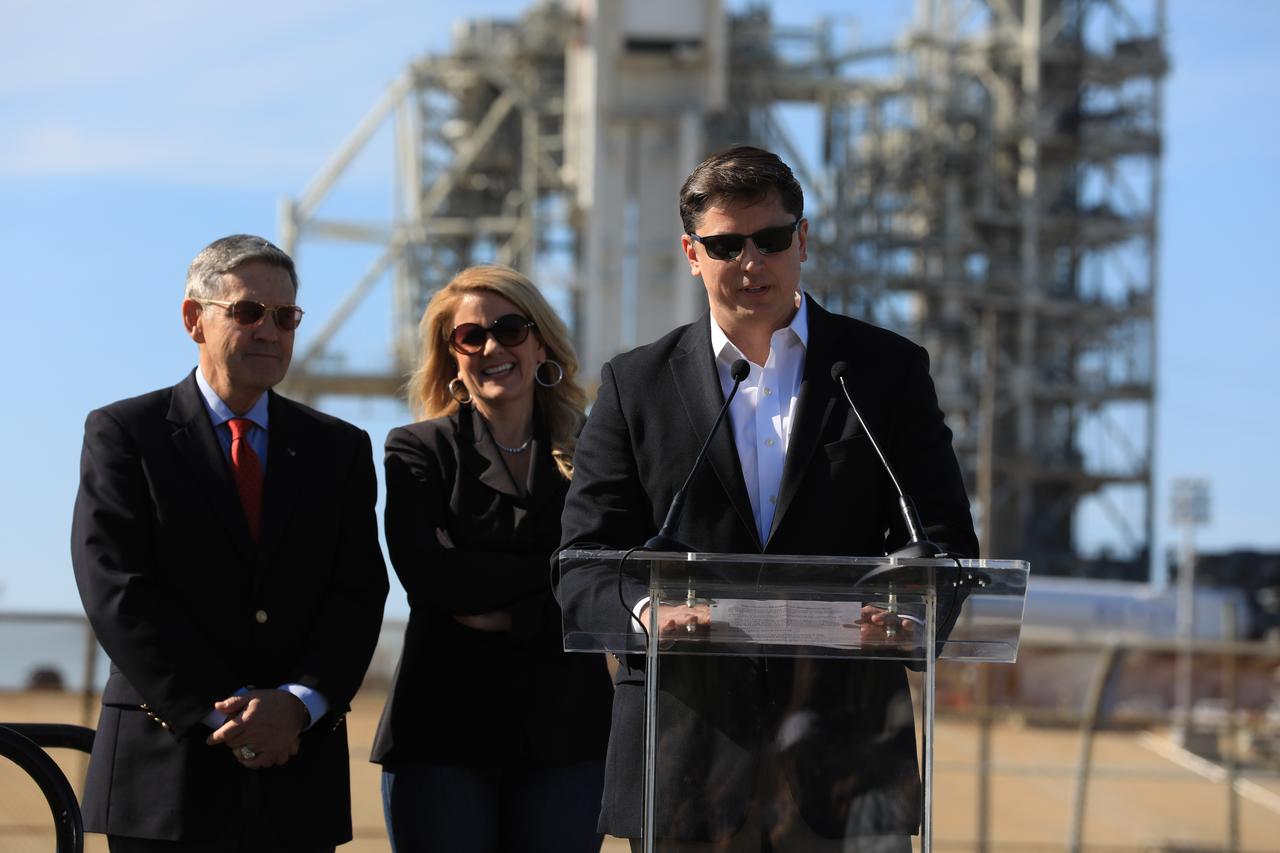
Timothy Hughes, senior vice president and general counsel for SpaceX speaks to members of the news media at Launch Complex 39A. Behind him, from left, are Kennedy Space Center Director Bob Cabana and Gwynne Shotwell, president and chief operating officer of SpaceX. On Feb. 18, a Falcon 9 rocket with a Dragon spacecraft atop is scheduled to lift off from the launch pad for the SpaceX CRS-10 mission. The historic site is where American astronauts first launched to the moon and was last used in 2011 for the final mission of the Space Shuttle Program. In April 2014, NASA officials signed a 20-year property agreement with SpaceX for use and operation of the launch pad for their Falcon 9 and Falcon 9 Heavy rockets. The SpaceX CRS-10 liftoff is another milestone further establishing Kennedy as a premier, multi-user spaceport. The Dragon spacecraft will deliver 5,000 pounds of supplies and research materials to the space station.
Gwynne Shotwell, president and chief operating officer of SpaceX, speaks to members of the news media at Launch Complex 39A. At left is Kennedy Space Center Director Bob Cabana. At right is Timothy Hughes, senior vice president and general counsel for SpaceX. On Feb. 18, a Falcon 9 rocket with a Dragon spacecraft atop is scheduled to lift off from the launch pad for the SpaceX CRS-10 mission. The historic site is where American astronauts first launched to the moon and was last used in 2011 for the final mission of the Space Shuttle Program. In April 2014, NASA officials signed a 20-year property agreement with SpaceX for use and operation of the launch pad for their Falcon 9 and Falcon 9 Heavy rockets. The SpaceX CRS-10 liftoff is another milestone further establishing Kennedy as a premier, multi-user spaceport. The Dragon spacecraft will deliver 5,000 pounds of supplies and research materials to the space station.

CAPE CANAVERAL, Fla. -- A crawler-transporter creeps toward Mobile Launcher Platform-2, or MLP-2, on the hardstand at Launch Pad 39A at NASA's Kennedy Space Center in Florida. Operations are underway to move the MLP to a nearby park site in Launch Complex 39. The historic launch pad was the site from which numerous Apollo and space shuttle missions began and is beginning a new mission as a commercial launch site. NASA signed a property agreement with Space Exploration Technologies Corp., or SpaceX, of Hawthorne, California, on April 14 for use and occupancy of the seaside complex along Florida's central east coast. It will serve as a platform for SpaceX to support their commercial launch activities. For more information on Launch Pad 39A, visit http://www.nasa.gov/centers/kennedy/pdf/167416main_LC39-08.pdf. For learn more about the crawler-transporter, visit http://www.nasa.gov/centers/kennedy/pdf/167402main_crawlertransporters07.pdf. Photo credit: NASA/Kim Shiflett
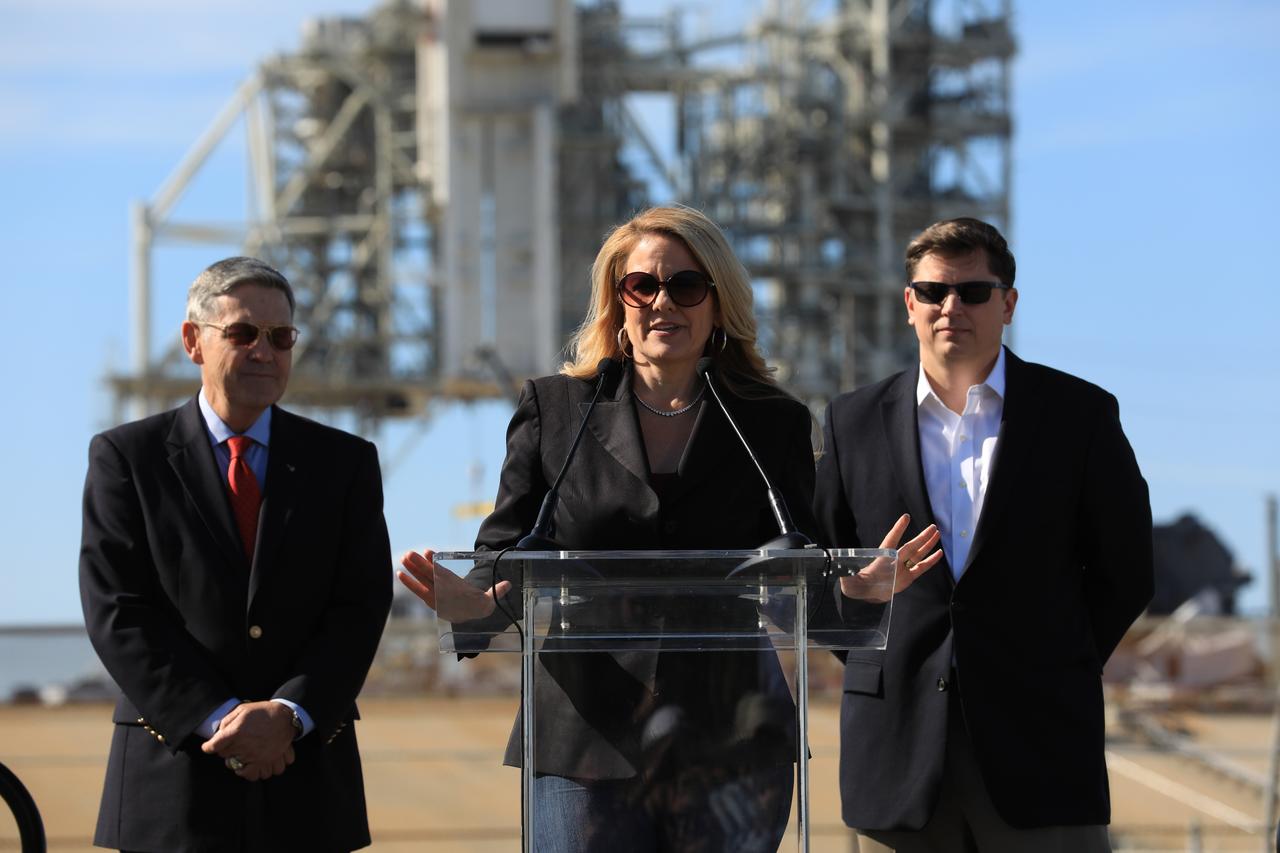
Gwynne Shotwell, president and chief operating officer of SpaceX, speaks to members of the news media at Launch Complex 39A. At left is Kennedy Space Center Director Bob Cabana. At right is Timothy Hughes, senior vice president and general counsel for SpaceX. On Feb. 18, a Falcon 9 rocket with a Dragon spacecraft atop is scheduled to lift off from the launch pad for the SpaceX CRS-10 mission. The historic site is where American astronauts first launched to the moon and was last used in 2011 for the final mission of the Space Shuttle Program. In April 2014, NASA officials signed a 20-year property agreement with SpaceX for use and operation of the launch pad for their Falcon 9 and Falcon 9 Heavy rockets. The SpaceX CRS-10 liftoff is another milestone further establishing Kennedy as a premier, multi-user spaceport. The Dragon spacecraft will deliver 5,000 pounds of supplies and research materials to the space station.

CAPE CANAVERAL, Fla. -- A crawler-transporter carries Mobile Launcher Platform-2, or MLP-2, away from Launch Pad 39A at NASA's Kennedy Space Center in Florida. The MLP is being moved to a nearby park site in Launch Complex 39. The historic launch pad was the site from which numerous Apollo and space shuttle missions began and is beginning a new mission as a commercial launch site. NASA signed a property agreement with Space Exploration Technologies Corp., or SpaceX, of Hawthorne, California, on April 14 for use and occupancy of the seaside complex along Florida's central east coast. It will serve as a platform for SpaceX to support their commercial launch activities. For more information on Launch Pad 39A, visit http://www.nasa.gov/centers/kennedy/pdf/167416main_LC39-08.pdf. For learn more about the crawler-transporter, visit http://www.nasa.gov/centers/kennedy/pdf/167402main_crawlertransporters07.pdf. Photo credit: NASA/Kim Shiflett
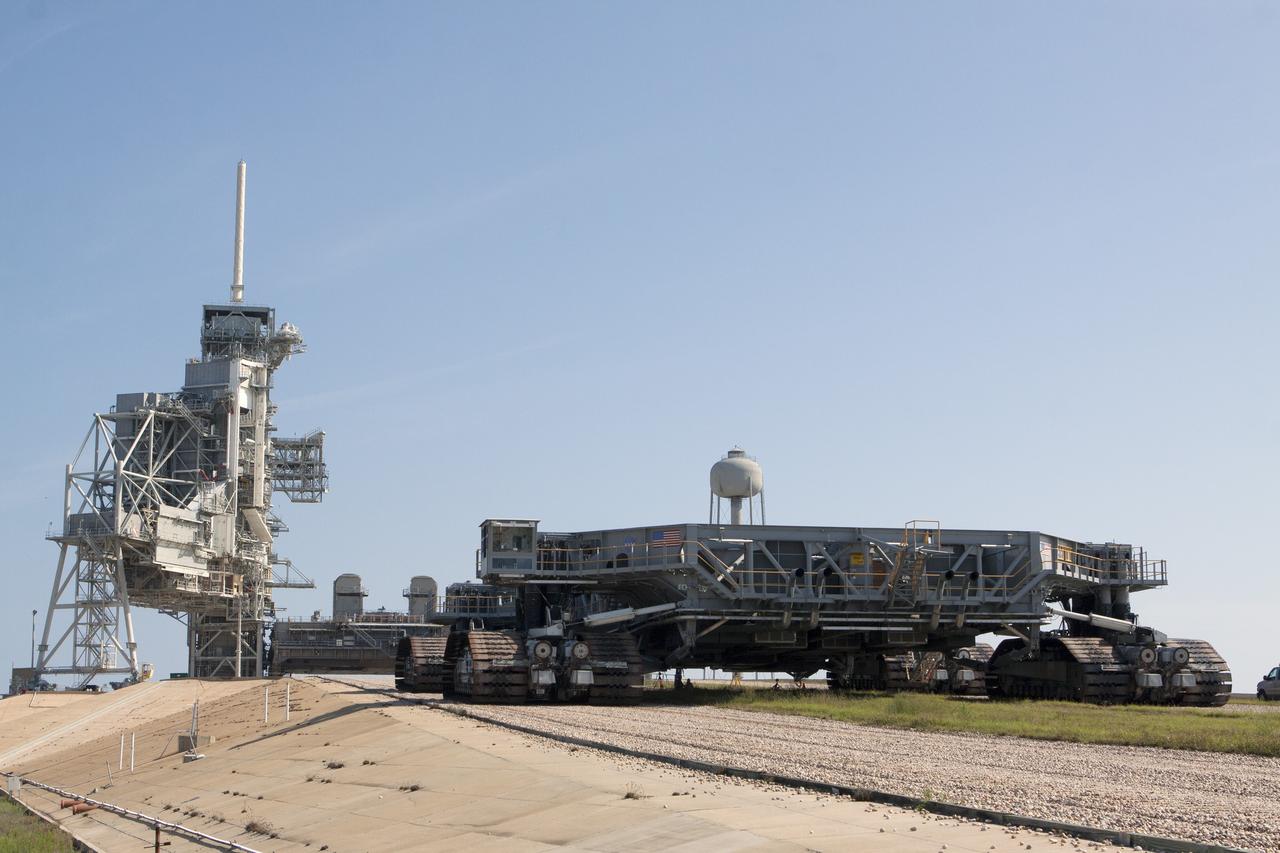
CAPE CANAVERAL, Fla. -- A crawler-transporter begins its climb toward Mobile Launcher Platform-2, or MLP-2, on the hardstand at Launch Pad 39A at NASA's Kennedy Space Center in Florida. Operations are underway to move the MLP to a nearby park site in Launch Complex 39. The historic launch pad was the site from which numerous Apollo and space shuttle missions began and is beginning a new mission as a commercial launch site. NASA signed a property agreement with Space Exploration Technologies Corp., or SpaceX, of Hawthorne, California, on April 14 for use and occupancy of the seaside complex along Florida's central east coast. It will serve as a platform for SpaceX to support their commercial launch activities. For more information on Launch Pad 39A, visit http://www.nasa.gov/centers/kennedy/pdf/167416main_LC39-08.pdf. For learn more about the crawler-transporter, visit http://www.nasa.gov/centers/kennedy/pdf/167402main_crawlertransporters07.pdf. Photo credit: NASA/Kim Shiflett
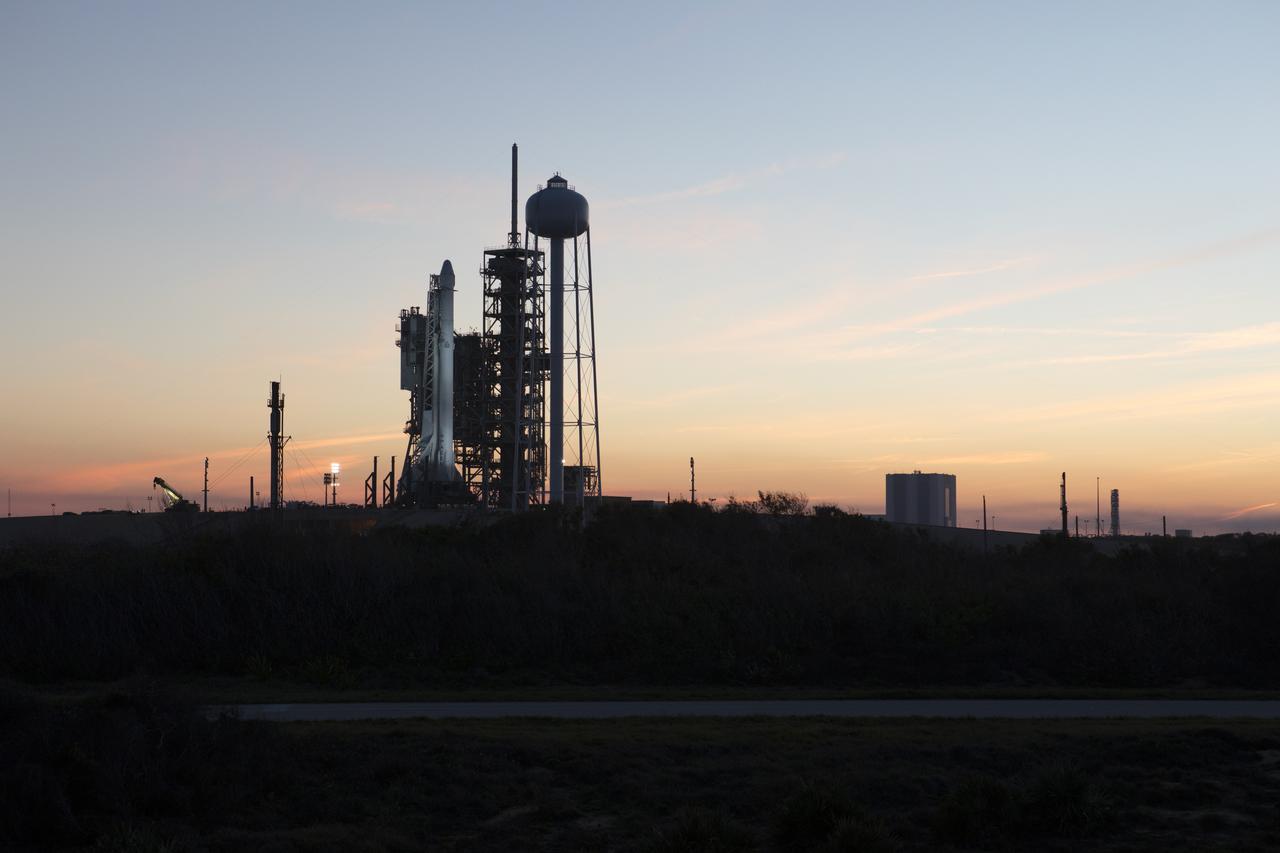
As sun sets, a Falcon 9 rocket stands ready for liftoff at the Kennedy Space Center's Launch Complex 39A. The historic launch site now is operated by SpaceX under a property agreement signed with NASA. In the background is the Vehicle Assembly Building. The rocket will boost a Dragon resupply spacecraft to the International Space Station. Liftoff is scheduled for 10:01 a.m. EST on Feb. 18. On its 10th commercial resupply services mission to the space station, Dragon will bring up 5,000 pounds of supplies, such as the Stratospheric Aerosol and Gas Experiment (SAGE) III instrument to further study ozone in the atmosphere. Once mounted on the space station, SAGE III will measure the Earth’s sunscreen, or ozone, along with other gases and aerosols, or tiny particles in the atmosphere.
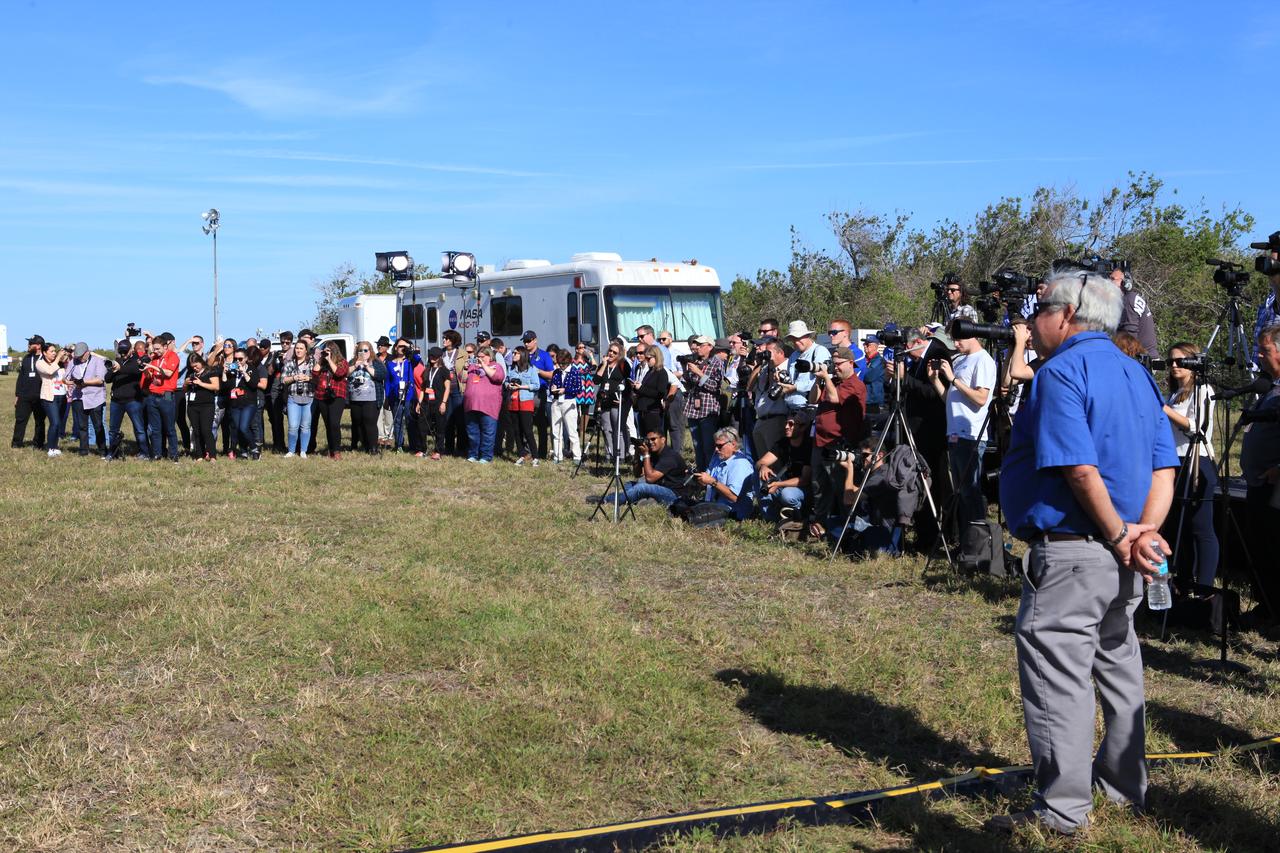
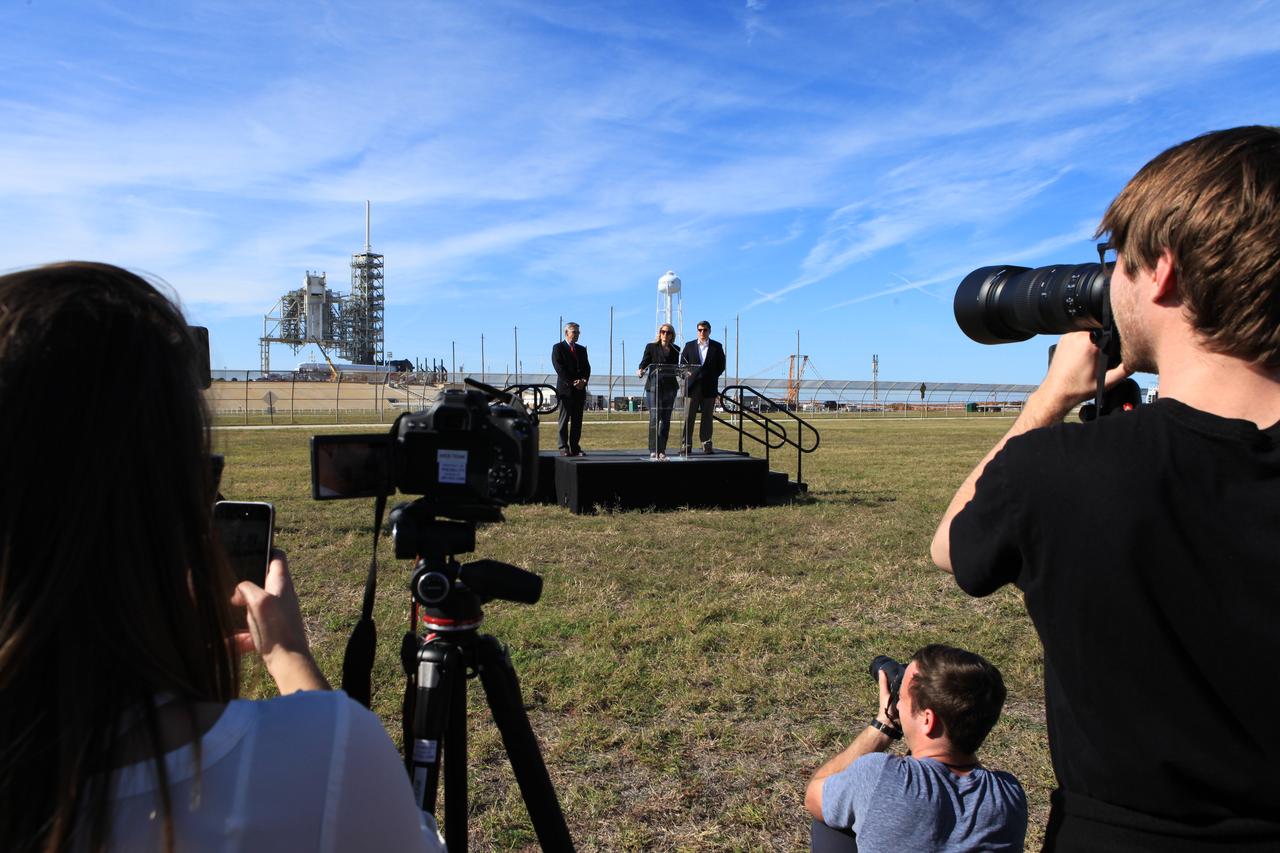
Members of the news media are at Launch Complex 39A for a briefing from Kennedy Space Center Director Bob Cabana; Gwynee Shotwell, president and chief operating officer of SpaceX; and Timothy Hughes, senior vice president and general counsel for SpaceX. On Feb. 18, a Falcon 9 rocket with a Dragon spacecraft atop is scheduled to lift off from the launch pad for the SpaceX CRS-10 mission. The historic site is where American astronauts first launched to the moon and was last used in 2011 for the final mission of the Space Shuttle Program. In April 2014, NASA officials signed a 20-year property agreement with SpaceX for use and operation of the launch pad for their Falcon 9 and Falcon 9 Heavy rockets. The SpaceX CRS-10 liftoff is another milestone further establishing Kennedy as a premier, multi-user spaceport. The Dragon spacecraft will deliver 5,000 pounds of supplies and research materials to the space station.
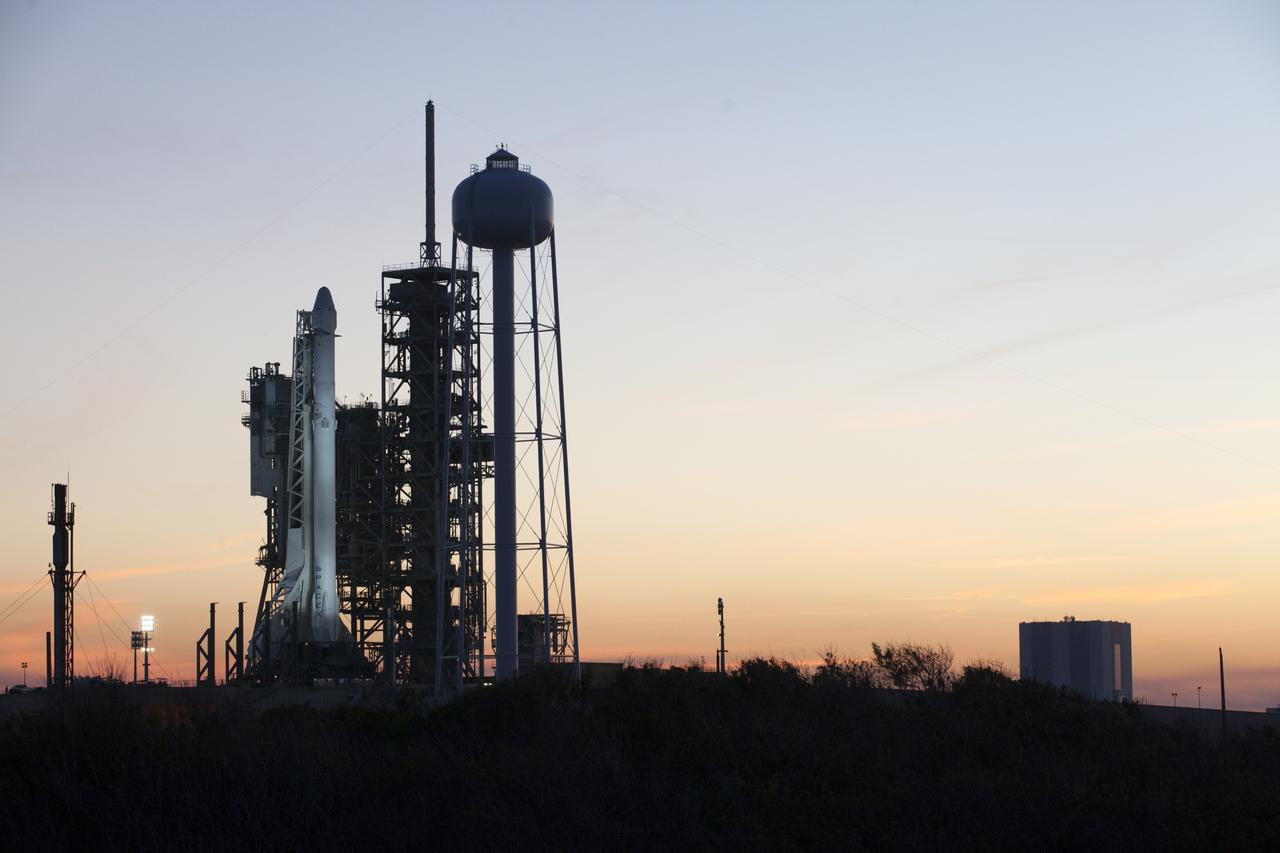
As sun sets, a Falcon 9 rocket stands ready for liftoff at the Kennedy Space Center's Launch Complex 39A. The historic launch site now is operated by SpaceX under a property agreement signed with NASA. In the background is the Vehicle Assembly Building. The rocket will boost a Dragon resupply spacecraft to the International Space Station. Liftoff is scheduled for 10:01 a.m. EST on Feb. 18. On its 10th commercial resupply services mission to the space station, Dragon will bring up 5,000 pounds of supplies, such as the Stratospheric Aerosol and Gas Experiment (SAGE) III instrument to further study ozone in the atmosphere. Once mounted on the space station, SAGE III will measure the Earth’s sunscreen, or ozone, along with other gases and aerosols, or tiny particles in the atmosphere.
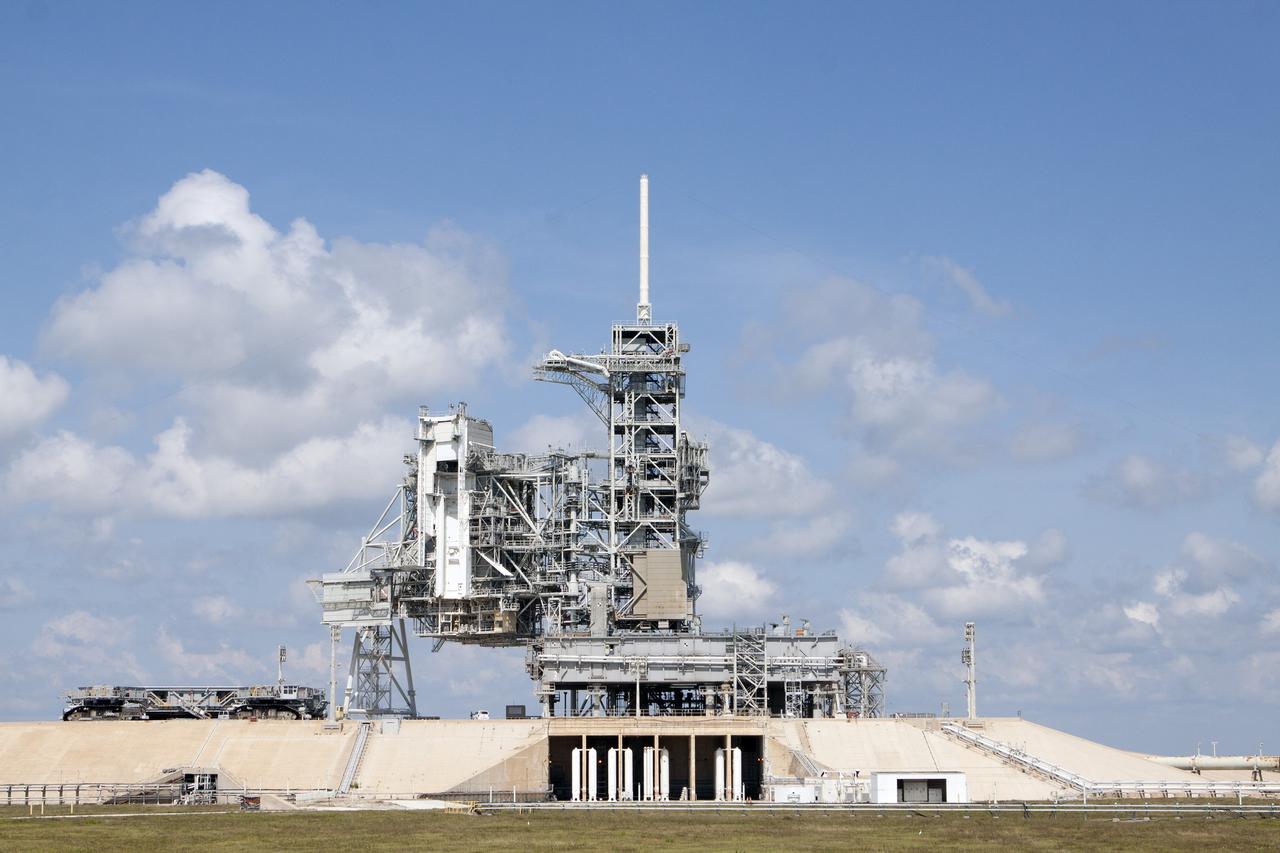
CAPE CANAVERAL, Fla. -- A crawler-transporter nears the Mobile Launcher Platform-2, or MLP-2, positioned over the flame trench at Launch Pad 39A at NASA's Kennedy Space Center in Florida. Operations are underway to move the MLP to a nearby park site in Launch Complex 39. The historic launch pad was the site from which numerous Apollo and space shuttle missions began and is beginning a new mission as a commercial launch site. NASA signed a property agreement with Space Exploration Technologies Corp., or SpaceX, of Hawthorne, California, on April 14 for use and occupancy of the seaside complex along Florida's central east coast. It will serve as a platform for SpaceX to support their commercial launch activities. For more information on Launch Pad 39A, visit http://www.nasa.gov/centers/kennedy/pdf/167416main_LC39-08.pdf. For learn more about the crawler-transporter, visit http://www.nasa.gov/centers/kennedy/pdf/167402main_crawlertransporters07.pdf. Photo credit: NASA/Kim Shiflett
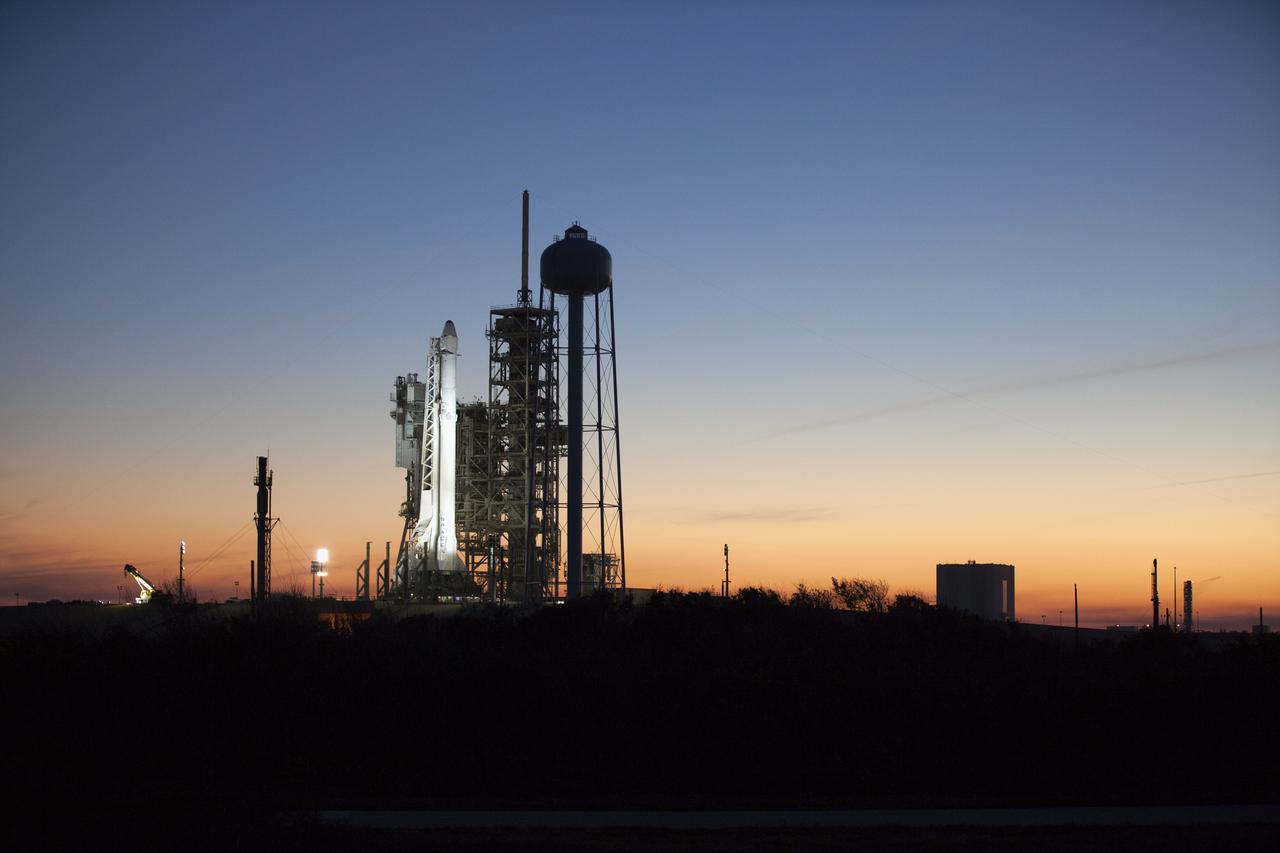
As sun sets, a Falcon 9 rocket stands ready for liftoff at the Kennedy Space Center's Launch Complex 39A. The historic launch site now is operated by SpaceX under a property agreement signed with NASA. In the background is the Vehicle Assembly Building. The rocket will boost a Dragon resupply spacecraft to the International Space Station. Liftoff is scheduled for 10:01 a.m. EST on Feb. 18. On its 10th commercial resupply services mission to the space station, Dragon will bring up 5,000 pounds of supplies, such as the Stratospheric Aerosol and Gas Experiment (SAGE) III instrument to further study ozone in the atmosphere. Once mounted on the space station, SAGE III will measure the Earth’s sunscreen, or ozone, along with other gases and aerosols, or tiny particles in the atmosphere.
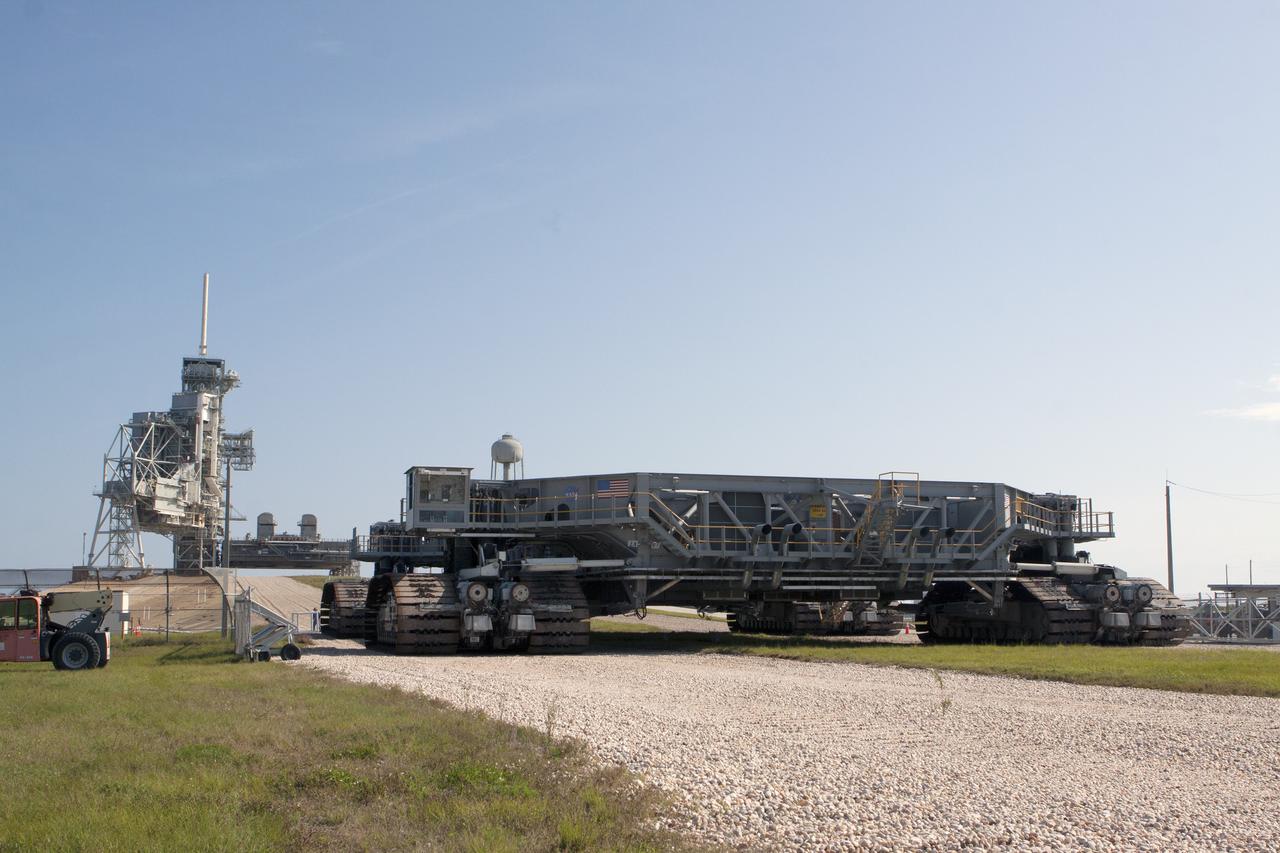
CAPE CANAVERAL, Fla. -- A crawler-transporter rolls toward Launch Pad 39A at NASA's Kennedy Space Center in Florida. Operations are underway to move Mobile Launcher Platform-2, or MLP-2, from the pad to a nearby park site in Launch Complex 39. The historic launch pad was the site from which numerous Apollo and space shuttle missions began and is beginning a new mission as a commercial launch site. NASA signed a property agreement with Space Exploration Technologies Corp., or SpaceX, of Hawthorne, California, on April 14 for use and occupancy of the seaside complex along Florida's central east coast. It will serve as a platform for SpaceX to support their commercial launch activities. For more information on Launch Pad 39A, visit http://www.nasa.gov/centers/kennedy/pdf/167416main_LC39-08.pdf. For learn more about the crawler-transporter, visit http://www.nasa.gov/centers/kennedy/pdf/167402main_crawlertransporters07.pdf. Photo credit: NASA/Kim Shiflett
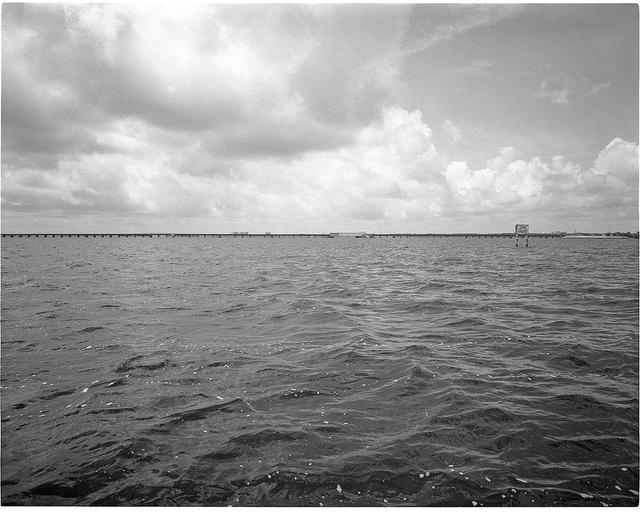
View of the Jay Jay Bridge

Interior view of the Solar Array Test Building
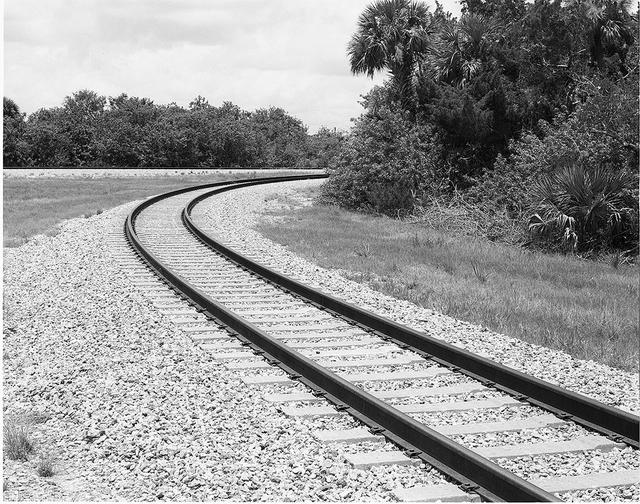
View of the Railway System
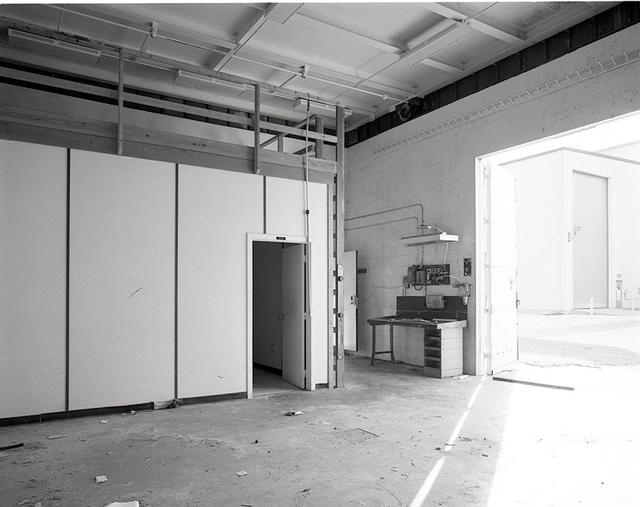
Interior view of the Solar Array Test Building
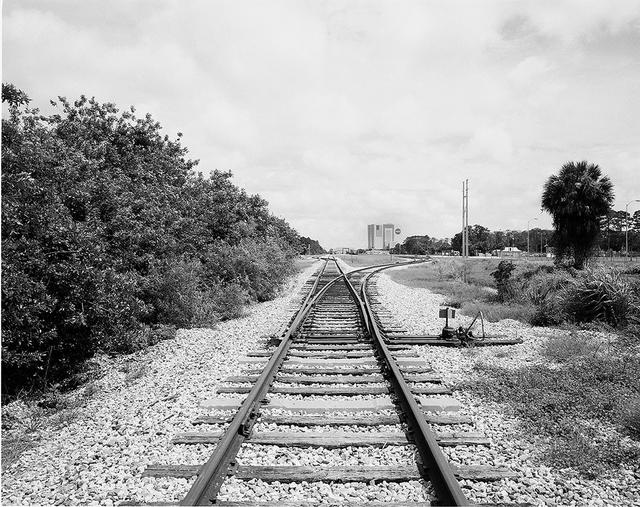
View of the Railway System
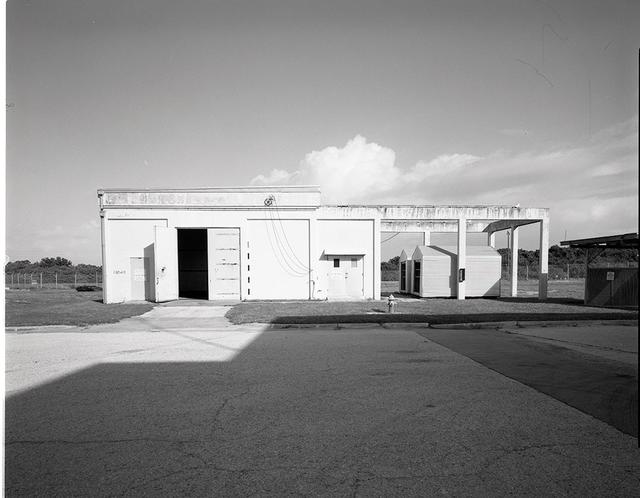
Exterior view of the Solar Array Test Building
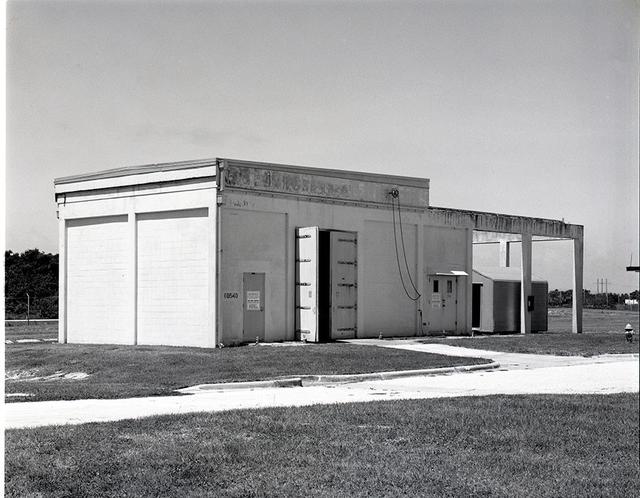
Exterior view of the Solar Array Test Building
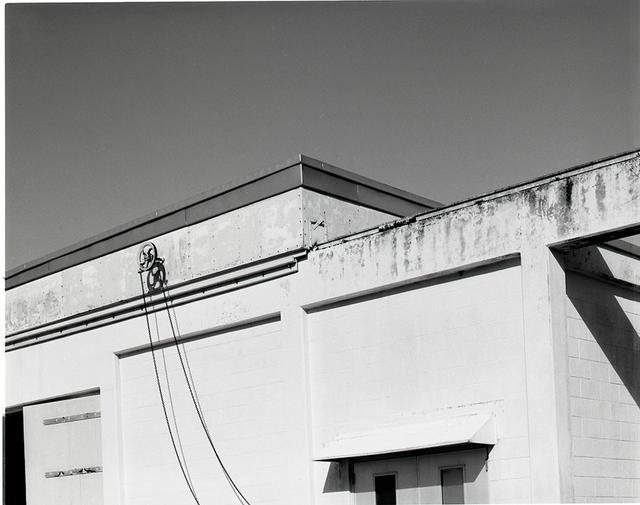
Exterior view of the Solar Array Test Building
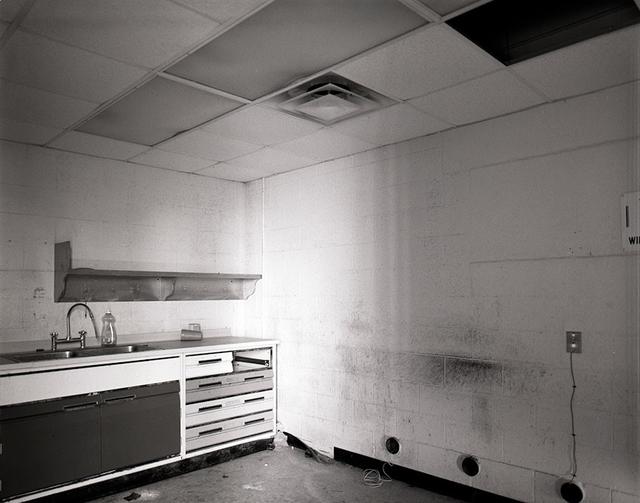
Interior view of the Solar Array Test Building
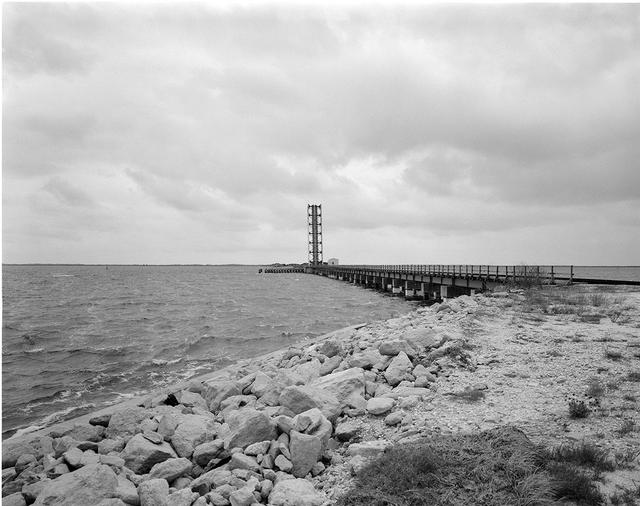
View of the Jay Jay Bridge
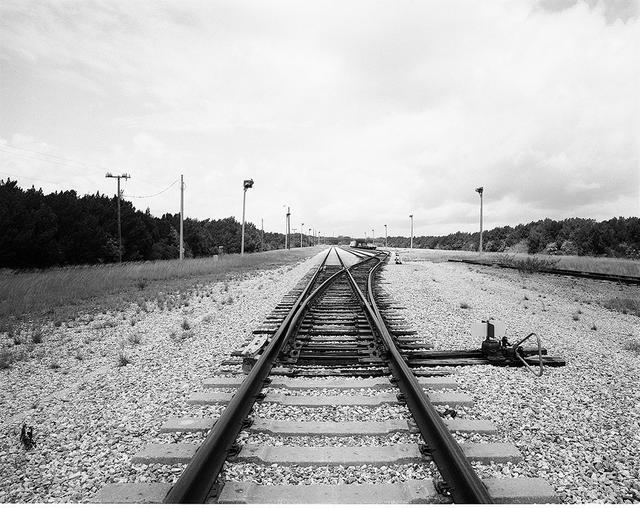
View of the Railway System
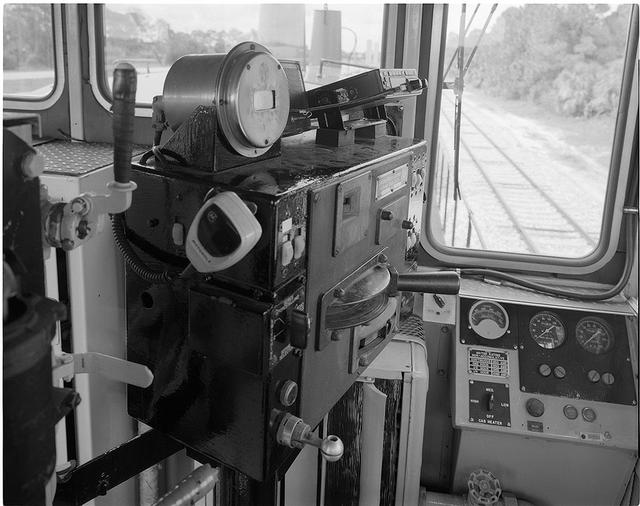
View of the Railway System
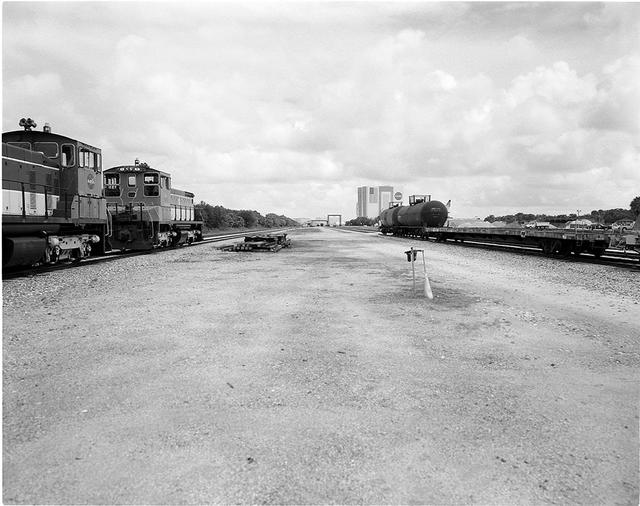
View of the Railway System
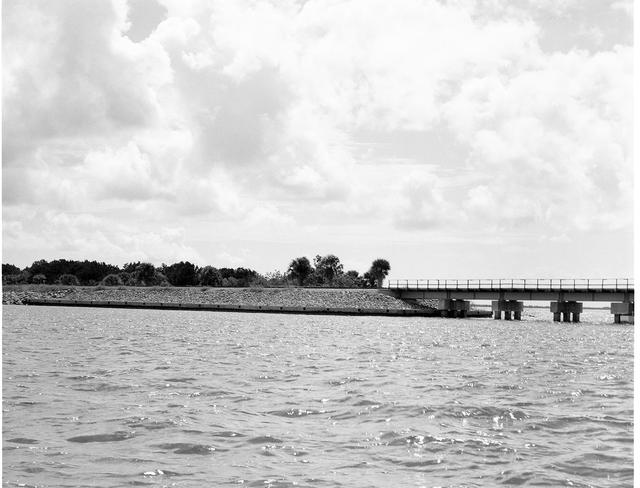
View of the Jay Jay Bridge
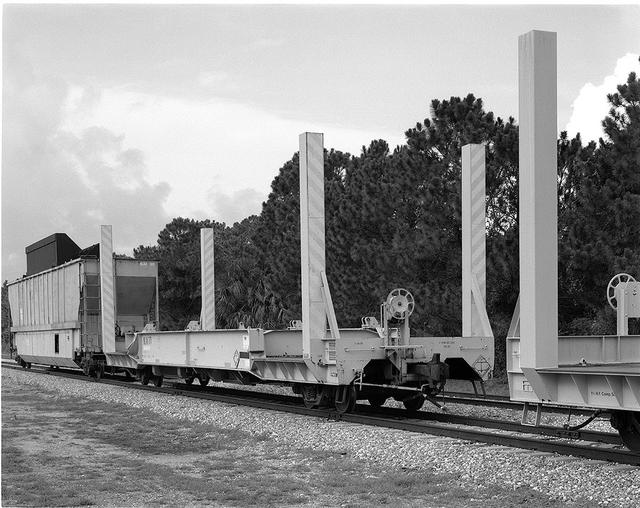
View of the Railway System
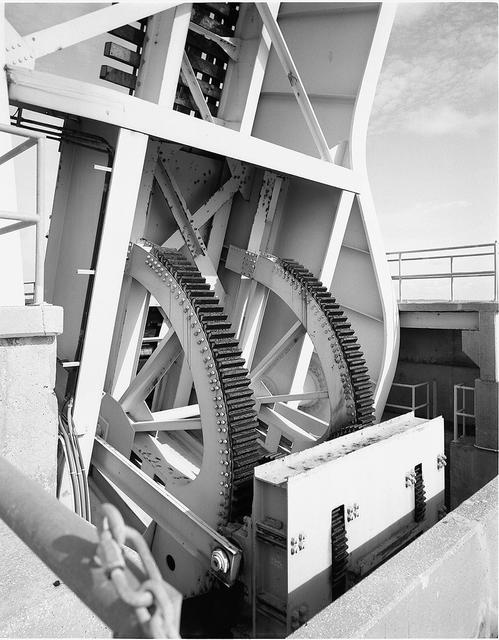
View of the Jay Jay Bridge
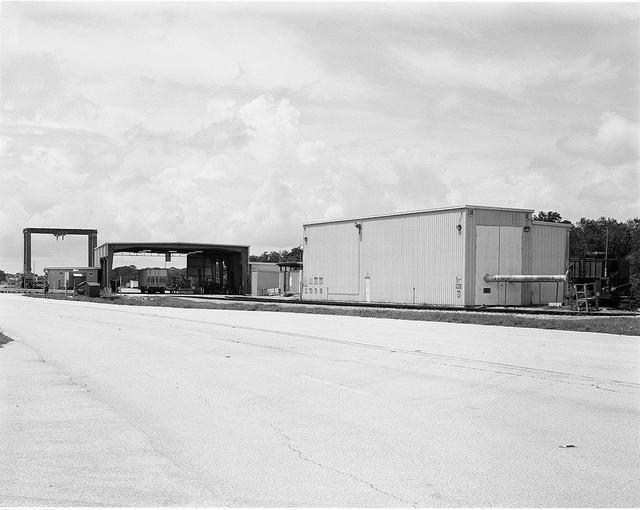
View of the Railway System