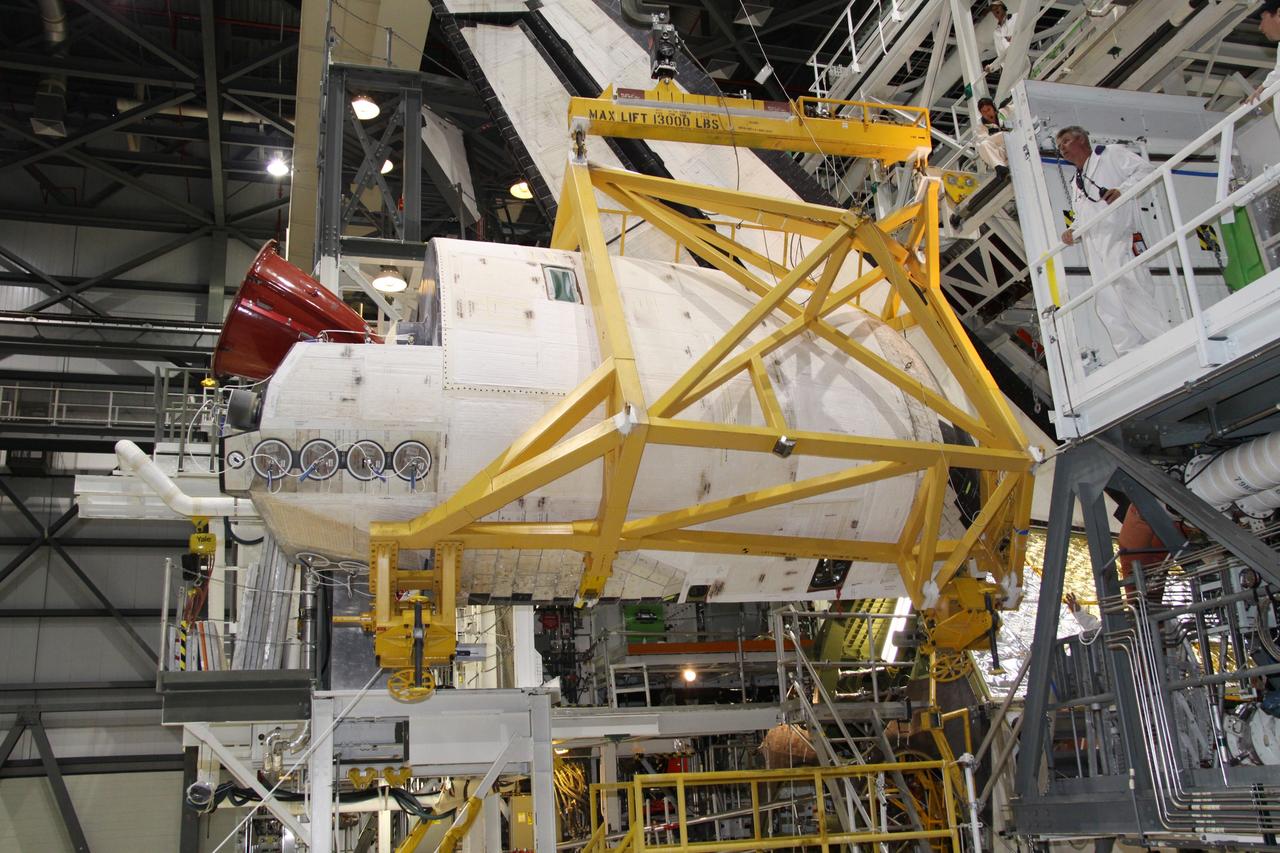
CAPE CANAVERAL, Fla. - In Orbiter Processing Facility-2 at NASA's Kennedy Space Center in Florida, workers use a crane to grapple shuttle Discovery's right-hand orbital maneuvering system, or OMS, pod for removal. It then will be transported to the Hypergol Maintenance Facility. The removal is part of Discovery's transition and retirement processing. Work performed on Discovery is expected to help rocket designers build next-generation spacecraft and prepare the shuttle for future public display. Photo credit: NASA/Jack Pfaller
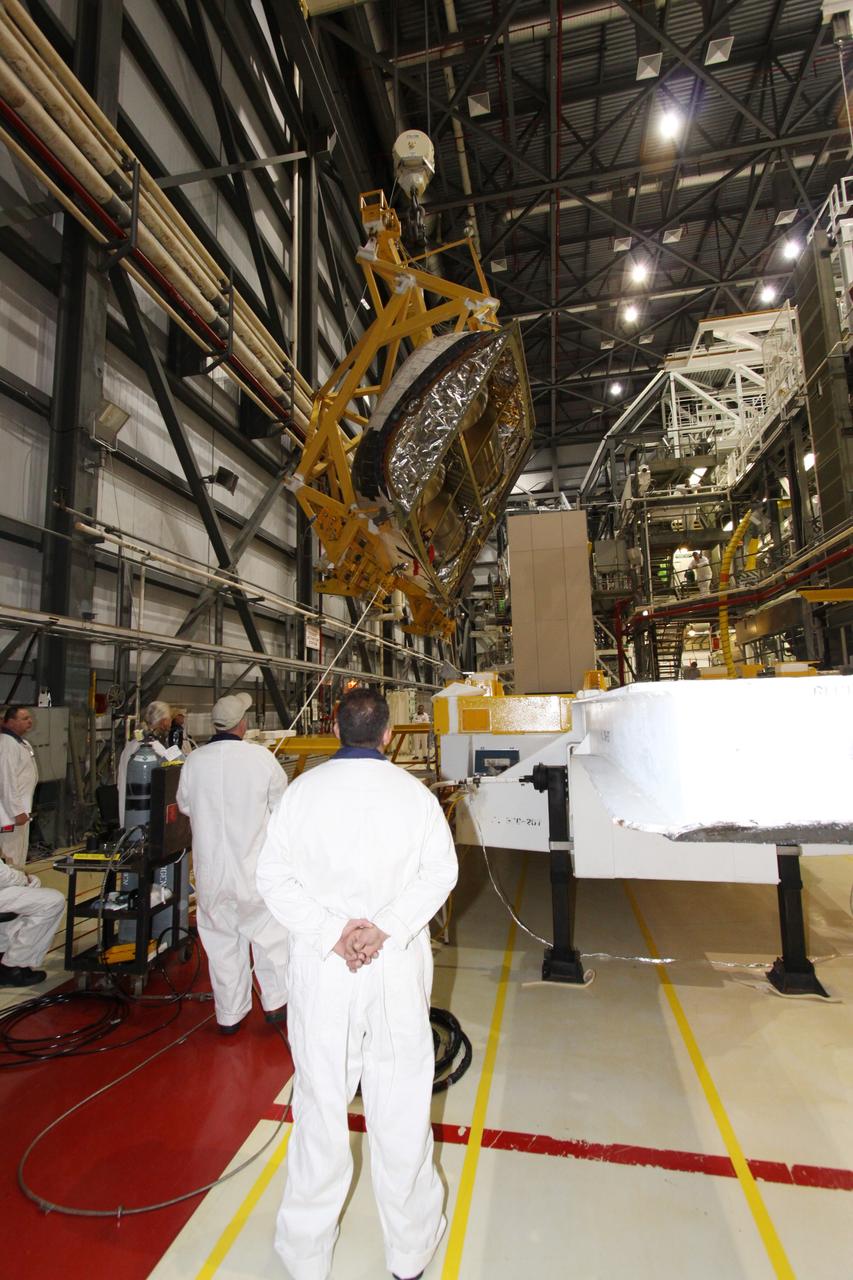
CAPE CANAVERAL, Fla. -- In Orbiter Processing Facility-2 at NASA's Kennedy Space Center in Florida, workers monitor an overhead crane as it lowers shuttle Discovery's right-hand orbital maneuvering system, or OMS, pod toward a transporter. It then will be moved to the Hypergol Maintenance Facility. The removal is part of Discovery's transition and retirement processing. Work performed on Discovery is expected to help rocket designers build next-generation spacecraft and prepare the shuttle for future public display. Photo credit: NASA/Jack Pfaller
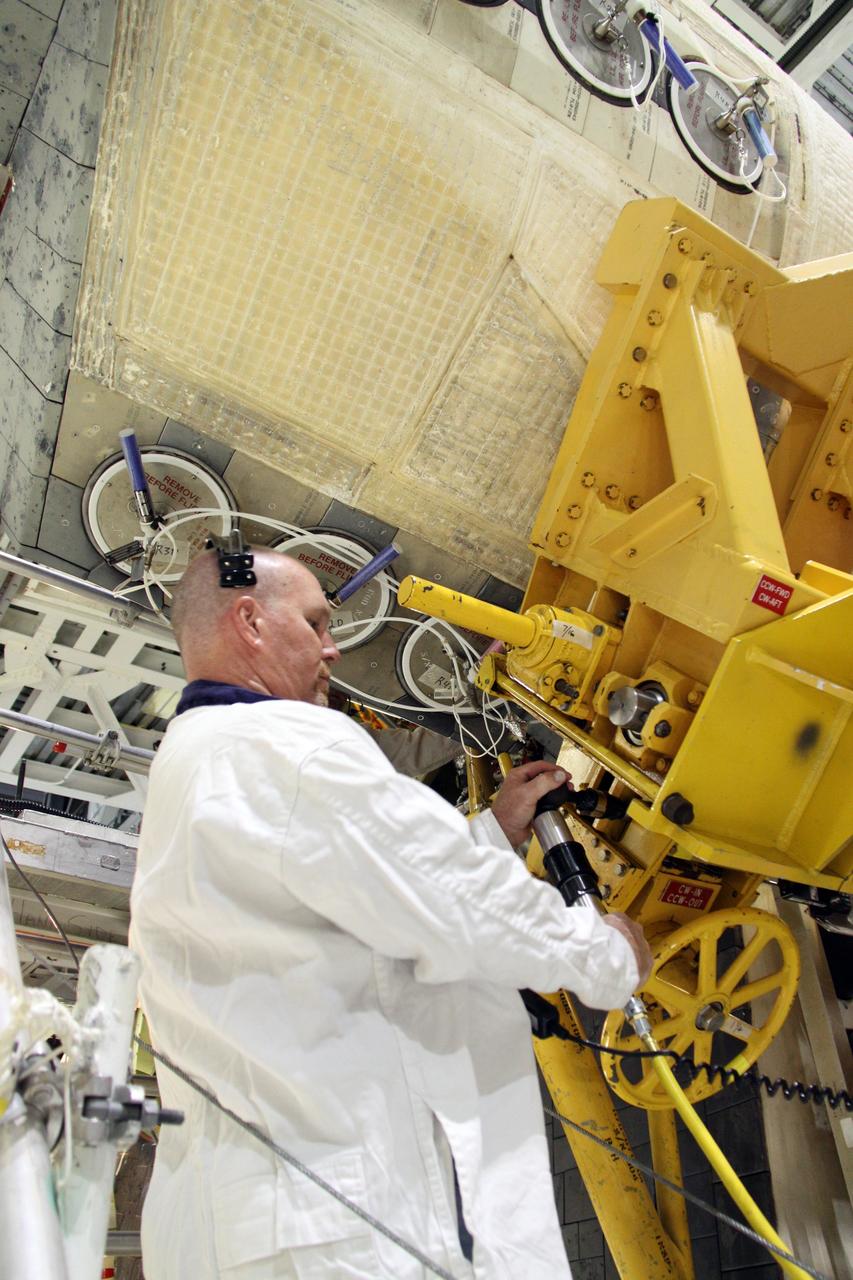
CAPE CANAVERAL, Fla. - In Orbiter Processing Facility-2 at NASA's Kennedy Space Center in Florida, workers use a crane to grapple shuttle Discovery's right-hand orbital maneuvering system, or OMS, pod for removal. It then will be transported to the Hypergol Maintenance Facility. The removal is part of Discovery's transition and retirement processing. Work performed on Discovery is expected to help rocket designers build next-generation spacecraft and prepare the shuttle for future public display. Photo credit: NASA/Troy Cryder
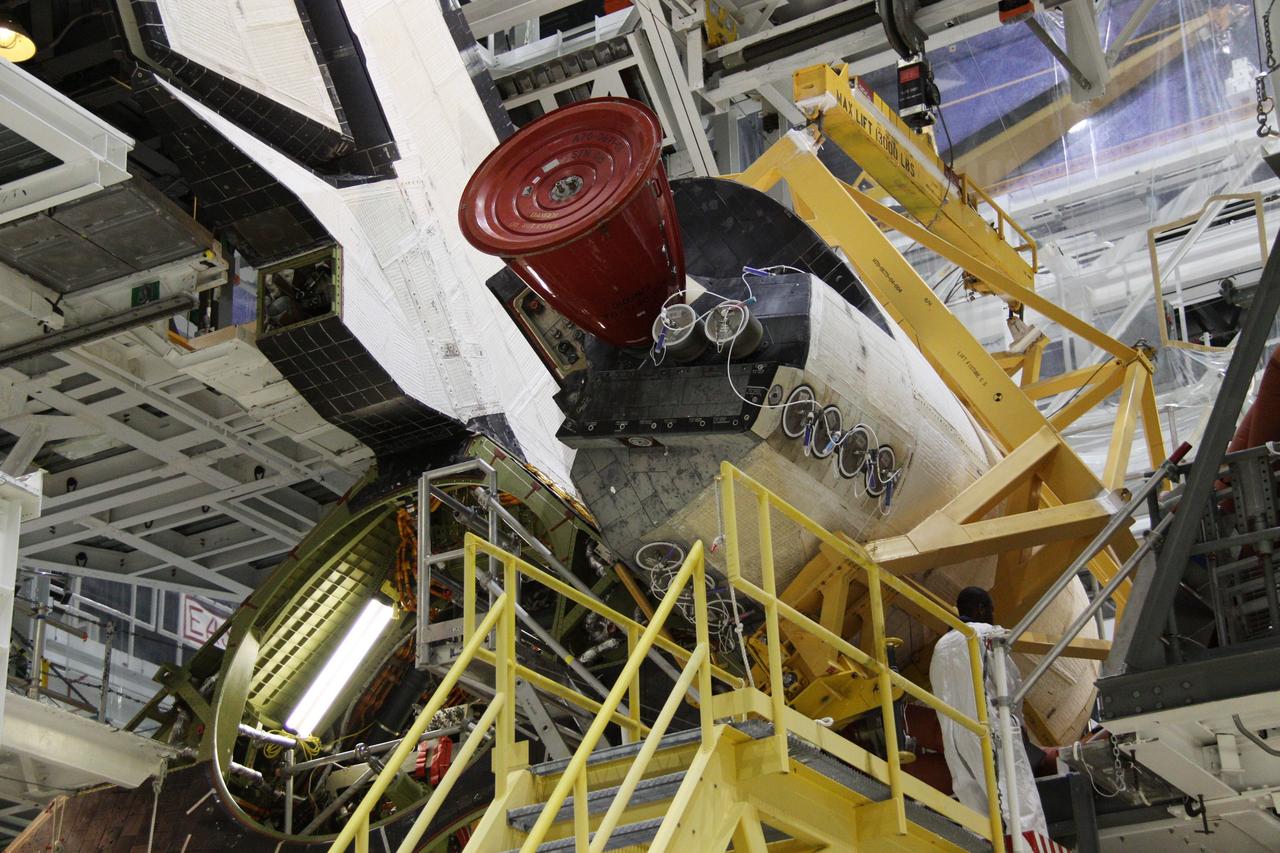
CAPE CANAVERAL, Fla. - In Orbiter Processing Facility-2 at NASA's Kennedy Space Center in Florida, workers use a crane to grapple shuttle Discovery's right-hand orbital maneuvering system, or OMS, pod for removal. It then will be transported to the Hypergol Maintenance Facility. The removal is part of Discovery's transition and retirement processing. Work performed on Discovery is expected to help rocket designers build next-generation spacecraft and prepare the shuttle for future public display. Photo credit: NASA/Troy Cryder
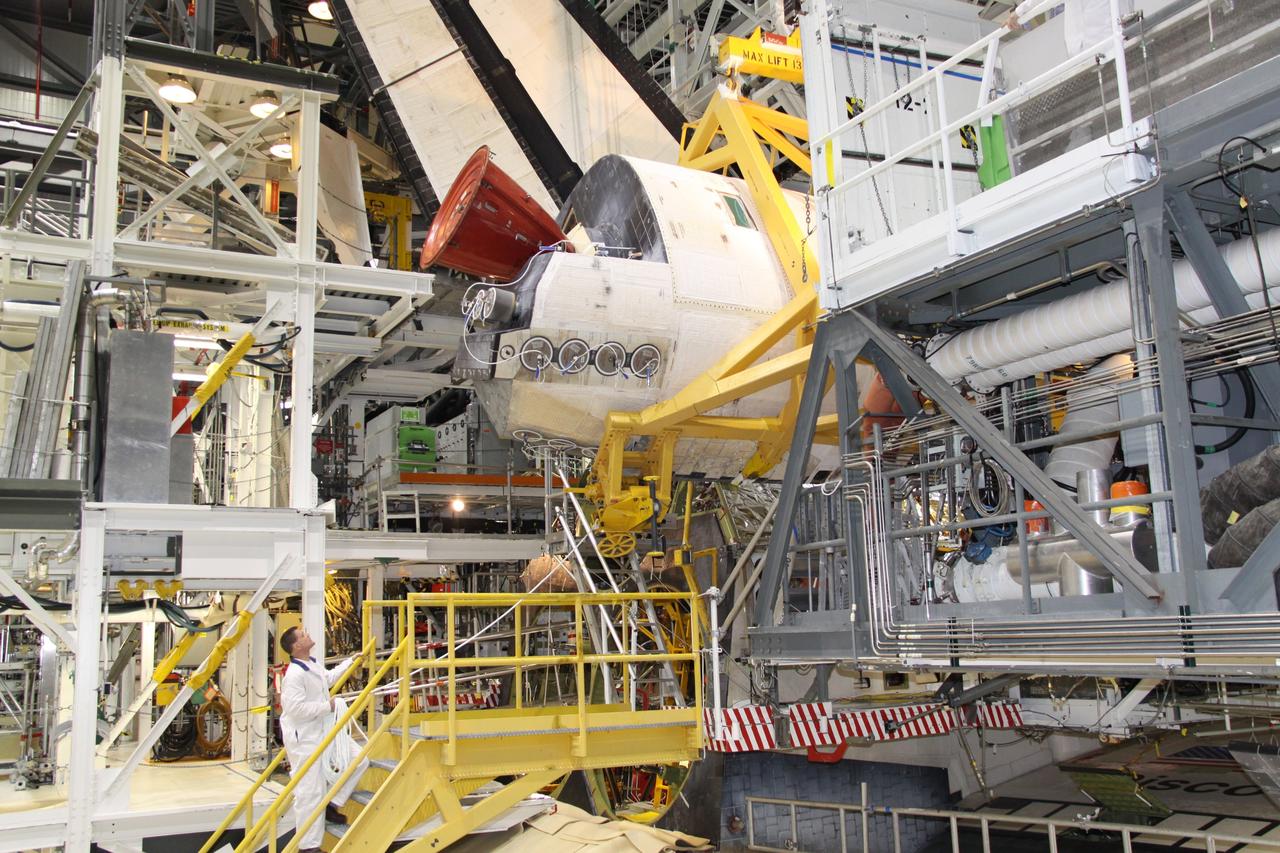
CAPE CANAVERAL, Fla. - In Orbiter Processing Facility-2 at NASA's Kennedy Space Center in Florida, workers use a crane to grapple shuttle Discovery's right-hand orbital maneuvering system, or OMS, pod for removal. It then will be transported to the Hypergol Maintenance Facility. The removal is part of Discovery's transition and retirement processing. Work performed on Discovery is expected to help rocket designers build next-generation spacecraft and prepare the shuttle for future public display. Photo credit: NASA/Jack Pfaller
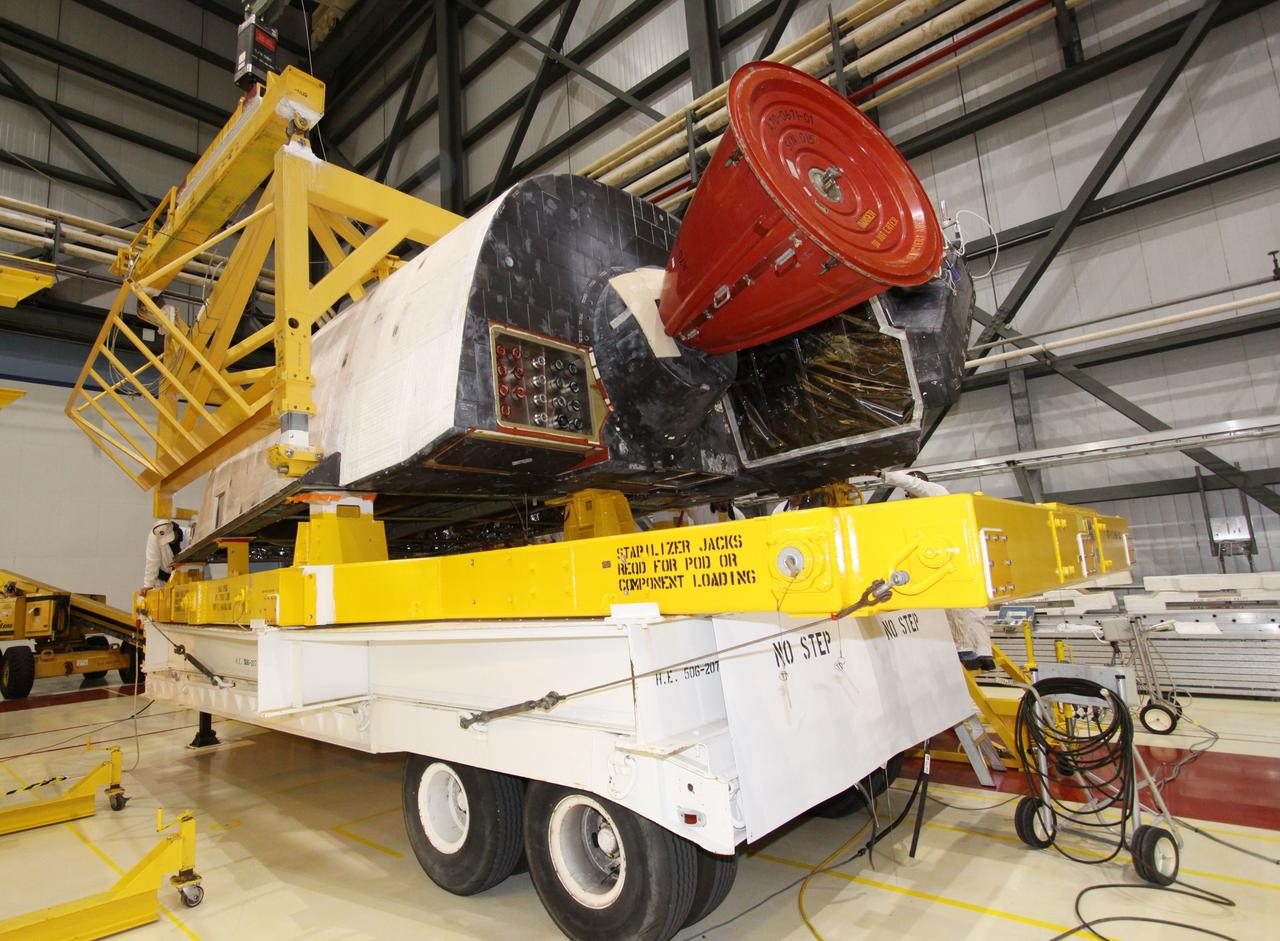
CAPE CANAVERAL, Fla. -- In Orbiter Processing Facility-2 at NASA's Kennedy Space Center in Florida, an overhead crane lowered shuttle Discovery's right-hand orbital maneuvering system, or OMS, pod onto a transporter. It then will be moved to the Hypergol Maintenance Facility. The removal is part of Discovery's transition and retirement processing. Work performed on Discovery is expected to help rocket designers build next-generation spacecraft and prepare the shuttle for future public display. Photo credit: NASA/Jack Pfaller
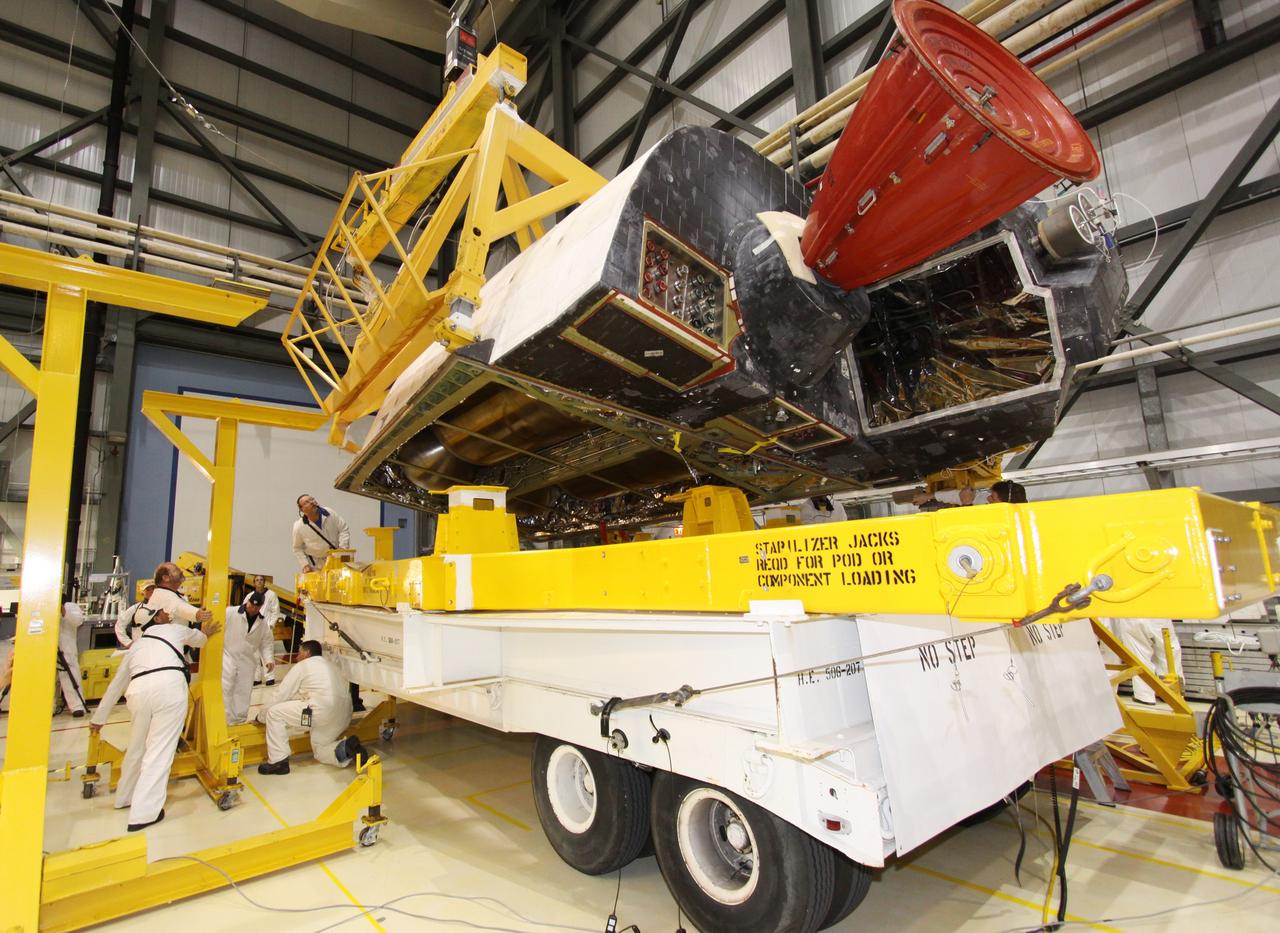
CAPE CANAVERAL, Fla. -- In Orbiter Processing Facility-2 at NASA's Kennedy Space Center in Florida, workers monitor an overhead crane as it lowers shuttle Discovery's right-hand orbital maneuvering system, or OMS, pod toward a transporter. It then will be moved to the Hypergol Maintenance Facility. The removal is part of Discovery's transition and retirement processing. Work performed on Discovery is expected to help rocket designers build next-generation spacecraft and prepare the shuttle for future public display. Photo credit: NASA/Jack Pfaller
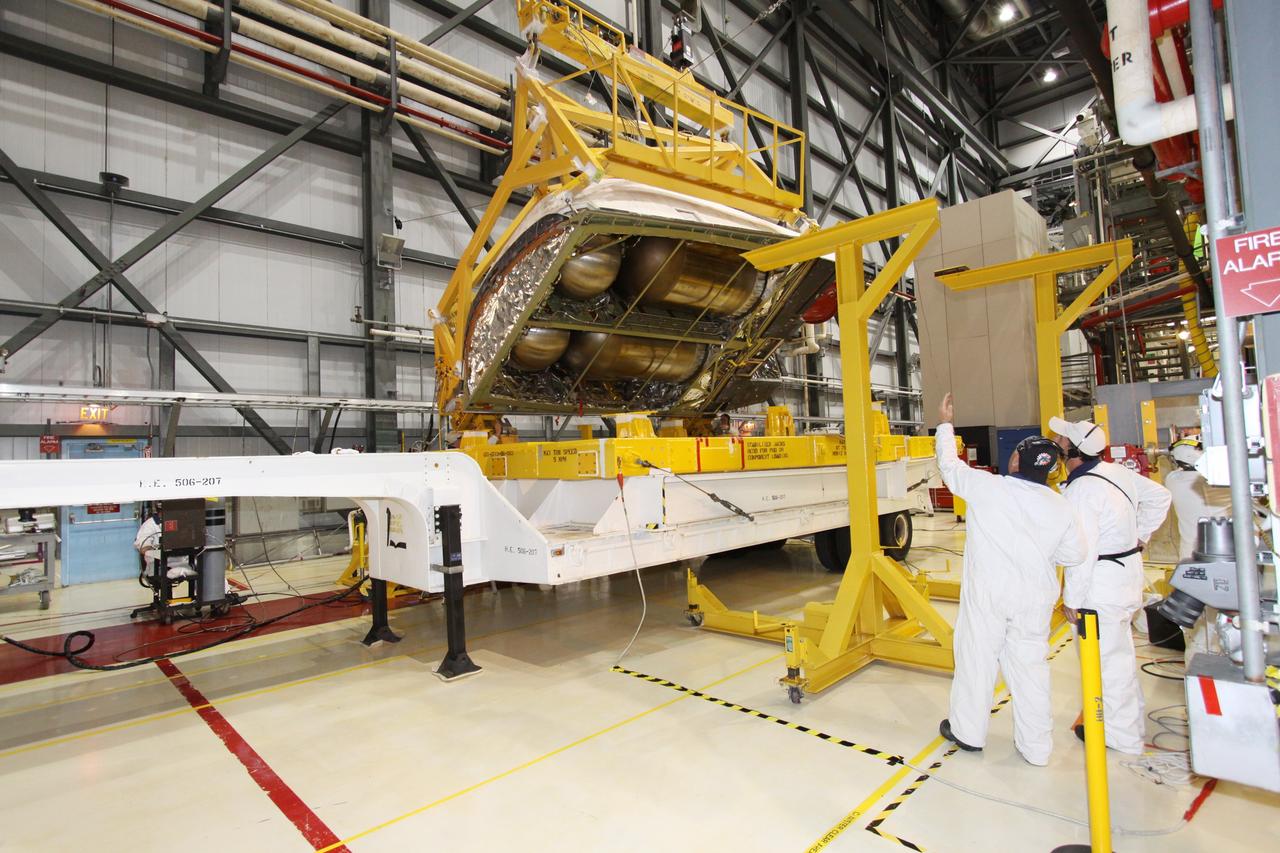
CAPE CANAVERAL, Fla. -- In Orbiter Processing Facility-2 at NASA's Kennedy Space Center in Florida, workers monitor an overhead crane as it lowers shuttle Discovery's right-hand orbital maneuvering system, or OMS, pod toward a transporter. It then will be moved to the Hypergol Maintenance Facility. The removal is part of Discovery's transition and retirement processing. Work performed on Discovery is expected to help rocket designers build next-generation spacecraft and prepare the shuttle for future public display. Photo credit: NASA/Jack Pfaller
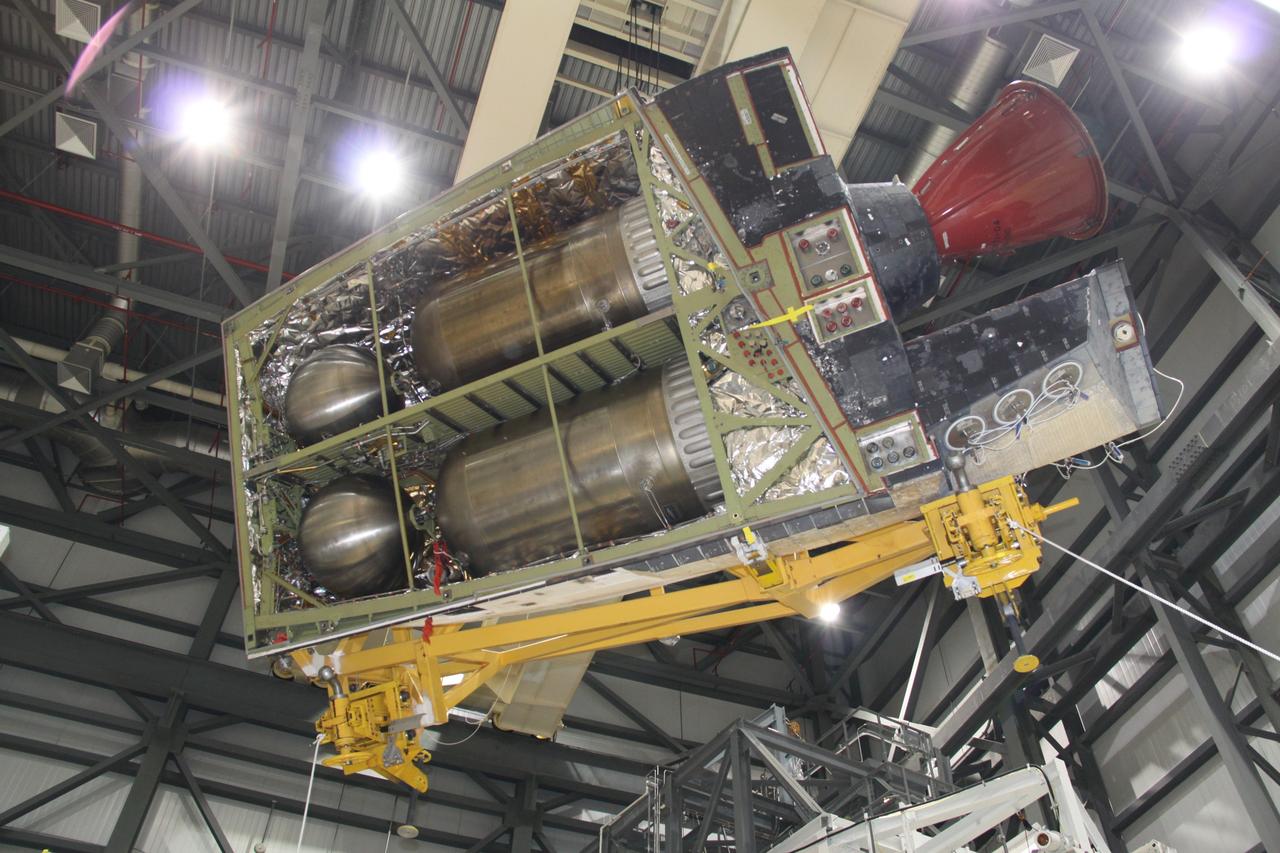
CAPE CANAVERAL, Fla. -- In Orbiter Processing Facility-2 at NASA's Kennedy Space Center in Florida, an overhead crane removes shuttle Discovery's right-hand orbital maneuvering system, or OMS, pod. It then will be transported to the Hypergol Maintenance Facility. The removal is part of Discovery's transition and retirement processing. Work performed on Discovery is expected to help rocket designers build next-generation spacecraft and prepare the shuttle for future public display. Photo credit: NASA/Jack Pfaller
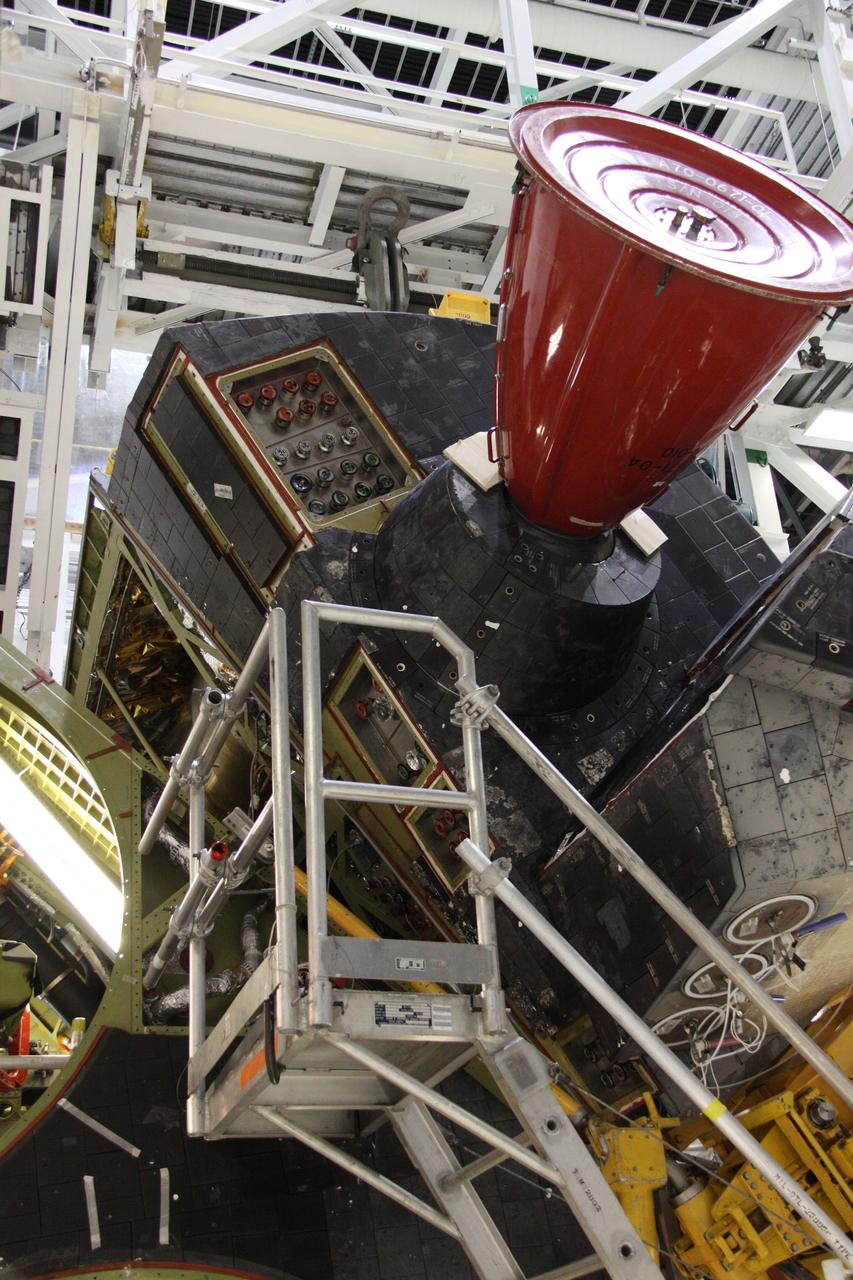
CAPE CANAVERAL, Fla. -- In Orbiter Processing Facility-2 at NASA's Kennedy Space Center in Florida, workers use a crane to remove shuttle Discovery's right-hand orbital maneuvering system, or OMS, pod. It then will be transported to the Hypergol Maintenance Facility. The removal is part of Discovery's transition and retirement processing. Work performed on Discovery is expected to help rocket designers build next-generation spacecraft and prepare the shuttle for future public display. Photo credit: NASA/Troy Cryder
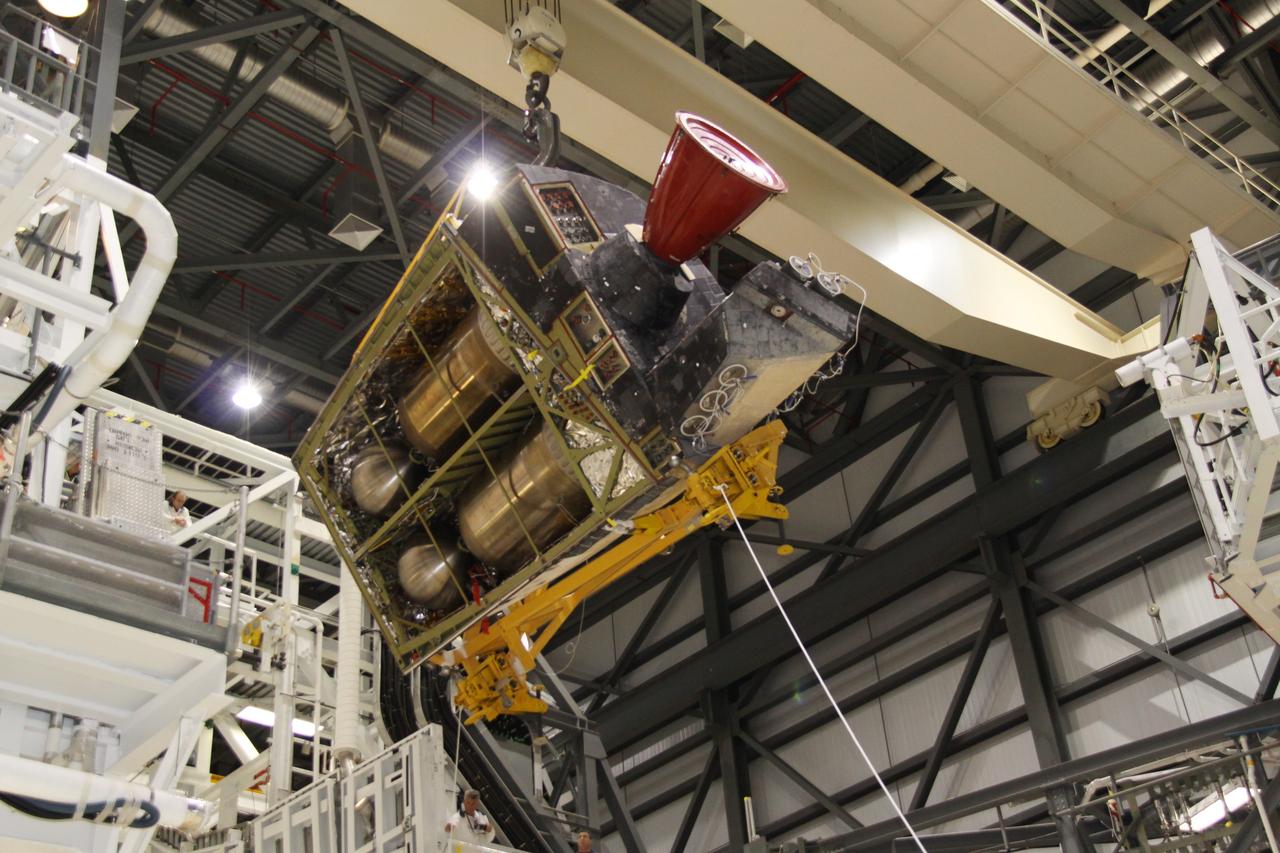
CAPE CANAVERAL, Fla. -- In Orbiter Processing Facility-2 at NASA's Kennedy Space Center in Florida, an overhead crane removes shuttle Discovery's right-hand orbital maneuvering system, or OMS, pod. It then will be transported to the Hypergol Maintenance Facility. The removal is part of Discovery's transition and retirement processing. Work performed on Discovery is expected to help rocket designers build next-generation spacecraft and prepare the shuttle for future public display. Photo credit: NASA/Jack Pfaller
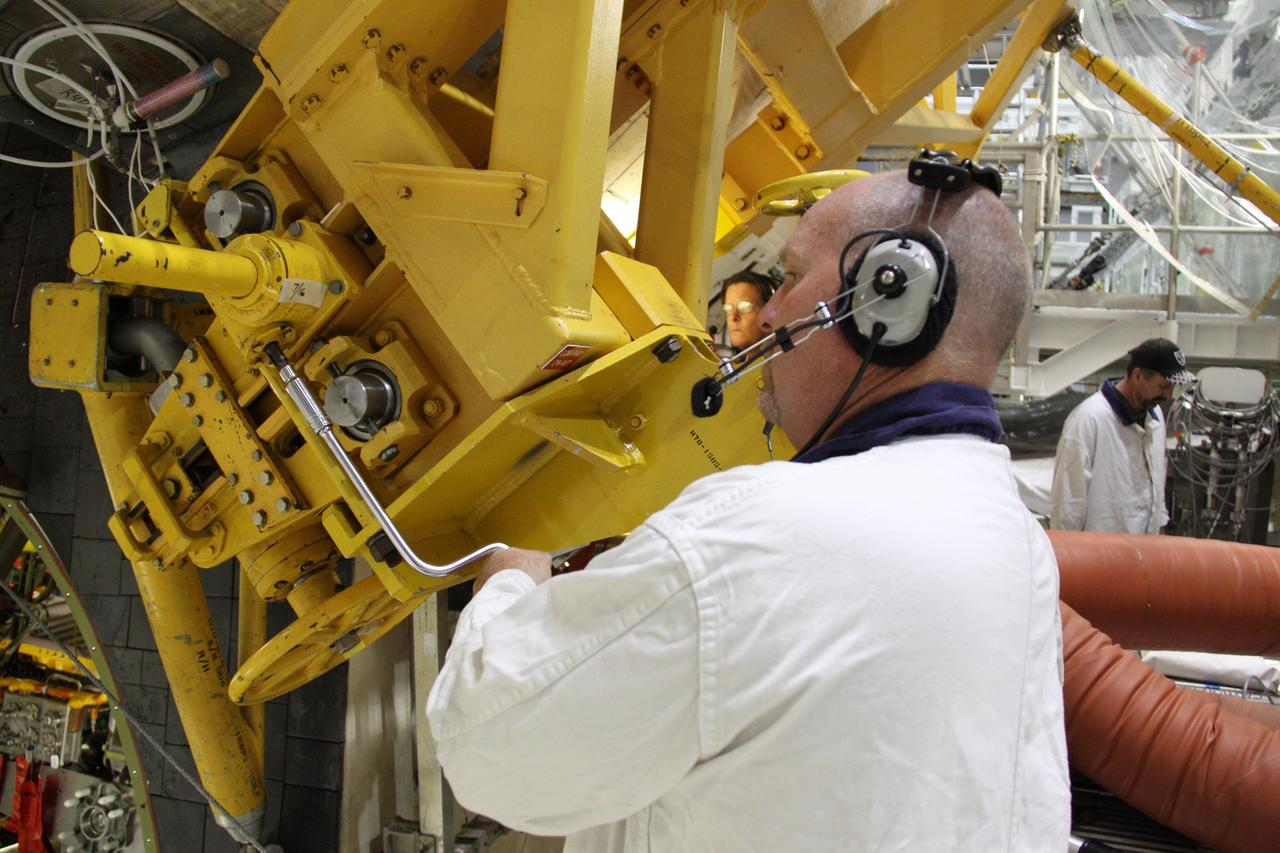
CAPE CANAVERAL, Fla. - In Orbiter Processing Facility-2 at NASA's Kennedy Space Center in Florida, workers use a crane to grapple shuttle Discovery's right-hand orbital maneuvering system, or OMS, pod for removal. It then will be transported to the Hypergol Maintenance Facility. The removal is part of Discovery's transition and retirement processing. Work performed on Discovery is expected to help rocket designers build next-generation spacecraft and prepare the shuttle for future public display. Photo credit: NASA/Troy Cryder
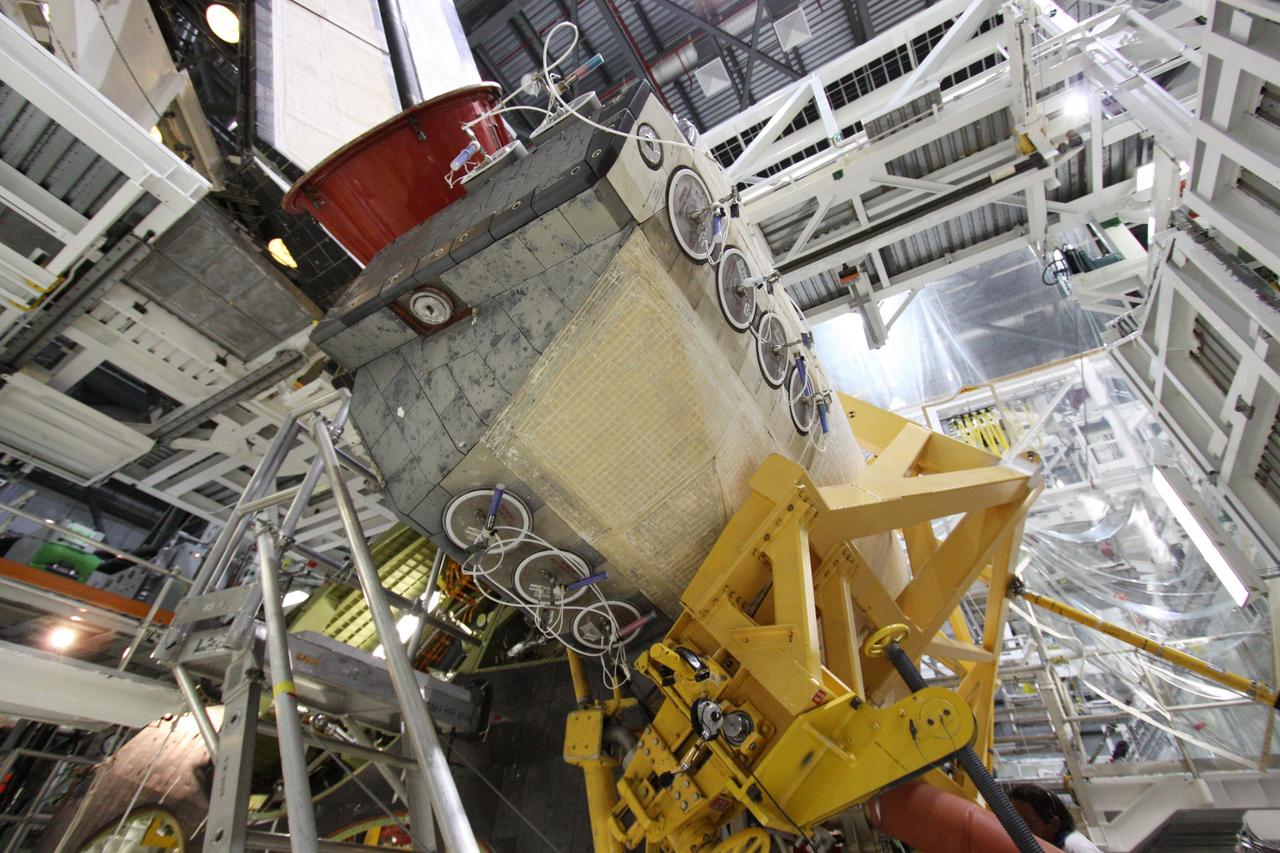
CAPE CANAVERAL, Fla. - In Orbiter Processing Facility-2 at NASA's Kennedy Space Center in Florida, workers use a crane to grapple shuttle Discovery's right-hand orbital maneuvering system, or OMS, pod for removal. It then will be transported to the Hypergol Maintenance Facility. The removal is part of Discovery's transition and retirement processing. Work performed on Discovery is expected to help rocket designers build next-generation spacecraft and prepare the shuttle for future public display. Photo credit: NASA/Troy Cryder
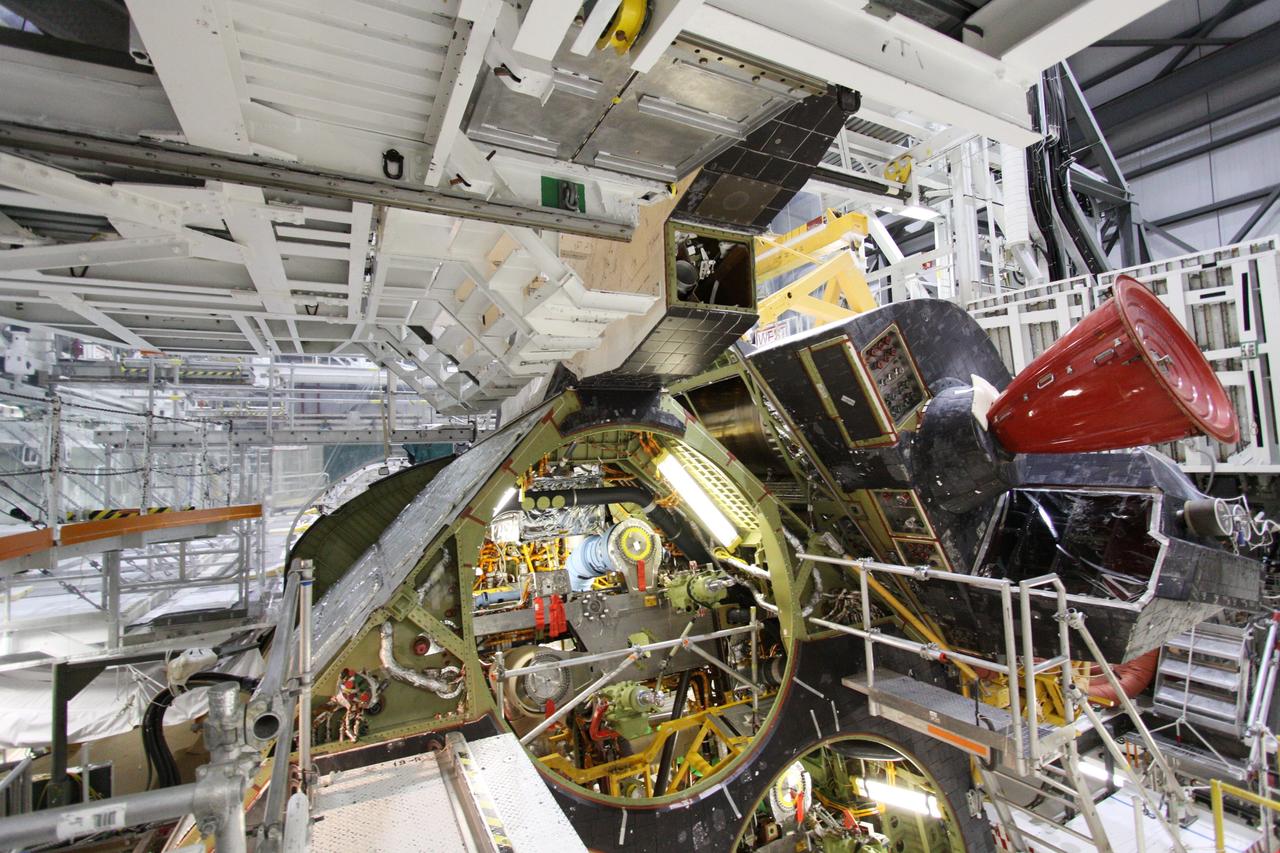
CAPE CANAVERAL, Fla. -- In Orbiter Processing Facility-2 at NASA's Kennedy Space Center in Florida, workers use a crane to remove shuttle Discovery's right-hand orbital maneuvering system, or OMS, pod. It then will be transported to the Hypergol Maintenance Facility. The removal is part of Discovery's transition and retirement processing. Work performed on Discovery is expected to help rocket designers build next-generation spacecraft and prepare the shuttle for future public display. Photo credit: NASA/Troy Cryder
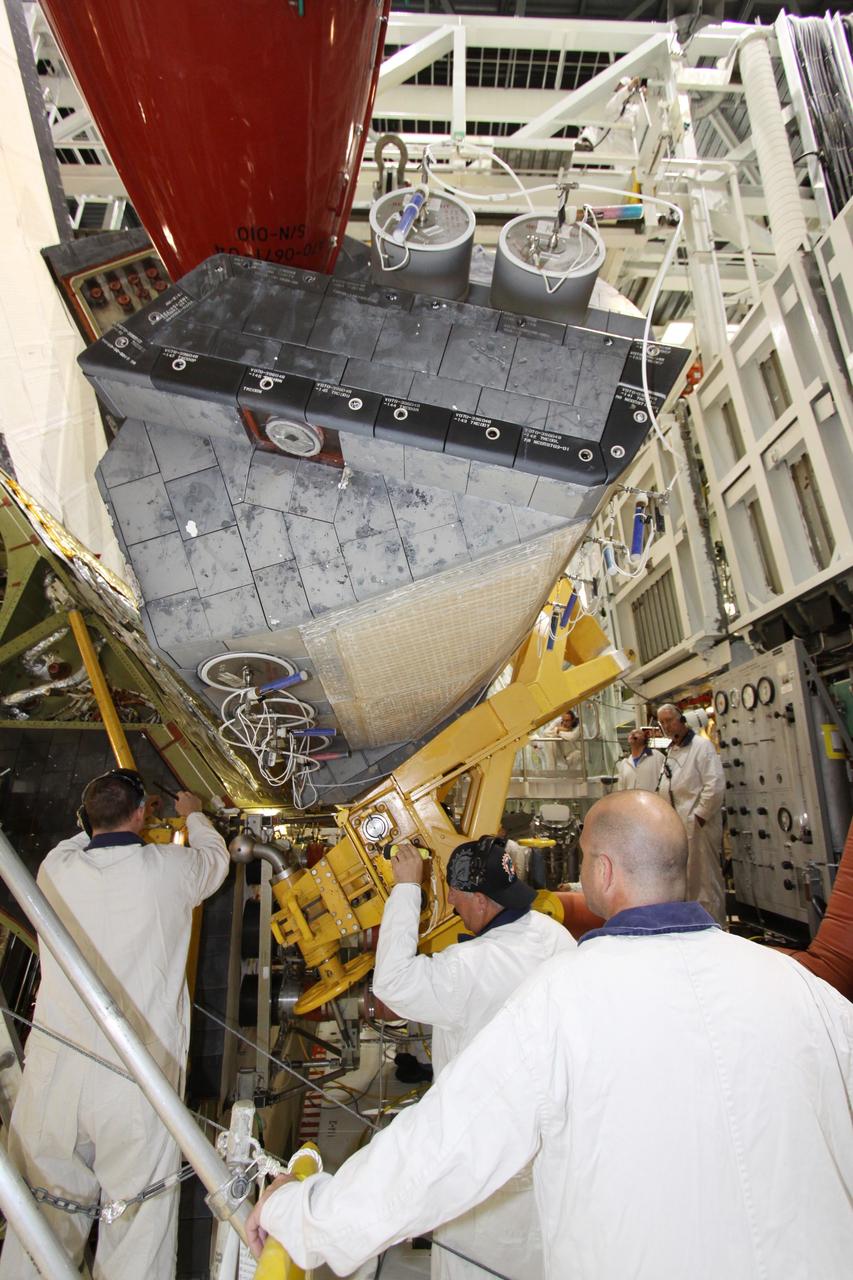
CAPE CANAVERAL, Fla. - In Orbiter Processing Facility-2 at NASA's Kennedy Space Center in Florida, workers use a crane to grapple shuttle Discovery's right-hand orbital maneuvering system, or OMS, pod for removal. It then will be transported to the Hypergol Maintenance Facility. The removal is part of Discovery's transition and retirement processing. Work performed on Discovery is expected to help rocket designers build next-generation spacecraft and prepare the shuttle for future public display. Photo credit: NASA/Jack Pfaller
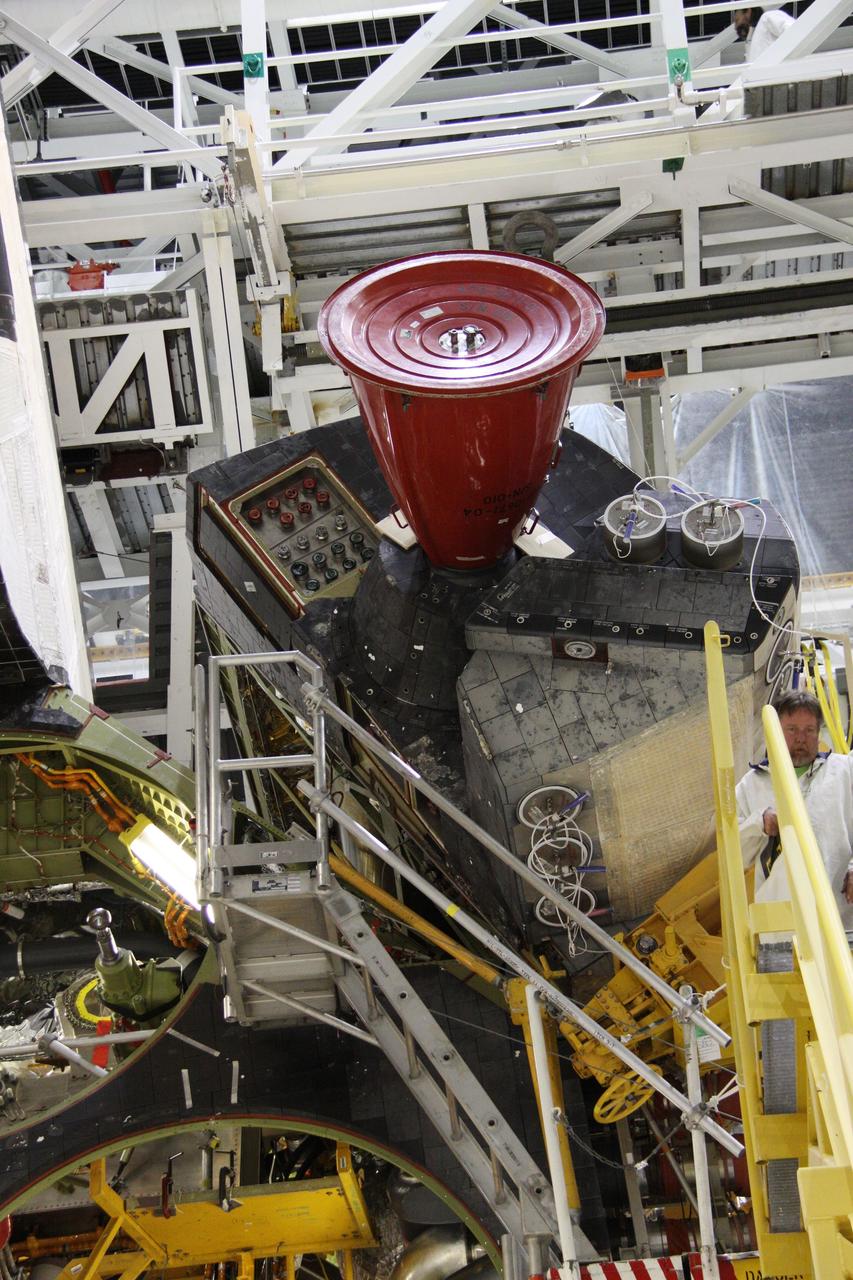
CAPE CANAVERAL, Fla. - In Orbiter Processing Facility-2 at NASA's Kennedy Space Center in Florida, workers use a crane to grapple shuttle Discovery's right-hand orbital maneuvering system, or OMS, pod for removal. It then will be transported to the Hypergol Maintenance Facility. The removal is part of Discovery's transition and retirement processing. Work performed on Discovery is expected to help rocket designers build next-generation spacecraft and prepare the shuttle for future public display. Photo credit: NASA/Troy Cryder
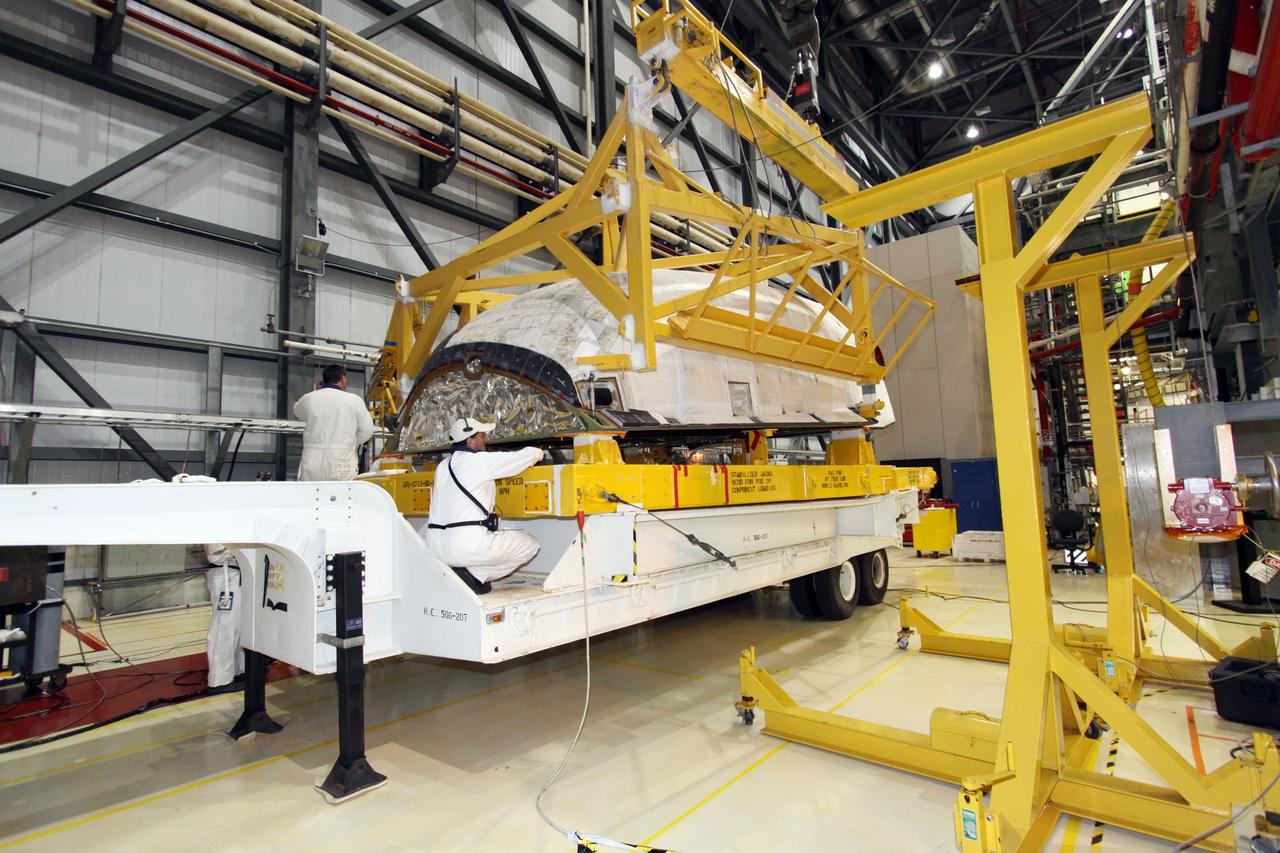
CAPE CANAVERAL, Fla. -- In Orbiter Processing Facility-2 at NASA's Kennedy Space Center in Florida, workers position shuttle Discovery's right-hand orbital maneuvering system, or OMS, pod onto a transporter. It then will be moved to the Hypergol Maintenance Facility. The removal is part of Discovery's transition and retirement processing. Work performed on Discovery is expected to help rocket designers build next-generation spacecraft and prepare the shuttle for future public display. Photo credit: NASA/Jack Pfaller
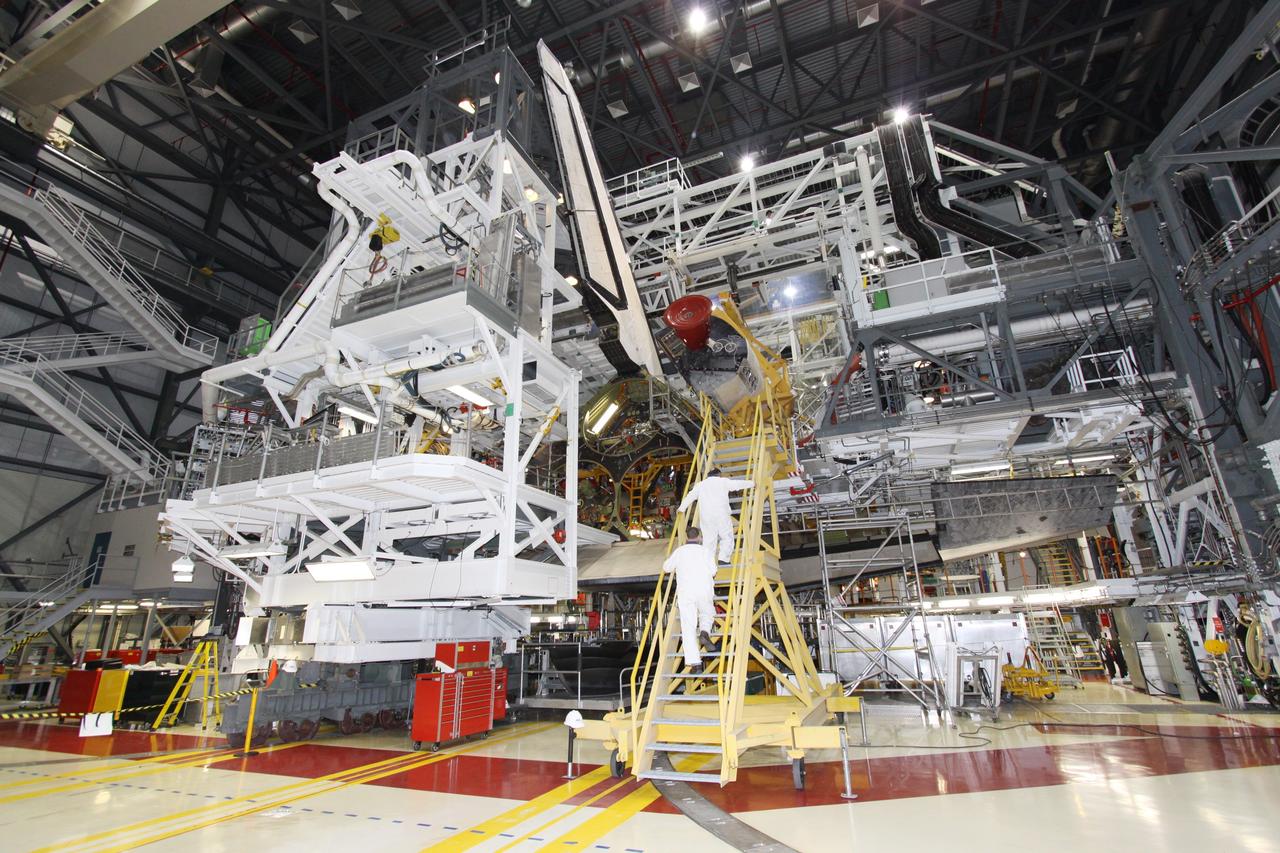
CAPE CANAVERAL, Fla. - In Orbiter Processing Facility-2 at NASA's Kennedy Space Center in Florida, workers climb up to the level where a crane is being used to grapple shuttle Discovery's right-hand orbital maneuvering system, or OMS, pod for removal. It then will be transported to the Hypergol Maintenance Facility. The removal is part of Discovery's transition and retirement processing. Work performed on Discovery is expected to help rocket designers build next-generation spacecraft and prepare the shuttle for future public display. Photo credit: NASA/Jack Pfaller
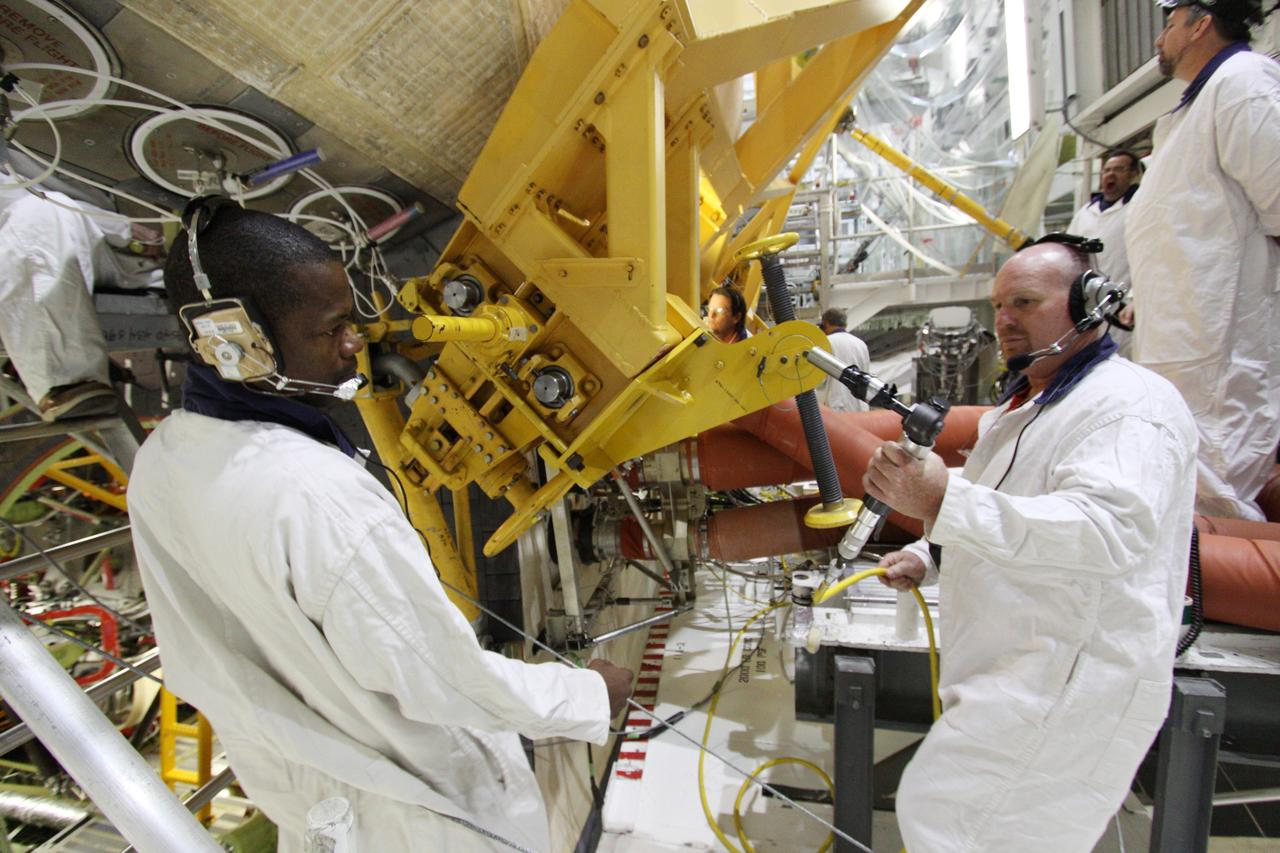
CAPE CANAVERAL, Fla. - In Orbiter Processing Facility-2 at NASA's Kennedy Space Center in Florida, workers use a crane to grapple shuttle Discovery's right-hand orbital maneuvering system, or OMS, pod for removal. It then will be transported to the Hypergol Maintenance Facility. The removal is part of Discovery's transition and retirement processing. Work performed on Discovery is expected to help rocket designers build next-generation spacecraft and prepare the shuttle for future public display. Photo credit: NASA/Troy Cryder
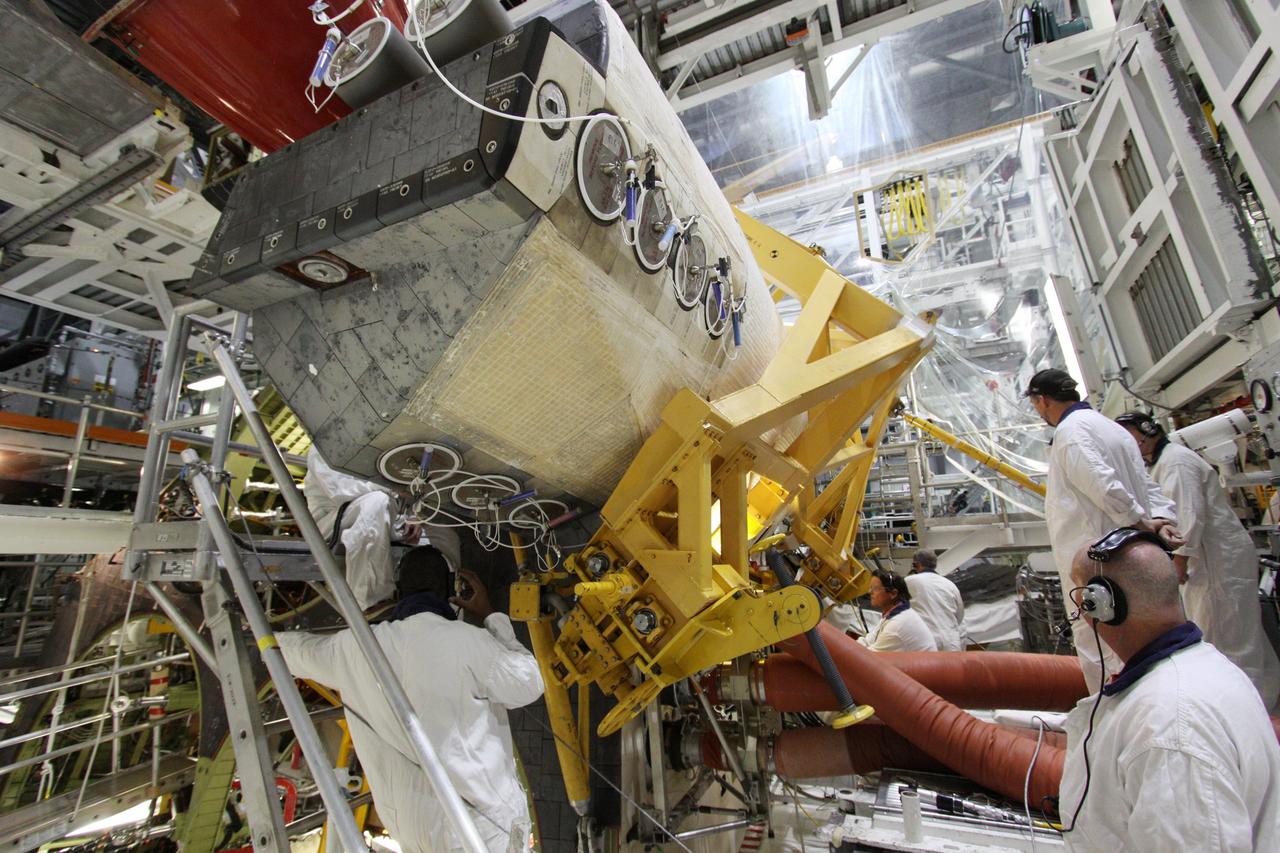
CAPE CANAVERAL, Fla. - In Orbiter Processing Facility-2 at NASA's Kennedy Space Center in Florida, workers use a crane to grapple shuttle Discovery's right-hand orbital maneuvering system, or OMS, pod for removal. It then will be transported to the Hypergol Maintenance Facility. The removal is part of Discovery's transition and retirement processing. Work performed on Discovery is expected to help rocket designers build next-generation spacecraft and prepare the shuttle for future public display. Photo credit: NASA/Troy Cryder
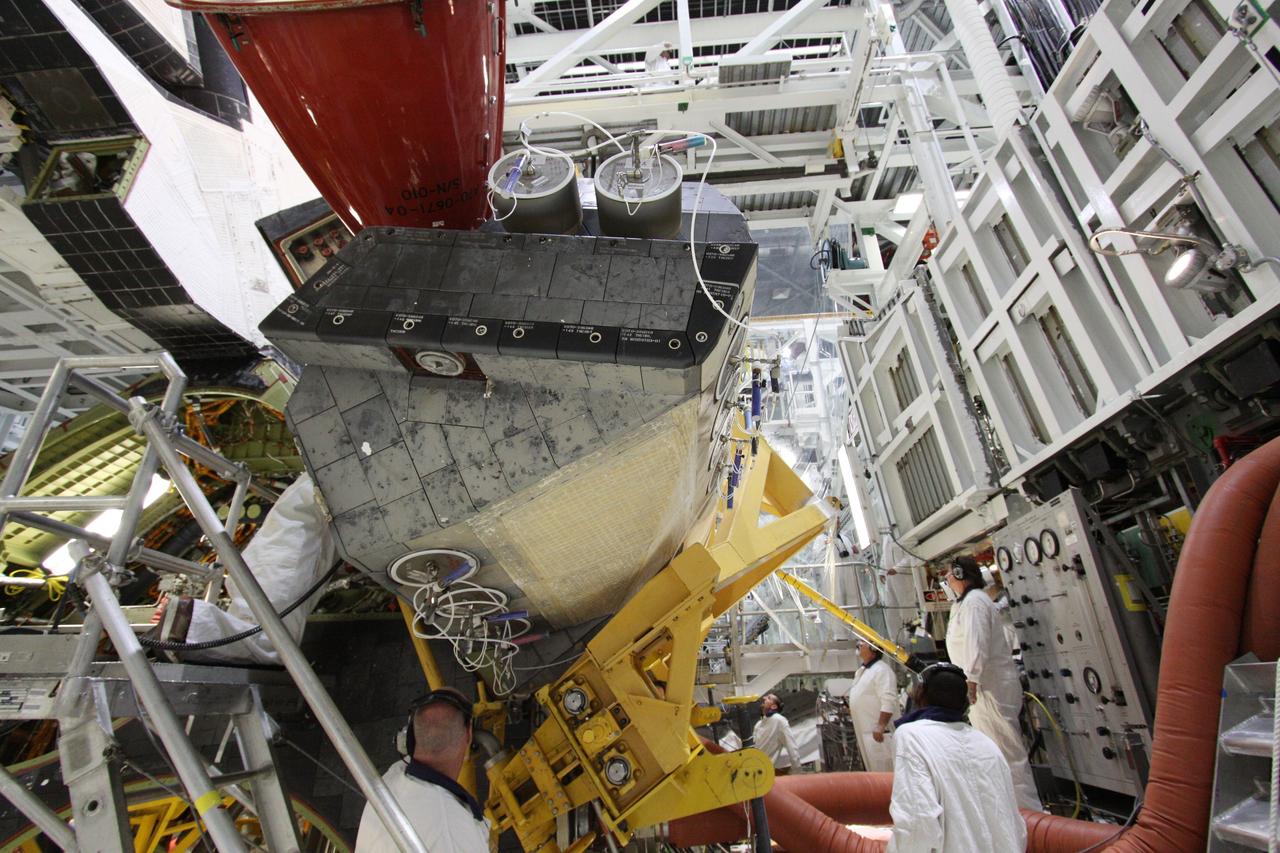
CAPE CANAVERAL, Fla. - In Orbiter Processing Facility-2 at NASA's Kennedy Space Center in Florida, workers use a crane to grapple shuttle Discovery's right-hand orbital maneuvering system, or OMS, pod for removal. It then will be transported to the Hypergol Maintenance Facility. The removal is part of Discovery's transition and retirement processing. Work performed on Discovery is expected to help rocket designers build next-generation spacecraft and prepare the shuttle for future public display. Photo credit: NASA/Troy Cryder
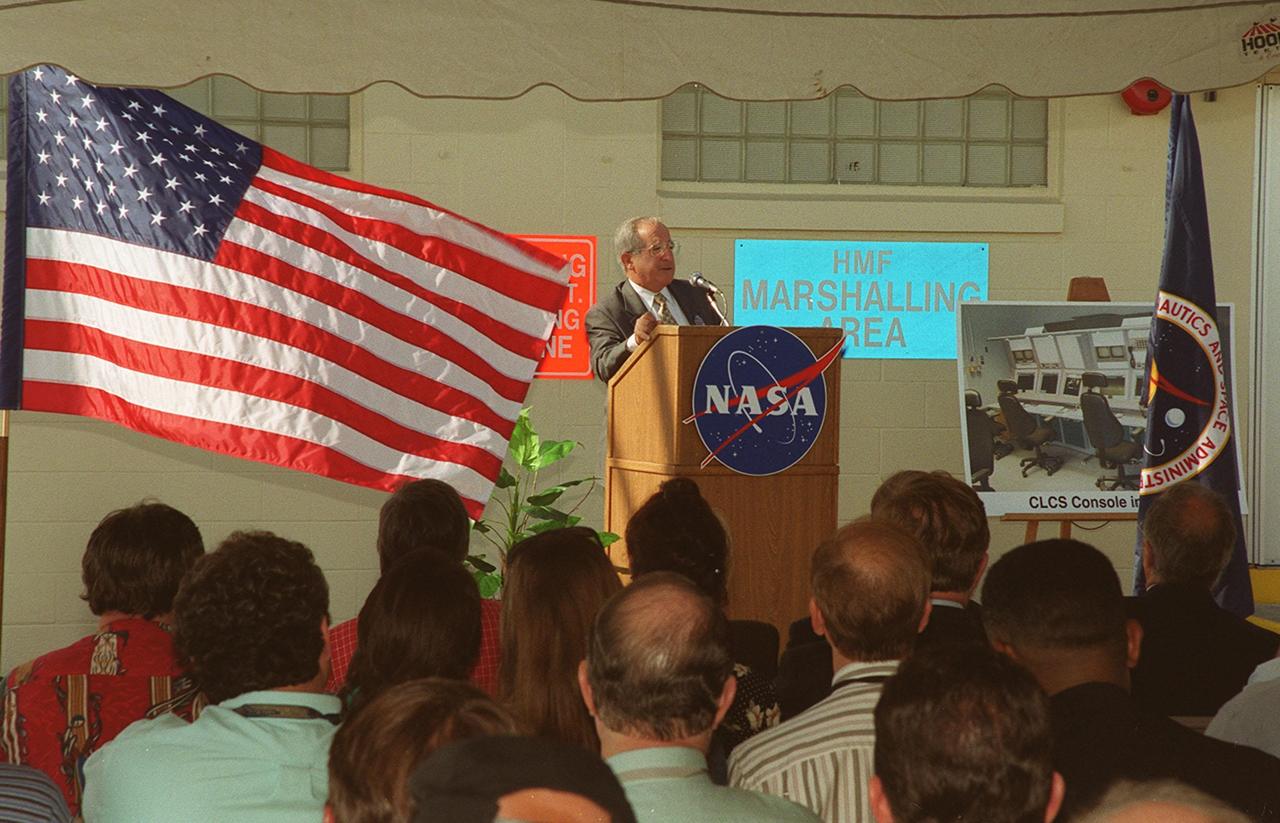
NASA Associate Administrator for Space Flight Joseph Rothenberg addresses attendees at a ribbon cutting for the new Checkout and Launch Control System (CLCS) at the Hypergolic Maintenance Facility (HMF). The CLCS was declared operational in a ribbon cutting ceremony earlier. The new control room will be used to process the Orbital Maneuvering System pods and Forward Reaction Control System modules at the HMF. This hardware is removed from Space Shuttle orbiters and routinely taken to the HMF for checkout and servicing
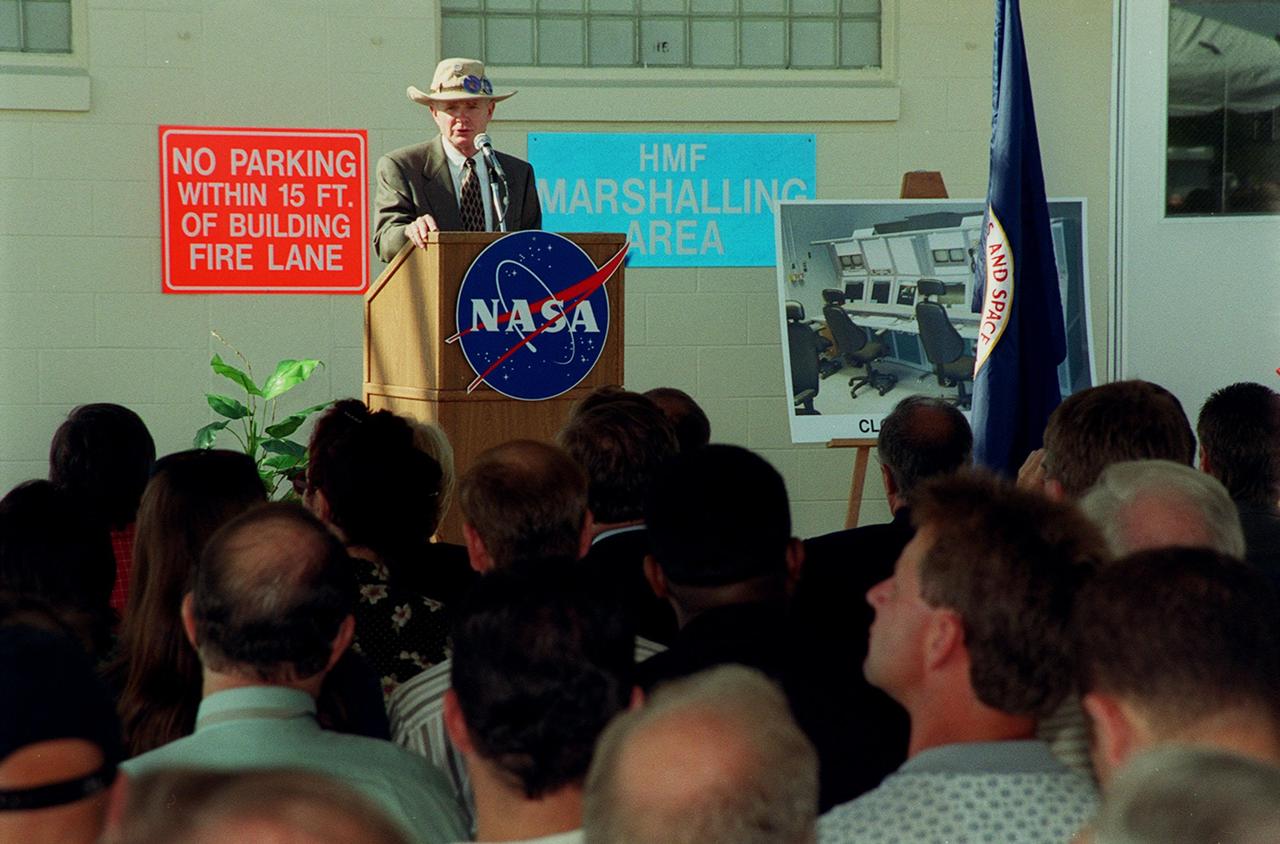
KSC Director Roy Bridges addresses attendees at a ribbon cutting for the new Checkout and Launch Control System (CLCS) at the Hypergolic Maintenance Facility (HMF). The CLCS was declared operational in a ribbon cutting ceremony earlier. The new control room will be used to process the Orbital Maneuvering System pods and Forward Reaction Control System modules at the HMF. This hardware is removed from Space Shuttle orbiters and routinely taken to the HMF for checkout and servicing
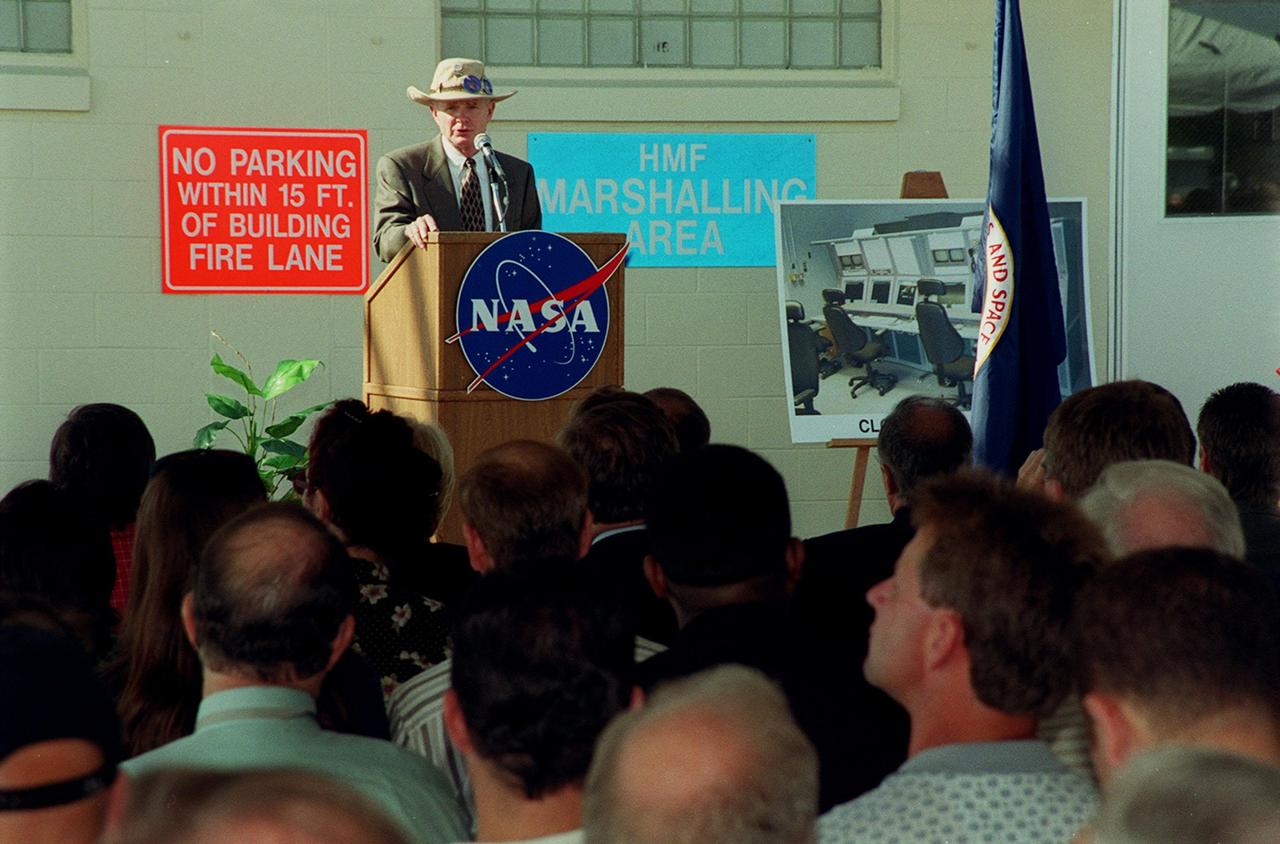
KSC Director Roy Bridges addresses attendees at a ribbon cutting for the new Checkout and Launch Control System (CLCS) at the Hypergolic Maintenance Facility (HMF). The CLCS was declared operational in a ribbon cutting ceremony earlier. The new control room will be used to process the Orbital Maneuvering System pods and Forward Reaction Control System modules at the HMF. This hardware is removed from Space Shuttle orbiters and routinely taken to the HMF for checkout and servicing
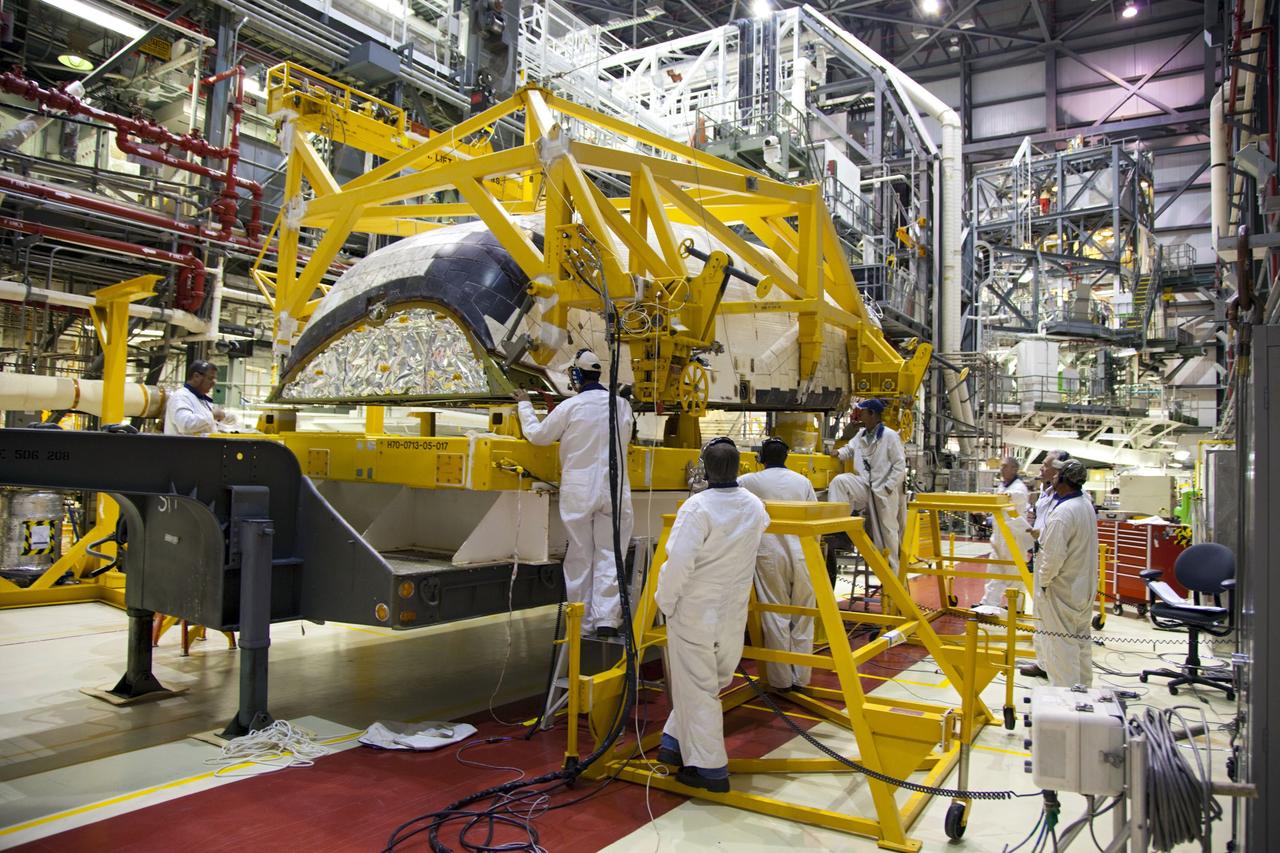
CAPE CANAVERAL, Fla. -- In Orbiter Processing Facility-1 at NASA’s Kennedy Space Center in Florida, technicians secure shuttle Endeavour’s left-hand orbital maneuvering system, or OMS, pod onto a transporter. It will then be moved to the Hypergol Maintenance Facility. The work is part of Endeavour’s transition and retirement processing. The spacecraft is being prepared for public display at the California Science Center in Los Angeles. Endeavour flew 25 missions, spent 299 days in space, orbited Earth 4,671 times and traveled 122, 883, 151 miles over the course of its 19-year career. Endeavour’s STS-134 and final mission was completed after landing on June 1, 2011. Photo credit: Frank Michaux
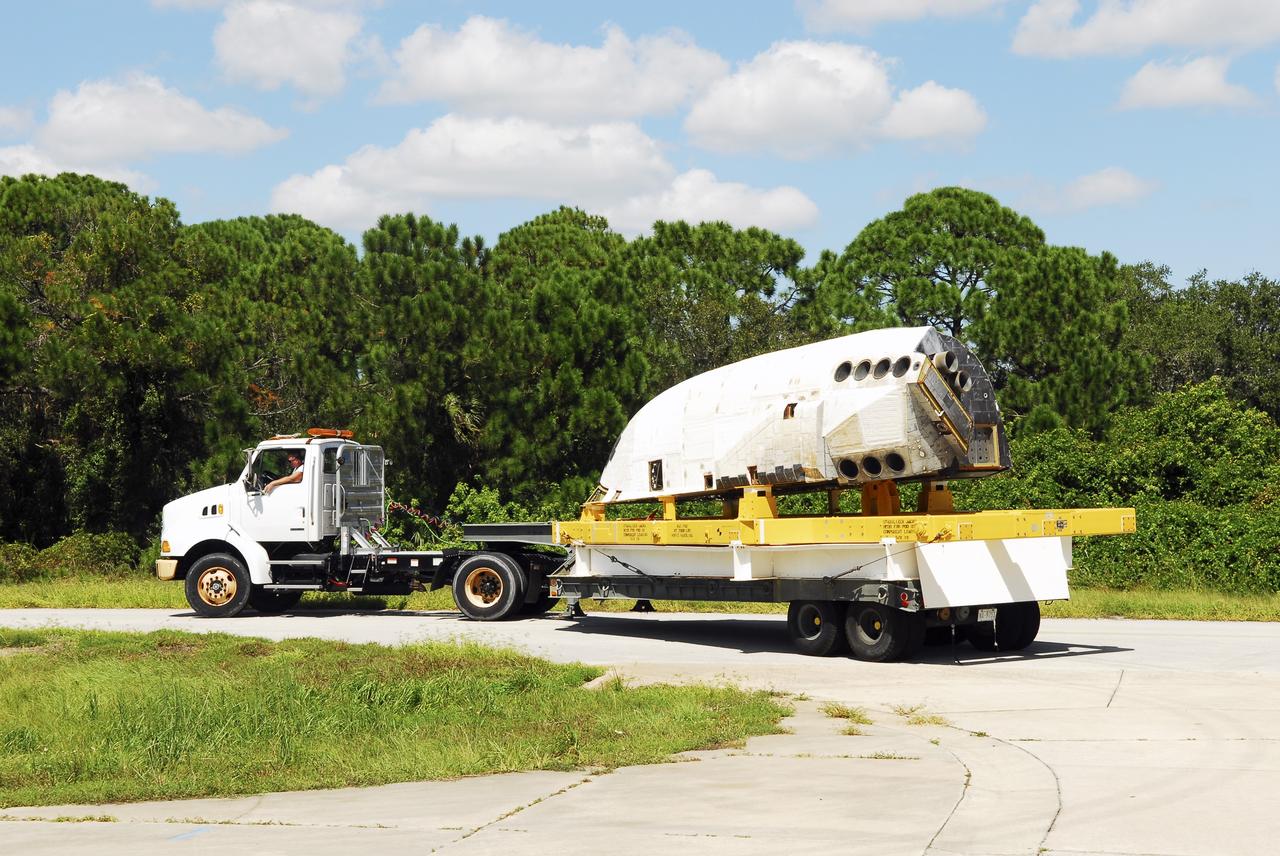
CAPE CANAVERAL, Fla. – At NASA’s Kennedy Space Center in Florida, a truck transports space shuttle Discovery's orbital maneuvering system (OMS) pod from the Hypergol Maintenance Facility to the Orbiter Processing Facility (OPF). The OMS has been returned from White Sands Space Harbor in New Mexico where it underwent a complete deservicing and cleaning. The work is part of the Space Shuttle Program’s transition and retirement processing of space shuttle Discovery. The shuttle will go to the Smithsonian's National Air and Space Museum, Steven F. Udvar-Hazy Center in Chantilly, Va. For more information, visit http://www.nasa.gov/shuttle. Photo credit: NASA/Jim Grossmann
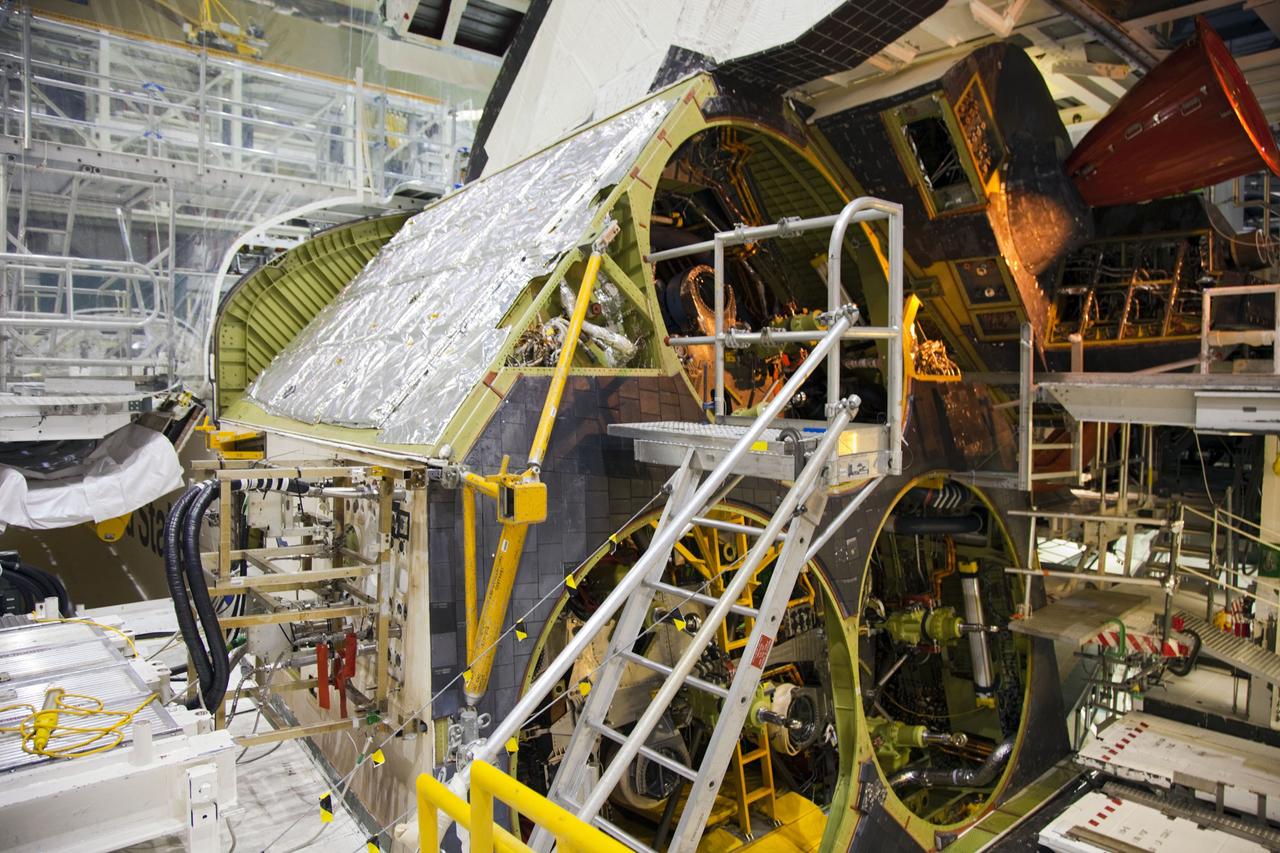
CAPE CANAVERAL, Fla. -- In Orbiter Processing Facility-1 at NASA’s Kennedy Space Center in Florida, shuttle Endeavour’s left-hand orbital maneuvering system, or OMS, pod was removed and lowered onto a transporter. It will then be moved to the Hypergol Maintenance Facility. The work is part of Endeavour’s transition and retirement processing. The spacecraft is being prepared for public display at the California Science Center in Los Angeles. Endeavour flew 25 missions, spent 299 days in space, orbited Earth 4,671 times and traveled 122, 883, 151 miles over the course of its 19-year career. Endeavour’s STS-134 and final mission was completed after landing on June 1, 2011. Photo credit: Frank Michaux
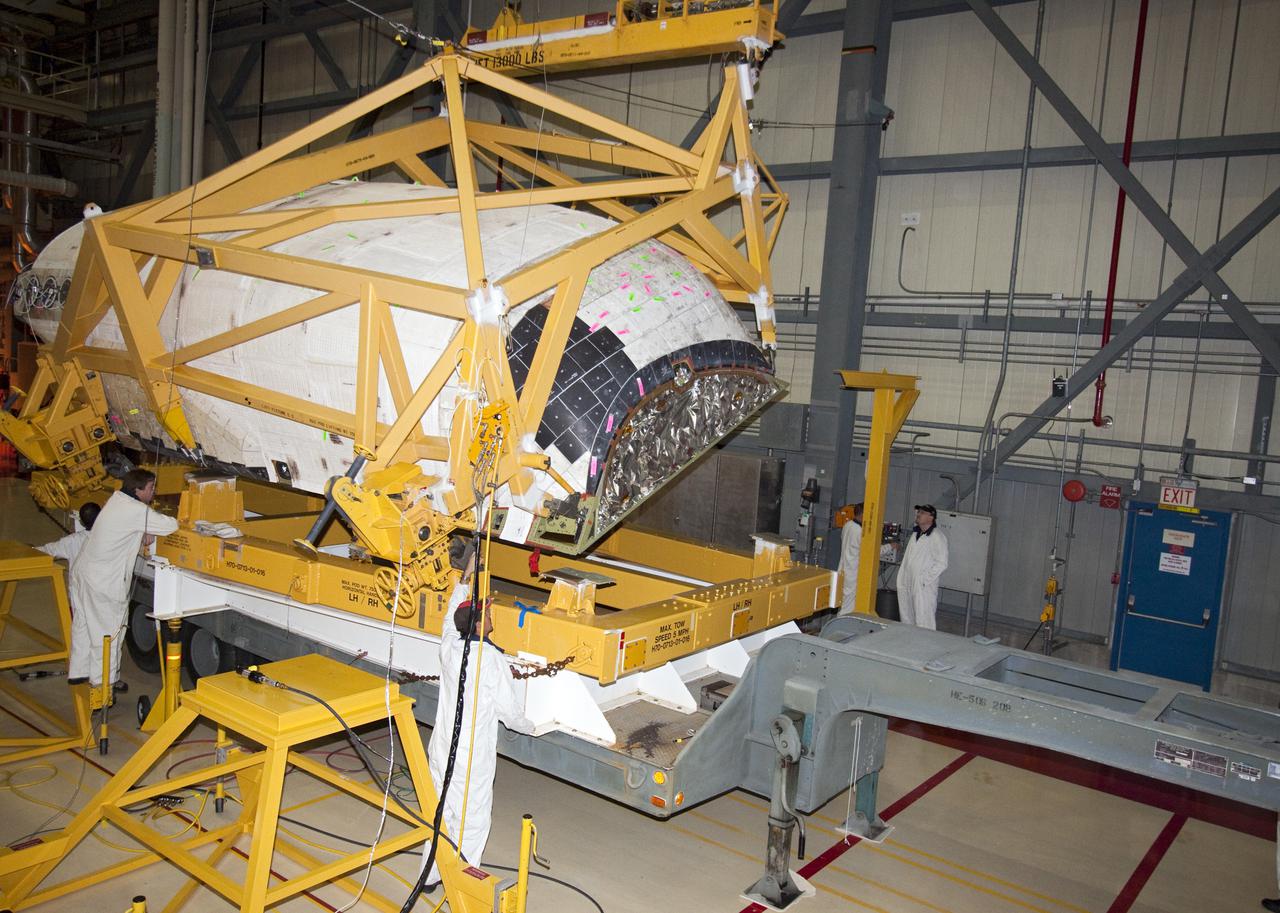
CAPE CANAVERAL, Fla. – Inside Orbiter Processing Facility-3 at Kennedy Space Center in Florida, United Space Alliance technicians place the right-hand orbital maneuvering system, or OMS, pod from Discovery on a pallet to be transferred to the Hypergolic Maintenance Facility. Removal of the OMS pods is part of the orbiter processing activities to prepare Discovery for its next launch, the STS-133 mission. The STS-133 mission to the International Space Station is targeted for launch in the fall of 2010. Discovery’s six-person crew will take important spare parts to the International Space Station along with the Express Logistics Carrier 4. Photo credit: NASA_Jack Pfaller
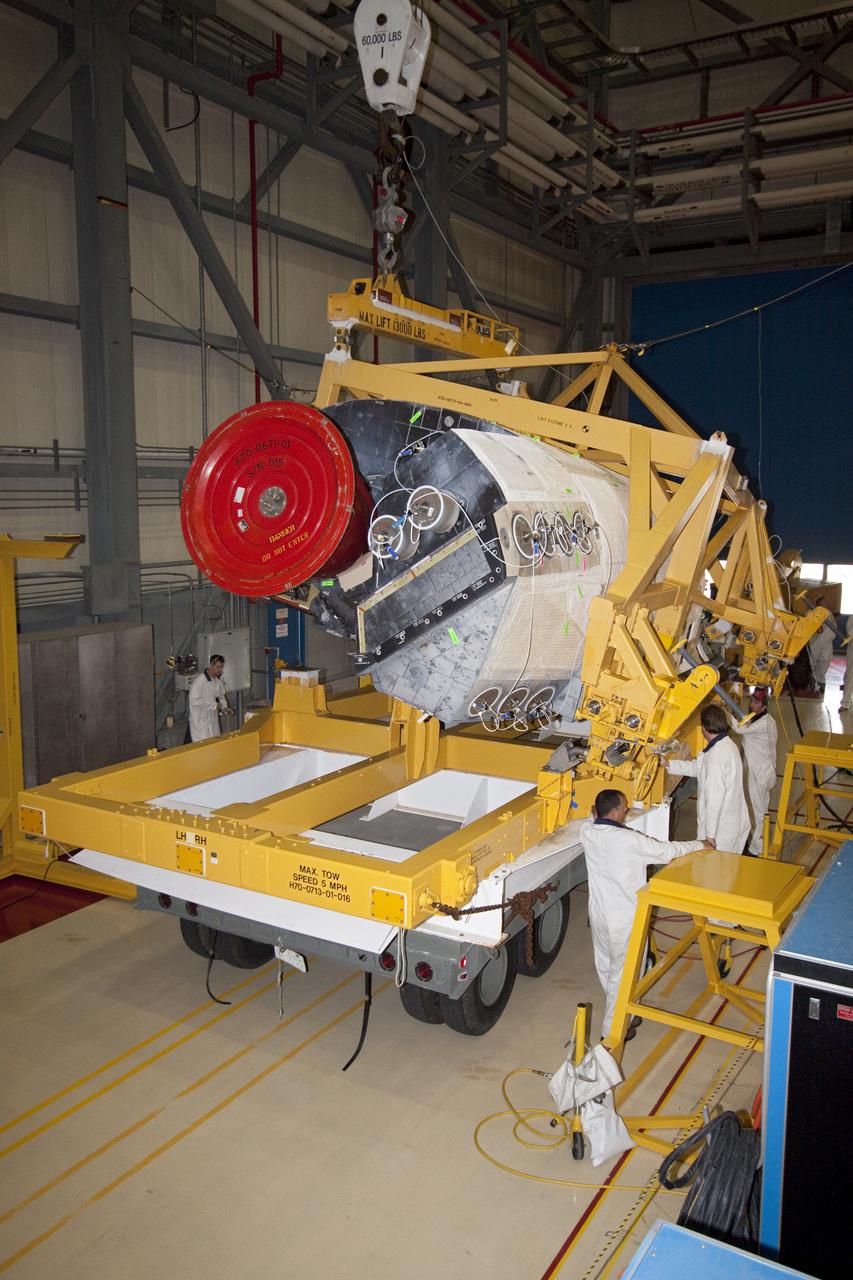
CAPE CANAVERAL, Fla. – Inside Orbiter Processing Facility-3 at Kennedy Space Center in Florida, United Space Alliance technicians place the right-hand orbital maneuvering system, or OMS, pod from Discovery on a pallet to be transferred to the Hypergolic Maintenance Facility. Removal of the OMS pods is part of the orbiter processing activities to prepare Discovery for its next launch, the STS-133 mission. The STS-133 mission to the International Space Station is targeted for launch in the fall of 2010. Discovery’s six-person crew will take important spare parts to the International Space Station along with the Express Logistics Carrier 4. Photo credit: NASA_Jack Pfaller
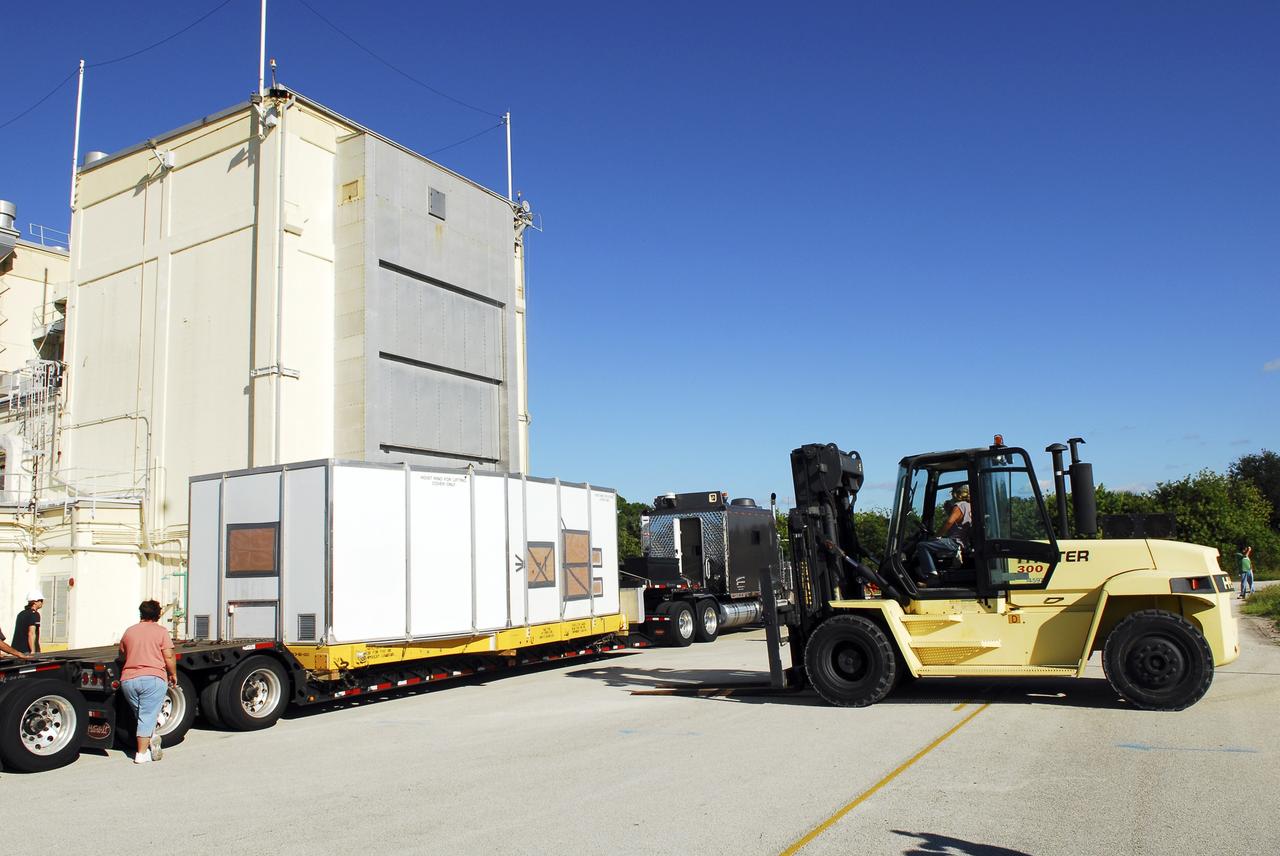
CAPE CANAVERAL, Fla. – Workers outside the Hypergol Maintenance Facility at NASA’s Kennedy Space Center in Florida use a forklift to elevate a shipping crate, containing space shuttle Discovery's orbital maneuvering system (OMS) pod, off a flatbed truck. The OMS has been returned from White Sands Space Harbor in New Mexico where it underwent a complete deservicing and cleaning. The work is part of the Space Shuttle Program’s transition and retirement processing of space shuttle Discovery. The shuttle will go to the Smithsonian's National Air and Space Museum, Steven F. Udvar-Hazy Center in Chantilly, Va. For more information, visit http://www.nasa.gov/shuttle. Photo credit: NASA/Jim Grossmann
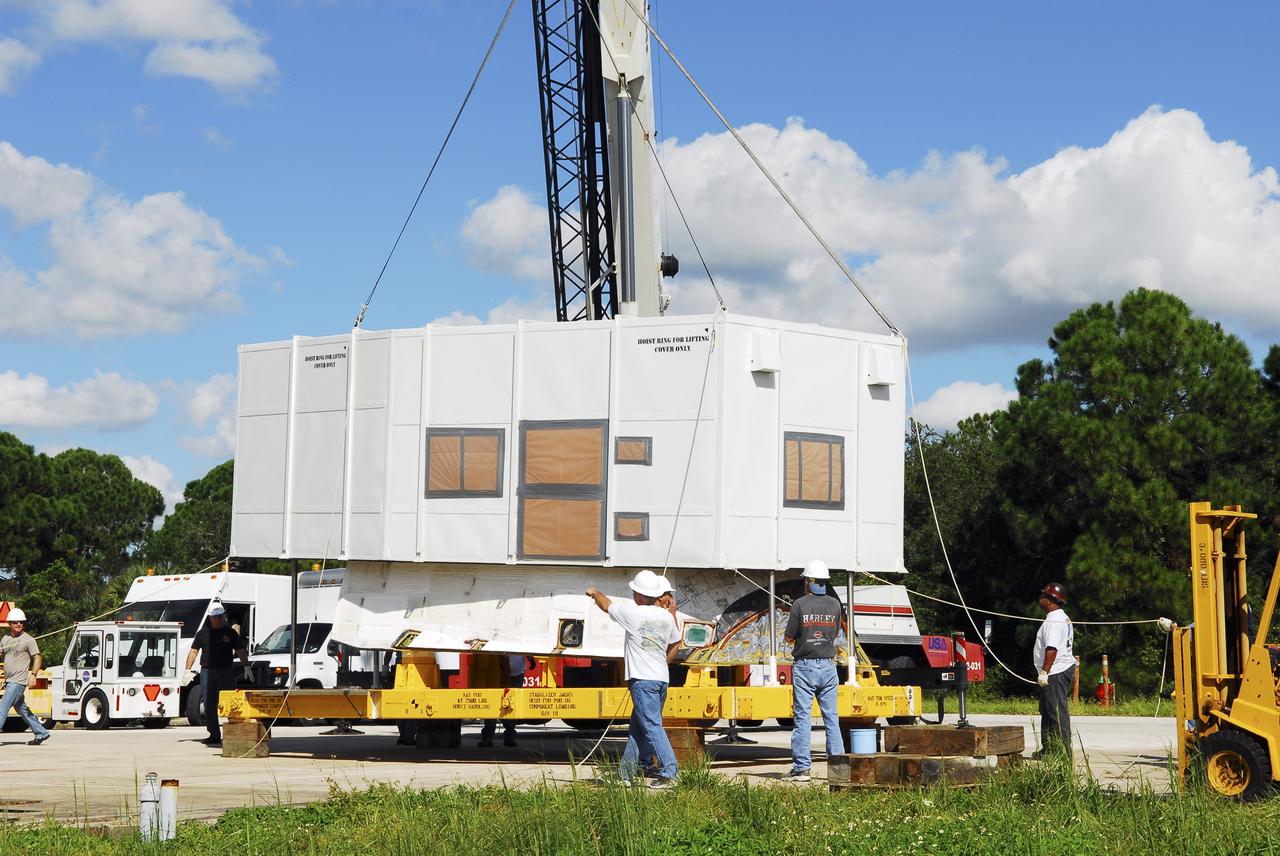
CAPE CANAVERAL, Fla. – Workers outside the Hypergol Maintenance Facility at NASA’s Kennedy Space Center in Florida use a crane to lift the shipping container off of space shuttle Discovery's orbital maneuvering system (OMS) pod. The OMS has been returned from White Sands Space Harbor in New Mexico where it underwent a complete deservicing and cleaning. The work is part of the Space Shuttle Program’s transition and retirement processing of space shuttle Discovery. The shuttle will go to the Smithsonian's National Air and Space Museum, Steven F. Udvar-Hazy Center in Chantilly, Va. For more information, visit http://www.nasa.gov/shuttle. Photo credit: NASA/Jim Grossmann
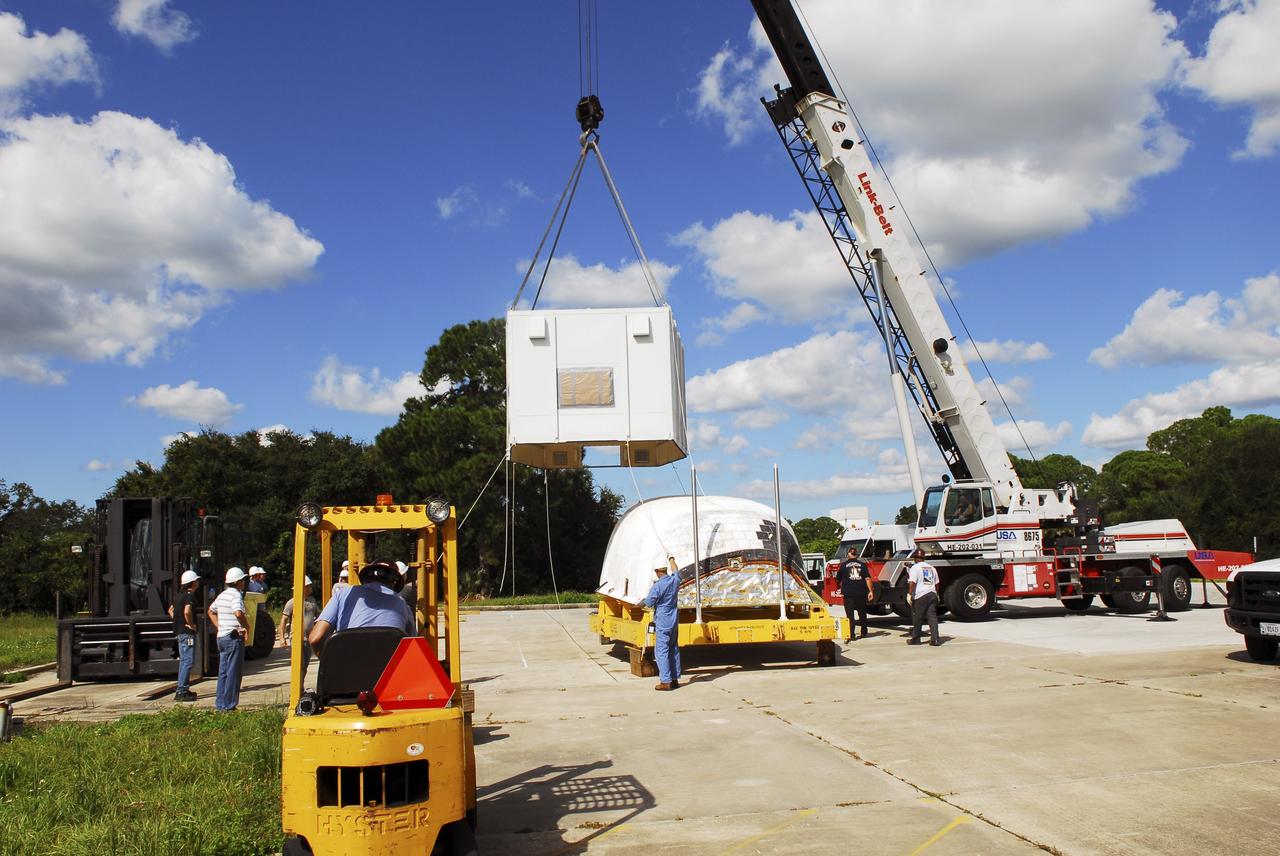
CAPE CANAVERAL, Fla. – Workers outside the Hypergol Maintenance Facility at NASA’s Kennedy Space Center in Florida use a crane to lift the shipping container off of space shuttle Discovery's orbital maneuvering system (OMS) pod. The OMS has been returned from White Sands Space Harbor in New Mexico where it underwent a complete deservicing and cleaning. The work is part of the Space Shuttle Program’s transition and retirement processing of space shuttle Discovery. The shuttle will go to the Smithsonian's National Air and Space Museum, Steven F. Udvar-Hazy Center in Chantilly, Va. For more information, visit http://www.nasa.gov/shuttle. Photo credit: NASA/Jim Grossmann
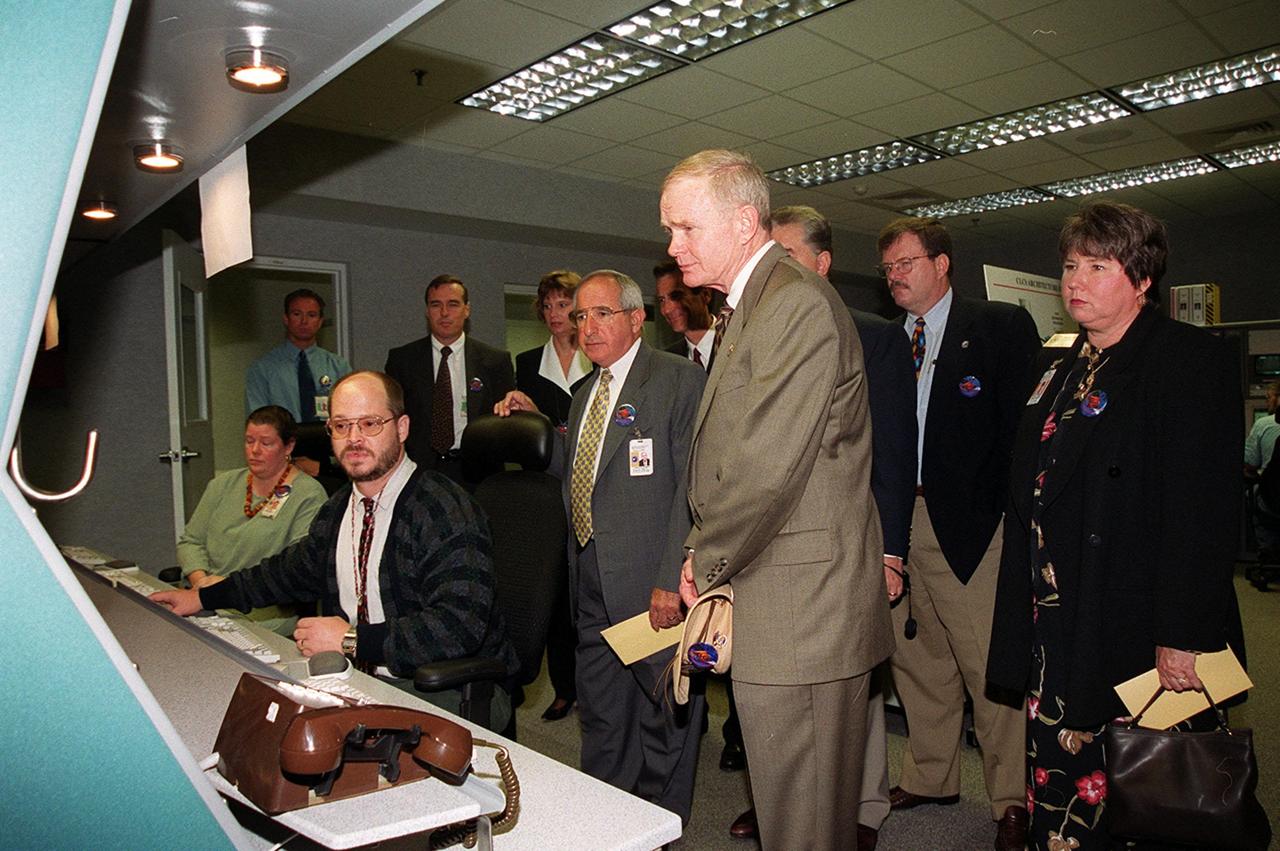
KSC Director Roy Bridges (center) and guests view the new Checkout and Launch Control System (CLCS) at the Hypergolic Maintenance Facility (HMF). Looking on next to him (left) is NASA Associate Administrator for Space Flight Joseph Rothenberg and Pam Gillespie (far right), from Rep. Dave Weldon’s office. The CLCS was declared operational in a ribbon cutting ceremony earlier. The new control room will be used to process the Orbital Maneuvering System pods and Forward Reaction Control System modules at the HMF. This hardware is removed from Space Shuttle orbiters and routinely taken to the HMF for checkout and servicing
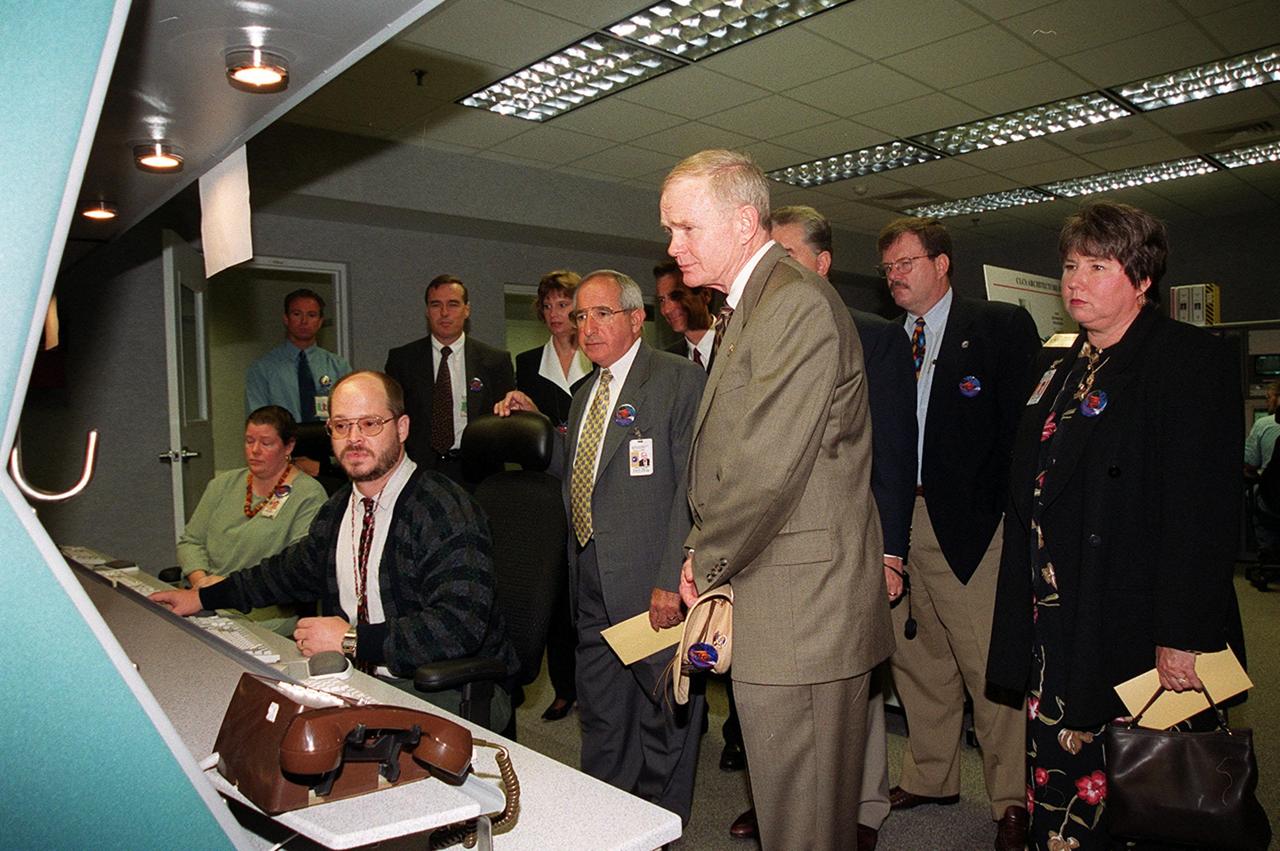
KSC Director Roy Bridges (center) and guests view the new Checkout and Launch Control System (CLCS) at the Hypergolic Maintenance Facility (HMF). Looking on next to him (left) is NASA Associate Administrator for Space Flight Joseph Rothenberg and Pam Gillespie (far right), from Rep. Dave Weldon’s office. The CLCS was declared operational in a ribbon cutting ceremony earlier. The new control room will be used to process the Orbital Maneuvering System pods and Forward Reaction Control System modules at the HMF. This hardware is removed from Space Shuttle orbiters and routinely taken to the HMF for checkout and servicing
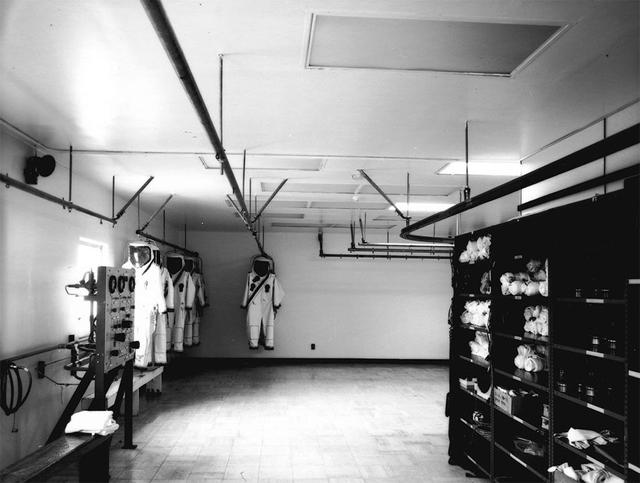
Interior view of the HMCA Support Building
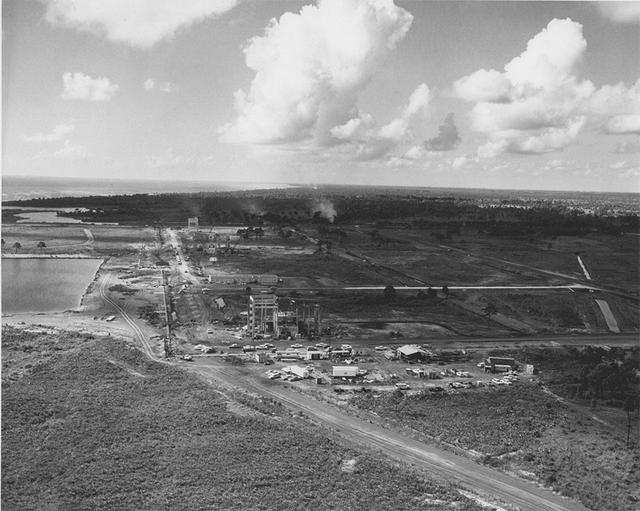
Exterior view of the HMCA North (HMP North)
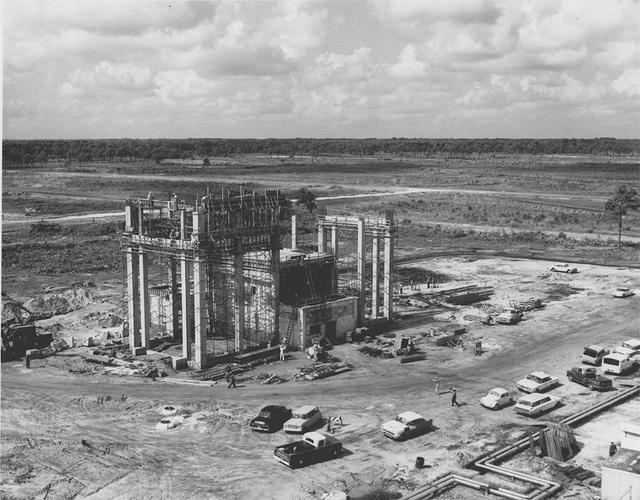
Exterior view of the HMCA North (HMP North)
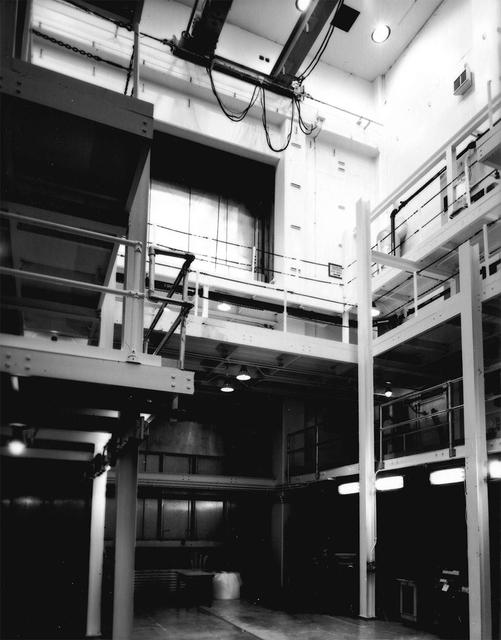
Interior view of the HMCA South (HMP South)
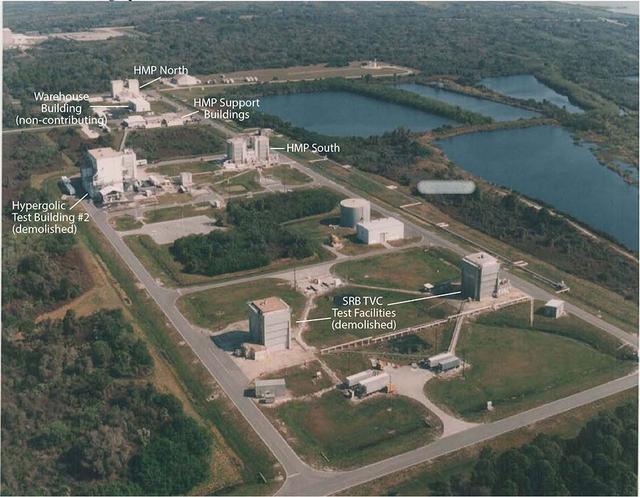
Aerial view of the HMCA Complex
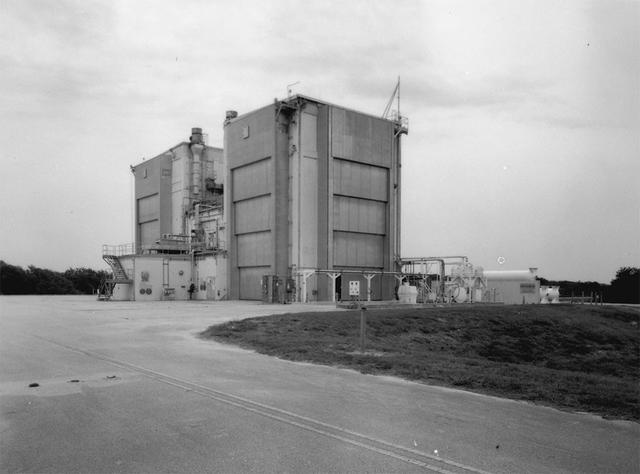
Exterior view of the HMCA South (HMP South)
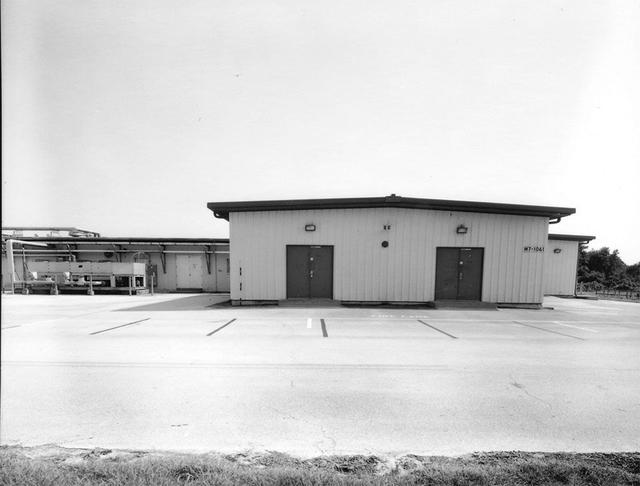
Exterior view of the HMCA Support Building
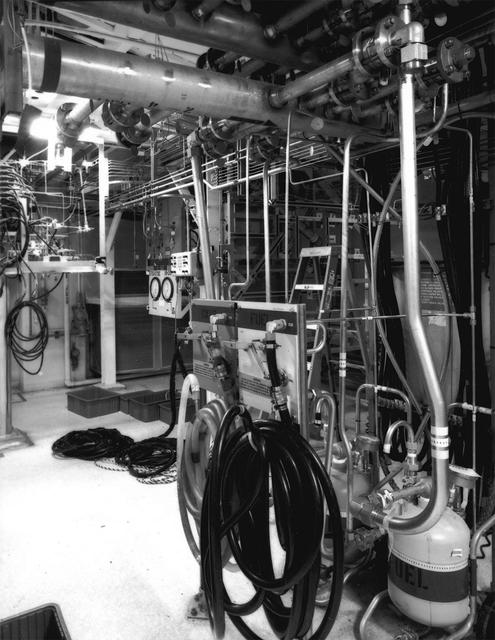
Interior view of the HMCA South (HMP South)
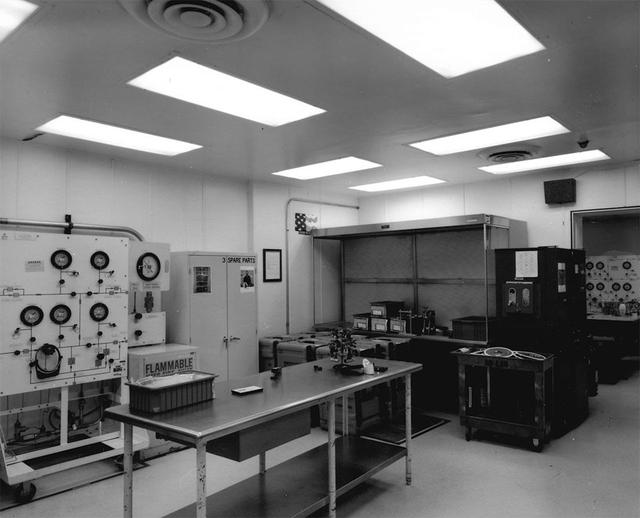
Interior view of the HMCA North (HMP North)
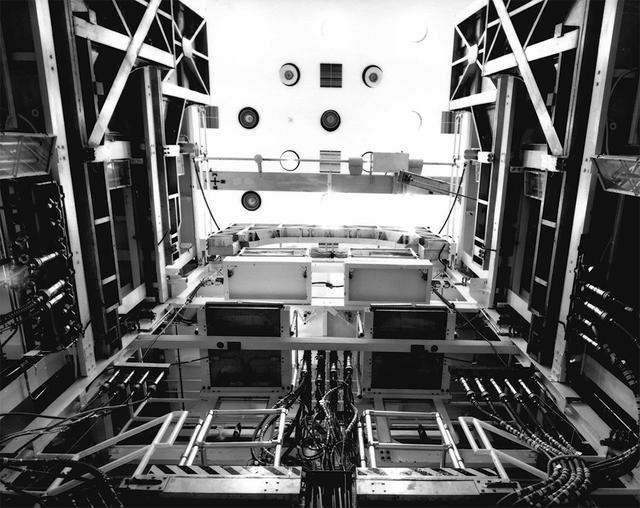
Interior view of the HMCA North (HMP North)
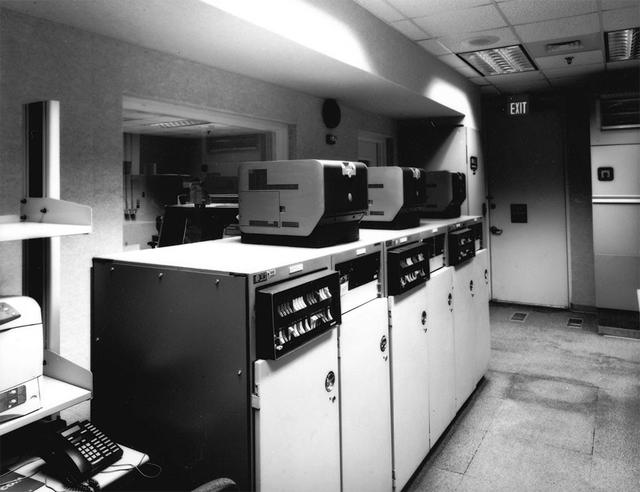
Interior view of the HMCA Support Building
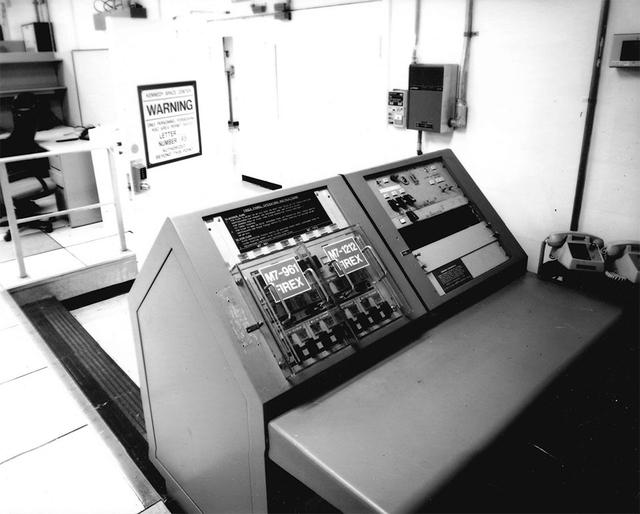
Interior view of the HMCA Support Building
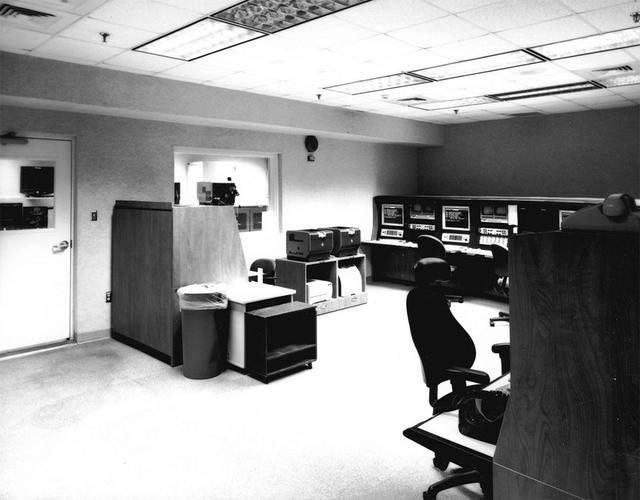
Interior view of the HMCA Support Building
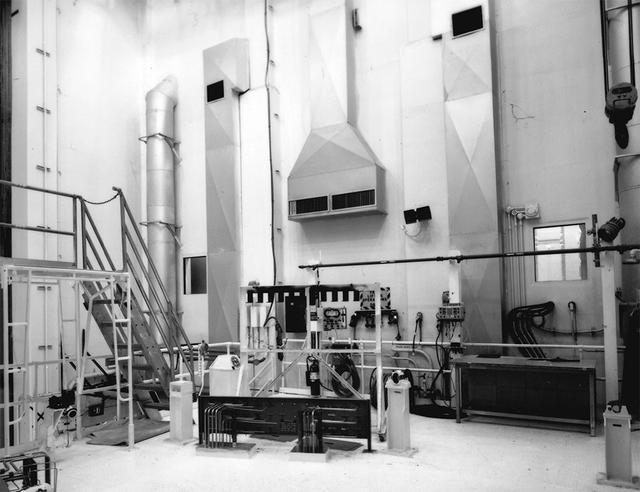
Interior view of the HMCA South (HMP South)
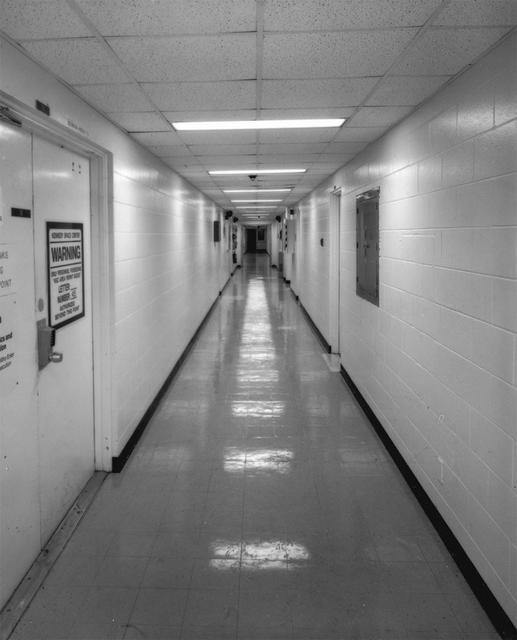
Interior view of the HMCA Support Building
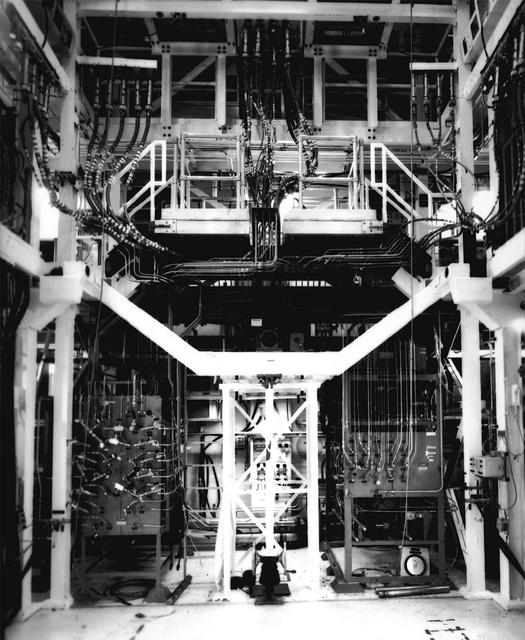
Interior view of the HMCA North (HMP North)
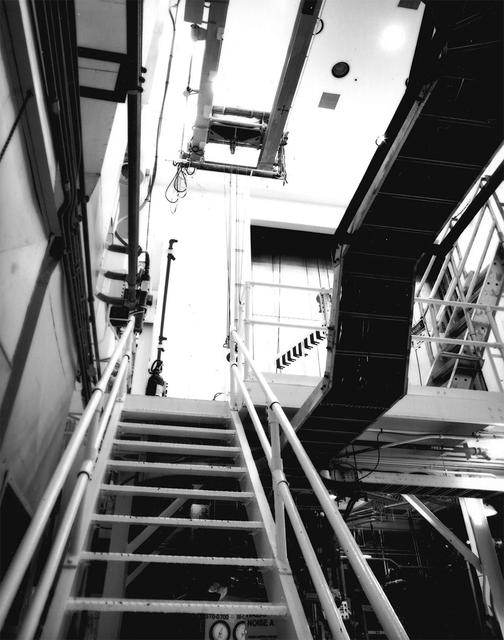
Interior view of the HMCA South (HMP South)
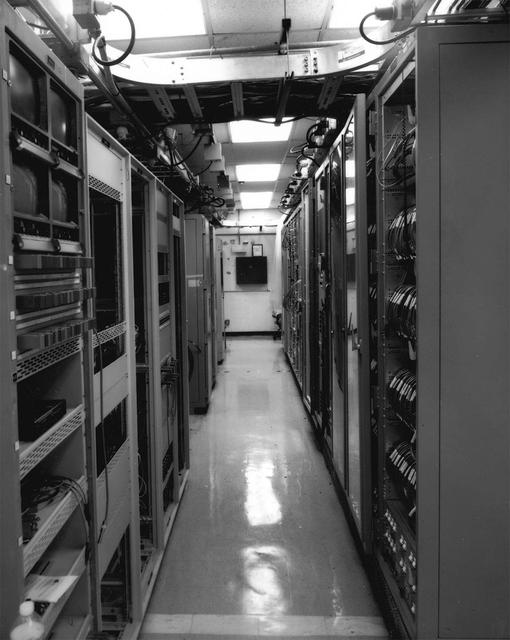
Interior view of the HMCA Support Building
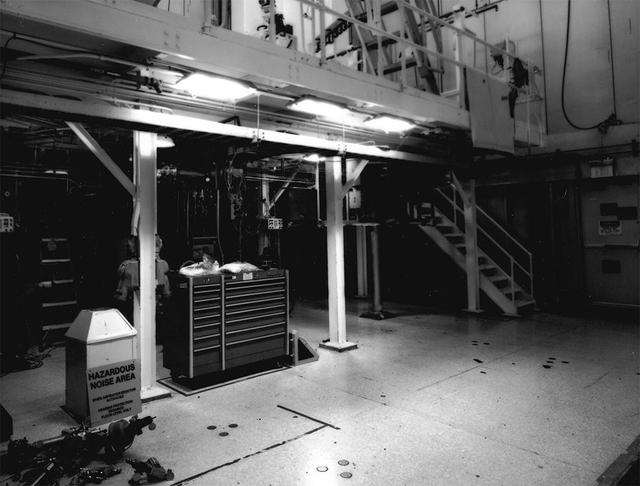
Interior view of the HMCA South (HMP South)
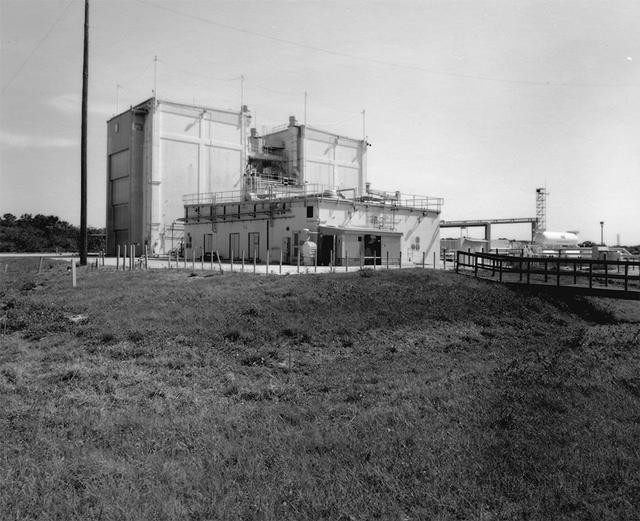
Exterior view of the HMCA North (HMP North)
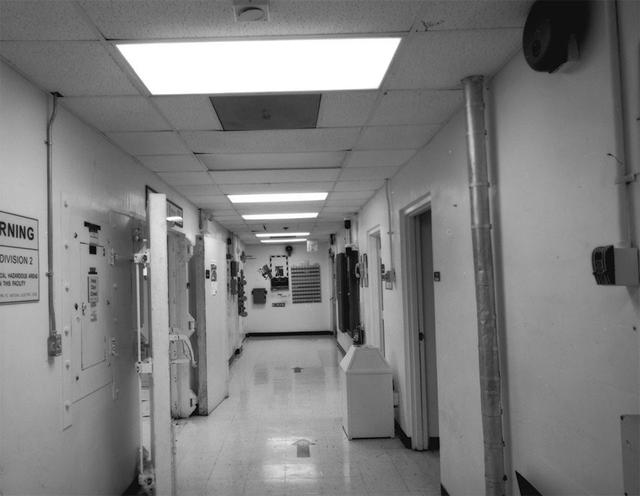
Interior view of the HMCA South (HMP South)
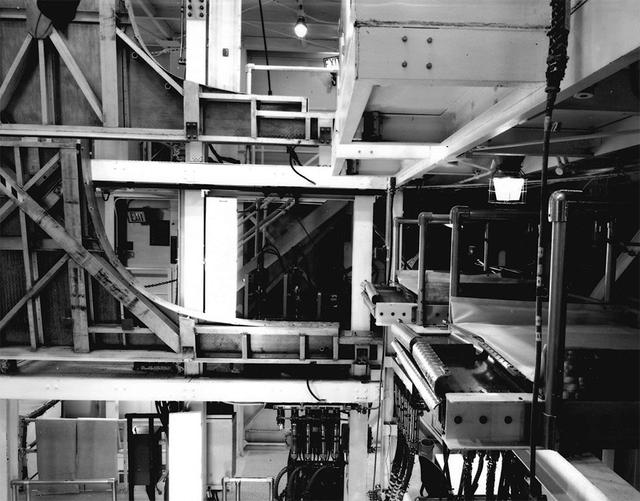
Interior view of the HMCA North (HMP North)
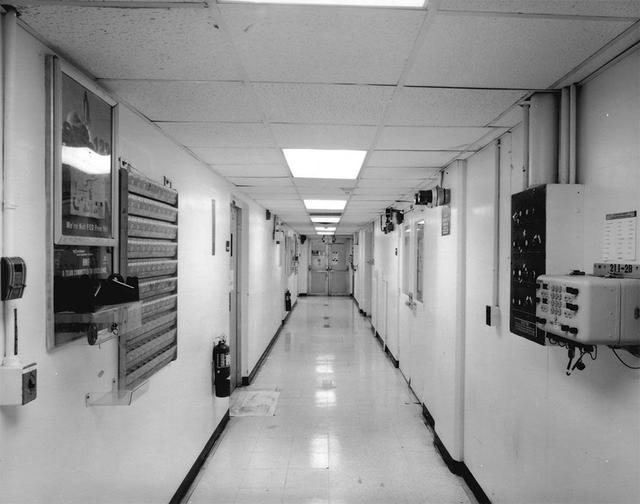
Interior view of the HMCA North (HMP North)
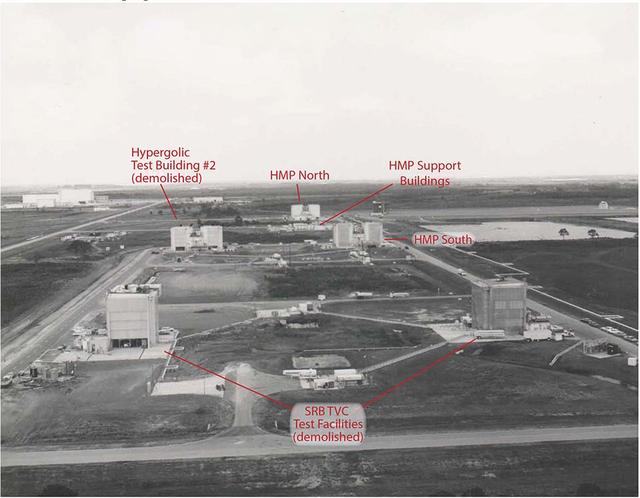
Aerial view of the HMCA Complex
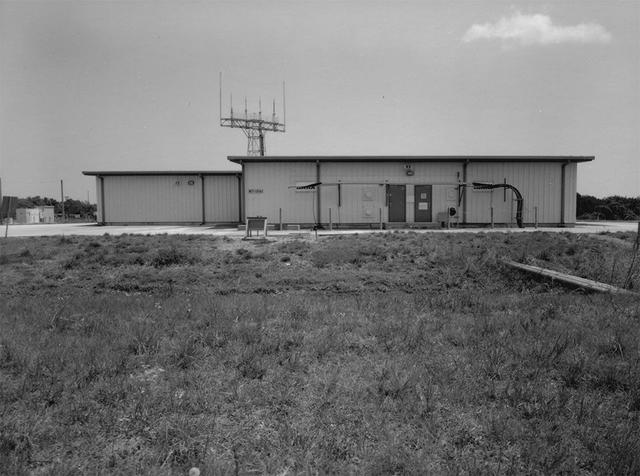
Exterior view of the HMCA Support Building
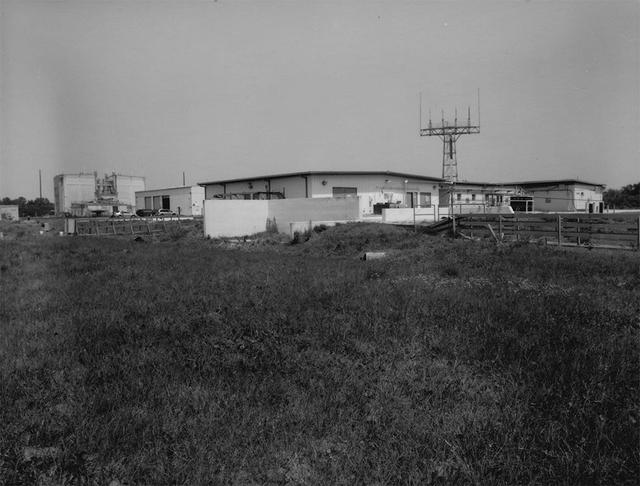
Exterior view of the HMCA Support Building
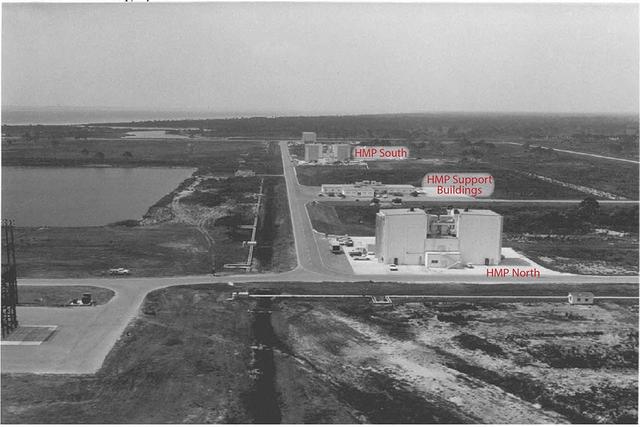
Aerial view of the HMCA Complex
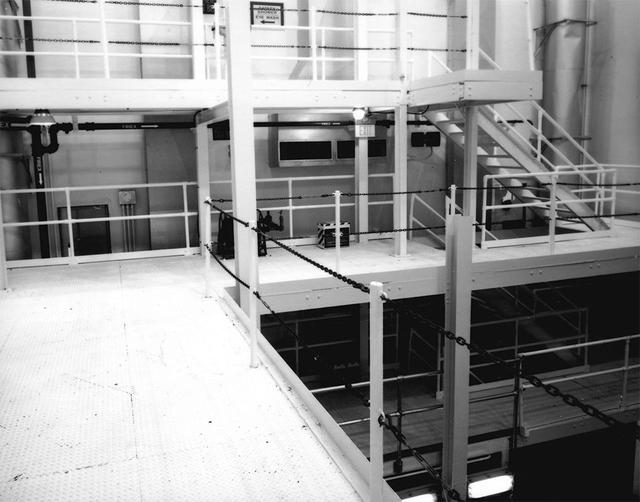
Interior view of the HMCA South (HMP South)
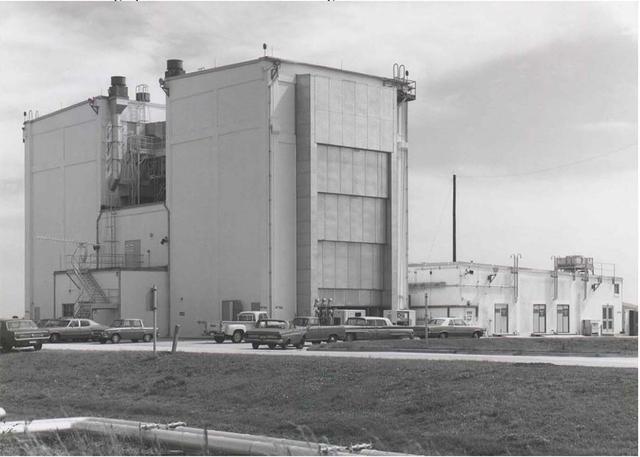
Exterior view of the HMCA North (HMP North)
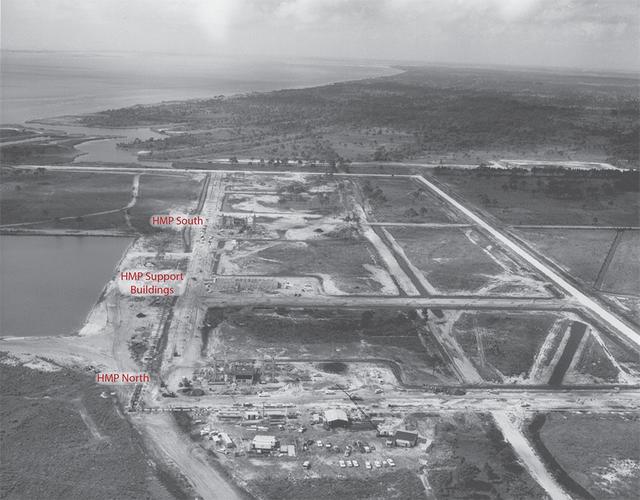
Exterior view of the HMCA North (HMP North)
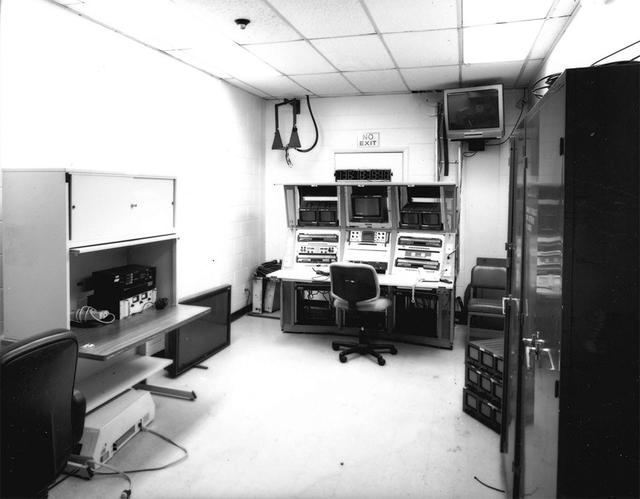
Interior view of the HMCA Support Building
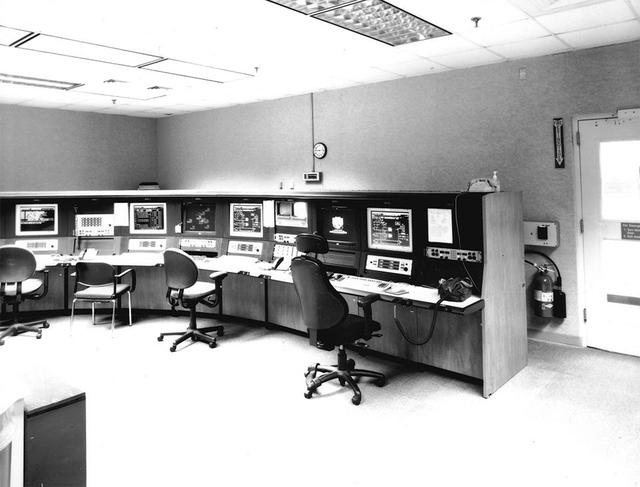
Interior view of the HMCA Support Building
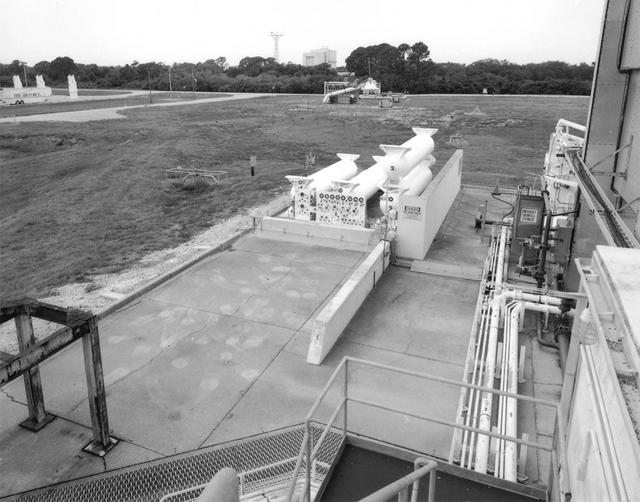
Interior view of the HMCA South (HMP South)
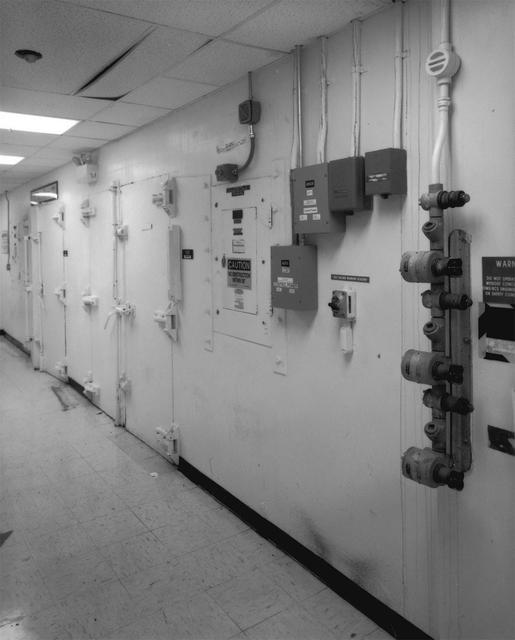
Interior view of the HMCA South (HMP South)
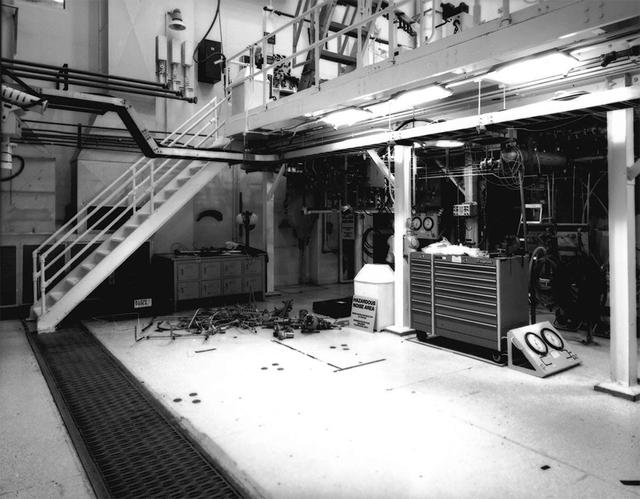
Interior view of the HMCA South (HMP South)
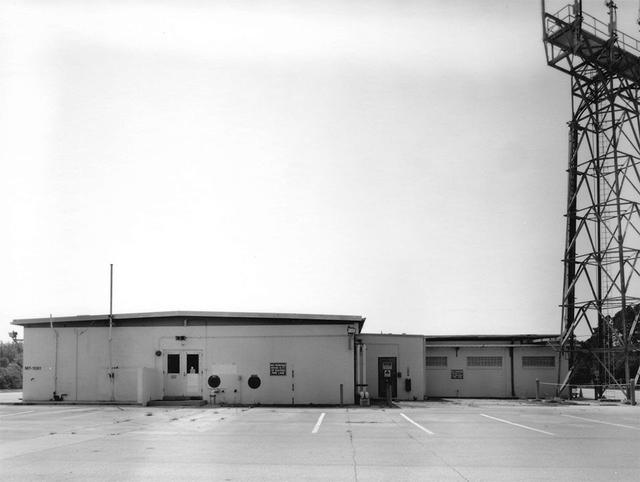
Exterior view of the HMCA Support Building
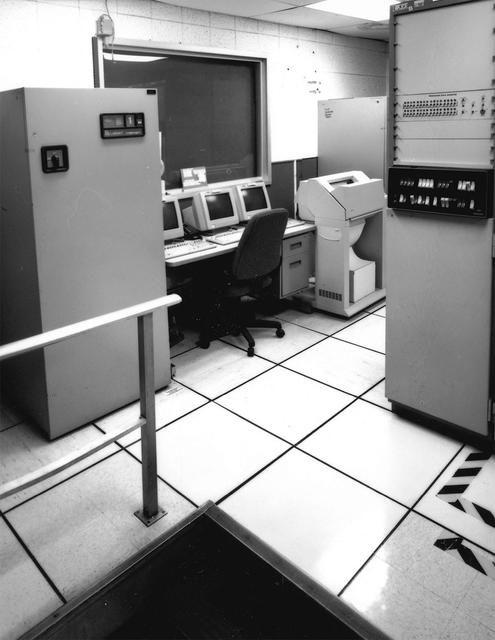
Interior view of the HMCA Support Building
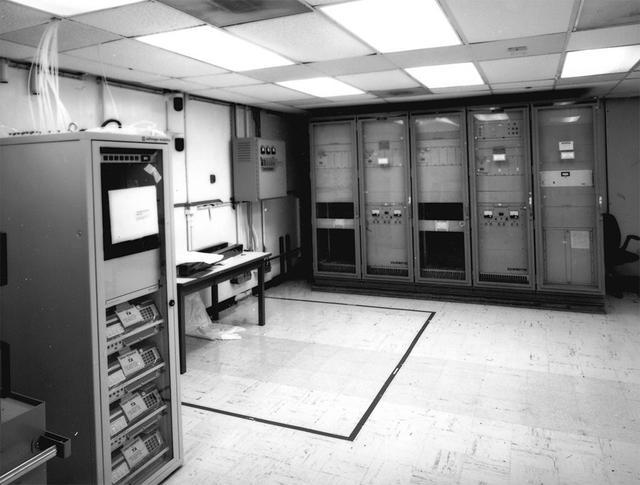
Interior view of the HMCA South (HMP South)
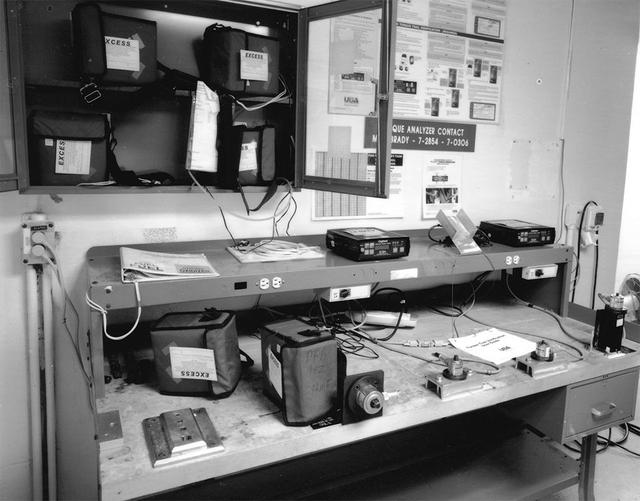
Interior view of the HMCA North (HMP North)
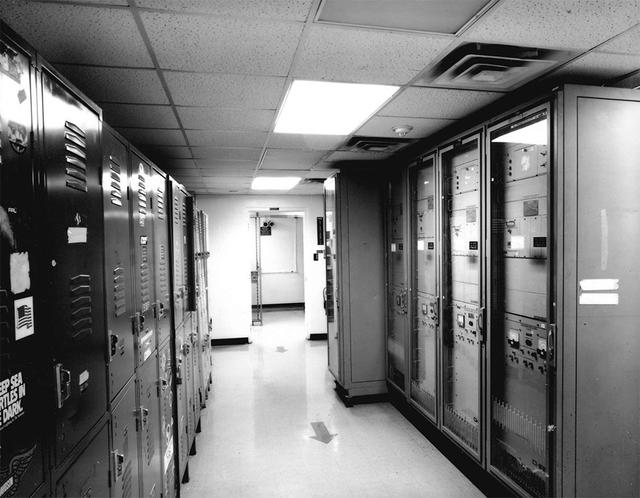
Interior view of the HMCA North (HMP North)
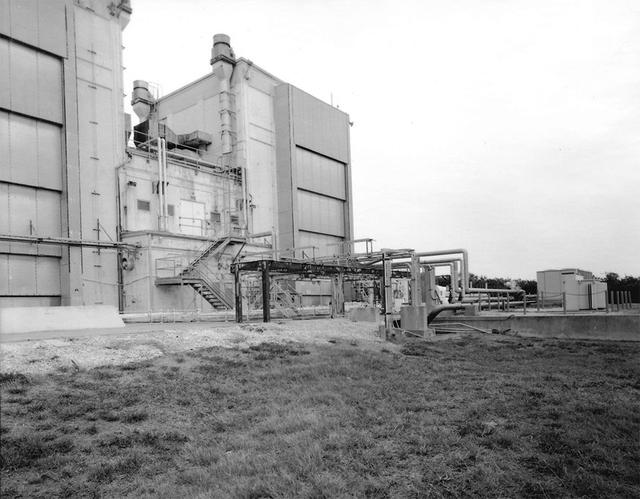
Exterior view of the HMCA South (HMP South)
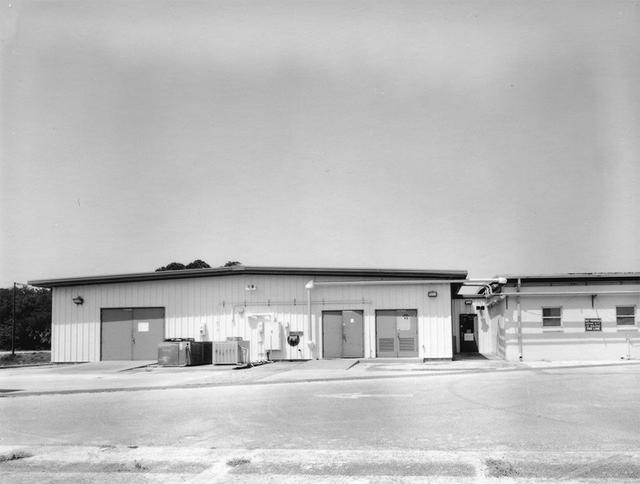
Exterior view of the HMCA Support Building
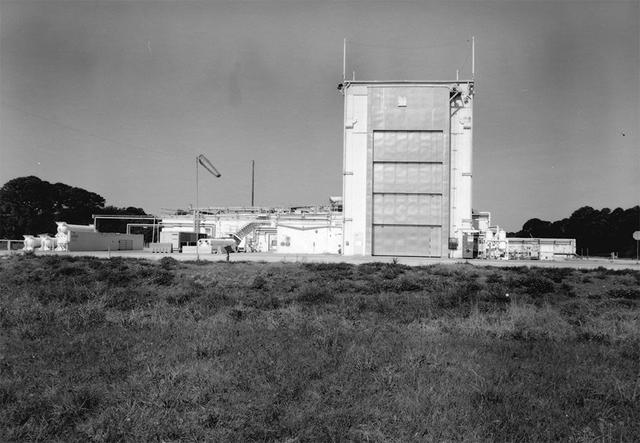
Exterior view of the HMCA North (HMP North)
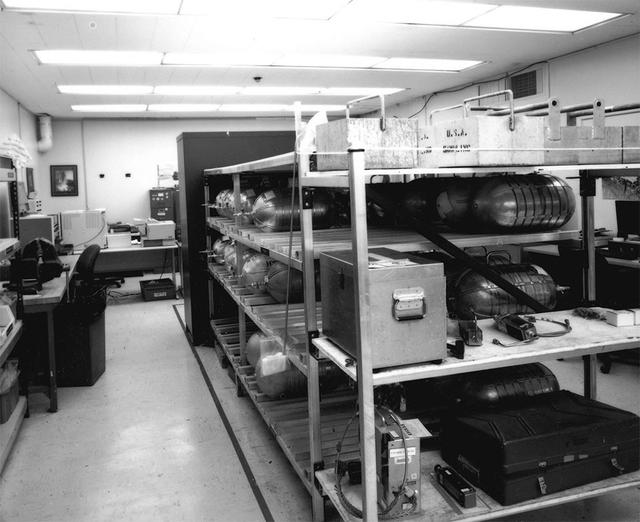
Interior view of the HMCA Support Building
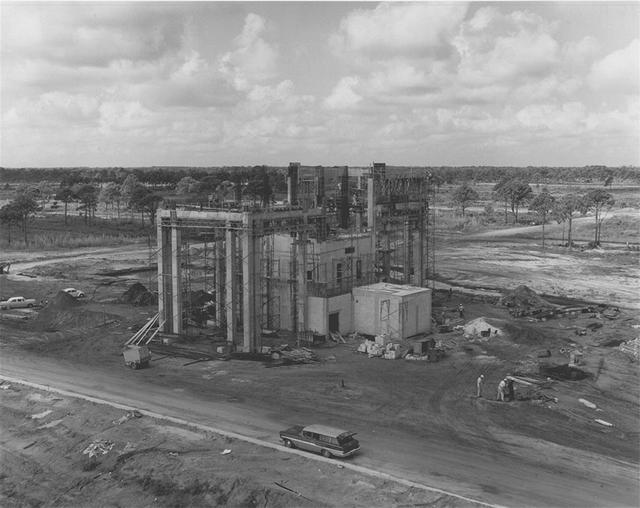
Exterior view of the HMCA South (HMP South)
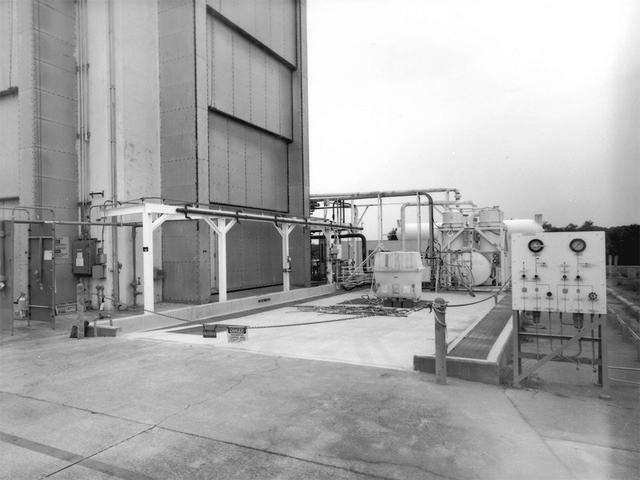
Exterior view of the HMCA South (HMP South)
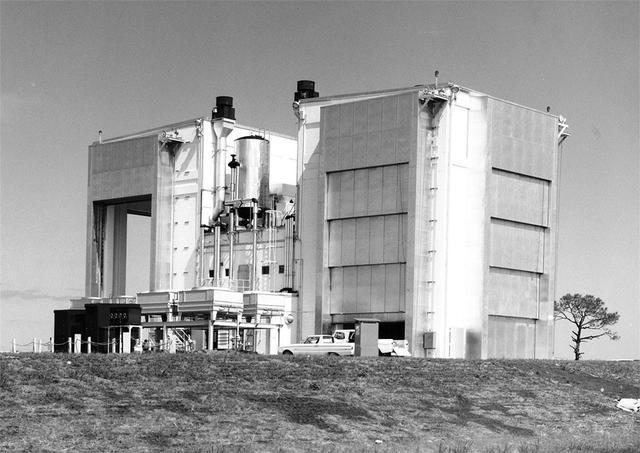
Exterior view of the HMCA South (HMP South)
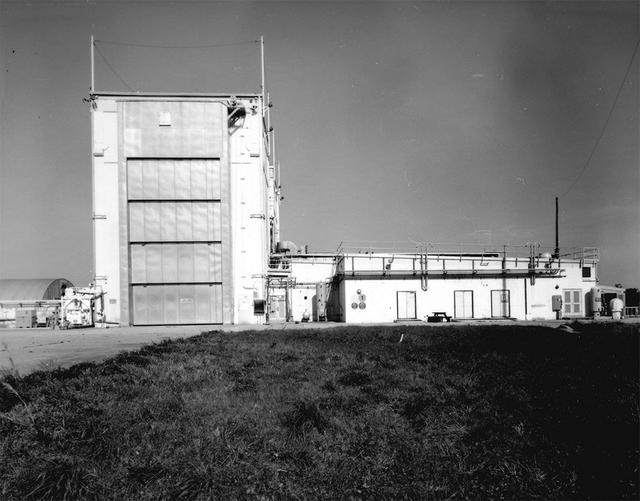
Interior view of the HMCA North (HMP North)
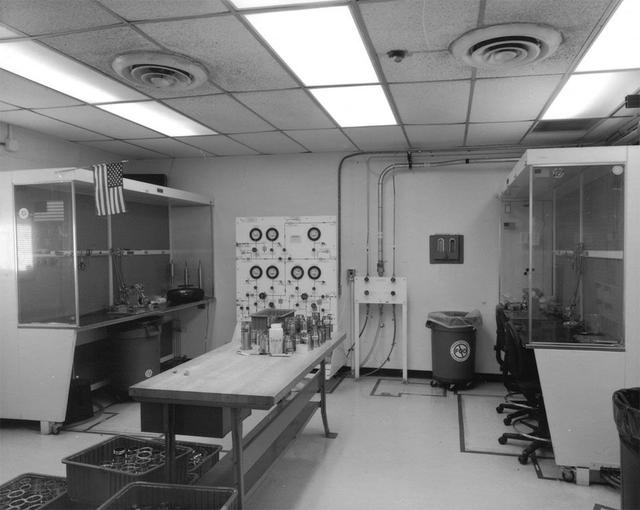
Interior view of the HMCA North (HMP North)
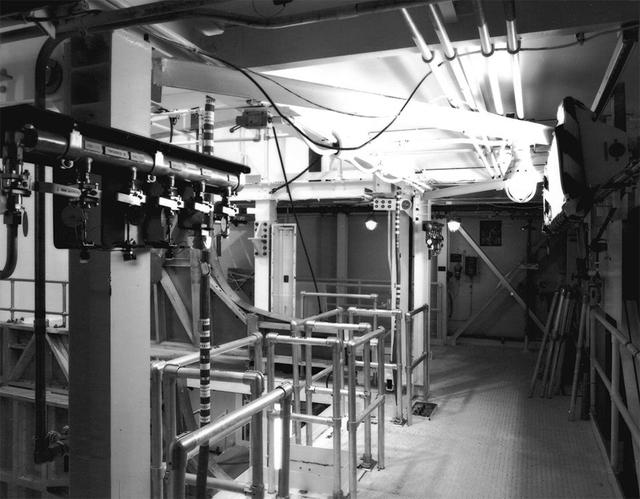
Interior view of the HMCA North (HMP North)
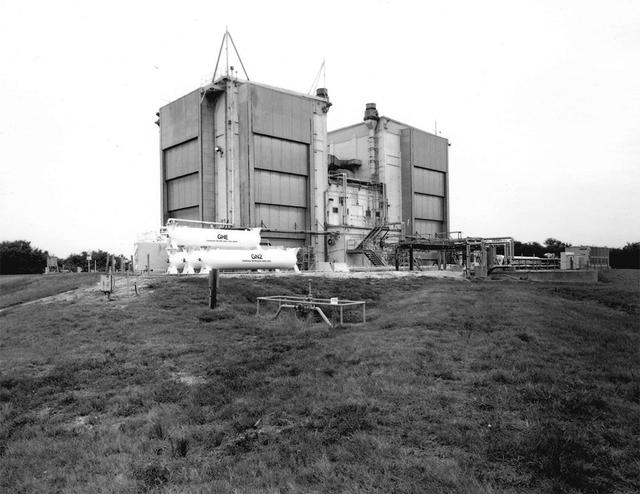
Exterior view of the HMCA South (HMP South)
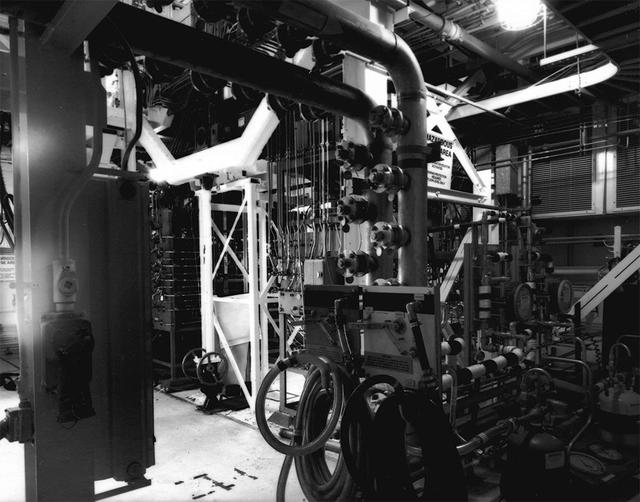
Interior view of the HMCA North (HMP North)
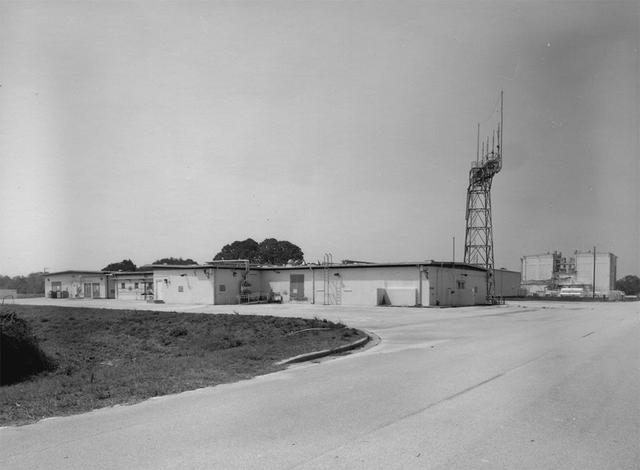
Exterior view of the HMCA Support Building
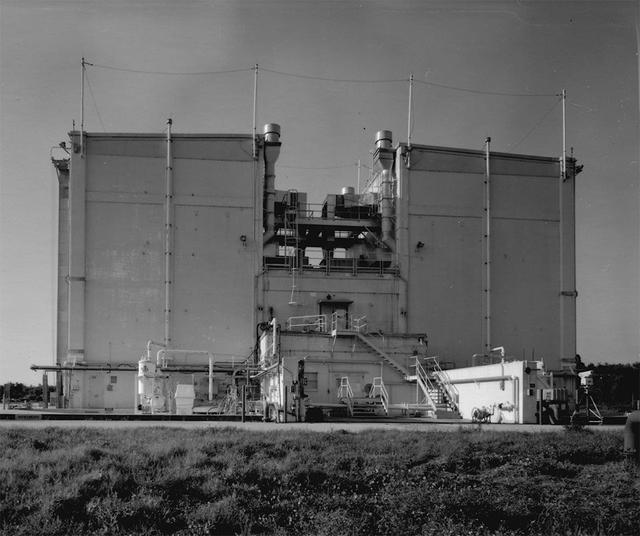
Exterior view of the HMCA North (HMP North)
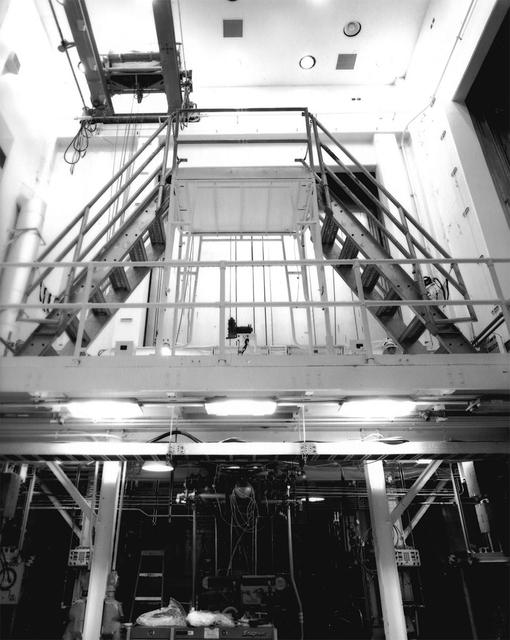
Interior view of the HMCA South (HMP South)
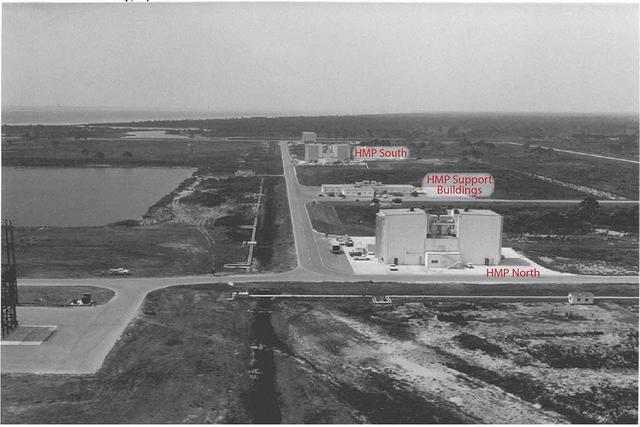
Exterior view of the HMCA North (HMP North)
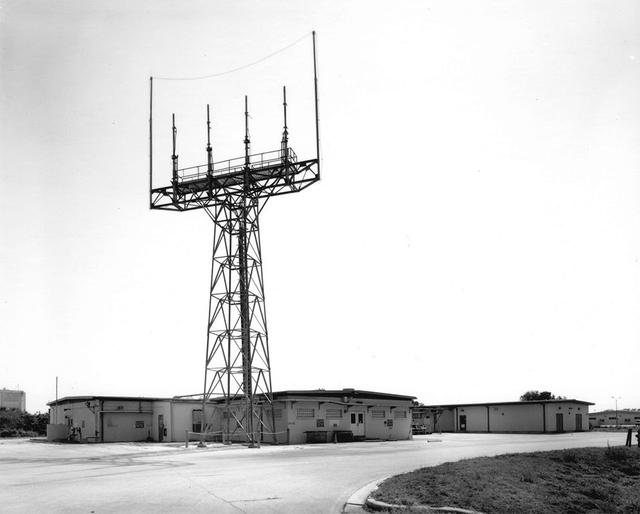
Exterior view of the HMCA Support Building
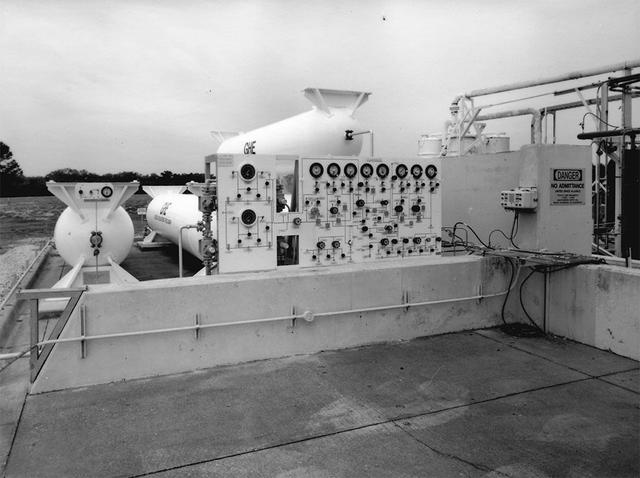
Exterior view of the HMCA South (HMP South)
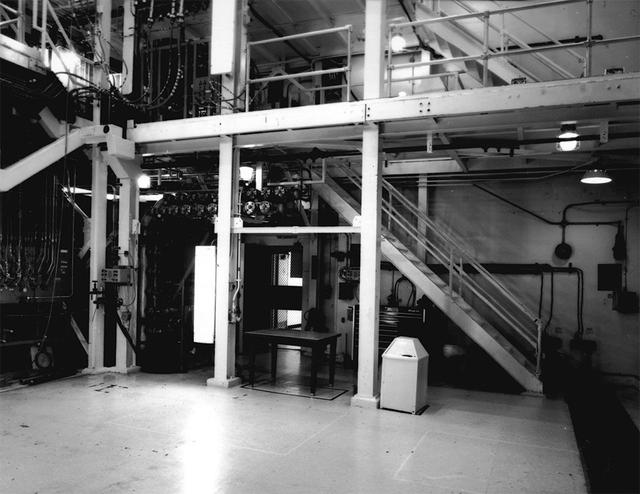
Interior view of the HMCA North (HMP North)
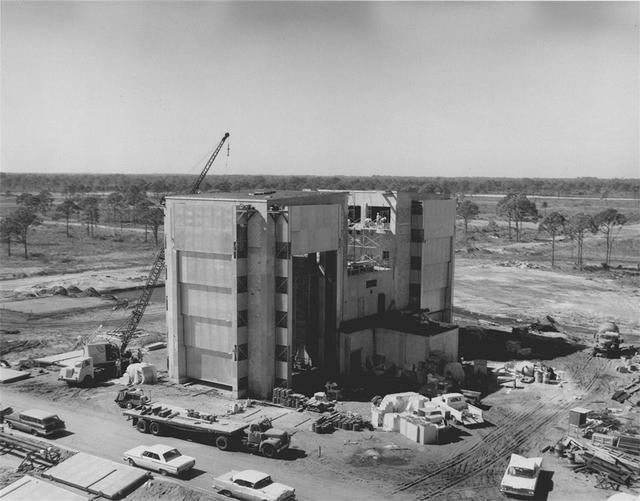
Exterior view of the HMCA South (HMP South)
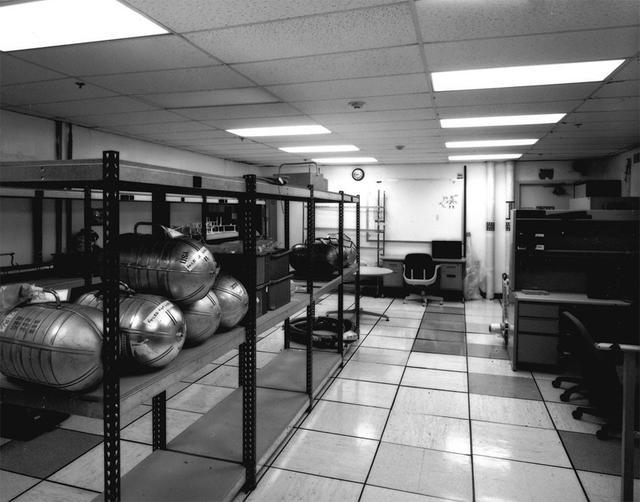
Interior view of the HMCA Support Building
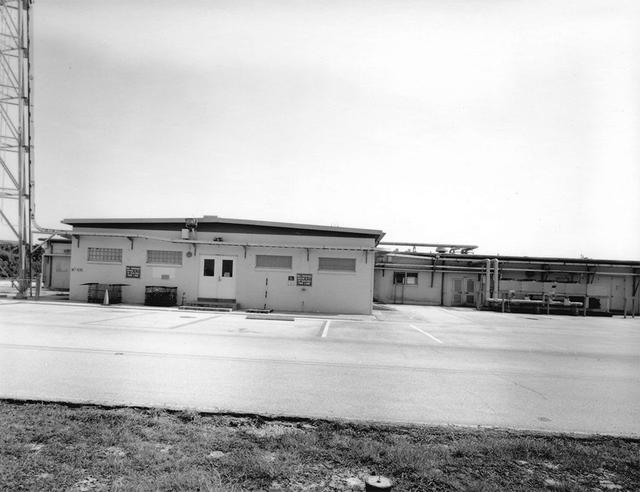
Exterior view of the HMCA Support Building
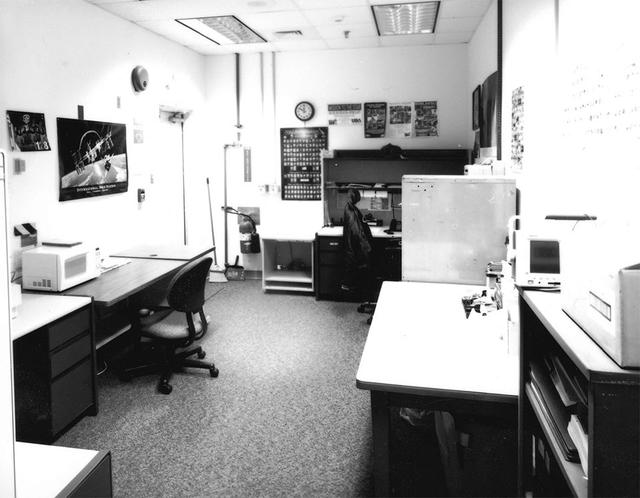
Interior view of the HMCA Support Building
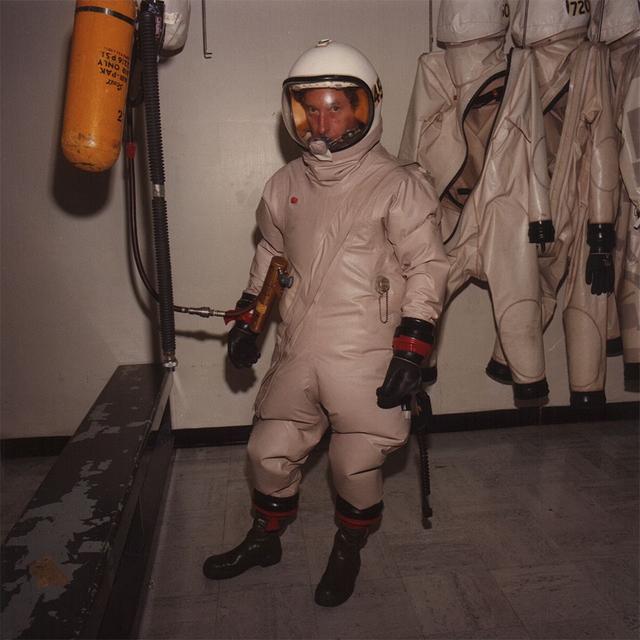
Interior view of the HMCA Support Building
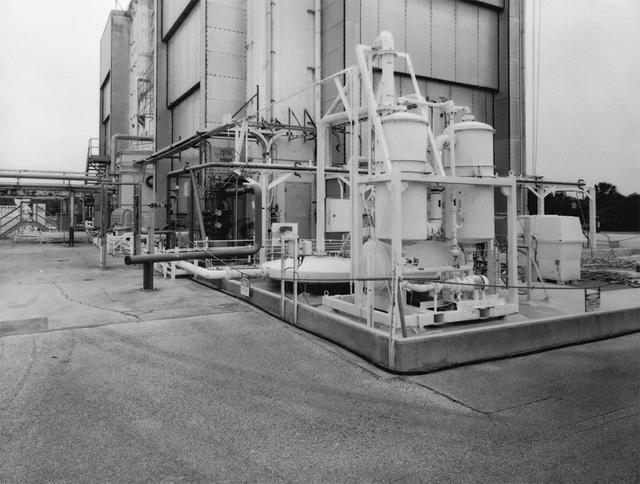
Exterior view of the HMCA South (HMP South)
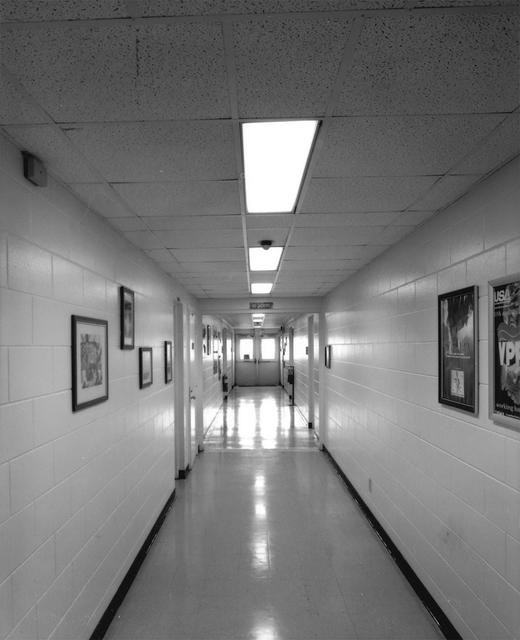
Interior view of the HMCA Support Building