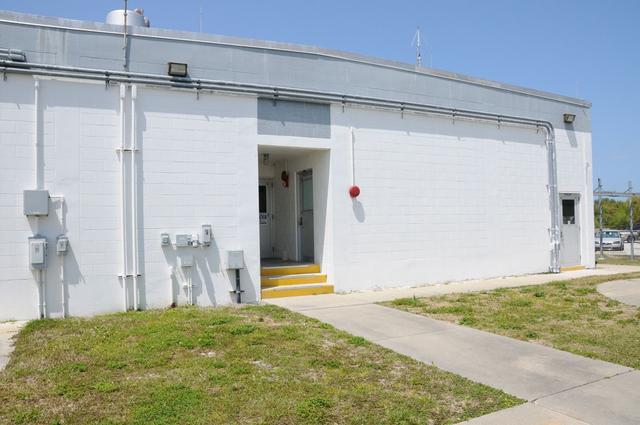
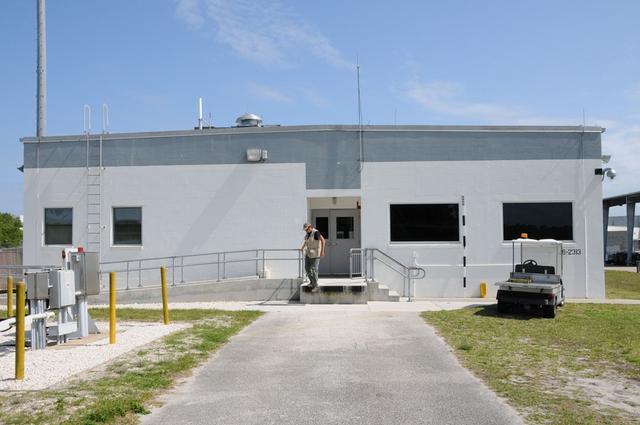
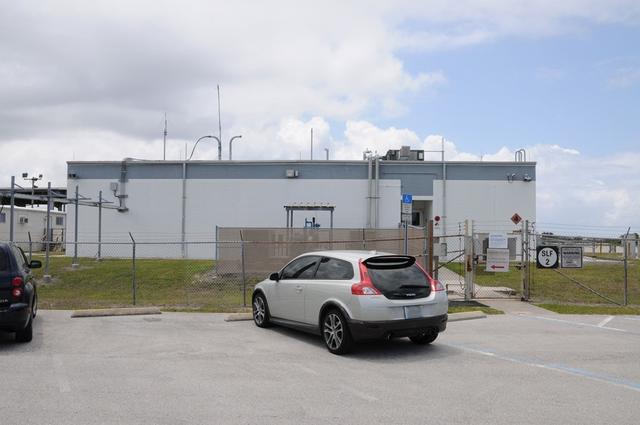
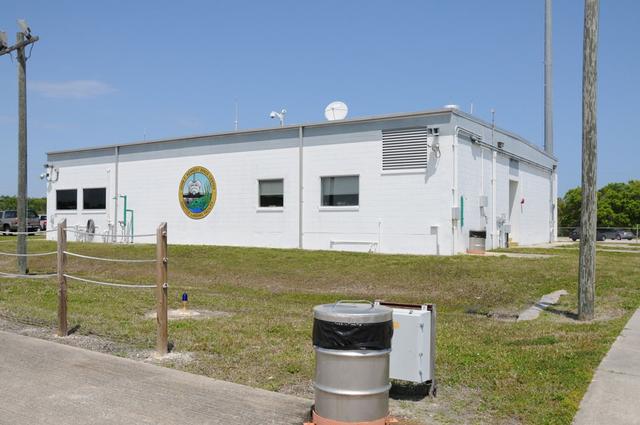
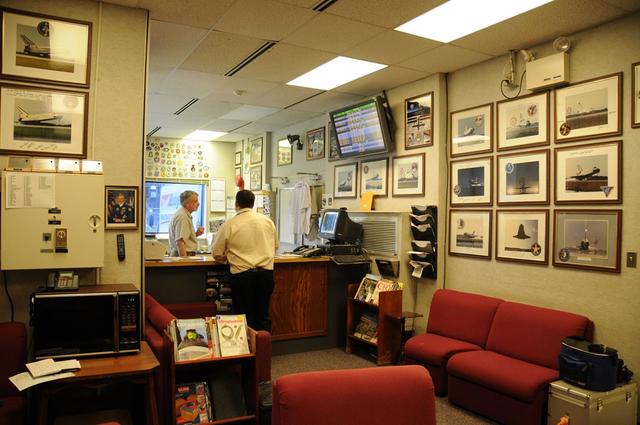
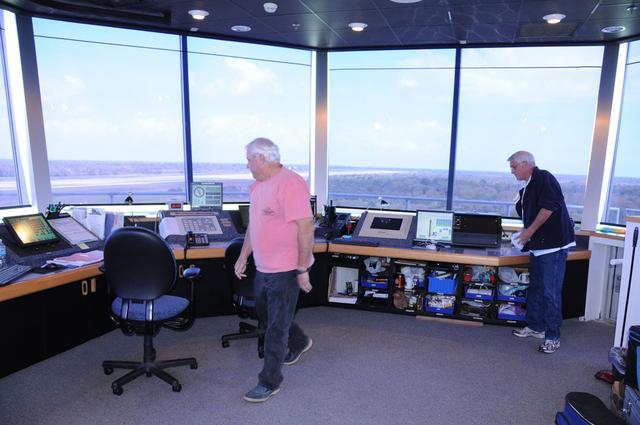
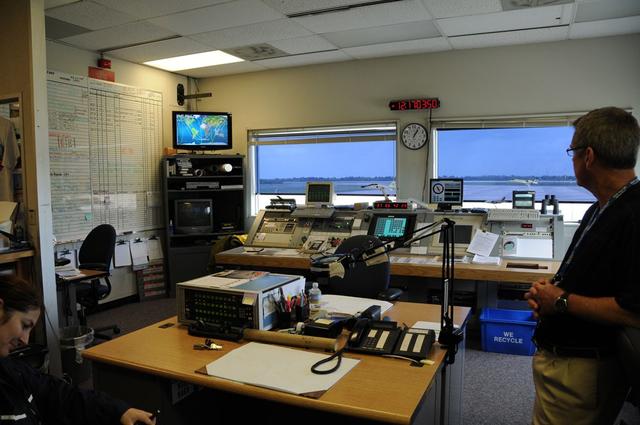
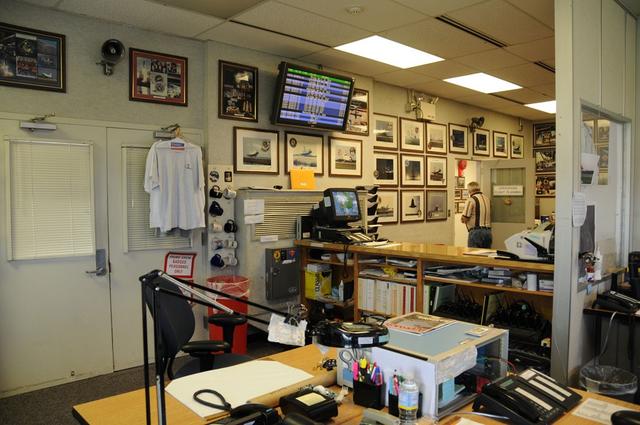
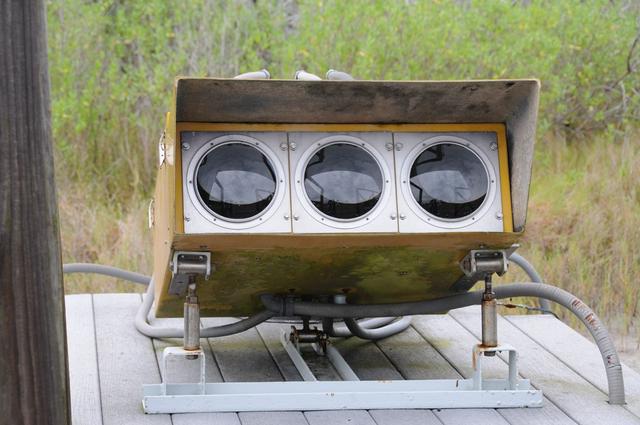
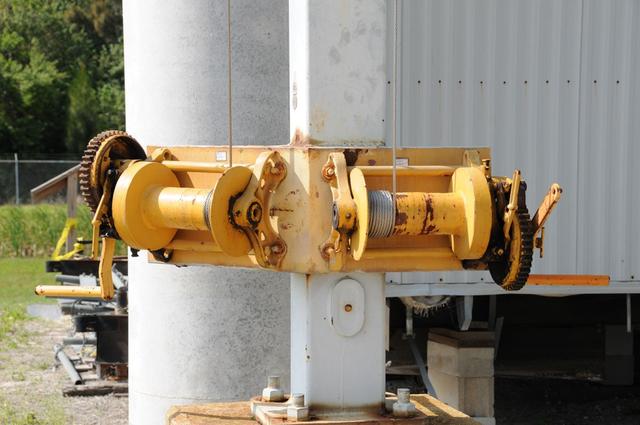
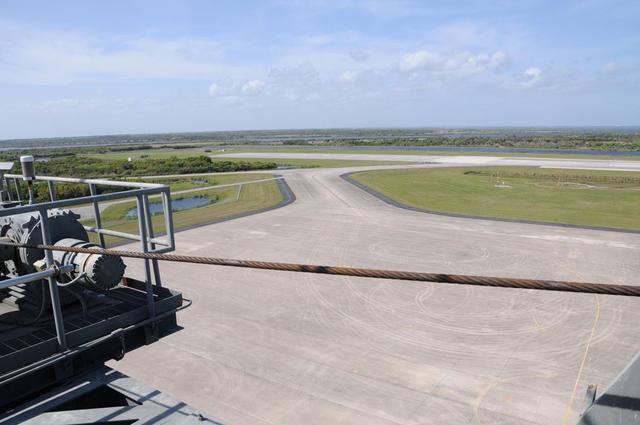
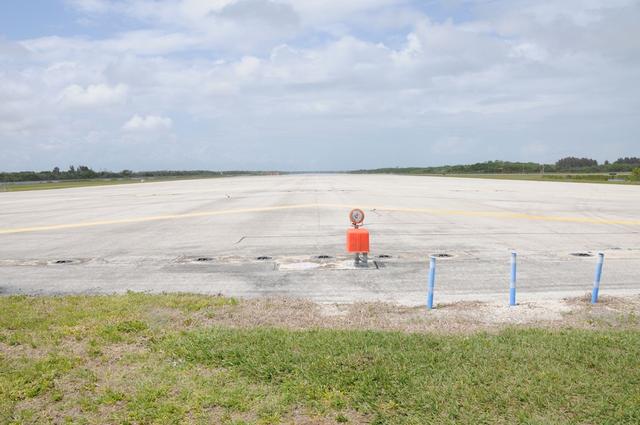
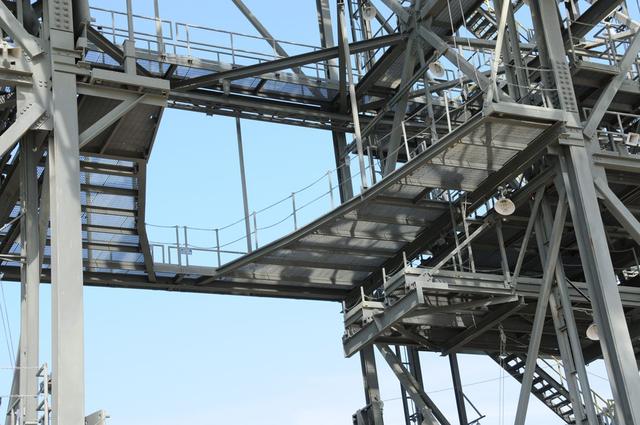
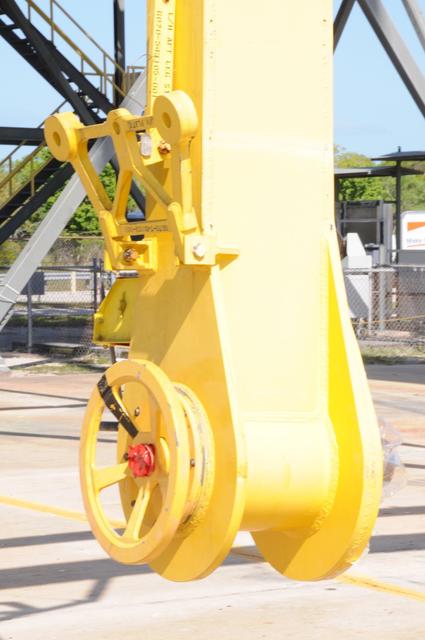
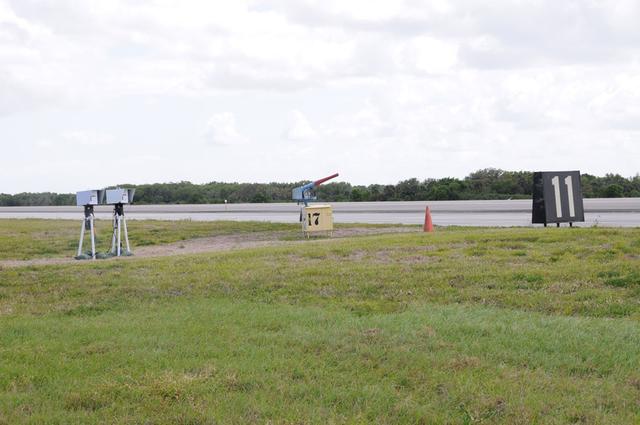
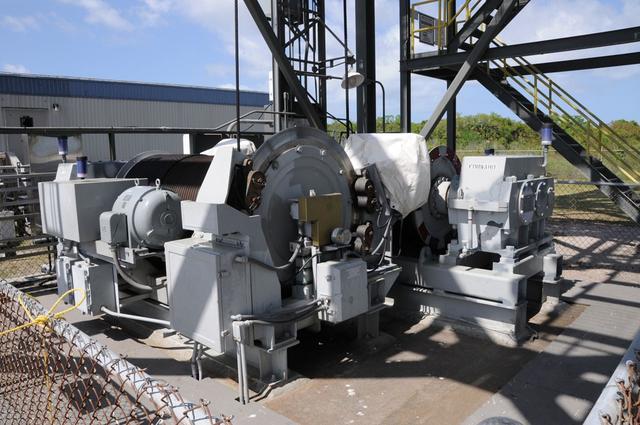
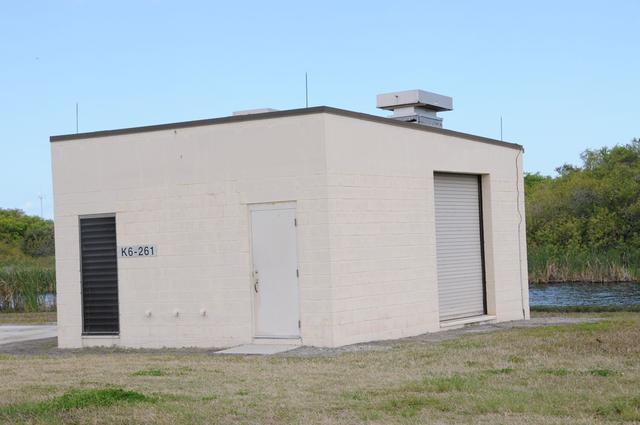
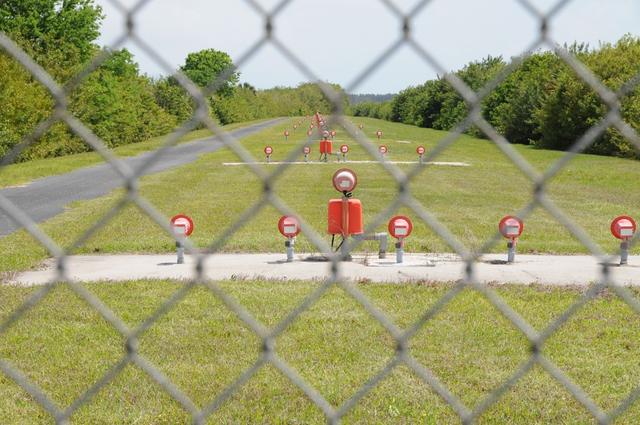
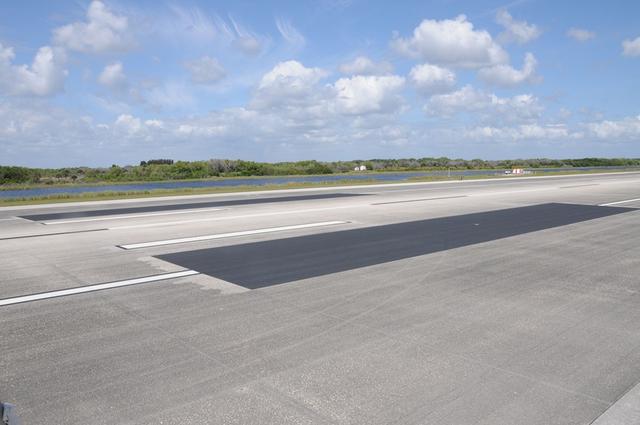
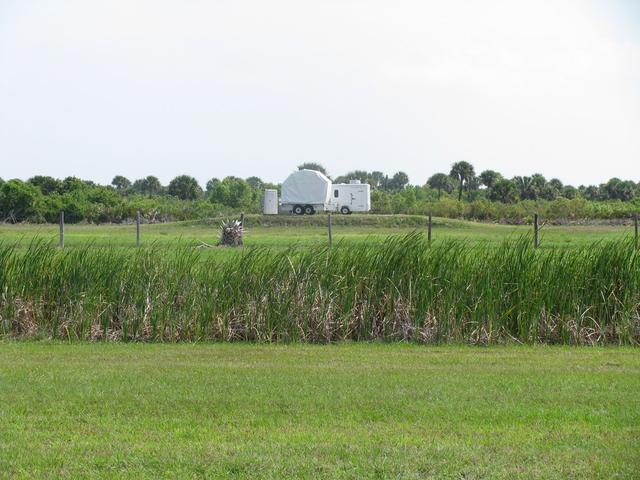
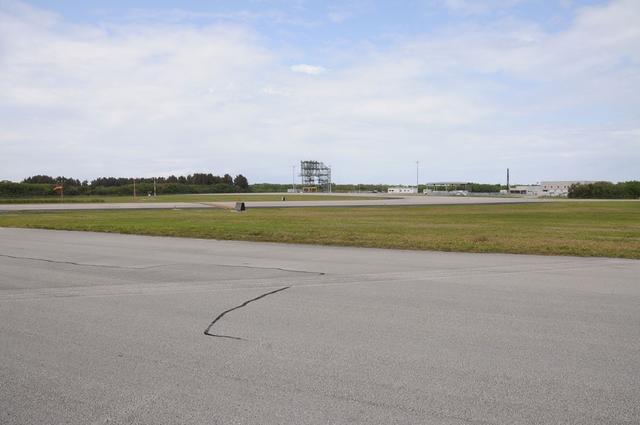
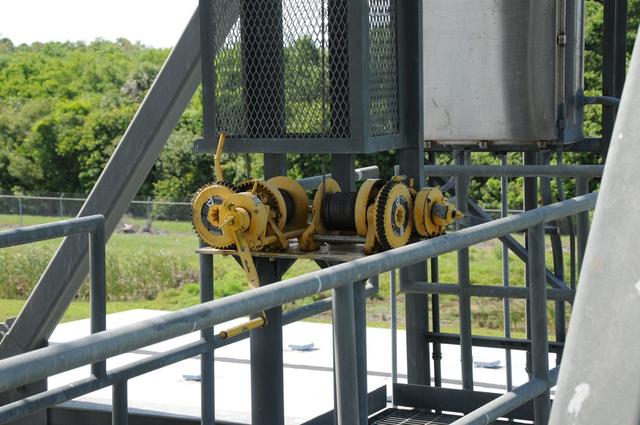
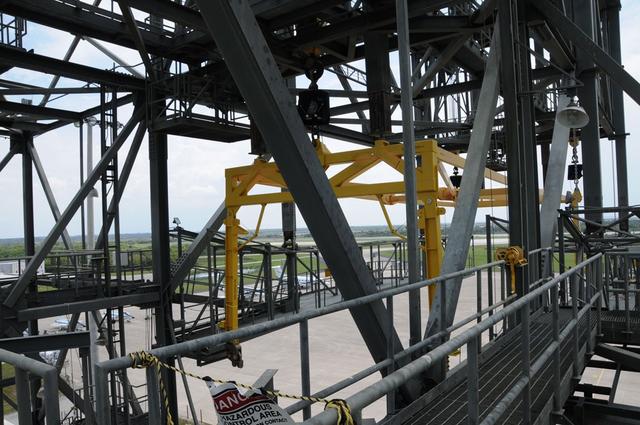
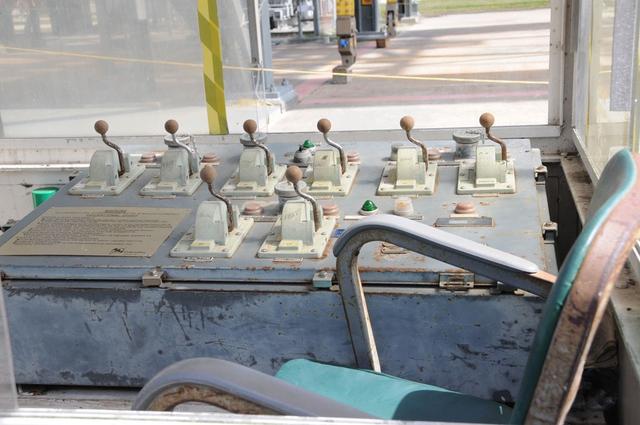
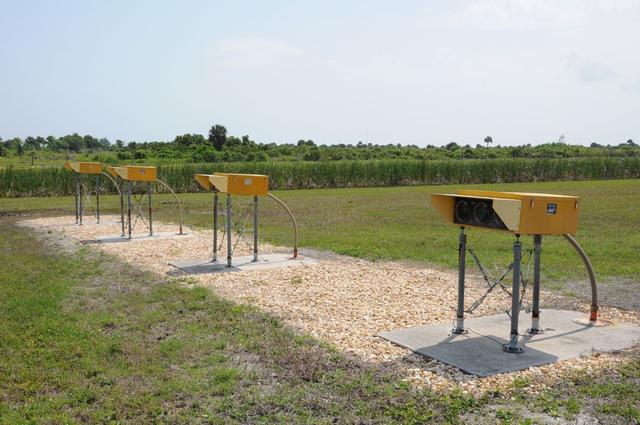
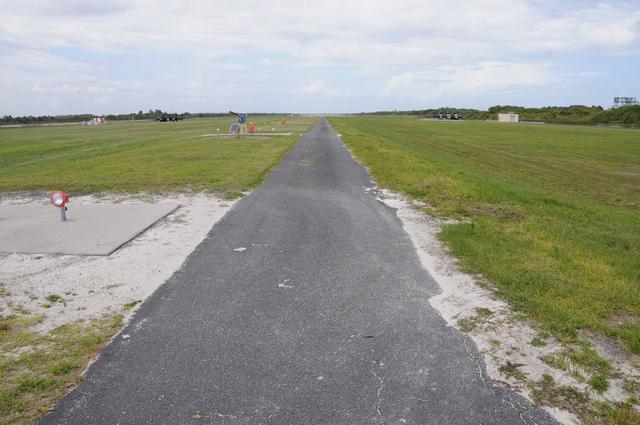
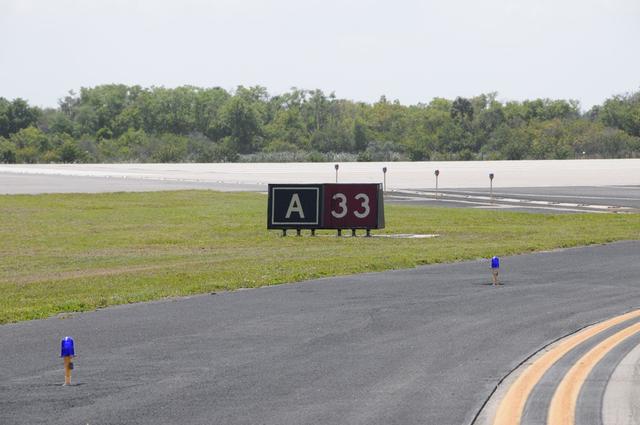
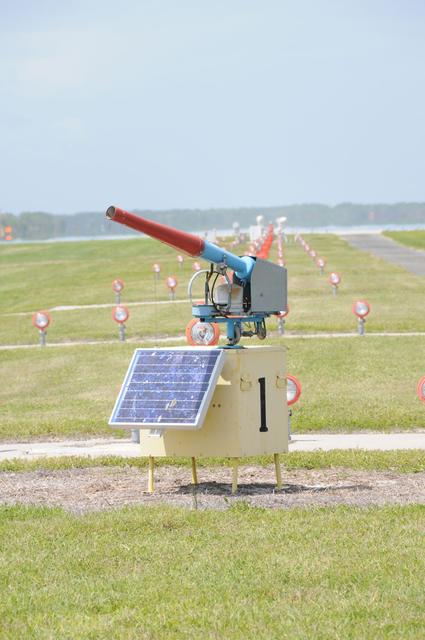
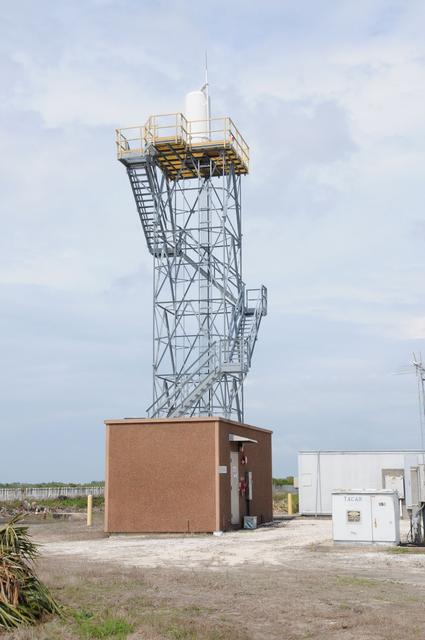
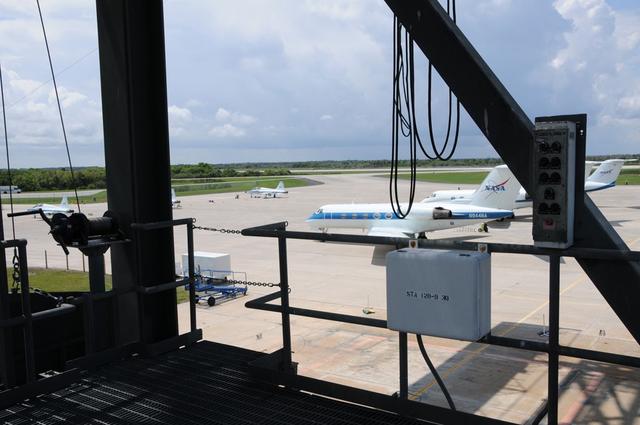
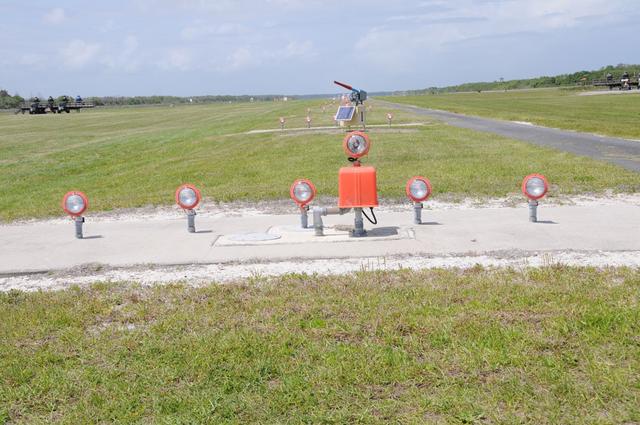
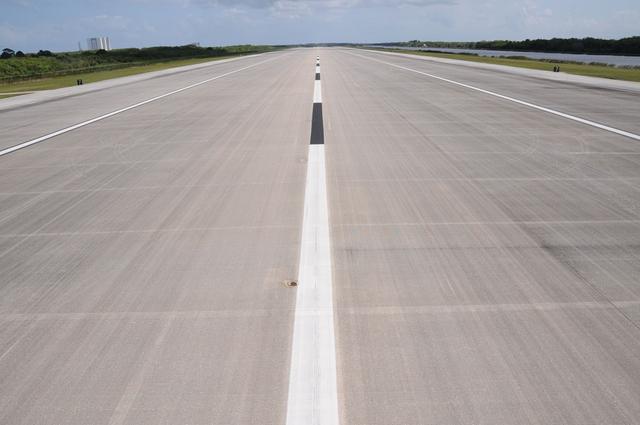
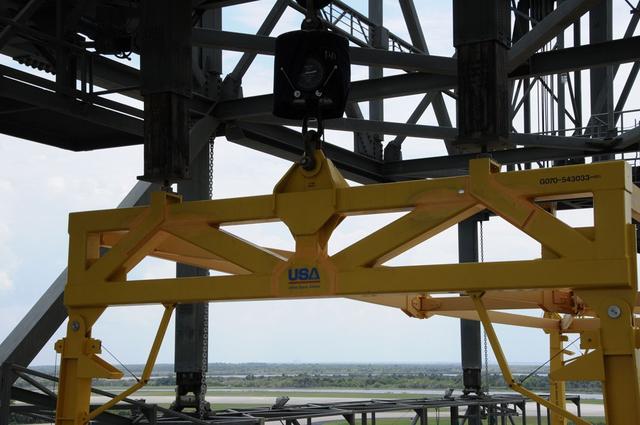
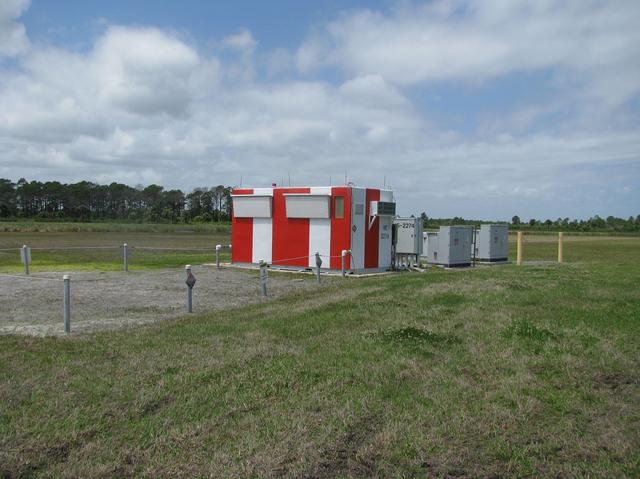
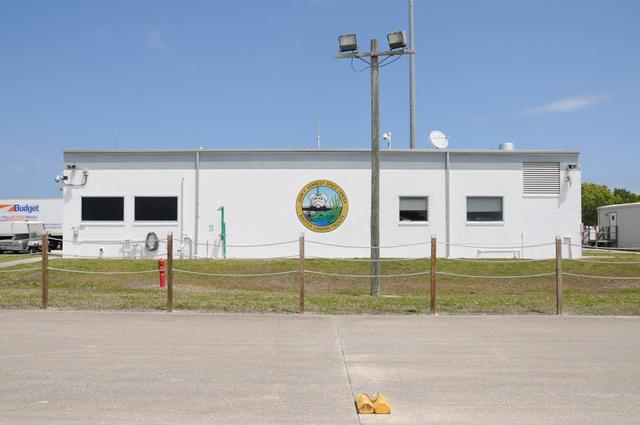
View of the Landing Aids Control Building
SLF51
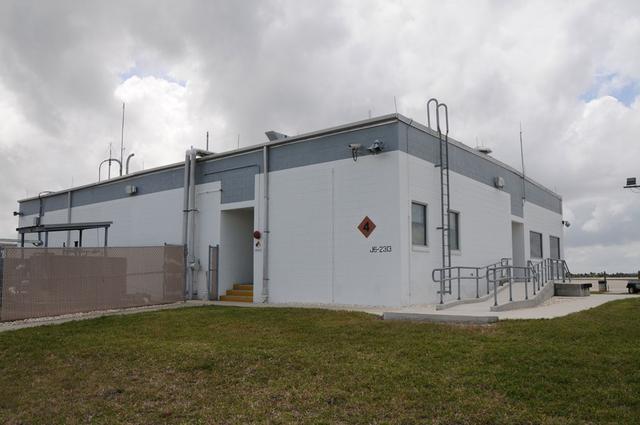
View of the Landing Aids Control Building
SLF63
View of the Landing Aids Control Building
SLF54
View of the Landing Aids Control Building
SLF52
View of the Landing Aids Control Building
SLF45
View of the Landing Aids Control Building
SLF64
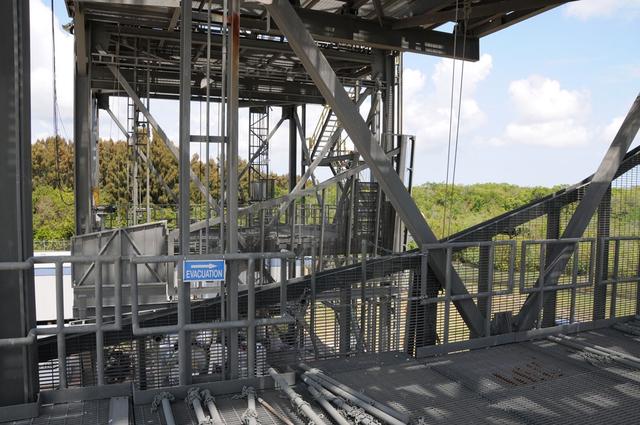
Interior view of the Landing Aids Control Building
SLF56
Interior view of the Landing Aids Control Building
SLF57
Interior view of the Landing Aids Control Building
SLF53
Interior view of the Landing Aids Control Building
SLF55
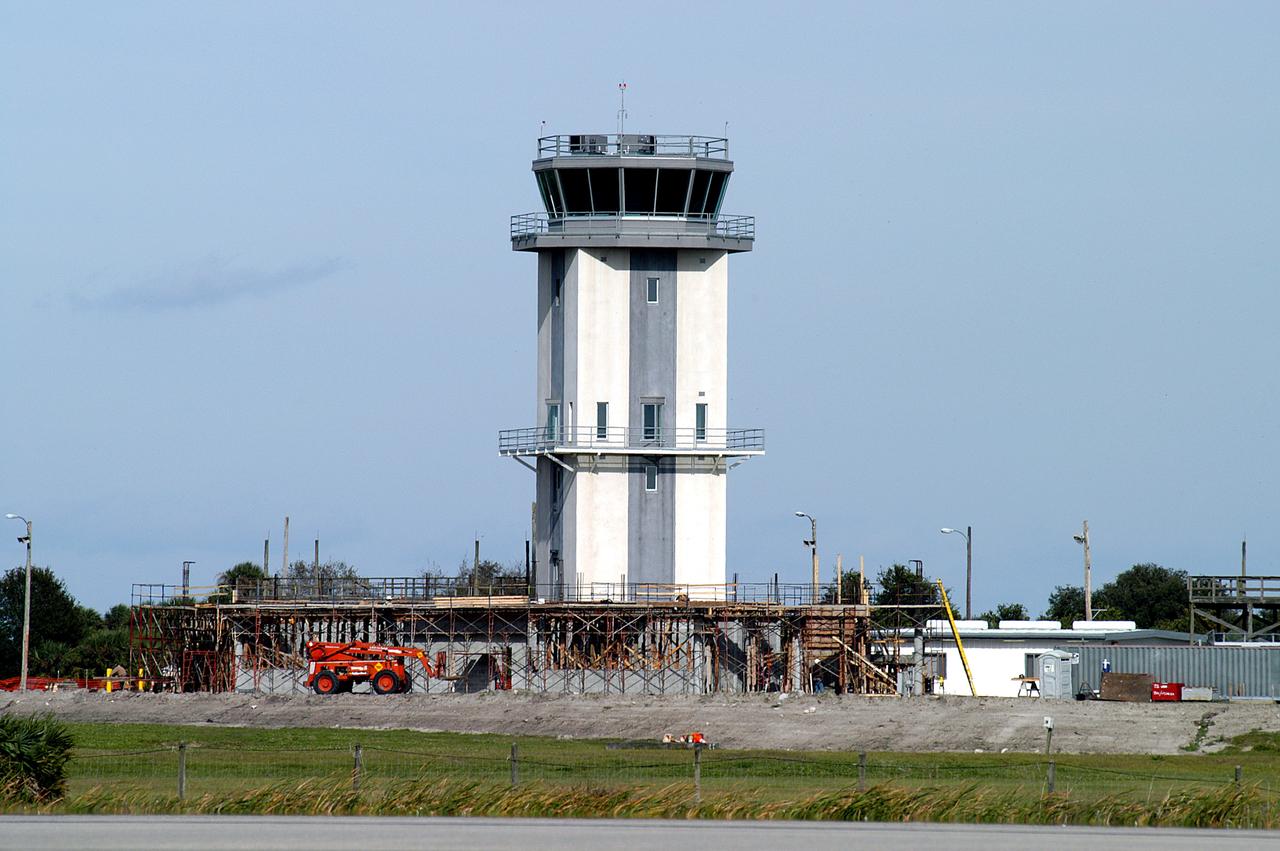
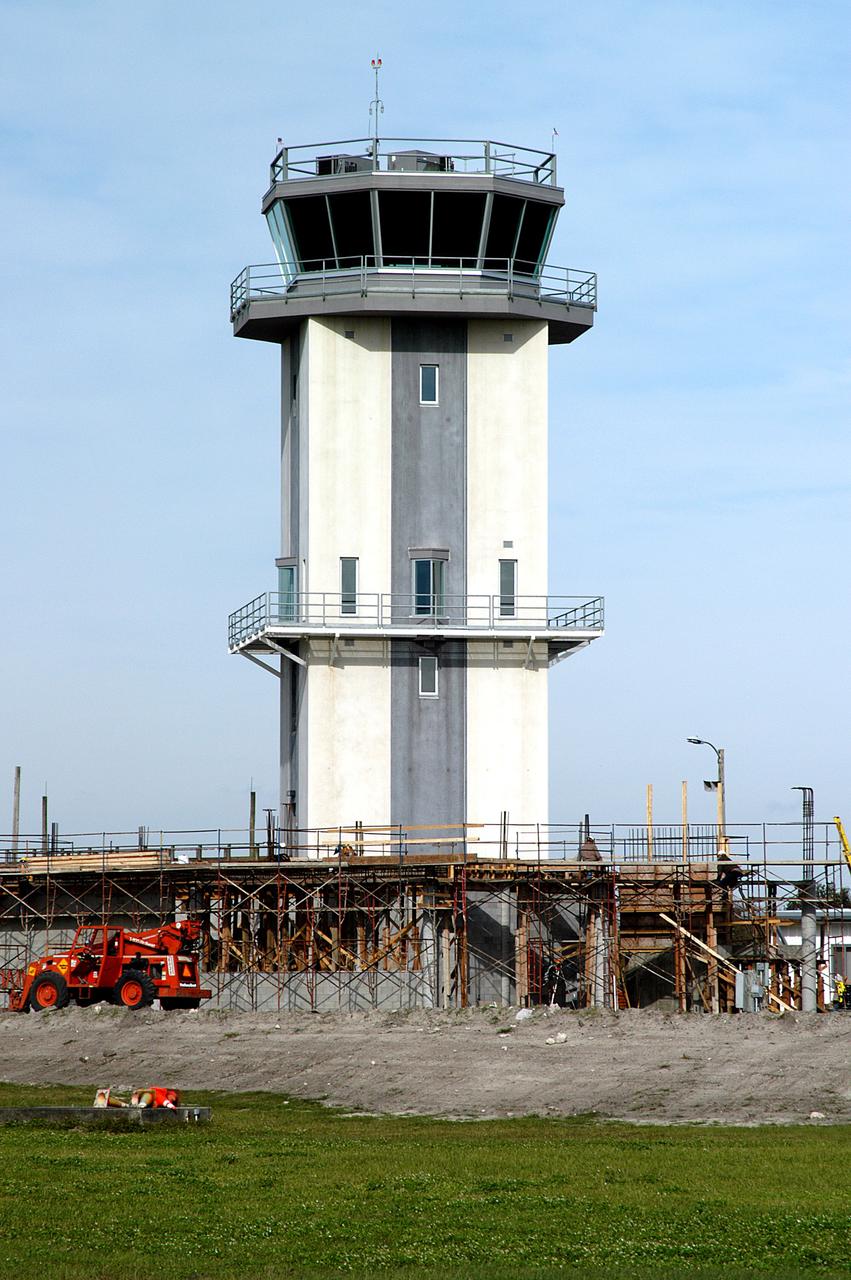
KENNEDY SPACE CENTER, FLA. -- A new control tower is nearing completion at the KSC Shuttle Landing Facility.  It will replace the old tower in use since 1987.   The old tower stands only 20 feet above the runway surface, too low to see the launch pads to the east. During nighttime landing operations, those inside the tower have been hindered by the eight-billion candlepower xenon lights that illuminate the runway.  The new control tower is built atop an existing mound, rising nearly 100 feet over the midpoint of the runway.  The height gives controllers a spectacular 360-degree view of NASA-KSC and northern Brevard County. The new facility will also replace the SLF Operations Building. The operations building is home to the Military Radar Unit that monitors NASA-KSC airspace 24 hours a day, as well as runway light controls, navigational aids, weather and wind speed instrumentation, and gate controls. In the new tower, the computer displays will be fully modernized to Federal Aviation Administration standards with touch-screen technology. Construction on the new facility began in February 2003 and is nearly ready for occupancy. Only some final inspections and approvals remain. A support building and Public Affairs viewing deck, to be used for observing future landing operations, will be added and are already in work.
KENNEDY SPACE CENTER, FLA. -- A new control tower is nearing completion at the KSC Shuttle Landing Facility. It will replace the old tower in use since 1987. The old tower stands only 20 feet above the runway surface, too low to see the launch pads to the east. During nighttime landing operations, those inside the tower have been hindered by the eight-billion candlepower xenon lights that illuminate the runway. The new control tower is built atop an existing mound, rising nearly 100 feet over the midpoint of the runway. The height gives controllers a spectacular 360-degree view of NASA-KSC and northern Brevard County. The new facility will also replace the SLF Operations Building. The operations building is home to the Military Radar Unit that monitors NASA-KSC airspace 24 hours a day, as well as runway light controls, navigational aids, weather and wind speed instrumentation, and gate controls. In the new tower, the computer displays will be fully modernized to Federal Aviation Administration standards with touch-screen technology. Construction on the new facility began in February 2003 and is nearly ready for occupancy. Only some final inspections and approvals remain. A support building and Public Affairs viewing deck, to be used for observing future landing operations, will be added and are already in work.
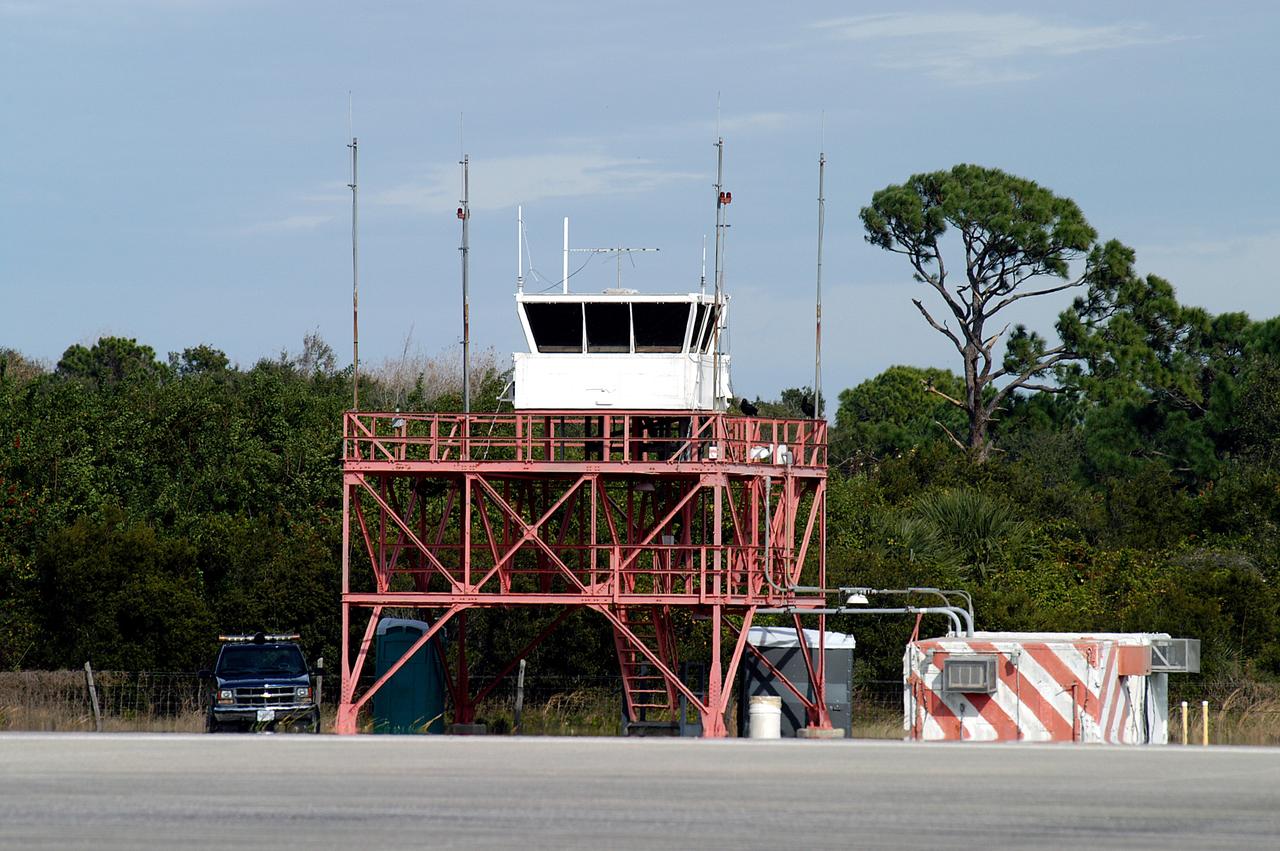
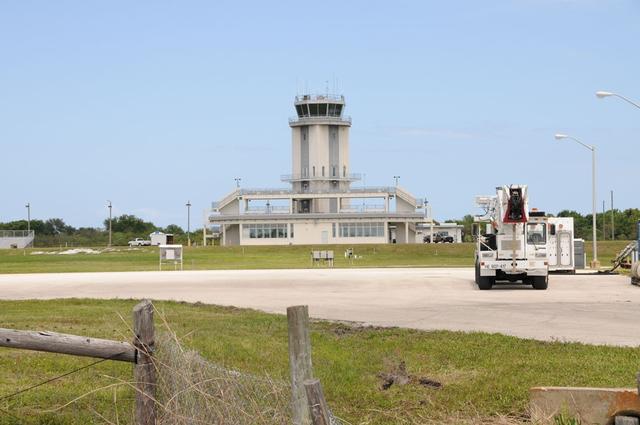
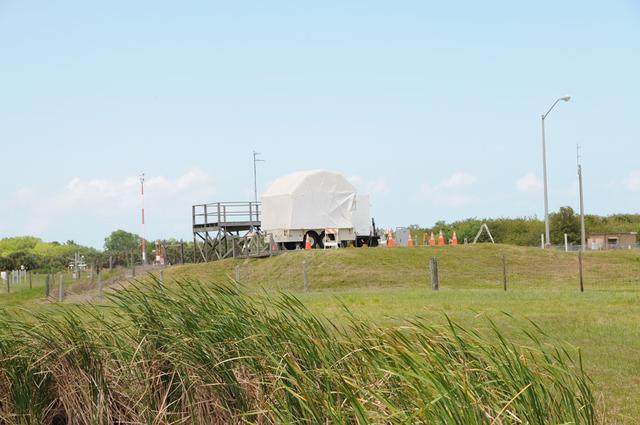
KENNEDY SPACE CENTER, FLA. -- The existing control tower seen here at the edge of the KSC Shuttle Landing Facility is being replaced.  In use since 1987, the old tower stands only 20 feet above the runway surface, too low to see the launch pads to the east. During nighttime landing operations, those inside the tower have been hindered by the eight-billion candlepower xenon lights that illuminate the runway.  The new control tower is built atop an existing mound, rising nearly 100 feet over the midpoint of the runway.  The height gives controllers a spectacular 360-degree view of NASA-KSC and northern Brevard County. The new facility will also replace the SLF Operations Building. The operations building is home to the Military Radar Unit that monitors NASA-KSC airspace 24 hours a day, as well as runway light controls, navigational aids, weather and wind speed instrumentation, and gate controls. In the new tower, the computer displays will be fully modernized to Federal Aviation Administration standards with touch-screen technology. Construction on the new facility began in February 2003 and is nearly ready for occupancy. Only some final inspections and approvals remain. A support building and Public Affairs viewing deck, to be used for observing future landing operations, will be added and are already in work.
KENNEDY SPACE CENTER, FLA. -- The existing control tower seen here at the edge of the KSC Shuttle Landing Facility is being replaced. In use since 1987, the old tower stands only 20 feet above the runway surface, too low to see the launch pads to the east. During nighttime landing operations, those inside the tower have been hindered by the eight-billion candlepower xenon lights that illuminate the runway. The new control tower is built atop an existing mound, rising nearly 100 feet over the midpoint of the runway. The height gives controllers a spectacular 360-degree view of NASA-KSC and northern Brevard County. The new facility will also replace the SLF Operations Building. The operations building is home to the Military Radar Unit that monitors NASA-KSC airspace 24 hours a day, as well as runway light controls, navigational aids, weather and wind speed instrumentation, and gate controls. In the new tower, the computer displays will be fully modernized to Federal Aviation Administration standards with touch-screen technology. Construction on the new facility began in February 2003 and is nearly ready for occupancy. Only some final inspections and approvals remain. A support building and Public Affairs viewing deck, to be used for observing future landing operations, will be added and are already in work.
KENNEDY SPACE CENTER, FLA. -- A new control tower is nearing completion at the KSC Shuttle Landing Facility.  It will replace the old tower in use since 1987.   The old tower stands only 20 feet above the runway surface, too low to see the launch pads to the east. During nighttime landing operations, those inside the tower have been hindered by the eight-billion candlepower xenon lights that illuminate the runway.  The new control tower is built atop an existing mound, rising nearly 100 feet over the midpoint of the runway.  The height gives controllers a spectacular 360-degree view of NASA-KSC and northern Brevard County. The new facility will also replace the SLF Operations Building. The operations building is home to the Military Radar Unit that monitors NASA-KSC airspace 24 hours a day, as well as runway light controls, navigational aids, weather and wind speed instrumentation, and gate controls. In the new tower, the computer displays will be fully modernized to Federal Aviation Administration standards with touch-screen technology. Construction on the new facility began in February 2003 and is nearly ready for occupancy. Only some final inspections and approvals remain. A support building and Public Affairs viewing deck, to be used for observing future landing operations, will be added and are already in work.
KENNEDY SPACE CENTER, FLA. -- A new control tower is nearing completion at the KSC Shuttle Landing Facility. It will replace the old tower in use since 1987. The old tower stands only 20 feet above the runway surface, too low to see the launch pads to the east. During nighttime landing operations, those inside the tower have been hindered by the eight-billion candlepower xenon lights that illuminate the runway. The new control tower is built atop an existing mound, rising nearly 100 feet over the midpoint of the runway. The height gives controllers a spectacular 360-degree view of NASA-KSC and northern Brevard County. The new facility will also replace the SLF Operations Building. The operations building is home to the Military Radar Unit that monitors NASA-KSC airspace 24 hours a day, as well as runway light controls, navigational aids, weather and wind speed instrumentation, and gate controls. In the new tower, the computer displays will be fully modernized to Federal Aviation Administration standards with touch-screen technology. Construction on the new facility began in February 2003 and is nearly ready for occupancy. Only some final inspections and approvals remain. A support building and Public Affairs viewing deck, to be used for observing future landing operations, will be added and are already in work.
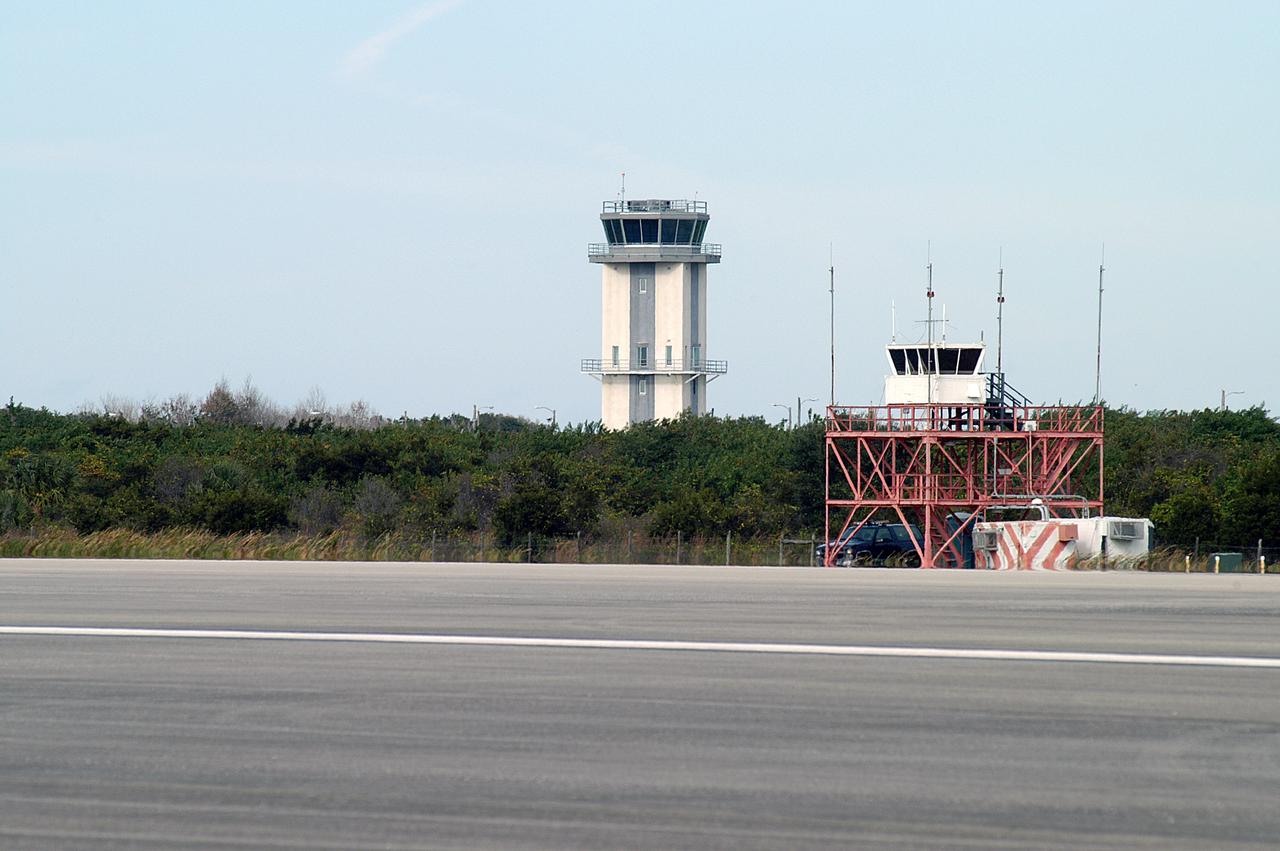
KENNEDY SPACE CENTER, FLA. -- Two control towers are seen at the edge of the KSC Shuttle Landing Facility, the old one in front and the nearly completed new tower in back.  The old tower stands only 20 feet above the runway surface, too low to see the launch pads to the east. During nighttime landing operations, those inside the tower have been hindered by the eight-billion candlepower xenon lights that illuminate the runway.  The new control tower is built atop an existing mound, rising nearly 100 feet over the midpoint of the runway.  The height gives controllers a spectacular 360-degree view of NASA-KSC and northern Brevard County. The new facility will also replace the SLF Operations Building. The operations building is home to the Military Radar Unit that monitors NASA-KSC airspace 24 hours a day, as well as runway light controls, navigational aids, weather and wind speed instrumentation, and gate controls. In the new tower, the computer displays will be fully modernized to Federal Aviation Administration standards with touch-screen technology. Construction on the new facility began in February 2003 and is nearly ready for occupancy. Only some final inspections and approvals remain. A support building and Public Affairs viewing deck, to be used for observing future landing operations, will be added and are already in work.
KENNEDY SPACE CENTER, FLA. -- Two control towers are seen at the edge of the KSC Shuttle Landing Facility, the old one in front and the nearly completed new tower in back. The old tower stands only 20 feet above the runway surface, too low to see the launch pads to the east. During nighttime landing operations, those inside the tower have been hindered by the eight-billion candlepower xenon lights that illuminate the runway. The new control tower is built atop an existing mound, rising nearly 100 feet over the midpoint of the runway. The height gives controllers a spectacular 360-degree view of NASA-KSC and northern Brevard County. The new facility will also replace the SLF Operations Building. The operations building is home to the Military Radar Unit that monitors NASA-KSC airspace 24 hours a day, as well as runway light controls, navigational aids, weather and wind speed instrumentation, and gate controls. In the new tower, the computer displays will be fully modernized to Federal Aviation Administration standards with touch-screen technology. Construction on the new facility began in February 2003 and is nearly ready for occupancy. Only some final inspections and approvals remain. A support building and Public Affairs viewing deck, to be used for observing future landing operations, will be added and are already in work.
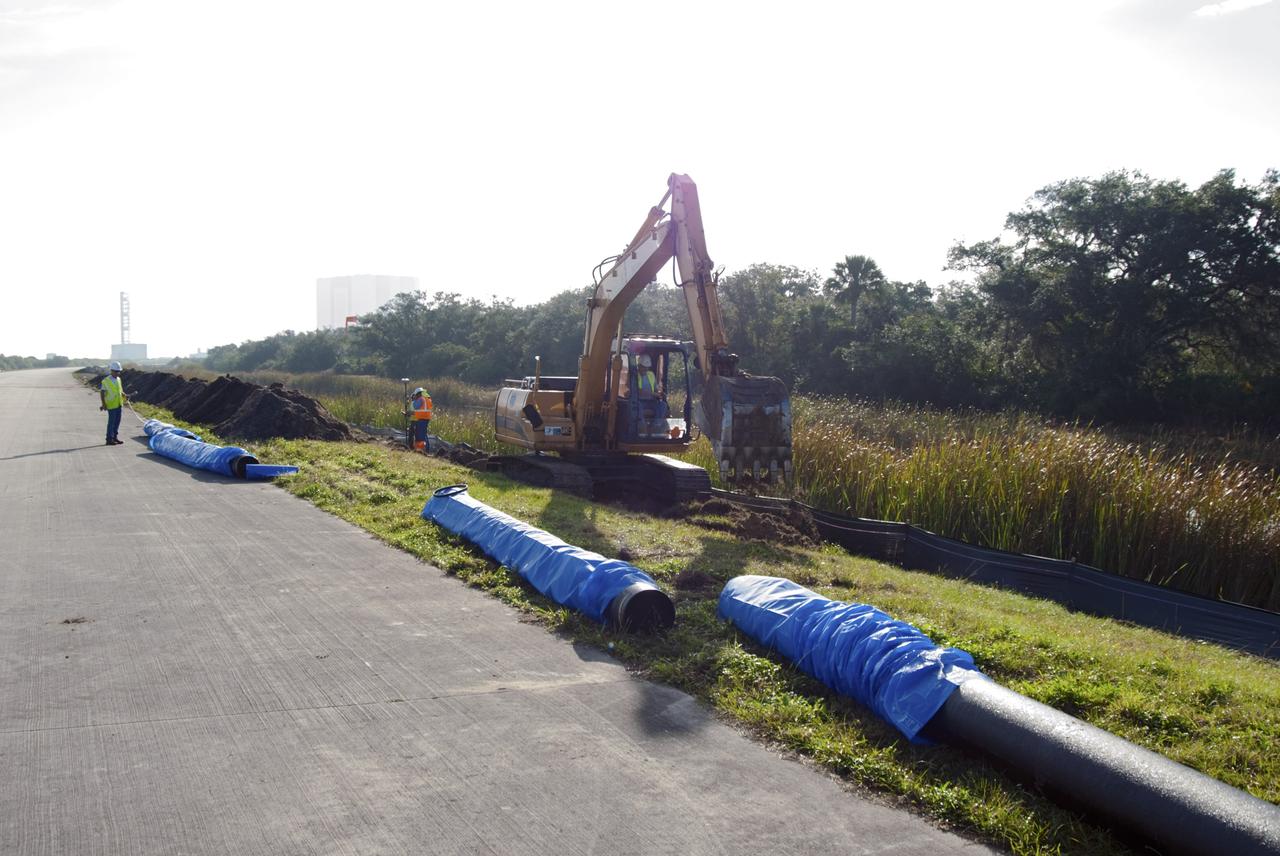
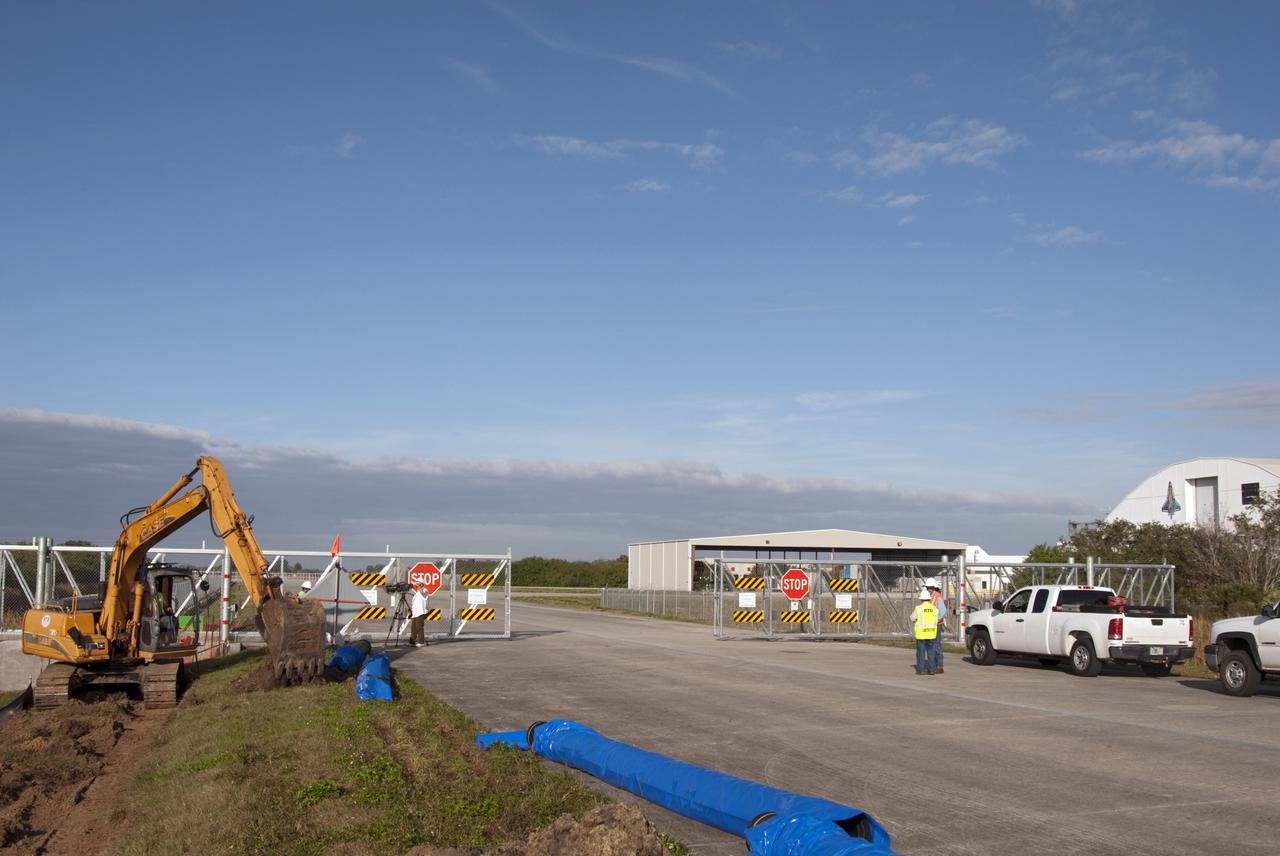
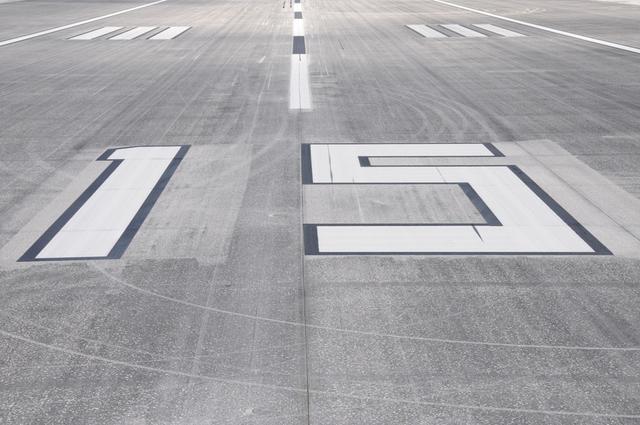
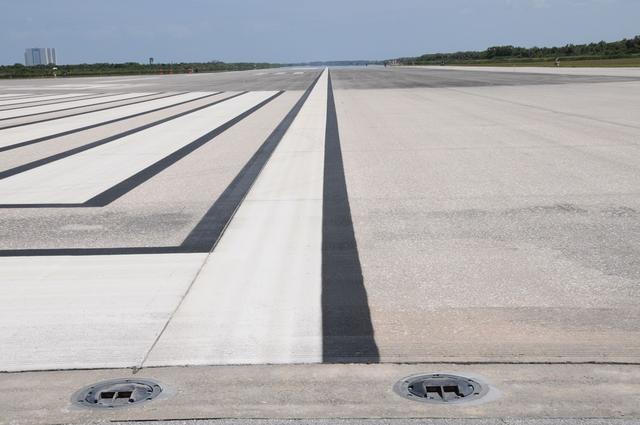
CAPE CANAVERAL, Fla. – At NASA’s Kennedy Space Center in Florida, a new 12-inch water main is being installed as part of a water/wastewater revitalizing plan. The main will provide water to the area around the shuttle landing facility's Landing Aids Control Building and fire station.      NASA’s space shuttle runway is a unique national asset designed to enable the recovery of the agency’s fleet of space shuttle orbiters. The shuttle landing facility is a single, 15,000-foot long concrete runway oriented to the southeast and northwest. Air traffic control is provided from a control tower built to FAA standards. Fire and emergency response services are also available from an onsite facility. For more information, visit http://kscpartnerships.ksc.nasa.gov/slf.htm Photo credit: NASA/Tim Jacobs
KSC-2013-1076
CAPE CANAVERAL, Fla. – At NASA’s Kennedy Space Center in Florida, a new 12-inch water main is being installed as part of a water/wastewater revitalizing plan. The main will provide water to the area around the shuttle landing facility's Landing Aids Control Building and fire station.      NASA’s space shuttle runway is a unique national asset designed to enable the recovery of the agency’s fleet of space shuttle orbiters. The shuttle landing facility is a single, 15,000-foot long concrete runway oriented to the southeast and northwest. Air traffic control is provided from a control tower built to FAA standards. Fire and emergency response services are also available from an onsite facility. For more information, visit http://kscpartnerships.ksc.nasa.gov/slf.htm Photo credit: NASA/Tim Jacobs
KSC-2013-1078
CAPE CANAVERAL, Fla. – At NASA’s Kennedy Space Center in Florida, a new 12-inch water main is being installed as part of a water/wastewater revitalizing plan. The main will provide water to the area around the shuttle landing facility's Landing Aids Control Building and fire station.      NASA’s space shuttle runway is a unique national asset designed to enable the recovery of the agency’s fleet of space shuttle orbiters. The shuttle landing facility is a single, 15,000-foot long concrete runway oriented to the southeast and northwest. Air traffic control is provided from a control tower built to FAA standards. Fire and emergency response services are also available from an onsite facility. For more information, visit http://kscpartnerships.ksc.nasa.gov/slf.htm Photo credit: NASA/Tim Jacobs
KSC-2013-1073
CAPE CANAVERAL, Fla. – At NASA’s Kennedy Space Center in Florida, a new 12-inch water main is being installed as part of a water/wastewater revitalizing plan. The main will provide water to the area around the shuttle landing facility's Landing Aids Control Building and fire station.      NASA’s space shuttle runway is a unique national asset designed to enable the recovery of the agency’s fleet of space shuttle orbiters. The shuttle landing facility is a single, 15,000-foot long concrete runway oriented to the southeast and northwest. Air traffic control is provided from a control tower built to FAA standards. Fire and emergency response services are also available from an onsite facility. For more information, visit http://kscpartnerships.ksc.nasa.gov/slf.htm Photo credit: NASA/Tim Jacobs
KSC-2013-1077
CAPE CANAVERAL, Fla. – At NASA’s Kennedy Space Center in Florida, a new 12-inch water main is being installed as part of a water/wastewater revitalizing plan. The main will provide water to the area around the shuttle landing facility's Landing Aids Control Building and fire station.      NASA’s space shuttle runway is a unique national asset designed to enable the recovery of the agency’s fleet of space shuttle orbiters. The shuttle landing facility is a single, 15,000-foot long concrete runway oriented to the southeast and northwest. Air traffic control is provided from a control tower built to FAA standards. Fire and emergency response services are also available from an onsite facility. For more information, visit http://kscpartnerships.ksc.nasa.gov/slf.htm Photo credit: NASA/Tim Jacobs
KSC-2013-1075
CAPE CANAVERAL, Fla. – At NASA’s Kennedy Space Center in Florida, a new 12-inch water main is being installed as part of a water/wastewater revitalizing plan. The main will provide water to the area around the shuttle landing facility's Landing Aids Control Building and fire station.      NASA’s space shuttle runway is a unique national asset designed to enable the recovery of the agency’s fleet of space shuttle orbiters. The shuttle landing facility is a single, 15,000-foot long concrete runway oriented to the southeast and northwest. Air traffic control is provided from a control tower built to FAA standards. Fire and emergency response services are also available from an onsite facility. For more information, visit http://kscpartnerships.ksc.nasa.gov/slf.htm Photo credit: NASA/Tim Jacobs
KSC-2013-1074
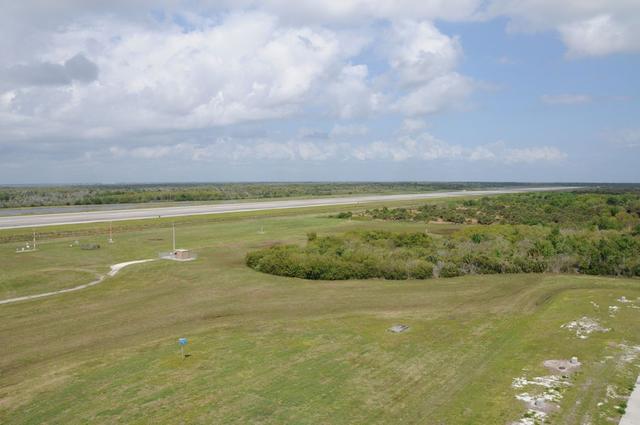
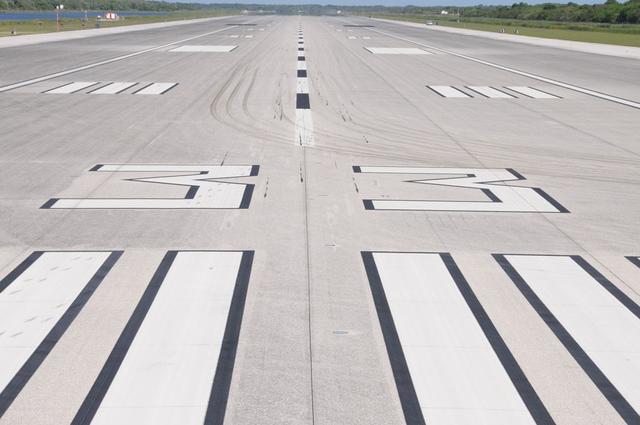
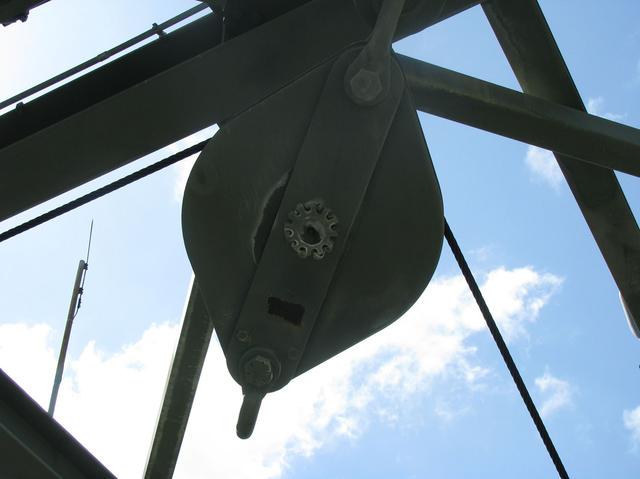
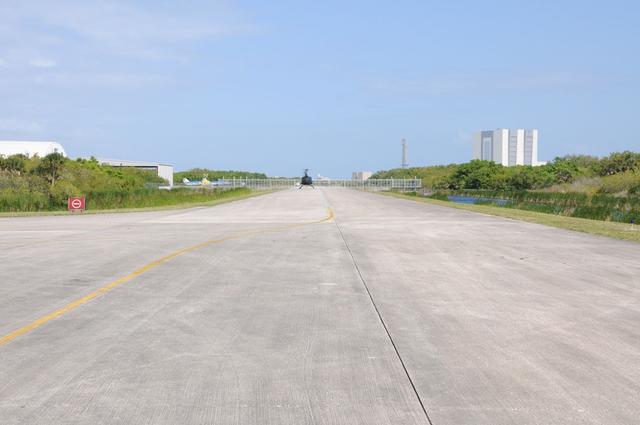
View of the Shuttle Landing Facility
SLF72
View of the Shuttle Landing Facility
SLF7
View of the Shuttle Landing Facility
SLF81
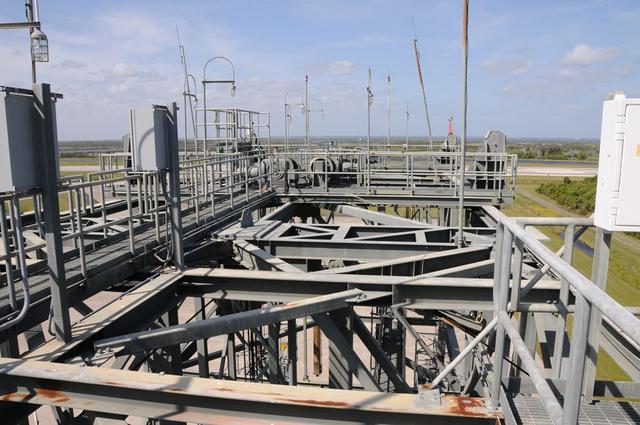
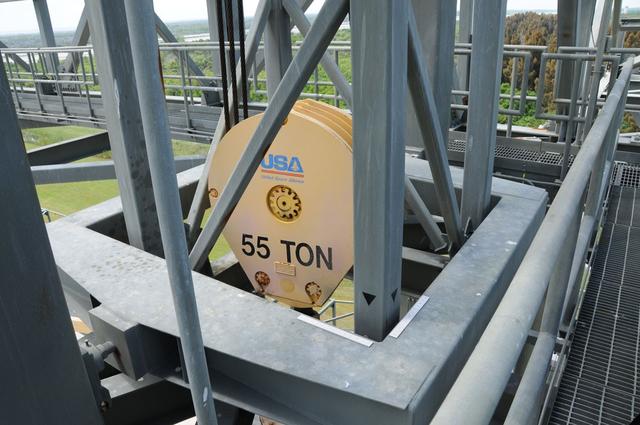
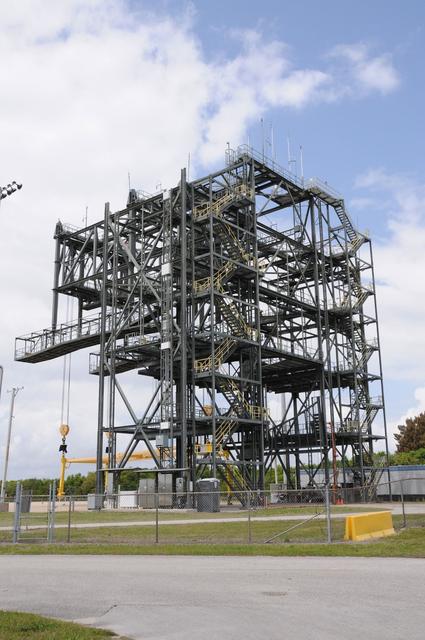
View of SLF structure
SLF70
View of the Shuttle Landing Facility
SLF5
View of the Shuttle Landing Facility
SLF87
View of SLF structure
SLF79
View of the Shuttle Landing Facility
SLF59
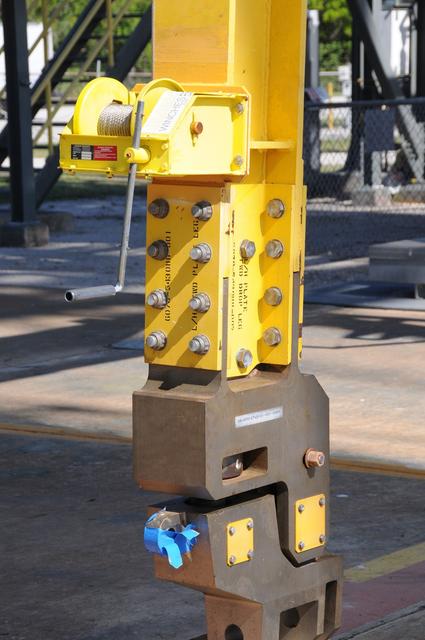
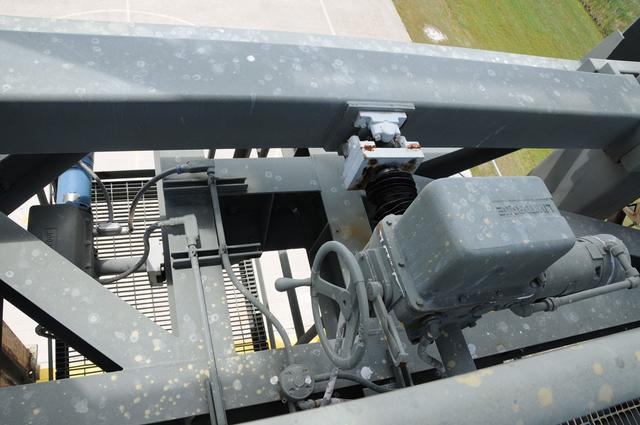
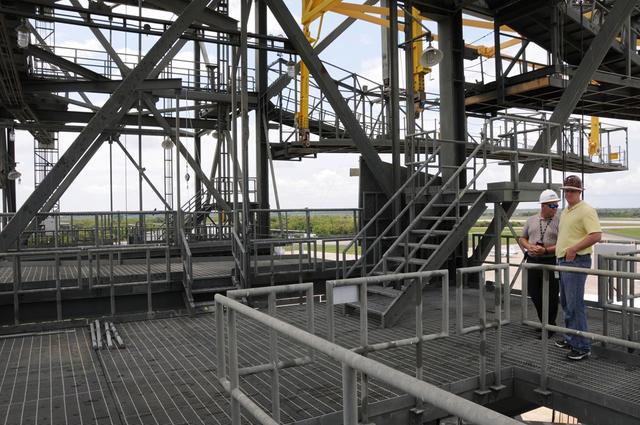
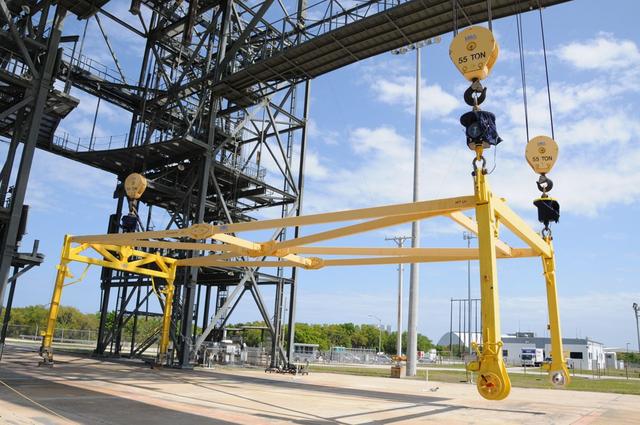
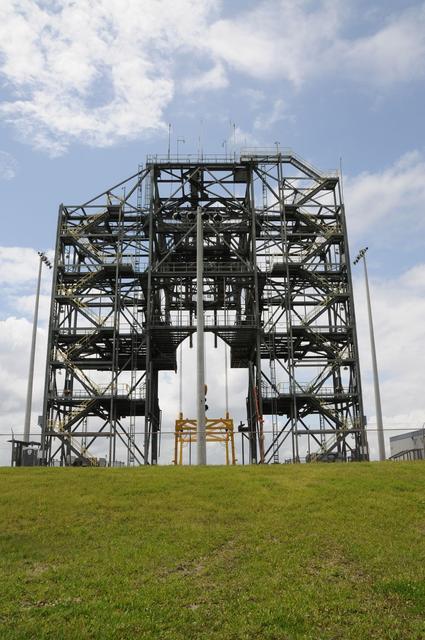
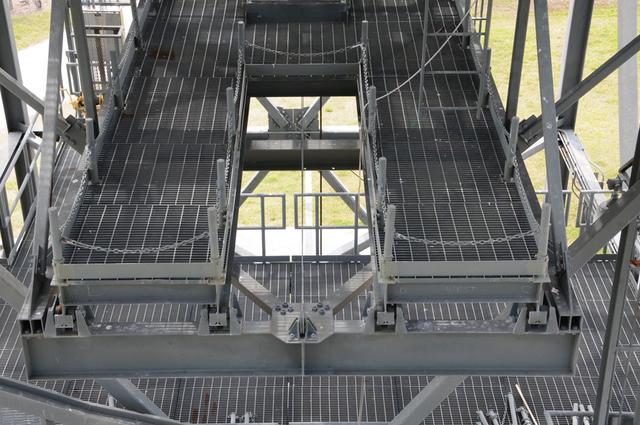
View of the Mate-Demate Device
SLF50
View of the Mate-Demate Device
SLF47
View of the Shuttle Landing Facility
SLF40
View of the Shuttle Landing Facility
SLF22
View of SLF structure
SLF77
View of the Shuttle Landing Facility
SLF34
View of the Shuttle Landing Facility
SLF25
View of the Shuttle Landing Facility
SLF1
View of the Shuttle Landing Facility
SLF8
View of the Shuttle Landing Facility
SLF13
View of the Shuttle Landing Facility
SLF85
View of the Shuttle Landing Facility
SLF12
View of the Shuttle Landing Facility
SLF80
View of the Shuttle Landing Facility
SLF73
View of the Shuttle Landing Facility
SLF31
View of SLF structure
SLF66
View of the Shuttle Landing Facility
SLF29
View of the Shuttle Landing Facility
SLF30
View of the Shuttle Landing Facility
SLF27
View of SLF structure
SLF71
View of the Shuttle Landing Facility
SLF74
View of the Shuttle Landing Facility
SLF11
View of the Mate-Demate Device
SLF48
View of the Shuttle Landing Facility
SLF38
View of the Shuttle Landing Facility
SLF86
View of the Shuttle Landing Facility
SLF75
View of the Shuttle Landing Facility
SLF16
View of the Shuttle Landing Facility
SLF76
View of the Shuttle Landing Facility
SLF23
View of the Shuttle Landing Facility
SLF61
View of the Shuttle Landing Facility
SLF2
View of the Shuttle Landing Facility
SLF4
View of SLF structure
SLF68
View of the Mate-Demate Device
SLF43
View of the Shuttle Landing Facility
SLF21
View of the Shuttle Landing Facility
SLF83
View of the Shuttle Landing Facility
SLF28
View of the Shuttle Landing Facility
SLF62
View of the Mate-Demate Device
SLF42
View of the Shuttle Landing Facility
SLF3
View of the Shuttle Landing Facility
SLF33
View of the Shuttle Landing Facility
SLF6
View of the Mate-Demate Device
SLF46
View of SLF structure
SLF69
View of the Shuttle Landing Facility
SLF24
View of SLF structure
SLF67
View of the Shuttle Landing Facility
SLF35
View of the Shuttle Landing Facility
SLF84
View of the Shuttle Landing Facility
SLF15
View of the Shuttle Landing Facility
SLF36
View of the Shuttle Landing Facility
SLF17
View of the Shuttle Landing Facility
SLF26
View of the Shuttle Landing Facility
SLF20
View of the Shuttle Landing Facility
SLF39
View of the Mate-Demate Device
SLF41
View of the Shuttle Landing Facility
SLF19
View of the Shuttle Landing Facility
SLF58
View of the Shuttle Landing Facility
SLF32
View of the Shuttle Landing Facility
SLF88
View of SLF structure
SLF60
View of the Shuttle Landing Facility
SLF82
View of the Mate-Demate Device
SLF44
View of SLF structure
SLF78
View of the Shuttle Landing Facility
SLF37
View of the Shuttle Landing Facility
SLF14
View of SLF structure
SLF65
View of the Shuttle Landing Facility
SLF9
View of the Shuttle Landing Facility
SLF18
View of the Shuttle Landing Facility
SLF10
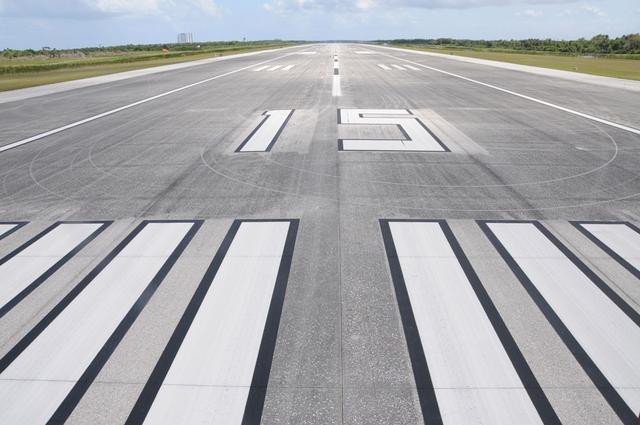
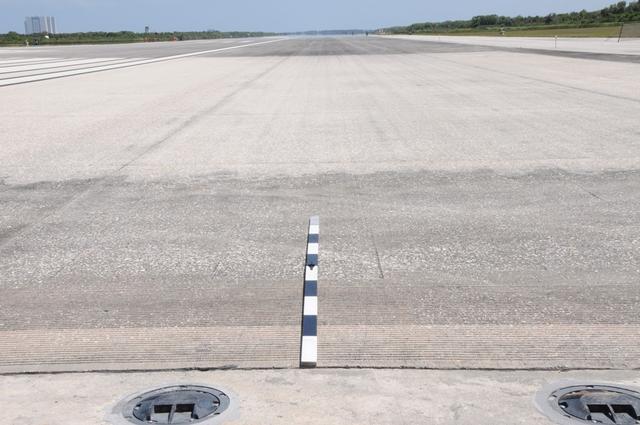
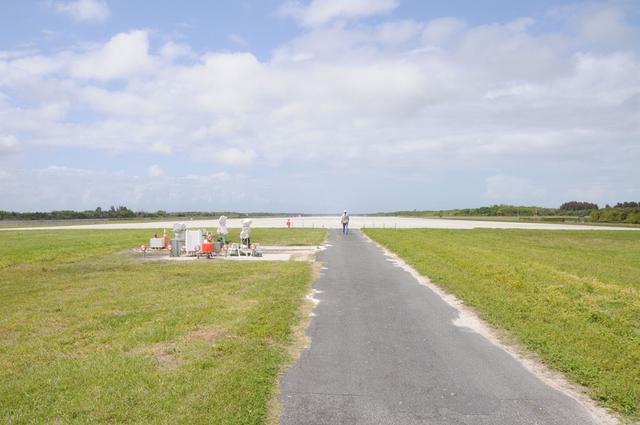
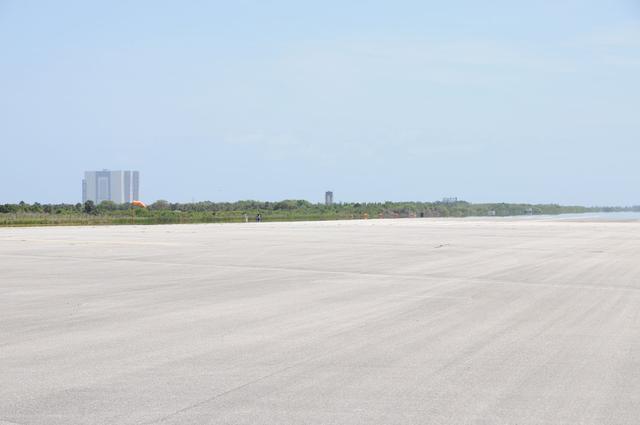
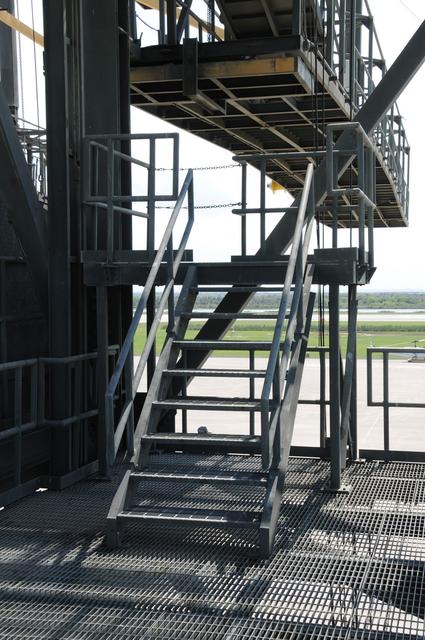
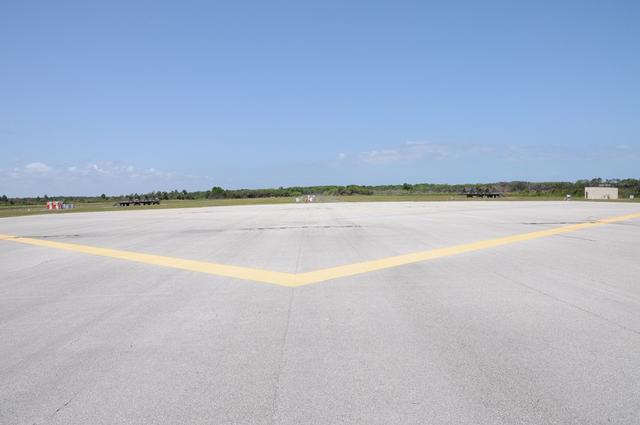
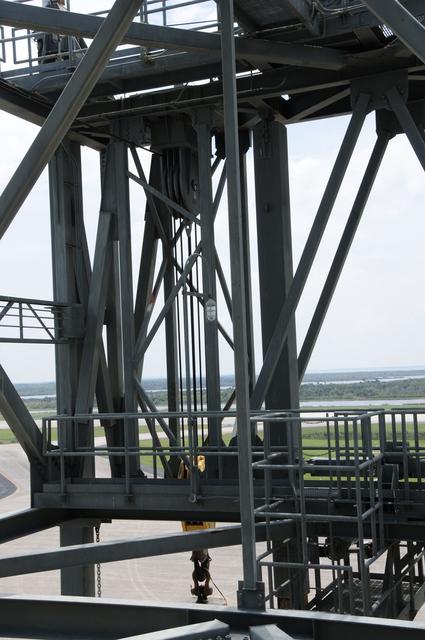
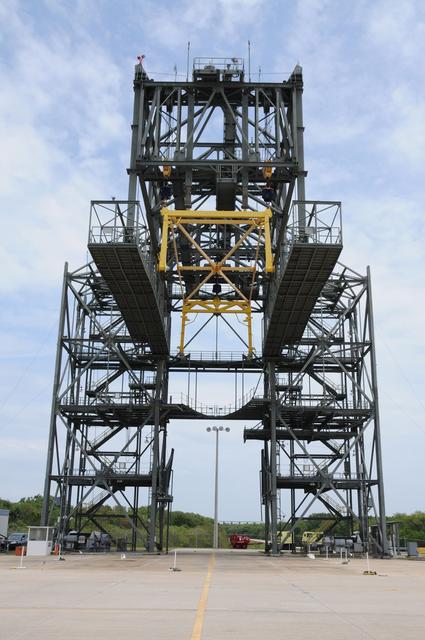
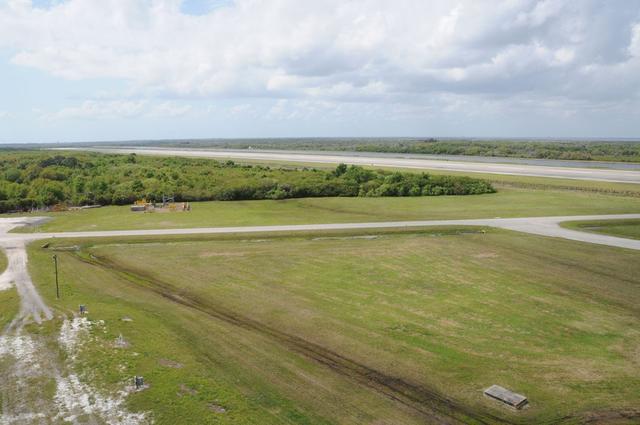
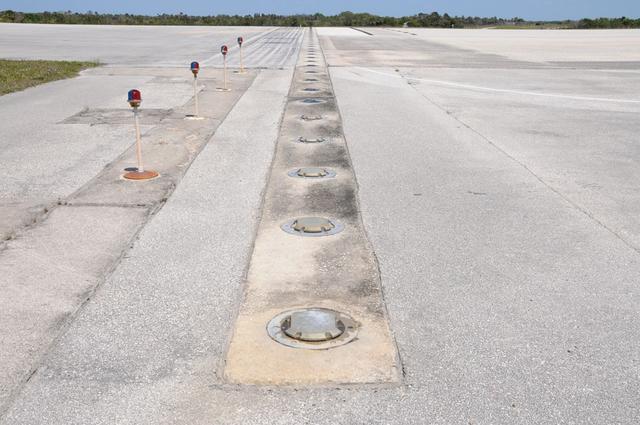
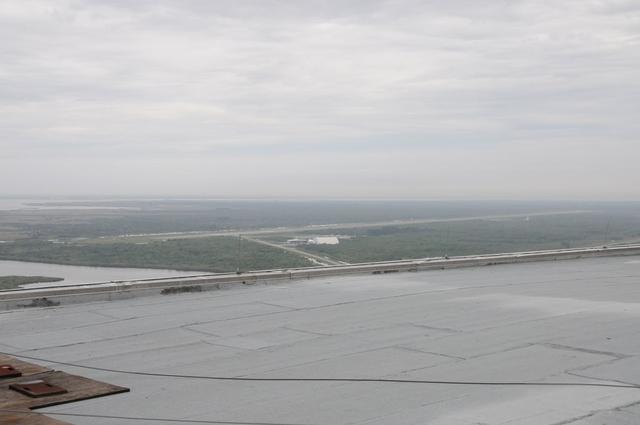
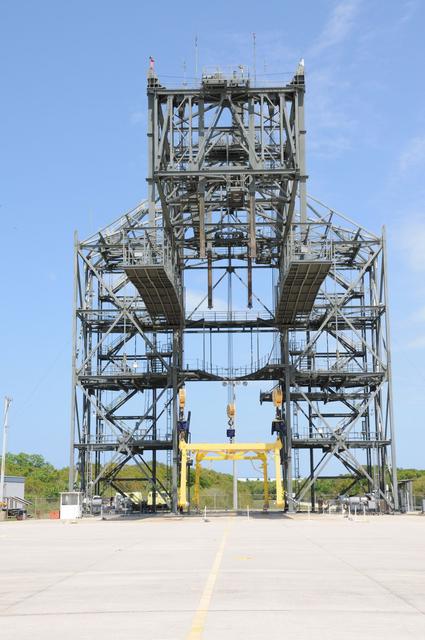
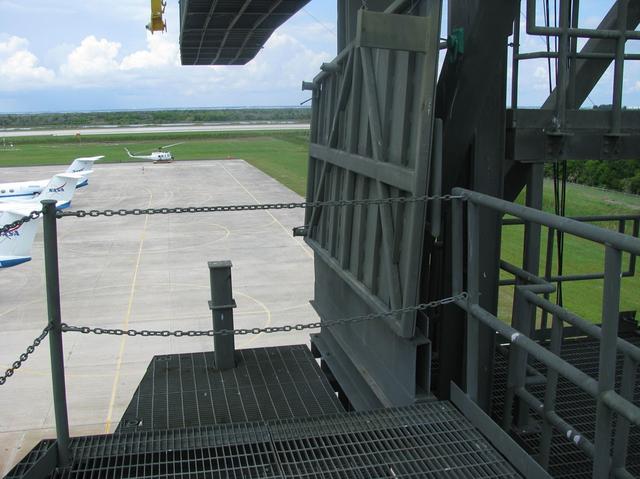
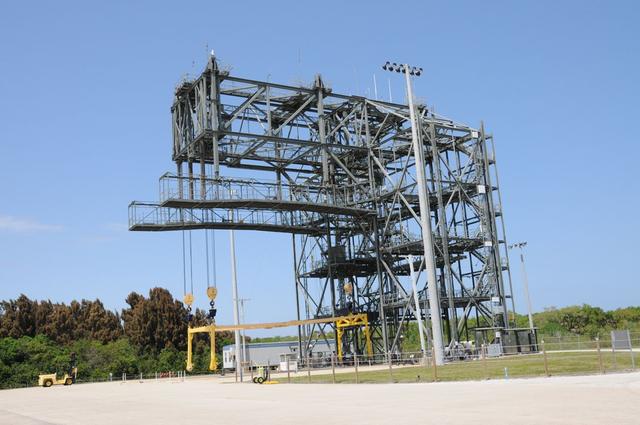
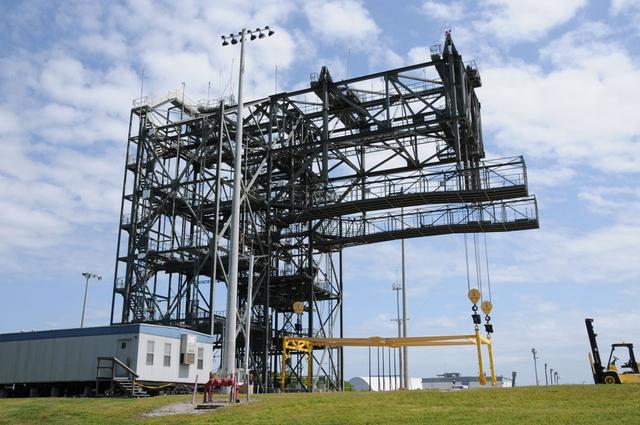
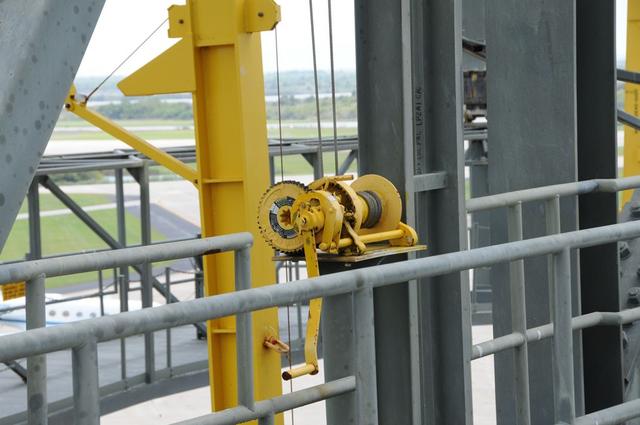
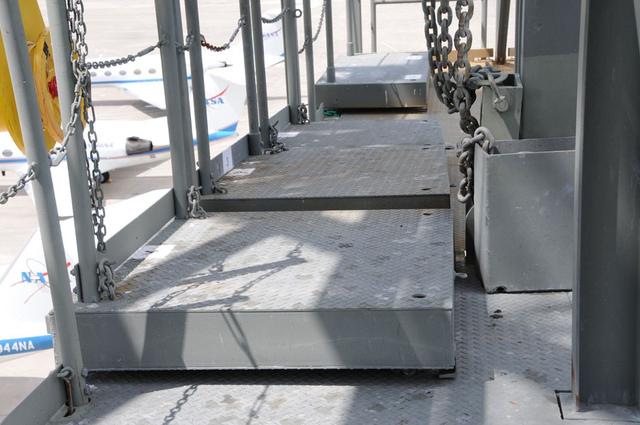
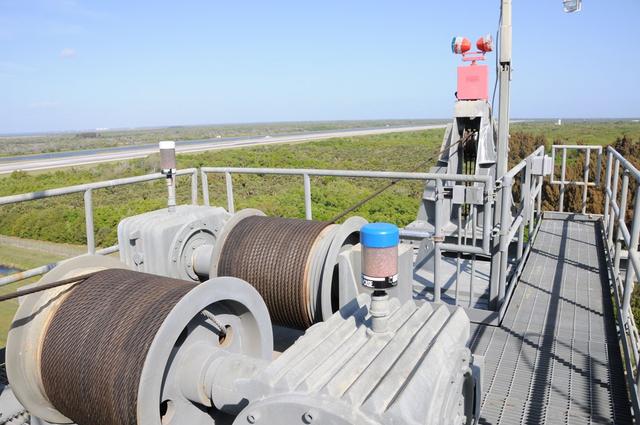
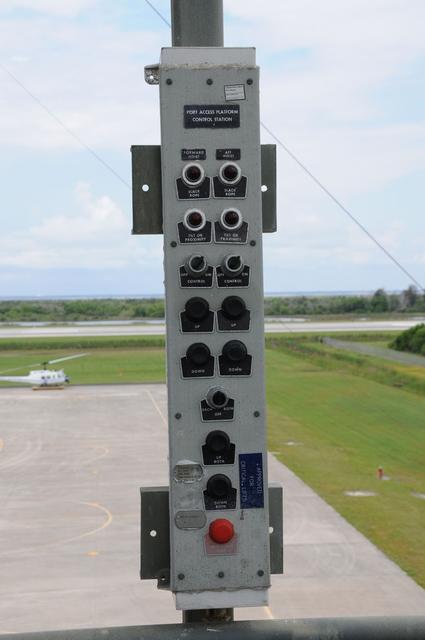
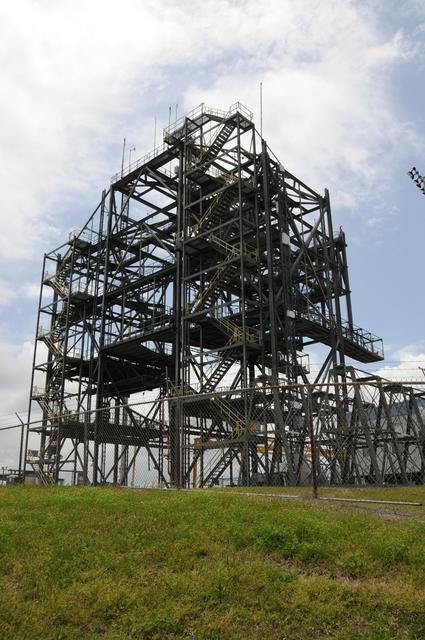
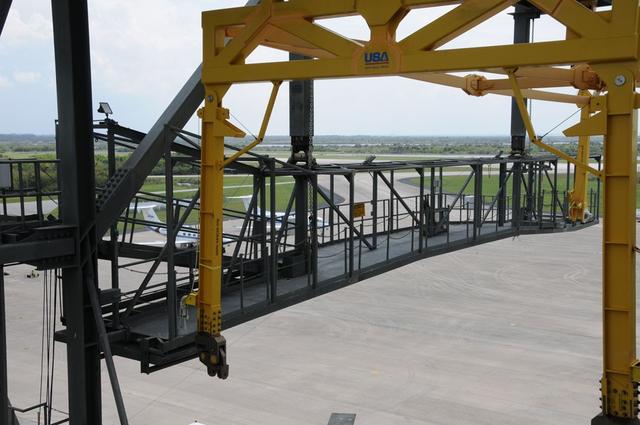
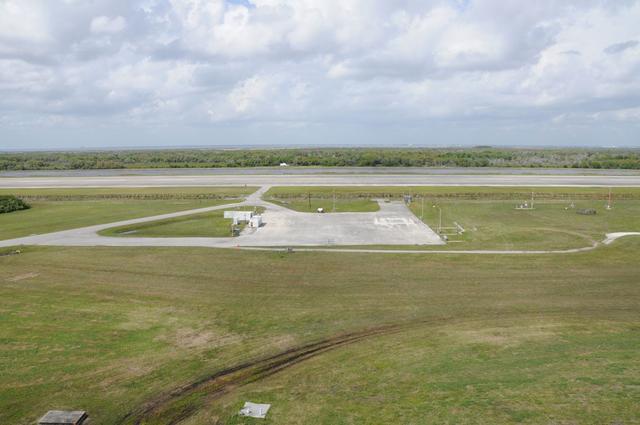
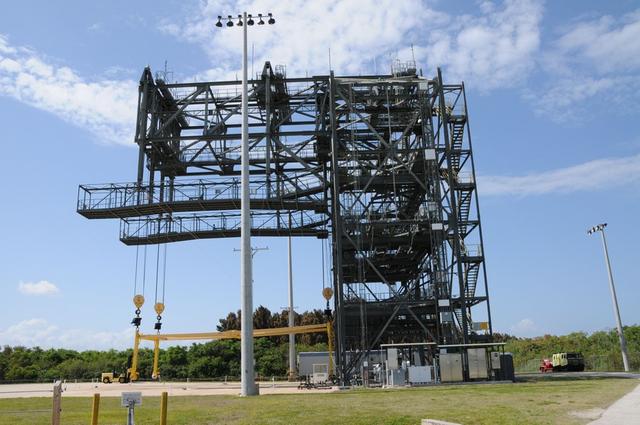
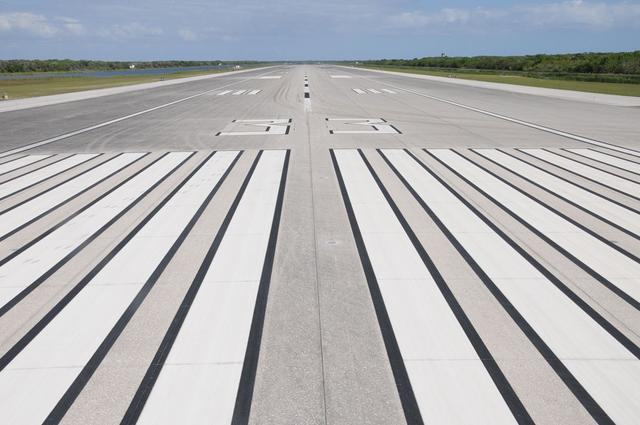
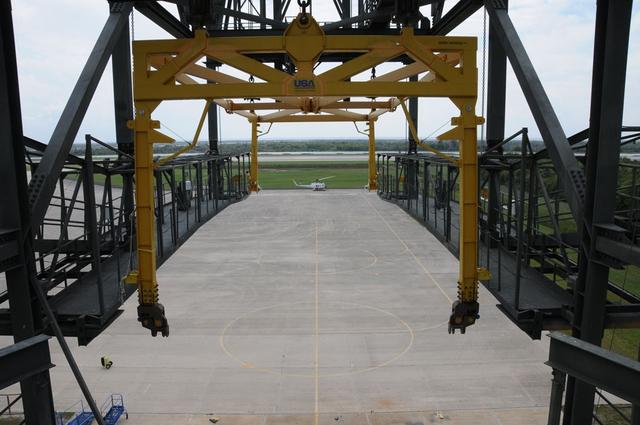
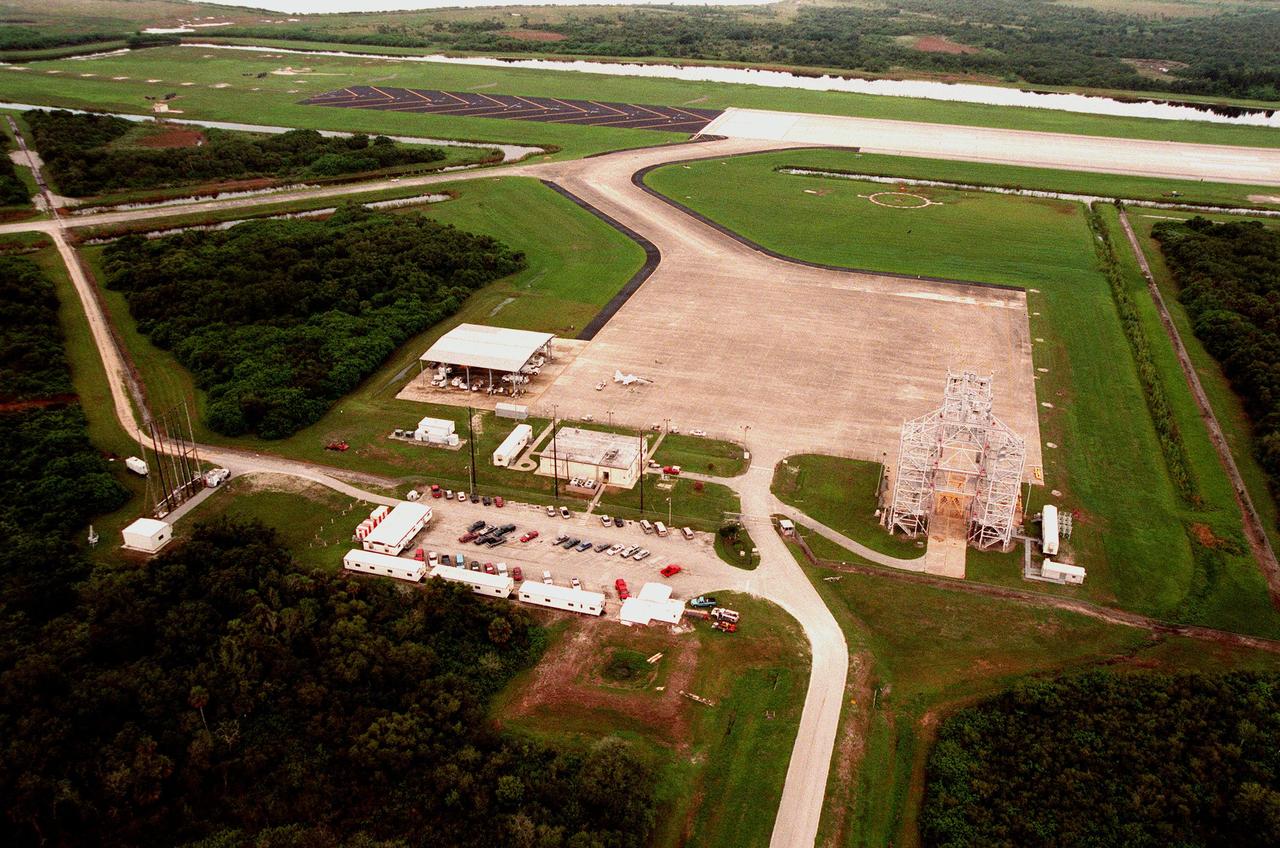
From the air over KSC can be seen the Shuttle Landing Facility. Orbiter landings at the Kennedy Space Center are made on one of the largest runways in the world. The runway is located 3.2 km (2 miles) northwest of the Vehicle Assembly Building and is 4,572 meters (15,000ft) long and 91.4 meters (300ft) wide -- about as wide as the length of a football field. It has 305 meters (1000ft) of paved overruns at each end and the paving thickness is 40.6cm (15 inches) at the center. At left in the photo is the Aircraft Ground Equipment Shed; in the center is the Landing Aids Control Building (LACB) which supports landing operations and houses operations personnel. Located at the northeast corner of the parking apron is the Mate/Demate device (MDD) used to raise and lower the orbiter from its 747 carrier aircraft during ferry operations. The open-truss steel structure is equipped with hoists, adapters and movable platforms for access to certain orbiter components and equipment. It also is equipped with lightning protection devices. The MDD is 45.7 meters (150ft) long, 28.3 meters (93ft) wide and 32 meters (105ft) high. On the landing area in front of the SLF is a T-38 jet airplane.
KSC-98PC-1040
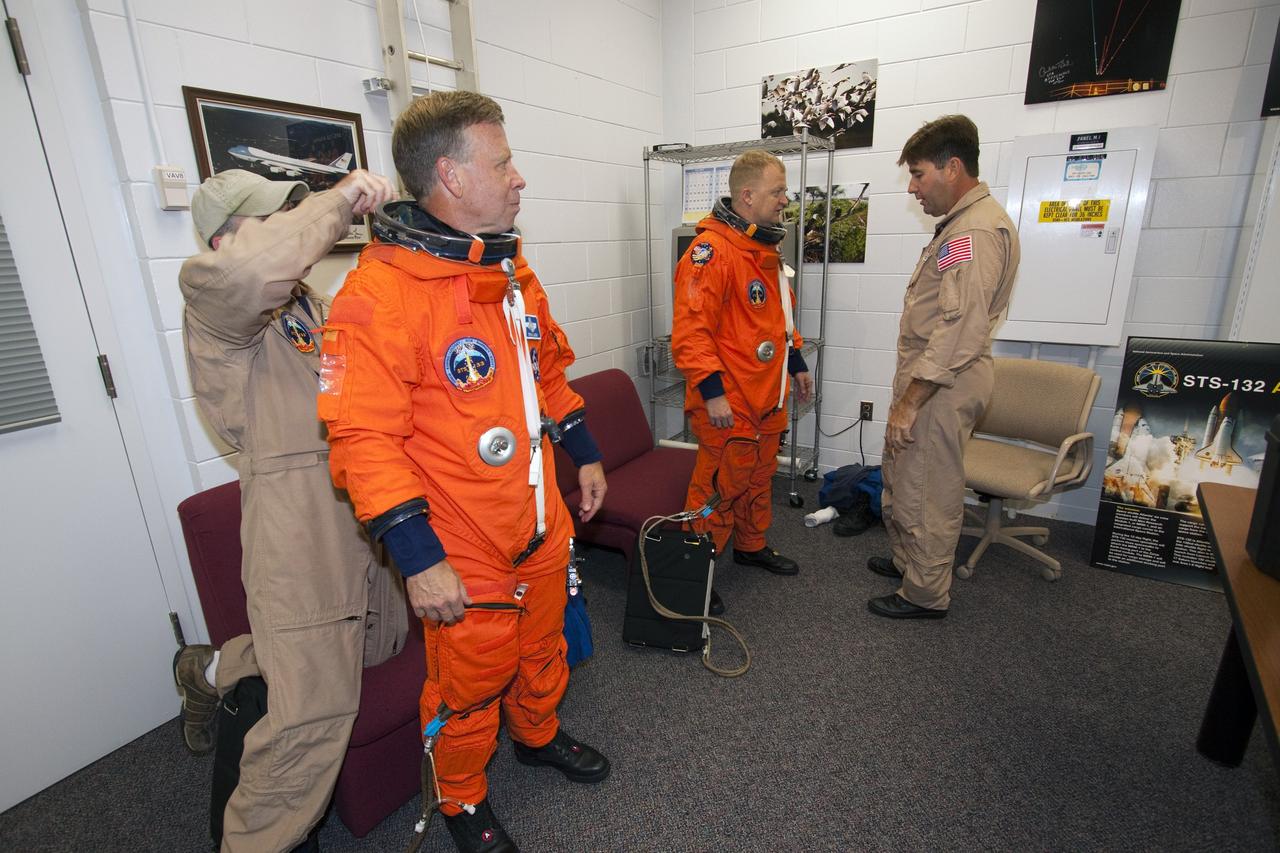
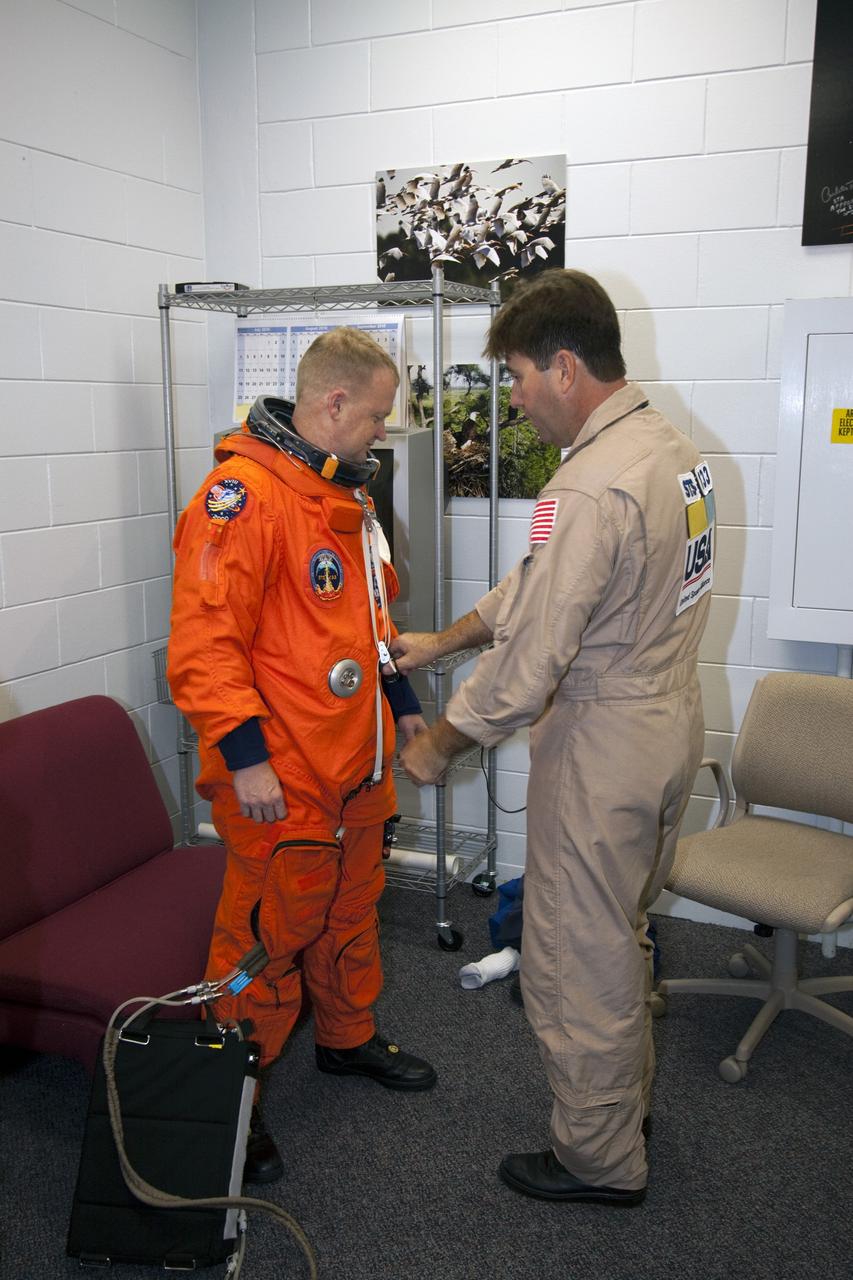
CAPE CANAVERAL, Fla. -- At NASA's Kennedy Space Center in Florida, STS-133 Pilot Eric Boe puts on his orange flight suit in the Shuttle Landing Facility's Landing Aids Control Building, which is on the south end of the facility's runway. Boe and Commander Steve Lindsey are preparing to practice landings in Shuttle Training Aircraft, modified Gulfstream II business jets that mimic the shuttle's handling during the final phase of landing. Practice landings are part of the Terminal Countdown Demonstration Test (TCDT), which provides each shuttle crew and launch team an opportunity to participate in various simulated activities, including equipment familiarization and emergency training at the launch pad.    Space shuttle Discovery and its STS-133 crew will deliver the Permanent Multipurpose Module, packed with supplies and critical spare parts, as well as Robonaut 2, the dexterous humanoid astronaut helper, to the International Space Station. Launch is targeted for Nov. 1 at 4:40 p.m. For more information on the STS-133 mission, visit www.nasa.gov/mission_pages/shuttle/shuttlemissions/sts133/. Photo credit: NASA/Jack Pfaller
KSC-2010-5090
CAPE CANAVERAL, Fla. -- At NASA's Kennedy Space Center in Florida, STS-133 Commander Steve Lindsey puts on his orange flight suit in the Shuttle Landing Facility's Landing Aids Control Building, which is on the south end of the facility's runway. Lindsey and Pilot Eric Boe are preparing to practice landings in Shuttle Training Aircraft, modified Gulfstream II business jets that mimic the shuttle's handling during the final phase of landing. Practice landings are part of the Terminal Countdown Demonstration Test (TCDT), which provides each shuttle crew and launch team an opportunity to participate in various simulated activities, including equipment familiarization and emergency training at the launch pad.    Space shuttle Discovery and its STS-133 crew will deliver the Permanent Multipurpose Module, packed with supplies and critical spare parts, as well as Robonaut 2, the dexterous humanoid astronaut helper, to the International Space Station. Launch is targeted for Nov. 1 at 4:40 p.m. For more information on the STS-133 mission, visit www.nasa.gov/mission_pages/shuttle/shuttlemissions/sts133/. Photo credit: NASA/Jack Pfaller
KSC-2010-5089