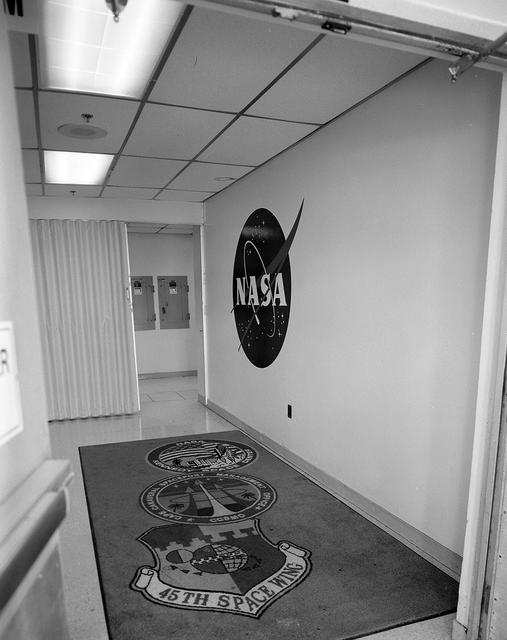
Interior view of the Operations & Checkout Building
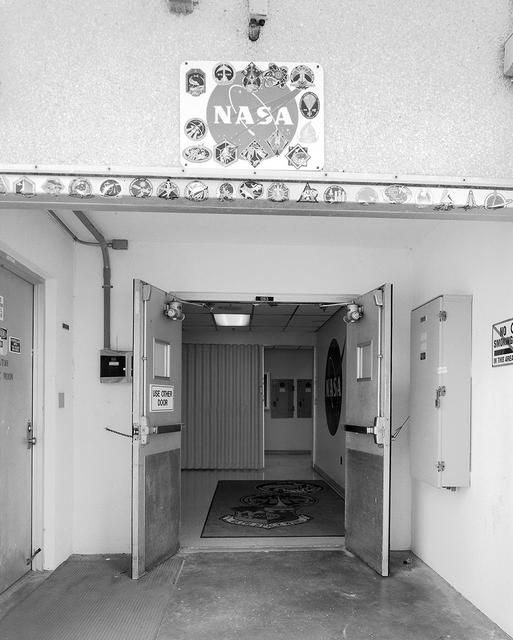
Interior view of the Operations & Checkout Building
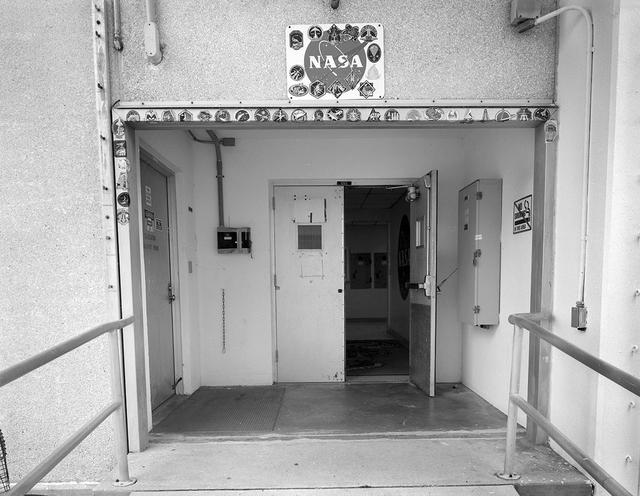
Interior view of the Operations & Checkout Building
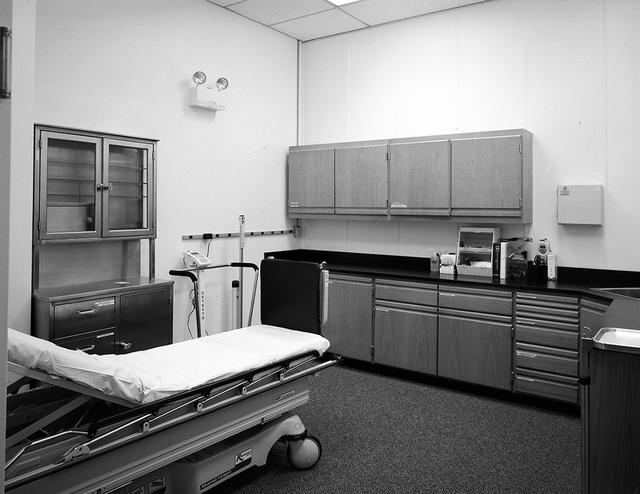
Interior view of the Operations & Checkout Building
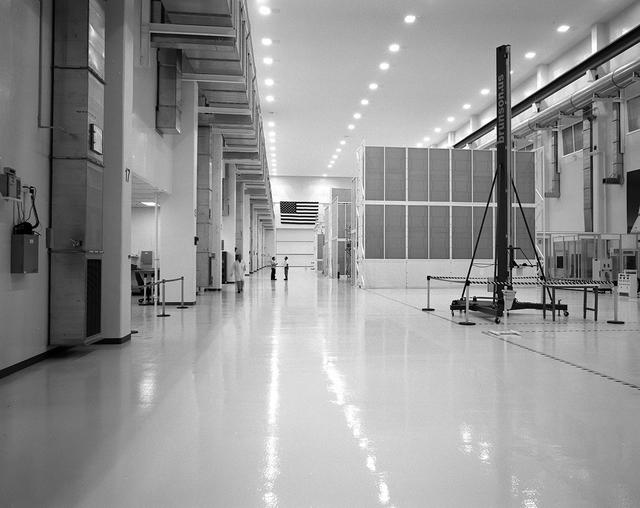
Interior view of the Operations & Checkout Building
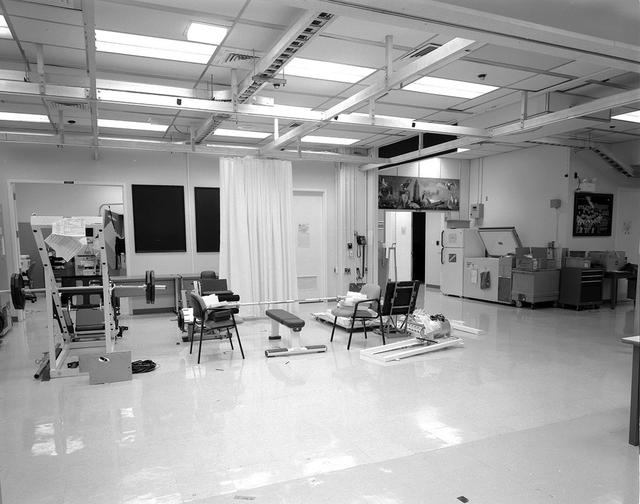
Interior view of the Operations & Checkout Building
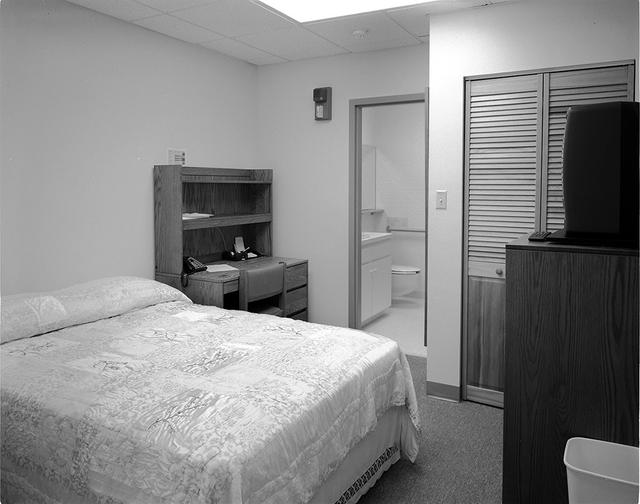
Interior view of the Operations & Checkout Building
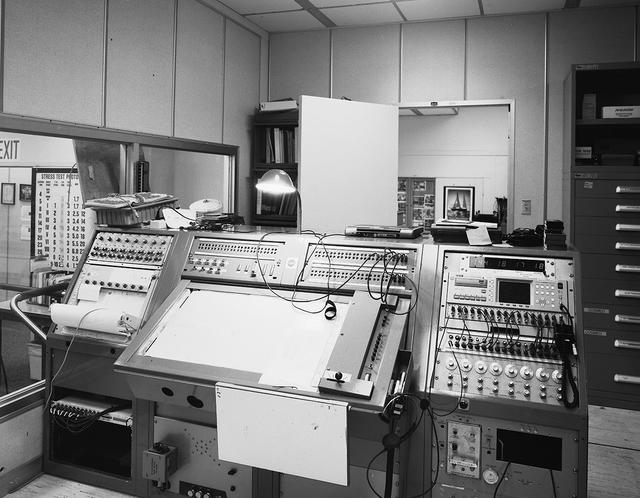
Interior view of the Operations & Checkout Building
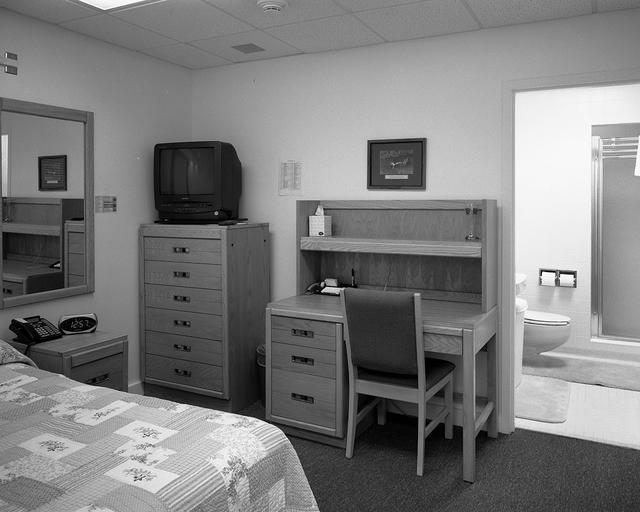
Interior view of the Operations & Checkout Building
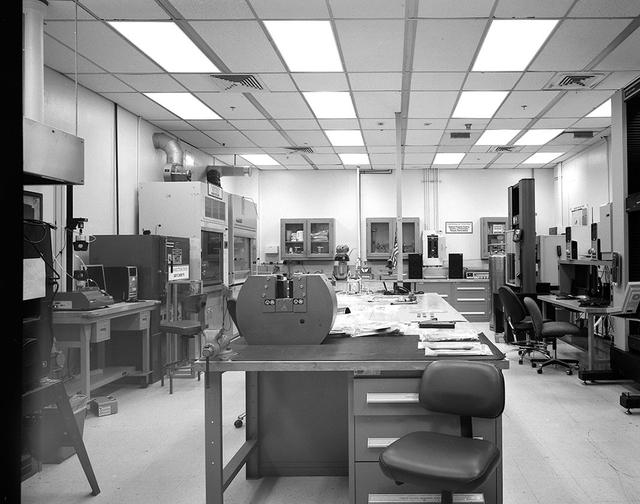
Interior view of the Operations & Checkout Building
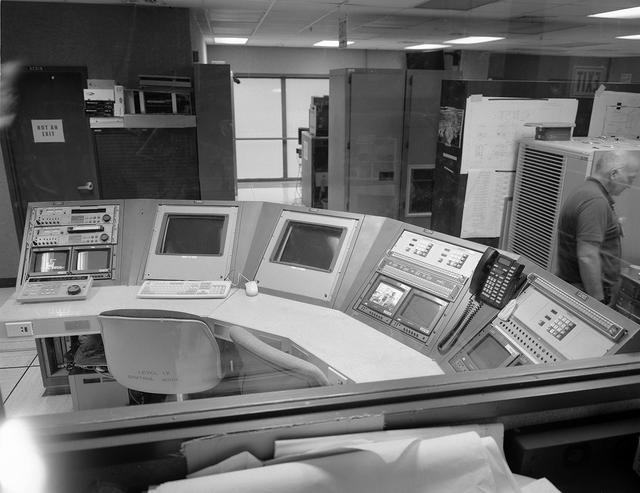
Interior view of the Operations & Checkout Building
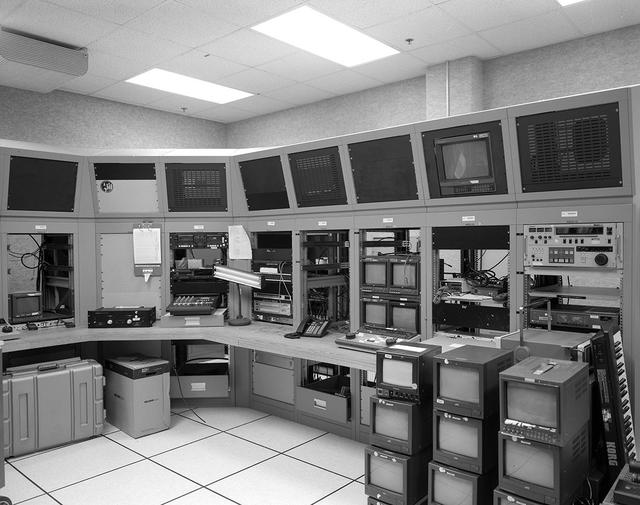
Interior view of the Operations & Checkout Building
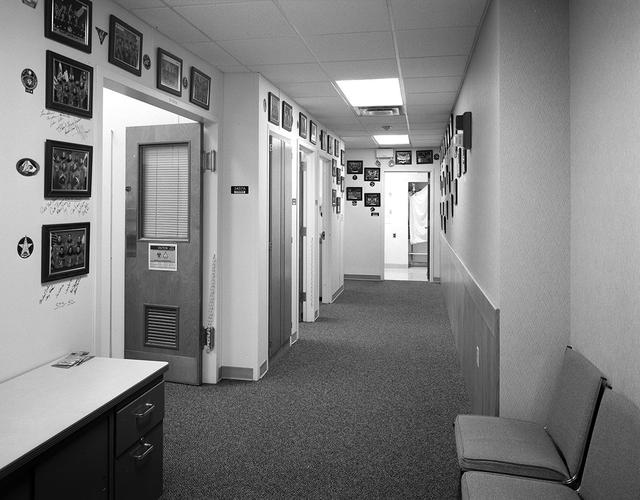
Interior view of the Operations & Checkout Building
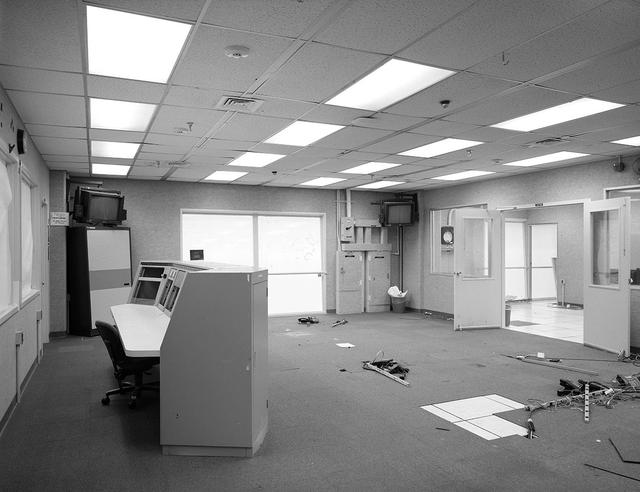
Interior view of the Operations & Checkout Building
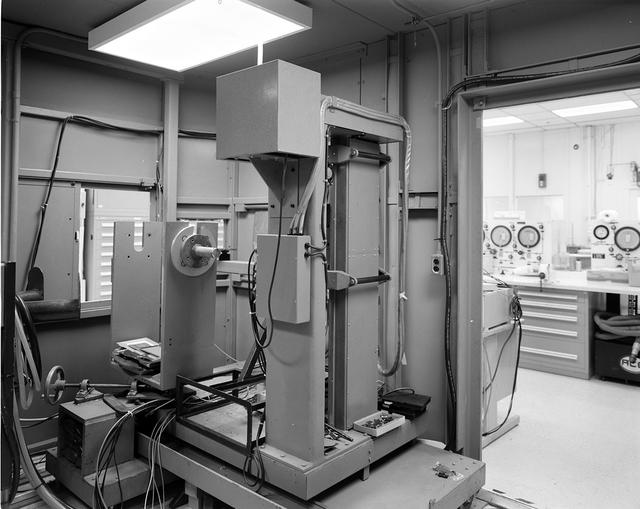
Interior view of the Operations & Checkout Building
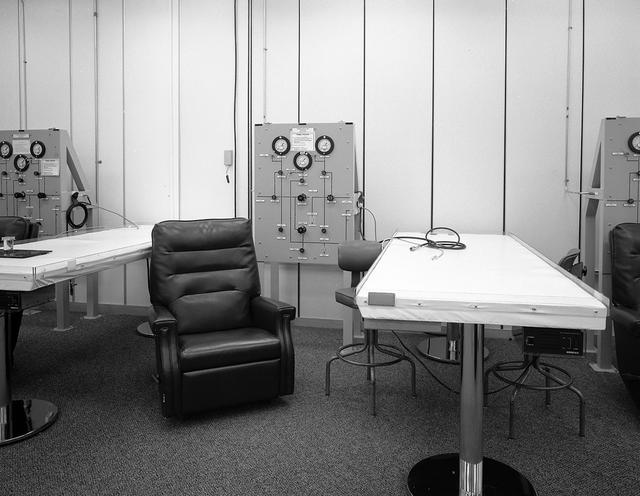
Interior view of the Operations & Checkout Building
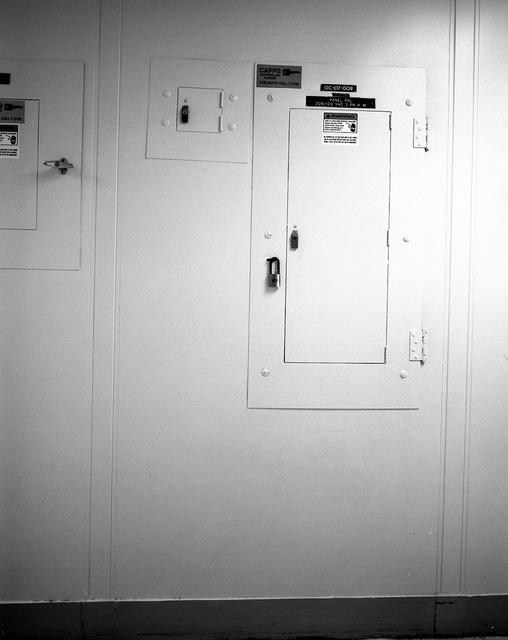
Interior view of the Operations & Checkout Building
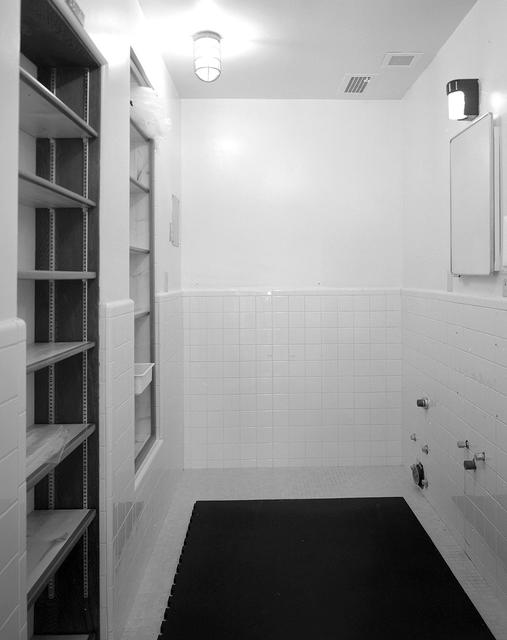
Interior view of the Operations & Checkout Building
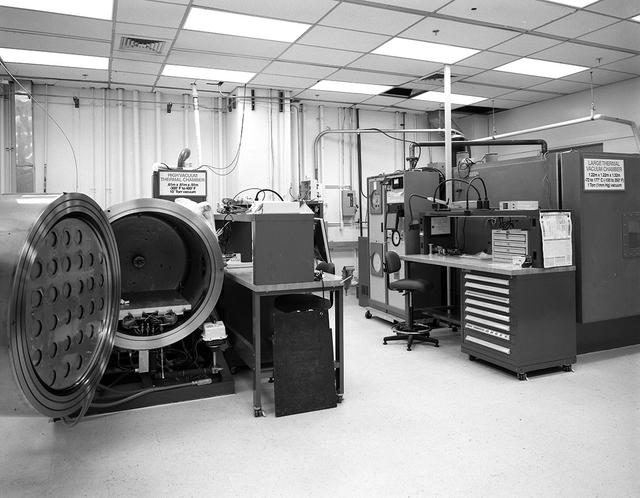
Interior view of the Operations & Checkout Building
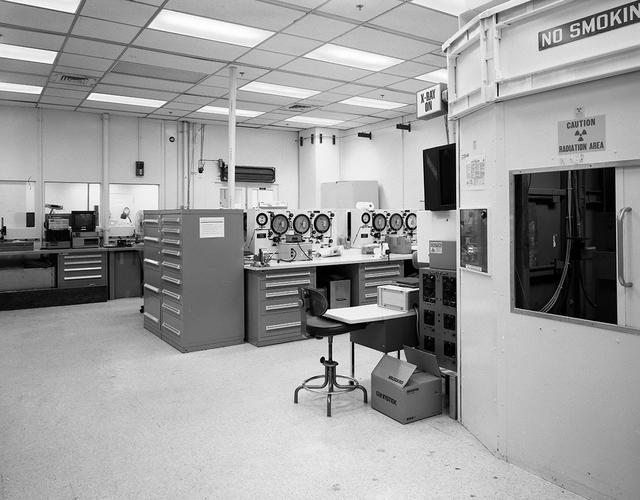
Interior view of the Operations & Checkout Building
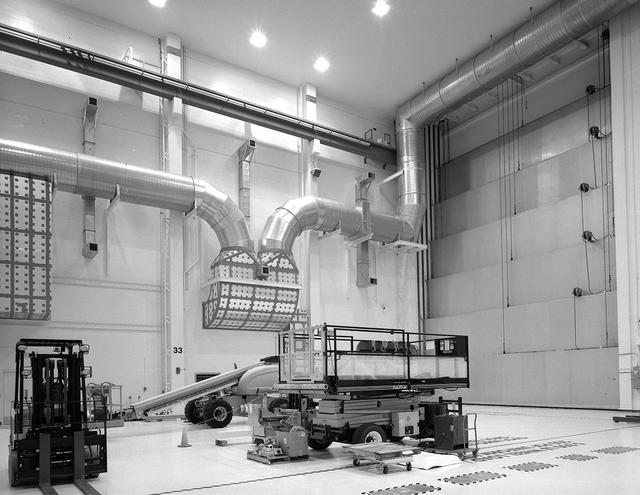
Interior view of the Operations & Checkout Building
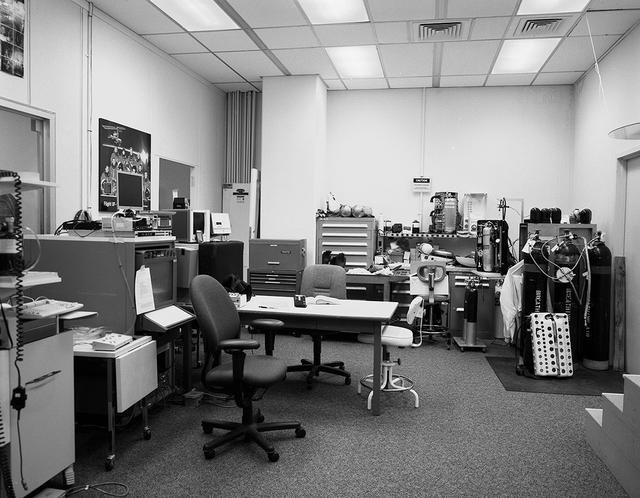
Interior view of the Operations & Checkout Building
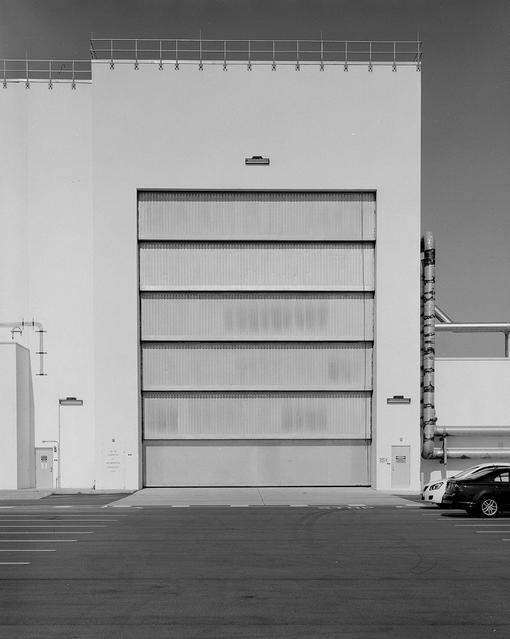
Exterior view of the Operations & Checkout Building
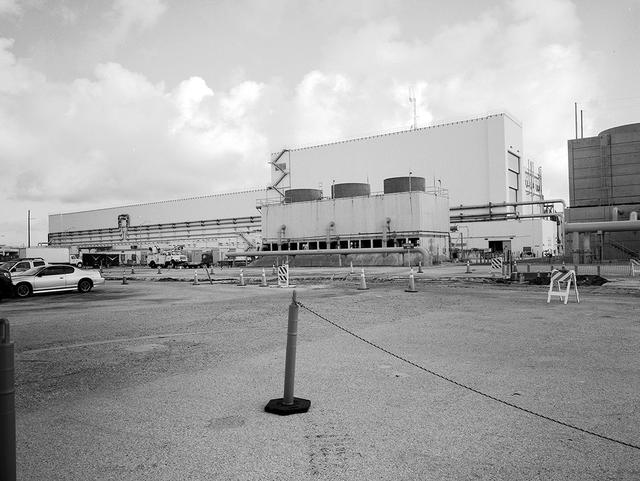
Exterior view of the Operations & Checkout Building
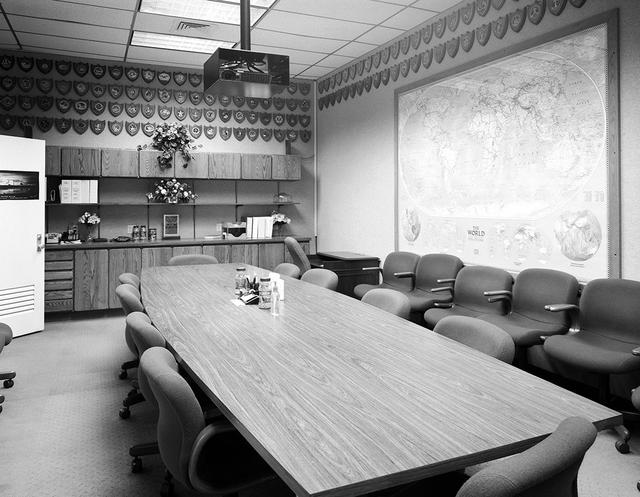
Interior view of the Operations & Checkout Building
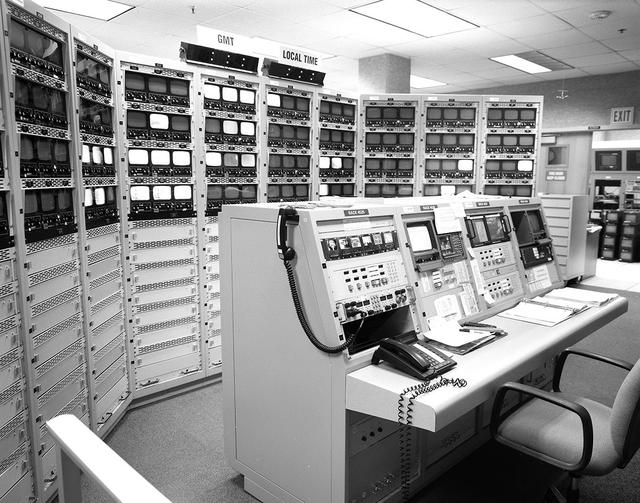
Interior view of the Operations & Checkout Building
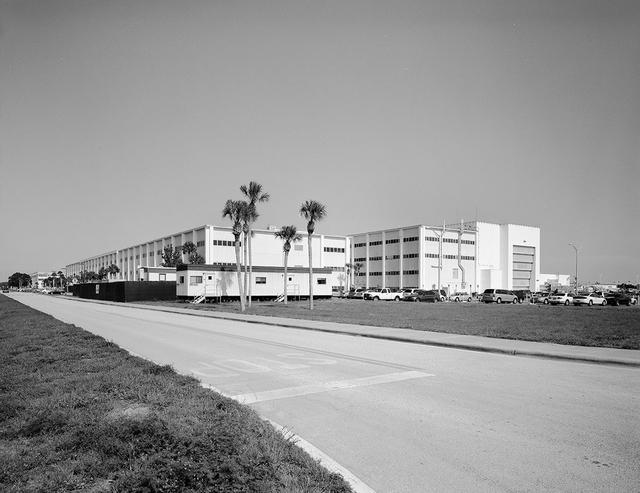
Exterior view of the Operations & Checkout Building
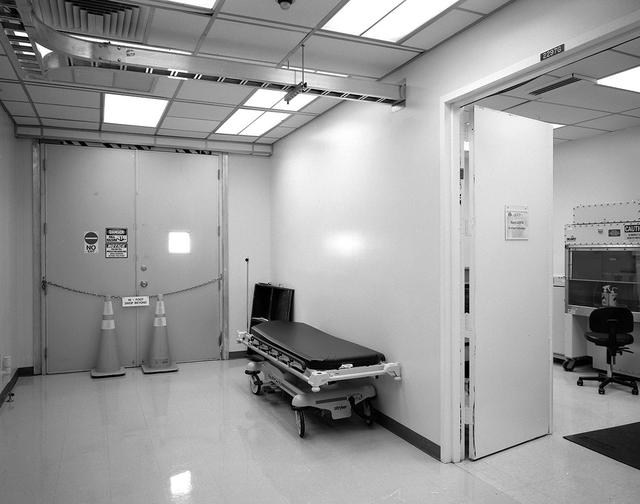
Interior view of the Operations & Checkout Building
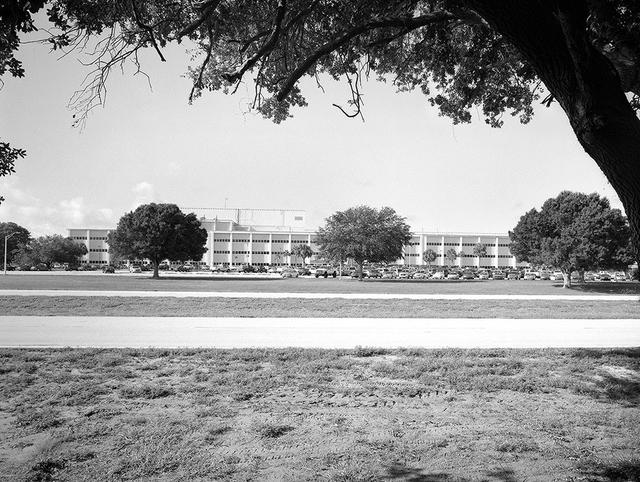
Exterior view of the Operations & Checkout Building
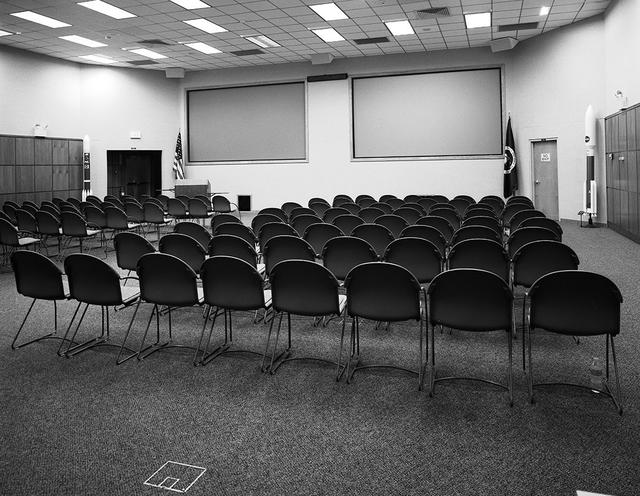
Interior view of the Operations & Checkout Building
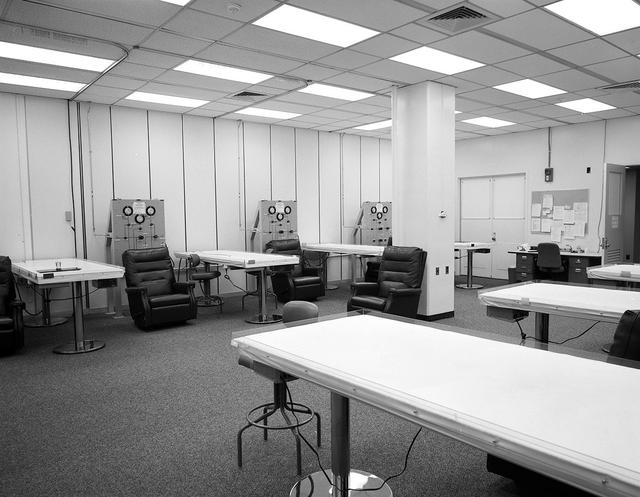
Interior view of the Operations & Checkout Building
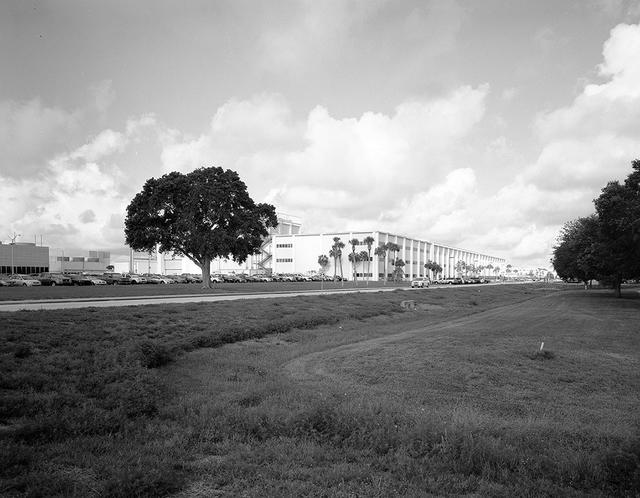
Exterior view of the Operations & Checkout Building
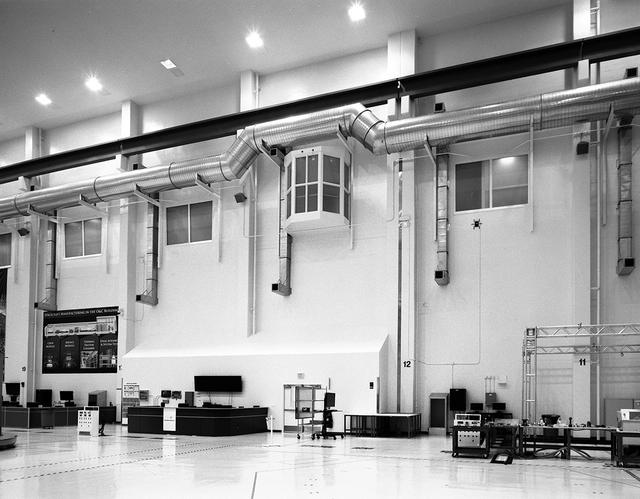
Interior view of the Operations & Checkout Building
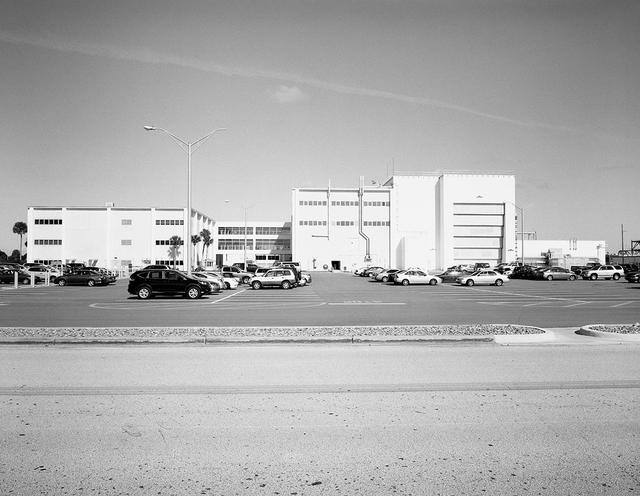
Exterior view of the Operations & Checkout Building
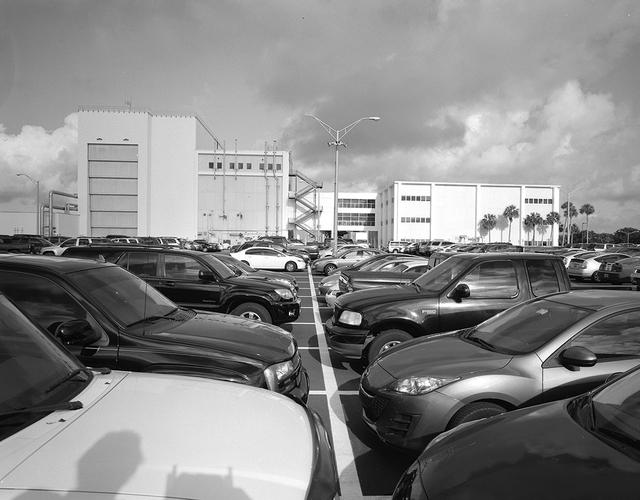
Exterior view of the Operations & Checkout Building
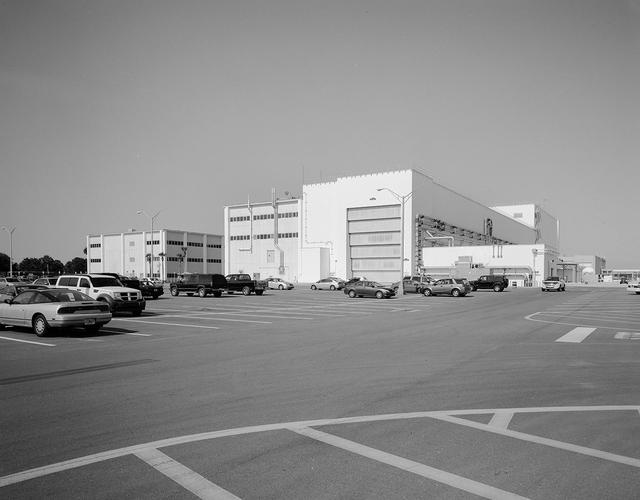
Exterior view of the Operations & Checkout Building
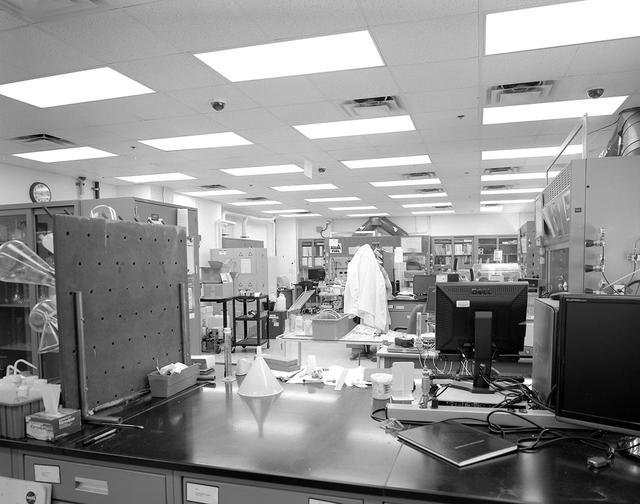
Interior view of the Operations & Checkout Building
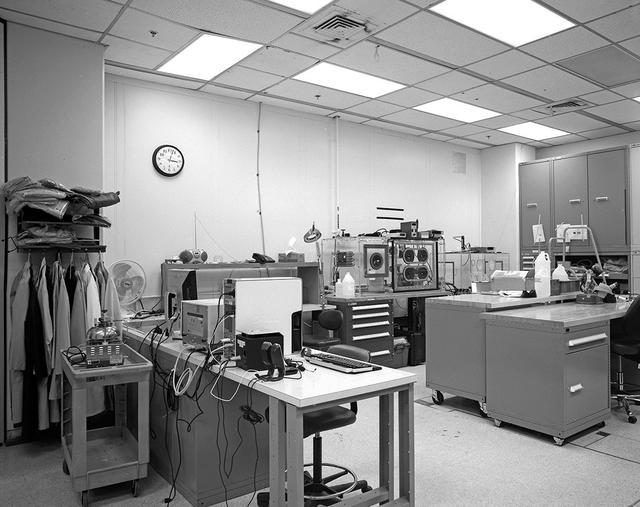
Interior view of the Operations & Checkout Building
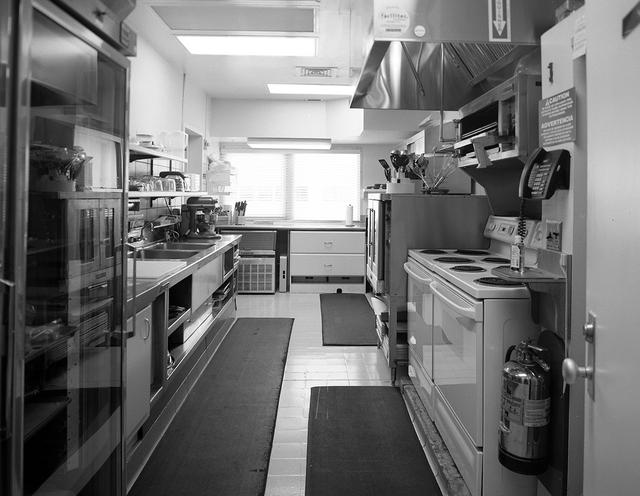
Interior view of the Operations & Checkout Building
Interior view of the Operations & Checkout Building
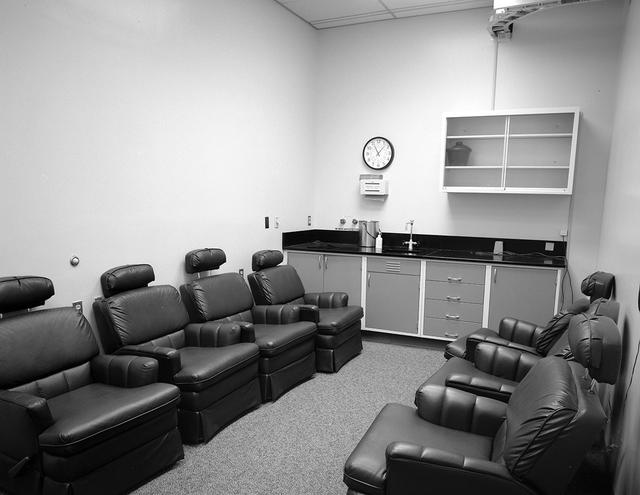
Interior view of the Operations & Checkout Building
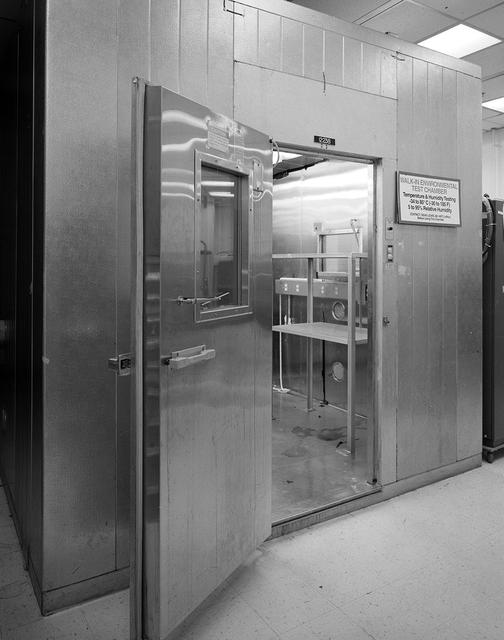
Interior view of the Operations & Checkout Building
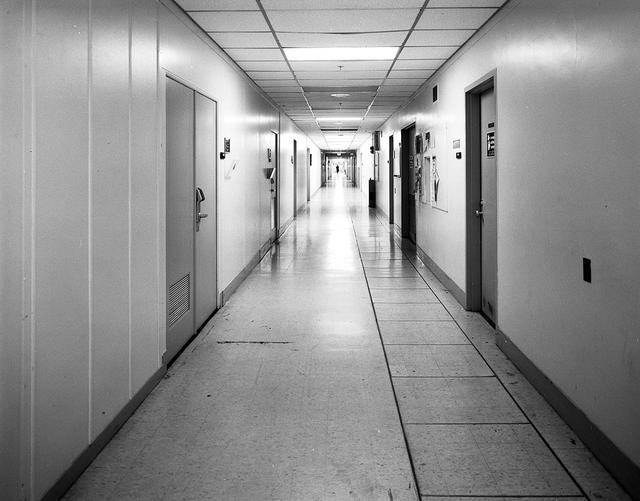
Interior view of the Operations & Checkout Building
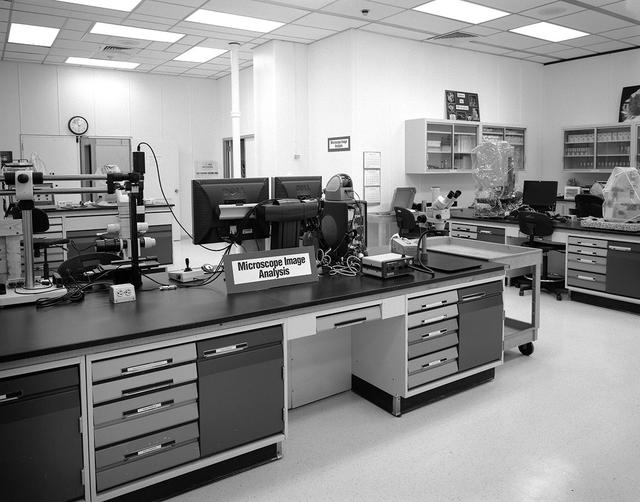
Interior view of the Operations & Checkout Building
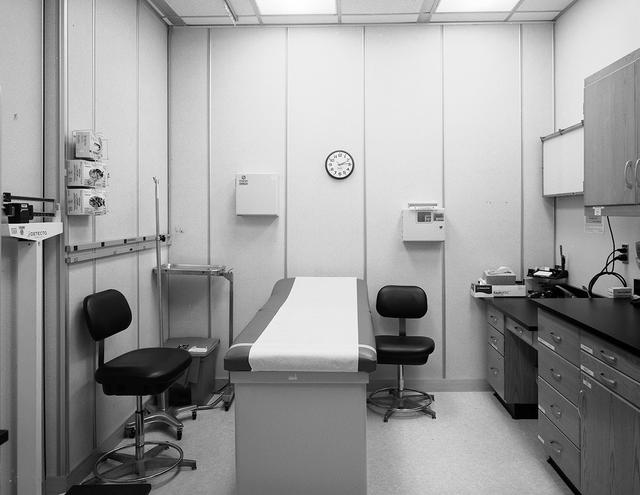
Interior view of the Operations & Checkout Building
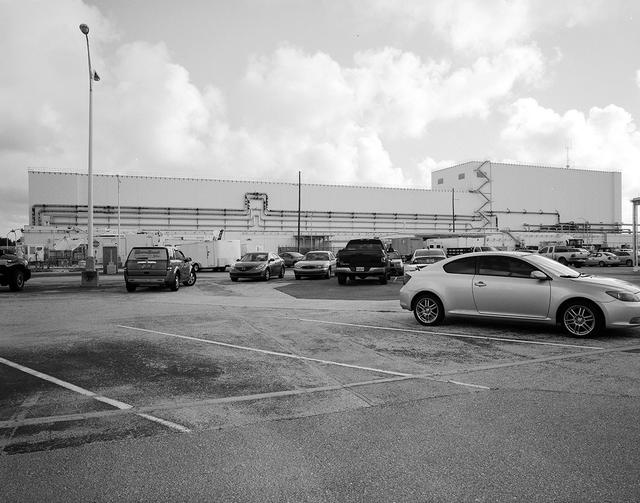
Exterior view of the Operations & Checkout Building
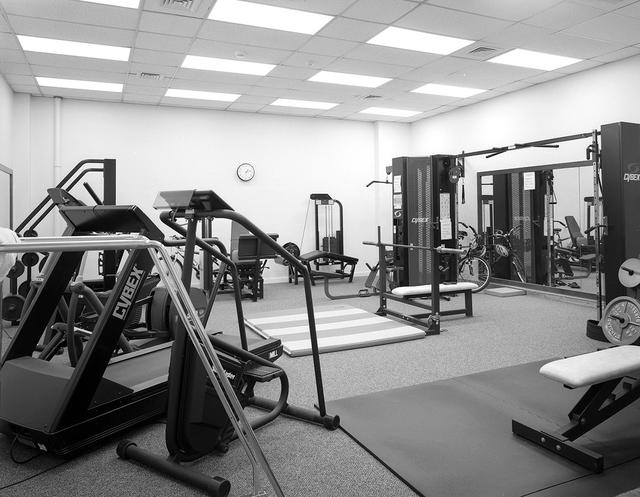
Interior view of the Operations & Checkout Building
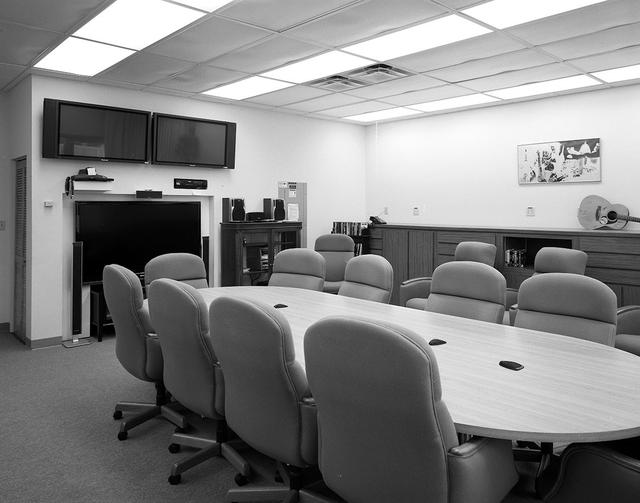
Interior view of the Operations & Checkout Building
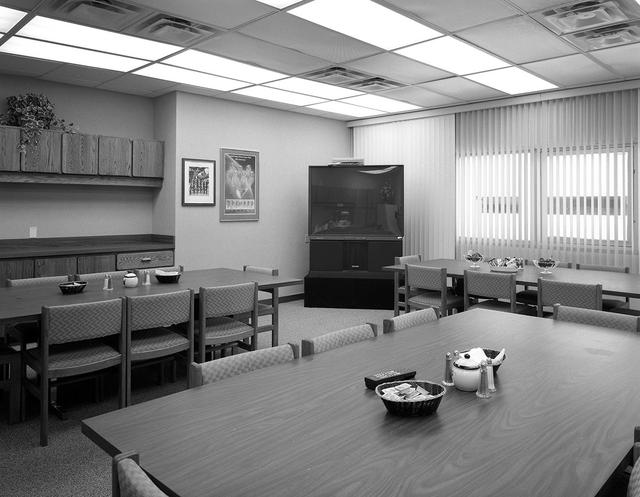
Interior view of the Operations & Checkout Building
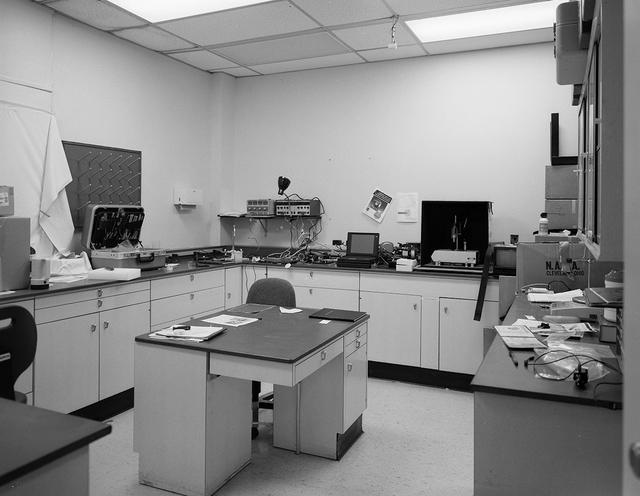
Interior view of the Operations & Checkout Building
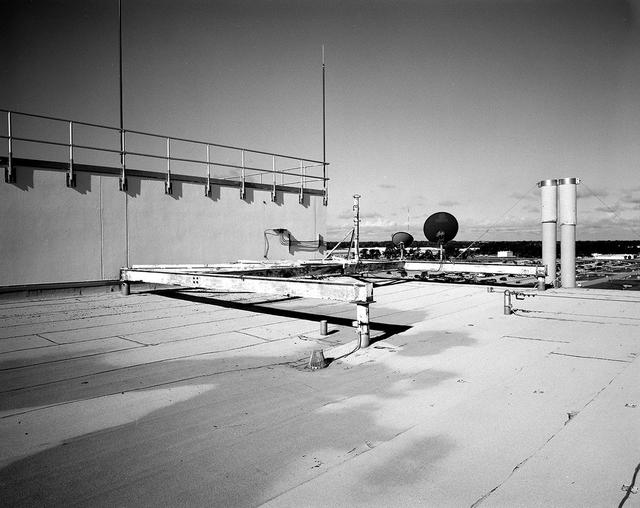
Exterior view of the Operations & Checkout Building
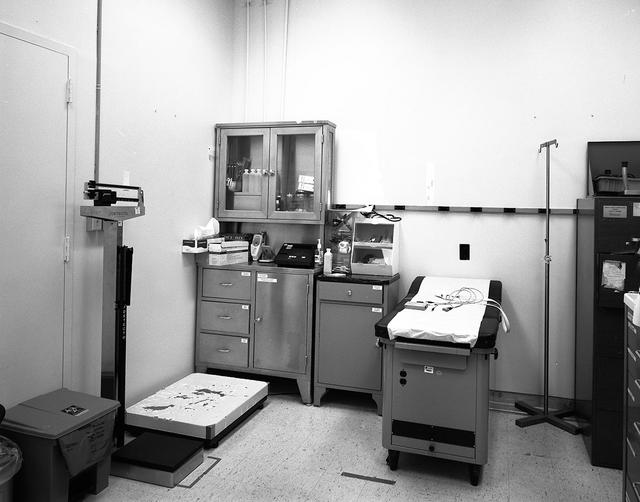
Interior view of the Operations & Checkout Building
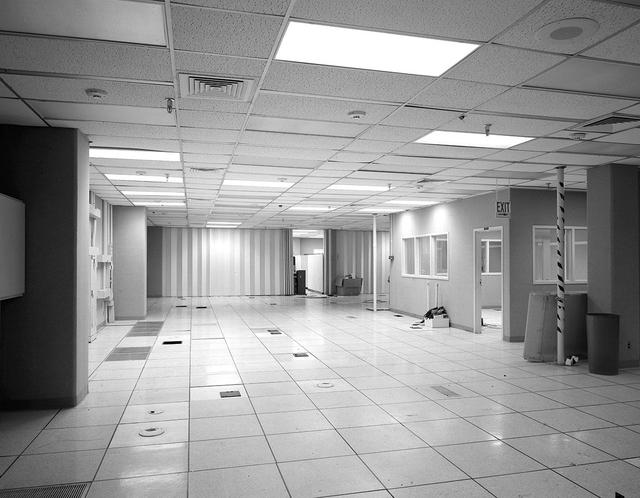
Interior view of the Operations & Checkout Building
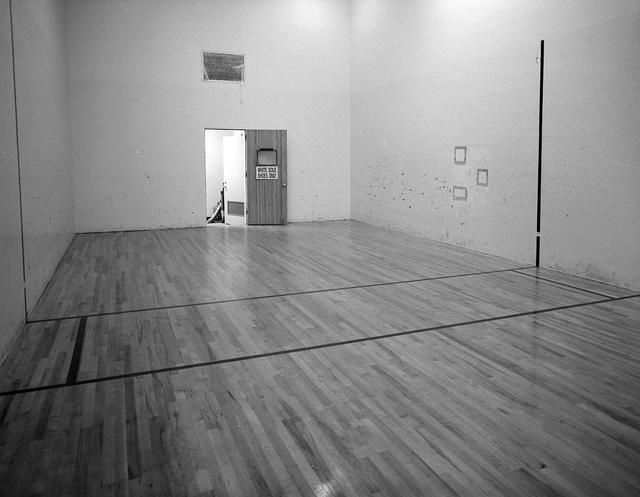
Interior view of the Operations & Checkout Building
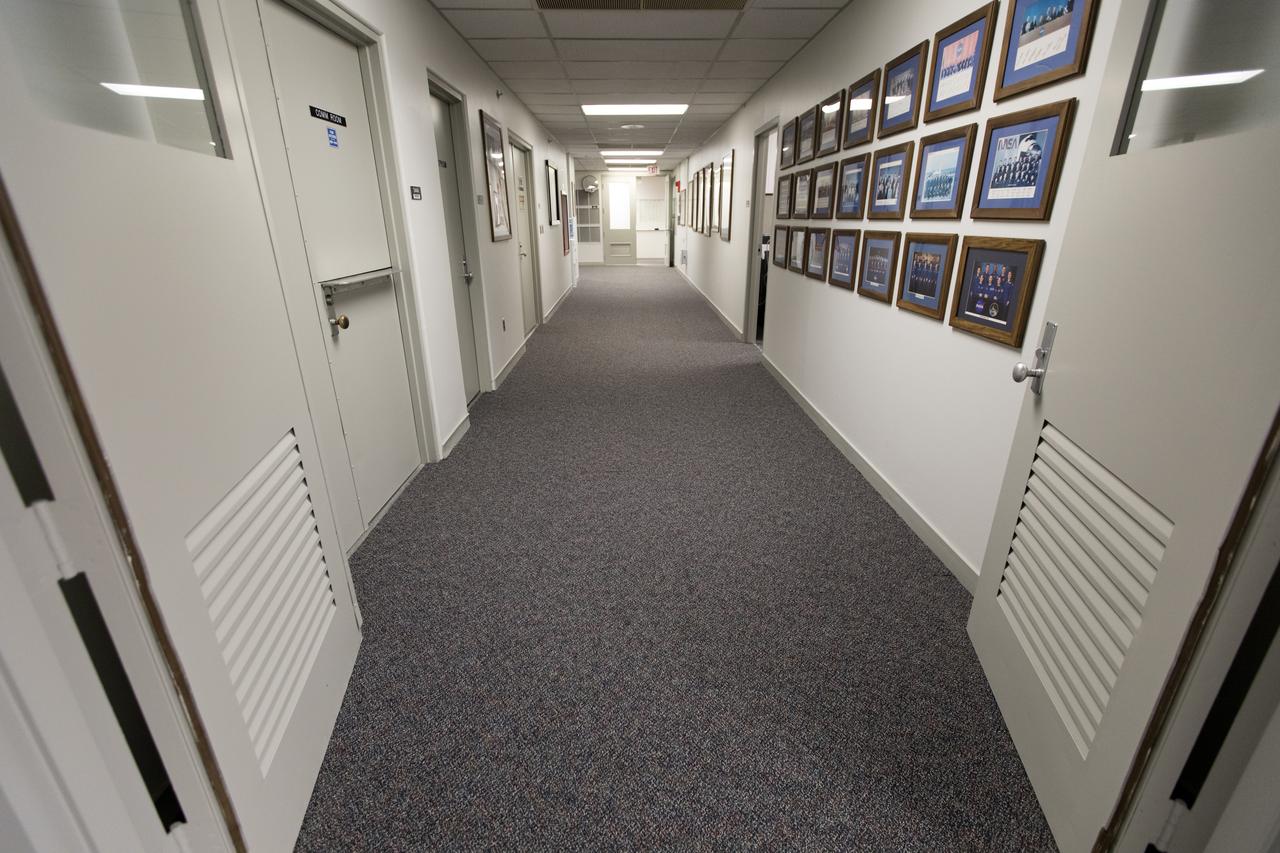
The hallway of the astronaut crew quarters at Kennedy Space Center in Florida reflects new carpeting and a fresh coat of paint. The crew quarters, located on the third floor of the Neil Armstrong Operations and Checkout Building, has been recently upgraded in preparation for Kennedy’s return to human spaceflight.
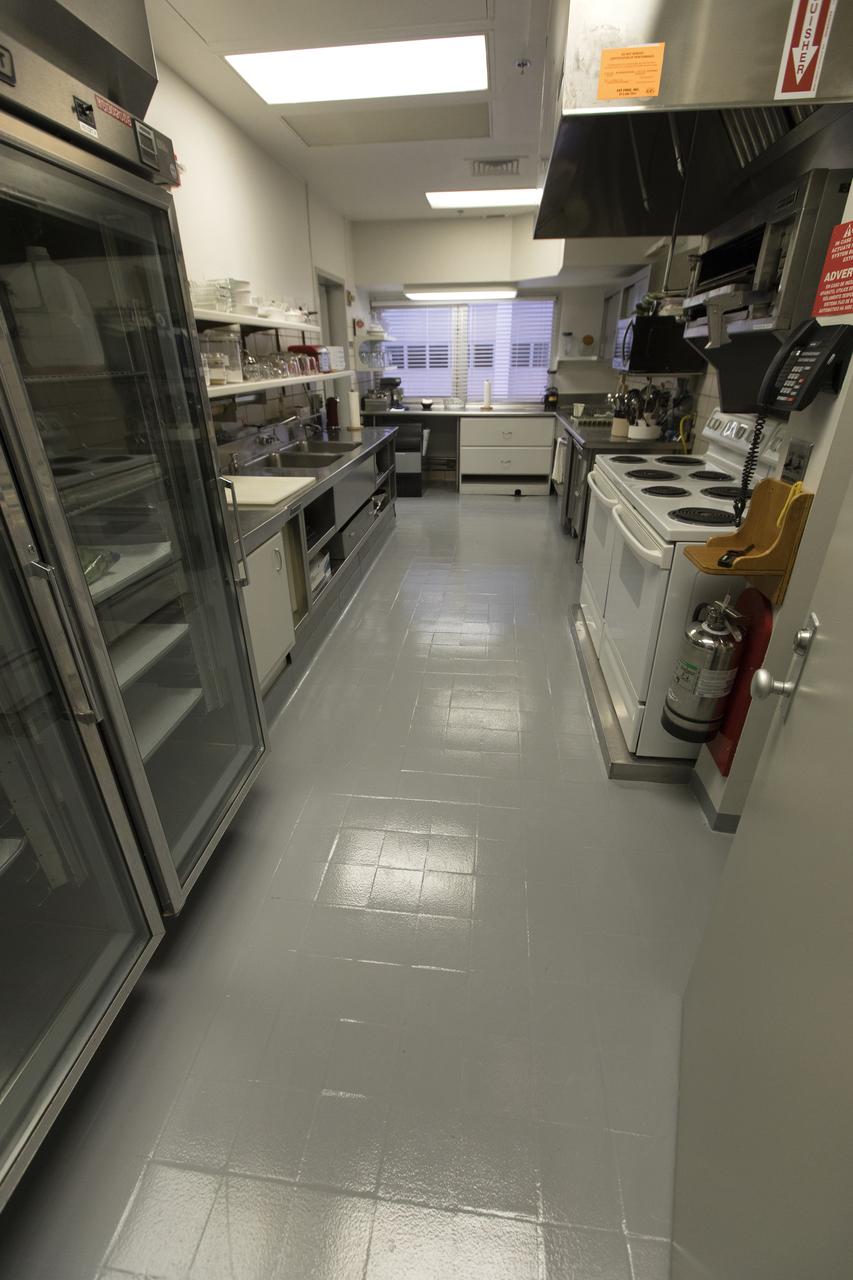
The kitchen in the astronaut crew quarters, located in the Neil Armstrong Operations and Checkout Building at Kennedy Space Center in Florida, is where the astronauts’ meals are prepared in the days leading up to a mission. Several improvements have been made to the crew quarters, including all new appliances in the kitchen.
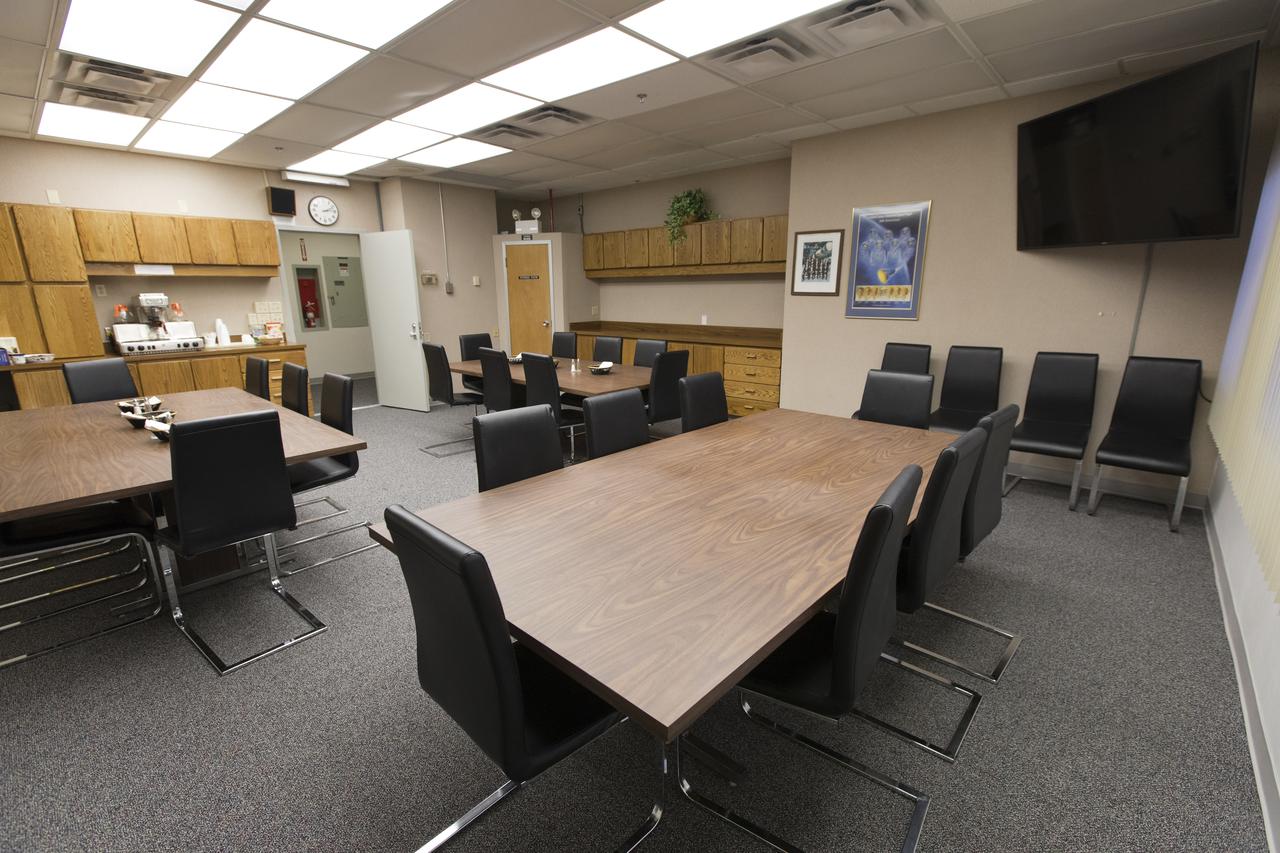
During the Space Shuttle Program, the dining room of the astronaut crew quarters, located in the Neil Armstrong Operations and Checkout Building at Kennedy Space Center in Florida, was a popular place. Located just off of the kitchen, the dining room features lighting that can simulate broad daylight or evening hours. As Kennedy builds toward a return to human spaceflight, the crew quarters are being prepared to once again house mission-bound astronauts.
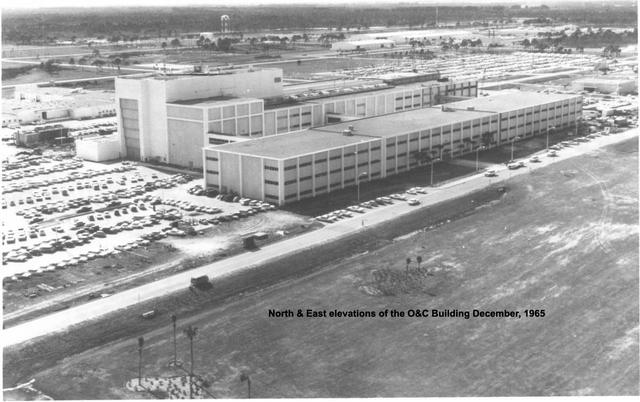
Exterior view of the Operations & Checkout Building
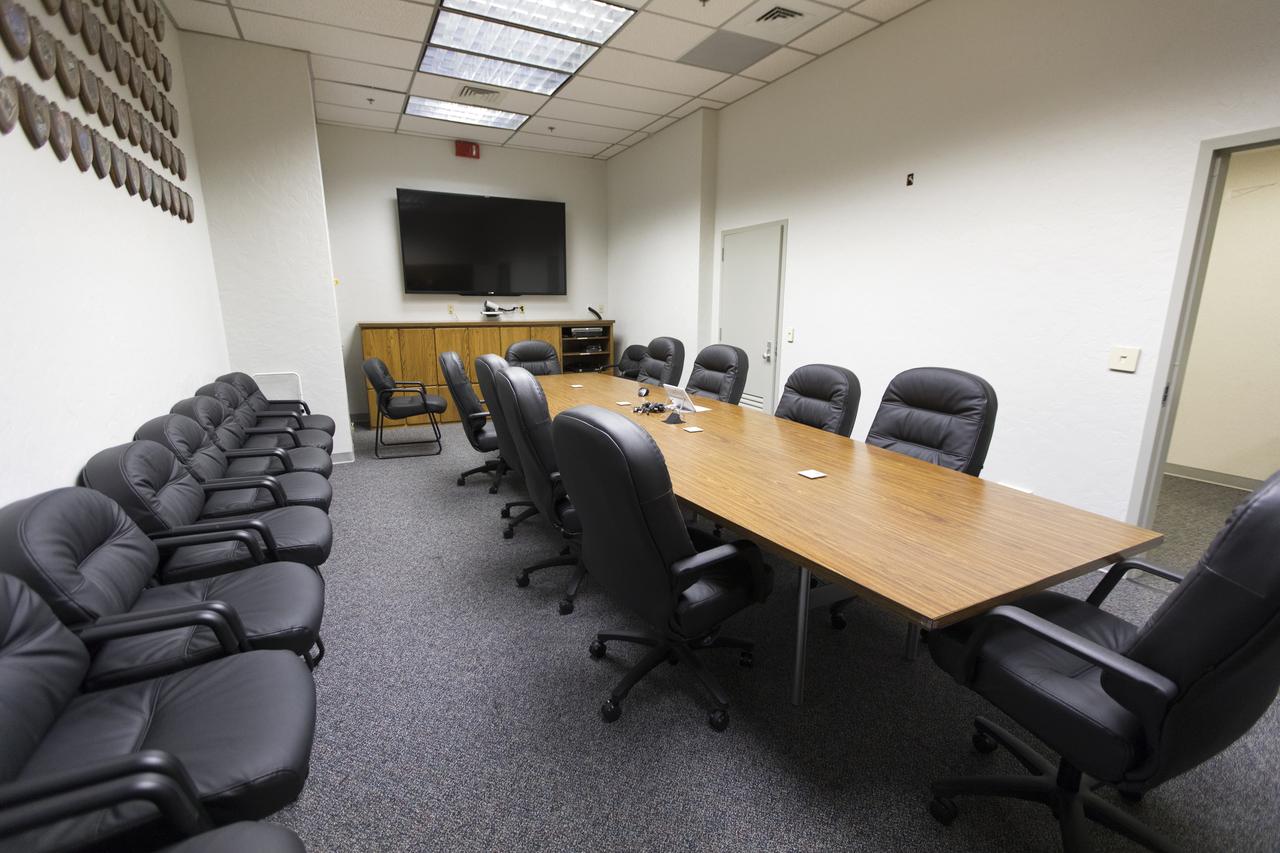
Several upgrades have been completed in the crew quarters at Kennedy Space Center in Florida. This includes new carpeting, paint, furniture and ceiling tiles. Located on the third floor of the Neil Armstrong Operations and Checkout Building, the crew quarters serves as the astronauts’ home as they prepare for missions. This will once again be the case as Kennedy moves closer to a return to human spaceflight. Pictured is a meeting room in the crew quarters.
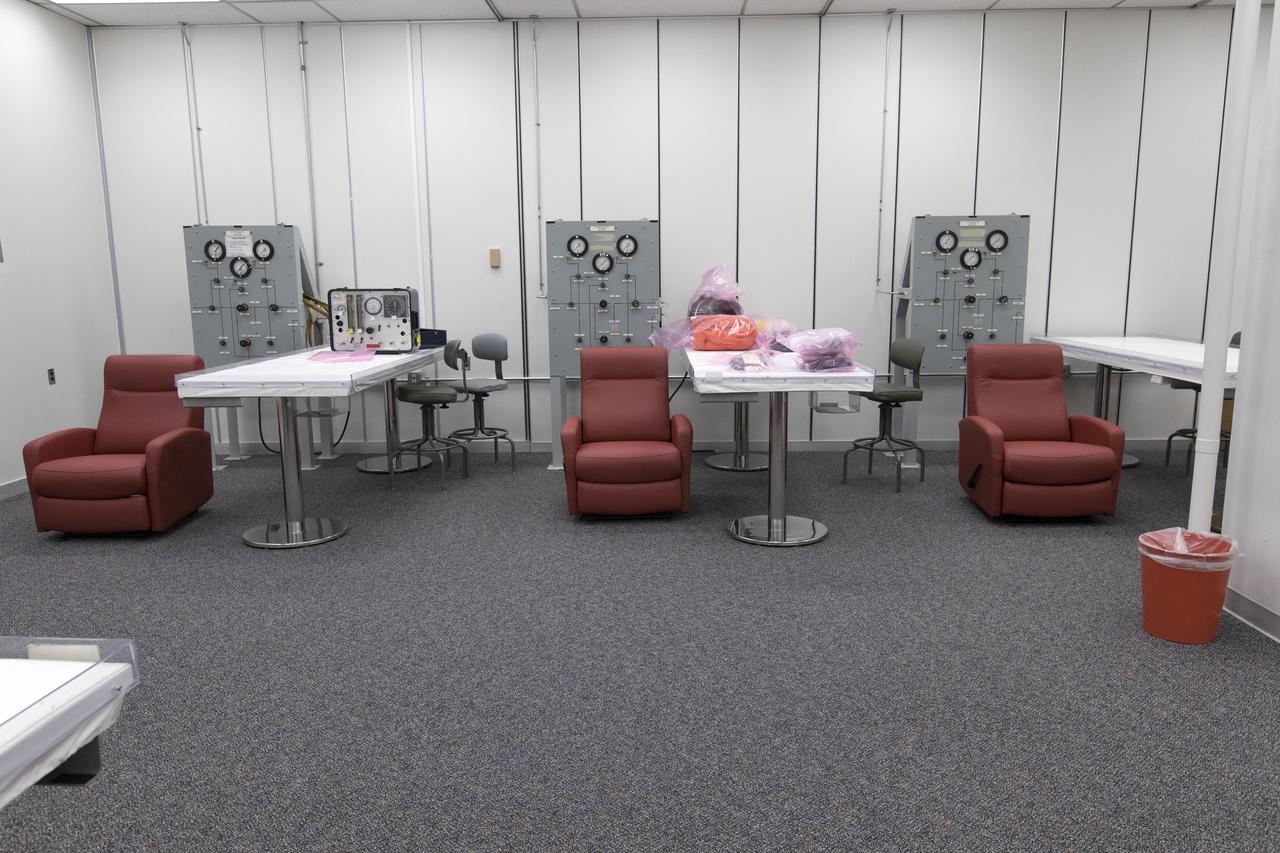
New carpeting, ceiling tiles, appliances and fresh paint are among the improvements that have been made to the astronaut crew quarters, located in the Neil Armstrong Operations and Checkout Building at Kennedy Space Center in Florida. Shown here is the suit room, where astronauts are helped into their pressure suits before leaving the crew quarters for a mission. This room now features three suit containment rooms — one each for Orion, Boeing and SpaceX.
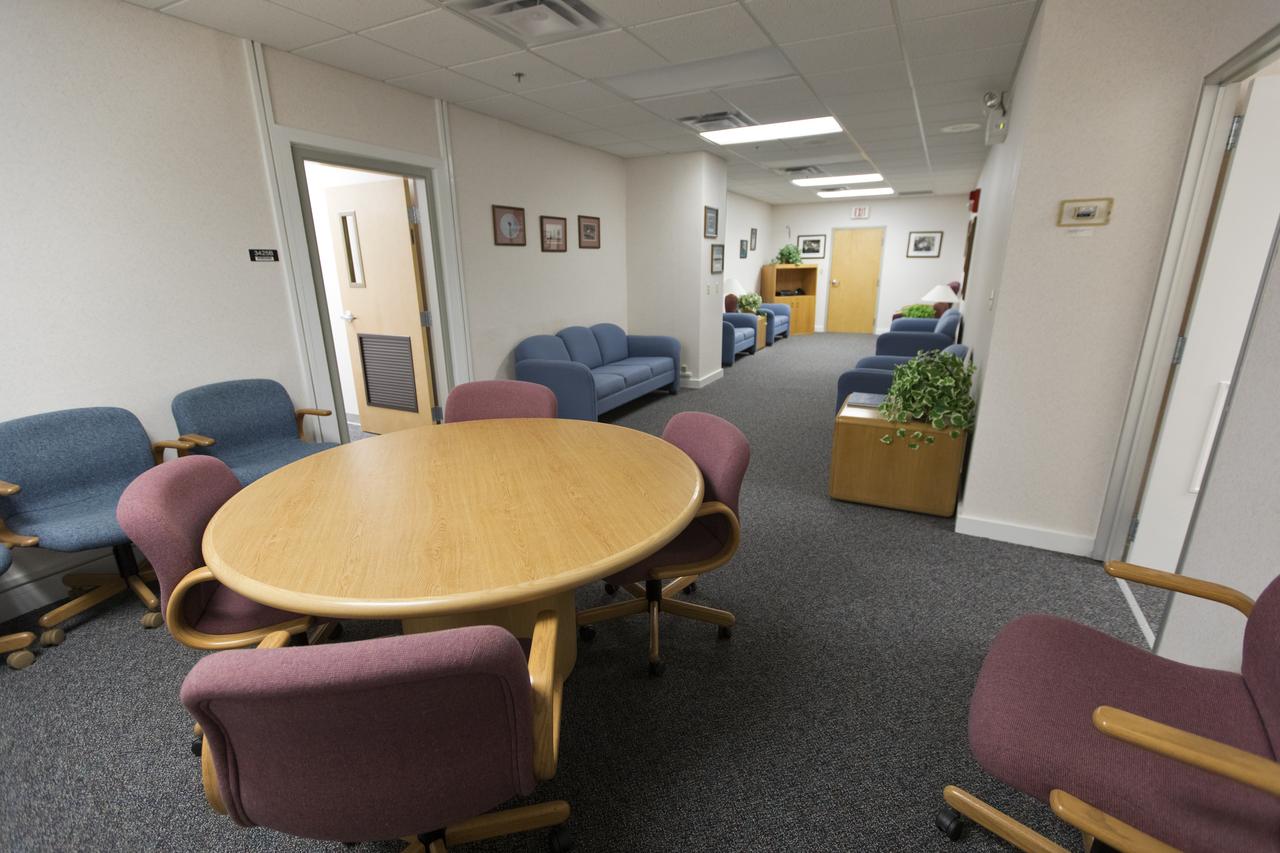
The lounge area inside the astronaut crew quarters is where astronauts’ family members waited for their return upon landing during the Space Shuttle Program. The crew quarters, located on the third floor of Kennedy Space Center’s Neil Armstrong Operations and Checkout Building, recently received a number of upgrades, including new paint, ceiling tiles, carpeting, appliances and furniture.
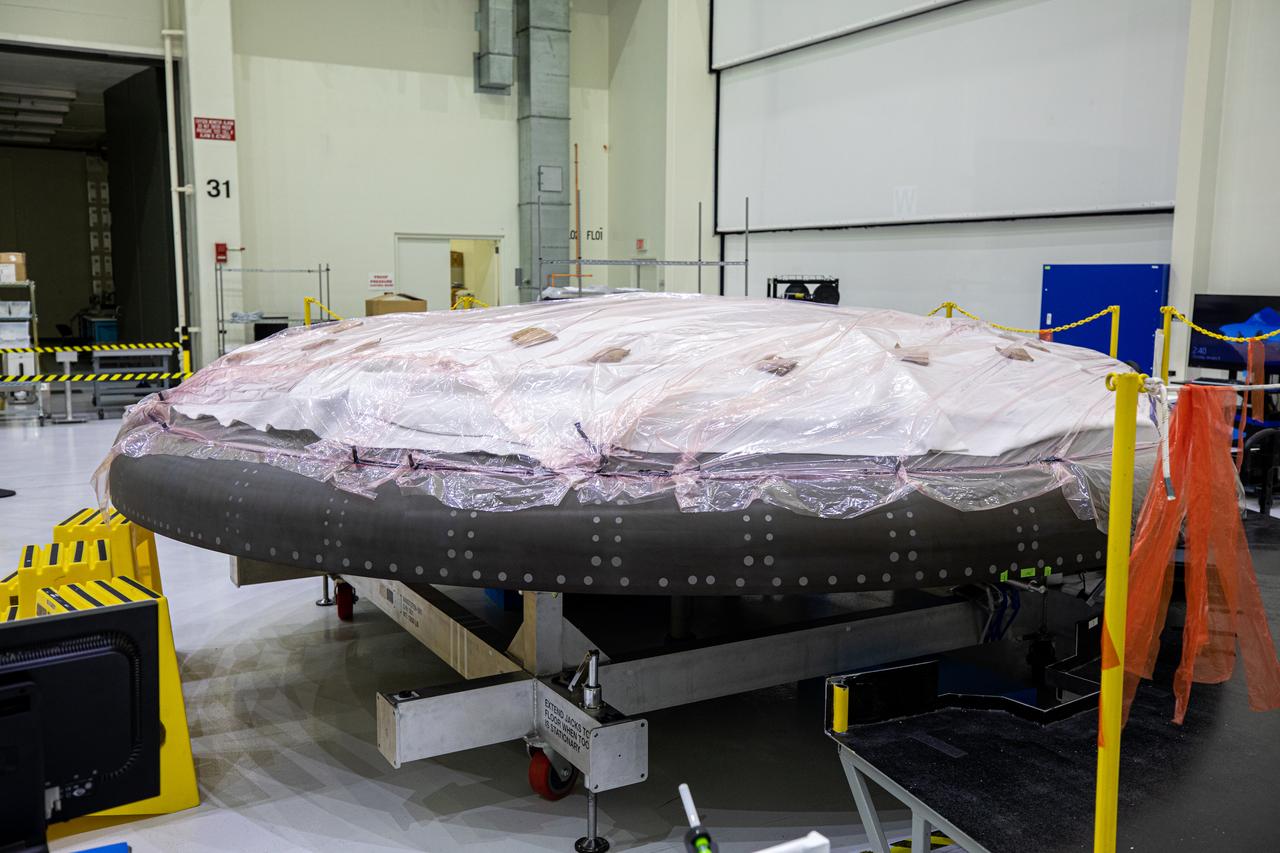
The heat shield for Orion’s Artemis II mission is in view secured on a work stand in the Neil Armstrong Operations and Checkout Building high bay at NASA’s Kennedy Space Center in Florida on Jan. 9, 2020. Work continues to prepare the heat shield for flight, including applying Avcoat, an ablative material that will provide thermal protection. The heat shield, measuring roughly 16 feet in diameter, will protect astronauts upon re-entry on the second mission of Artemis. Artemis II, the first crewed mission in the series of missions to the Moon and on to Mars, will confirm all of the Orion spacecraft’s systems operate as designed in the actual environment of deep space with astronauts aboard.
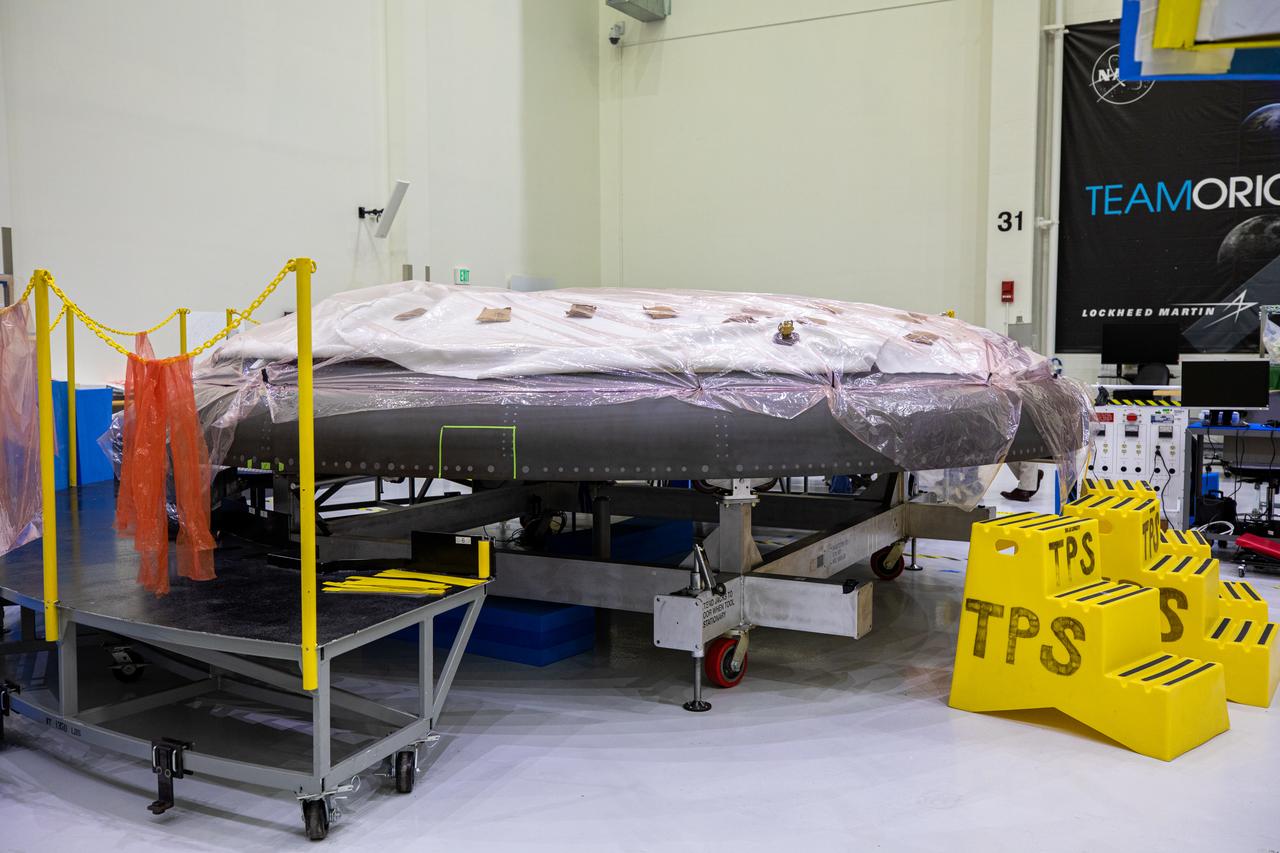
The heat shield for Orion’s Artemis II mission is in view secured on a work stand in the Neil Armstrong Operations and Checkout Building high bay at NASA’s Kennedy Space Center in Florida on Jan. 9, 2020. Work continues to prepare the heat shield for flight, including applying Avcoat, an ablative material that will provide thermal protection. The heat shield, measuring roughly 16 feet in diameter, will protect astronauts upon re-entry on the second mission of Artemis. Artemis II, the first crewed mission in the series of missions to the Moon and on to Mars, will confirm all of the Orion spacecraft’s systems operate as designed in the actual environment of deep space with astronauts aboard.
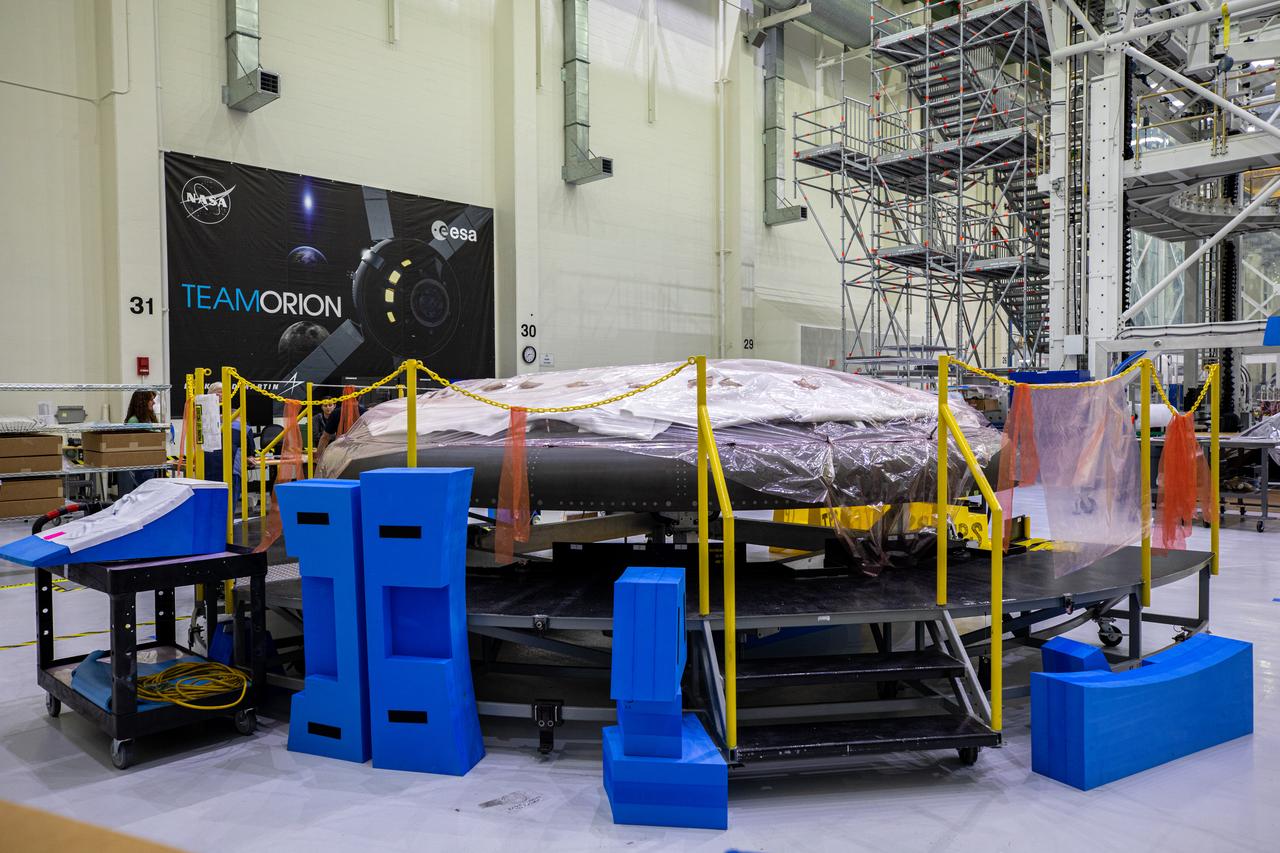
The heat shield for Orion’s Artemis II mission is in view secured on a work stand in the Neil Armstrong Operations and Checkout Building high bay at NASA’s Kennedy Space Center in Florida on Jan. 9, 2020. Work continues to prepare the heat shield for flight, including applying Avcoat, an ablative material that will provide thermal protection. The heat shield, measuring roughly 16 feet in diameter, will protect astronauts upon re-entry on the second mission of Artemis. Artemis II, the first crewed mission in the series of missions to the Moon and on to Mars, will confirm all of the Orion spacecraft’s systems operate as designed in the actual environment of deep space with astronauts aboard.
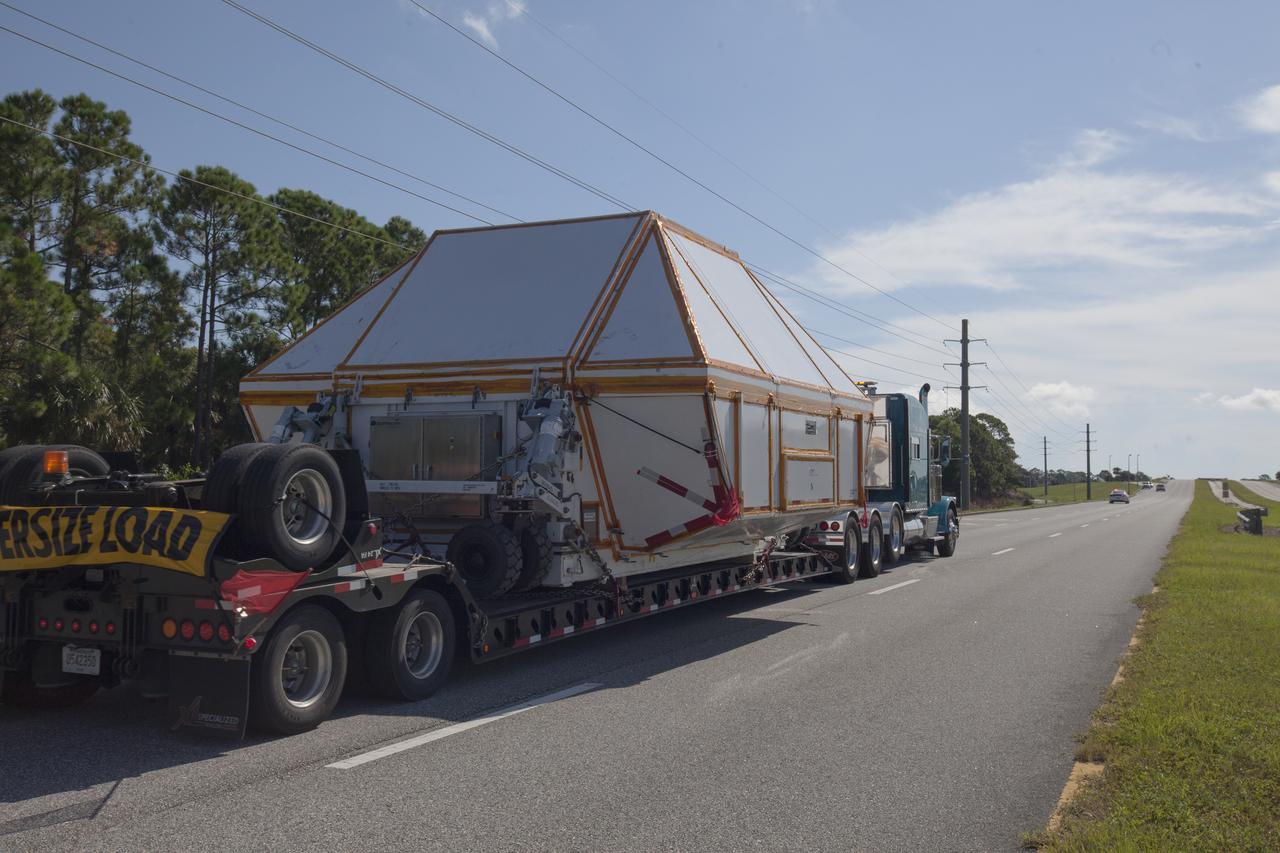
The Orion crew module pressure vessel for Exploration Mission-2 arrives at NASA's Kennedy Space Center in Florida on Aug. 24, 2018. The pressure vessel was transported in its Crew Module Transportation Fixture by super-wide transport truck from Michoud Assembly Facility near New Orleans. The pressure vessel is Orion's primary structure that holds the pressurized atmosphere astronauts will breathe and work in while in the vacuum of deep space. It will be moved into the Neil Armstrong Operations and Checkout Building high bay, where it will be secured on a precision alignment tool to begin preparing it for flight.
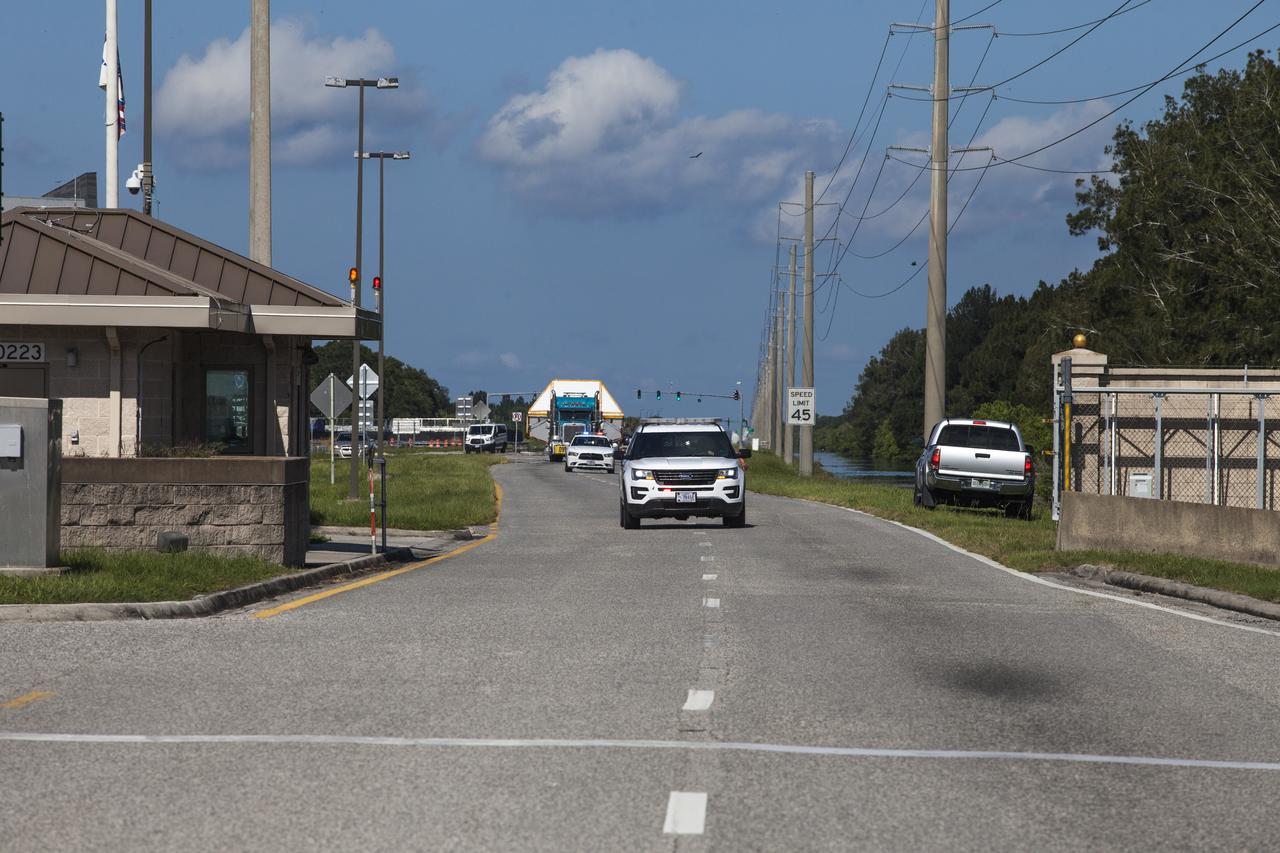
A super-wide truck carrying the Orion crew module pressure vessel for Exploration Mission-2 approaches the entrance gate at NASA's Kennedy Space Center in Florida on Aug. 24, 2018. The pressure vessel was transported in its Crew Module Transportation Fixture by truck from Michoud Assembly Facility near New Orleans. The pressure vessel is Orion's primary structure that holds the pressurized atmosphere astronauts will breathe and work in while in the vacuum of deep space. It will be moved into the Neil Armstrong Operations and Checkout Building high bay, where it will be secured on a precision alignment tool to begin preparing it for flight.
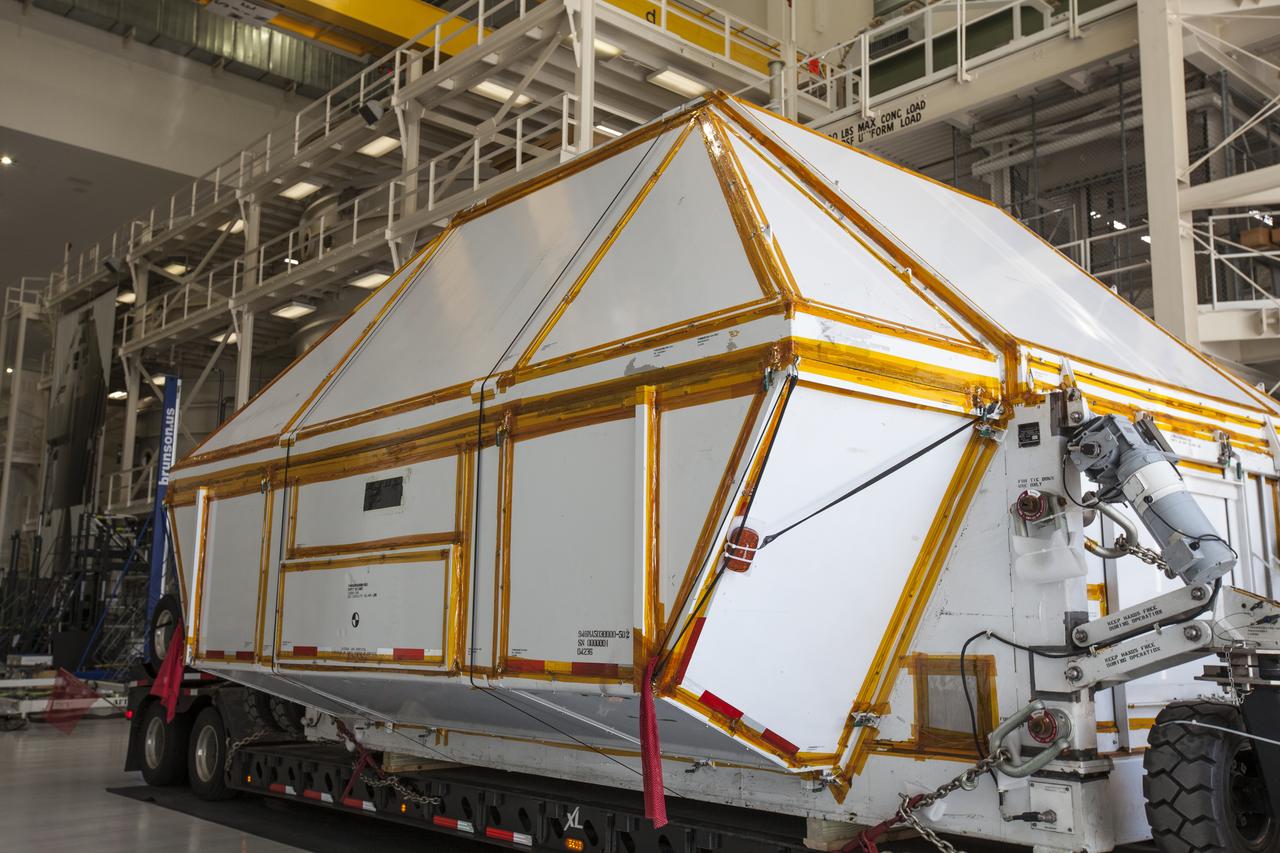
The Orion crew module pressure vessel for Exploration Mission-2 is backed into the high bay at the Neil Armstrong Operations and Checkout Building at NASA's Kennedy Space Center in Florida on Aug. 24, 2018. The pressure vessel was transported in its Crew Module Transportation Fixture by super-wide transport truck from Michoud Assembly Facility near New Orleans. The pressure vessel is Orion's primary structure that holds the pressurized atmosphere astronauts will breathe and work in while in the vacuum of deep space. Inside the facility's high bay, the pressure vessel will be secured on a precision alignment tool to begin preparing it for flight.
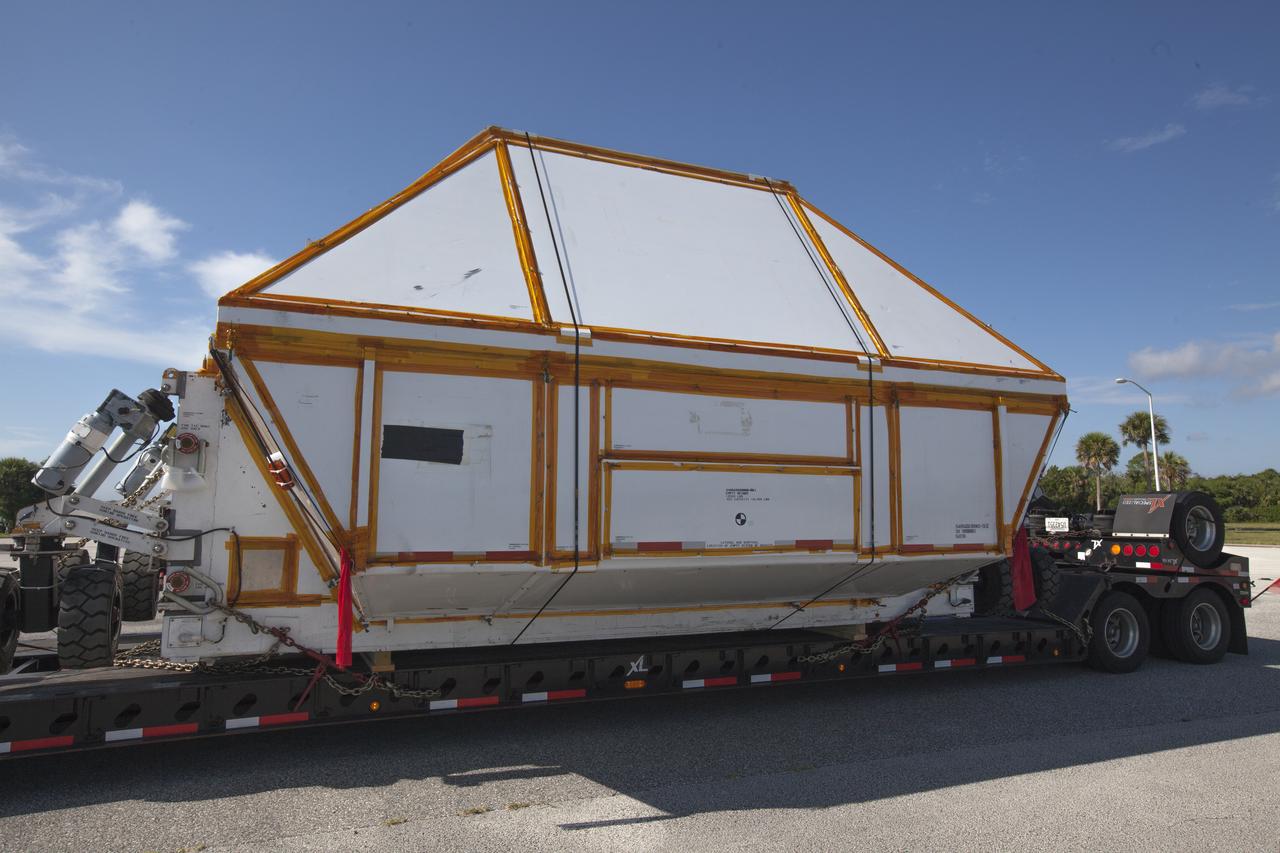
The Orion crew module pressure vessel for Exploration Mission-2 arrives at NASA's Kennedy Space Center in Florida on Aug. 24, 2018. The pressure vessel was transported in its Crew Module Transportation Fixture by super-wide transport truck from Michoud Assembly Facility near New Orleans. The pressure vessel is Orion's primary structure that holds the pressurized atmosphere astronauts will breathe and work in while in the vacuum of deep space. It will be moved into the Neil Armstrong Operations and Checkout Building high bay, where it will be secured on a precision alignment tool to begin preparing it for flight.
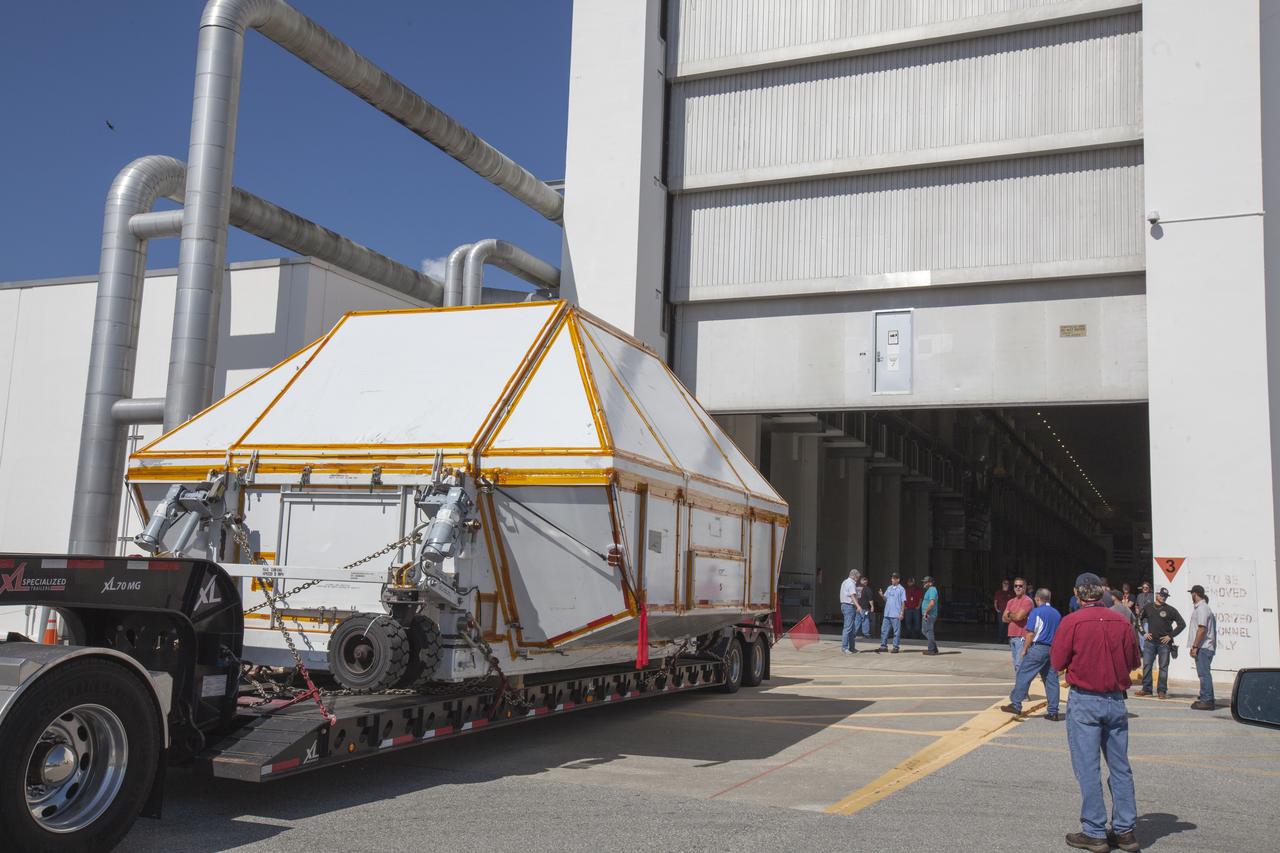
The Orion crew module pressure vessel for Exploration Mission-2 arrives at the Neil Armstrong Operations and Checkout Building at NASA's Kennedy Space Center in Florida on Aug. 24, 2018. The pressure vessel was transported in its Crew Module Transportation Fixture by super-wide transport truck from Michoud Assembly Facility near New Orleans. The pressure vessel is Orion's primary structure that holds the pressurized atmosphere astronauts will breathe and work in while in the vacuum of deep space. It will be moved into the facility's high bay, where it will be secured on a precision alignment tool to begin preparing it for flight.
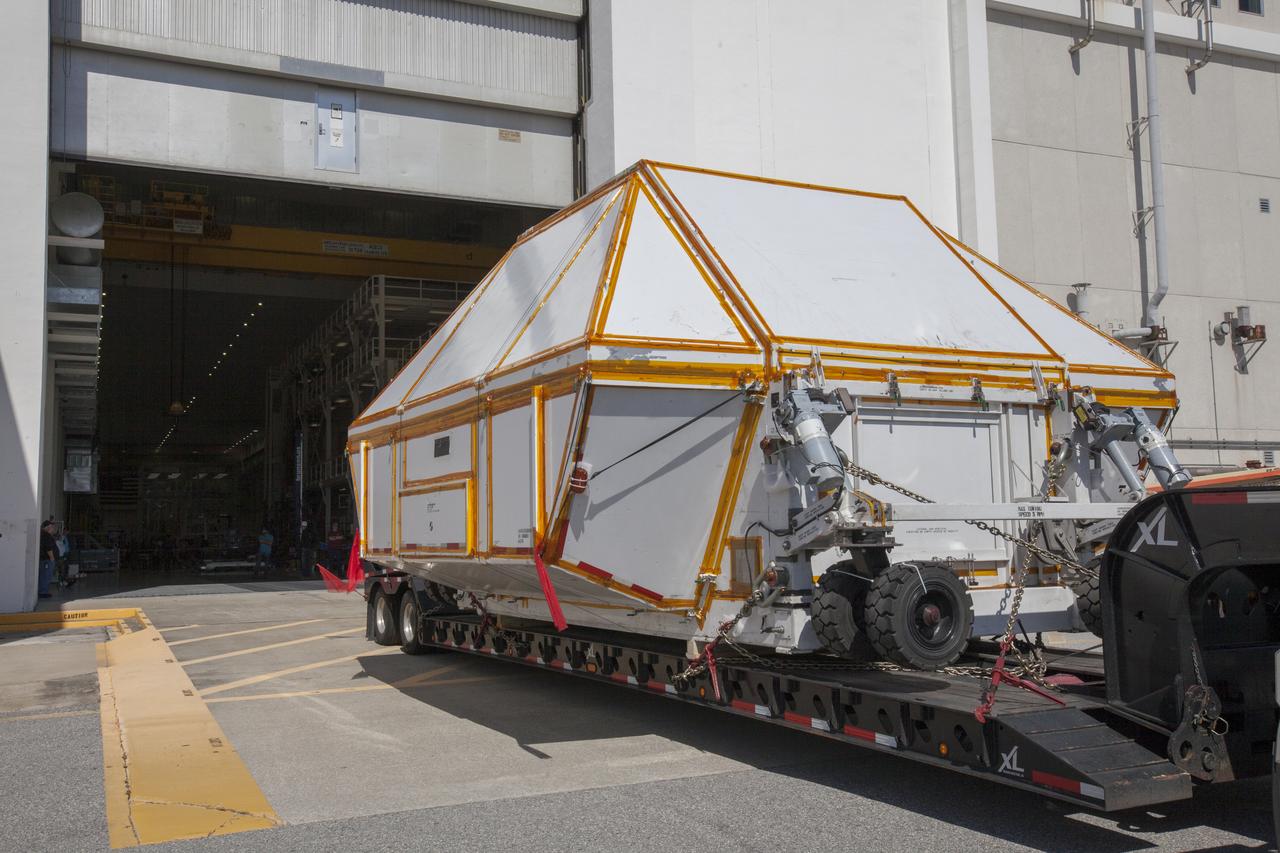
The Orion crew module pressure vessel for Exploration Mission-2 arrives at the Neil Armstrong Operations and Checkout Building at NASA's Kennedy Space Center in Florida on Aug. 24, 2018. The pressure vessel was transported in its Crew Module Transportation Fixture by super-wide transport truck from Michoud Assembly Facility near New Orleans. The pressure vessel is Orion's primary structure that holds the pressurized atmosphere astronauts will breathe and work in while in the vacuum of deep space. It will be moved into the facility's high bay, where it will be secured on a precision alignment tool to begin preparing it for flight.
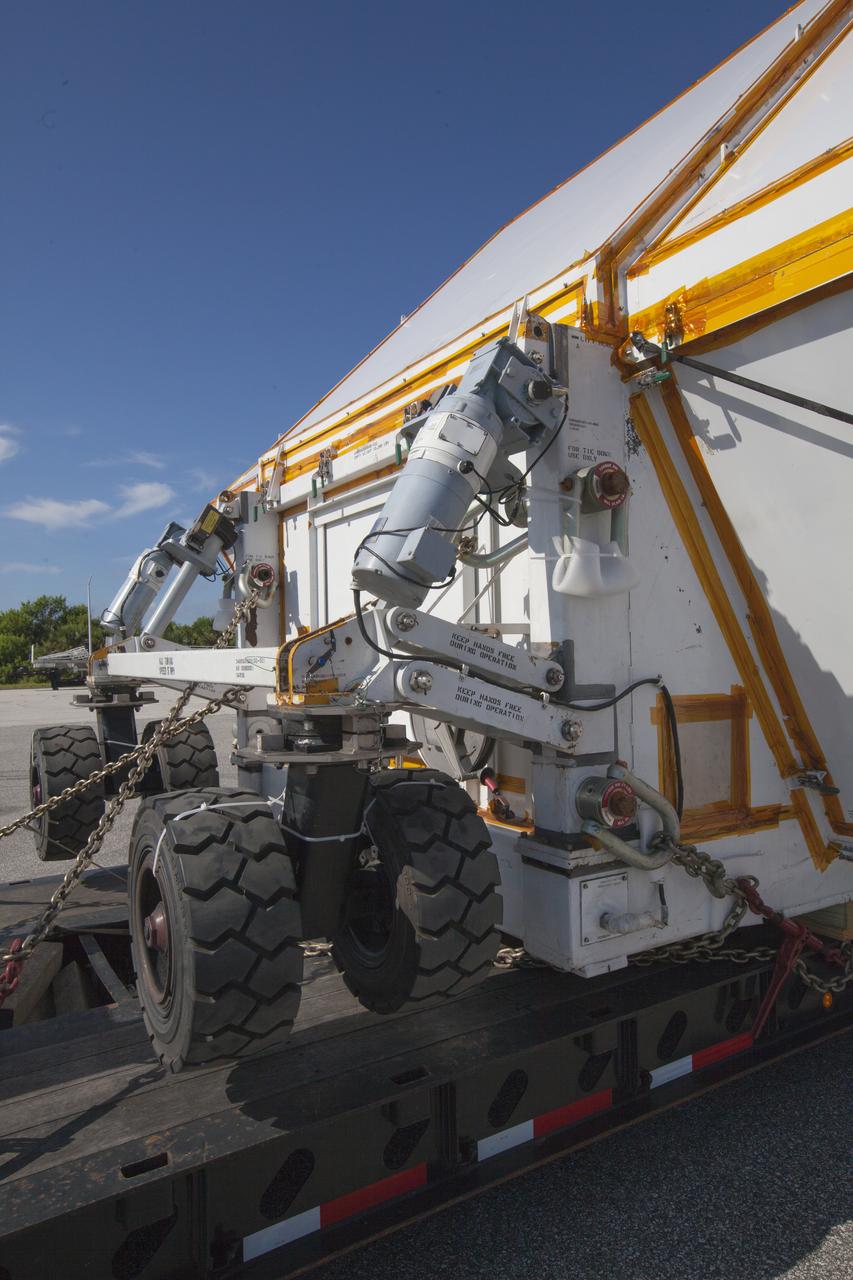
The Orion crew module pressure vessel for Exploration Mission-2 arrives at NASA's Kennedy Space Center in Florida on Aug. 24, 2018. The pressure vessel was transported in its Crew Module Transportation Fixture by super-wide transport truck from Michoud Assembly Facility near New Orleans. The pressure vessel is Orion's primary structure that holds the pressurized atmosphere astronauts will breathe and work in while in the vacuum of deep space. It will be moved into the Neil Armstrong Operations and Checkout Building high bay, where it will be secured on a precision alignment tool to begin preparing it for flight.
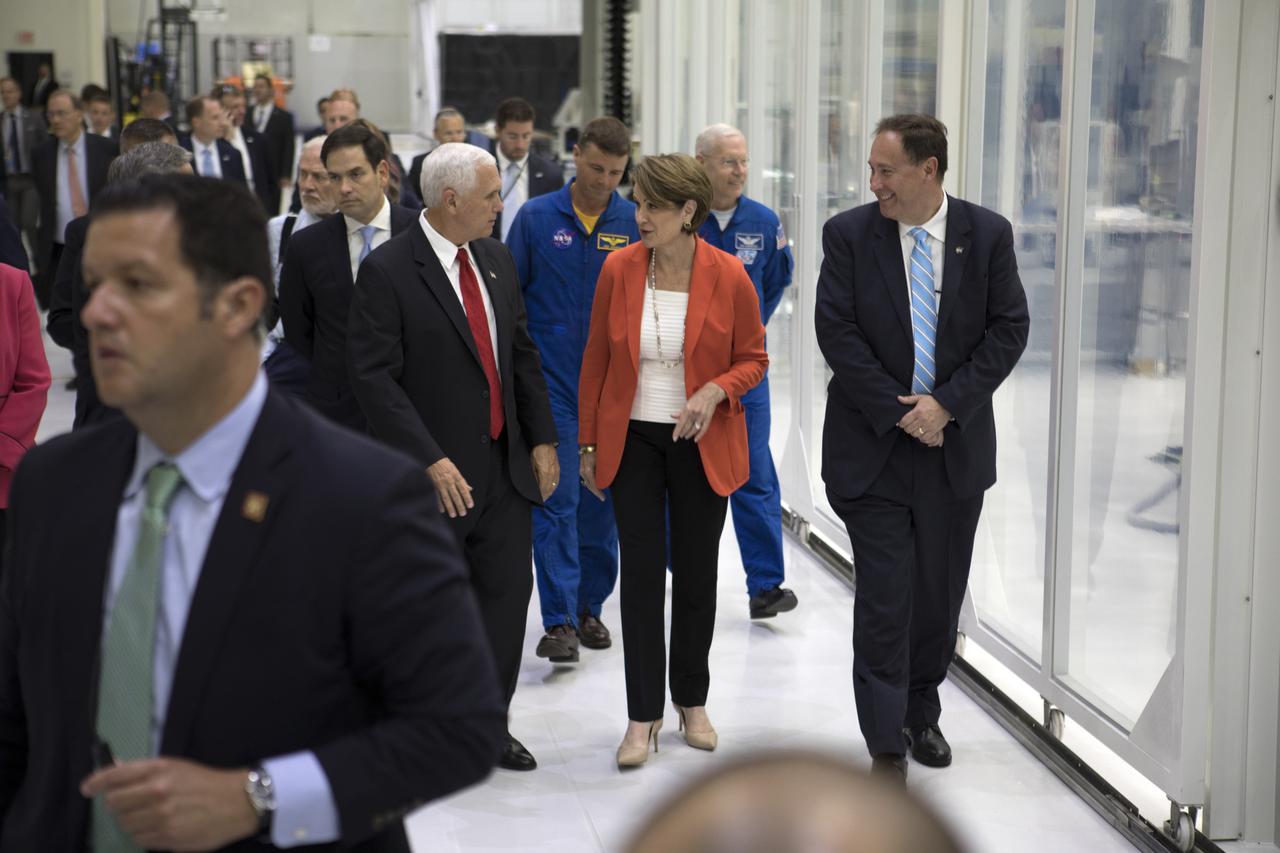
Vice President Mike Pence, center left, listens to Lockheed Martin Chairman, President and CEO Marillyn Hewson during a tour of the Neil Armstrong Operations and Checkout Building at NASA's Kennedy Space Center in Florida, where the Orion spacecraft is being readied for a trip beyond the moon on its first integrated flight with the Space Launch System rocket. Walking with them from left to right are U.S. Senator Marco Rubio (R-FL), NASA Astronauts Reid Wiseman and Pat Forrester, and NASA Acting Administrator Robert Lightfoot. During his visit to Kennedy, Pence spoke inside the Vehicle Assembly Building, where he thanked employees for advancing American leadership in space. The Vice President also toured several facilities highlighting the public-private partnerships at Kennedy, as both NASA and commercial companies prepare to launch American astronauts from the multi-user spaceport.
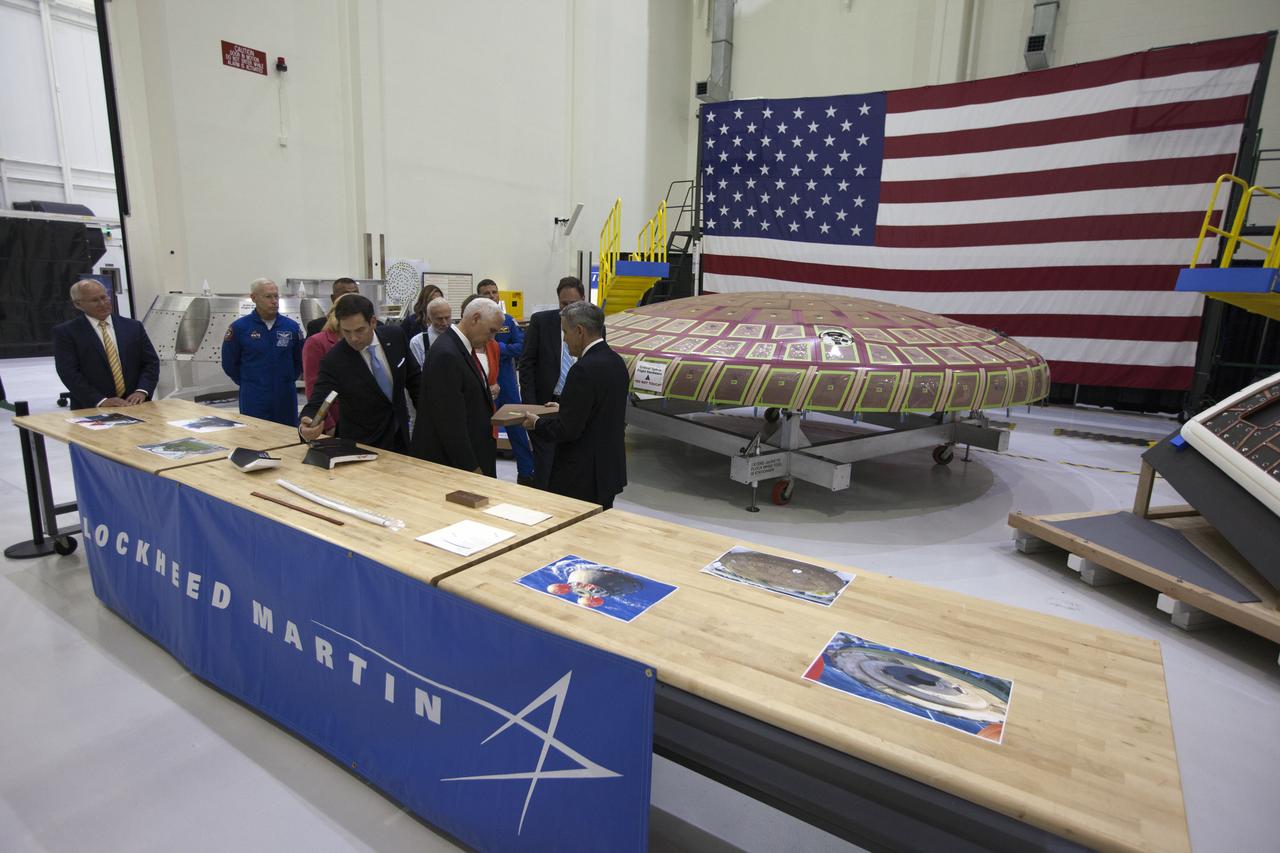
Vice President Mike Pence, center, and U.S. Senator Marco Rubio (R-FL), left, examine flight hardware during a tour of the Neil Armstrong Operations and Checkout Building at NASA's Kennedy Space Center in Florida, where the Orion spacecraft is being readied for a trip beyond the moon on its first integrated flight with the Space Launch System rocket. During his visit to Kennedy, Pence spoke inside the Vehicle Assembly Building, where he thanked employees for advancing American leadership in space. The Vice President also toured several facilities highlighting the public-private partnerships at Kennedy, as both NASA and commercial companies prepare to launch American astronauts from the multi-user spaceport.
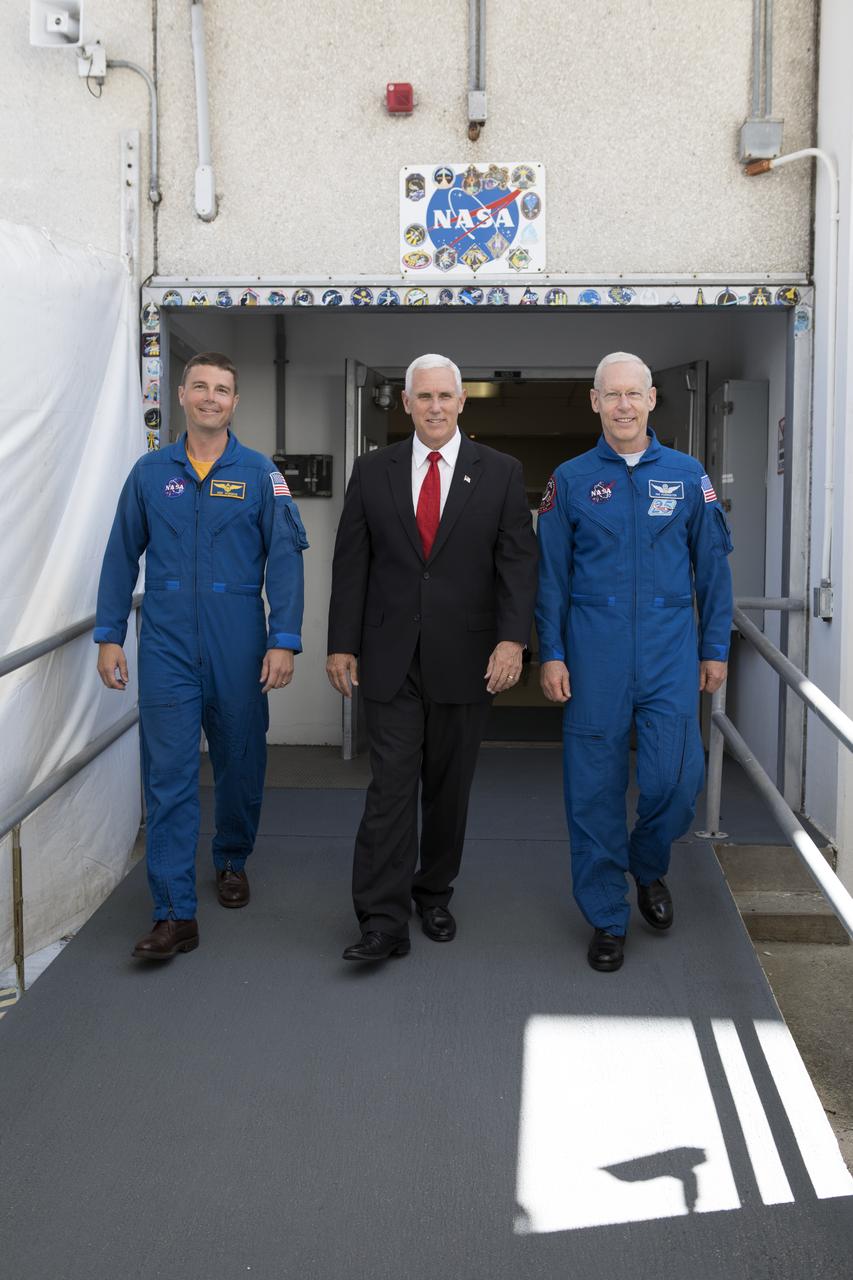
Vice President Mike Pence, center, is flanked by NASA Astronaut Reid Wiseman and NASA Astronaut Office Chief Pat Forrester as they walk out through the same door used by Apollo and space shuttle flight crews departing for the launch pad. Pence toured the Astronaut Crew Quarters during a stop at the Neil Armstrong Operations and Checkout Building at NASA's Kennedy Space Center in Florida, where the Orion spacecraft is being readied for a trip beyond the moon on its first integrated flight with the Space Launch System rocket. During his visit to Kennedy, Pence spoke inside the Vehicle Assembly Building, where he thanked employees for advancing American leadership in space. The Vice President also toured several facilities highlighting the public-private partnerships at Kennedy, as both NASA and commercial companies prepare to launch American astronauts from the multi-user spaceport.
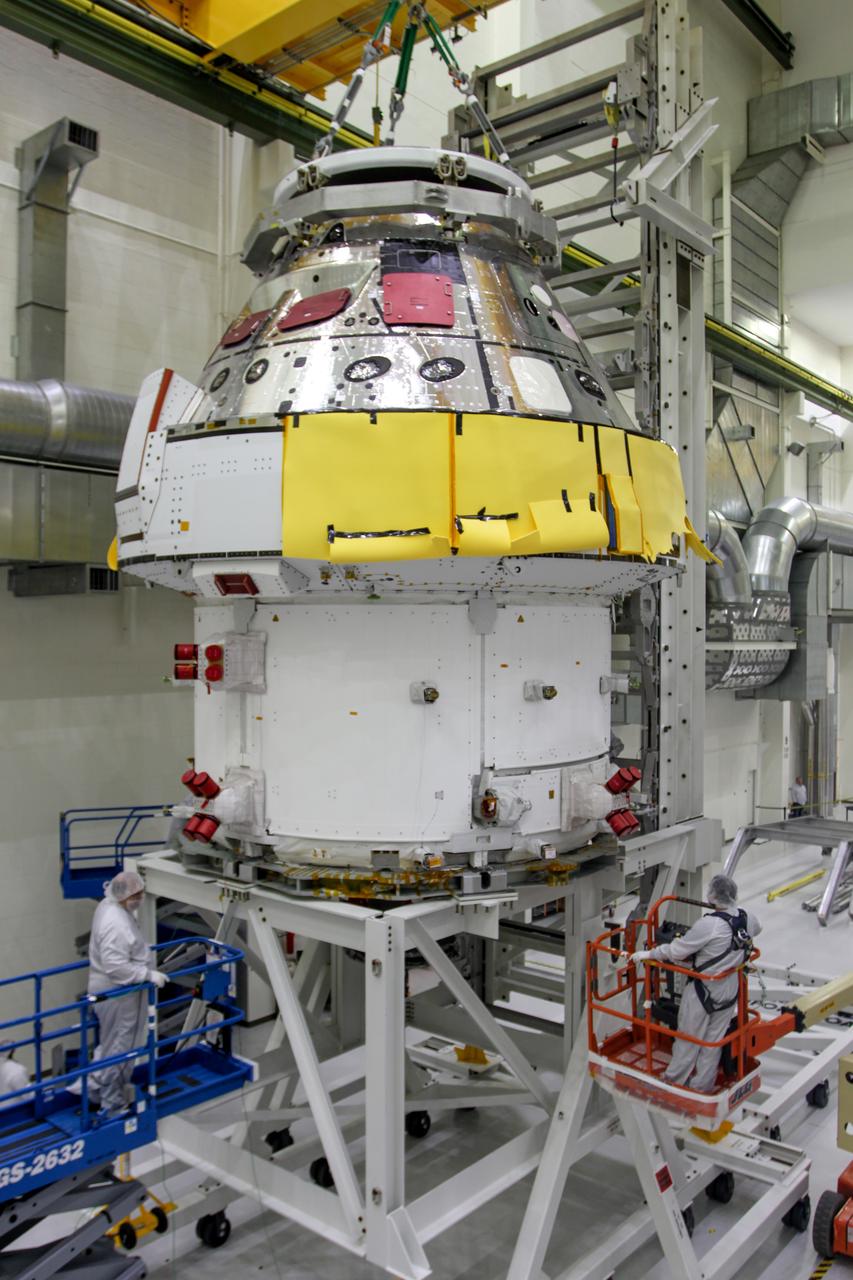
The Orion spacecraft is moved to the Final Assembly and Systems Test cell at Kennedy Space Center. The spacecraft returned from Ohio after a successful series of environmental test at Glenn Research Center's Plum Brook Station.
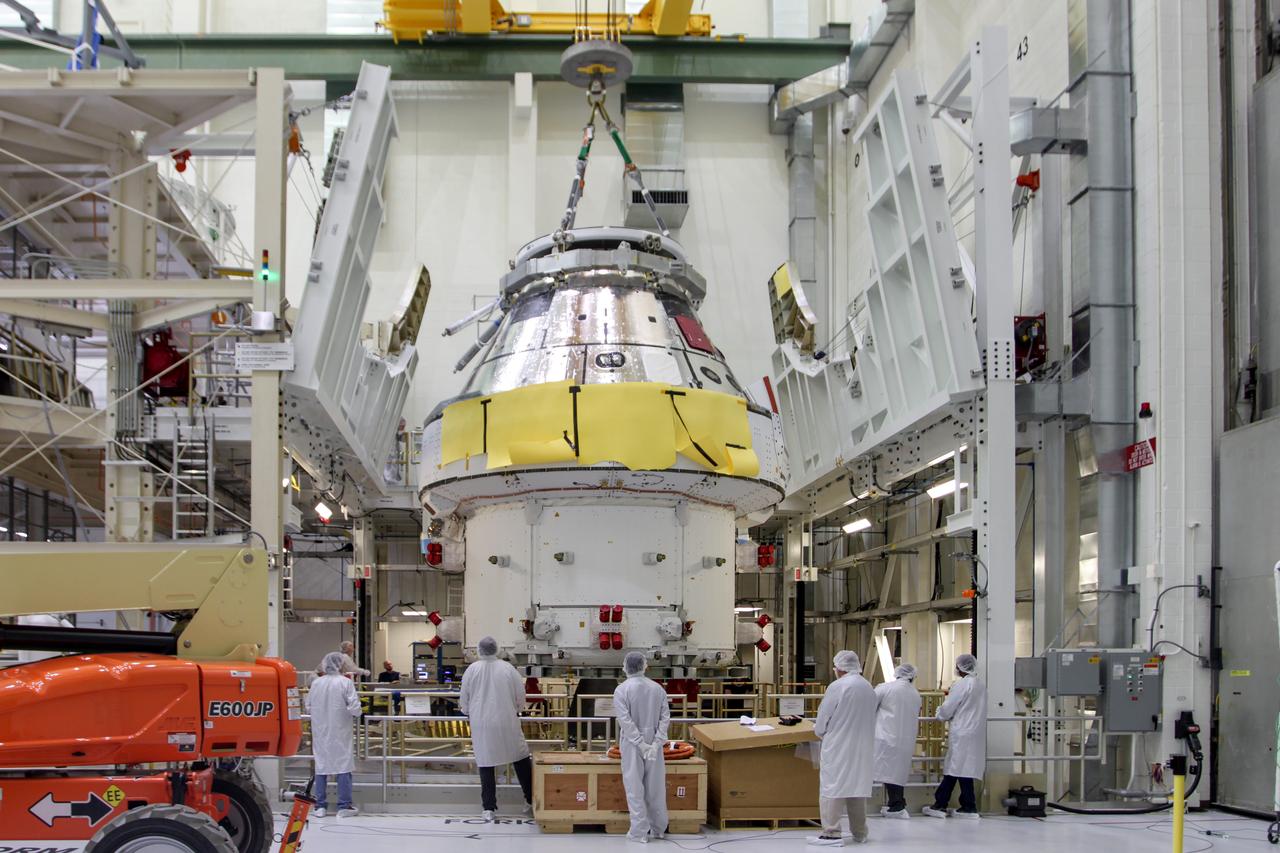
The Orion spacecraft is moved to the Final Assembly and Systems Test cell at Kennedy Space Center. The spacecraft returned from Ohio after a successful series of environmental test at Glenn Research Center's Plum Brook Station.
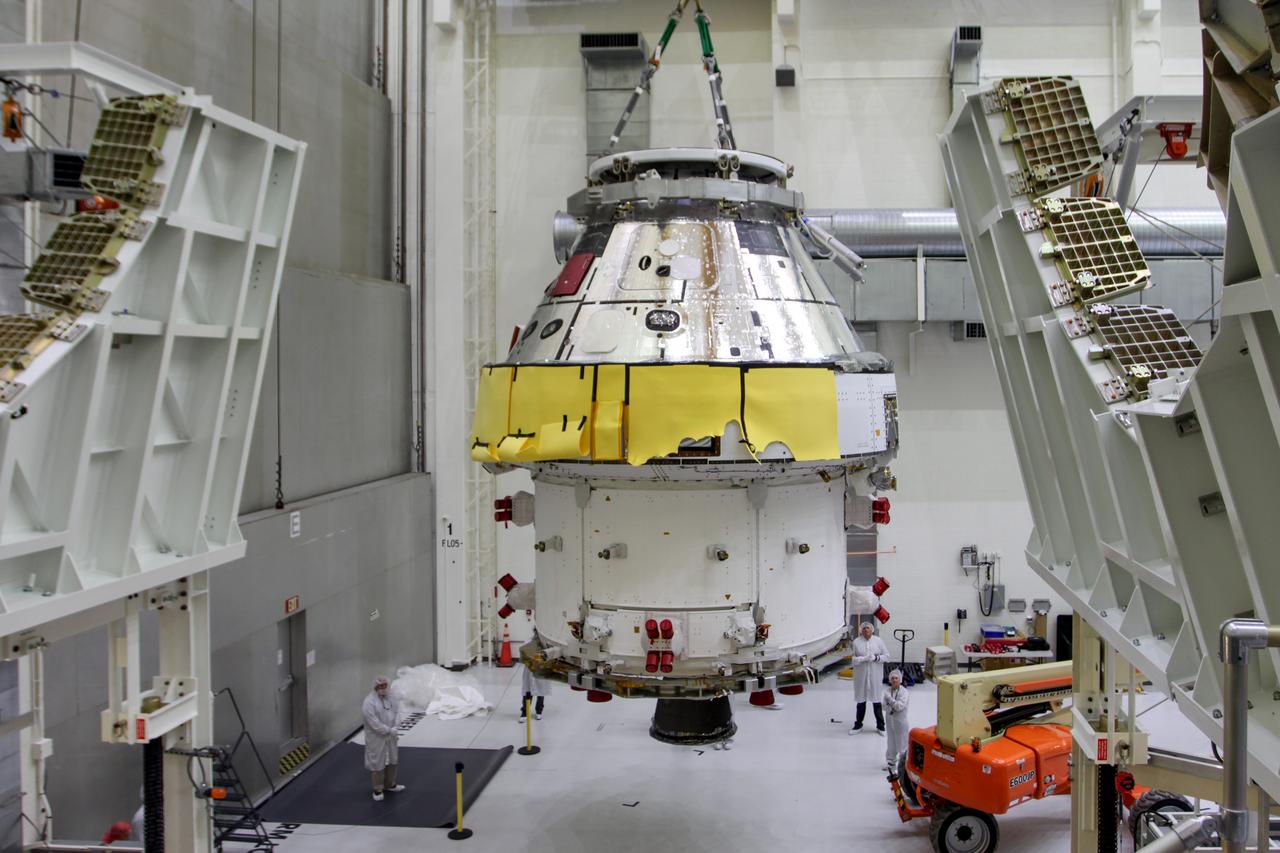
The Orion spacecraft is moved to the Final Assembly and Systems Test cell at Kennedy Space Center. The spacecraft returned from Ohio after a successful series of environmental test at Glenn Research Center's Plum Brook Station.
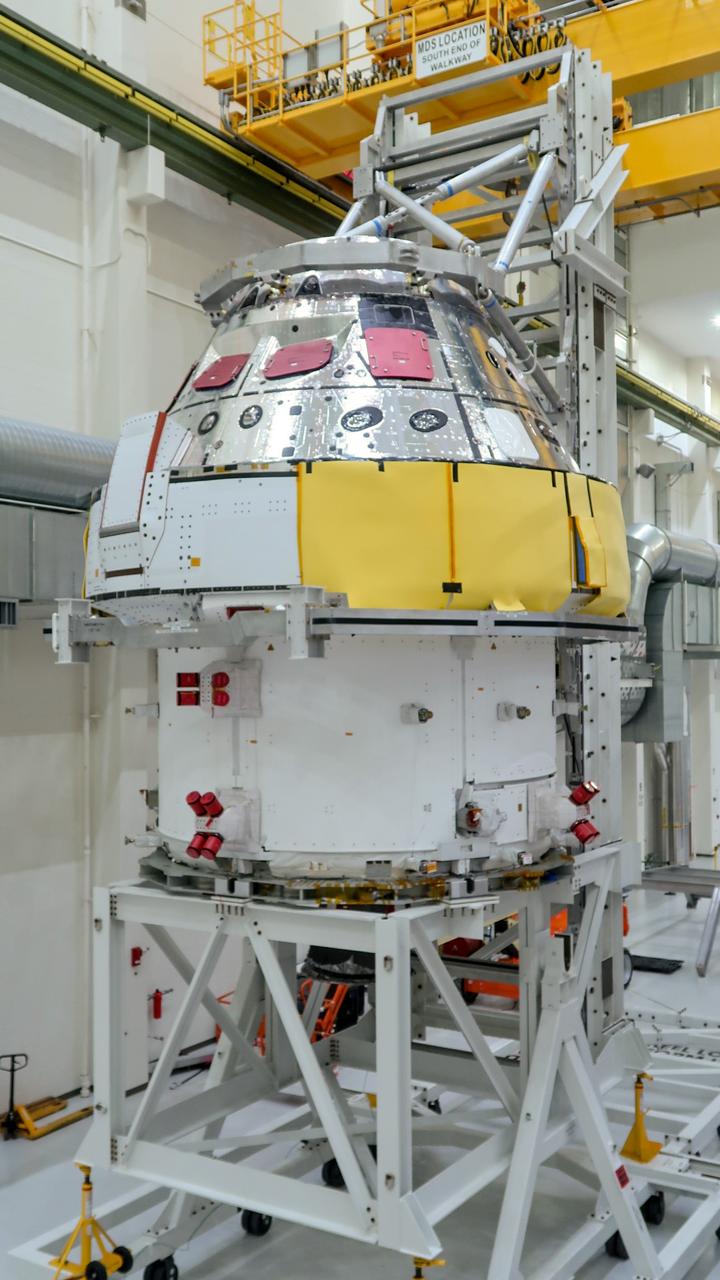
The Orion spacecraft is moved to the Final Assembly and Systems Test cell at Kennedy Space Center. The spacecraft returned from Ohio after a successful series of environmental test at Glenn Research Center's Plum Brook Station.

Vice President Mike Pence tours the Neil Armstrong Operations and Checkout Building at NASA's Kennedy Space Center in Florida, where the Orion spacecraft is being readied for a trip beyond the moon on its first integrated flight with the Space Launch System rocket. Pictured from left to right are NASA Kennedy Space Center Deputy Director Janet Petro; Acting NASA Administrator Robert Lightfoot; NASA Astronaut Reid Wiseman; Pence; NASA Astronaut Pat Forrester; retired astronaut Buzz Aldrin; U.S. Senator Marco Rubio (R-FL); Lockheed Martin Chairman, President and CEO Marillyn Hewson; and NASA Kennedy Space Center Director Robert Cabana. During his visit to Kennedy, Pence spoke inside the Vehicle Assembly Building, where he thanked employees for advancing American leadership in space. The Vice President also toured several facilities highlighting the public-private partnerships at Kennedy, as both NASA and commercial companies prepare to launch American astronauts from the multi-user spaceport.

Teams began connecting the European Service Module 3 to the crew module adapter on Tuesday, Sept. 24, 2024, inside the Neil A. Armstrong Operations and Checkout Building at NASA’s Kennedy Space Center in Florida. The integrated hardware will provide propulsion, thermal control, and electrical power for NASA’s Orion spacecraft set to carry four NASA astronauts to the lunar South Pole region of the Moon for the agency’s Artemis III campaign.
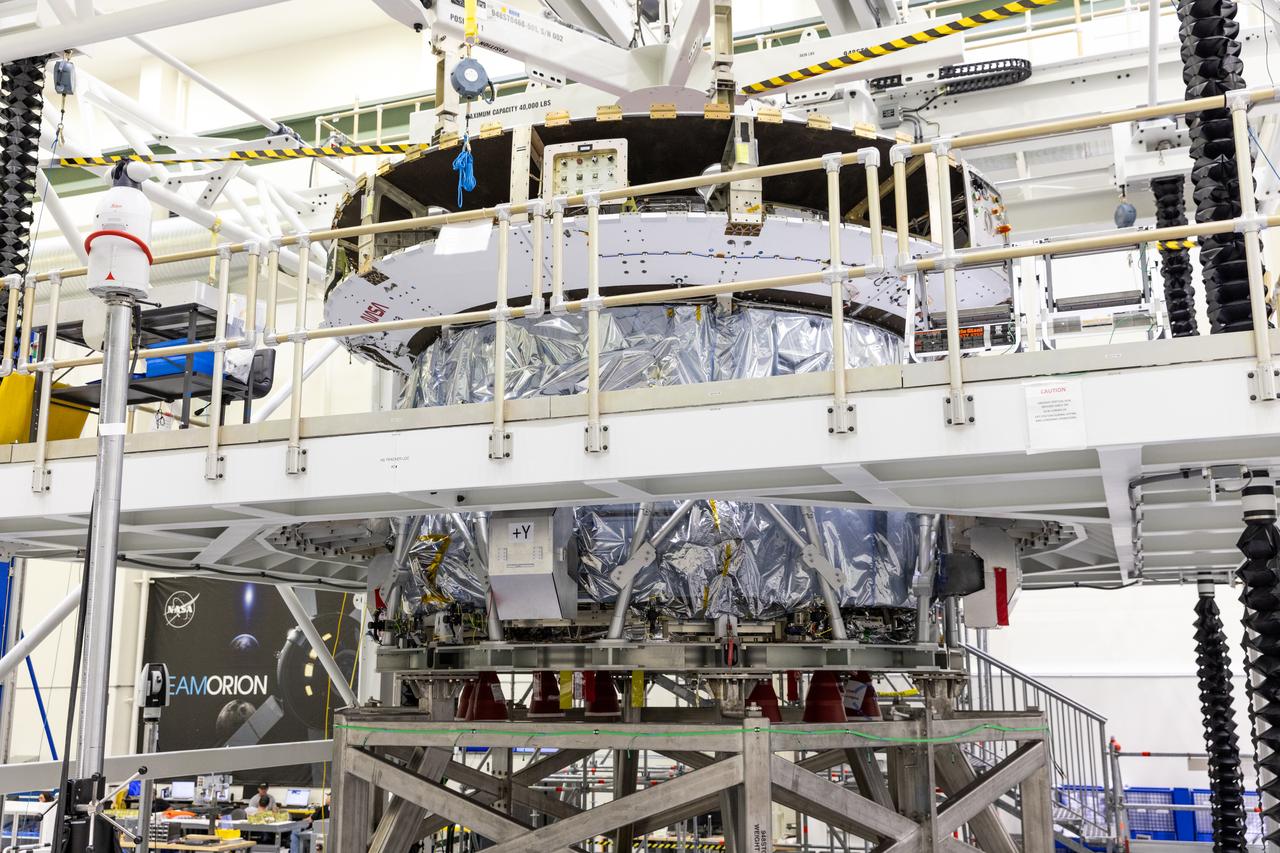
Teams began connecting the European Service Module 3 to the crew module adapter on Tuesday, Sept. 24, 2024, inside the Neil A. Armstrong Operations and Checkout Building at NASA’s Kennedy Space Center in Florida. The integrated hardware will provide propulsion, thermal control, and electrical power for NASA’s Orion spacecraft set to carry four NASA astronauts to the lunar South Pole region of the Moon for the agency’s Artemis III campaign.
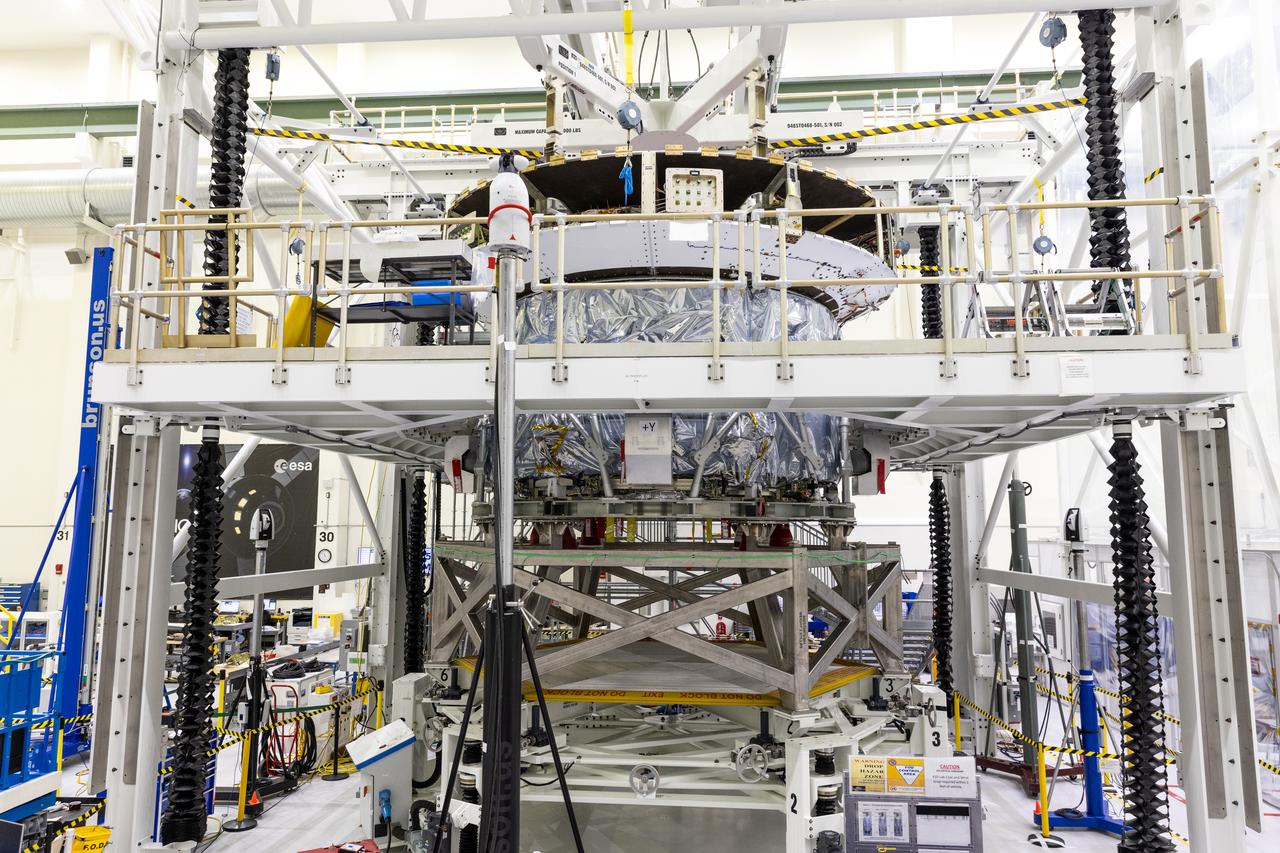
Teams began connecting European Service Module 3 to the crew module adapter on Tuesday, Sept. 24, 2024, inside the Neil A. Armstrong Operations and Checkout Building at NASA’s Kennedy Space Center in Florida. The integrated hardware will provide propulsion, thermal control, and electrical power for NASA’s Orion spacecraft set to carry four NASA astronauts to the lunar South Pole region of the Moon for the agency’s Artemis III campaign.
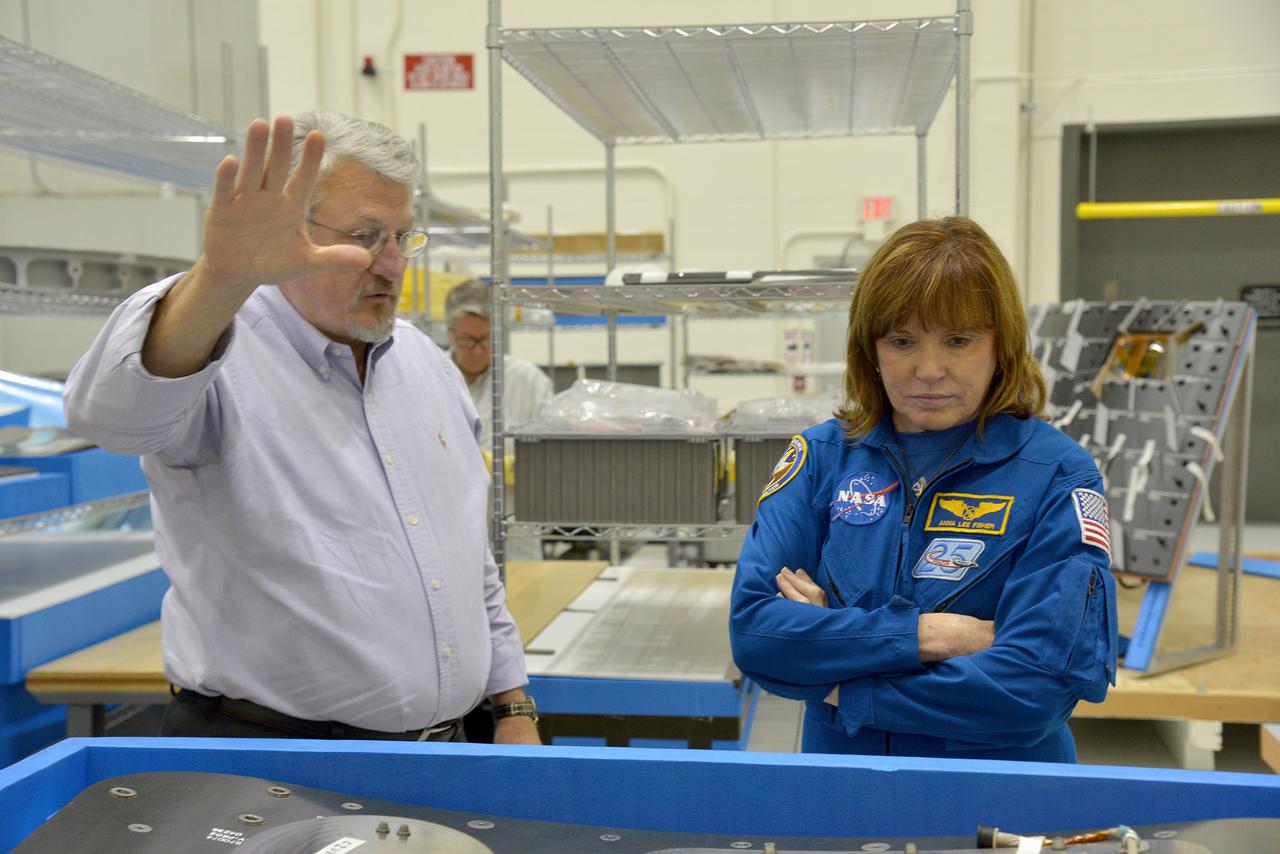
Astronaut Anna Fisher observes Orion Exploration Flight Test-1 (EFT-1) crew module and service module mating operations in Operations and Checkout (O&C) Building at Kennedy Space Center on June 9, 2014. Part of Batch image transfer from Flickr.
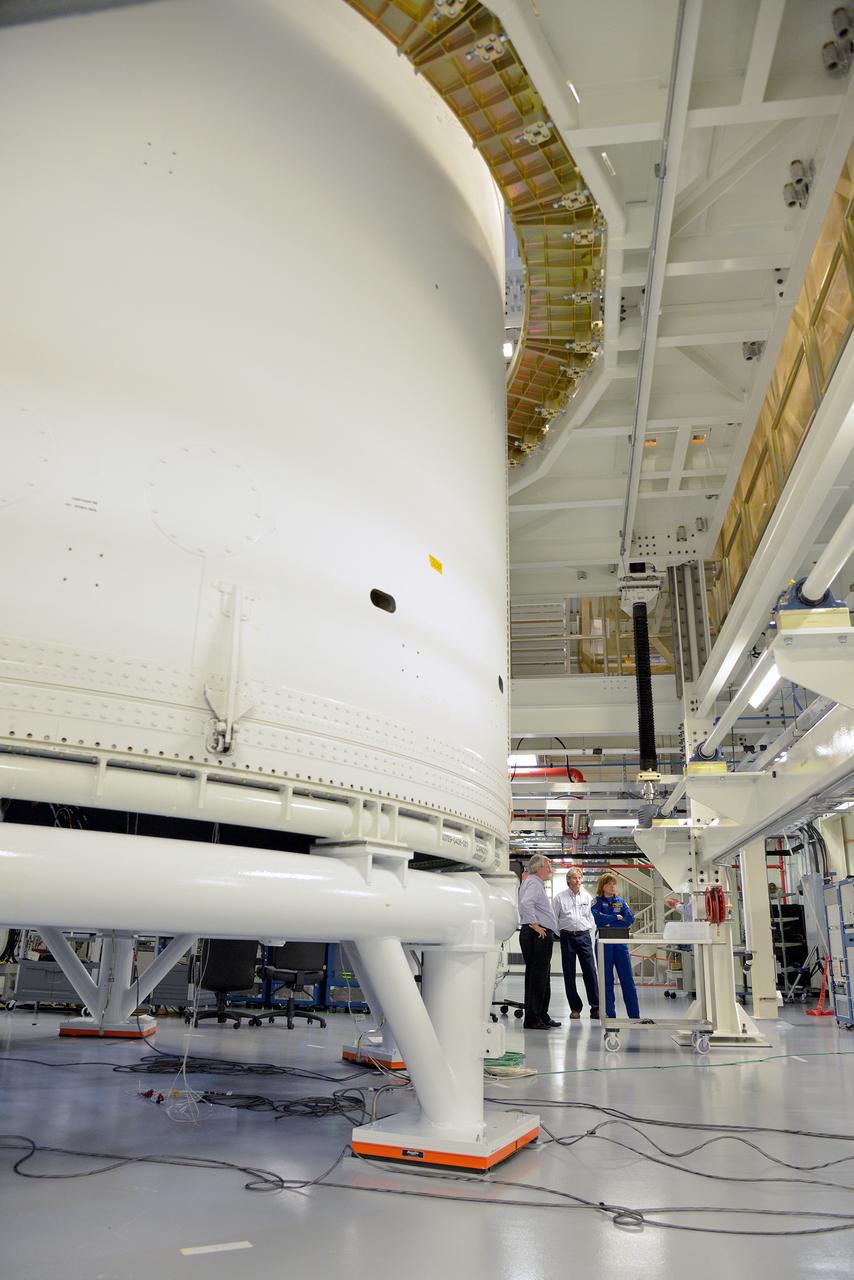
Astronaut Anna Fisher observes Orion Exploration Flight Test-1 (EFT-1) crew module and service module mating operations in Operations and Checkout (O&C) Building at Kennedy Space Center on June 9, 2014. Part of Batch image transfer from Flickr.

Astronaut Anna Fisher observes Orion Exploration Flight Test-1 (EFT-1) crew module and service module mating operations in Operations and Checkout (O&C) Building at Kennedy Space Center on June 9, 2014. Part of Batch image transfer from Flickr.
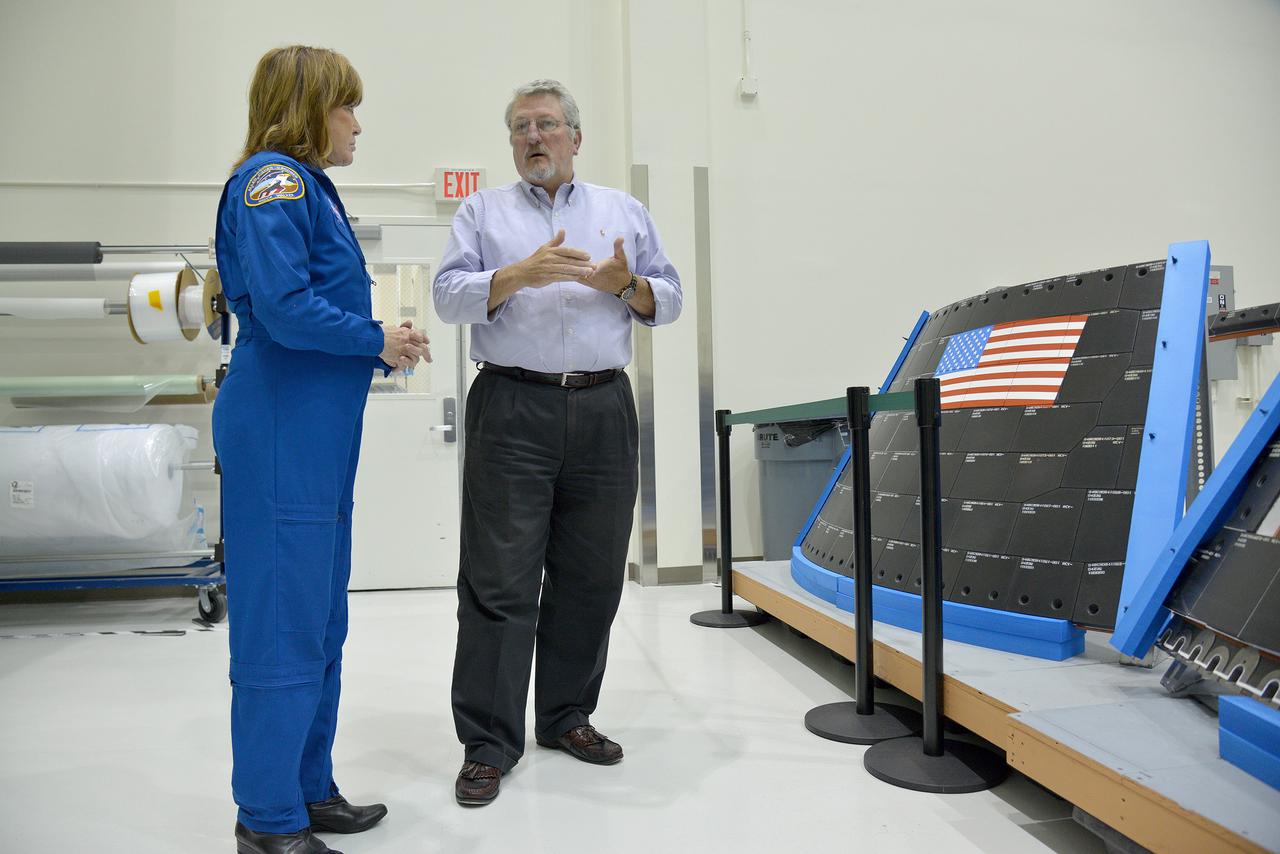
Astronaut Anna Fisher observes Orion Exploration Flight Test-1 (EFT-1) crew module and service module mating operations in Operations and Checkout (O&C) Building at Kennedy Space Center on June 9, 2014. Part of Batch image transfer from Flickr.
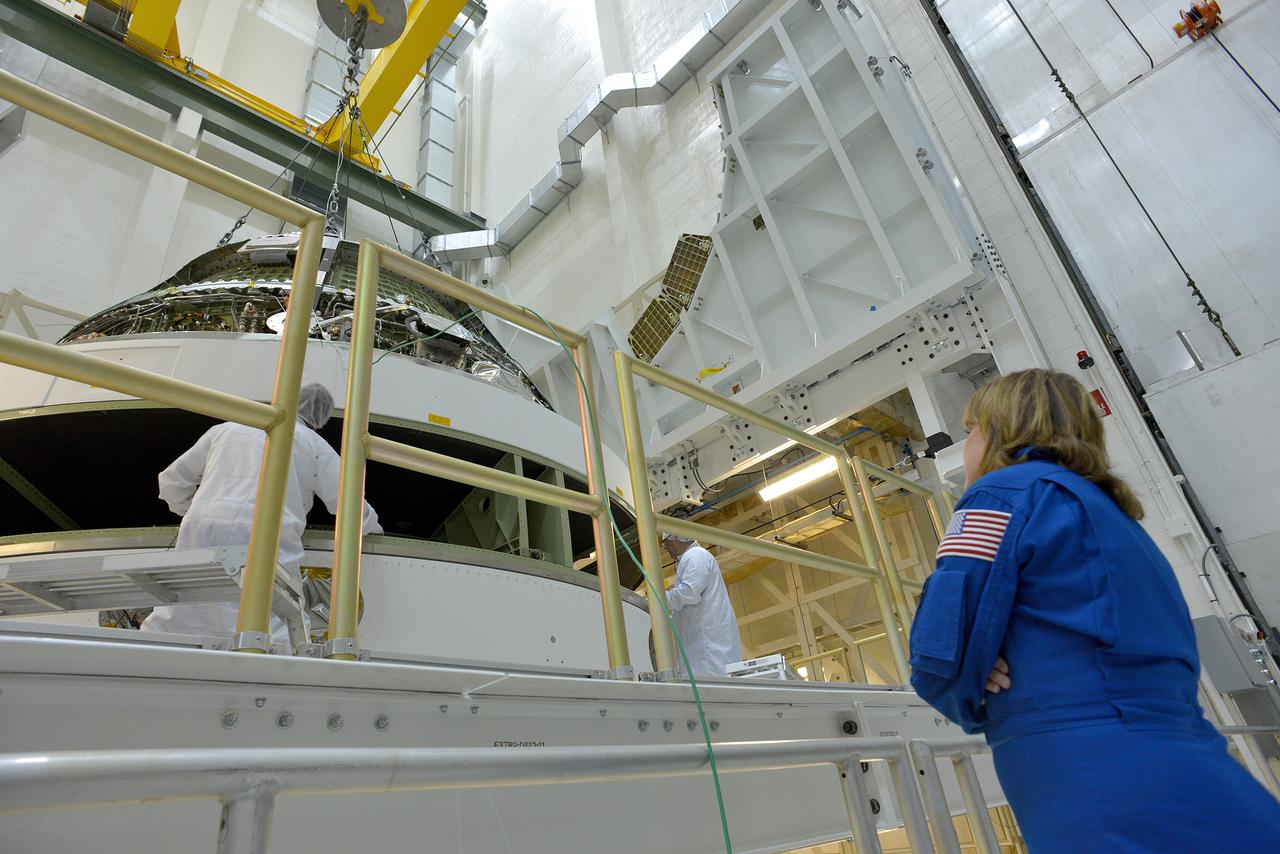
Astronaut Anna Fisher observes Orion Exploration Flight Test-1 (EFT-1) crew module and service module mating operations in Operations and Checkout (O&C) Building at Kennedy Space Center on June 9, 2014. Part of Batch image transfer from Flickr.
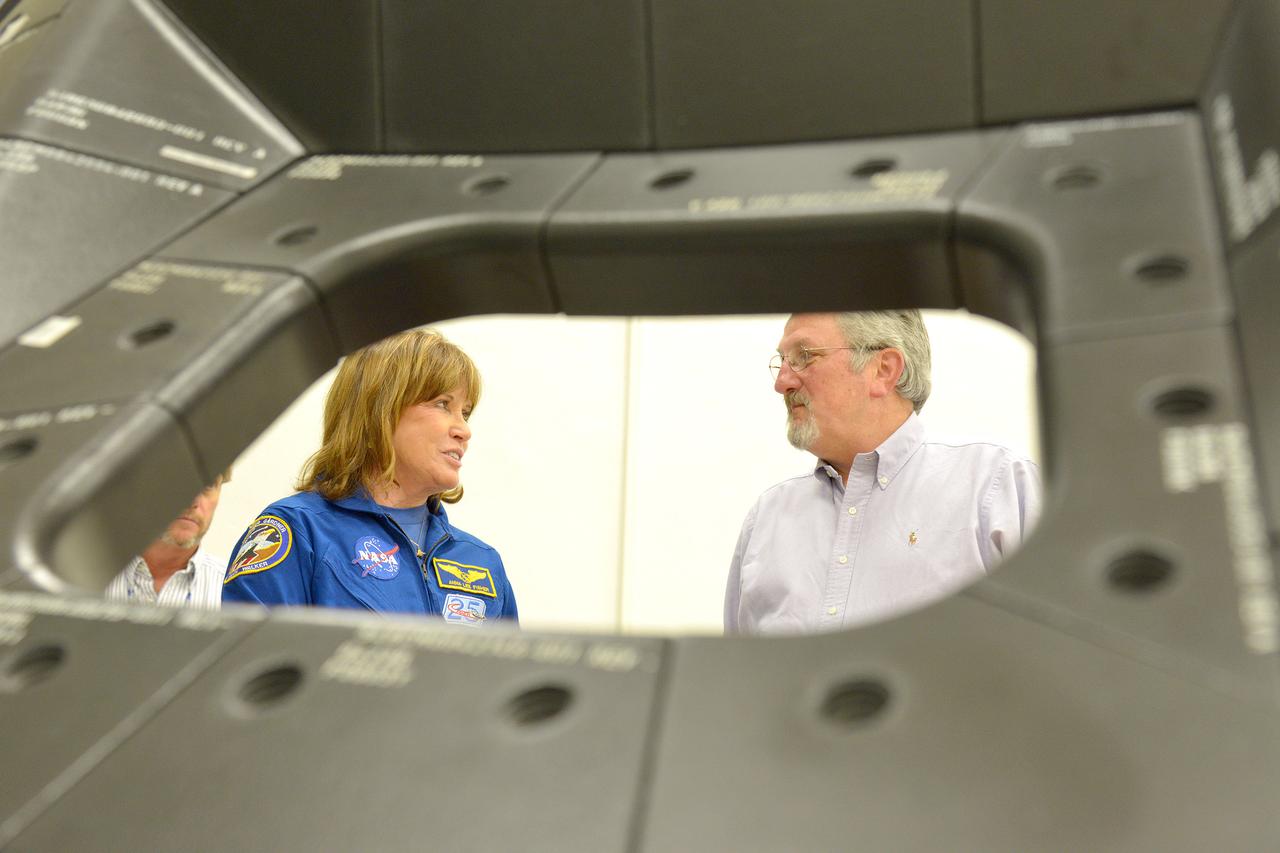
Astronaut Anna Fisher observes Orion Exploration Flight Test-1 (EFT-1) crew module and service module mating operations in Operations and Checkout (O&C) Building at Kennedy Space Center on June 9, 2014. Part of Batch image transfer from Flickr.
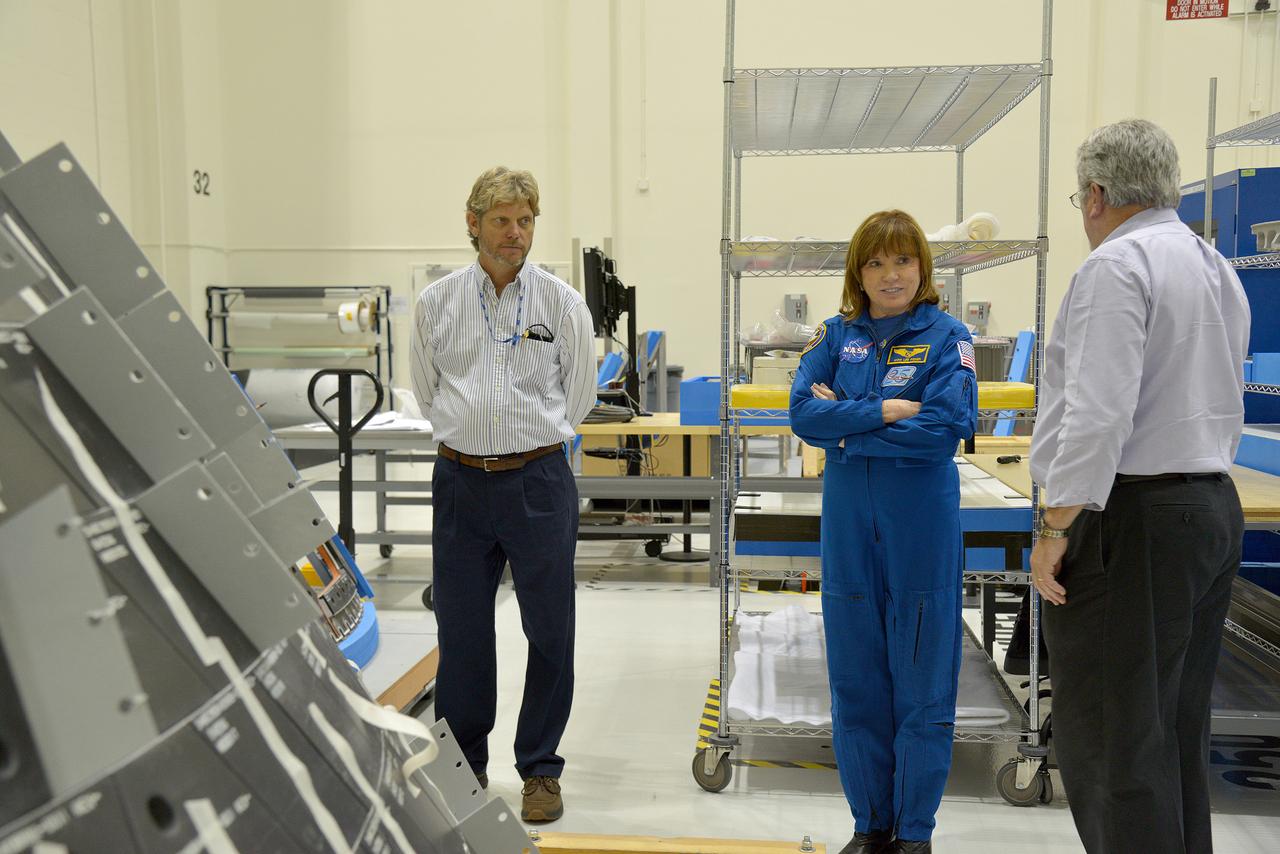
Astronaut Anna Fisher observes Orion Exploration Flight Test-1 (EFT-1) crew module and service module mating operations in Operations and Checkout (O&C) Building at Kennedy Space Center on June 9, 2014. Part of Batch image transfer from Flickr.
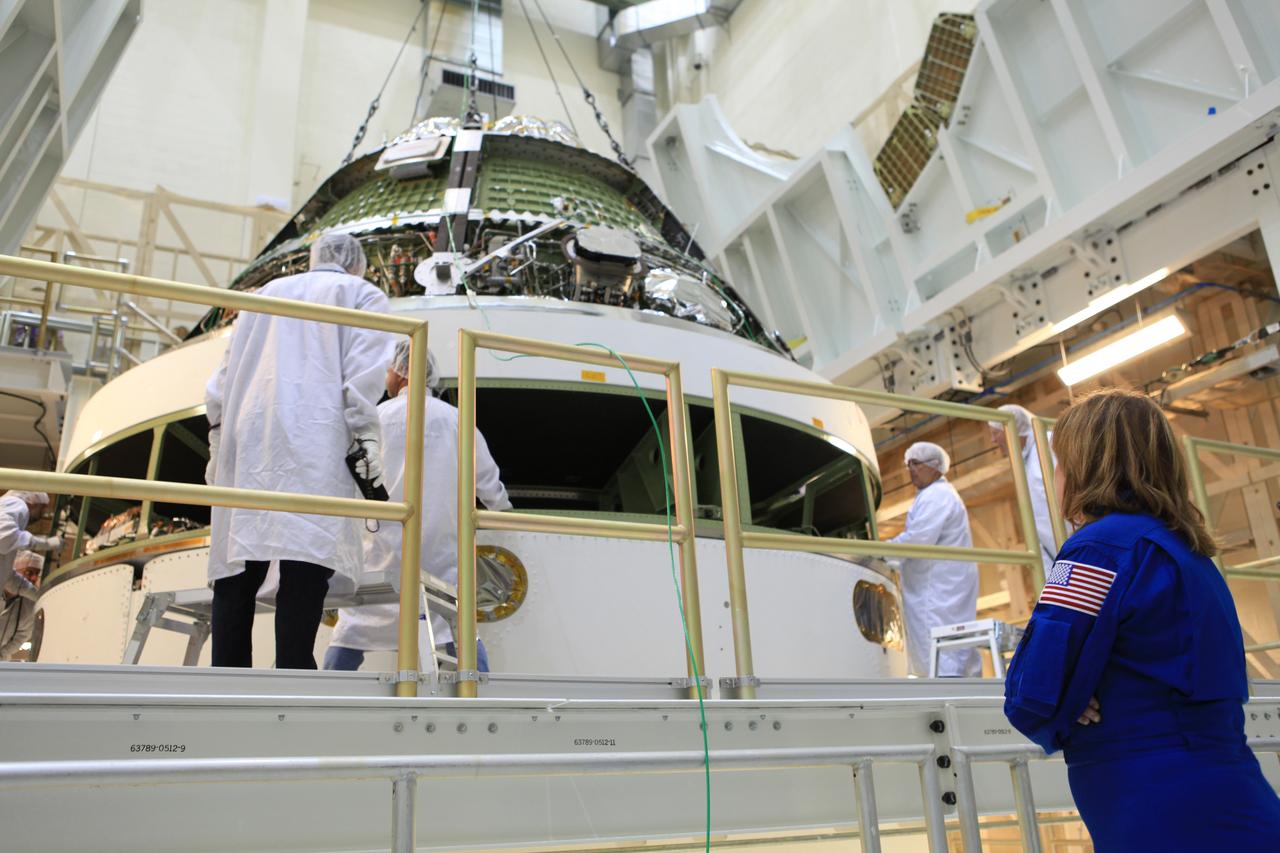
Astronaut Anna Fisher observes Orion Exploration Flight Test-1 (EFT-1) crew module and service module mating operations in Operations and Checkout (O&C) Building at Kennedy Space Center on June 9, 2014. Part of Batch image transfer from Flickr.
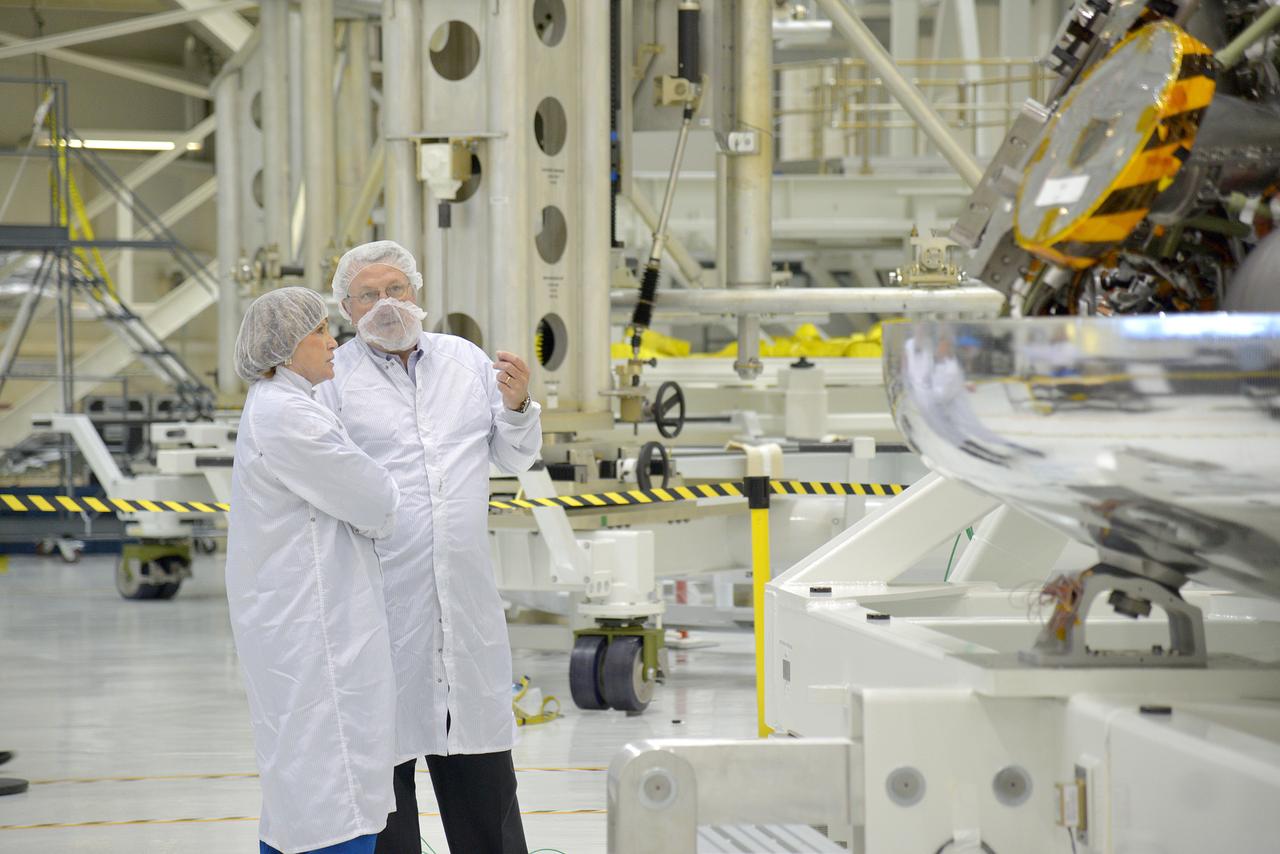
Astronaut Anna Fisher observes Orion Exploration Flight Test-1 (EFT-1) crew module and service module mating operations in Operations and Checkout (O&C) Building at Kennedy Space Center on June 9, 2014. Part of Batch image transfer from Flickr.
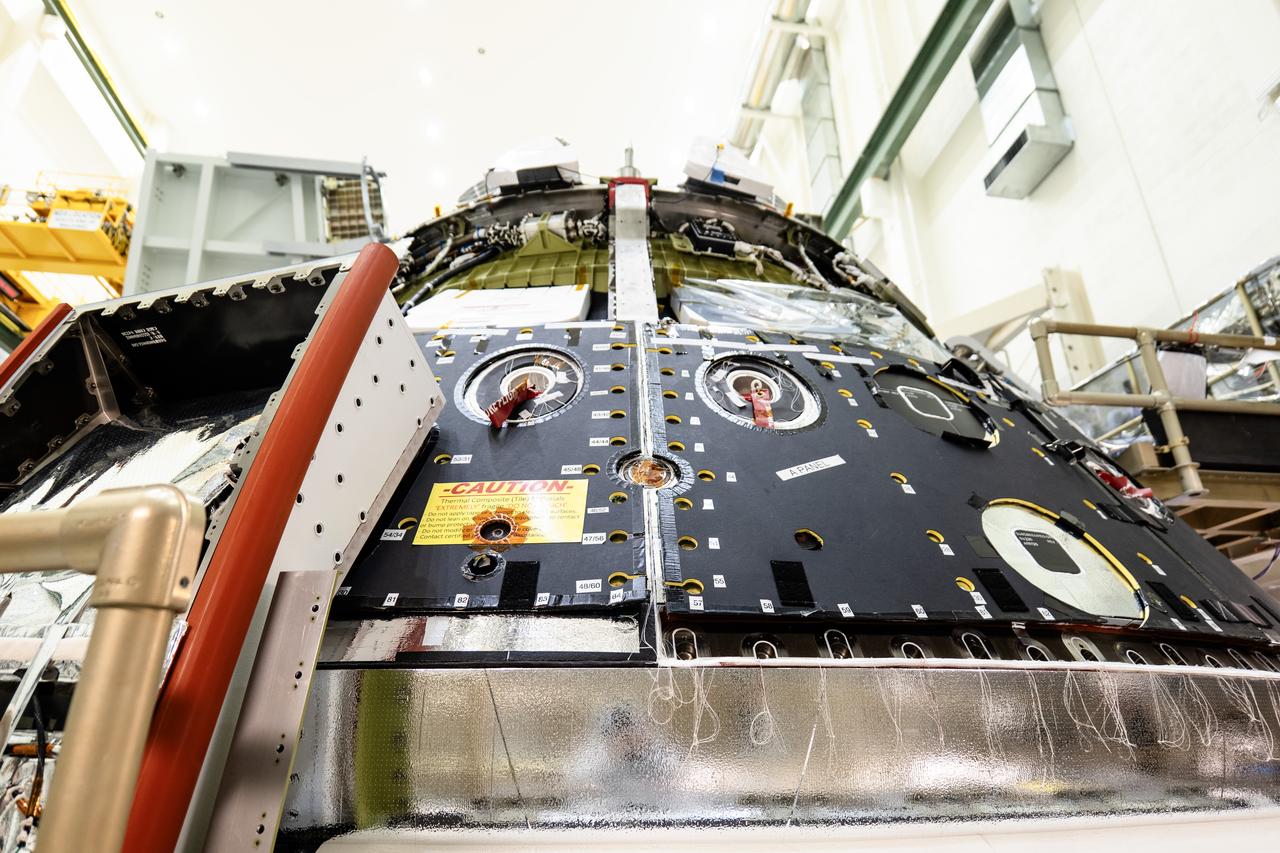
The Orion spacecraft for NASA’s Artemis II mission undergoes checkouts in the Final Assembly and System Testing (FAST) cell inside the high bay of the Neil A. Armstrong Operations and Checkout Building at NASA’s Kennedy Space Center in Florida on Monday, Dec. 15, 2024. The Orion spacecraft will carry NASA astronauts Victor Glover, Christina Koch, and Reid Wiseman, as well as CSA (Canadian Space Agency) astronaut Jeremy Hansen, on a 10-day journey around the Moon and back for the Artemis II test flight.
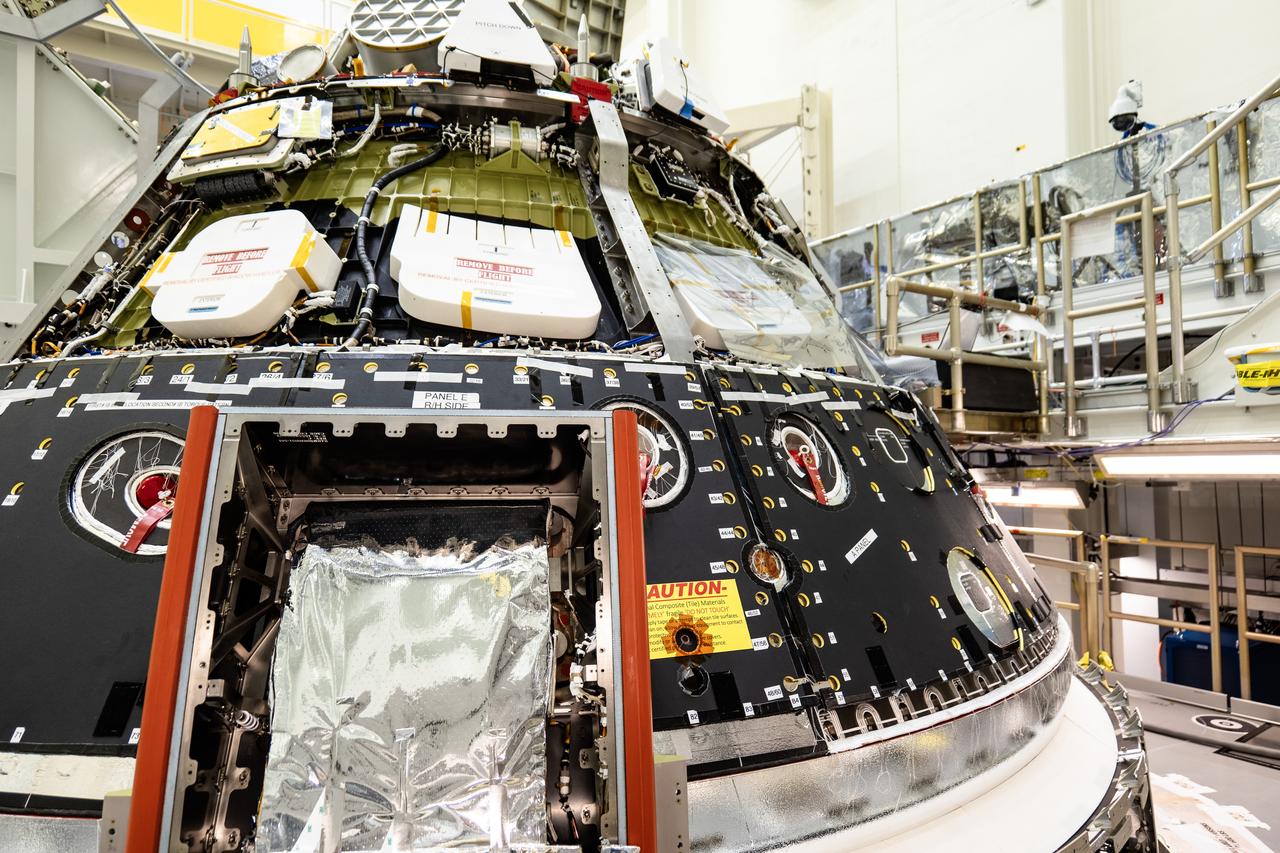
The Orion spacecraft for NASA’s Artemis II mission undergoes checkouts in the Final Assembly and System Testing (FAST) cell inside the high bay of the Neil A. Armstrong Operations and Checkout Building at NASA’s Kennedy Space Center in Florida on Monday, Dec. 15, 2024. The Orion spacecraft will carry NASA astronauts Victor Glover, Christina Koch, and Reid Wiseman, as well as CSA (Canadian Space Agency) astronaut Jeremy Hansen, on a 10-day journey around the Moon and back for the Artemis II test flight.
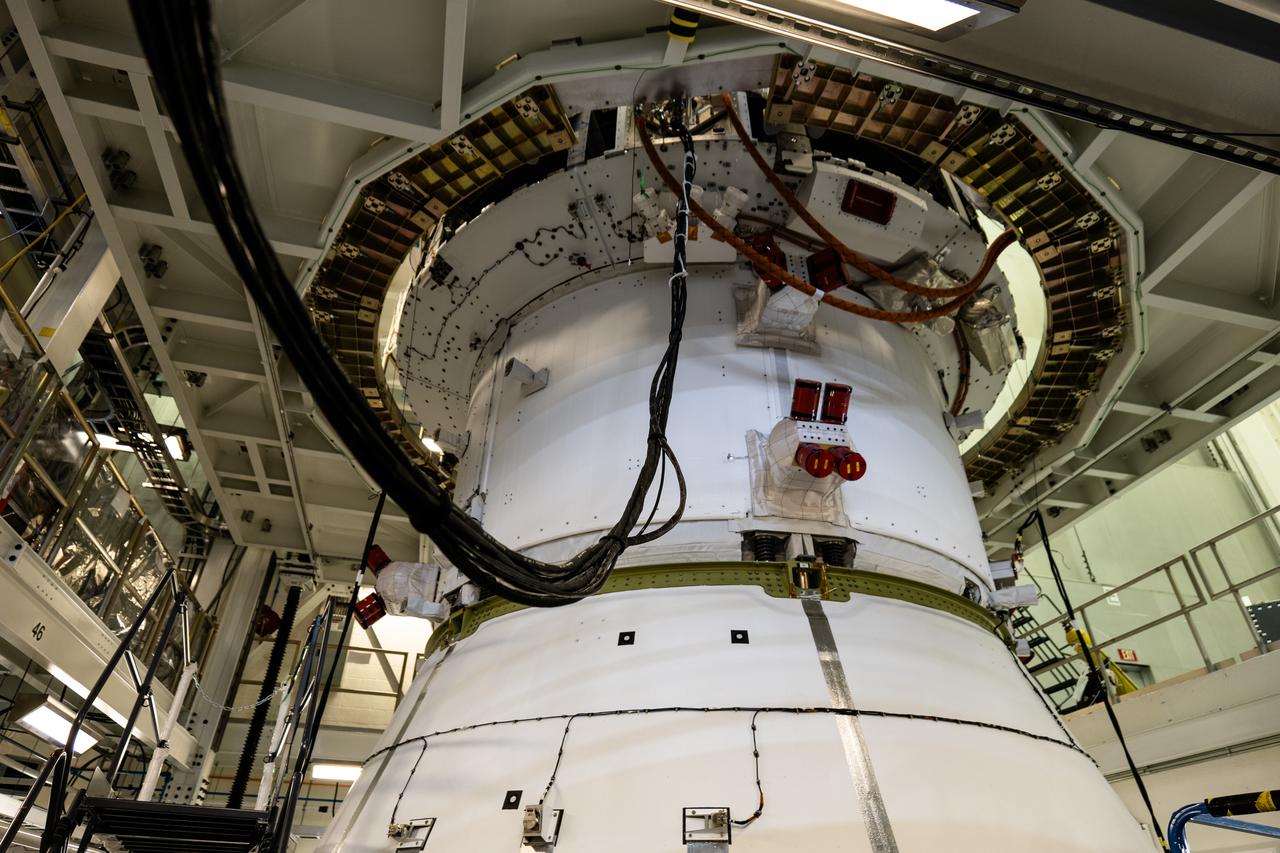
The Orion spacecraft for NASA’s Artemis II mission undergoes checkouts in the Final Assembly and System Testing (FAST) cell inside the high bay of the Neil A. Armstrong Operations and Checkout Building at NASA’s Kennedy Space Center in Florida on Monday, Dec. 15, 2024. The Orion spacecraft will carry NASA astronauts Victor Glover, Christina Koch, and Reid Wiseman, as well as CSA (Canadian Space Agency) astronaut Jeremy Hansen, on a 10-day journey around the Moon and back for the Artemis II test flight.
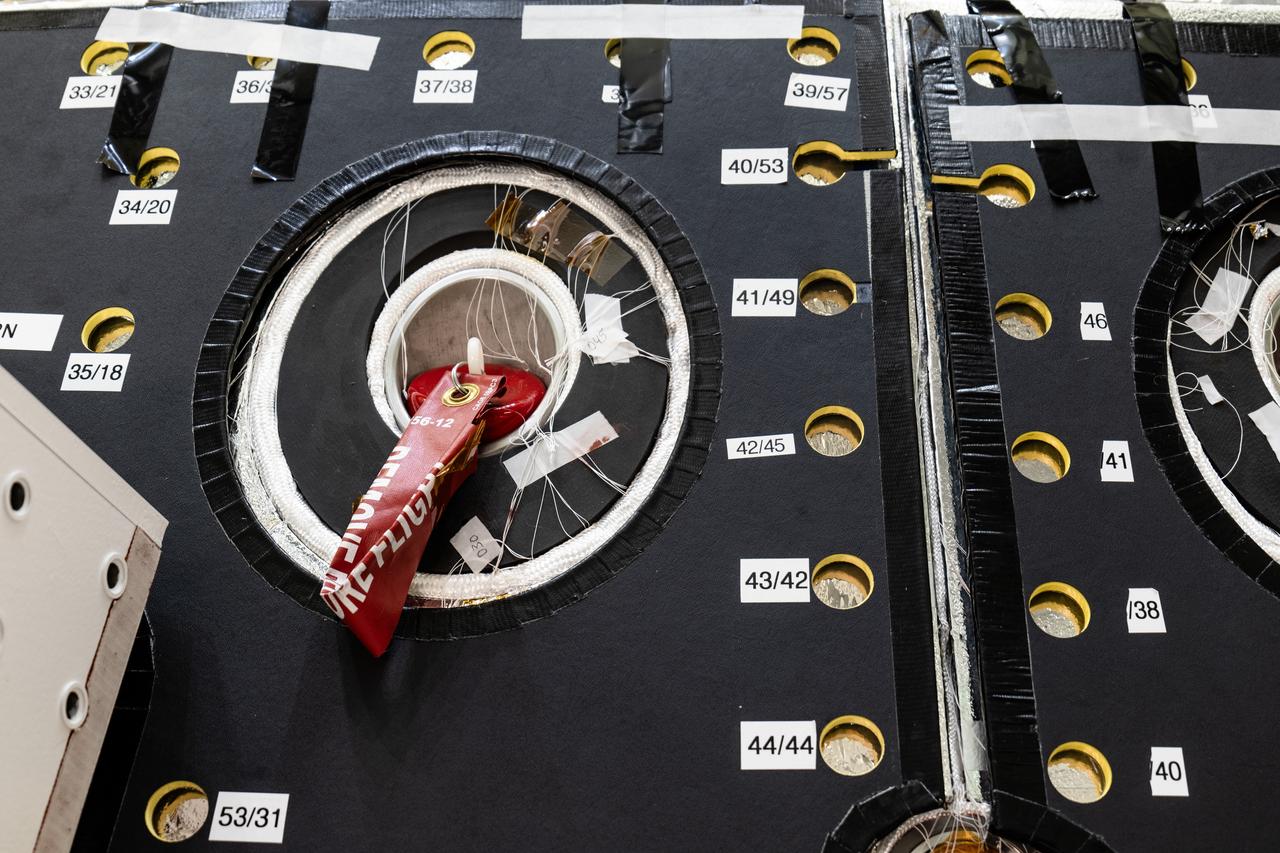
The Orion spacecraft for NASA’s Artemis II mission undergoes checkouts in the Final Assembly and System Testing (FAST) cell inside the high bay of the Neil A. Armstrong Operations and Checkout Building at NASA’s Kennedy Space Center in Florida on Monday, Dec. 15, 2024. The Orion spacecraft will carry NASA astronauts Victor Glover, Christina Koch, and Reid Wiseman, as well as CSA (Canadian Space Agency) astronaut Jeremy Hansen, on a 10-day journey around the Moon and back for the Artemis II test flight.
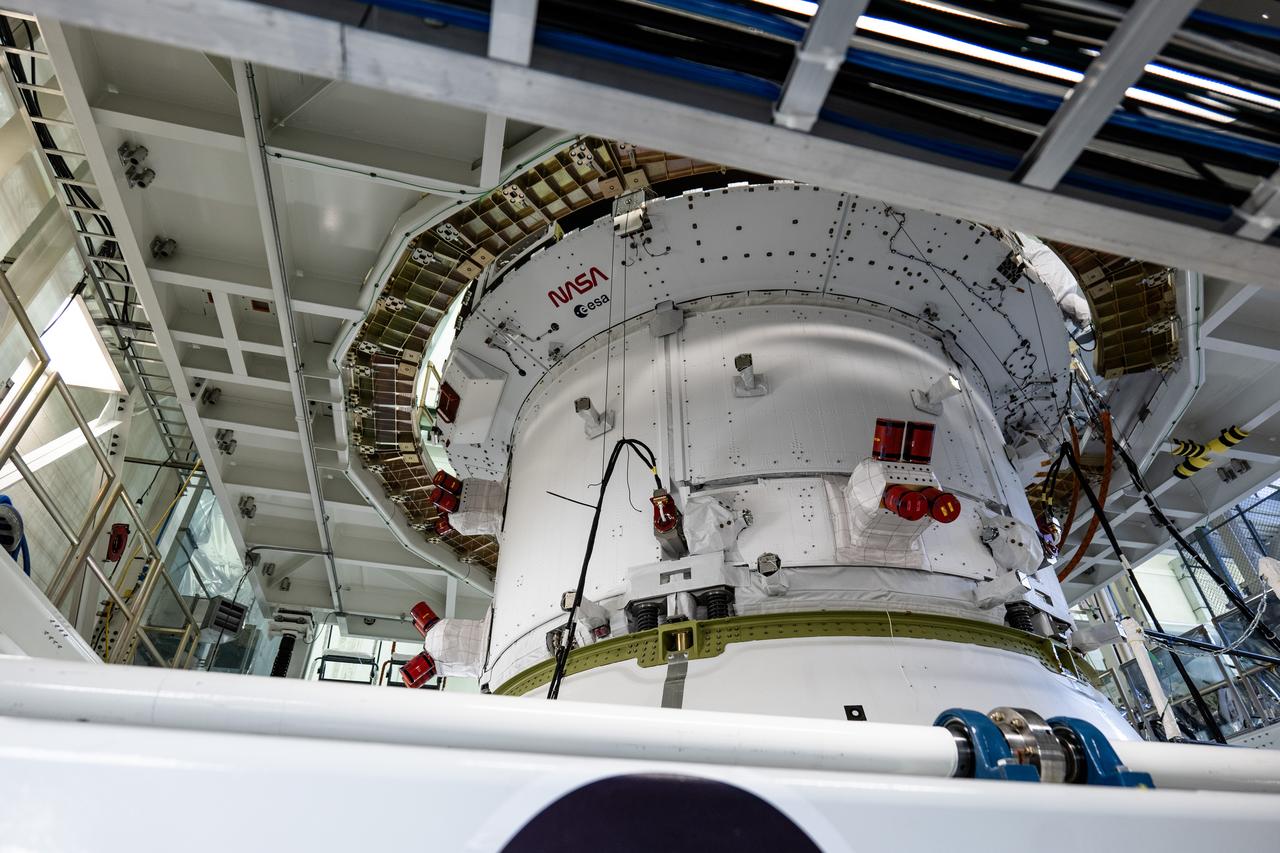
The Orion spacecraft for NASA’s Artemis II mission undergoes checkouts in the Final Assembly and System Testing (FAST) cell inside the high bay of the Neil A. Armstrong Operations and Checkout Building at NASA’s Kennedy Space Center in Florida on Monday, Dec. 15, 2024. The Orion spacecraft will carry NASA astronauts Victor Glover, Christina Koch, and Reid Wiseman, as well as CSA (Canadian Space Agency) astronaut Jeremy Hansen, on a 10-day journey around the Moon and back for the Artemis II test flight.
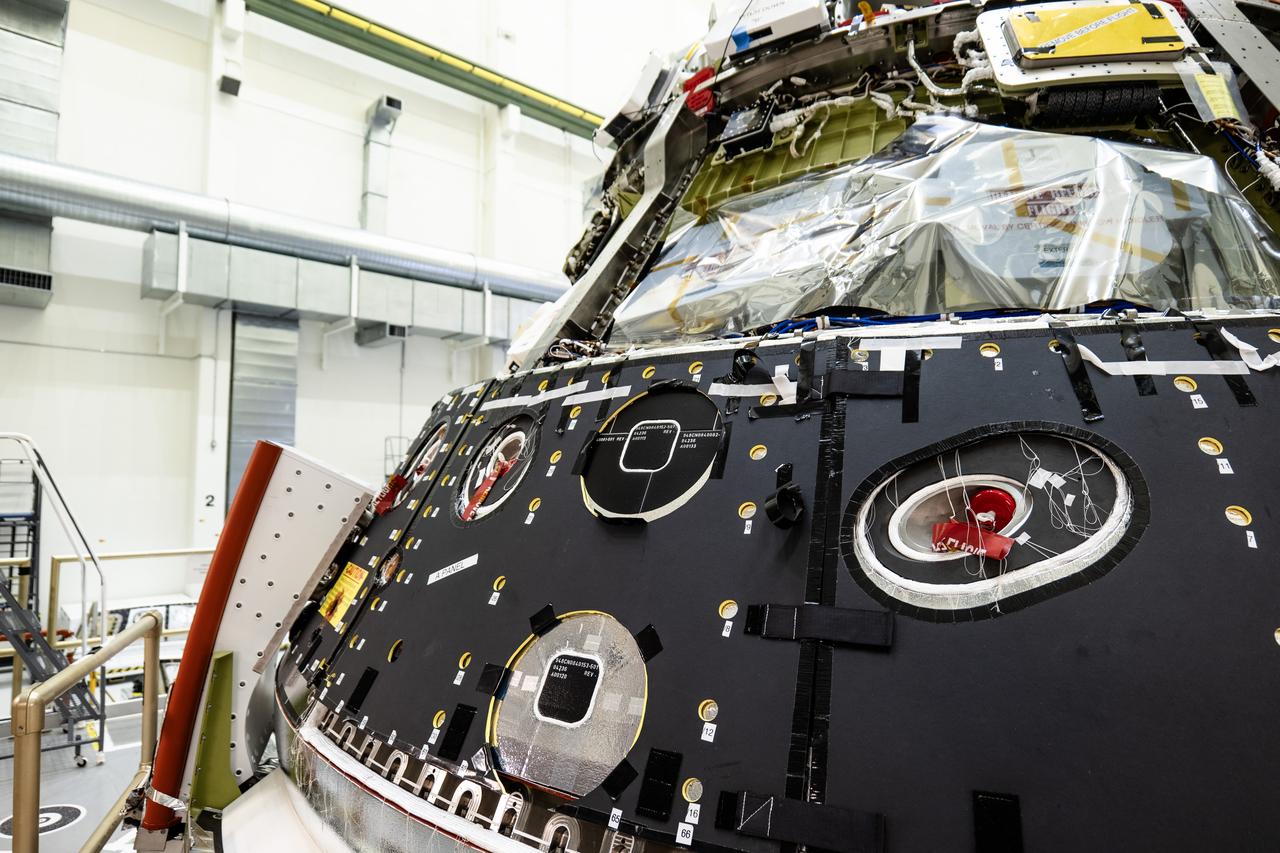
The Orion spacecraft for NASA’s Artemis II mission undergoes checkouts in the Final Assembly and System Testing (FAST) cell inside the high bay of the Neil A. Armstrong Operations and Checkout Building at NASA’s Kennedy Space Center in Florida on Monday, Dec. 15, 2024. The Orion spacecraft will carry NASA astronauts Victor Glover, Christina Koch, and Reid Wiseman, as well as CSA (Canadian Space Agency) astronaut Jeremy Hansen, on a 10-day journey around the Moon and back for the Artemis II test flight.

The Orion spacecraft for NASA’s Artemis II mission undergoes checkouts in the Final Assembly and System Testing (FAST) cell inside the high bay of the Neil A. Armstrong Operations and Checkout Building at NASA’s Kennedy Space Center in Florida on Monday, Dec. 15, 2024. The Orion spacecraft will carry NASA astronauts Victor Glover, Christina Koch, and Reid Wiseman, as well as CSA (Canadian Space Agency) astronaut Jeremy Hansen, on a 10-day journey around the Moon and back for the Artemis II test flight.
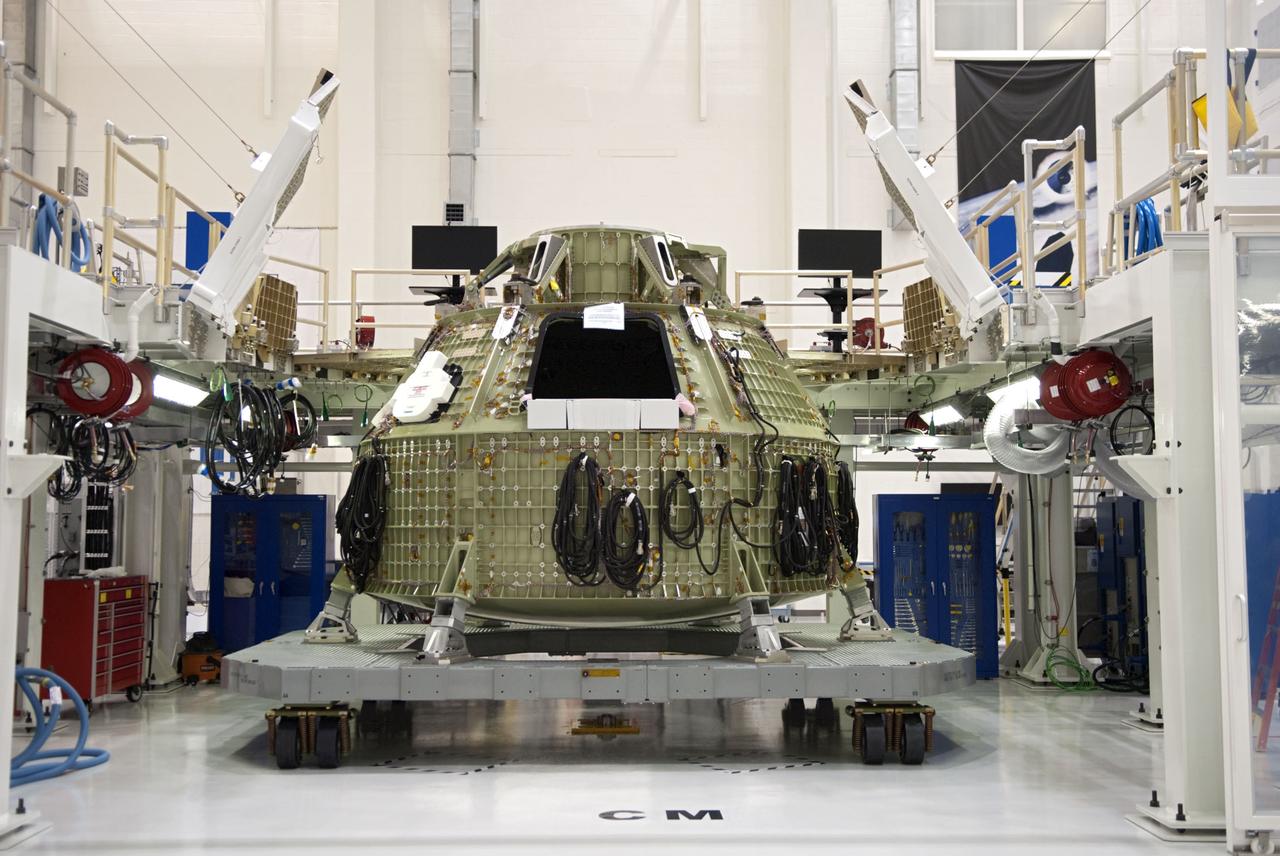
CAPE CANAVERAL, Fla. – Technicians prepare to fit a special fixture around an Orion capsule inside the high bay of the Operations & Checkout Building at NASA's Kennedy Space Center in Florida. The fixture is designed to enable precise pre-launch processing of the Orion spacecraft. An Orion capsule is being prepared to make a flight test in 2014 on a mission that will not carry any astronauts. Photo by Tim Jacobs
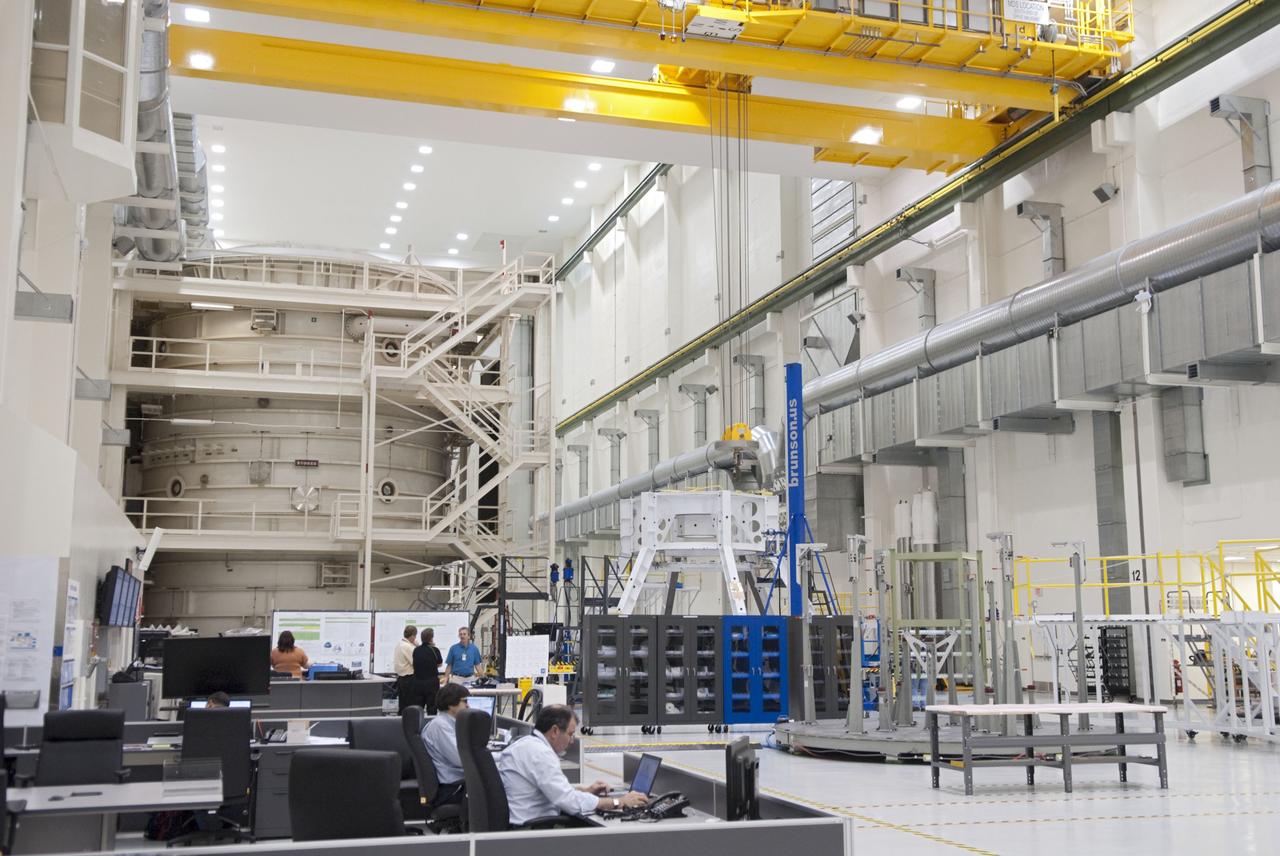
CAPE CANAVERAL, Fla. – Technicians prepare to lift a special fixture inside the high bay of the Operations & Checkout Building at NASA's Kennedy Space Center in Florida. The fixture is designed to enable precise pre-launch processing of the Orion spacecraft. An Orion capsule is being prepared to make a flight test in 2014 on a mission that will not carry any astronauts. Photo by Tim Jacobs