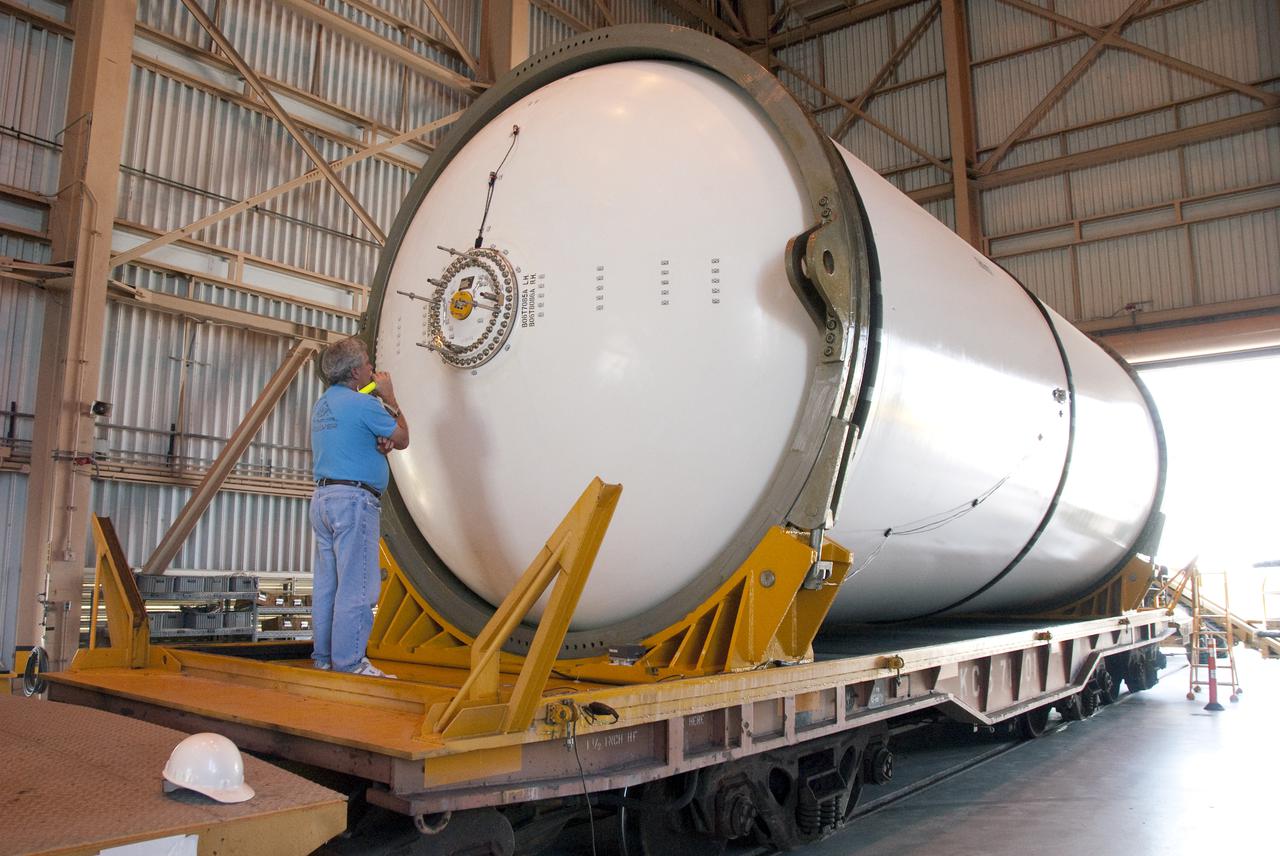
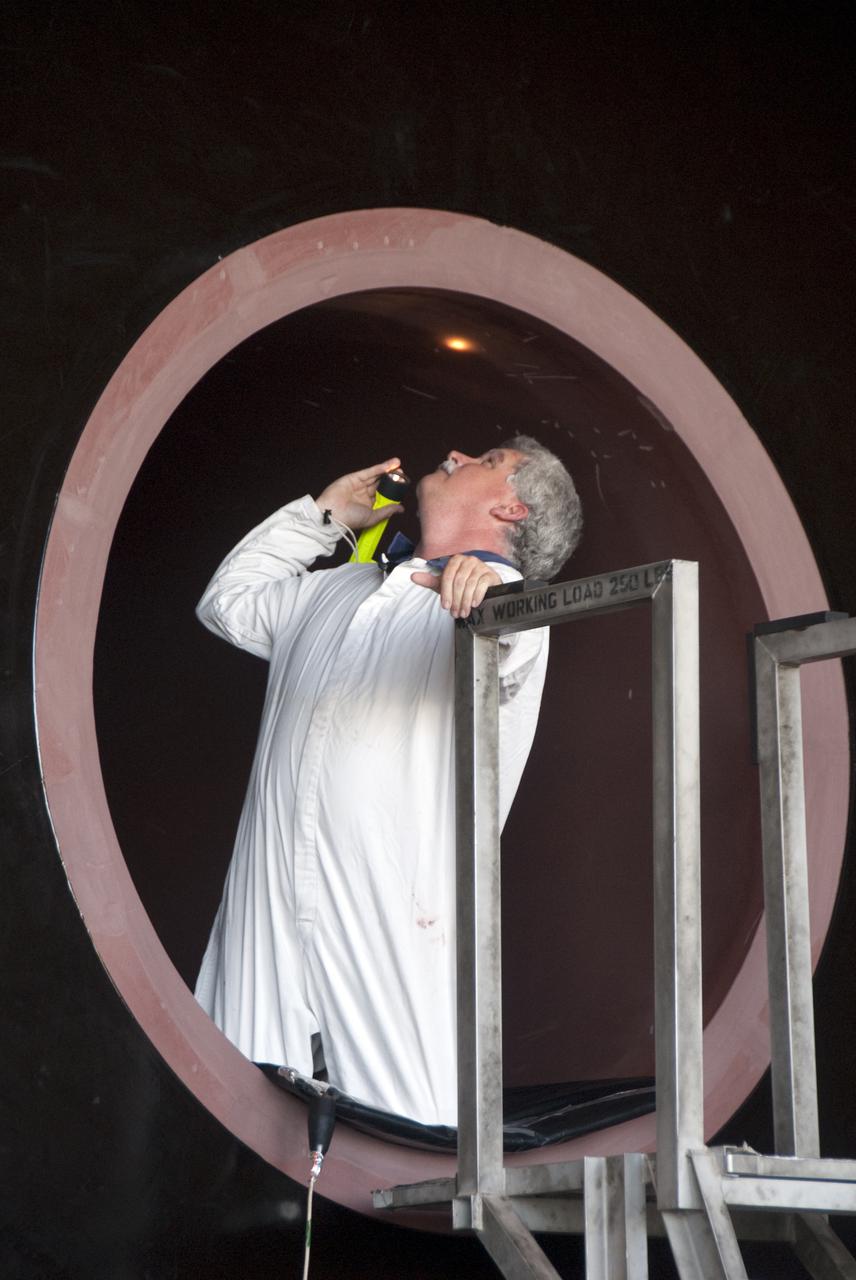
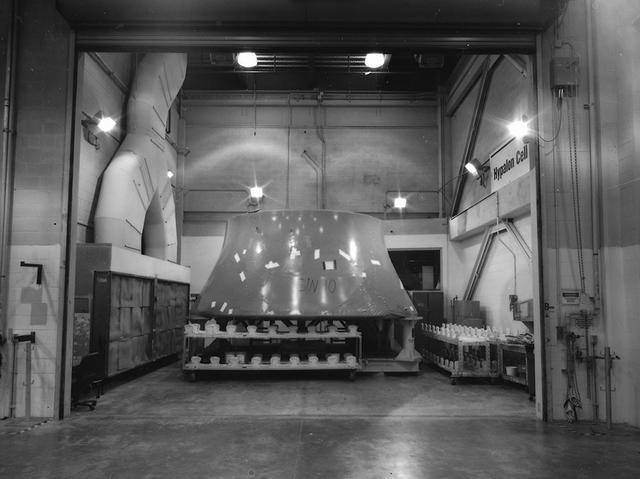
CAPE CANAVERAL, Fla. -- In the Rotation, Processing and Surge Facility, or RSPF, at NASA's Kennedy Space Center in Florida, a worker performs the propellant grain inspection of the final solid rocket booster segments, which is a required safety analysis. The booster segments were manufactured at the ATK solid rocket booster plant in Promontory, Utah, and traveled to Kennedy along the Florida East Coast Railway.  The booster segments will be stacked and then mated to space shuttle Atlantis and its external fuel tank in the Vehicle Assembly Building. The segments will be used for what currently is planned as the 'launch on need,' or potential rescue mission for the final shuttle flight, Endeavour's STS-134 mission. For information, visit www.nasa.gov_shuttle. Photo credit: NASA_Cory Huston
KSC-2010-3767
CAPE CANAVERAL, Fla. -- In the Rotation, Processing and Surge Facility, or RSPF, at NASA's Kennedy Space Center in Florida, workers perform the propellant grain inspection of the final solid rocket booster segments, which is a required safety analysis. The booster segments were manufactured at the ATK solid rocket booster plant in Promontory, Utah, and traveled to Kennedy along the Florida East Coast Railway.  The booster segments will be stacked and then mated to space shuttle Atlantis and its external fuel tank in the Vehicle Assembly Building. The segments will be used for what currently is planned as the 'launch on need,' or potential rescue mission for the final shuttle flight, Endeavour's STS-134 mission. For information, visit www.nasa.gov_shuttle. Photo credit: NASA_Cory Huston
KSC-2010-3770
CAPE CANAVERAL, Fla. -- In the Rotation, Processing and Surge Facility, or RSPF, at NASA's Kennedy Space Center in Florida, workers perform the propellant grain inspection of the final solid rocket booster segments, which is a required safety analysis. The booster segments were manufactured at the ATK solid rocket booster plant in Promontory, Utah, and traveled to Kennedy along the Florida East Coast Railway.  The booster segments will be stacked and then mated to space shuttle Atlantis and its external fuel tank in the Vehicle Assembly Building. The segments will be used for what currently is planned as the 'launch on need,' or potential rescue mission for the final shuttle flight, Endeavour's STS-134 mission. For information, visit www.nasa.gov_shuttle. Photo credit: NASA_Cory Huston
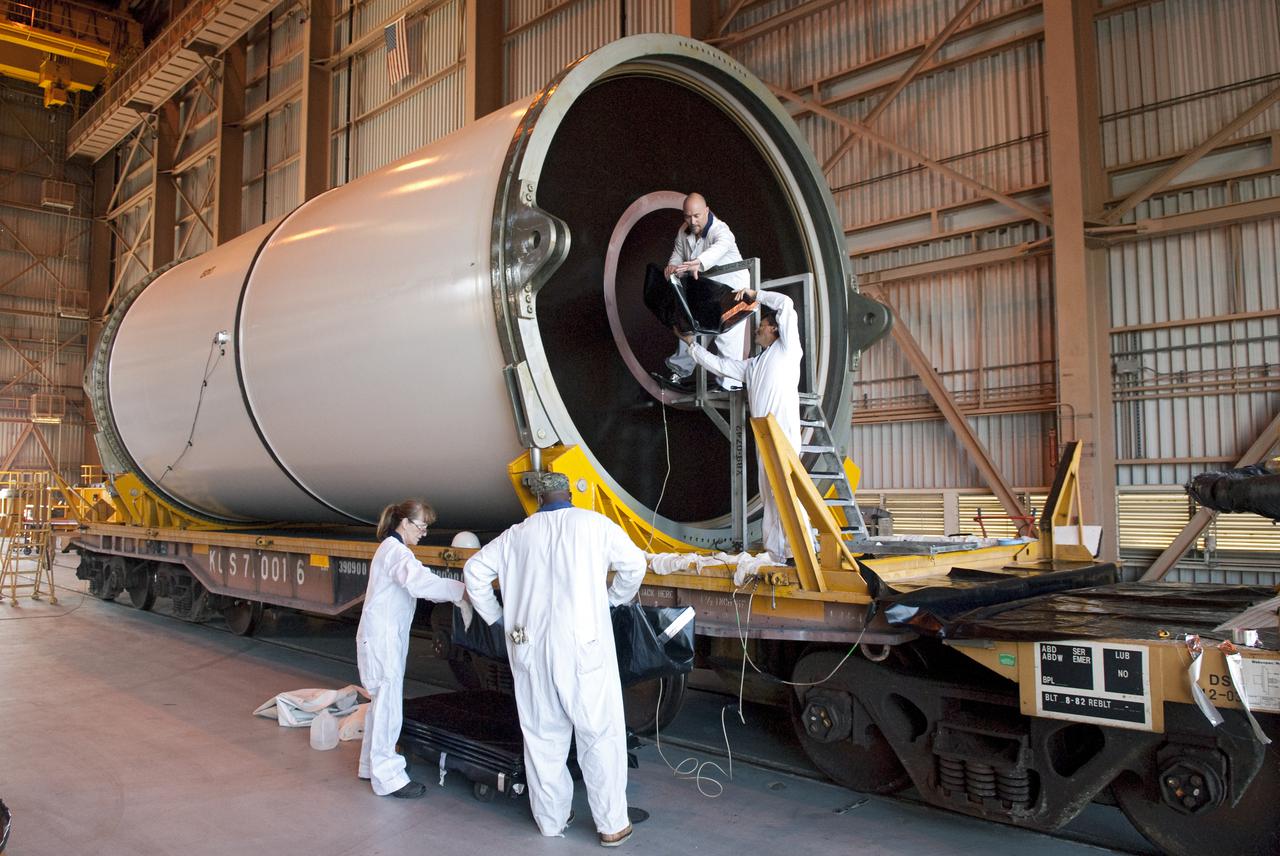
KSC-2010-3771
CAPE CANAVERAL, Fla. -- In the Rotation, Processing and Surge Facility, or RSPF, at NASA's Kennedy Space Center in Florida, workers prepare for the propellant grain inspection of the final solid rocket booster segments, which is a required safety analysis. The booster segments were manufactured at the ATK solid rocket booster plant in Promontory, Utah, and traveled to Kennedy along the Florida East Coast Railway.  The booster segments will be stacked and then mated to space shuttle Atlantis and its external fuel tank in the Vehicle Assembly Building. The segments will be used for what currently is planned as the 'launch on need,' or potential rescue mission for the final shuttle flight, Endeavour's STS-134 mission. For information, visit www.nasa.gov_shuttle. Photo credit: NASA_Cory Huston
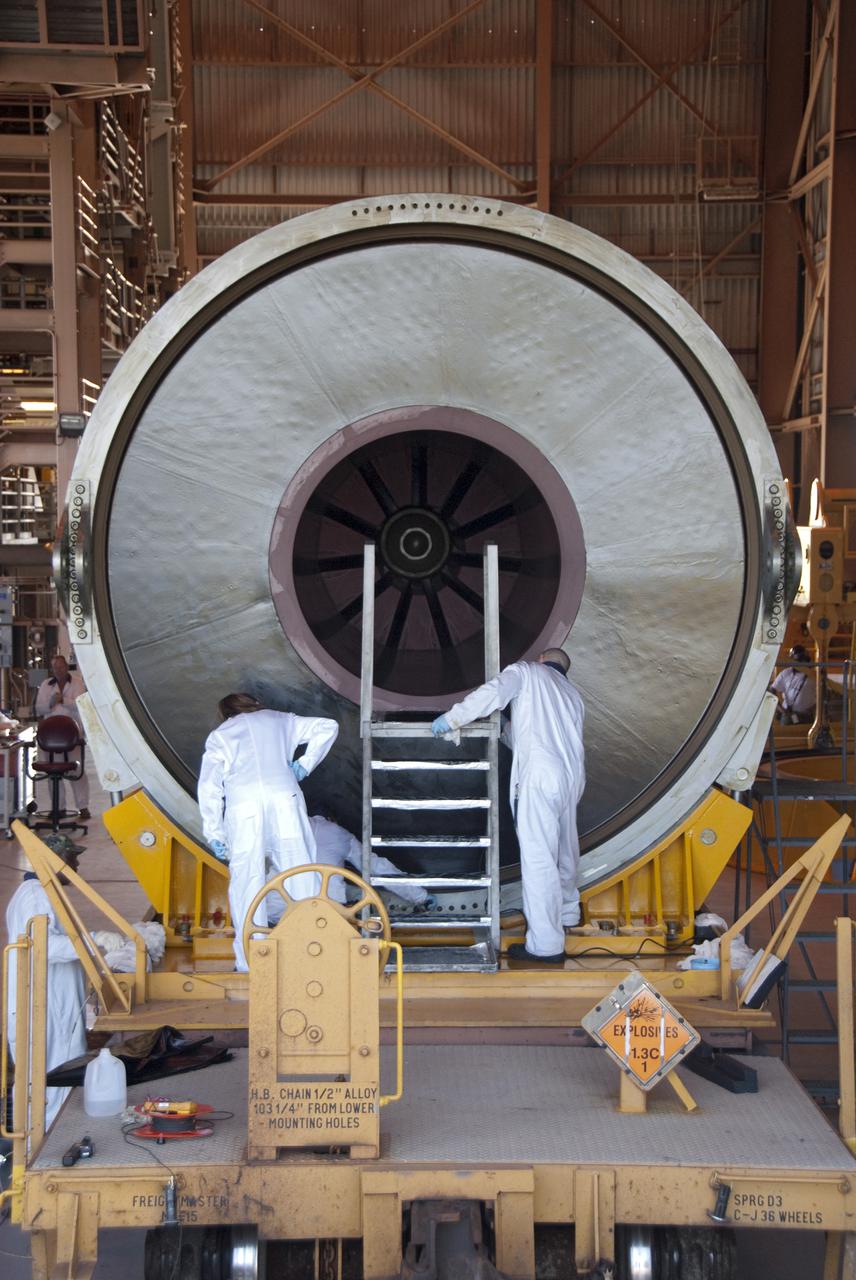
KSC-2010-3765
CAPE CANAVERAL, Fla. -- In the Rotation, Processing and Surge Facility, or RSPF, at NASA's Kennedy Space Center in Florida, workers perform the propellant grain inspection of the final solid rocket booster segments, which is a required safety analysis. The booster segments were manufactured at the ATK solid rocket booster plant in Promontory, Utah, and traveled to Kennedy along the Florida East Coast Railway.  The booster segments will be stacked and then mated to space shuttle Atlantis and its external fuel tank in the Vehicle Assembly Building. The segments will be used for what currently is planned as the 'launch on need,' or potential rescue mission for the final shuttle flight, Endeavour's STS-134 mission. For information, visit www.nasa.gov_shuttle. Photo credit: NASA_Cory Huston
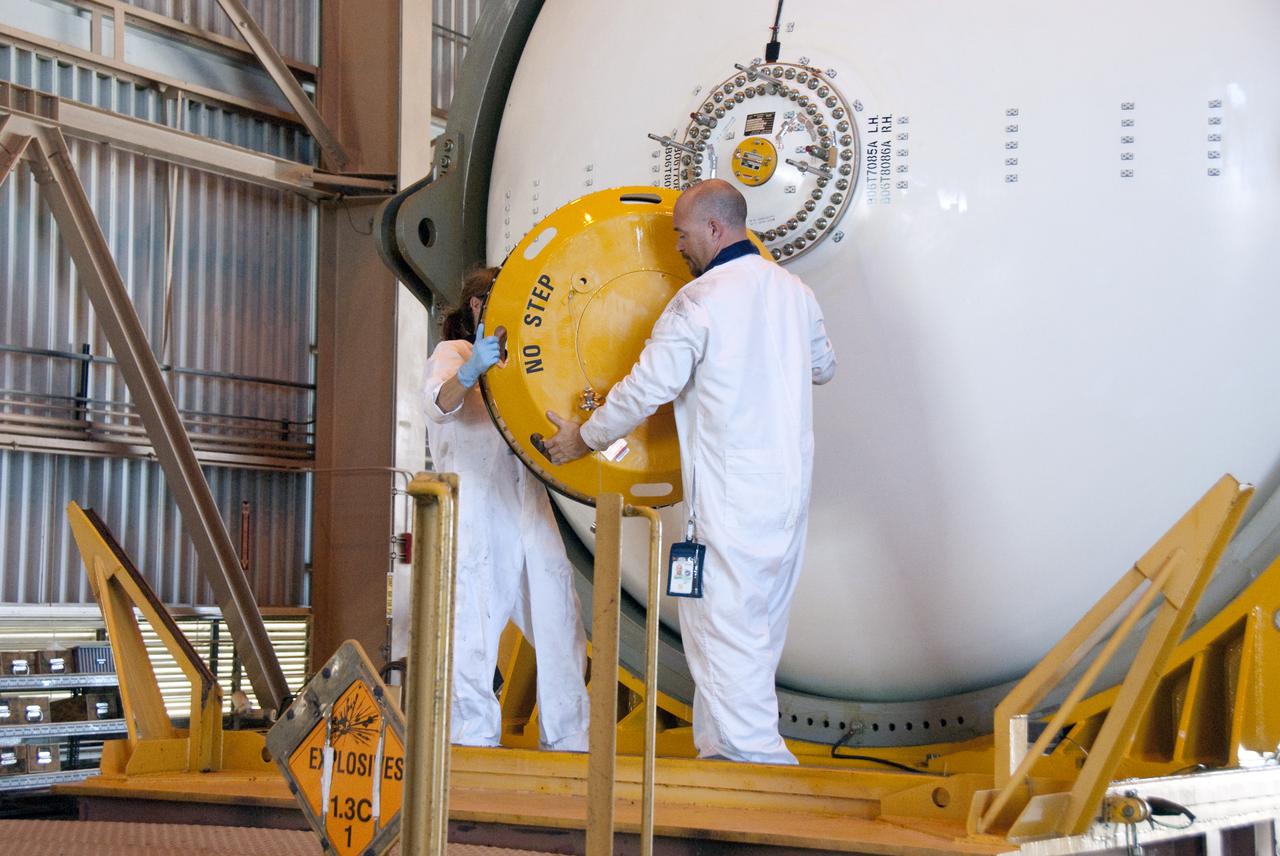
KSC-2010-3769
CAPE CANAVERAL, Fla. -- In the Rotation, Processing and Surge Facility, or RSPF, at NASA's Kennedy Space Center in Florida, workers prepare for the propellant grain inspection of the final solid rocket booster segments, which is a required safety analysis. The booster segments were manufactured at the ATK solid rocket booster plant in Promontory, Utah, and traveled to Kennedy along the Florida East Coast Railway.  The booster segments will be stacked and then mated to space shuttle Atlantis and its external fuel tank in the Vehicle Assembly Building. The segments will be used for what currently is planned as the 'launch on need,' or potential rescue mission for the final shuttle flight, Endeavour's STS-134 mission. For information, visit www.nasa.gov_shuttle. Photo credit: NASA_Cory Huston
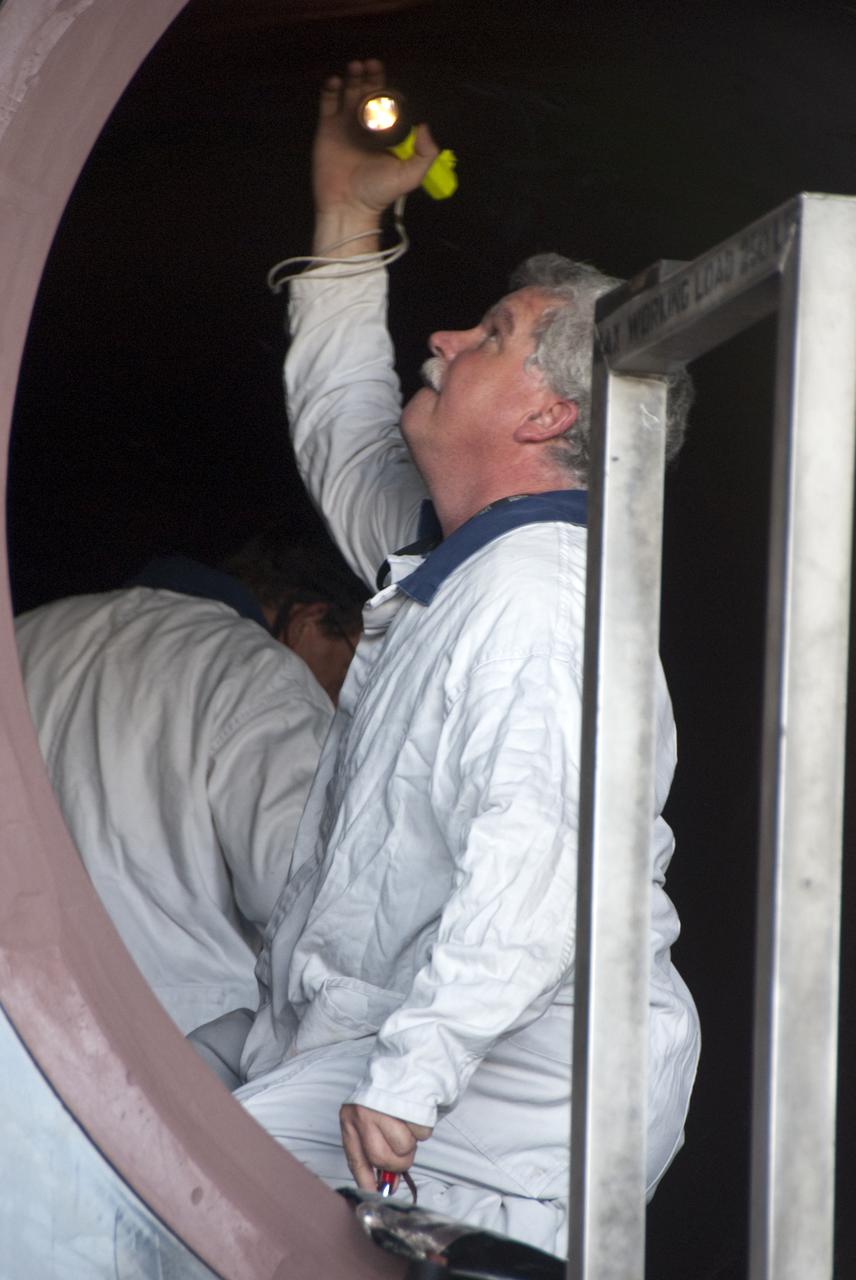
KSC-2010-3766
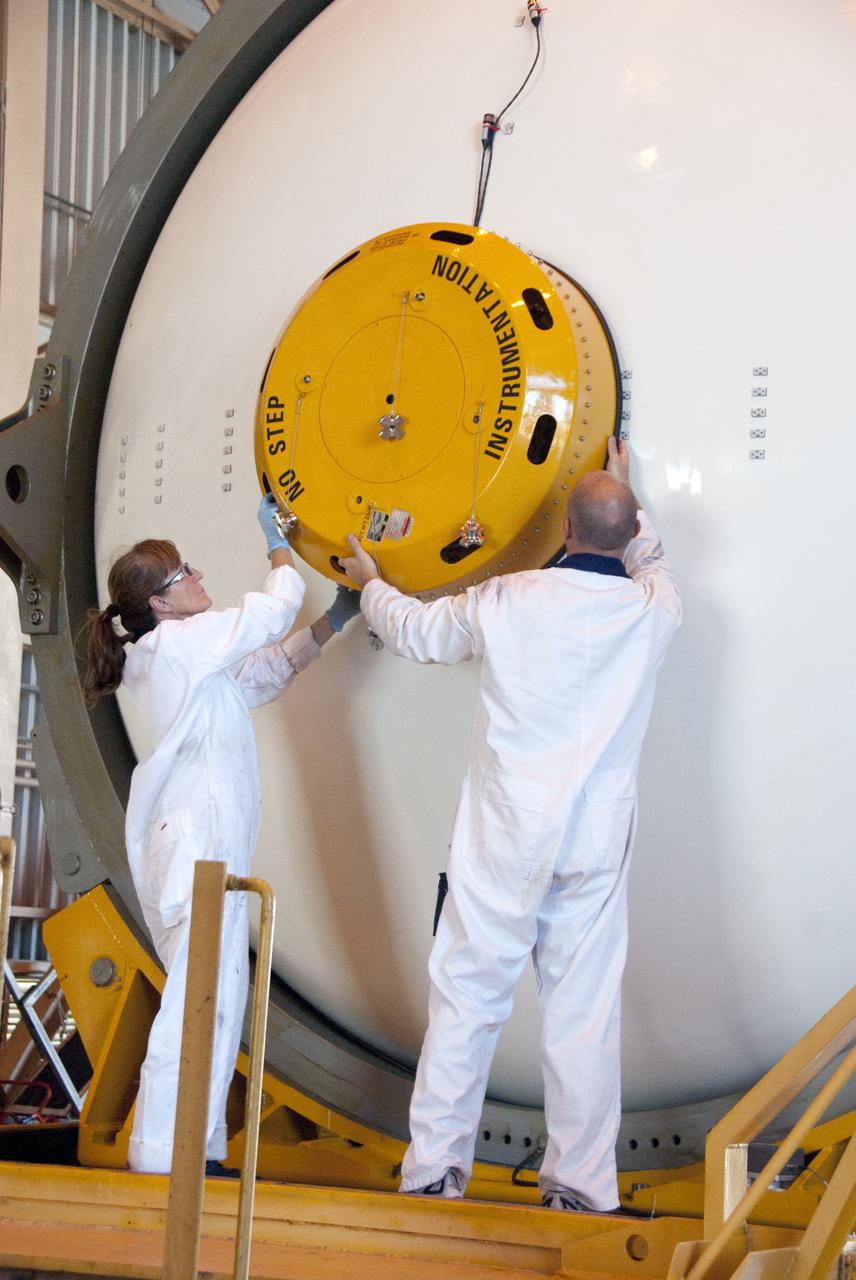
CAPE CANAVERAL, Fla. -- In the Rotation, Processing and Surge Facility, or RSPF, at NASA's Kennedy Space Center in Florida, a worker performs the propellant grain inspection of the final solid rocket booster segments, which is a required safety analysis. The booster segments were manufactured at the ATK solid rocket booster plant in Promontory, Utah, and traveled to Kennedy along the Florida East Coast Railway.  The booster segments will be stacked and then mated to space shuttle Atlantis and its external fuel tank in the Vehicle Assembly Building. The segments will be used for what currently is planned as the 'launch on need,' or potential rescue mission for the final shuttle flight, Endeavour's STS-134 mission. For information, visit www.nasa.gov_shuttle. Photo credit: NASA_Cory Huston
KSC-2010-3768
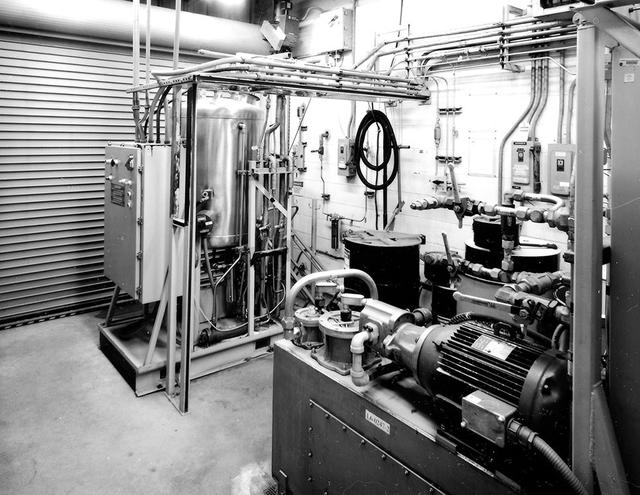
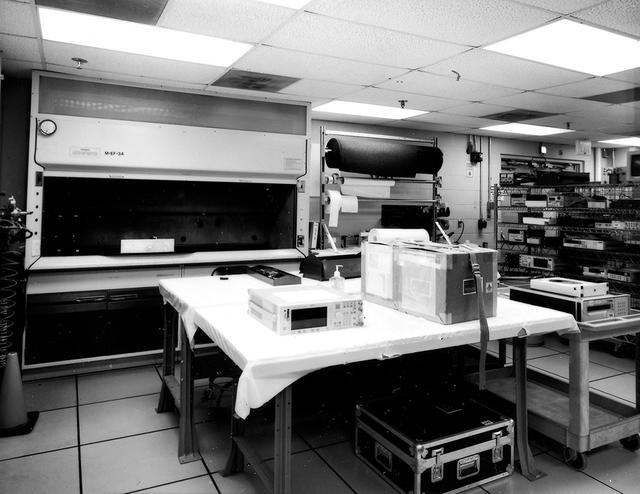
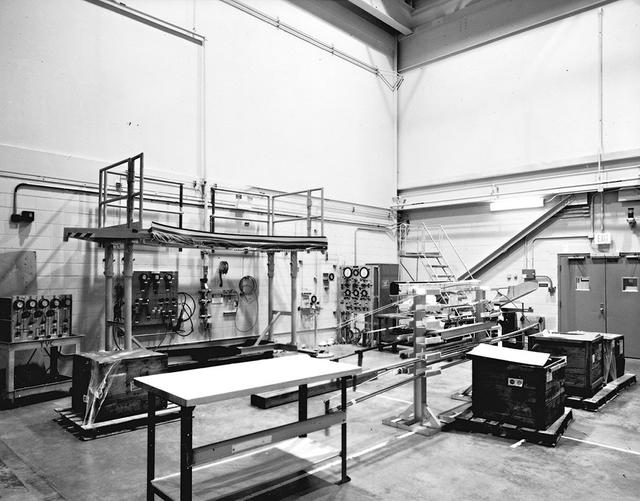
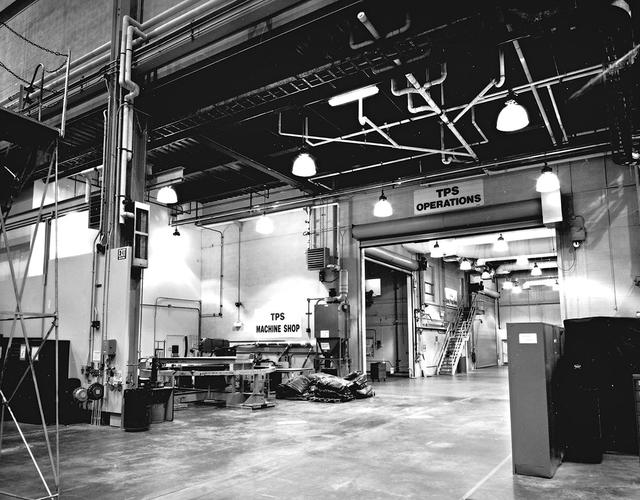
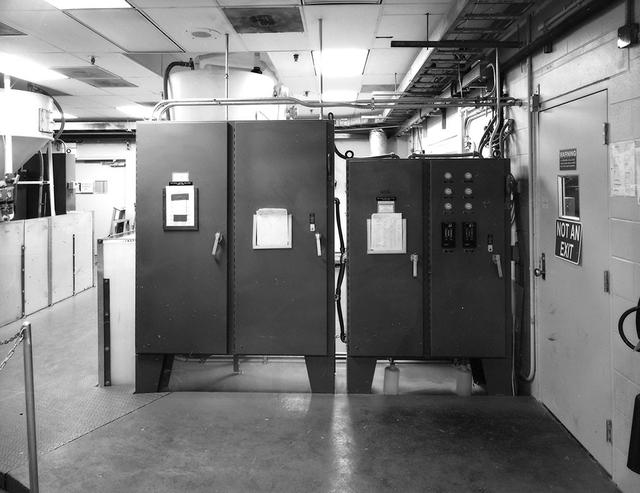
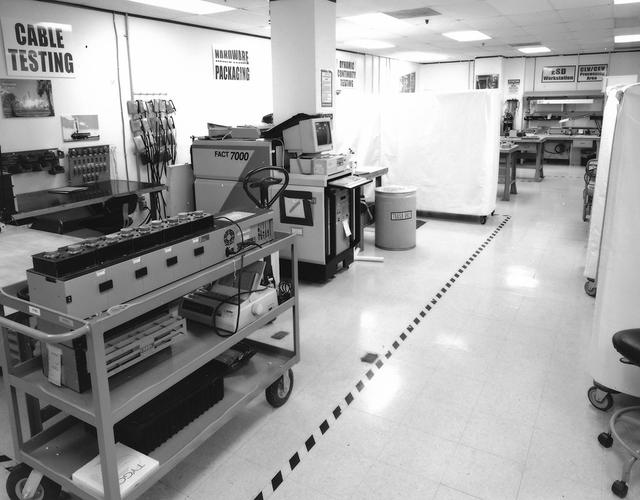
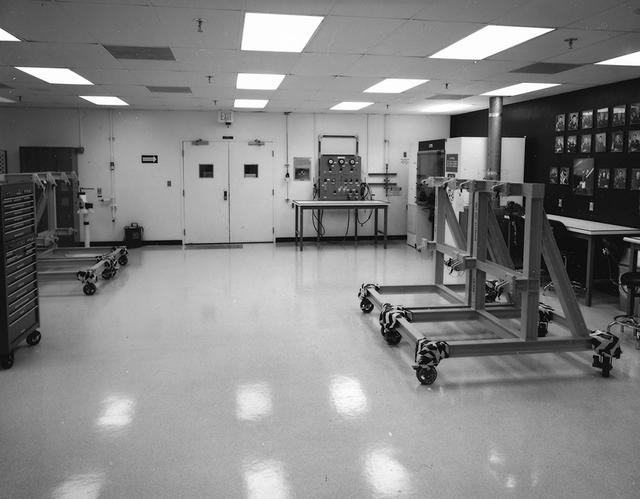
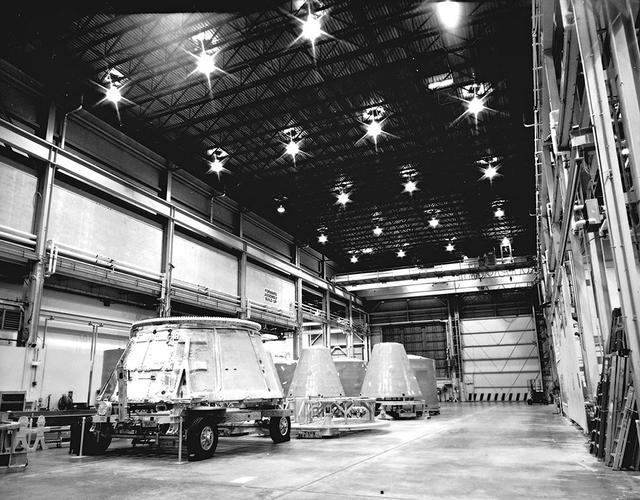
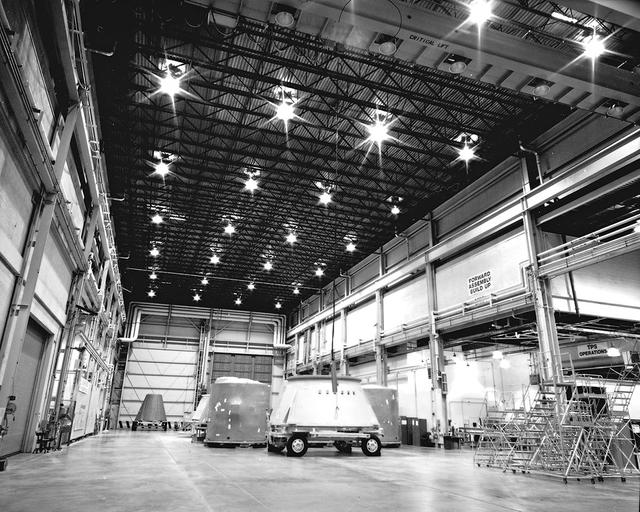
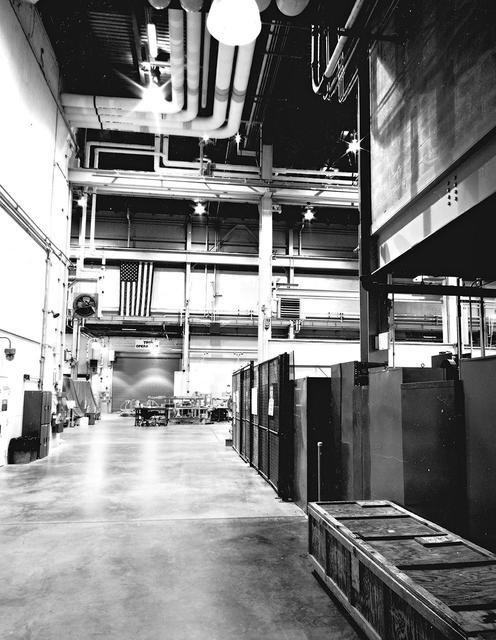
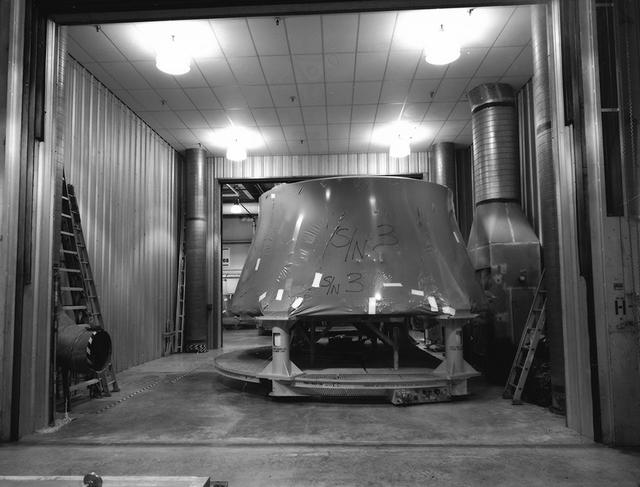
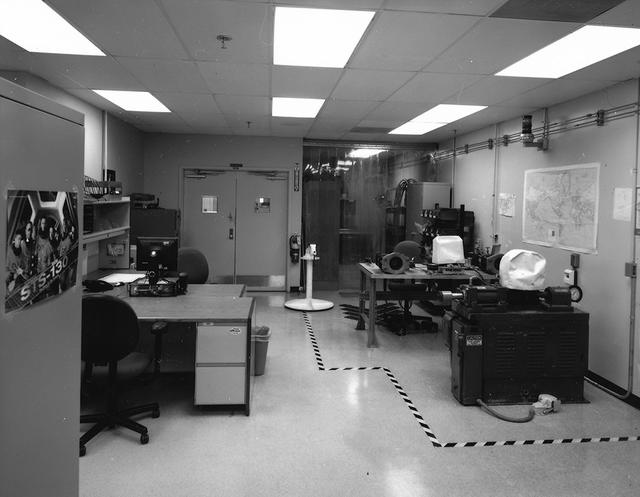
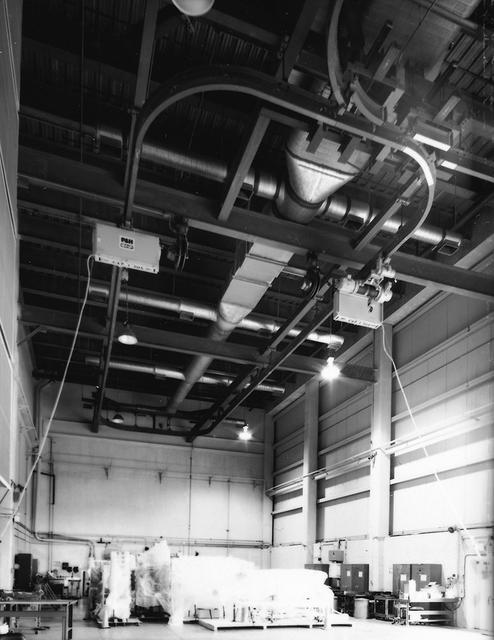
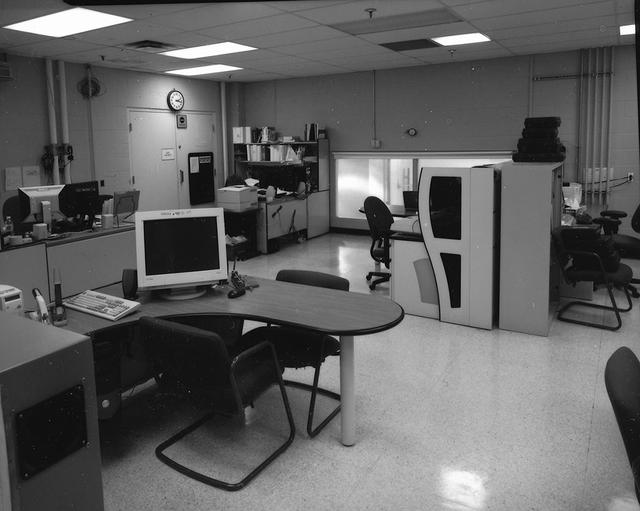
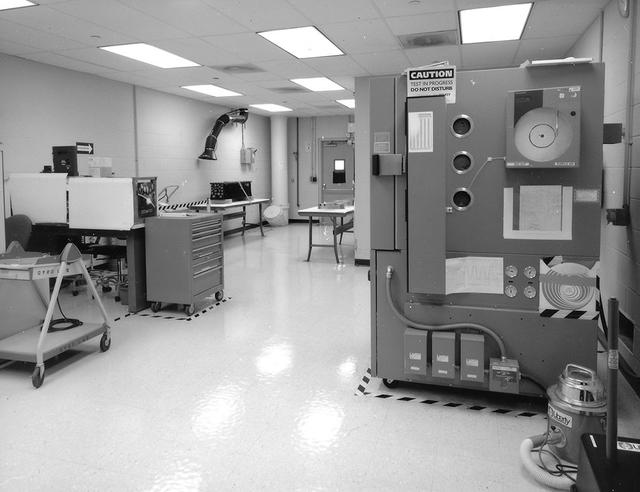
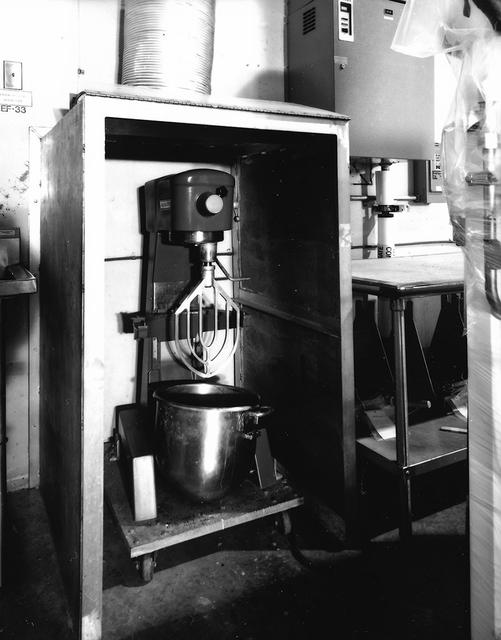
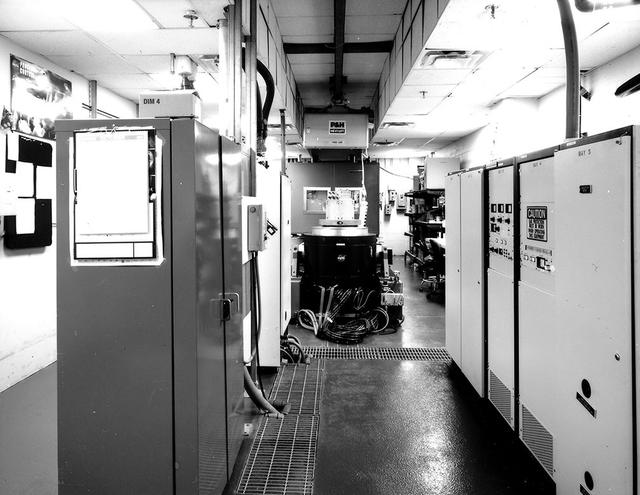
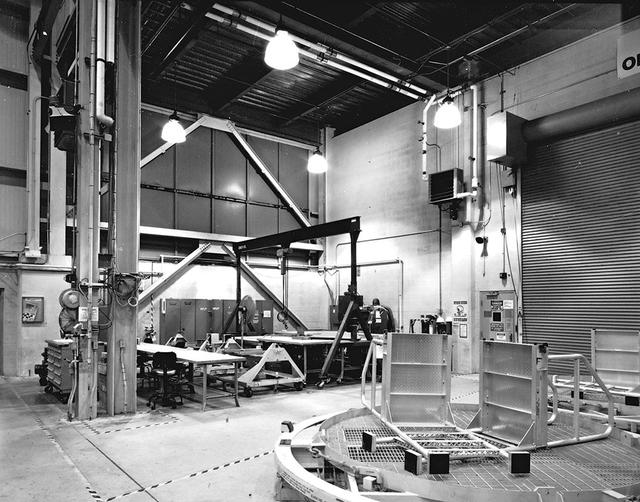
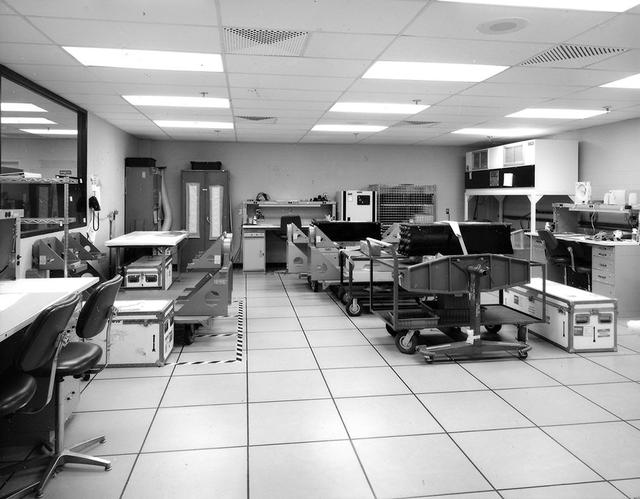
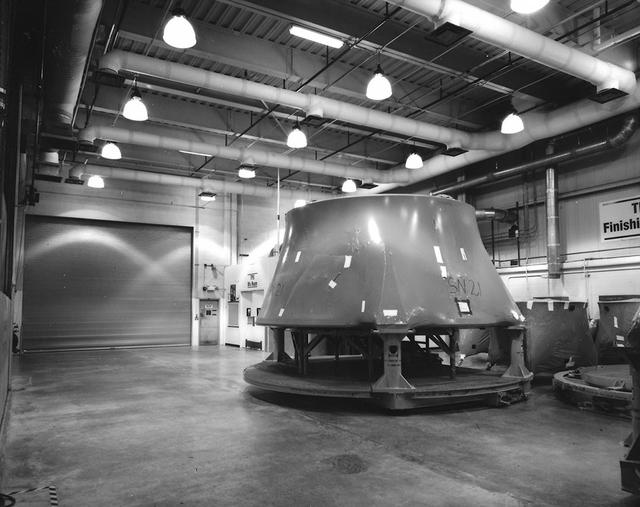
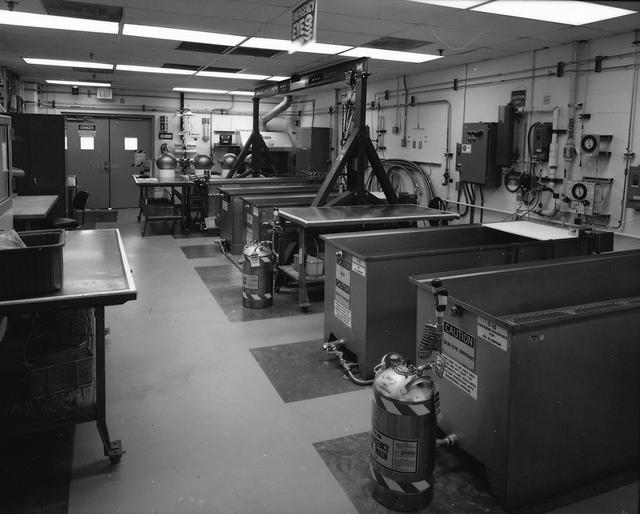
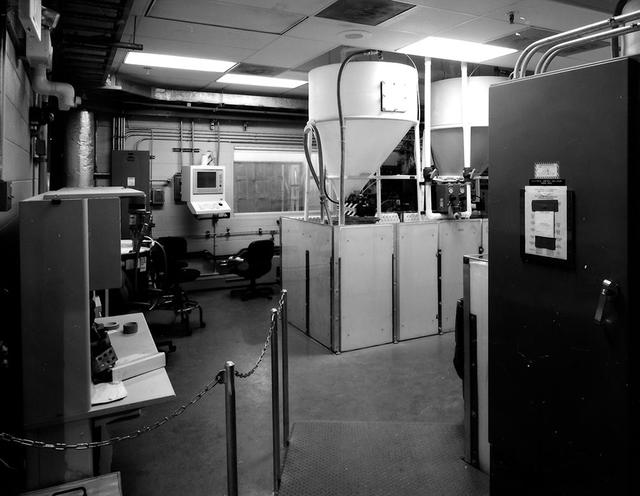
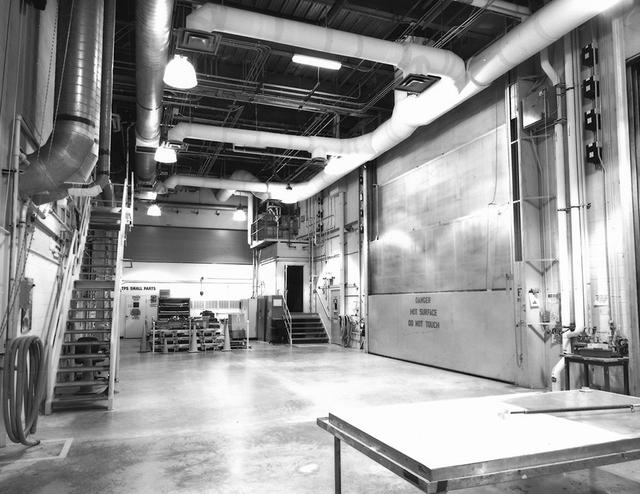
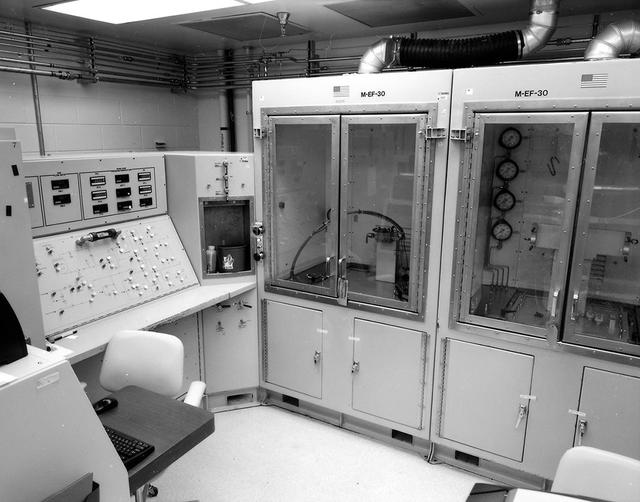
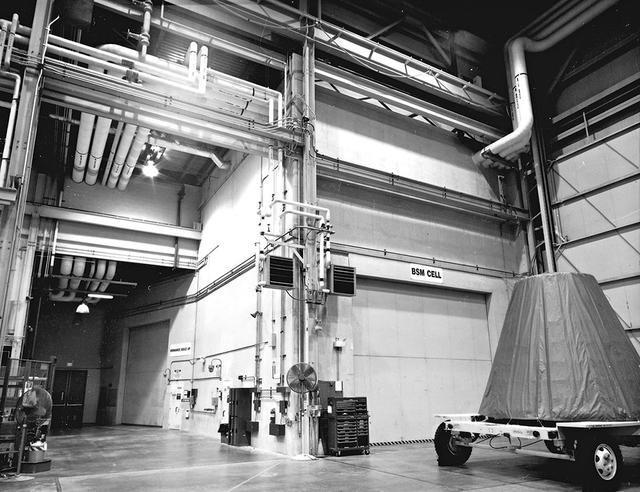
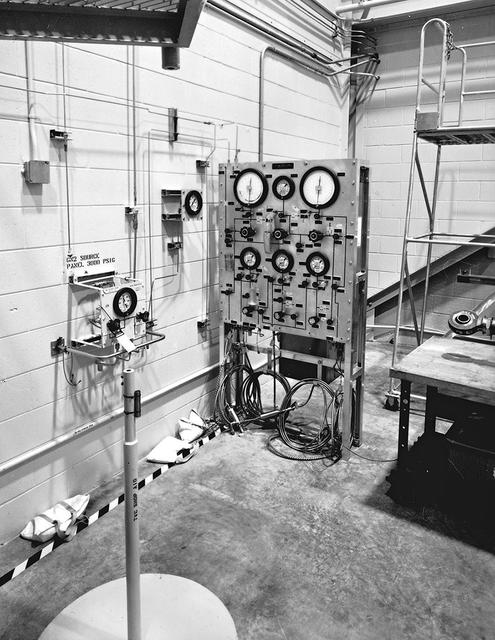
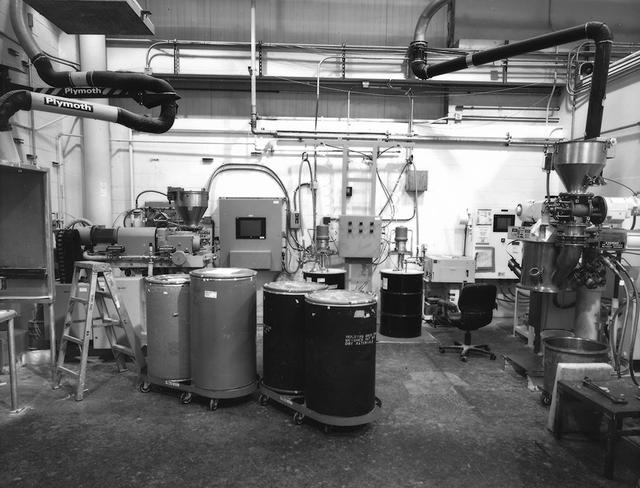
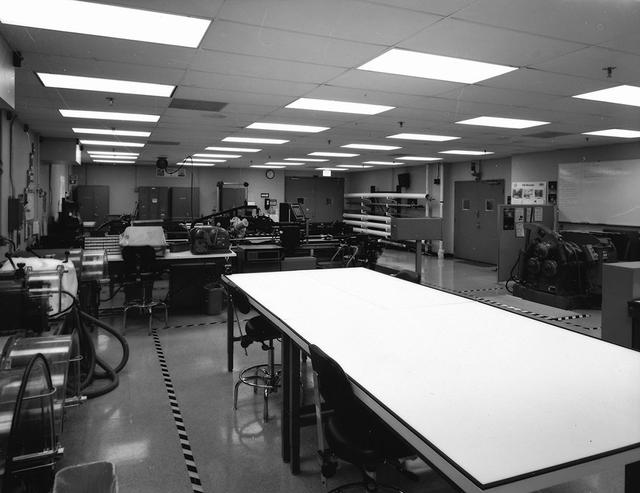
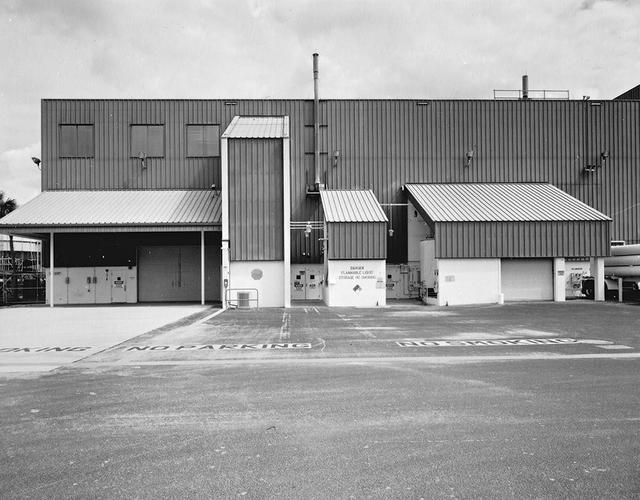
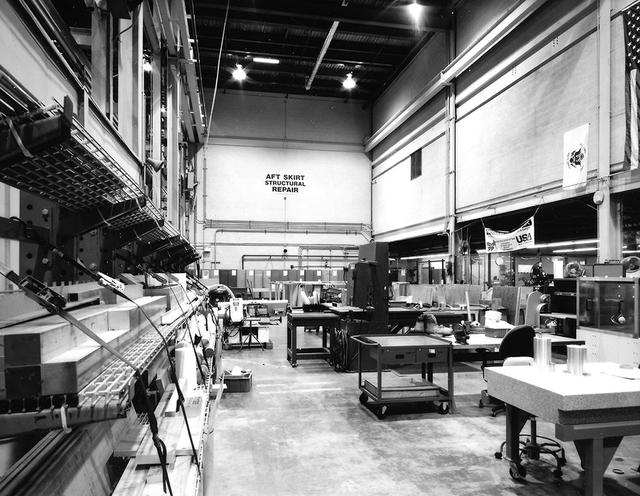
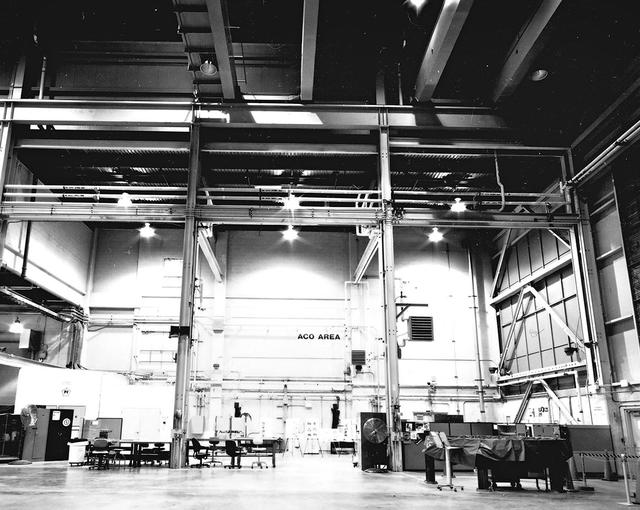
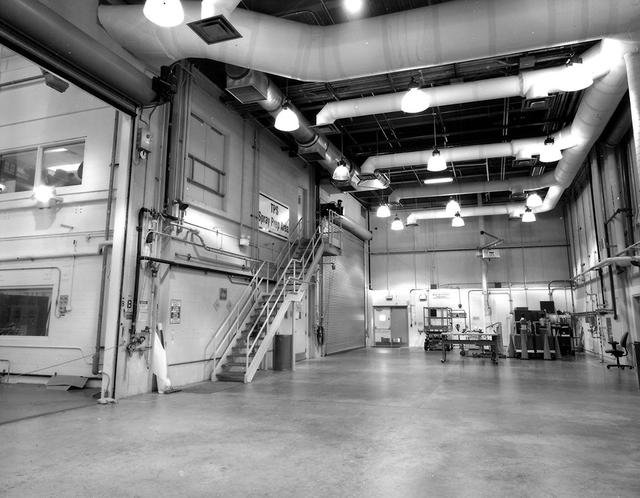
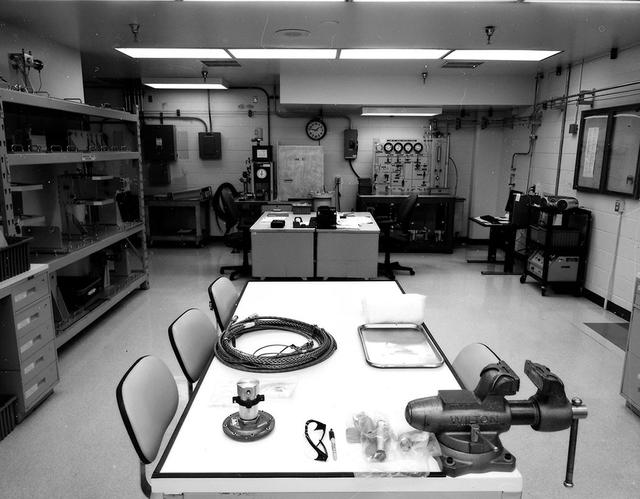
Interior View of ARF Manufacturing Building
KSC-20130319-PH-DD_ARF28
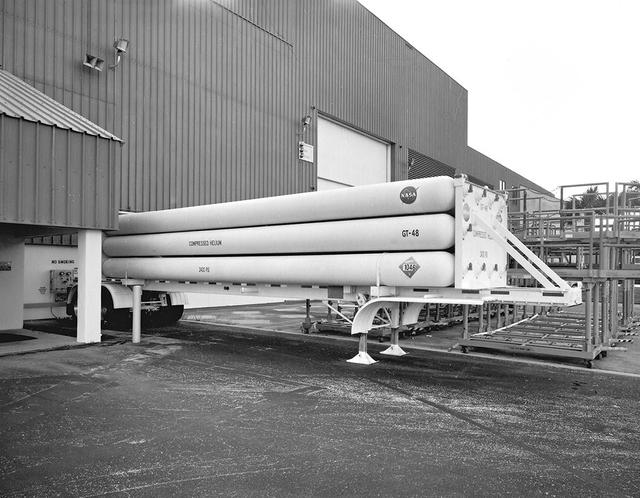
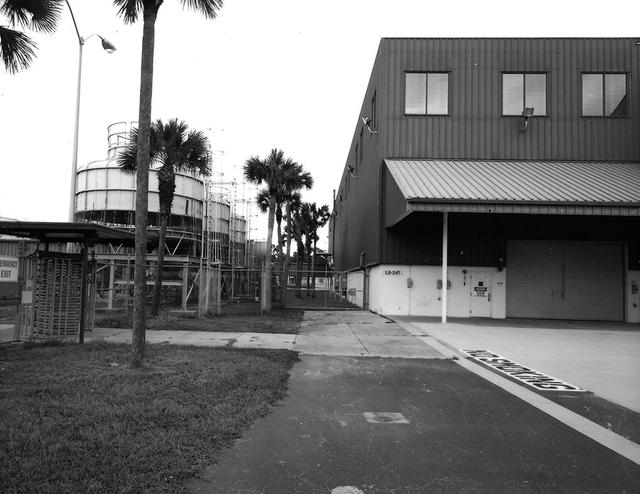
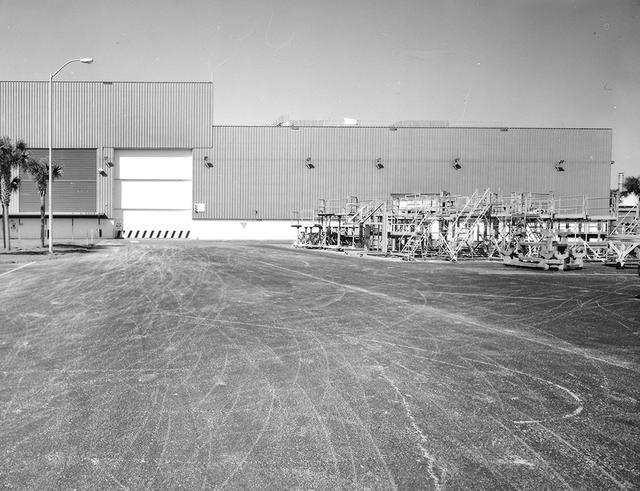
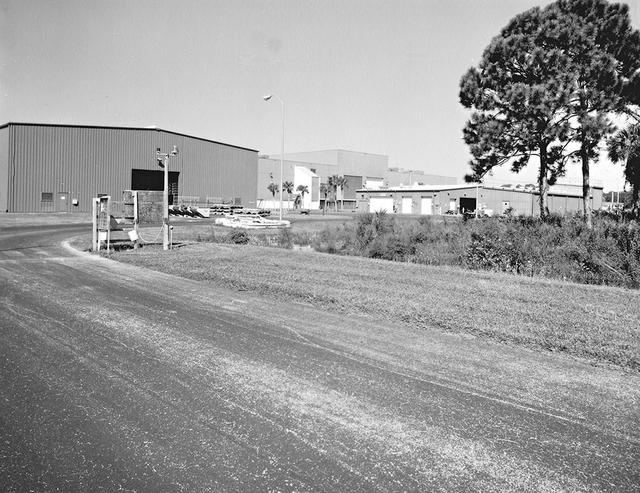
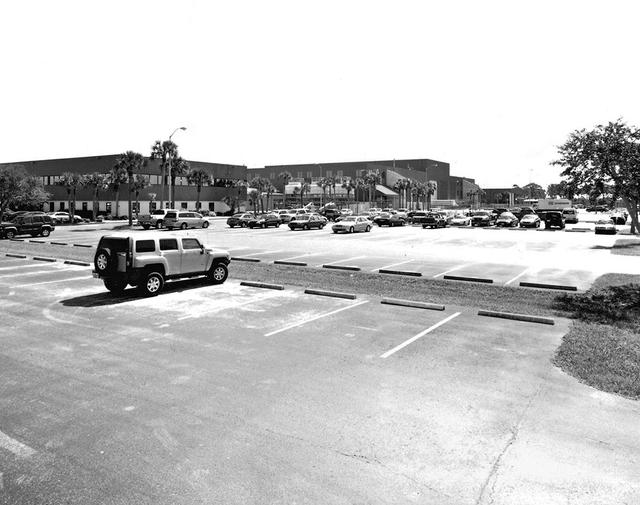
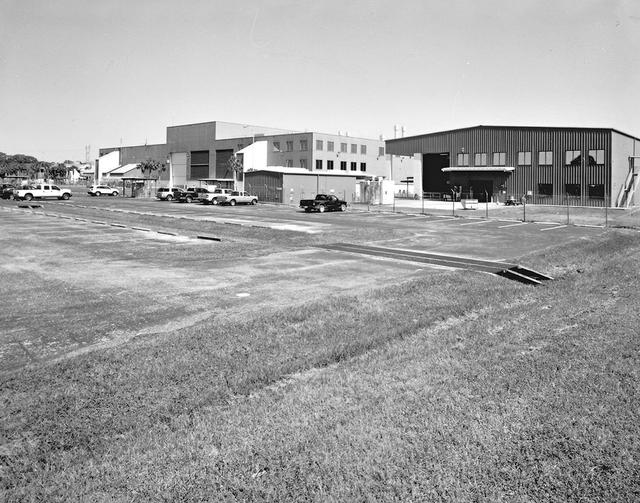
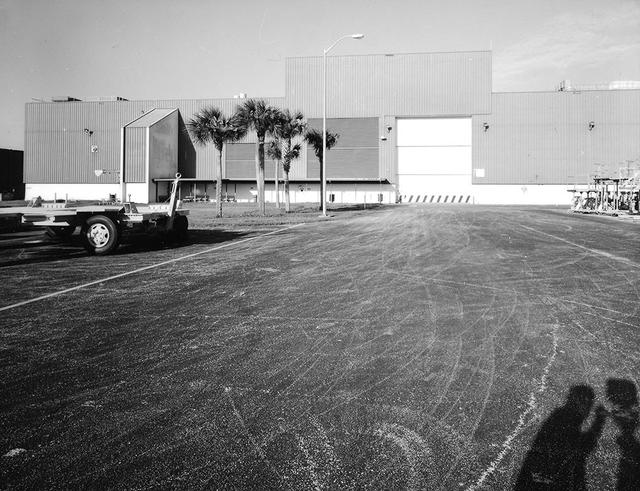
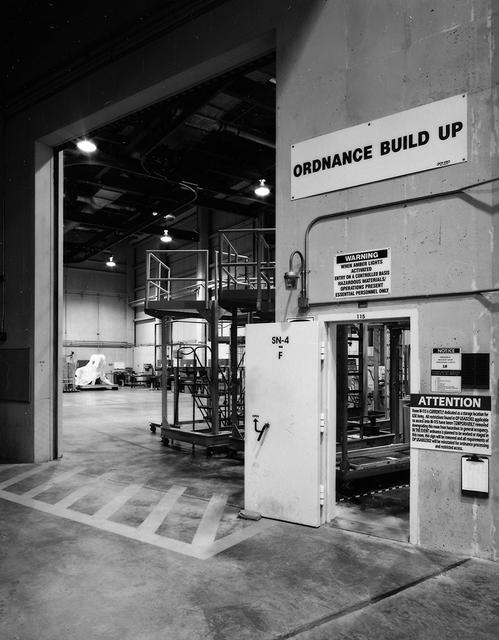
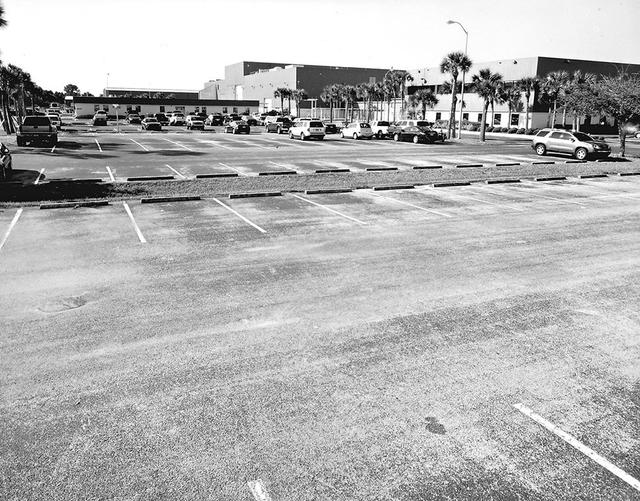
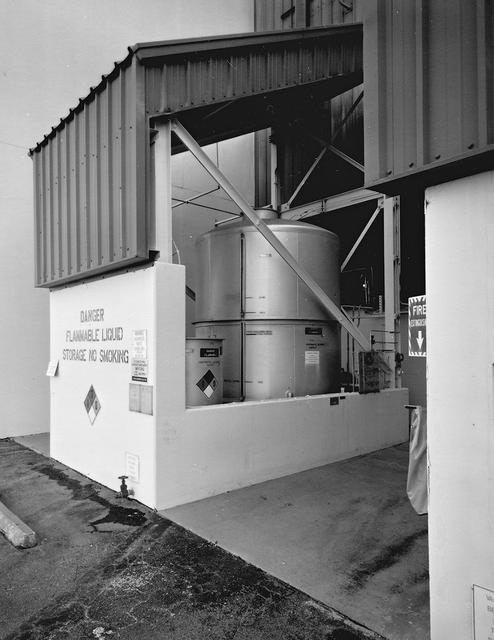
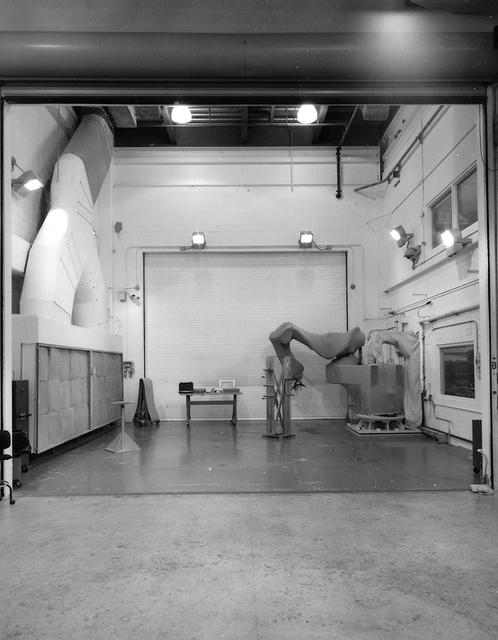
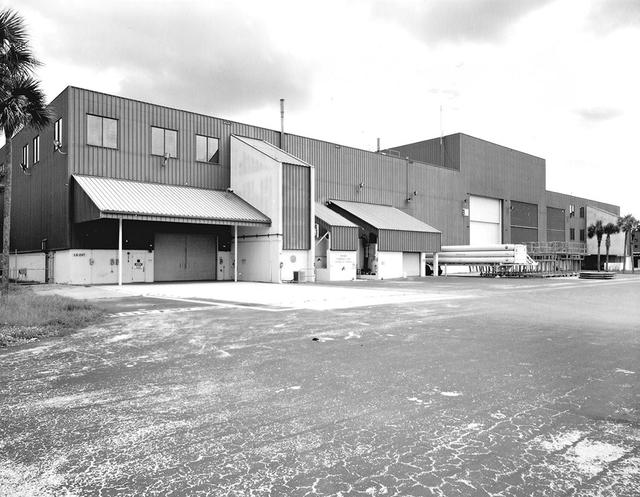
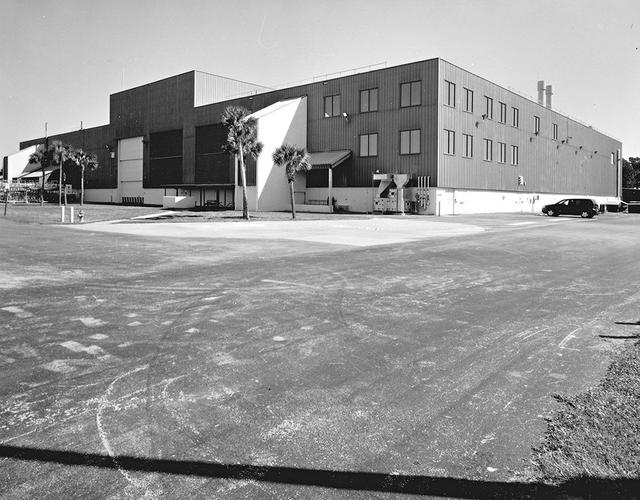
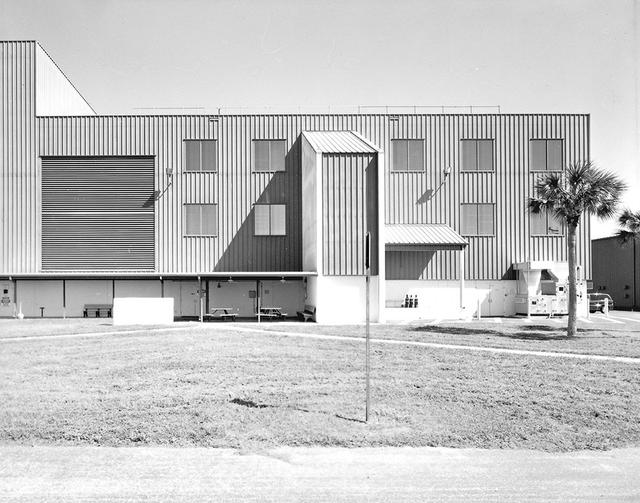
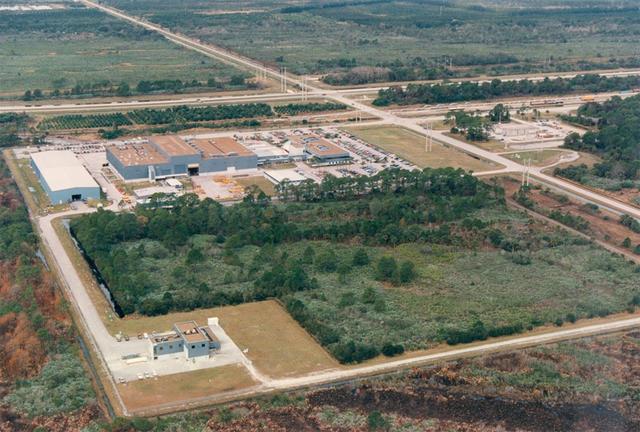
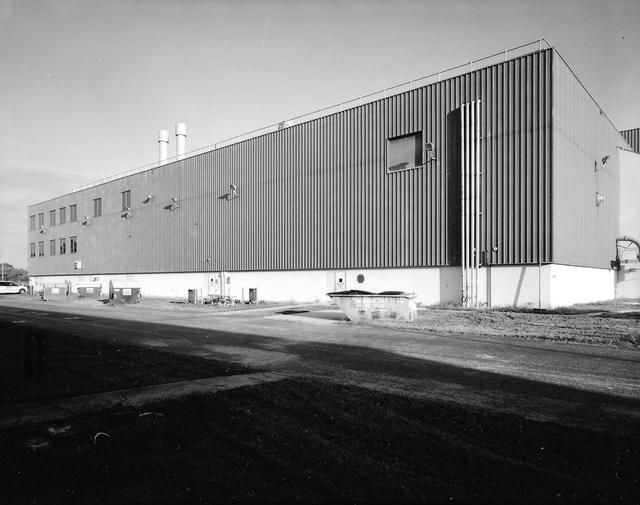
Exterior View of ARF Manufacturing Building
KSC-20130319-PH-DD_ARF1
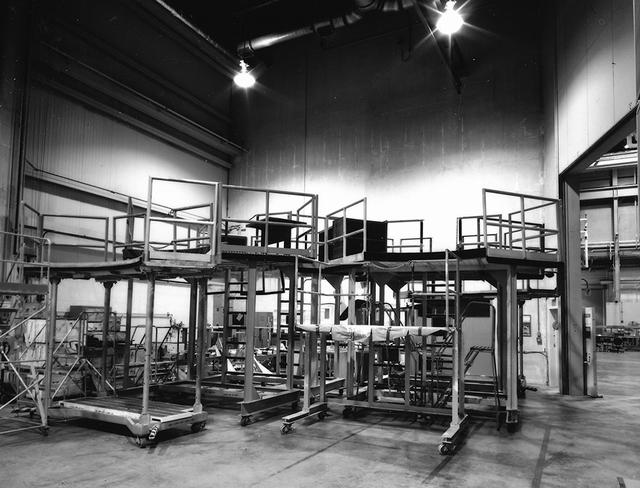
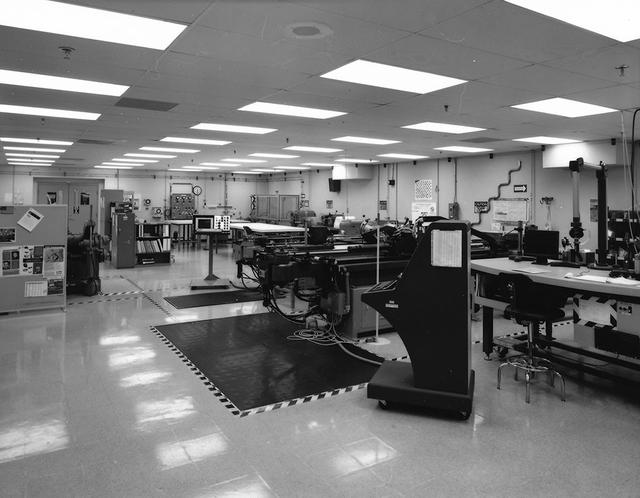
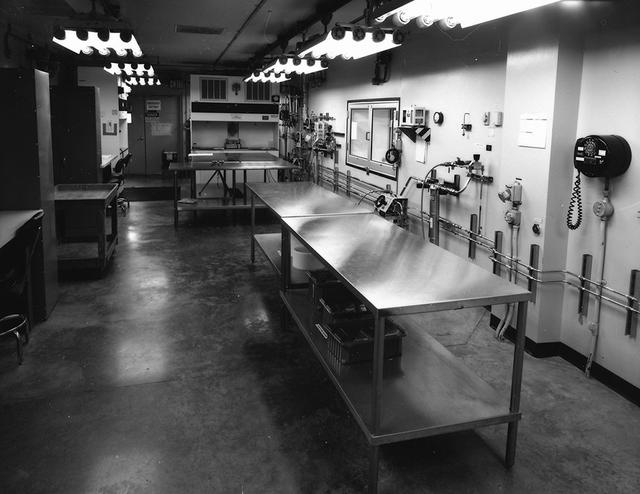
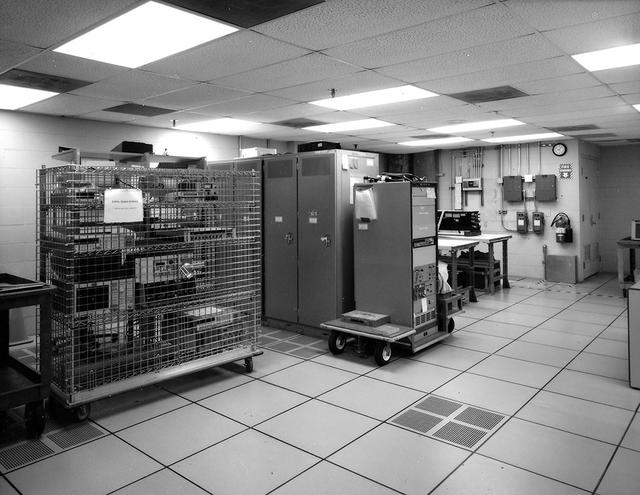
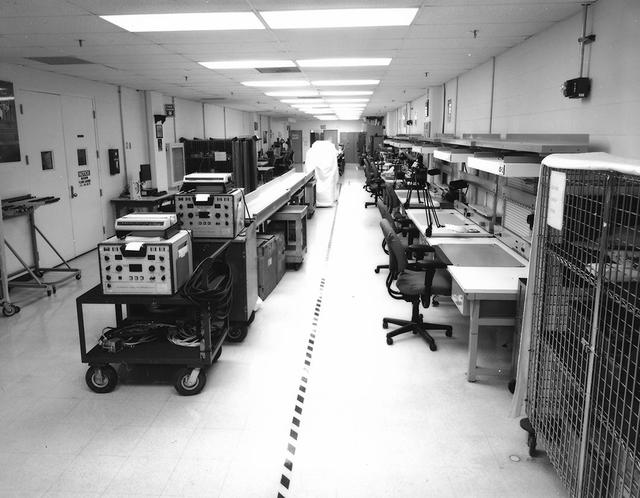
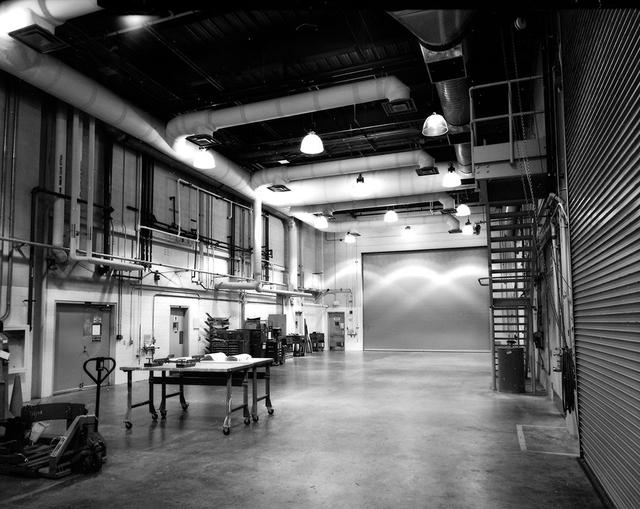
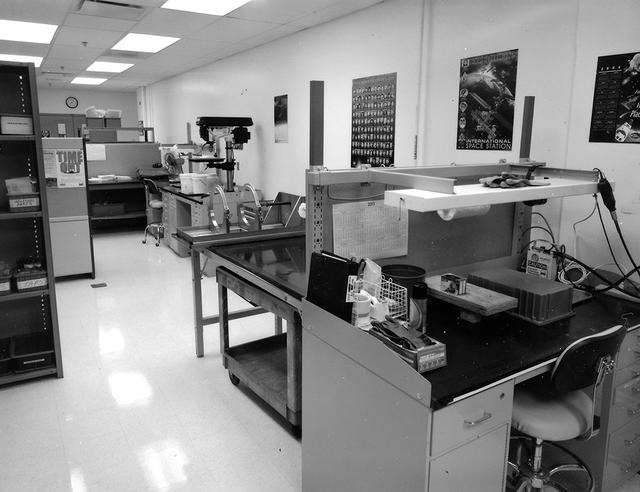
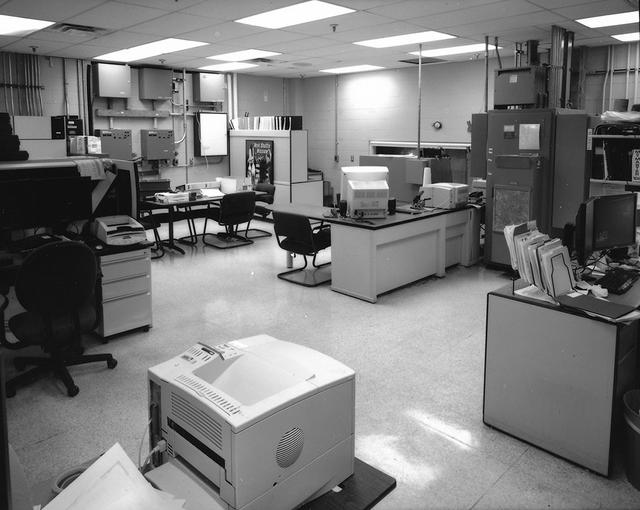
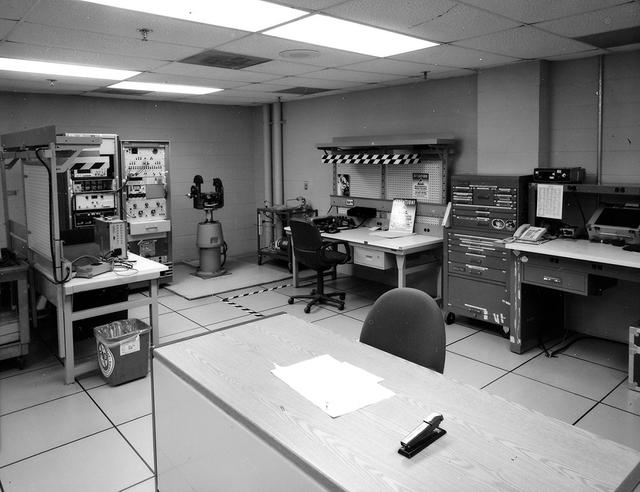
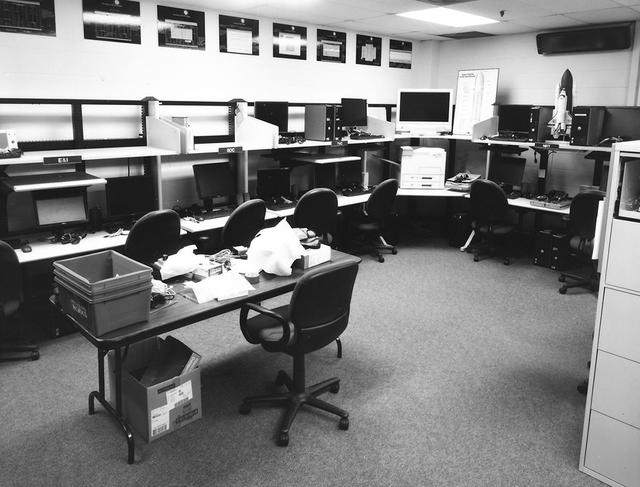
Interior View of ARF Manufacturing Building
KSC-20130319-PH-DD_ARF33
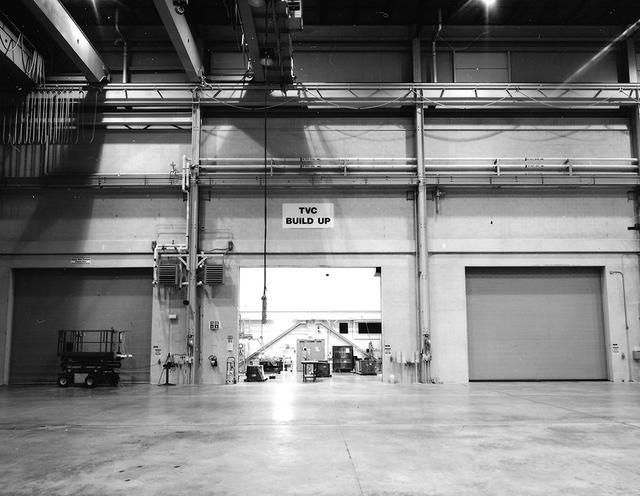
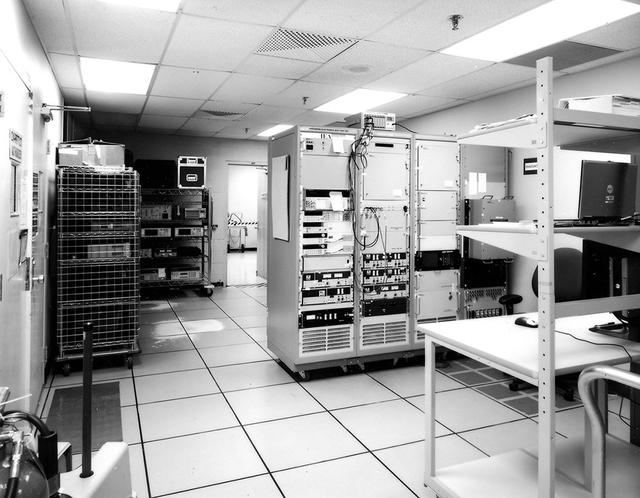
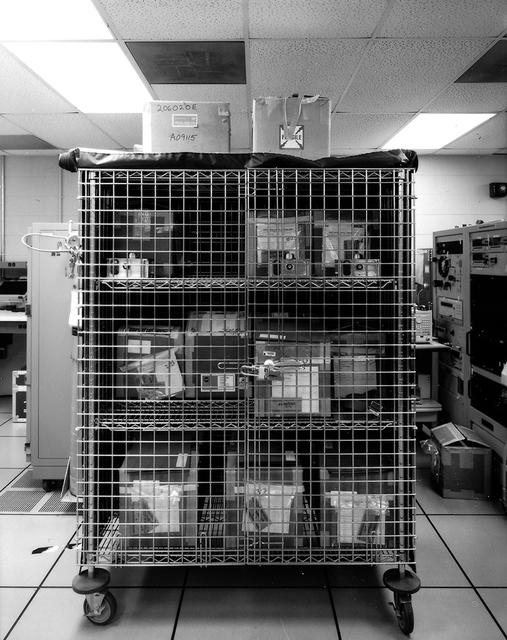
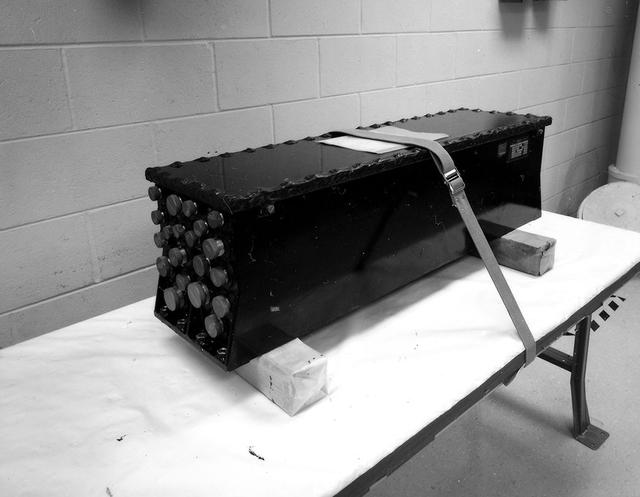
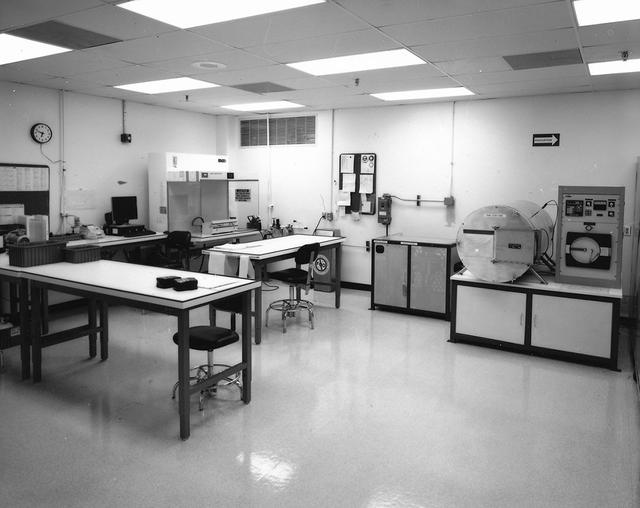
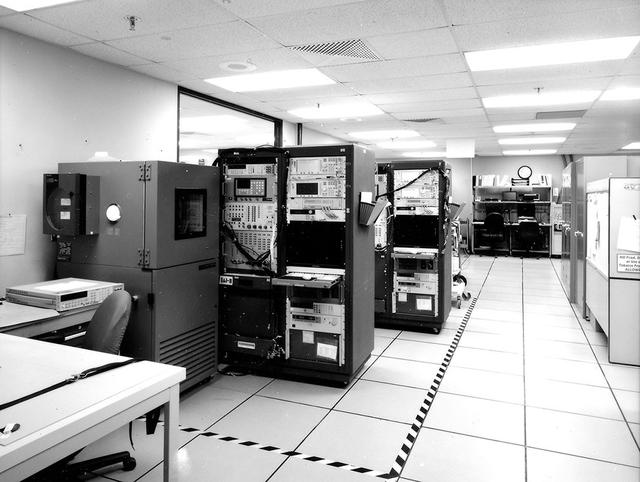
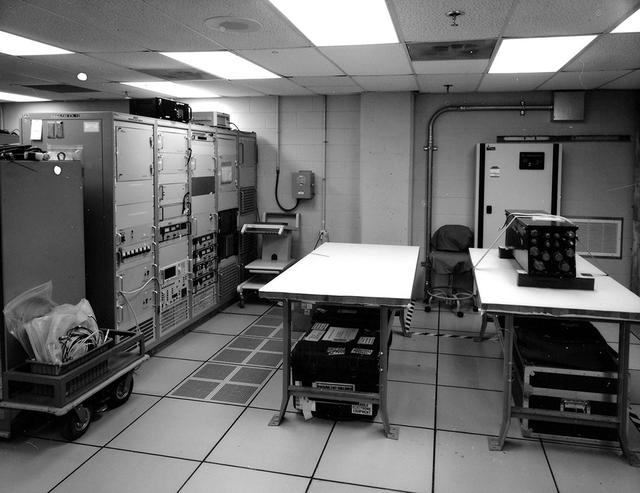
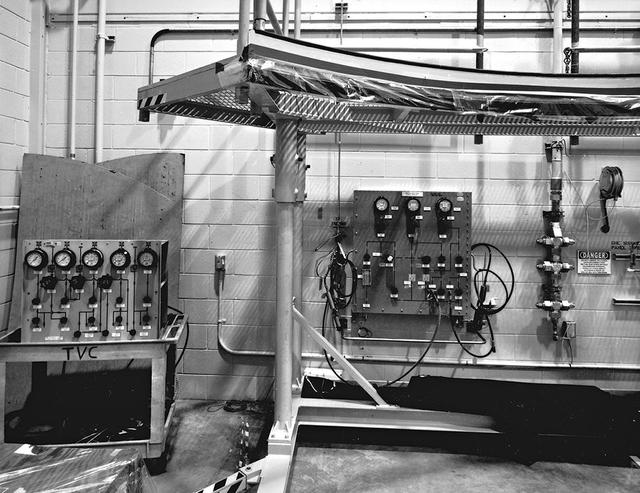
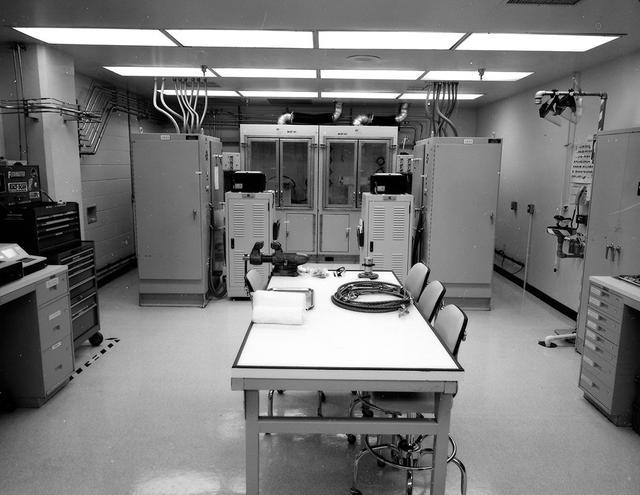
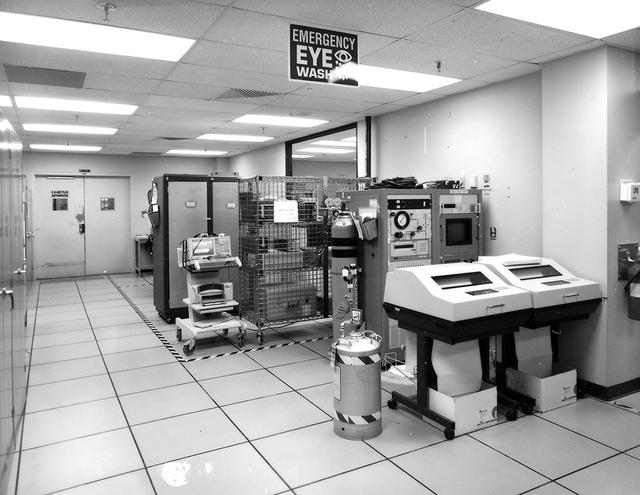
Interior View of ARF Manufacturing Building
KSC-20130319-PH-DD_ARF62
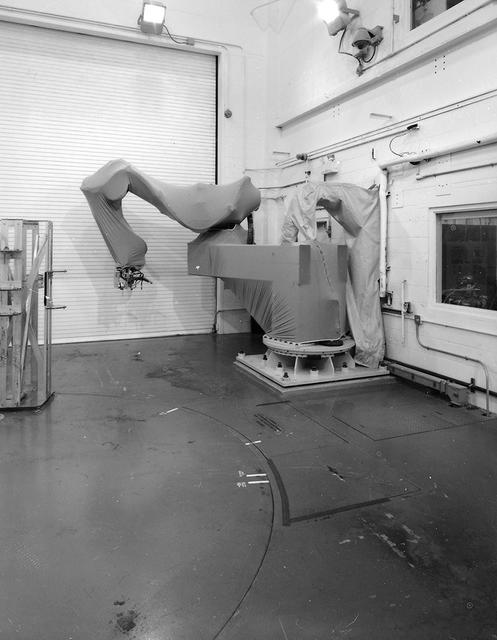
Interior View of ARF Manufacturing Building
KSC-20130319-PH-DD_ARF29
Interior View of ARF Manufacturing Building
KSC-20130319-PH-DD_ARF56
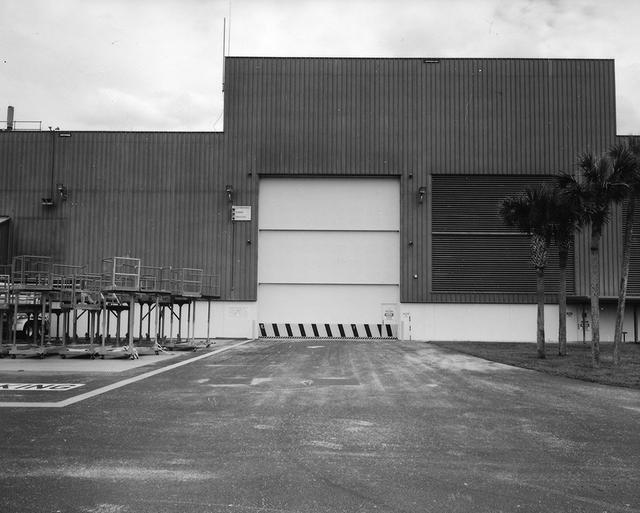
Exterior View of ARF Manufacturing Building
KSC-20130319-PH-DD_ARF10
Interior View of ARF Manufacturing Building
KSC-20130319-PH-DD_ARF40
Interior View of ARF Manufacturing Building
KSC-20130319-PH-DD_ARF65
Exterior View of ARF Manufacturing Building
KSC-20130319-PH-DD_ARF6
Interior View of ARF Manufacturing Building
KSC-20130319-PH-DD_ARF48
Interior View of ARF Manufacturing Building
KSC-20130319-PH-DD_ARF45
Exterior View of ARF Manufacturing Building
KSC-20130319-PH-DD_ARF3
Interior View of ARF Manufacturing Building
KSC-20130319-PH-DD_ARF57
Interior View of ARF Manufacturing Building
KSC-20130319-PH-DD_ARF72
Interior View of ARF Manufacturing Building
KSC-20130319-PH-DD_ARF25
Interior View of ARF Manufacturing Building
KSC-20130319-PH-DD_ARF39
Exterior View of ARF Manufacturing Building
KSC-20130319-PH-DD_ARF15
Interior View of ARF Manufacturing Building
KSC-20130319-PH-DD_ARF55
Interior View of ARF Manufacturing Building
KSC-20130319-PH-DD_ARF30
Interior View of ARF Manufacturing Building
KSC-20130319-PH-DD_ARF35
Interior View of ARF Manufacturing Building
KSC-20130319-PH-DD_ARF22
Interior View of ARF Manufacturing Building
KSC-20130319-PH-DD_ARF59
Exterior View of ARF Manufacturing Building
KSC-20130319-PH-DD_ARF8
Interior View of ARF Manufacturing Building
KSC-20130319-PH-DD_ARF81
Exterior View of ARF Manufacturing Building
KSC-20130319-PH-DD_ARF12
Interior View of ARF Manufacturing Building
KSC-20130319-PH-DD_ARF61
Interior View of ARF Manufacturing Building
KSC-20130319-PH-DD_ARF82
Interior View of ARF Manufacturing Building
KSC-20130319-PH-DD_ARF43
Interior View of ARF Manufacturing Building
KSC-20130319-PH-DD_ARF51
Interior View of ARF Manufacturing Building
KSC-20130319-PH-DD_ARF32
Interior View of ARF Manufacturing Building
KSC-20130319-PH-DD_ARF53
Interior View of ARF Manufacturing Building
KSC-20130319-PH-DD_ARF49
Interior View of ARF Manufacturing Building
KSC-20130319-PH-DD_ARF23
Exterior View of ARF Manufacturing Building
KSC-20130319-PH-DD_ARF4
Interior View of ARF Manufacturing Building
KSC-20130319-PH-DD_ARF38
Interior View of ARF Manufacturing Building
KSC-20130319-PH-DD_ARF76
Interior View of ARF Manufacturing Building
KSC-20130319-PH-DD_ARF69
Exterior View of ARF Manufacturing Building
KSC-20130319-PH-DD_ARF13
Exterior View of ARF Manufacturing Building
KSC-20130319-PH-DD_ARF14
Interior View of ARF Manufacturing Building
KSC-20130319-PH-DD_ARF47
Interior View of ARF Manufacturing Building
KSC-20130319-PH-DD_ARF58
Interior View of ARF Manufacturing Building
KSC-20130319-PH-DD_ARF37
Interior View of ARF Manufacturing Building
KSC-20130319-PH-DD_ARF64
Interior View of ARF Manufacturing Building
KSC-20130319-PH-DD_ARF18
Interior View of ARF Manufacturing Building
KSC-20130319-PH-DD_ARF74
Interior View of ARF Manufacturing Building
KSC-20130319-PH-DD_ARF63
Interior View of ARF Manufacturing Building
KSC-20130319-PH-DD_ARF67
Exterior View of ARF Manufacturing Building
KSC-20130319-PH-DD_ARF16
Interior View of ARF Manufacturing Building
KSC-20130319-PH-DD_ARF75
Interior View of ARF Manufacturing Building
KSC-20130319-PH-DD_ARF44
Interior View of ARF Manufacturing Building
KSC-20130319-PH-DD_ARF60
Exterior View of ARF Manufacturing Building
KSC-20130319-PH-DD_ARF11
Interior View of ARF Manufacturing Building
KSC-20130319-PH-DD_ARF71
Interior View of ARF Manufacturing Building
KSC-20130319-PH-DD_ARF78
Interior View of ARF Manufacturing Building
KSC-20130319-PH-DD_ARF68
Exterior View of ARF Manufacturing Building
KSC-20130319-PH-DD_ARF17
Interior View of ARF Manufacturing Building
KSC-20130319-PH-DD_ARF46
Interior View of ARF Manufacturing Building
KSC-20130319-PH-DD_ARF31
Interior View of ARF Manufacturing Building
KSC-20130319-PH-DD_ARF34
Exterior View of ARF Manufacturing Building
KSC-20130319-PH-DD_ARF84
Interior View of ARF Manufacturing Building
KSC-20130319-PH-DD_ARF27
Exterior View of ARF Manufacturing Building
KSC-20130319-PH-DD_ARF2
Interior View of ARF Manufacturing Building
KSC-20130319-PH-DD_ARF19
Exterior View of ARF Manufacturing Building
KSC-20130319-PH-DD_ARF7
Interior View of ARF Manufacturing Building
KSC-20130319-PH-DD_ARF80
Interior View of ARF Manufacturing Building
KSC-20130319-PH-DD_ARF20
Interior View of ARF Manufacturing Building
KSC-20130319-PH-DD_ARF66
Exterior View of ARF Manufacturing Building
KSC-20130319-PH-DD_ARF5
Interior View of ARF Manufacturing Building
KSC-20130319-PH-DD_ARF70
Interior View of ARF Manufacturing Building
KSC-20130319-PH-DD_ARF26
Interior View of ARF Manufacturing Building
KSC-20130319-PH-DD_ARF41
Exterior View of ARF Manufacturing Building
KSC-20130319-PH-DD_ARF9
Interior View of ARF Manufacturing Building
KSC-20130319-PH-DD_ARF24
Interior View of ARF Manufacturing Building
KSC-20130319-PH-DD_ARF50
Interior View of ARF Manufacturing Building
KSC-20130319-PH-DD_ARF52
Interior View of ARF Manufacturing Building
KSC-20130319-PH-DD_ARF73
Interior View of ARF Manufacturing Building
KSC-20130319-PH-DD_ARF83
Interior View of ARF Manufacturing Building
KSC-20130319-PH-DD_ARF42
Interior View of ARF Manufacturing Building
KSC-20130319-PH-DD_ARF77
Interior View of ARF Manufacturing Building
KSC-20130319-PH-DD_ARF79
Interior View of ARF Manufacturing Building
KSC-20130319-PH-DD_ARF36
Interior View of ARF Manufacturing Building
KSC-20130319-PH-DD_ARF54
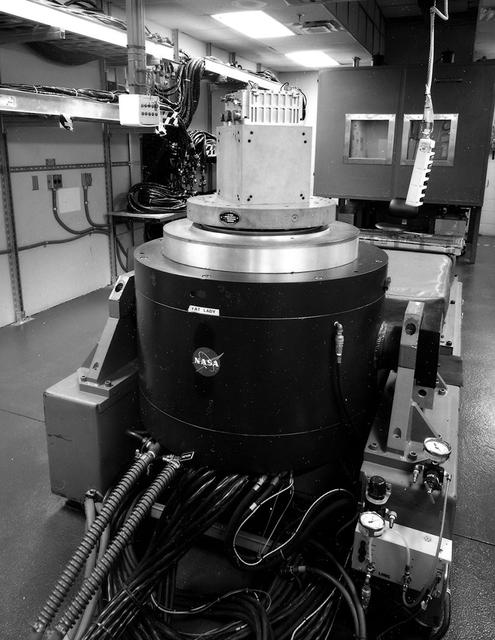
CAPE CANAVERAL, Fla. -- In the Rotation, Processing and Surge Facility, or RSPF, at NASA's Kennedy Space Center in Florida, workers prepare for the propellant grain inspection and truing of the final solid rocket booster segments, which is a required safety analysis. The booster segments were manufactured at the ATK solid rocket booster plant in Promontory, Utah, and traveled to Kennedy along the Florida East Coast Railway.  The booster segments will be stacked and then mated to space shuttle Atlantis and its external fuel tank in the Vehicle Assembly Building. The segments will be used for what currently is planned as the 'launch on need,' or potential rescue mission for the final shuttle flight, Endeavour's STS-134 mission. For information, visit www.nasa.gov_shuttle. Photo credit: NASA_Cory Huston
KSC-2010-3761
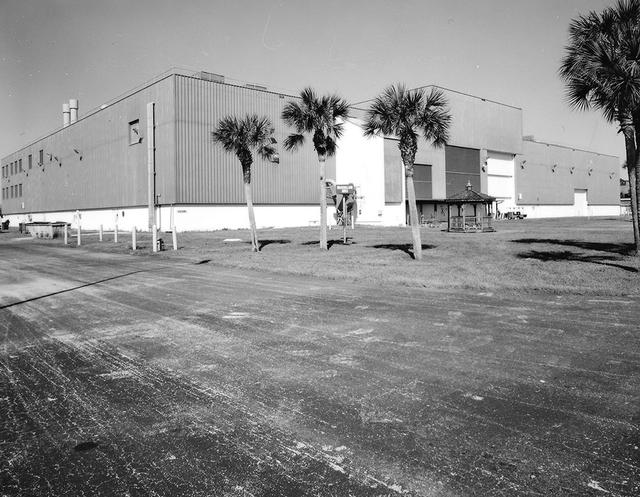
CAPE CANAVERAL, Fla. -- In the Rotation, Processing and Surge Facility, or RSPF, at NASA's Kennedy Space Center in Florida, a worker makes sure the final solid rocket booster segments are level, balanced and concentric, which is a required safety analysis. Workers also will perform a propellant grain inspection. The booster segments were manufactured at the ATK solid rocket booster plant in Promontory, Utah, and traveled to Kennedy along the Florida East Coast Railway.  The booster segments will be stacked and then mated to space shuttle Atlantis and its external fuel tank in the Vehicle Assembly Building. The segments will be used for what currently is planned as the 'launch on need,' or potential rescue mission for the final shuttle flight, Endeavour's STS-134 mission. For information, visit www.nasa.gov_shuttle. Photo credit: NASA_Cory Huston
KSC-2010-3762
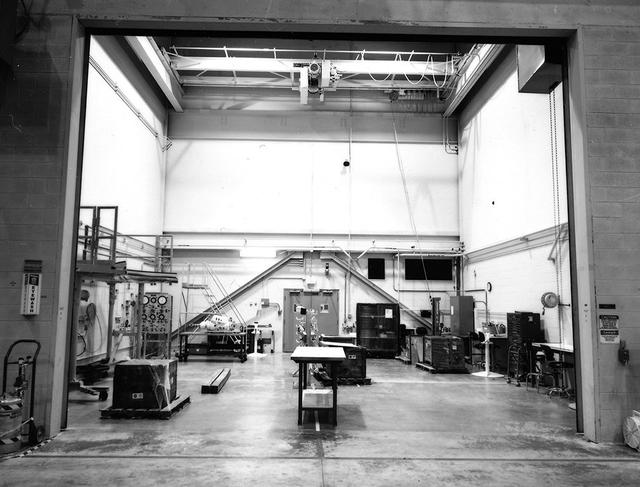
CAPE CANAVERAL, Fla. -- In the Rotation, Processing and Surge Facility, or RSPF, at NASA's Kennedy Space Center in Florida, workers prepare for the propellant grain inspection and truing of the final solid rocket booster segments, which is a required safety analysis. The booster segments were manufactured at the ATK solid rocket booster plant in Promontory, Utah, and traveled to Kennedy along the Florida East Coast Railway.  The booster segments will be stacked and then mated to space shuttle Atlantis and its external fuel tank in the Vehicle Assembly Building. The segments will be used for what currently is planned as the 'launch on need,' or potential rescue mission for the final shuttle flight, Endeavour's STS-134 mission. For information, visit www.nasa.gov_shuttle. Photo credit: NASA_Cory Huston
KSC-2010-3757
CAPE CANAVERAL, Fla. -- In the Rotation, Processing and Surge Facility, or RSPF, at NASA's Kennedy Space Center in Florida, workers prepare for the propellant grain inspection and truing of the final solid rocket booster segments, which is a required safety analysis. The booster segments were manufactured at the ATK solid rocket booster plant in Promontory, Utah, and traveled to Kennedy along the Florida East Coast Railway.  The booster segments will be stacked and then mated to space shuttle Atlantis and its external fuel tank in the Vehicle Assembly Building. The segments will be used for what currently is planned as the 'launch on need,' or potential rescue mission for the final shuttle flight, Endeavour's STS-134 mission. For information, visit www.nasa.gov_shuttle. Photo credit: NASA_Cory Huston
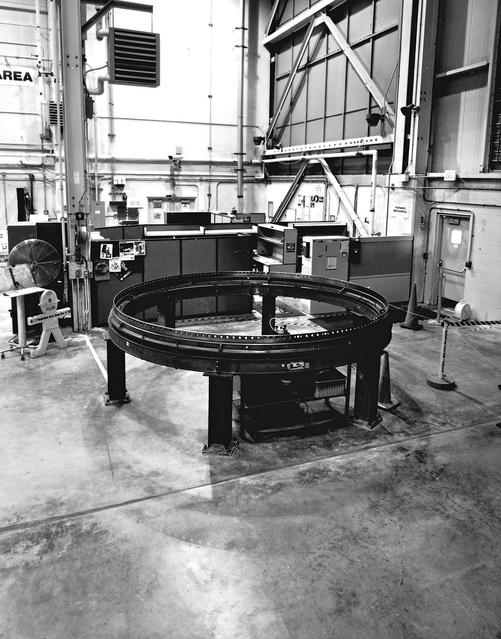
KSC-2010-3760
CAPE CANAVERAL, Fla. -- In the Rotation, Processing and Surge Facility, or RSPF, at NASA's Kennedy Space Center in Florida, workers prepare for the propellant grain inspection and truing of the final solid rocket booster segments, which is a required safety analysis. The booster segments were manufactured at the ATK solid rocket booster plant in Promontory, Utah, and traveled to Kennedy along the Florida East Coast Railway.  The booster segments will be stacked and then mated to space shuttle Atlantis and its external fuel tank in the Vehicle Assembly Building. The segments will be used for what currently is planned as the 'launch on need,' or potential rescue mission for the final shuttle flight, Endeavour's STS-134 mission. For information, visit www.nasa.gov_shuttle. Photo credit: NASA_Cory Huston
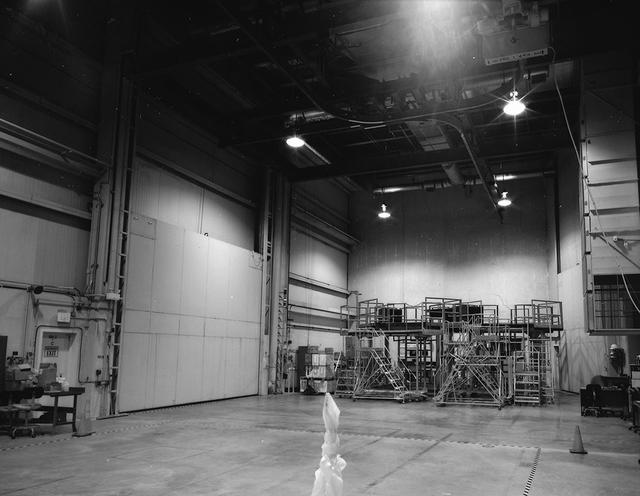
KSC-2010-3758
CAPE CANAVERAL, Fla. -- In the Rotation, Processing and Surge Facility, or RSPF, at NASA's Kennedy Space Center in Florida, workers make sure the final solid rocket booster segments are level, balanced and concentric, which is a required safety analysis. Workers also will perform a propellant grain inspection. The booster segments were manufactured at the ATK solid rocket booster plant in Promontory, Utah, and traveled to Kennedy along the Florida East Coast Railway.  The booster segments will be stacked and then mated to space shuttle Atlantis and its external fuel tank in the Vehicle Assembly Building. The segments will be used for what currently is planned as the 'launch on need,' or potential rescue mission for the final shuttle flight, Endeavour's STS-134 mission. For information, visit www.nasa.gov_shuttle. Photo credit: NASA_Cory Huston
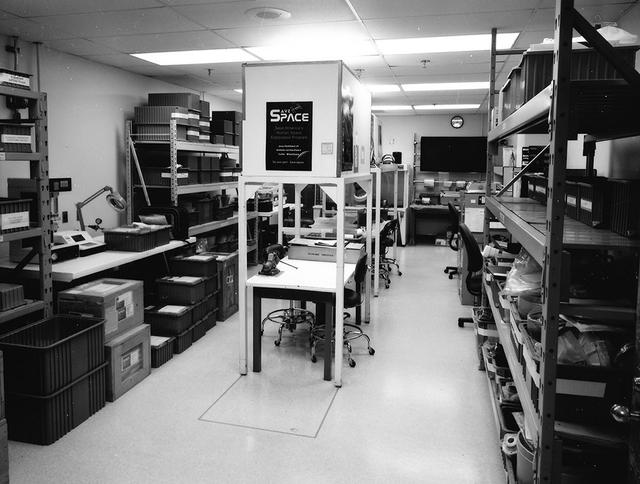
KSC-2010-3764
CAPE CANAVERAL, Fla. -- In the Rotation, Processing and Surge Facility, or RSPF, at NASA's Kennedy Space Center in Florida, workers prepare for the propellant grain inspection and truing of the final solid rocket booster segments, which is a required safety analysis. The booster segments were manufactured at the ATK solid rocket booster plant in Promontory, Utah, and traveled to Kennedy along the Florida East Coast Railway.  The booster segments will be stacked and then mated to space shuttle Atlantis and its external fuel tank in the Vehicle Assembly Building. The segments will be used for what currently is planned as the 'launch on need,' or potential rescue mission for the final shuttle flight, Endeavour's STS-134 mission. For information, visit www.nasa.gov_shuttle. Photo credit: NASA_Cory Huston
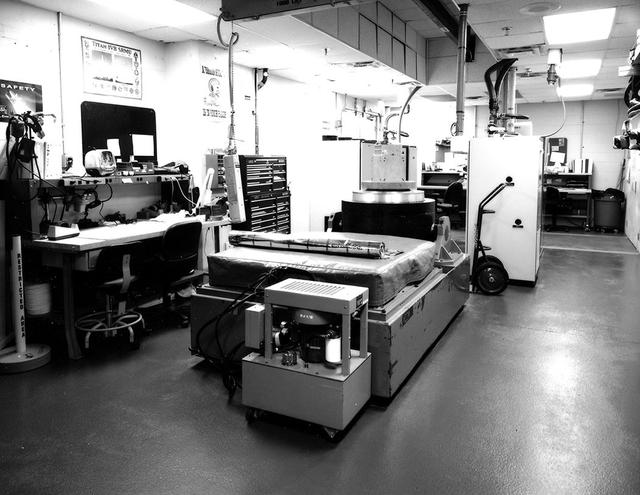
KSC-2010-3759
CAPE CANAVERAL, Fla. -- In the Rotation, Processing and Surge Facility, or RSPF, at NASA's Kennedy Space Center in Florida, workers make sure the final solid rocket booster segments are level, balanced and concentric, which is a required safety analysis. Workers also will perform a propellant grain inspection. The booster segments were manufactured at the ATK solid rocket booster plant in Promontory, Utah, and traveled to Kennedy along the Florida East Coast Railway.  The booster segments will be stacked and then mated to space shuttle Atlantis and its external fuel tank in the Vehicle Assembly Building. The segments will be used for what currently is planned as the 'launch on need,' or potential rescue mission for the final shuttle flight, Endeavour's STS-134 mission. For information, visit www.nasa.gov_shuttle. Photo credit: NASA_Cory Huston
KSC-2010-3763
S84-35097 (May 1984) --- The Space Shuttle Orbiter 103 is about to be hoisted into a tail-toward-ground mode for mating to its two solid rocket boosters (SRB) and an external tank (ET) (awaiting the maneuver high out of frame) in the Kennedy Space Center's (KSC) huge vehicle assembly building (VAB).  After its arrival here from the manufacturer in Palmdale, California, Discovery underwent extensive pre-launch preparations in the nearby processing facility (OPF).
PREFLIGHT (MATING) - STS-14/41D - KSC
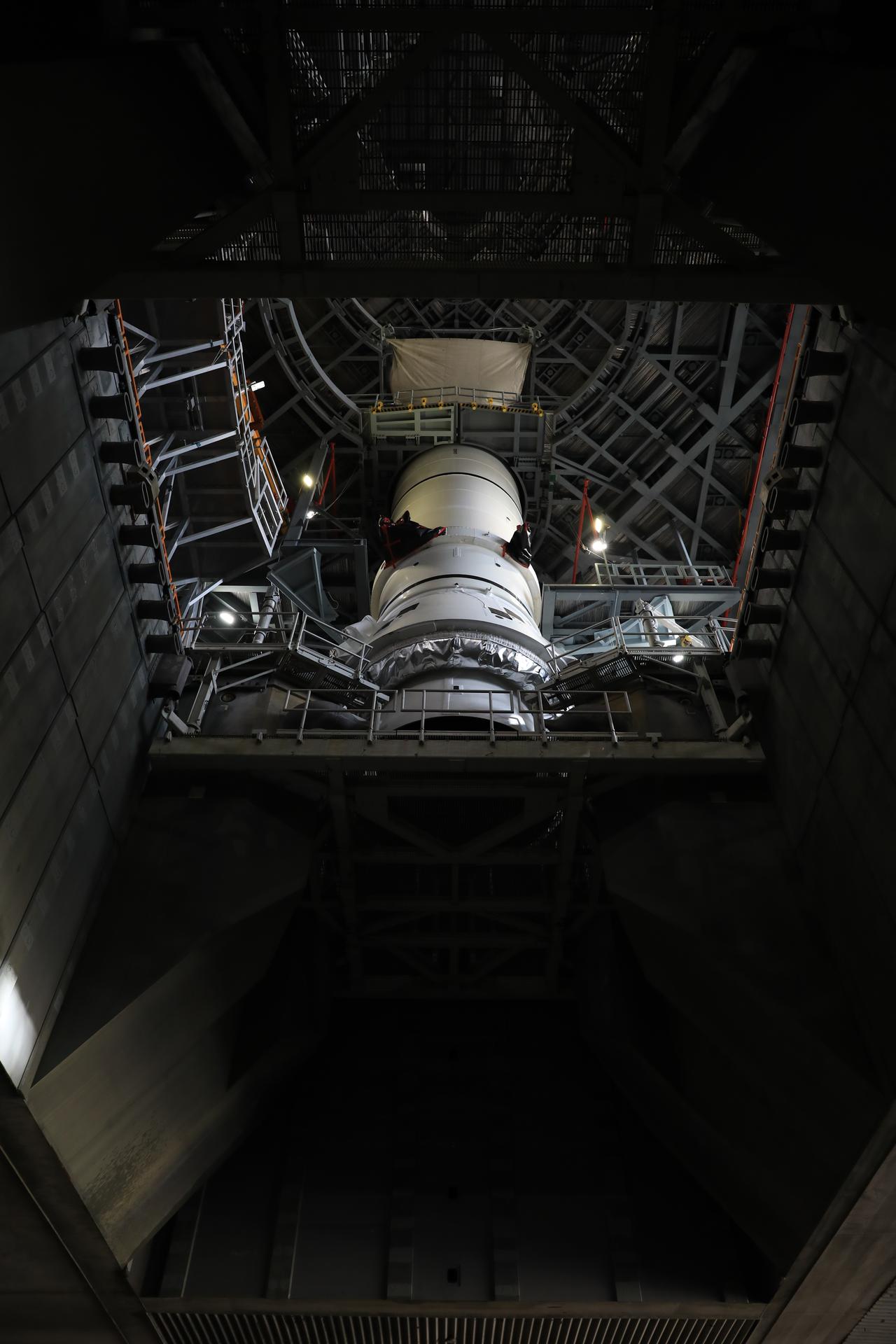
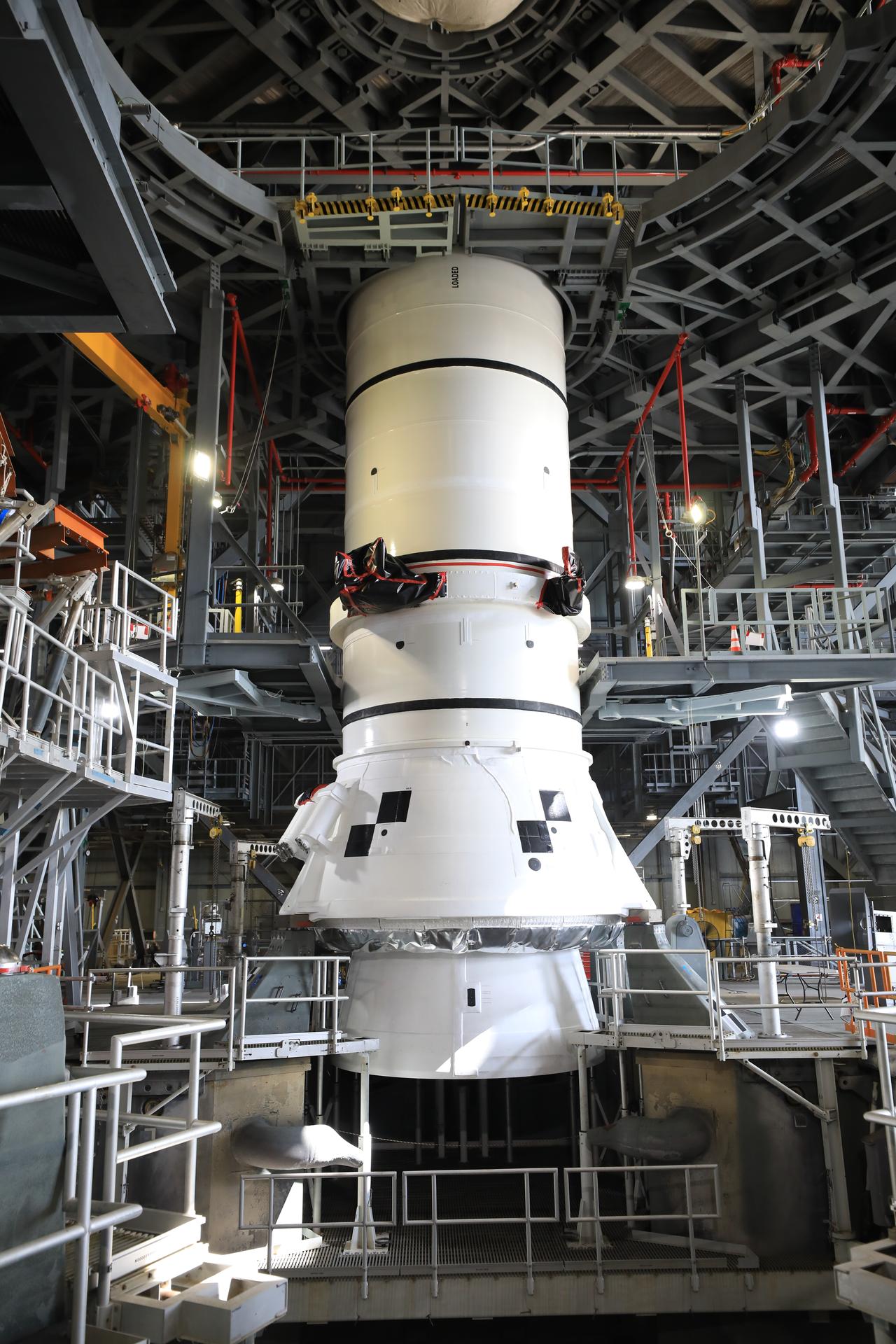
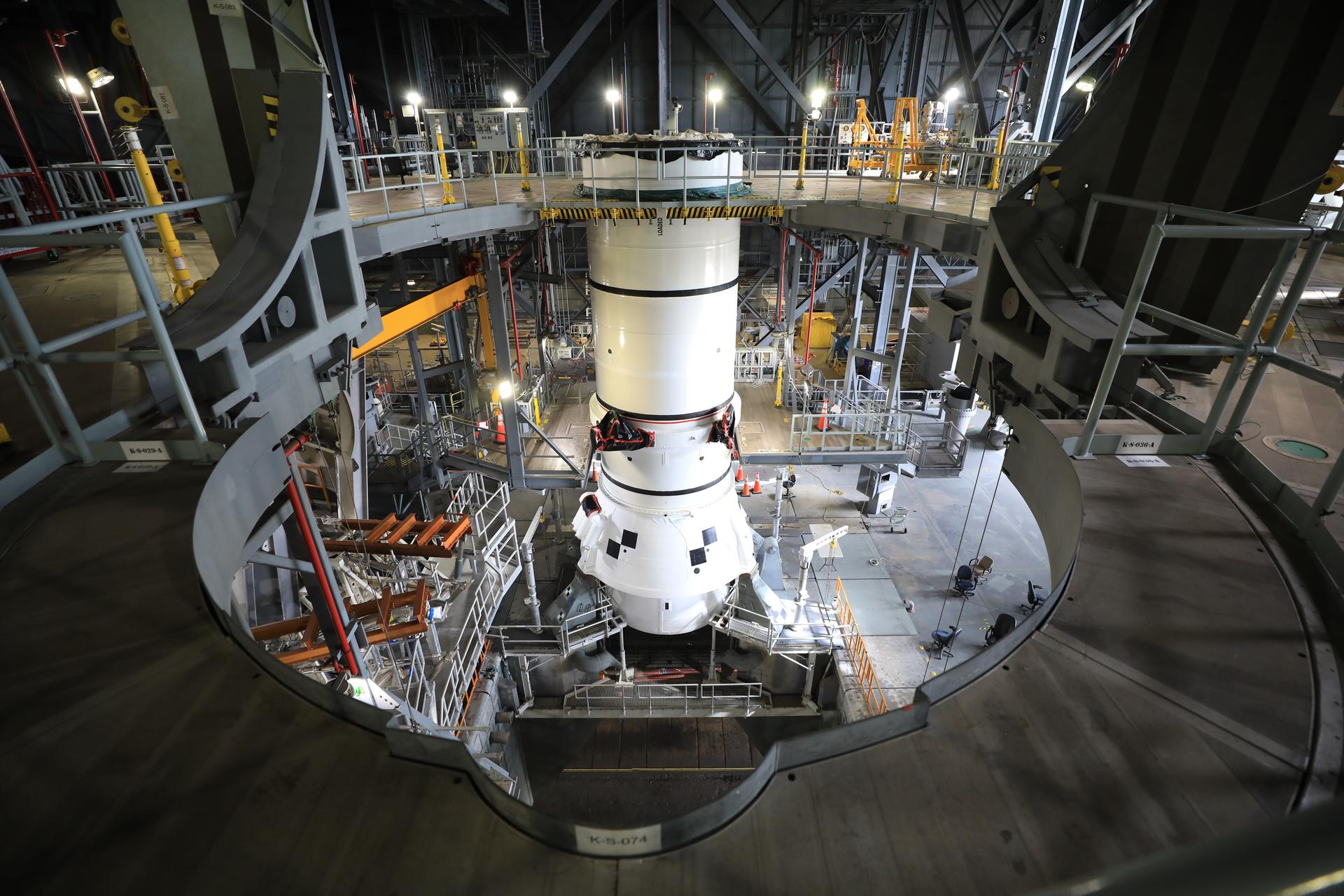
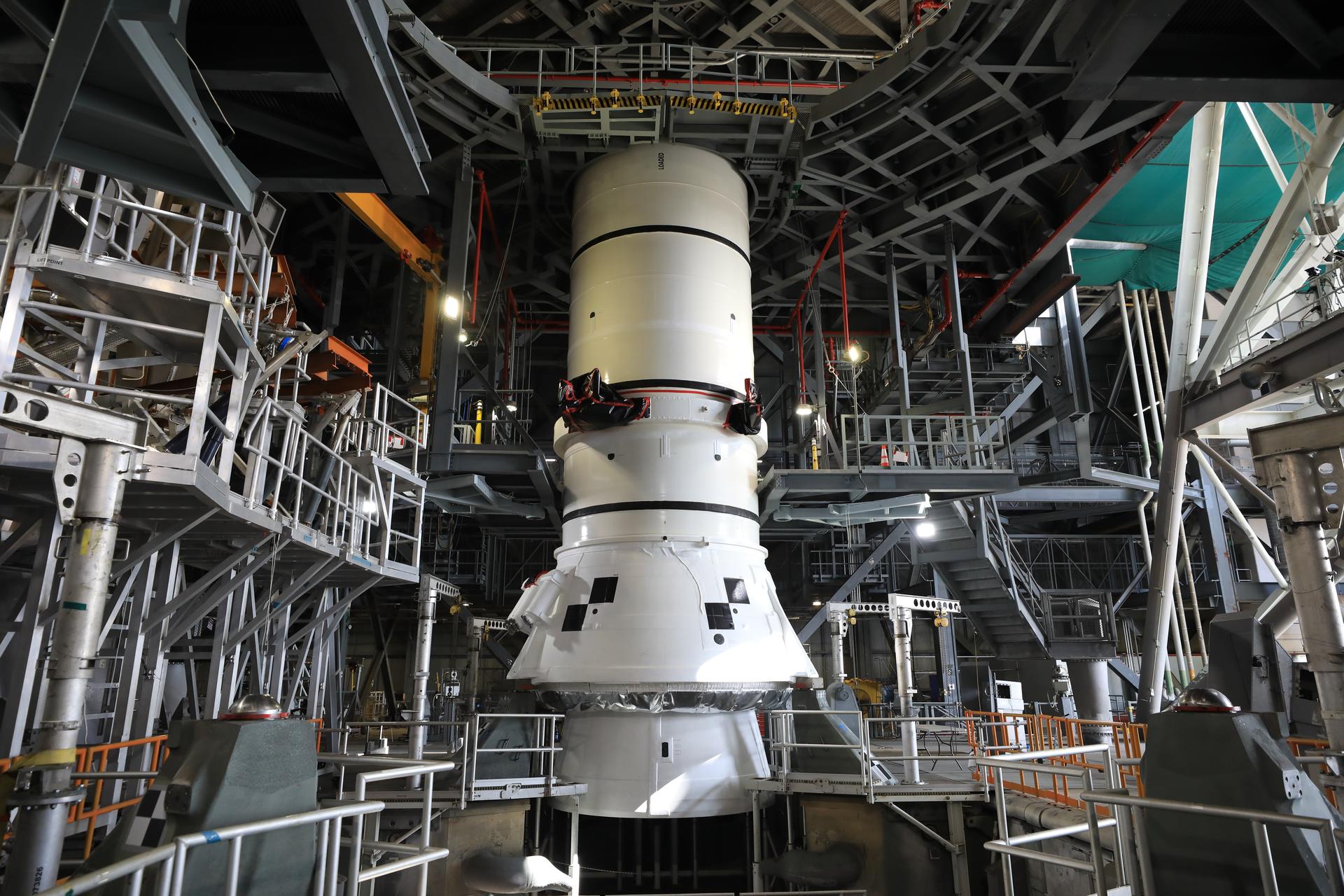
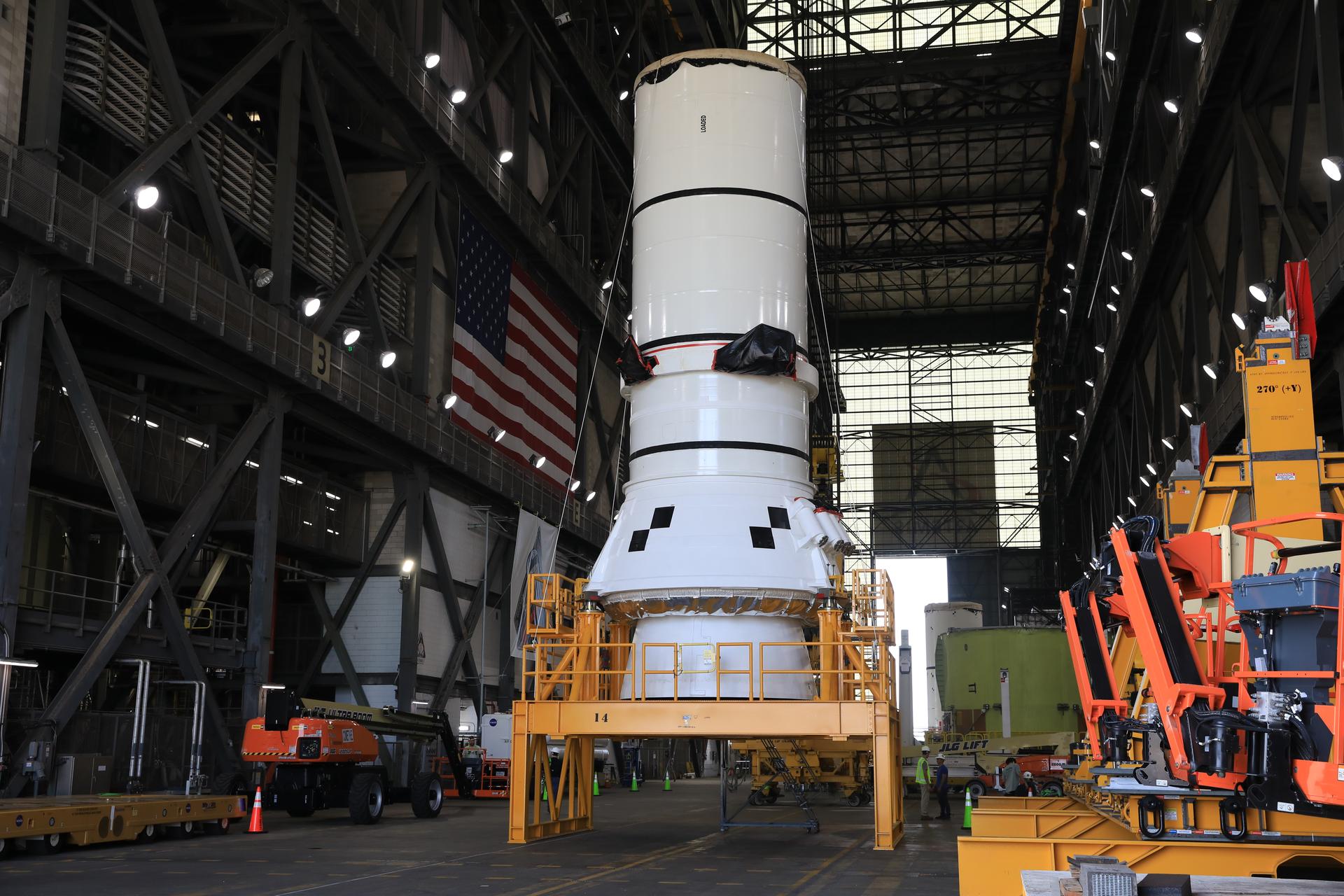
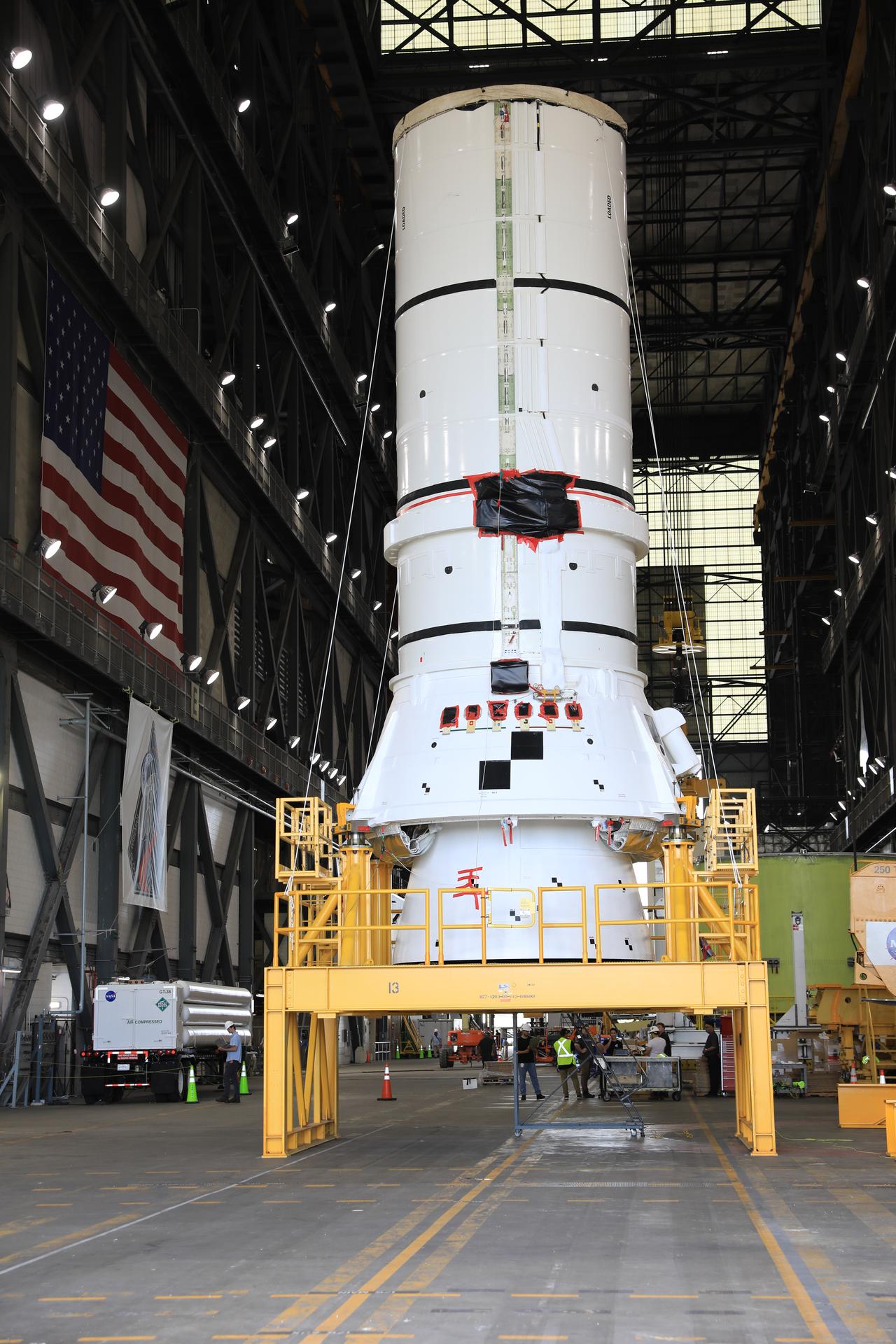
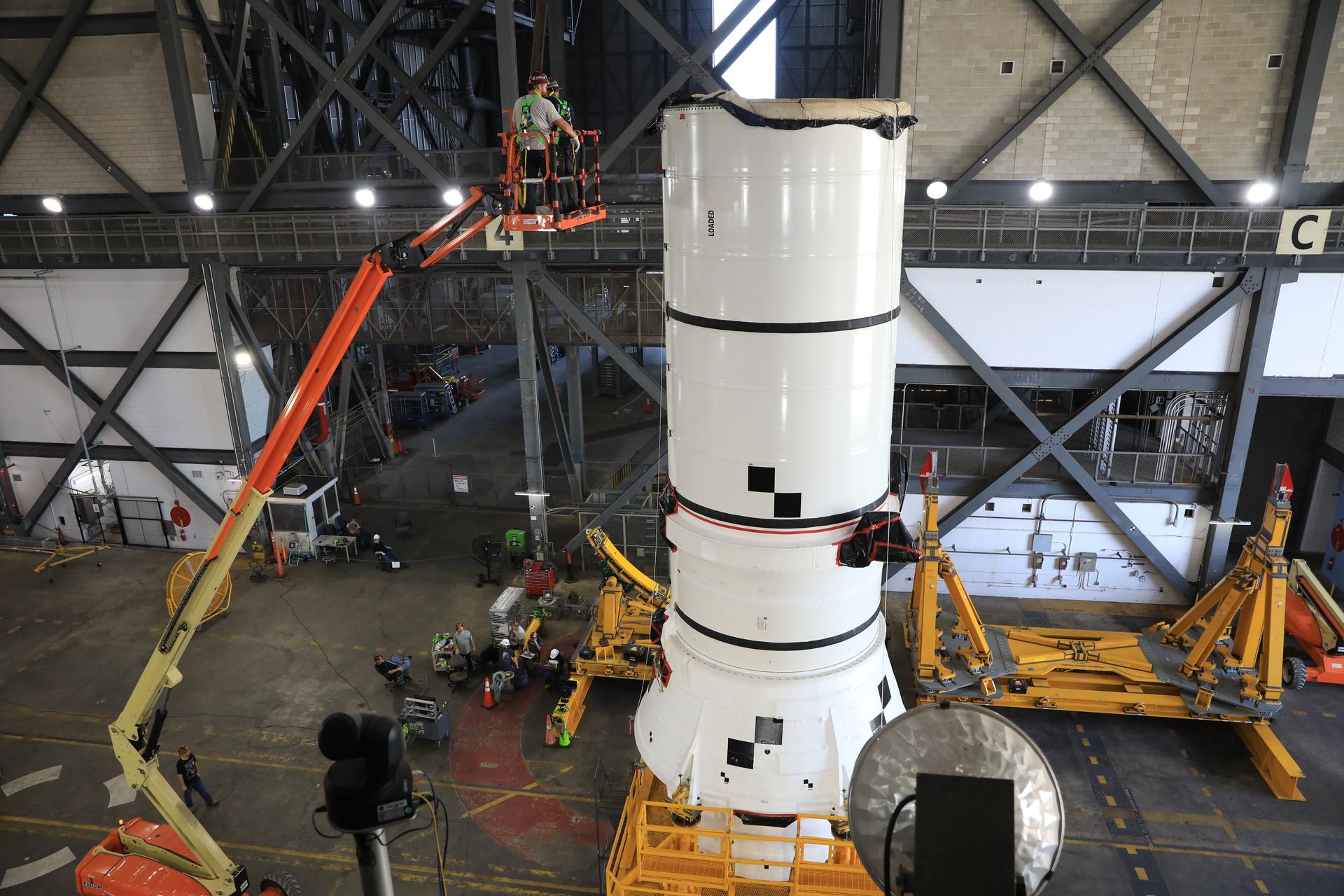
NASA joined the Space Launch System rocket’s core stage forward assembly with the 130-foot liquid hydrogen tank for the Artemis II mission on March 18. This completes assembly of four of the five large structures that make up the core stage that will help send the first astronauts to lunar orbit on Artemis II. The 66-foot forward assembly consists of the forward skirt, liquid oxygen tank and the intertank, which were mated earlier. Engineers inserted 360 bolts to connect the forward assembly to the liquid hydrogen tank to make up the bulk of the stage. Only the engine section, which is currently being outfitted and includes the main propulsion systems that connect to the four RS-25 engines, remains to be added to form the final core stage. All parts of the core stage are manufactured by NASA and Boeing, the core stage lead contractor at the agency’s Michoud Assembly Facility in New Orleans. Currently, the team is building core stages for three Artemis missions. The first core stage is stacked with the rest of the SLS rocket, which will launch the Artemis I mission to the Moon this year. Together with its twin solid rocket boosters, the core stage will produce 8.8 million pounds of thrust to send NASA’s Orion spacecraft, astronauts, and supplies beyond Earth’s orbit to the Moon. The SLS rocket and the Orion spacecraft form the foundation for Artemis missions and future deep space exploration.
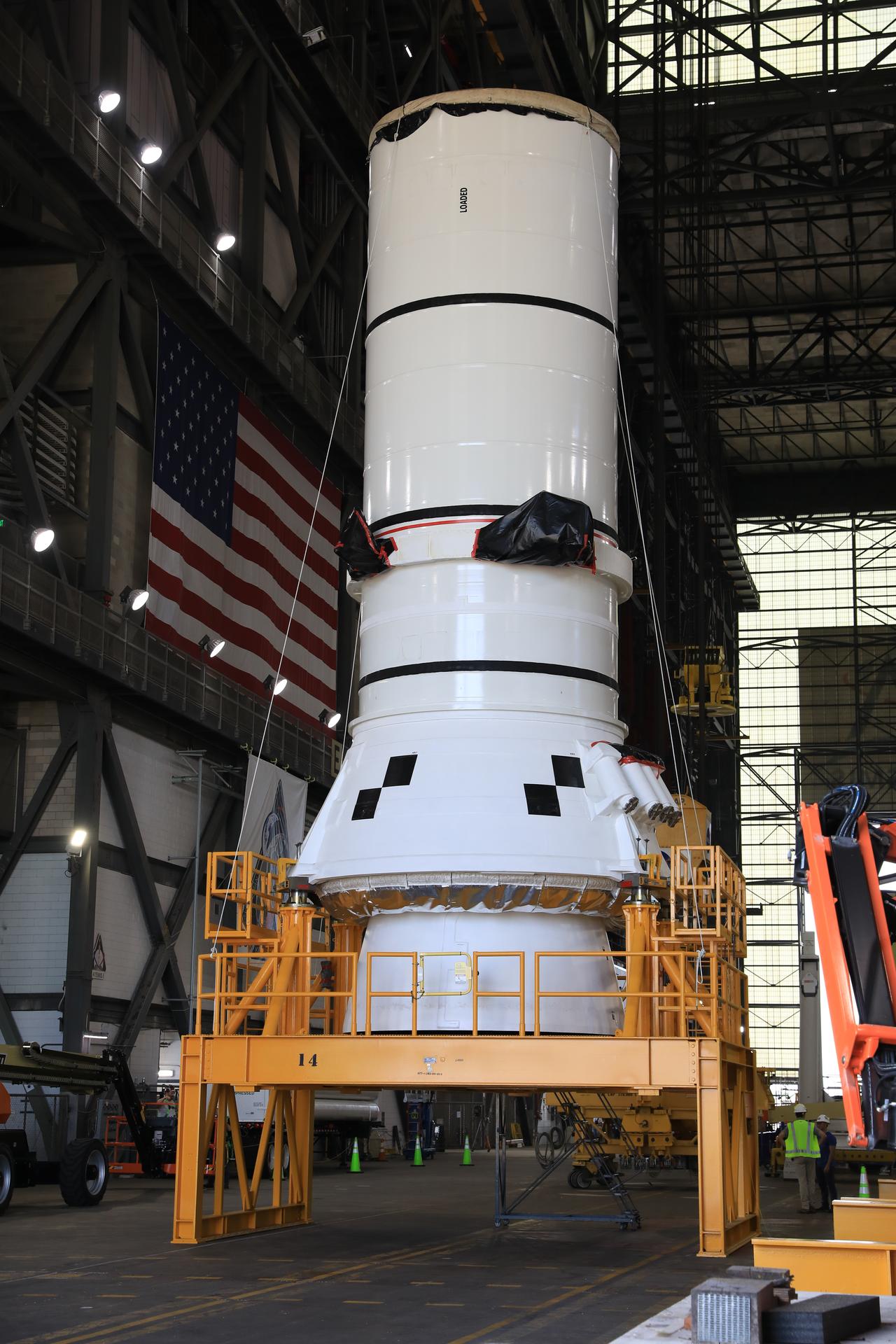
NASA Joins Four Major SLS Rocket Parts to Form Artemis II Core Stage