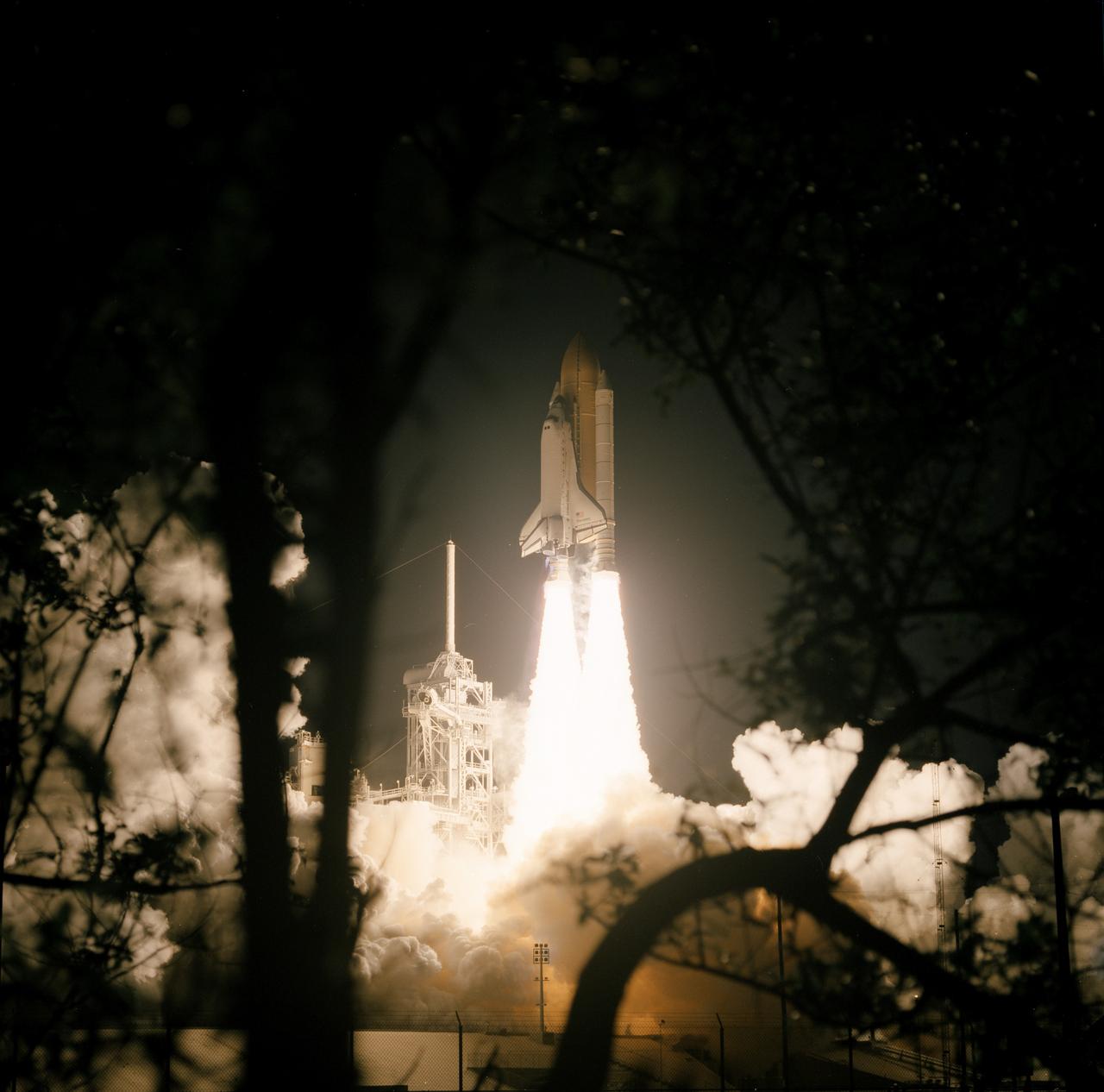
STS103-S-008 (19 December 1999) --- The Space Shuttle Discovery, framed by Florida foliage, clears the launch structure and heads toward the clear night sky to begin the 96th mission in the STS program. Liftoff occurred at 7:50 p.m. (EST), December 19, 1999, from Launch Pad 39B. Onboard were astronauts Curtis L. Brown, Jr., Scott J. Kelly, Steven L. Smith, C. Michael Foale, John M. Grunsfeld, Claude Nicollier and Jean-Francois Clervoy. Switzerland's Nicollier and France's Clervoy represent the European Space Agency (ESA).
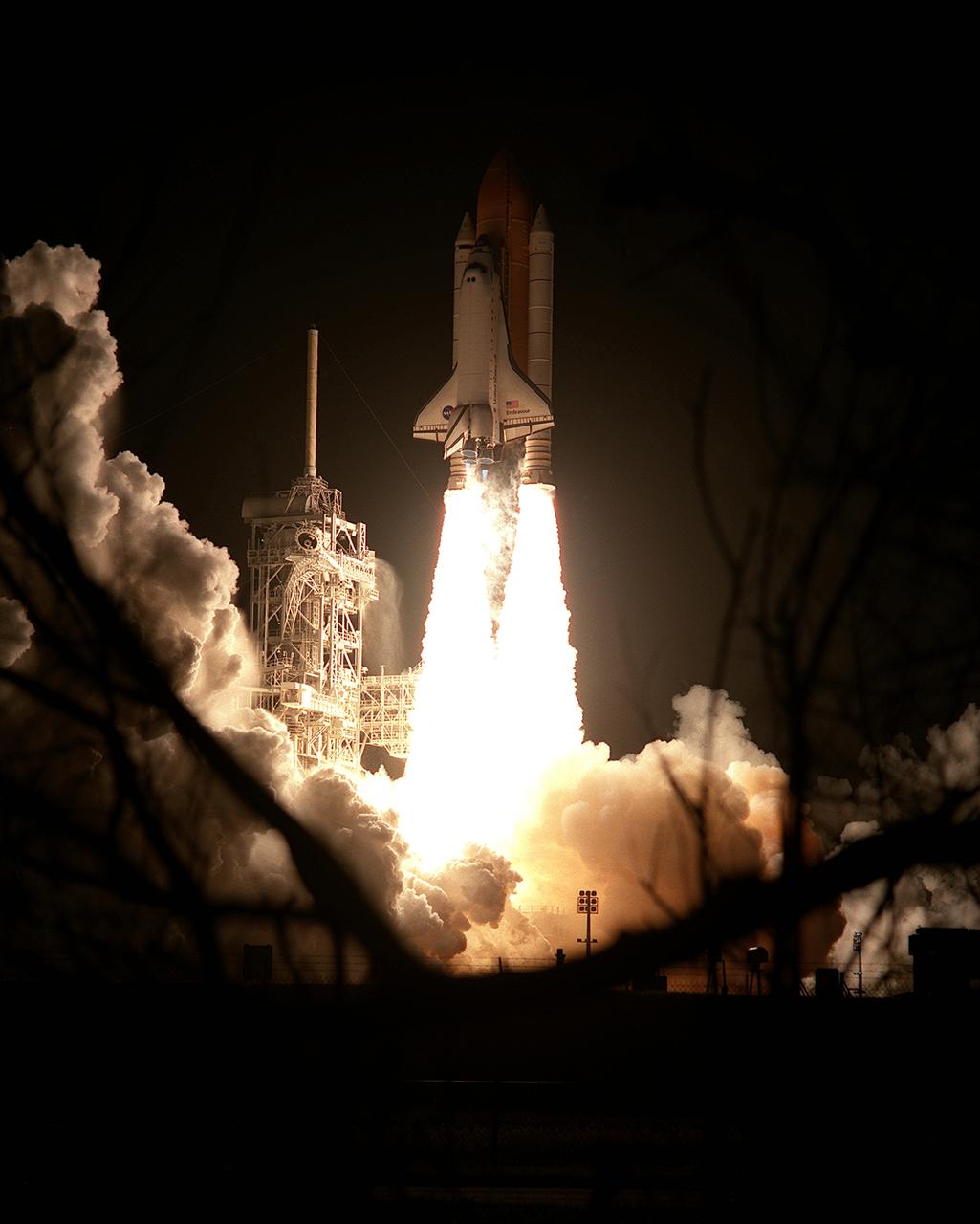
STS088-S-008 (4 Dec. 1998) --- The Space Shuttle Endeavour lights up the night sky as it embarks on the first mission dedicated to the assembly of the International Space Station (ISS). Liftoff occurred at 3:35:34 a.m. (EST), December 4, 1998, from Launch Pad 39A, at the Kennedy Space Center (KSC), Florida. Onboard were astronauts Robert D. Cabana, mission commander; Frederick W. Sturckow, pilot; Nancy J. Currie, Jerry L. Ross and James H. Newman, along with Russian Space Agency (RSA) cosmonaut Sergei K. Krikalev, all mission specialists.
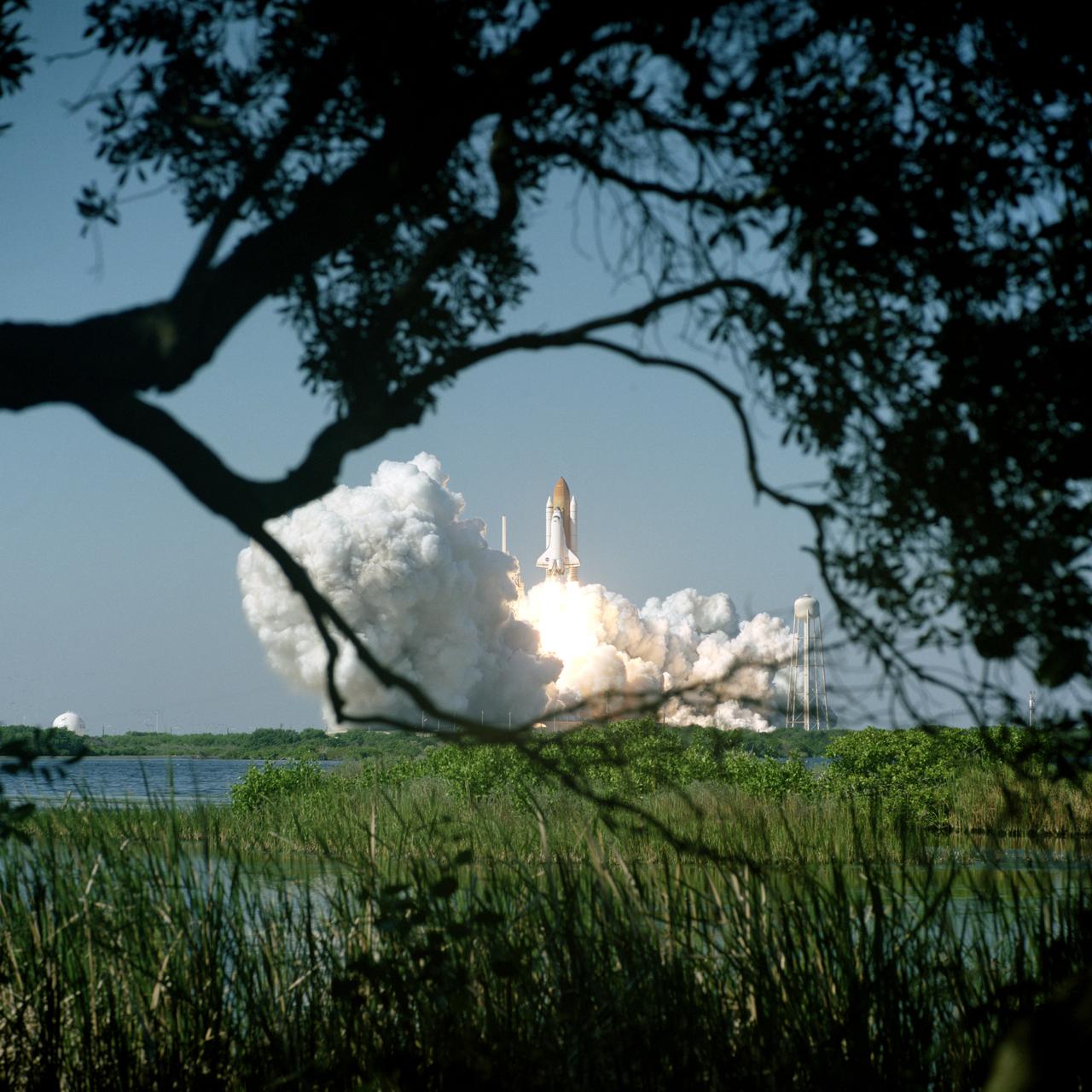
STS095-S-008 (29 Oct. 1998) --- The space shuttle Discovery lifts off Launch Pad 39B to begin a nine-day mission in Earth-orbit. Launch was at 2:19 p.m. (EST), Oct. 29, 1998. Onboard were Curtis L. Brown Jr., Steven W. Lindsey, Scott F. Parazynski, Steven K. Robinson, Pedro Duque, United States Senator John H. Glenn Jr. and Chiaki Naito-Mukai. Duque is a mission specialist representing the European Space Agency (ESA) and Mukai is a payload specialist representing Japan's National Space Development Agency (NASDA). Glenn, making his second spaceflight but his first in 36 years, joins Mukai as a payload specialist on the mission. Photo credit: NASA
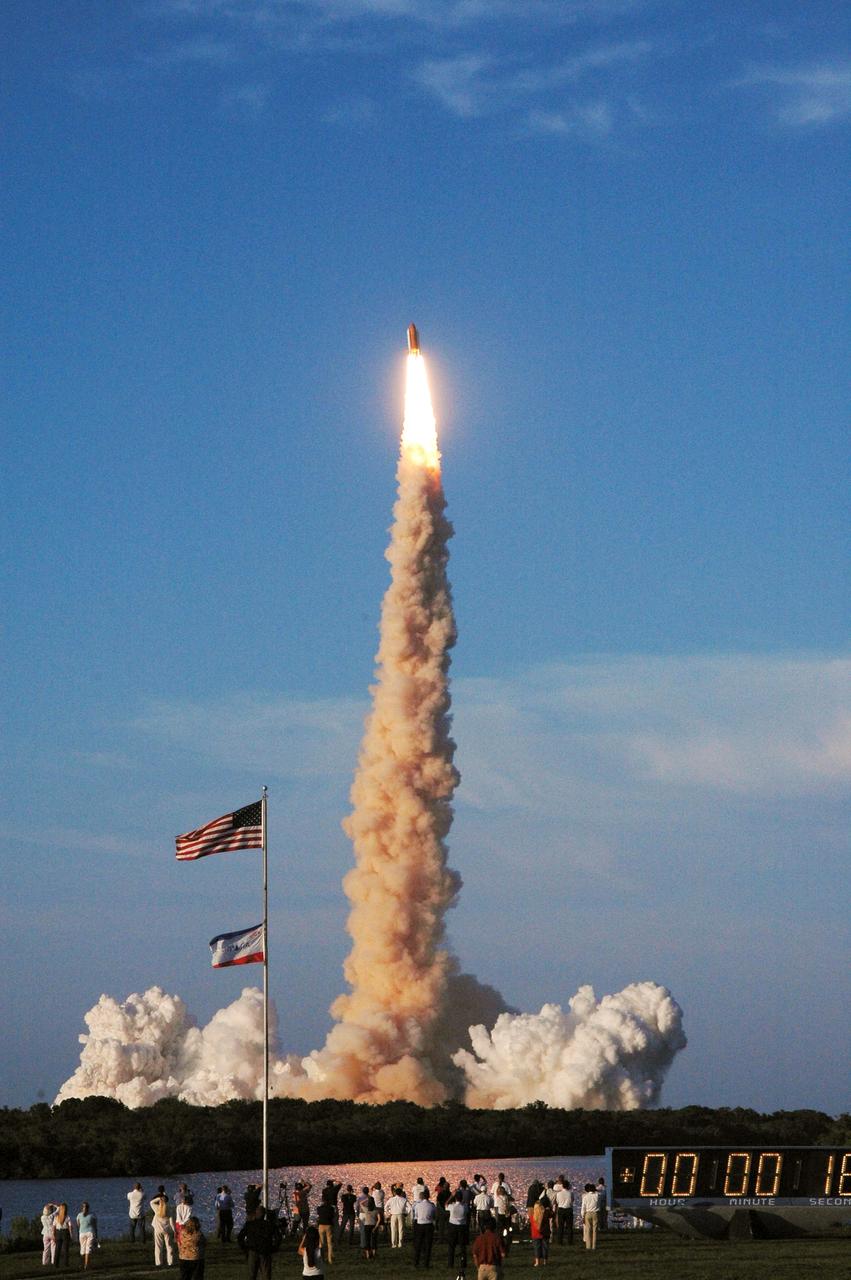
STS117-S-008 (8 June 2007) --- The Space Shuttle Atlantis and its seven-member STS-117 crew head toward Earth-orbit and a scheduled link-up with the International Space Station. Liftoff from Kennedy Space Center's launch pad 39A occurred at 7:38 p.m. (EDT) on June 8, 2007. Onboard are astronauts Rick Sturckow, commander; Lee Archambault, pilot; Jim Reilly, Patrick Forrester, John "Danny" Olivas, Steven Swanson and Clayton Anderson, all mission specialists. Anderson will join Expedition 15 in progress to serve as a flight engineer aboard the station. Atlantis will dock with the orbital outpost on Sunday, June 10, to begin a joint mission that will increase the complex's power generation capability. Using the shuttle and station robotic arms and conducting three scheduled spacewalks, the astronauts will install another set of giant solar array wings on the station and retract another array, preparing it for a future move.
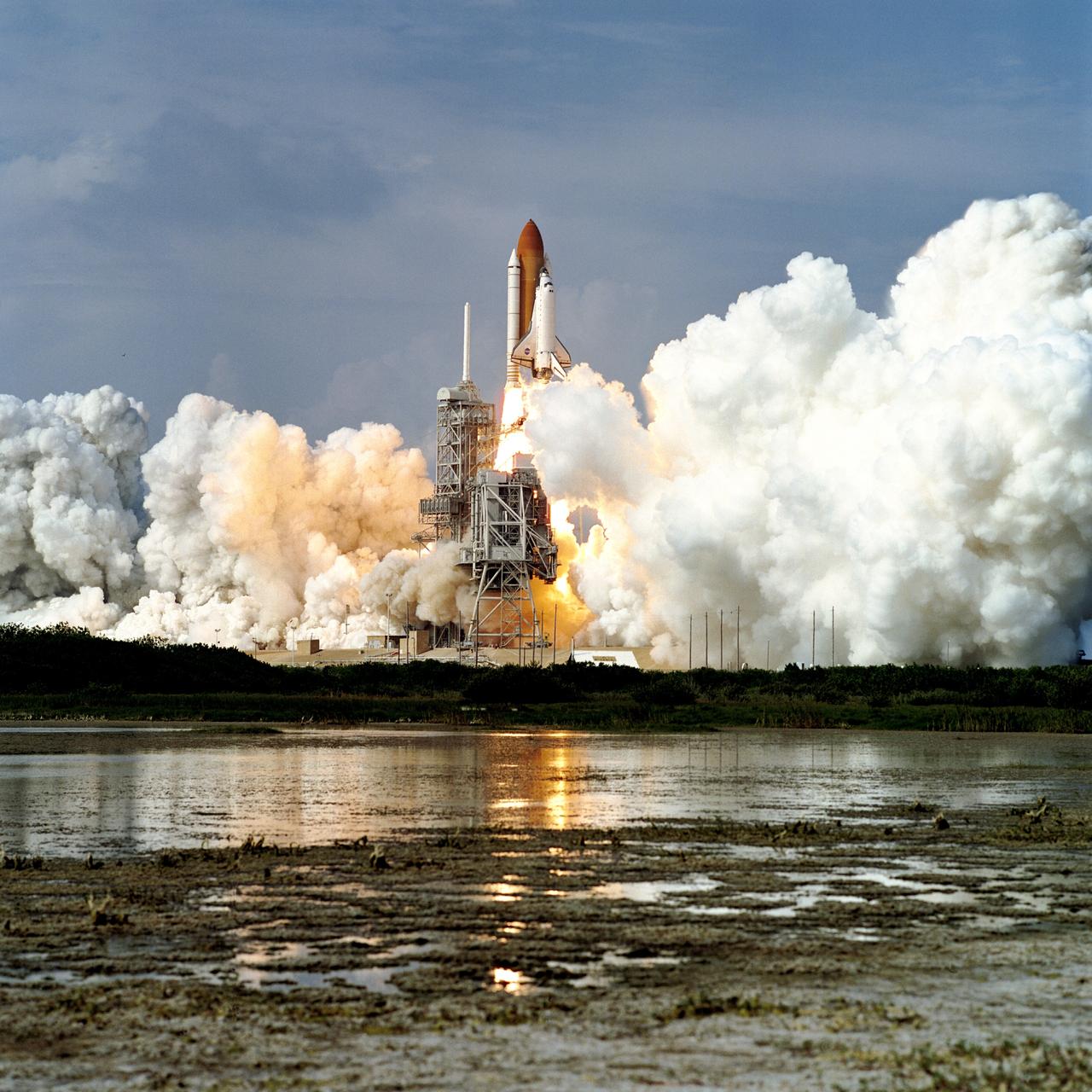
STS111-S-008 (5 June 2002) --- The Space Shuttle Endeavour leaves the launch pad, headed into space for mission STS-111 to the International Space Station (ISS). Liftoff occurred at 5:22:49 p.m. (EDT), June 5, 2002. The STS-111 crew includes astronauts Kenneth D. Cockrell, commander; Paul S. Lockhart, pilot, and Franklin R. Chang-Diaz and Philippe Perrin, mission specialists. Also onboard were the Expedition Five crew members including cosmonaut Valery G. Korzun, commander, along with astronaut Peggy A. Whitson and cosmonaut Sergei Y. Treschev, flight engineers. Perrin represents CNES, the French space agency, and Korzun and Treschev are with the Russian Aviation and Space Agency (Rosaviakosmos). This mission marks the 14th Shuttle flight to the International Space Station and the third Shuttle mission this year. Mission STS-111 is the 18th flight of Endeavour and the 110th flight overall in NASA's Space Shuttle program.
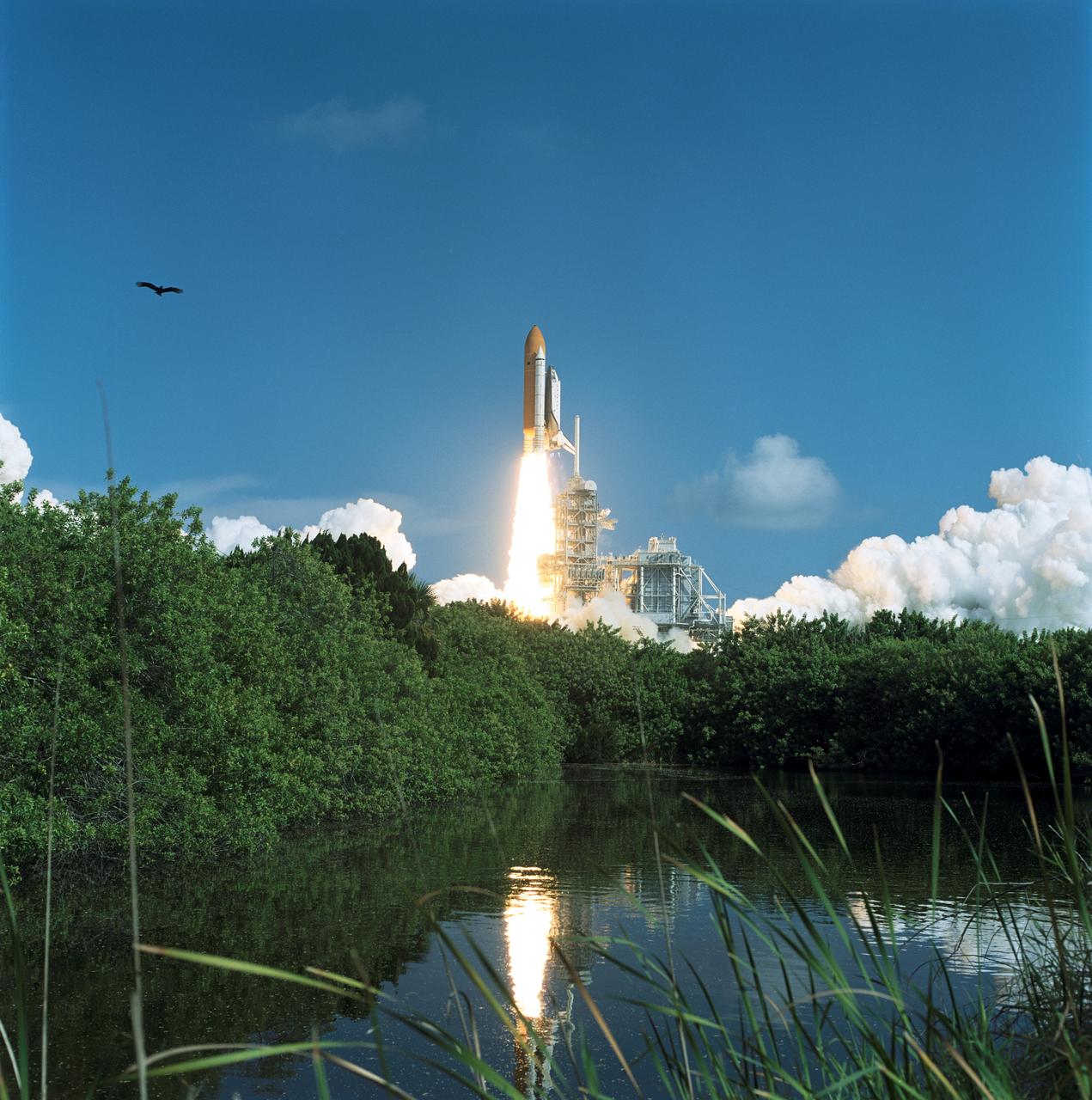
STS112-S-008 (7 October 2002) --- A distant camera records the launch of mission STS-112, the 15th assembly flight to the International Space Station. Liftoff from Launch Pad 39B occurred at 3:46 p.m. (EDT), October 7, 2002. Atlantis carried the S1 Integrated Truss Structure and the Crew and Equipment Translation Aid (CETA) Cart A. The CETA is the first of two human-powered carts that will ride along the ISS railway, providing mobile work platforms for future spacewalking astronauts. On the 11-day mission, three spacewalks were successful in attaching the S1 truss to the Station and performing other scheduled ISS work. The STS-112 crew members of Atlantis are Jeffrey S. Ashby, commander; Pamela A. Melroy, pilot; and David A. Wolf, Piers J. Sellers, Sandra H. Magnus and Rosaviakosmos' Fyodor N. Yurchikhin, all mission specialists.
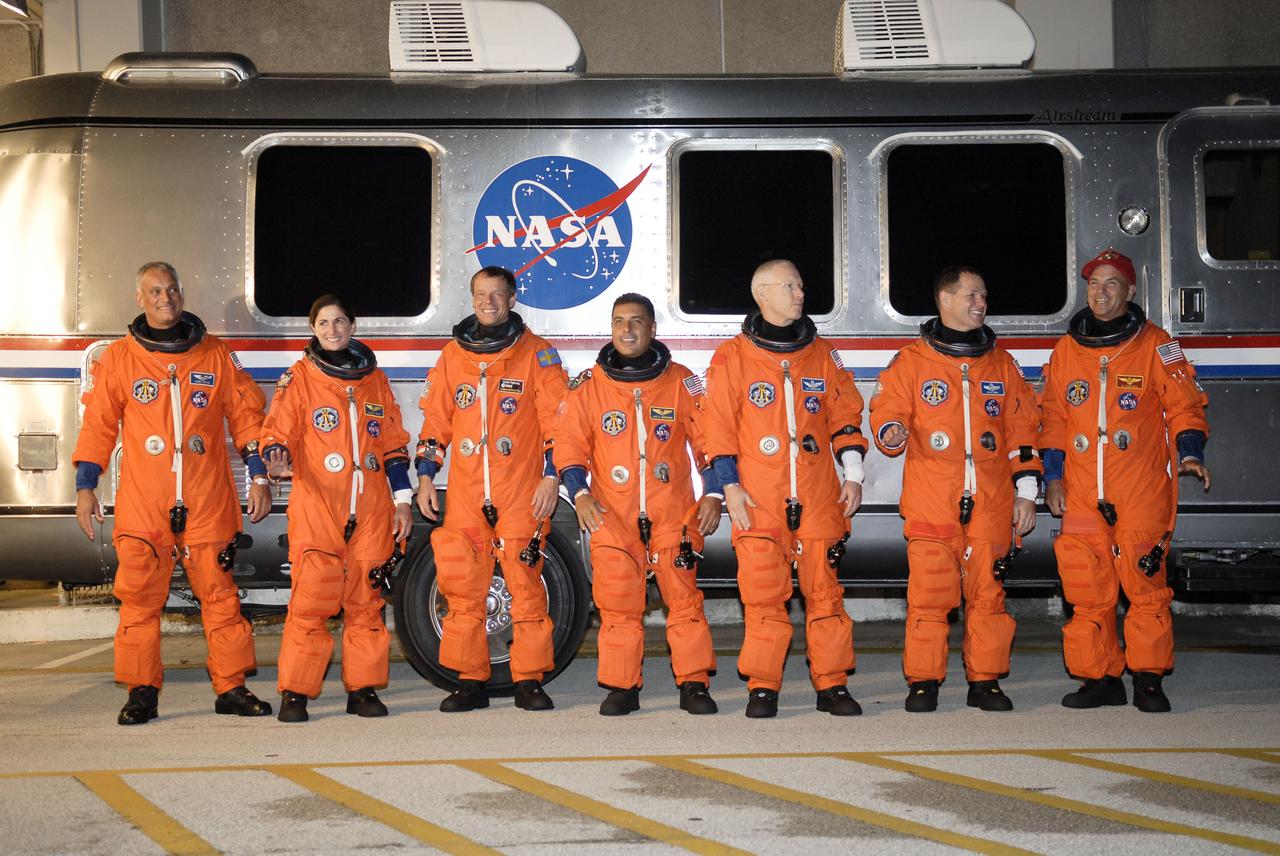
STS128-S-008 (28 Aug. 2009) --- After suiting up, the STS-128 crew members pause alongside the Astrovan to wave farewell to onlookers before heading for launch pad 39A for the launch of Space Shuttle Discovery on the STS-128 mission. From the right are astronauts Rick Sturckow, commander; Kevin Ford, pilot; Patrick Forrester, Jose Hernandez, European Space Agency astronaut Christer Fuglesang, Nicole Stott and John ?Danny? Olivas, all mission specialists. Stott will join Expedition 20 in progress to serve as a flight engineer aboard the International Space Station. The 13-day mission will deliver more than seven tons of supplies, science racks and equipment, as well as additional environmental hardware to sustain six crew members on the space station. The equipment includes a freezer to store research samples, a new sleeping compartment and the COLBERT treadmill. The mission is the 128th in the Space Shuttle Program, the 37th flight of Discovery and the 30th station assembly flight.
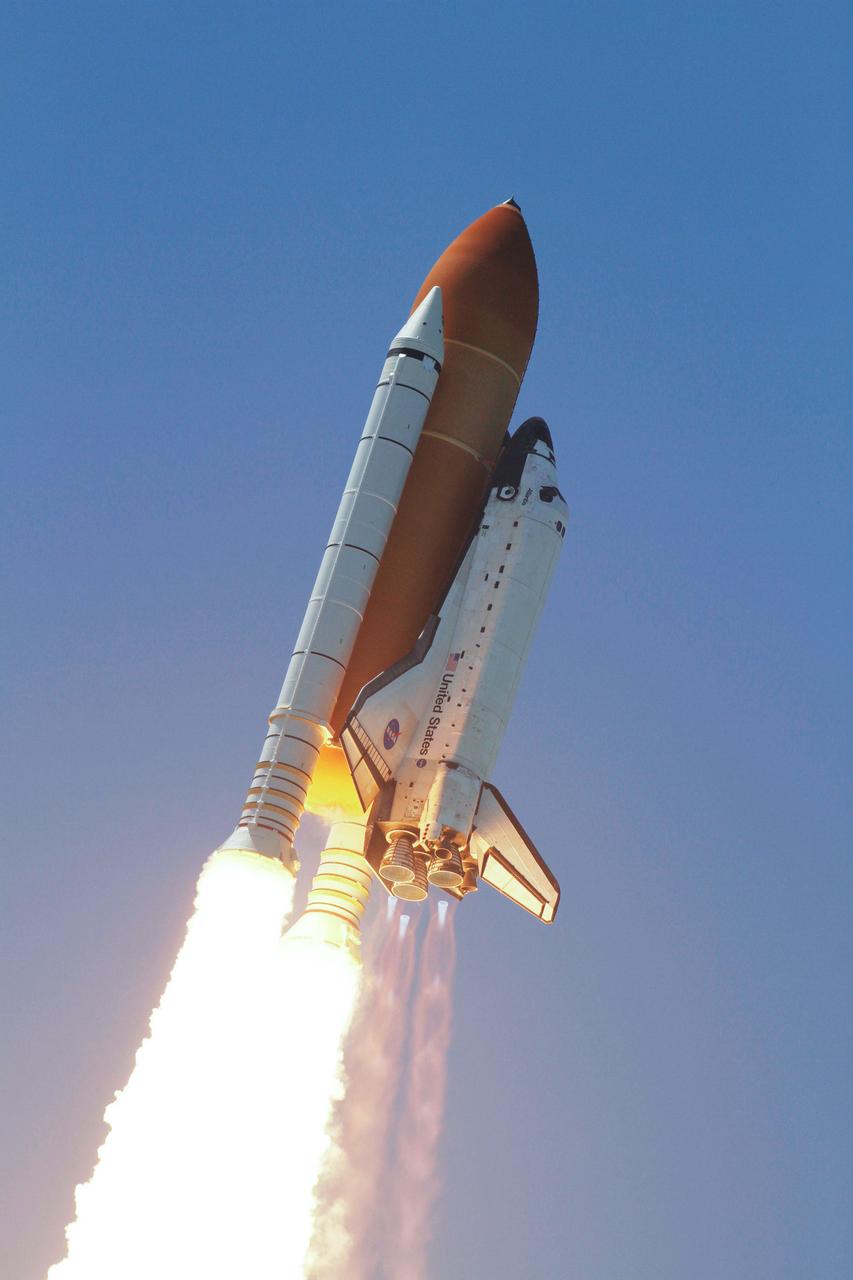
STS132-S-008 (14 May 2010) --- Space shuttle Atlantis and its six-member STS-132 crew head toward Earth orbit and rendezvous with the International Space Station. Liftoff was at 2:20 p.m. (EDT) on May 14, 2010, from launch pad 39A at NASA's Kennedy Space Center. Onboard are NASA astronauts Ken Ham, commander; Tony Antonelli, pilot; Garrett Reisman, Michael Good, Steve Bowen and Piers Sellers, all mission specialists. The crew will deliver the Russian-built Mini-Research Module 1 (MRM-1) to the International Space Station. Named Rassvet, Russian for "dawn," the module is the second in a series of new pressurized components for Russia and will be permanently attached to the Earth-facing port of the Zarya Functional Cargo Block (FGB). Rassvet will be used for cargo storage and will provide an additional docking port to the station. Also aboard Atlantis is an Integrated Cargo Carrier, or ICC, an unpressurized flat bed pallet and keel yoke assembly used to support the transfer of exterior cargo from the shuttle to the station. STS-132 is the 34th mission to the station and the last scheduled flight for Atlantis.
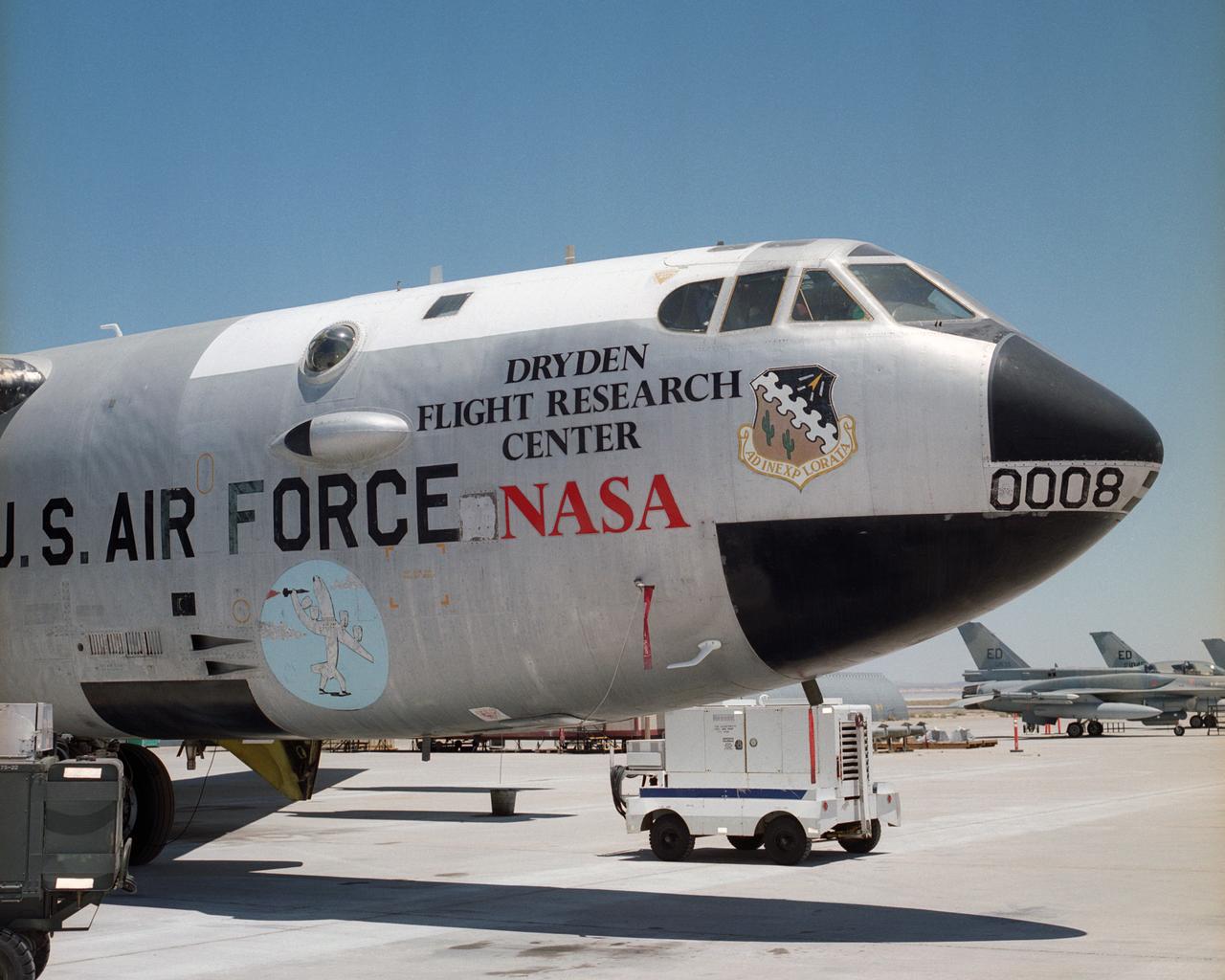
NASA Dryden Flight Research Center's workhorse B-52B launch aircraft, known as NASA 008, displays new markings.
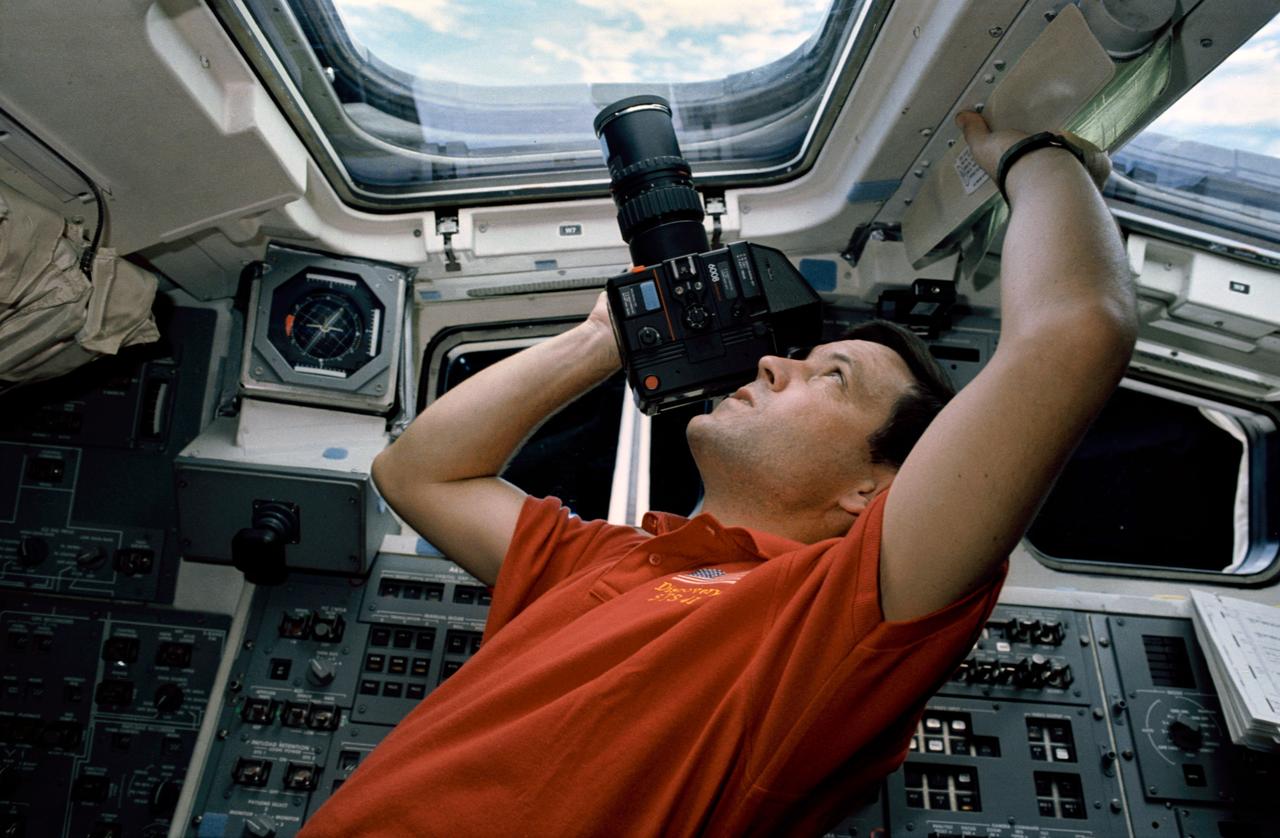
STS041-22-008 (6-10 Oct 1990) --- Astronaut Robert D. Cabana, STS-41 pilot, uses a handheld camera to record Earth scenes from the aft flight deck of Discovery.
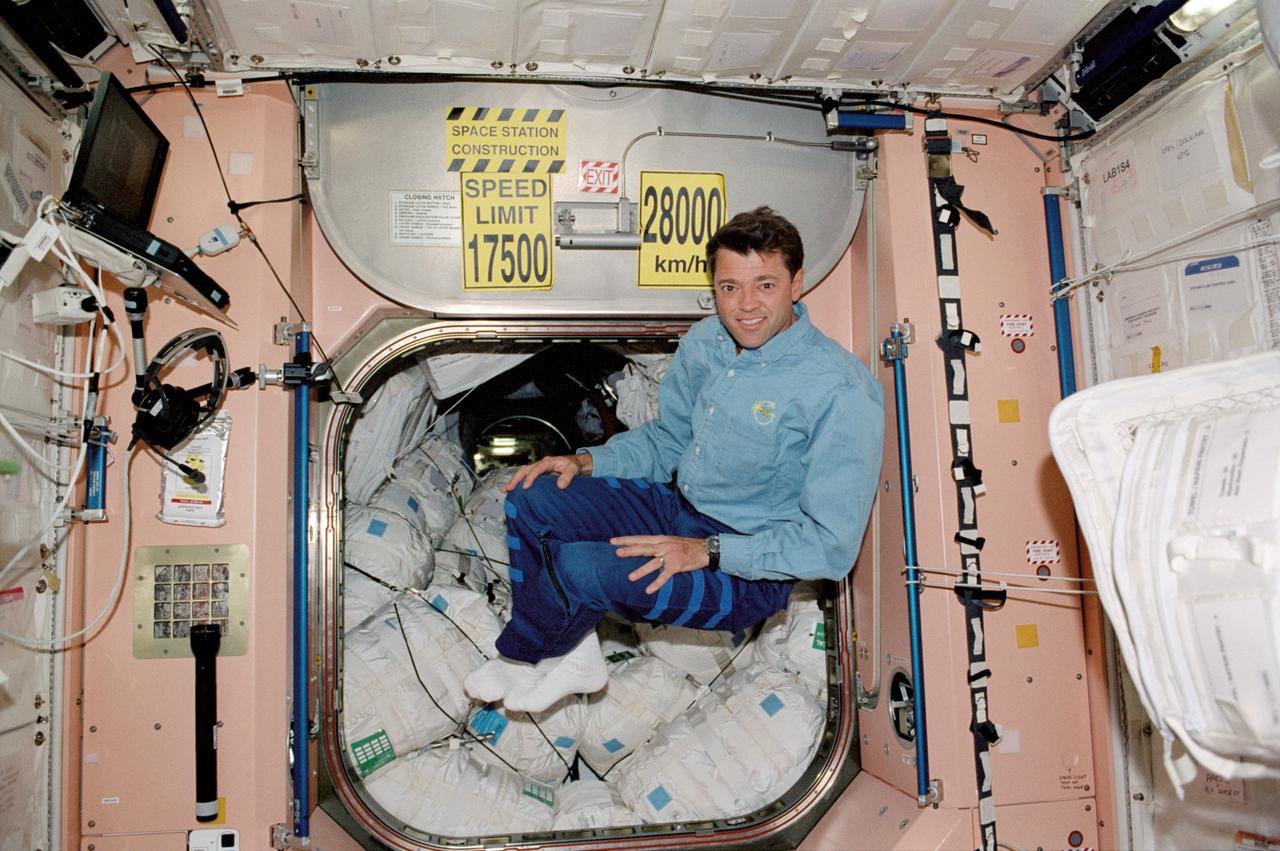
STS112-316-008 (7-18 October 2002) --- Astronaut Jeffrey S. Ashby, STS-112 mission commander, floats in the Unity node on the International Space Station (ISS).
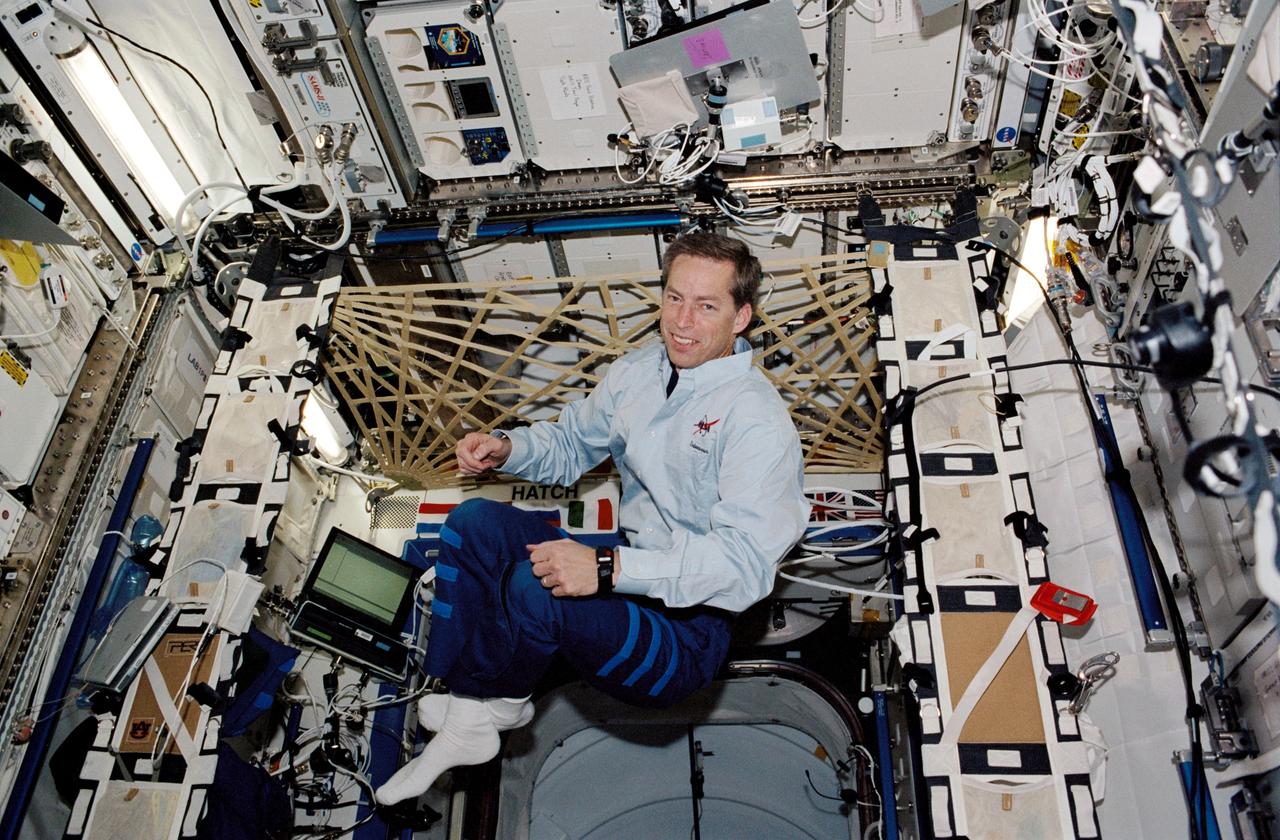
STS113-339-008 (1 December 2002) --- Astronaut James D. Wetherbee, STS-113 mission commander, floats in the Destiny laboratory on the International Space Station (ISS).
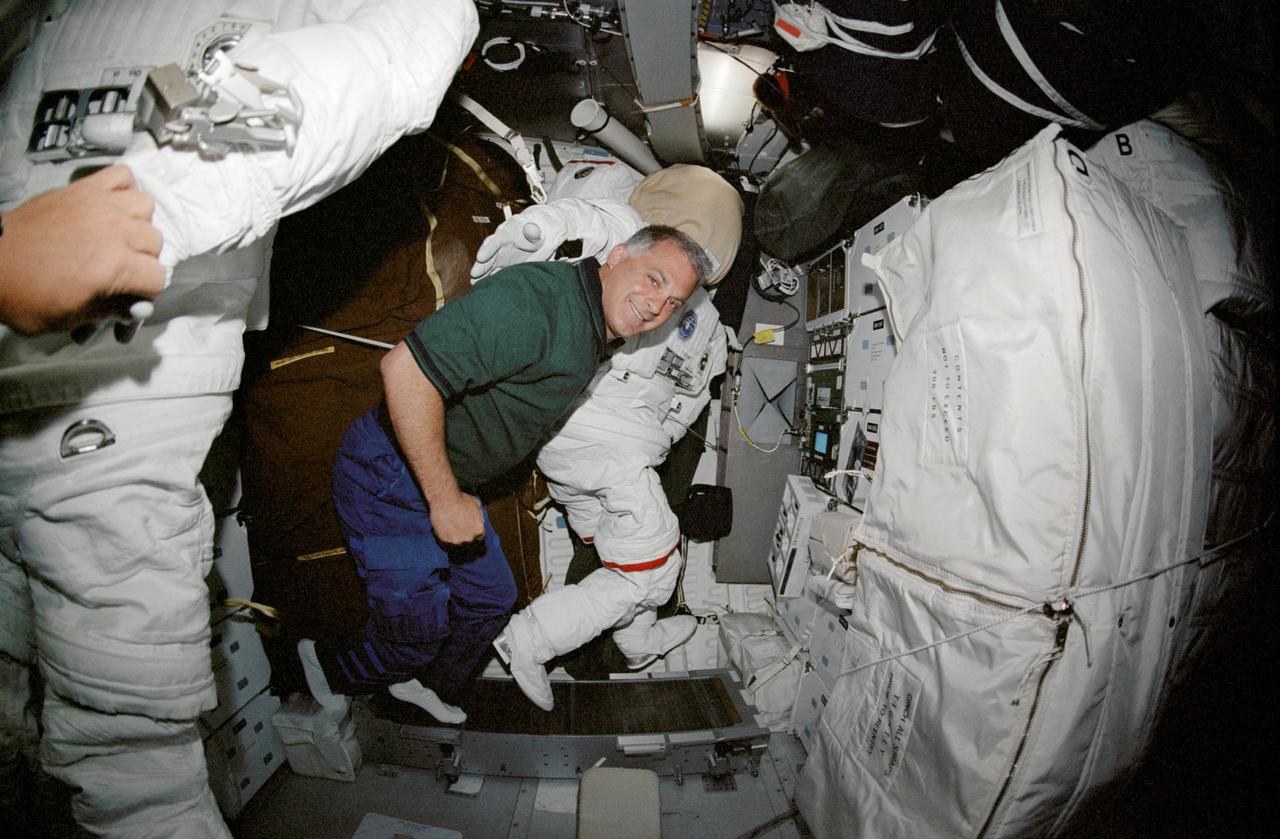
STS112-309-008 (7-18 October 2002) --- Astronaut David A. Wolf, STS-112 mission specialist, is pictured near an Extravehicular Mobility Unit (EMU) space suit on the middeck of the Space Shuttle Atlantis.
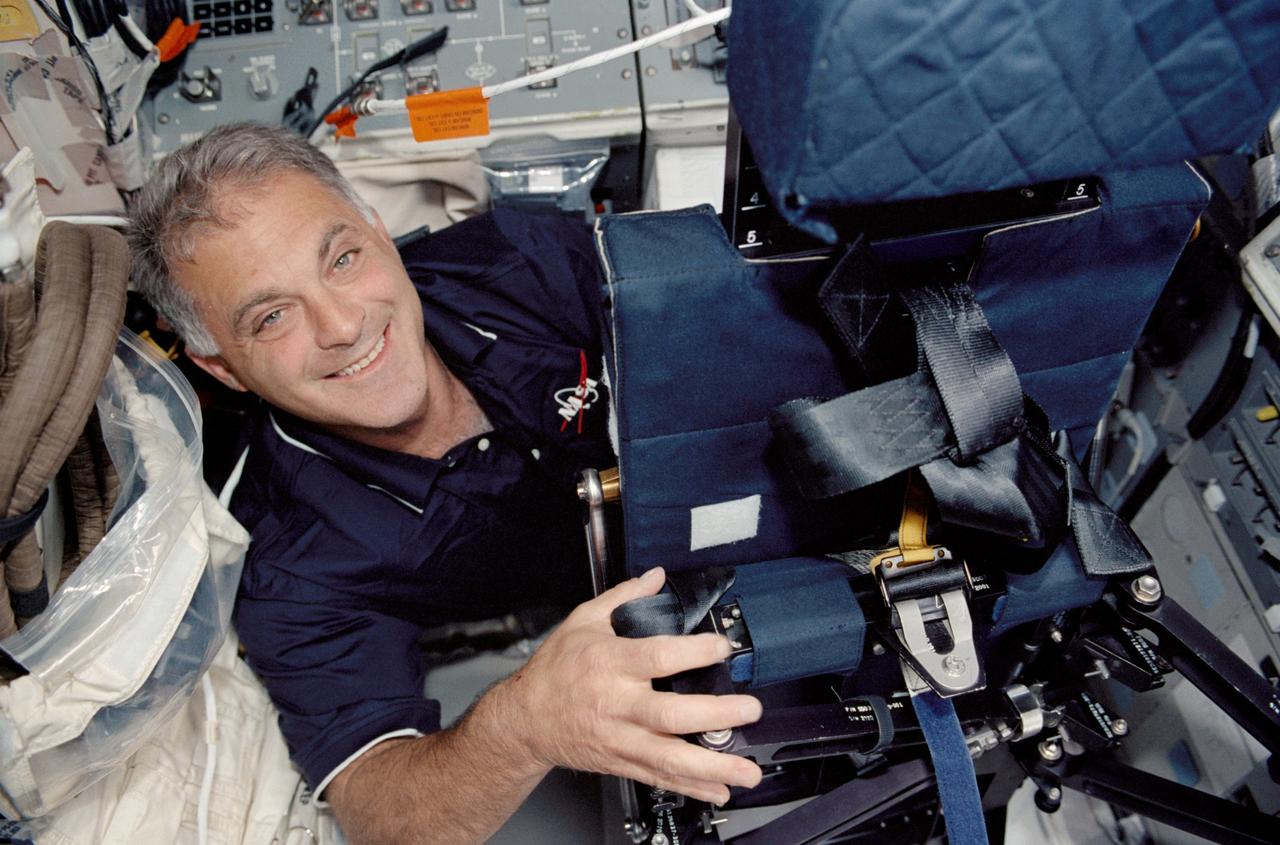
STS112-324-008 (7-18 October 2002) --- Astronaut David A. Wolf, STS-112 mission specialist, works with a temporary flight deck seat, used for launch and entry, on the Space Shuttle Atlantis.
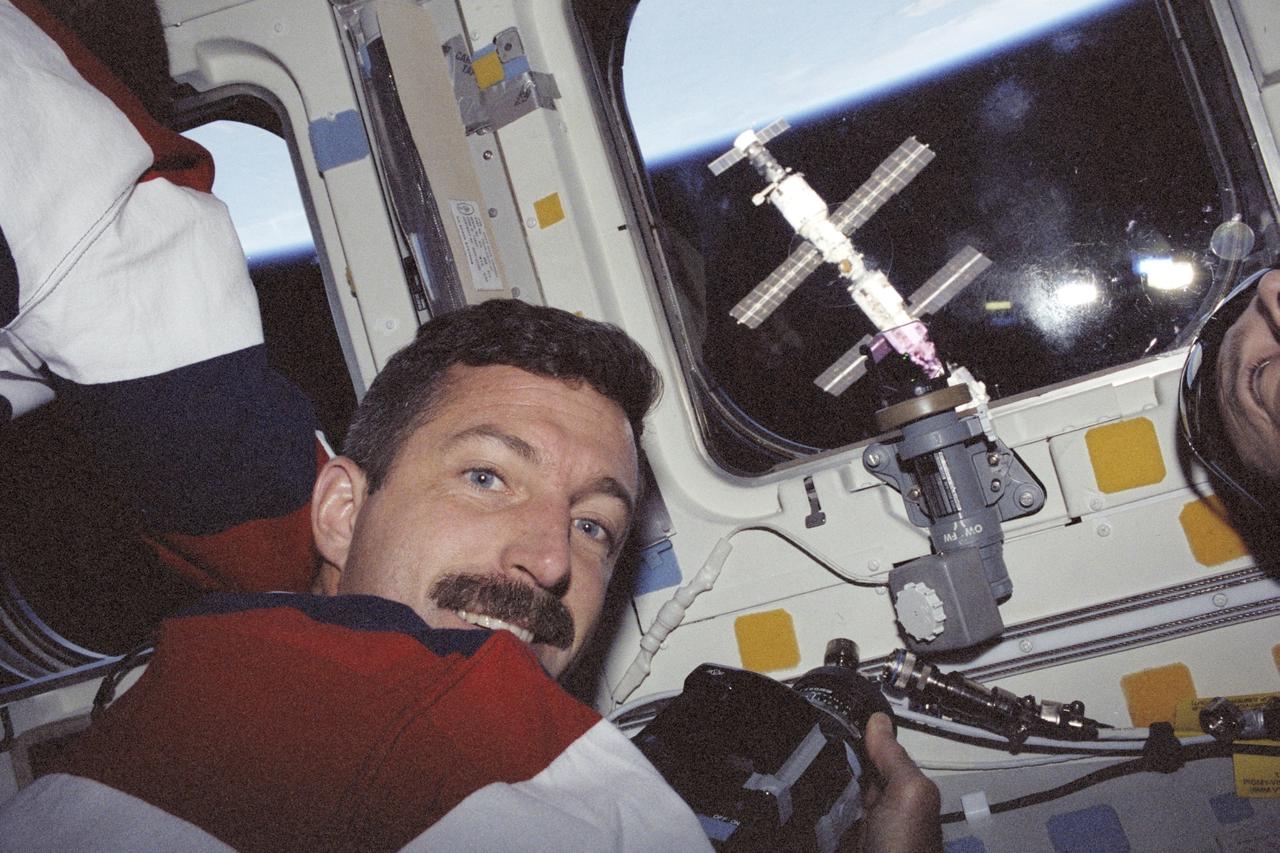
STS106-375-008 (8-20 September 2000) --- Astronaut Daniel C. Burbank, mission specialist, prepares to photograph the departing International Space Station through the overhead windows on the aft flight deck of the Space Shuttle Atlantis.
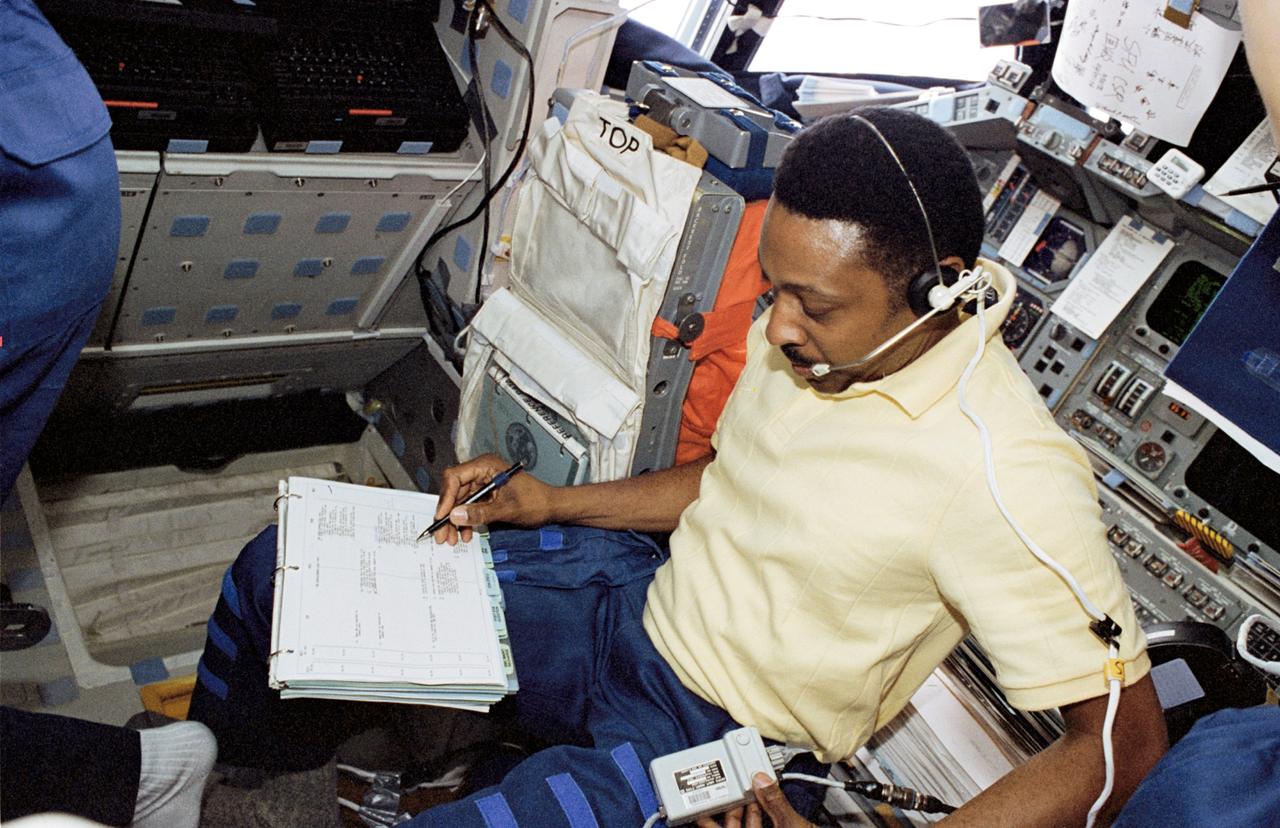
STS072-322-008 (11-20 Jan. 1996) --- On the Space Shuttle Endeavour's forward flight deck, astronaut Winston E. Scott goes over procedures for rendezvous operations with the Japanese Space Flyer Unit (SFU) satellite.
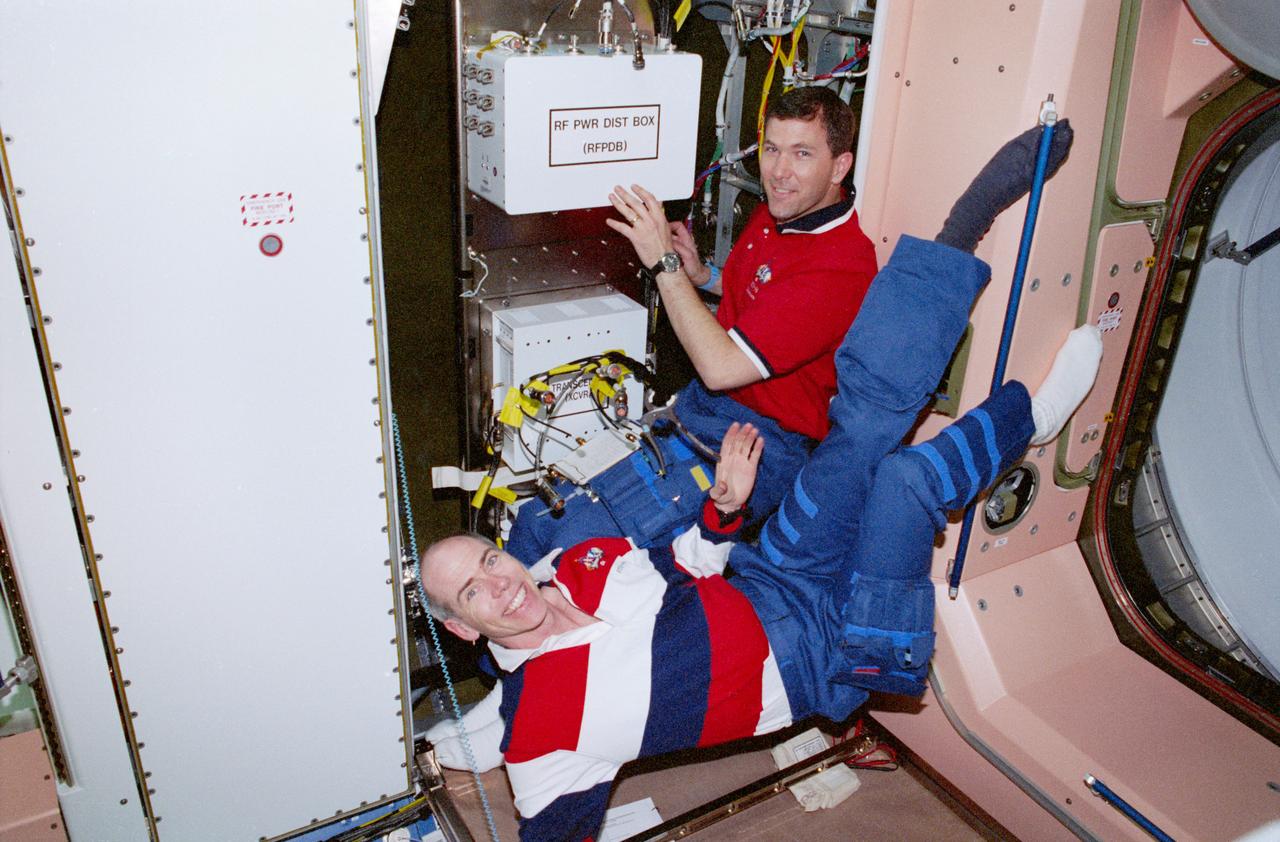
STS096-369-008 (27 May - 6 June 1999) --- Onboard the U.S.-built Unity node, astronauts Daniel T. Barry (left), mission specialist, and Rick D. Husband, pilot, repair the early communications system.
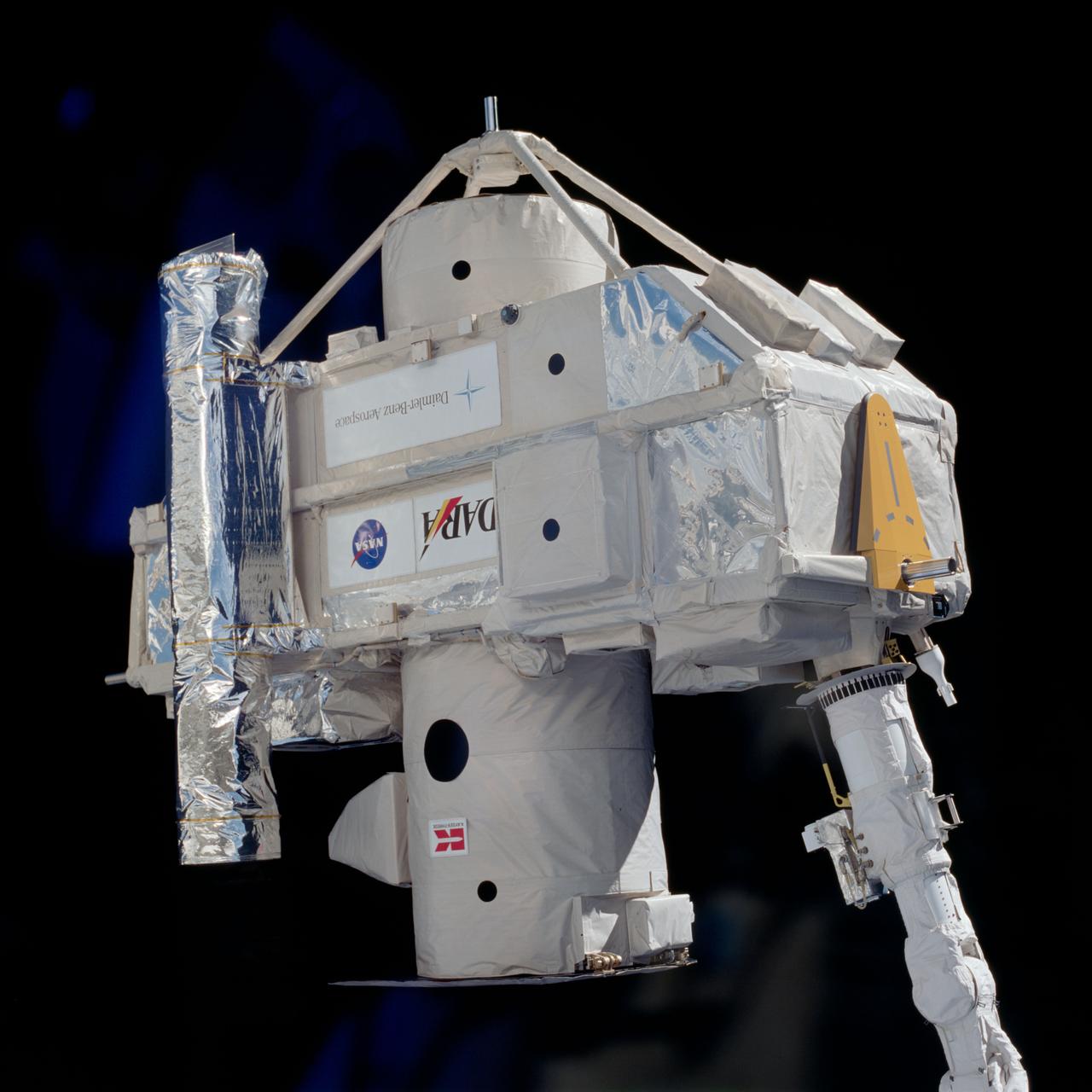
STS080-704-008 (19 Nov.-7 Dec. 1996) --- Backdropped against the blackness of space, the ORPHEUS - Shuttle Pallet Satellite (SPAS) spacecraft is held in the grasp of the space shuttle Columbia's Remote Manipulator System (RMS) during deploy operations in Earth-orbit.

STS084-357-008 (15-24 May 1997) --- Photographed through the aft flight deck windows of the Earth-orbiting Space Shuttle Atlantis, this 35mm frame captures a firing of the Orbital Maneuvering System (OMS) engines to perform a necessary maneuver. The vertical stabilizer, flanked by the two OMS pods, is illuminated in the scene.
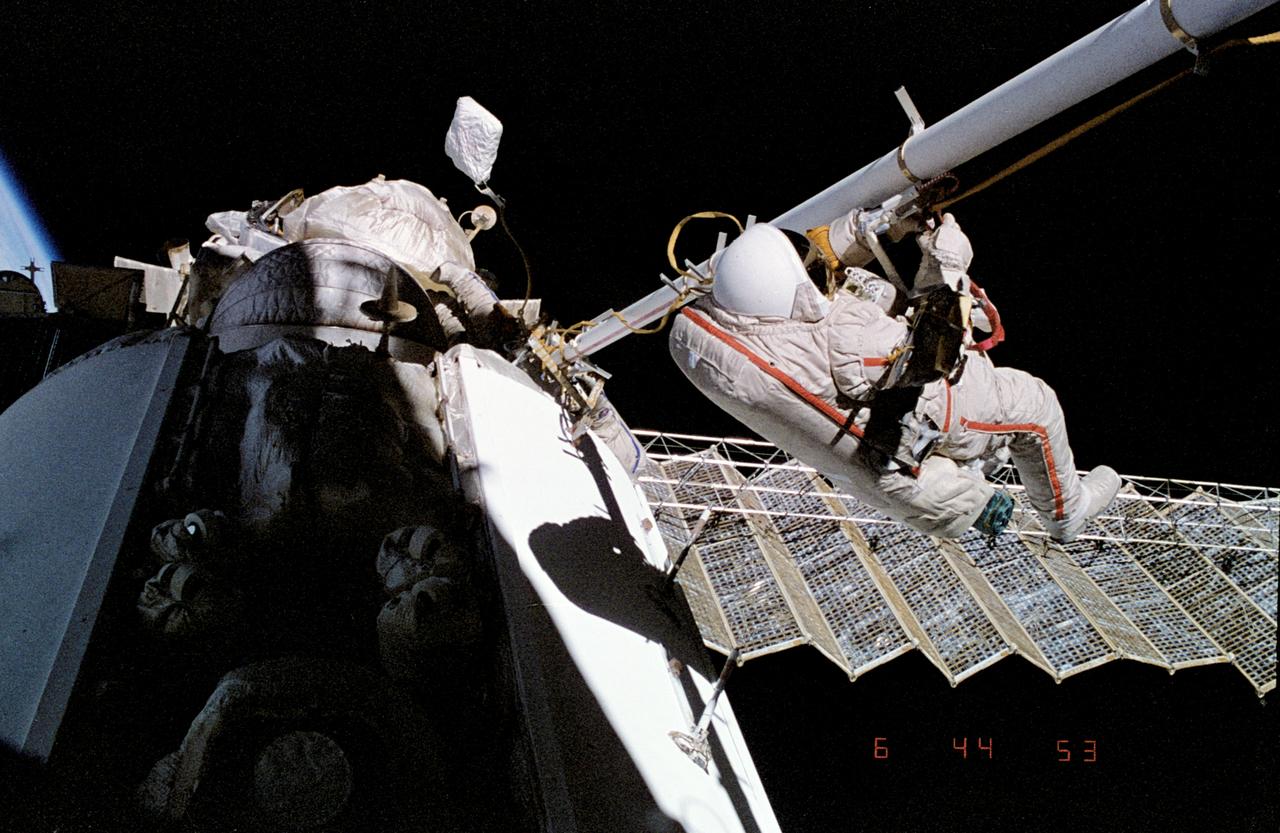
NM18-305-008 (March-July 1995) --- Cosmonaut Vladimir N. Dezhurov, Mir-18 mission commander, is photographed during one of five spacewalks conducted by the Mir-18 crew. Dezhurov is working with solar array panels. This is one of many visuals shown during a July 18 press conference in Houston.

STS114-S-008 (26 July 2005) --- Discovery and its seven-member crew launched at 10:39 a.m. EDT to begin the two-day journey to the International Space Station. Discovery is slated to dock with the ISS at 7:18 a.m. EDT Thursday.
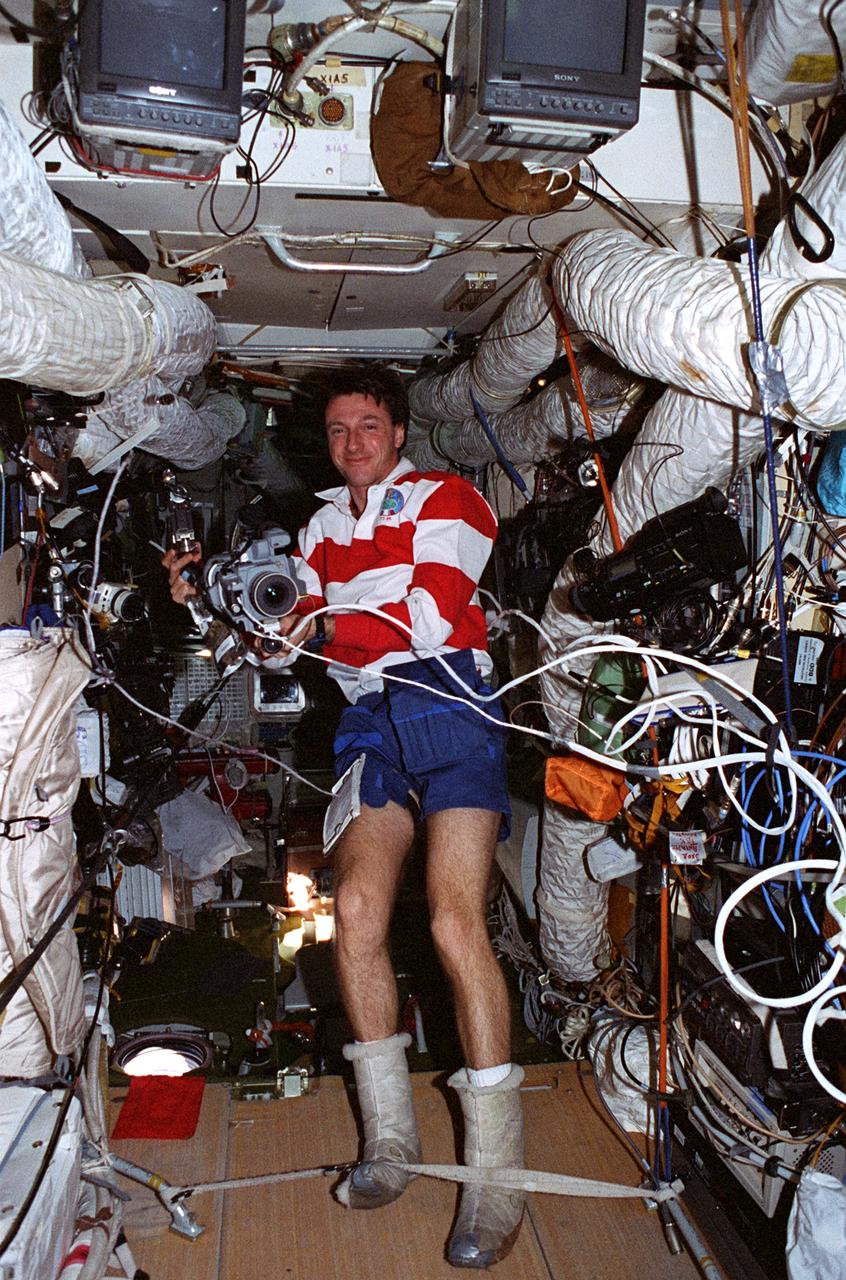
STS086-405-008 (25 Sept-6 Oct 1997) --- Astronaut C. Michael Foale, sporting attire representing the STS-86 crew after four months aboard Russia?s Mir Space Station in Russian wear, operates a video camera in Mir?s Base Block Module. Photo credit: NASA
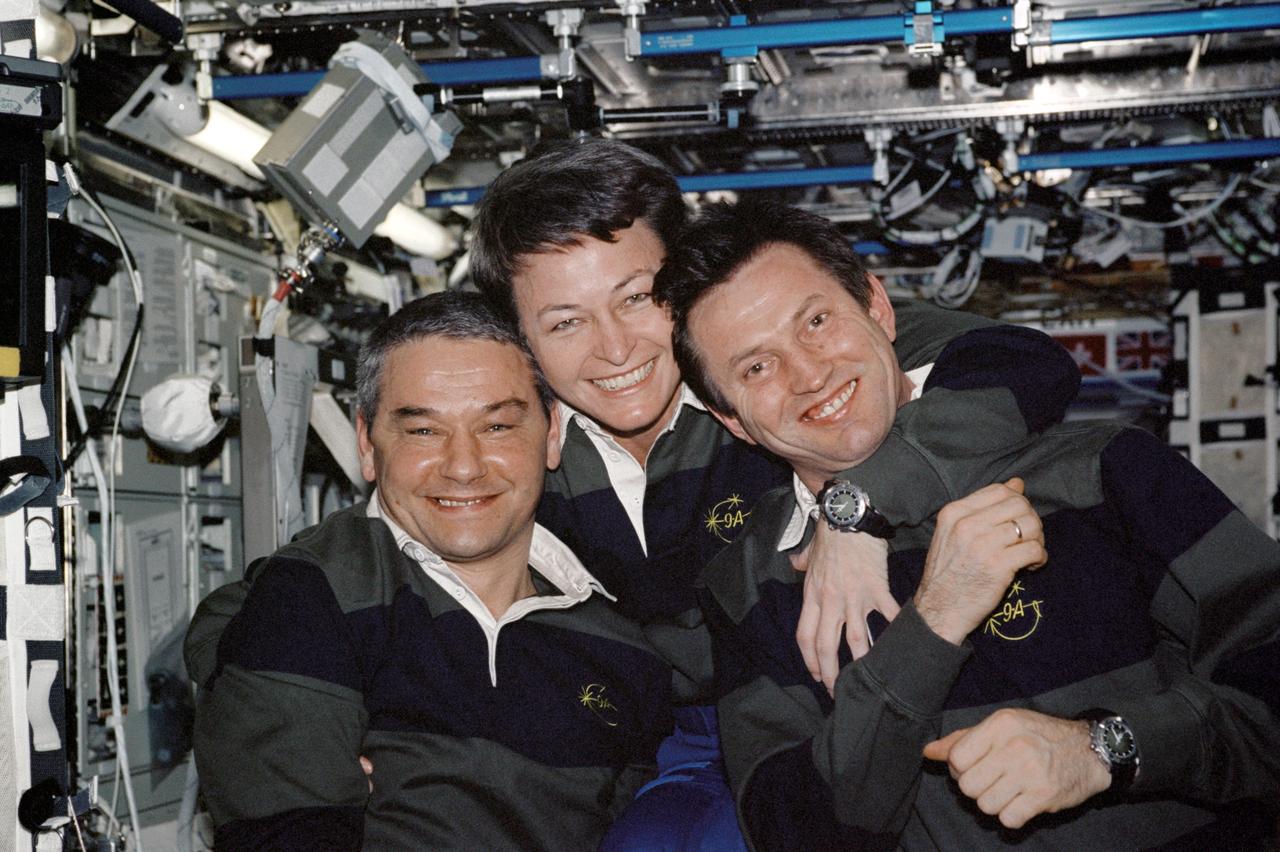
STS112-329-008 (13 October 2002) --- The Expedition Five crewmembers pose for a photo in the Destiny laboratory on the International Space Station (ISS). From the left are cosmonaut Valery G. Korzun, mission commander; astronaut Peggy A. Whitson and cosmonaut Sergei Y. Treschev, both flight engineers. Korzun and Treschev represent Rosaviakosmos.

STS089-338-008 (22-31 Jan 1998) --- Astronaut Michael P. Anderson, mission specialist, takes pictures out the aft windows on the Space Shuttle Endeavour while the Space Shuttle was docked with Russia?s Mir Space Station.
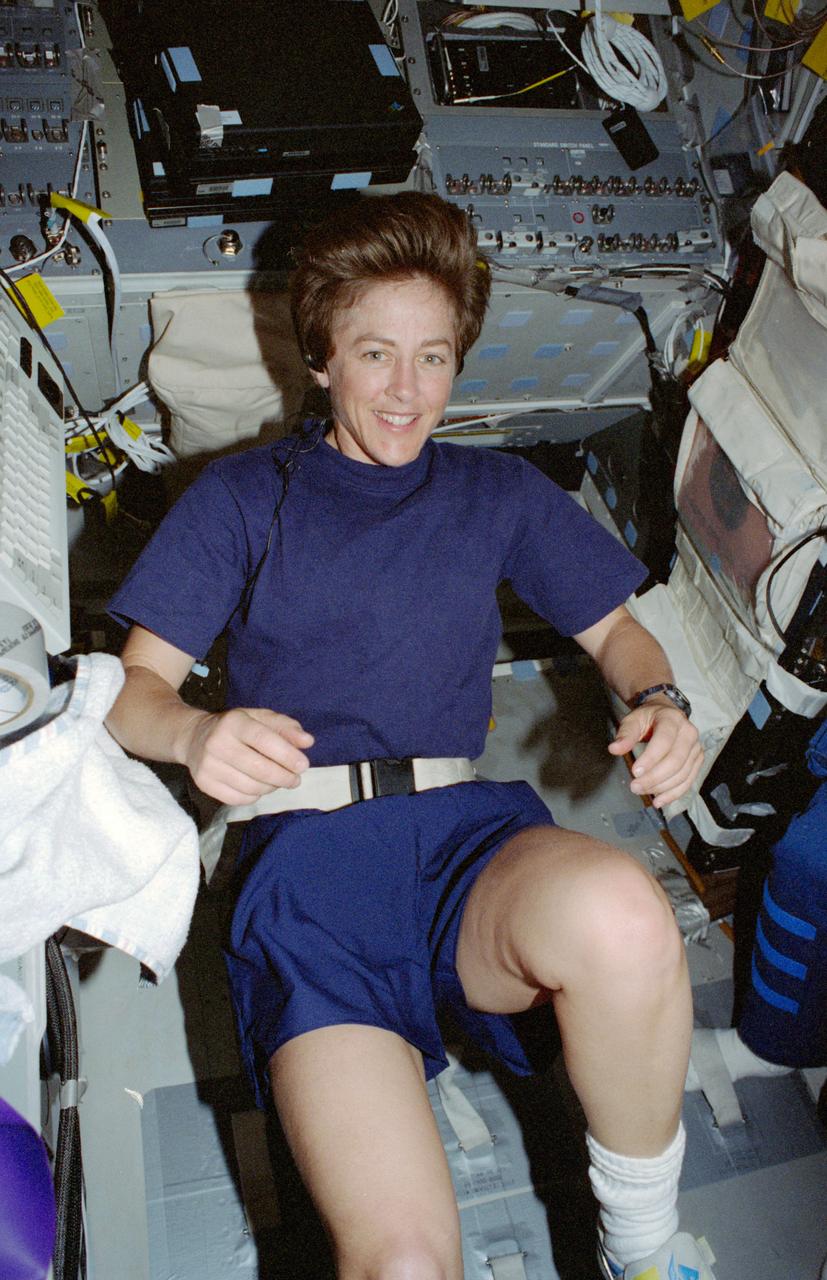
STS091-401-008 (2-12 June 1998) --- Astronaut Wendy B. Lawrence, mission specialist, pedals a bicycle ergometer onboard the Space Shuttle Discovery. Lawrence is making her third Space Shuttle flight and second mission to Russia's Mir space station.
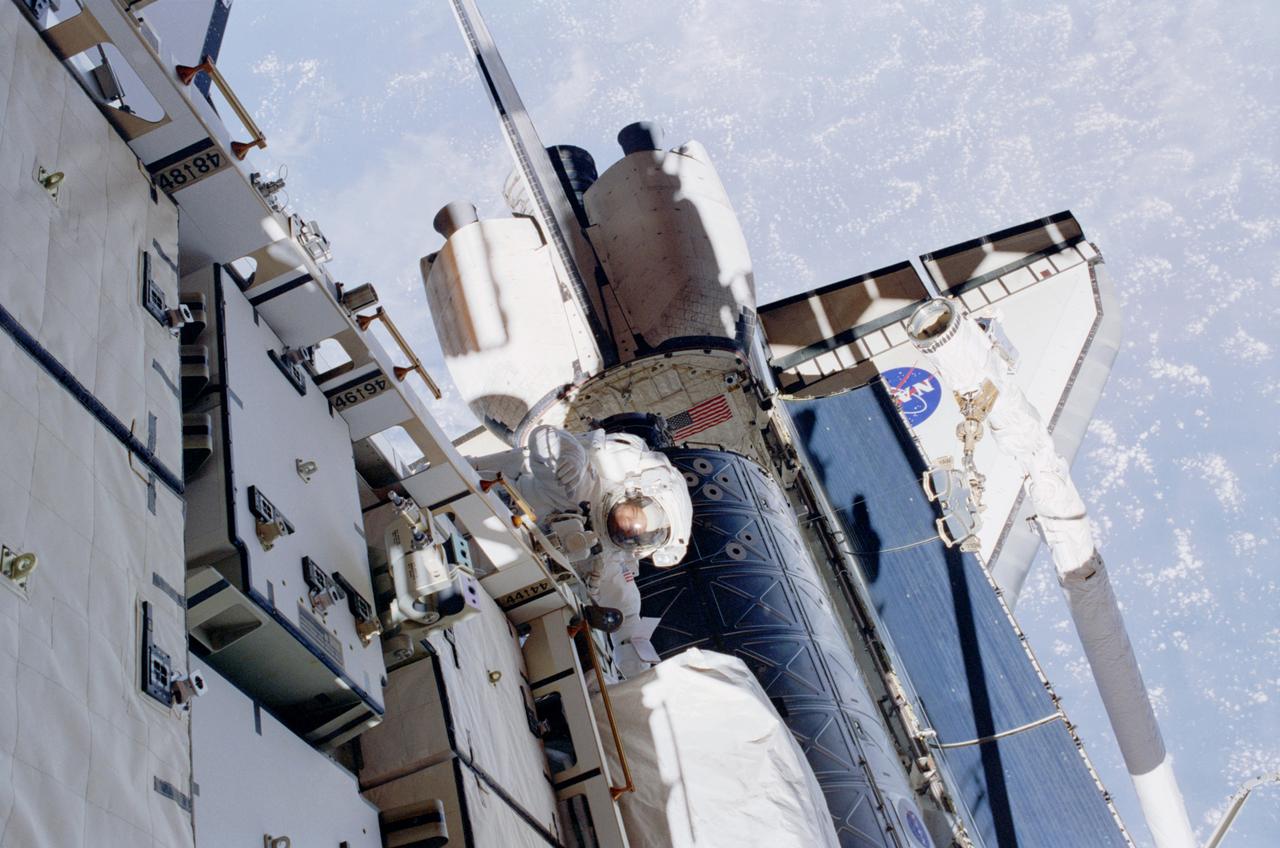
STS098-336-008 (7-20 February 2001) --- Astronaut Robert L. Curbeam, mission specialist, is photographed by fellow space walker Thomas D. Jones, during one of the three STS-98 sessions of extravehicular activity (EVA).
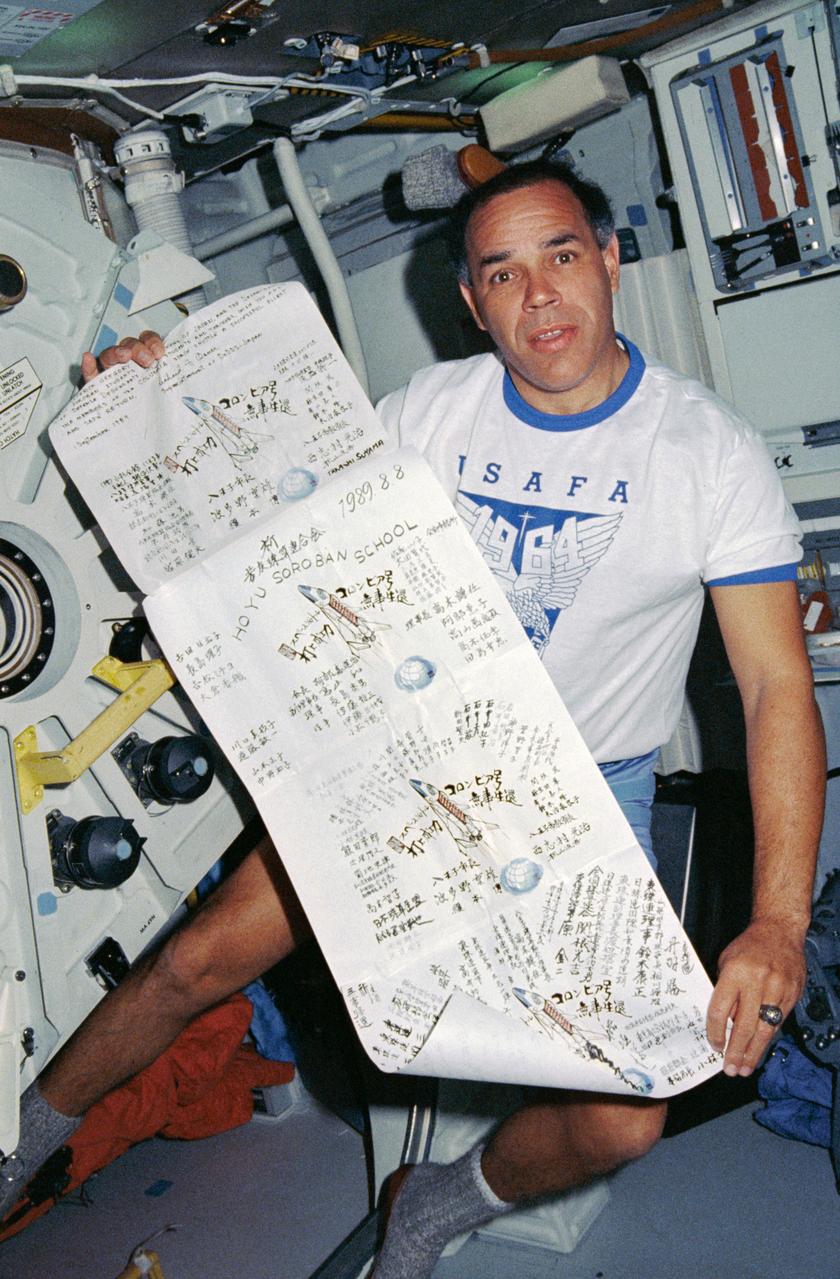
STS033-03-008 (22-27 Nov 1989) --- Astronaut Frederick D. Gregory, STS-33 commander, displays a letter from a special group of well-wishers. The letter is signed by the superintendent of Department of Defense Dependents School in Japan. It was carried onboard Discovery for the five-day DOD-devoted mission.
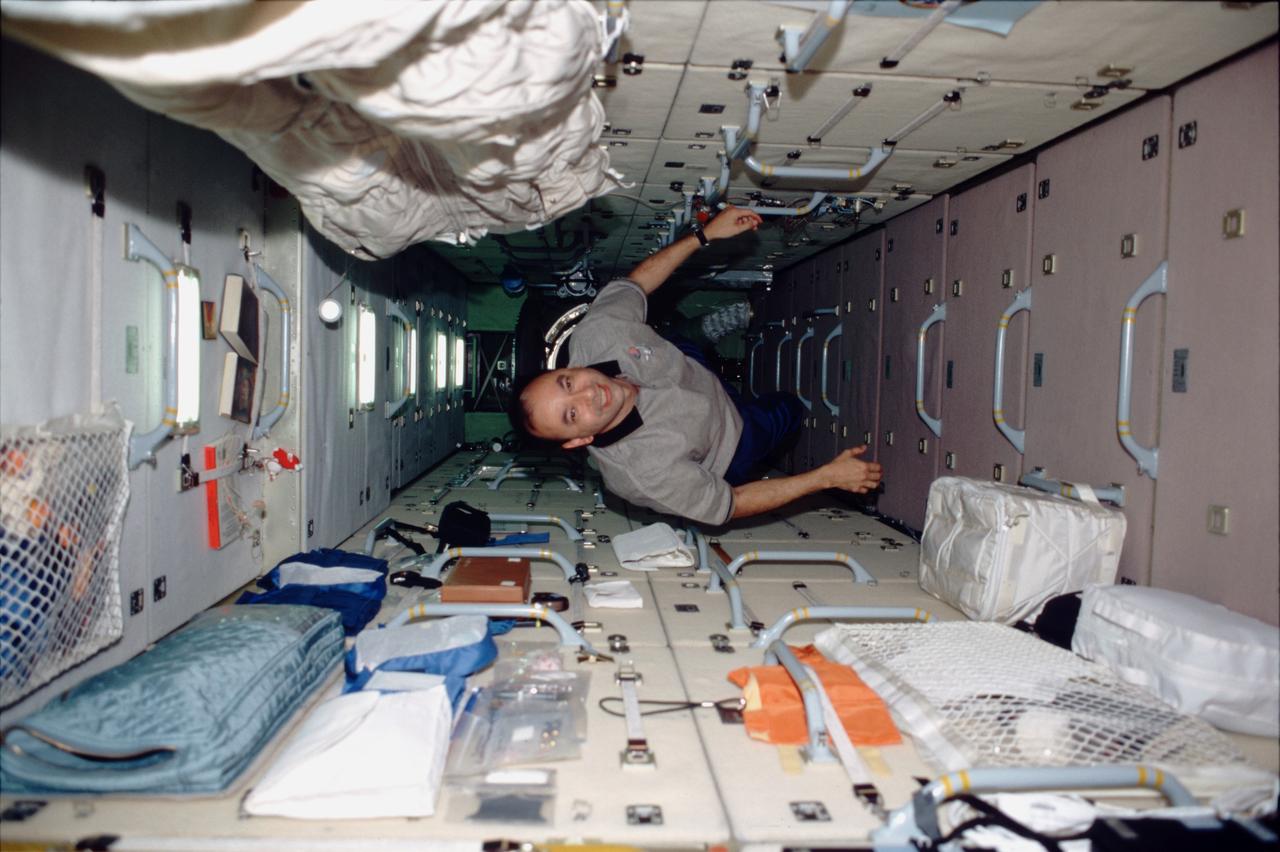
STS098-320-008 (7-20 February 2001) --- Astronaut Mark L. Polansky, STS-98 pilot, translates through the Zarya functional cargo block (FGB) while visiting and working aboard the International Space Station (ISS).
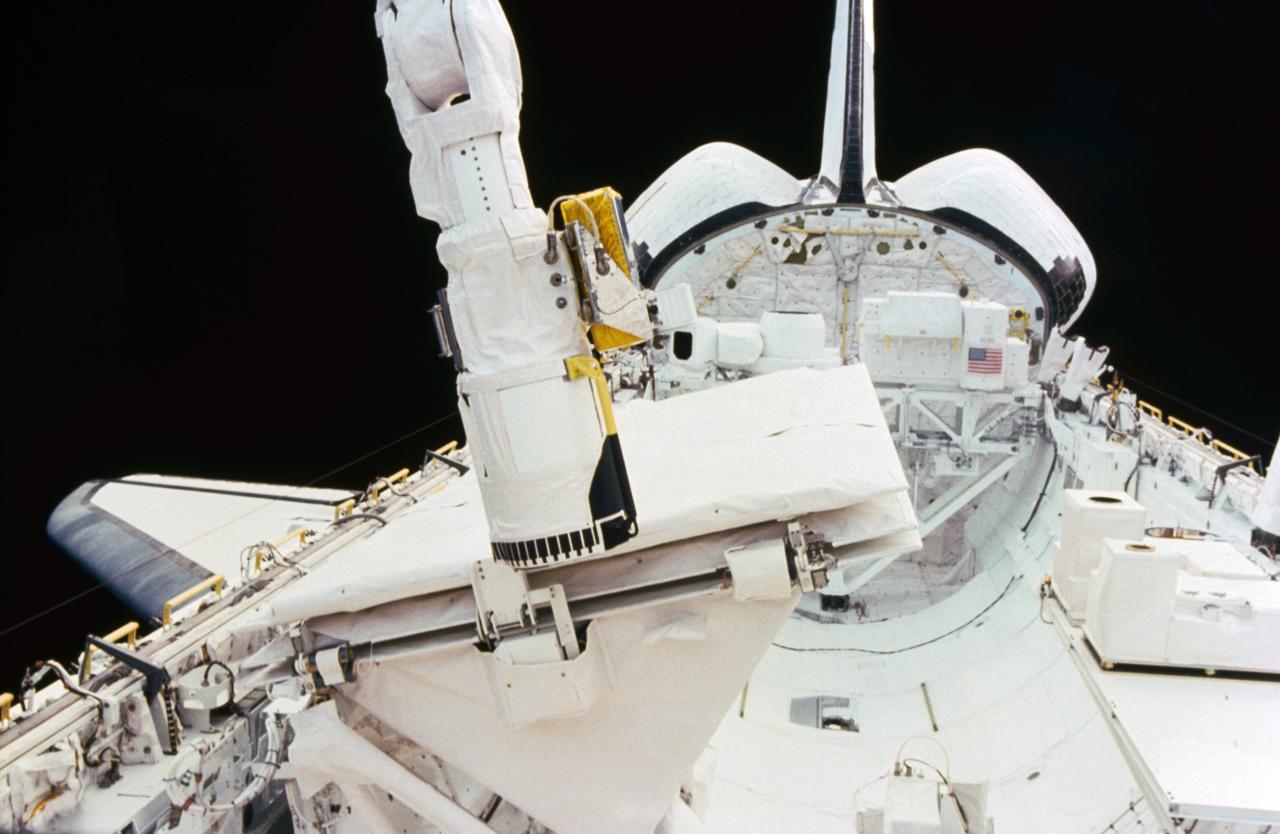
41G-03-008 (5-13 Oct. 1984) --- The end effector of the space shuttle Challenger's remote manipulator system (RMS) taps against the shuttle imaging radar's (SIR-B) antenna to secure it during NASA's 41-G mission. Photo credit: NASA
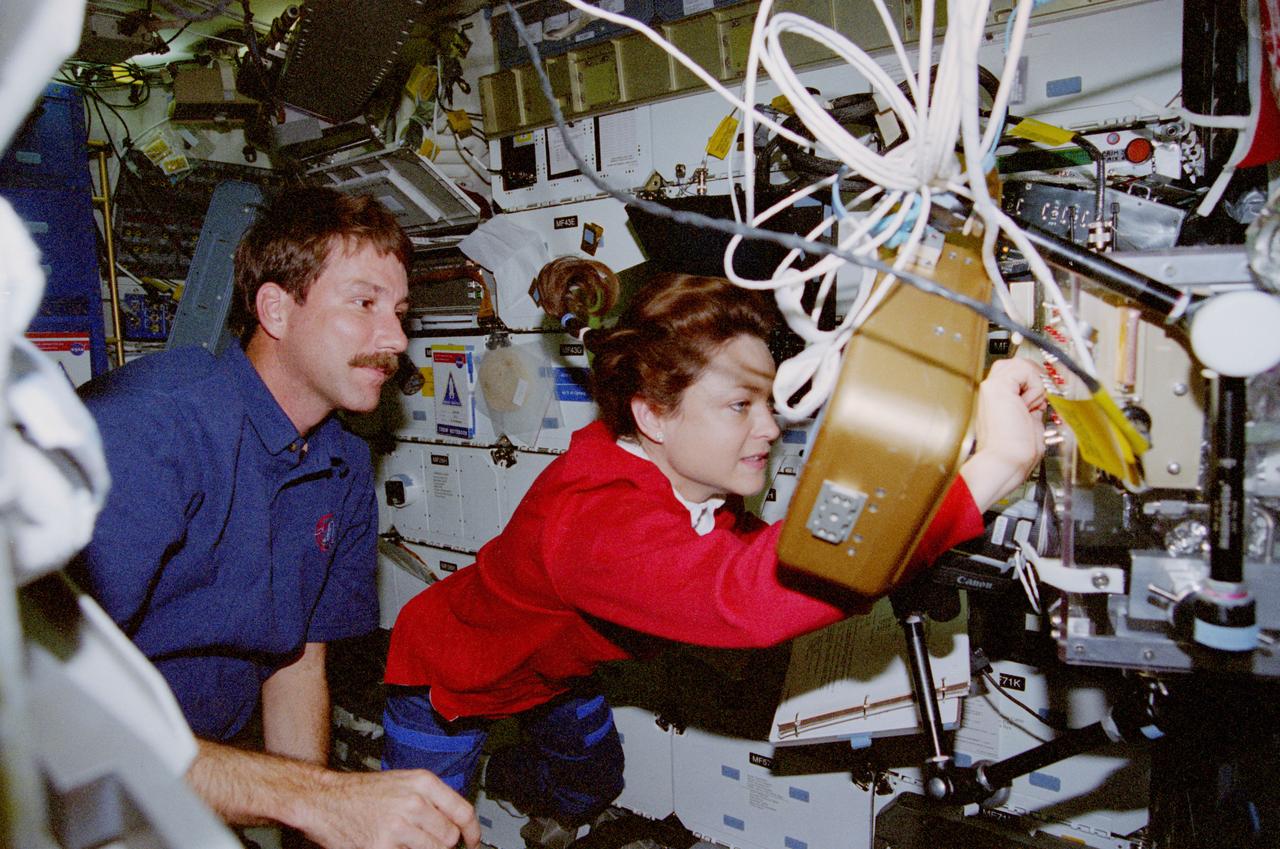
STS080-345-008 (19 Nov.-7 Dec. 1996) --- Continuing with a heavy agenda of middeck science, astronaut Tamara E. Jernigan, STS-80 mission specialist, works with the Capillary Pumped Loop (CPL) experiment while astronaut Kent V. Rominger, pilot, offers a hand.
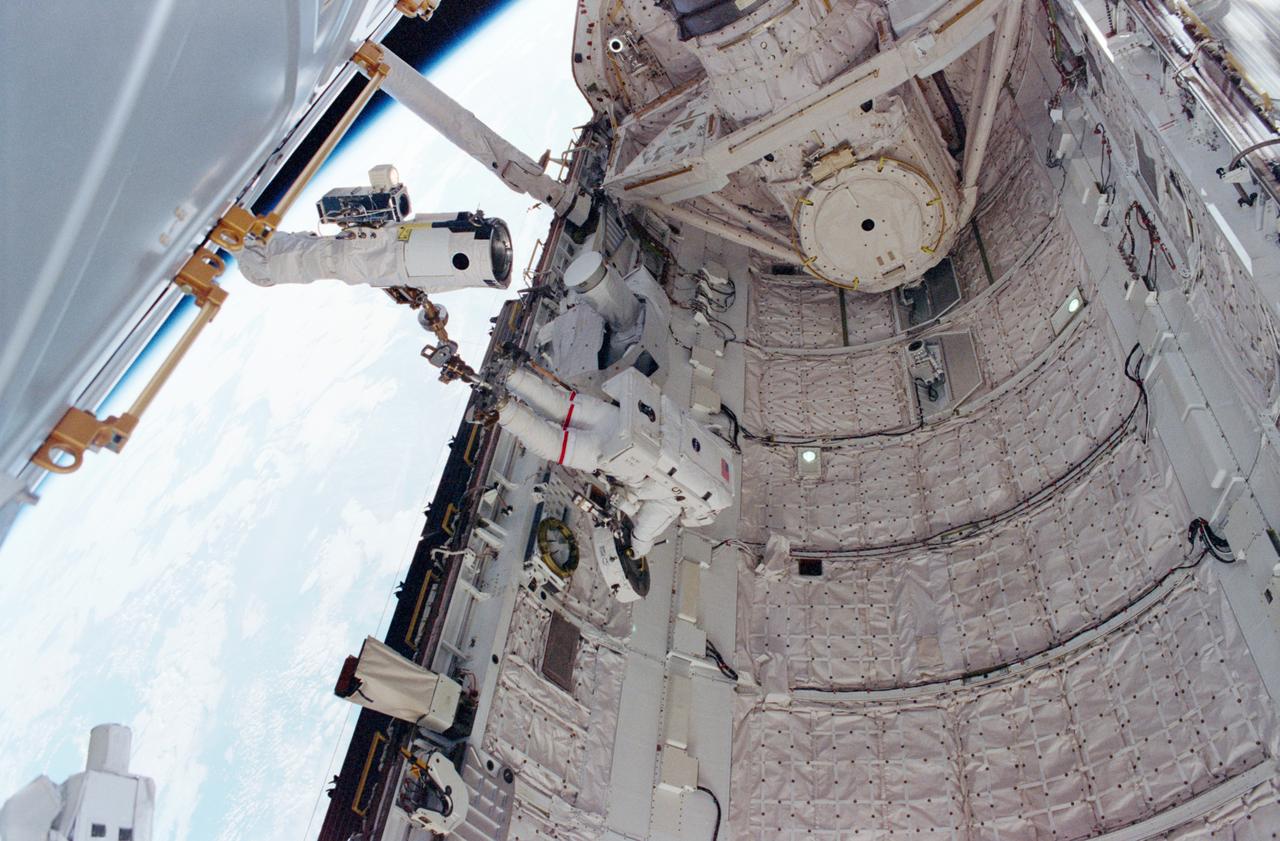
STS098-339-008 (7-20 February 2001) --- Anchored to a restraint device on the end of the shuttle’s remote manipulator system (RMS) robot arm, astronaut Thomas D. Jones, mission specialist, works with the Power and Data Grapple Fixture (PDGF) in the cargo bay of the Space Shuttle Atlantis.
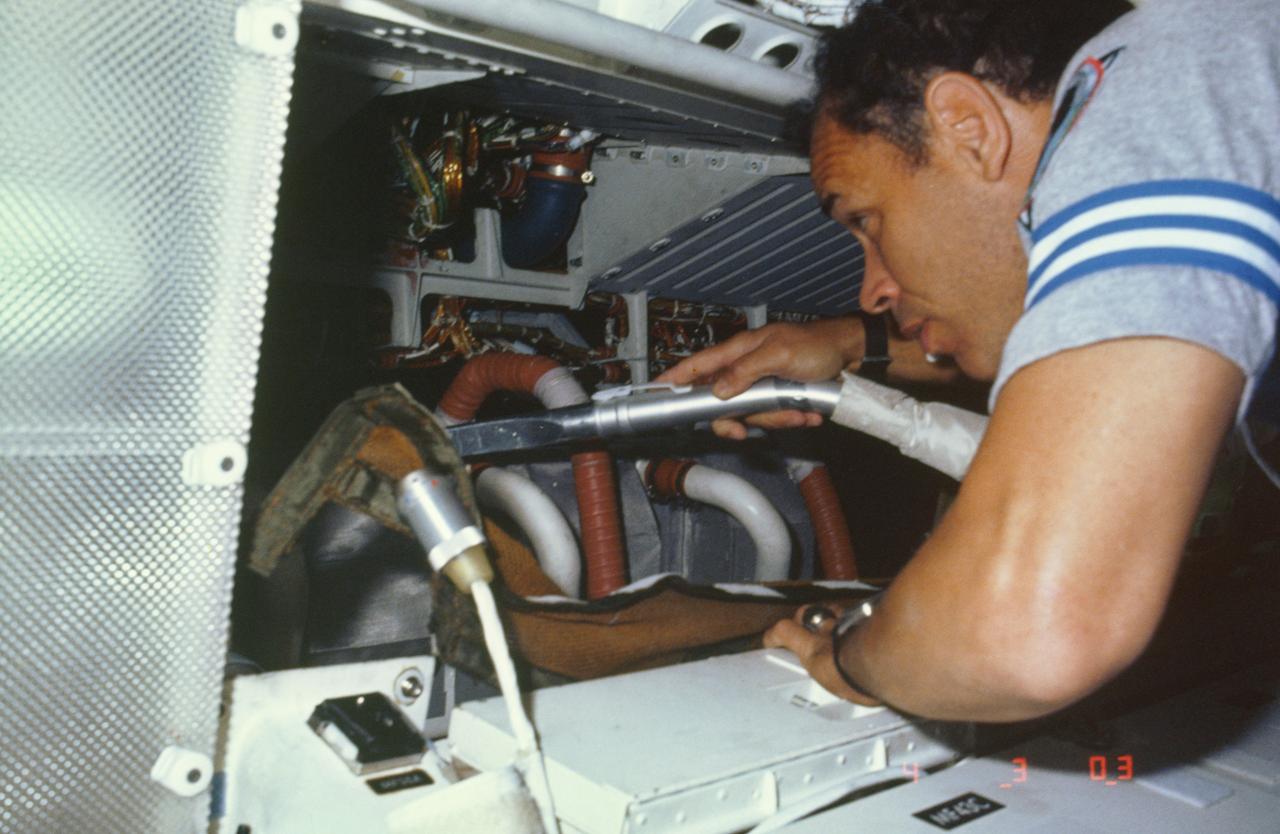
51B-13-008 (29 April-6 May 1985) --- Astronaut Frederick D. Gregory vacuums air filters in avionics bay. The 51-B pilot is physically located in the overhead area of the middeck on Challenger, but his activity is only a few meters away from the flight deck.
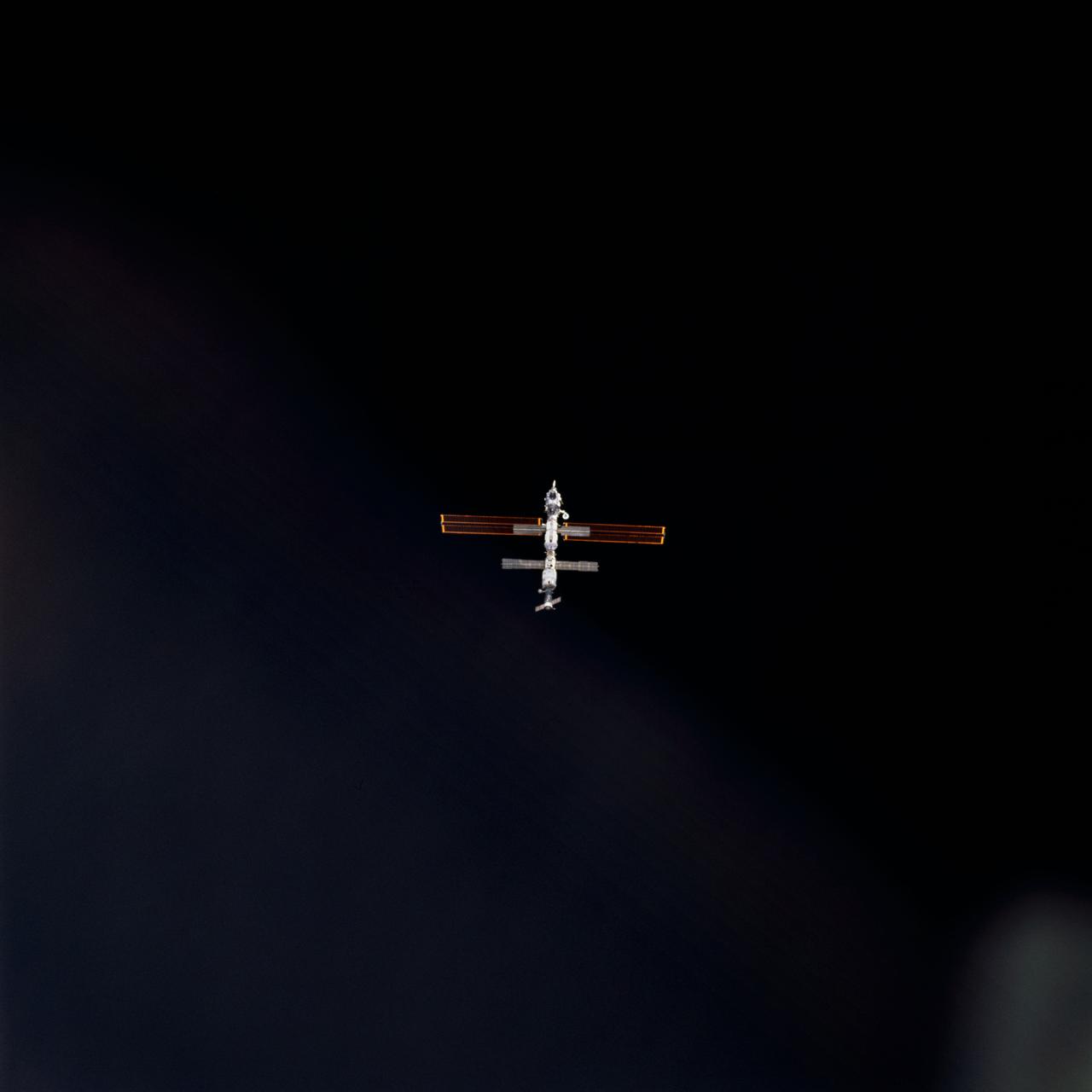
STS098-707-008 (9 February 2001) --- This picture of the distant International Space Station (ISS), backdropped against the blackness of space, was photographed by one of the astronauts onboard the Space Shuttle Atlantis at it approached the station for docking on Feb. 9, at 10:51 a.m. (CST).
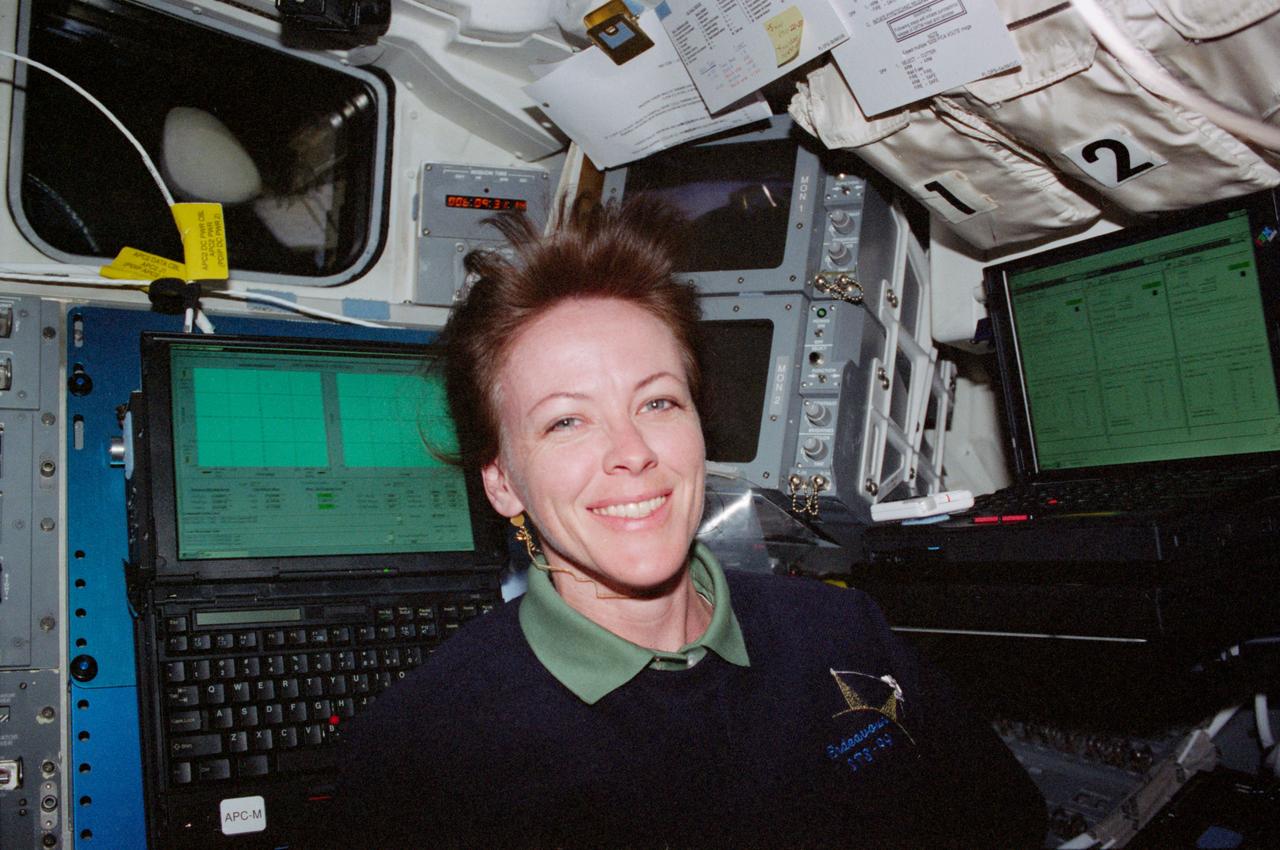
STS099-315-008 (11-22 February 2000) ---Astronaut Janet L. Kavandi, mission specialist, is photographed near the Payload General Support Computers (PGSC) dealing with the Shuttle Radar Topography Mission (SRTM) on the middeck of the Space Shuttle Endeavour.
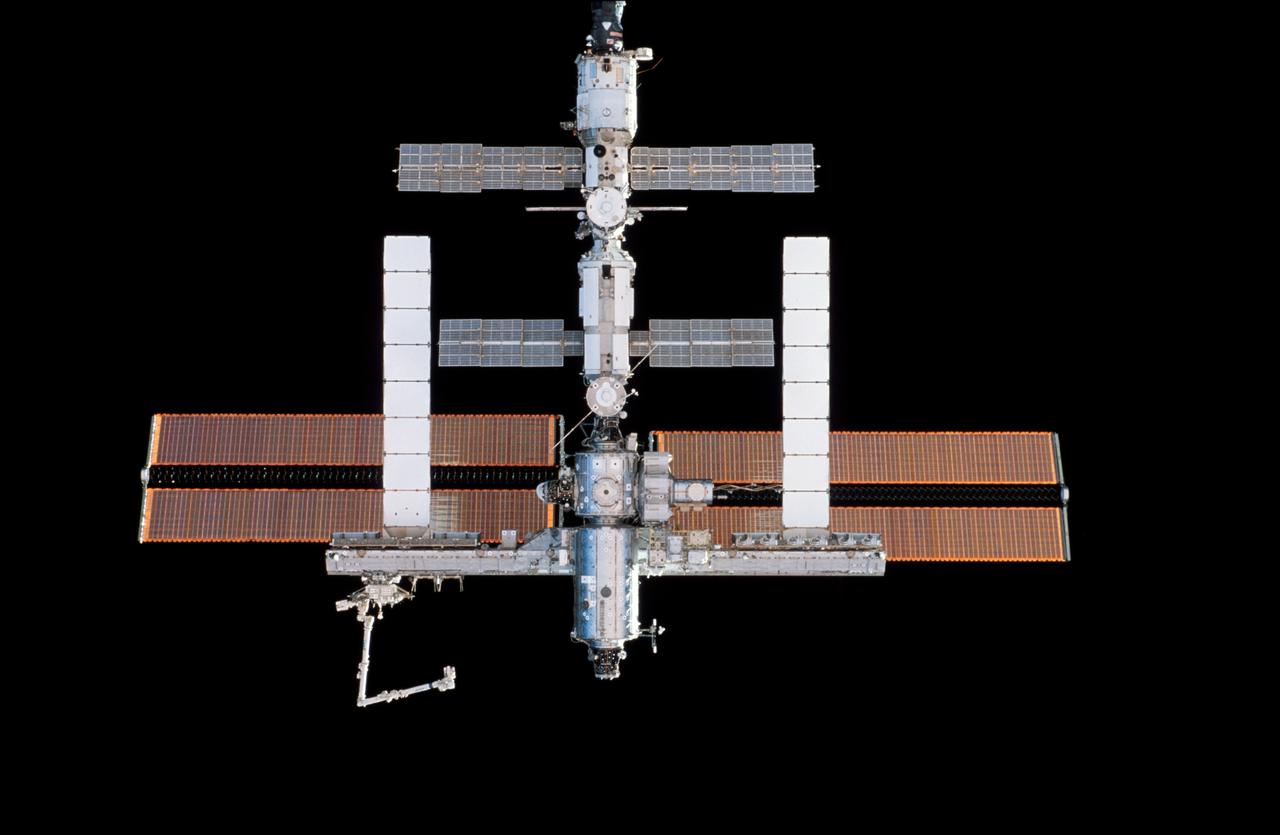
STS115-301-008 (11 Sept. 2006) --- Backdropped against the blackness of space, the International Space Station was photographed by one of the STS-115 crewmembers as the Space Shuttle Atlantis approached the station during rendezvous and docking activities on flight day three.
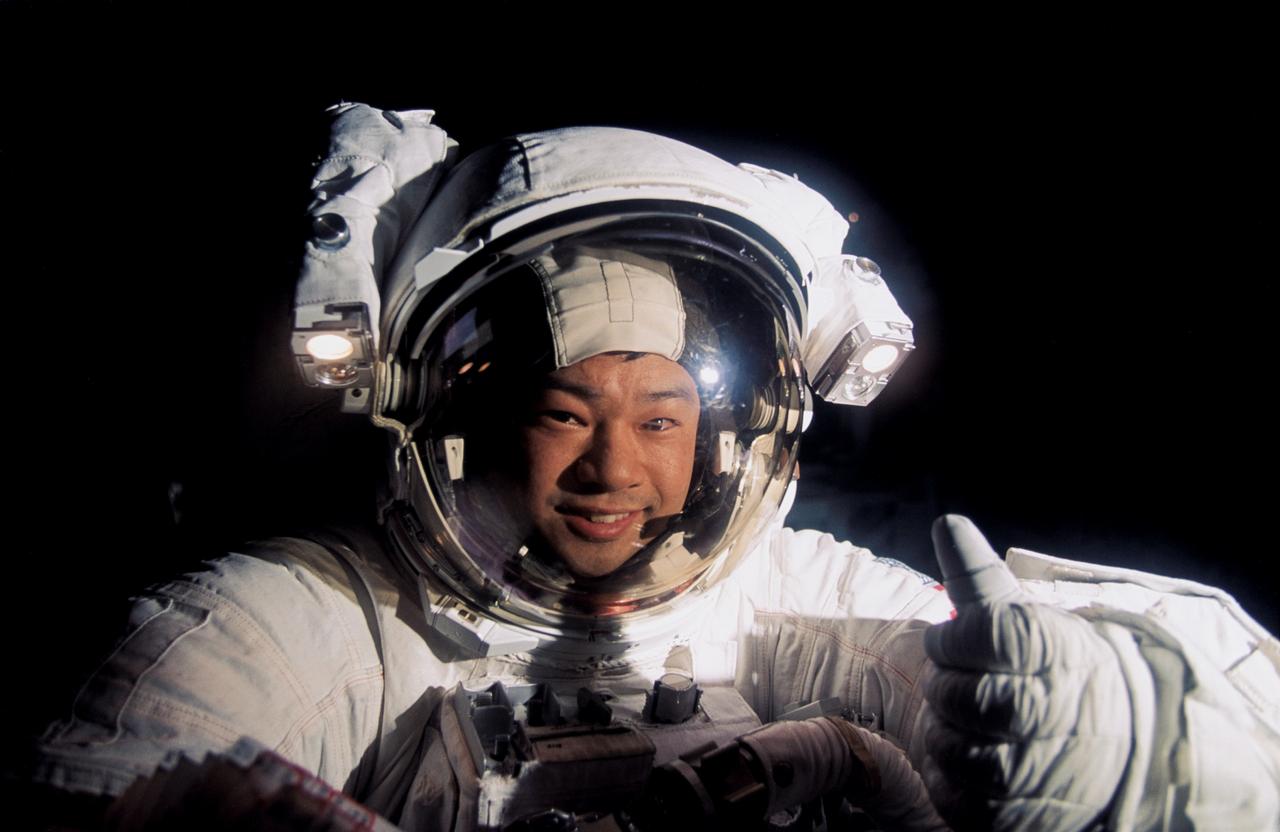
STS072-393-008 (17 Jan. 1996) --- Astronaut Leroy Chiao gives a thumbs up signal, marking the success of his second extravehicular activity (EVA) in three days. Chiao was joined by astronaut Winston E. Scott on this EVA.
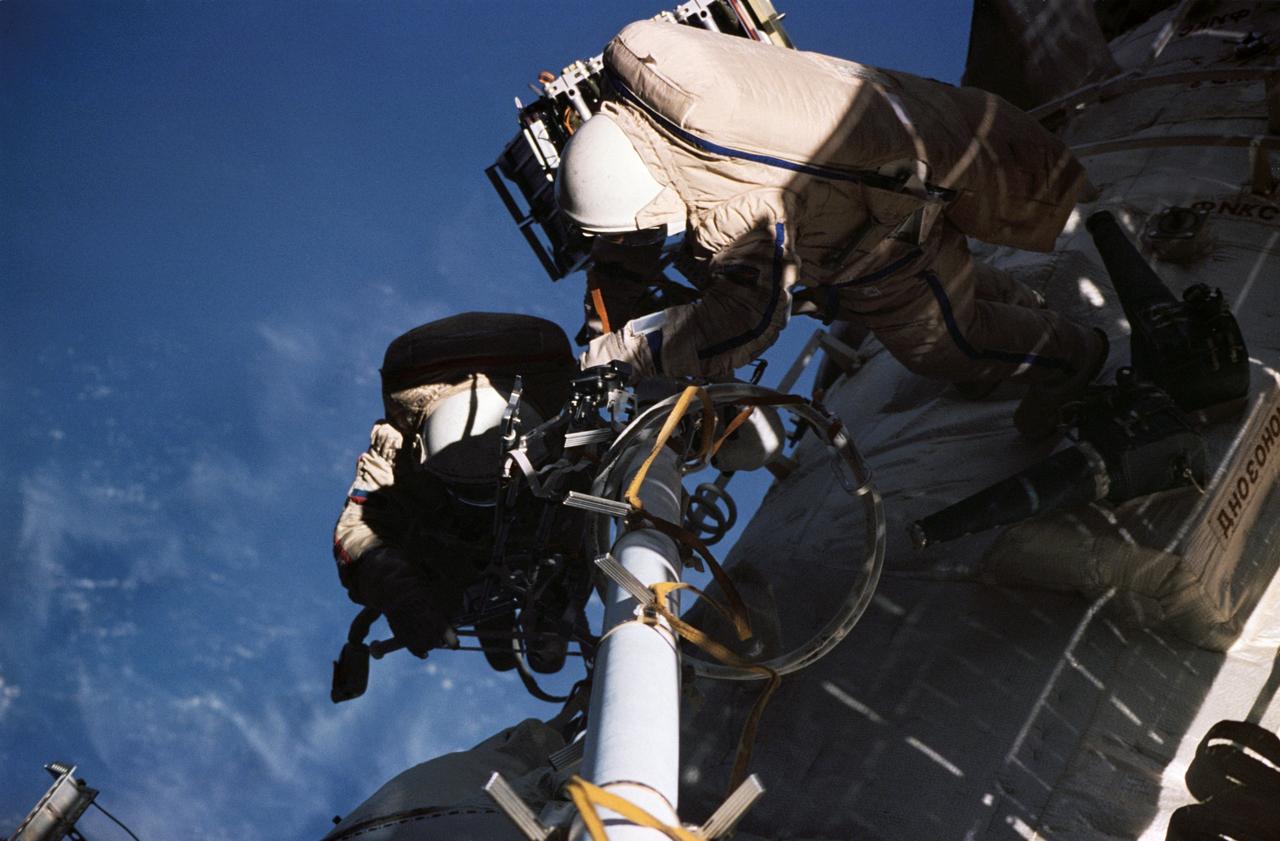
NM21-382-008 (For Release October 1996) --- Cosmonaut Yury I. Onufrienko, Mir 21 commander, wearing a red stripe on his Russian Orlan spacesuit, and Mir 21 flight engineer Yuri V. Usachev (blue stripe on Orlan) work to install the truss on the module.
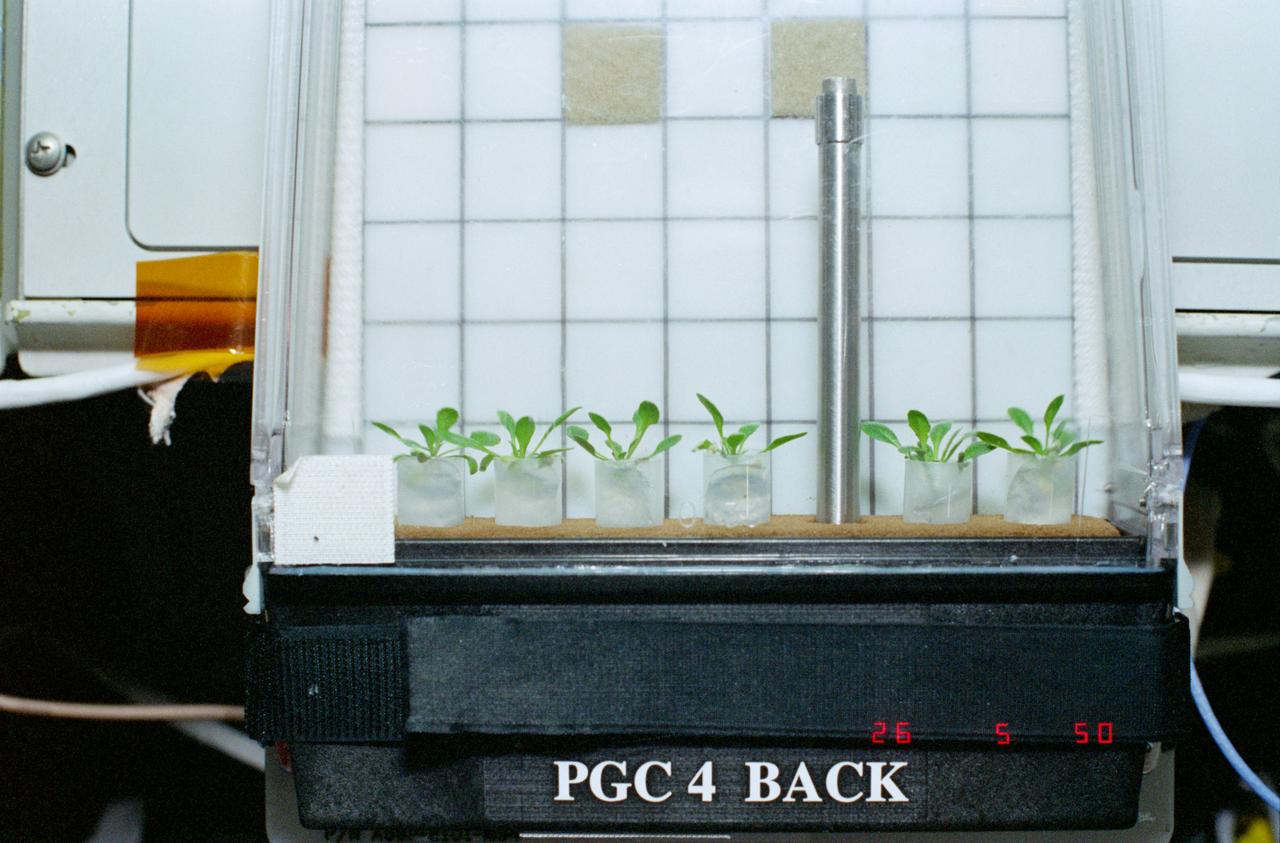
STS093-345-008 (22-27 July 1999) --- Close-up view of the Plant Growth Investigations in Microgravity (PGIM-1) payload experiment onboard the Earth-orbiting Space Shuttle Columbia. The PGIM-1 monitors the space flight environment for stressful conditions that affect plant growth.
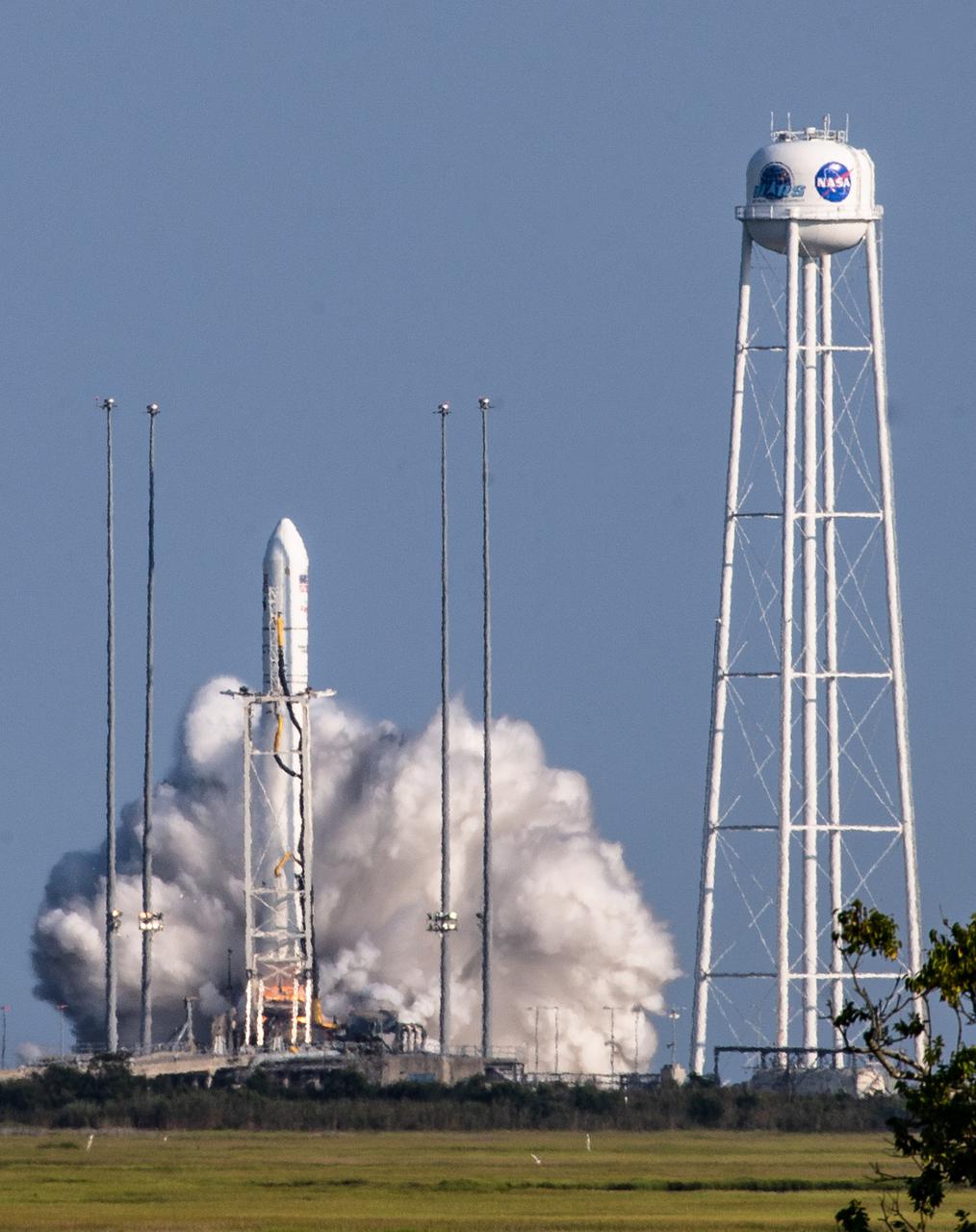
A Northrop Grumman Antares rocket, with the company’s Cygnus spacecraft onboard, launches on Tuesday, Aug. 10, 2021, from the Mid Atlantic Regional Spaceport’s Pad-0A, at NASA's Wallops Flight Facility in Virginia. Northrop Grumman's 16th contracted cargo resupply mission for NASA to the International Space Station is carrying nearly 8,200 pounds of science and research, crew supplies and vehicle hardware to the orbital laboratory and its crew. Credit: NASA Wallops/Terry Zaperach

Maxar Technologies completes early fabrication work on the central cylinder structure of the Gateway space station's Power and Propulsion Element (PPE) that will make Gateway the most powerful solar electric spacecraft ever flown.
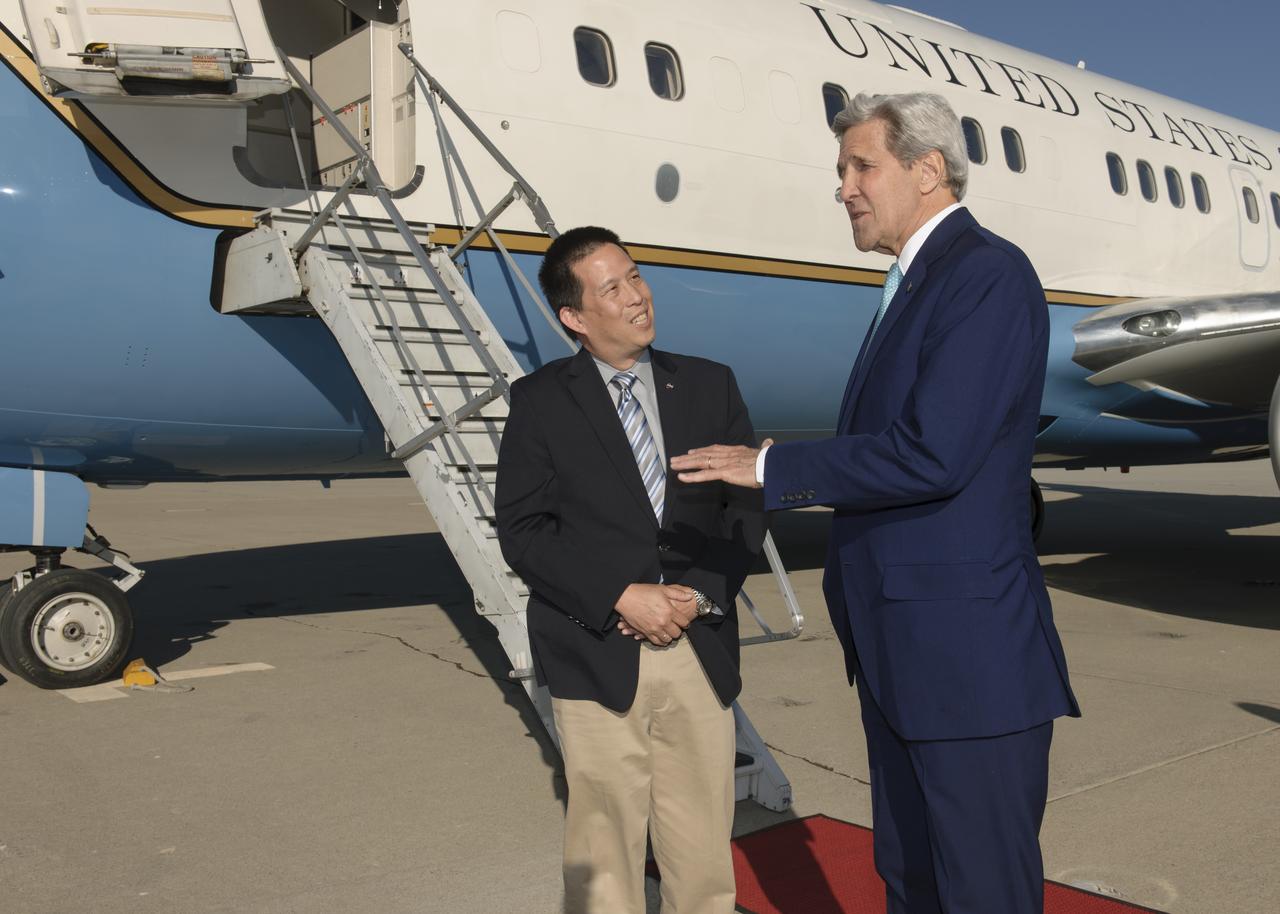
Ames Center Director Eugene Tu greeted Secretary of State John Kerry as he arrived at Moffett Field. Secretary Kerry was in Silicon Valley for events around the 2016 Global Entrepreneurship Summit.
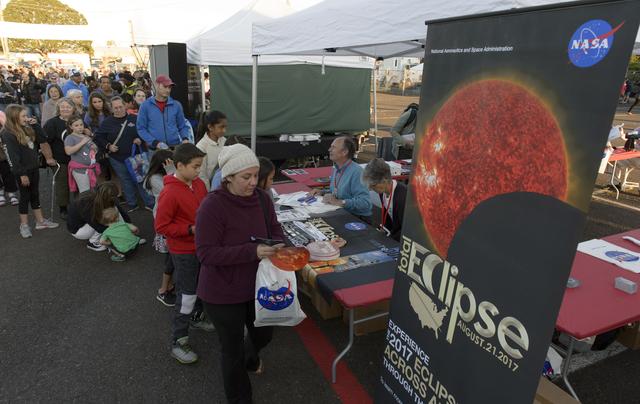
Visitors at the a NASA booth during the 2017 Solar Eclipse viewing event at the Oregon State Farigrounds, Salem, Oregon.
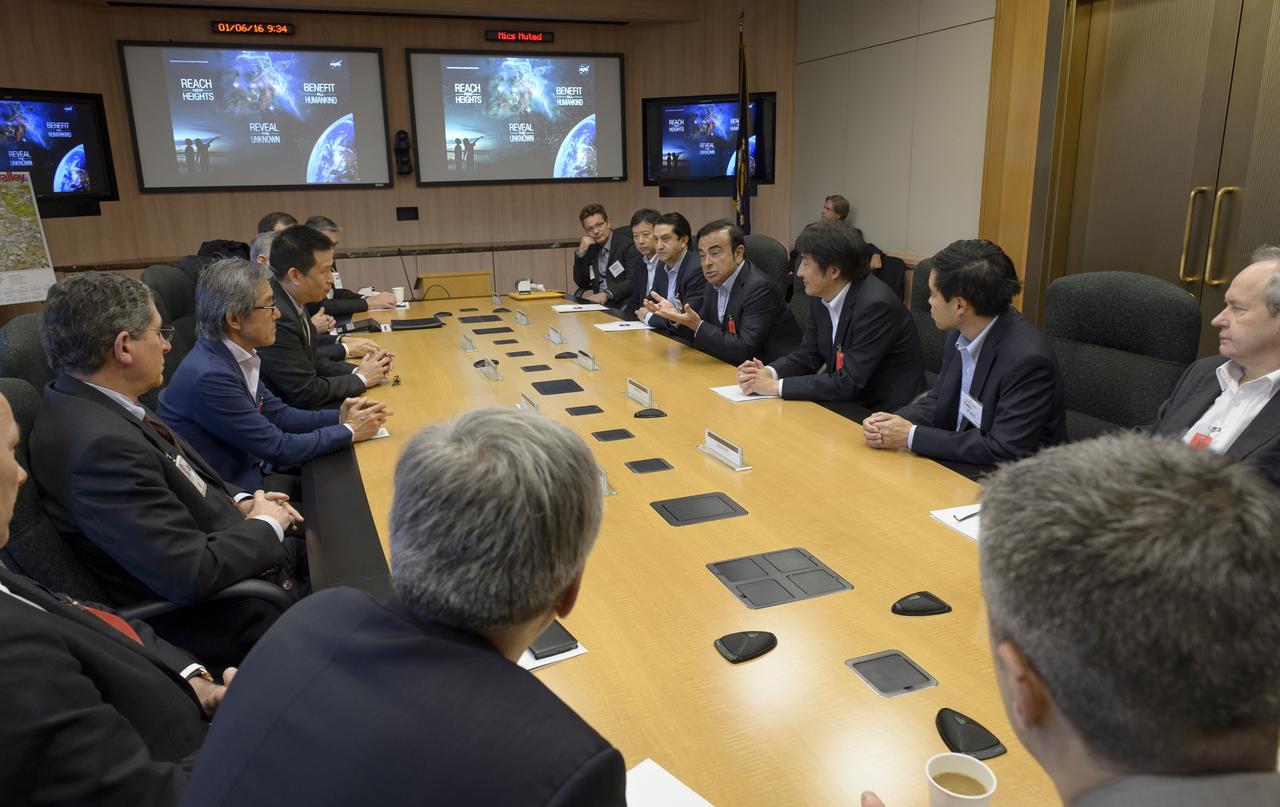
Senior executives from the Renault-Nissan Alliance, including Carlos Ghosn, chairman and CEO of Nissan, and Jose Munoz, chairman of Nissan North America, visited Ames for meetings with center management and a showcase of the technical partnership between NASA and Nissan North America.
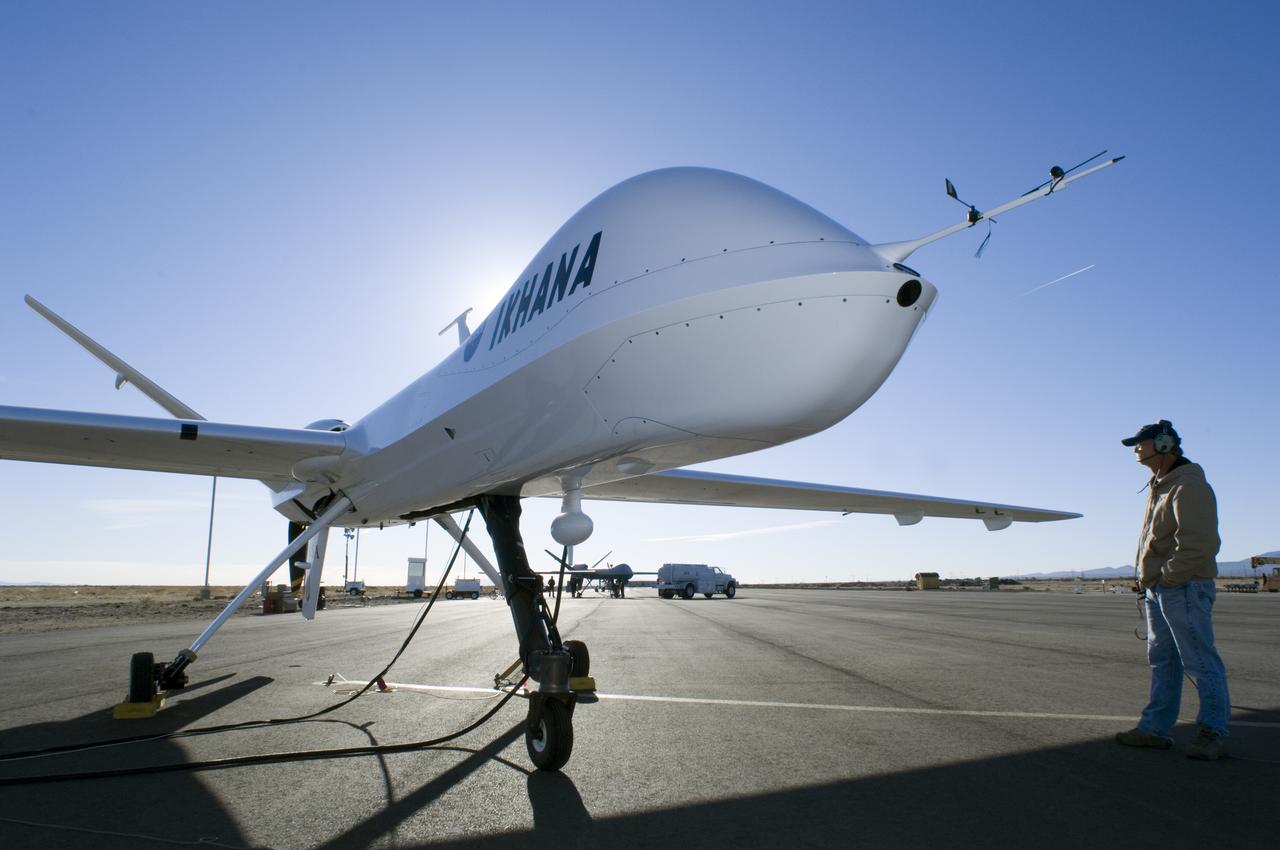
Silhouetted by the morning sun, NASA's Ikhana, a civil version of the Predator B unmanned aircraft, is readied for flight By NASA Dryden crew chief Joe Kinn.
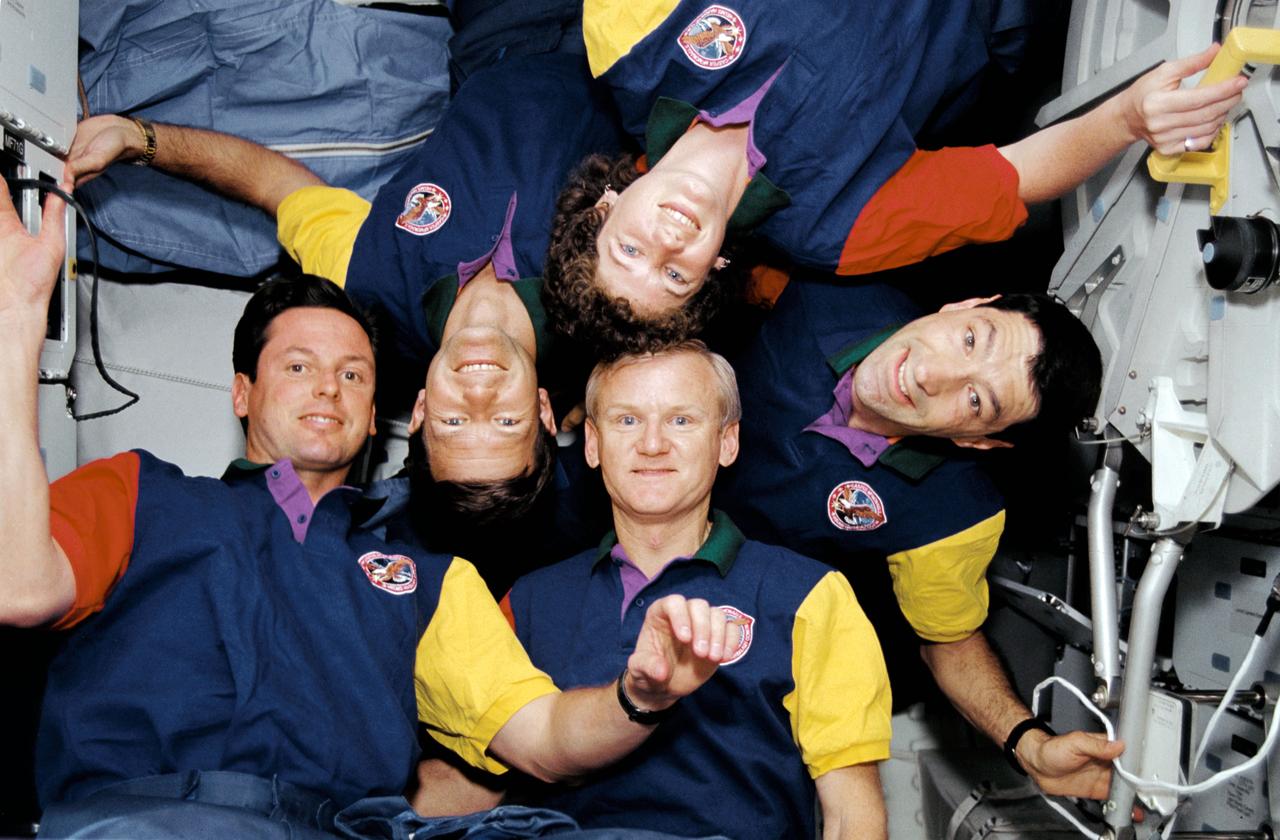
STS054-02-008 (13-19 Jan. 1993) --- The traditional inflight crew portrait has, (clockwise), Susan J. Helms, Mario Runco Jr., both mission specialists, John H. Casper, mission commander, Donald R. McMonagle, pilot, and Gregory J. Harbaugh, mission specialist. This frame was taken with a 35mm camera aboard the Earth-orbiting Space Shuttle Endeavour during the six-day mission.
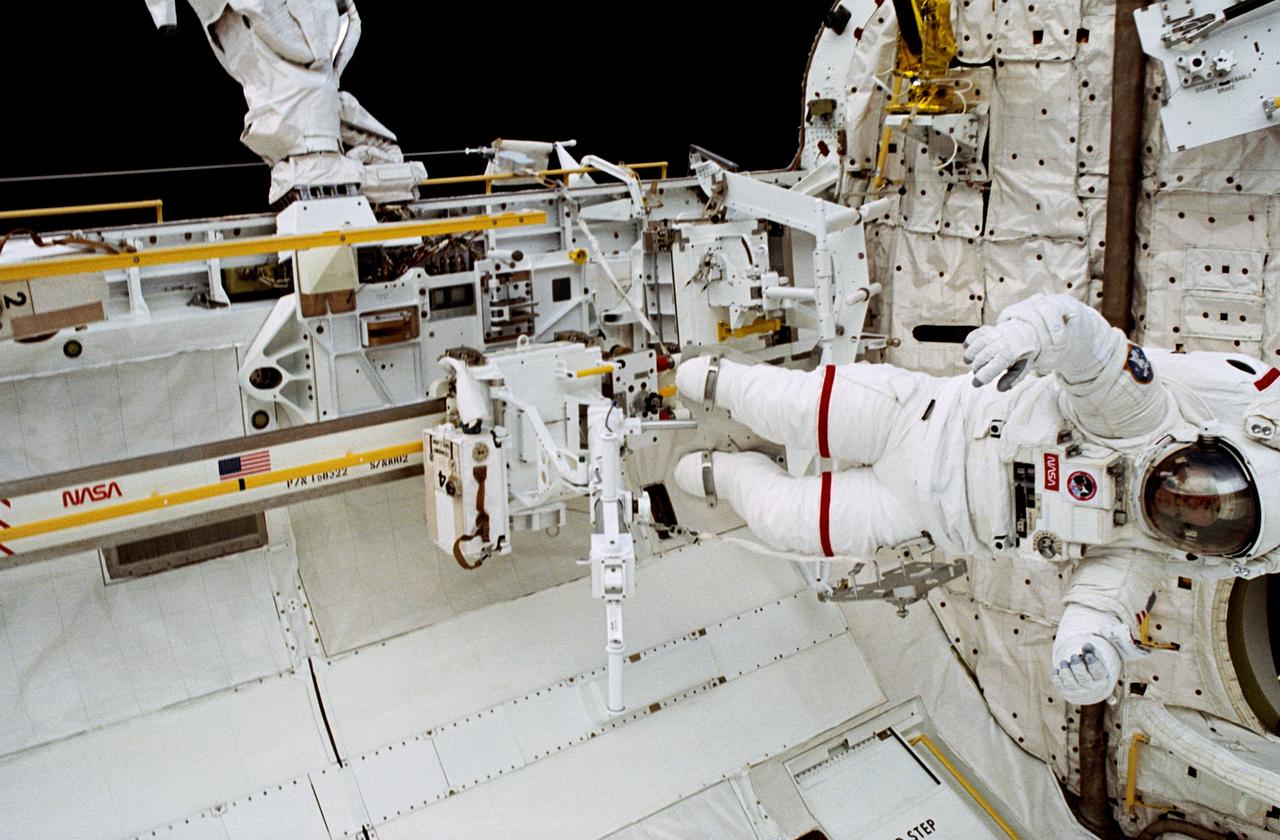
S37-52-008 (April 1999) --- STS-37 Mission Specialist Jerry L. Ross, attired in an extravehicular mobility unit (EMU) with red stripes, can be seen with the crew and equipment transport aid (CETA) just below the base of the remote manipulator system arm on the port side of the payload bay of the space shuttle Atlantis. Photo credit: NASA

STS036-S-008 (3 March 1990) --- The crewmembers for STS-36 egress the Shuttle Atlantis following touchdown at Edwards Air Force Base in California. NASA officials stand nearby awaiting to greet (from bottom to top of the steps) Astronauts John O. Creighton, John H. Casper, Pierre J. Thuot, David C. Hilmers and Richard M. (Mike) Mullane. At right are Dr. William B. Lenoir (left) acting associate administrator for space flight; and Donald R. Puddy, director of flight crew operations.
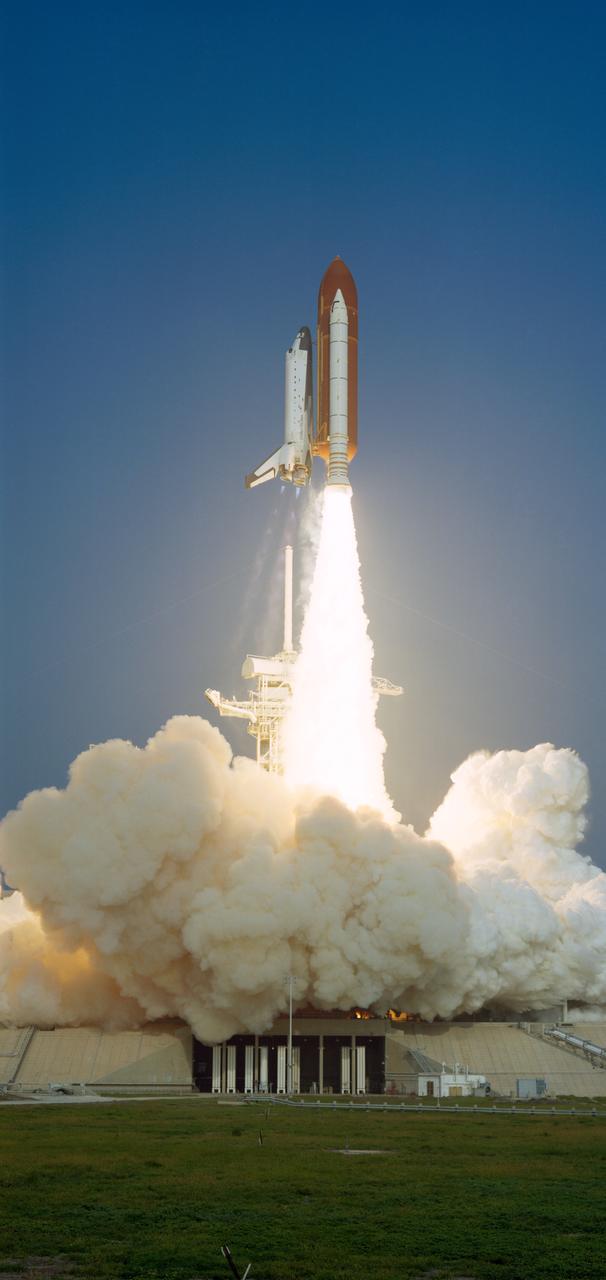
STS028-S-008 (8 Aug 1989) --- A side view shows Columbia clearing the launch tower during the STS-28 liftoff. Columbia renews spaceflight after a period of three and a half years, this time with five crewmembers aboard for a DOD-devoted mission. Onboard the spacecraft are Astronauts Brewster H. Shaw Jr., Richard N. Richards, David C. Leestma, James C. Adamson and Mark N. Brown. The last time Columbia was in space was in January of 1986.
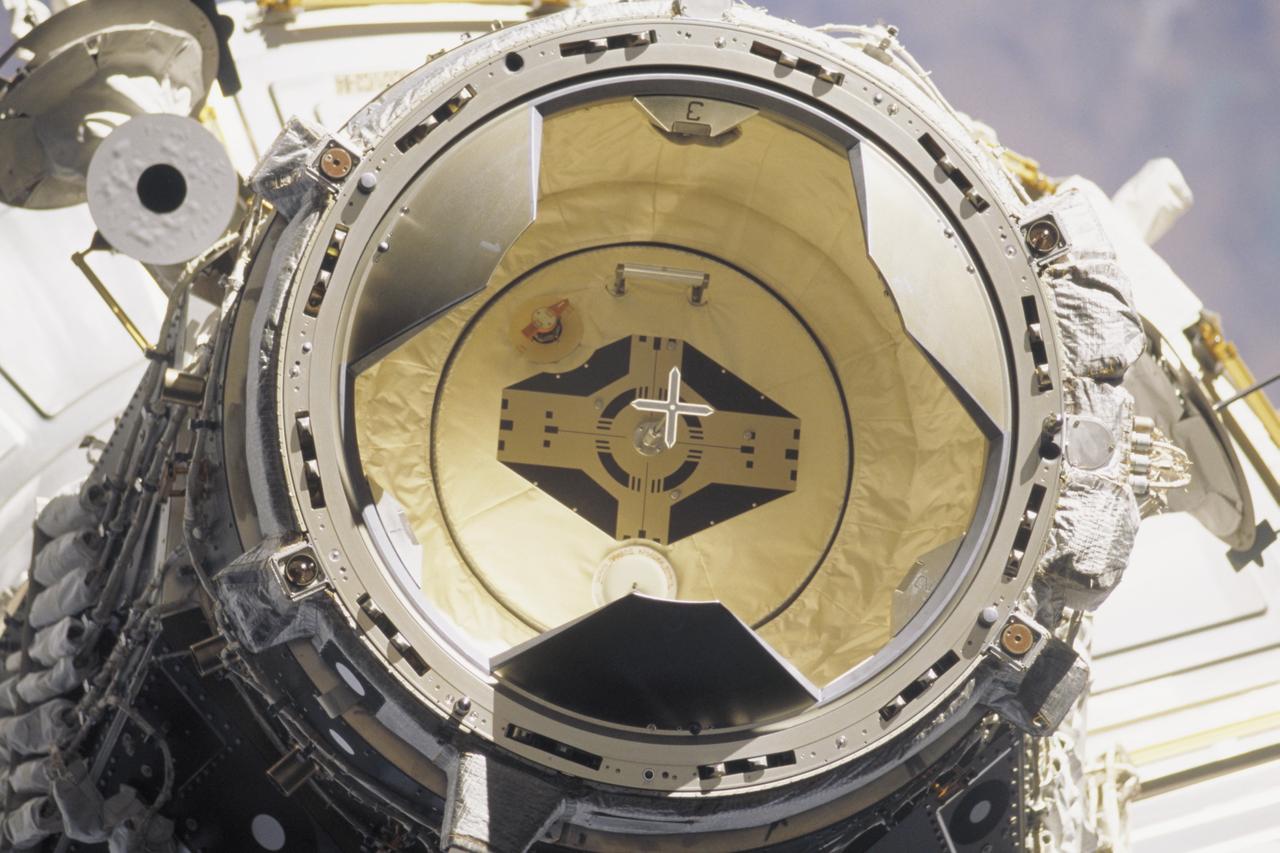
STS106-346-008 (17 Sept. 2000) --- This close-up external view of the Androgynous Peripheral Attachment System (APAS) of Pressurized Mating Adapter 2 (PMA2) was taken from the space shuttle Atlantis during undocking with the International Space Station. Visible are the APAS petals, hatch and target, as well as the forward endcone of Unity node on the ISS. The undocking took place on Sept. 17, 2000 at 10:46 p.m. (CDT).
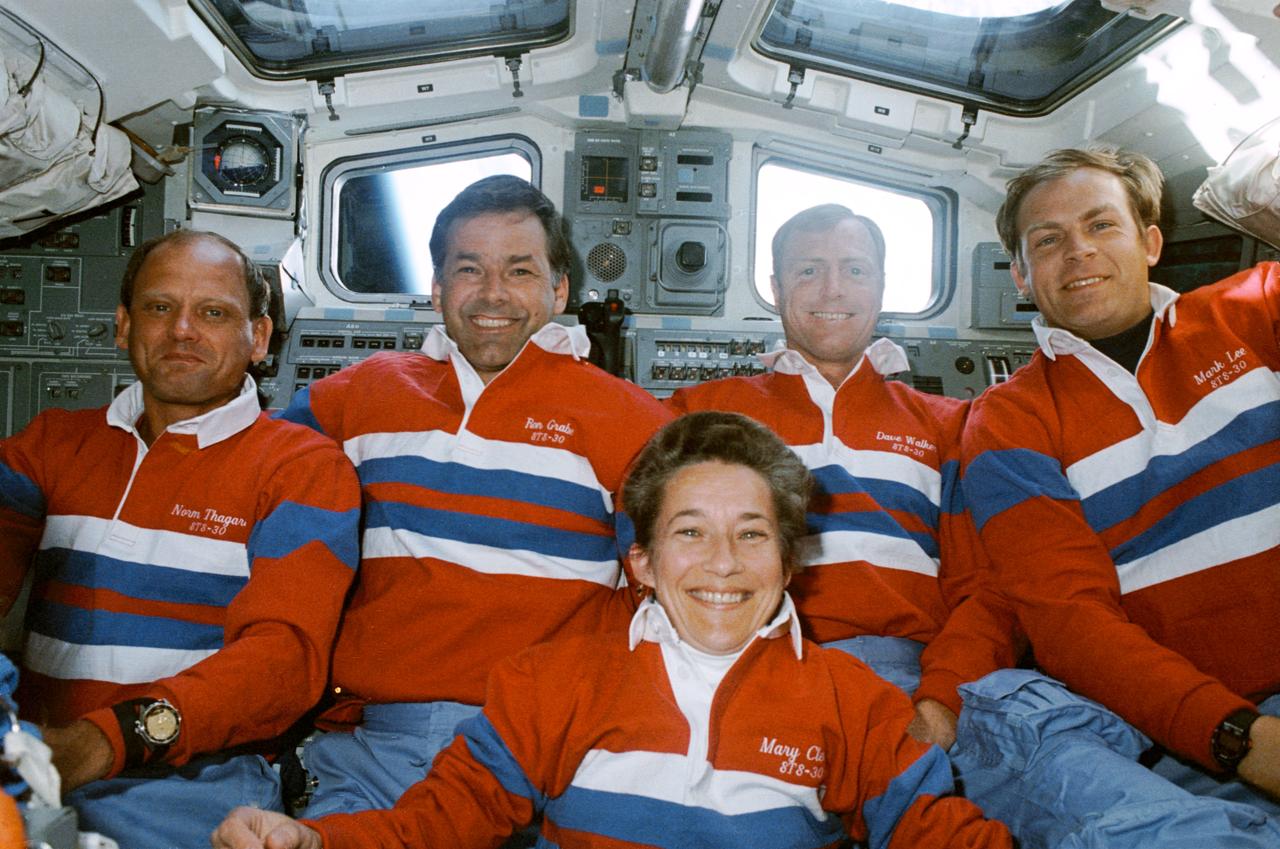
STS030-21-008 (4-8 May 1989) --- A traditional in-space crew portrait for STS-30 aboard the Atlantis. Astronaut Mary L. Cleave is in front. Others pictured, left to right, are astronauts Norman E. Thagard, Ronald J. Grabe, David M. Walker and Mark C. Lee. An automatic, pre-set 35mm camera using color negative film recorded the scene.
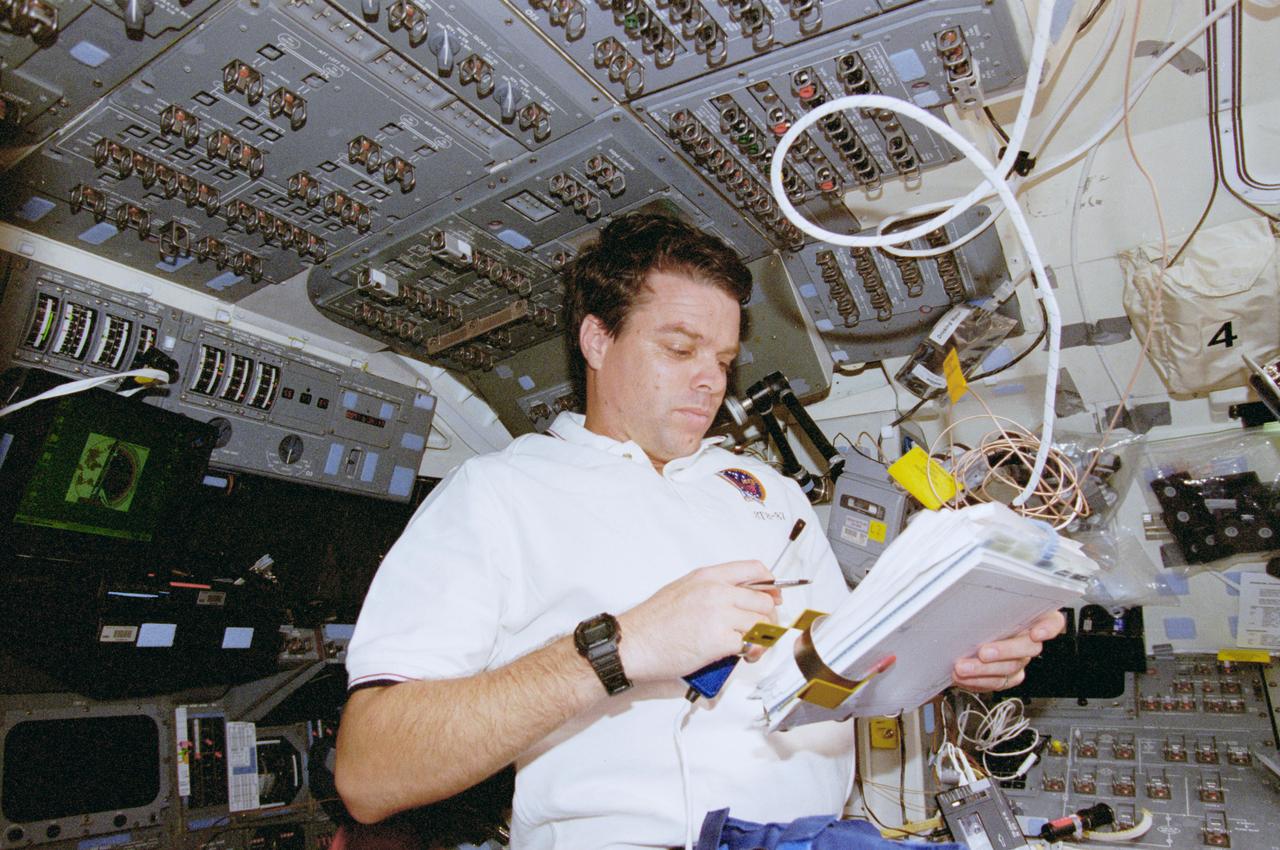
STS087-352-008 (19 November - 5 December 1997) --- Astronaut Kevin R. Kregel, mission commander, looks over the mission flight plan on the forward flight deck of the Space Shuttle Columbia. Kregel was accompanied by four other astronauts and a Ukrainian payload specialist for 16-days in space in support of the United States Microgravity Payload (USMP-4) mission.
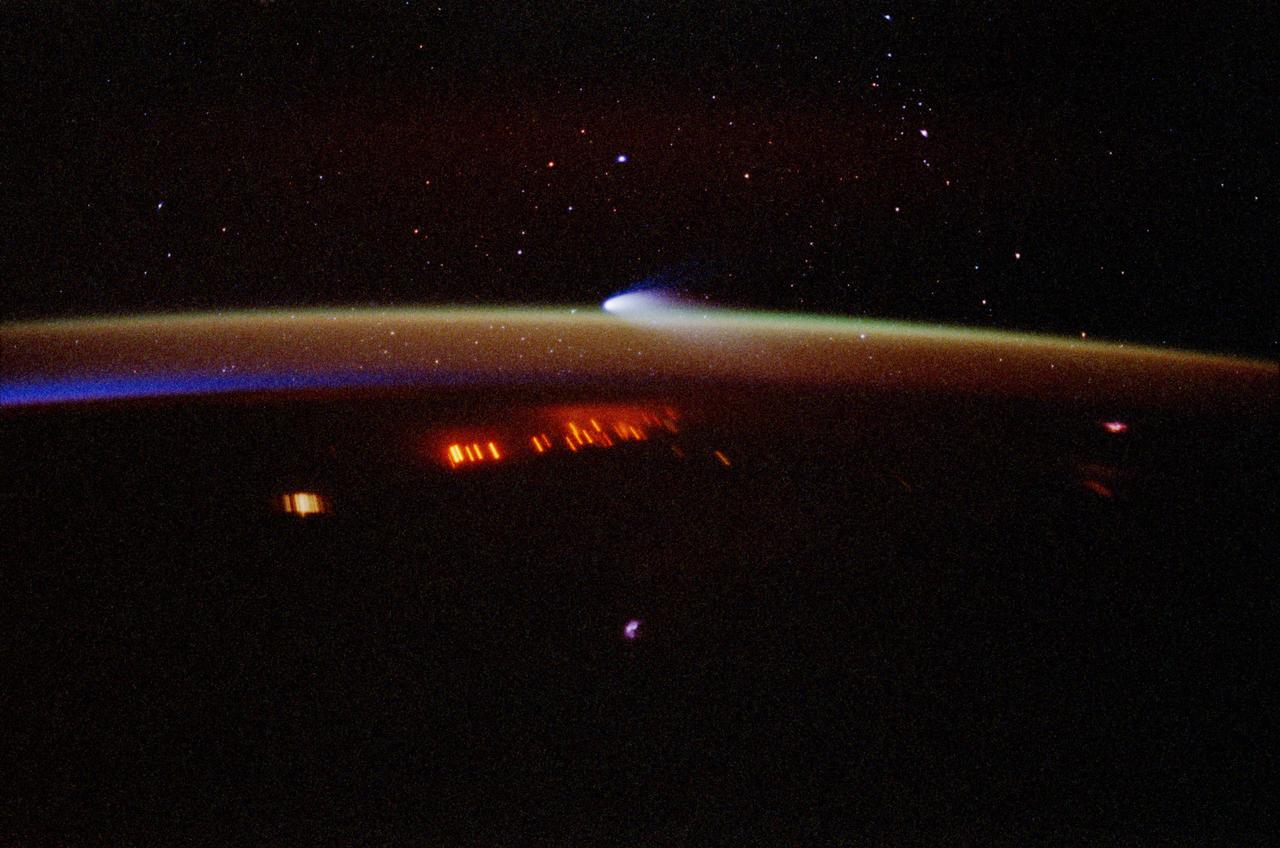
STS083-410-008 (4-8 April 1997) --- A 35mm camera was used to record this time-exposed image of Comet Hale-Bopp at sunset. Note that stars show up in this image because of the more lengthy exposure time, whereas the celestial features do not show in the majority of Space Shuttle pictures focused on Earth and its horizon. As another spin-off of the more lengthy time exposure, city lights and petroleum fires are seen as distorted streaks.
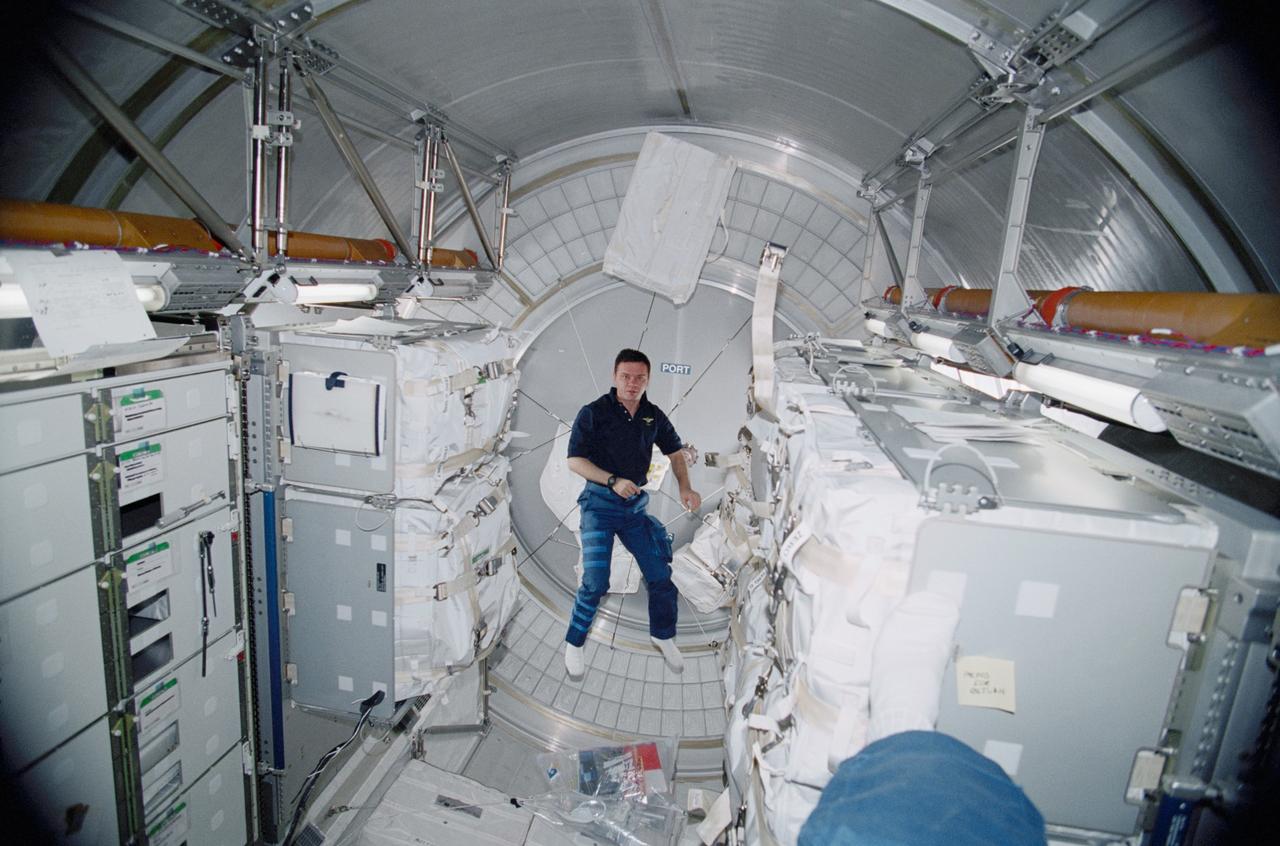
STS102-343-008 (8 - 21 March 2001) --- Cosmonaut Yuri P. Gidzenko is dwarfed by transient hardware aboard Leonardo, the Italian Space Agency-built Multipurpose Logistics Module (MPLM). Gidzenko has been aboard the International Space Station (ISS) since early November of 2000, but he will be returning to Earth with the STS-102 astronauts and the MPLM in a few days.
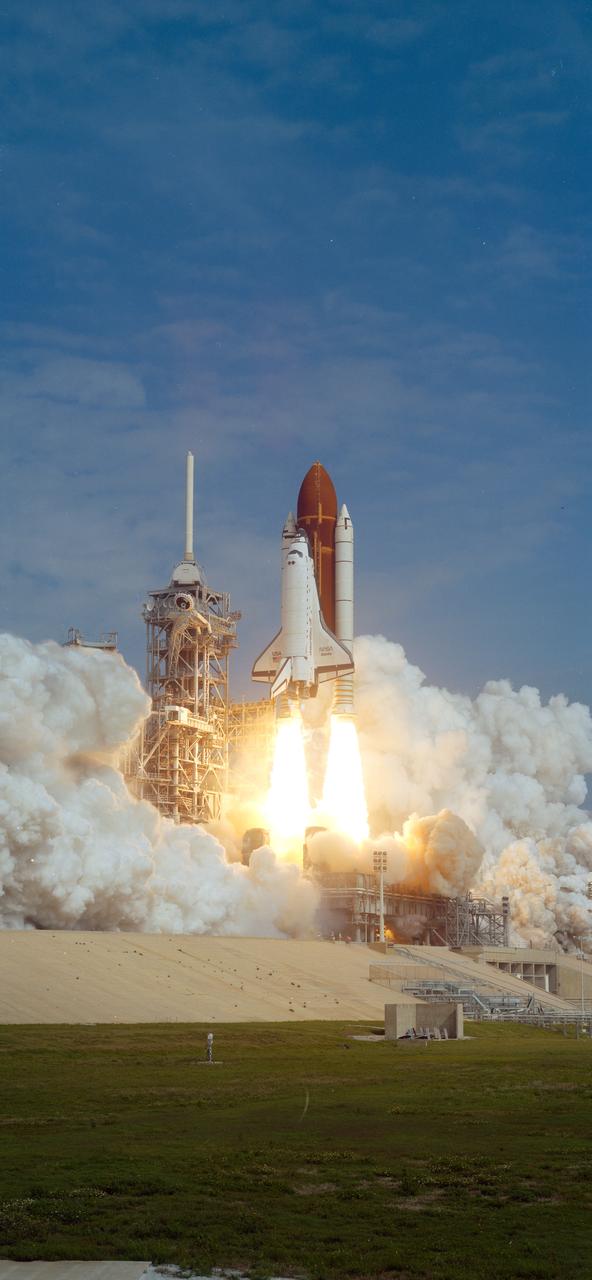
STS037-S-008 (5 April 1991) ---- A 70mm scene of the Space Shuttle Atlantis just about to clear the launch tower and soar on its way to a busy five-day mission in Earth orbit. Launch occurred at 9:22:45:0438 (EST), April 5, 1991. Onboard were five NASA astronauts, the Gamma Ray Observatory (GRO) and other experiments.
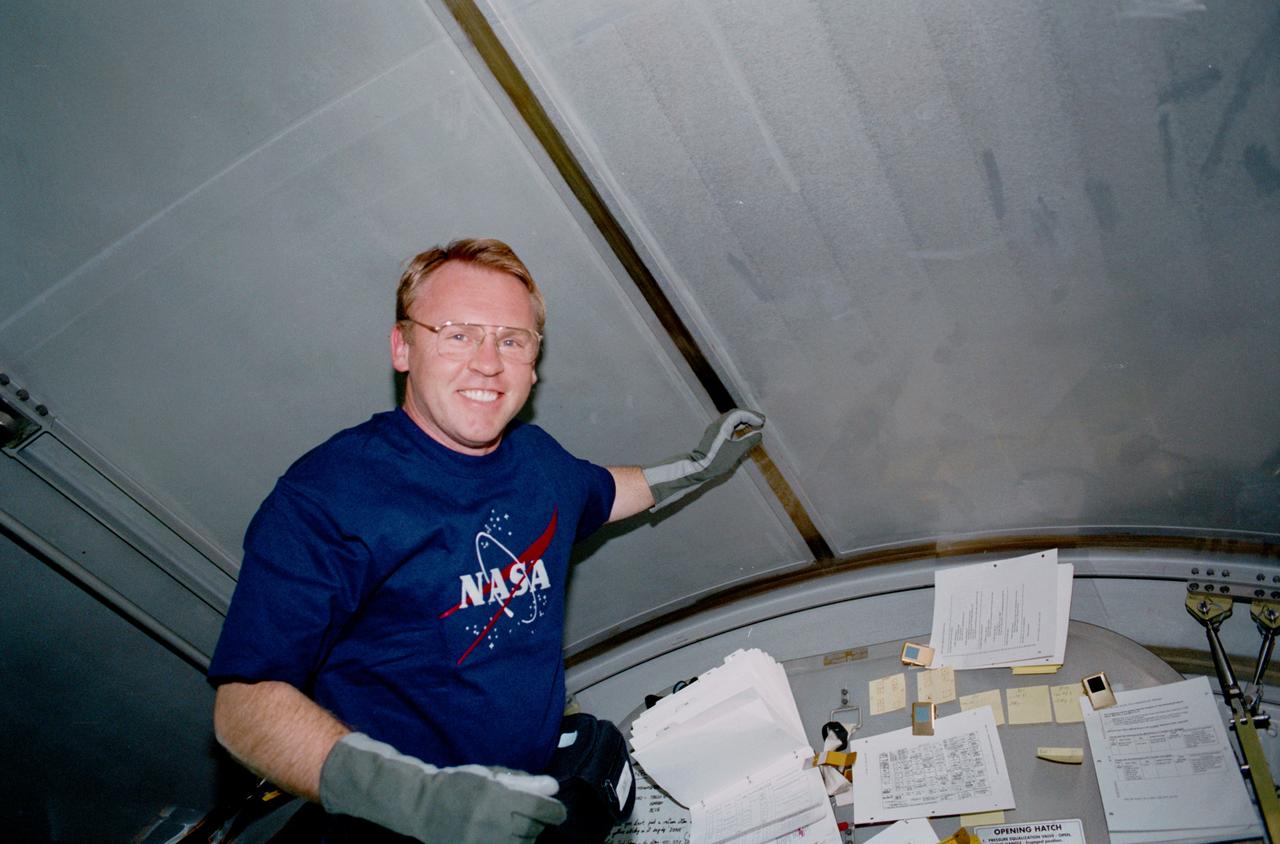
STS102-317-008 (8–21 March 2001) --- Astronaut Andrew S. W. Thomas, STS-102 mission specialist is photographed here in the Leonardo Multi-Purpose Logistics Module (MPLM) which was built by the Italian Space Agency (ASI). The MPLM is the first of three such pressurized modules that will serve as the International Space Station’s “moving vans”, carrying laboratory racks filled with equipment, experiments and supplies to and from the station aboard the space shuttle.
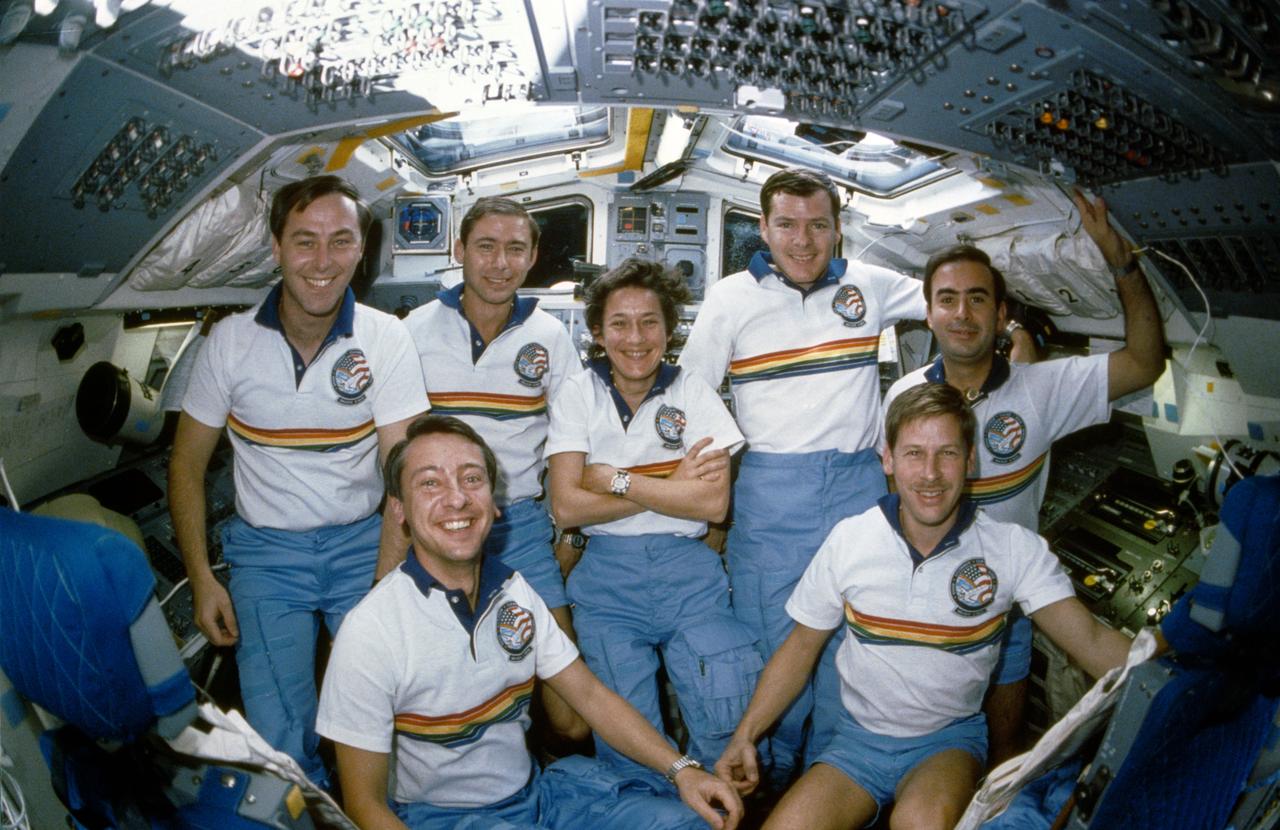
61B-21-008 (26 Nov-1 Dec 1985) --- A fish-eye lens allows for the seven-member STS 61-B crew to be photographed on the flight deck of the earth-orbiting Atlantis. Left to right, back row, are astronauts Jerry L. Ross, Brewster Shaw Jr., Mary L. Cleave, and Bryan D. O'Connor; and payload specialist Rodolfo Neri. Front row, left to right, payload specialist Charles D. Walker and astronaut Sherwood C. Spring.
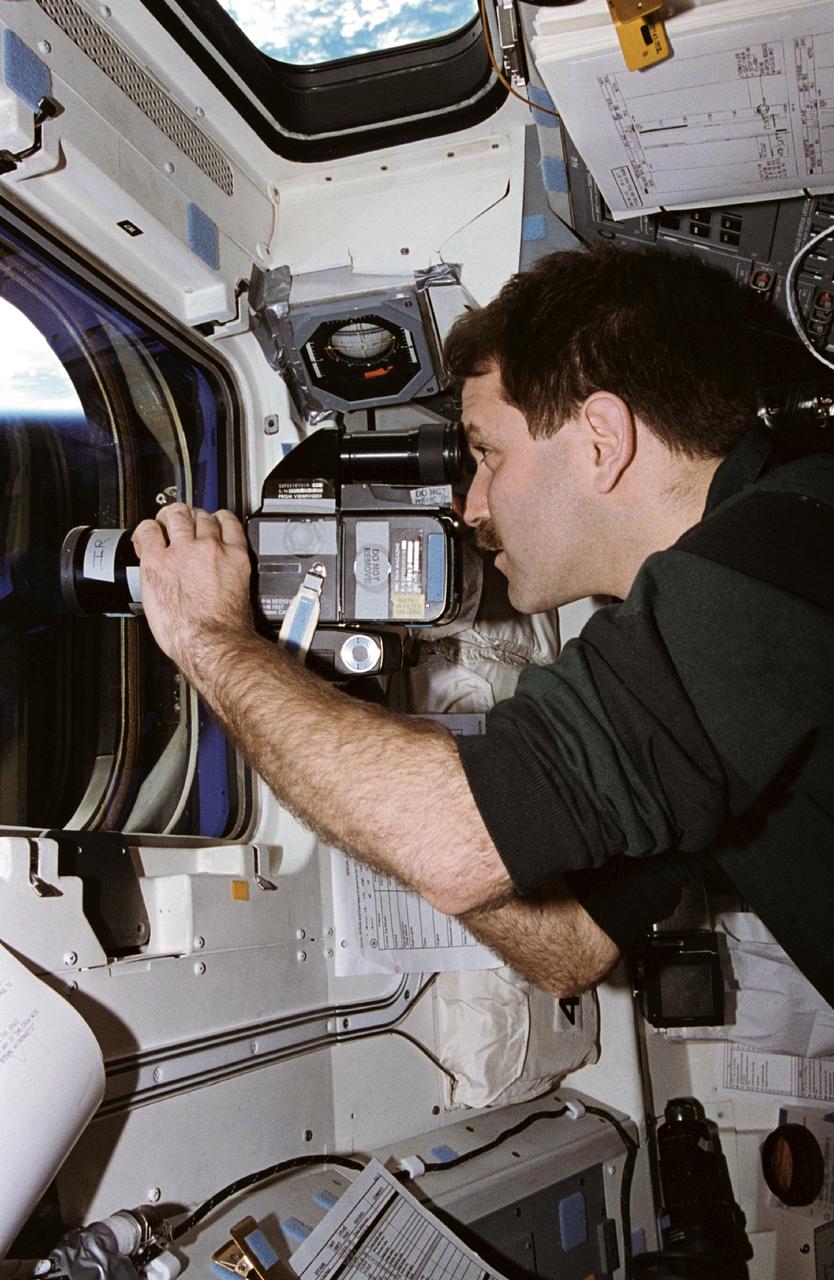
STS067-377-008 (2-18 March 1995) --- Astronaut John M. Grunsfeld, mission specialist, uses a handheld Hasselblad camera to record the Astro-2 payload. Orbiting Earth at 190 nautical miles, Grunsfeld joined four other NASA astronauts and two scientists for almost 17 days conducting research in support of the Astro-2 mission.
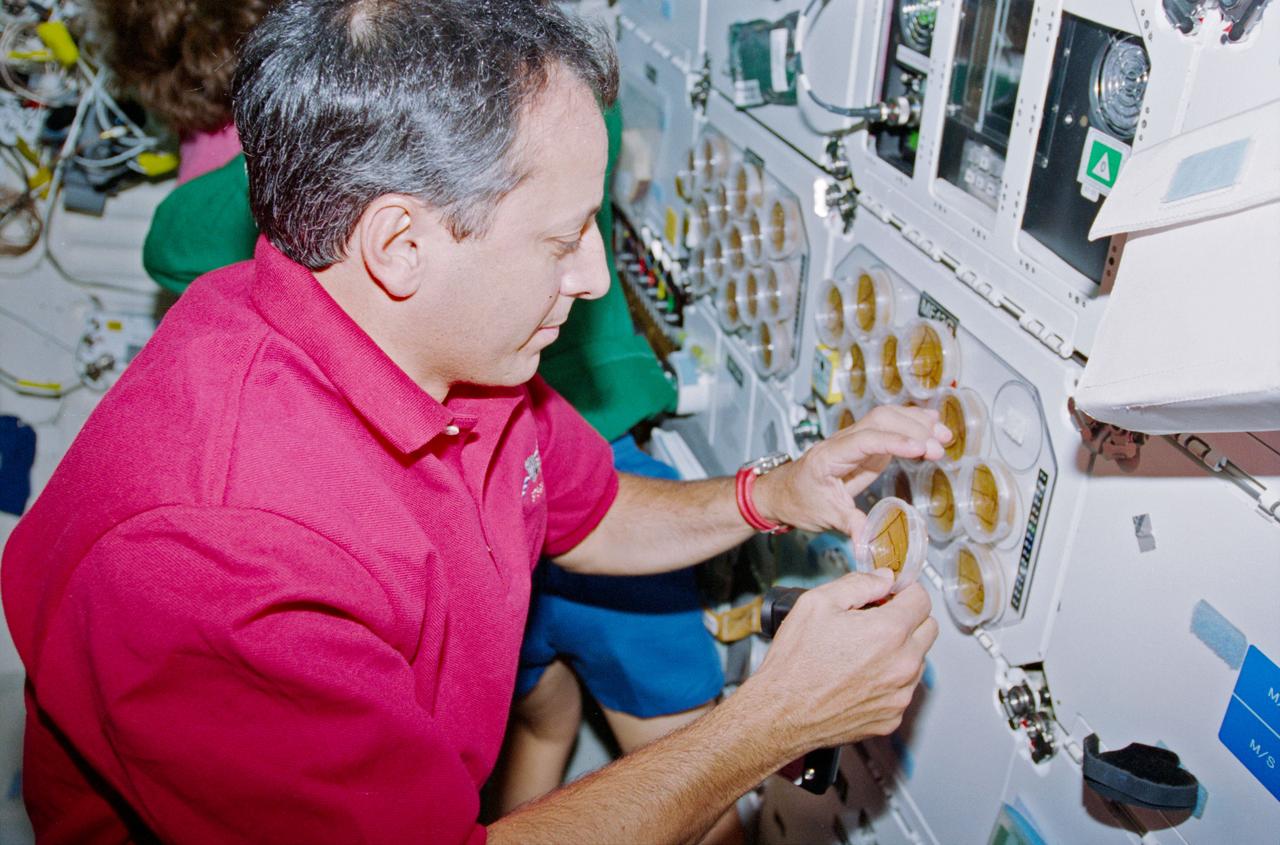
STS093-350-008 (22-27 July 1999) --- Astronaut Michel Tognini, mission specialist representing France’s Centre National d’Etudes Spatiales (CNES), checks the Biological Research in Canisters (BRIC) payload petri dishes on the mid deck of the Space Shuttle Columbia. BRIC was designed to investigate the effects of space flight on small arthropod animals and plant specimens.
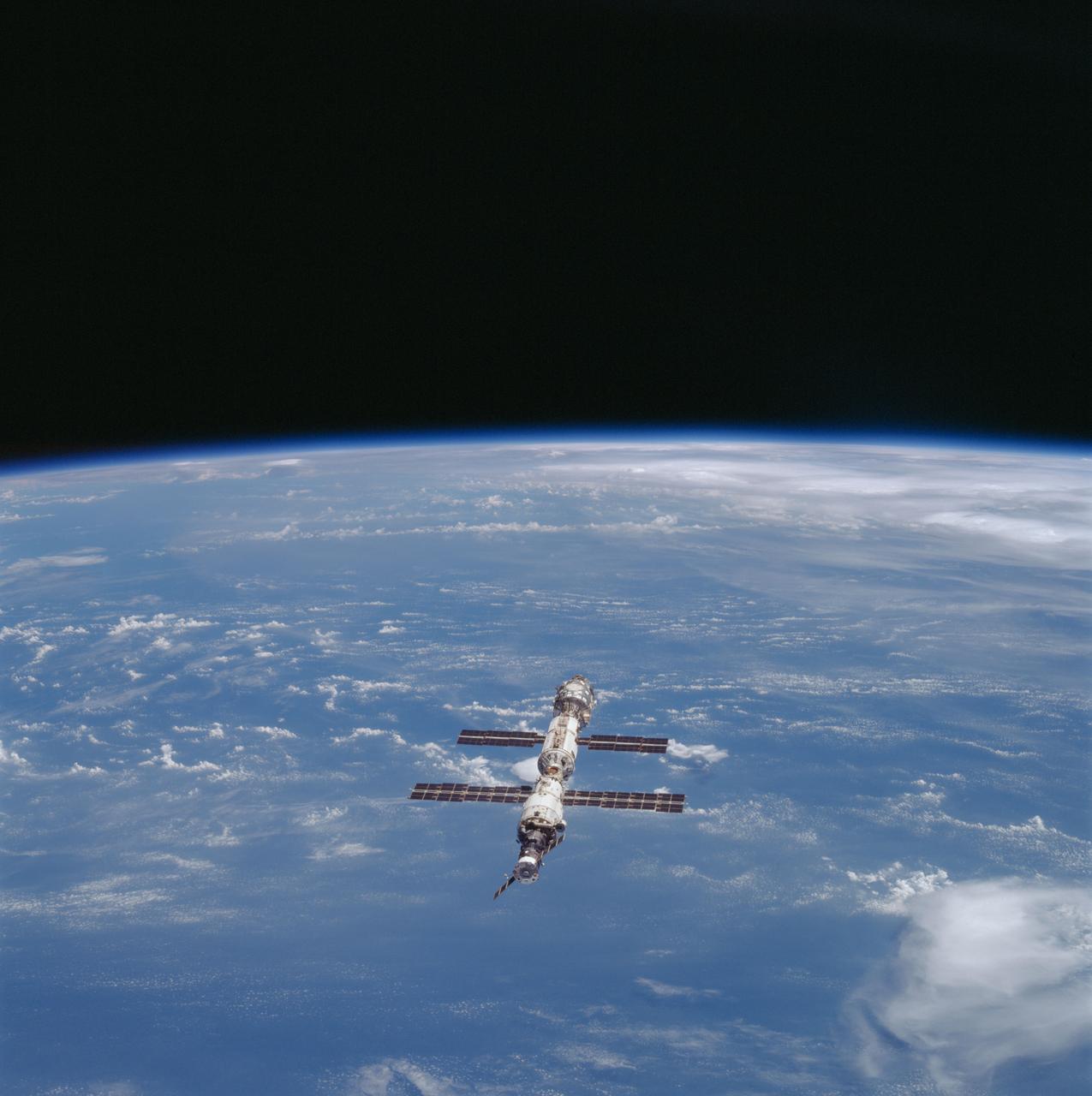
STS106-707-008 (8-20 September 2000) ---- The STS-106 crew members used a 70mm handheld camera to capture this view of the International Space Station (ISS) over a moderately cloud-covered land area. The station component nearest the camera is the Progress supply craft, which joined ISS in August 2000. Progress is docked with the Service Module or Zvezda, which connected to ISS in July 2000.
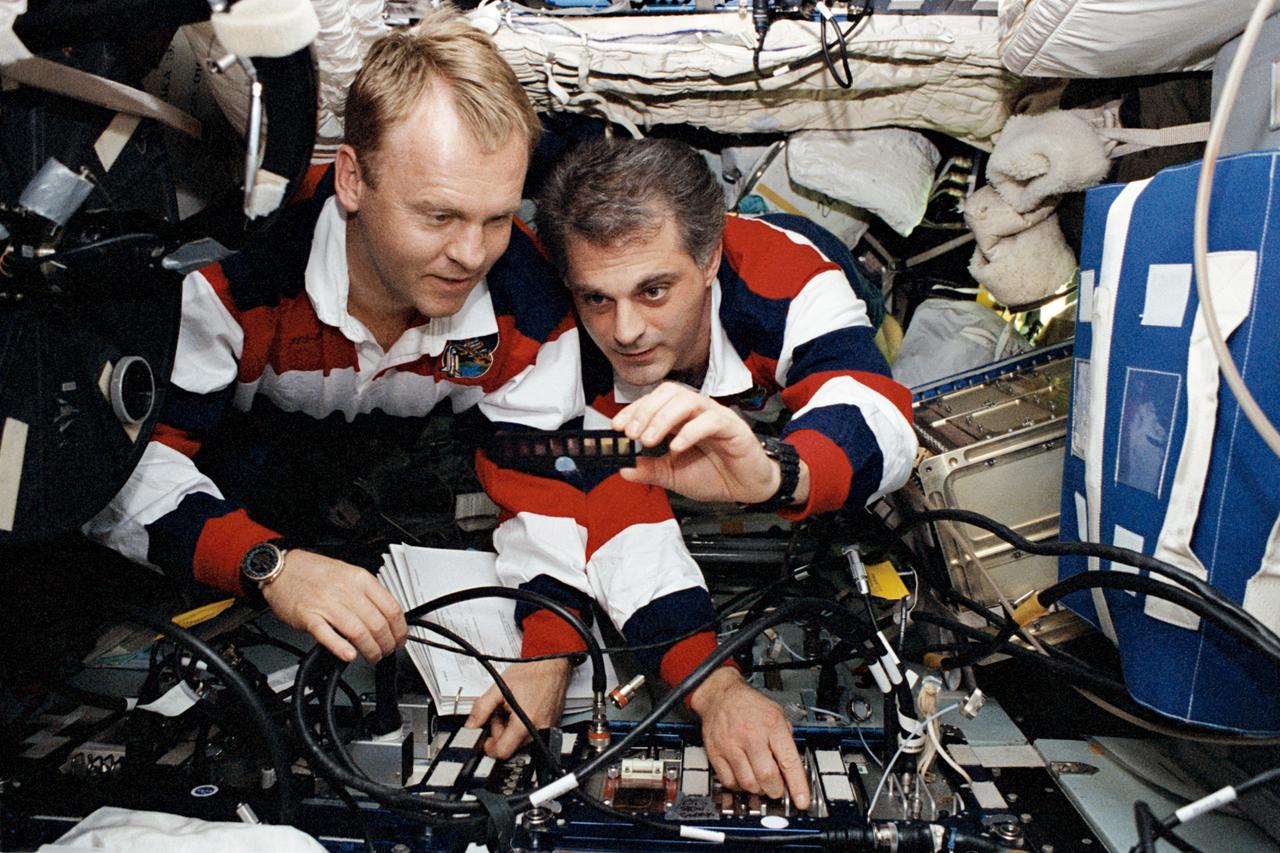
STS089-390-008 (22-31 Jan 1998) --- Astronauts David A. Wolf (right), newly a member of the Space Shuttle Endeavour STS-89 crew; and Andrew S. W. Thomas, his cosmonaut guest researcher replacement on the Russia?s Mir Space Station, Mir-24 crew, check out the CoCult hardware, a Mir tissue experiment. Wolf is holding a sample display from the hardware.
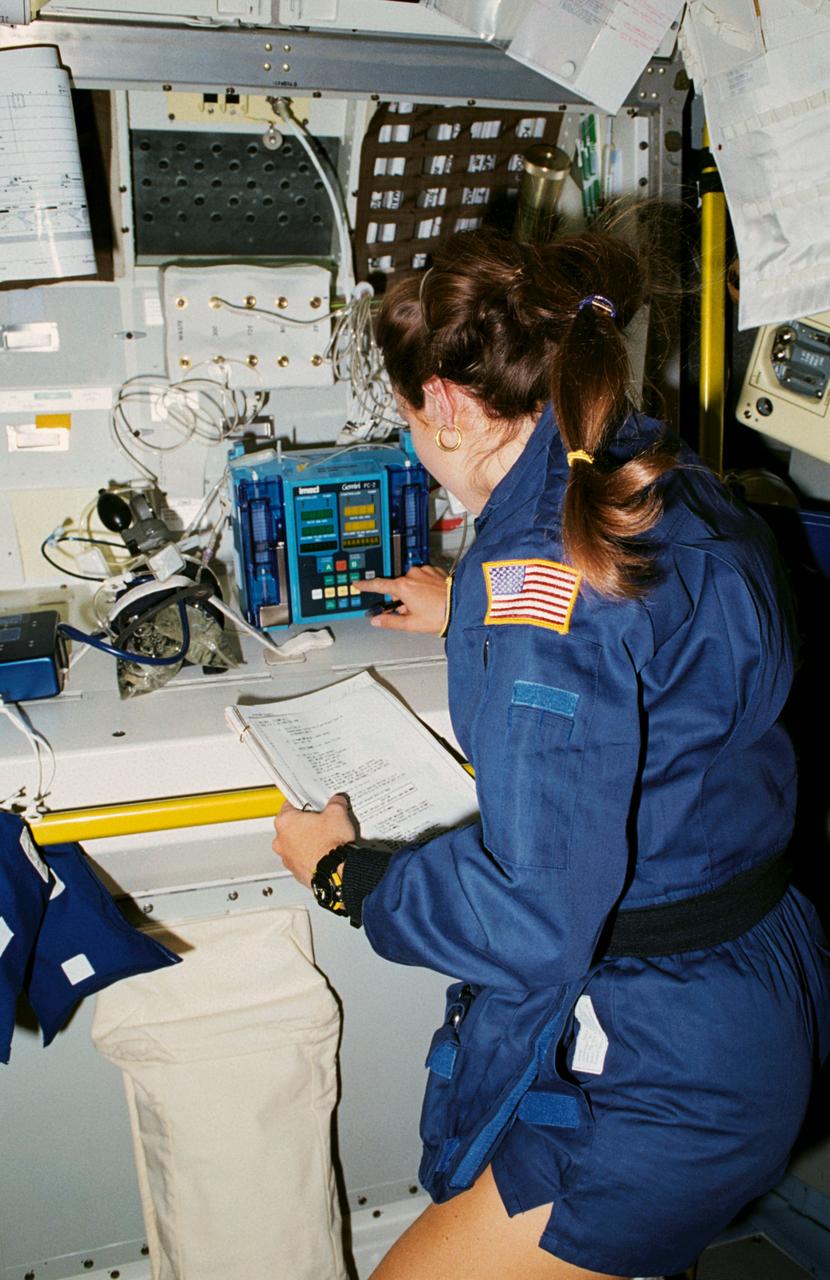
STS040-30-008 (5-14 June 1991) --- Astronaut Tamara E. Jernigan, after applying a blood pressure cuff to an experiment, watches it in operation. The experiment is the intravenous infusion pump. The device is being considered for use on Space Station Freedom's Health Maintenance Facility. Dr. Jernigan is one of seven crew members supporting the nine-day Spacelab Life Sciences (SLS-1) mission aboard the Earth-orbiting Space Shuttle Columbia.
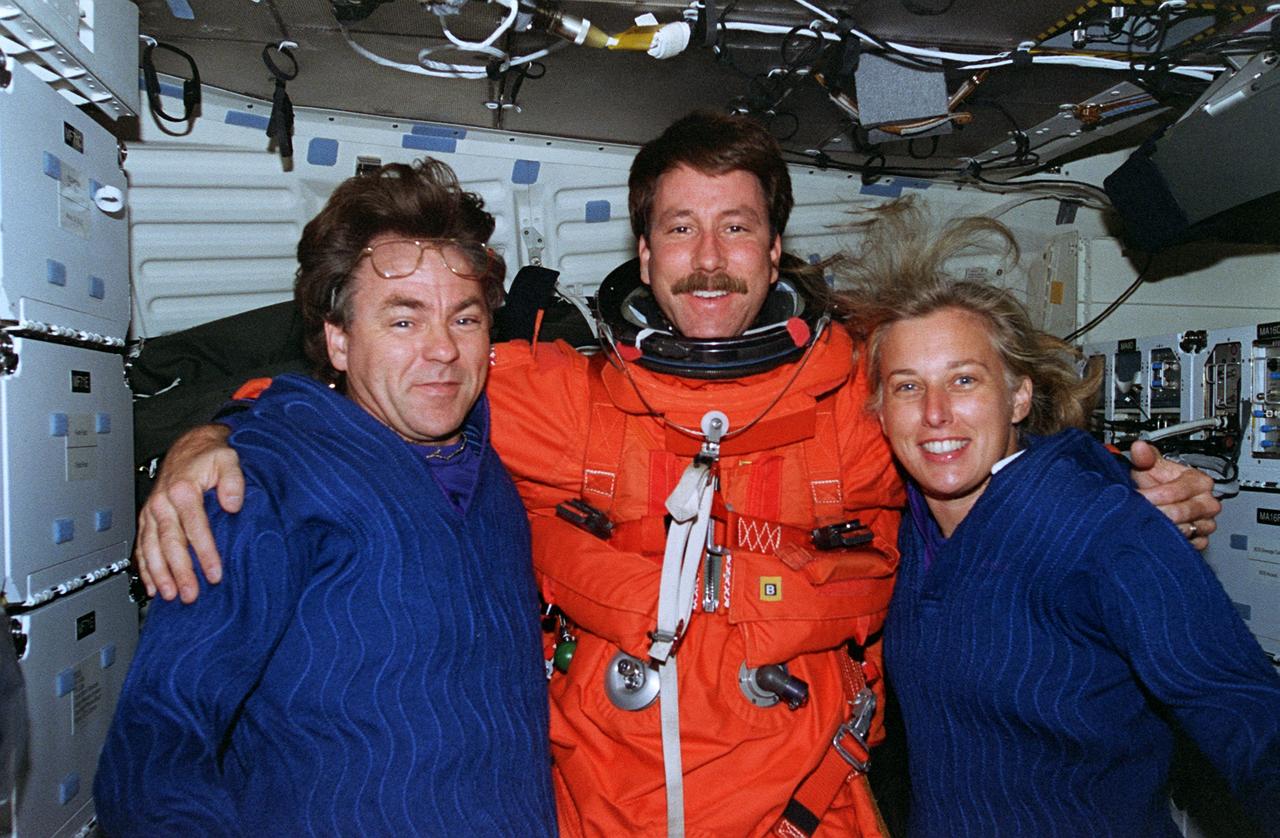
STS085-364-008 (19 August 1997) --- One of the final pictures taken during the STS-85 mission was this frame, exposed on the mid-deck during preparations for the August 19, 1997 entry. Left to right are payload specialist Bjarni V. Tryggvason, with astronauts Kent V. Rominger, pilot, and N. Jan Davis, payload commander. Rominger has already donned his partial pressure launch and entry suit, while Tryggvason and Davis have put on their blue under garments but have yet to don their escape suits.

STS030-10-008 (4-8 May 1989) --- Since the beginning manned space travel, astronauts have taken with them items of personal sentiment. In case of Mark C. Lee, STS-30 mission specialist, a picture of a cow testifies to his background as one reared on a Wisconsin farm. The scene, through a flight deck aft window, also shows Earth some 160 nautical miles away.
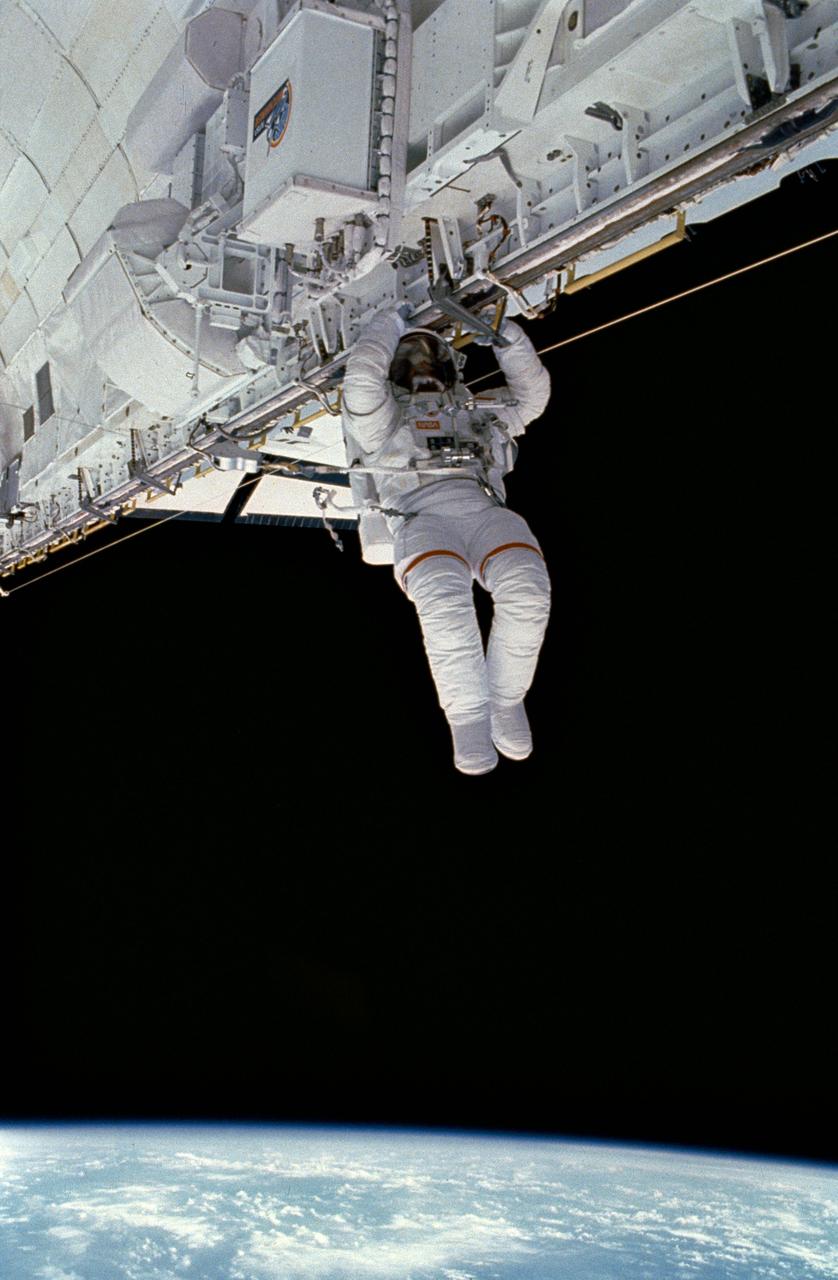
STS054-05-008 (17 Jan 1993) --- Astronaut Gregory J. Harbaugh translates along the starboard longeron of Endeavour's cargo bay. Astronauts Harbaugh and Mario Runco Jr., mission specialists, spent four-plus hours on the extravehicular activity (EVA) on January 17, 1993. Also onboard NASA's newest Shuttle for the six-day mission were astronauts John H. Casper, mission commander; and Donald R. McMonagle, pilot; and Susan J. Helms, mission specialist. The photograph was taken with a 35mm camera.
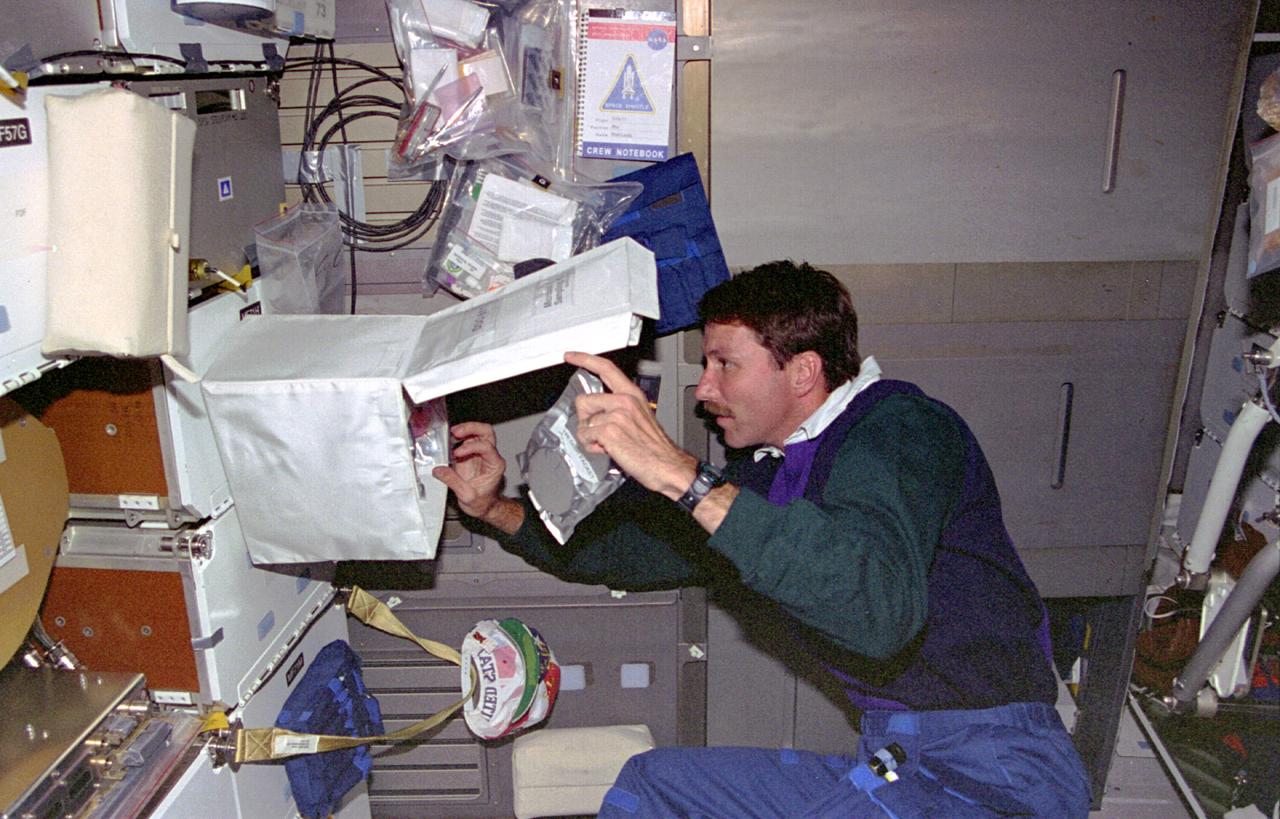
STS073-352-008 (20 October - 5 November 1995) --- On the middeck of the Earth-orbiting Space Shuttle Columbia, astronaut Kent V. Rominger, STS-73 pilot, retrieves gear necessary for sampling of the air. In addition to his pilot duties and the performance of tasks in support of the U.S. Microgravity Laboratory (USML-2) mission, Rominger and other crew members pitched in with housekeeping chores as part of their 16-days of Earth-orbit activity.
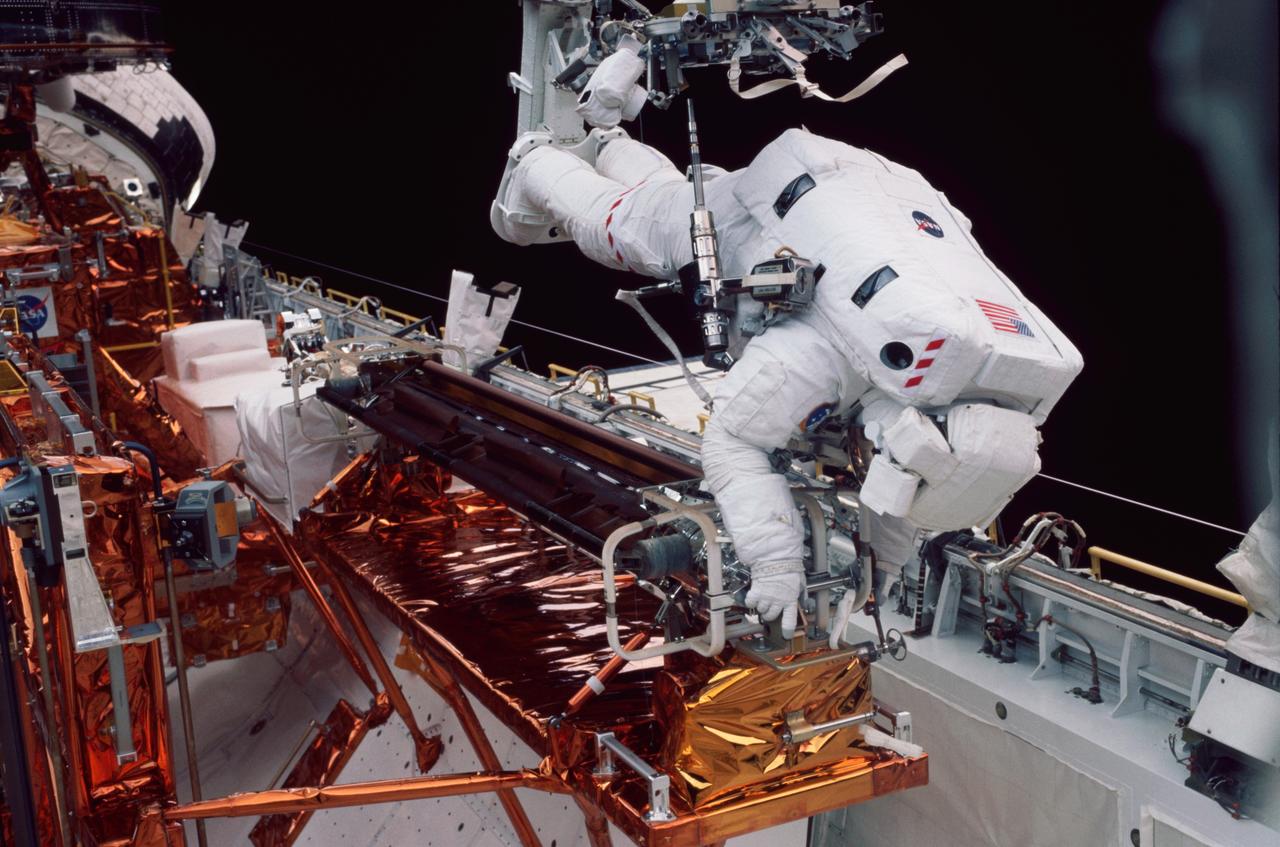
STS109-326-008 (5 March 2002) --- Astronaut Michael J. Massimino, mission specialist, works at the stowage area for the Hubble Space Telescope's port side solar array. Astronauts Massimino and James H. Newman removed the old port solar array and stowed it in Columbia’s payload bay for a return to Earth. They then went on to install a third-generation solar array and its associated electrical components. Two crew mates had accomplished the same feat with the starboard array on the previous day.

51A-104-008 (14 Nov 1984) --- Astronaut Dale A. Gardner appears to be under the remote manipulator system (RMS) end effector as he makes a turn in space and prepared to traverse, using the manned maneuvering unit (MMU) backpack, to the nearby Westar VI to "Sting" it with the device he carries. The stringer will enter the communications satellite through the nozzle of the spent motor. Gardner achieved a hard dock at 6:32 A.M. and this picture was photographed about five minutes earlier, on Nov. 14, 1984.
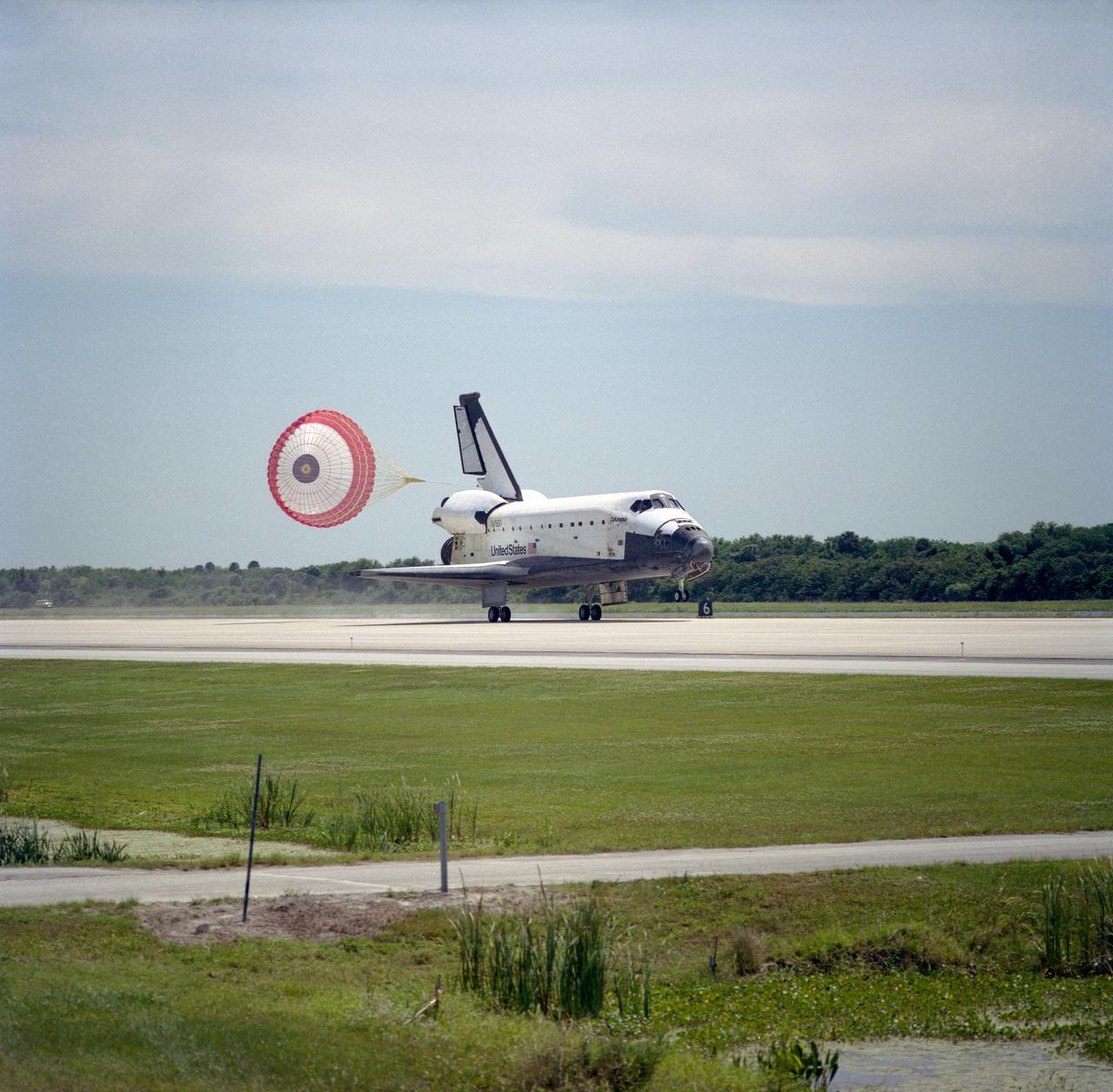
STS083-S-001 008
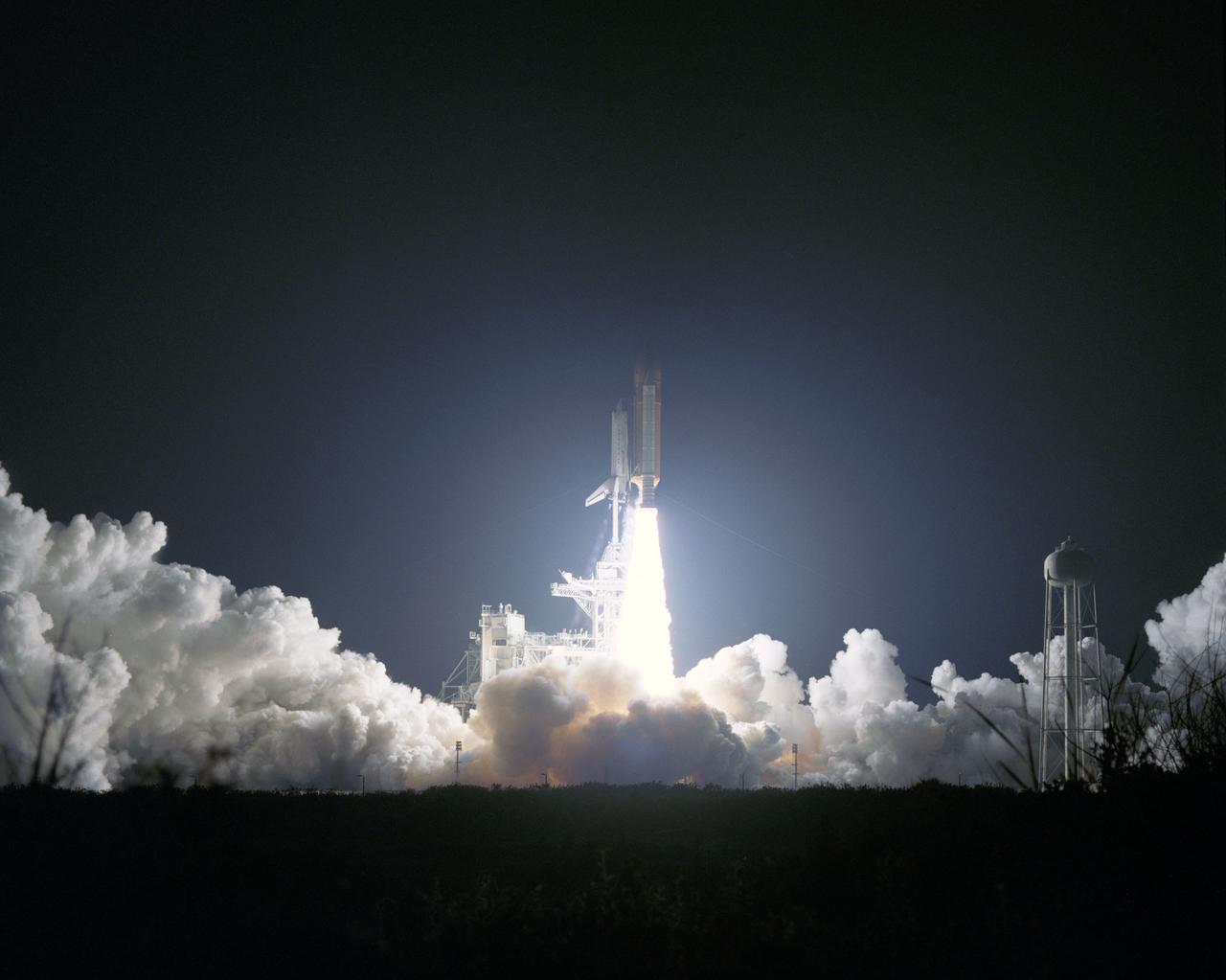
STS084-S-001 008
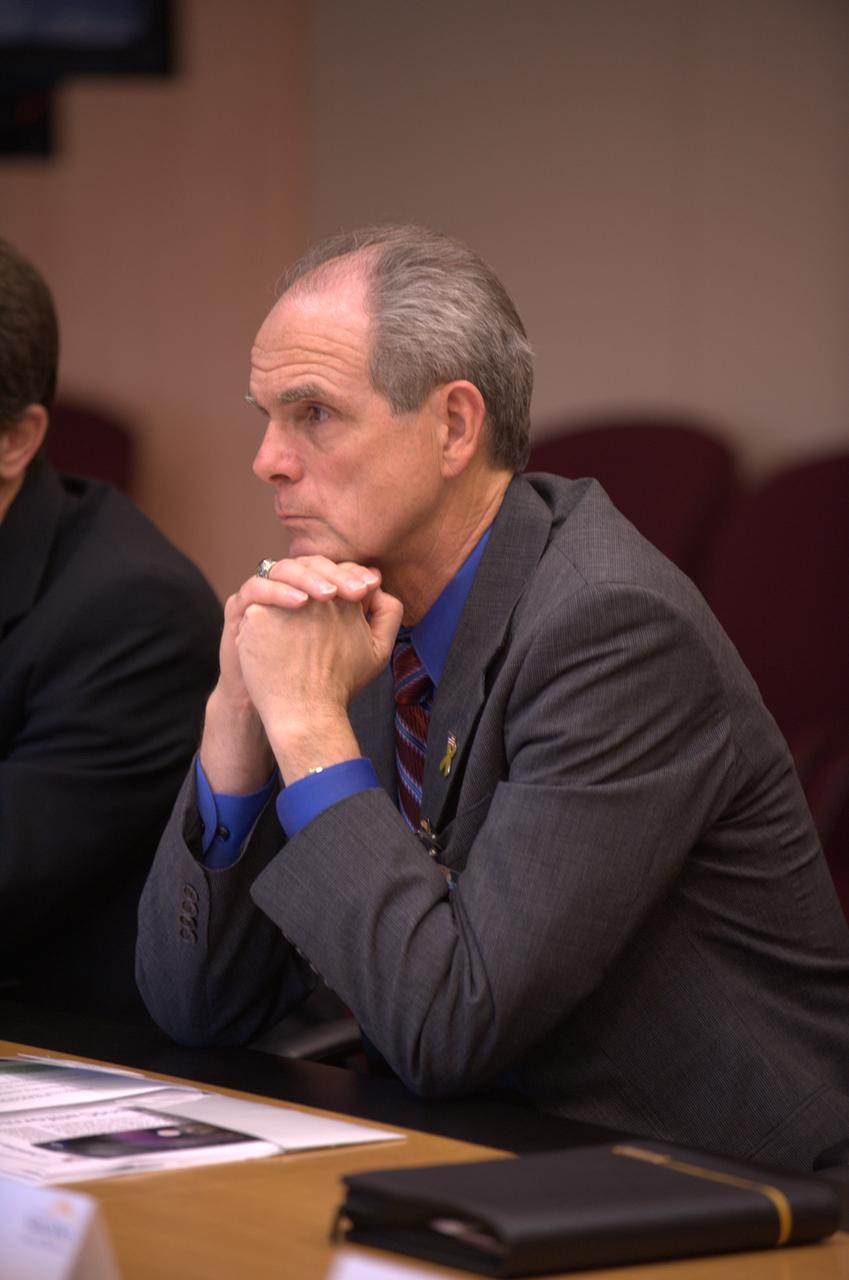
San Jose Mayor Chuck Reed recently met with Ames Center Director S. Pete Worden and also took a quick tour of the Osmotic Lab and hyperwall-2 at Ames.
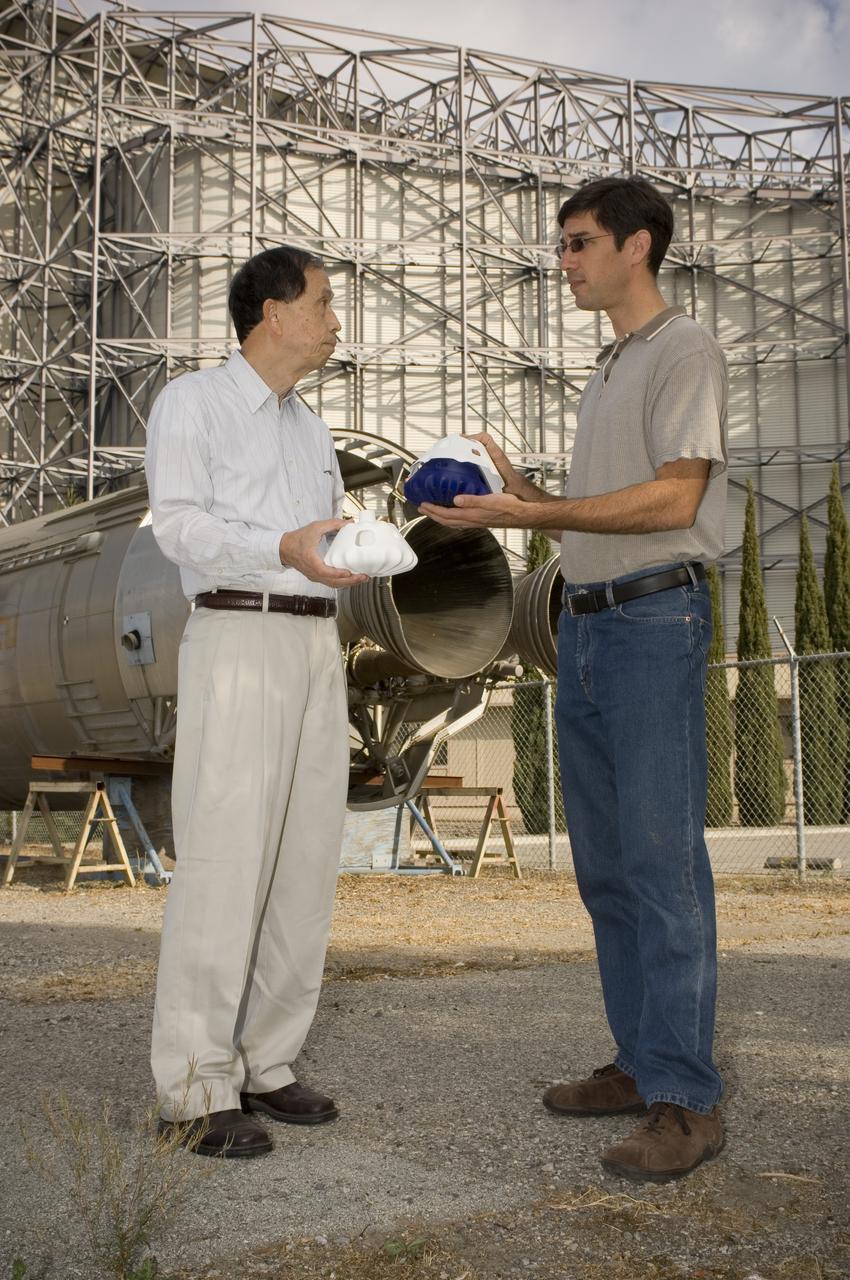
Ian Fernandez and Hiro Miur with composite CEV Model (NESC Composite Crew Module Design

CEV (Crew Escape Vehicle) capsule Balistic Range testing to examine static and dynamic stability characteristics (at the Hypervelocity Free-Flight Facility) HFF - Bon Bowling machining sabot to find dimensions
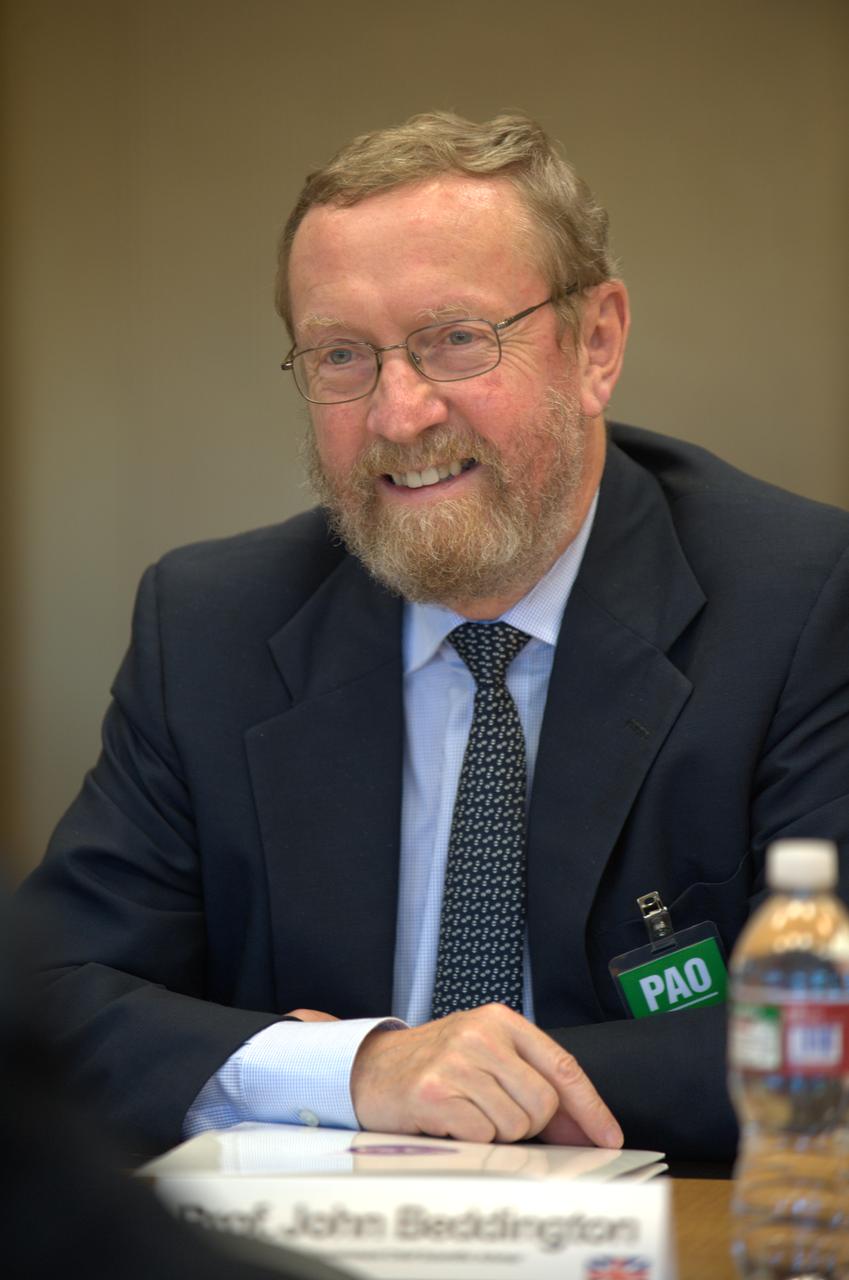
Professor John Beddington, UK (United Kingdom) Government Chief Scientist Advisor visit to Ames in Bldg N-200 Boyd Room

For Inspiration and Recognition of Science and Technology; FIRST Robotics Competition 2010 Silicon Valley Regional held at San Jose State University, San Jose, California Presentation Invasion, Science Academy & Presentation H.S., CA Team 2135

N-232 Sustainability 'Green' Building Topping Ceremony
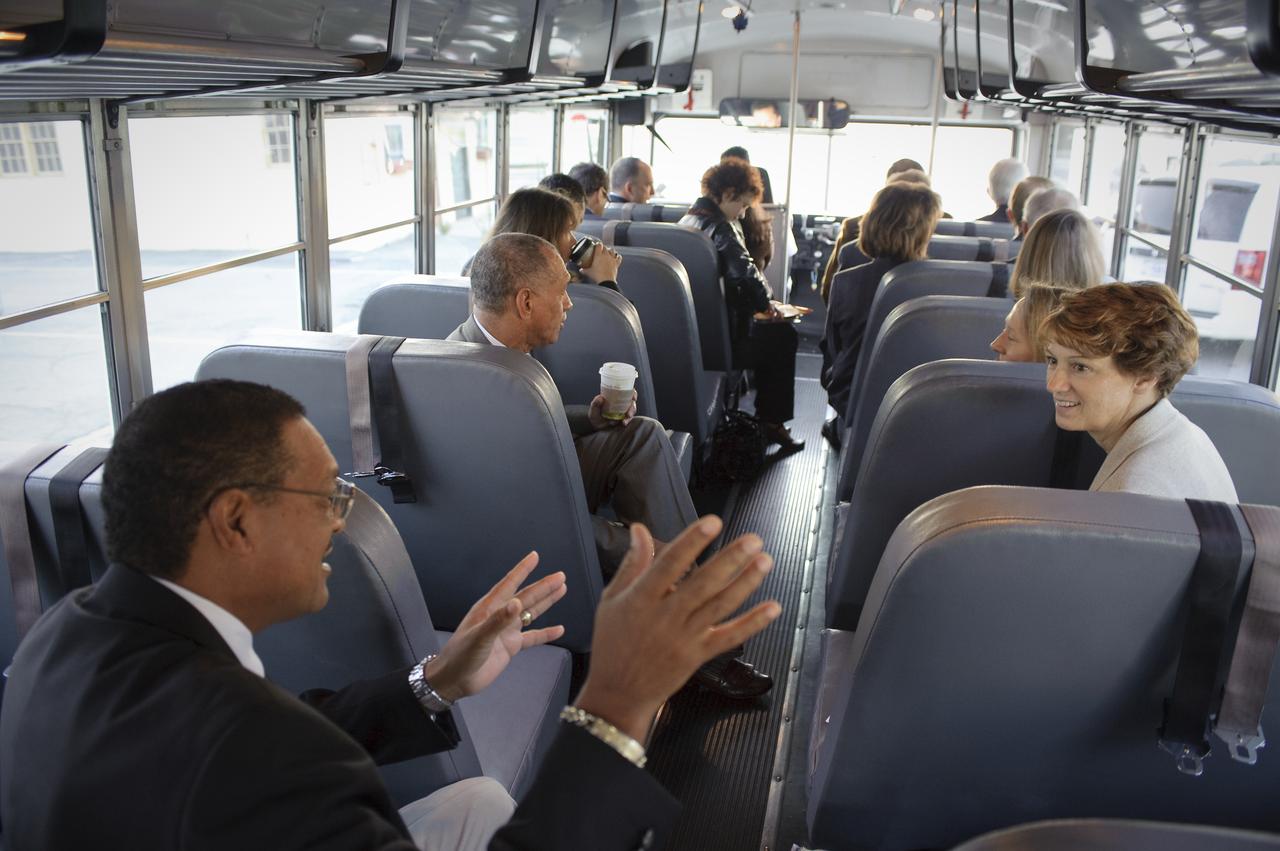
NASA Advisory Council Meeting at NASA Ames Research Center NRP Conference Center. on the tour bus Lew Braxton III in foreground taking with Eilene Collins from council.
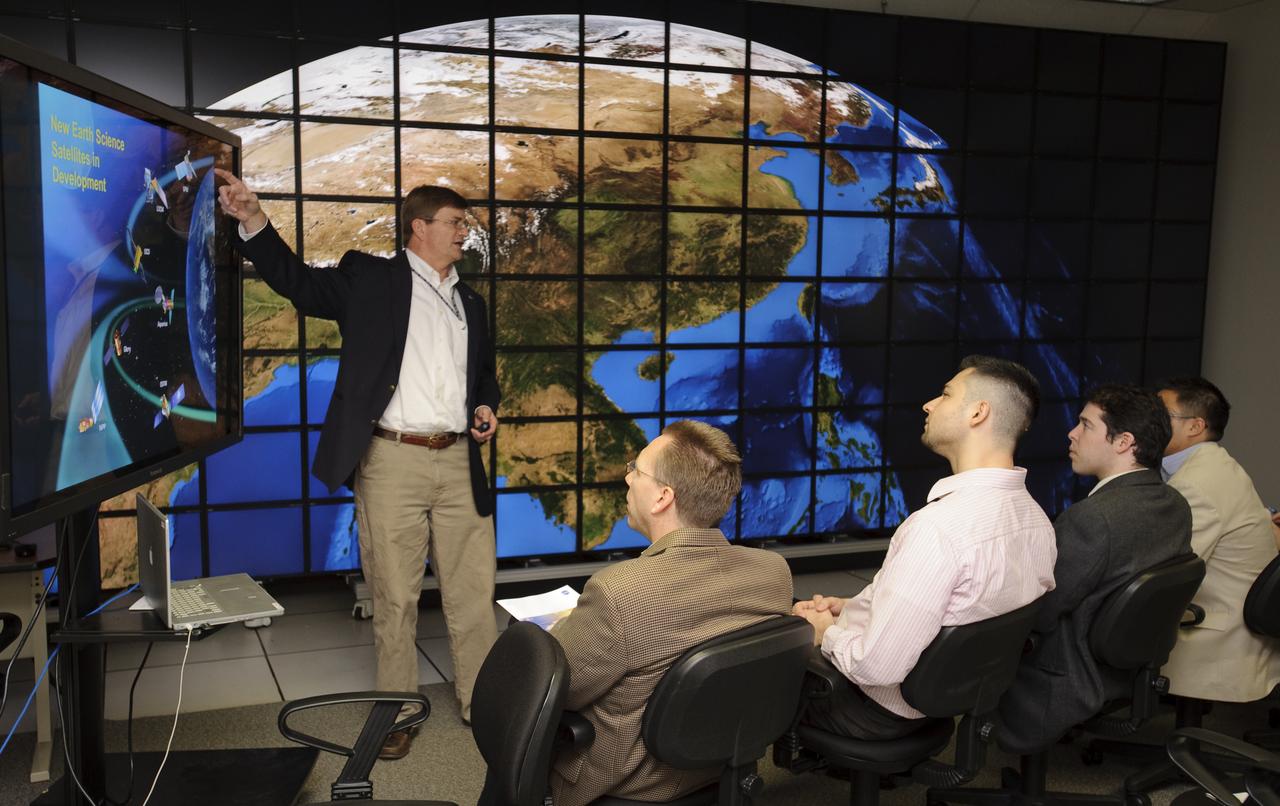
Congressional Day at NASA Ames Research Center. Visitors move into Hyperwall theater for presenation by Steve Hipskind, Chief Ames Earth Science Division
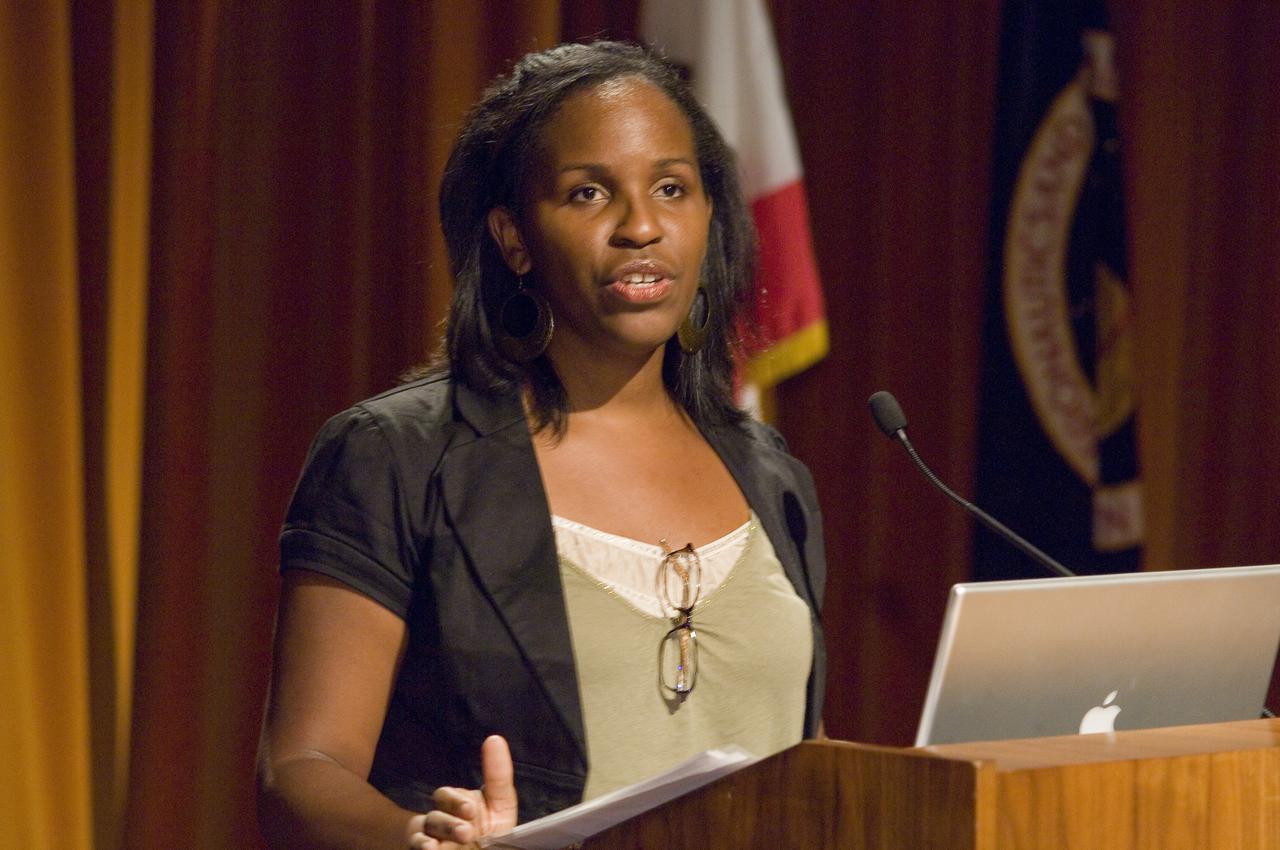
Summer Internship for 2008 closing ceremony: Welcoming remarks by Jennifer Bradford
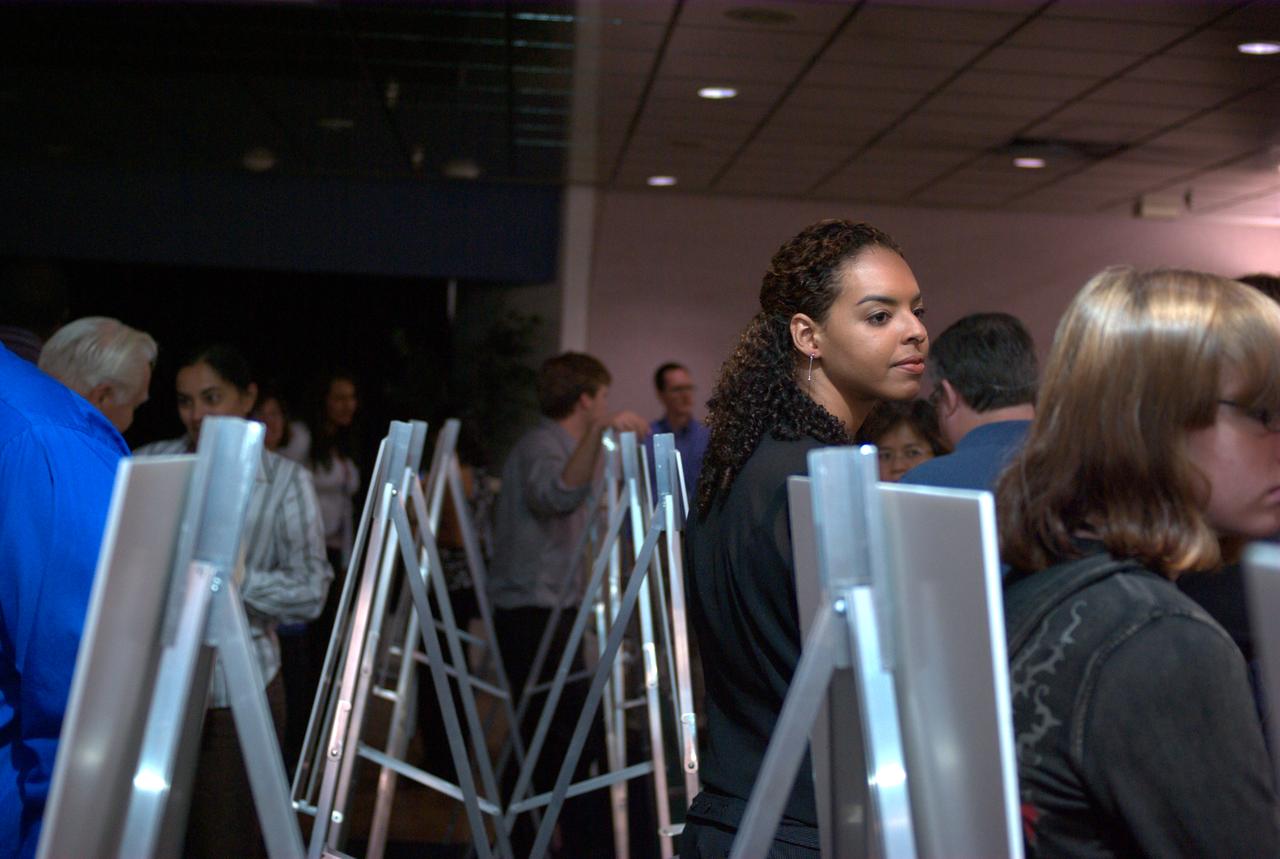
Foothill-DeAnza Community College Dstrict Internship Program poster Session NOTE: Photo taken by Summer Photo Intern Nick Tran.
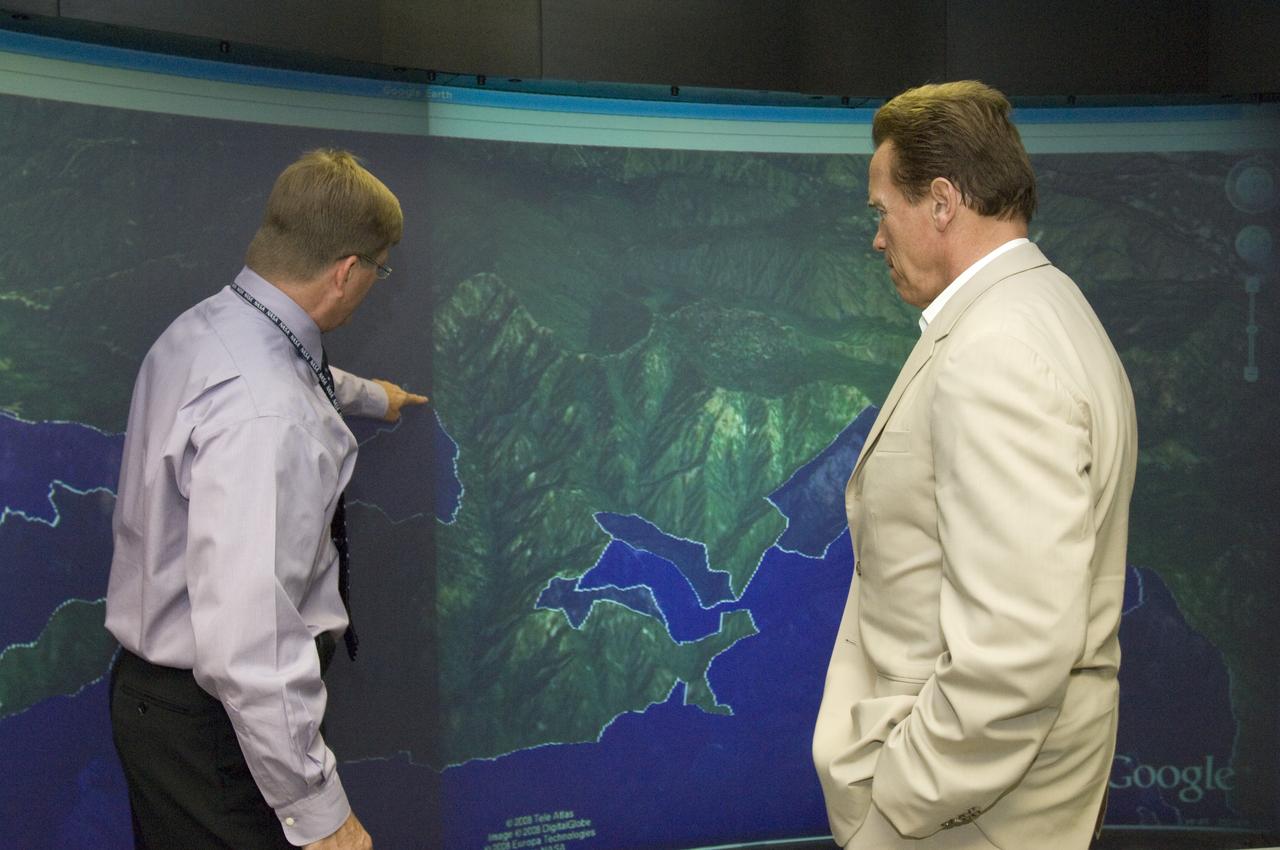
California Governor Arnold Schwarzenegger get a briefing on remote sensing fire fighting from Steve Hipskind, Chief of Ames Earth Science Division
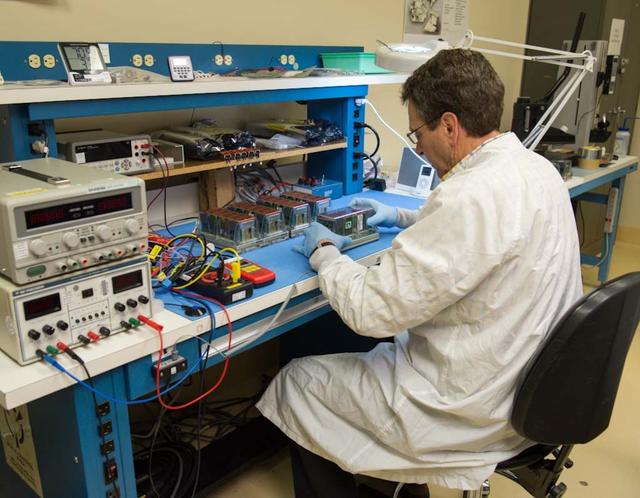
TROPI Seed Growth-1 payload (will fly to ISS on Space X 2) with John Freeman, Intrinsyx @ Ames, Plant Scientist
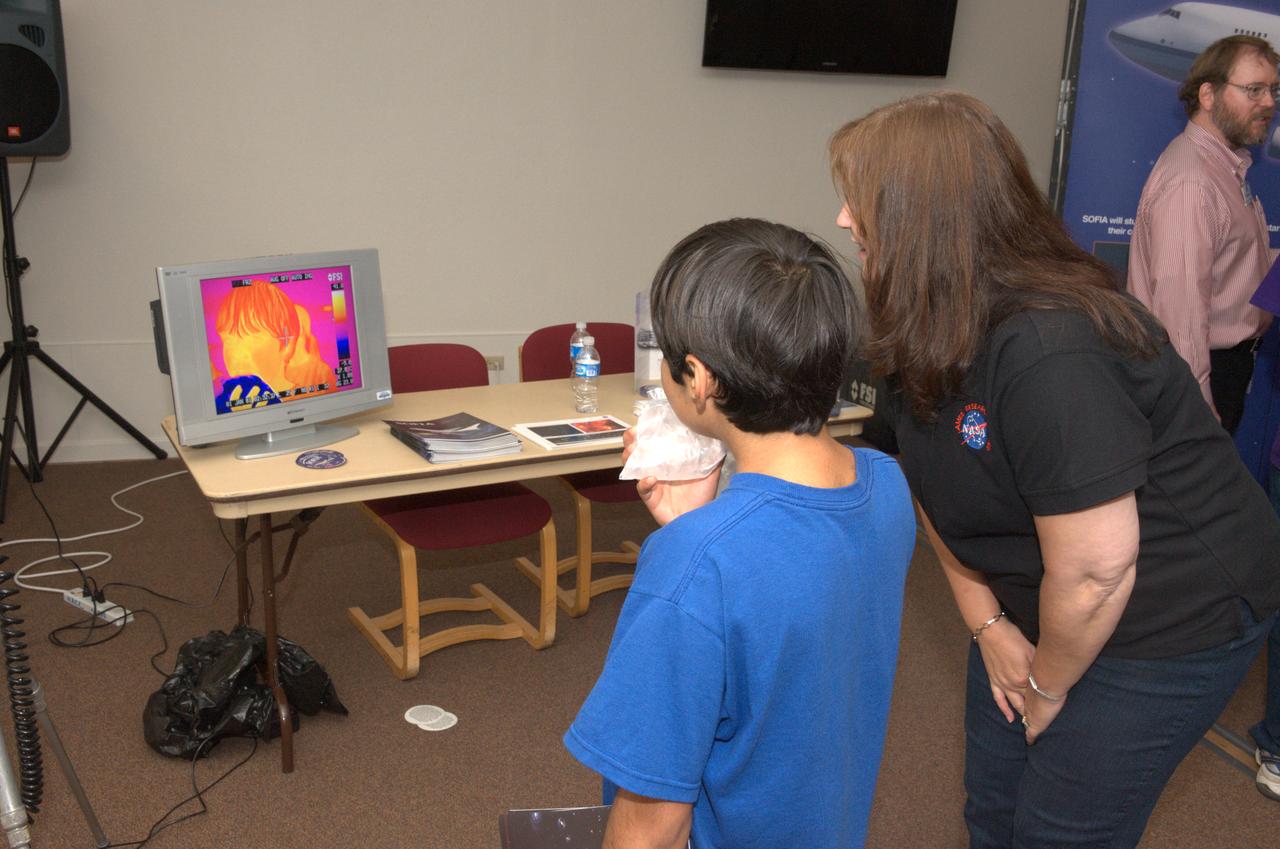
LCROSS Family night at Ames
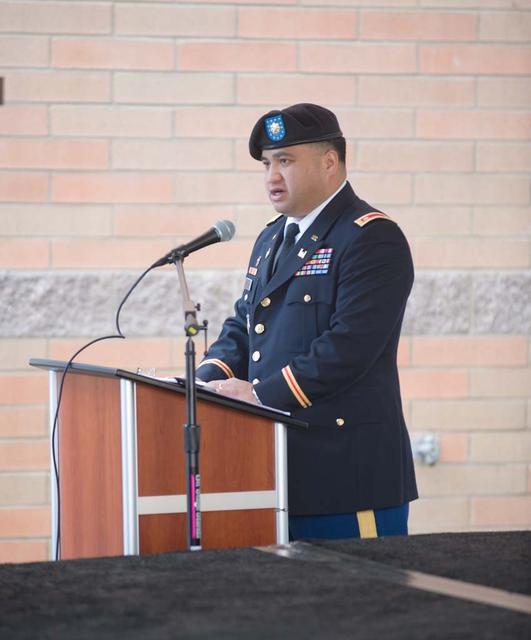
New Armed Forces Seserve Center & 63rd Regional Support Command Headquarters, Moffett Field, CA ribbon cutting ceremonies.
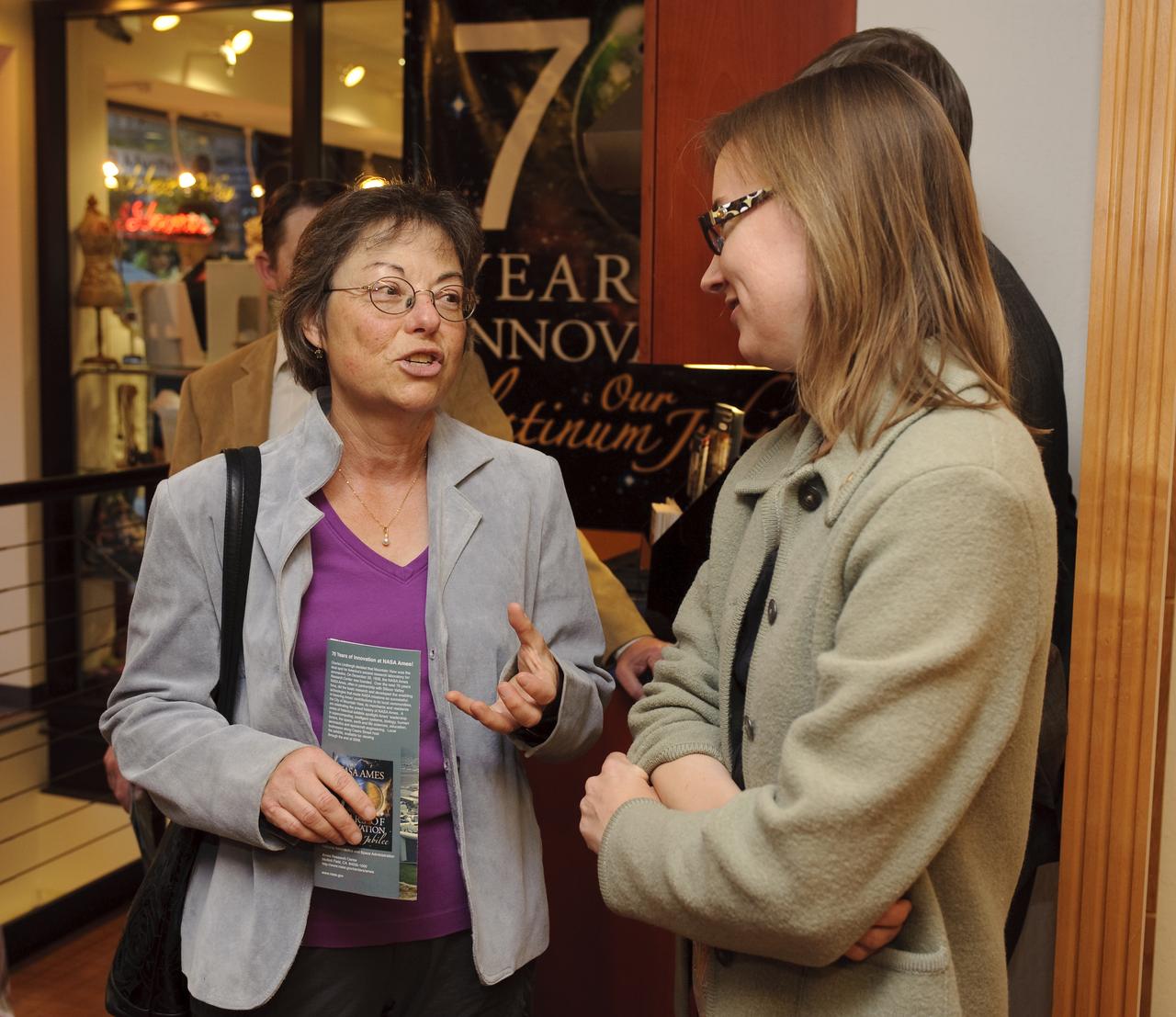
Ames 70 Year Anniversary Exhibit in downtown Mountain View, California. Grand Opening at Meyer Appliance, Castro Street. Lisa Lockyer, Ames Deputy Director of New Ventures and Communications Division on right.

G. Scott Hubbard, Ames Director held a informal discussion and question-and-answer session with Bay Area news media on the space exploration vision announced President George W. Bush earlier in the day.
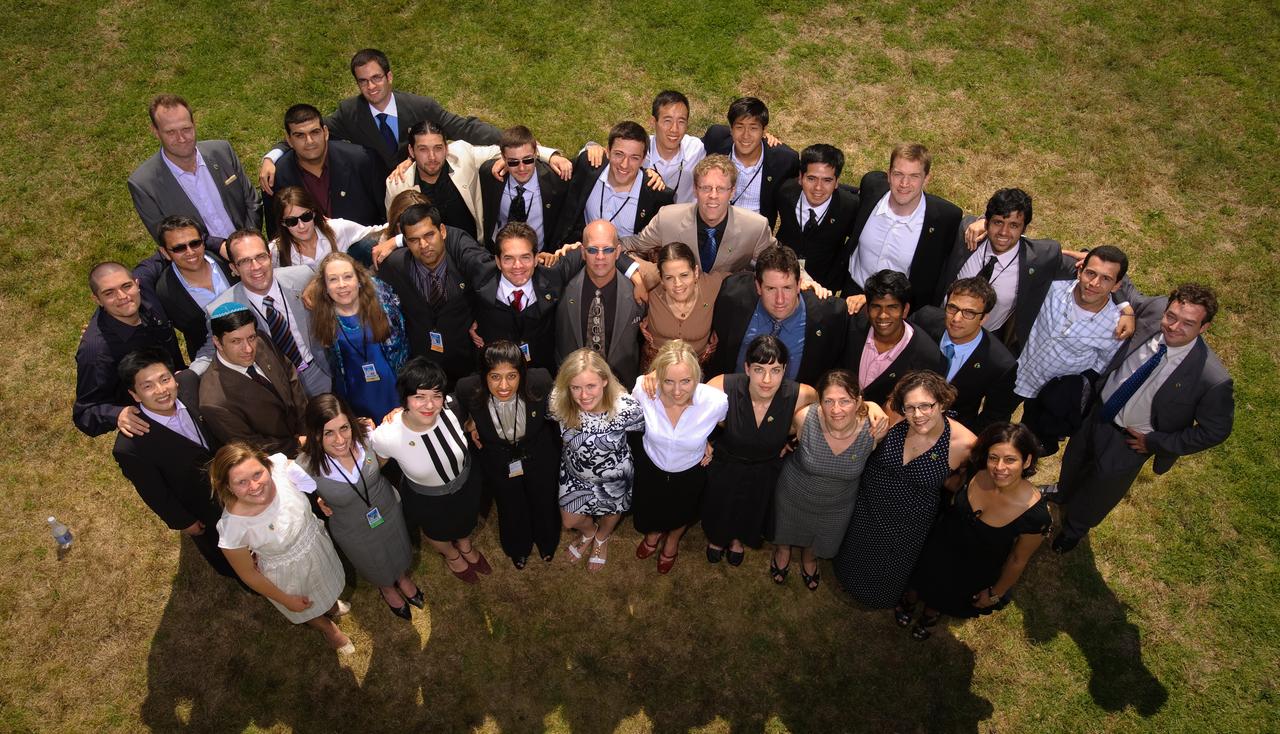
Singularity University Class Photos 2009
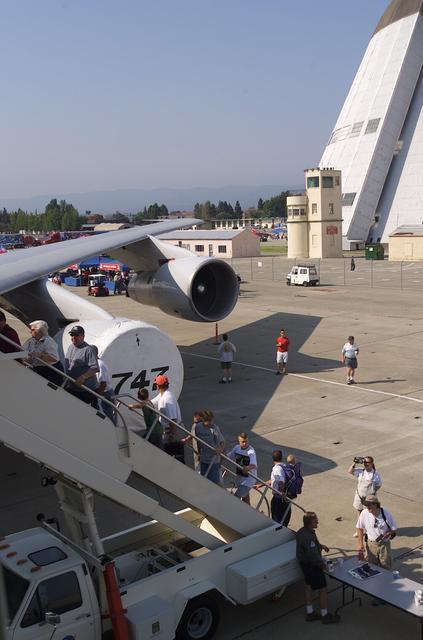
Airshow hosted by Moffett Federal Airfield
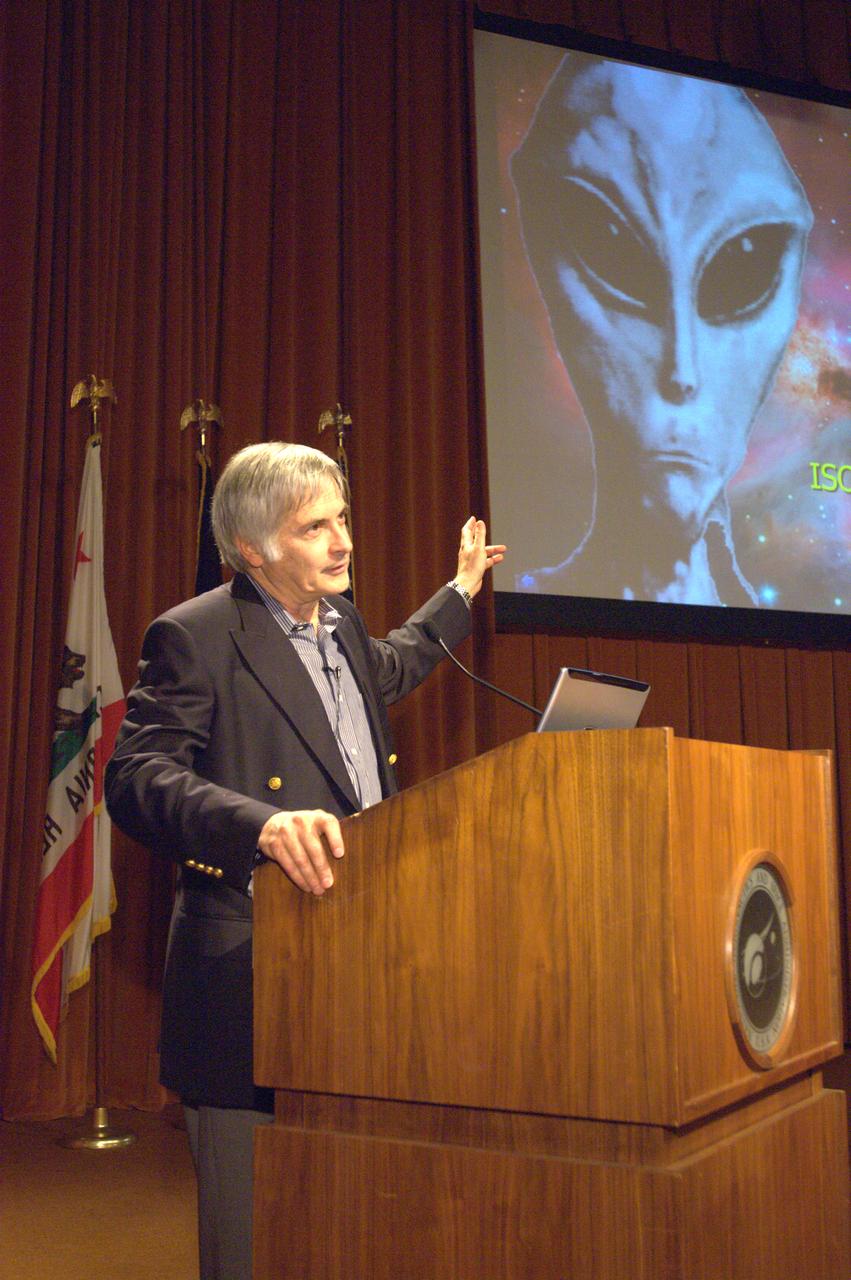
Dr. Seth Shostak, of the SETI Institute presents a Director's Colloquium at NASA Ames entitled 'When Will We Discover the Extraterrestrails?'
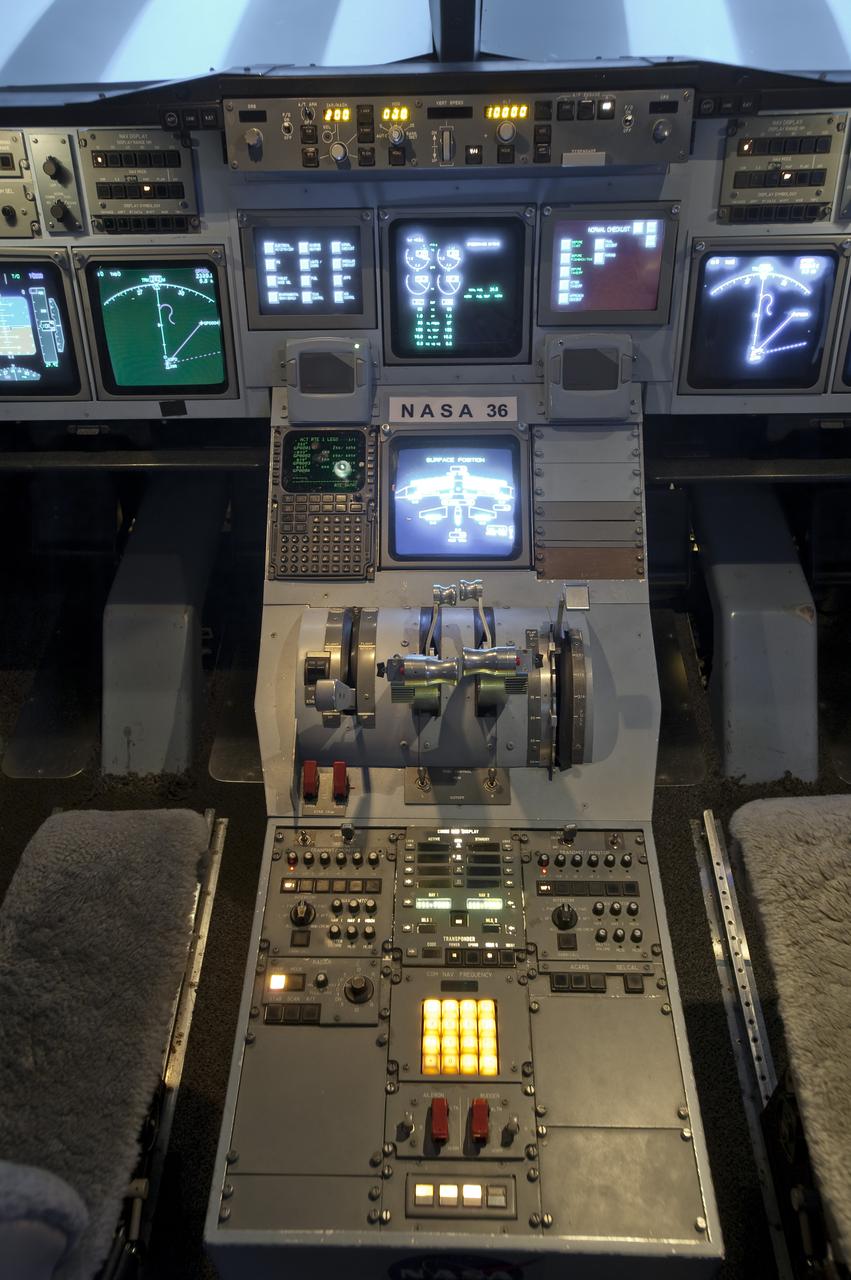
Ames CVSRF (Crew Vehicle System Research Facility) ACFS (Advanced cab)
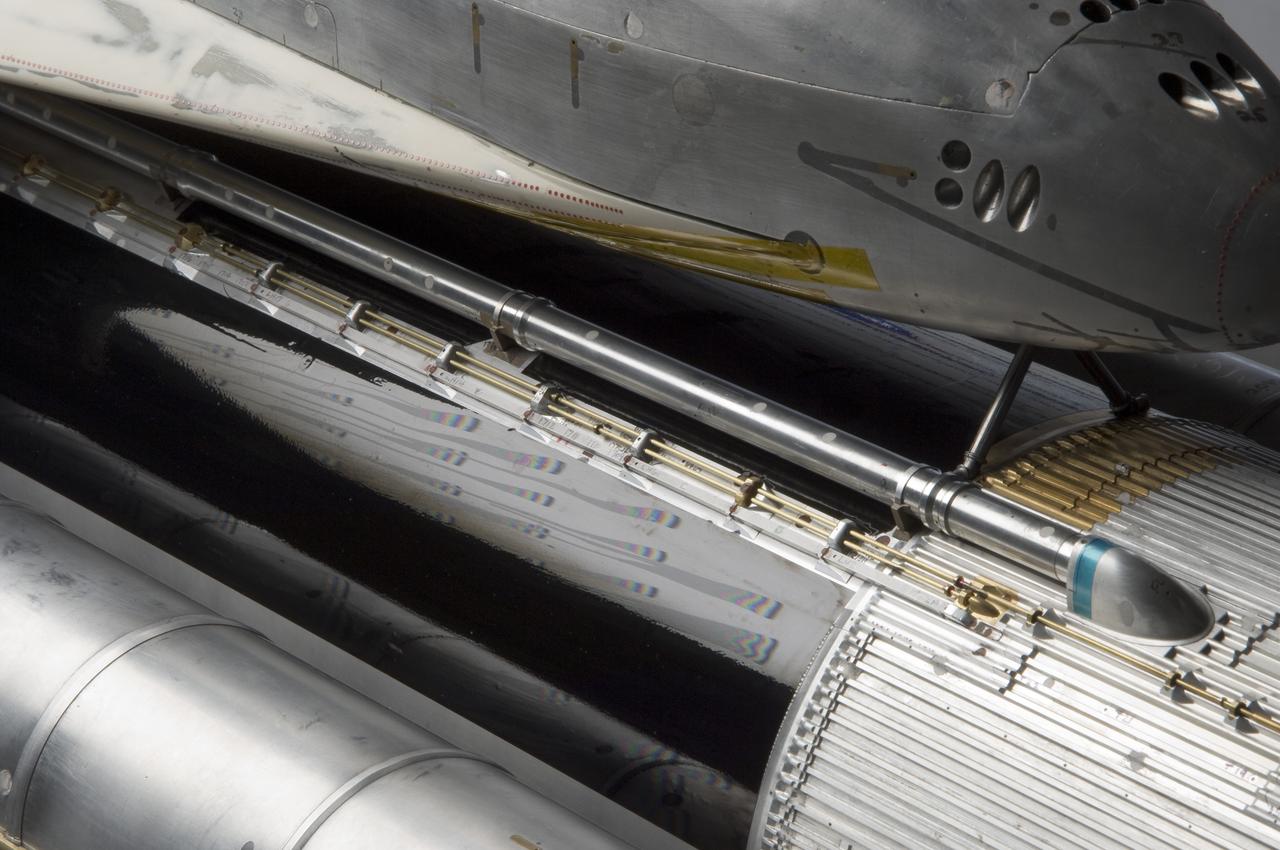
3% Space shuttle Acoustics model test-11-150 in 11ft. wind tunnel on PAL Ramp
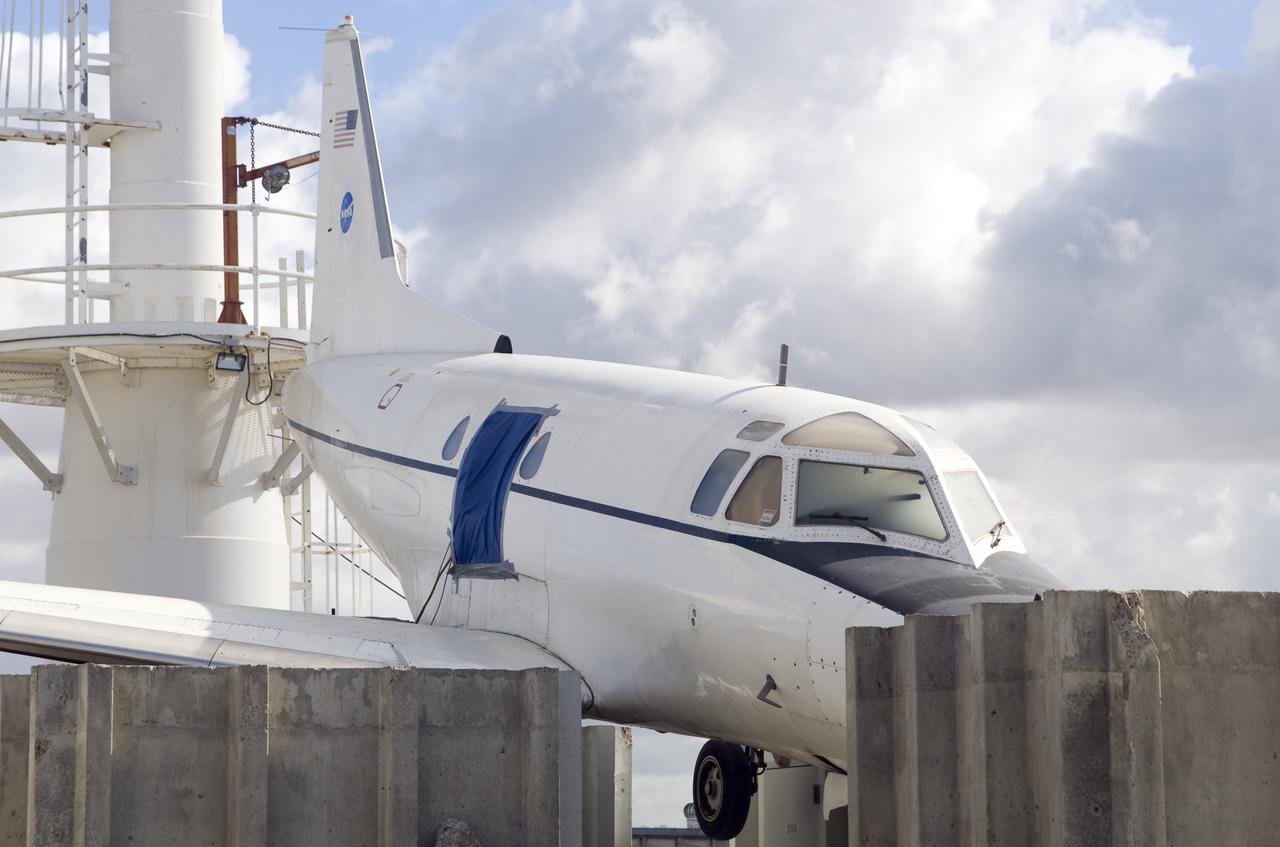
DART Exercise 2002 'Response to Terrorism'
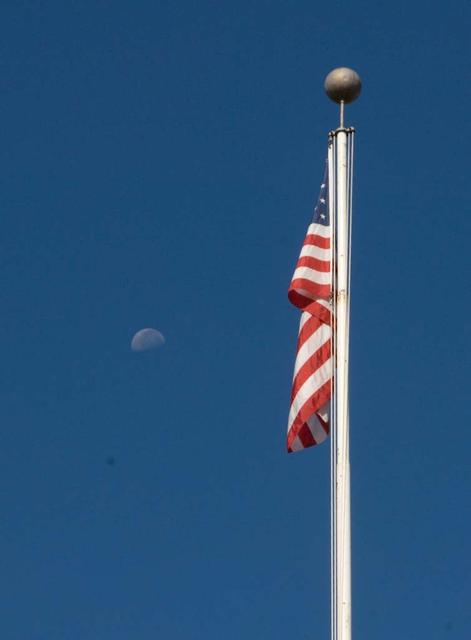
First Lunar Science Institute (LSI) collobration signing with nine (9) International partners. The Moon makes a daylight appearance over the LSI building-17.
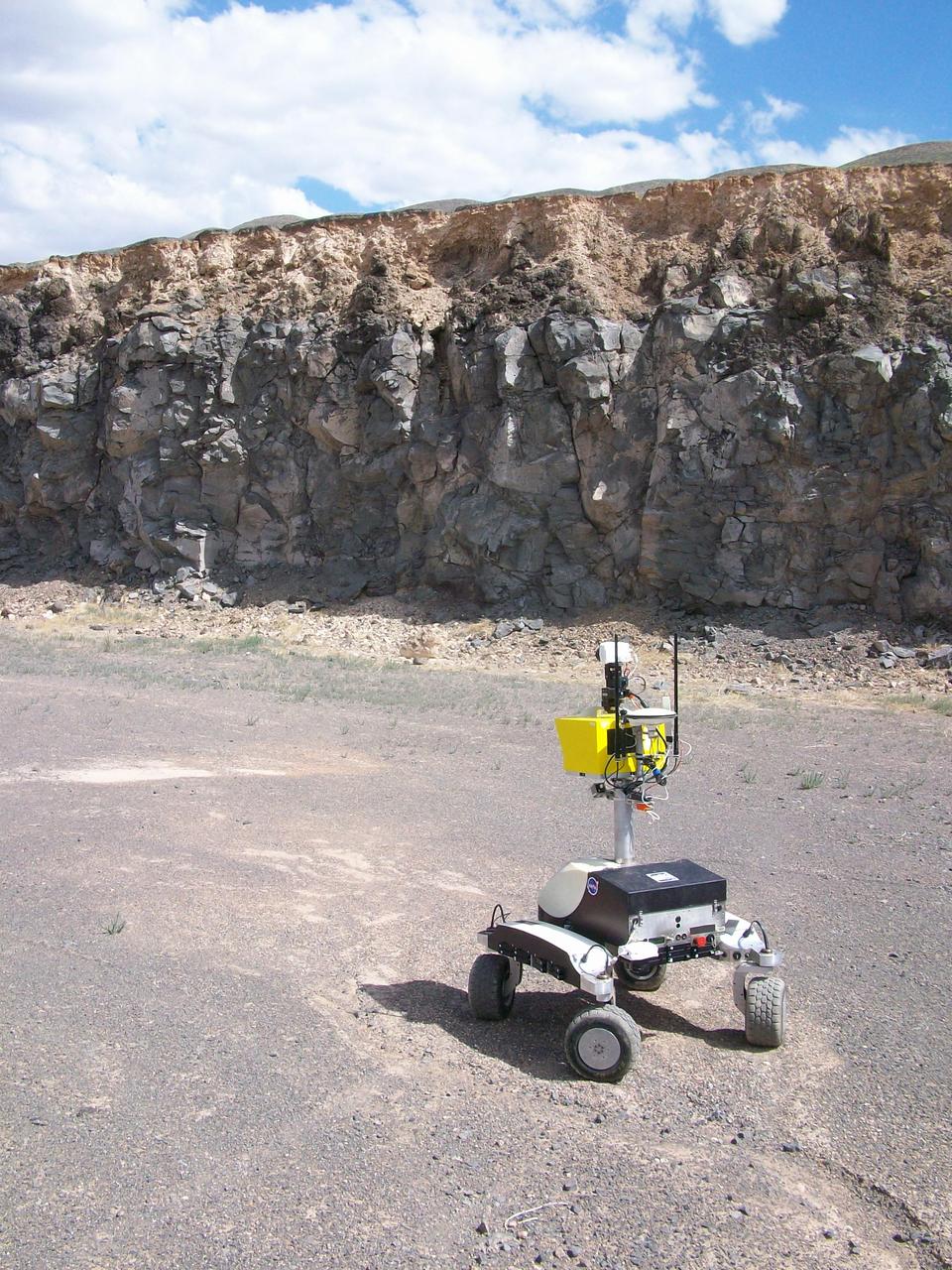
K-10 Black scouting 'The Pit' at Black Point Lava Flow. Photo credit NASA/John Porter
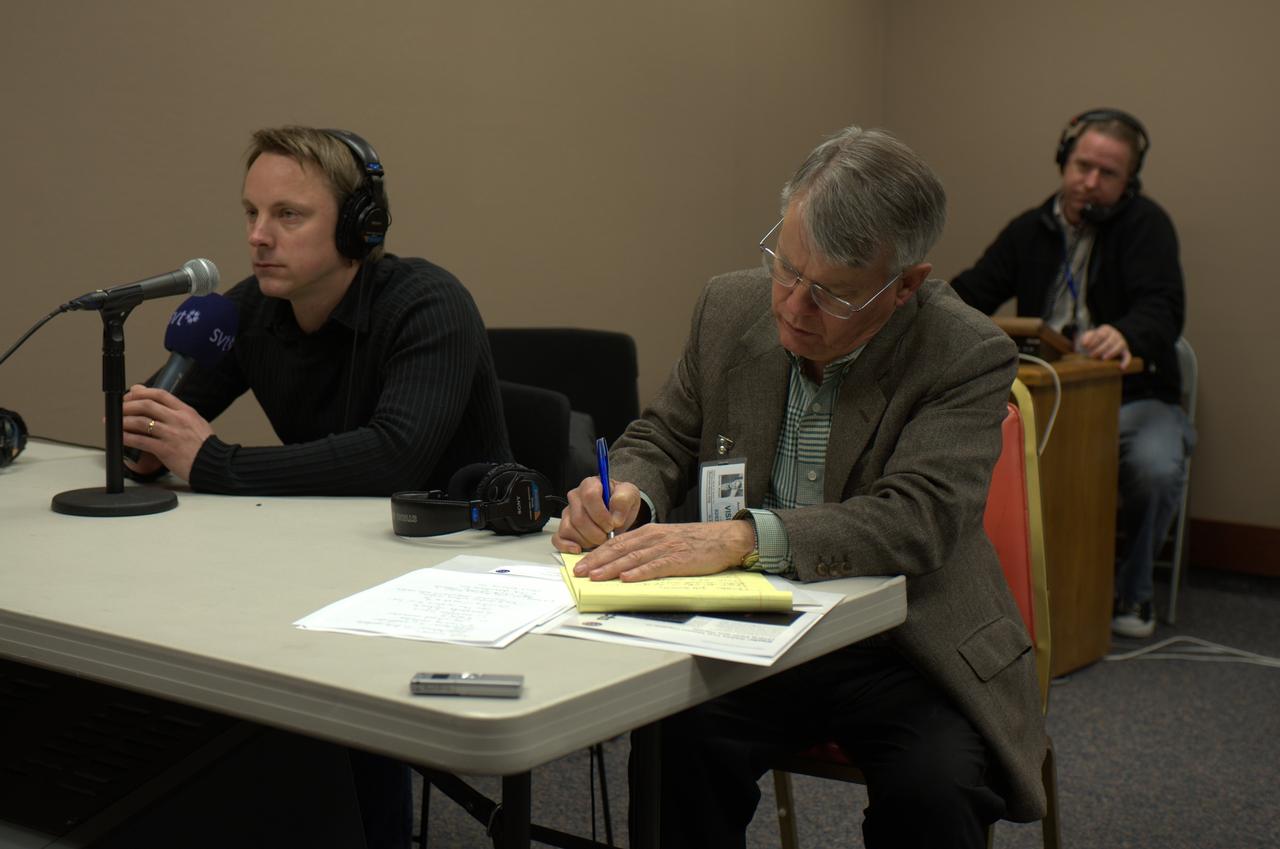
Kepler team members at press event and doing media interviews.
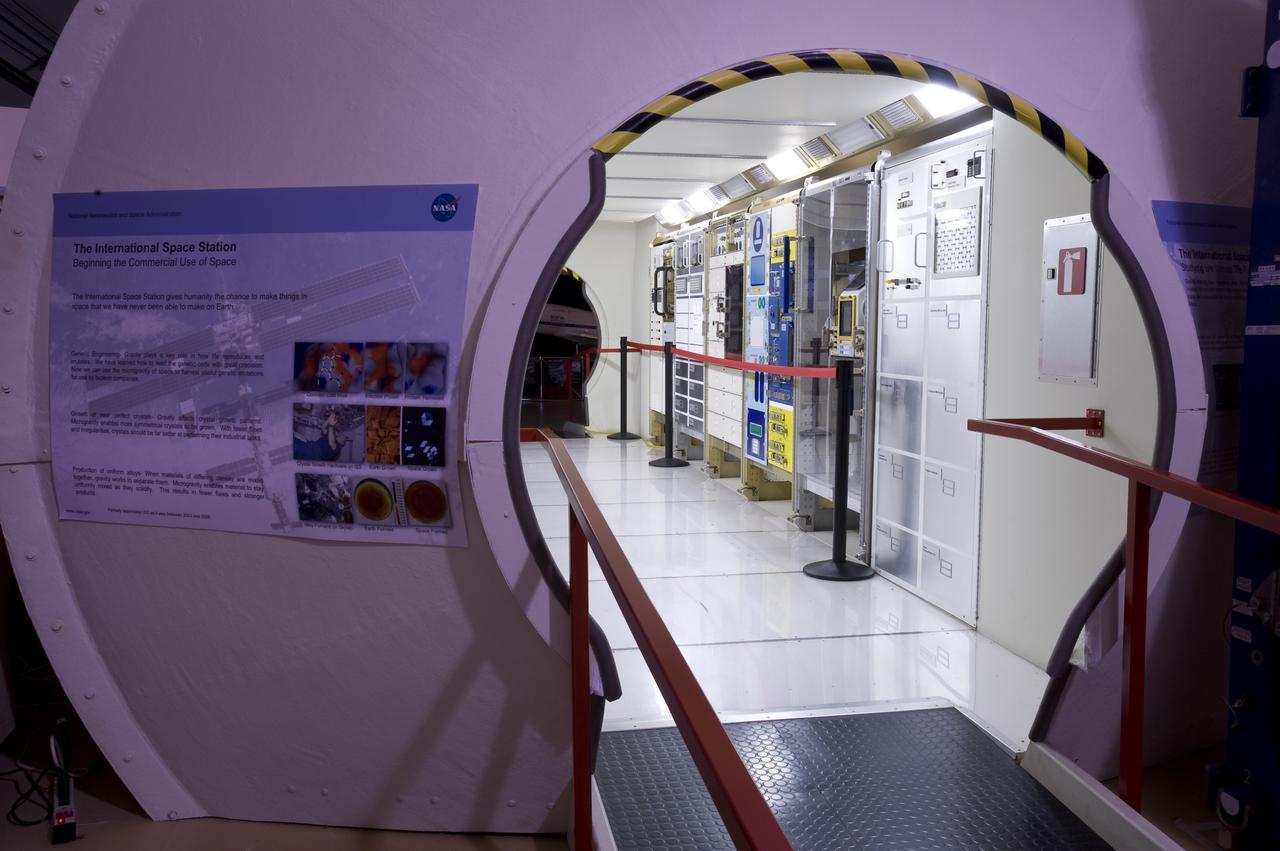
NASA Ames Exploration Center exhibits Updated 2008
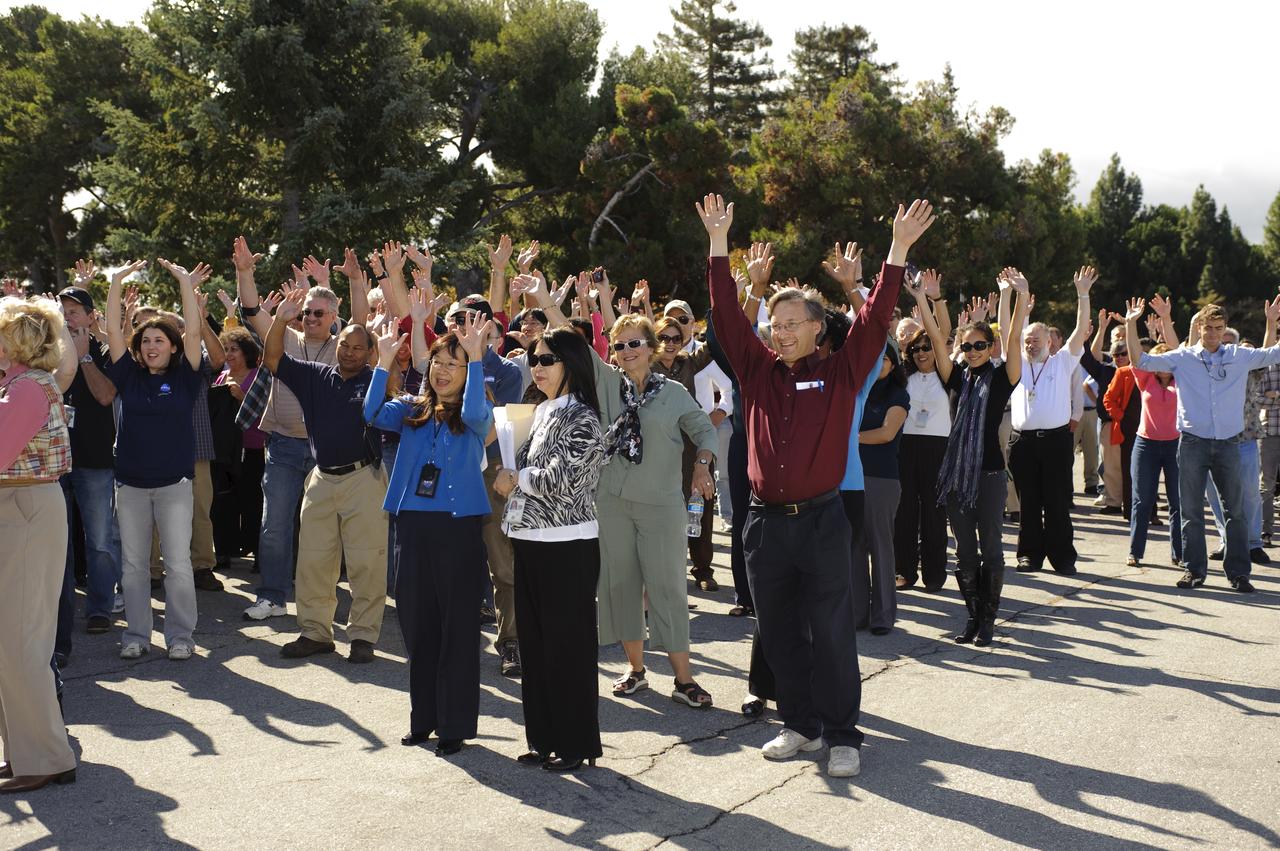
Ames 70_year picture day on Flight line.
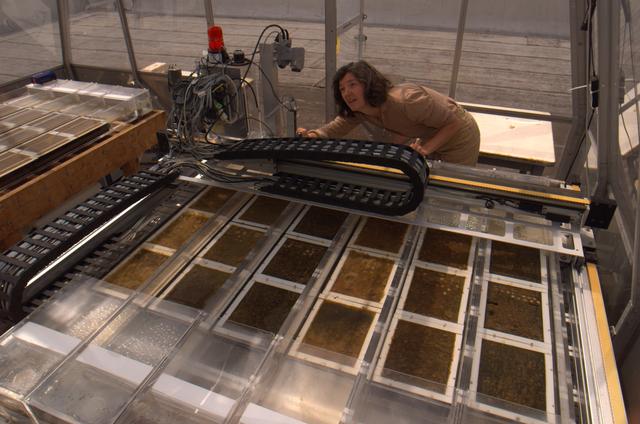
MICROBIAL MATS; N-239 GREENHOUSE WITH LEE BEBOUT AND MARY HOGAN (PLANT - ORGANISMS) for ASTROBIOLOGY MAGAZINE ARTICLE
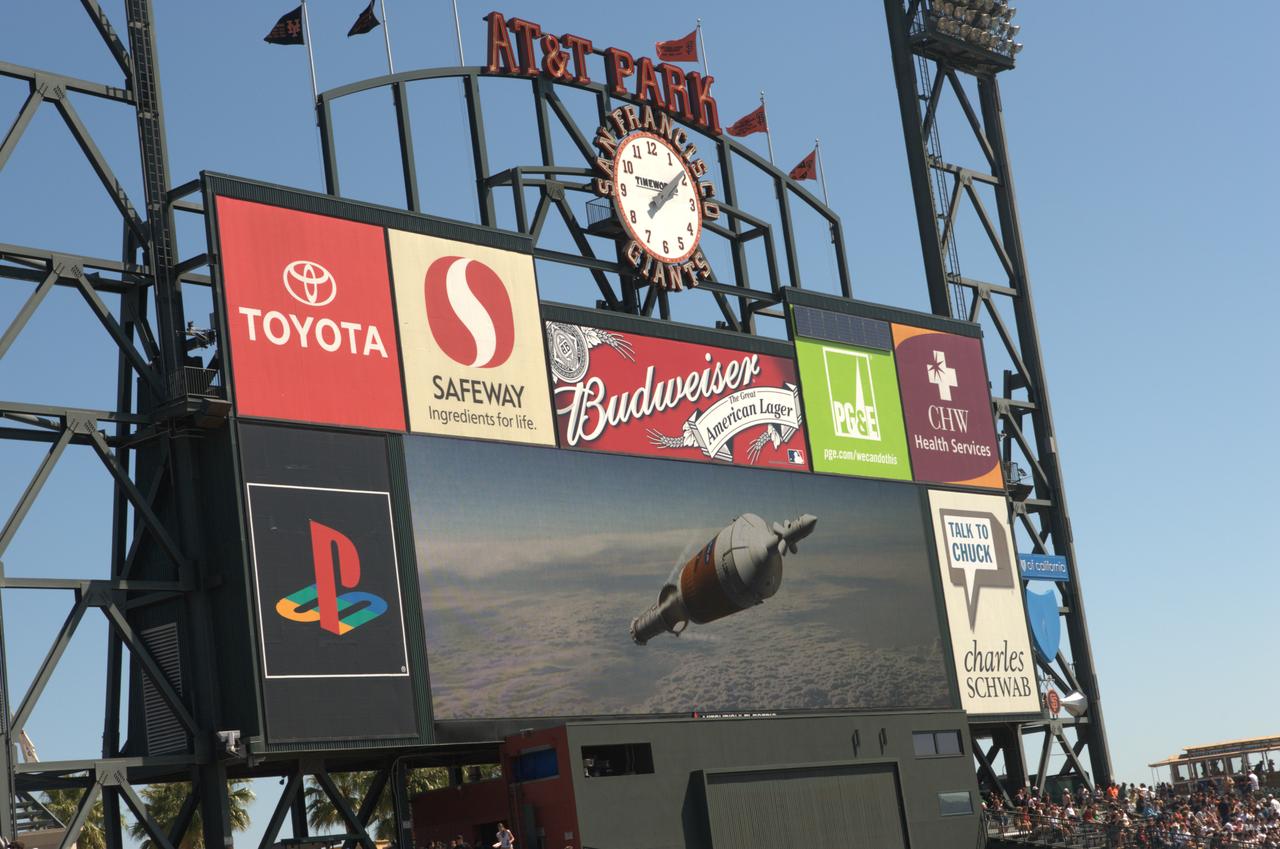
NASA Day at AT&T Park: NASA and the San Francisco Giants share a day to celebrate the 50 year anniversaries.

Ames 70_year Anniversary Ames Research Center's Directors Panel Discussion. left to right Dr. S. Peter Worden, Director 2006 - , Dr. Hans Mark, Director 1969 - 1977
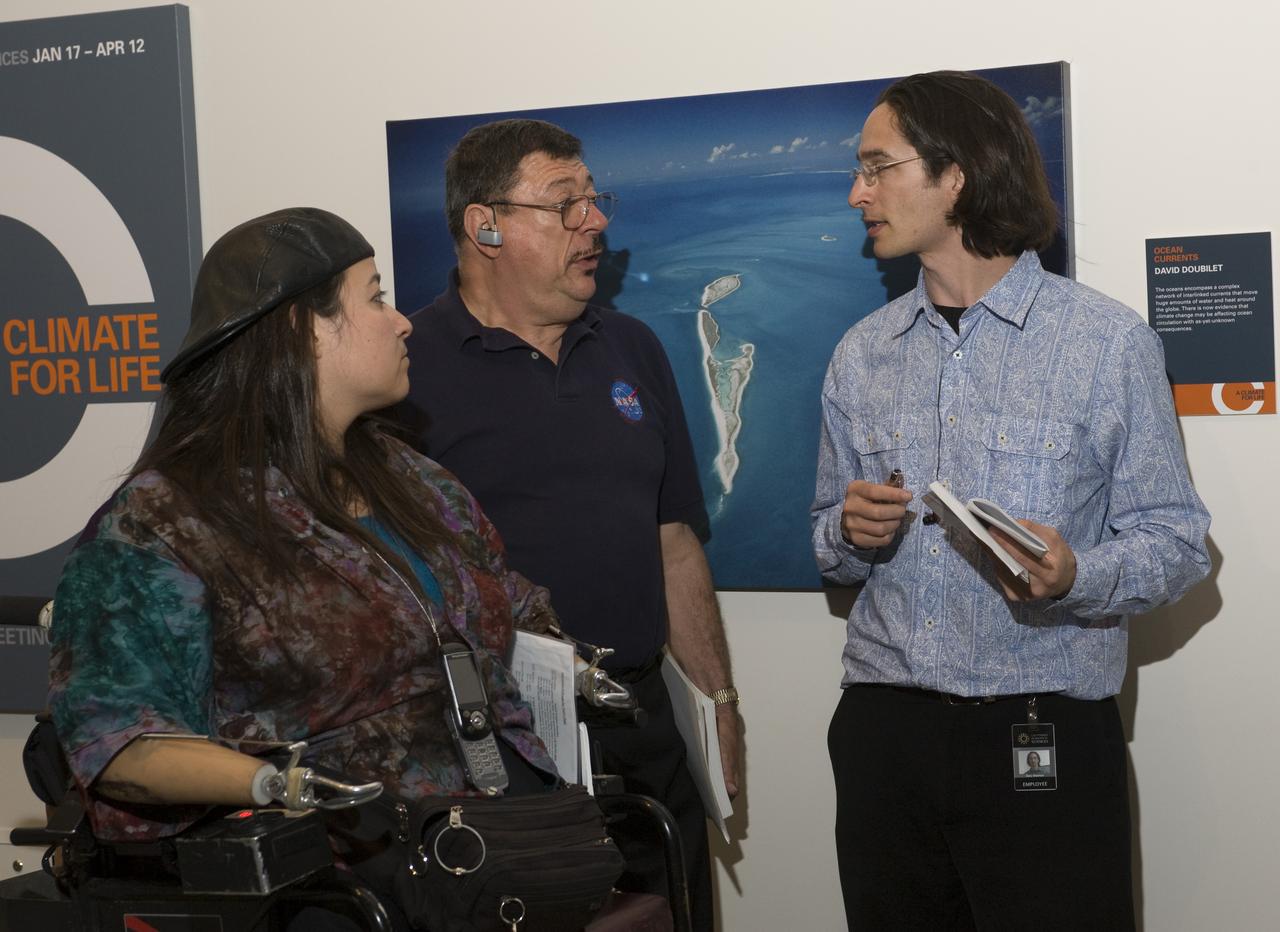
Yuri's Night 2009 held at the California Acaemy of Sciences in San Francisco, California Ames's Dana Bolles and Davis Morse speak with a news person)