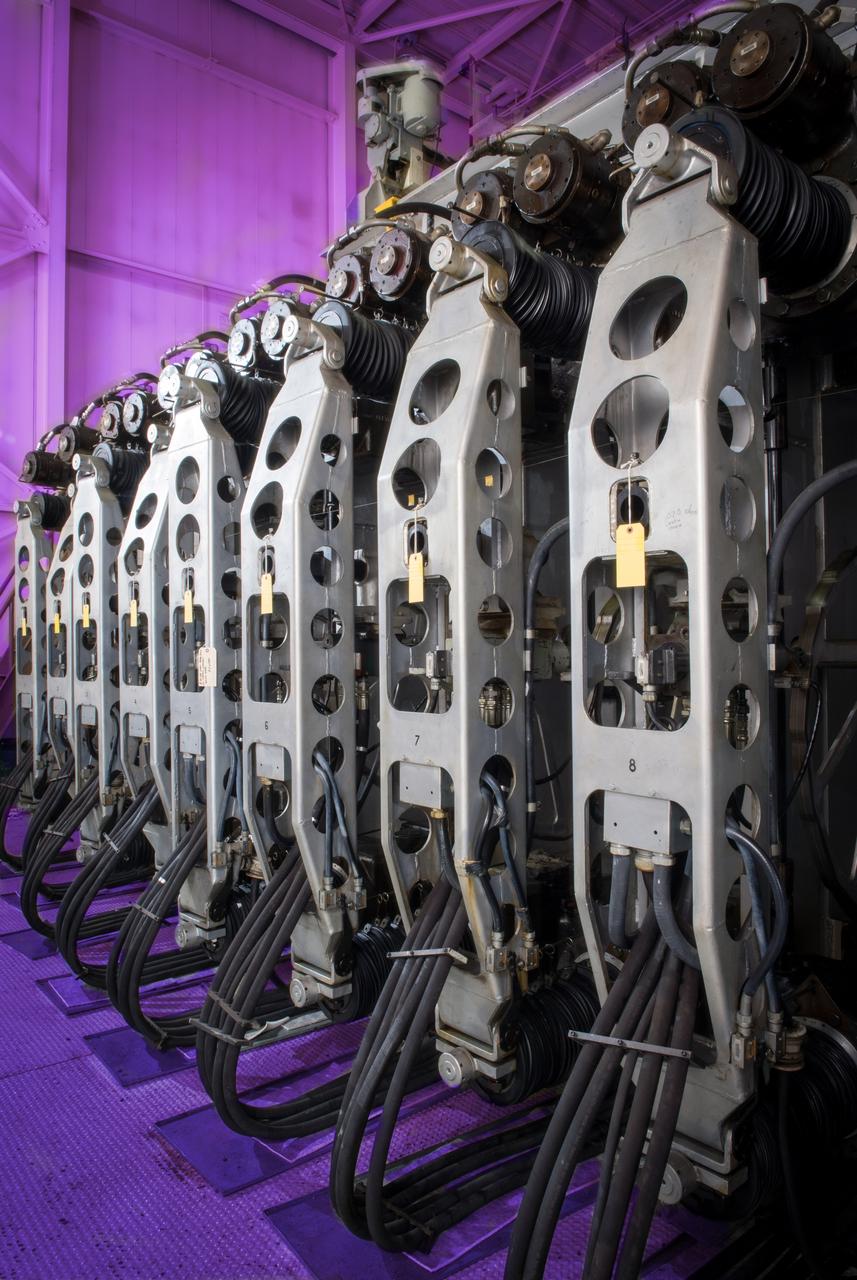
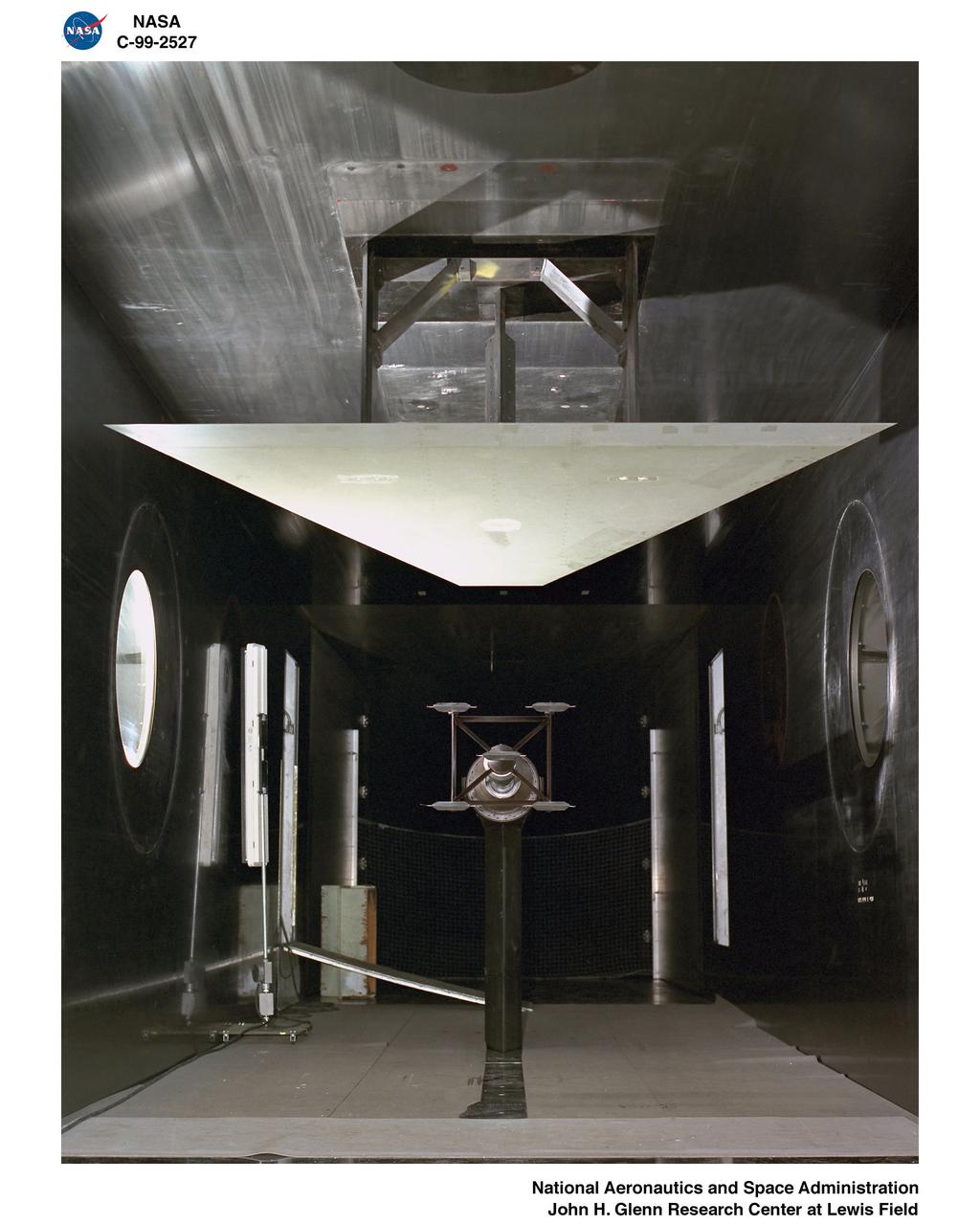
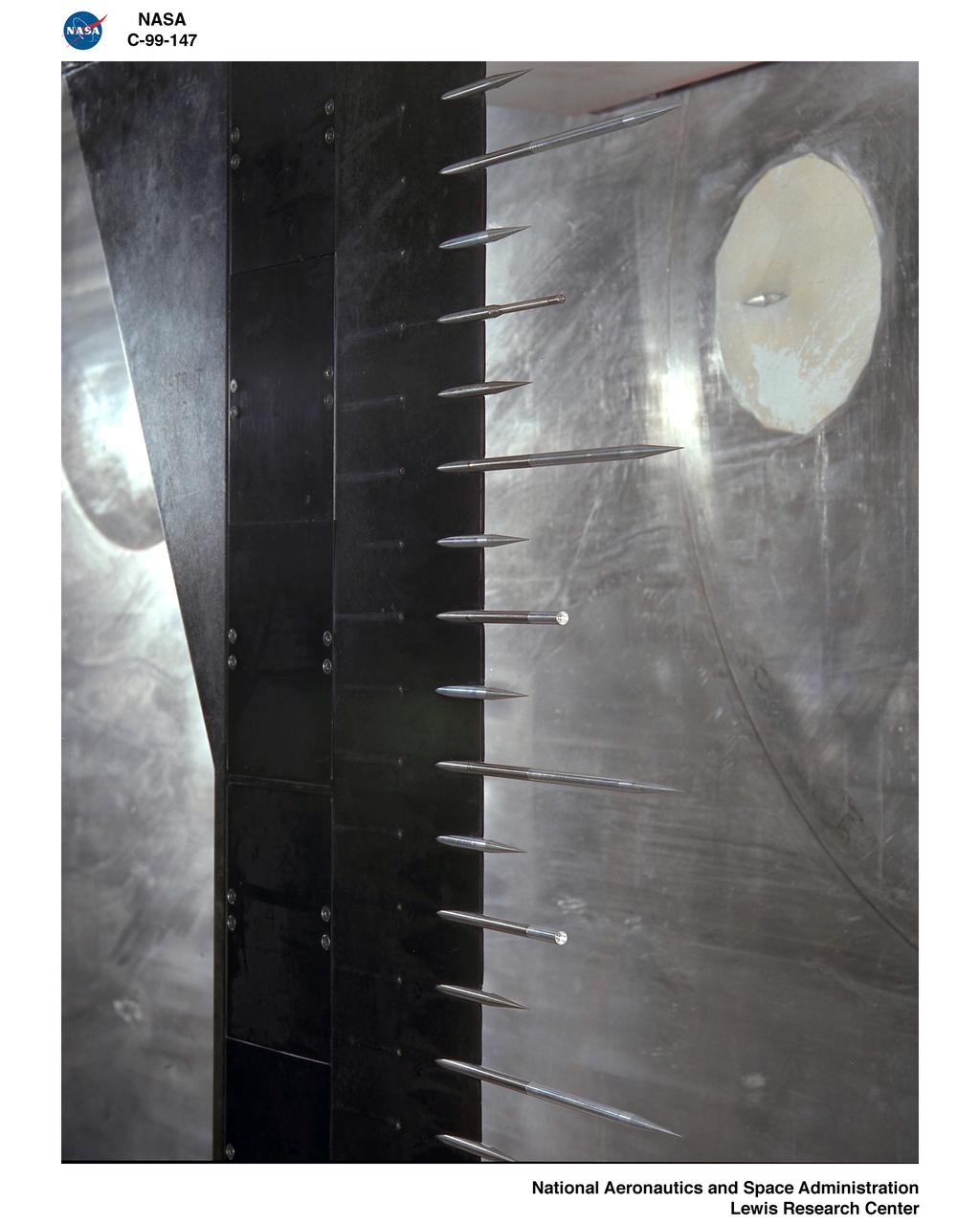
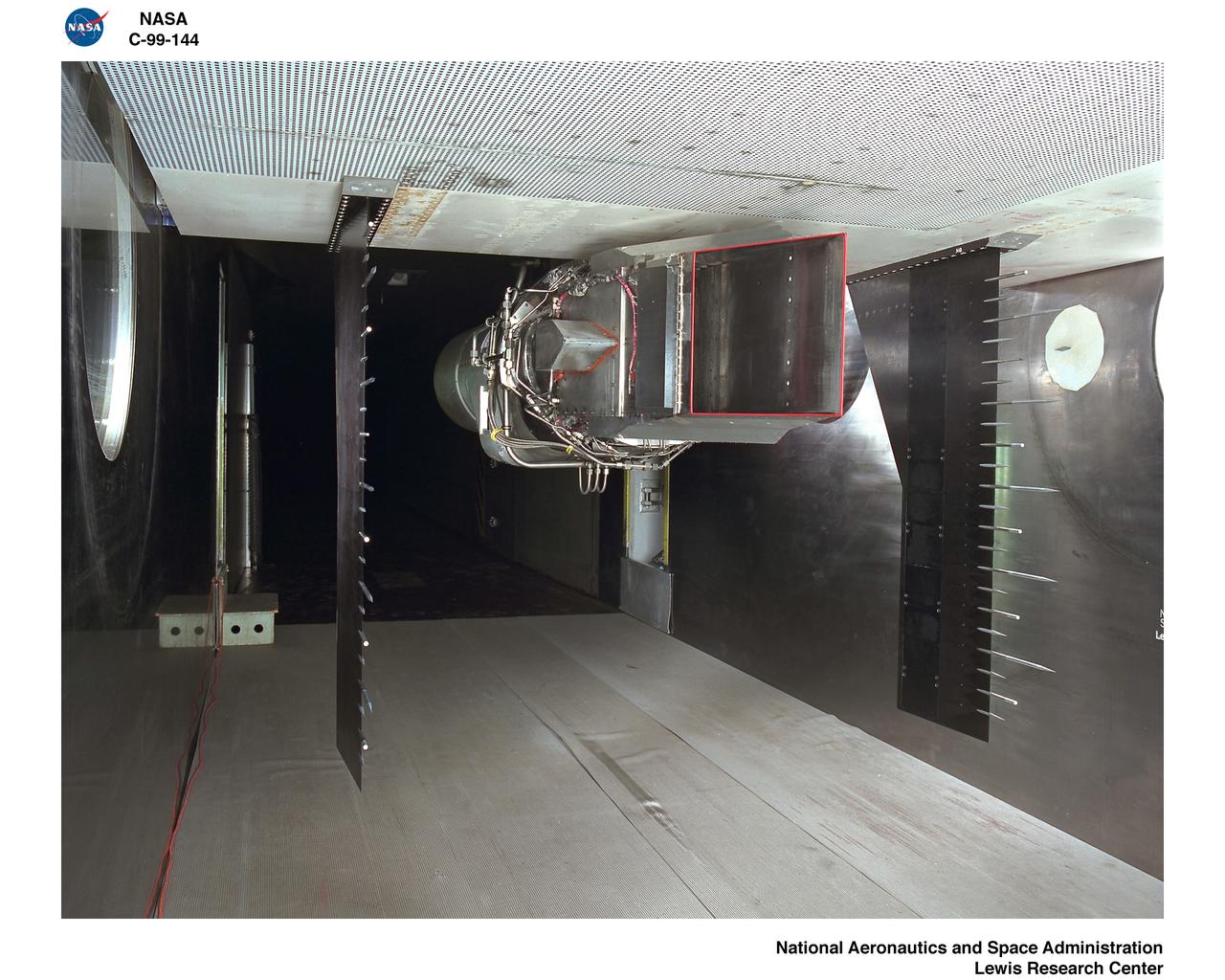
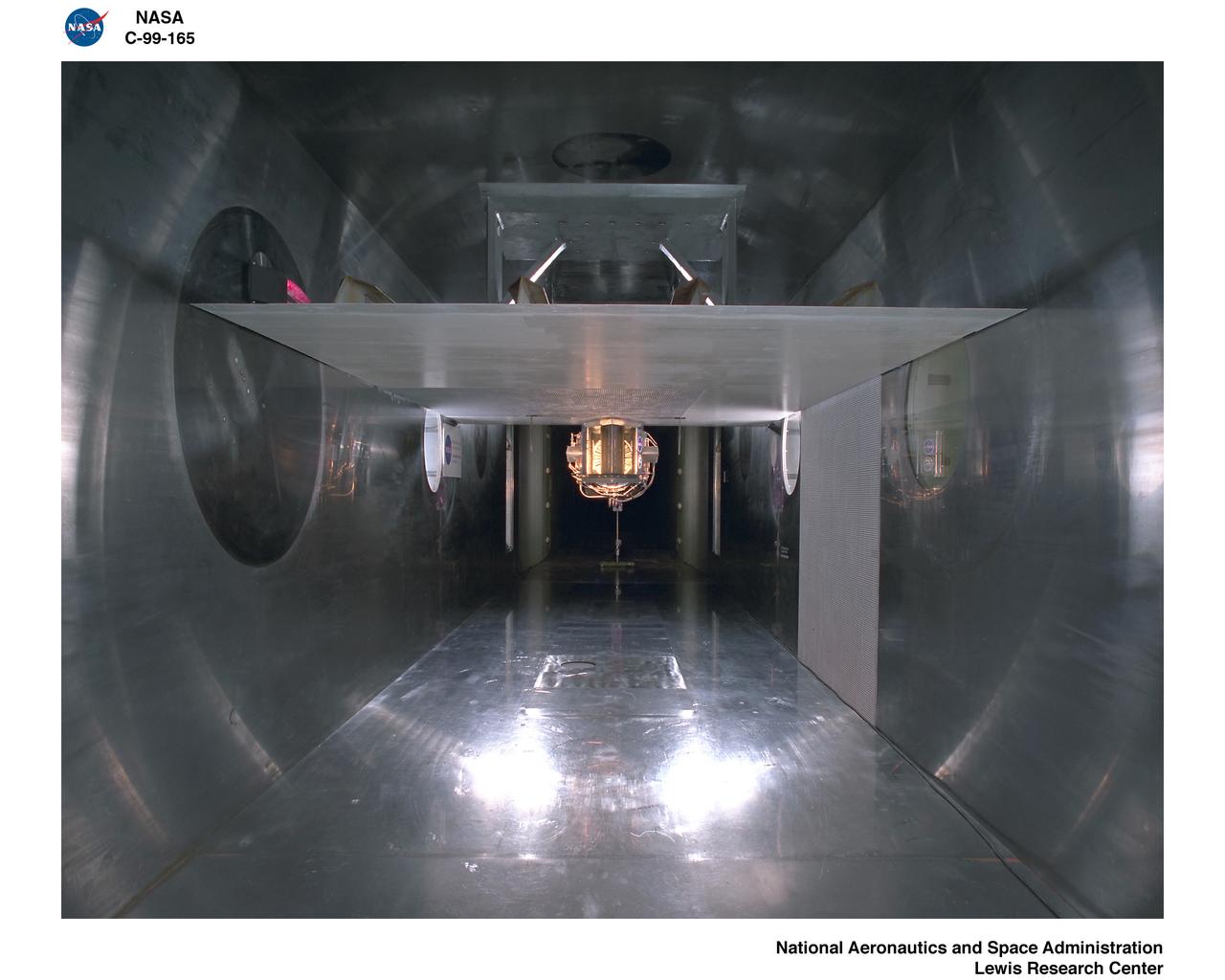
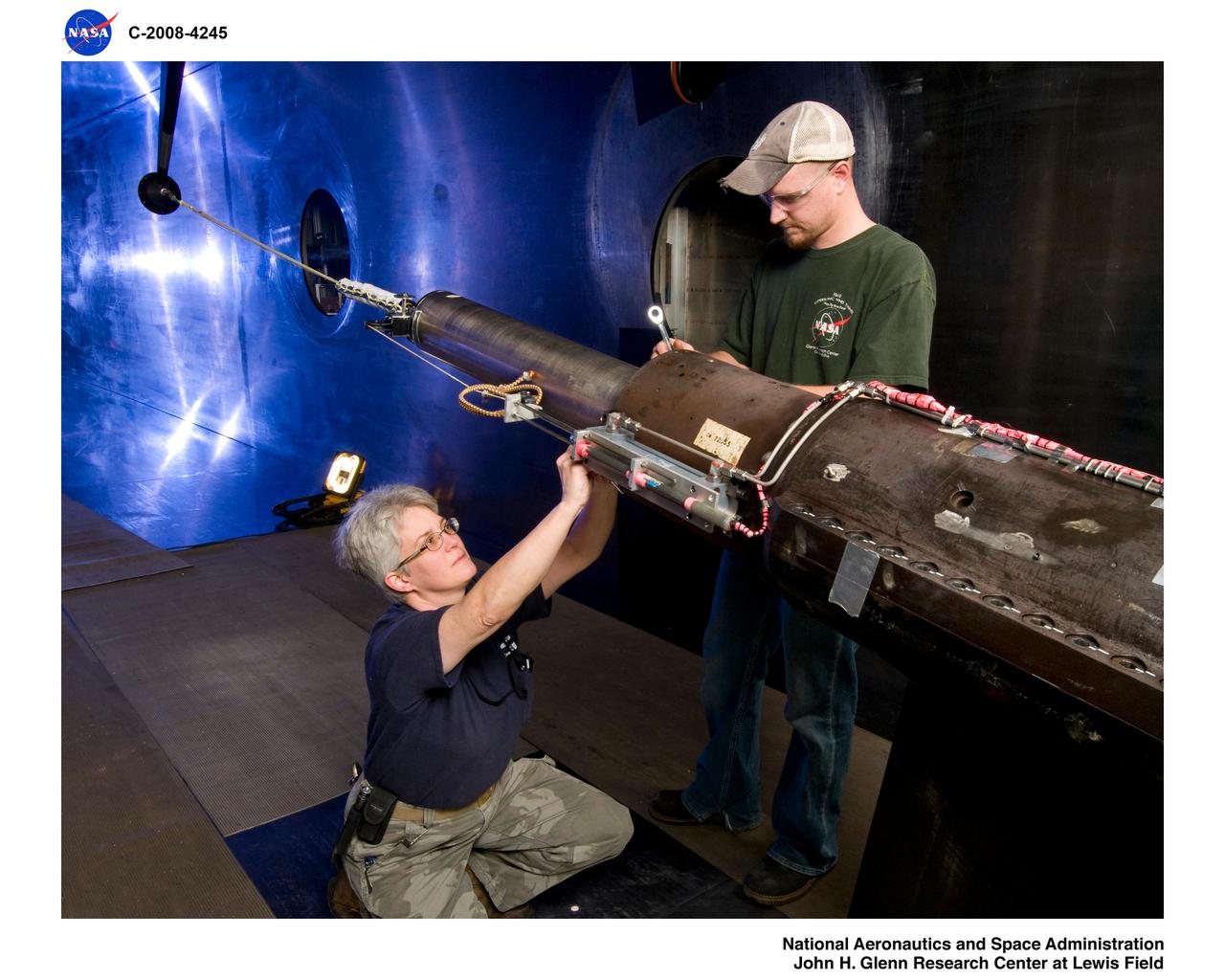
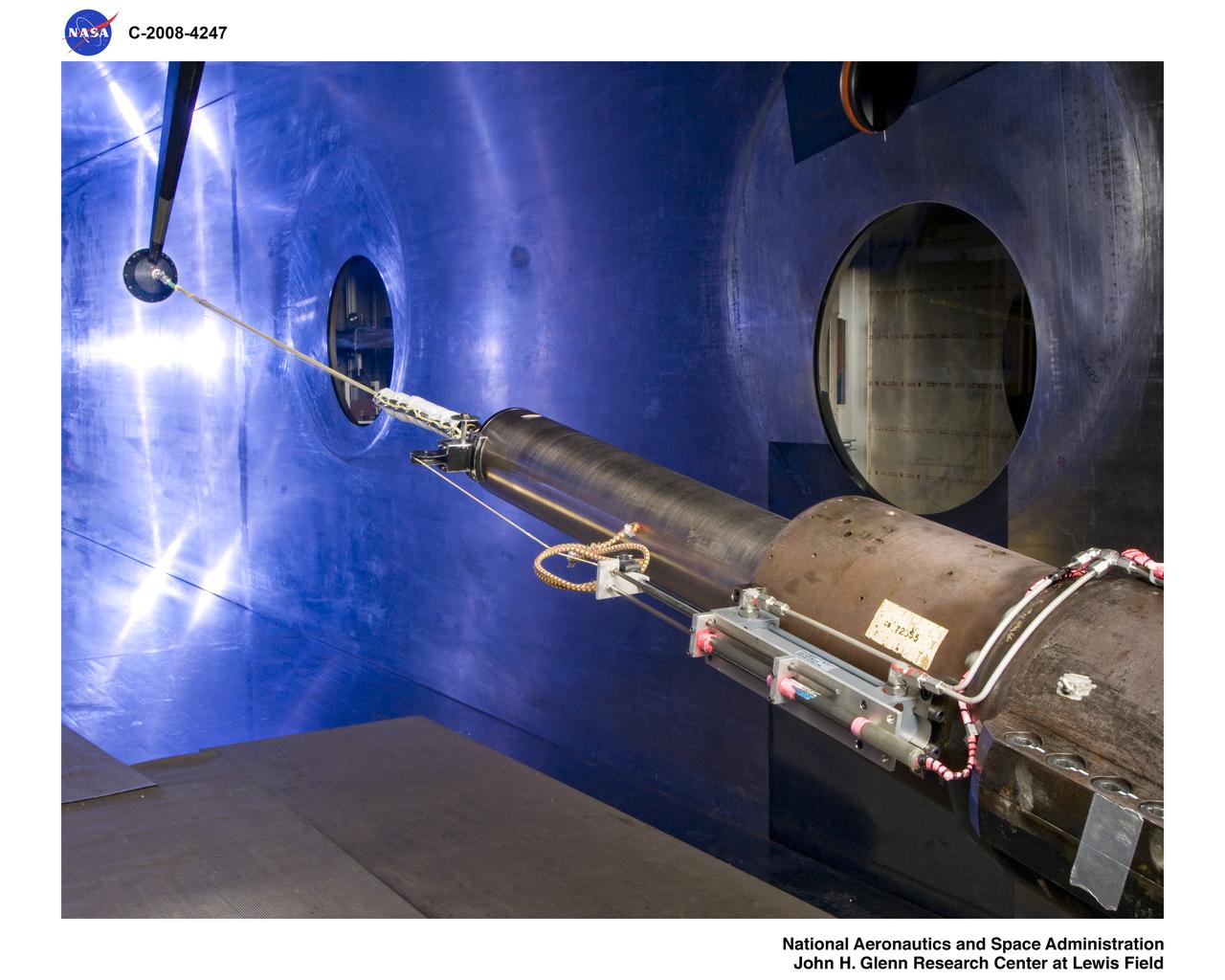
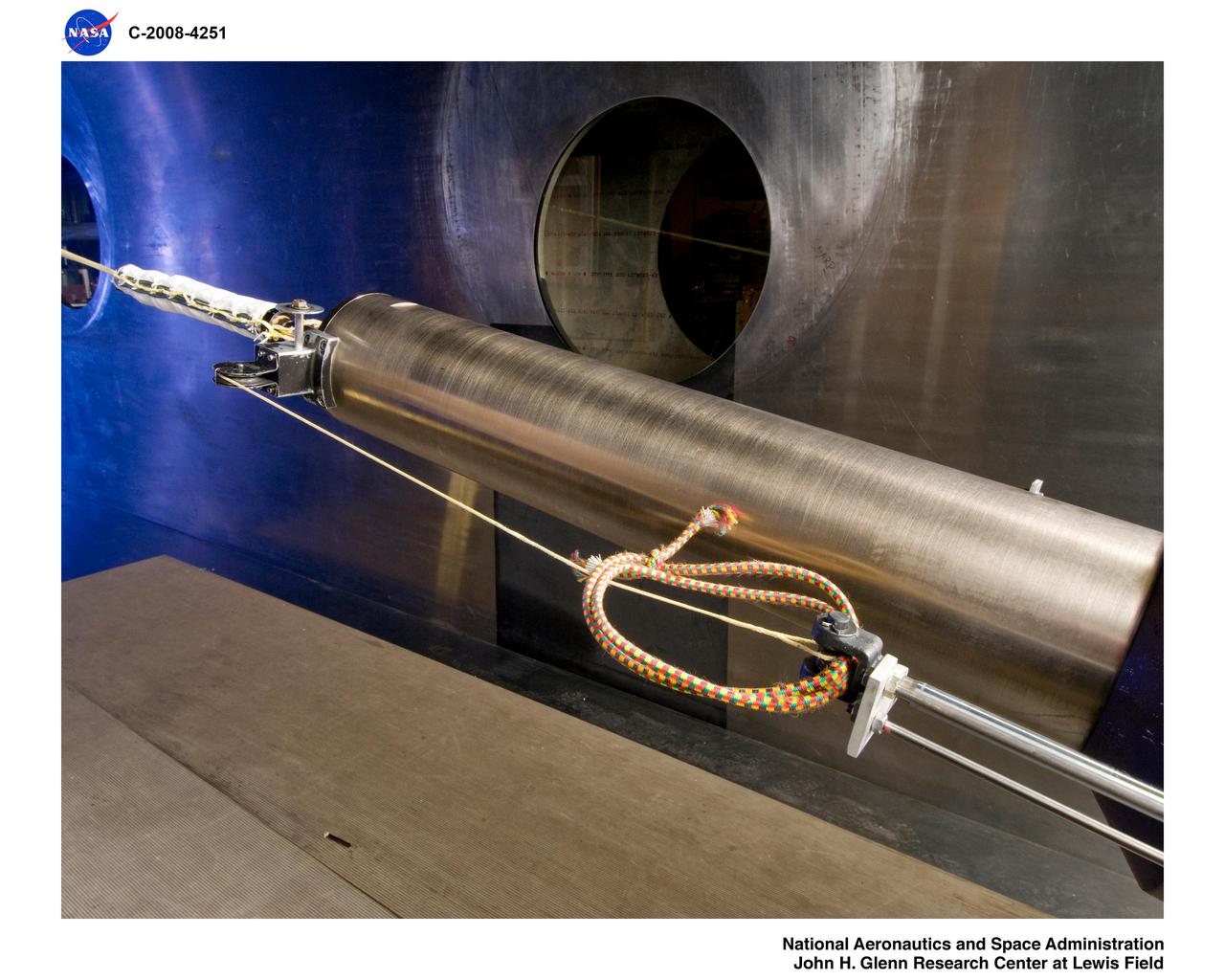
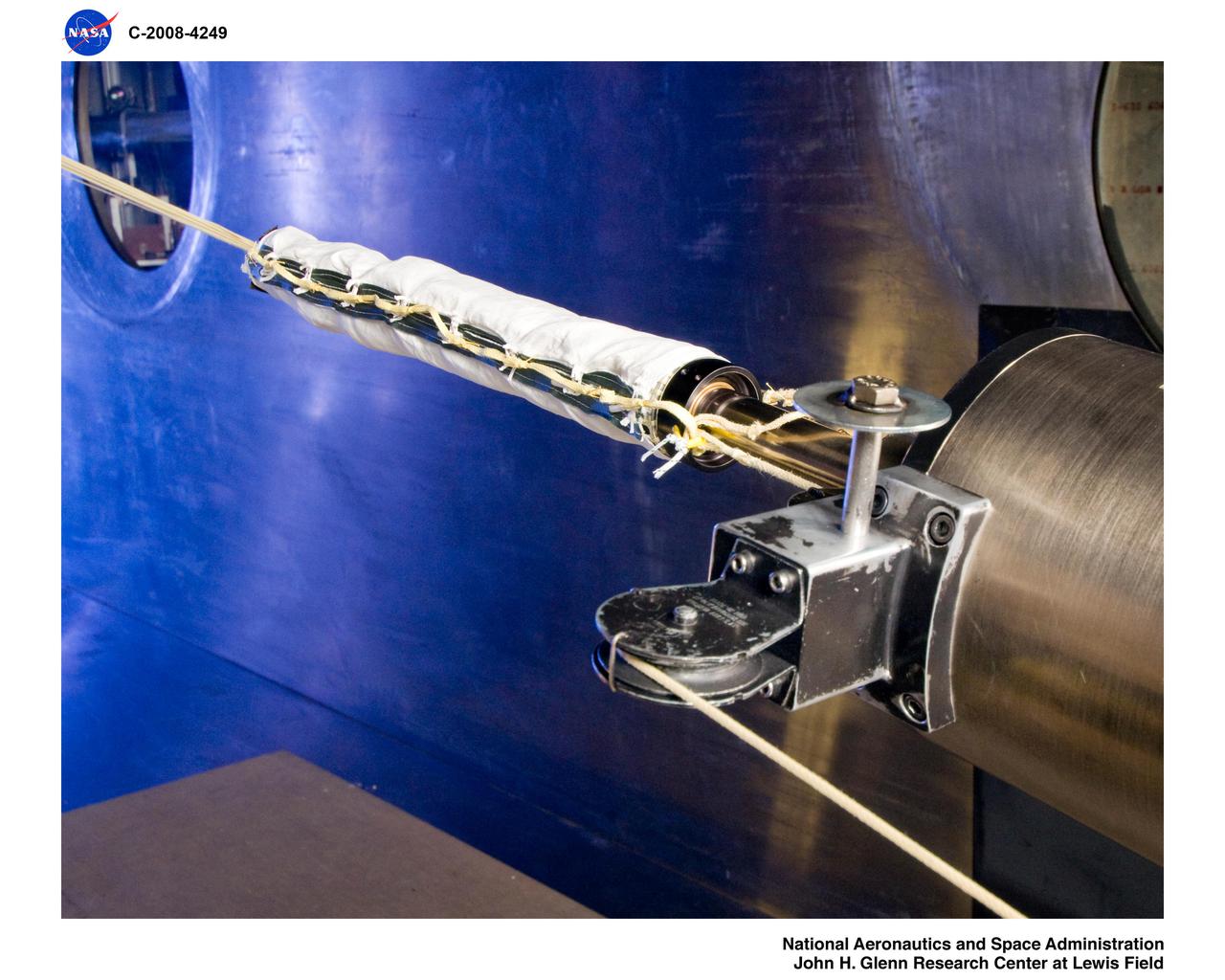
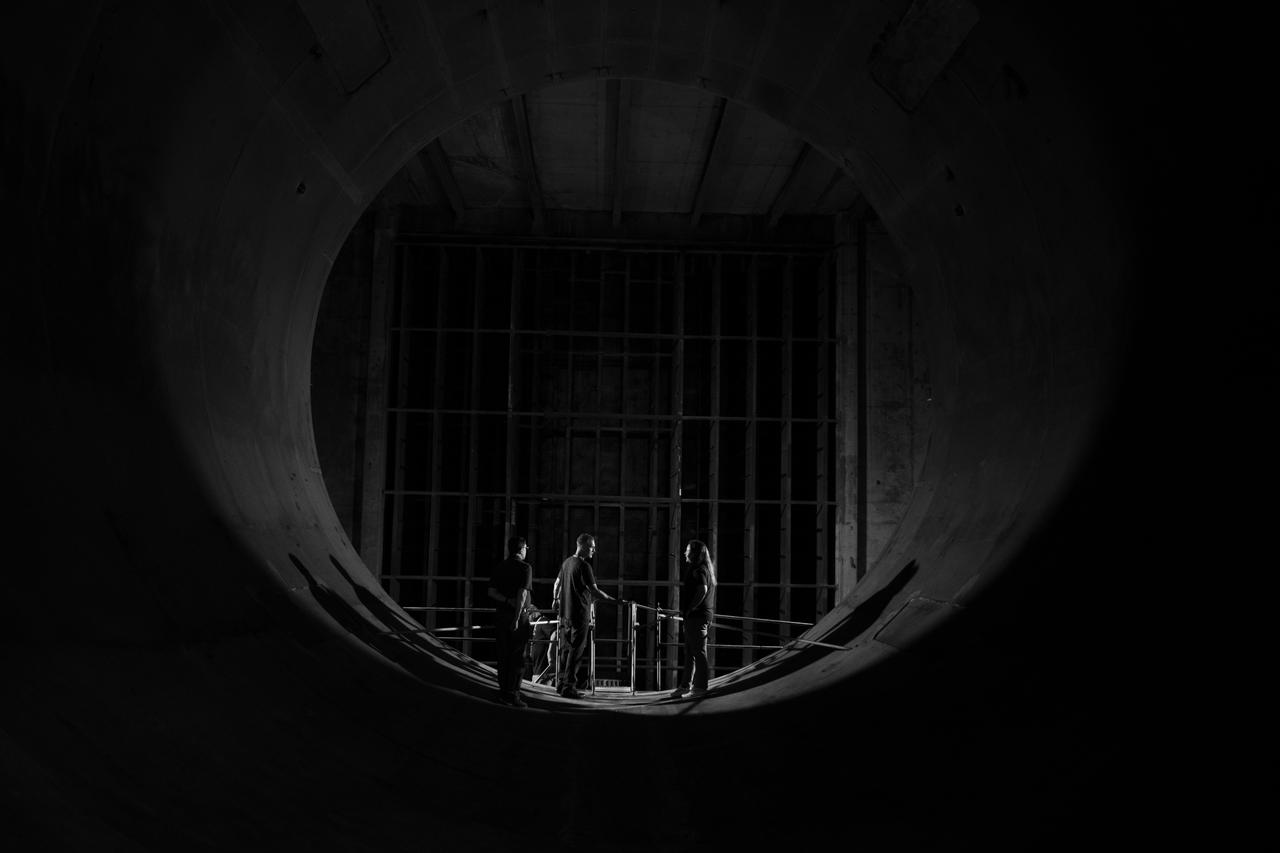
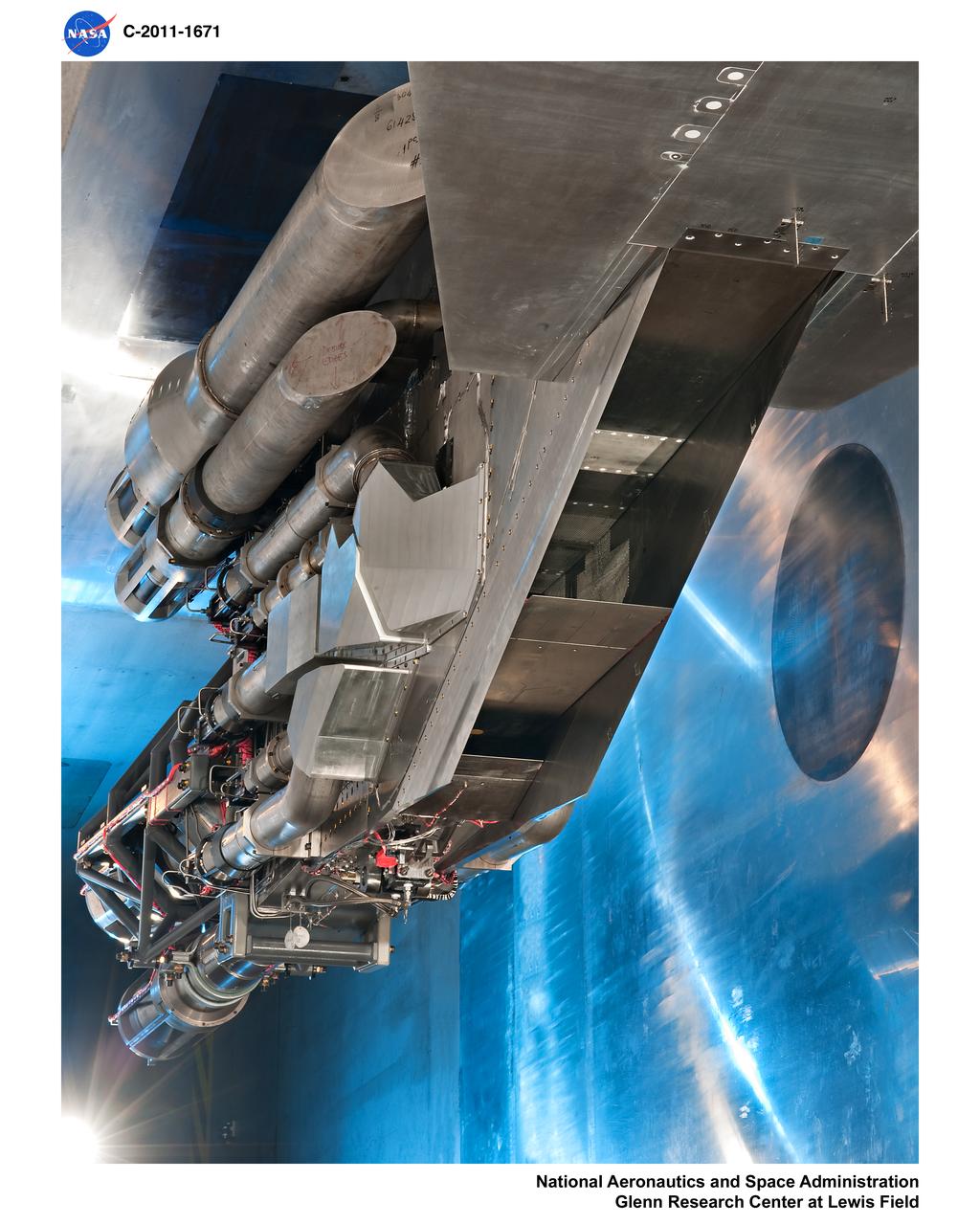
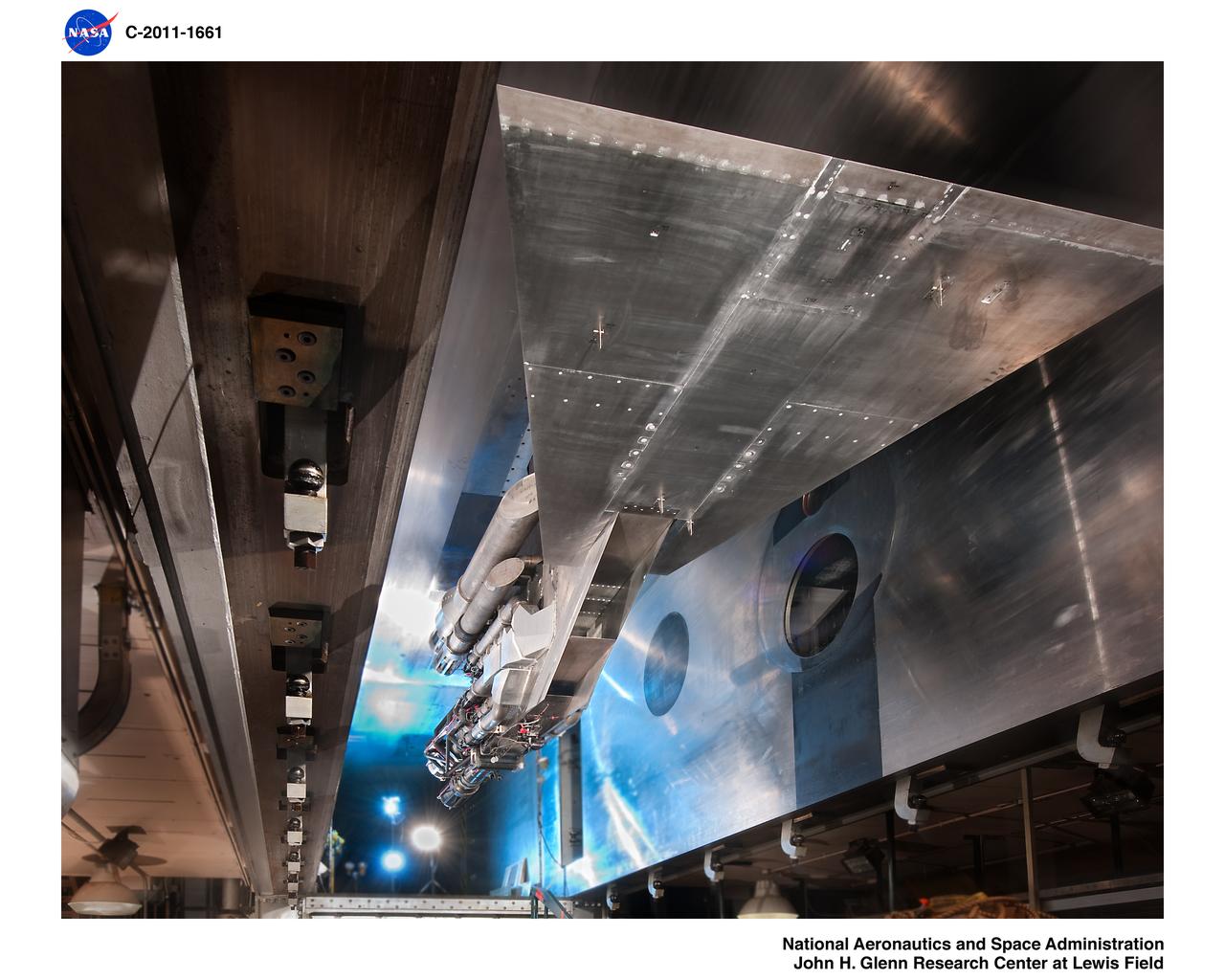
The flexwall section of NASA Glenn’s 10x10 supersonic wind tunnel is made up of two movable flexible steel sidewalls. These powerful hydraulic jacks move the walls in and out to control supersonic air speeds in the test section between Mach 2.0 and 3.5.
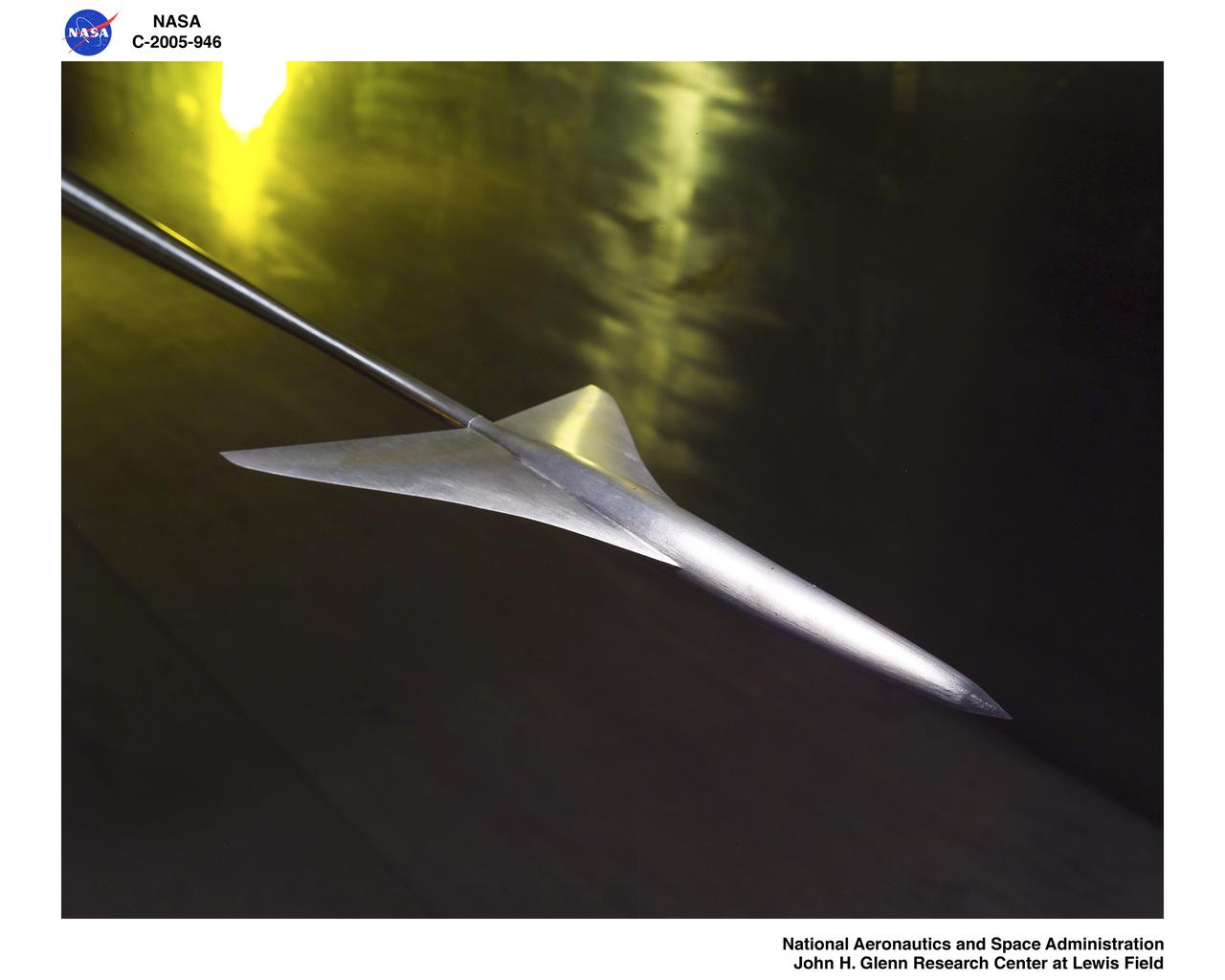
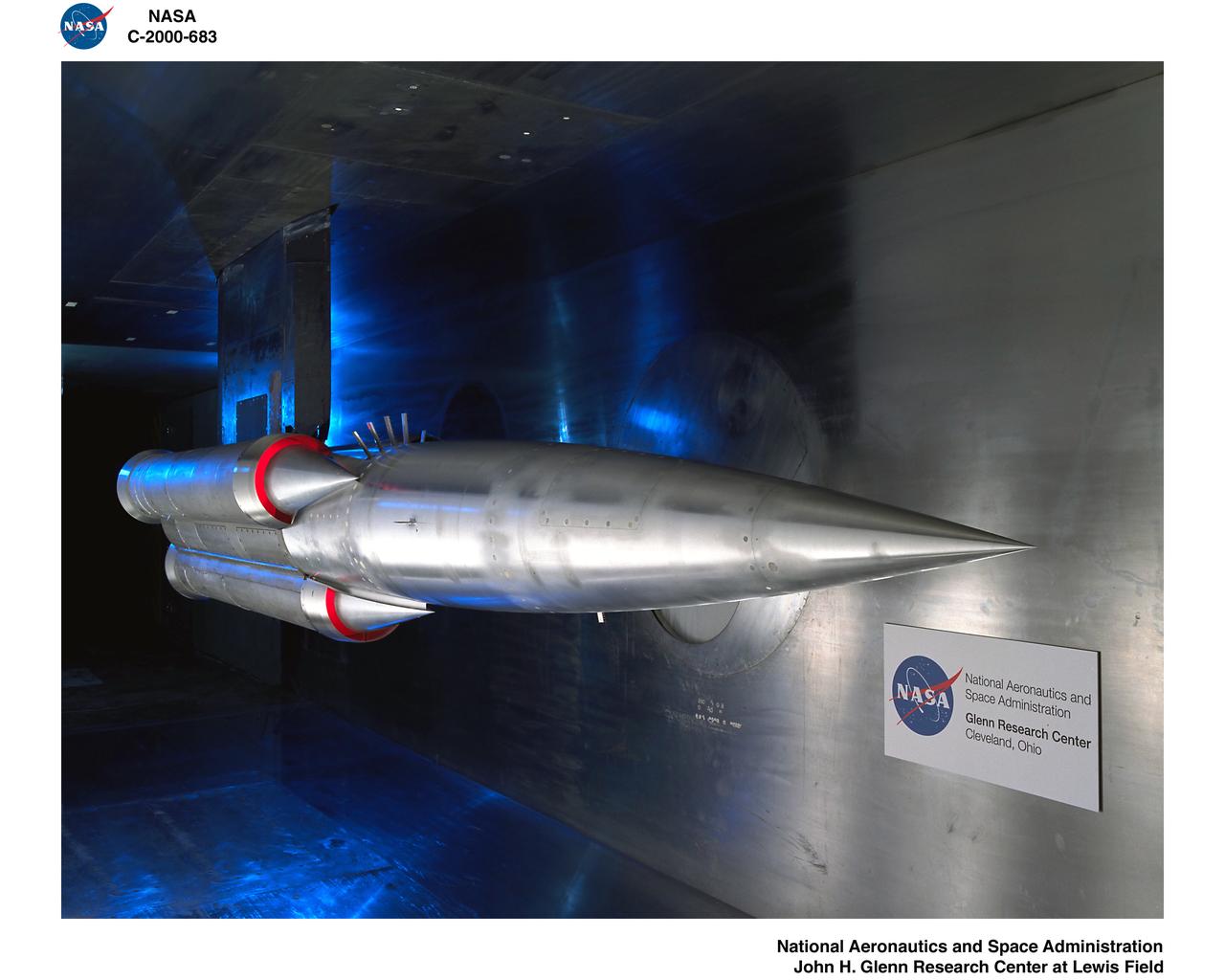
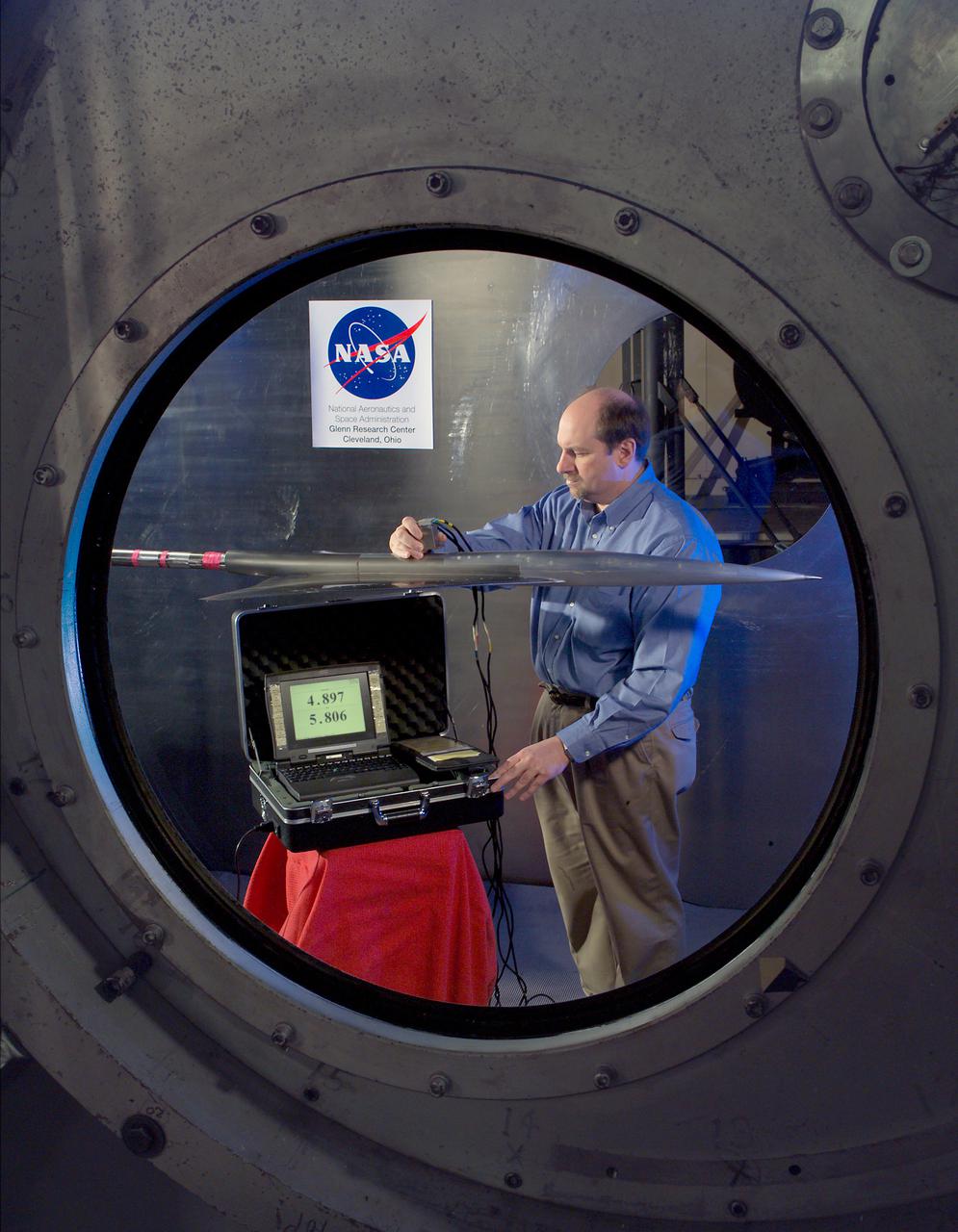
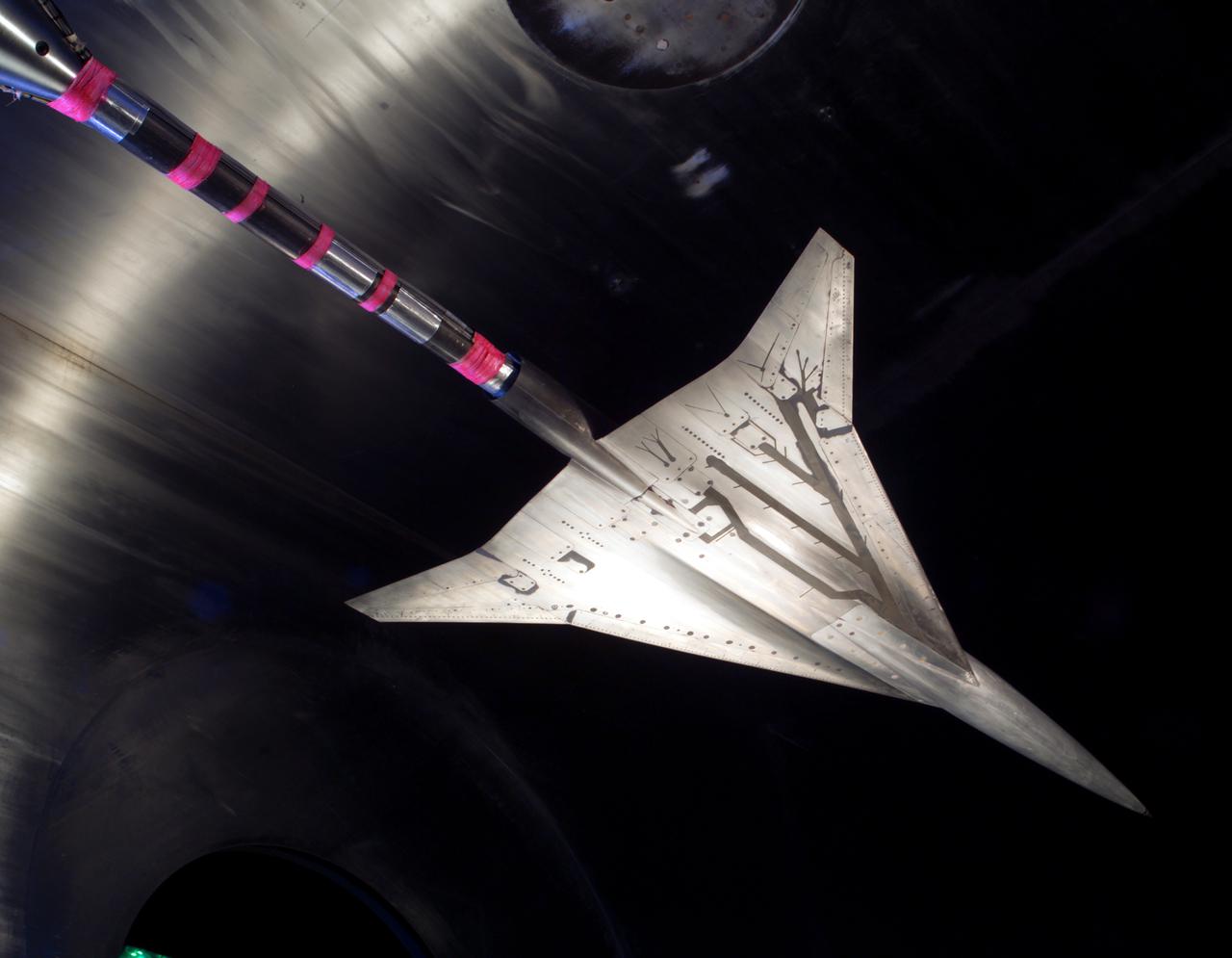
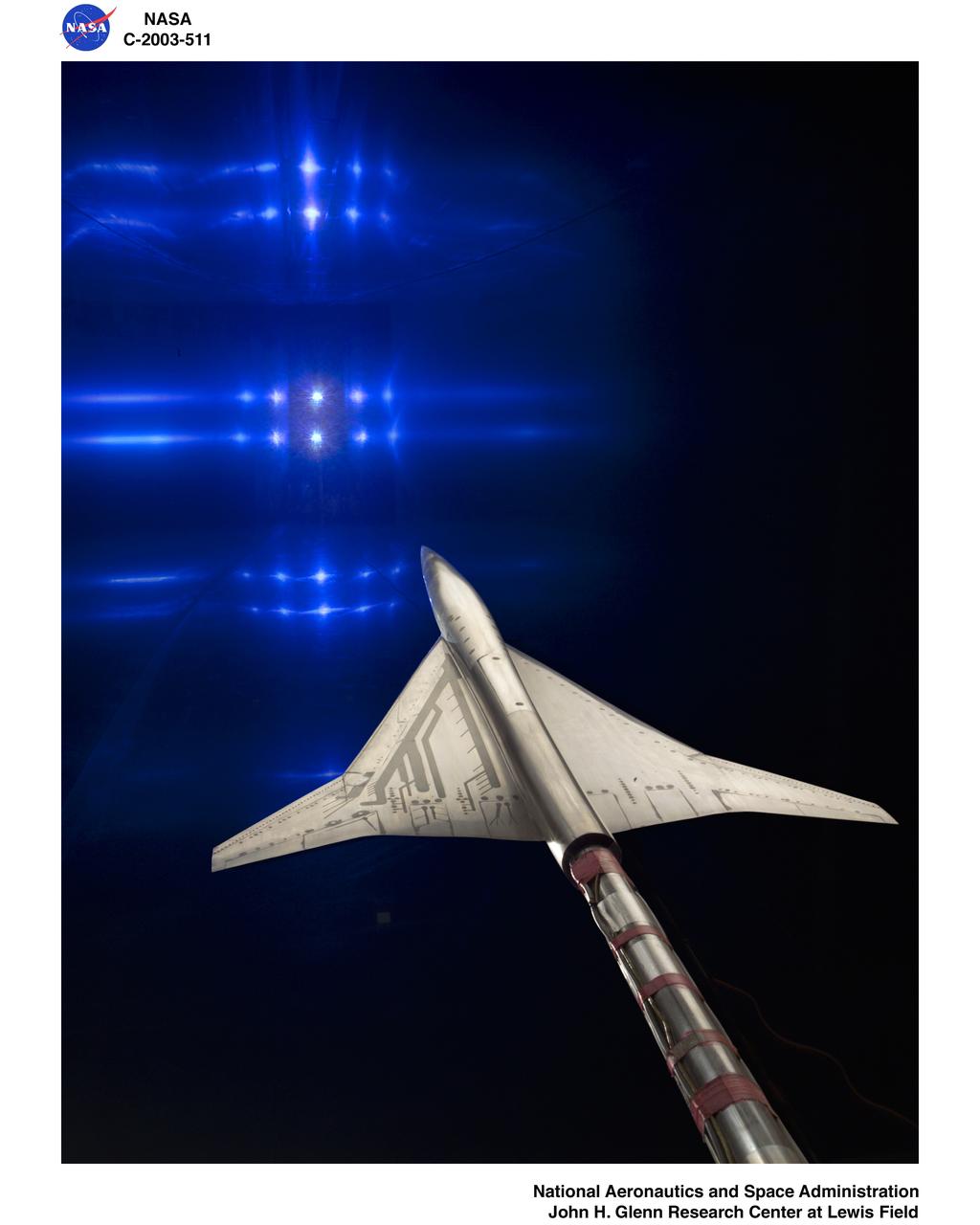
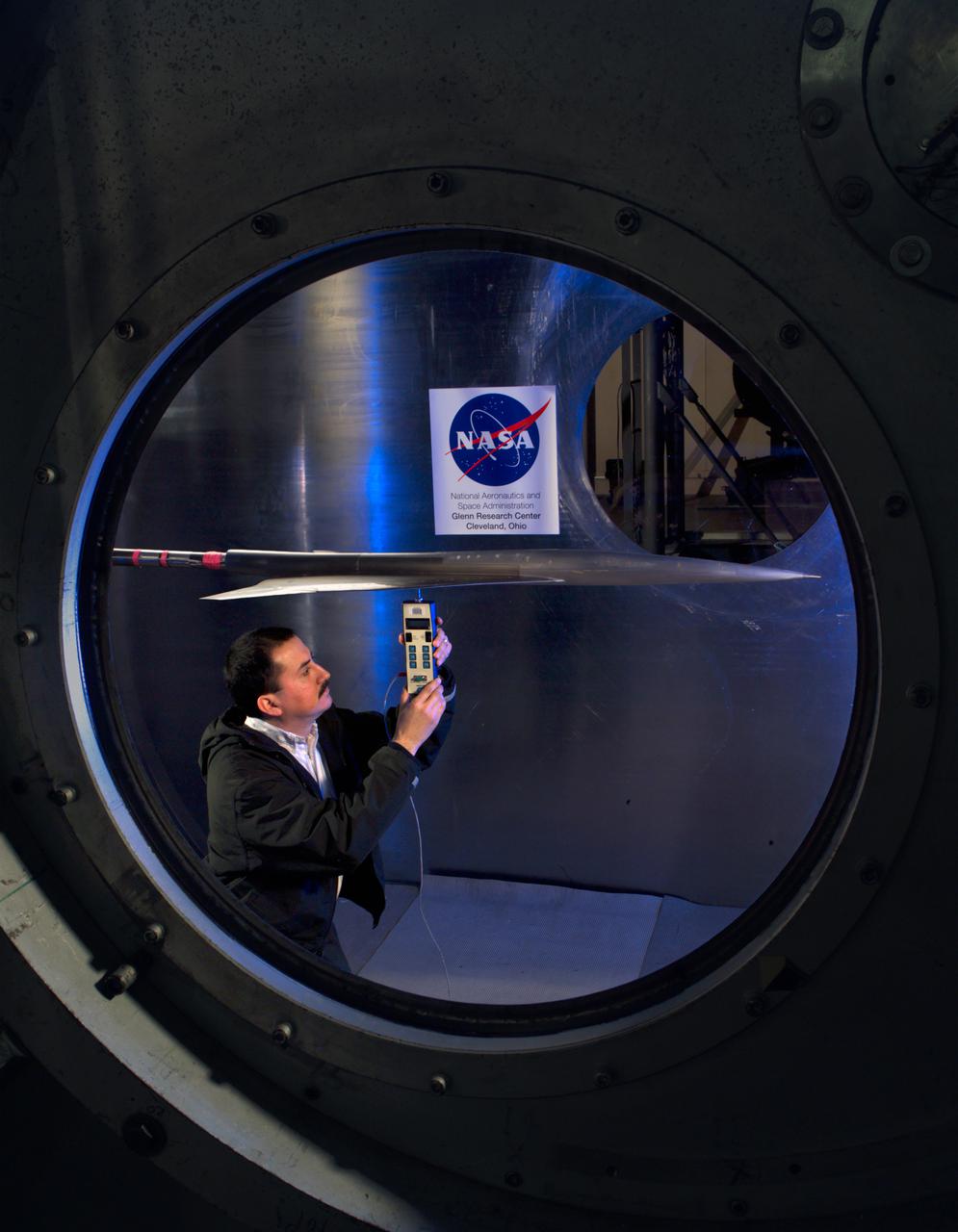
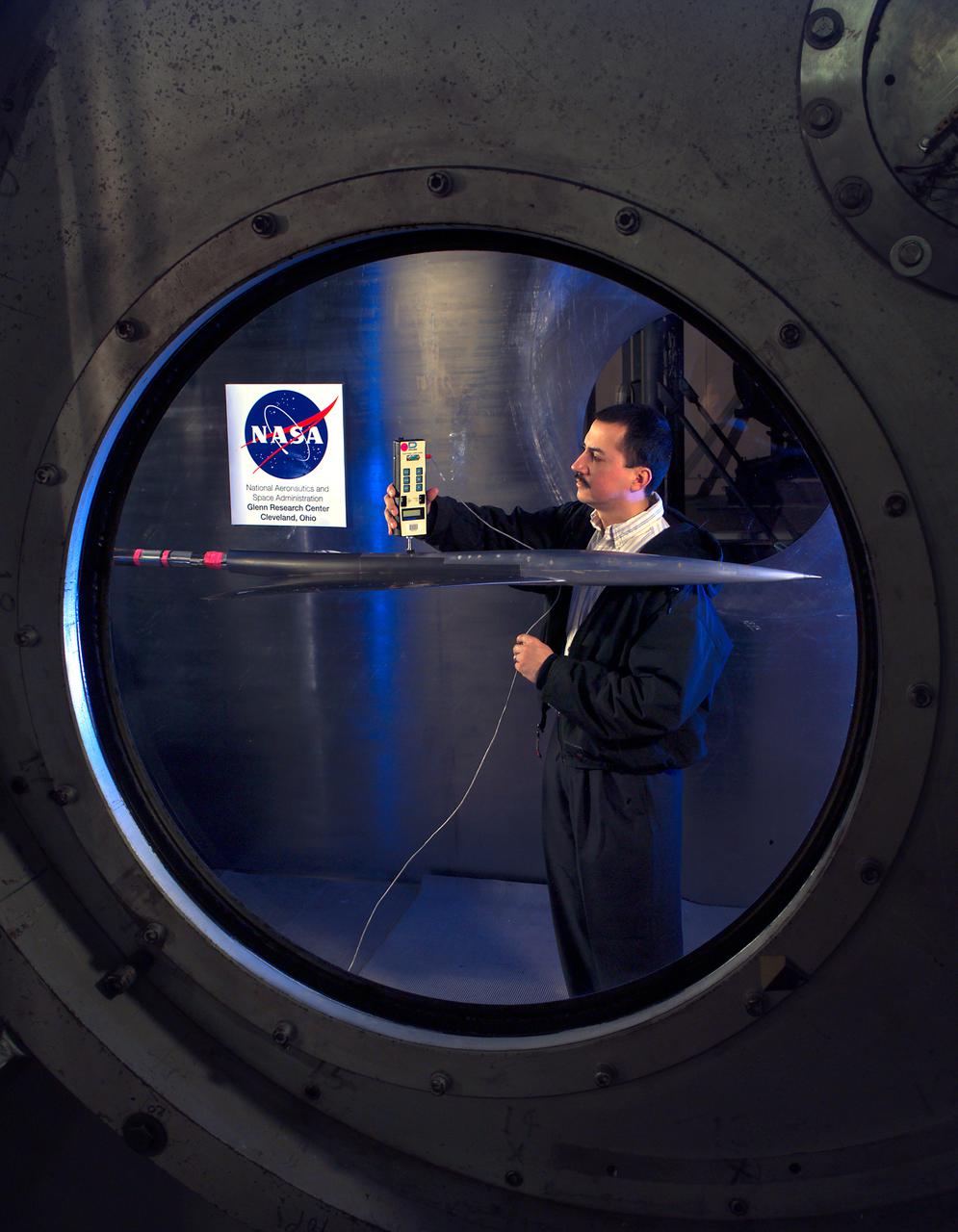
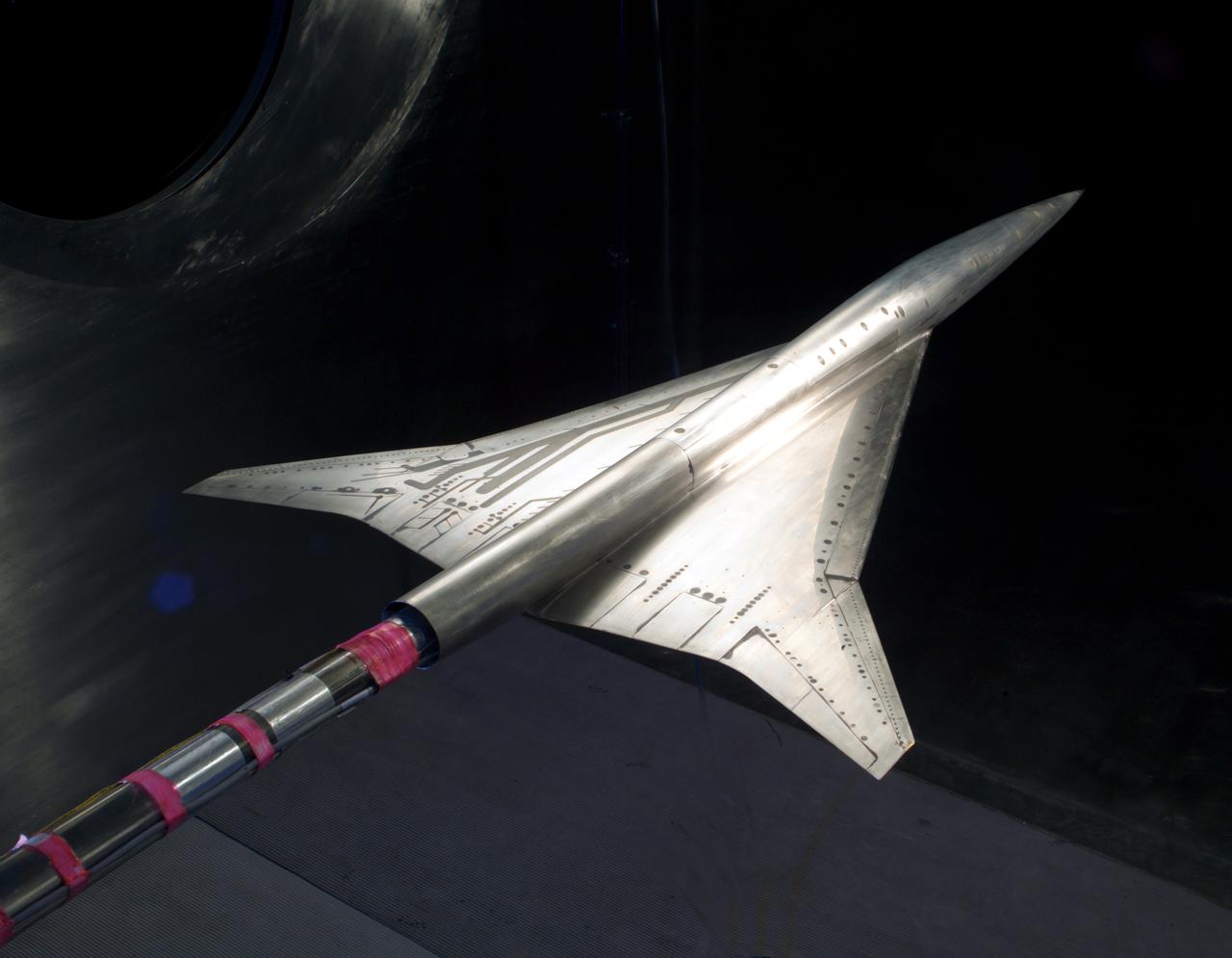
NASA GLENN/NASA LANGLEY LOADS COMPARISON TEST WITH 6 COMPONENT FORCE/MOMENT BALANCE AND 1.7% HIGH SPEED RESEARCH MODEL 5. in the 10x10 super sonic wind tunnel
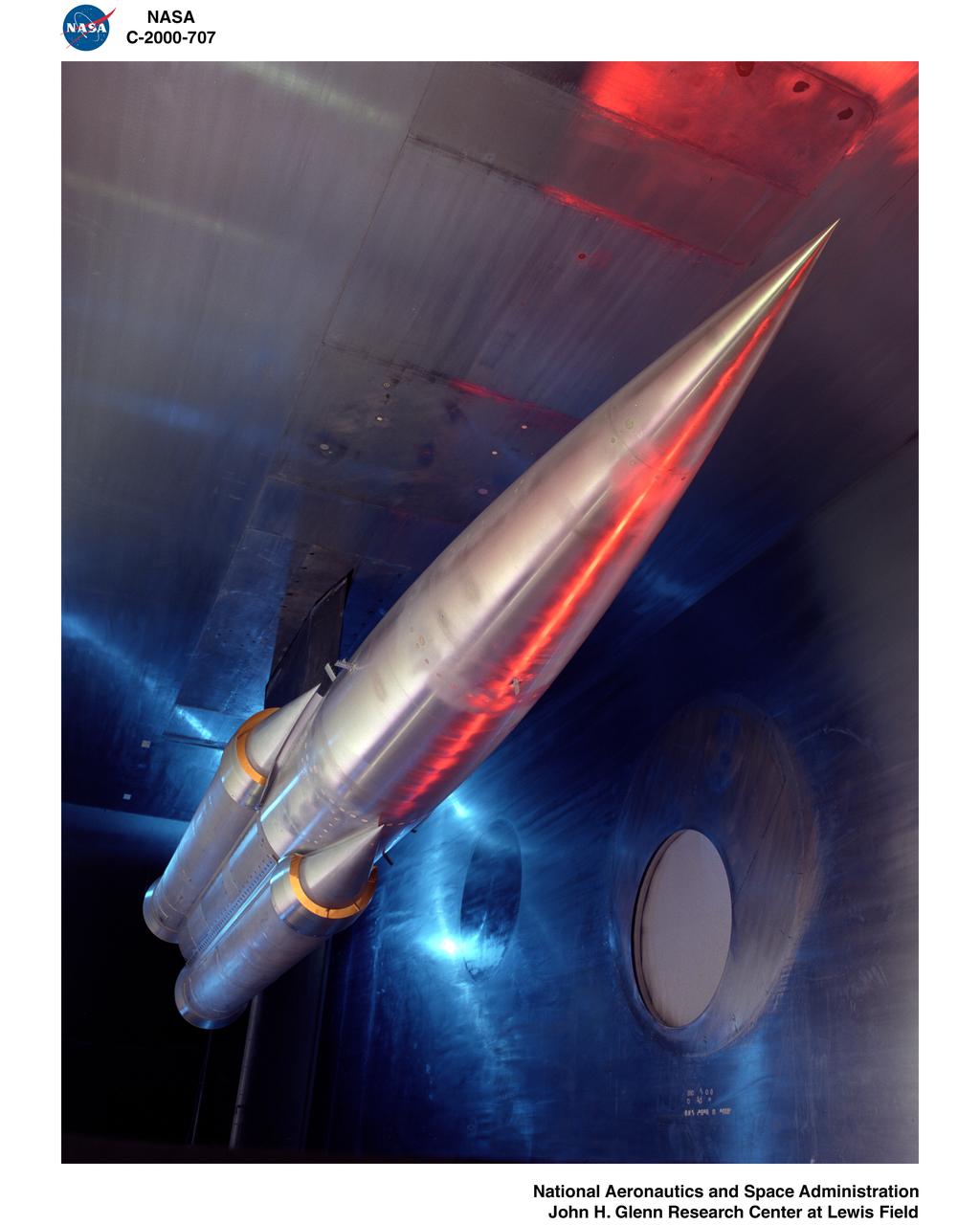
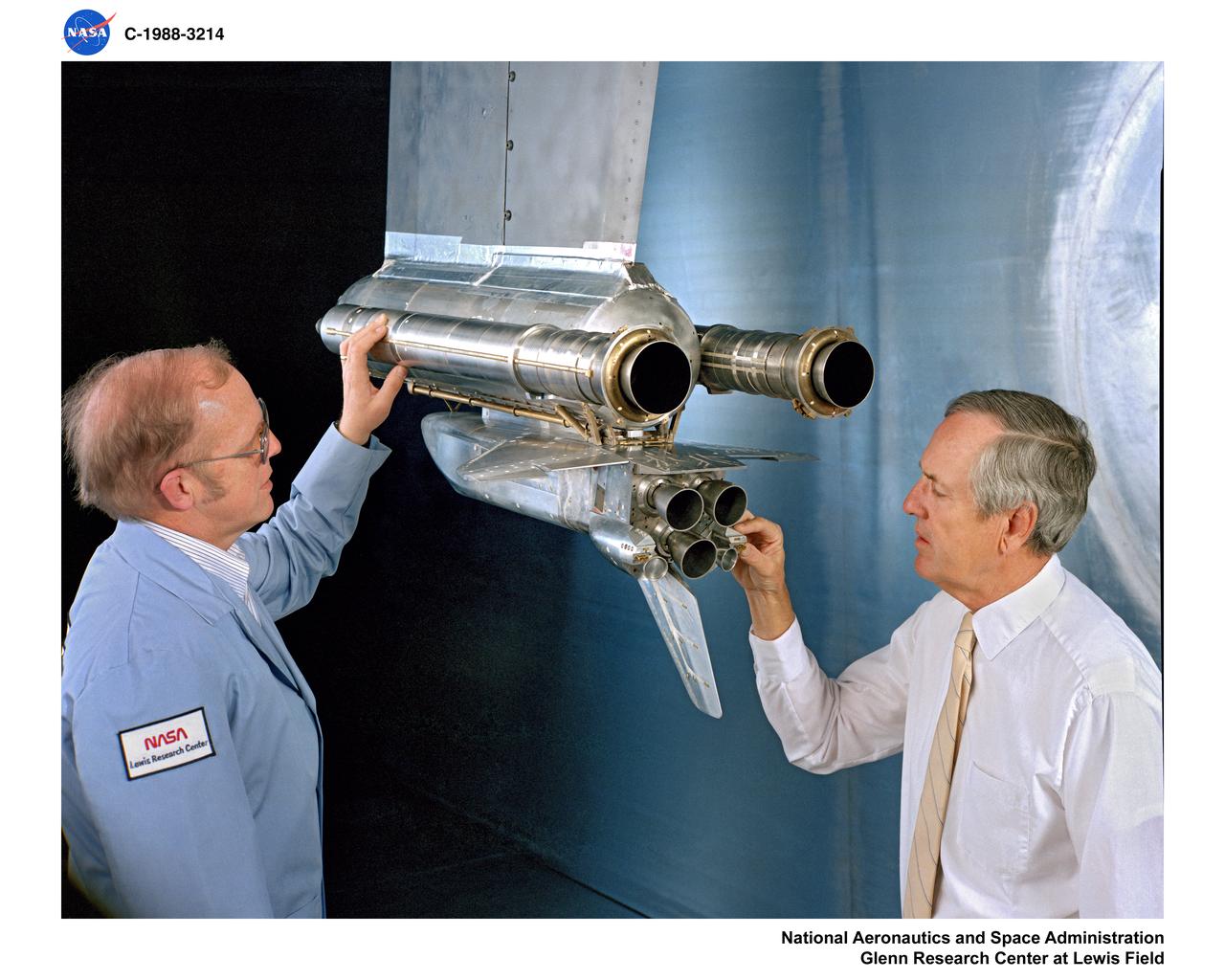
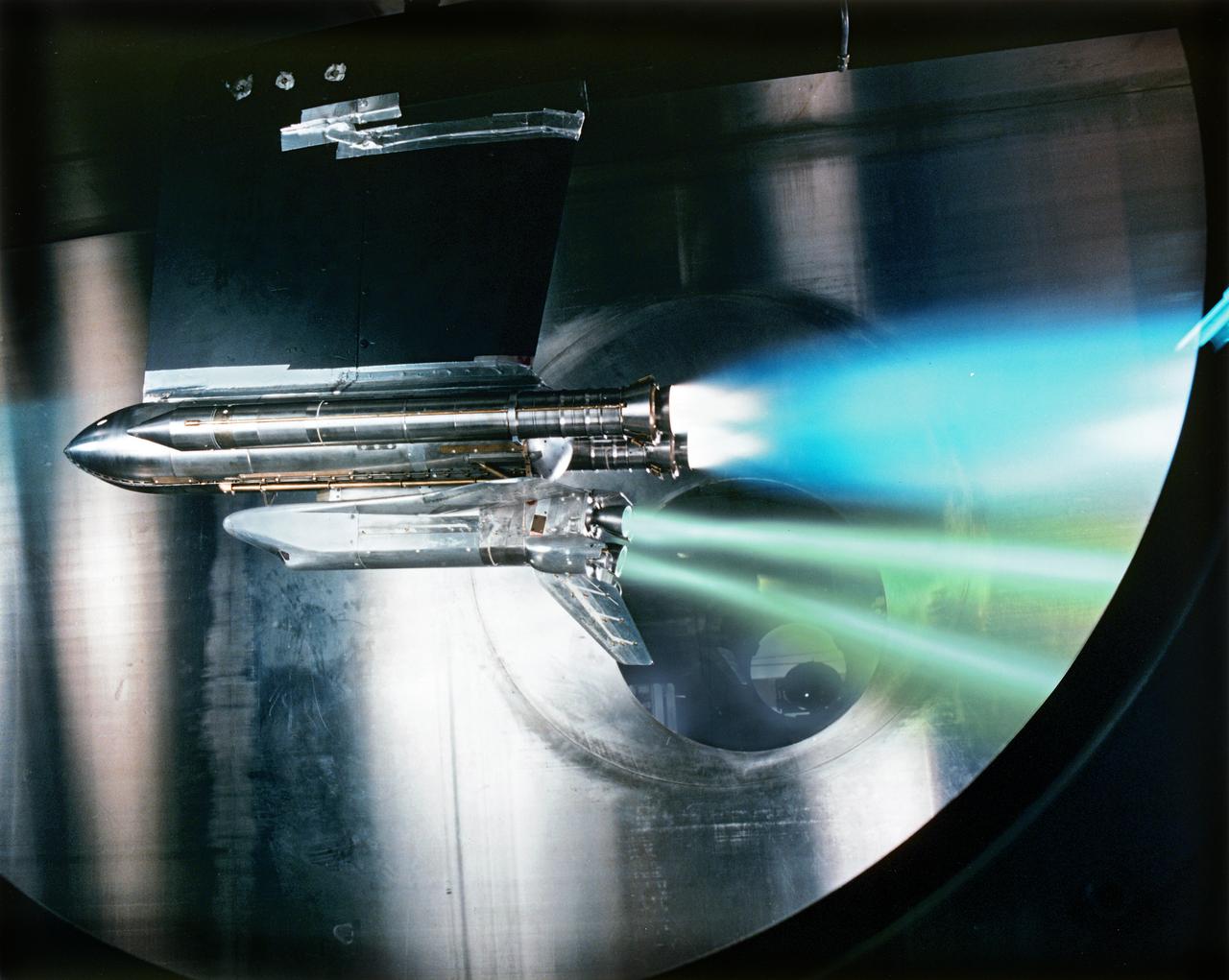
This test conducted in May 1988 shows what happens during launch if a space shuttle main engine fails. The test was conducted in the 10X10 supersonic wind tunnel at the John H. Glenn Research Center.
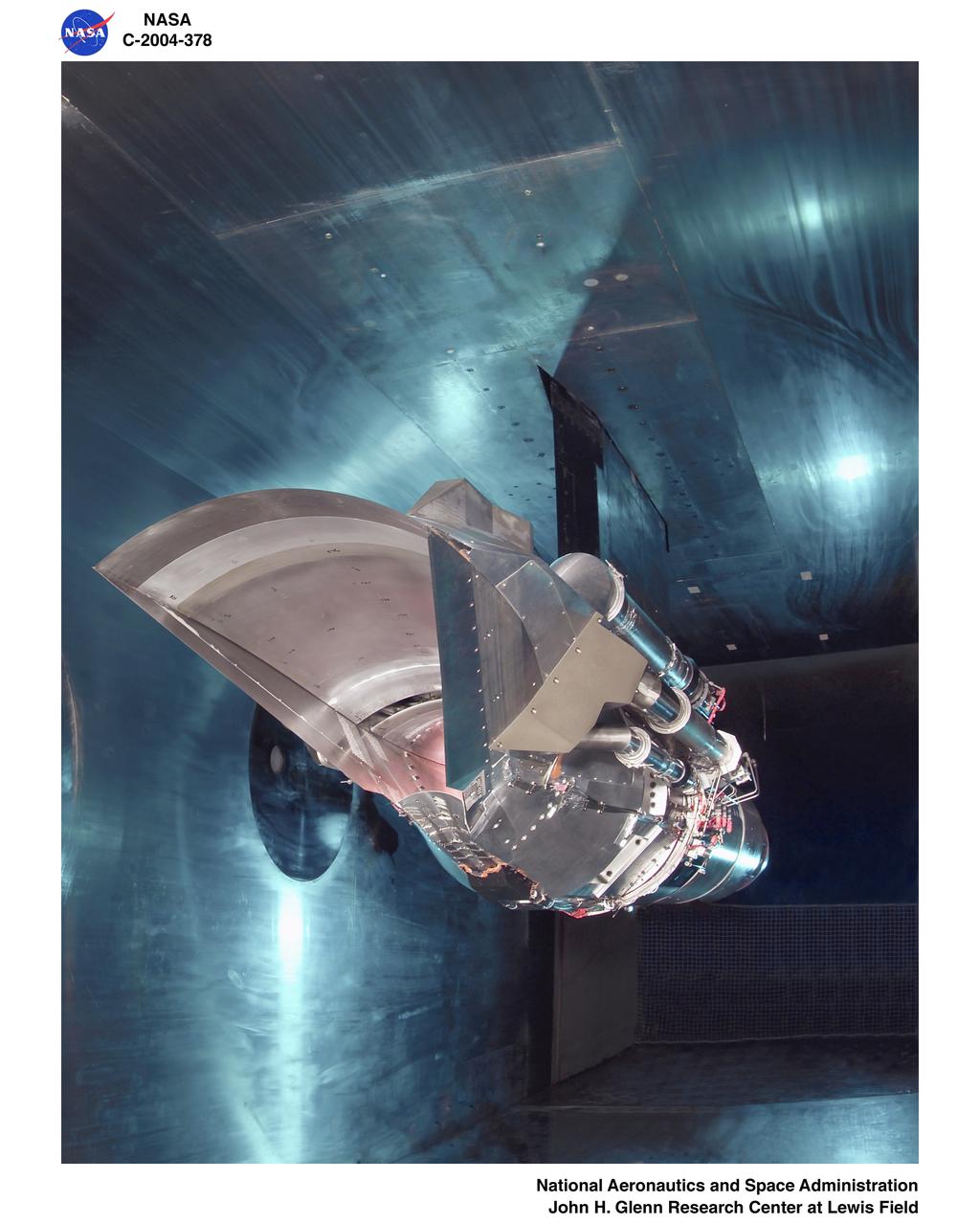
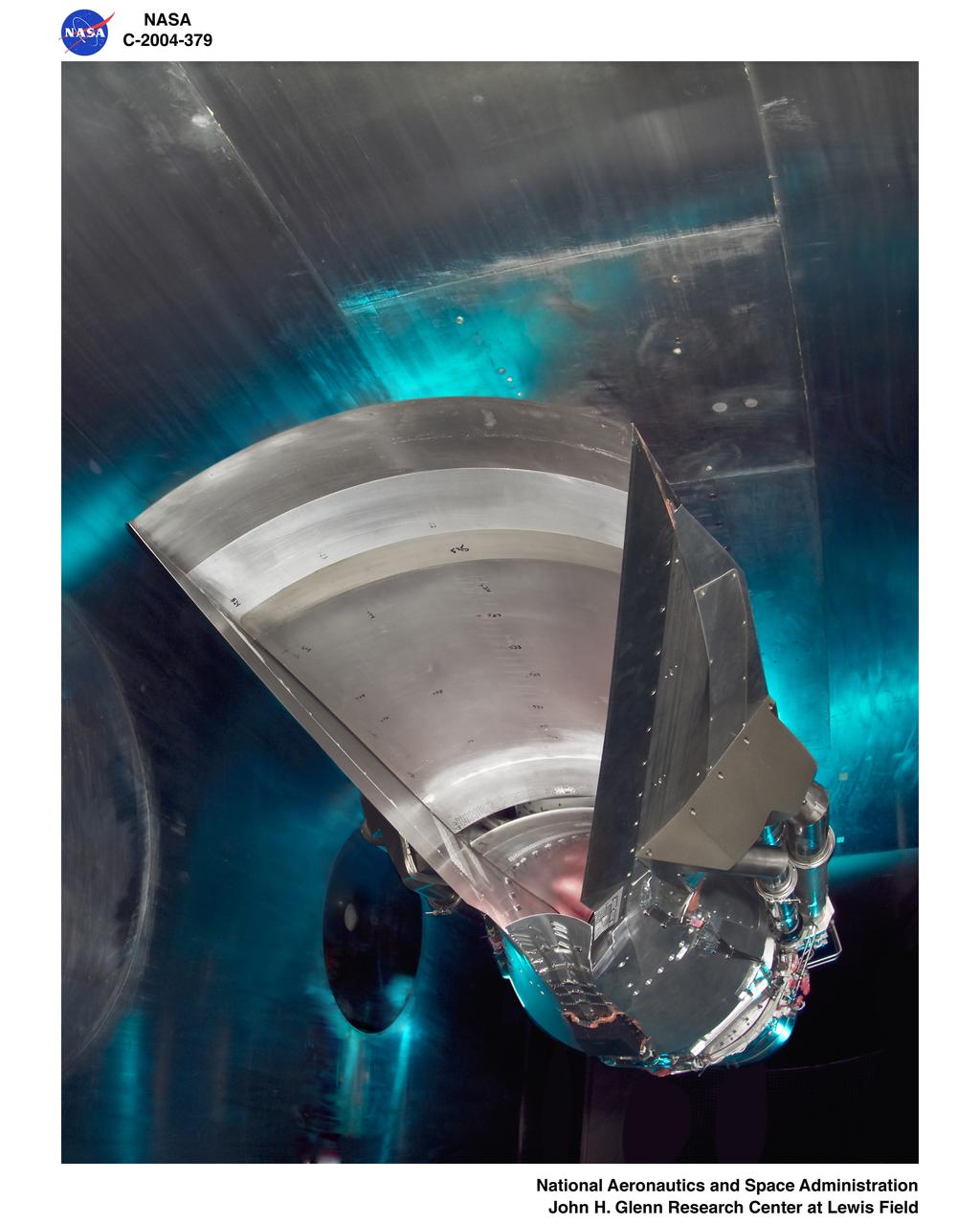
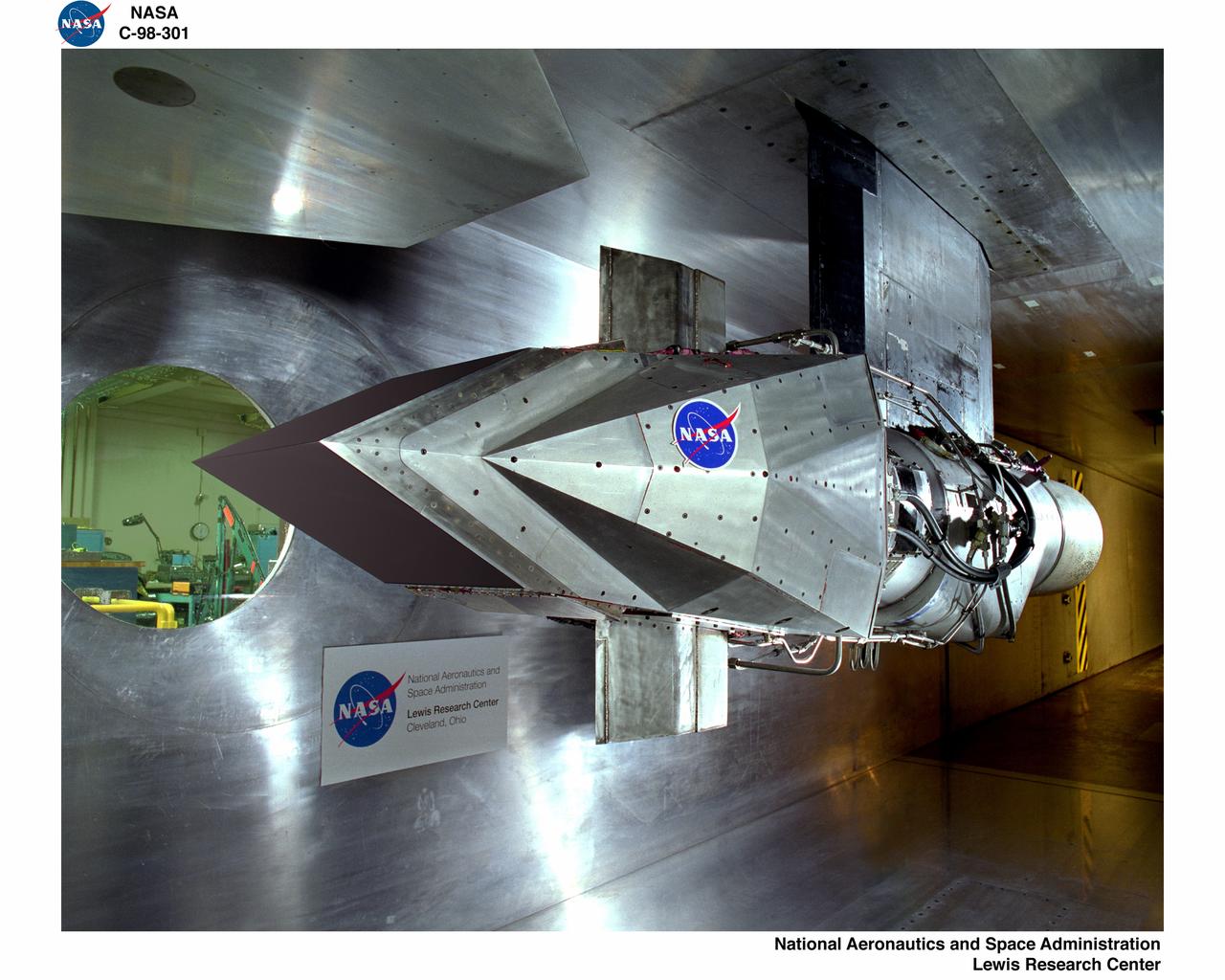
NASA Glenn/NASA Langley, Loads Comparison Test With 6 Component Force/Moment Balance and 1.7% High Speed Research, HSR Model 5. In the Glenn Research Center 10x10 Foot Supersonic Wind Tunnel, SWT
This test conducted in May 1988 shows what happens during launch if a space shuttle main engine fails. The test was conducted in the 10X10 supersonic wind tunnel at the John H. Glenn Research Center.
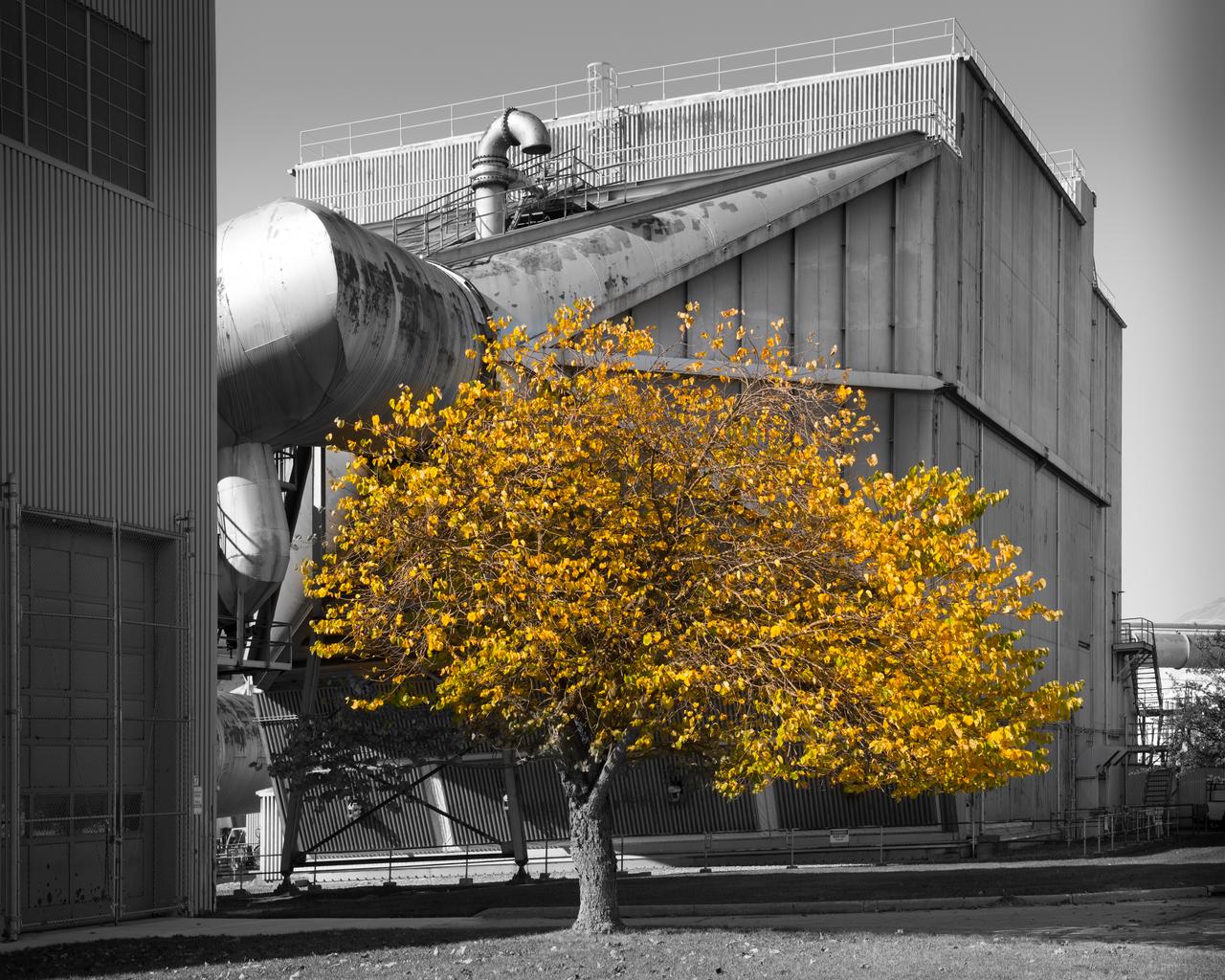
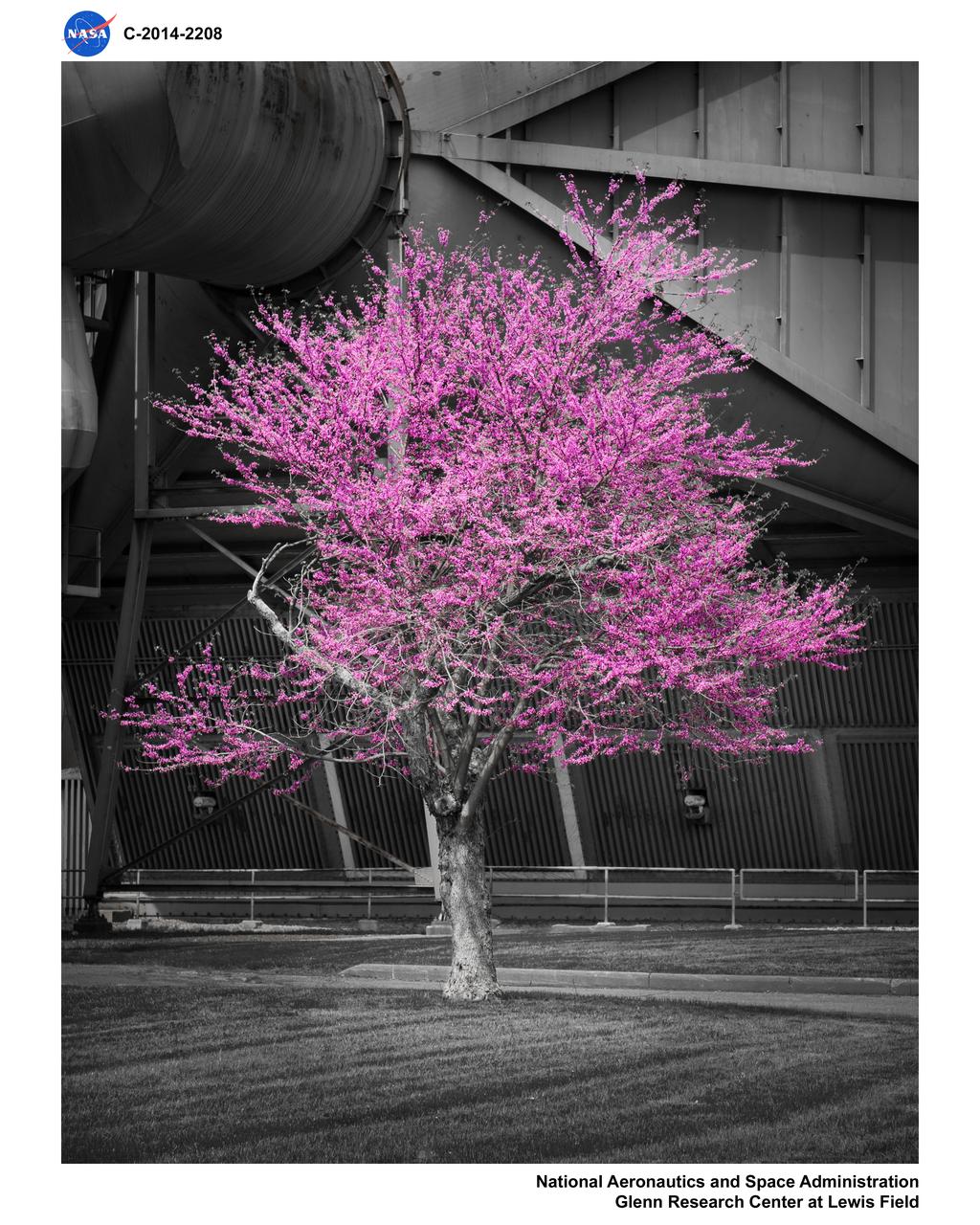
The flowering tree was photographed in front of the 10x10 SWT Air Dryer Building. In Adobe Photoshop, the magenta flowers were selected and enhanced. All color was removed from the rest of the image to create an artistic effect.
NASA GLENN/NASA LANGLEY LOADS COMPARISON TEST WITH 6 COMPONENT FORCE/MOMENT BALANCE AND 1.7% HIGH SPEED RESEARCH MODEL 5.l in the 10x10 supersonic wind tunnel
This test conducted in May 1988 shows what happens during launch if a space shuttle main engine fails. The test was conducted in the 10X10 supersonic wind tunnel at the John H. Glenn Research Center.
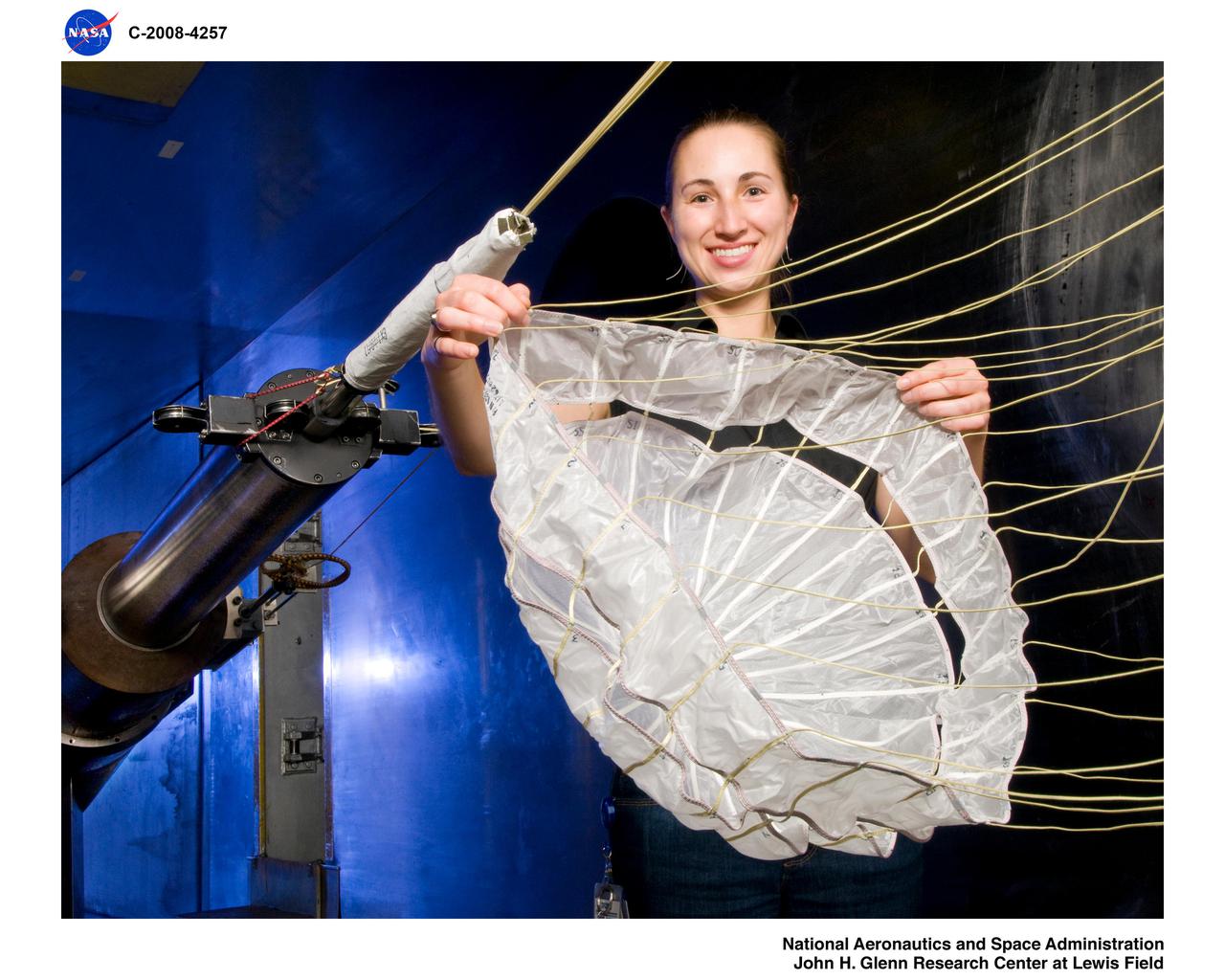
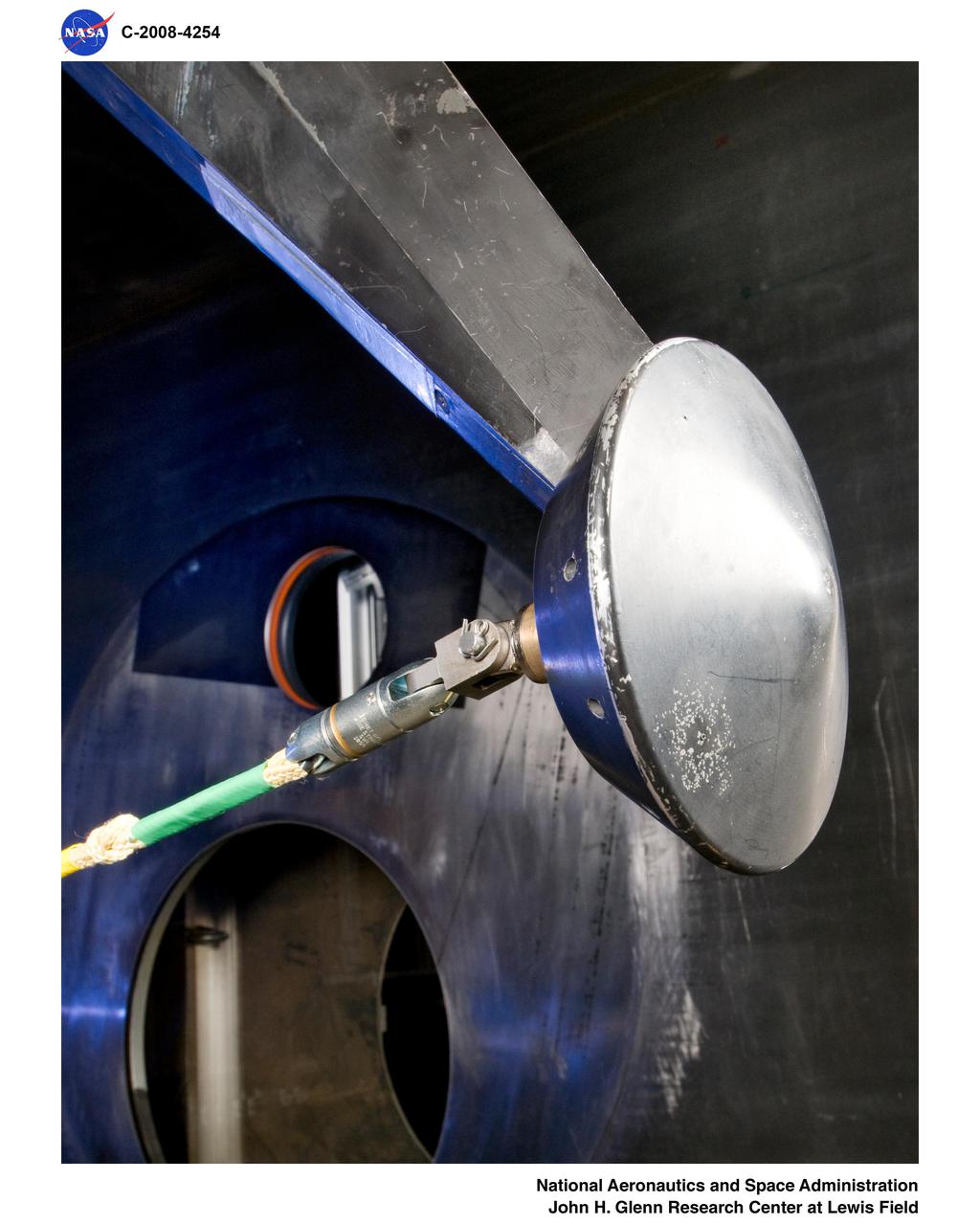
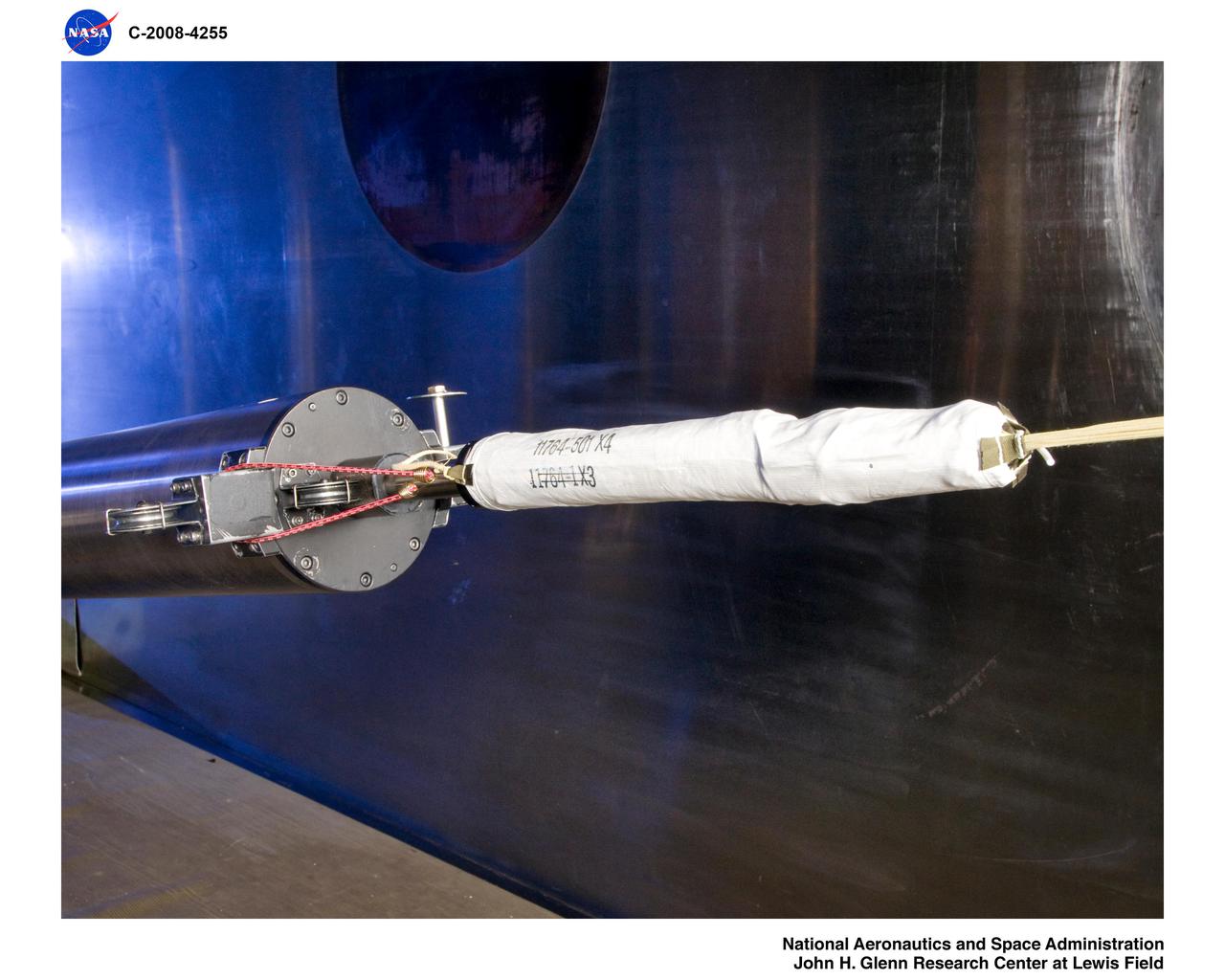
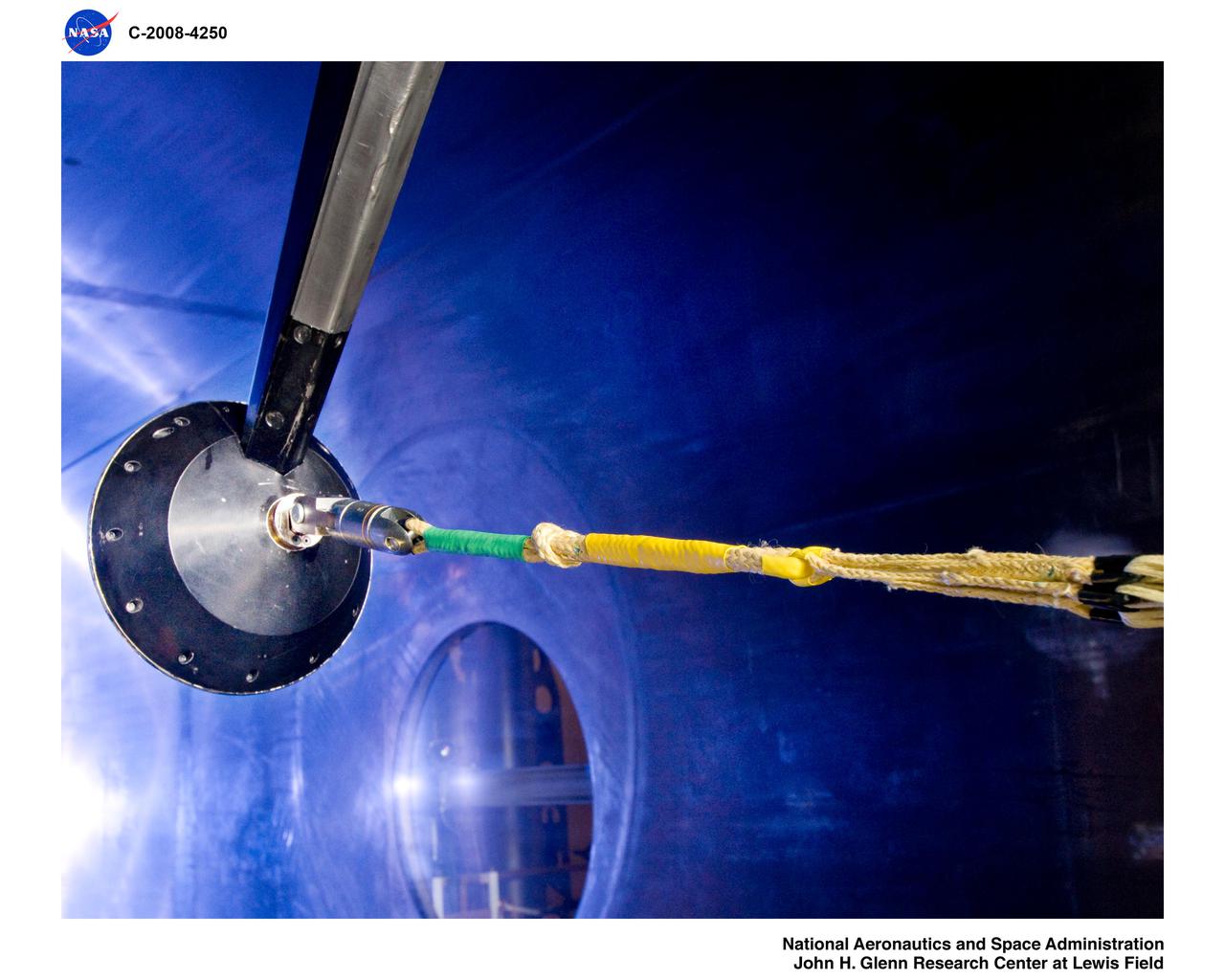
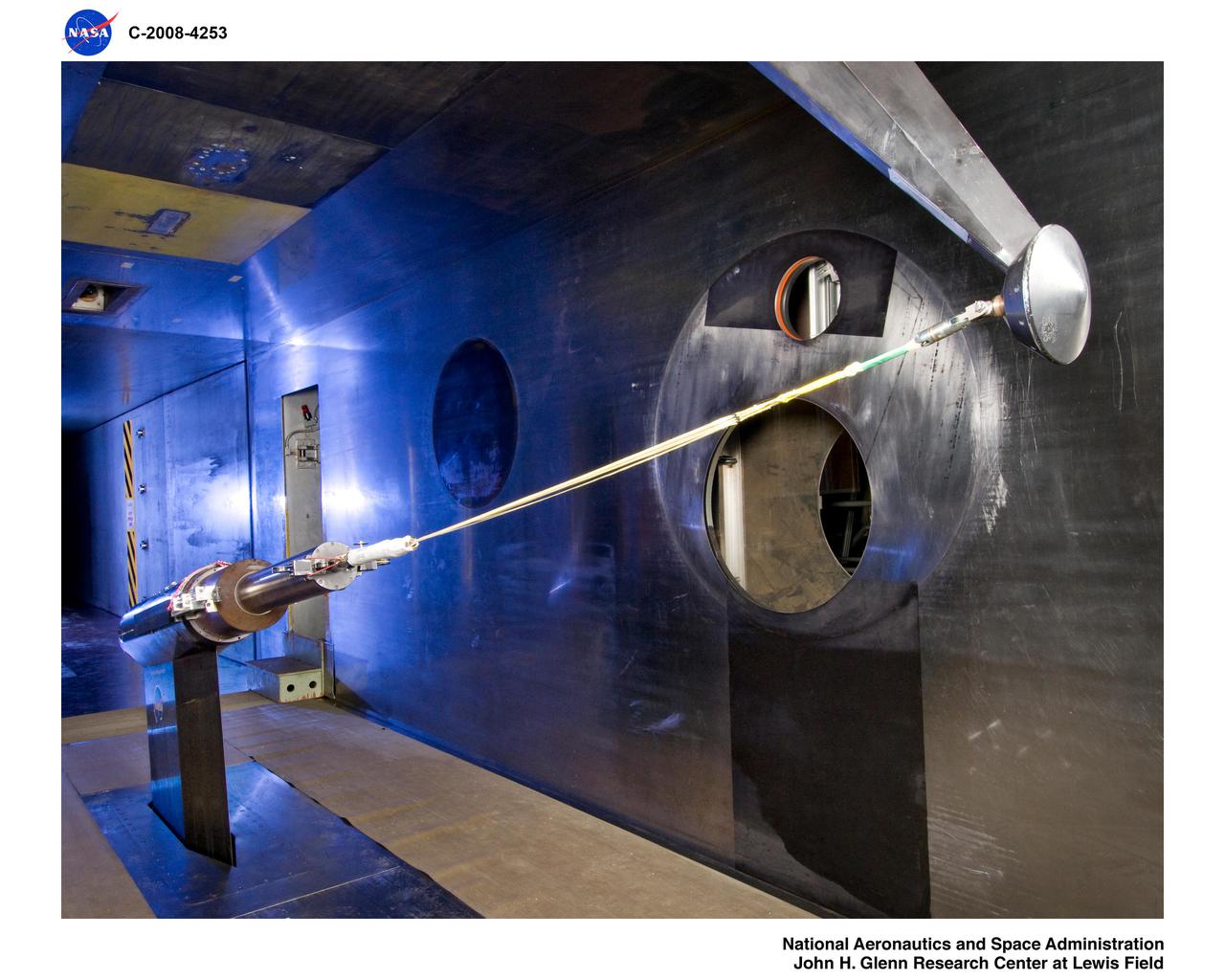
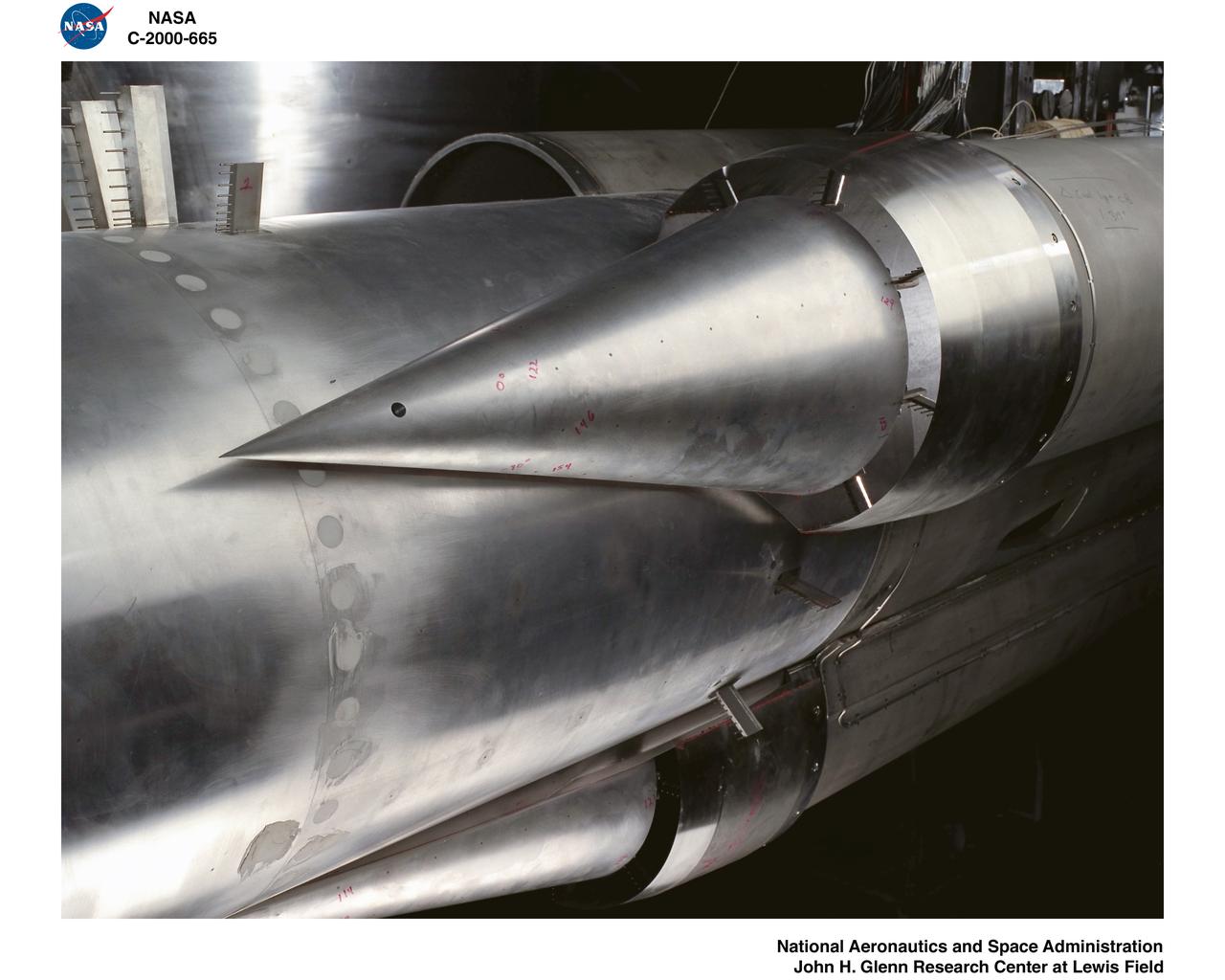
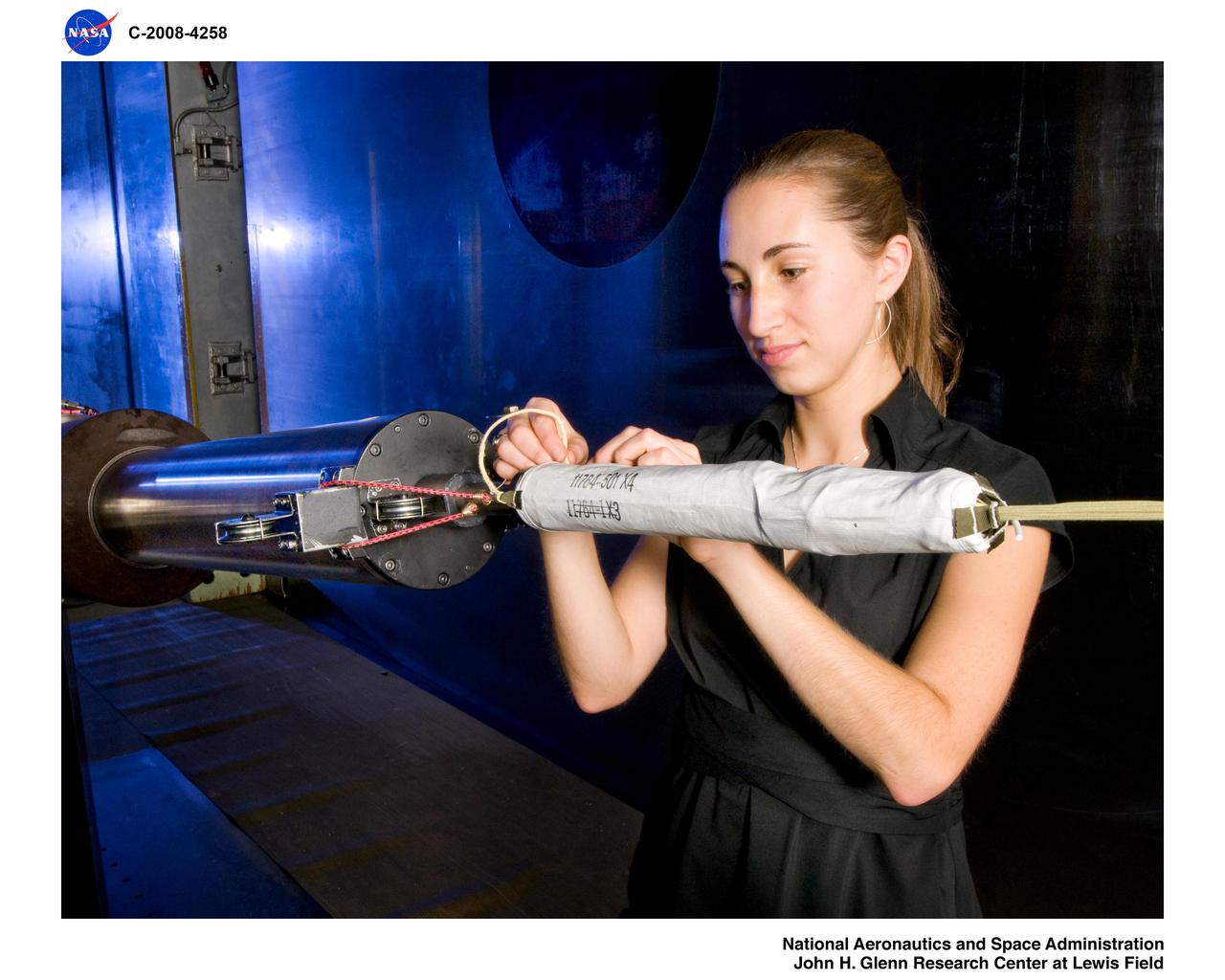
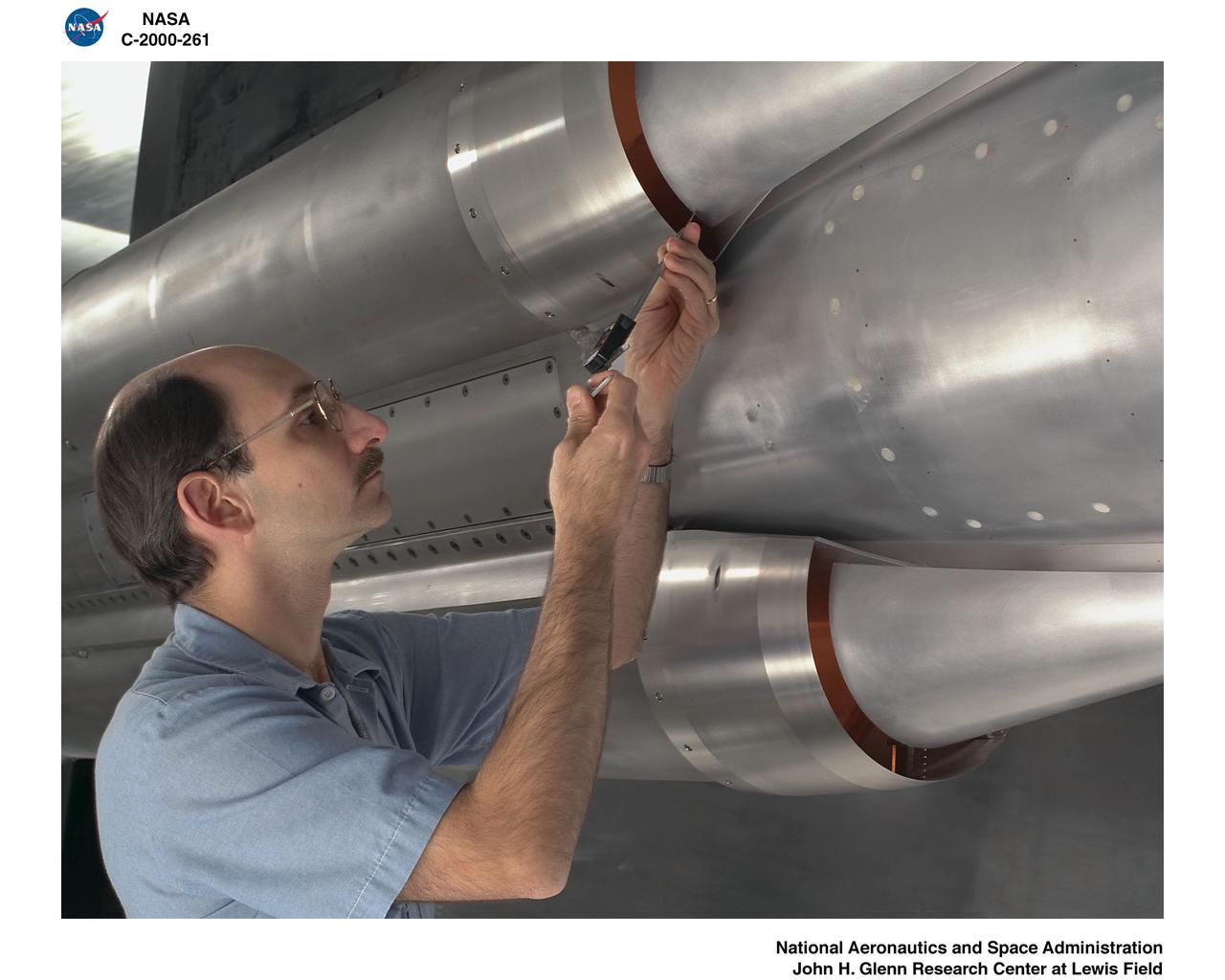
The 10- by 10-Foot Supersonic Wind Tunnel (10×10) is the largest and fastest wind tunnel facility at NASA’s Glenn Research Center and is specifically designed to test supersonic propulsion components from inlets and nozzles to full-scale jet and rocket engines.
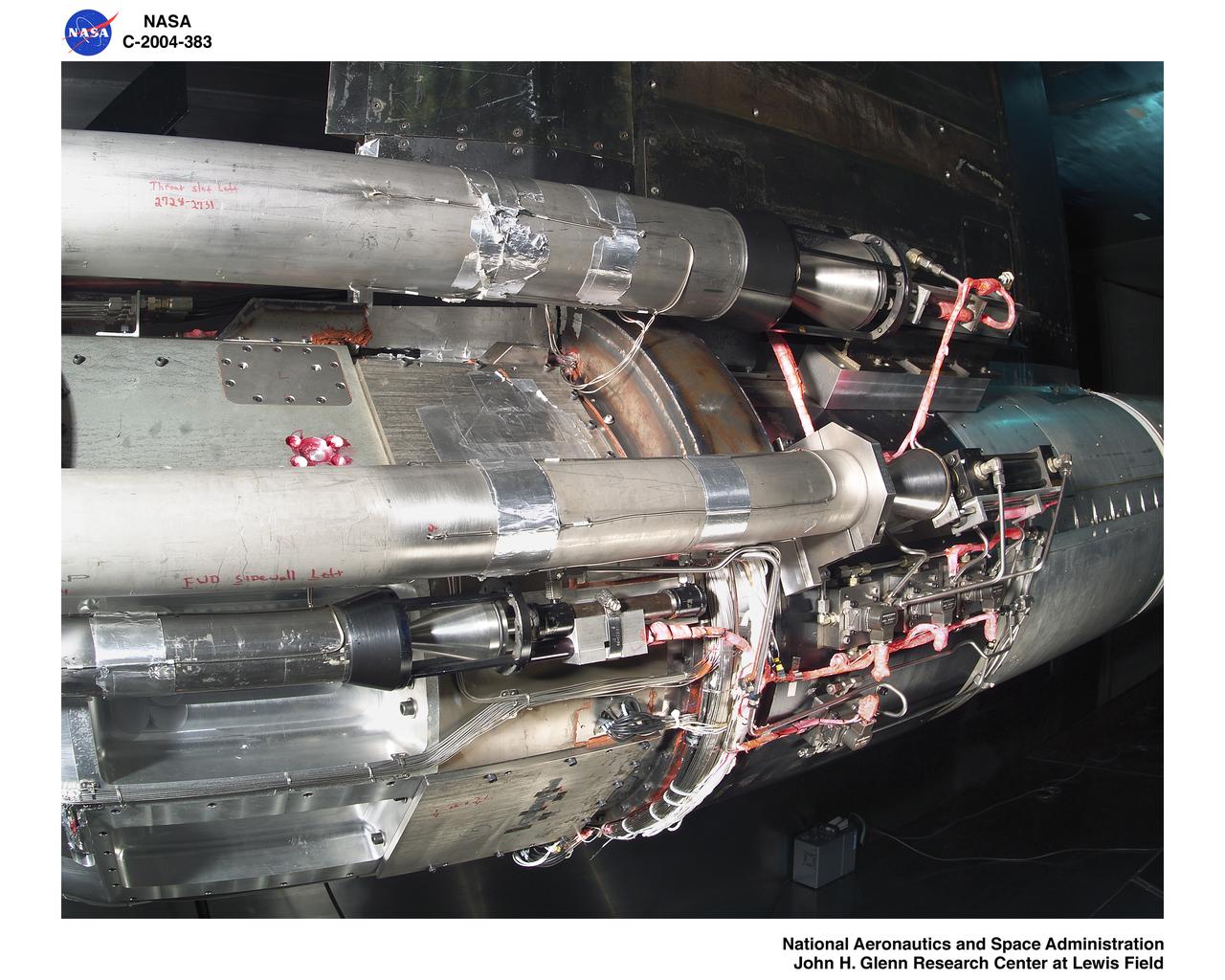
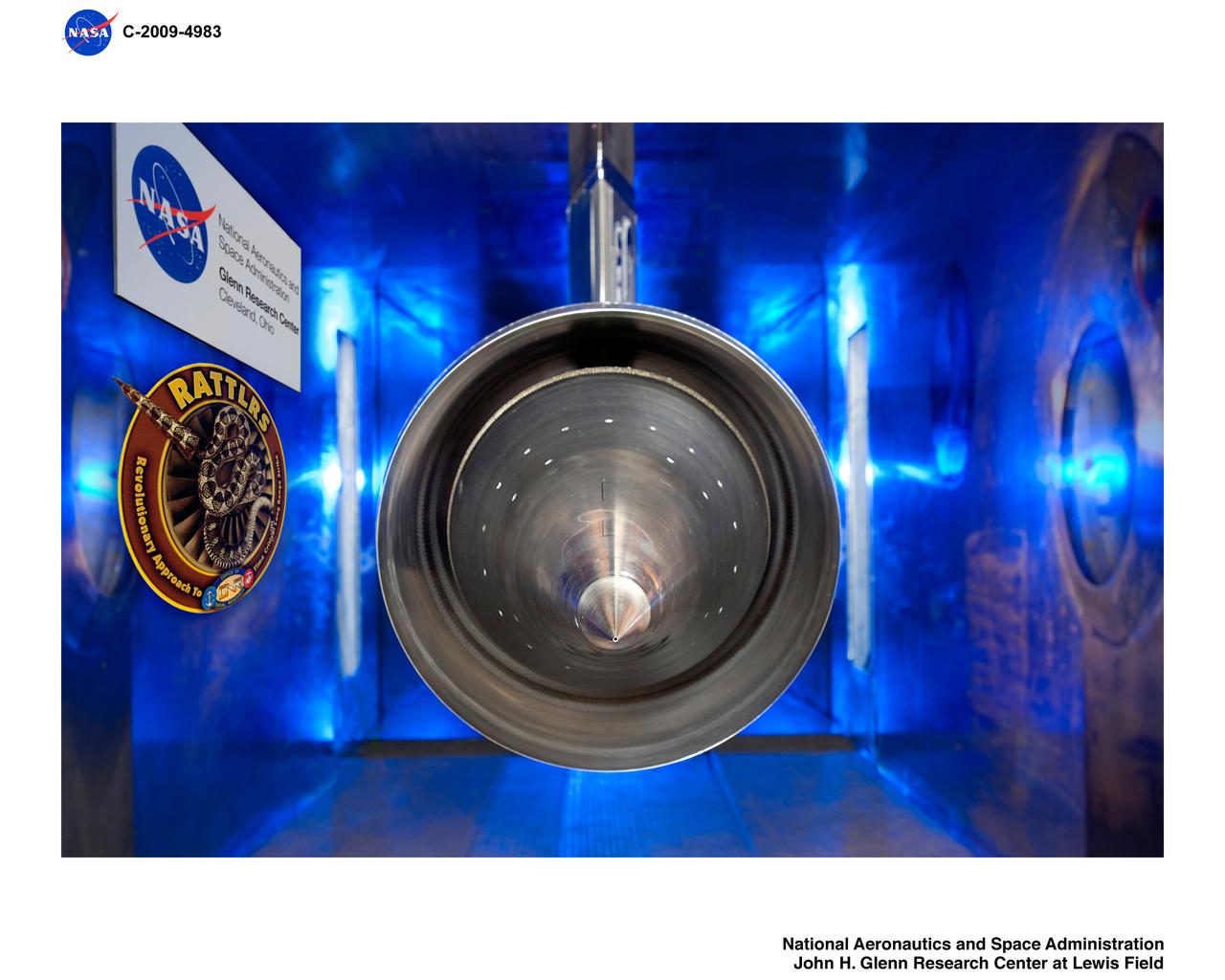
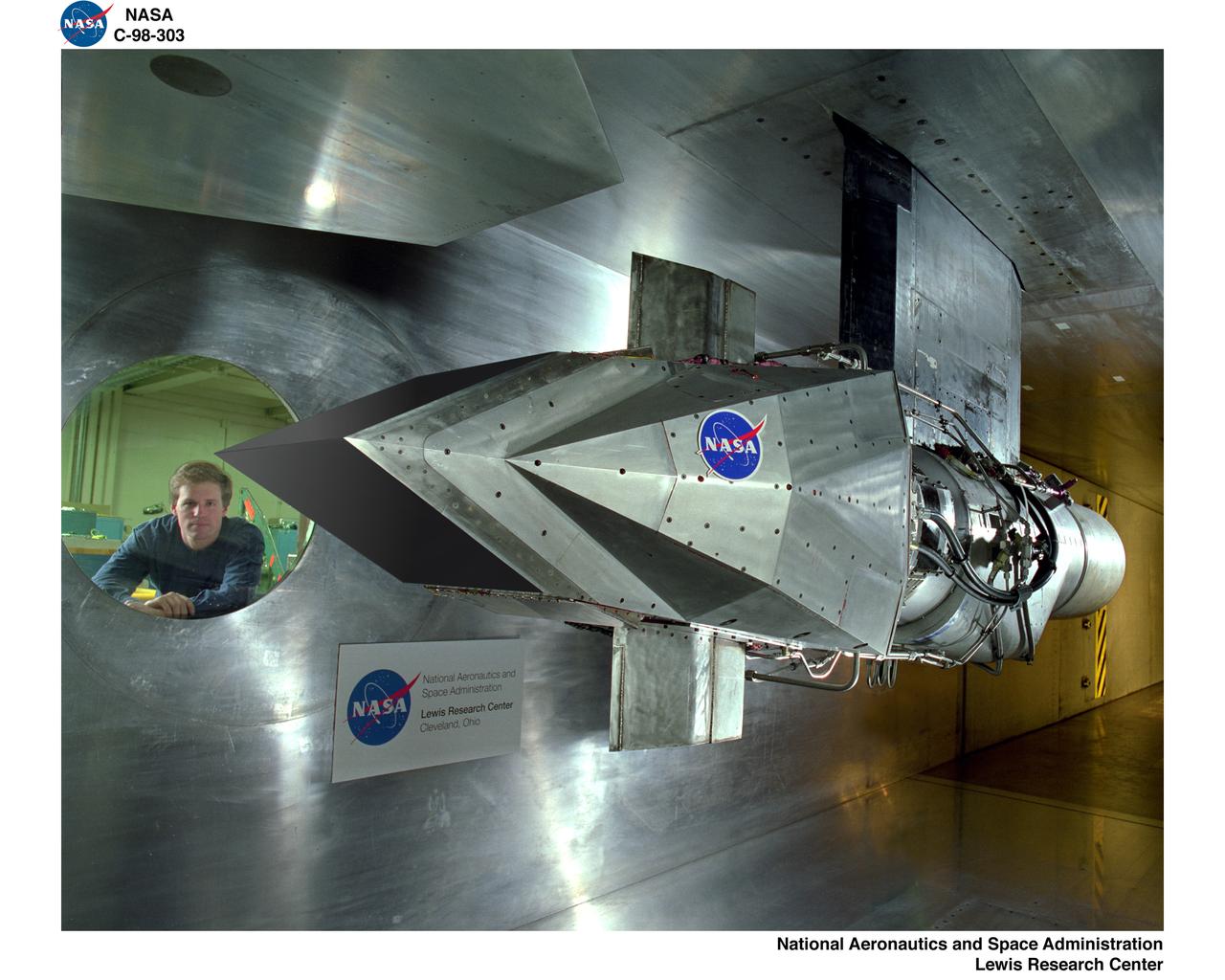
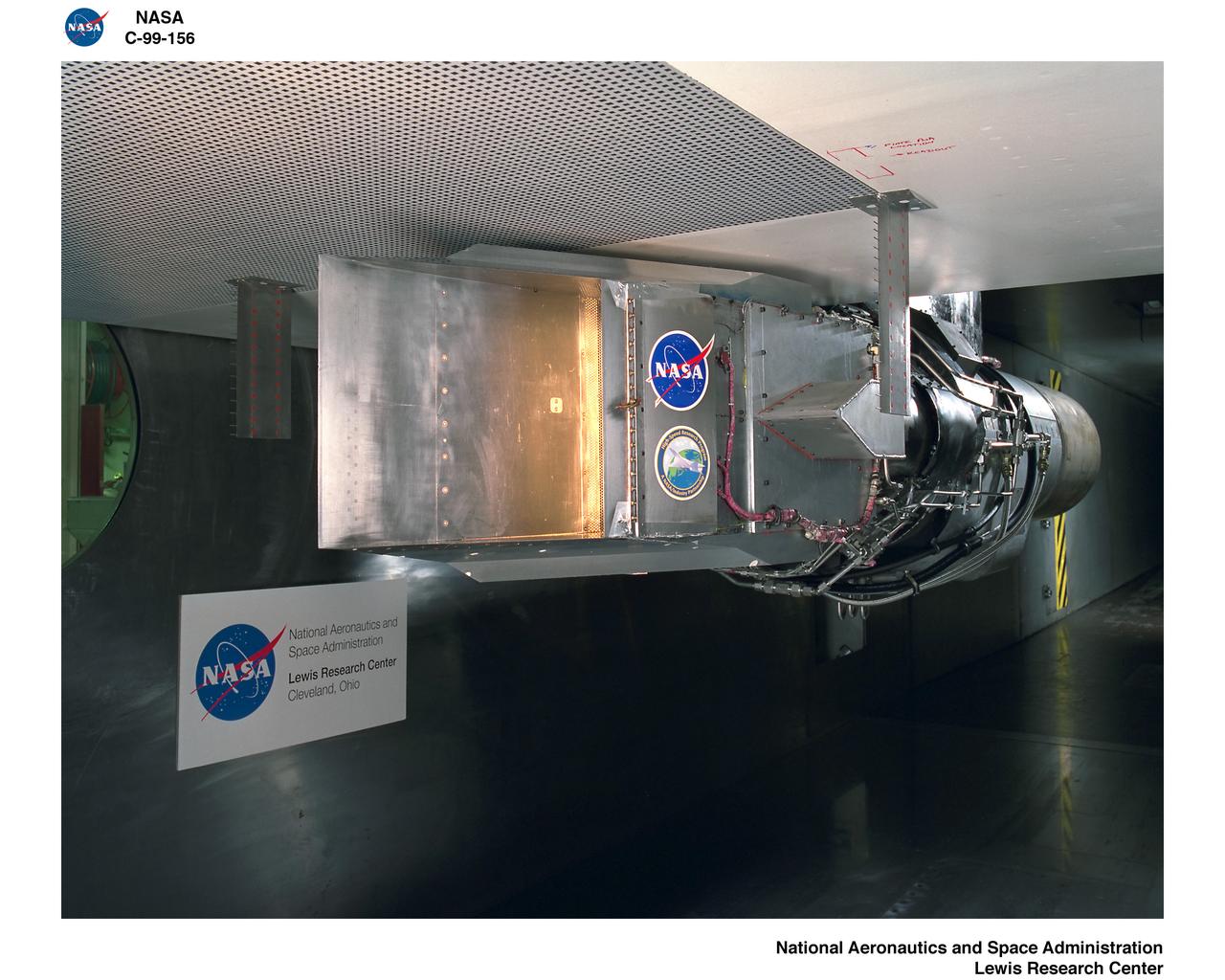
The NASA Fundamental Aeronautics Hypersonics project is focused on technologies for combined cycle, air-breathing propulsions systems to enable reusable launch systems for access to space. Turbine Based Combined Cycle (TBCC) propulsion systems offer specific impulse (Isp) improvements over rocket-based propulsion systems in the subsonic takeoff and re turn mission segments and offer improved safety. The potential to realize more aircraft-like operations with expanded launch site capability and reduced system maintenance are additional benefits.
The NASA Fundamental Aeronautics Hypersonics project is focused on technologies for combined cycle, air-breathing propulsions systems to enable reusable launch systems for access to space. Turbine Based Combined Cycle (TBCC) propulsion systems offer specific impulse (Isp) improvements over rocket-based propulsion systems in the subsonic takeoff and re turn mission segments and offer improved safety. The potential to realize more aircraft-like operations with expanded launch site capability and reduced system maintenance are additional benefits.