Mars Science Laboratory, MSL Flexible Canopy Test in the Glenn Research Center, 10x10 Supersonic Wind Tunnel
GRC-2008-C-04257
Mars Science Laboratory (MSL) Flexible Canopy Testing in the Glenn Research Center, 10x10 Supersonic Wind Tunnel
Mars Science Laboratory (MSL) Flexible Canopy Test
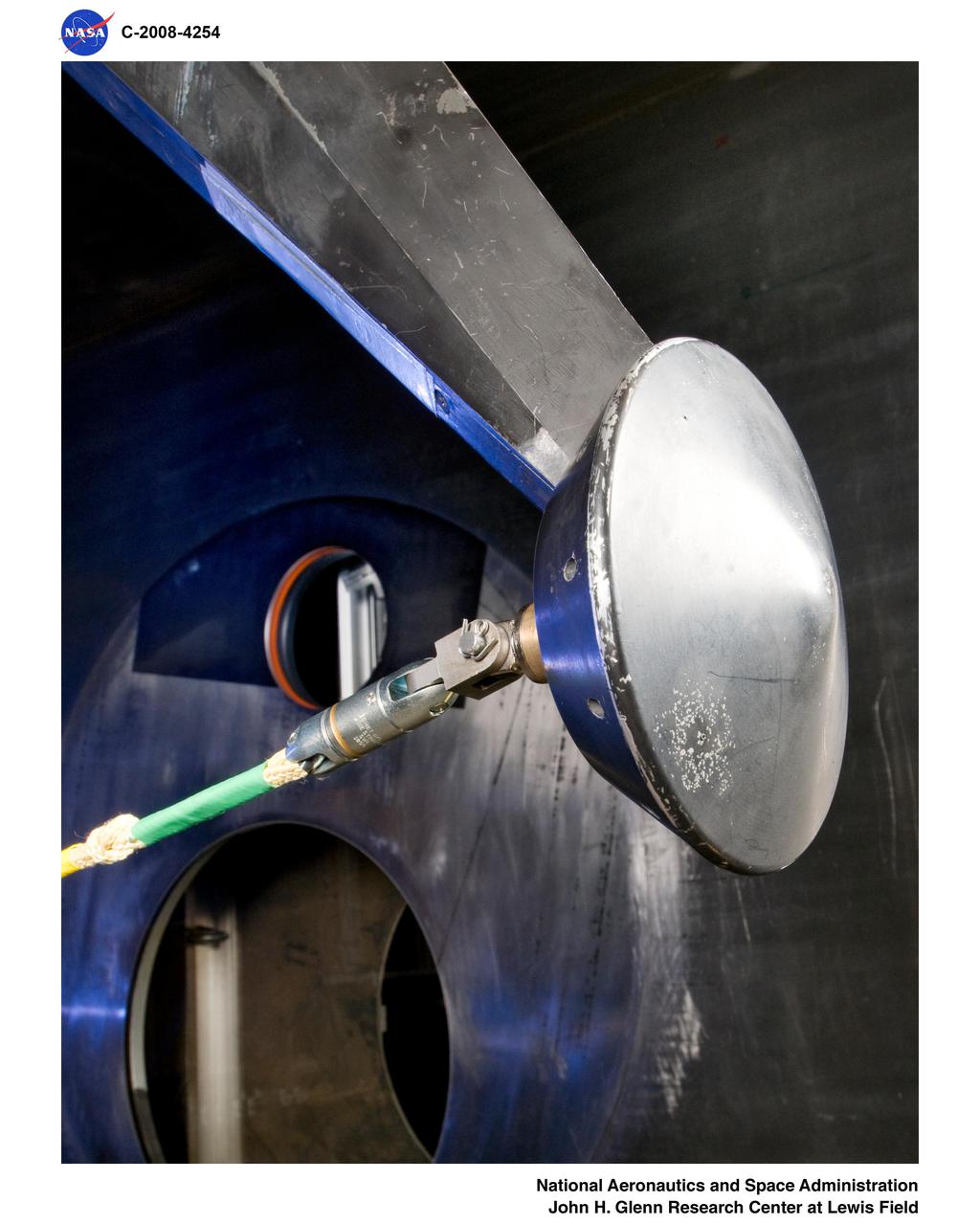
Mars Science Laboratory, MSL Flexible Canopy Test in the Glenn Research Center, 10x10 Supersonic Wind Tunnel
GRC-2008-C-04254
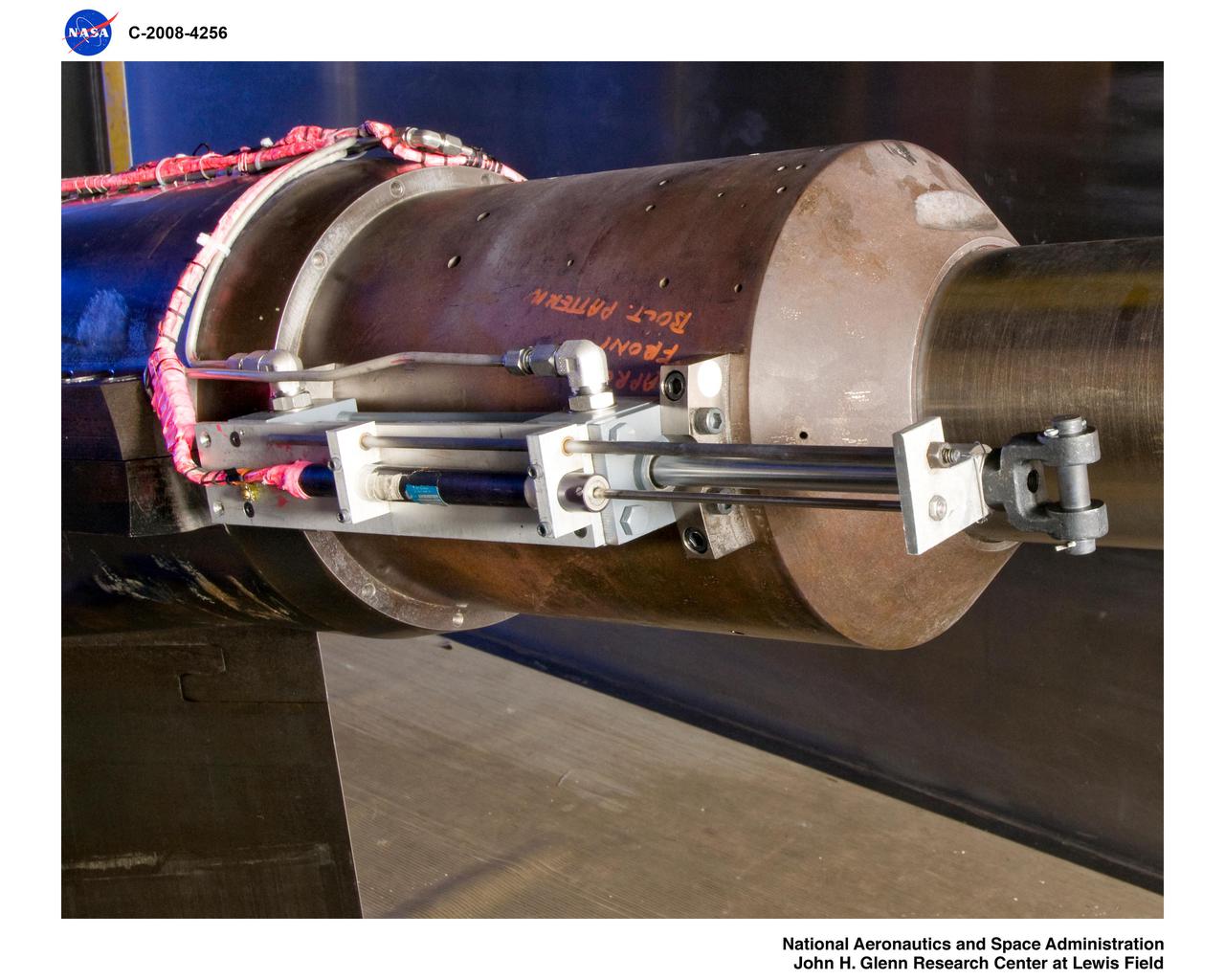
Mars Science Laboratory, MSL Flexible Canopy Test in the Glenn Research Center, 10x10 Supersonic Wind Tunnel
GRC-2008-C-04256
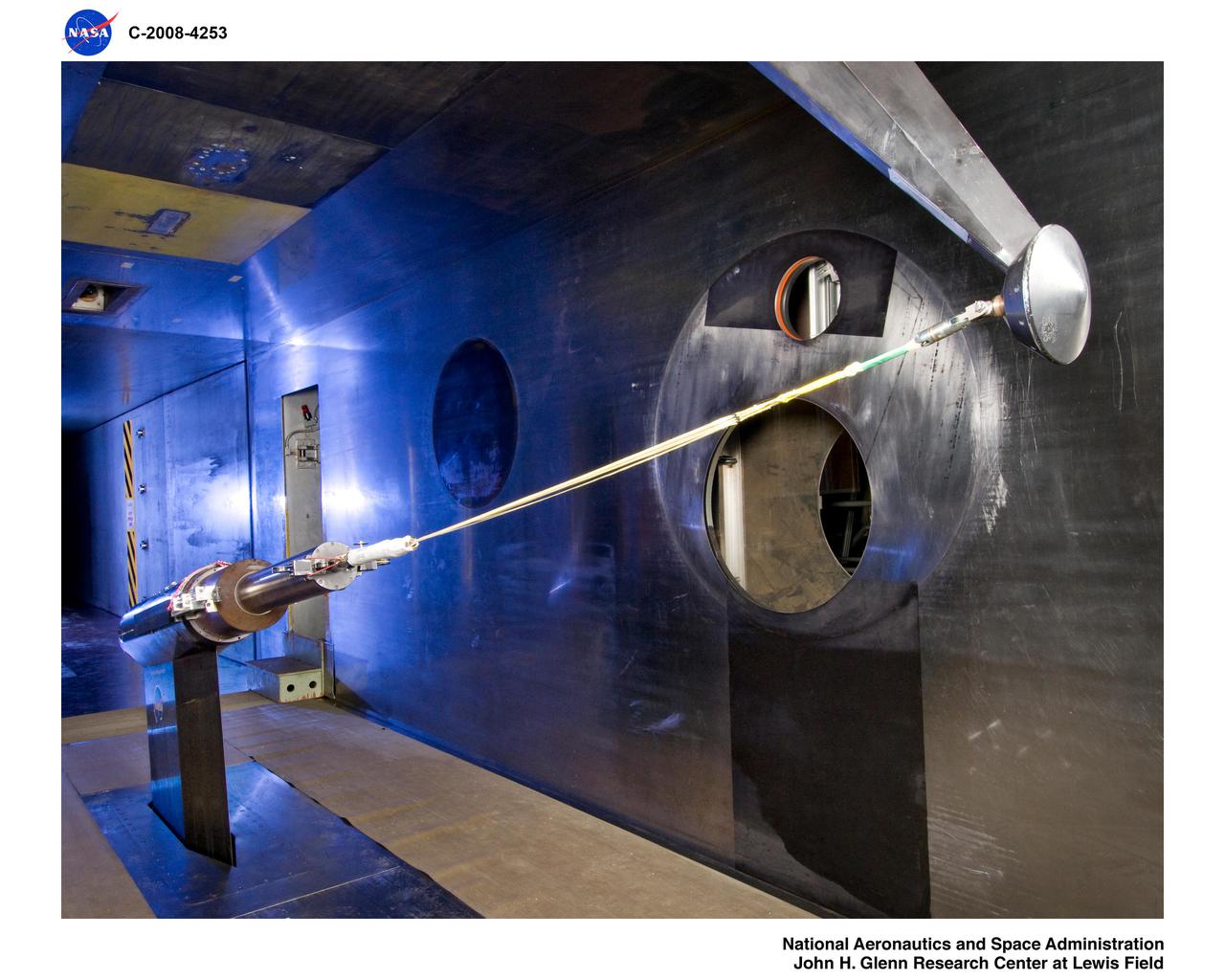
Mars Science Laboratory, MSL Flexible Canopy Test in the Glenn Research Center, 10x10 Supersonic Wind Tunnel
GRC-2008-C-04253
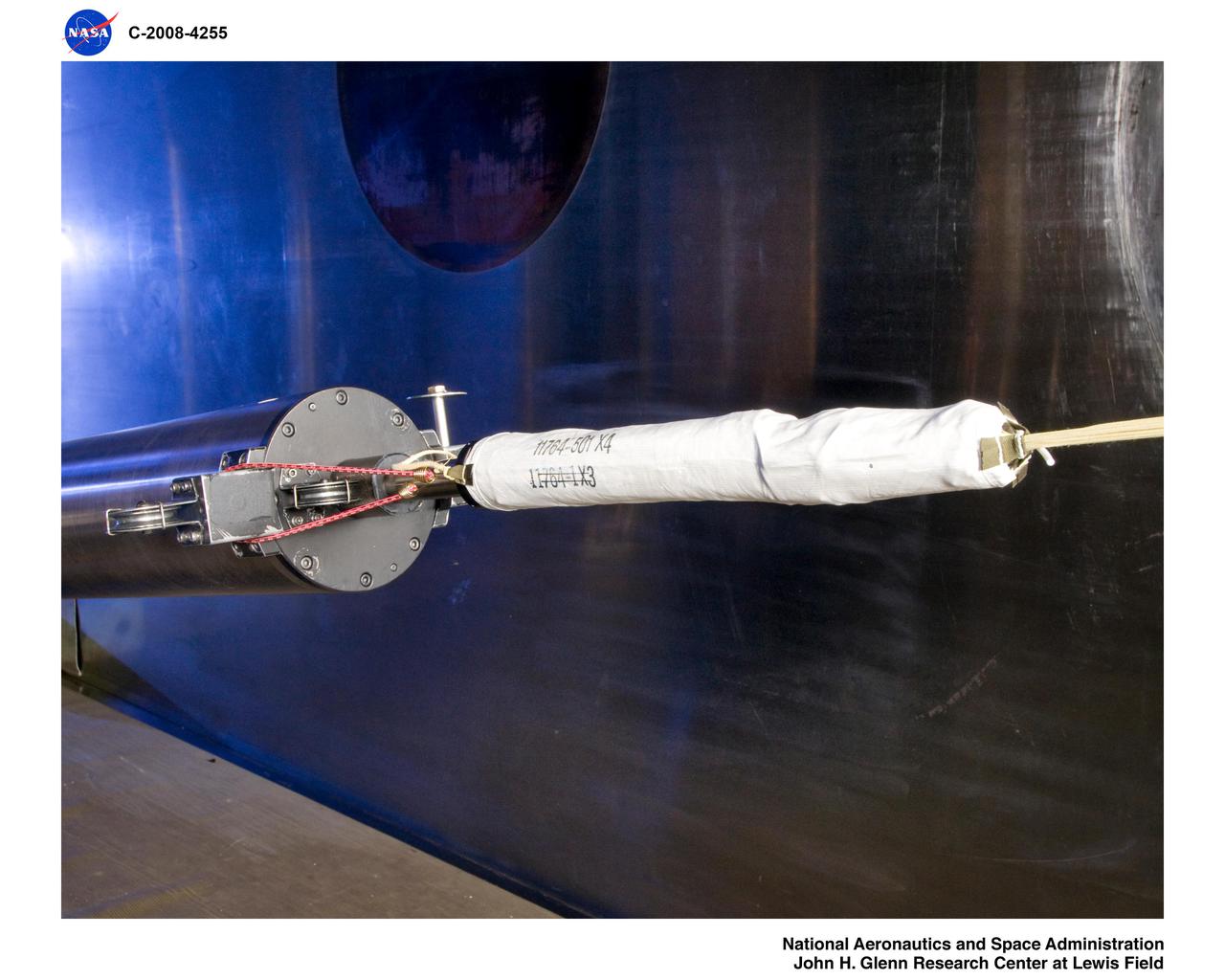
Mars Science Laboratory, MSL Flexible Canopy Test in the Glenn Research Center, 10x10 Supersonic Wind Tunnel
GRC-2008-C-04255
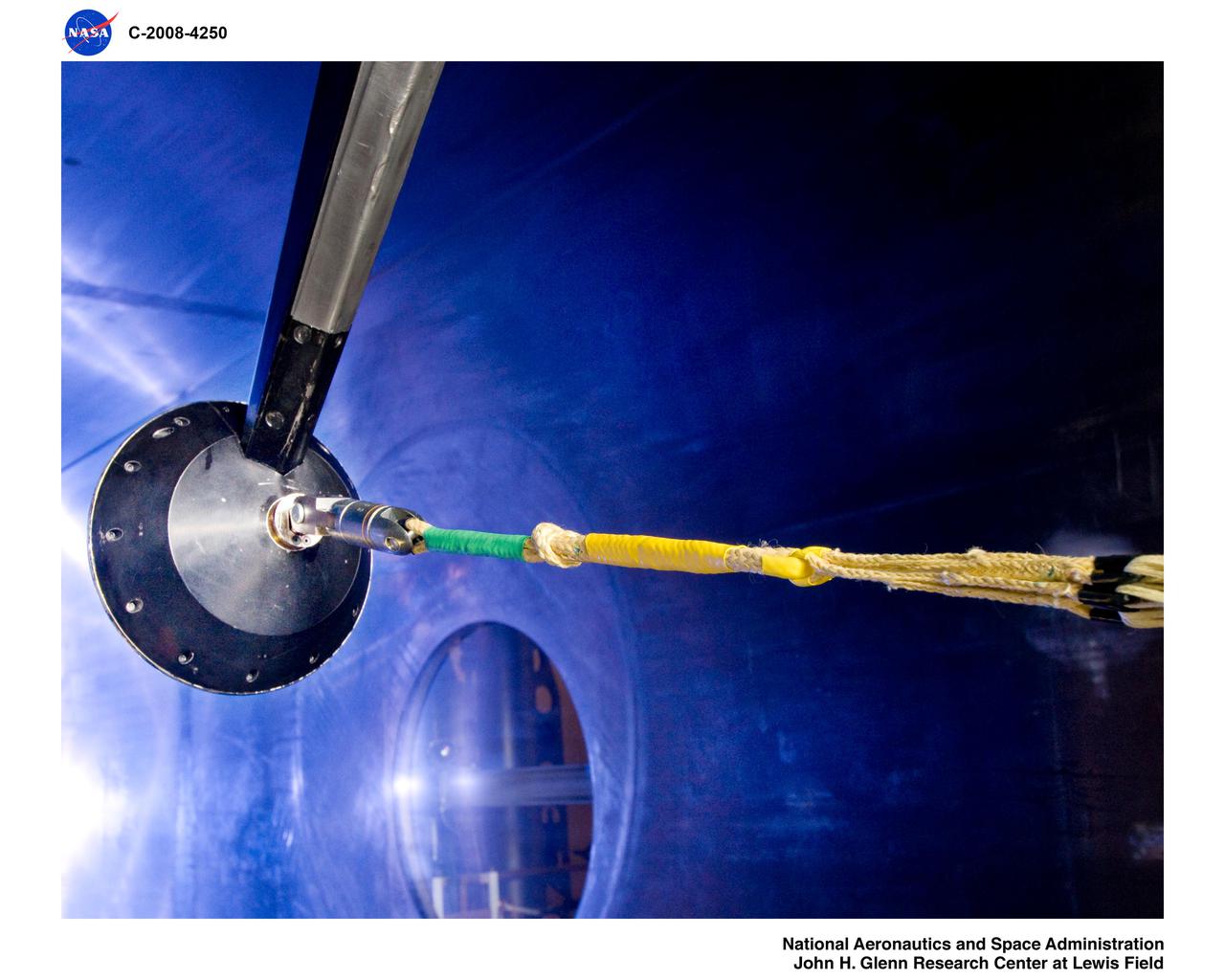
Mars Science Laboratory, MSL Flexible Canopy Test in the Glenn Research Center, 10x10 Supersonic Wind Tunnel
GRC-2008-C-04250
5 HOLE PROBE CALLIBRATION FOR 10X10 FOOT SUPERSONIC WIND TUNNEL AND 8X6 FOOT SUPERSONIC WIND TUNNEL COMPARISON TEST
GRC-2000-C-00464
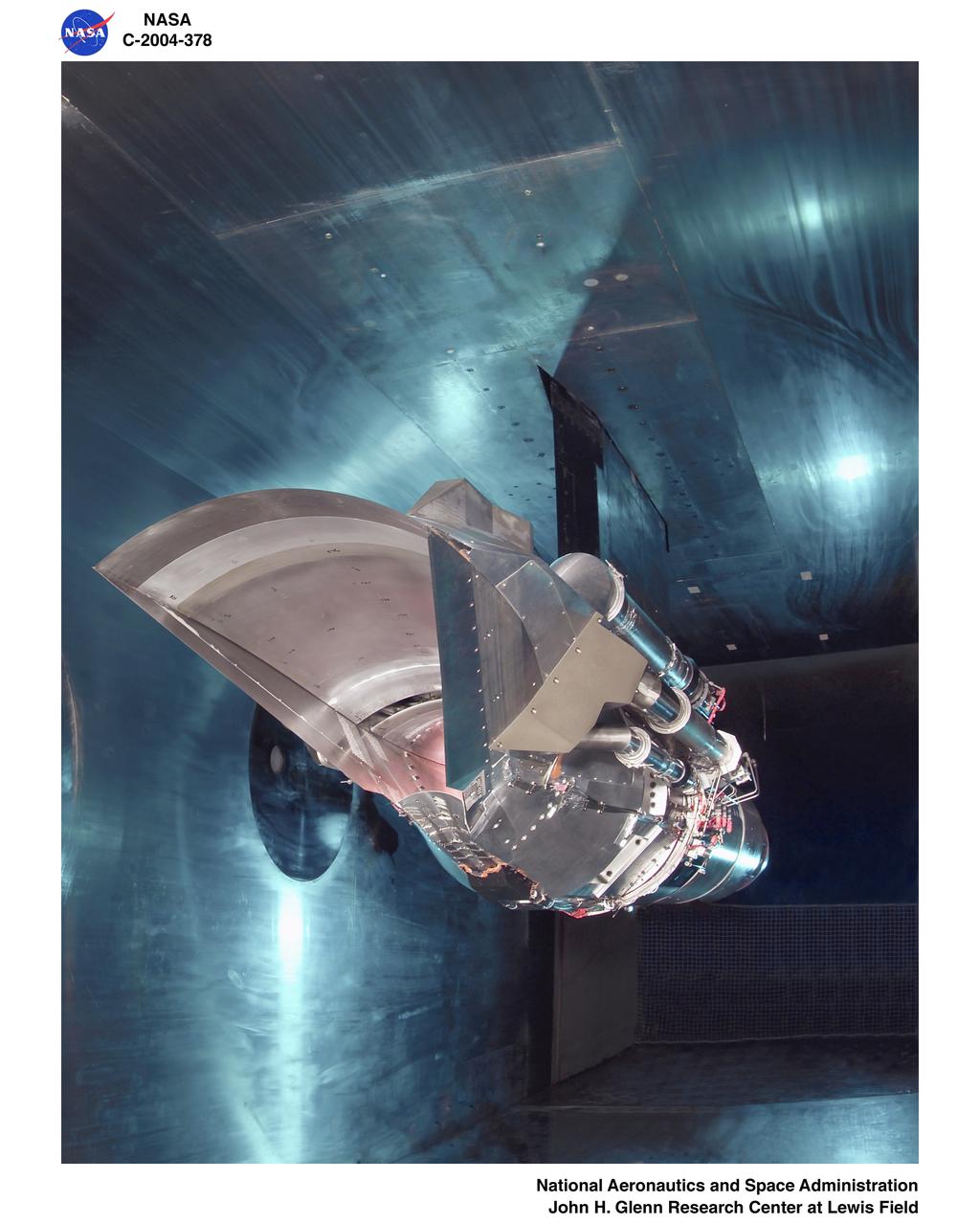
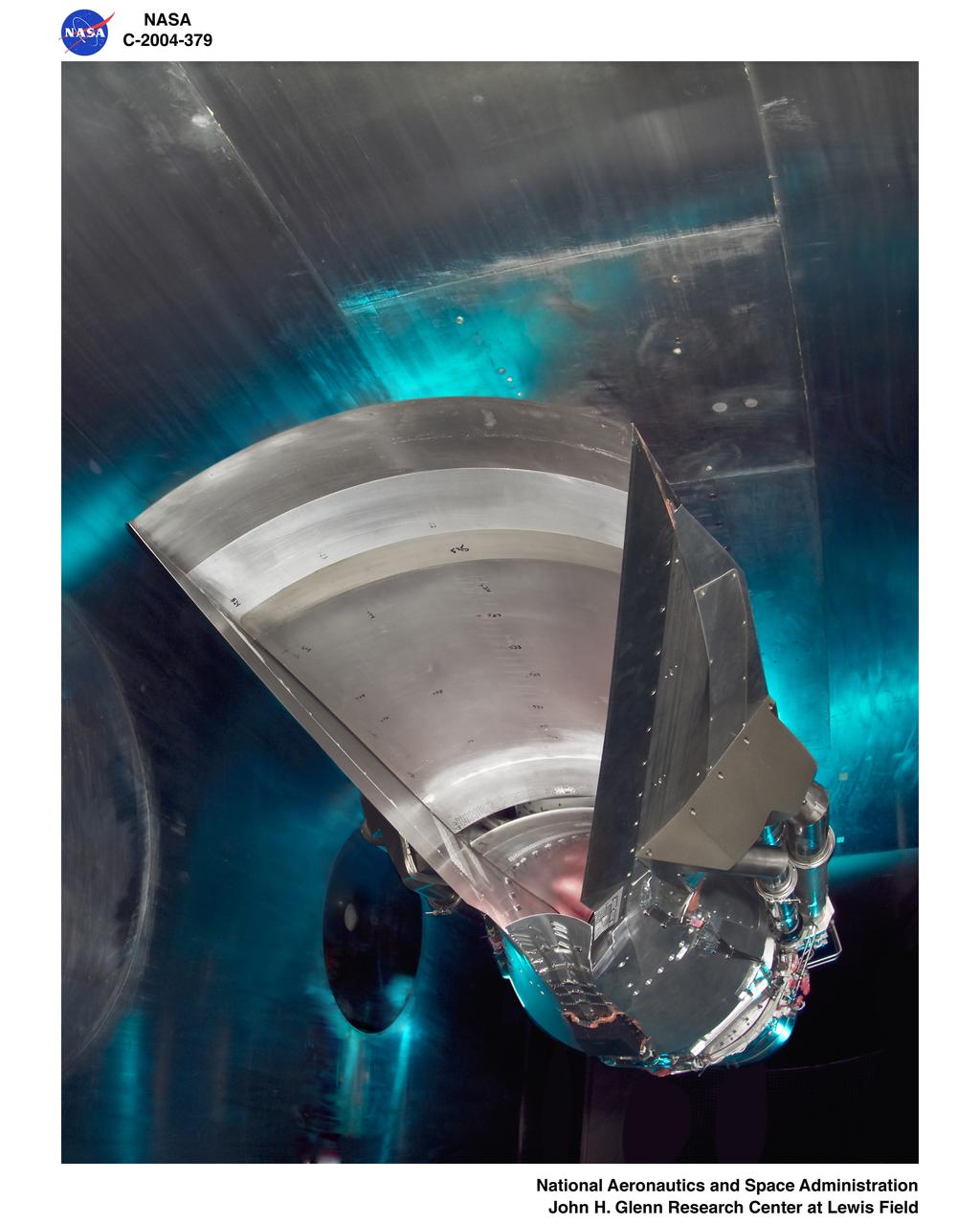
Parametric Inlet Model in 10x10 Wind Tunnel
GRC-2004-C-00378
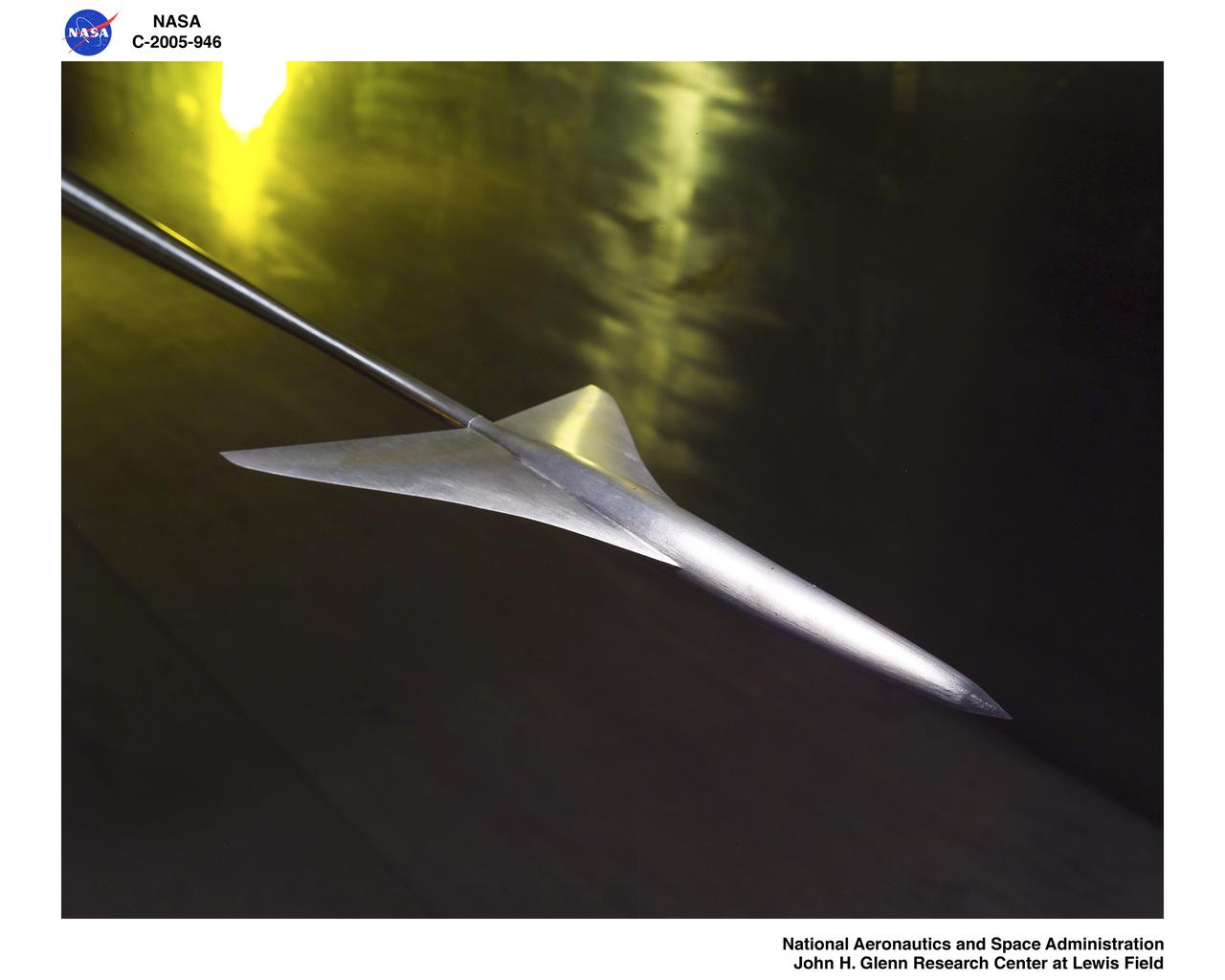
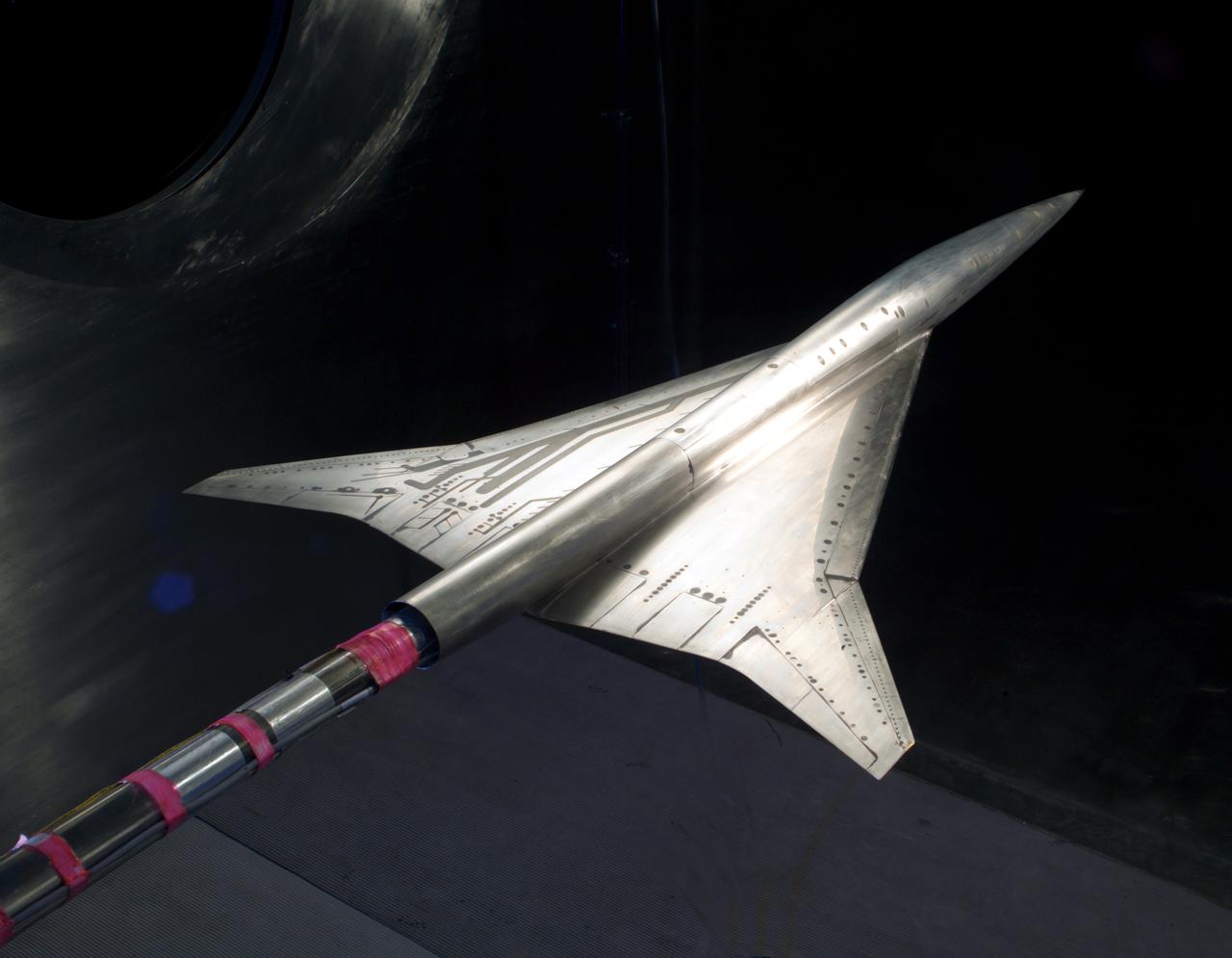
Sonic Boom Model in the Abe Silverstein Supersonic Wind Tunnel (10x10)
GRC-2005-C-00946
UNSTART PROGRAM - 10X10 FOOT SUPERSONIC WIND TUNNEL AS PART OF THE HIGH SPEED RESEARCH PROGRAM
GRC-1999-C-00134
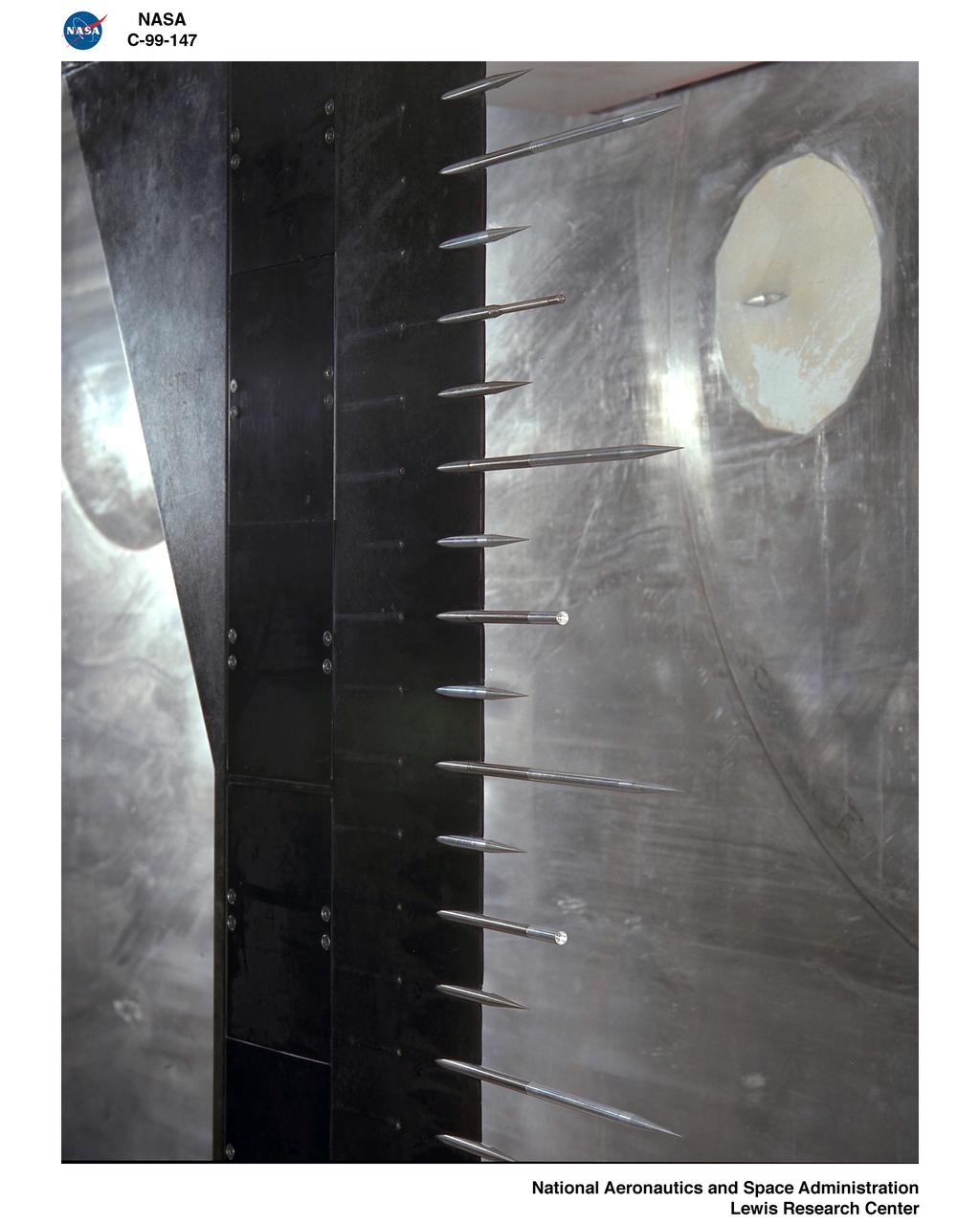
UNSTART PROGRAM - 10X10 FOOT SUPERSONIC WIND TUNNEL AS PART OF THE HIGH SPEED RESEARCH PROGRAM
GRC-1999-C-00147
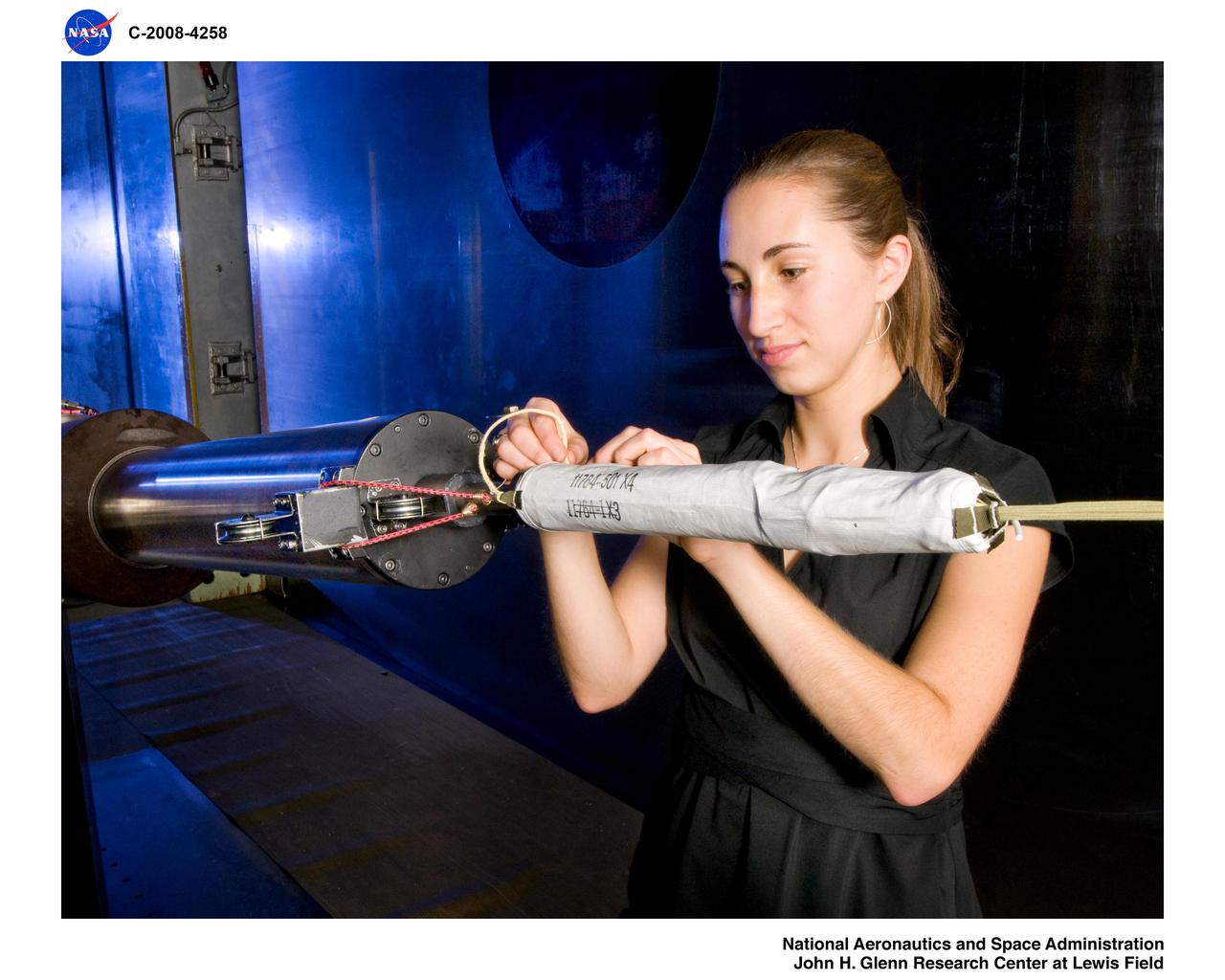
Mars Science Laboratory, MSL Flexible Canopy Test in the Glenn Research Center, 10x10 Supersonic Wind Tunnel
GRC-2008-C-04258
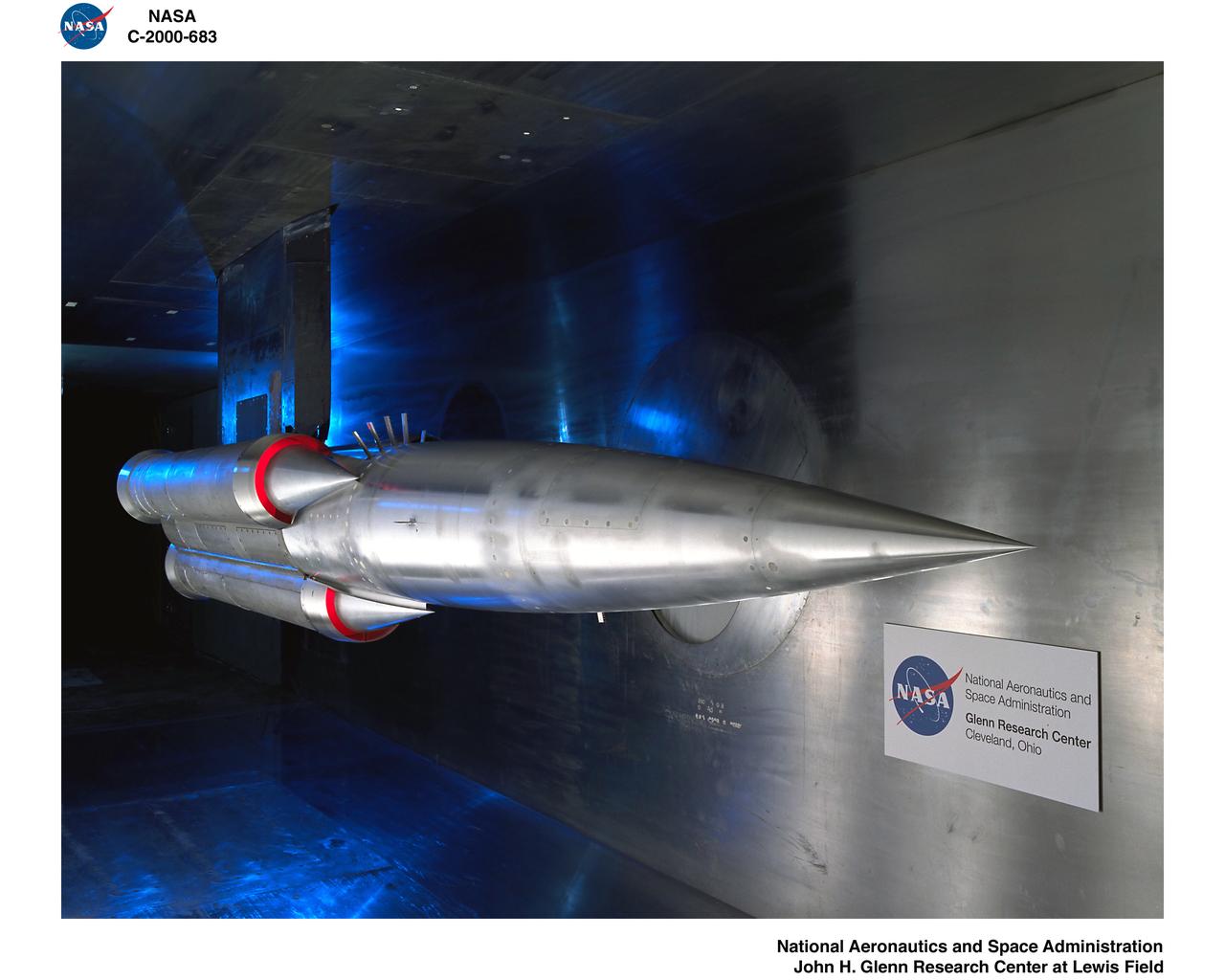
ROCKET BASED COMBINED CYCLE  -  RBCC  -  RIG 3.1 MODEL INSTALLED IN 10X10 FOOT SUPERSONIC WIND TUNNEL TEST SECTION
GRC-2000-C-00683
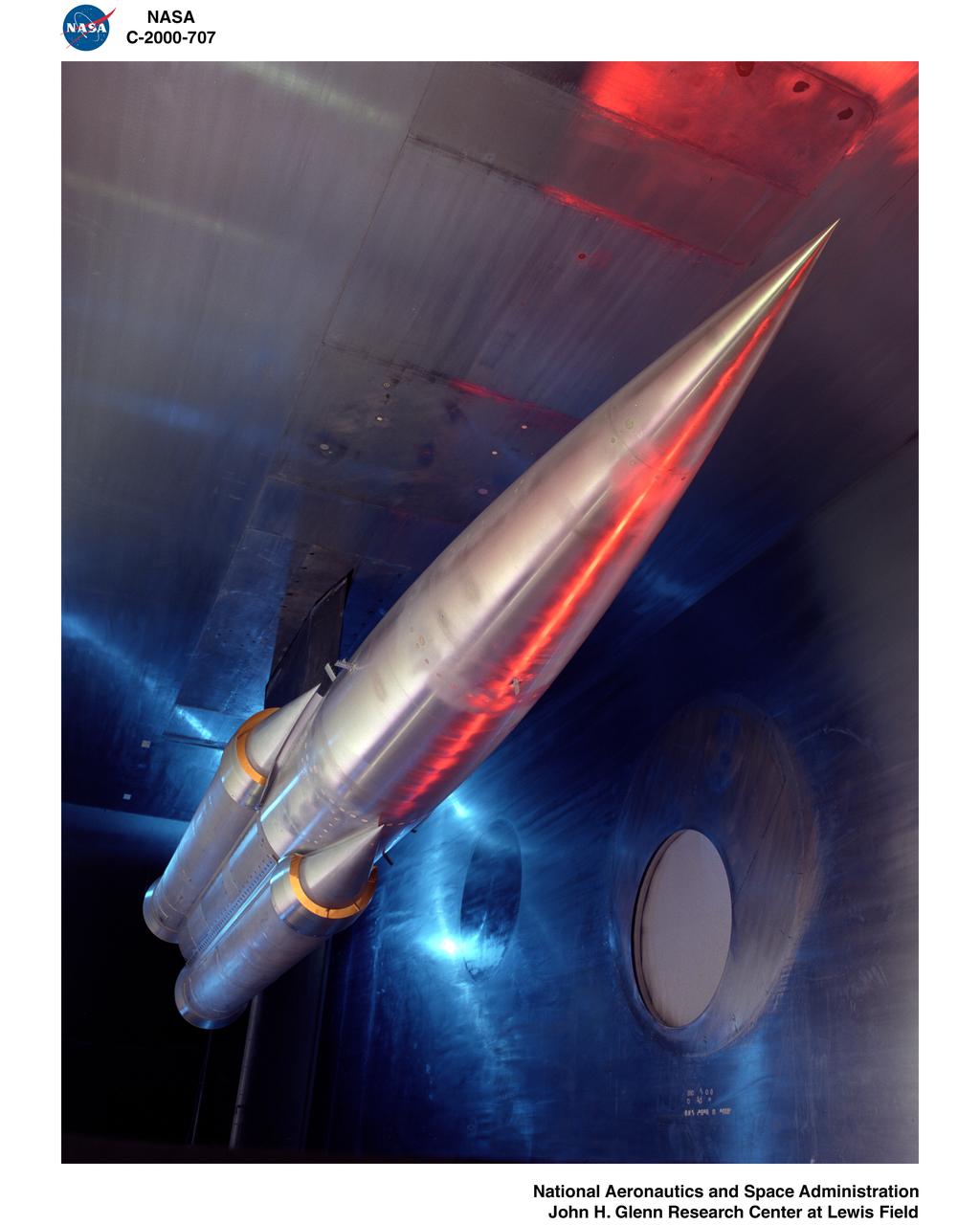
ROCKET BASED COMBINED CYCLE  -  RBCC  -  RIG 3.1 MODEL INSTALLED IN 10X10 FOOT SUPERSONIC WIND TUNNEL TEST SECTION
GRC-2000-C-00707
UNSTART PROGRAM - 10X10 FOOT SUPERSONIC WIND TUNNEL AS PART OF THE HIGH SPEED RESEARCH PROGRAM
GRC-1999-C-00146
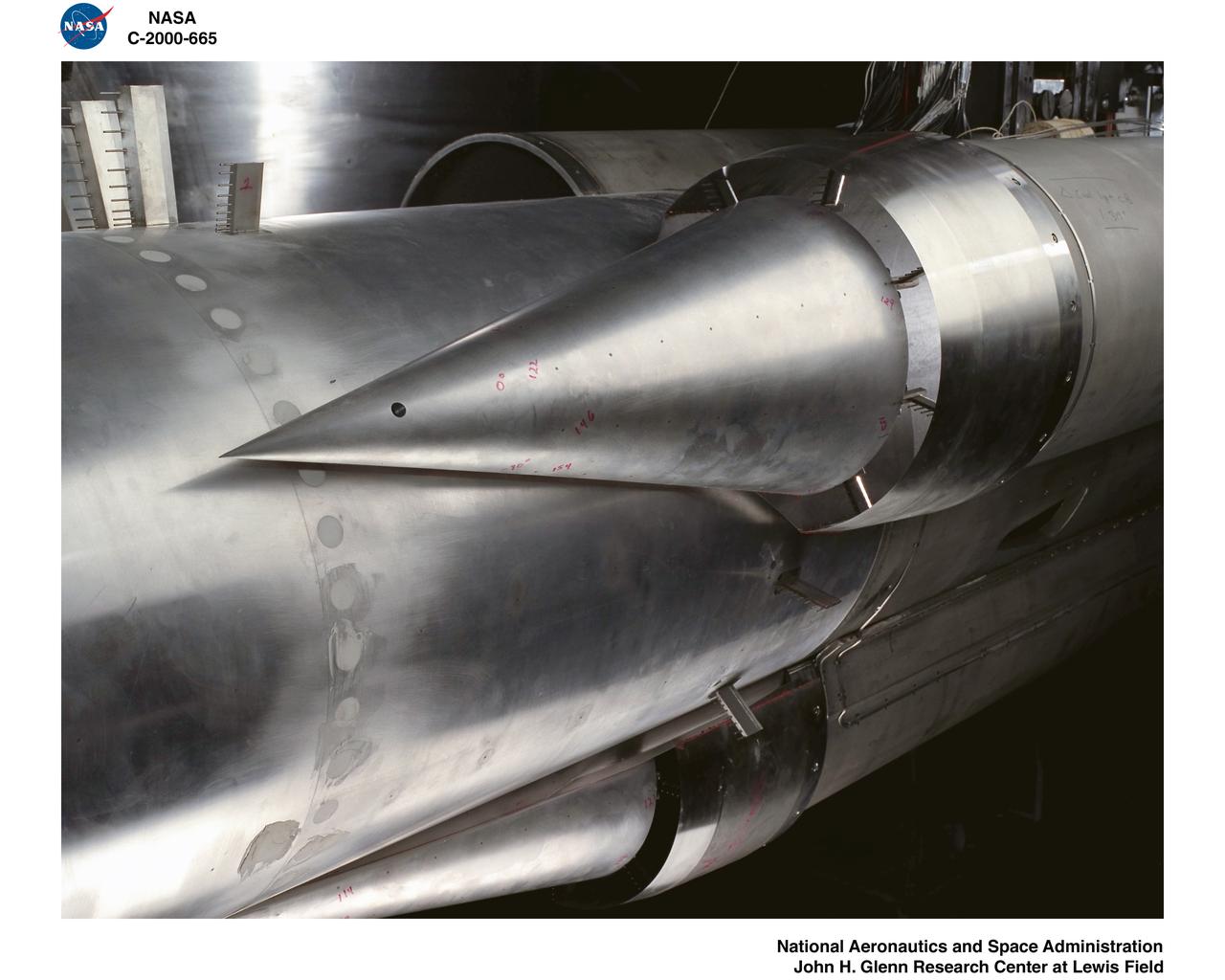
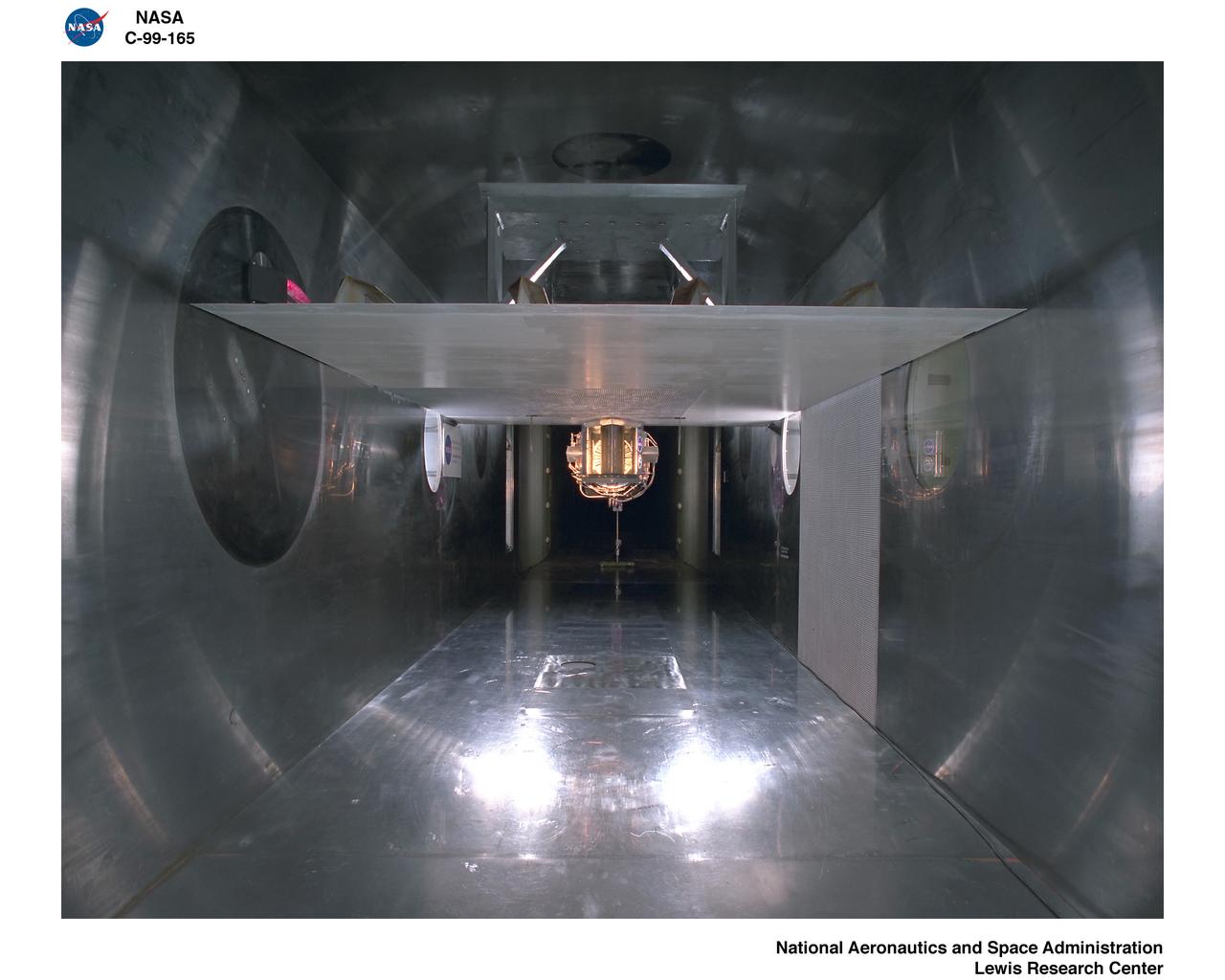
ROCKET BASED COMBINED CYCLE  -  RBCC  -  RIG 3.1 MODEL INSTALLED IN 10X10 FOOT SUPERSONIC WIND TUNNEL TEST SECTION
GRC-2000-C-00665
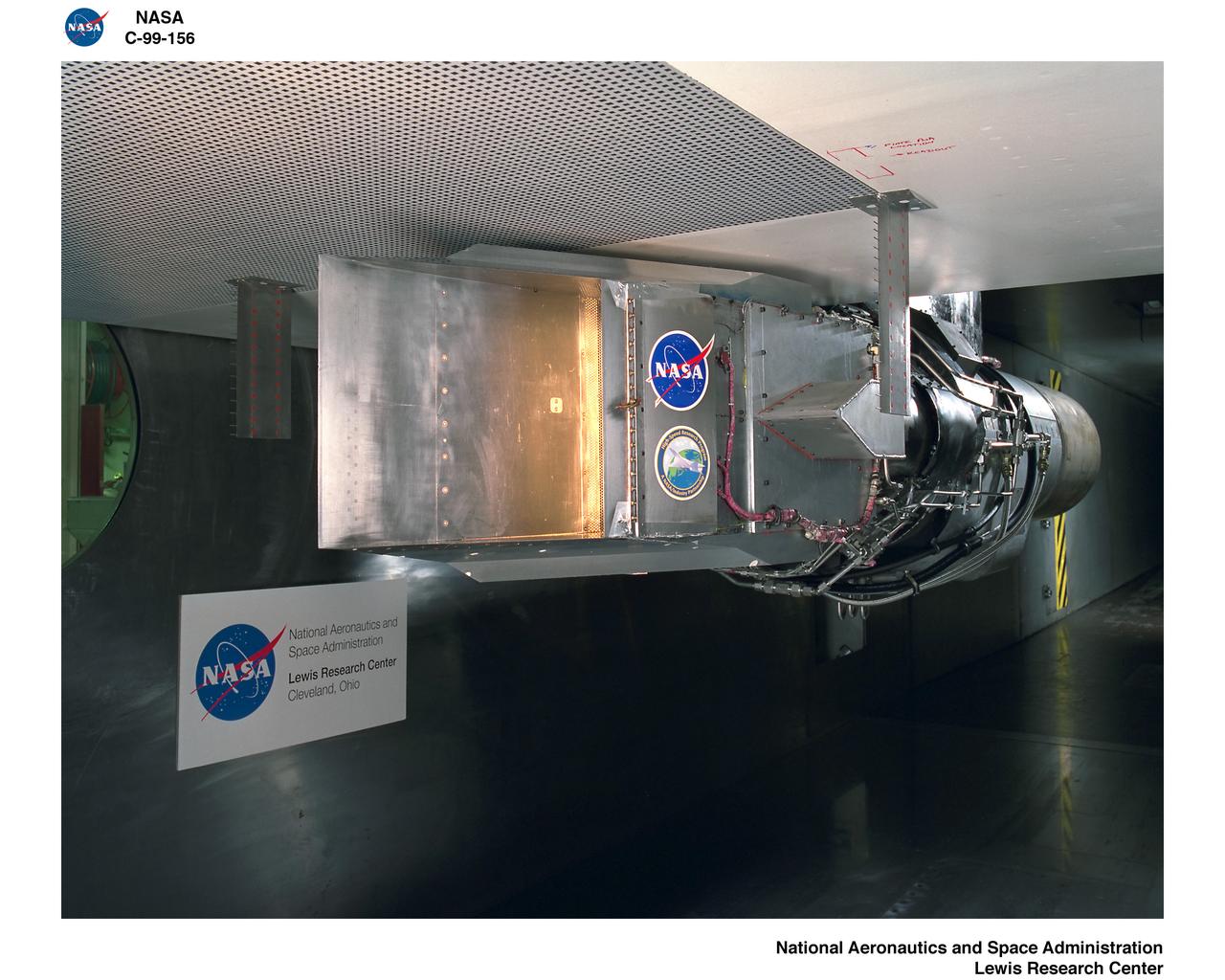
UNSTART PROGRAM - 10X10 FOOT SUPERSONIC WIND TUNNEL AS PART OF THE HIGH SPEED RESEARCH PROGRAM
GRC-1999-C-00166
UNSTART PROGRAM - 10X10 FOOT SUPERSONIC WIND TUNNEL AS PART OF THE HIGH SPEED RESEARCH PROGRAM
GRC-1999-C-00165
UNSTART PROGRAM - 10X10 FOOT SUPERSONIC WIND TUNNEL AS PART OF THE HIGH SPEED RESEARCH PROGRAM
GRC-1999-C-00156
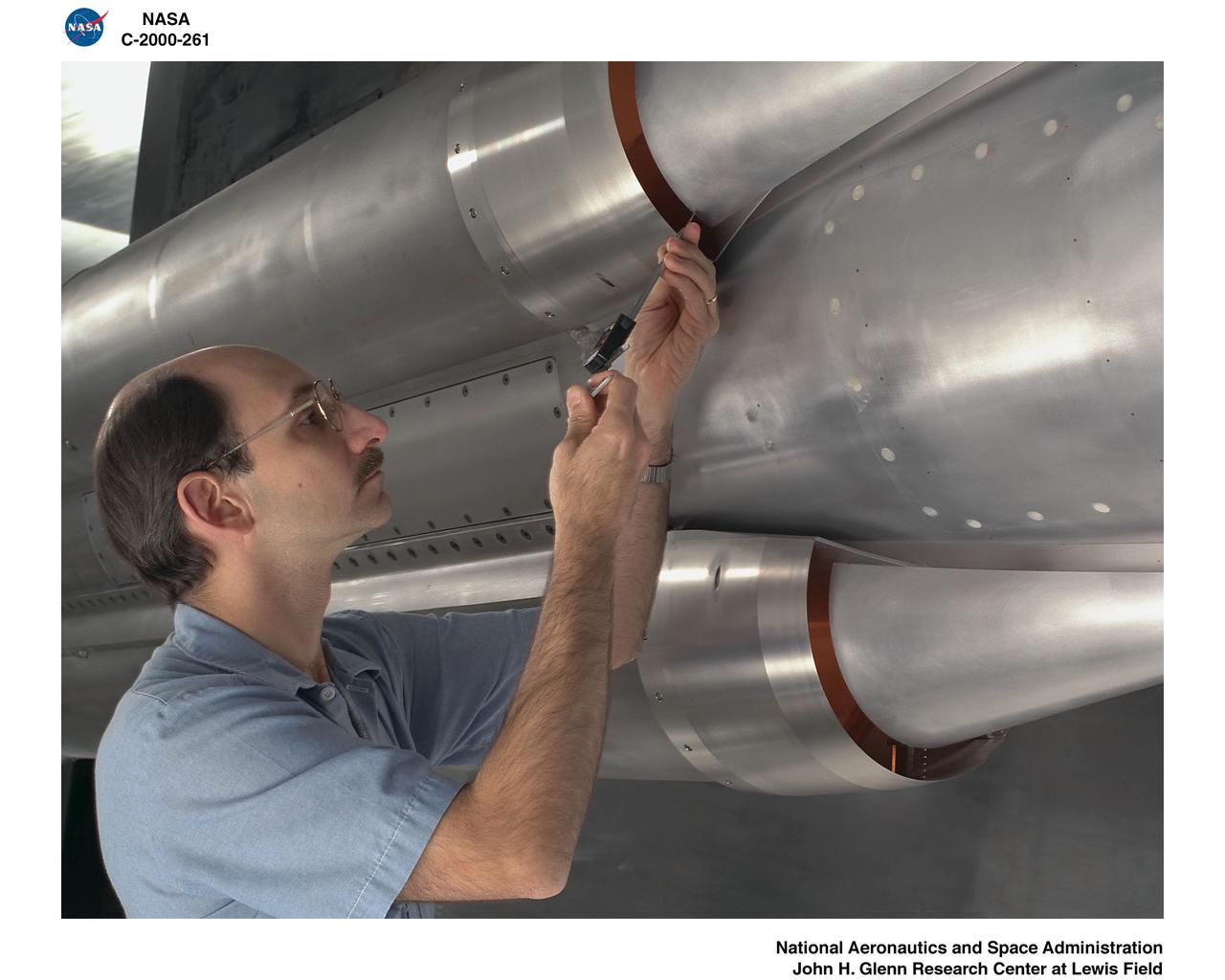
DAN KOVACH WORKING ON THE ROCKET BASED COMBINED CYCLE RIG 3.1 MODEL IN THE 10X10 FOOT SUPERSONIC WIND TUNNEL
GRC-2000-C-00261
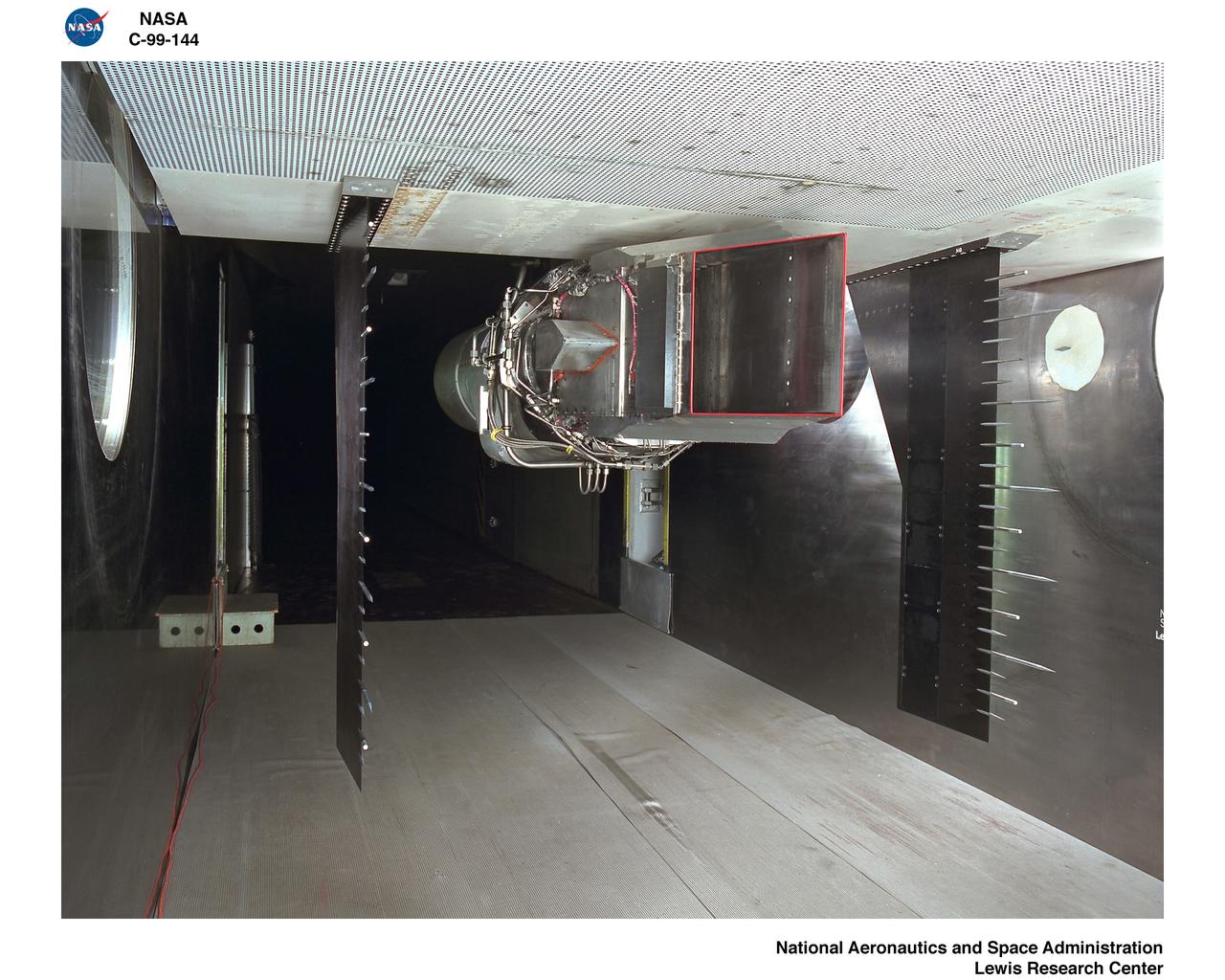
UNSTART PROGRAM - 10X10 FOOT SUPERSONIC WIND TUNNEL AS PART OF THE HIGH SPEED RESEARCH PROGRAM
GRC-1999-C-00144
Parametric Inlet Model in 10x10 Wind Tunnel
GRC-2004-C-00379
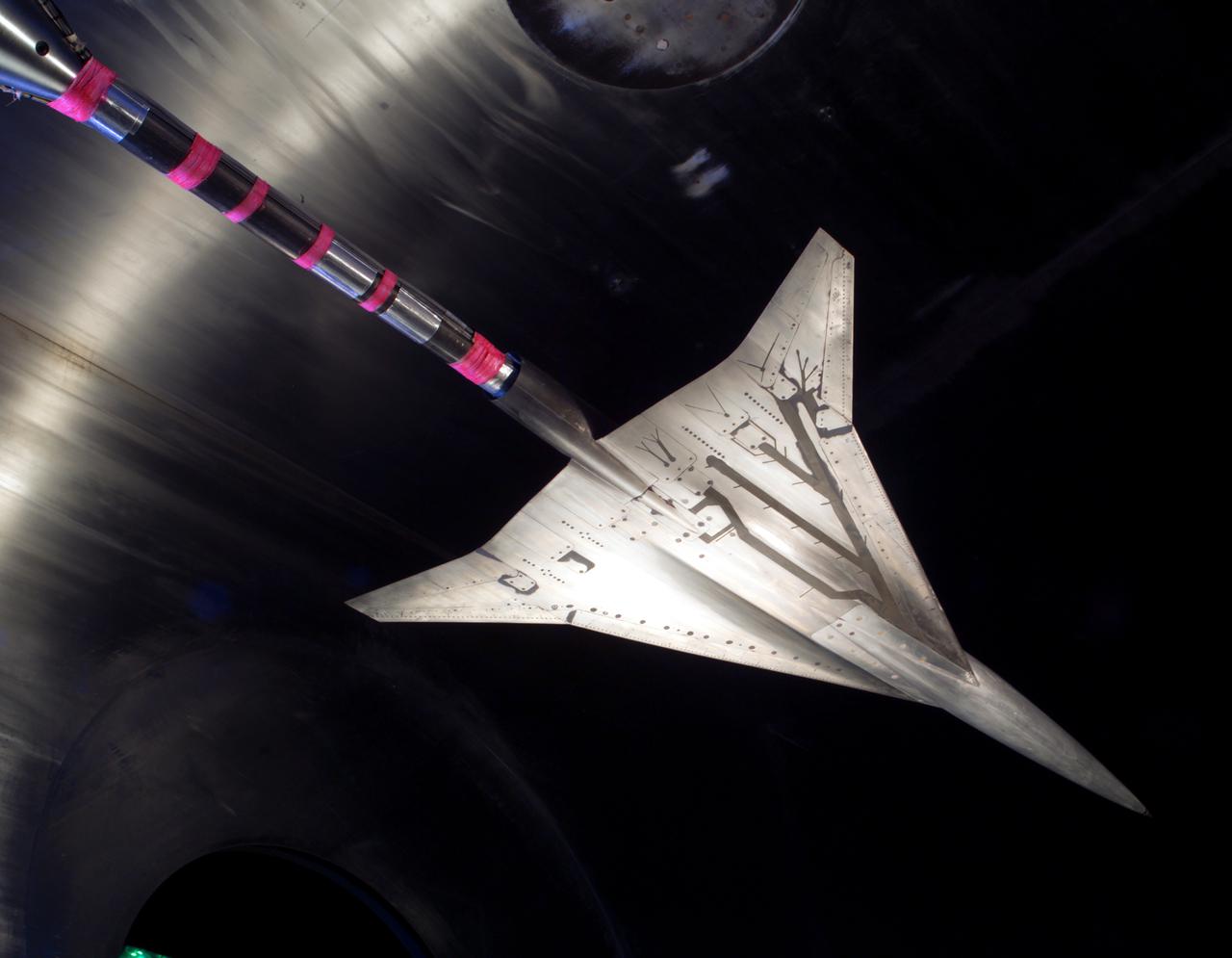
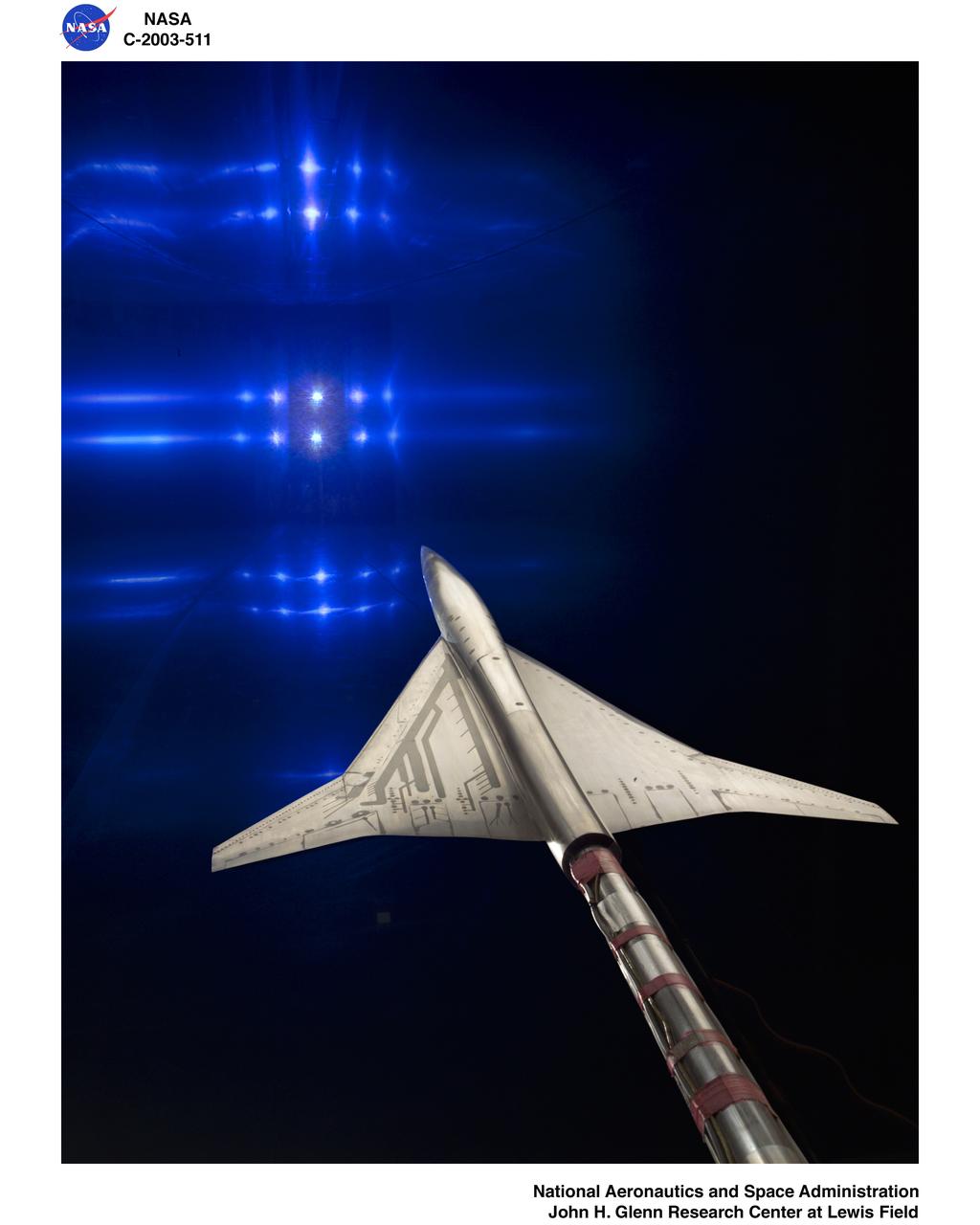
NASA Glenn/NASA Langley, Loads Comparison Test With 6 Component Force/Moment Balance and 1.7% High Speed Research, HSR Model 5. In the Glenn Research Center 10x10 Foot Supersonic Wind Tunnel, SWT
NASA Glenn/NASA Langley Loads Comparison Test with 6 Component Force/Moment Balance and 1.7% High Speed Research, HSR Model 5
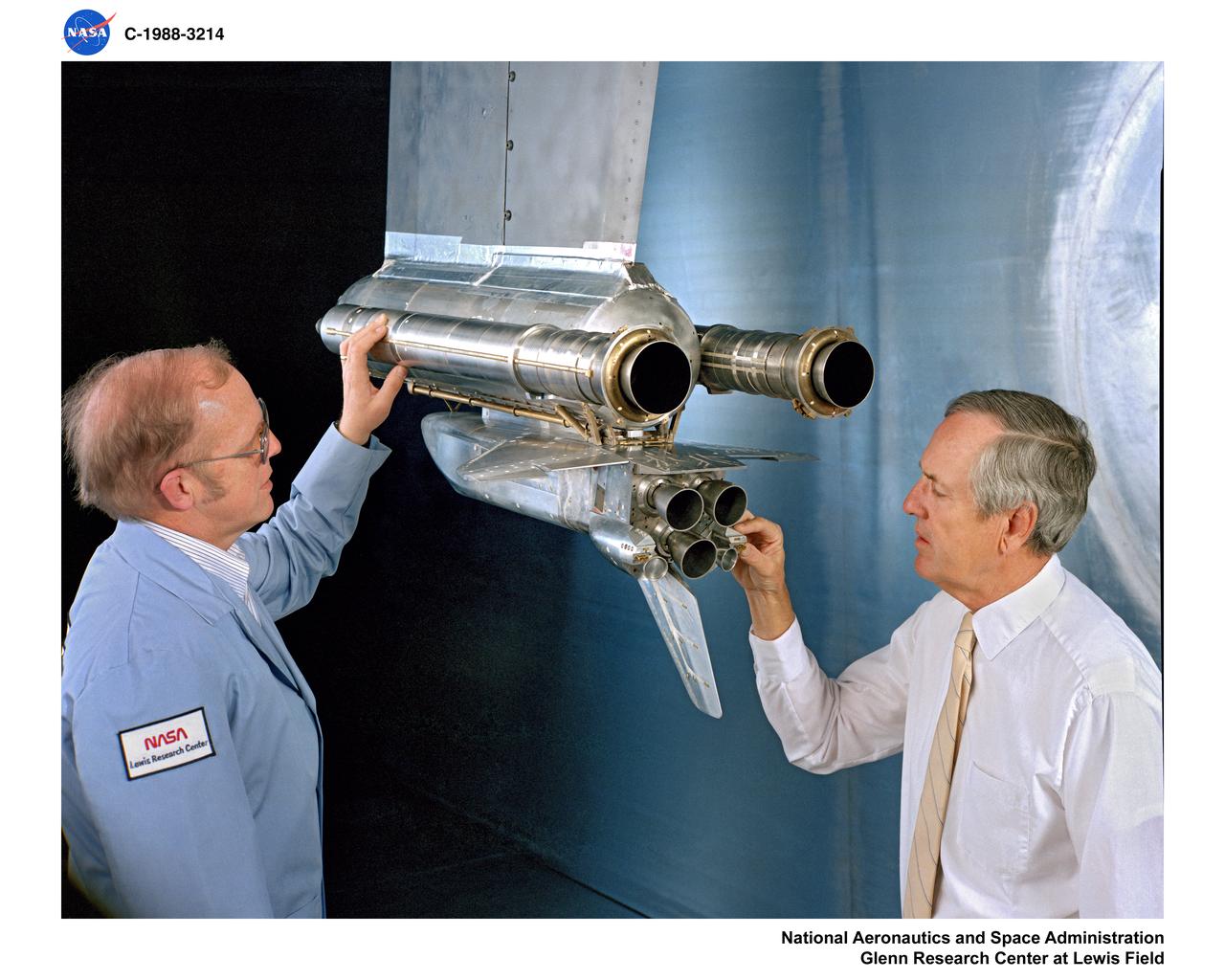
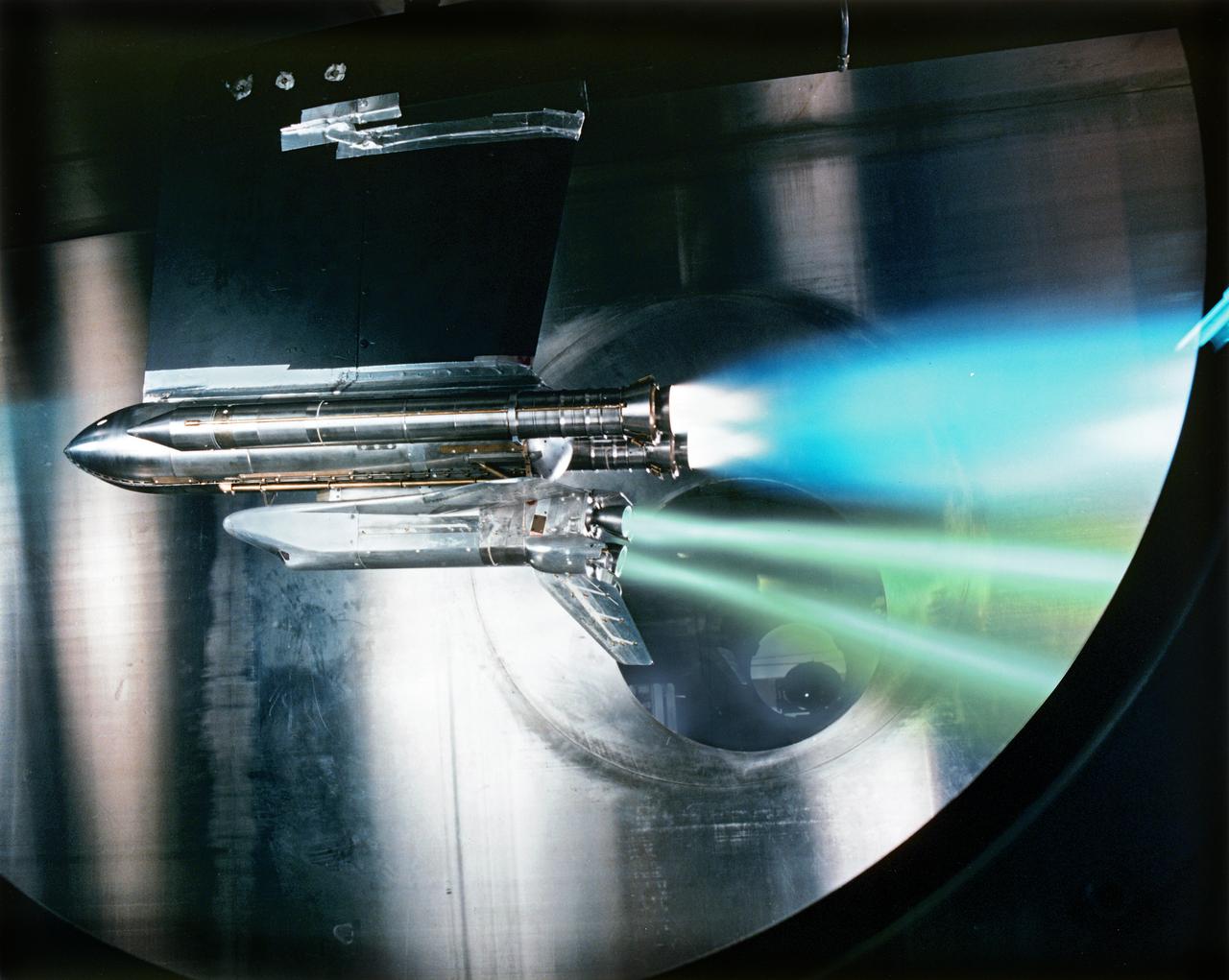
This test conducted in May 1988 shows what happens during launch if a space shuttle main engine fails. The test was conducted in the 10X10 supersonic wind tunnel at the John H. Glenn Research Center.
This test conducted in May 1988 shows what happens during launch
NASA GLENN/NASA LANGLEY LOADS COMPARISON TEST WITH 6 COMPONENT FORCE/MOMENT BALANCE AND 1.7% HIGH SPEED RESEARCH MODEL 5.l in the 10x10 supersonic wind tunnel
GRC-2003-C-00511
This test conducted in May 1988 shows what happens during launch if a space shuttle main engine fails. The test was conducted in the 10X10 supersonic wind tunnel at the John H. Glenn Research Center.
This test conducted in May 1988 shows what happens during launch
This test conducted in May 1988 shows what happens during launch if a space shuttle main engine fails. The test was conducted in the 10X10 supersonic wind tunnel at the John H. Glenn Research Center.
This test conducted in May 1988 shows what happens during launch
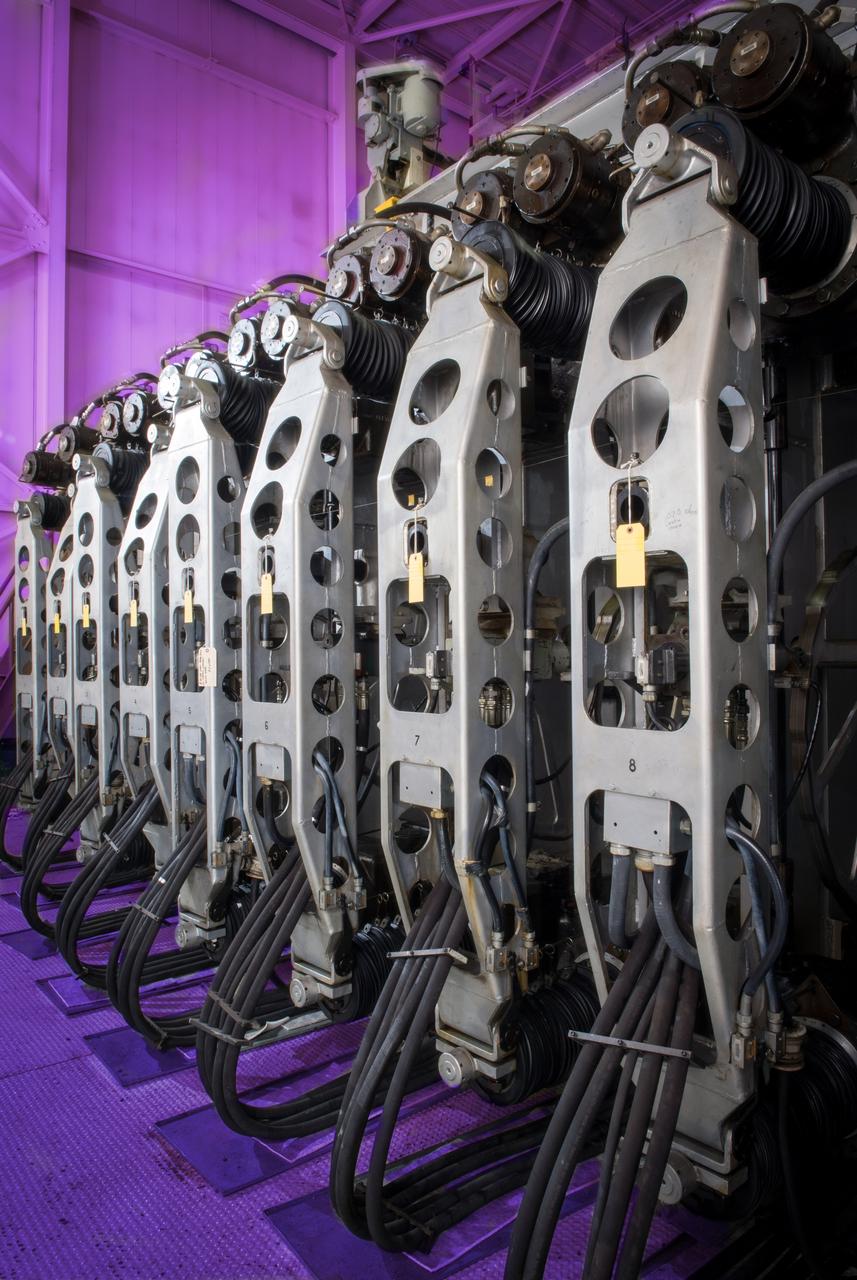
The flexwall section of NASA Glenn’s 10x10 supersonic wind tunnel is made up of two movable flexible steel sidewalls. These powerful hydraulic jacks move the walls in and out to control supersonic air speeds in the test section between Mach 2.0 and 3.5.
10' x 10' Supersonic Wind Tunnel Flexwall
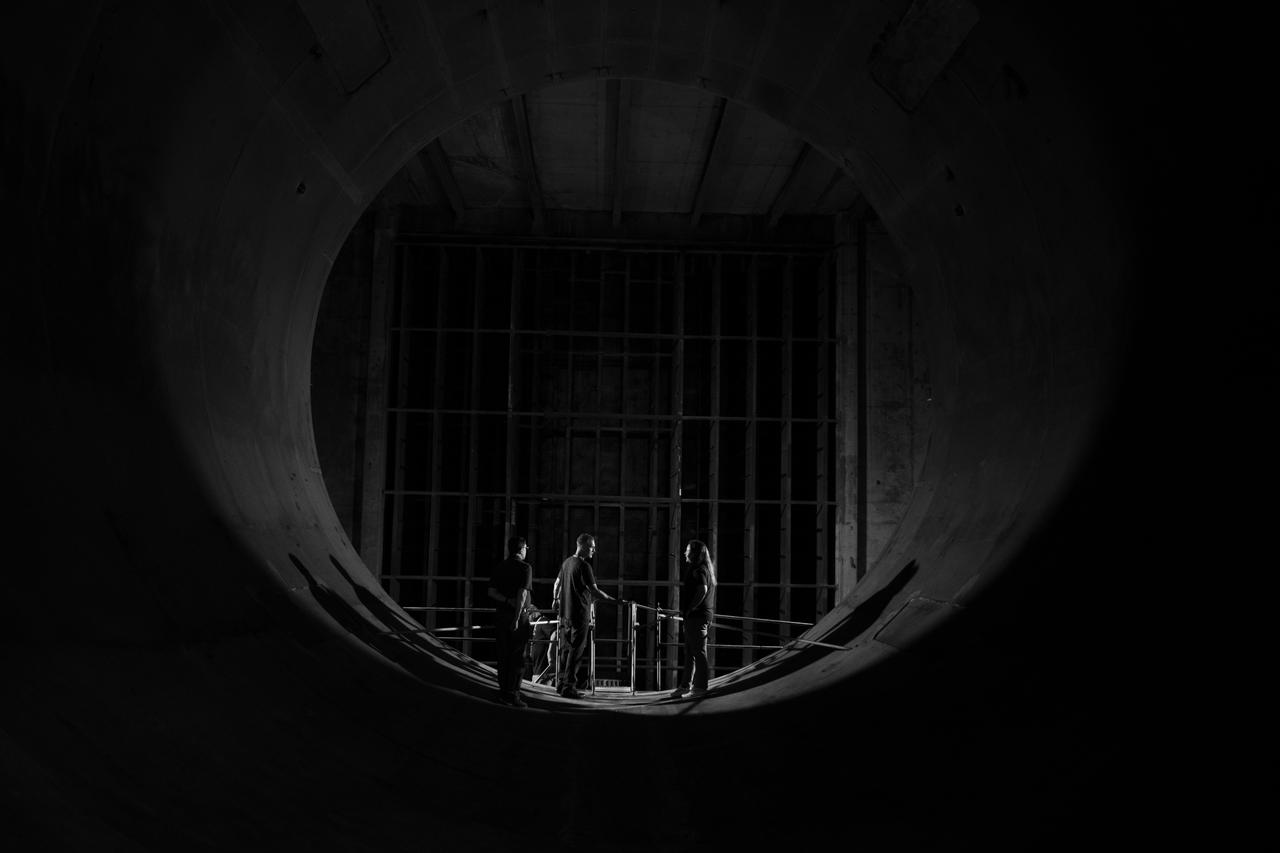
The 10- by 10-Foot Supersonic Wind Tunnel (10×10) is the largest and fastest wind tunnel facility at NASA’s Glenn Research Center and is specifically designed to test supersonic propulsion components from inlets and nozzles to full-scale jet and rocket engines.
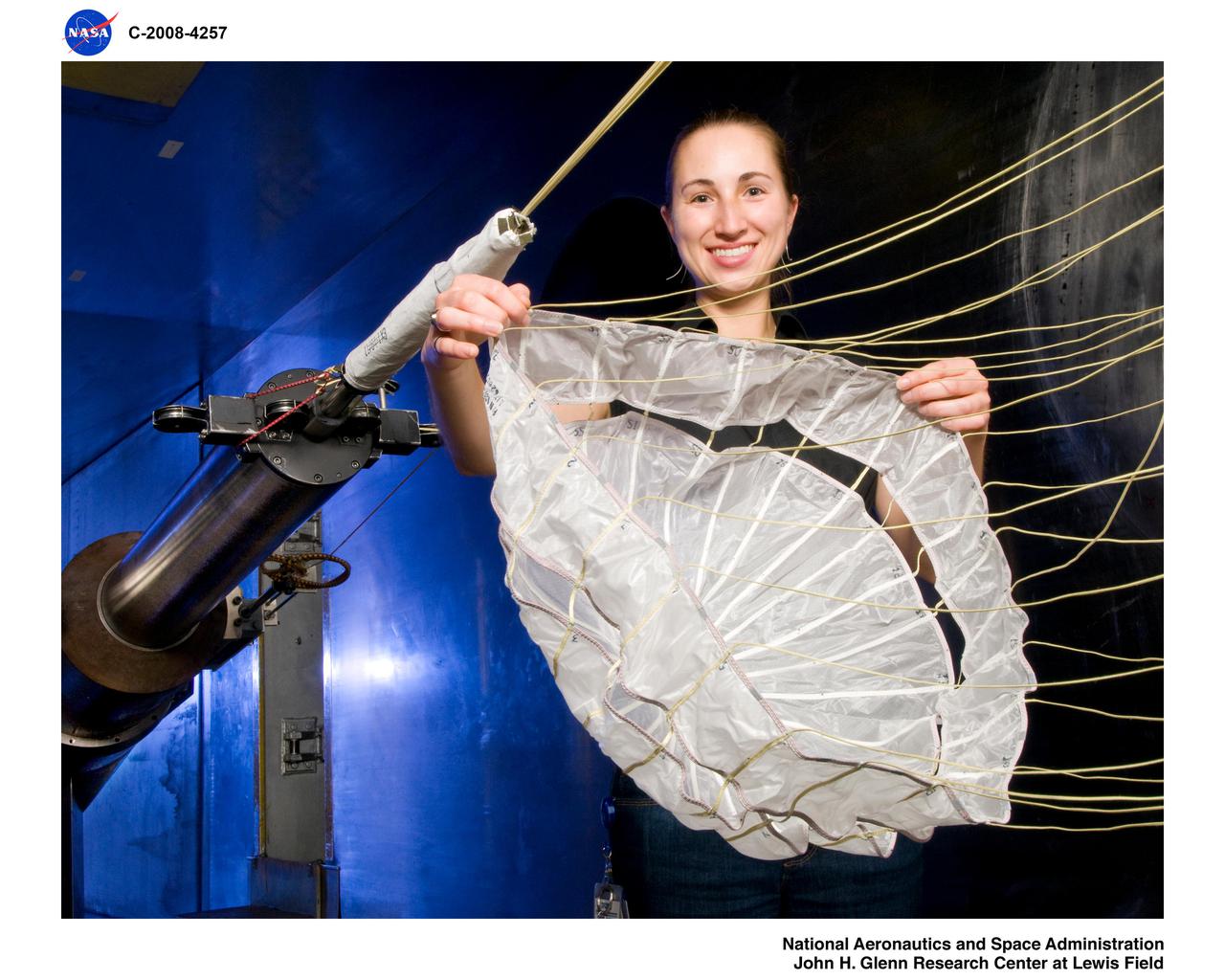
10 x 10 Wind Tunnel
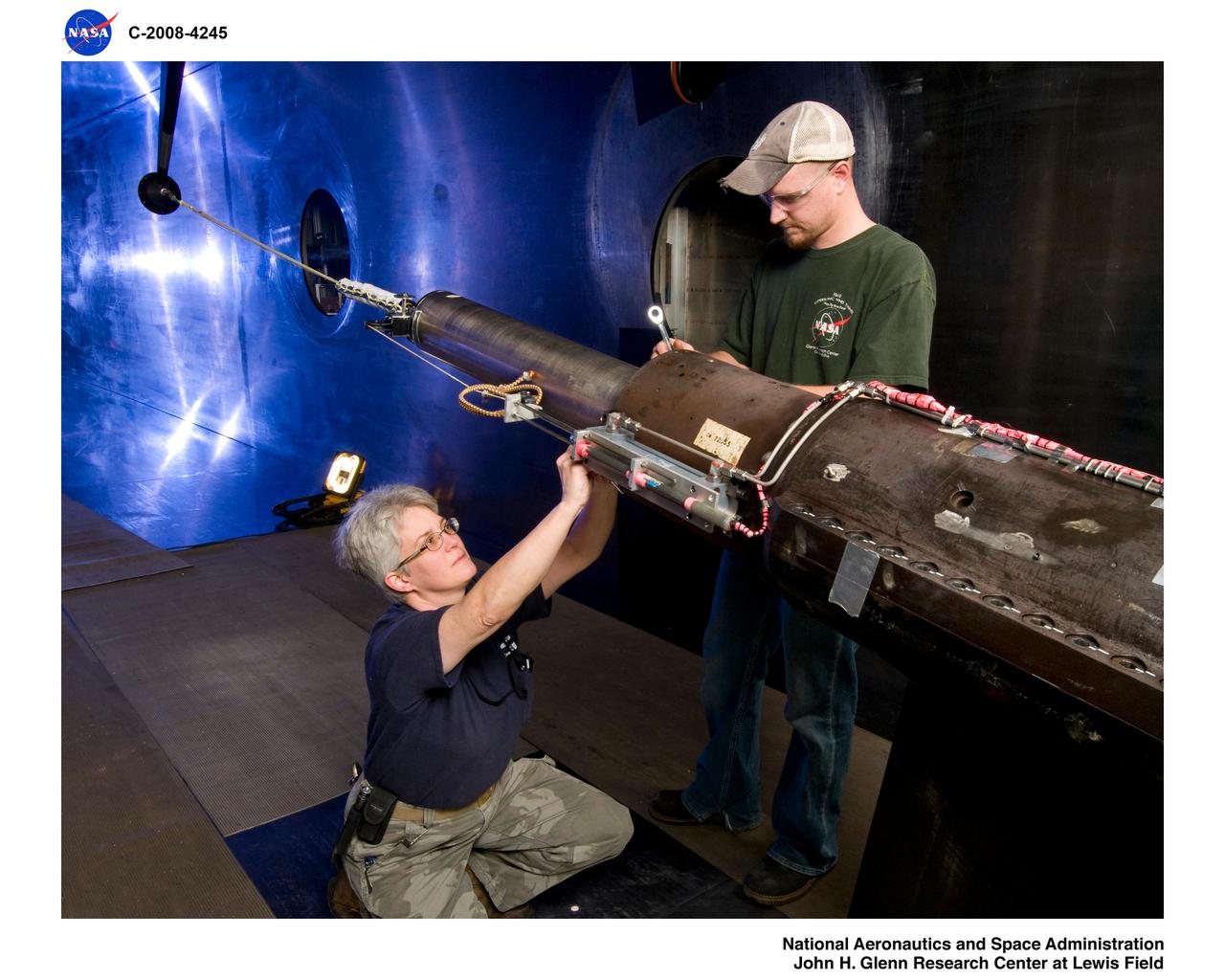
Mars Science Laboratory (MSL) Flexible Canopy Test
GRC-2008-C-04245
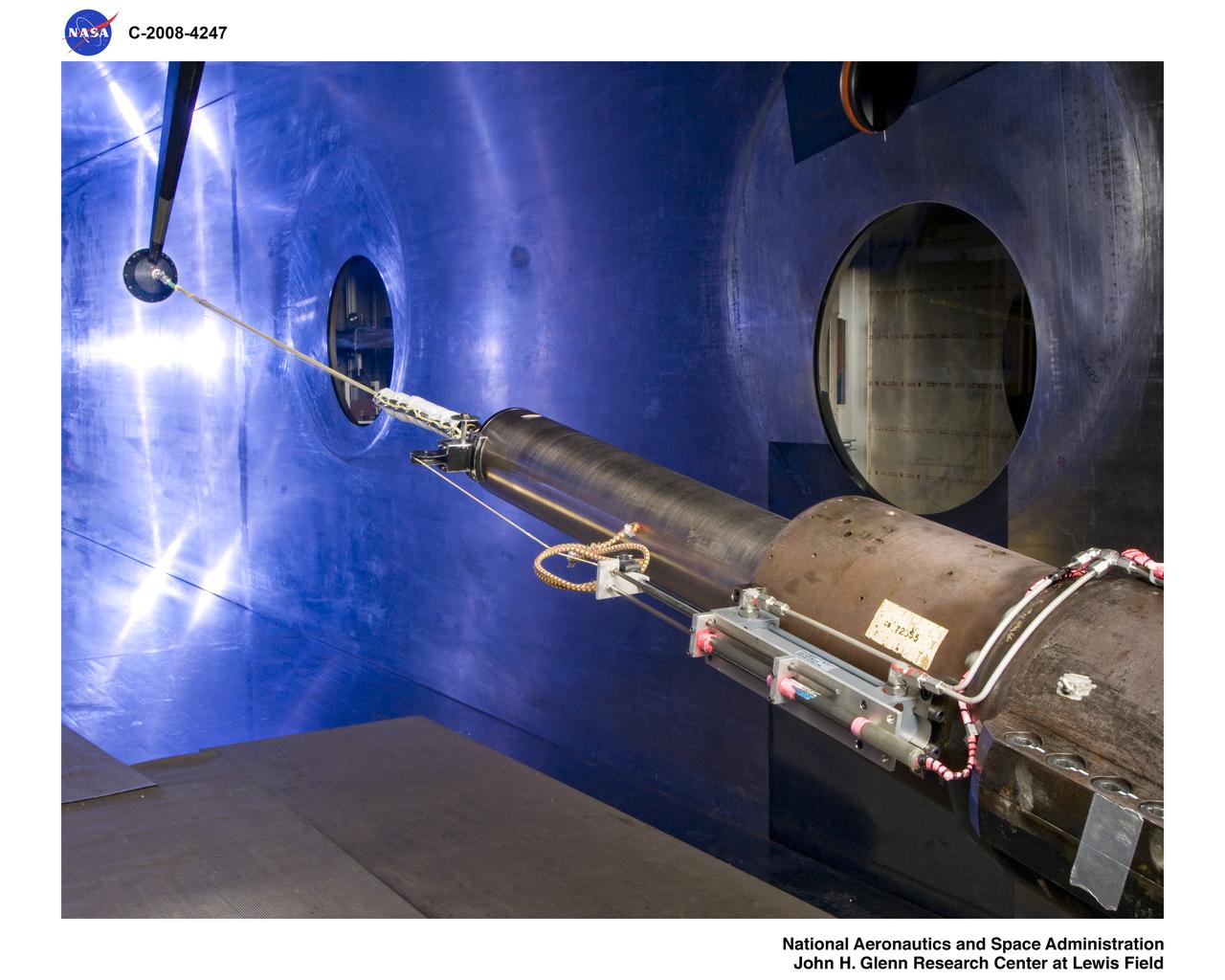
Mars Science Laboratory (MSL) Flexible Canopy Test
GRC-2008-C-04247
SHUTTLE ENGINE OUT TEST done after the Space Shuttle Challenger disaster.  This was part of the investigation after the Challenger accident
SHUTTLE ENGINE OUT TEST done after the Space Shuttle Challeng...
NASA GLENN/NASA LANGLEY LOADS COMPARISON TEST WITH 6 COMPONENT FORCE/MOMENT BALANCE AND 1.7% HIGH SPEED RESEARCH MODEL 5.
Mars Science Laboratory (MSL) Flexible Canopy Test
GRC-2008-C-04252
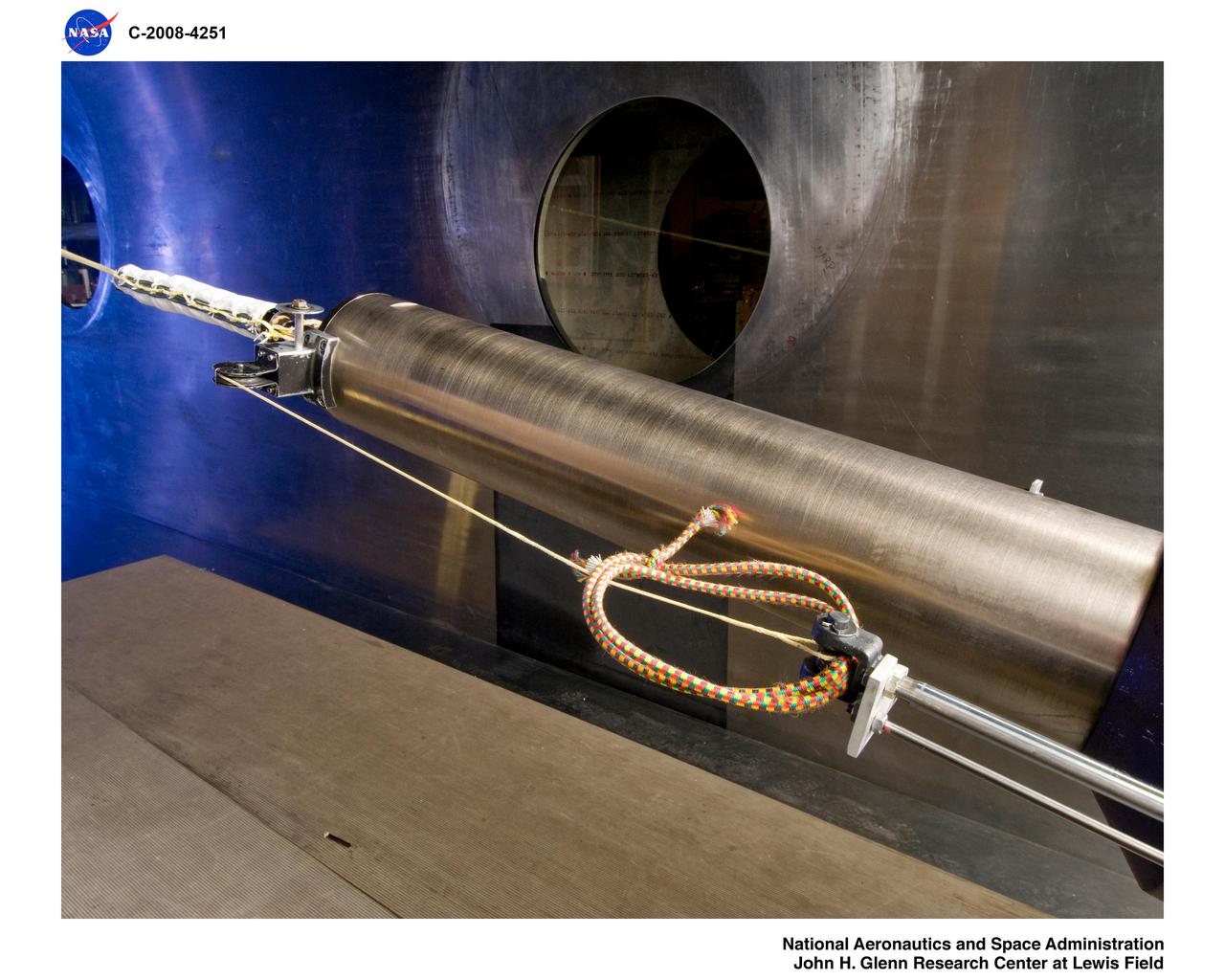
Mars Science Laboratory, MSL Flexible Canopy Test
GRC-2008-C-04251
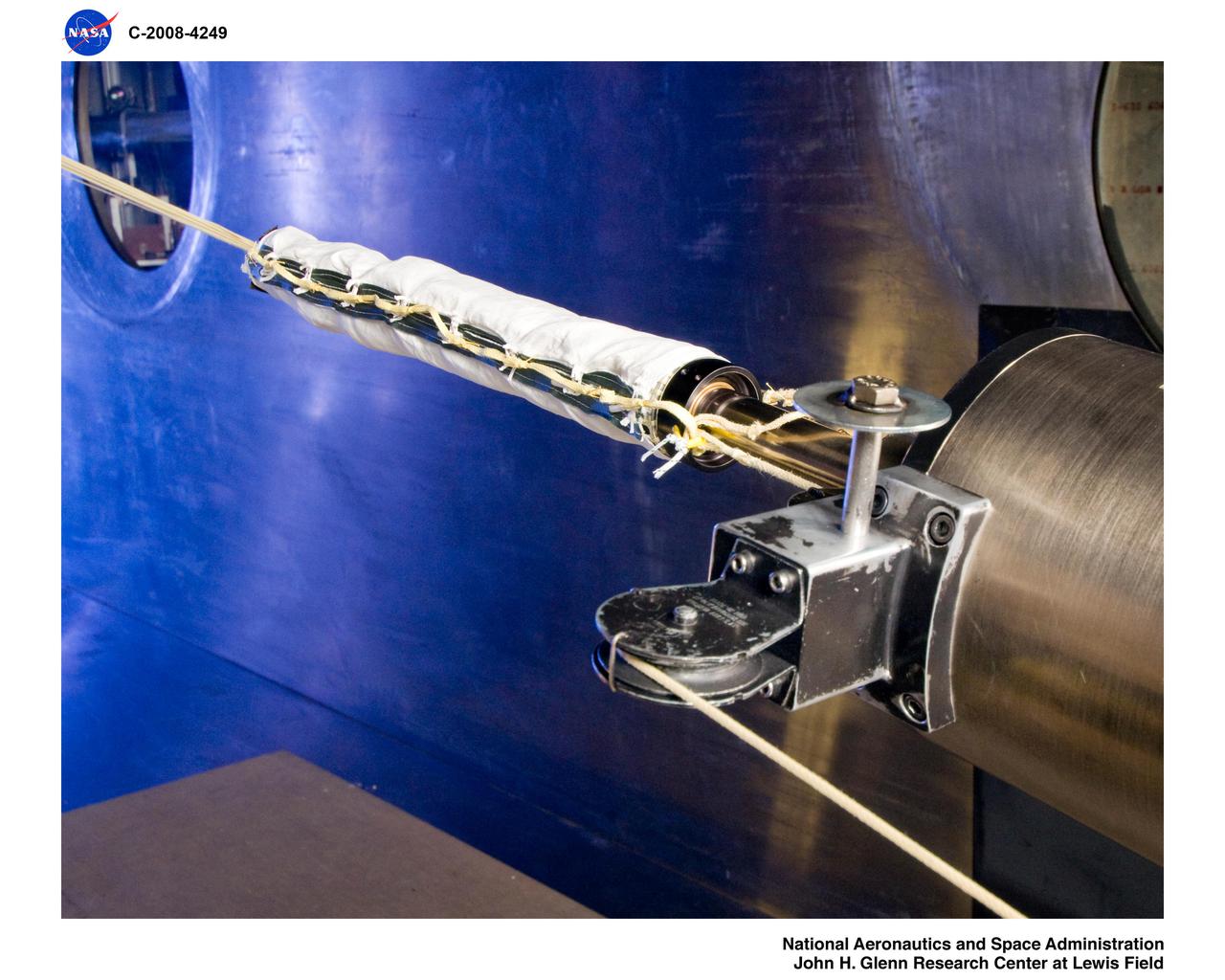
Mars Science Laboratory, MSL Flexible Canopy Test
GRC-2008-C-04249
The NASA Fundamental Aeronautics Hypersonics project is focused on technologies for combined cycle, air-breathing propulsions systems to enable reusable launch systems for access to space.  Turbine Based Combined  Cycle (TBCC) propulsion systems offer specific impulse (Isp) improvements over rocket-based propulsion systems  in the subsonic takeoff and re turn mission segments and offer improved safety. The potential to realize more aircraft-like operations with expanded launch site capability and reduced system maintenance are additional  benefits.
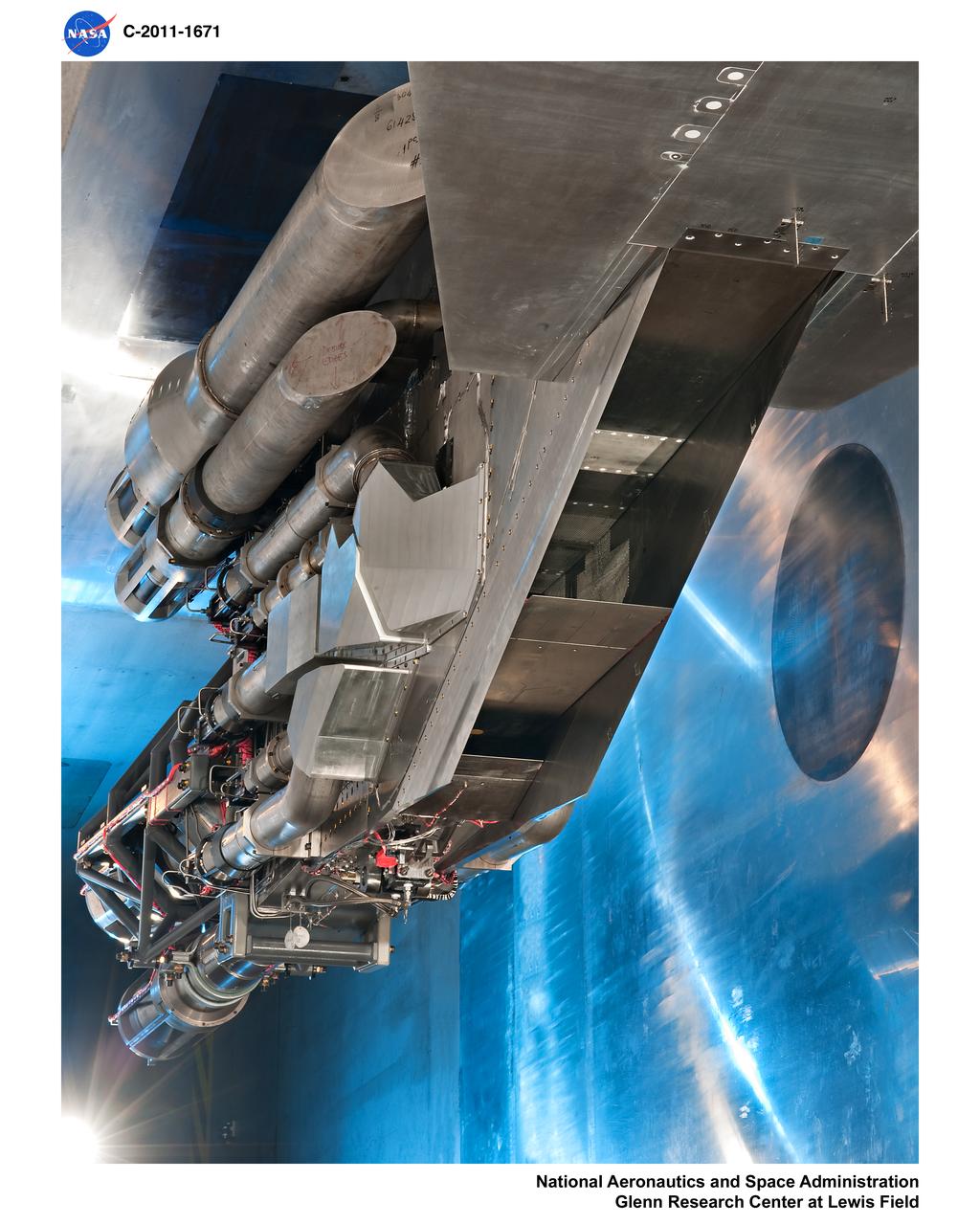
Combined Cycle Engine (CCE) Test in 10 x 10 Supersonic Wind Tunn
The NASA Fundamental Aeronautics Hypersonics project is focused on technologies for combined cycle, air-breathing propulsions systems to enable reusable launch systems for access to space.  Turbine Based Combined  Cycle (TBCC) propulsion systems offer specific impulse (Isp) improvements over rocket-based propulsion systems  in the subsonic takeoff and re turn mission segments and offer improved safety. The potential to realize more aircraft-like operations with expanded launch site capability and reduced system maintenance are additional  benefits.
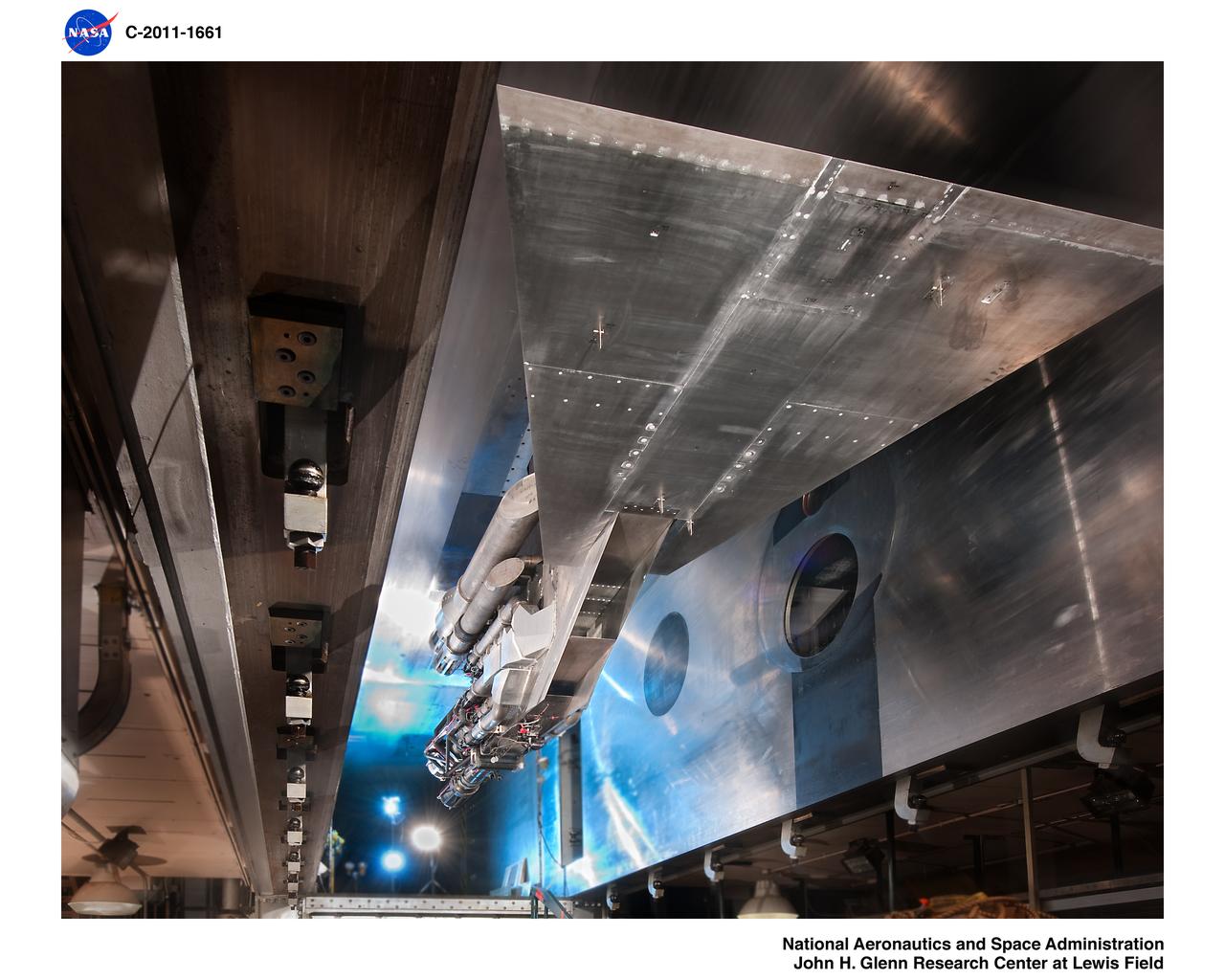
Combined Cycle Engine (CCE) Test in 10 x 10 Supersonic Wind Tunn