California's NASA Armstrong Flight Research Center photographer Carla Thomas takes photos on January 31 of the rare opportunity to capture a supermoon, a blue moon and a lunar eclipse at the same time. A supermoon occurs when the Moon is closer to Earth in its orbit and appearing 14 percent brighter than usual. As the second full moon of the month, this moon is also commonly known as a blue moon, though it will not be blue in appearance. The super blue moon passed through Earth's shadow and took on a reddish tint, known as a blood moon. This total lunar eclipse occurs when the Sun, Earth, and a full moon form a near-perfect lineup in space. The Moon passes directly behind the Earth into its umbra (shadow).
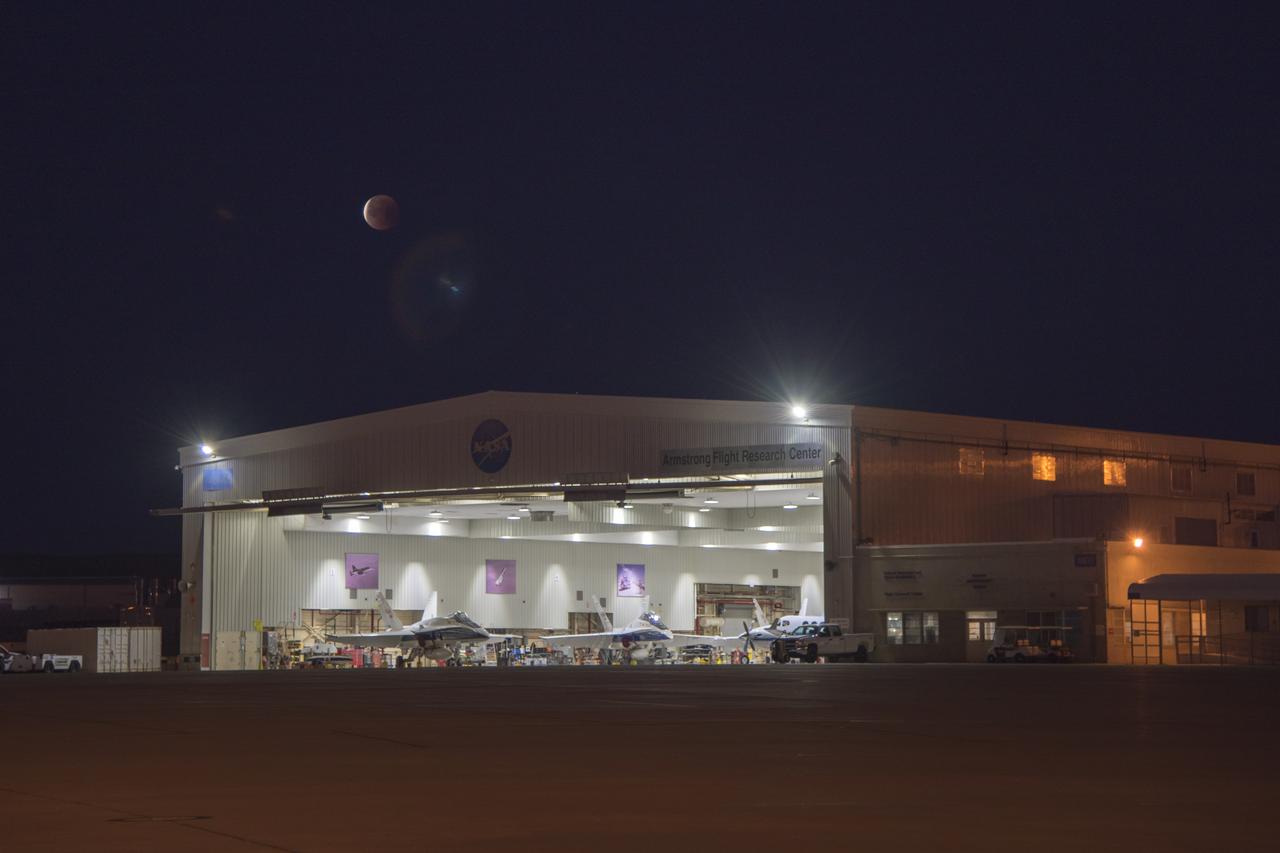
Image is NASA Armstrong Flight Research Center's aircraft hangar that houses the jets and other aircraft with the eclipsed moon overhead during Jan. 31 Super Blue Blood Moon.
California's NASA Armstrong Flight Research Center photographer Carla Thomas takes photos on January 31 of the rare opportunity to capture a supermoon, a blue moon and a lunar eclipse at the same time. A supermoon occurs when the Moon is closer to Earth in its orbit and appearing 14 percent brighter than usual. As the second full moon of the month, this moon is also commonly known as a blue moon, though it will not be blue in appearance. The super blue moon passed through Earth's shadow and took on a reddish tint, known as a blood moon. This total lunar eclipse occurs when the Sun, Earth, and a full moon form a near-perfect lineup in space. The Moon passes directly behind the Earth into its umbra (shadow).
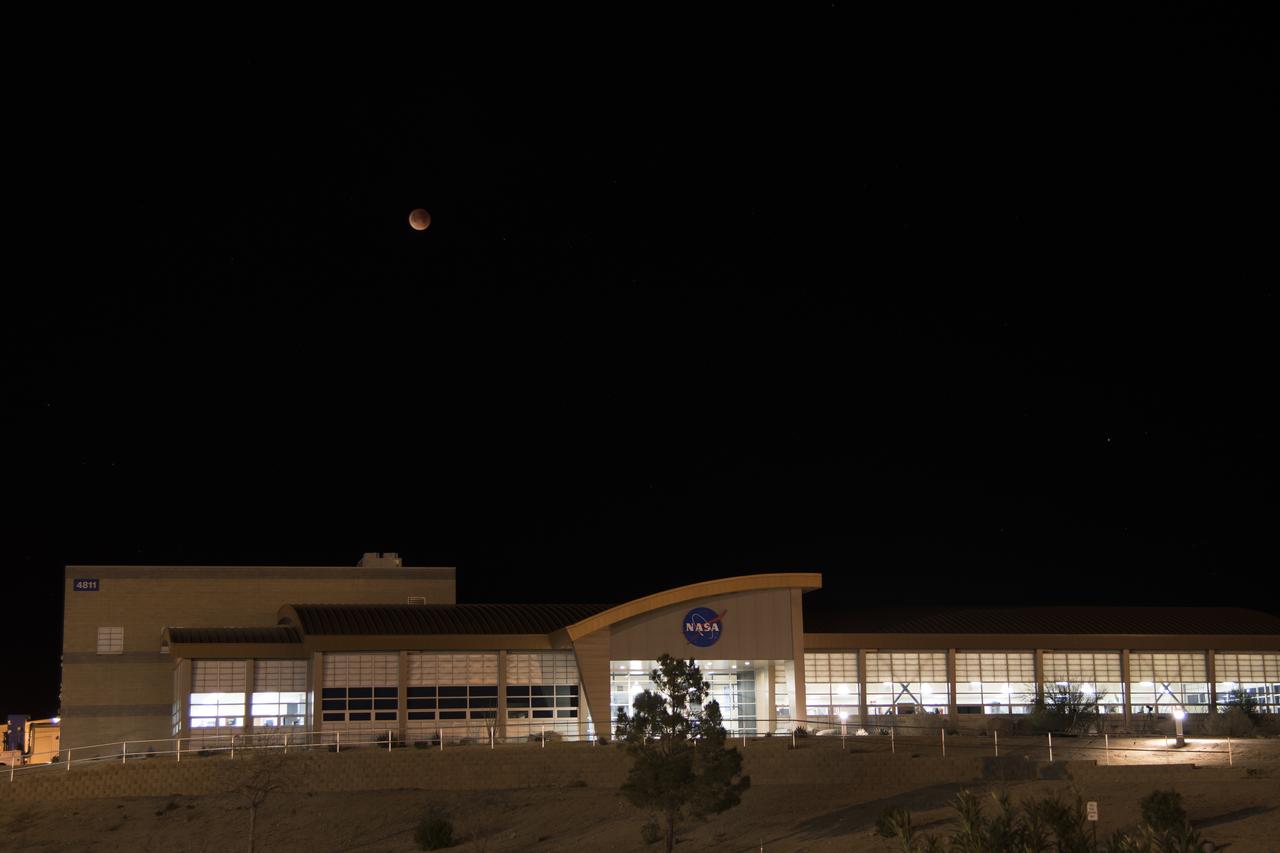
Image shows January 31 Super Blue Blood Moon starting the lunar eclipse over NASA Armstrong Flight Research Center's mission support building located in California.
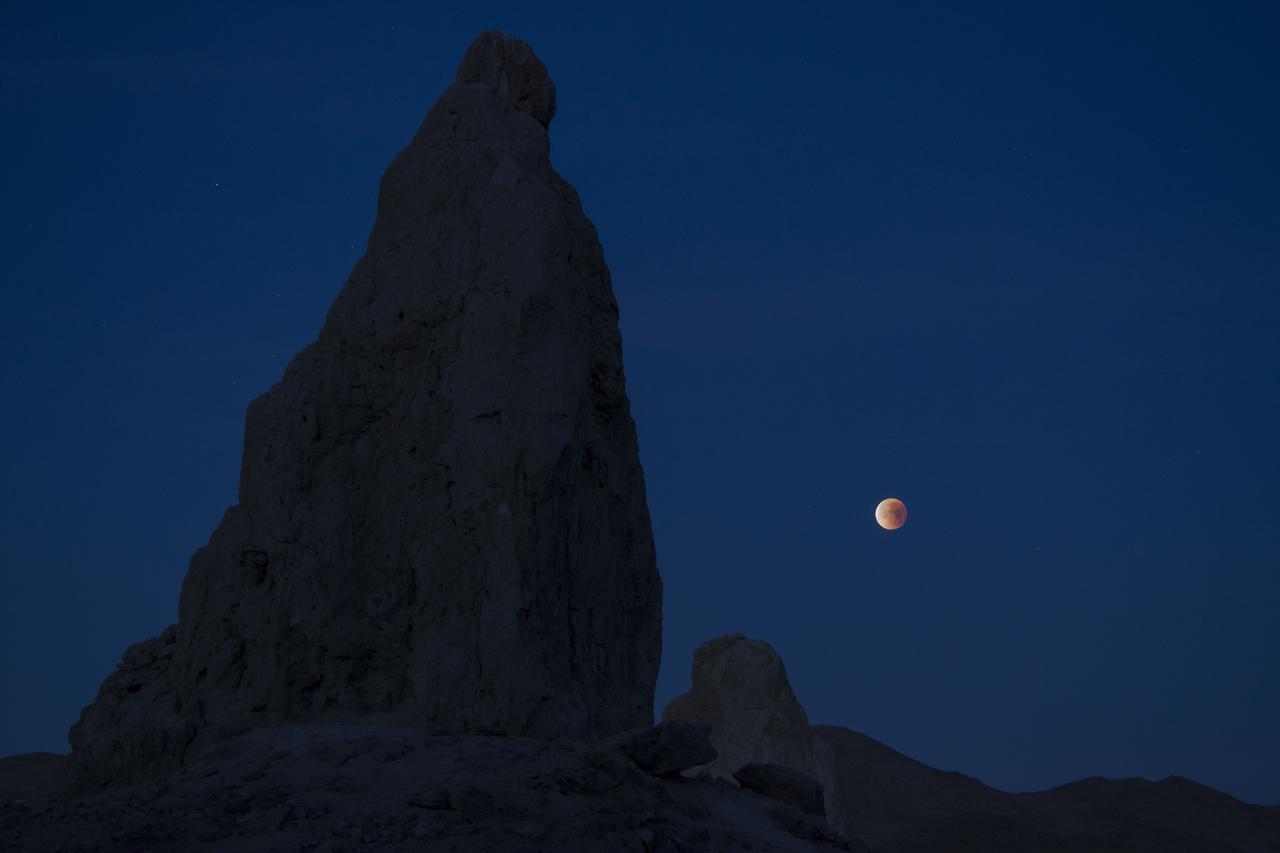
NASA Armstrong Flight Research Center photographer Lauren Hughes takes photos of the Super Blue Blood Moon eclipse from California’s Trona Pinnacles Desert National Conservation for the Jan. 31 of the total lunar eclipse that provided a rare opportunity to capture a supermoon, a blue moon and a lunar eclipse at the same time. A supermoon occurs when the Moon is closer to Earth in its orbit and appearing 14 percent brighter than usual. As the second full moon of the month, this moon is also commonly known as a blue moon, though it will not be blue in appearance. The super blue moon passed through Earth’s shadow and took on a reddish tint, known as a blood moon. This total lunar eclipse occurs when the Sun, Earth, and a full moon form a near-perfect lineup in space. The Moon passes directly behind the Earth into its umbra (shadow).
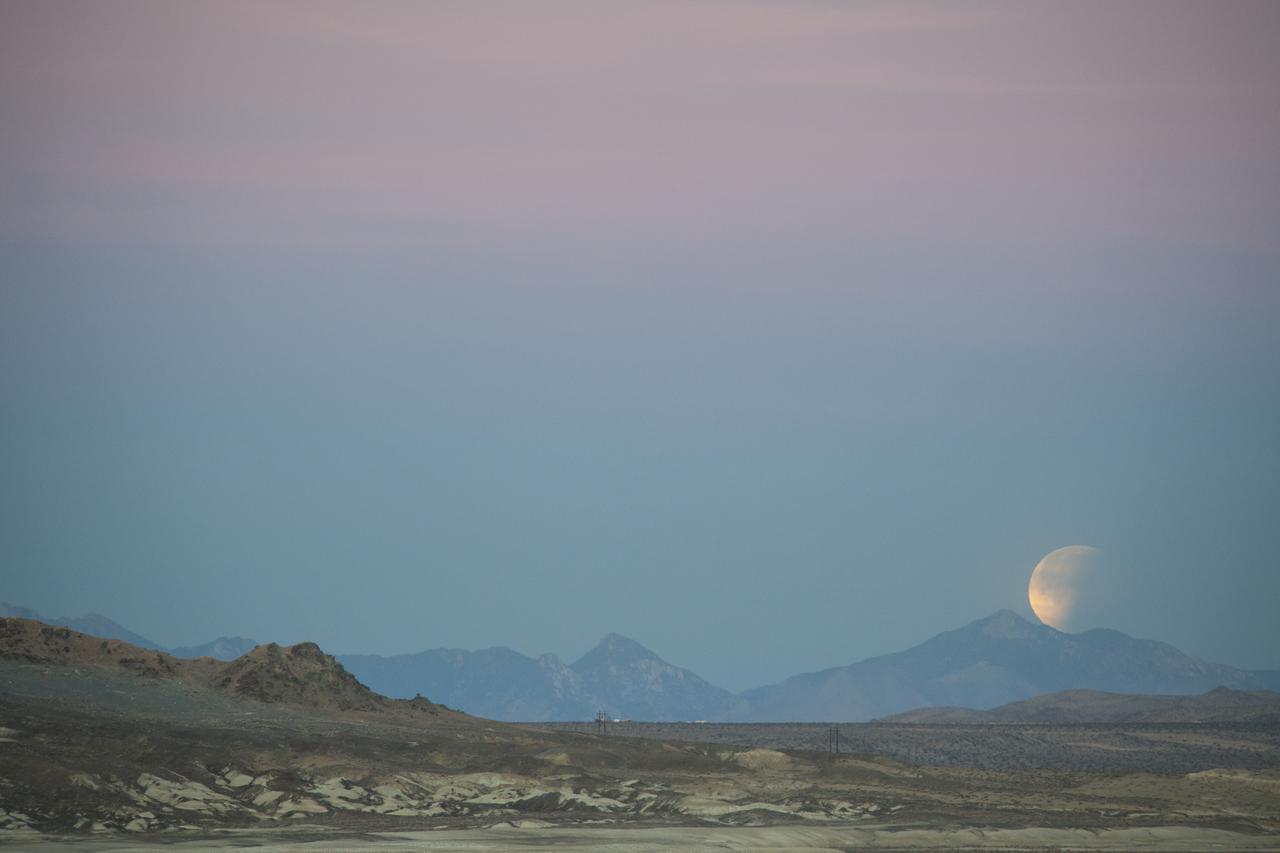
Image shows Trona Pinnacles near California’s NASA Armstrong Flight Research Center during Jan. 31 Super Blue Blood Moon. Trona Pinnacles is an unusual geological feature of the state’s Desert National Conservation.
California's NASA Armstrong Flight Research Center photographer Carla Thomas takes photos on January 31 of the rare opportunity to capture a supermoon, a blue moon and a lunar eclipse at the same time. A supermoon occurs when the Moon is closer to Earth in its orbit and appearing 14 percent brighter than usual. As the second full moon of the month, this moon is also commonly known as a blue moon, though it will not be blue in appearance. The super blue moon will pass through Earth's shadow and take on a reddish tint, known as a blood moon. This total lunar eclipse occurs when the Sun, Earth, and a full moon form a near-perfect lineup in space. The Moon passes directly behind the Earth into its umbra (shadow).
NASA photographer captures Super Blue Blood Moon beginning its eclipse January 31 from NASA's Armstrong Flight Research Center on the West Coast.
California’s NASA Armstrong Flight Research Center’s photographer Carla Thomas takes photos on January 31 of the rare opportunity to capture a supermoon, a blue moon and a lunar eclipse at the same time. A supermoon occurs when the Moon is closer to Earth in its orbit and appearing 14 percent brighter than usual. As the second full moon of the month, this moon is also commonly known as a blue moon, though it will not be blue in appearance. The super blue moon passed through Earth’s shadow and took on a reddish tint, known as a blood moon. This total lunar eclipse occurs when the Sun, Earth, and a full moon form a near-perfect lineup in space. The Moon passes directly behind the Earth into its umbra (shadow).
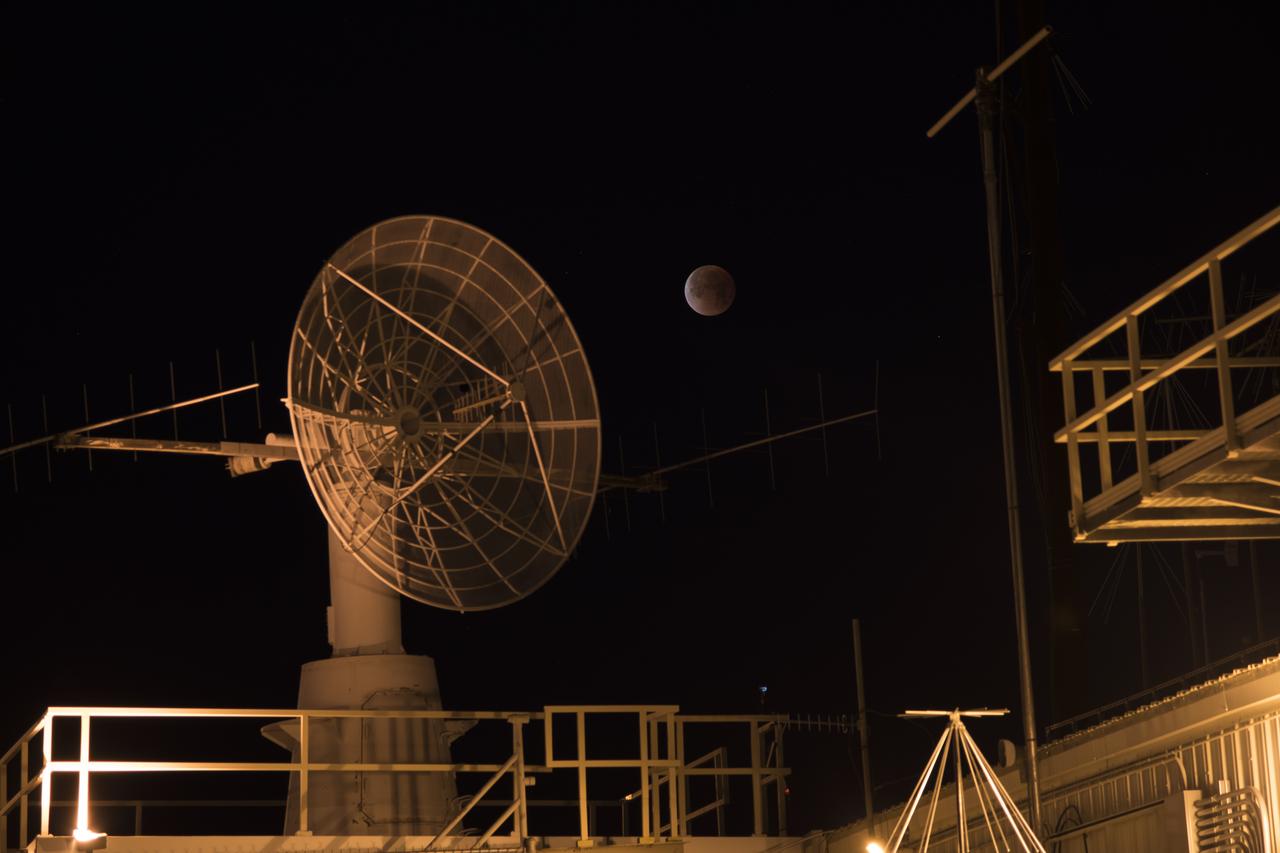
NASA Armstrong Flight Research Center’s communications facility with radar dish and antennas is shown having the eclipsed moon overhead during Jan. 31 Super Blue Blood Moon.
NASA Armstrong Flight Research Center photographer Lauren Hughes takes photos of the Super Blue Blood Moon eclipse from California’s Trona Pinnacles Desert National Conservation for the Jan. 31 of the total lunar eclipse that provided a rare opportunity to capture a supermoon, a blue moon and a lunar eclipse at the same time. A supermoon occurs when the Moon is closer to Earth in its orbit and appearing 14 percent brighter than usual. As the second full moon of the month, this moon is also commonly known as a blue moon, though it will not be blue in appearance. The super blue moon passed through Earth’s shadow and took on a reddish tint, known as a blood moon. This total lunar eclipse occurs when the Sun, Earth, and a full moon form a near-perfect lineup in space. The Moon passes directly behind the Earth into its umbra (shadow).
Image shows Trona Pinnacles near California’s NASA Armstrong Flight Research Center during Jan. 31 Super Blue Blood Moon. Trona Pinnacles is an unusual geological feature of the state’s Desert National Conservation.
NASA Armstrong Flight Research Center photographer Lauren Hughes takes photos of the Super Blue Blood Moon eclipse from California's Trona Pinnacles Desert National Conservation for the Jan. 31 of the total lunar eclipse that provided a rare opportunity to capture a supermoon, a blue moon and a lunar eclipse at the same time. A supermoon occurs when the Moon is closer to Earth in its orbit and appearing 14 percent brighter than usual. As the second full moon of the month, this moon is also commonly known as a blue moon, though it will not be blue in appearance. The super blue moon passed through Earth's shadow and took on a reddish tint, known as a blood moon. This total lunar eclipse occurs when the Sun, Earth, and a full moon form a near-perfect lineup in space. The Moon passes directly behind the Earth into its umbra (shadow).
Image shows Trona Pinnacles near California's NASA Armstrong Flight Research Center during Jan. 31 Super Blue Blood Moon. Trona Pinnacles is an unusual geological feature of the state's Desert National Conservation.
California's NASA Armstrong Flight Research Center photographer Carla Thomas takes photos on January 31 of the rare opportunity to capture a supermoon, a blue moon and a lunar eclipse at the same time. A supermoon occurs when the Moon is closer to Earth in its orbit and appearing 14 percent brighter than usual. As the second full moon of the month, this moon is also commonly known as a blue moon, though it will not be blue in appearance. The super blue moon passed through Earth's shadow and took on a reddish tint, known as a blood moon. This total lunar eclipse occurs when the Sun, Earth, and a full moon form a near-perfect lineup in space. The Moon passes directly behind the Earth into its umbra (shadow).
NASA Armstrong Flight Research Center's communications facility with radar dish and the eclipsed moon overhead during Jan. 31 Super Blue Blood Moon.
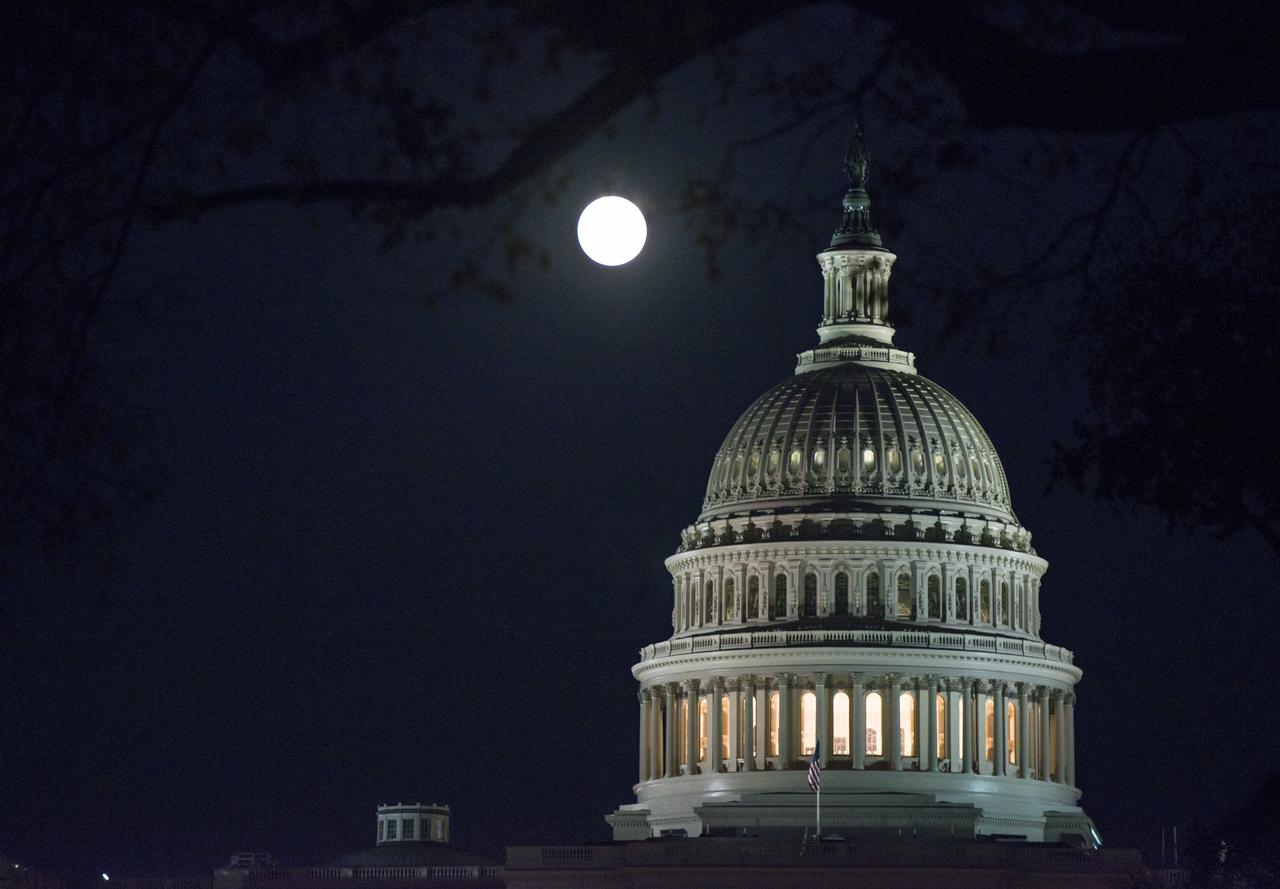
The moon is seen as it rises over the Capitol, Sunday, Nov. 13, 2016 in Washington. Early morning, Monday, Nov. 14, the moon will be the closest it has been to Earth since 1948 and will appear 30 percent brighter and 14 percent bigger than the average monthly full moon. Photo Credit: (NASA/Aubrey Gemignani)
Supermoon
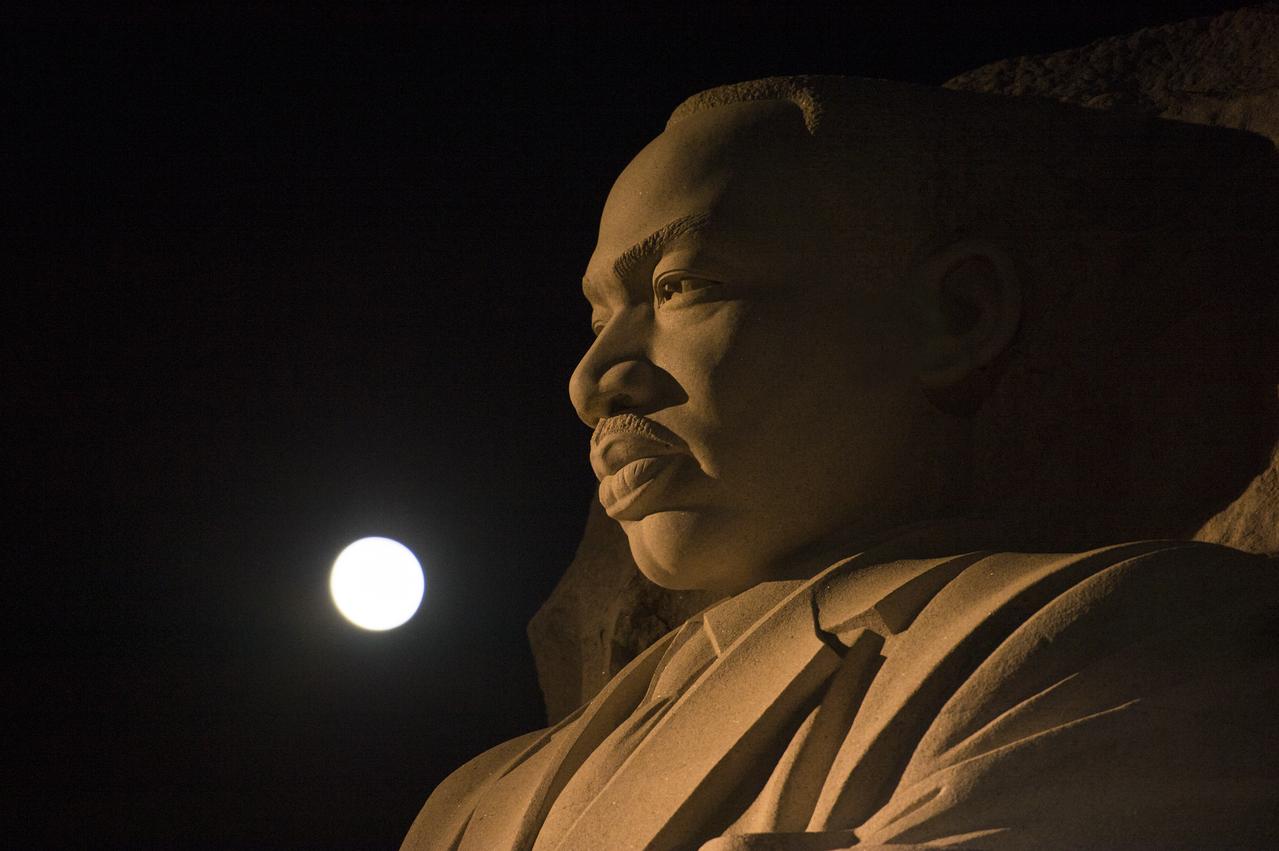
The moon, or supermoon, is seen as it sets over the Martin Luther King Jr. Memorial on Monday, Nov. 14, 2016. A supermoon occurs when the moon’s orbit is closest (perigee) to Earth. Early Monday morning, the moon was the closest it has been to Earth since 1948 and it appeared 30 percent brighter and 14 percent bigger than the average monthly full moon. Photo Credit: (NASA/Aubrey Gemignani)
Supermoon
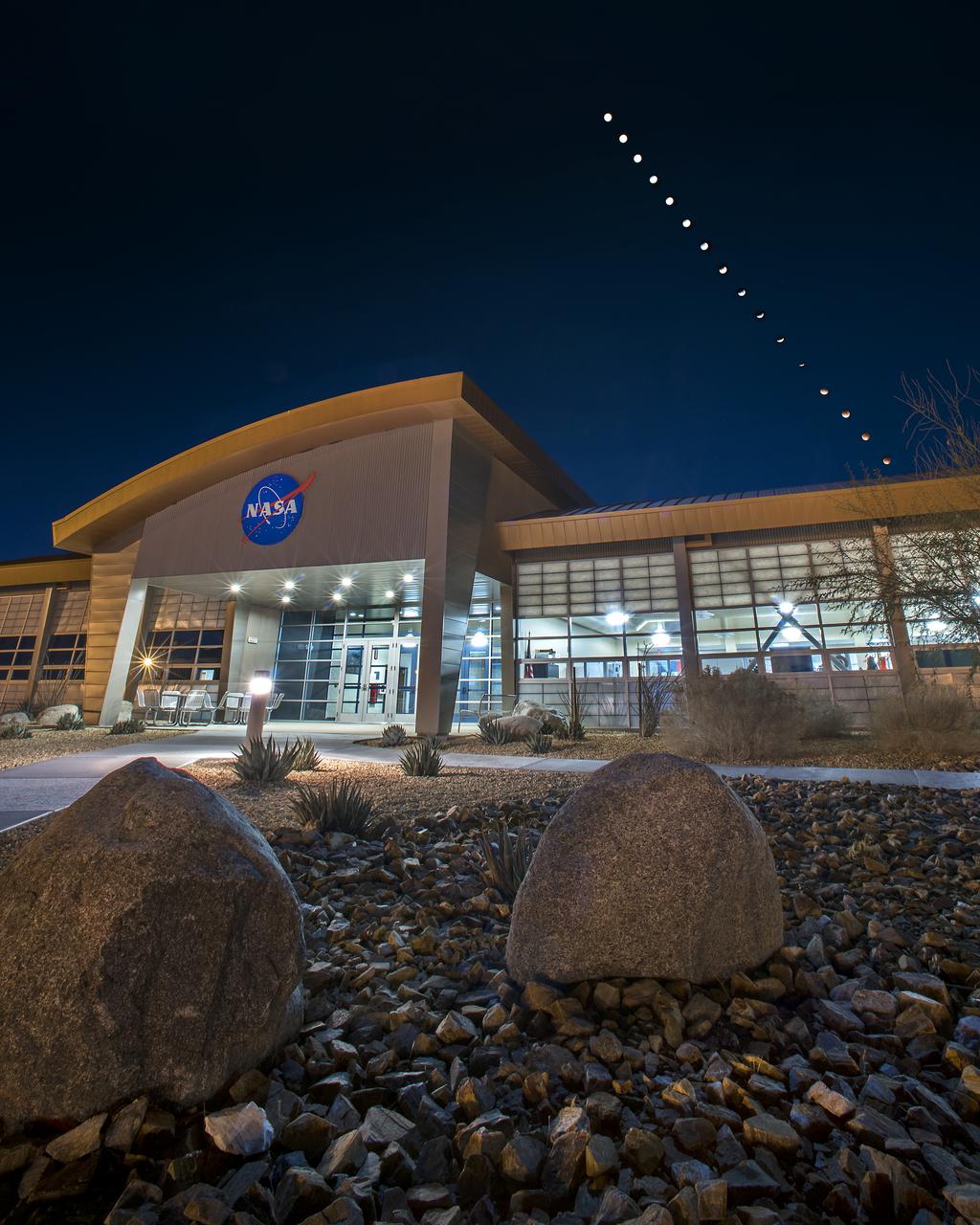
California’s NASA Armstrong Flight Research Center photographer Ken Ulbrich takes photos of Super Blue Blood Moon eclipse making a time-lapse composition of the event on January 31. The total lunar eclipse provided a rare opportunity to capture a supermoon, a blue moon and a lunar eclipse at the same time. A supermoon occurs when the Moon is closer to Earth in its orbit and appearing 14 percent brighter than usual. As the second full moon of the month, this moon is also commonly known as a blue moon, though it will not be blue in appearance. The super blue moon passed through Earth’s shadow and took on a reddish tint, known as a blood moon. This total lunar eclipse occurs when the Sun, Earth, and a full moon form a near-perfect lineup in space. The Moon passes directly behind the Earth into its umbra (shadow).
Image is NASA Armstrong Flight Research Center’s mission support building with a composite of 16 images of the eclipsed moons overhead during Jan. 31 Super Blue Blood Moon.
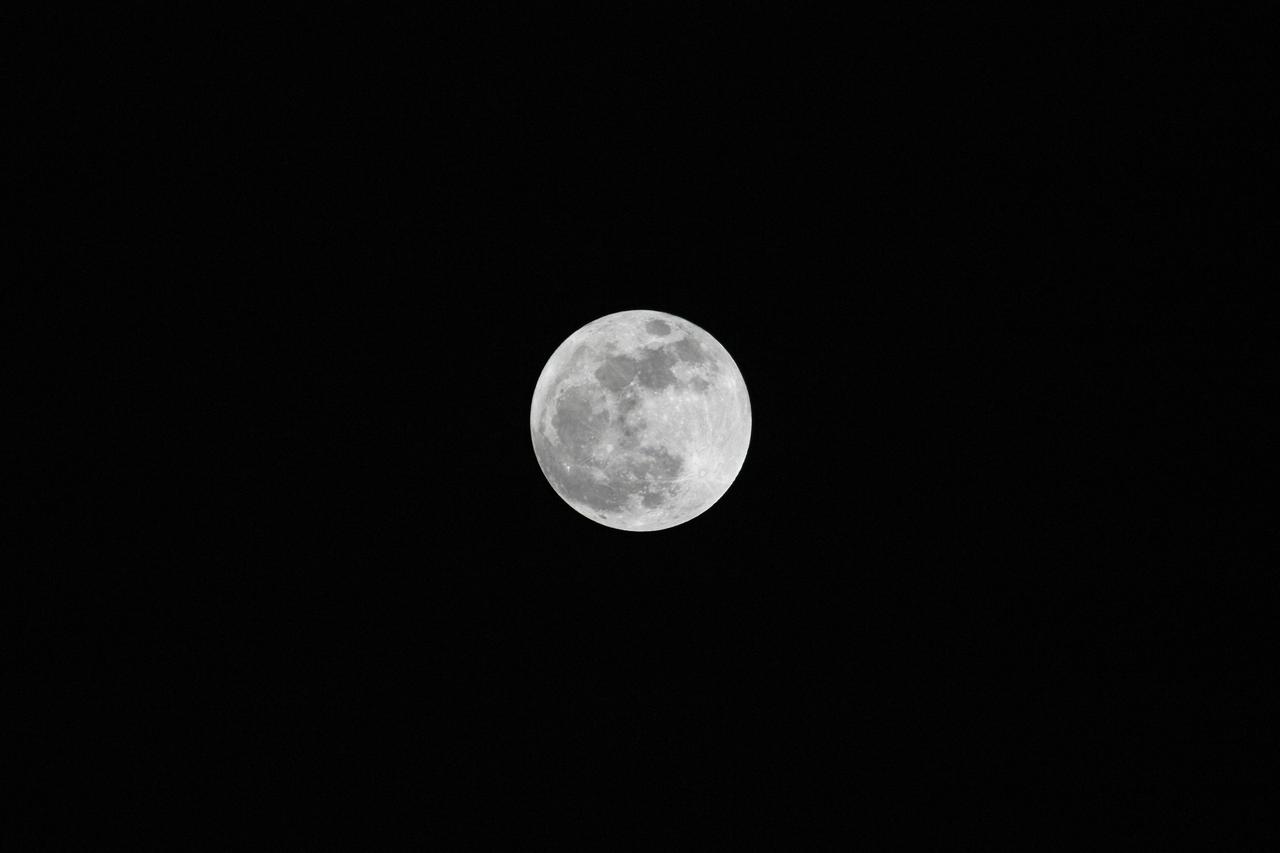
CAPE CANAVERAL, Fla. – A view of the super moon in the eastern sky over Kennedy Space Center in Florida. The full moon reached perigee, the closest point to Earth in its elliptical pattern, at 11:34 p.m. It appeared 14 percent larger and 30 percent brighter than other full moons of 2012. Photo credit: NASA/Jim Grossmann
KSC-2012-2734
The upcoming supermoon on Monday, November 14, will be especially “super”,  it’s the closest full moon to Earth since 1948  Read more:: <a href="http://go.nasa.gov/2fE5psX" rel="nofollow">go.nasa.gov/2fE5psX</a>  The moon is a familiar sight, but the days leading up to Monday, Nov. 14, promise a spectacular supermoon show. When a full moon makes its closest pass to Earth in its orbit it appears up to 14 percent bigger and 30 percent brighter, making it a supermoon. This month’s is especially ‘super’ for two reasons: it is the only supermoon this year to be completely full, and it is the closest moon to Earth since 1948. The moon won’t be this super again until 2034!  Share your supermoon photos using #NASAsupermoon on social media.
November Supermoon a Spectacular Sight