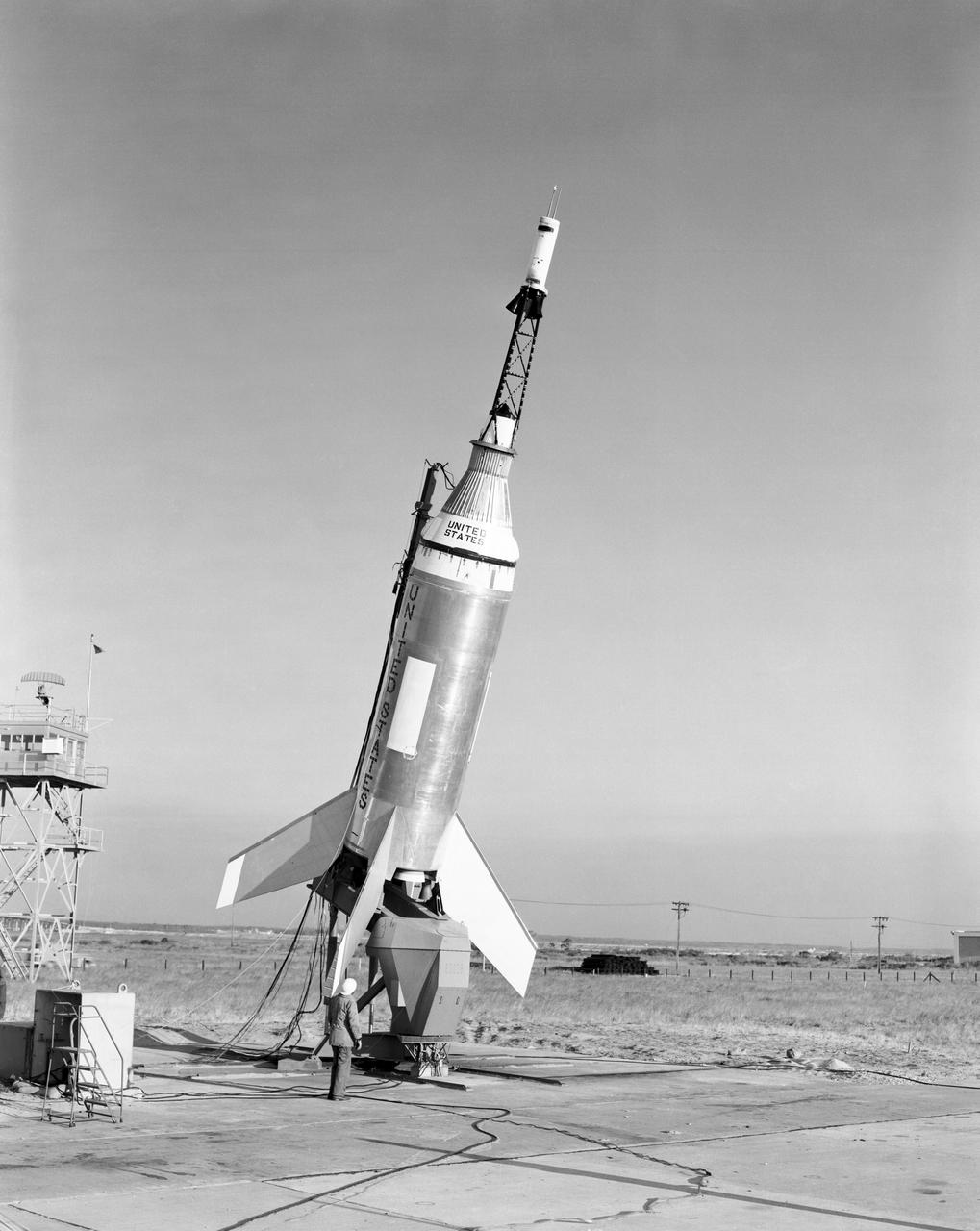
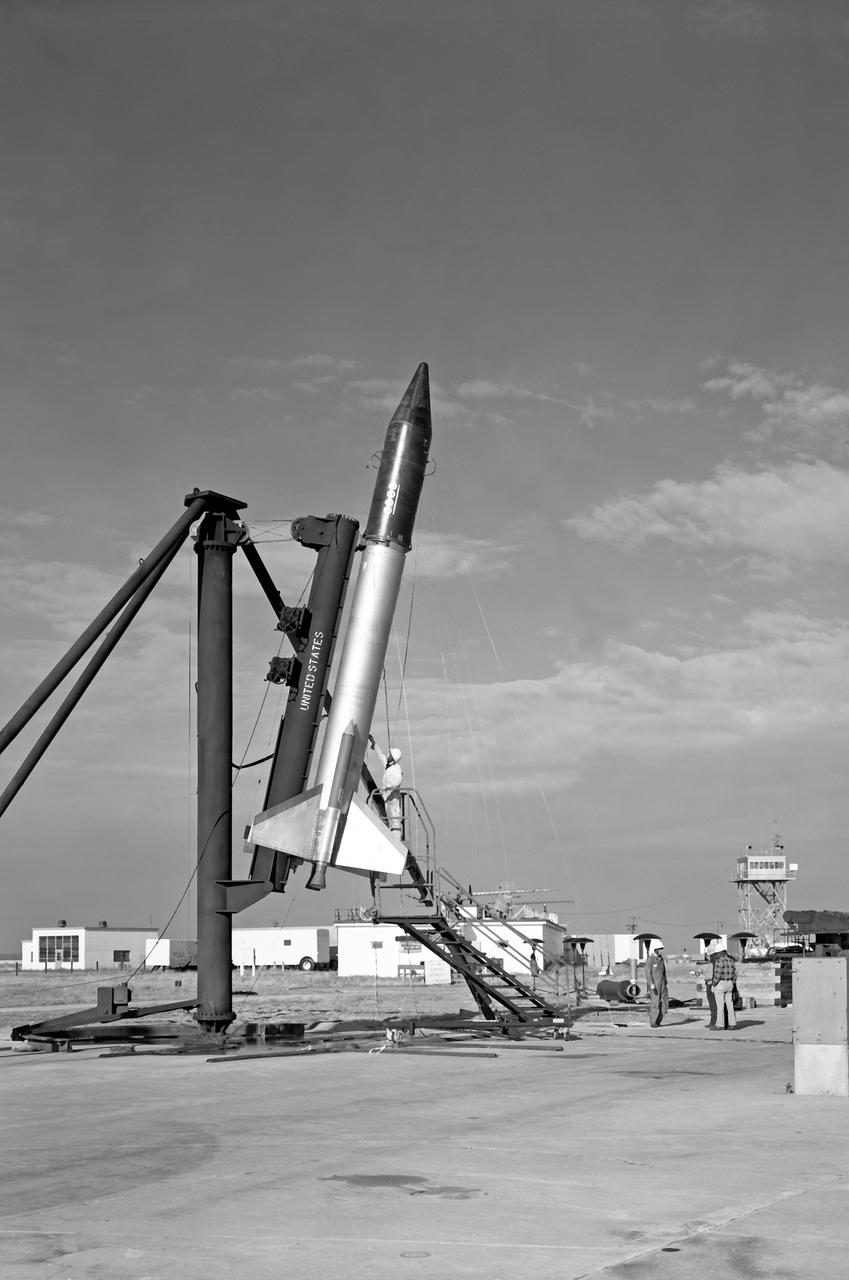
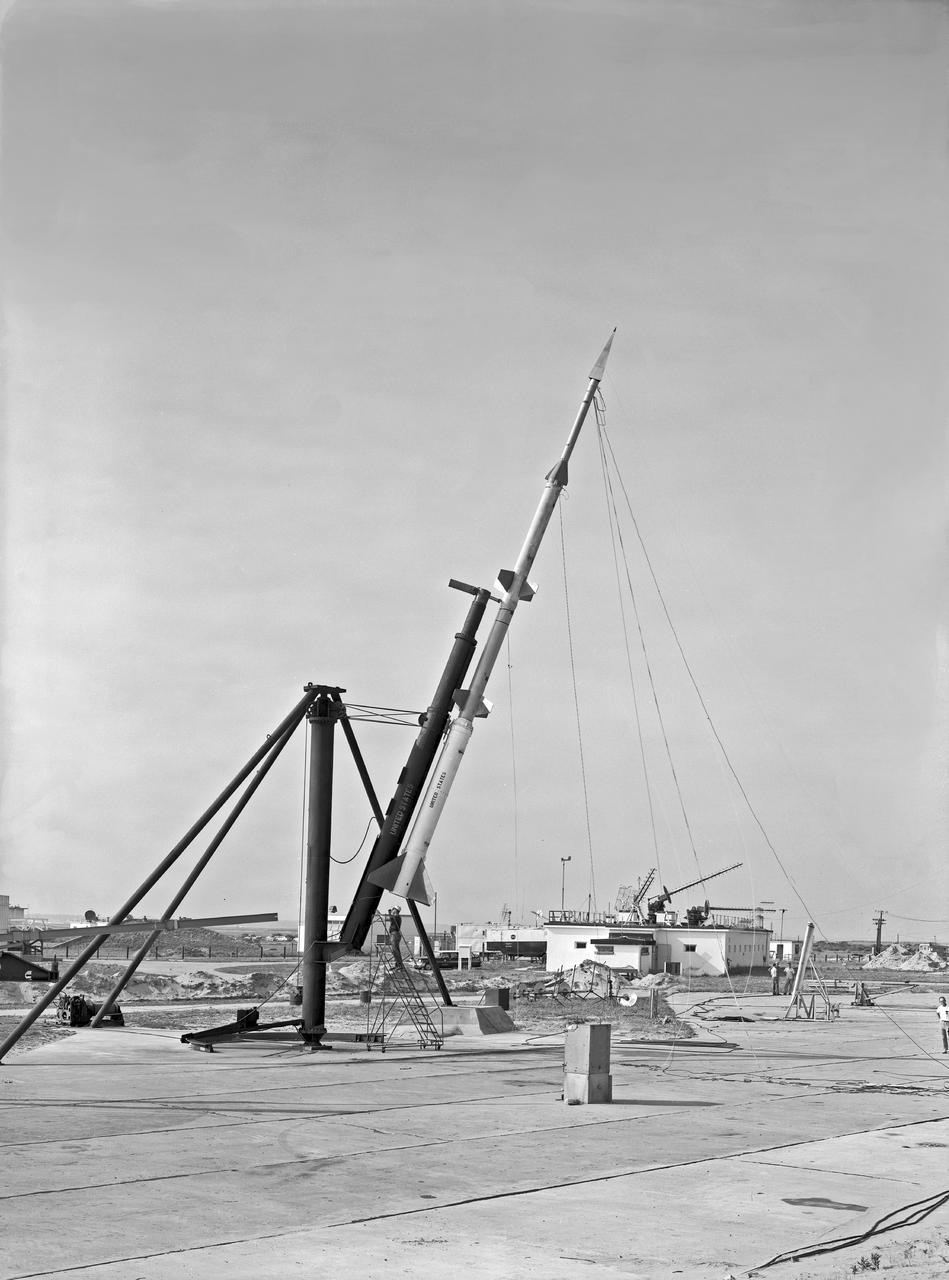
The first Scout prepared for launch at Wallops Island July 1, 1960, and launched the evening of the same day. -- Photograph published in Winds of Change, 75th Anniversary NASA publication (page 73), by James Schultz.
Scout launch
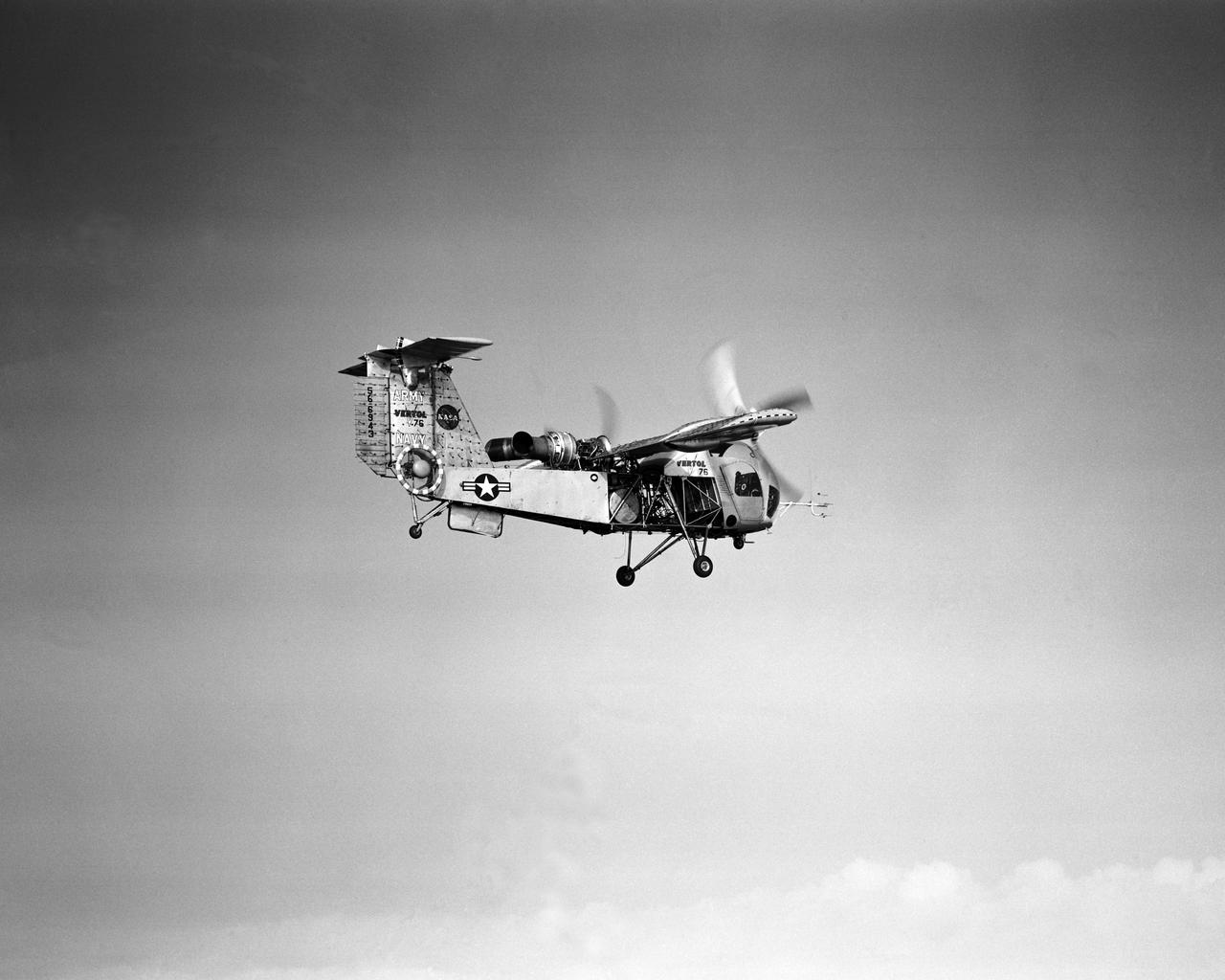
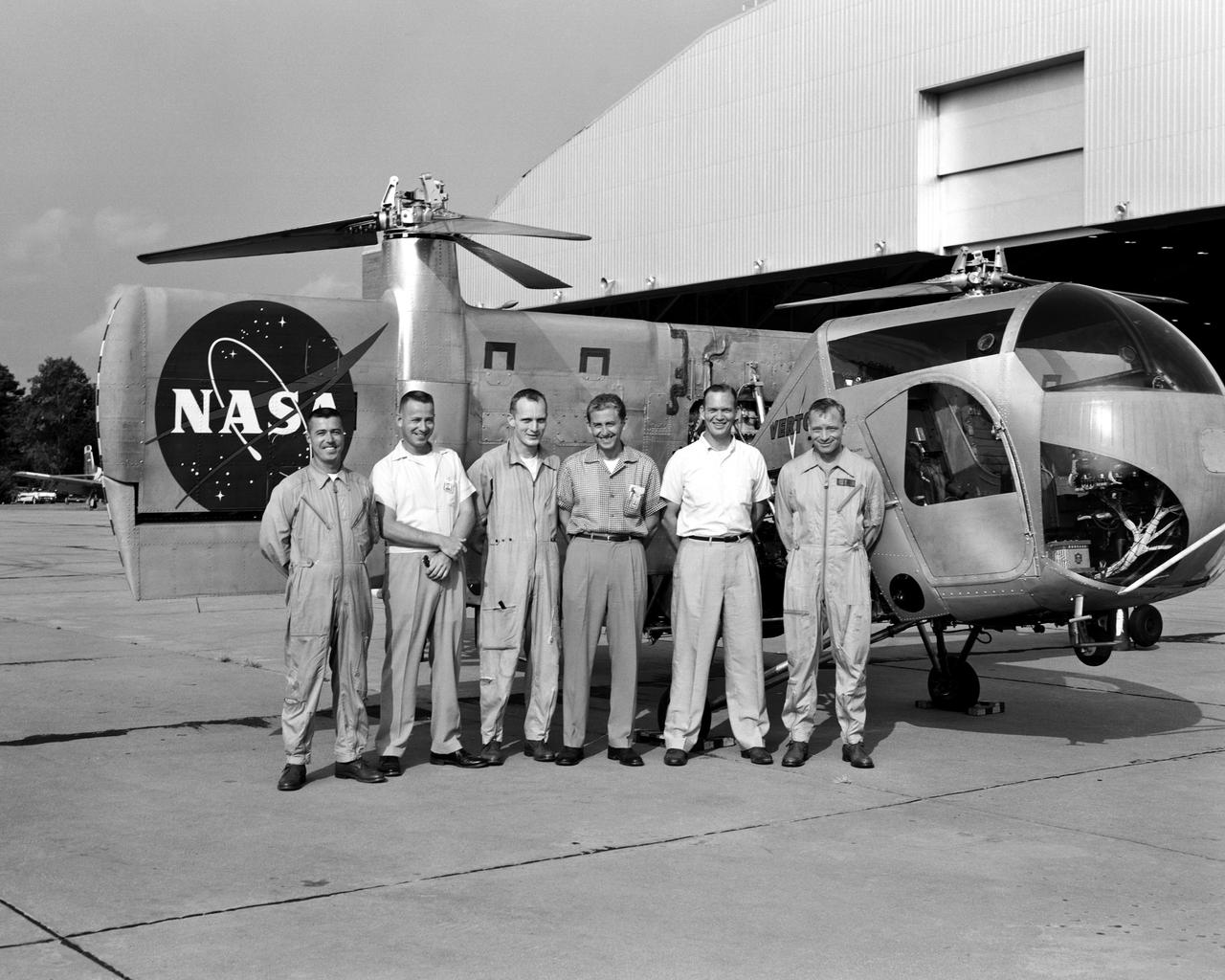
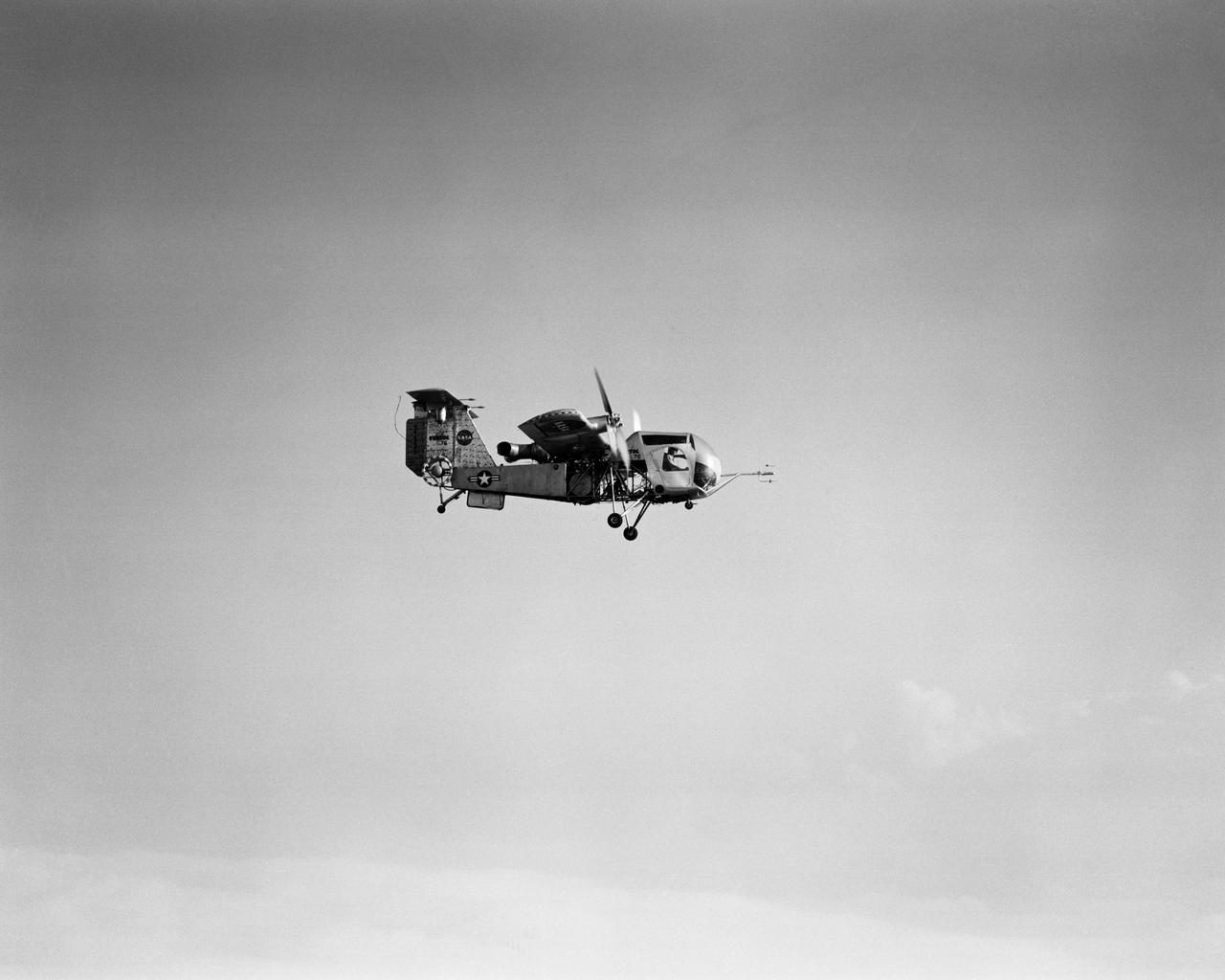
Vertol 76 Tilt Wing VTOL. Photographed 9/13/1960. Photograph published in Sixty Years of Aeronautical Research 1917-1977 By David A. Anderton, A NASA publication, Page 62.
Vertol 76 Tilt Wing VTOL - ARMY Vertol 76 in flight
Vertol 76 Tilt Wing VTOL. Photographed 9/13/1960. Photograph published in Sixty Years of Aeronautical Research 1917-1977 By David A. Anderton, A NASA publication, Page 62.
Vertol 76 Tilt Wing VTOL - ARMY Vertol 76 in flight
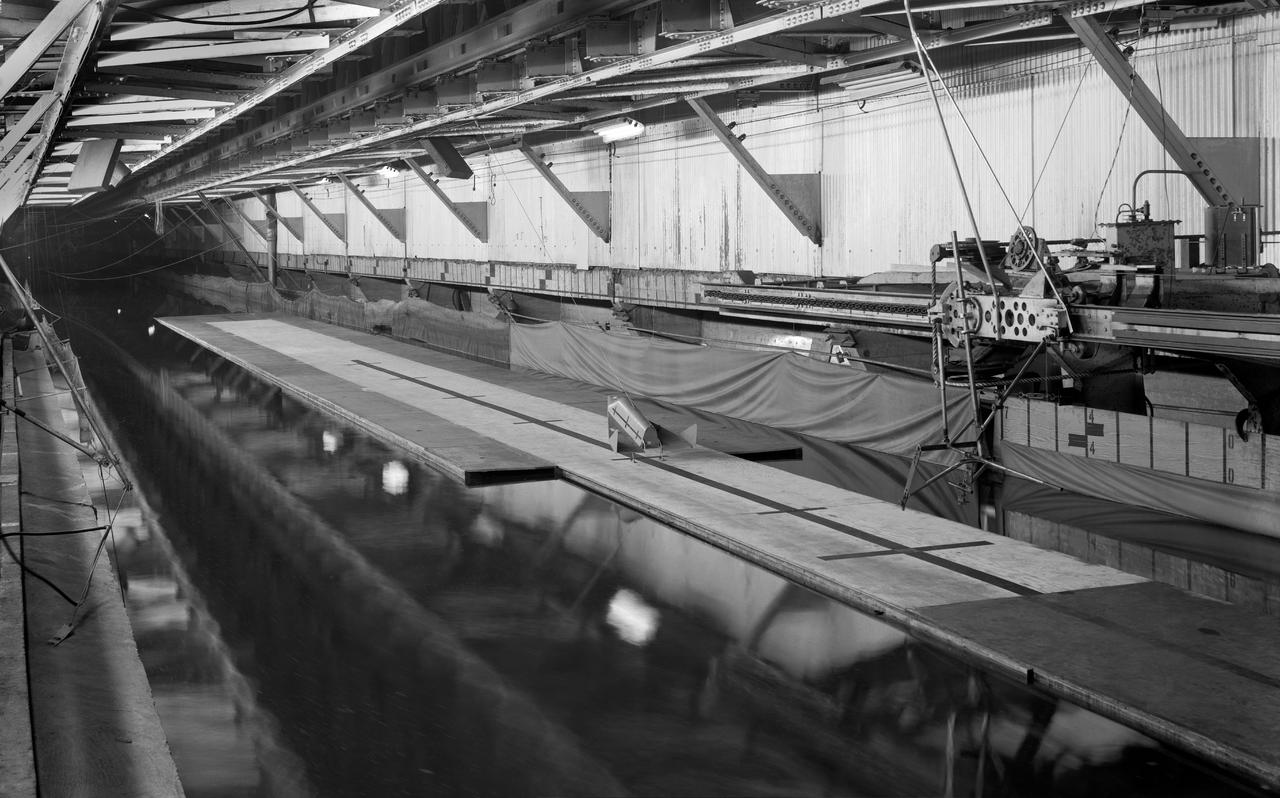
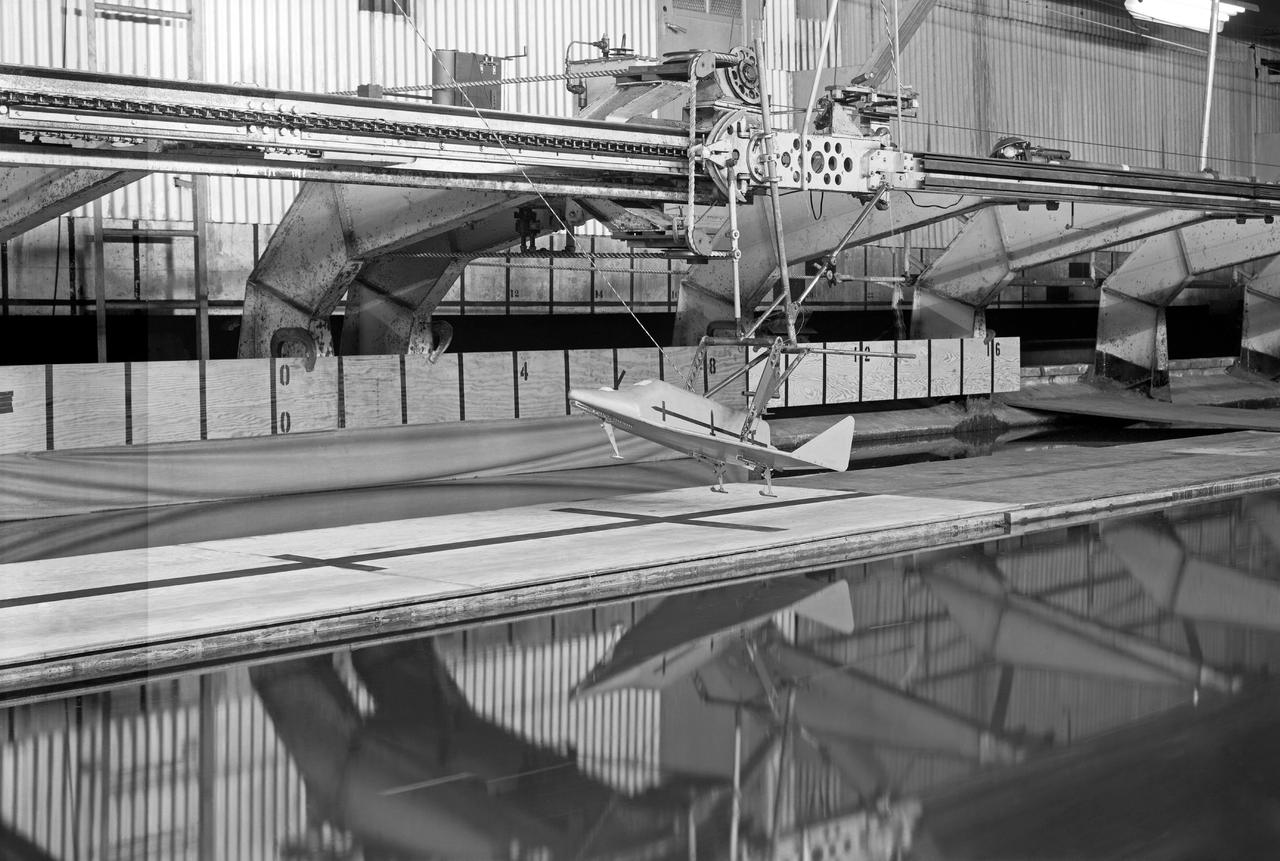
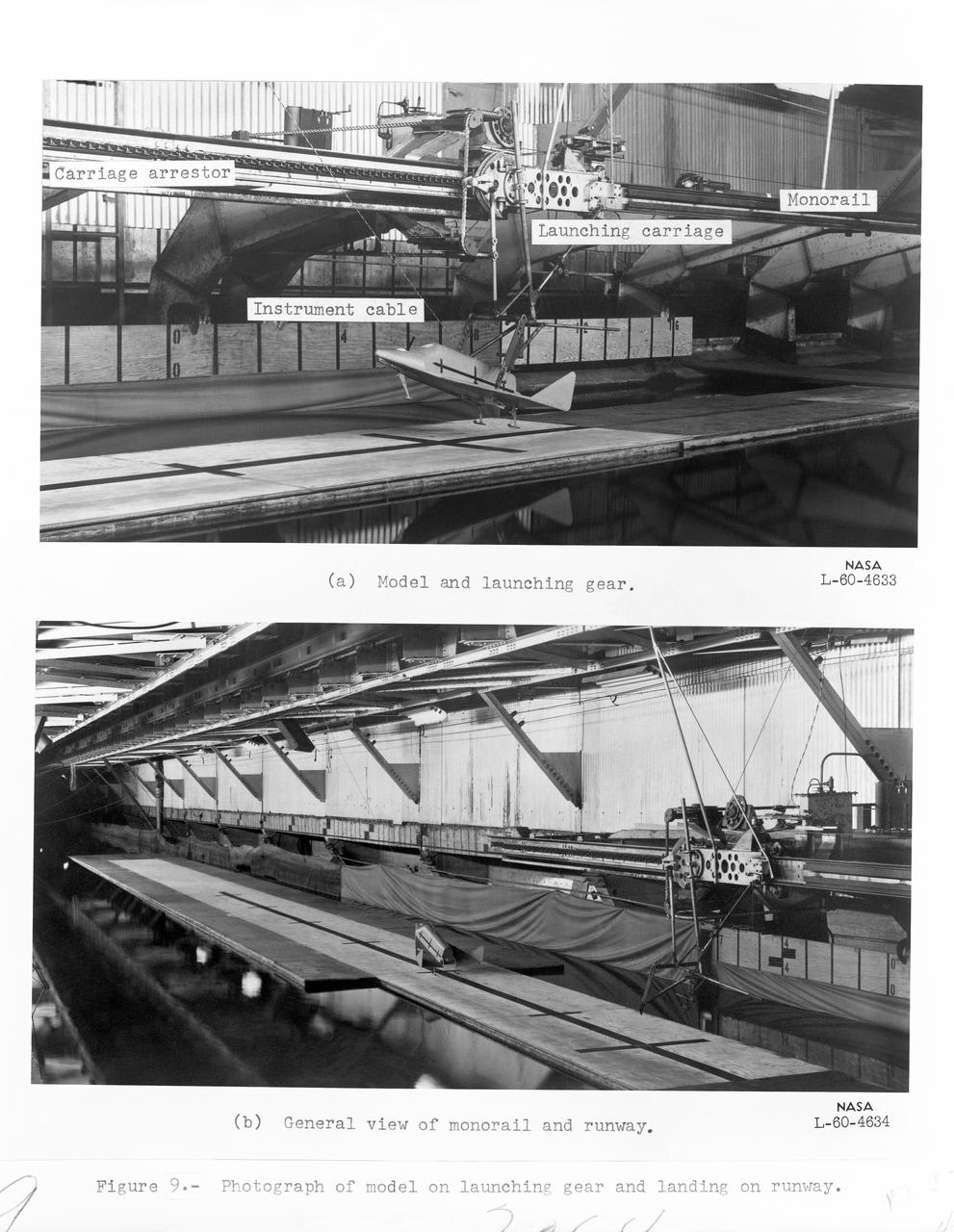
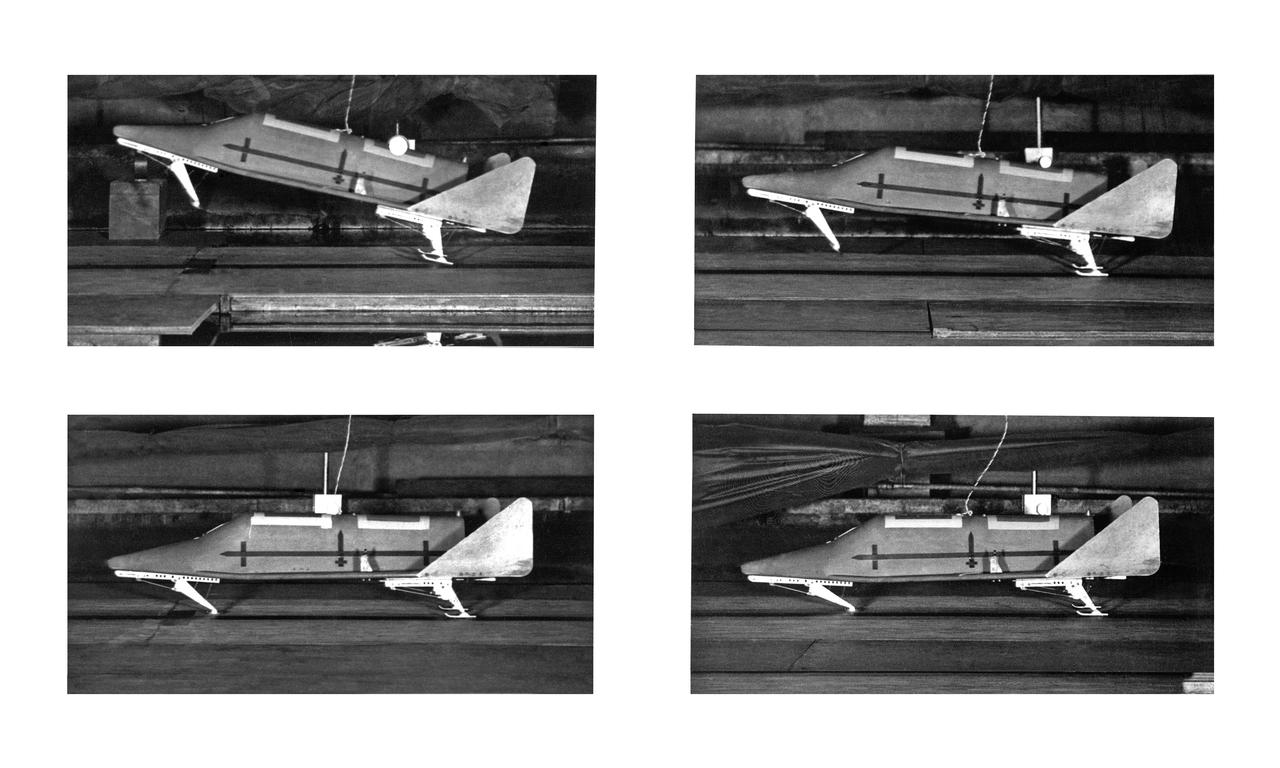
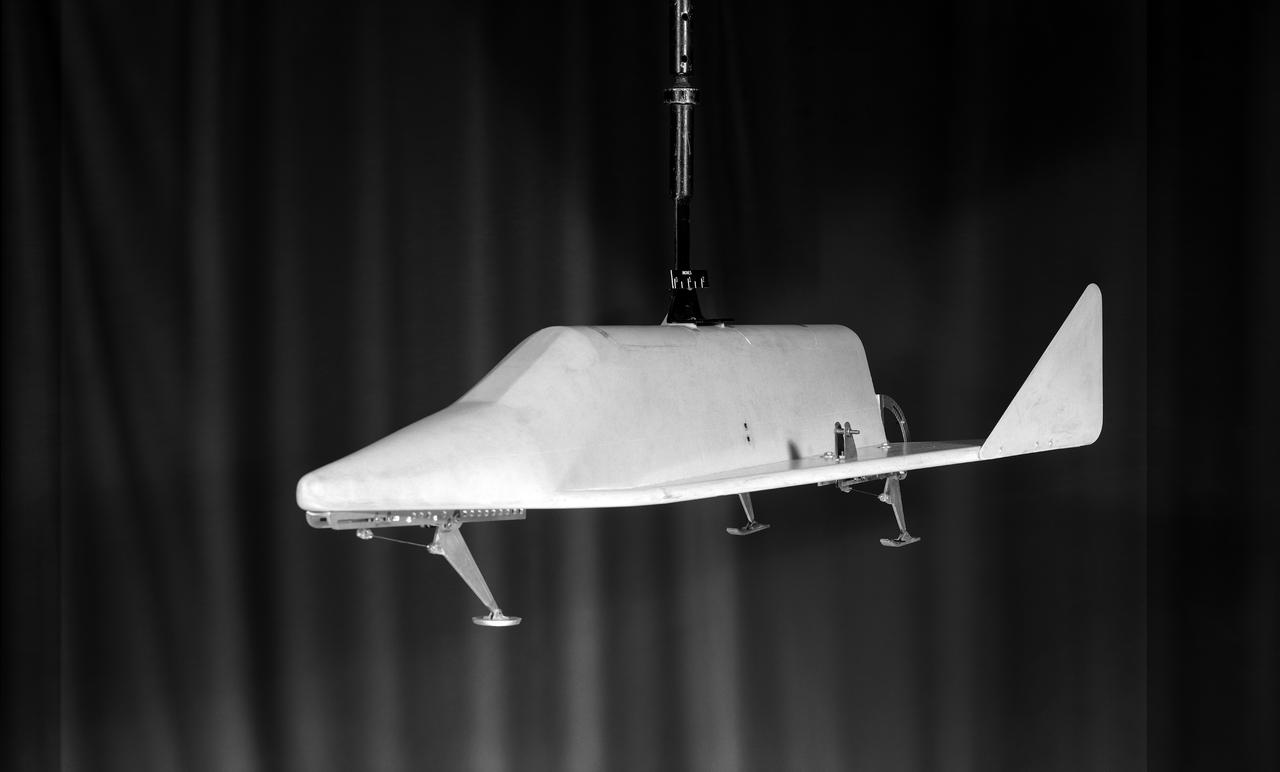
Test Setup For Model Landing Investigation of a Winged Space Vehicle  Image used in NASA Document TN-D-1496  1960-L-04633.01 is Figure 9a for NASA Document L-2064 Photograph of model on launcher and landing on runway.
Test Setup For Model Landing Investigation of a Winged Space Vehicle
Test Setup For Model Landing Investigation of a Winged Space Vehicle  Image used in NASA Document TN-D-1496  1960-L-04633.01 is Figure 9a for NASA Document L-2064 Photograph of model on launcher and landing on runway.
Test Setup For Model Landing Investigation of a Winged Space Vehicle
Test Setup For Model Landing Investigation of a Winged Space Vehicle  Image used in NASA Document TN-D-1496  1960-L-04633.01 is Figure 9a for NASA Document L-2064 Photograph of model on launcher and landing on runway.
Test Setup For Model Landing Investigation of a Winged Space Vehicle
Aside from native flora, fauna and the Langley rocket-research complex, there was not much on Wallops Island. Pictured is a 1960 photo of Launch area Number Three, used principally for Scout rocket firings. -- Photograph published in Winds of Change, 75th Anniversary NASA publication (page 73), by James Schultz.
Launch Area #3 for Scout - Wallops Island
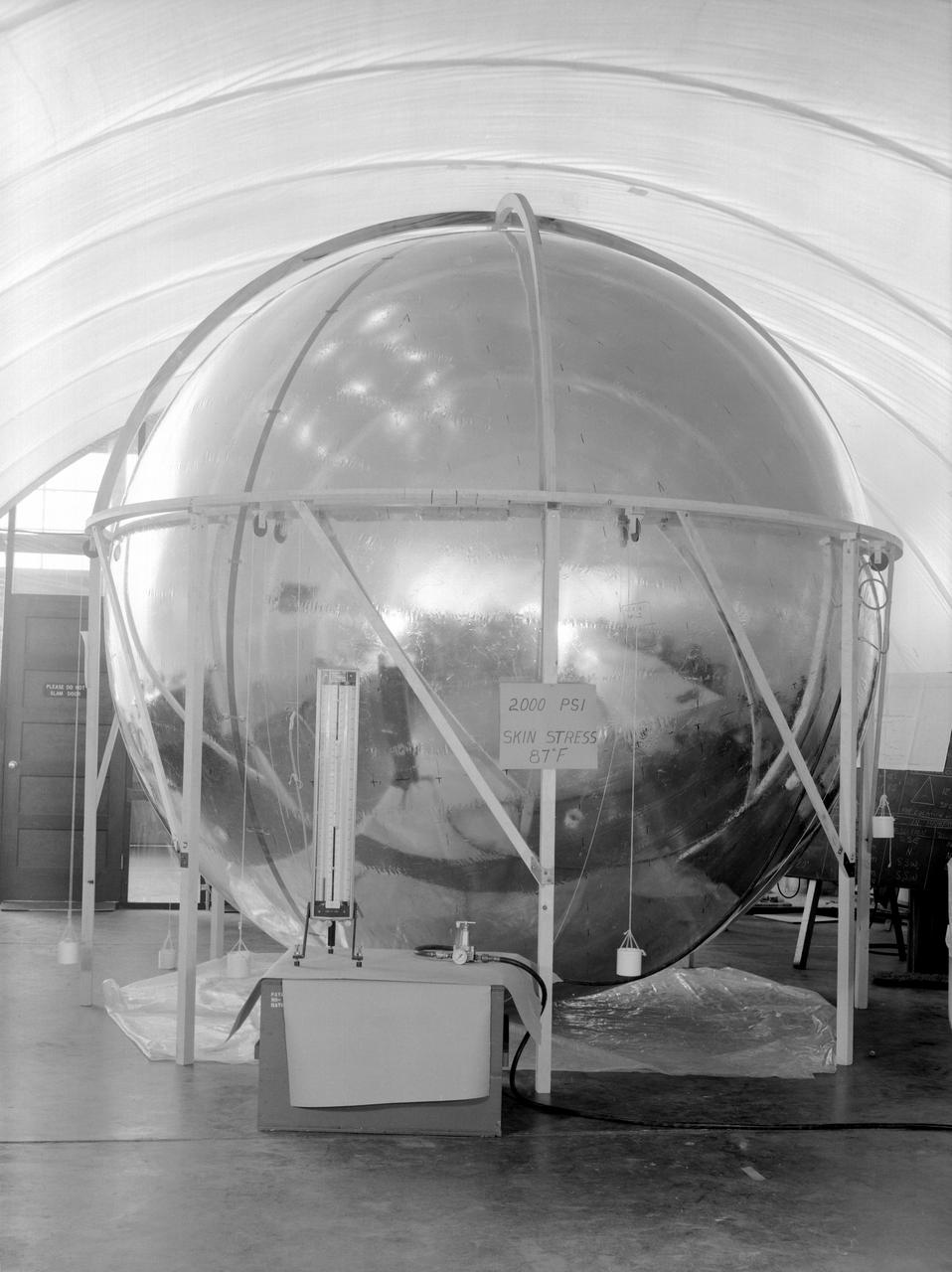
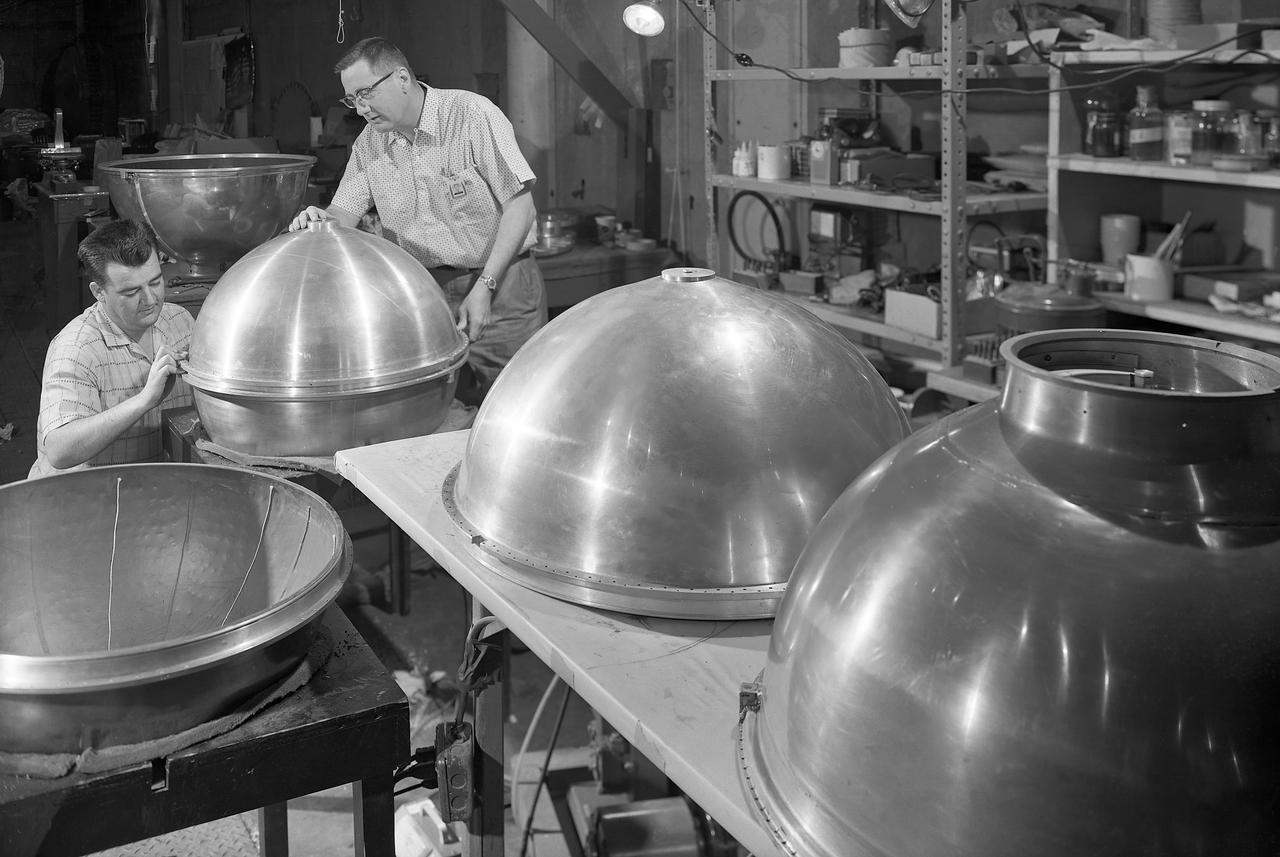
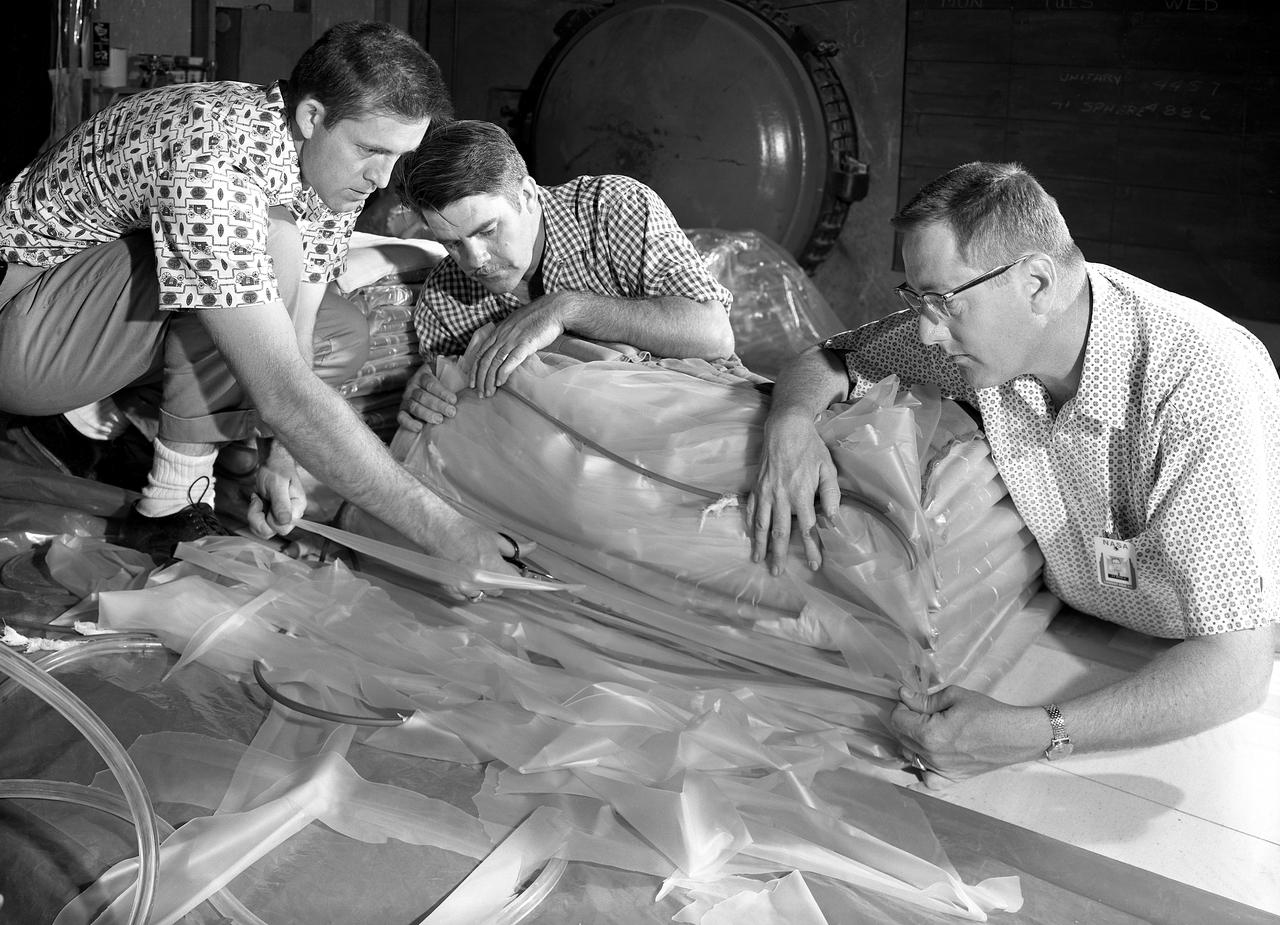
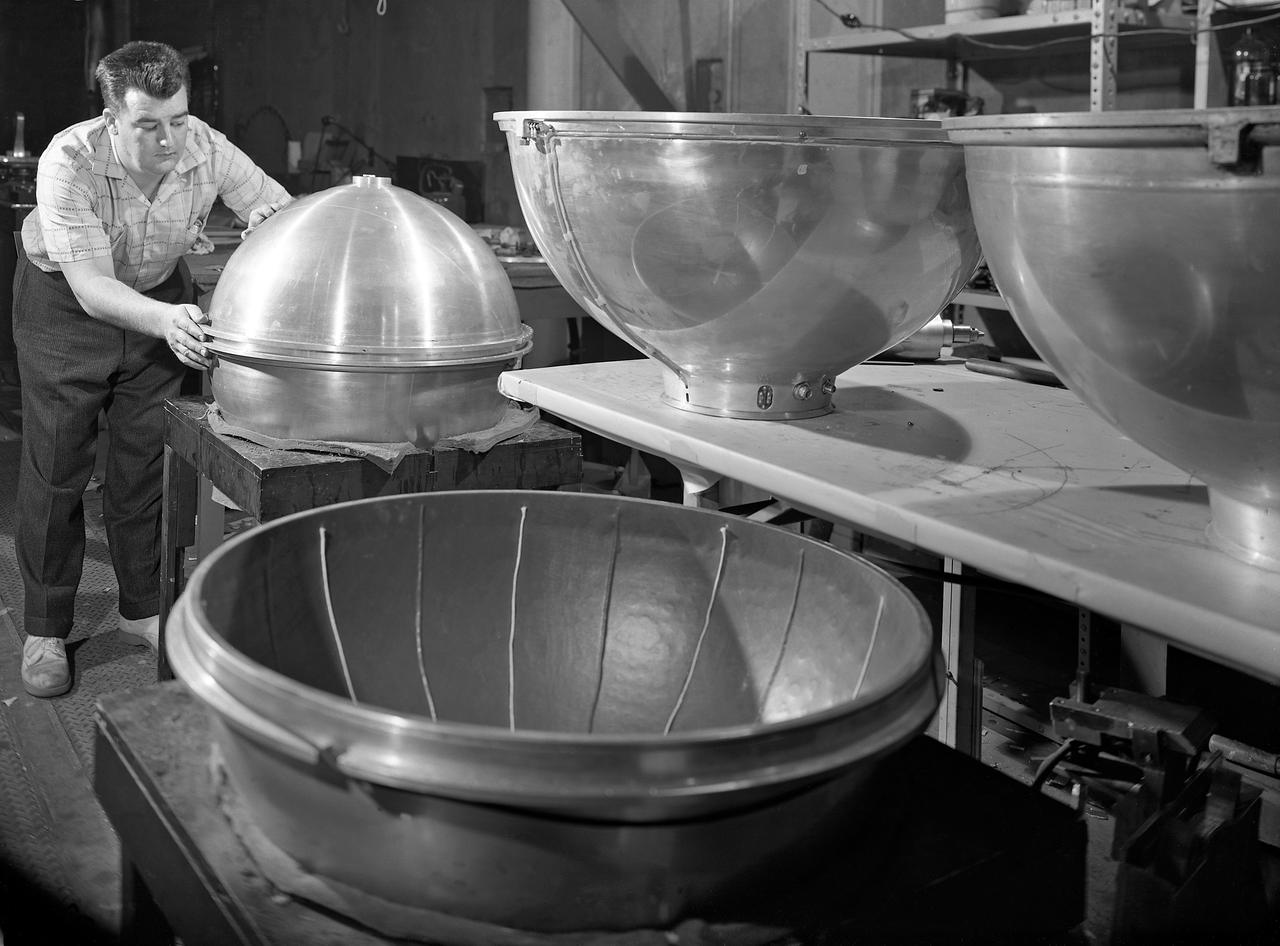
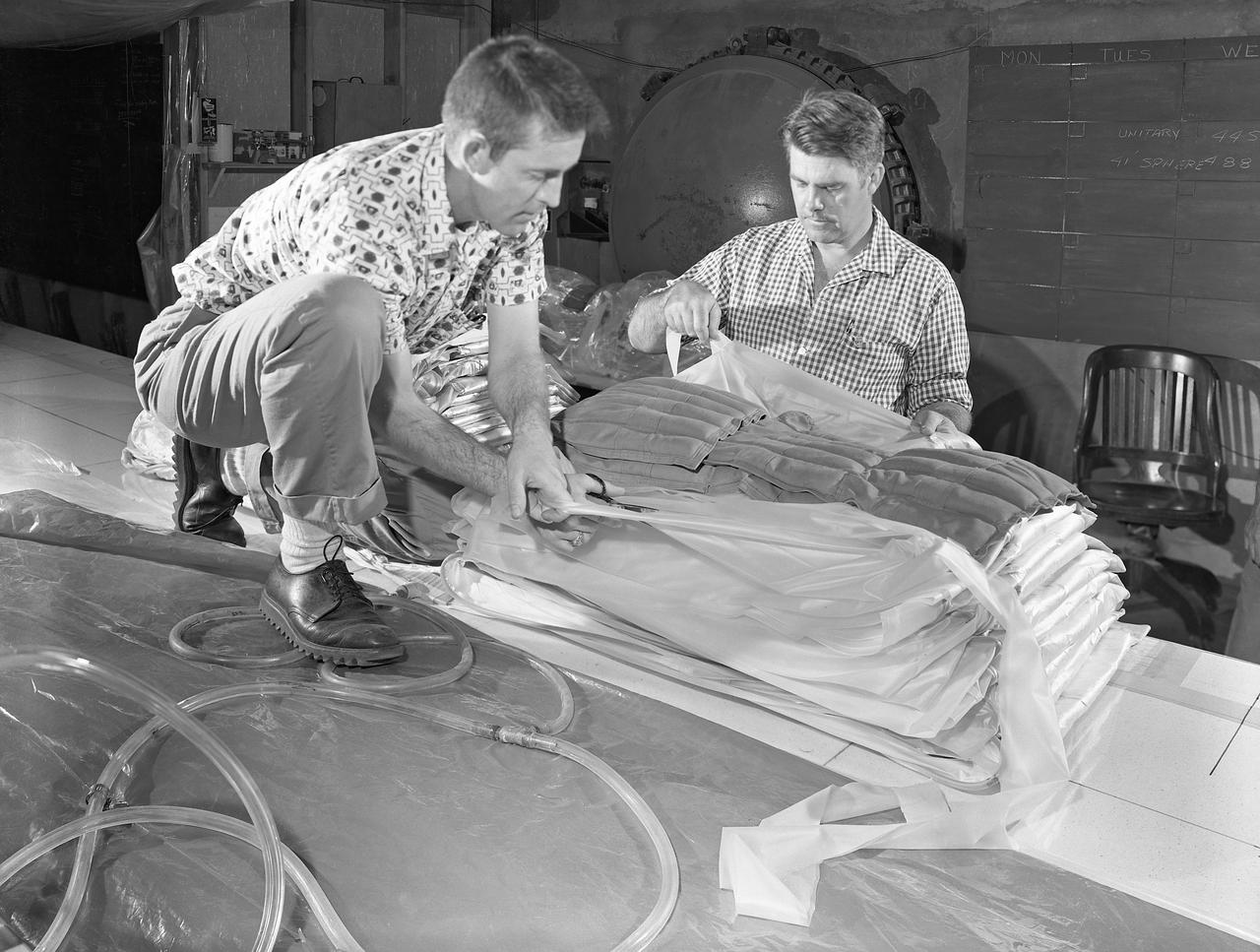
Photographed in 1960. -- Skin Stress Test of the 12-foot satellite built as a prototype of the full-scale Echo satellite. The 12-foot diameter of the sphere was chosen because that was the ceiling height in the Langley model shop. The proposal to build the 12-foot satellite was made in November 1957. -- Published in James R. Hansen, Spaceflight Revolution: NASA Langley Research Center From Sputnik to Apollo, NASA SP-4308, pp. 170-171.
Echo: skin stress test
The Little Joe launch vehicle being readied for a test launch from Wallops in January 1960... Page 77. Photograph published in Winds of Change, 75th Anniversary NASA publication, by James Schultz. **note - see L59-5137 page 77 also. Photograph published in Engineer in Charge: A History of the Langley Aeronautical Laboratory, 1917-1958 by James R. Hansen. Page 389.  ...was conceived by Langley engineers Max Faget and Paul Purser even before STG (Space Task Group) was organized.
Little Joe on Launch Pad
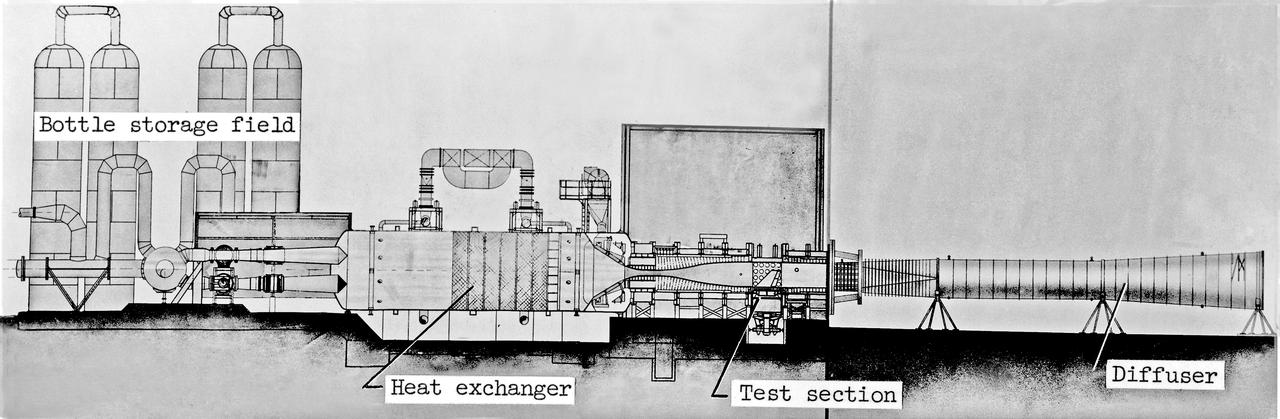
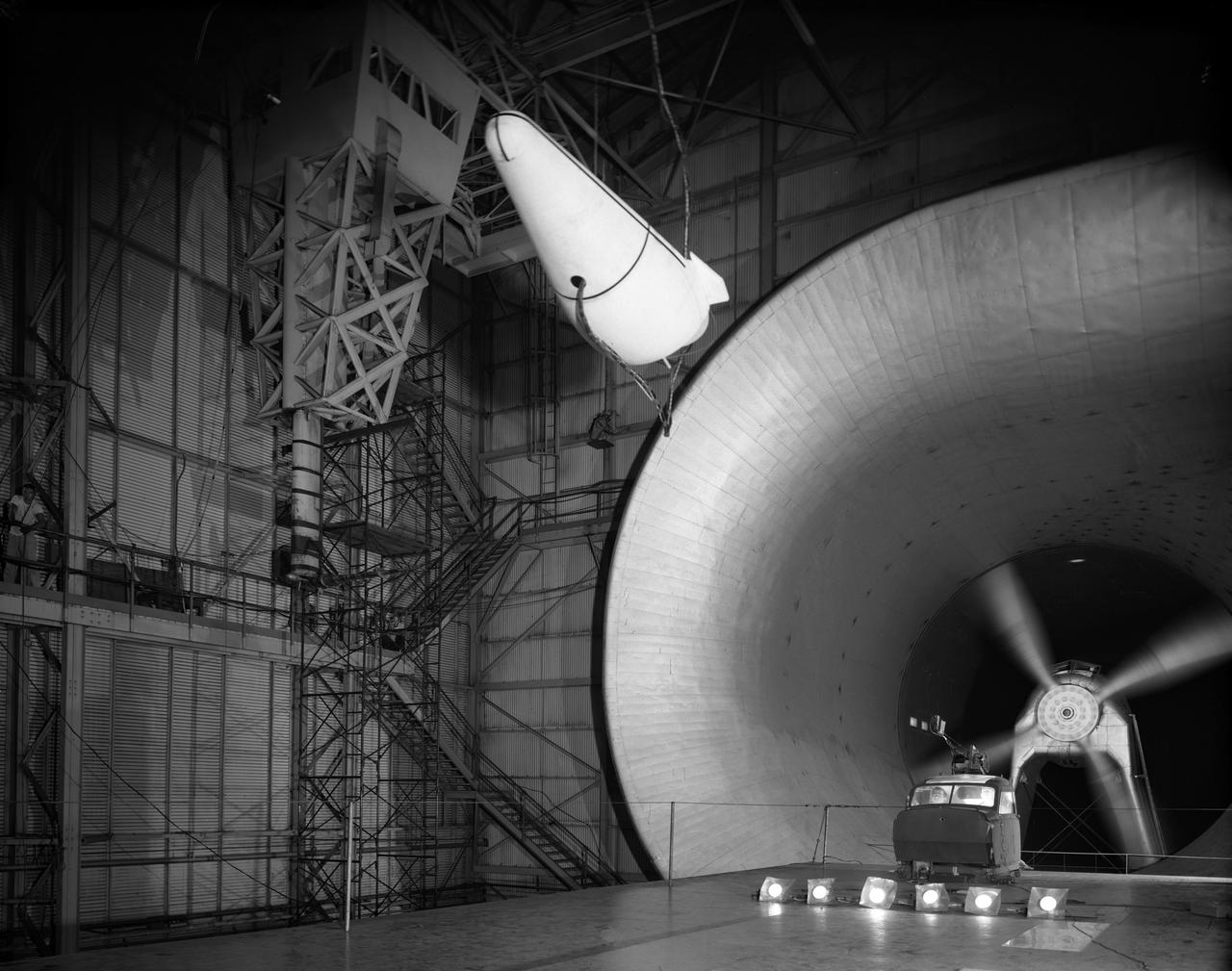
Scale Model of 9x6 Thermal Structures Tunnel: Image L-7256.01 is a Drawing Figure 12 in NASA Document L-1265. The Major components of the 9-by6-Foot Thermal Structures Tunnel. The 97 foot-long diffuser was added in 1960 to reduce noise.
Scale Model of 9x6 Thermal Structures Tunnel
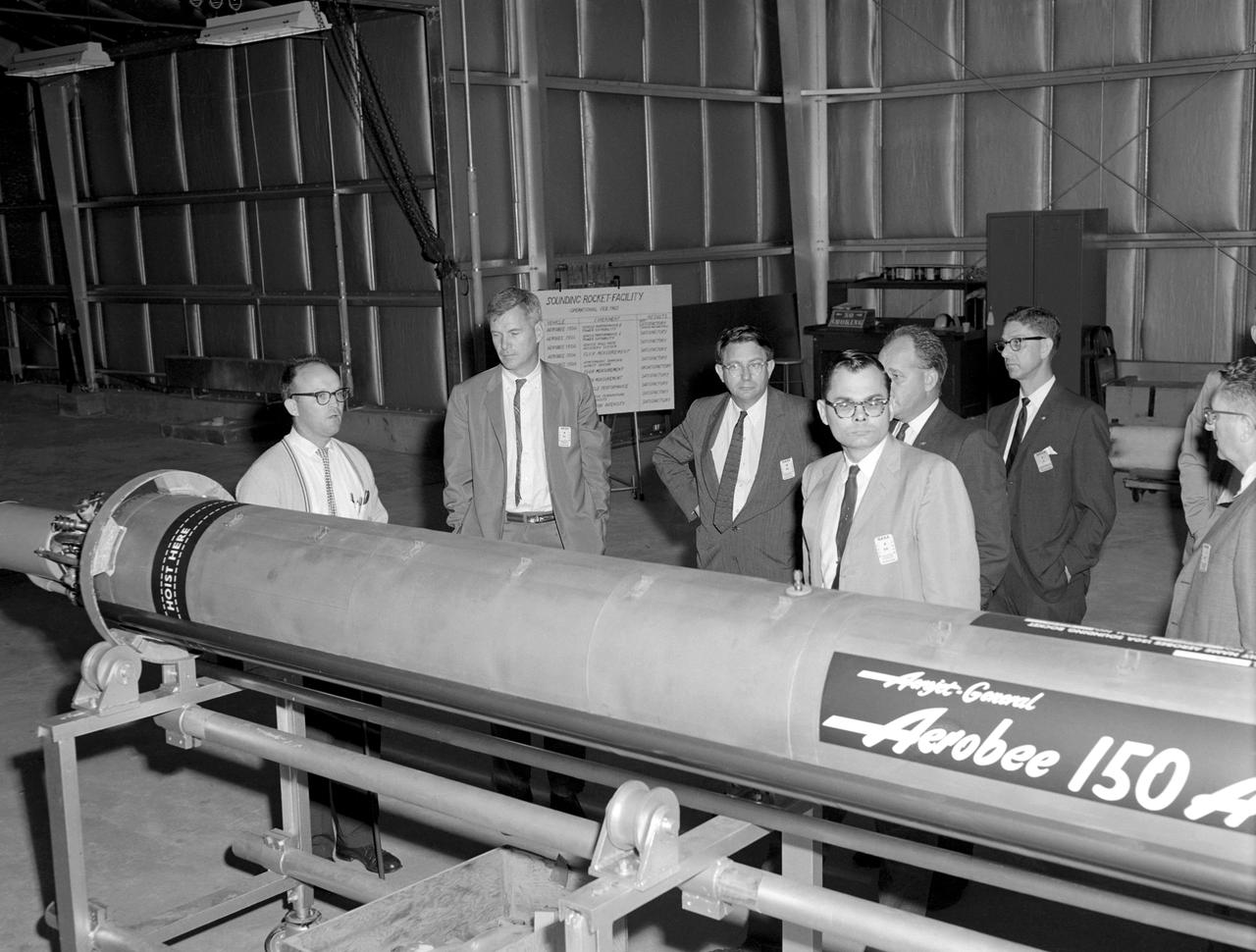
Photographed on 09/22/1960. -- An examination of the Aerojet-General "Aerobee 150A" propulsion system in February 1960. James Hansen described this as follows: "As for the technical definition of the rocket...the Langley engineers tried to keep developmental costs and time to a minimum by selecting components from off-the-shelf hardware. the majority of Scout's components were to come from an inventory of solid-fuel rockets produced for the military, although everyone involved understood that some improved motors would also have to be developed under contract. By early 1959, after intensive technical analysis and reviews, Langley settled on a design and finalized the selection of the major contractors. The rocket's 40-inch-diameter first stage was to be a new "Algol" motor, a combination of the Jupiter Senior and the navy Polaris produced by the Aerojet General Corporation, Sacramento, California. The 31-inch-diameter second stage, "Castor," was derived from the army's Sergeant and was to be manufactured by the Redstone Division of the Thiokol company in Huntsville, Alabama. the motor for the 30-inch-diameter third stage, "Antares," evolved under NASA contract from the ABL X248 design into a new version called the X254 (and subsequently into the X259); it was built under contract to NASA by ABL, a U.S. Navy Bureau of Ordnance facility operated by the Hercules Powder Company, Cumberland, Maryland. the final upper-stage propulsion unit, "Altair," which was 25.7 inches in diameter (34 inches at the heat shield), amounted to an improved edition of the X248 that was also manufactured by ABL." -- Published in James R. Hansen, Spaceflight Revolution: NASA Langley Research Center From Sputnik to Apollo, NASA SP-4308, pp.200-201.
Scout
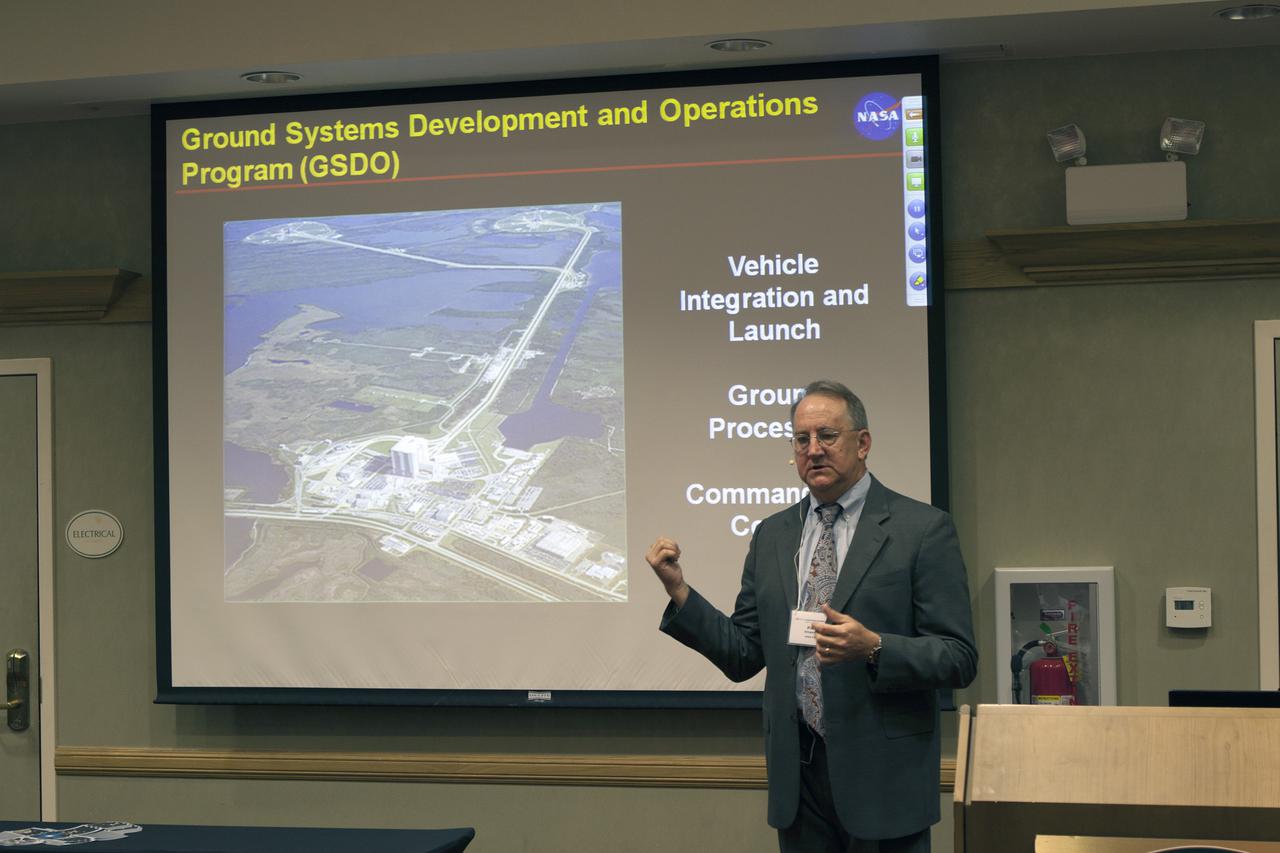
CAPE CANAVERAL, Fla. – At the Courtyard by Marriott hotel in Cocoa Beach, Fla., Pat Simpkins, director of Engineering and Technology at Kennedy Space Center talks to participants in the room and those participating online during the Third International Workshop on Lunar Superconductor Applications. The workshop included presentations from several engineers and researchers at Kennedy Space Center.  The three-day workshop included presentations from speakers throughout the country and focused on Lunar in-situ resource utilization, NASA’s Lunar Ice Prospector called RESOLVE, CubeSats, cryogenic storage and many other topics related to lunar exploration. Photo credit: NASA_Jim Grossmann
KSC-2013-1960
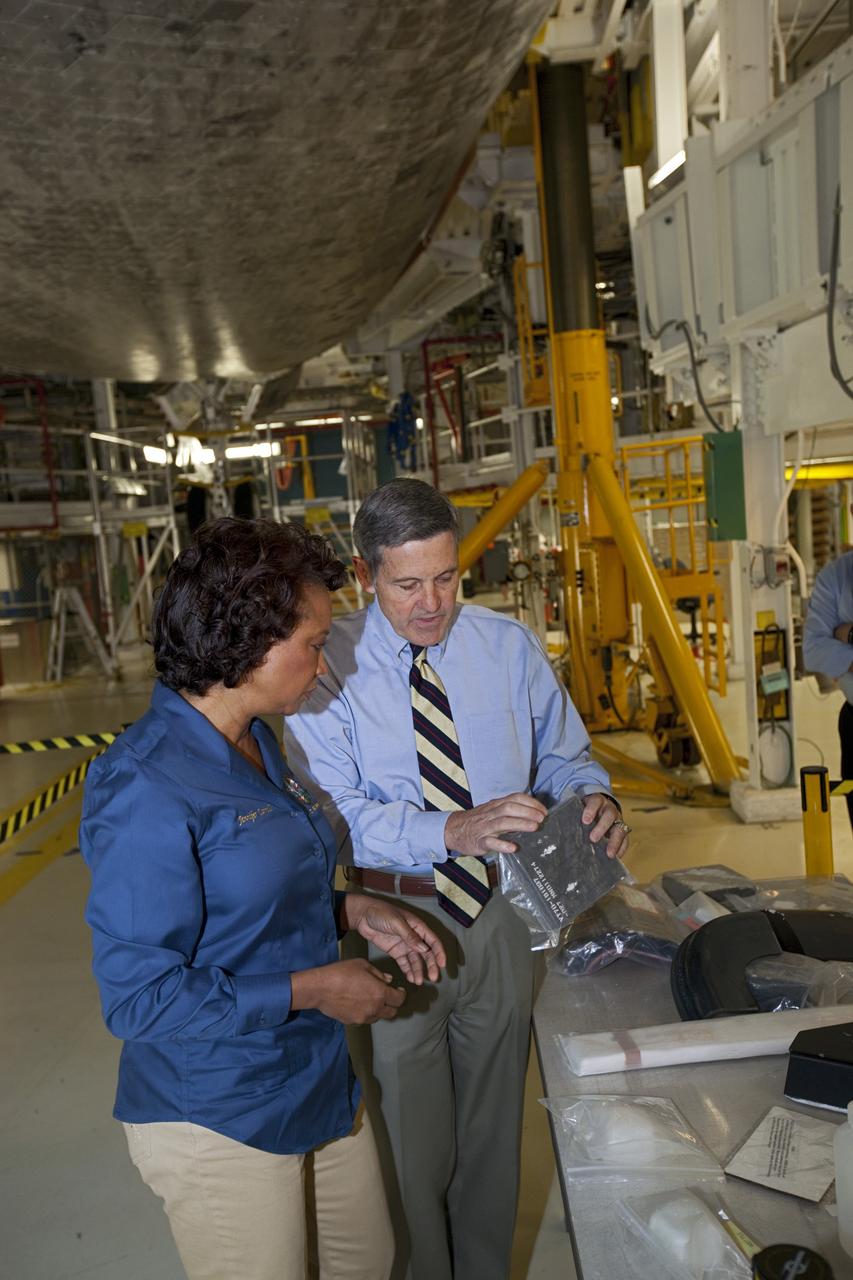
CAPE CANAVERAL, Fla. – Kennedy Space Center Director Bob Cabana, right, shows a space shuttle   high-temperature reusable surface insulation HRSI tile to Florida’s Lt. Gov. Jennifer Carroll during a tour of Kennedy’s Orbiter Processing Facility-1. The tile is part of the shuttle’s thermal protection system which covers the shuttle’s exterior and protects it from the heat of re-entry.      The tour coincided with Carroll’s visit to Kennedy for a meeting with Cabana. Atlantis is being prepared for public display at the Kennedy Space Center Visitor Complex in 2013. The groundbreaking for Atlantis’ exhibit hall took place in January Atlantis is scheduled to be moved to the visitor complex in November. For more information, visit http://www.nasa.gov/shuttle.  Photo credit: NASA/Jim Grossmann
KSC-2012-1960
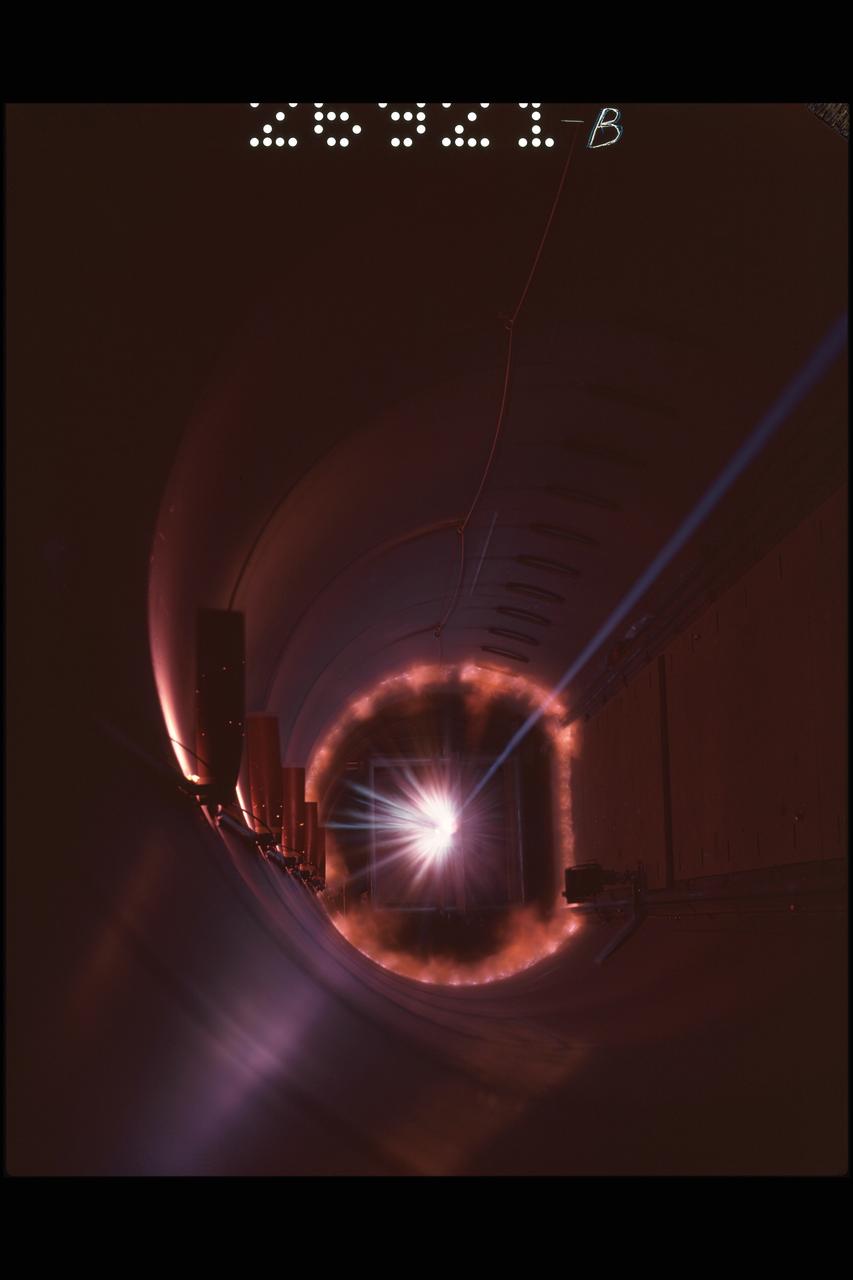
Hi-Speed impact test simulating space debris hitting an orbiting capsule. A blunt nose 20 millimeter model built of polyethylene hitting a aluminum target at 19,500 feet per second, in a pressure simulated as 100,000 feet altitude.
ARC-1960-A-26921-B
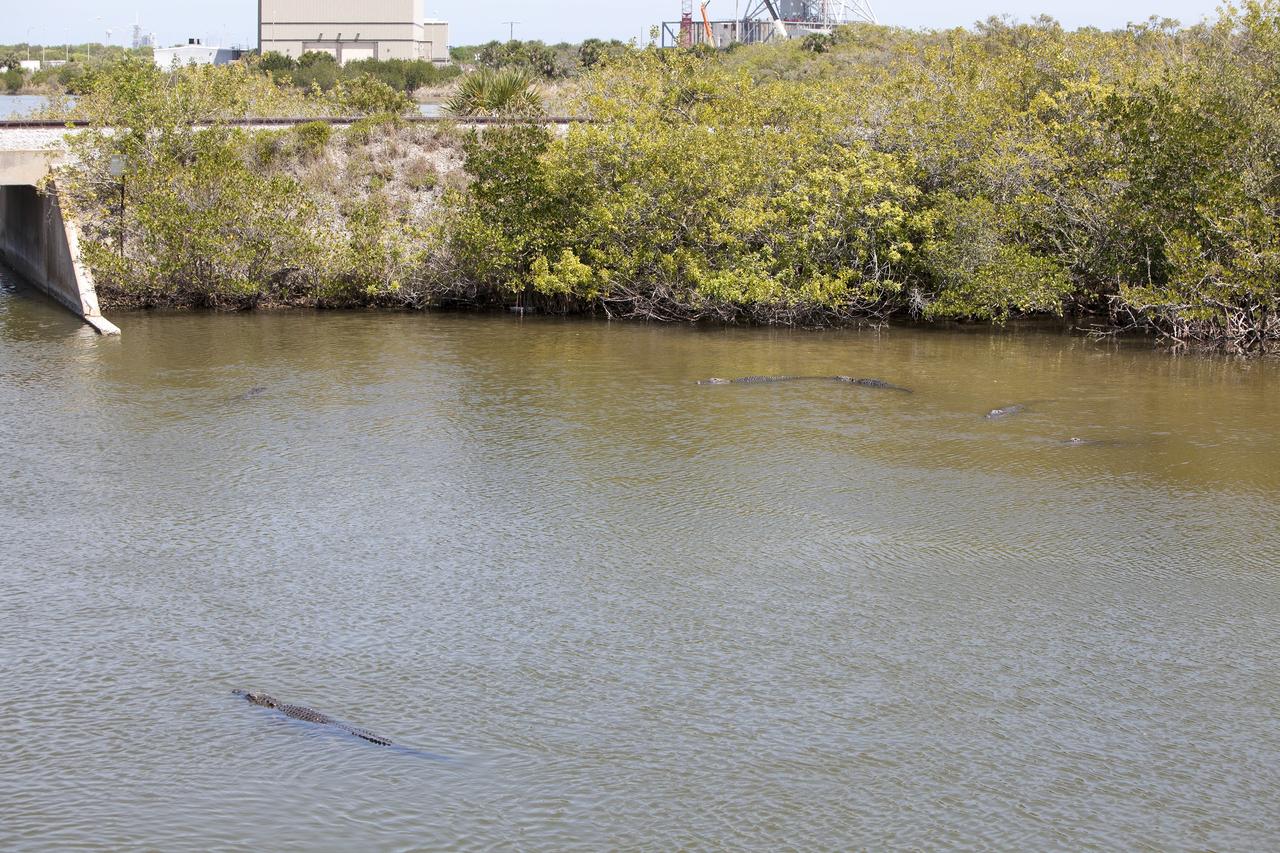
CAPE CANAVERAL, Fla. – The NASA Railroad track borders a creek that often serves as a popular gathering place for alligators and manatees at Kennedy Space Center in Florida.    The center shares a boundary with the Merritt Island National Wildlife Refuge, which encompasses 140,000 acres that provide a habitat for more than 330 species of birds, 31 mammals, 117 fishes, and 65 amphibians and reptiles. Photo credit: NASA/Daniel Casper
KSC-2014-1960
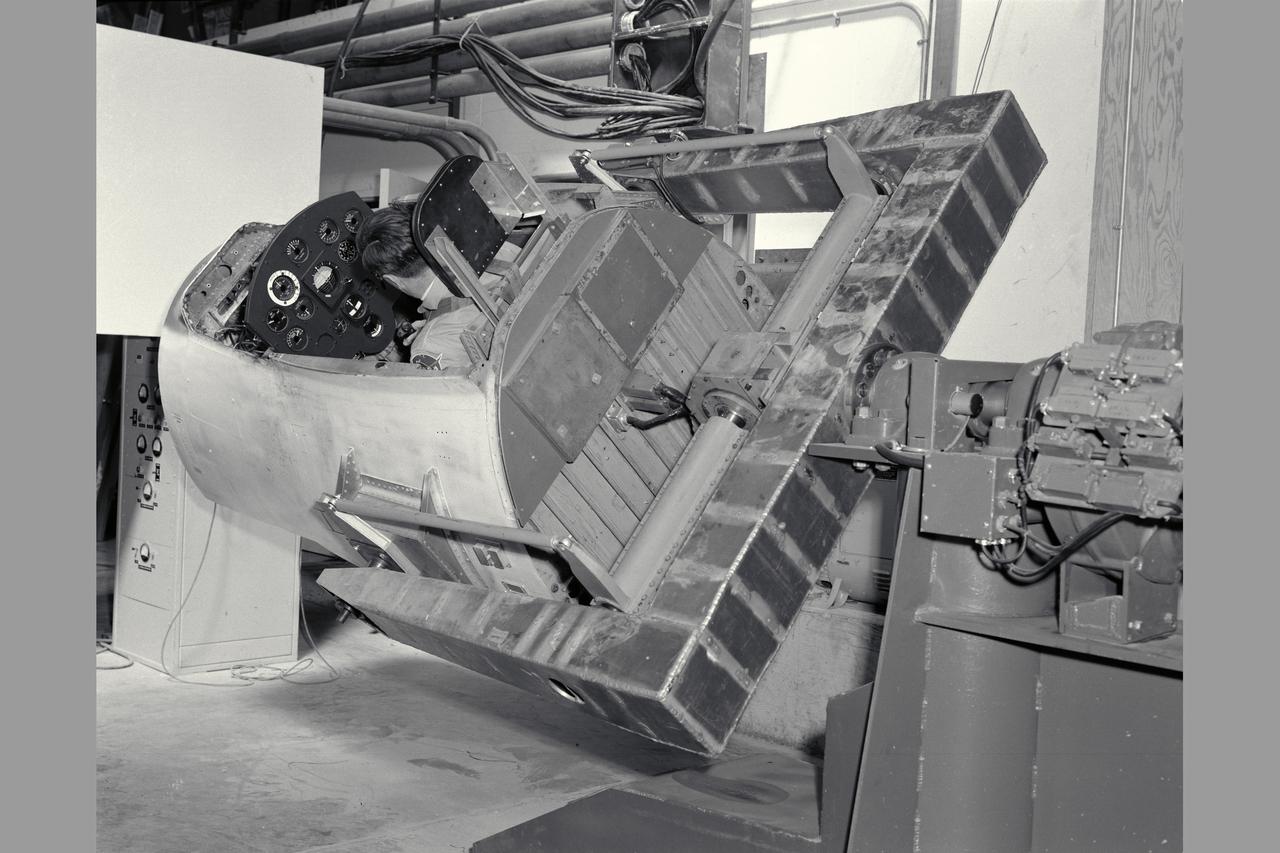
3/4 rear view with pilot Merriweather - 60 degrees bank angle. NE-2 degree of freedom simulator set-up for pitch and roll motion.
ARC-1960-A-26446
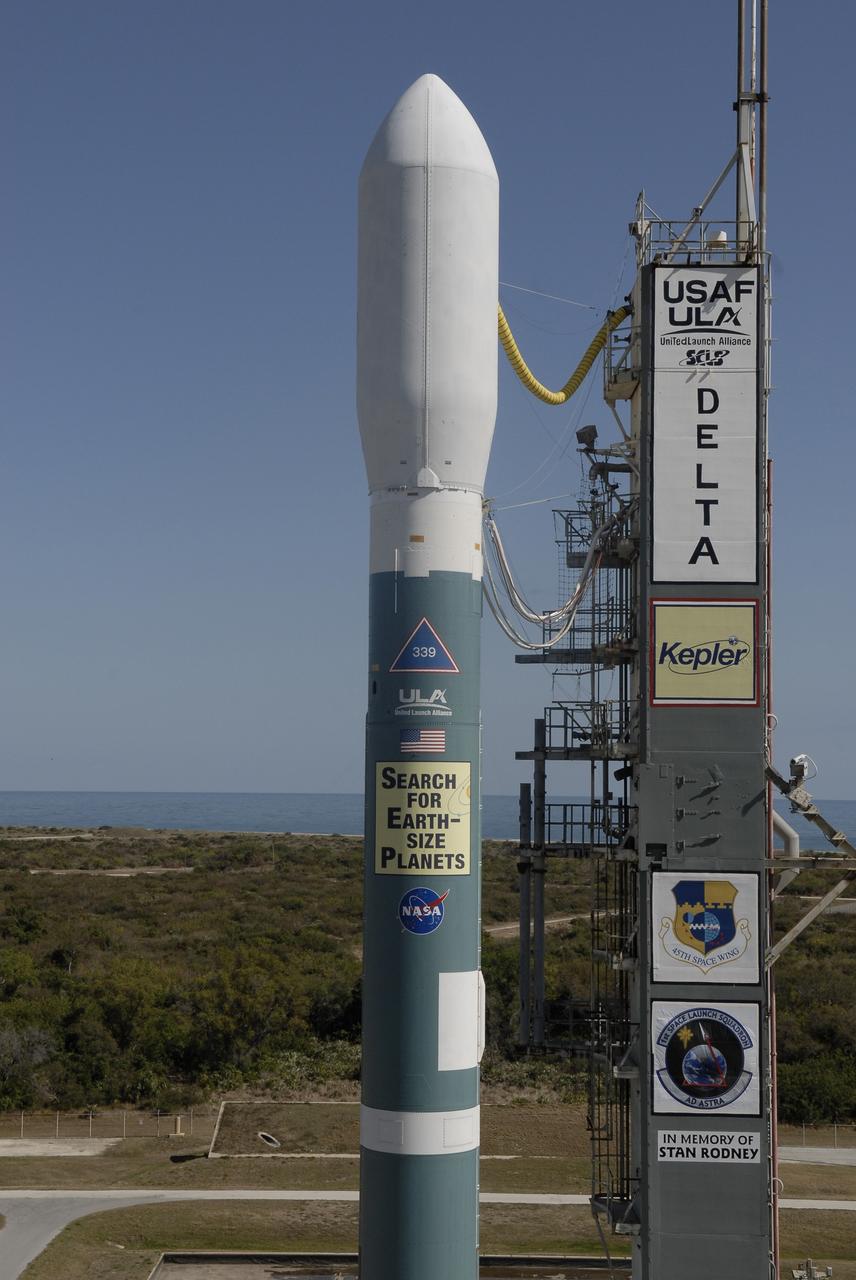
CAPE CANAVERAL, Fla. – Against the backdrop of the Atlantic Ocean, the Delta II 7925 rocket stands ready for launch following rollback of the mobile service tower on Launch Pad 17-B at Cape Canaveral Air Force Station.  Atop  the rocket is NASA's Kepler spacecraft. Kepler is a spaceborne telescope designed to search the nearby region of our galaxy for Earth-size planets orbiting in the habitable zone of stars like our sun. The habitable zone is the region around a star where temperatures permit water to be liquid on a planet's surface.  The challenge for Kepler is to look at a large number of stars in order to statistically estimate the total number of Earth-size planets orbiting sun-like stars in the habitable zone. Kepler will survey more than 100,000 stars in our galaxy.   Photo credit: NASA/Jack Pfaller
KSC-2009-1960
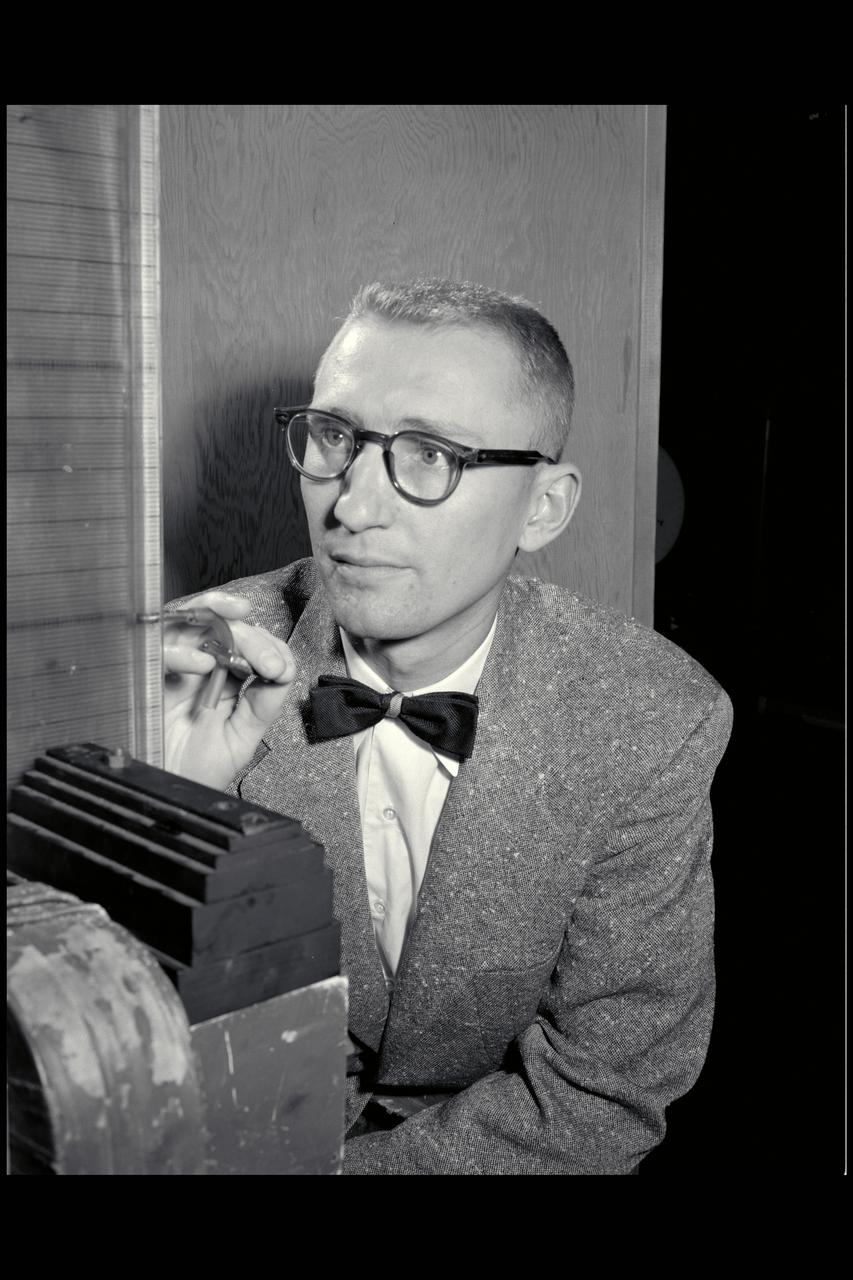
Dr Vernon J. Rossow
ARC-1960-A-26225
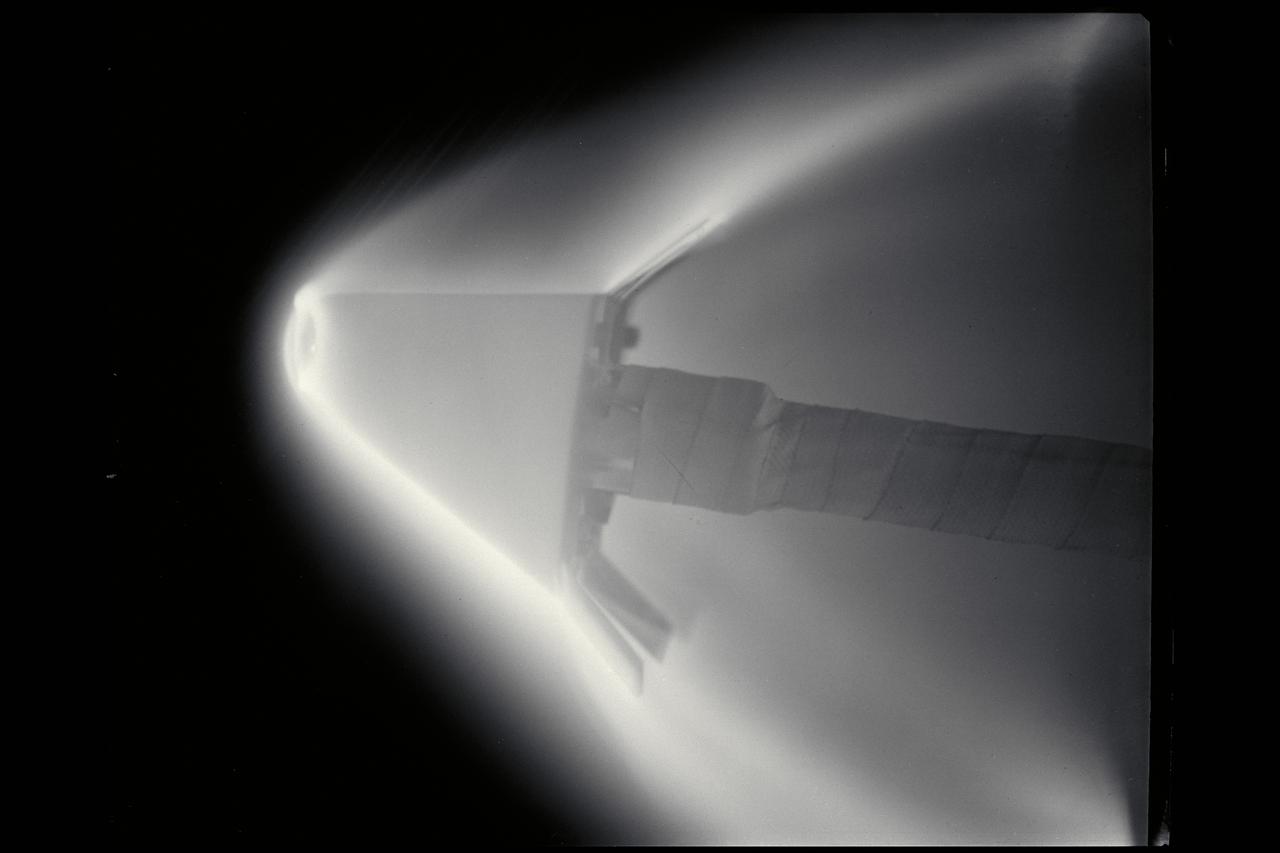
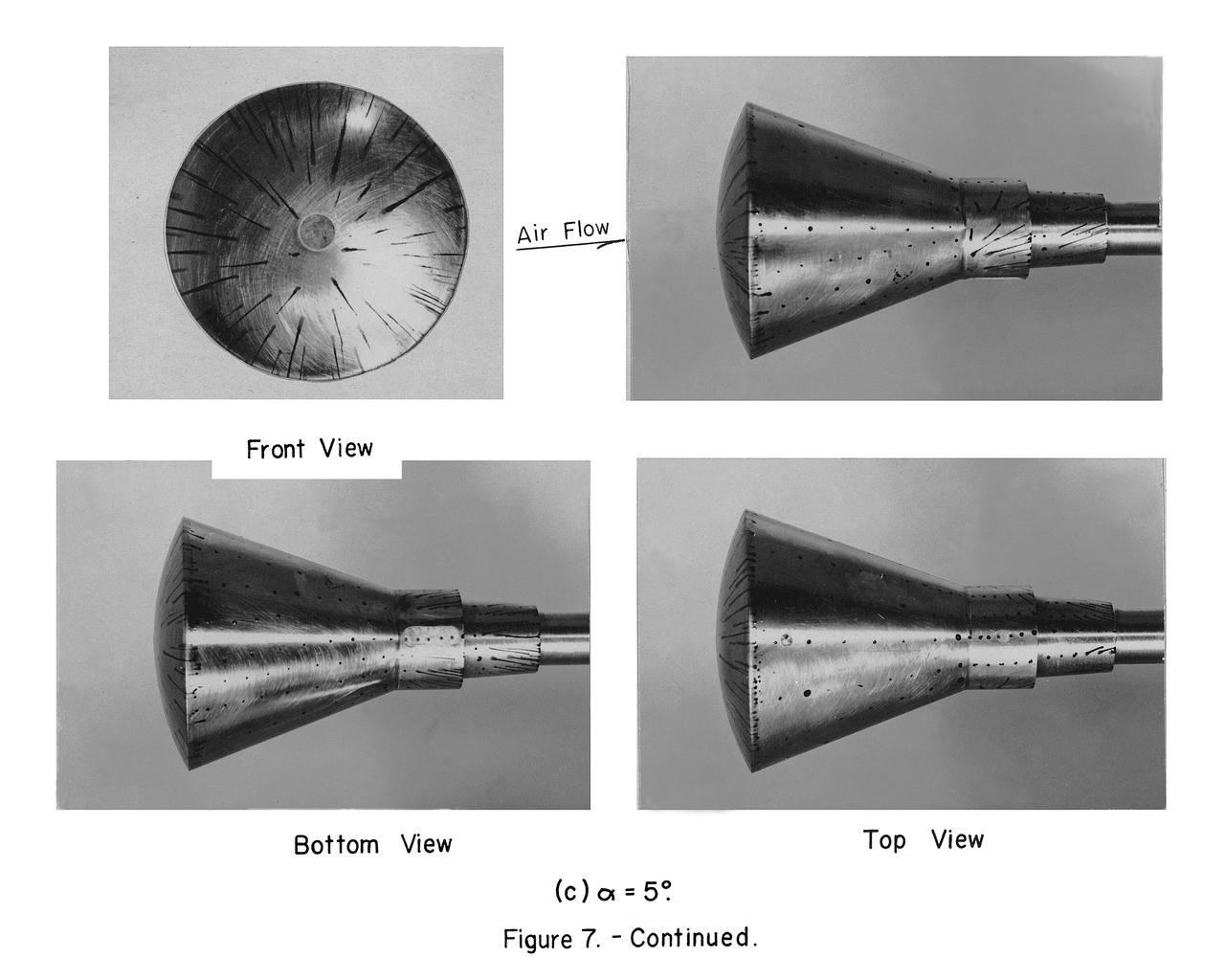
M-1 reentry body test model in high enthalpy (heat function) air stream
ARC-1960-A-26378
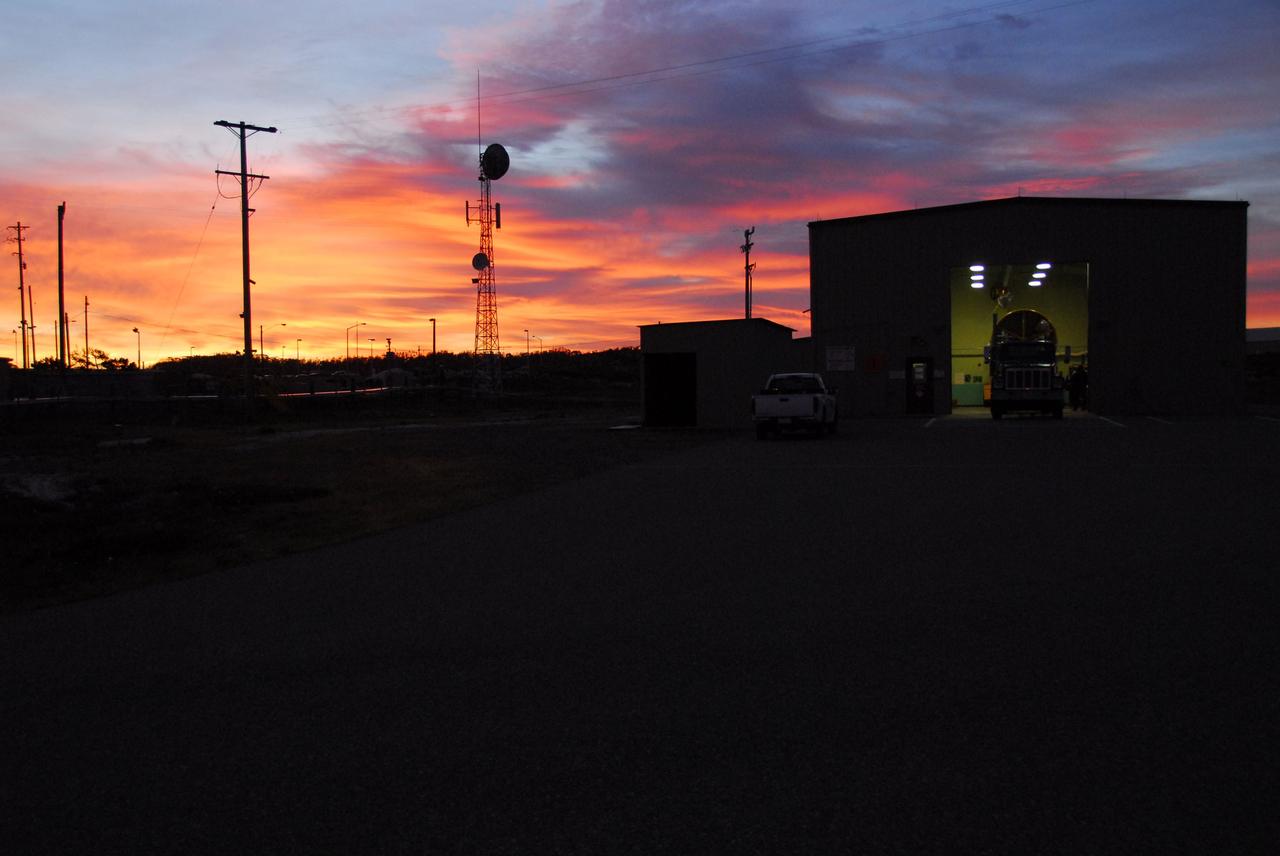
VANDENBERG AIR FORCE BASE, Calif. -- As the sun rises over Vandenberg Air Force Base in California, the first stage of the United Launch Alliance Delta II rocket that will carry the Aquarius/SAC-D satellite into low Earth orbit is prepared for its move to Space Launch Complex-2 (SLC-2).      Scheduled to launch in June, Aquarius' mission will be to provide monthly maps of global changes in sea surface salinity. By measuring ocean salinity from space, Aquarius will provide new insights into how the massive natural exchange of freshwater between the ocean, atmosphere and sea ice influences ocean circulation, weather and climate. Also going up with the satellite are optical and thermal cameras, a microwave radiometer and the SAC-D spacecraft, which were developed with the help of institutions in Italy, France, Canada and Argentina. Photo credit: NASA/VAFB
KSC-2011-1960
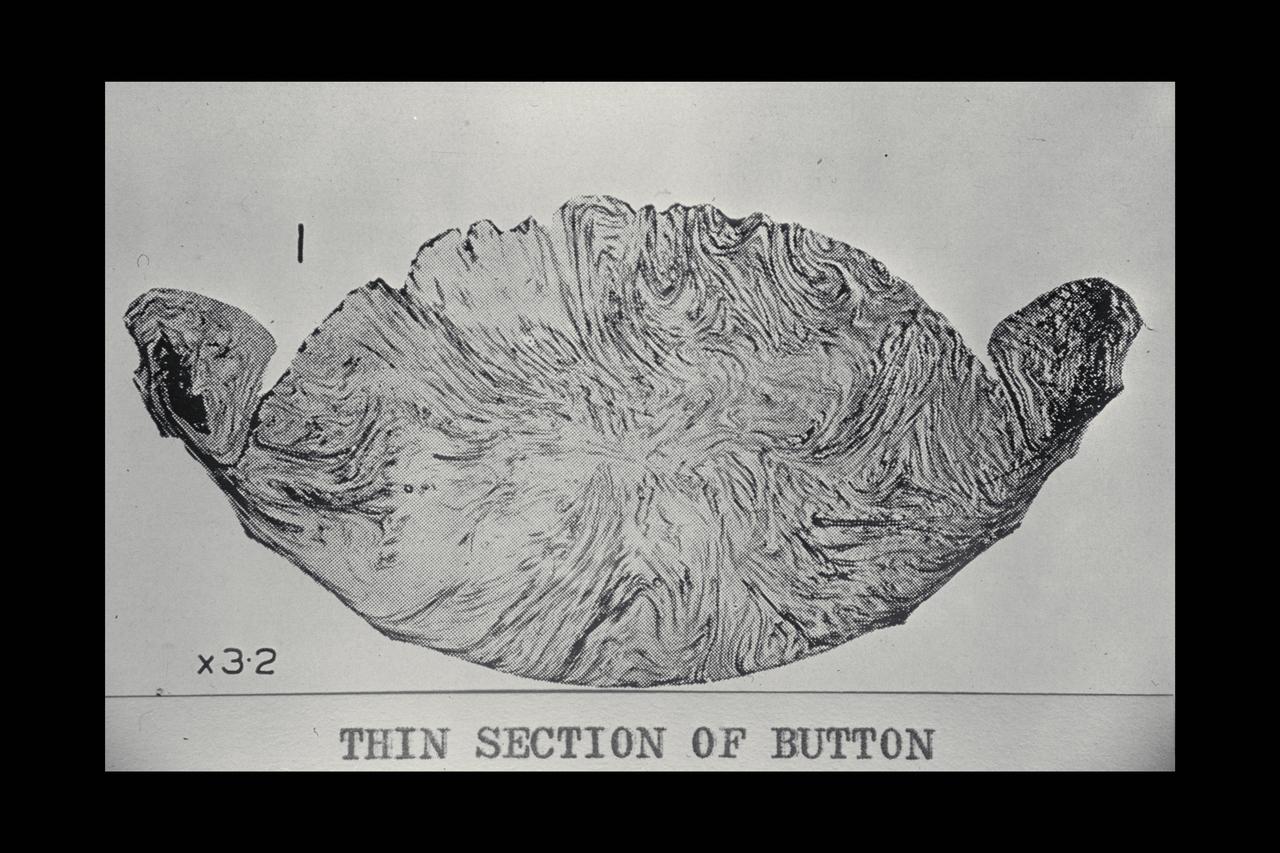
Tektites from the European collections
ARC-1960-A-27281A
3 degree simulator with engineer John Dusterberry
ARC-1960-A-27290
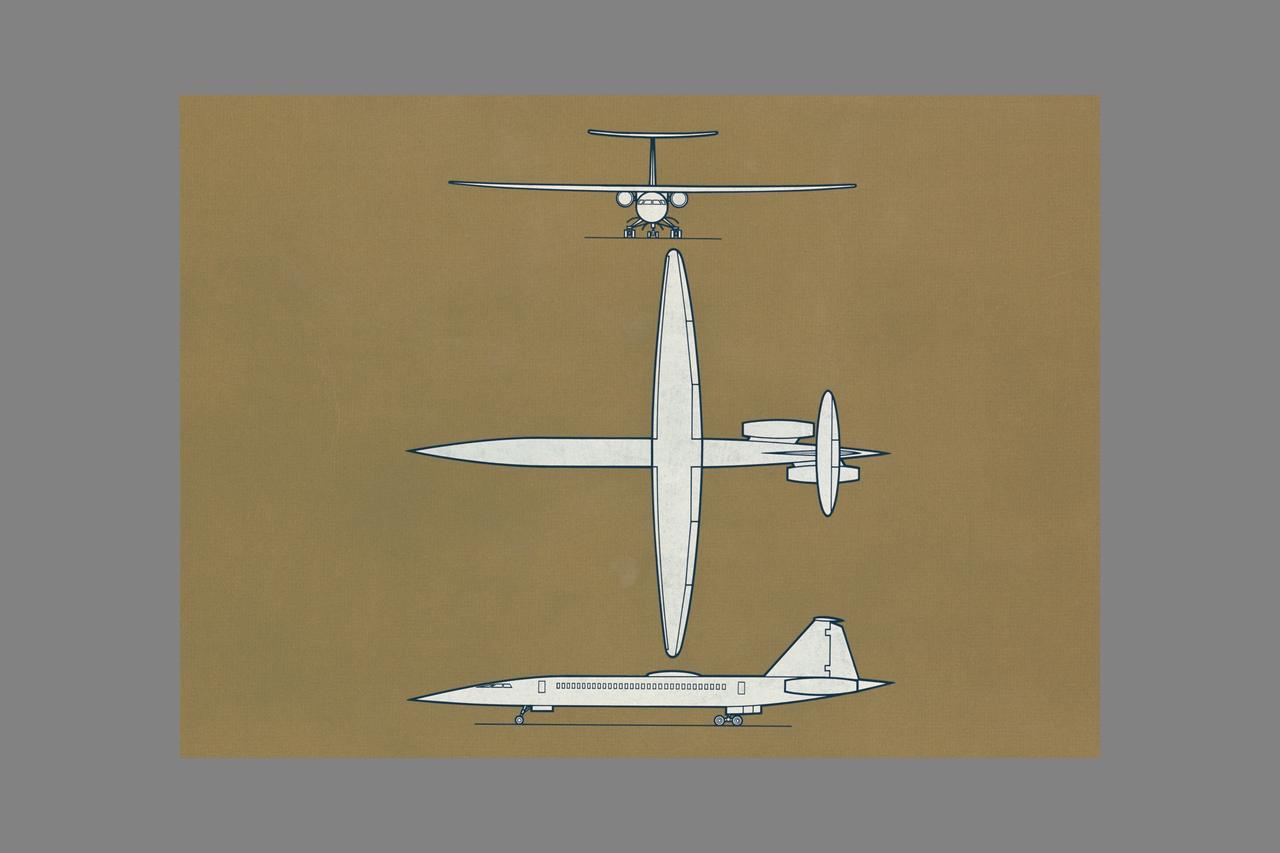
R.T. Jones Oblique Wing model:  singal fuselage - 3 view artwork
ARC-1972-A72-1960
BELL XV-3 (AF54-148) Convertiplane (experimental tilt rotor) IN FLIGHT Note:  Used in publication in Flight Research at Ames;  57 Years of Development and Validation of Aeronautical Technology NASA SP-1998-3300 fig. 121
ARC-1960-AC-26438
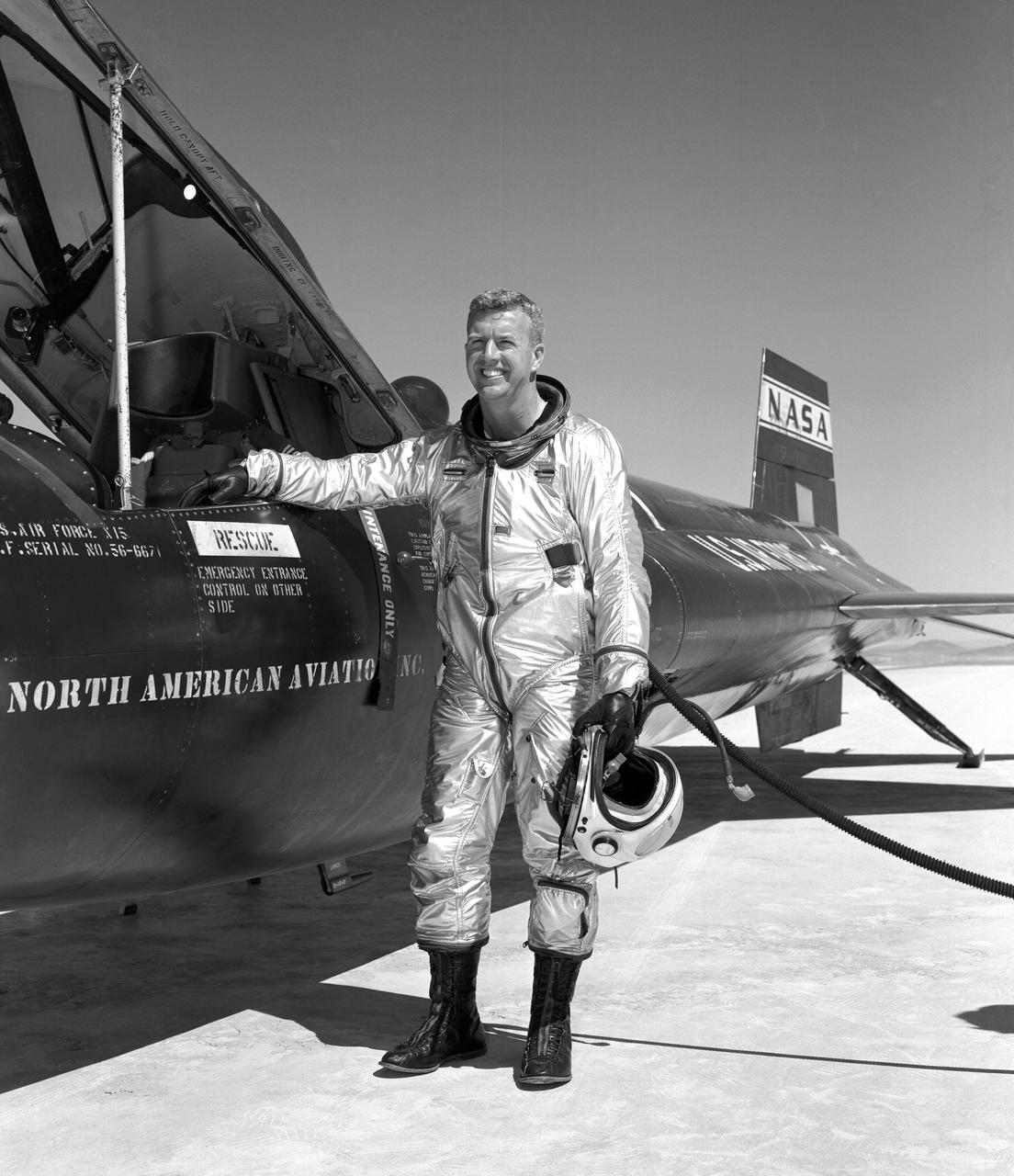
Walker made the first NASA-piloted X-15 flight March 25, 1960, and flew the aircraft 24 times, achieving its highest altitude (354,300 ft.) Aug. 22, 1963. He died piloting a F-104 that was caught up in a vortex of the XB-70.
Chief research pilot Joseph Walker flew in 1960s and perished in 1966 while piloting a F-104 that caught vortex of a XB-70
ARCAS Rocket  #E1-235 Image taken at Wallops Island
ARCAS Rocket #E1-235
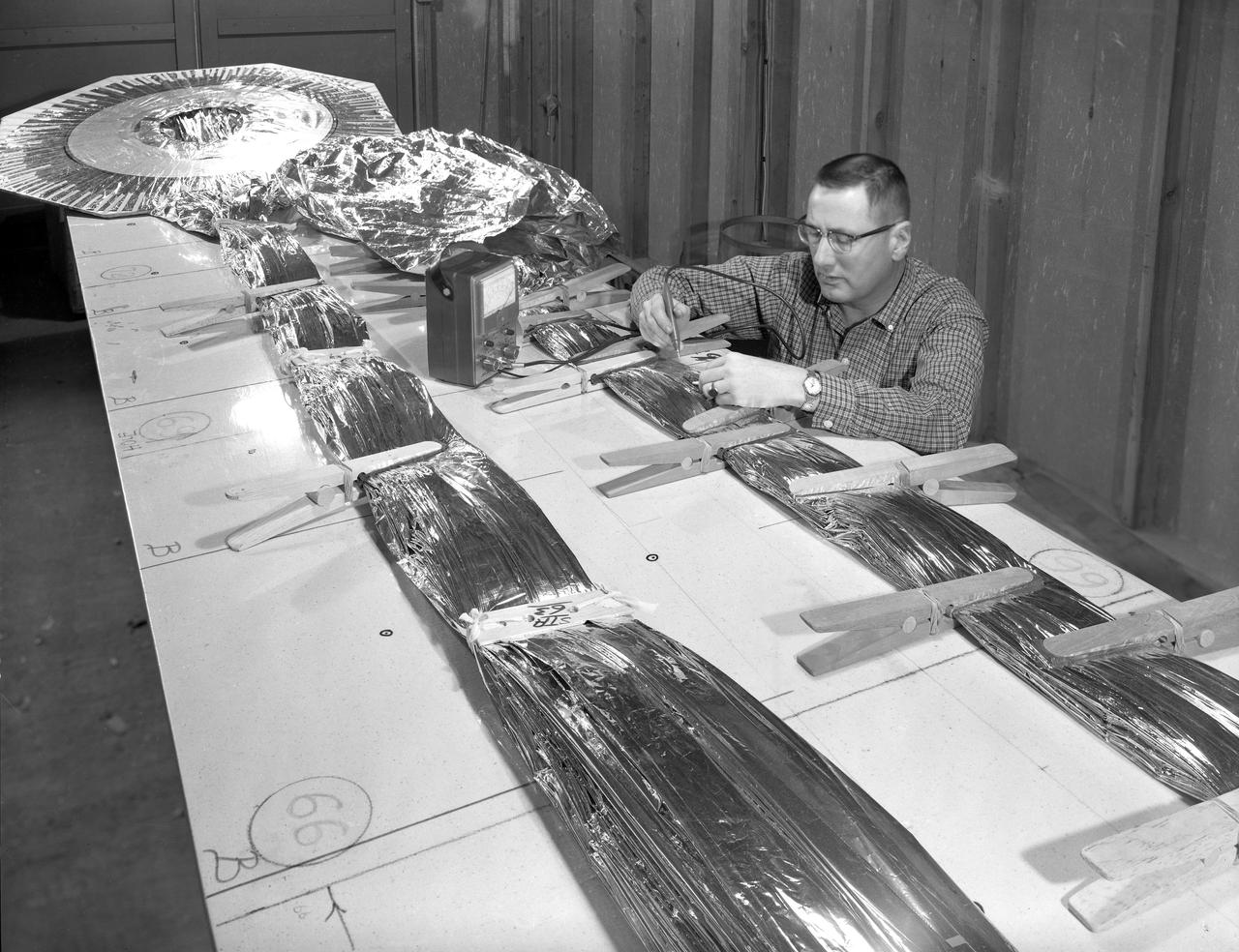
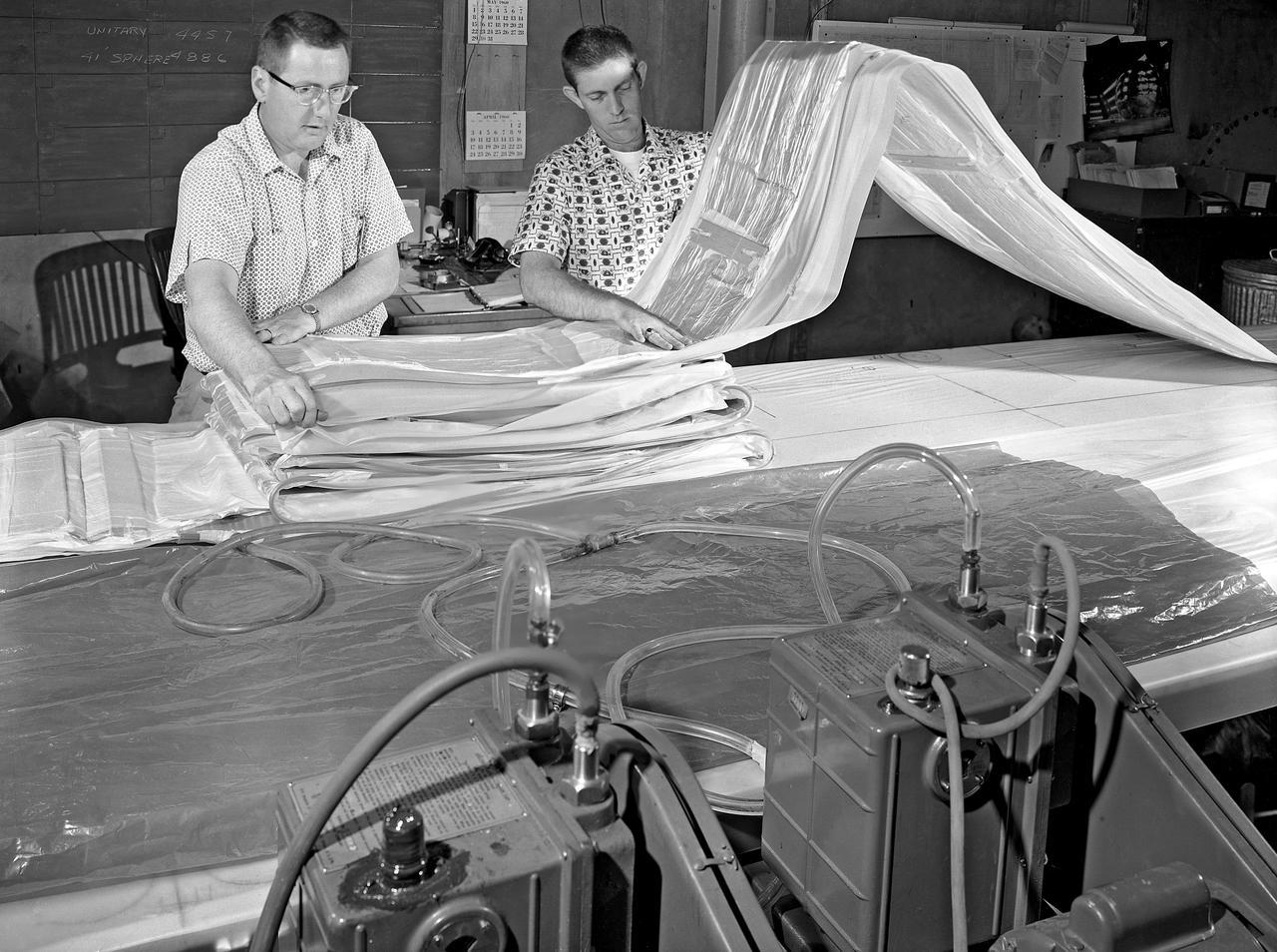
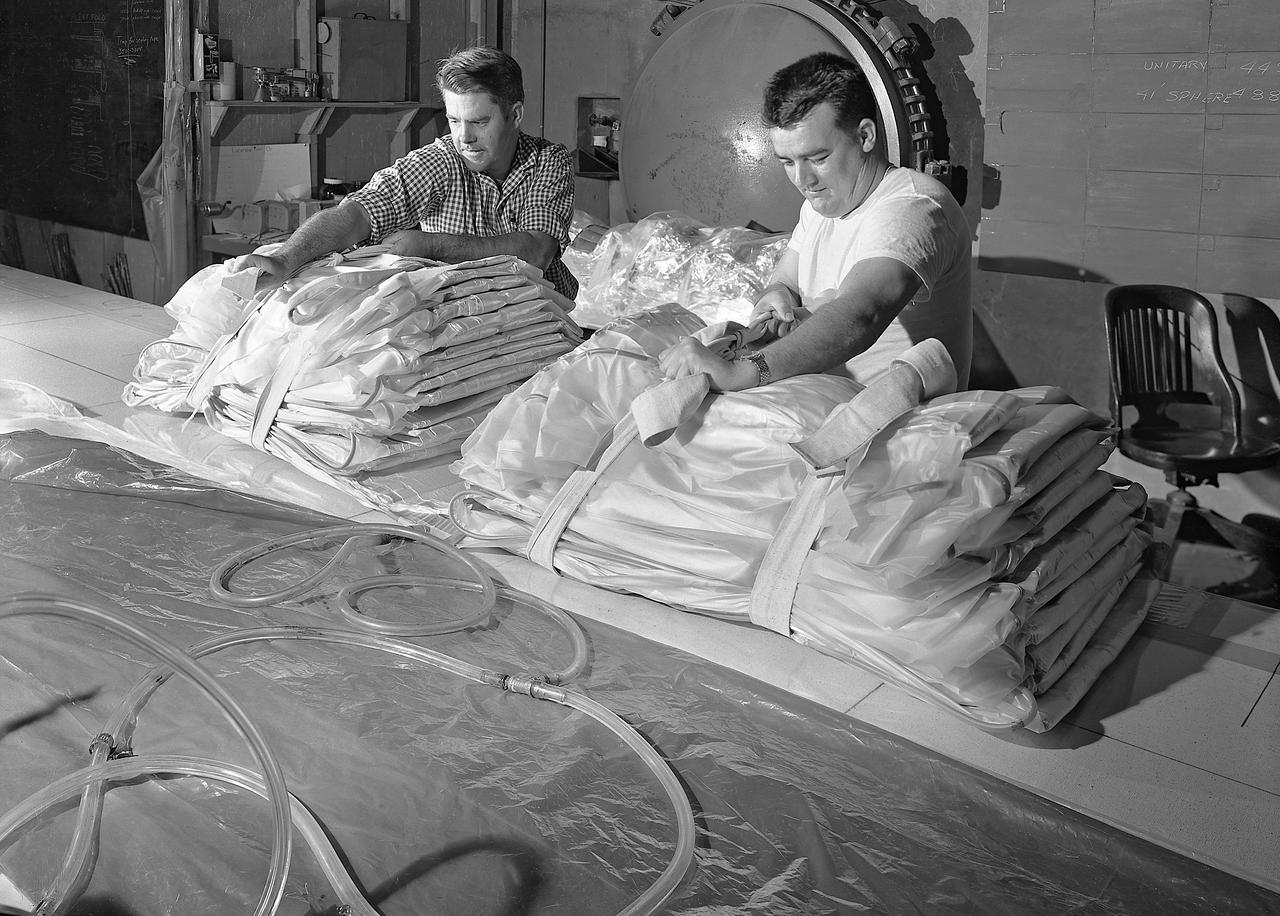
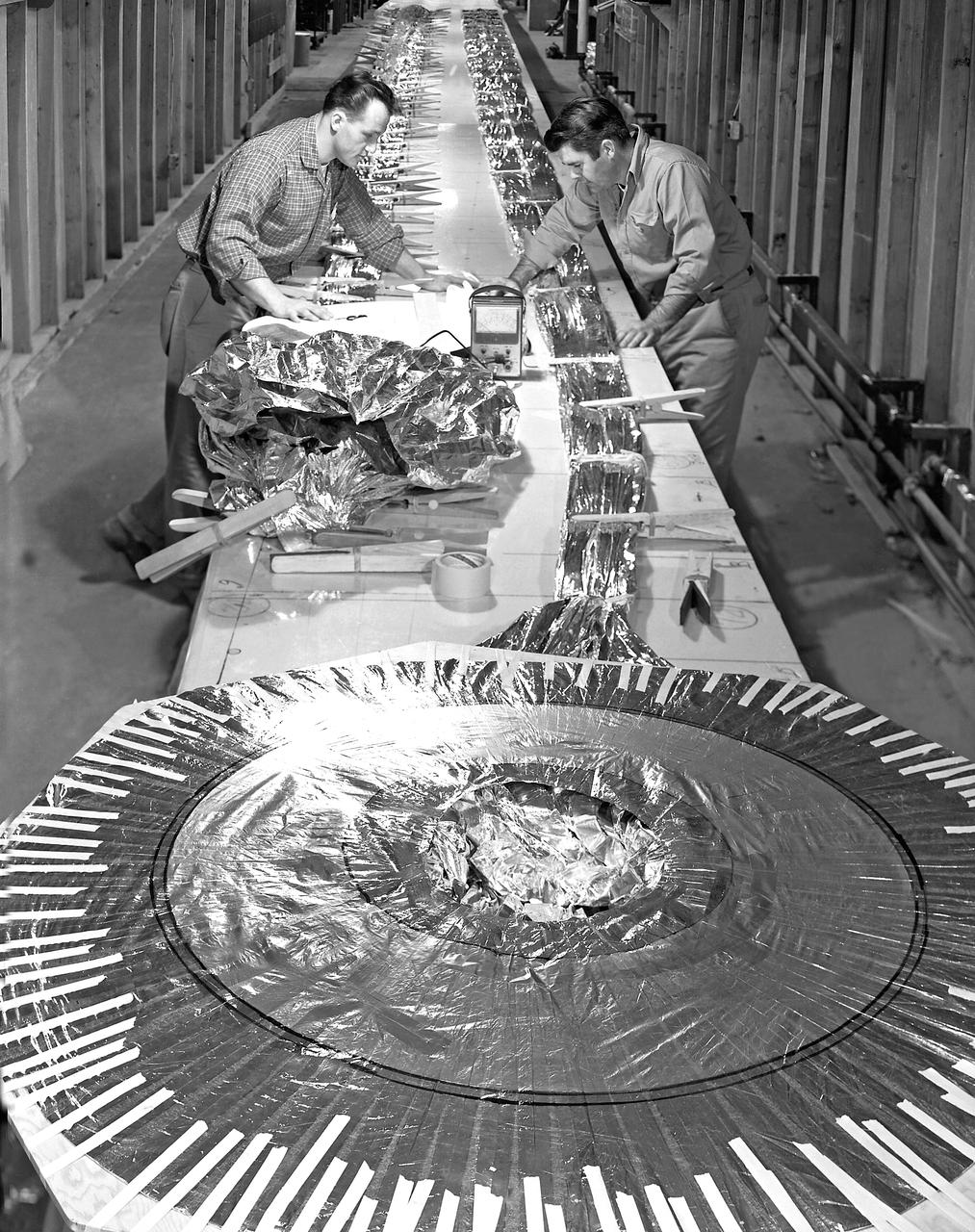
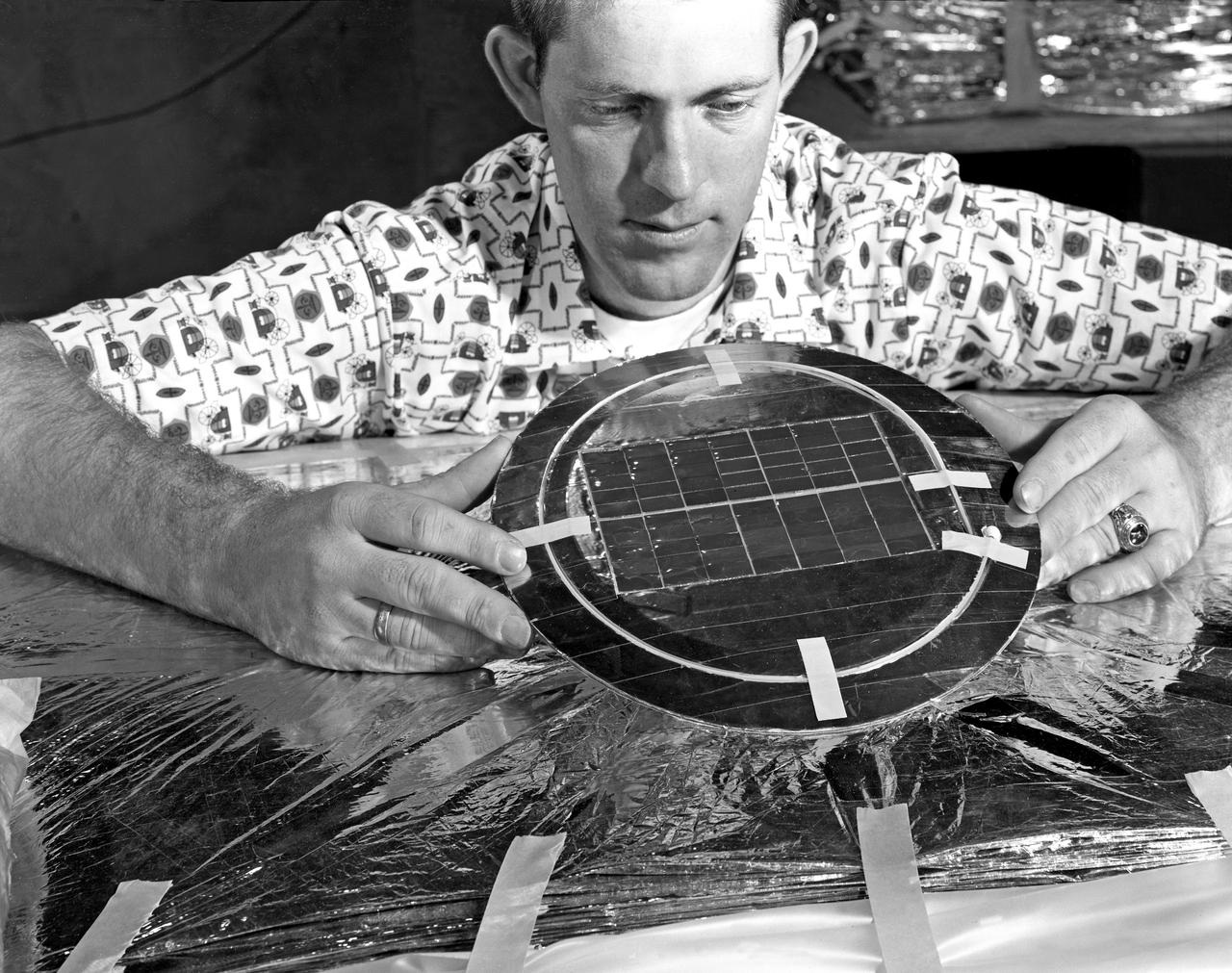
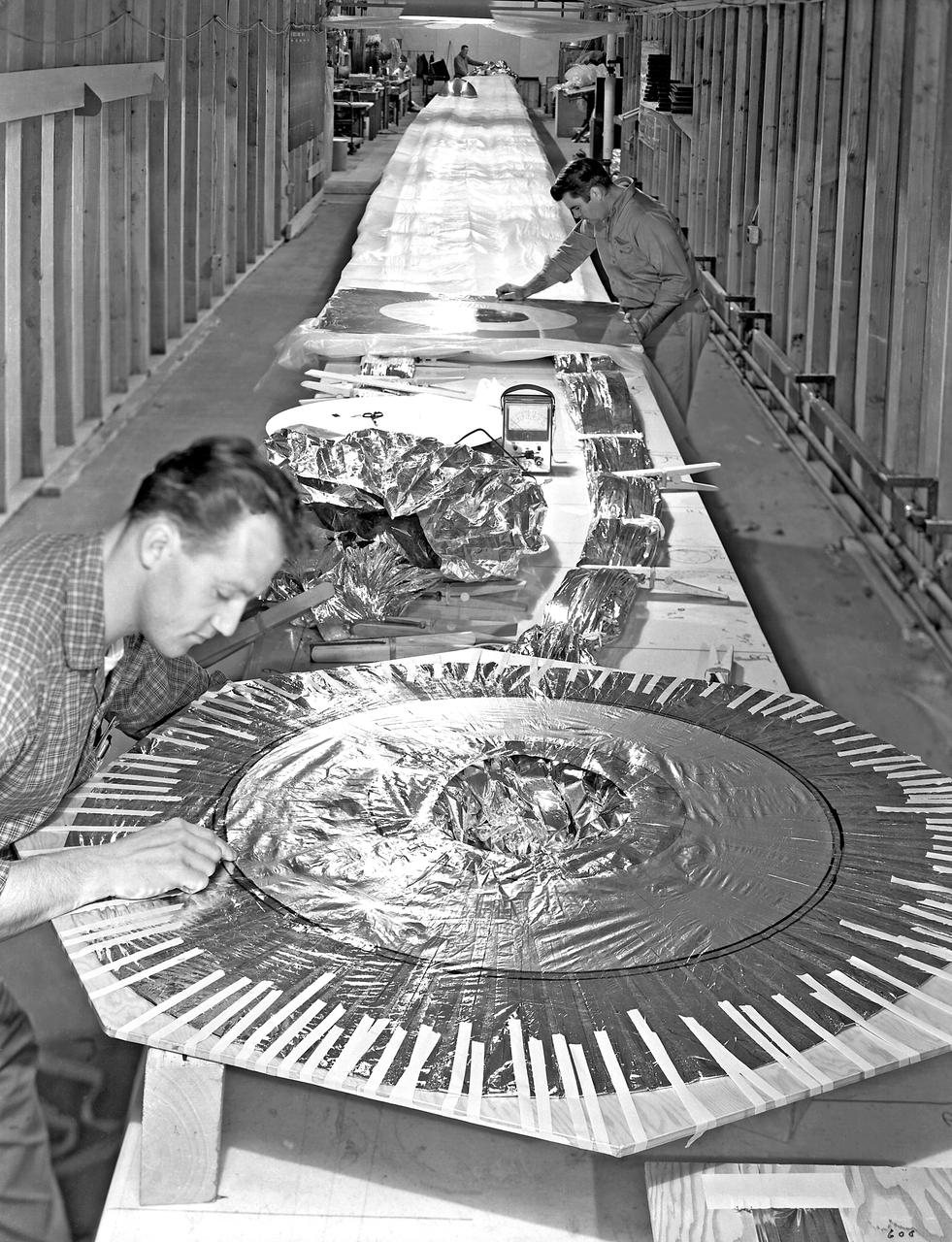
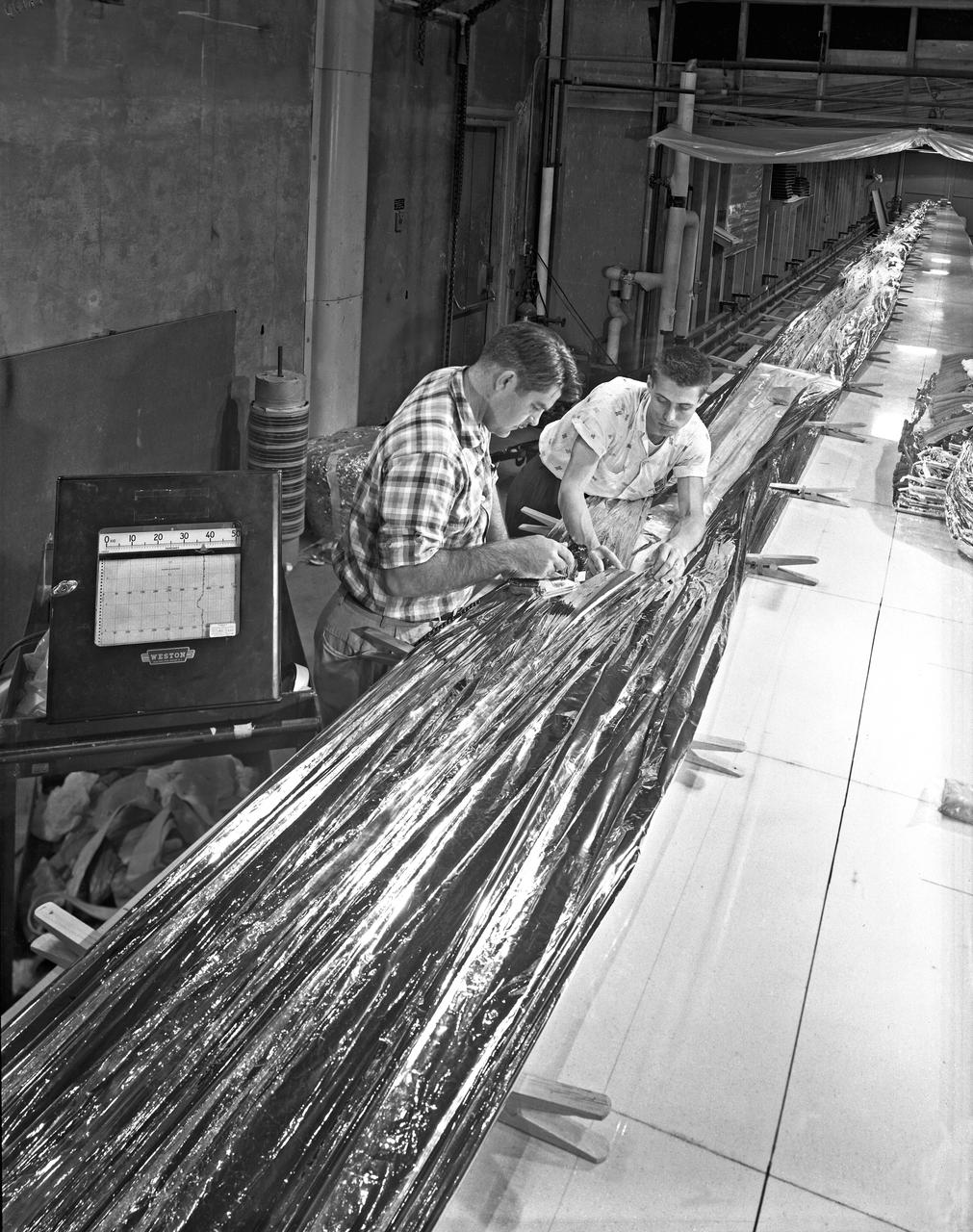
100' Satellite Packaging of Echo
Doak VTOL Aircraft
Doak VTOL Aircraft
L1-422 Nike Smoke Rocket and Launcher in Firing Position. Image taken at Wallops Island.
L1-422 Nike Smoke
Images take for NASA Document L-1220
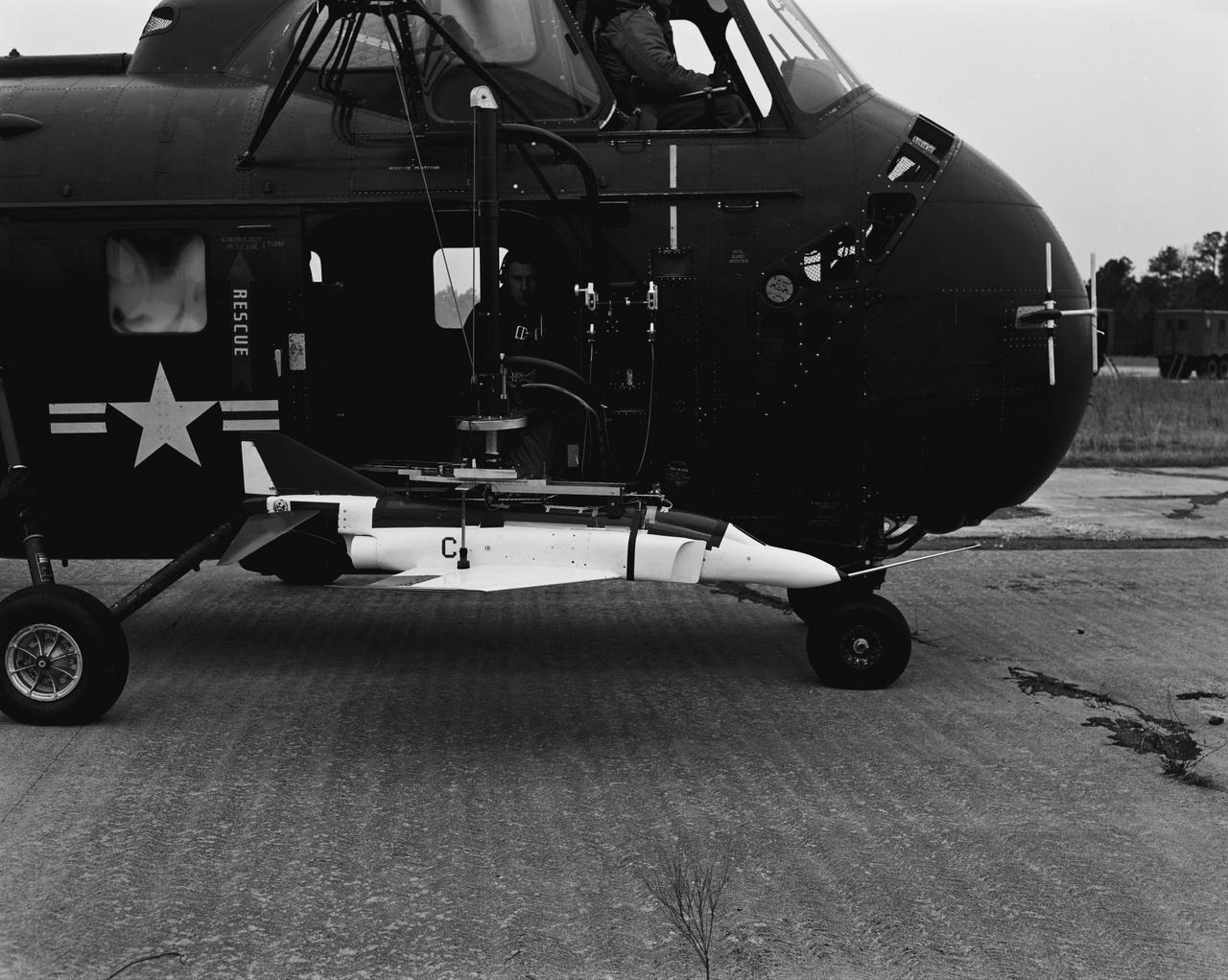
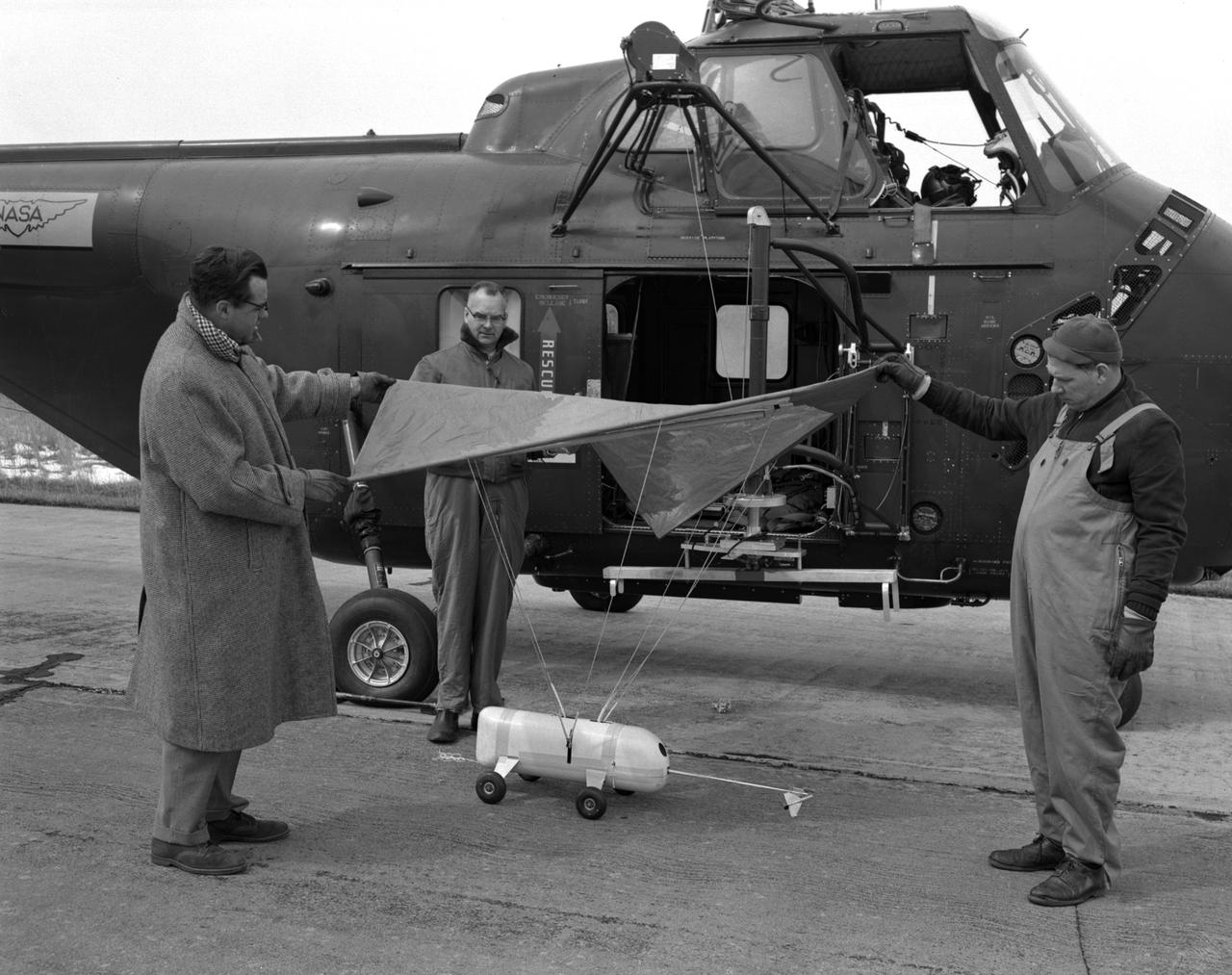
Model being tested with helicopter.
Model
Images take for NASA Document L-1220
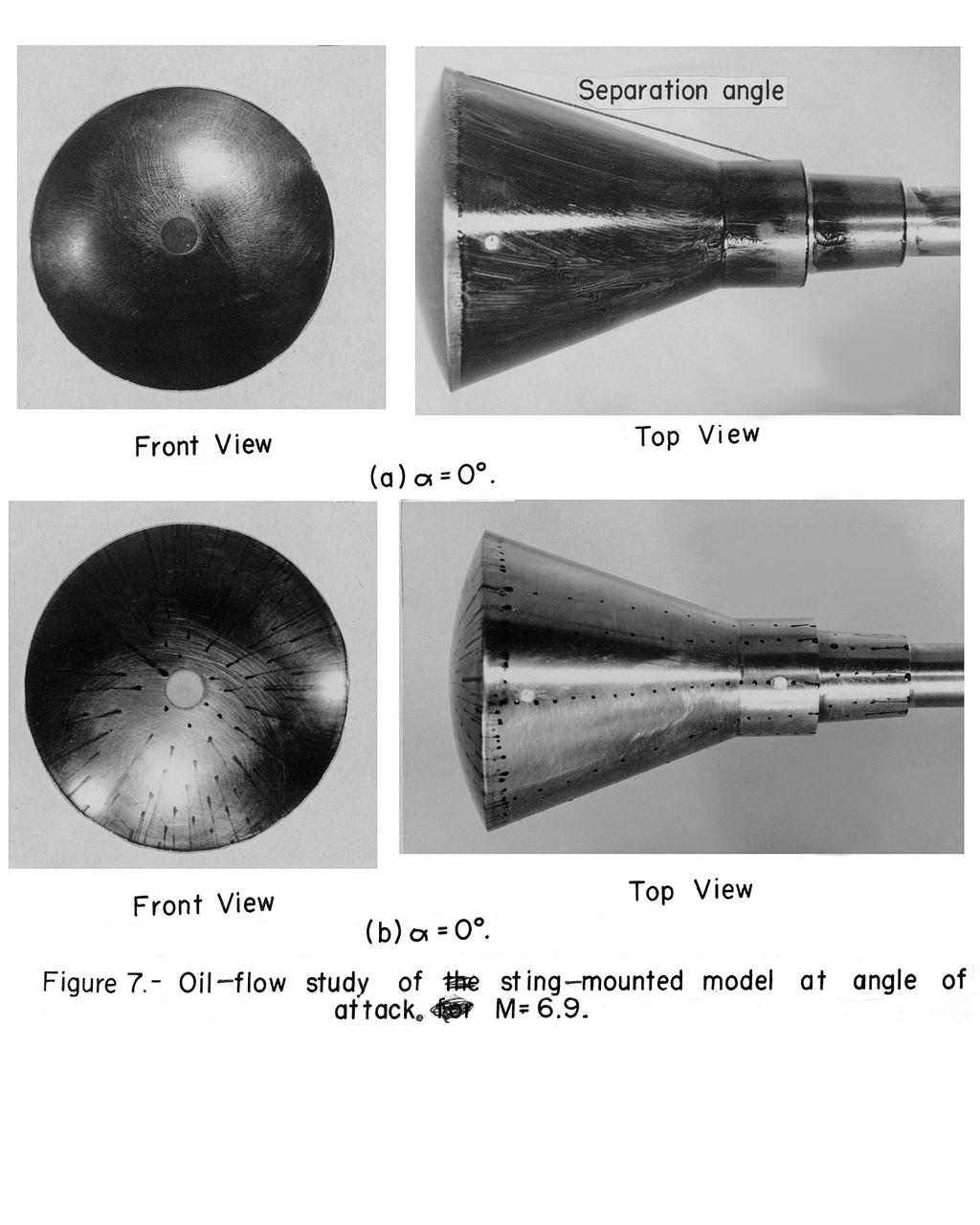
Figure 3-5 for NASA Document TM-X-356
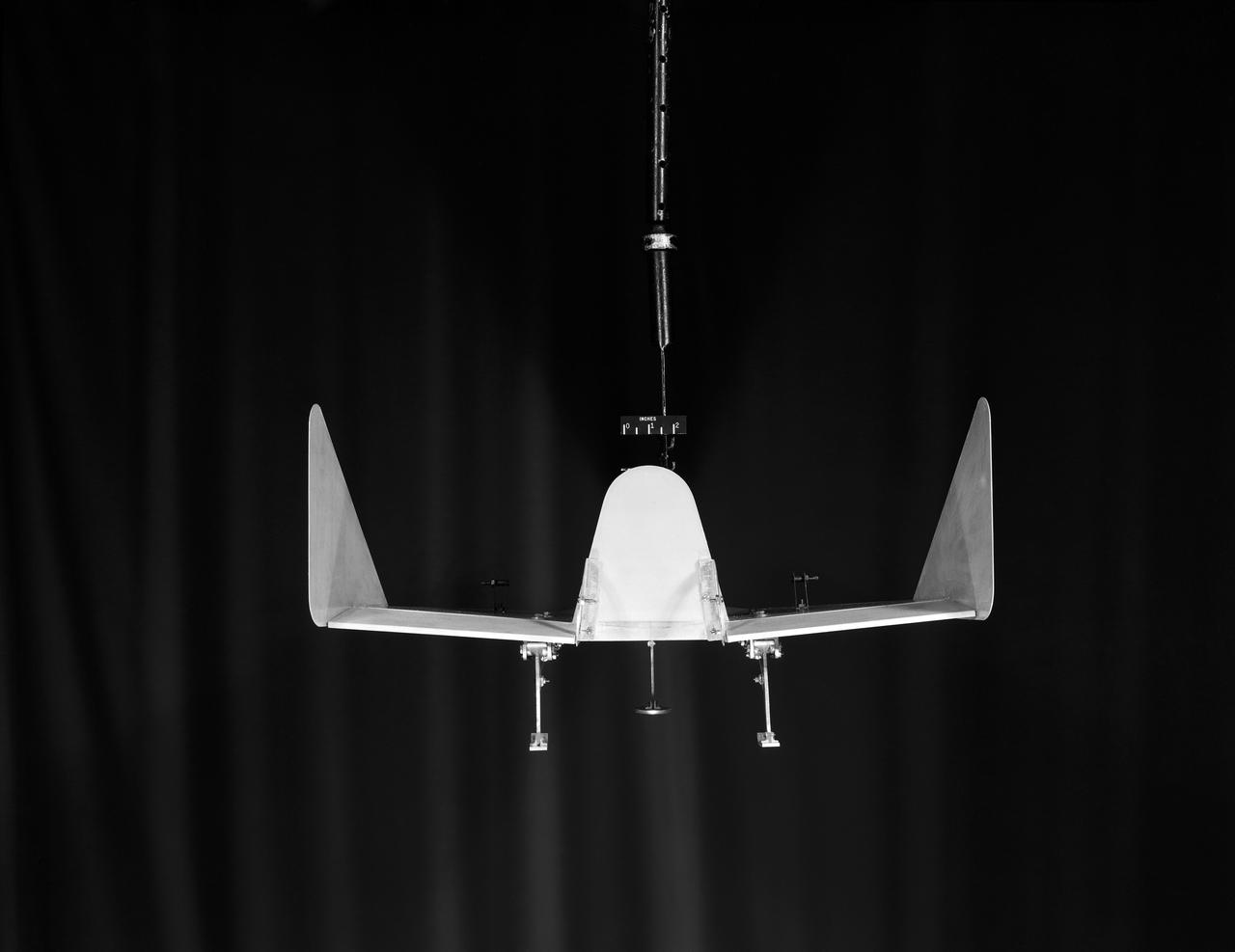
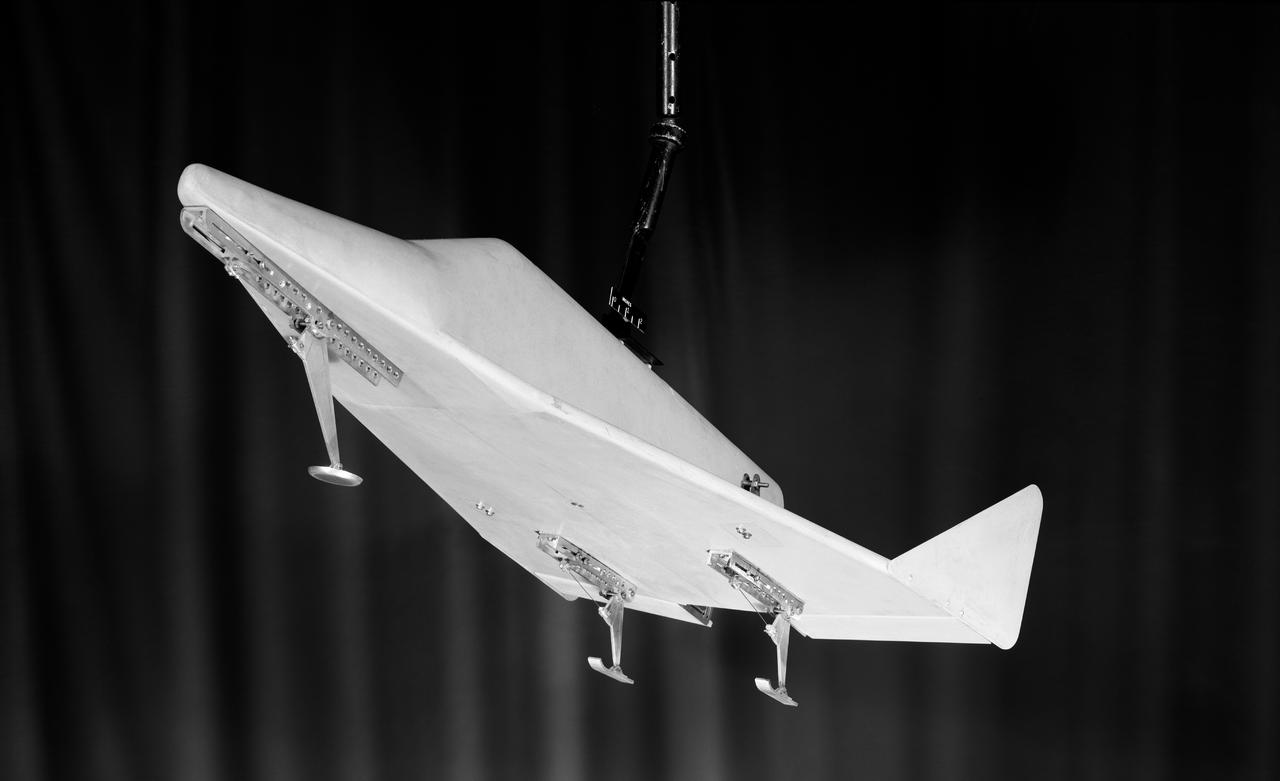
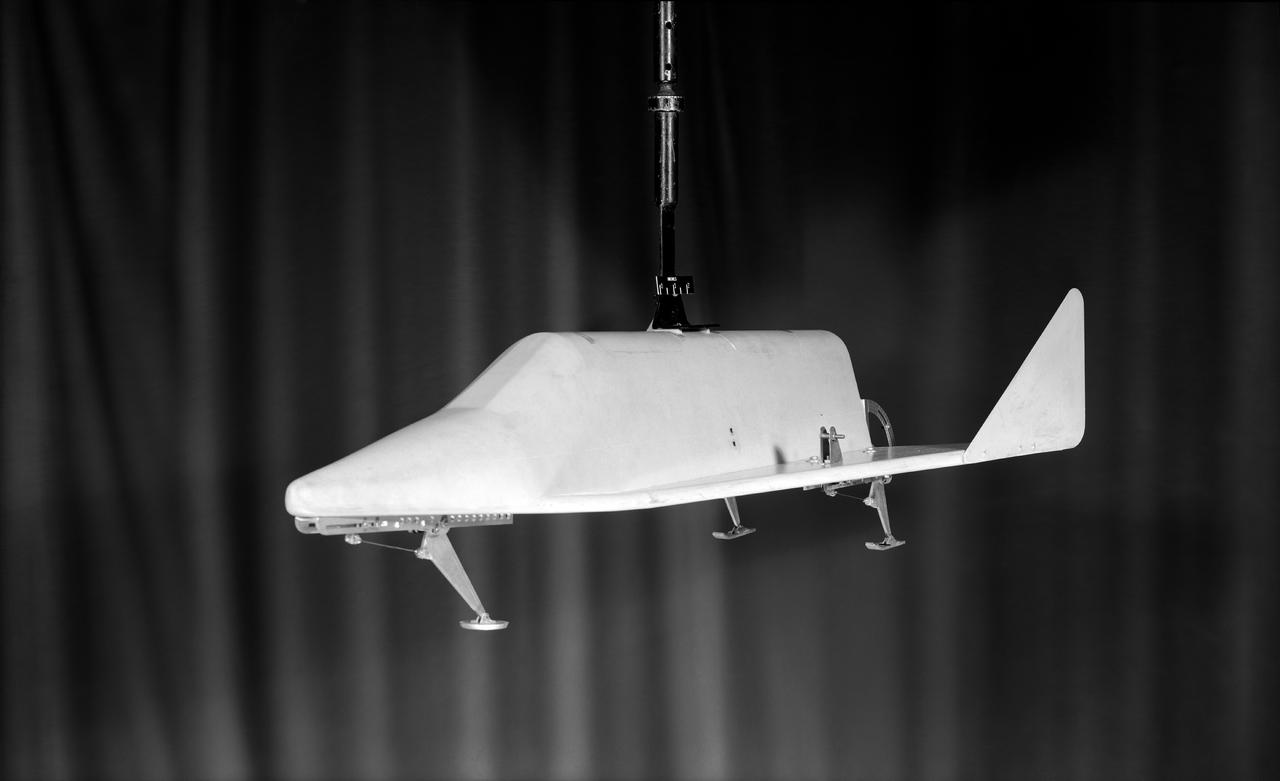
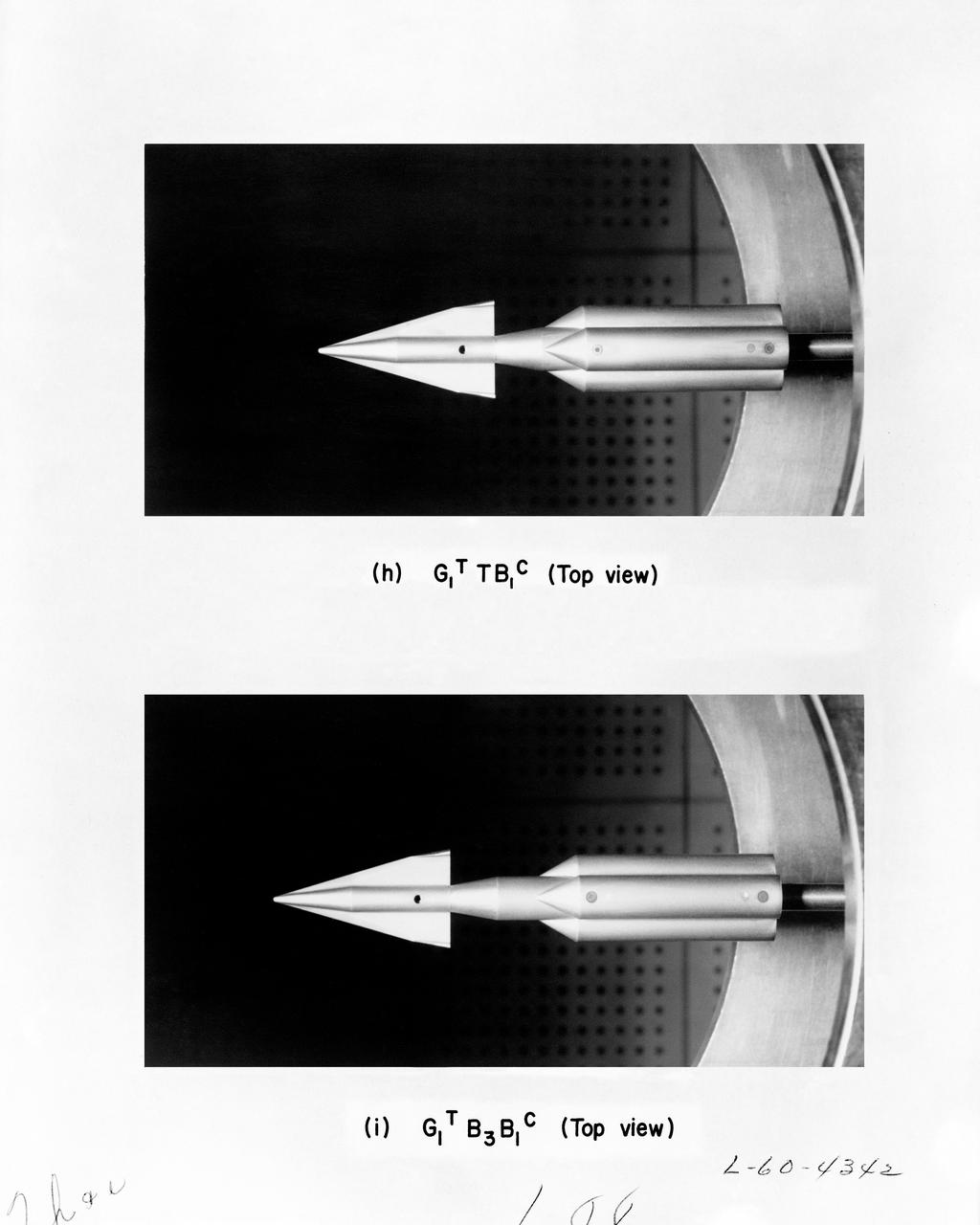
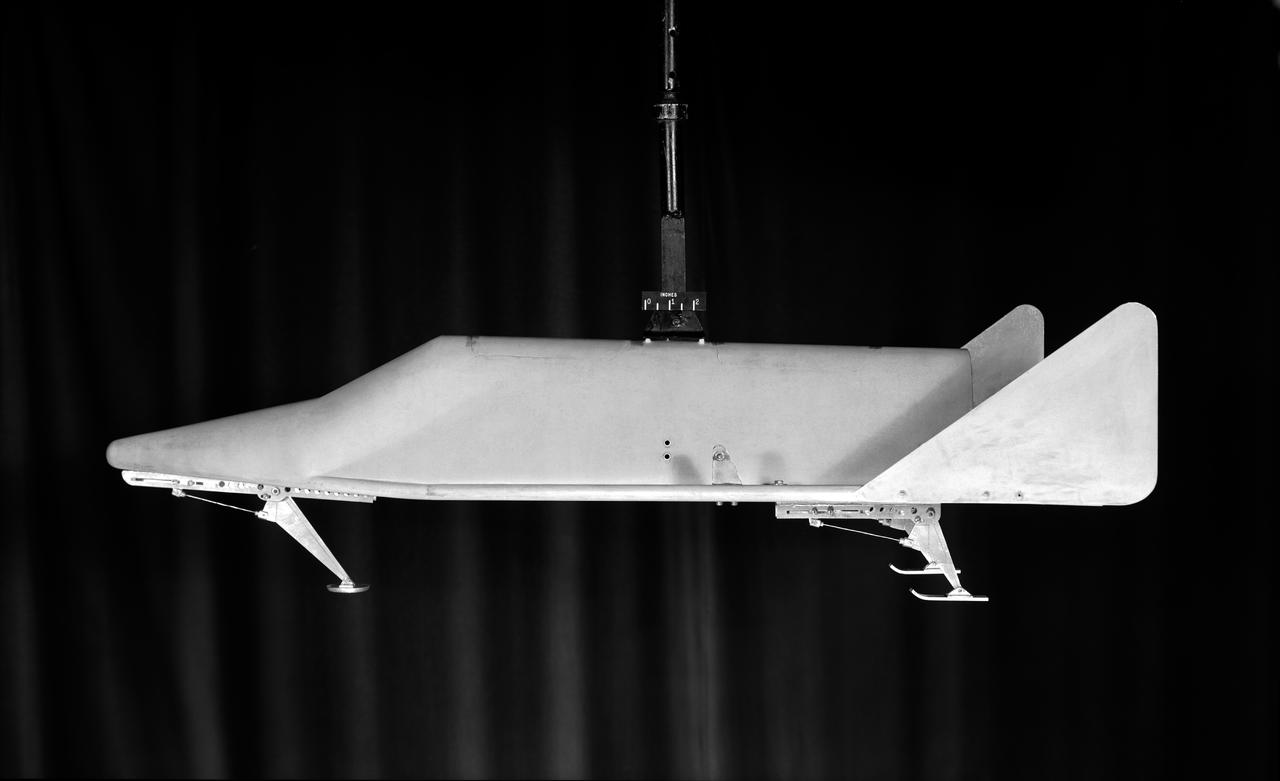
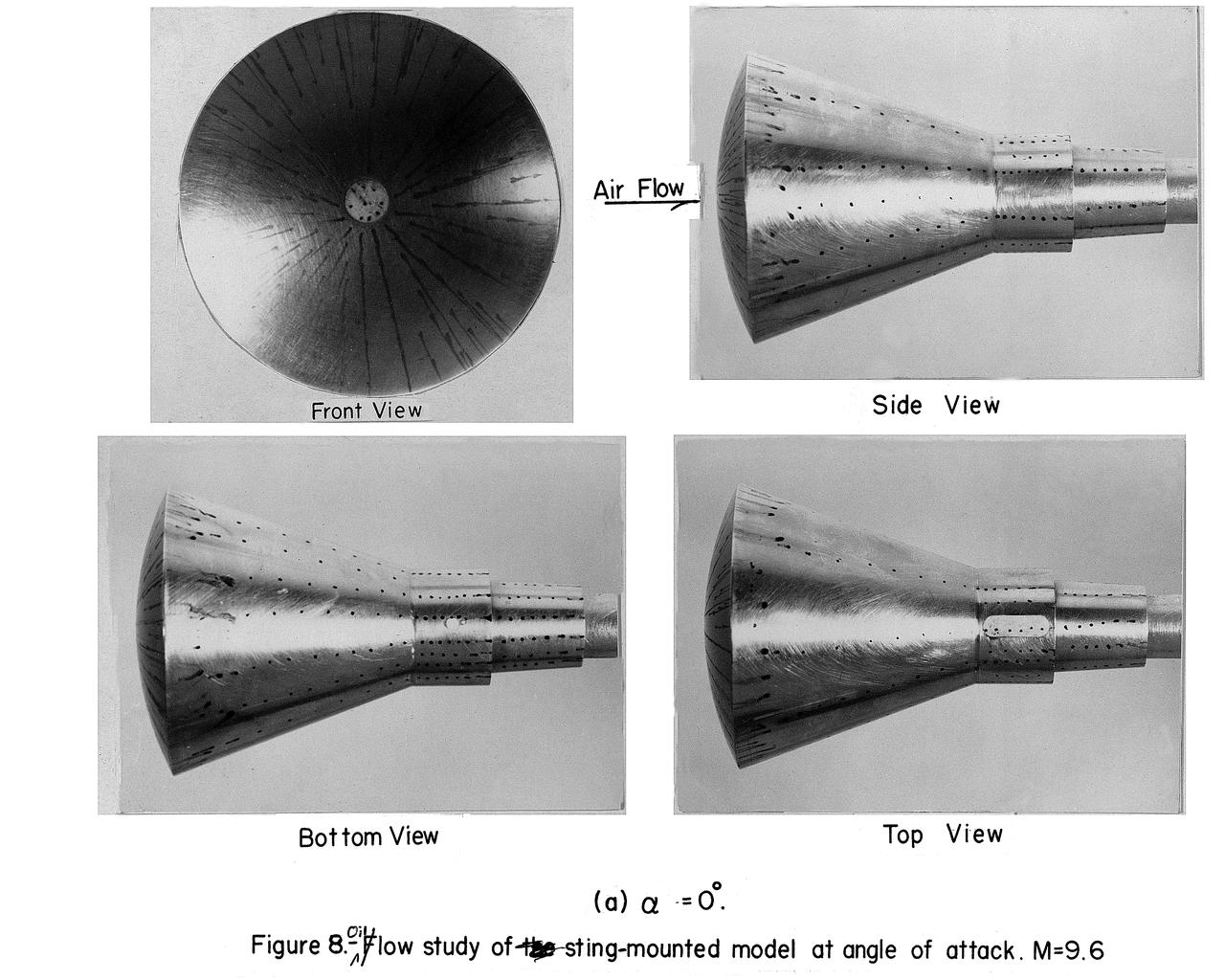
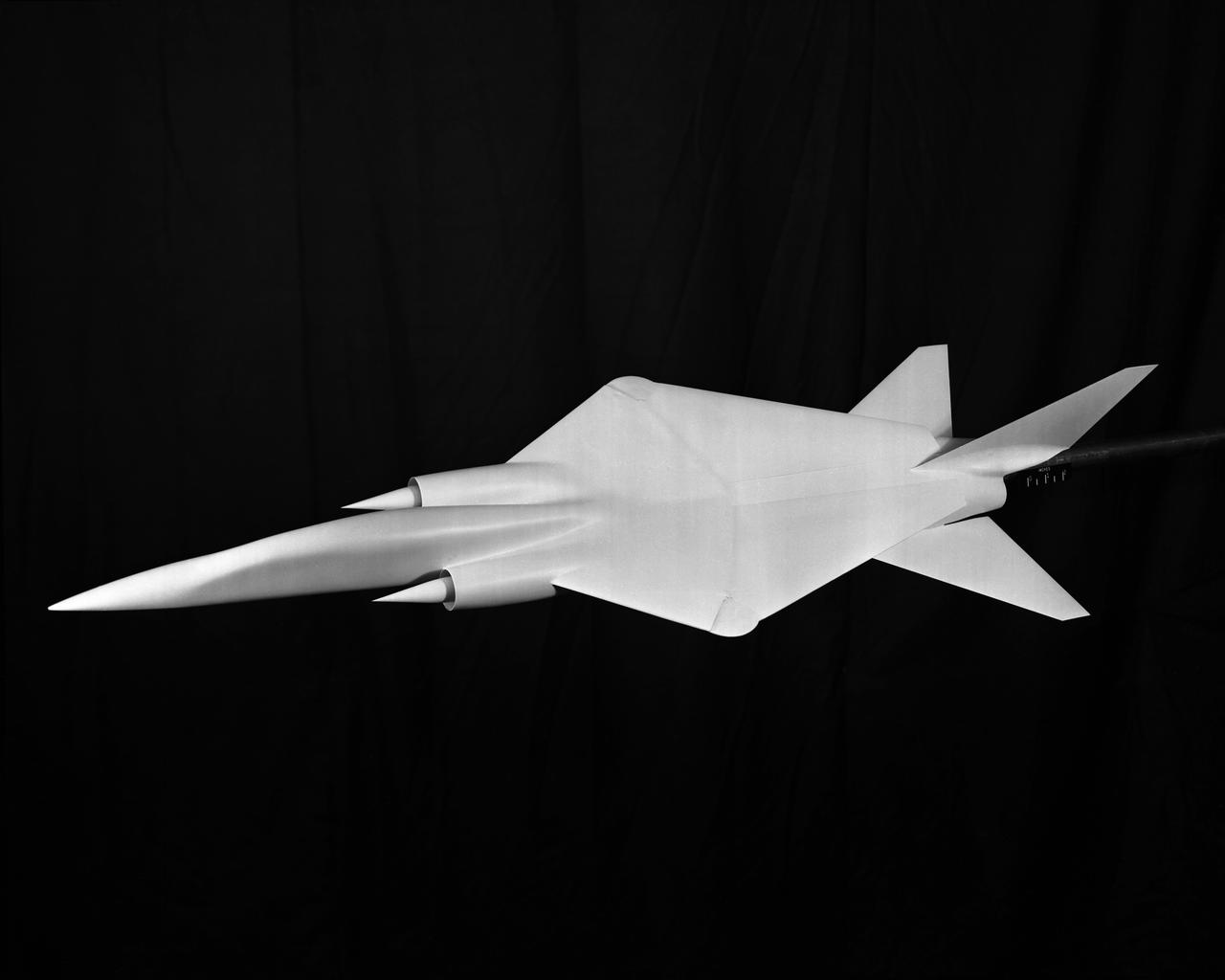
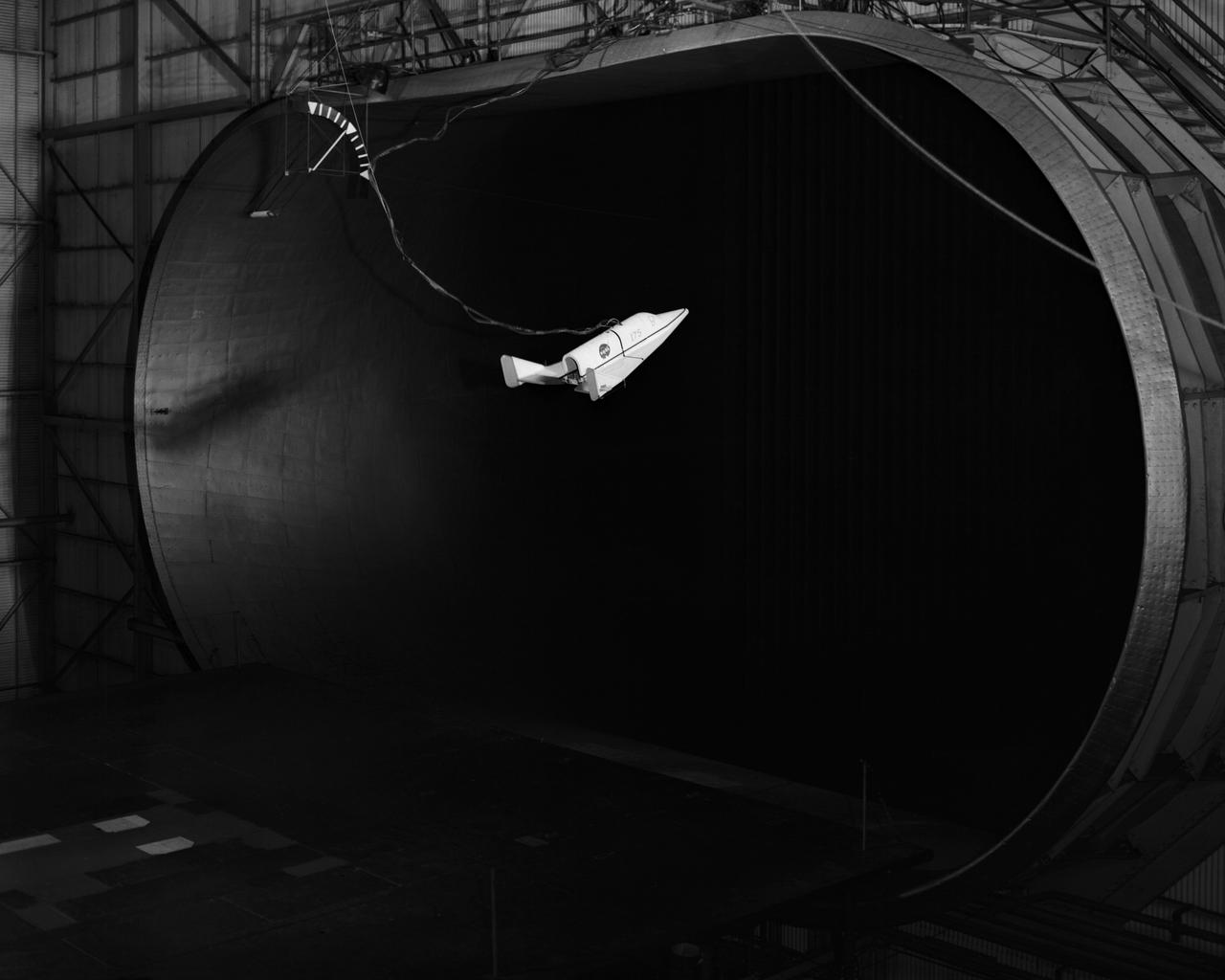
Model of Winged Space Vehicle
Figure 3-5 for NASA Document TM-X-356
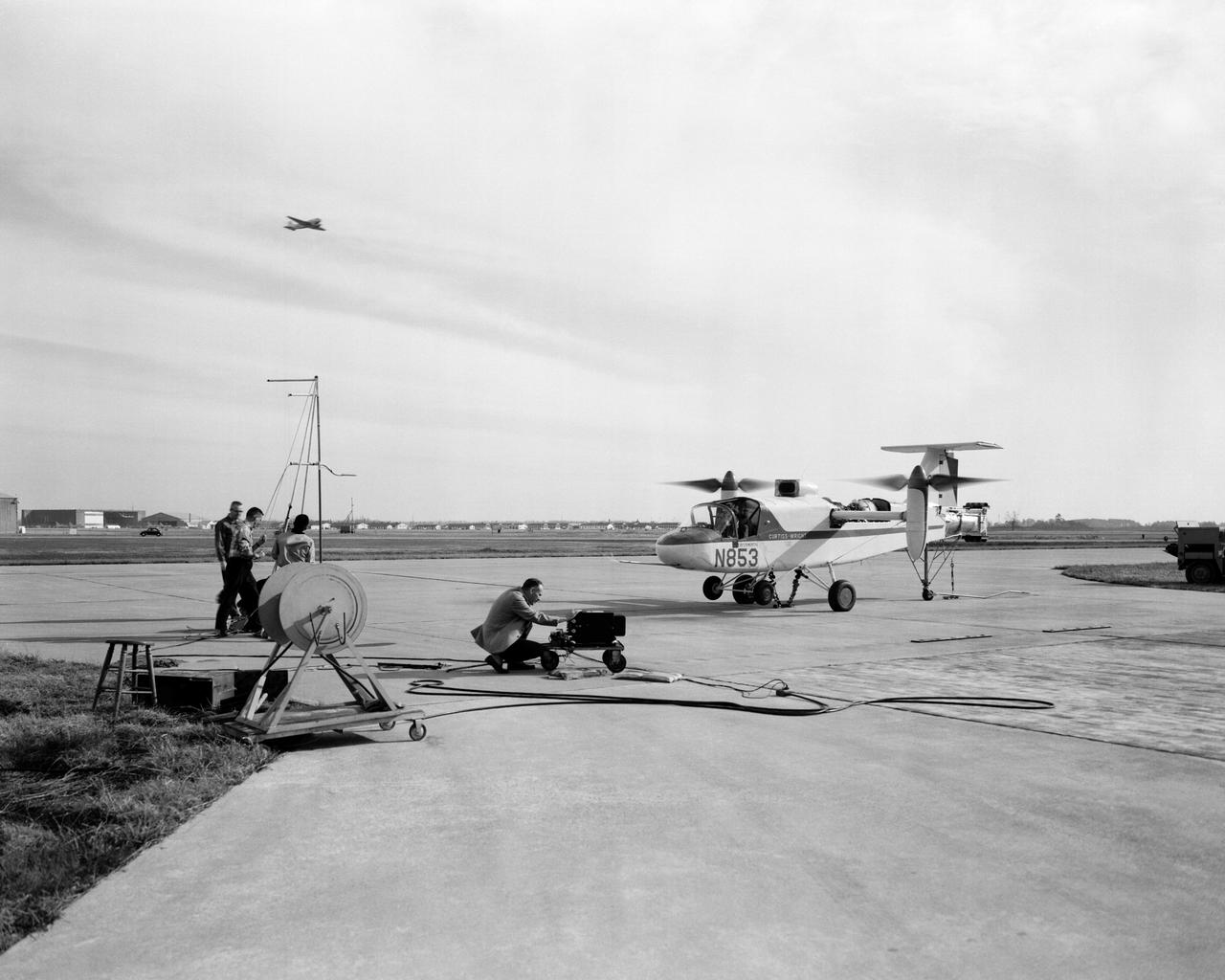
Curtiss-Wright X-100 (VTOL) Vertical Take-Off Transport.
100' Satellite Packaging of Echo
Images take for NASA Document L-1220
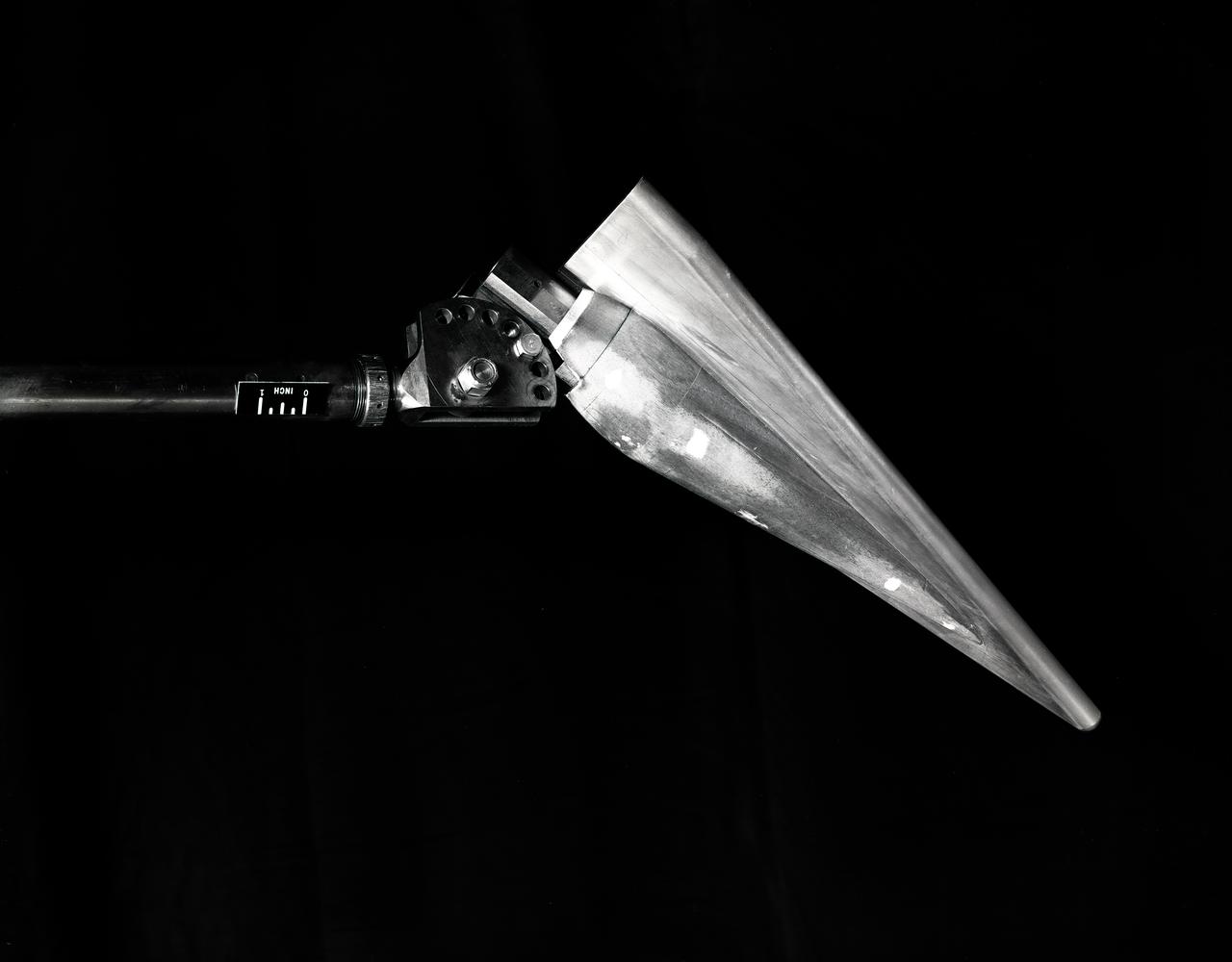
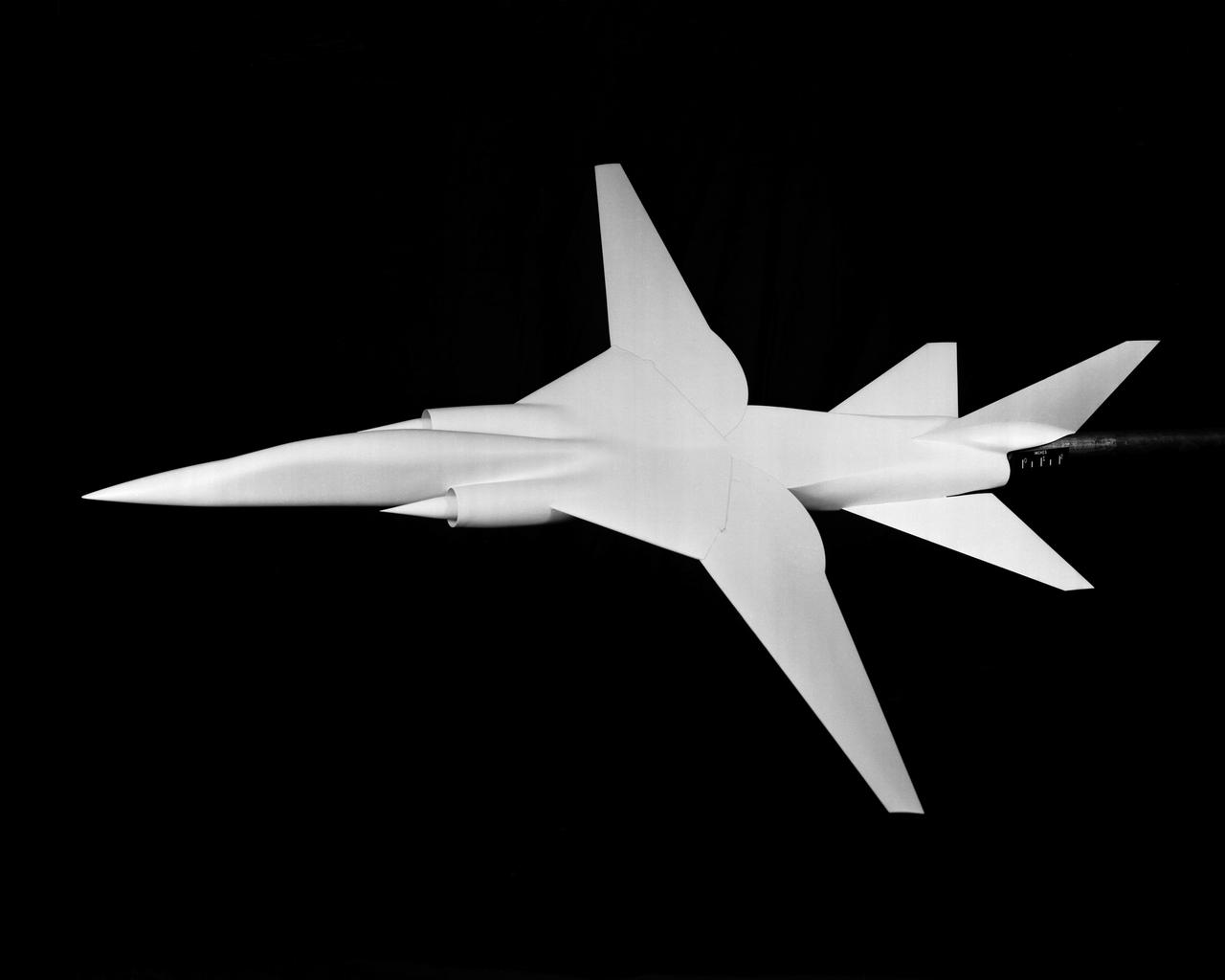
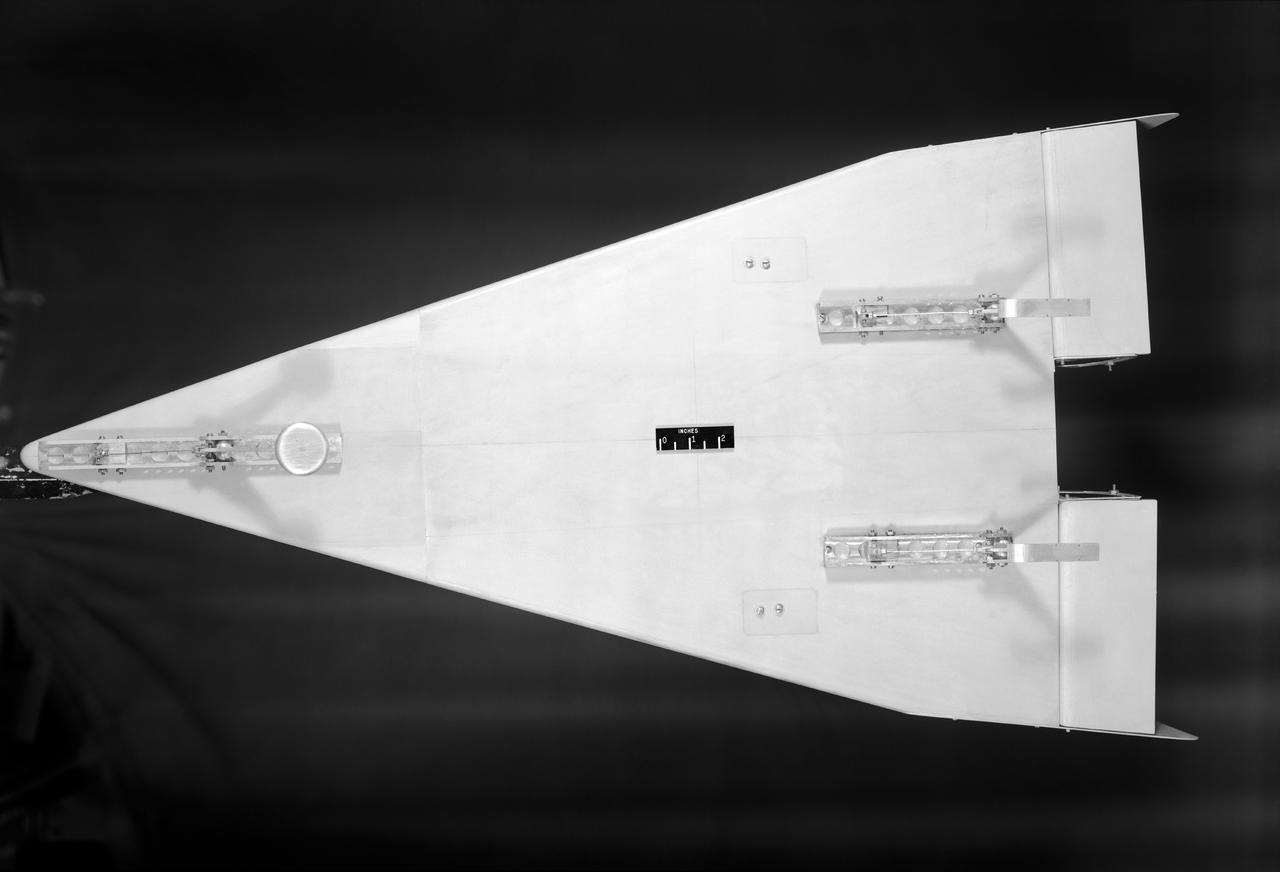
Project: Wing Sweep Range Series   TAC Variable Sweep Model configure 8 A. Taken at 8 foot tunnels building 641. L60-3412 through 3416 Model of proposed military supersonic attack airplane shows wing sweep range. TAC Models taken at the 8 Foot Tunnel. Photograph published in Sixty Years of Aeronautical Research 1917-1977 By David A. Anderton. A NASA publication. Page 53.
TAC Variable Sweep Model
Model at building 193
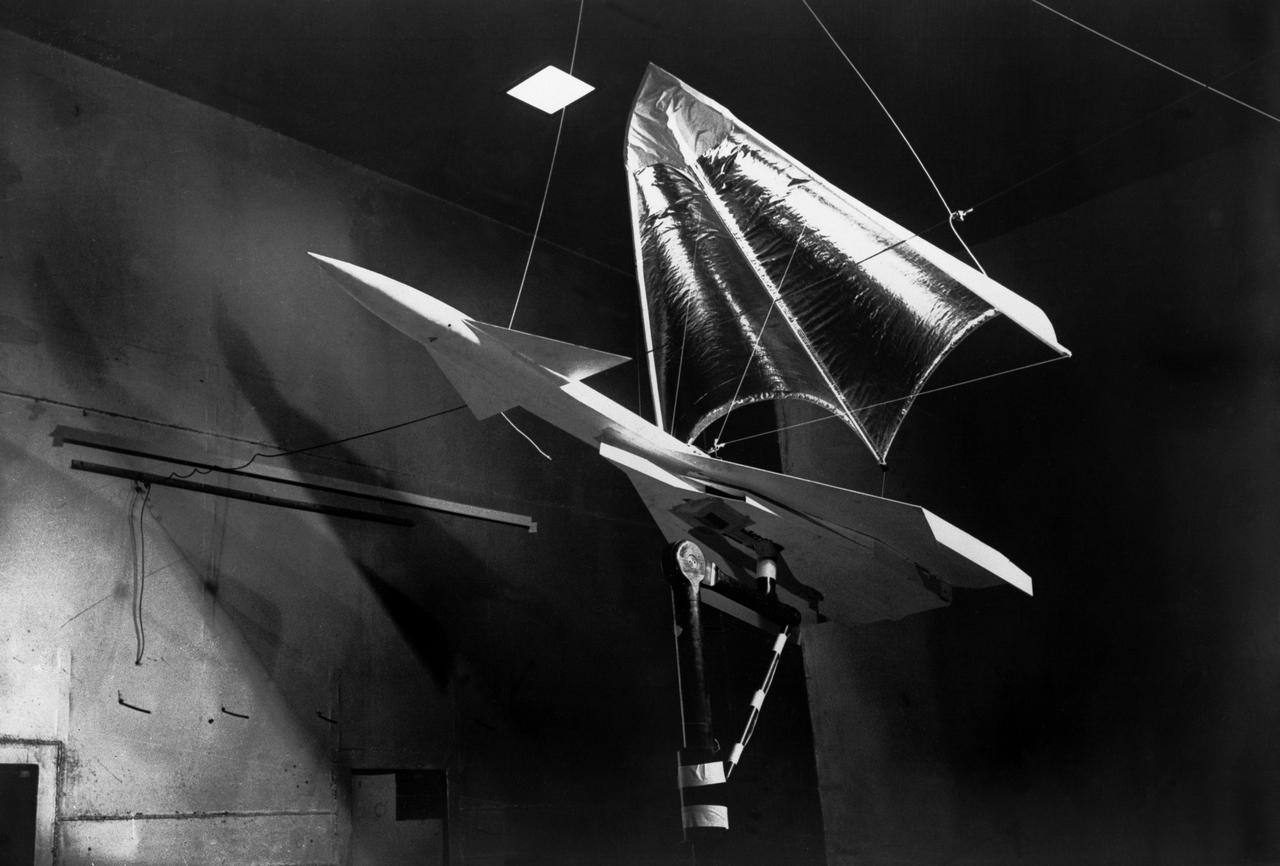
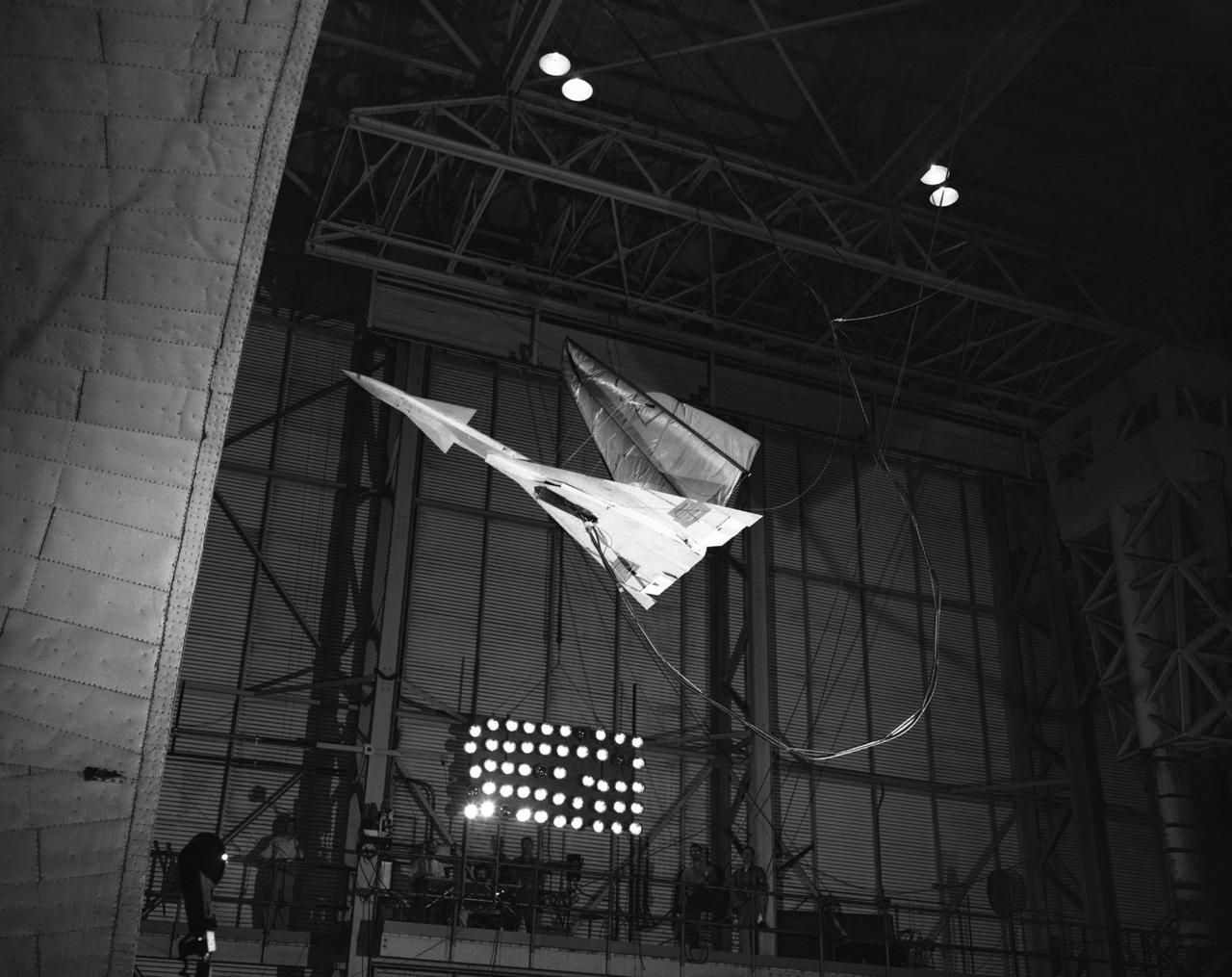
Kite model flying in Full Scale Tunnel (FST)
Kite model flying in FST
100' Satellite Packaging of Echo
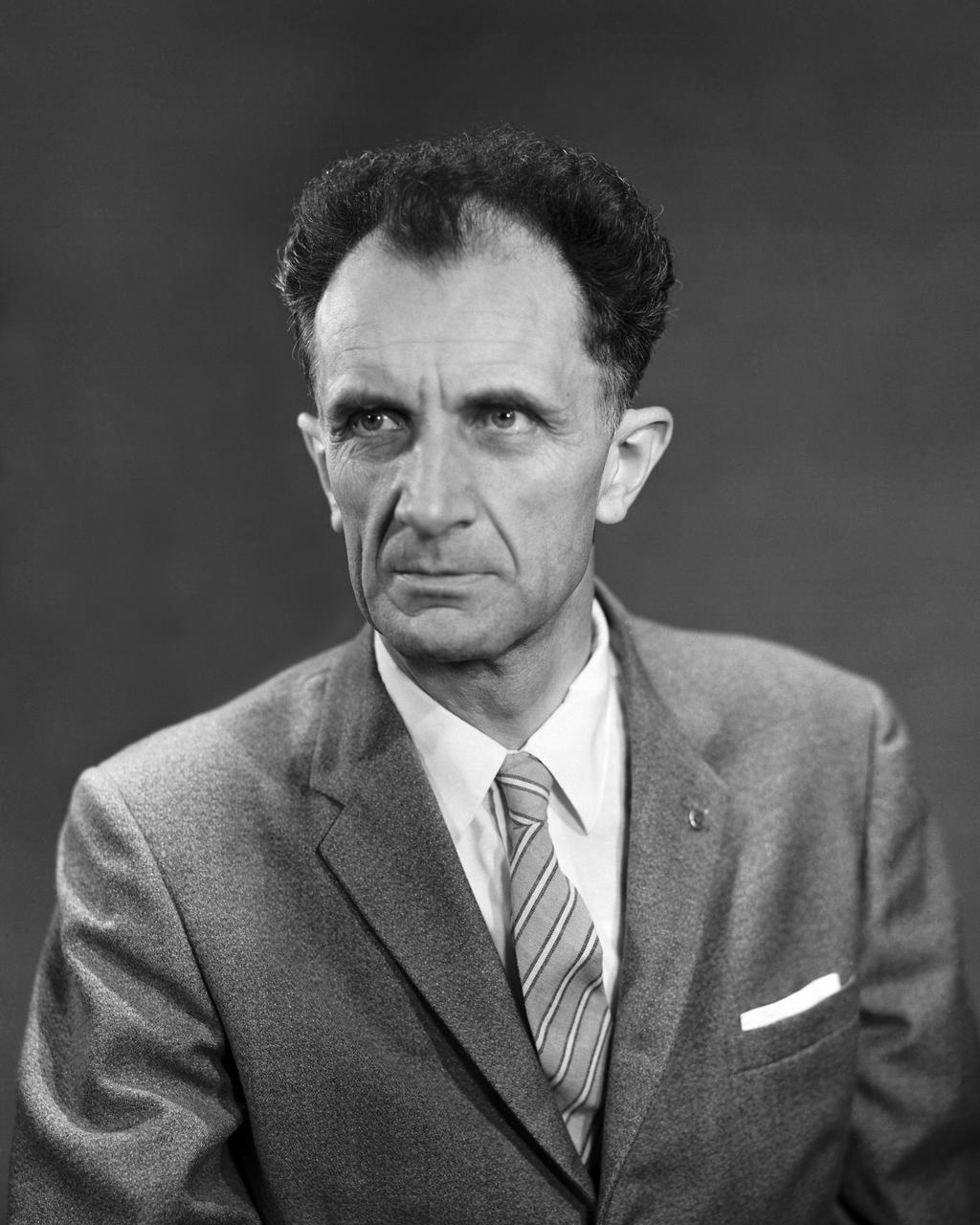
Adolf Busemann, the German aerodynamicist who first expressed the advantages of wing sweep in a 1935 theoretical paper, came to work at Langley in May 1947 as a result of Operation Paperclip. Photograph published in Engineer in Charge: A History of the Langley Aeronautical Laboratory, 1917-1958 by James R. Hansen. Page 283.
Adolf Busemann Portrait
Launch Phase of ARCAS E1-239 Image taken at Wallops Island
Launch Phase of ARCAS E1-239
Model being tested with helicopter.
Helicopter
Images take for NASA Document L-1220
Figure 3-5 for NASA Document TM-X-356
100' Satellite Packaging of Echo
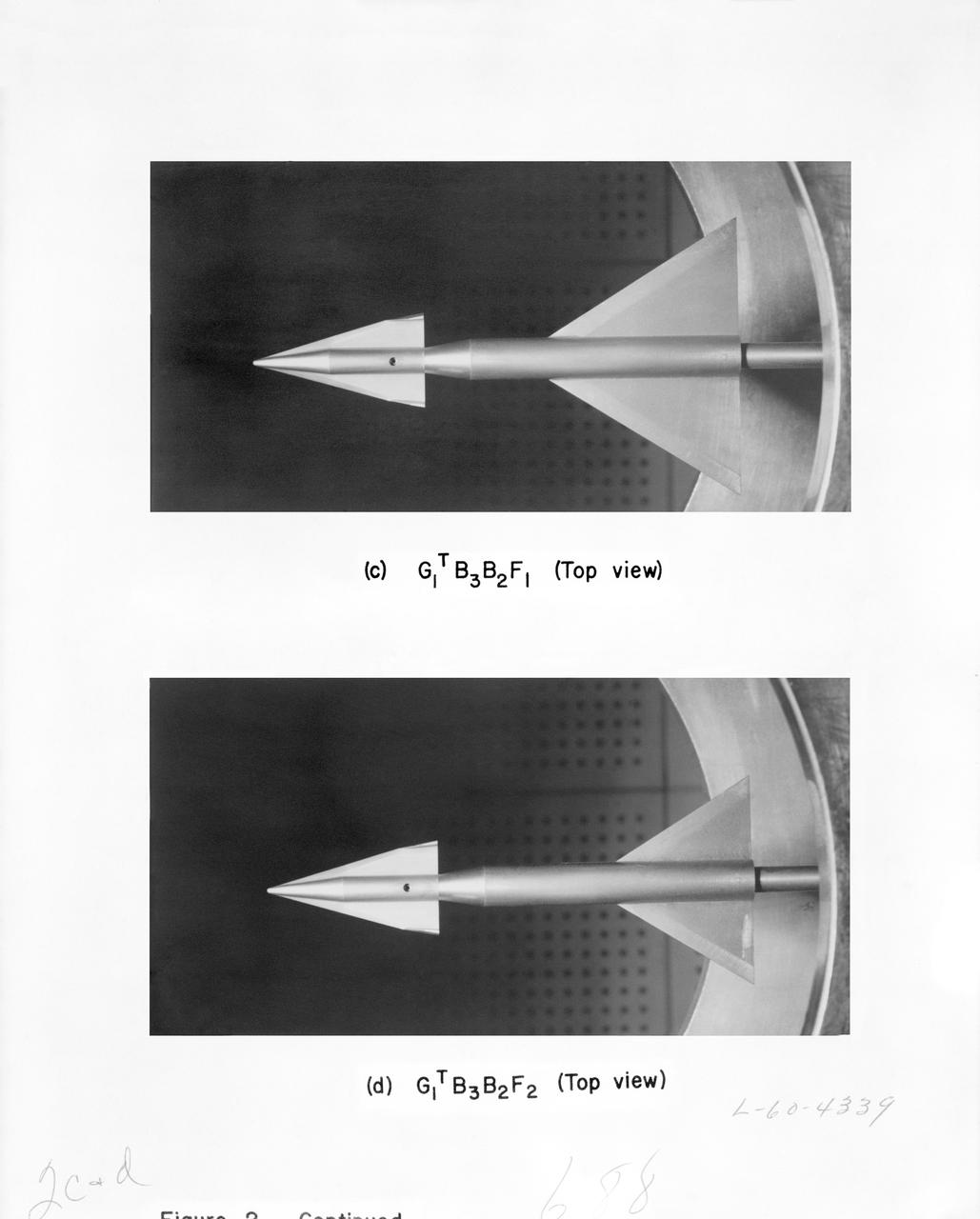
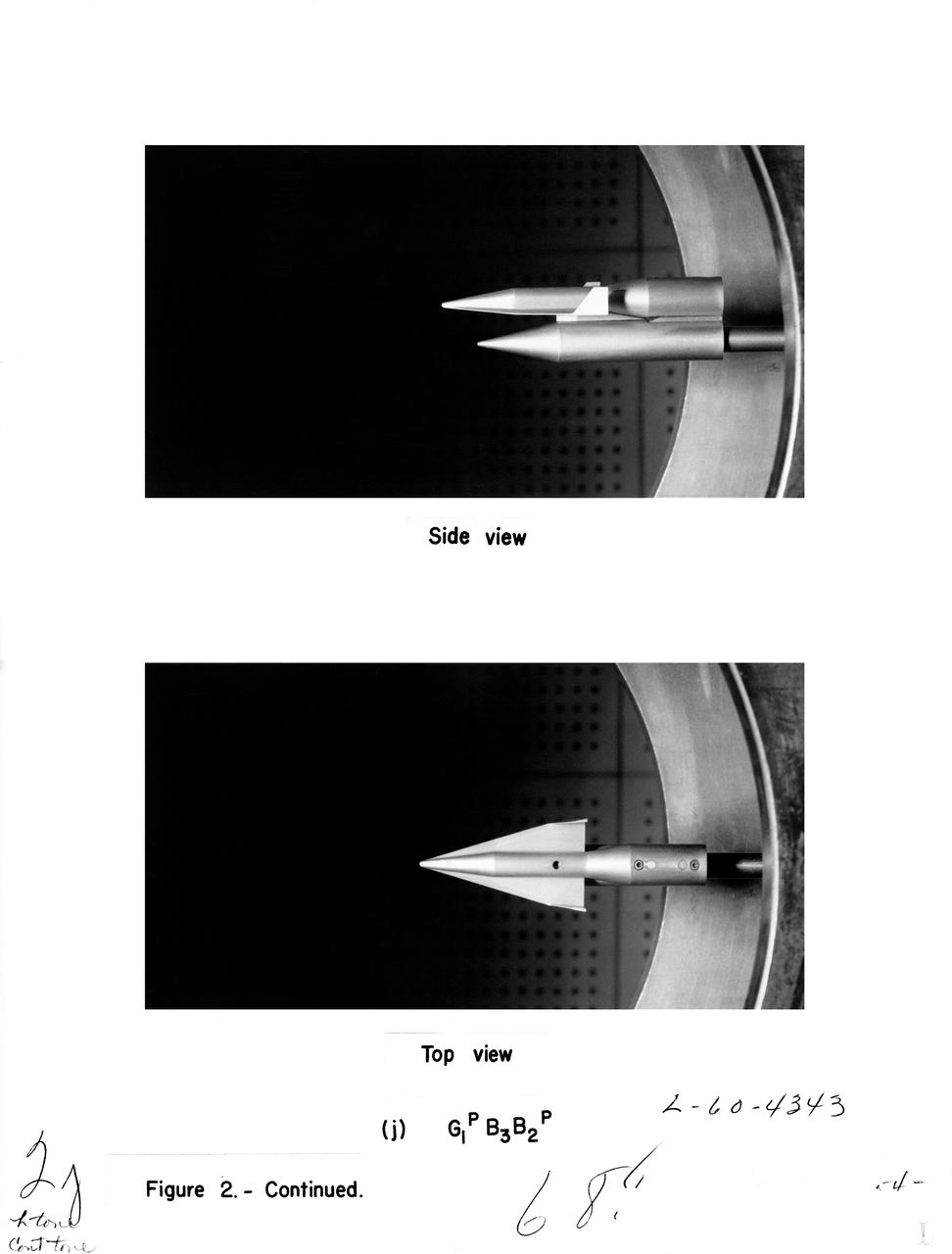
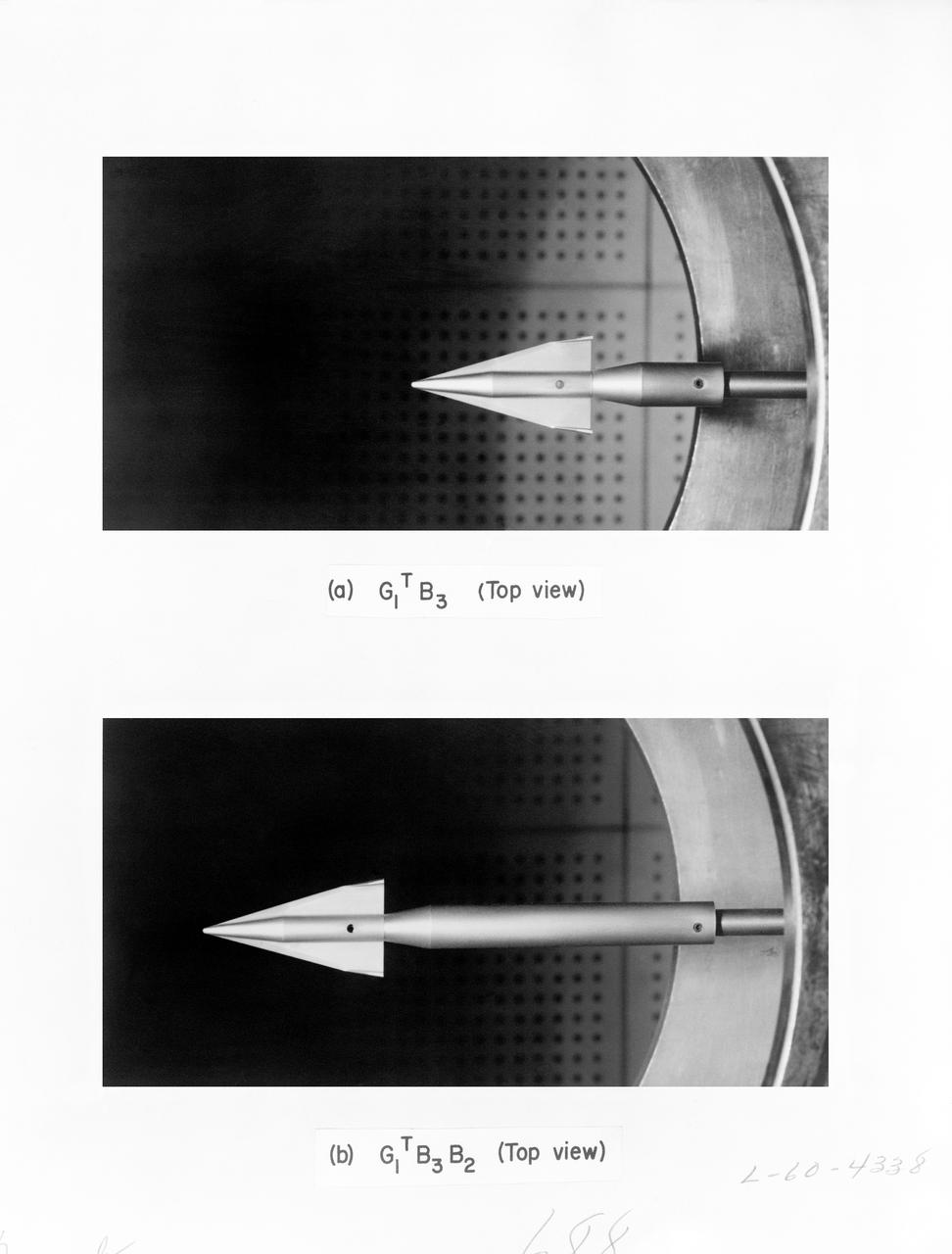
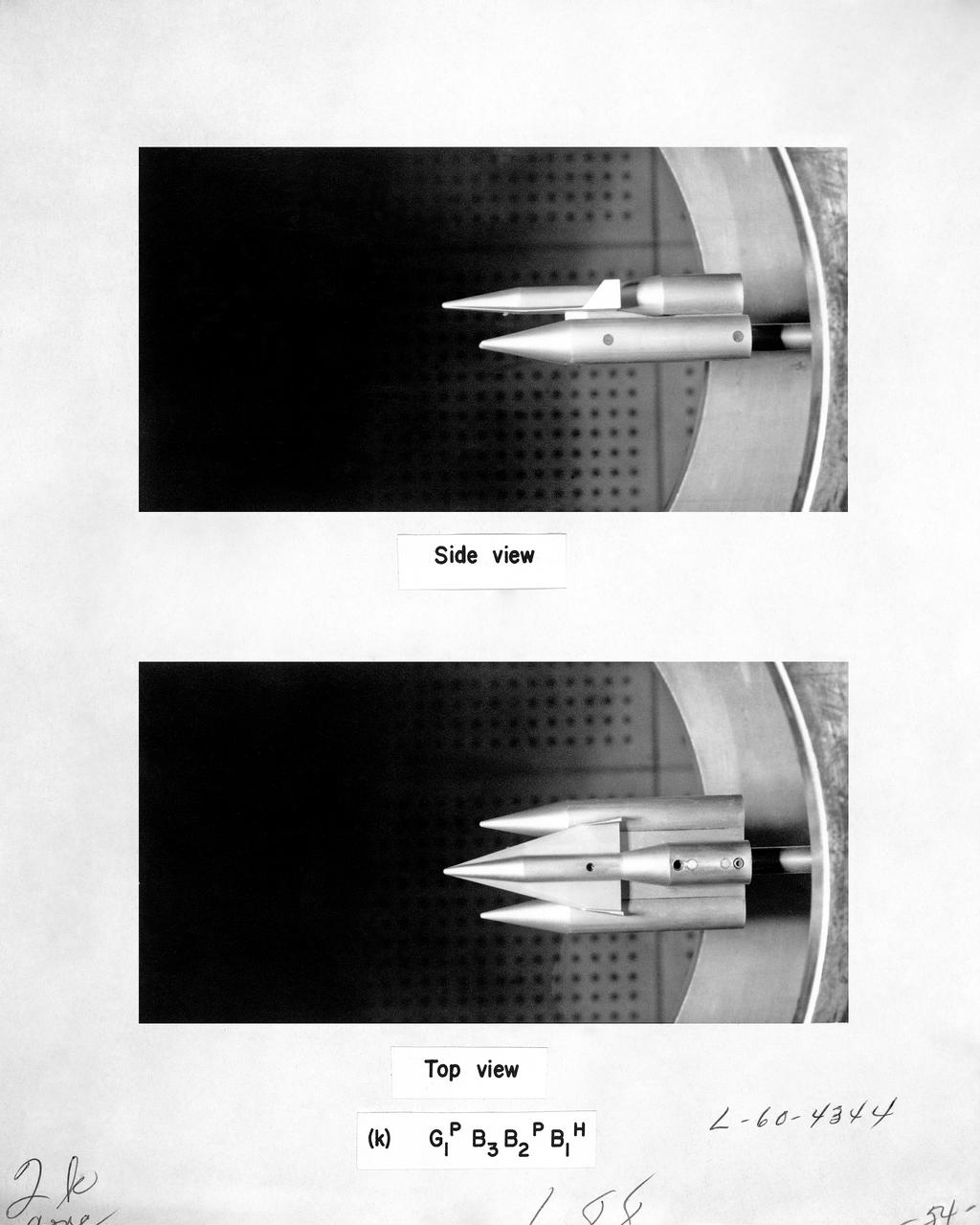
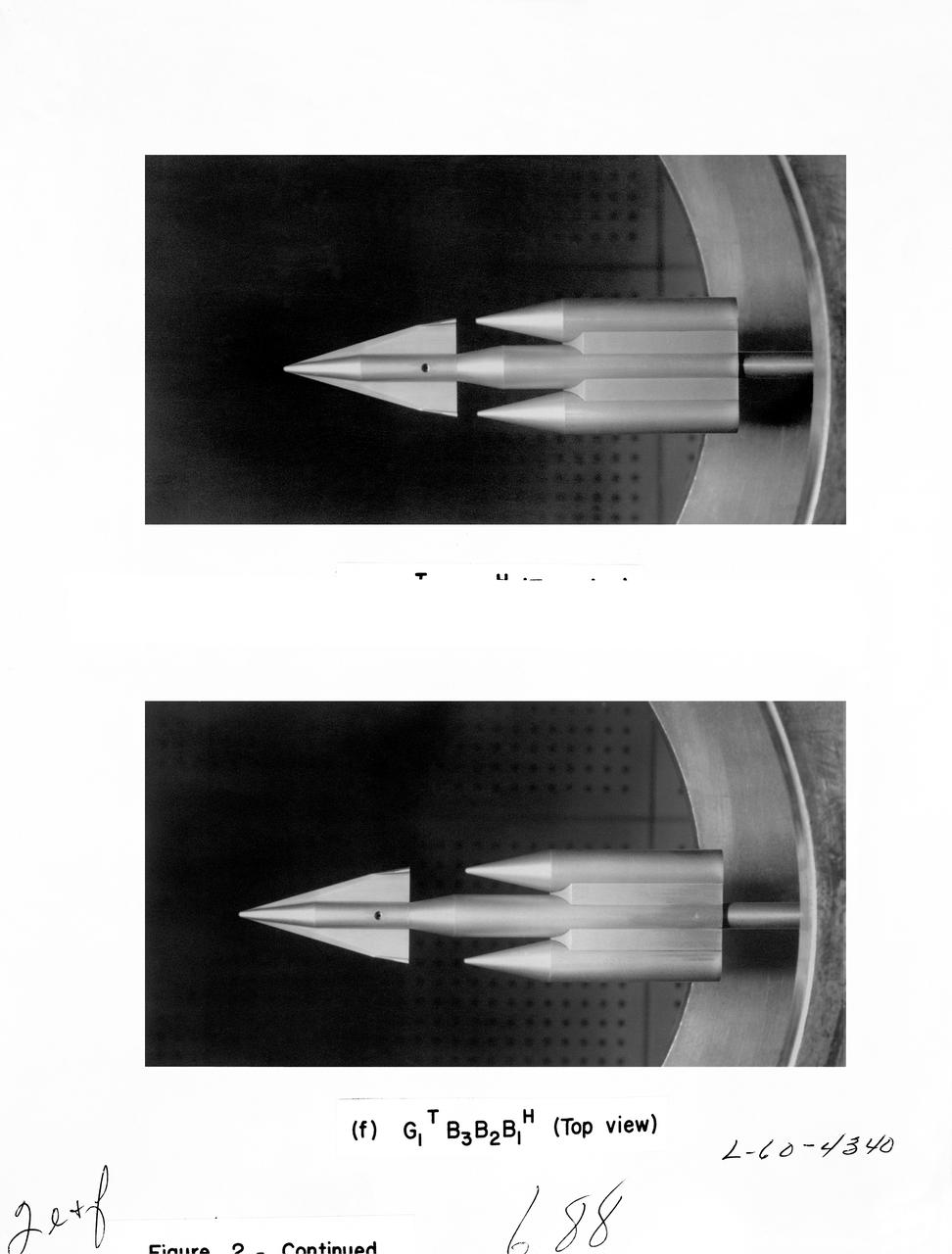
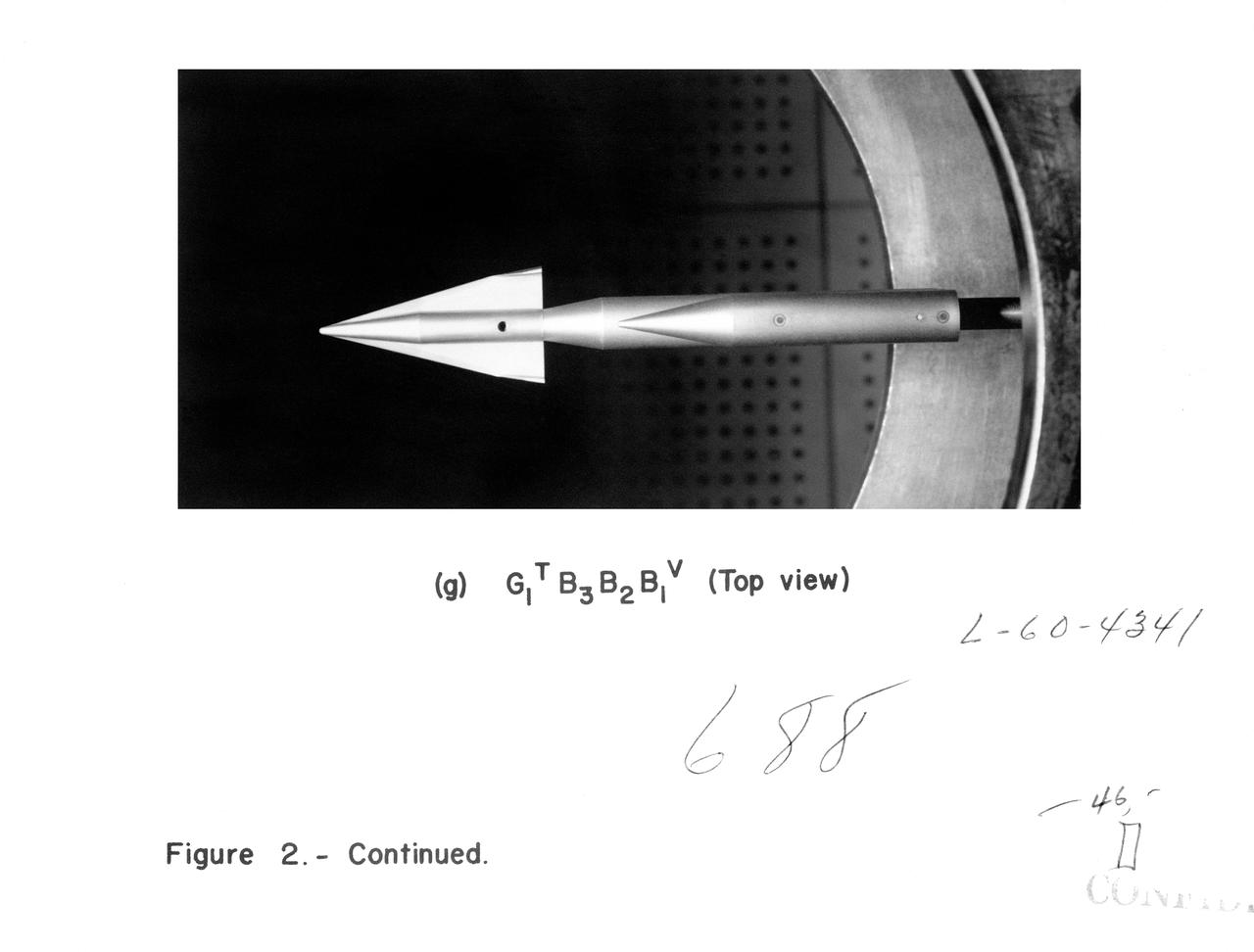
Photos of the eleven booster configurations
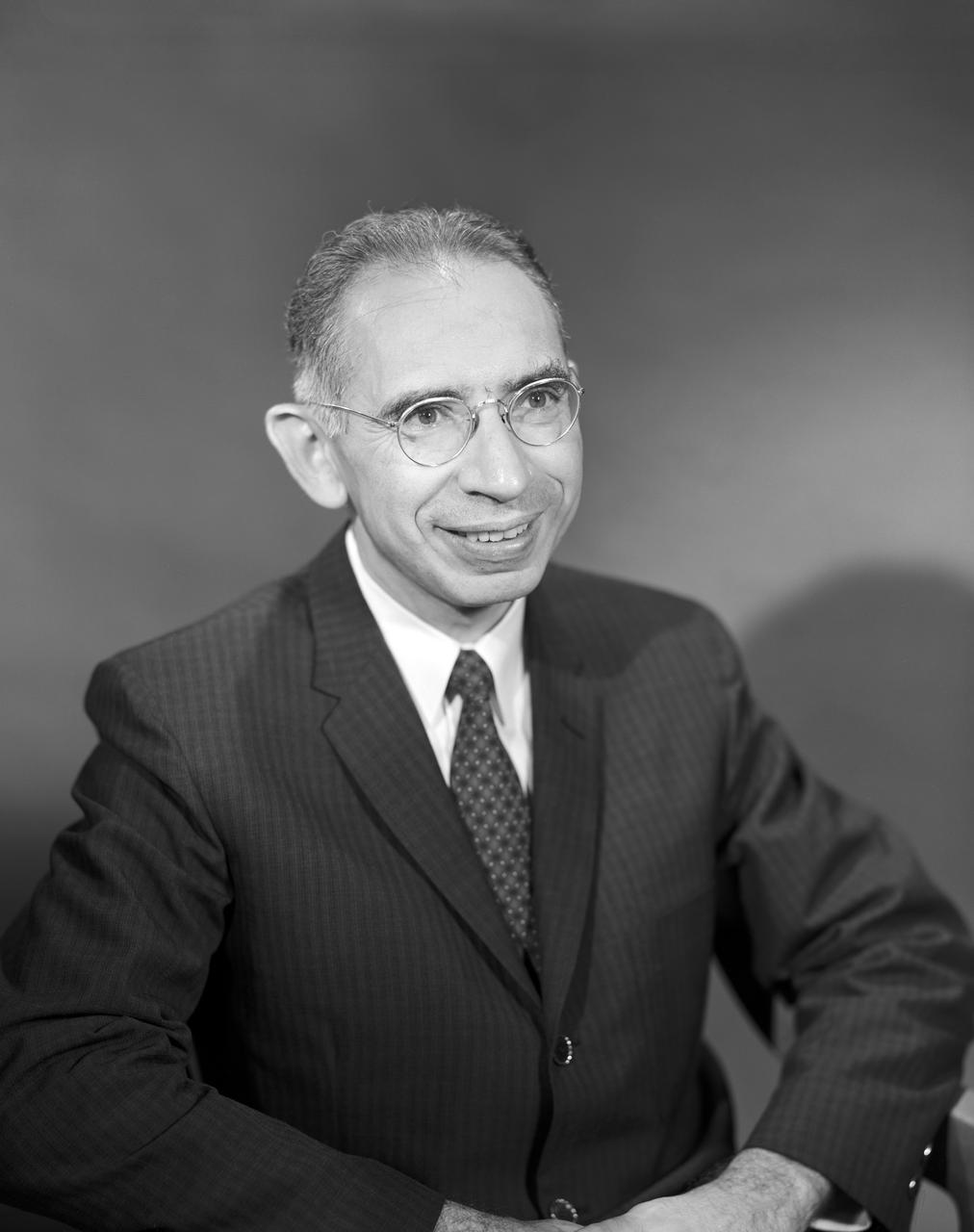
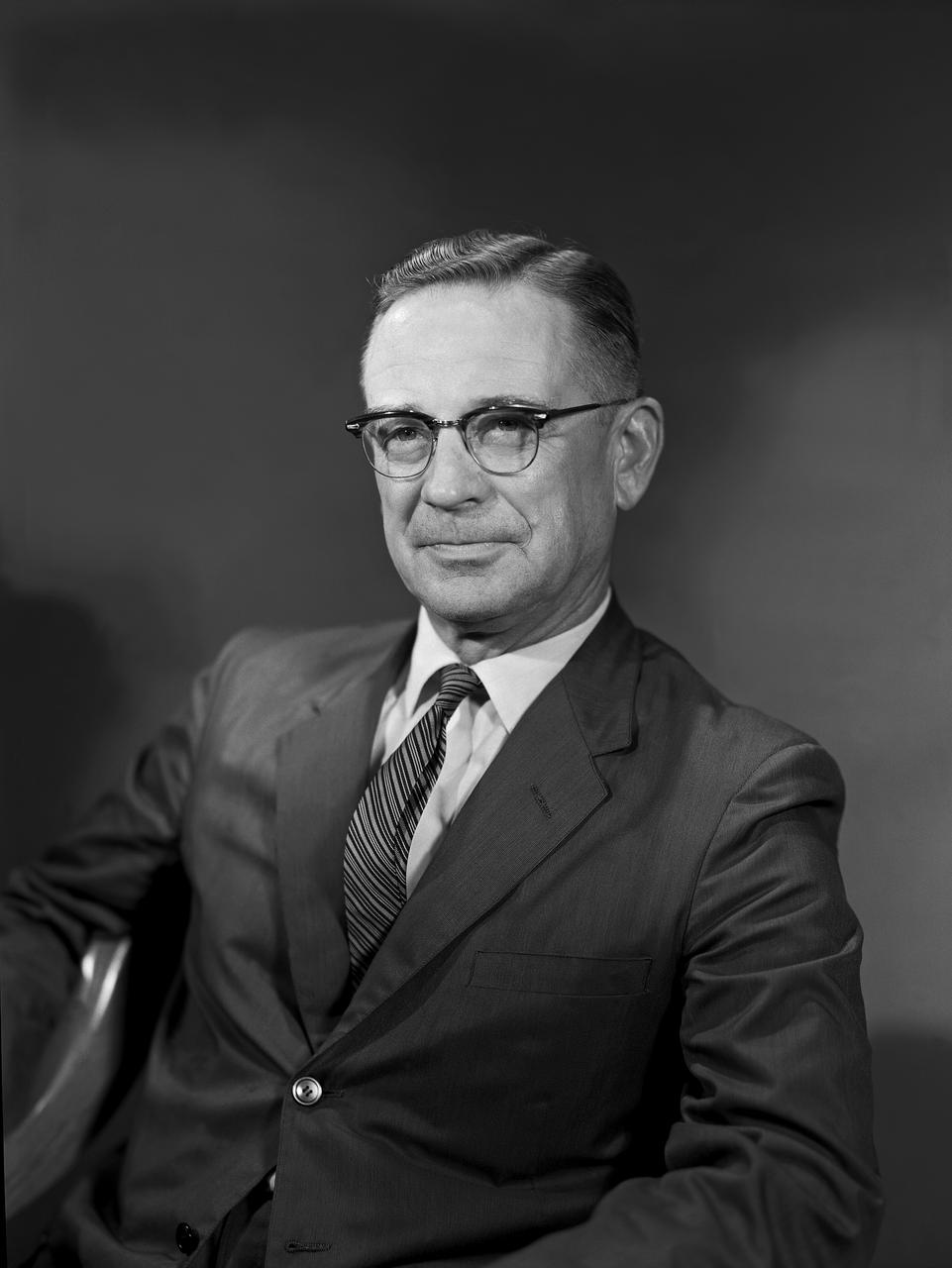
Portrait of Charles H. Zimmerman Associate Chief, Aero-Space Mechanics Division
Project: Wing Sweep Range Series   TAC Variable Sweep Model configure 8 A. Taken at 8 foot tunnels building 641. L60-3412 through 3416 Model of proposed military supersonic attack airplane shows wing sweep range. TAC Models taken at the 8 Foot Tunnel. Photograph published in Sixty Years of Aeronautical Research 1917-1977 By David A. Anderton. A NASA publication. Page 53.
TAC Variable Sweep Model
Figure 3-5 for NASA Document TM-X-356
100' Satellite Packaging of Echo
Model of Winged Space Vehicle
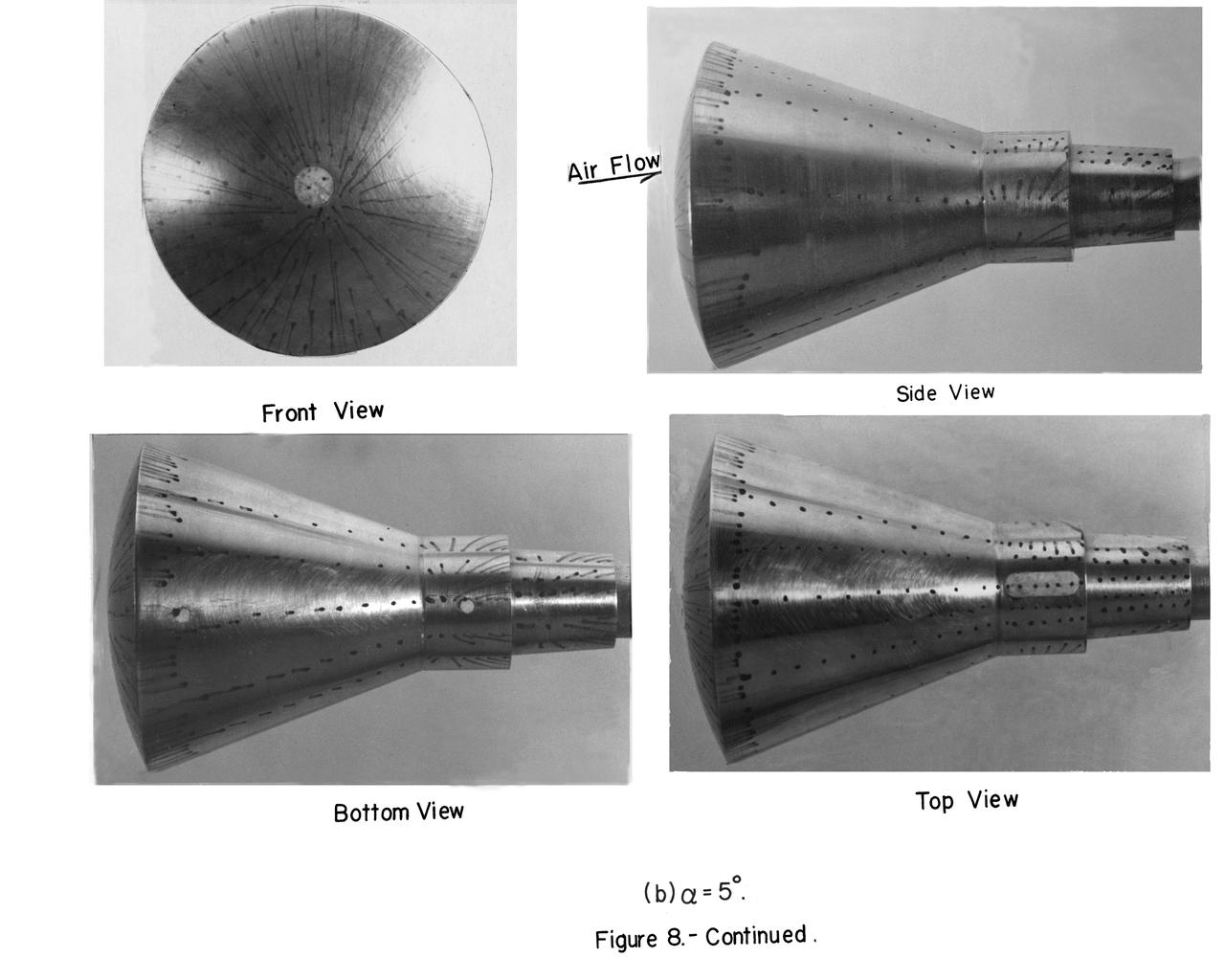
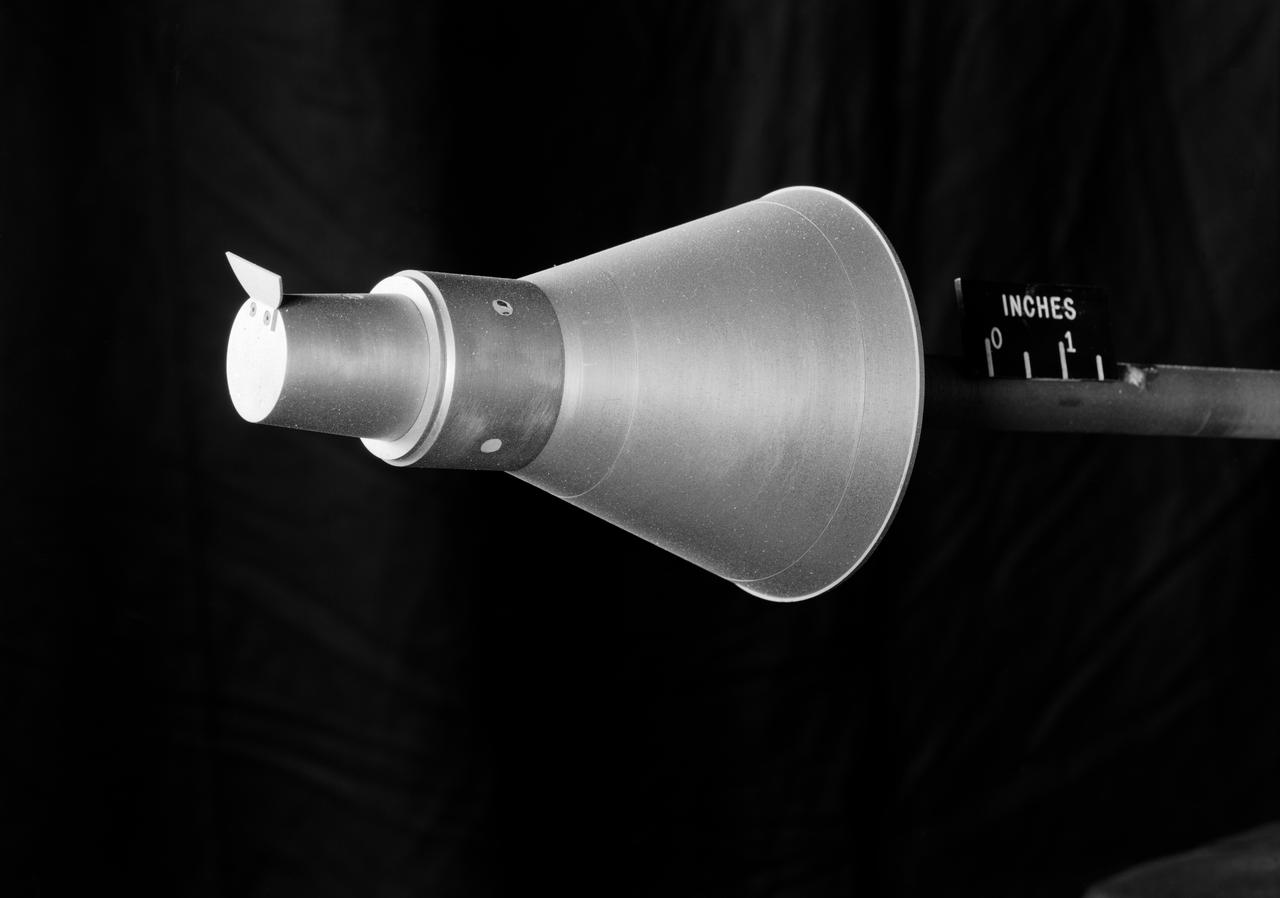
Model of Mercury capsule used for wind tunnel testing.
Mercury Project
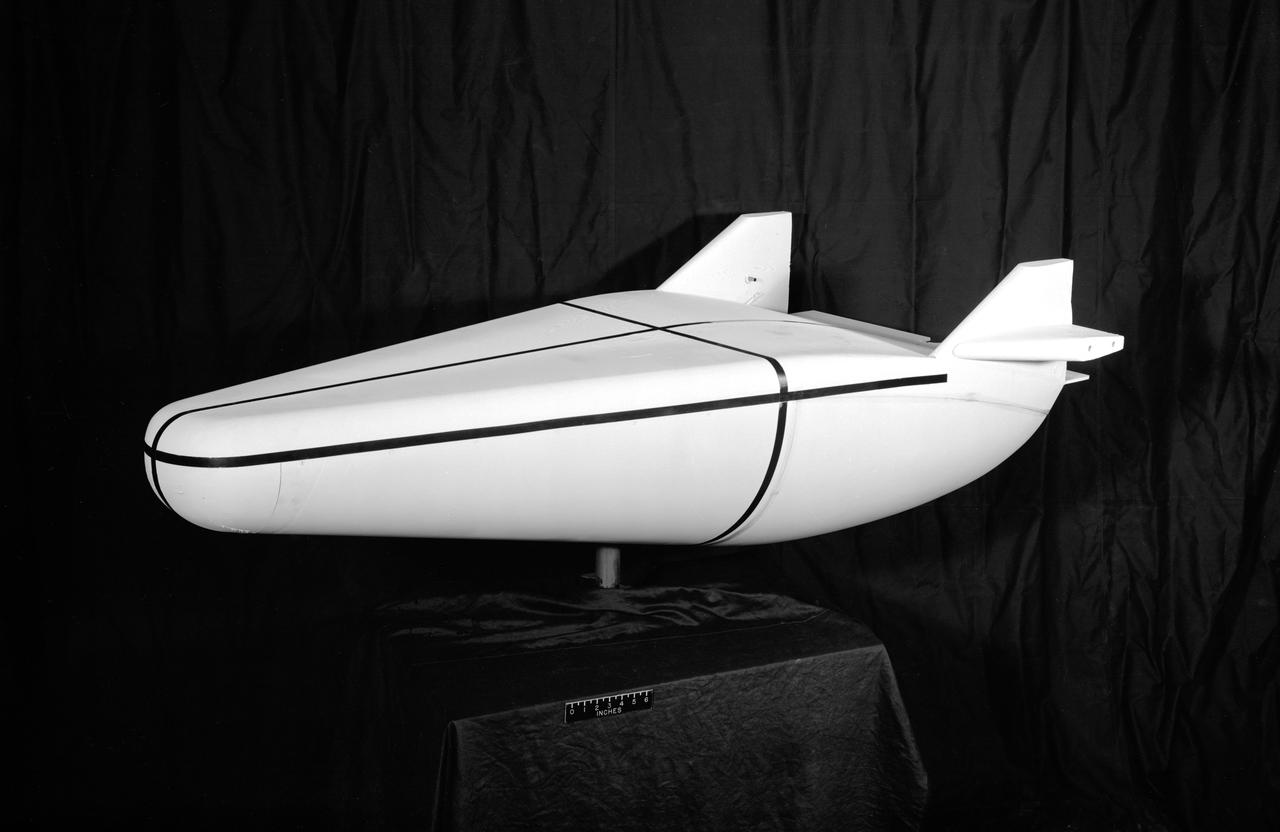
Model of Winged Space Vehicle
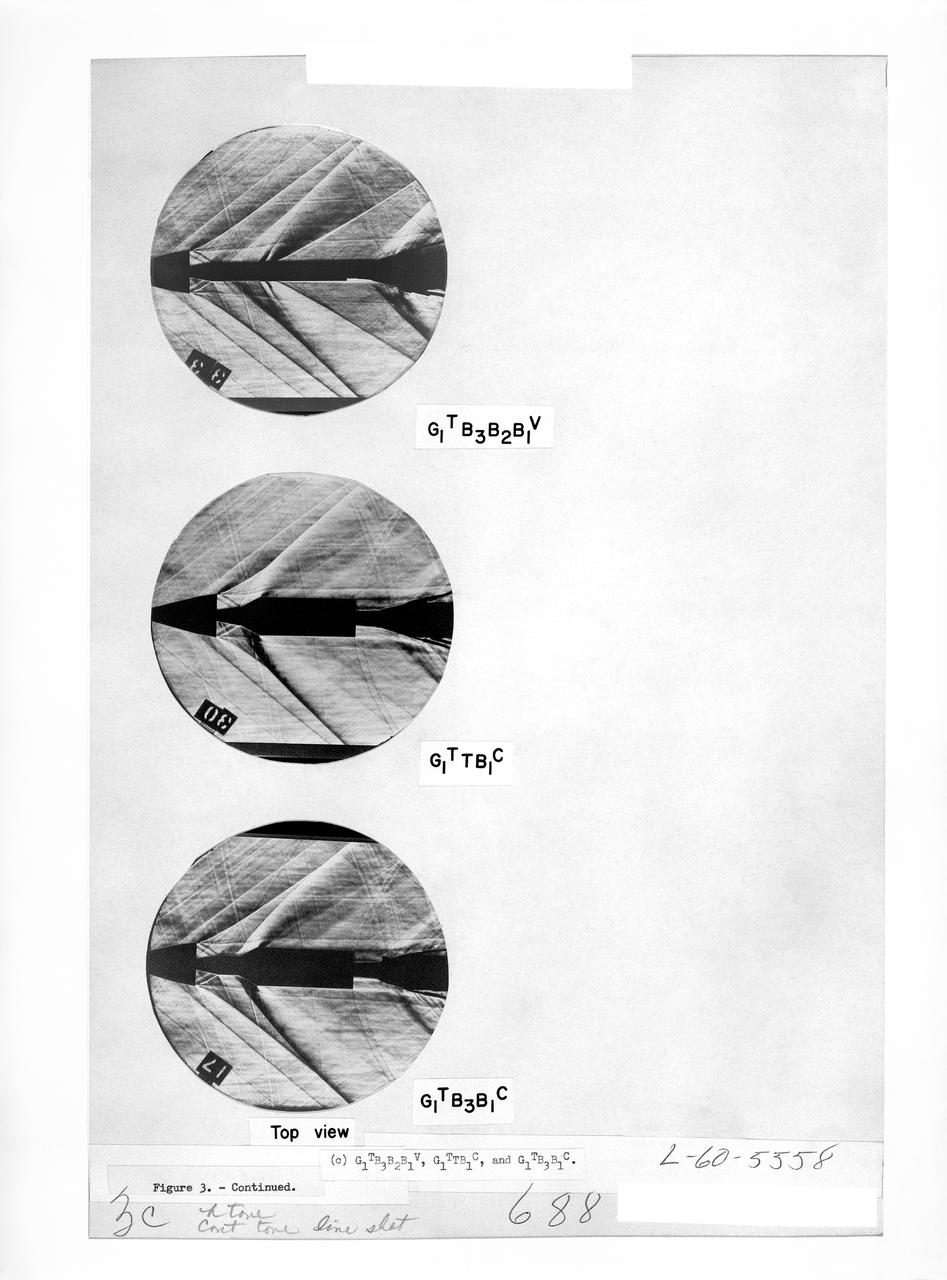
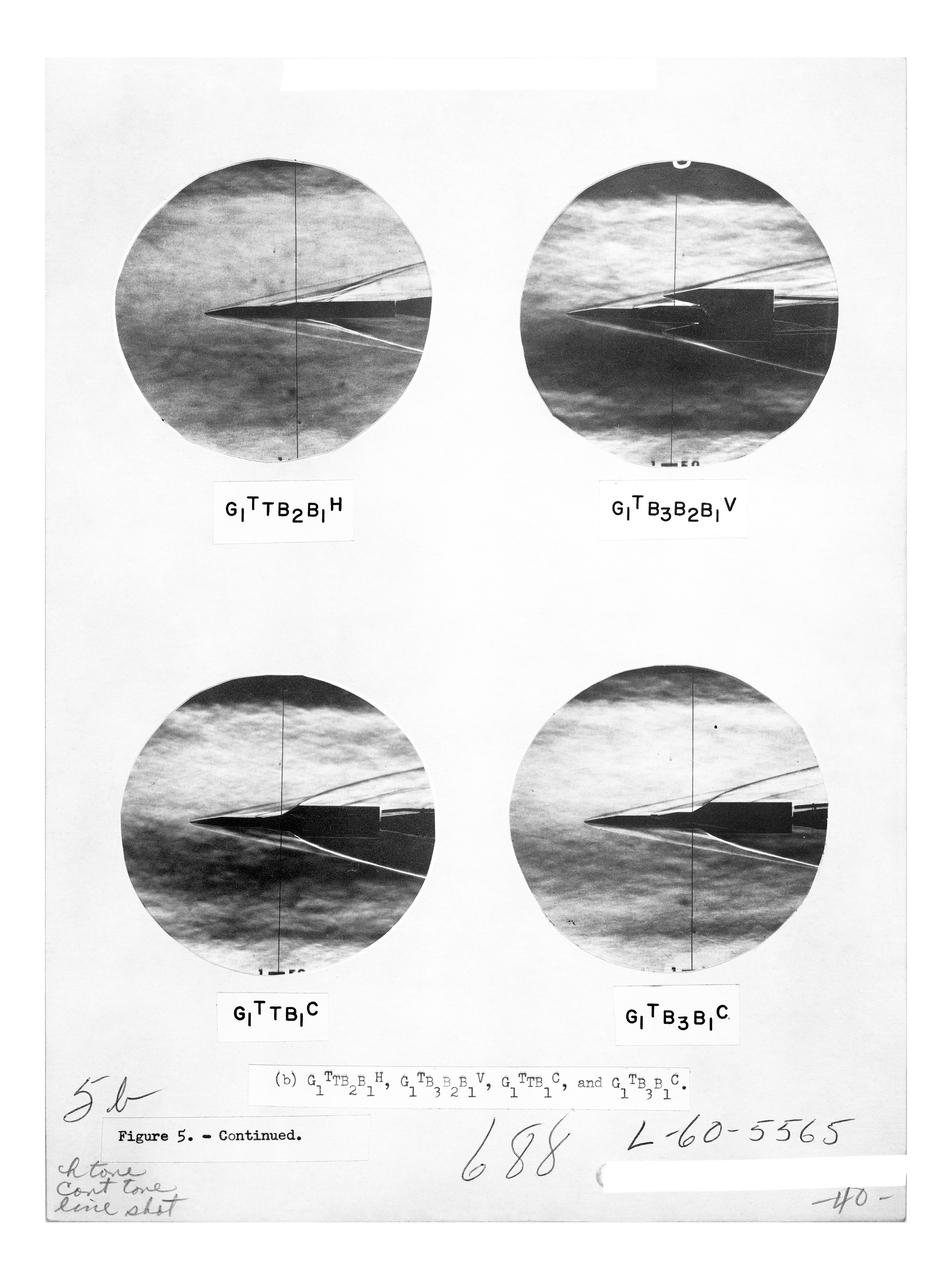
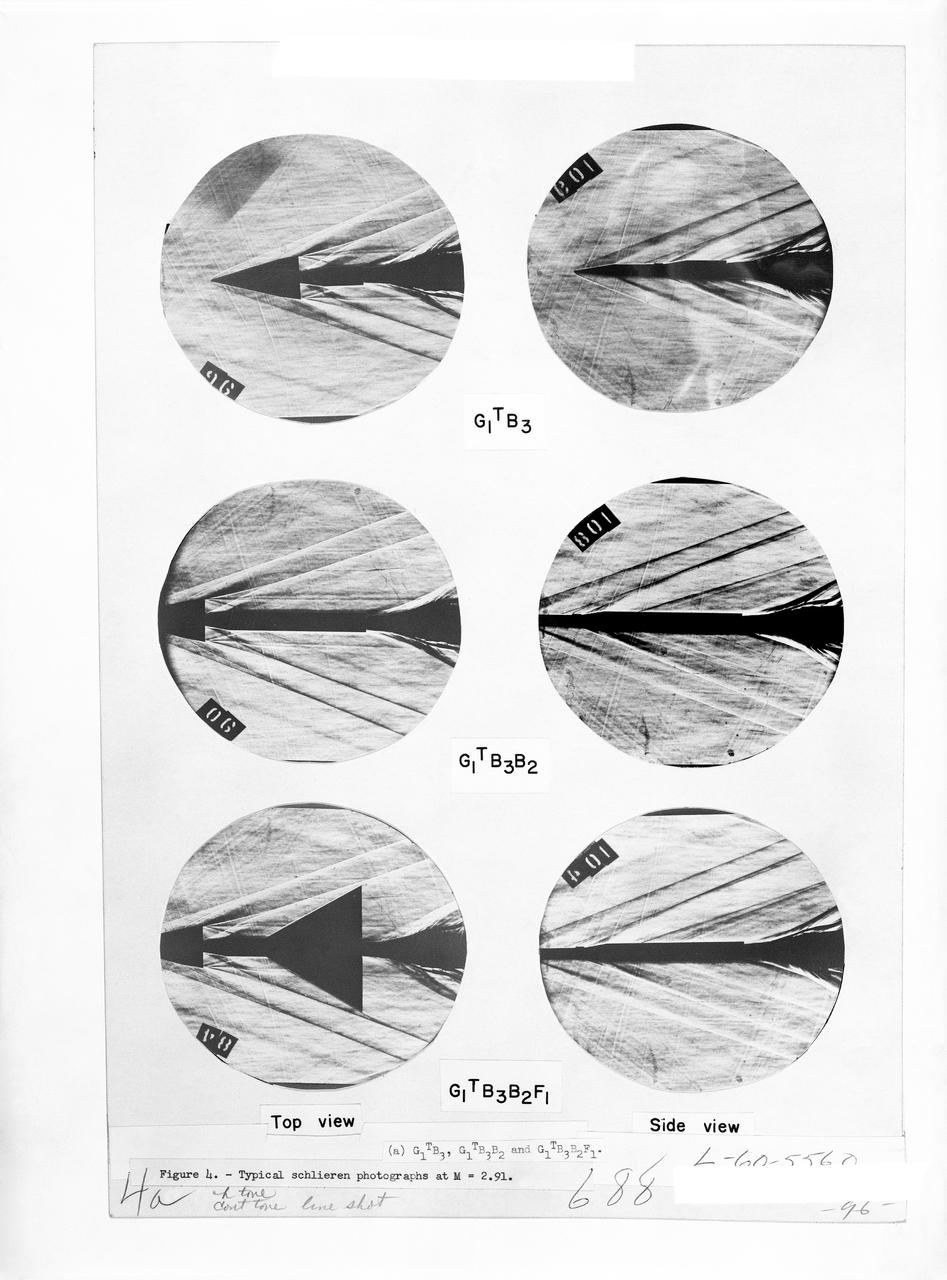
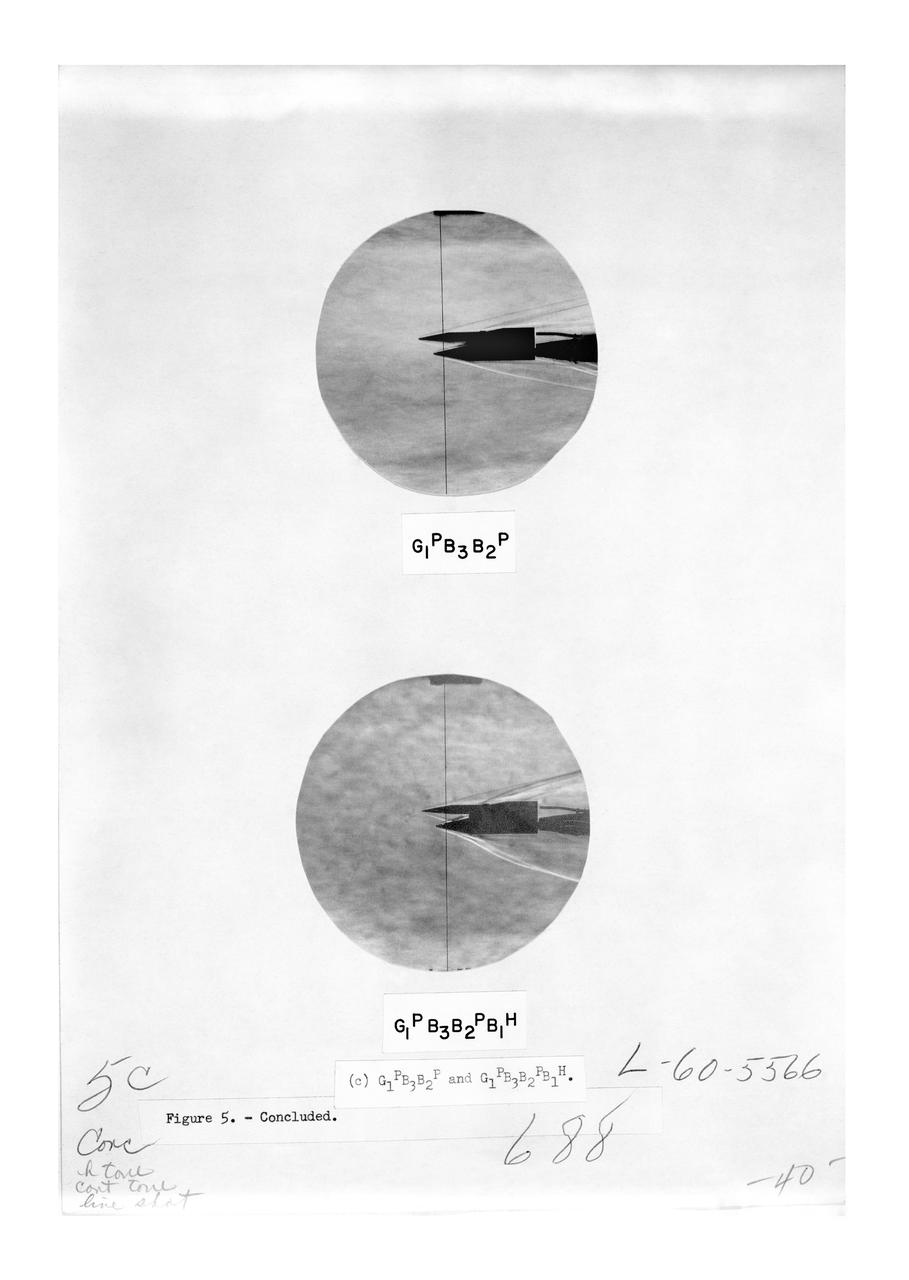
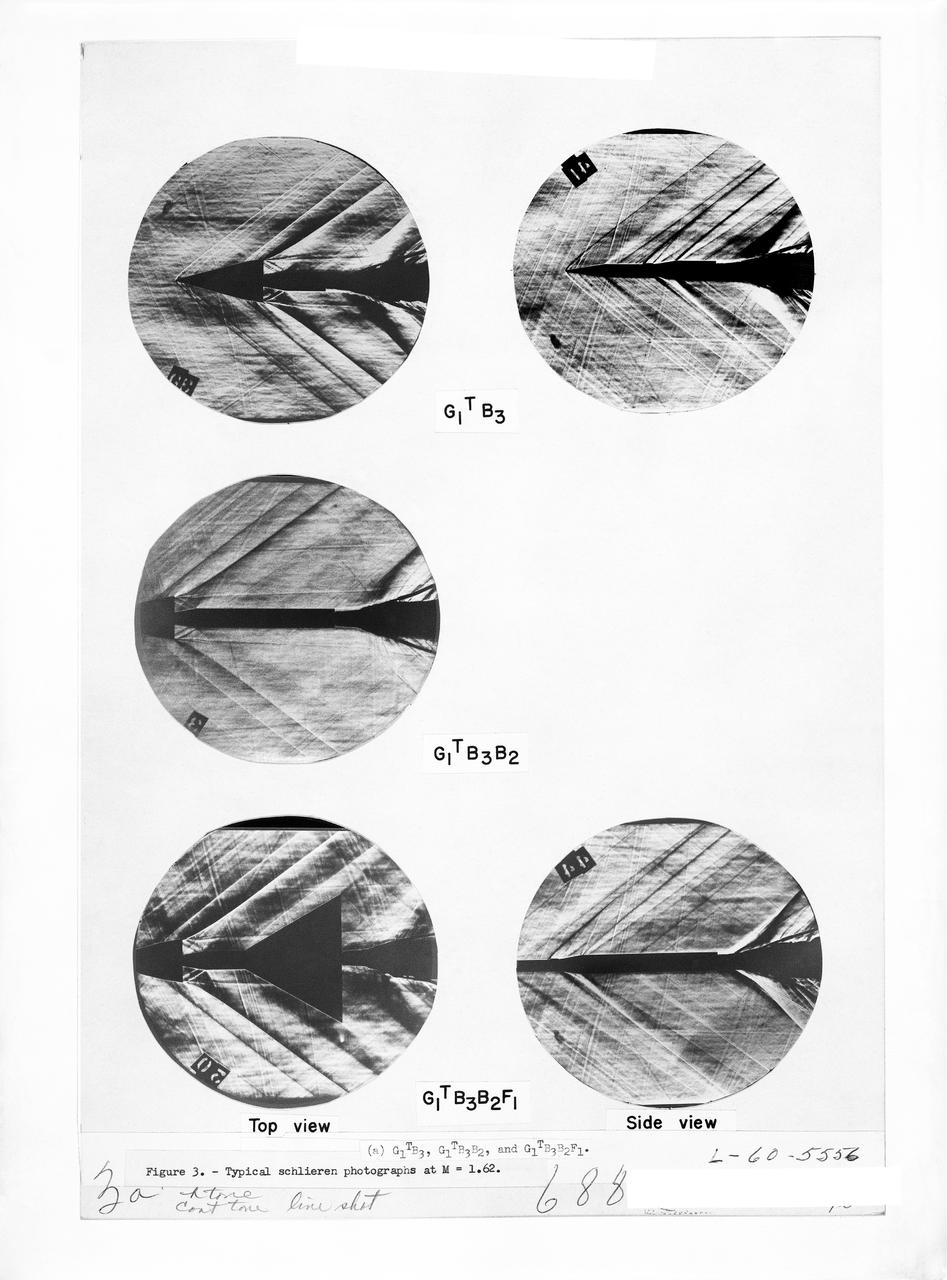
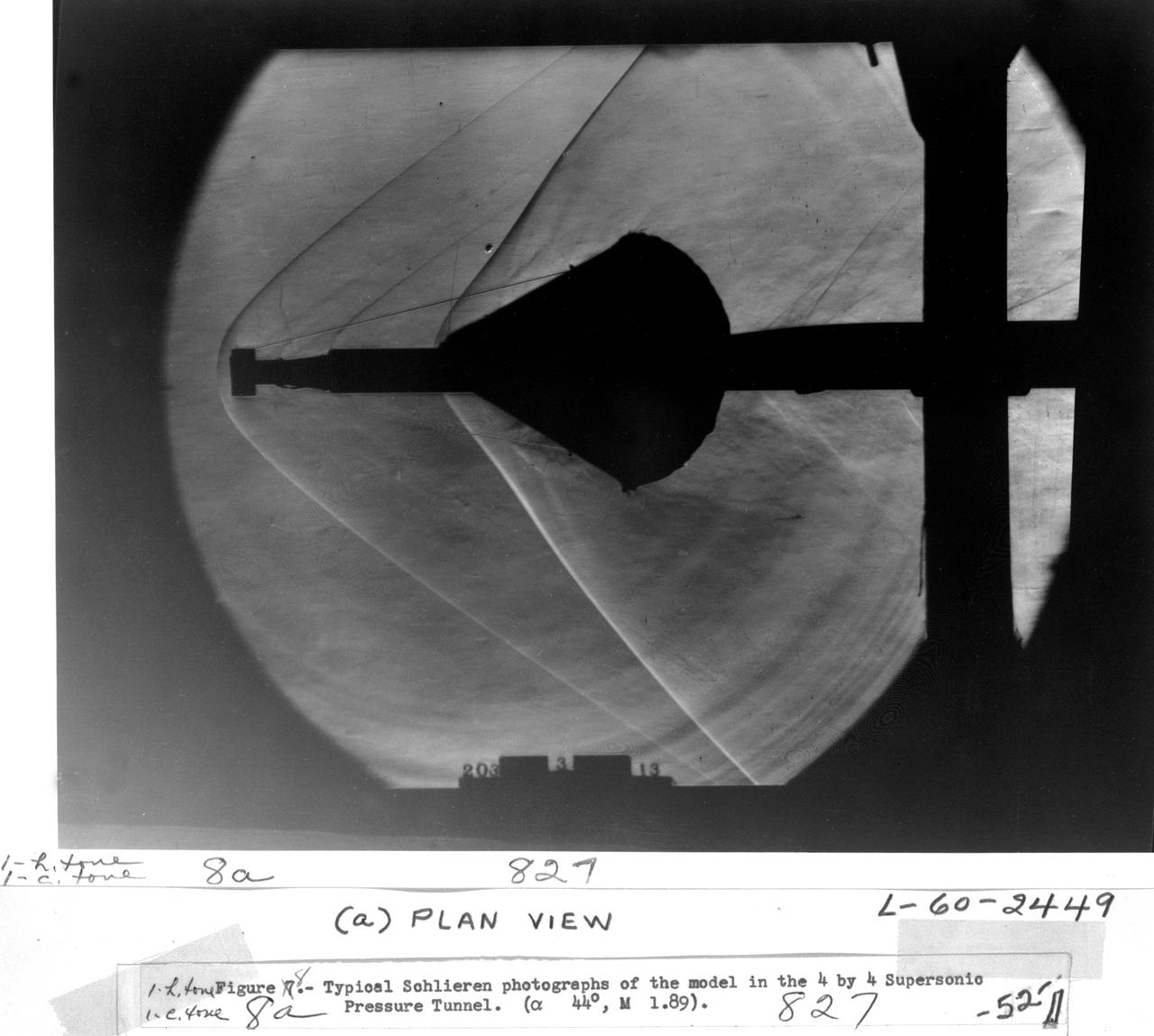
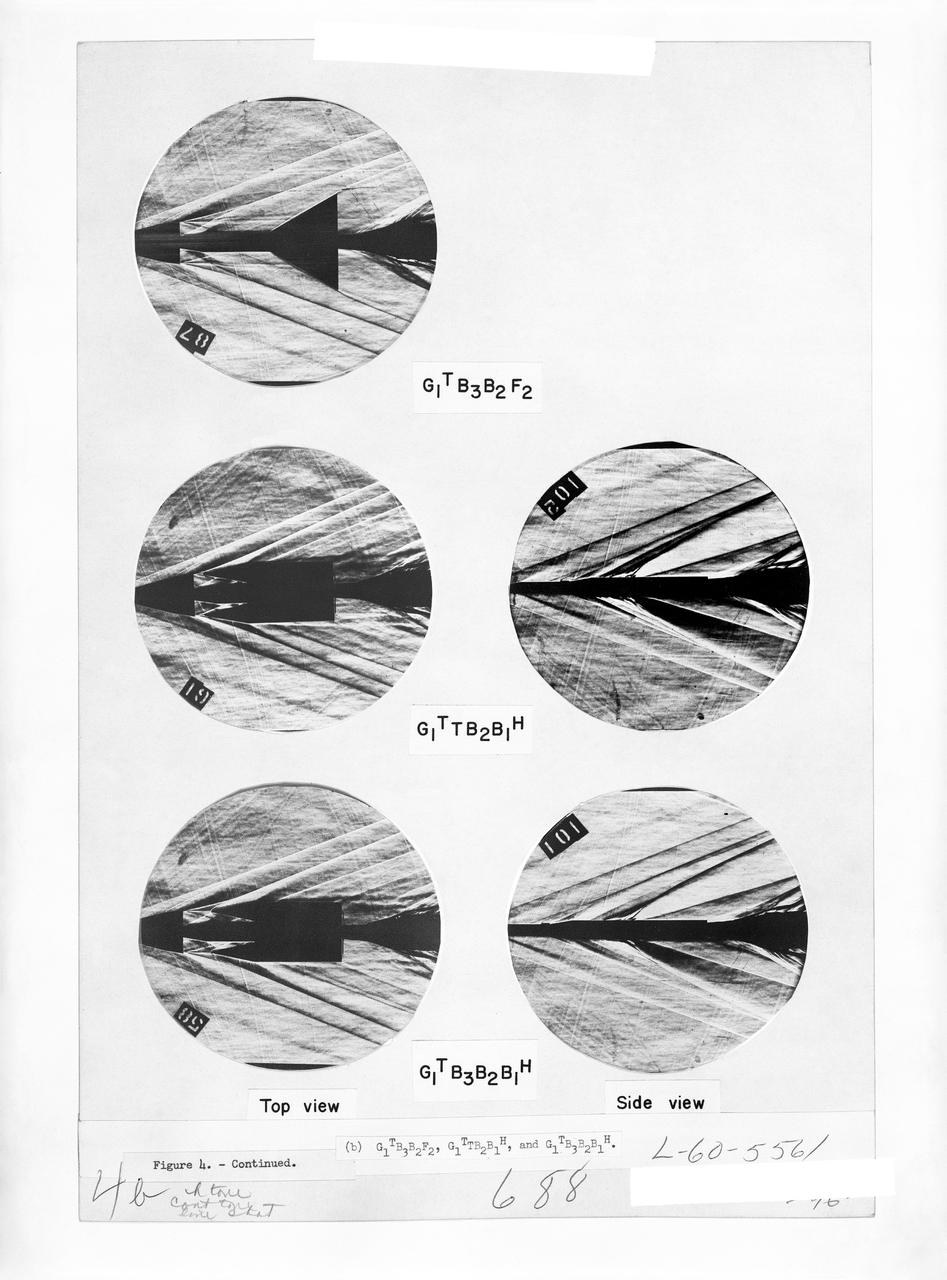
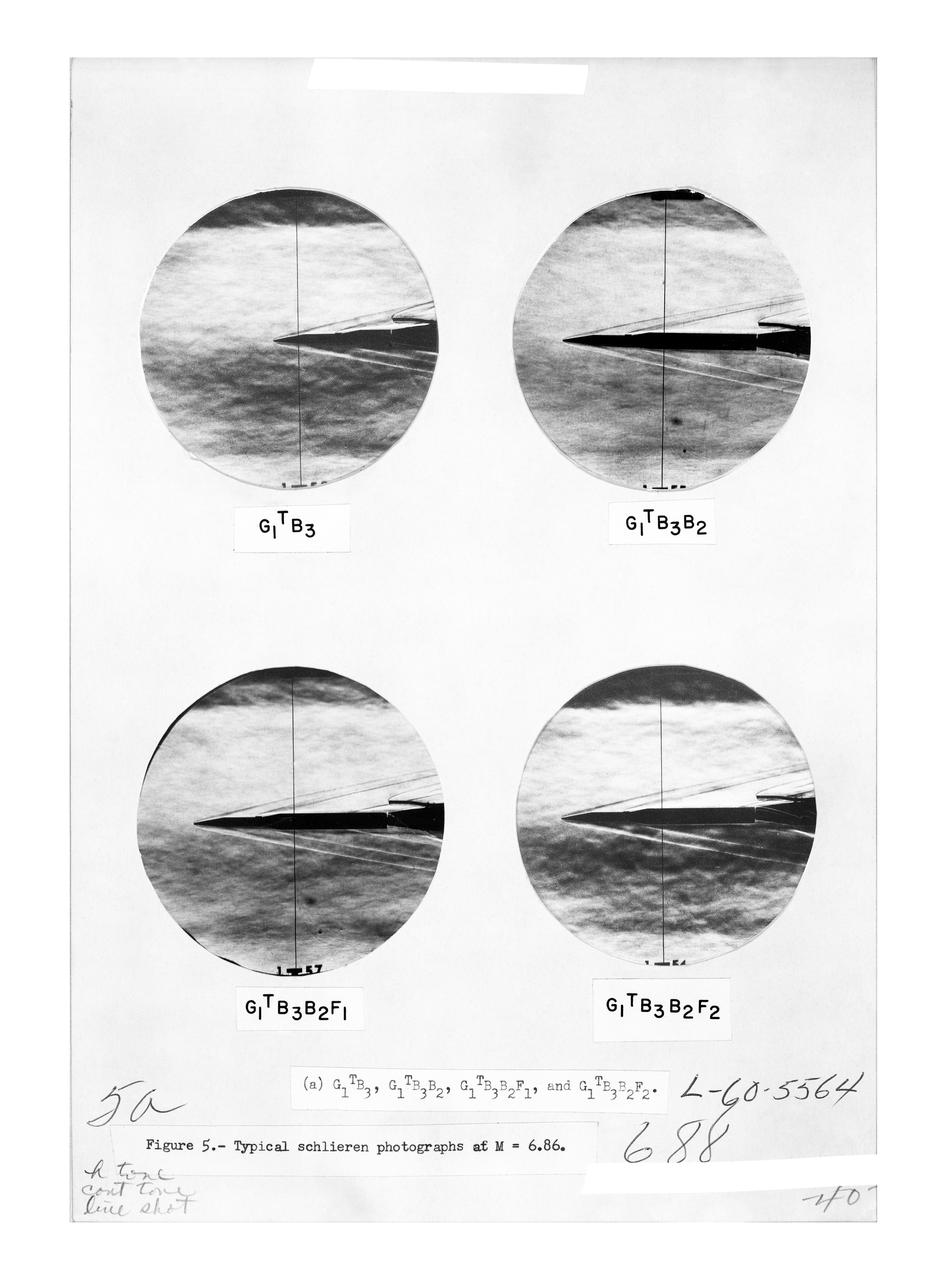
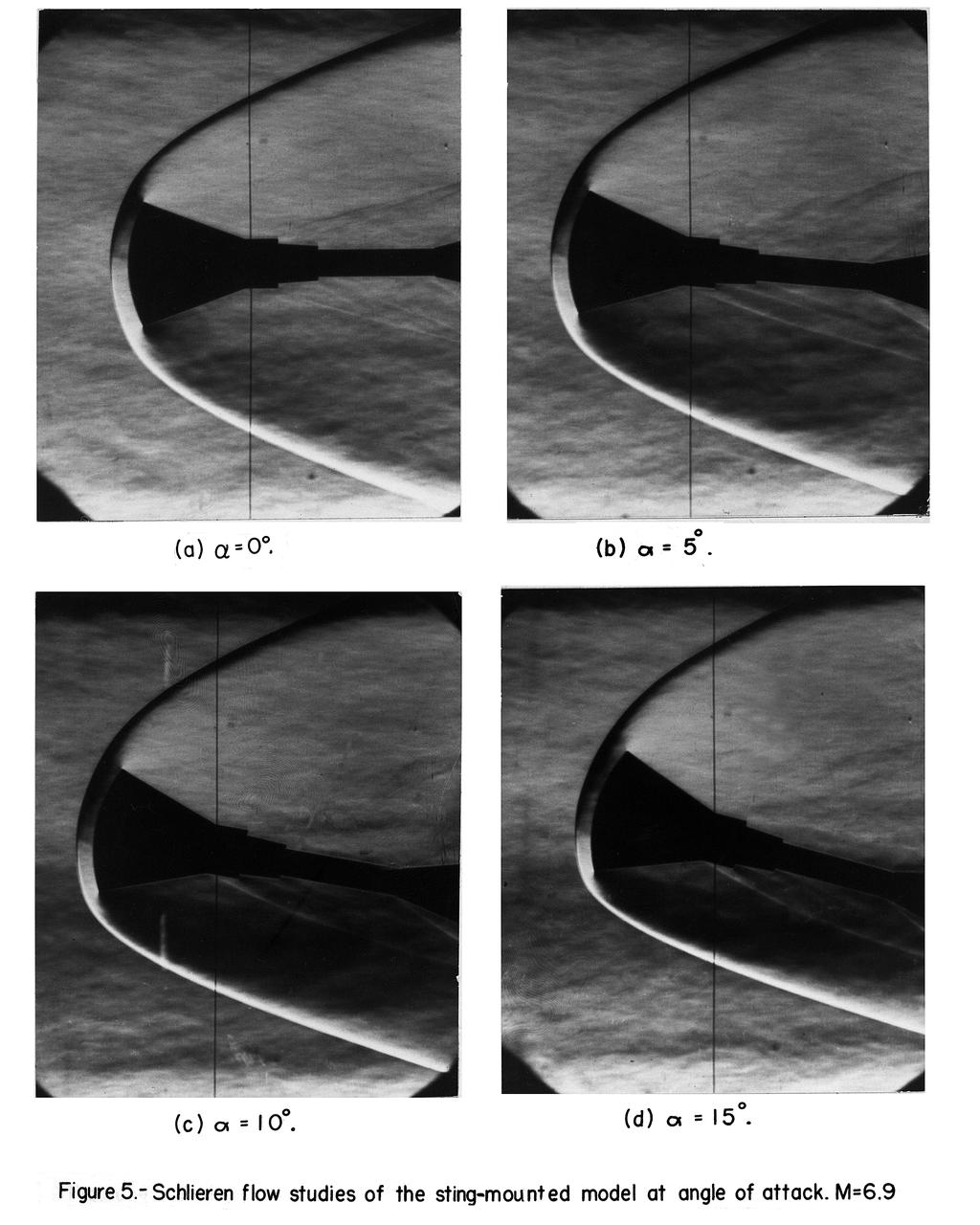
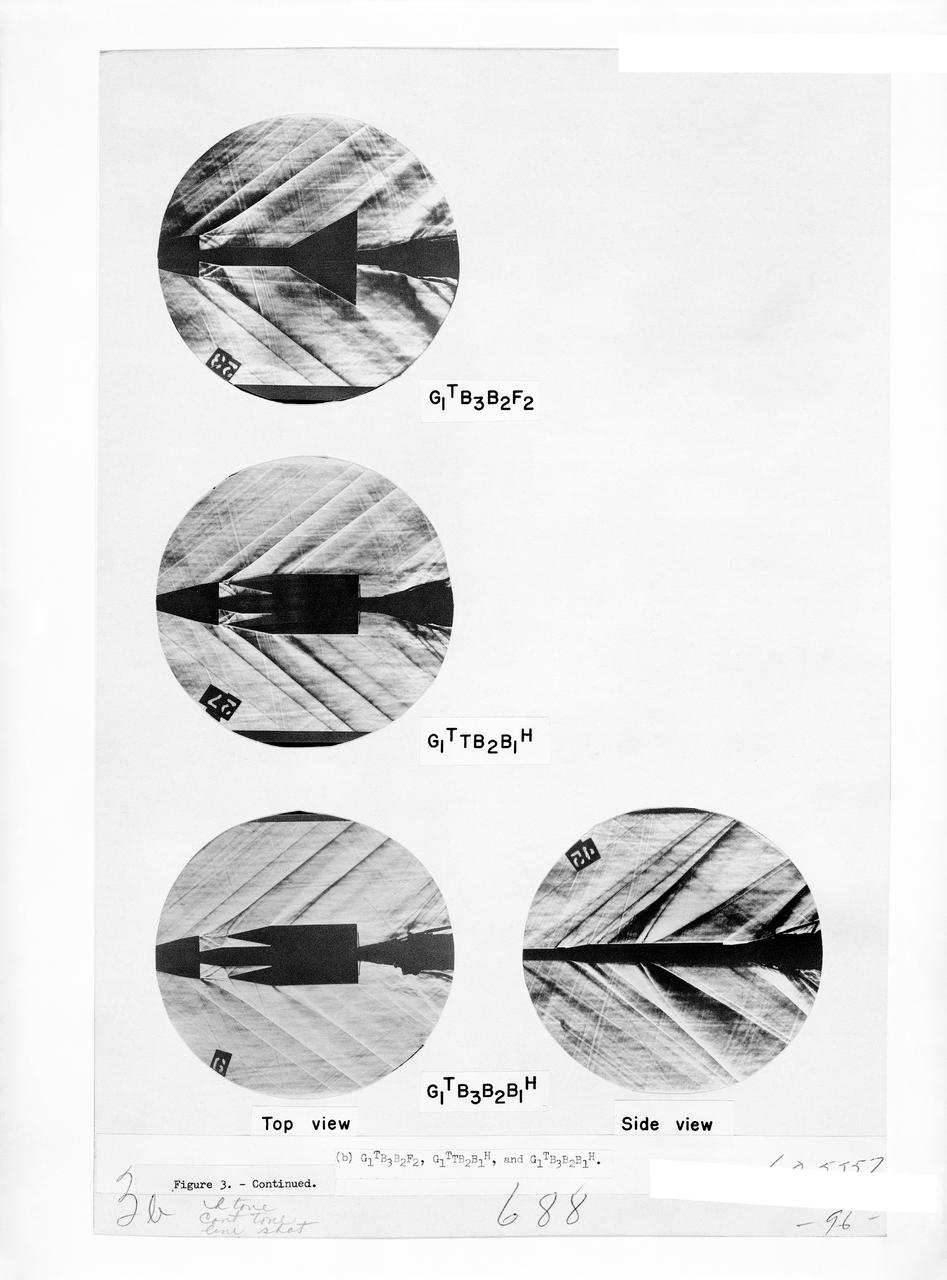
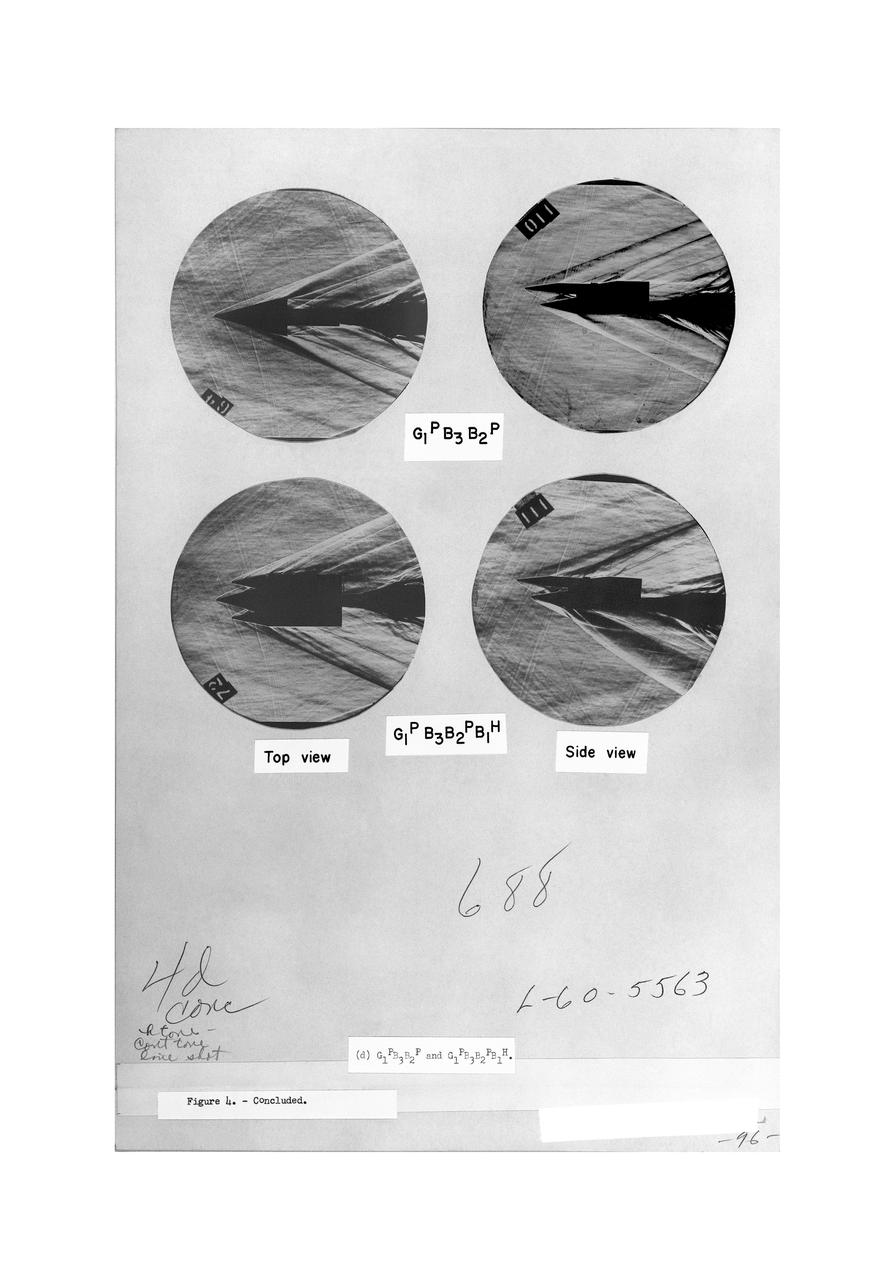
Schlieren photographs of the model in 4 x 4 Foot supersonic pressure tunnel
Model of Winged Space Vehicle
100' Satellite Packaging of Echo
Copy Negative of Sequence Photo Shuttle Model
Figure 3-5 for NASA Document TM-X-356
Photos of the eleven booster configurations
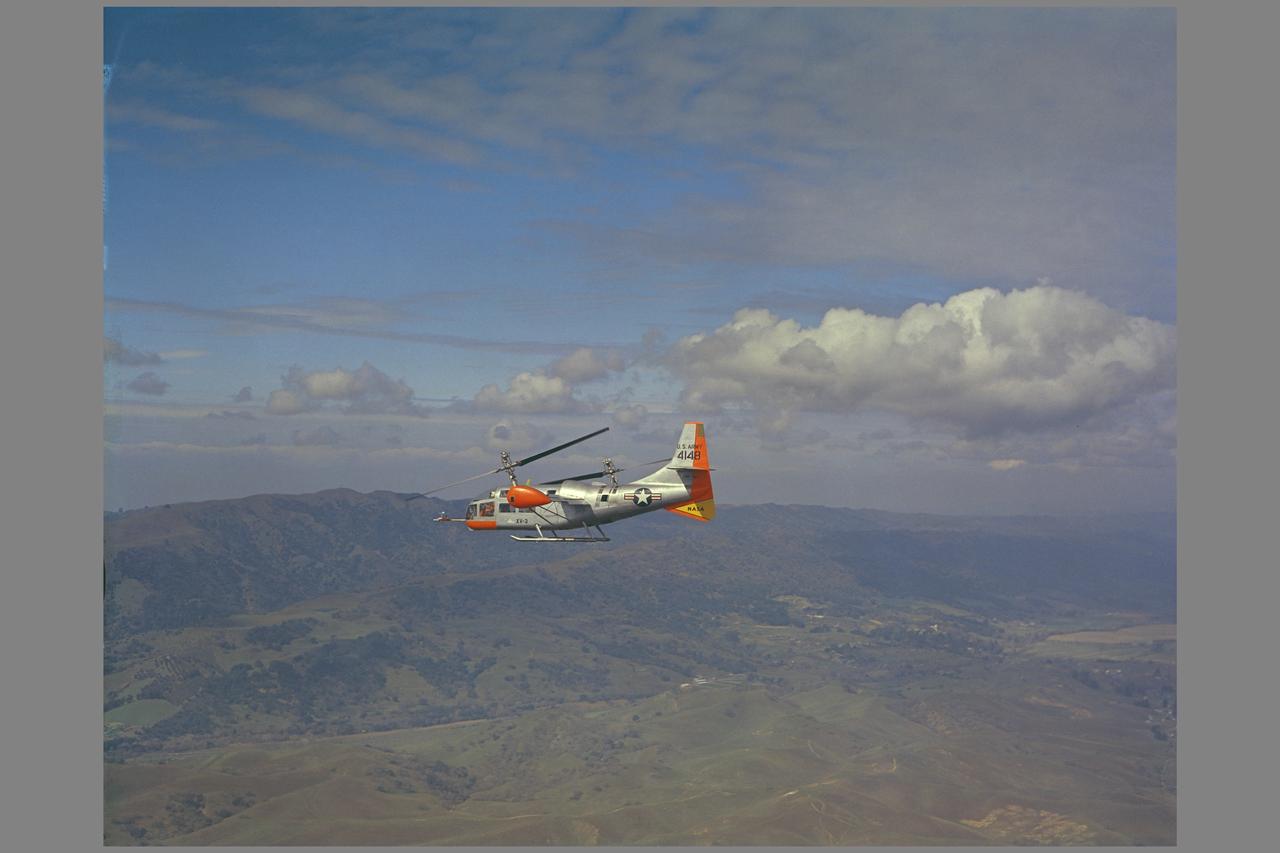
Vertol VZ-2 (Model 76): Arriving at Langley from Edwards Air Force Base, California, this Vertol VZ-2 underwent almost a year and a half of flight research before going back to the manufacturer for rework. The VZ-2 was used to investigate Vertical Take-Off and Landing (VTOL).
Vertol VZ-2 (Model 76)
Photos of the eleven booster configurations
Shot put with shroud over payload - carried early Echo satellite (which burst before achieving orbit). This was the first attempt to launch the Echo satellite.
Launch Photos of L2-207 "Shotput" E60-3000
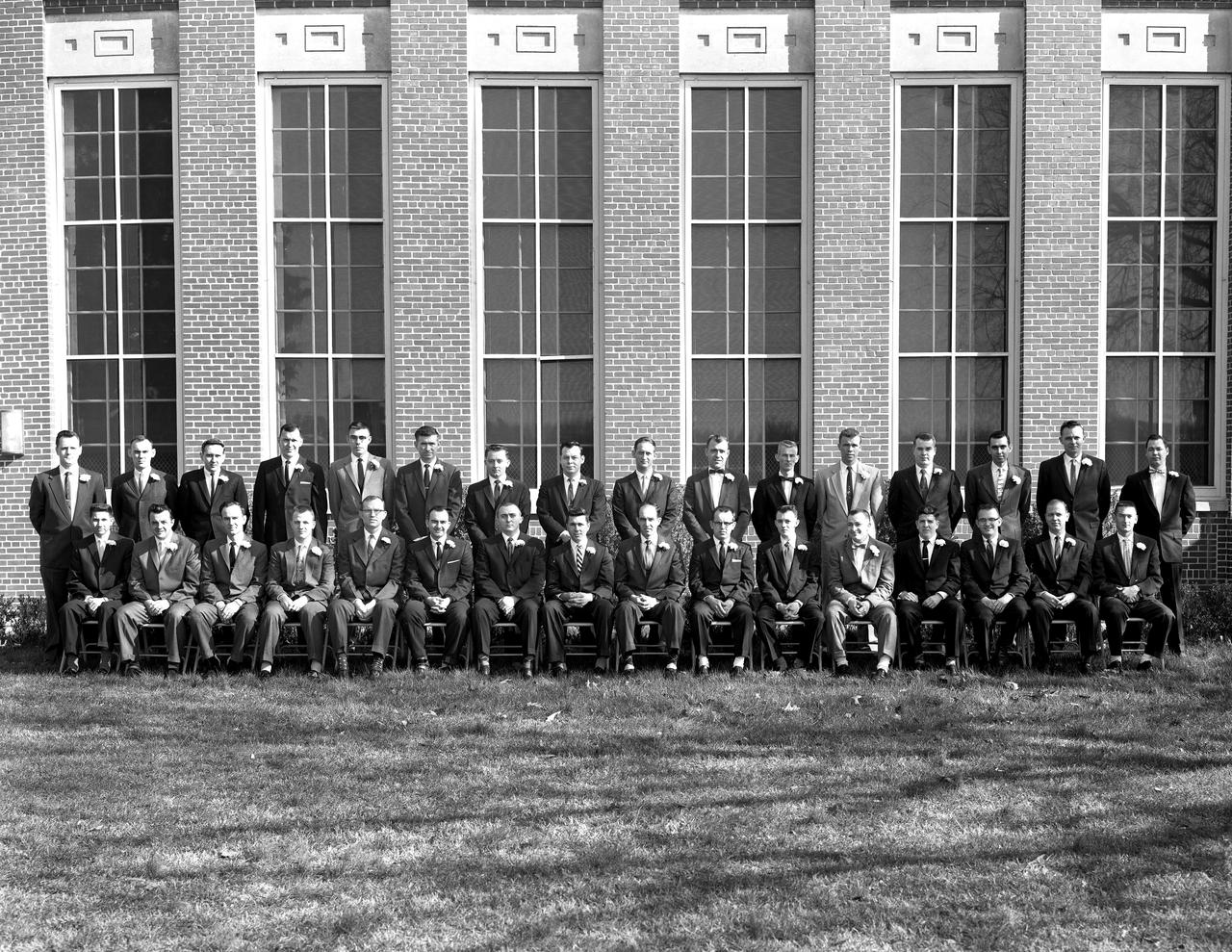
Apprentice Class Graduates: 32 Apprentice Greaduates: Ivan E. Albertson, Colossie N. Batts, Billy W. Beasley, John H. Belveal, Ernest R. Dunnigan, Durwood W. Davis, Charles E. Drummond, John R.Ellingsworth, Jr., Hugh D. Fitzgerald, Ernest A. Gurganus, Joseph R. Guy, William C. Henley,Jr., Richard N. Hill, Hiram R. Hogge, Jr., James D. Holt, James L. Hudgins, Robert F. Macklin, Roy W. Mason, Clyde J. May,Roger N. Messier,  William C. Moughon, William S. Pillow, Wayne R. Posey, Mark E. Price,  John W. Schwartz, Herbert F. Shackleford, John W. Simpson,John B. Slight, Cecil W. Stephens, Richard K. Stoops, John W. Sundy, Dave, E. Williams.
Apprentice Class Graduates
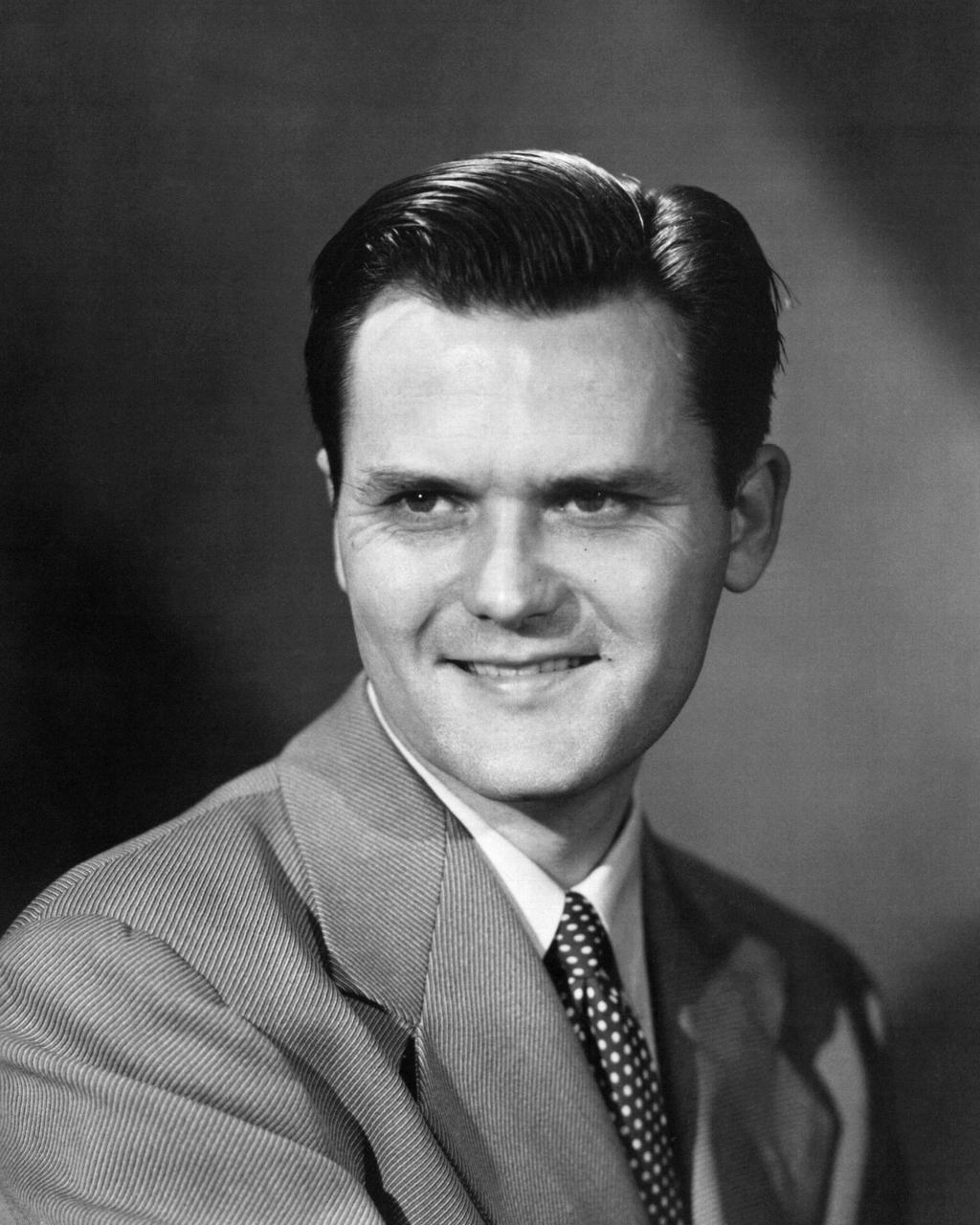
Portrait of Samuel Katzoff Assistant Chief, Applied Materials and Physics Division
Portrait of Samuel Katzoff
Figure 3-5 for NASA Document TM-X-356
100' Satellite Packaging of Echo
Photos of the eleven booster configurations
Re-entry vehicle on Full Scale Tunnel (FST)
Re-entry vehicle on FST
Canard model
Canard model
100' Satellite Packaging of Echo
Figure 3-5 for NASA Document TM-X-356
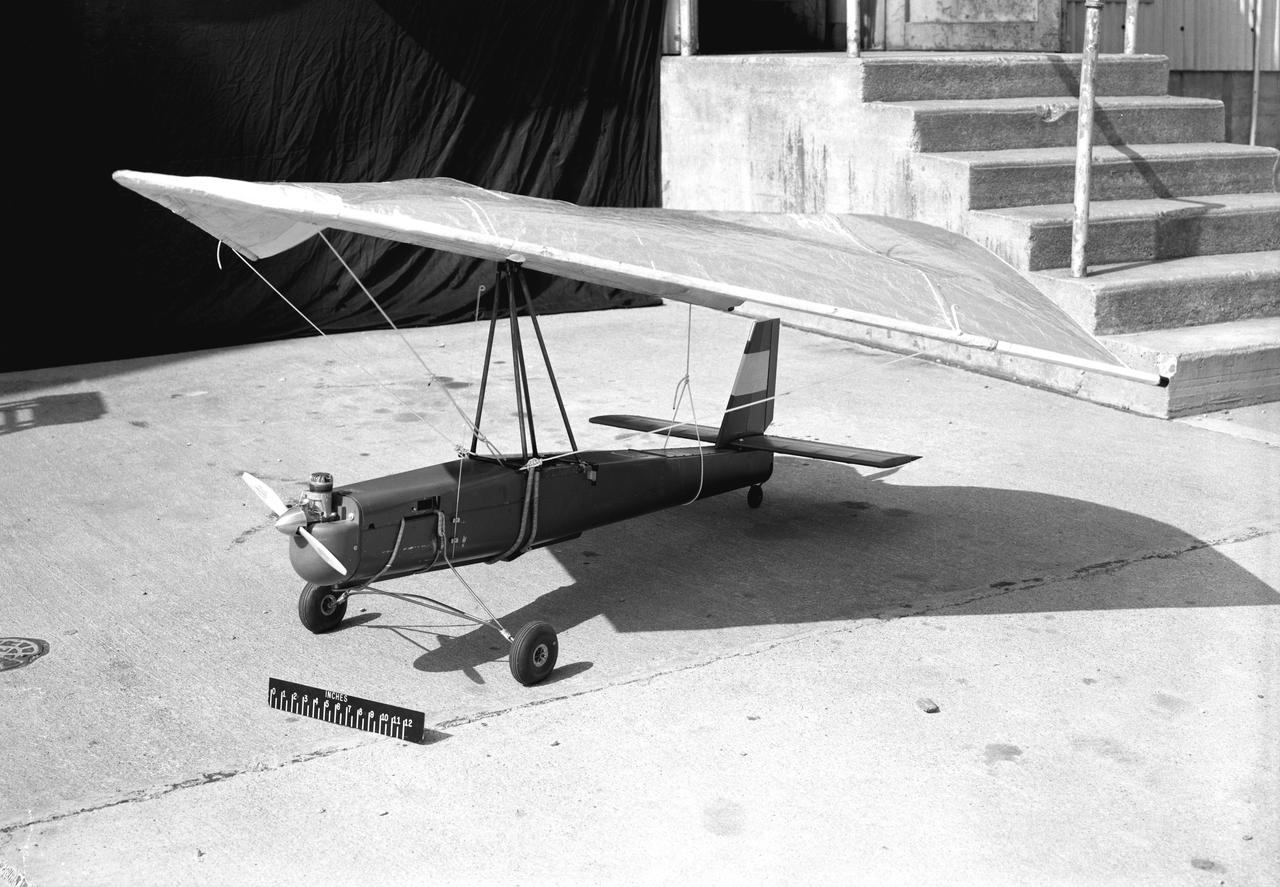
Flex-I-Kite at West Point
Model of Winged Space Vehicle
100' Satellite Packaging of Echo
Photos of the eleven booster configurations
Images take for NASA Document L-1220
Pilots With The Vertol VZ-2 (Model 76)
Portrait of Samuel Katzoff Assistant Chief, Applied Materials and Physics Division
Portrait of Samuel Katzoff
Figure 3-5 for NASA Document TM-X-356
Re-Entry Model
Re-Entry Model
Model of Winged Space Vehicle
100' Satellite Packaging of Echo
RVD Model #176
RVD Model #176
Model being tested with helicopter.
Model
Photos of the eleven booster configurations
Model of Winged Space Vehicle
Dyna-Soar Model In Full Scale Tunnel
L60-5232 Clinton E. Brown of the Brown Hypersonic Study Group. Photograph published in Engineer in Charge: A History of the Langley Aeronautical Laboratory, 1917-1958 by James R. Hansen. Page 352.
Clinton E. Brown Portrait
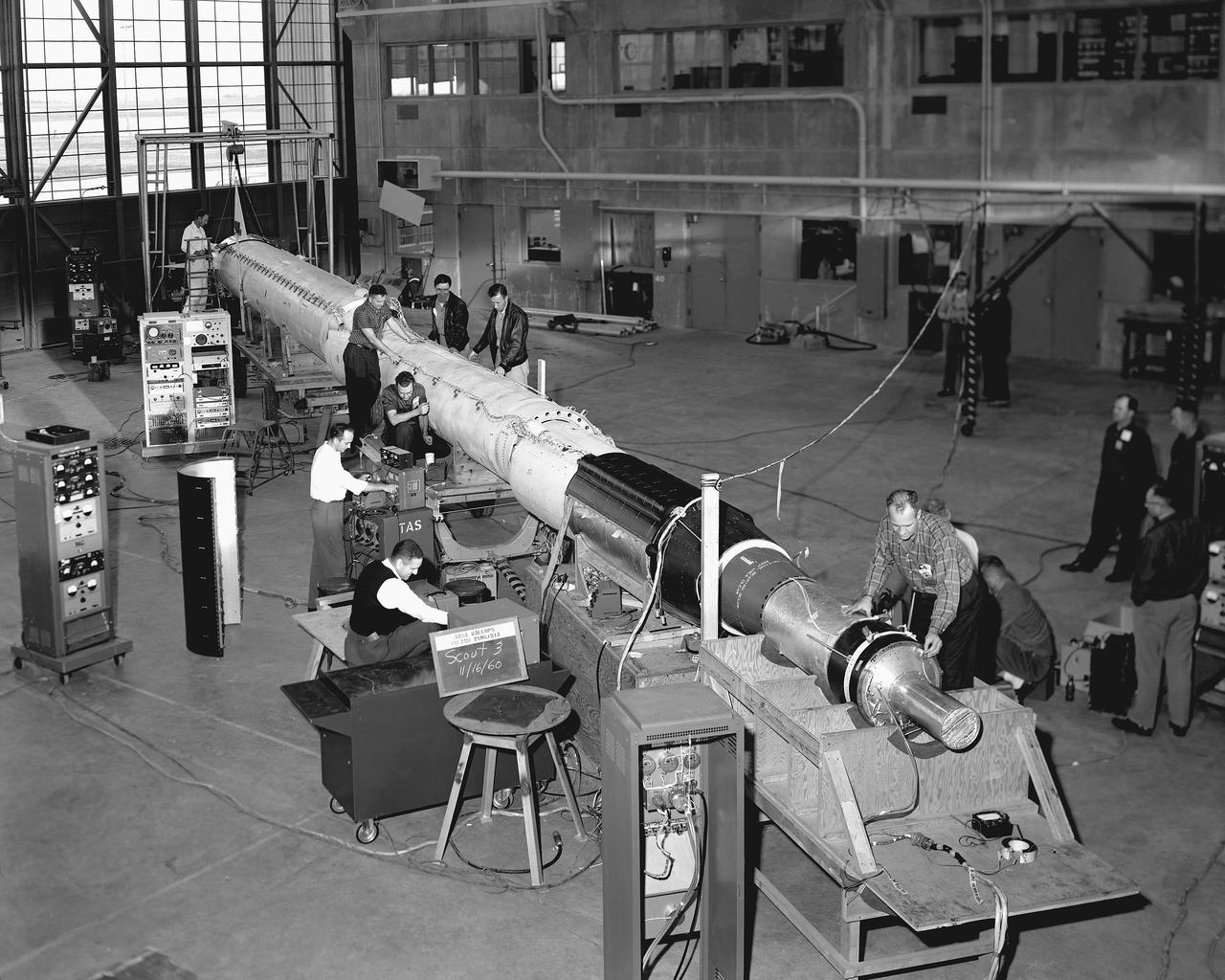
Employees of Vought Astronautic, Scout's prime contractor, work with NASA technicians to prepare ST-3 for launch. Unfortunately, this rocket would fail because of the second-stage misfire.
L4-478 Scout (ST-3) Systems Test in Shop
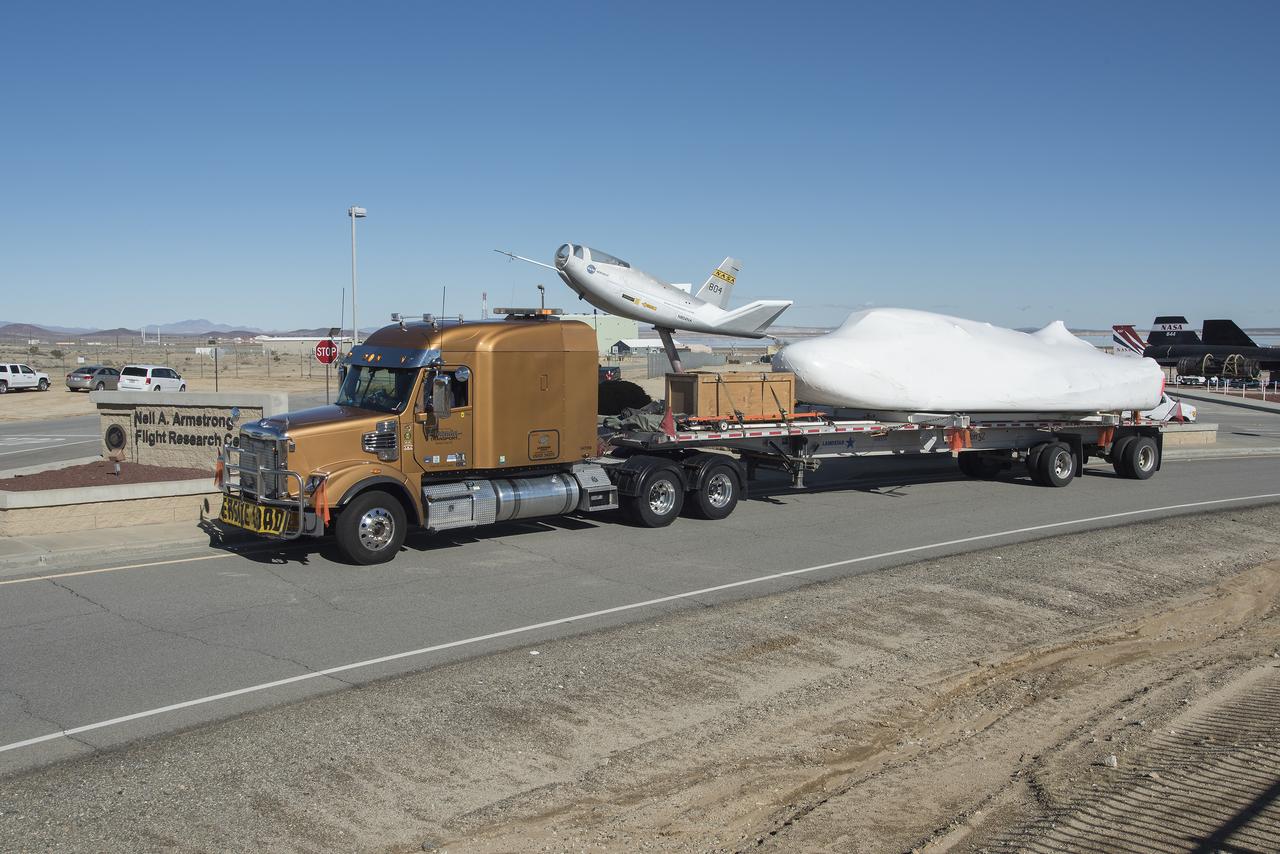
SNC delivers Dream Chaser to NASA Armstrong posing it with the HL-10 lifting body flown the 1960s.
Dream Chaser Spacecraft Arrives at NASA Armstrong
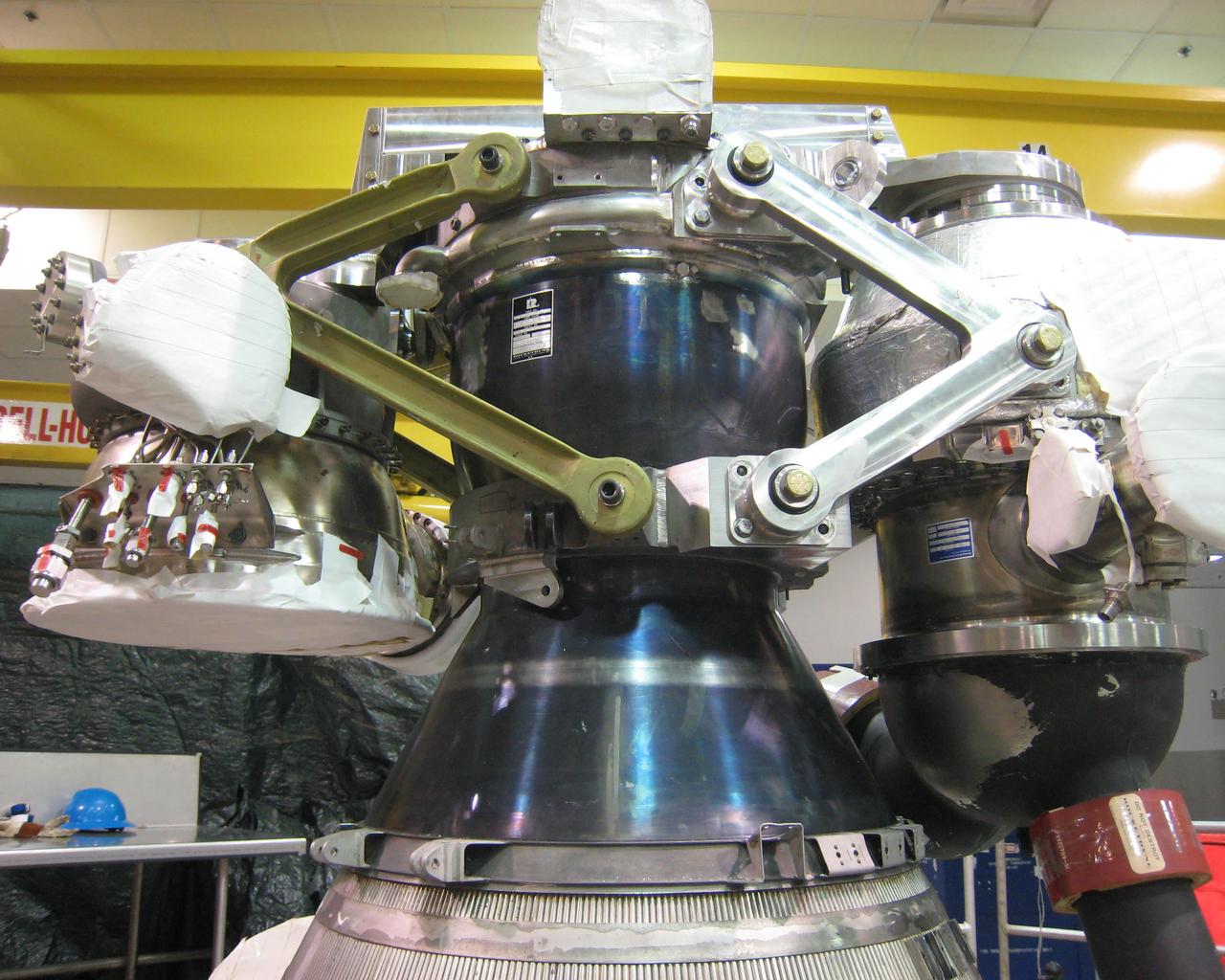
A vintage 1960 J-2 thrust chamber is fitted with brackets and pumps recently at the Pratt & Whitney Rocketdyne assembly facility in Stennis Space Center's Building 9101. Together, the parts comprise the J-2X Powerpack 1A test article. Mississippi Space Services machined the new bracket (the V-shaped arm on the right), making this the first time parts for an engine test article were machined, welded and assembled on site at SSC.
PowerPack Developments
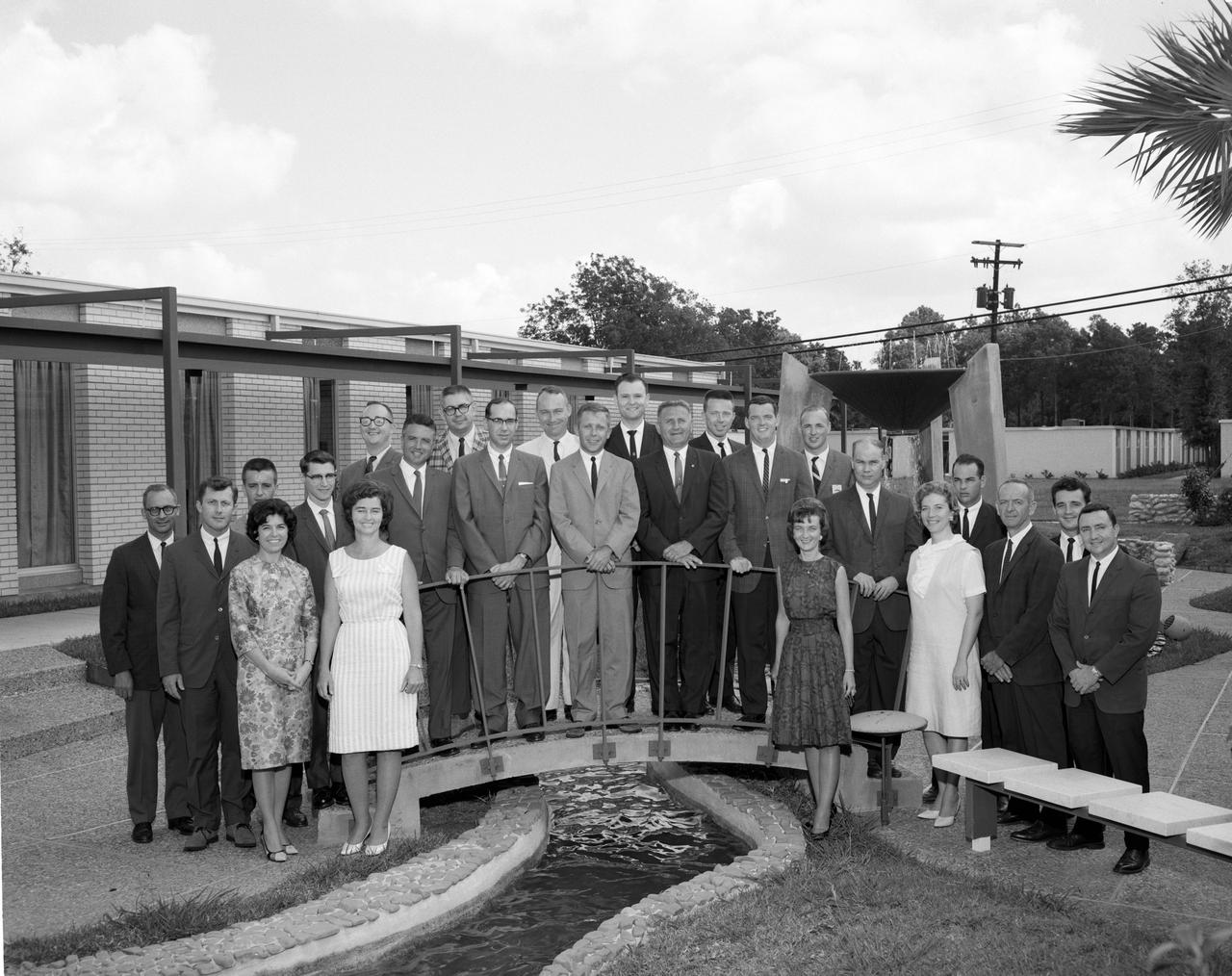
Group shot of the nucleus of the 1960 Flight Operations Division for the Mercury Program. Image taken  at the Houston Petroleum Center (HPC) in Houston, TX, prior to their move to the Manned Spacecraft  Center (MSC).  This photo was published in the Space News Roundup, 07/08/1964.  The women are (L-R):  Doris Folkes, Cathy Osgood, Shirley Hunt and Mary Shep Burton.  The men are (L-R): Dick Koos, Paul Brumberg, John O'Loughlin,  Emil Schiesser, Jim Dalby, Morris Jenkins, Carl Huss, John Mayer, Bill Tindall, Hal Beck, Charlie Allen,  Ted Skopinski, Jack Hartung, Glynn Lunney, John Shoosmith, Bill Reini, Lyn Dunseith, Jerry Engel,  Harold Miller and Clay Hicks.  ( 26644 );      Houston, TX
Group Shot - Nucleus - 1960 Flight Operations Division - Houston, TX
L5-19 (F40-2752) Model in Launch Position