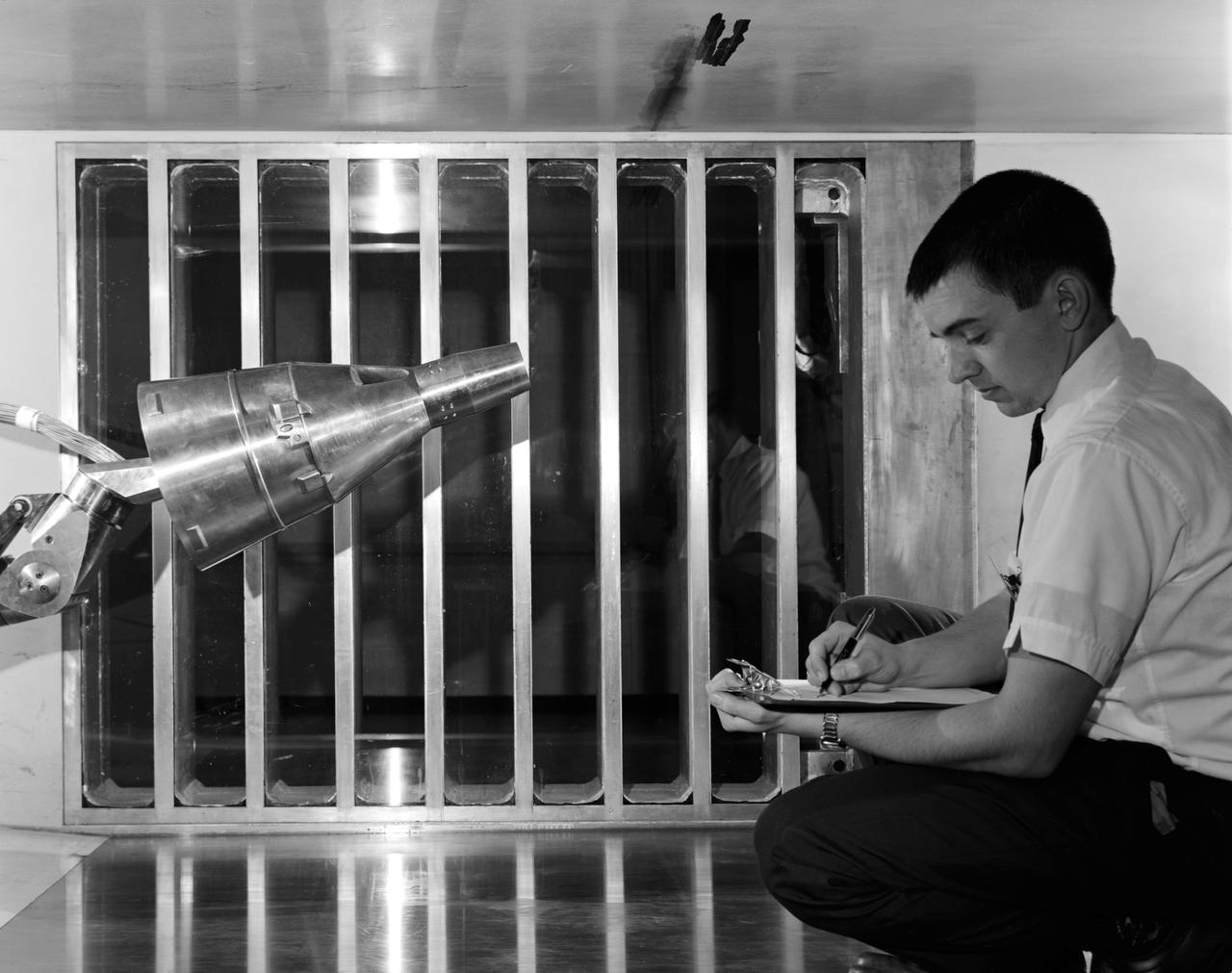
Gemini capsule being tested in Unitary Plan Wind Tunnel.
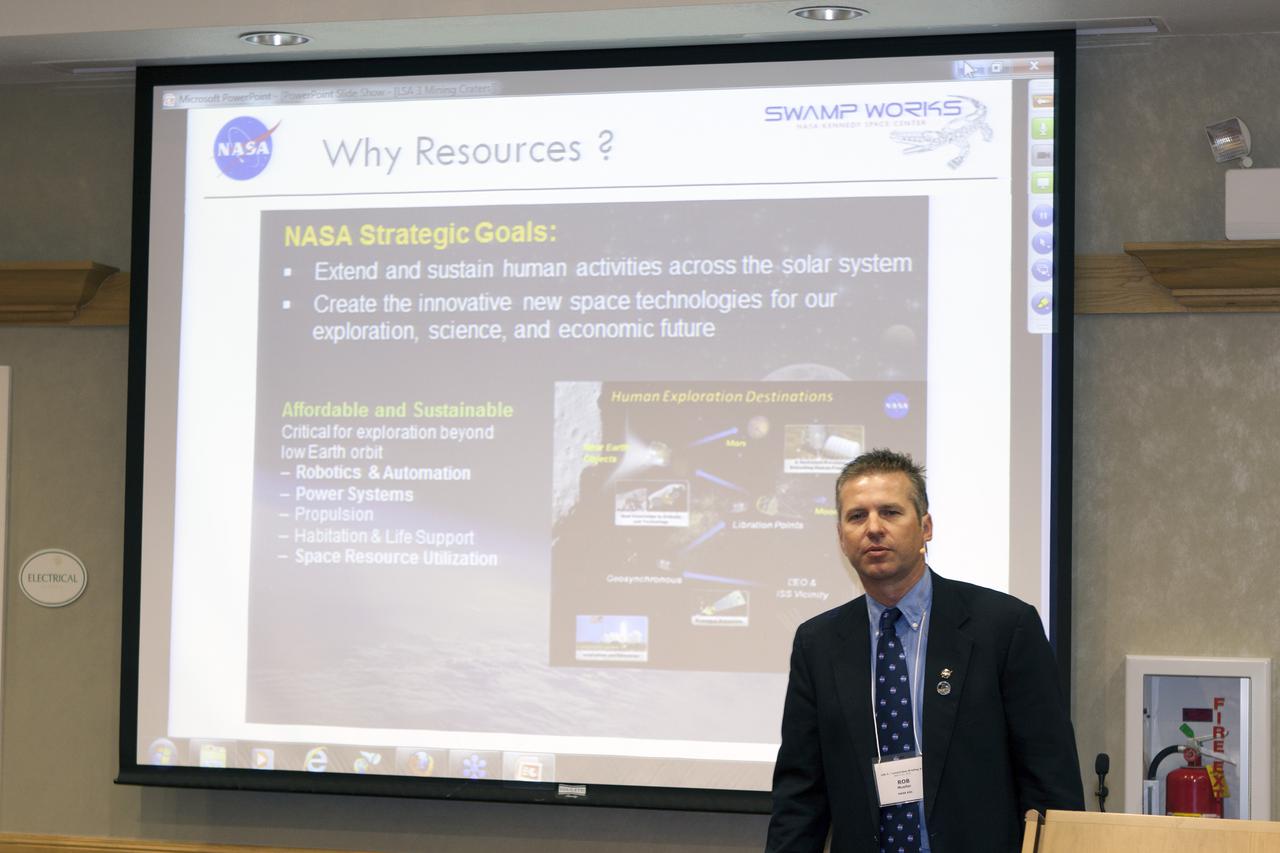
CAPE CANAVERAL, Fla. – At the Courtyard by Marriott hotel in Cocoa Beach, Fla., Rob Mueller, senior technologist in the Surface Systems Office of the Engineering and Technology Directorate at Kennedy Space Center, talks to participants in the room and those participating online during the Third International Workshop on Lunar Superconductor Applications. The workshop included presentations from several engineers and researchers at Kennedy Space Center. The three-day workshop included presentations from speakers throughout the country and focused on Lunar in-situ resource utilization, NASA’s Lunar Ice Prospector called RESOLVE, CubeSats, cryogenic storage and many other topics related to lunar exploration. Photo credit: NASA_Jim Grossmann

Ablation Test of Mercury Capsule
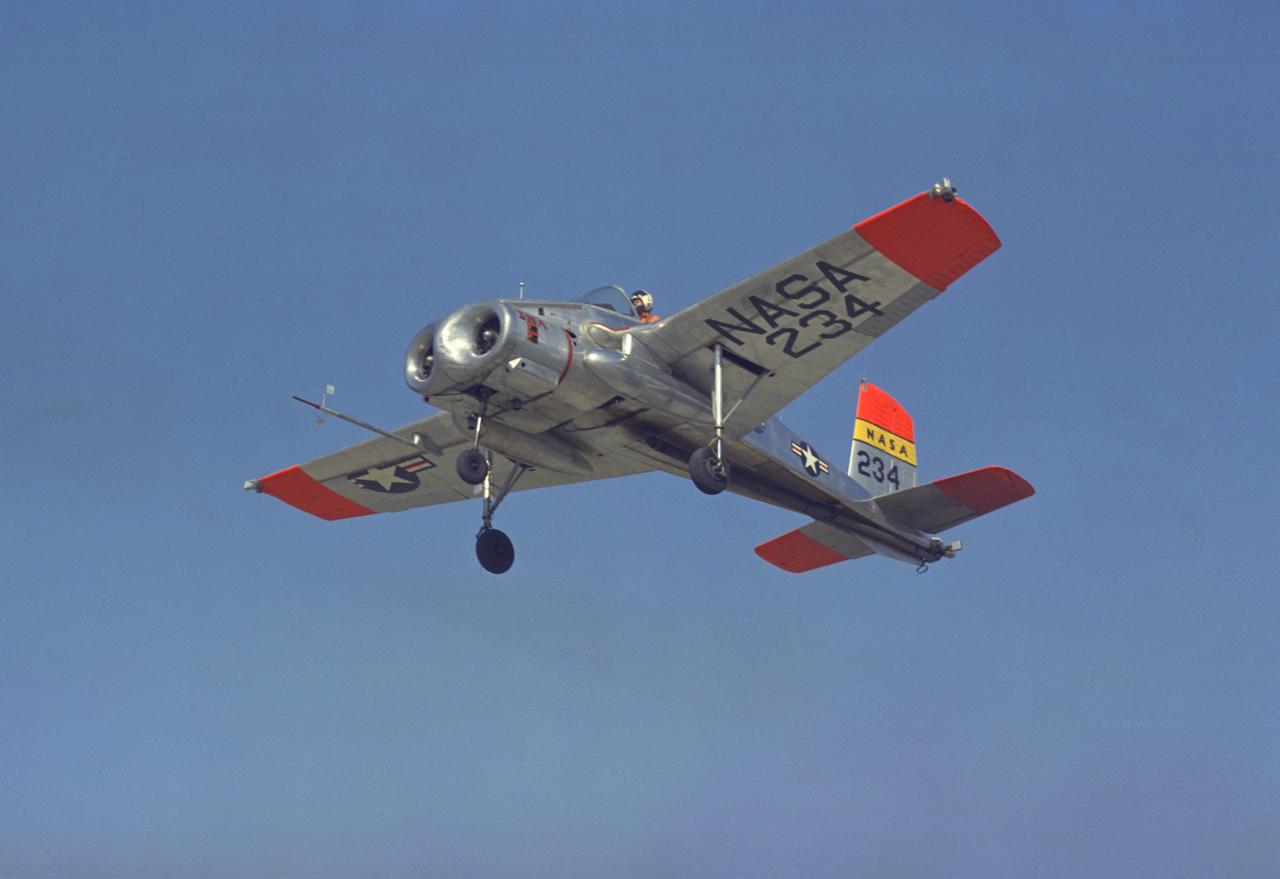
X-14A NASA 234 hovering over ramp at the NASA Ames Research Center, Moffett Field, CA
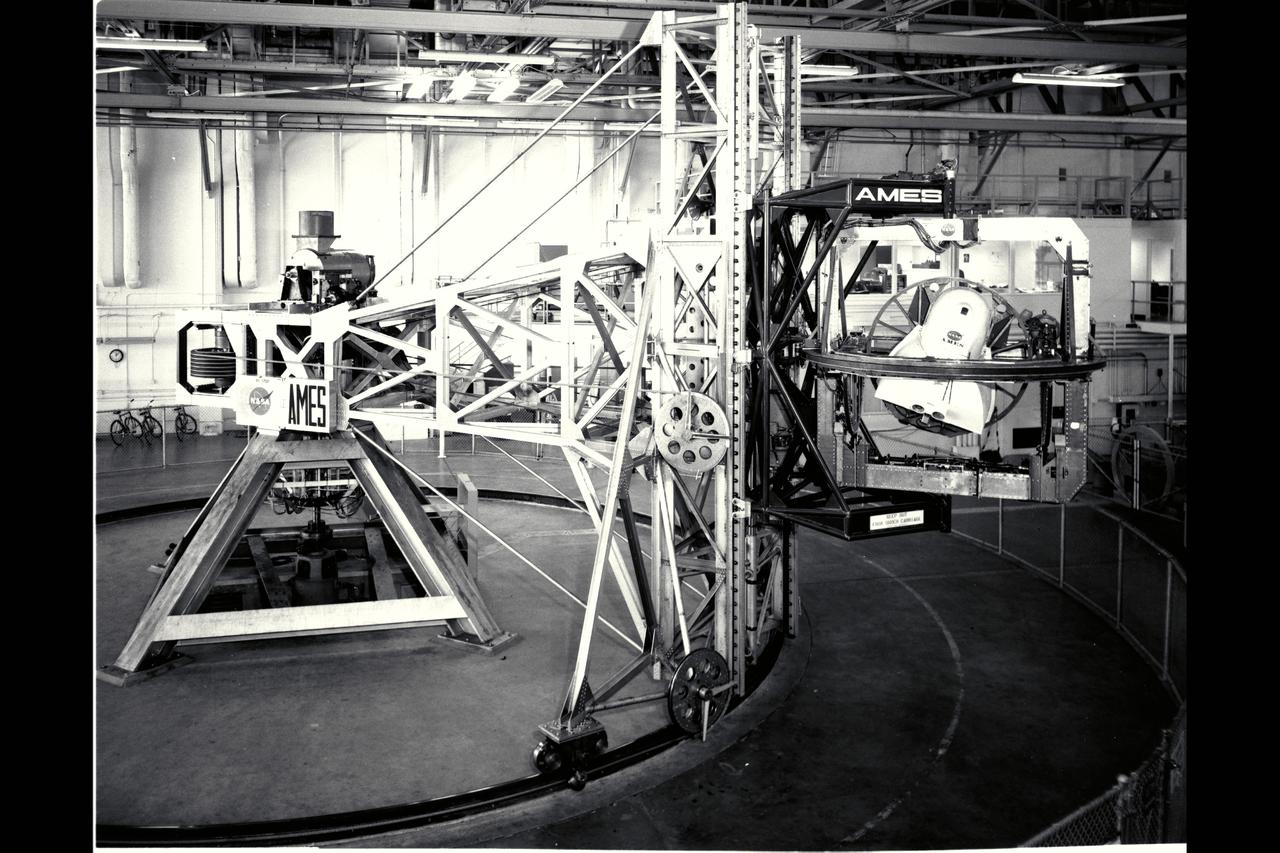
Ames 5 degrees-of-freedom motion simulator: This simulator incorporated a centrifuge of 30ft radius. The simulatored cockpit, located intn a hooded cab at the end of the centrifuge arm, was driven by motors, as required by the simulation, about each of its three axes (itch, roll, and yaw). The cab was also driven through a limited range of motion along the vertical axis and of course was driven by the centrifuge arm along a curved path of fixed radius in the horizontal plane. Thus the motions that could be simulated i the cab were three angular motions, one translational motion, and a curvilinear combination of the remaining two translational motions. The curvilinear motions, and associated accelerations, were, of course, fairly representative of airplane flight. The simulator was placed in operation early in 1961. ref: Adventures in Research (pg 341/341) NASA SP-4302
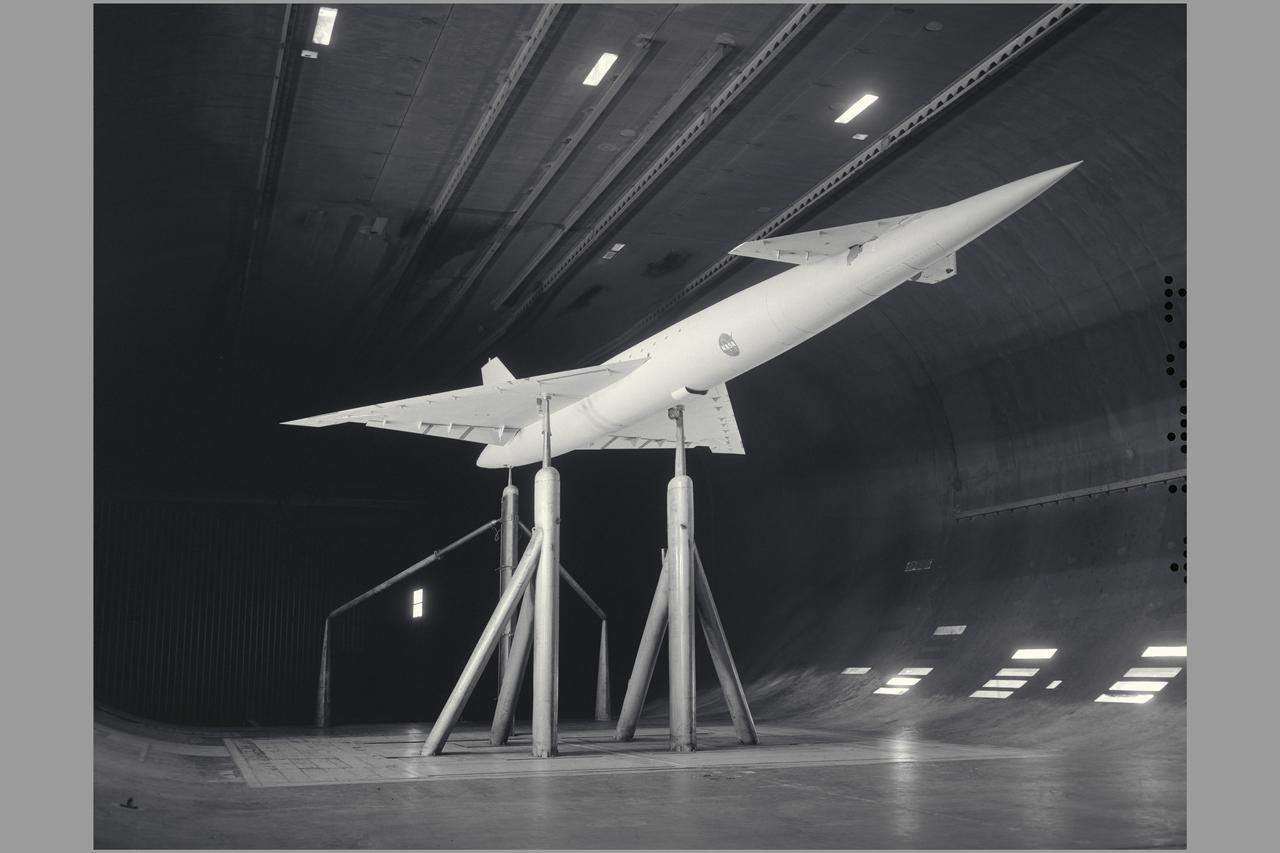
Supersonic Transport Model (SST) in 40x80ft w.t.
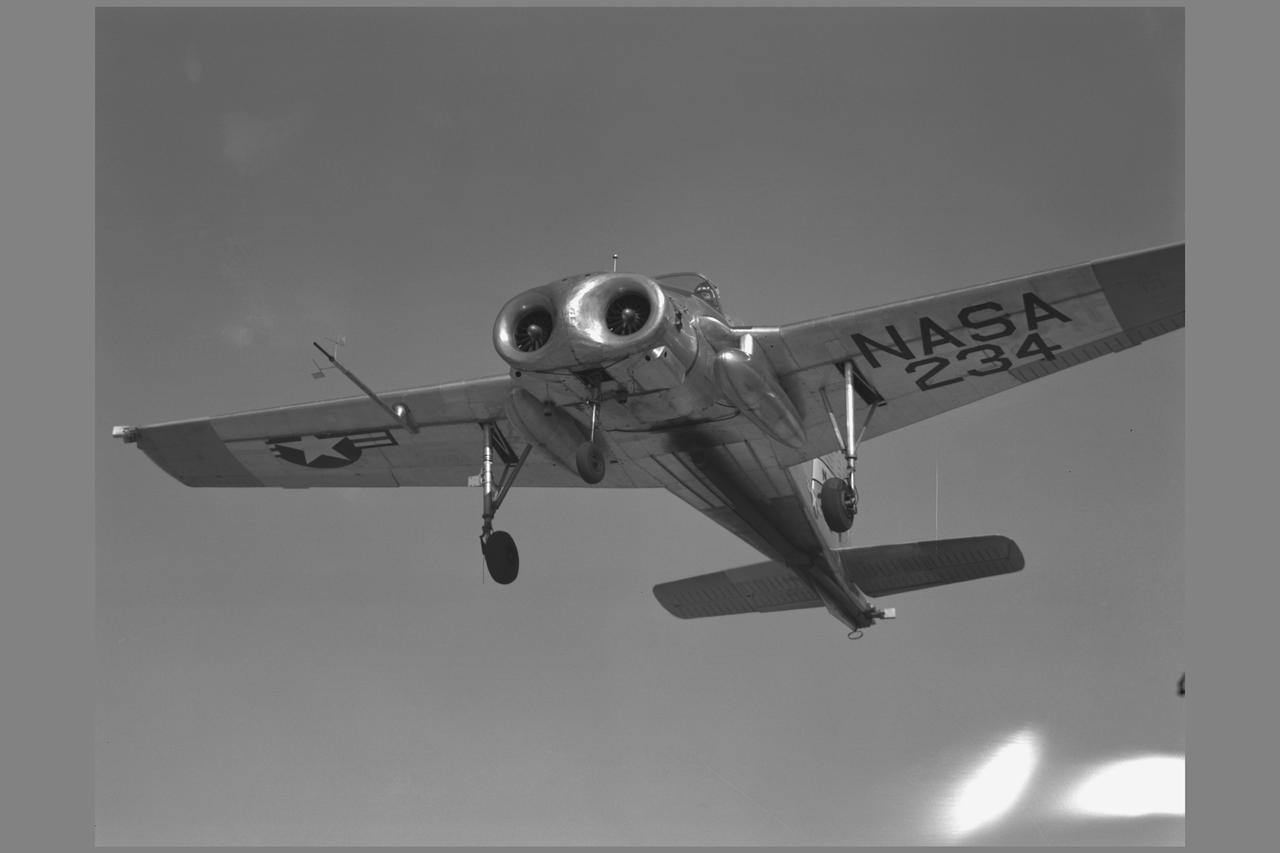
X-14A over ramp at Ames Research Center
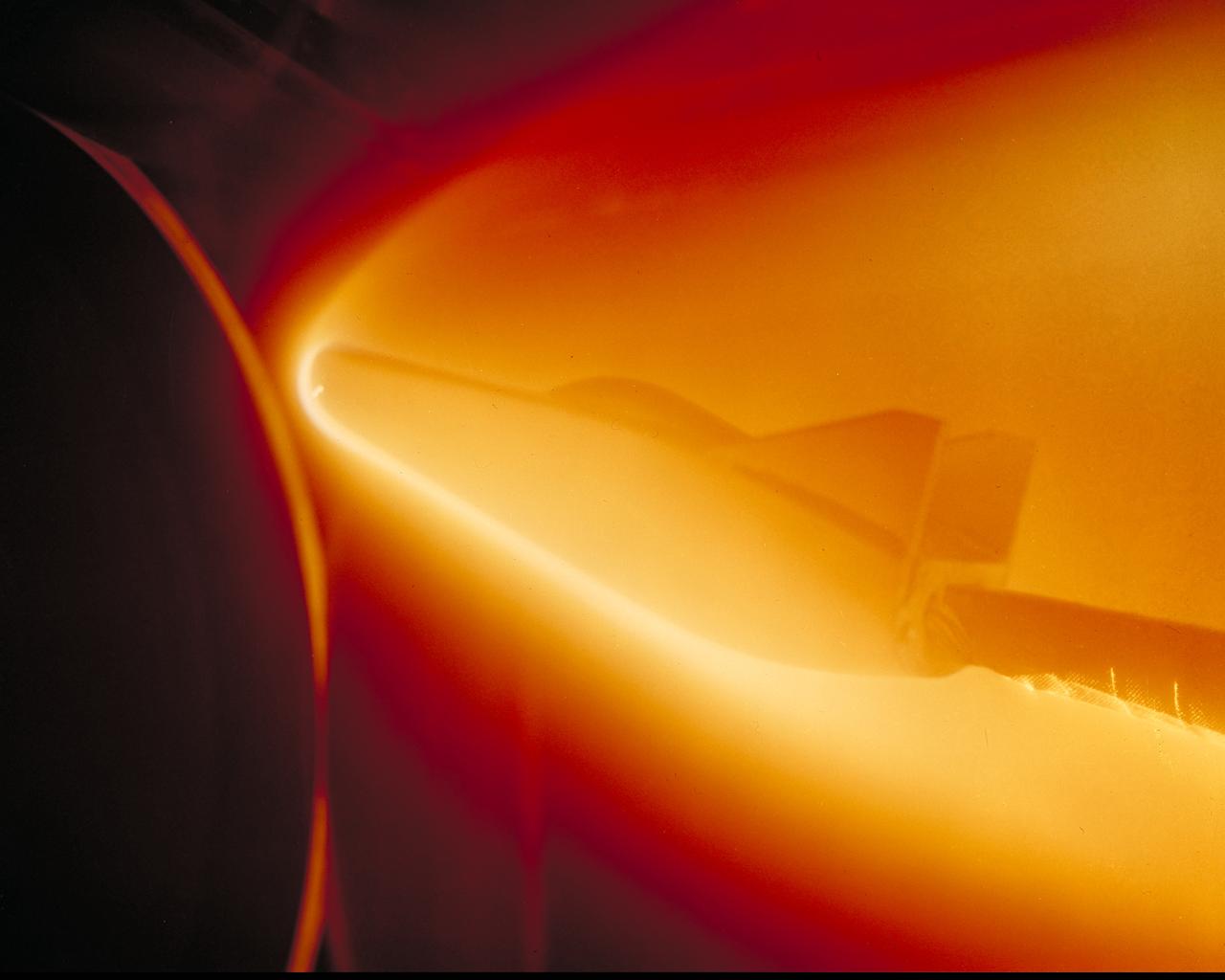
M-2 Lifting Body being tested in Ames atmospheric entry simulator to determine the areas of most intense heat.
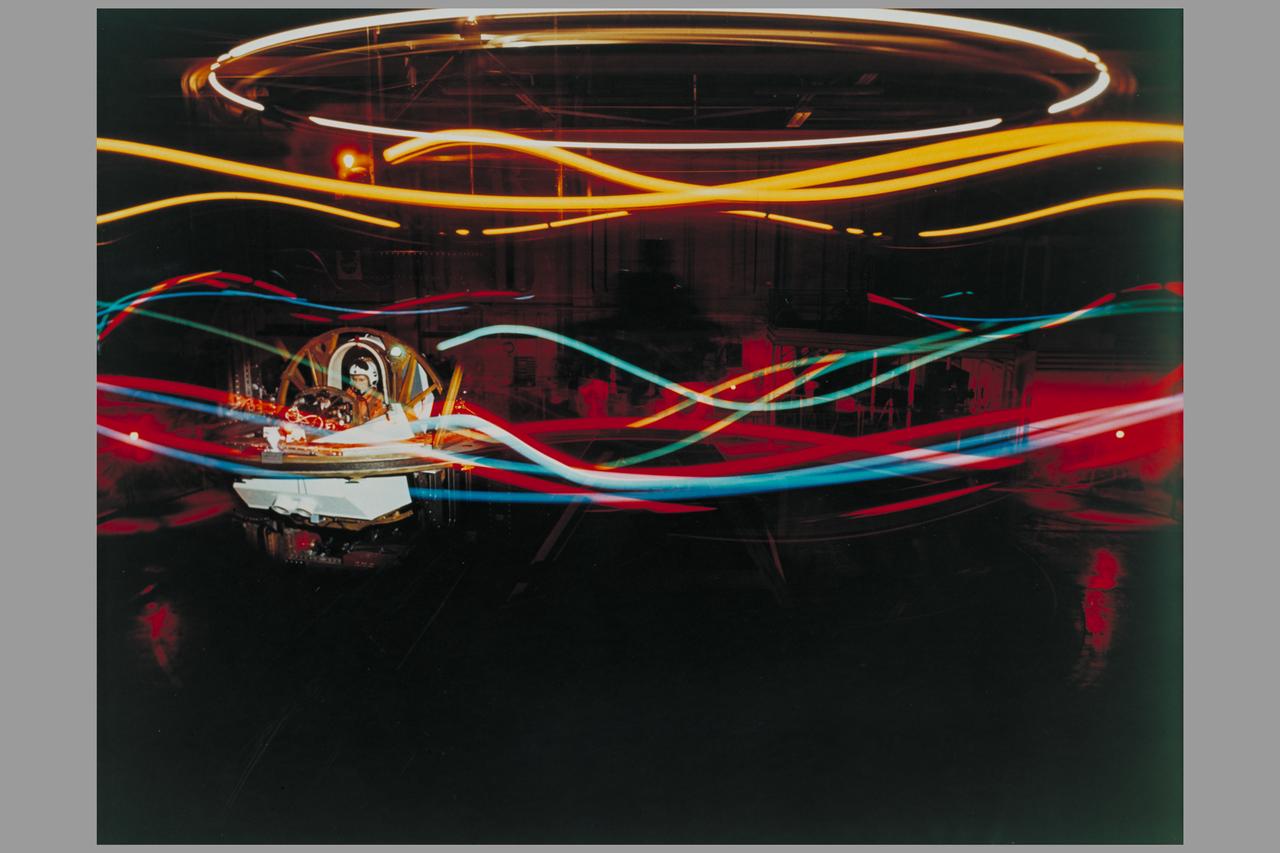
5 Degree Freedom of Motion Simulator with R. Gerdes (delayed exposure using lights to show motion)
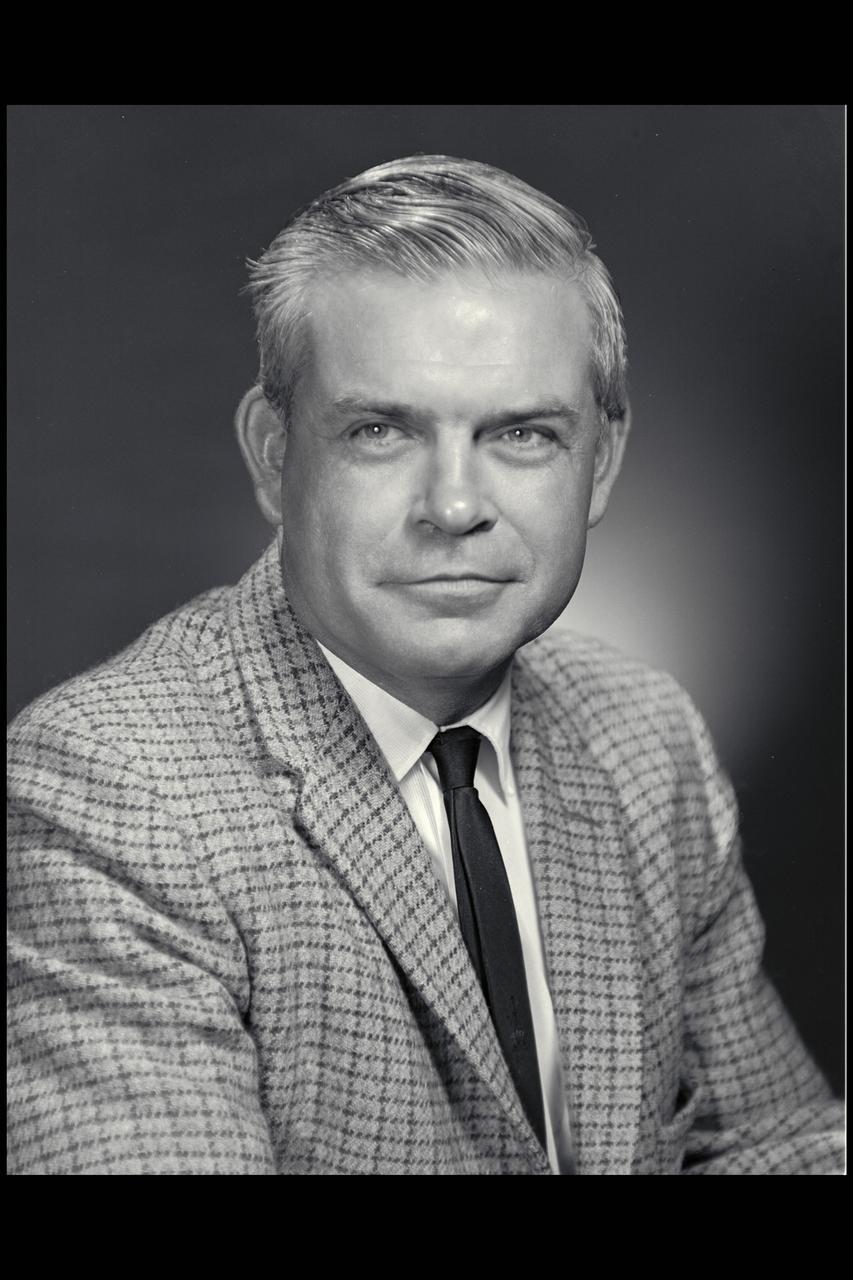
Charles F. Hall
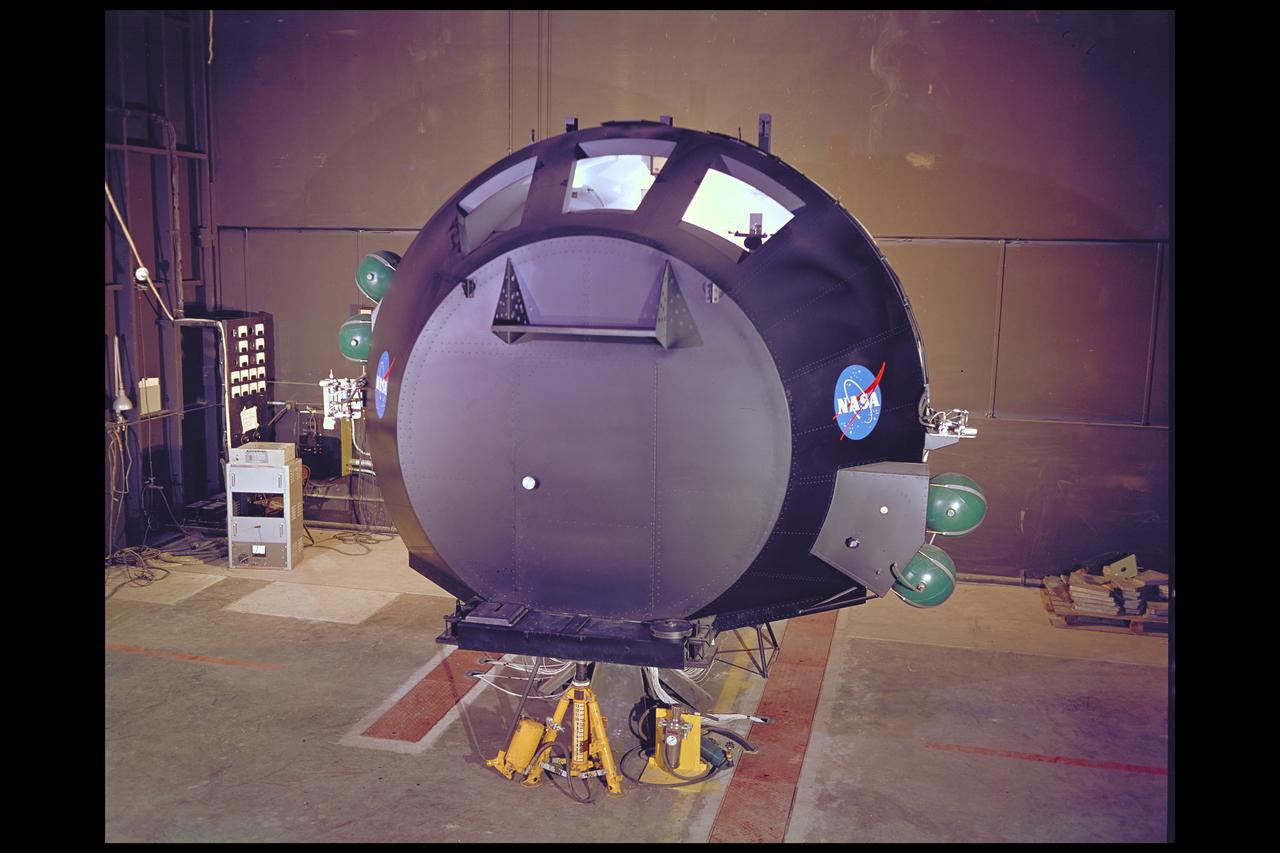
Apollo navigation simulator, used to test concepts for midcourse correction on the voyage to and from the Moon.
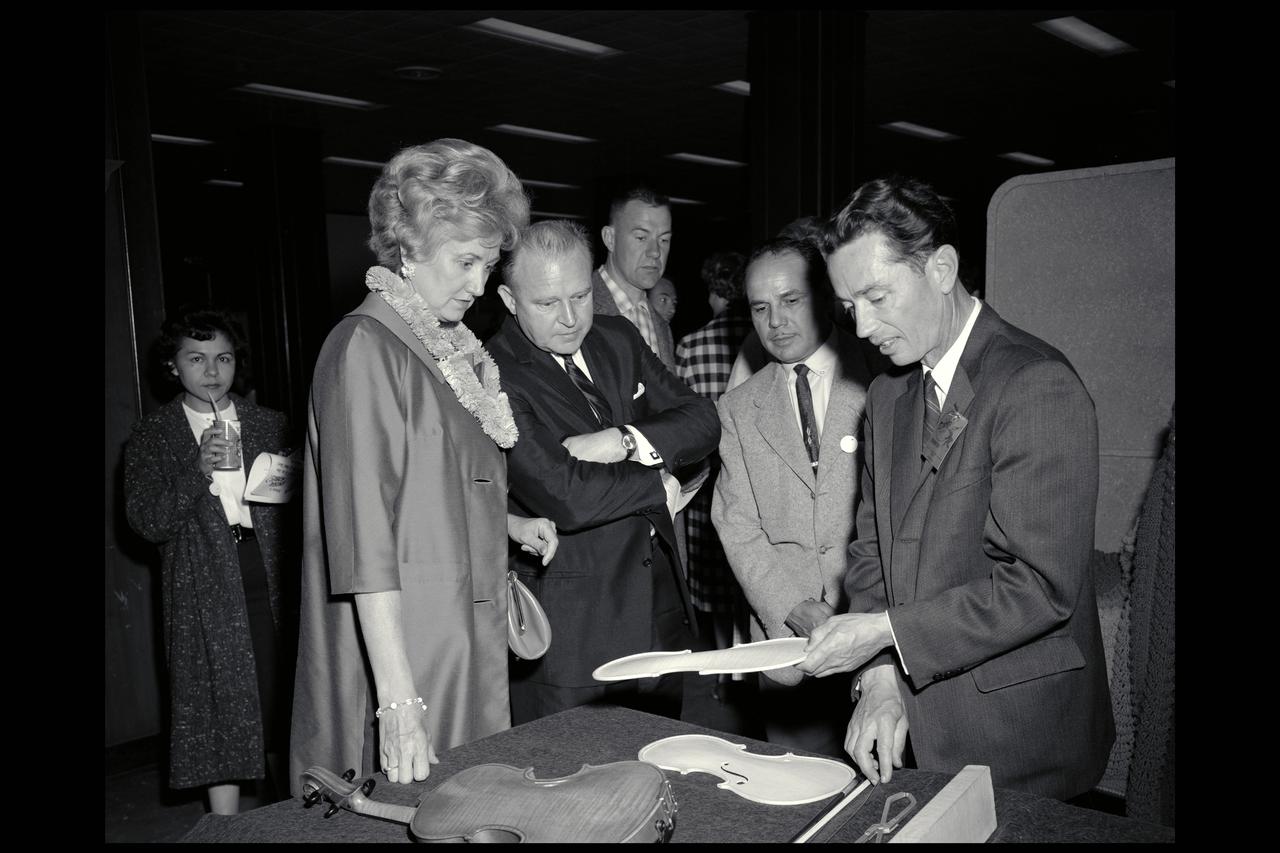
Ames Soiree: R.T. Jones explains his violin making hobby
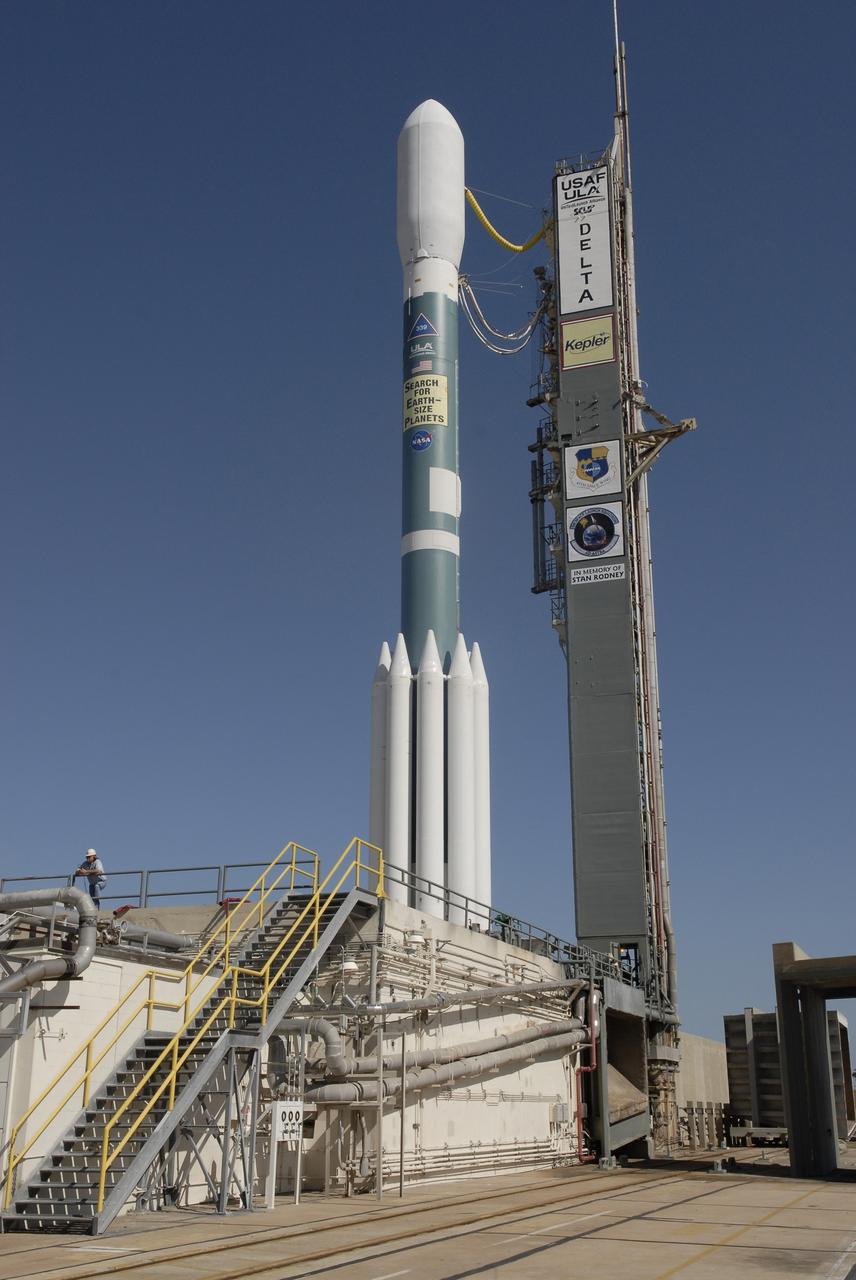
CAPE CANAVERAL, Fla. – After rollback of the mobile service tower on Cape Canaveral Air Force Station's Launch Pad 17-B in Florida, NASA's Kepler spacecraft sits poised for launch atop the United Launch Alliance Delta II 7925 rocket. Kepler is a spaceborne telescope designed to search the nearby region of our galaxy for Earth-size planets orbiting in the habitable zone of stars like our sun. The habitable zone is the region around a star where temperatures permit water to be liquid on a planet's surface. The challenge for Kepler is to look at a large number of stars in order to statistically estimate the total number of Earth-size planets orbiting sun-like stars in the habitable zone. Kepler will survey more than 100,000 stars in our galaxy. Photo credit: NASA/Jack Pfaller
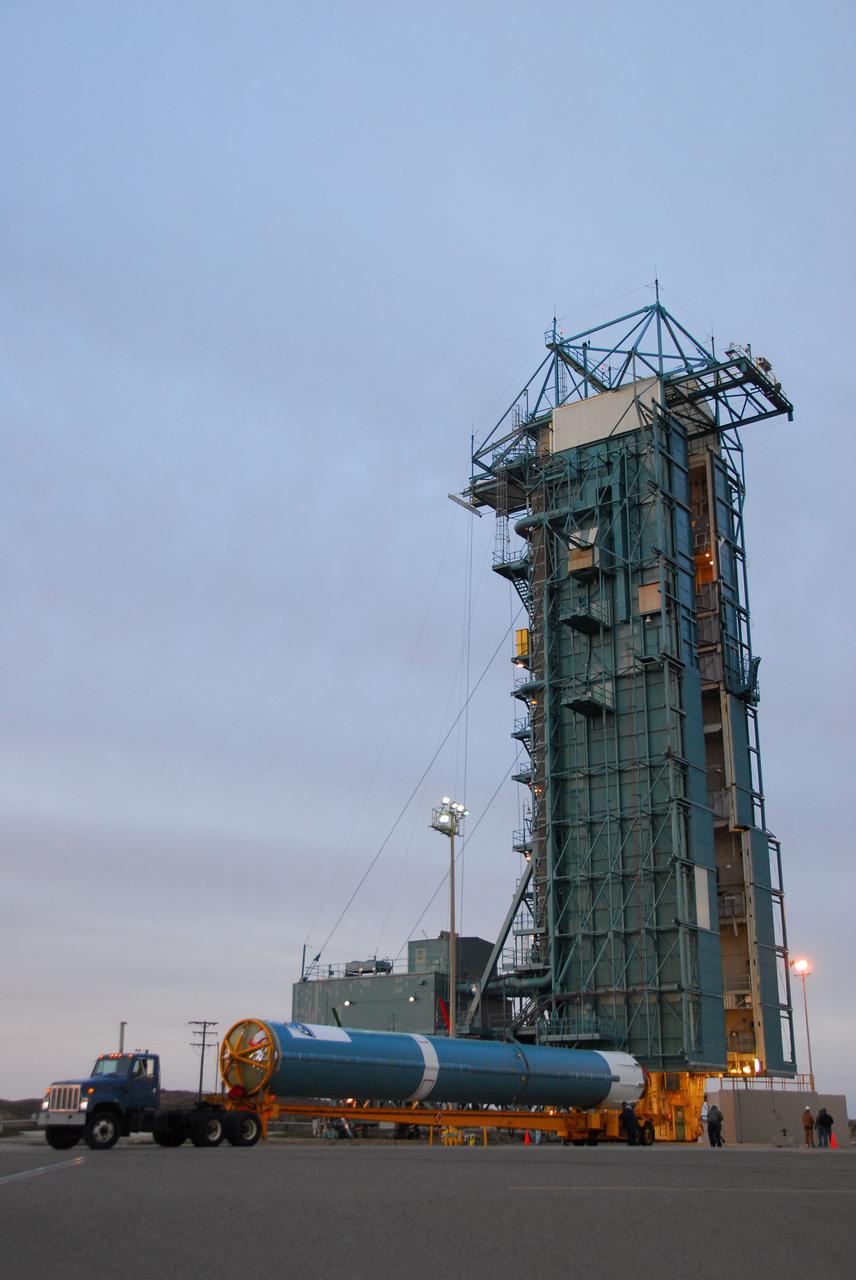
VANDENBERG AIR FORCE BASE, Calif. -- The first stage of the Delta II rocket that will carry NASA's Aquarius satellite into low Earth orbit arrives to the launch pad at Vandenberg Air Force Base's Space Launch Complex-2 (SLC-2) in California. While the Delta II rocket is stacked on SLC-2, teams for NASA's Glory spacecraft and Orbital Sciences Taurus XL rocket are in launch preparation mode at Vandenberg's nearby Space Launch Complex 576-E. Scheduled to launch in June, Aquarius' mission will be to provide monthly maps of global changes in sea surface salinity. By measuring ocean salinity from space, Aquarius will provide new insights into how the massive natural exchange of freshwater between the ocean, atmosphere and sea ice influences ocean circulation, weather and climate. Also going up with the satellite are optical and thermal cameras, a microwave radiometer and the SAC-D spacecraft, which were developed with the help of institutions in Italy, France, Canada and Argentina. Photo credit: NASA/VAFB
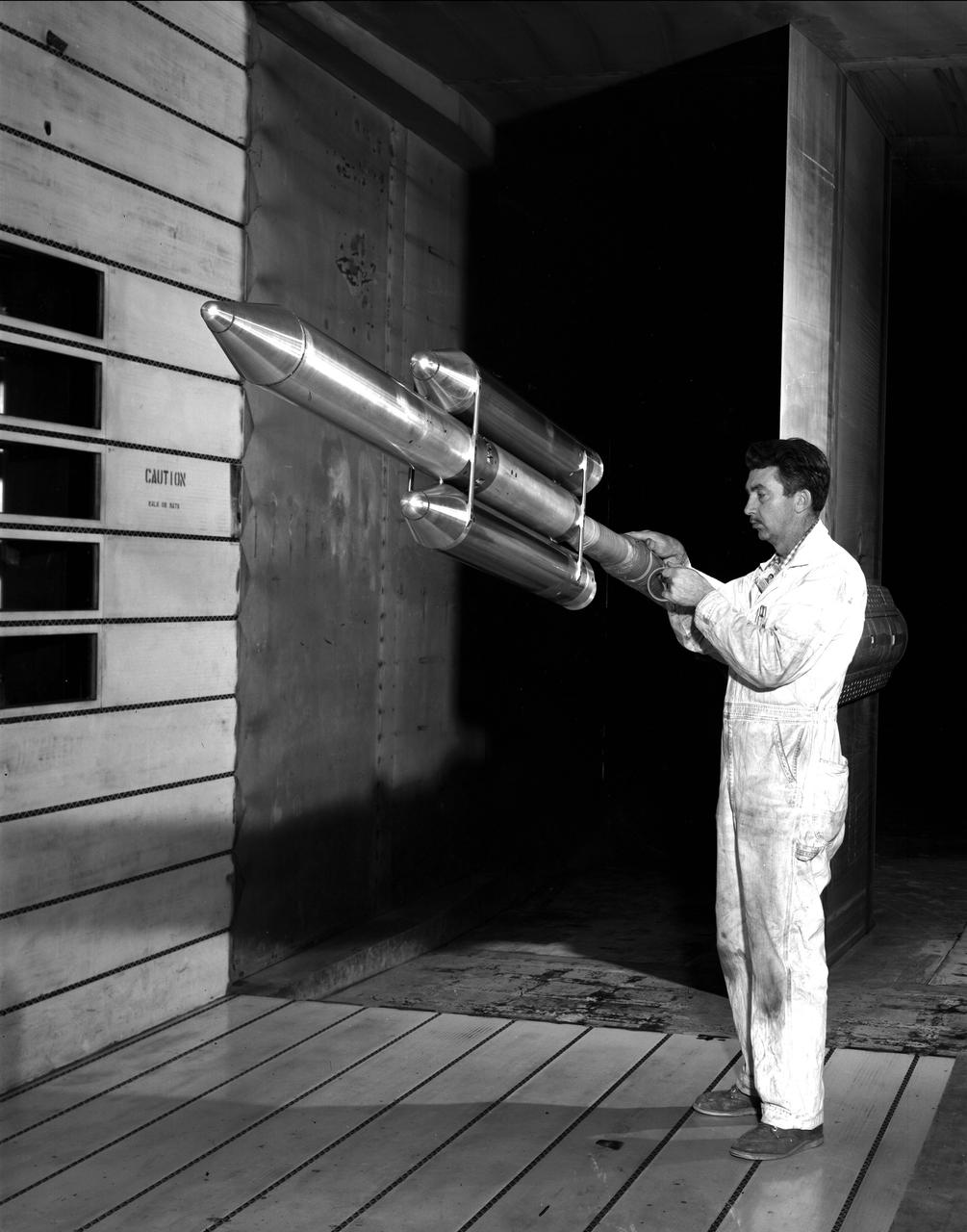
TITAN III in 14ft wind tunnel
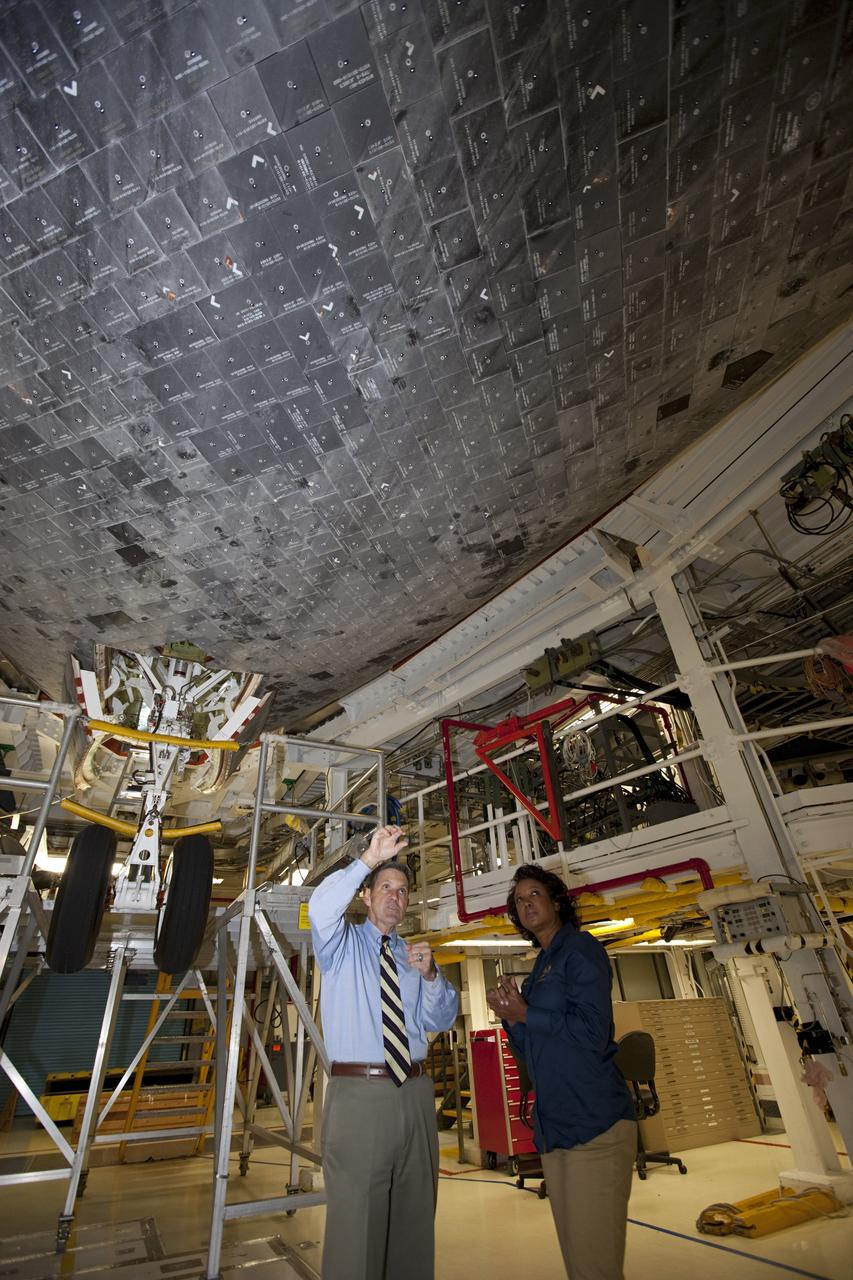
CAPE CANAVERAL, Fla. – Kennedy Space Center Director Bob Cabana, left, explains the placement of high-temperature reusable surface insulation HRSI tile on the underbelly of space shuttle Atlantis to Florida’s Lt. Gov. Jennifer Carroll during a tour of Kennedy’s Orbiter Processing Facility-1. The tile is part of the shuttle’s thermal protection system which covers the shuttle’s exterior and protects it from the heat of re-entry. The tour coincided with Carroll’s visit to Kennedy for a meeting with Cabana. Atlantis is being prepared for public display at the Kennedy Space Center Visitor Complex in 2013. The groundbreaking for Atlantis’ exhibit hall took place in January Atlantis is scheduled to be moved to the visitor complex in November. For more information, visit http://www.nasa.gov/shuttle. Photo credit: NASA/Jim Grossmann
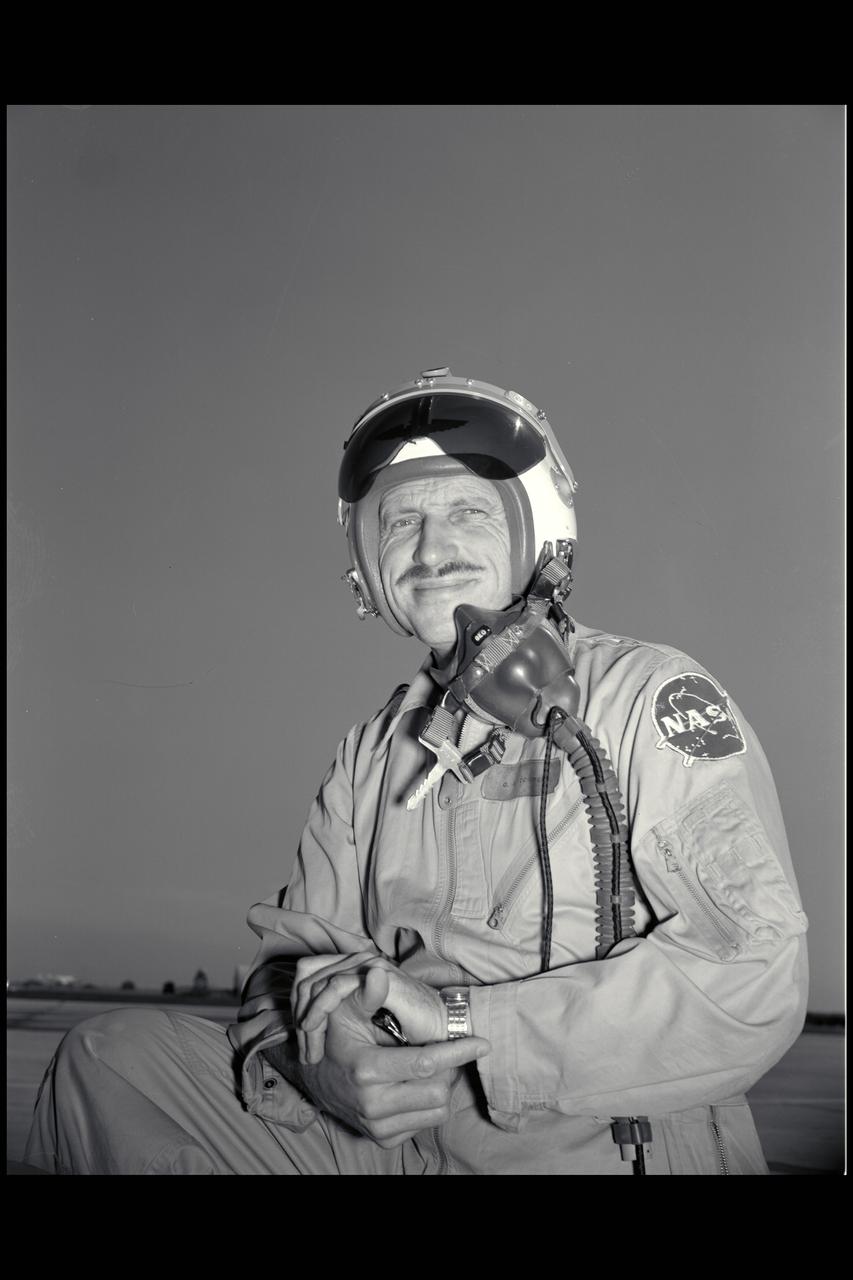
George E. Cooper (Ames Pilot)
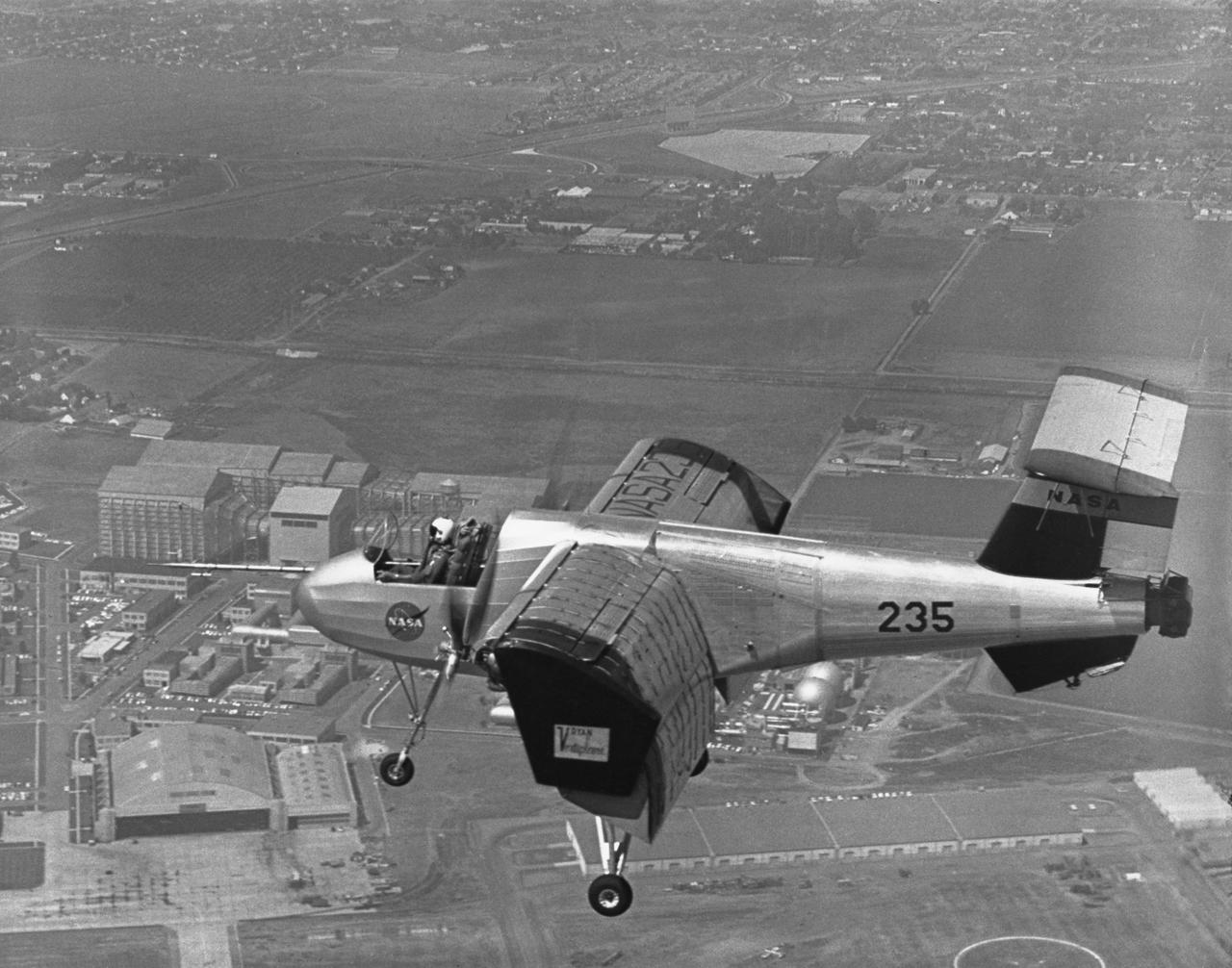
Ryan VZ-3RY over Ames in slow-speed flight. Smooth airflow over entire wing is indicated by tufts when wing had been modified to incorporate leading-edge slats. Tests showed that it could be flown at speeds as low as 6 knots when out of ground effect (which increases lift). April 1963 published in NASA SP-2002-4525 Memoirs of a Flight test Engineer (Seth Anderson)

Apollo interium midcourse flight simulator Brent Creer, Chief of the Ames manned spacecraft simulation branch, developed the Apollo mid-course navigation and guidance simulator.
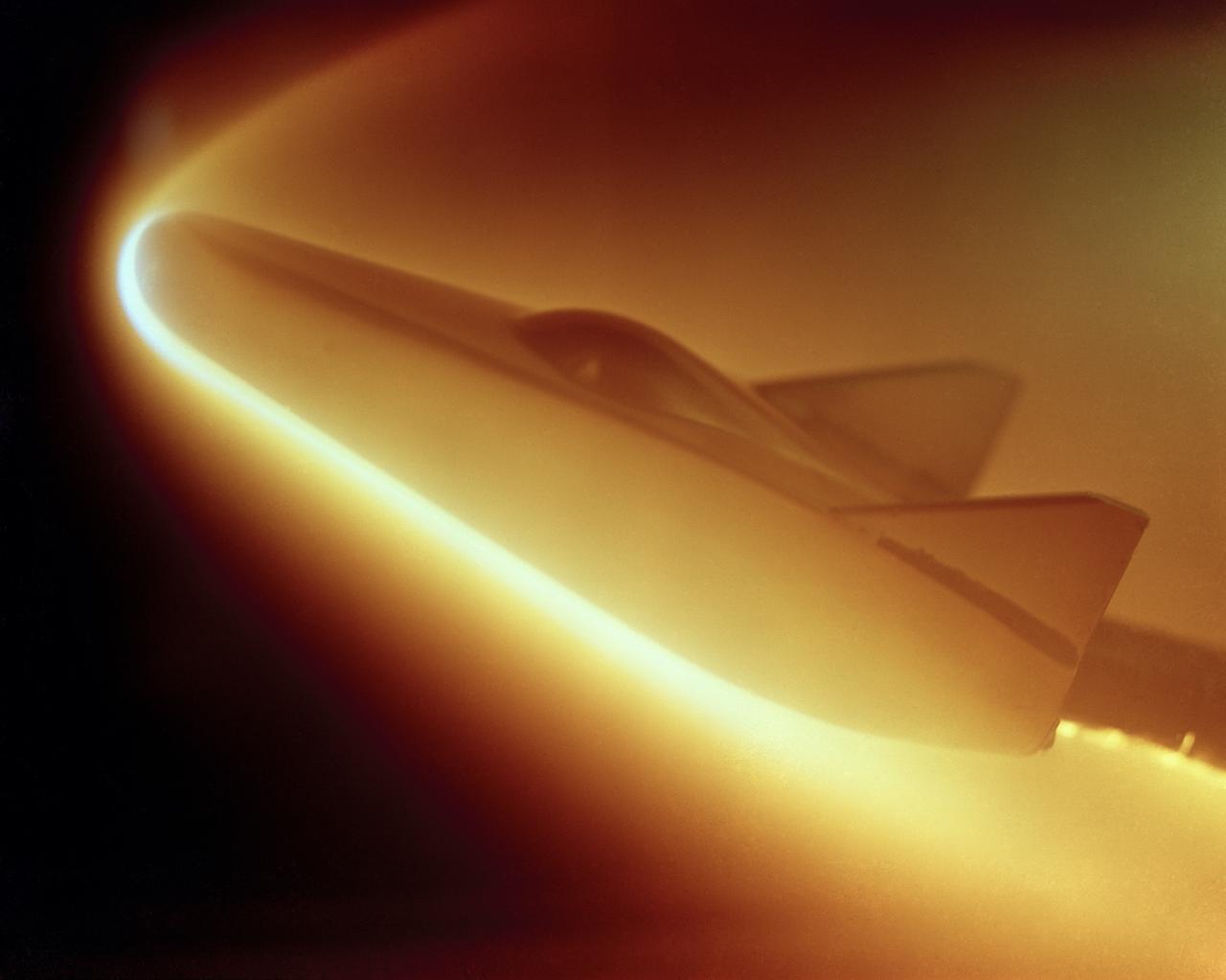
M-2 lifting body; heat transfer distribution test in the 1 ft hypervelocity wind tunnel
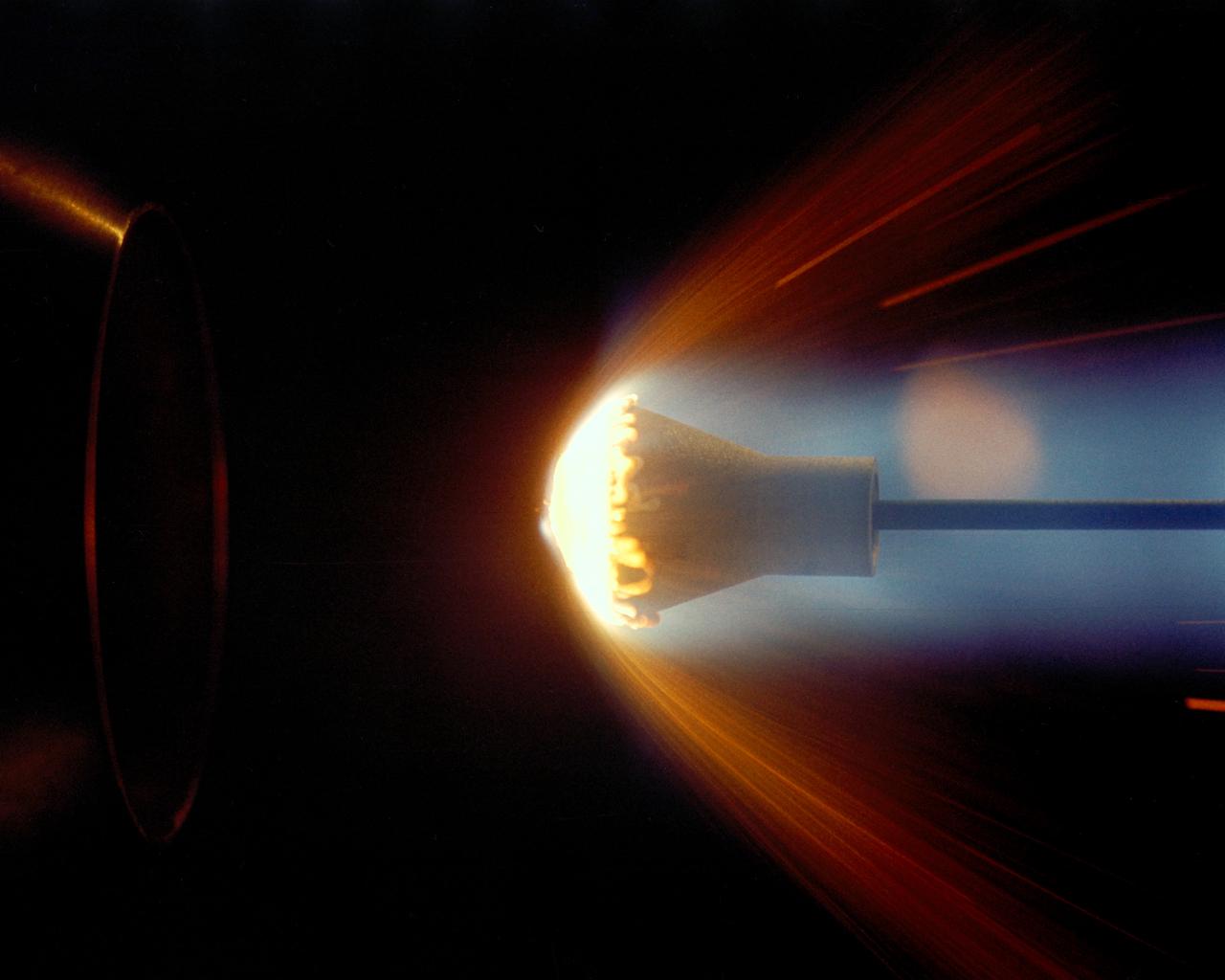
Ablation Test of Mercury Capsule
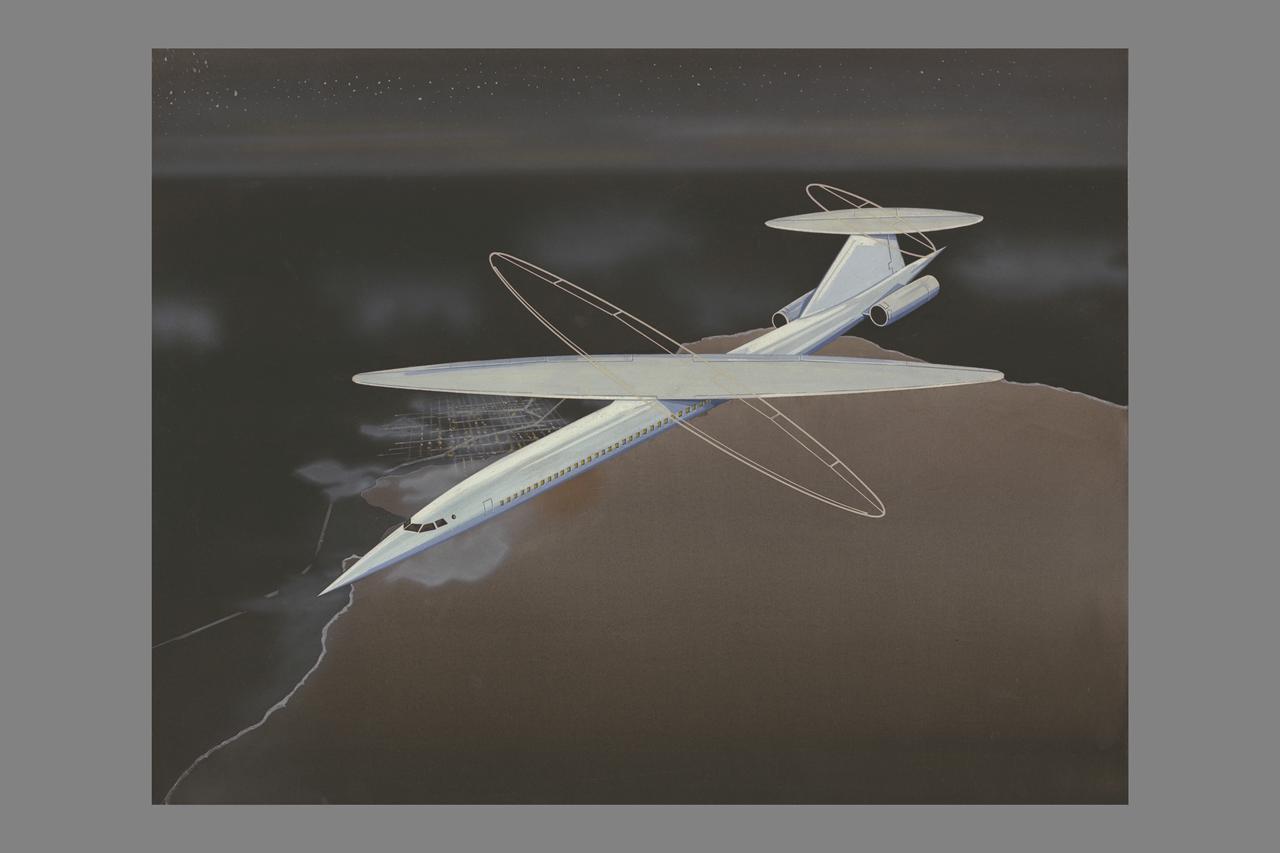
R.T. Jones Oblique Wing model: flight configuration

HYPERVELOCITY BALLISTICS RANGE (HBR) IMPACT CHAMBER, HI SPEED FARAMING CAMERA & STATIONS
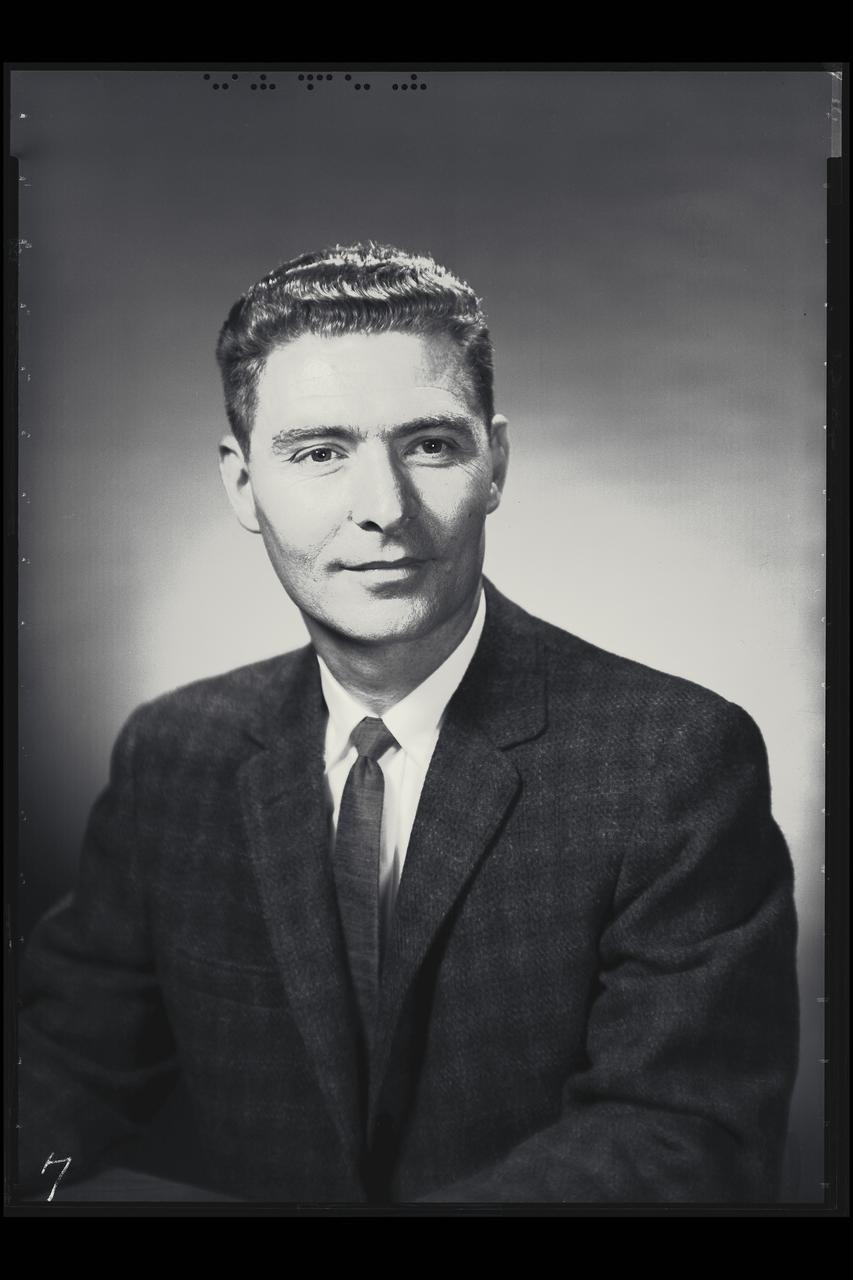
Portrait: John W 'Jack' Boyd
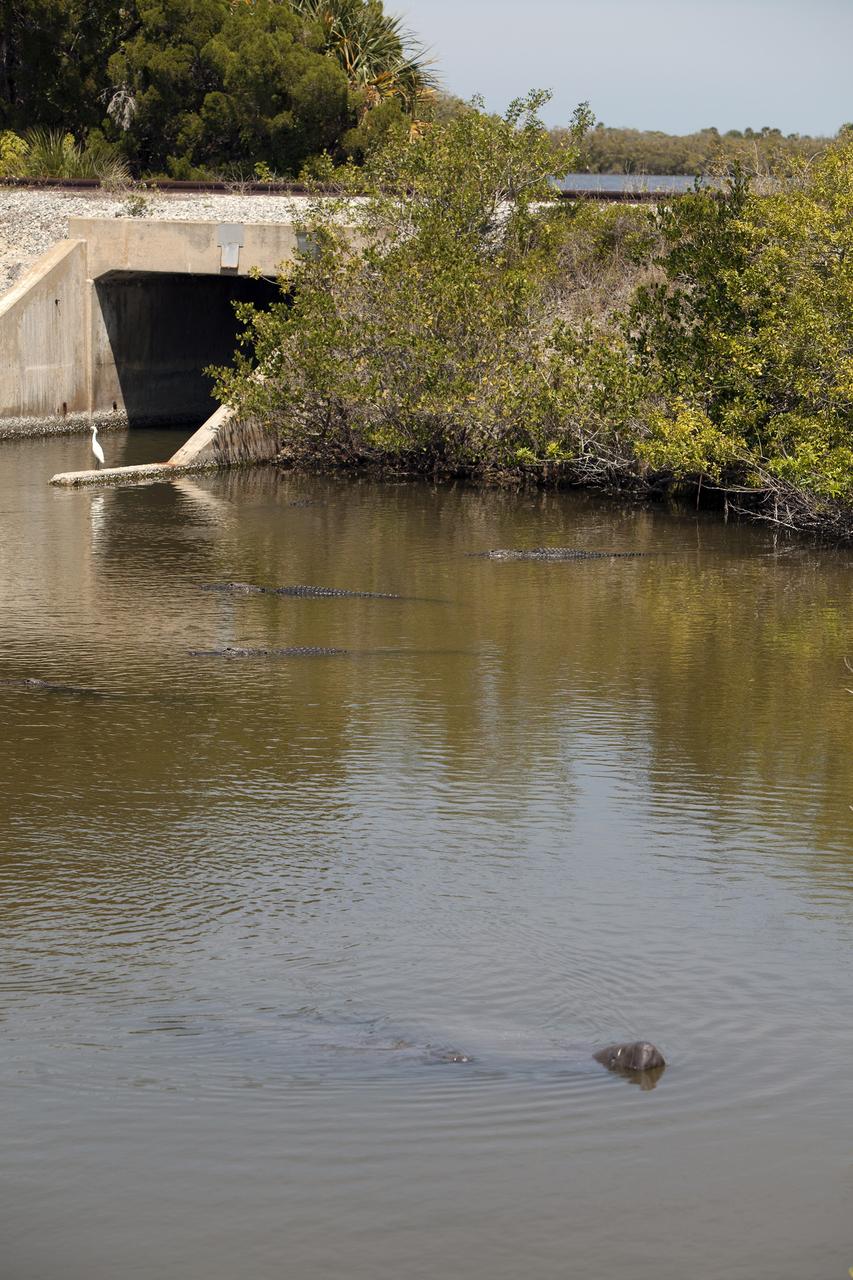
CAPE CANAVERAL, Fla. – A manatee's nose breaks the surface of the water in a creek at NASA's Kennedy Space Center in Florida. Several alligators linger in the background. The center shares a boundary with the Merritt Island National Wildlife Refuge, which encompasses 140,000 acres that provide a habitat for more than 330 species of birds, 31 mammals, 117 fishes, and 65 amphibians and reptiles. Photo credit: NASA/Daniel Casper
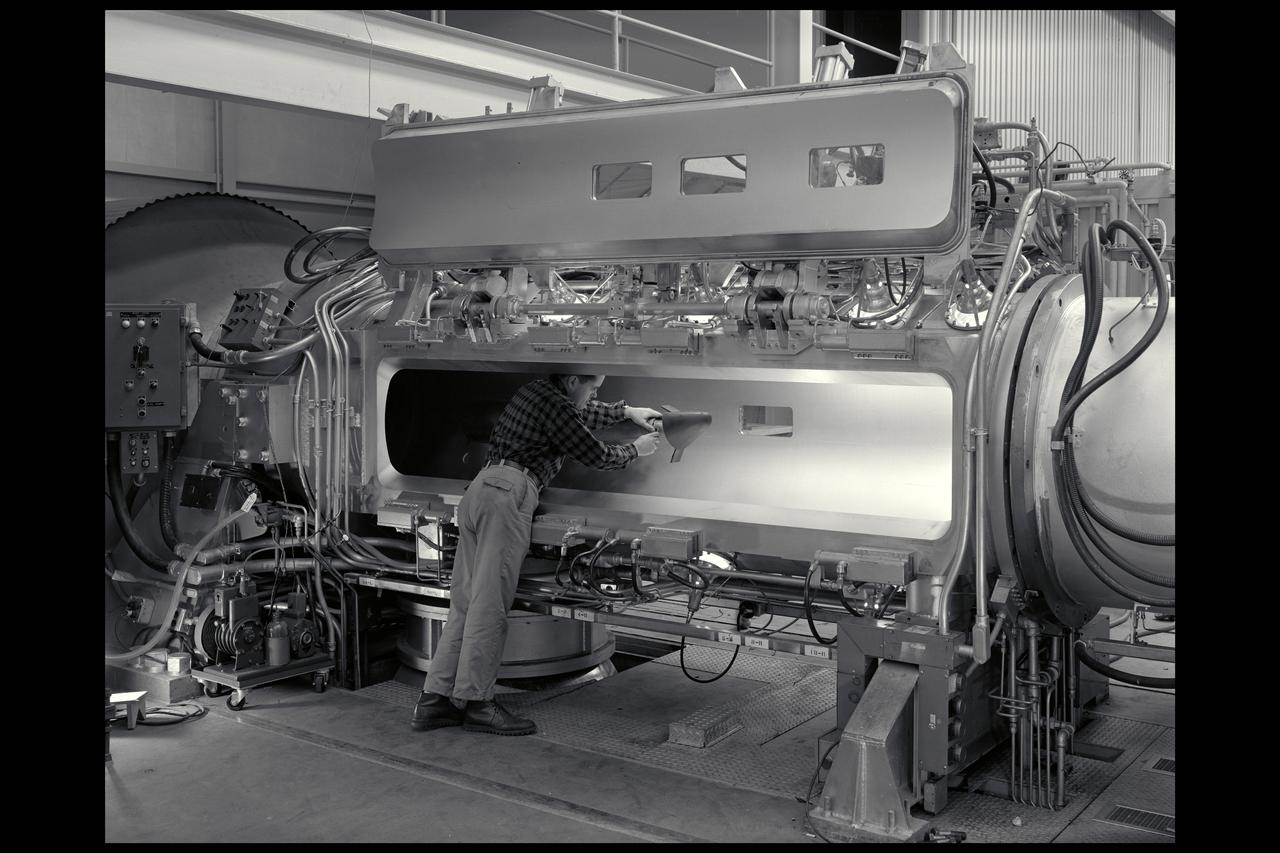
M-1 model of reentry body in 3.5ft Hypersonic Wind Tunnel throat
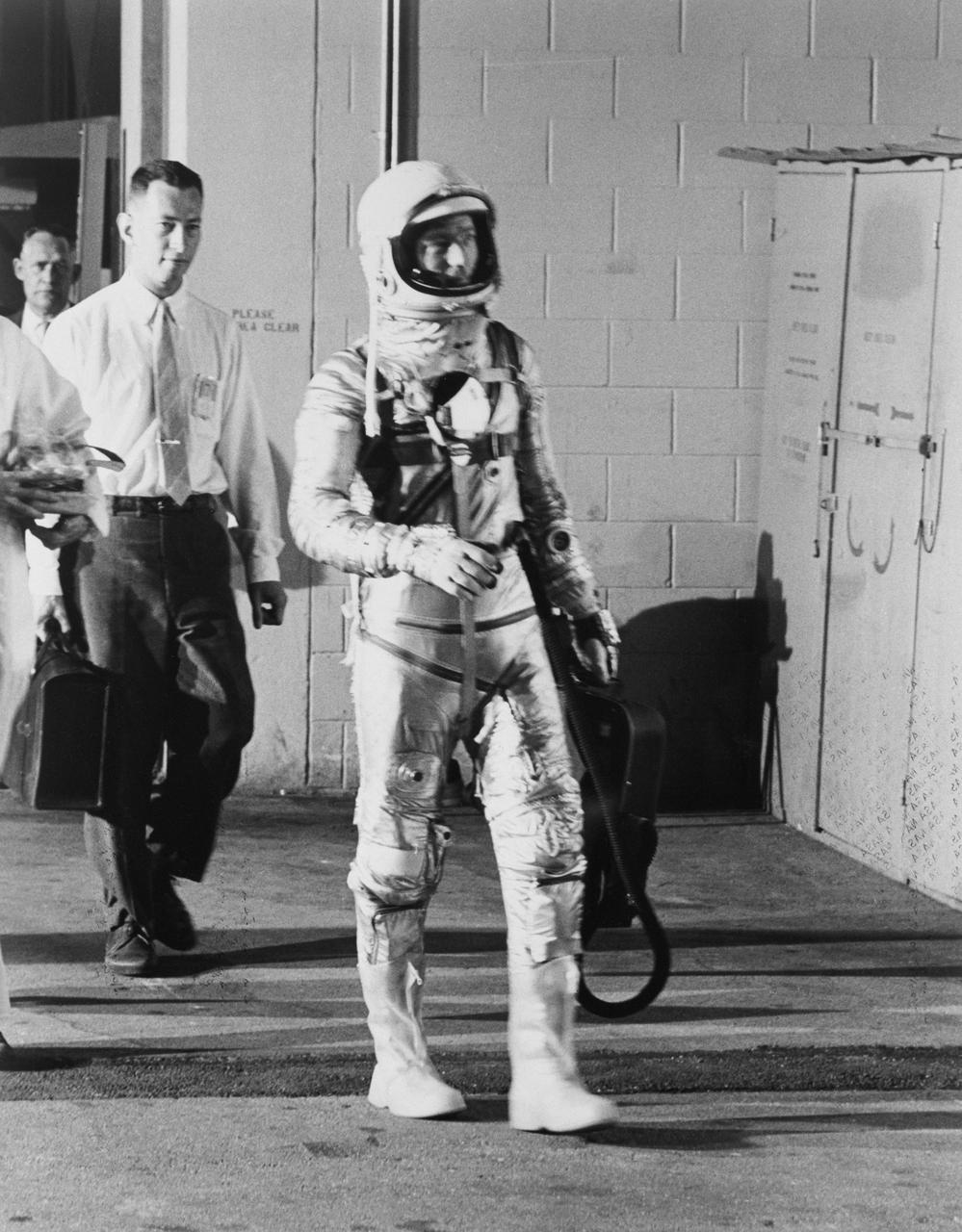
S62-04044 (24 May 1962) --- Astronaut Scott Carpenter leaving White Room for launch site to begin Mercury-Atlas 7 (MA-7) mission. Photo credit: NASA
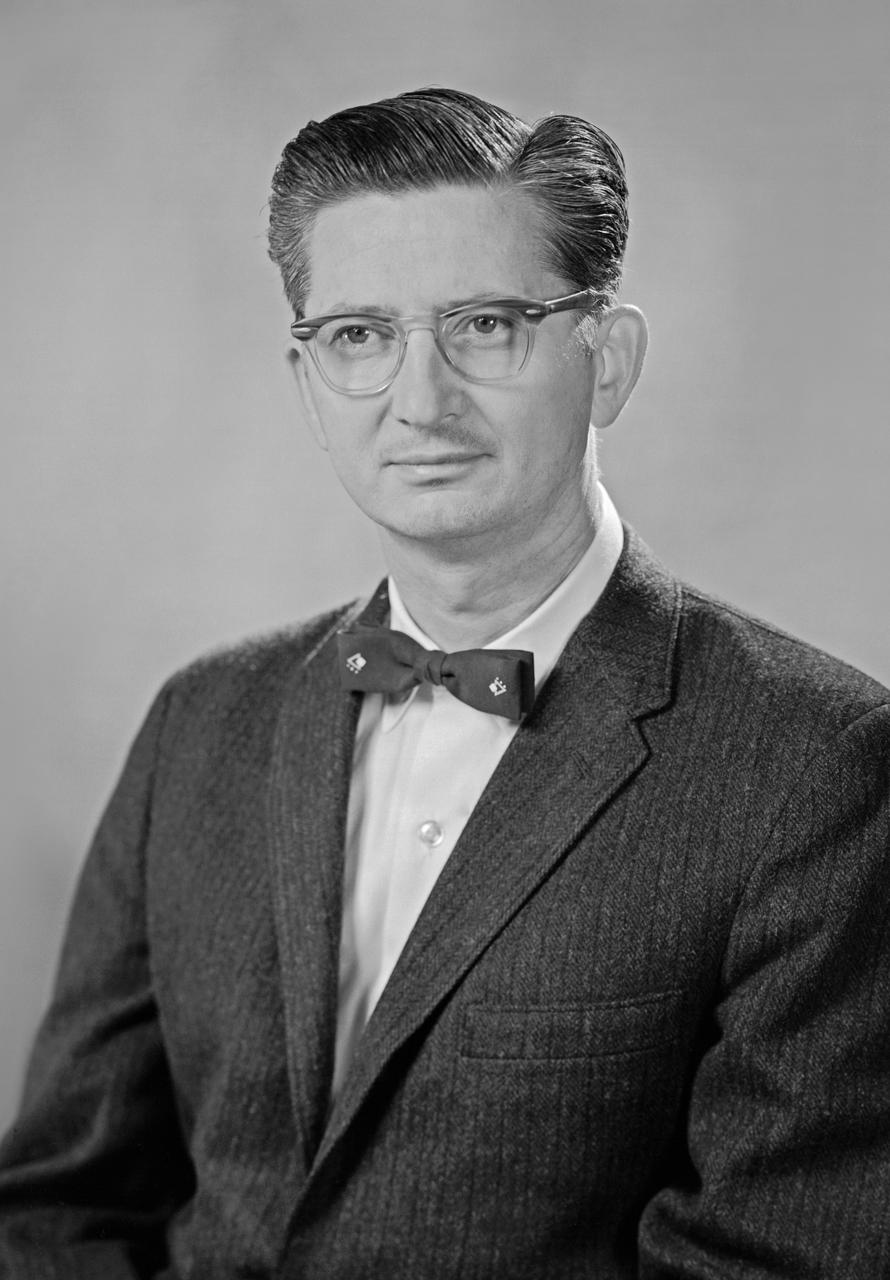
Portrait of John D. Bird "Jaybird" designed the LOR Lunar Orbit Rendezvous. Published in NASA SP-4308 Page 229.
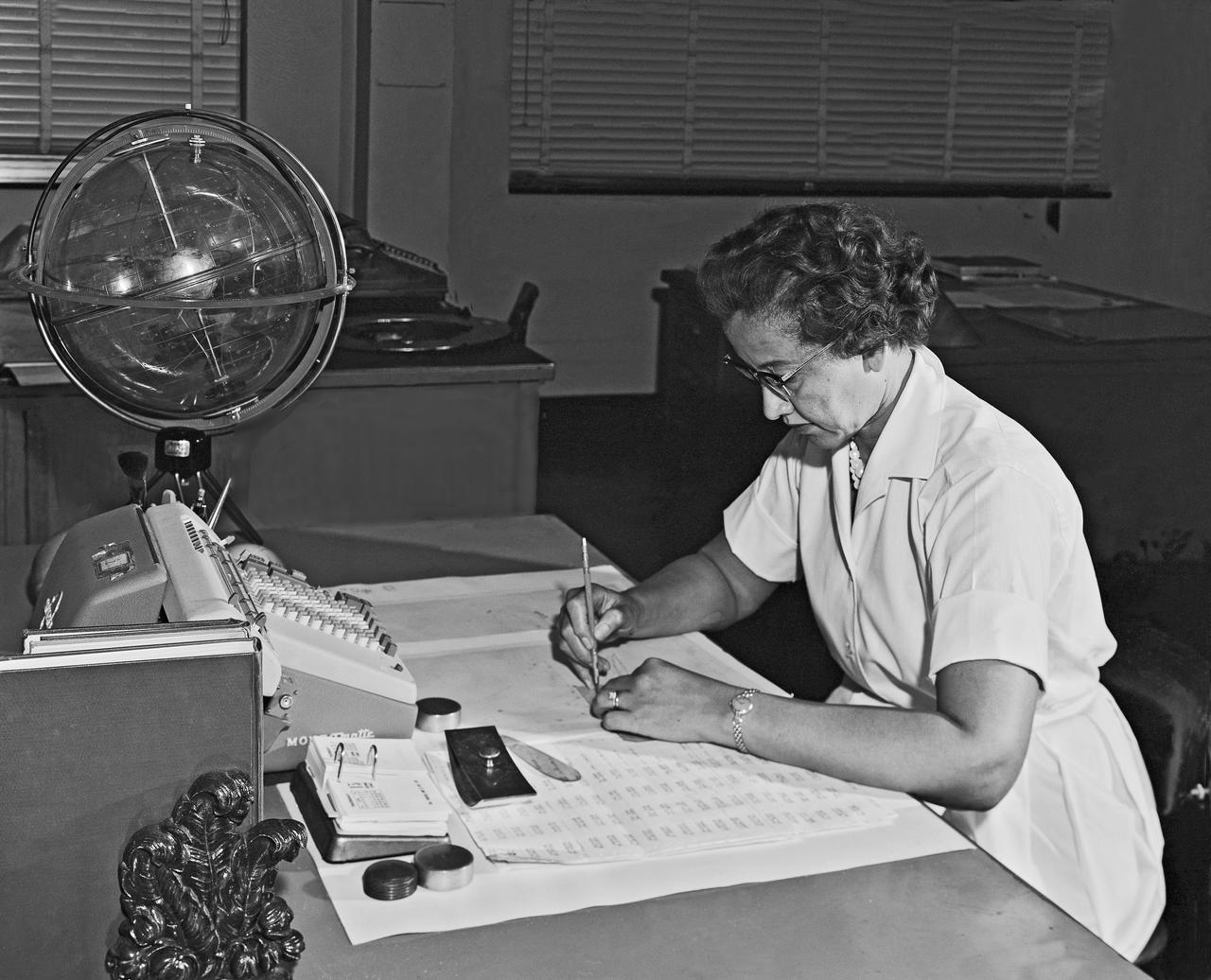
Katherine G. Johnson at Work
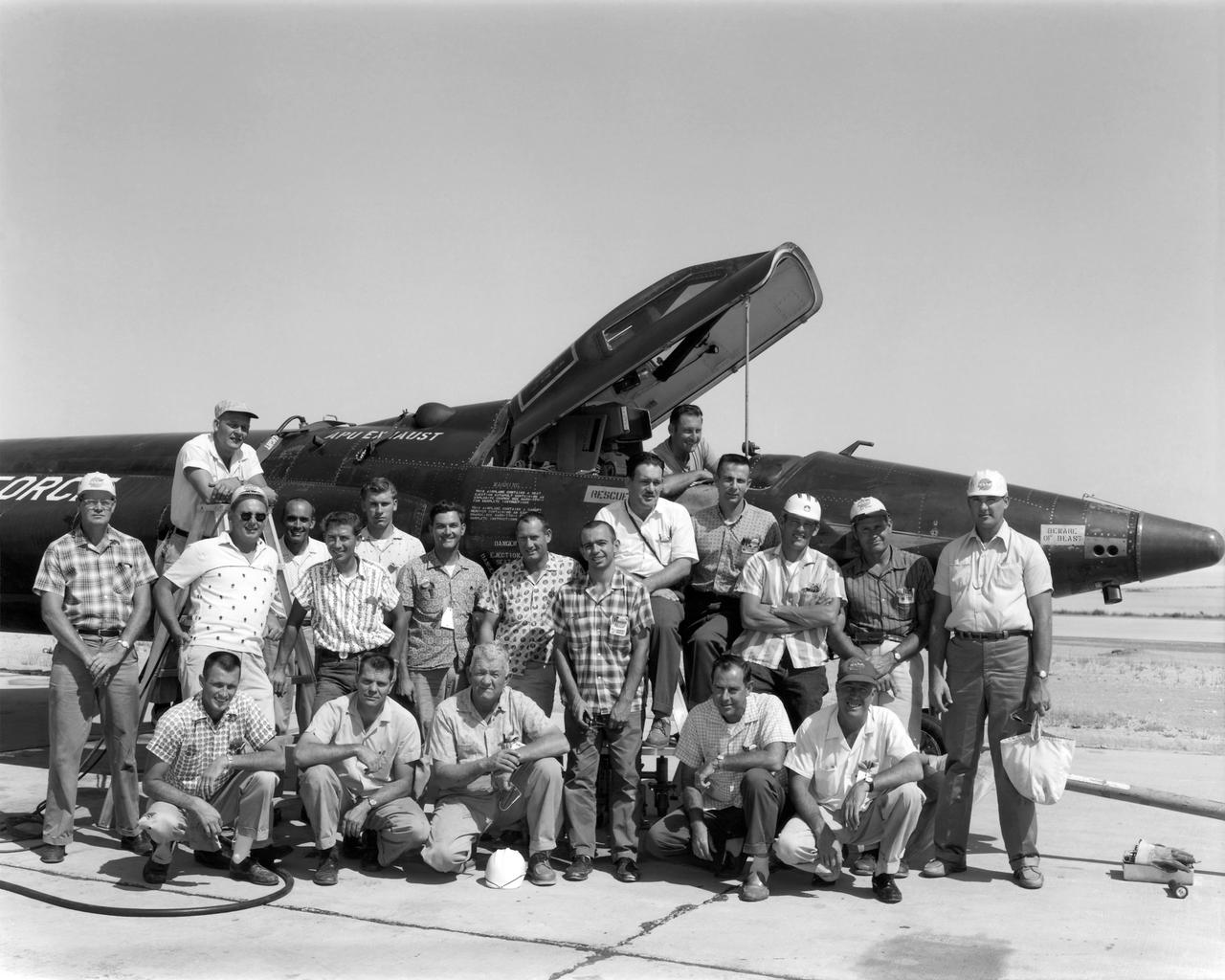
X-15 personnel July 1962 Cockpit: Edward "Ed" Nice Ladder: Thomas "Tom" McAlister Back Row, left to right: William Clark, Edward "Ed" Sabo, Donald "Don" Hall, Billy Furr, Allen Dustin, Raymond "Ray" White, George E. Trott, Alfred "Al" Grieshaber, Merle Curtis, LeRoy "Lee" Adelsbach, Allen Lowe, Jay L. King, Lorenzo "Larry" Barnett. Kneeling, left to right: Byron Gibbs, Price "Bob" Workman, Ira Cupp, unidentified, John Gordon.
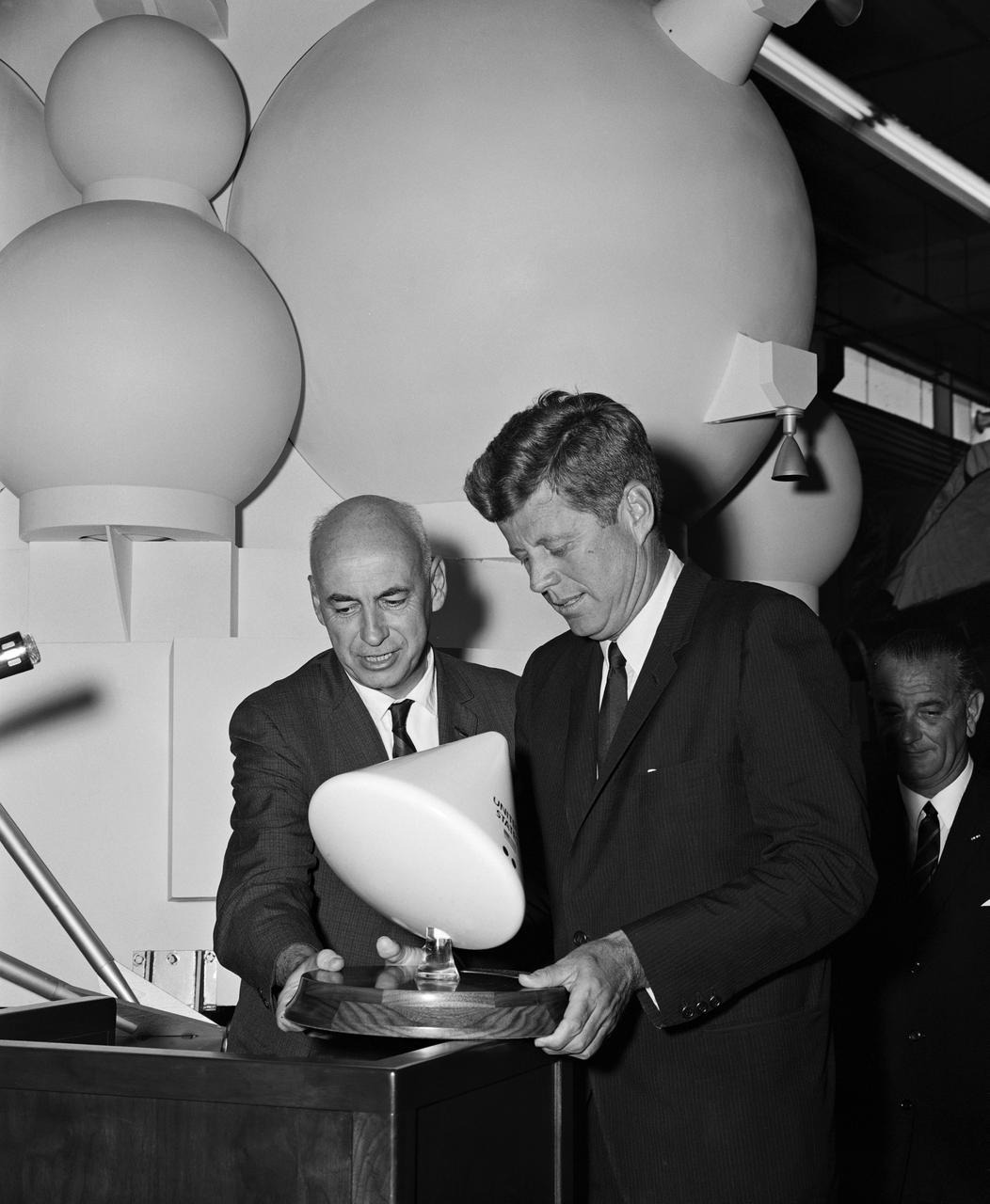
Dr. Robert R. Gilruth (left), director of what is now NASA’s Johnson Space Center, and President John F. Kennedy look at a small model of the Apollo Command Module on September 1, 1962.
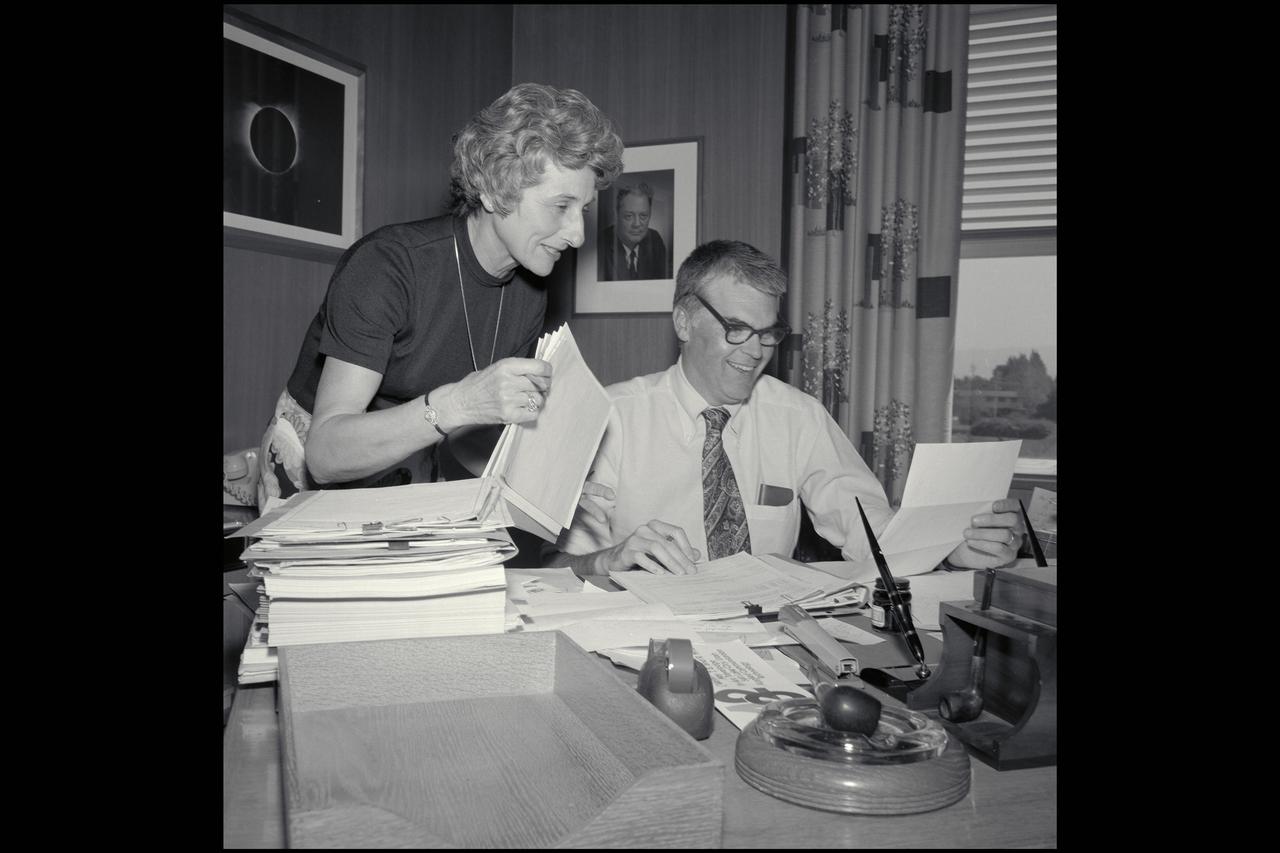
Dr Hans Mark, Ames Director in his office with his secretary Edie Watson
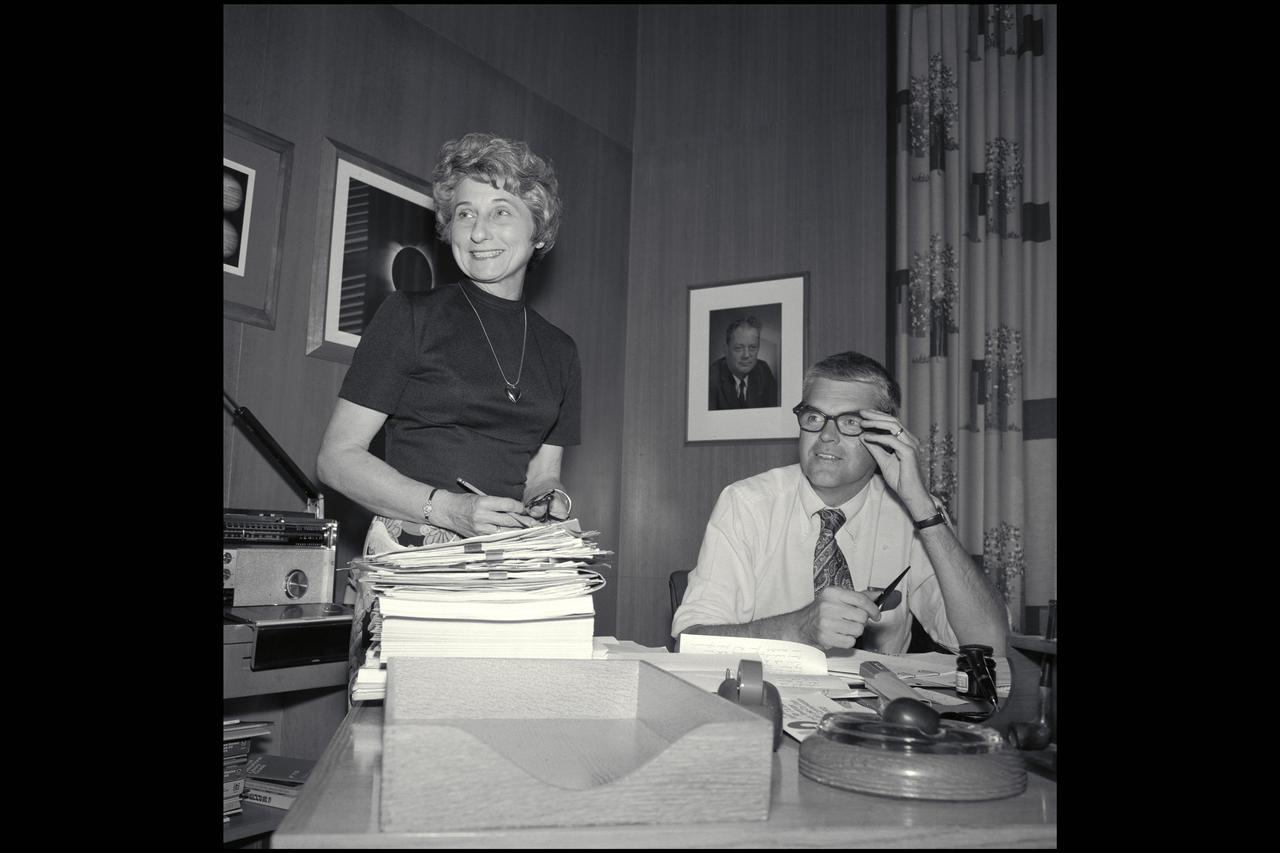
Dr Hans Mark, Ames Director in his office with his secretary Edie Watson
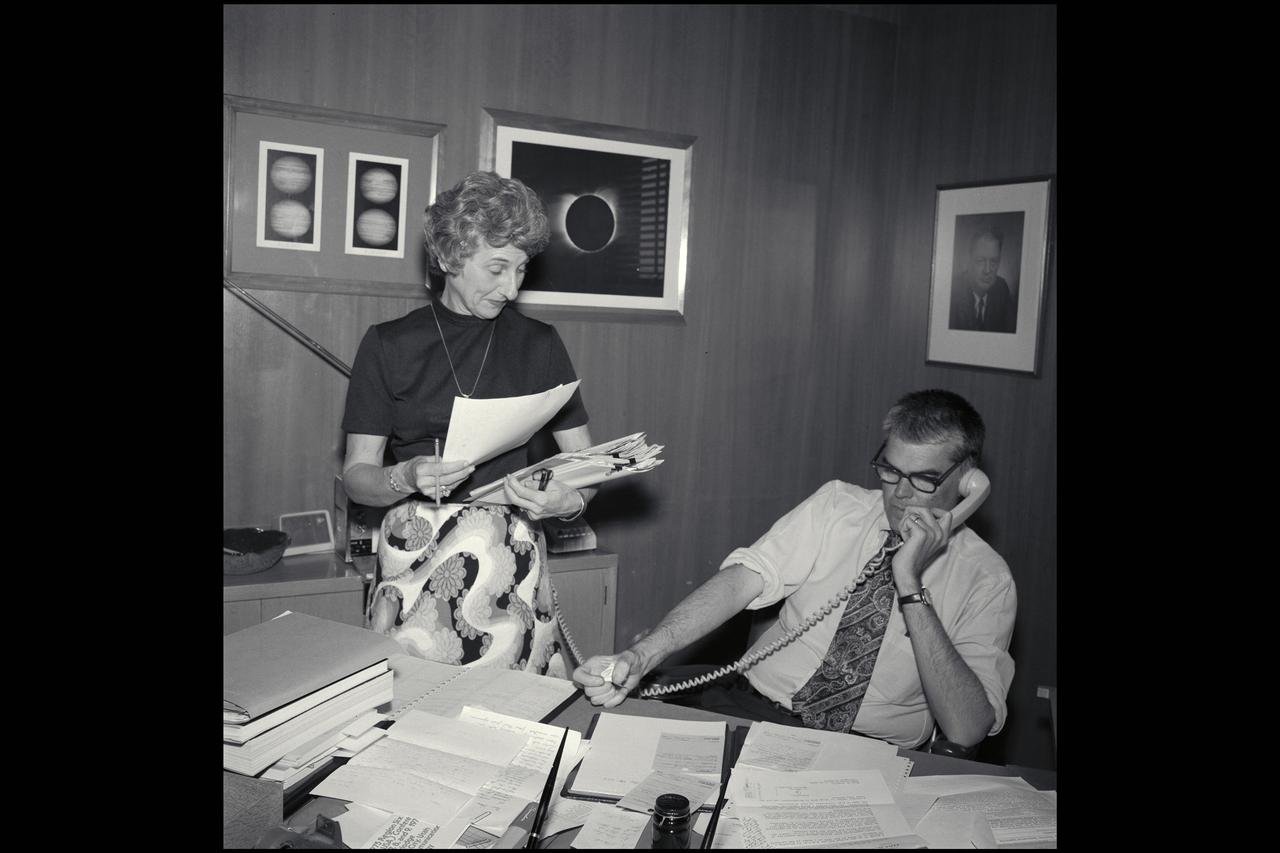
Dr Hans Mark, Ames Director in his office with his secretary Edie Watson
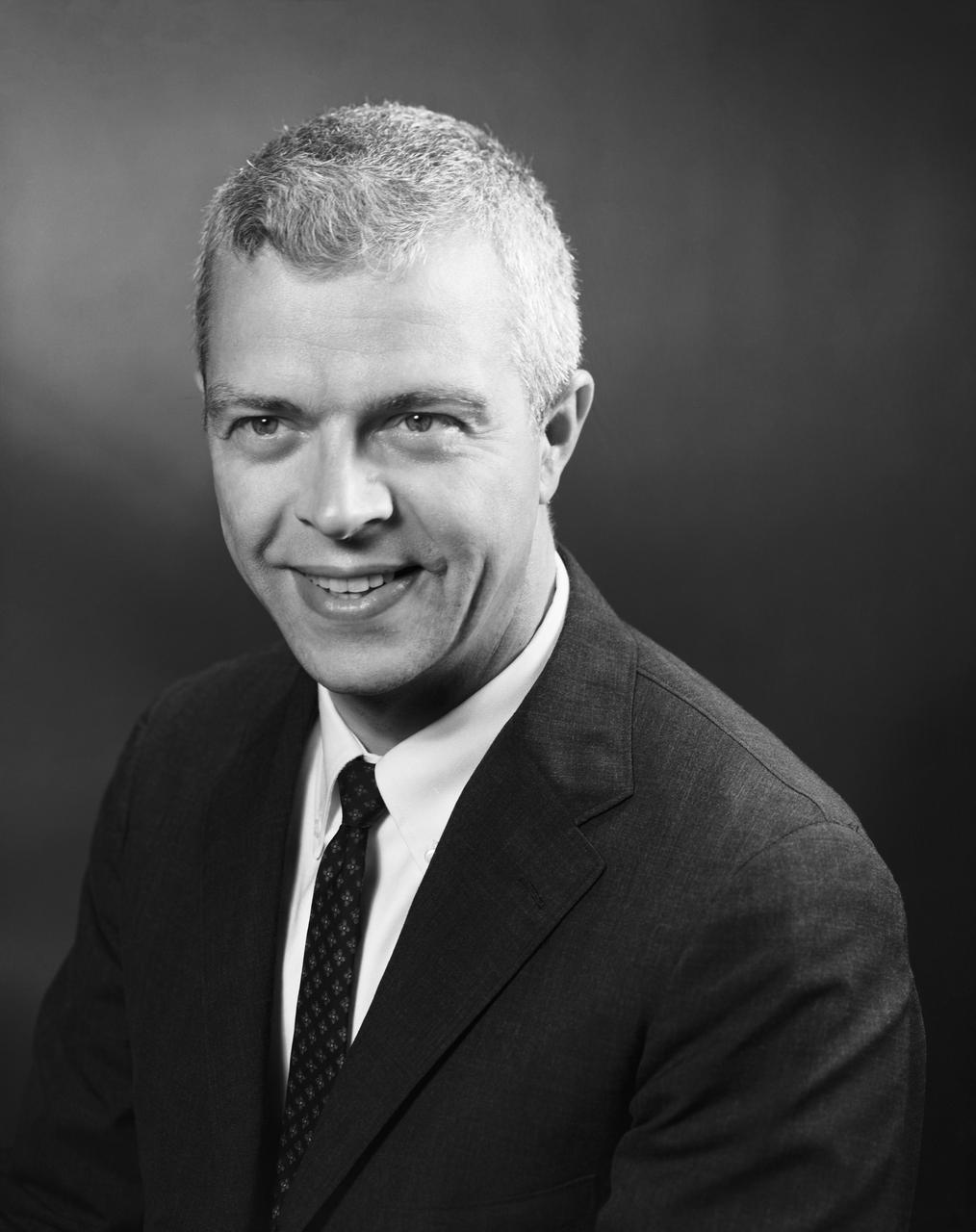
Portrait of Dr. John C. Houbolt
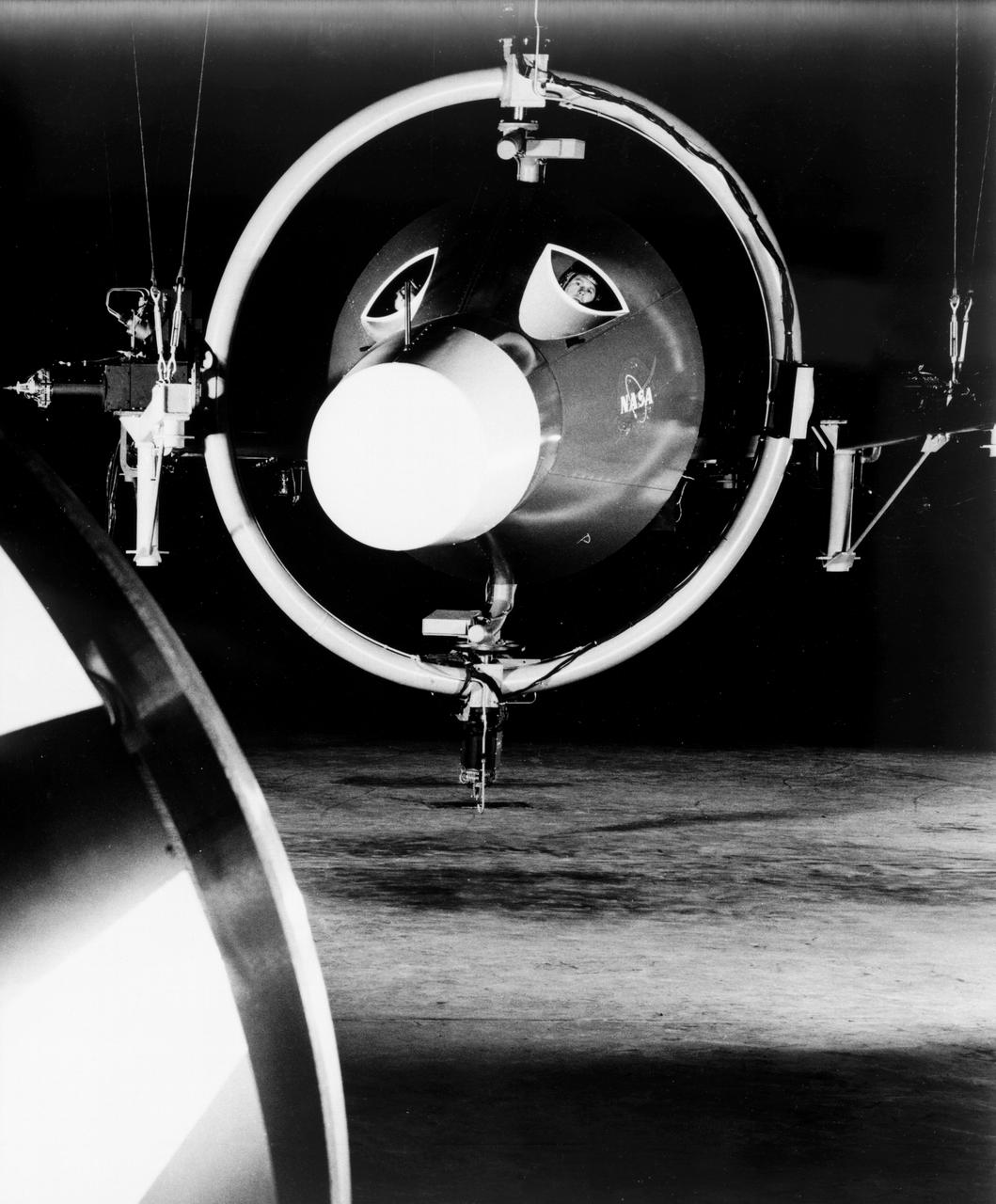
Unidentified Pilot eyeballs his way to a docking by peering through the portal in his capsule. Photo published in Spaceflight Revolution, NASA Langley Research Center From Sputnik to Apollo. By James R. Hansen. NASA SP-4308, 1995, p. 372.
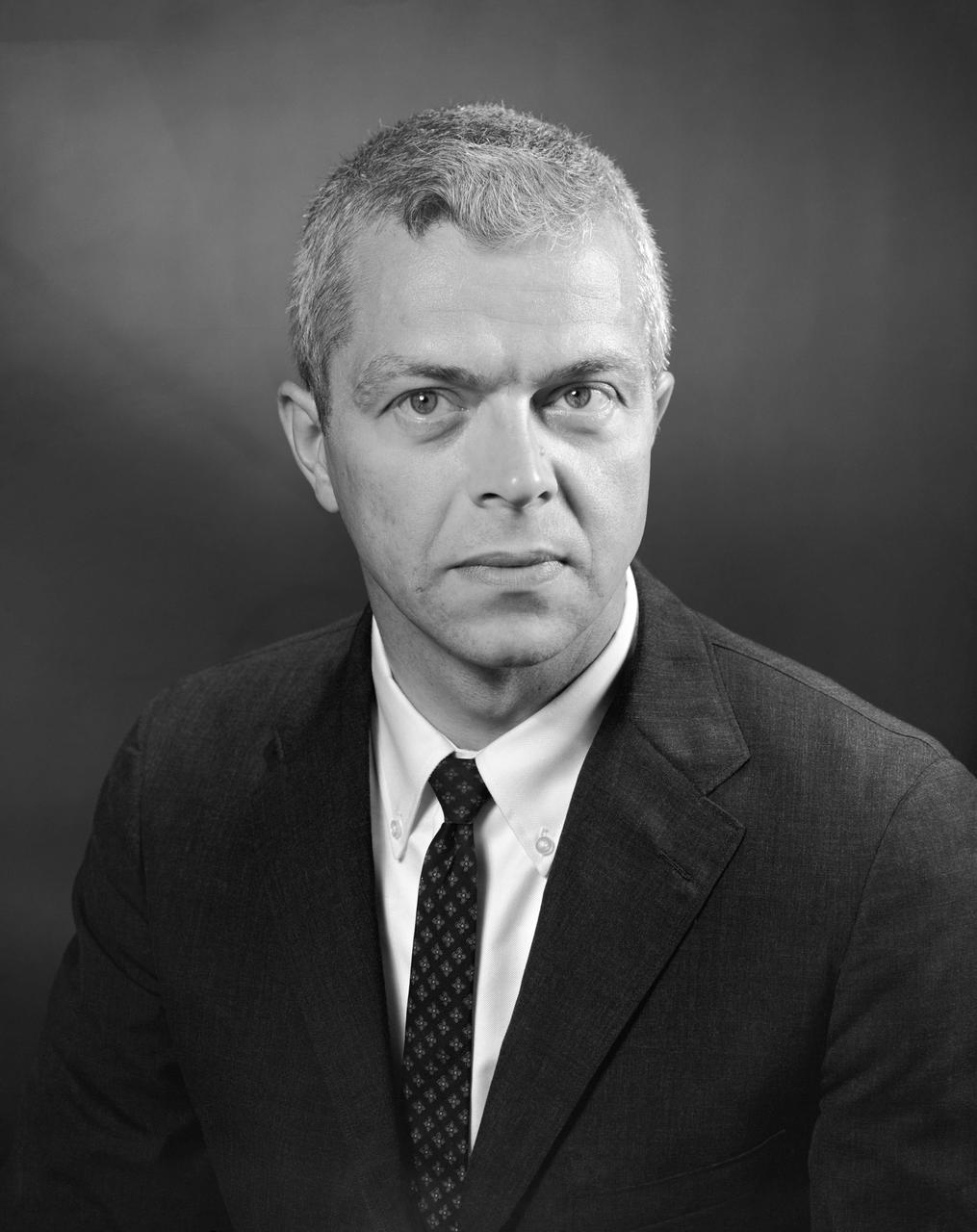
Portrait of Dr. John C. Houbolt
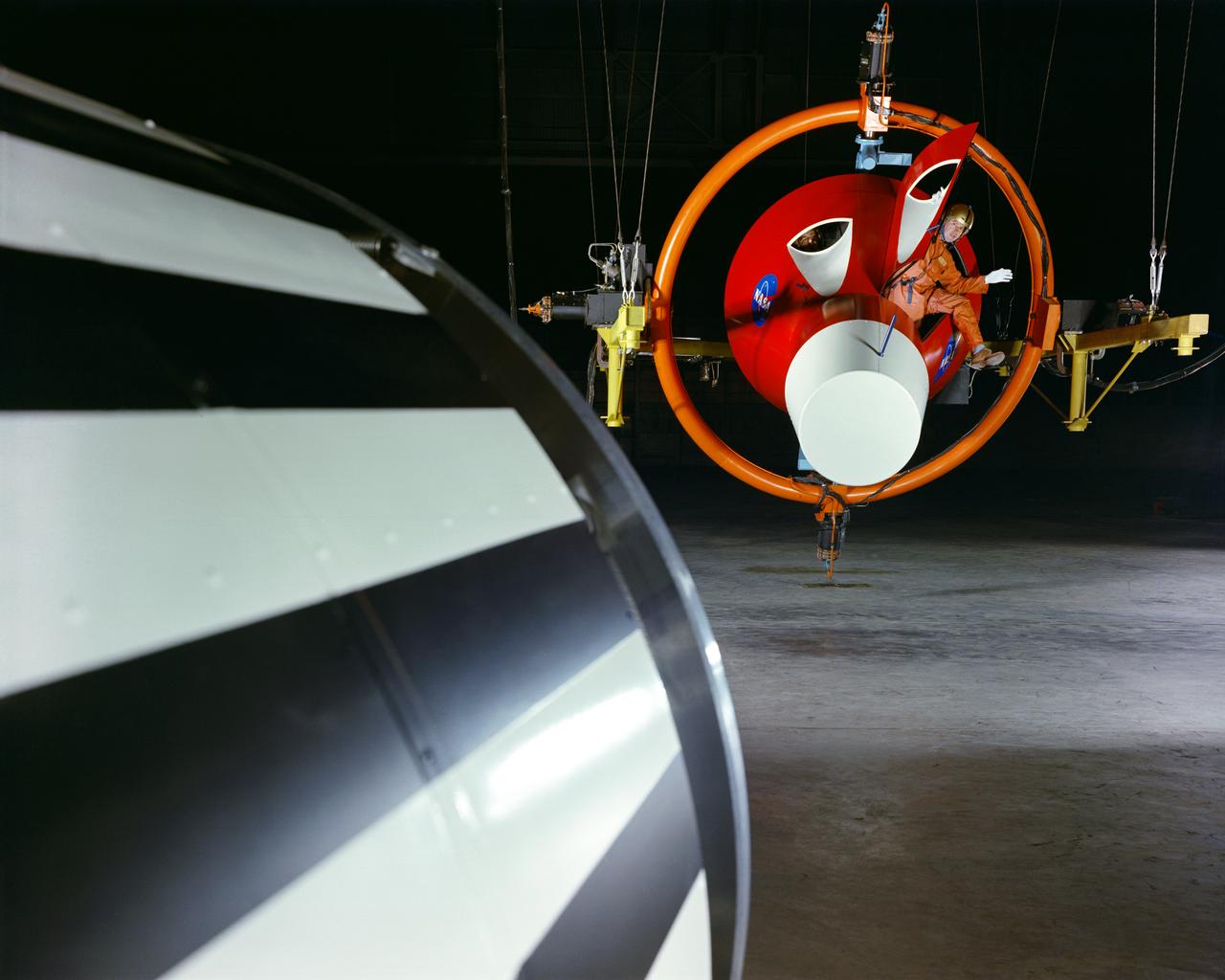
Practicing with a full-scale model of the Gemini Capsule in Langley's Rendezvous Docking Simulator. -- Caption and photograph published in Winds of Change, 75th Anniversary NASA publication, (page 89), by James Schultz.
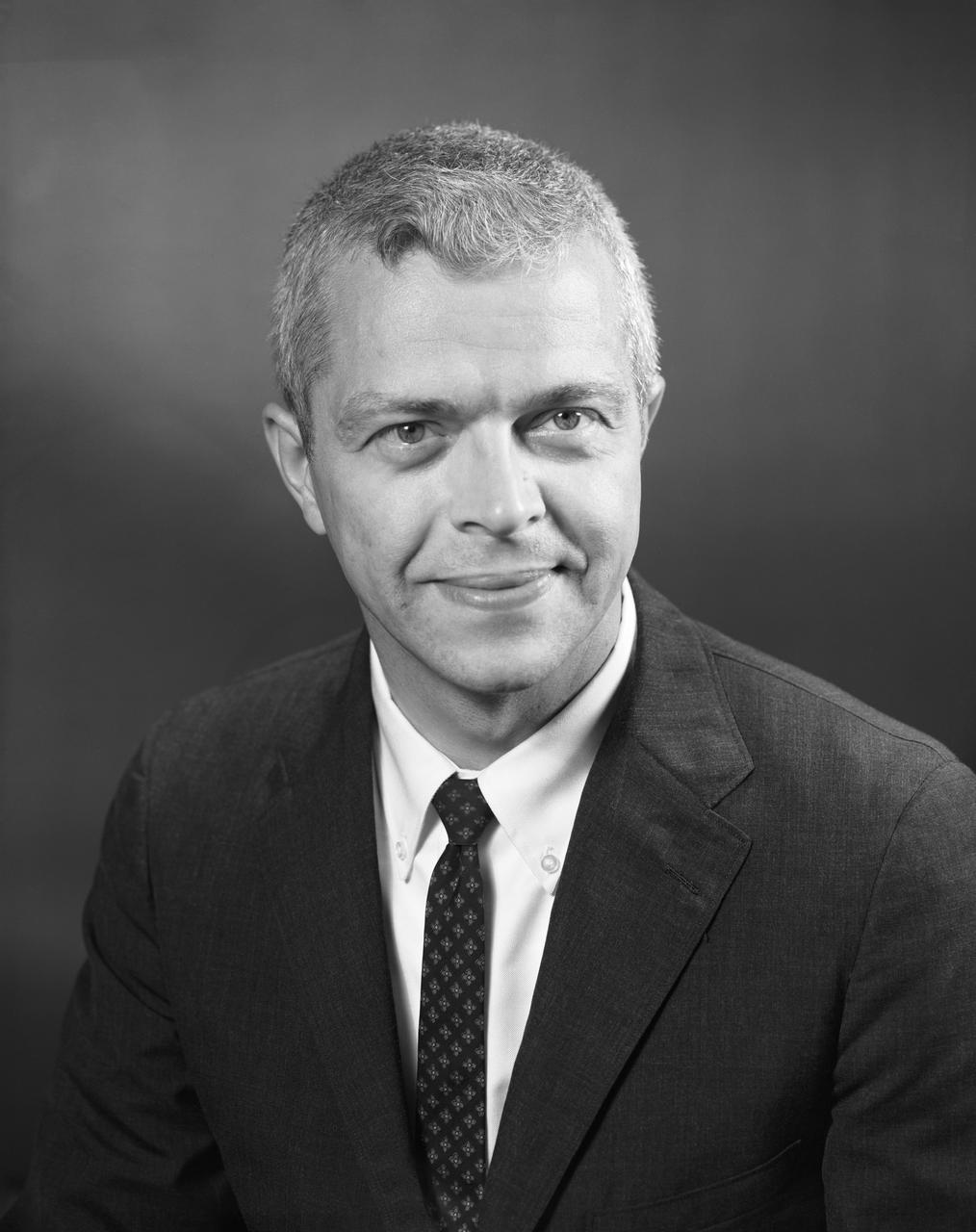
Portrait of Dr. John C. Houbolt
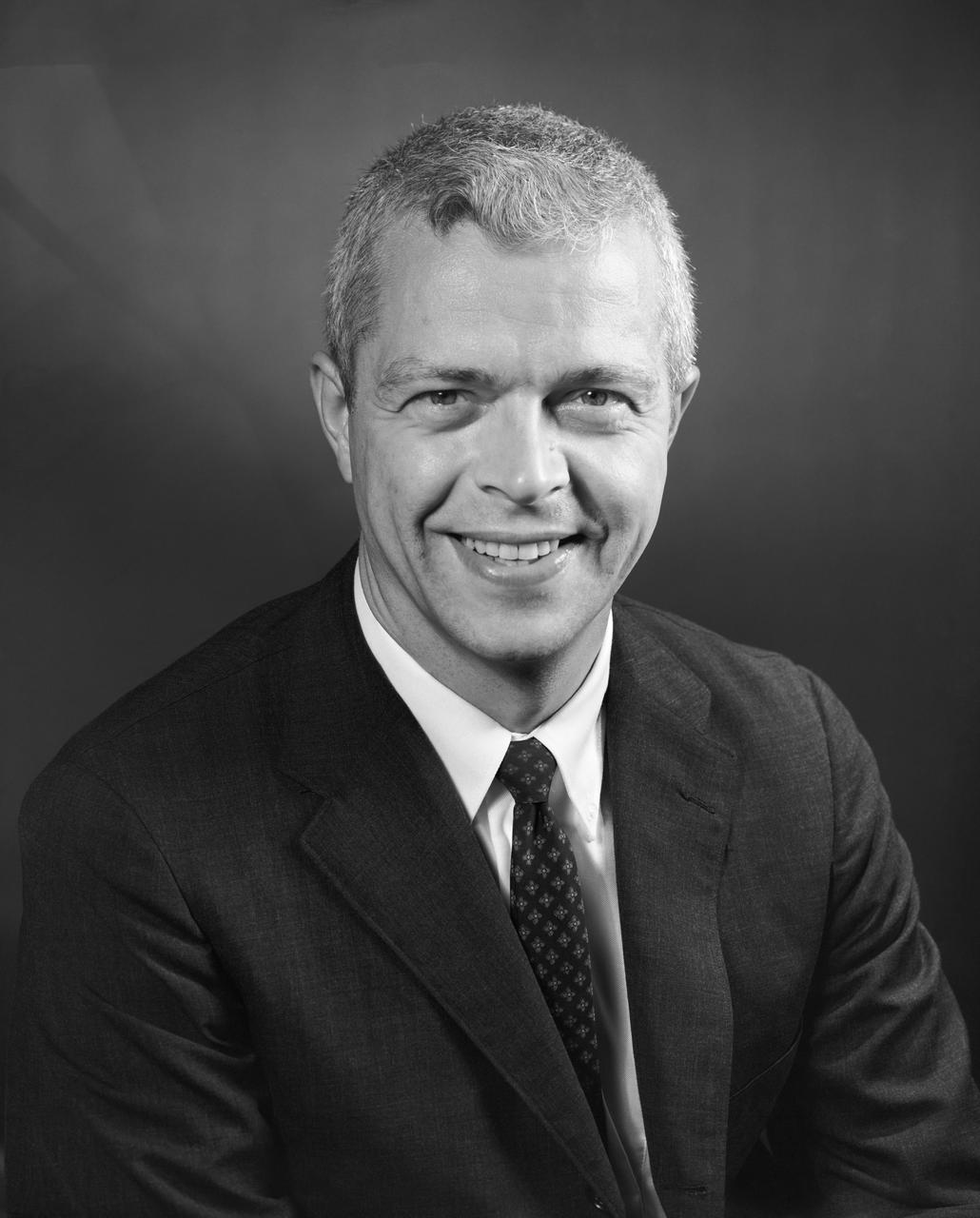
Portrait of Dr. John C. Houbolt
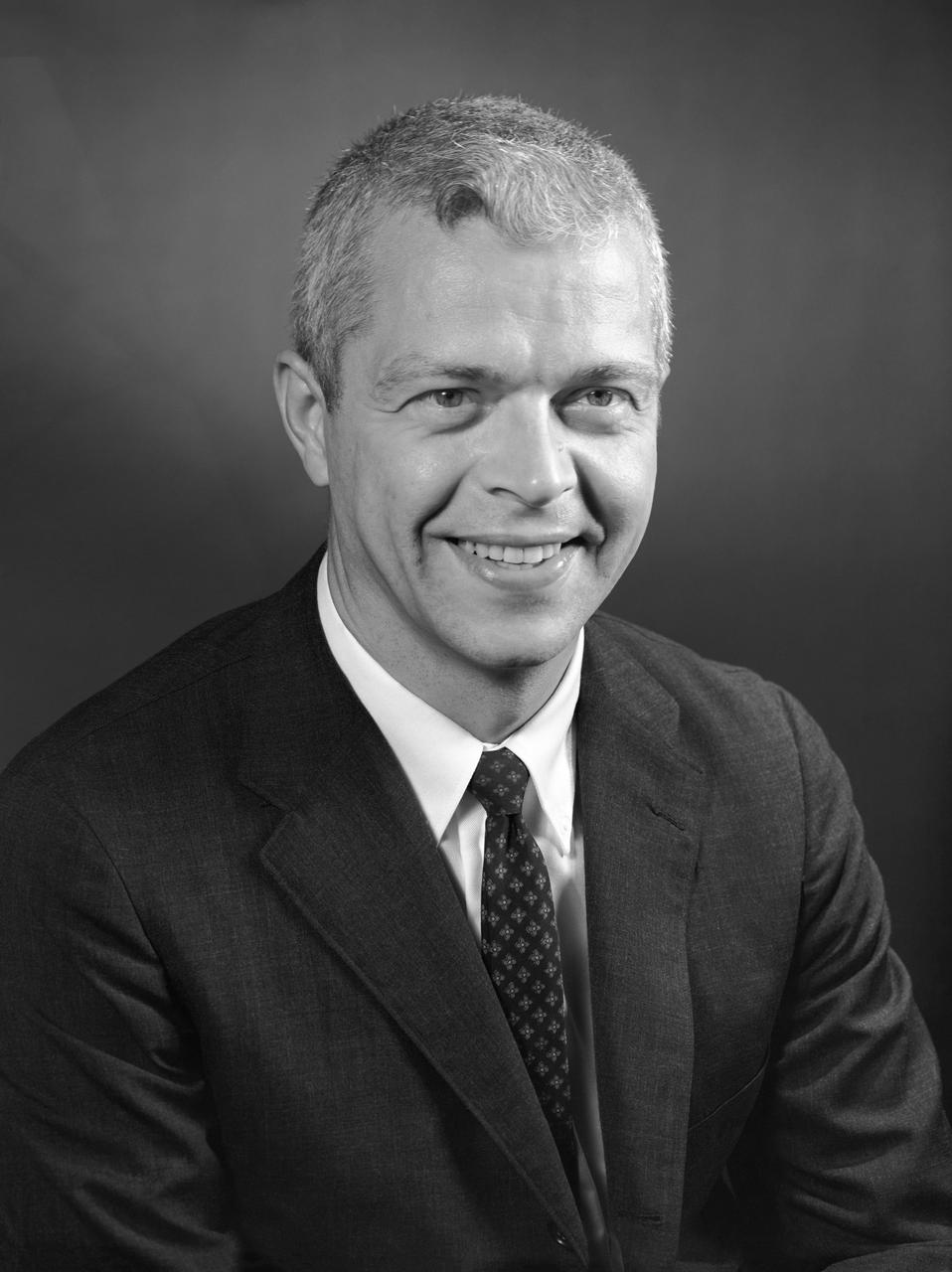
Portrait of Dr. John C. Houbolt
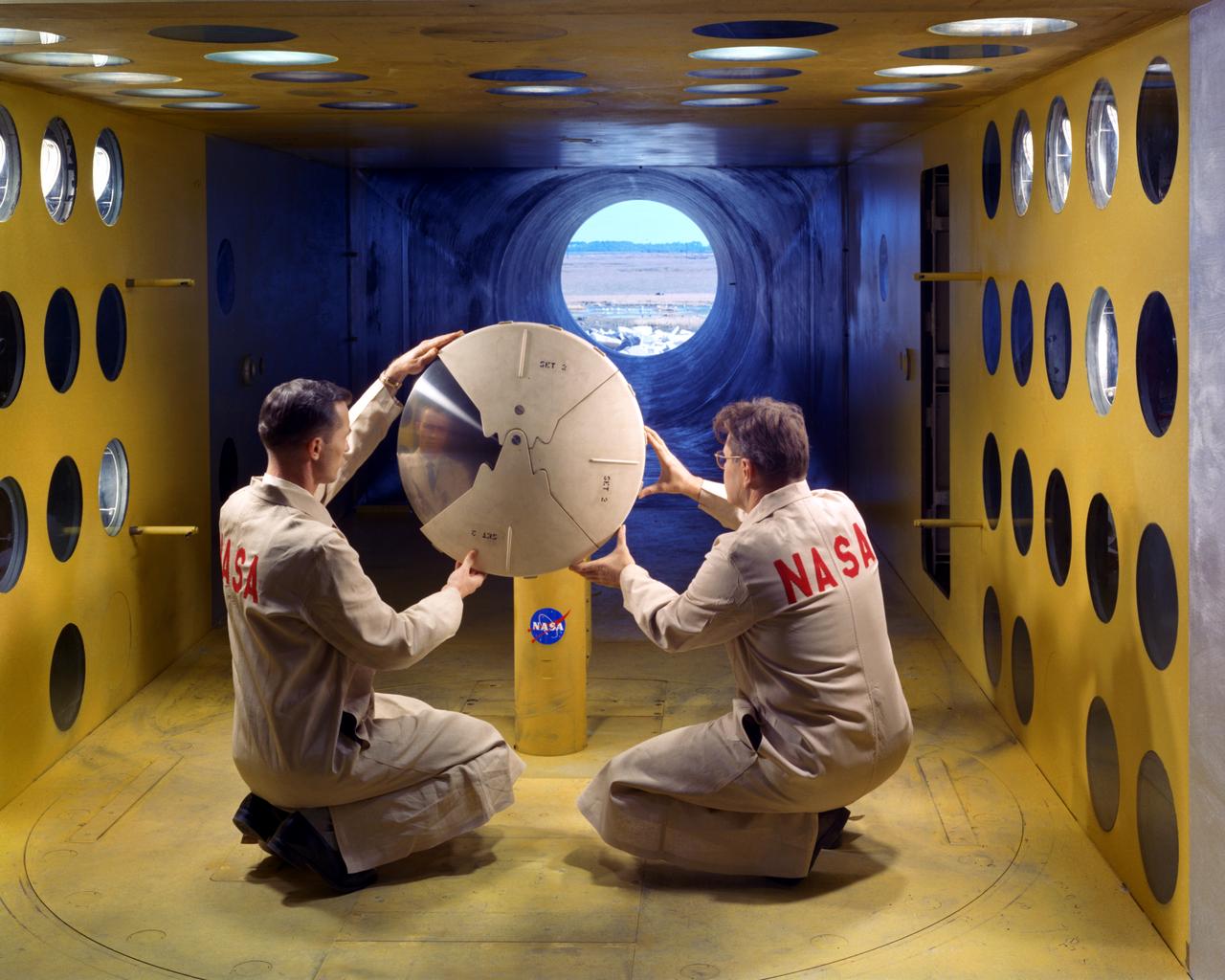
As part of the project FIRE study, technicians ready materials to be subjected to high temperatures that will simulate the effects of re-entry heating. Tests of various space capsule materials for Project FIRE were conducted. Photographed in the 9 X 6 Foot Thermal Structures Tunnel. Photograph published in Winds of Change, 75th Anniversary NASA publication, by James Schultz (page 78). Photograph also published in Engineer in Charge: A History of the Langley Aeronautical Laboratory, 1917-1958 by James R. Hansen (page 476). Also Published in the book " A Century at Langley" by Joseph Chambers. Pg. 92

JPL's Spacecraft Assembly Facility looks more like a hangar in this photo of two engineers standing with Mariner 1 on May 2, 1962. However, the gowning procedures were far less rigorous than they are today. Mariner 1 was destroyed during its attempted launch to Venus. https://photojournal.jpl.nasa.gov/catalog/PIA23310
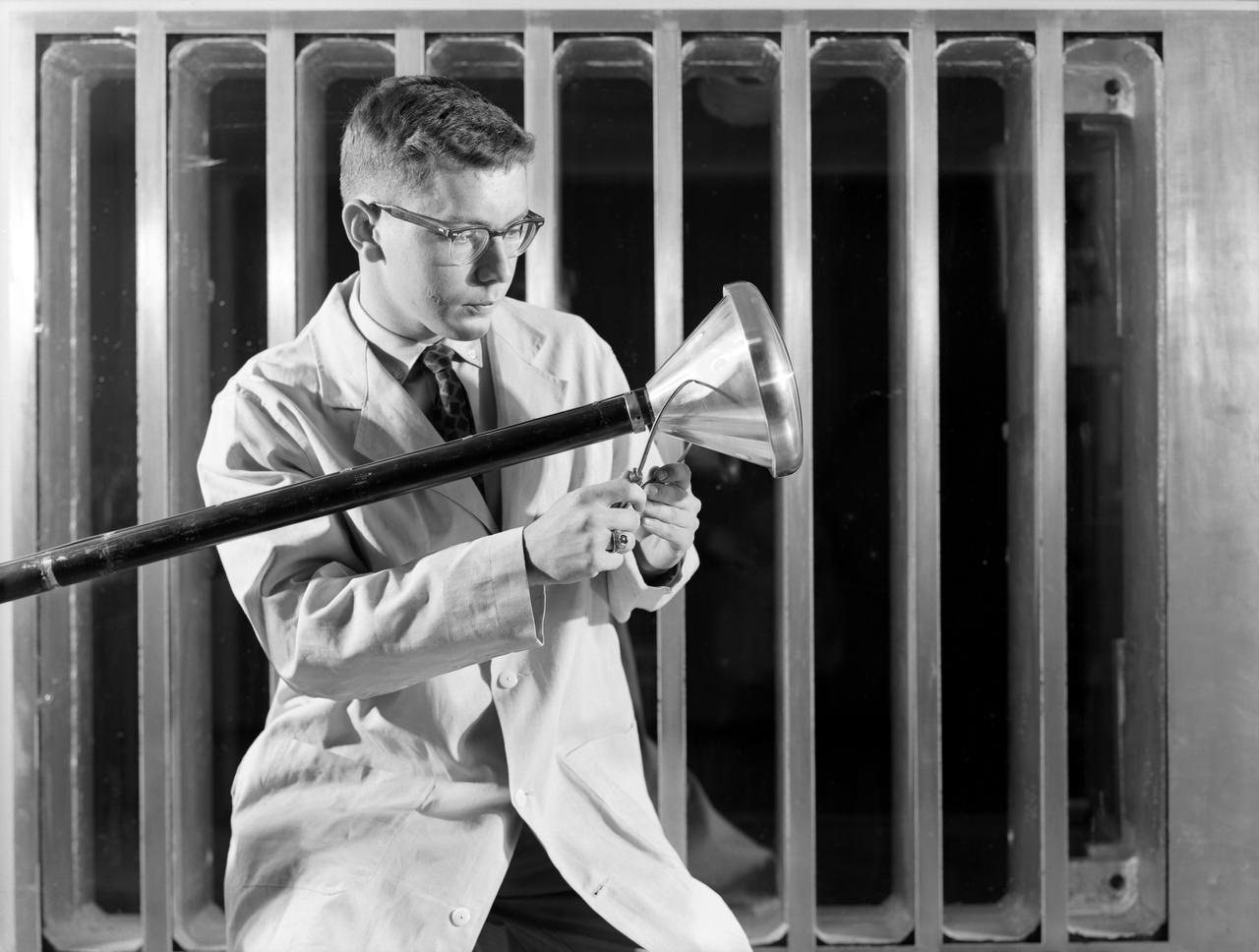
Researcher checks model of Project Fire Reentry package to be tested in Unitary Plan Wind Tunnel. Project FIRE (Flight Investigation Reentry Environment) studied the effects of reentry heating on spacecraft materials. It involved both wind tunnel and flight tests, although the majority were tests with Atlas rockets and recoverable reentry packages. These flight tests took place at Cape Canaveral in Florida. Wind tunnel tests were made in several Langley tunnels including the Unitary Plan Wind Tunnel, the 8-foot High-Temperature Tunnel and the 9x6-Foot Thermal Structures Tunnel. Photo published in book "A Century at Langley" by Joseph Chambers pg. 92
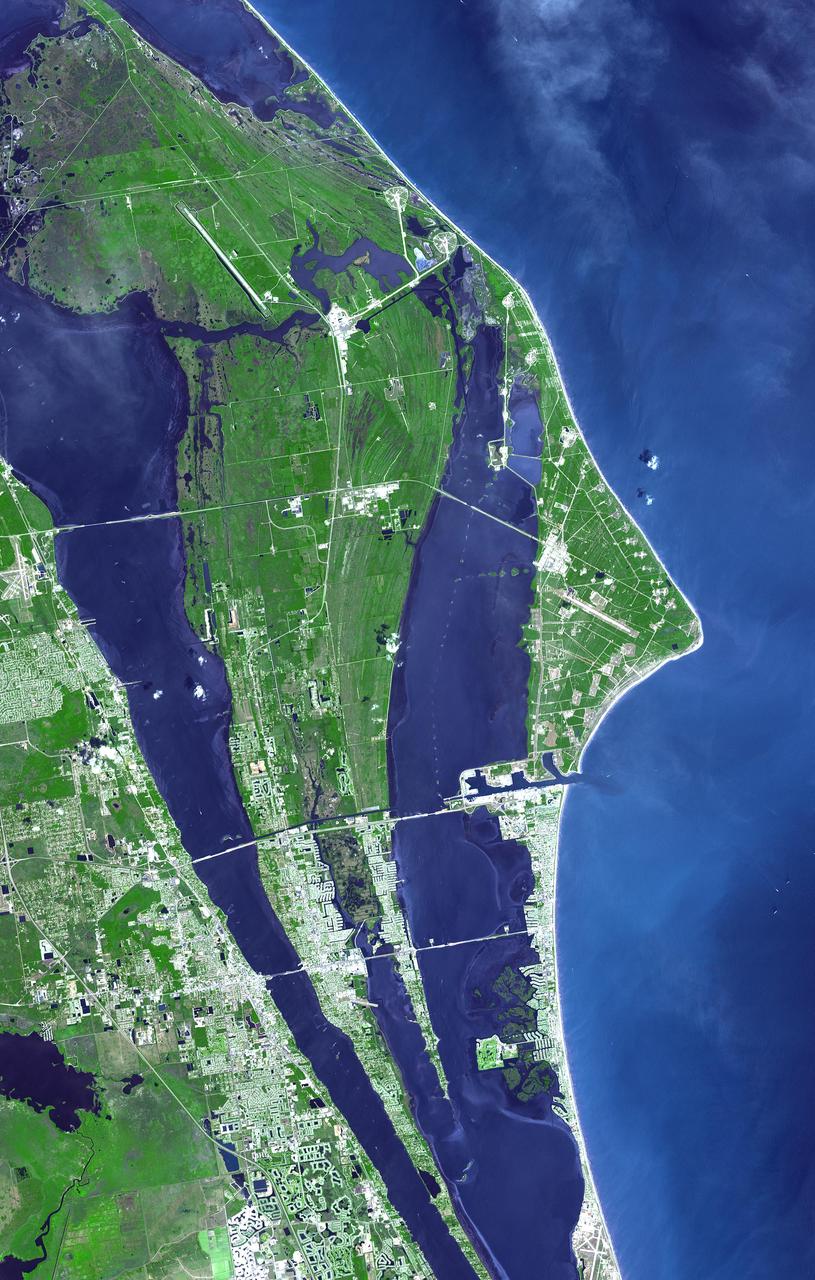
The John F. Kennedy Space Center, America spaceport, is located along Florida eastern shore on Cape Canaveral. Established as NASA Launch Operations Center on July 1, 1962, This image was acquired by NASA Terra spacecraft.
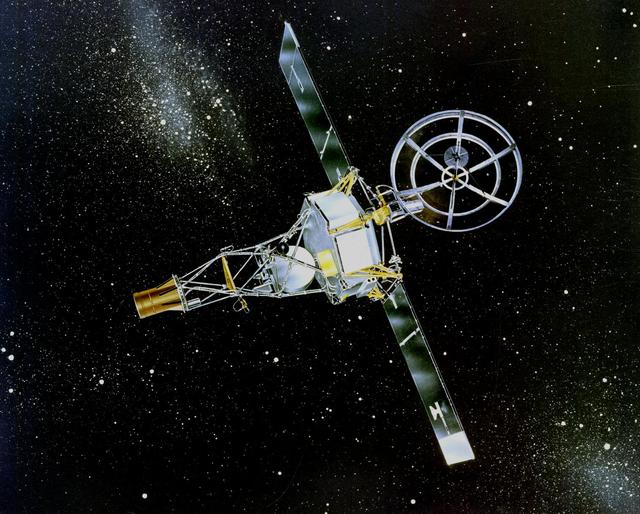
NASA Mariner 2 was the world first successful interplanetary spacecraft. Launched August 27, 1962, on an Atlas-Agena rocket, Mariner 2 passed within about 34,000 kilometers 21,000 miles of Venus.
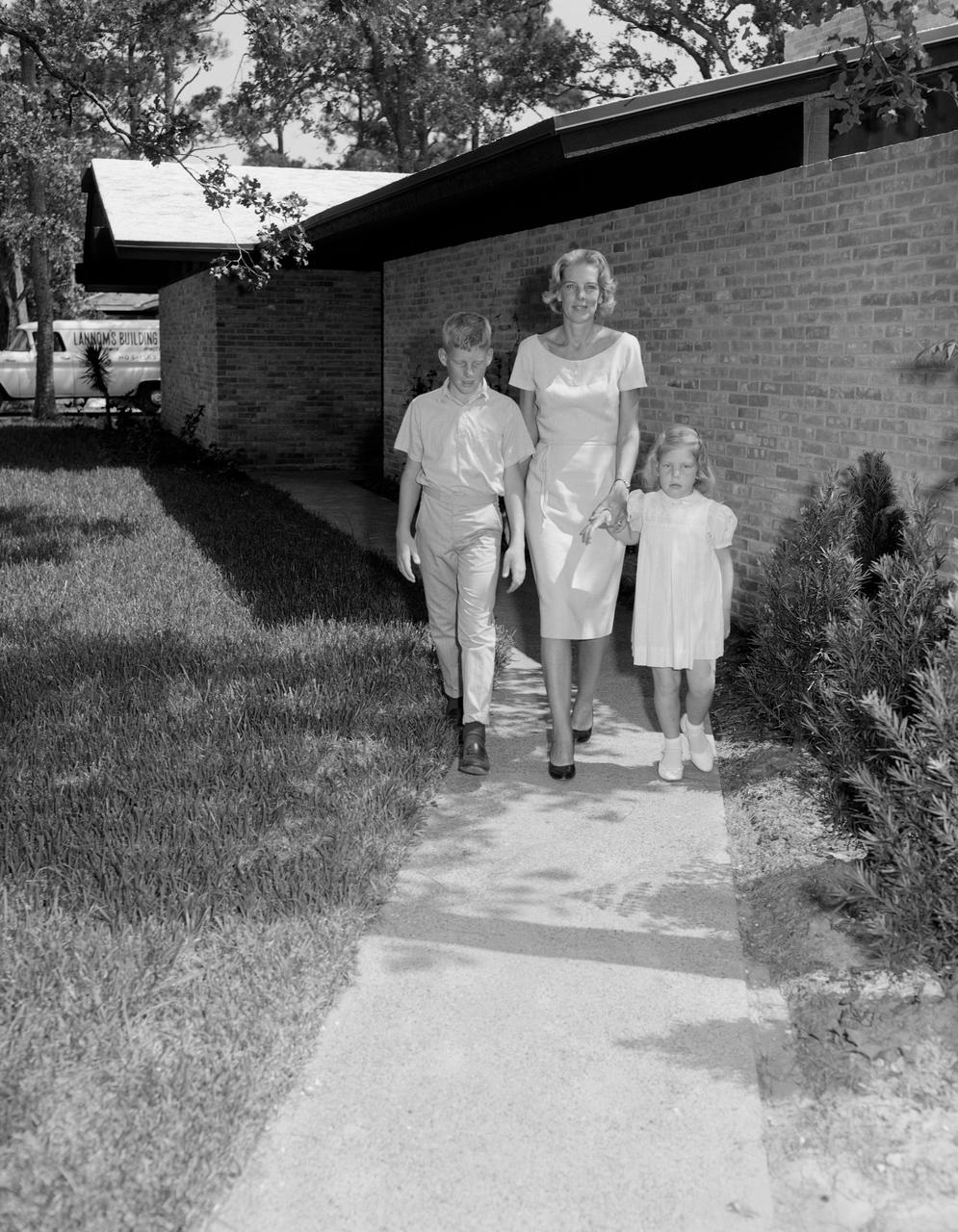
S62-04428 (1962) --- Mrs. Wally schirra and her two children leave the Farnsworth-Chambers Building after a brief visit in 1962. Photo credit: NASA

S-65 Meteor Impact Model set up in the former Altitude Wind Tunnel at the National Aeronautics and Space Administration (NASA) Lewis Research Center just days after the September 12, 1962 rededication of the facility as the Space Power Chamber. Although larger test chambers would later be constructed, the rapid conversion of the wind tunnel into two space tanks allowed the facility to play a vital role in the early years of the space program. The eastern section of the tunnel, seen here became a vacuum chamber capable of simulating 100 miles altitude. This space tank was envisioned for the study of small satellites like this one. The transfer of the Centaur Program to Lewis one month late, however, permanently changed this mission. NASA was undertaking an in depth study at the time on the effect of micrometeoroids on satellites. Large space radiators were particularly vulnerable to damage from the small particles of space debris. In order to determine the hazard from meteoroids researchers had to define the flux rate relative to the mass and the velocity distribution because the greater the mass or the velocity of a meteoroid the greater the damage.
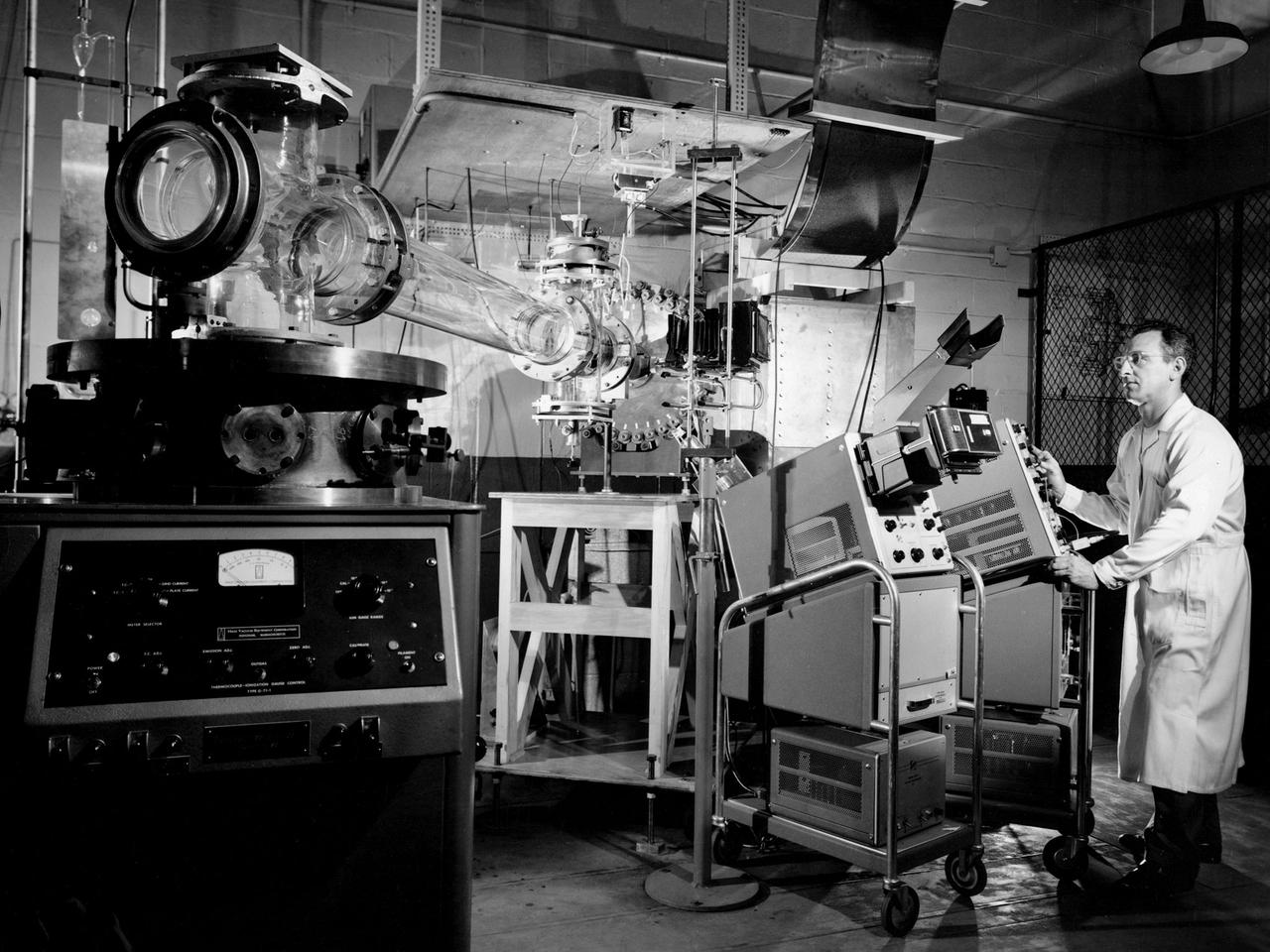
Researcher Charles Michels operates a coaxial plasma gun rig in Cell SW-13 of the Engine Research Building at the National Aeronautics and Space Administration (NASA) Lewis Research Center. From 1962 to 1967 NASA Lewis investigated coaxial plasma guns powered by conventional capacitor banks. The studies were part of a larger effort to identify electromagnetic accelerators for space propulsion. NASA worked with General Dynamics, General Electric, General Motors, and Republic Aviation on the project. NASA Lewis conducted a research program to determine which factors influenced the coaxial gun’s efficiency and analyze the acceleration process. The system had not previously been used for propulsion applications. The single-shot gun’s fast gas valve and capacitor banks with variable-delay ignition source permitted the evaluation of gun performance under controllable propellant quantity and distribution conditions. The coaxial plasma gun was the most basic type of electromagnetic accelerator. It included a charged capacitor in series with a pair of coaxial electrodes. An electrical breakdown occurred when gas was admitted to the inter-electrode region. The gas instantly became a good conductor and formed a conducting sheet that separated the magnetic field from the open region beyond. The highly-conducting gas was basically expelled by the force of the magnetic pressure. This type of thruster could operate at the high instantaneous power levels without decreasing its average power level.

S62-05217(September 1962) --- The figure of President John F. Kennedy can be easily recognized in this image photographed at the staging area of a 1962 parade featuring the Chief Executive in Houston.
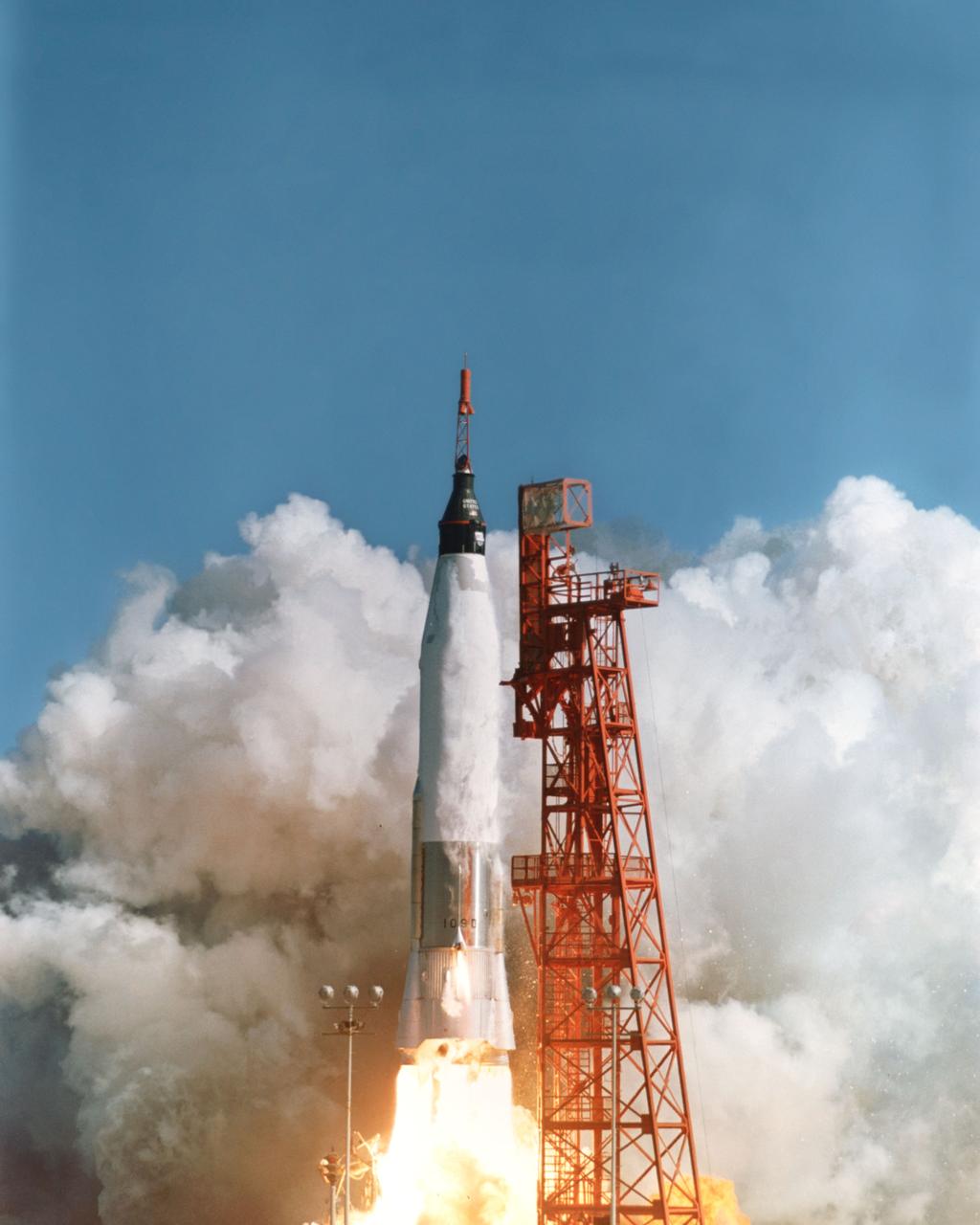
S62-00337 (20 Feb. 1962) --- Liftoff of Mercury-Atlas 6, Feb. 20, 1962, carrying astronaut John H. Glenn Jr. Photo credit: NASA
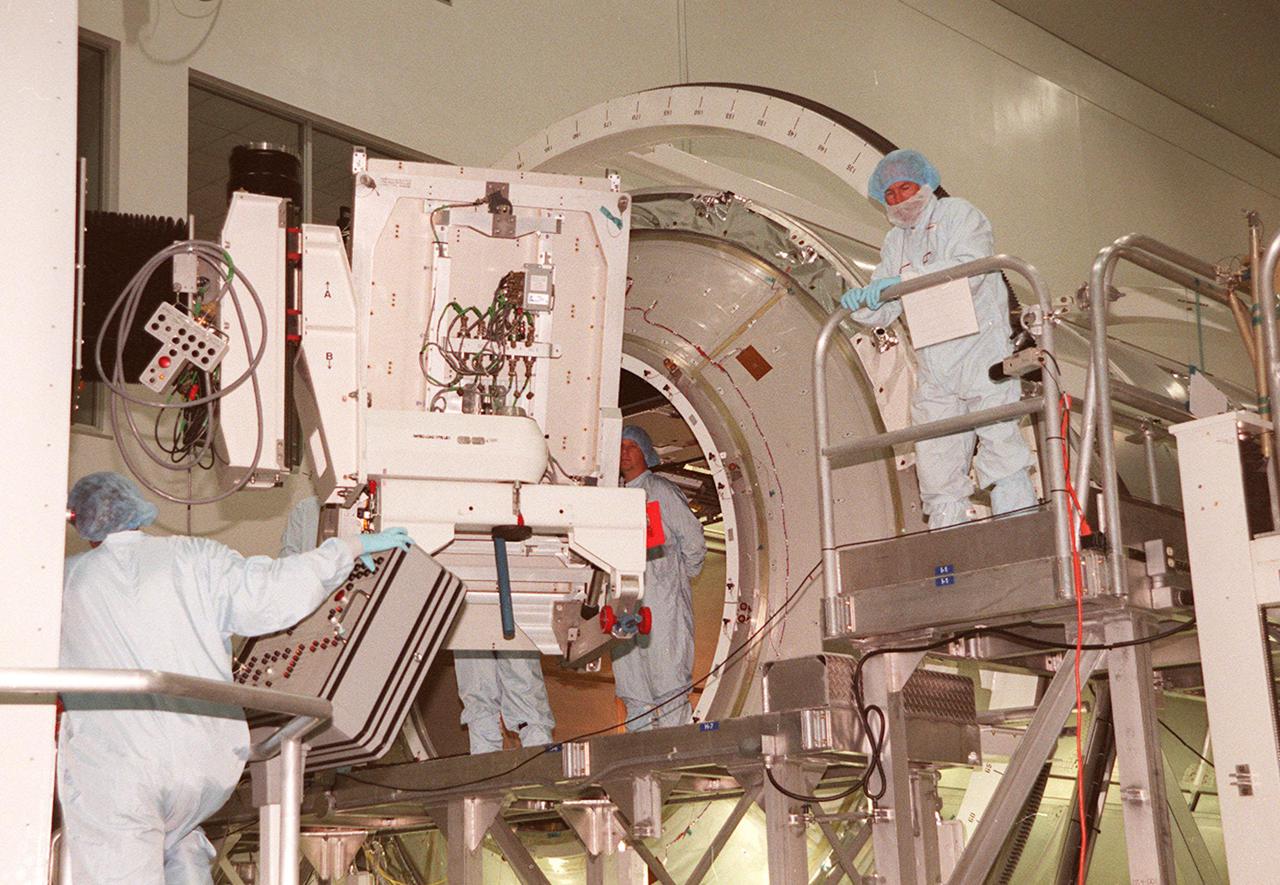
KENNEDY SPACE CENTER, FLA. -- Workers (right, left and center) in the Space Station Processing Facility wait to install a laboratory rack in the Multi-Purpose Logistics Module Leonardo (background). Leonardo is the first of three such pressurized modules that will serve as the International Space Station's “moving vans,” carrying laboratory racks filled with equipment, experiments and supplies to and from the Space Station aboard the Space Shuttle. Approximately 21 feet long and 15 feet in diameter, Leonardo will be launched on Shuttle mission STS-102 March 1, 2001. On that flight, Leonardo will be filled with equipment and supplies to outfit the U.S. laboratory module, being carried to the ISS on the Jan. 19, 2001, launch of STS-98
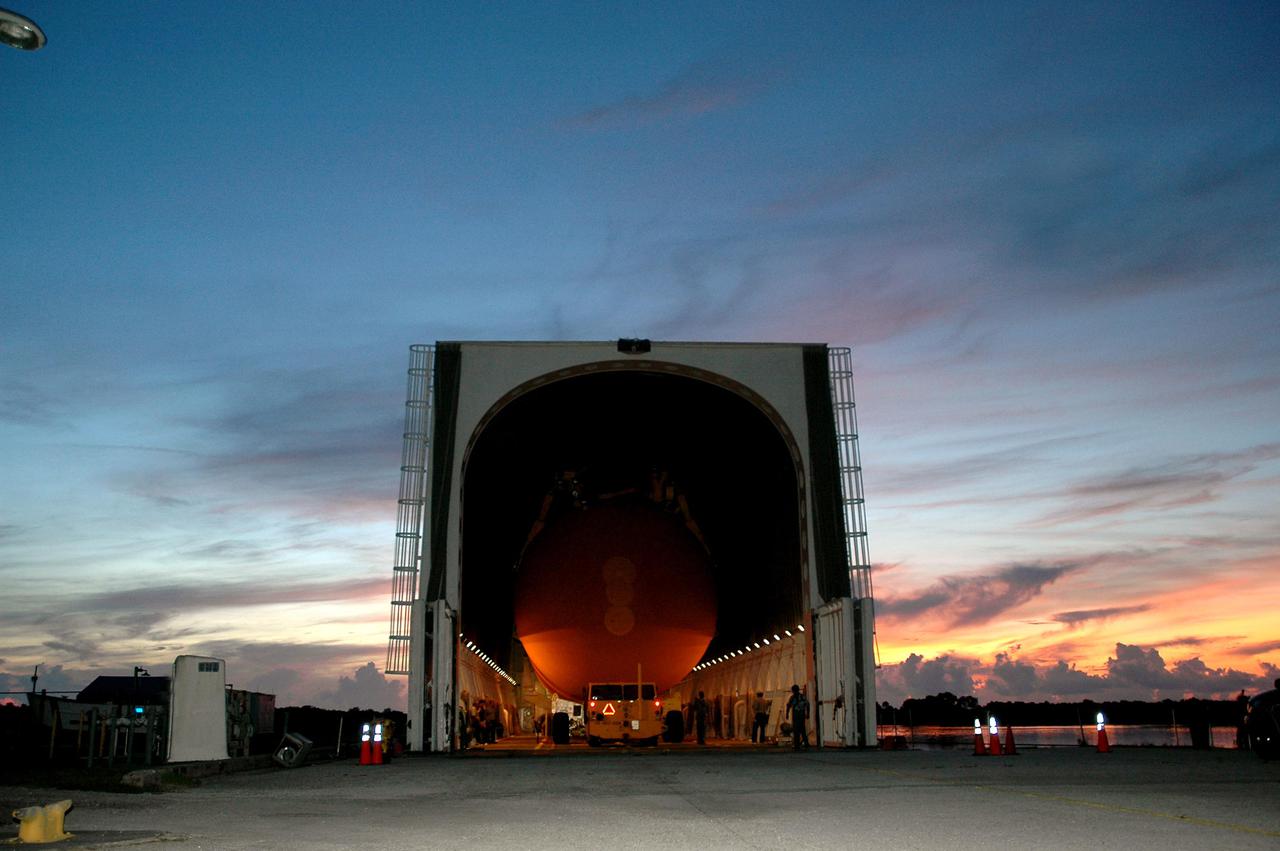
KENNEDY SPACE CENTER, FLA. - Under pre-dawn skies of blue and red, External Tank 119 is loaded onto the barge at the Turn Basin. The tank will embark on a voyage around the Florida peninsula to the Michoud Assembly Facility in New Orleans. Delivered to KSC in June, ET-119 is the third newly redesigned tank.
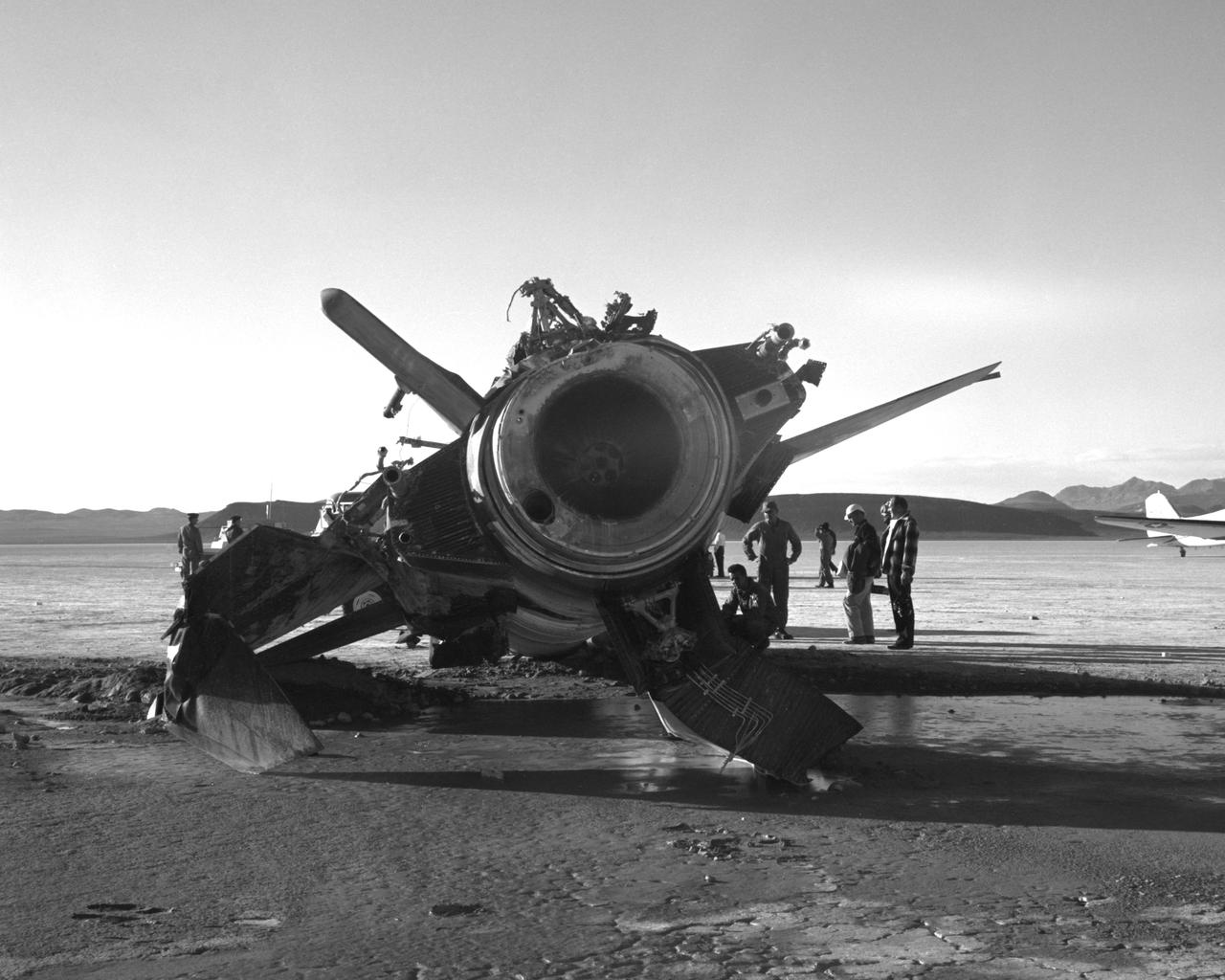
NASA research pilot Jack McKay was injured in a crash landing of the X-15 #2 on November 9, 1962. Following the launch from the B-52 to begin flight 2-31-52, he started the X-15's rocket engine, only to discover that it produced just 30 percent of its maximum thrust. He had to make a high-speed emergency landing on Mud Lake, NV, without flaps but with a significant amount of fuel still in the aircraft. As the X-15 slid across the lakebed, the left skid collapsed; the aircraft turned sideways and flipped onto its back. McKay suffered back injuries but was eventually able to resume X-15 pilot duties, making 22 more flights. The X-15 was sent back to North American Aviation and rebuilt into the X-15A-2.
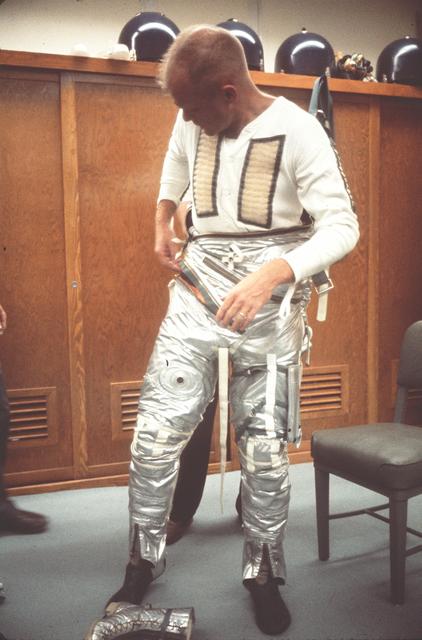
S64-14848 (20 Feb. 1962) --- Astronaut John H. Glenn Jr. dons spacesuit during preflight operations at Cape Canaveral, Feb. 20, 1962, the day he flew his Mercury-Atlas 6 spacecraft, Friendship 7, into orbital flight around Earth. Photo credit: NASA
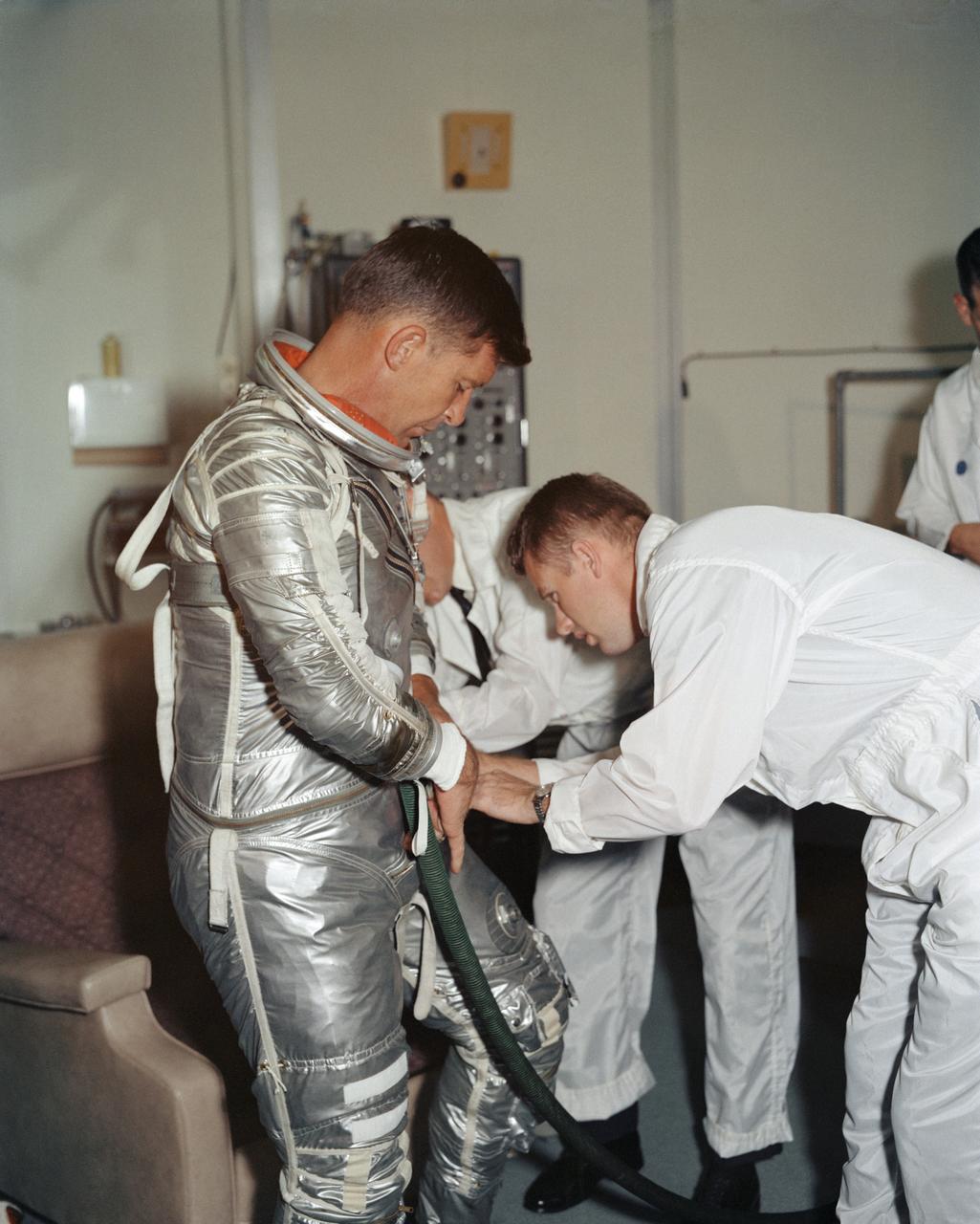
S62-08895 (1962) --- Astronaut Walter M. Schirra Jr., pilot of the Mercury-Atlas 8 (MA-8) Earth-orbital spaceflight, goes through a suiting-up exercise in Hangar "S" at Cape Canaveral several weeks prior to his scheduled Oct. 3, 1962 flight. Photo credit: NASA
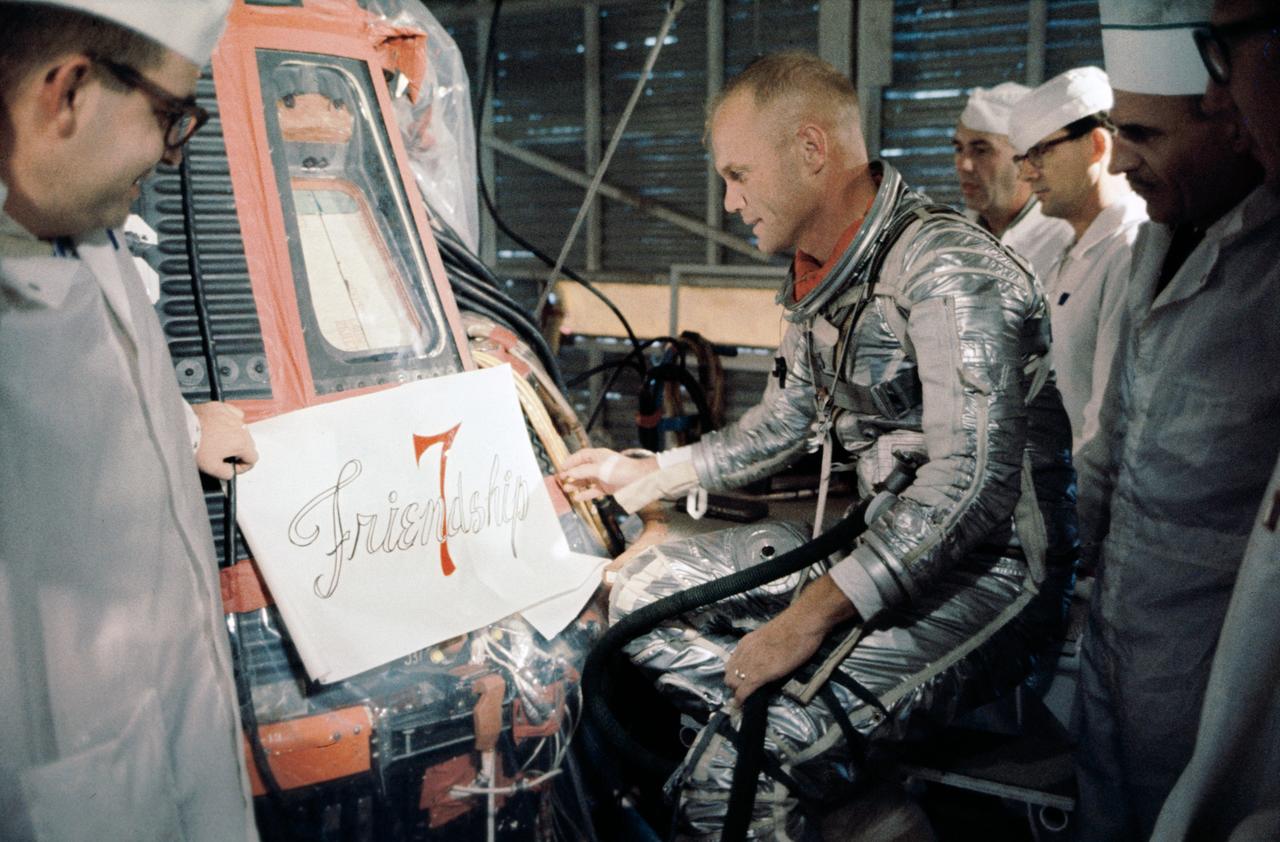
S64-14854 (20 Feb. 1962) --- Astronaut John H. Glenn Jr. and technicians inspect a decal ready for application to the side of his Mercury spacecraft prior to launch on Feb. 20, 1962. The decal reads "Friendship 7". Photo credit: NASA
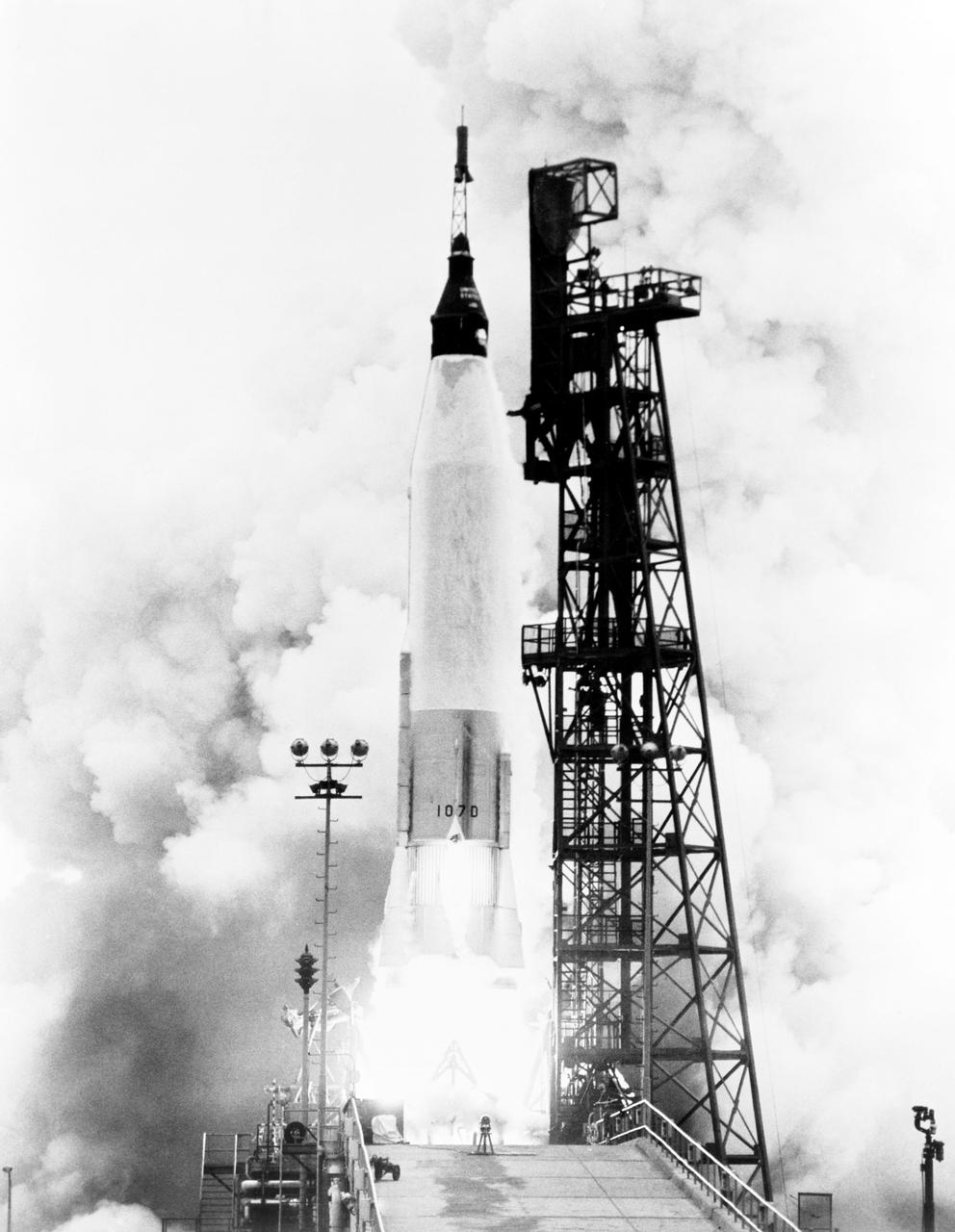
S62-02849 (24 May 1962) --- The Mercury-Atlas 7 (MA-7), carrying astronaut M. Scott Carpenter, was launched by NASA from Pad 14, Cape Canaveral, Florida, on May 24, 1962. Photo credit: NASA
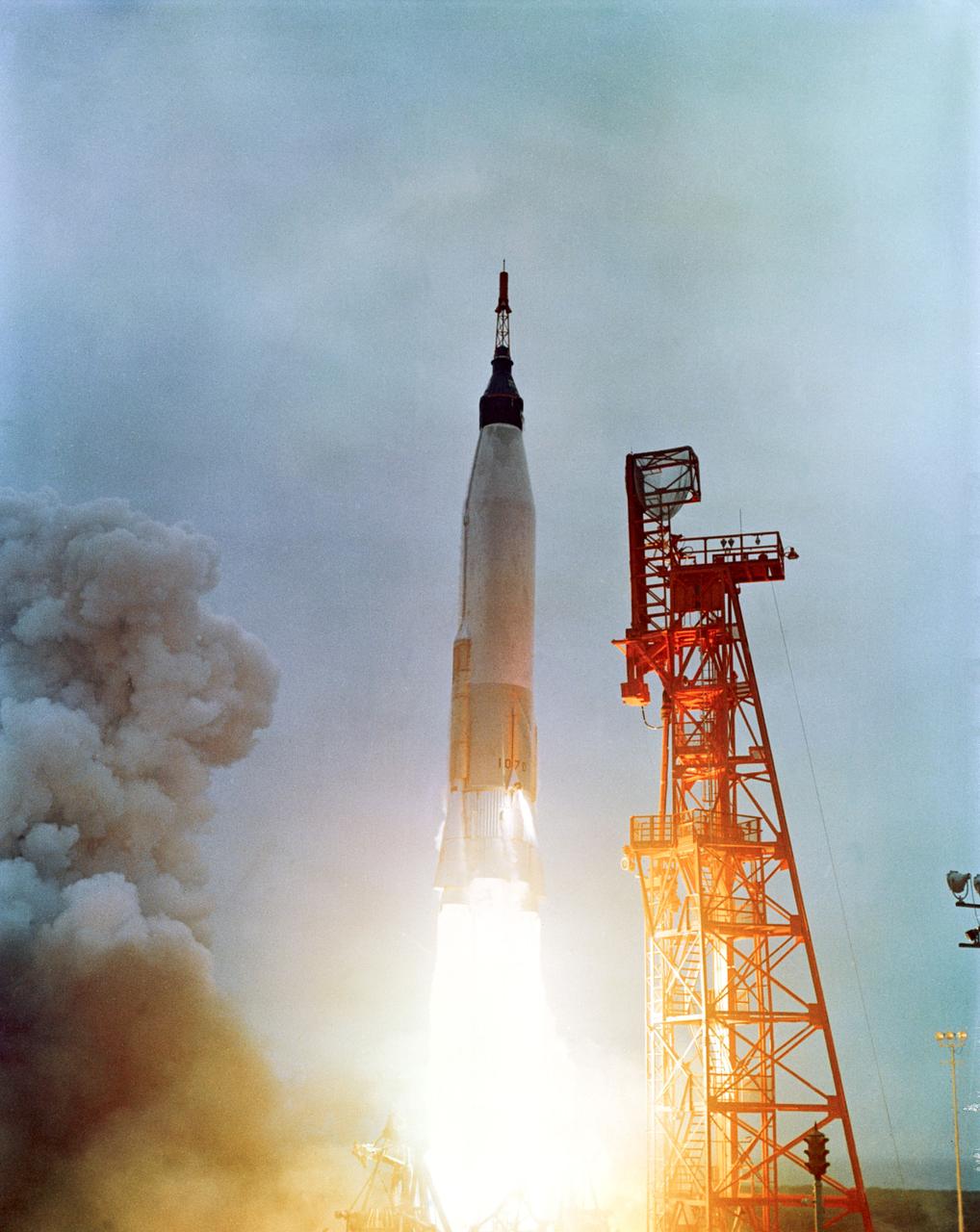
S62-05529 (24 May 1962) --- The Mercury-Atlas 7 (MA-7), carrying astronaut M. Scott Carpenter, was launched by NASA from Pad 14, Cape Canaveral, Florida, on May 24, 1962. Photo credit: NASA
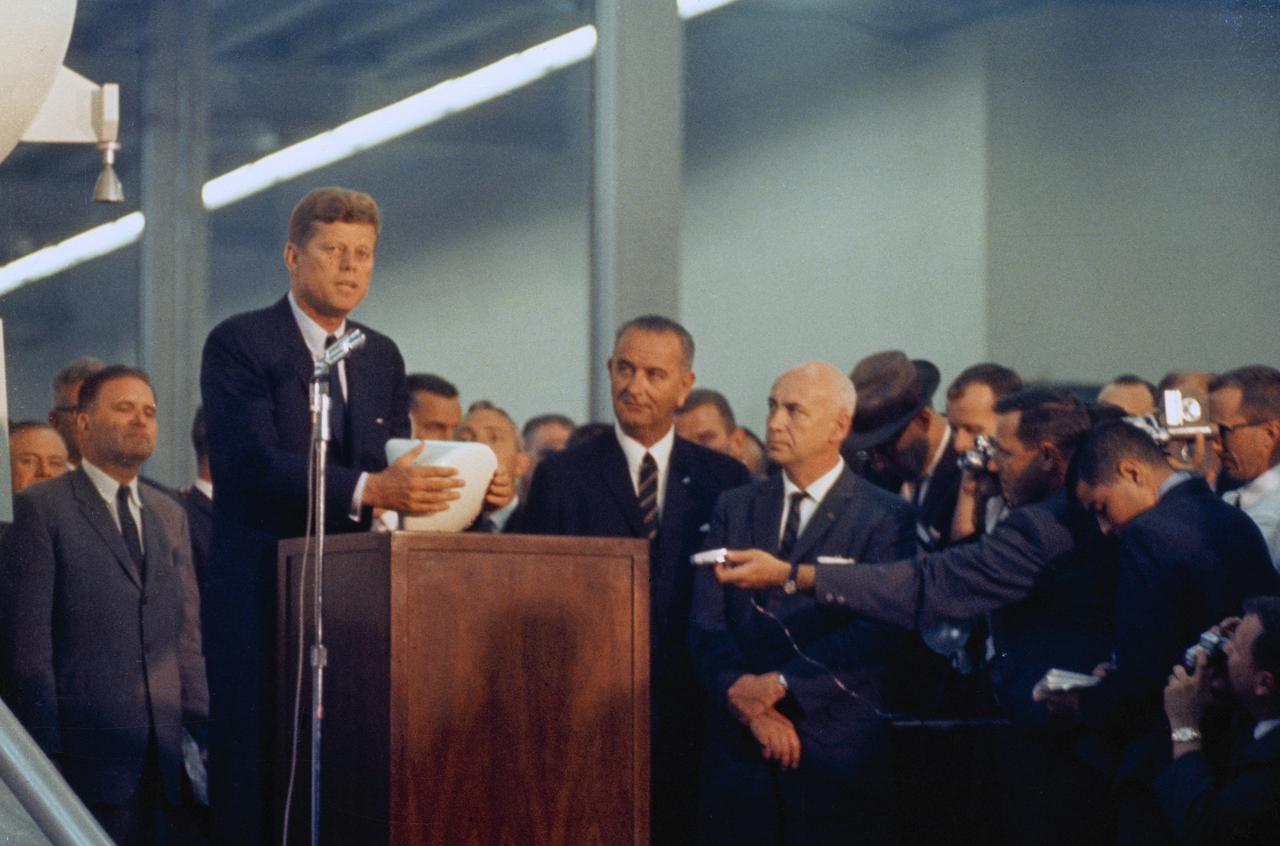
S62-05628 (November 1962) --- President John F. Kennedy speaks to a gathering of media and employees at Site 3 during a 1962 visit. Others seen are Vice-President Lyndon B. Johnson; Dr. Robert R. Gilruth; and James E. Webb, NASA Administrator.

S62-01004 (1962) --- Astronaut John H. Glenn Jr., pilot of the Mercury Atlas 6 (MA-6) mission, participates in Mercury egress training during MA-6 preflight preparations. Glenn made the free world's first manned Earth-orbital flight on Feb. 20, 1962. Photo credit: NASA
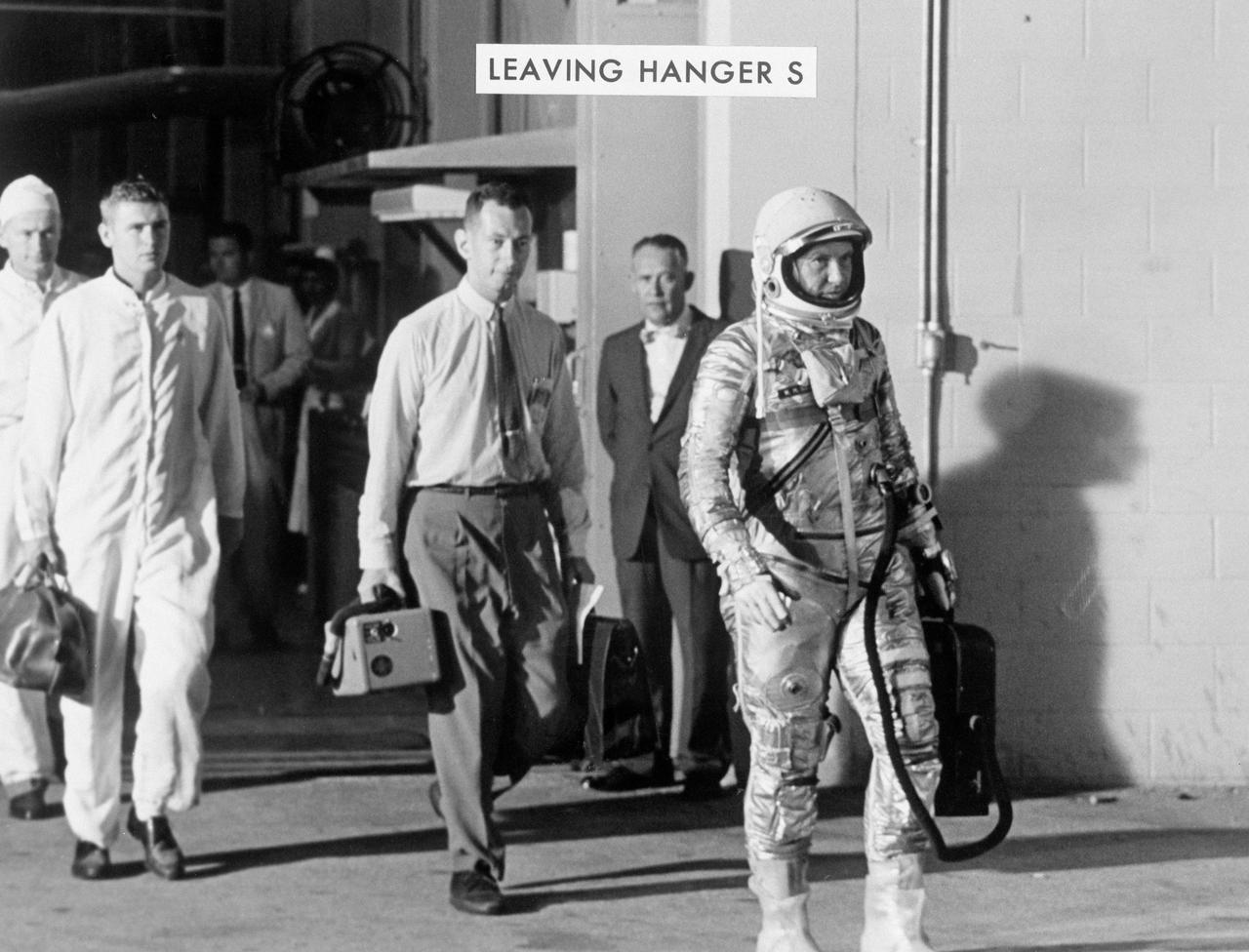
S63-00695 (3 Oct. 1962) --- Astronaut Walter M. Schirra Jr., pilot of the Mercury-Atlas 8 (MA-8) Earth-orbital spaceflight, leaves Hangar "S" at Cape Canaveral on his way to his scheduled Oct. 3, 1962 flight. Photo credit: NASA
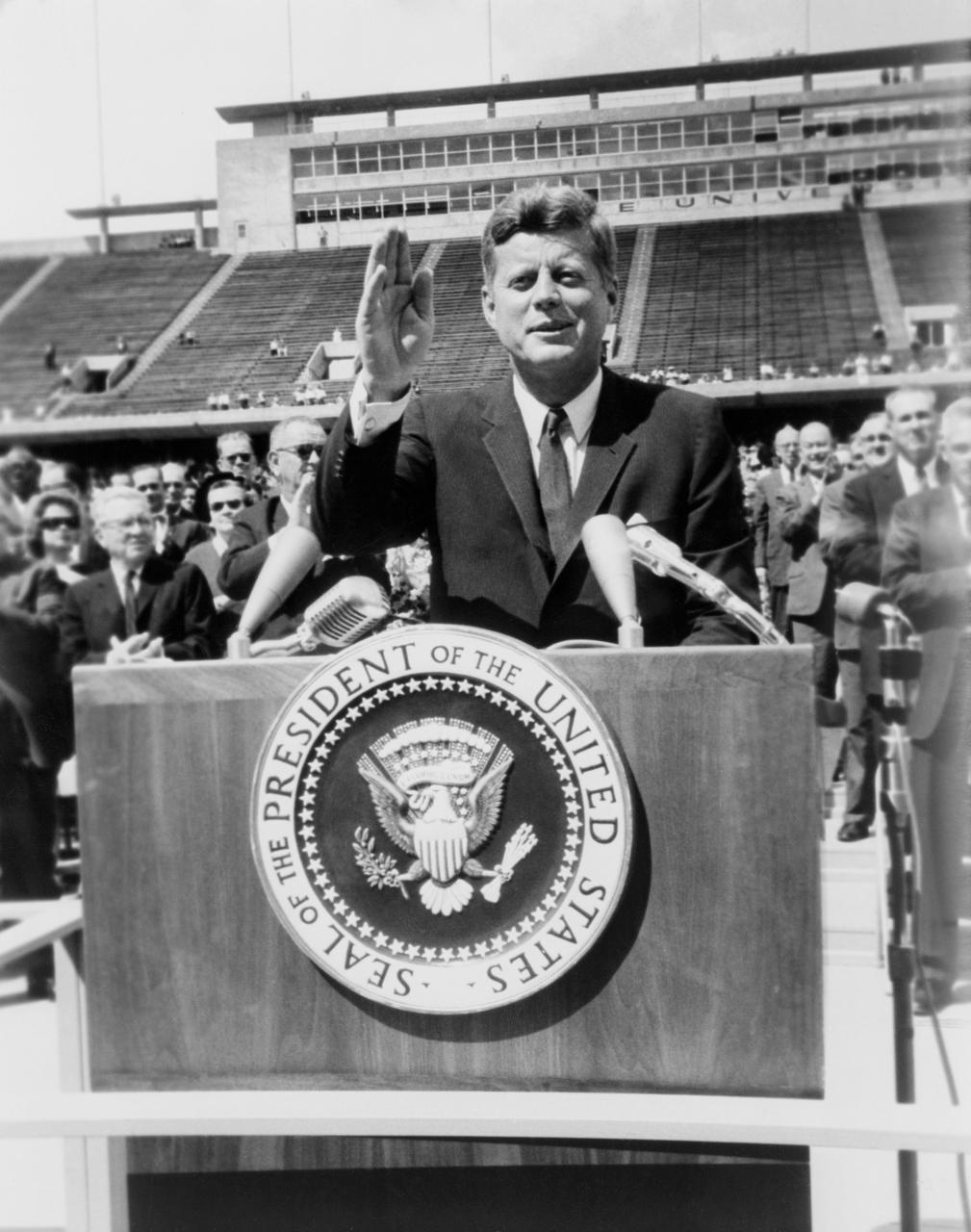
S67-19620 (12 Sept. 1962) --- On Sept. 12, 1962, President John F. Kennedy delivers a speech announcing his goals for the nation?s space effort to land a human being on the moon before a crowd of 35,000 people in the football stadium at Rice University in Houston, Texas. Photo credit: NASA
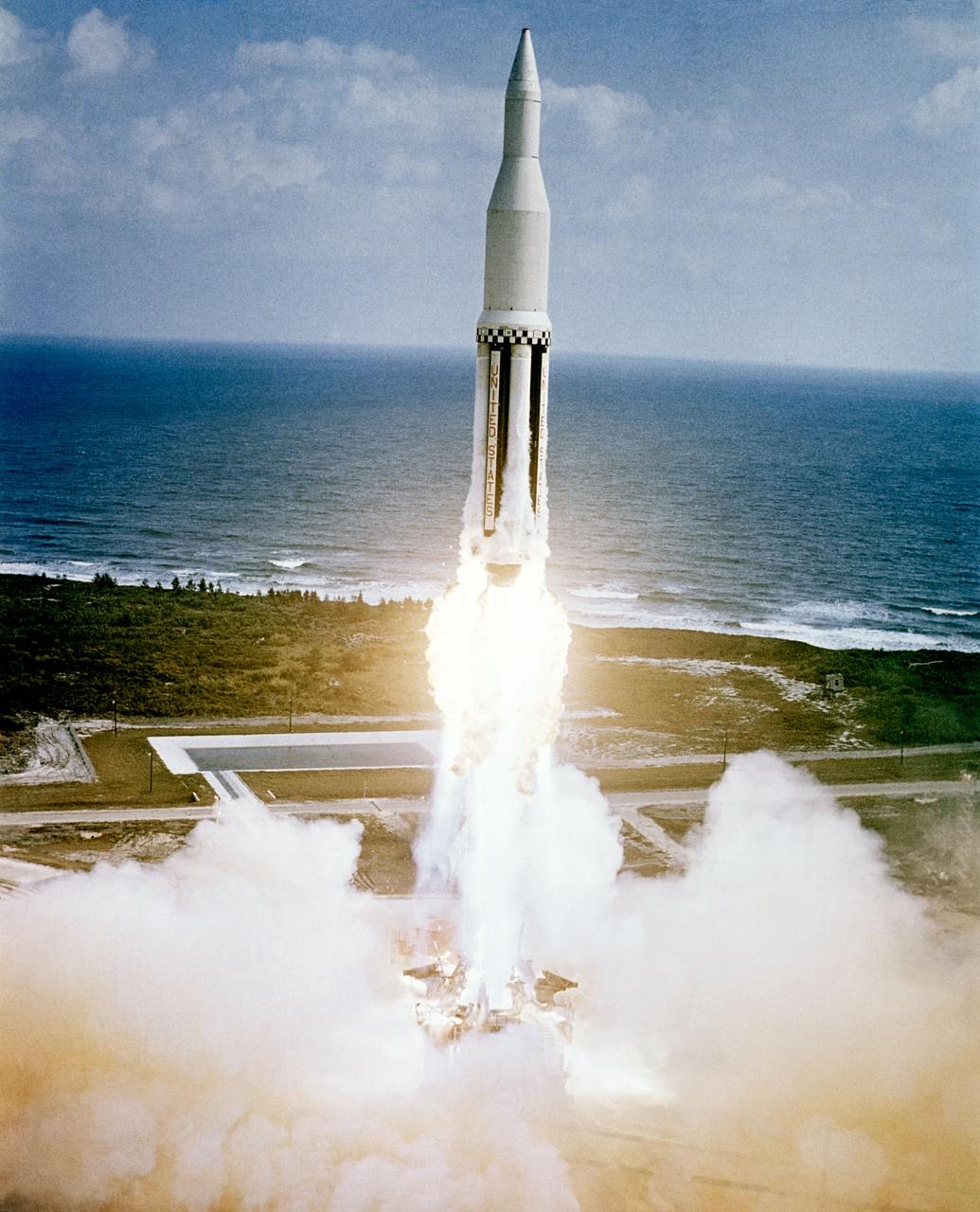
S62-05105 (14 September 1962) --- Artist's concept of a Saturn launch.
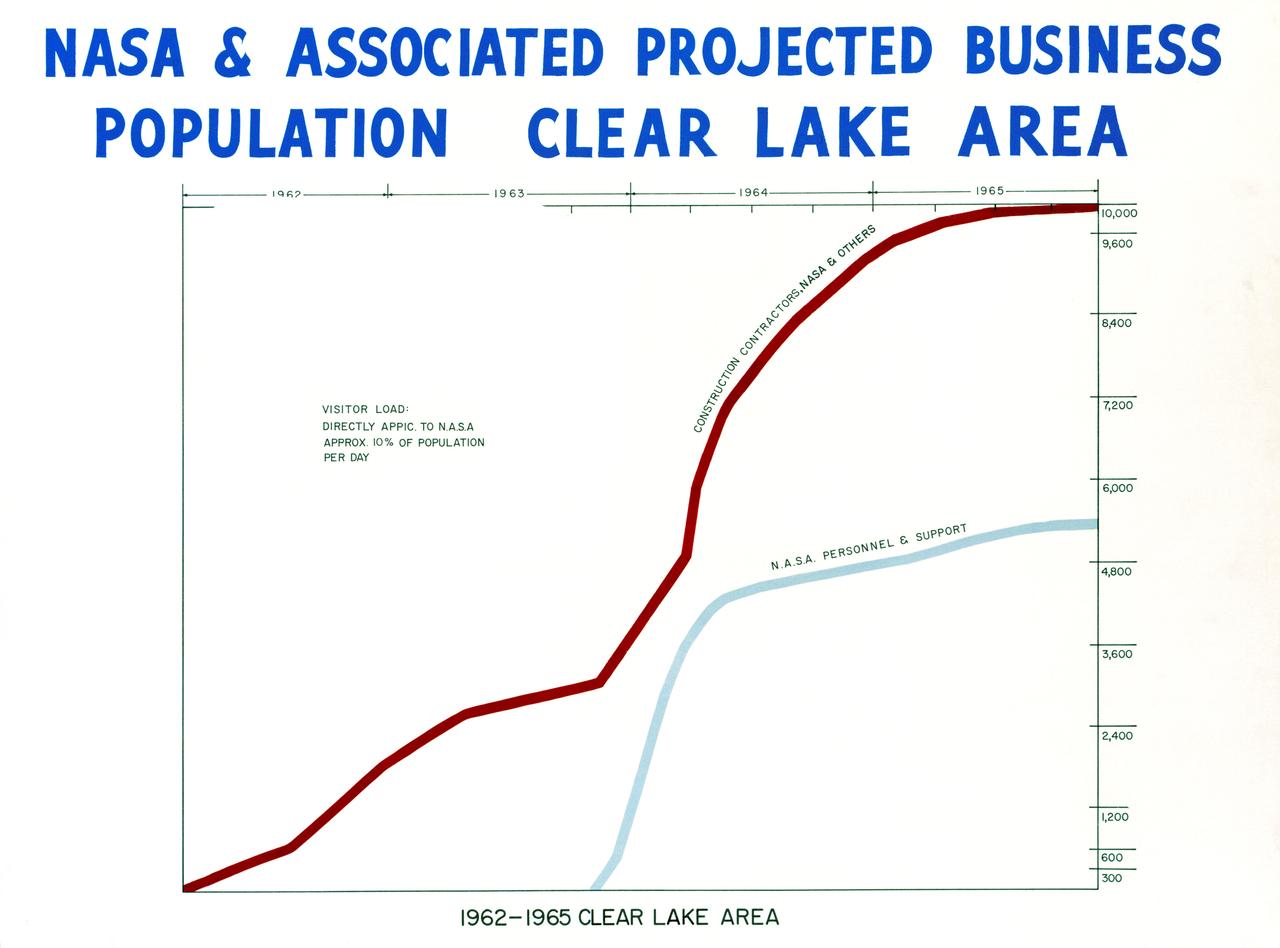
NASA & ASSOCIATED PROJECTED BUSINESS POPULATION - CLEAR LAKE AREA - 1962 - 1965
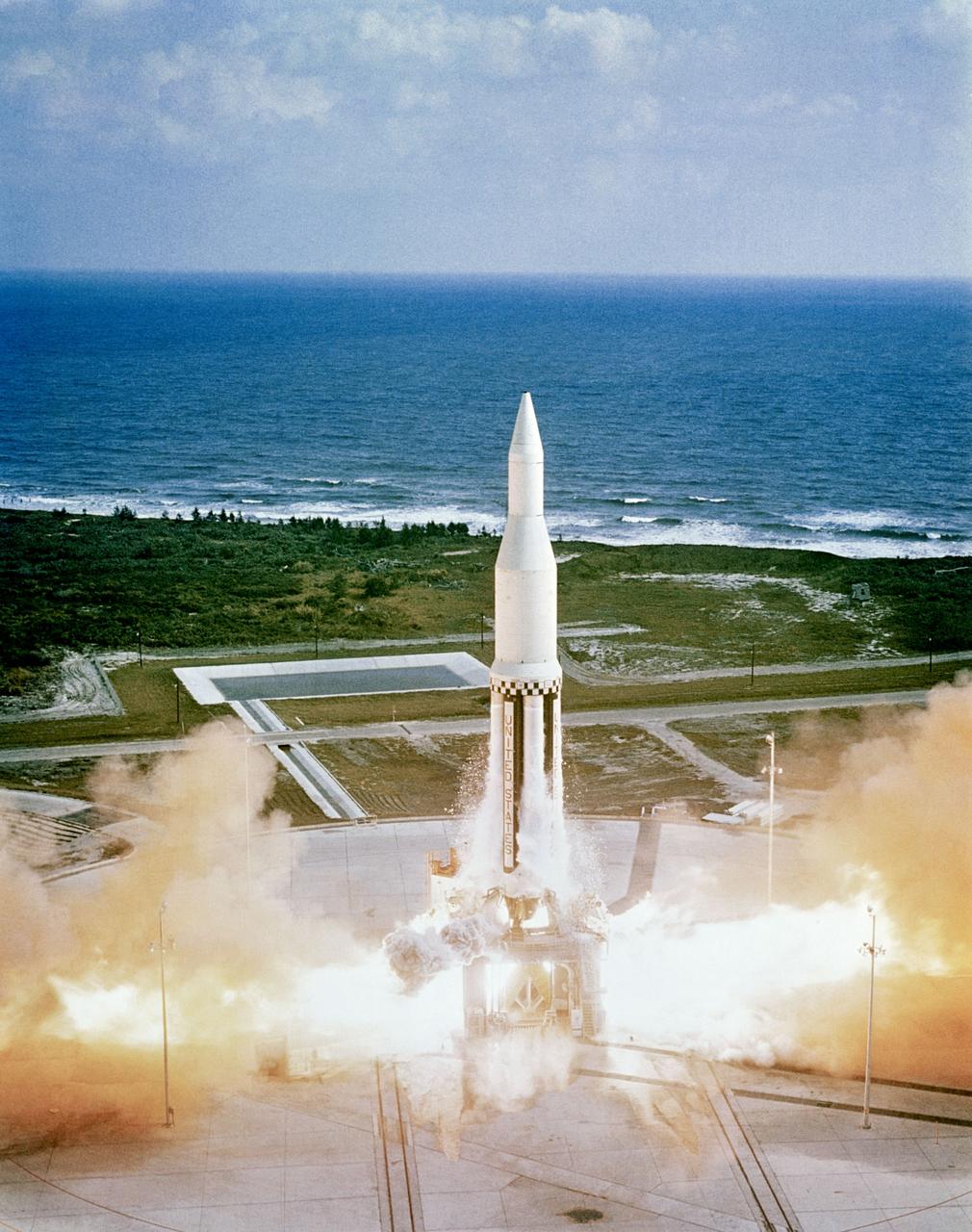
S62-05104 (14 September 1962) --- Artist's concept of a Saturn launch.
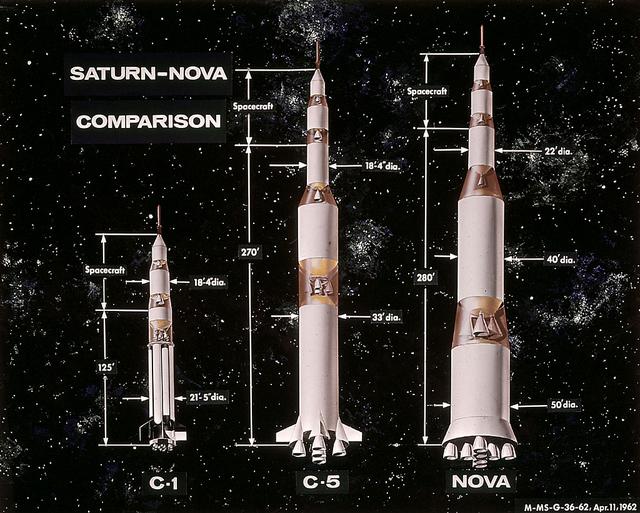
In this 1962 artist's concept , a proposed Nova rocket, shown at right, is compared to a Saturn C-1, left, and a Saturn C-5, center. The Marshall Space Flight Center directed studies of Nova configuration from 1960 to 1962 as a means of achieving a marned lunar landing with a direct flight to the Moon. Various configurations of the vehicle were examined, the largest being a five-stage vehicle using eight F-1 engines in the first stage. Although the program was effectively cancelled in 1962 when NASA planners selected the lunar-orbital rendezvous mode, the proposed F-1 engine was eventually used to propel the first stage of the Saturn V launch vehicle in the Apollo Program.
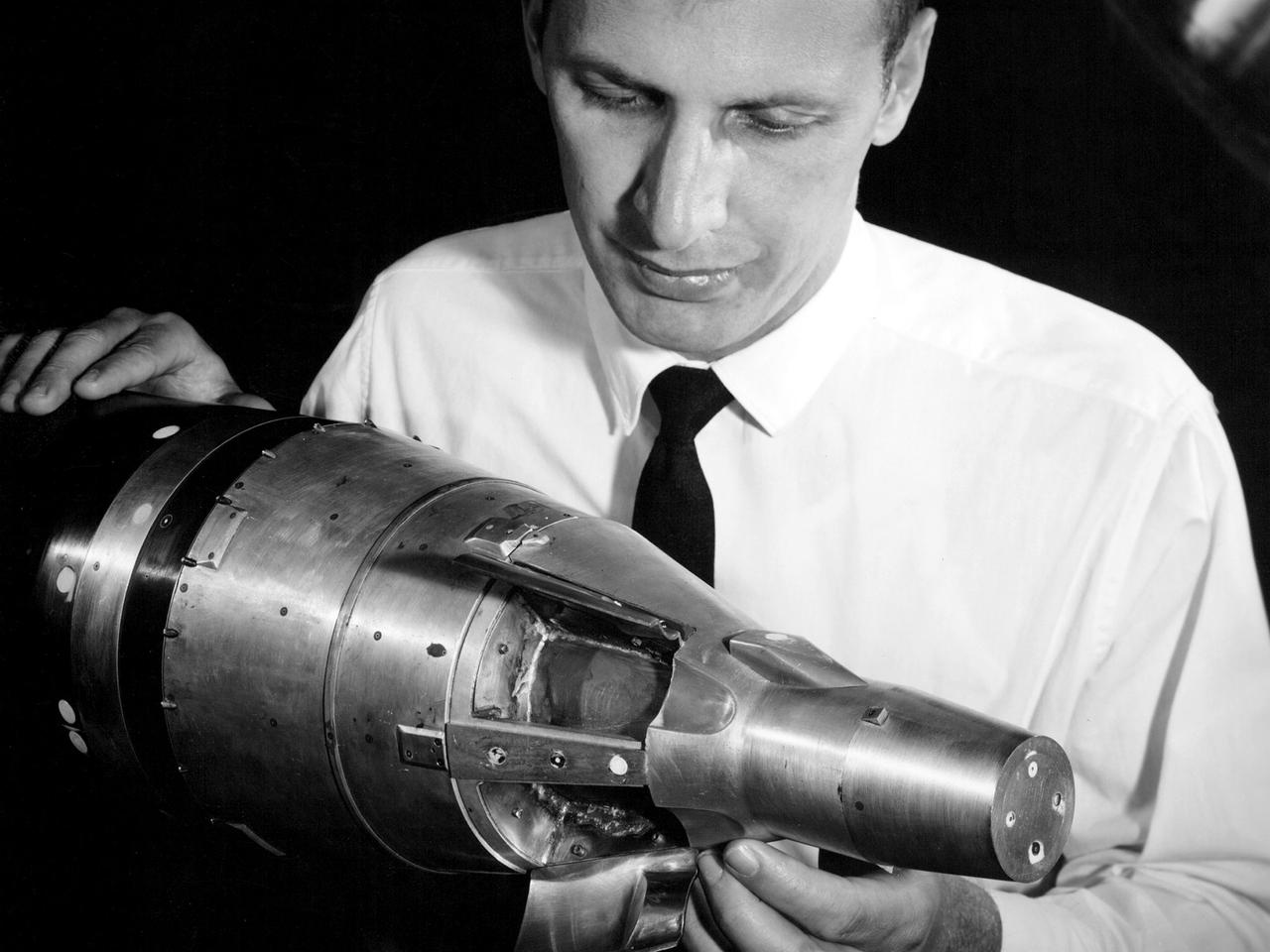
A researcher at the National Aeronautics and Space Administration (NASA) Lewis Research Center examines a small-scale model of the Gemini capsule in the 10- by 10-Foot Supersonic Wind Tunnel test section. Gemini was added to NASA’s manned space program after its predecessor, Mercury, and its antecedent, Apollo, were already established. Gemini was a transitional mission designed provide the astronauts with practice docking with other spacecraft and withstanding durations in space up to two weeks. The program was officially announced on December 7, 1961, but planning began in mid-1959. It was named Gemini after the zodiac twins because of the spacecraft’s two passenger capacity. The Gemini Program was the first program to start at the new Manned Spacecraft Center in Houston, now the Johnson Space Center. Unlike Mercury and Apollo, Lewis had very little involvement with the Gemini Program. This model was tested in the 10- by 10 tunnel for several weeks in September 1962. Lewis began managing the Agena second-stage rocket program shortly after this photograph was taken. Agenas were used to launch a variety of spacecraft and satellites in the 1960s. They were also used on several Gemini missions to provide targets for the astronauts to practice their rendezvous maneuvers. Gemini had two unmanned and ten manned flights in 1965 and 1966. These yielded the first spacewalks, long-duration space missions, first onboard computer, docking with a second spacecraft, and rendezvous maneuvers.
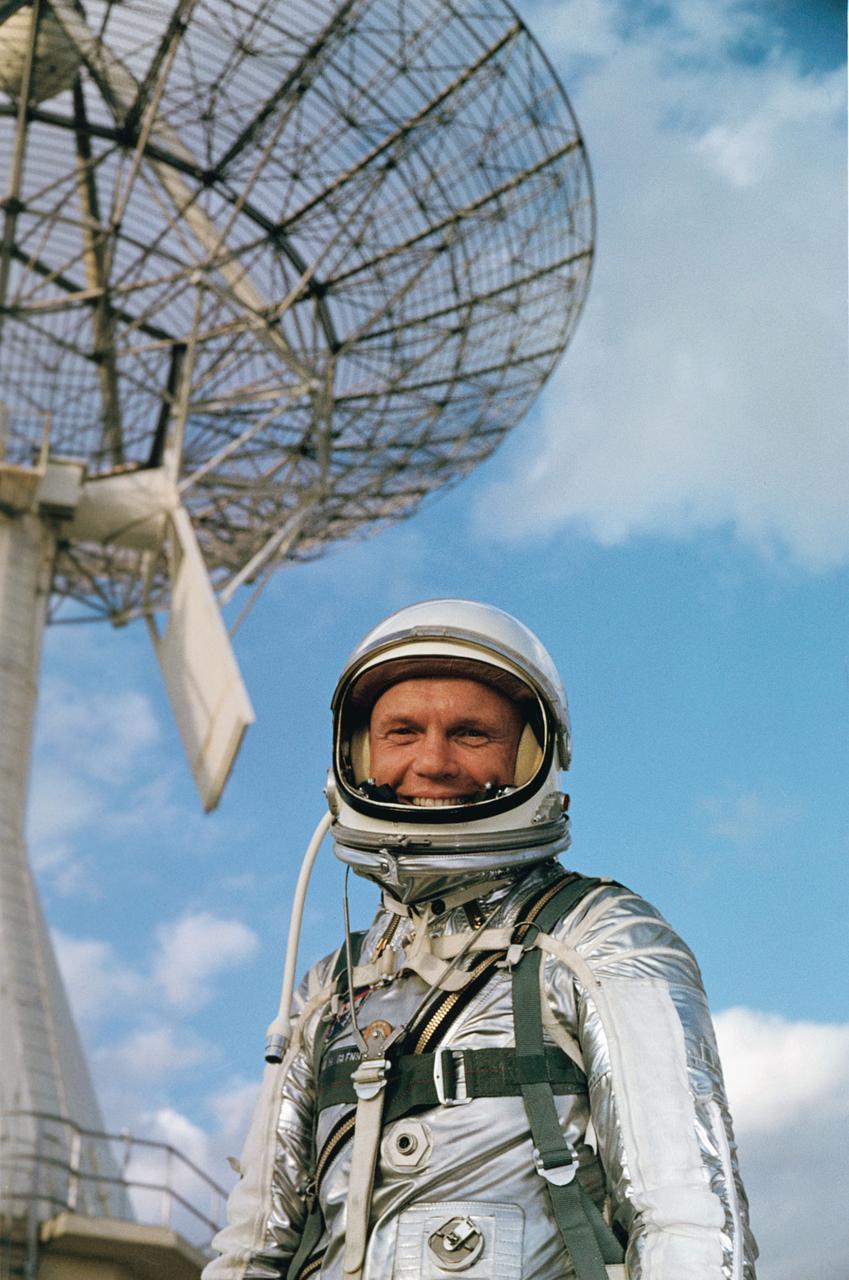
January 1962 -- Project Mercury Astronaut John H. Glenn Jr., prime pilot for the MA-6 mission.

The Atlas-Agena-4 boosted the Ranger IV spacecraft for the first U.S. lunar impact on April 23, 1962.
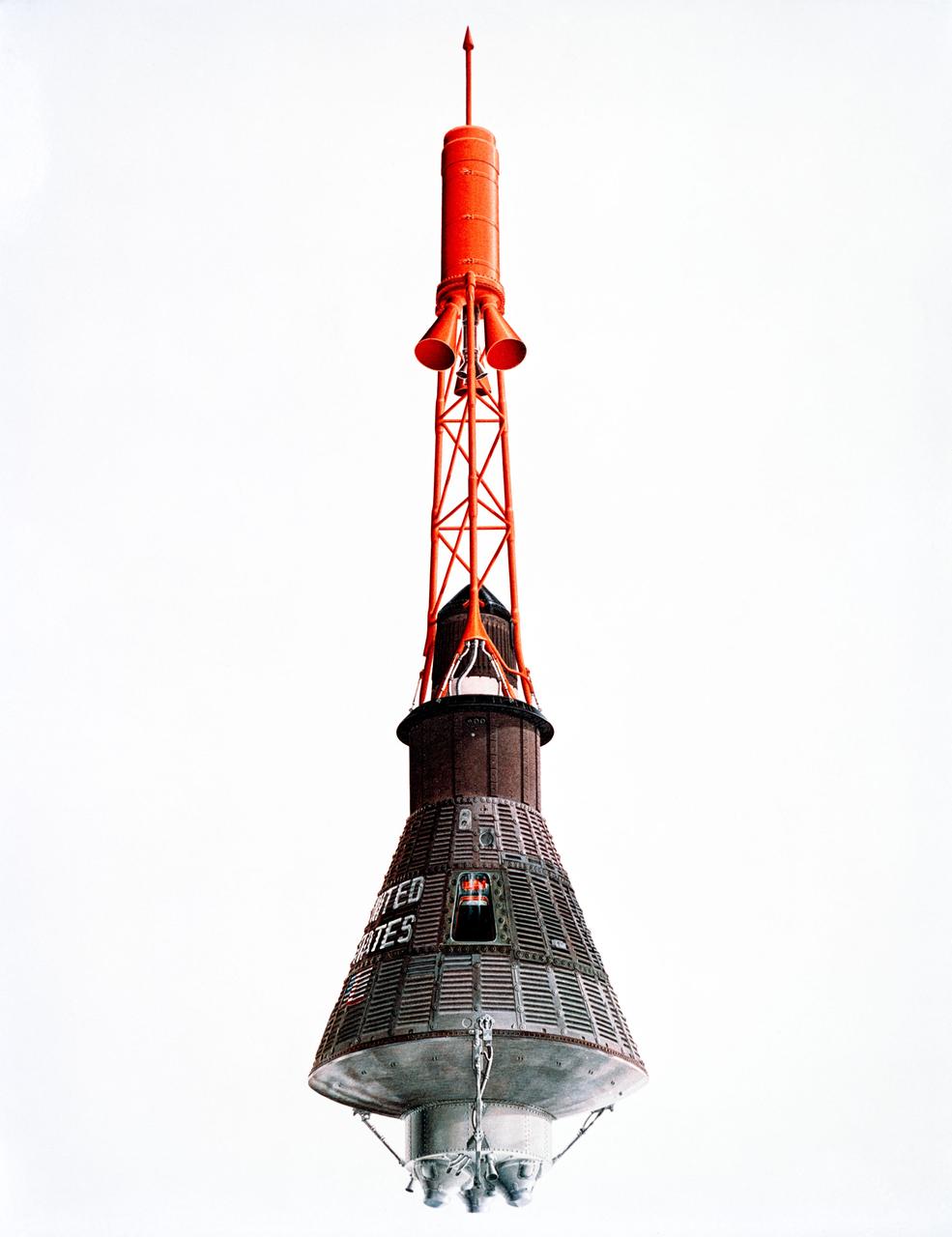
S62-04976 (31 Aug. 1962) --- Artist concept of the Mercury capsule with its launch escape system. Photo credit: NASA
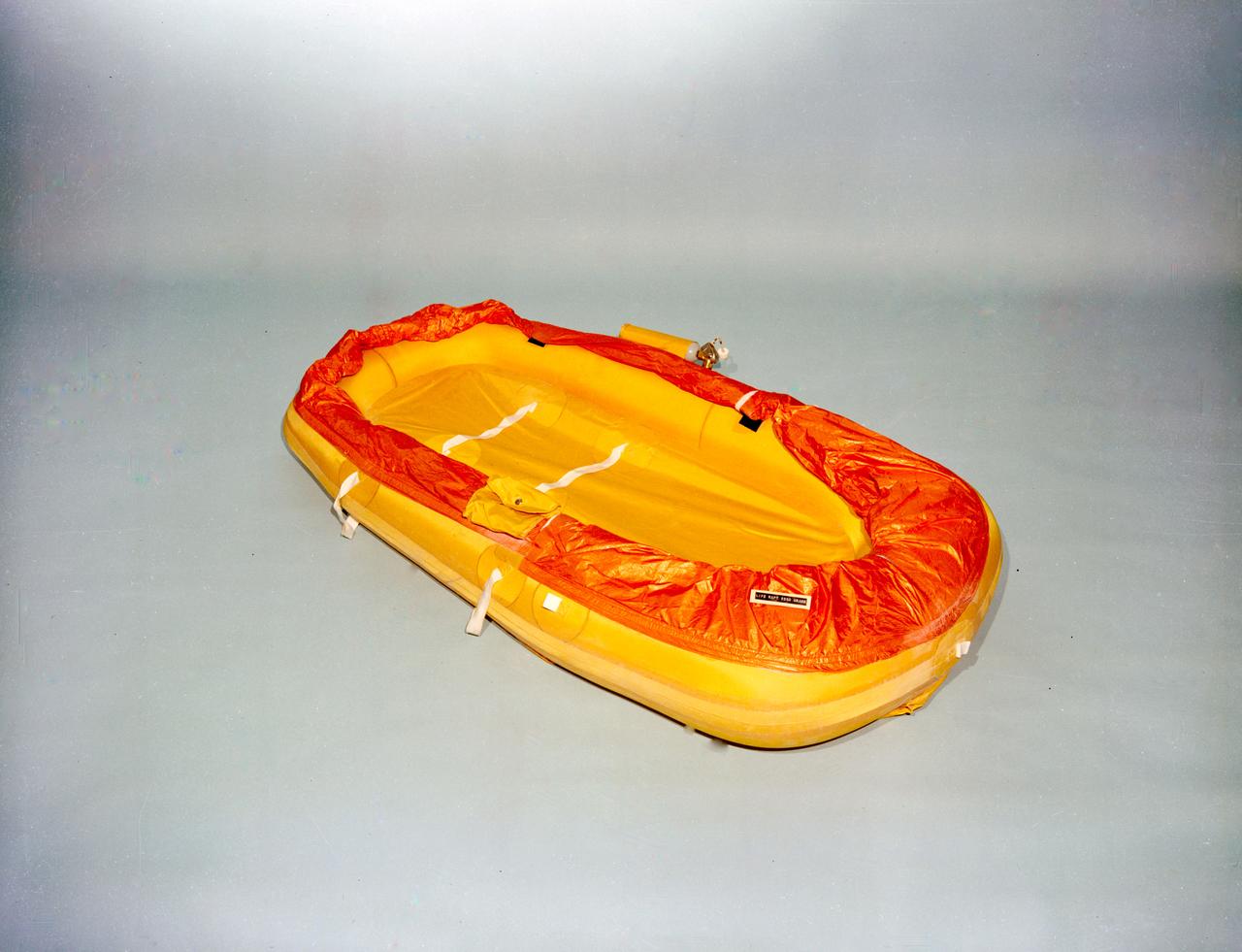
S62-06769 (1962) --- A life raft, survival equipment for the Mercury astronauts. Photo credit: NASA
S62-00631 (March 1962) --- Area photograph of Site 1, Manned Spacecraft Center, at Clear Lake, prior to start of construction.
S62-00632 (March 1962) --- Area photograph of Site 1, Manned Spacecraft Center, at Clear Lake, prior to start of construction.
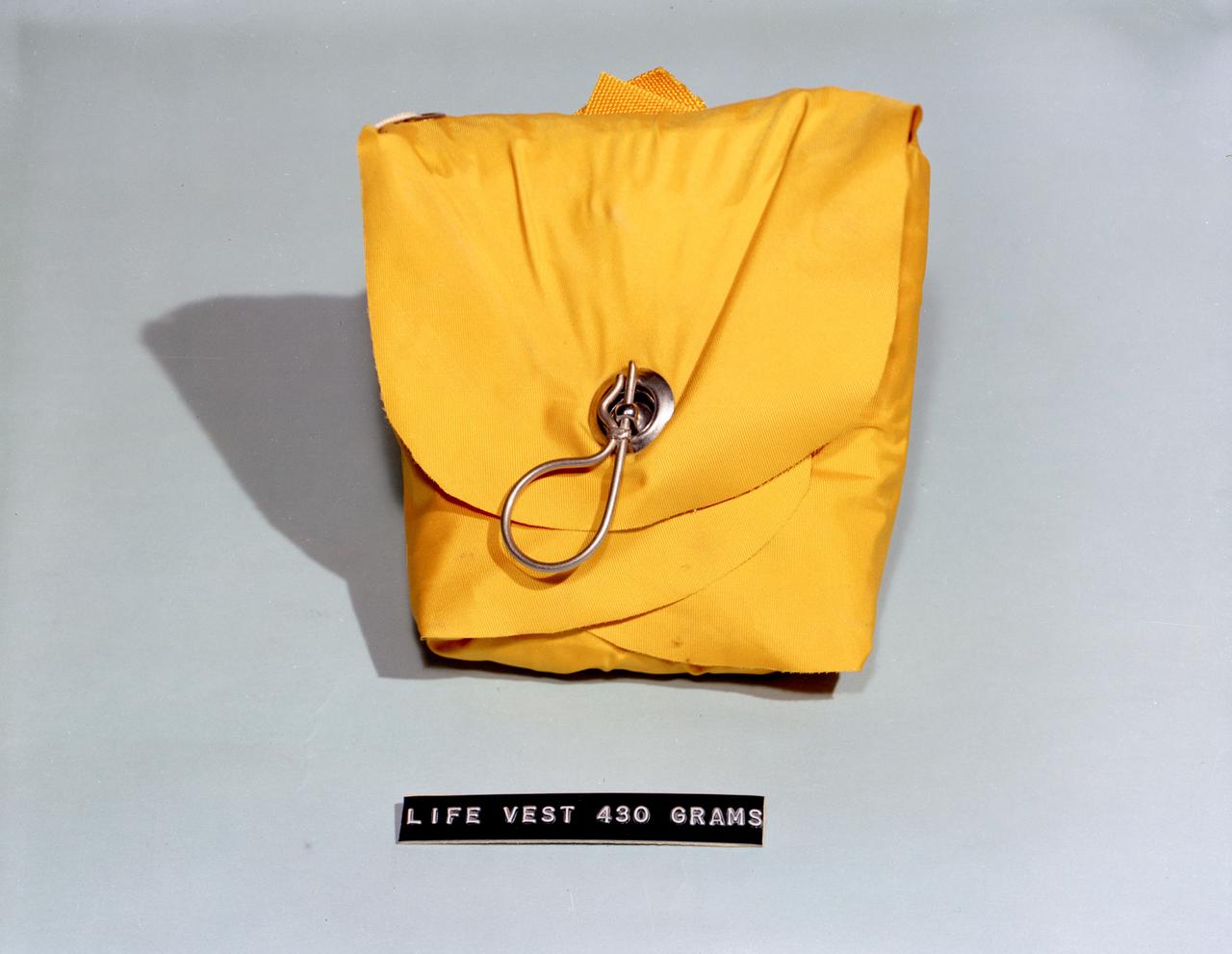
S62-06768 (1962) --- A life vest, survival equipment for the Mercury astronauts. Photo credit: NASA
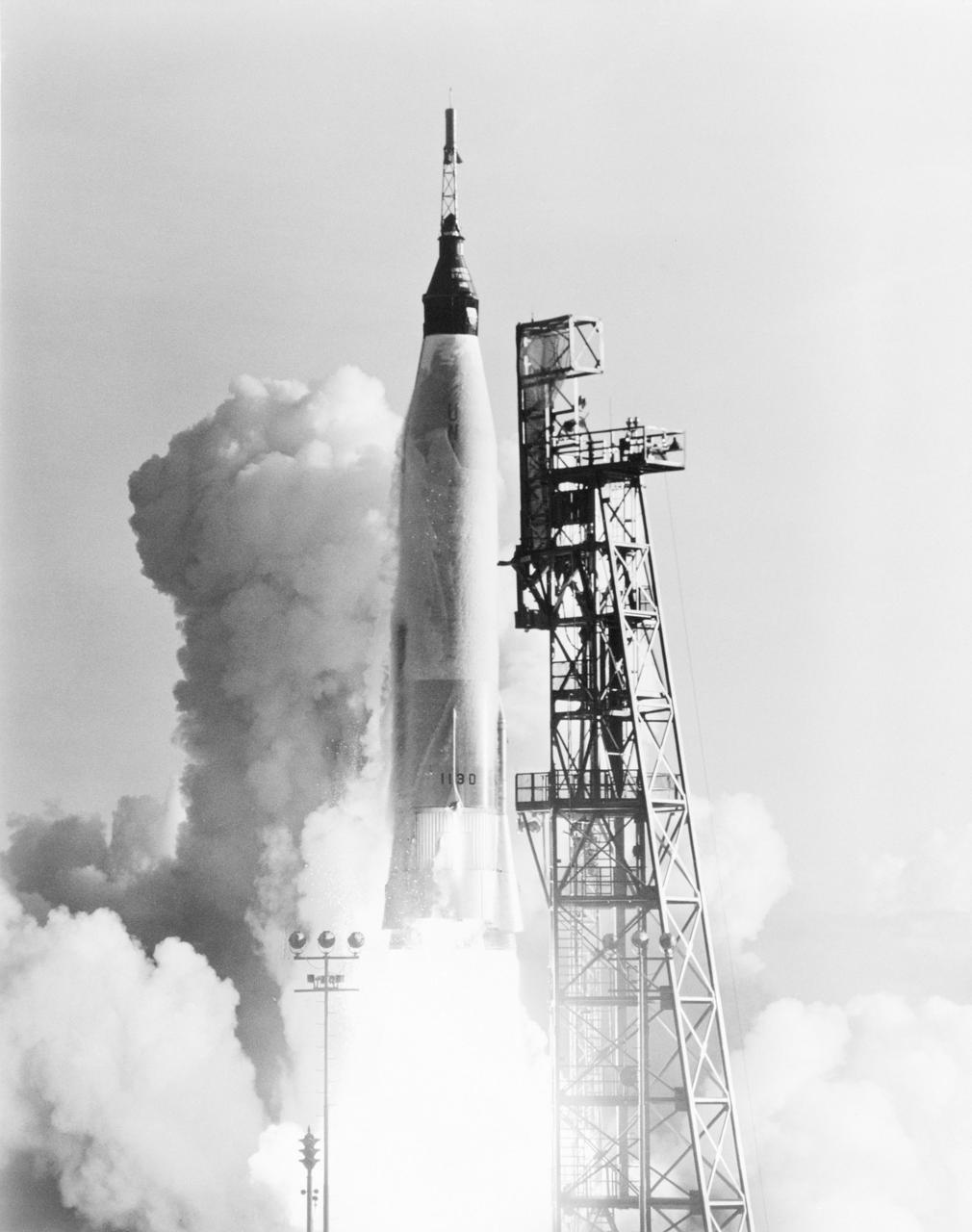
S62-06006 (3 Oct. 1962) --- Launch of the Mercury-Atlas 8 "Sigma 7" mission. Photo credit: NASA
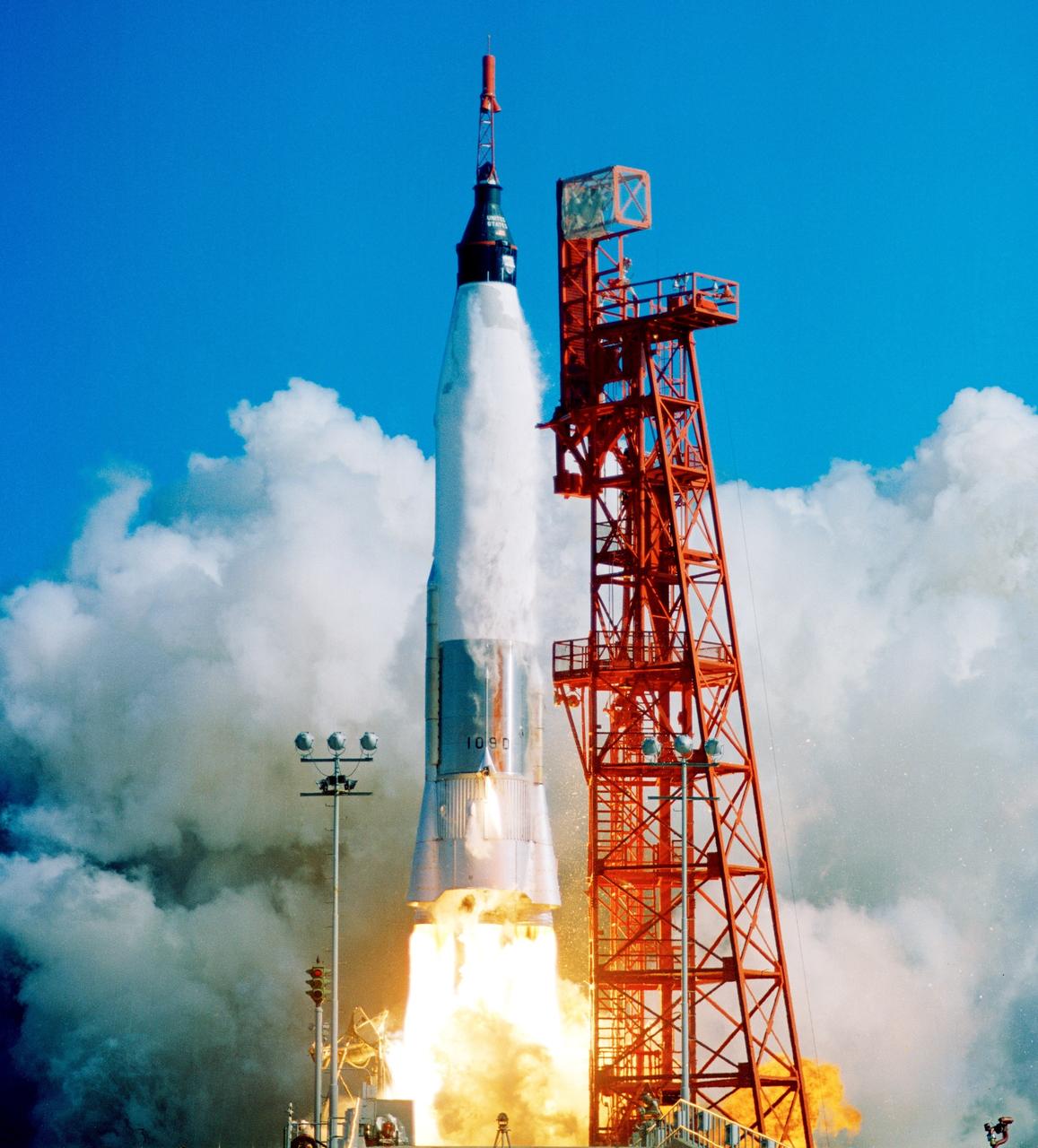
Mercury Atlas-6 lifts off on Feb. 20, 1962 carrying astronaut John Glenn on America's first orbital spaceflight.
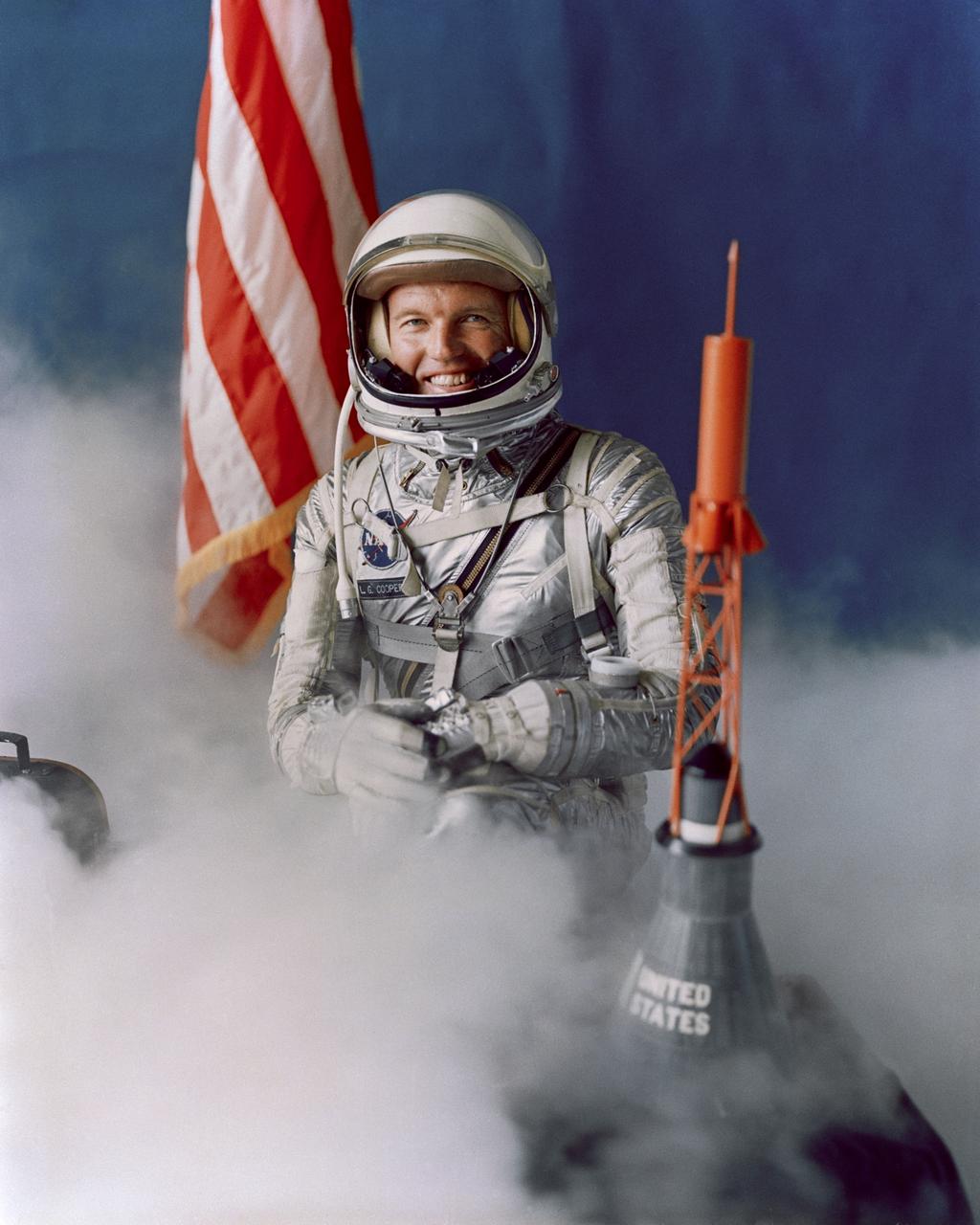
S62-05530 (25 Sept. 1962) --- Astronaut L. Gordon Cooper Jr. Photo credit: NASA
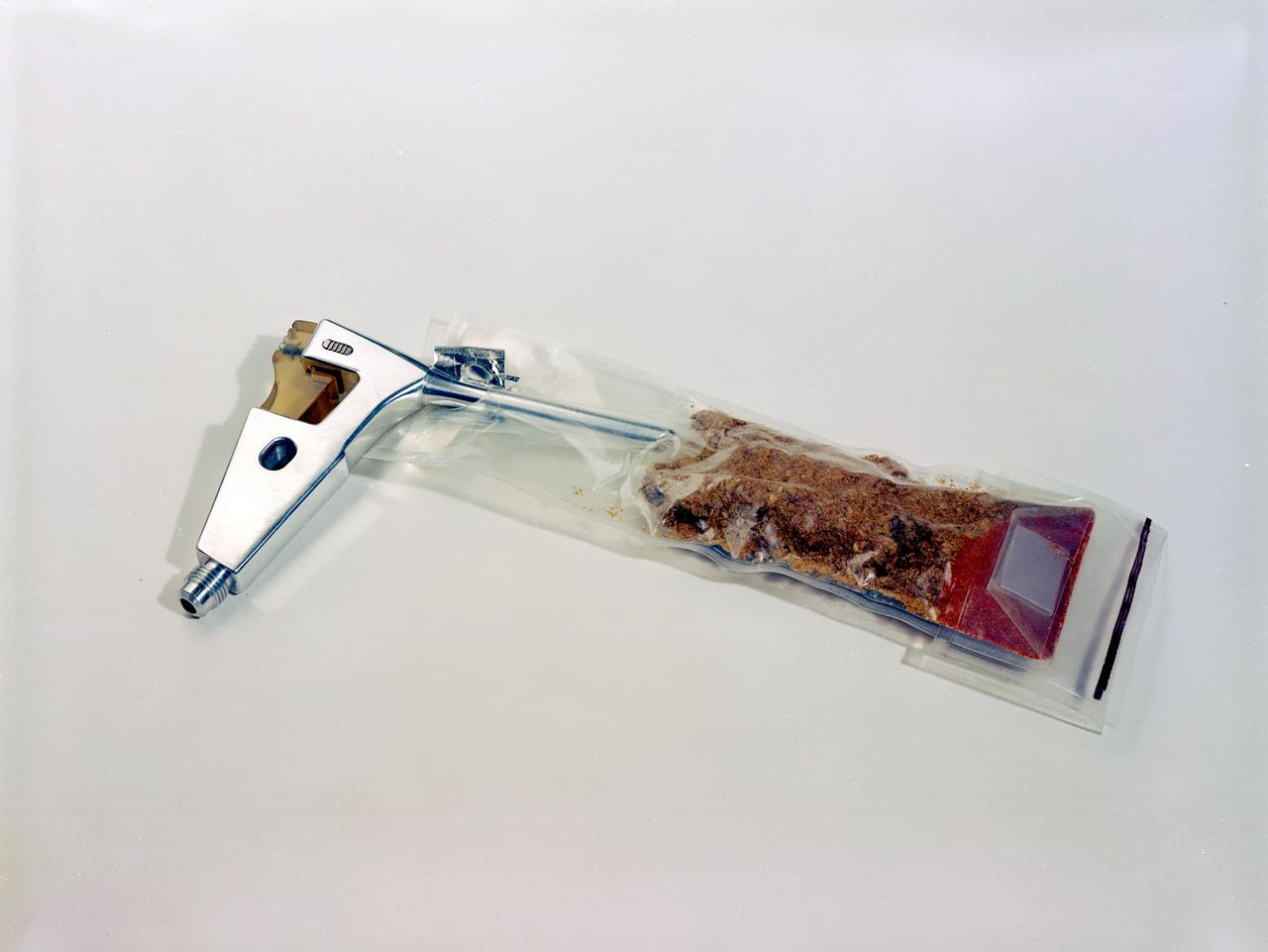
S63-16550 (1962) --- A water dispenser, component of Mercury astronauts backpack. Photo credit: NASA
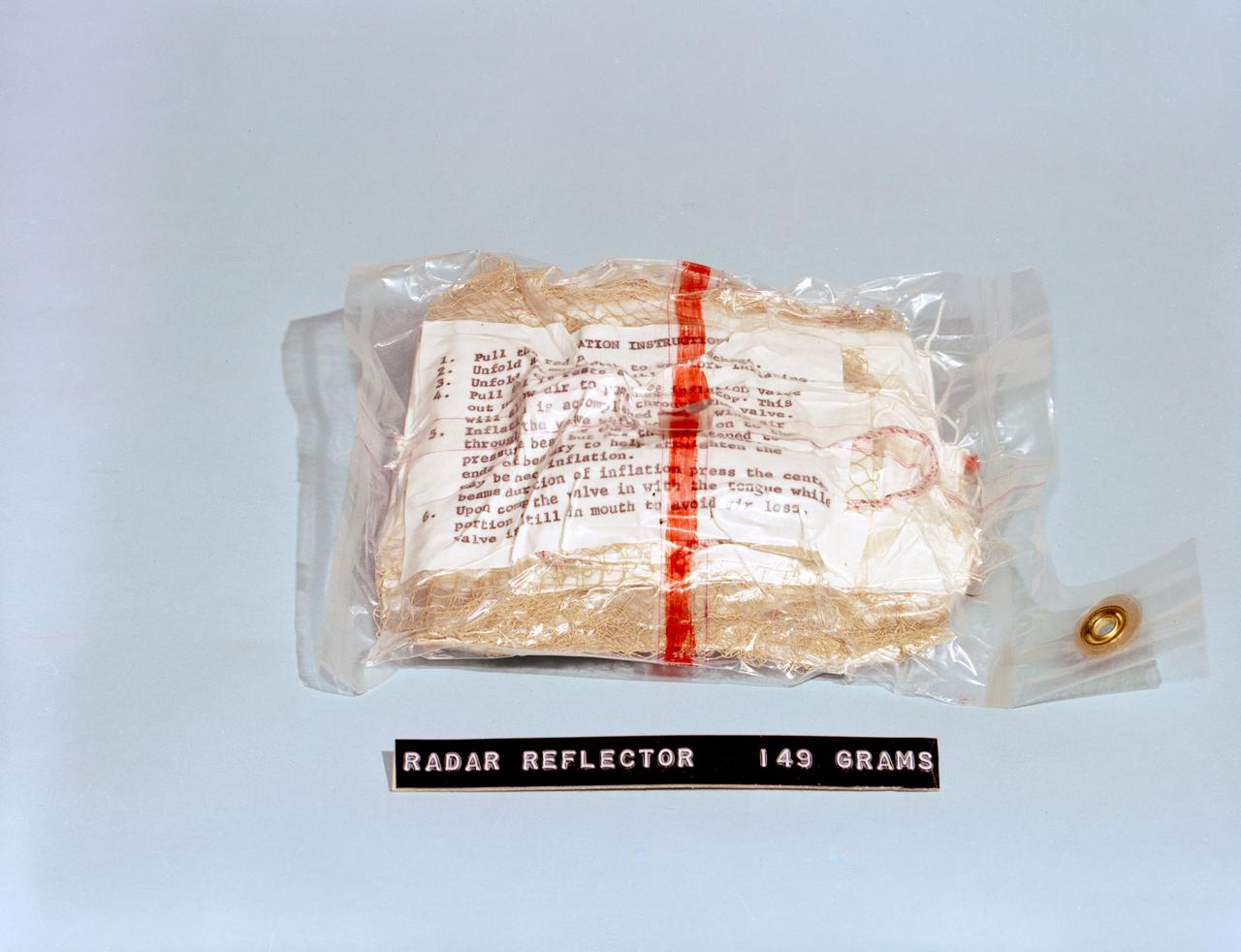
S62-06767 (1962) --- A radar reflector, survival equipment for the Mercury astronauts. Photo credit: NASA
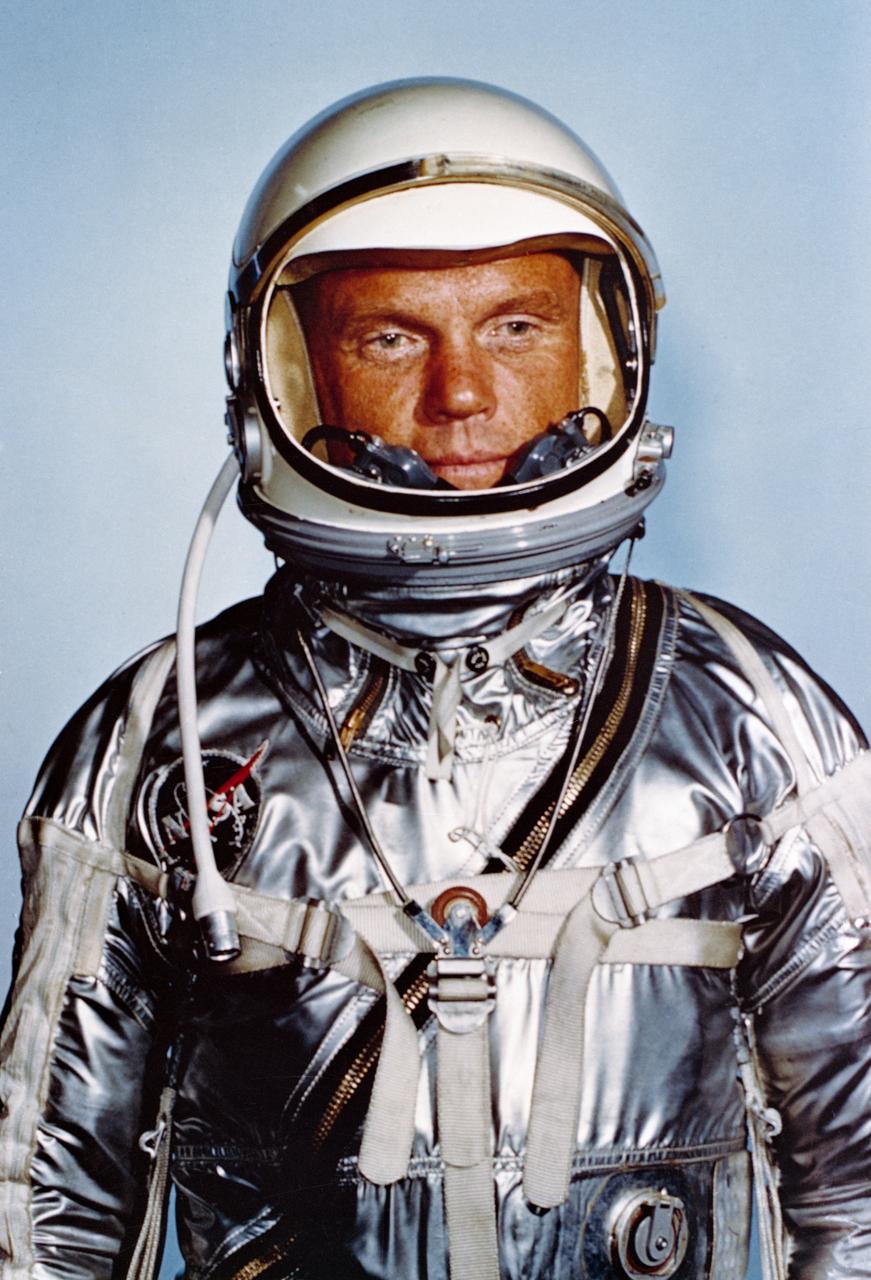
February 1962 -- Astronaut John H. Glenn Jr., Mercury-Atlas 6 pilot.
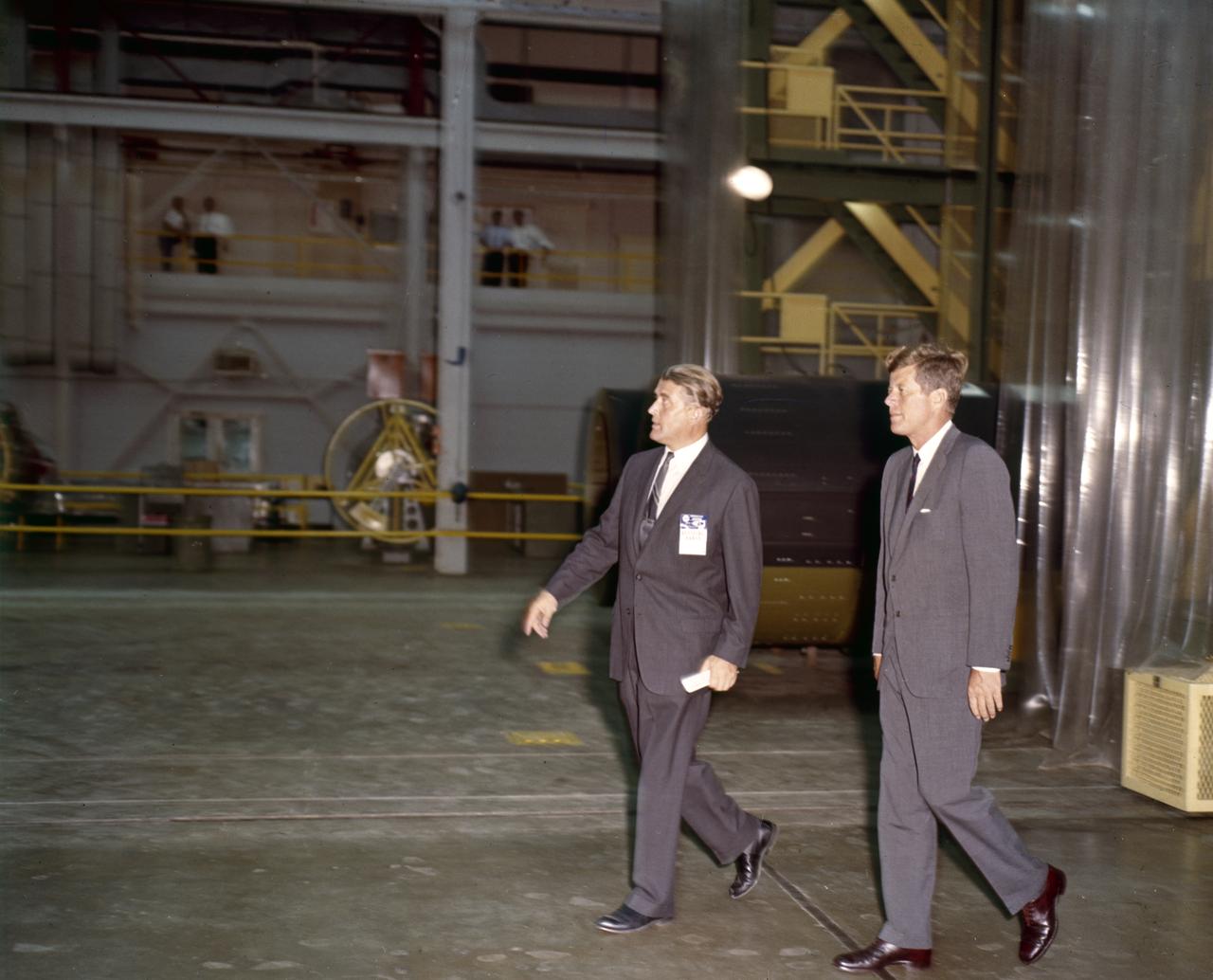
President John Kennedy and Dr. von Braun tour one of the laboratories at Marshall Space Flight Center, September 11, 1962.

LIFTOFF RANGER 3 FROM PAD 12. ATLAS AGENA-2 1/26/1962 TEST 125 ITEM 1.3.18U
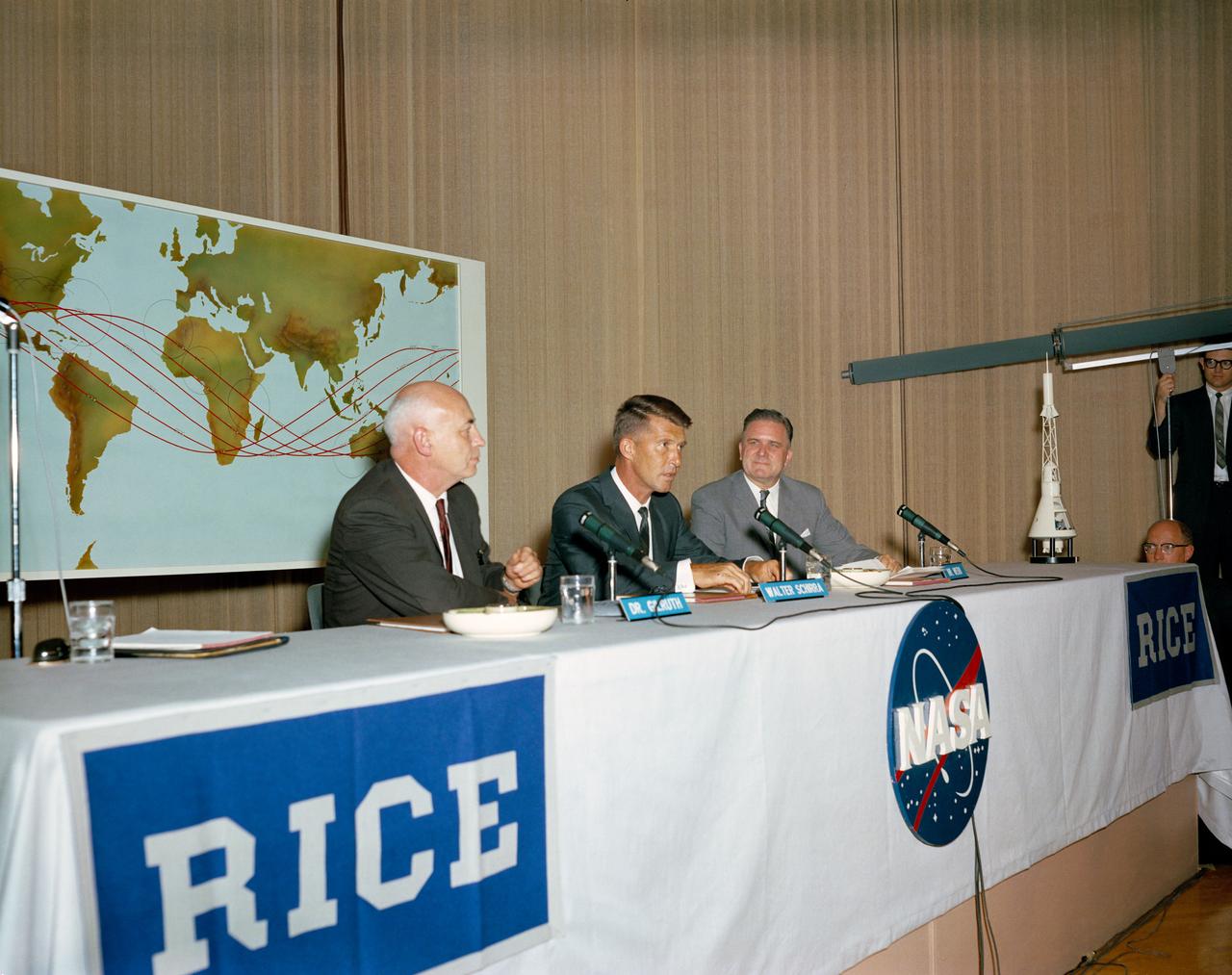
Held following Schirra's MA-8 6-orbital flight 10/03/1962. (FROM COLOR)
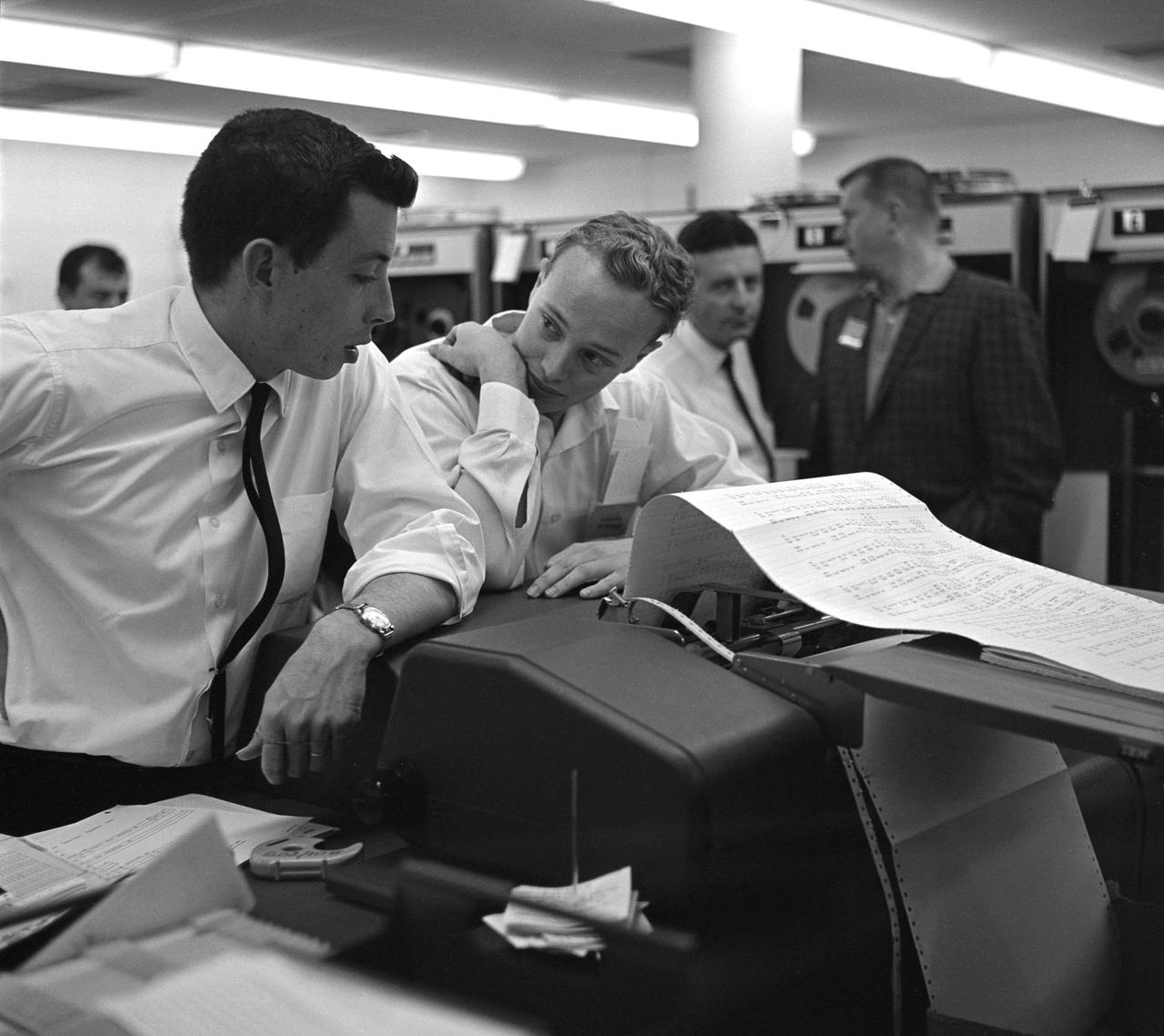
This archival image was released as part of a gallery comparing JPL's past and present, commemorating the 80th anniversary of NASA's Jet Propulsion Laboratory on Oct. 31, 2016. This image shows engineers at NASA's Jet Propulsion Laboratory looking at data related to the Venus flyby of Mariner 2 on Dec. 14, 1962. This was the first successful flyby of another planet. http://photojournal.jpl.nasa.gov/catalog/PIA21117

Dr. Kurt Debus and Dr. von Braun during prelaunch activities of the Ranger IV at Launch Pad 12 on April 12. 1962.
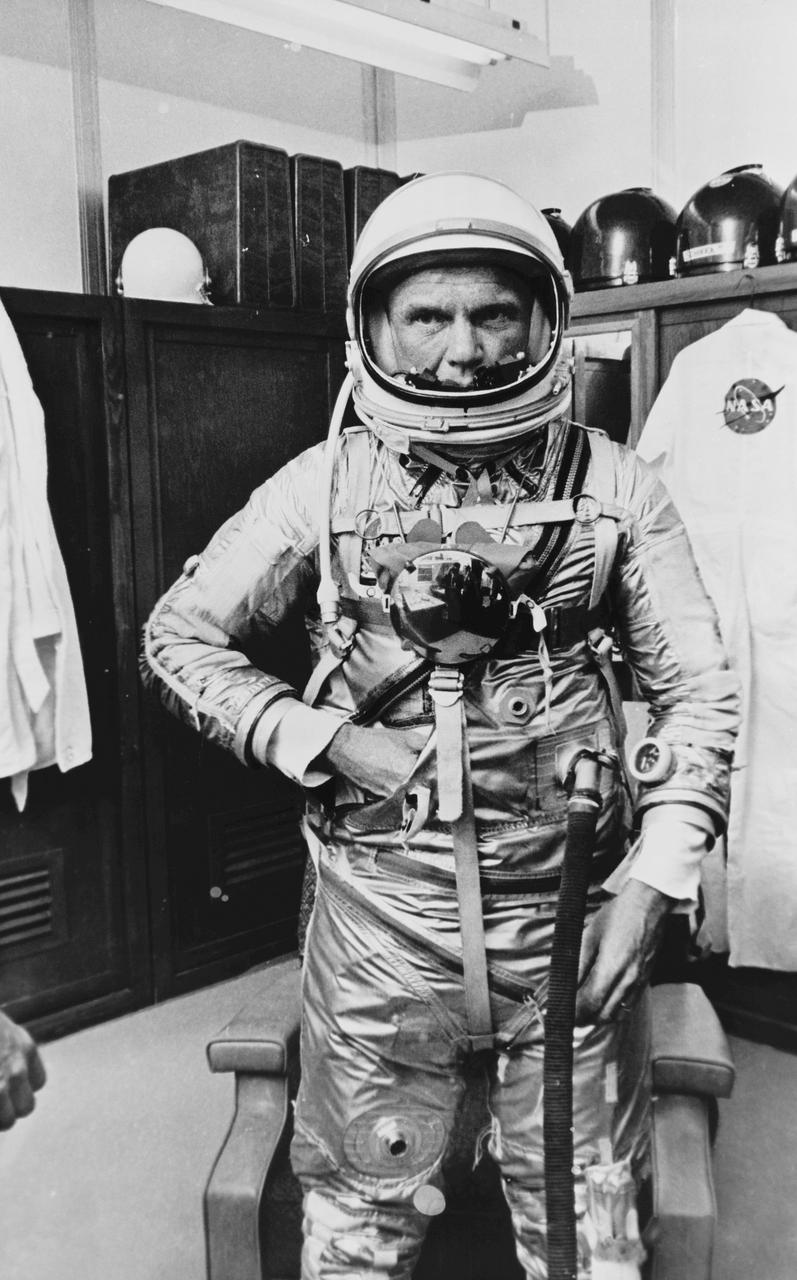
S62-00961 (20 Feb. 1962) --- Mercury astronaut John H. Glenn Jr., suited in full Mercury suit, prepares for launch. Photo credit: NASA
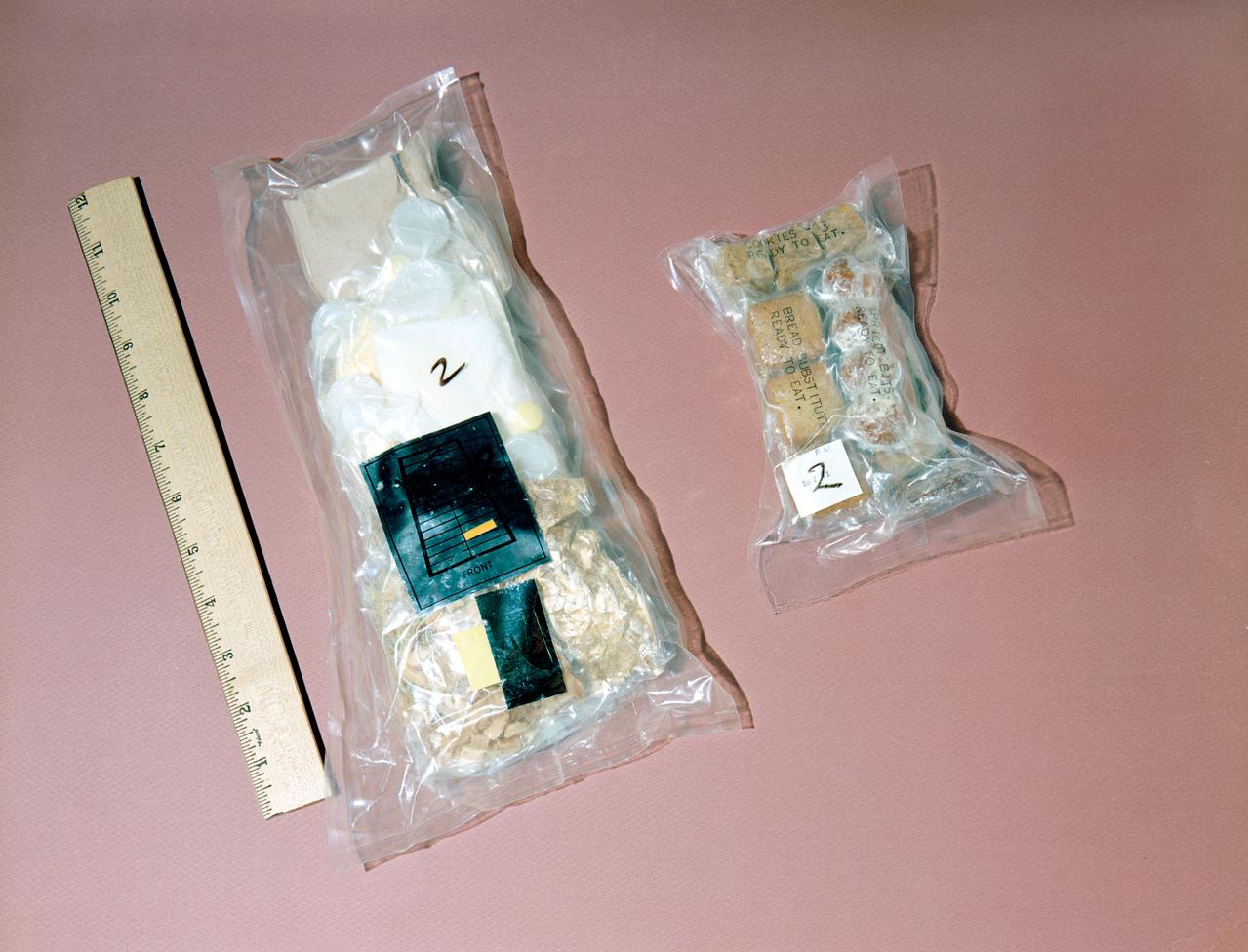
S62-08745 (1962) --- Group packets of ready to eat space food, with size being measured by a ruler, used by Mercury astronauts. Photo credit: NASA
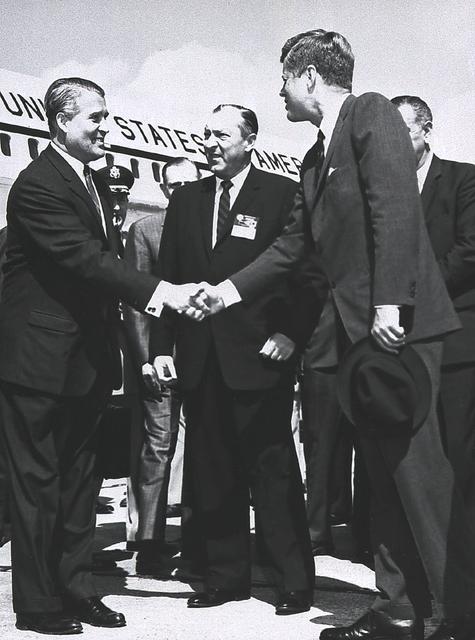
This is a photograph of Dr. von Braun greeting President Kennedy upon his arrival at the Marshall Space Flight Center on September 12, 1962.
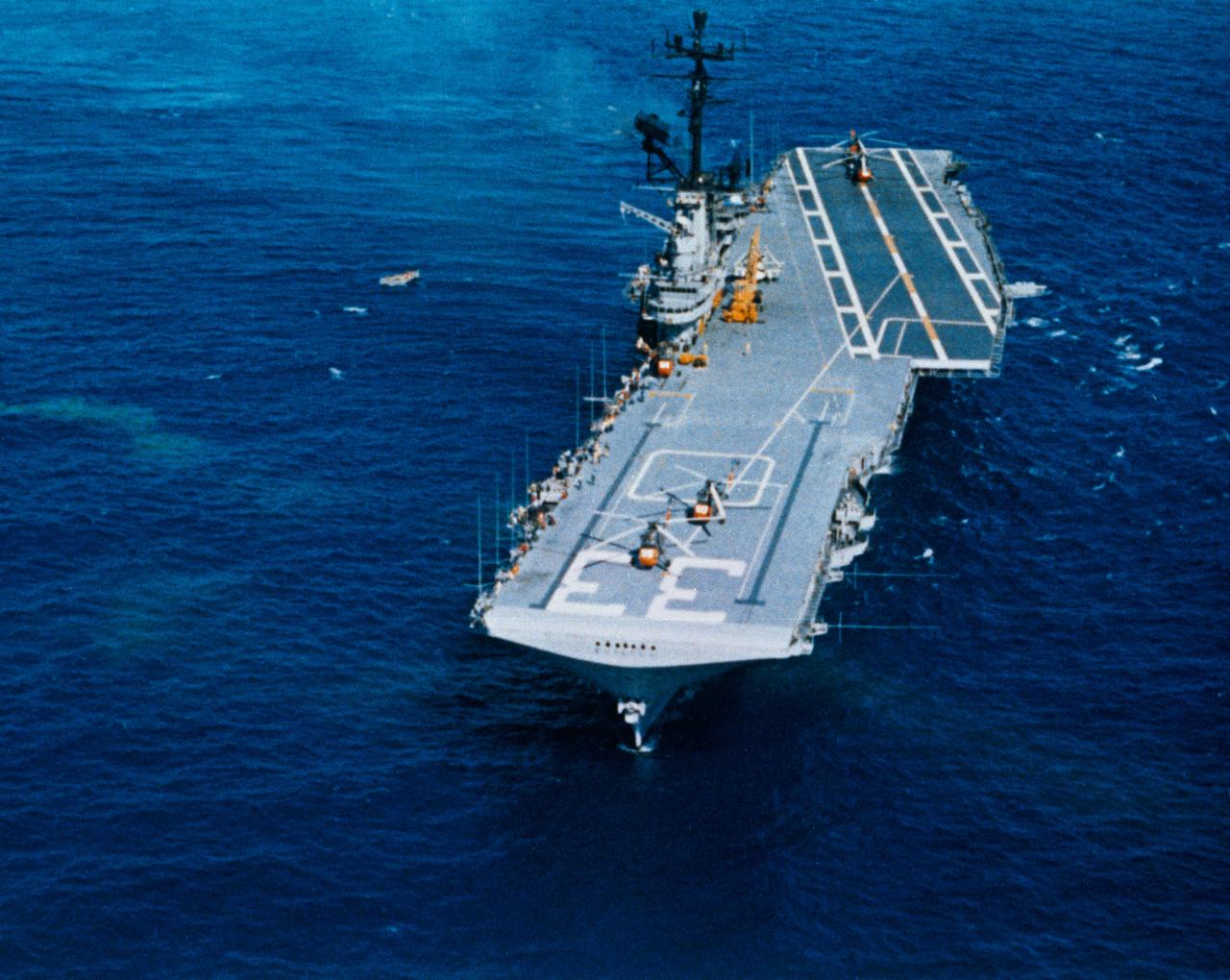
S62-09048 (3 Oct. 1962) --- Aerial view of the USS Kearsarge, recovery ship for the Mercury-Atlas 8 mission. Photo credit: NASA
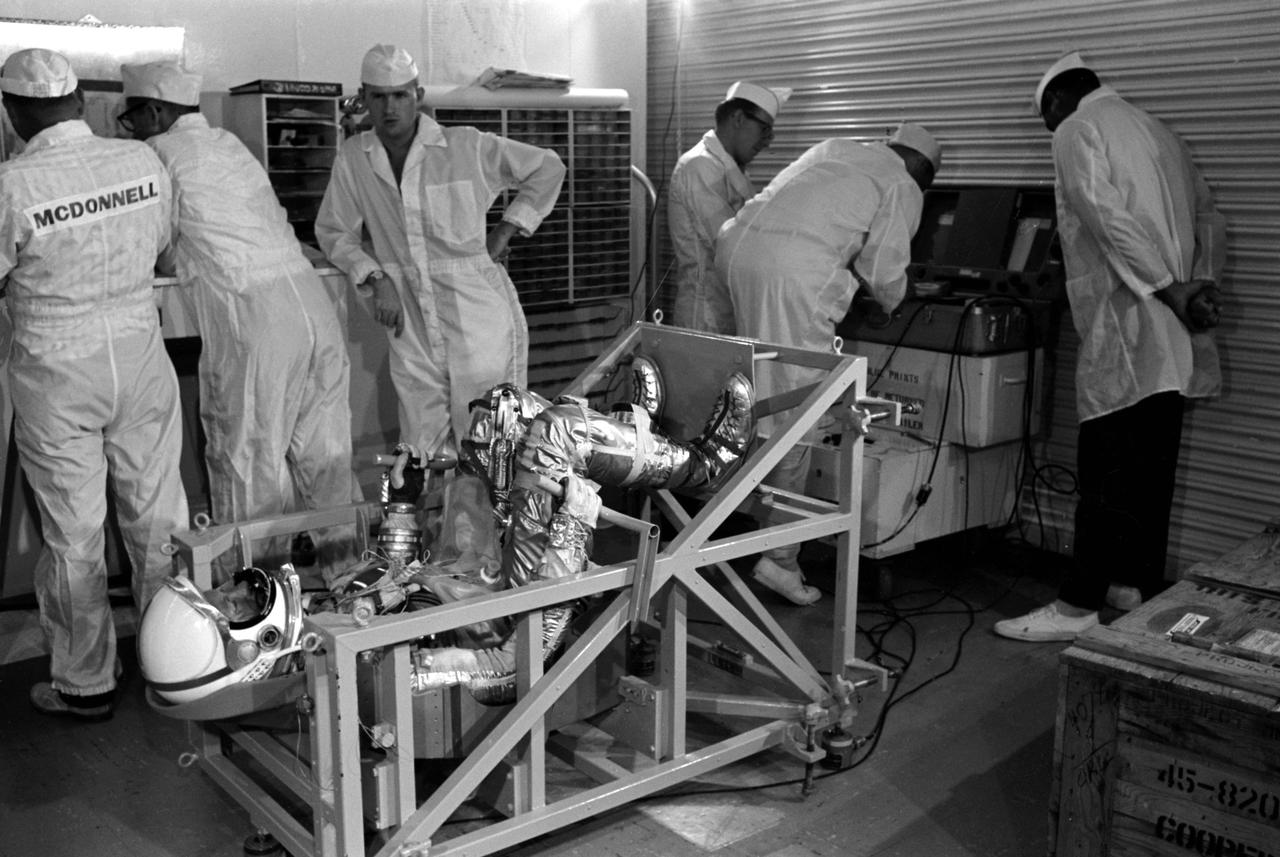
S62-05118 (1962) --- Astronaut L. Gordon Cooper Jr. on weight and balance scale in the White Room, Hangar S at Cape Canaveral. Photo credit: NASA
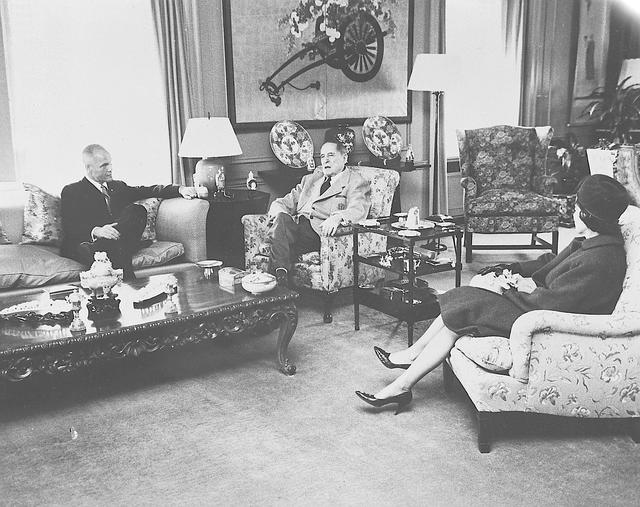
S62-02270 (1962) --- Astronaut John H. Glenn Jr. and wife visit with General Douglas McArthur in the Waldorf Astoria hotel. Photo credit: NASA
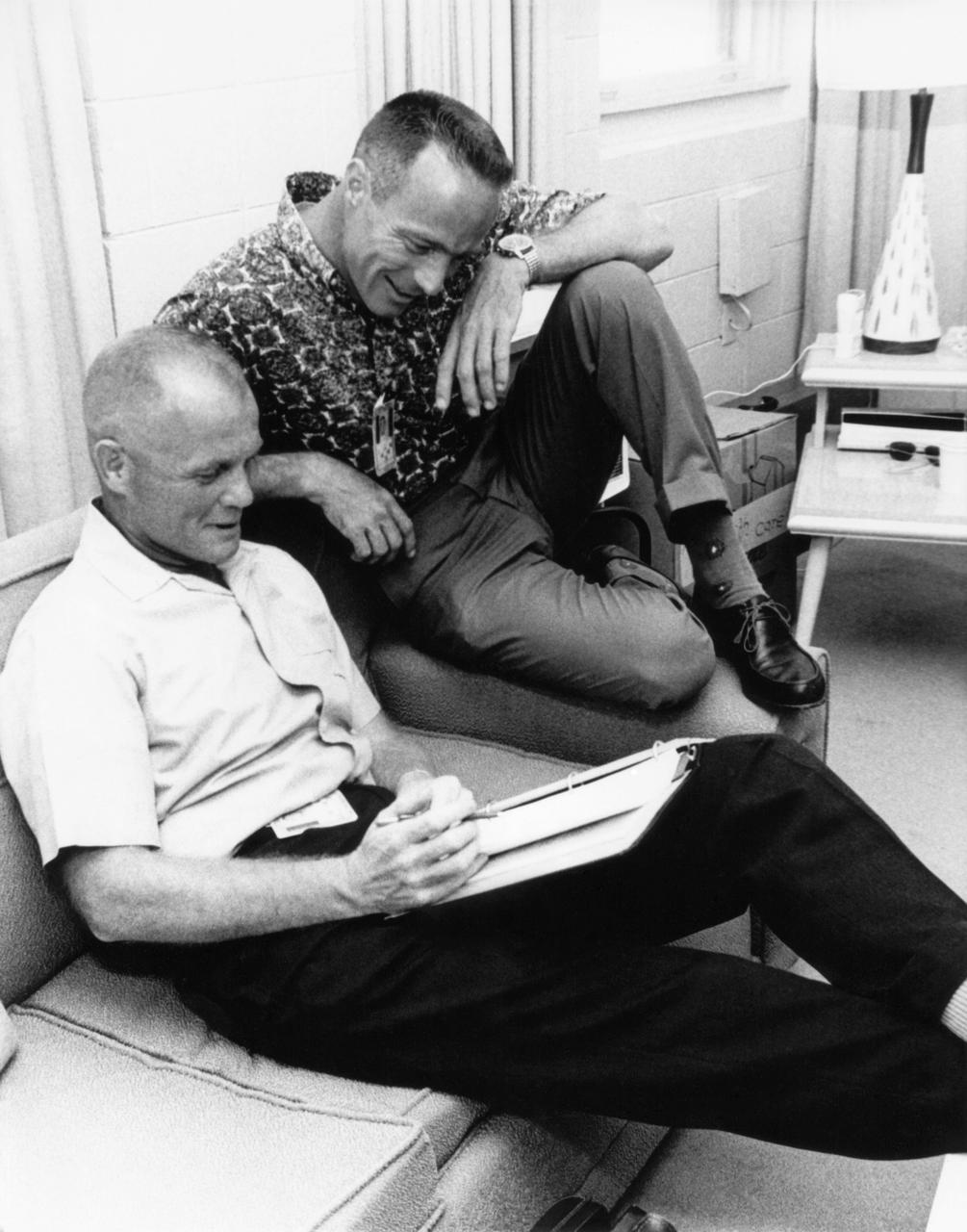
62-MA7-86 (1962) --- John Glenn (left) makes last minute preparations with Scott Carpenter prior to the flight of MA-7. Photo credit: NASA
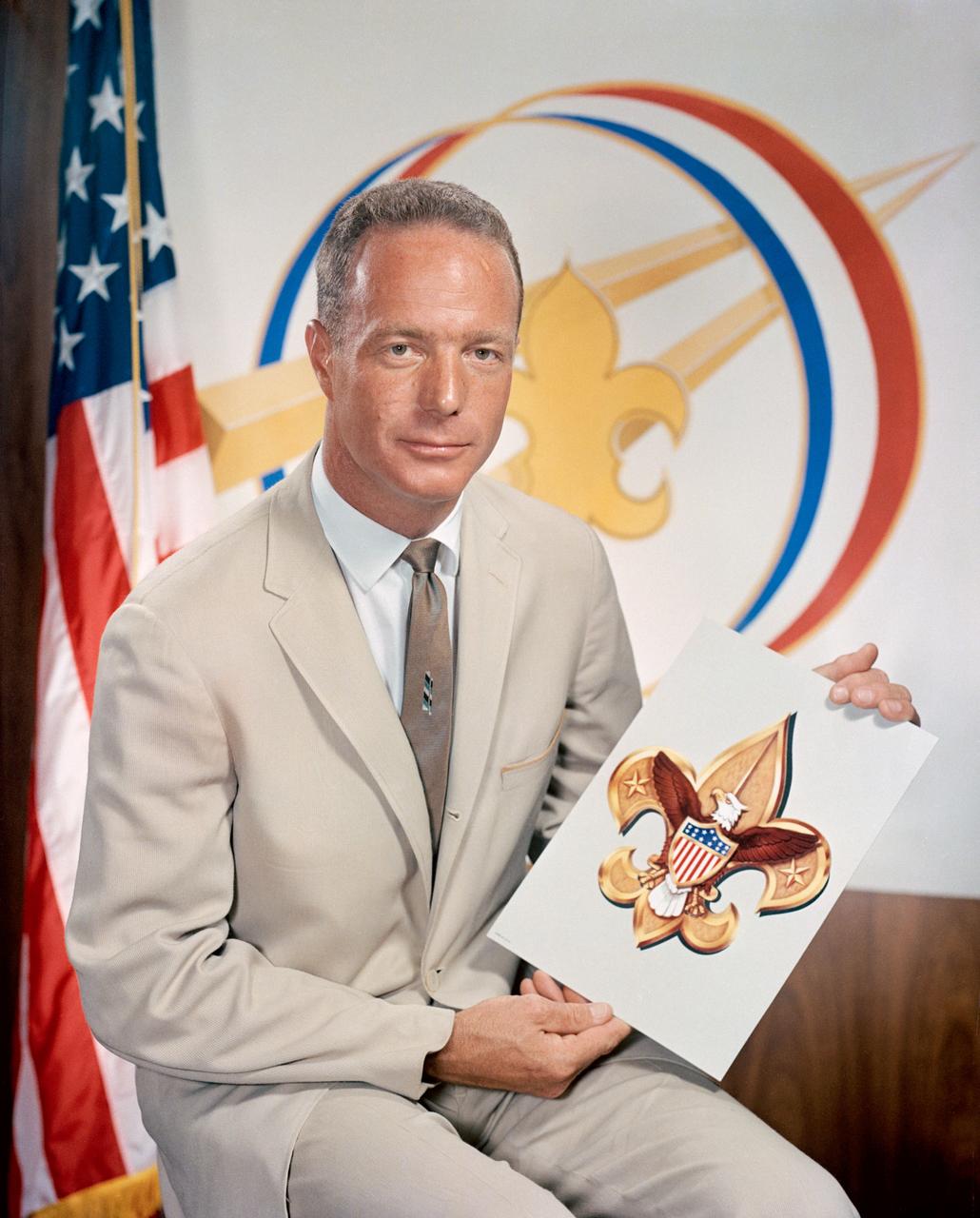
S62-05538 (October 1962) --- Portrait of astronaut M. Scott Carpenter in civilian clothes holding picture of the Boy Scout Emblem. Photo credit: NASA
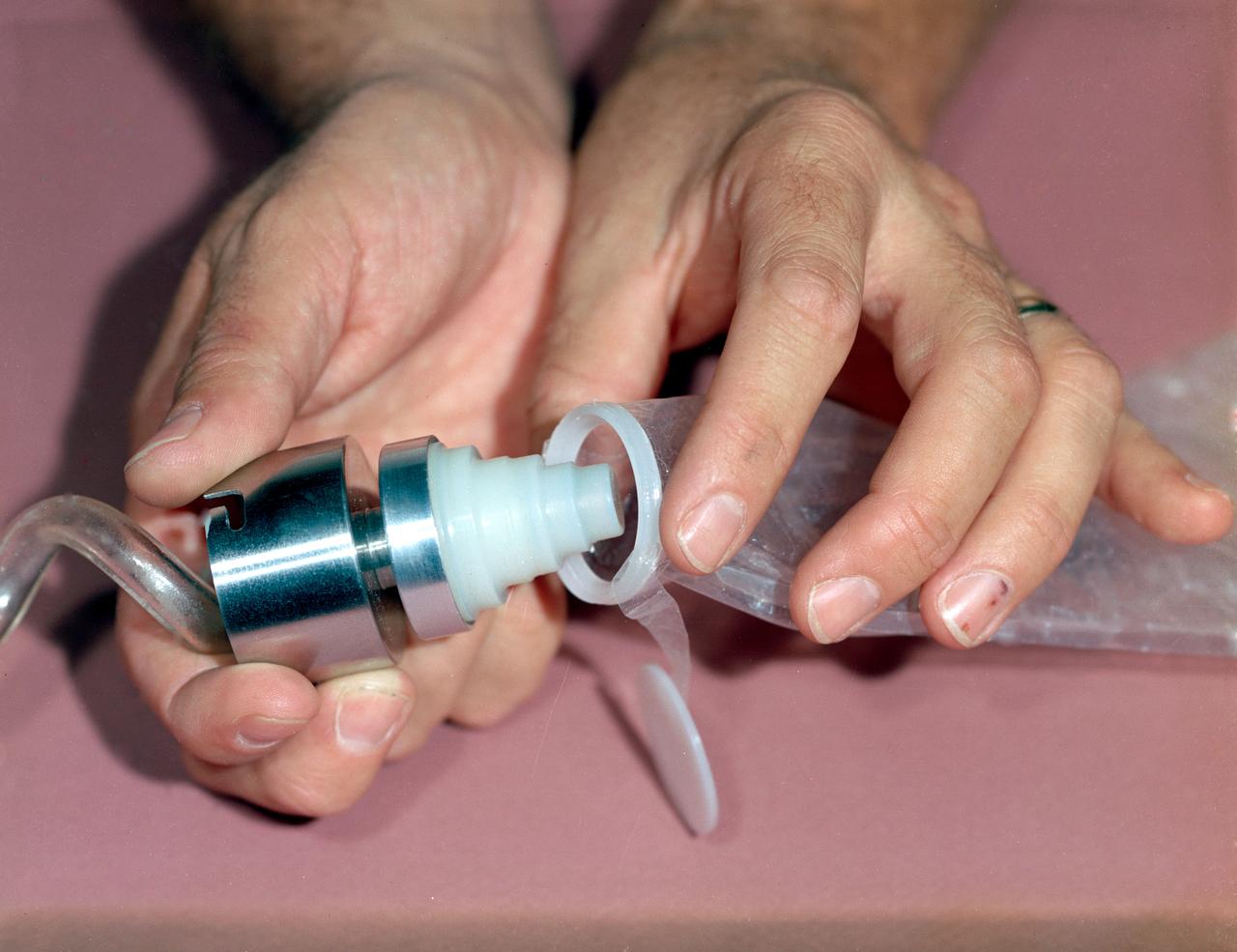
S62-08744 (1962) --- Mechanism for connecting water dispensor to dehydrated food containers to facilitate rehydration used by Mercury astronauts. Photo credit: NASA
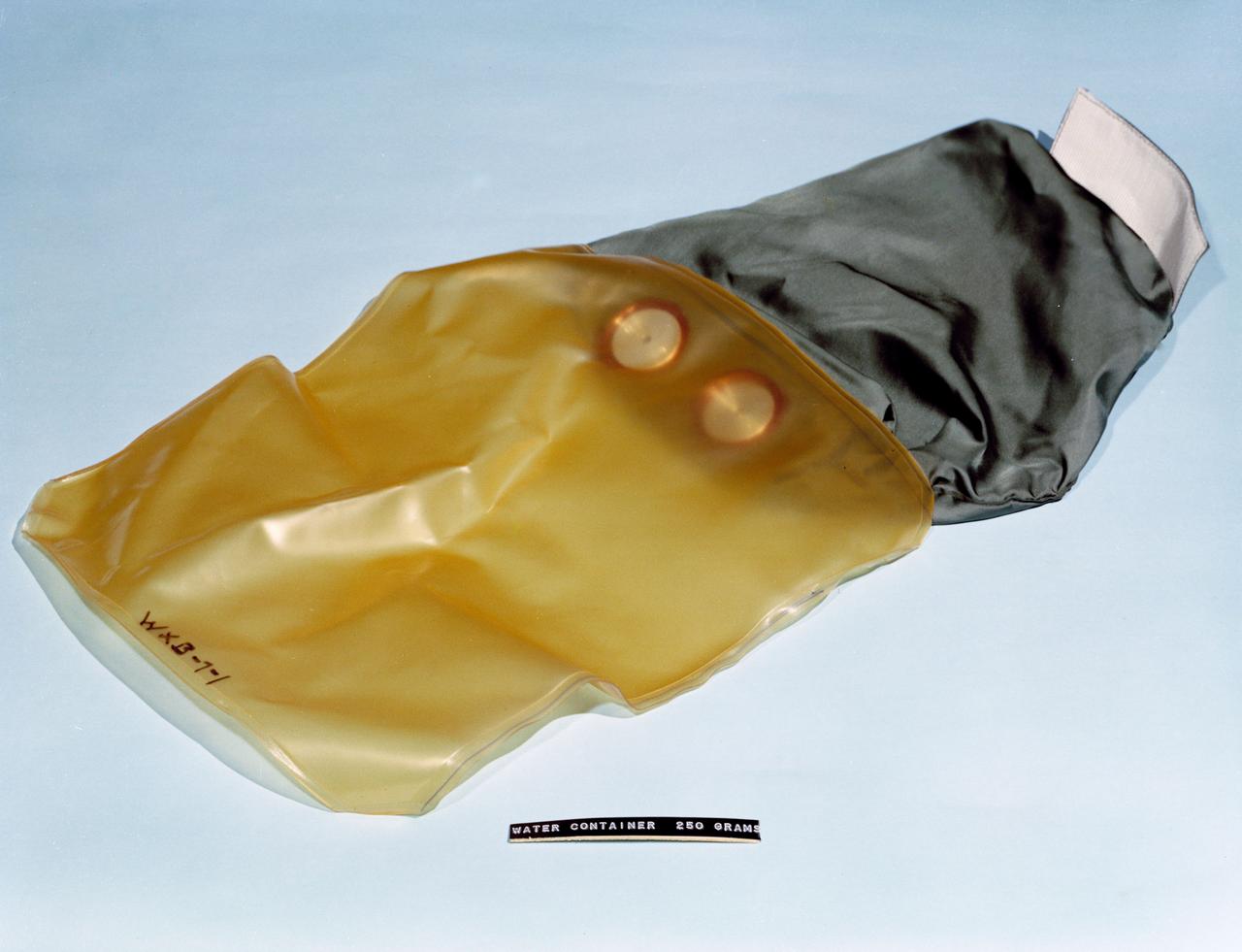
S62-06783 (1962) --- Component of Mercury astronauts survival equipment backpack - water container holding 250 grams when full. Photo credit: NASA
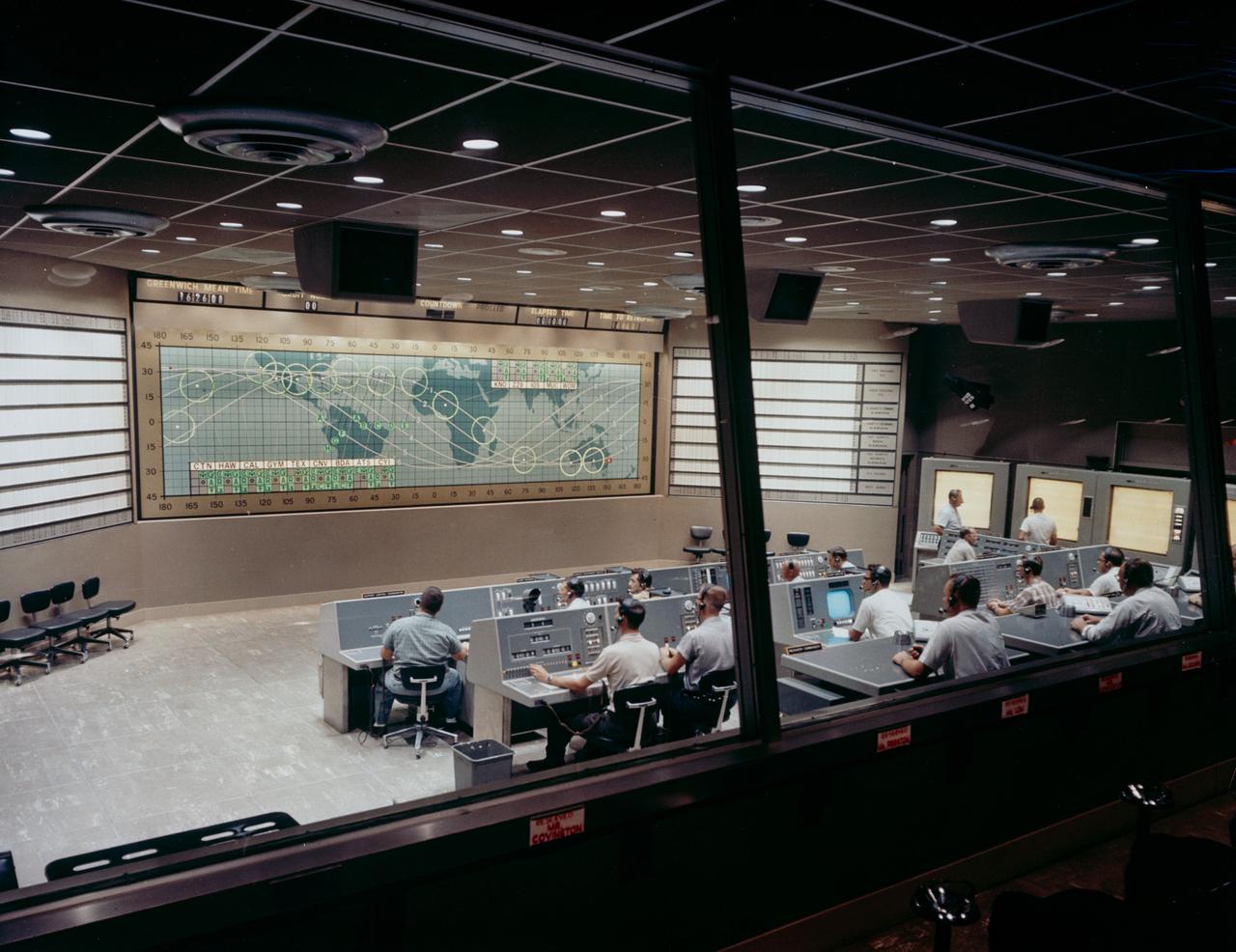
S62-05139 (1962) --- View of Mercury Control Center prior to the Mercury-Atlas 8 (MA-8) flight of the Sigma 7. Photo credit: NASA
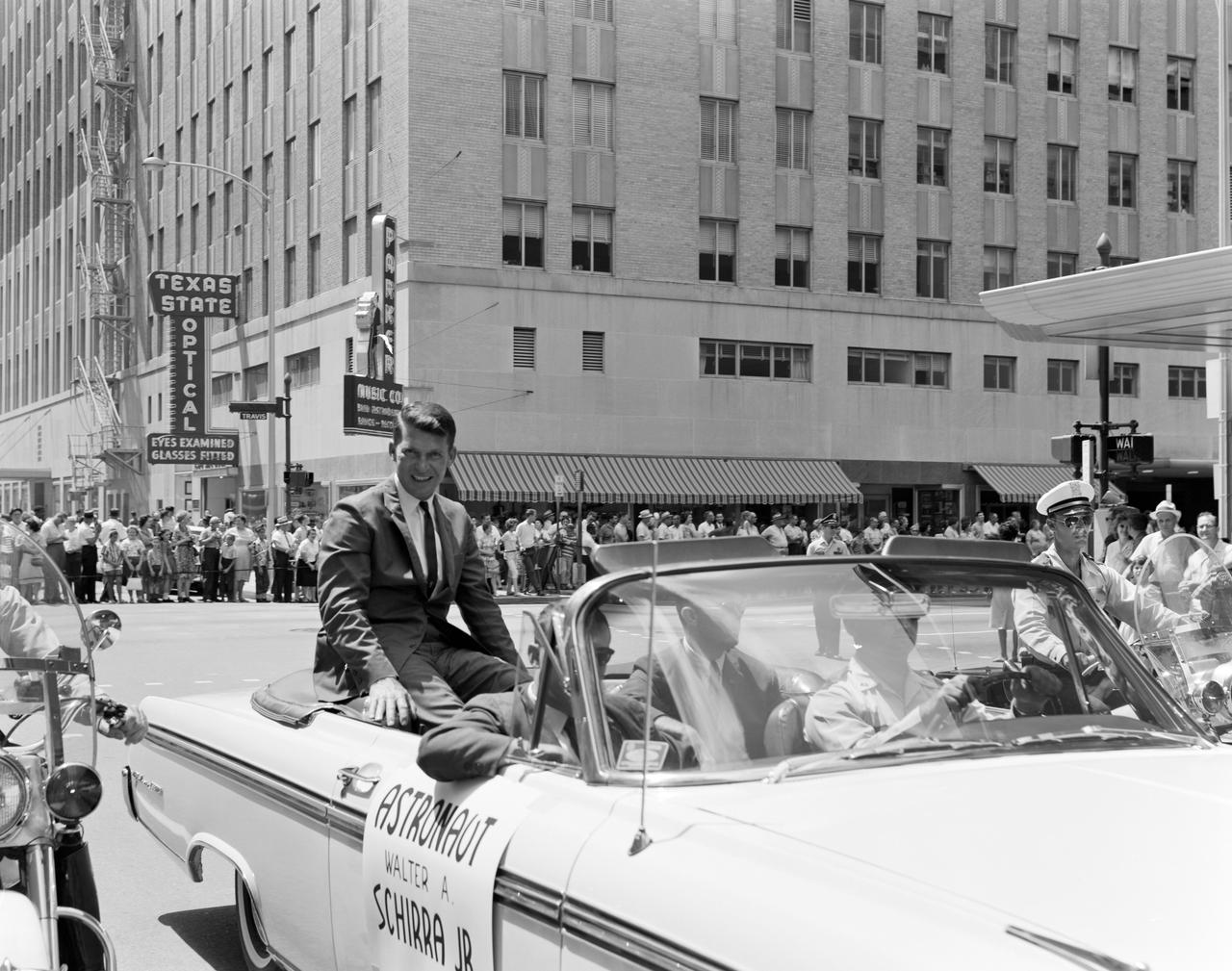
S62-03707 (1962) --- Astronaut Walter Schirra riding in back of a car during a welcome parade in Houston, Texas. Photo credit: NASA
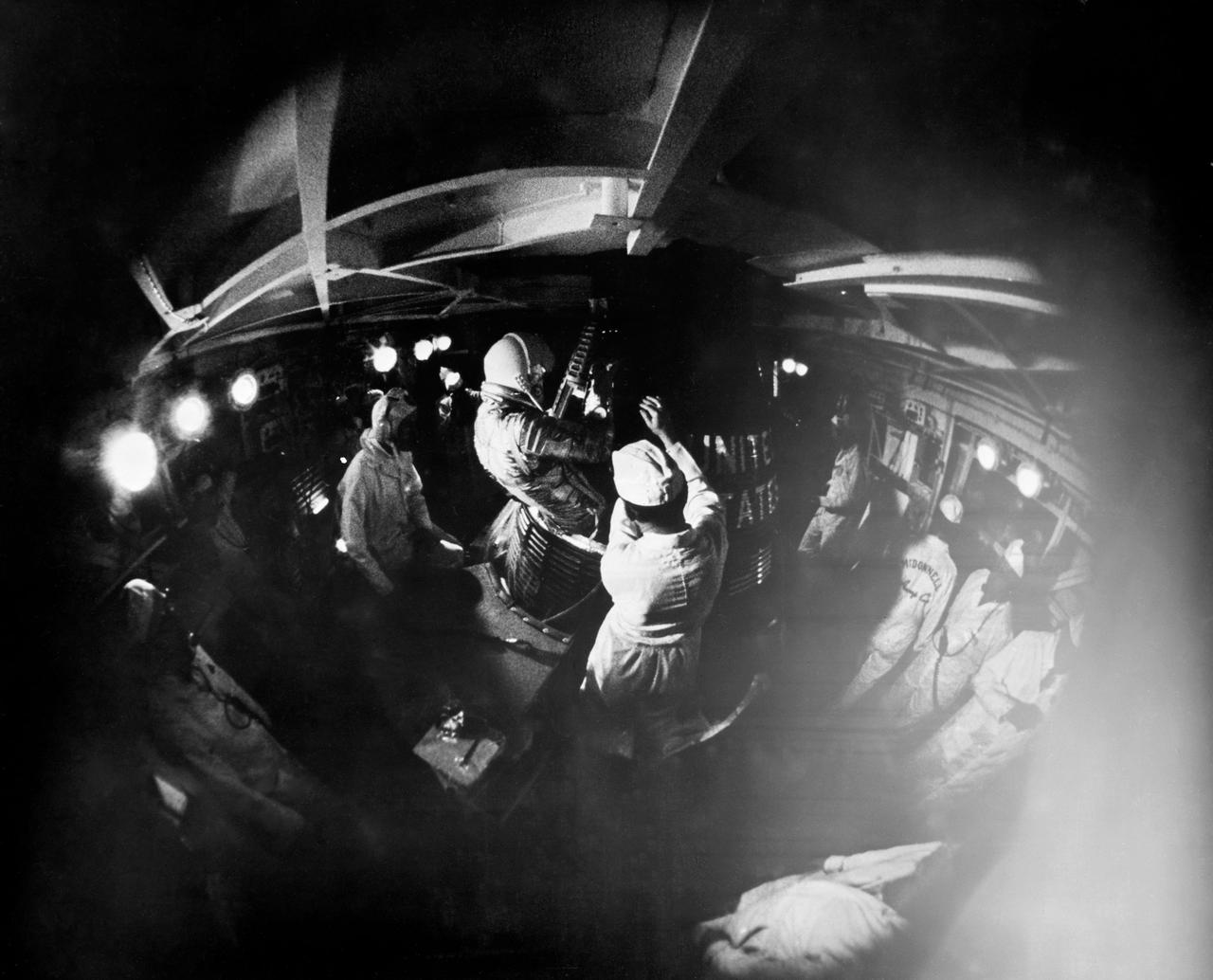
S62-00955 (February 1962) --- This is a view of John H. Glenn Jr. ingressing the Mercury-Atlas 6 spacecraft. Photo credit: NASA
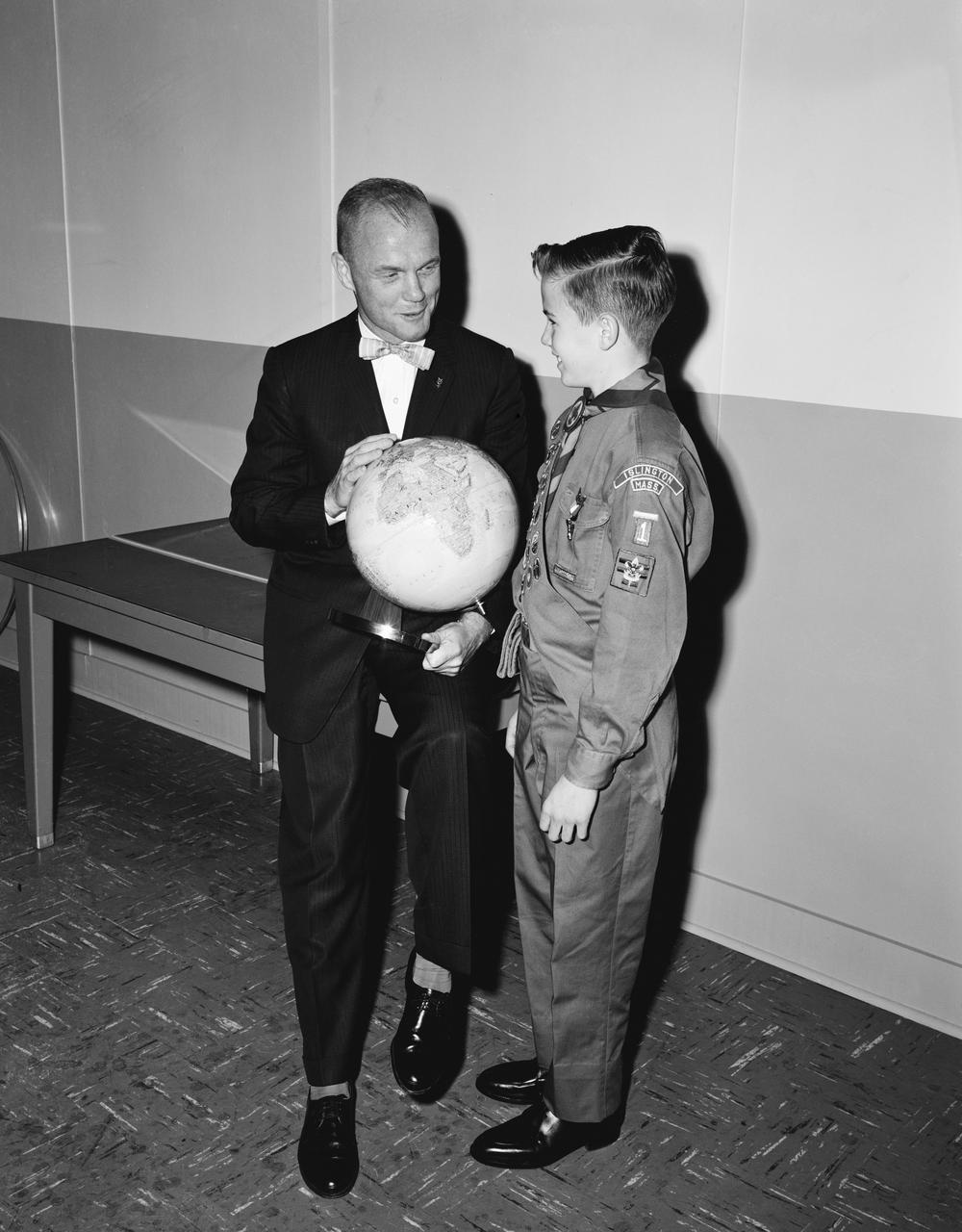
S62-00492 (1962) --- Astronaut John H. Glenn Jr. points out an area on the globe to a Boy Scout. Photo credit: NASA