
NASA Mars Odyssey spacecraft took this portrait of the Earth and its companion Moon. It was taken at a distance of 3,563,735 kilometers more than 2 million miles on April 19, 2001 as the 2001 Mars Odyssey spacecraft left the Earth.
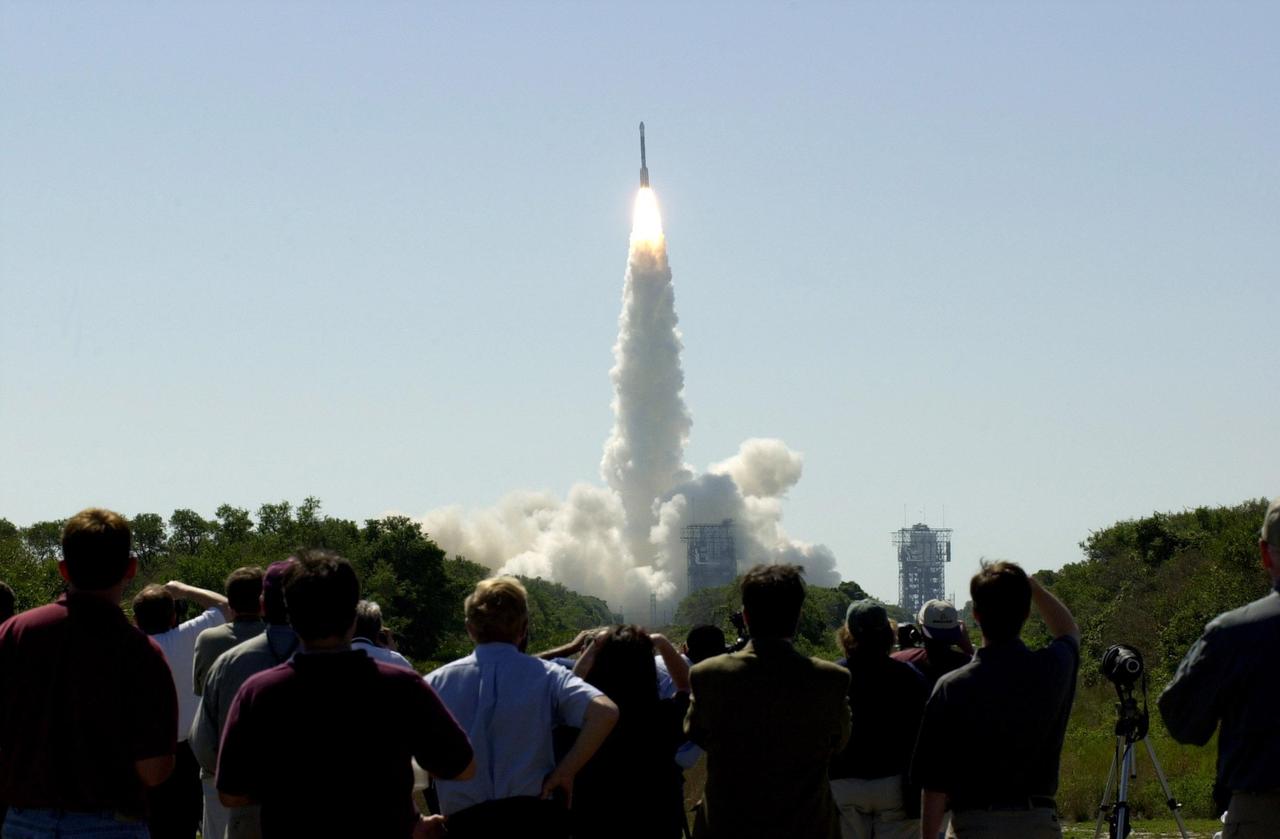
At 11:02 a.m. EDT on April 7, 2001, crowds watch a Boeing Delta II rocket lift off from Cape Canaveral Air Force Station, Florida, carrying NASA 2001 Mars Odyssey spacecraft into space on its seven-month journey to Mars.

NASA 2001 Mars Odyssey Thermal Emission Imaging System THEMIS acquired these images of the Earth using its visible and infrared cameras as it left the Earth.

NASA's 2001 Mars Odyssey orbiter arrived at Mars on Oct. 24, 2001. Over the past two decades, the mission has mapped the composition of the Martian surface, providing a window to the past so scientists could piece together how the planet evolved. It has also served as a vital asset in relaying communications between landers and rovers at the Red Planet and the mission teams back on Earth. Here are some of the highlights of the last 20 years: Mars Odyssey has completed 80,000 orbits. Mars Odyssey has taken more than 1.2 million images. Mars Odyssey has returned 16 terabits of total science data to Earth, including 1 terabit of data relayed from Mars surface missions. Mars Odyssey has provided communications relay for six Mars surface missions: the Phoenix and InSight landers, as well as the Spirit, Opportunity, Curiosity, and Perseverance rovers. https://photojournal.jpl.nasa.gov/catalog/PIA24915
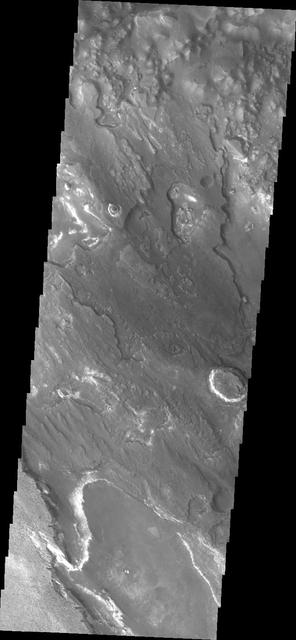
This image captured by NASA 2001 Mars Odyssey shows a portion of Aram Chaos.
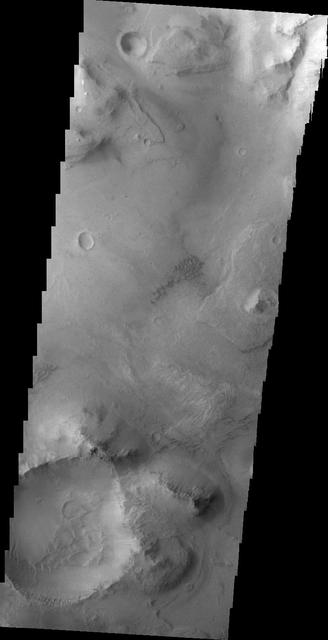
This NASA 2001 Mars Odyssey image shows part of the floor of Coprates Chasma.
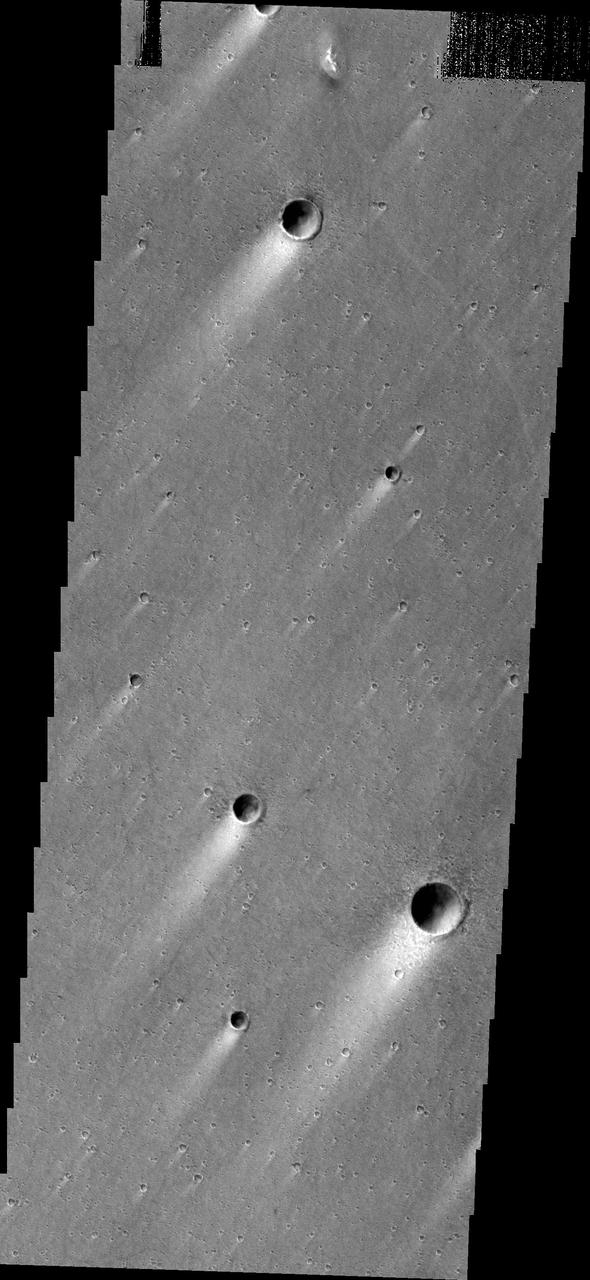
Windstreaks located in Chryse Planitia as seen by NASA 2001 Mars Odyssey spacecraft.
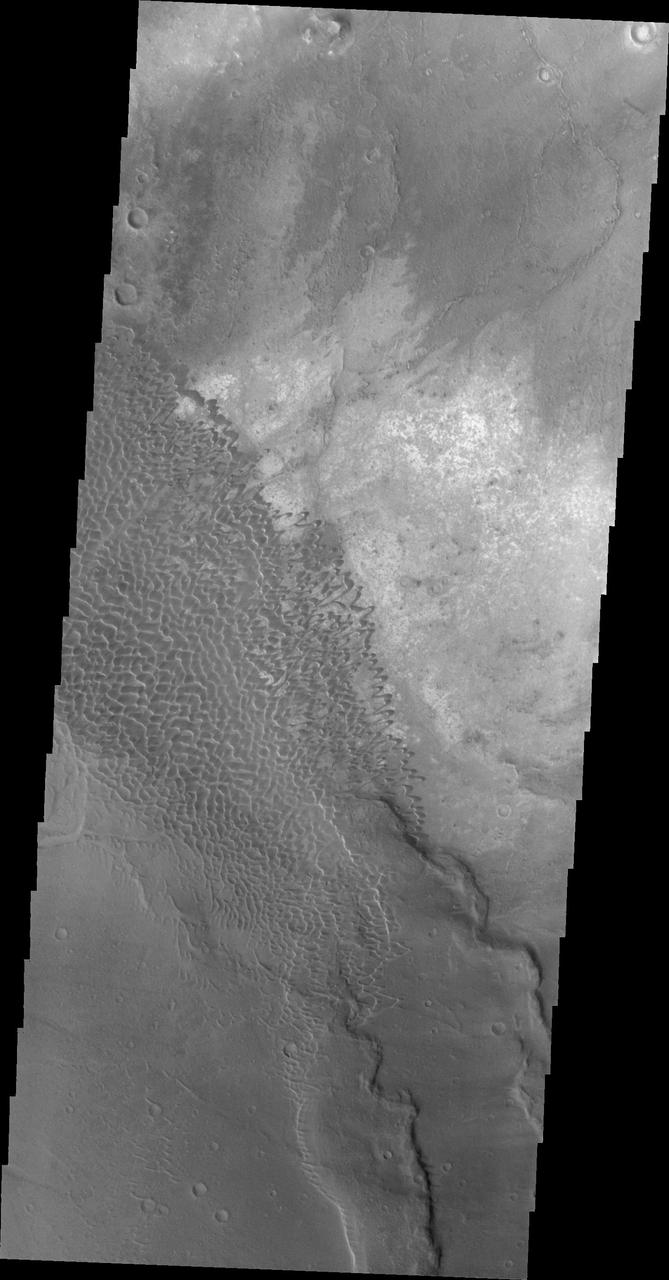
This 2001 Mars Odyssey image shows the dune field in Nili Patera.
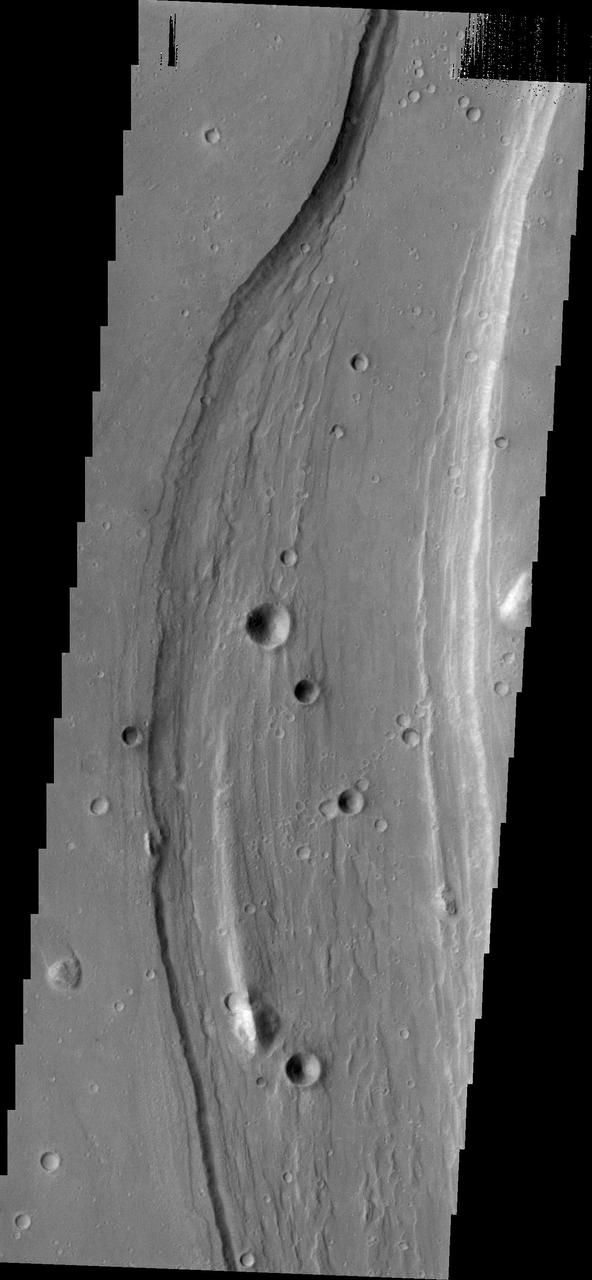
Shalbatana Vallis dominates this image captured by NASA 2001 Mars Odyssey spacecraft.
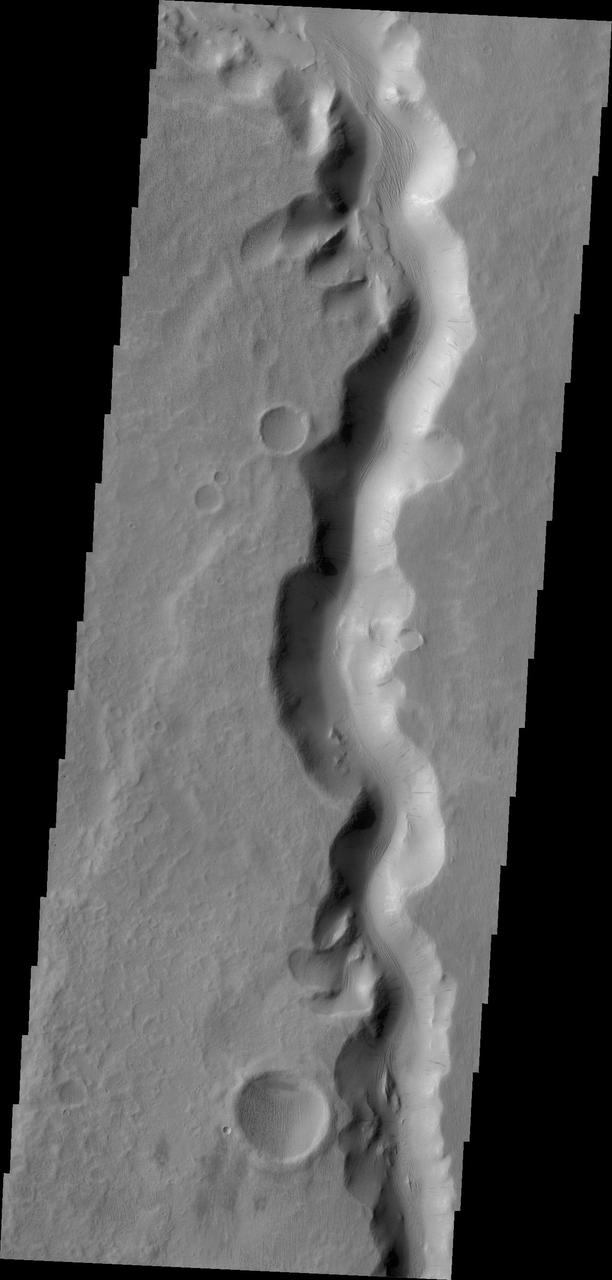
This image from NASA 2001 Mars Odyssey shows a section of Sabis Vallis.
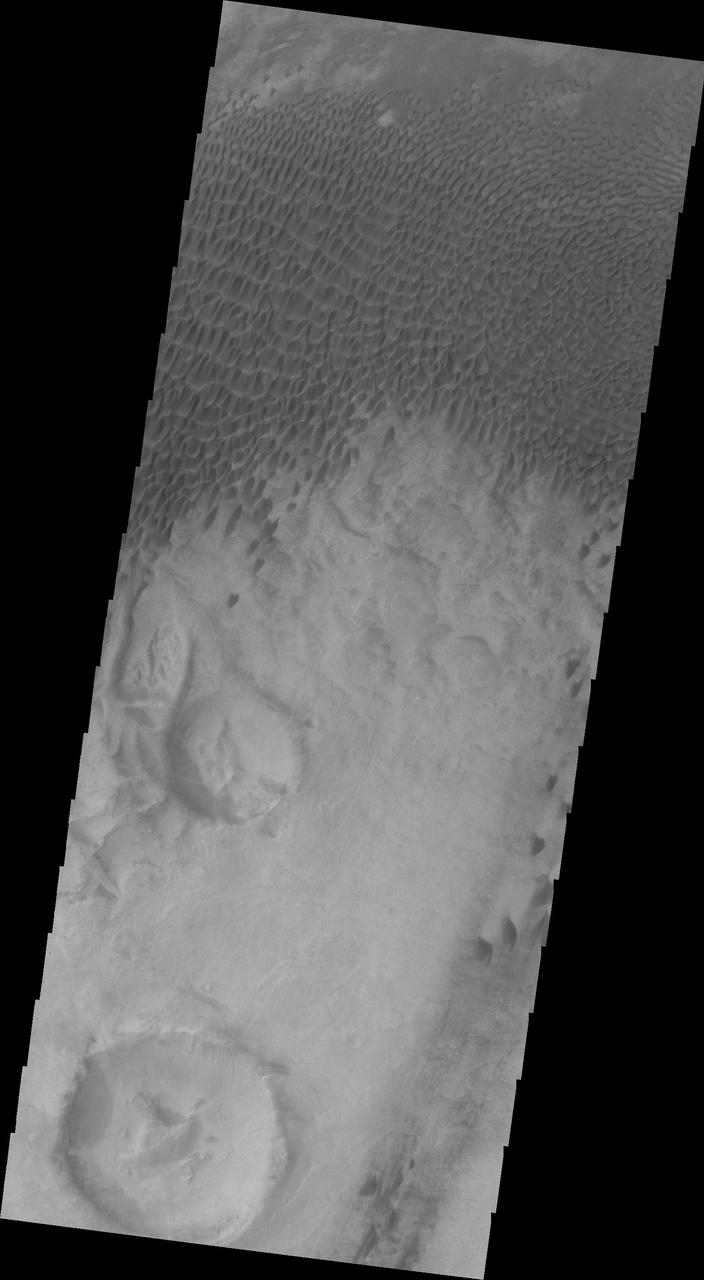
This 2001 Mars Odyssey image shows dunes in Aonia Terra.

This image captured by NASA 2001 Mars Odyssey spacecraft spans Candor Chasma.
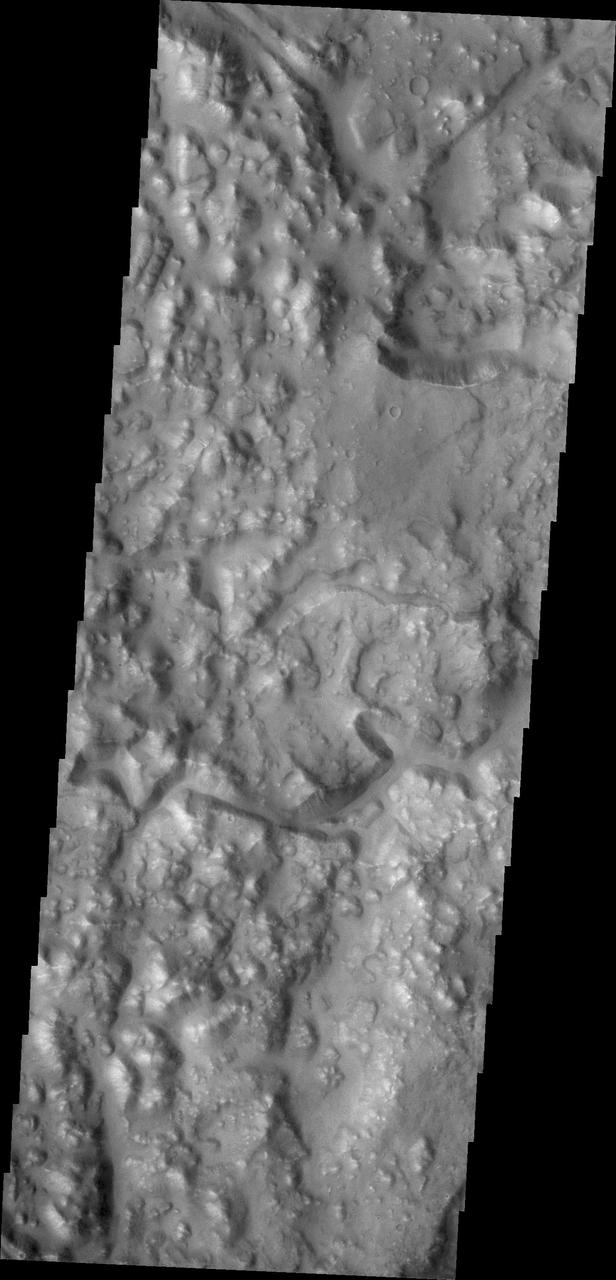
This image captured by NASA 2001 Mars Odyssey shows a portion of Iani Chaos.
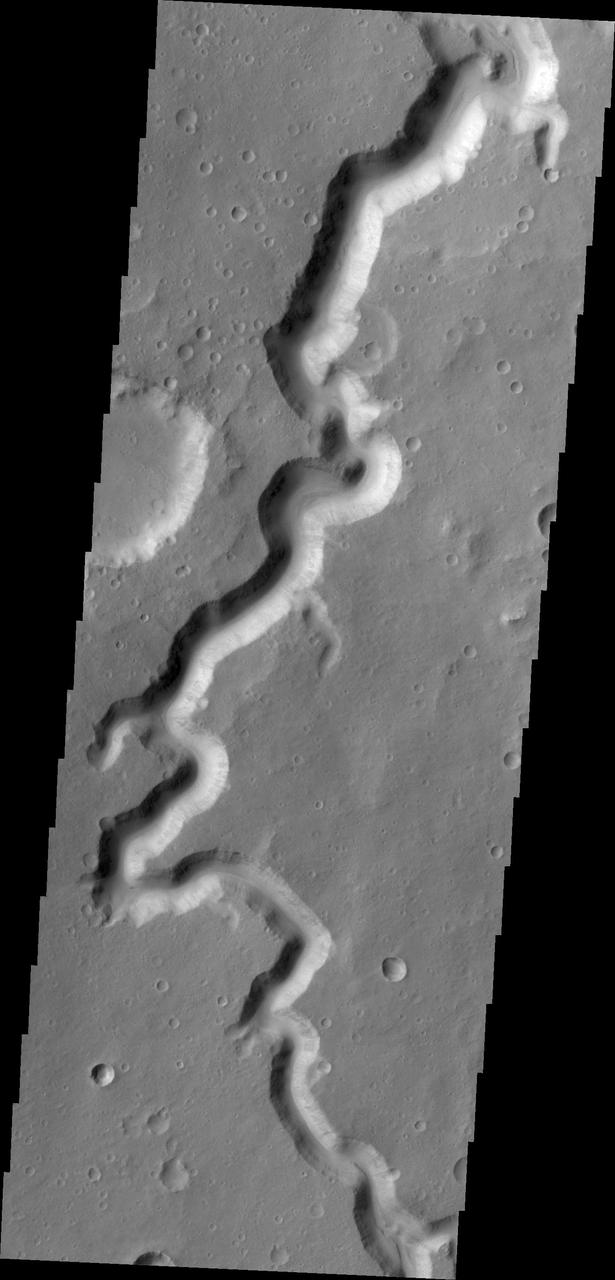
A section of Nanedi Valles is shown in this image captured by NASA 2001 Mars Odyssey.
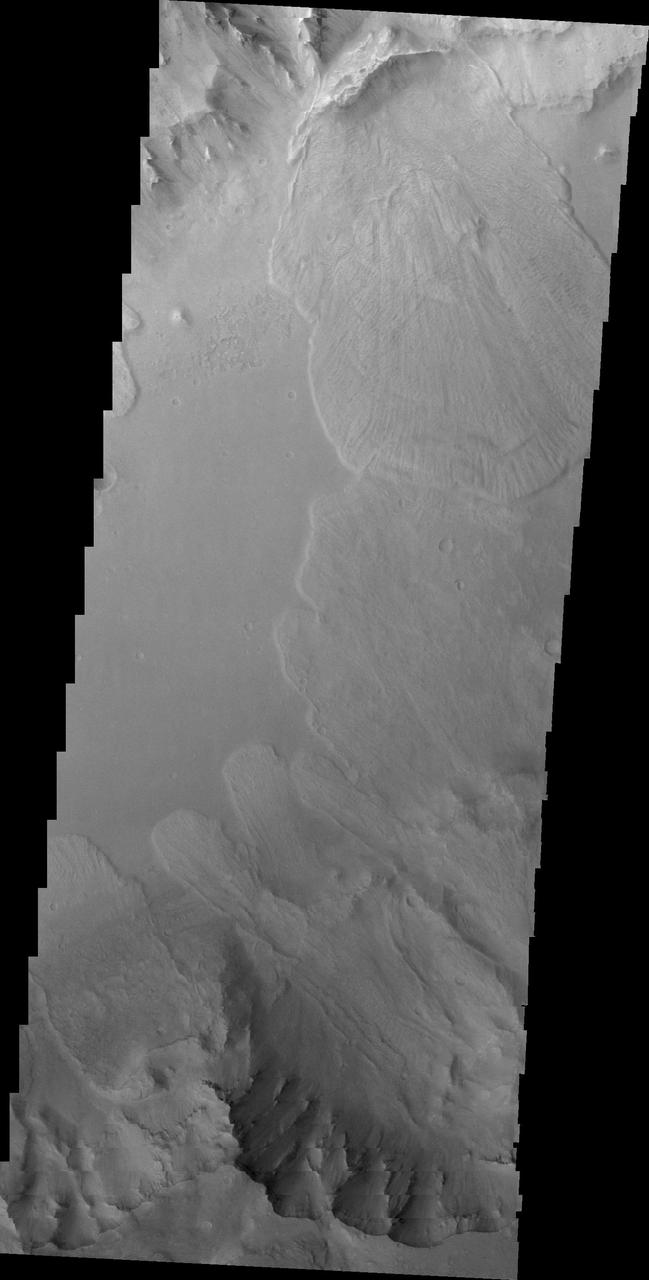
This 2001 Mars Odyssey image of Capri Chasma shows multiple landslide deposits.
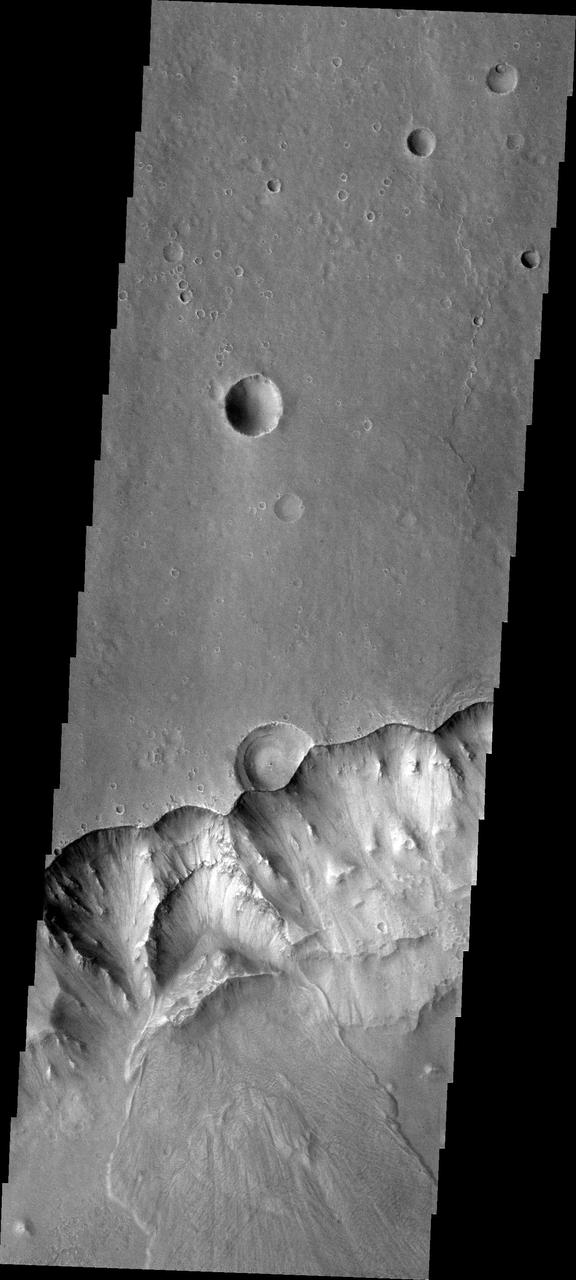
This 2001 Mars Odyssey THEMIS VIS image shows a landslide in Capri Chasma.
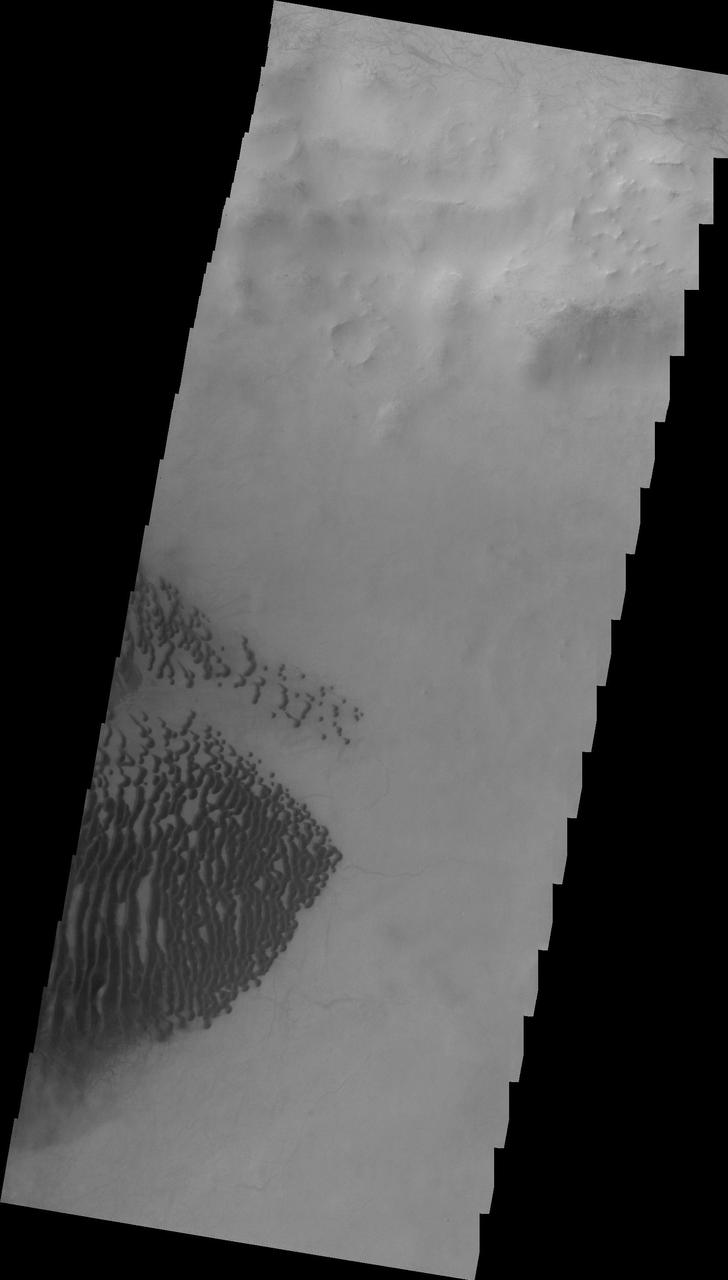
This 2001 Mars Odyssey image shows dark dunes on the floor of Lamont Crater.
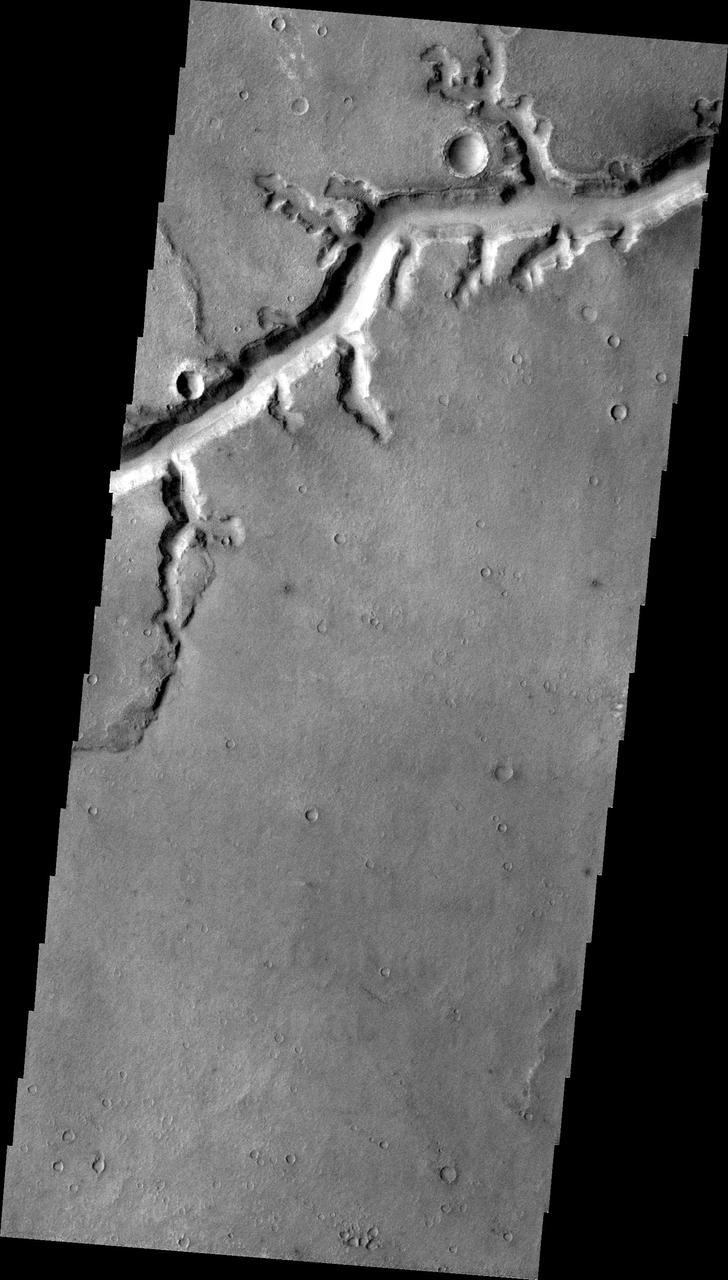
NASA 2001 Mars Odyssey image shows a portion of Nirgal Vallis.
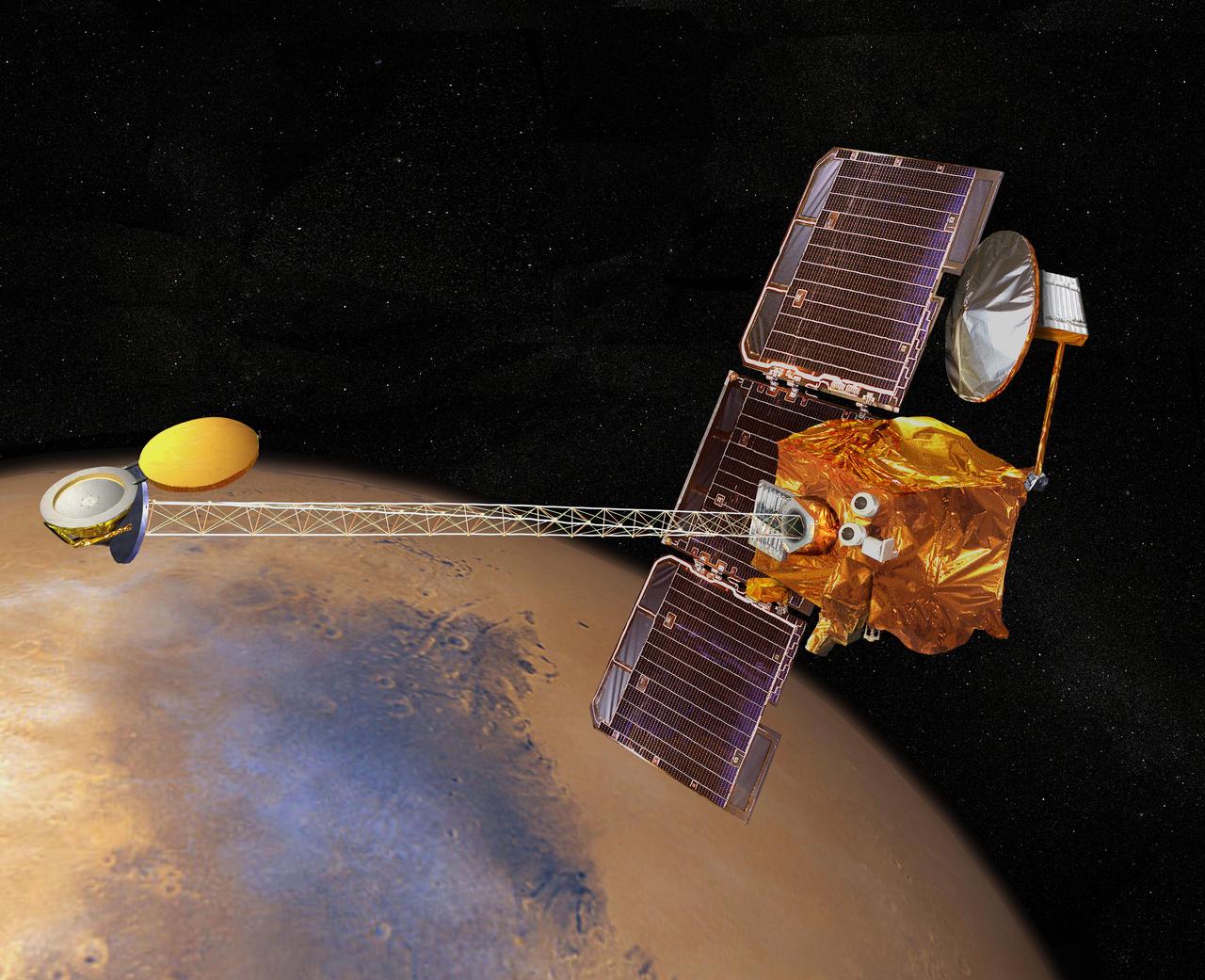
Artist concept of NASA's 2001 Mars Odyssey spacecraft. http://photojournal.jpl.nasa.gov/catalog/PIA04244
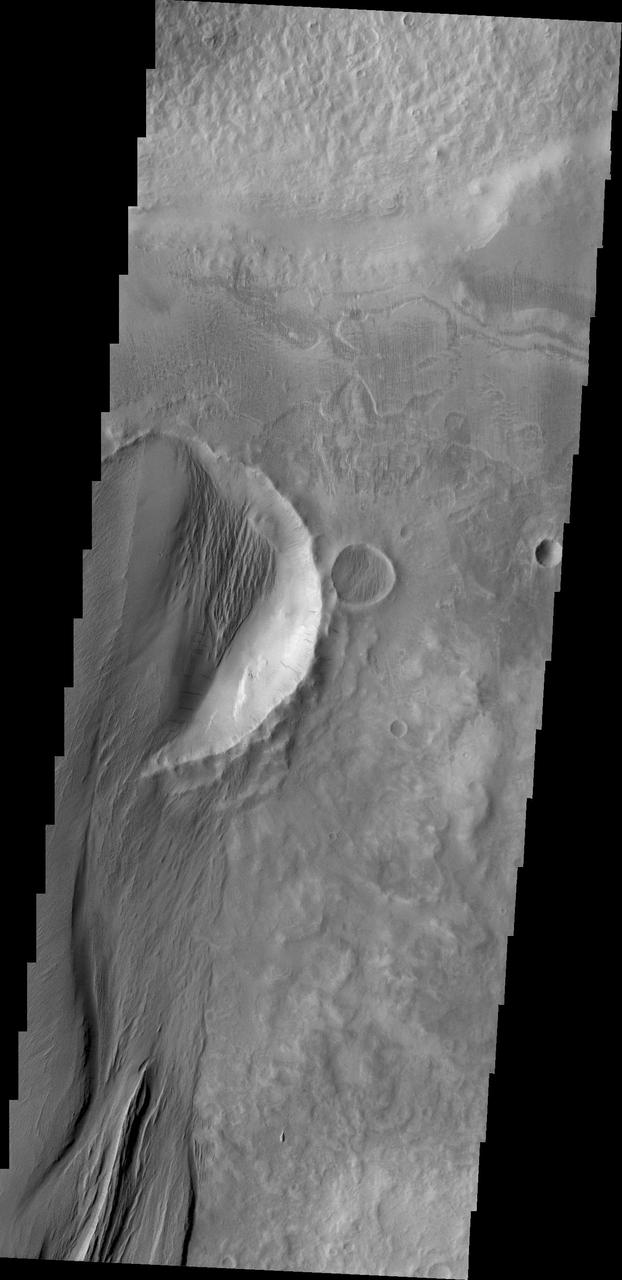
The power of the wind is undeniable in this image of the surface of Mars as seen by NASA 2001 Mars Odyssey spacecraft.
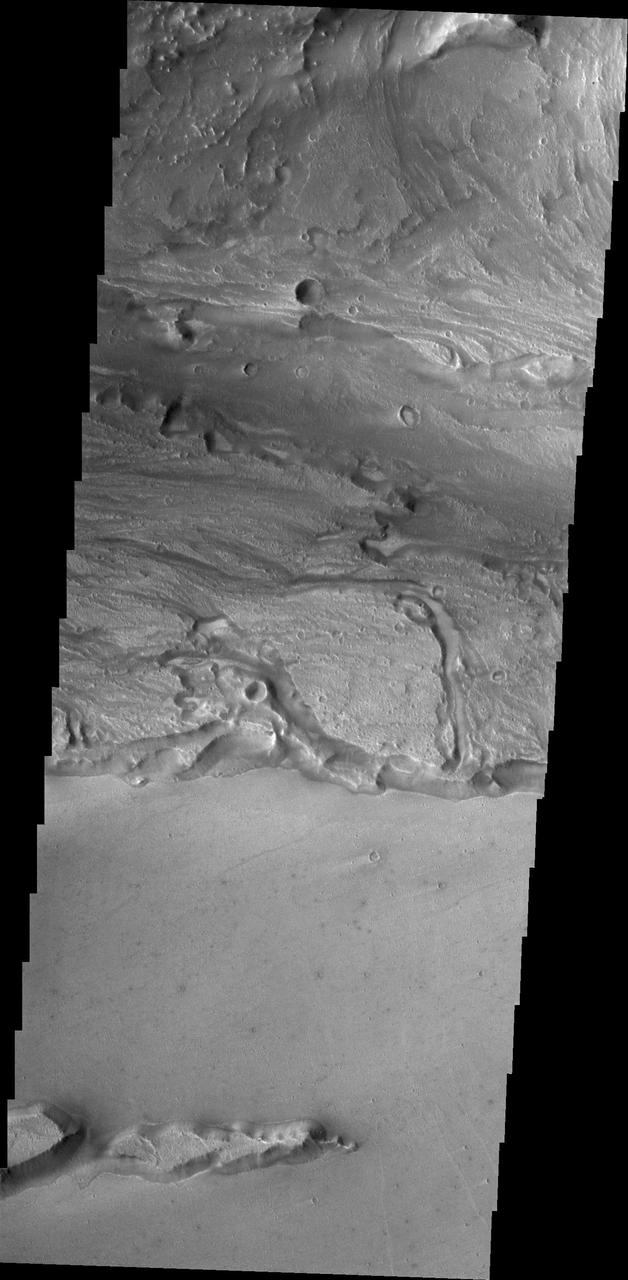
This image from NASA 2001 Mars Odyssey spacecraftshows a small portion of Kasei Valles, one of the largest channel systems on Mars.
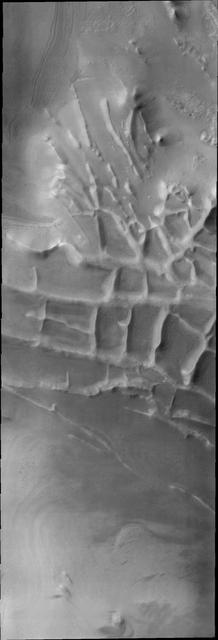
The orthogonal ridges in this image captured by NASA 2001 Mars Odyssey spacecraft are located near the south polar cap of Mars.
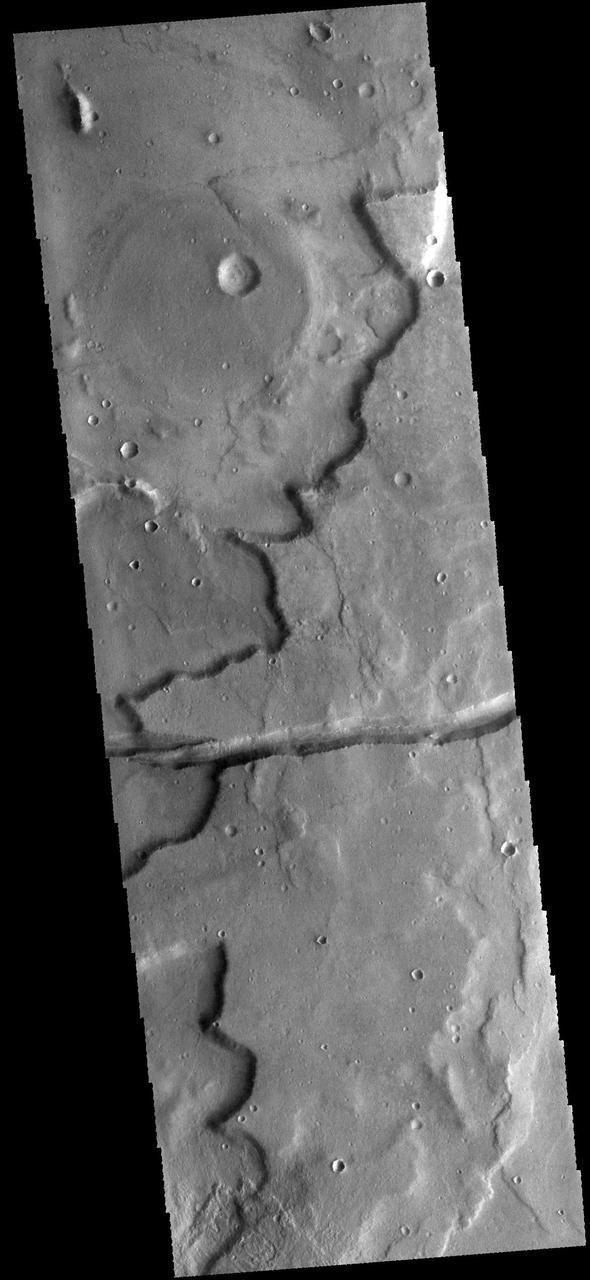
The linear depression in this image from NASA 2001 Mars Odyssey spacecraft is a graben. The graben in this area of Mars are called Sirenum Fossae.
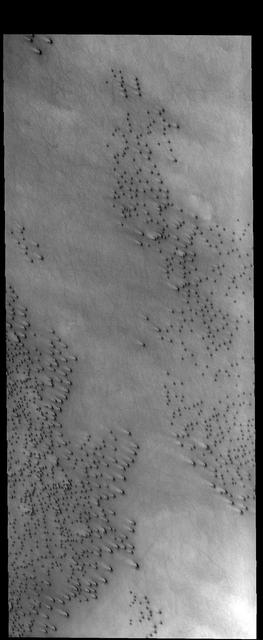
NASA's 2001 Mars Odyssey spies what looks likNASA's 2001 Mars Odyssey spies what looks like a barrage of bullets headed its way.e a barrage of bullets headed its way. https://photojournal.jpl.nasa.gov/catalog/PIA21688
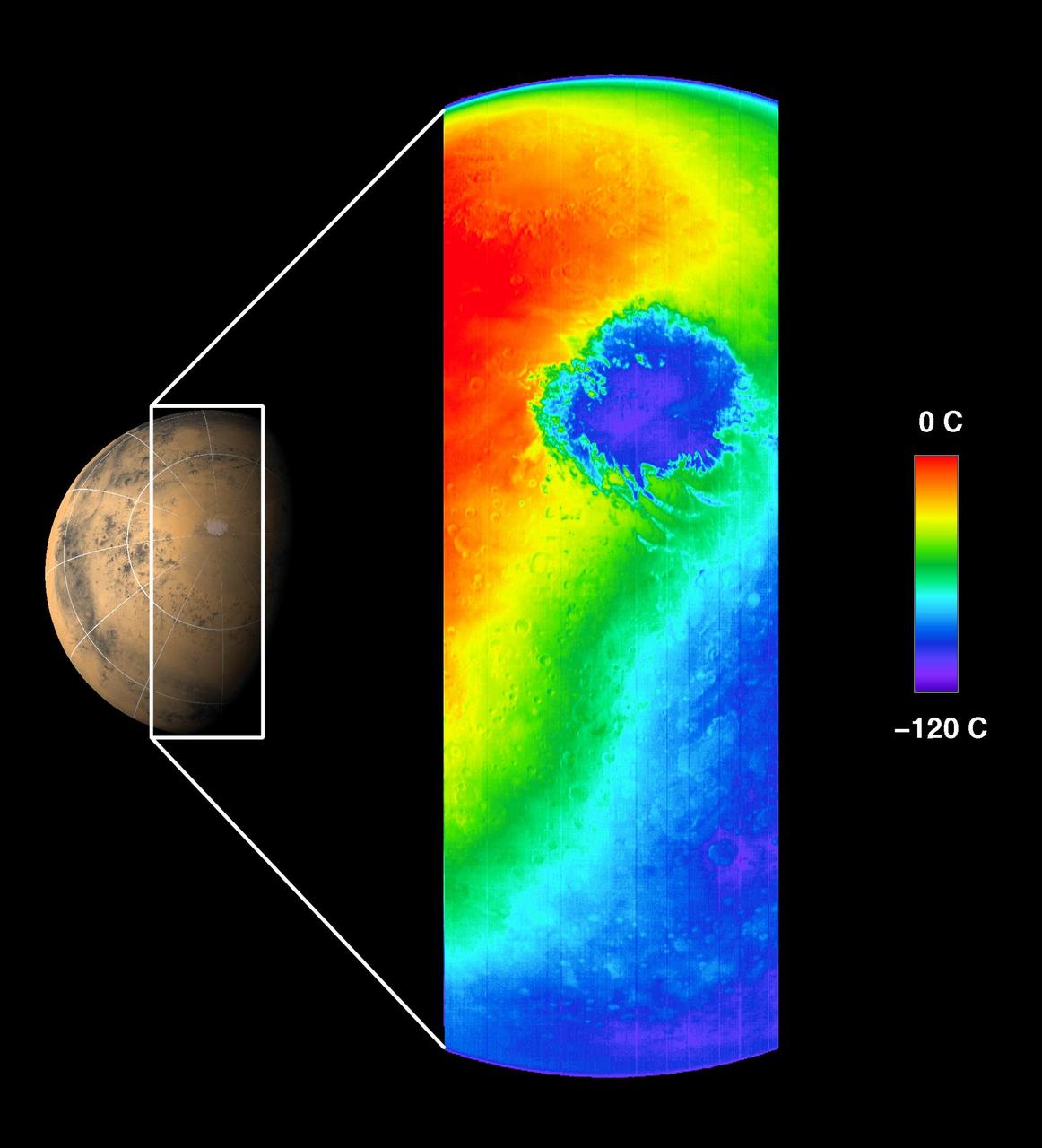
This thermal infrared image was acquired by NASA Mars Odyssey spacecraft on October 30, 2001, as the spacecraft orbited Mars on its ninth revolution around the planet.

This low resolution VIS image from NASA 2001 Mars Odyssey spacecraft shows a large portion of etched terrain near the south pole of Mars.
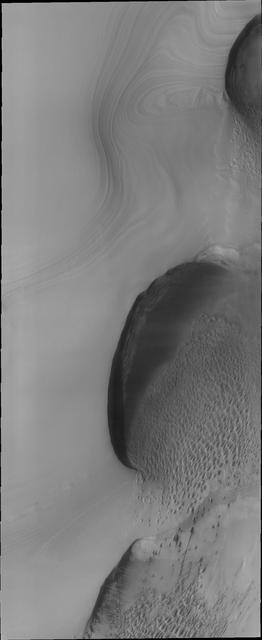
Dunes are common at both poles of Mars. These northern pole dunes are still covered in frost, as it is early springtime when this image was acquired by NASA 2001 Mars Odyssey.
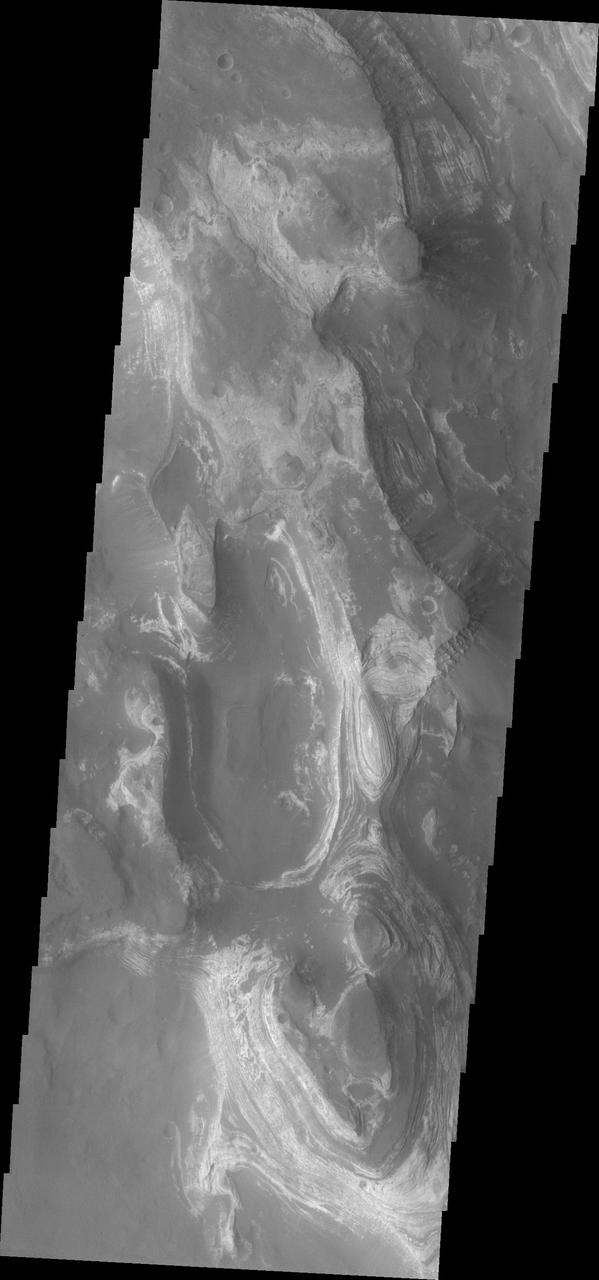
This image from NASA 2001 Mars Odyssey shows a huge ridge of sand in Russell Crater that makes its dune field one of the most unusual on Mars.
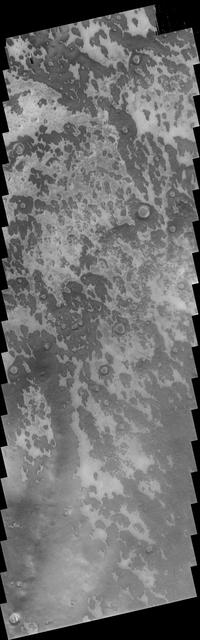
This VIS image captured by NASA 2001 Mars Odyssey spacecraft shows a small area just off the margin of Mars southern polar cap.
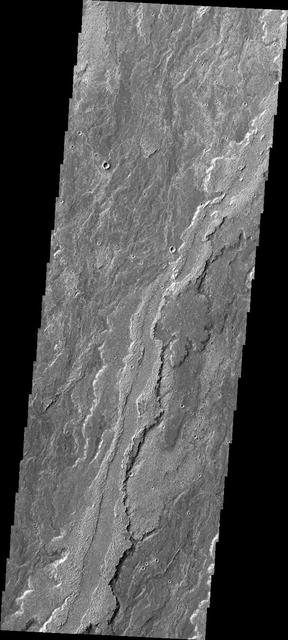
Some of the youngest volcanic flows on Mars are from Arsia Mons. This image captured by NASA 2001 Mars Odyssey of Daedalia Planum shows some of these flows.
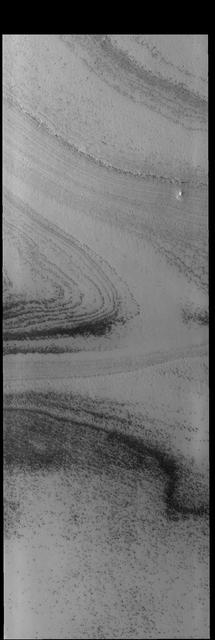
Spring has arrived at the south pole of Mars. The multitude of layers that make up the cap are readily visible in this image from NASA 2001 Mars Odyssey spacecraft.
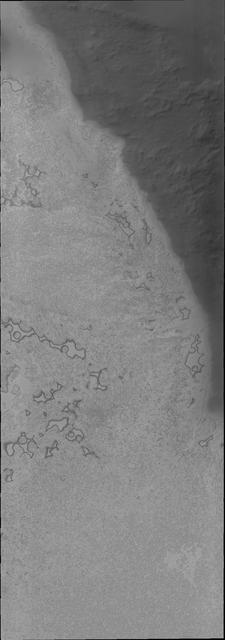
With southern summer drawing to a close, the surface of the polar ice cap will begin to frost over on Mars as seen by NASA 2001 Mars Odyssey spacecraft.
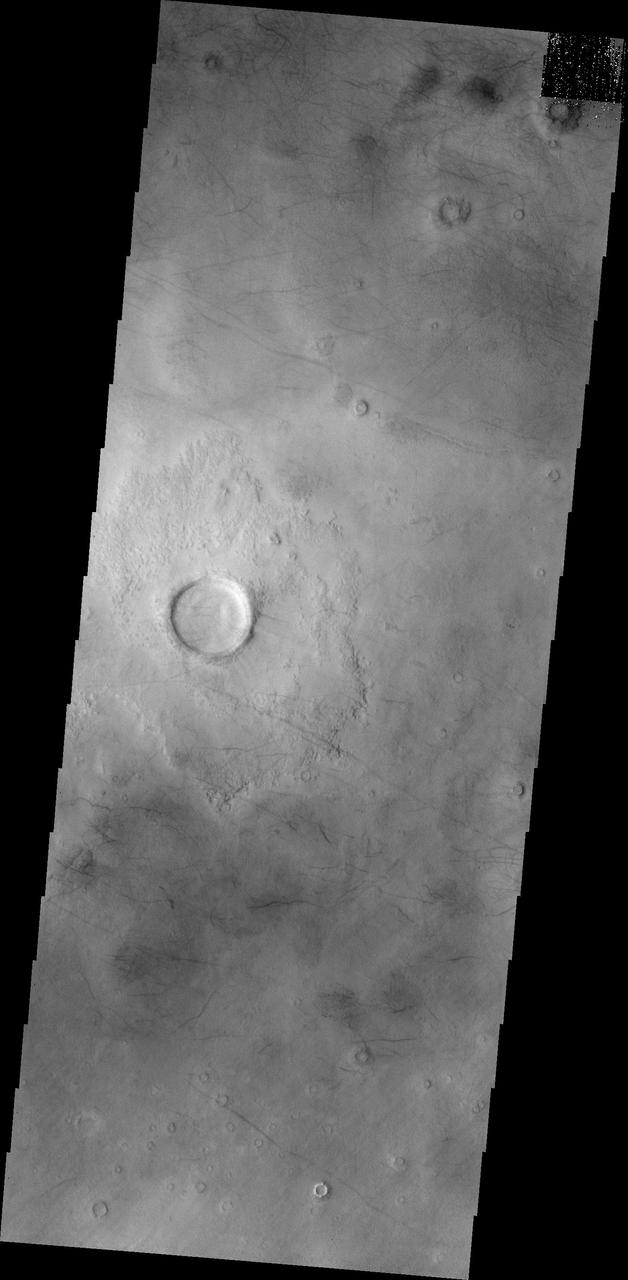
This image from NASA 2001 Mars Odyssey of central Utopia Planitia shows some dust devil tracks. These features are common in this region of Mars.
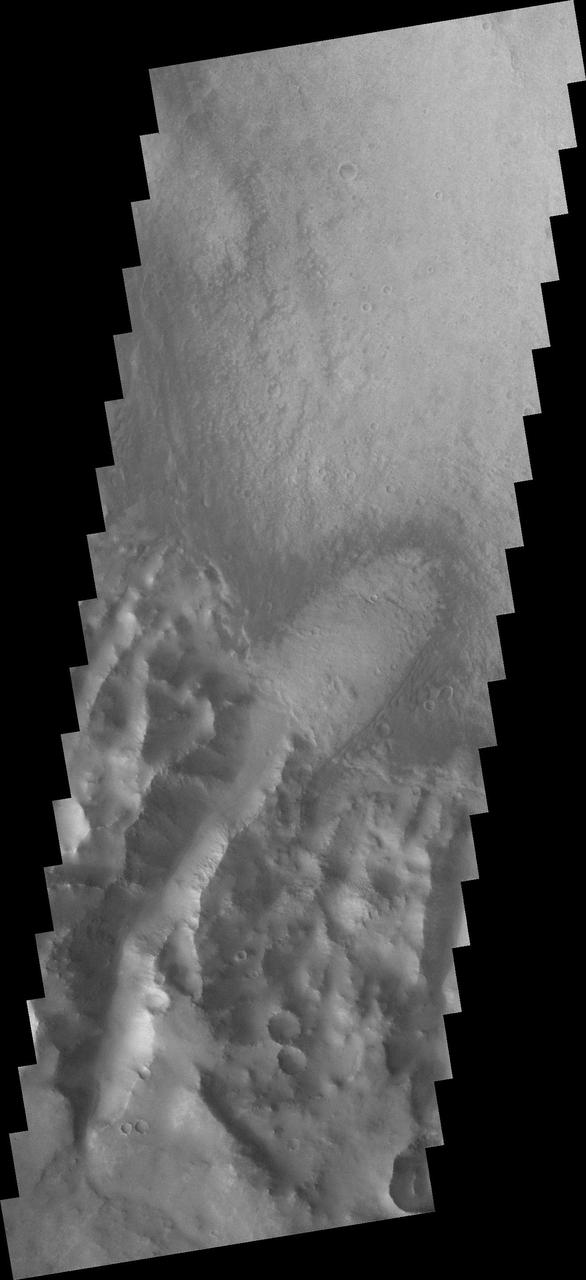
This low resolution VIS image from NASA 2001 Mars Odyssey spacecraft shows a large portion of etched terrain near the south pole of Mars.
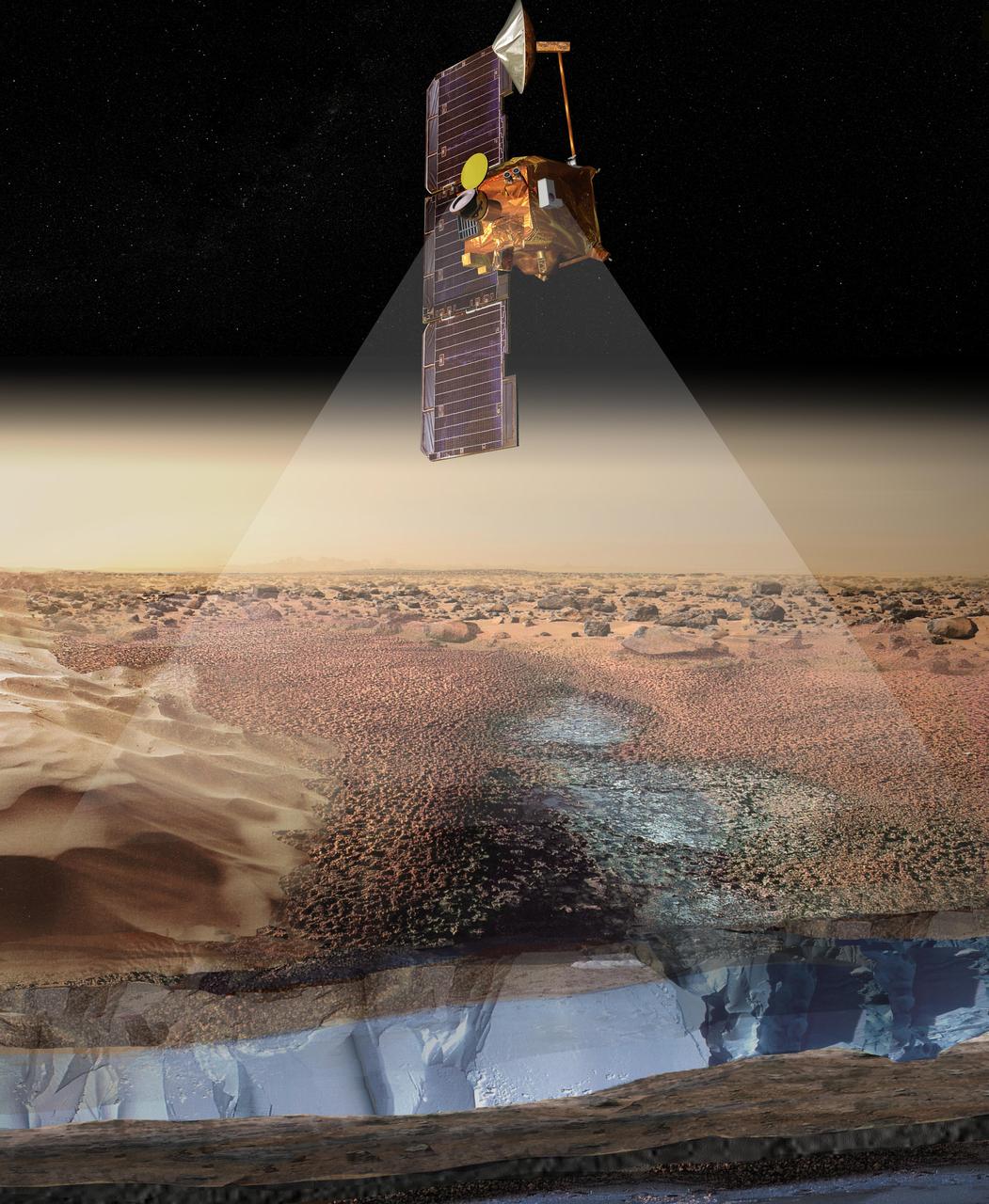
This artist rendering portrays ice-rich layers in the soils of Mars being detected by instruments aboard NASA 2001 Mars Odyssey spacecraft.
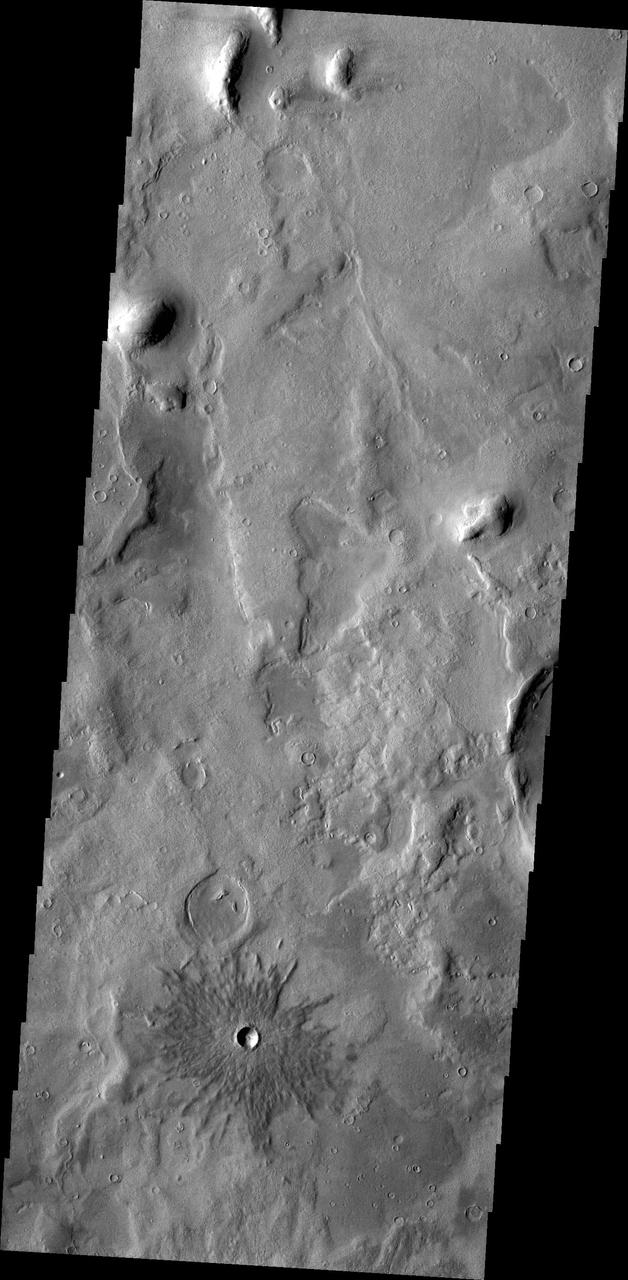
This image from NASA 2001 Mars Odyssey spacecraft shows a small crater near Phlegra Montes.
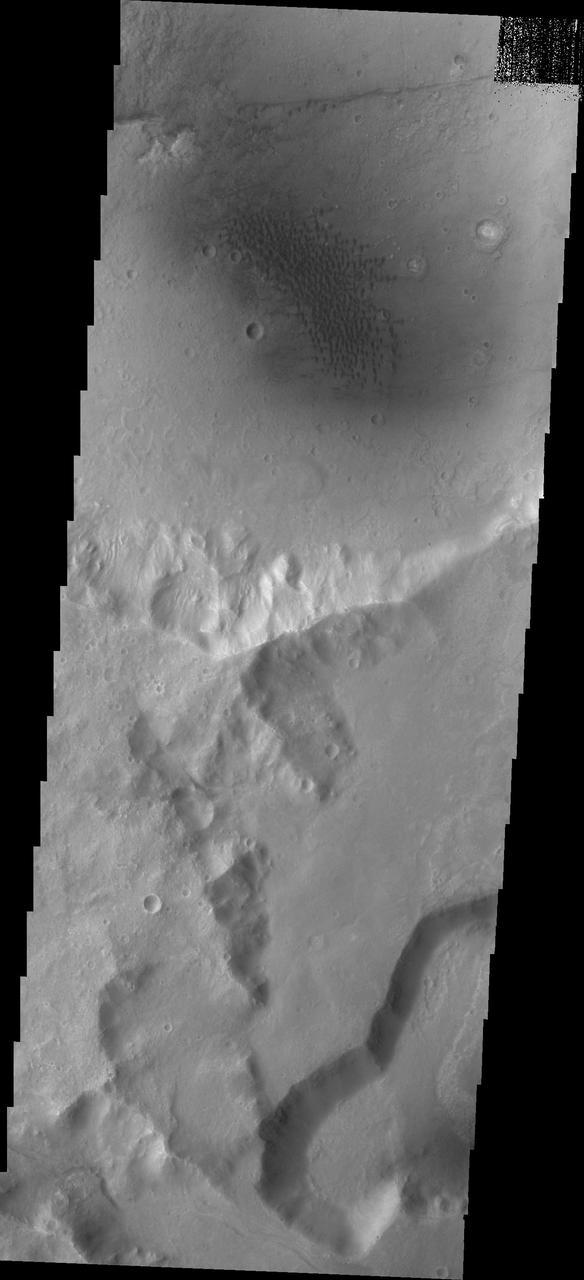
The dunes in this image captured by NASA 2001 Mars Odyssey spacecraft are located in an unnamed crater on the eastern margin of Tempe Terra.
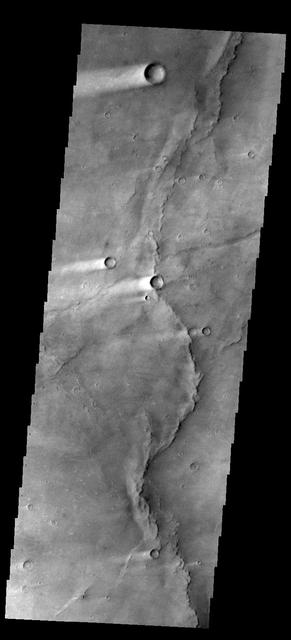
This image shows several wind streaks in Syrtis Major Planum as seen by NASA 2001 Mars Odyssey spacecraft.

This image from NASA 2001 Mars Odyssey shows a complex tributary channel and its entry to the main channel of Shalbatana Vallis.
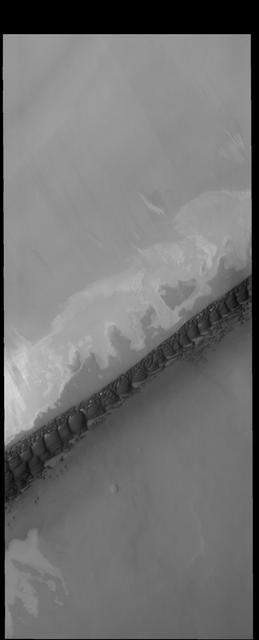
The dark, narrow band of sand dunes in this image from NASA 2001 Mars Odyssey spacecraft is called Hyperboreae Undae.

This image captured by NASA 2001 Mars Odyssey spacecraft of Eumenides Dorsum shows erosion of the surface material by wind action.
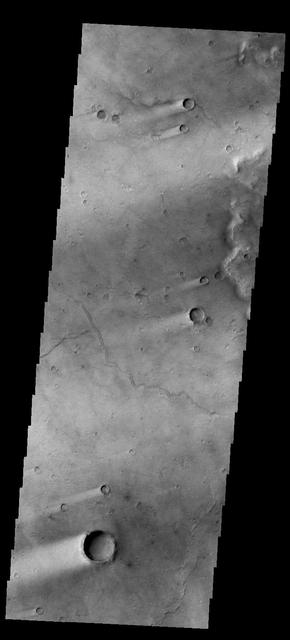
This image shows wind streaks in Syrtis Major Planum as seen by NASA 2001 Mars Odyssey spacecraft.
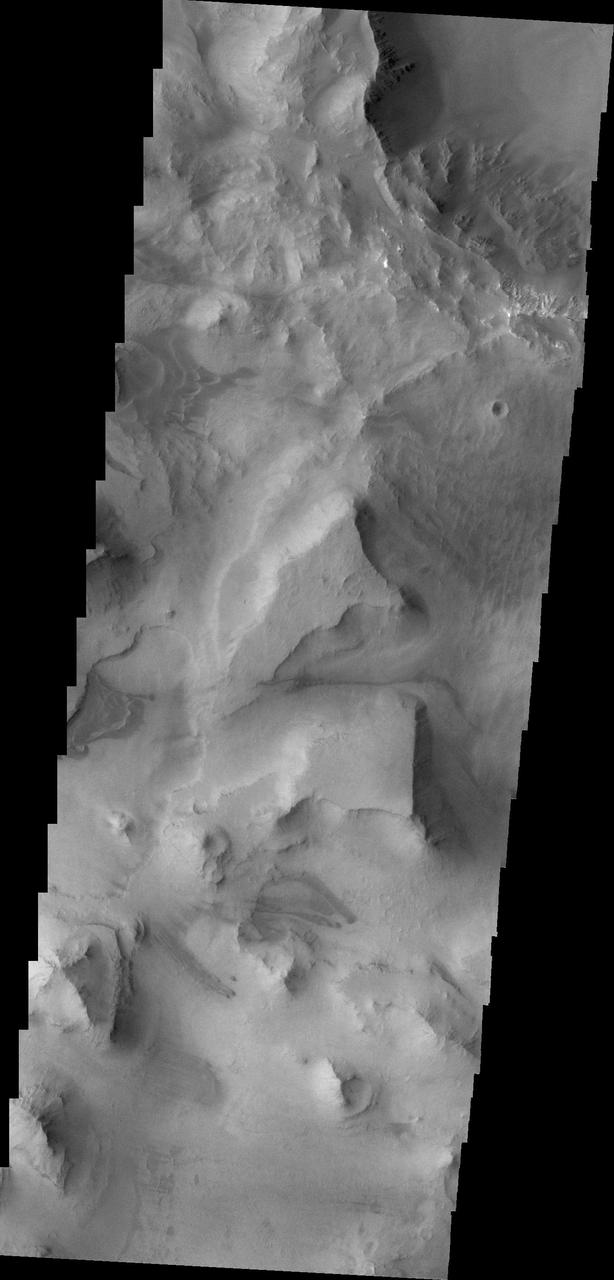
This image from NASA 2001 Mars Odyssey shows the mesas and mountain tops of Capri Chasma.
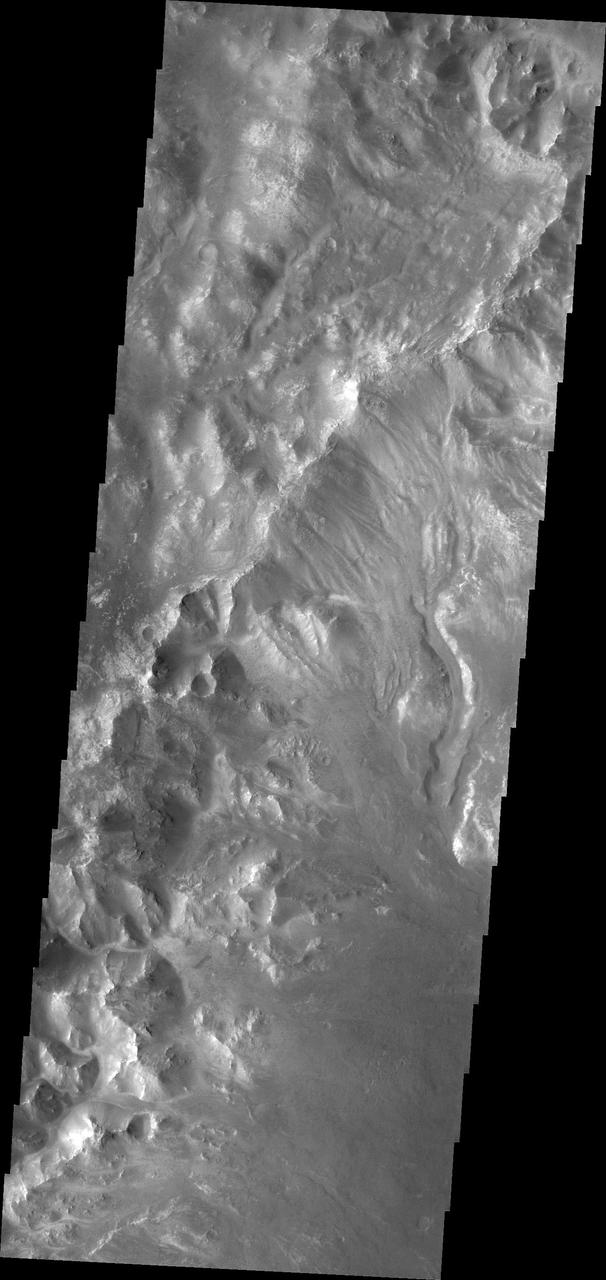
This image from NASA 2001 Mars Odyssey shows channels dissecting the northwestern rim of Holden Crater.
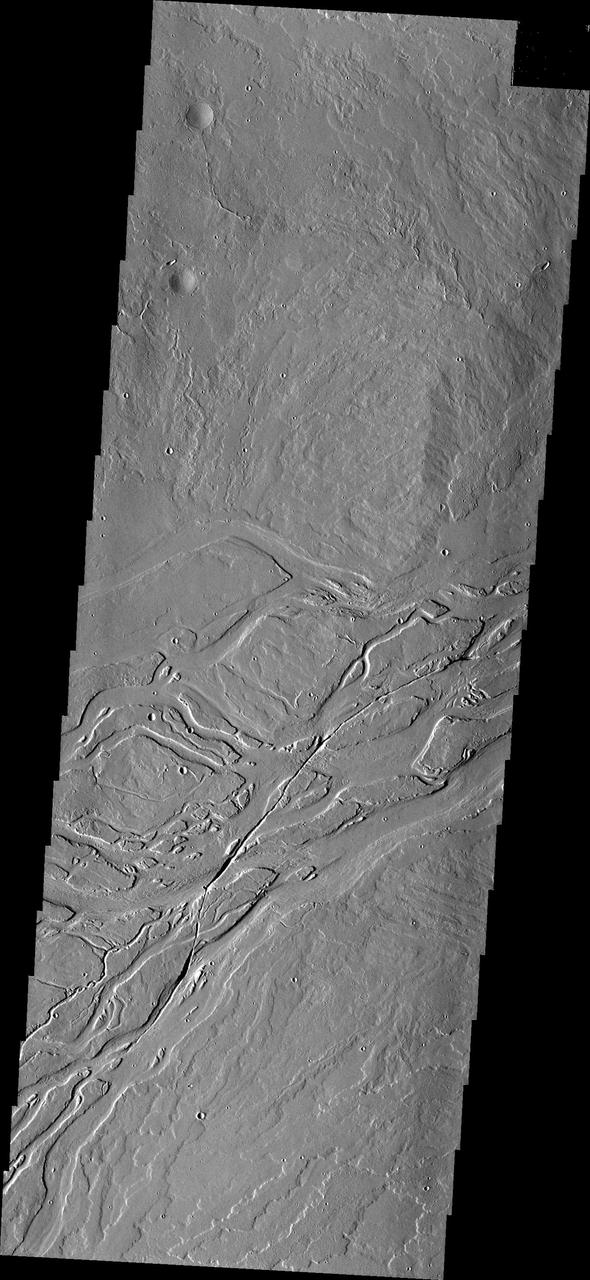
This image captured by NASA 2001 Mars Odyssey spacecraft shows lava channels in the Tharsis plains.
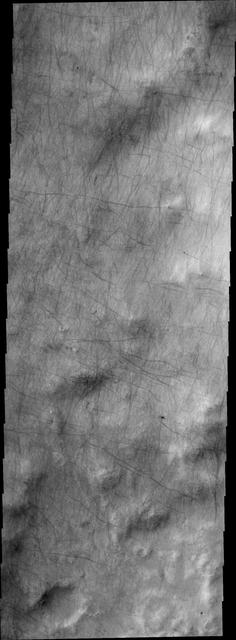
Dust devil tracks criss-cross the surface in this image captured by NASA 2001 Mars Odyssey spacecraft.

This image captured by NASA 2001 Mars Odyssey shows a small channel emptying into a deeper crater to the west.

This image as seen by NASA 2001 Mars Odyssey spacecraft shows the layering of the ice at the north pole.
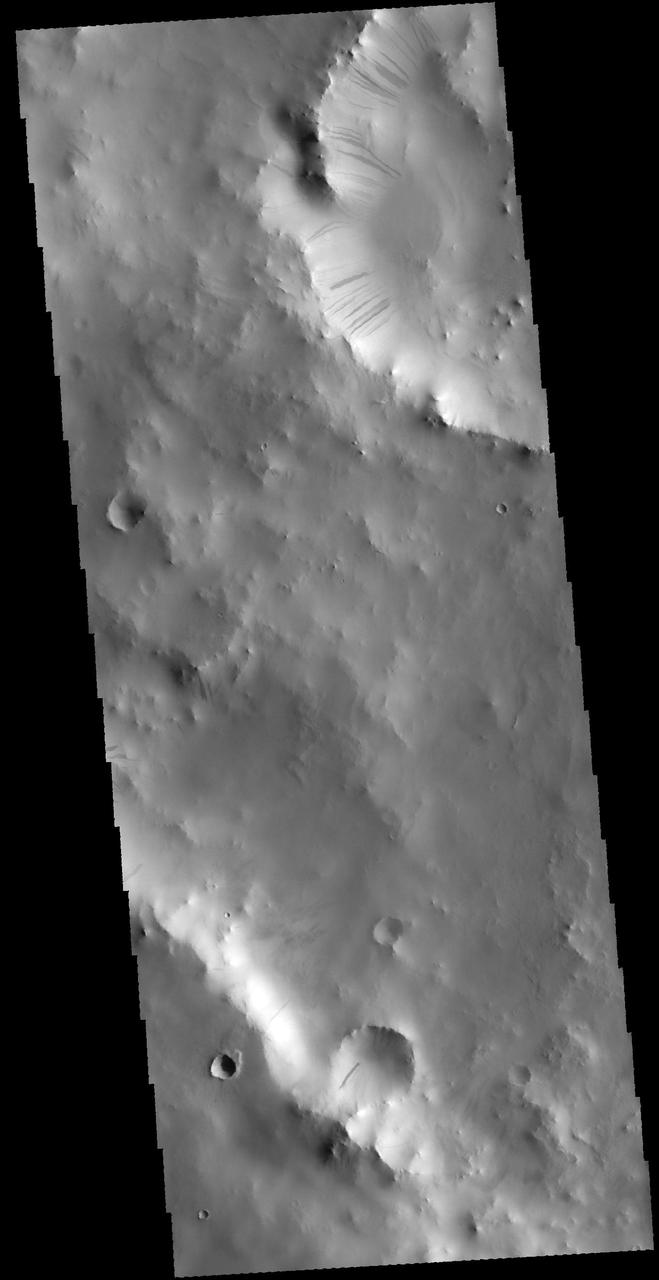
This image captured by NASA 2001 Mars Odyssey spacecraft shows a portion of two unnamed craters in Terra Sabaea.
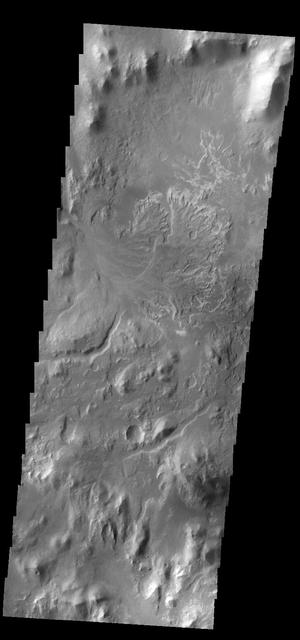
This image captured by NASA 2001 Mars Odyssey spacecraft shows the delta deposit on the floor of Eberswalde Crater.
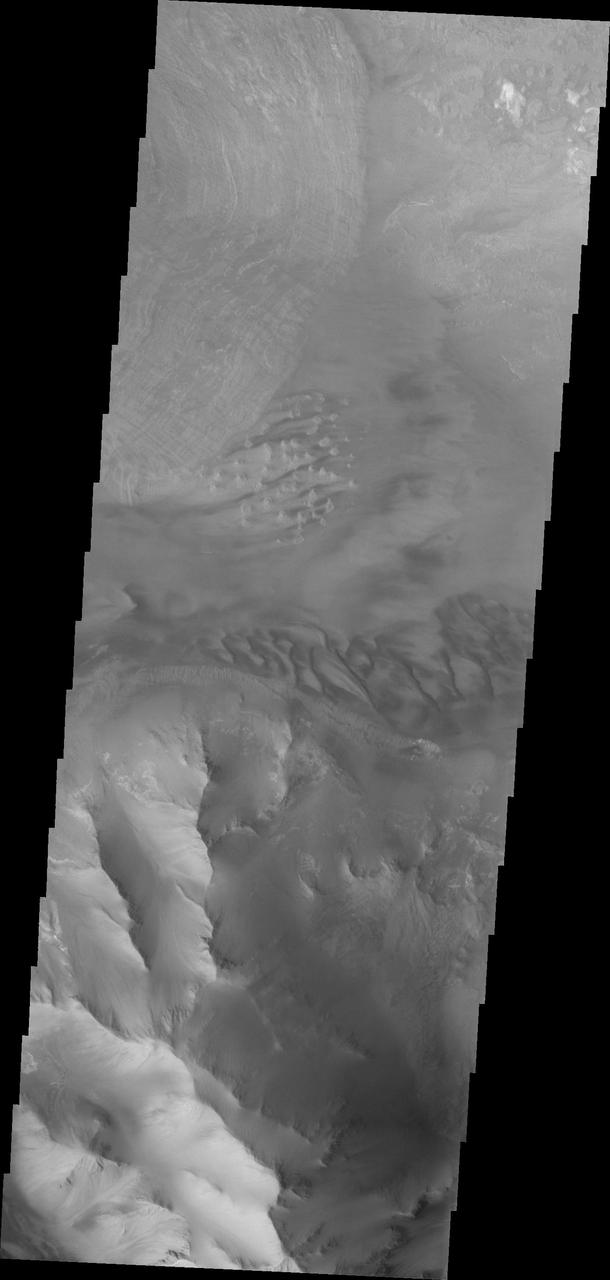
Dunes and the distal end of a landslide deposit are evident in this image from NASA 2001 Mars Odyssey of eastern Ius Chasma.
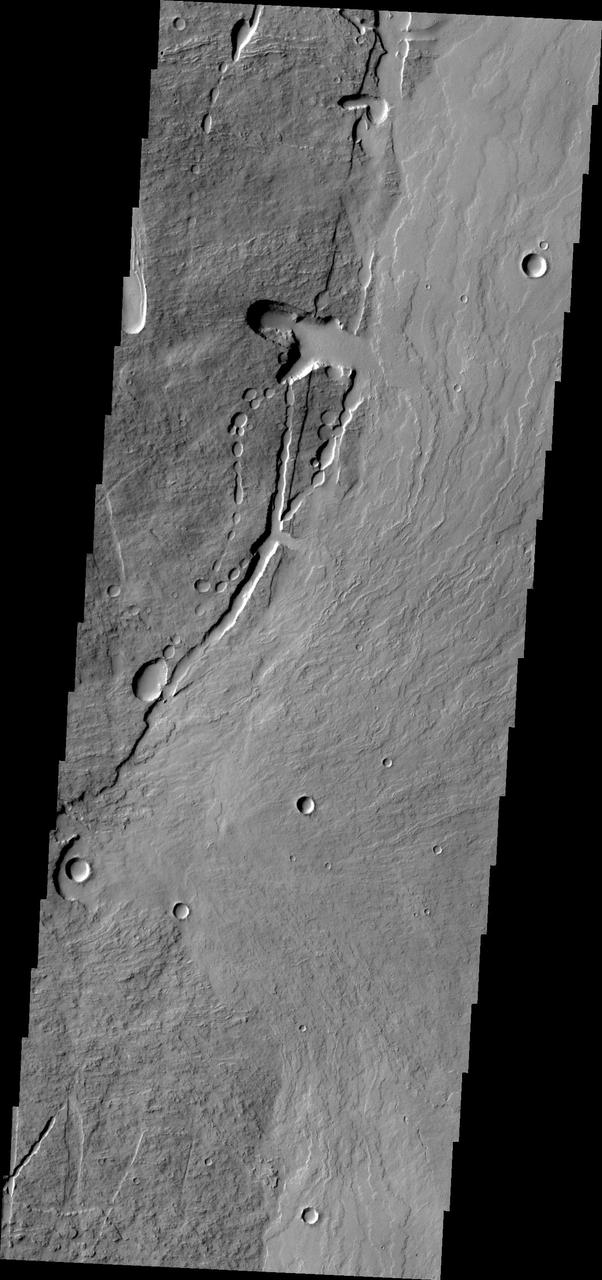
This image from NASA 2001 Mars Odyssey shows the eastern flank of Pavonis Mons.
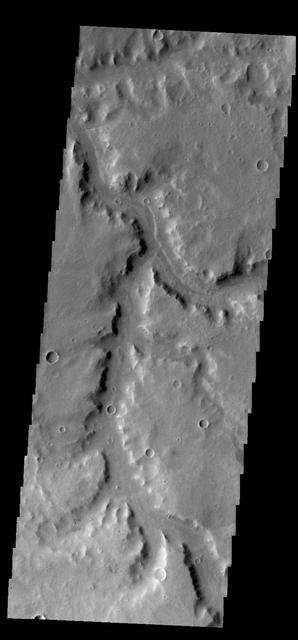
This image from NASA 2001 Mars Odyssey spacecraft shows a portion of Naktong Vallis in Terra Sabaea.
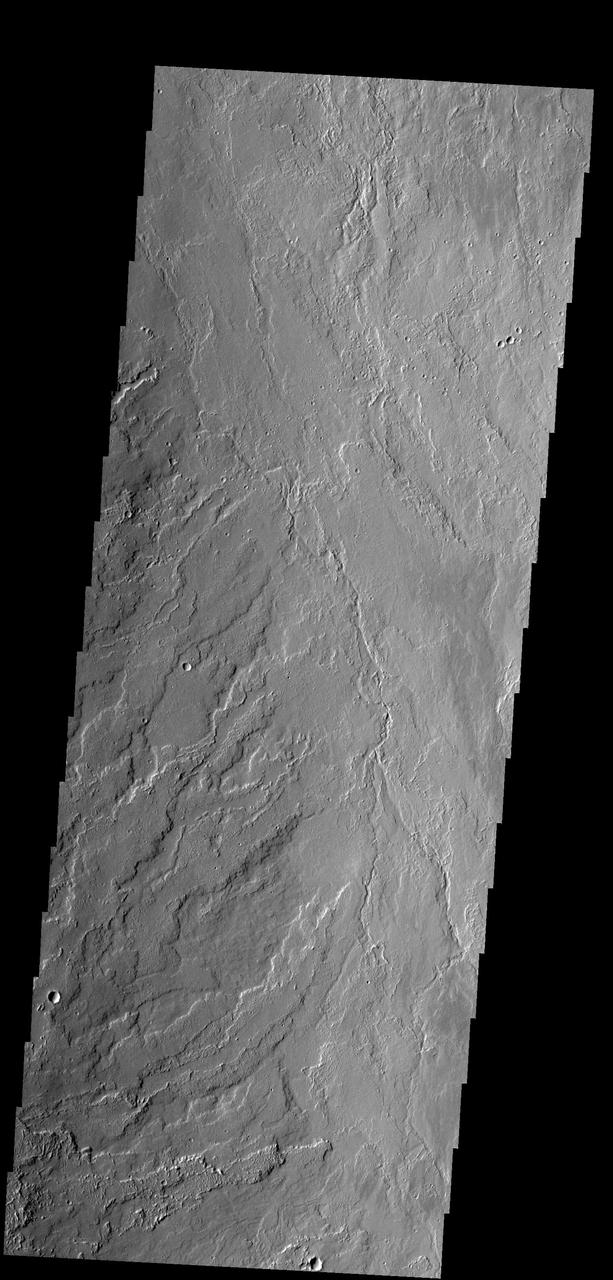
This image shows lava flows that originated at Olympus Mons as seen by NASA 2001 Mars Odyssey spacecraft.

This 2001 Mars Odyssey image shows an extensive sand sheet near the south polar cap.
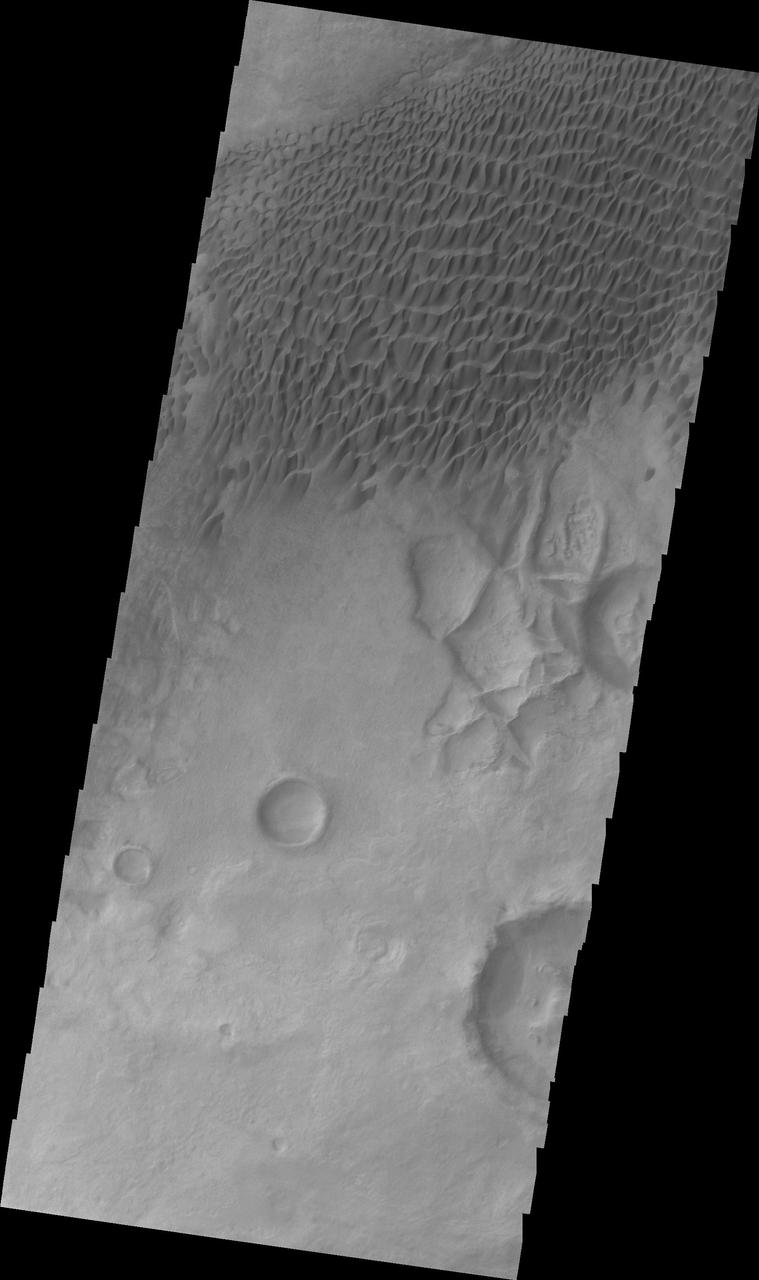
This image from NASA 2001 Mars Odyssey shows a sand sheet with dune forms located northeast of Douglass Crater.

The channel-like features at the bottom of this image captured by NASA 2001 Mars Odyssey spacecraft are part of Galaxias Fossae.

The channels in this image captured by NASA 2001 Mars Odyssey spacecraft dissect the far western flank of the Elysium Mons highland.
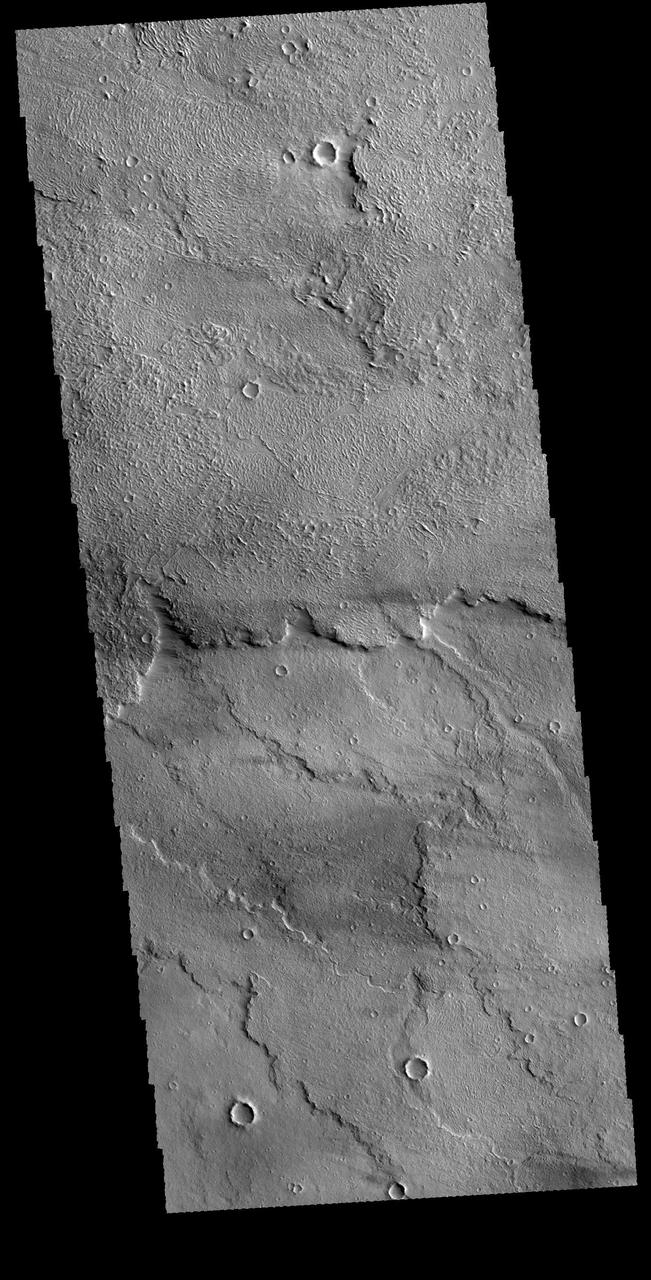
This image captured by NASA 2001 Mars Odyssey spacecraft shows a small portion of Daedalia Planum.
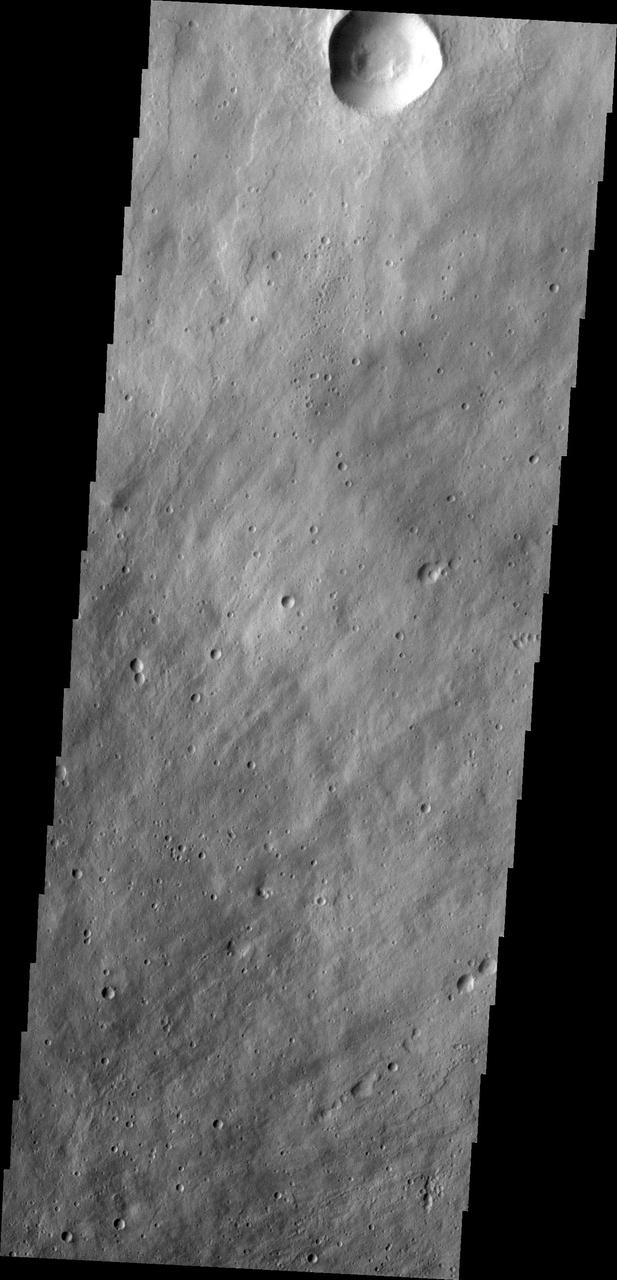
This image from NASA 2001 Mars Odyssey spacecraft shows part of the northeastern flank of Elysium Mons.
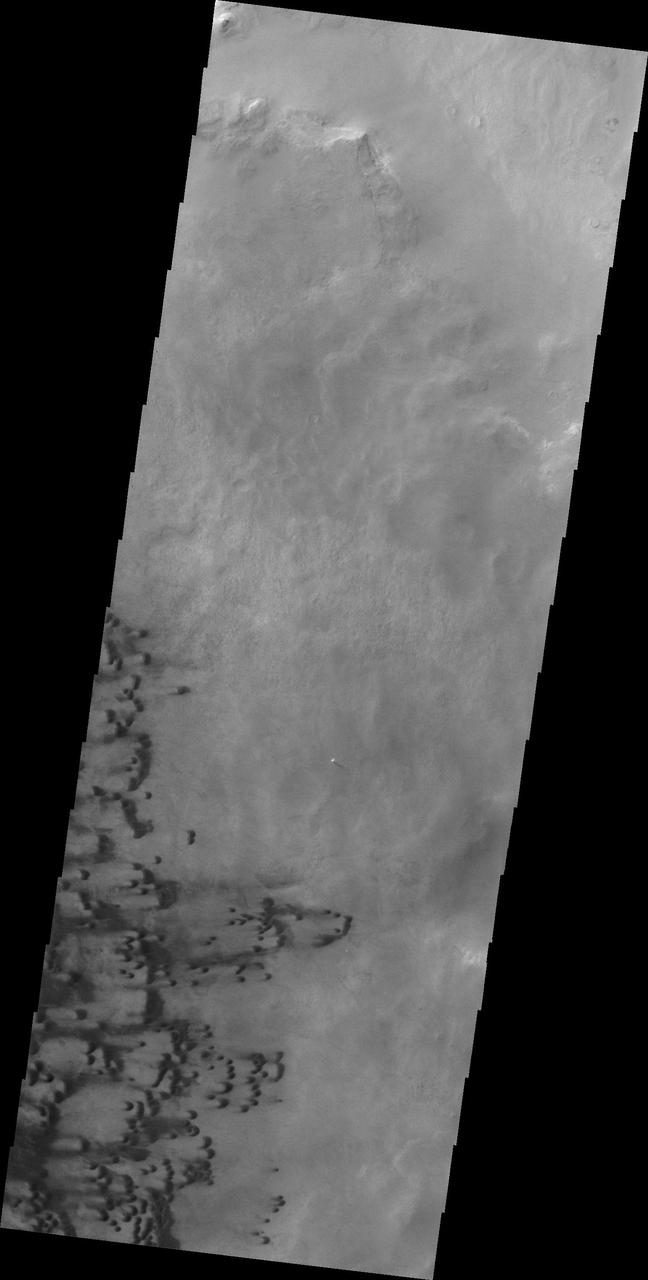
Small dunes are located on the floor of Darwin Crater as shown in this image from NASA 2001 Mars Odyssey spacecraft.

This image captured by NASA 2001 Mars Odyssey spacecraft shows layering in the south polar cap.
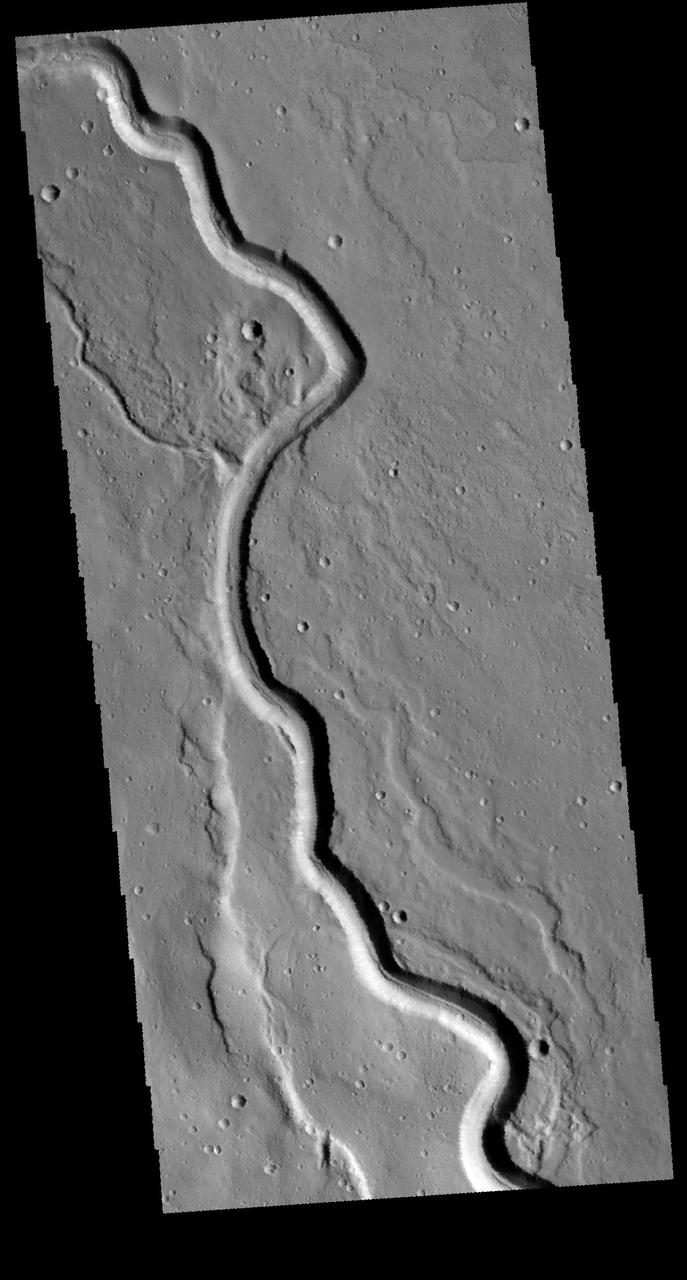
This image captured by NASA 2001 Mars Odyssey spacecraft shows a portion of Buvinda Vallis.
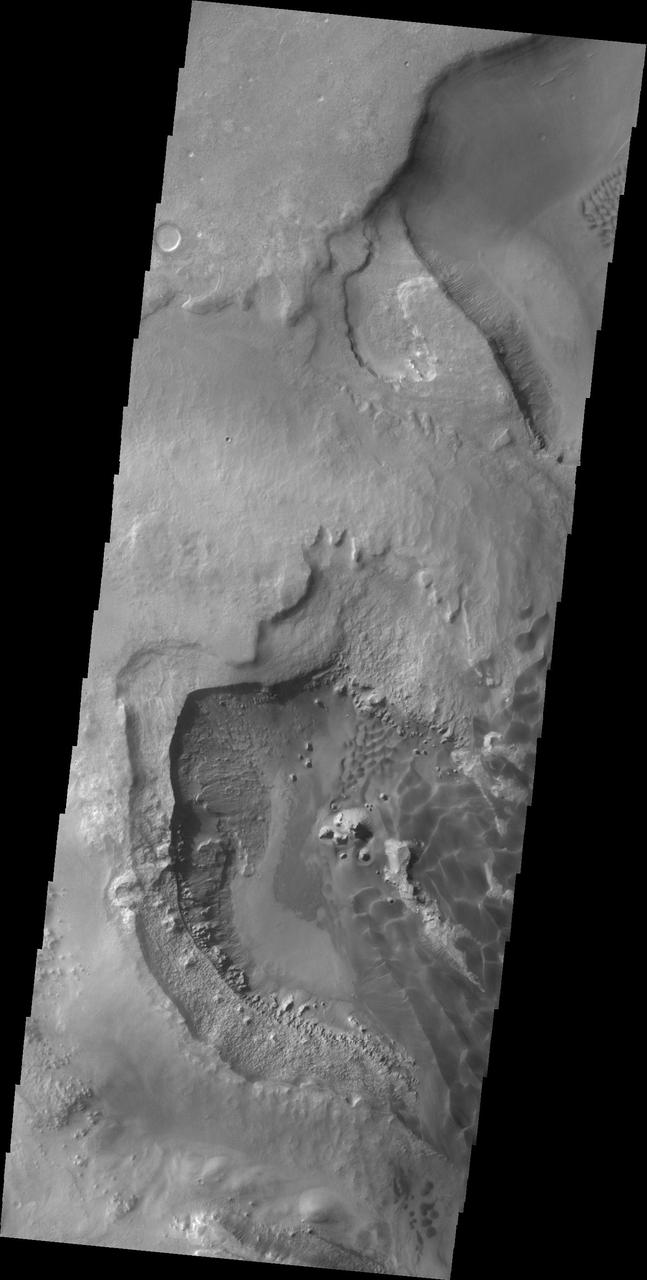
This image from NASA 2001 Mars Odyssey spacecraft shows a portion of the depression on the floor of Rabe Crater.
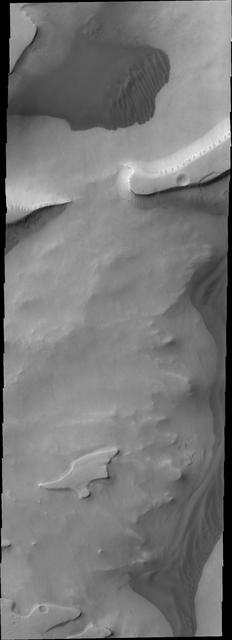
The dunes in this image captured by NASA 2001 Mars Odyssey spacecraft sare located in the depressions of Sisyphi Cavi.
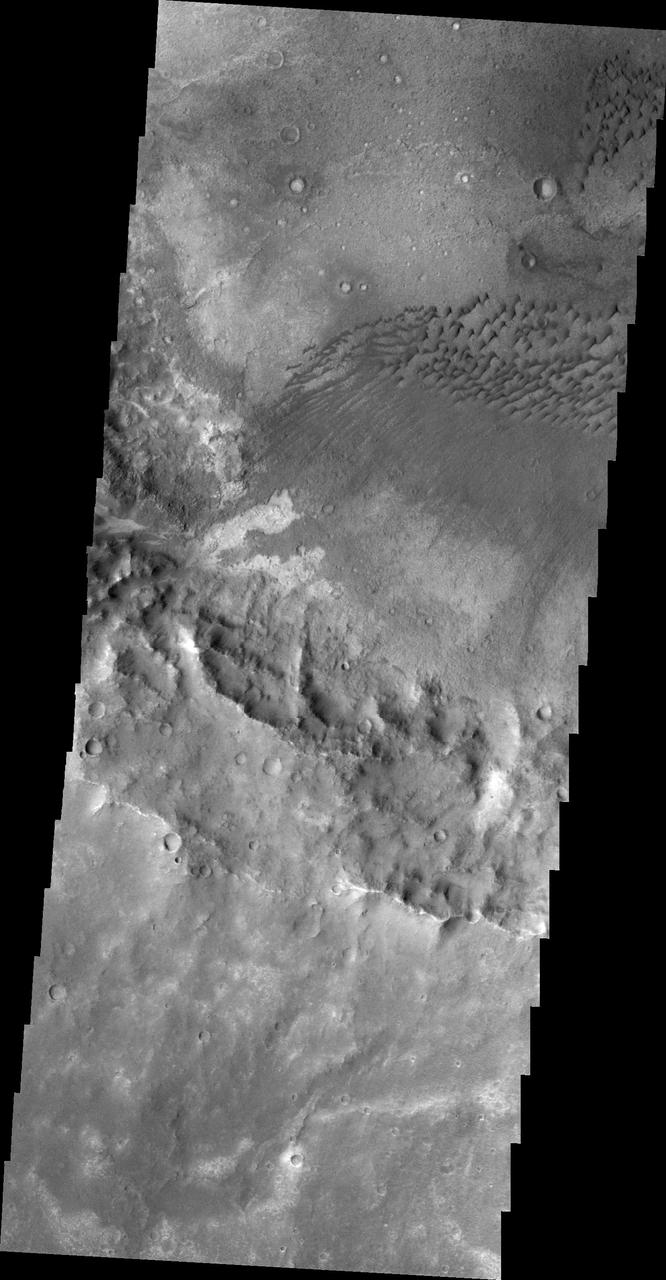
NASA 2001 Mars Odyssey image shows a field of dark dunes on the floor of an unnamed crater in Terra Cimmeria.
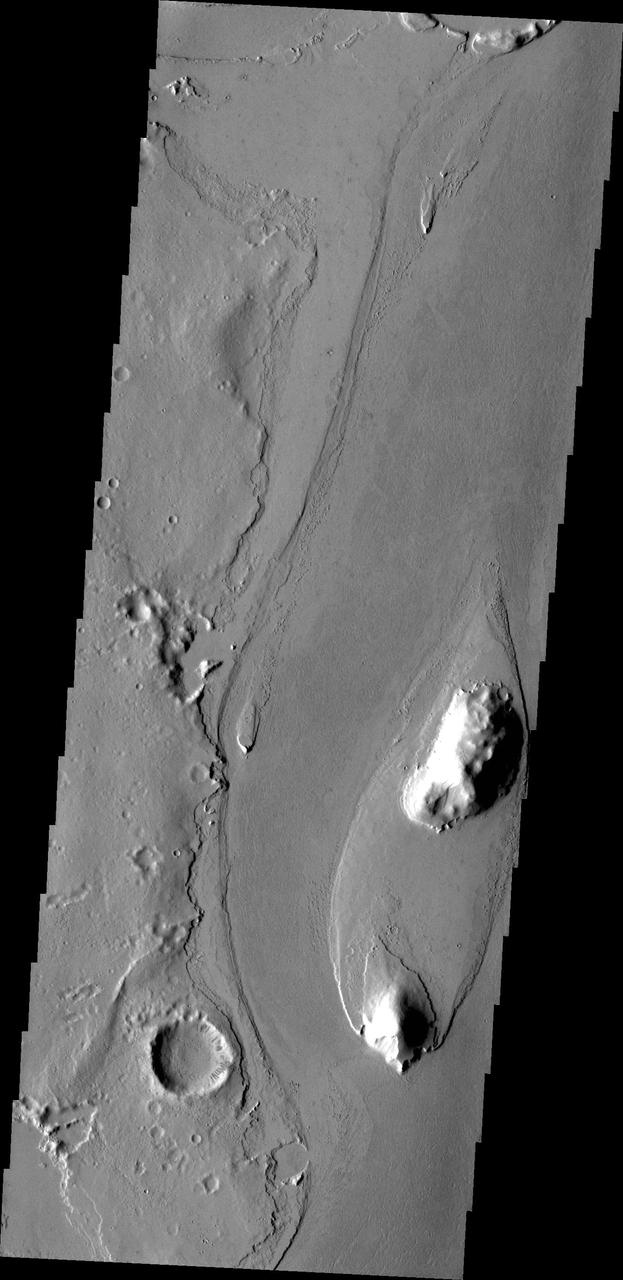
The streamlined island in this image captured by NASA 2001 Mars Odyssey spacecraft is located in the channel of Marte Vallis.
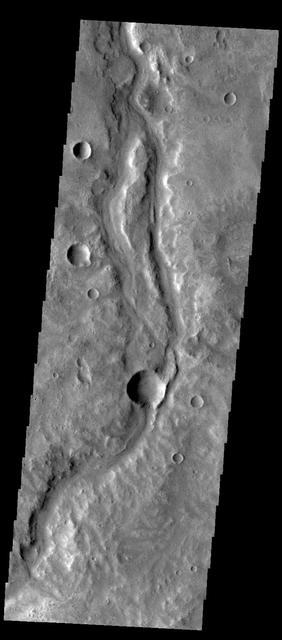
This image shows a portion of Samara Valles as seen by NASA 2001 Mars Odyssey spacecraft.

Long dunes are visible in this image of an unnamed crater in Sisyphi Planum as seen by NASA 2001 Mars Odyssey spacecraft.
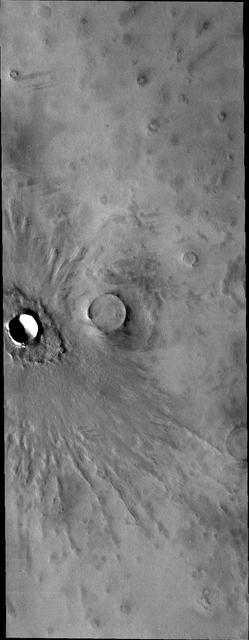
This image captured by NASA 2001 Mars Odyssey spacecraft shows the same crater as yesterday IR image.

Numerous channels dissect the rim of Lohse Crater, as shown in this image captured by NASA 2001 Mars Odyssey spacecraft.
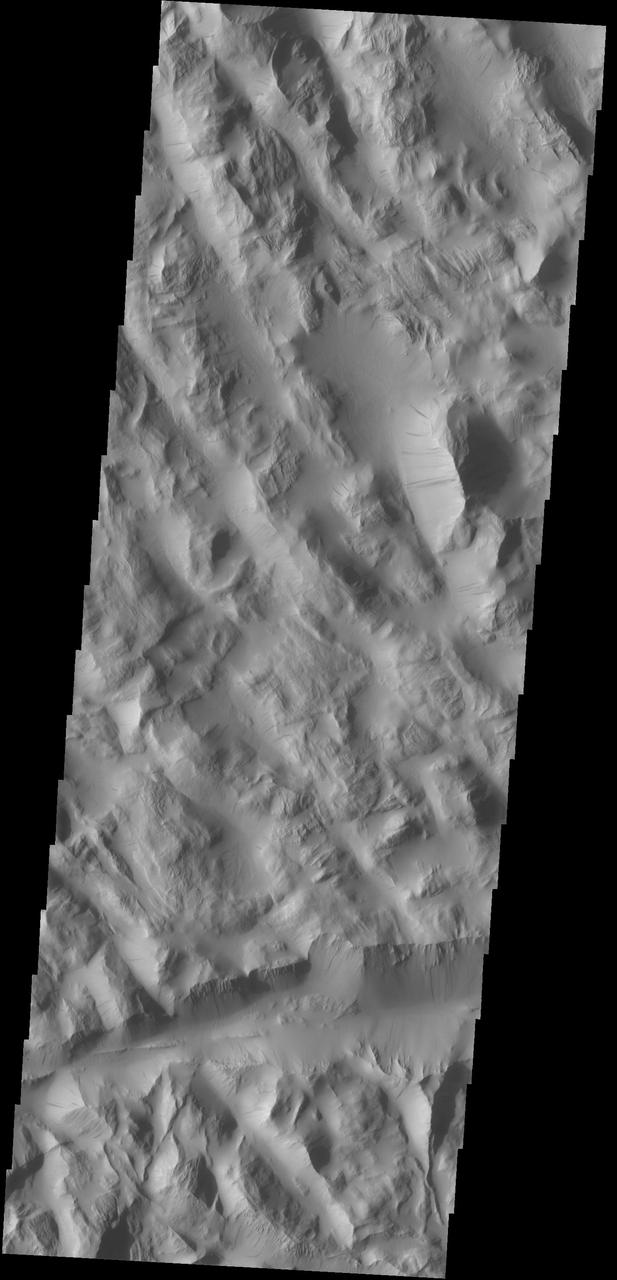
Dark slope streaks mark the hill sides in Lycus Sulci as seen by NASA 2001 Mars Odyssey spacecraft.
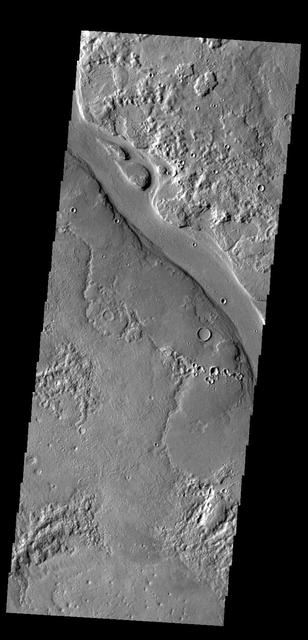
The channel in this image captured by NASA 2001 Mars Odyssey spacecraft is a portion of Hrad Vallis.
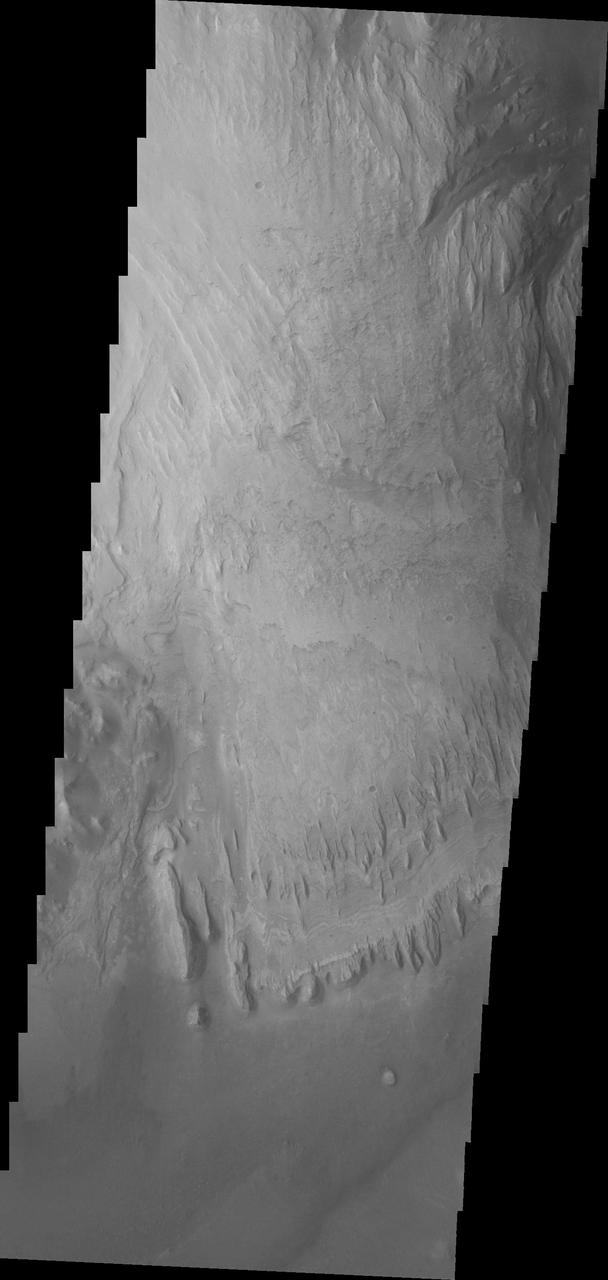
This image captured by NASA 2001 Mars Odyssey spacecraft shows more of the weathering of the eastern side of Mt. Sharp.
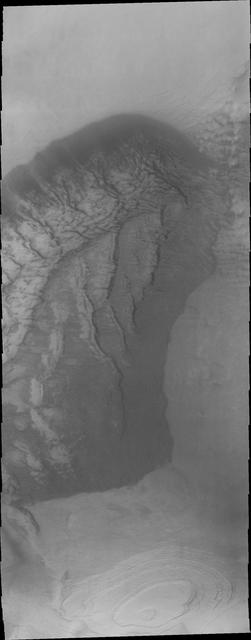
This 2001 Mars Odyssey image of Jeans Crater shows a sand sheet with dune forms and a layered region to the south of the sand sheet.
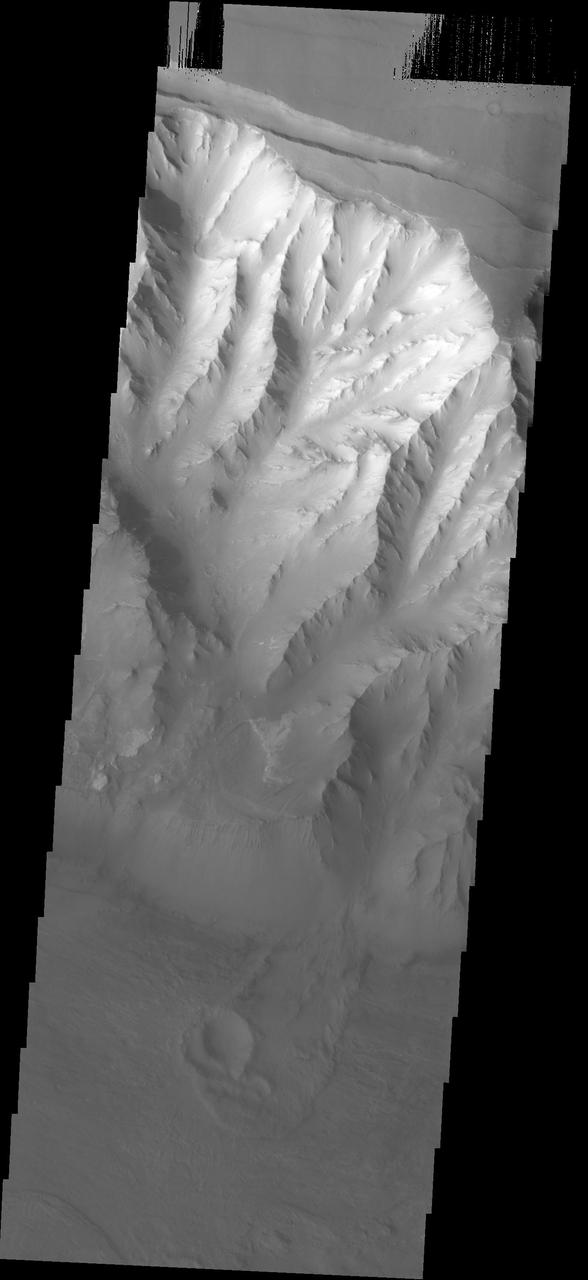
The landslide in the center of this image from NASA 2001 Mars Odyssey spacecraft occurred in the Melas Chasma region of Valles Marineris.
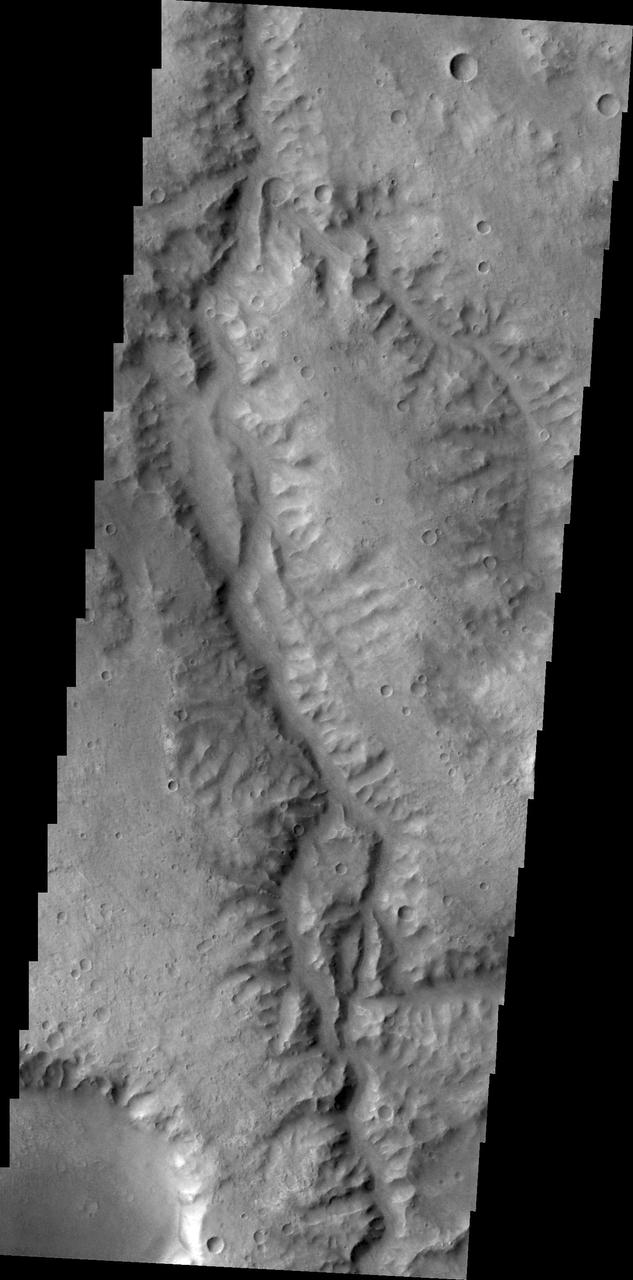
This unnamed as seen by NASA 2001 Mars Odyssey spacecraft channel drains part of Margaritifer Terra.
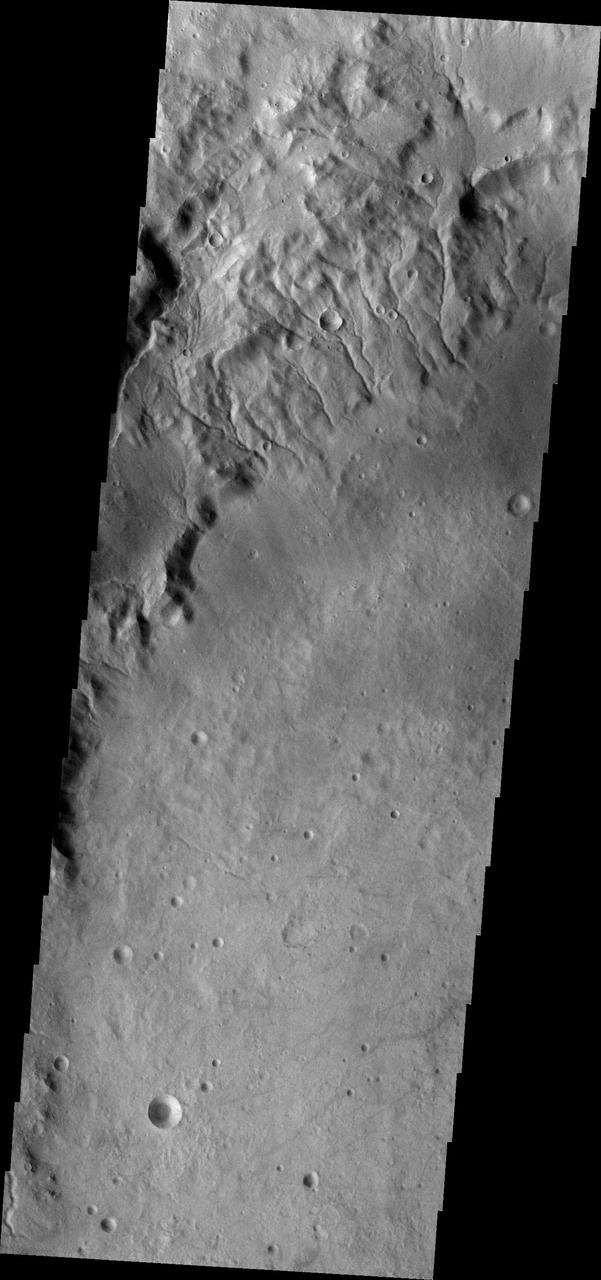
Many small channels dissect the rim of Martz Crater, as shown in this image captured by NASA 2001 Mars Odyssey spacecraft.
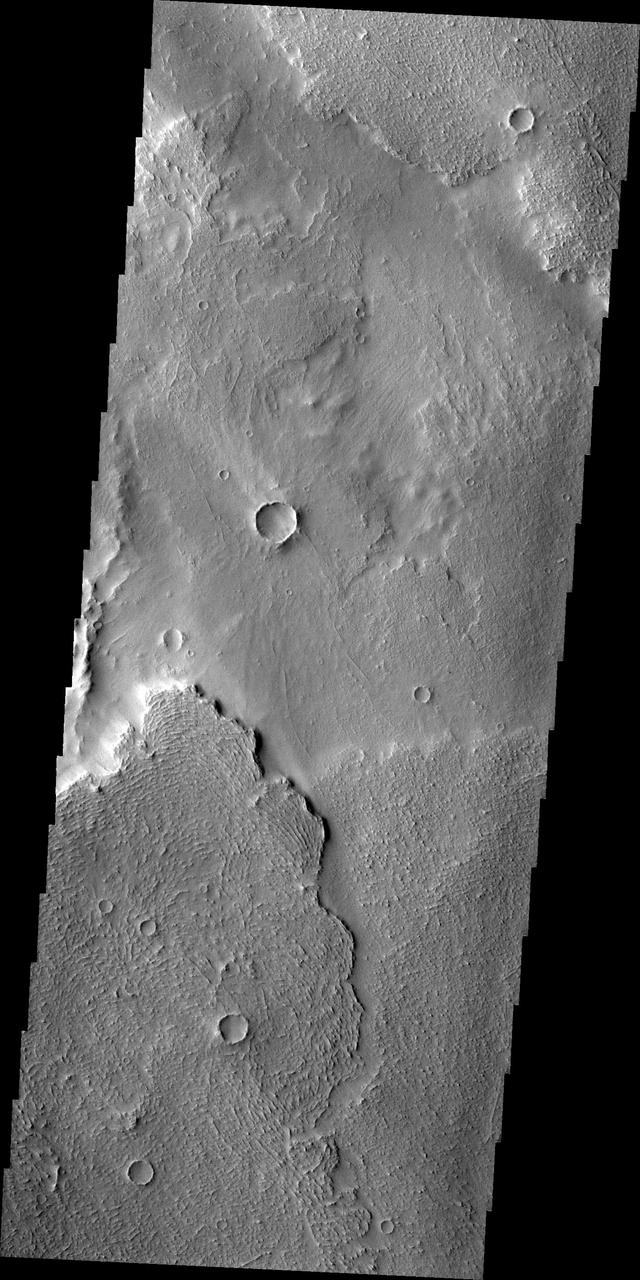
Lava flows near the margin of Daedalia Planum are seen in this image from NASA 2001 Mars Odyssey spacecraft.
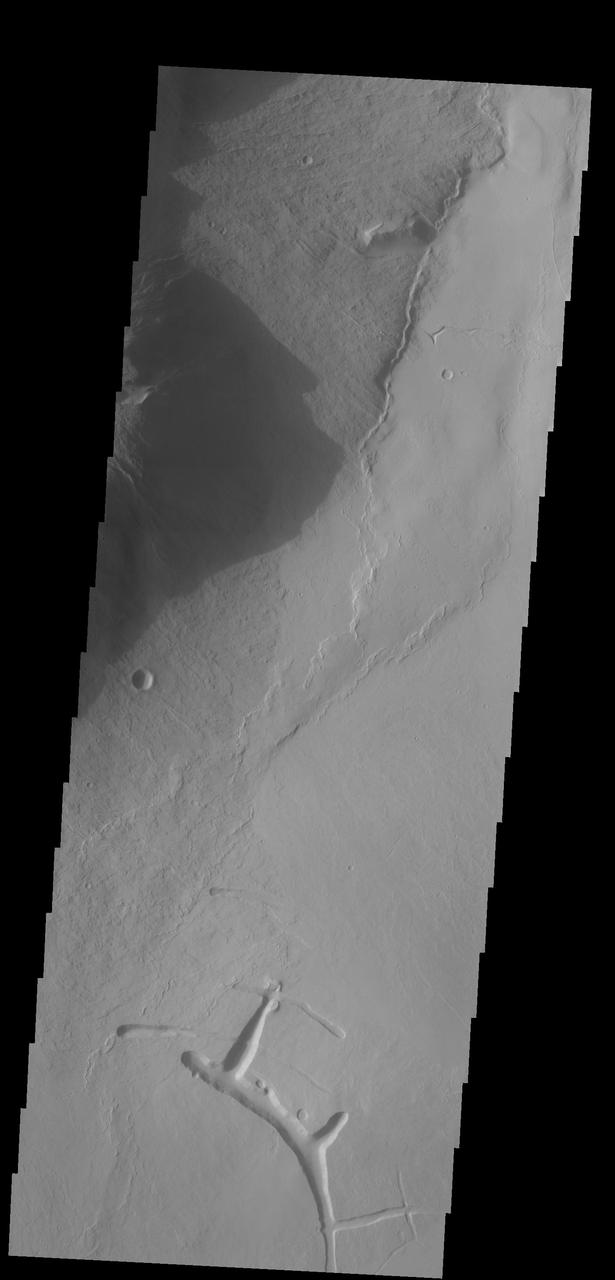
The lava flows in this image captured by NASA 2001 Mars Odyssey spacecraft are located of the eastern margin of the Tharsis Volcanic complex.
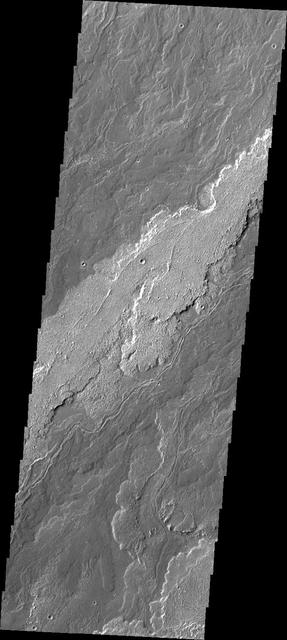
The lava flows in this image taken by NASA 2001 Mars Odyssey spacecraft are part of the extensive flow field of Arsia Mons.
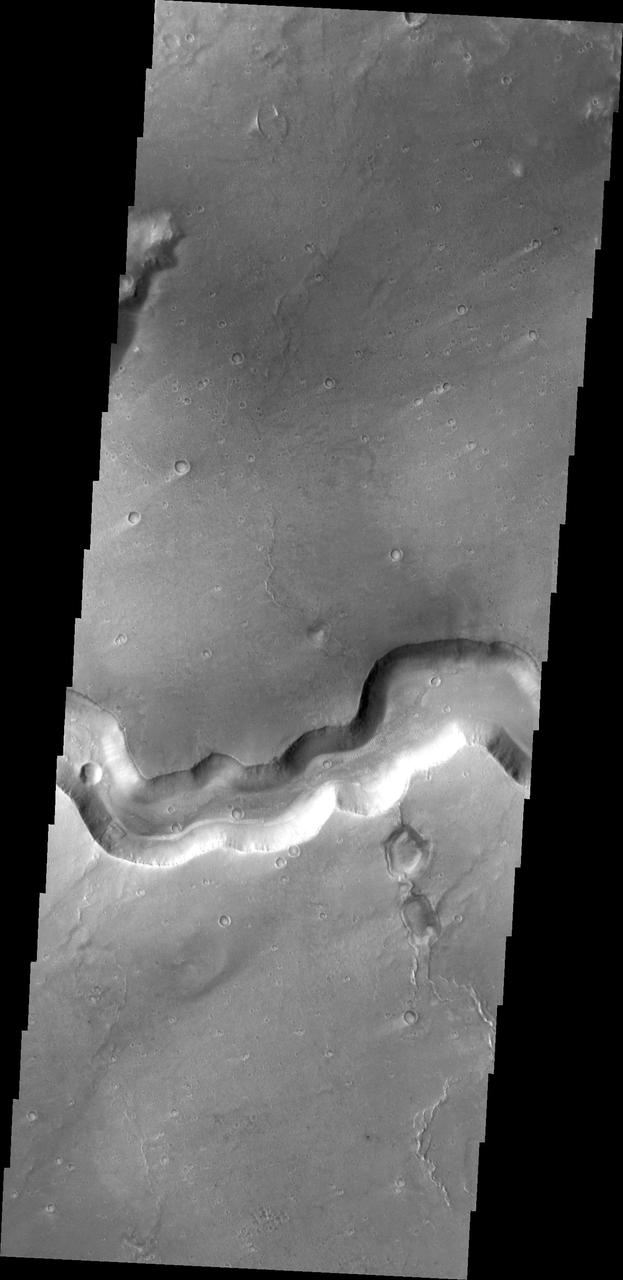
This image captured by NASA 2001 Mars Odyssey spacecraft shows a section of Bahram Vallis.
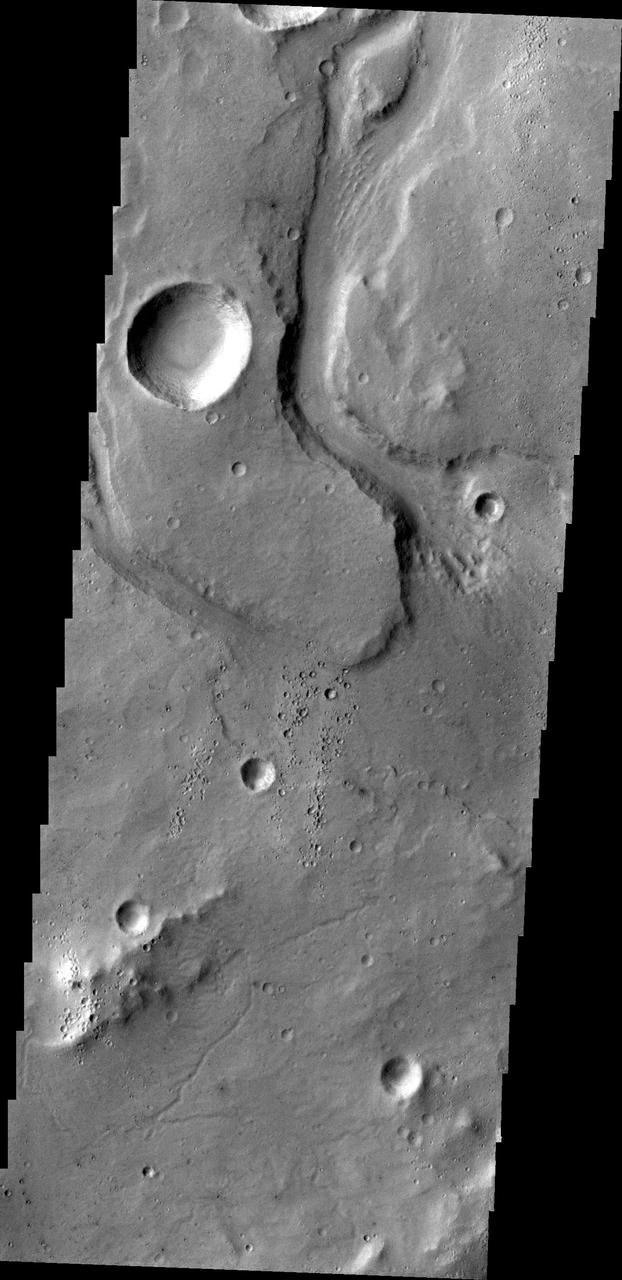
This image captured by NASA 2001 Mars Odyssey spacecraft shows an unnamed channel on part of the highlands above Tiu Valles.
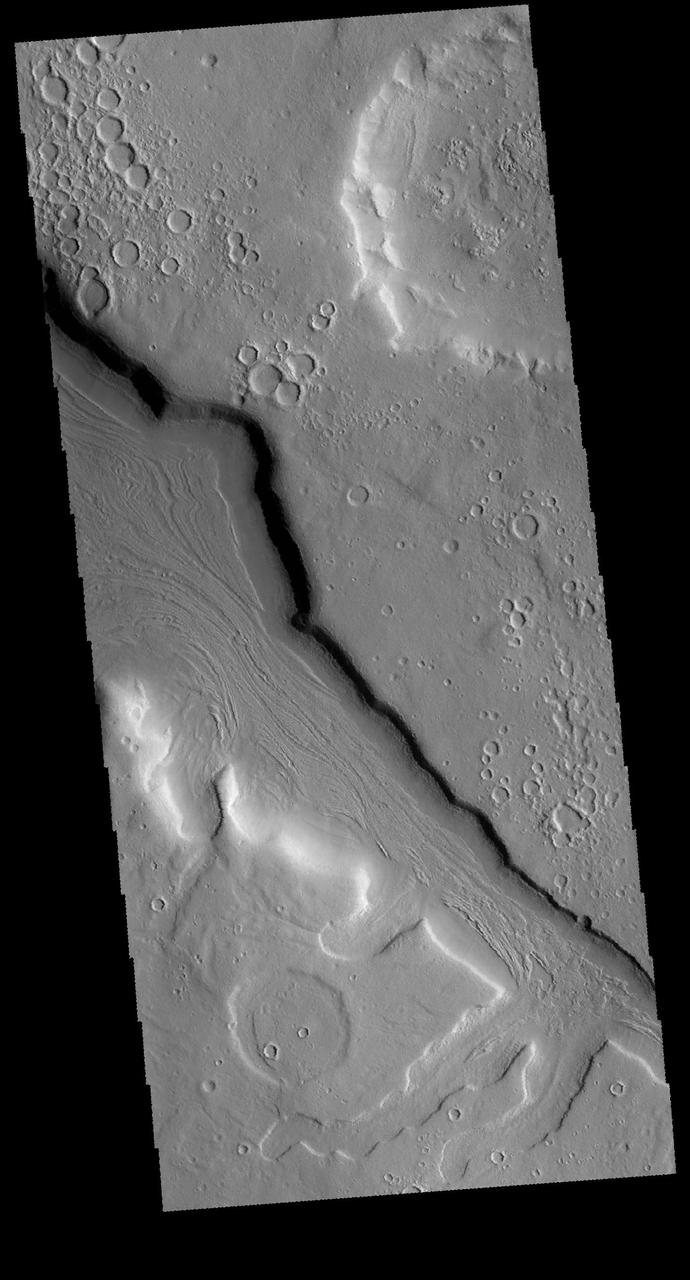
This image captured by NASA 2001 Mars Odyssey spacecraft shows a portion of an unnamed channel located on the northern margin of Arabia Terra.
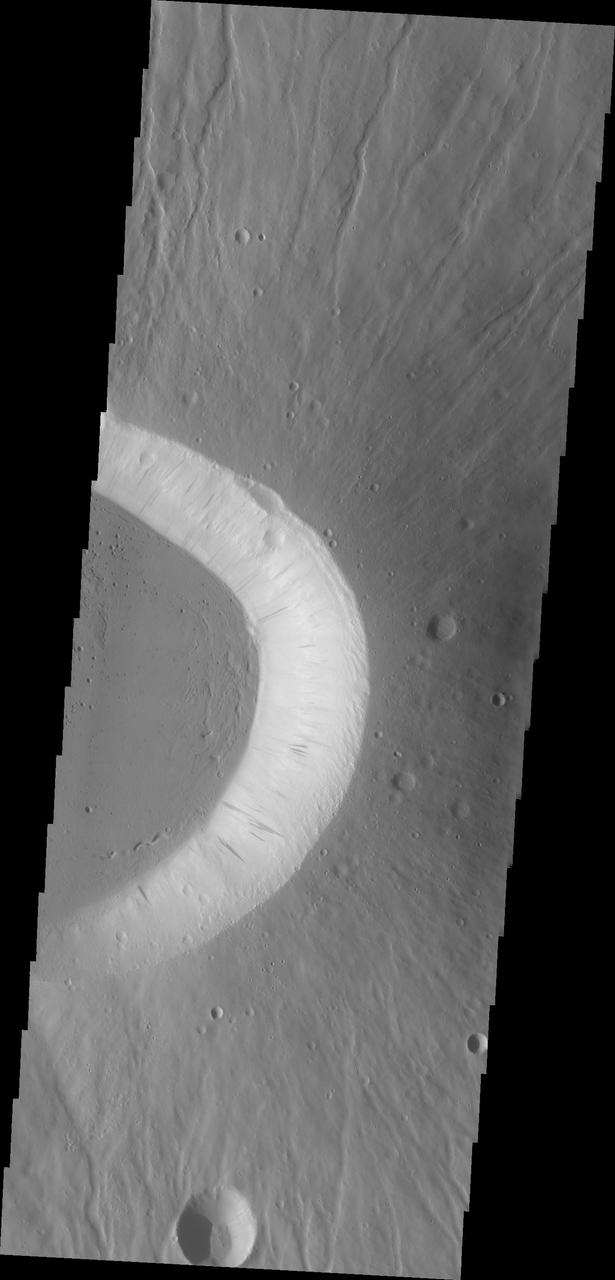
Today image shows the eastern side of the summit caldera of Ceraunius Tholus as seen by NASA 2001 Mars Odyssey spacecraft.
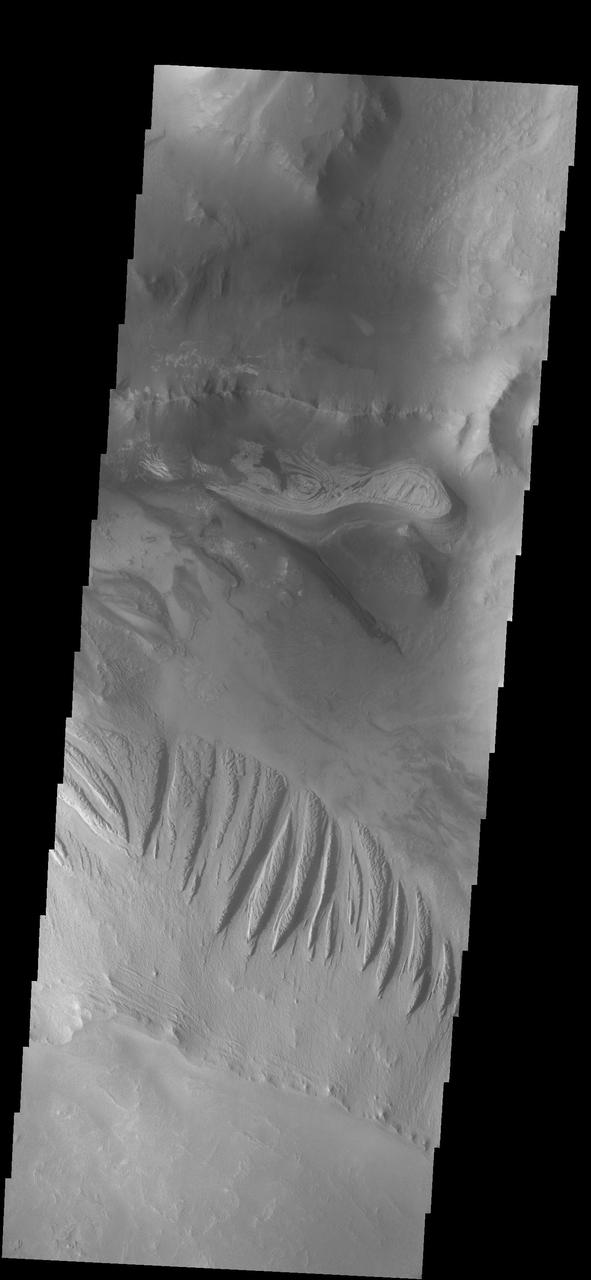
This image shows a portion of Candor Chasma as seen by NASA 2001 Mars Odyssey spacecraft.

This image, taken by NASA 2001 Mars Odyssey spacecraft, shows small individual dunes on the floor of Moreux Crater.
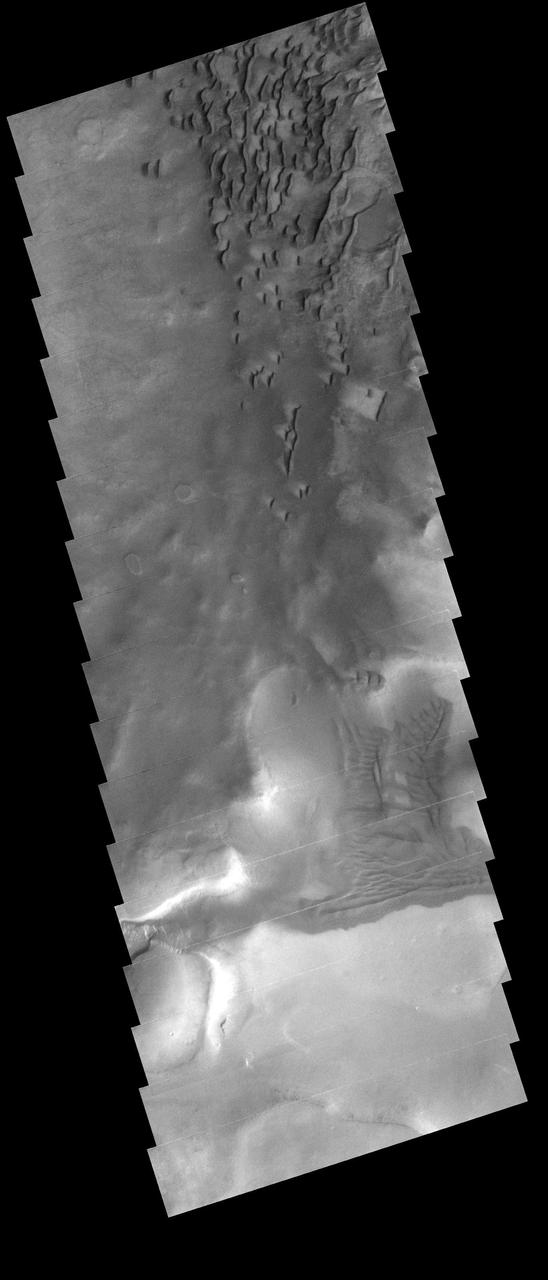
The dunes and sand deposits in this image captured by NASA 2001 Mars Odyssey spacecraft are located on the floor of Darwin Crater.

This image from NASA 2001 Mars Odyssey spacecraft shows a portion of Naktong Vallis, located in Terra Sabaea.
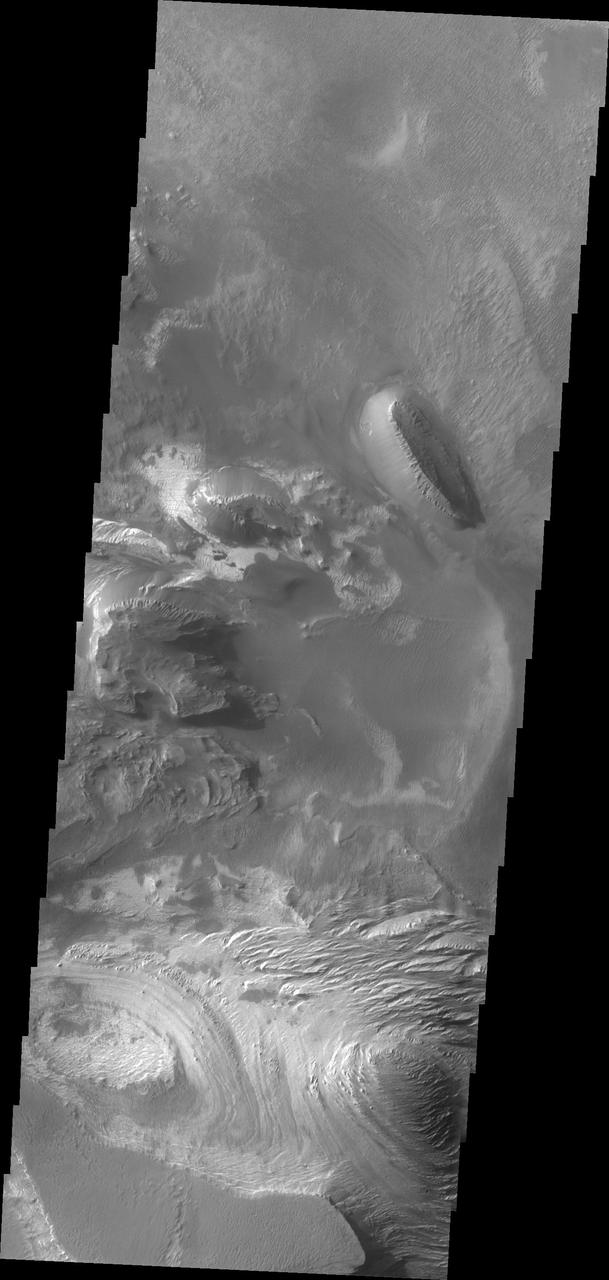
This image of Candor Chasma captured by NASA 2001 Mars Odyssey spacecraft shows layered floor materials.
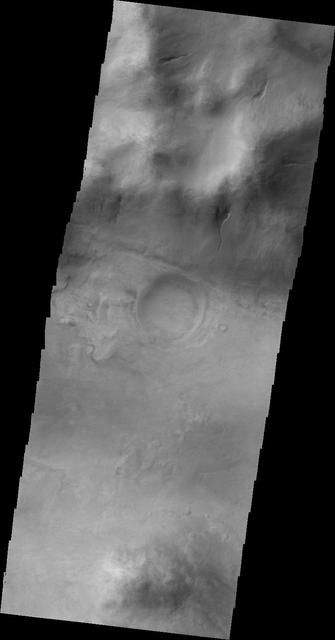
The gullies seen in this image taken by NASA 2001 Mars Odyssey spacecraft are located on the western rim region of the Argyre Basin.
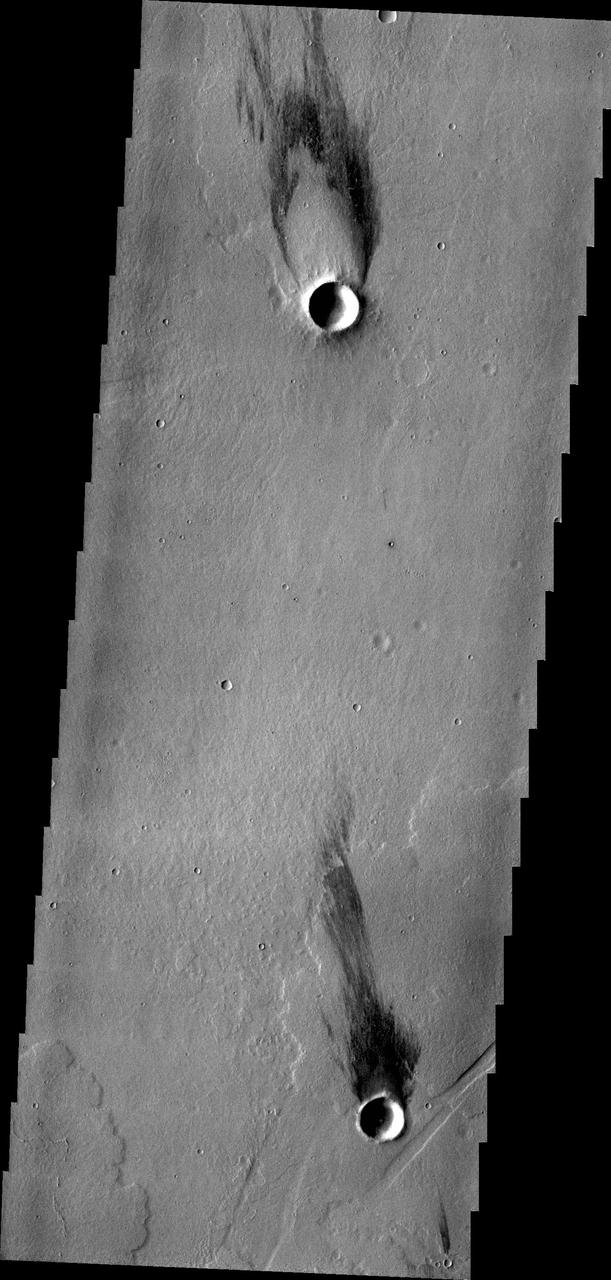
The two windstreaks in this image from NASA 2001 Mars Odyssey spacecraft are located on volcanic flows southeast of Jovis Tholus.
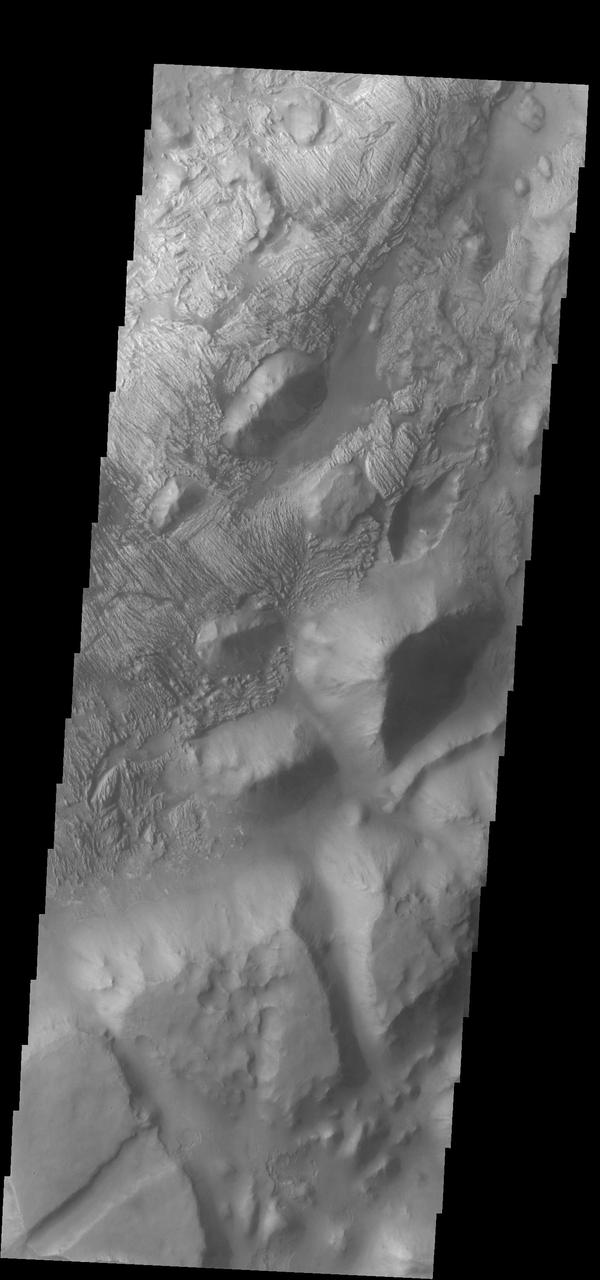
Several different surface textures are present on the lower elevations of Iani Chaos in this image from NASA 2001 Mars Odyssey spacecraft.
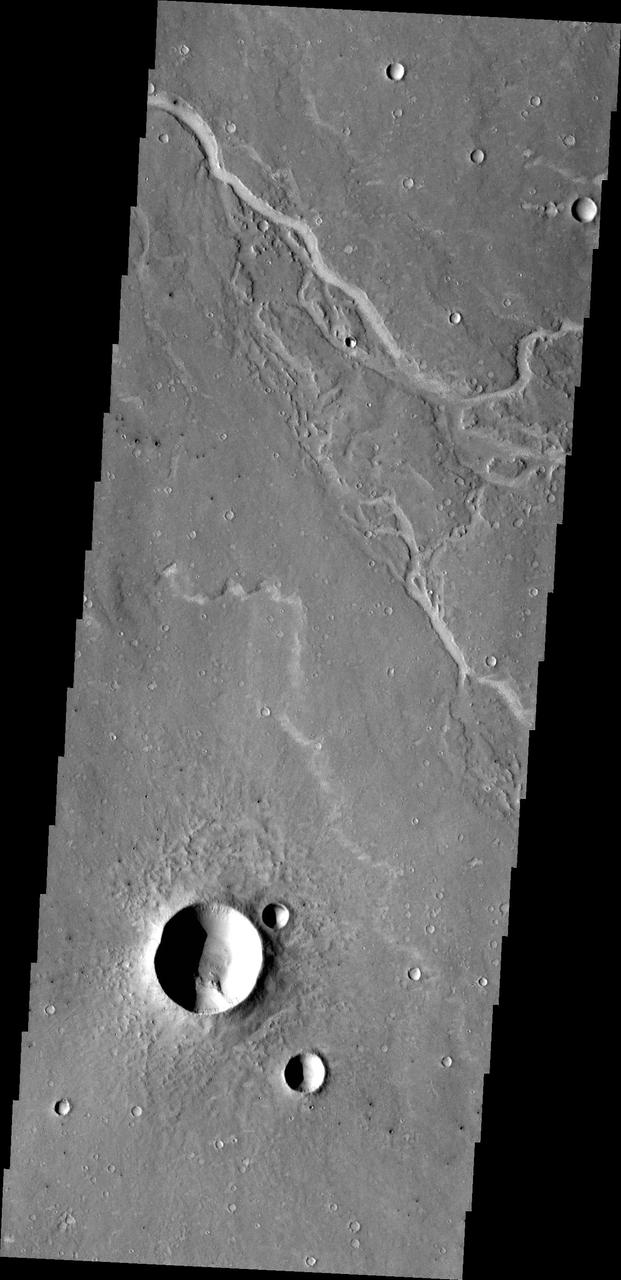
The unnamed channels in this image from NASA 2001 Mars Odyssey spacecraft are located southeast of Albor Tholus.
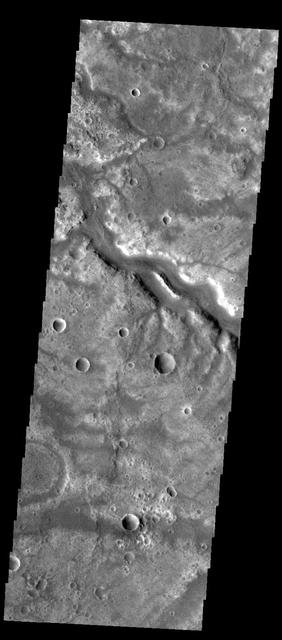
This image captured by NASA 2001 Mars Odyssey spacecraft shows a section of Samara Valles north of yesterday image.

The sand sheet and dunes in this image, taken by NASA 2001 Mars Odyssey spacecraft, are located on the floor of Juventae Chasma.
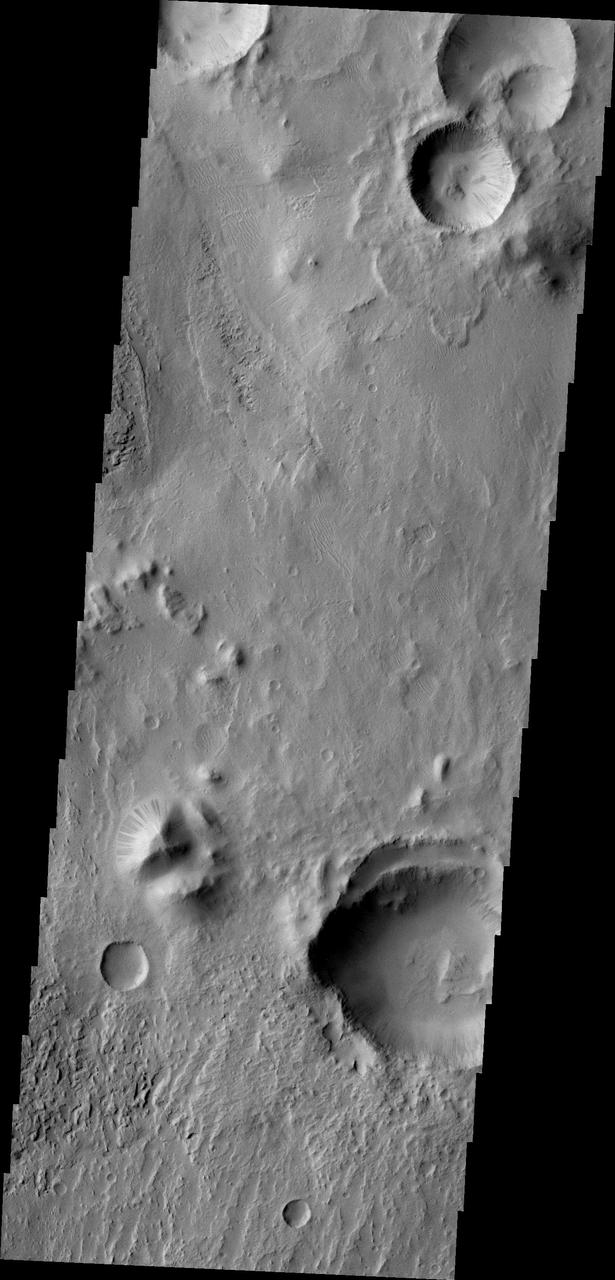
NASA 2001 Mars Odyssey spacecraft captured numerous dark slope streaks in this small unnamed crater in Zephyria Planum.

This image captured by NASA 2001 Mars Odyssey spacecraft shows some of the dunes on the floor of Darwin Crater.

Winds have scoured this region south of Olympus Mons as seen in this image from NASA 2001 Mars Odyssey spacecraft.
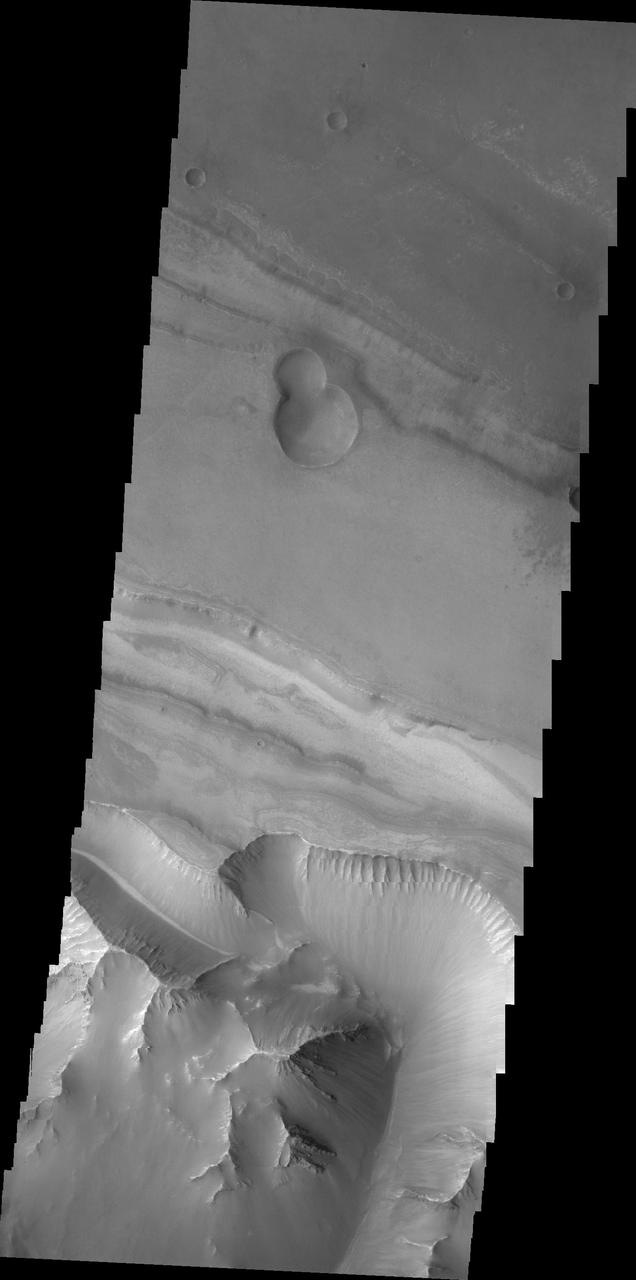
This image captured by NASA 2001 Mars Odyssey spacecraft shows the region between Candor Chasma and Melas Chasma.