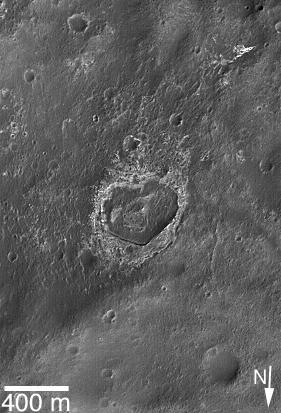
Valentine 2006
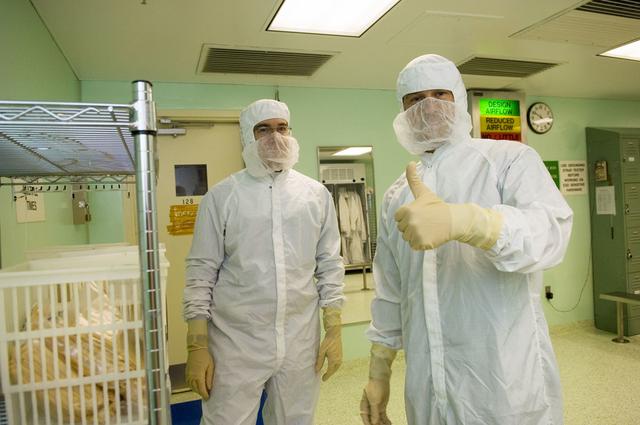
Actor Connor Trinneer, right, tours the high bay clean room in Building 29 at NASA's Goddard Space Flight Center in Greenbelt, Md. Trinneer is best known for his role as Chief Engineer "Trip" Tucker in the TV show "Star Trek: Enterprise."
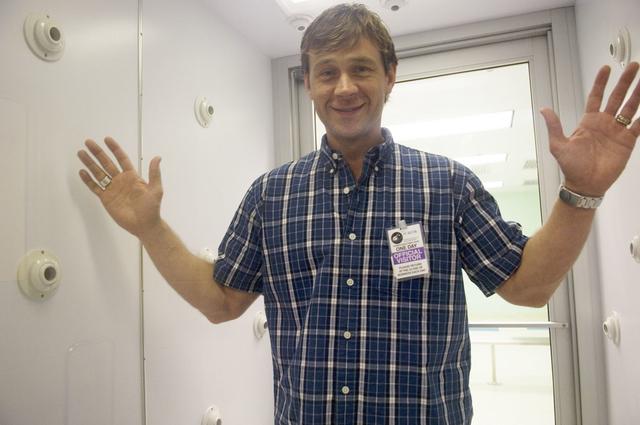
Actor Connor Trinneer tours the high bay clean room in Building 29 at NASA's Goddard Space Flight Center in Greenbelt, Md. Trinneer is best known for his role as Chief Engineer "Trip" Tucker in the TV show "Star Trek: Enterprise."
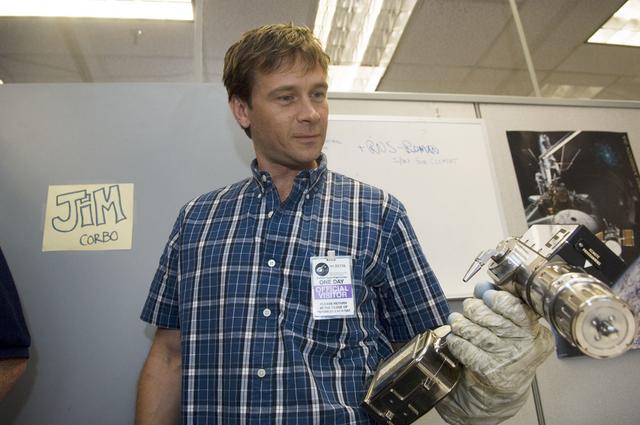
Connor Trinner Tours Hubble F in # 29
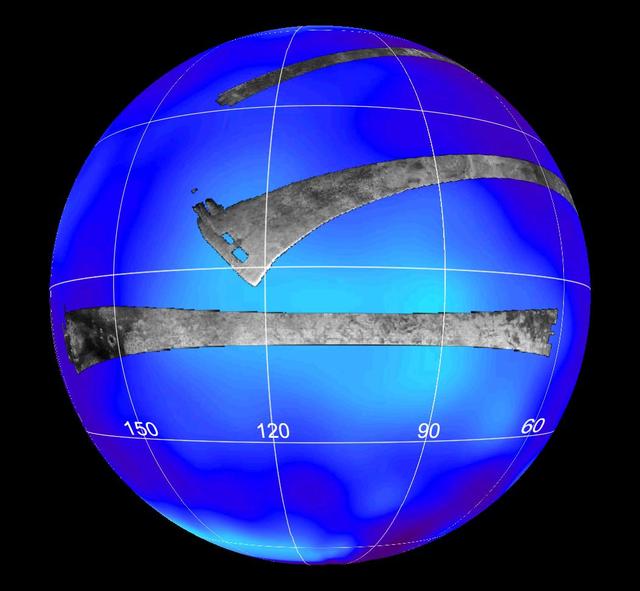
Radar Flyby of Titan - April 30, 2006
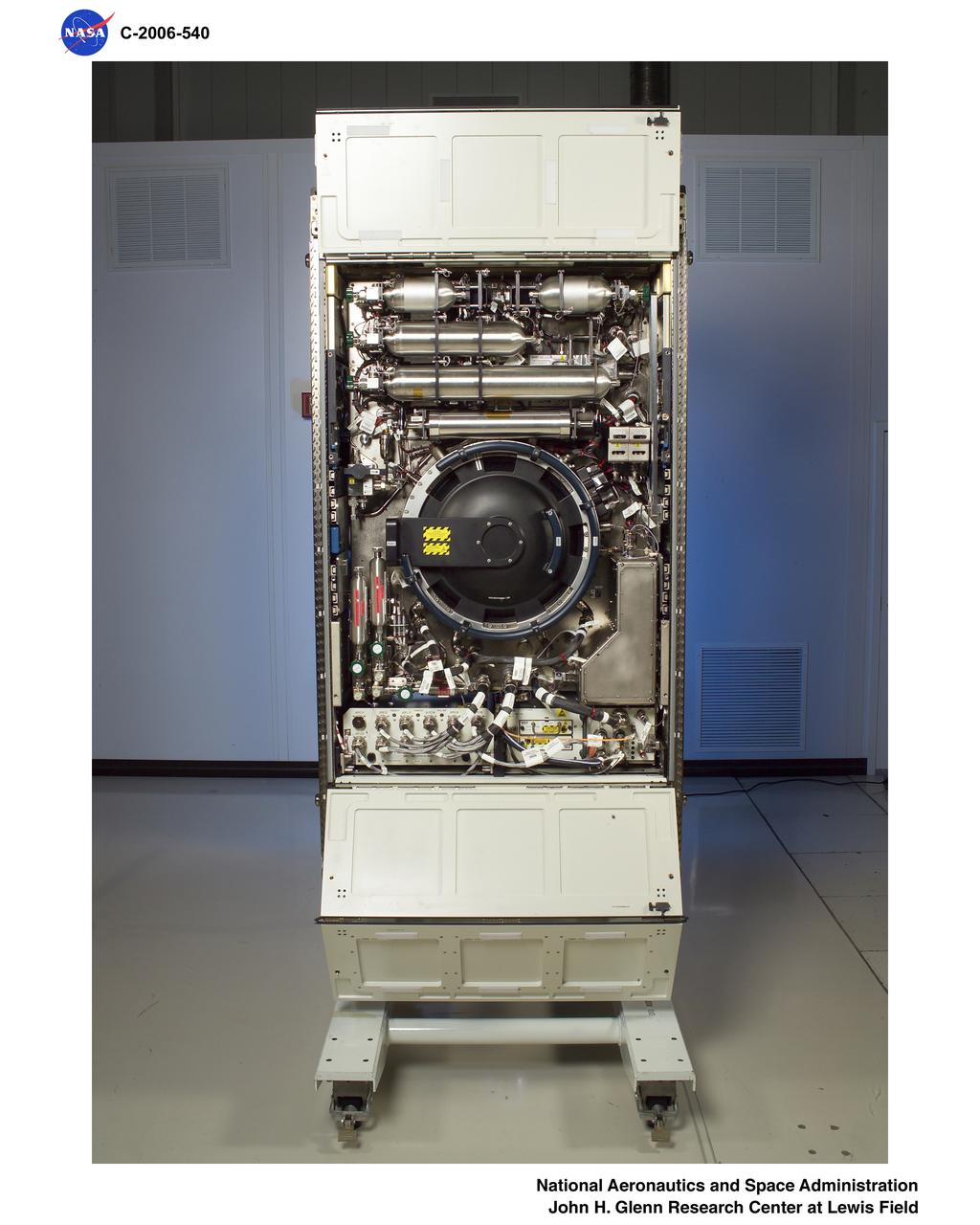
Combustion Integrated Rack (CIR)
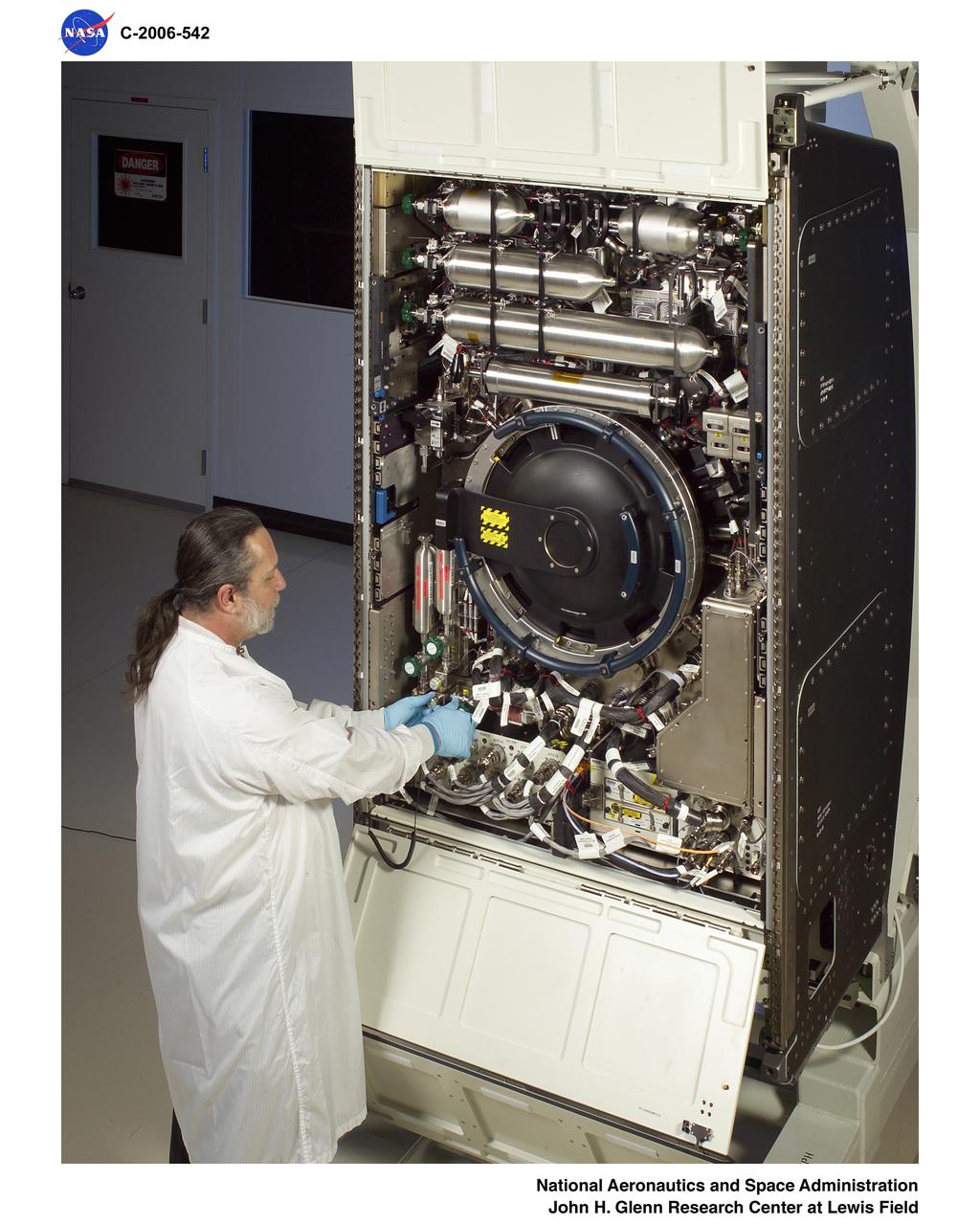
Combustion Integrated Rack (CIR)
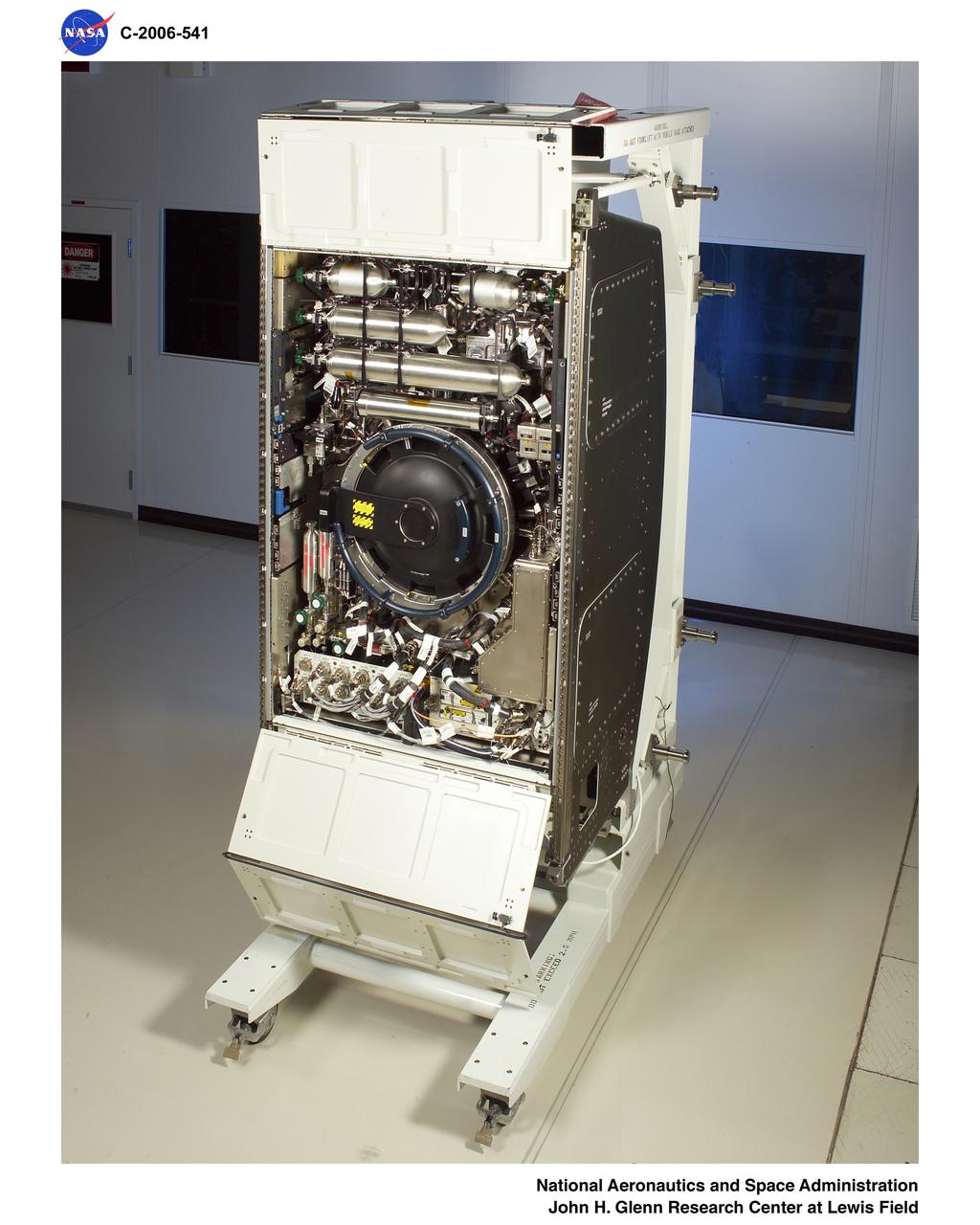
Combustion Integrated Rack (CIR)
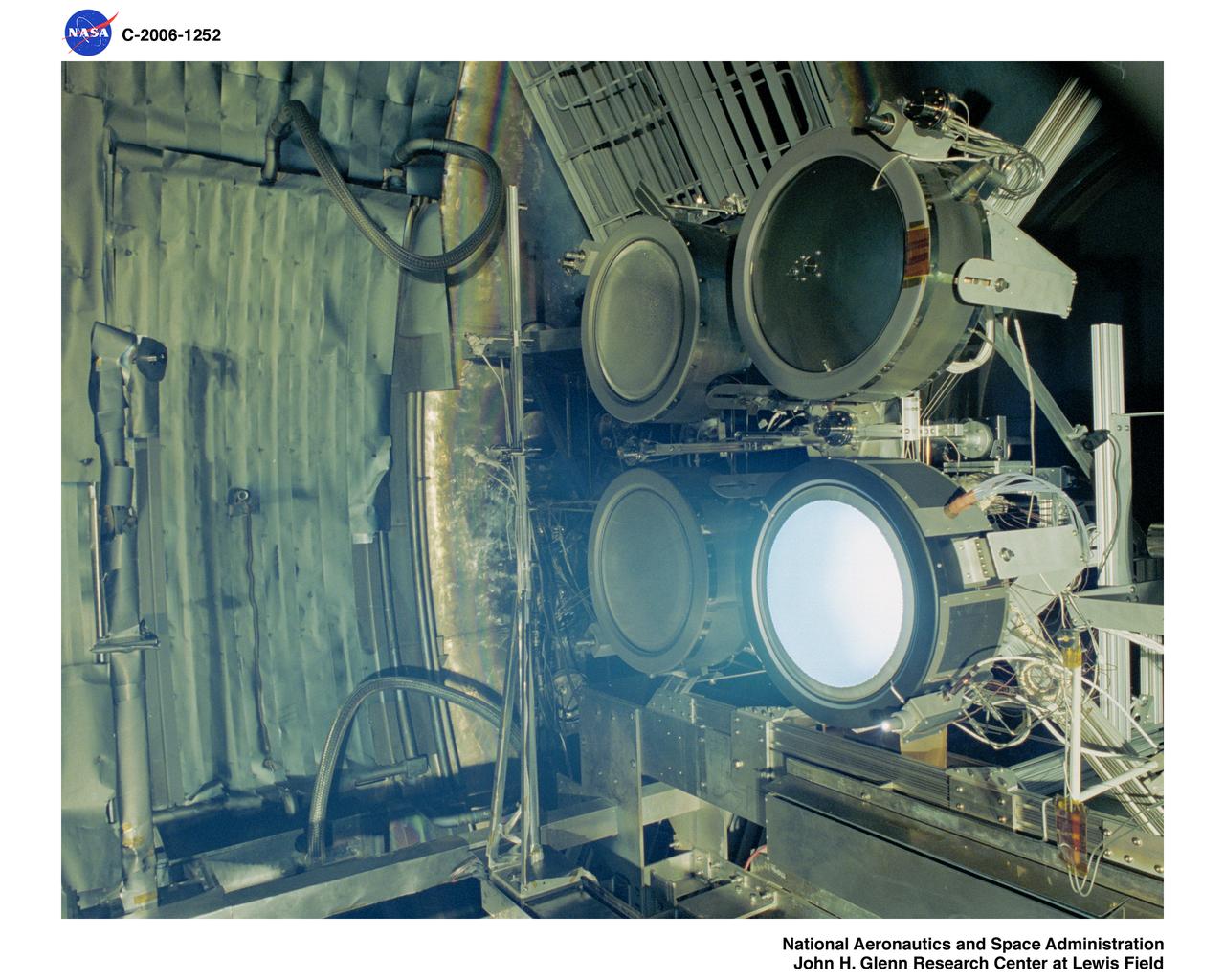
Performance Acceptance Test of a prototype-model NEXT (NASA Evolutionary Xenon Thruster) ion engine that was delivered to NASA Glenn Research Center by Aerojet. The test dates were May 10 - May 17, 2006. The test was conducted in the Vacuum Facility 6 test facility located in the Electric Power Laboratory. The test successfully demonstrated the PM manufacturing process carried out by Aerojet under the guidance of NASA Glenn Research Center and PM1 acceptable functionality
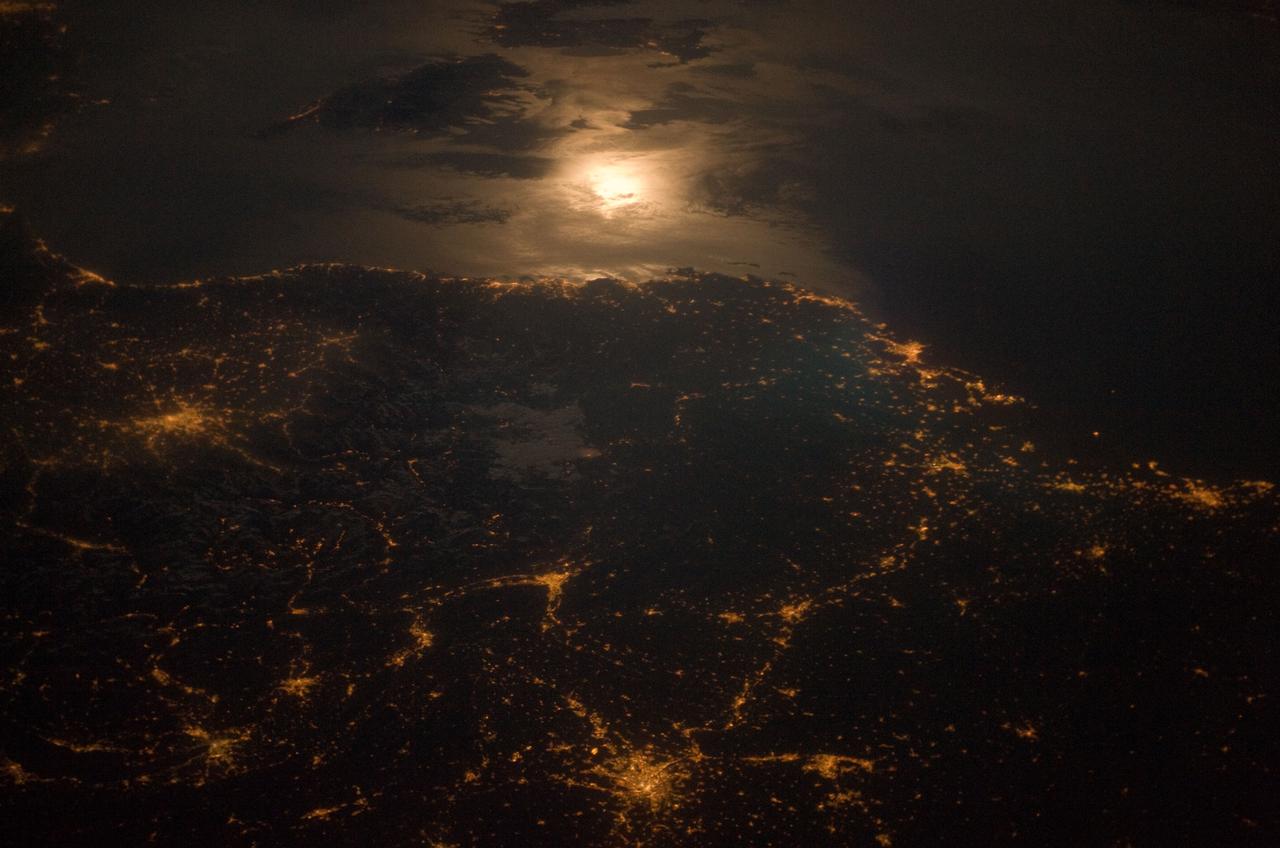
City lights at night along the France-Italy border, Europe are featured in this image photographed by an Expedition 23 crew member on the International Space Station (ISS). The brightly lit metropolitan areas of Torino (Italy), Lyon, and Marseille (both in France) stand out amidst numerous smaller urban areas in this dramatic photograph. The image captures the night time appearance of the France-Italy border area between the mountainous Alps to the north (not shown) and the island of Corsica in the Ligurian Sea to the south (top). The full moon reflects brightly on the water surface and also illuminates the tops of low patchy clouds over the border (center). This image was taken by an ISS crew member at approximately 11:55 p.m. local time when the station was located over the France-Belgium border near Luxembourg. Crew members orbiting Earth frequently collect images that include sunglint, or sunlight that reflects off a water surface at such an angle that it travels directly back towards the observer. Sunglint typically lends a mirror-like appearance to the water surface. During clear sky conditions reflected light from the moon can produce the same effect (moon glint) as illustrated in this view. The observer was looking towards the southeast at an oblique viewing angle at the time the image was taken; in other words, looking outwards from the ISS, not straight down towards Earth. Credit: NASA <b><a href="http://www.nasa.gov/audience/formedia/features/MP_Photo_Guidelines.html" rel="nofollow">NASA image use policy.</a></b> <b><a href="http://www.nasa.gov/centers/goddard/home/index.html" rel="nofollow">NASA Goddard Space Flight Center</a></b> enables NASA’s mission through four scientific endeavors: Earth Science, Heliophysics, Solar System Exploration, and Astrophysics. Goddard plays a leading role in NASA’s accomplishments by contributing compelling scientific knowledge to advance the Agency’s mission. <b>Follow us on <a href="http://twitter.com/NASAGoddardPix" rel="nofollow">Twitter</a></b> <b>Like us on <a href="http://www.facebook.com/pages/Greenbelt-MD/NASA-Goddard/395013845897?ref=tsd" rel="nofollow">Facebook</a></b> <b>Find us on <a href="http://instagram.com/nasagoddard?vm=grid" rel="nofollow">Instagram</a></b>

Titan T17 Viewed by Cassini Radar - Sept. 7, 2006

Titan T16 Viewed by Cassini Radar - July 22, 2006
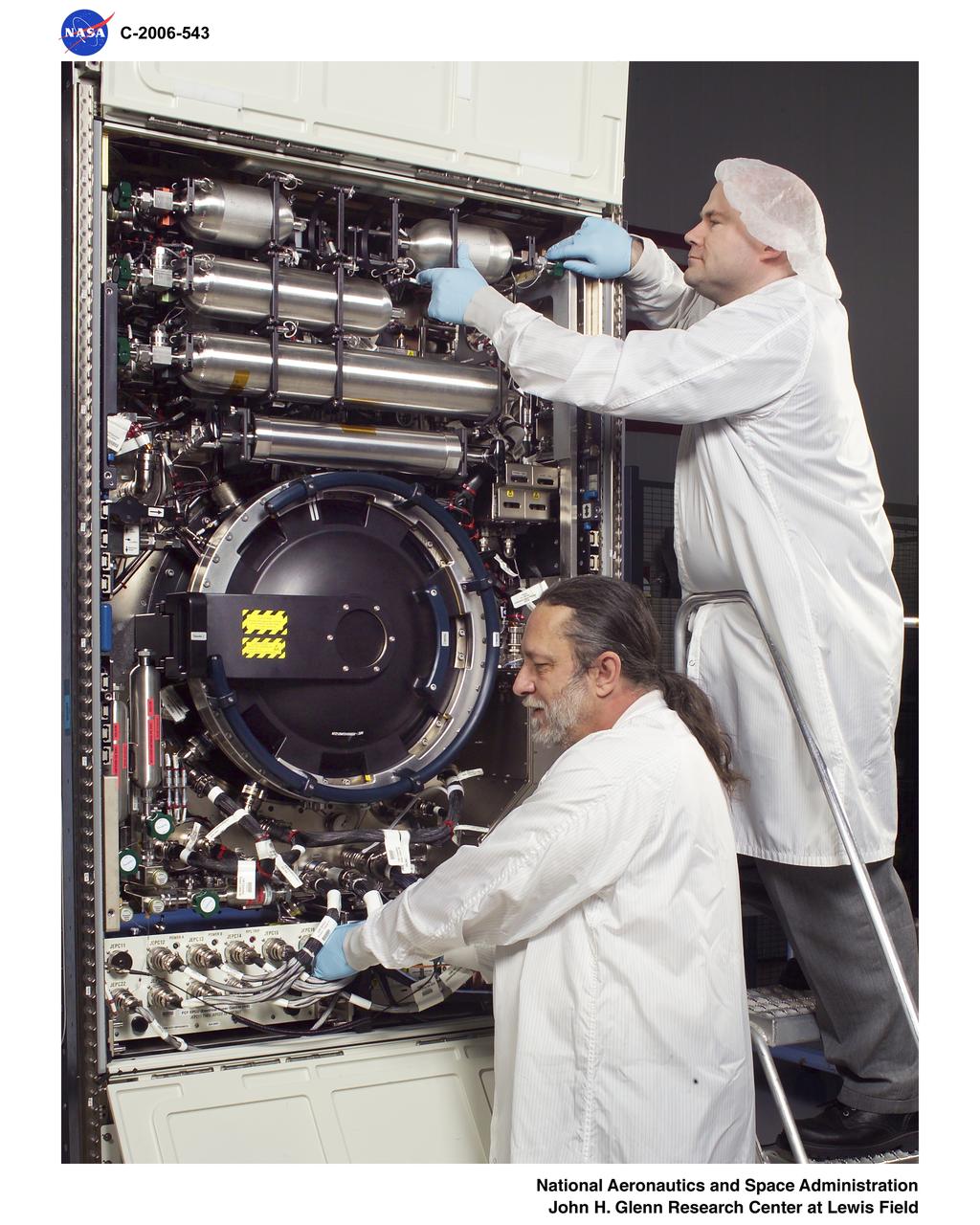
Combustion Integrated Rack (CIR)
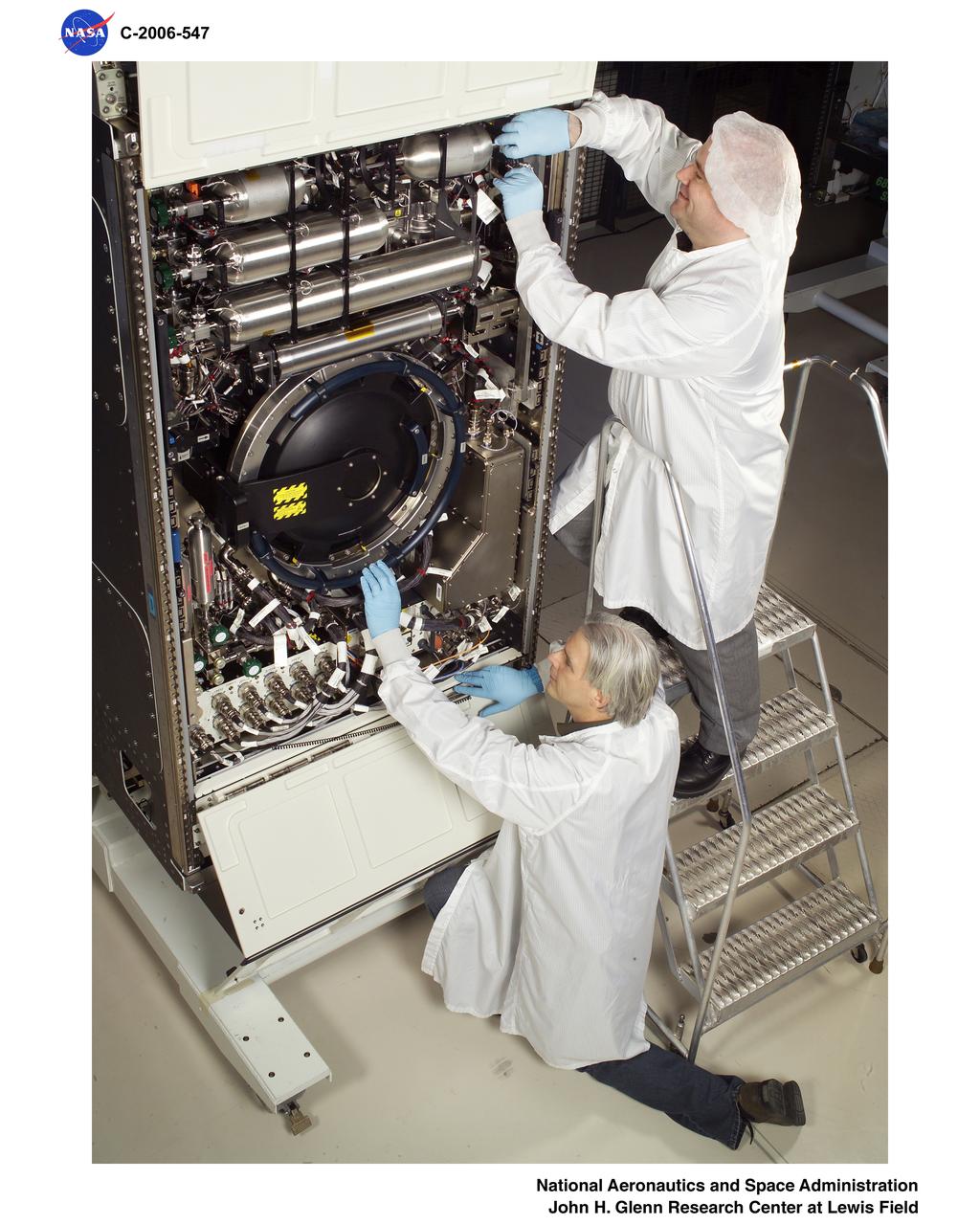
Combustion Integrated Rack (CIR)
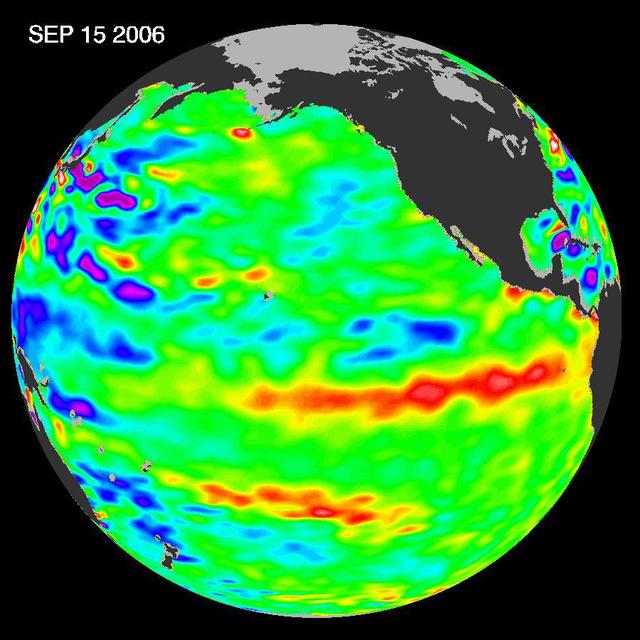
In September 2006, NASA satellite data indicated that El Niño had returned to the tropical Pacific Ocean, although it was relatively weak.
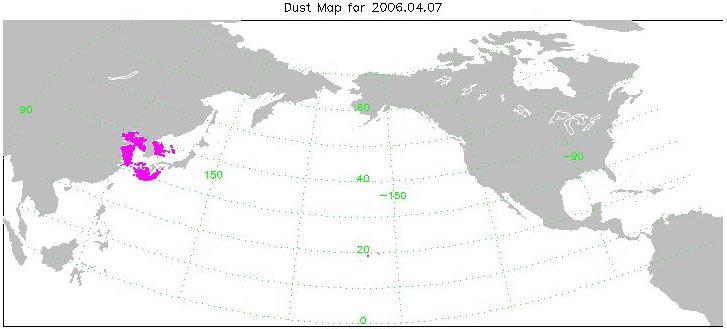
Transport of dust from China Dust Storm of April 2006, from the Atmospheric Infrared Sounder AIRS on NASA Aqua satellite.

This image of Titan was acquired on April 30, 2006, by Cassini radar instrument in synthetic-aperture mode over the continent-sized region called Xanadu
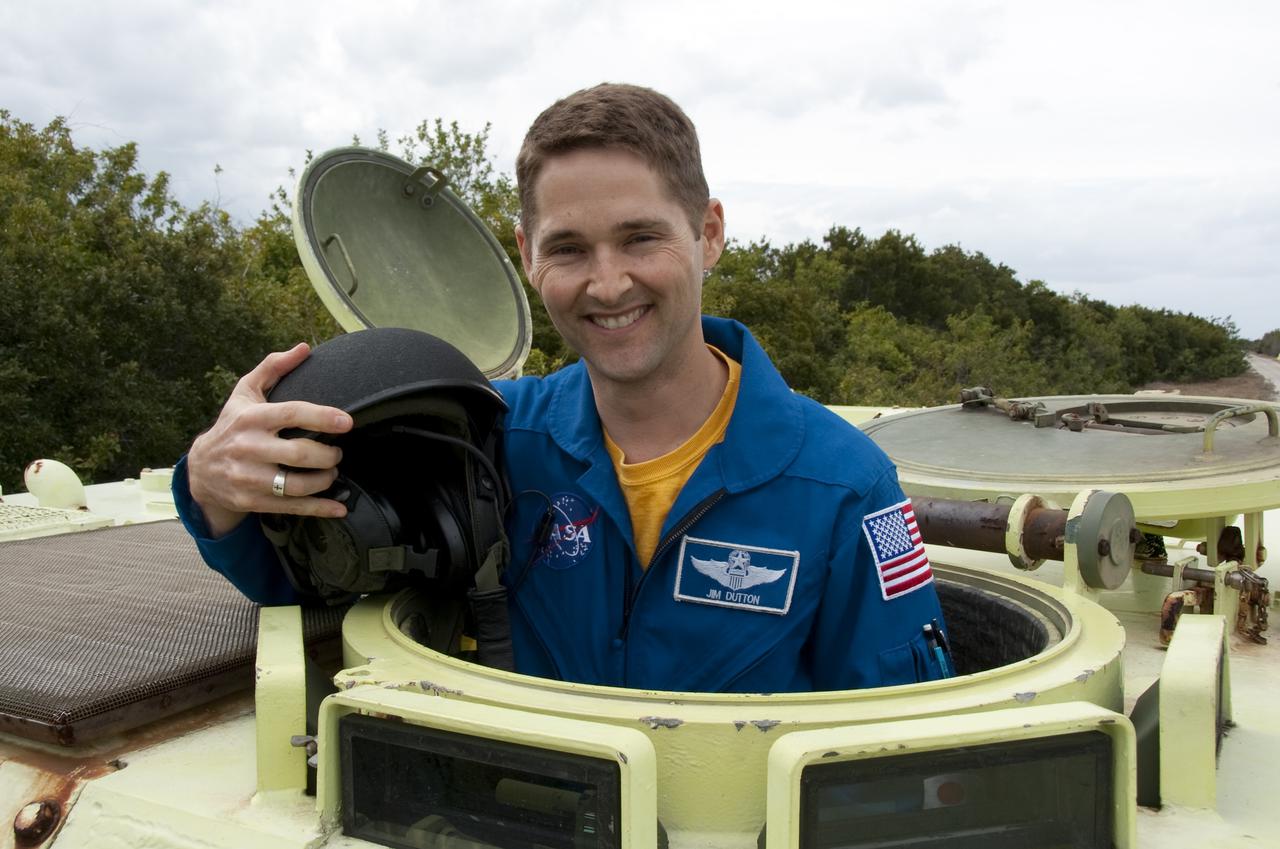
CAPE CANAVERAL, Fla. - At NASA's Kennedy Space Center in Florida, STS-131 Pilot James P. Dutton Jr. takes time out from his M-113 armored personnel carrier training to pose for the camera. An M-113 is kept at the foot of the launch pad in case an emergency egress from the vicinity of the pad is needed. The crew members of space shuttle Discovery's STS-131 mission are at Kennedy for training related to their launch dress rehearsal, the Terminal Countdown Demonstration Test. The seven-member crew will deliver the multi-purpose logistics module Leonardo, filled with resupply stowage platforms and racks, to the International Space Station aboard Discovery. Targeted for launch on April 5, STS-131 will be the 33rd shuttle mission to the station and the 131st shuttle mission overall. For information on the STS-131 mission and crew, visit http:__www.nasa.gov_mission_pages_shuttle_shuttlemissions_sts131_index.html. Photo credit: NASA_Kim Shiflett
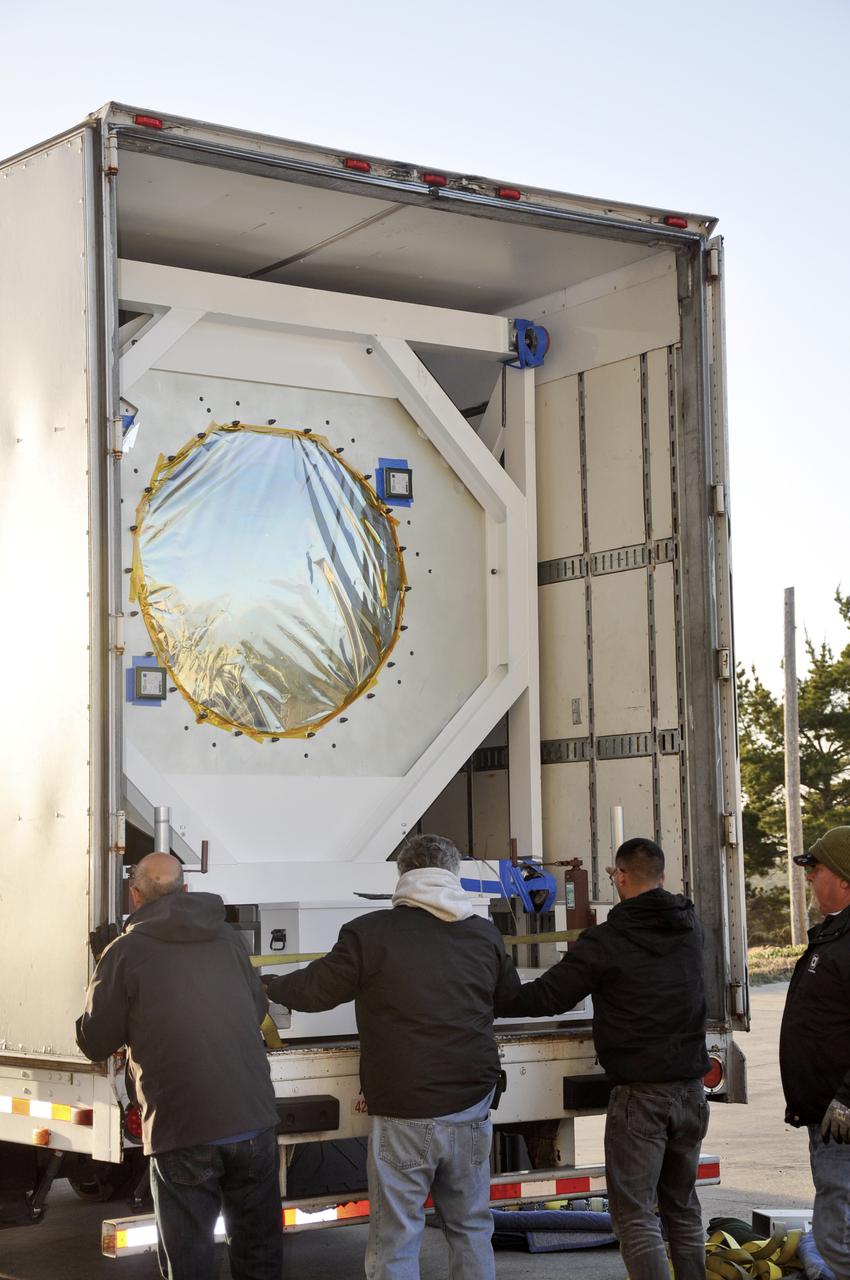
VANDENBERG AFB, Calif. – Workers prepare to unload NASA's IRIS spacecraft from a truck at the processing facility at Vandenberg where the spacecraft will be readied for launch aboard an Orbital Sciences Pegasus XL rocket. IRIS is short for Interface Region Imaging Spectrograph and the spacecraft's mission will improve our understanding of how heat and energy move through the deepest levels of the sun’s atmosphere, thereby increasing our ability to forecast space weather. Photo credit: VAFB_Randy Beaudoin

This image was obtained by NASA Cassini radar instrument during a flyby on Dec. 12, 2006. North Polar Pass Northern Lakes Region, Aaru. https://photojournal.jpl.nasa.gov/catalog/PIA04308

This image was obtained by NASA Cassini radar instrument during a flyby on Oct. 9, 2006. North Polar Pass Northern Lakes Region, Aaru. https://photojournal.jpl.nasa.gov/catalog/PIA03187

This animation shows a mosaic of imagery from Cassini radar instrument obtained during three flybys of Titan north pole: T16 July 22, 2006, T18 Sept. 23, 2006 and T19 Oct. 9, 2006
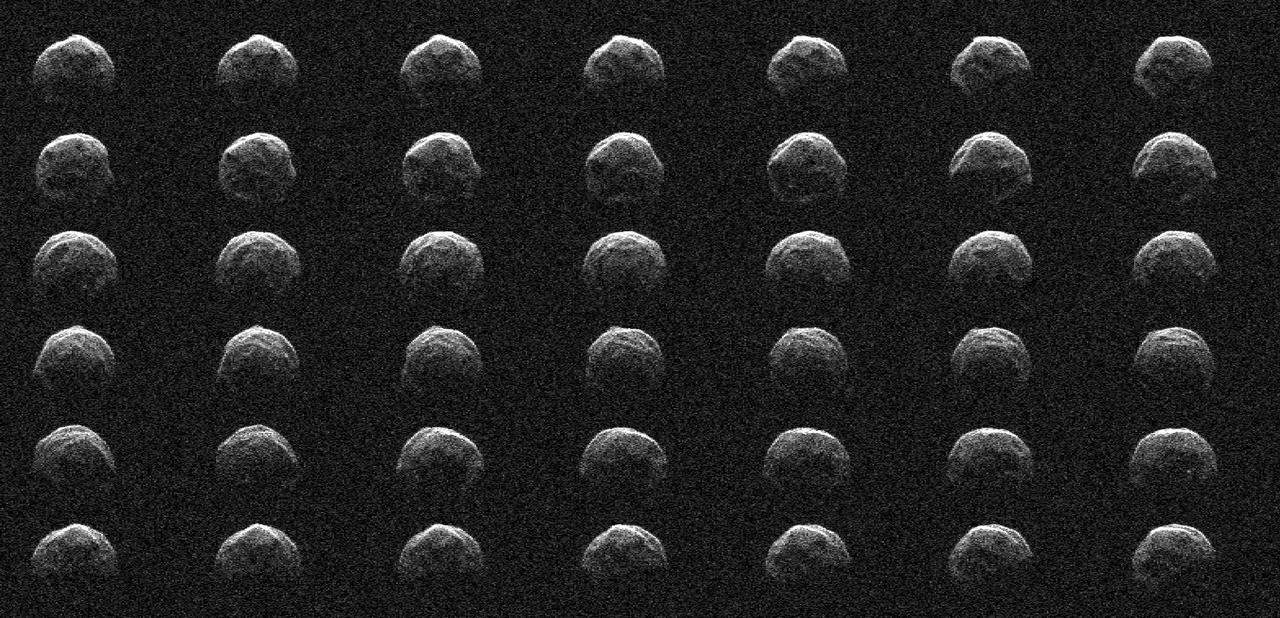
This collage represents a selection of NASA radar observations of near-Earth asteroid 2006 HV5 on April 25, 2023, less than one day before its close approach with our planet at a distance of about 1.5 million miles (2.4 million kilometers, or about 6.3 times the distance between the Moon and Earth). Asteroid 2006 HV5 was discovered by the Lincoln Near-Earth Asteroid Research (LINEAR) program in New Mexico in April 2006. The radar images show that 2006 HV5 is about 1,000 feet (300 meters) across, roughly the height of the Eiffel Tower, confirming size estimates derived from infrared observations made previously by NASA's NEOWISE mission. 2006 HV5 is classified as a potentially hazardous asteroid as its orbit brings it close to Earth, but its path around the Sun is very well known and the asteroid is not an impact risk to our planet. Asteroids of this size come this close to Earth roughly once a year, on average. The new observations were made by scientists at NASA's Jet Propulsion Laboratory using the powerful 230-foot (70-meter) Goldstone Solar System Radar antenna at the Deep Space Network's facility near Barstow, California. The images confirm the asteroid's size, while also providing a detailed look at its meatball-like shape. The asteroid has a rounded appearance, is "squished" at the poles (i.e., it is oblate), and has a rotation period of about 3.6 hours. The sequence of radar images spans slightly more than one rotation. The images, which have a resolution of about 12 feet (3.75 meters) per pixel, reveal surface features such as ridges, flat regions, concavities, and small-scale topography that might indicate boulders. https://photojournal.jpl.nasa.gov/catalog/PIA25834

This radar image, obtained by Cassini radar instrument during a near-polar flyby on Sept. 23, 2006, is the second scene that shows clear shorelines reminiscent of terrestrial lakes
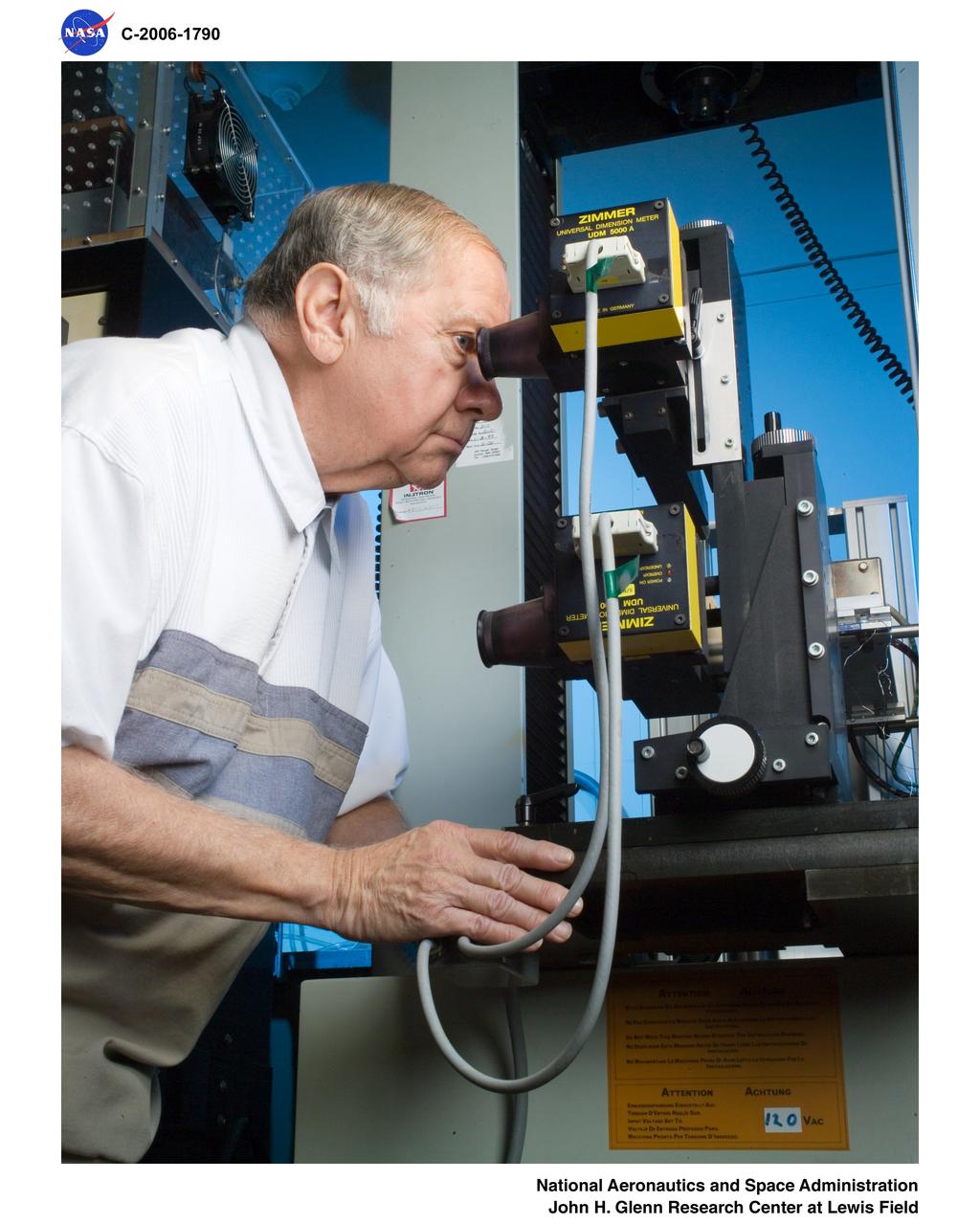
Instron Testing Machine studying the strength of Ceramic Matrix Composite (CMC) Material to develop and improve their mechanical properties
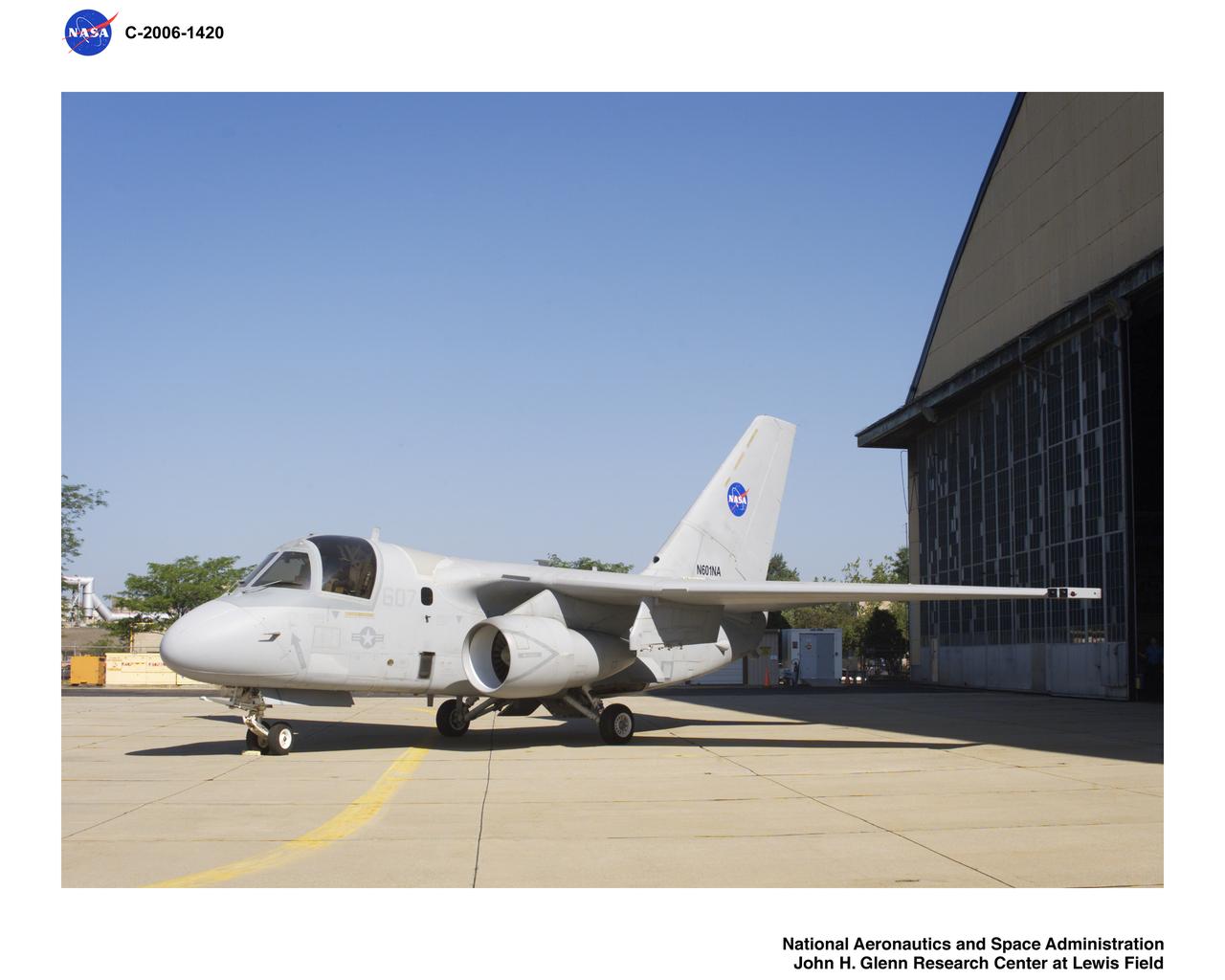
S-3 VIKING Aircraft
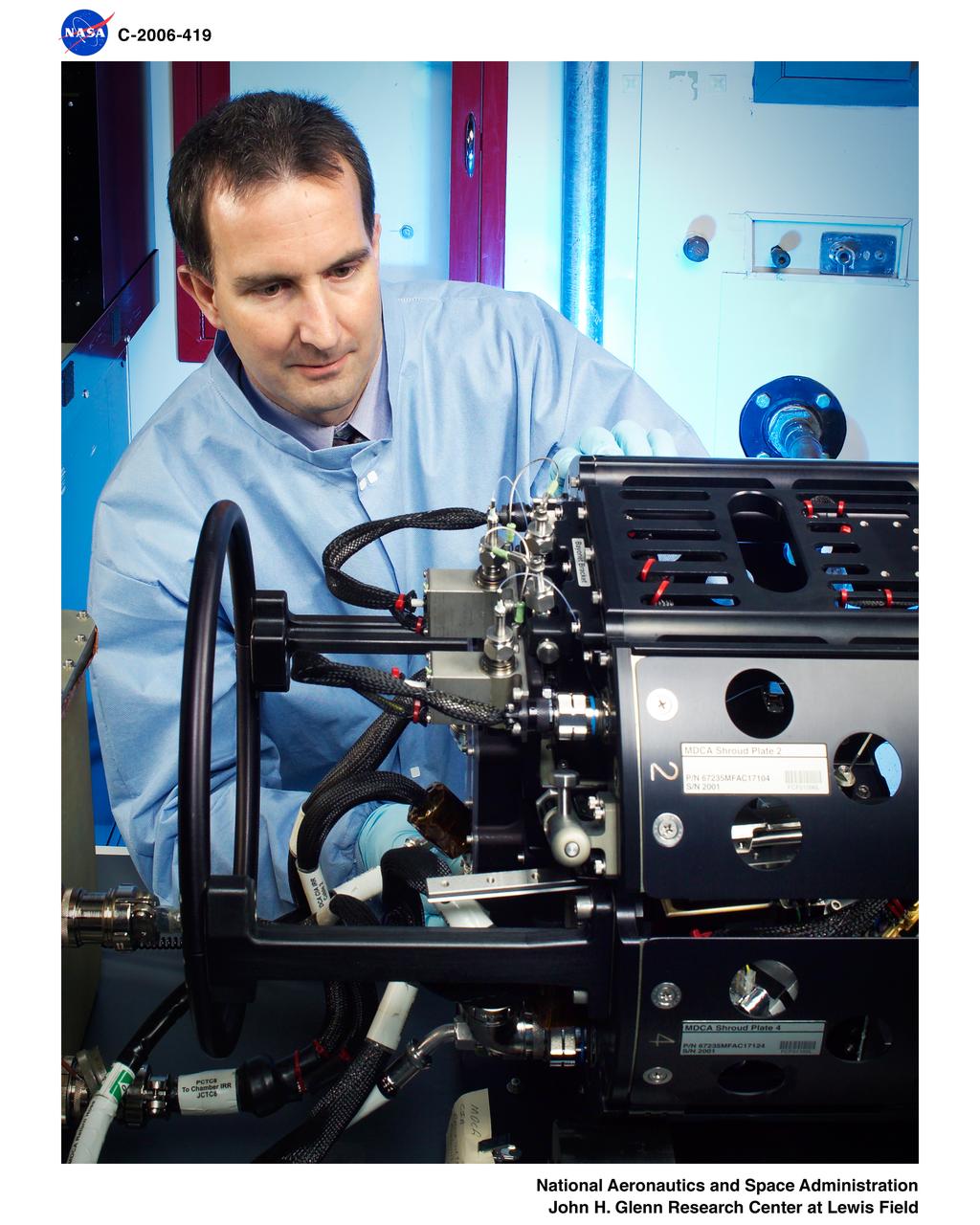
Multi-User Droplet Combustion Apparatus (MDCA)
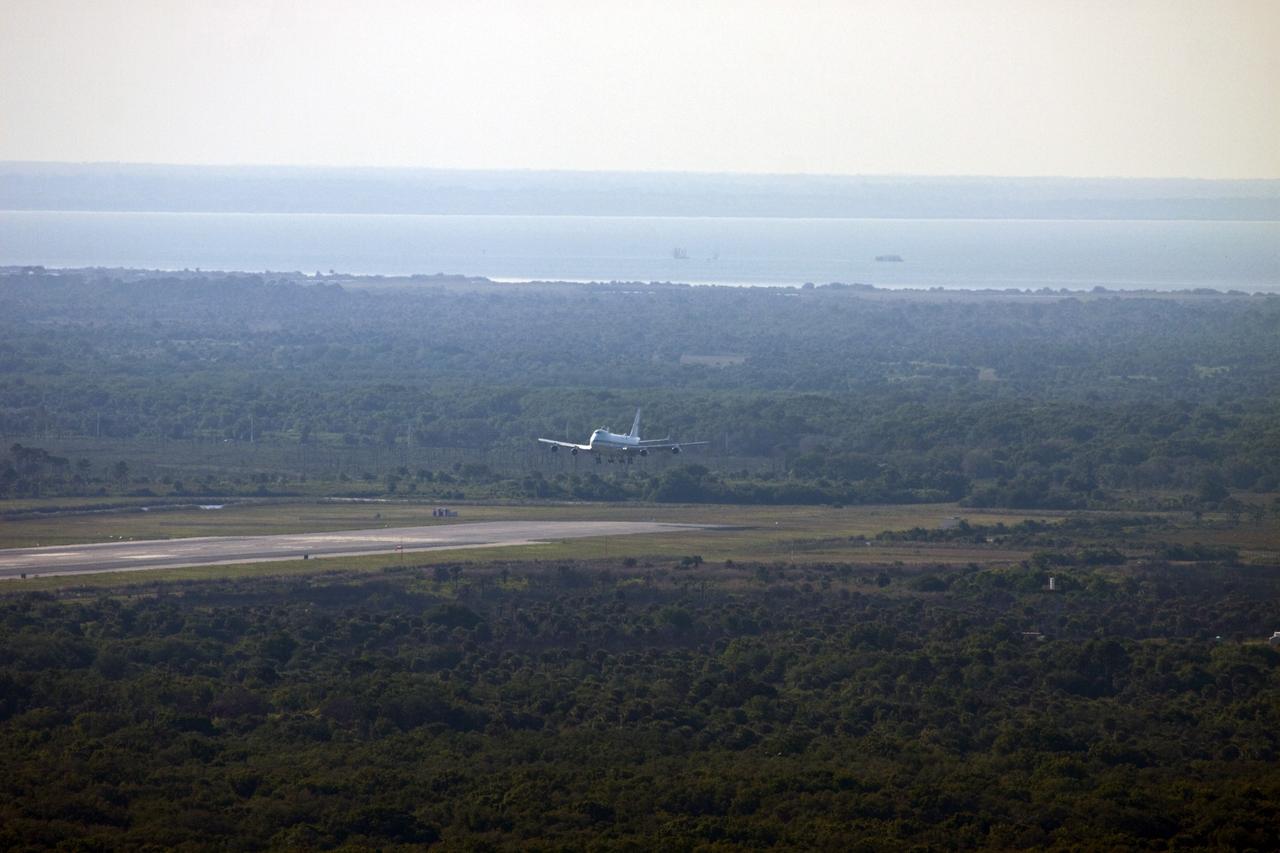
CAPE CANAVERAL, Fla. – The Shuttle Carrier Aircraft prepares to touch down on the runway at the Shuttle Landing Facility at NASA’s Kennedy Space Center in Florida. The aircraft, known as an SCA, arrived at 5:35 p.m. EDT to prepare for shuttle Discovery’s ferry flight to the Washington Dulles International Airport in Sterling, Va., on April 17. This SCA, designated NASA 905, is a modified Boeing 747 jet airliner, originally manufactured for commercial use. One of two SCAs employed over the course of the Space Shuttle Program, NASA 905 is assigned to the remaining ferry missions, delivering the shuttles to their permanent public display sites. NASA 911 was decommissioned at the NASA Dryden Flight Research Center in California in February. Discovery will be placed on permanent public display in the Smithsonian's National Air and Space Museum Steven F. Udvar-Hazy Center in Chantilly, Va. For more information on the SCA, visit http://www.nasa.gov/centers/dryden/news/FactSheets/FS-013-DFRC.html. For more information on shuttle transition and retirement activities, visit http://www.nasa.gov/shuttle. Photo credit: NASA/Jim Grossmann

Oil-Free Turbomachinery Thrust Bearing Test Rig
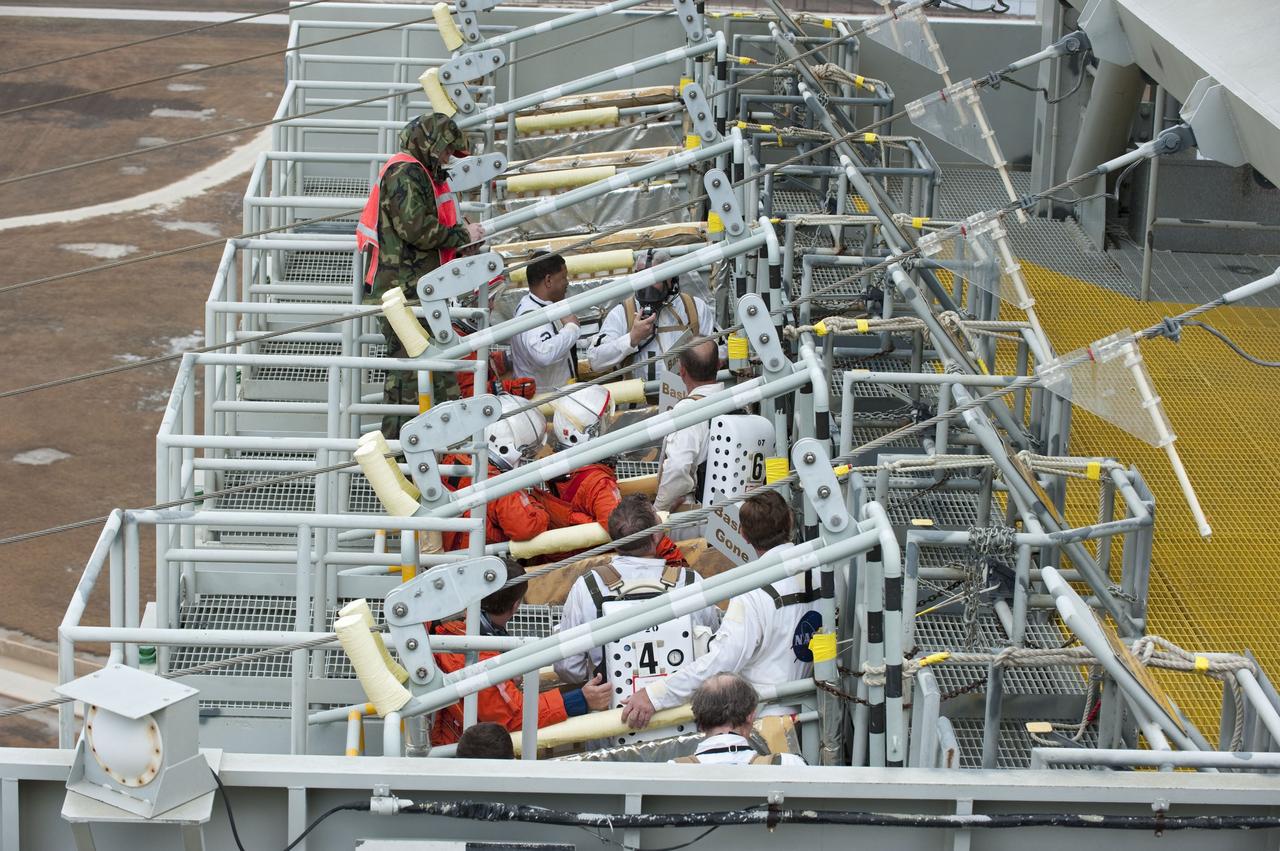
CAPE CANAVERAL, Fla. – An emergency exit, or Mode II/IV, exercise is under way at the slidewire basket area of Launch Pad 39A at NASA's Kennedy Space Center in Florida. The exercise involves NASA fire rescue personnel, volunteers portraying astronauts with simulated injuries, helicopters and personnel from the Air Force’s 920th Rescue Wing, and medical trauma teams at three Central Florida hospitals. The drill allows teams to practice an emergency response at the launch pad, including helicopter evacuation to local hospitals. Photo credit: NASA/Kim Shiflett
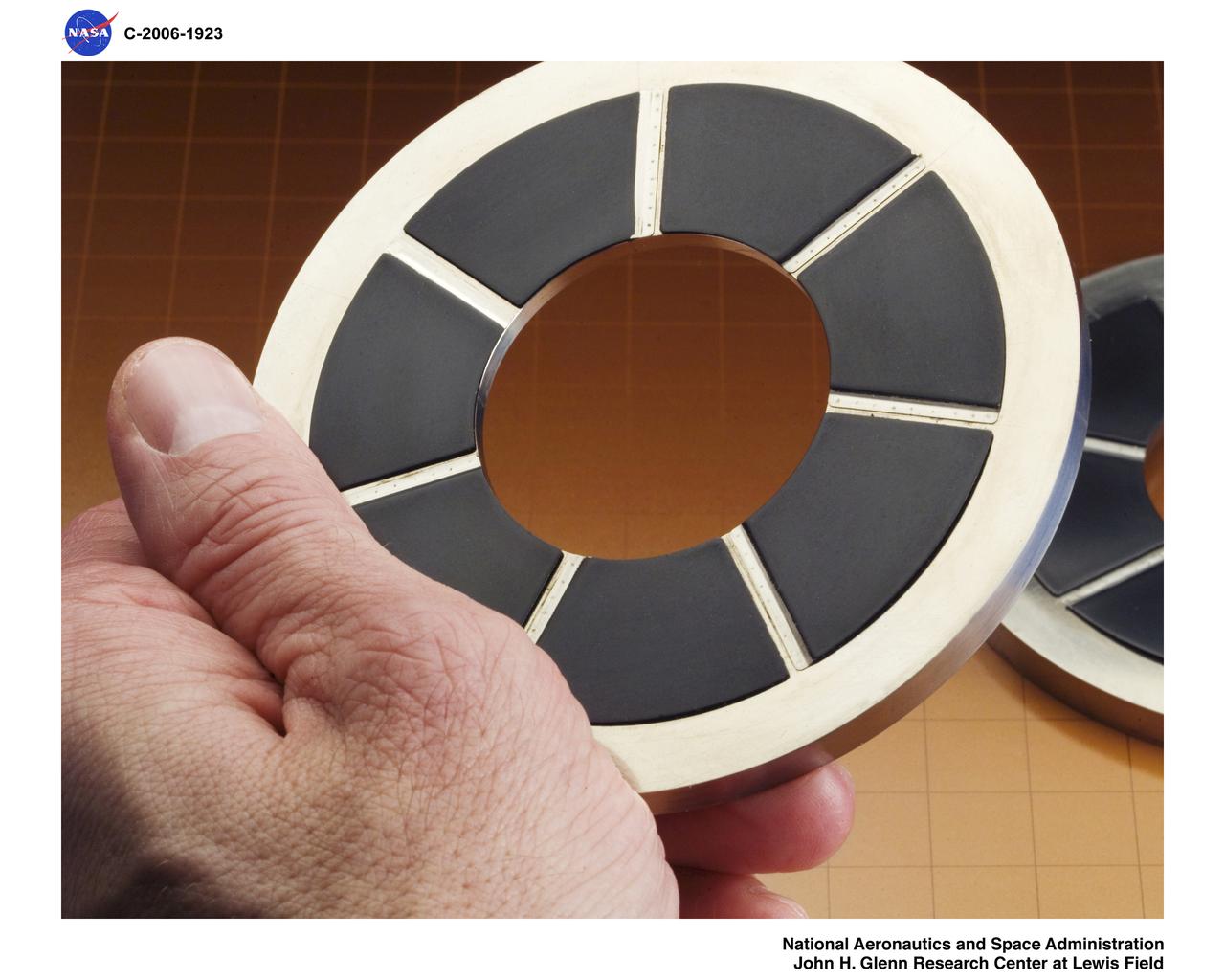
Thrust Foil Air Bearing
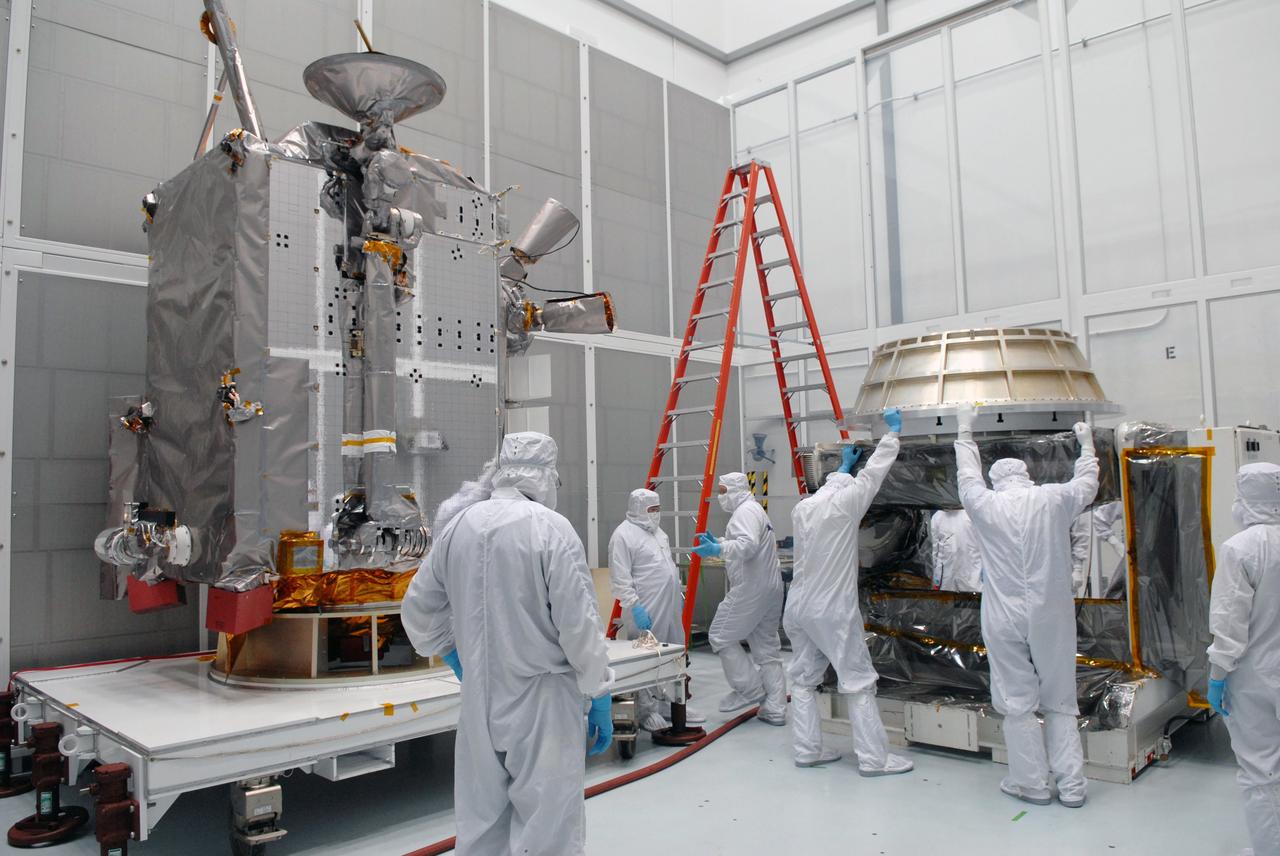
CAPE CANAVERAL, Fla. – At Astrotech in Titusville, Fla., technicians prepare an Aronson table to receive NASA's Lunar Reconnaissance Orbiter, or LRO, at left. The orbiter will be rotated on the table to provide proper access for processing. The orbiter will carry seven instruments to provide scientists with detailed maps of the lunar surface and enhance our understanding of the moon's topography, lighting conditions, mineralogical composition and natural resources. Information gleaned from LRO will be used to select safe landing sites, determine locations for future lunar outposts and help mitigate radiation dangers to astronauts. The polar regions of the moon are the main focus of the mission because continuous access to sunlight may be possible and water ice may exist in permanently shadowed areas of the poles. Accompanying LRO on its journey to the moon will be the Lunar CRater Observation and Sensing Satellite, or LCROSS, a mission that will impact the lunar surface in its search for water ice. Launch of LRO is targeted for May 20. Photo credit: NASA/Jack Pfaller
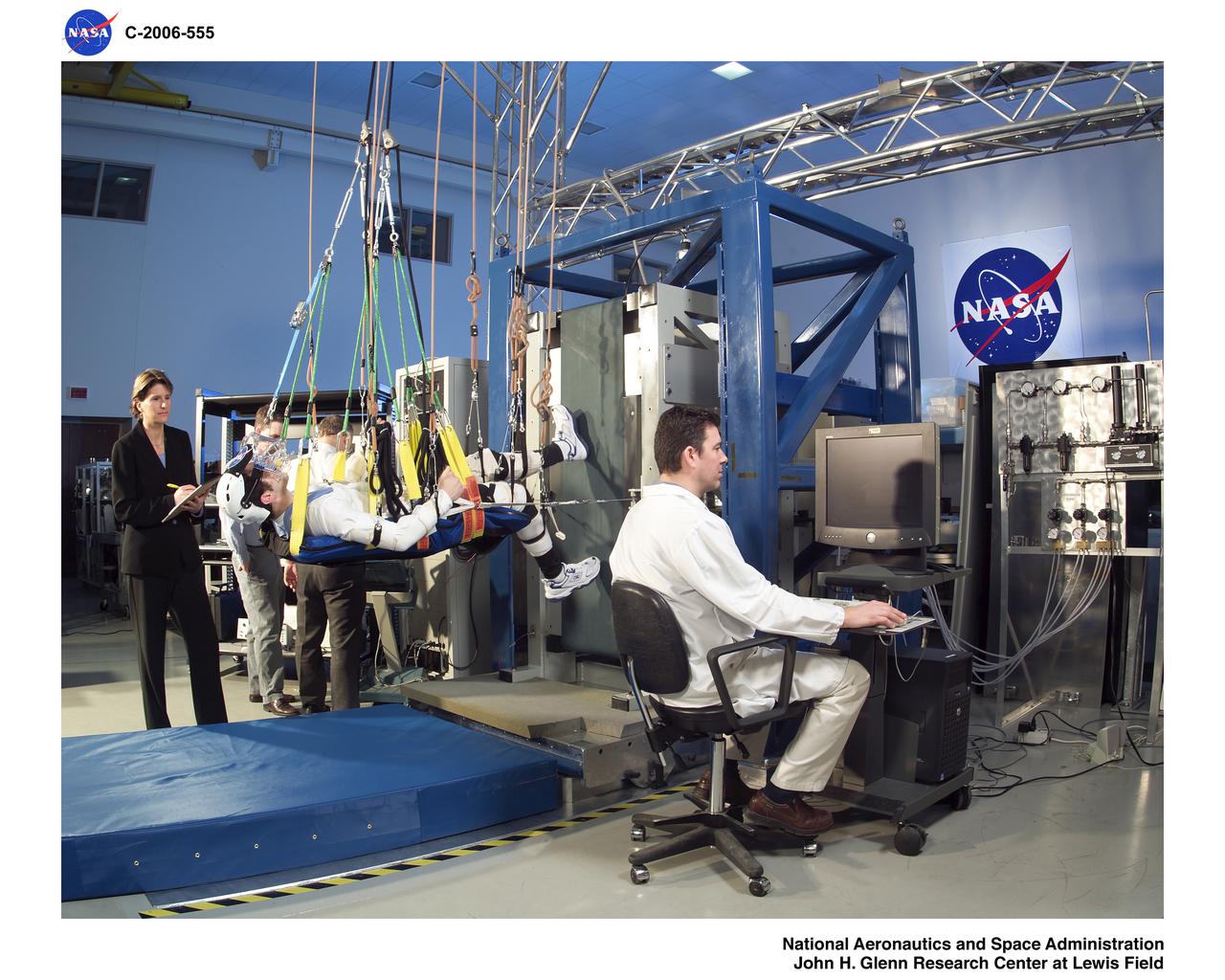
Exercise Countermeasures Lab, ECL
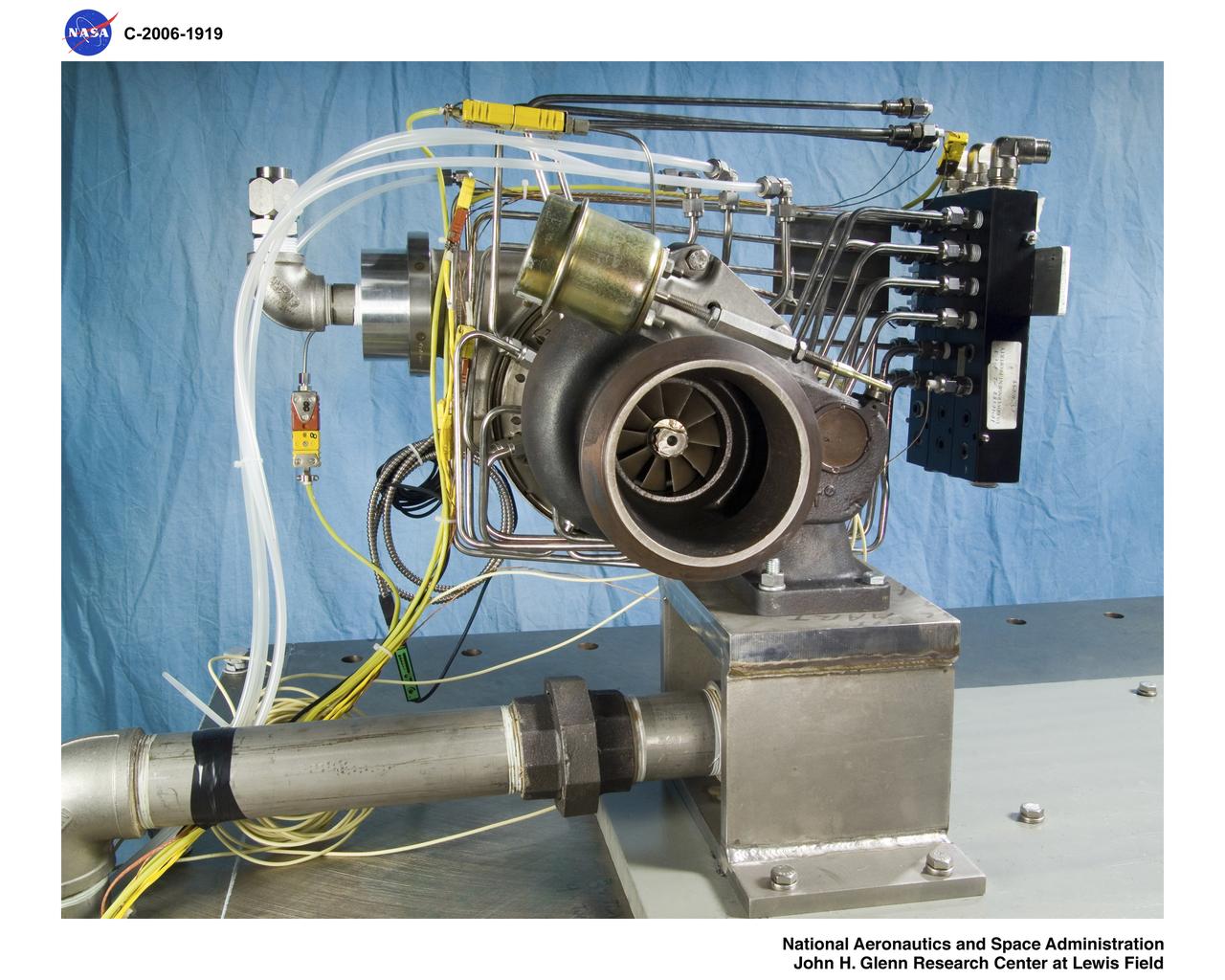
Oil-Free Turbocharger
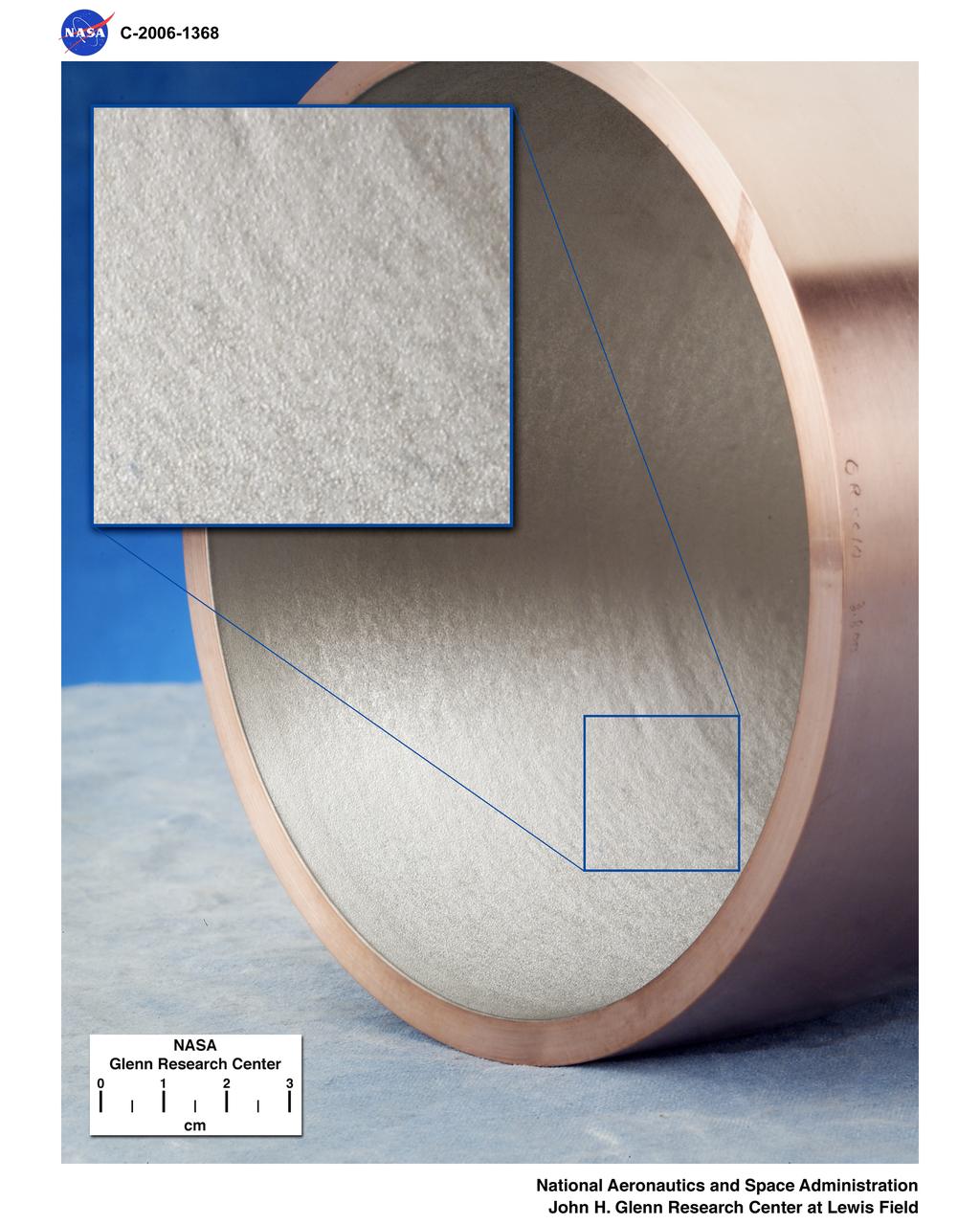
Kinetic Metallization (KM) NiCrAly coated GRCop-84 Thrust Chamber
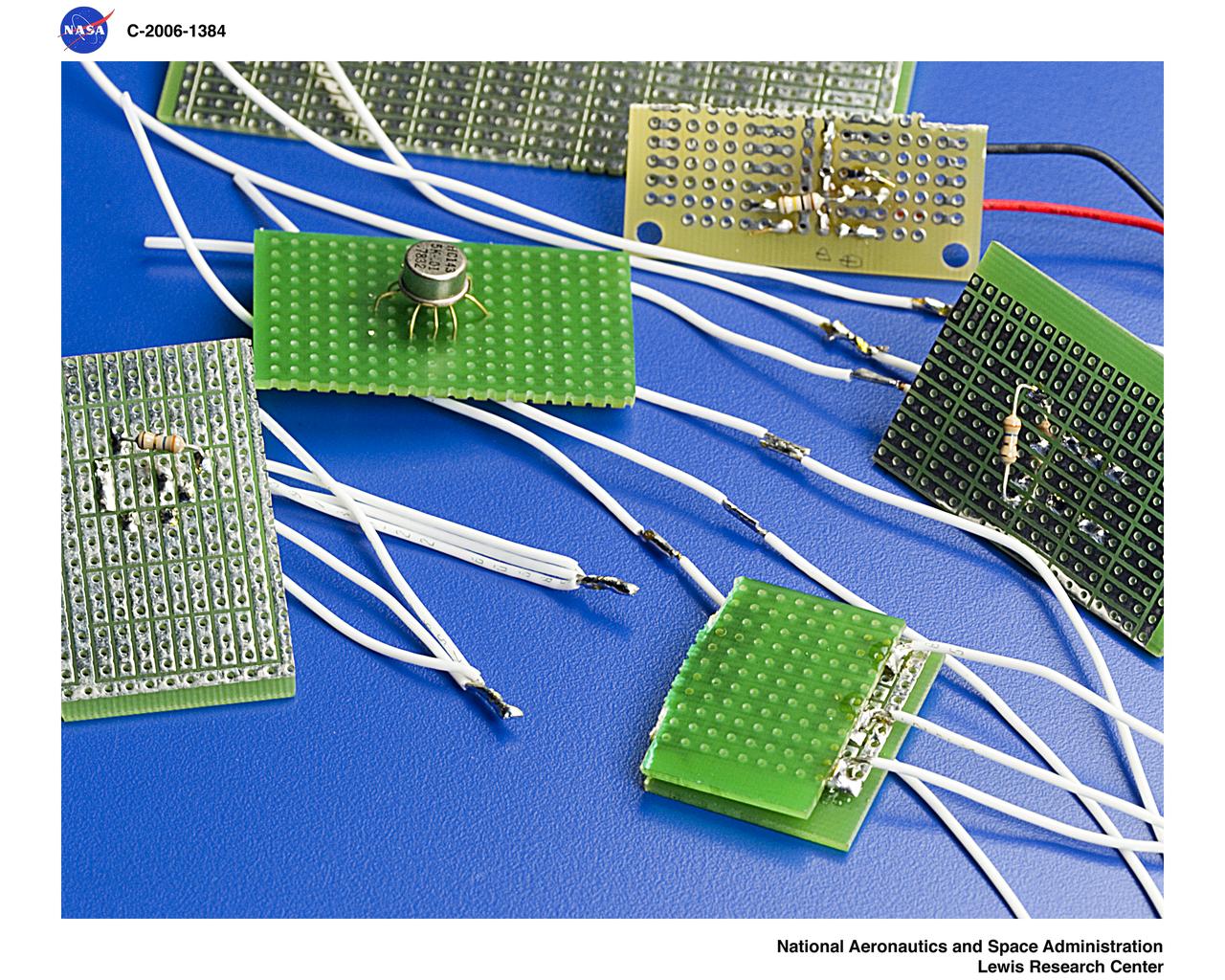
Component Level Electronic Assembly Repair (CLEAR). Solder joints made by Astronauts in space
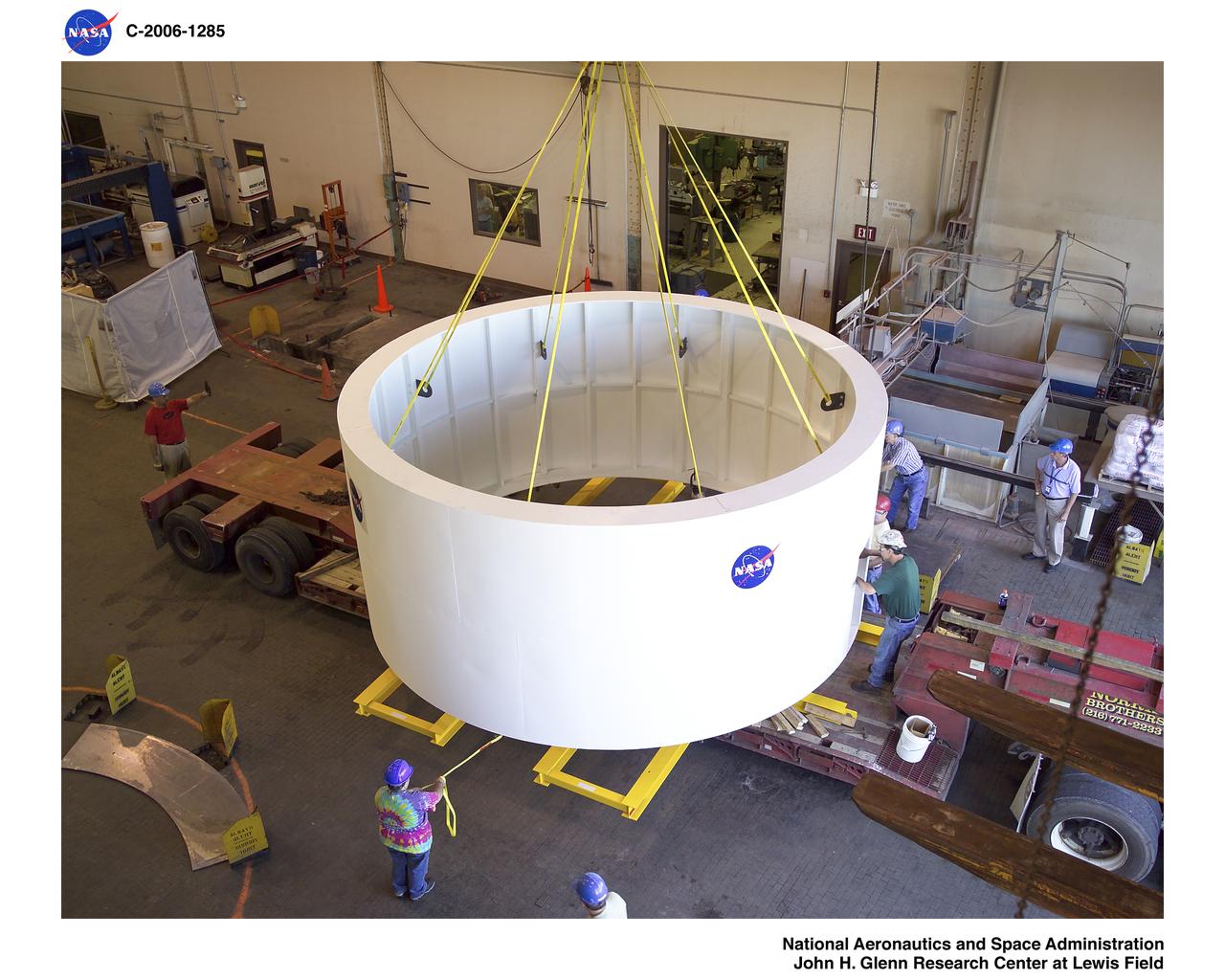
Transfer of Ares 1 Mock-Up
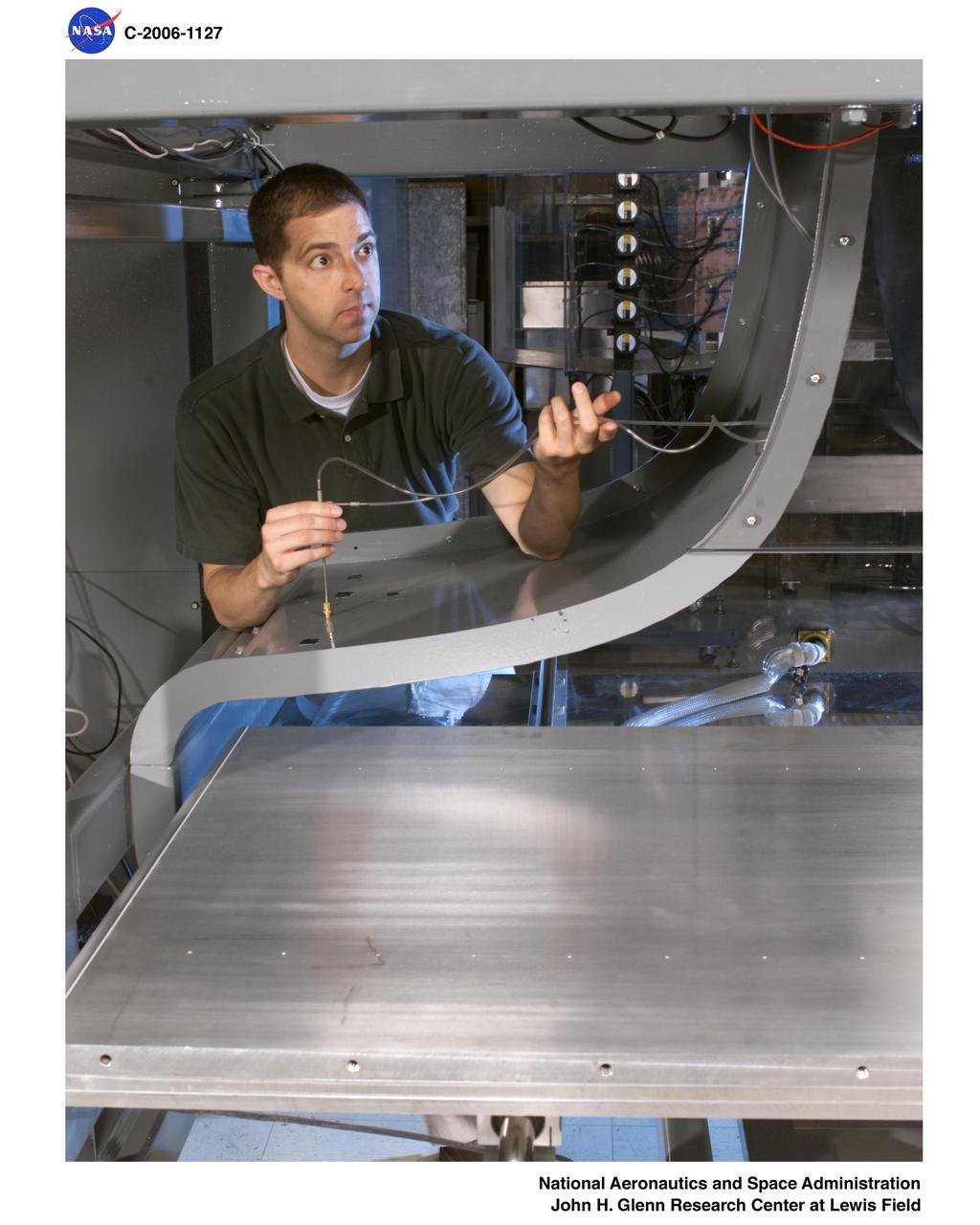
Icing Physics Flow Lab at Case Western Reserve University. Test bed in rolled out position with researcher making adjustments
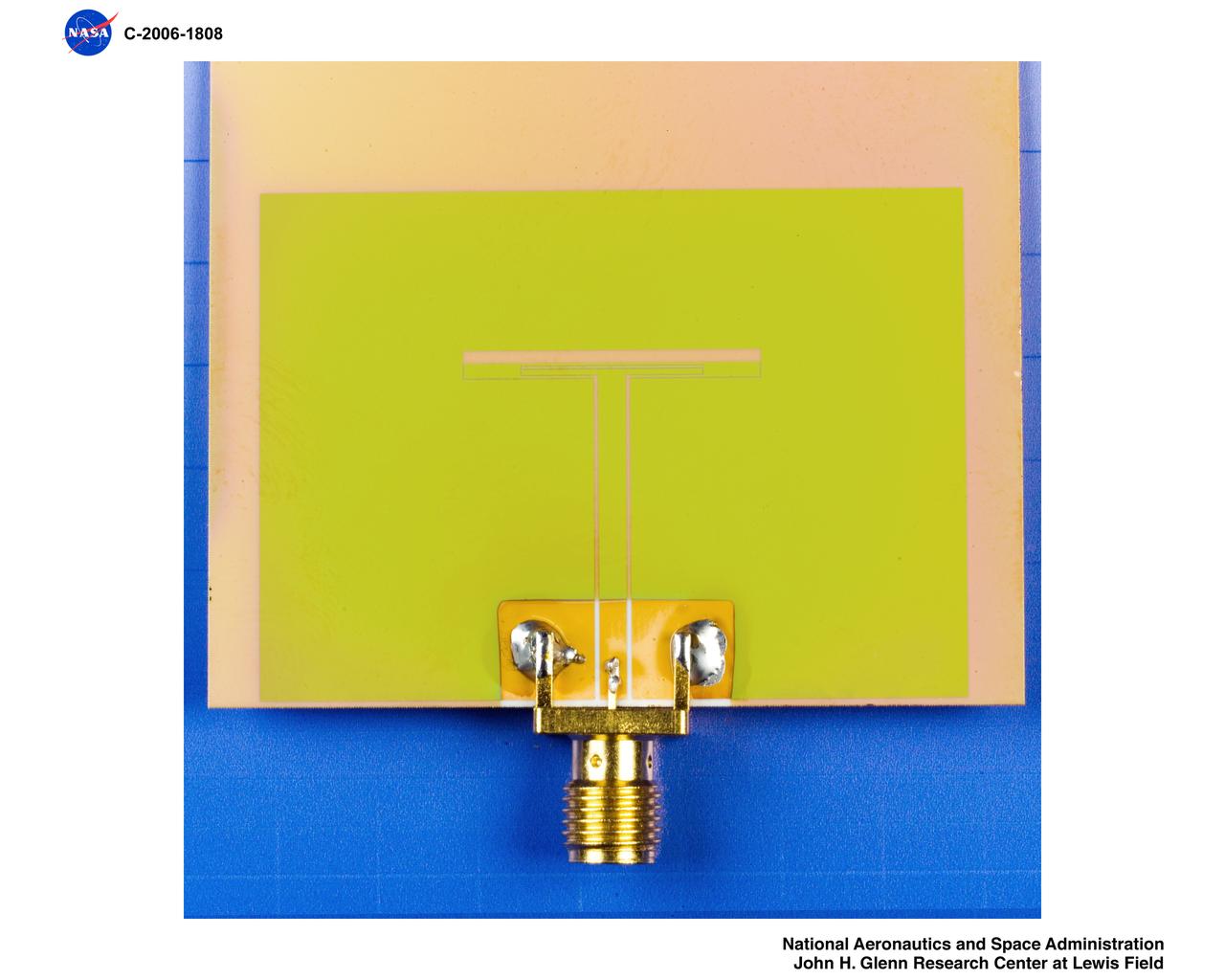
Dual Frequency Slot Antenna with SiC Thin Film Packaging Technology
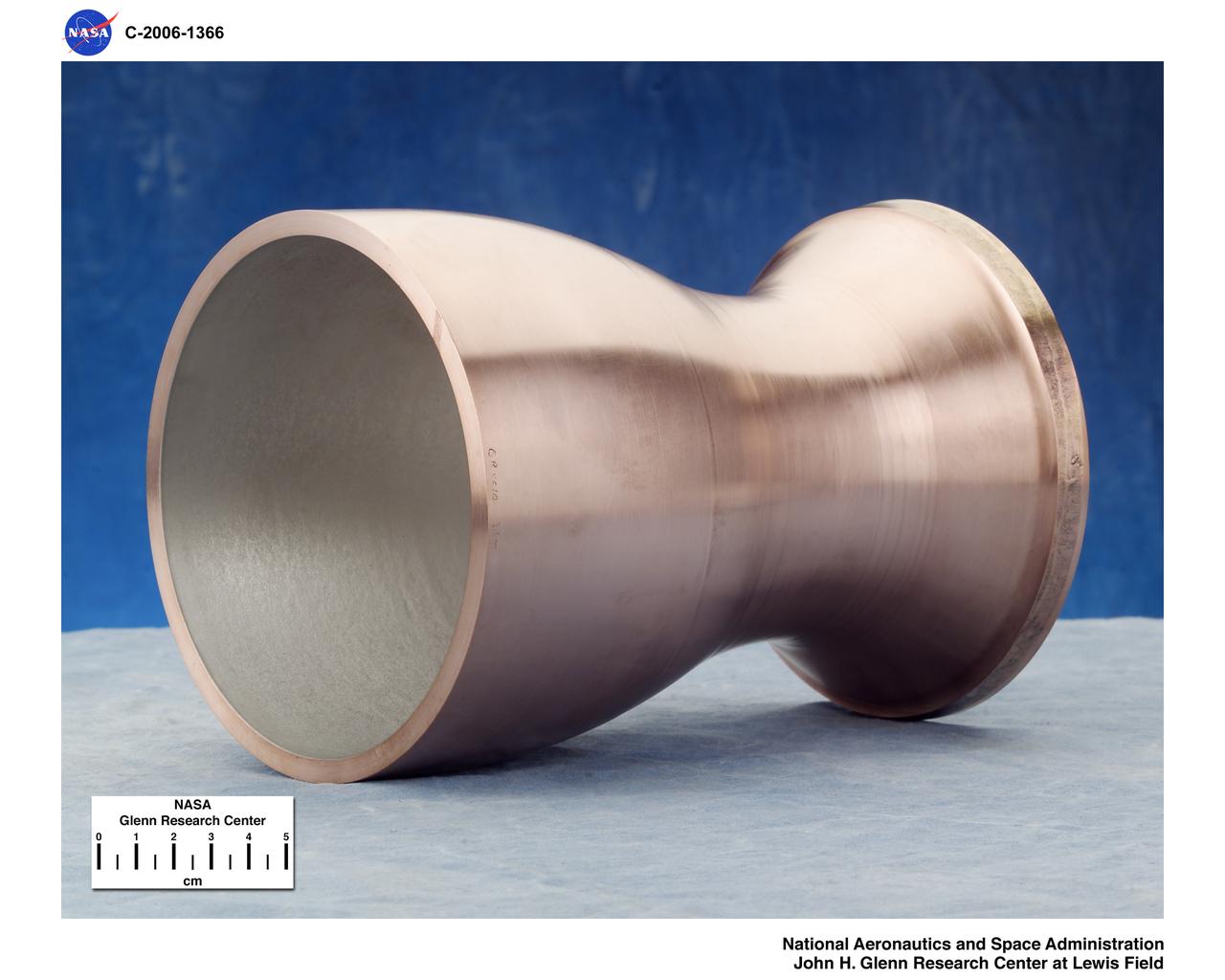
Kinetic Metallization (KM) NiCrAly coated GRCop-84 Thrust Chamber
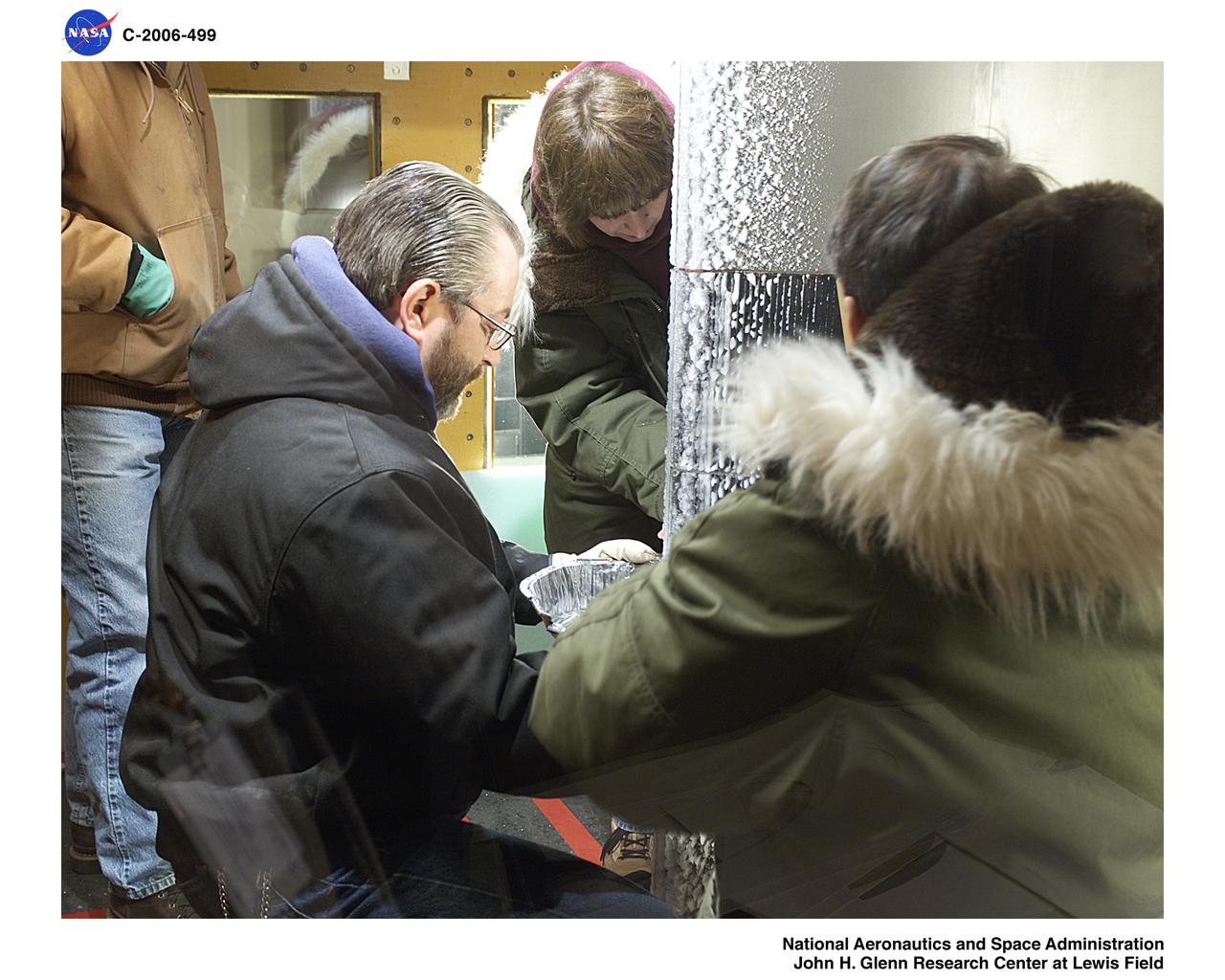
Super Large Droplet (SLD) icing test on a 36 foot cord Natural Laminar Flow wing shape
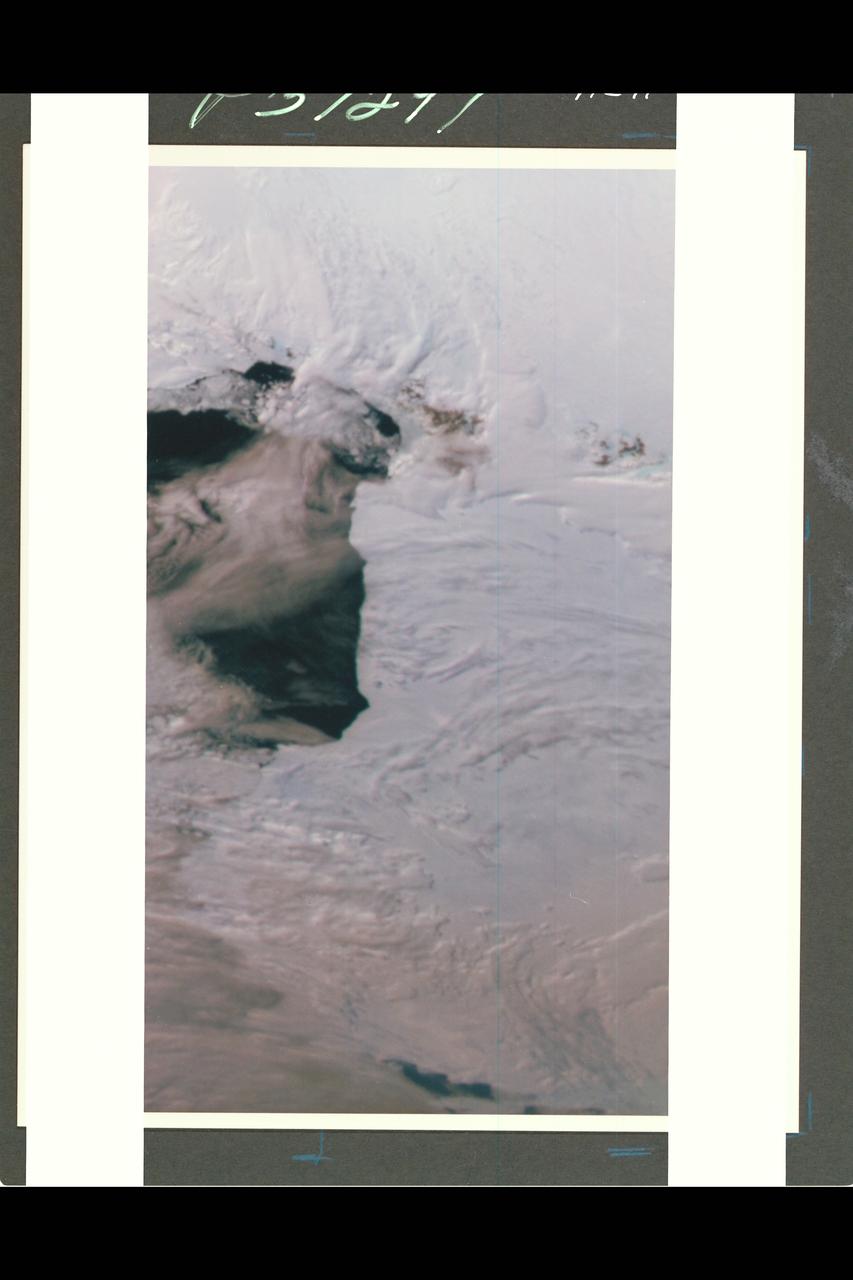
This color picture of Antarctica is one part of a mosaic of pictures covering the entire polar continent taken during the hours following Galileo's historic first encounter with its home planet. The view shows the Ross Ice Shelf to the right and its border with the sea. An occasional mountain can be seen poking through the ice near the McMurdo Station. It is late spring in Antarctica, so the sun never sets on the frigid, icy continent. This picture was taken about 6:20 pm PST. From top to bottom, the frame looks across about half of Antarctica.
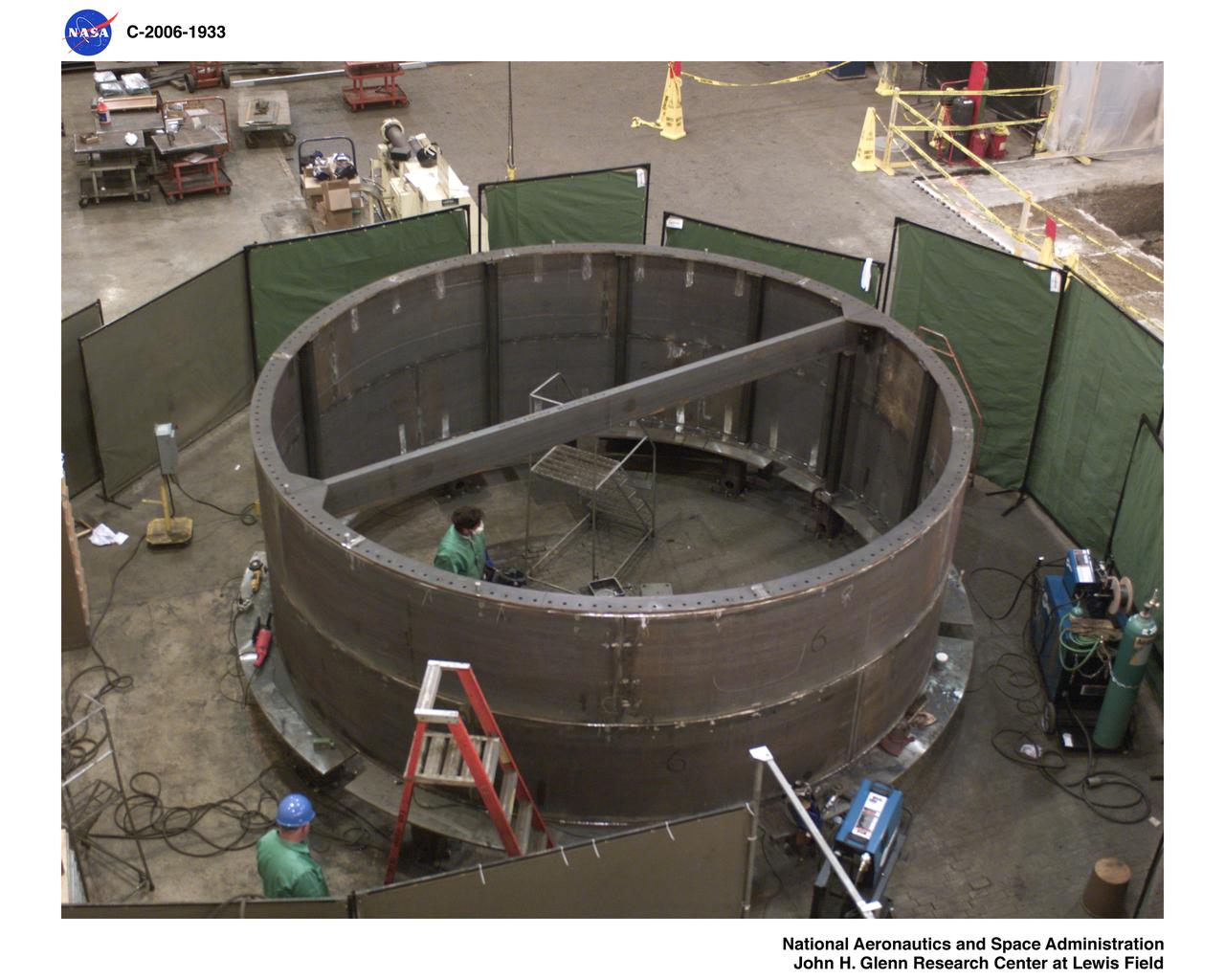
Fabrication of the Ares-1 mock-up showing welding and grinding operations. This is part of the Constellation project
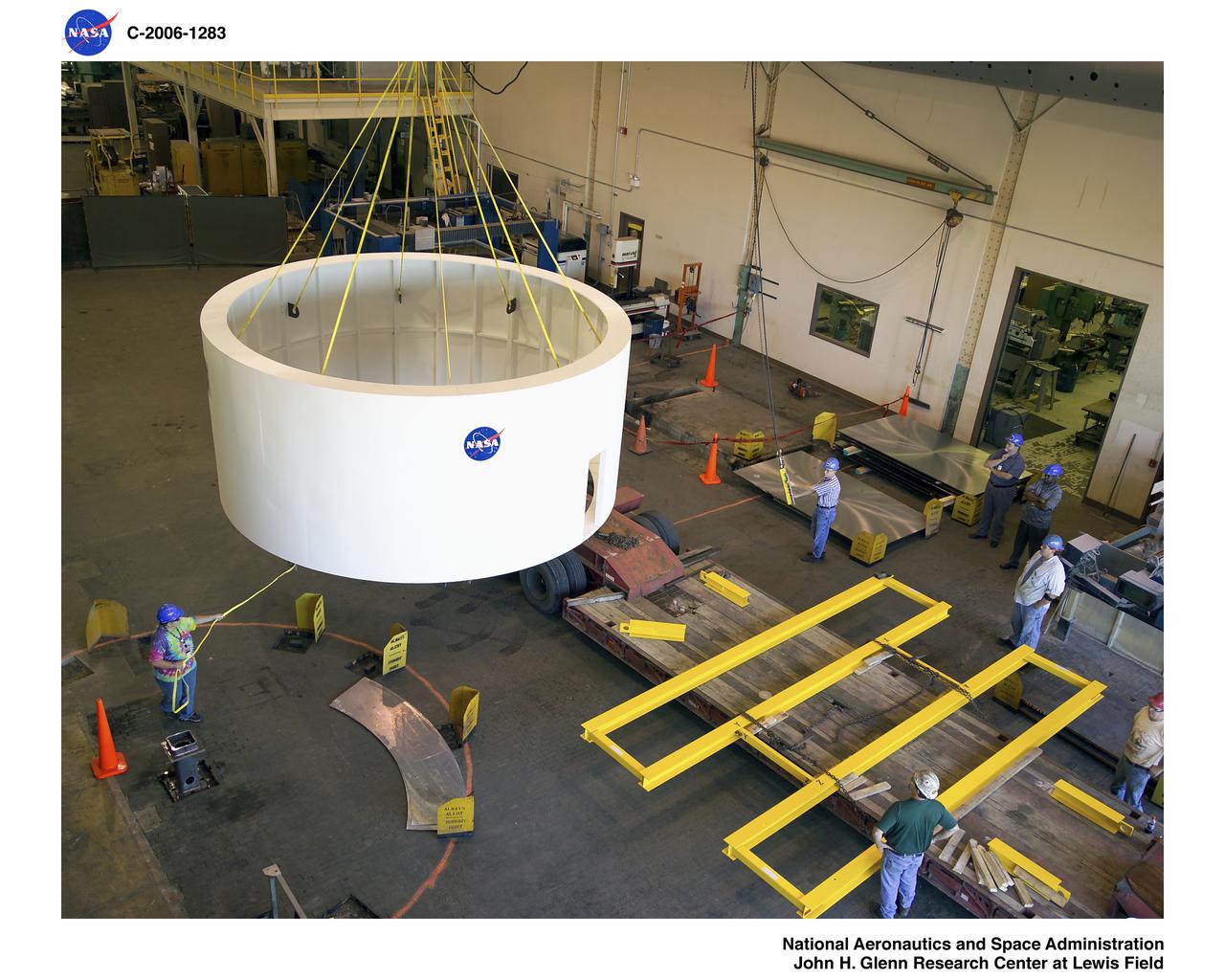
Transfer of Ares 1 Mock-Up
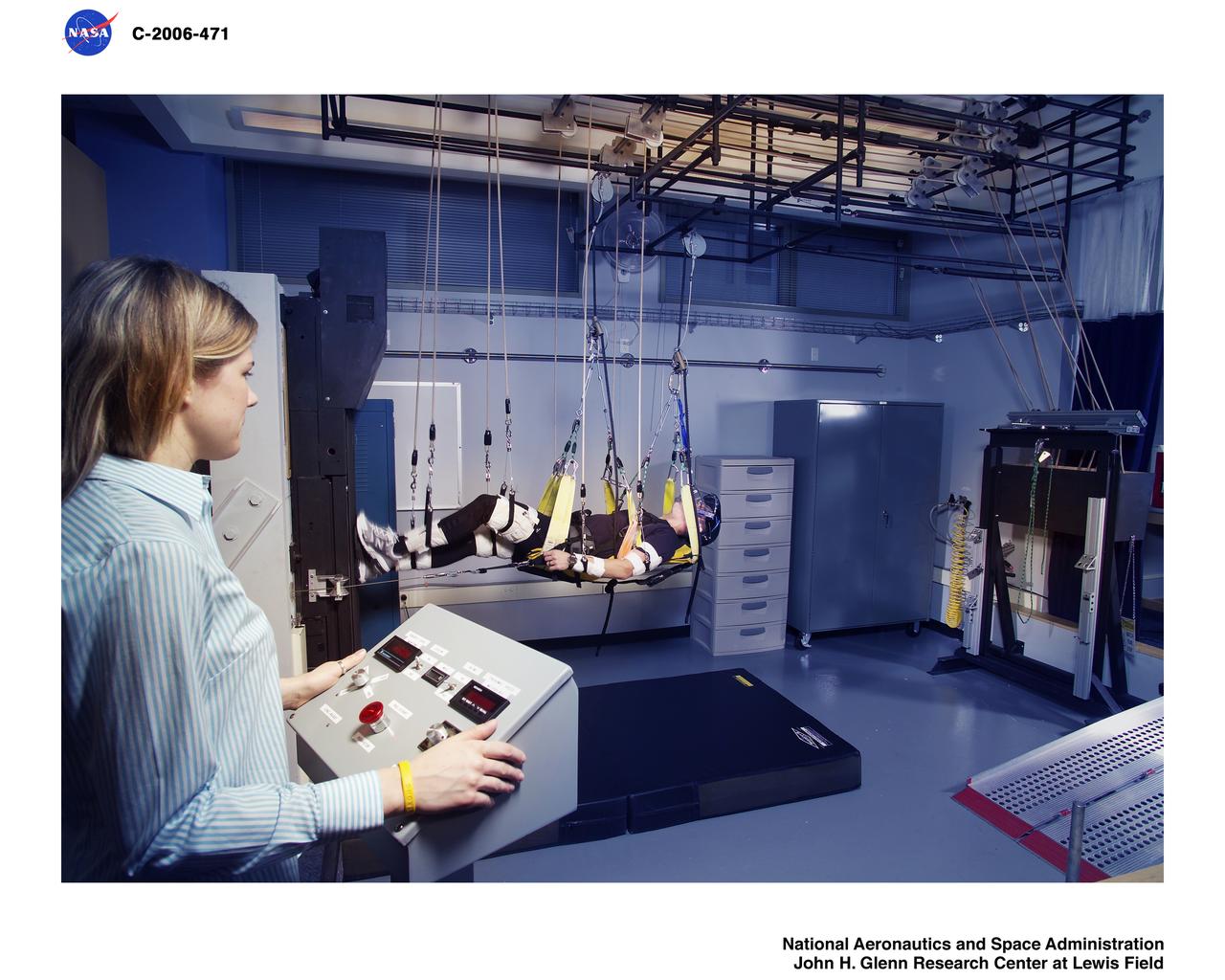
Zero Gravity Locomotion Simulator (ZLS) (0-g)
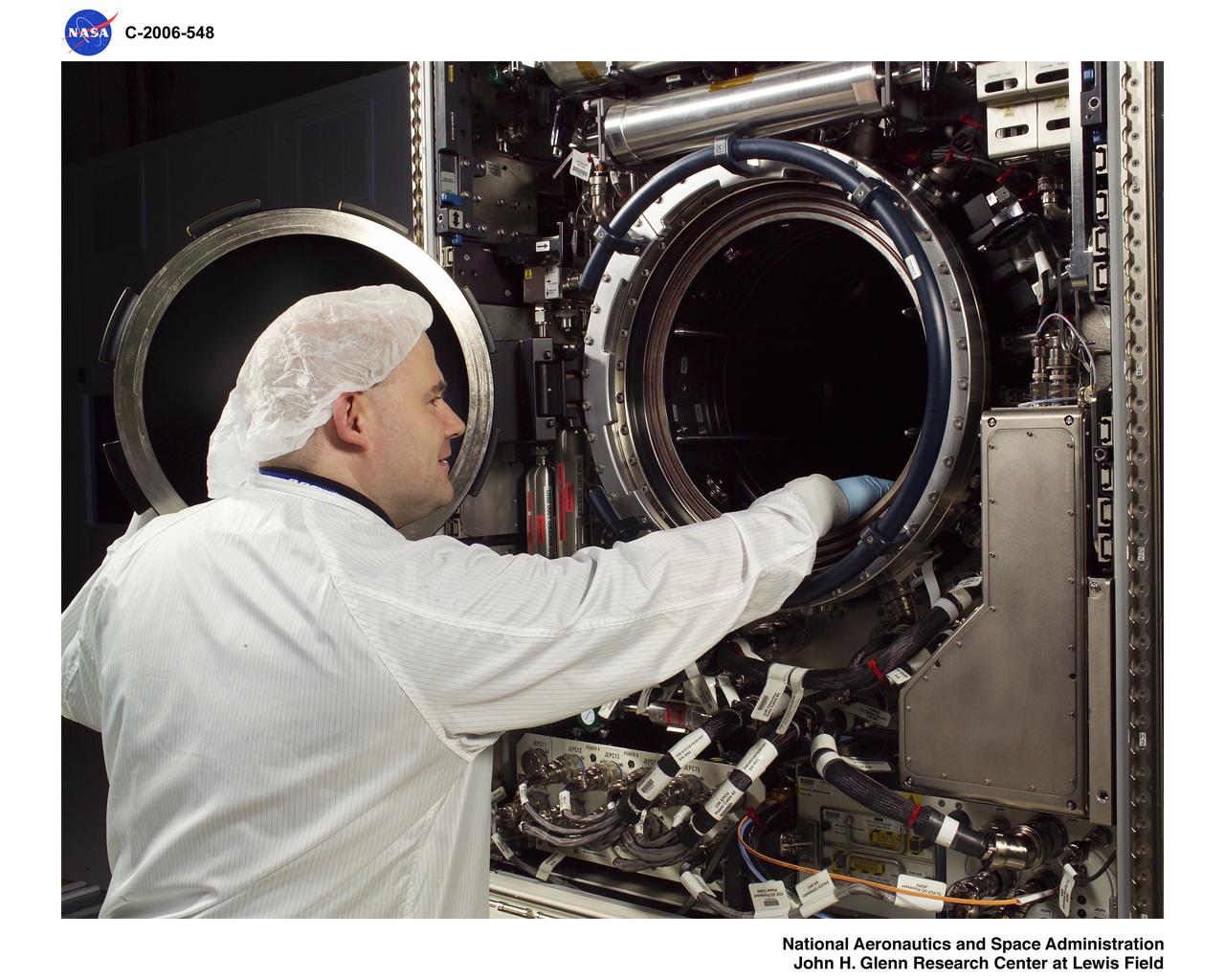
Combustion Integrated Rack (CIR)
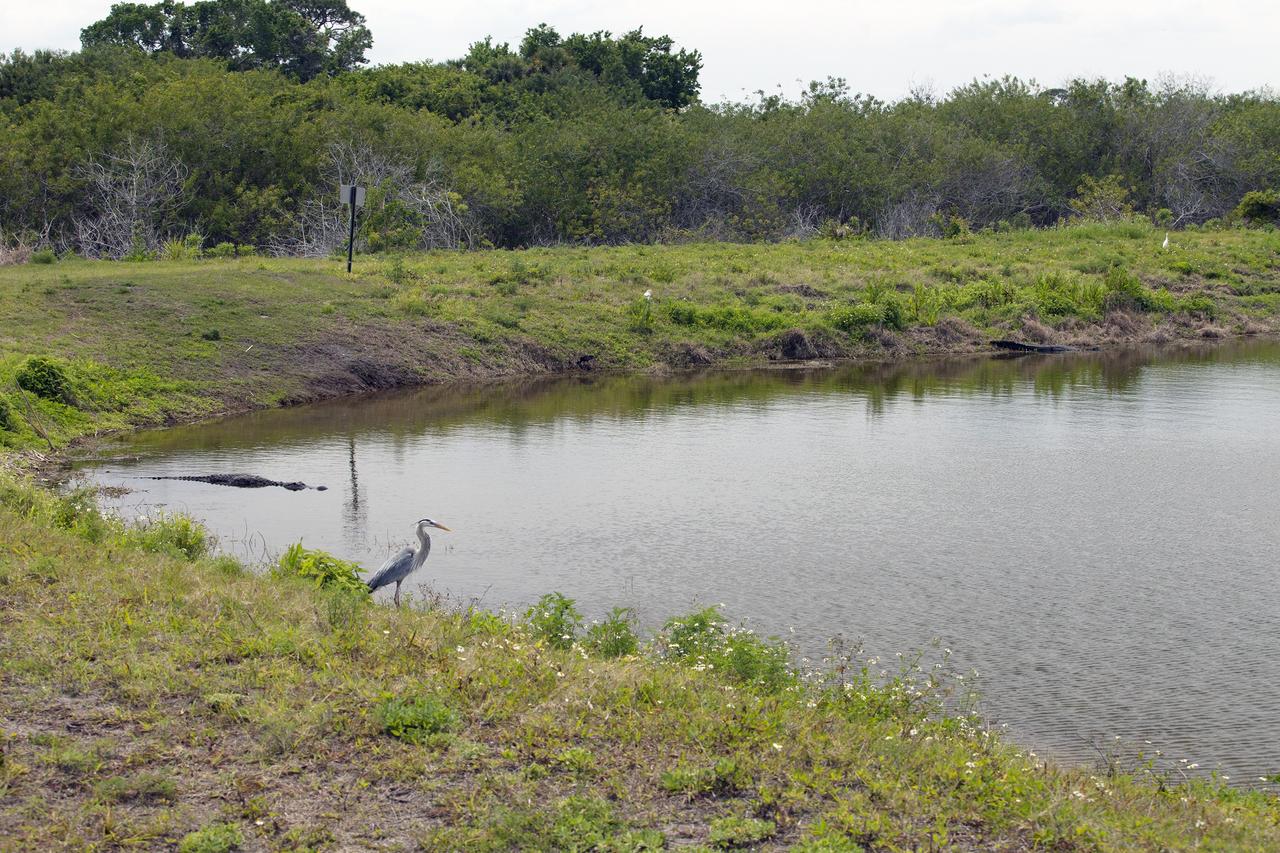
CAPE CANAVERAL, Fla. – A great blue heron stands along the shore of an inland waterway at NASA's Kennedy Space Center in Florida. An alligator swims in the water nearby. The center shares a boundary with the Merritt Island National Wildlife Refuge. The refuge encompasses 140,000 acres that are a habitat for more than 330 species of birds, 31 mammals, 117 fishes, and 65 amphibians and reptiles. It contains more than 1,000 known plant species. The marshes and open water of the refuge provide wintering areas for 23 species of migratory waterfowl, as well as a year-round home for great blue herons, great egrets, wood storks, cormorants, brown pelicans and other species of marsh and shore birds, and a variety of insects. Photo credit: NASA/Daniel Casper
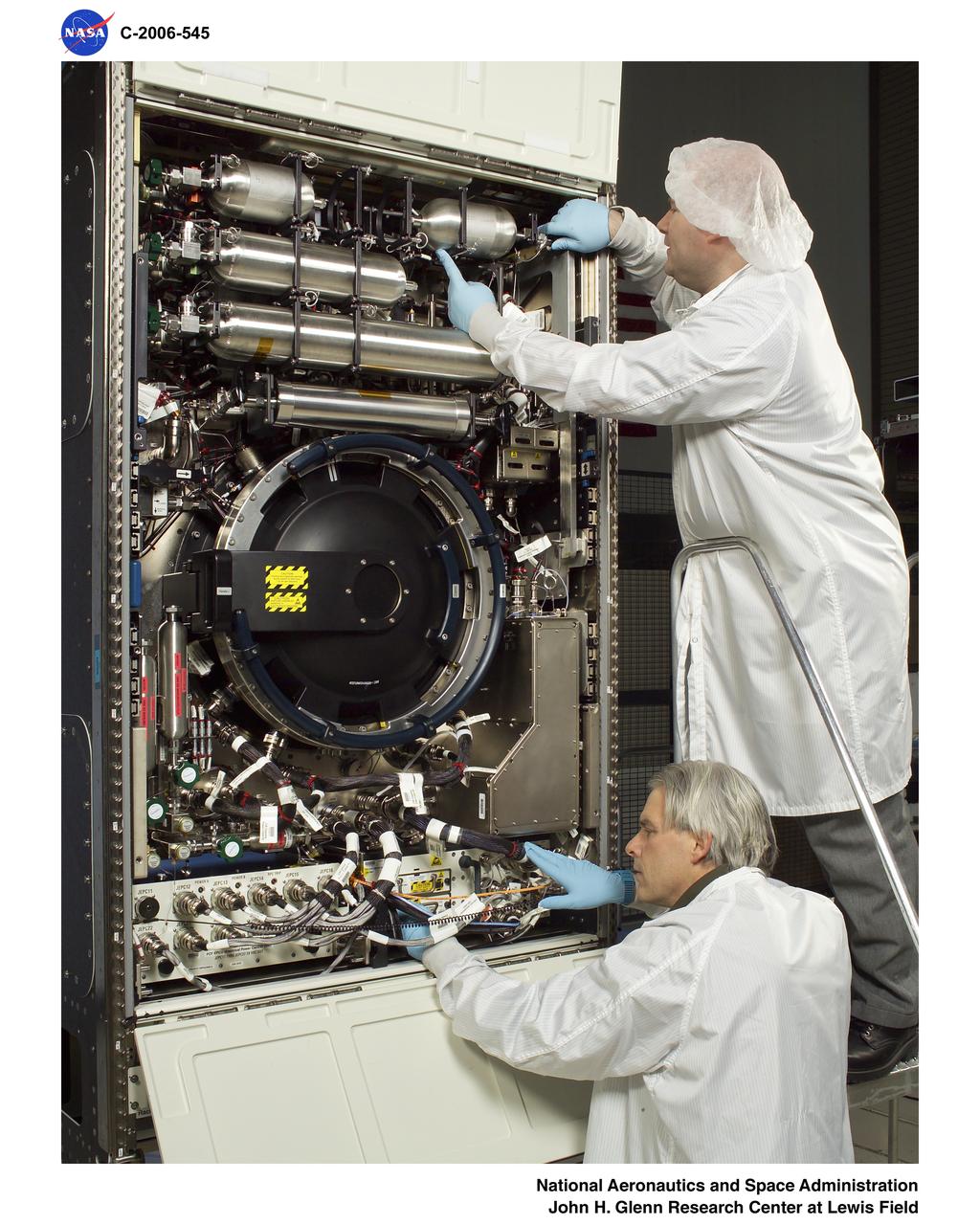
Combustion Integrated Rack (CIR)
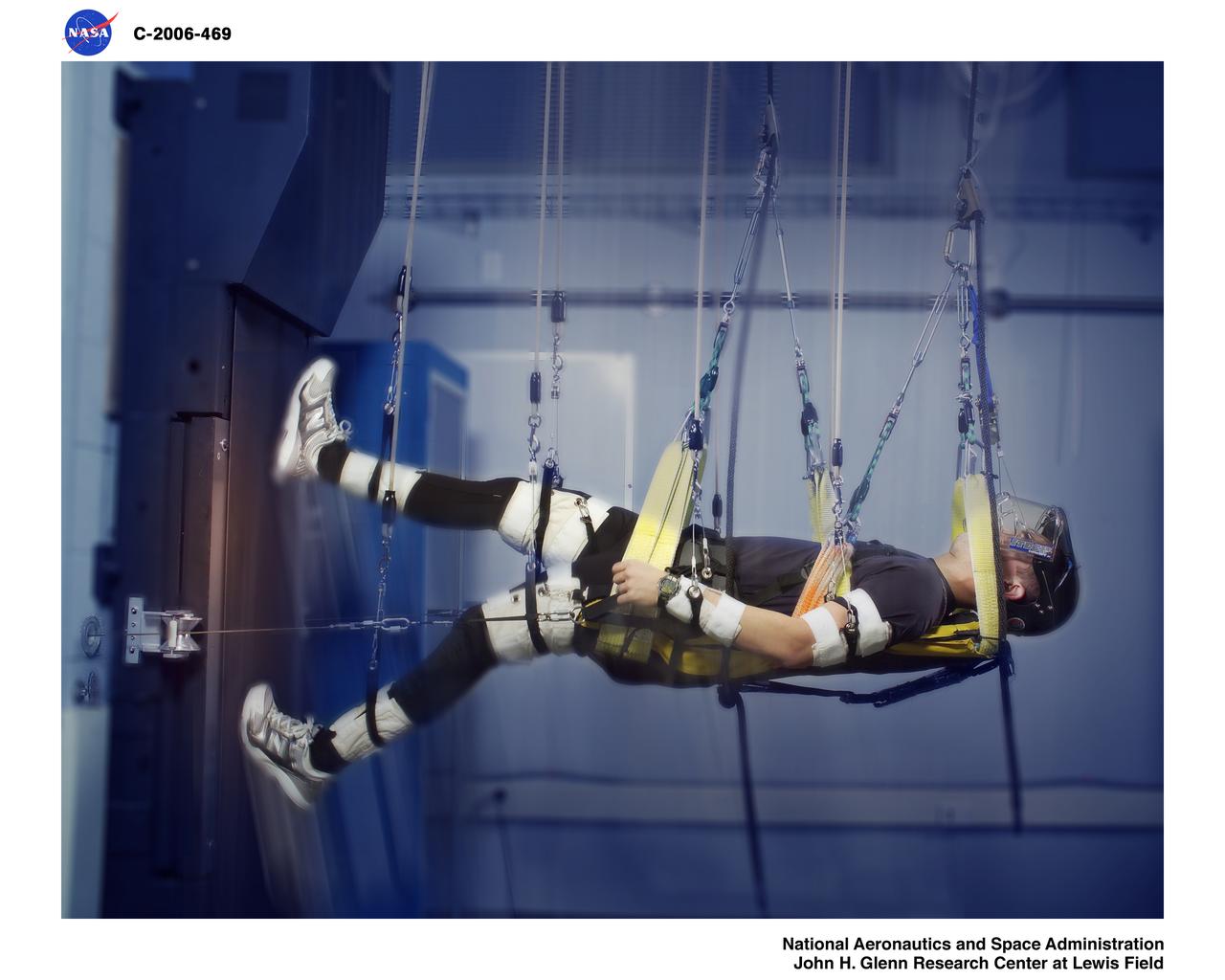
Zero Gravity Locomotion Simulator (ZLS) (0-g)
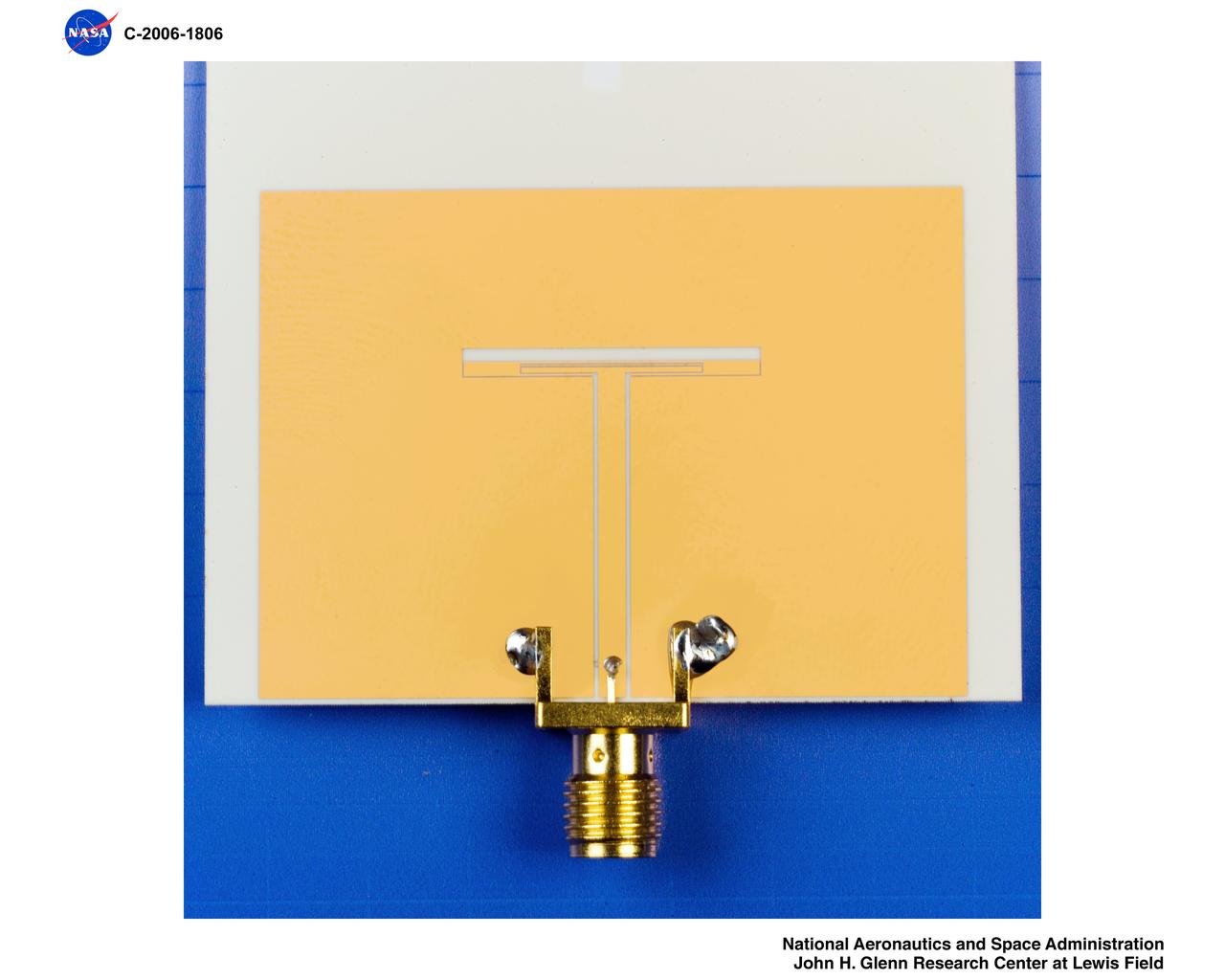
Dual Frequency Slot Antenna
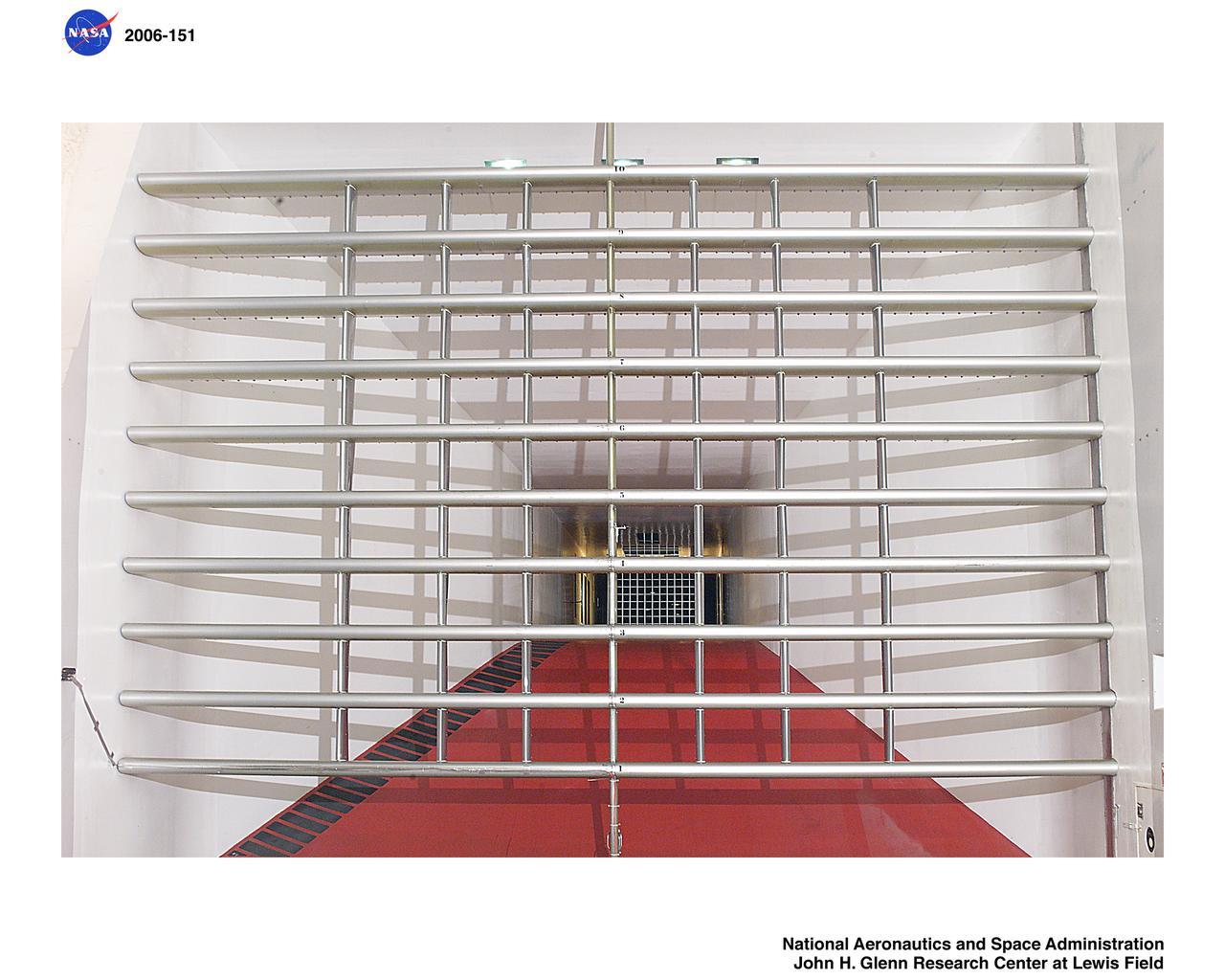
Spray Bars with new vertical fins to stabilize air flow. Test section is seen in background

Ohio Aerospace Institute (OAI) Advanced Technology Center (ATC) Building Exterior
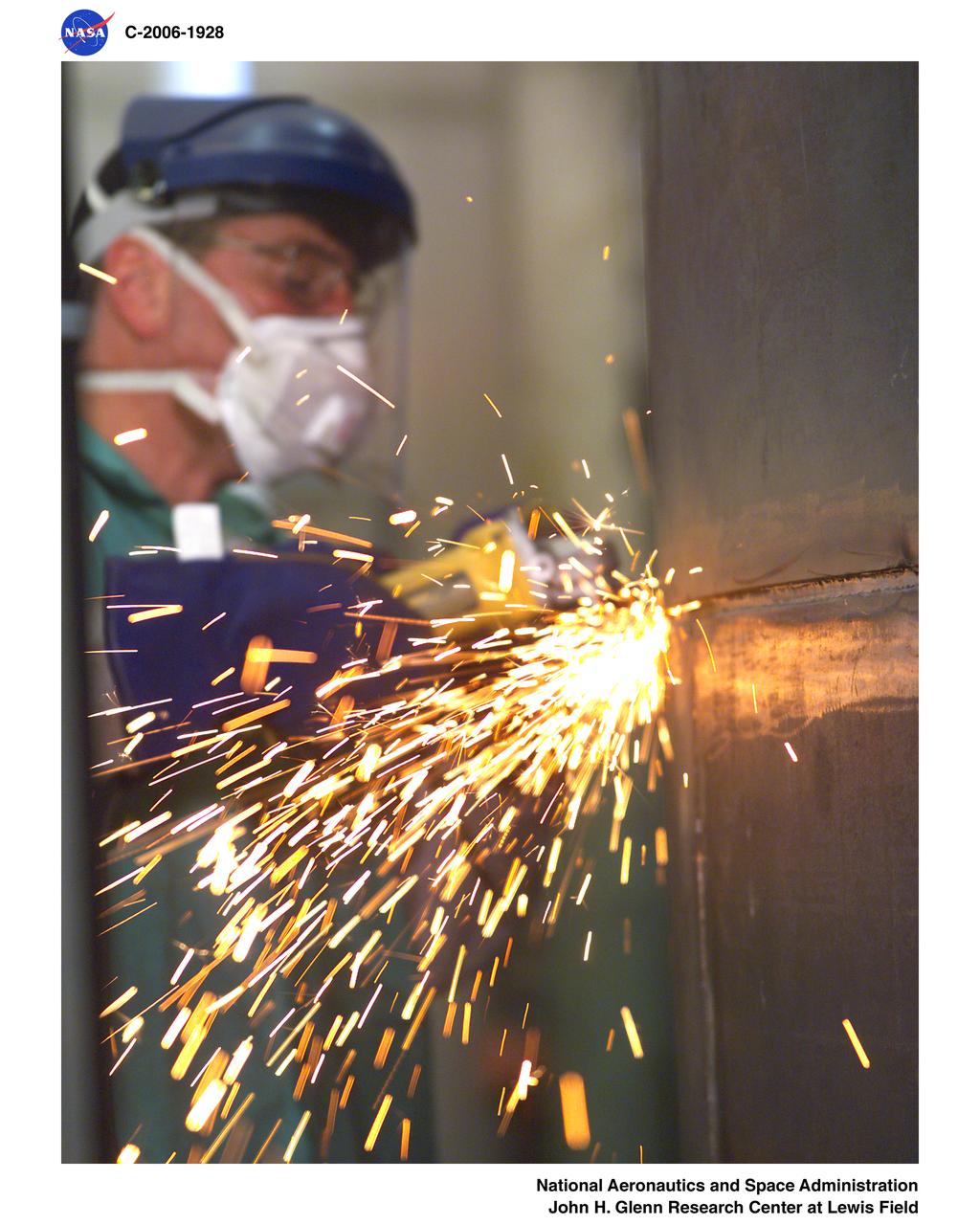
Fabrication of the Ares-1 mock-up showing welding and grinding operations. This is part of the Constellation project

Oil-Free Turbomachinery Thrust Bearing Test Rig

LCROSS (Lunar Crater Observation Sensing Satellite) Near InfraRed Spectrometer shake test in Ames N-244 high bay EEL Lab - with Kimberly Ennico, Anthony Colaprete and Lynn Hofland
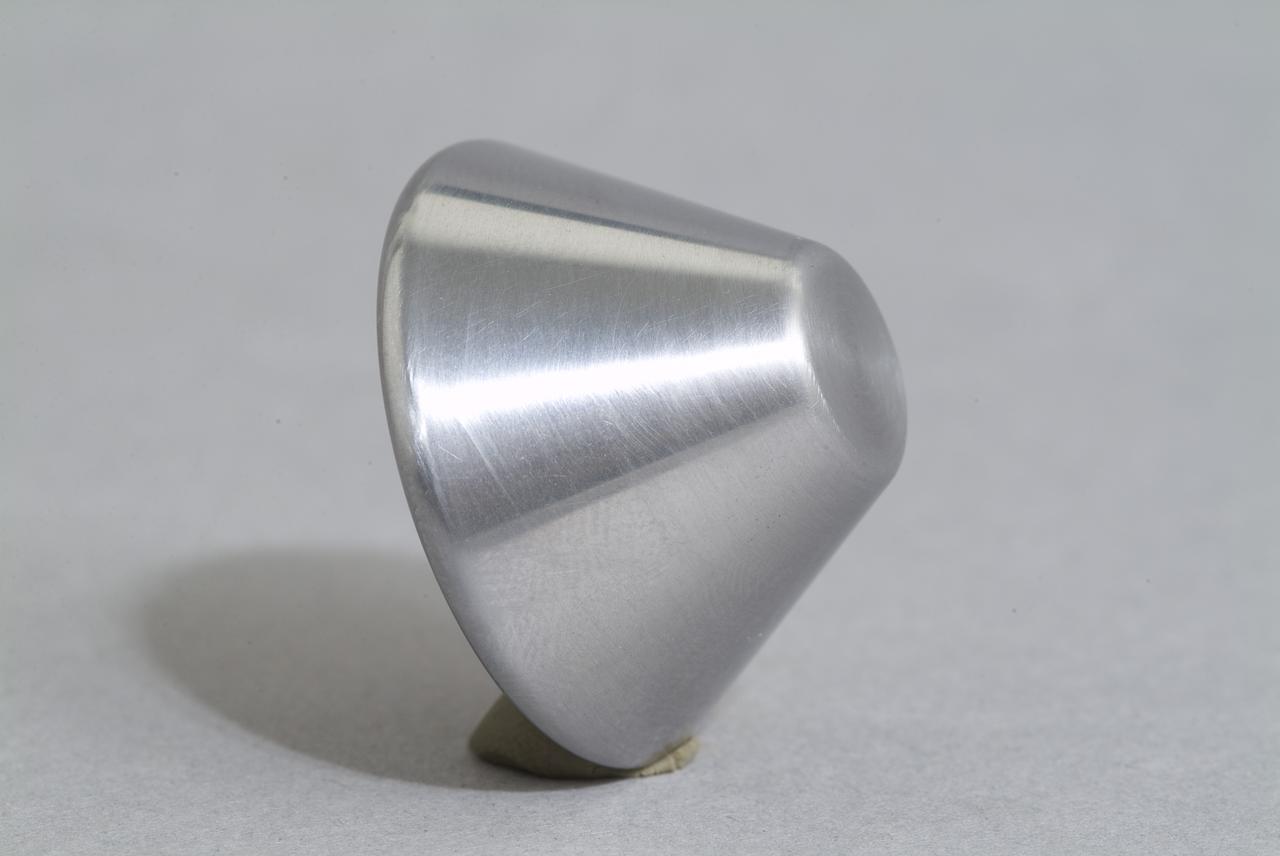
CEV (Crew Escape Vehicle) capsule Balistic Range testing to examine static and dynamic stability characteristics (at the Hypervelocity Free-Flight Facility) HFF
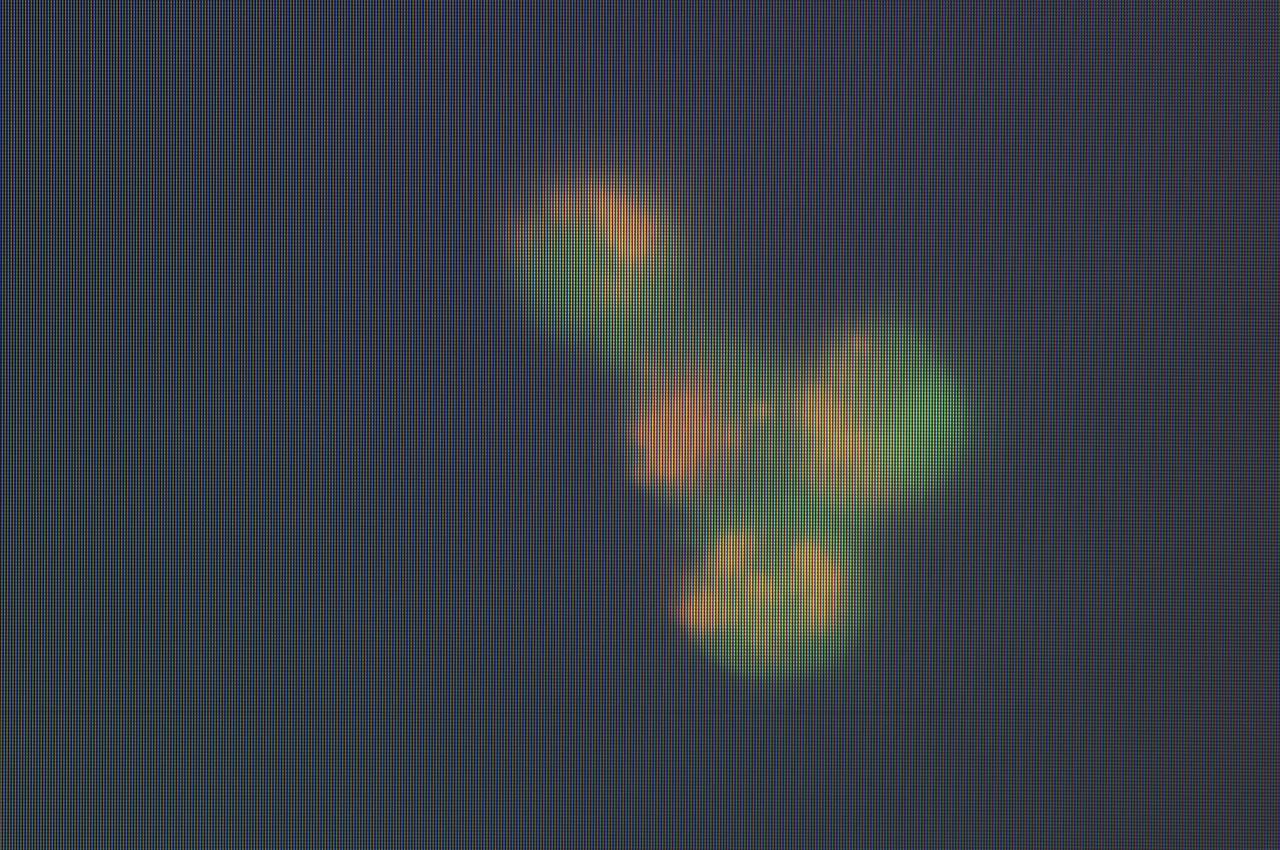
Space shuttle STS-121 FIT (Fly Immunity and Tumors) payload. Using Drosophila (fruit fly) to complete the experiments. Computer screen showing green fluorescent protein used to visualize blood cells in Drosophila (fruit fly).
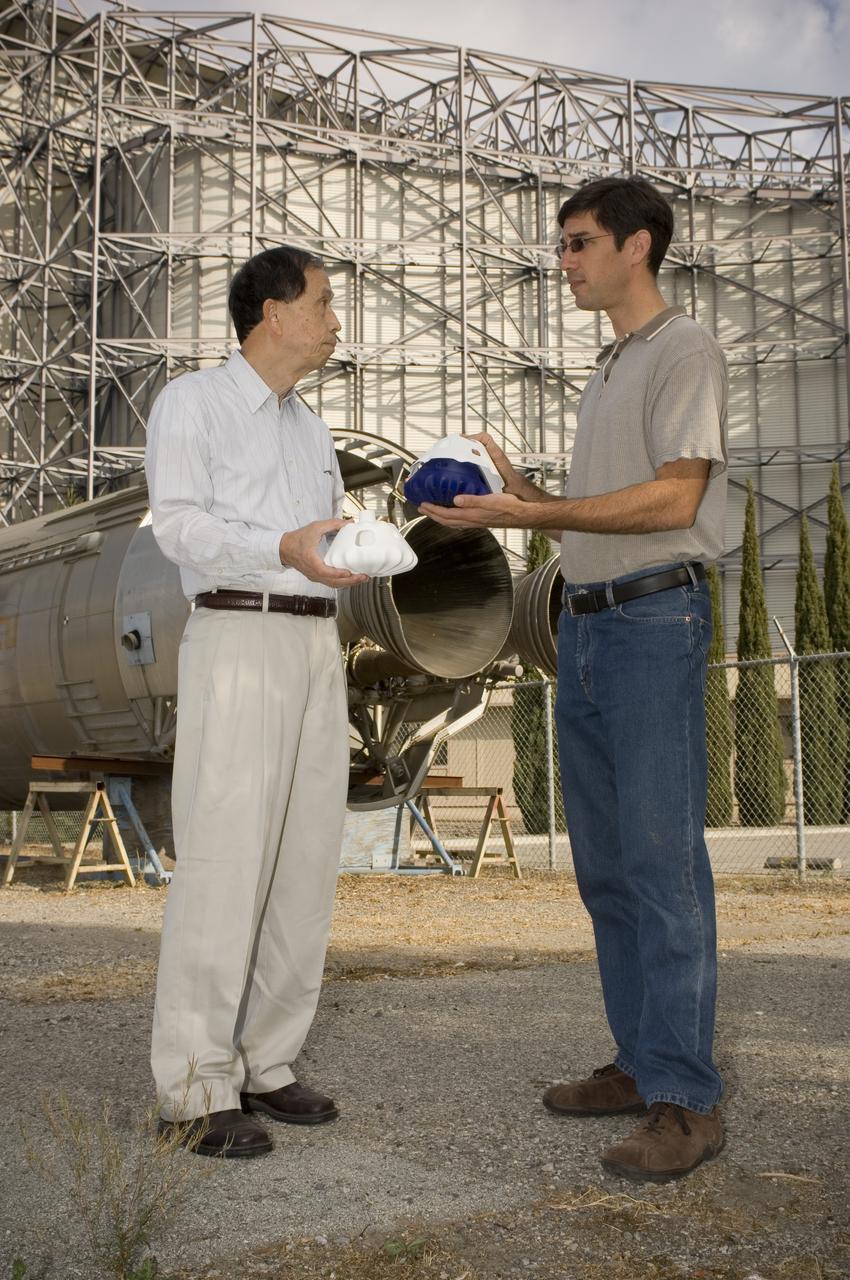
Ian Fernandez and Hiro Miur with composite CEV Model (NESC Composite Crew Module Design
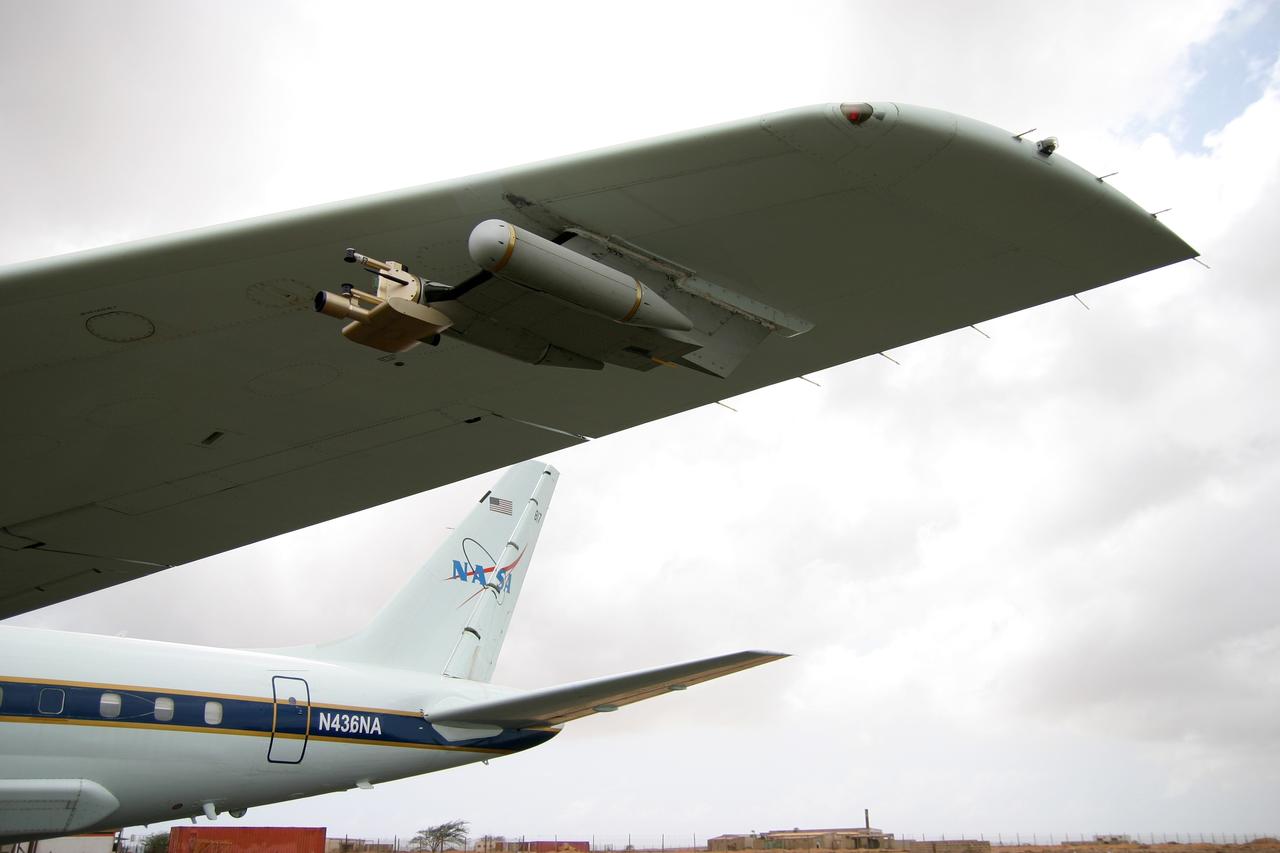
NASA Monsoon Multidisciplinary analysis (NAMMA) deployment, Sal Island, Cape Verde Africia DC-8 NAMMA MISSION TO CAPE VERDE, AFRICA close-up of one of the external wingtip probes used on baord NASA's DC-8 during the deployment.
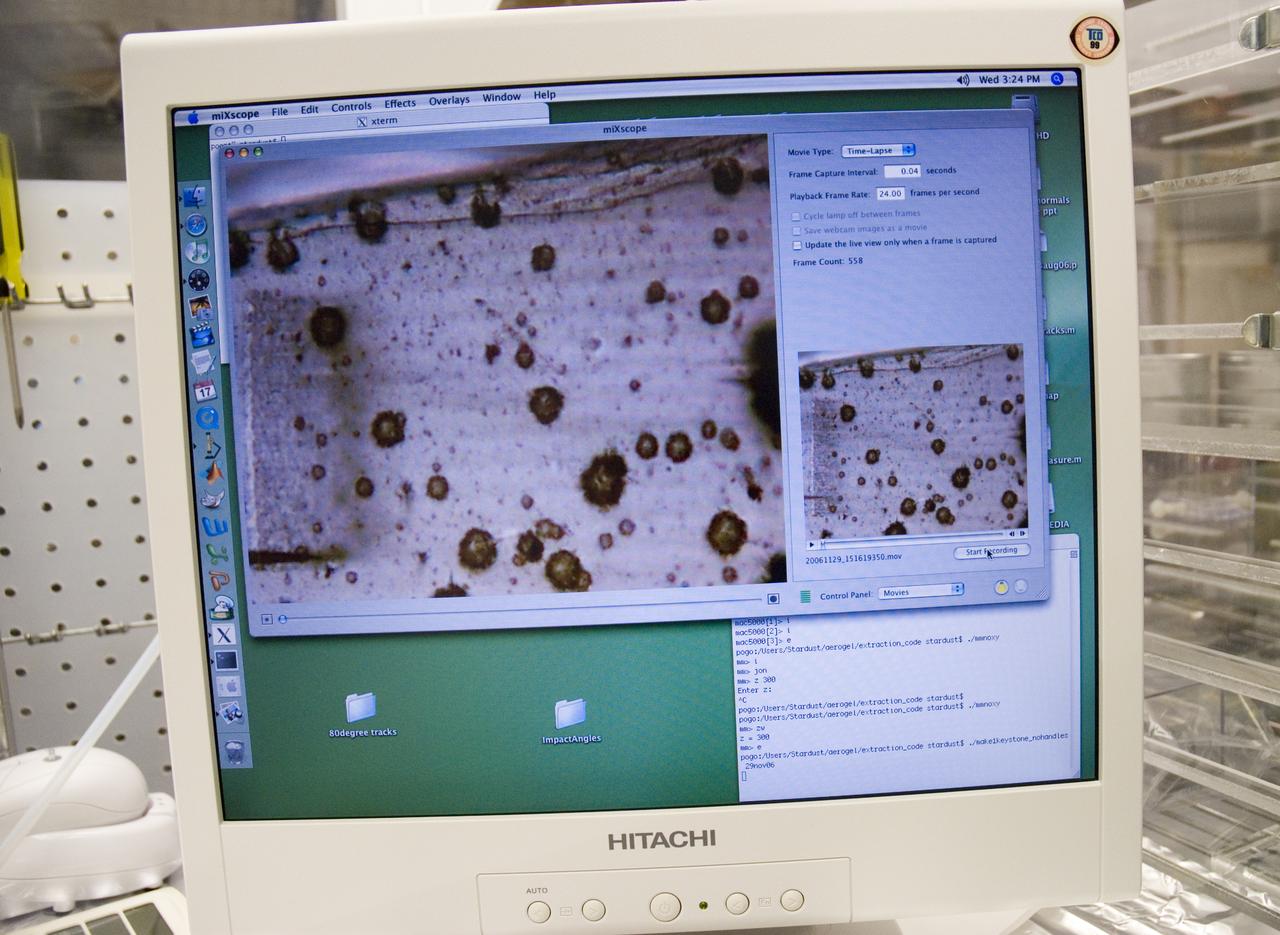
Stardust sample analysis @ UC Berkeley clean room with Dr Scott Sandford, NASA Ames Astrophysicist - mission aerogel samples provided to UC Berkeley for analysis by NASA are shown on computer screen during microscopic sampling
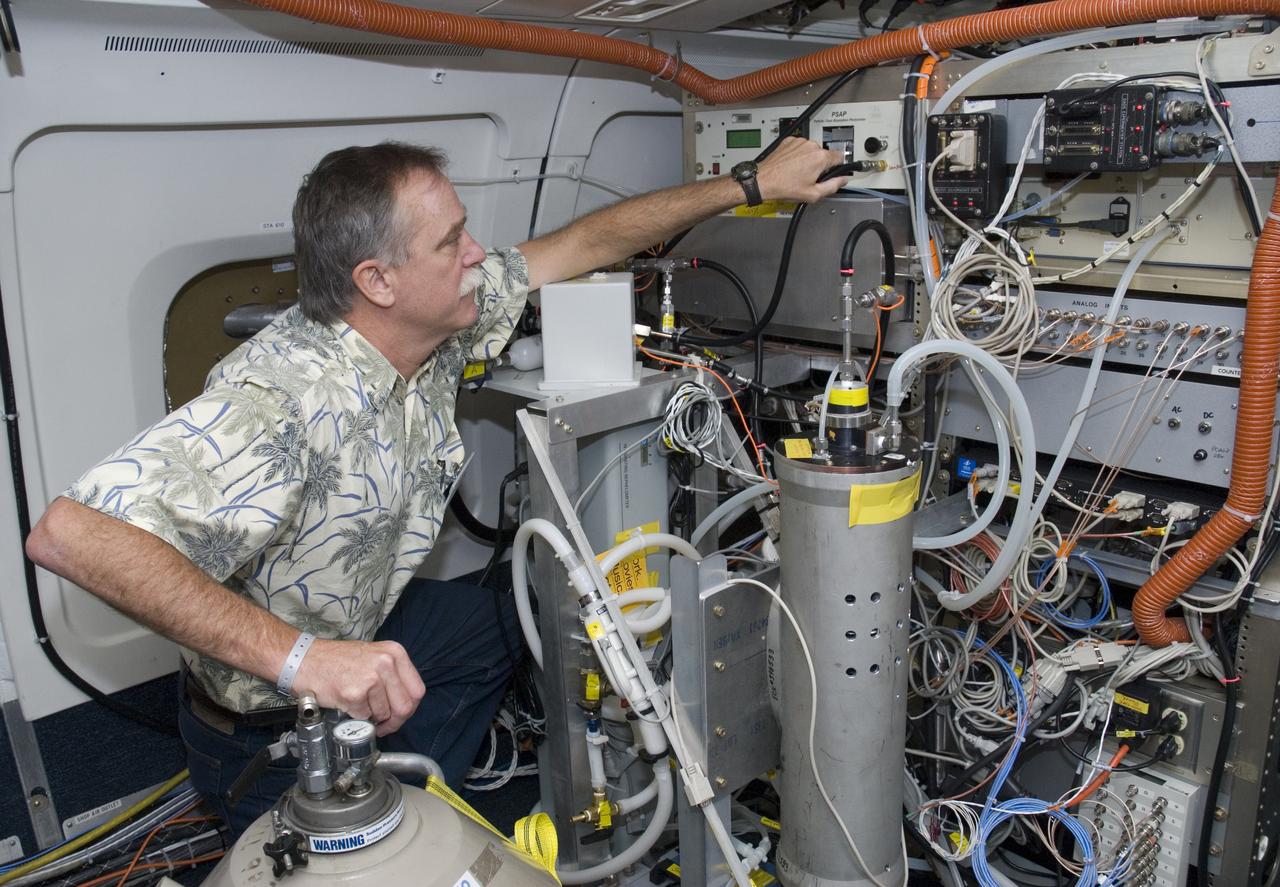
NASA Monsoon Multidisciplinary analysis (NAMMA) deployment, Sal Island, Cape Verde Africia
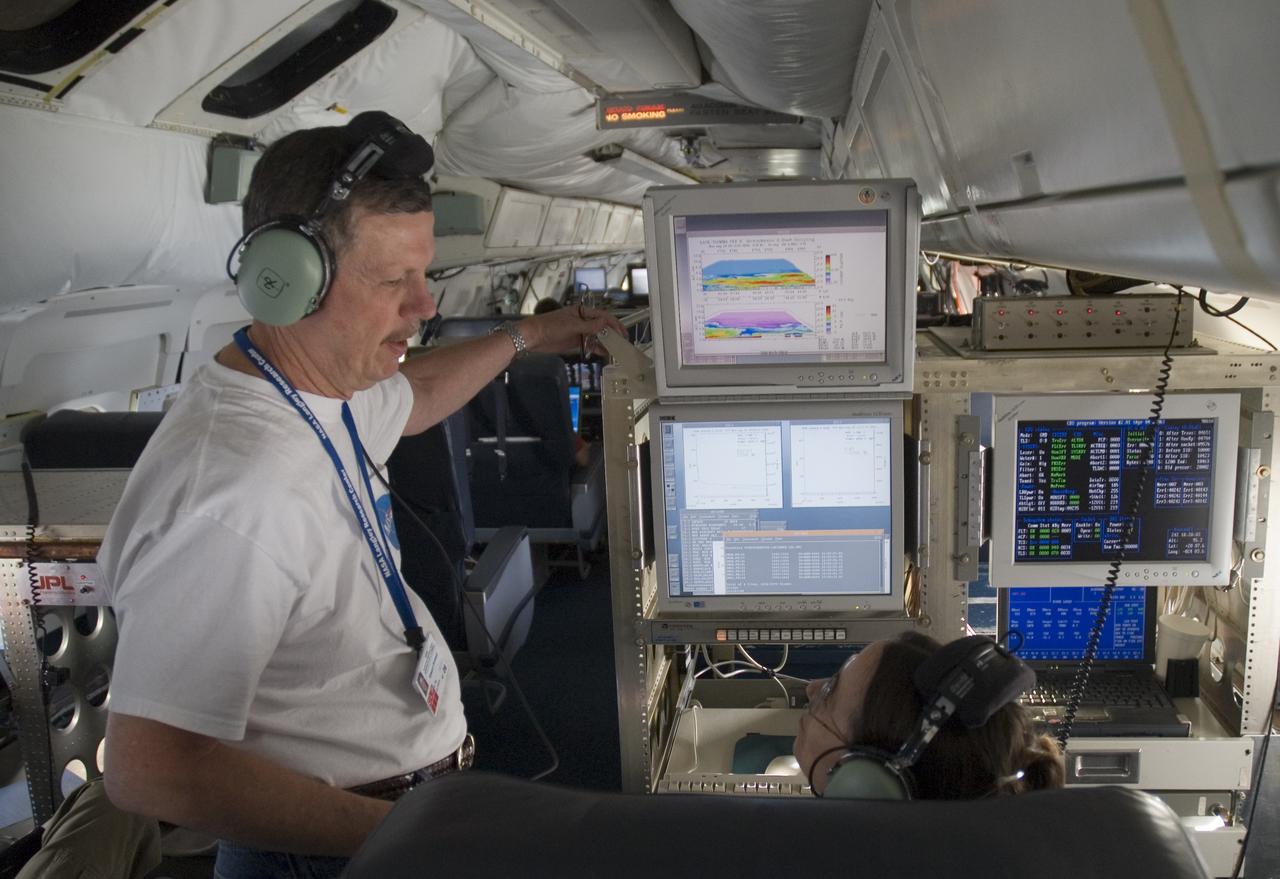
NASA Monsoon Multidisciplinary analysis (NAMMA) deployment, Sal Island, Cape Verde Africia
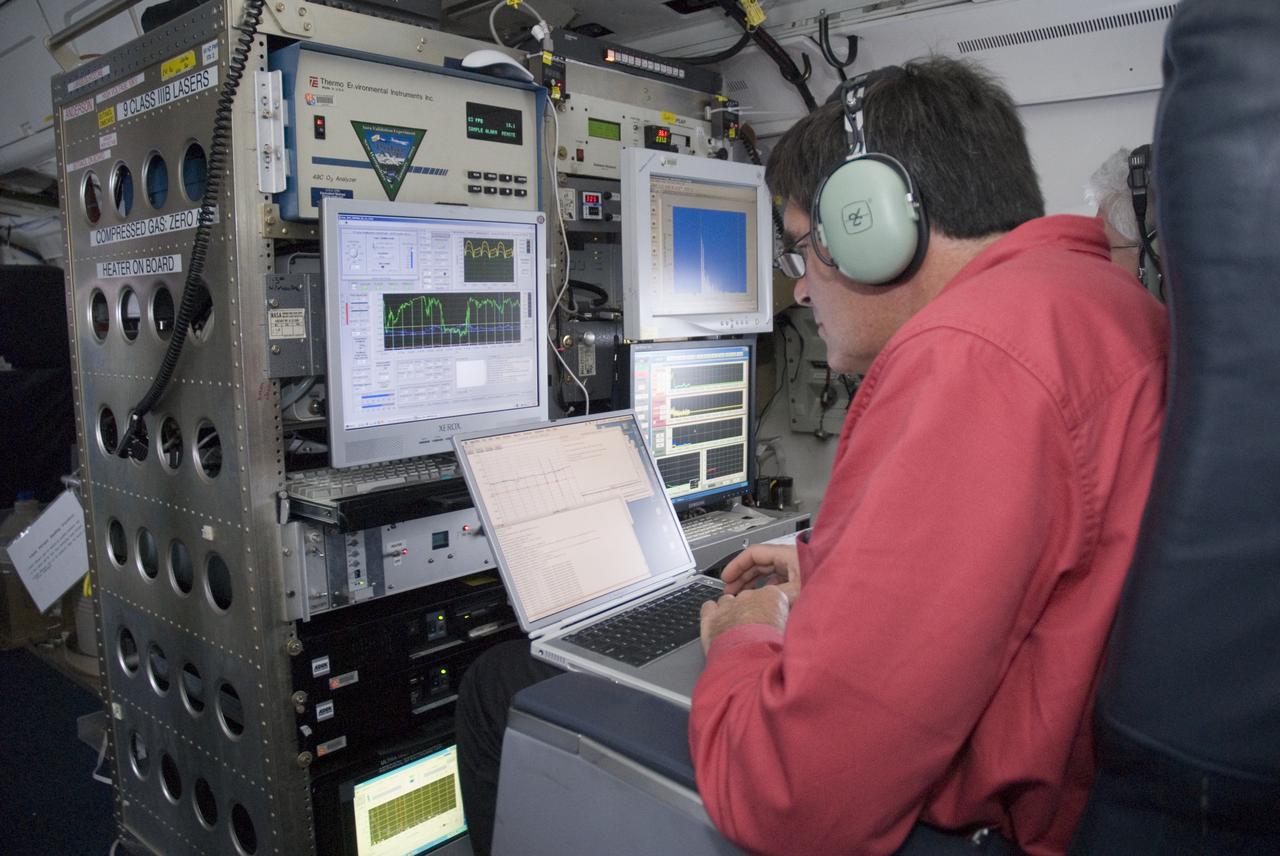
NASA Monsoon Multidisciplinary analysis (NAMMA) deployment, Sal Island, Cape Verde Africia

CEV (Crew Escape Vehicle) capsule Balistic Range testing to examine static and dynamic stability characteristics (at the Hypervelocity Free-Flight Facility) HFF - Bon Bowling machining sabot to find dimensions
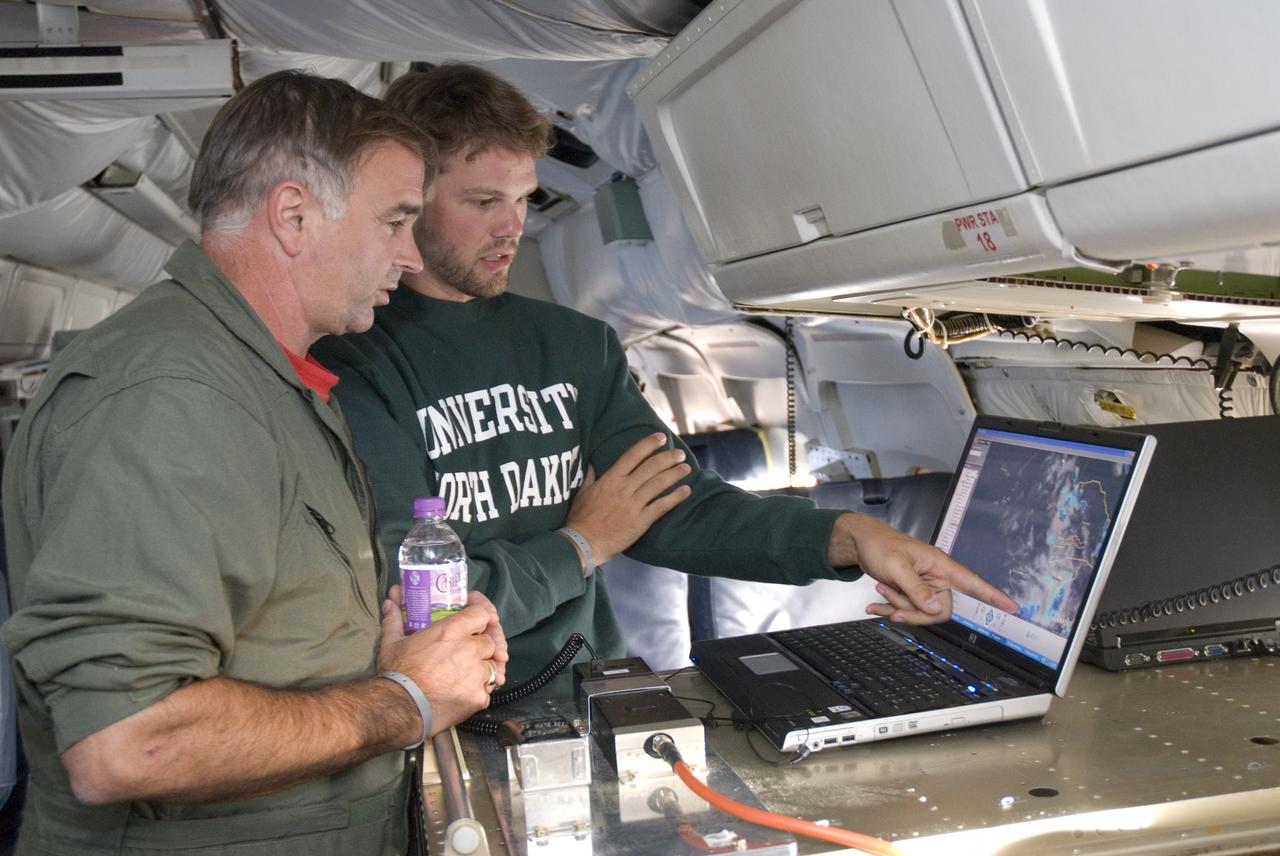
NASA Monsoon Multidisciplinary analysis (NAMMA) deployment, Sal Island, Cape Verde Africia
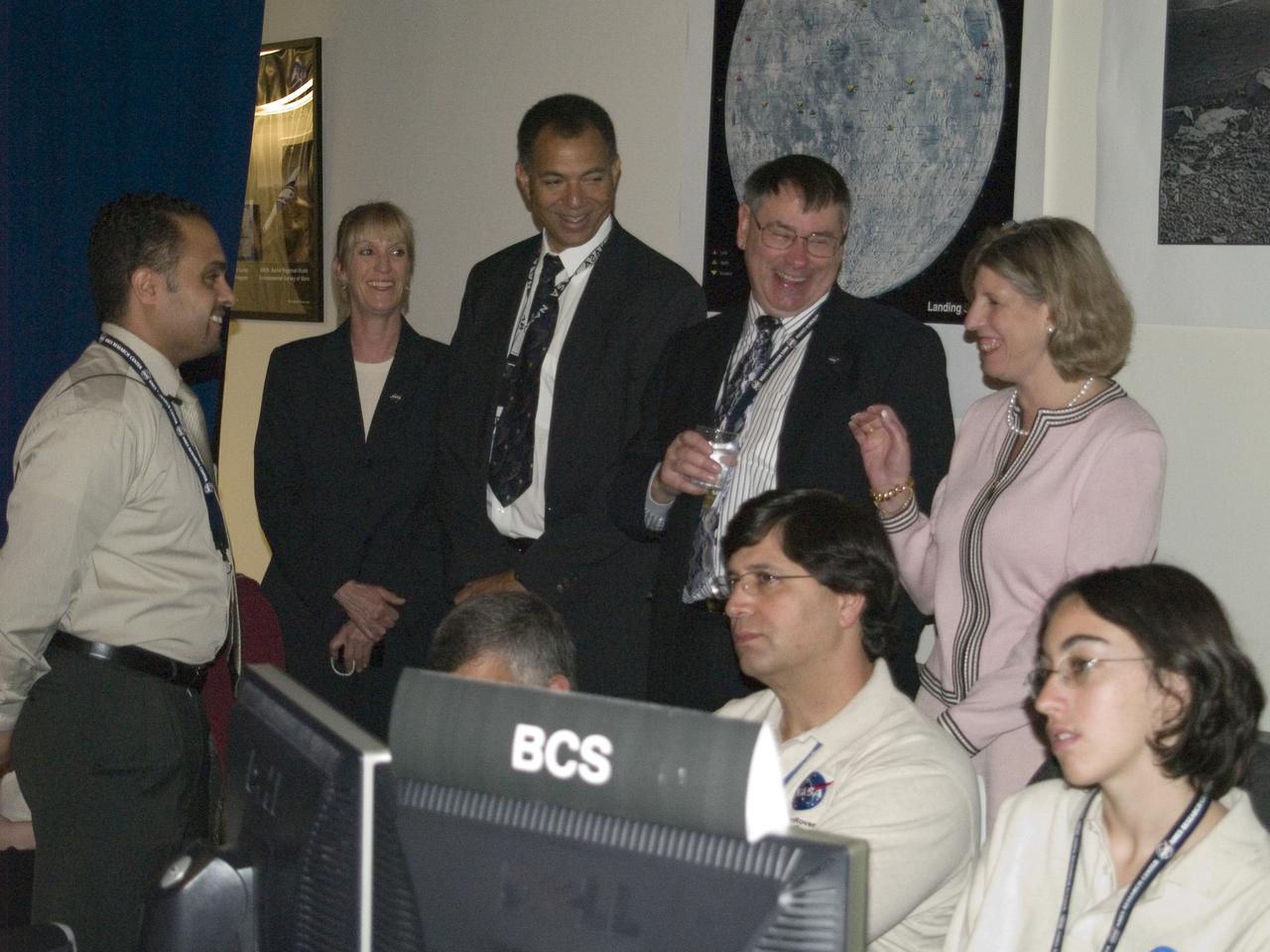
Spaceward Bound Program in Atacama Desert; shown here is a realtime webcast from Yungay, Chile vis satellite involving NASA Scientists and seven NASA Explorer school teachers. On the Ames end we find the Girl Scouts Space cookines robotic team. The robot nicknamed Zoe is looking for life in extreme environments in preparation for what might be encounter on Mars. (back row l-r) Yvonne Clearwater, Ames Education Division, Donald James, Ames Education Division Chief, Pete Worden, Ames Center Director, Angela Diaz, Ames Director of Strategic Communications) see full text on the NASA-Ames News - Research # 04-91AR
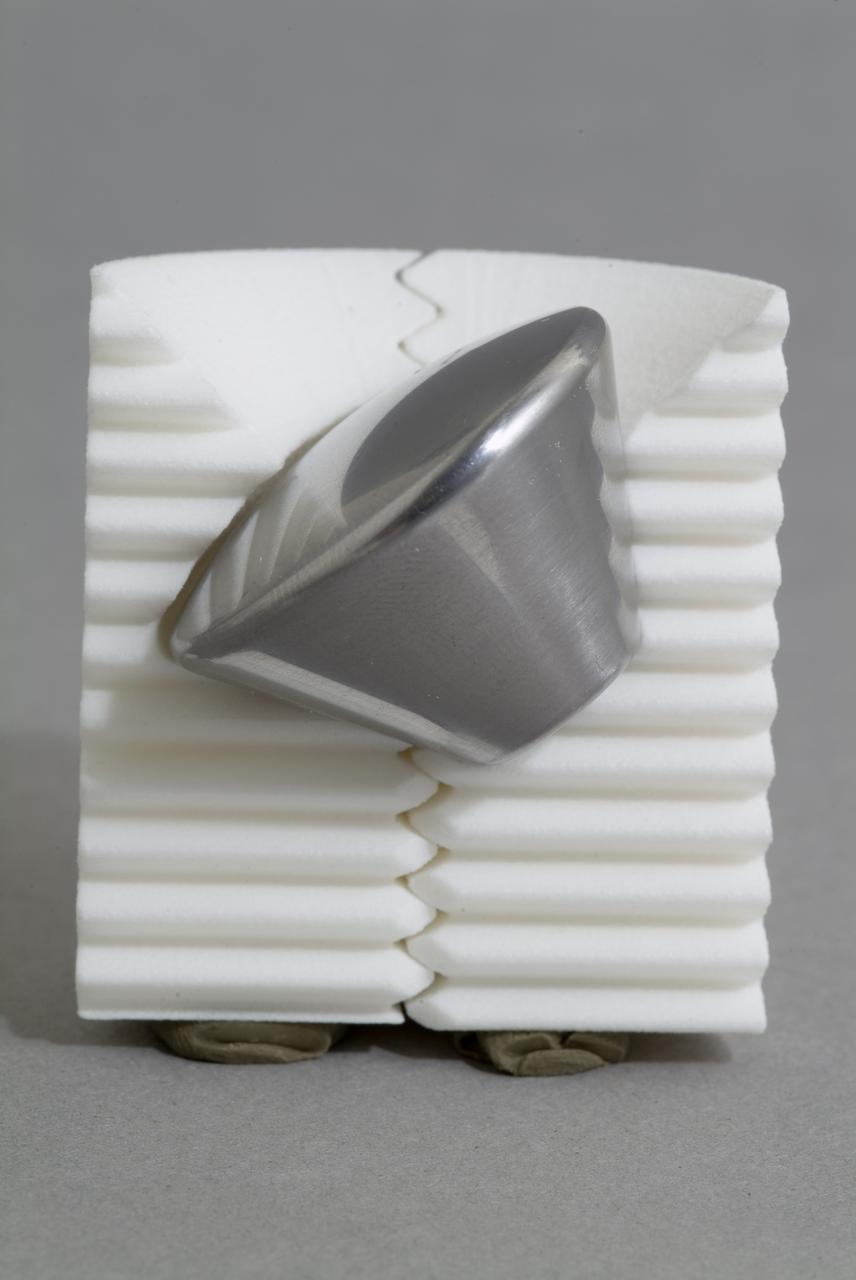
CEV (Crew Escape Vehicle) capsule Balistic Range testing to examine static and dynamic stability characteristics (at the Hypervelocity Free-Flight Facility) HFF - model M-1 in 40 degree initial launch angle with sabot
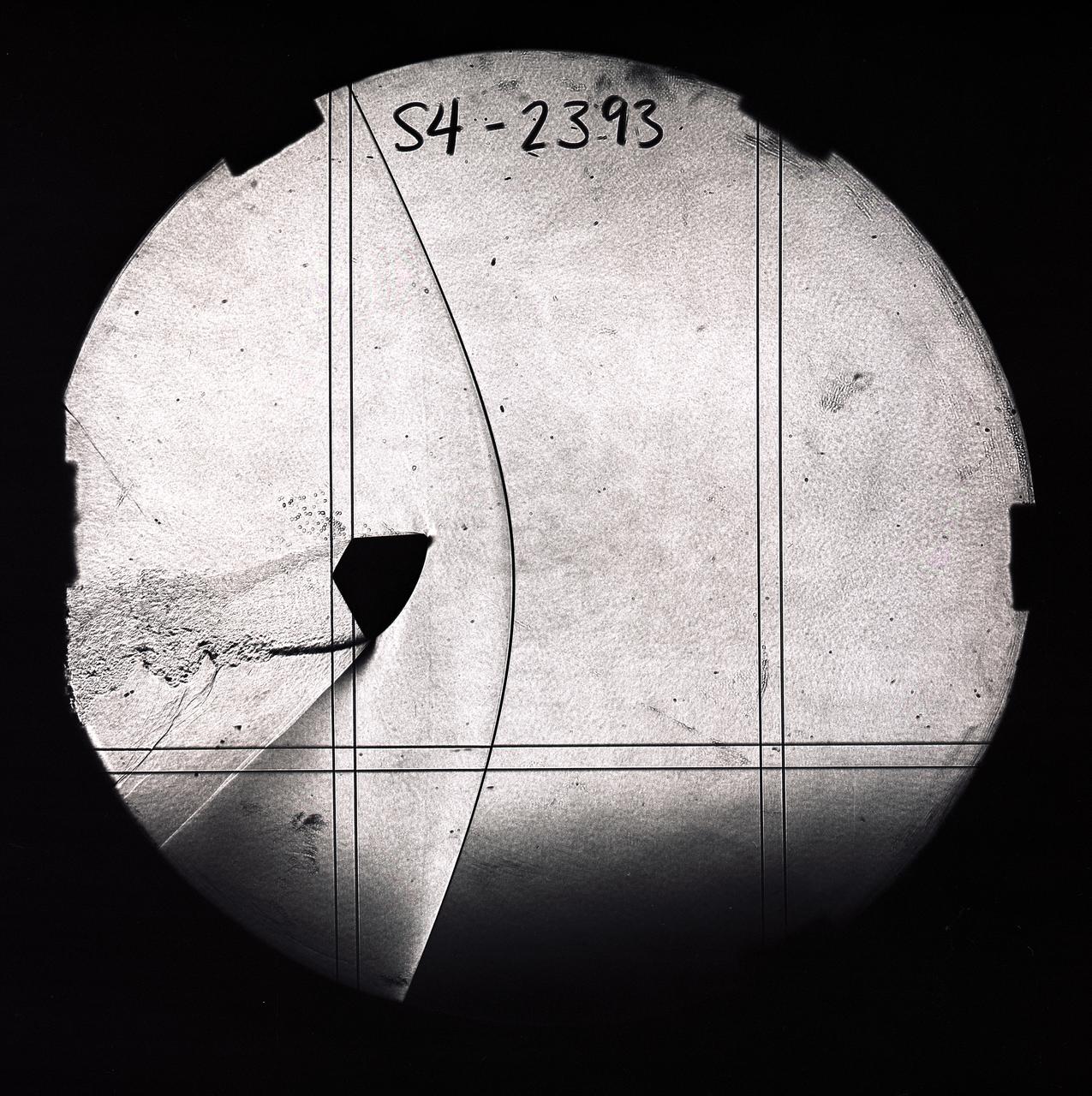
CEV (Crew Escape Vehicle) capsule Balistic Range testing to examine static and dynamic stability characteristics (at the Hypervelocity Free-Flight Facility) HFF - scans of shadowgraphs from 8x10 film images
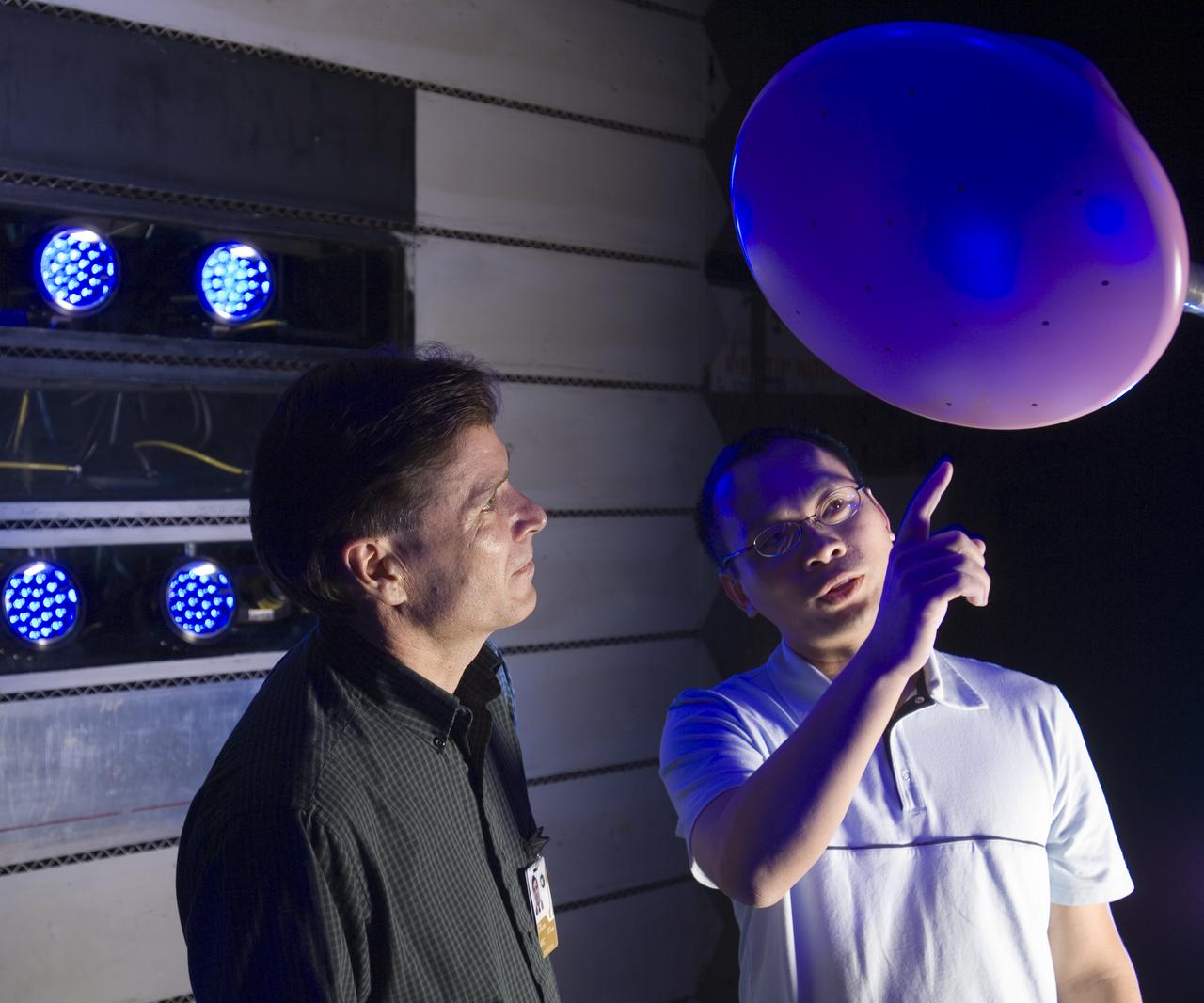
CEV model with pressure sensitive paint (PSP) test 11-0148 in the 11ft Ames wind tunnel. Shown here with Paul Espinosa (l) and Tuan Truong (r) wwith blue LEDS

Ames and Moffett Field (MFA) historical sites and memorials Unitary Plan Wind Tunned plaza; display and historical site plaques with the NASA logo on the Wind Tunnel valve as a backdrop.
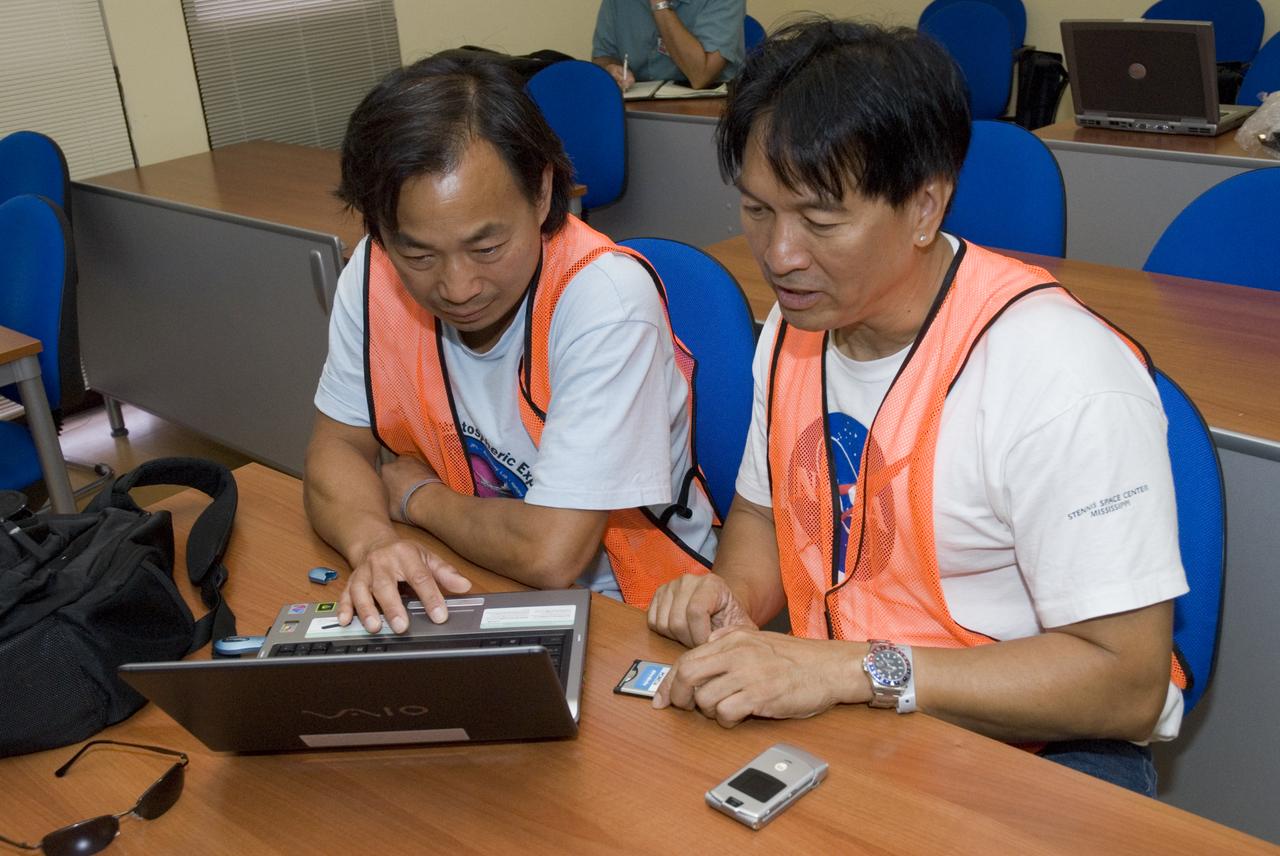
NASA African Monsoon Multidisciplinary Analyses (NAMMA) DC-8 deployment to Cape Verde, Sal island, Africa
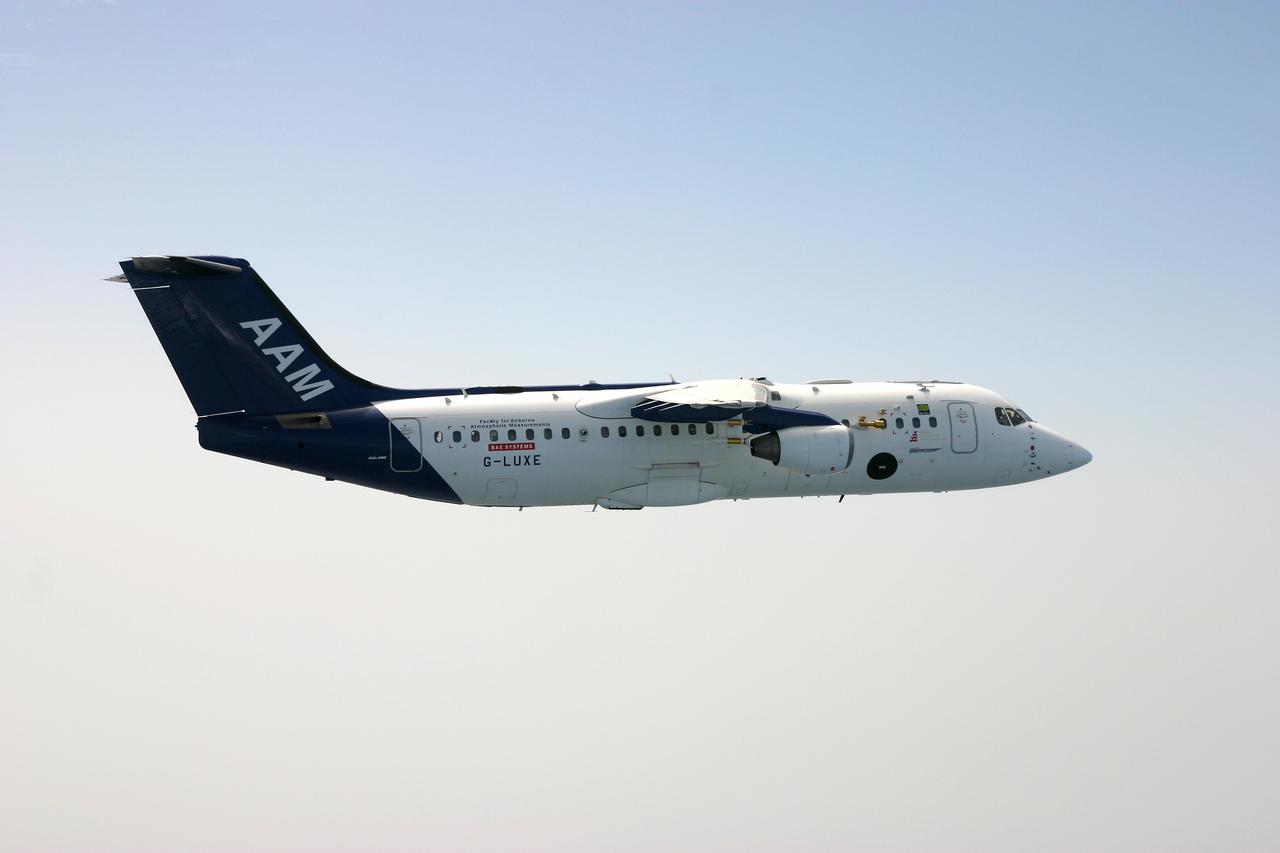
DC-8 NAMMA MISSION TO CAPE VERDE, AFRICA: U.K.'s Facility for Airborne Atmospheric Measurements (FAAM) aircraft, a BAE-146, over the Eastern Atlantic Ocean off the coast of Senegal, Africa

Vice President Dick Cheney lands at MFA for Bay Area Visit: Air Force Two parked on tarmac @ MFA
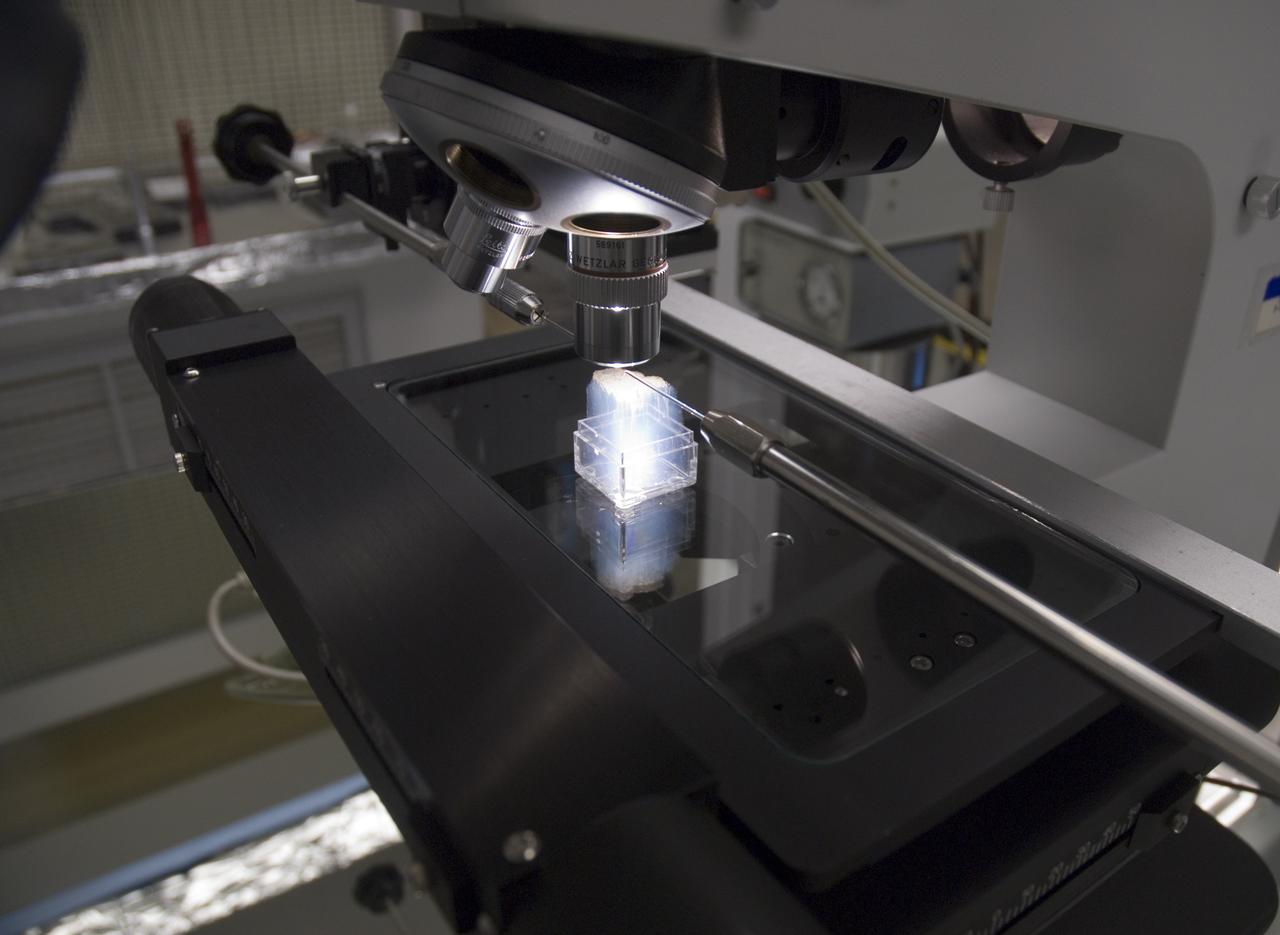
Stardust sample analysis @ UC Berkeley clean room with Dr Scott Sandford, NASA Ames Astrophysicist - mission aerogel samples provided to UC Berkeley for analysis by NASA on microscope
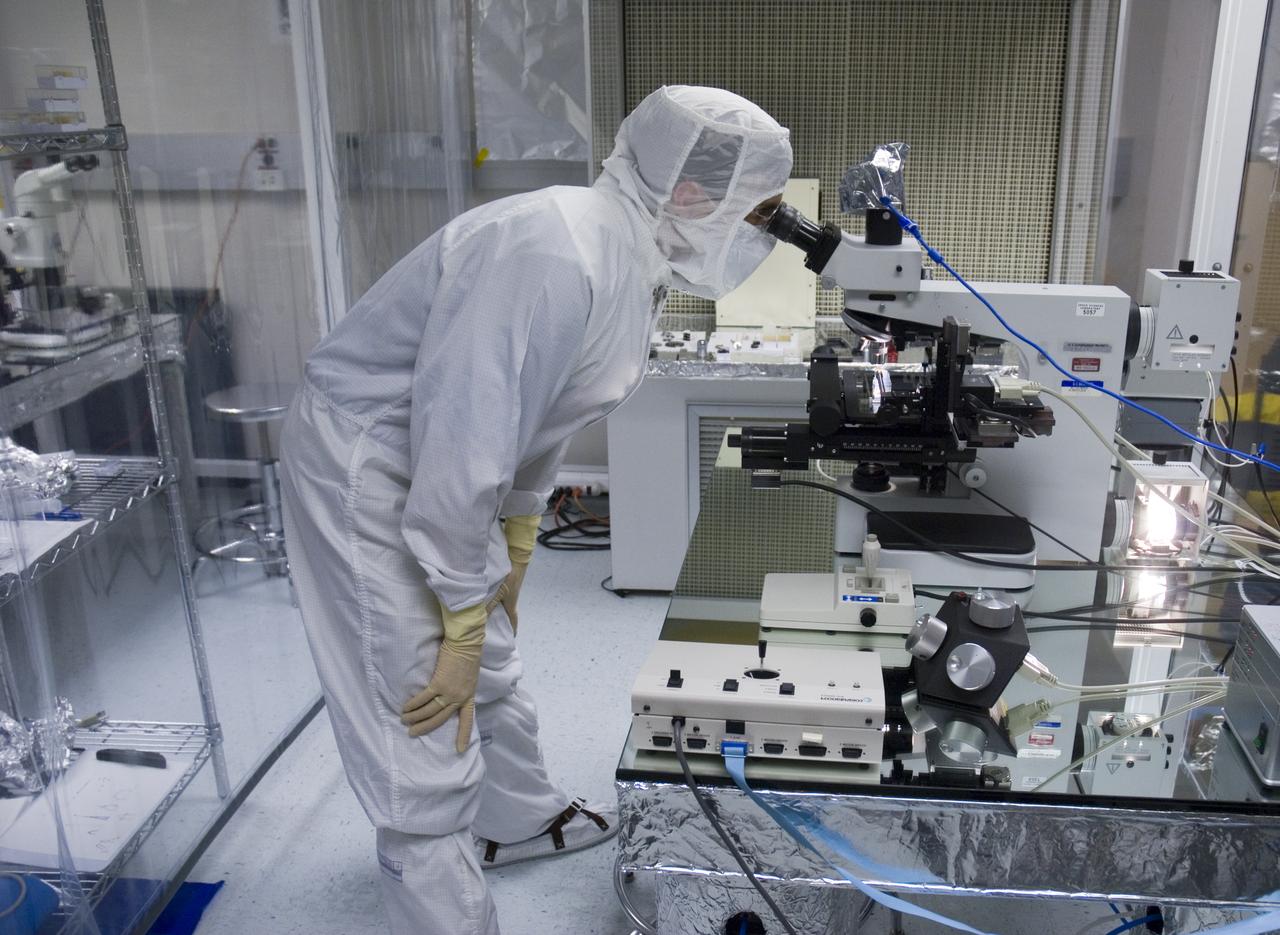
Stardust sample analysis @ UC Berkeley clean room - mission samples provided to UC Berkeley for analysis by NASA Berkeley researcher Chris Snead working with sample encased in aerogel
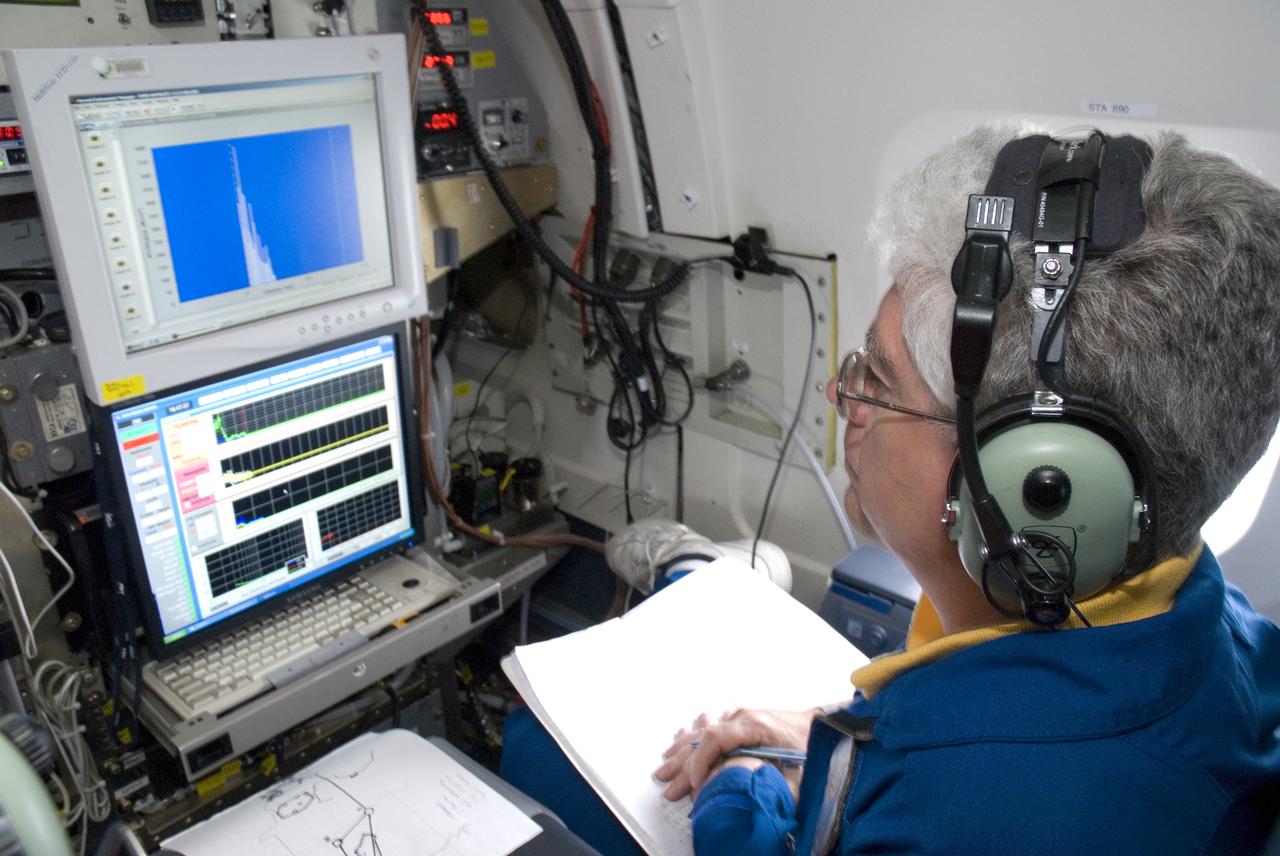
NASA Monsoon Multidisciplinary analysis (NAMMA) deployment, Sal Island, Cape Verde Africia
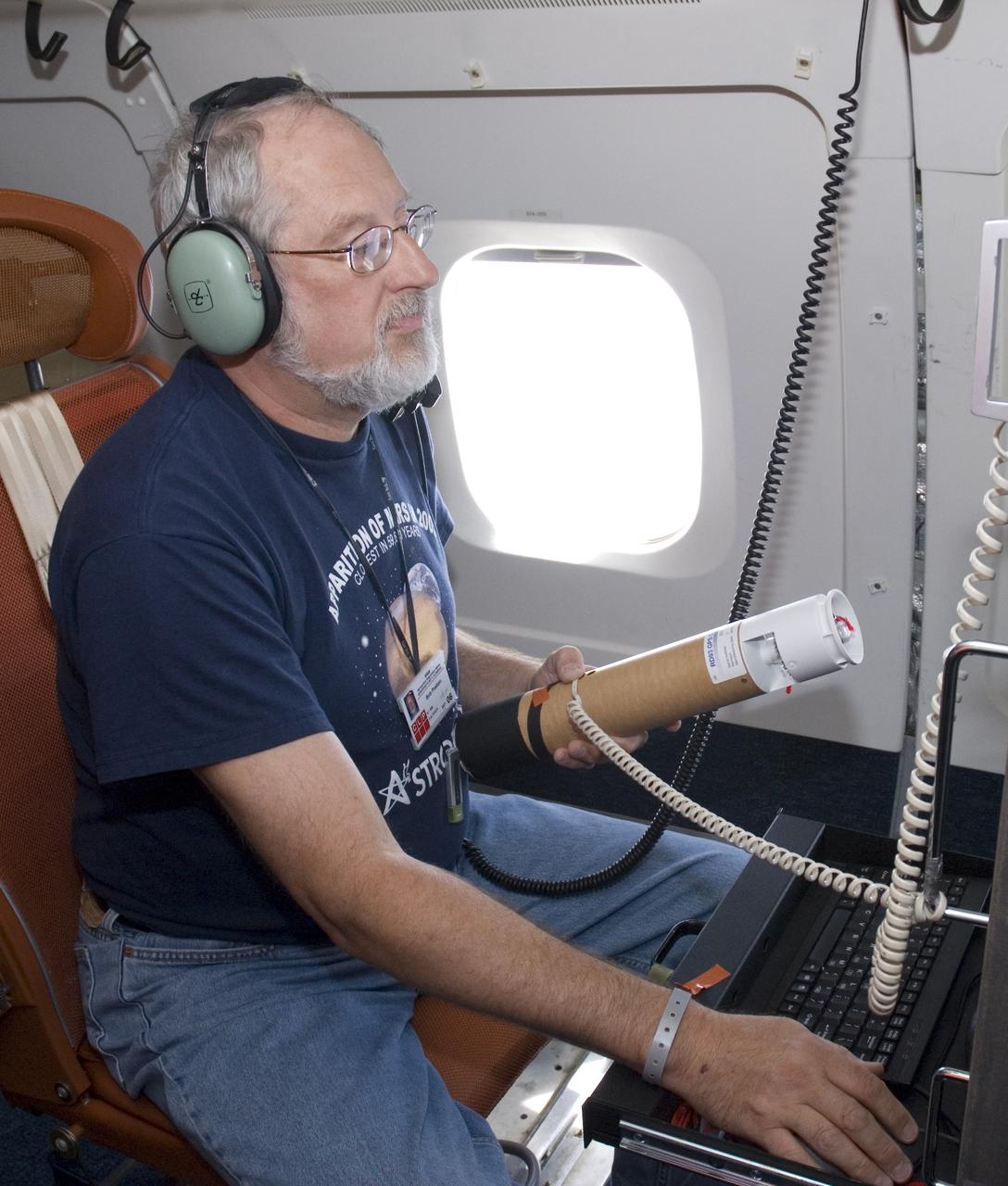
NASA African Monsoon Multidisciplinary Analyses (NAMMA) DC-8 deployment to Cape Verde, Sal island, Africa
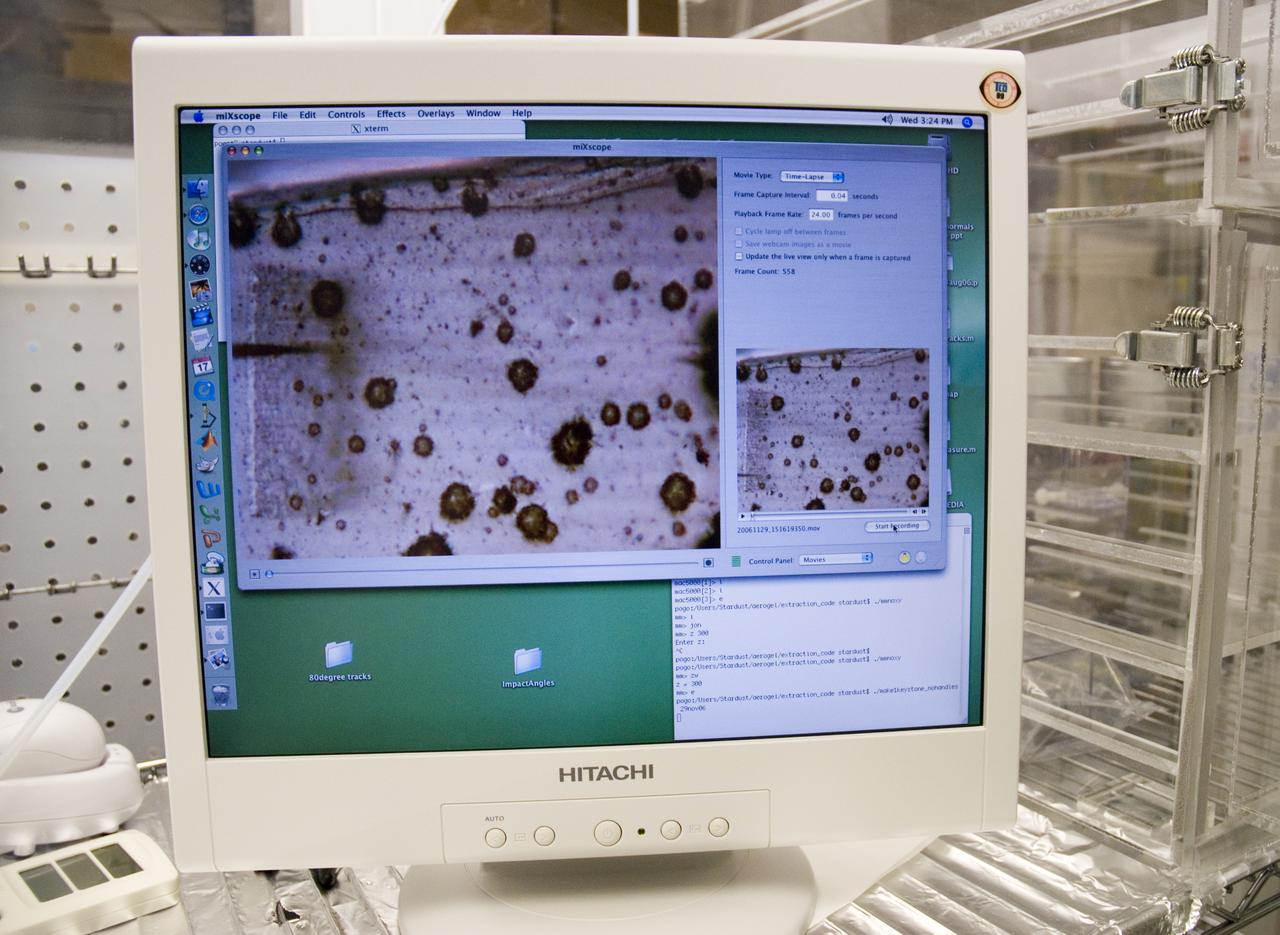
Stardust sample analysis @ UC Berkeley clean room with Dr Scott Sandford, NASA Ames Astrophysicist - mission aerogel samples provided to UC Berkeley for analysis by NASA are shown on computer screen during microscopic sampling

LCROSS (Lunar Crater Observation Sensing Satellite) Near InfraRed Spectrometer shake test in Ames N-244 high bay EEL Lab - with Anthony Colaprete, Ames code SST
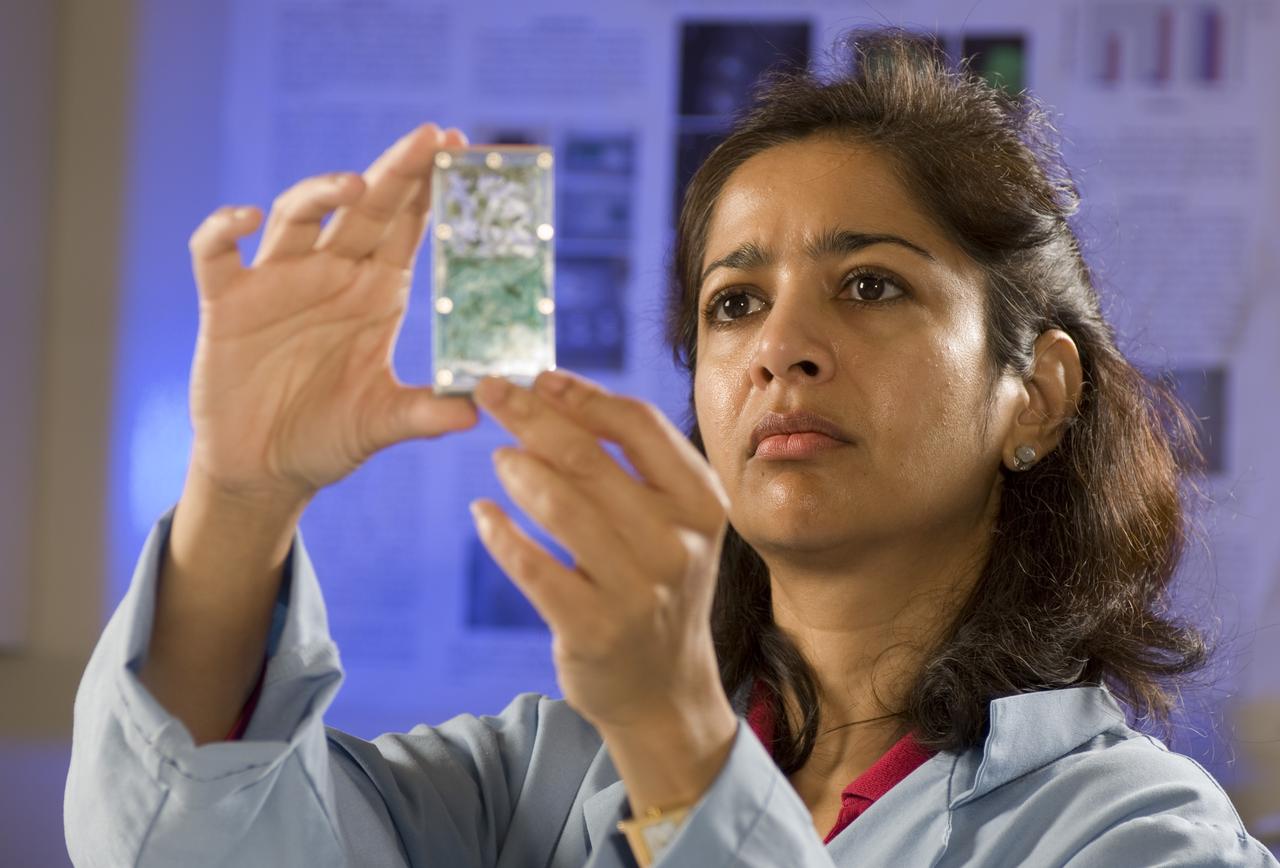
Sharmila Bhattacharya is the principal investigator for the STS-121 space shuttle flight experiment, Fly Immunity and Tumors (FIT). She is shown here viewing Drosophila (fruit fly) inside inscet containers used during flight. Living quarters for insects.
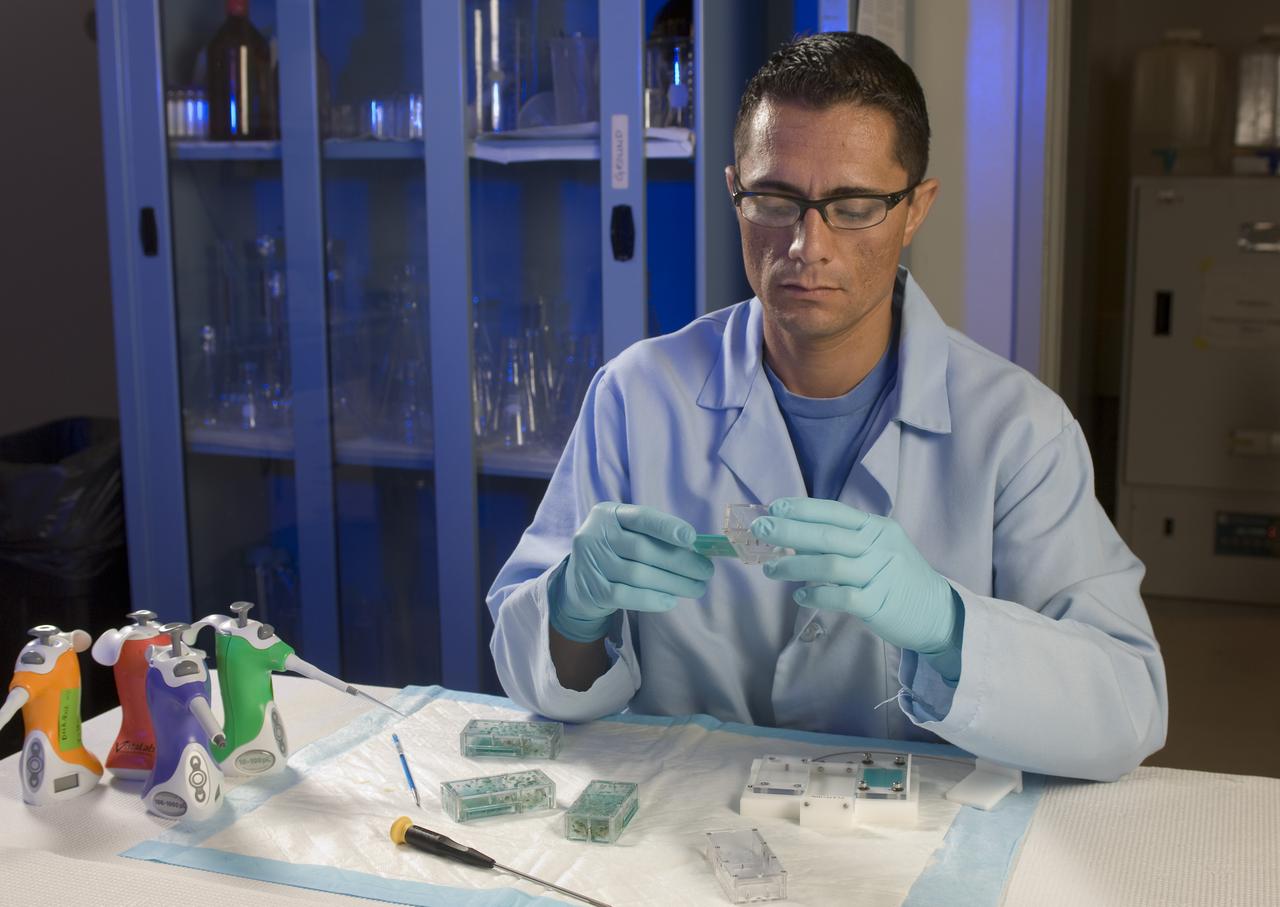
Space shuttle STS-121 FIT (Fly Immunity and Tumors) payload. Using Drosophila (fruit fly) to complete the experiments. Max Sanchezviewing Drosophila (fruit fly) inside insect containers used during flight.
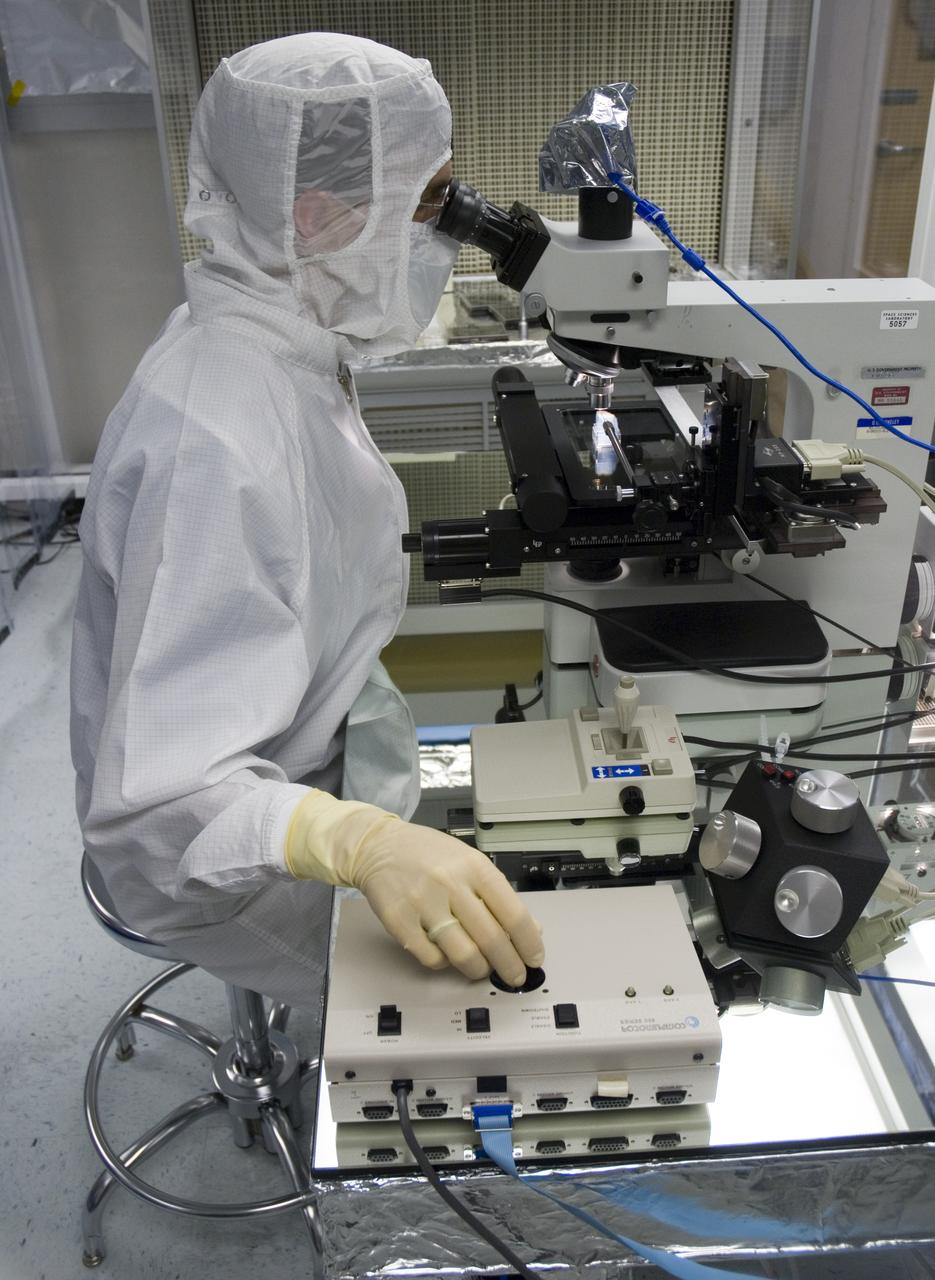
Stardust sample analysis @ UC Berkeley clean room - mission samples provided to UC Berkeley for analysis by NASA Berkeley researcher Chris Snead working with sample encased in aerogel
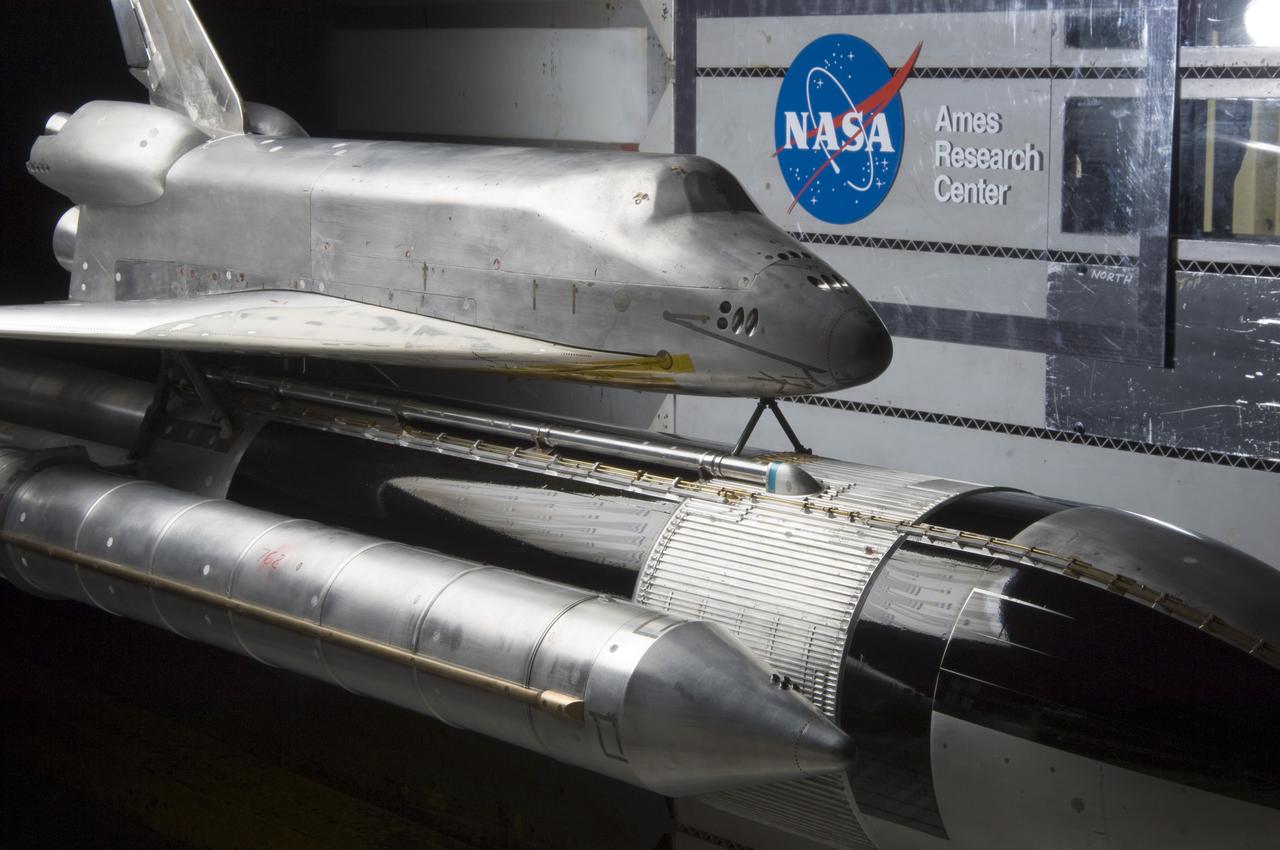
3% Space shuttle Acoustics model test-11-150 in 11ft. wind tunnel on PAL Ramp
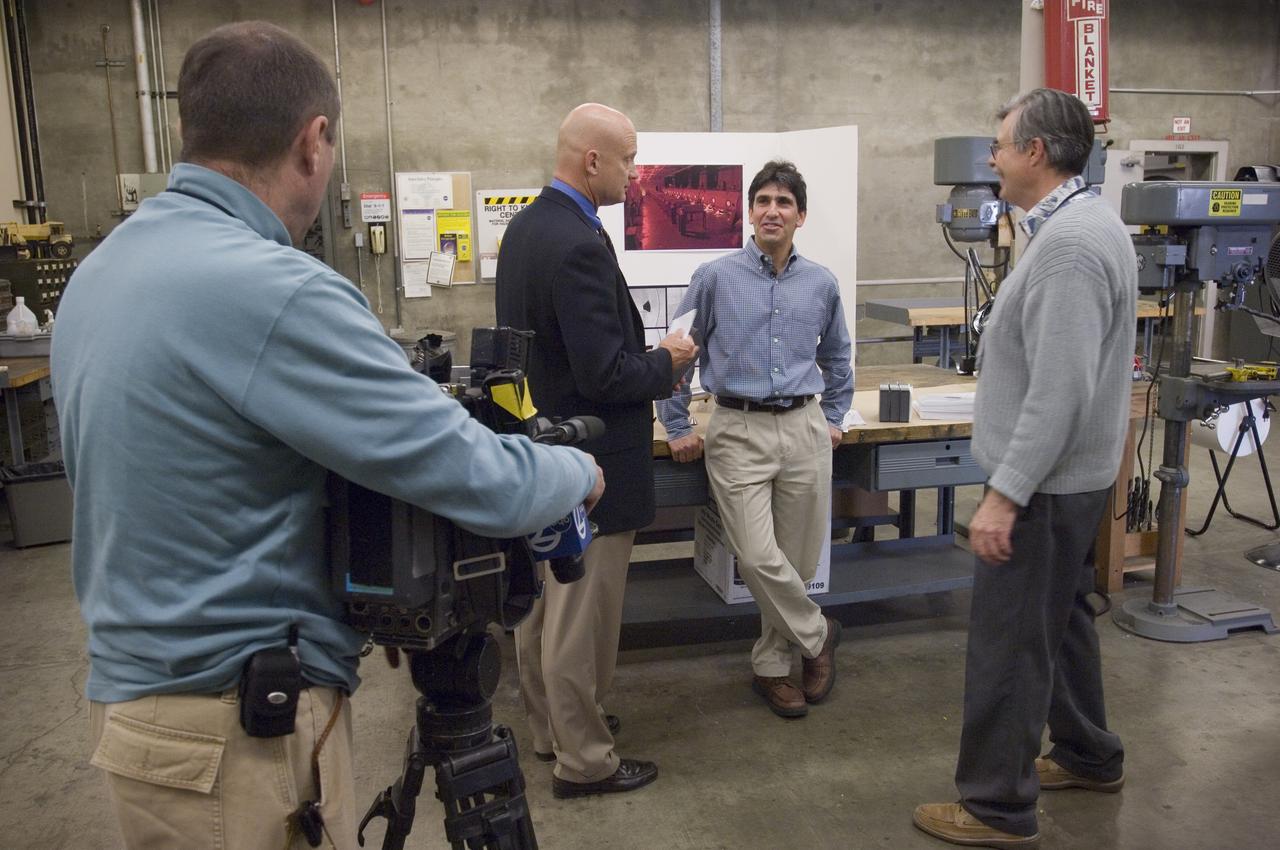
Ames holds a Media Day at the Hypervelocity Free Flight facility where Ames is conducting high-speed tests of small models of the agency's new Orion CEV to learn about stability during flight. The hypervelocity test facility uses a gun to shoot Orion models between 0.5 and l.5 inches (1.25 - 3.75 centimeters in diameter. The facility can conduct experiments with speeds up to 19,000 miles per hour (30,400 kilometers per hour) - ABC Camerman in forground, Wayne Freedman ABC reporter, Jeff Brown (Ames-ASA), John Bluck (AMES PAO)
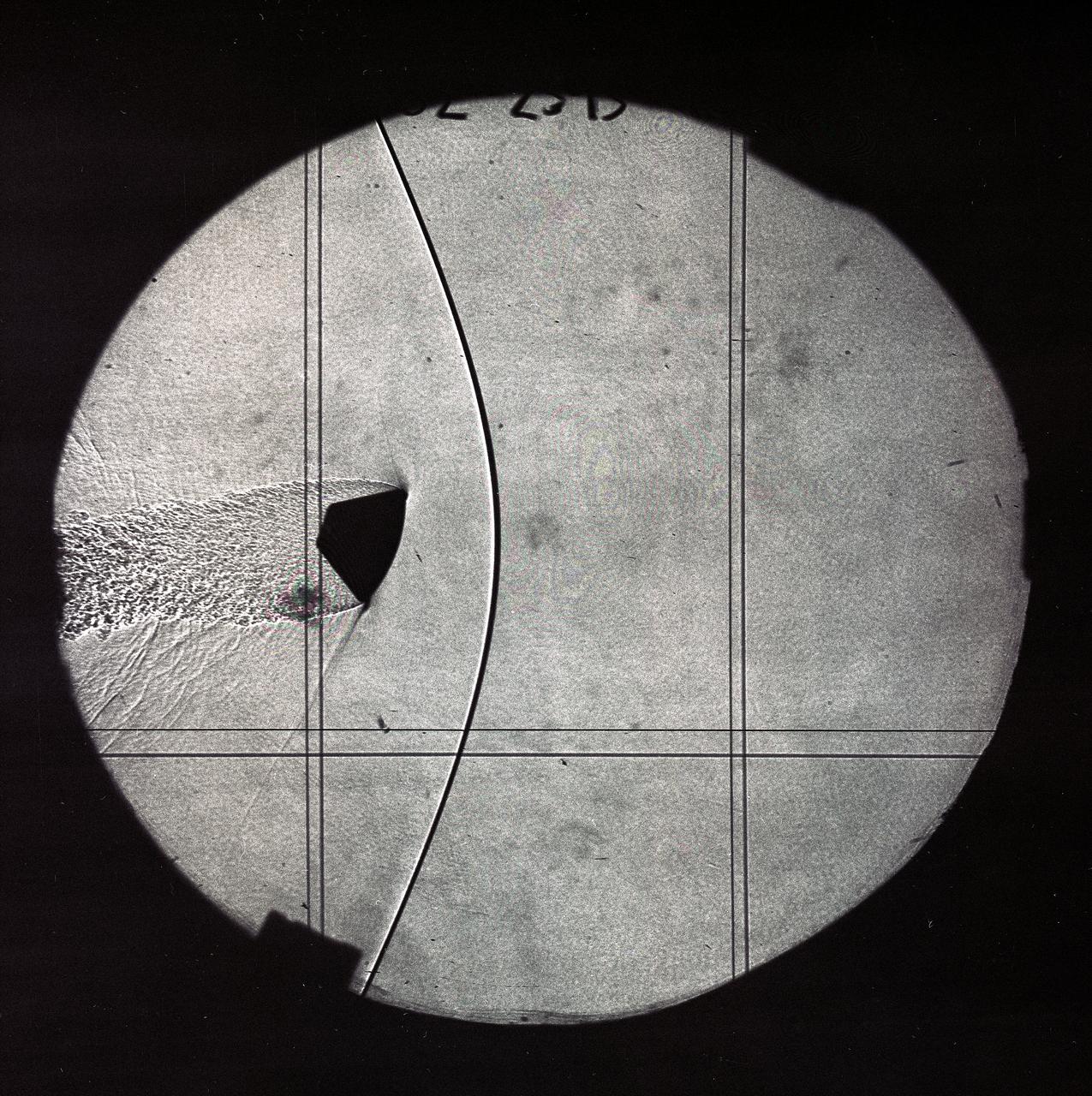
CEV (Crew Escape Vehicle) capsule Balistic Range testing to examine static and dynamic stability characteristics (at the Hypervelocity Free-Flight Facility) HFF - scans of shadowgraphs from 8x10 film images
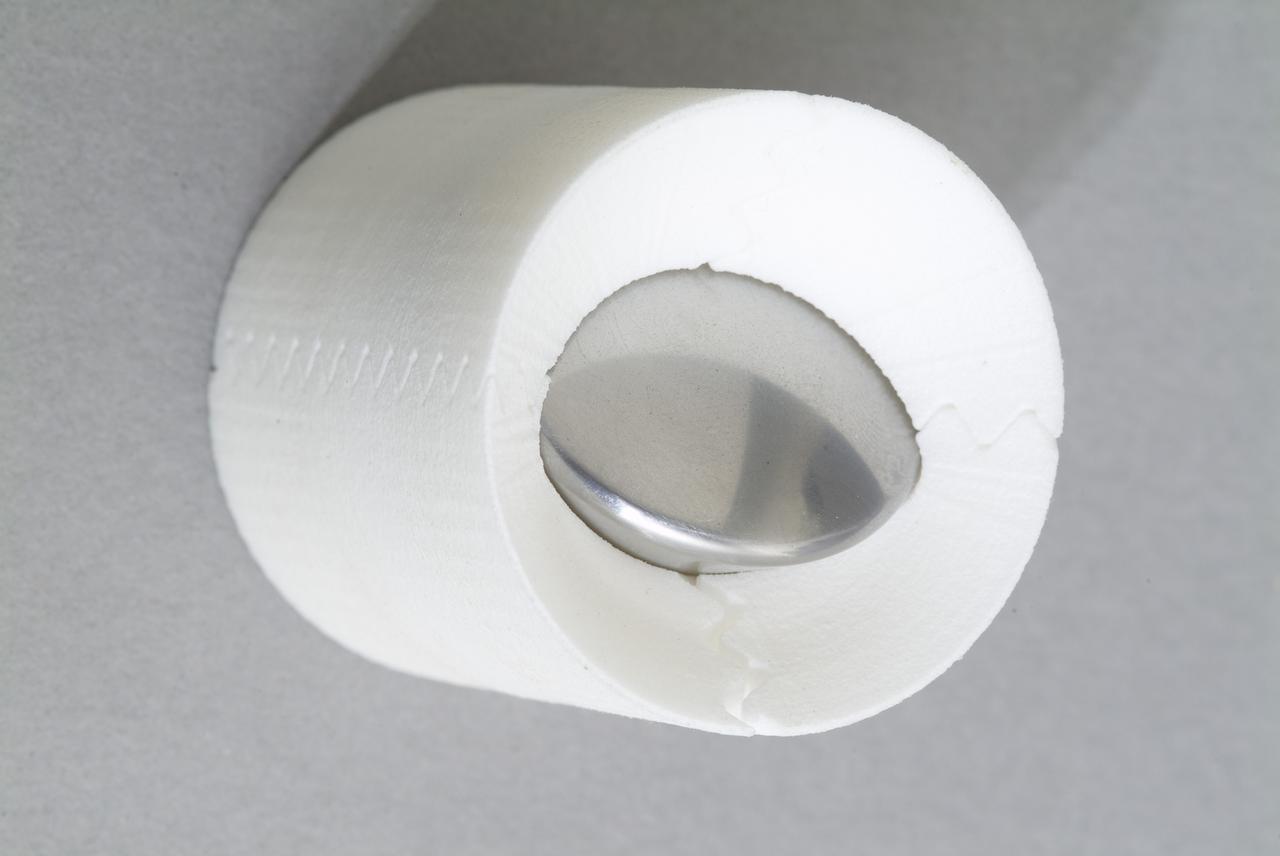
CEV (Crew Escape Vehicle) capsule Balistic Range testing to examine static and dynamic stability characteristics (at the Hypervelocity Free-Flight Facility) HFF
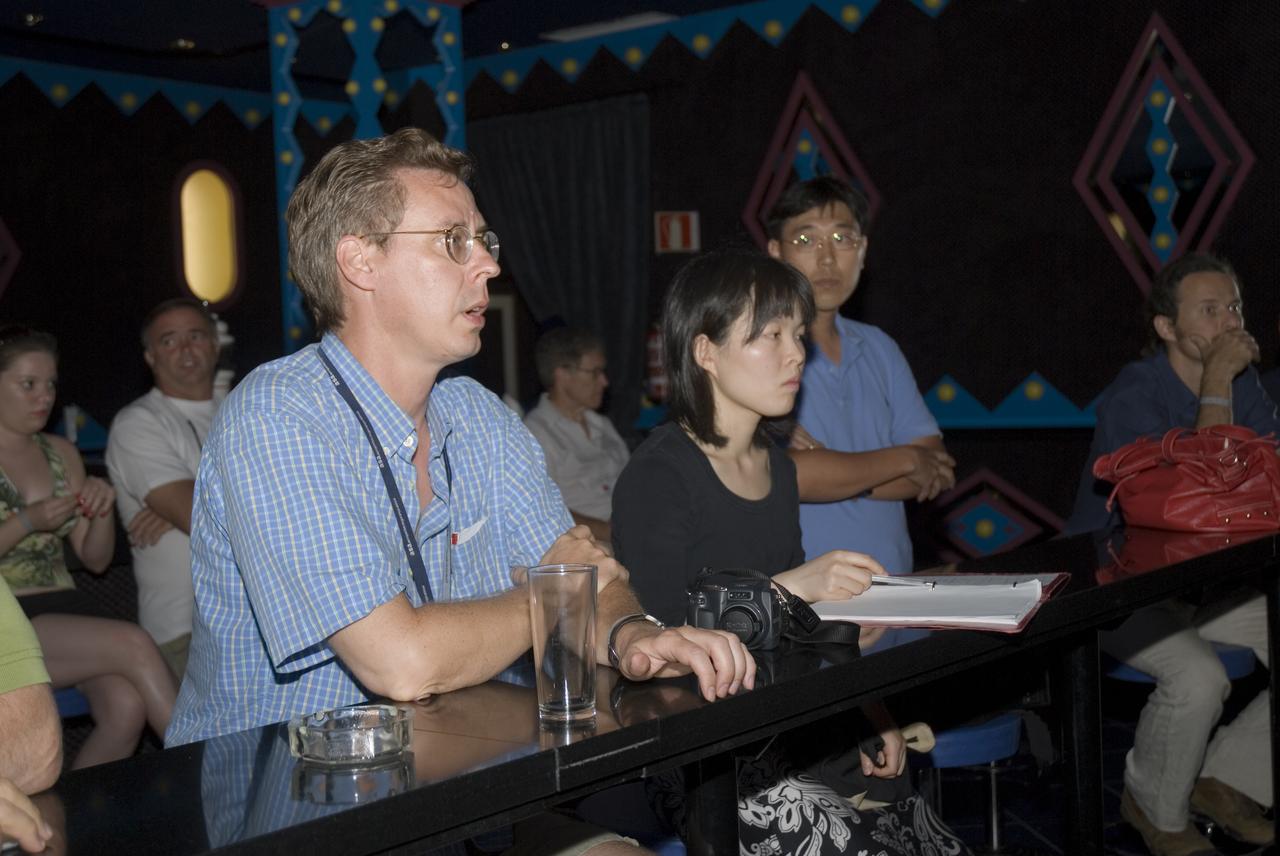
NASA African Monsoon Multidisciplinary Analyses (NAMMA) DC-8 deployment to Cape Verde, Sal island, Africa with Mike Gaunce, NASA Ames
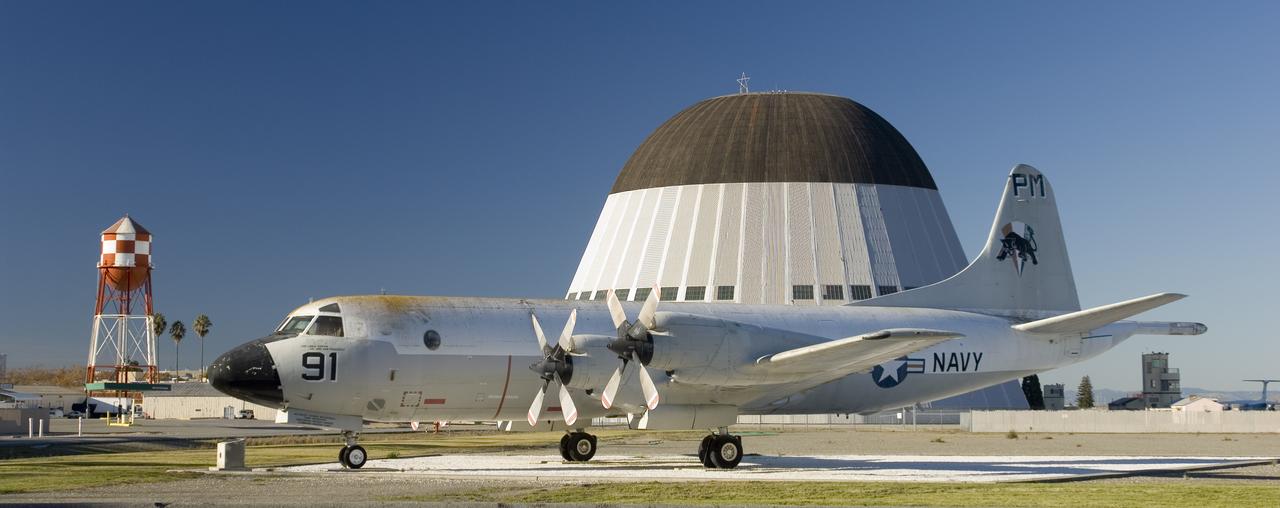
Ames and Moffett Field (MFA) historical sites and memorials Navy Lockheed P-3 Orion Long Range Antisubmarine Partol Aircraft on display in front of MFA Bldg 158 Flgiht Ops (tower) with monuments
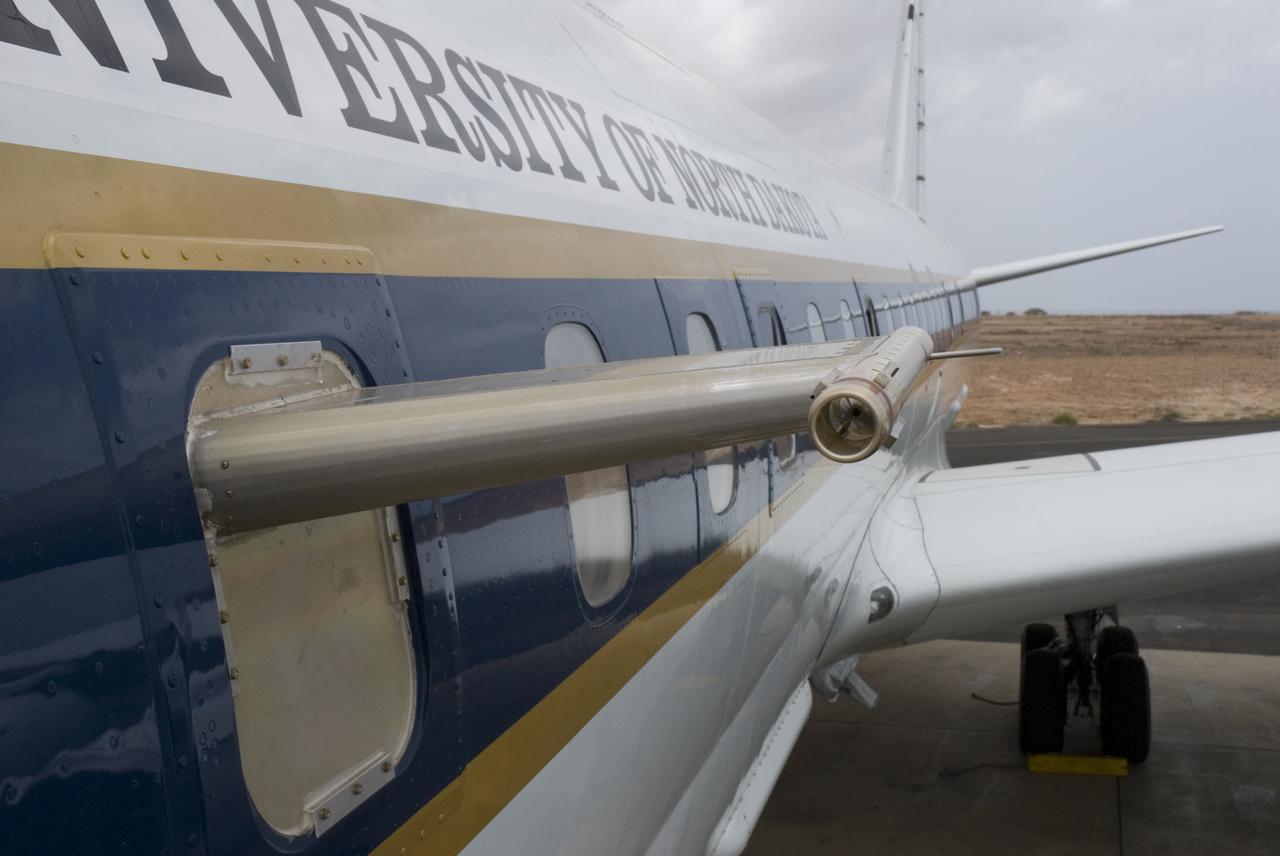
NASA Monsoon Multidisciplinary analysis (NAMMA) deployment, Sal Island, Cape Verde Africia
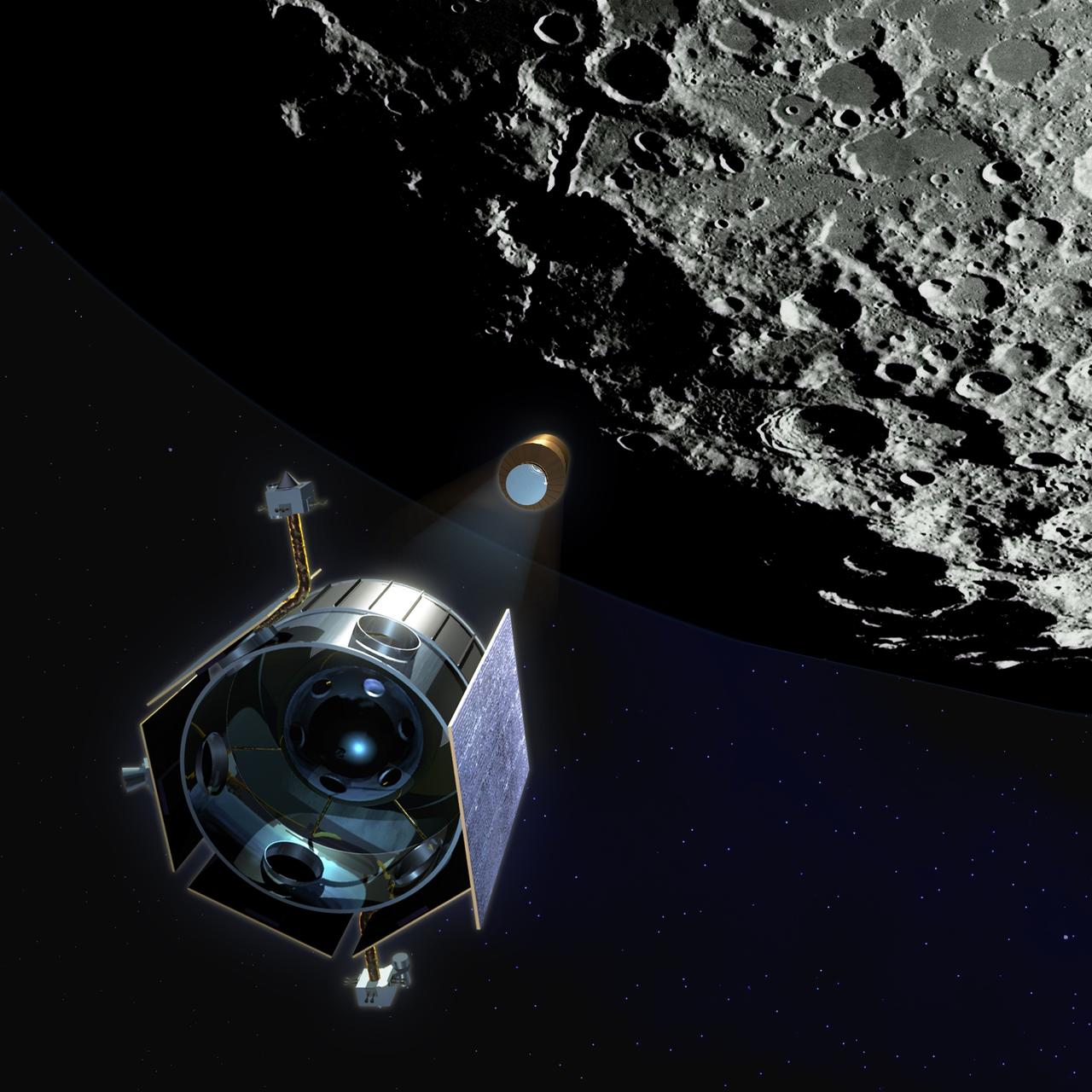
LCROSS (Lunar CRater Observation and Sensing Satellite) Mission Art IMAGES COURTESY OF NORTHROP GRUMMAN, WILLIAM FURLONG, ARTIST This NASA Ames spacecraft is a small 'secondary payload' spacecraft that will travel with Lunar Reconnaissance Obriter (LRO) satellite to the moon on the same rocket, the Evolved Expendable Launch Vehicle (EELV) to be launched from Kennedy Space Center, Florida in a search for water ice on the moon's south polar region. As the spacecraft approaches the moon's south pole, the upper stge will separate, and then will impact a crater in the south pole area. A plume from the upper stage crash will develope as the Shepherding Spacecraft heads in toward the moon. The Shepherding Spacecrat will fly through the plume, and instruments on the spacecraft wil analyze the cloud to look for signs of water and other compounds. Additional space and Earth-based instruments will study the 2.2-millon-pound (1000-metric-ton) plume. 'The LCROSS mission will help us to determine if there is water hidden in the permanently dark craters on the moon's south pole.' said Marvin( (Chris) Christensen, Robotic Lunar Exploration Program (RLEP) manager, and Deputy Director of NASA Ames.
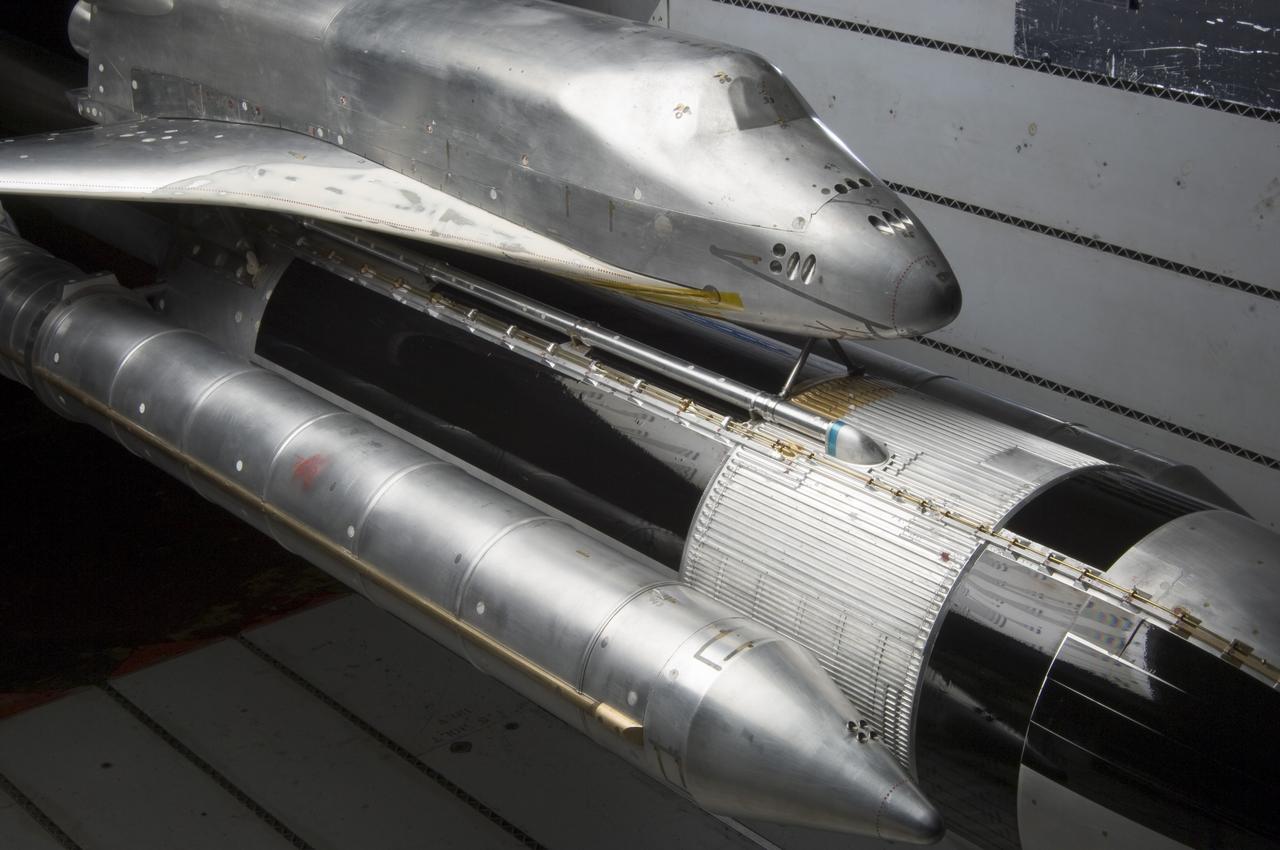
3% Space shuttle Acoustics model test-11-150 in 11ft. wind tunnel on PAL Ramp
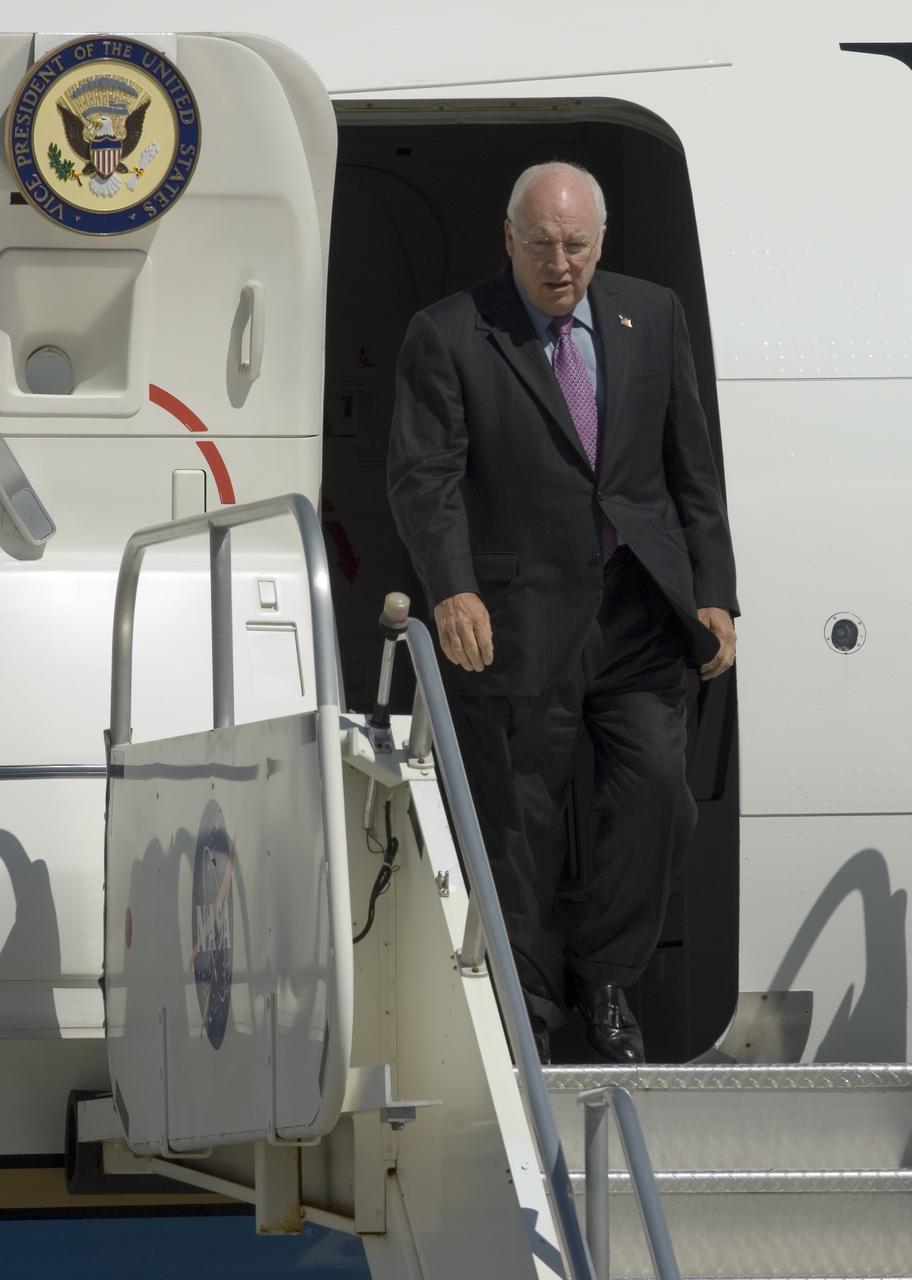
Vice President Dick Cheney lands at MFA for Bay Area Visit
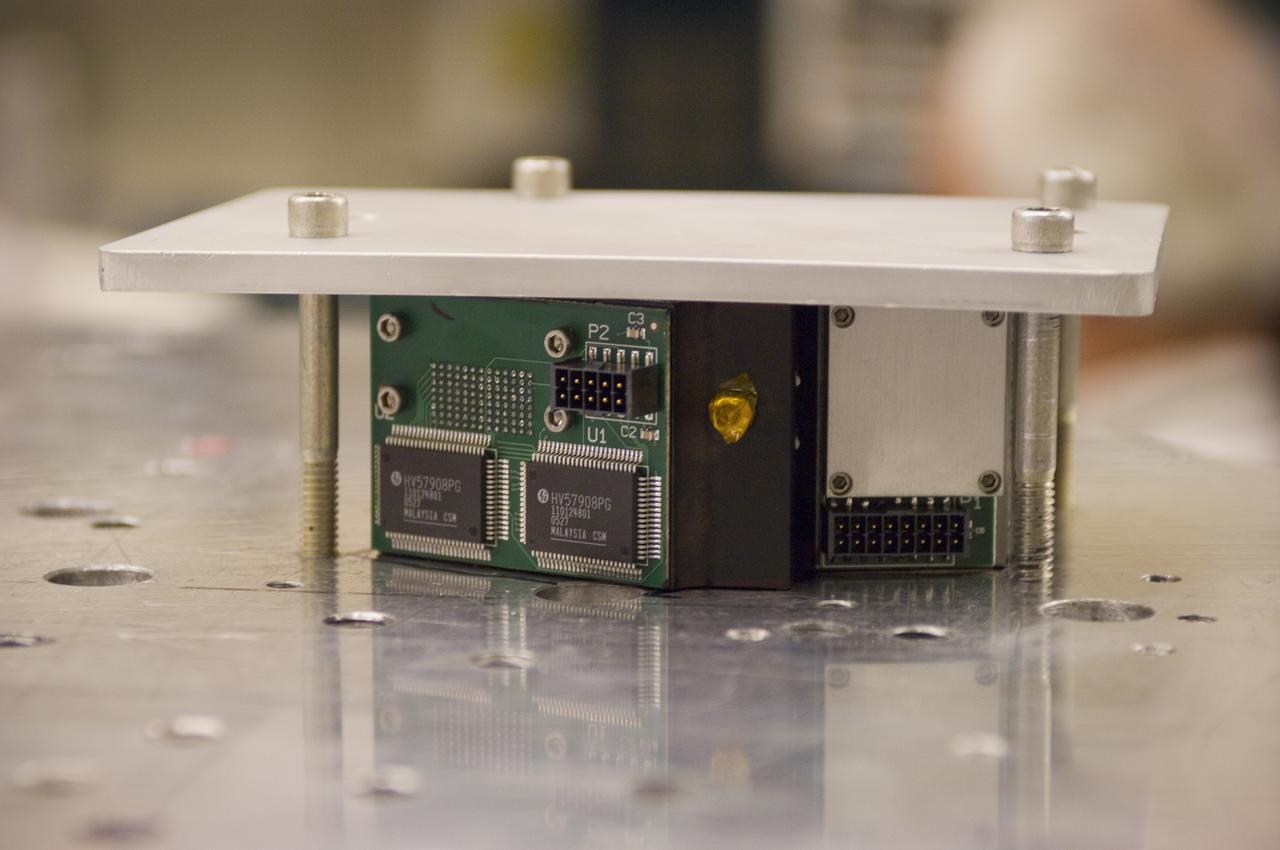
LCROSS (Lunar Crater Observation Sensing Satellite) Near InfraRed Spectrometer shake test in Ames N-244 high bay EEL Lab - Spectrometer on shake table
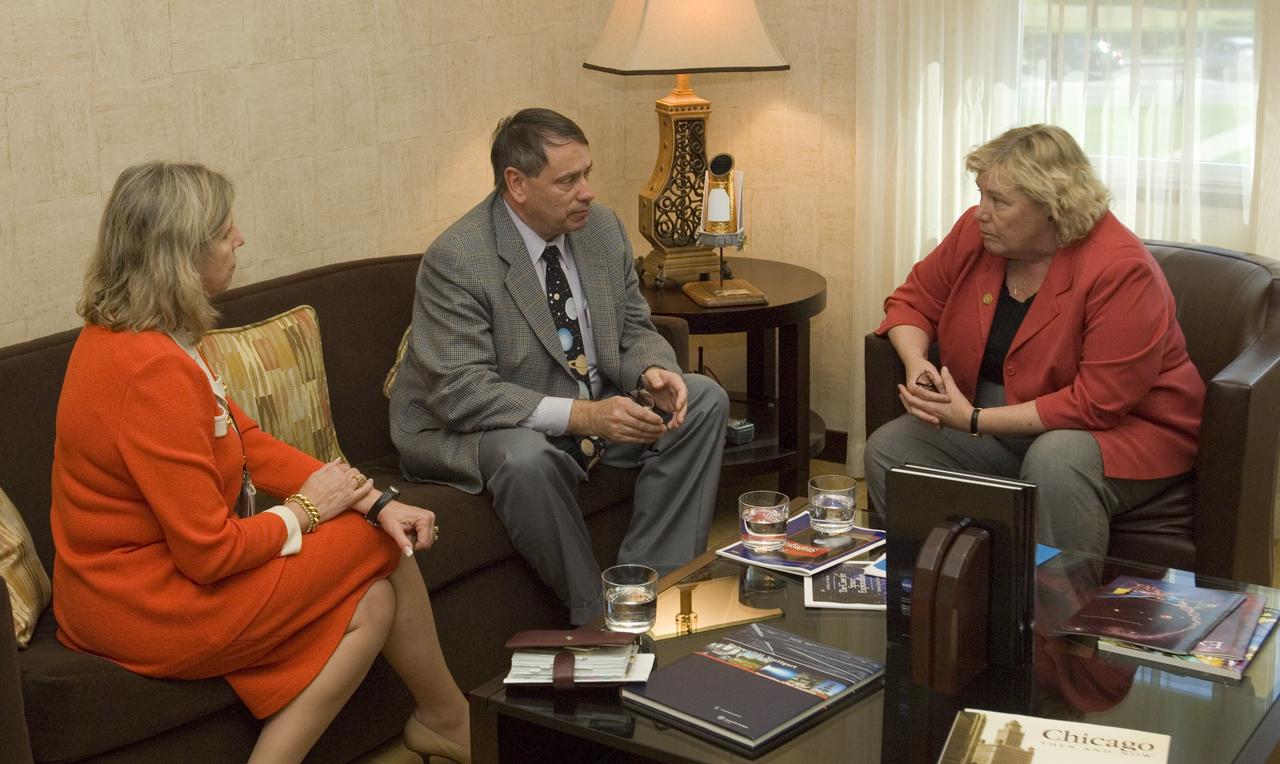
United States Congresswomen Zoe Lofgren, CA visits with Ames Center Director Dr. Pete Worden and Director of StratCom Angela Diaz (l-r) Diaz, Worden, Lofgren
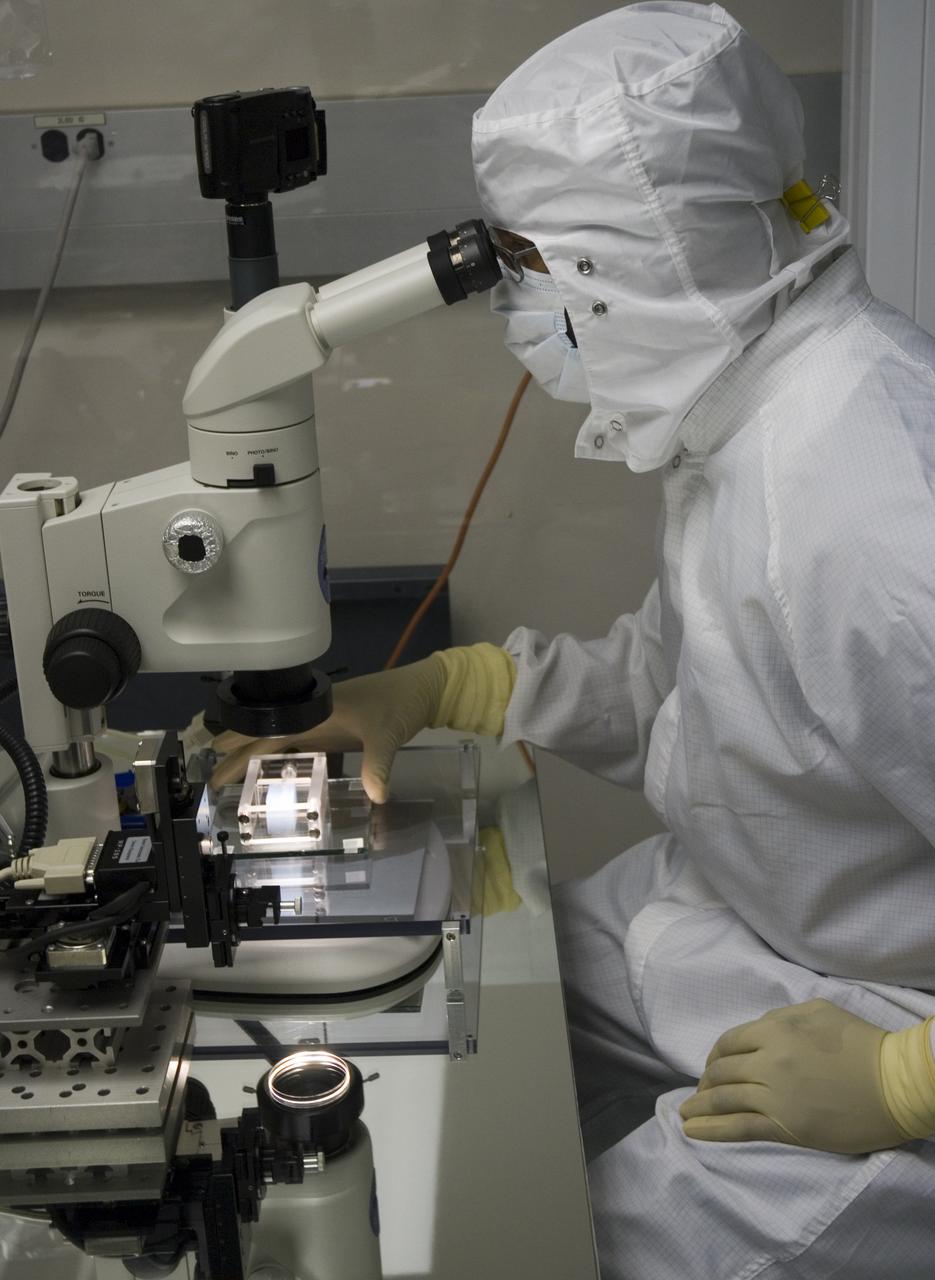
Stardust sample analysis @ UC Berkeley clean room with Dr Scott Sandford, NASA Ames Astrophysicist - mission samples provided to UC Berkeley for analysis by NASA Berkeley researcher Zack Gainsforth working with sample encased in aerogel
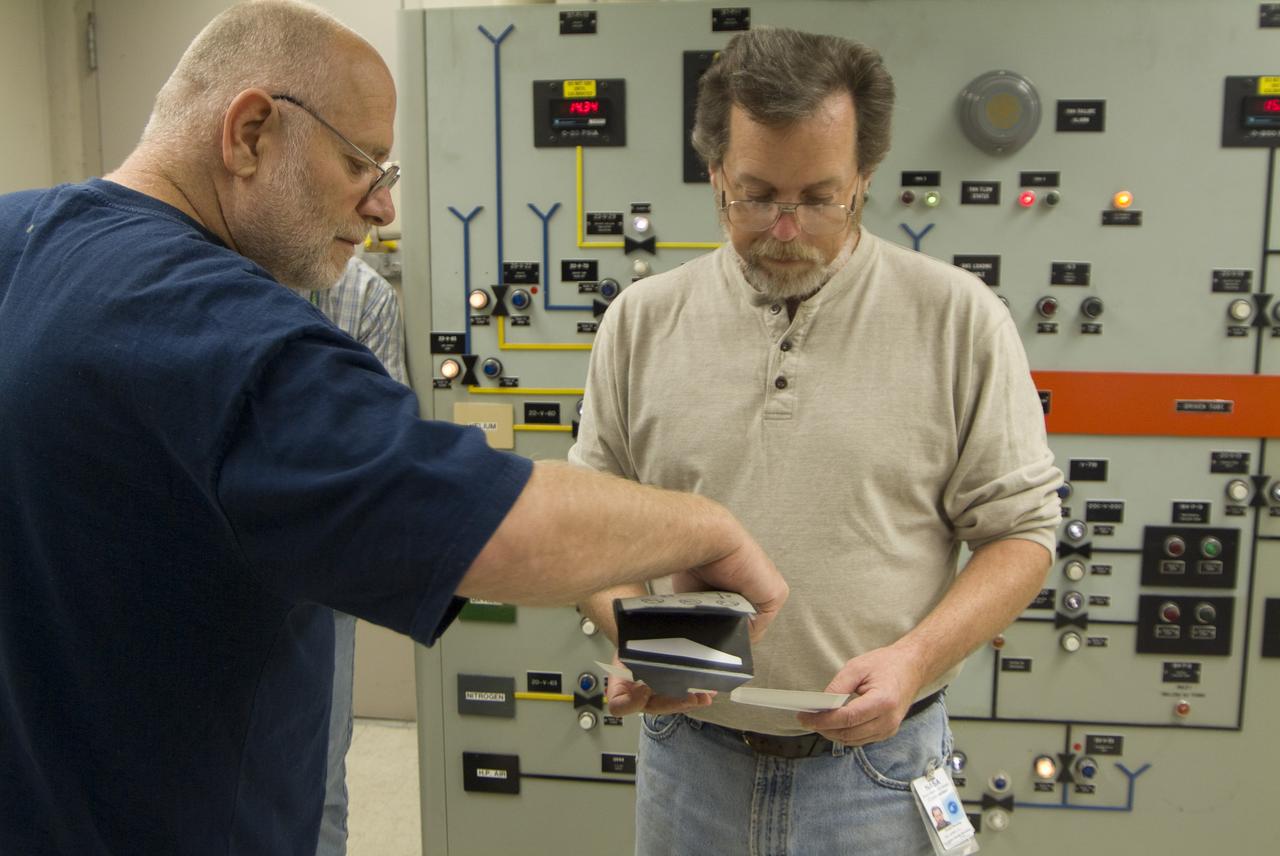
CEV (Crew Escape Vehicle) capsule Balistic Range testing to examine static and dynamic stability characteristics (at the Hypervelocity Free-Flight Facility) HFF - Don Holt (L) & Don Bowling (r) in control room examining poloroids

Ames and Moffett Field (MFA) historical sites and memorials Navy Memorial anchor display on Shennandoah plaza - dedication plaque in memory of the Fourteen Officers and men USS Shennandoah lost September 3, 1925. A 50th Anniversary Time Capsule A Sundial presented by R. Adml. Faronholt November 21, 1933 and a 100 year Time Capsule dedicated on July 1, 1994
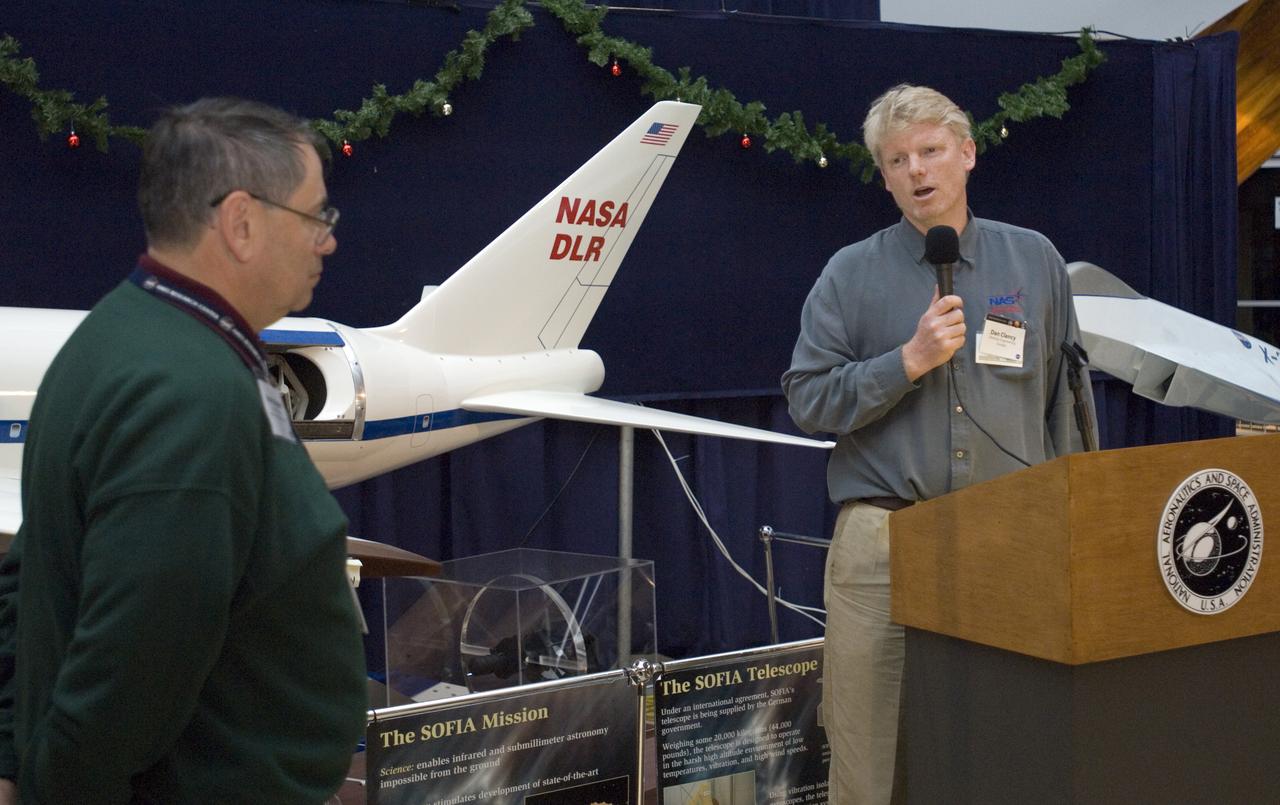
Kick-off event for Google NASA collaboration (held in the Ames Exploration Center 943A) with Ames Center Director Pete Worden (L) and Dan Clancy, Director of engineering Google
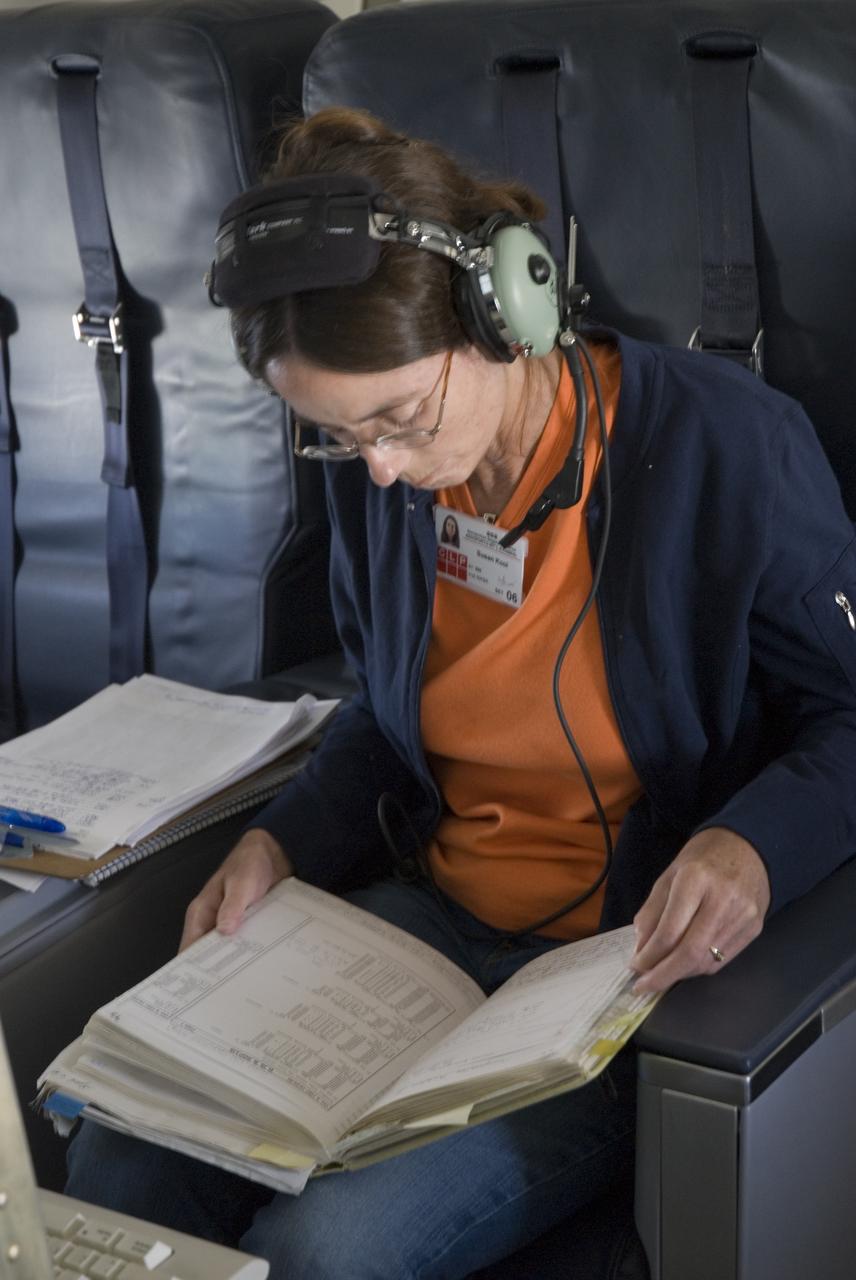
NASA African Monsoon Multidisciplinary Analyses (NAMMA) DC-8 deployment to Cape Verde, Sal island, Africa