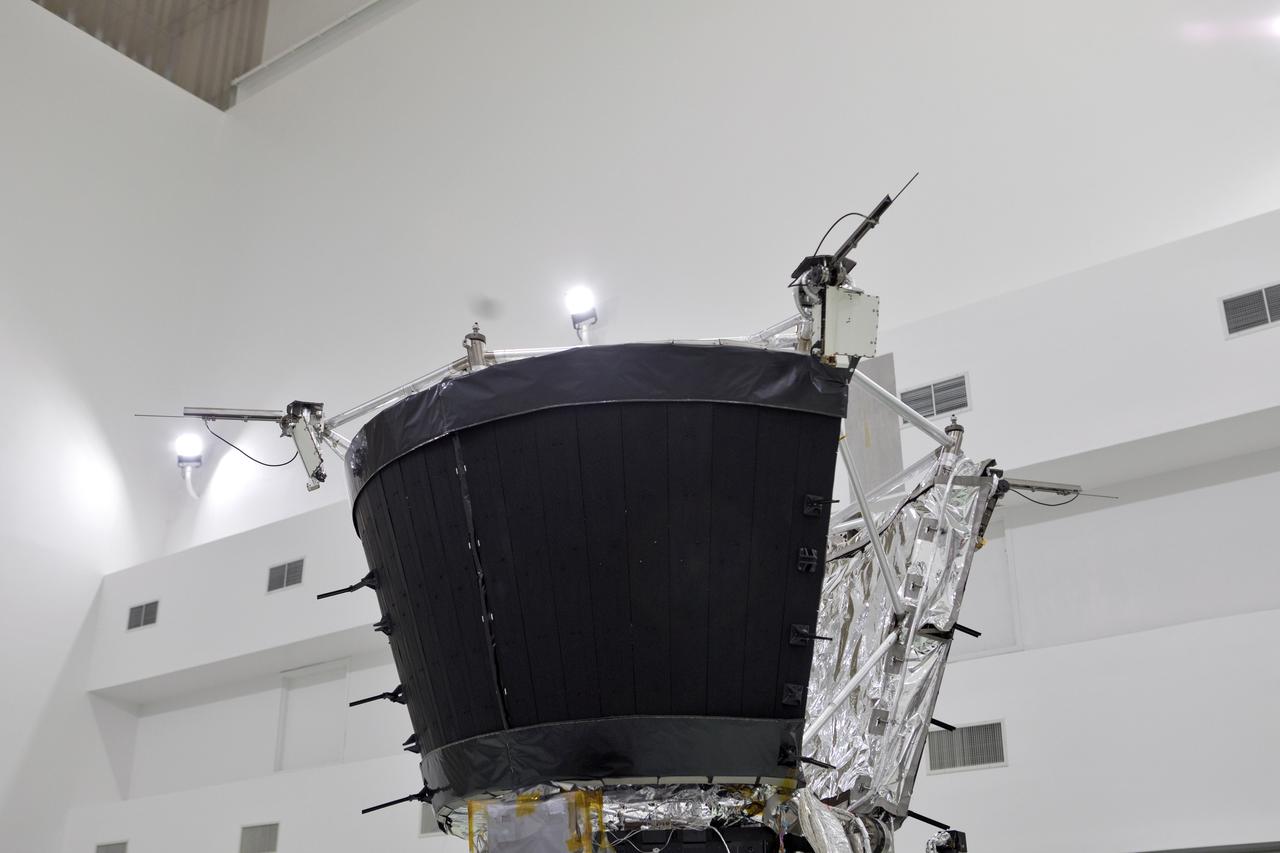
Antenna's on NASA's Parker Solar Probe are deployed for testing at the Astrotech processing facility in Titusville, Florida, near NASA's Kennedy Space Center on Thursday, April 19, 2018. The Parker Solar Probe will launch on a United Launch Alliance Delta IV Heavy rocket from Space Launch Complex 37 at Cape Canaveral Air Force Station in Florida no earlier than Aug. 4, 2018. The mission will perform the closest-ever observations of a star when it travels through the Sun's atmosphere, called the corona. The probe will rely on measurements and imaging to revolutionize our understanding of the corona and the Sun-Earth connection.

Antenna's on NASA's Parker Solar Probe are deployed for testing at the Astrotech processing facility in Titusville, Florida, near NASA's Kennedy Space Center on Thursday, April 19, 2018. The Parker Solar Probe will launch on a United Launch Alliance Delta IV Heavy rocket from Space Launch Complex 37 at Cape Canaveral Air Force Station in Florida no earlier than Aug. 4, 2018. The mission will perform the closest-ever observations of a star when it travels through the Sun's atmosphere, called the corona. The probe will rely on measurements and imaging to revolutionize our understanding of the corona and the Sun-Earth connection.
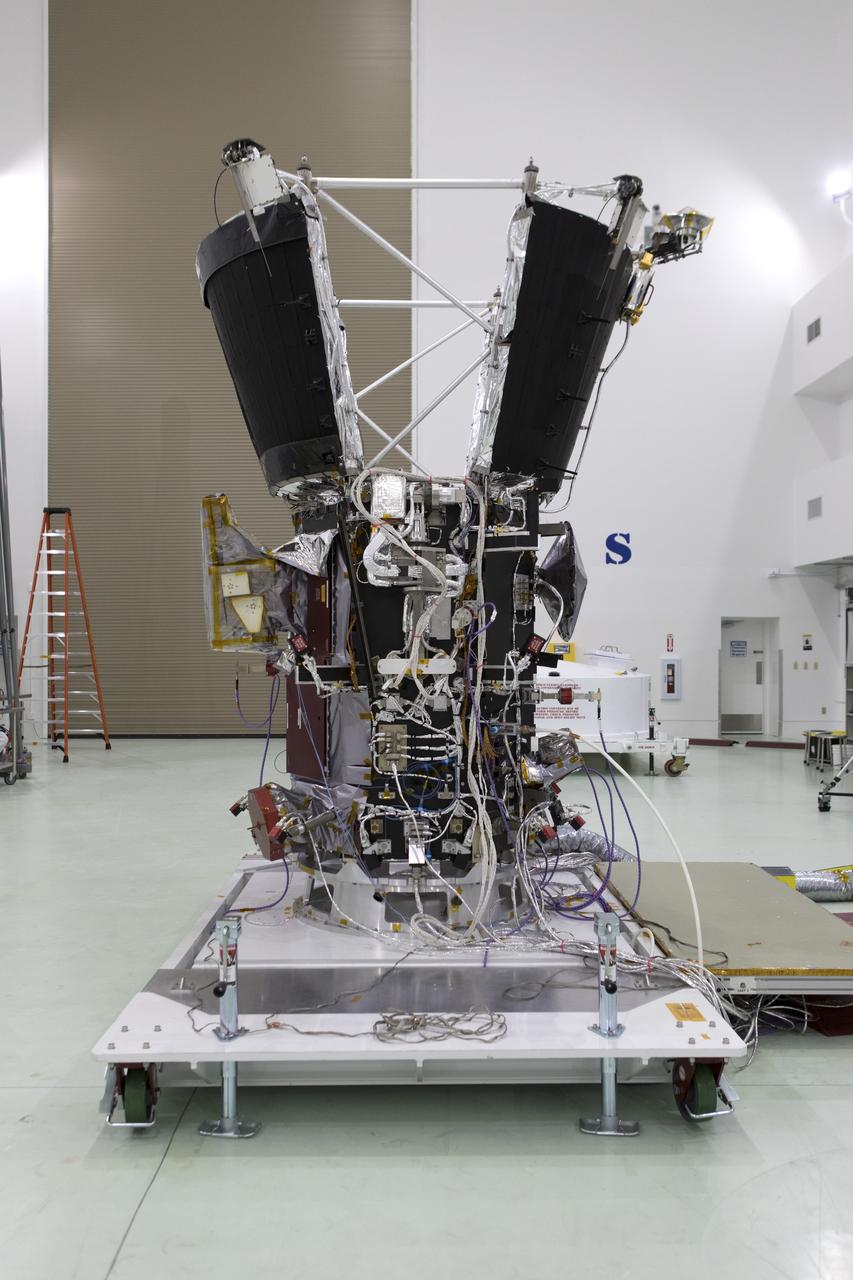
Antenna's on NASA's Parker Solar Probe are deployed for testing at the Astrotech processing facility in Titusville, Florida, near NASA's Kennedy Space Center on Thursday, April 19, 2018. The Parker Solar Probe will launch on a United Launch Alliance Delta IV Heavy rocket from Space Launch Complex 37 at Cape Canaveral Air Force Station in Florida no earlier than Aug. 4, 2018. The mission will perform the closest-ever observations of a star when it travels through the Sun's atmosphere, called the corona. The probe will rely on measurements and imaging to revolutionize our understanding of the corona and the Sun-Earth connection.

Antenna's on NASA's Parker Solar Probe are deployed for testing at the Astrotech processing facility in Titusville, Florida, near NASA's Kennedy Space Center on Thursday, April 19, 2018. The Parker Solar Probe will launch on a United Launch Alliance Delta IV Heavy rocket from Space Launch Complex 37 at Cape Canaveral Air Force Station in Florida no earlier than Aug. 4, 2018. The mission will perform the closest-ever observations of a star when it travels through the Sun's atmosphere, called the corona. The probe will rely on measurements and imaging to revolutionize our understanding of the corona and the Sun-Earth connection.
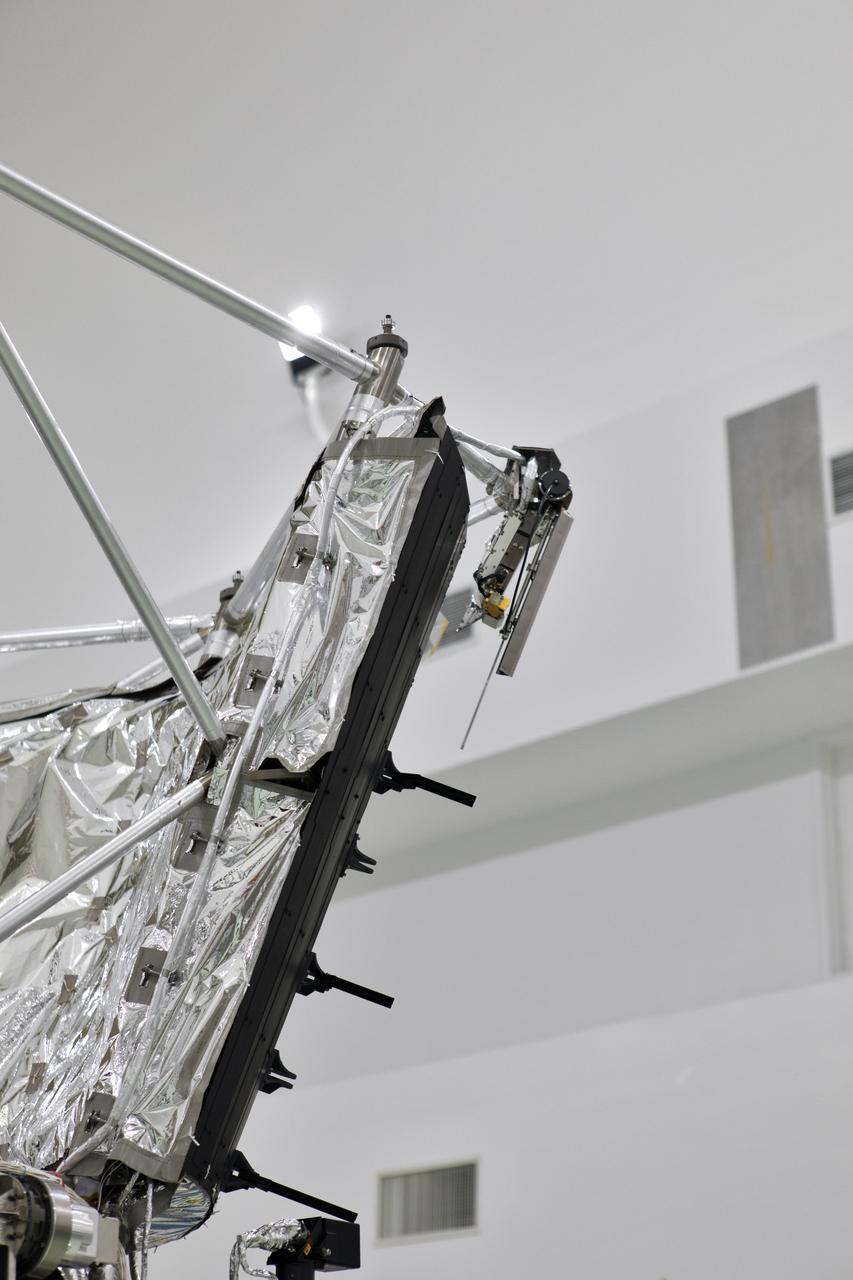
Antenna's on NASA's Parker Solar Probe are deployed for testing at the Astrotech processing facility in Titusville, Florida, near NASA's Kennedy Space Center on Thursday, April 19, 2018. The Parker Solar Probe will launch on a United Launch Alliance Delta IV Heavy rocket from Space Launch Complex 37 at Cape Canaveral Air Force Station in Florida no earlier than Aug. 4, 2018. The mission will perform the closest-ever observations of a star when it travels through the Sun's atmosphere, called the corona. The probe will rely on measurements and imaging to revolutionize our understanding of the corona and the Sun-Earth connection.
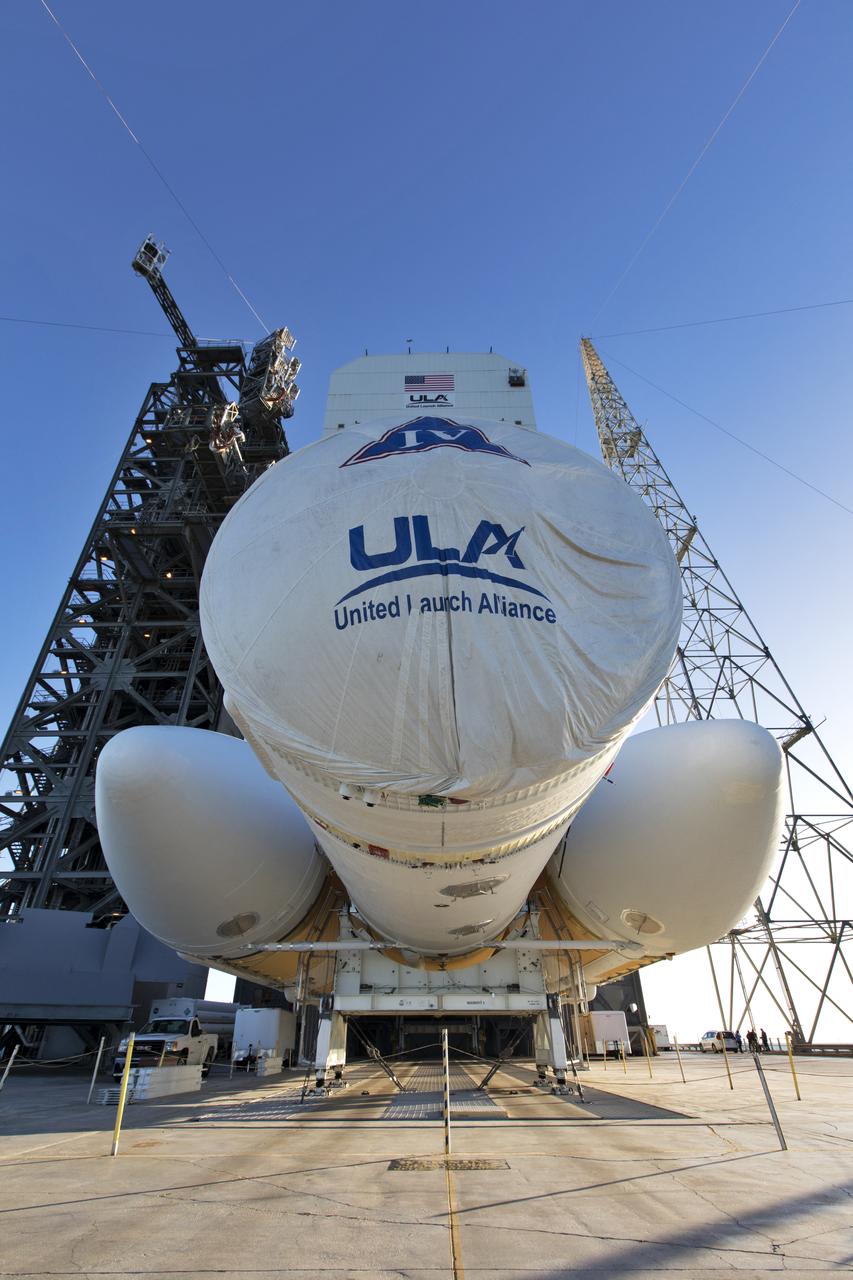
The first stage of a United Launch Alliance Delta IV Heavy rocket is prepared to be lifted vertical at the Vertical Integration Facility near Space Launch Complex 37 at Cape Canaveral Air Force Station in Florida. The Delta IV Heavy will launch NASA's upcoming Parker Solar Probe mission in July 2018. The mission will perform the closest-ever observations of a star when it travels through the Sun's atmosphere, called the corona. The probe will rely on measurements and imaging to revolutionize our understanding of the corona and the Sun-Earth connection.
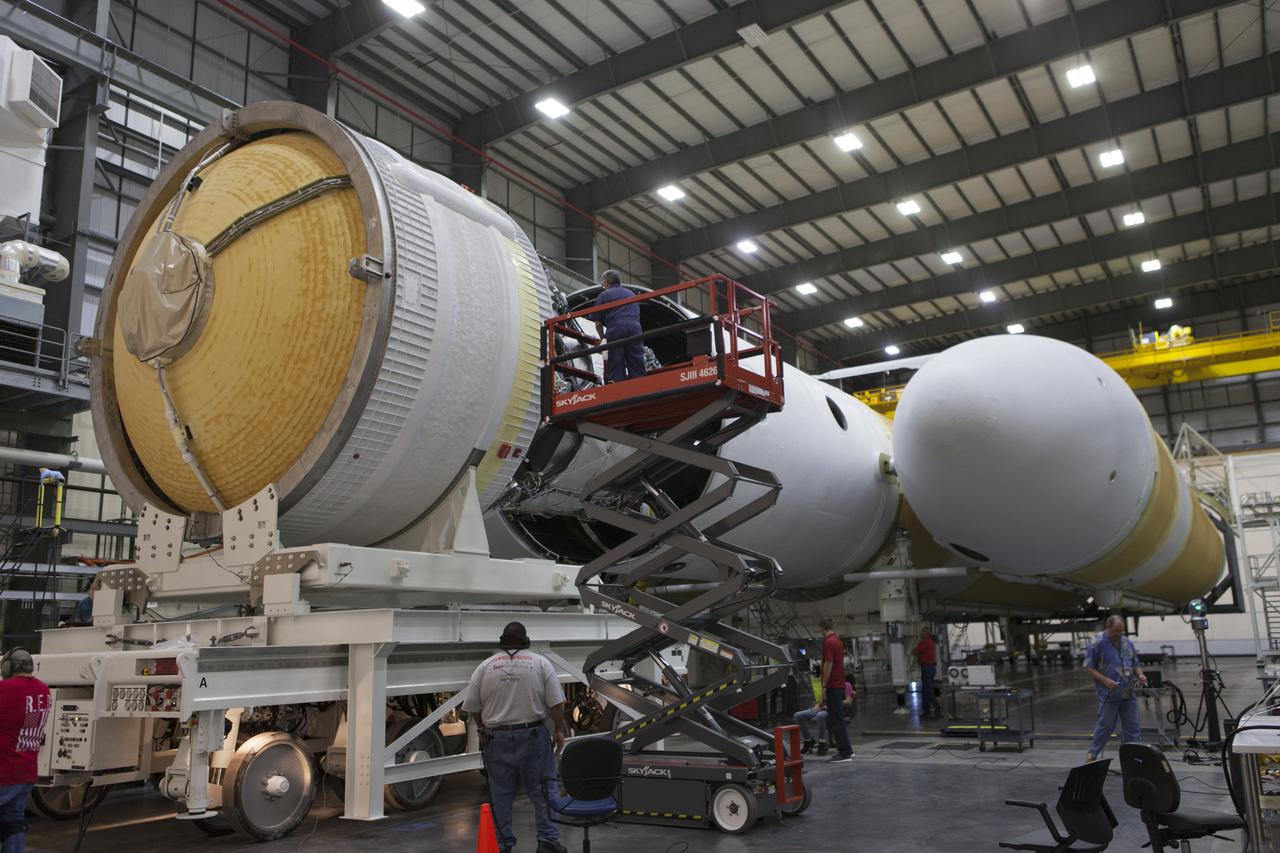
The second stage of a United Launch Alliance Delta IV Heavy is being mated to the common booster core inside the Horizontal Integration Facility near Space Launch Complex 37 at Cape Canaveral Air Force Station in Florida. The Delta IV Heavy will launch NASA's upcoming Parker Solar Probe mission in July 2018. The mission will perform the closest-ever observations of a star when it travels through the Sun's atmosphere, called the corona. The probe will rely on measurements and imaging to revolutionize our understanding of the corona and the Sun-Earth connection.
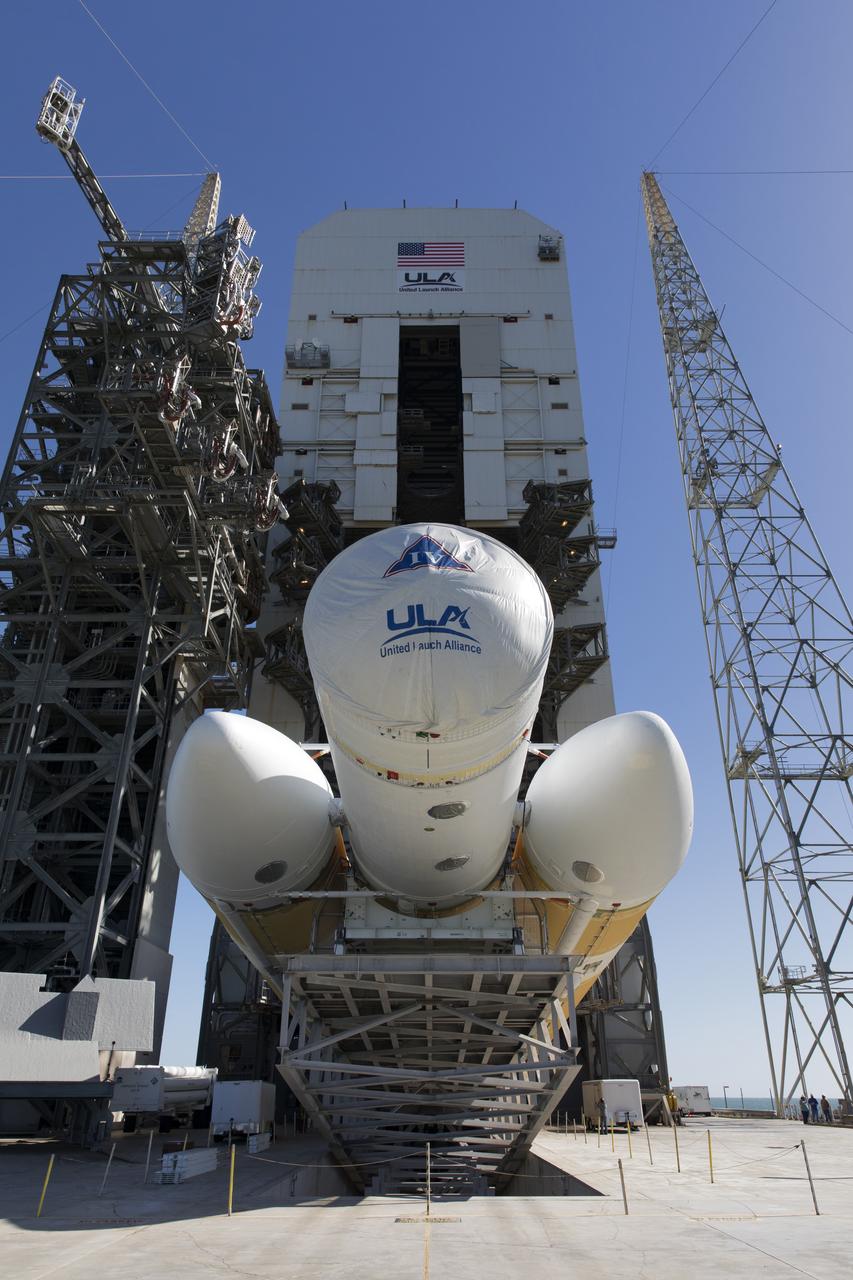
The United Launch Alliance Delta IV Heavy first stage is being lifted to the vertical position at the Vertical Integration Facility near Space Launch Complex 37 at Cape Canaveral Air Force Station in Florida. The Delta IV Heavy will launch NASA's upcoming Parker Solar Probe mission in July 2018. The mission will perform the closest-ever observations of a star when it travels through the Sun's atmosphere, called the corona. The probe will rely on measurements and imaging to revolutionize our understanding of the corona and the Sun-Earth connection.
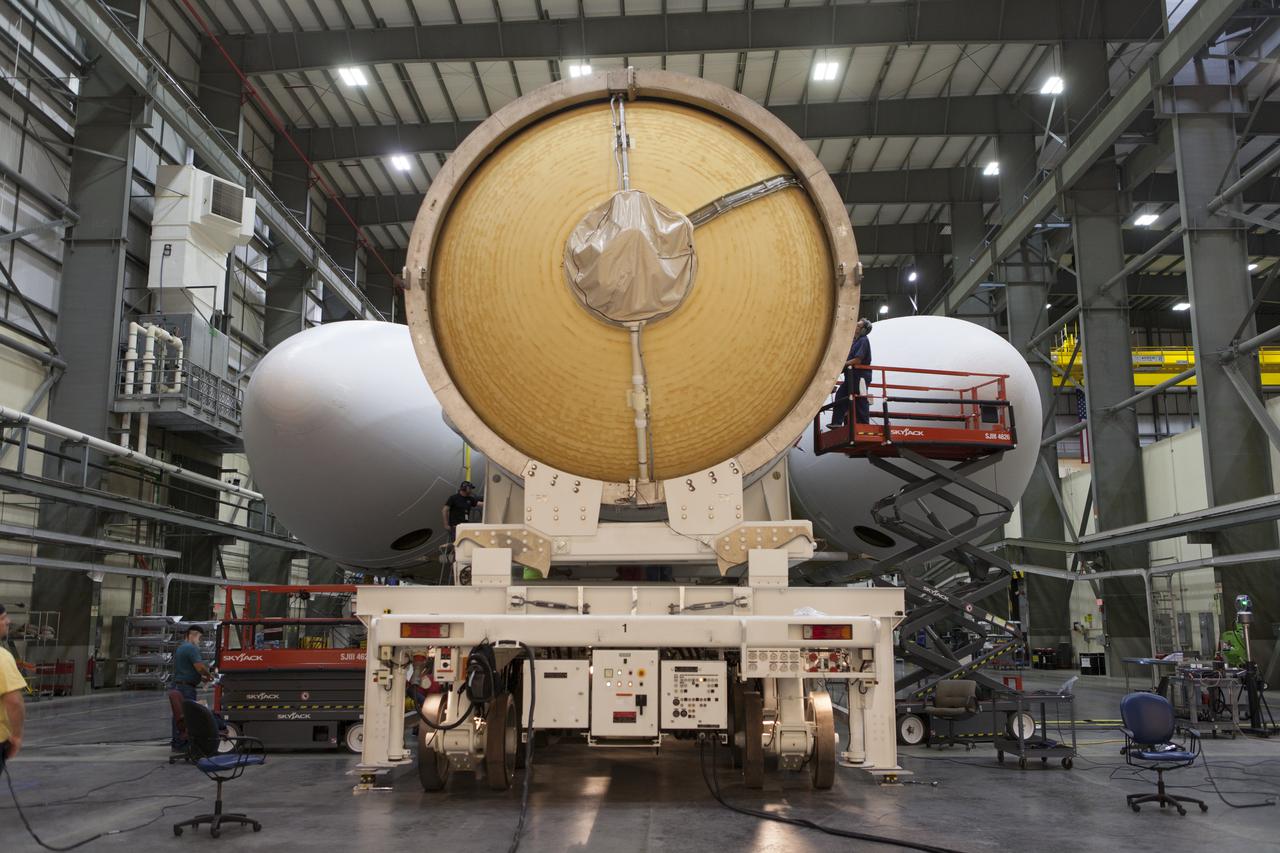
The second stage of a United Launch Alliance Delta IV Heavy is mated to the common booster core inside the Horizontal Integration Facility near Space Launch Complex 37 at Cape Canaveral Air Force Station in Florida. The Delta IV Heavy will launch NASA's upcoming Parker Solar Probe mission in July 2018. The mission will perform the closest-ever observations of a star when it travels through the Sun's atmosphere, called the corona. The probe will rely on measurements and imaging to revolutionize our understanding of the corona and the Sun-Earth connection.

The first stage of a United Launch Alliance Delta IV Heavy rocket is prepared to be lifted vertical at the Vertical Integration Facility near Space Launch Complex 37 at Cape Canaveral Air Force Station in Florida. The Delta IV Heavy will launch NASA's upcoming Parker Solar Probe mission in July 2018. The mission will perform the closest-ever observations of a star when it travels through the Sun's atmosphere, called the corona. The probe will rely on measurements and imaging to revolutionize our understanding of the corona and the Sun-Earth connection.
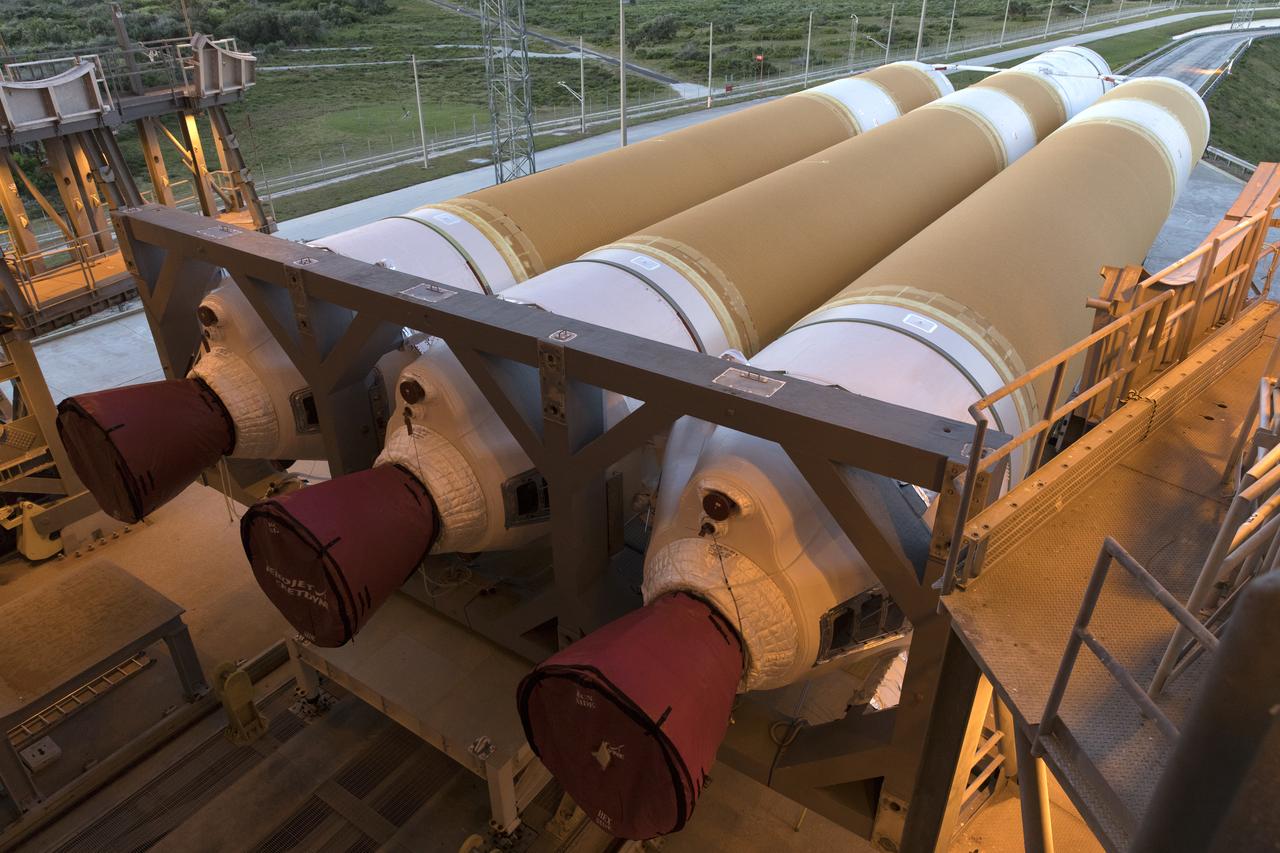
The first stage of a United Launch Alliance Delta IV Heavy rocket is prepared to be lifted vertical at the Vertical Integration Facility near Space Launch Complex 37 at Cape Canaveral Air Force Station in Florida. The Delta IV Heavy will launch NASA's upcoming Parker Solar Probe mission in July 2018. The mission will perform the closest-ever observations of a star when it travels through the Sun's atmosphere, called the corona. The probe will rely on measurements and imaging to revolutionize our understanding of the corona and the Sun-Earth connection.
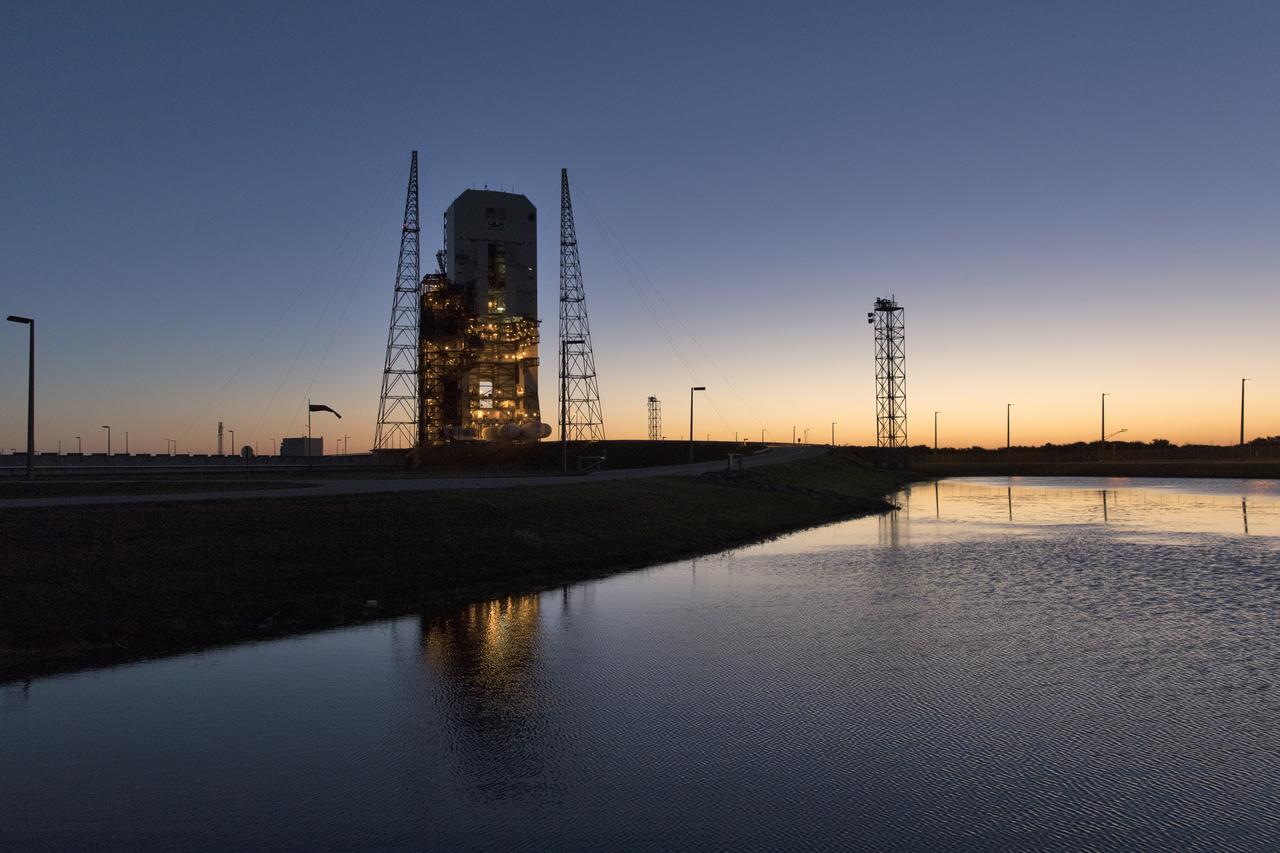
In this sunrise photograph, the first stage of a United Launch Alliance Delta IV Heavy rocket is at the Vertical Integration Facility near Space Launch Complex 37 at Cape Canaveral Air Force Station in Florida. The Delta IV Heavy will launch NASA's upcoming Parker Solar Probe mission in July 2018. The mission will perform the closest-ever observations of a star when it travels through the Sun's atmosphere, called the corona. The probe will rely on measurements and imaging to revolutionize our understanding of the corona and the Sun-Earth connection.
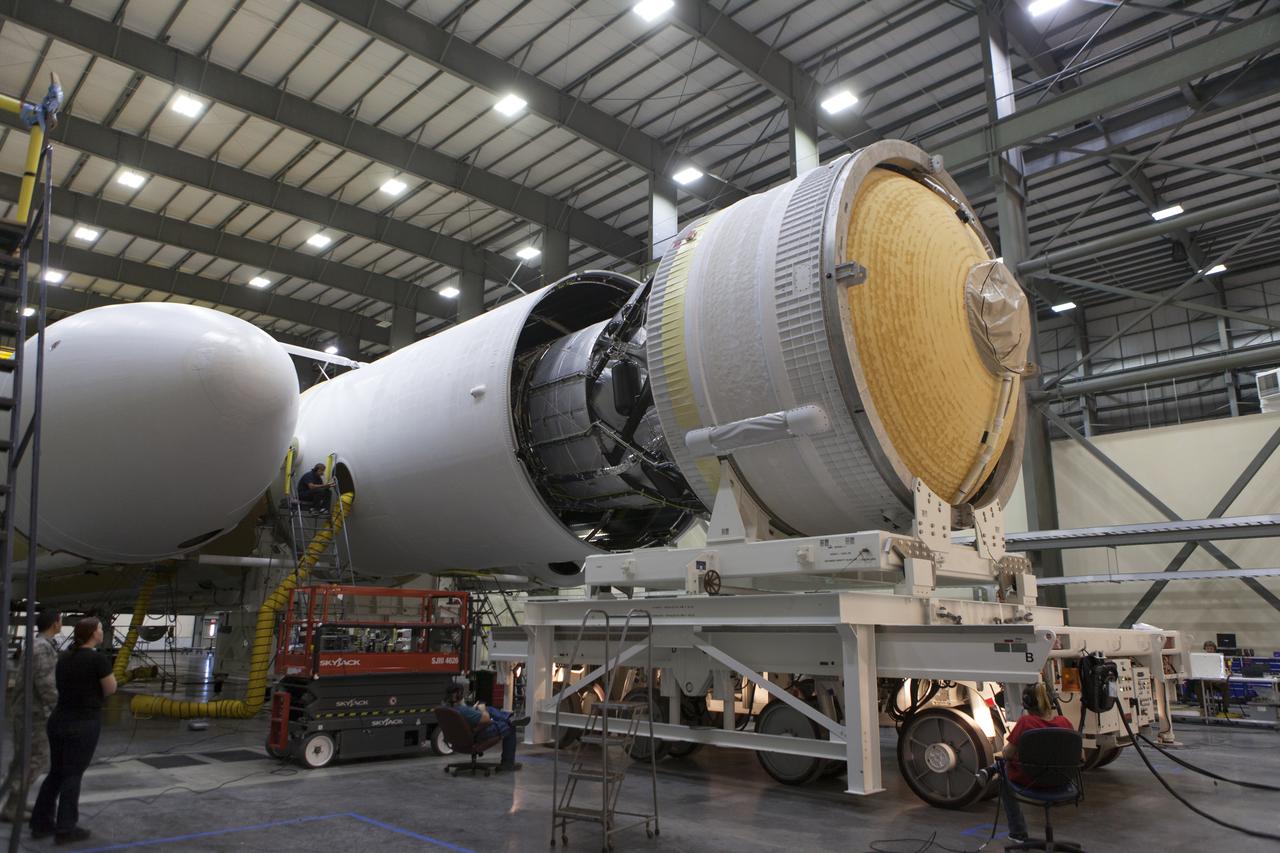
The second stage of a United Launch Alliance Delta IV Heavy is being mated to the common booster core inside the Horizontal Integration Facility near Space Launch Complex 37 at Cape Canaveral Air Force Station in Florida. The Delta IV Heavy will launch NASA's upcoming Parker Solar Probe mission in July 2018. The mission will perform the closest-ever observations of a star when it travels through the Sun's atmosphere, called the corona. The probe will rely on measurements and imaging to revolutionize our understanding of the corona and the Sun-Earth connection.
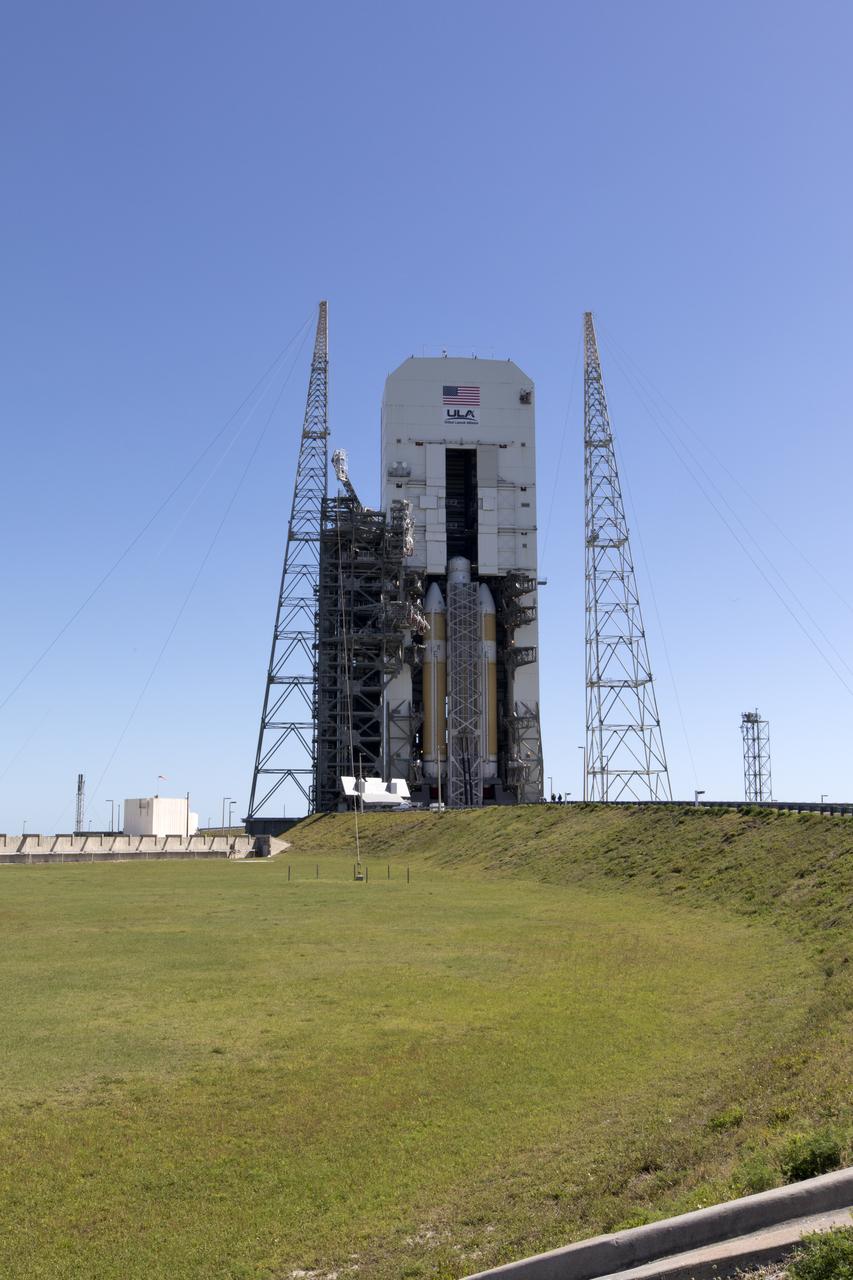
The United Launch Alliance Delta IV Heavy first stage has been lifted to the vertical position and is inside the Vertical Integration Facility near Space Launch 37 at Cape Canaveral Air Force Station in Florida. The Delta IV Heavy will launch NASA's upcoming Parker Solar Probe mission in July 2018. The mission will perform the closest-ever observations of a star when it travels through the Sun's atmosphere, called the corona. The probe will rely on measurements and imaging to revolutionize our understanding of the corona and the Sun-Earth connection.
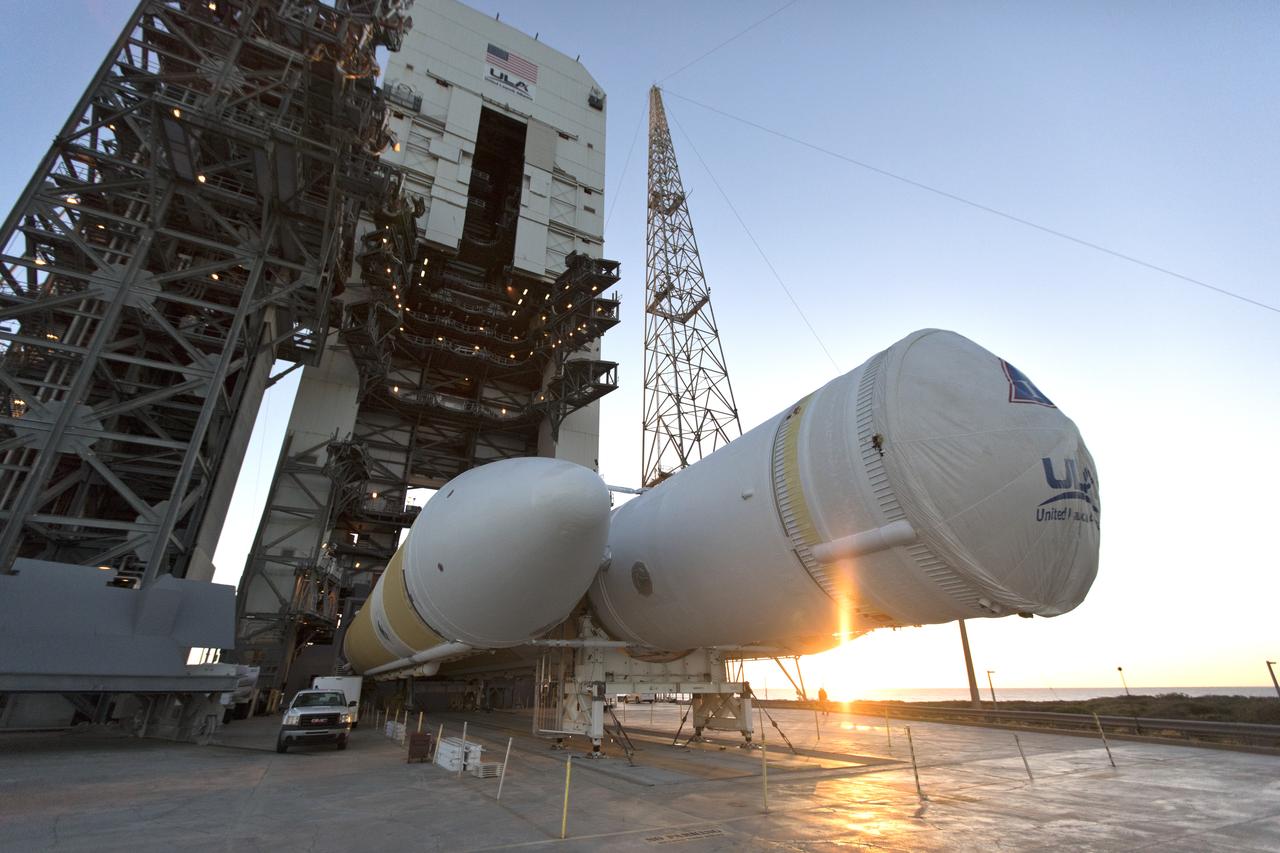
The first stage of a United Launch Alliance Delta IV Heavy rocket is prepared to be lifted vertical at the Vertical Integration Facility near Space Launch Complex 37 at Cape Canaveral Air Force Station in Florida. The Delta IV Heavy will launch NASA's upcoming Parker Solar Probe mission in July 2018. The mission will perform the closest-ever observations of a star when it travels through the Sun's atmosphere, called the corona. The probe will rely on measurements and imaging to revolutionize our understanding of the corona and the Sun-Earth connection.
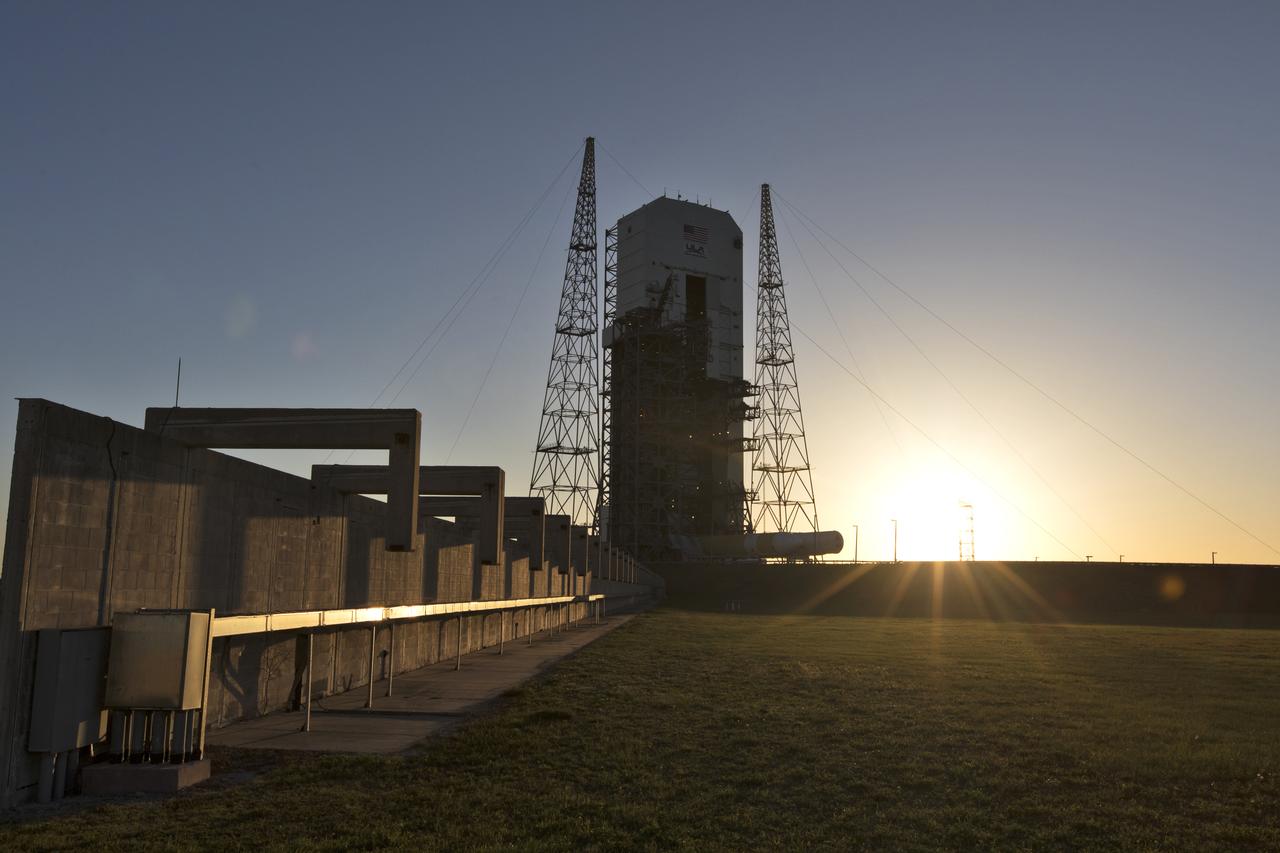
In this sunrise photograph, the first stage of a United Launch Alliance Delta IV Heavy rocket is at the Vertical Integration Facility near Space Launch Complex 37 at Cape Canaveral Air Force Station in Florida. The Delta IV Heavy will launch NASA's upcoming Parker Solar Probe mission in July 2018. The mission will perform the closest-ever observations of a star when it travels through the Sun's atmosphere, called the corona. The probe will rely on measurements and imaging to revolutionize our understanding of the corona and the Sun-Earth connection.
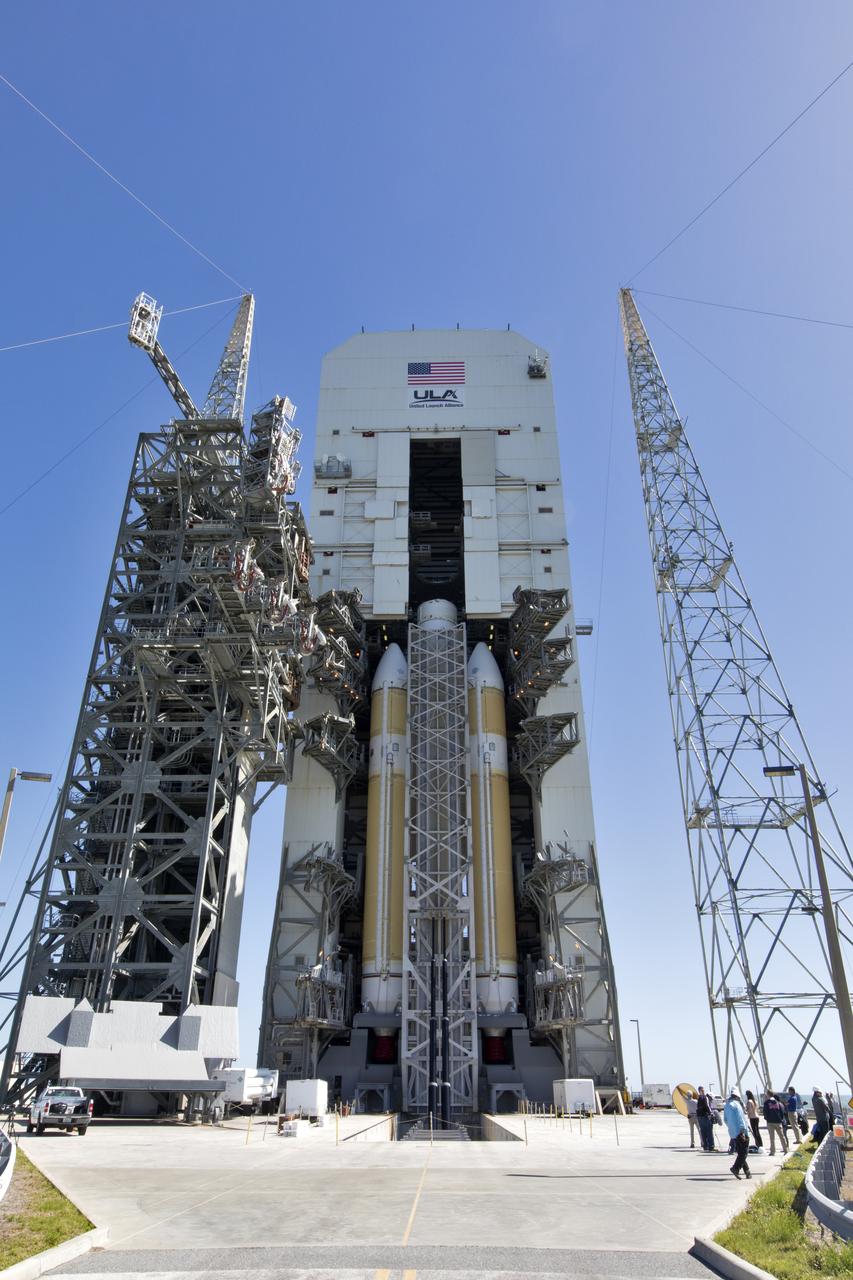
The United Launch Alliance Delta IV Heavy first stage has been lifted to the vertical position and is inside the Vertical Integration Facility near Space Launch 37 at Cape Canaveral Air Force Station in Florida. The Delta IV Heavy will launch NASA's upcoming Parker Solar Probe mission in July 2018. The mission will perform the closest-ever observations of a star when it travels through the Sun's atmosphere, called the corona. The probe will rely on measurements and imaging to revolutionize our understanding of the corona and the Sun-Earth connection.
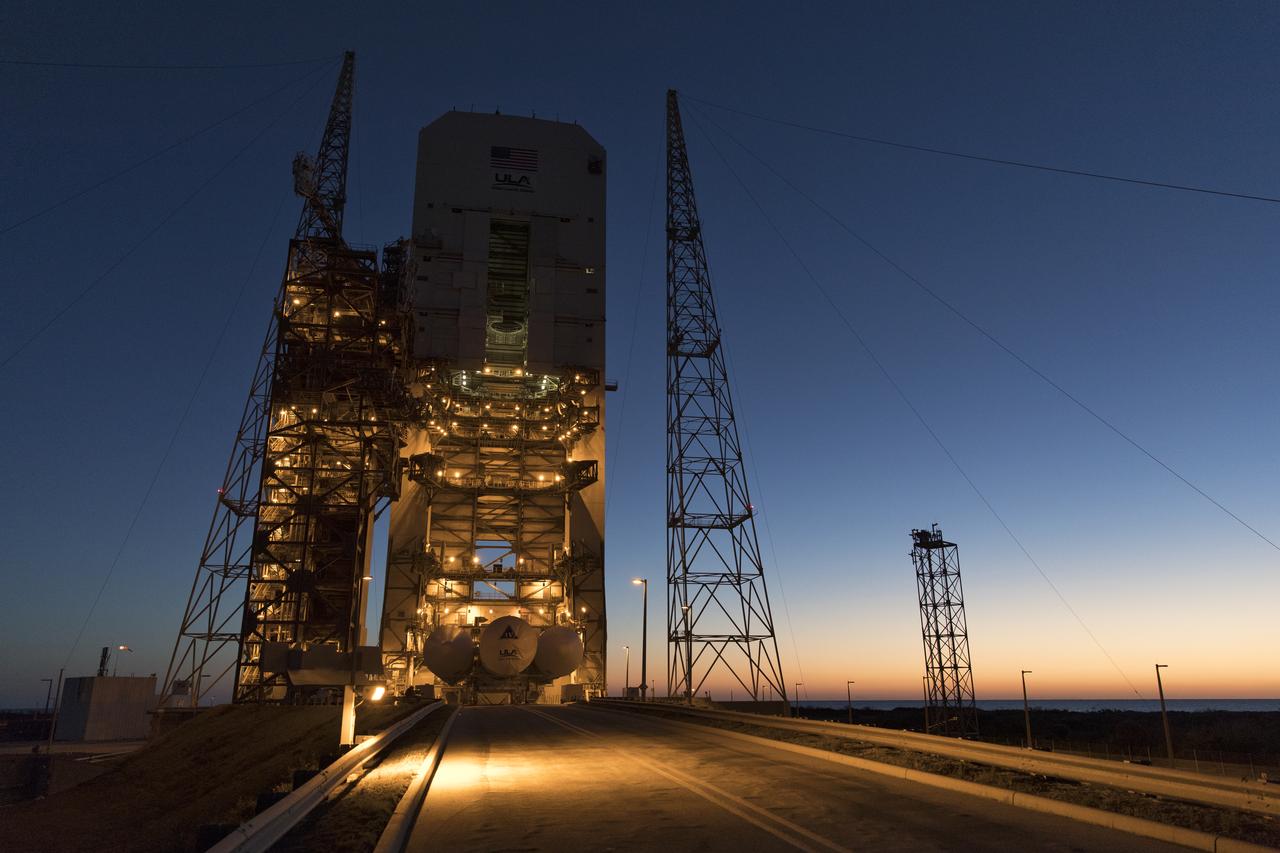
In this sunrise photograph, the first stage of a United Launch Alliance Delta IV Heavy rocket is at the Vertical Integration Facility near Space Launch Complex 37 at Cape Canaveral Air Force Station in Florida. The Delta IV Heavy will launch NASA's upcoming Parker Solar Probe mission in July 2018. The mission will perform the closest-ever observations of a star when it travels through the Sun's atmosphere, called the corona. The probe will rely on measurements and imaging to revolutionize our understanding of the corona and the Sun-Earth connection.
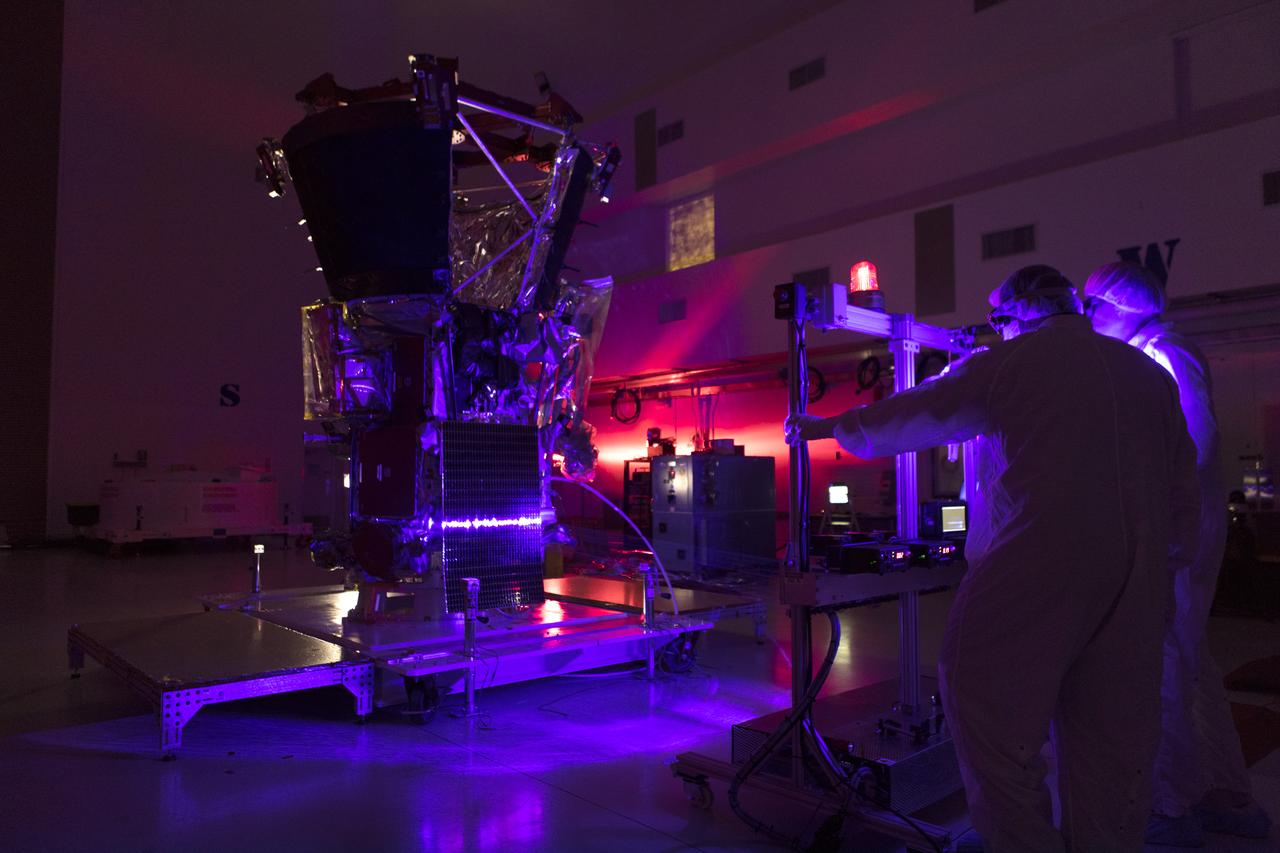
In the Astrotech processing facility in Titusville, Florida, near NASA's Kennedy Space Center, on Tuesday, June 5, 2018, technicians and engineers perform light bar testing on NASA's Parker Solar Probe. The Parker Solar Probe will launch on a United Launch Alliance Delta IV Heavy rocket from Space Launch Complex 37 at Cape Canaveral Air Force Station in Florida no earlier than Aug. 4, 2018. The mission will perform the closest-ever observations of a star when it travels through the Sun's atmosphere, called the corona. The probe will rely on measurements and imaging to revolutionize our understanding of the corona and the Sun-Earth connection.

In the Astrotech processing facility in Titusville, Florida, near NASA's Kennedy Space Center, on Tuesday, June 5, 2018, technicians and engineers perform light bar testing on NASA's Parker Solar Probe. The Parker Solar Probe will launch on a United Launch Alliance Delta IV Heavy rocket from Space Launch Complex 37 at Cape Canaveral Air Force Station in Florida no earlier than Aug. 4, 2018. The mission will perform the closest-ever observations of a star when it travels through the Sun's atmosphere, called the corona. The probe will rely on measurements and imaging to revolutionize our understanding of the corona and the Sun-Earth connection.
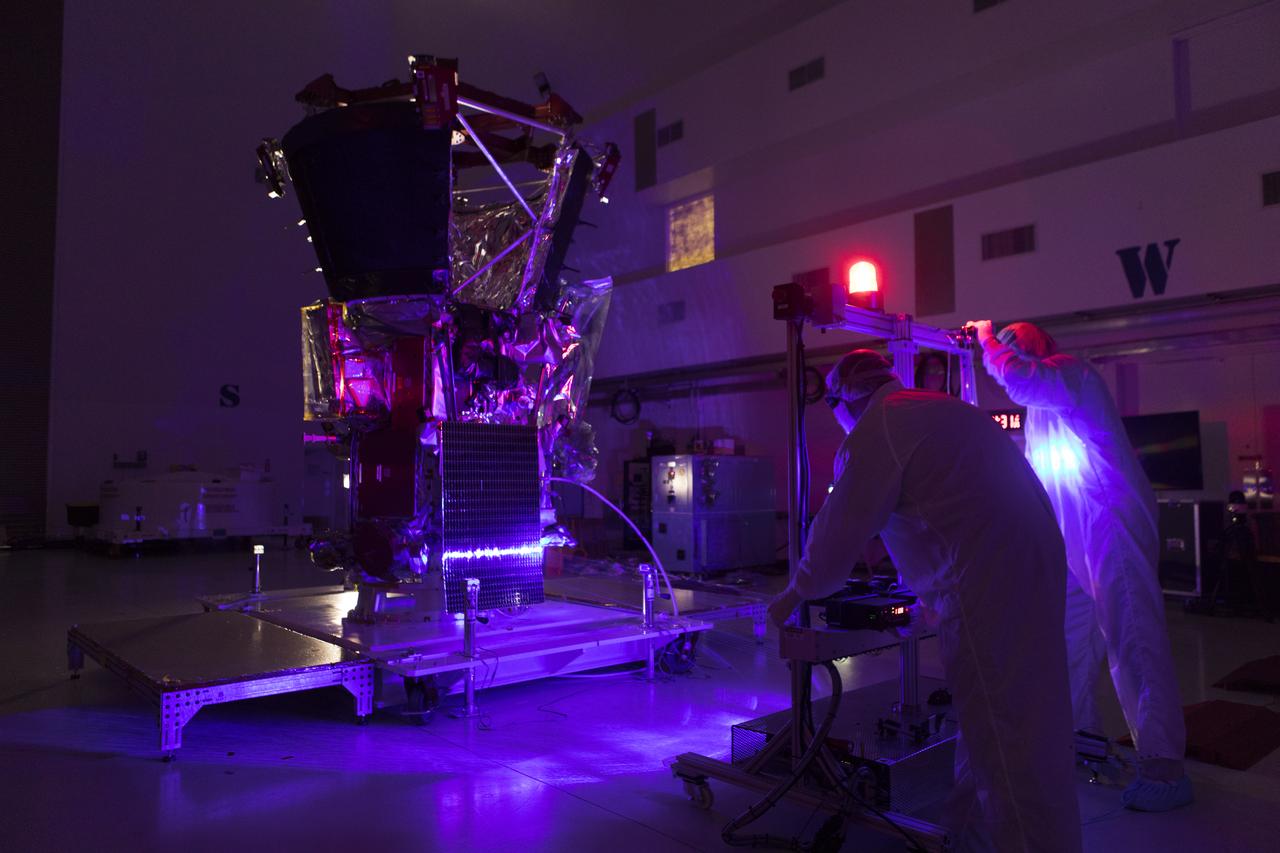
In the Astrotech processing facility in Titusville, Florida, near NASA's Kennedy Space Center, on Tuesday, June 5, 2018, technicians and engineers perform light bar testing on NASA's Parker Solar Probe. The Parker Solar Probe will launch on a United Launch Alliance Delta IV Heavy rocket from Space Launch Complex 37 at Cape Canaveral Air Force Station in Florida no earlier than Aug. 4, 2018. The mission will perform the closest-ever observations of a star when it travels through the Sun's atmosphere, called the corona. The probe will rely on measurements and imaging to revolutionize our understanding of the corona and the Sun-Earth connection.

In the Astrotech processing facility in Titusville, Florida, near NASA's Kennedy Space Center, on Tuesday, June 5, 2018, technicians and engineers perform light bar testing on NASA's Parker Solar Probe. The Parker Solar Probe will launch on a United Launch Alliance Delta IV Heavy rocket from Space Launch Complex 37 at Cape Canaveral Air Force Station in Florida no earlier than Aug. 4, 2018. The mission will perform the closest-ever observations of a star when it travels through the Sun's atmosphere, called the corona. The probe will rely on measurements and imaging to revolutionize our understanding of the corona and the Sun-Earth connection.
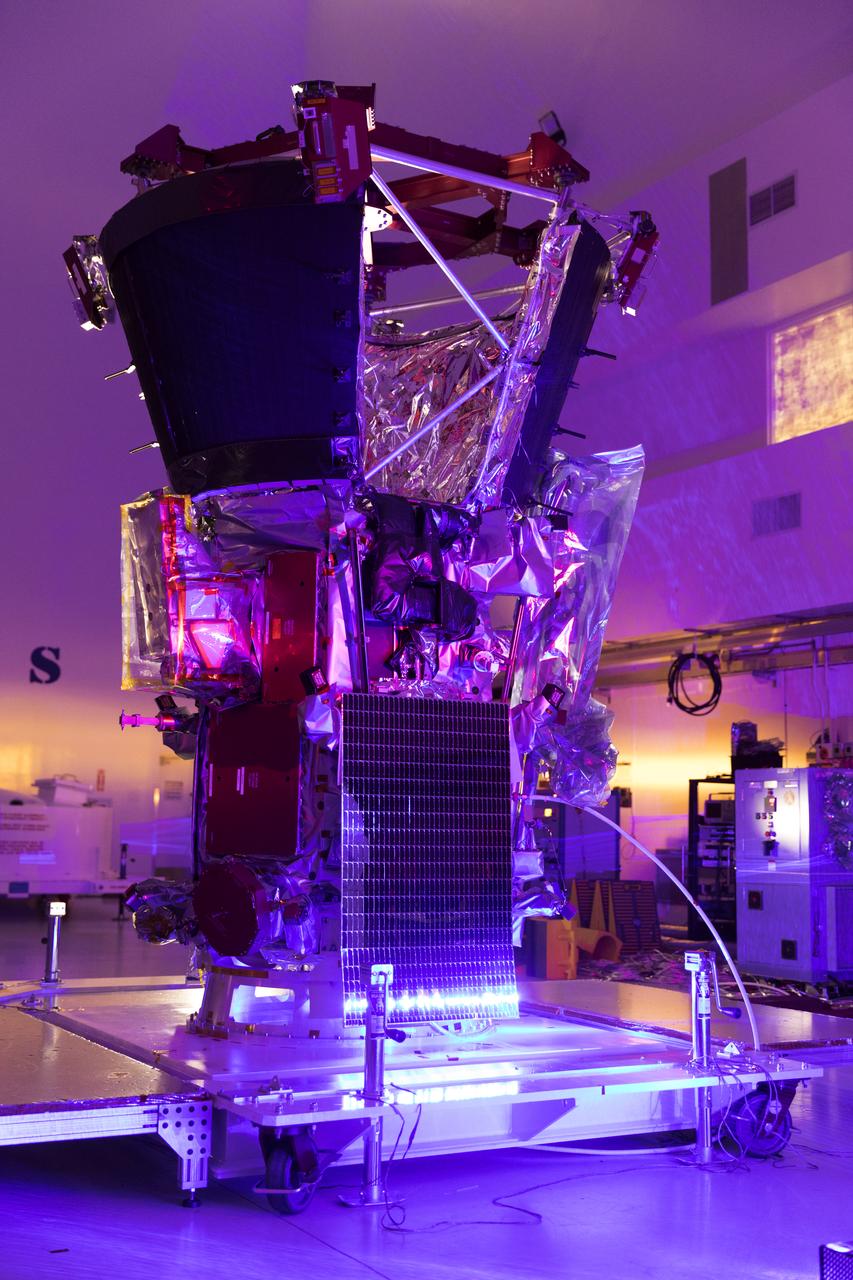
In the Astrotech processing facility in Titusville, Florida, near NASA's Kennedy Space Center, on Tuesday, June 5, 2018, technicians and engineers perform light bar testing on NASA's Parker Solar Probe. The Parker Solar Probe will launch on a United Launch Alliance Delta IV Heavy rocket from Space Launch Complex 37 at Cape Canaveral Air Force Station in Florida no earlier than Aug. 4, 2018. The mission will perform the closest-ever observations of a star when it travels through the Sun's atmosphere, called the corona. The probe will rely on measurements and imaging to revolutionize our understanding of the corona and the Sun-Earth connection.
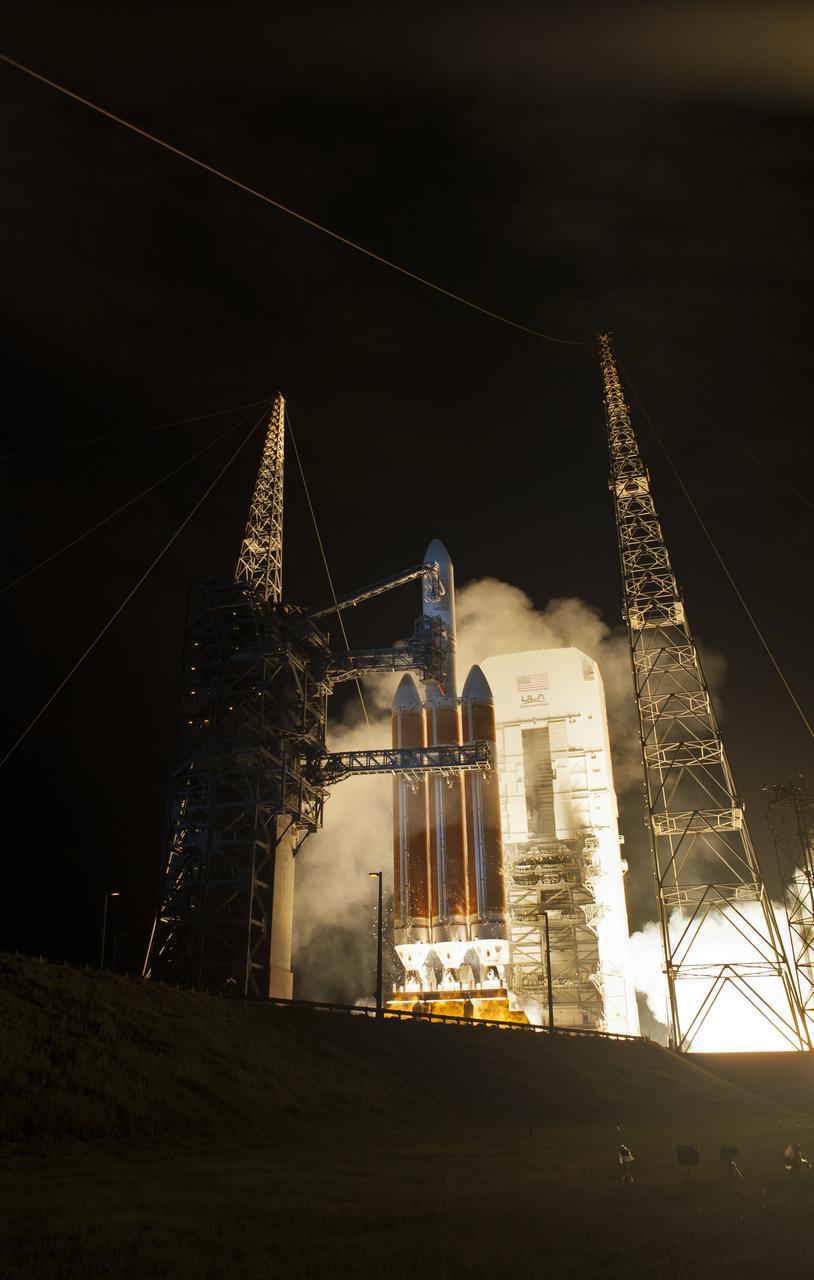
At Cape Canaveral Air Force Station's Space Launch Complex 37, the United Launch Alliance Delta IV Heavy rocket with NASA's Parker Solar Probe, lifts off at 3:31 a.m. EDT on Sunday, Aug. 12, 2018. The spacecraft was built by Applied Physics Laboratory of Johns Hopkins University in Laurel, Maryland. The mission will perform the closest-ever observations of a star when it travels through the Sun's atmosphere, called the corona. The probe will rely on measurements and imaging to revolutionize our understanding of the corona and the Sun-Earth connection.
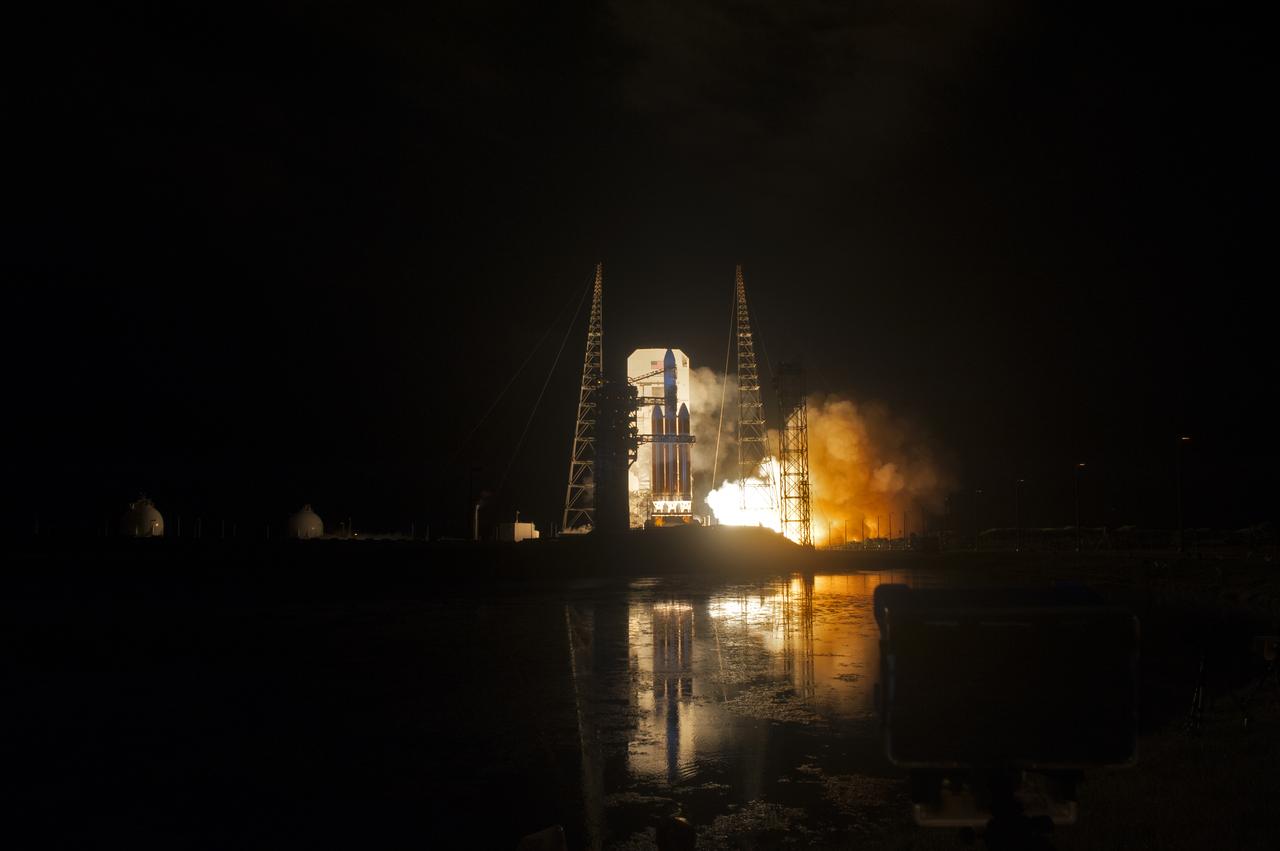
At Cape Canaveral Air Force Station's Space Launch Complex 37, the United Launch Alliance Delta IV Heavy rocket with NASA's Parker Solar Probe, lifts off at 3:31 a.m. EDT on Sunday, Aug. 12, 2018. The spacecraft was built by Applied Physics Laboratory of Johns Hopkins University in Laurel, Maryland. The mission will perform the closest-ever observations of a star when it travels through the Sun's atmosphere, called the corona. The probe will rely on measurements and imaging to revolutionize our understanding of the corona and the Sun-Earth connection.
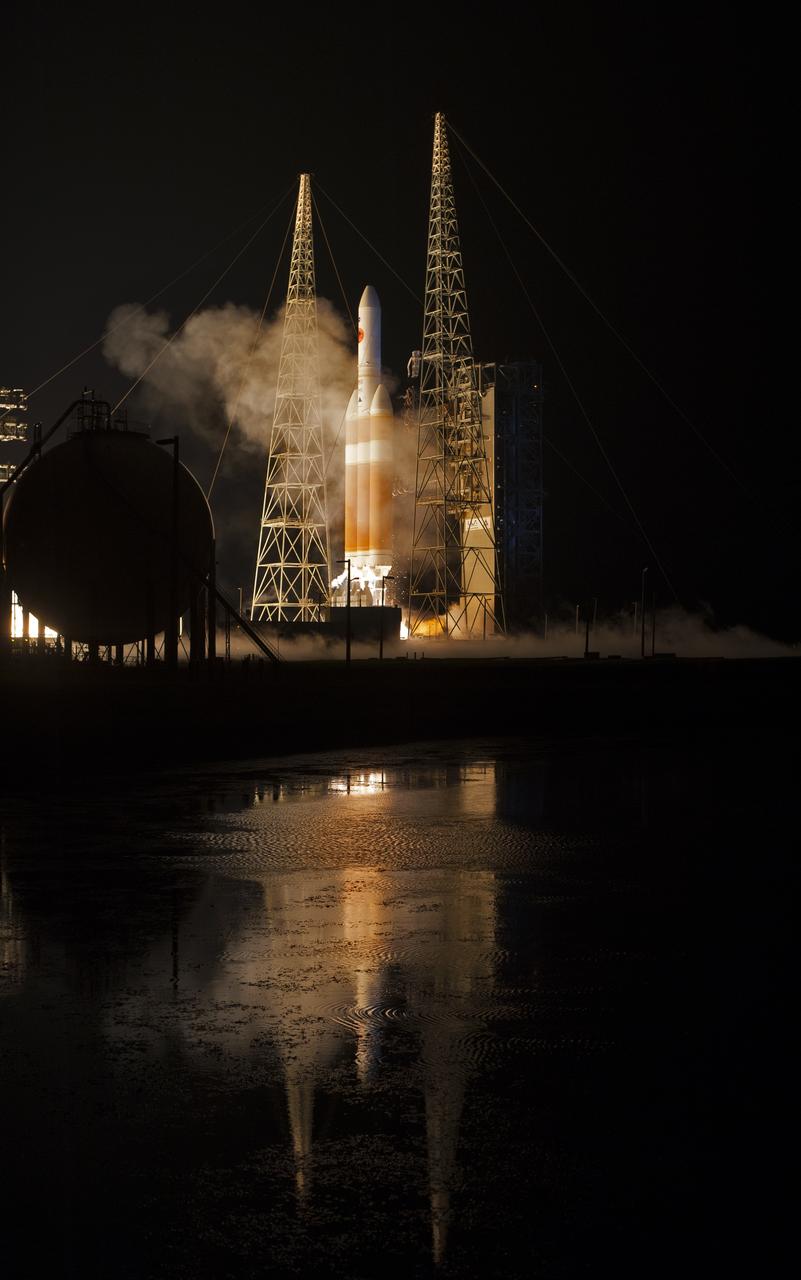
At Cape Canaveral Air Force Station’s Space Launch Complex 37, the United Launch Alliance Delta IV Heavy rocket with NASA's Parker Solar Probe, lifts off at 3:31 a.m. EDT on Sunday, Aug. 12, 2018. The spacecraft was built by Applied Physics Laboratory of Johns Hopkins University in Laurel, Maryland. The mission will perform the closest-ever observations of a star when it travels through the Sun's atmosphere, called the corona. The probe will rely on measurements and imaging to revolutionize our understanding of the corona and the Sun-Earth connection.
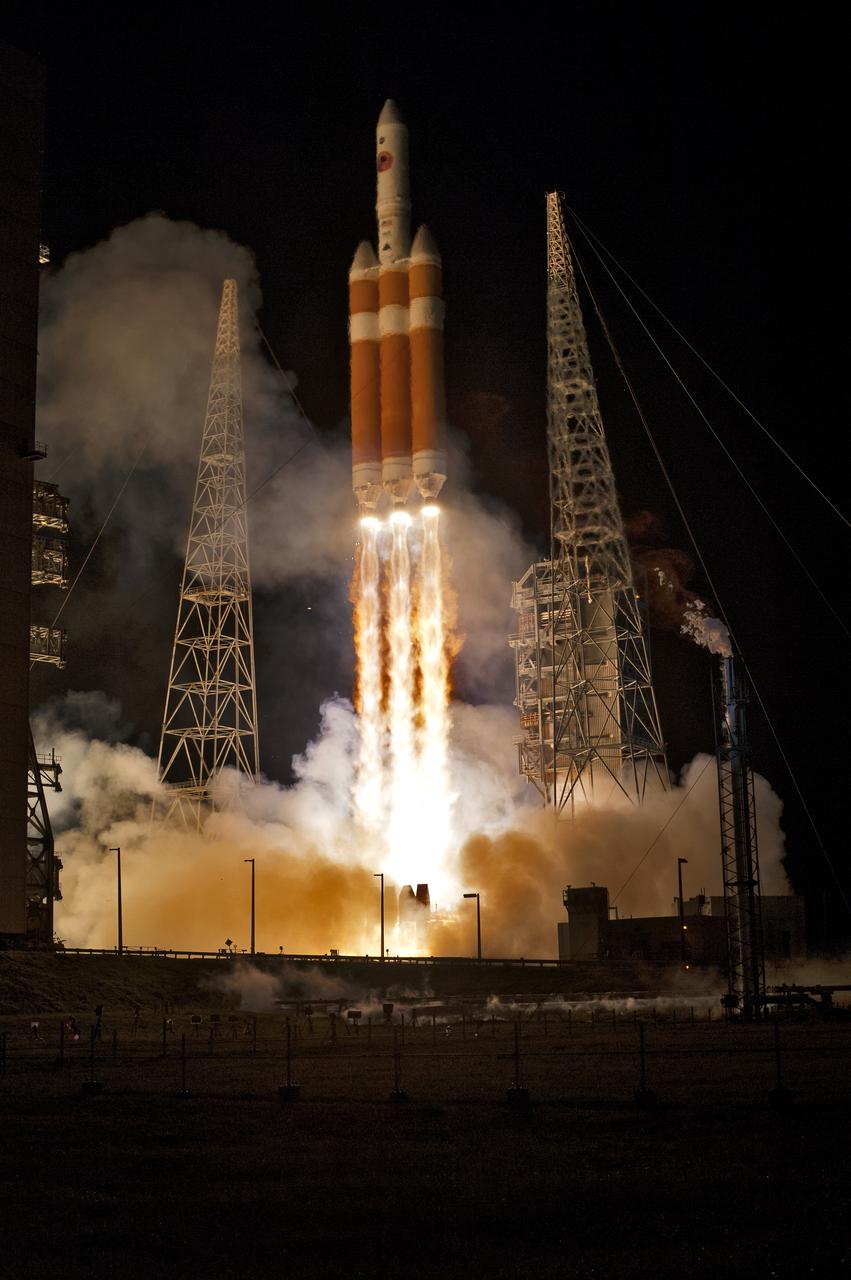
At Cape Canaveral Air Force Station’s Space Launch Complex 37, the United Launch Alliance Delta IV Heavy rocket with NASA's Parker Solar Probe, lifts off at 3:31 a.m. EDT on Sunday, Aug. 12, 2018. The spacecraft was built by Applied Physics Laboratory of Johns Hopkins University in Laurel, Maryland. The mission will perform the closest-ever observations of a star when it travels through the Sun's atmosphere, called the corona. The probe will rely on measurements and imaging to revolutionize our understanding of the corona and the Sun-Earth connection.
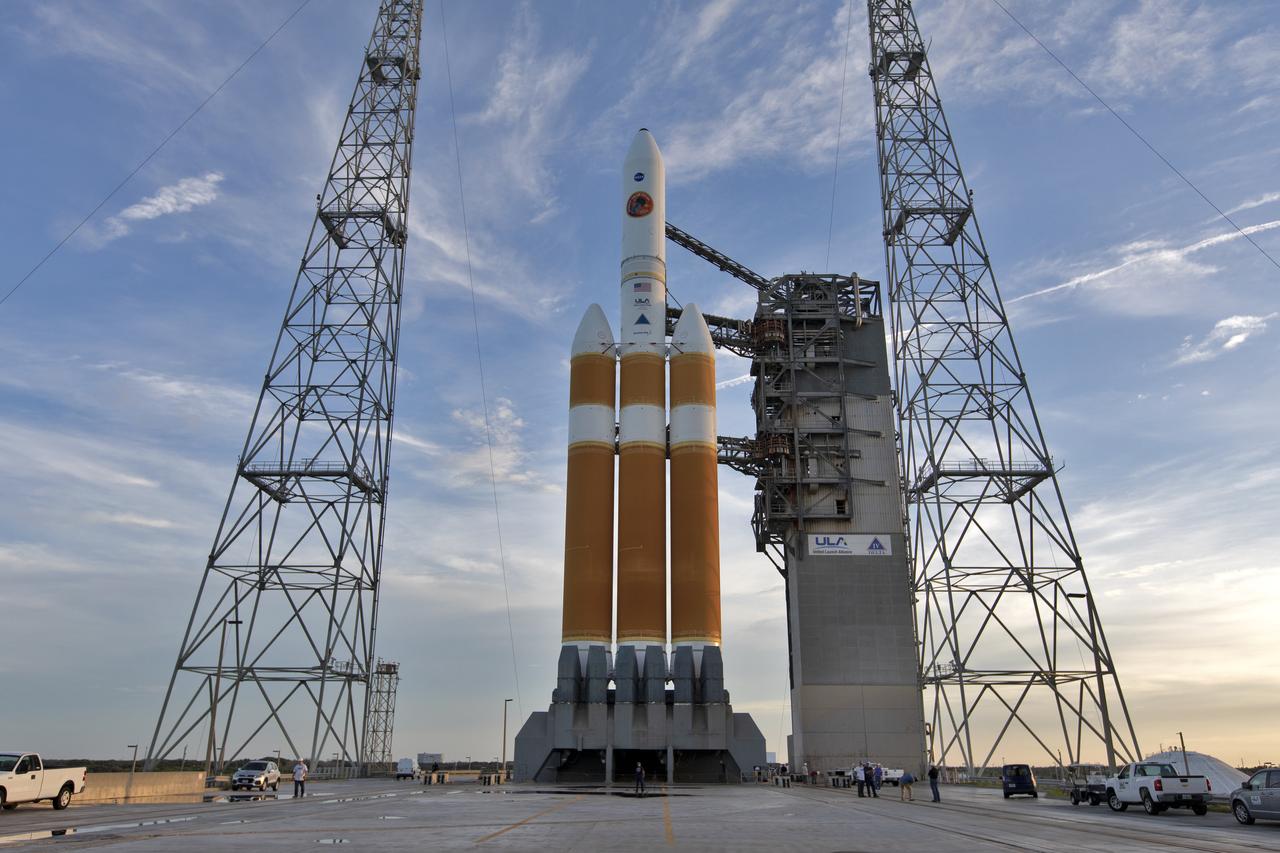
On Friday, Aug. 10, 2018, at Cape Canaveral Air Force Station in Florida, the United Launch Alliance Delta IV Heavy rocket stands ready to boost NASA's Parker Solar Probe on a mission to study the Sun following rollback of the Mobile Service Tower gantry at Space Launch Complex 37. Parker Solar Probe will perform the closest-ever observations of a star when it travels through the Sun's atmosphere, called the corona. The probe will rely on measurements and imaging to revolutionize our understanding of the corona and the Sun-Earth connection.
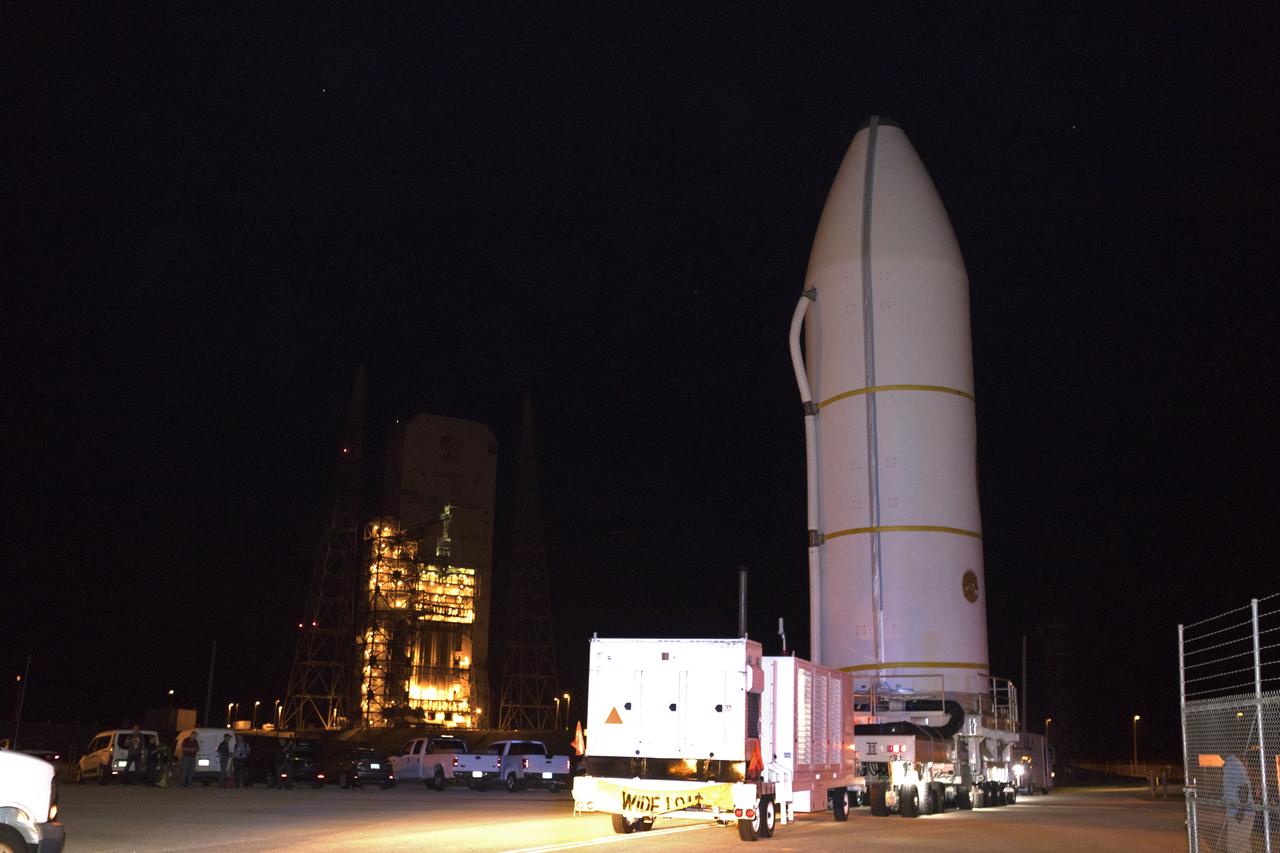
On Monday, July 30, 2018 NASA's Parker Solar Probe, encapsulated in its payload fairing, arrives at Space Launch Complex 37 at Cape Canaveral Air Force Station where it will be mated atop a United Launch Alliance Delta IV Heavy rocket. The mission will perform the closest-ever observations of a star when it travels through the Sun's atmosphere, called the corona. The probe will rely on measurements and imaging to revolutionize our understanding of the corona and the Sun-Earth connection.
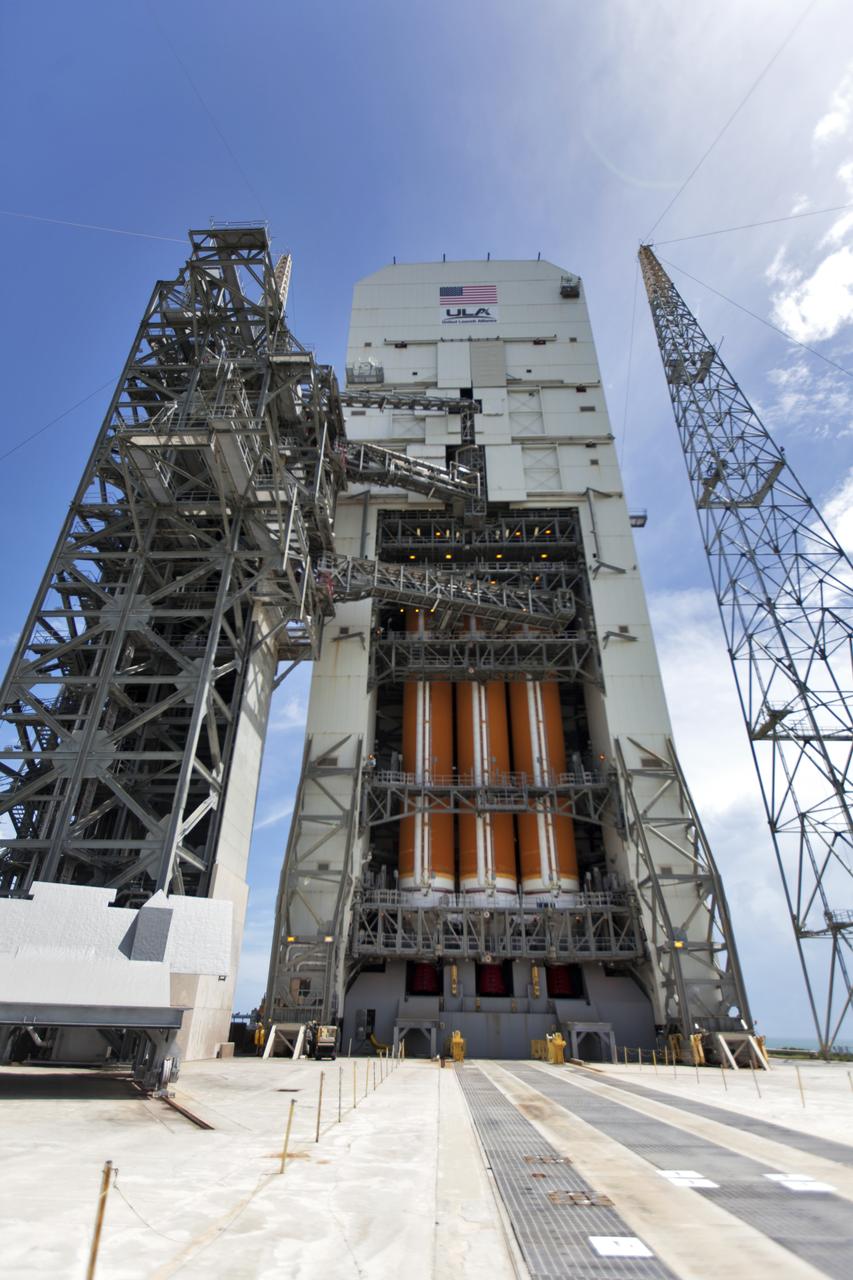
Encapsulated in its payload fairing, NASA's Parker Solar Probe has been mated to a United Launch Alliance Delta IV Heavy rocket at Cape Canaveral Air Force Station's Space Launch Complex 37 on Tuesday, July 31, 2018. The Parker Solar Probe is being prepared for a mission to perform the closest-ever observations of a star when it travels through the Sun's atmosphere, called the corona. The probe will rely on measurements and imaging to revolutionize our understanding of the corona and the Sun-Earth connection.
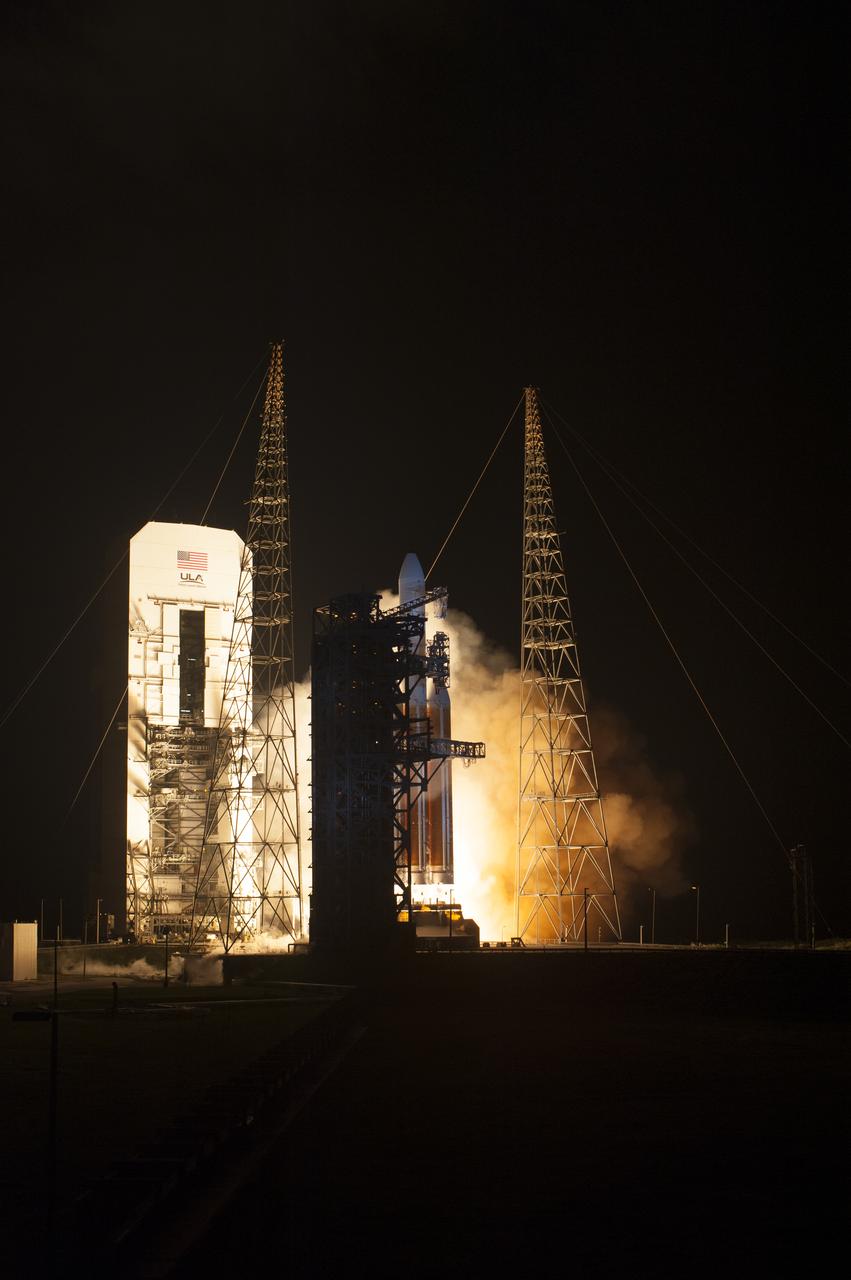
At Cape Canaveral Air Force Station's Space Launch Complex 37, the United Launch Alliance Delta IV Heavy rocket with NASA's Parker Solar Probe, lifts off at 3:31 a.m. EDT on Sunday, Aug. 12, 2018. The spacecraft was built by Applied Physics Laboratory of Johns Hopkins University in Laurel, Maryland. The mission will perform the closest-ever observations of a star when it travels through the Sun's atmosphere, called the corona. The probe will rely on measurements and imaging to revolutionize our understanding of the corona and the Sun-Earth connection.
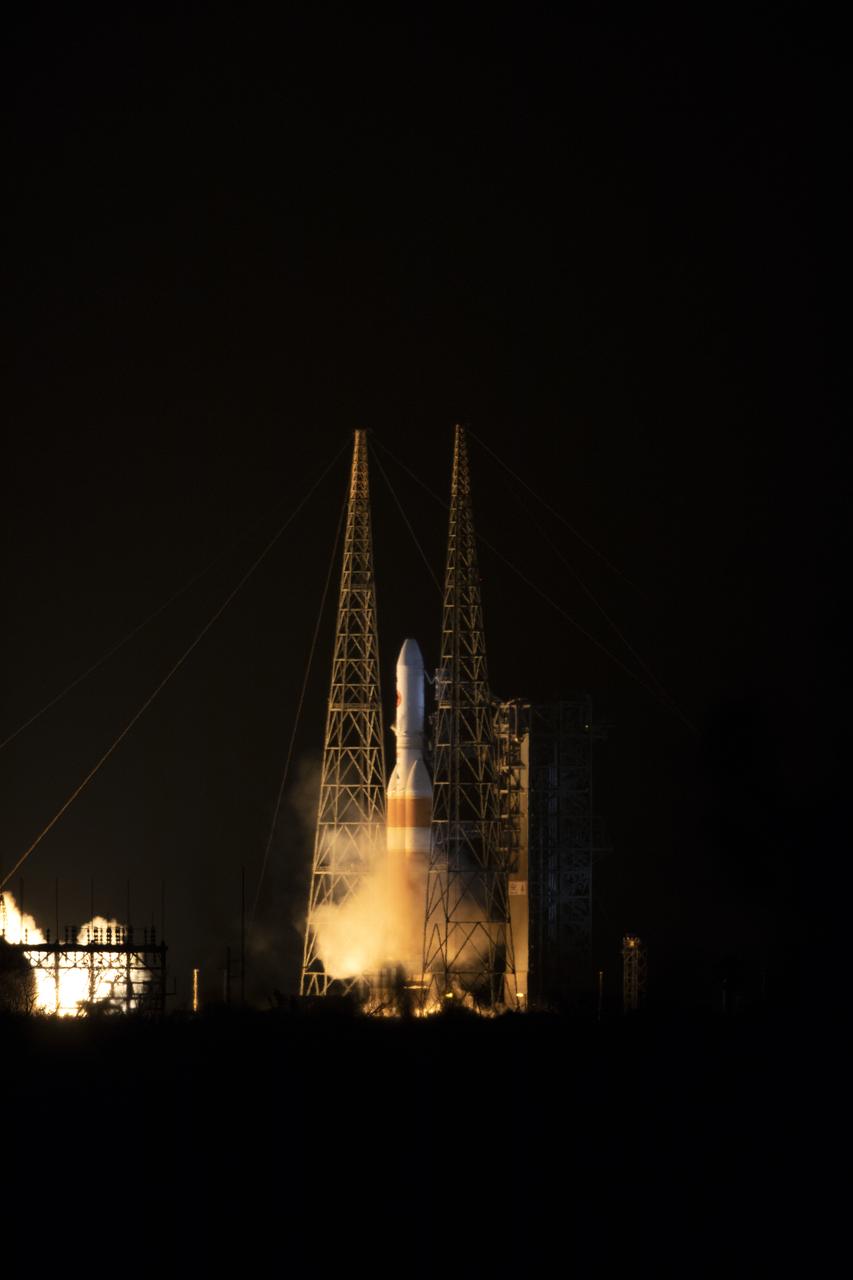
At Cape Canaveral Air Force Station's Space Launch Complex 37, the Delta IV Heavy rocket with NASA's Parker Solar Probe, lifts off at 3:31 a.m. EDT on Sunday, Aug. 12, 2018. The spacecraft was built by Applied Physics Laboratory of Johns Hopkins University in Laurel, Maryland. The mission will perform the closest-ever observations of a star when it travels through the Sun's atmosphere, called the corona. The probe will rely on measurements and imaging to revolutionize our understanding of the corona and the Sun-Earth connection.
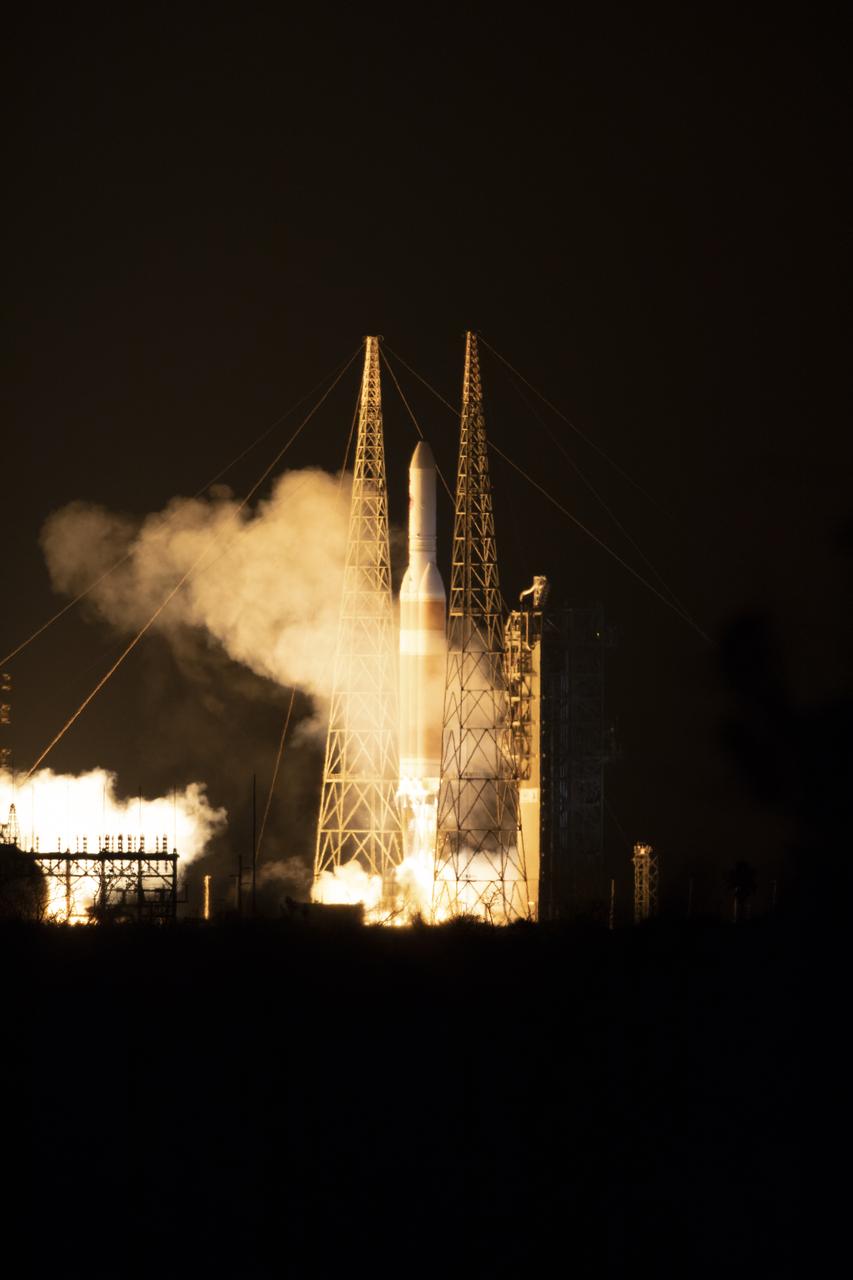
At Cape Canaveral Air Force Station's Space Launch Complex 37, the Delta IV Heavy rocket with NASA's Parker Solar Probe, lifts off at 3:31 a.m. EDT on Sunday, Aug. 12, 2018. The spacecraft was built by Applied Physics Laboratory of Johns Hopkins University in Laurel, Maryland. The mission will perform the closest-ever observations of a star when it travels through the Sun's atmosphere, called the corona. The probe will rely on measurements and imaging to revolutionize our understanding of the corona and the Sun-Earth connection.
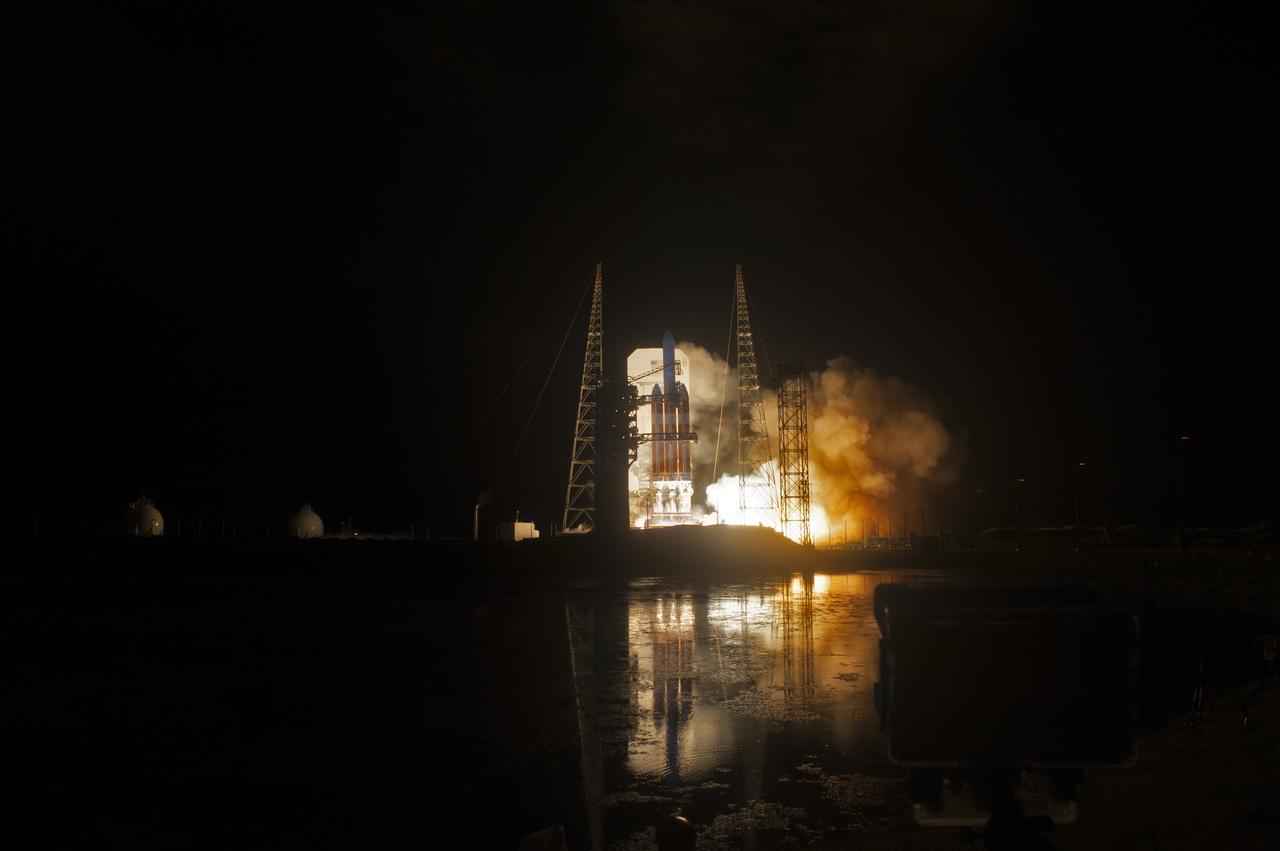
At Cape Canaveral Air Force Station's Space Launch Complex 37, the United Launch Alliance Delta IV Heavy rocket with NASA's Parker Solar Probe, lifts off at 3:31 a.m. EDT on Sunday, Aug. 12, 2018. The spacecraft was built by Applied Physics Laboratory of Johns Hopkins University in Laurel, Maryland. The mission will perform the closest-ever observations of a star when it travels through the Sun's atmosphere, called the corona. The probe will rely on measurements and imaging to revolutionize our understanding of the corona and the Sun-Earth connection.
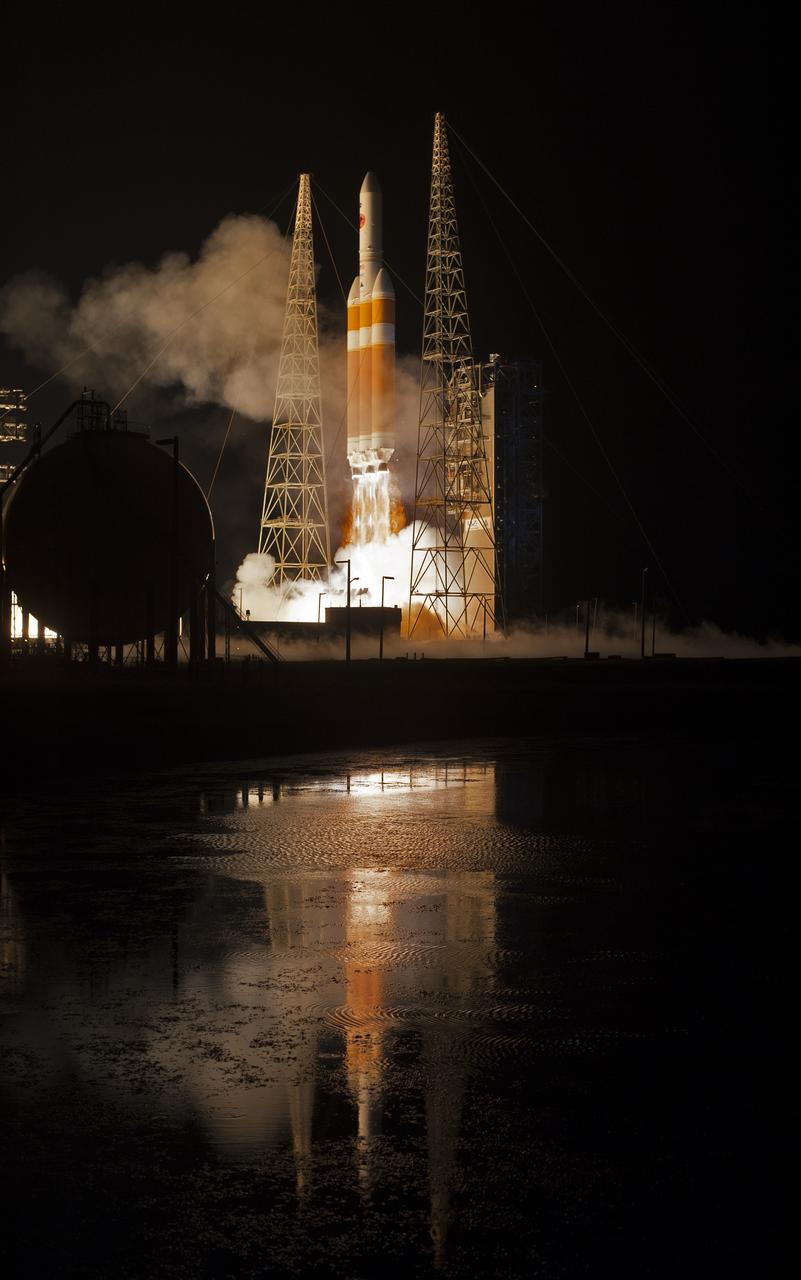
At Cape Canaveral Air Force Station’s Space Launch Complex 37, the United Launch Alliance Delta IV Heavy rocket with NASA's Parker Solar Probe, lifts off at 3:31 a.m. EDT on Sunday, Aug. 12, 2018. The spacecraft was built by Applied Physics Laboratory of Johns Hopkins University in Laurel, Maryland. The mission will perform the closest-ever observations of a star when it travels through the Sun's atmosphere, called the corona. The probe will rely on measurements and imaging to revolutionize our understanding of the corona and the Sun-Earth connection.
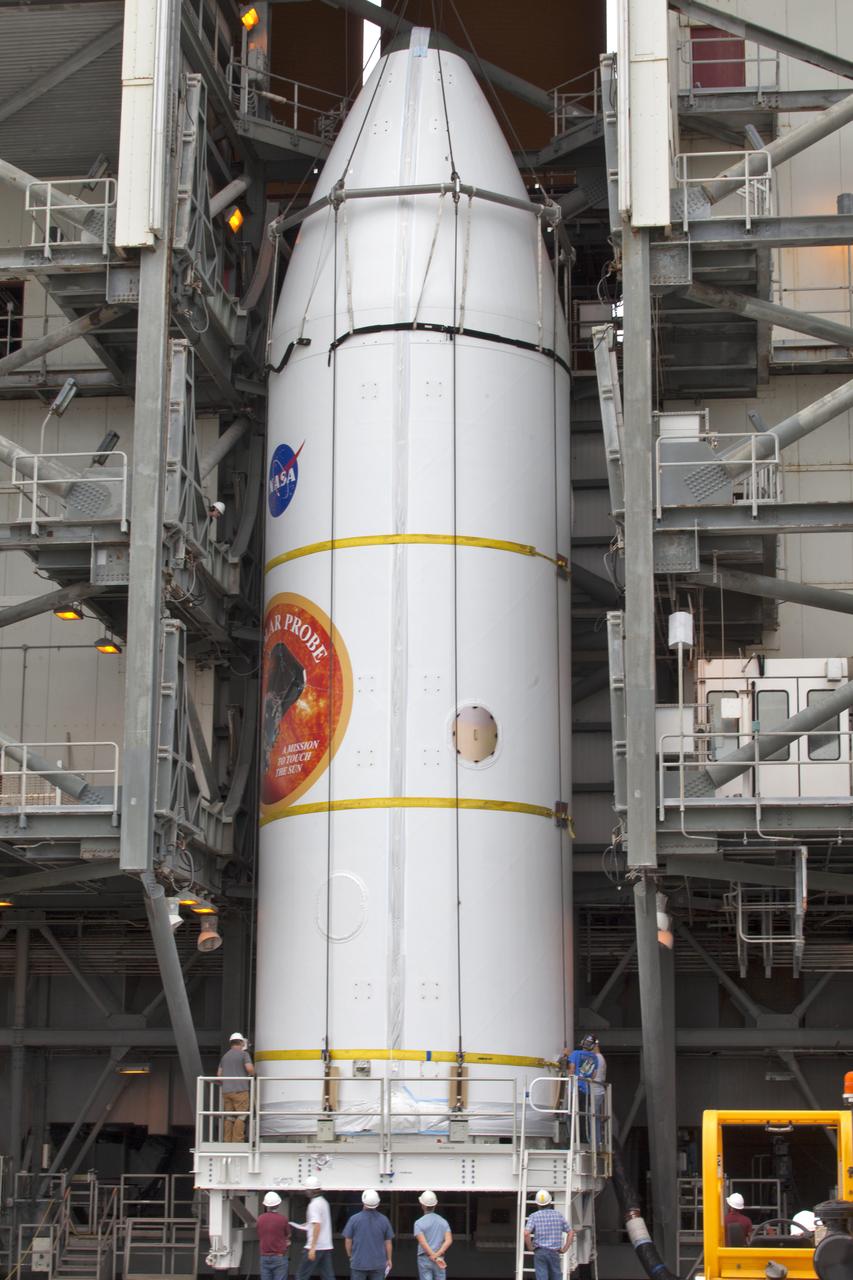
Encapsulated in its payload fairing, NASA's Parker Solar Probe is prepared to be lifted for mating to a United Launch Alliance Delta IV Heavy rocket at Cape Canaveral Air Force Station's Space Launch Complex 37 on Tuesday, July 31, 2018. The Parker Solar Probe is being prepared for a mission to perform the closest-ever observations of a star when it travels through the Sun's atmosphere, called the corona. The probe will rely on measurements and imaging to revolutionize our understanding of the corona and the Sun-Earth connection.
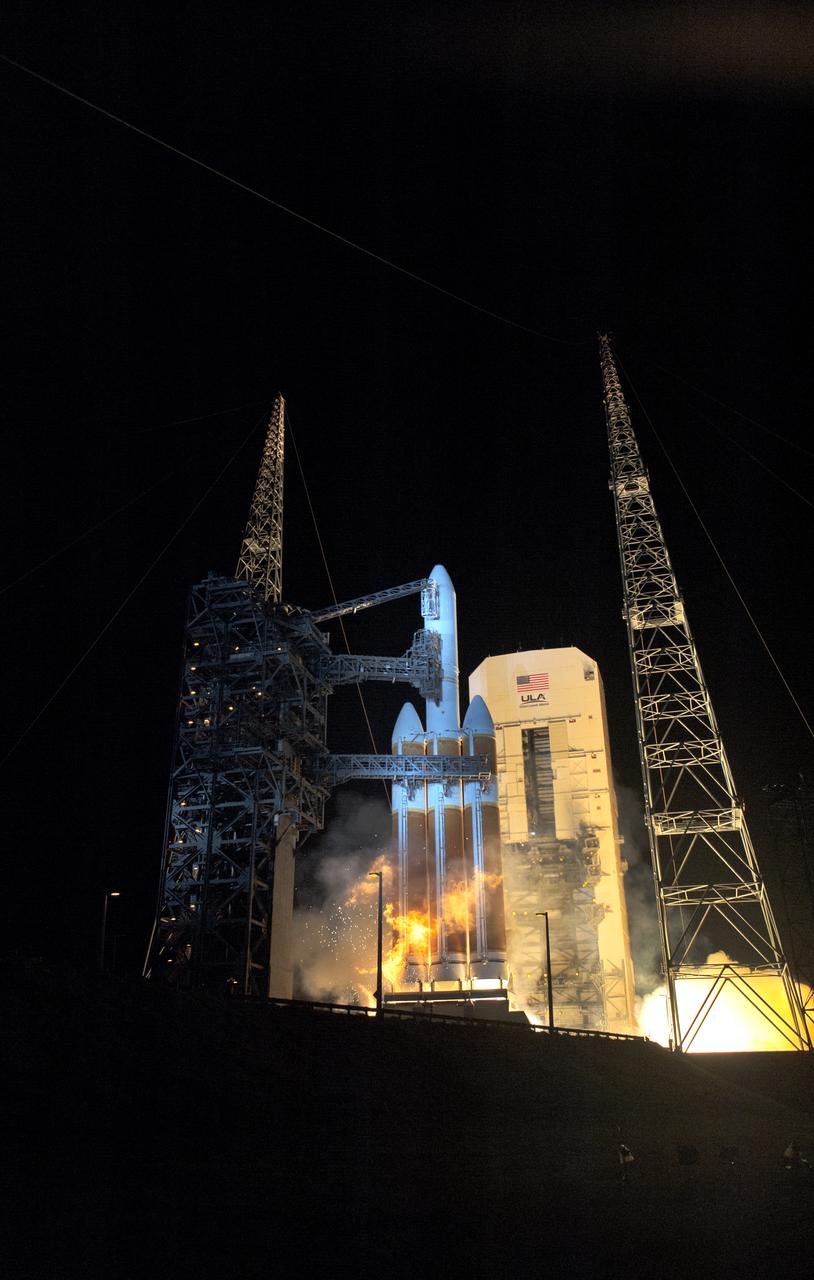
At Cape Canaveral Air Force Station's Space Launch Complex 37, the United Launch Alliance Delta IV Heavy rocket with NASA's Parker Solar Probe, lifts off at 3:31 a.m. EDT on Sunday, Aug. 12, 2018. The spacecraft was built by Applied Physics Laboratory of Johns Hopkins University in Laurel, Maryland. The mission will perform the closest-ever observations of a star when it travels through the Sun's atmosphere, called the corona. The probe will rely on measurements and imaging to revolutionize our understanding of the corona and the Sun-Earth connection.

At Cape Canaveral Air Force Station’s Space Launch Complex 37, the United Launch Alliance Delta IV Heavy rocket with NASA's Parker Solar Probe, lifts off at 3:31 a.m. EDT on Sunday, Aug. 12, 2018. The spacecraft was built by Applied Physics Laboratory of Johns Hopkins University in Laurel, Maryland. The mission will perform the closest-ever observations of a star when it travels through the Sun's atmosphere, called the corona. The probe will rely on measurements and imaging to revolutionize our understanding of the corona and the Sun-Earth connection.
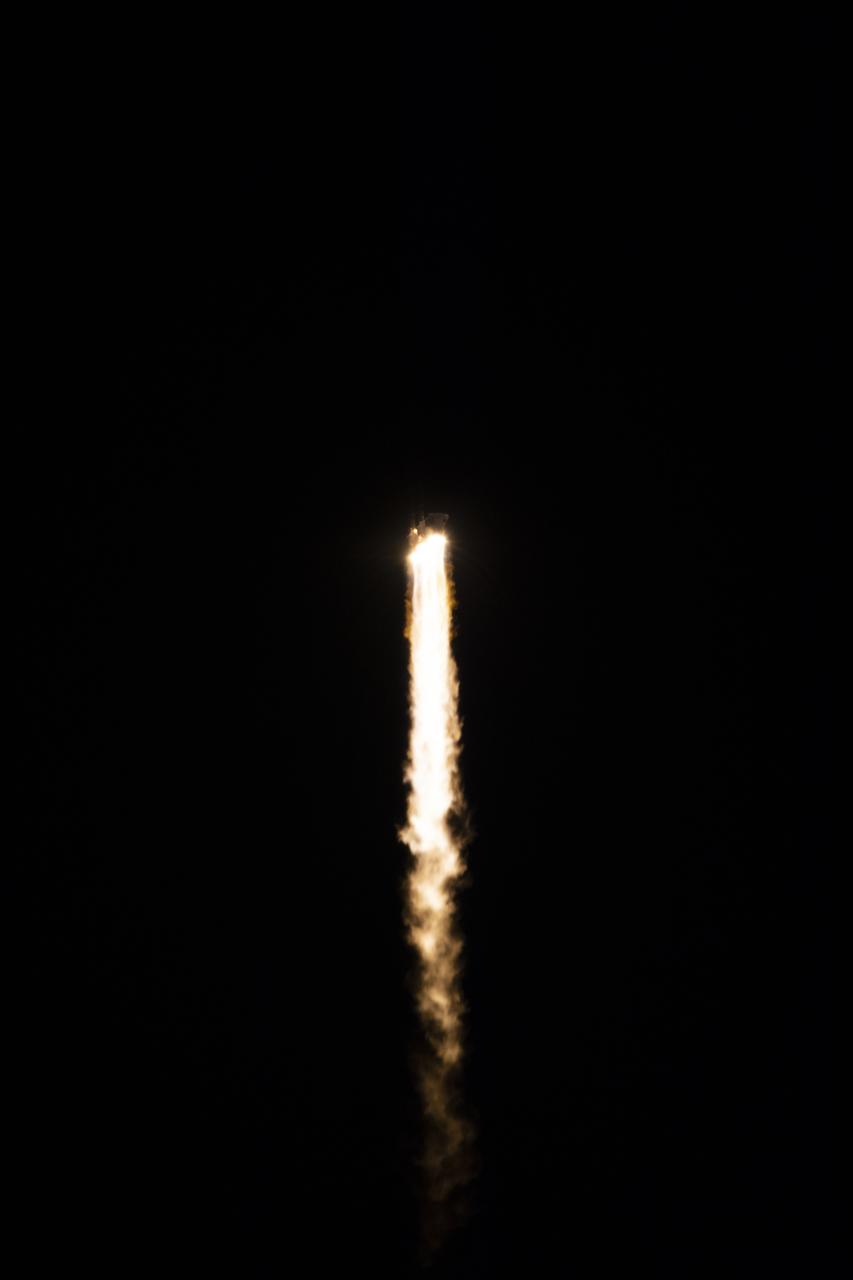
At Cape Canaveral Air Force Station's Space Launch Complex 37, the Delta IV Heavy rocket with NASA's Parker Solar Probe, lifts off at 3:31 a.m. EDT on Sunday, Aug. 12, 2018. The spacecraft was built by Applied Physics Laboratory of Johns Hopkins University in Laurel, Maryland. The mission will perform the closest-ever observations of a star when it travels through the Sun's atmosphere, called the corona. The probe will rely on measurements and imaging to revolutionize our understanding of the corona and the Sun-Earth connection.
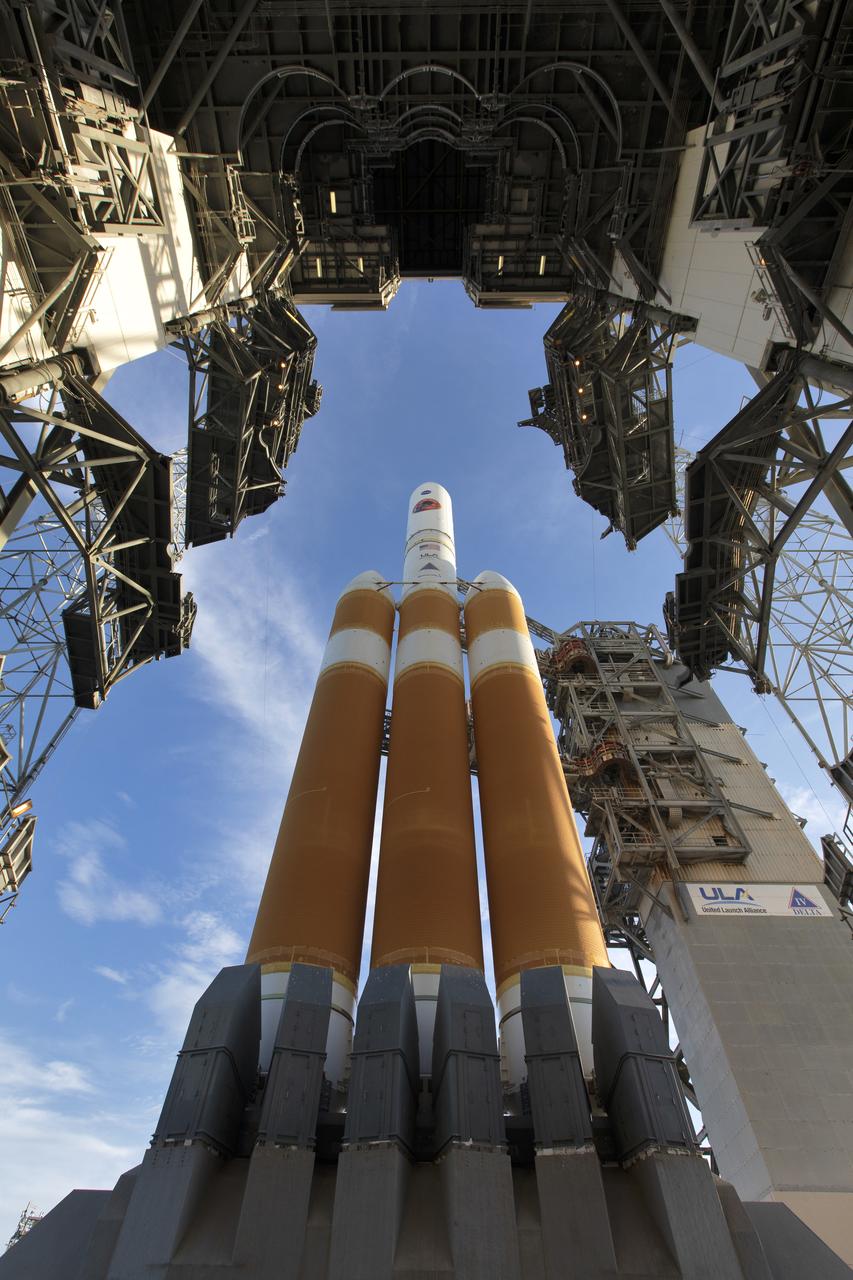
The United Launch Alliance Delta IV Heavy rocket that will launch NASA’s Parker Solar Probe on a mission to study to Sun is seen as the Mobile Service Tower gantry at Space Launch Complex 37 rolls back on Friday, Aug. 10, 2018, at Cape Canaveral Air Force Station in Florida. Parker Solar Probe will perform the closest-ever observations of a star when it travels through the Sun's atmosphere, called the corona. The probe will rely on measurements and imaging to revolutionize our understanding of the corona and the Sun-Earth connection.
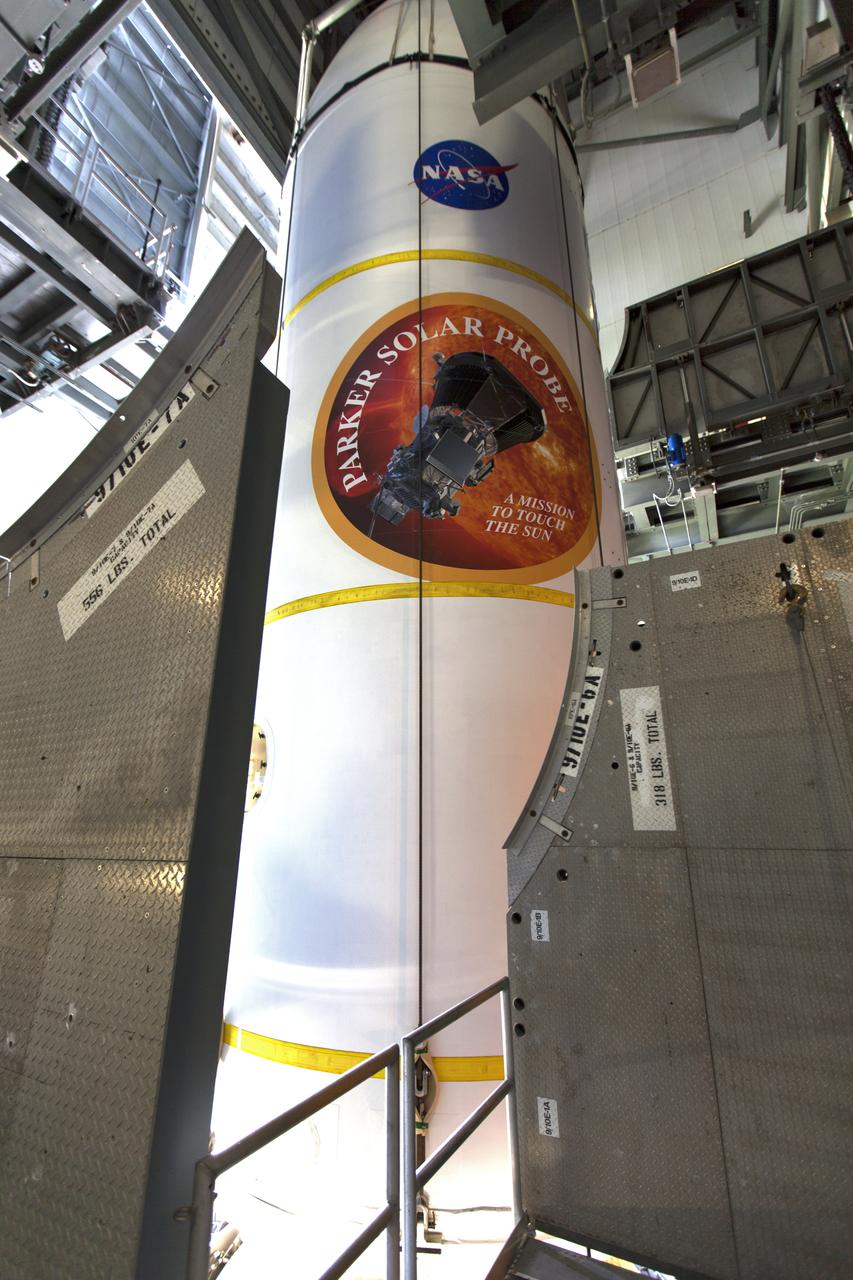
Encapsulated in its payload fairing, NASA's Parker Solar Probe is lifted by a crane for mating to a United Launch Alliance Delta IV Heavy rocket at Cape Canaveral Air Force Station's Space Launch Complex 37 on Tuesday, July 31, 2018. The Parker Solar Probe is being prepared for a mission to perform the closest-ever observations of a star when it travels through the Sun's atmosphere, called the corona. The probe will rely on measurements and imaging to revolutionize our understanding of the corona and the Sun-Earth connection.
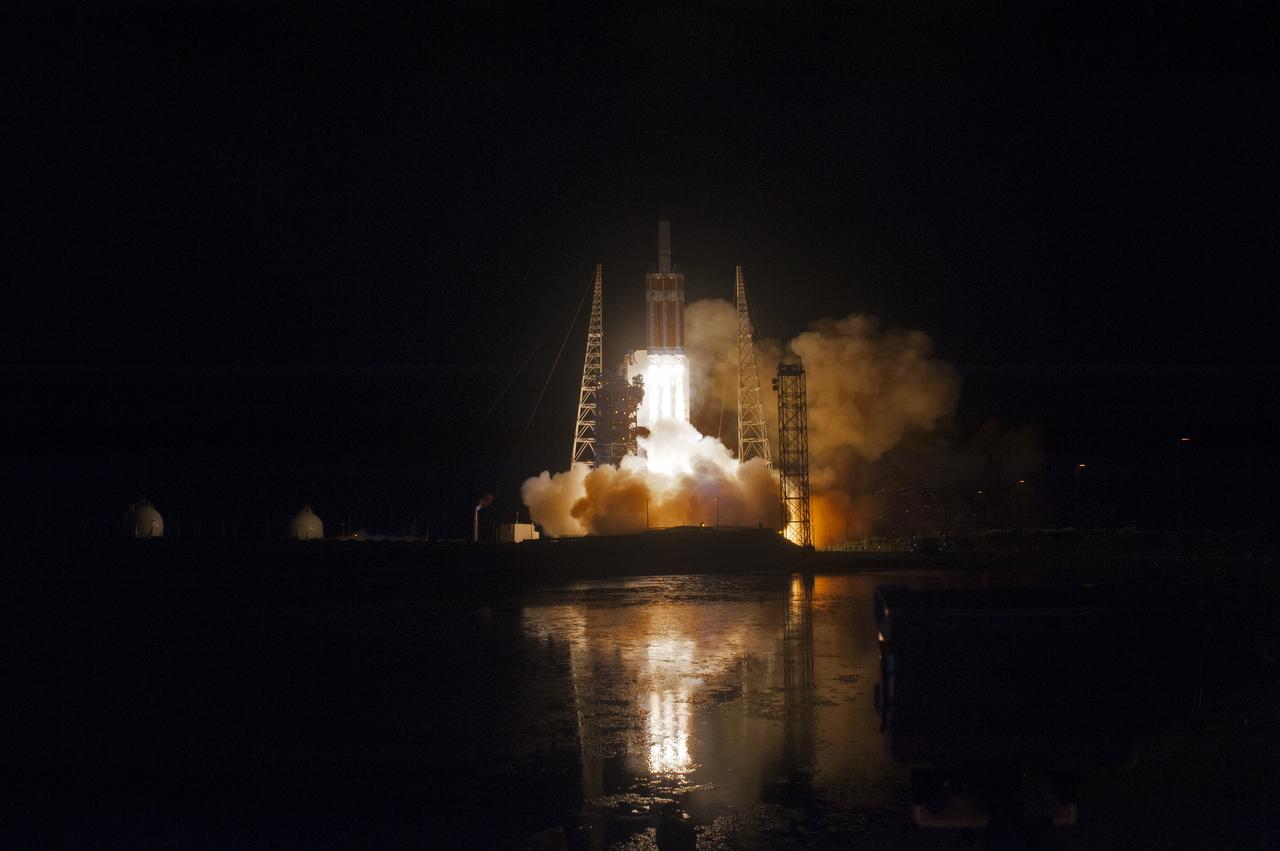
At Cape Canaveral Air Force Station's Space Launch Complex 37, the United Launch Alliance Delta IV Heavy rocket with NASA's Parker Solar Probe, lifts off at 3:31 a.m. EDT on Sunday, Aug. 12, 2018. The spacecraft was built by Applied Physics Laboratory of Johns Hopkins University in Laurel, Maryland. The mission will perform the closest-ever observations of a star when it travels through the Sun's atmosphere, called the corona. The probe will rely on measurements and imaging to revolutionize our understanding of the corona and the Sun-Earth connection.
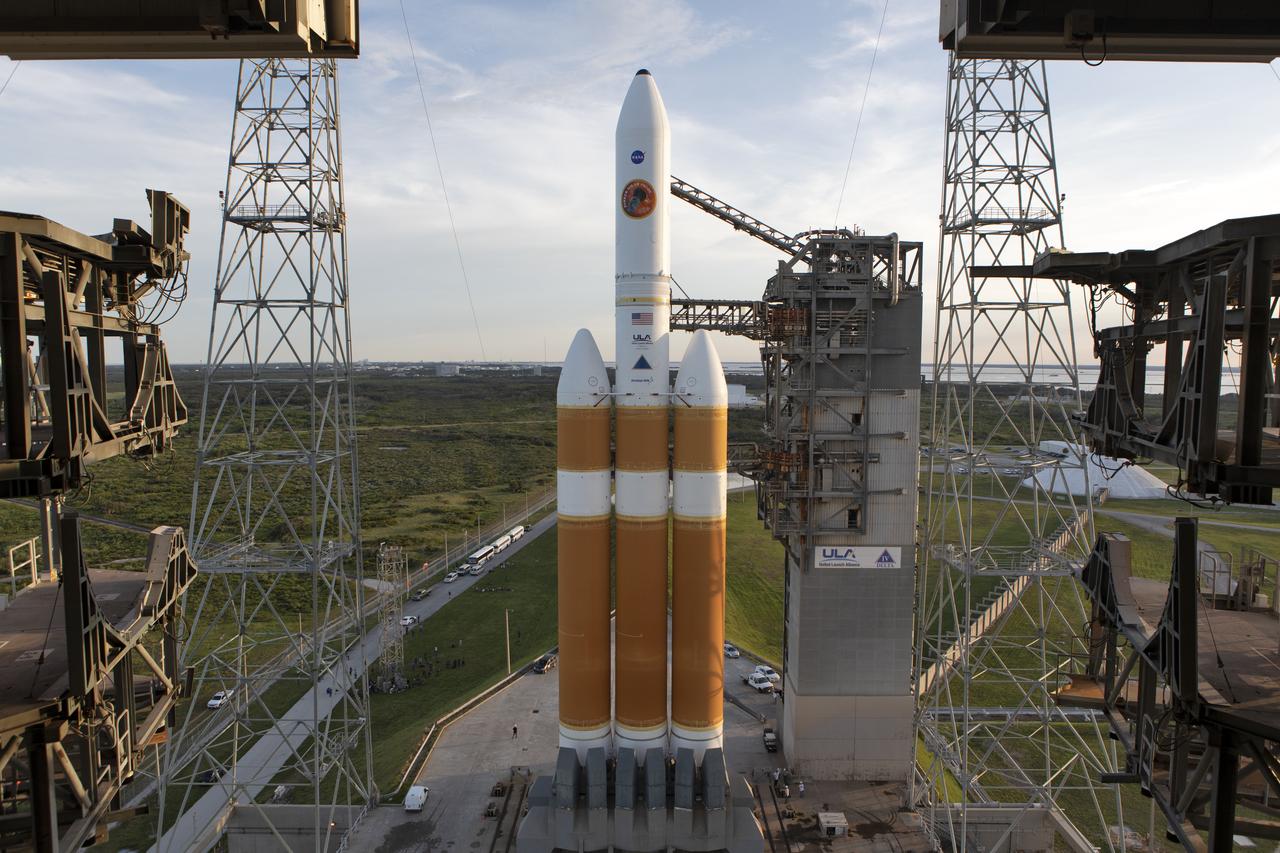
The United Launch Alliance Delta IV Heavy rocket that will launch NASA’s Parker Solar Probe on a mission to study to Sun is seen as the Mobile Service Tower gantry at Space Launch Complex 37 rolls back on Friday, Aug. 10, 2018, at Cape Canaveral Air Force Station in Florida. Parker Solar Probe will perform the closest-ever observations of a star when it travels through the Sun's atmosphere, called the corona. The probe will rely on measurements and imaging to revolutionize our understanding of the corona and the Sun-Earth connection.
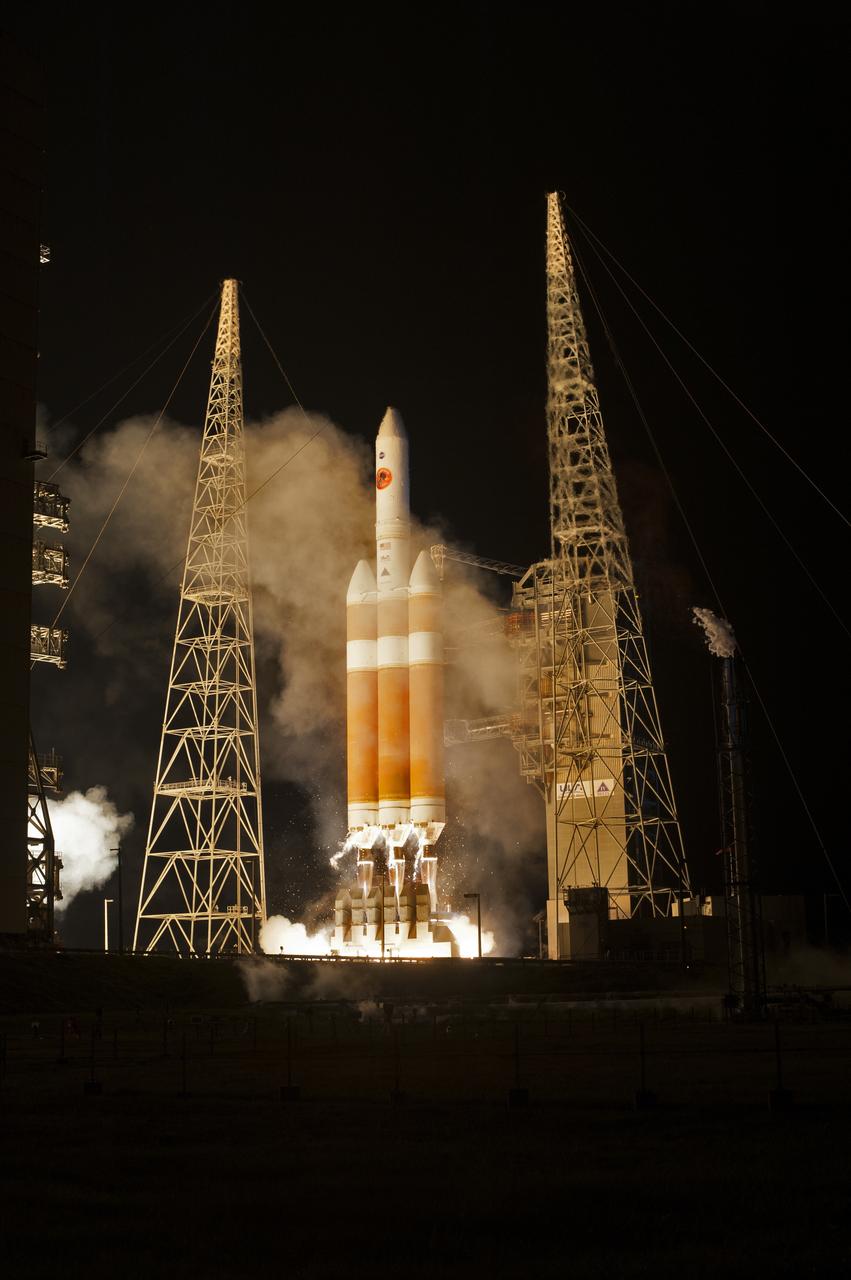
At Cape Canaveral Air Force Station’s Space Launch Complex 37, the United Launch Alliance Delta IV Heavy rocket with NASA's Parker Solar Probe, lifts off at 3:31 a.m. EDT on Sunday, Aug. 12, 2018. The spacecraft was built by Applied Physics Laboratory of Johns Hopkins University in Laurel, Maryland. The mission will perform the closest-ever observations of a star when it travels through the Sun's atmosphere, called the corona. The probe will rely on measurements and imaging to revolutionize our understanding of the corona and the Sun-Earth connection.
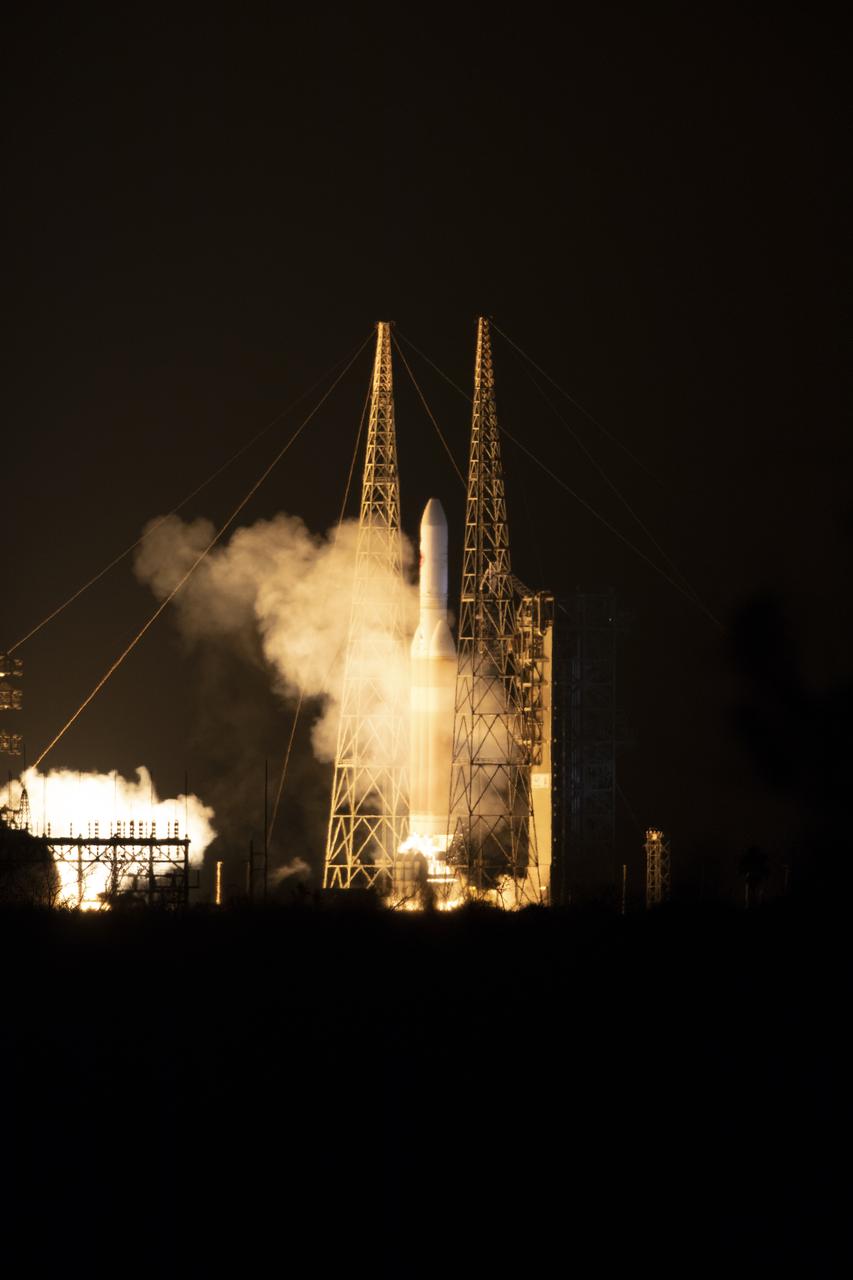
At Cape Canaveral Air Force Station's Space Launch Complex 37, the Delta IV Heavy rocket with NASA's Parker Solar Probe, lifts off at 3:31 a.m. EDT on Sunday, Aug. 12, 2018. The spacecraft was built by Applied Physics Laboratory of Johns Hopkins University in Laurel, Maryland. The mission will perform the closest-ever observations of a star when it travels through the Sun's atmosphere, called the corona. The probe will rely on measurements and imaging to revolutionize our understanding of the corona and the Sun-Earth connection.
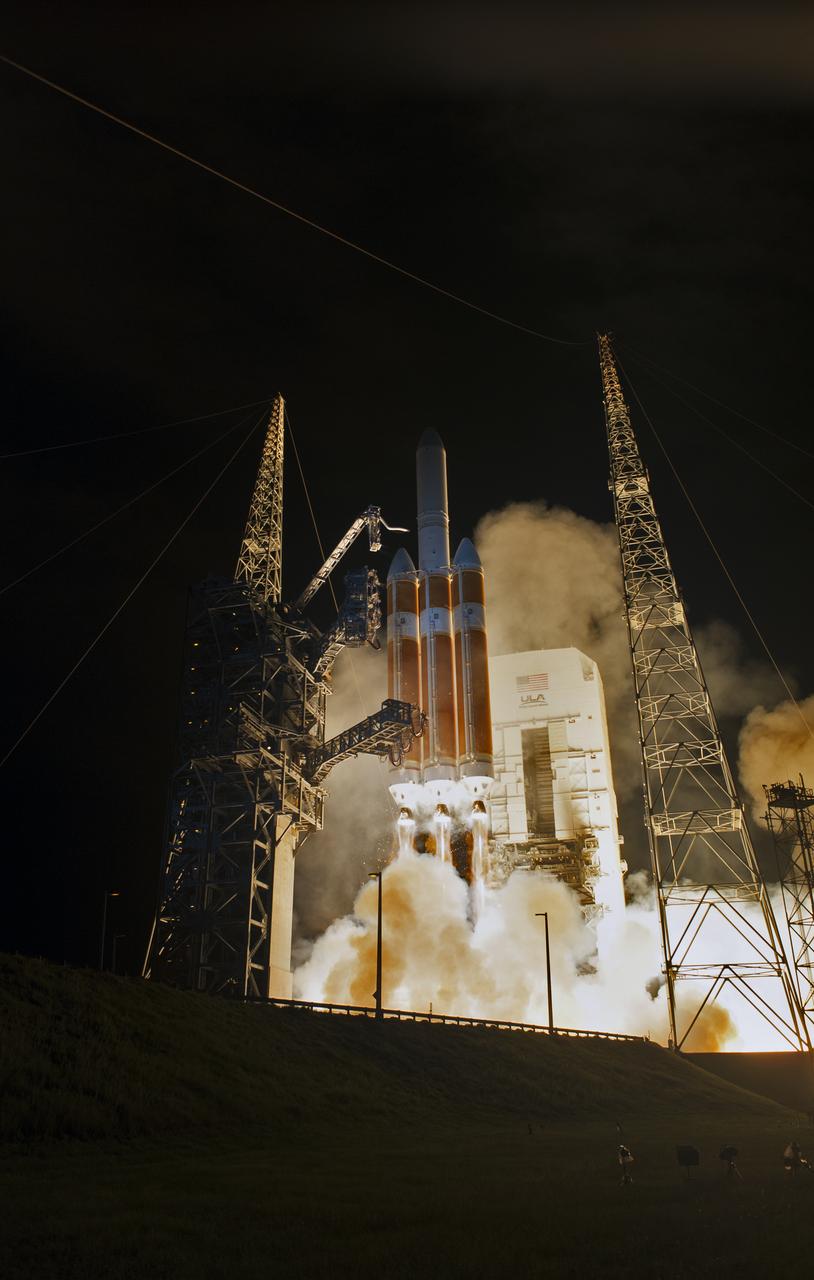
At Cape Canaveral Air Force Station's Space Launch Complex 37, the United Launch Alliance Delta IV Heavy rocket with NASA's Parker Solar Probe, lifts off at 3:31 a.m. EDT on Sunday, Aug. 12, 2018. The spacecraft was built by Applied Physics Laboratory of Johns Hopkins University in Laurel, Maryland. The mission will perform the closest-ever observations of a star when it travels through the Sun's atmosphere, called the corona. The probe will rely on measurements and imaging to revolutionize our understanding of the corona and the Sun-Earth connection.
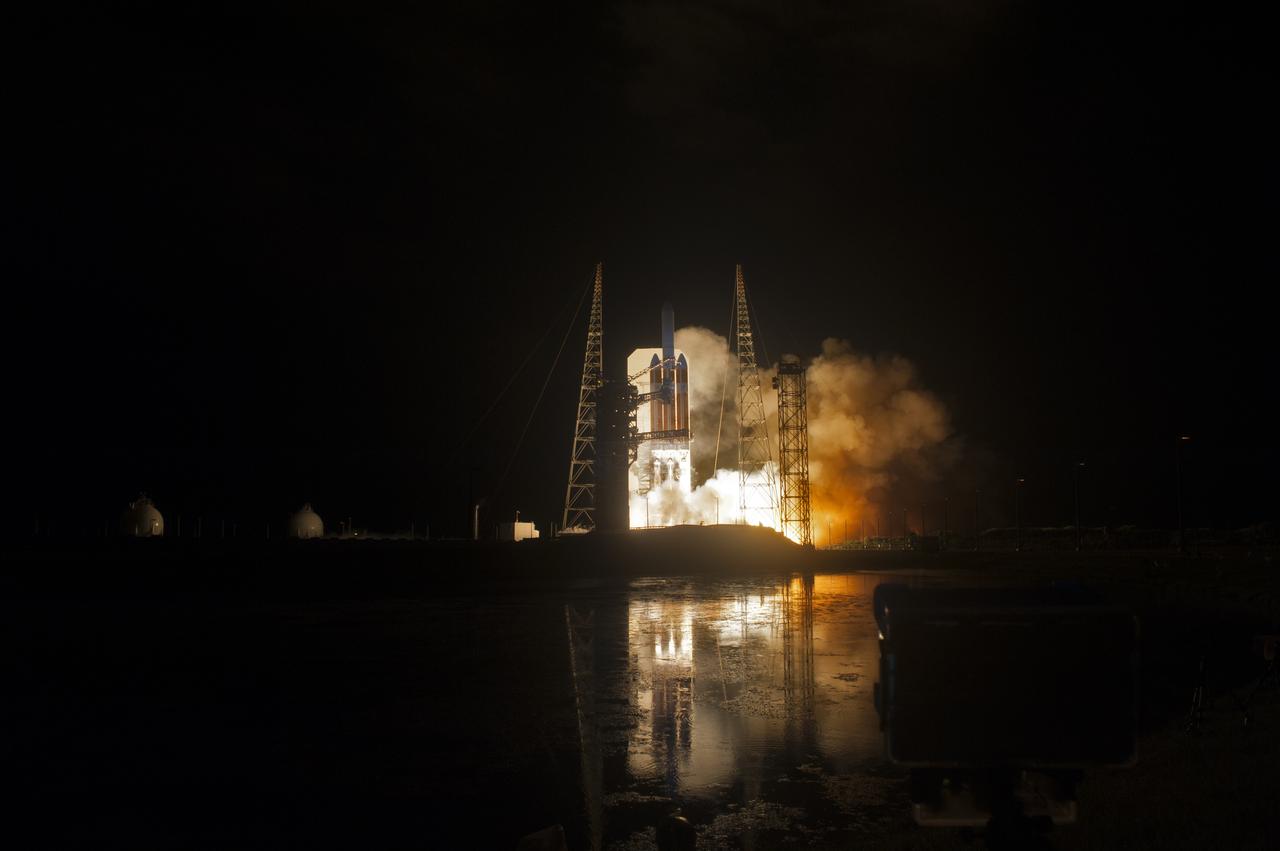
At Cape Canaveral Air Force Station's Space Launch Complex 37, the United Launch Alliance Delta IV Heavy rocket with NASA's Parker Solar Probe, lifts off at 3:31 a.m. EDT on Sunday, Aug. 12, 2018. The spacecraft was built by Applied Physics Laboratory of Johns Hopkins University in Laurel, Maryland. The mission will perform the closest-ever observations of a star when it travels through the Sun's atmosphere, called the corona. The probe will rely on measurements and imaging to revolutionize our understanding of the corona and the Sun-Earth connection.
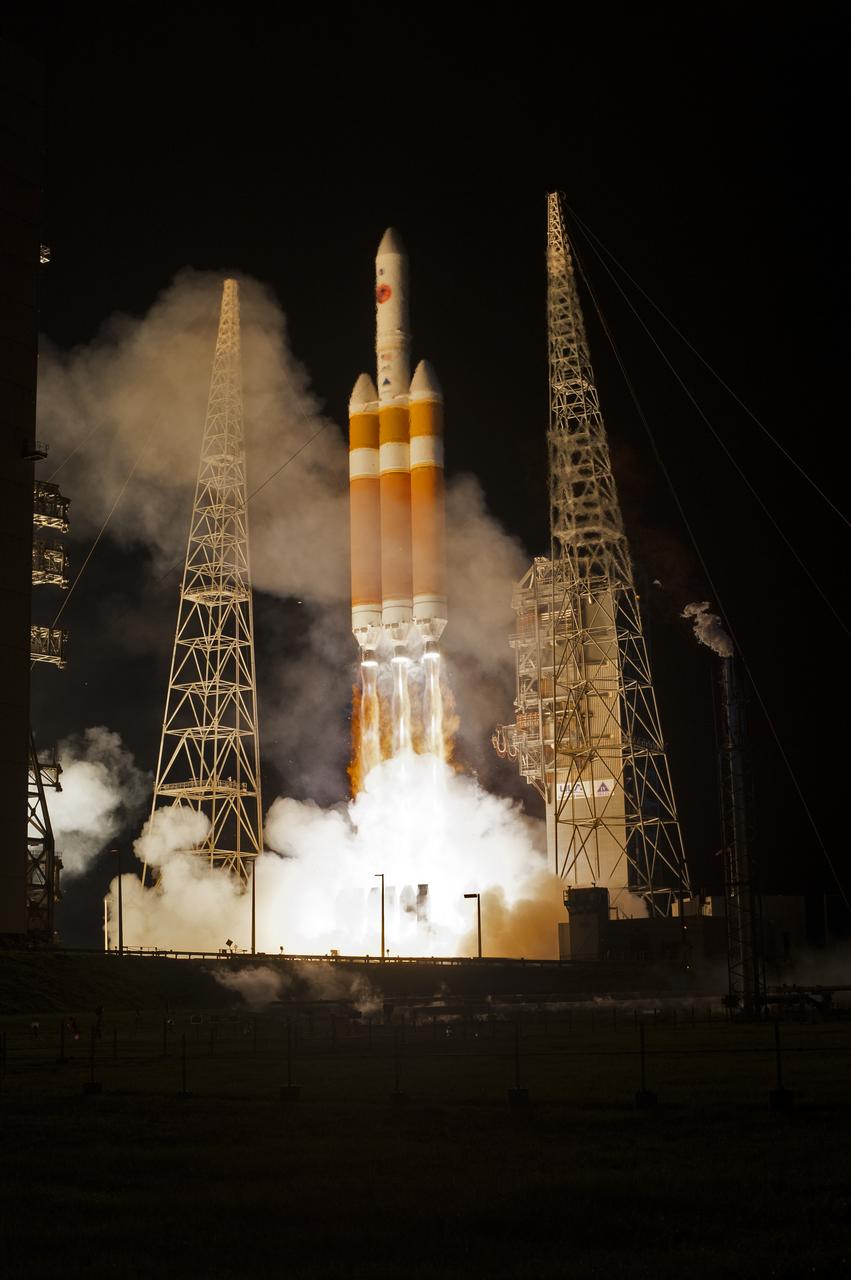
At Cape Canaveral Air Force Station’s Space Launch Complex 37, the United Launch Alliance Delta IV Heavy rocket with NASA's Parker Solar Probe, lifts off at 3:31 a.m. EDT on Sunday, Aug. 12, 2018. The spacecraft was built by Applied Physics Laboratory of Johns Hopkins University in Laurel, Maryland. The mission will perform the closest-ever observations of a star when it travels through the Sun's atmosphere, called the corona. The probe will rely on measurements and imaging to revolutionize our understanding of the corona and the Sun-Earth connection.
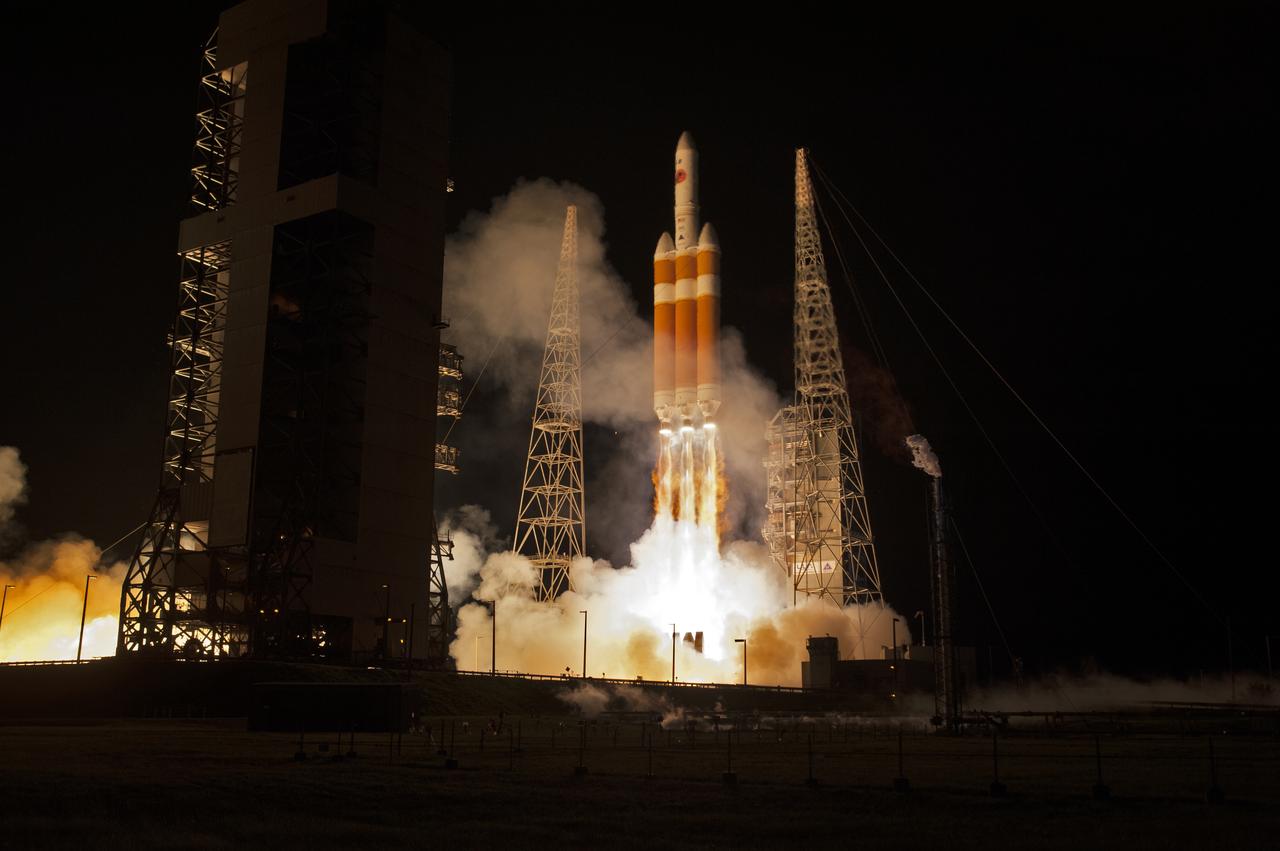
At Cape Canaveral Air Force Station’s Space Launch Complex 37, the United Launch Alliance Delta IV Heavy rocket with NASA's Parker Solar Probe, lifts off at 3:31 a.m. EDT on Sunday, Aug. 12, 2018. The spacecraft was built by Applied Physics Laboratory of Johns Hopkins University in Laurel, Maryland. The mission will perform the closest-ever observations of a star when it travels through the Sun's atmosphere, called the corona. The probe will rely on measurements and imaging to revolutionize our understanding of the corona and the Sun-Earth connection.

At Cape Canaveral Air Force Station's Space Launch Complex 37, the United Launch Alliance Delta IV Heavy rocket with NASA's Parker Solar Probe, lifts off at 3:31 a.m. EDT on Sunday, Aug. 12, 2018. The spacecraft was built by Applied Physics Laboratory of Johns Hopkins University in Laurel, Maryland. The mission will perform the closest-ever observations of a star when it travels through the Sun's atmosphere, called the corona. The probe will rely on measurements and imaging to revolutionize our understanding of the corona and the Sun-Earth connection.

At Cape Canaveral Air Force Station’s Space Launch Complex 37, the United Launch Alliance Delta IV Heavy rocket with NASA's Parker Solar Probe, lifts off at 3:31 a.m. EDT on Sunday, Aug. 12, 2018. The spacecraft was built by Applied Physics Laboratory of Johns Hopkins University in Laurel, Maryland. The mission will perform the closest-ever observations of a star when it travels through the Sun's atmosphere, called the corona. The probe will rely on measurements and imaging to revolutionize our understanding of the corona and the Sun-Earth connection.
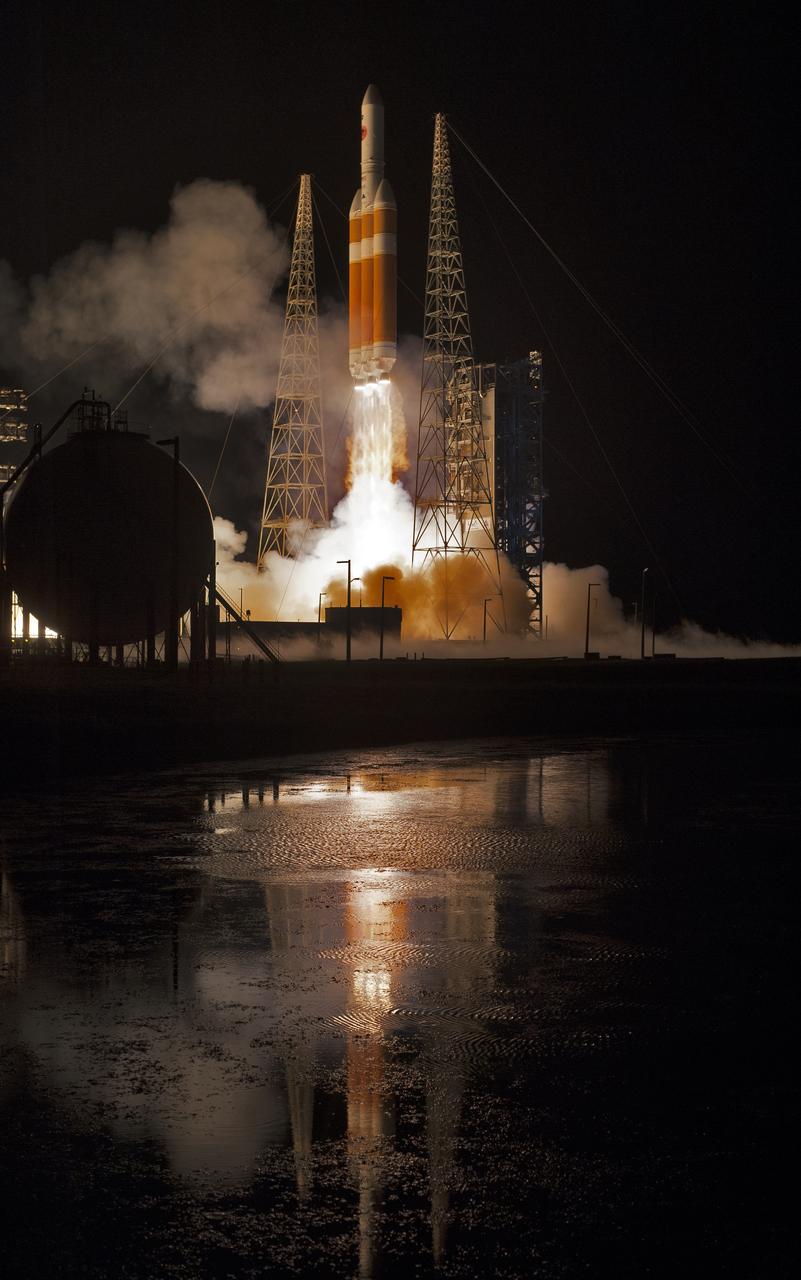
At Cape Canaveral Air Force Station’s Space Launch Complex 37, the United Launch Alliance Delta IV Heavy rocket with NASA's Parker Solar Probe, lifts off at 3:31 a.m. EDT on Sunday, Aug. 12, 2018. The spacecraft was built by Applied Physics Laboratory of Johns Hopkins University in Laurel, Maryland. The mission will perform the closest-ever observations of a star when it travels through the Sun's atmosphere, called the corona. The probe will rely on measurements and imaging to revolutionize our understanding of the corona and the Sun-Earth connection.
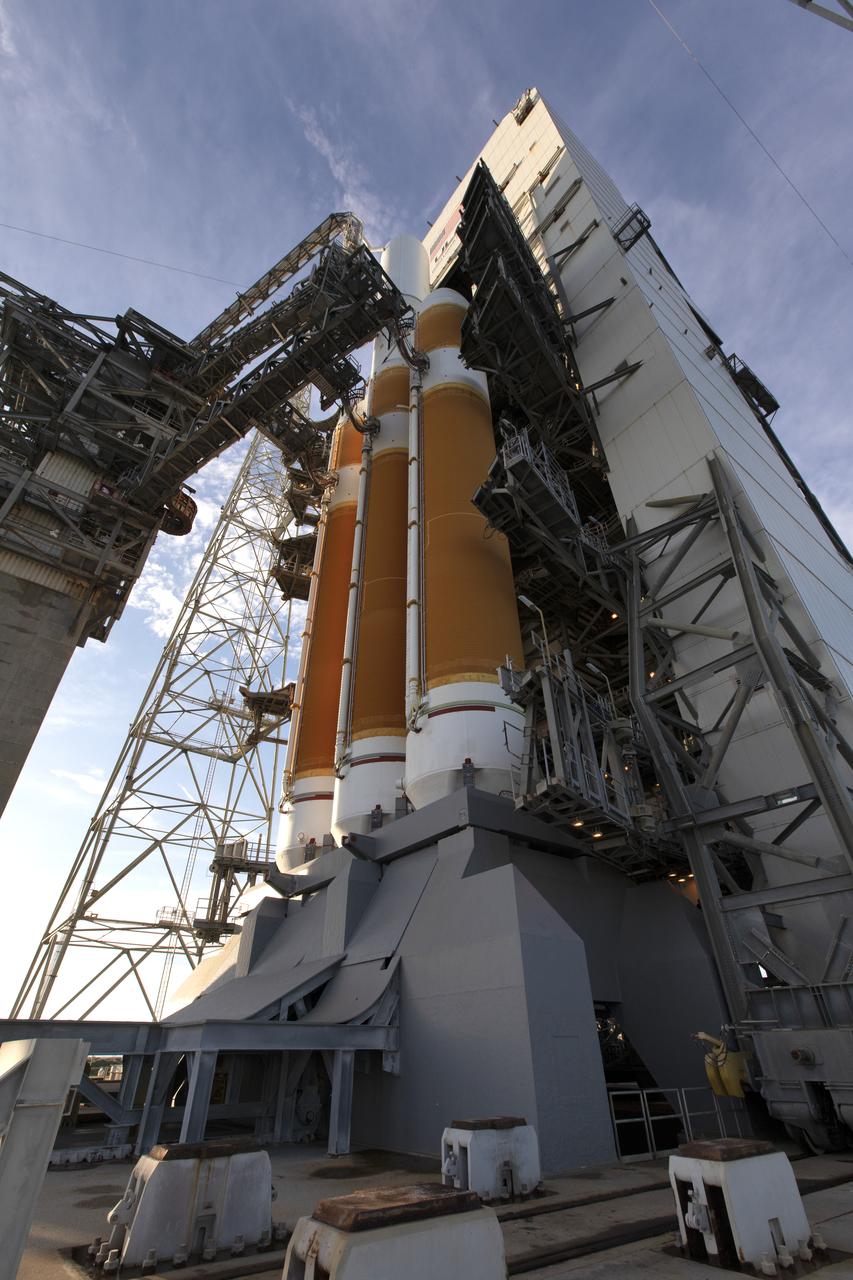
On Friday, Aug. 10, 2018, at Cape Canaveral Air Force Station in Florida, the Mobile Service Tower gantry at Space Launch Complex 37 rolls away from the United Launch Alliance Delta IV Heavy rocket waiting to boost NASA's Parker Solar Probe on a mission to study the Sun. Parker Solar Probe will perform the closest-ever observations of a star when it travels through the Sun's atmosphere, called the corona. The probe will rely on measurements and imaging to revolutionize our understanding of the corona and the Sun-Earth connection.
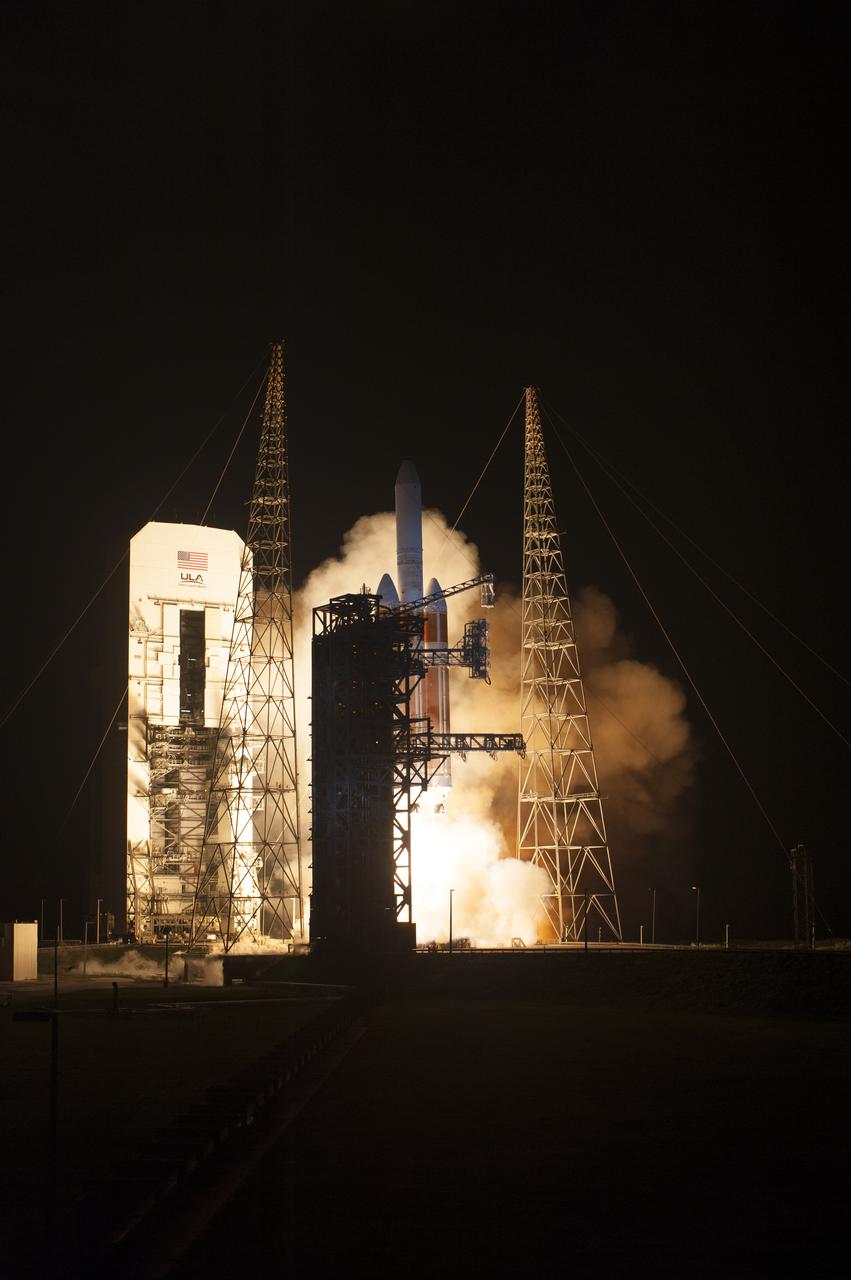
At Cape Canaveral Air Force Station's Space Launch Complex 37, the United Launch Alliance Delta IV Heavy rocket with NASA's Parker Solar Probe, lifts off at 3:31 a.m. EDT on Sunday, Aug. 12, 2018. The spacecraft was built by Applied Physics Laboratory of Johns Hopkins University in Laurel, Maryland. The mission will perform the closest-ever observations of a star when it travels through the Sun's atmosphere, called the corona. The probe will rely on measurements and imaging to revolutionize our understanding of the corona and the Sun-Earth connection.
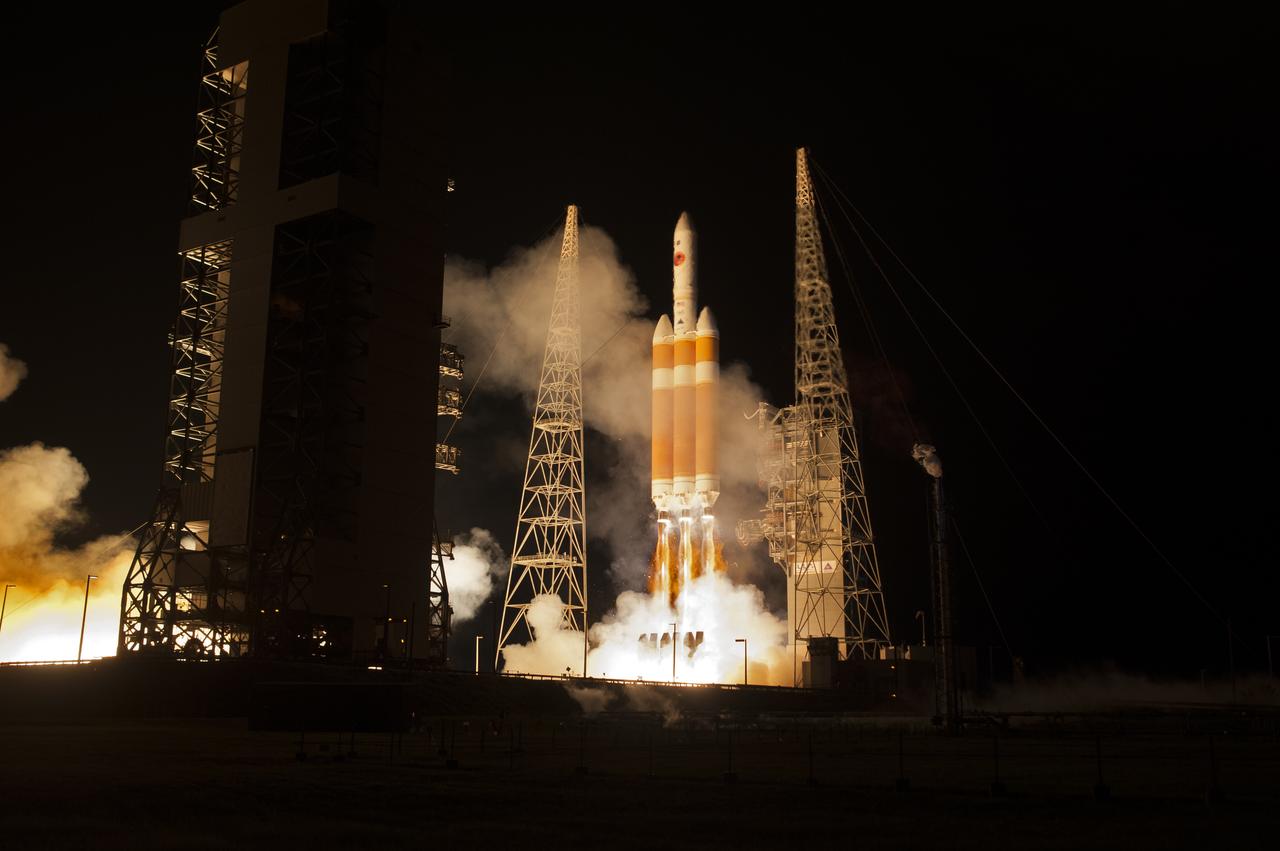
At Cape Canaveral Air Force Station’s Space Launch Complex 37, the United Launch Alliance Delta IV Heavy rocket with NASA's Parker Solar Probe, lifts off at 3:31 a.m. EDT on Sunday, Aug. 12, 2018. The spacecraft was built by Applied Physics Laboratory of Johns Hopkins University in Laurel, Maryland. The mission will perform the closest-ever observations of a star when it travels through the Sun's atmosphere, called the corona. The probe will rely on measurements and imaging to revolutionize our understanding of the corona and the Sun-Earth connection.
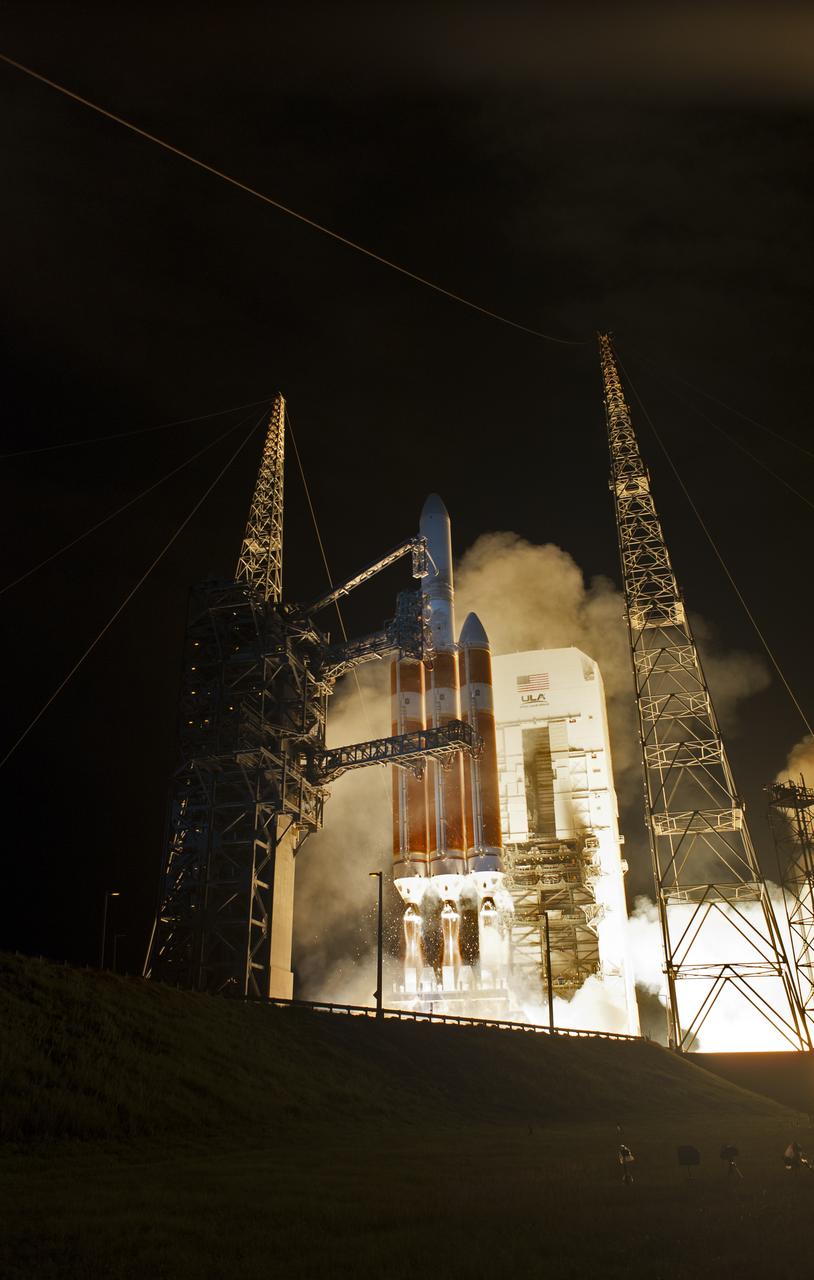
At Cape Canaveral Air Force Station's Space Launch Complex 37, the United Launch Alliance Delta IV Heavy rocket with NASA's Parker Solar Probe, lifts off at 3:31 a.m. EDT on Sunday, Aug. 12, 2018. The spacecraft was built by Applied Physics Laboratory of Johns Hopkins University in Laurel, Maryland. The mission will perform the closest-ever observations of a star when it travels through the Sun's atmosphere, called the corona. The probe will rely on measurements and imaging to revolutionize our understanding of the corona and the Sun-Earth connection.
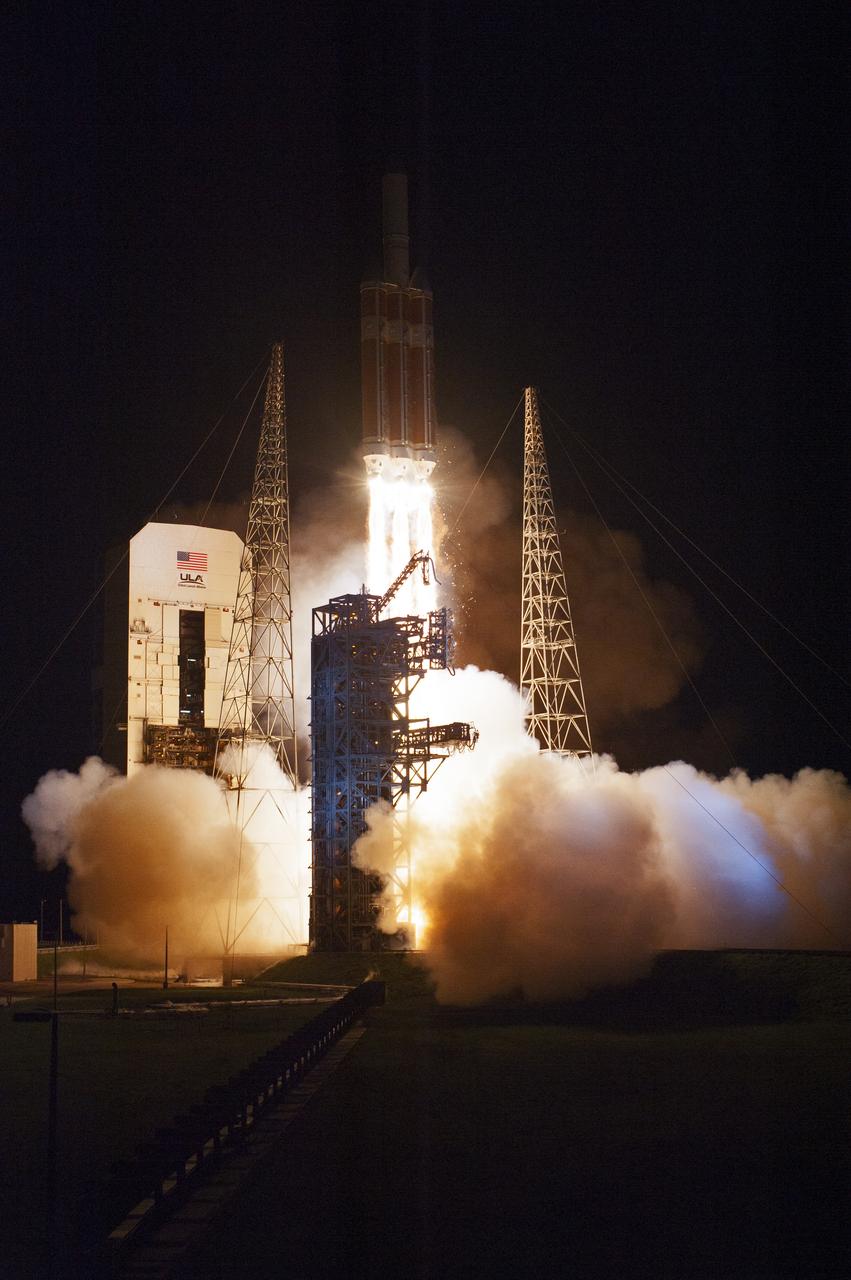
At Cape Canaveral Air Force Station's Space Launch Complex 37, the United Launch Alliance Delta IV Heavy rocket with NASA's Parker Solar Probe, lifts off at 3:31 a.m. EDT on Sunday, Aug. 12, 2018. The spacecraft was built by Applied Physics Laboratory of Johns Hopkins University in Laurel, Maryland. The mission will perform the closest-ever observations of a star when it travels through the Sun's atmosphere, called the corona. The probe will rely on measurements and imaging to revolutionize our understanding of the corona and the Sun-Earth connection.
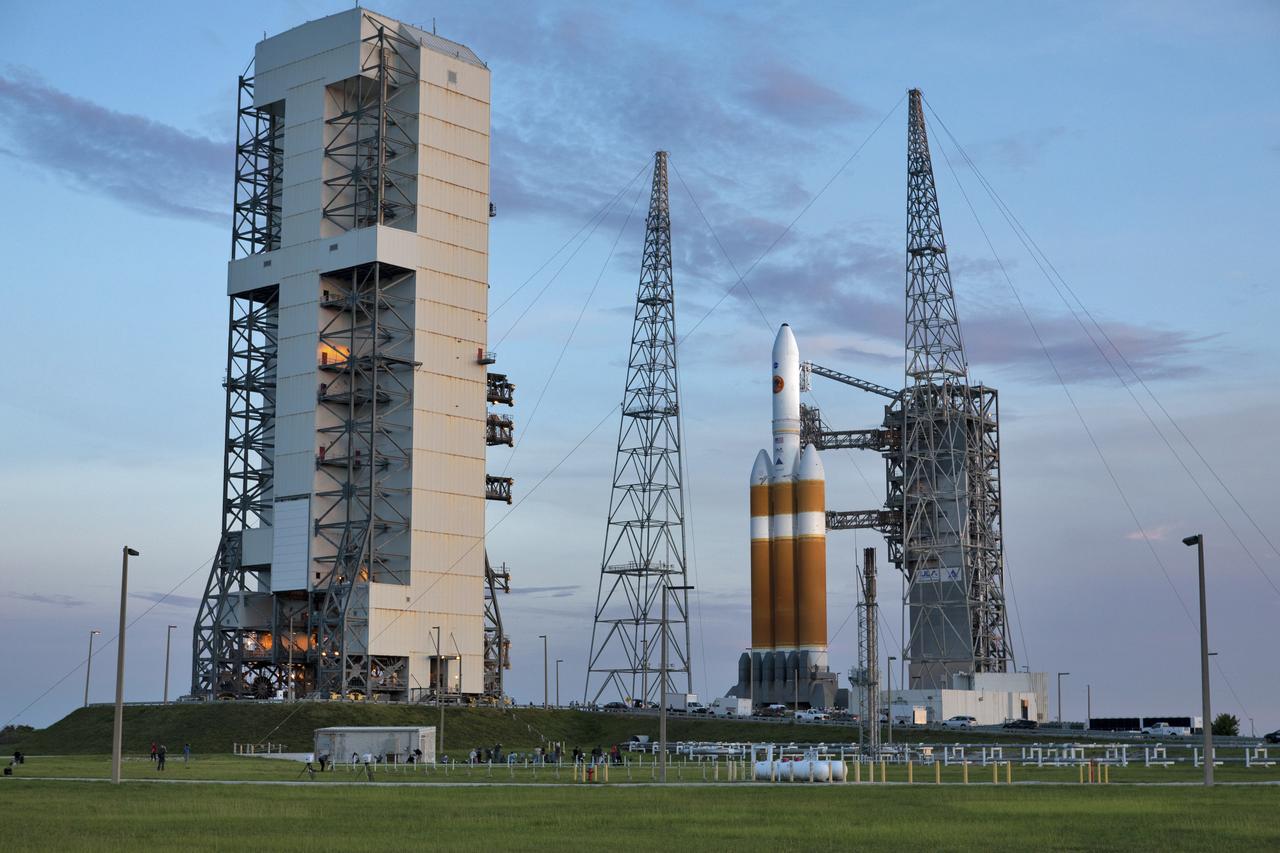
On Friday, Aug. 10, 2018, at Cape Canaveral Air Force Station in Florida, the United Launch Alliance Delta IV Heavy rocket stands ready to boost NASA's Parker Solar Probe on a mission to study the Sun following rollback of the Mobile Service Tower gantry at Space Launch Complex 37. Parker Solar Probe will perform the closest-ever observations of a star when it travels through the Sun's atmosphere, called the corona. The probe will rely on measurements and imaging to revolutionize our understanding of the corona and the Sun-Earth connection.
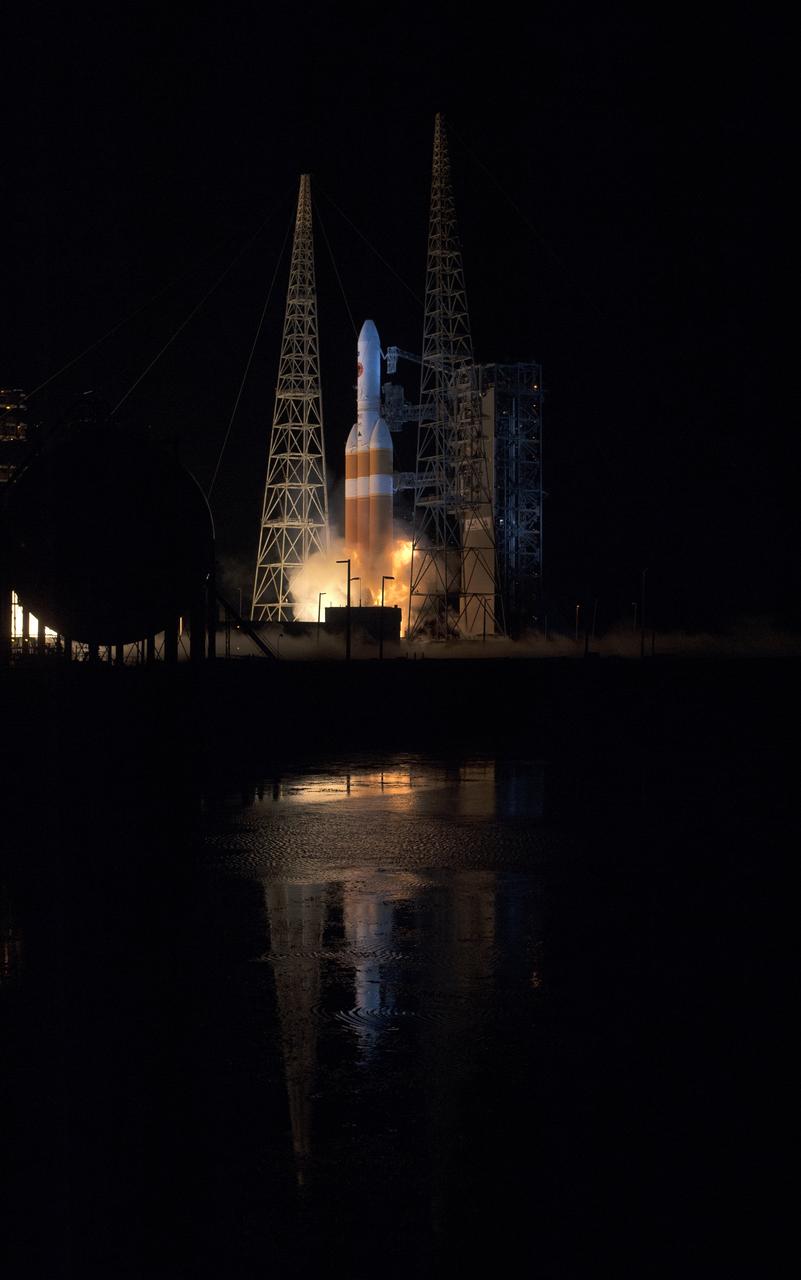
At Cape Canaveral Air Force Station’s Space Launch Complex 37, the United Launch Alliance Delta IV Heavy rocket with NASA's Parker Solar Probe, lifts off at 3:31 a.m. EDT on Sunday, Aug. 12, 2018. The spacecraft was built by Applied Physics Laboratory of Johns Hopkins University in Laurel, Maryland. The mission will perform the closest-ever observations of a star when it travels through the Sun's atmosphere, called the corona. The probe will rely on measurements and imaging to revolutionize our understanding of the corona and the Sun-Earth connection.
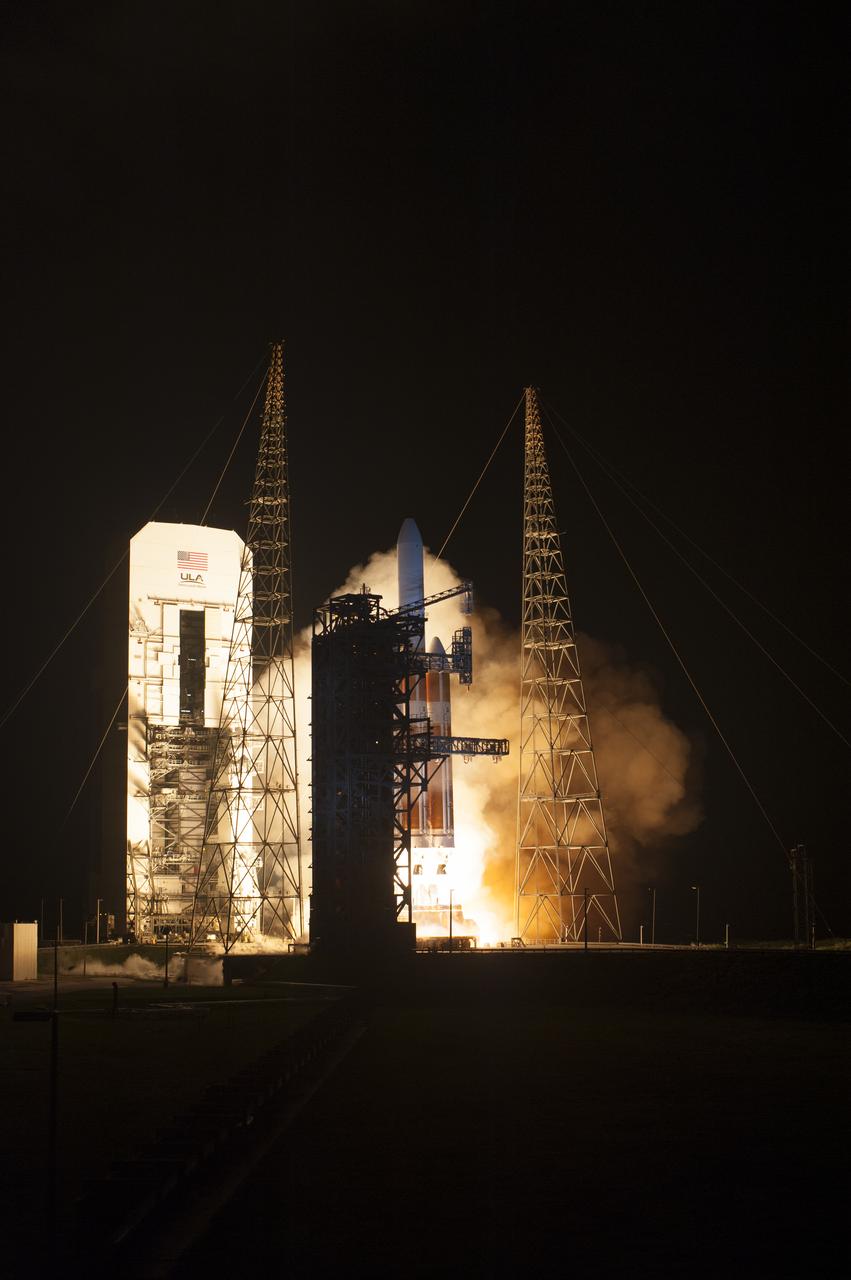
At Cape Canaveral Air Force Station's Space Launch Complex 37, the United Launch Alliance Delta IV Heavy rocket with NASA's Parker Solar Probe, lifts off at 3:31 a.m. EDT on Sunday, Aug. 12, 2018. The spacecraft was built by Applied Physics Laboratory of Johns Hopkins University in Laurel, Maryland. The mission will perform the closest-ever observations of a star when it travels through the Sun's atmosphere, called the corona. The probe will rely on measurements and imaging to revolutionize our understanding of the corona and the Sun-Earth connection.
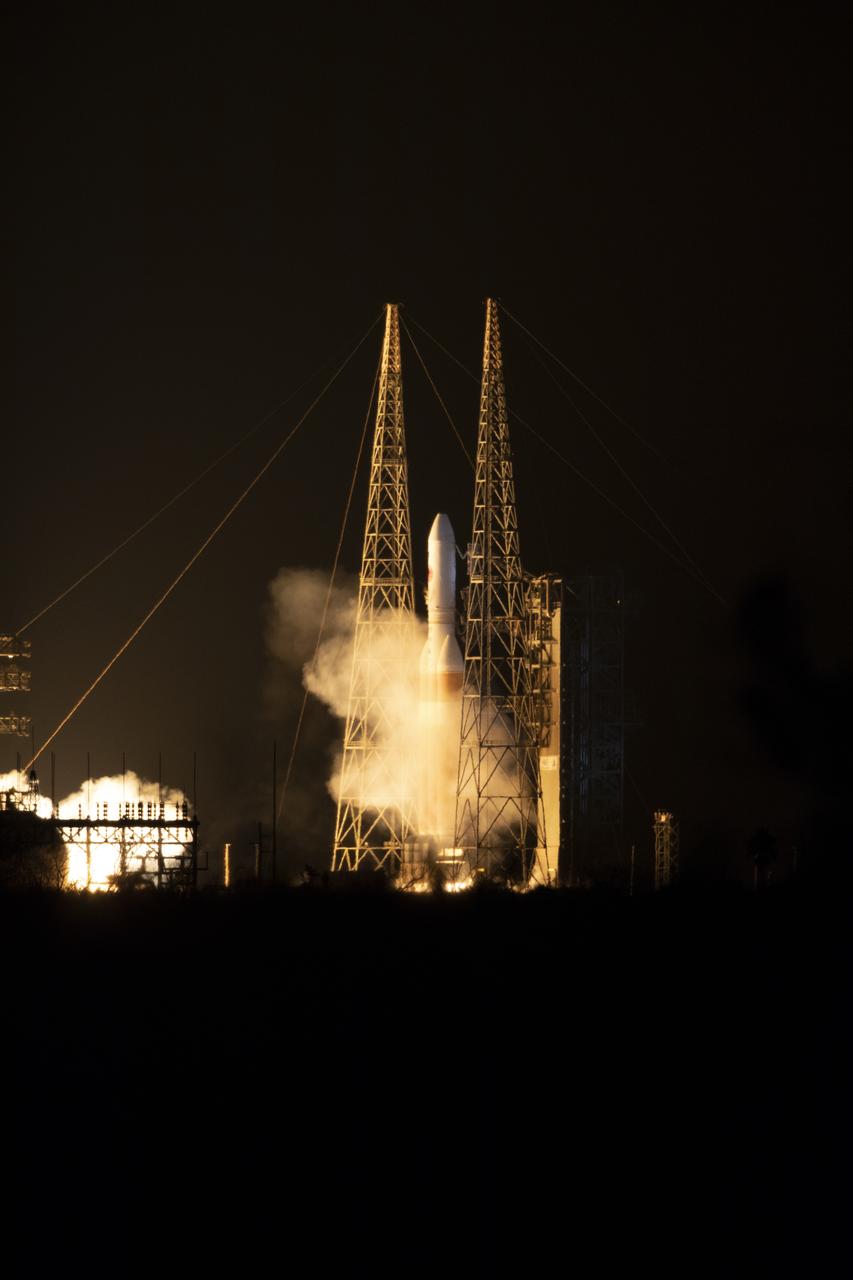
At Cape Canaveral Air Force Station's Space Launch Complex 37, the Delta IV Heavy rocket with NASA's Parker Solar Probe, lifts off at 3:31 a.m. EDT on Sunday, Aug. 12, 2018. The spacecraft was built by Applied Physics Laboratory of Johns Hopkins University in Laurel, Maryland. The mission will perform the closest-ever observations of a star when it travels through the Sun's atmosphere, called the corona. The probe will rely on measurements and imaging to revolutionize our understanding of the corona and the Sun-Earth connection.
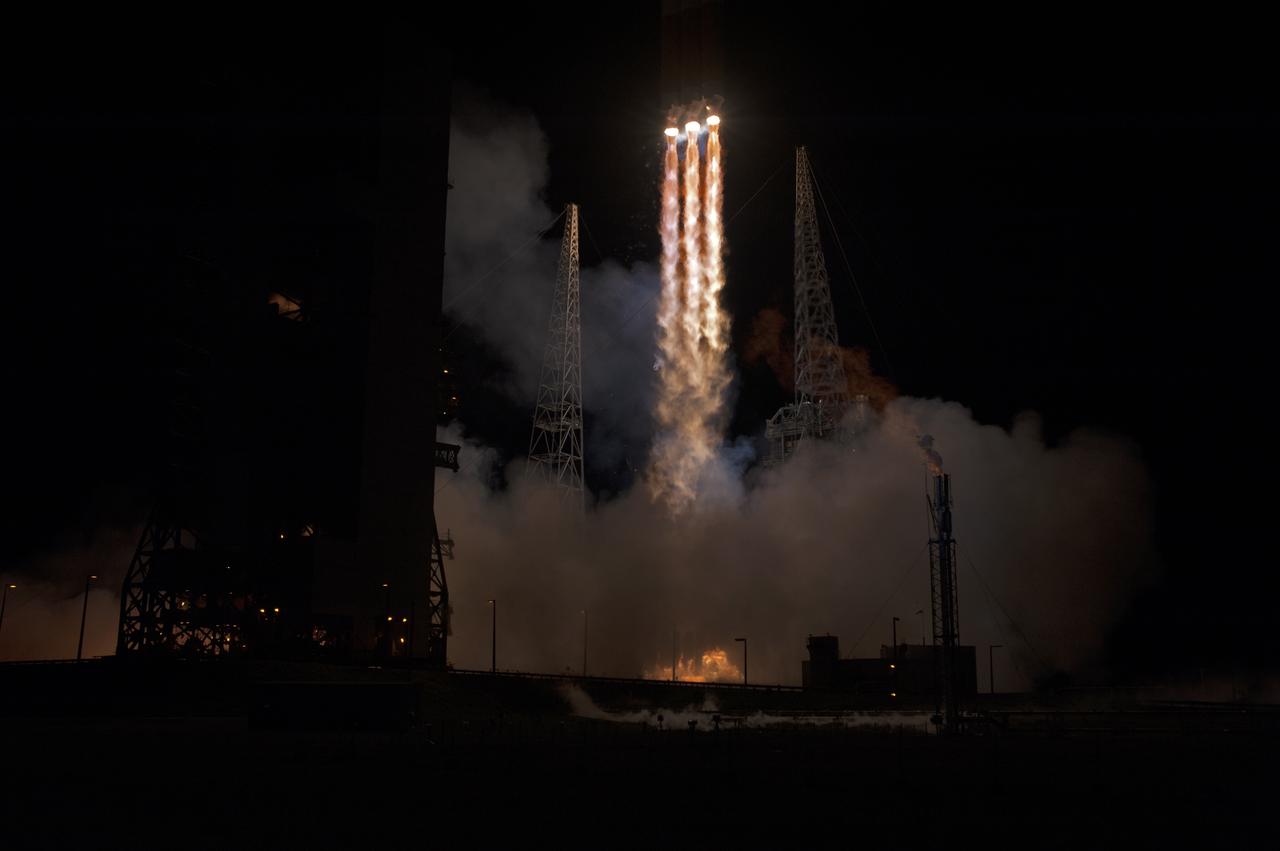
At Cape Canaveral Air Force Station’s Space Launch Complex 37, the United Launch Alliance Delta IV Heavy rocket with NASA's Parker Solar Probe, lifts off at 3:31 a.m. EDT on Sunday, Aug. 12, 2018. The spacecraft was built by Applied Physics Laboratory of Johns Hopkins University in Laurel, Maryland. The mission will perform the closest-ever observations of a star when it travels through the Sun's atmosphere, called the corona. The probe will rely on measurements and imaging to revolutionize our understanding of the corona and the Sun-Earth connection.
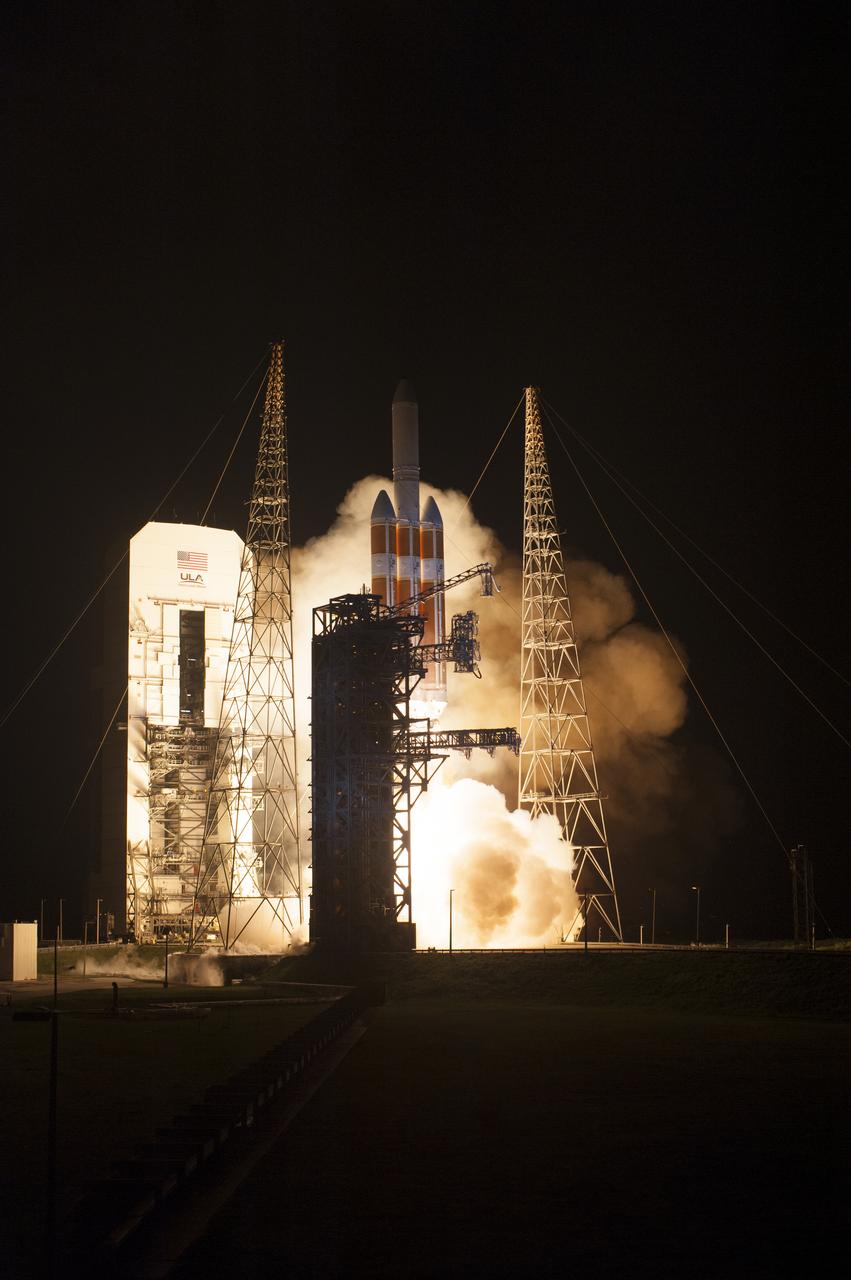
At Cape Canaveral Air Force Station's Space Launch Complex 37, the United Launch Alliance Delta IV Heavy rocket with NASA's Parker Solar Probe, lifts off at 3:31 a.m. EDT on Sunday, Aug. 12, 2018. The spacecraft was built by Applied Physics Laboratory of Johns Hopkins University in Laurel, Maryland. The mission will perform the closest-ever observations of a star when it travels through the Sun's atmosphere, called the corona. The probe will rely on measurements and imaging to revolutionize our understanding of the corona and the Sun-Earth connection.
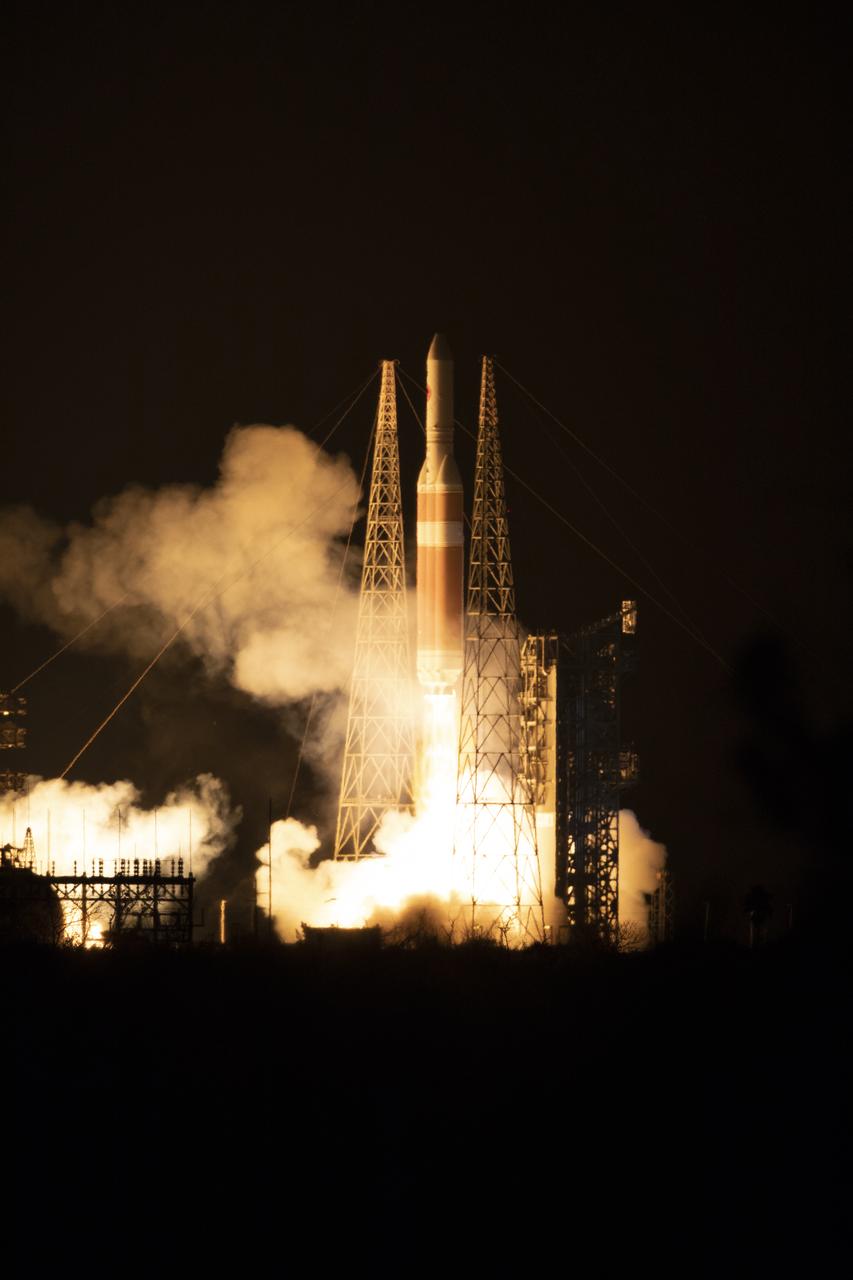
At Cape Canaveral Air Force Station's Space Launch Complex 37, the Delta IV Heavy rocket with NASA's Parker Solar Probe, lifts off at 3:31 a.m. EDT on Sunday, Aug. 12, 2018. The spacecraft was built by Applied Physics Laboratory of Johns Hopkins University in Laurel, Maryland. The mission will perform the closest-ever observations of a star when it travels through the Sun's atmosphere, called the corona. The probe will rely on measurements and imaging to revolutionize our understanding of the corona and the Sun-Earth connection.
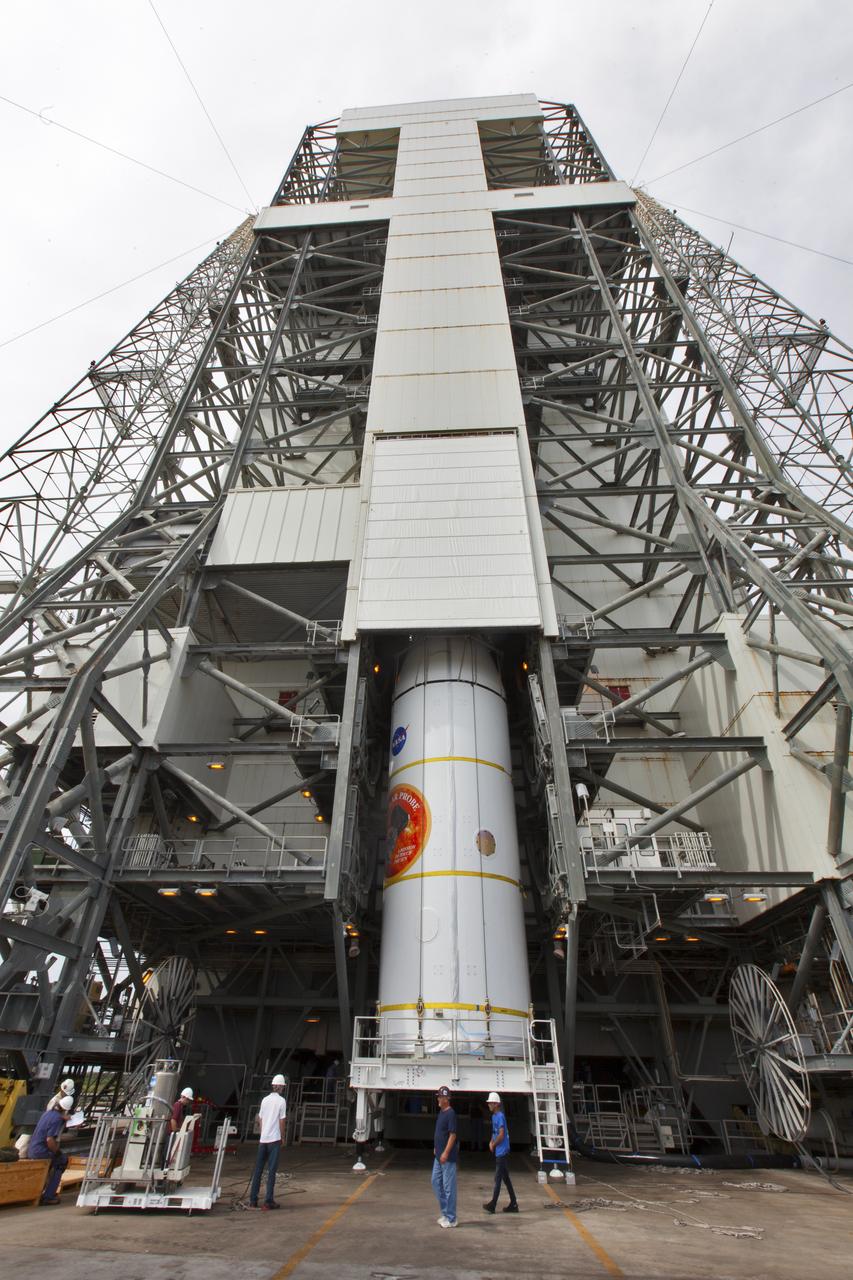
Encapsulated in its payload fairing, NASA's Parker Solar Probe is prepared to be lifted for mating to a United Launch Alliance Delta IV Heavy rocket at Cape Canaveral Air Force Station's Space Launch Complex 37 on Tuesday, July 31, 2018. The Parker Solar Probe is being prepared for a mission to perform the closest-ever observations of a star when it travels through the Sun's atmosphere, called the corona. The probe will rely on measurements and imaging to revolutionize our understanding of the corona and the Sun-Earth connection.
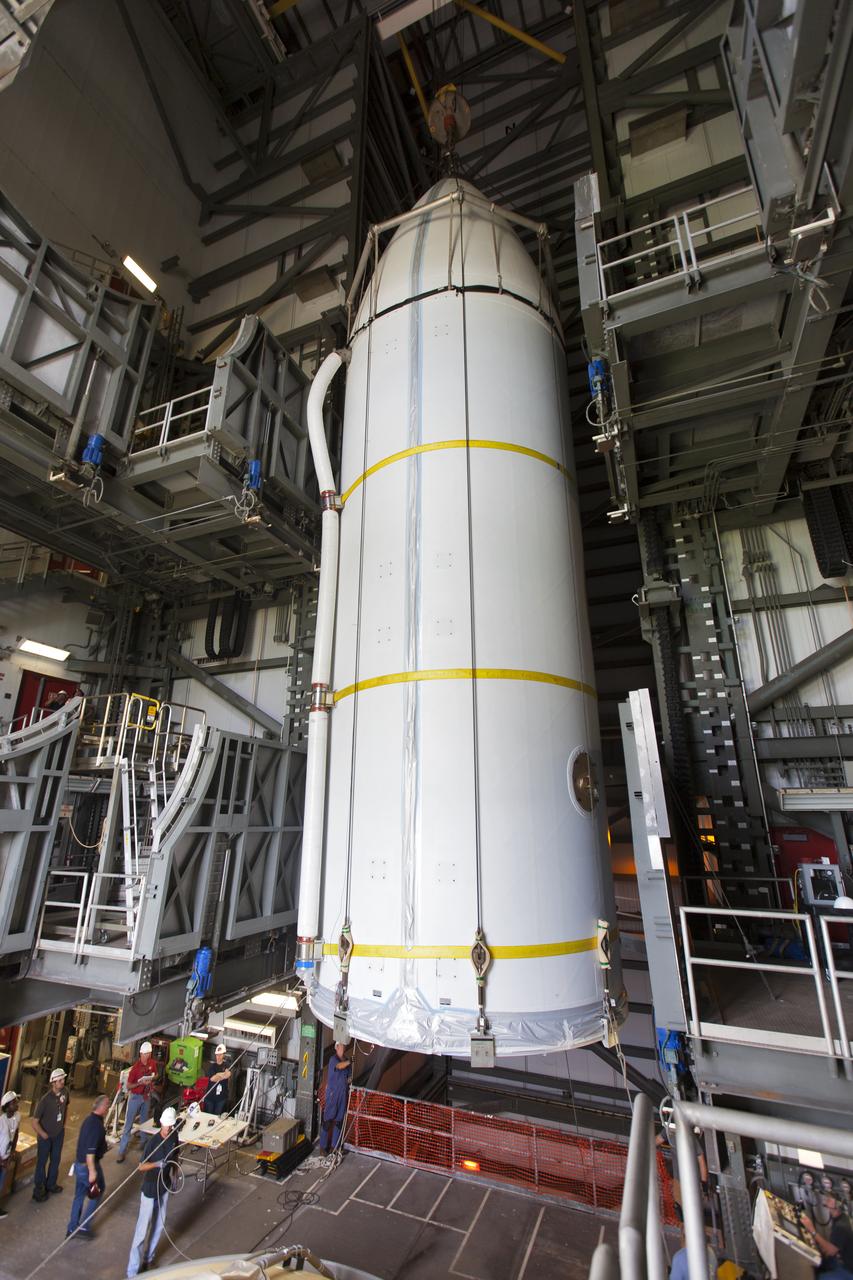
Encapsulated in its payload fairing, NASA's Parker Solar Probe is lifted by a crane for mating to a United Launch Alliance Delta IV Heavy rocket at Cape Canaveral Air Force Station's Space Launch Complex 37 on Tuesday, July 31, 2018. The Parker Solar Probe is being prepared for a mission to perform the closest-ever observations of a star when it travels through the Sun's atmosphere, called the corona. The probe will rely on measurements and imaging to revolutionize our understanding of the corona and the Sun-Earth connection.
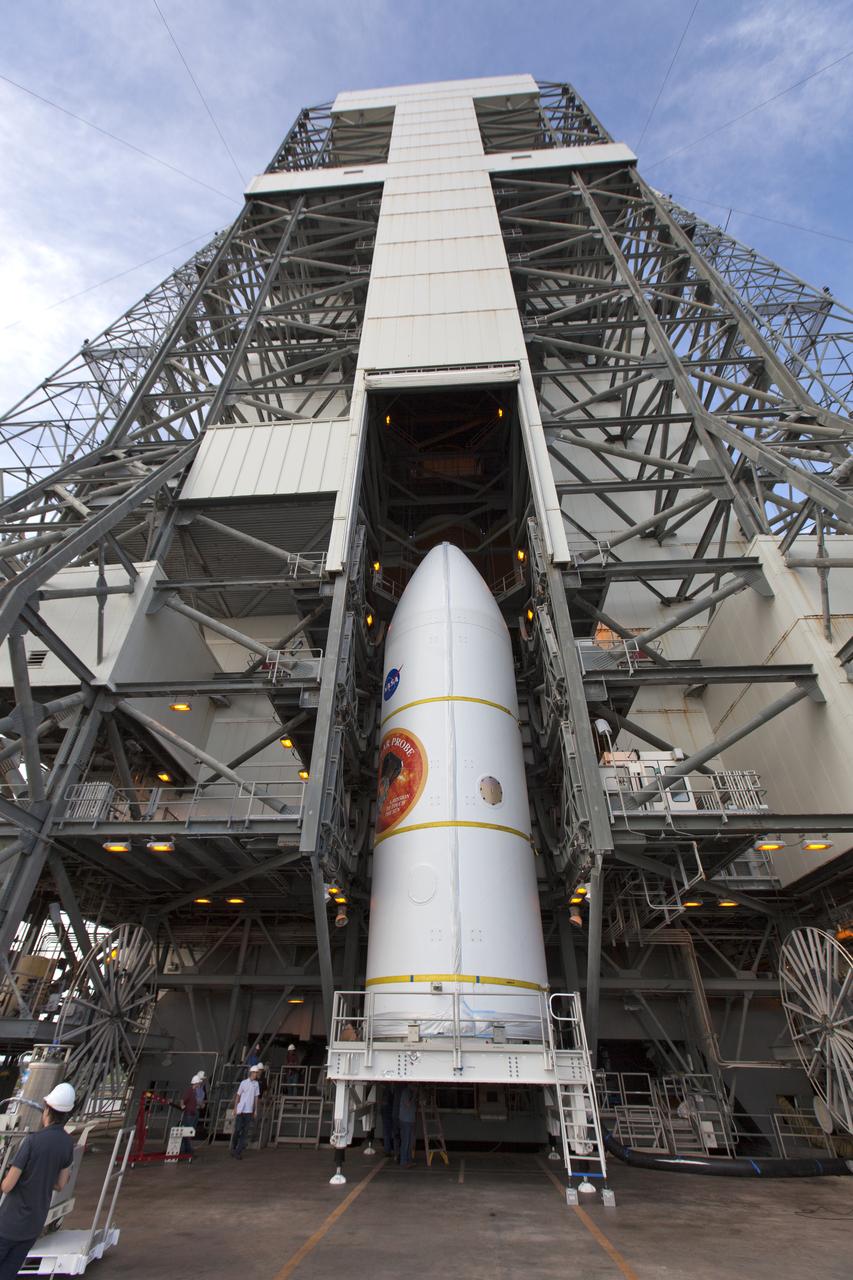
Encapsulated in its payload fairing, NASA's Parker Solar Probe is prepared to be lifted for mating to a United Launch Alliance Delta IV Heavy rocket at Cape Canaveral Air Force Station's Space Launch Complex 37 on Tuesday, July 31, 2018. The Parker Solar Probe is being prepared for a mission to perform the closest-ever observations of a star when it travels through the Sun's atmosphere, called the corona. The probe will rely on measurements and imaging to revolutionize our understanding of the corona and the Sun-Earth connection.
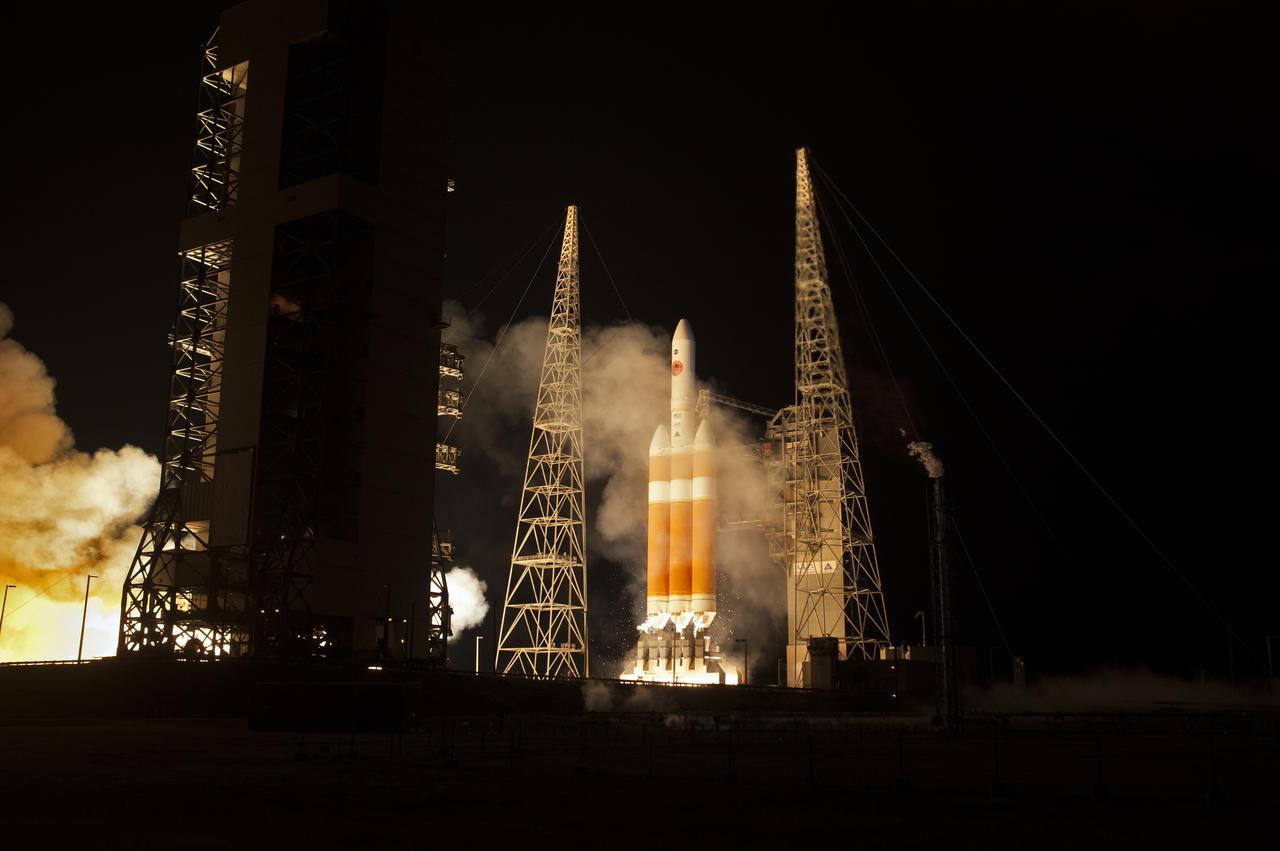
At Cape Canaveral Air Force Station’s Space Launch Complex 37, the United Launch Alliance Delta IV Heavy rocket with NASA's Parker Solar Probe, lifts off at 3:31 a.m. EDT on Sunday, Aug. 12, 2018. The spacecraft was built by Applied Physics Laboratory of Johns Hopkins University in Laurel, Maryland. The mission will perform the closest-ever observations of a star when it travels through the Sun's atmosphere, called the corona. The probe will rely on measurements and imaging to revolutionize our understanding of the corona and the Sun-Earth connection.
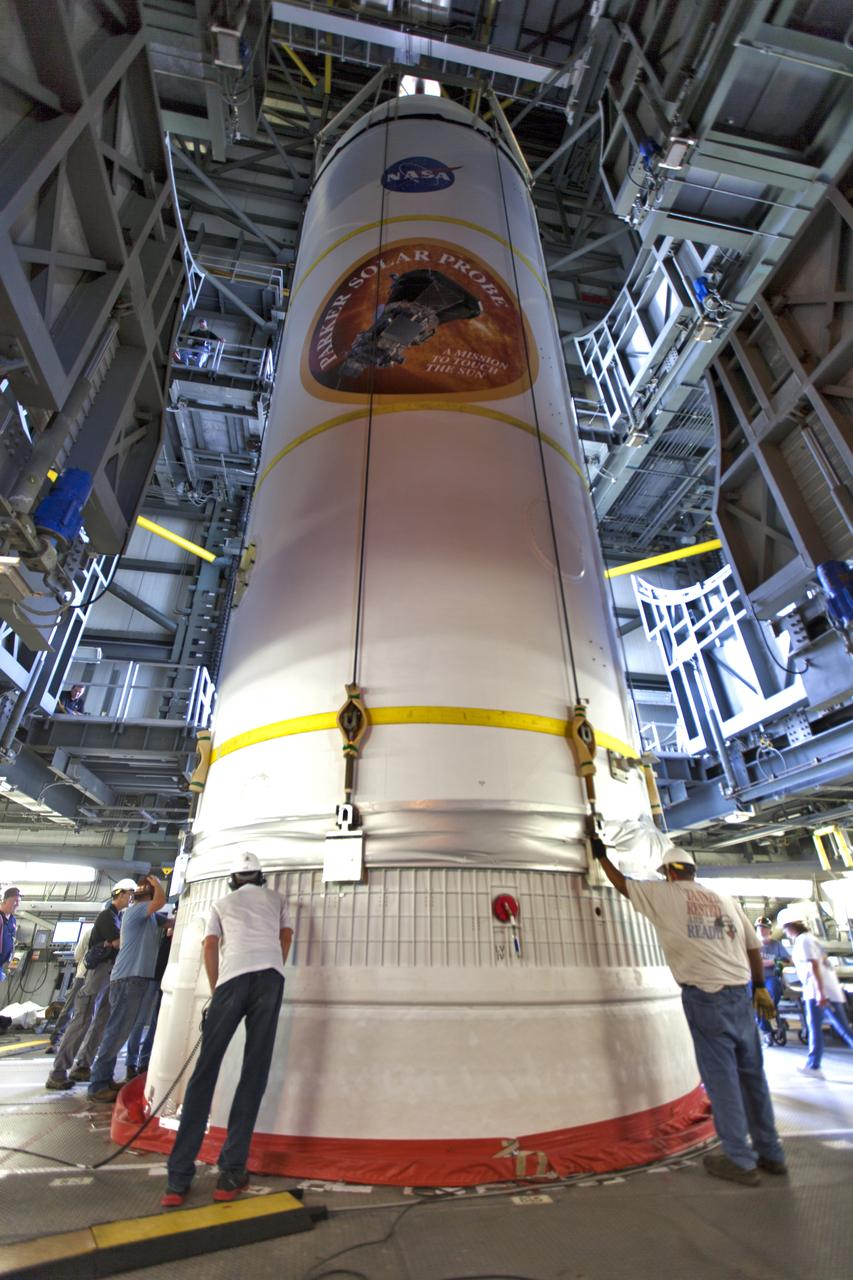
Encapsulated in its payload fairing, NASA's Parker Solar Probe is mated to a United Launch Alliance Delta IV Heavy rocket at Cape Canaveral Air Force Station's Space Launch Complex 37 on Tuesday, July 31, 2018. The Parker Solar Probe is being prepared for a mission to perform the closest-ever observations of a star when it travels through the Sun's atmosphere, called the corona. The probe will rely on measurements and imaging to revolutionize our understanding of the corona and the Sun-Earth connection.
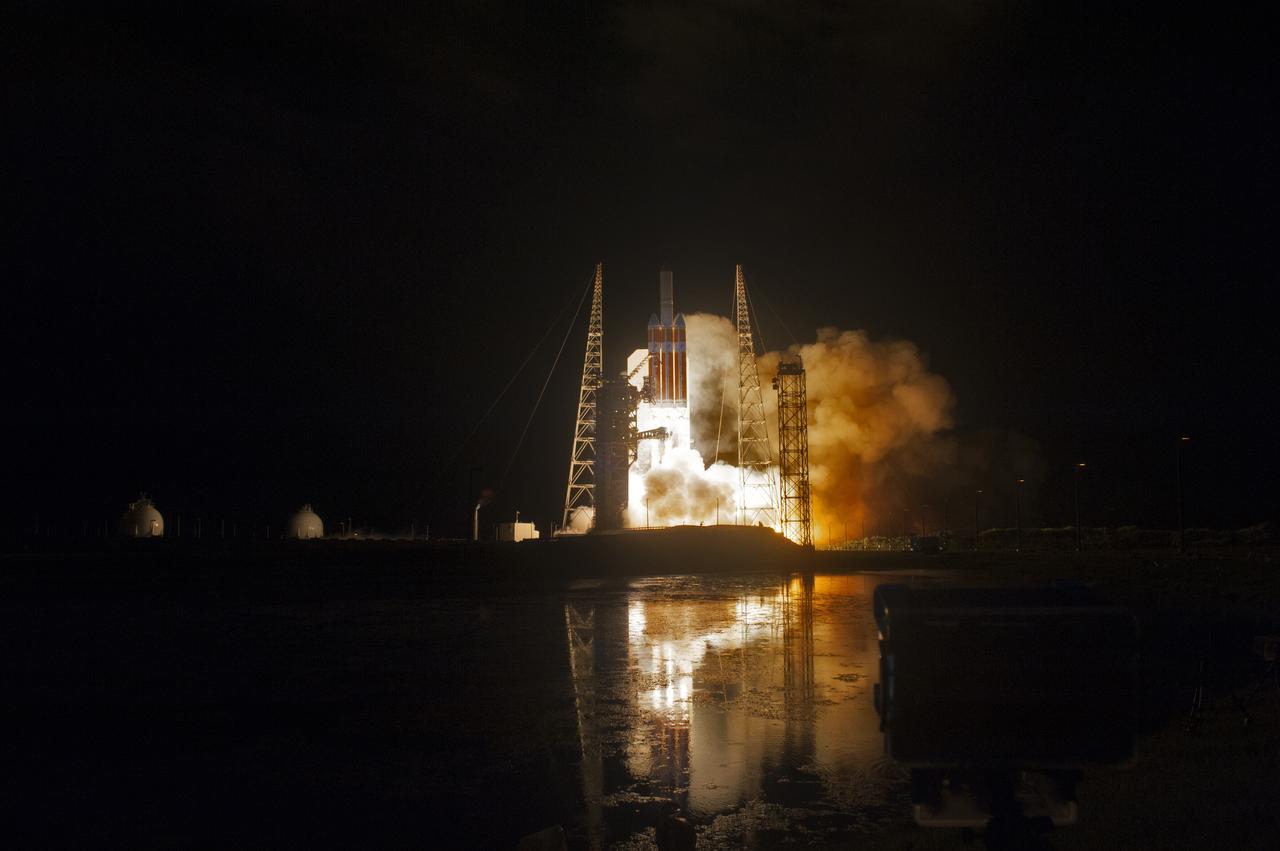
At Cape Canaveral Air Force Station's Space Launch Complex 37, the United Launch Alliance Delta IV Heavy rocket with NASA's Parker Solar Probe, lifts off at 3:31 a.m. EDT on Sunday, Aug. 12, 2018. The spacecraft was built by Applied Physics Laboratory of Johns Hopkins University in Laurel, Maryland. The mission will perform the closest-ever observations of a star when it travels through the Sun's atmosphere, called the corona. The probe will rely on measurements and imaging to revolutionize our understanding of the corona and the Sun-Earth connection.

Encapsulated in its payload fairing, NASA's Parker Solar Probe is prepared to be lifted for mating to a United Launch Alliance Delta IV Heavy rocket at Cape Canaveral Air Force Station's Space Launch Complex 37 on Tuesday, July 31, 2018. The Parker Solar Probe is being prepared for a mission to perform the closest-ever observations of a star when it travels through the Sun's atmosphere, called the corona. The probe will rely on measurements and imaging to revolutionize our understanding of the corona and the Sun-Earth connection.
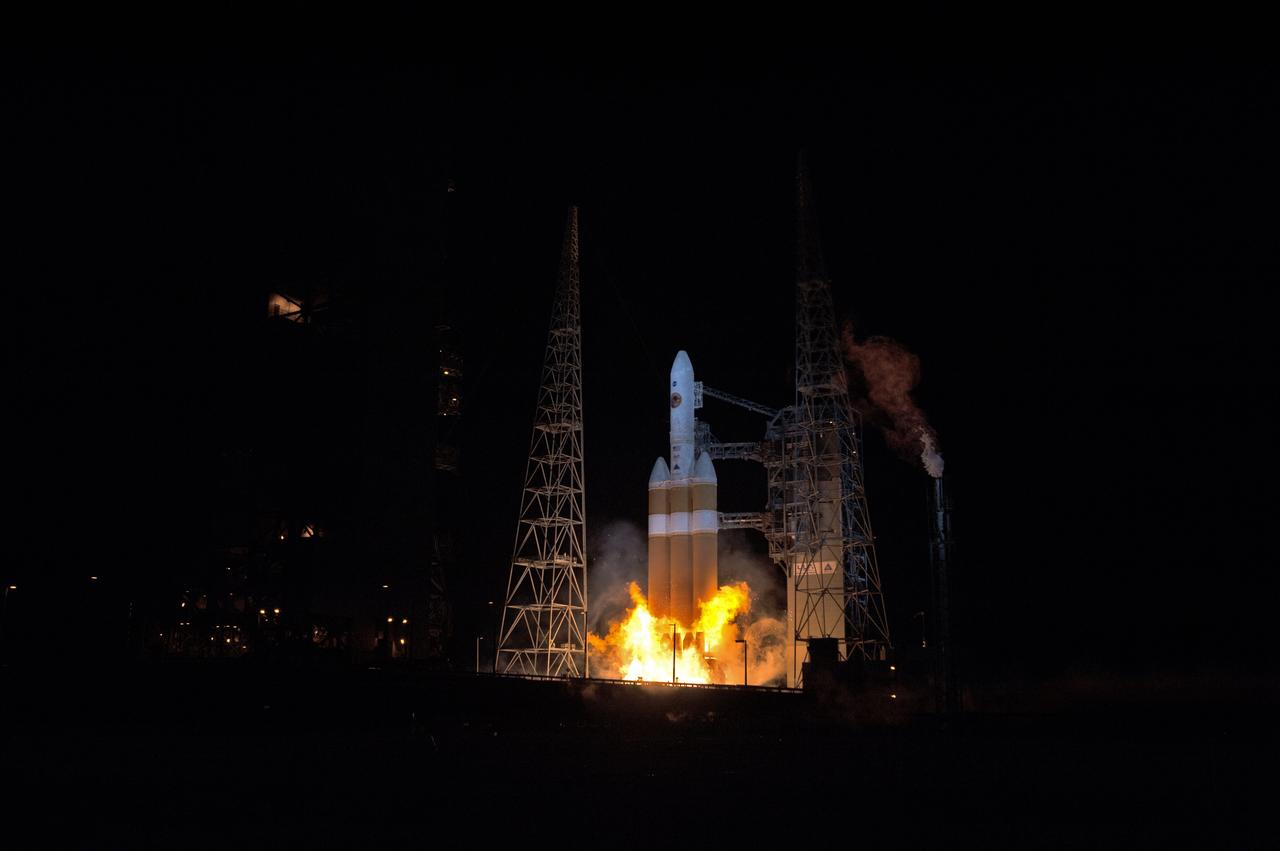
At Cape Canaveral Air Force Station’s Space Launch Complex 37, the United Launch Alliance Delta IV Heavy rocket with NASA's Parker Solar Probe, lifts off at 3:31 a.m. EDT on Sunday, Aug. 12, 2018. The spacecraft was built by Applied Physics Laboratory of Johns Hopkins University in Laurel, Maryland. The mission will perform the closest-ever observations of a star when it travels through the Sun's atmosphere, called the corona. The probe will rely on measurements and imaging to revolutionize our understanding of the corona and the Sun-Earth connection.
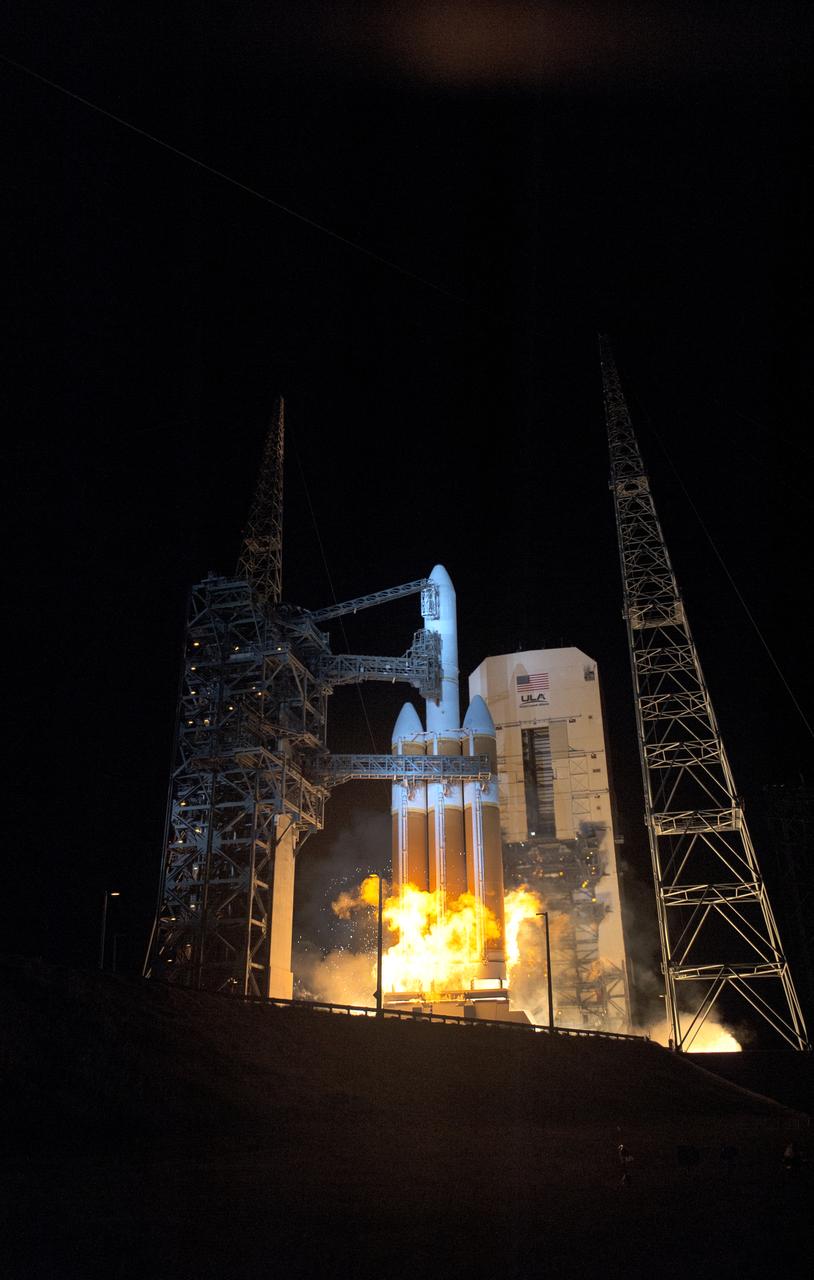
At Cape Canaveral Air Force Station's Space Launch Complex 37, the United Launch Alliance Delta IV Heavy rocket with NASA's Parker Solar Probe, lifts off at 3:31 a.m. EDT on Sunday, Aug. 12, 2018. The spacecraft was built by Applied Physics Laboratory of Johns Hopkins University in Laurel, Maryland. The mission will perform the closest-ever observations of a star when it travels through the Sun's atmosphere, called the corona. The probe will rely on measurements and imaging to revolutionize our understanding of the corona and the Sun-Earth connection.
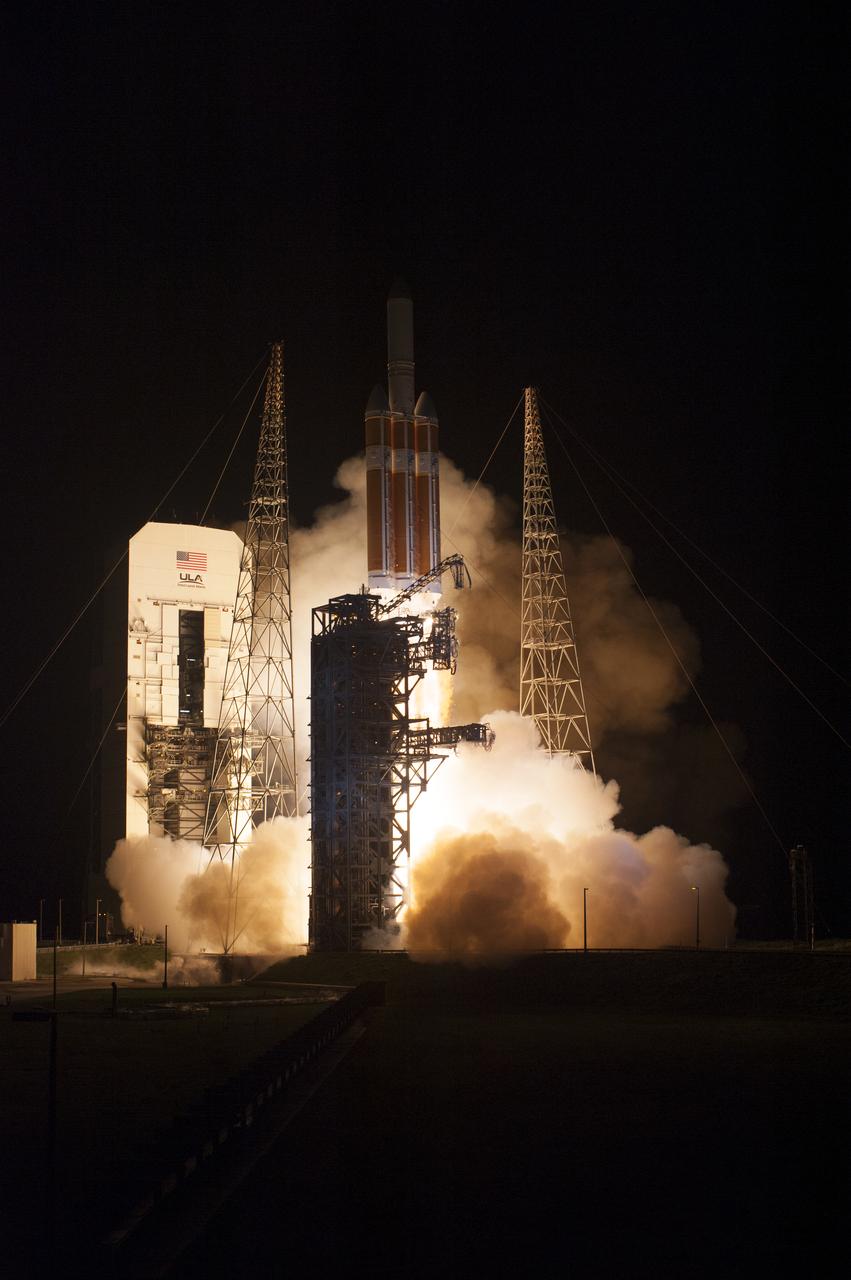
At Cape Canaveral Air Force Station's Space Launch Complex 37, the United Launch Alliance Delta IV Heavy rocket with NASA's Parker Solar Probe, lifts off at 3:31 a.m. EDT on Sunday, Aug. 12, 2018. The spacecraft was built by Applied Physics Laboratory of Johns Hopkins University in Laurel, Maryland. The mission will perform the closest-ever observations of a star when it travels through the Sun's atmosphere, called the corona. The probe will rely on measurements and imaging to revolutionize our understanding of the corona and the Sun-Earth connection.
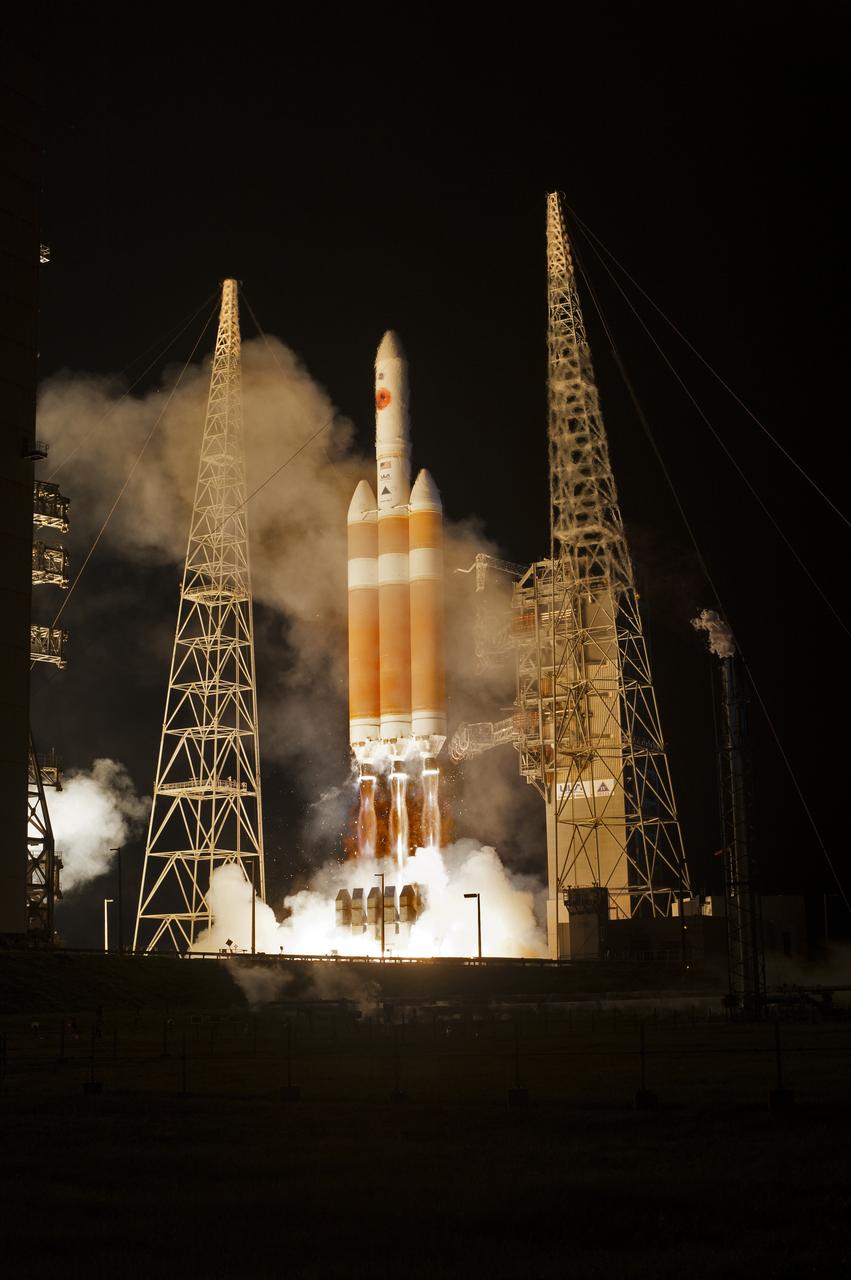
At Cape Canaveral Air Force Station’s Space Launch Complex 37, the United Launch Alliance Delta IV Heavy rocket with NASA's Parker Solar Probe, lifts off at 3:31 a.m. EDT on Sunday, Aug. 12, 2018. The spacecraft was built by Applied Physics Laboratory of Johns Hopkins University in Laurel, Maryland. The mission will perform the closest-ever observations of a star when it travels through the Sun's atmosphere, called the corona. The probe will rely on measurements and imaging to revolutionize our understanding of the corona and the Sun-Earth connection.
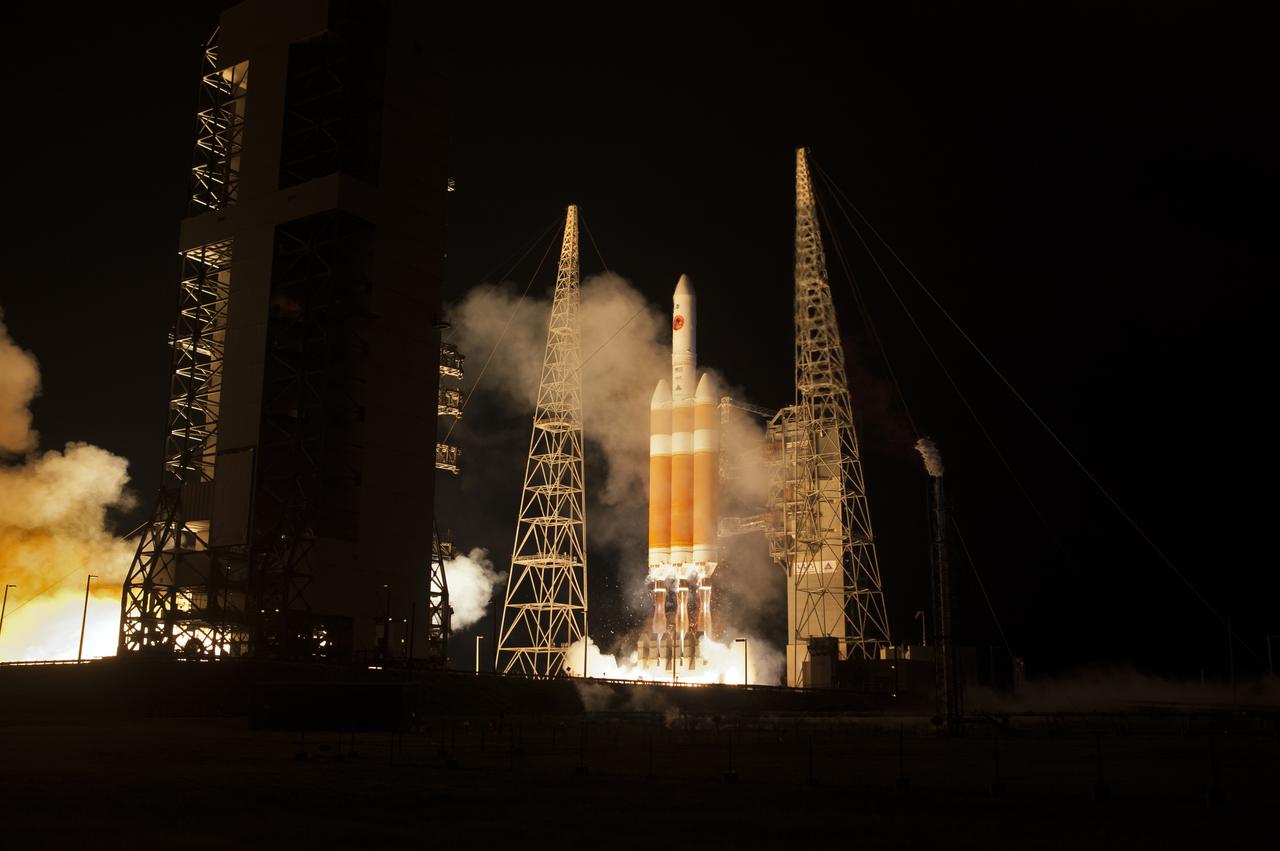
At Cape Canaveral Air Force Station’s Space Launch Complex 37, the United Launch Alliance Delta IV Heavy rocket with NASA's Parker Solar Probe, lifts off at 3:31 a.m. EDT on Sunday, Aug. 12, 2018. The spacecraft was built by Applied Physics Laboratory of Johns Hopkins University in Laurel, Maryland. The mission will perform the closest-ever observations of a star when it travels through the Sun's atmosphere, called the corona. The probe will rely on measurements and imaging to revolutionize our understanding of the corona and the Sun-Earth connection.

On Friday, Aug. 10, 2018, at Cape Canaveral Air Force Station in Florida, the United Launch Alliance Delta IV Heavy rocket stands ready to boost NASA's Parker Solar Probe on a mission to study the Sun following rollback of the Mobile Service Tower gantry at Space Launch Complex 37. Parker Solar Probe will perform the closest-ever observations of a star when it travels through the Sun's atmosphere, called the corona. The probe will rely on measurements and imaging to revolutionize our understanding of the corona and the Sun-Earth connection.On Friday, Aug. 10, 2018, at Cape Canaveral Air Force Station in Florida, the United Launch Alliance Delta IV Heavy rocket stands ready to boost NASA's Parker Solar Probe on a mission to study the Sun following rollback of the Mobile Service Tower. Parker Solar Probe will perform the closest-ever observations of a star when it travels through the Sun's atmosphere, called the corona. The probe will rely on measurements and imaging to revolutionize our understanding of the corona and the Sun-Earth connection.
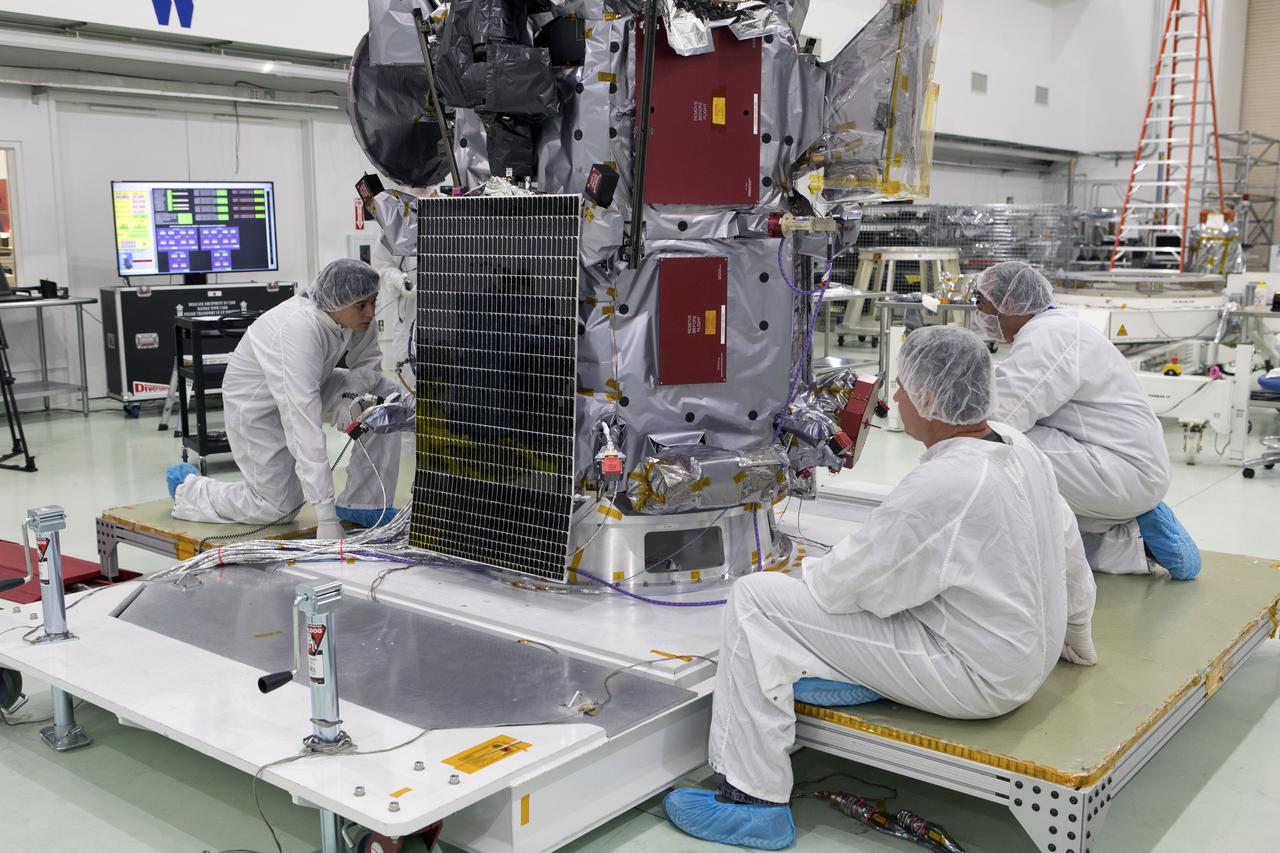
NASA's Parker Solar Probe solar arrays are deployed for testing at the Astrotech processing facility in Titusville, Florida, near NASA's Kennedy Space Center on Sunday, June 3, 2018. The Parker Solar Probe will launch on a United Launch Alliance Delta IV Heavy rocket from Space Launch Complex 37 at Cape Canaveral Air Force Station in Florida no earlier than Aug. 4, 2018. The mission will perform the closest-ever observations of a star when it travels through the Sun's atmosphere, called the corona. The probe will rely on measurements and imaging to revolutionize our understanding of the corona and the Sun-Earth connection.
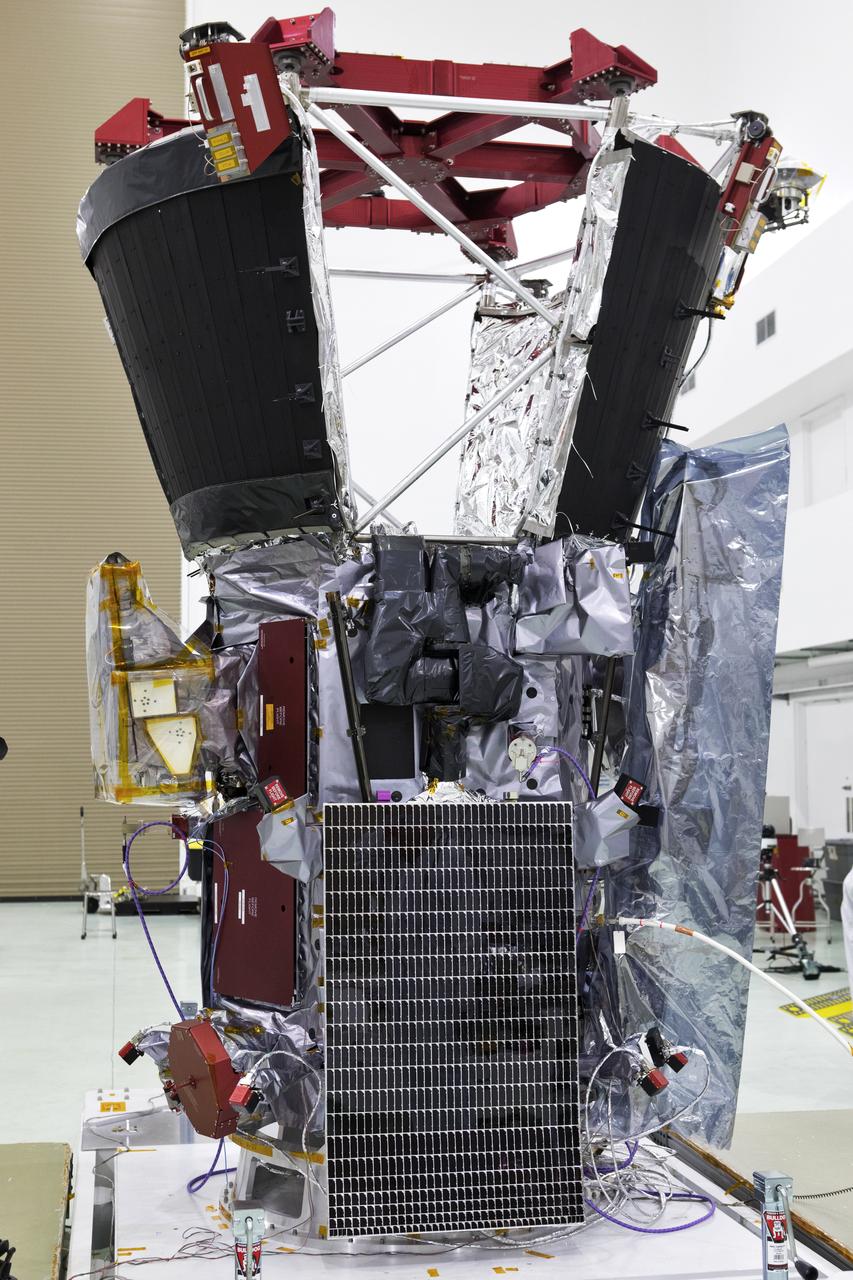
NASA's Parker Solar Probe solar arrays are deployed for testing at the Astrotech processing facility in Titusville, Florida, near NASA's Kennedy Space Center on Sunday, June 3, 2018. The Parker Solar Probe will launch on a United Launch Alliance Delta IV Heavy rocket from Space Launch Complex 37 at Cape Canaveral Air Force Station in Florida no earlier than Aug. 4, 2018. The mission will perform the closest-ever observations of a star when it travels through the Sun's atmosphere, called the corona. The probe will rely on measurements and imaging to revolutionize our understanding of the corona and the Sun-Earth connection.
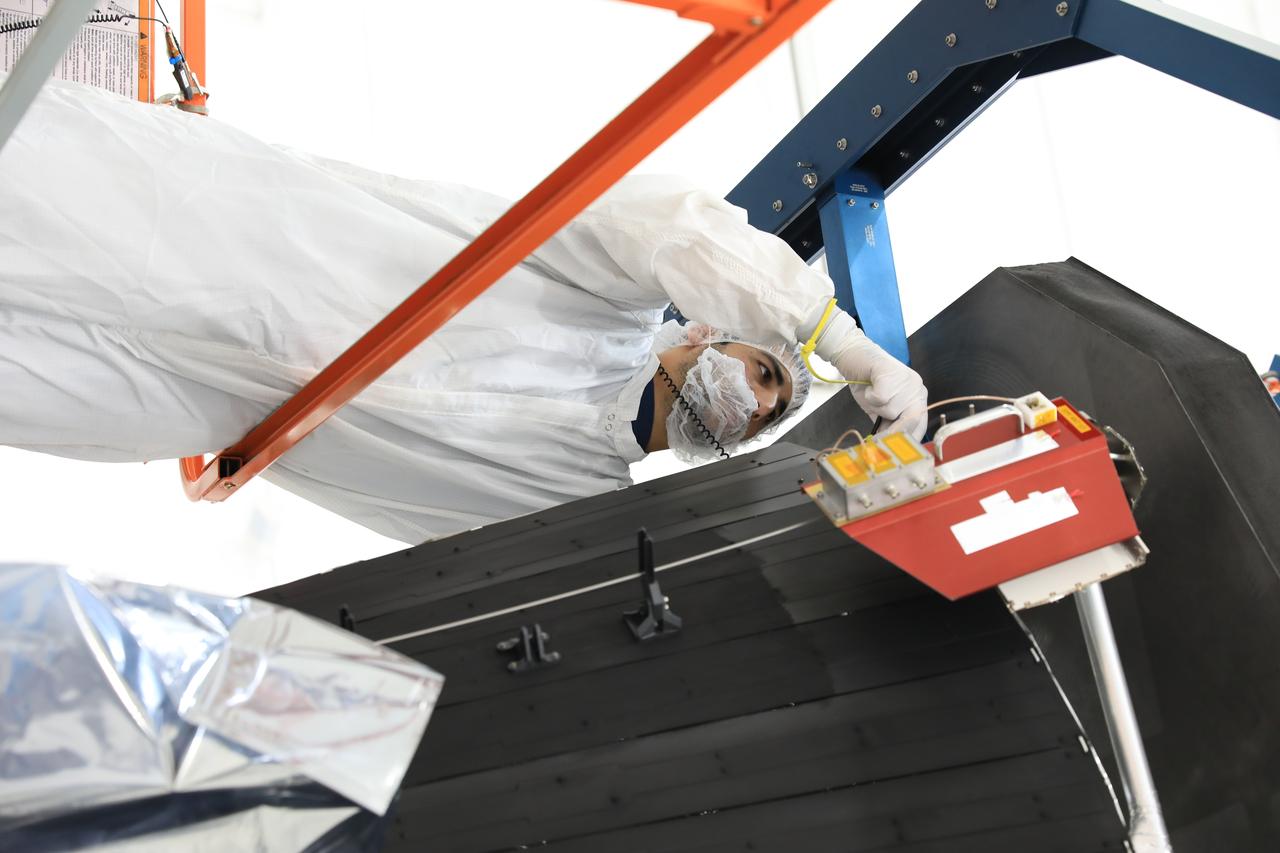
In the Astrotech processing facility in Titusville, Florida, near NASA's Kennedy Space Center, on Wednesday, June 27, 2018, technicians and engineers install the heat shield on NASA's Parker Solar Probe. The Parker Solar Probe will launch on a United Launch Alliance Delta IV Heavy rocket from Space Launch Complex 37 at Cape Canaveral Air Force Station in Florida no earlier than Aug. 4, 2018. The mission will perform the closest-ever observations of a star when it travels through the Sun's atmosphere, called the corona. The probe will rely on measurements and imaging to revolutionize our understanding of the corona and the Sun-Earth connection.
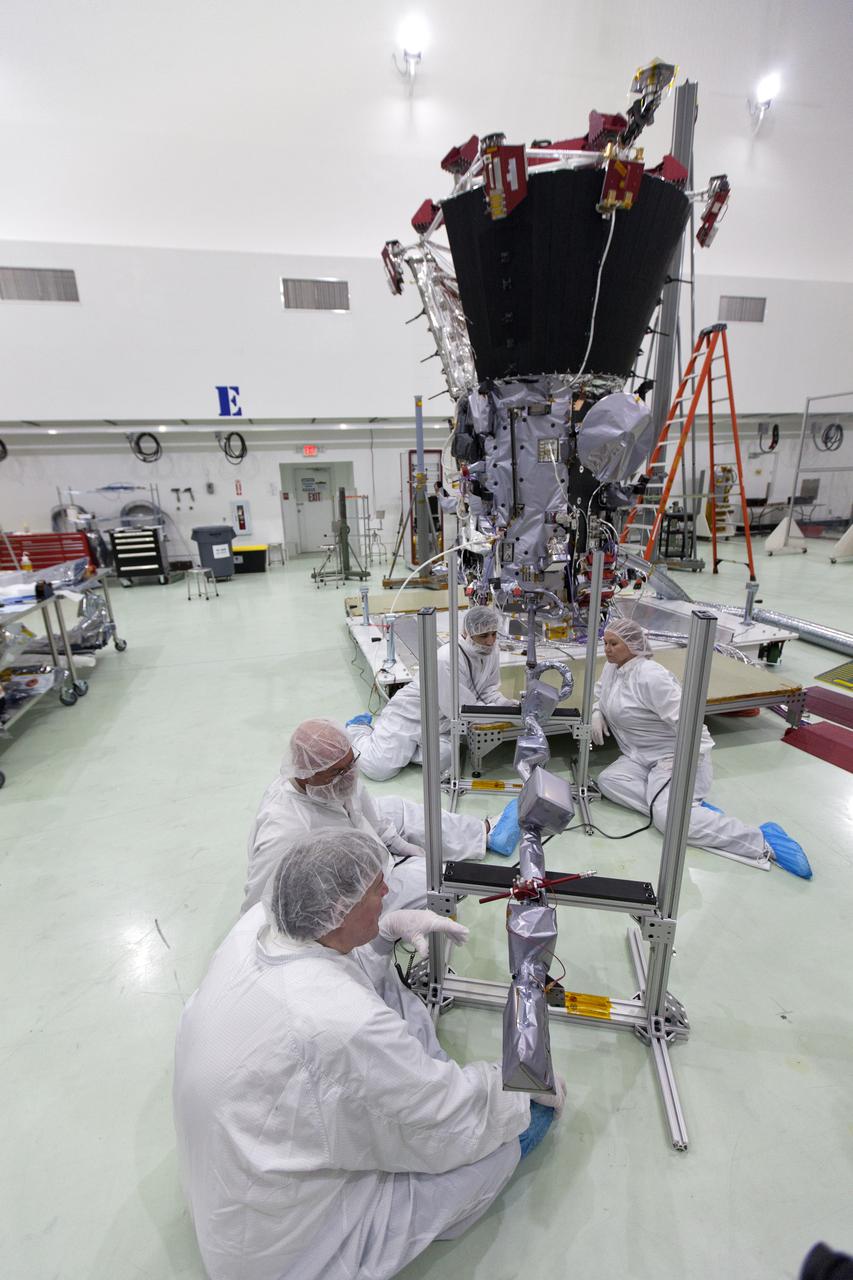
In the Astrotech processing facility in Titusville, Florida, near NASA's Kennedy Space Center, on Wednesday, May 23, 2018, technicians and engineers deploy the magnetometer boom on NASA's Parker Solar Probe. The Parker Solar Probe will launch on a United Launch Alliance Delta IV Heavy rocket from Space Launch Complex 37 at Cape Canaveral Air Force Station in Florida no earlier than Aug. 4, 2018. The mission will perform the closest-ever observations of a star when it travels through the Sun's atmosphere, called the corona. The probe will rely on measurements and imaging to revolutionize our understanding of the corona and the Sun-Earth connection.
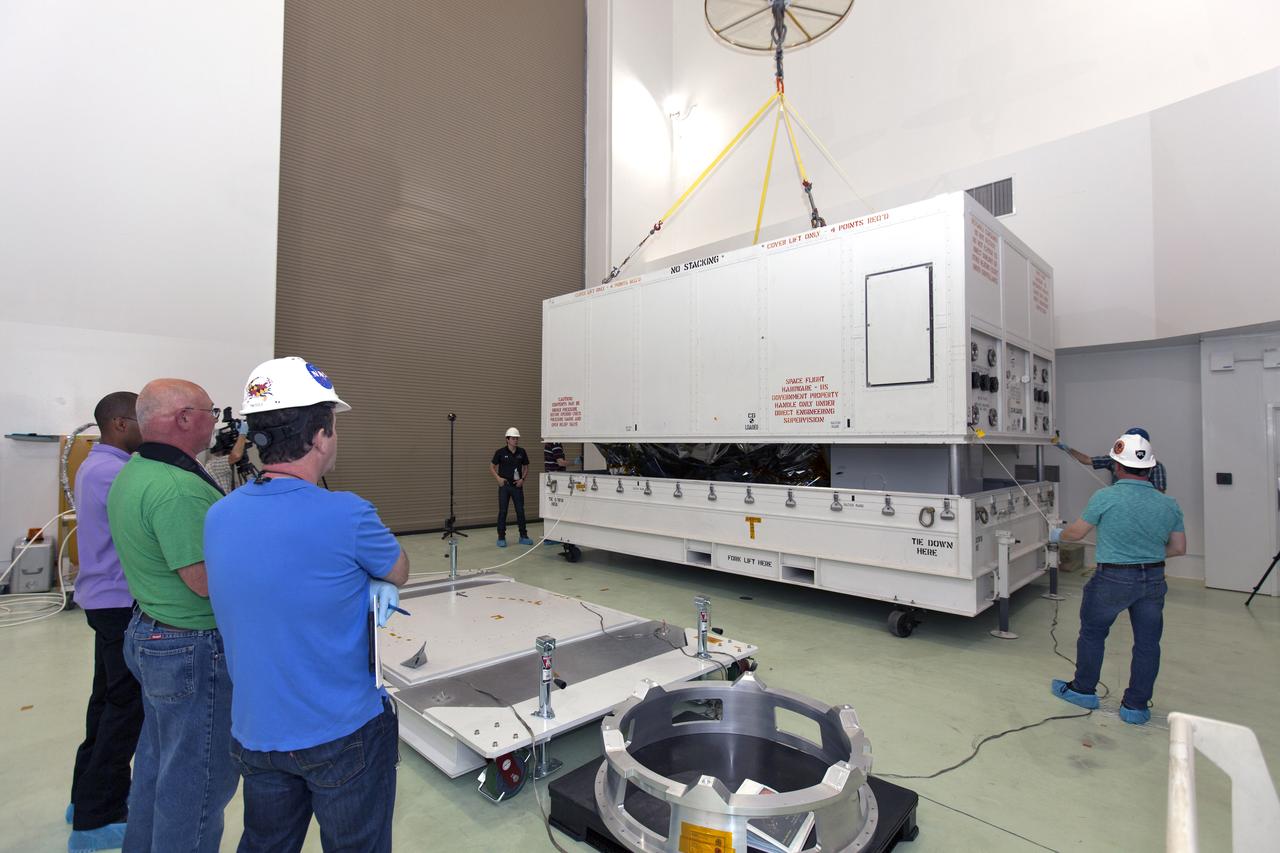
At the Astrotech processing facility in Titusville, Florida, near NASA's Kennedy Space Center, technicians and engineers remove NASA's Parker Solar Probe from its shipping container on Wednesday, April 4, 2018. The Parker Solar Probe will launch on a United Launch Alliance Delta IV Heavy rocket from Space Launch Complex 37 at Cape Canaveral Air Force Station in Florida no earlier than Aug. 4, 2018. The mission will perform the closest-ever observations of a star when it travels through the Sun's atmosphere, called the corona. The probe will rely on measurements and imaging to revolutionize our understanding of the corona and the Sun-Earth connection.
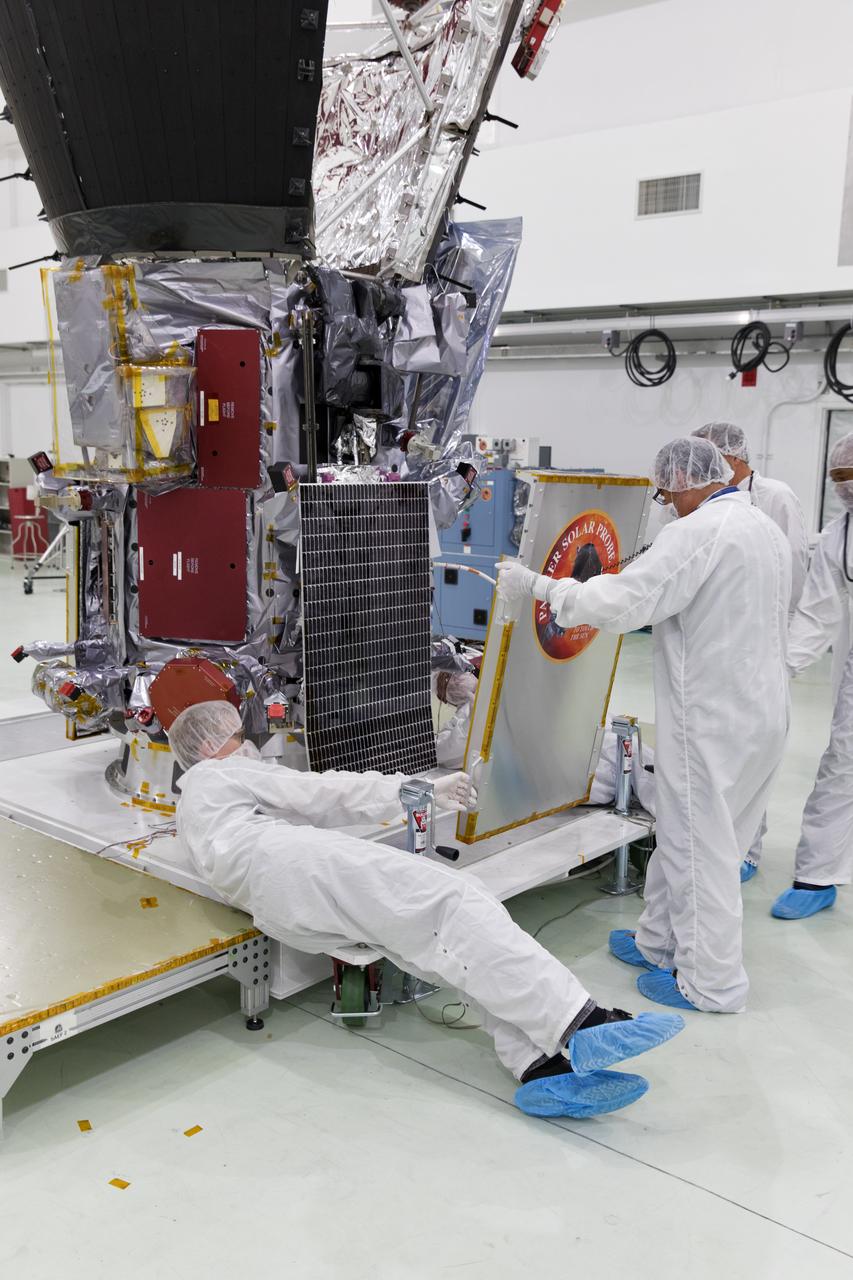
In the Astrotech processing facility in Titusville, Florida, near NASA's Kennedy Space Center, on Tuesday, June 5, 2018, technicians and engineers prepare NASA's Parker Solar Probe for light bar testing. The Parker Solar Probe will launch on a United Launch Alliance Delta IV Heavy rocket from Space Launch Complex 37 at Cape Canaveral Air Force Station in Florida no earlier than Aug. 4, 2018. The mission will perform the closest-ever observations of a star when it travels through the Sun's atmosphere, called the corona. The probe will rely on measurements and imaging to revolutionize our understanding of the corona and the Sun-Earth connection.
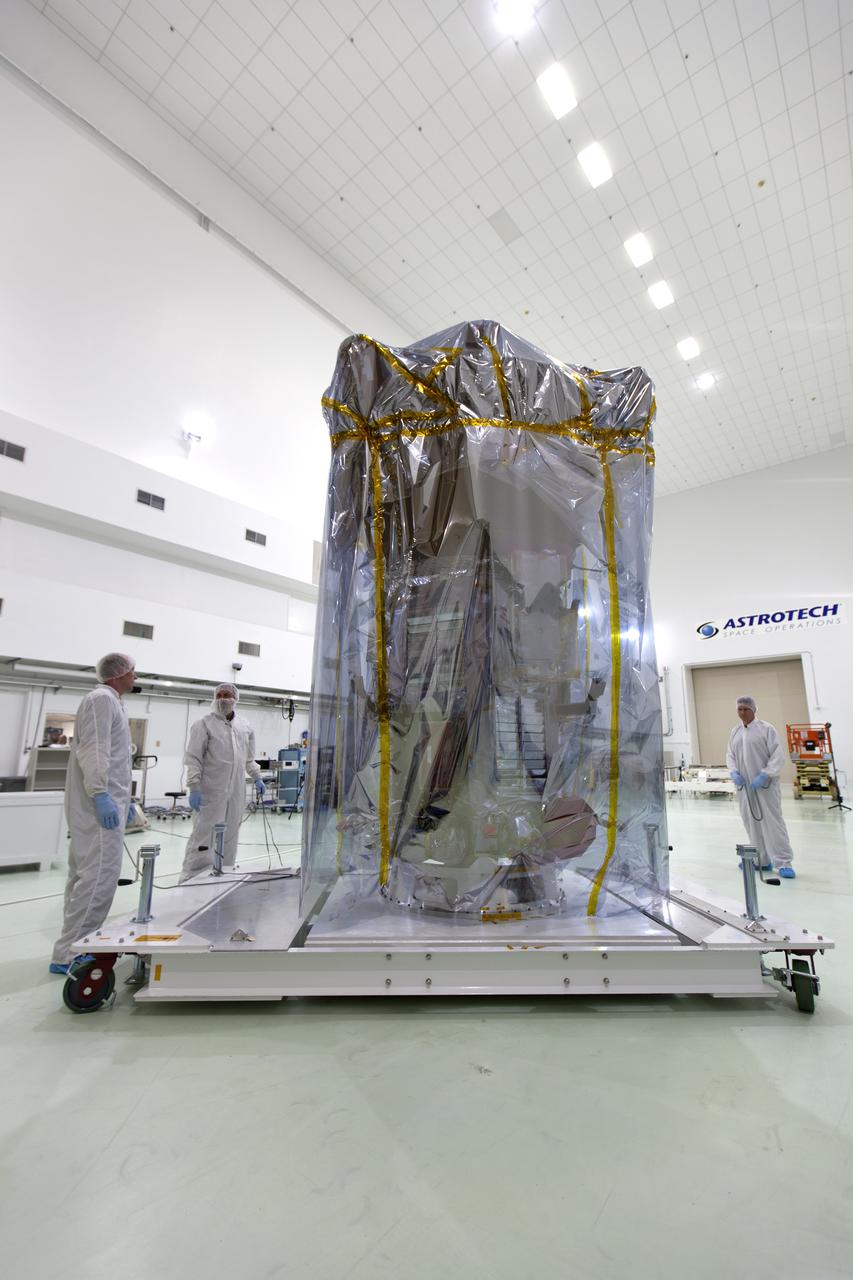
At the Astrotech processing facility in Titusville, Florida, near NASA's Kennedy Space Center, technicians and engineers remove NASA's Parker Solar Probe from its shipping bag on Wednesday, April 4, 2018. The Parker Solar Probe will launch on a United Launch Alliance Delta IV Heavy rocket from Space Launch Complex 37 at Cape Canaveral Air Force Station in Florida no earlier than Aug. 4, 2018. The mission will perform the closest-ever observations of a star when it travels through the Sun's atmosphere, called the corona. The probe will rely on measurements and imaging to revolutionize our understanding of the corona and the Sun-Earth connection.
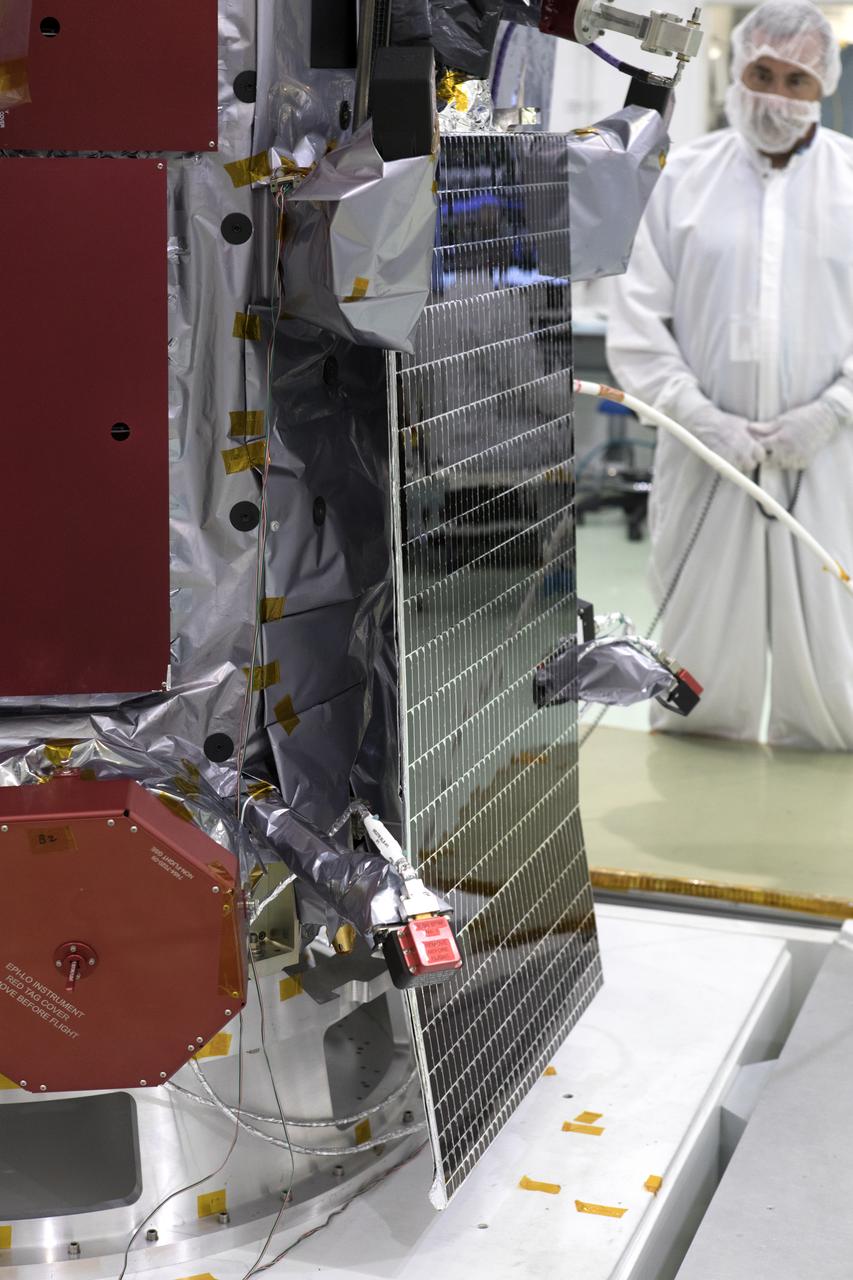
NASA's Parker Solar Probe solar arrays are deployed for testing at the Astrotech processing facility in Titusville, Florida, near NASA's Kennedy Space Center on Sunday, June 3, 2018. The Parker Solar Probe will launch on a United Launch Alliance Delta IV Heavy rocket from Space Launch Complex 37 at Cape Canaveral Air Force Station in Florida no earlier than Aug. 4, 2018. The mission will perform the closest-ever observations of a star when it travels through the Sun's atmosphere, called the corona. The probe will rely on measurements and imaging to revolutionize our understanding of the corona and the Sun-Earth connection.
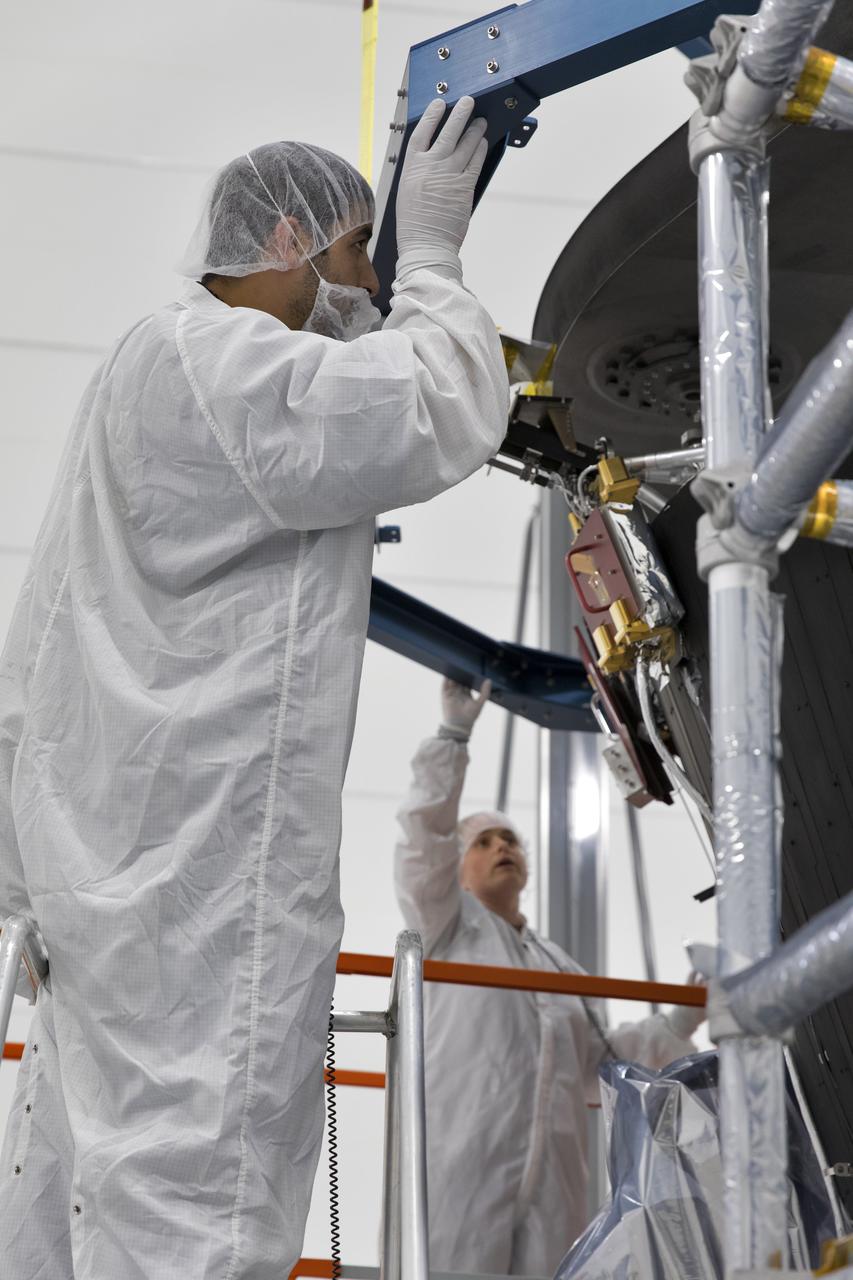
In the Astrotech processing facility in Titusville, Florida, near NASA's Kennedy Space Center, on Wednesday, June 27, 2018, technicians and engineers install the heat shield on NASA's Parker Solar Probe. The Parker Solar Probe will launch on a United Launch Alliance Delta IV Heavy rocket from Space Launch Complex 37 at Cape Canaveral Air Force Station in Florida no earlier than Aug. 4, 2018. The mission will perform the closest-ever observations of a star when it travels through the Sun's atmosphere, called the corona. The probe will rely on measurements and imaging to revolutionize our understanding of the corona and the Sun-Earth connection.
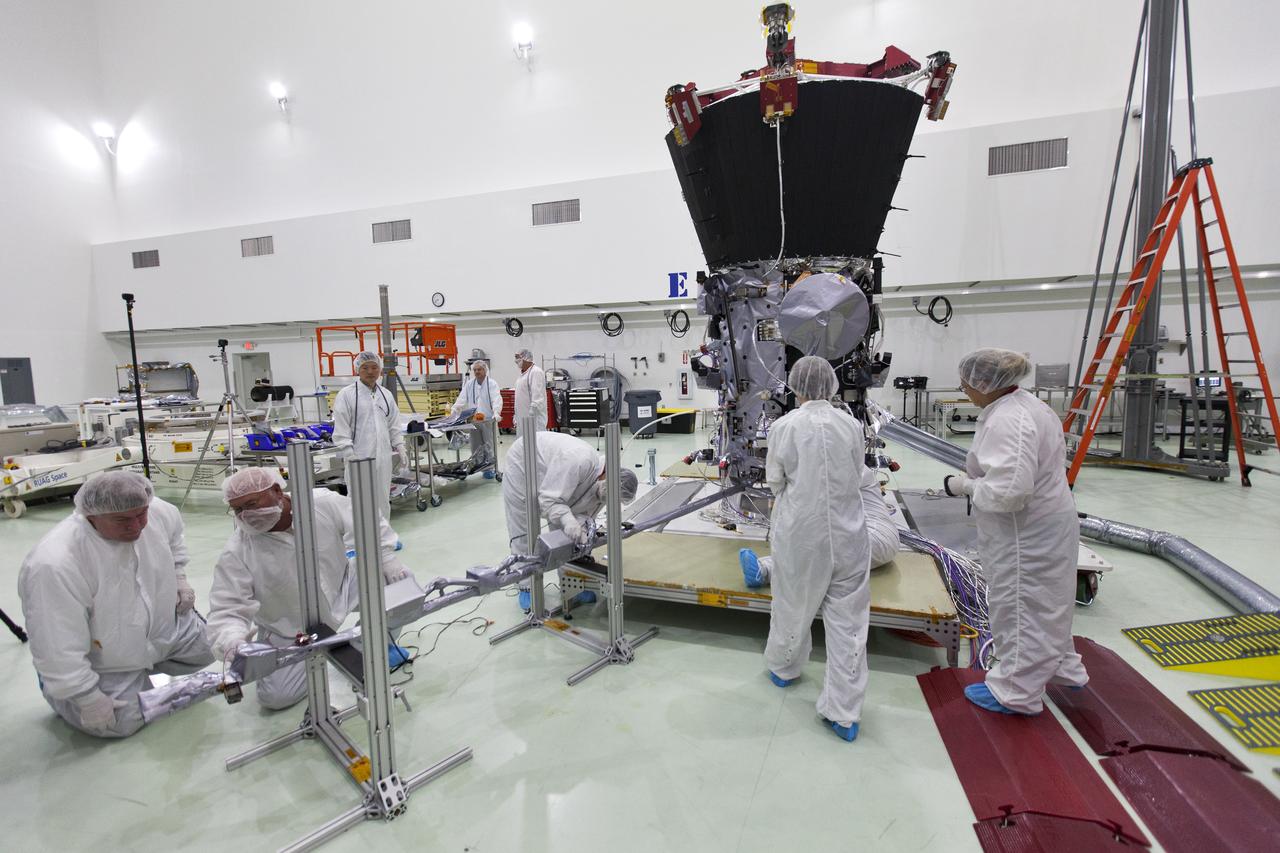
In the Astrotech processing facility in Titusville, Florida, near NASA's Kennedy Space Center, on Wednesday, May 23, 2018, technicians and engineers deploy the magnetometer boom on NASA's Parker Solar Probe. The Parker Solar Probe will launch on a United Launch Alliance Delta IV Heavy rocket from Space Launch Complex 37 at Cape Canaveral Air Force Station in Florida no earlier than Aug. 4, 2018. The mission will perform the closest-ever observations of a star when it travels through the Sun's atmosphere, called the corona. The probe will rely on measurements and imaging to revolutionize our understanding of the corona and the Sun-Earth connection.
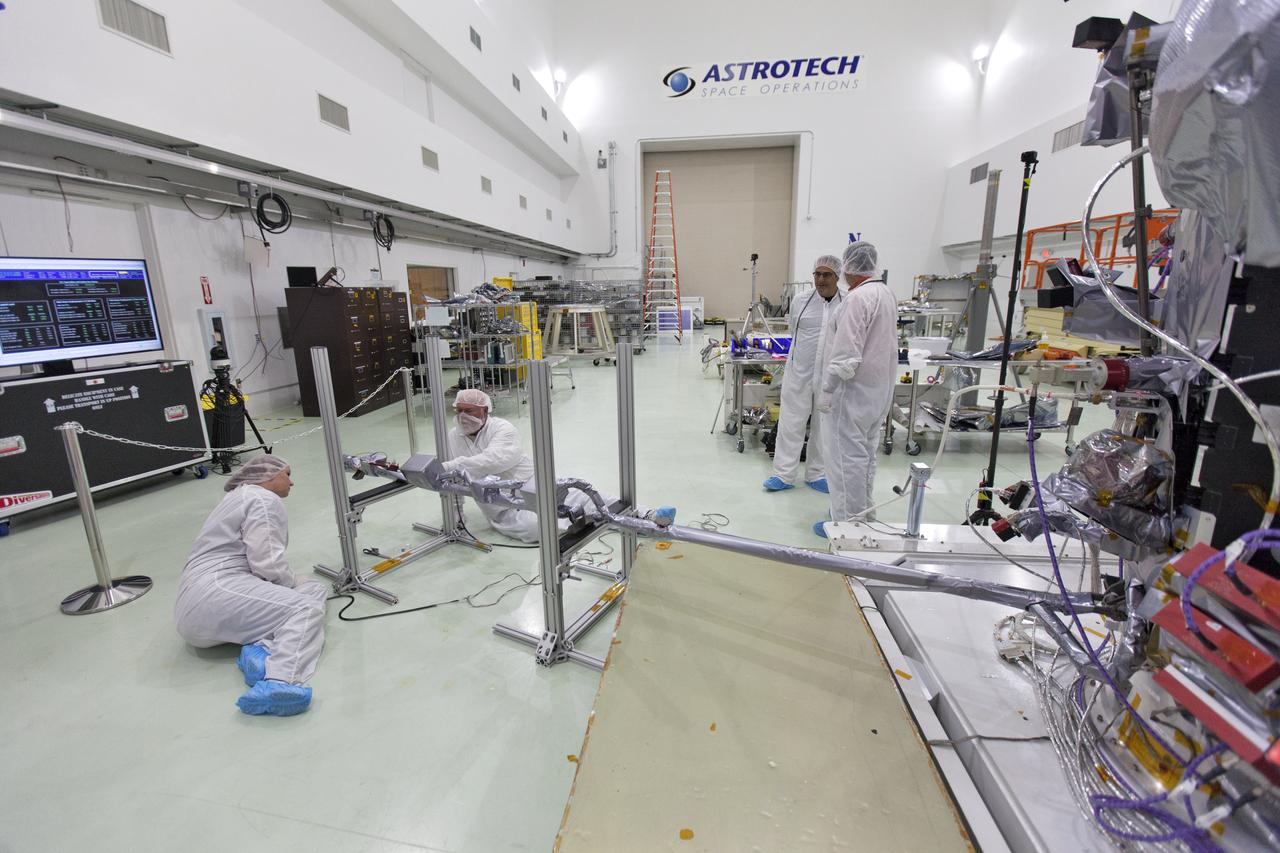
In the Astrotech processing facility in Titusville, Florida, near NASA's Kennedy Space Center, on Wednesday, May 23, 2018, technicians and engineers deploy the magnetometer boom on NASA's Parker Solar Probe. The Parker Solar Probe will launch on a United Launch Alliance Delta IV Heavy rocket from Space Launch Complex 37 at Cape Canaveral Air Force Station in Florida no earlier than Aug. 4, 2018. The mission will perform the closest-ever observations of a star when it travels through the Sun's atmosphere, called the corona. The probe will rely on measurements and imaging to revolutionize our understanding of the corona and the Sun-Earth connection.
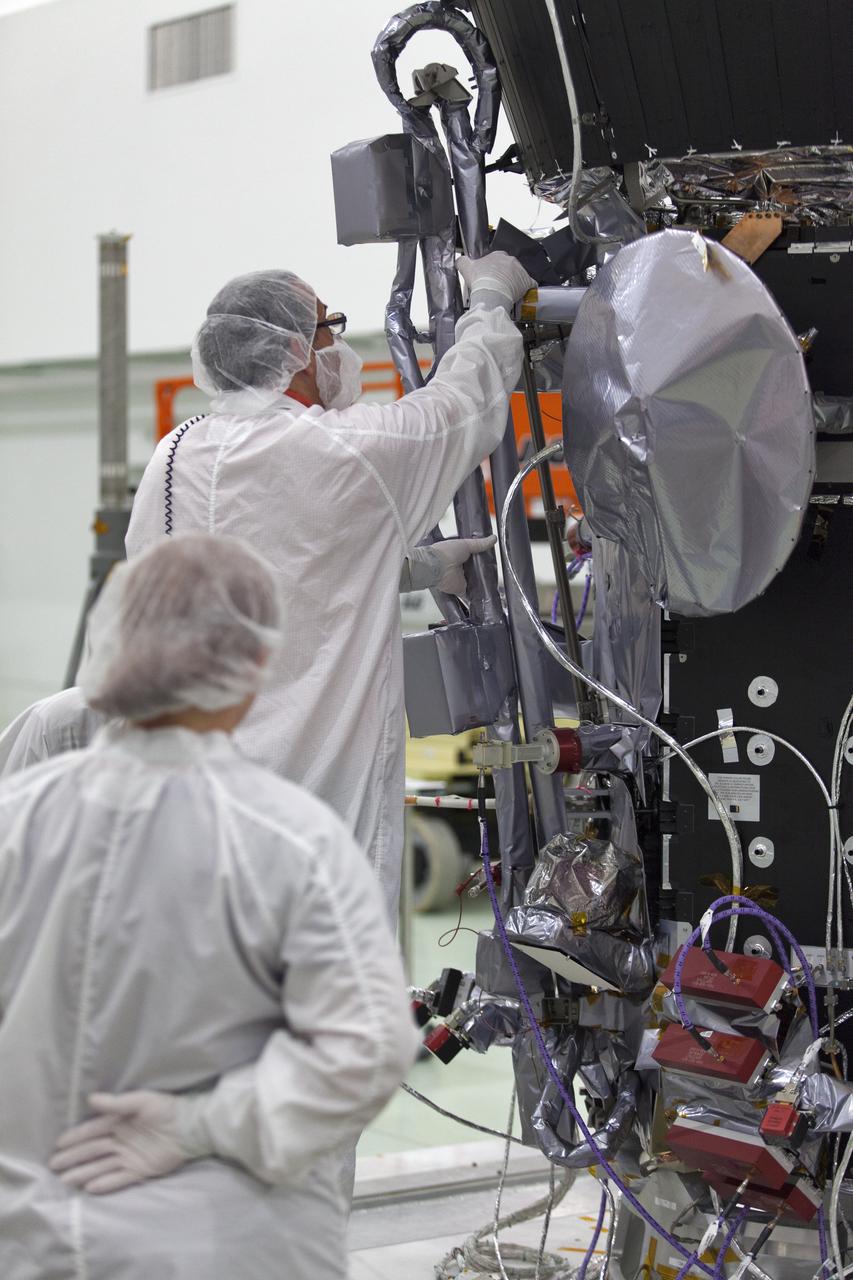
In the Astrotech processing facility in Titusville, Florida, near NASA's Kennedy Space Center, on Wednesday, May 23, 2018, technicians and engineers deploy the magnetometer boom on NASA's Parker Solar Probe. The Parker Solar Probe will launch on a United Launch Alliance Delta IV Heavy rocket from Space Launch Complex 37 at Cape Canaveral Air Force Station in Florida no earlier than Aug. 4, 2018. The mission will perform the closest-ever observations of a star when it travels through the Sun's atmosphere, called the corona. The probe will rely on measurements and imaging to revolutionize our understanding of the corona and the Sun-Earth connection.
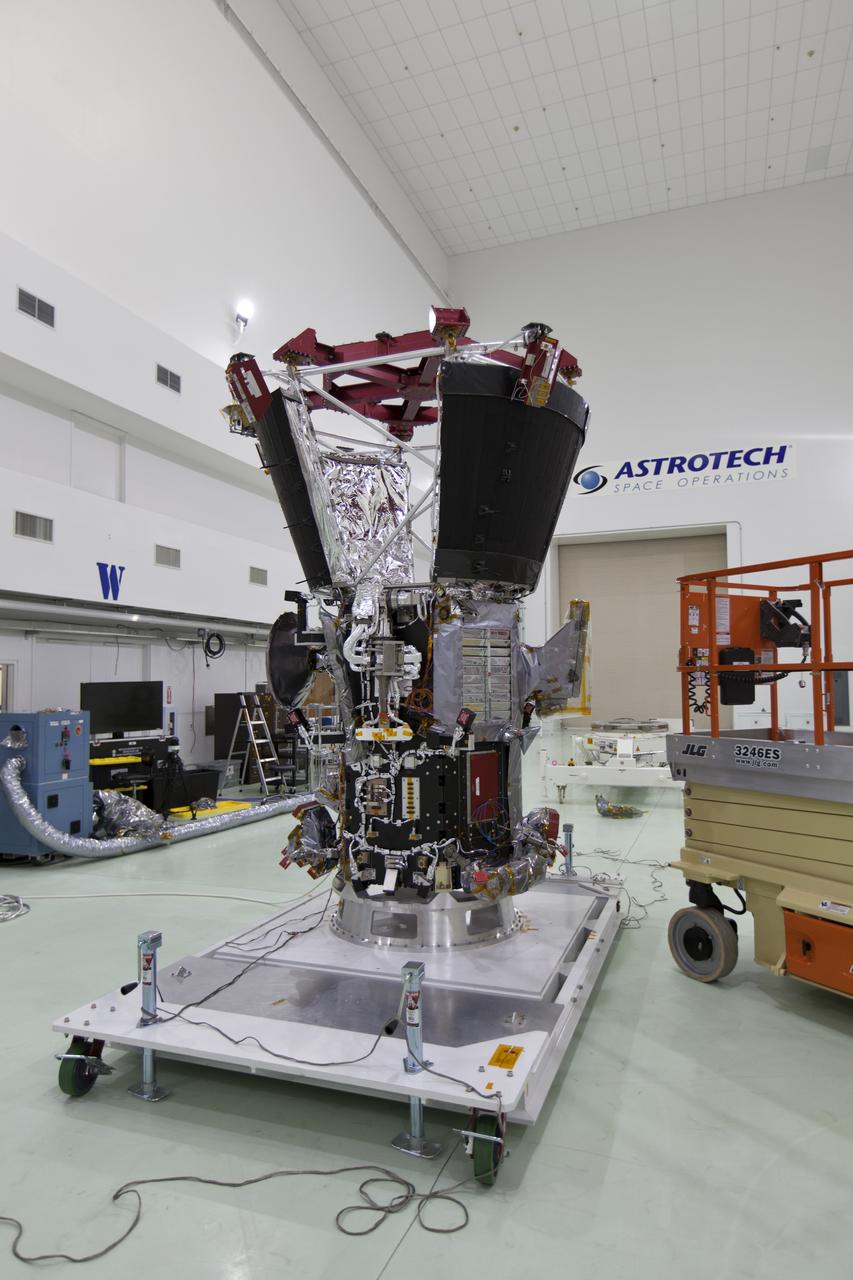
At the Astrotech processing facility in Titusville, Florida, near NASA's Kennedy Space Center, NASA's Parker Solar Probe has been removed from its shipping bag on Wednesday, April 4, 2018. The Parker Solar Probe will launch on a United Launch Alliance Delta IV Heavy rocket from Space Launch Complex 37 at Cape Canaveral Air Force Station in Florida no earlier than Aug. 4, 2018. The mission will perform the closest-ever observations of a star when it travels through the Sun's atmosphere, called the corona. The probe will rely on measurements and imaging to revolutionize our understanding of the corona and the Sun-Earth connection.
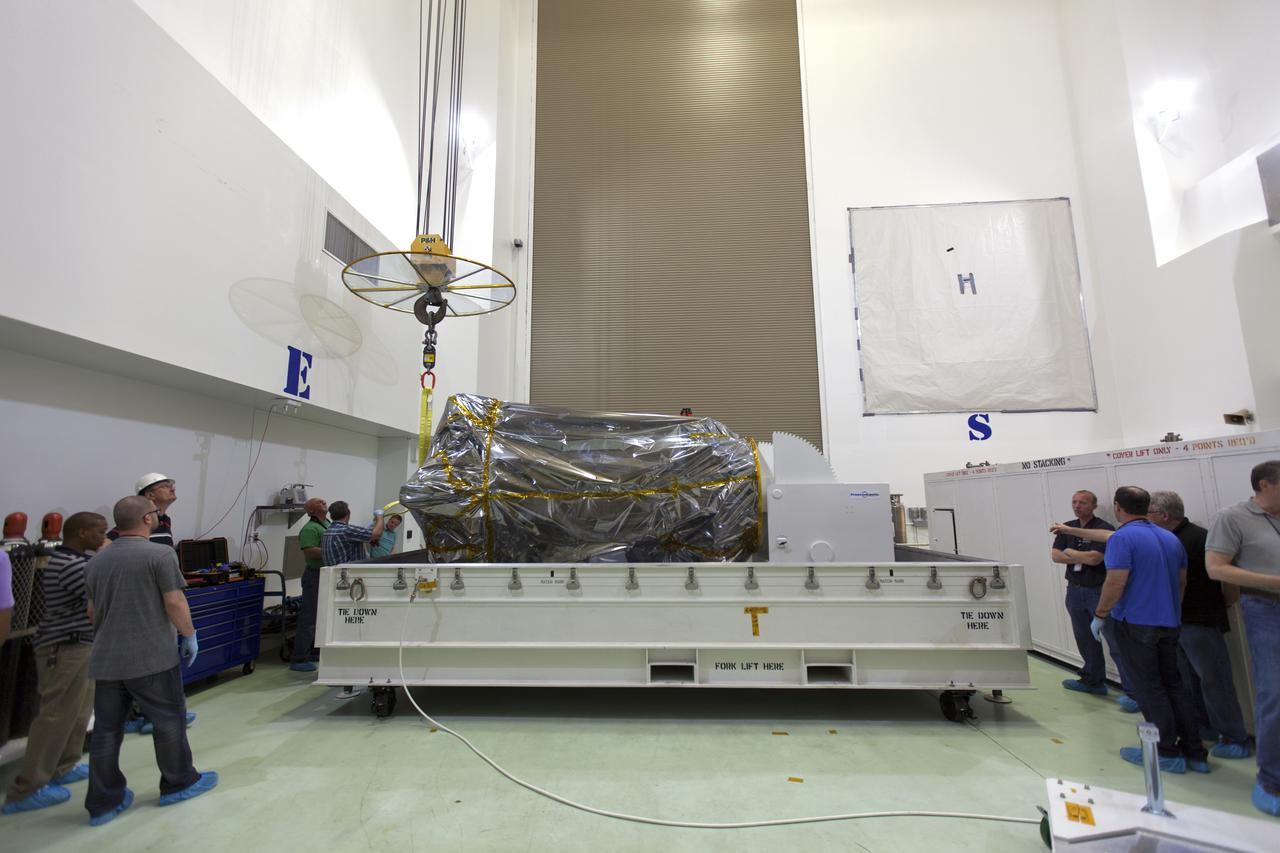
At the Astrotech processing facility in Titusville, Florida, near NASA's Kennedy Space Center, technicians and engineers remove NASA's Parker Solar Probe from its shipping container on Wednesday, April 4, 2018. The Parker Solar Probe will launch on a United Launch Alliance Delta IV Heavy rocket from Space Launch Complex 37 at Cape Canaveral Air Force Station in Florida no earlier than Aug. 4, 2018. The mission will perform the closest-ever observations of a star when it travels through the Sun's atmosphere, called the corona. The probe will rely on measurements and imaging to revolutionize our understanding of the corona and the Sun-Earth connection.
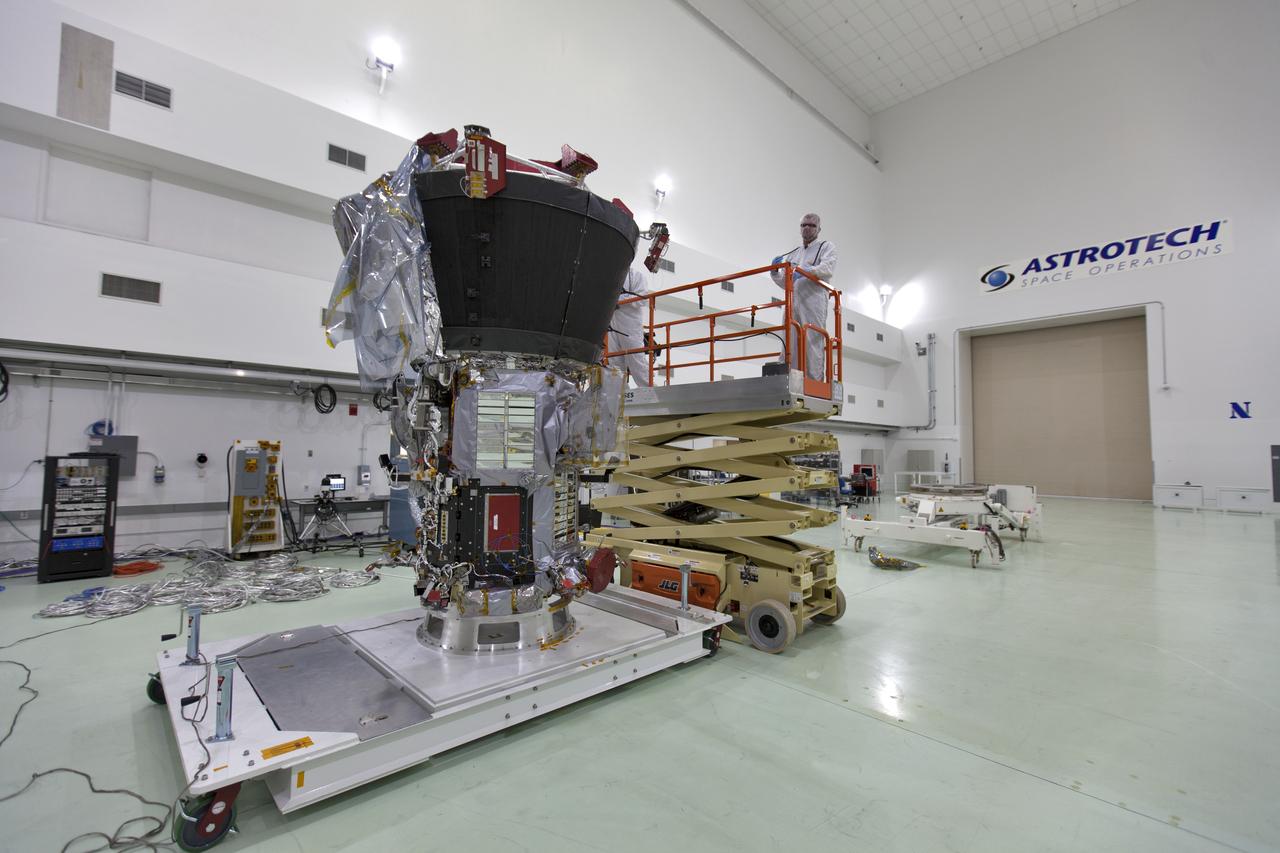
At the Astrotech processing facility in Titusville, Florida, near NASA's Kennedy Space Center, technicians and engineers remove NASA's Parker Solar Probe from its shipping bag on Wednesday, April 4, 2018. The Parker Solar Probe will launch on a United Launch Alliance Delta IV Heavy rocket from Space Launch Complex 37 at Cape Canaveral Air Force Station in Florida no earlier than Aug. 4, 2018. The mission will perform the closest-ever observations of a star when it travels through the Sun's atmosphere, called the corona. The probe will rely on measurements and imaging to revolutionize our understanding of the corona and the Sun-Earth connection.
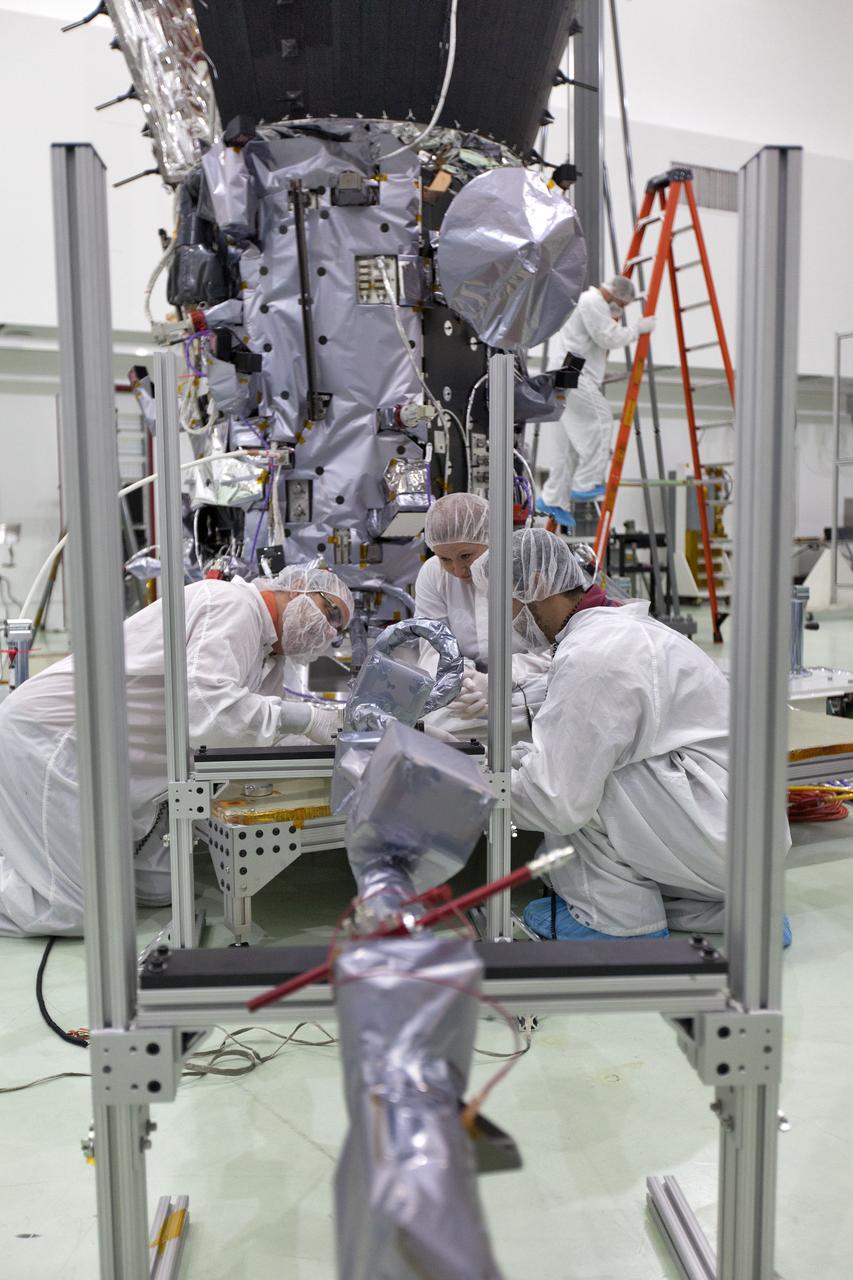
In the Astrotech processing facility in Titusville, Florida, near NASA's Kennedy Space Center, on Wednesday, May 23, 2018, technicians and engineers deploy the magnetometer boom on NASA's Parker Solar Probe. The Parker Solar Probe will launch on a United Launch Alliance Delta IV Heavy rocket from Space Launch Complex 37 at Cape Canaveral Air Force Station in Florida no earlier than Aug. 4, 2018. The mission will perform the closest-ever observations of a star when it travels through the Sun's atmosphere, called the corona. The probe will rely on measurements and imaging to revolutionize our understanding of the corona and the Sun-Earth connection.

NASA's Parker Solar Probe undergoes testing at the Astrotech processing facility in Titusville, Florida, near NASA's Kennedy Space Center on Friday, May 18, 2018. The Parker Solar Probe will launch on a United Launch Alliance Delta IV Heavy rocket from Space Launch Complex 37 at Cape Canaveral Air Force Station in Florida no earlier than Aug. 4, 2018. The mission will perform the closest-ever observations of a star when it travels through the Sun's atmosphere, called the corona. The probe will rely on measurements and imaging to revolutionize our understanding of the corona and the Sun-Earth connection.
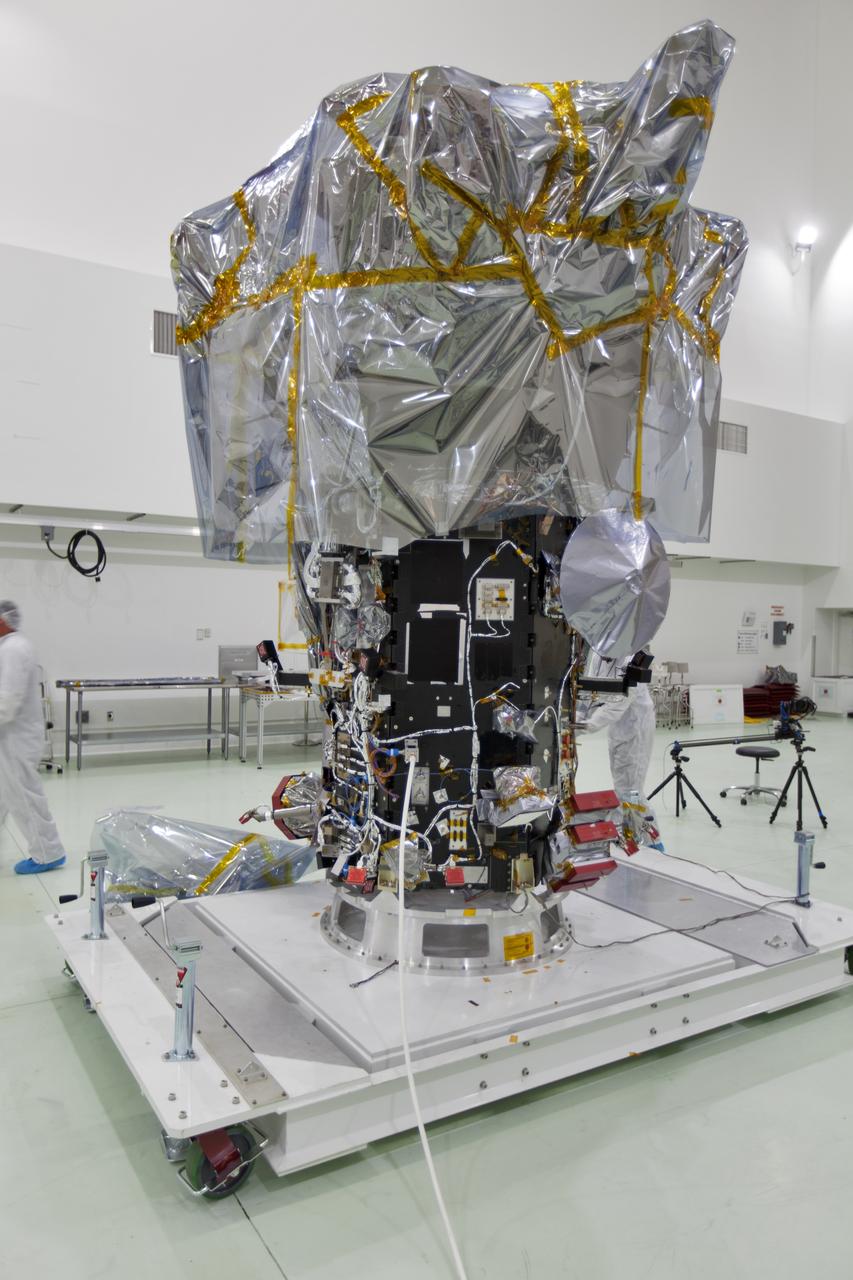
At the Astrotech processing facility in Titusville, Florida, near NASA's Kennedy Space Center, NASA's Parker Solar Probe is removed from its shipping bag on Wednesday, April 4, 2018. The Parker Solar Probe will launch on a United Launch Alliance Delta IV Heavy rocket from Space Launch Complex 37 at Cape Canaveral Air Force Station in Florida no earlier than Aug. 4, 2018. The mission will perform the closest-ever observations of a star when it travels through the Sun's atmosphere, called the corona. The probe will rely on measurements and imaging to revolutionize our understanding of the corona and the Sun-Earth connection.
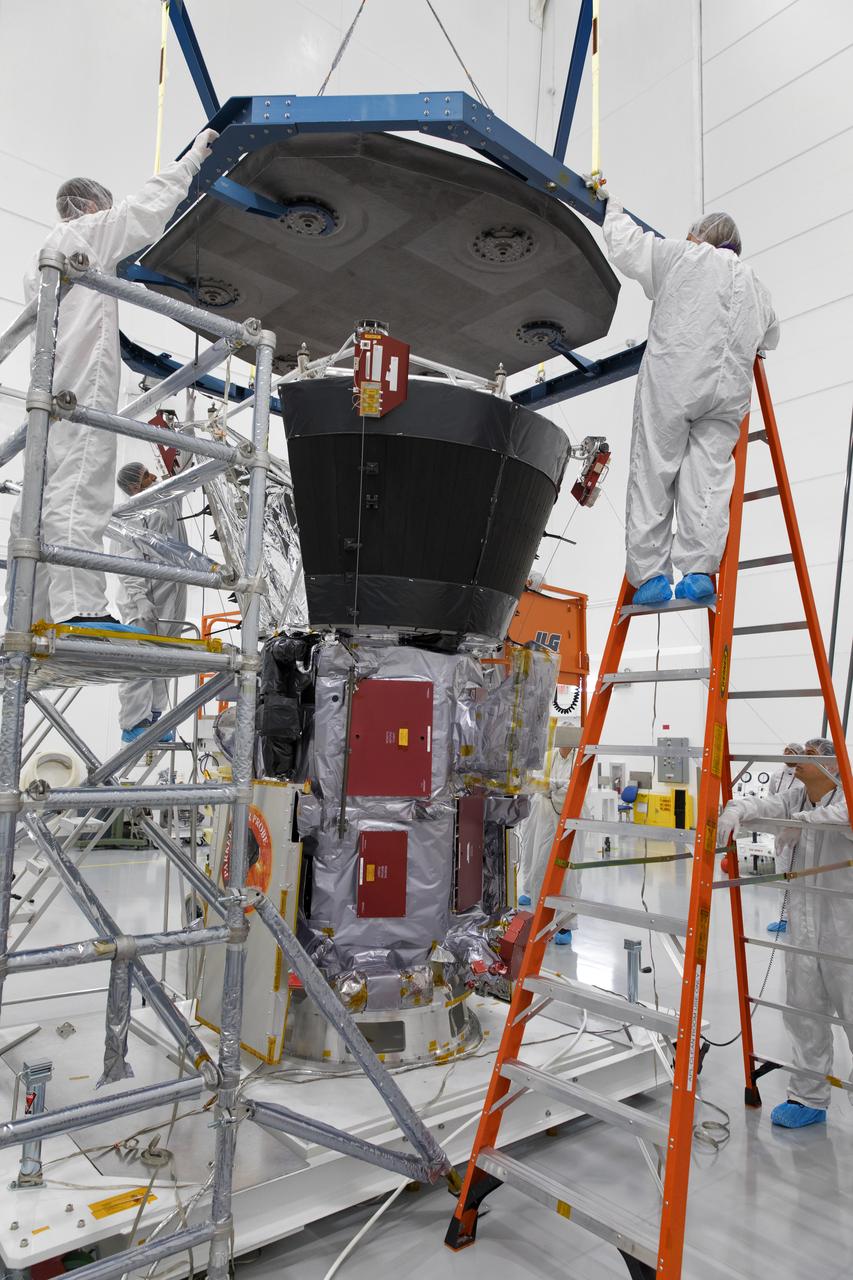
In the Astrotech processing facility in Titusville, Florida, near NASA's Kennedy Space Center, on Wednesday, June 27, 2018, technicians and engineers install the heat shield on NASA's Parker Solar Probe. The Parker Solar Probe will launch on a United Launch Alliance Delta IV Heavy rocket from Space Launch Complex 37 at Cape Canaveral Air Force Station in Florida no earlier than Aug. 4, 2018. The mission will perform the closest-ever observations of a star when it travels through the Sun's atmosphere, called the corona. The probe will rely on measurements and imaging to revolutionize our understanding of the corona and the Sun-Earth connection.
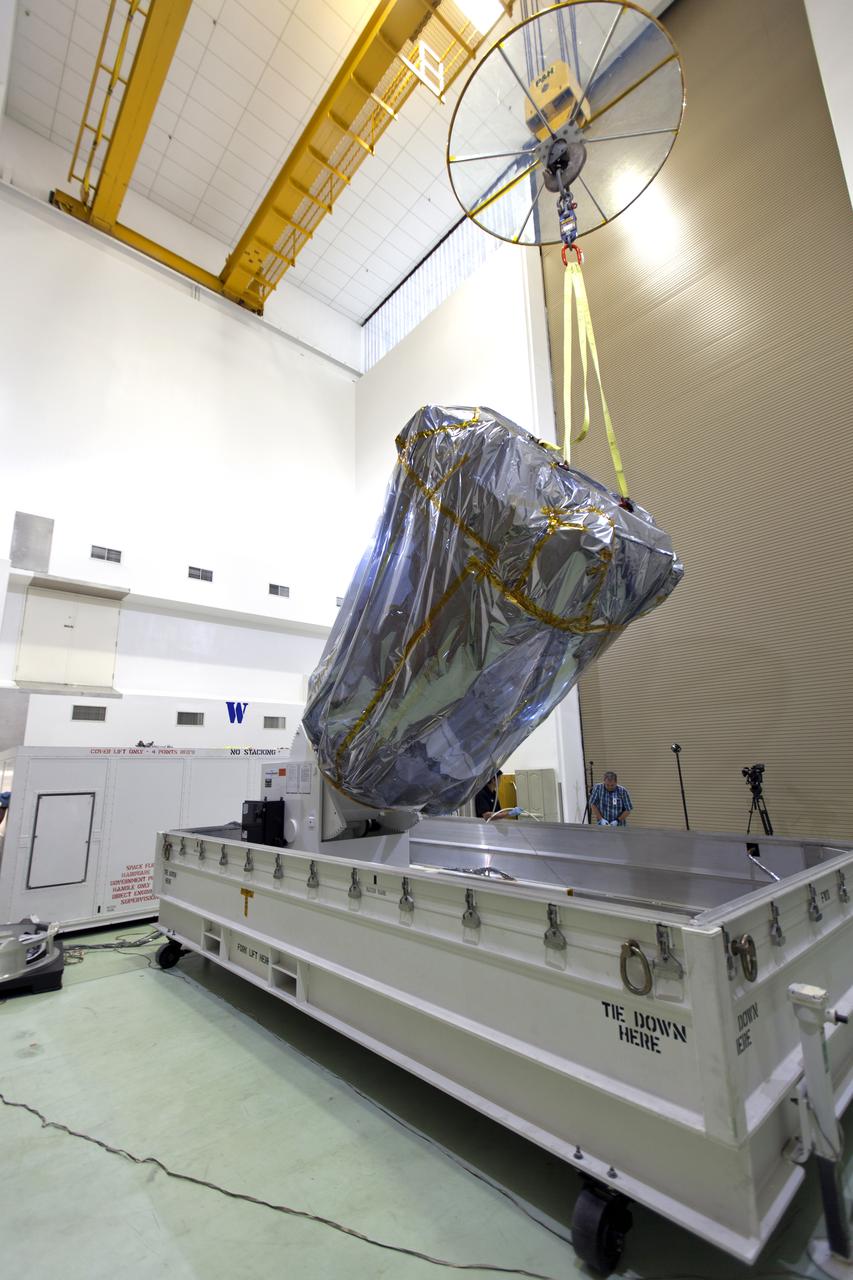
At the Astrotech processing facility in Titusville, Florida, near NASA's Kennedy Space Center, NASA's Parker Solar Probe is removed from its shipping container on Wednesday, April 4, 2018. The Parker Solar Probe will launch on a United Launch Alliance Delta IV Heavy rocket from Space Launch Complex 37 at Cape Canaveral Air Force Station in Florida no earlier than Aug. 4, 2018. The mission will perform the closest-ever observations of a star when it travels through the Sun's atmosphere, called the corona. The probe will rely on measurements and imaging to revolutionize our understanding of the corona and the Sun-Earth connection.
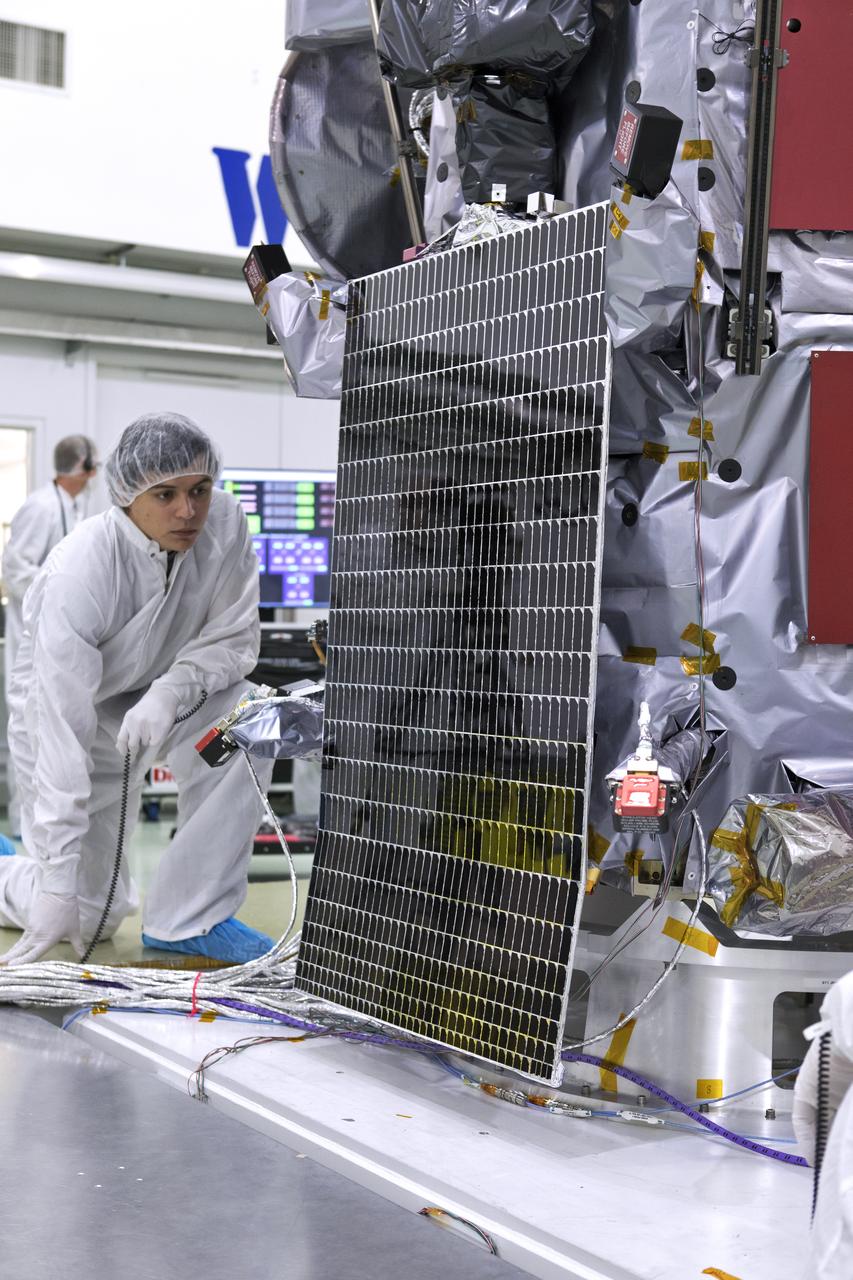
NASA's Parker Solar Probe solar arrays are deployed for testing at the Astrotech processing facility in Titusville, Florida, near NASA's Kennedy Space Center on Sunday, June 3, 2018. The Parker Solar Probe will launch on a United Launch Alliance Delta IV Heavy rocket from Space Launch Complex 37 at Cape Canaveral Air Force Station in Florida no earlier than Aug. 4, 2018. The mission will perform the closest-ever observations of a star when it travels through the Sun's atmosphere, called the corona. The probe will rely on measurements and imaging to revolutionize our understanding of the corona and the Sun-Earth connection.
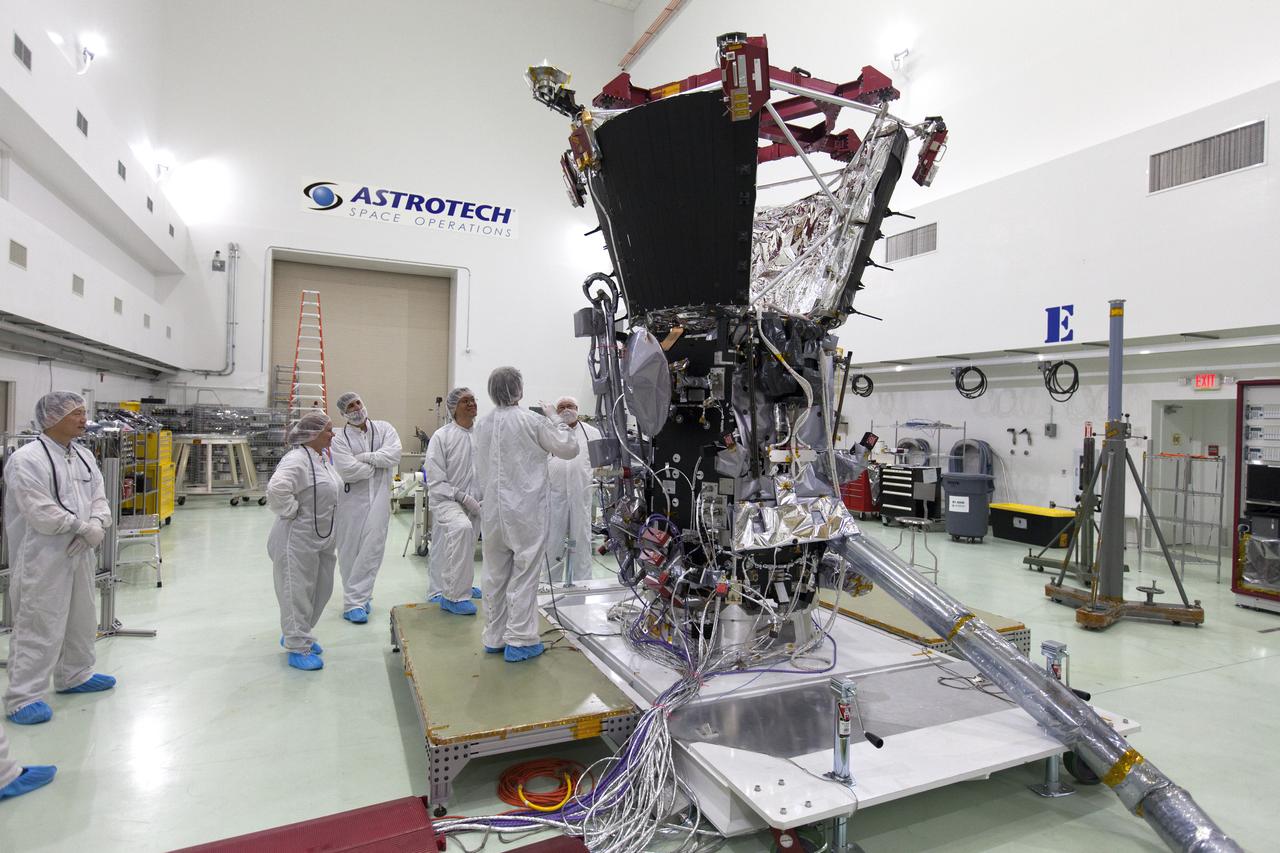
In the Astrotech processing facility in Titusville, Florida, near NASA's Kennedy Space Center, on Wednesday, May 23, 2018, technicians and engineers deploy the magnetometer boom on NASA's Parker Solar Probe. The Parker Solar Probe will launch on a United Launch Alliance Delta IV Heavy rocket from Space Launch Complex 37 at Cape Canaveral Air Force Station in Florida no earlier than Aug. 4, 2018. The mission will perform the closest-ever observations of a star when it travels through the Sun's atmosphere, called the corona. The probe will rely on measurements and imaging to revolutionize our understanding of the corona and the Sun-Earth connection.
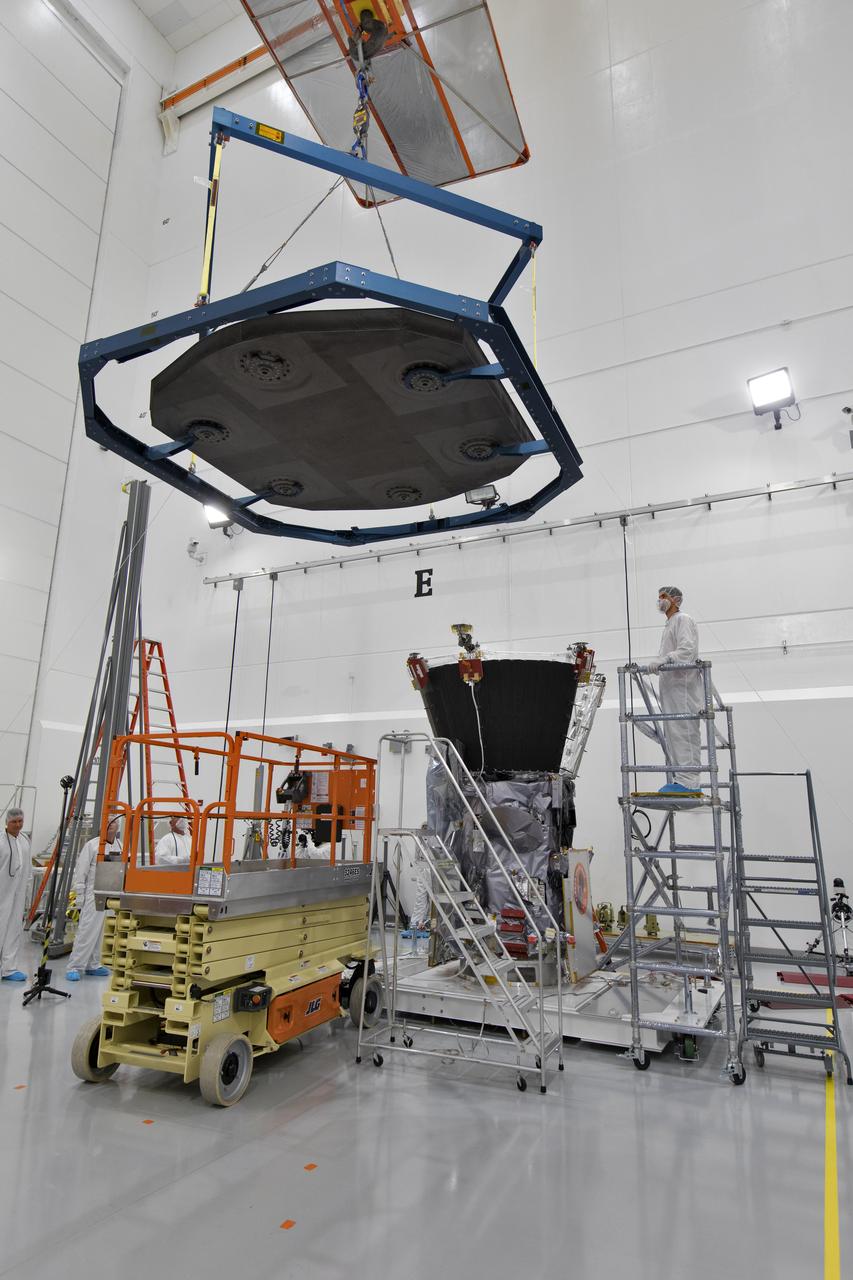
In the Astrotech processing facility in Titusville, Florida, near NASA's Kennedy Space Center, on Wednesday, June 27, 2018, technicians and engineers use a crane to install the heat shield on NASA's Parker Solar Probe. The Parker Solar Probe will launch on a United Launch Alliance Delta IV Heavy rocket from Space Launch Complex 37 at Cape Canaveral Air Force Station in Florida no earlier than Aug. 4, 2018. The mission will perform the closest-ever observations of a star when it travels through the Sun's atmosphere, called the corona. The probe will rely on measurements and imaging to revolutionize our understanding of the corona and the Sun-Earth connection.