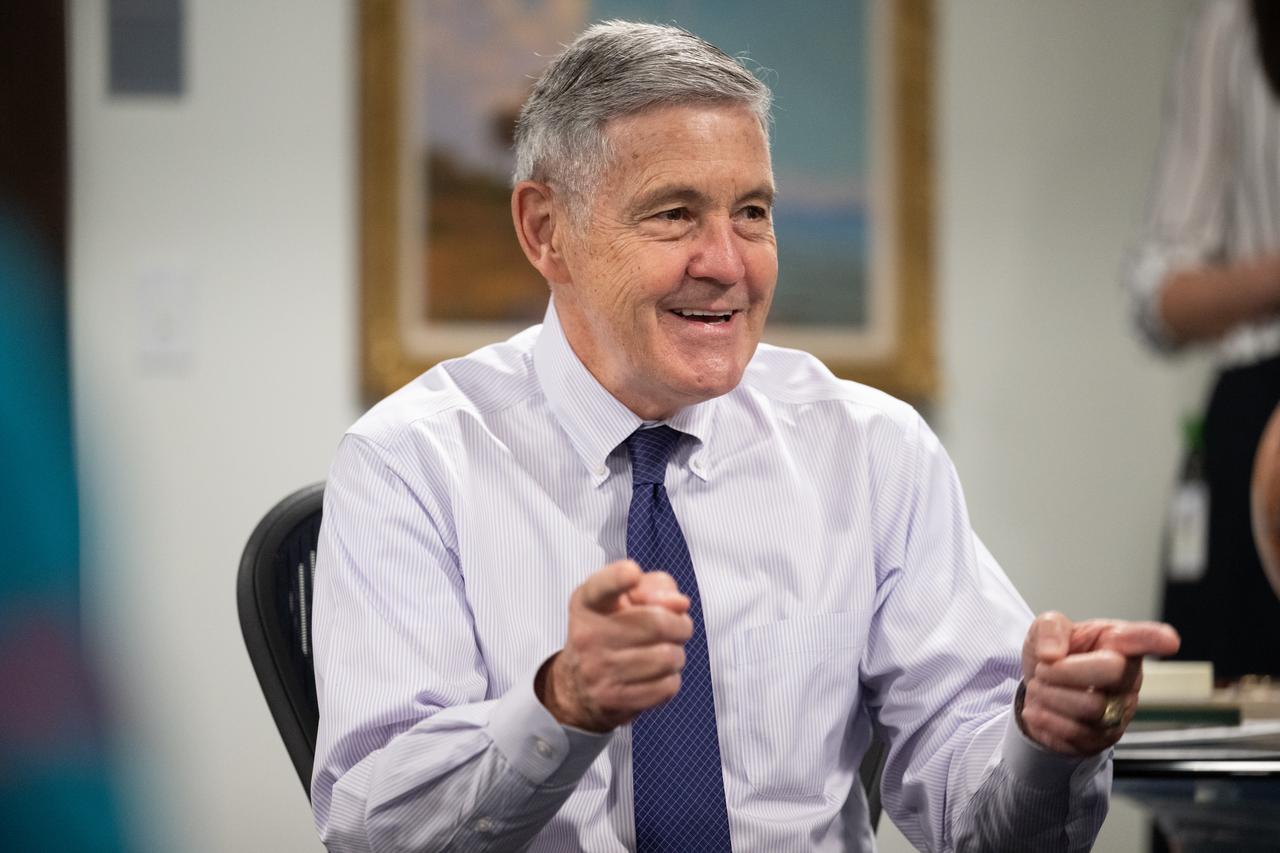
Bob Cabana, NASA associate administrator, speaks with the 2021 astronaut candidate class with NASA Administrator Bill Nelson and NASA Deputy Administrator Pam Melroy, Wednesday, Oct. 18, 2023, at the Mary W. Jackson NASA Headquarters building in Washington. Upon completion of two years of training they could be assigned to missions that involve performing research aboard the International Space Station, launching from American soil on spacecraft built by commercial companies, as well as deep space missions to destinations including the Moon on NASA’s Orion spacecraft and Space Launch System rocket. Photo Credit: (NASA/Joel Kowsky)
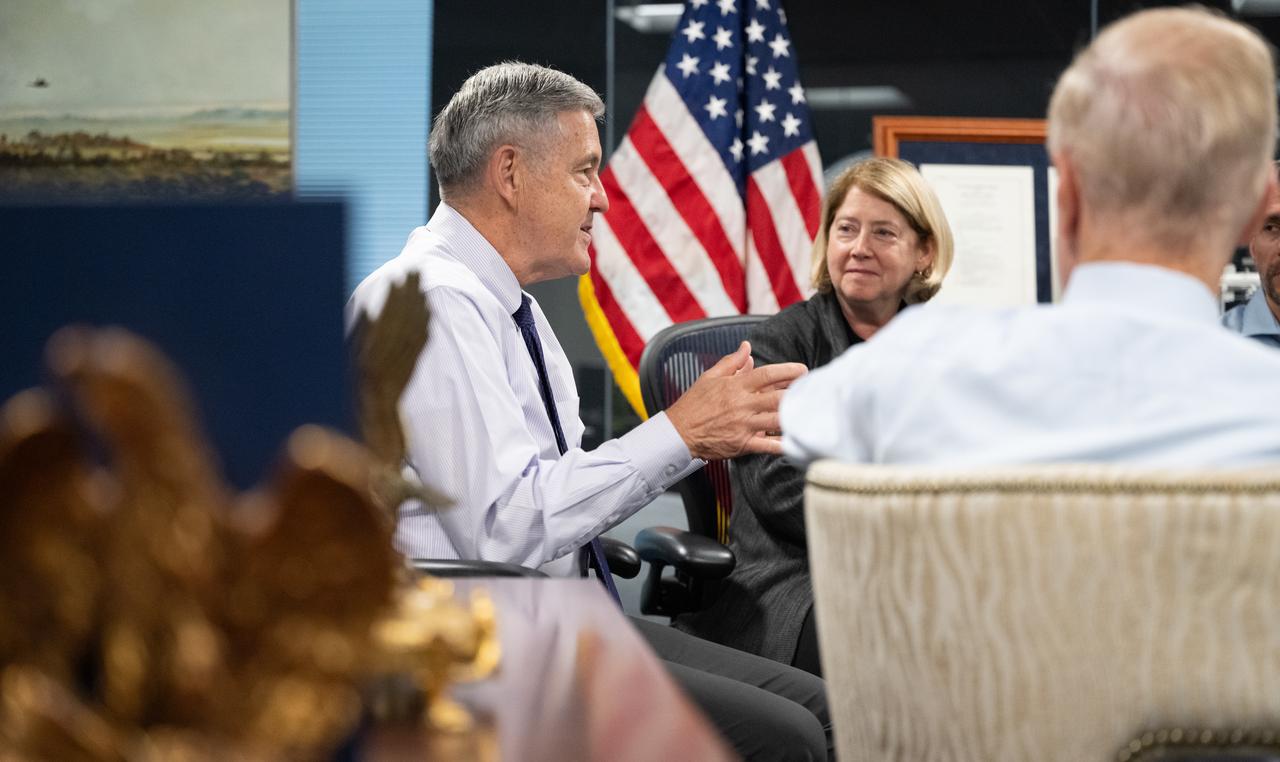
Bob Cabana, NASA associate administrator, speaks with the 2021 astronaut candidate class with NASA Administrator Bill Nelson and NASA Deputy Administrator Pam Melroy, Wednesday, Oct. 18, 2023, at the Mary W. Jackson NASA Headquarters building in Washington. Upon completion of two years of training they could be assigned to missions that involve performing research aboard the International Space Station, launching from American soil on spacecraft built by commercial companies, as well as deep space missions to destinations including the Moon on NASA’s Orion spacecraft and Space Launch System rocket. Photo Credit: (NASA/Joel Kowsky)
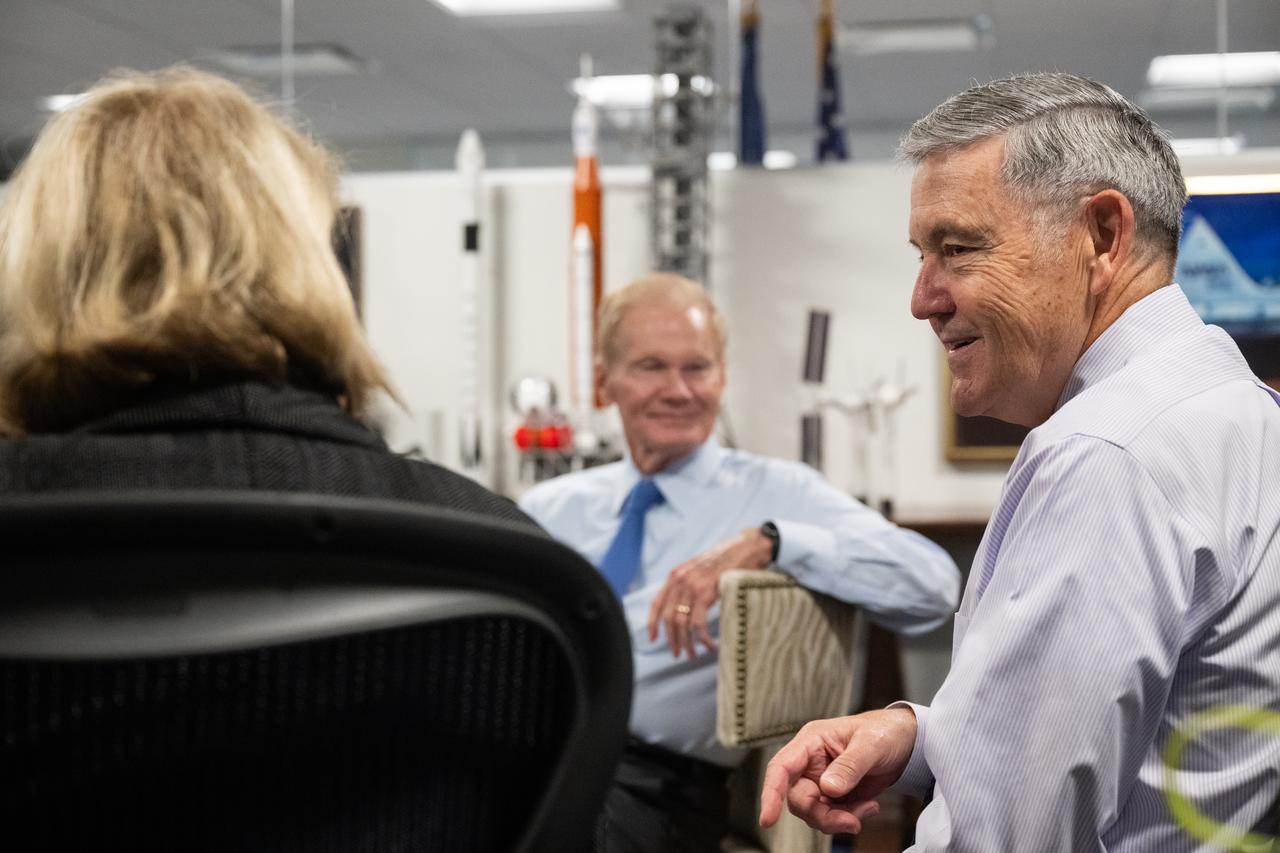
Bob Cabana, NASA associate administrator, speaks with the 2021 astronaut candidate class with NASA Administrator Bill Nelson and NASA Deputy Administrator Pam Melroy, Wednesday, Oct. 18, 2023, at the Mary W. Jackson NASA Headquarters building in Washington. Upon completion of two years of training they could be assigned to missions that involve performing research aboard the International Space Station, launching from American soil on spacecraft built by commercial companies, as well as deep space missions to destinations including the Moon on NASA’s Orion spacecraft and Space Launch System rocket. Photo Credit: (NASA/Joel Kowsky)

ASCAN Group 23 (Class of 2021) Photo. Photo Date: March 7, 2022. Location: Building 8, Room 183 - Photo Studio. Credit: NASA/Robert Markowitz & Josh Valcarcel.
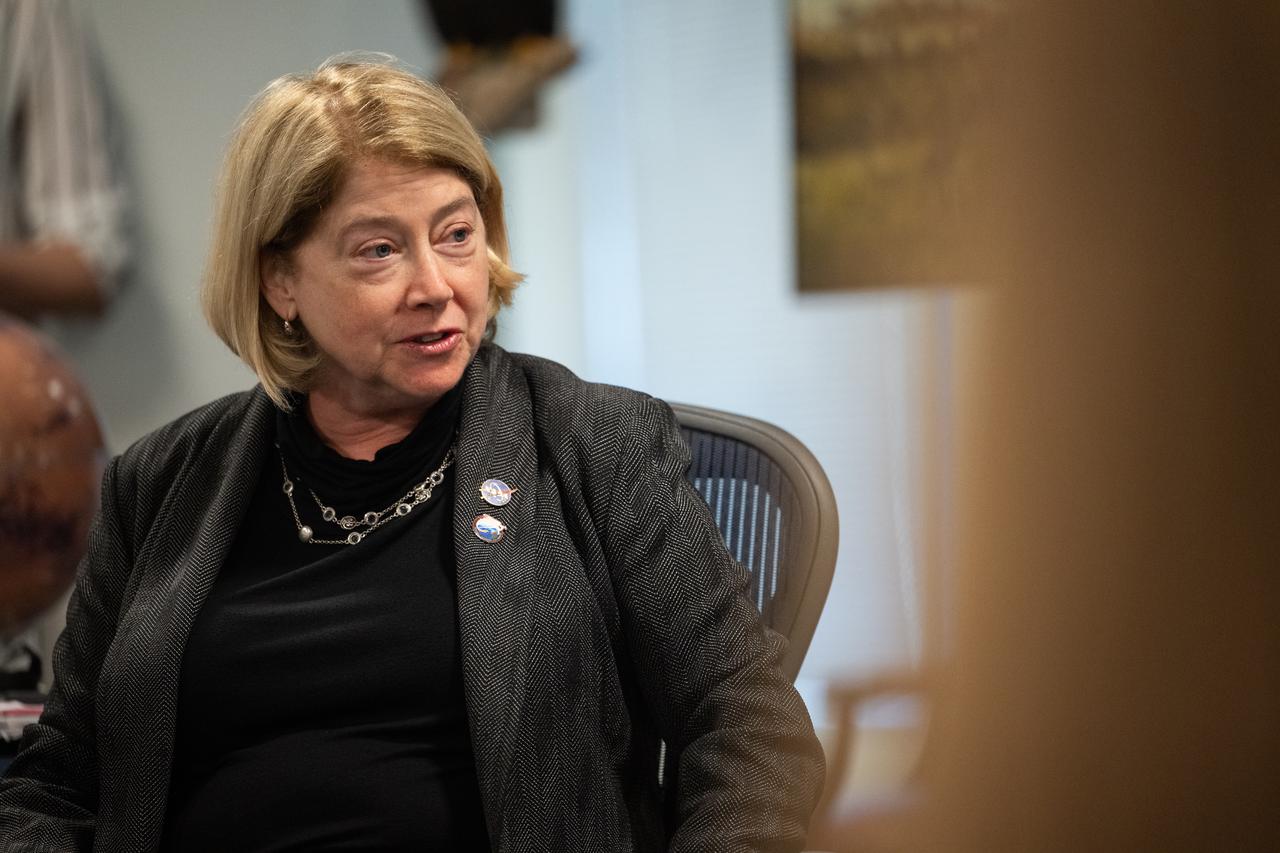
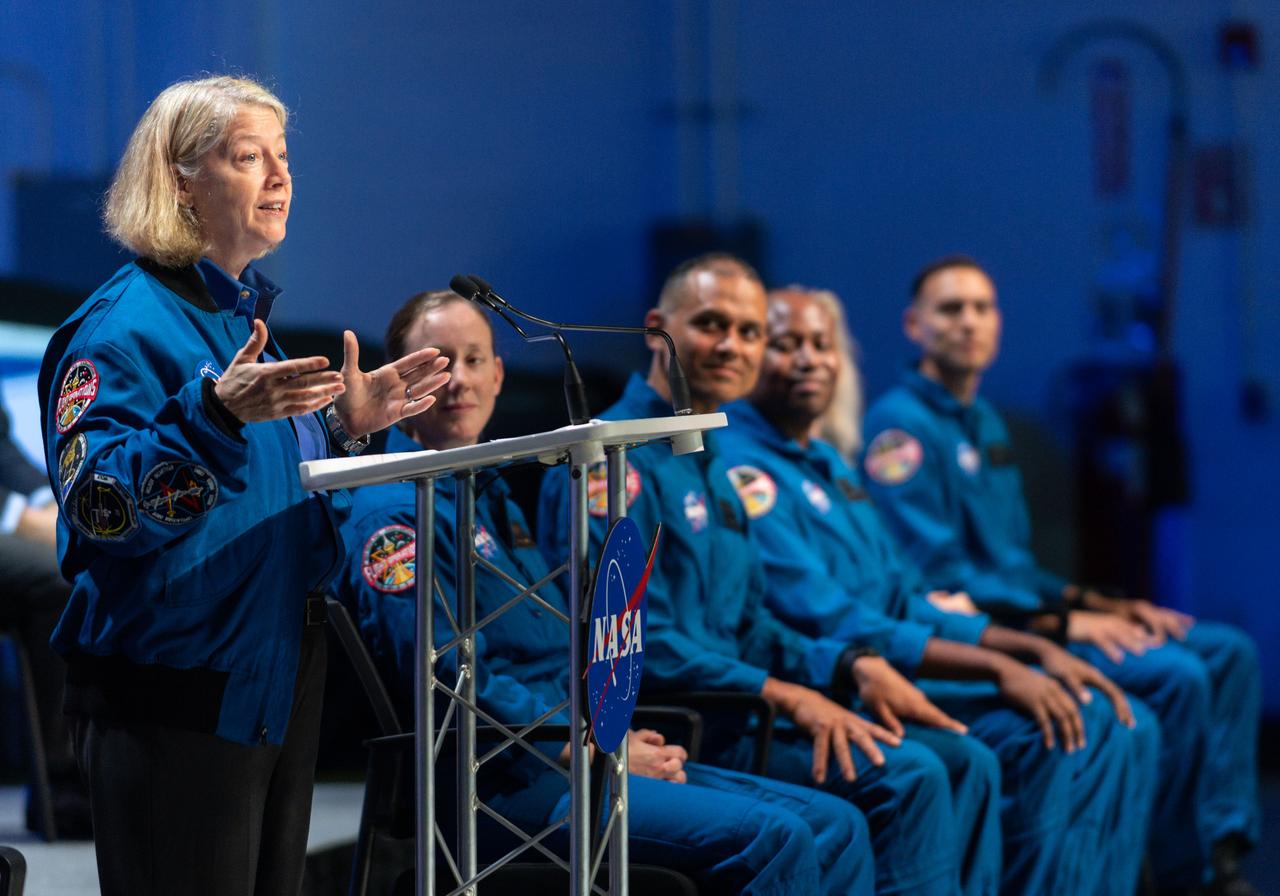
NASA Deputy Administrator Pam Melroy speaks with the 2021 astronaut candidate class with NASA Administrator Bill Nelson and Bob Cabana, NASA associate administrator, Wednesday, Oct. 18, 2023, at the Mary W. Jackson NASA Headquarters building in Washington. Upon completion of two years of training they could be assigned to missions that involve performing research aboard the International Space Station, launching from American soil on spacecraft built by commercial companies, as well as deep space missions to destinations including the Moon on NASA’s Orion spacecraft and Space Launch System rocket. Photo Credit: (NASA/Joel Kowsky)
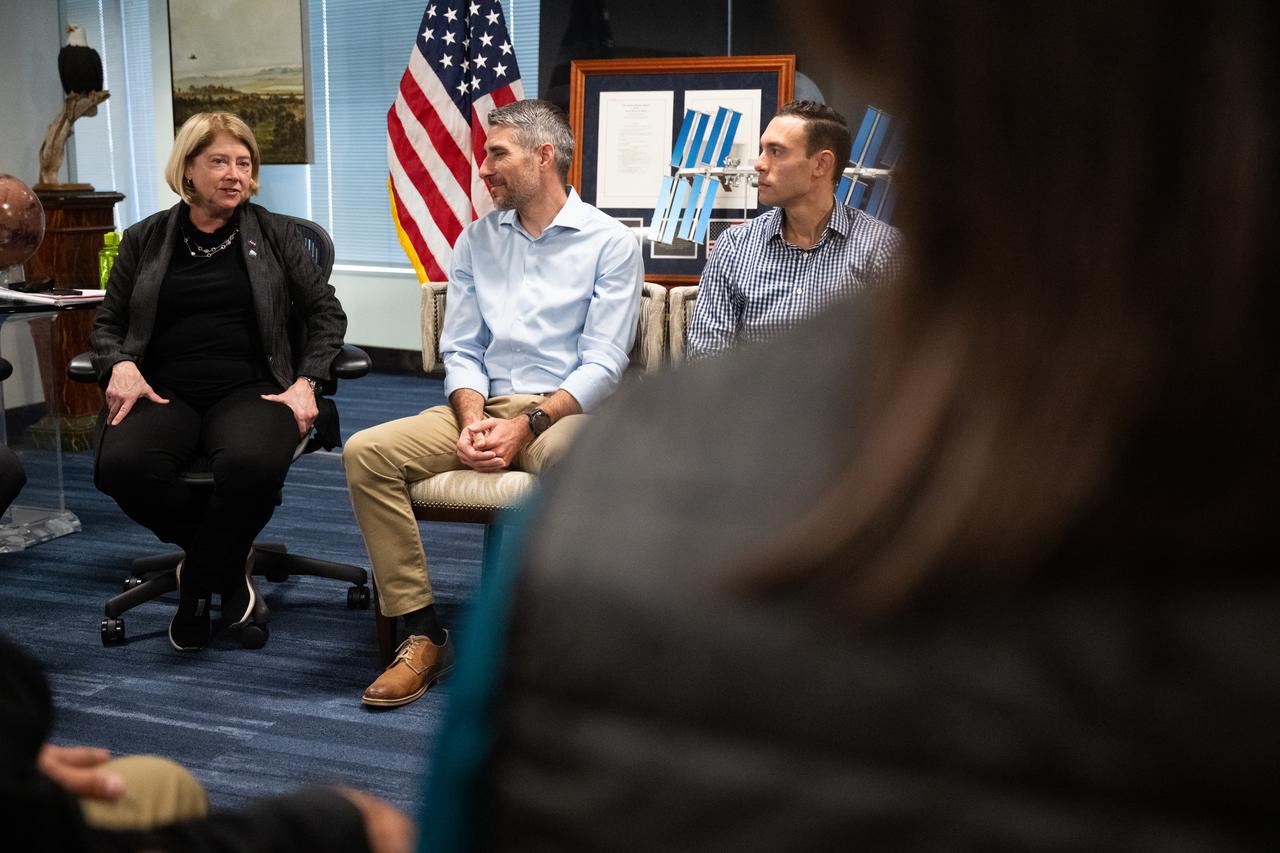
NASA Deputy Administrator Pam Melroy speaks with the 2021 astronaut candidate class with NASA Administrator Bill Nelson and Bob Cabana, NASA associate administrator, Wednesday, Oct. 18, 2023, at the Mary W. Jackson NASA Headquarters building in Washington. Upon completion of two years of training they could be assigned to missions that involve performing research aboard the International Space Station, launching from American soil on spacecraft built by commercial companies, as well as deep space missions to destinations including the Moon on NASA’s Orion spacecraft and Space Launch System rocket. Photo Credit: (NASA/Joel Kowsky)
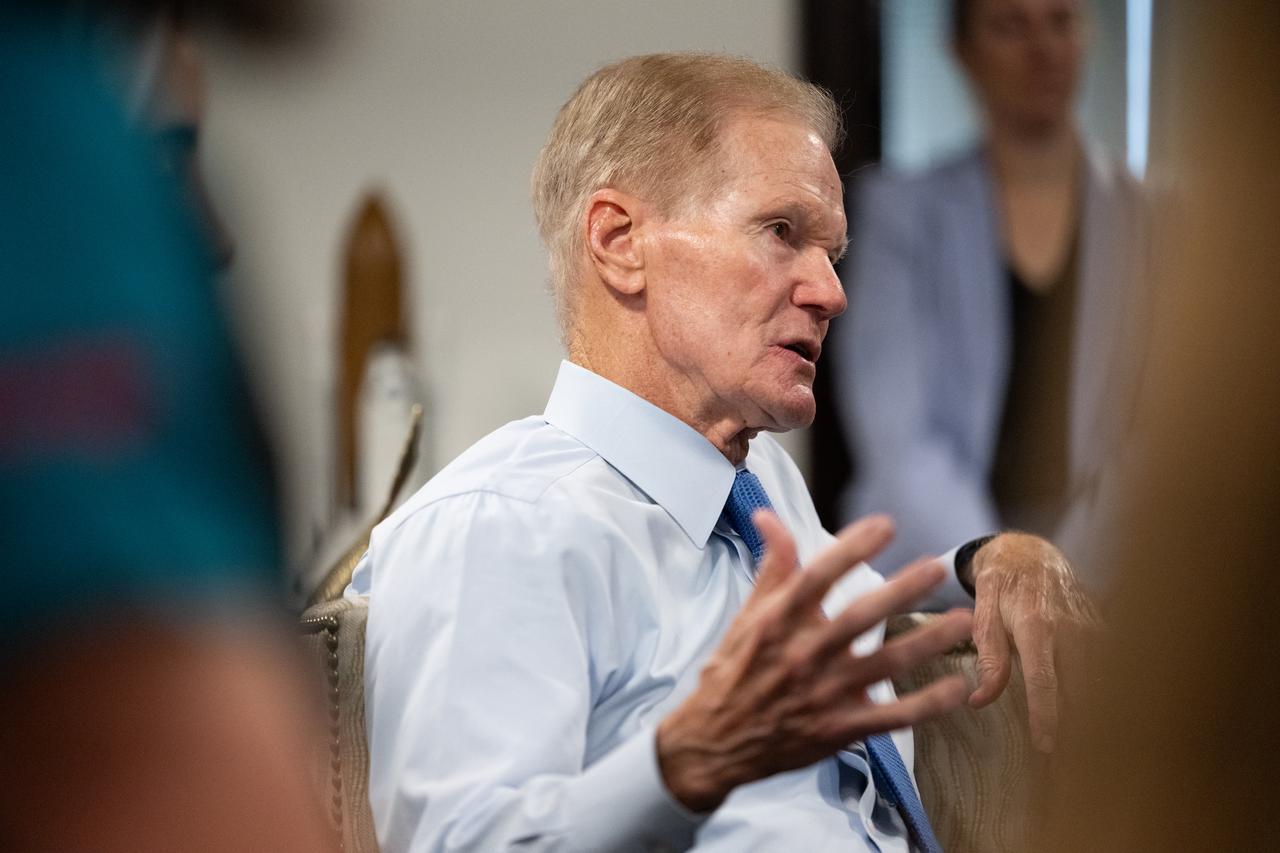
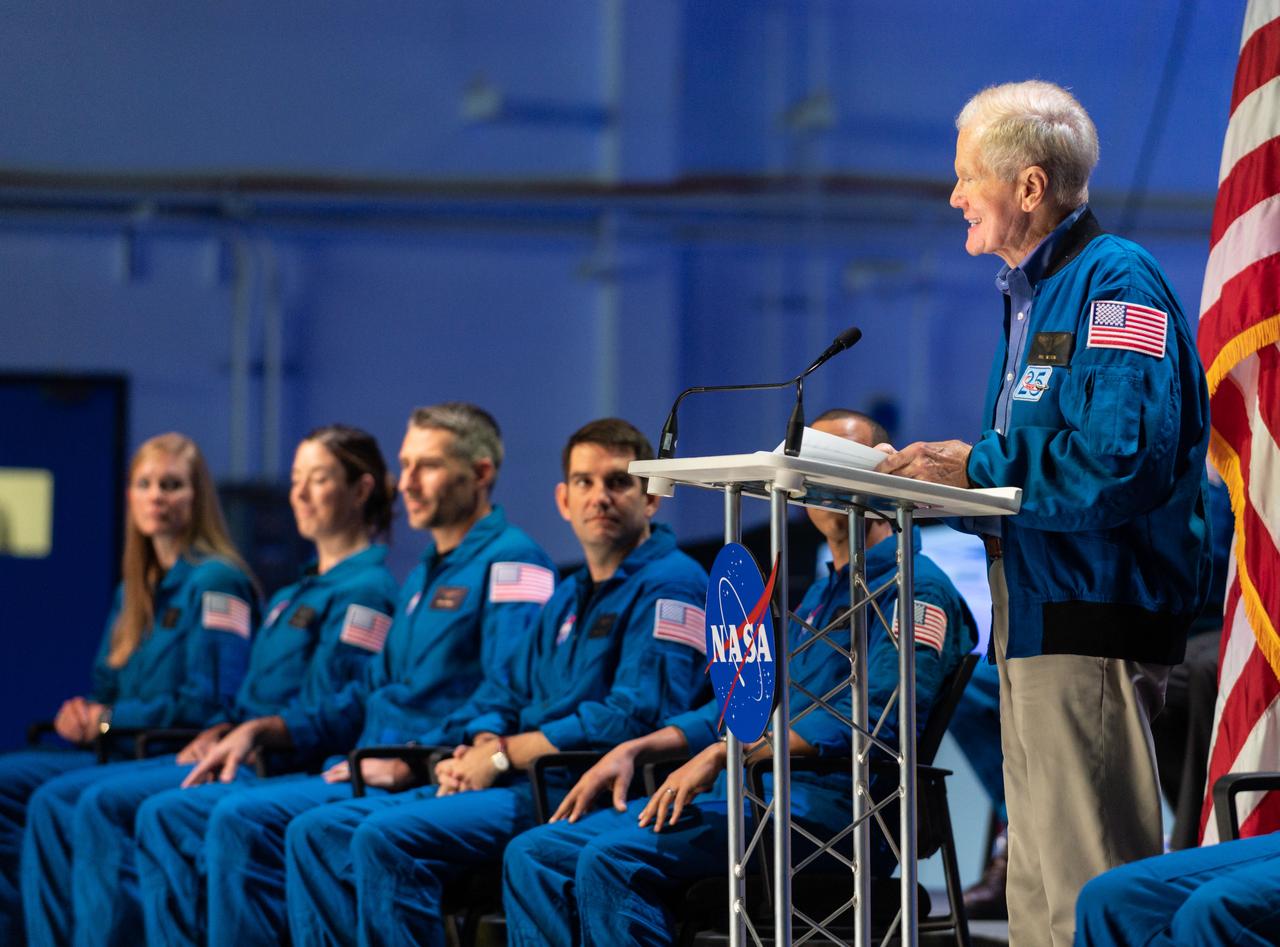
NASA Administrator Bill Nelson speaks with the 2021 astronaut candidate class with NASA Deputy Administrator Pam Melroy and Bob Cabana, NASA associate administrator, Wednesday, Oct. 18, 2023, at the Mary W. Jackson NASA Headquarters building in Washington. Upon completion of two years of training they could be assigned to missions that involve performing research aboard the International Space Station, launching from American soil on spacecraft built by commercial companies, as well as deep space missions to destinations including the Moon on NASA’s Orion spacecraft and Space Launch System rocket. Photo Credit: (NASA/Joel Kowsky)
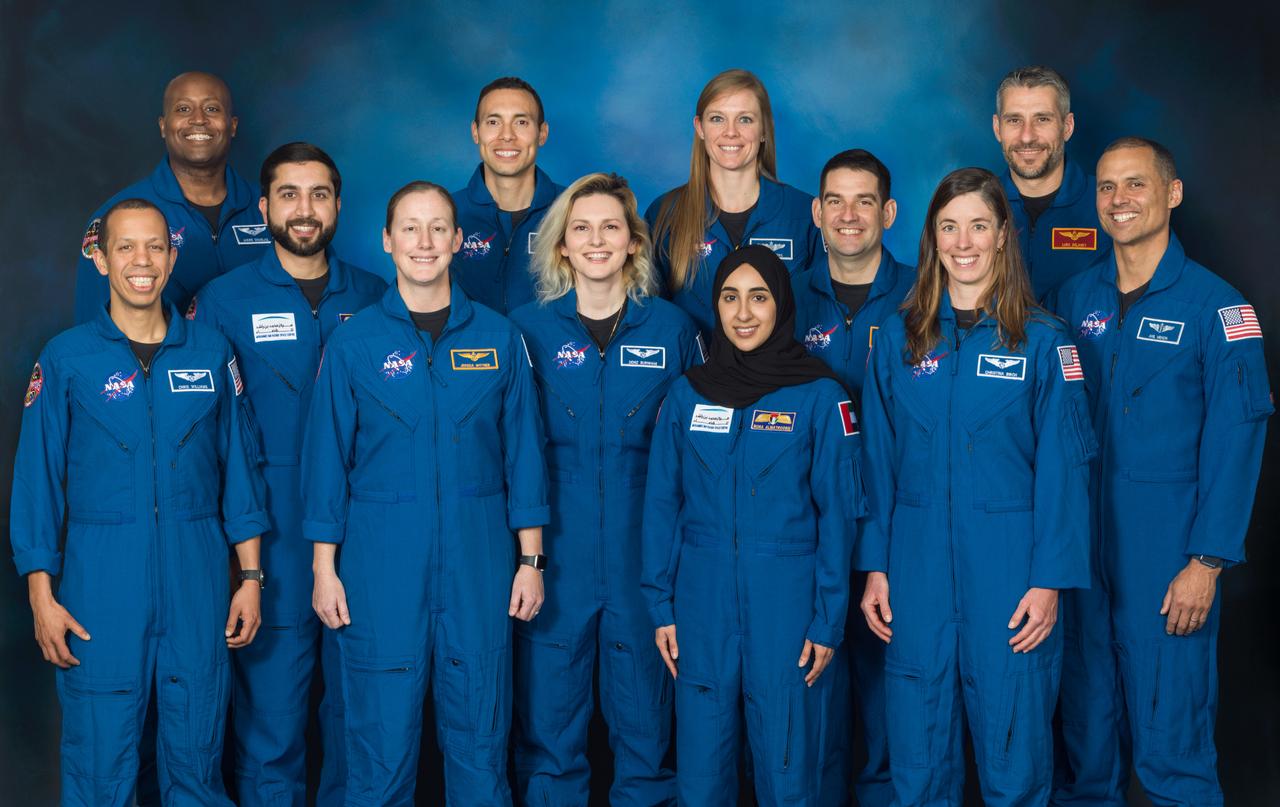
Official ASCAN Group 23 (Class of 2021) Photo. Photo Date: March 7, 2022. Location: Building 8, Room 183 - Photo Studio. Credit: NASA/Robert Markowitz & Josh Valcarcel.
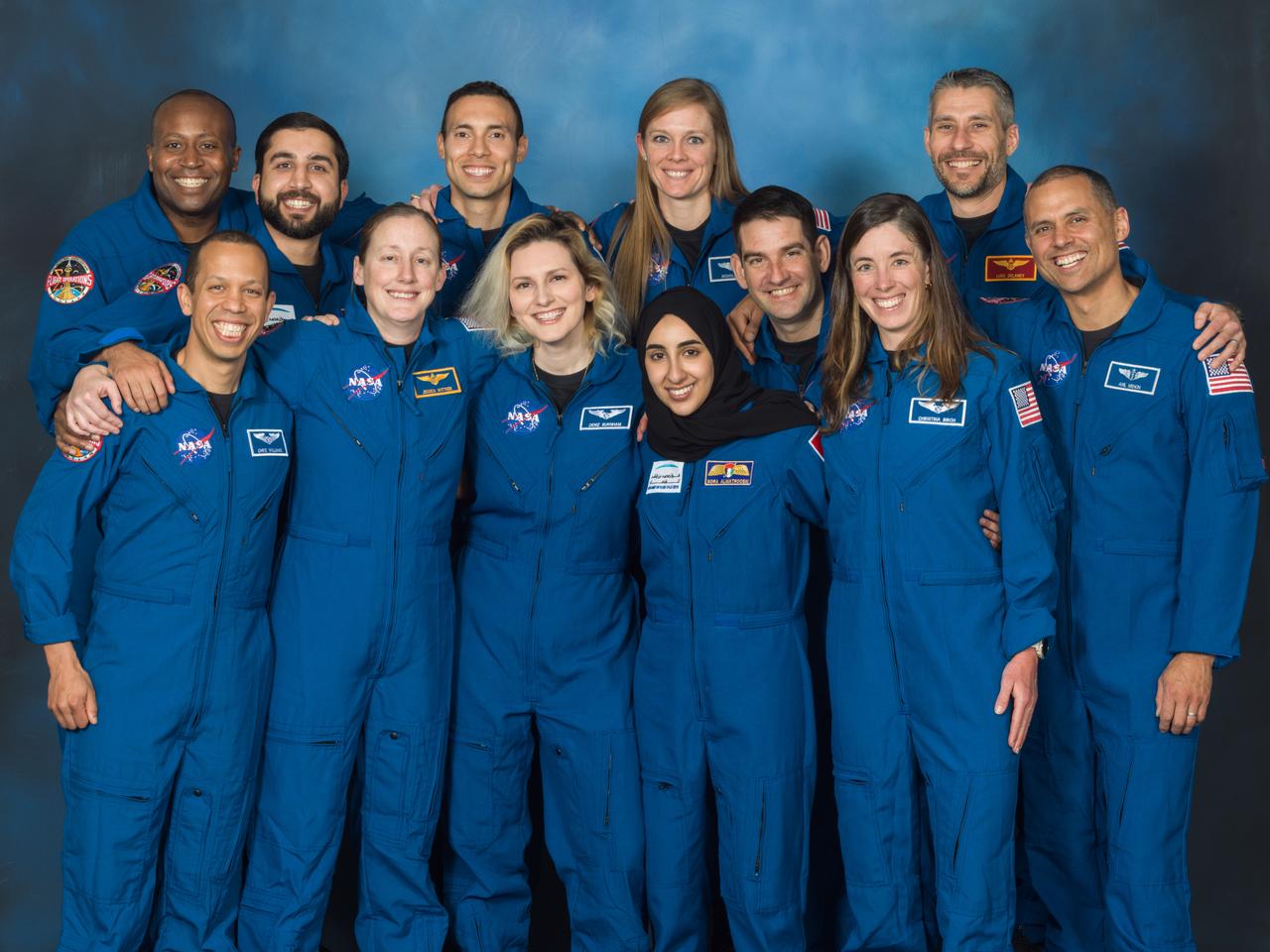
ASCAN Group 23 (Class of 2021) Photo. Photo Date: March 7, 2022. Location: Building 8, Room 183 - Photo Studio. Credit: NASA/Robert Markowitz & Josh Valcarcel.
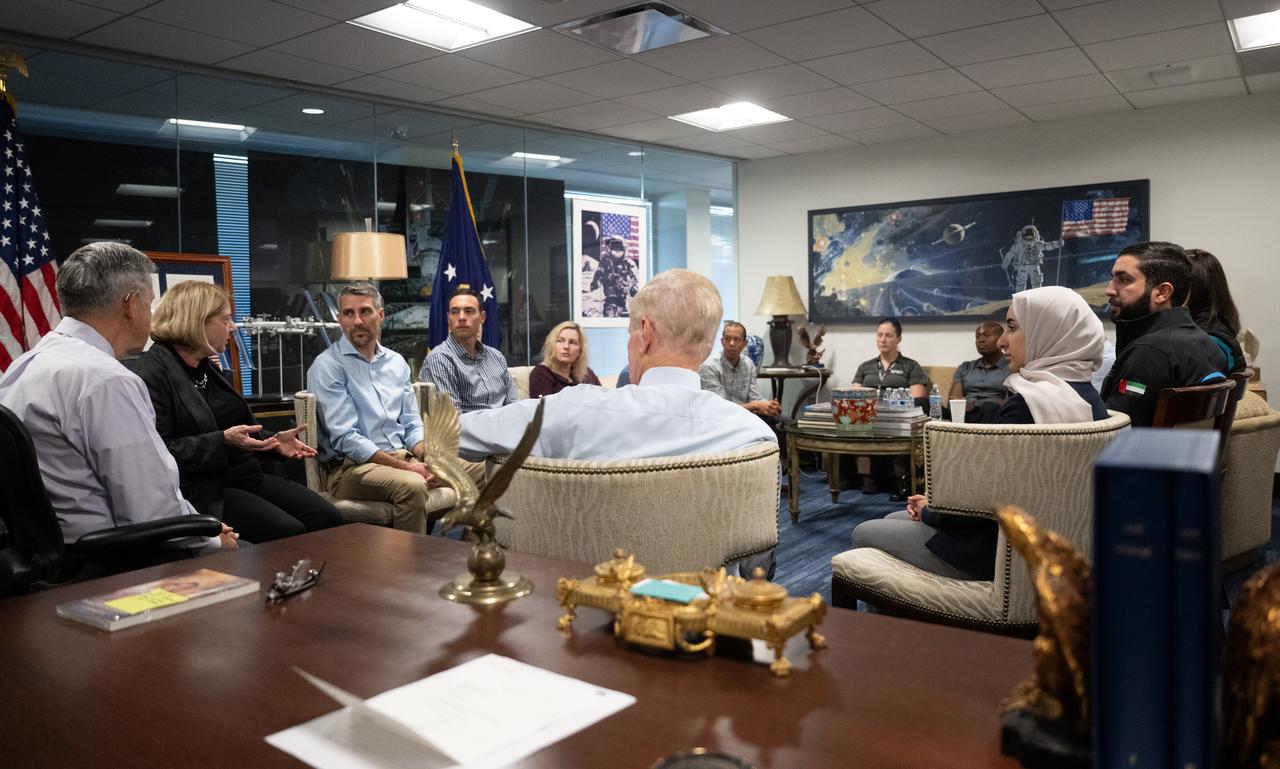
NASA Deputy Administrator Pam Melroy, second from left, Bob Cabana, NASA associate administrator, and NASA Administrator Bill Nelson, speak with the 2021 astronaut candidate class, Wednesday, Oct. 18, 2023, at the Mary W. Jackson NASA Headquarters building in Washington. Upon completion of two years of training they could be assigned to missions that involve performing research aboard the International Space Station, launching from American soil on spacecraft built by commercial companies, as well as deep space missions to destinations including the Moon on NASA’s Orion spacecraft and Space Launch System rocket. Photo Credit: (NASA/Joel Kowsky)
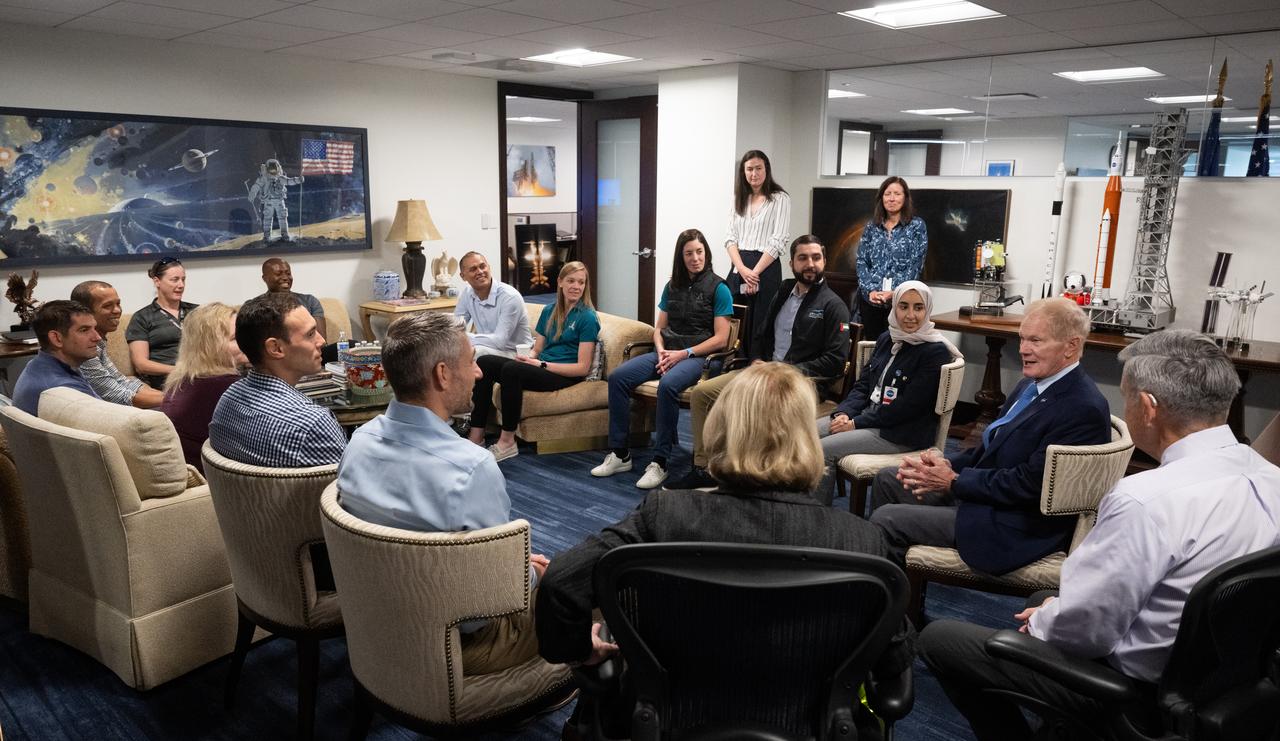
NASA Administrator Bill Nelson, second from right, Bob Cabana, NASA associate administrator, and NASA Deputy Administrator Pam Melroy speak with the 2021 astronaut candidate class, Wednesday, Oct. 18, 2023, at the Mary W. Jackson NASA Headquarters building in Washington. Upon completion of two years of training they could be assigned to missions that involve performing research aboard the International Space Station, launching from American soil on spacecraft built by commercial companies, as well as deep space missions to destinations including the Moon on NASA’s Orion spacecraft and Space Launch System rocket. Photo Credit: (NASA/Joel Kowsky)
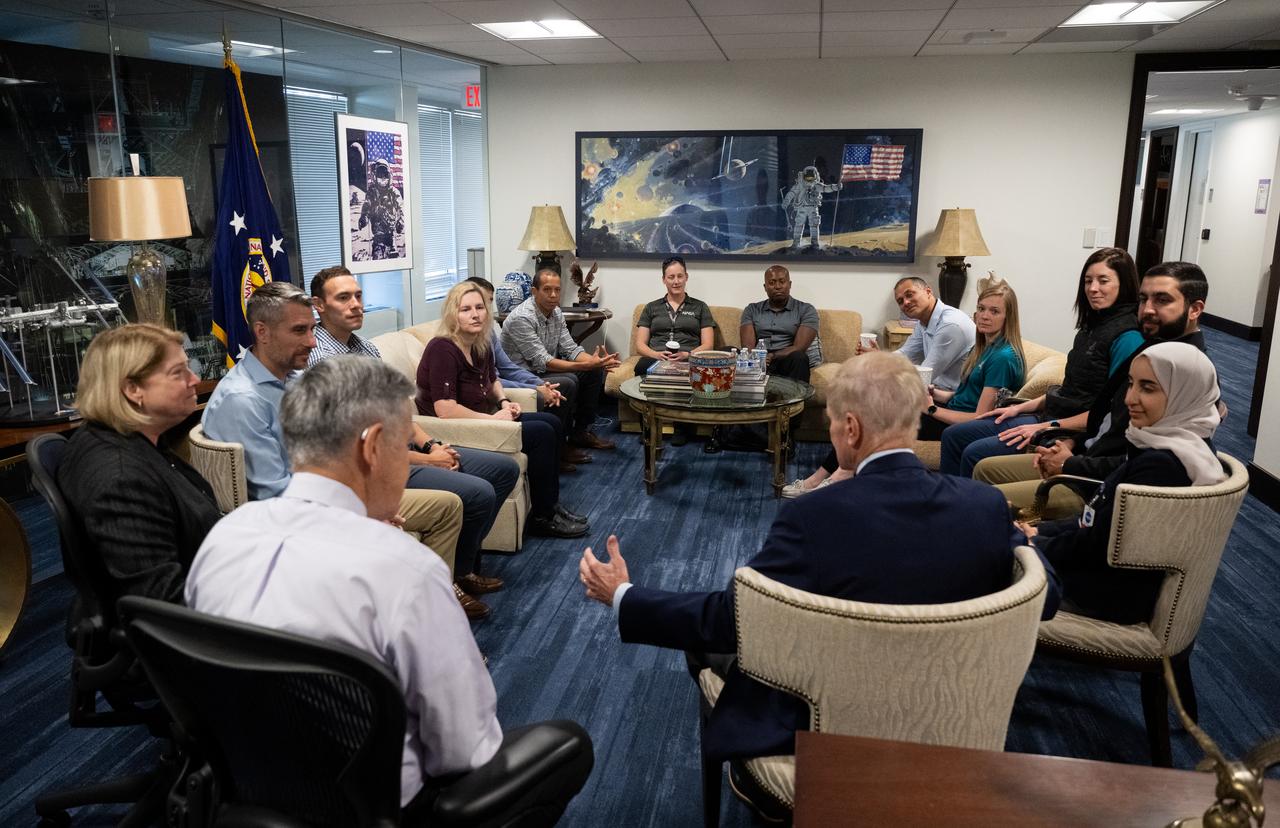
NASA Deputy Administrator Pam Melroy, left, Bob Cabana, NASA associate administrator, and NASA Administrator Bill Nelson, speak with the 2021 astronaut candidate class, Wednesday, Oct. 18, 2023, at the Mary W. Jackson NASA Headquarters building in Washington. Upon completion of two years of training they could be assigned to missions that involve performing research aboard the International Space Station, launching from American soil on spacecraft built by commercial companies, as well as deep space missions to destinations including the Moon on NASA’s Orion spacecraft and Space Launch System rocket. Photo Credit: (NASA/Joel Kowsky)
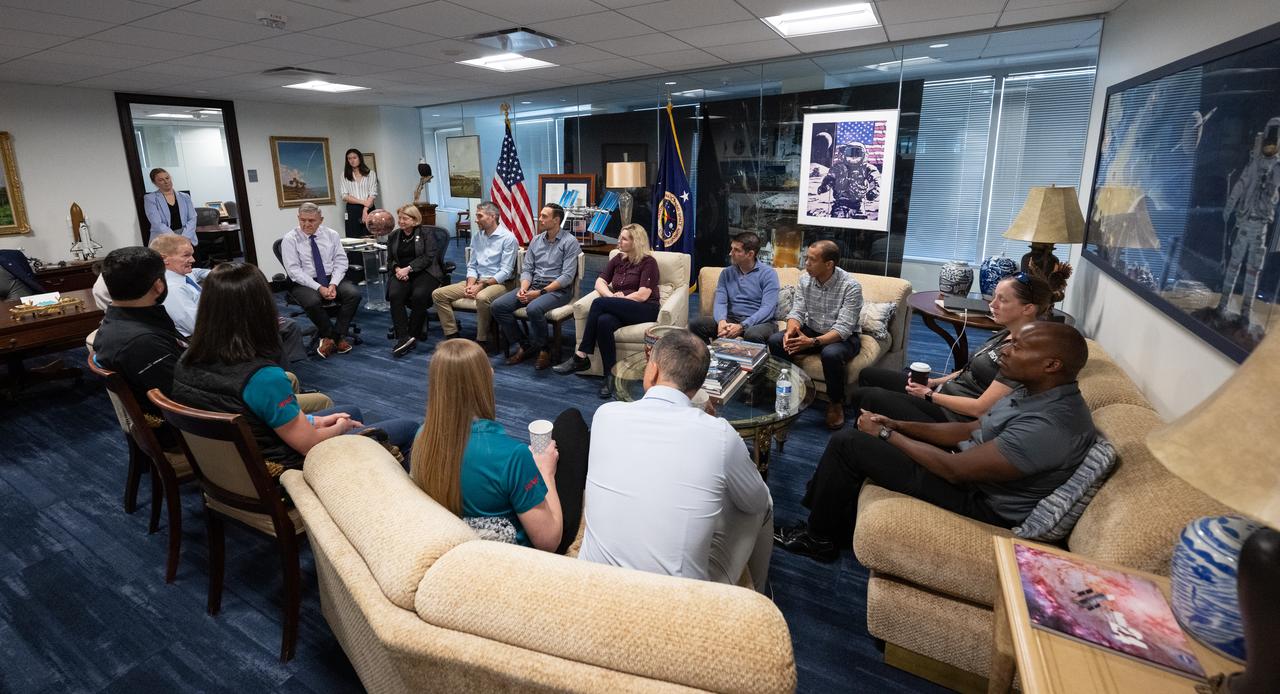
NASA Deputy Administrator Pam Melroy, Bob Cabana, NASA associate administrator, and NASA Administrator Bill Nelson, speak with the 2021 astronaut candidate class, Wednesday, Oct. 18, 2023, at the Mary W. Jackson NASA Headquarters building in Washington. Upon completion of two years of training they could be assigned to missions that involve performing research aboard the International Space Station, launching from American soil on spacecraft built by commercial companies, as well as deep space missions to destinations including the Moon on NASA’s Orion spacecraft and Space Launch System rocket. Photo Credit: (NASA/Joel Kowsky)
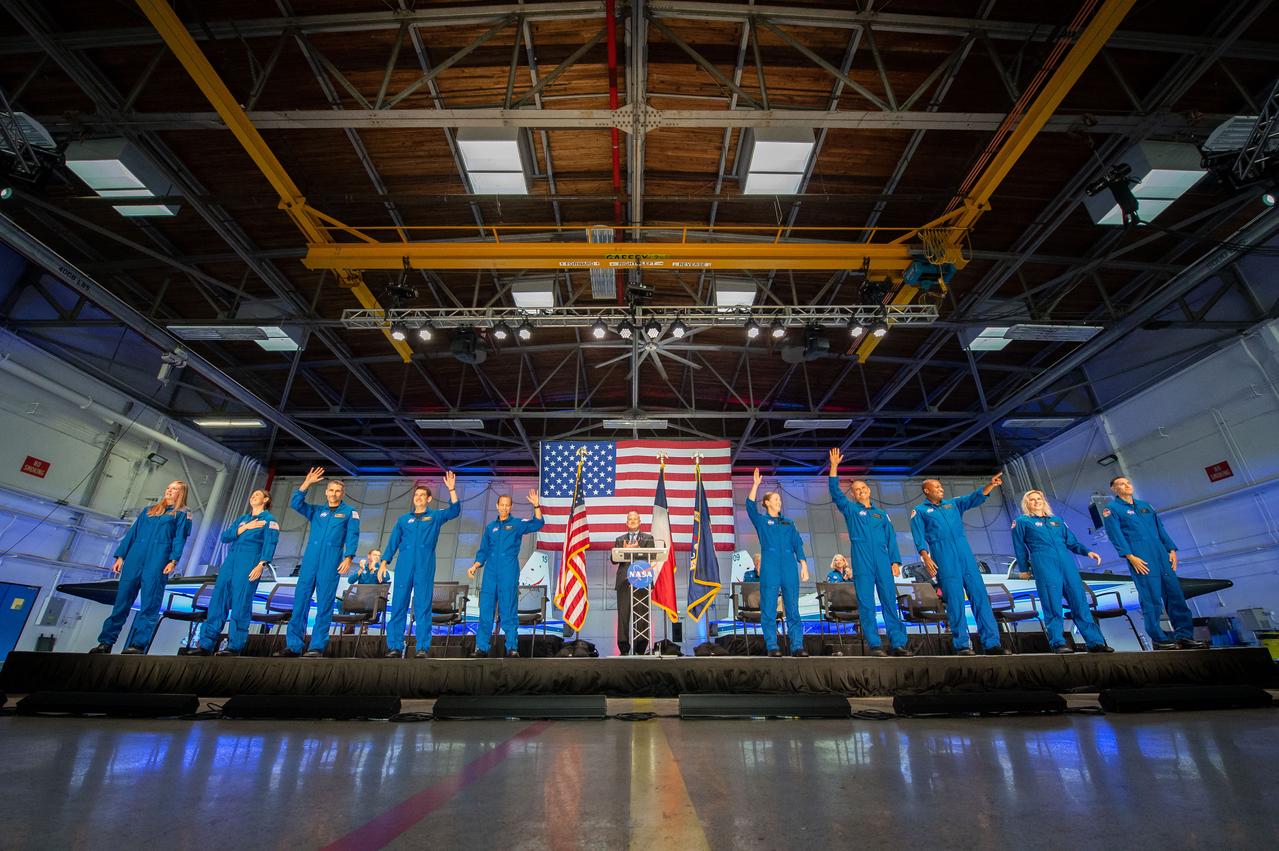
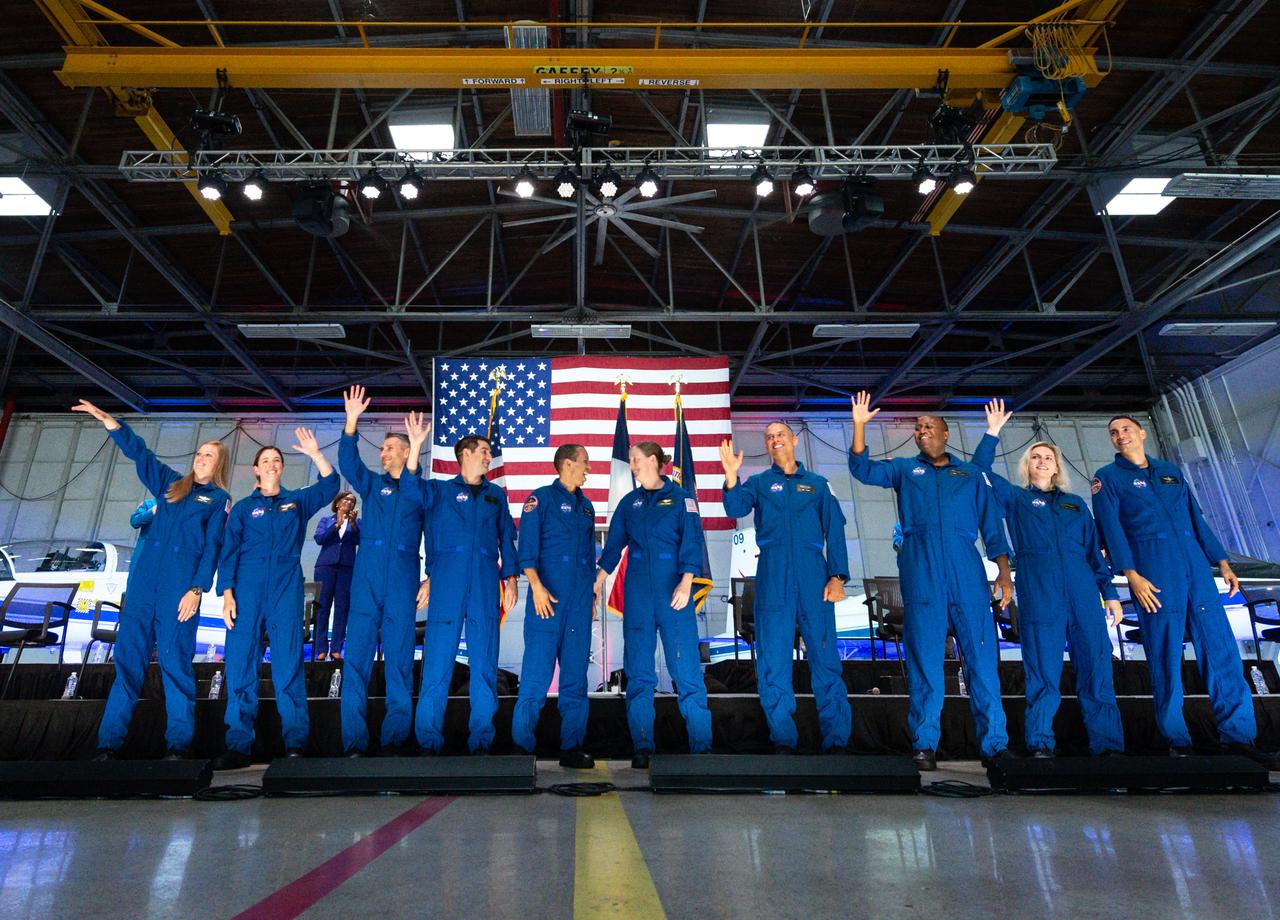
Photo Date: 2021-12-06 NASA announced its 2021 astronaut candidate class on Dec. 6, 2021. The 10 candidates, pictured here in an event at Ellington Field near NASA’s Johnson Space Center in Houston are Nichole Ayers, Christopher Williams, Luke Delaney, Jessica Wittner, Anil Menon, Marcos BerrÃos, Jack Hathaway, Christina Birch, Deniz Burnham, and Andre Douglas. NASA’s new astronaut candidates will begin about two years of training in January 2022, after which they could be assigned to missions performing research on the International Space Station, launching from American soil on spacecraft built by commercial companies, and launching on Artemis missions to the Moon on NASA’s new Orion spacecraft and Space Launch System rocket. Location: Ellington Hangar 135 Photographer: James Blair
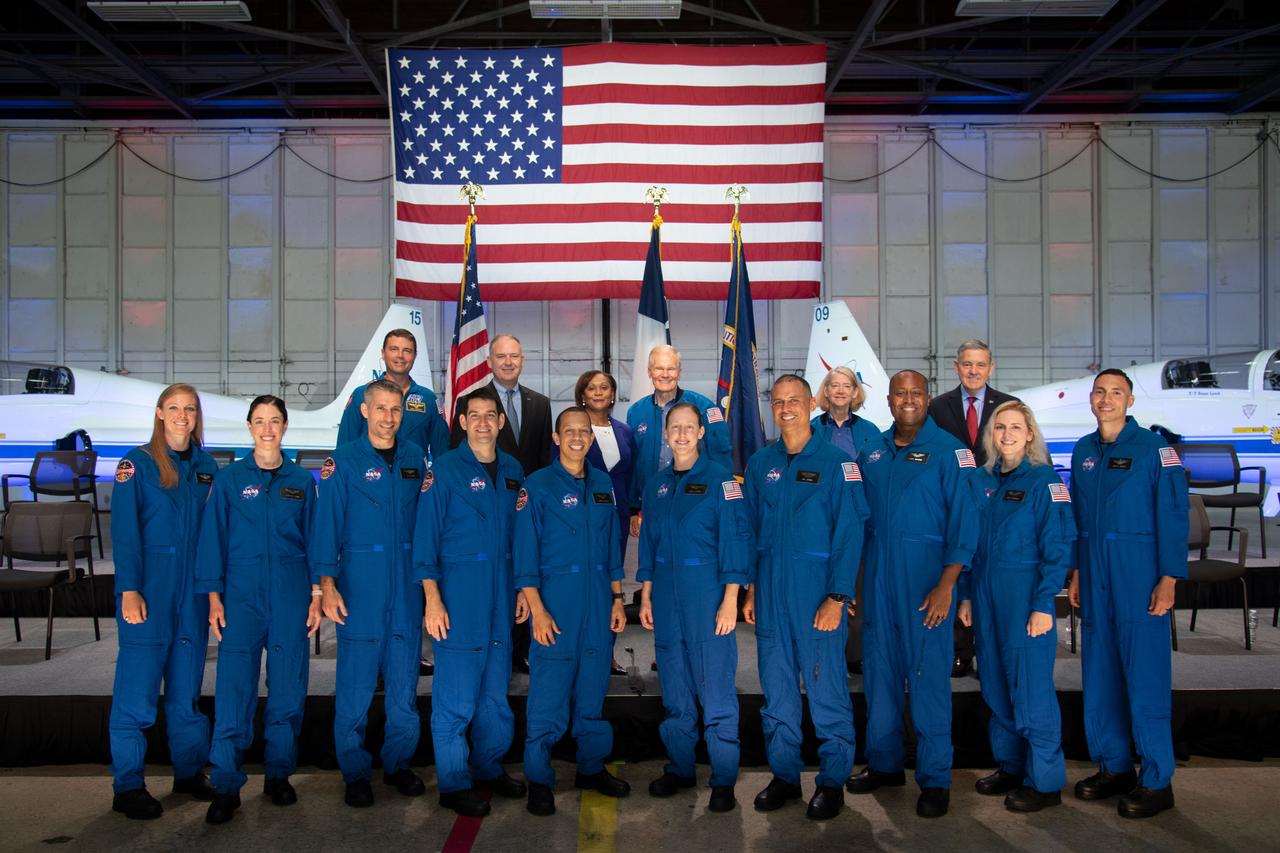
Photo Date: 2021-12-06 NASA announced its 2021 astronaut candidate class on Dec. 6, 2021. The 10 candidates, pictured here in an event at Ellington Field near NASA’s Johnson Space Center in Houston are Nichole Ayers, Christopher Williams, Luke Delaney, Jessica Wittner, Anil Menon, Marcos BerrÃos, Jack Hathaway, Christina Birch, Deniz Burnham, and Andre Douglas. NASA’s new astronaut candidates will begin about two years of training in January 2022, after which they could be assigned to missions performing research on the International Space Station, launching from American soil on spacecraft built by commercial companies, and launching on Artemis missions to the Moon on NASA’s new Orion spacecraft and Space Launch System rocket. Location: Ellington Hangar 135 Photographer: Robert Markowitz
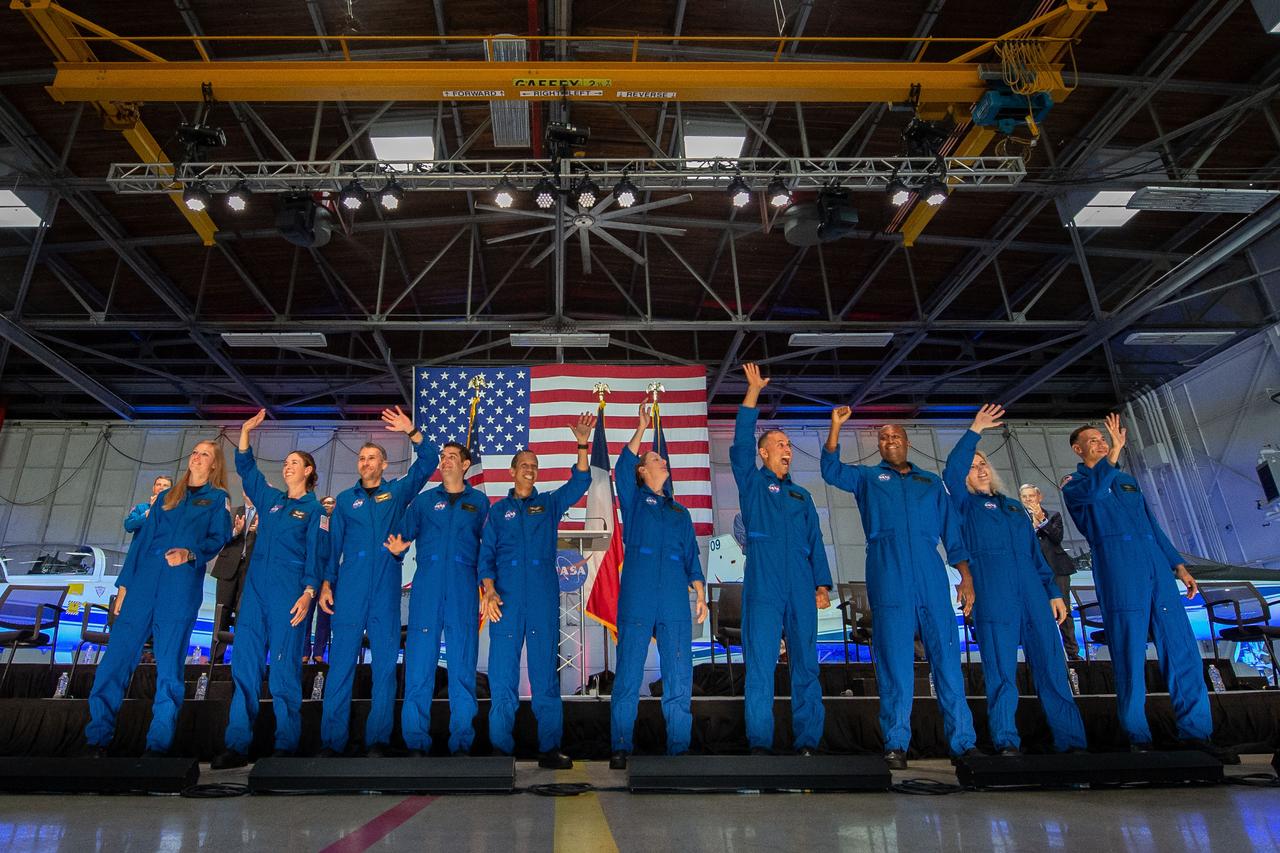
Photo Date: 2021-12-06 NASA announced its 2021 astronaut candidate class on Dec. 6, 2021. The 10 candidates, pictured here in an event at Ellington Field near NASA’s Johnson Space Center in Houston are Nichole Ayers, Christopher Williams, Luke Delaney, Jessica Wittner, Anil Menon, Marcos BerrÃos, Jack Hathaway, Christina Birch, Deniz Burnham, and Andre Douglas. NASA’s new astronaut candidates will begin about two years of training in January 2022, after which they could be assigned to missions performing research on the International Space Station, launching from American soil on spacecraft built by commercial companies, and launching on Artemis missions to the Moon on NASA’s new Orion spacecraft and Space Launch System rocket. Location: Ellington Hangar 135 Photographer: James Blair
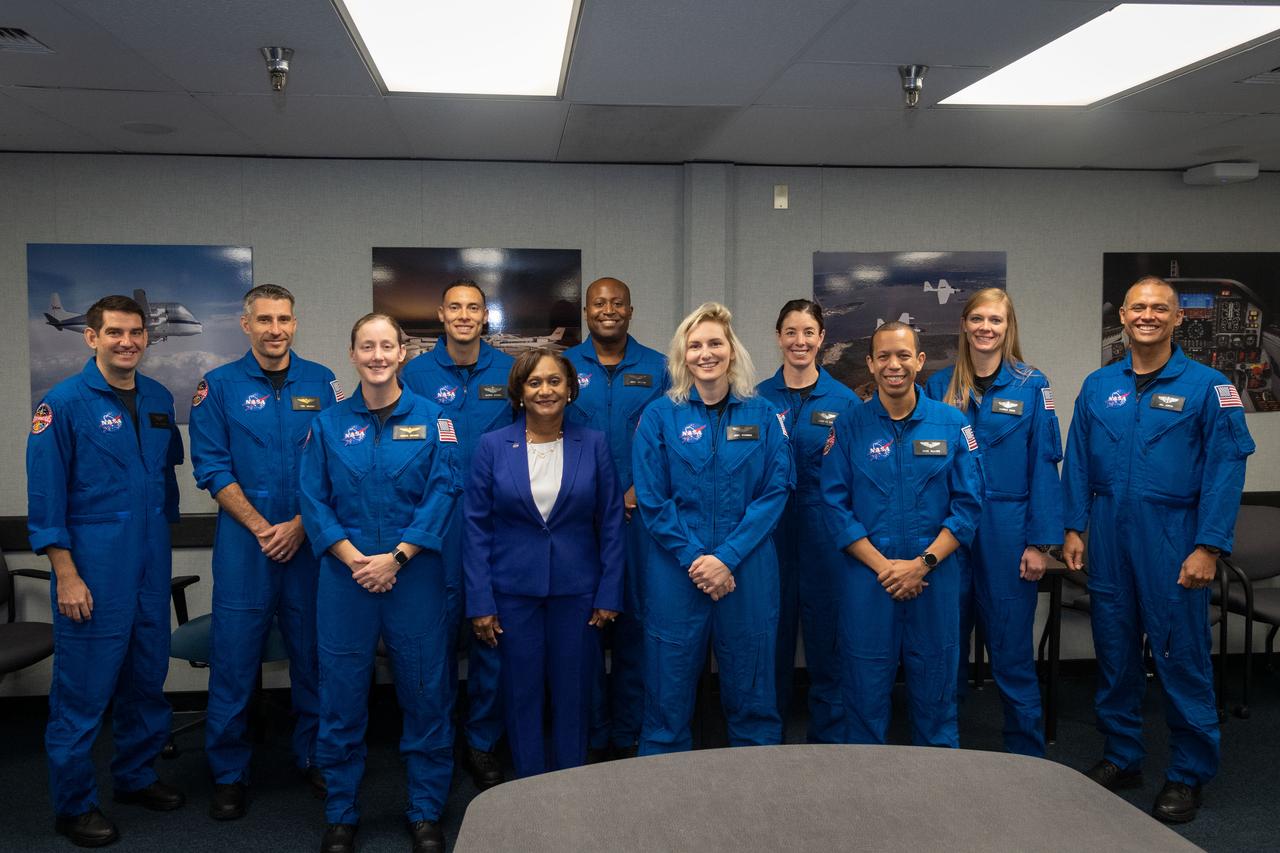
Photo Date: 12/06/2021 Subject: NASA announced its 2021 astronaut candidate class on Dec. 6, 2021. The 10 candidates, pictured here with Johnson Center Director Vanessa Wyche in an event at Ellington Field near NASA’s Johnson Space Center in Houston are Nichole Ayers, Christopher Williams, Luke Delaney, Jessica Wittner, Anil Menon, Marcos BerrÃos, Jack Hathaway, Christina Birch, Deniz Burnham, and Andre Douglas. NASA’s new astronaut candidates will begin about two years of training in January 2022, after which they could be assigned to missions performing research on the International Space Station, launching from American soil on spacecraft built by commercial companies, and launching on Artemis missions to the Moon on NASA’s new Orion spacecraft and Space Launch System rocket. Photographers: James Blair
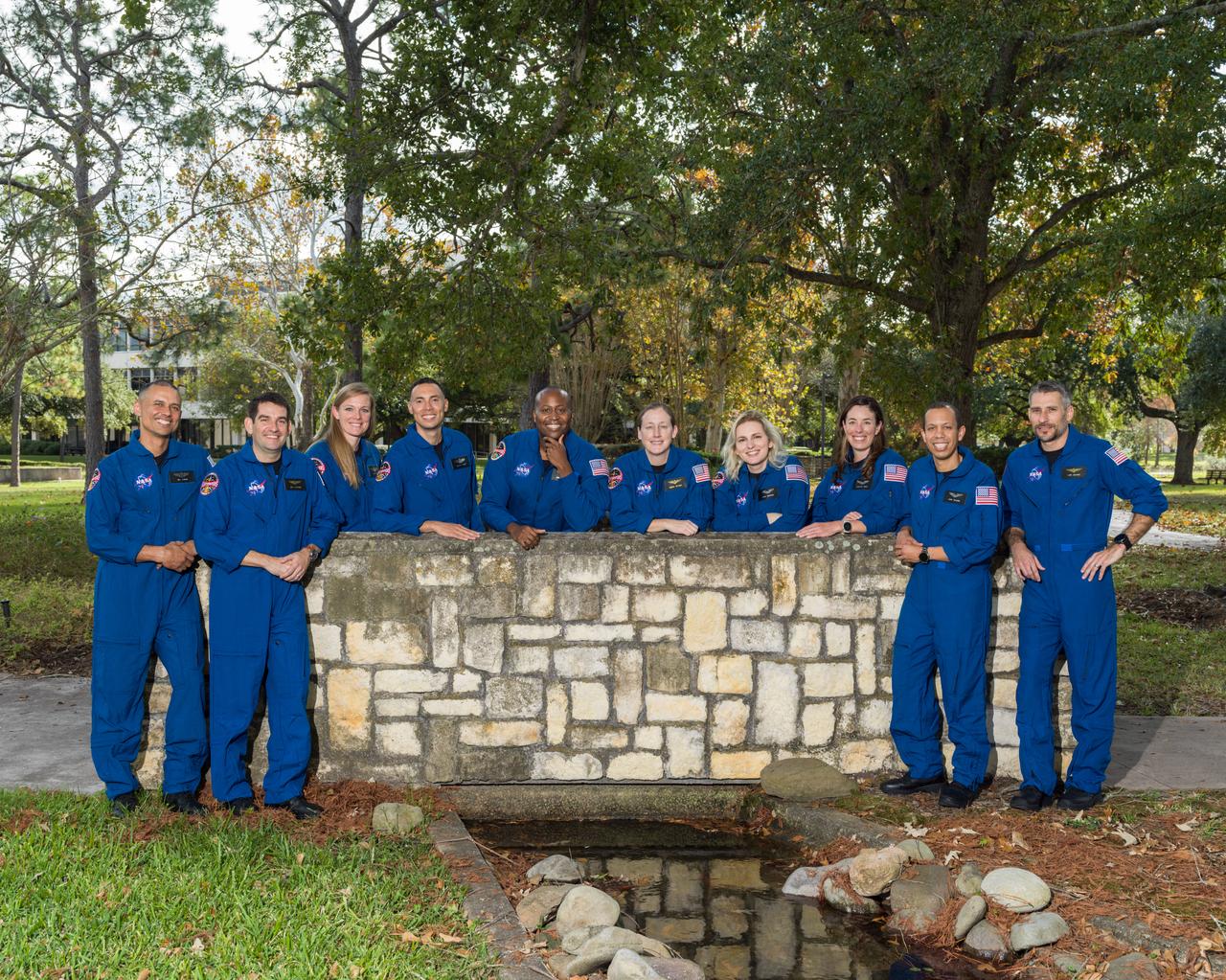
Astronaut Candidate Class of 2021. Photo Date: December 3, 2021. Location: JSC Mall. Photographer: Robert Markowitz
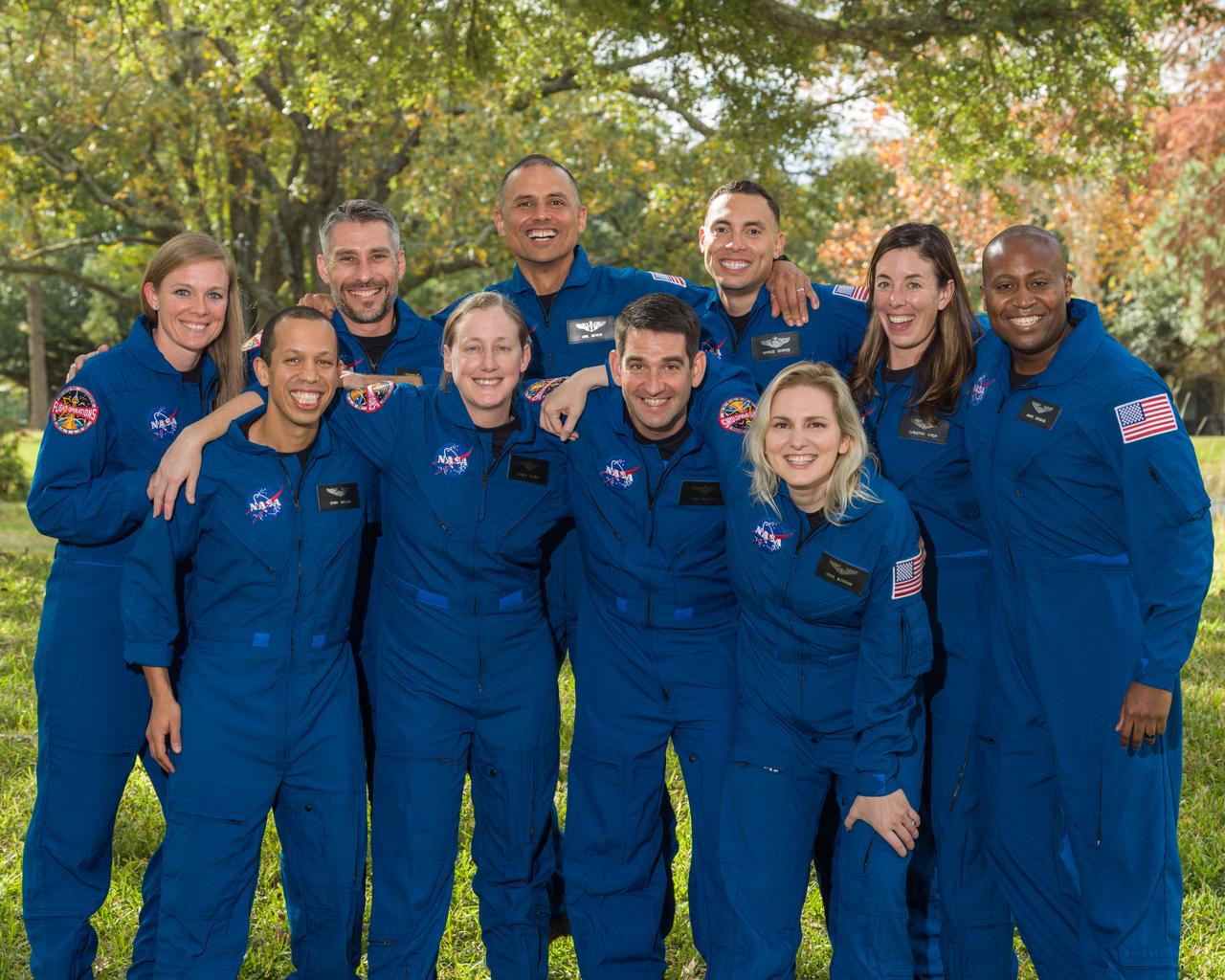
Astronaut Candidate Class of 2021. Photo Date: December 3, 2021. Location: JSC Mall. Photographer: Robert Markowitz
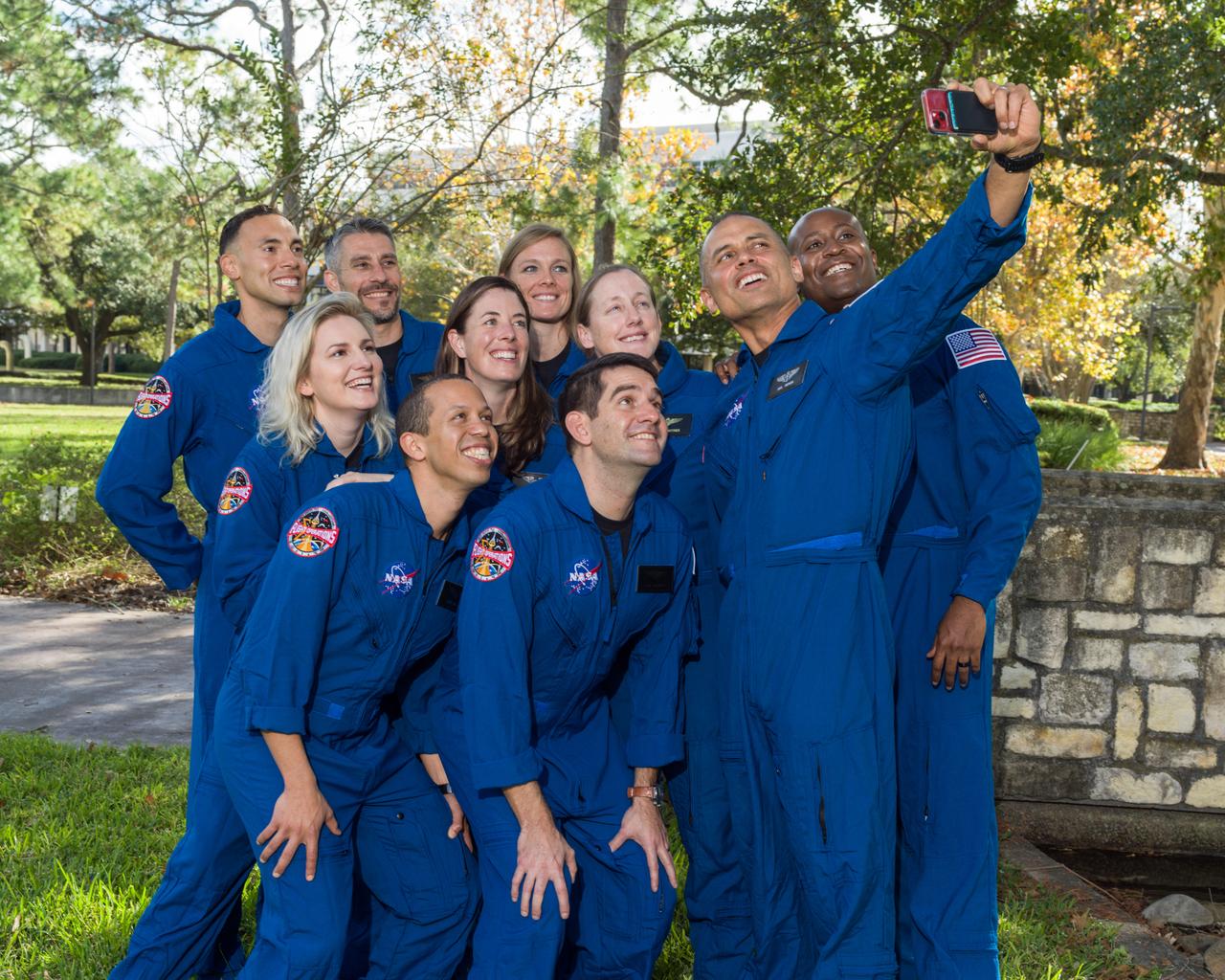
Astronaut Candidate Class of 2021. Photo Date: December 3, 2021. Location: JSC Mall. Photographer: Robert Markowitz
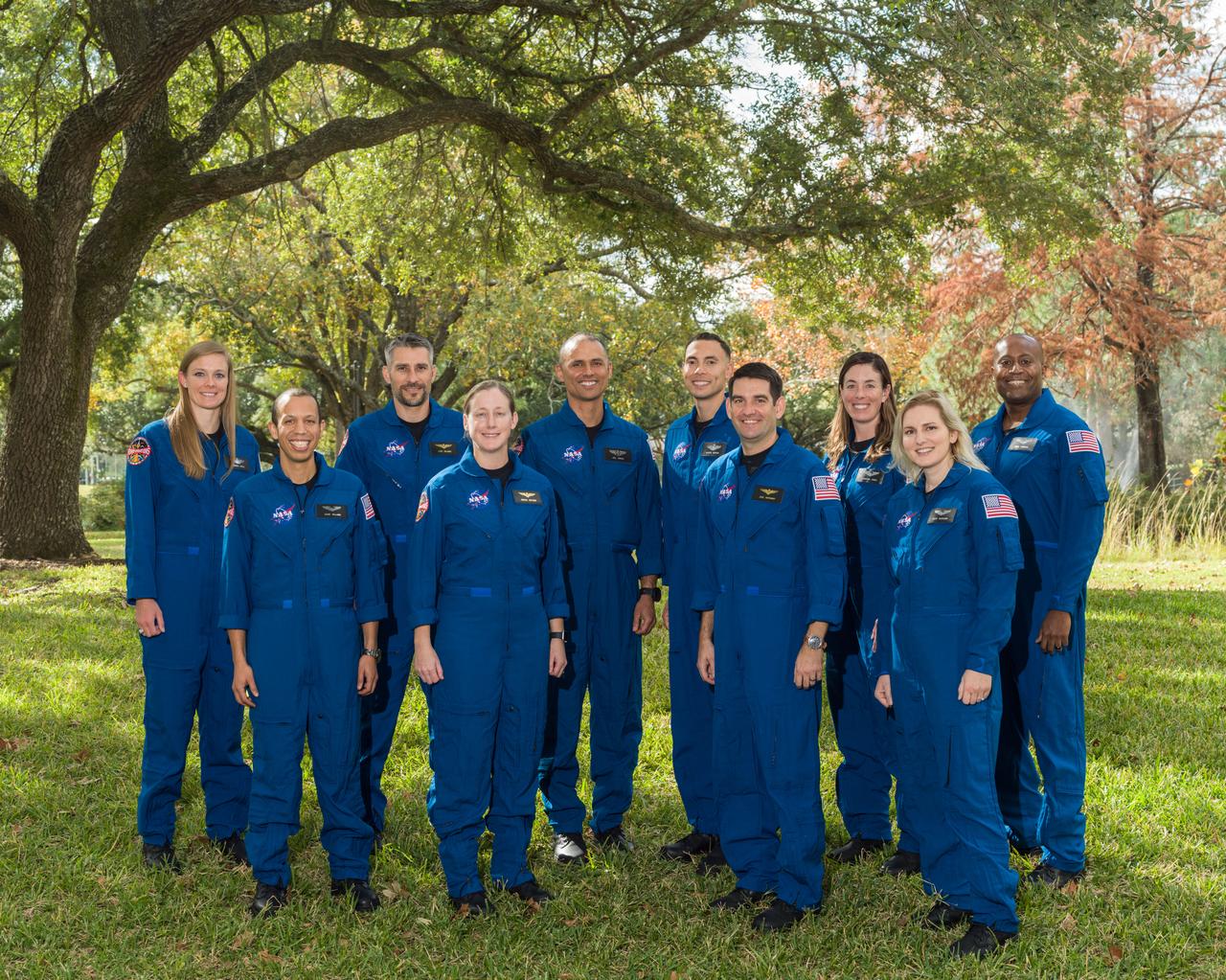
Astronaut Candidate Class of 2021. Photo Date: December 3, 2021. Location: JSC Mall. Photographer: Robert Markowitz
Date: 12/06/2021 Location: Ellington Field Subject: 2021 NASA Astronaut Candidate Class Announcement Photographer: James Blair
Date: 12/06/2021 Location: Ellington Field Subject: 2021 NASA Astronaut Candidate Class Announcement Photographer: James Blair
Date: 12/06/2021 Location: Ellington Field Subject: 2021 NASA Astronaut Candidate Class Announcement Photographer: James Blair
Date: 12/06/2021 Location: Ellington Field Subject: 2021 NASA Astronaut Candidate Class Announcement Photographer: James Blair
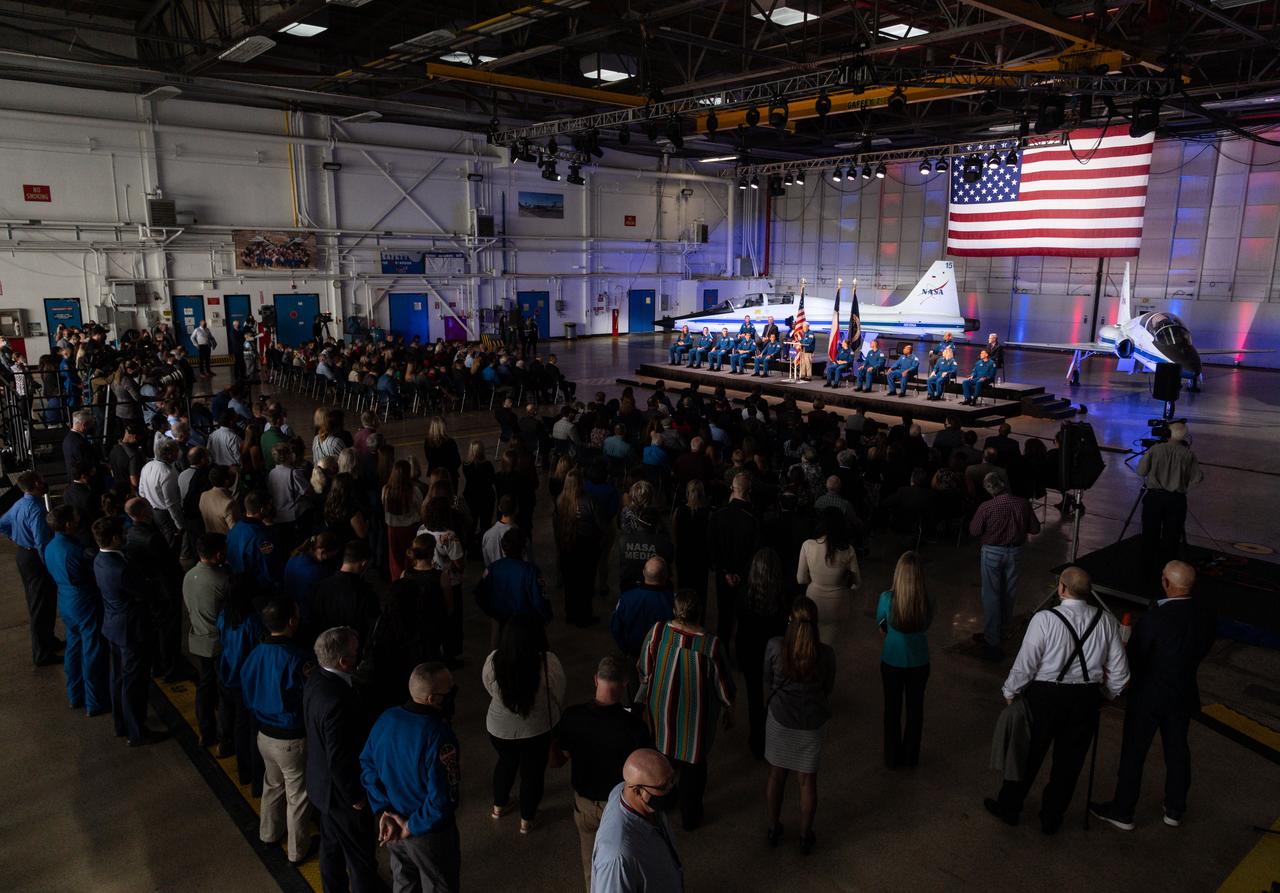
Date: 12/06/2021 Location: Ellington Field Subject: 2021 NASA Astronaut Candidate Class Announcement Photographer: James Blair
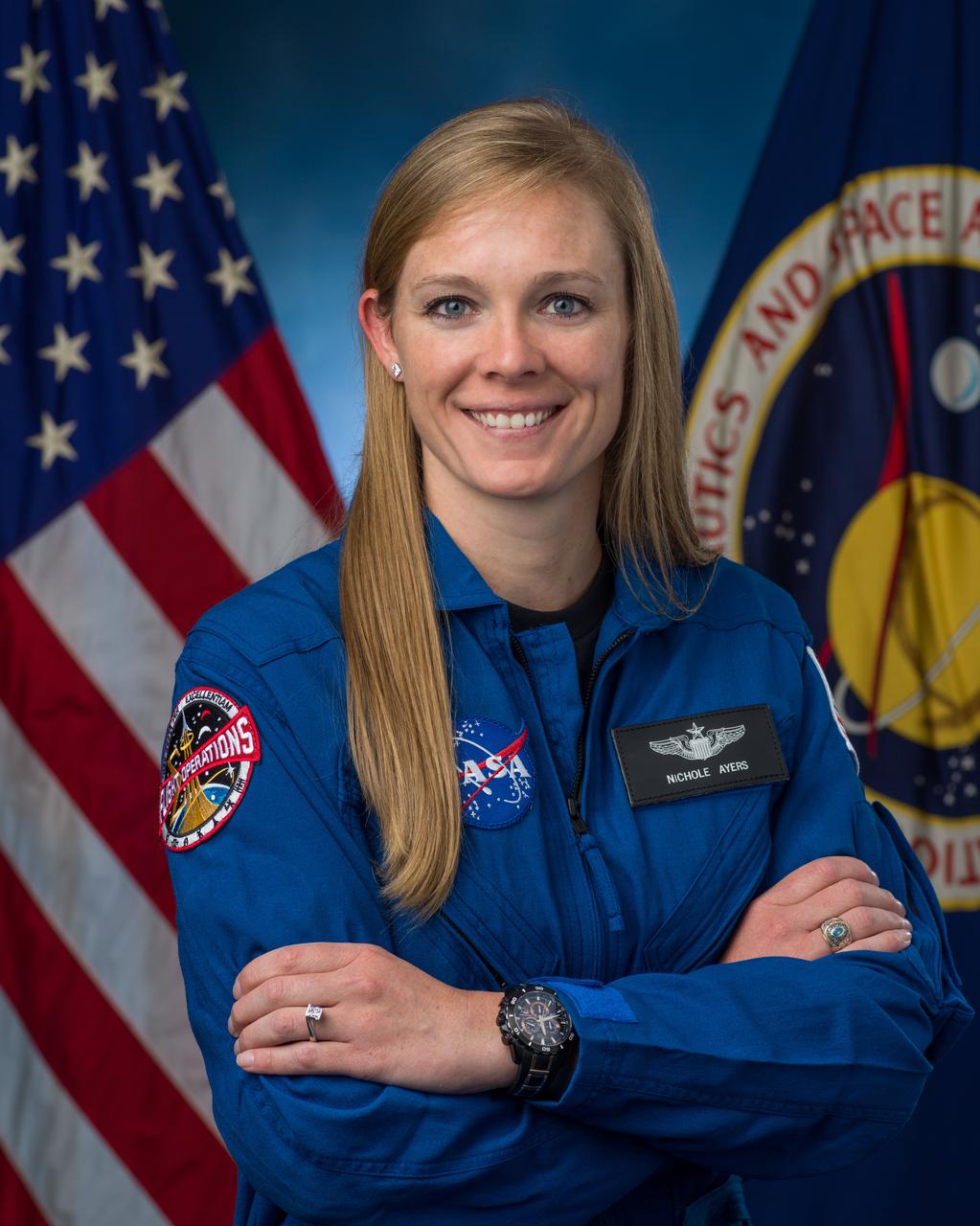
Astronaut Candidate Individual Portrait, Nichole Ayers - ASCAN Class of 2021. Photo Date: December 3, 2021. Location: Building 8, Room 183 - Photo Studio. Credit: NASA/Robert Markowitz

Astronaut Candidate Individual Portrait, Jessica Wittner - ASCAN Class of 2021. Photo Date: December 3, 2021. Location: Building 8, Room 183 - Photo Studio. Credit: NASA/Robert Markowitz
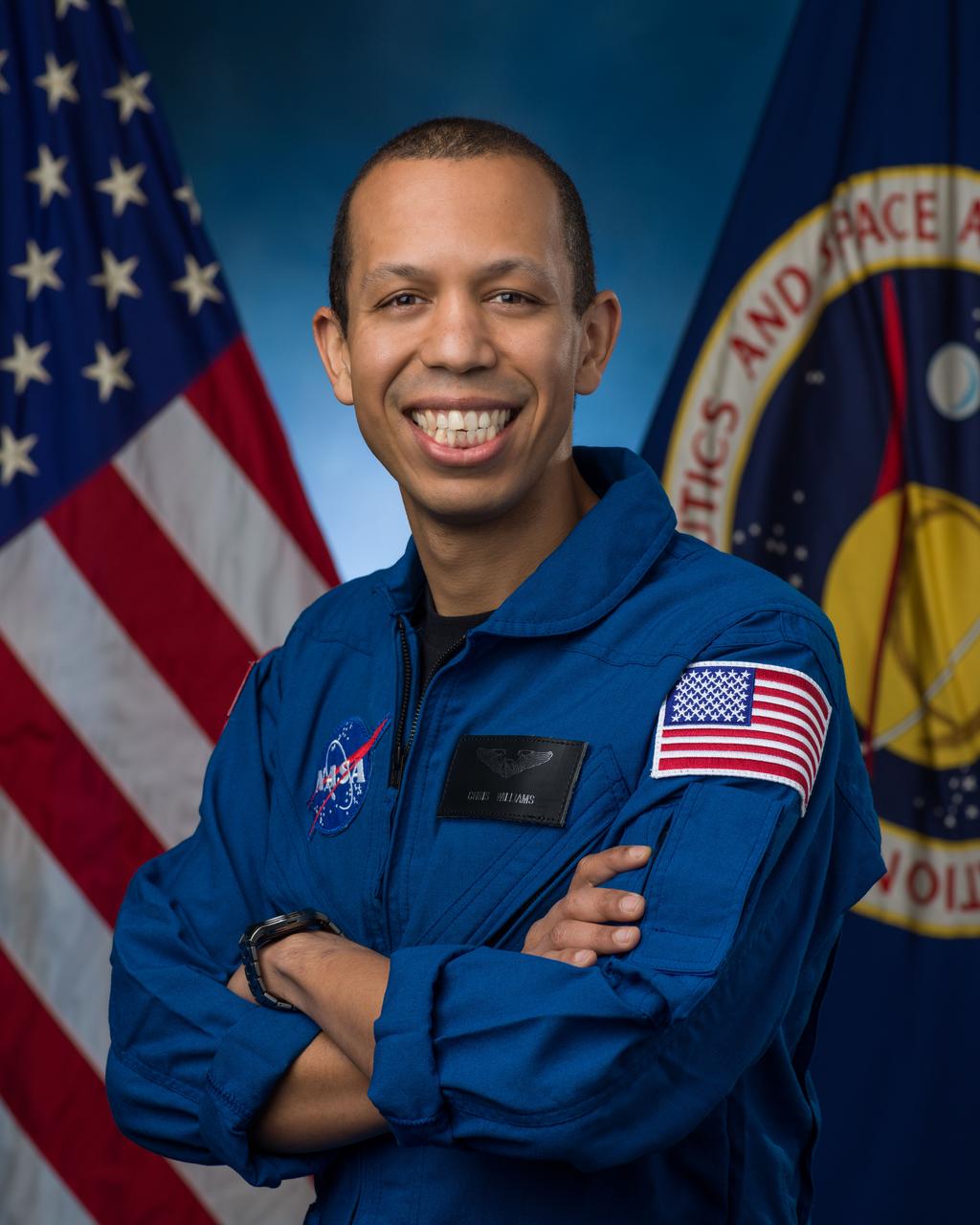
Astronaut Candidate Individual Portrait, Chris Williams - ASCAN Class of 2021. Photo Date: December 3, 2021. Location: Building 8, Room 183 - Photo Studio. Credit: NASA/Robert Markowitz
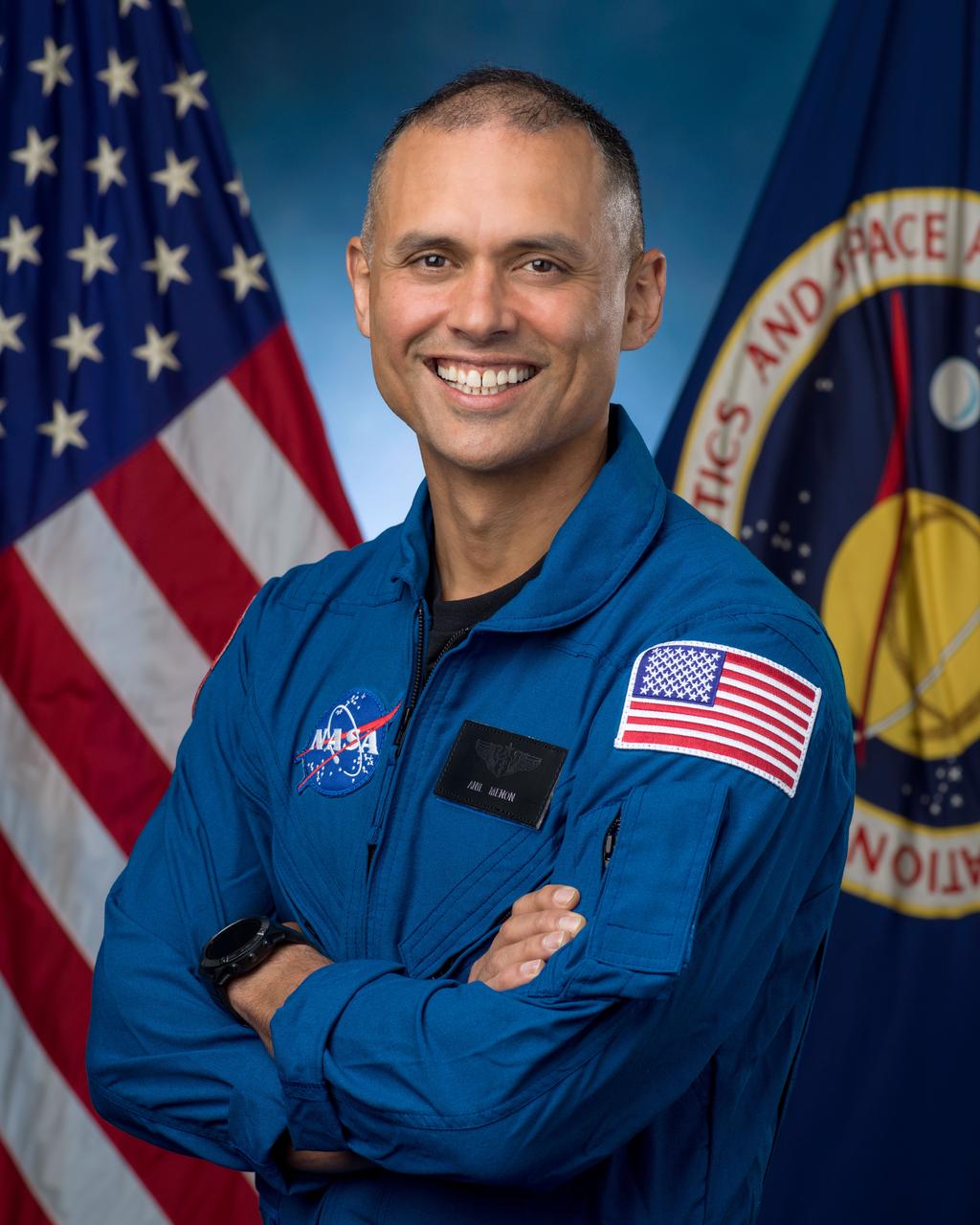
Astronaut Candidate Individual Portrait, Anil Menon - ASCAN Class of 2021. Photo Date: December 3, 2021. Location: Building 8, Room 183 - Photo Studio. Photographer: Robert Markowitz
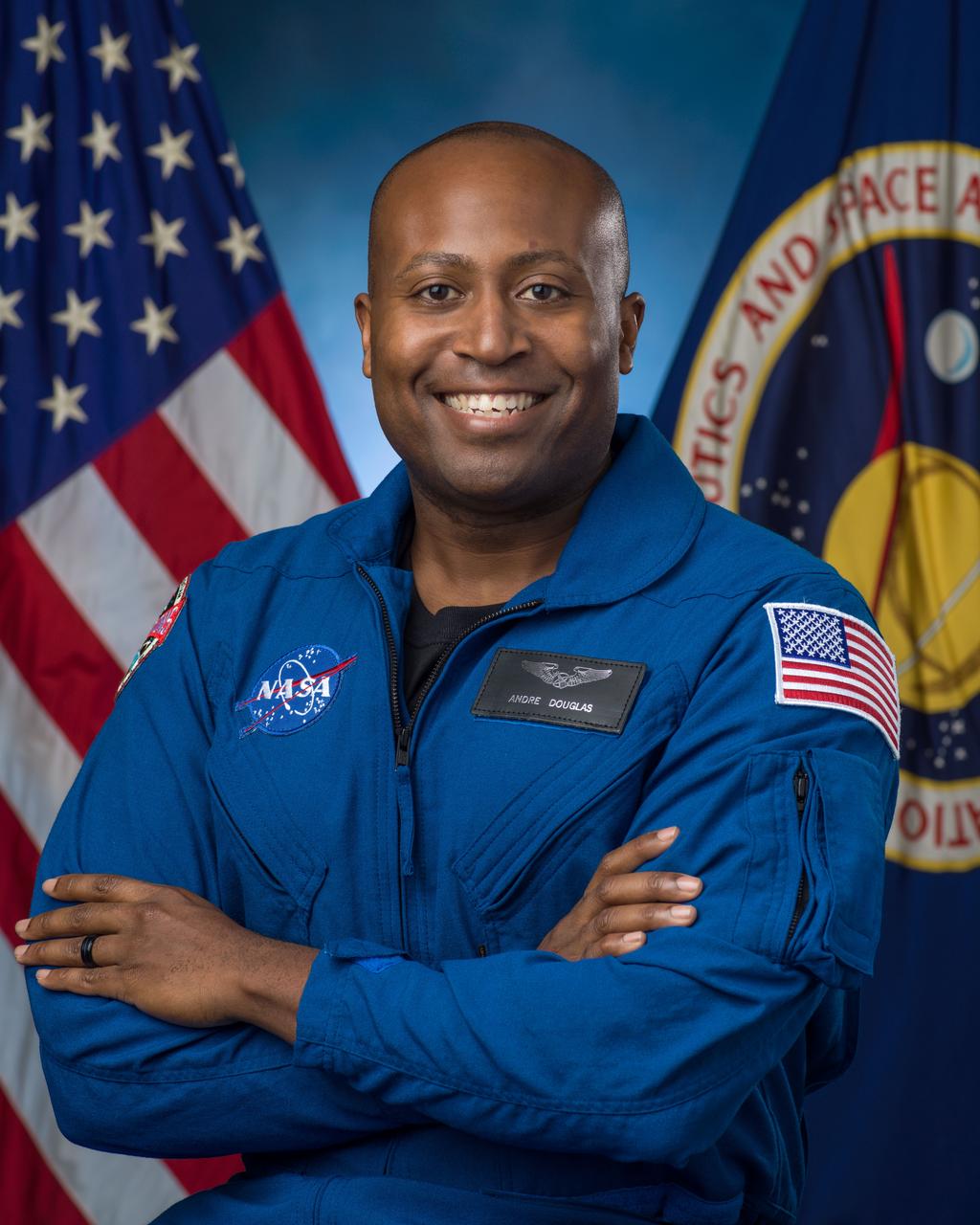
Astronaut Candidate Individual Portrait, Andre Douglas - ASCAN Class of 2021. Photo Date: December 3, 2021. Location: Building 8, Room 183 - Photo Studio. Photographer: Robert Markowitz
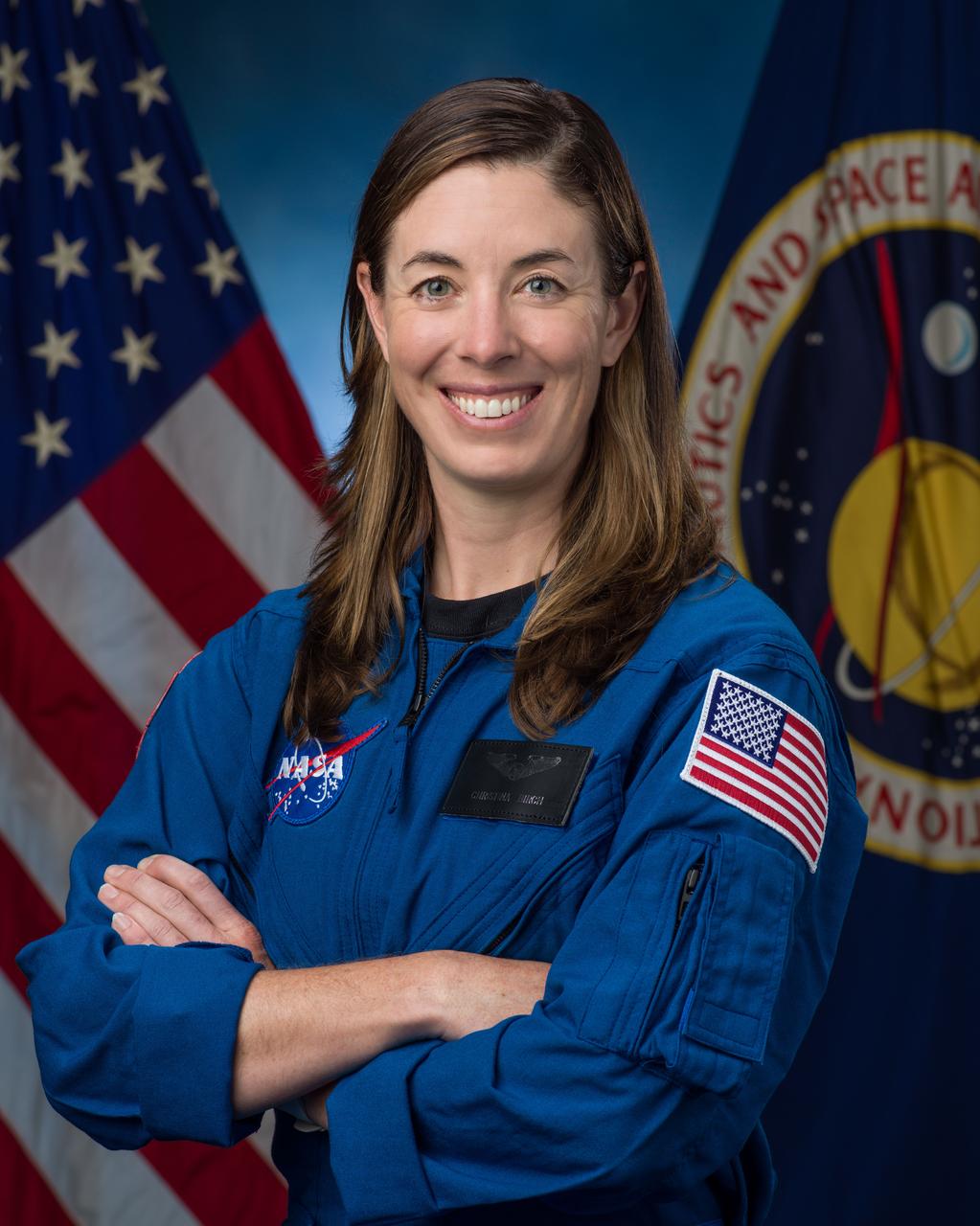
Astronaut Candidate Individual Portrait, Christina Birch - ASCAN Class of 2021. Photo Date: December 3, 2021. Location: Building 8, Room 183 - Photo Studio. Photographer: Robert Markowitz
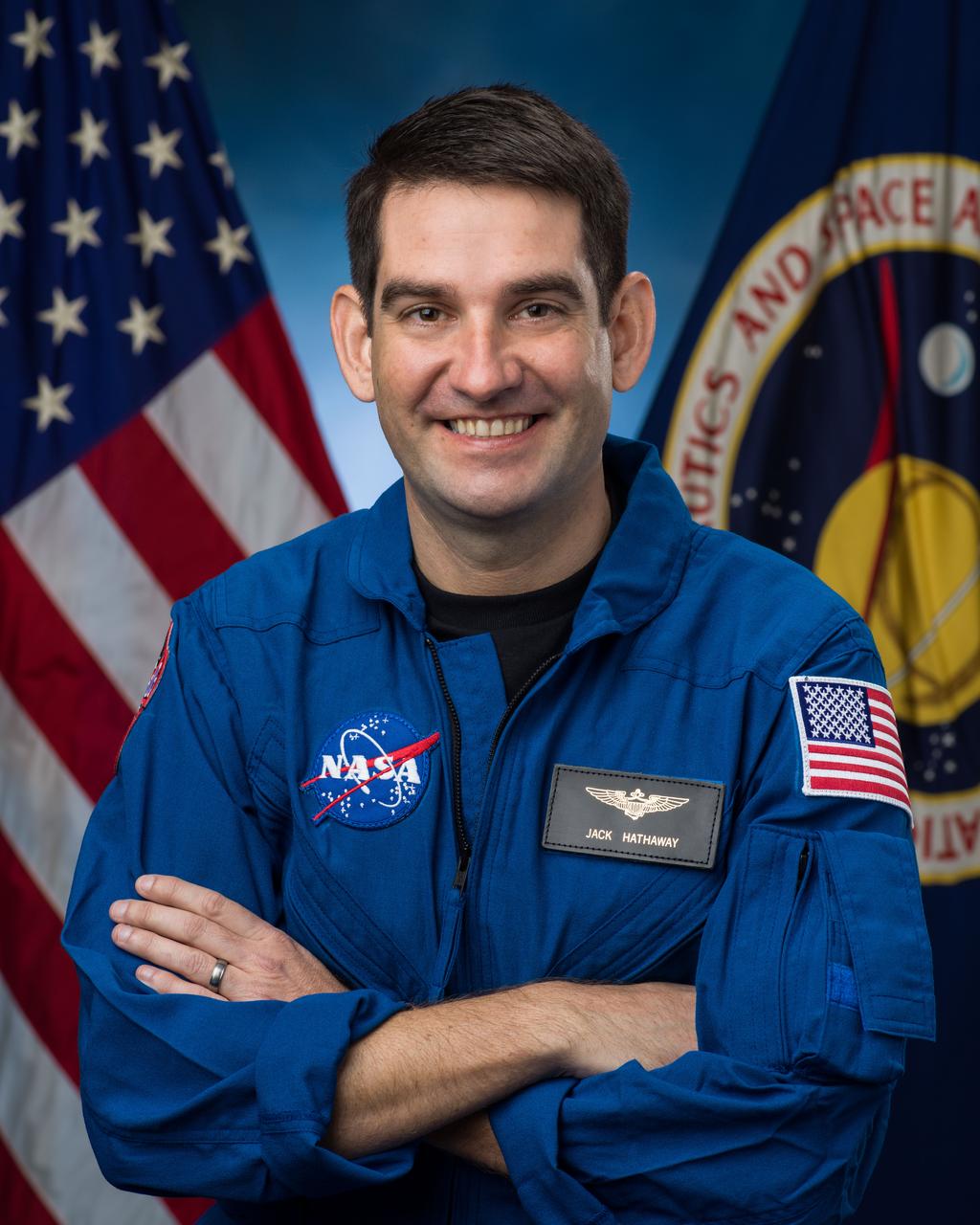
Astronaut Candidate Individual Portrait, Jack Hathaway - ASCAN Class of 2021. Photo Date: December 3, 2021. Location: Building 8, Room 183 - Photo Studio. Credit: NASA/Robert Markowitz
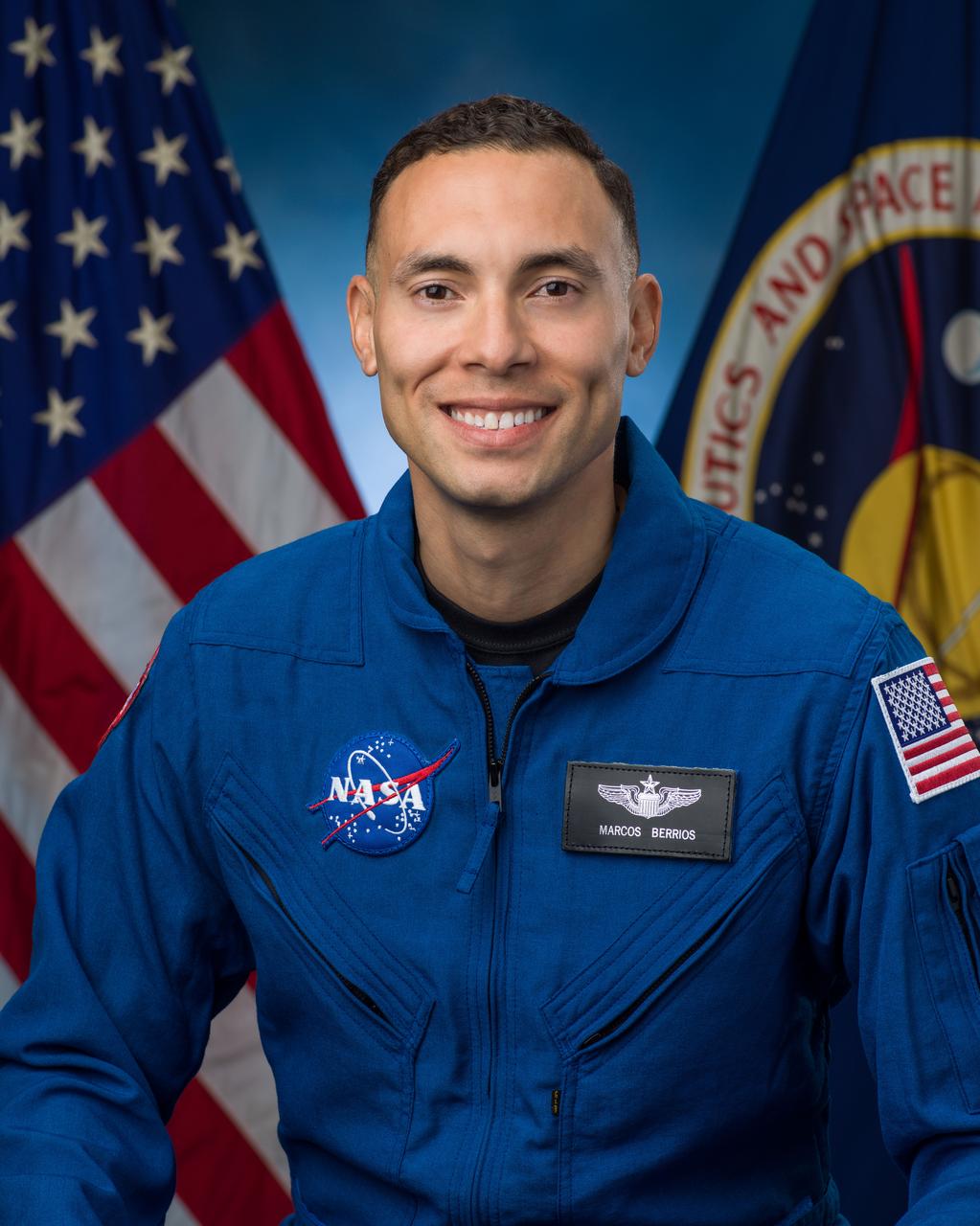
Astronaut Candidate Individual Portrait, Marcos Berrios - ASCAN Class of 2021. Photo Date: December 3, 2021. Location: Building 8, Room 183 - Photo Studio. Credit: NASA/Robert Markowitz
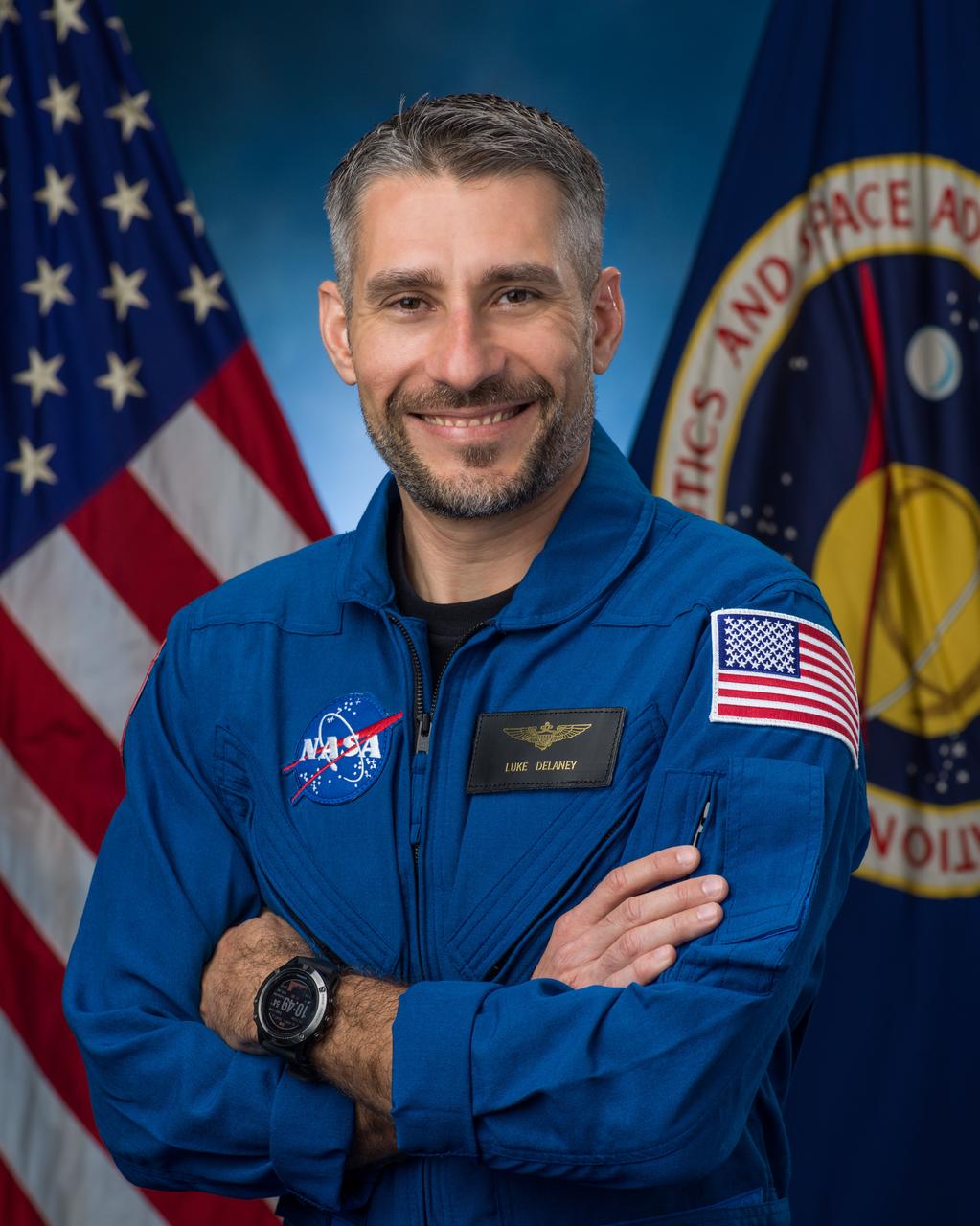
Astronaut Candidate Individual Portrait, Luke Delaney - ASCAN Class of 2021. Photo Date: December 3, 2021. Location: Building 8, Room 183 - Photo Studio. Credit: NASA/Robert Markowitz
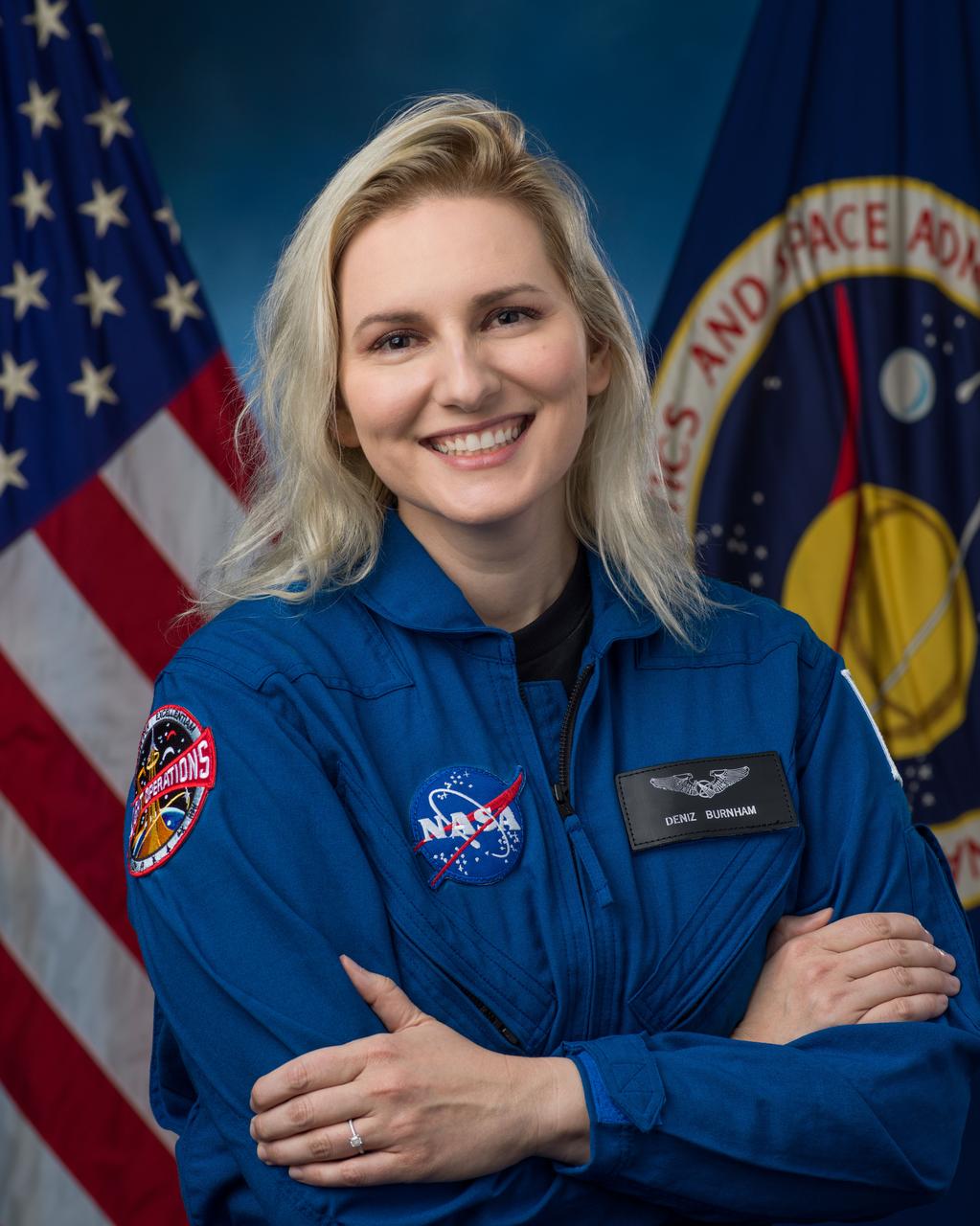
Astronaut Candidate Individual Portrait, Deniz Burnham - ASCAN Class of 2021. Photo Date: December 3, 2021. Location: Building 8, Room 183 - Photo Studio. Credit: NASA/Robert Markowitz

NASA Administrator Bill Nelson listens as Cadet First Class Celina Guan, second from left, talks about her classes work in the astronautics lab of the United States Air Force Academy, Wednesday, Aug. 25, 2021, north of Colorado Springs, Colorado. Photo Credit: (NASA/Bill Ingalls)
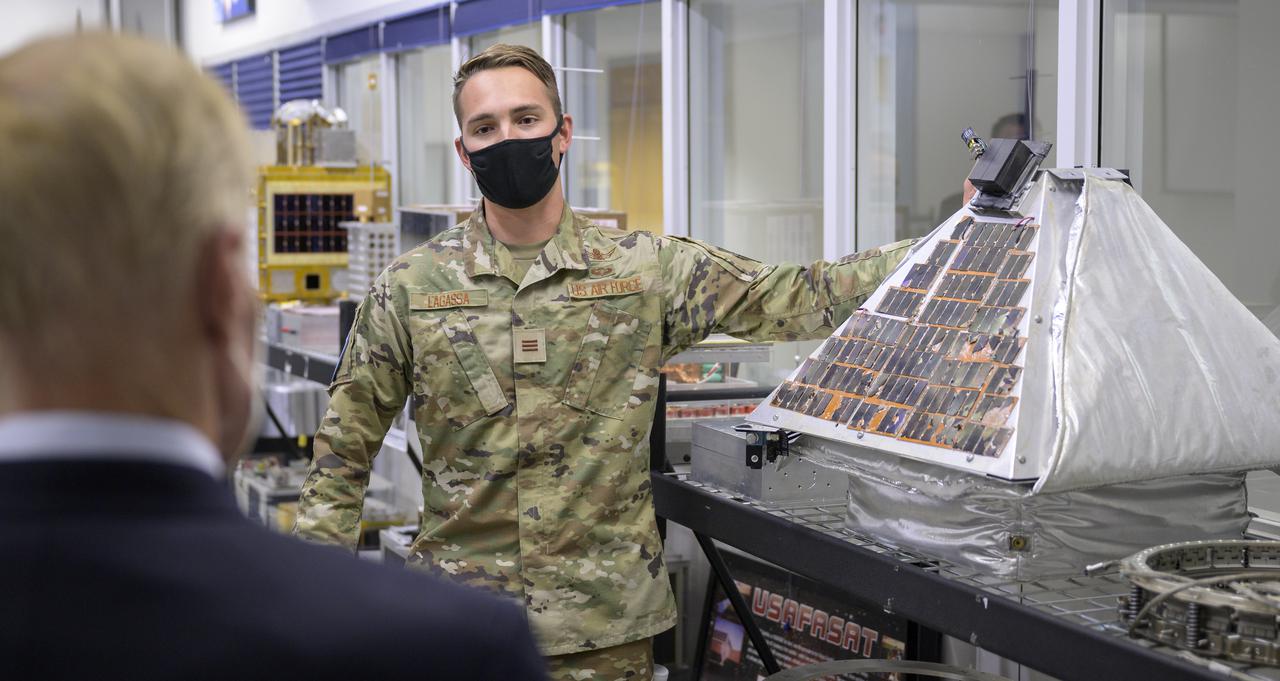
NASA Administrator Bill Nelson listens as Cadet First Class Andrew LaGassa talks about his classes work in the astronautics lab of the United States Air Force Academy, Wednesday, Aug. 25, 2021, north of Colorado Springs, Colorado. Photo Credit: (NASA/Bill Ingalls)

NASA’s 2021 class of astronaut candidates visit the Vehicle Assembly Building during a familiarization tour of facilities on Tuesday, Oct. 17, 2023, at the agency’s Kennedy Space Center in Florida.
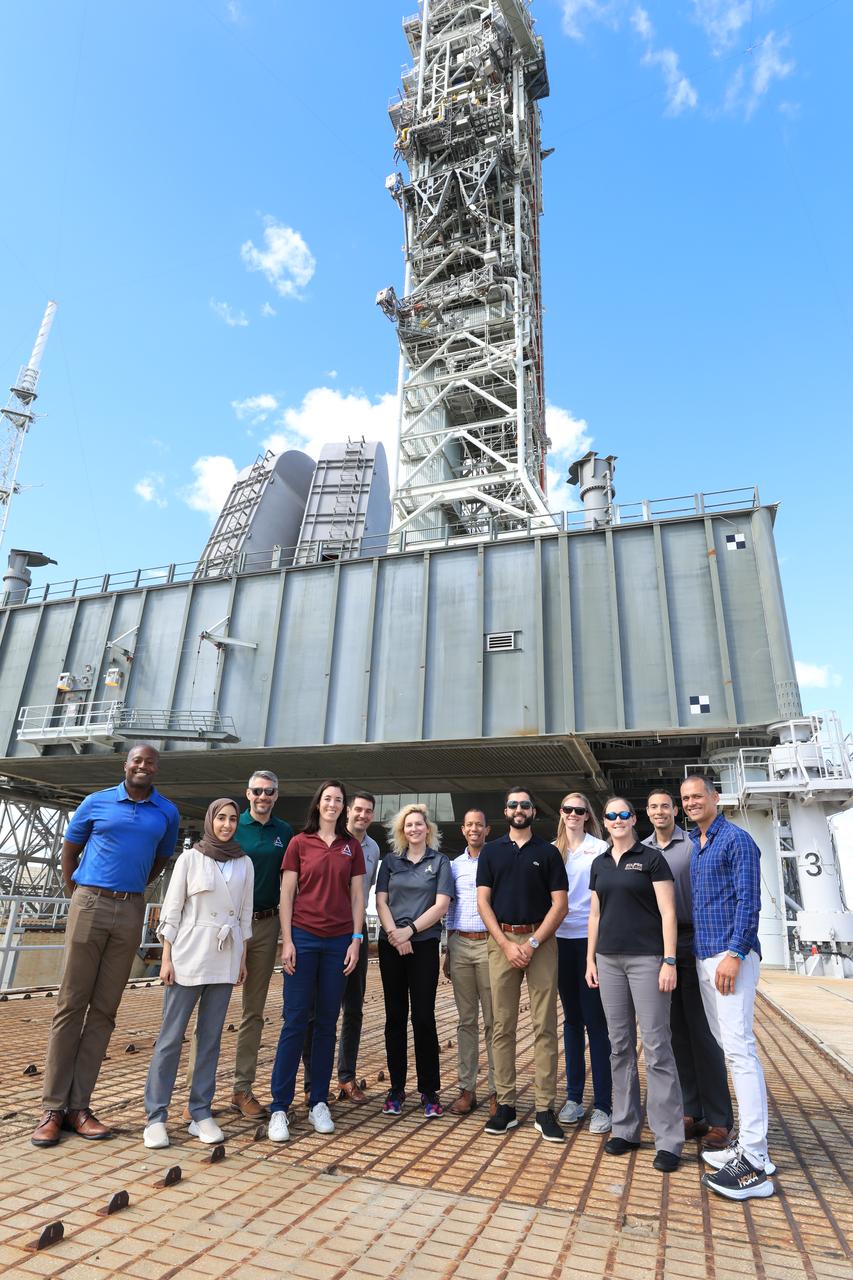
NASA’s 2021 class of astronaut candidates visit the mobile launcher at Launch Complex 39B during a familiarization tour of facilities on Monday, Oct. 16, 2023, at the agency’s Kennedy Space Center in Florida.
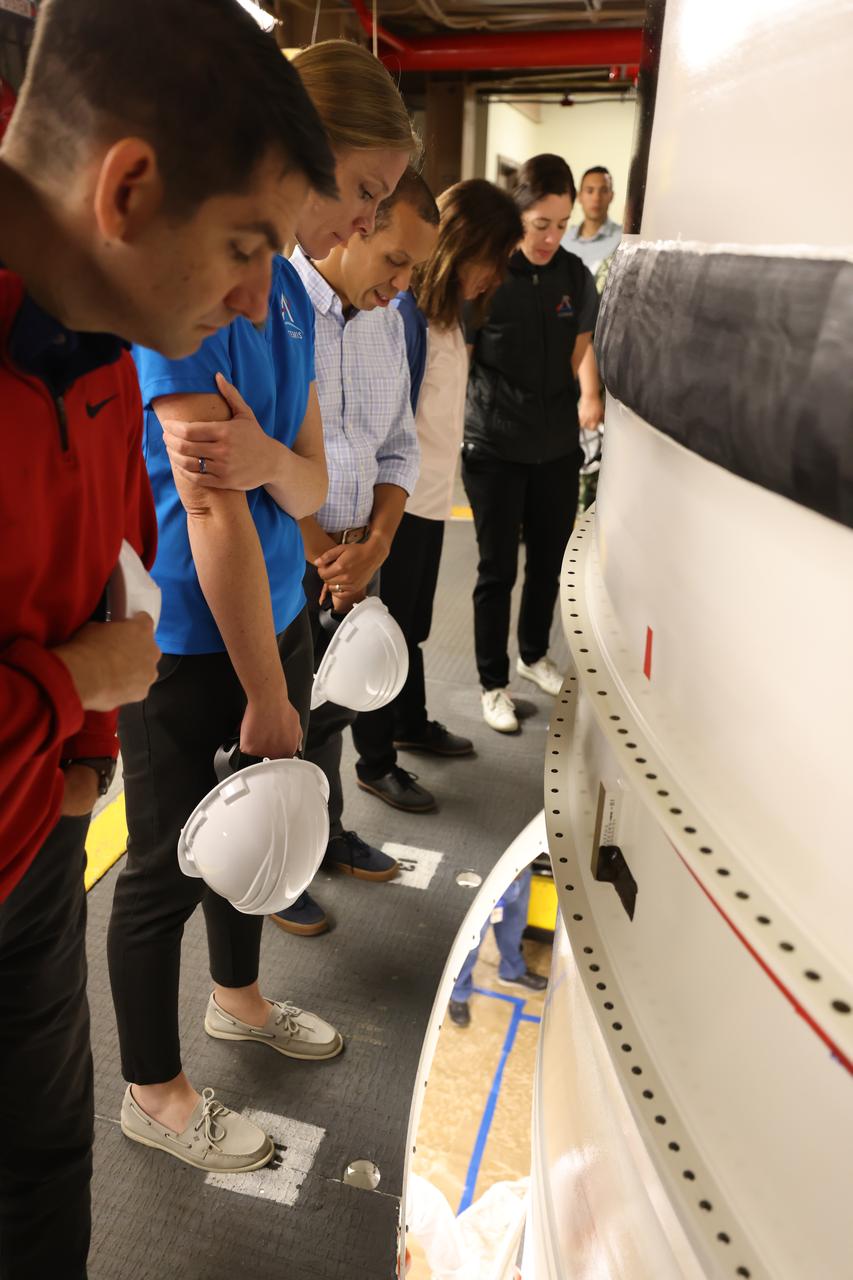
NASA’s 2021 class of astronaut candidates view a booster segment for Artemis II inside the Rotation, Processing and Surge Facility during a familiarization tour of facilities on Tuesday, Oct. 17, 2023, at the agency’s Kennedy Space Center in Florida.
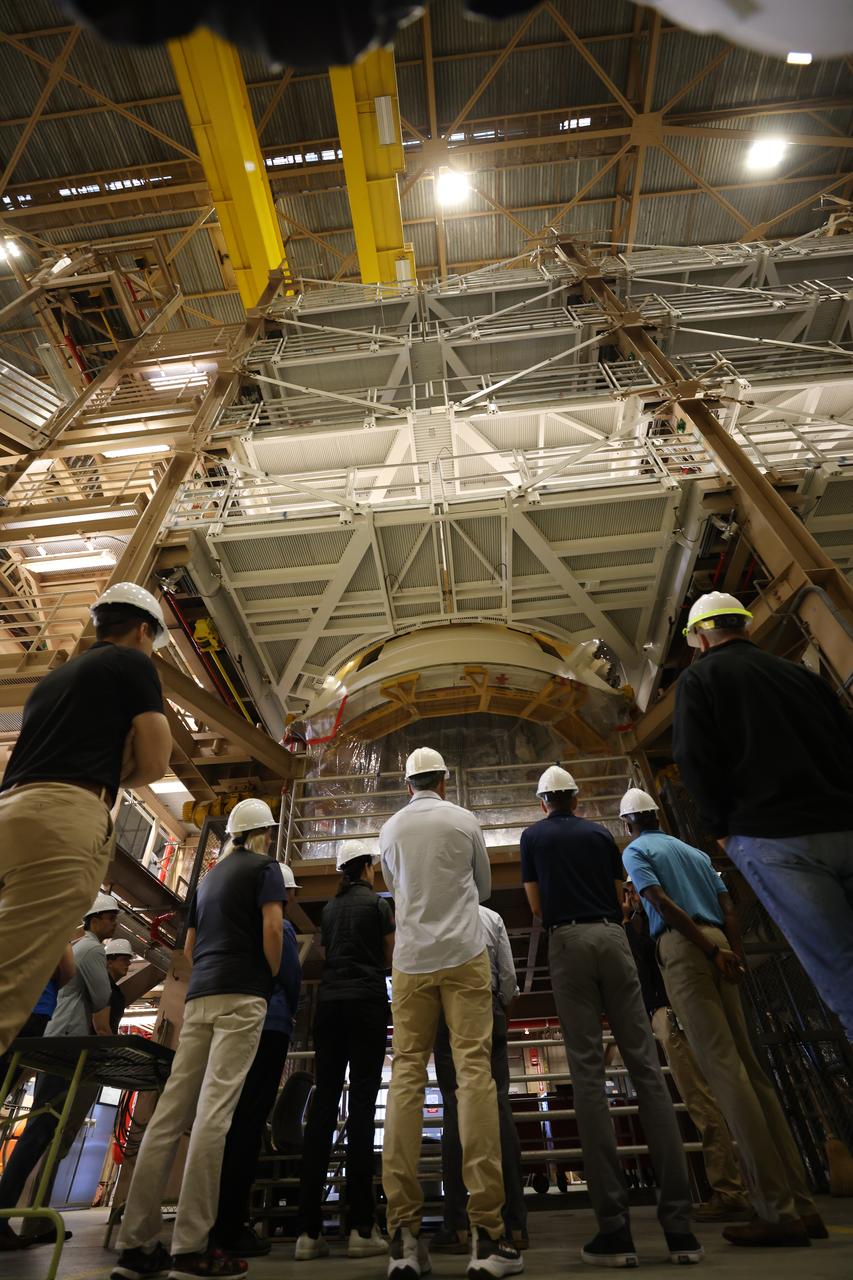
NASA’s 2021 class of astronaut candidates view a booster segment for Artemis II inside the Rotation, Processing and Surge Facility during a familiarization tour of facilities on Tuesday, Oct. 17, 2023, at the agency’s Kennedy Space Center in Florida.
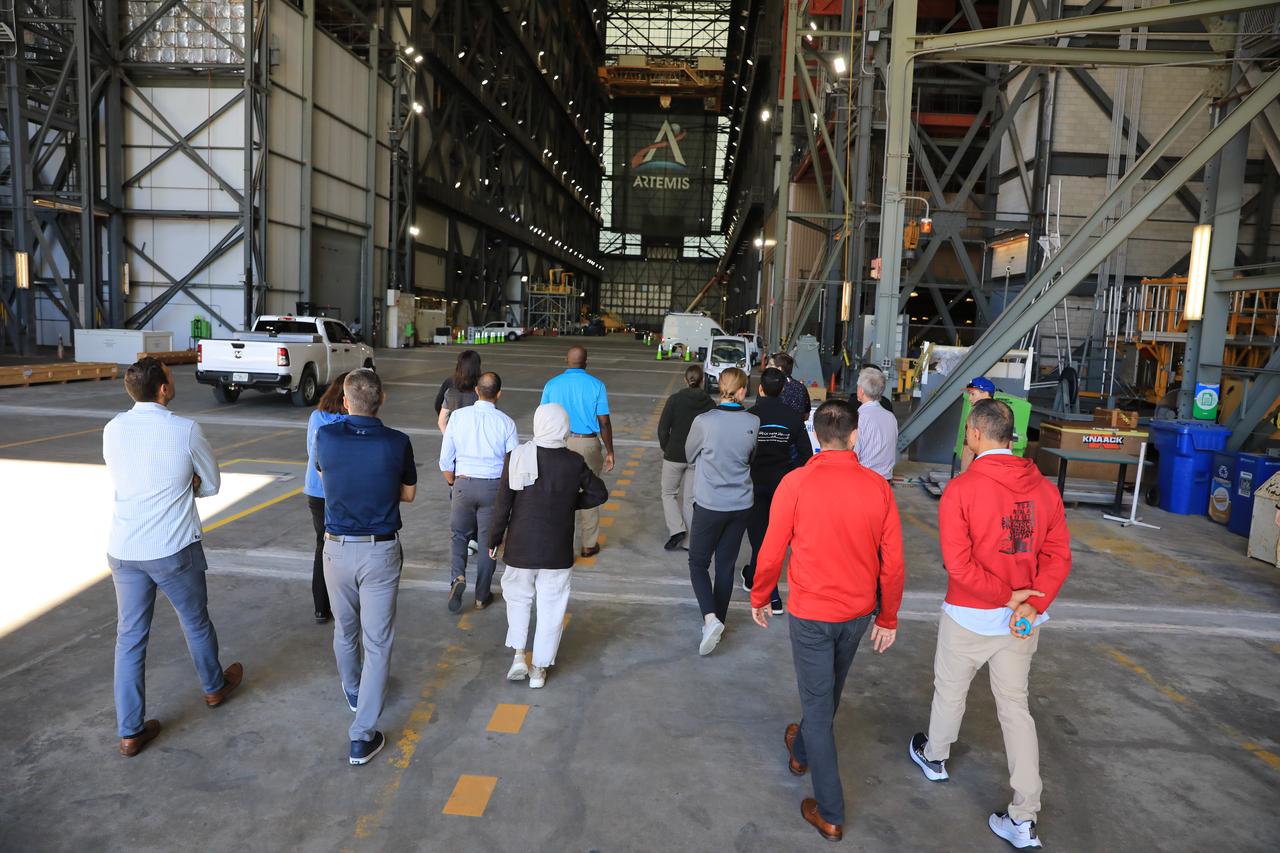
NASA’s 2021 class of astronaut candidates walk inside the Vehicle Assembly Building during a familiarization tour of facilities on Tuesday, Oct. 17, 2023, at the agency’s Kennedy Space Center in Florida.
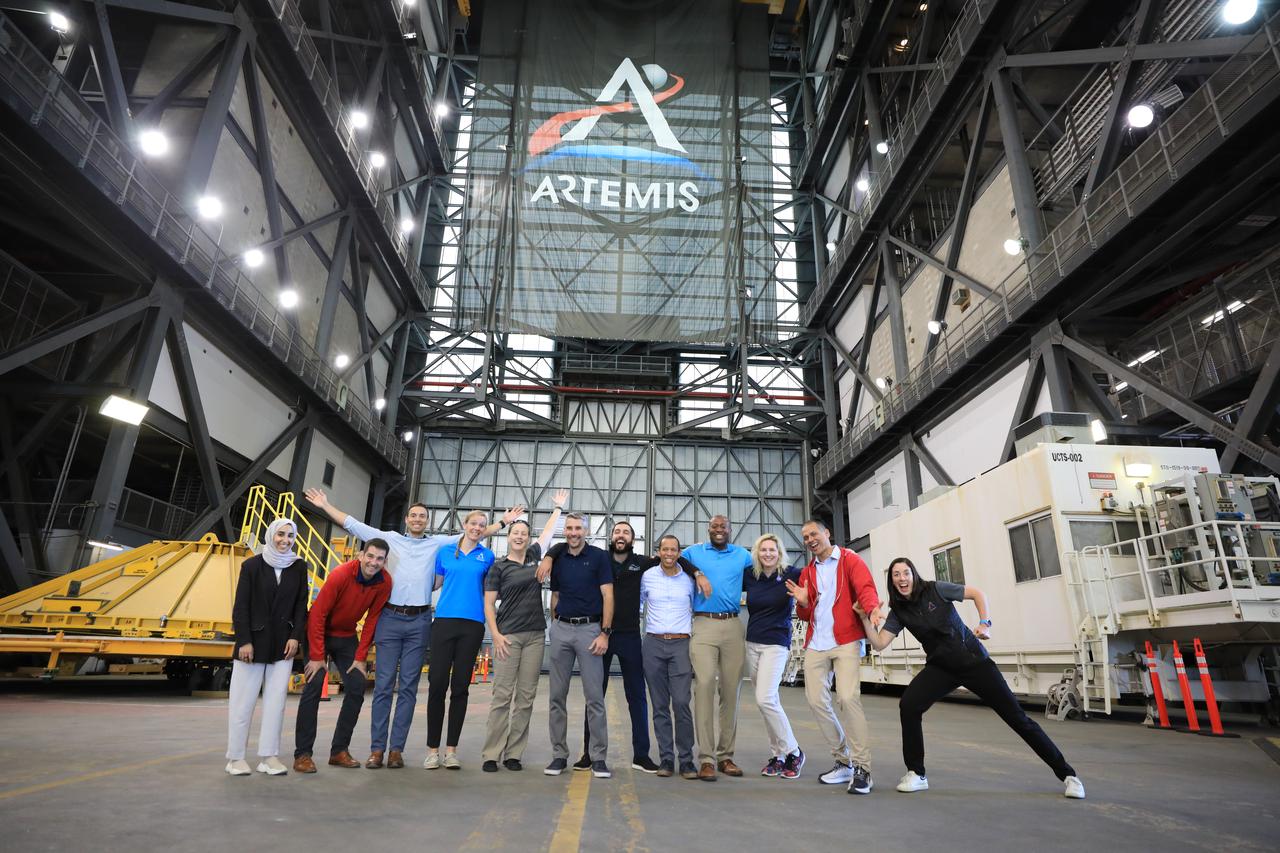
NASA’s 2021 class of astronaut candidates visit the Vehicle Assembly Building during a familiarization tour of facilities on Tuesday, Oct. 17, 2023, at the agency’s Kennedy Space Center in Florida.
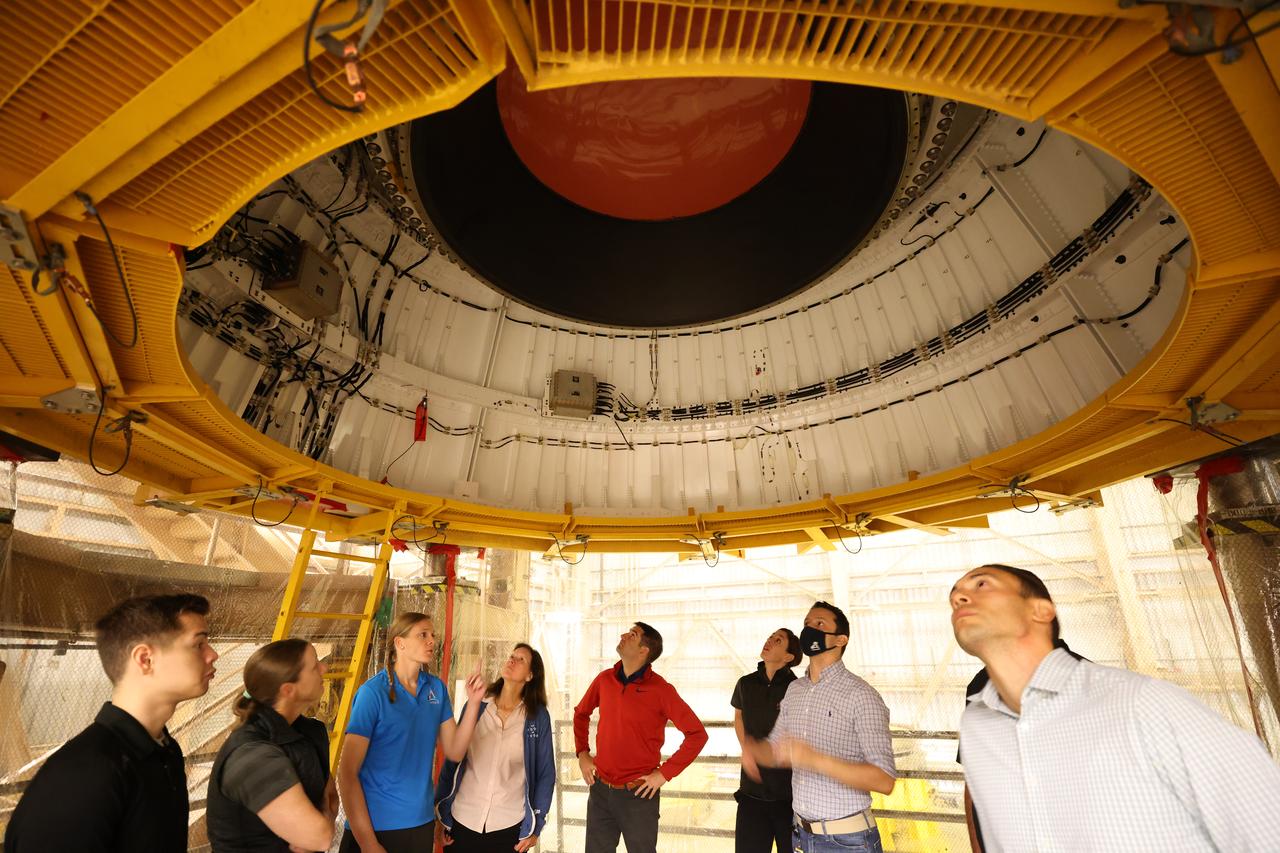
NASA’s 2021 class of astronaut candidates view a booster segment for Artemis II inside the Rotation, Processing and Surge Facility during a familiarization tour of facilities on Tuesday, Oct. 17, 2023, at the agency’s Kennedy Space Center in Florida.
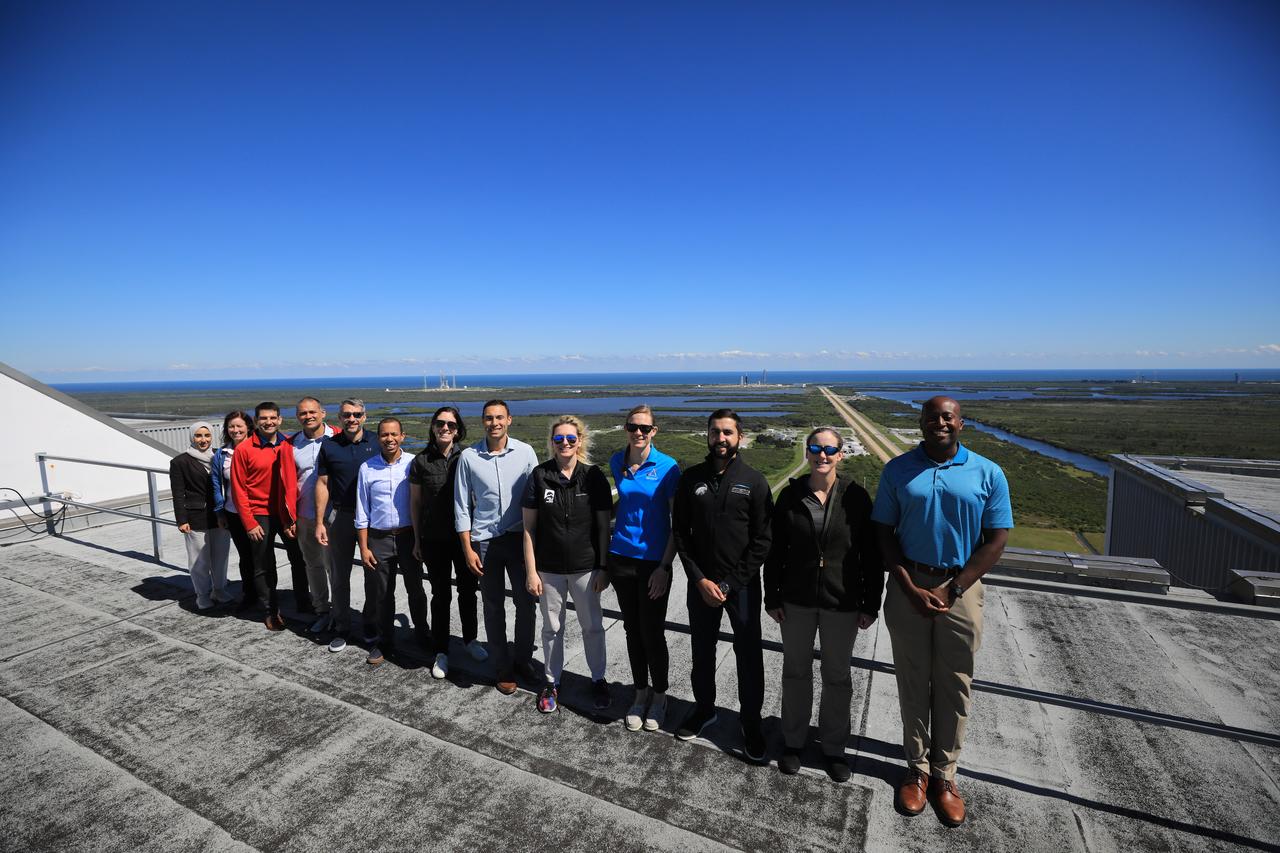
NASA’s 2021 class of astronaut candidates pose for a photograph on the roof of the Vehicle Assembly Building during a familiarization tour of facilities on Tuesday, Oct. 17, 2023, at the agency’s Kennedy Space Center in Florida.
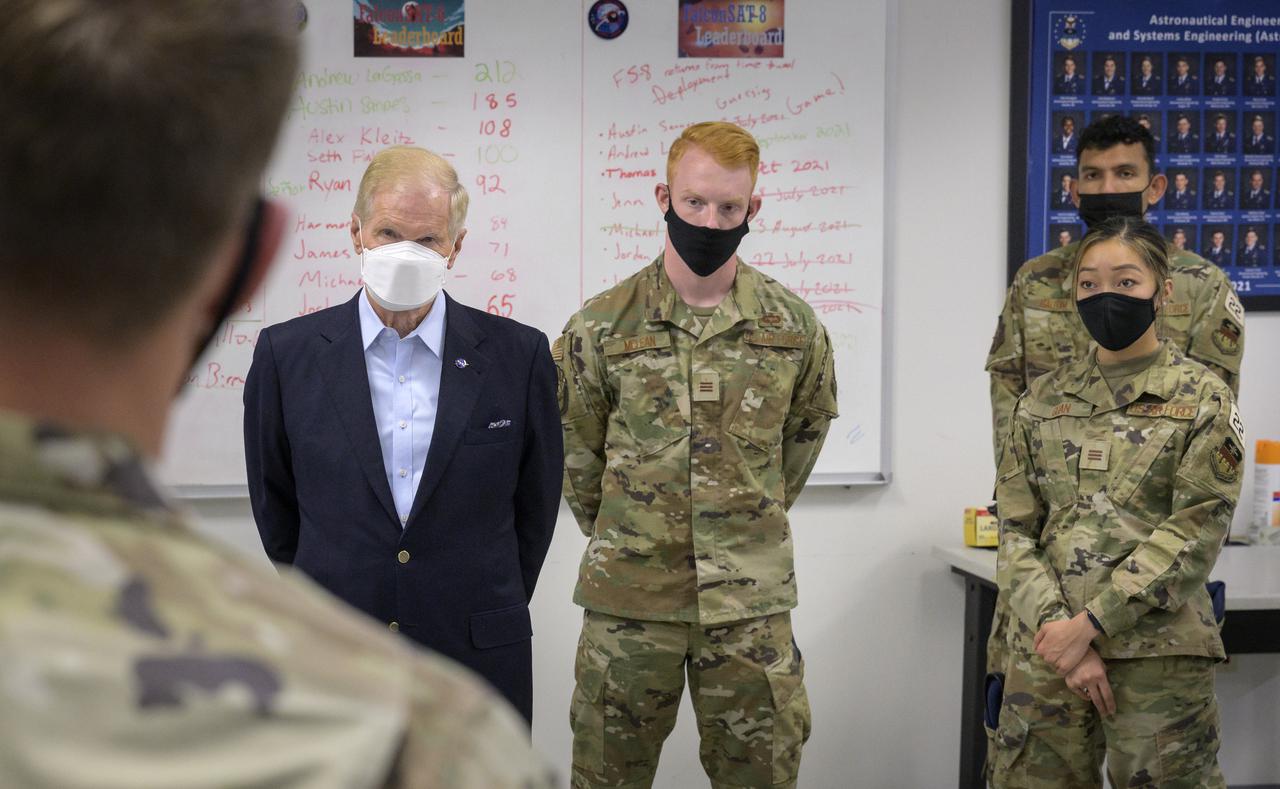
NASA Administrator Bill Nelson listens as Cadet First Class Andrew LaGassa talks about his classes work in the astronautics lab of the United States Air Force Academy as Cadets First Class Thomas McLean, Celina Guan, and Ritesh Gautam look on, Wednesday, Aug. 25, 2021, north of Colorado Springs, Colorado. Photo Credit: (NASA/Bill Ingalls)
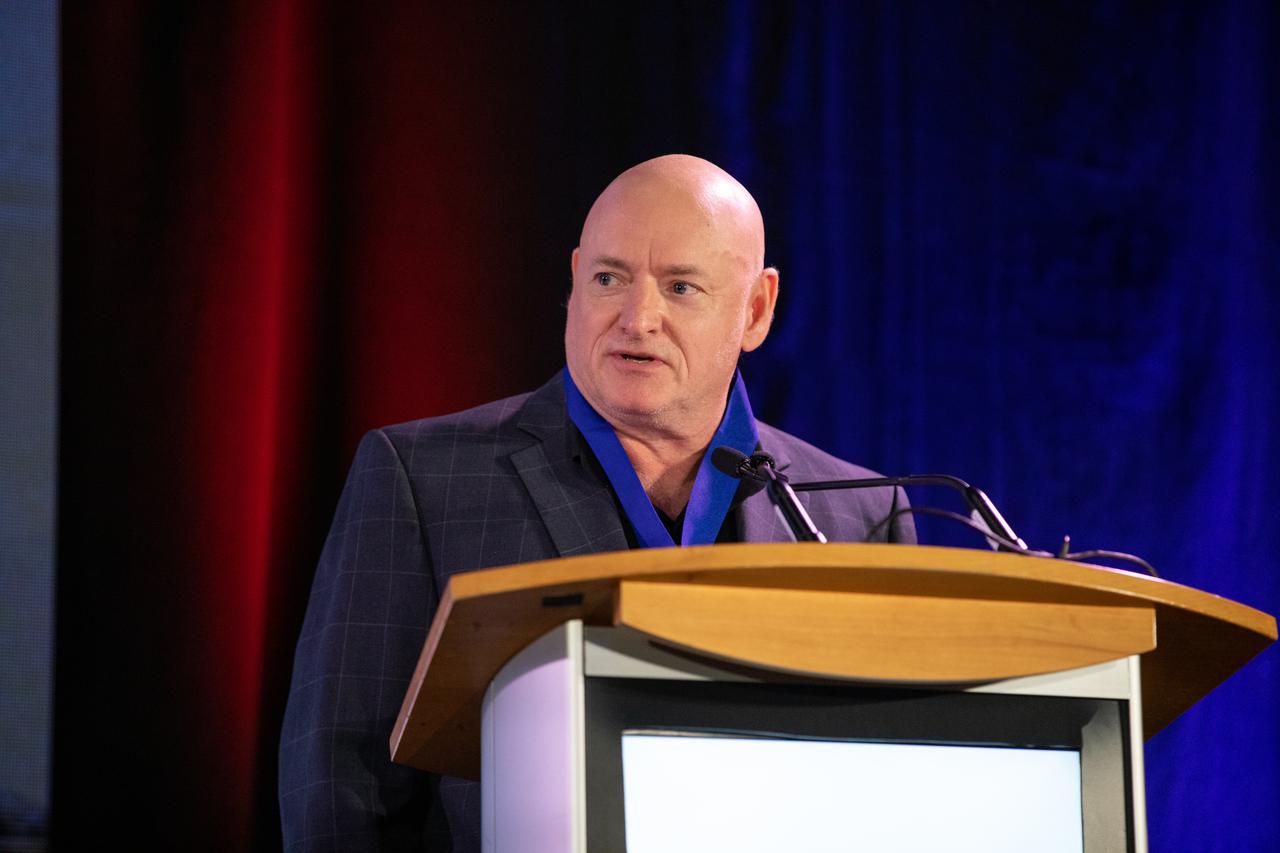
Scott Kelly is one of three former astronauts inducted into the U.S. Astronaut Hall of Fame (AHOF) on Nov. 13, 2021, during a ceremony at the Kennedy Space Center Visitor Complex in Florida. Kelly received an official medal and became a member of the 19th class of space shuttle astronauts to be inducted. The 2021 inductees were selected by a committee of Hall of Fame astronauts, former NASA officials, flight directors, historians, and journalists. This year’s induction brings the total number of AHOF members to 102.
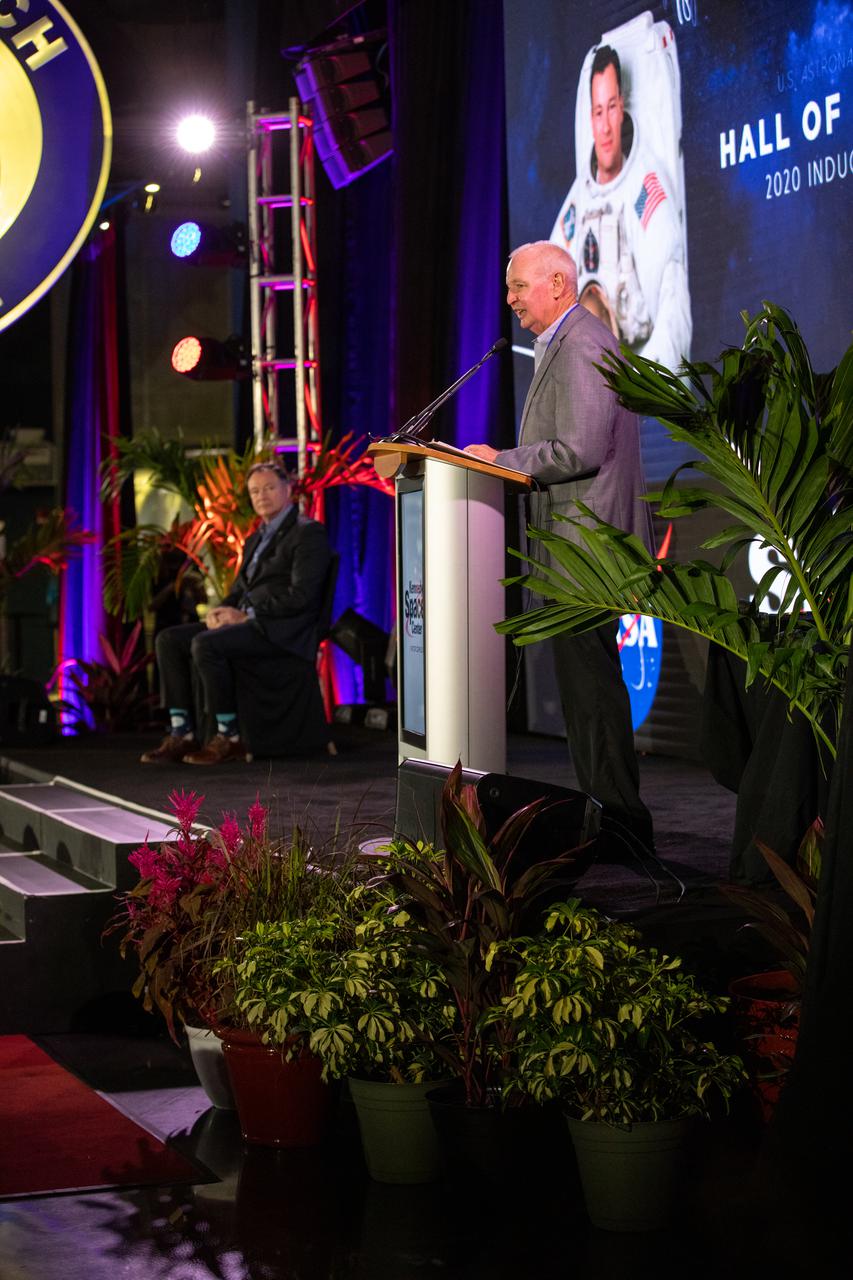
Former NASA astronaut and Hall of Famer Brian Duffy (right) inducts Michael Lopez-Alegria into the U.S. Astronaut Hall of Fame (AHOF) on Nov. 13, 2021, during a ceremony at the Kennedy Space Center Visitor Complex in Florida. Lopez-Alegria received an official medal and became a member of the 19th class of space shuttle astronauts to be inducted. The 2021 inductees were selected by a committee of Hall of Fame astronauts, former NASA officials, flight directors, historians, and journalists. This year’s induction brings the total number of AHOF members to 102.
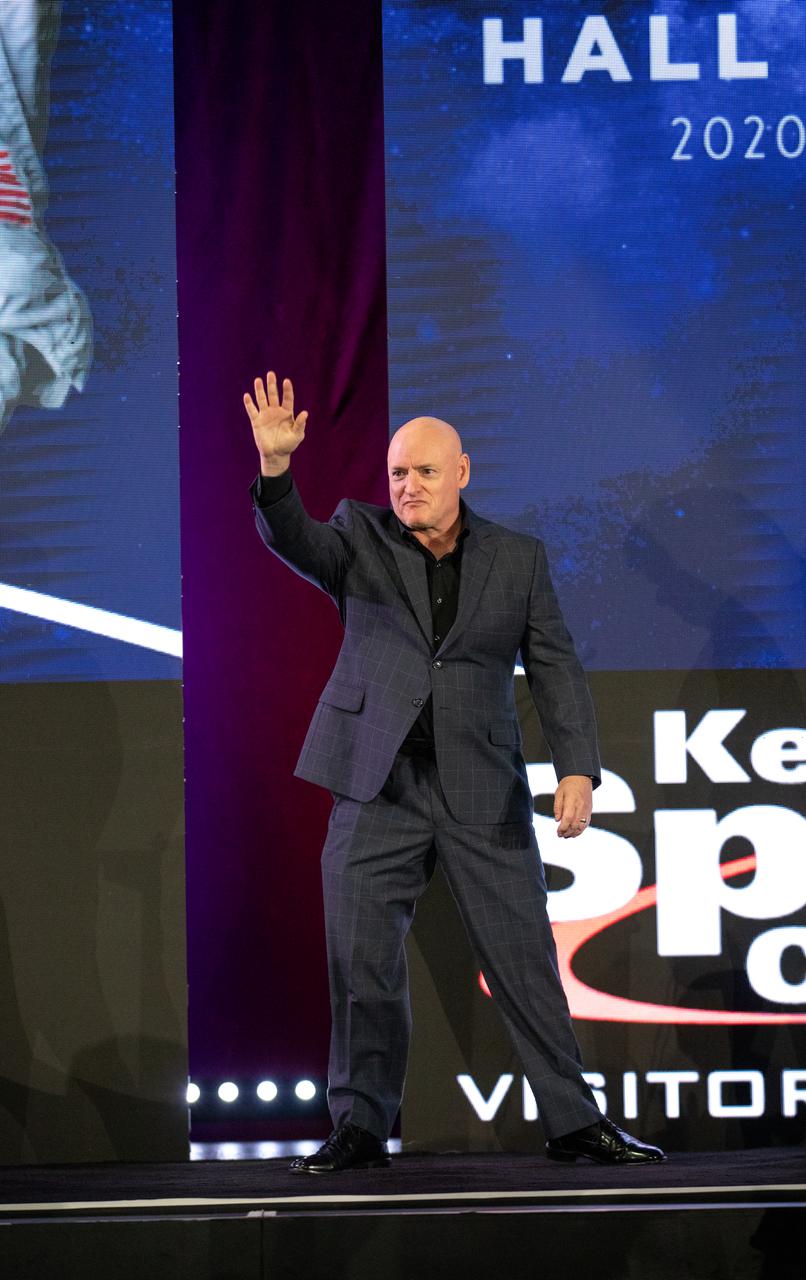
Scott Kelly is one of three former astronauts inducted into the U.S. Astronaut Hall of Fame (AHOF) on Nov. 13, 2021, during a ceremony at the Kennedy Space Center Visitor Complex in Florida. Kelly received an official medal and became a member of the 19th class of space shuttle astronauts to be inducted. The 2021 inductees were selected by a committee of Hall of Fame astronauts, former NASA officials, flight directors, historians, and journalists. This year’s induction brings the total number of AHOF members to 102.
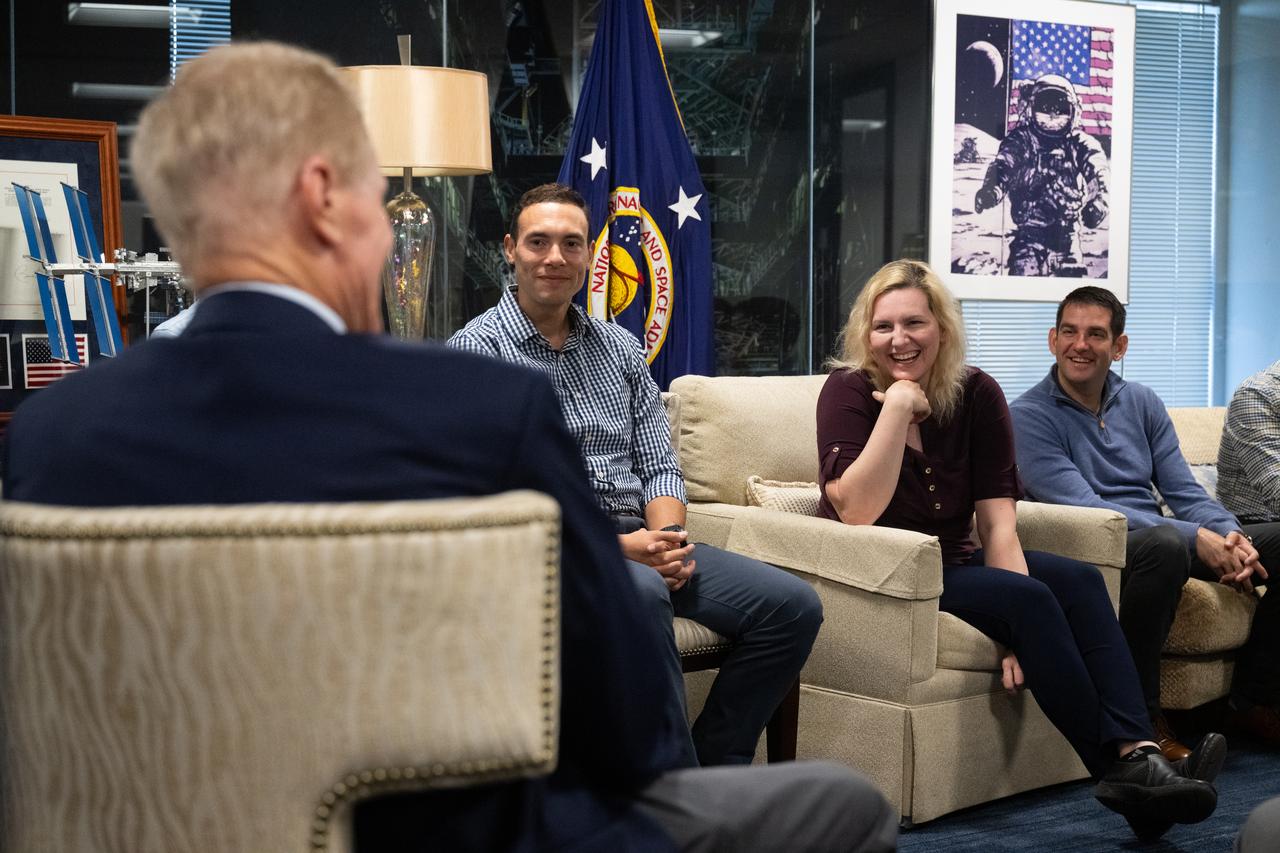
NASA astronaut candidates Marcos Berríos, left, Deniz Burnham, center, and Jack Hathaway, right, are seen during a meeting with NASA Administrator Bill Nelson, NASA Deputy Administrator Pam Melroy, and Bob Cabana, NASA associate administrator, Wednesday, Oct. 18, 2023, at the Mary W. Jackson NASA Headquarters building in Washington. Upon completion of two years of training they could be assigned to missions that involve performing research aboard the International Space Station, launching from American soil on spacecraft built by commercial companies, as well as deep space missions to destinations including the Moon on NASA’s Orion spacecraft and Space Launch System rocket. Photo Credit: (NASA/Joel Kowsky)
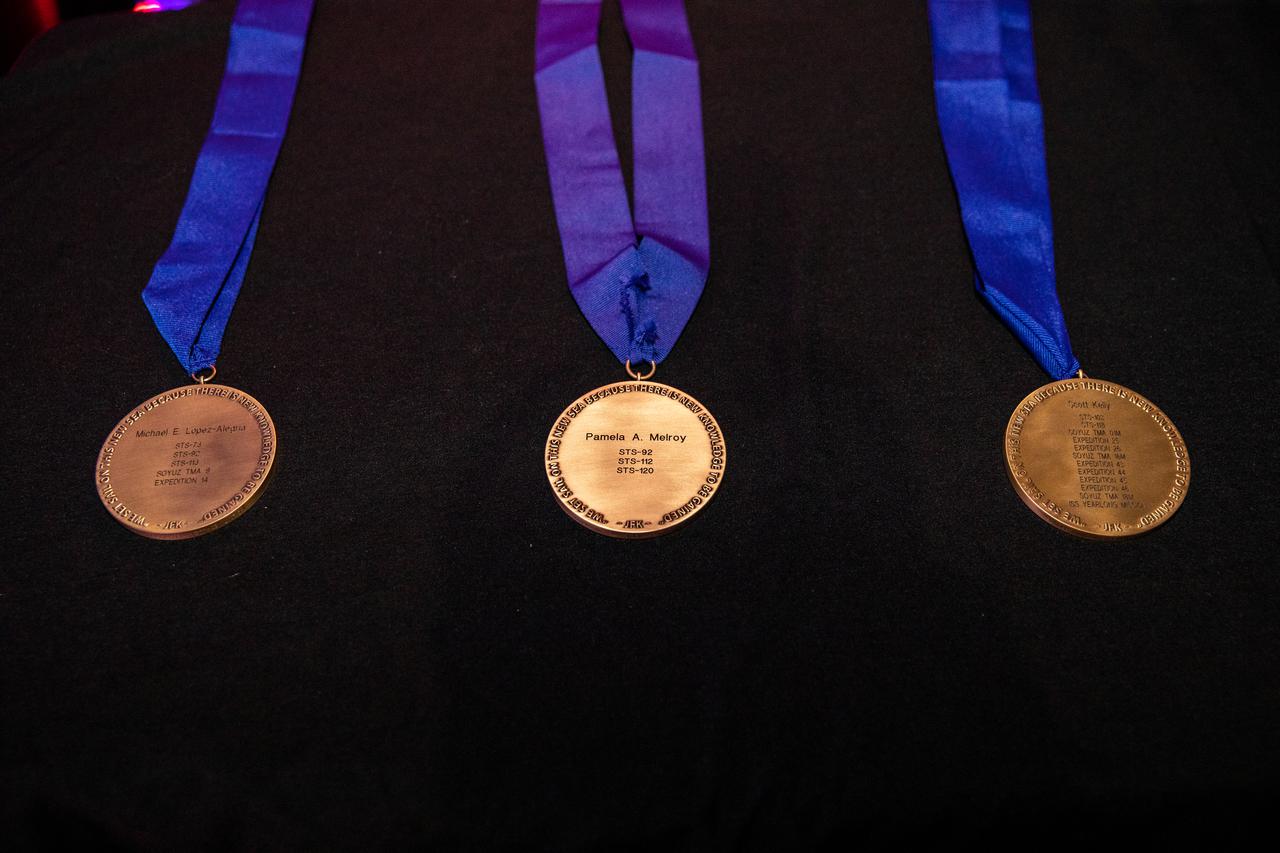
A photo of the three official Astronaut Hall of Fame (AHOF) medals presented to each member of the 19th class of inductees on Nov. 13, 2021, during a ceremony at the Kennedy Space Center Visitor Complex in Florida. The 2021 inductees were selected by a committee of Hall of Fame astronauts, former NASA officials, flight directors, historians, and journalists. This year’s induction brings the total number of AHOF members to 102.
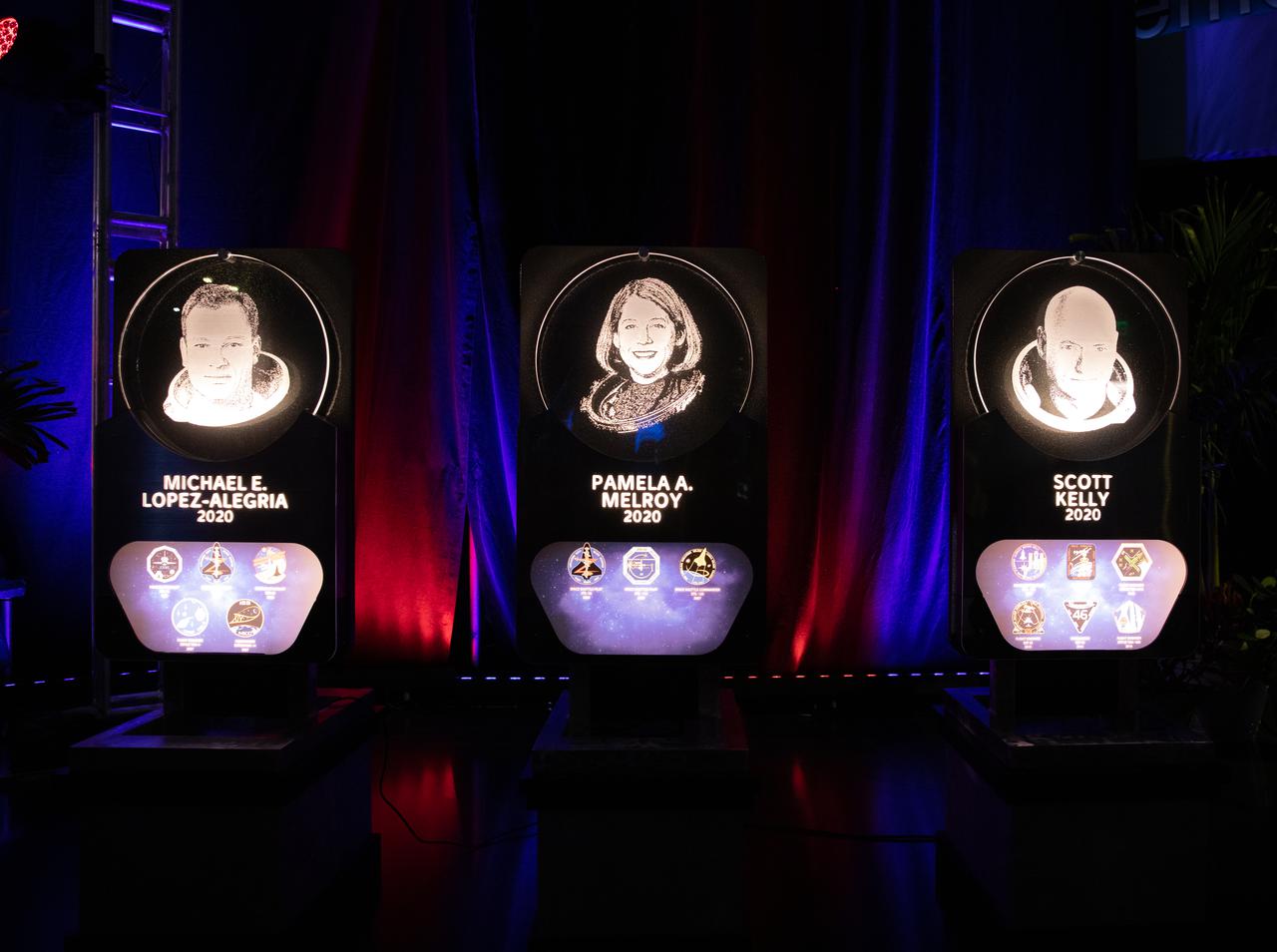
A photo of the three official Astronaut Hall of Fame (AHOF) statues revealed to the 19th class of inductees on Nov. 13, 2021, during a ceremony at the Kennedy Space Center Visitor Complex in Florida. The 2021 inductees - Scott Kelly, Pamela Melroy, and Michael Lopez-Alegria - were selected by a committee of Hall of Fame astronauts, former NASA officials, flight directors, historians, and journalists. This year’s induction brings the total number of AHOF members to 102.
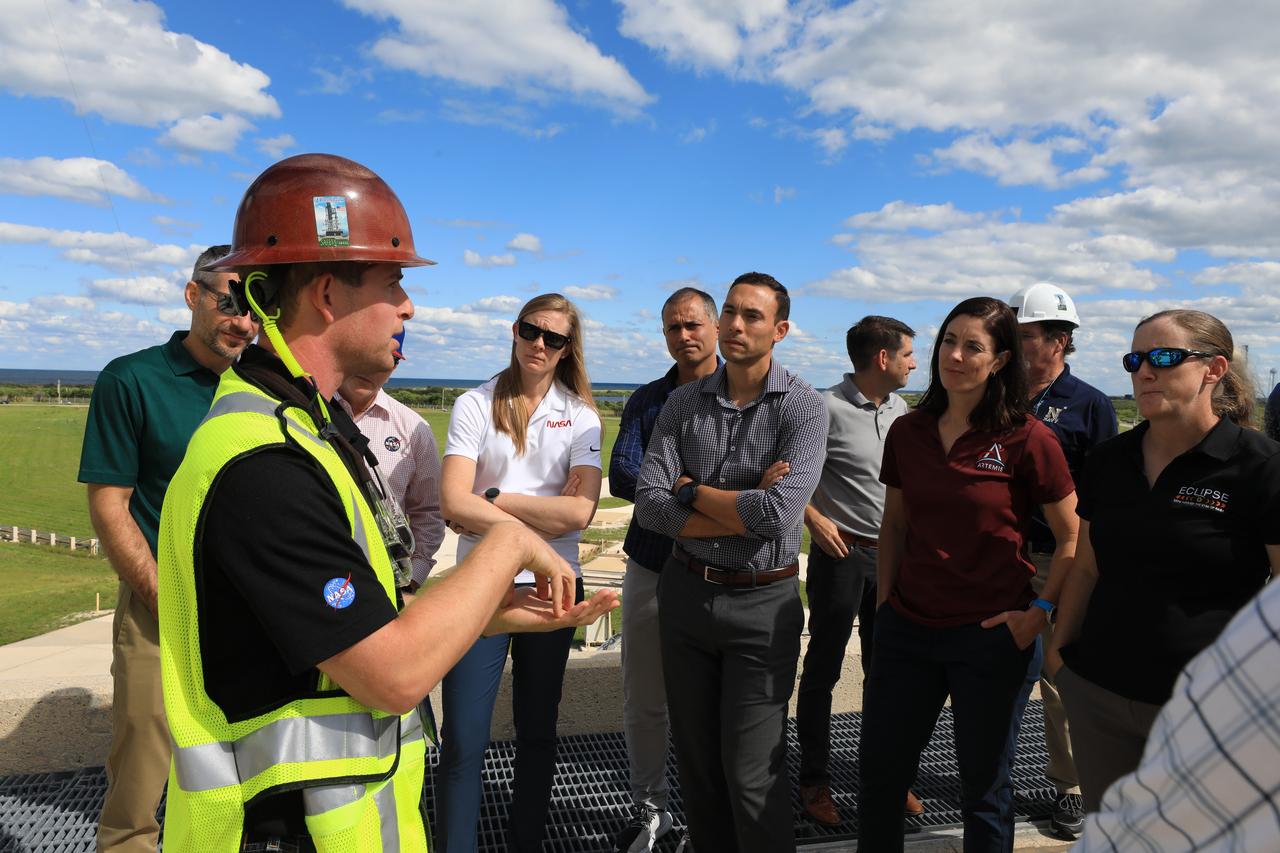
NASA’s 2021 class of astronaut candidates talk with Exploration Ground Systems engineers atop the mobile launcher at Launch Complex 39B during a familiarization tour of facilities on Monday, Oct. 16, 2023, at the agency’s Kennedy Space Center in Florida.
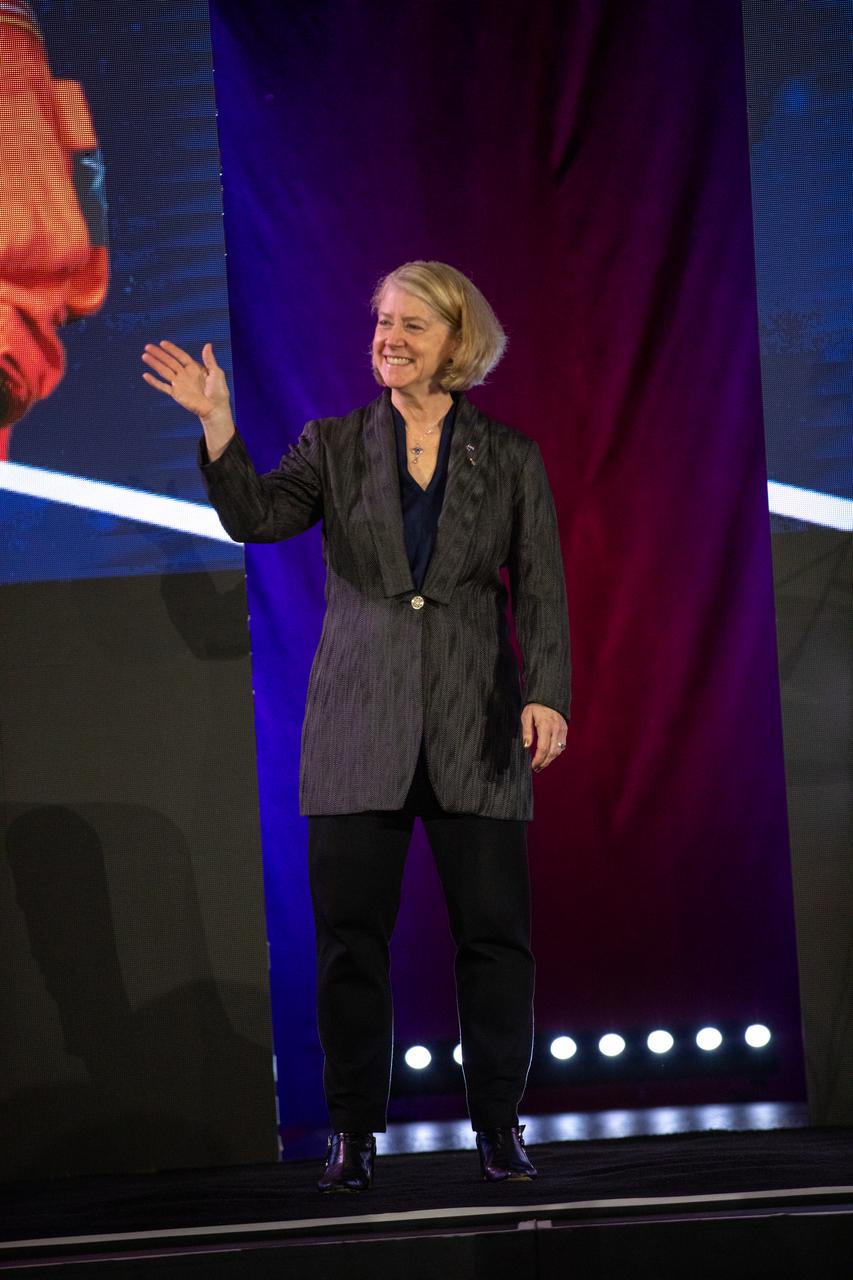
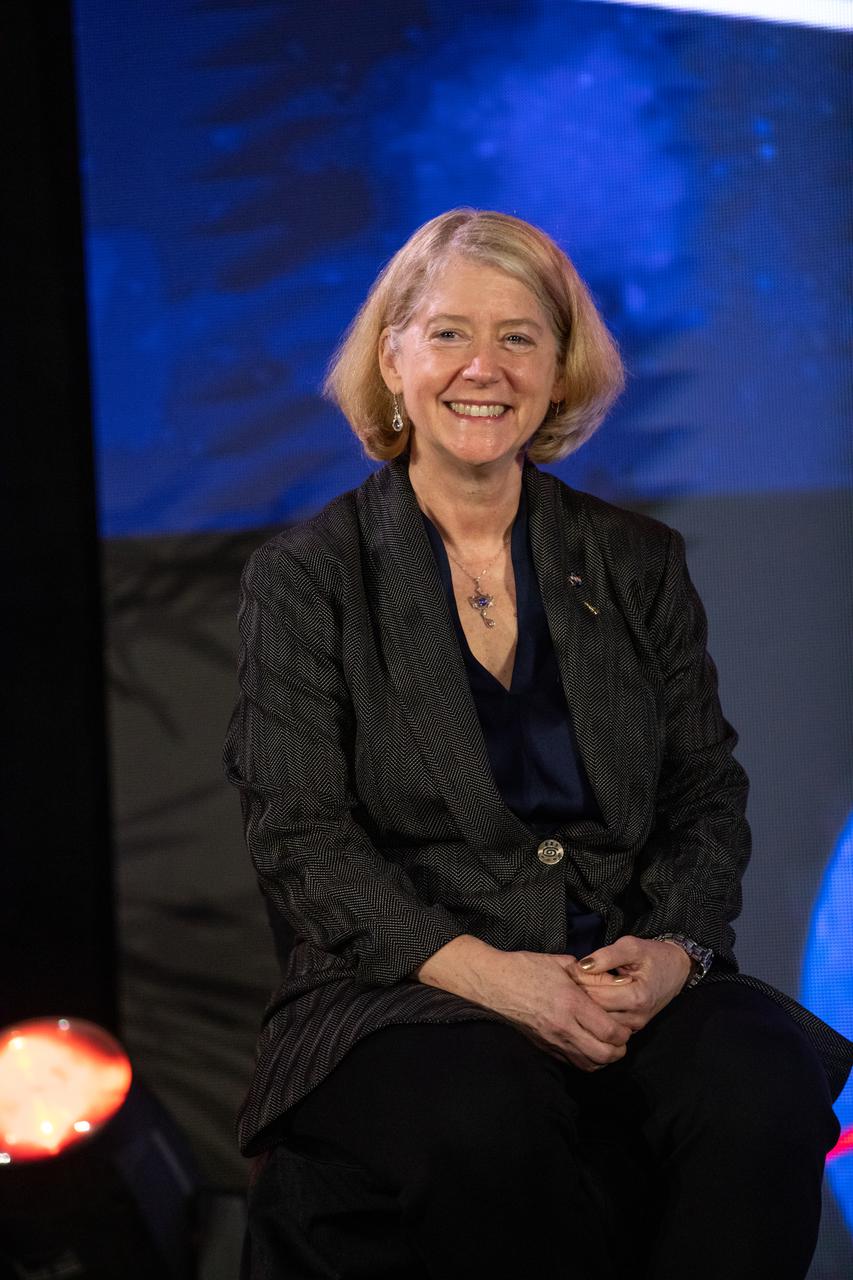
NASA Deputy Administrator Pamela Melroy is one of three former astronauts inducted into the U.S. Astronaut Hall of Fame (AHOF) on Nov. 13, 2021, during a ceremony at the Kennedy Space Center Visitor Complex in Florida. Melroy received an official medal and became a member of the 19th class of space shuttle astronauts to be inducted. Former NASA astronaut and Hall of Famer Curt Brown, board chairman of the Astronaut Scholarship Foundation, inducted Melroy. The 2021 inductees were selected by a committee of Hall of Fame astronauts, former NASA officials, flight directors, historians, and journalists. This year’s induction brings the total number of AHOF members to 102.
NASA Deputy Administrator Pamela Melroy is one of three former astronauts inducted into the U.S. Astronaut Hall of Fame (AHOF) on Nov. 13, 2021, during a ceremony at the Kennedy Space Center Visitor Complex in Florida. Melroy received an official medal and became a member of the 19th class of space shuttle astronauts to be inducted. Former NASA astronaut and Hall of Famer Curt Brown, board chairman of the Astronaut Scholarship Foundation, inducted Melroy. The 2021 inductees were selected by a committee of Hall of Fame astronauts, former NASA officials, flight directors, historians, and journalists. This year’s induction brings the total number of AHOF members to 102.
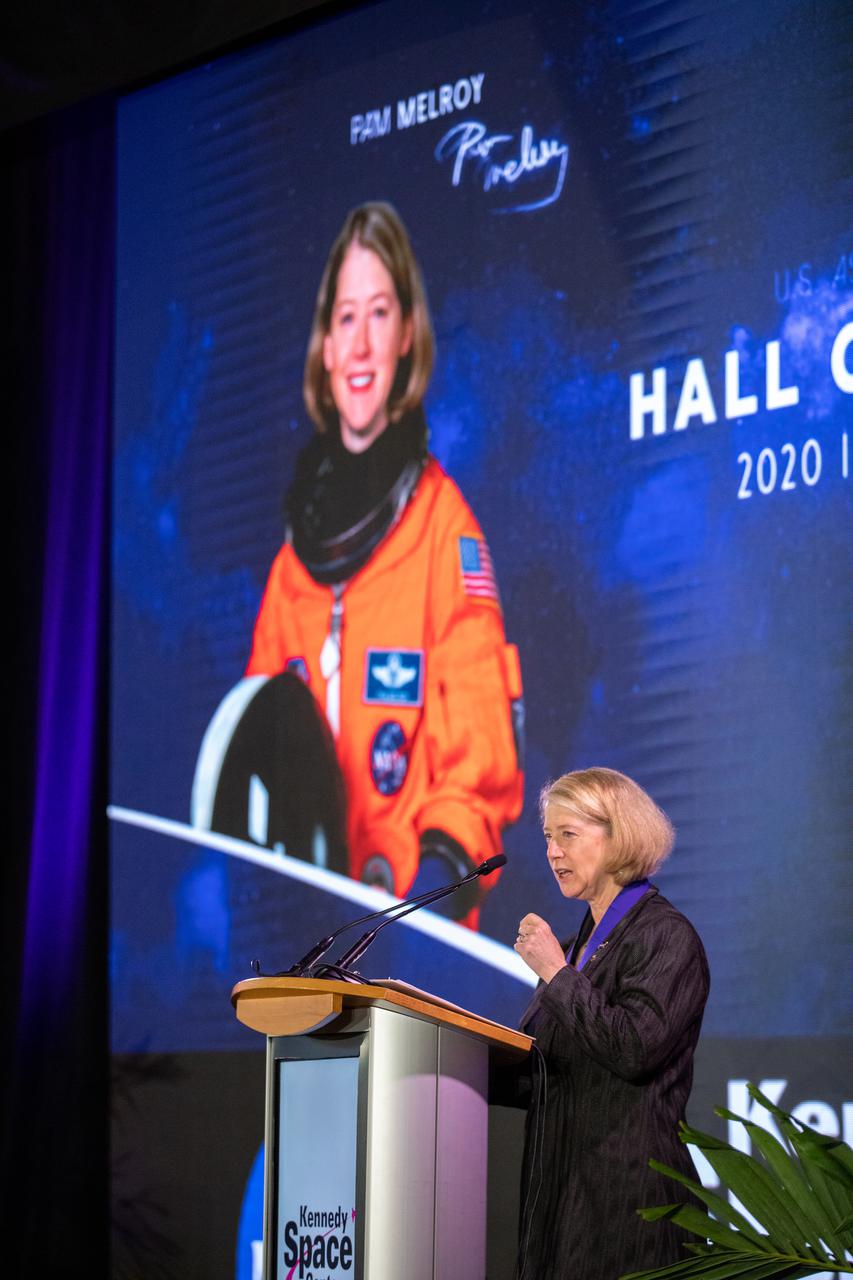
NASA Deputy Administrator Pamela Melroy is one of three former astronauts inducted into the U.S. Astronaut Hall of Fame (AHOF) on Nov. 13, 2021, during a ceremony at the Kennedy Space Center Visitor Complex in Florida. Melroy received an official medal and became a member of the 19th class of space shuttle astronauts to be inducted. Former NASA astronaut and Hall of Famer Curt Brown, board chairman of the Astronaut Scholarship Foundation, inducted Melroy. The 2021 inductees were selected by a committee of Hall of Fame astronauts, former NASA officials, flight directors, historians, and journalists. This year’s induction brings the total number of AHOF members to 102.
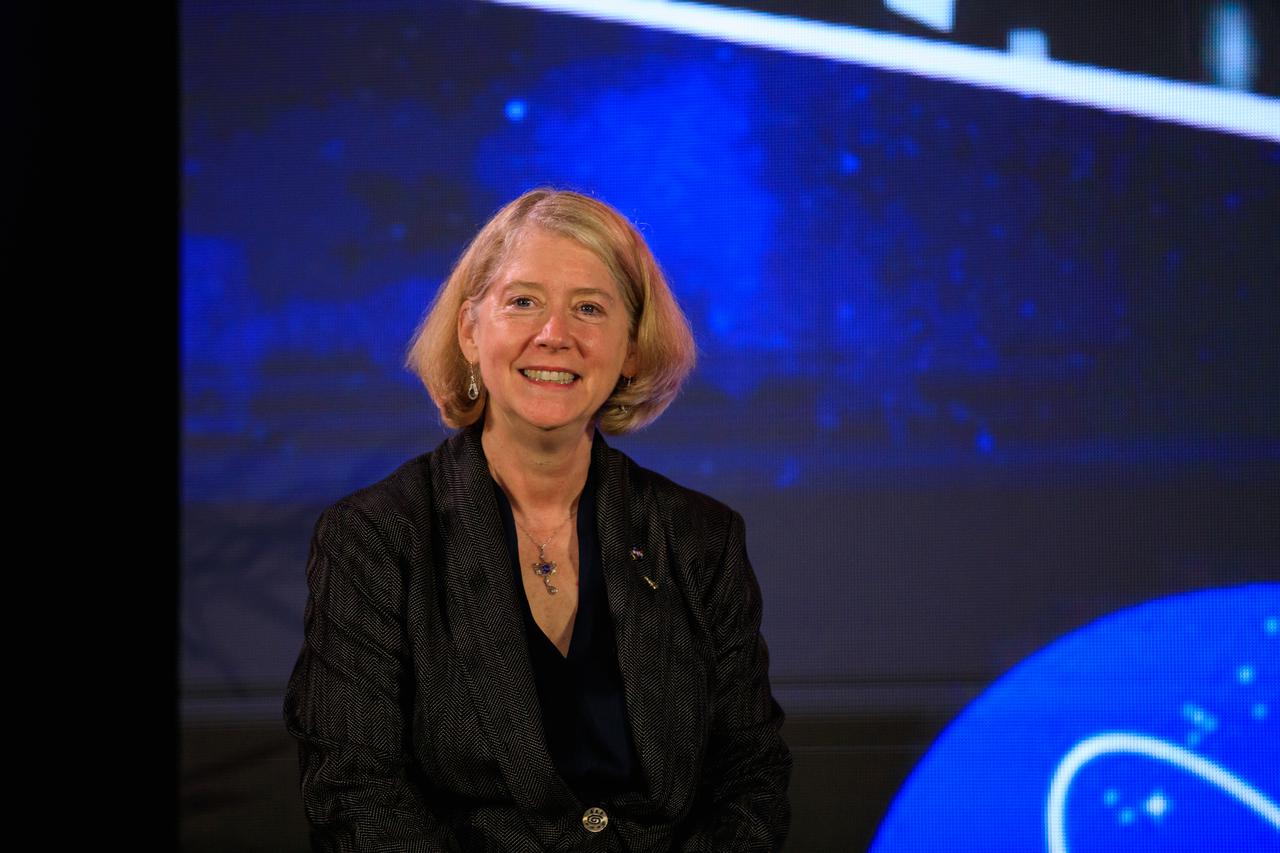
NASA Deputy Administrator Pamela Melroy is one of three former astronauts inducted into the U.S. Astronaut Hall of Fame (AHOF) on Nov. 13, 2021, during a ceremony at the Kennedy Space Center Visitor Complex in Florida. Melroy received an official medal and became a member of the 19th class of space shuttle astronauts to be inducted. Former NASA astronaut and Hall of Famer Curt Brown, board chairman of the Astronaut Scholarship Foundation, inducted Melroy. The 2021 inductees were selected by a committee of Hall of Fame astronauts, former NASA officials, flight directors, historians, and journalists. This year’s induction brings the total number of AHOF members to 102. Photo credit: NASA/Kim Shiflett
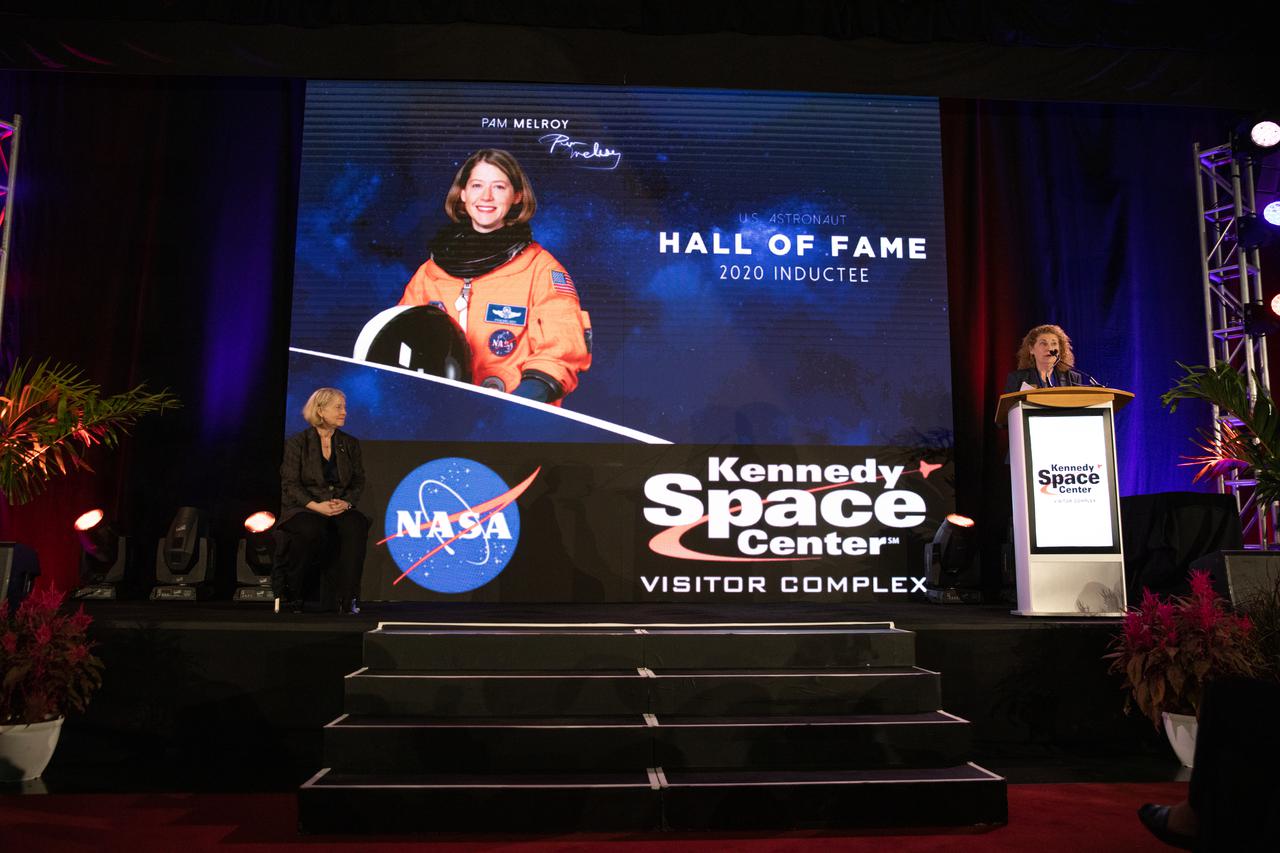
NASA Deputy Administrator Pamela Melroy is one of three former astronauts inducted into the U.S. Astronaut Hall of Fame (AHOF) on Nov. 13, 2021, during a ceremony at the Kennedy Space Center Visitor Complex in Florida. Melroy received an official medal and became a member of the 19th class of space shuttle astronauts to be inducted. Former NASA astronaut and Hall of Famer Susan Helms (right), inducted Melroy. The 2021 inductees were selected by a committee of Hall of Fame astronauts, former NASA officials, flight directors, historians, and journalists. This year’s induction brings the total number of AHOF members to 102.
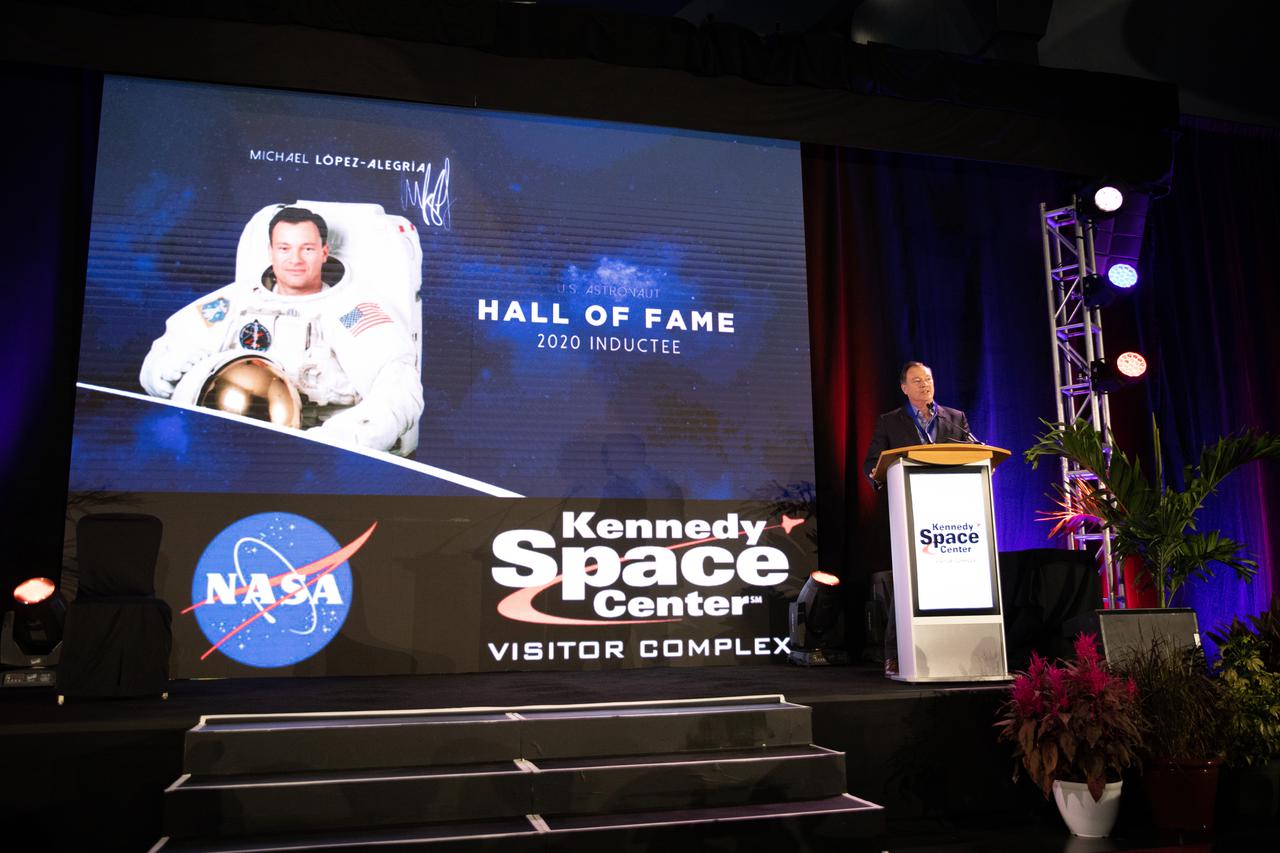
Michael Lopez-Alegria is one of three former astronauts inducted into the U.S. Astronaut Hall of Fame (AHOF) on Nov. 13, 2021, during a ceremony at the Kennedy Space Center Visitor Complex in Florida. Brian Duffy, former NASA astronaut and Hall of Famer, inducted Lopez-Alegria. Lopez-Alegria received an official medal and became a member of the 19th class of space shuttle astronauts to be inducted. The 2021 inductees were selected by a committee of Hall of Fame astronauts, former NASA officials, flight directors, historians, and journalists. This year’s induction brings the total number of AHOF members to 102.
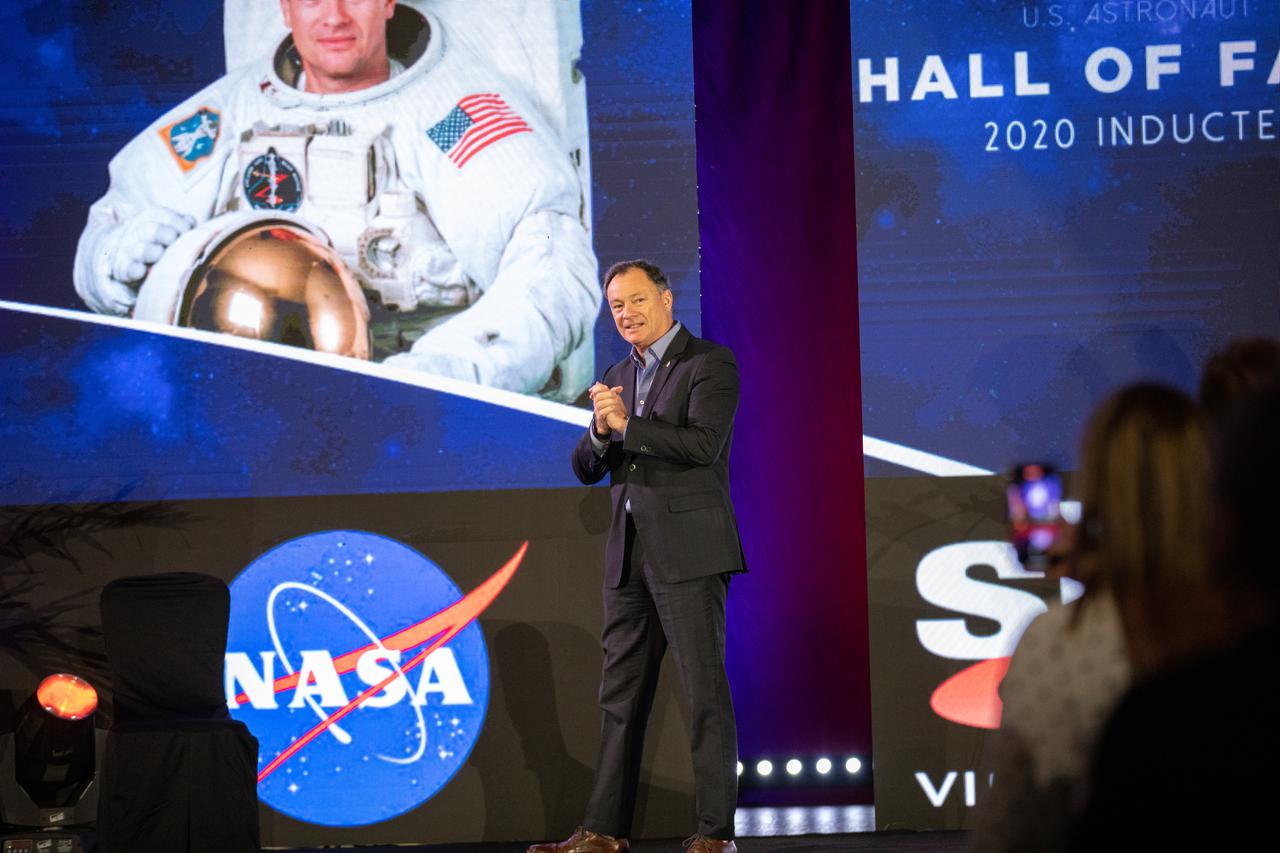
Michael Lopez-Alegria is one of three former astronauts inducted into the U.S. Astronaut Hall of Fame (AHOF) on Nov. 13, 2021, during a ceremony at the Kennedy Space Center Visitor Complex in Florida. Lopez-Alegria received an official medal and became a member of the 19th class of space shuttle astronauts to be inducted. Brian Duffy, former NASA astronaut and Hall of Famer, inducted Lopez-Alegria. The 2021 inductees were selected by a committee of Hall of Fame astronauts, former NASA officials, flight directors, historians, and journalists. This year’s induction brings the total number of AHOF members to 102.
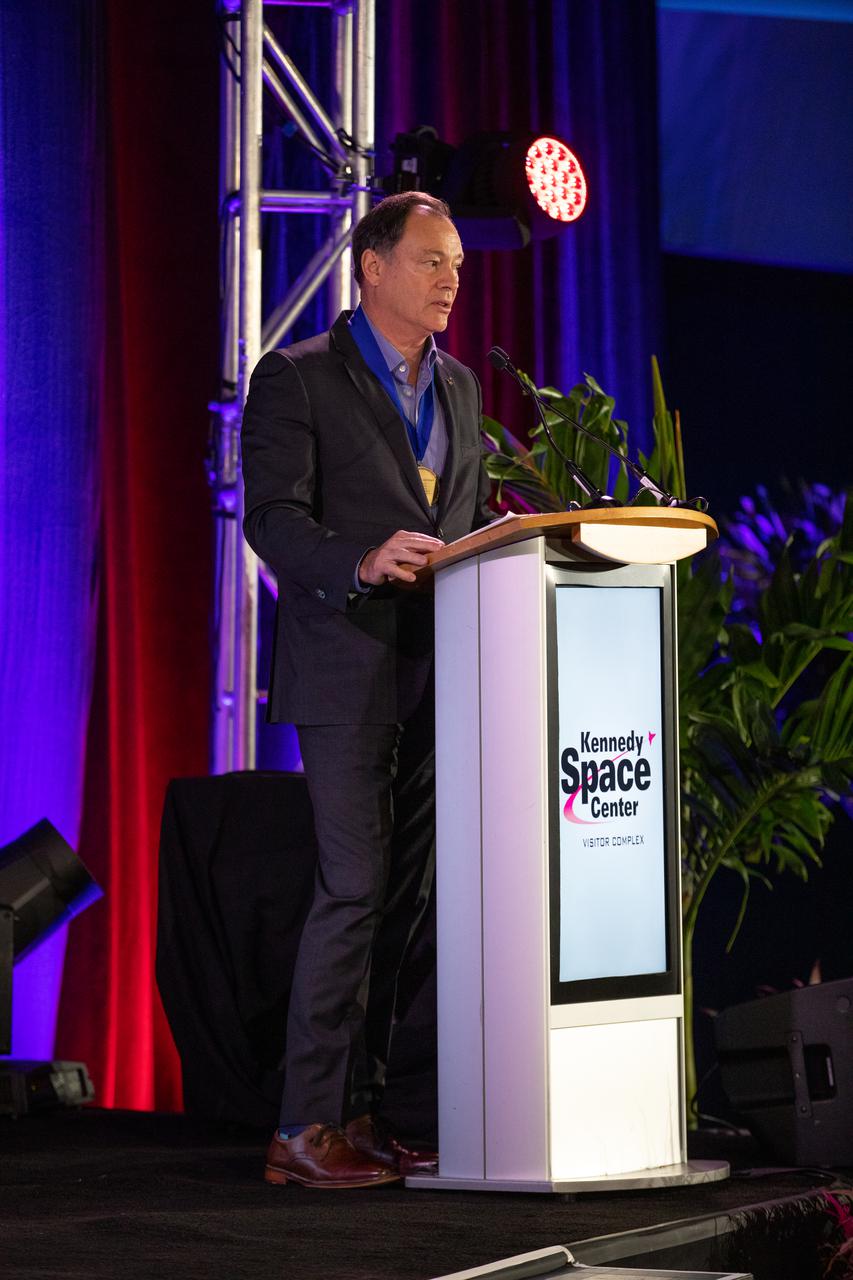
Michael Lopez-Alegria is one of three former astronauts inducted into the U.S. Astronaut Hall of Fame (AHOF) on Nov. 13, 2021, during a ceremony at the Kennedy Space Center Visitor Complex in Florida. Brian Duffy, former NASA astronaut and Hall of Famer, inducted Lopez-Alegria. Lopez-Alegria received an official medal and became a member of the 19th class of space shuttle astronauts to be inducted. The 2021 inductees were selected by a committee of Hall of Fame astronauts, former NASA officials, flight directors, historians, and journalists. This year’s induction brings the total number of AHOF members to 102.
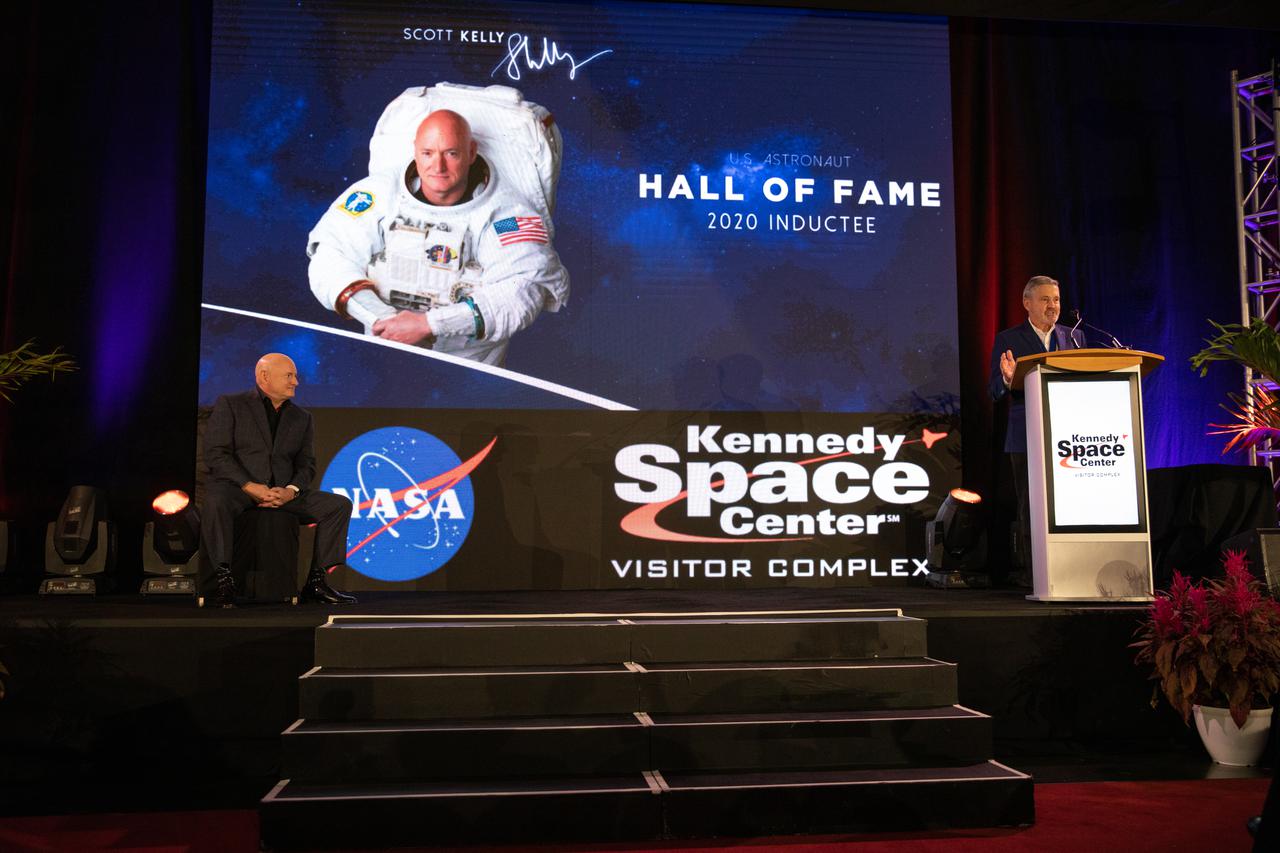
Scott Kelly (left) is one of three former astronauts inducted into the U.S. Astronaut Hall of Fame (AHOF) on Nov. 13, 2021, during a ceremony at the Kennedy Space Center Visitor Complex in Florida. NASA Associate Administrator Robert Cabana (at podium), former NASA astronaut and Hall of Famer, inducted Kelly, who received an official medal and became a member of the 19th class of space shuttle astronauts to be inducted. The 2021 inductees were selected by a committee of Hall of Fame astronauts, former NASA officials, flight directors, historians, and journalists. This year’s induction brings the total number of AHOF members to 102.
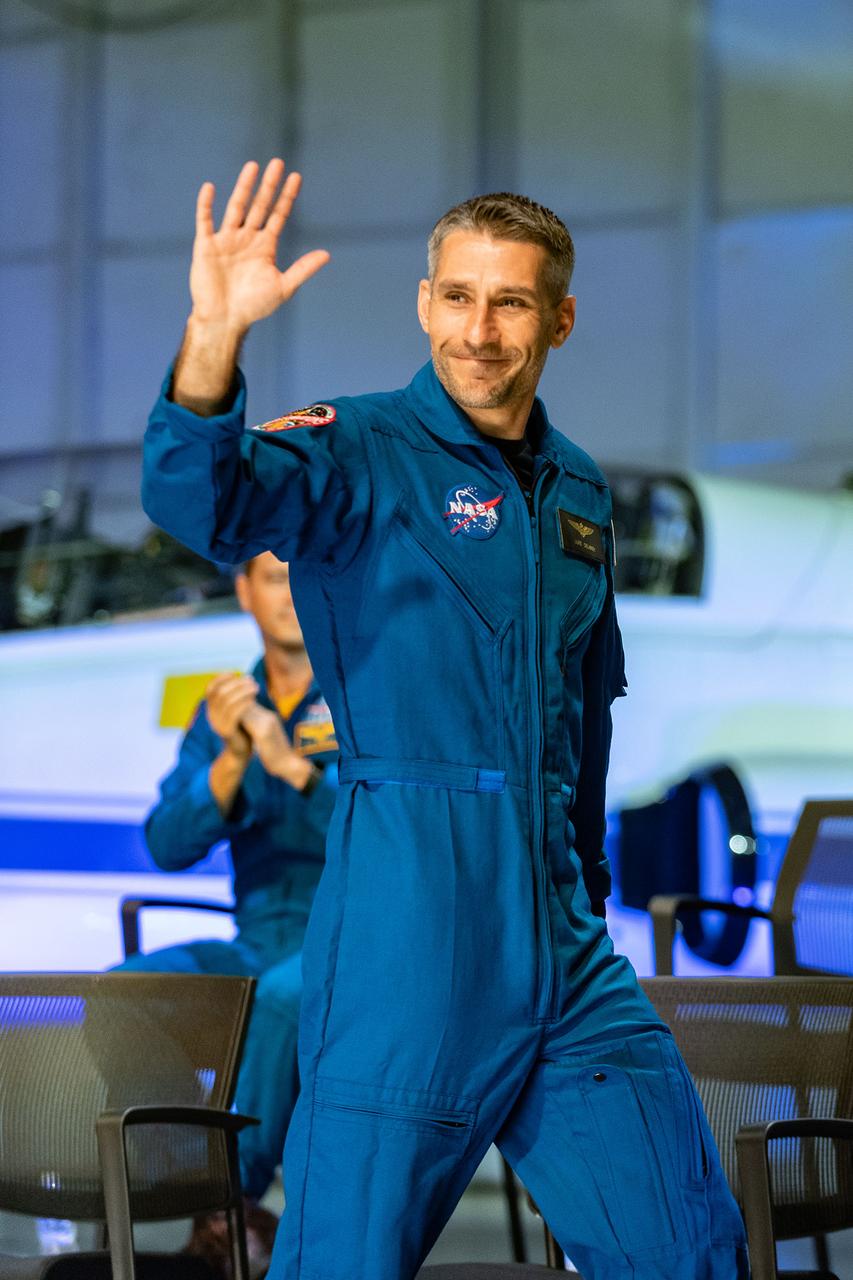
Photo Date: 2021-12-06 Subject: NASA announced its 2021 astronaut candidate class on Dec. 6, 2021. The 10 candidates, pictured here in an event at Ellington Field near NASA’s Johnson Space Center in Houston are Nichole Ayers, Christopher Williams, Luke Delaney, Jessica Wittner, Anil Menon, Marcos Berríos, Jack Hathaway, Christina Birch, Deniz Burnham, and Andre Douglas. NASA’s new astronaut candidates will begin about two years of training in January 2022, after which they could be assigned to missions performing research on the International Space Station, launching from American soil on spacecraft built by commercial companies, and launching on Artemis missions to the Moon on NASA’s new Orion spacecraft and Space Launch System rocket. Location: Ellington Hangar 135 Photographer: James Blair
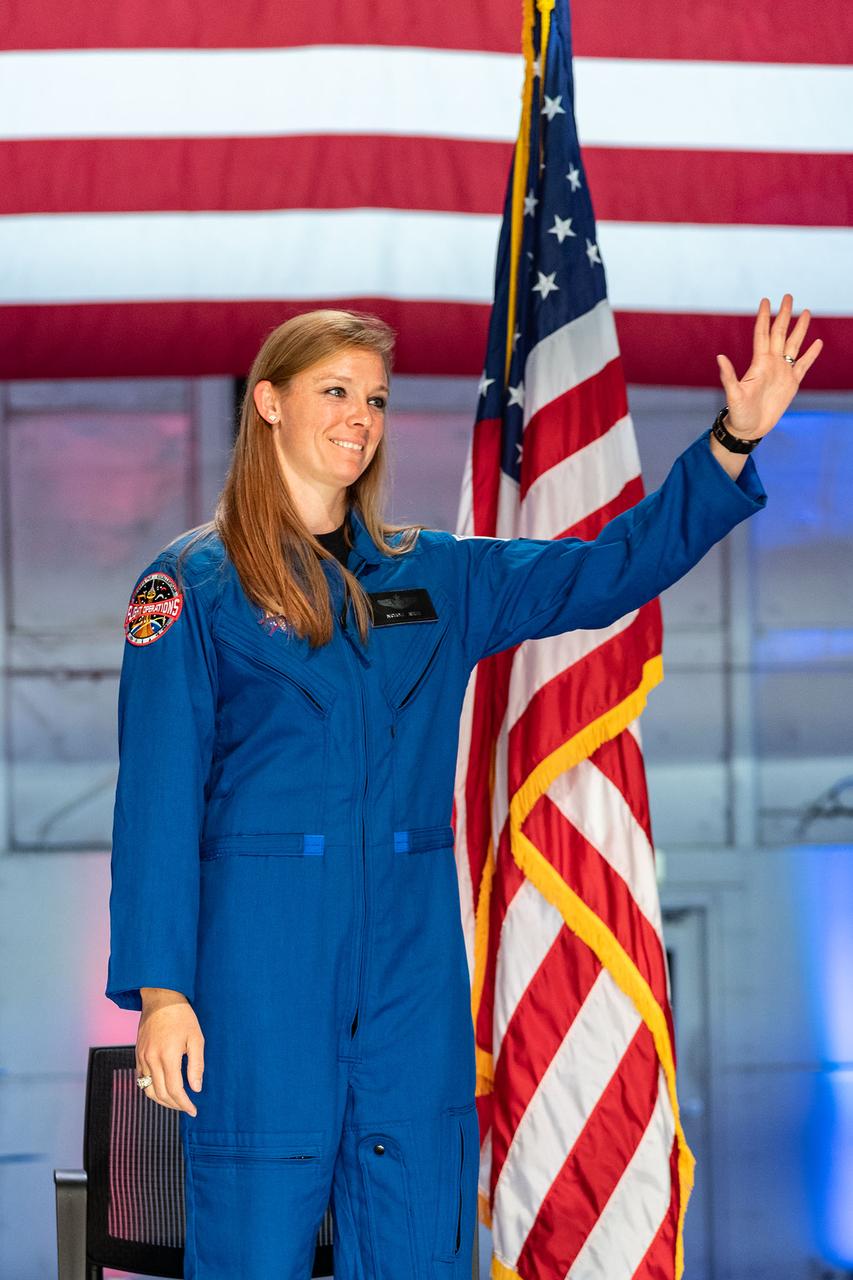
Photo Date: 2021-12-06 Subject: NASA announced its 2021 astronaut candidate class on Dec. 6, 2021. The 10 candidates, pictured here in an event at Ellington Field near NASA’s Johnson Space Center in Houston are Nichole Ayers, Christopher Williams, Luke Delaney, Jessica Wittner, Anil Menon, Marcos Berríos, Jack Hathaway, Christina Birch, Deniz Burnham, and Andre Douglas. NASA’s new astronaut candidates will begin about two years of training in January 2022, after which they could be assigned to missions performing research on the International Space Station, launching from American soil on spacecraft built by commercial companies, and launching on Artemis missions to the Moon on NASA’s new Orion spacecraft and Space Launch System rocket. Location: Ellington Hangar 135 Photographer: Robert Markowitz
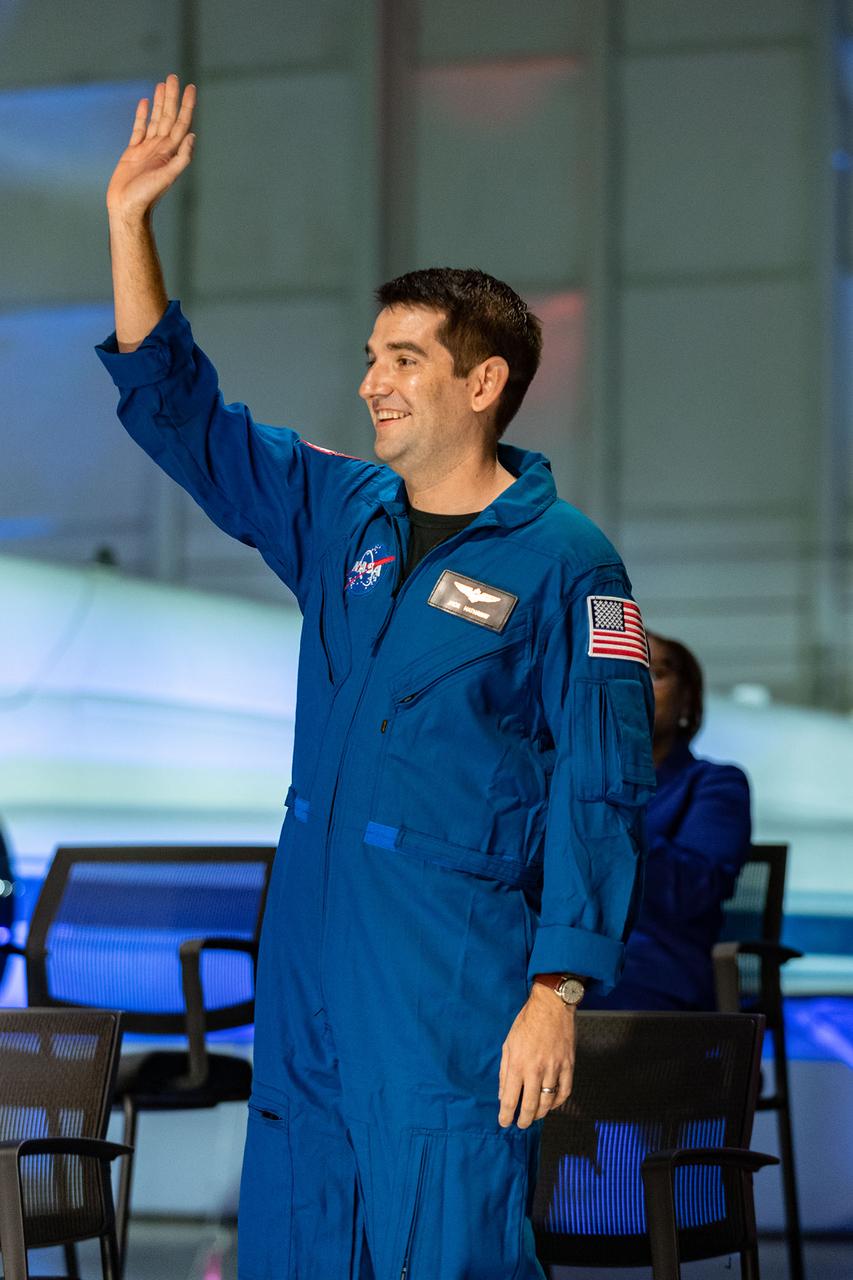
Photo Date: 2021-12-06 Subject: NASA announced its 2021 astronaut candidate class on Dec. 6, 2021. The 10 candidates, pictured here in an event at Ellington Field near NASA’s Johnson Space Center in Houston are Nichole Ayers, Christopher Williams, Luke Delaney, Jessica Wittner, Anil Menon, Marcos Berríos, Jack Hathaway, Christina Birch, Deniz Burnham, and Andre Douglas. NASA’s new astronaut candidates will begin about two years of training in January 2022, after which they could be assigned to missions performing research on the International Space Station, launching from American soil on spacecraft built by commercial companies, and launching on Artemis missions to the Moon on NASA’s new Orion spacecraft and Space Launch System rocket. Location: Ellington Hangar 135 Photographer: James Blair
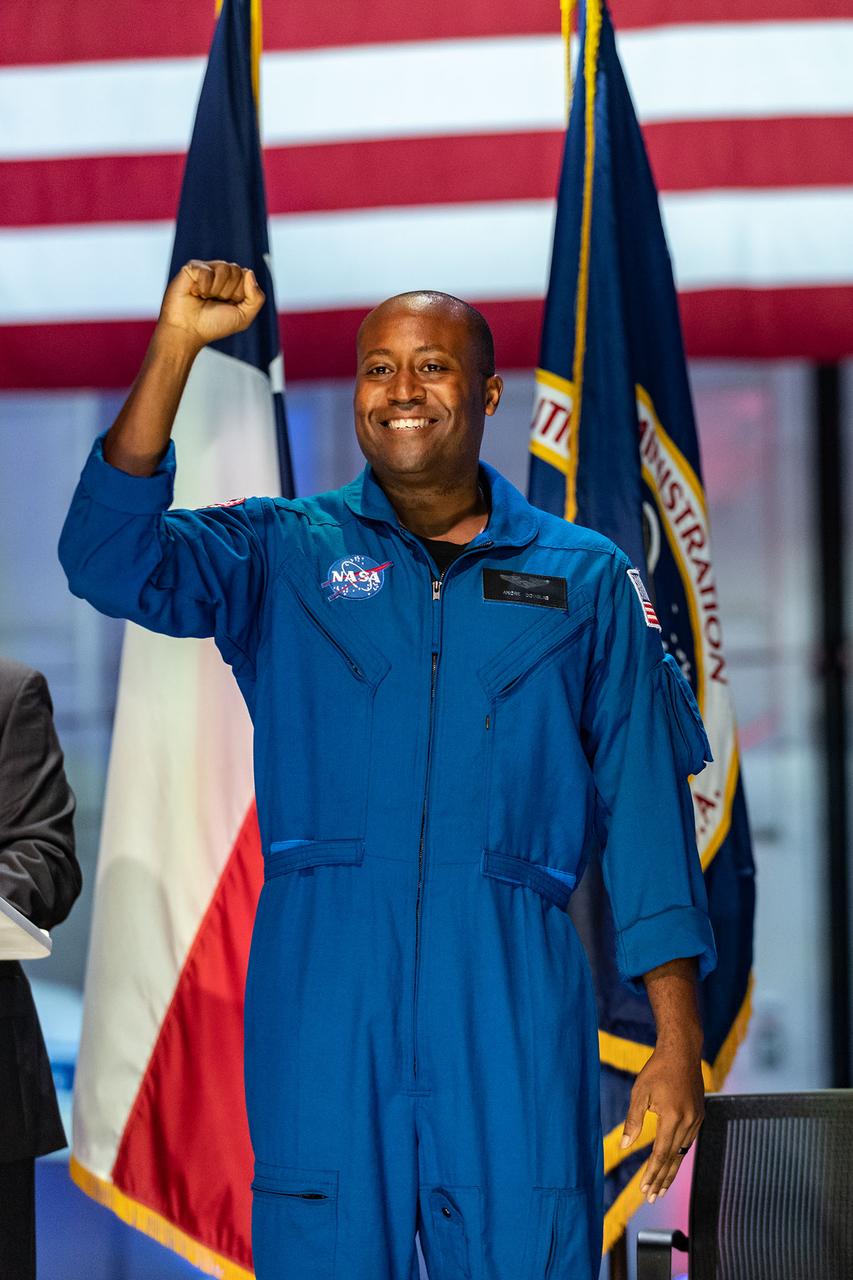
Photo Date: 2021-12-06 Subject: NASA announced its 2021 astronaut candidate class on Dec. 6, 2021. The 10 candidates, pictured here in an event at Ellington Field near NASA’s Johnson Space Center in Houston are Nichole Ayers, Christopher Williams, Luke Delaney, Jessica Wittner, Anil Menon, Marcos Berríos, Jack Hathaway, Christina Birch, Deniz Burnham, and Andre Douglas. NASA’s new astronaut candidates will begin about two years of training in January 2022, after which they could be assigned to missions performing research on the International Space Station, launching from American soil on spacecraft built by commercial companies, and launching on Artemis missions to the Moon on NASA’s new Orion spacecraft and Space Launch System rocket. Location: Ellington Hangar 135 Photographer: James Blair
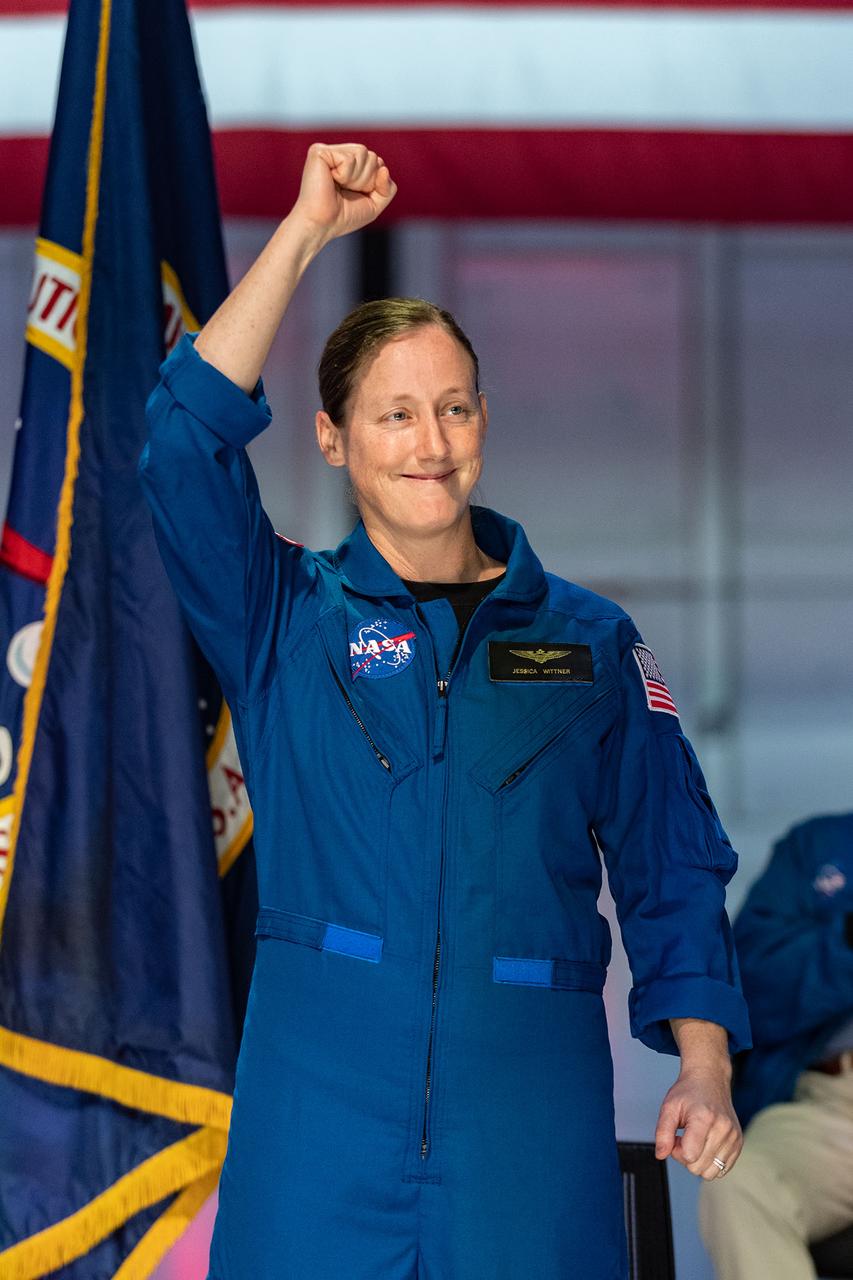
Photo Date: 2021-12-06 Subject: NASA announced its 2021 astronaut candidate class on Dec. 6, 2021. The 10 candidates, pictured here in an event at Ellington Field near NASA’s Johnson Space Center in Houston are Nichole Ayers, Christopher Williams, Luke Delaney, Jessica Wittner, Anil Menon, Marcos Berríos, Jack Hathaway, Christina Birch, Deniz Burnham, and Andre Douglas. NASA’s new astronaut candidates will begin about two years of training in January 2022, after which they could be assigned to missions performing research on the International Space Station, launching from American soil on spacecraft built by commercial companies, and launching on Artemis missions to the Moon on NASA’s new Orion spacecraft and Space Launch System rocket. Location: Ellington Hangar 135 Photographer: James Blair
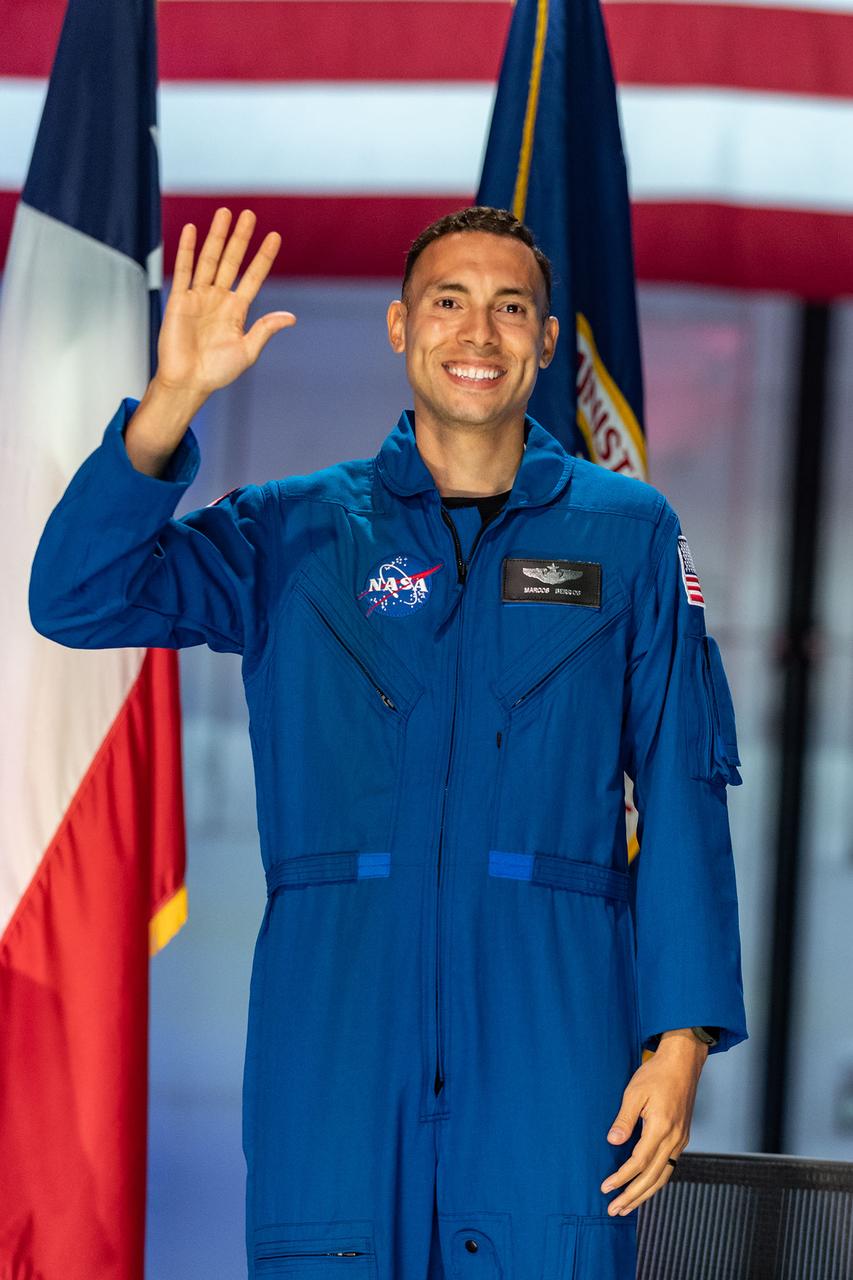
Photo Date: 2021-12-06 Subject: NASA announced its 2021 astronaut candidate class on Dec. 6, 2021. The 10 candidates, pictured here in an event at Ellington Field near NASA’s Johnson Space Center in Houston are Nichole Ayers, Christopher Williams, Luke Delaney, Jessica Wittner, Anil Menon, Marcos Berríos, Jack Hathaway, Christina Birch, Deniz Burnham, and Andre Douglas. NASA’s new astronaut candidates will begin about two years of training in January 2022, after which they could be assigned to missions performing research on the International Space Station, launching from American soil on spacecraft built by commercial companies, and launching on Artemis missions to the Moon on NASA’s new Orion spacecraft and Space Launch System rocket. Location: Ellington Hangar 135 Photographer: James Blair
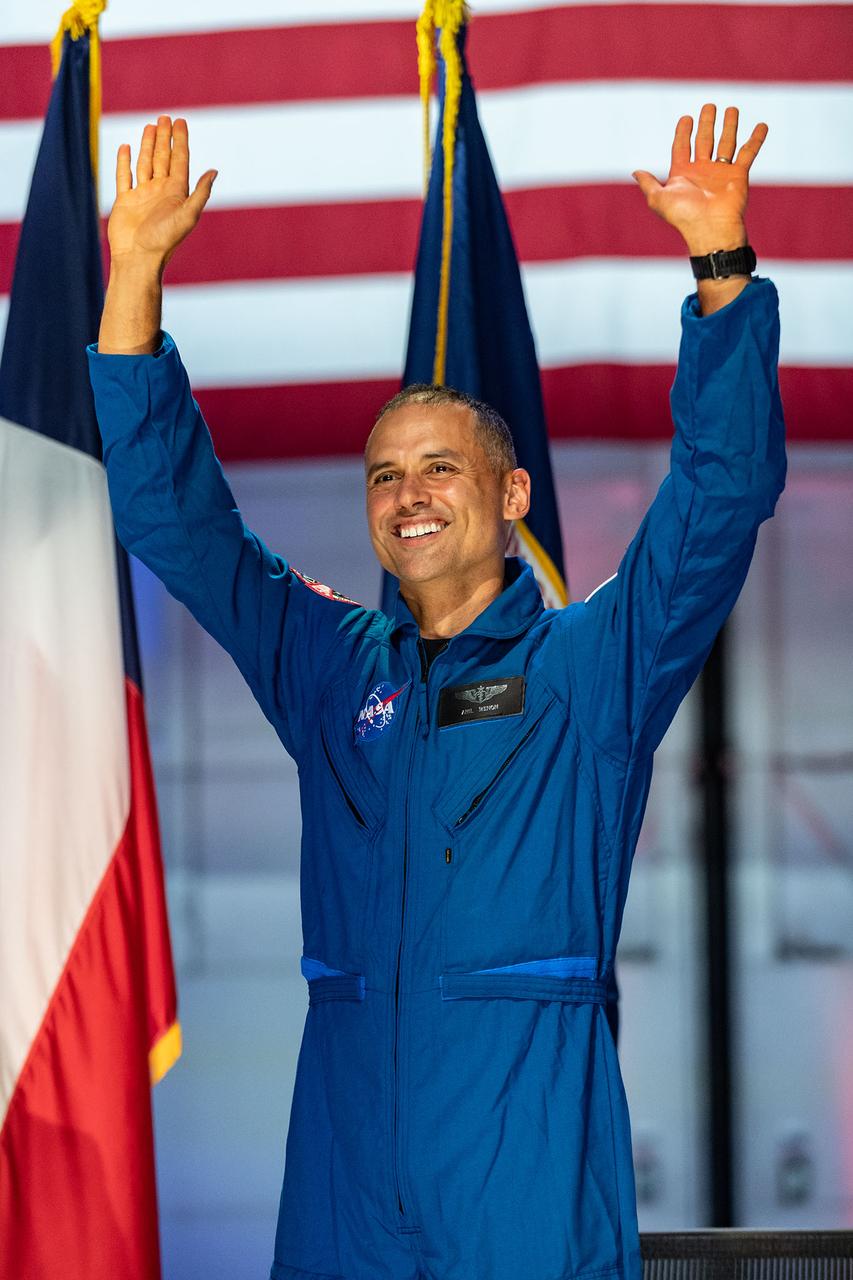
Photo Date: 2021-12-06 Subject: NASA announced its 2021 astronaut candidate class on Dec. 6, 2021. The 10 candidates, pictured here in an event at Ellington Field near NASA’s Johnson Space Center in Houston are Nichole Ayers, Christopher Williams, Luke Delaney, Jessica Wittner, Anil Menon, Marcos Berríos, Jack Hathaway, Christina Birch, Deniz Burnham, and Andre Douglas. NASA’s new astronaut candidates will begin about two years of training in January 2022, after which they could be assigned to missions performing research on the International Space Station, launching from American soil on spacecraft built by commercial companies, and launching on Artemis missions to the Moon on NASA’s new Orion spacecraft and Space Launch System rocket. Location: Ellington Hangar 135 Photographer: James Blair
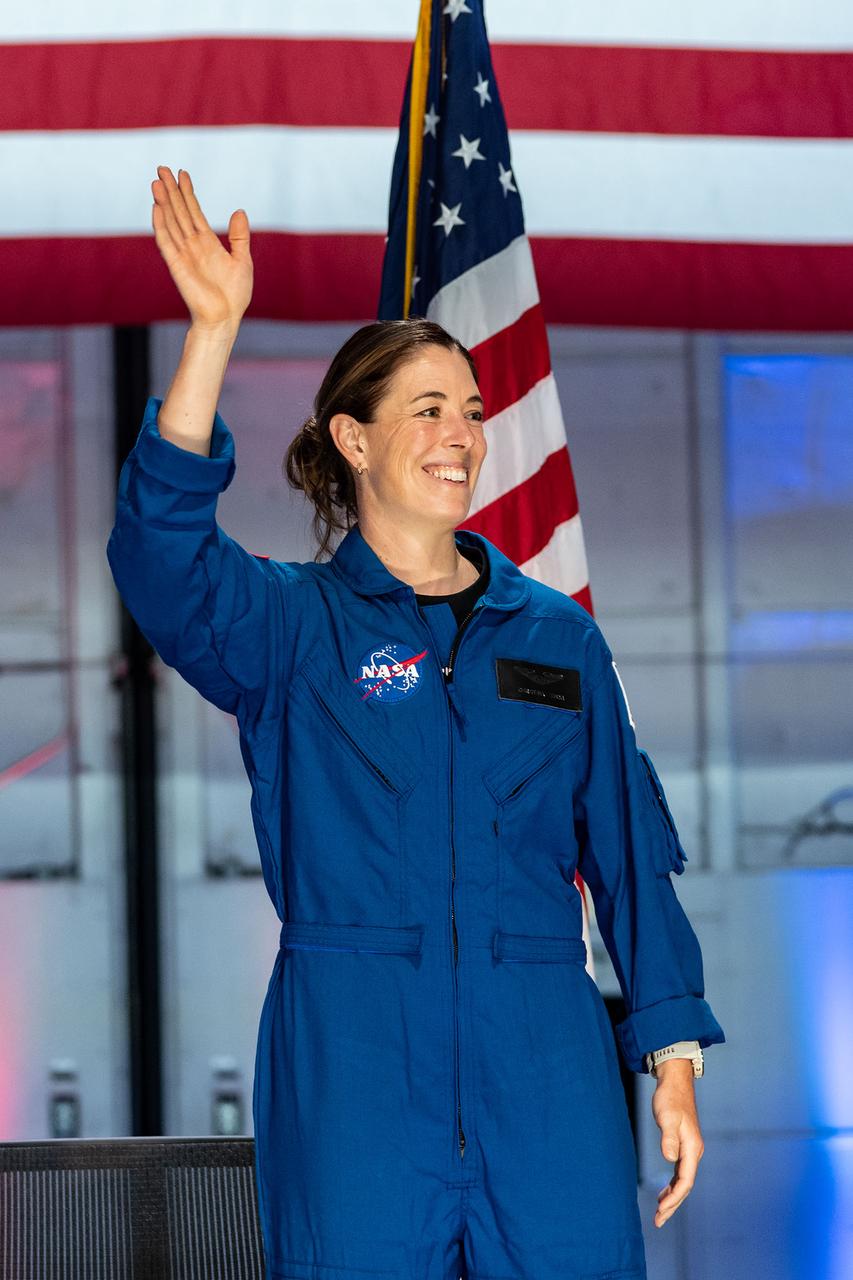
Photo Date: 2021-12-06 Subject: NASA announced its 2021 astronaut candidate class on Dec. 6, 2021. The 10 candidates, pictured here in an event at Ellington Field near NASA’s Johnson Space Center in Houston are Nichole Ayers, Christopher Williams, Luke Delaney, Jessica Wittner, Anil Menon, Marcos Berríos, Jack Hathaway, Christina Birch, Deniz Burnham, and Andre Douglas. NASA’s new astronaut candidates will begin about two years of training in January 2022, after which they could be assigned to missions performing research on the International Space Station, launching from American soil on spacecraft built by commercial companies, and launching on Artemis missions to the Moon on NASA’s new Orion spacecraft and Space Launch System rocket. Location: Ellington Hangar 135 Photographer: Robert Markowitz

Photo Date: 2021-12-06 Subject: NASA announced its 2021 astronaut candidate class on Dec. 6, 2021. The 10 candidates, pictured here in an event at Ellington Field near NASA’s Johnson Space Center in Houston are Nichole Ayers, Christopher Williams, Luke Delaney, Jessica Wittner, Anil Menon, Marcos Berríos, Jack Hathaway, Christina Birch, Deniz Burnham, and Andre Douglas. NASA’s new astronaut candidates will begin about two years of training in January 2022, after which they could be assigned to missions performing research on the International Space Station, launching from American soil on spacecraft built by commercial companies, and launching on Artemis missions to the Moon on NASA’s new Orion spacecraft and Space Launch System rocket. Location: Ellington Hangar 135 Photographer: James Blair
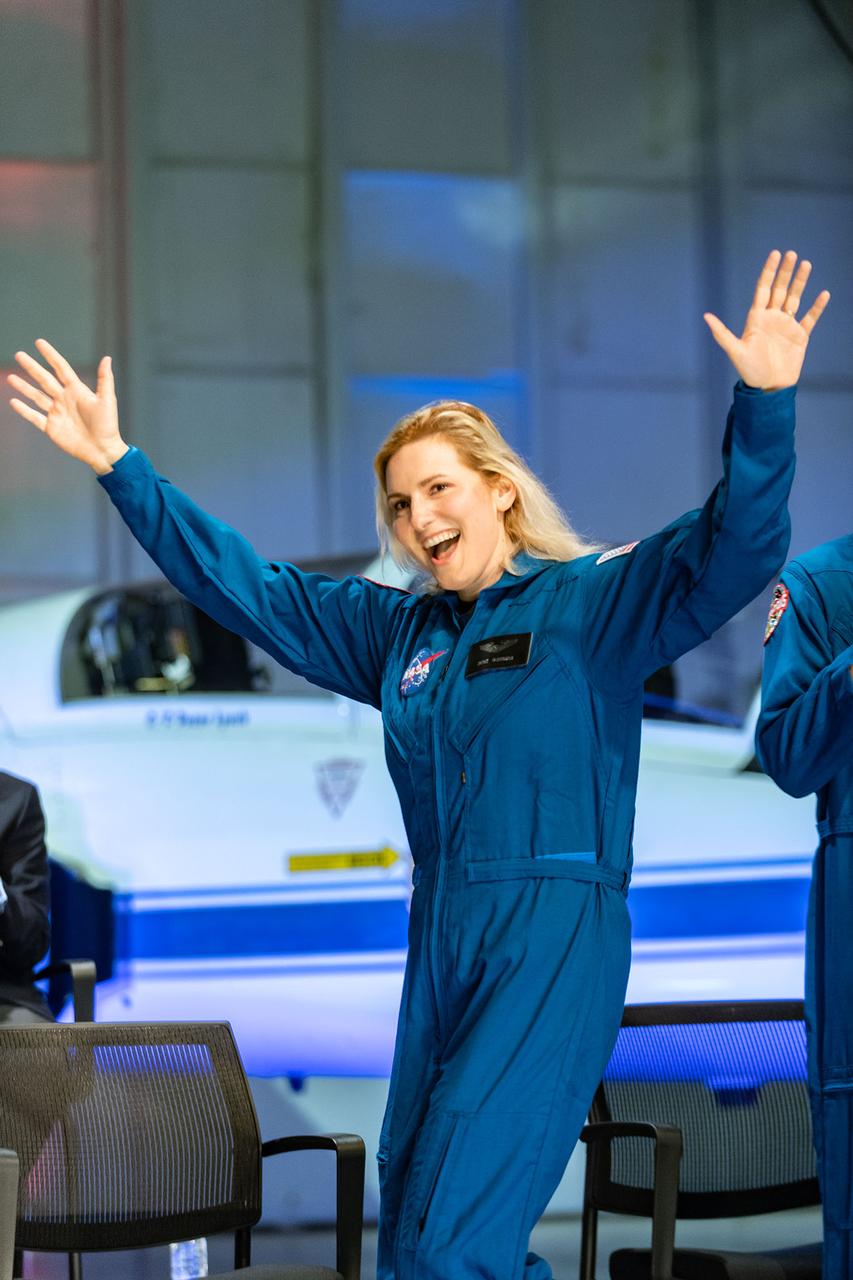
Photo Date: 2021-12-06 Subject: NASA announced its 2021 astronaut candidate class on Dec. 6, 2021. The 10 candidates, pictured here in an event at Ellington Field near NASA’s Johnson Space Center in Houston are Nichole Ayers, Christopher Williams, Luke Delaney, Jessica Wittner, Anil Menon, Marcos Berríos, Jack Hathaway, Christina Birch, Deniz Burnham, and Andre Douglas. NASA’s new astronaut candidates will begin about two years of training in January 2022, after which they could be assigned to missions performing research on the International Space Station, launching from American soil on spacecraft built by commercial companies, and launching on Artemis missions to the Moon on NASA’s new Orion spacecraft and Space Launch System rocket. Location: Ellington Hangar 135 Photographer: James Blair
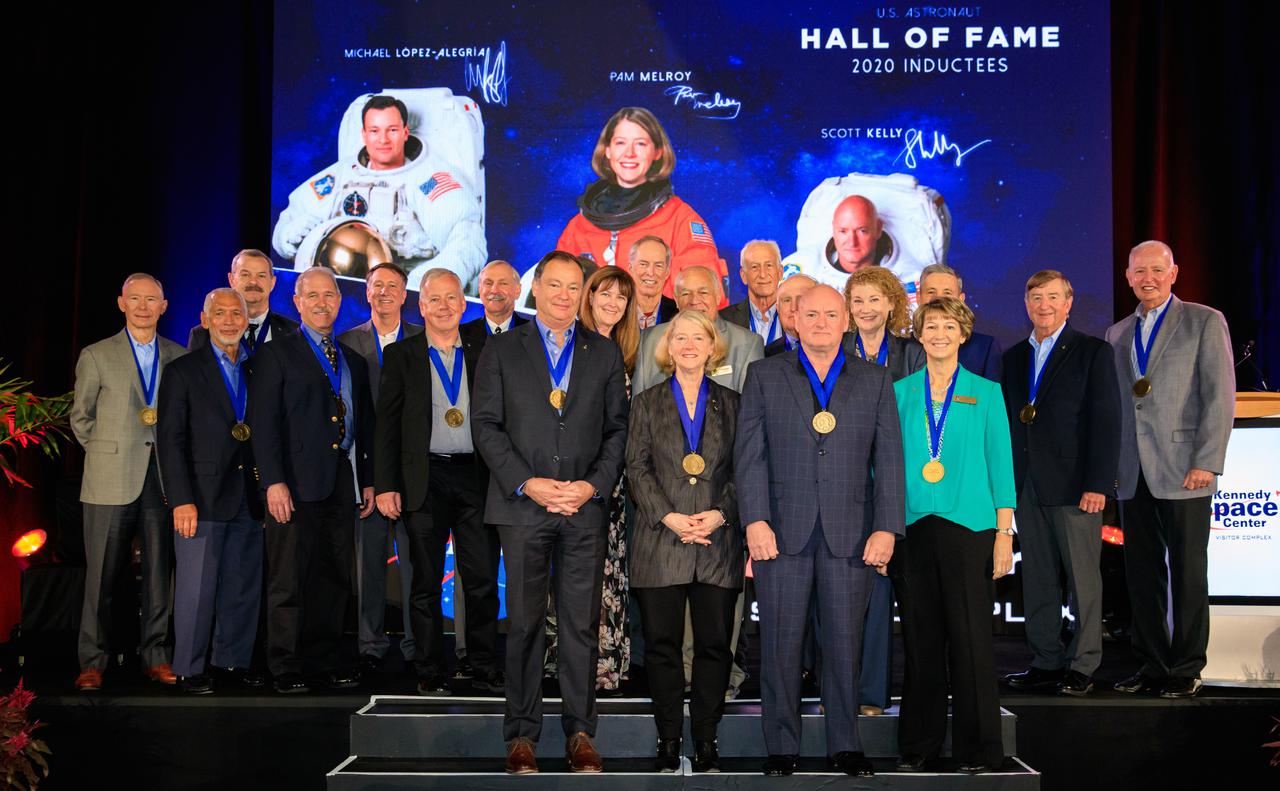
Three veteran astronauts were inducted into the U.S. Astronaut Hall of Fame (AHOF) on Nov. 13, 2021, during a ceremony at the Kennedy Space Center Visitor Complex in Florida. The new inductees in the front row – Michael Lopez-Alegria, Pam Melroy, the NASA deputy administrator, and Scott Kelly – were joined by other AHOF members after the ceremony. The three were inducted by former NASA astronaut and Hall of Famer Curt Brown, board chairman of the Astronaut Scholarship Foundation. The new inductees each received an official medal and became members of the 19th class of space shuttle astronauts to be inducted. The 2021 inductees were selected by a committee of Hall of Fame astronauts, former NASA officials, flight directors, historians, and journalists. This year’s induction brings the total number of AHOF members to 102. Photo credit: NASA/Kim Shiflett
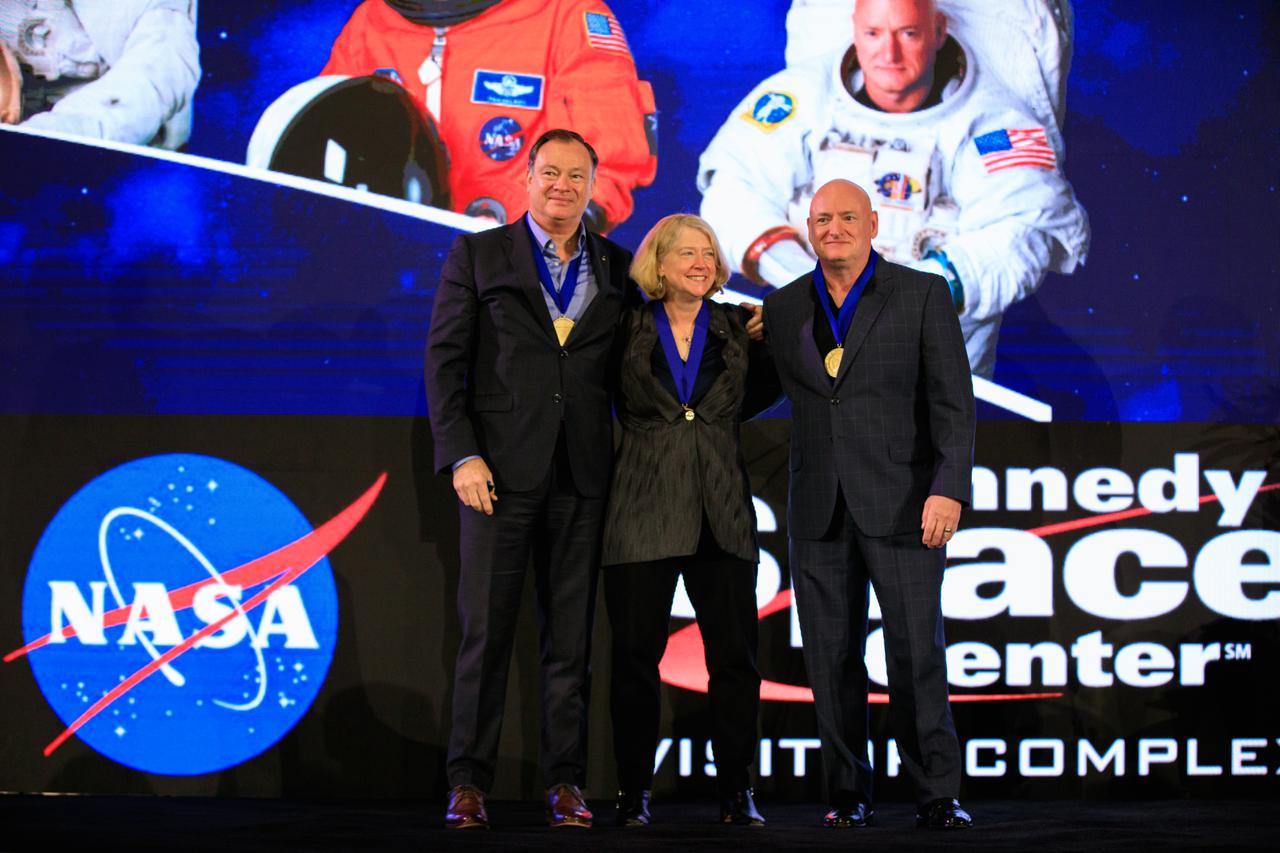
Three veteran astronauts were inducted into the U.S. Astronaut Hall of Fame (AHOF) on Nov. 13, 2021, during a ceremony at the Kennedy Space Center Visitor Complex in Florida. From left are Michael Lopez-Alegria; Pam Melroy, who currently serves as NASA deputy administrator; and Scott Kelly. The three were inducted by former NASA astronaut and Hall of Famer Curt Brown, board chairman of the Astronaut Scholarship Foundation. The inductees each received an official medal and became members of the 19th class of space shuttle astronauts to be inducted. The 2021 inductees were selected by a committee of Hall of Fame astronauts, former NASA officials, flight directors, historians, and journalists. This year’s induction brings the total number of AHOF members to 102. Photo credit: NASA/Kim Shiflett
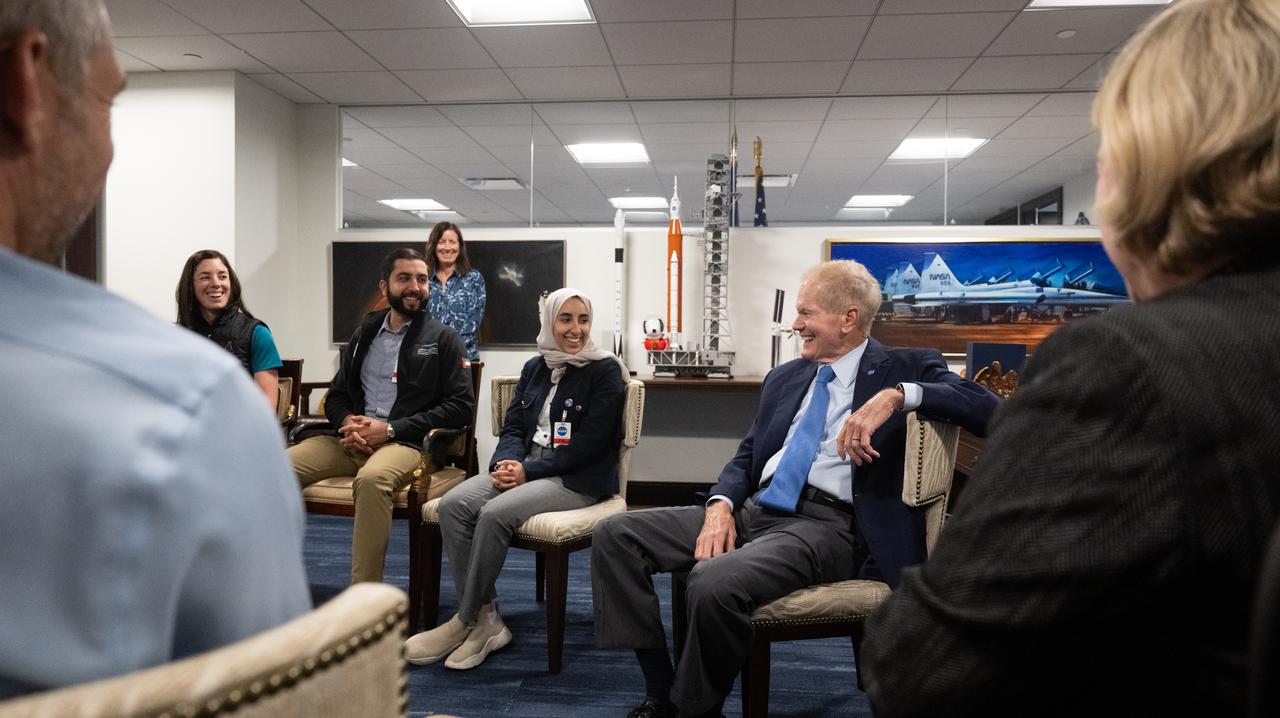
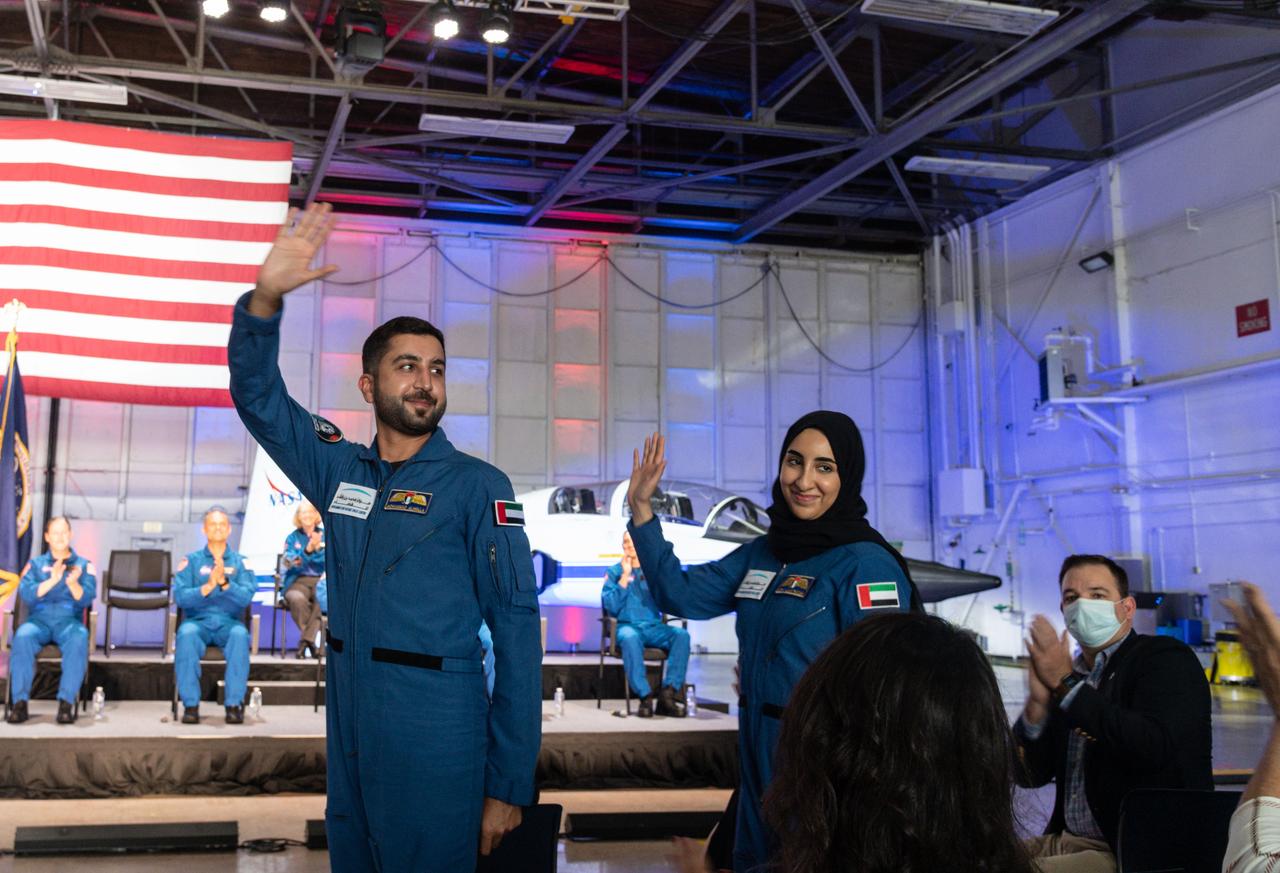
NASA astronaut candidate Christina Birch, left, and UAE (United Arab Emirates) astronaut candidates Mohammed Al Mulla and Nora Al Matrooshi are seen during a meeting with NASA Administrator Bill Nelson, NASA Deputy Administrator Pam Melroy, and Bob Cabana, NASA associate administrator, Wednesday, Oct. 18, 2023, at the Mary W. Jackson NASA Headquarters building in Washington. Upon completion of two years of training they could be assigned to missions that involve performing research aboard the International Space Station, launching from American soil on spacecraft built by commercial companies, as well as deep space missions to destinations including the Moon on NASA’s Orion spacecraft and Space Launch System rocket. Photo Credit: (NASA/Joel Kowsky)
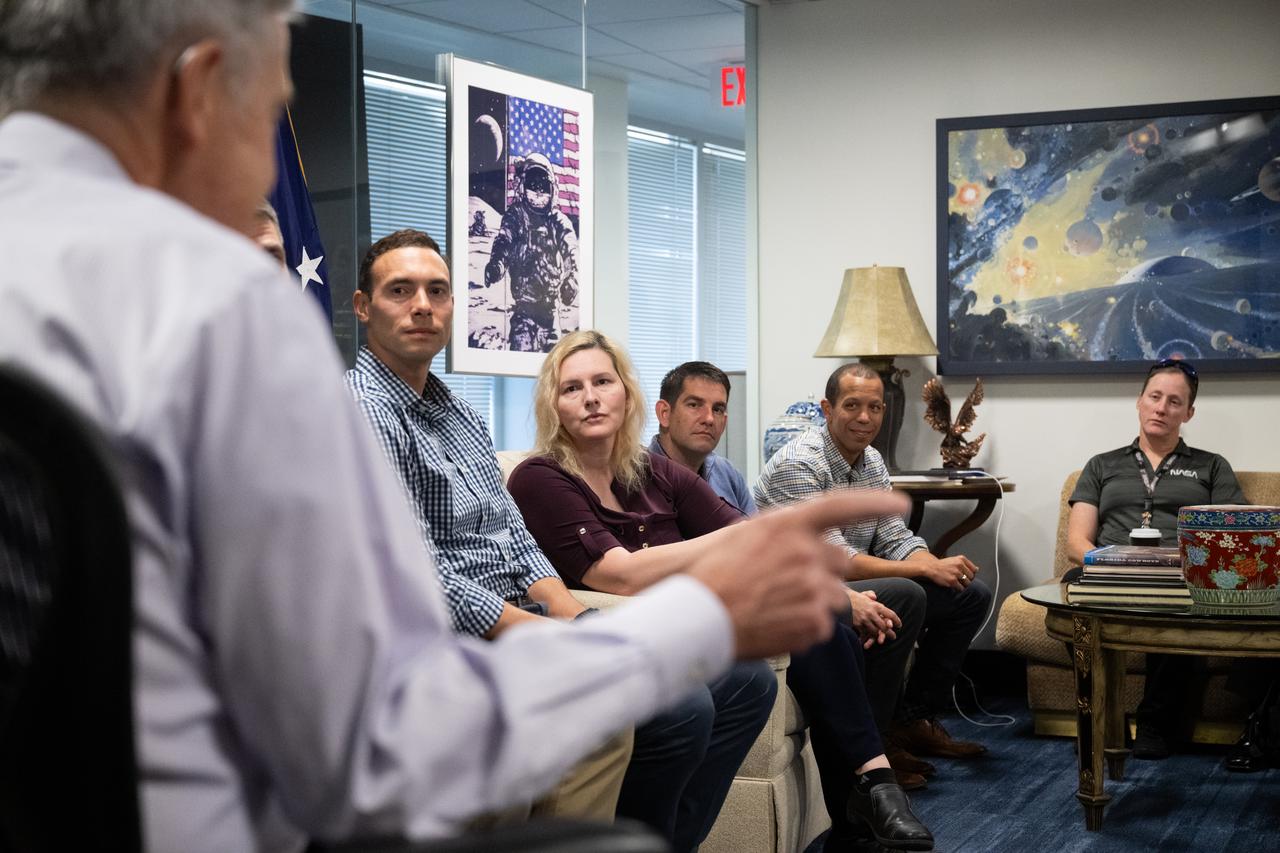
NASA astronaut candidates Marcos Berríos, left, Deniz Burnham, Jack Hathaway, Christopher Williams, and Jessica Wittner, are seen during a meeting with NASA Administrator Bill Nelson, NASA Deputy Administrator Pam Melroy, and Bob Cabana, NASA associate administrator, Wednesday, Oct. 18, 2023, at the Mary W. Jackson NASA Headquarters building in Washington. Upon completion of two years of training they could be assigned to missions that involve performing research aboard the International Space Station, launching from American soil on spacecraft built by commercial companies, as well as deep space missions to destinations including the Moon on NASA’s Orion spacecraft and Space Launch System rocket. Photo Credit: (NASA/Joel Kowsky)
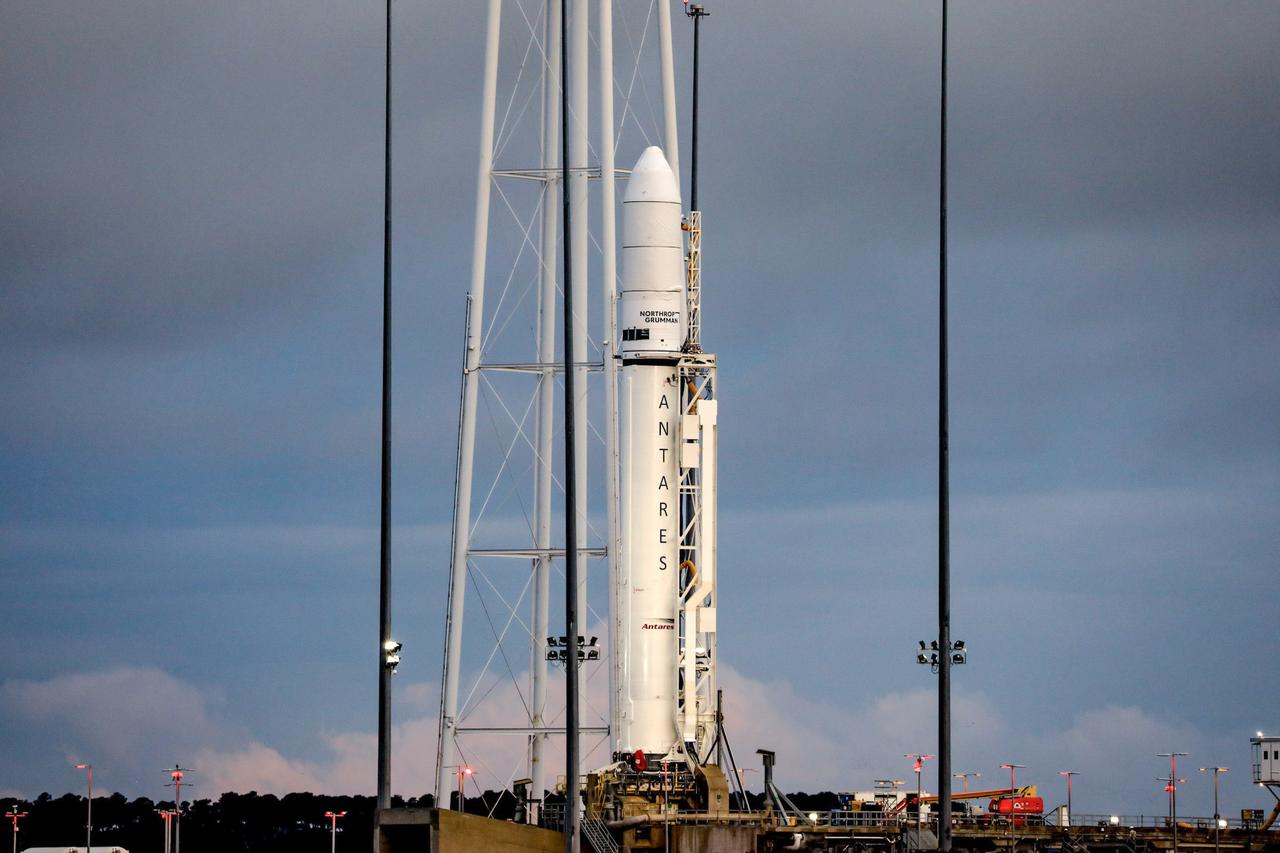
A Northrop Grumman Antares rocket carrying a Cygnus resupply spacecraft is seen at sunrise on the Mid-Atlantic Regional Spaceport’s Pad-0A, Aug. 7, 2021, at NASA's Wallops Flight Facility in Virginia. Northrop Grumman’s 16th contracted cargo resupply mission with NASA to the International Space Station will deliver nearly 8,200 pounds of science and research, crew supplies and vehicle hardware to the orbital laboratory and its crew. Northrop Grumman named the NG CRS-16 Cygnus spacecraft after NASA astronaut Ellison Onizuka, in honor of his prominence as the first Asian American astronaut. Onizuka was hired in 1978 in the first class of diverse astronauts, and his first spaceflight was aboard space shuttle Discovery in January 1985 for STS-51-C. He lost his life aboard the space shuttle Challenger in 1986. Launch is scheduled for 5:56 p.m. EDT, Tuesday, Aug. 10, 2021. Photo Credit: NASA/Terry Zaperach
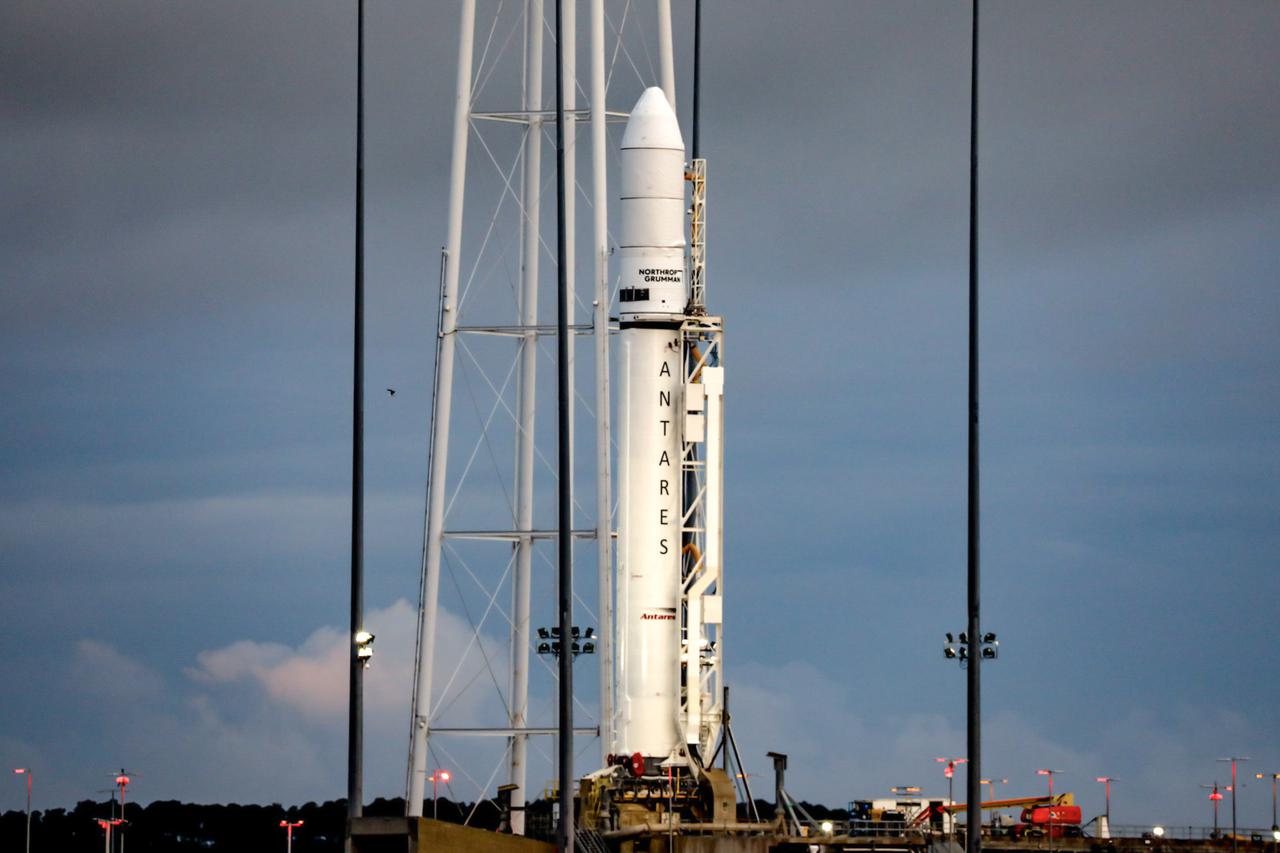
A Northrop Grumman Antares rocket carrying a Cygnus resupply spacecraft is seen at sunrise on the Mid-Atlantic Regional Spaceport’s Pad-0A, Aug. 7, 2021, at NASA's Wallops Flight Facility in Virginia. Northrop Grumman’s 16th contracted cargo resupply mission with NASA to the International Space Station will deliver nearly 8,200 pounds of science and research, crew supplies and vehicle hardware to the orbital laboratory and its crew. Northrop Grumman named the NG CRS-16 Cygnus spacecraft after NASA astronaut Ellison Onizuka, in honor of his prominence as the first Asian American astronaut. Onizuka was hired in 1978 in the first class of diverse astronauts, and his first spaceflight was aboard space shuttle Discovery in January 1985 for STS-51-C. He lost his life aboard the space shuttle Challenger in 1986. Launch is scheduled for 5:56 p.m. EDT, Tuesday, Aug. 10, 2021. Photo Credit: NASA/Terry Zaperach
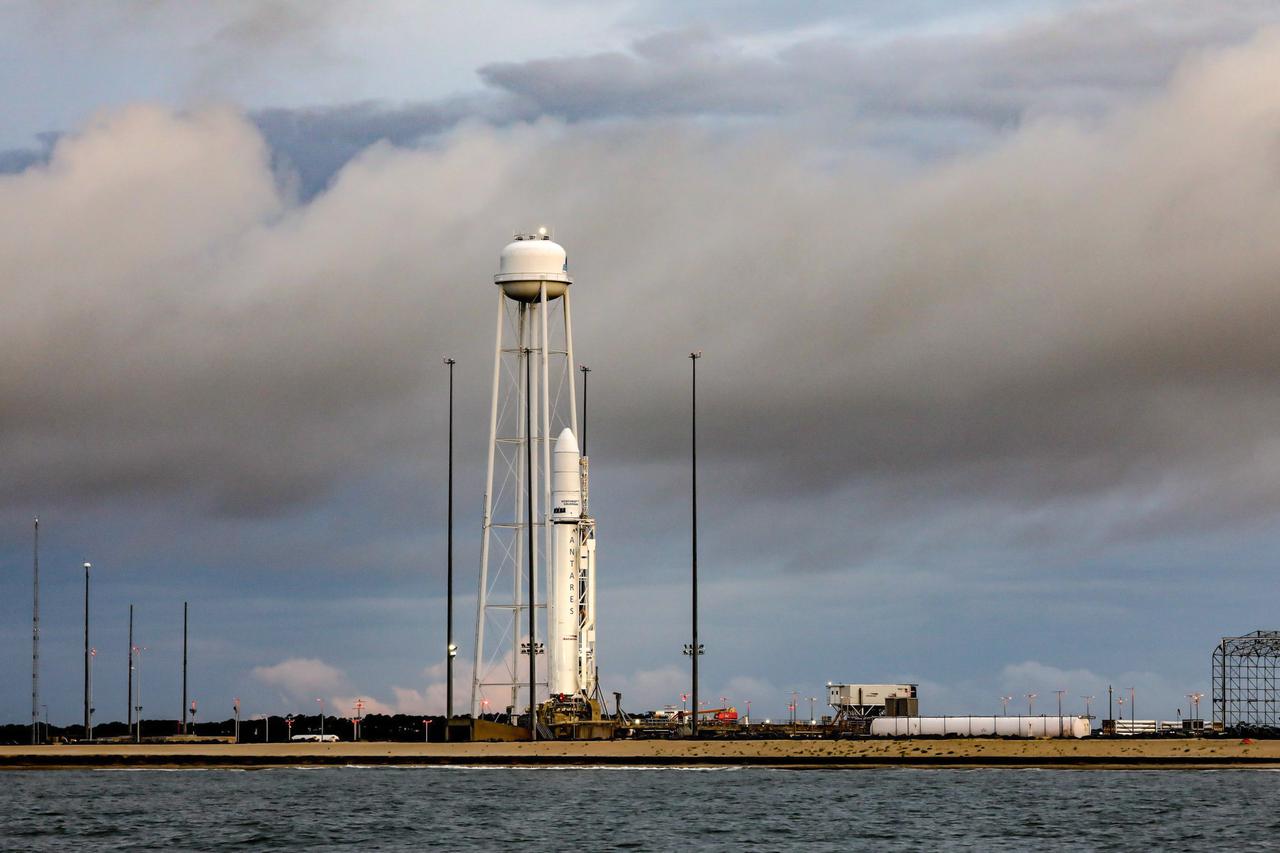
A Northrop Grumman Antares rocket carrying a Cygnus resupply spacecraft is seen at sunrise on the Mid-Atlantic Regional Spaceport’s Pad-0A, Aug. 7, 2021, at NASA's Wallops Flight Facility in Virginia. Northrop Grumman’s 16th contracted cargo resupply mission with NASA to the International Space Station will deliver nearly 8,200 pounds of science and research, crew supplies and vehicle hardware to the orbital laboratory and its crew. Northrop Grumman named the NG CRS-16 Cygnus spacecraft after NASA astronaut Ellison Onizuka, in honor of his prominence as the first Asian American astronaut. Onizuka was hired in 1978 in the first class of diverse astronauts, and his first spaceflight was aboard space shuttle Discovery in January 1985 for STS-51-C. He lost his life aboard the space shuttle Challenger in 1986. Launch is scheduled for 5:56 p.m. EDT, Tuesday, Aug. 10, 2021. Photo Credit: NASA/Terry Zaperach
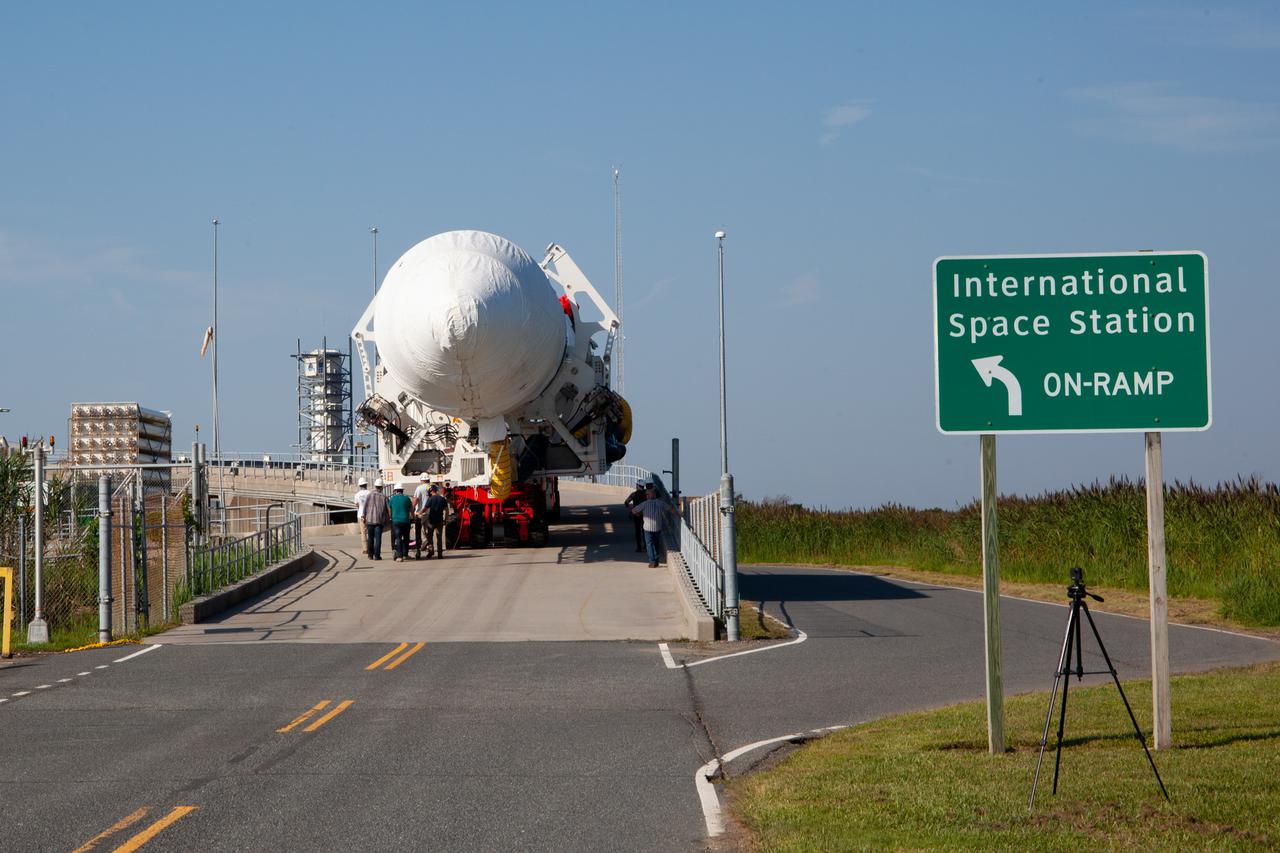
A Northrop Grumman Antares rocket carrying a Cygnus resupply spacecraft arrives at the Mid-Atlantic Regional Spaceport’s Pad-0A, Friday, Aug. 6,, 2021, at NASA's Wallops Flight Facility in Virginia. Northrop Grumman’s 16th contracted cargo resupply mission with NASA to the International Space Station will deliver about 8,200 pounds of science and research, crew supplies and vehicle hardware to the orbital laboratory and its crew. Northrop Grumman named the NG CRS-16 Cygnus spacecraft after NASA astronaut Ellison Onizuka, in honor of his prominence as the first Asian American astronaut. Onizuka was hired in 1978 in the first class of diverse astronauts, and his first spaceflight was aboard space shuttle Discovery in January 1985 for STS-51-C. He lost his life aboard the space shuttle Challenger in 1986. The launch is scheduled for 5:56 p.m. EDT, Aug. 10, 2021. Photo Credit: NASA/Brian Bonsteel
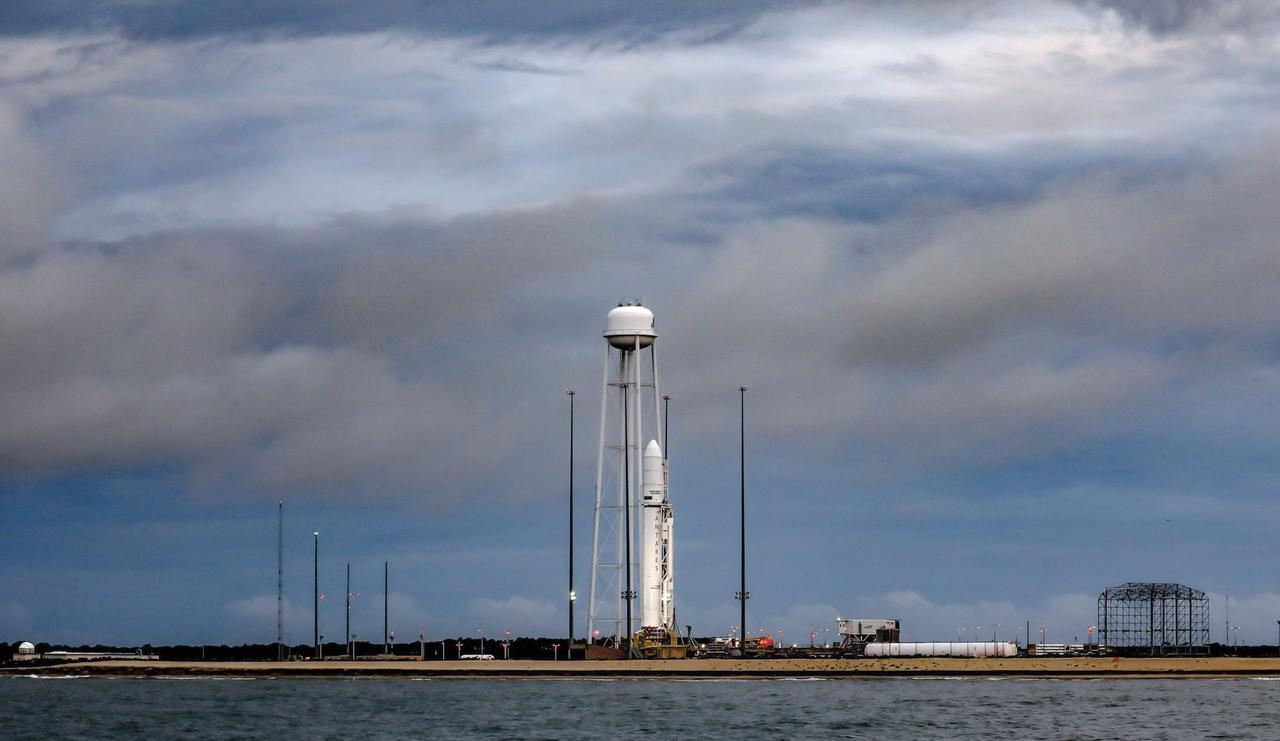
A Northrop Grumman Antares rocket carrying a Cygnus resupply spacecraft is seen at sunrise on the Mid-Atlantic Regional Spaceport’s Pad-0A, Aug. 7, 2021, at NASA's Wallops Flight Facility in Virginia. Northrop Grumman’s 16th contracted cargo resupply mission with NASA to the International Space Station will deliver nearly 8,200 pounds of science and research, crew supplies and vehicle hardware to the orbital laboratory and its crew. Northrop Grumman named the NG CRS-16 Cygnus spacecraft after NASA astronaut Ellison Onizuka, in honor of his prominence as the first Asian American astronaut. Onizuka was hired in 1978 in the first class of diverse astronauts, and his first spaceflight was aboard space shuttle Discovery in January 1985 for STS-51-C. He lost his life aboard the space shuttle Challenger in 1986. Launch is scheduled for 5:56 p.m. EDT, Tuesday, Aug. 10, 2021. Photo Credit: NASA/Terry Zaperach
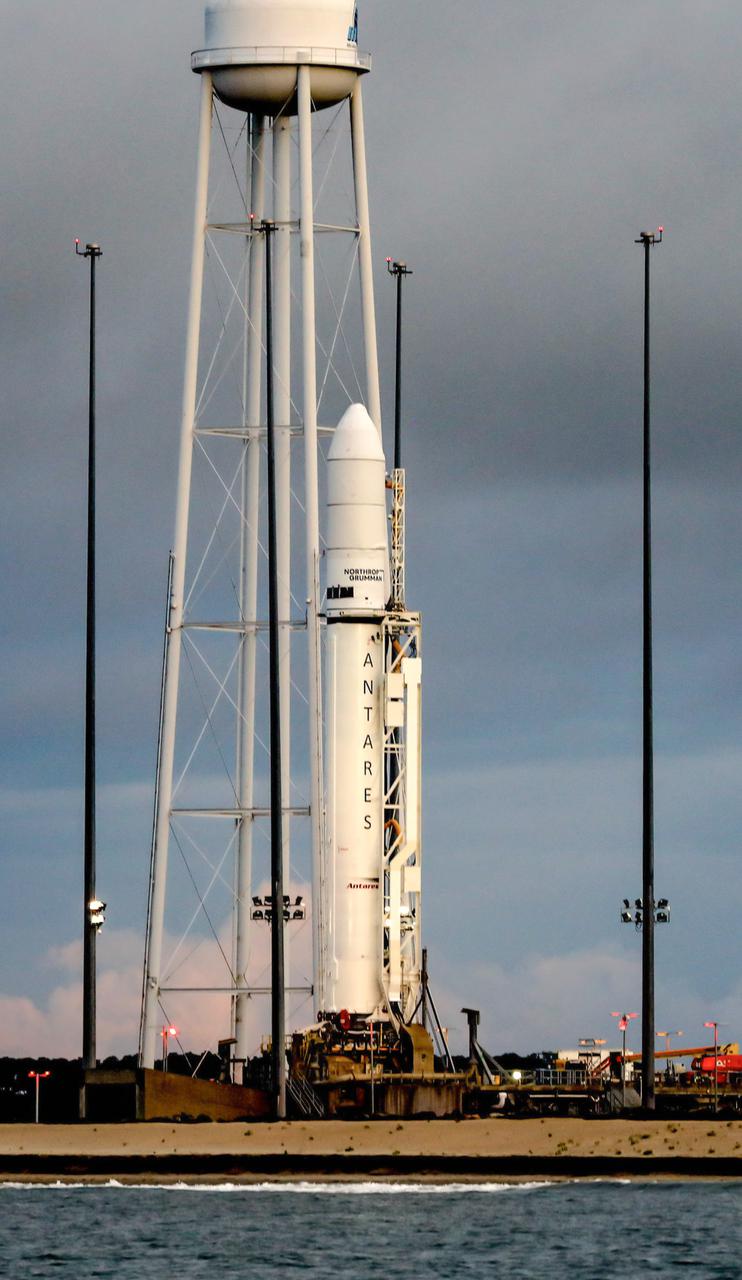
A Northrop Grumman Antares rocket carrying a Cygnus resupply spacecraft is seen at sunrise on the Mid-Atlantic Regional Spaceport’s Pad-0A, Aug. 7, 2021, at NASA's Wallops Flight Facility in Virginia. Northrop Grumman’s 16th contracted cargo resupply mission with NASA to the International Space Station will deliver nearly 8,200 pounds of science and research, crew supplies and vehicle hardware to the orbital laboratory and its crew. Northrop Grumman named the NG CRS-16 Cygnus spacecraft after NASA astronaut Ellison Onizuka, in honor of his prominence as the first Asian American astronaut. Onizuka was hired in 1978 in the first class of diverse astronauts, and his first spaceflight was aboard space shuttle Discovery in January 1985 for STS-51-C. He lost his life aboard the space shuttle Challenger in 1986. Launch is scheduled for 5:56 p.m. EDT, Tuesday, Aug. 10, 2021. Photo Credit: NASA/Terry Zaperach
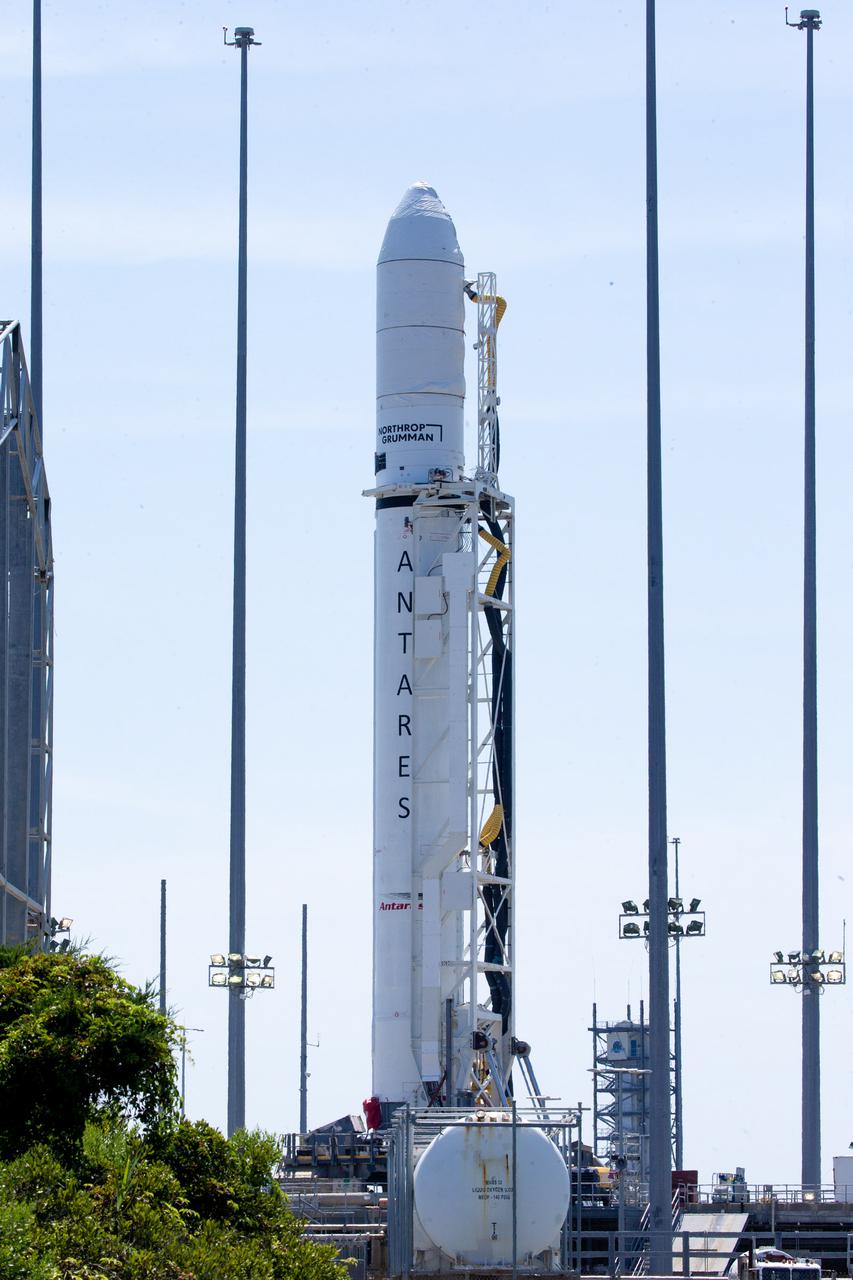
A Northrop Grumman Antares rocket carrying a Cygnus resupply spacecraft is raised into a vertical position on the Mid-Atlantic Regional Spaceport’s Pad-0A, Friday, Aug. 6, 2021, at NASA's Wallops Flight Facility in Virginia. Northrop Grumman’s 16th contracted cargo resupply mission with NASA to the International Space Station will deliver about 8,200 pounds of science and research, crew supplies and vehicle hardware to the orbital laboratory and its crew. Northrop Grumman named the NG CRS-16 Cygnus spacecraft after NASA astronaut Ellison Onizuka, in honor of his prominence as the first Asian American astronaut. Onizuka was hired in 1978 in the first class of diverse astronauts, and his first spaceflight was aboard space shuttle Discovery in January 1985 for STS-51-C. He lost his life aboard the space shuttle Challenger in 1986. The launch is scheduled for 5:56 p.m. EDT, Aug. 10, 2021. Photo Credit: NASA/Terry Zaperach
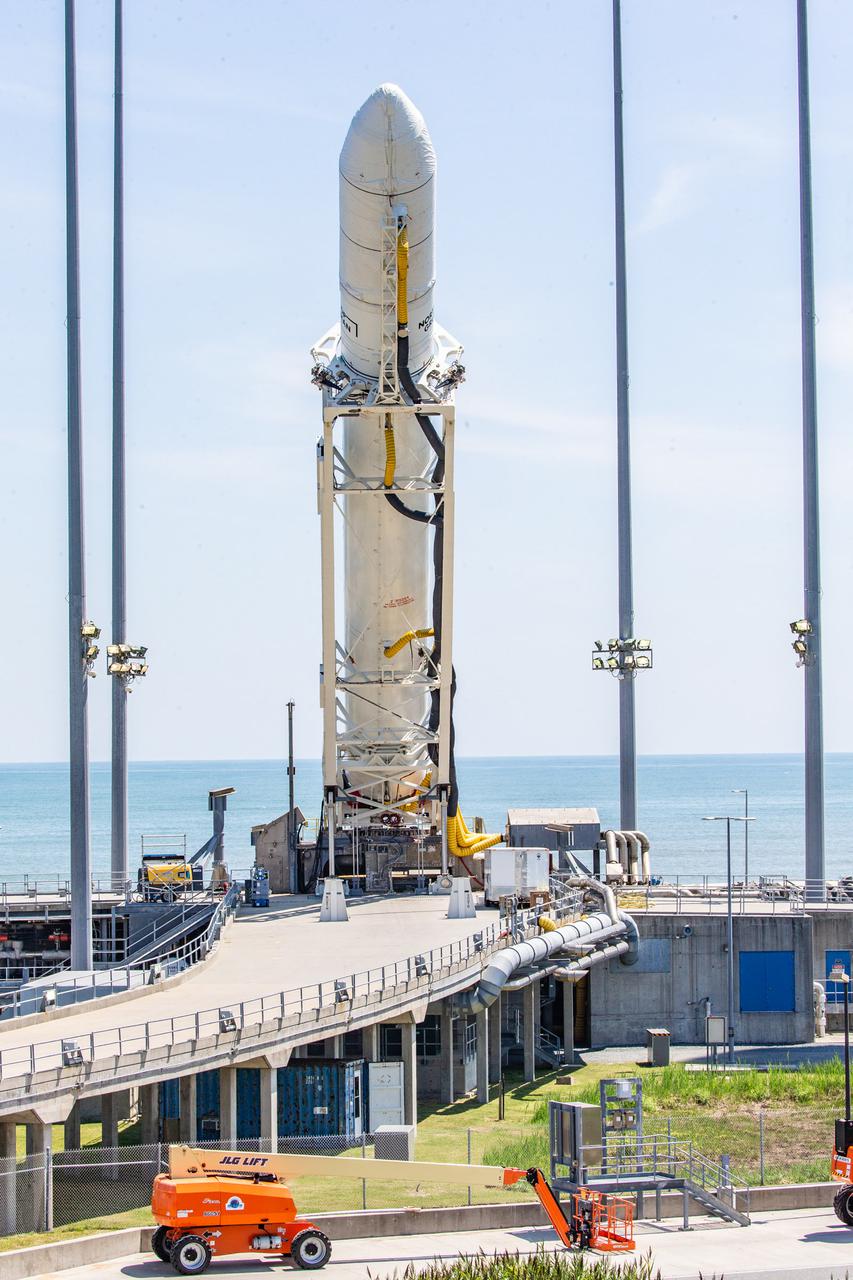
A Northrop Grumman Antares rocket carrying a Cygnus resupply spacecraft is raised into a vertical position on the Mid-Atlantic Regional Spaceport’s Pad-0A, Friday, Aug. 6, 2021, at NASA's Wallops Flight Facility in Virginia. Northrop Grumman’s 16th contracted cargo resupply mission with NASA to the International Space Station will deliver about 8,200 pounds of science and research, crew supplies and vehicle hardware to the orbital laboratory and its crew. Northrop Grumman named the NG CRS-16 Cygnus spacecraft after NASA astronaut Ellison Onizuka, in honor of his prominence as the first Asian American astronaut. Onizuka was hired in 1978 in the first class of diverse astronauts, and his first spaceflight was aboard space shuttle Discovery in January 1985 for STS-51-C. He lost his life aboard the space shuttle Challenger in 1986. The launch is scheduled for 5:56 p.m. EDT, Aug. 10, 2021. Photo Credit: NASA/Terry Zaperach
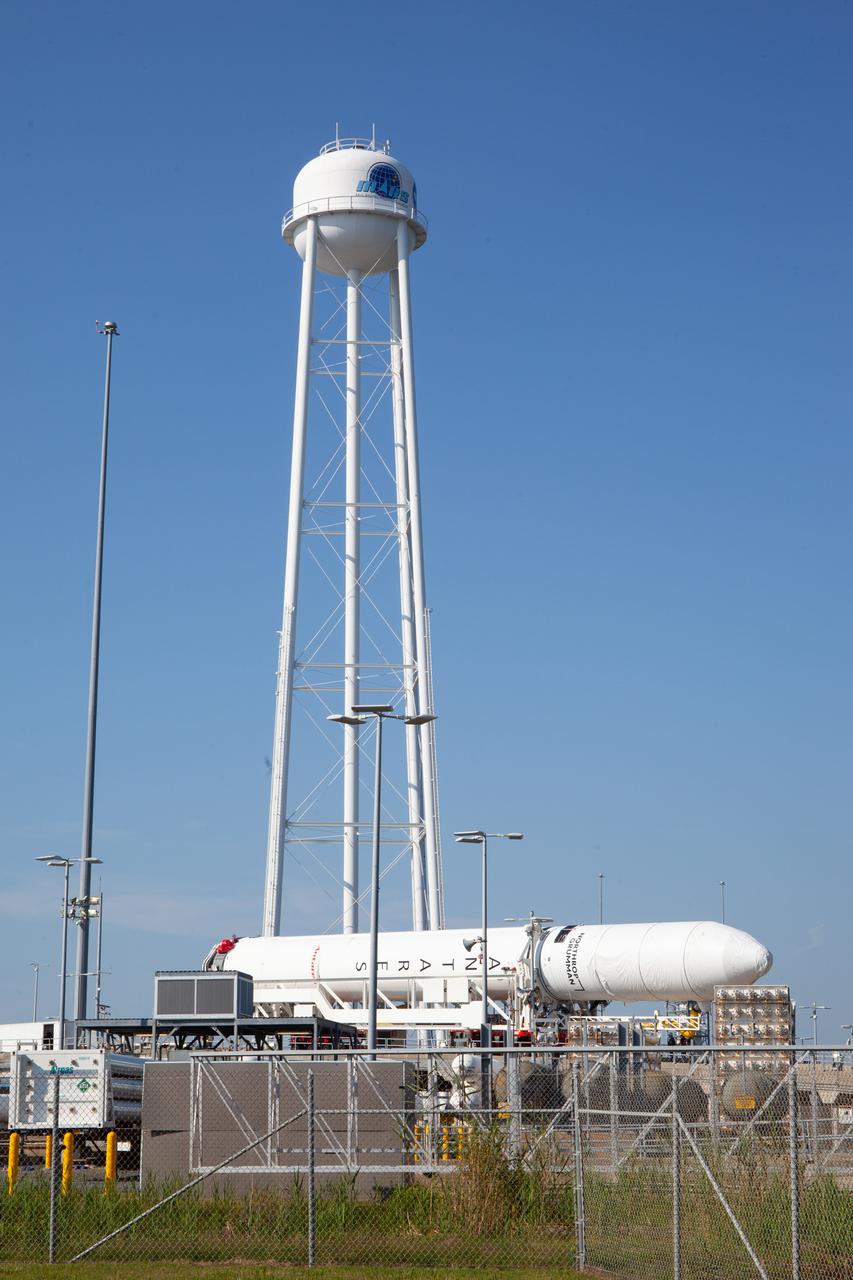
A Northrop Grumman Antares rocket carrying a Cygnus resupply spacecraft arrives at the Mid-Atlantic Regional Spaceport’s Pad-0A, Friday, Aug. 6,, 2021, at NASA's Wallops Flight Facility in Virginia. Northrop Grumman’s 16th contracted cargo resupply mission with NASA to the International Space Station will deliver about 8,200 pounds of science and research, crew supplies and vehicle hardware to the orbital laboratory and its crew. Northrop Grumman named the NG CRS-16 Cygnus spacecraft after NASA astronaut Ellison Onizuka, in honor of his prominence as the first Asian American astronaut. Onizuka was hired in 1978 in the first class of diverse astronauts, and his first spaceflight was aboard space shuttle Discovery in January 1985 for STS-51-C. He lost his life aboard the space shuttle Challenger in 1986. The launch is scheduled for 5:56 p.m. EDT, Aug. 10, 2021. Photo Credit: NASA/Brian Bonsteel
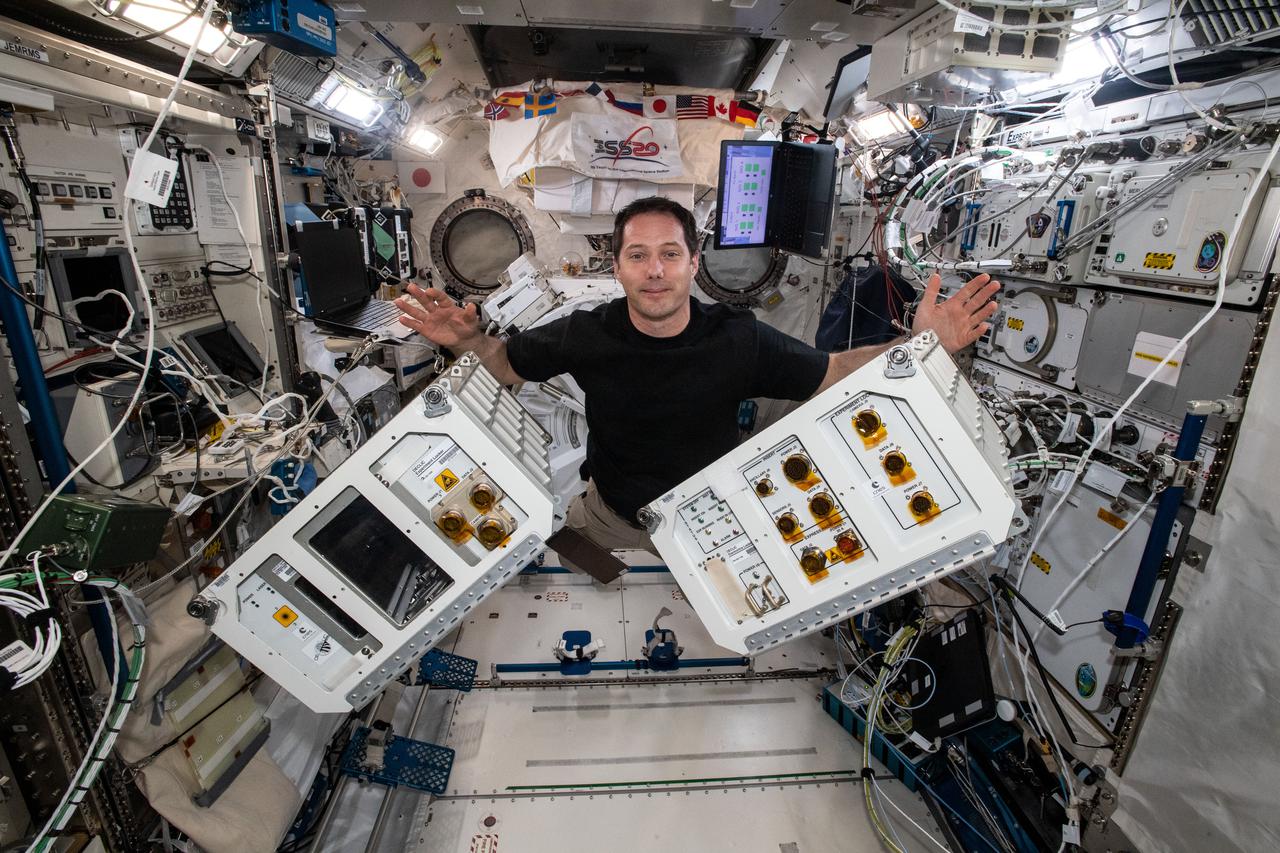
iss065e442803 (10/7/2021) --- European Space Agency (ESA) astronaut Thomas Pesquet gathers fluid physics and materials research hardware inside the International Space Station's Kibo laboratory module. Device for the Study of Critical Liquids and Crystallization (DECLIC) is a multi-user facility developed by the agency Centre National d’Etudes Spatiales (French Space Agency, CNES) and flown in collaboration with NASA. It is designed to support experiments in the fields of fluid physics and materials science. Special inserts allow researchers to study both ambient temperature critical point fluids and high temperature super-critical fluids. Another class of insert studies the dynamics and morphology of the fronts that form as a liquid material solidifies.
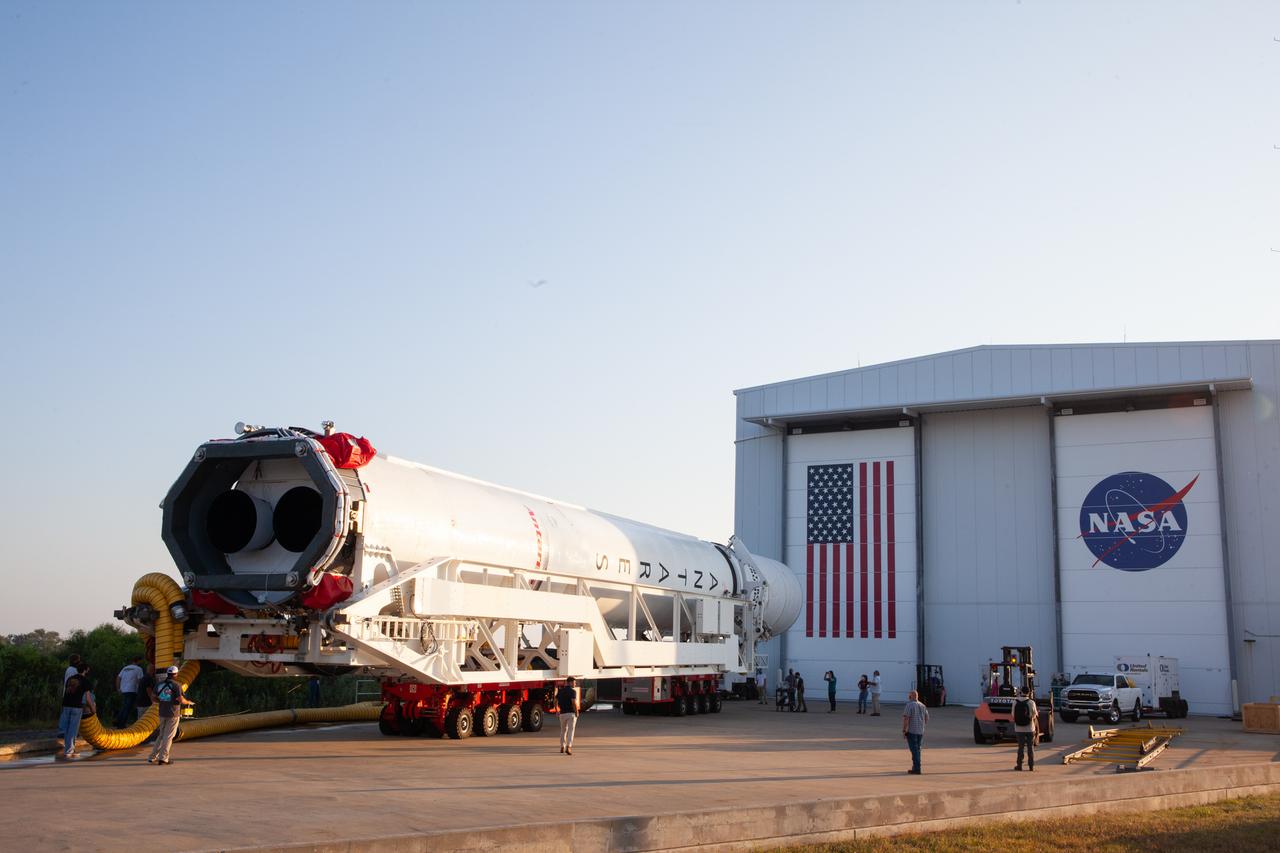
A Northrop Grumman Antares rocket carrying a Cygnus resupply spacecraft is seen as it is rolled out of the Horizontal Integration Facility on its way to the Mid-Atlantic Regional Spaceport’s Pad-0A, Friday, Aug. 6, 2021, at NASA's Wallops Flight Facility in Virginia. Northrop Grumman’s 14th contracted cargo resupply mission with NASA to the International Space Station will deliver about 8,200 pounds of science and research, crew supplies and vehicle hardware to the orbital laboratory and its crew. Northrop Grumman named the NG CRS-16 Cygnus spacecraft after NASA astronaut Ellison Onizuka, in honor of his prominence as the first Asian American astronaut. Onizuka was hired in 1978 in the first class of diverse astronauts, and his first spaceflight was aboard space shuttle Discovery in January 1985 for STS-51-C. He lost his life aboard the space shuttle Challenger in 1986. The launch is scheduled for 5:56 p.m. EDT, Aug. 10, 2021. Photo Credit: NASA/Brian Bonsteel