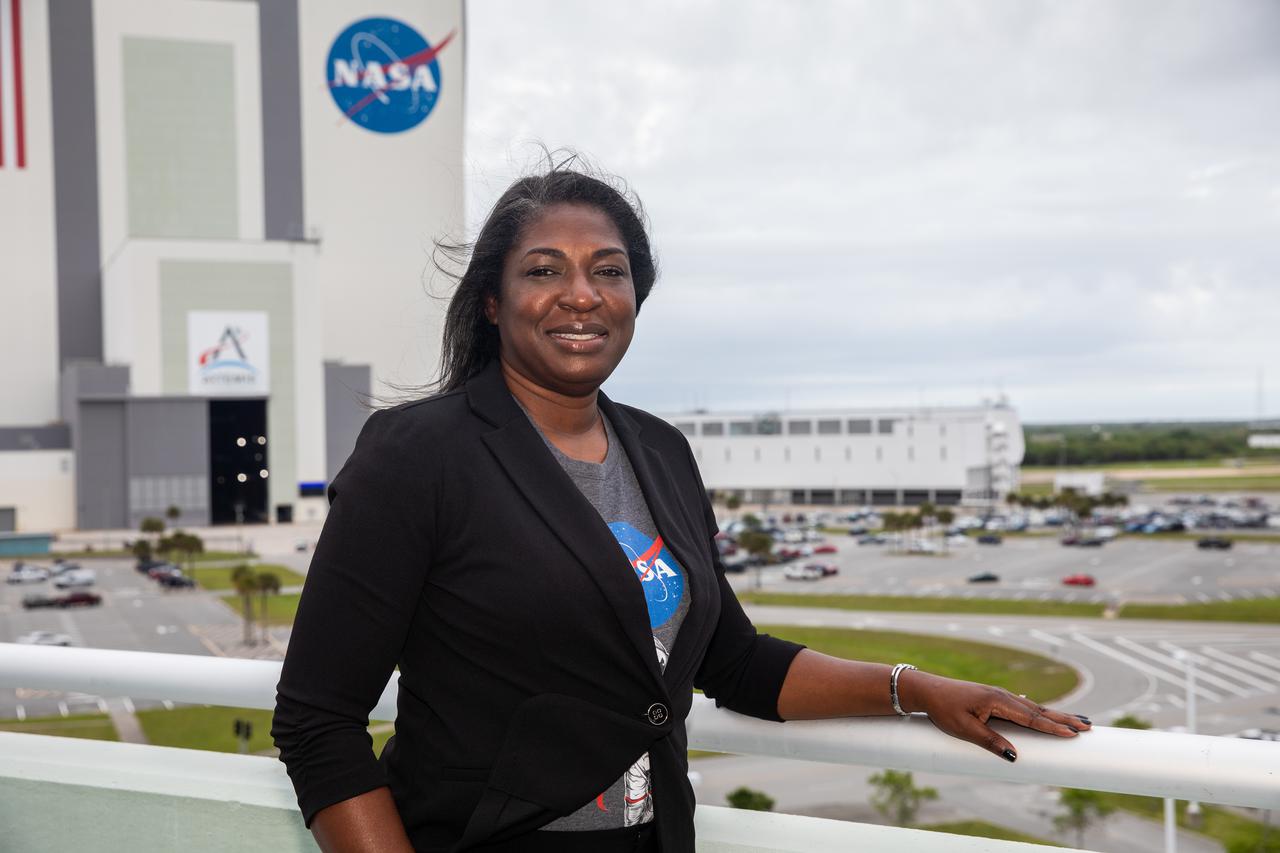
Lashanda Battle is a sustainability lead at NASA’s Kennedy Space Center. In this role, she supports NASA’s and Kennedy’s mission by promoting a better way of living at the Florida spaceport, as well as in the surrounding communities. Through different outreach opportunities, she raises awareness about sustainability initiatives and environmental stewardship.
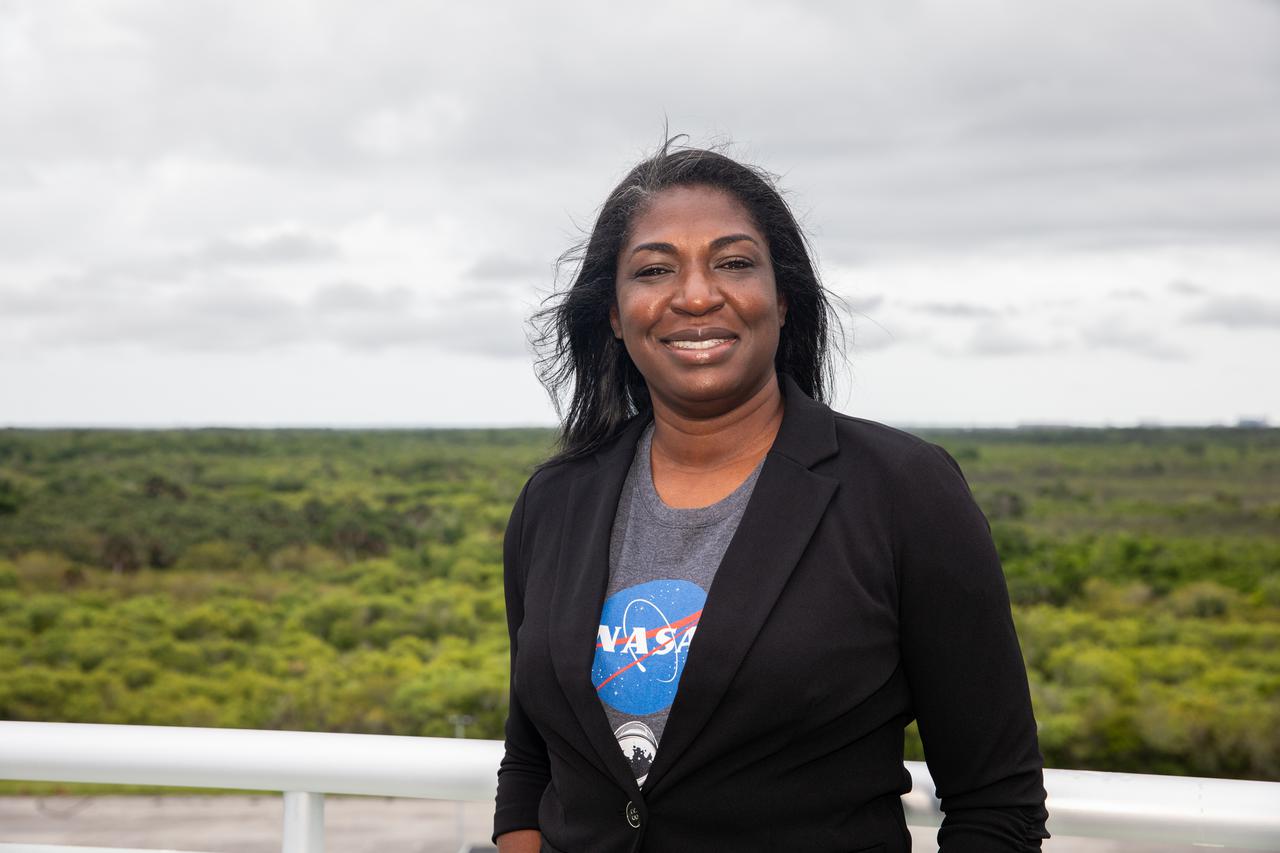
Lashanda Battle is a sustainability lead at NASA’s Kennedy Space Center. In this role, she supports NASA’s and Kennedy’s mission by promoting a better way of living at the Florida spaceport, as well as in the surrounding communities. Through different outreach opportunities, she raises awareness about sustainability initiatives and environmental stewardship.
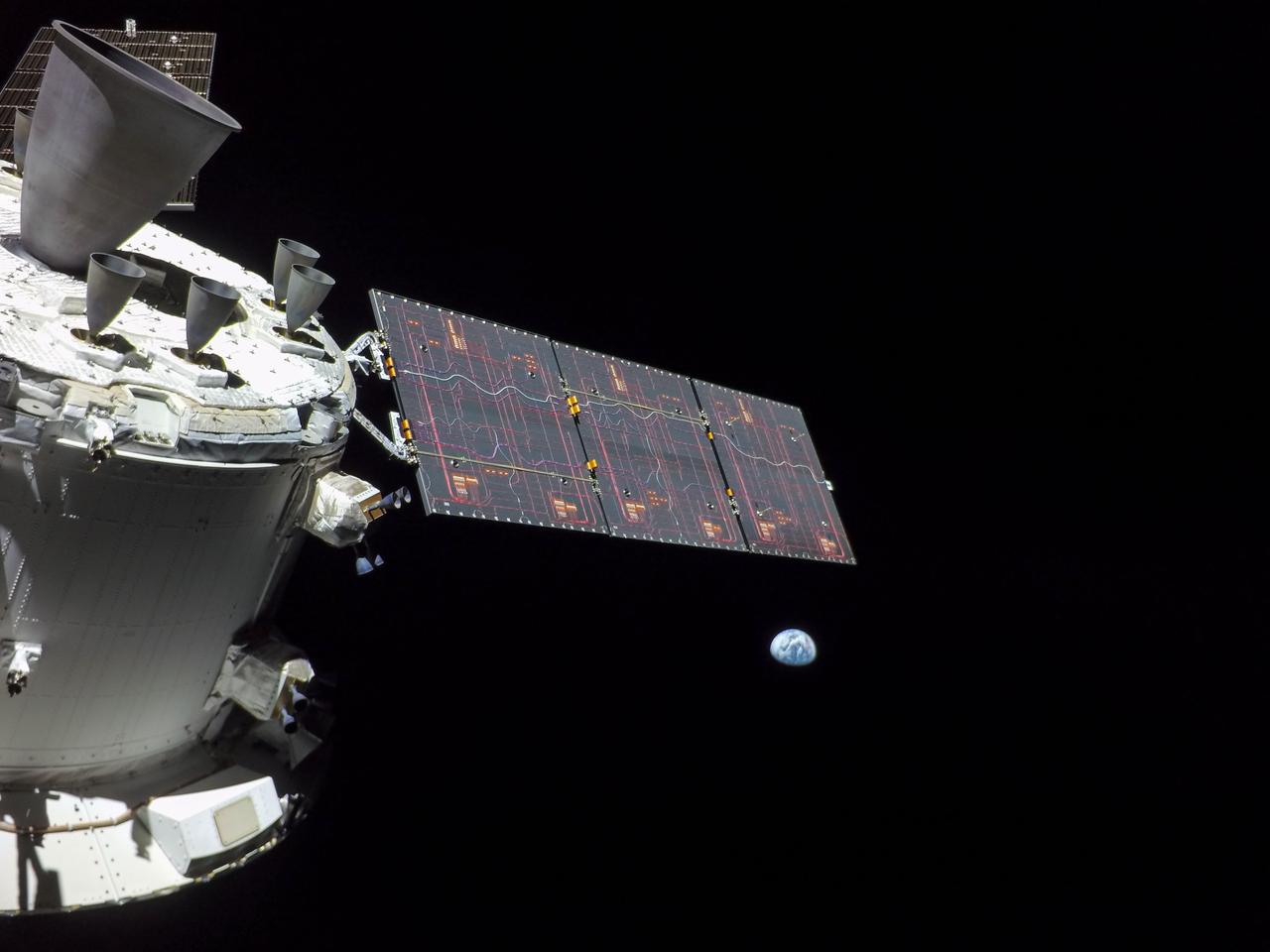
art001e000666 (Nov. 27, 2022) On flight day 12 of the 25.5-day Artemis I mission, a camera on the tip of one of Orion’s solar arrays captured the Earth as Orion travels in distant retrograde orbit around the Moon.
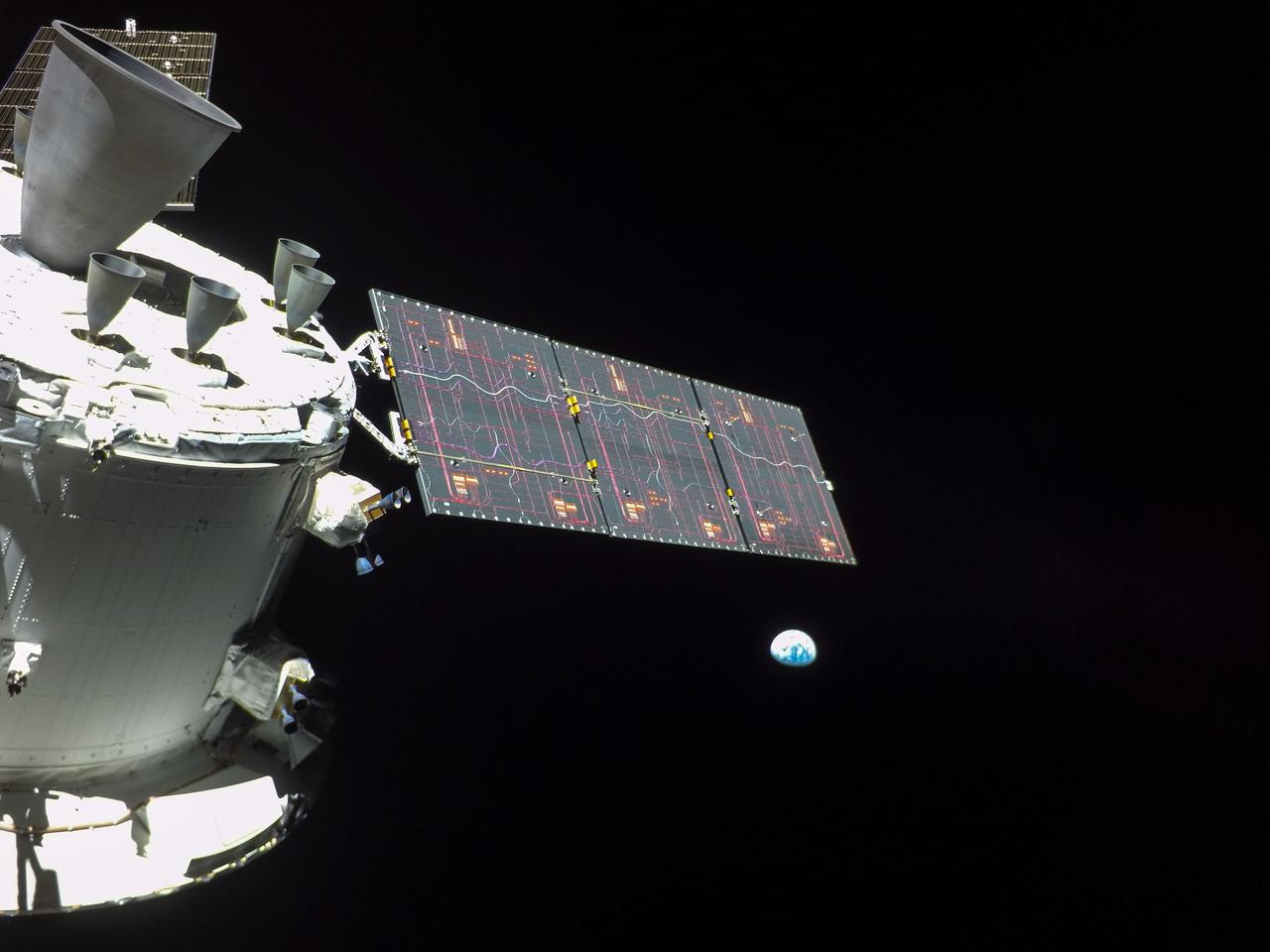
art001e000667 (Nov. 27, 2022) On flight day 12 of the 25.5-day Artemis I mission, a camera on the tip of one of Orion’s solar arrays captured the Earth as Orion travels in distant retrograde orbit around the Moon.

Visitors explore NASA’s hands-on exhibits during Earth Day, Friday, April 22, 2022, at Union Station in Washington. Photo Credit: (NASA/Bill Ingalls)
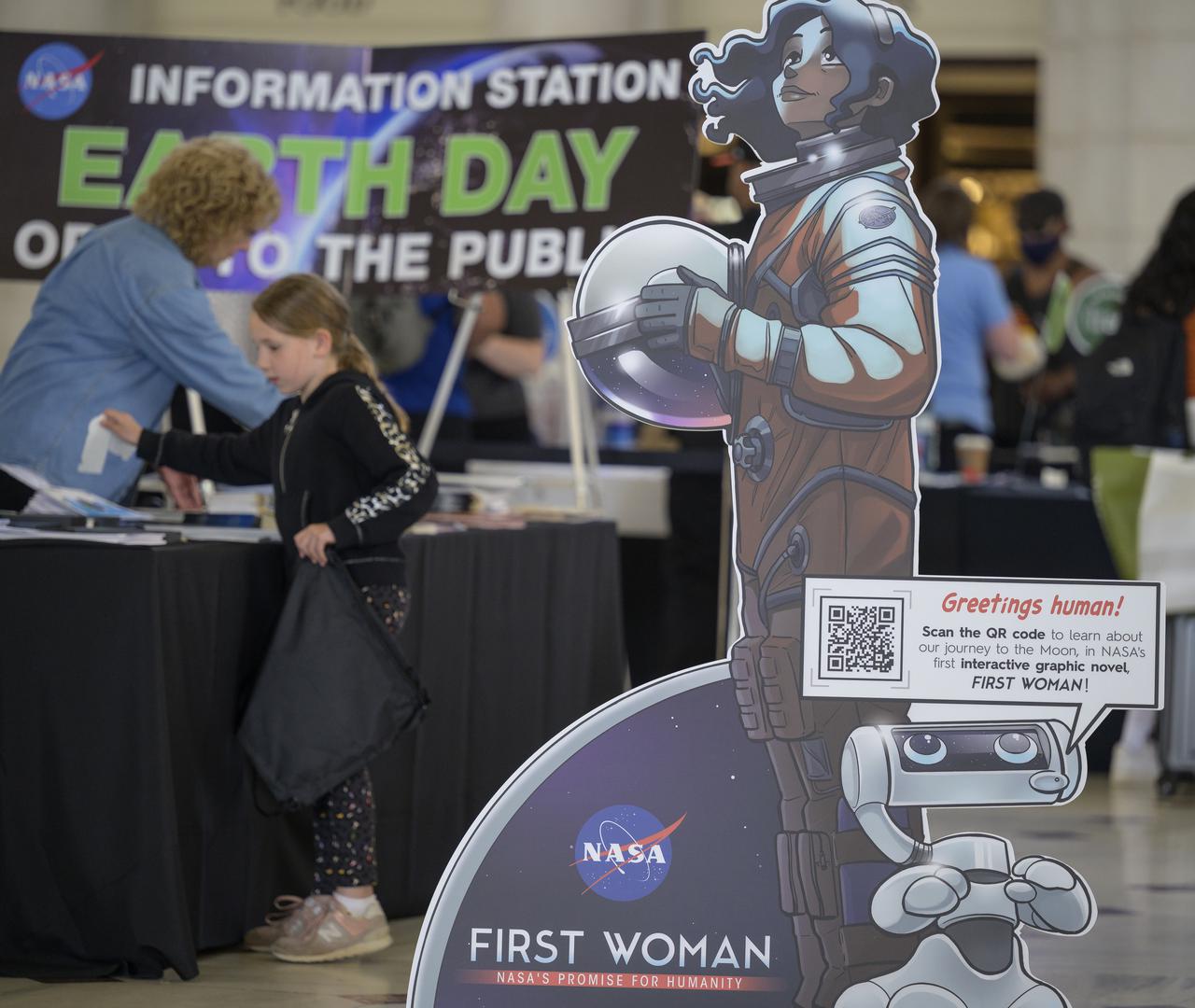
Visitors explore NASA’s hands-on exhibits during Earth Day, Friday, April 22, 2022, at Union Station in Washington. Photo Credit: (NASA/Bill Ingalls)
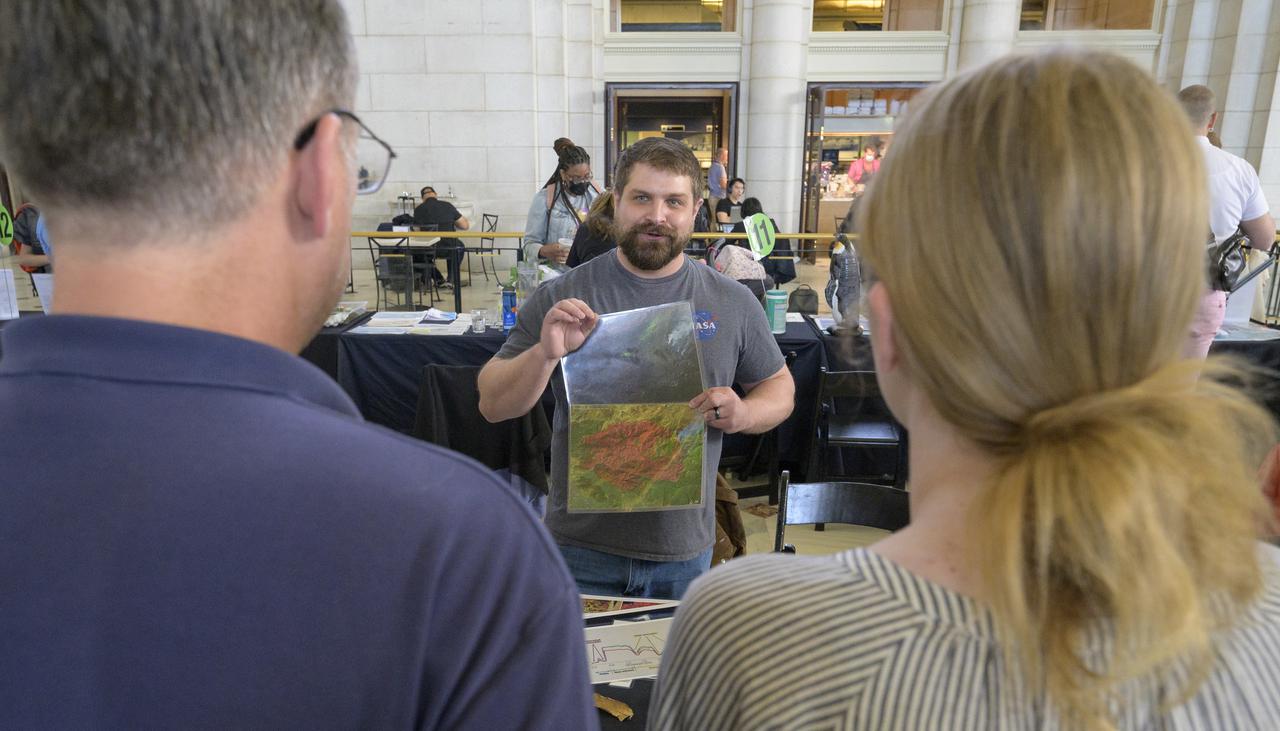
Visitors explore NASA’s hands-on exhibits during Earth Day, Friday, April 22, 2022, at Union Station in Washington. Photo Credit: (NASA/Bill Ingalls)
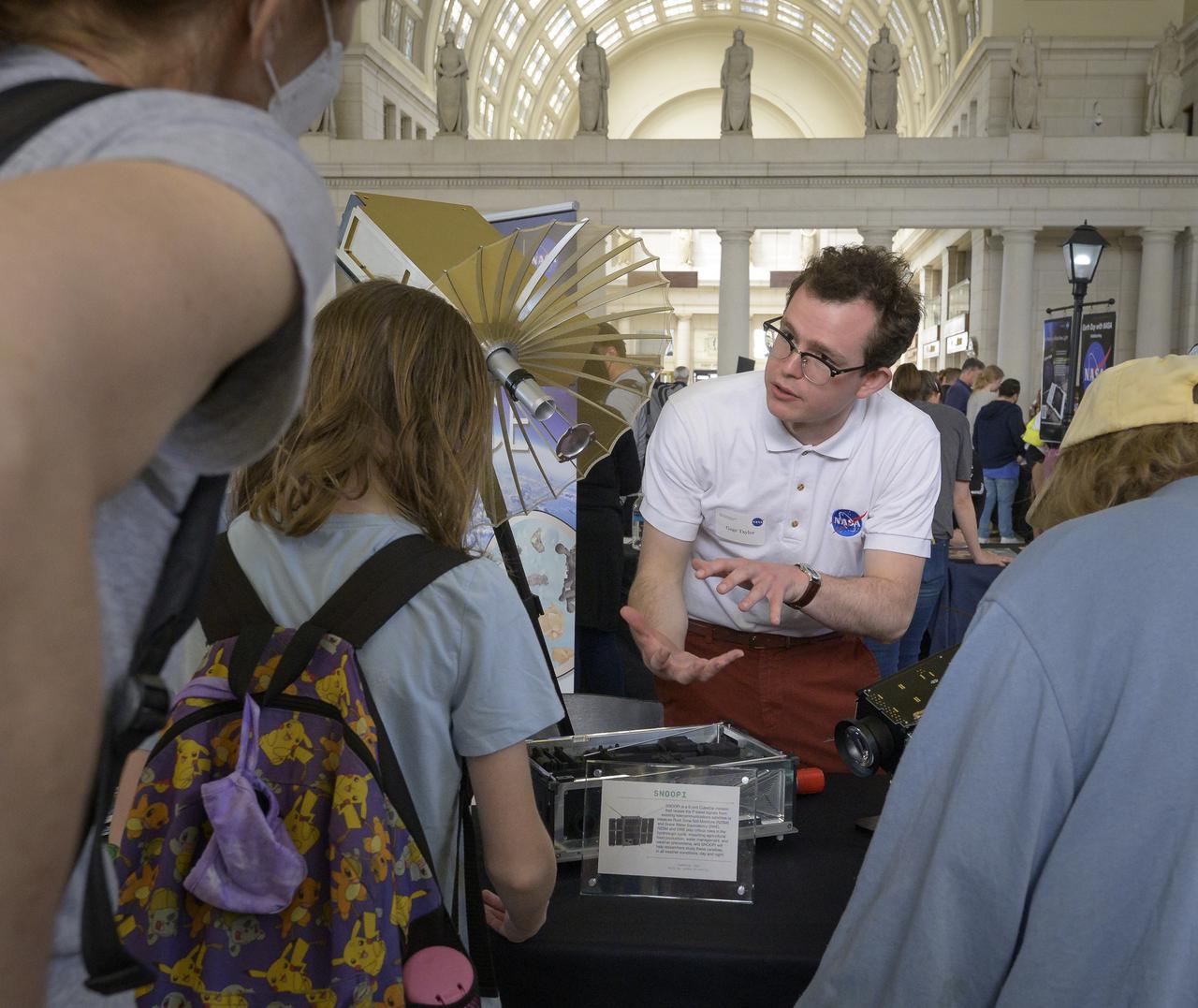
Visitors explore NASA’s hands-on exhibits during Earth Day, Friday, April 22, 2022, at Union Station in Washington. Photo Credit: (NASA/Bill Ingalls)
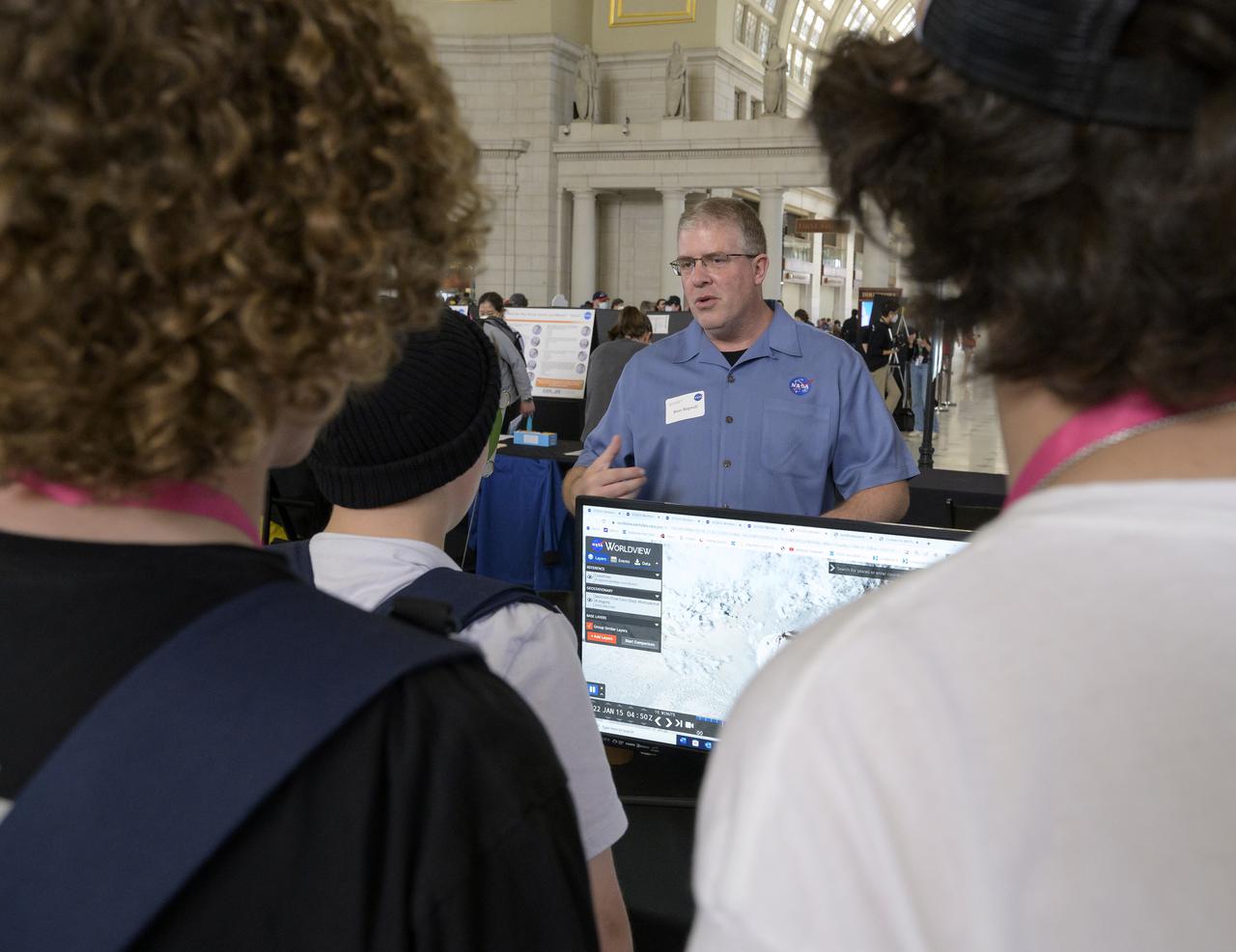
Visitors explore NASA’s hands-on exhibits during Earth Day, Friday, April 22, 2022, at Union Station in Washington. Photo Credit: (NASA/Bill Ingalls)

Visitors explore NASA’s hands-on exhibits during Earth Day, Friday, April 22, 2022, at Union Station in Washington. Photo Credit: (NASA/Bill Ingalls)
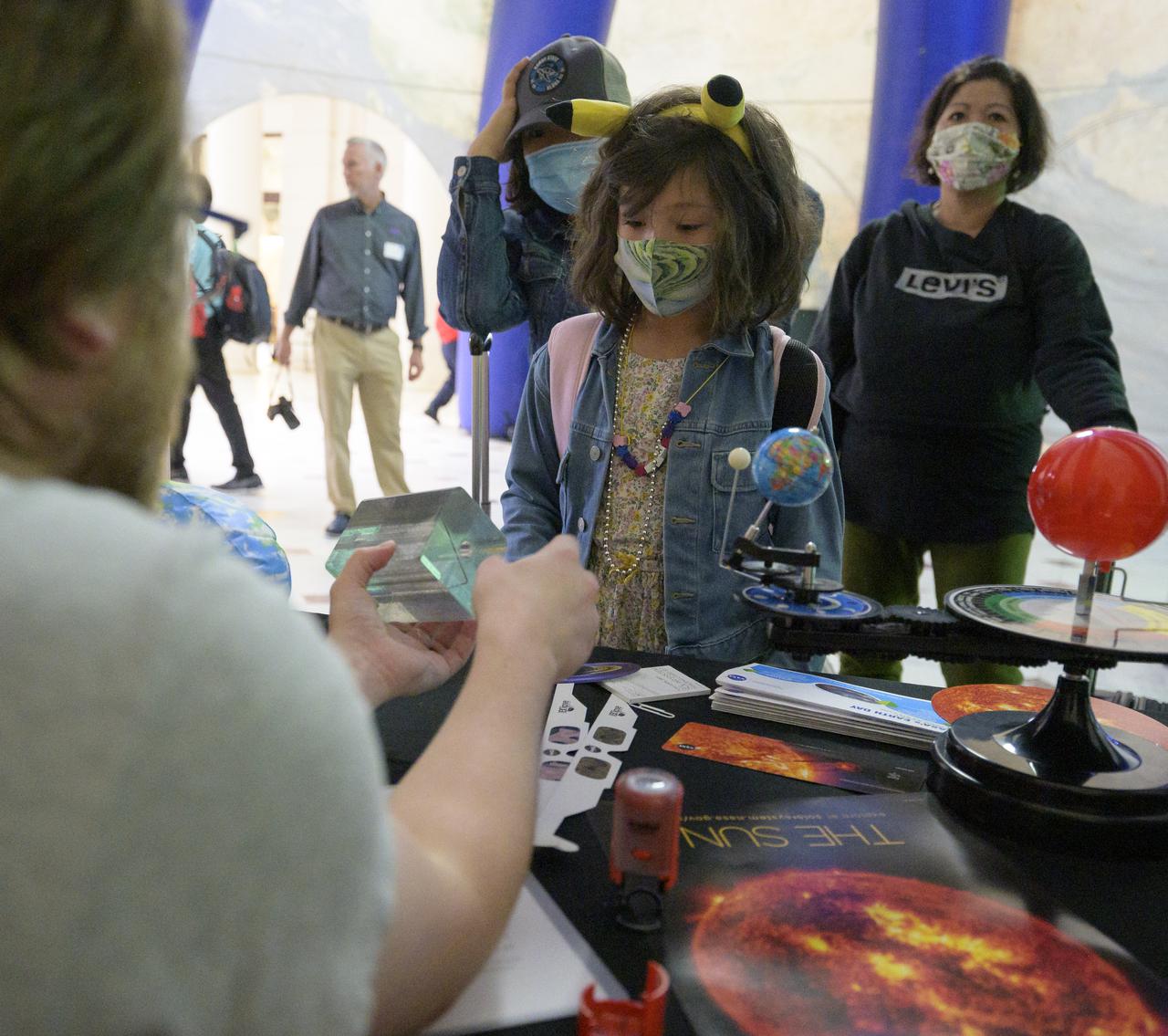
Visitors explore NASA’s hands-on exhibits during Earth Day, Friday, April 22, 2022, at Union Station in Washington. Photo Credit: (NASA/Bill Ingalls)

Visitors explore NASA’s hands-on exhibits during Earth Day, Friday, April 22, 2022, at Union Station in Washington. Photo Credit: (NASA/Bill Ingalls)
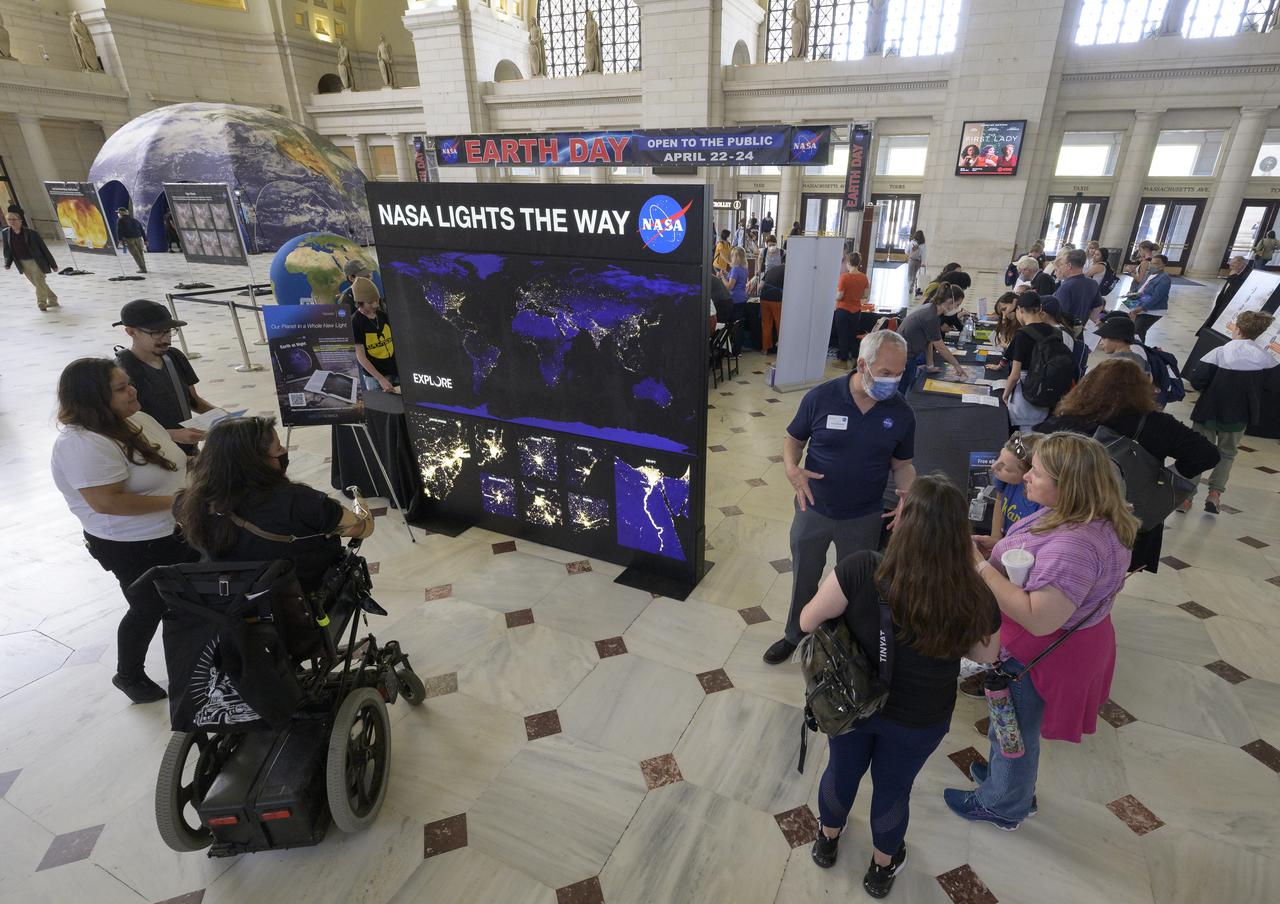
Visitors explore NASA’s hands-on exhibits during Earth Day, Friday, April 22, 2022, at Union Station in Washington. Photo Credit: (NASA/Bill Ingalls)
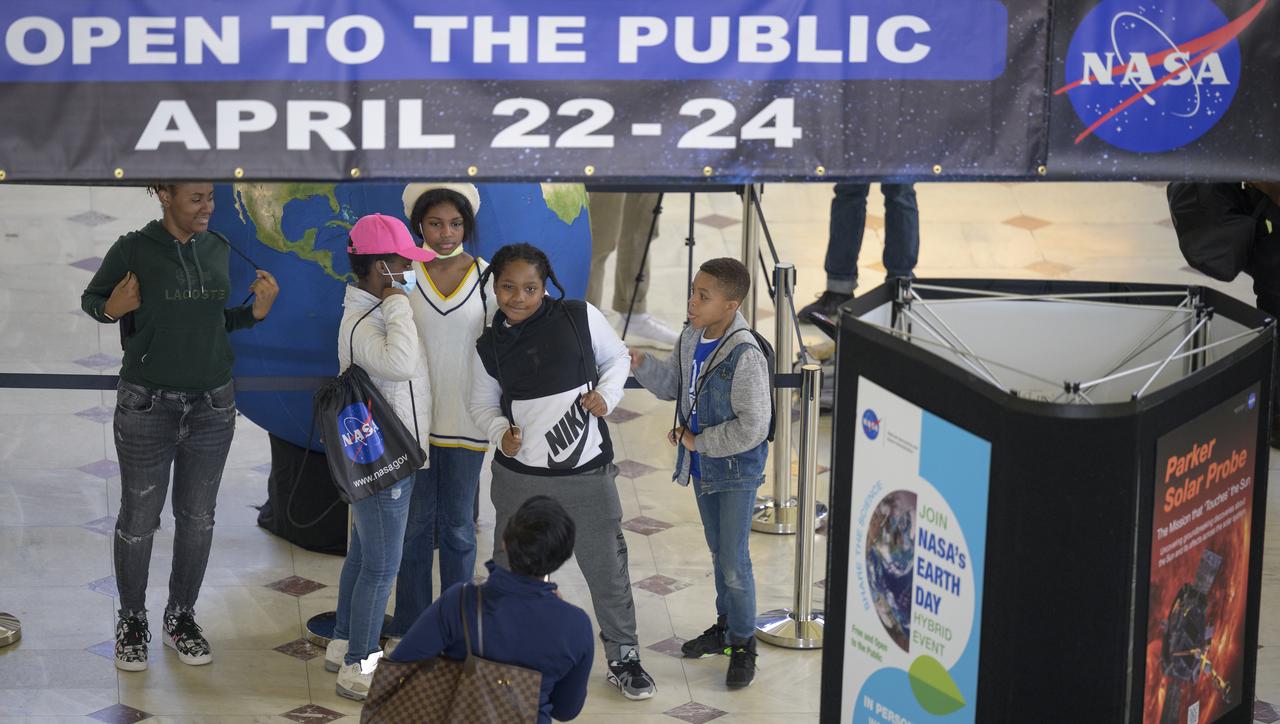
Visitors explore NASA’s hands-on exhibits during Earth Day, Friday, April 22, 2022, at Union Station in Washington. Photo Credit: (NASA/Bill Ingalls)

Visitors explore NASA’s hands-on exhibits during Earth Day, Friday, April 22, 2022, at Union Station in Washington. Photo Credit: (NASA/Bill Ingalls)
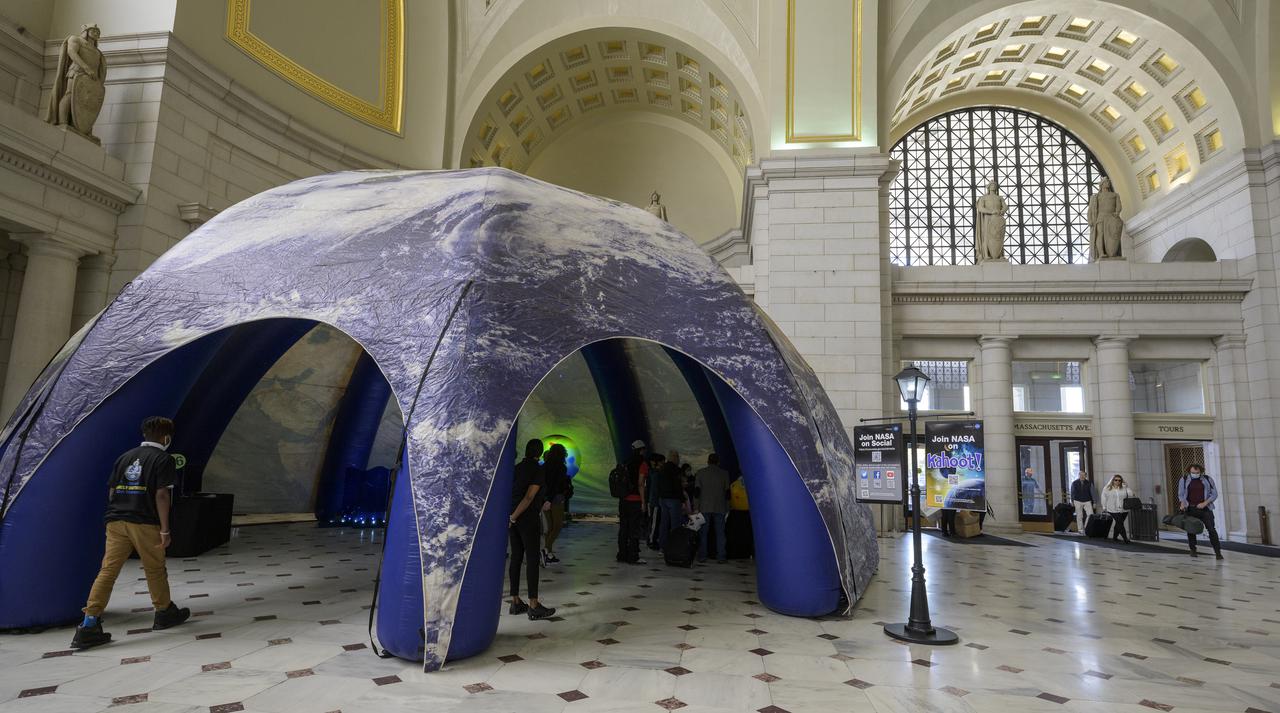
Visitors explore NASA’s hands-on exhibits during Earth Day, Friday, April 22, 2022, at Union Station in Washington. Photo Credit: (NASA/Bill Ingalls)
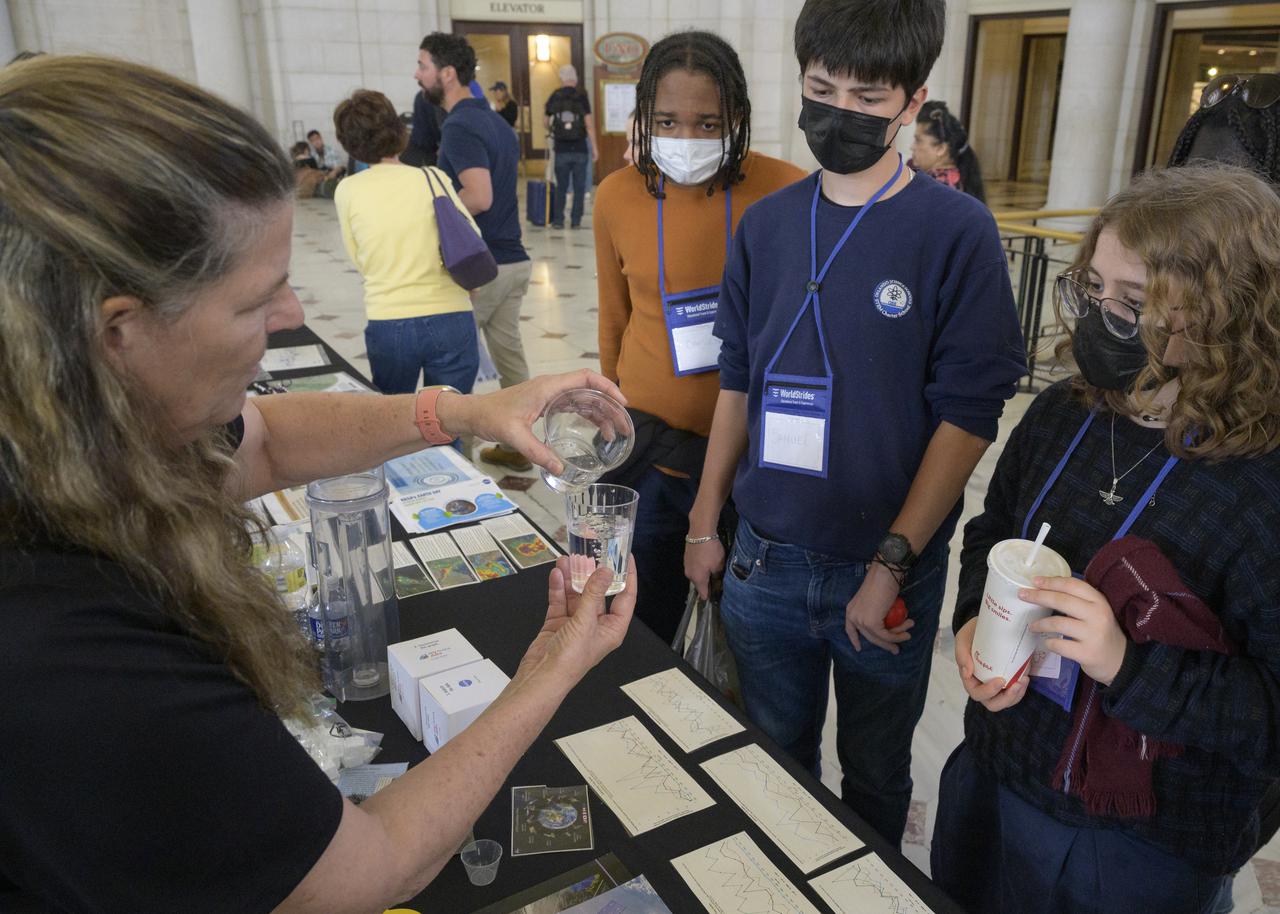
Visitors explore NASA’s hands-on exhibits during Earth Day, Friday, April 22, 2022, at Union Station in Washington. Photo Credit: (NASA/Bill Ingalls)
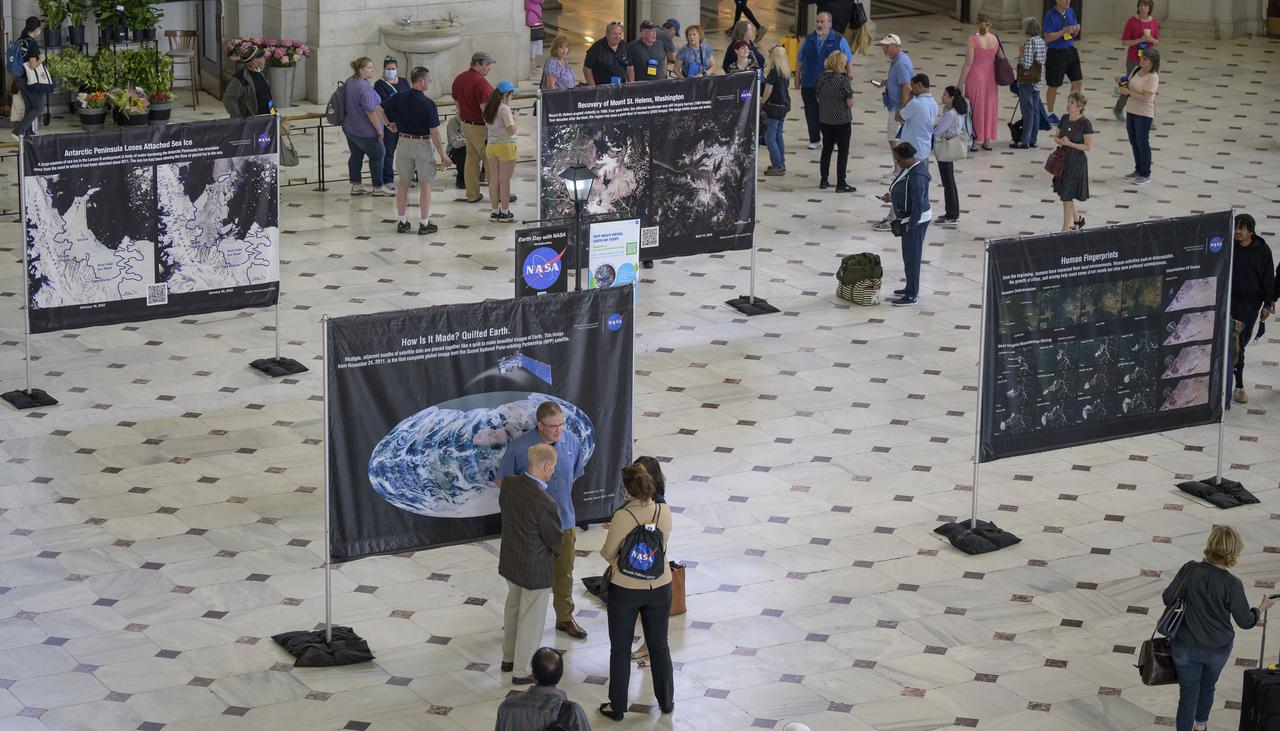
Visitors explore NASA’s hands-on exhibits during Earth Day, Friday, April 22, 2022, at Union Station in Washington. Photo Credit: (NASA/Bill Ingalls)
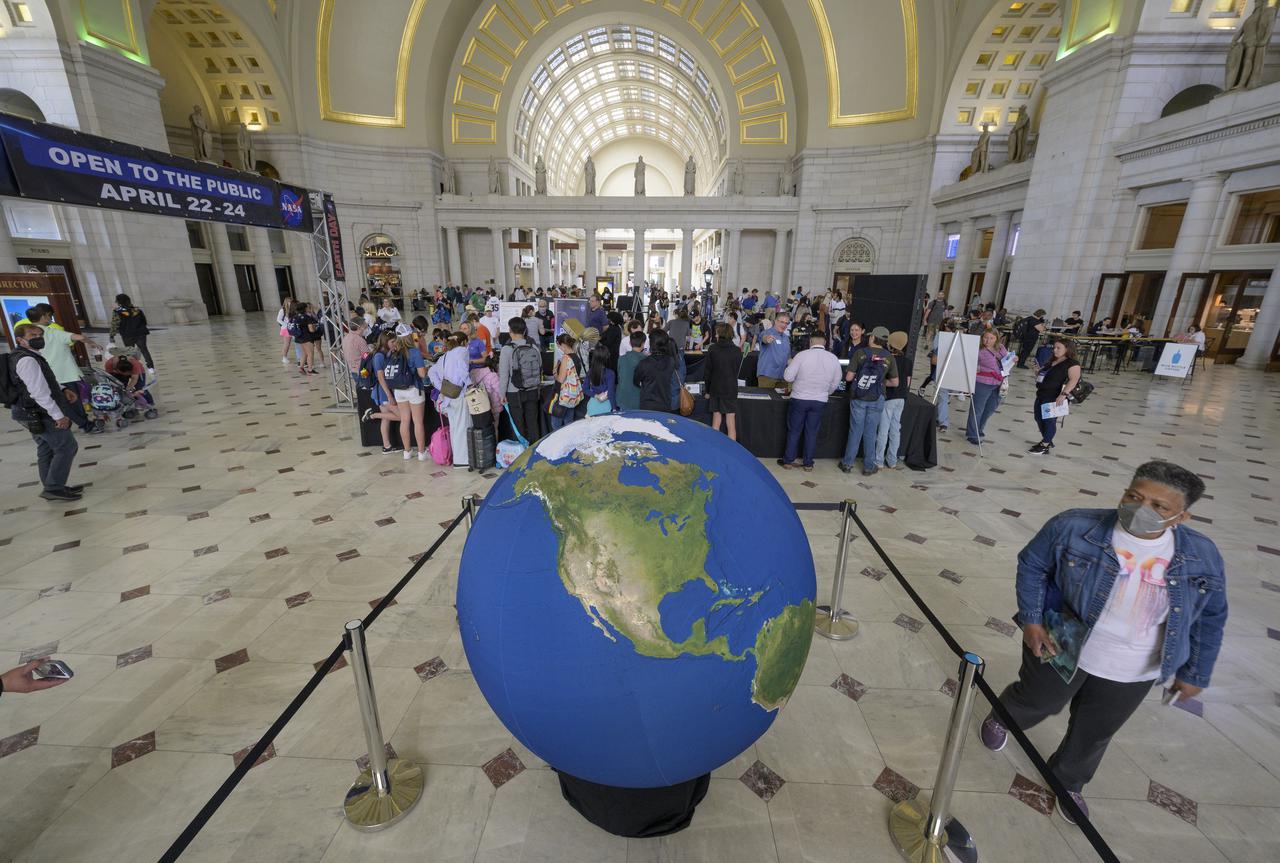
Visitors explore NASA’s hands-on exhibits during Earth Day, Friday, April 22, 2022, at Union Station in Washington. Photo Credit: (NASA/Bill Ingalls)
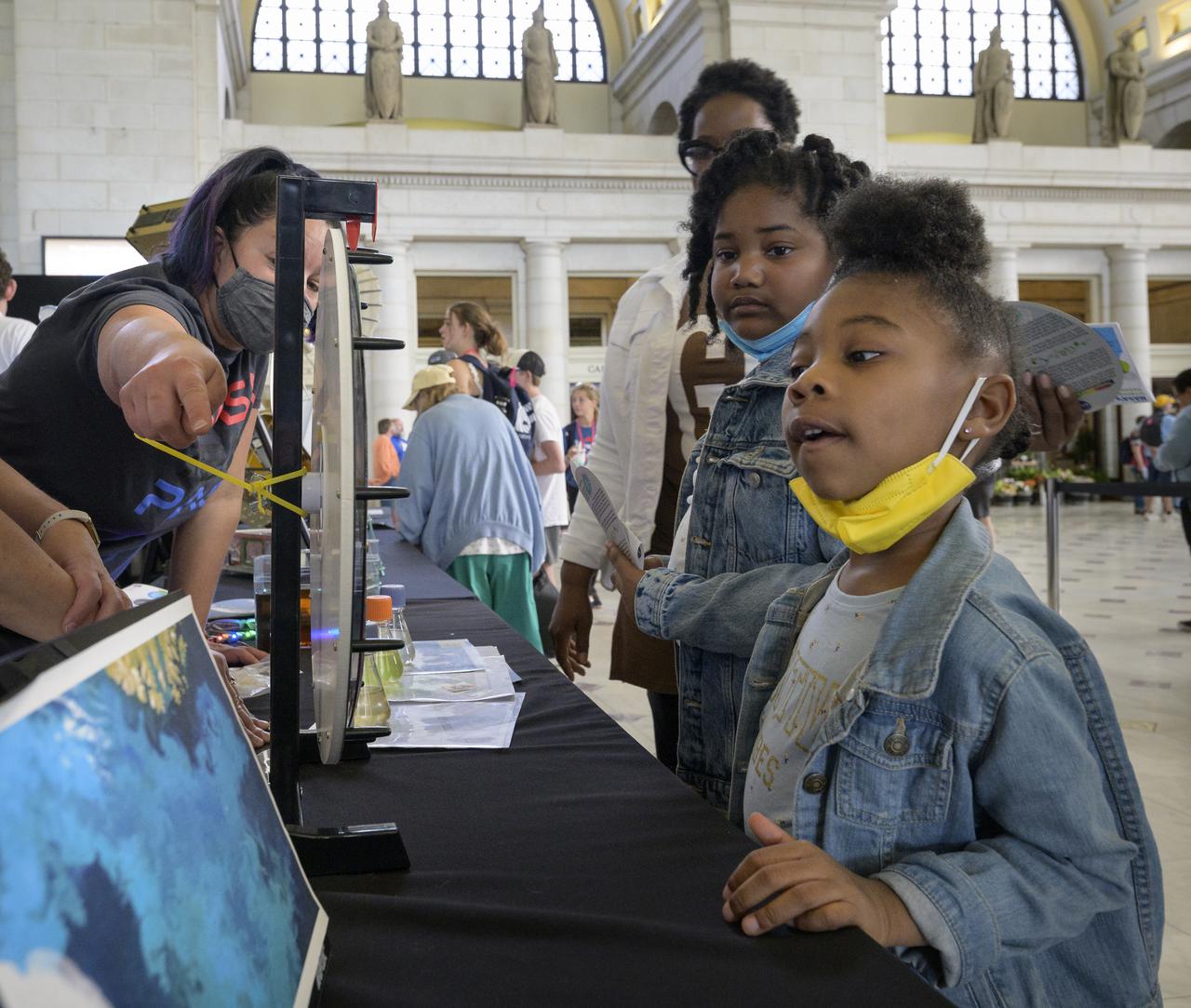
Visitors explore NASA’s hands-on exhibits during Earth Day, Friday, April 22, 2022, at Union Station in Washington. Photo Credit: (NASA/Bill Ingalls)
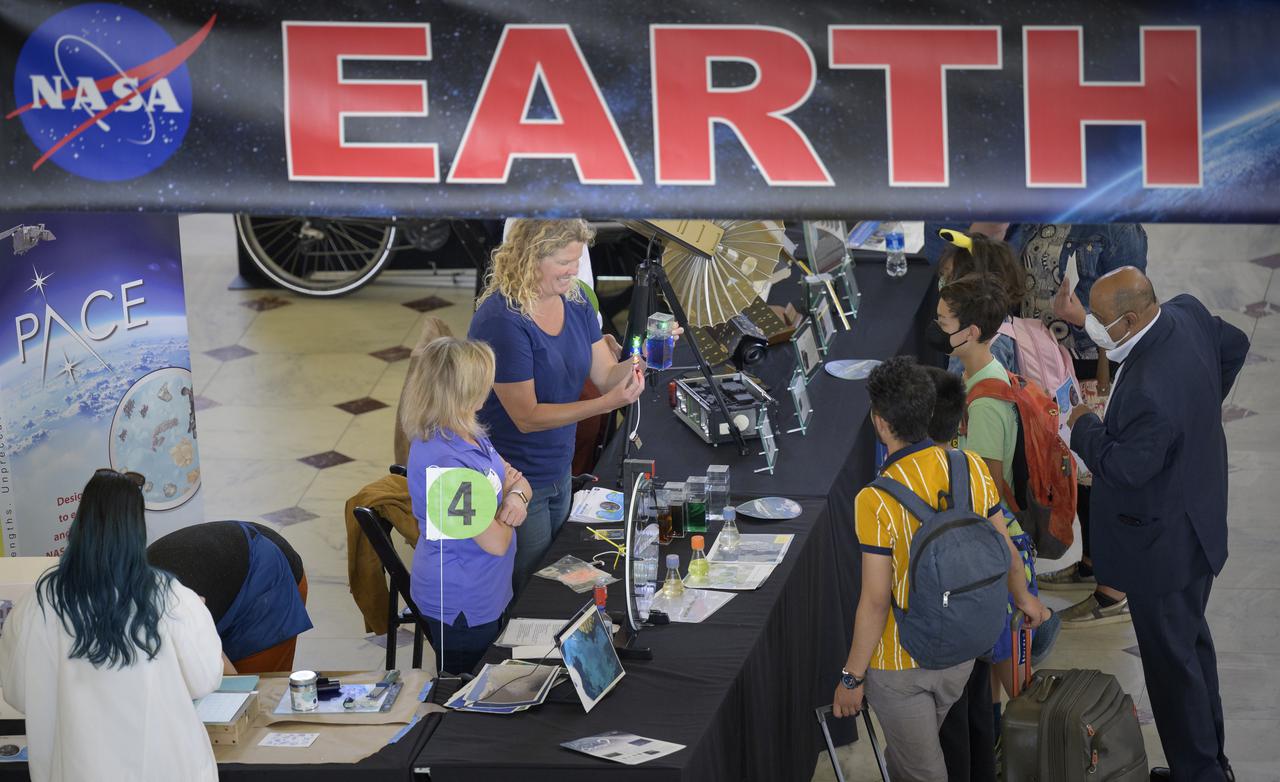
Visitors explore NASA’s hands-on exhibits during Earth Day, Friday, April 22, 2022, at Union Station in Washington. Photo Credit: (NASA/Bill Ingalls)
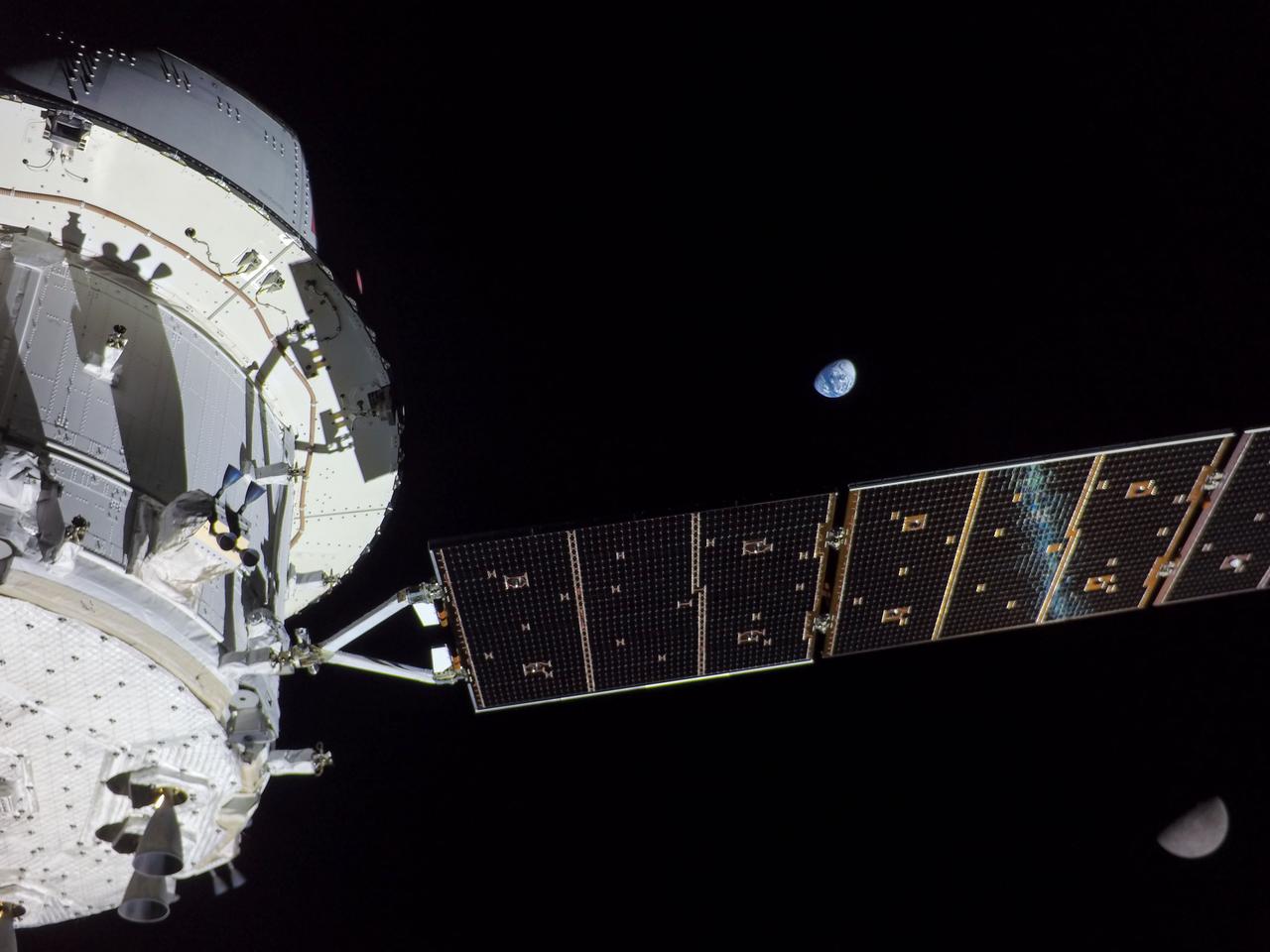
art001e001822 (Nov. 28, 2022) On flight day 13 of the Artemis I mission, Orion captured this view of Earth and the Moon on either sides of one of the spacecraft’s four solar arrays.
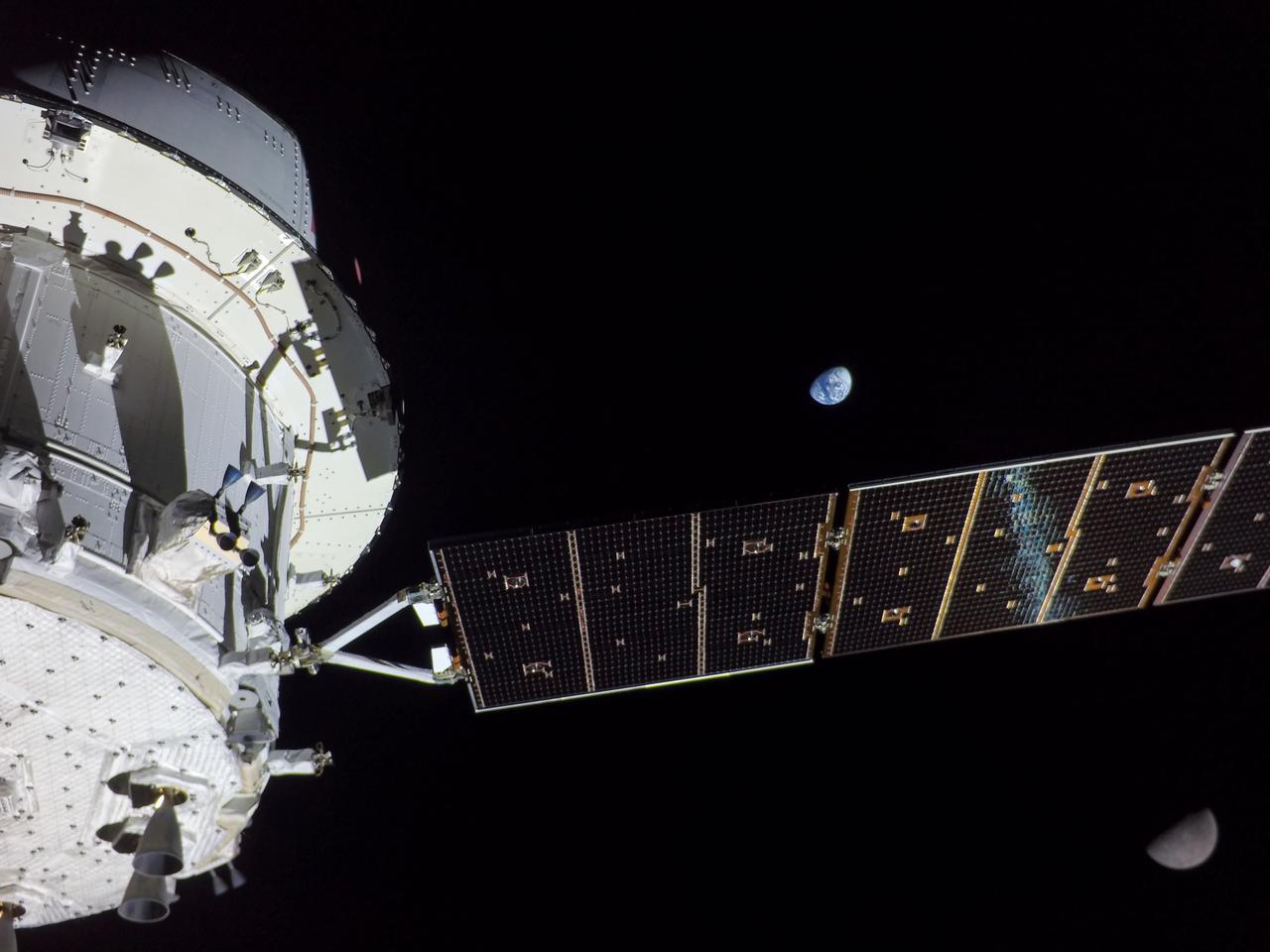
art001e001823 (Nov. 28, 2022) On flight day 13 of the Artemis I mission, Orion captured this view of Earth and the Moon on either sides of one of the spacecraft’s four solar arrays.
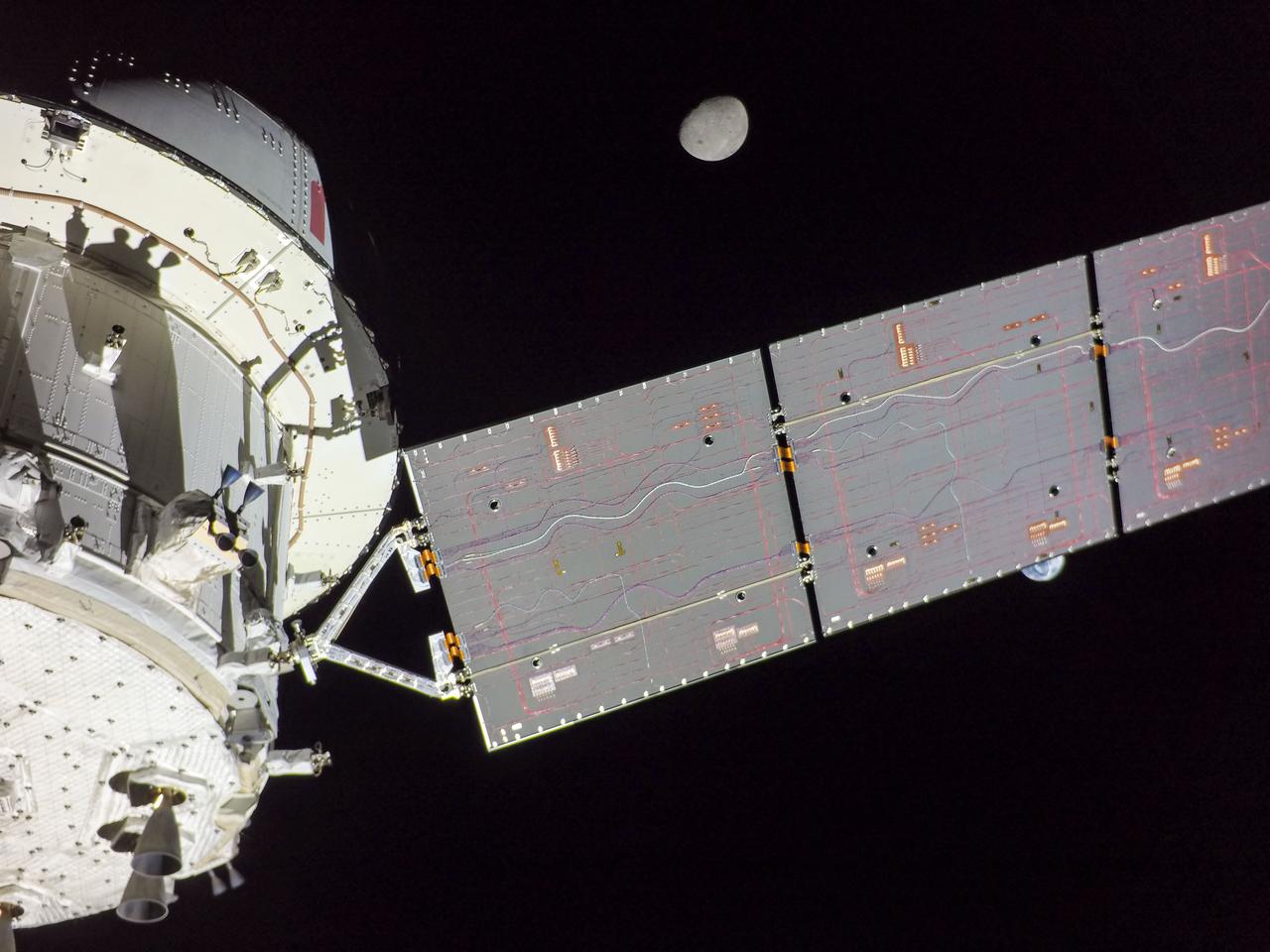
art001e001712 (Nov. 29, 2022) Orion’s solar arrays split the difference between Earth and the Moon on flight day 14 of the Artemis I mission in this image captured by a camera on the tip of one of the spacecraft’s four solar arrays.
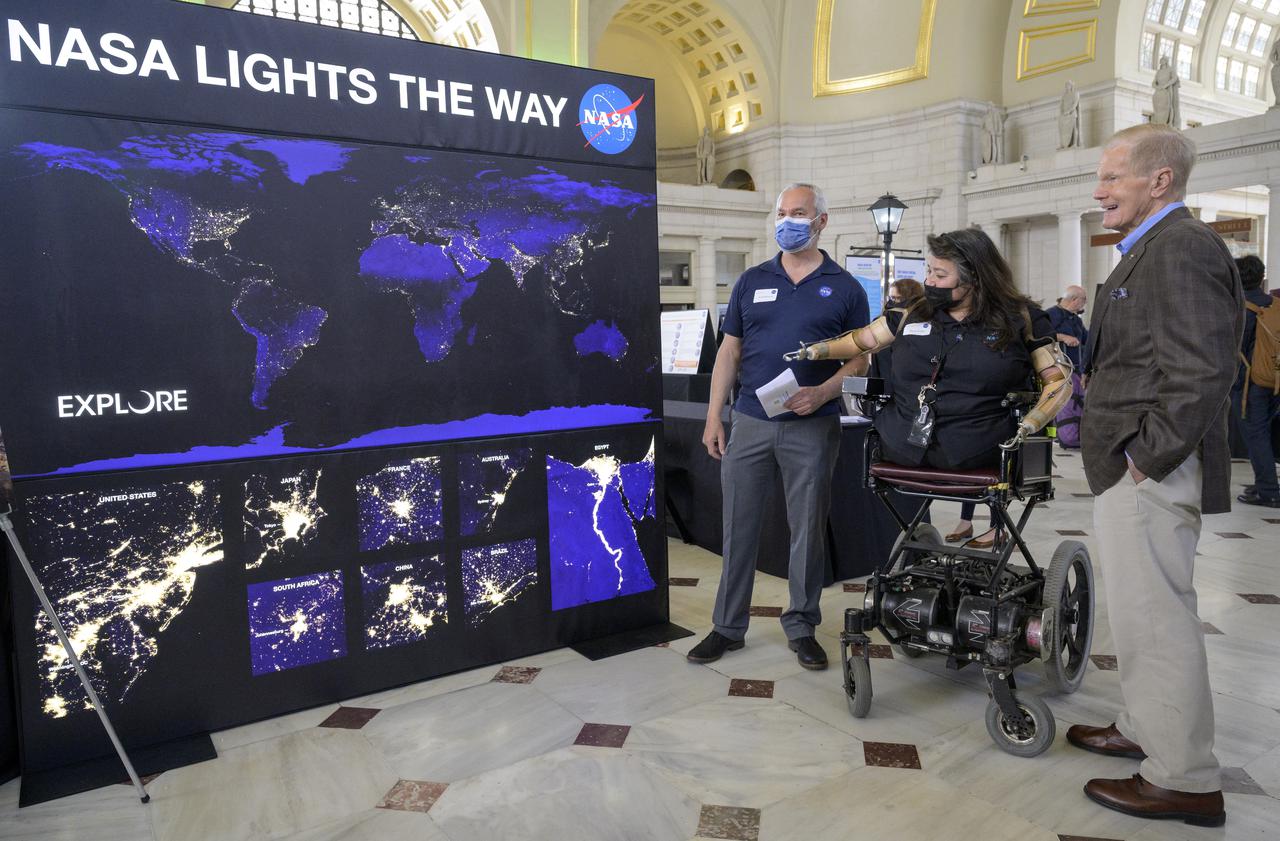
NASA Administrator Bill Nelson, right, visits NASA’s exhibits during Earth Day, Friday, April 22, 2022, at Union Station in Washington. Photo Credit: (NASA/Bill Ingalls)
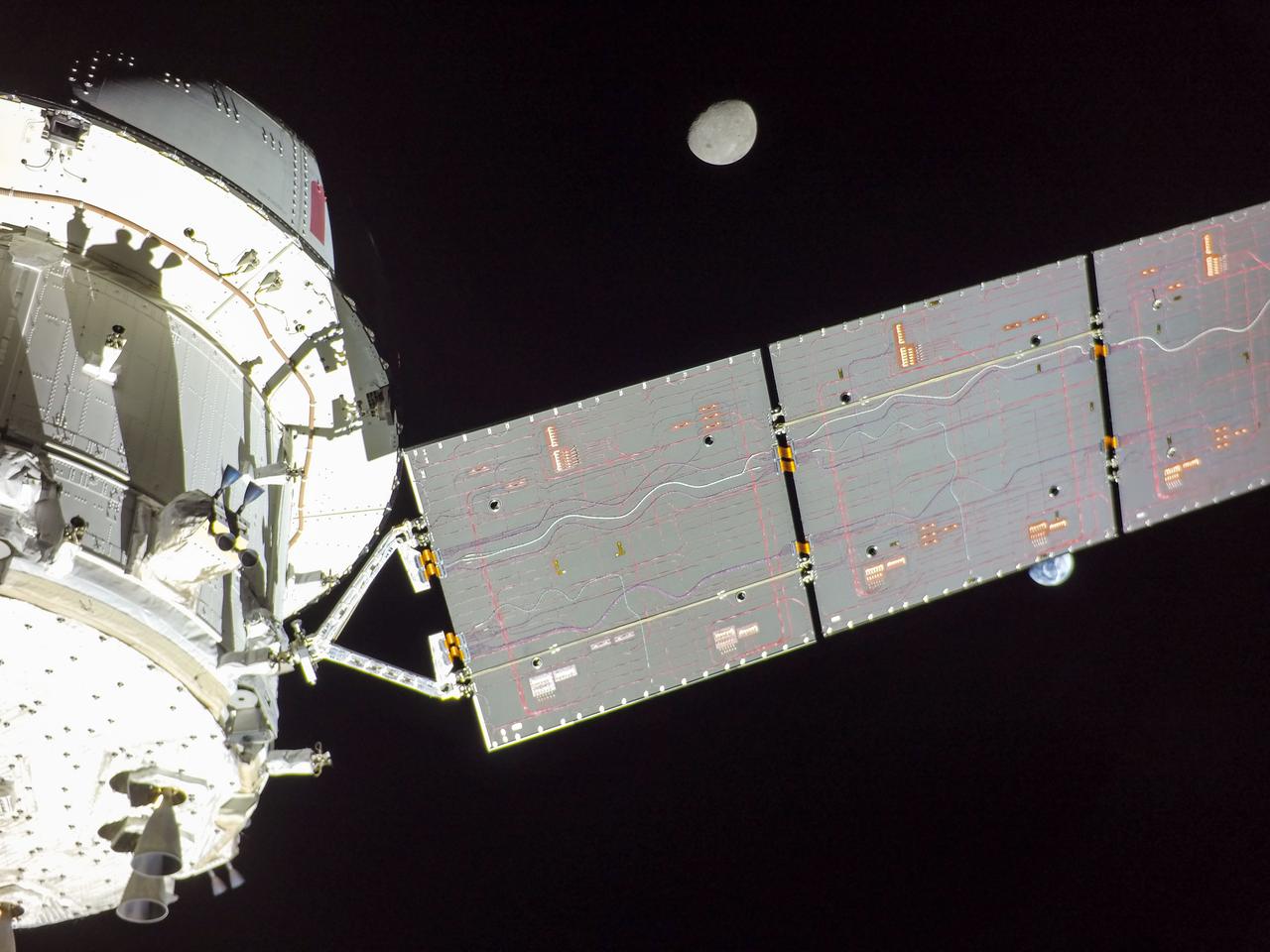
art001e001713 (Nov. 29, 2022) Orion’s solar arrays split the difference between Earth and the Moon on flight day 14 of the Artemis I mission in this image captured by a camera on the tip of one of the spacecraft’s four solar arrays.
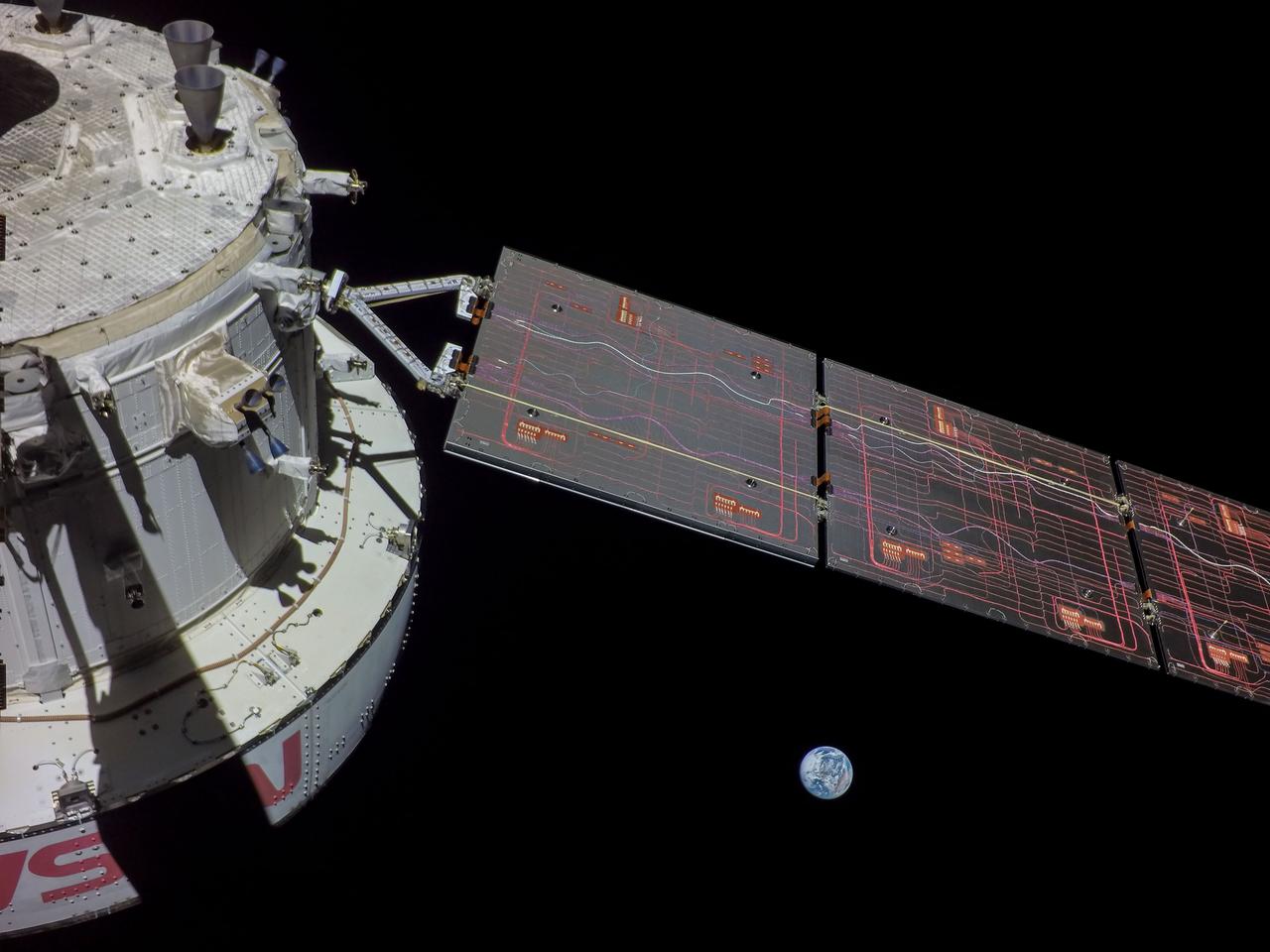
art001e000475 (Nov. 24, 2022) – On Flight Day 9, NASA’s Orion spacecraft captured imagery looking back at the Earth from a camera mounted on one of its solar arrays. The spacecraft is enroute to distant retrograde orbit of the Moon.
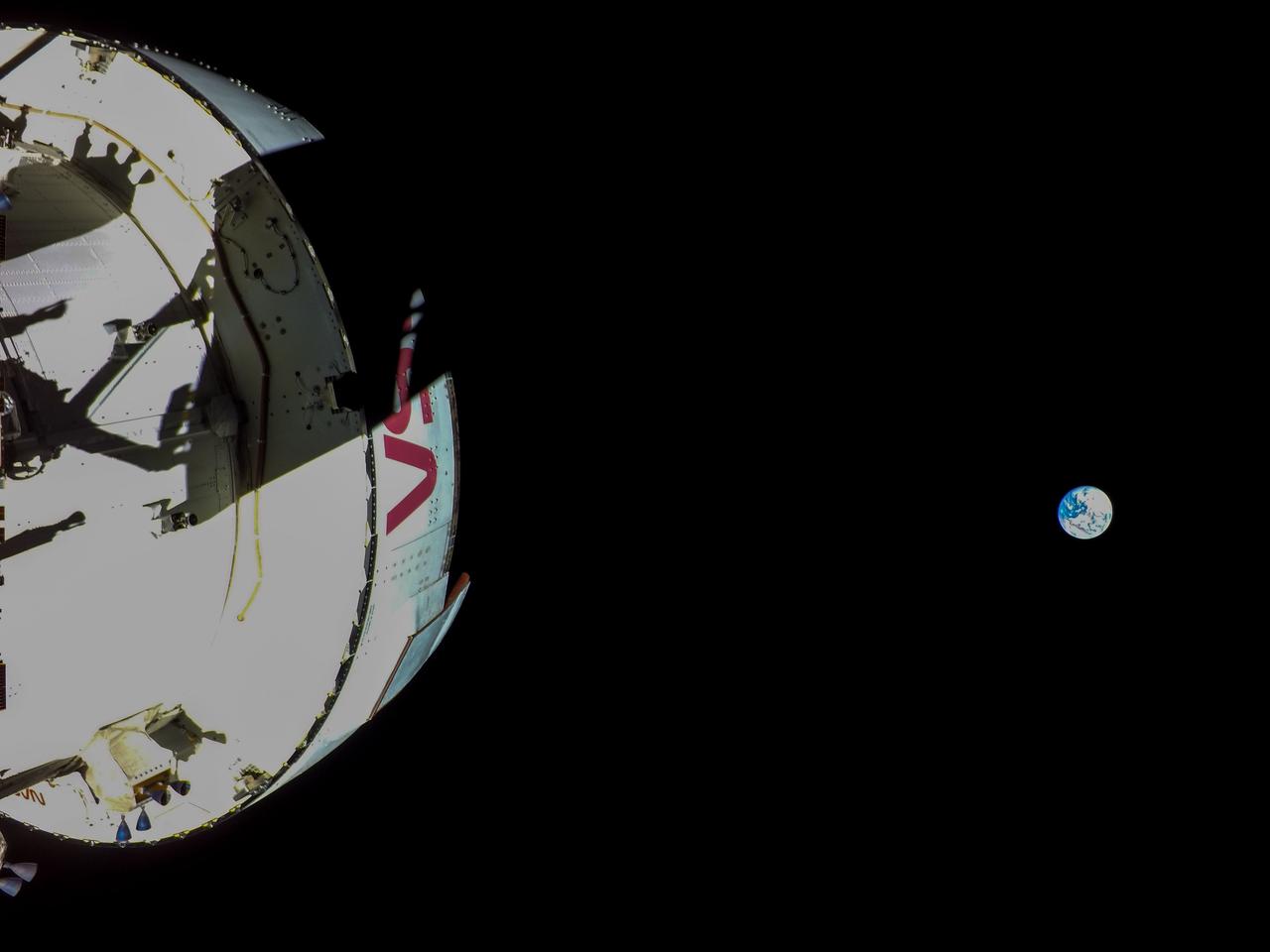
art001e000472 (Nov. 24, 2022) – On Flight Day 9, NASA’s Orion spacecraft captured imagery looking back at the Earth from a camera mounted on one of its solar arrays. The spacecraft is enroute to distant retrograde orbit of the Moon.

art001e001714 (Nov. 29, 2022) Orion’s solar arrays split the difference between Earth and the Moon on flight day 14 of the Artemis I mission in this image captured by a camera on the tip of one of the spacecraft’s four solar arrays.
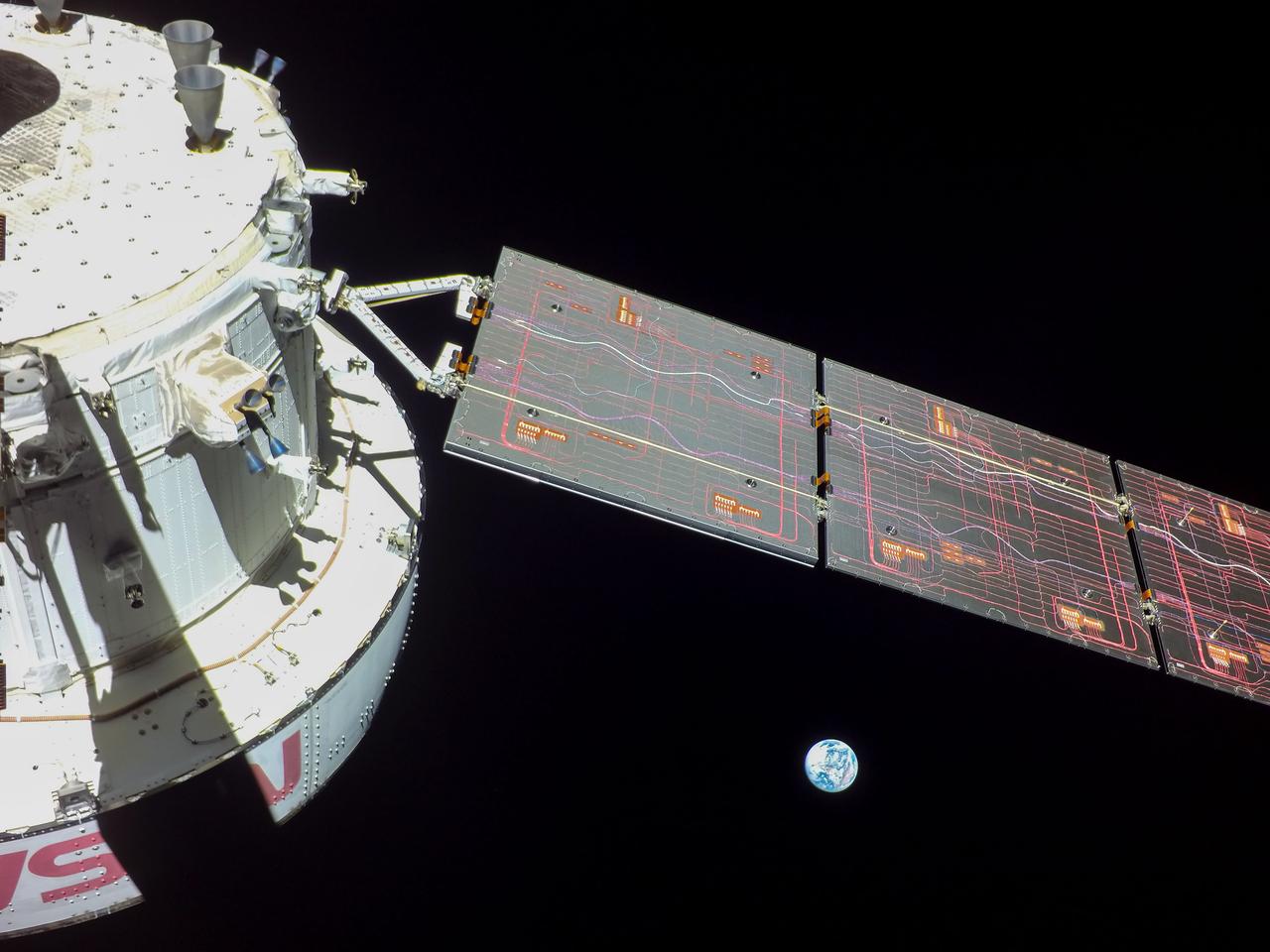
art001e000476 (Nov. 24, 2022) – On Flight Day 9, NASA’s Orion spacecraft captured imagery looking back at the Earth from a camera mounted on one of its solar arrays. The spacecraft is enroute to distant retrograde orbit of the Moon.
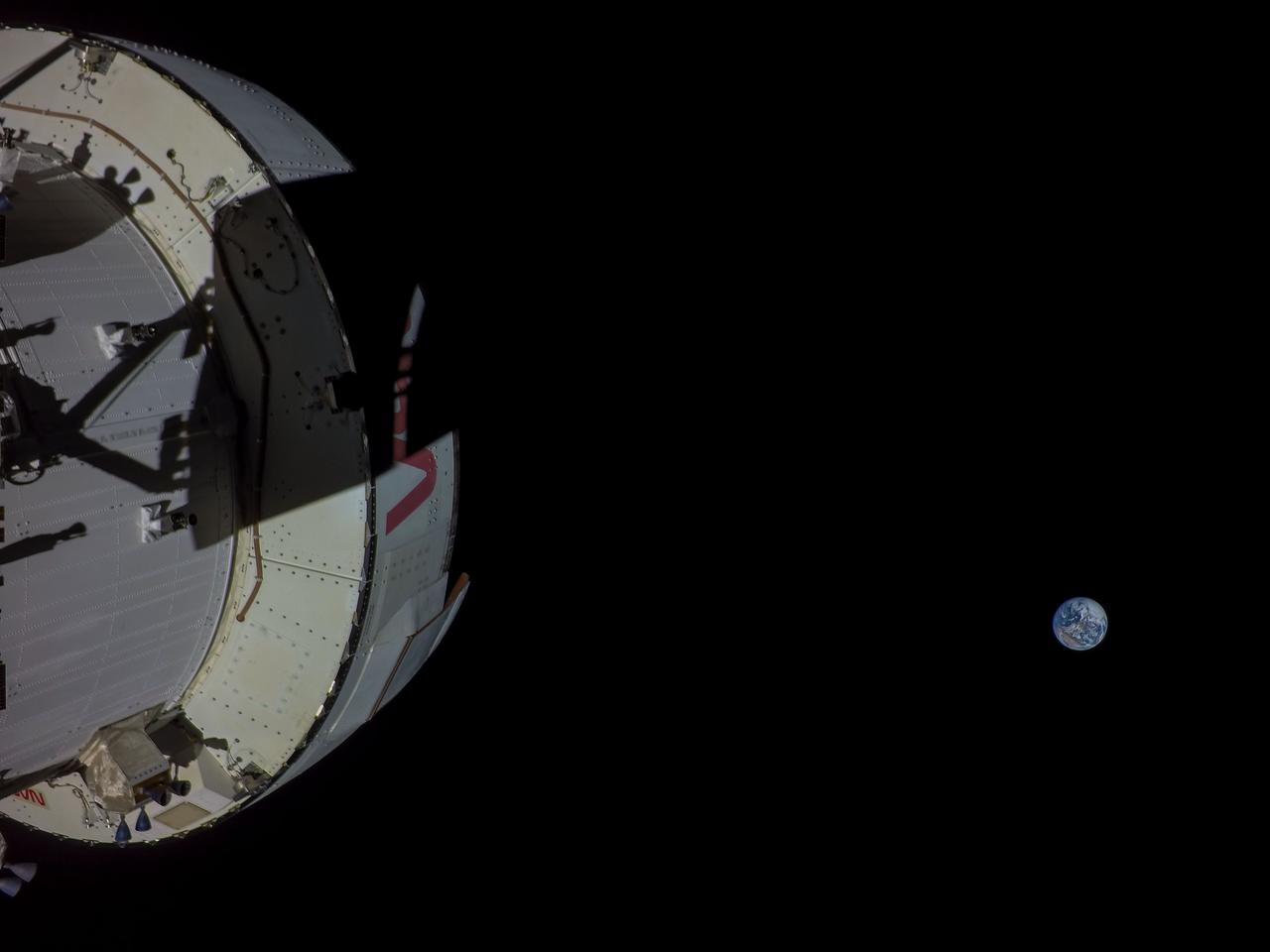
art001e000473 (Nov. 24, 2022) – On Flight Day 9, NASA’s Orion spacecraft captured imagery looking back at the Earth from a camera mounted on one of its solar arrays. The spacecraft is enroute to distant retrograde orbit of the Moon.
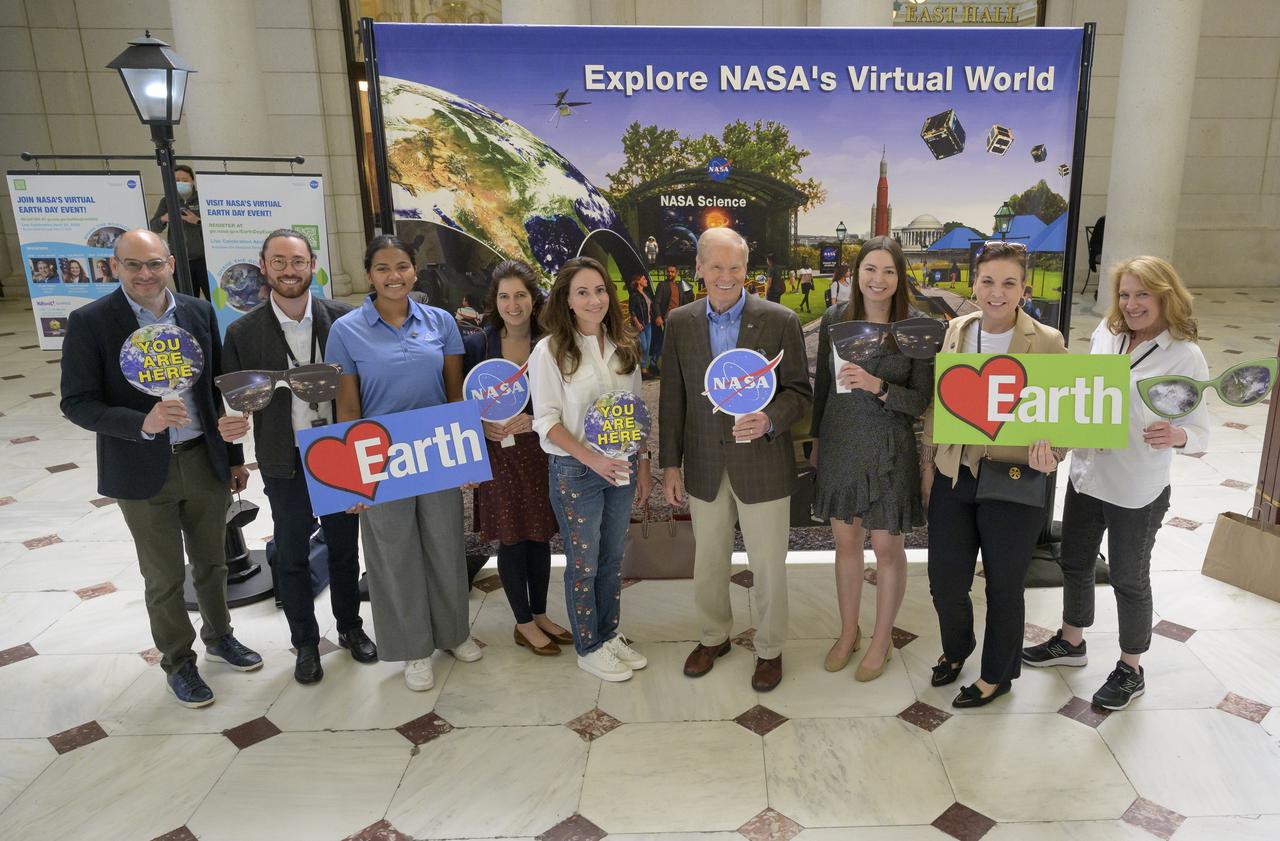
NASA Administrator Bill Nelson, center, joins with other NASA colleagues in recognizing Earth Day at one of many NASA exhibits at Union Station in Washington, Friday, April 22, 2022. Photo Credit: (NASA/Bill Ingalls)
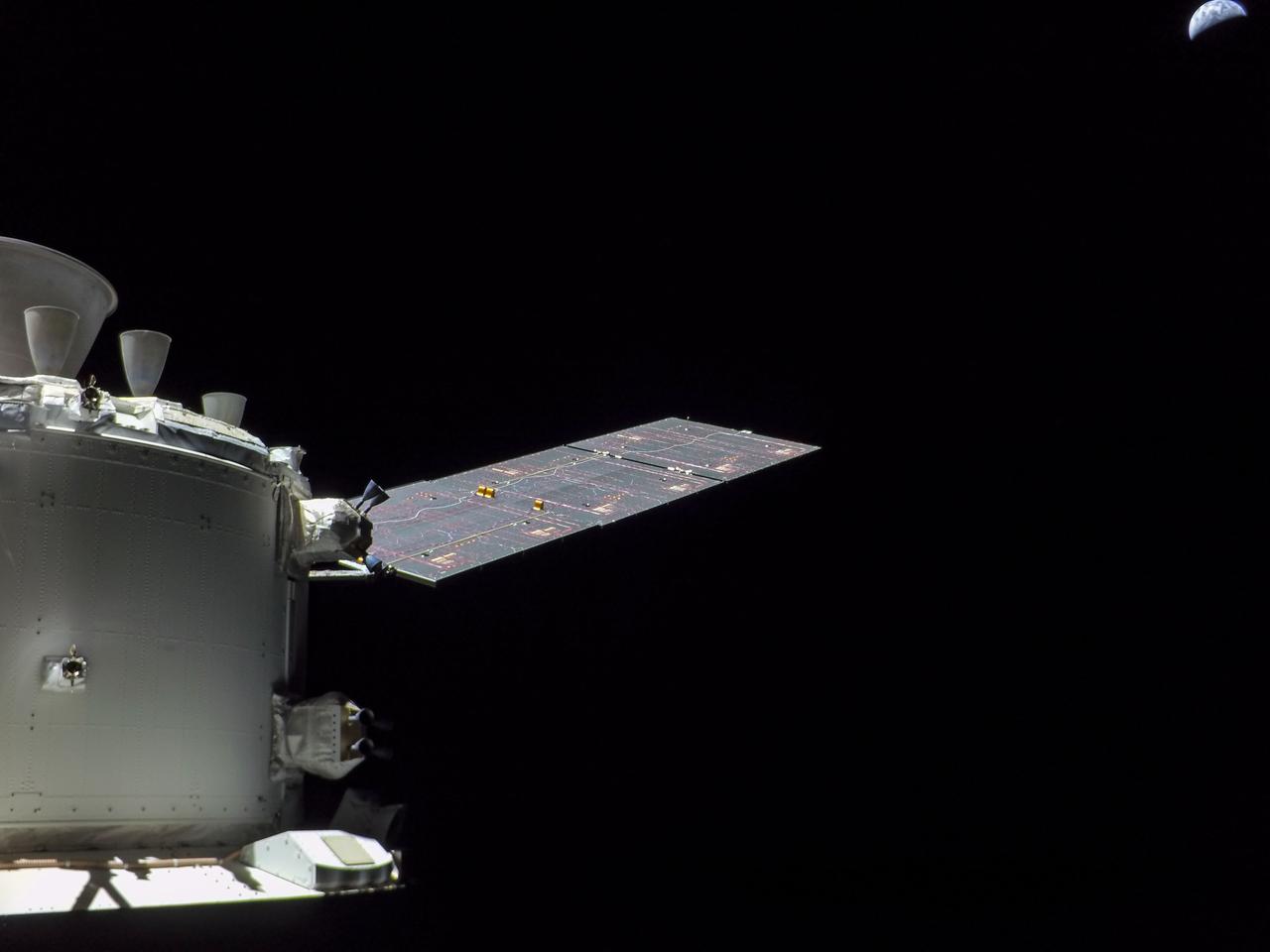
art001e001936 (Dec. 2, 2022) A camera mounted on one of Orion’s four solar arrays captured this image of the Earth on flight day 17 of the 25.5-day Artemis I mission from a distance of more than 222,000 miles. Orion has exited the distant lunar orbit and is heading for a Dec. 11 splashdown in the Pacific Ocean.
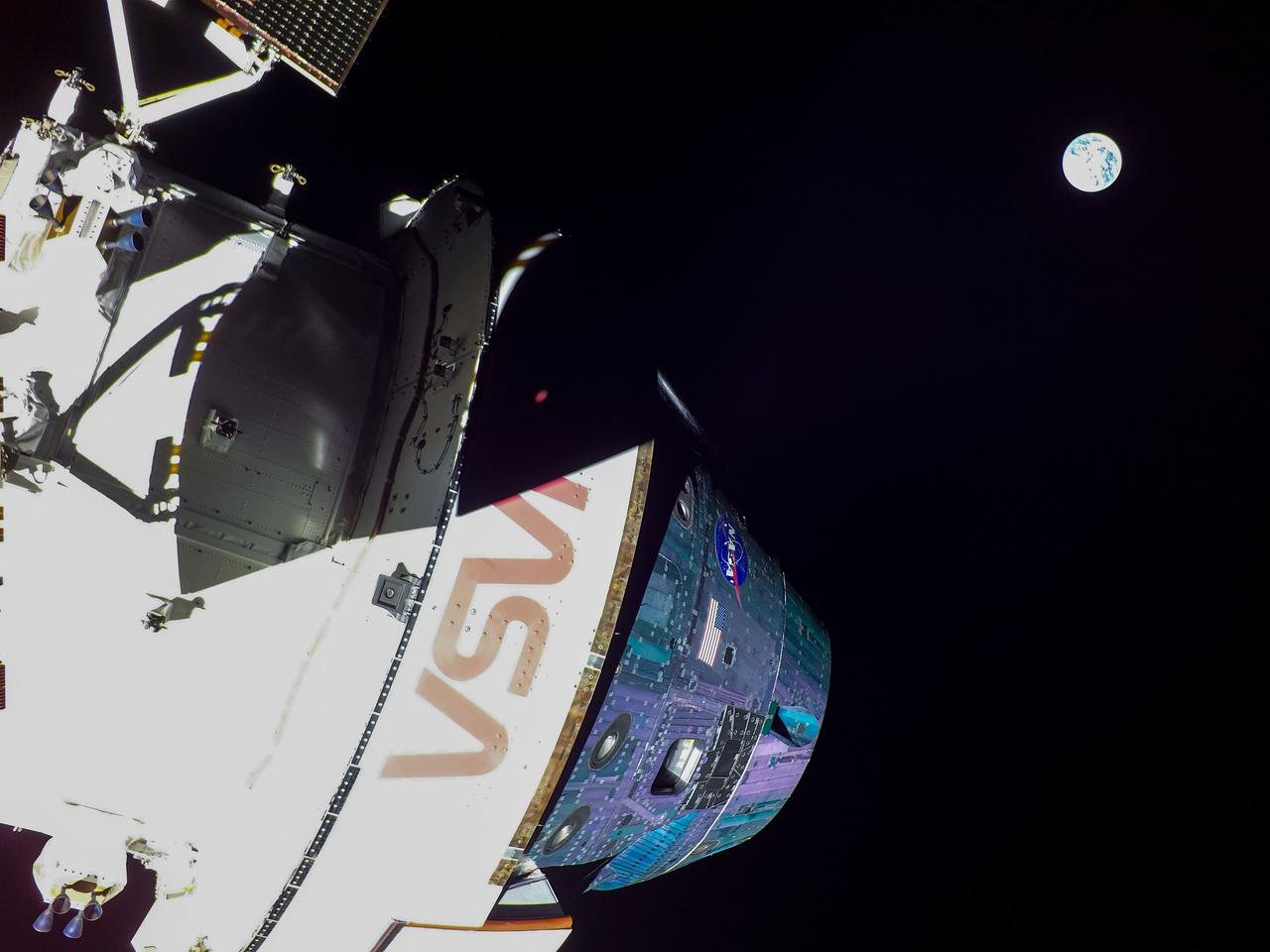
art001e000414 (Nov. 23, 2022) – On Flight Day 8, NASA’s Orion spacecraft remains two days away from reaching its distant retrograde orbit. The Earth is in view as Orion snaps a selfie using a camera mounted on one of its solar array at 10:56 p.m. EST.
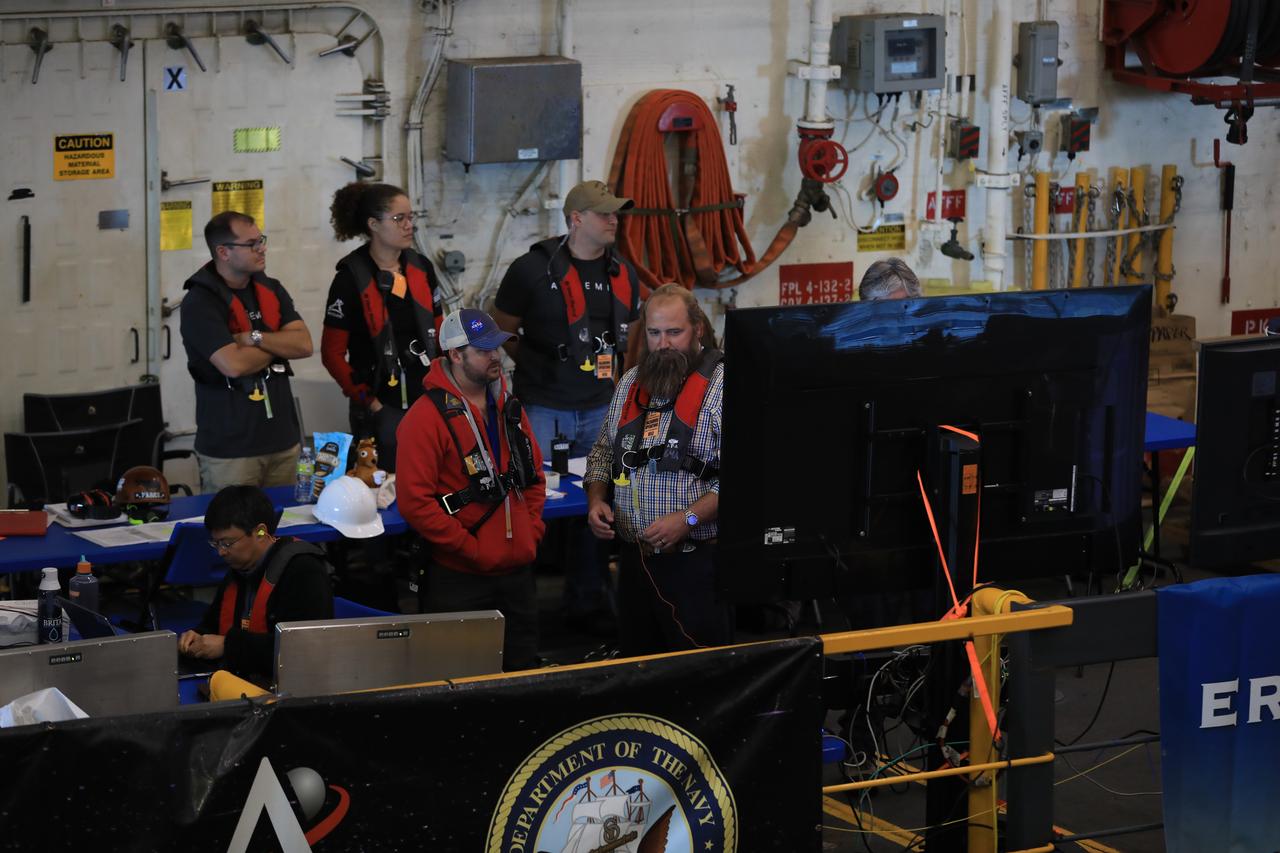
Members of NASA's Landing and Recovery Team, the U.S. Navy and the Department of Defense help bring NASA's Orion spacecraft inside the well deck of the USS Portland on Dec. 11, 2022 2022 off the coast of Baja California. After launching atop the Space Launch System rocket on Nov. 16, 2022 from the agency’s Kennedy Space Center in Florida, Orion spent 25.5 days in space before returning to Earth, completing the Artemis I mission.

This collage and animation represent NASA radar observations of near-Earth asteroid 7335 1989 JA on May 26, 2022, one day before it made its closest approach with Earth. The potentially hazardous asteroid came within 2.5 million miles (4 million kilometers) of our planet, or 10.5 times the distance between the Earth and the Moon. Astronomers at NASA's Jet Propulsion Laboratory used the 230-foot (70-meter) radio antenna at the Deep Space Network's Goldstone Deep Space Communications Complex near Barstow, California, to precisely track the asteroid's motion and obtain detailed radar images. 1989 JA is a binary system, consisting of a large asteroid and a significantly smaller satellite asteroid that revolve around each other without touching. The larger asteroid is about 0.4 miles (700 meters) across and shows several topographic features as it rotates. The secondary asteroid, which was discovered this year, is between 100 and 200 meters in diameter and has an orbital period of about 17 hours. 1989 JA was discovered by Eleanor F. Helin at Palomar Observatory in Southern California on May 1, 1989. Follow-up radar observations that year did not reveal a satellite. In 2010, NASA's Wide-field Infrared Survey Explorer (WISE) was used to help determine the primary asteroid's size. This year, a few weeks before the asteroid's most recent close approach, astronomers at Ondrejov Observatory in the Czech Republic measured the asteroid's light curve (the change in reflected light intensity over time) and found hints of the satellite in orbit. The new Goldstone observations refined the size of 1989 JA and established that it is a binary system. 1989 JA does not currently pose an impact risk to Earth, but observations by planetary radar can help astronomers better understand its orbit around the Sun so that any future risk can be continually assessed. https://photojournal.jpl.nasa.gov/catalog/PIA25251
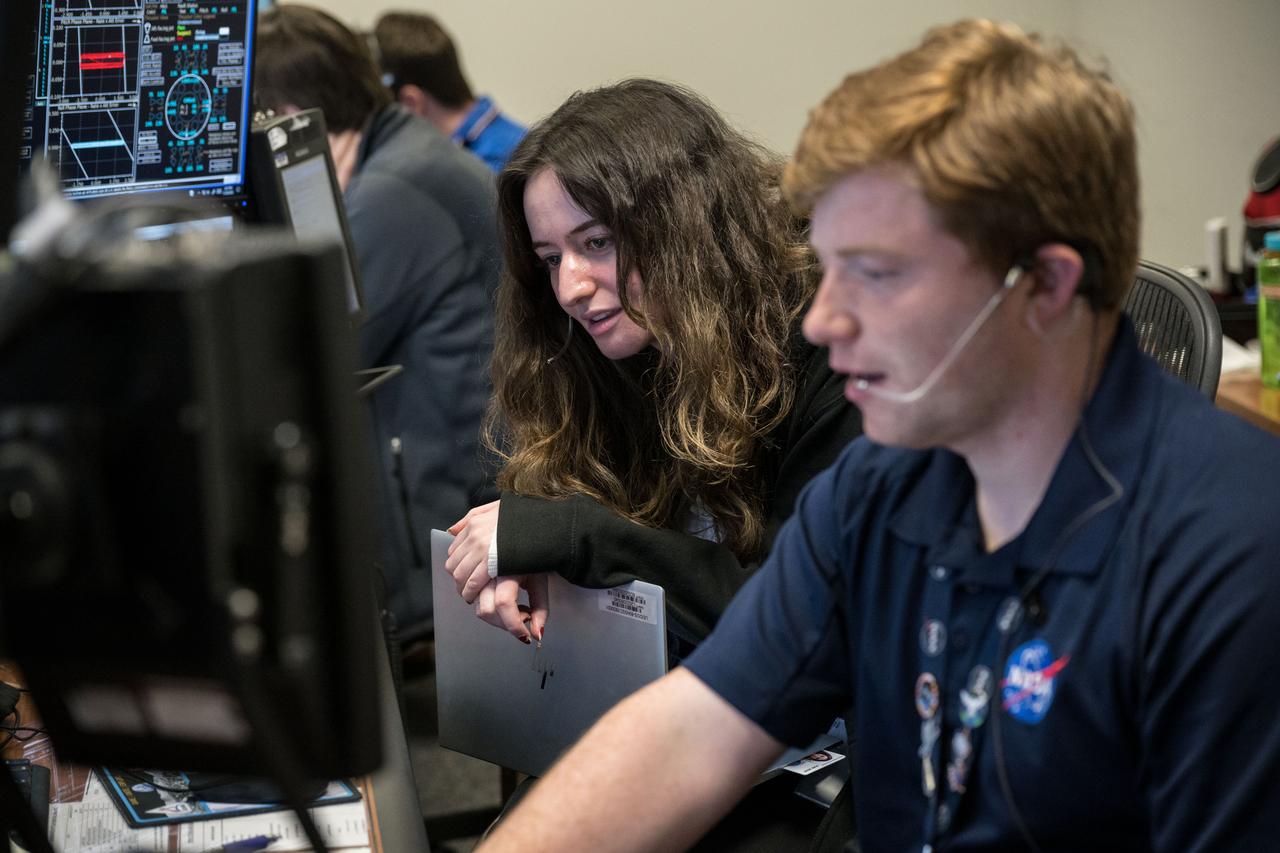
jsc2022e090101 (Nov. 28, 2022): Flight controllers observe the Orion spacecraft under the direction of Flight Director Paul Konyha. The spacecraft reached its maximum distance from the Earth on flight day 14 of the Artemis I mission, flying nearly 270,000 miles away from the Earth. Credit: NASA/Robert Markowitz
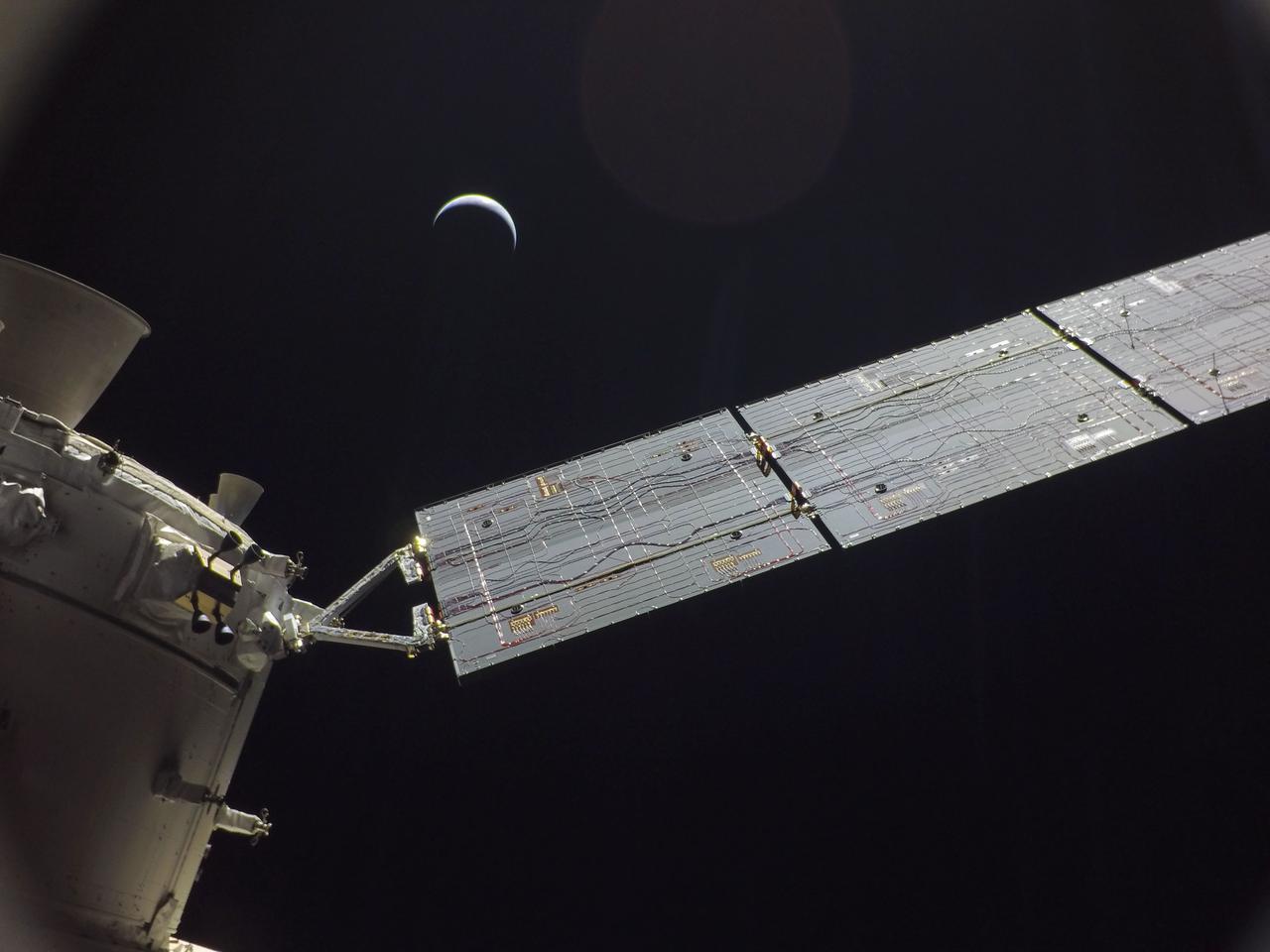
art001e003002 (Dec. 10, 2022) On flight day 25 of the Artemis I mission, Orion captured this photo of the Earth from a camera mounted on one of its solar arrays. The spacecraft is now closer to Earth than to the Moon, and will splash down on Sunday, Dec. 11.
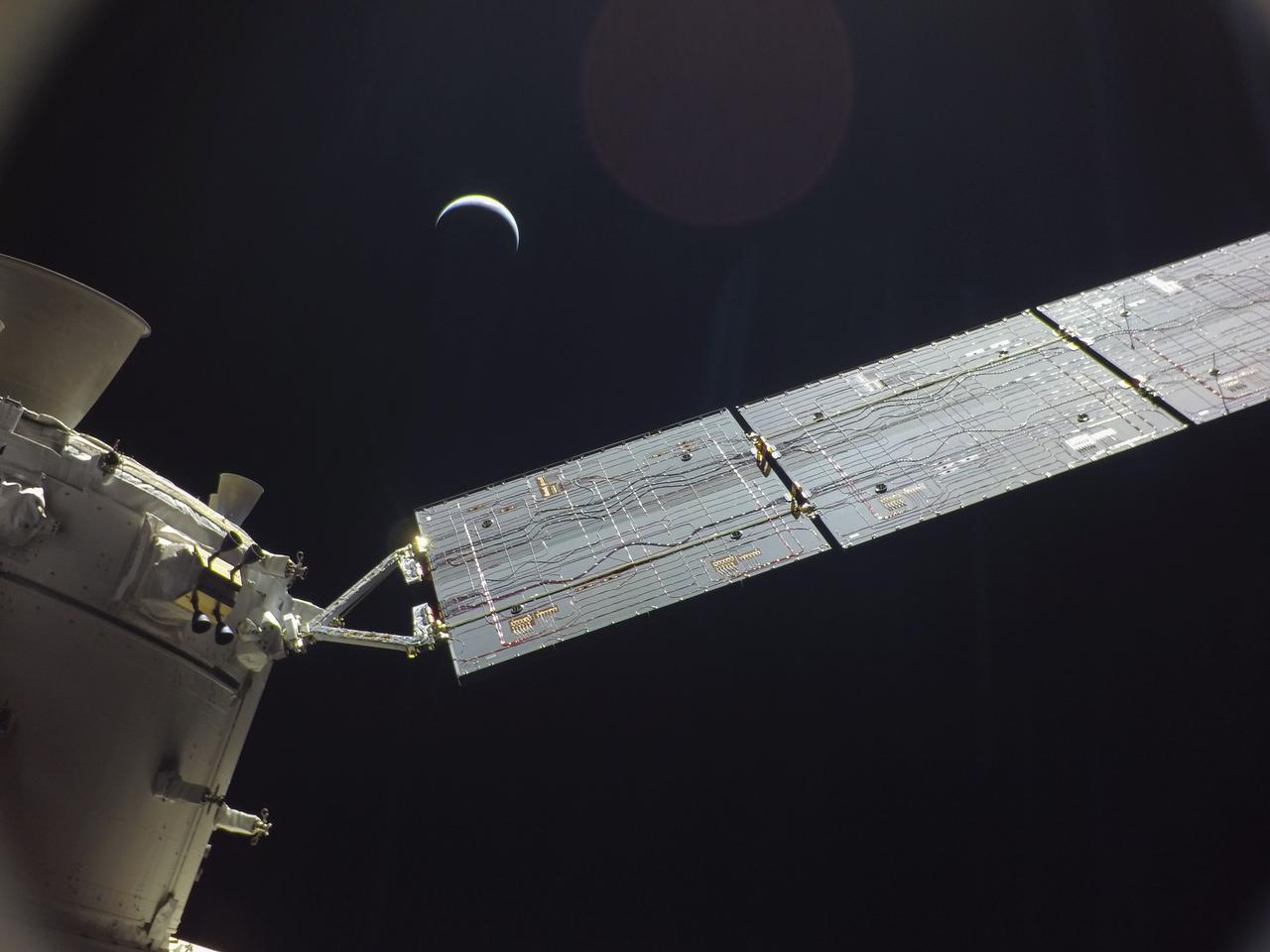
art001e003003 (Dec. 10, 2022) On flight day 25 of the Artemis I mission, Orion captured this photo of the Earth from a camera mounted on one of its solar arrays. The spacecraft is now closer to Earth than to the Moon, and will splash down on Sunday, Dec. 11.
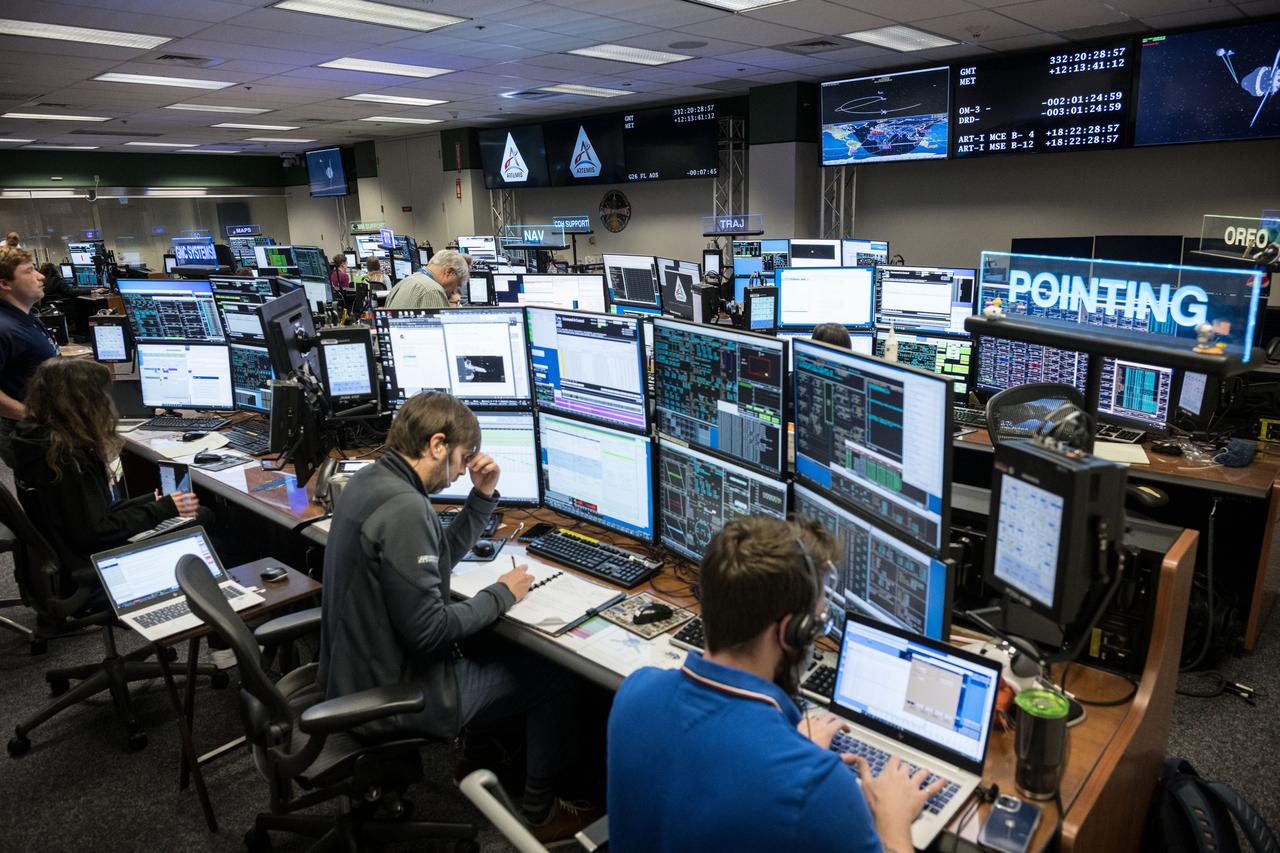
jsc2022e090102 (Nov. 28, 2022): Flight controllers observe the Orion spacecraft under the direction of Flight Director Paul Konyha. The spacecraft reached its maximum distance from the Earth on flight day 14 of the Artemis I mission, flying nearly 270,000 miles away from the Earth. Credit: NASA/Robert Markowitz
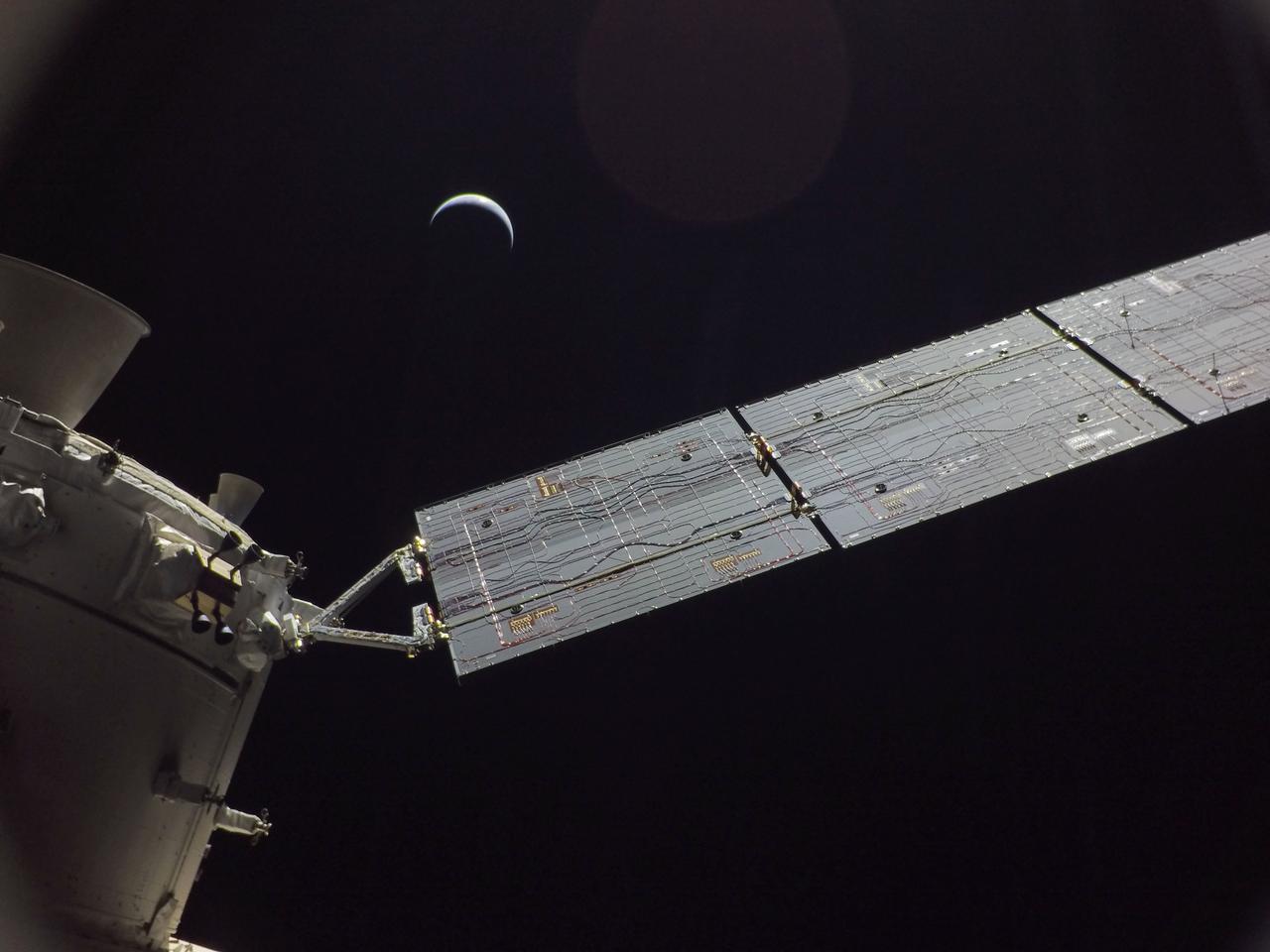
art001e003001 (Dec. 10, 2022) On flight day 25 of the Artemis I mission, Orion captured this photo of the Earth from a camera mounted on one of its solar arrays. The spacecraft is now closer to Earth than to the Moon, and will splash down on Sunday, Dec. 11.
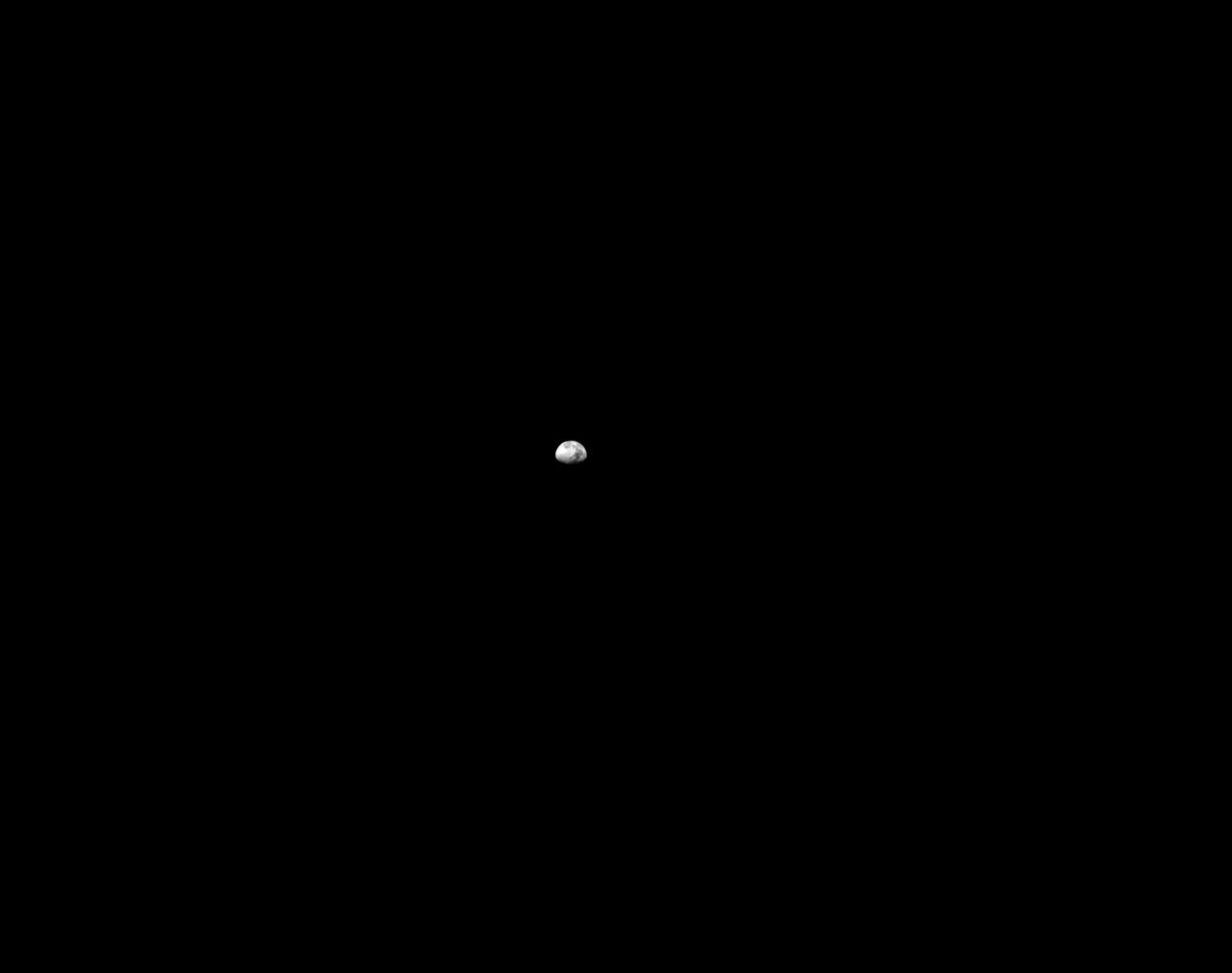
art001e003051 (Dec. 10, 2022) On flight day 25 of the 25.5-day Artemis I mission, Orion’s optical navigation camera looked back at the Moon as the spacecraft continued its return journey to Earth. Orion uses the optical navigation camera to capture imagery of the Earth and the Moon at different phases and distances, providing an enhanced body of data to certify its effectiveness under different lighting conditions as a way to help orient the spacecraft on future missions with crew.
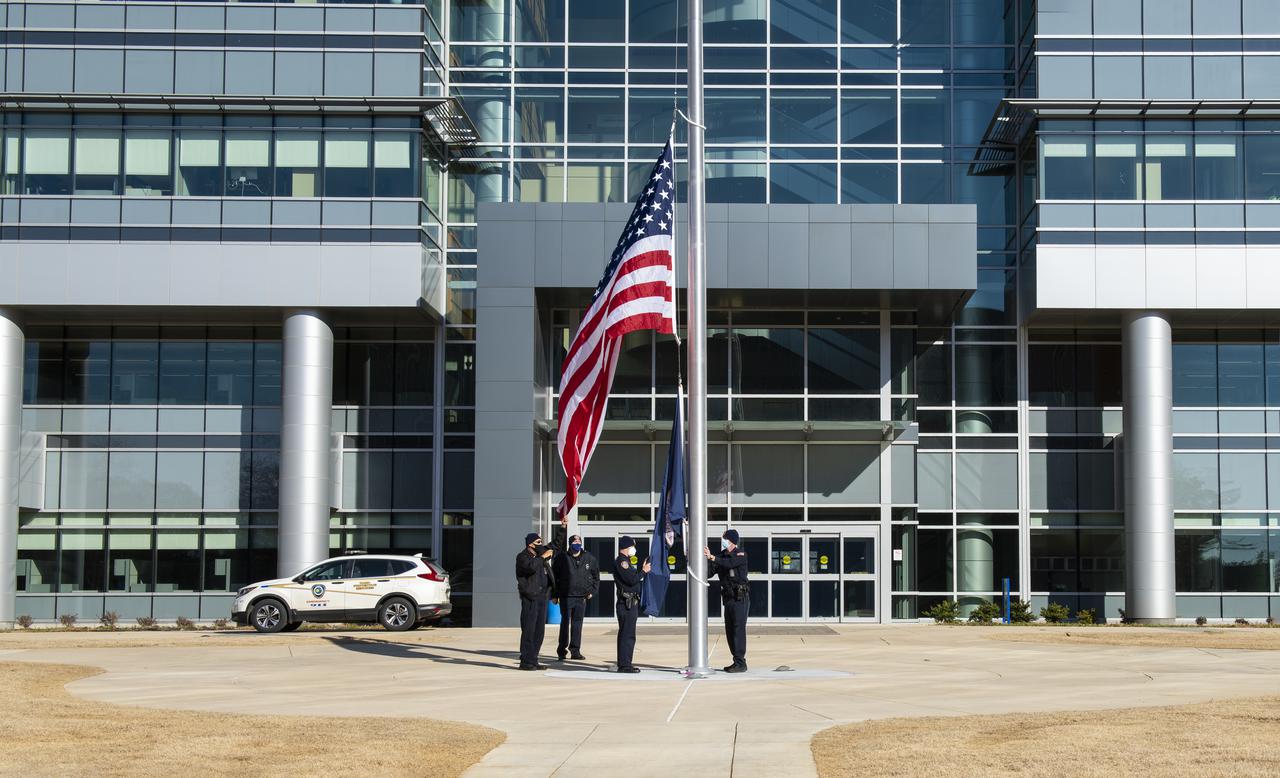
On Jan. 26, 2022, the U.S. and NASA flags were raised at Building 4221 to mark the transfer of headquarters to that building at Marshall Space Flight Center in Huntsville, Alabama. The doors to Building 4221, a new, environmentally friendly building, opened on Earth Day, April 22, 2019. Building 4200 served as Marshall’s original headquarters since 1963. Marshall center operations lowered flags at that building on Jan. 21, 2022.
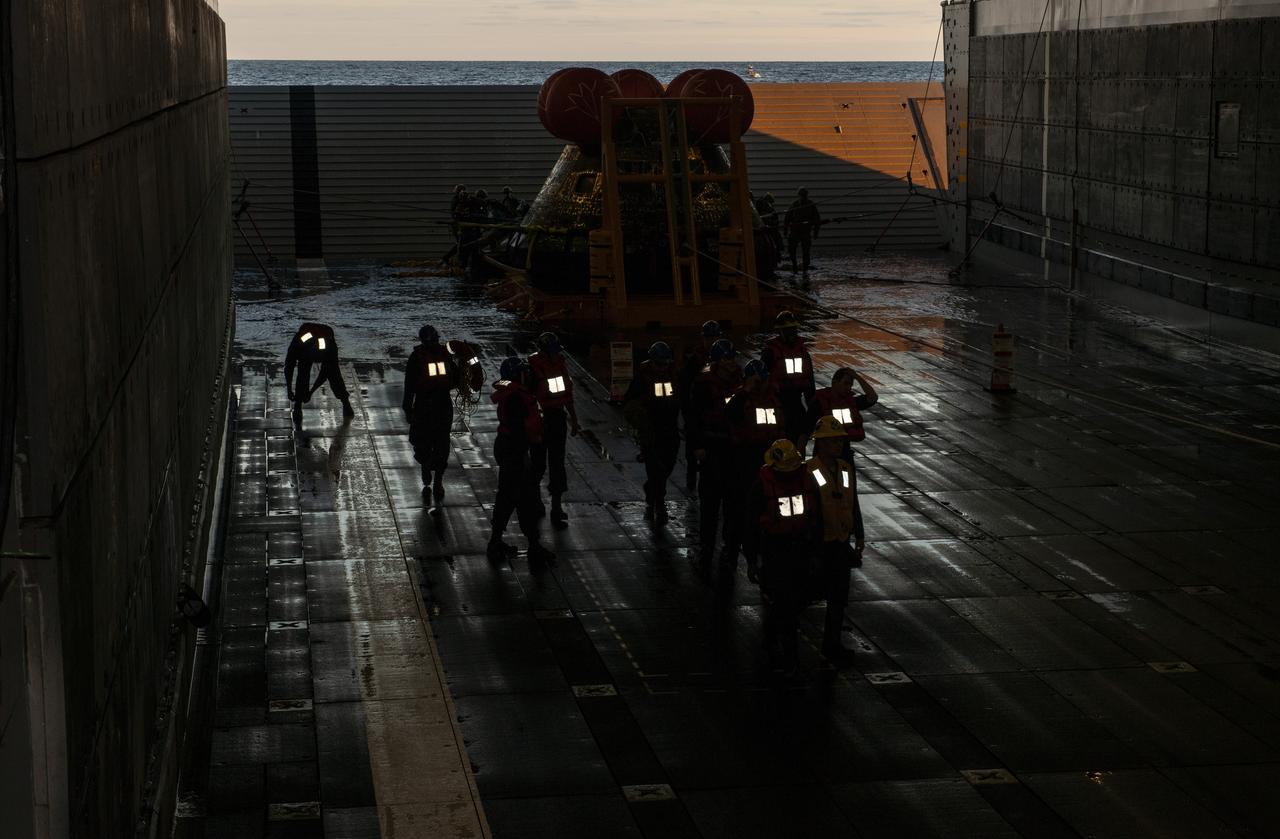
NASA’s Orion spacecraft for the Artemis I mission was successfully recovered inside the well deck of the USS Portland on Dec. 11, 2022 off the coast of Baja California. After launching atop the Space Launch System rocket on Nov. 16, 2022 from the agency’s Kennedy Space Center in Florida, Orion spent 25.5 days in space before returning to Earth, completing the Artemis I mission.
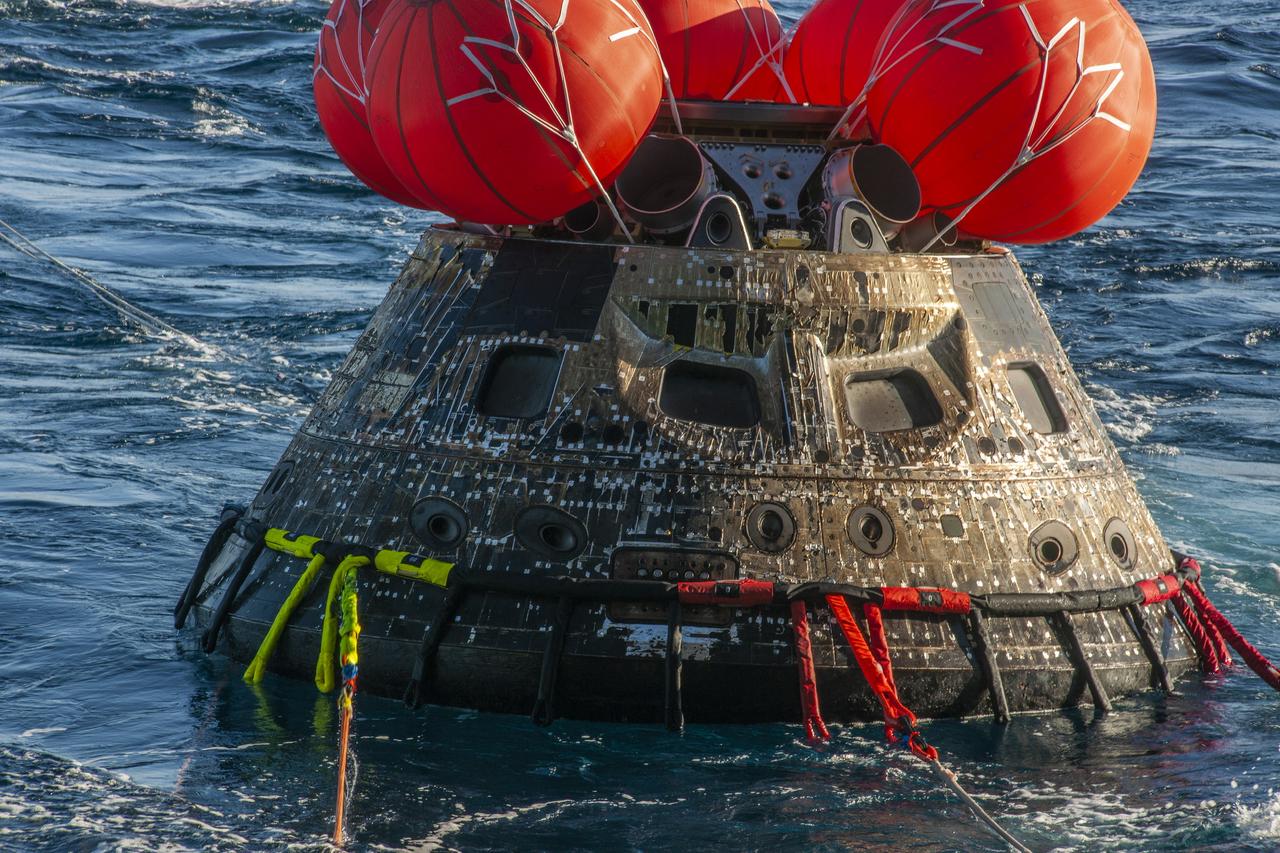
NASA’s Orion spacecraft for the Artemis I mission was successfully recovered inside the well deck of the USS Portland on Dec. 11, 2022 off the coast of Baja California. After launching atop the Space Launch System rocket on Nov. 16, 2022 from the agency’s Kennedy Space Center in Florida, Orion spent 25.5 days in space before returning to Earth, completing the Artemis I mission.
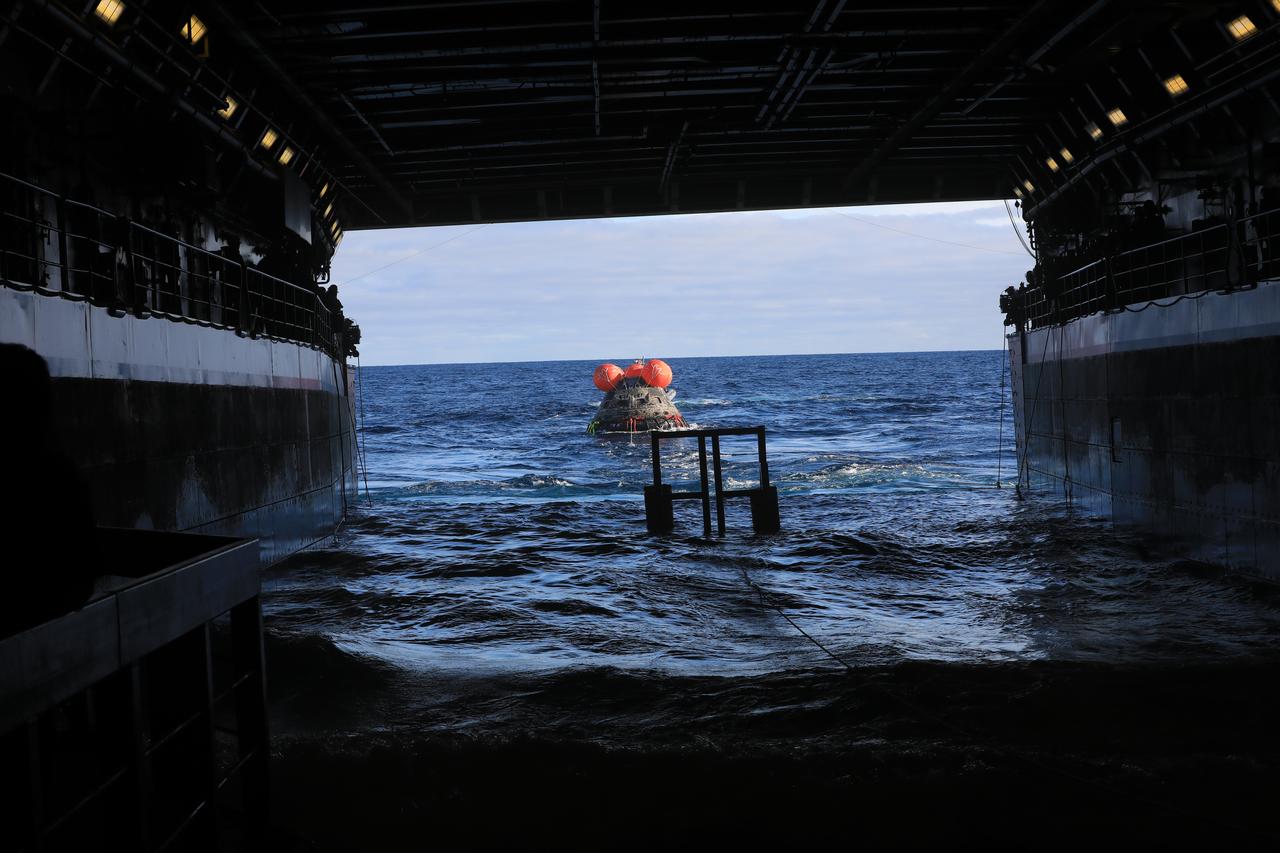
NASA’s Orion spacecraft for the Artemis I mission was successfully recovered inside the well deck of the USS Portland on Dec. 11, 2022 off the coast of Baja California. After launching atop the Space Launch System rocket on Nov. 16, 2022 from the agency’s Kennedy Space Center in Florida, Orion spent 25.5 days in space before returning to Earth, completing the Artemis I mission.
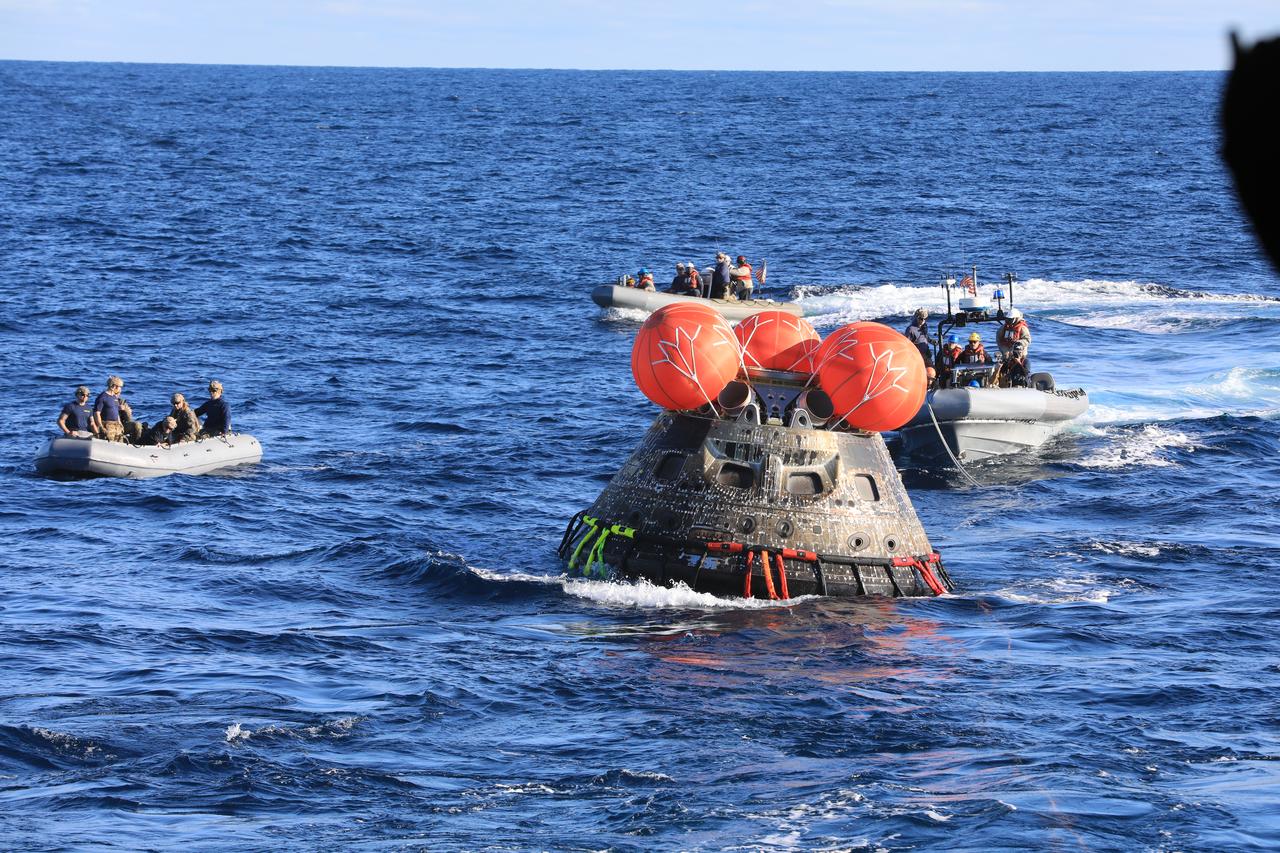
NASA’s Orion spacecraft for the Artemis I mission was successfully recovered inside the well deck of the USS Portland on Dec. 11, 2022 off the coast of Baja California. After launching atop the Space Launch System rocket on Nov. 16, 2022 from the agency’s Kennedy Space Center in Florida, Orion spent 25.5 days in space before returning to Earth, completing the Artemis I mission.
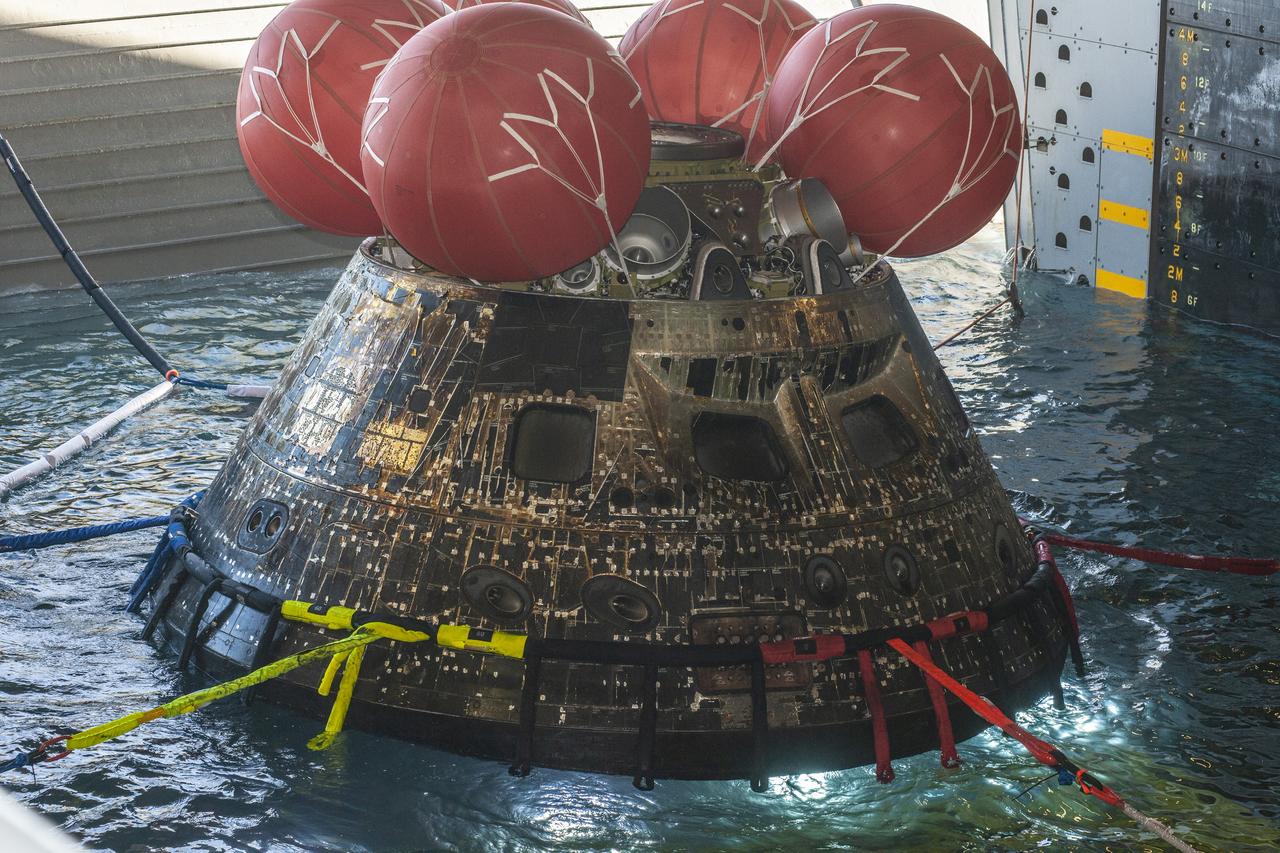
NASA’s Orion spacecraft for the Artemis I mission was successfully recovered inside the well deck of the USS Portland on Dec. 11, 2022 off the coast of Baja California. After launching atop the Space Launch System rocket on Nov. 16, 2022 from the agency’s Kennedy Space Center in Florida, Orion spent 25.5 days in space before returning to Earth, completing the Artemis I mission.
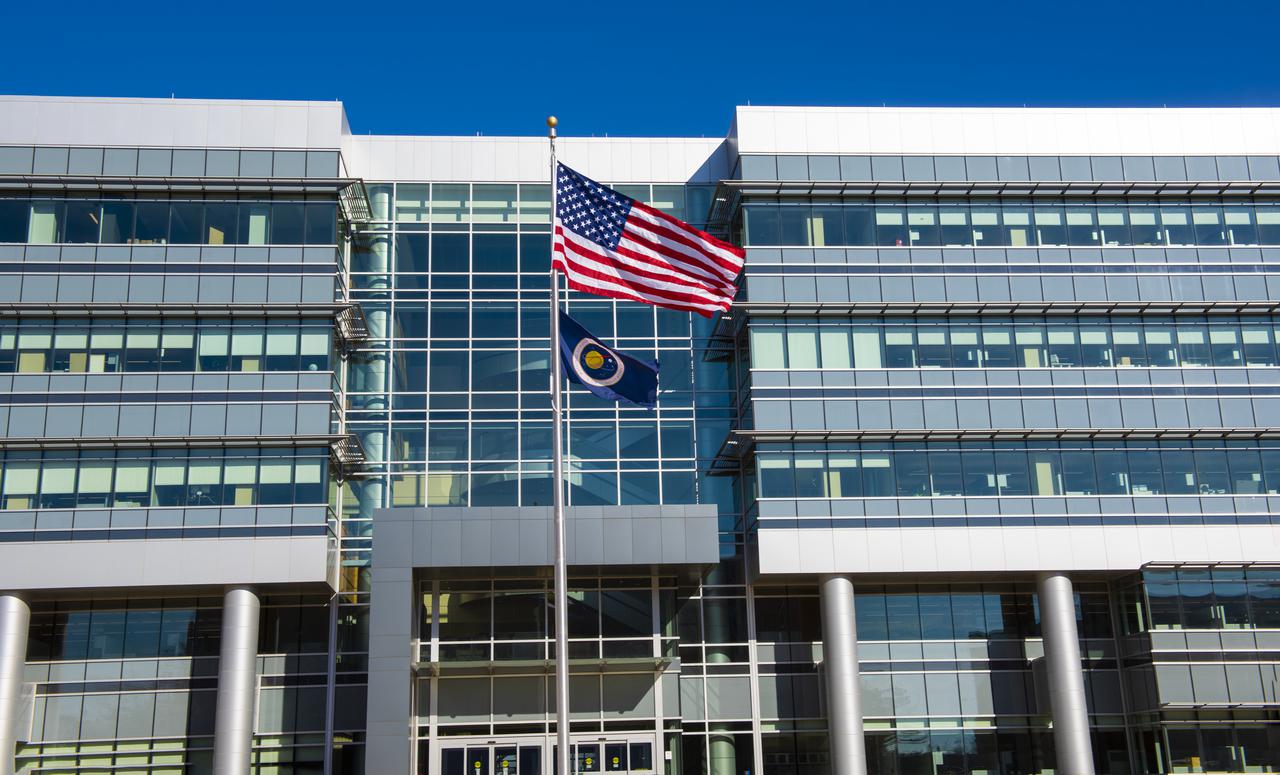
On Jan. 26, 2022, the U.S. and NASA flags were raised at Building 4221 to mark the transfer of headquarters to that building at Marshall Space Flight Center in Huntsville, Alabama. The doors to Building 4221, a new, environmentally friendly building, opened on Earth Day, April 22, 2019. Building 4200 served as Marshall’s original headquarters since 1963. Marshall center operations lowered flags at that building on Jan. 21, 2022.
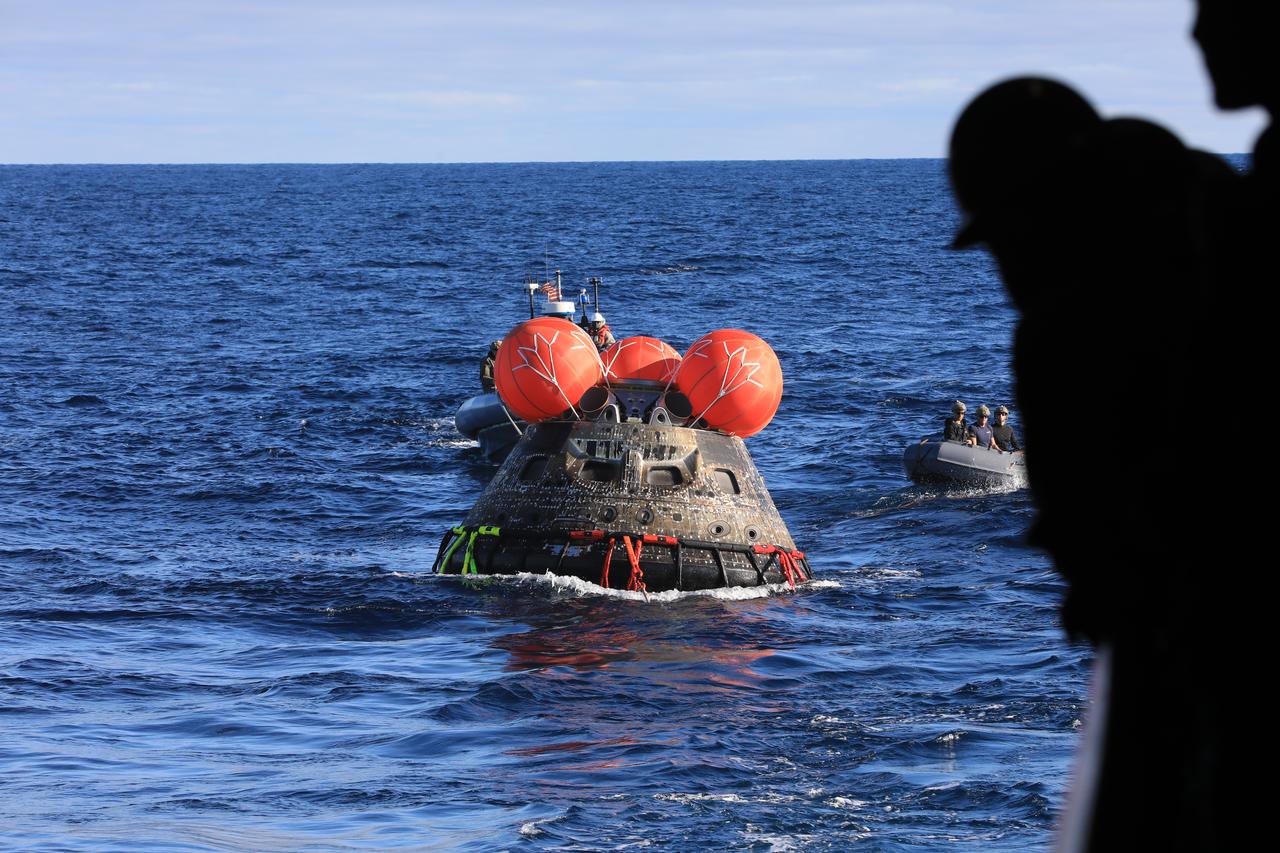
NASA’s Orion spacecraft for the Artemis I mission was successfully recovered inside the well deck of the USS Portland on Dec. 11, 2022 off the coast of Baja California. After launching atop the Space Launch System rocket on Nov. 16, 2022 from the agency’s Kennedy Space Center in Florida, Orion spent 25.5 days in space before returning to Earth, completing the Artemis I mission.
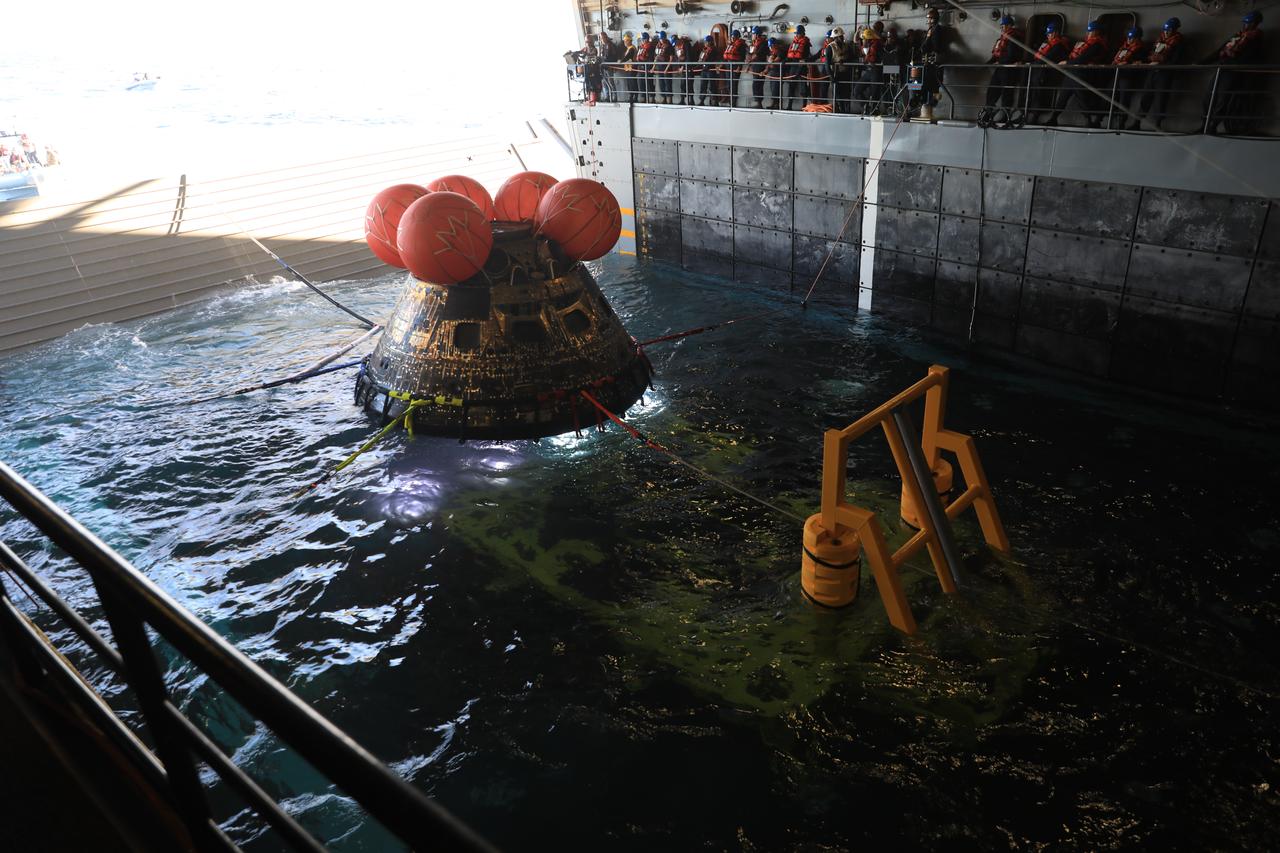
NASA’s Orion spacecraft for the Artemis I mission was successfully recovered inside the well deck of the USS Portland on Dec. 11, 2022 off the coast of Baja California. After launching atop the Space Launch System rocket on Nov. 16, 2022 from the agency’s Kennedy Space Center in Florida, Orion spent 25.5 days in space before returning to Earth, completing the Artemis I mission.
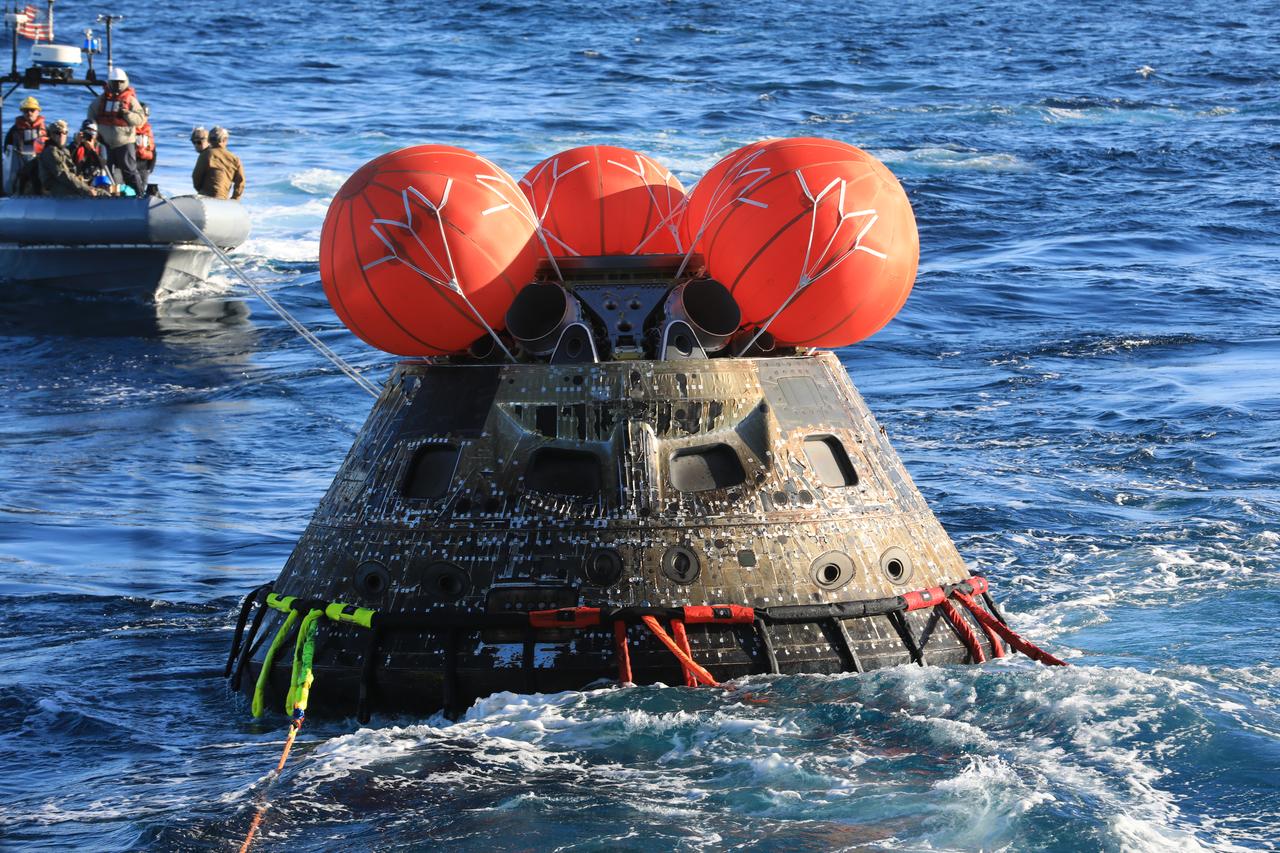
NASA’s Orion spacecraft for the Artemis I mission was successfully recovered inside the well deck of the USS Portland on Dec. 11, 2022 off the coast of Baja California. After launching atop the Space Launch System rocket on Nov. 16, 2022 from the agency’s Kennedy Space Center in Florida, Orion spent 25.5 days in space before returning to Earth, completing the Artemis I mission.

On Jan. 26, 2022, the U.S. and NASA flags were raised at Building 4221 to mark the transfer of headquarters to that building at Marshall Space Flight Center in Huntsville, Alabama. The doors to Building 4221, a new, environmentally friendly building, opened on Earth Day, April 22, 2019. Building 4200 served as Marshall’s original headquarters since 1963. Marshall center operations lowered flags at that building on Jan. 21, 2022.
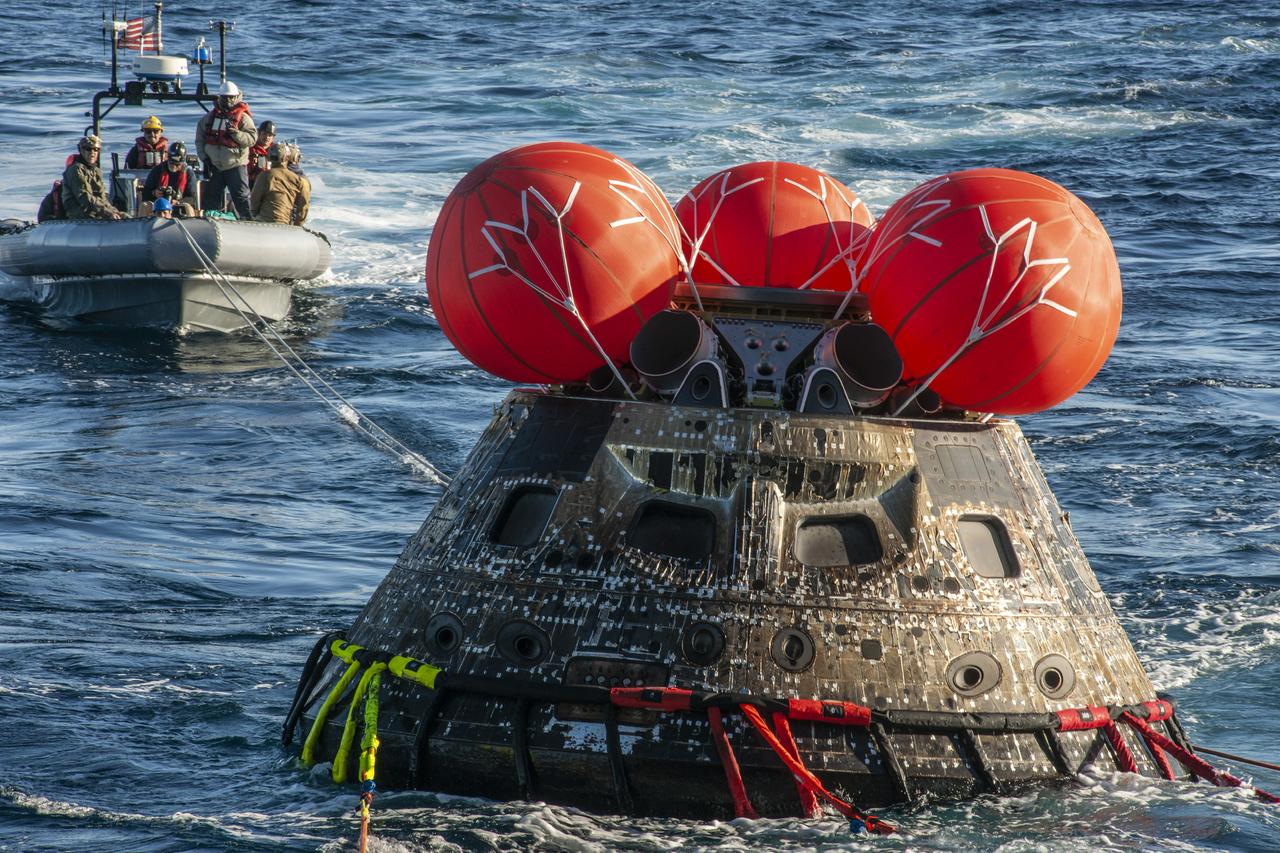
NASA’s Orion spacecraft for the Artemis I mission was successfully recovered inside the well deck of the USS Portland on Dec. 11, 2022 off the coast of Baja California. After launching atop the Space Launch System rocket on Nov. 16, 2022 from the agency’s Kennedy Space Center in Florida, Orion spent 25.5 days in space before returning to Earth, completing the Artemis I mission.

On Jan. 26, 2022, the U.S. and NASA flags were raised at Building 4221 to mark the transfer of headquarters to that building at Marshall Space Flight Center in Huntsville, Alabama. The doors to Building 4221, a new, environmentally friendly building, opened on Earth Day, April 22, 2019. Building 4200 served as Marshall’s original headquarters since 1963. Marshall center operations lowered flags at that building on Jan. 21, 2022.
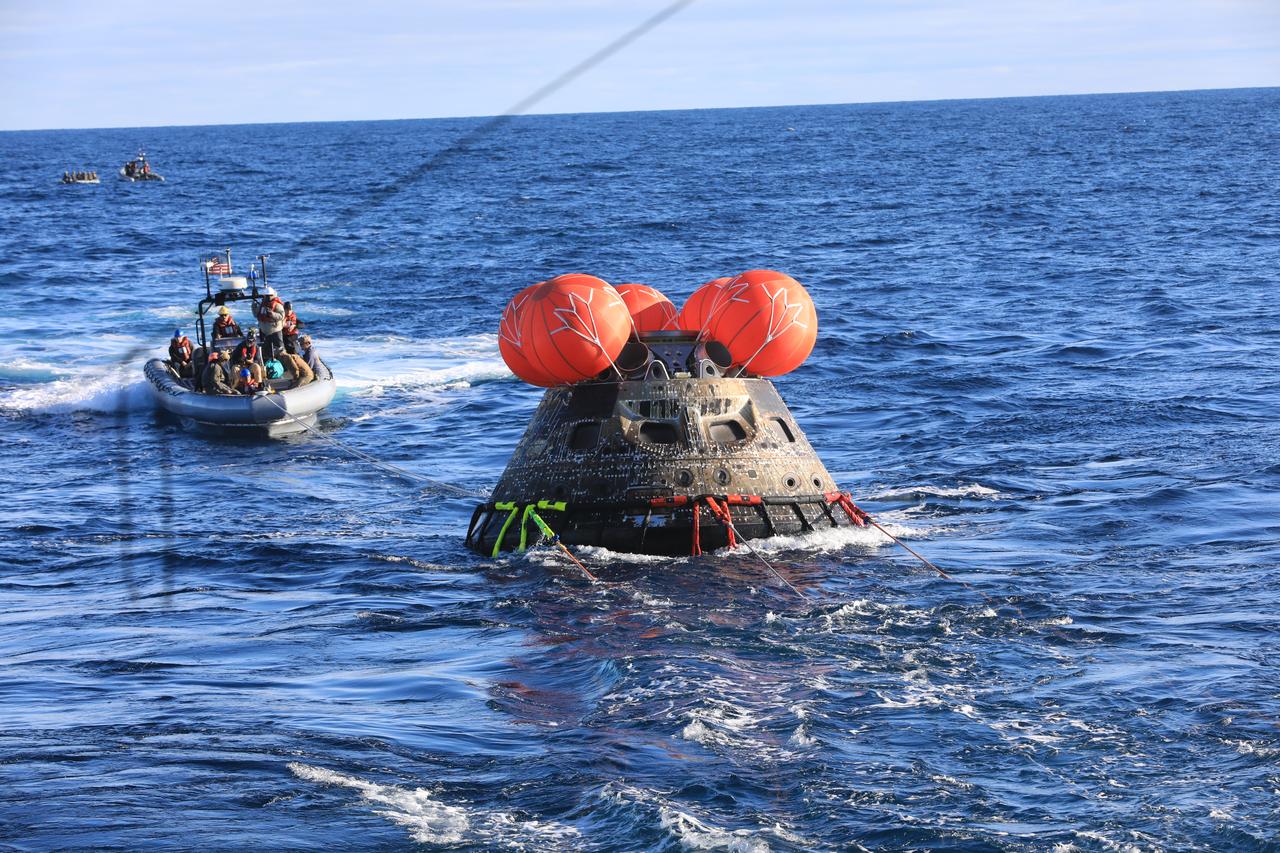
NASA’s Orion spacecraft for the Artemis I mission was successfully recovered inside the well deck of the USS Portland on Dec. 11, 2022 off the coast of Baja California. After launching atop the Space Launch System rocket on Nov. 16, 2022 from the agency’s Kennedy Space Center in Florida, Orion spent 25.5 days in space before returning to Earth, completing the Artemis I mission.
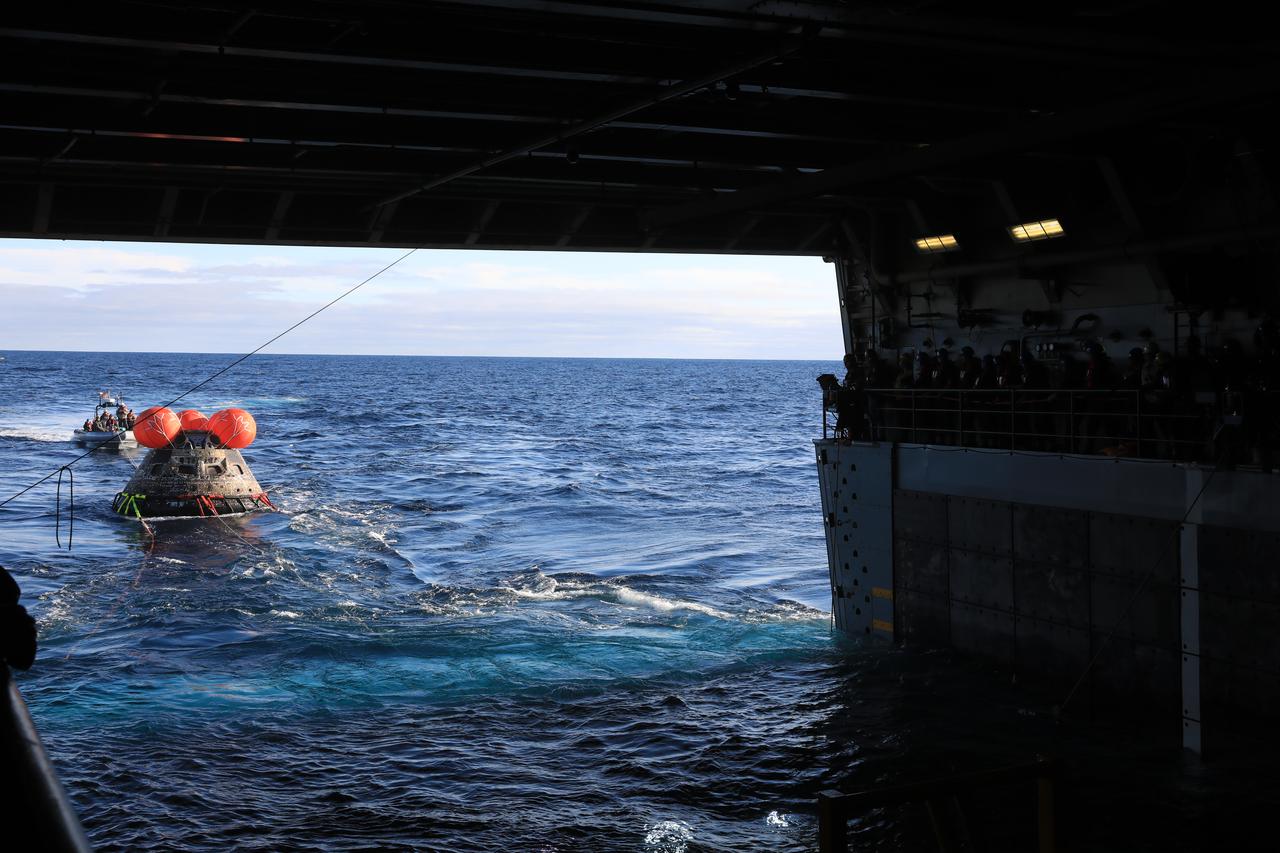
NASA’s Orion spacecraft for the Artemis I mission was successfully recovered inside the well deck of the USS Portland on Dec. 11, 2022 off the coast of Baja California. After launching atop the Space Launch System rocket on Nov. 16, 2022 from the agency’s Kennedy Space Center in Florida, Orion spent 25.5 days in space before returning to Earth, completing the Artemis I mission.

NASA’s Orion spacecraft for the Artemis I mission was successfully recovered inside the well deck of the USS Portland on Dec. 11, 2022 off the coast of Baja California. After launching atop the Space Launch System rocket on Nov. 16, 2022 from the agency’s Kennedy Space Center in Florida, Orion spent 25.5 days in space before returning to Earth, completing the Artemis I mission.
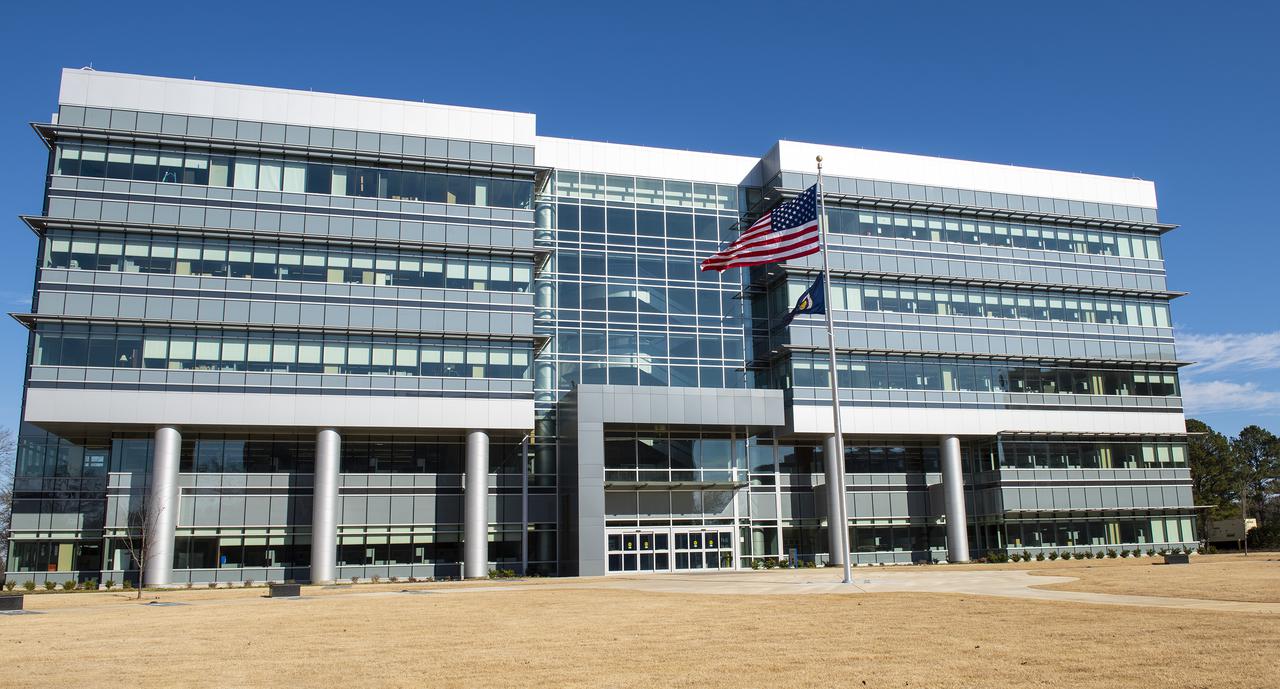
On Jan. 26, 2022, the U.S. and NASA flags were raised at Building 4221 to mark the transfer of headquarters to that building at Marshall Space Flight Center in Huntsville, Alabama. The doors to Building 4221, a new, environmentally friendly building, opened on Earth Day, April 22, 2019. Building 4200 served as Marshall’s original headquarters since 1963. Marshall center operations lowered flags at that building on Jan. 21, 2022.
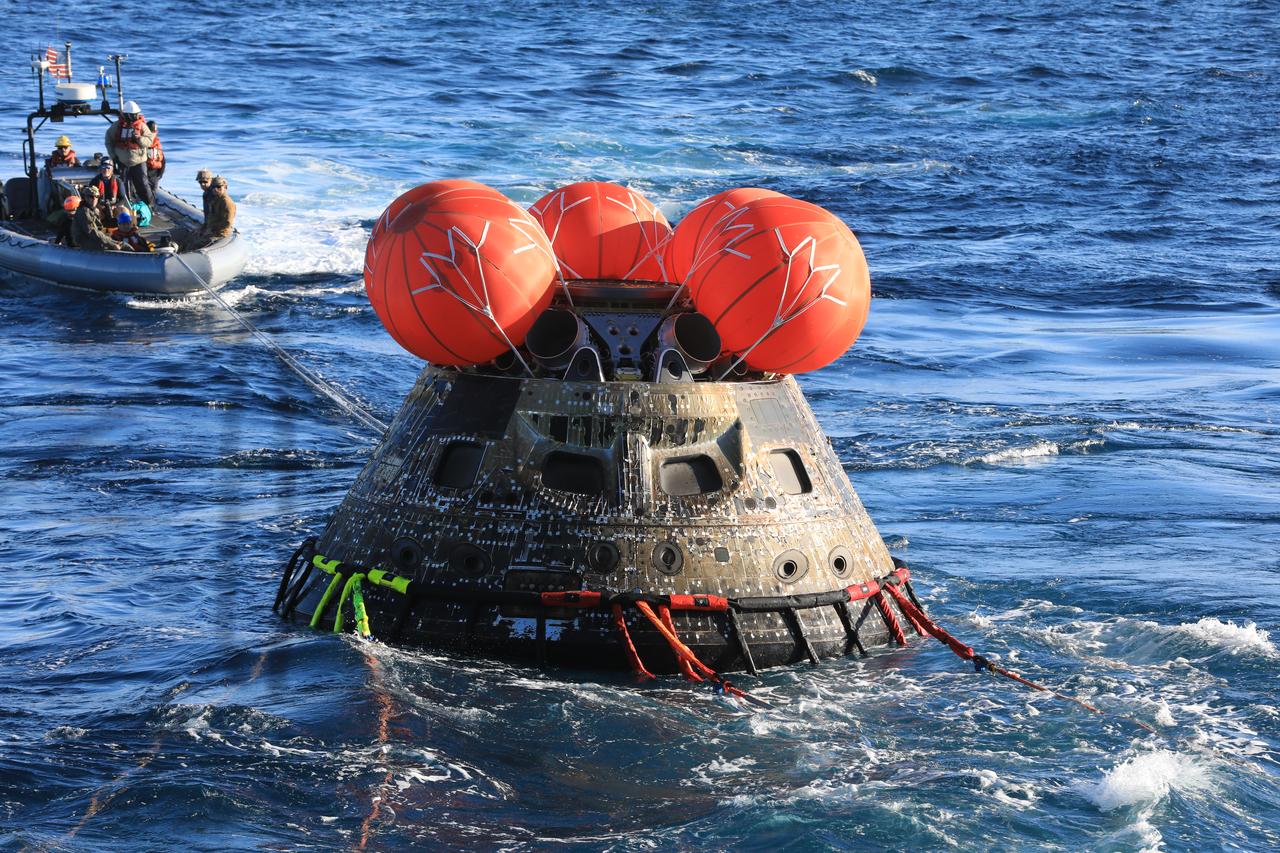
NASA’s Orion spacecraft for the Artemis I mission was successfully recovered inside the well deck of the USS Portland on Dec. 11, 2022 off the coast of Baja California. After launching atop the Space Launch System rocket on Nov. 16, 2022 from the agency’s Kennedy Space Center in Florida, Orion spent 25.5 days in space before returning to Earth, completing the Artemis I mission.
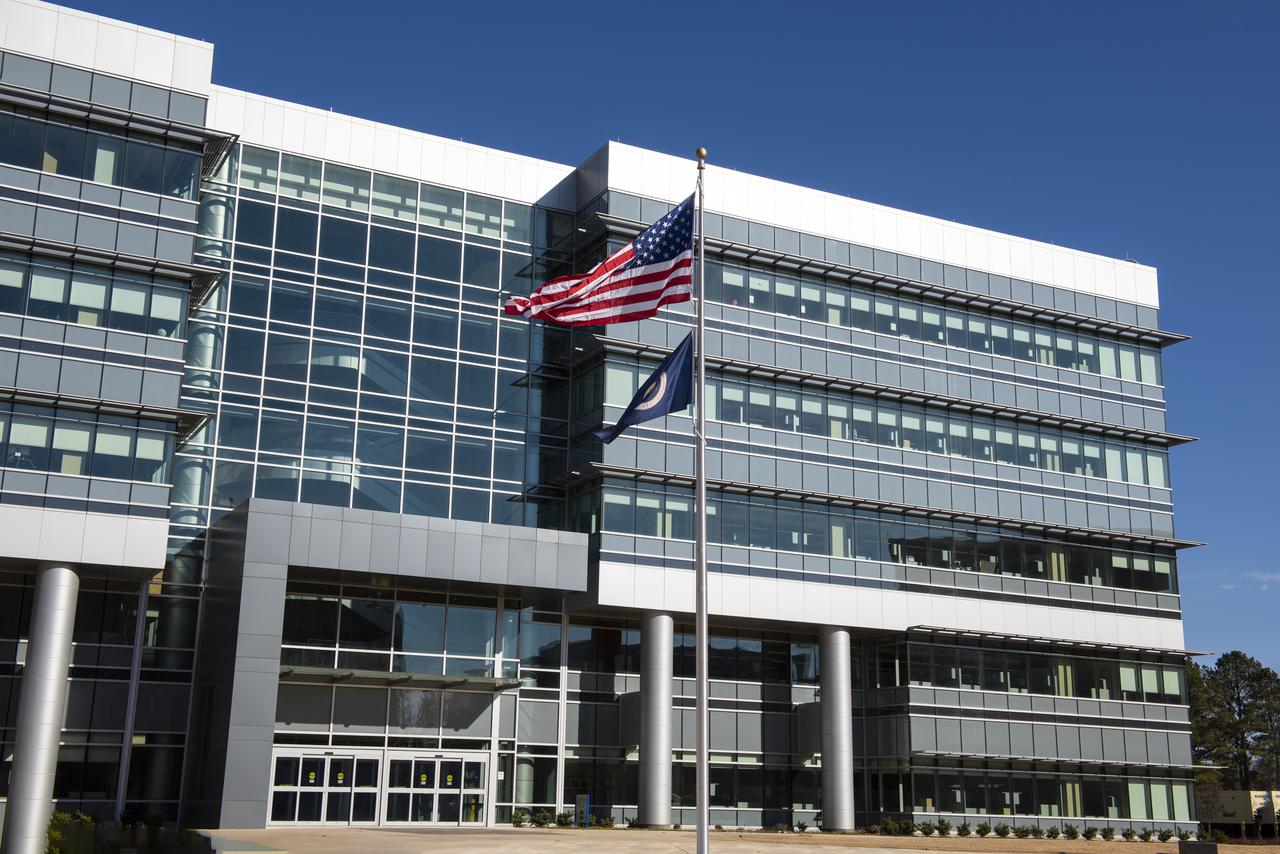
On Jan. 26, 2022, the U.S. and NASA flags were raised at Building 4221 to mark the transfer of headquarters to that building at Marshall Space Flight Center in Huntsville, Alabama. The doors to Building 4221, a new, environmentally friendly building, opened on Earth Day, April 22, 2019. Building 4200 served as Marshall’s original headquarters since 1963. Marshall center operations lowered flags at that building on Jan. 21, 2022.
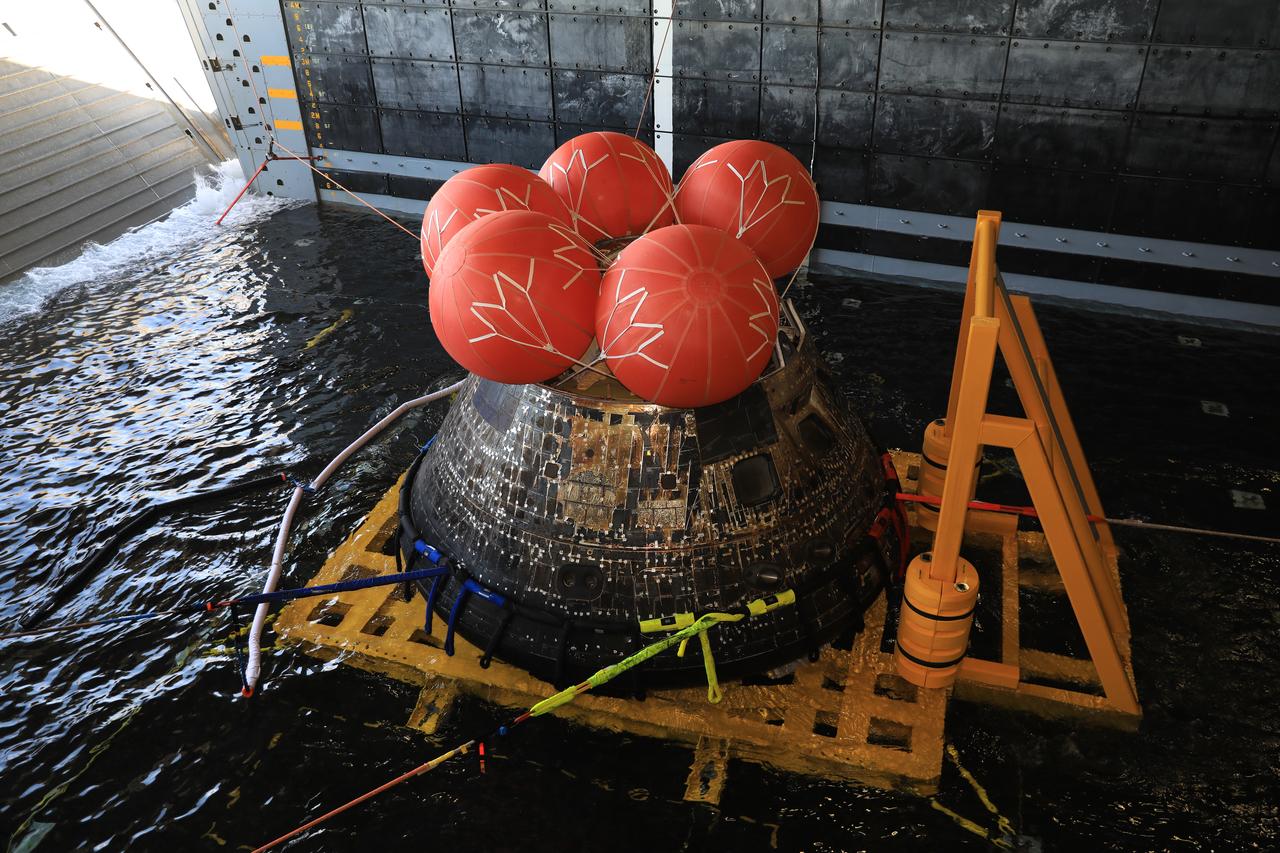
NASA’s Orion spacecraft for the Artemis I mission was successfully recovered inside the well deck of the USS Portland on Dec. 11, 2022 off the coast of Baja California. After launching atop the Space Launch System rocket on Nov. 16, 2022 from the agency’s Kennedy Space Center in Florida, Orion spent 25.5 days in space before returning to Earth, completing the Artemis I mission.
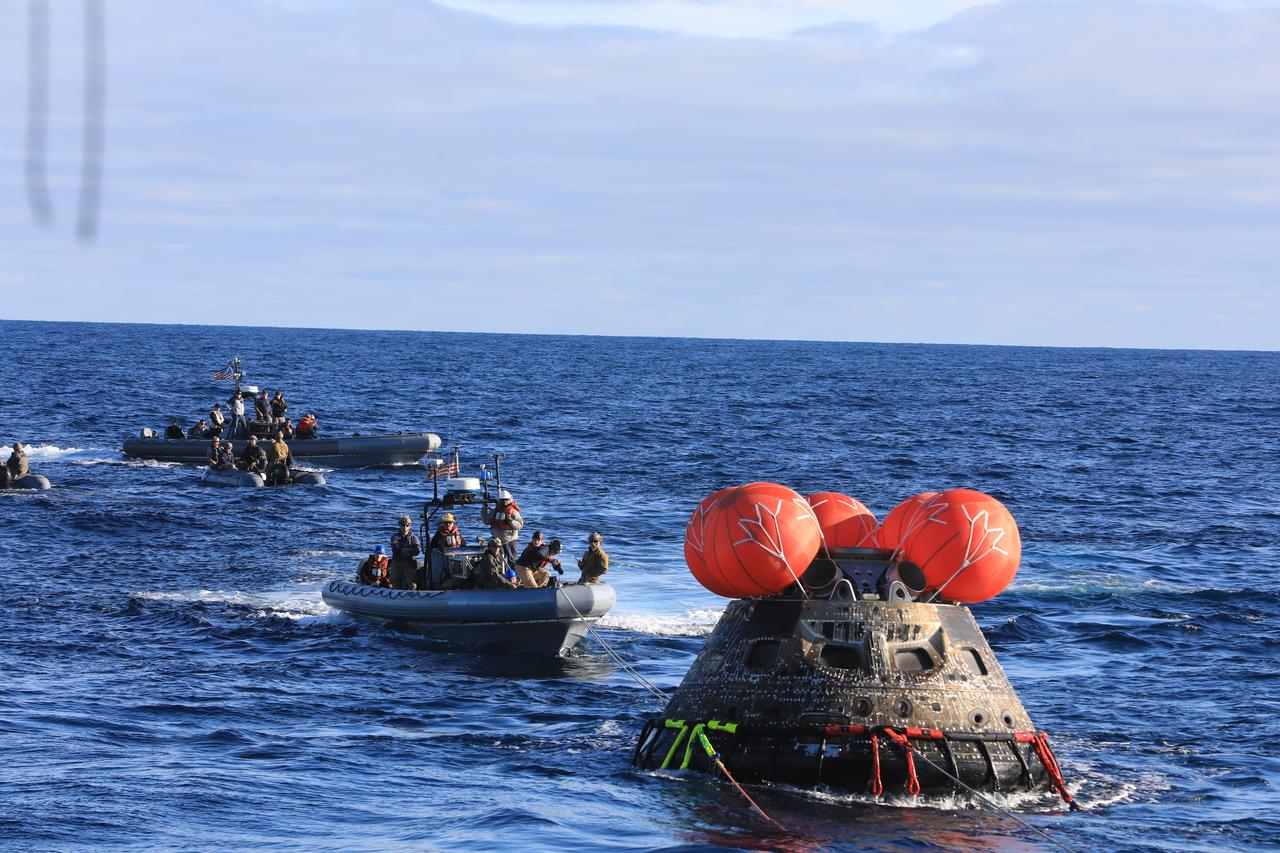
NASA’s Orion spacecraft for the Artemis I mission was successfully recovered inside the well deck of the USS Portland on Dec. 11, 2022 off the coast of Baja California. After launching atop the Space Launch System rocket on Nov. 16, 2022 from the agency’s Kennedy Space Center in Florida, Orion spent 25.5 days in space before returning to Earth, completing the Artemis I mission.
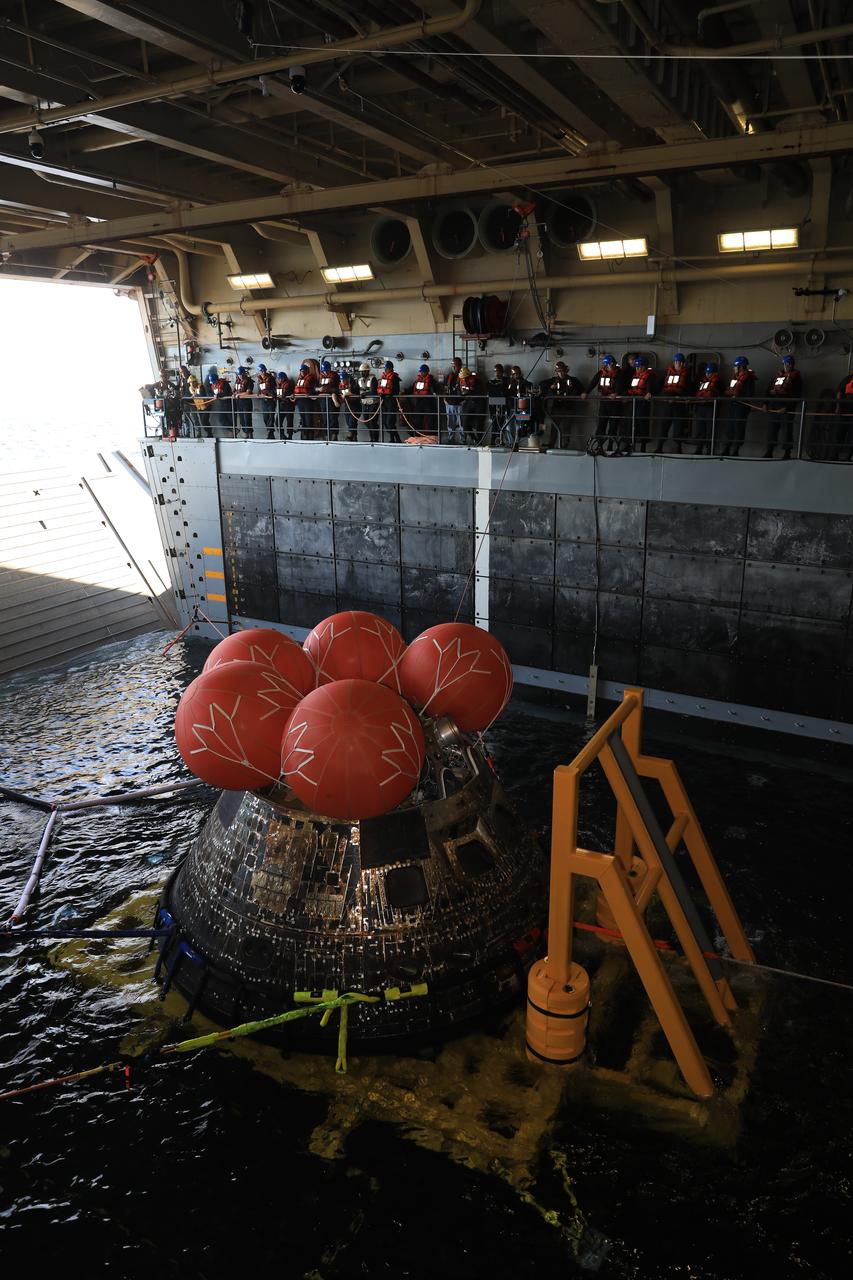
NASA’s Orion spacecraft for the Artemis I mission was successfully recovered inside the well deck of the USS Portland on Dec. 11, 2022 off the coast of Baja California. After launching atop the Space Launch System rocket on Nov. 16, 2022 from the agency’s Kennedy Space Center in Florida, Orion spent 25.5 days in space before returning to Earth, completing the Artemis I mission.

On Jan. 26, 2022, the U.S. and NASA flags were raised at Building 4221 to mark the transfer of headquarters to that building at Marshall Space Flight Center in Huntsville, Alabama. The doors to Building 4221, a new, environmentally friendly building, opened on Earth Day, April 22, 2019. Building 4200 served as Marshall’s original headquarters since 1963. Marshall center operations lowered flags at that building on Jan. 21, 2022.
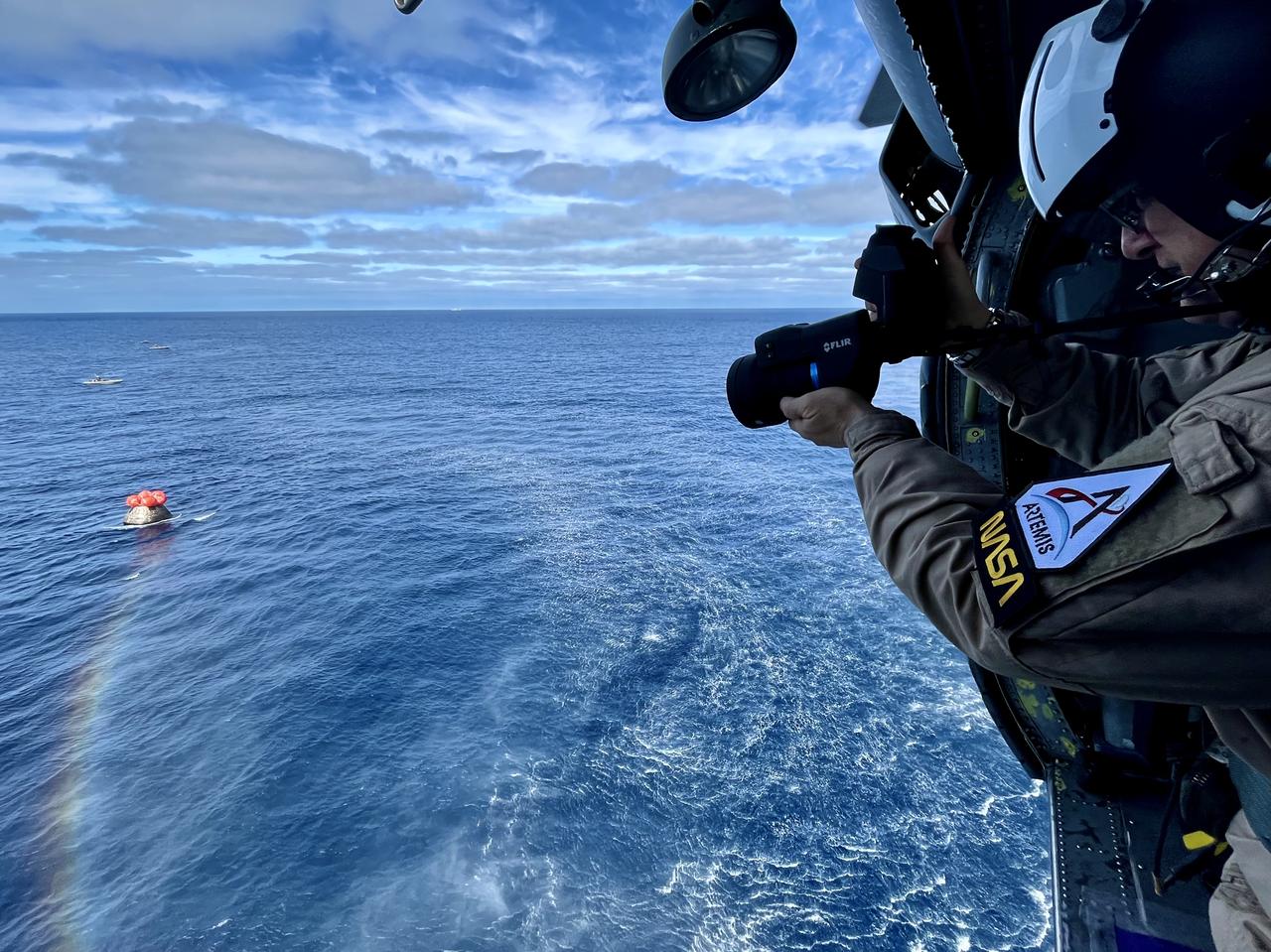
NASA’s Orion spacecraft for the Artemis I mission was successfully recovered inside the well deck of the USS Portland on Dec. 11, 2022 off the coast of Baja California. After launching atop the Space Launch System rocket on Nov. 16, 2022 from the agency’s Kennedy Space Center in Florida, Orion spent 25.5 days in space before returning to Earth, completing the Artemis I mission.
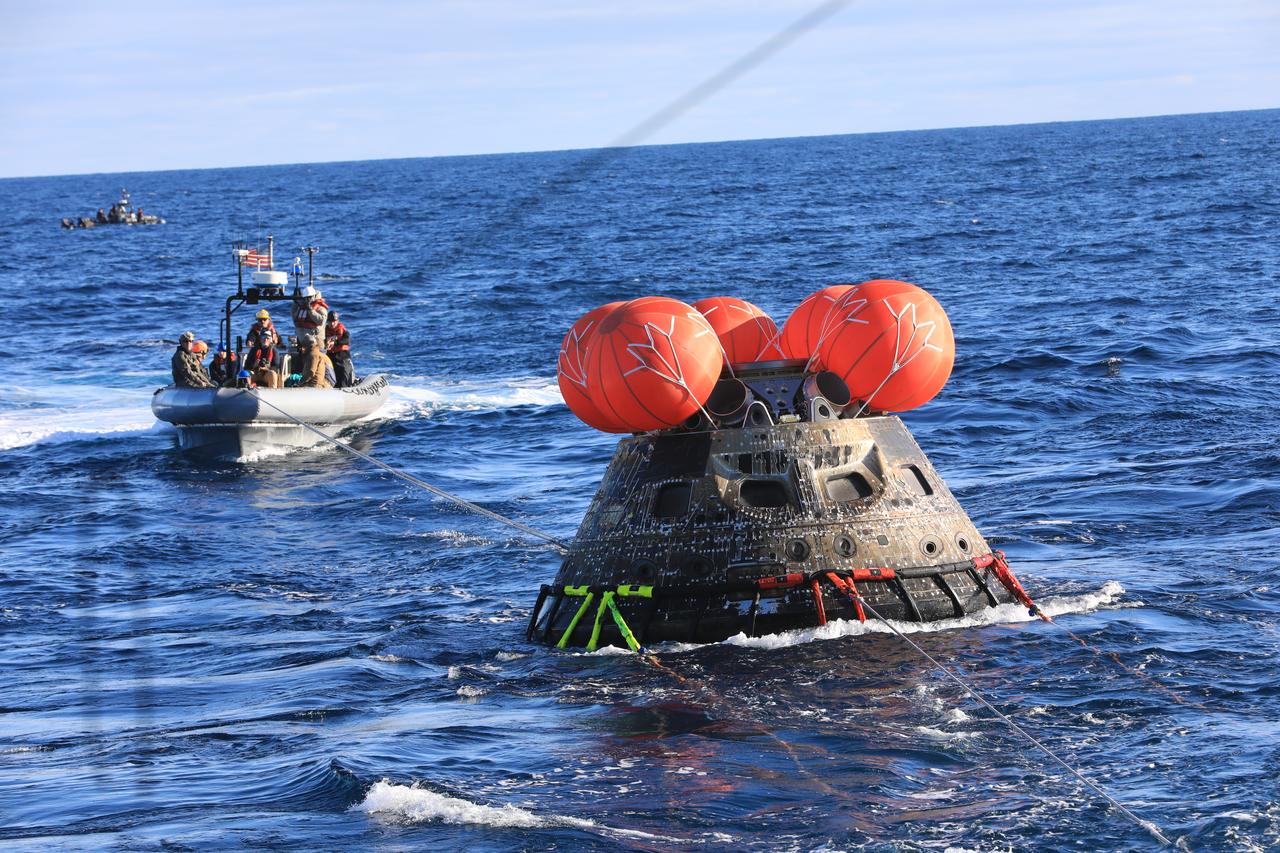
NASA’s Orion spacecraft for the Artemis I mission was successfully recovered inside the well deck of the USS Portland on Dec. 11, 2022 off the coast of Baja California. After launching atop the Space Launch System rocket on Nov. 16, 2022 from the agency’s Kennedy Space Center in Florida, Orion spent 25.5 days in space before returning to Earth, completing the Artemis I mission.
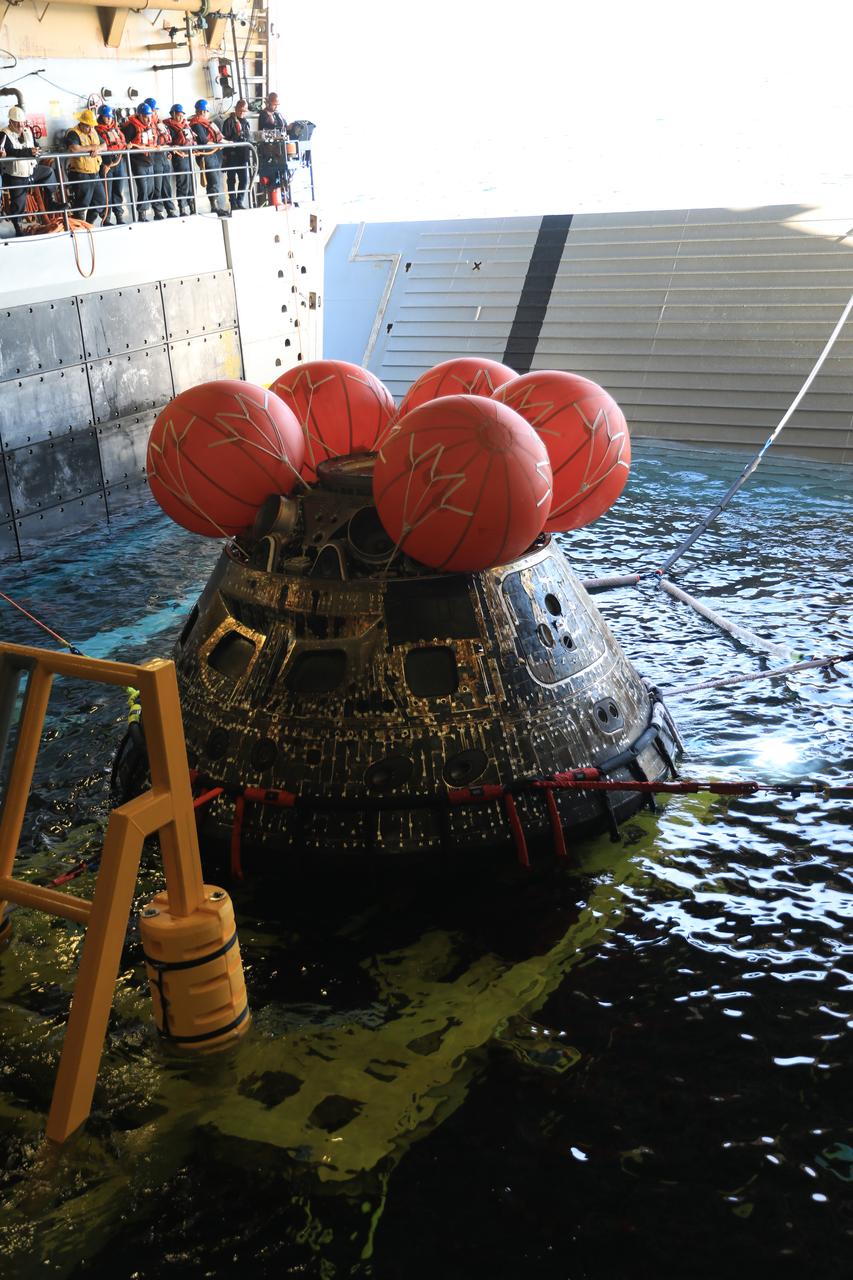
NASA’s Orion spacecraft for the Artemis I mission was successfully recovered inside the well deck of the USS Portland on Dec. 11, 2022 off the coast of Baja California. After launching atop the Space Launch System rocket on Nov. 16, 2022 from the agency’s Kennedy Space Center in Florida, Orion spent 25.5 days in space before returning to Earth, completing the Artemis I mission.
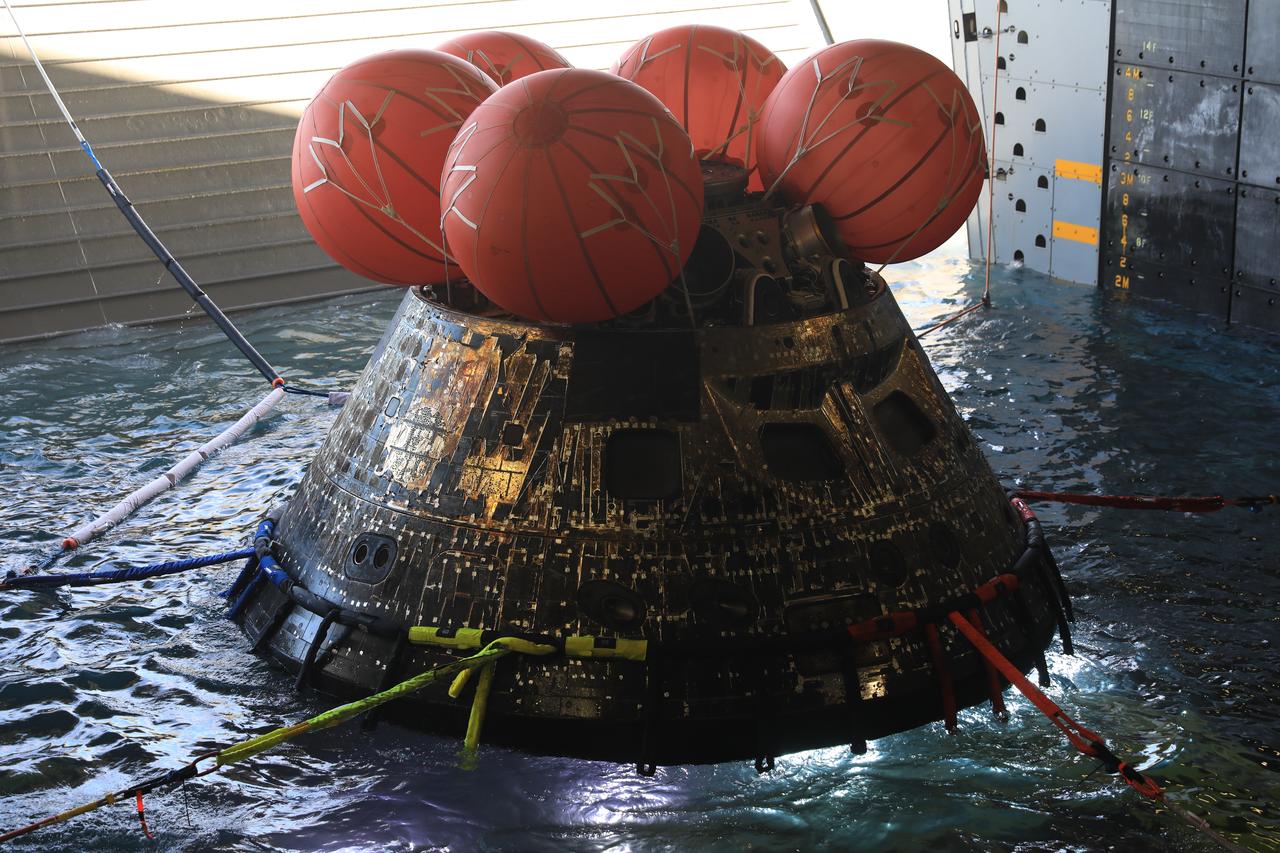
NASA’s Orion spacecraft for the Artemis I mission was successfully recovered inside the well deck of the USS Portland on Dec. 11, 2022 off the coast of Baja California. After launching atop the Space Launch System rocket on Nov. 16, 2022 from the agency’s Kennedy Space Center in Florida, Orion spent 25.5 days in space before returning to Earth, completing the Artemis I mission.

On Jan. 26, 2022, the U.S. and NASA flags were raised at Building 4221 to mark the transfer of headquarters to that building at Marshall Space Flight Center in Huntsville, Alabama. The doors to Building 4221, a new, environmentally friendly building, opened on Earth Day, April 22, 2019. Building 4200 served as Marshall’s original headquarters since 1963. Marshall center operations lowered flags at that building on Jan. 21, 2022.
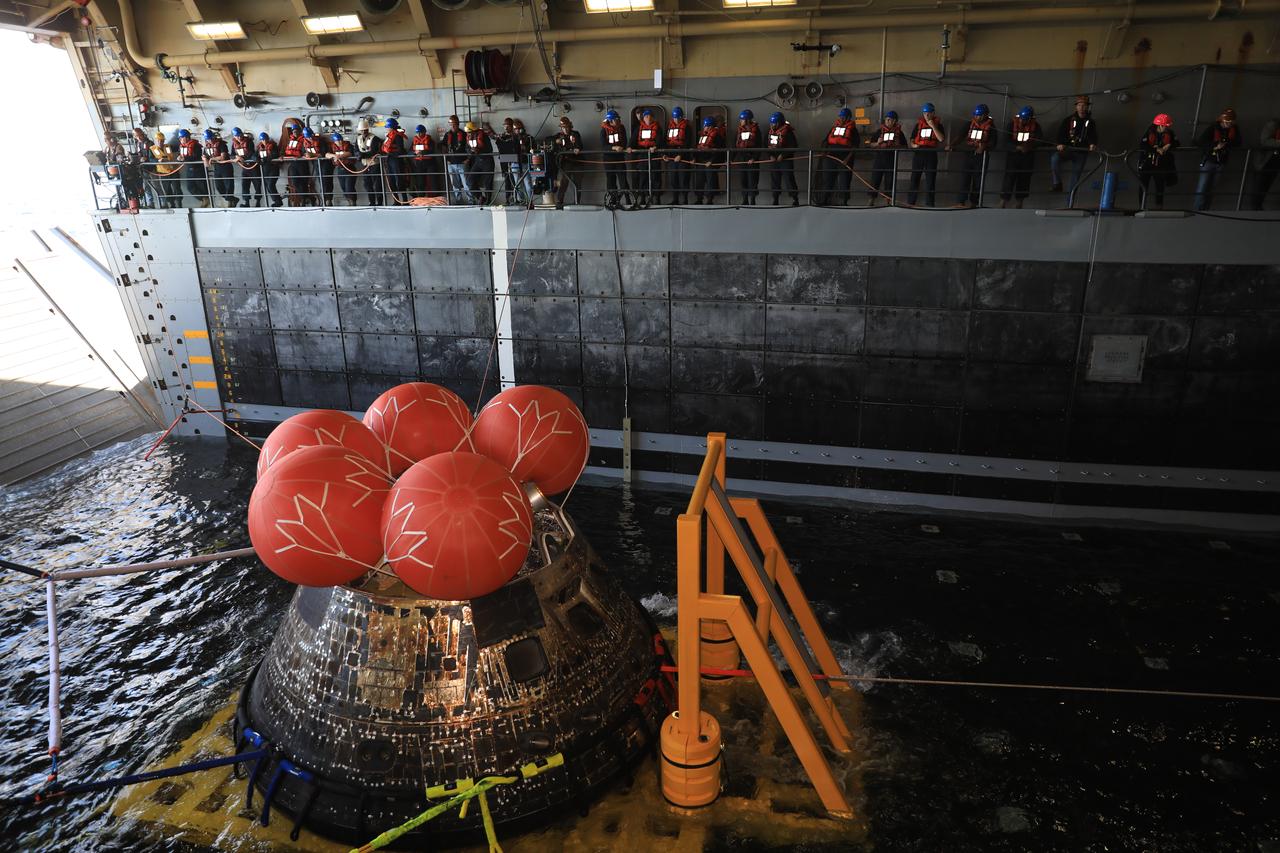
NASA’s Orion spacecraft for the Artemis I mission was successfully recovered inside the well deck of the USS Portland on Dec. 11, 2022 off the coast of Baja California. After launching atop the Space Launch System rocket on Nov. 16, 2022 from the agency’s Kennedy Space Center in Florida, Orion spent 25.5 days in space before returning to Earth, completing the Artemis I mission.
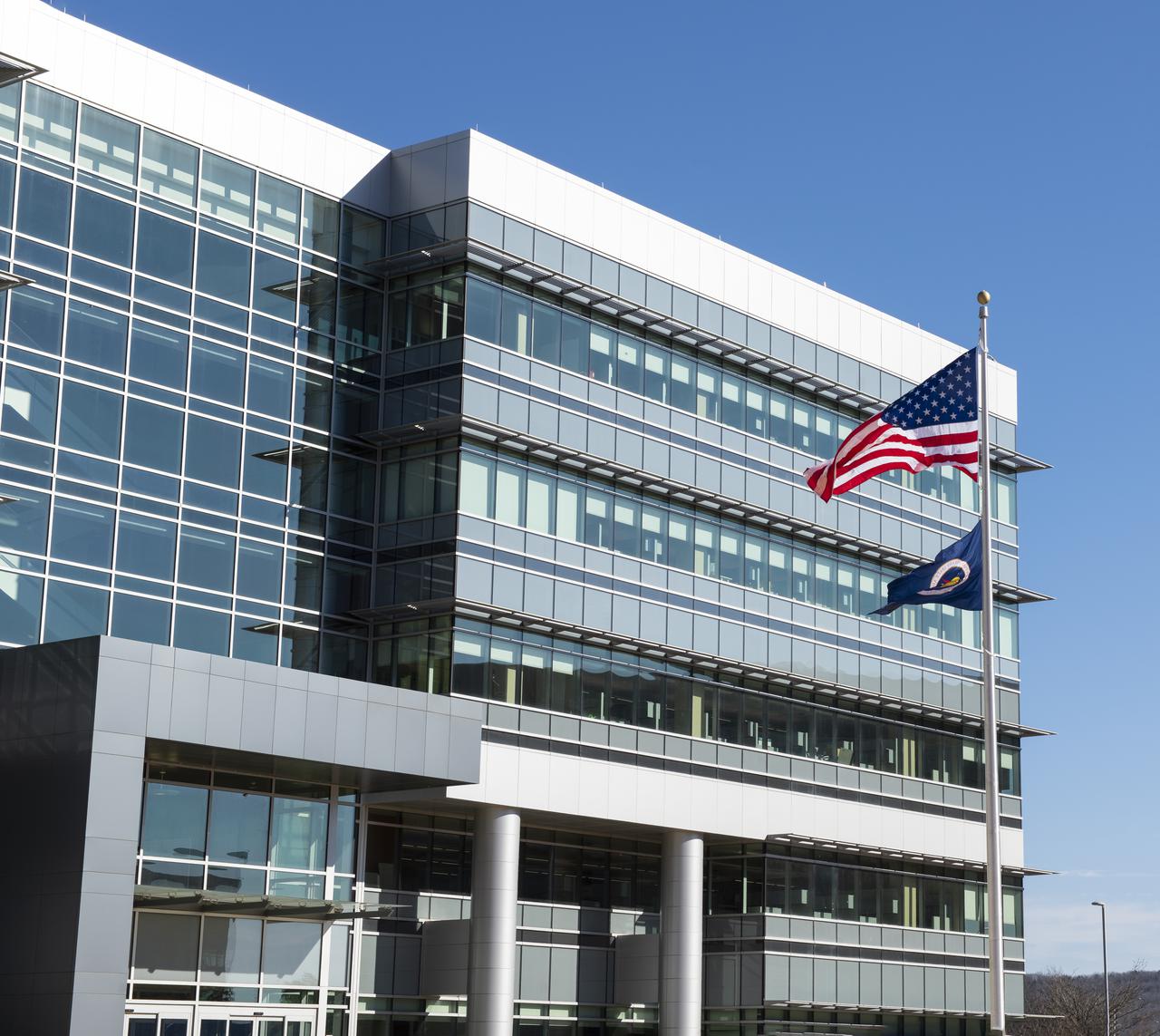
On Jan. 26, 2022, the U.S. and NASA flags were raised at Building 4221 to mark the transfer of headquarters to that building at Marshall Space Flight Center in Huntsville, Alabama. The doors to Building 4221, a new, environmentally friendly building, opened on Earth Day, April 22, 2019. Building 4200 served as Marshall’s original headquarters since 1963. Marshall center operations lowered flags at that building on Jan. 21, 2022.

On Jan. 26, 2022, the U.S. and NASA flags were raised at Building 4221 to mark the transfer of headquarters to that building at Marshall Space Flight Center in Huntsville, Alabama. The doors to Building 4221, a new, environmentally friendly building, opened on Earth Day, April 22, 2019. Building 4200 served as Marshall’s original headquarters since 1963. Marshall center operations lowered flags at that building on Jan. 21, 2022.
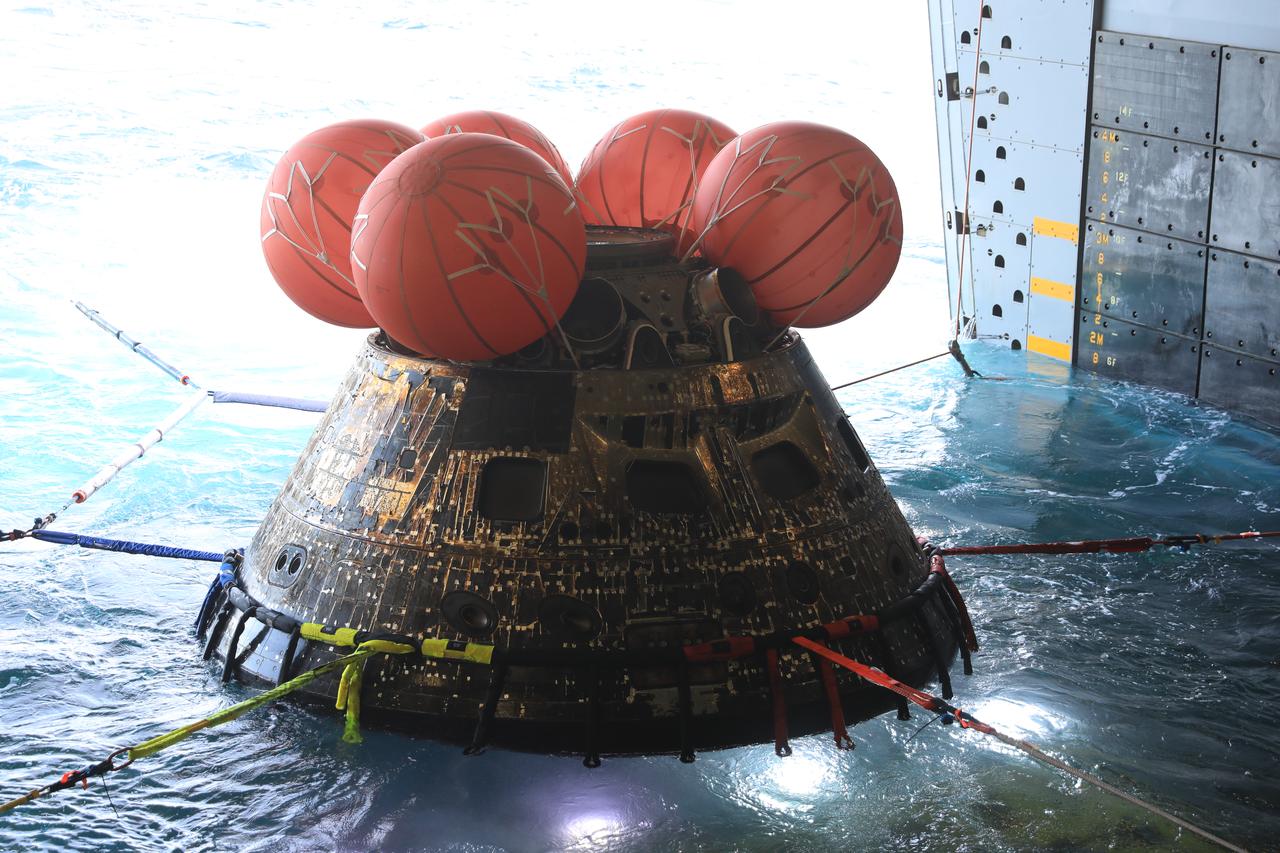
NASA’s Orion spacecraft for the Artemis I mission was successfully recovered inside the well deck of the USS Portland on Dec. 11, 2022 off the coast of Baja California. After launching atop the Space Launch System rocket on Nov. 16, 2022 from the agency’s Kennedy Space Center in Florida, Orion spent 25.5 days in space before returning to Earth, completing the Artemis I mission.
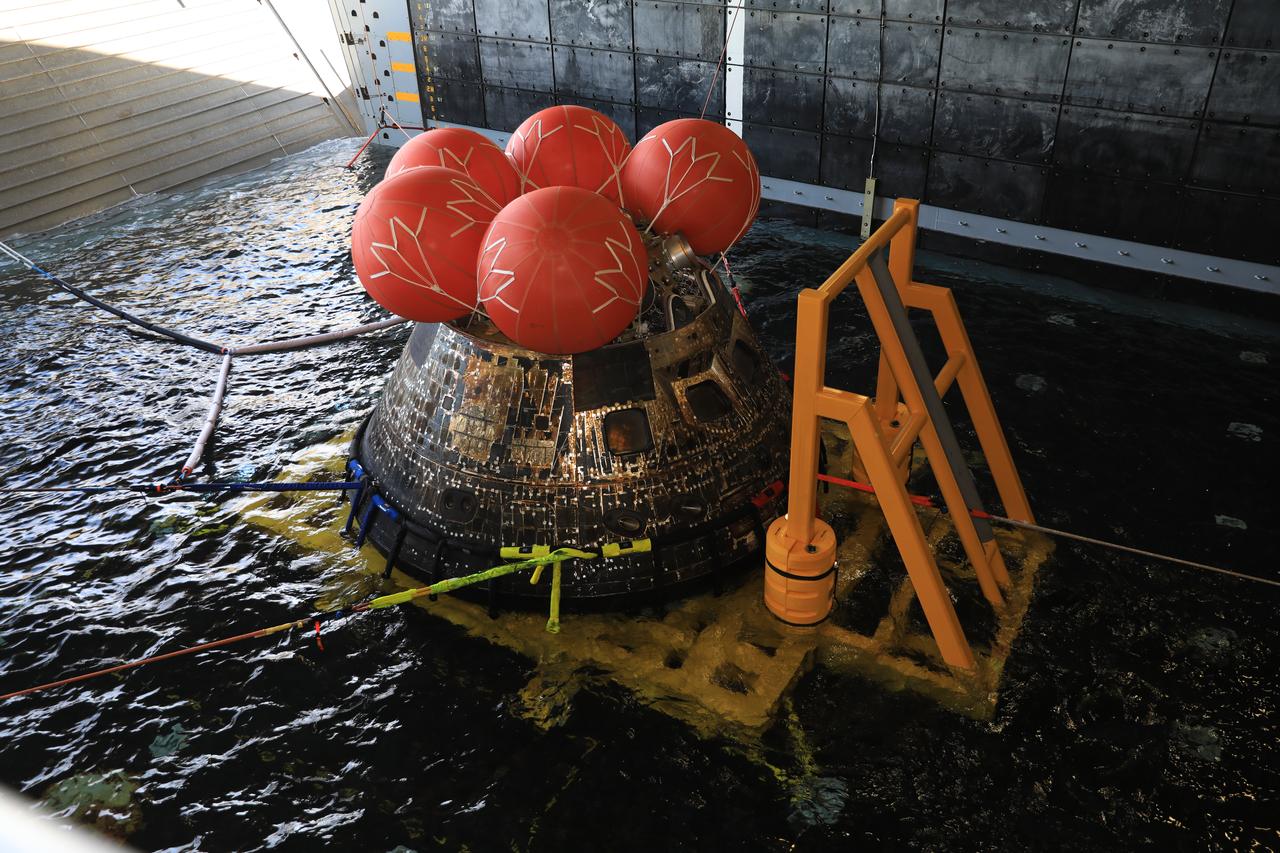
NASA’s Orion spacecraft for the Artemis I mission was successfully recovered inside the well deck of the USS Portland on Dec. 11, 2022 off the coast of Baja California. After launching atop the Space Launch System rocket on Nov. 16, 2022 from the agency’s Kennedy Space Center in Florida, Orion spent 25.5 days in space before returning to Earth, completing the Artemis I mission.
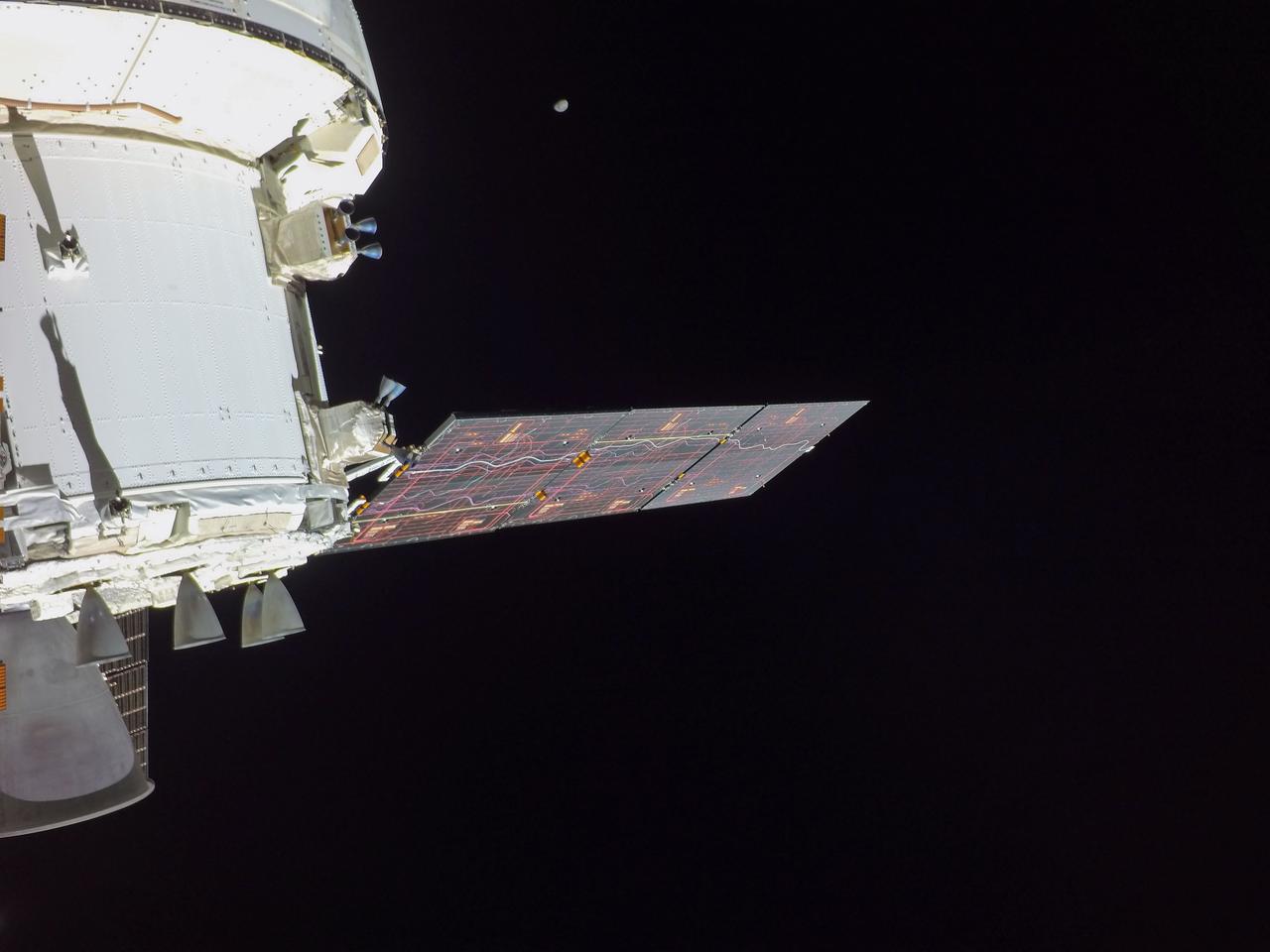
art001e002998 (Dec. 10, 2022) On flight day 25 of the Artemis I mission, Orion captured this photo of the Moon from a camera mounted on one of its solar arrays. The spacecraft is now closer to Earth than to the Moon, and will splash down on Sunday, Dec. 11.
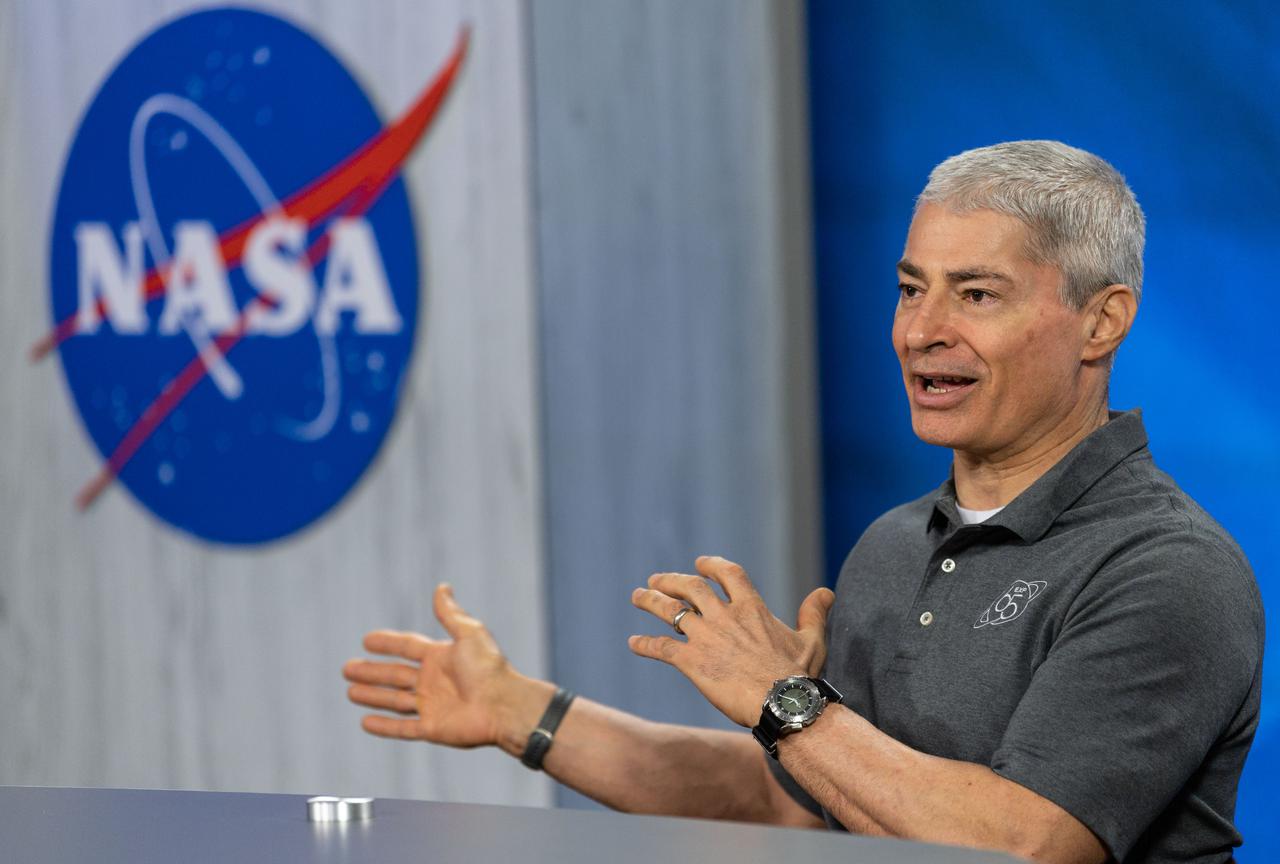
jsc2022e021202 (March 5, 2022) --- NASA astronaut Mark Vande Hei talks to media and answers social media questions at NASA's Johnson Space Center less than a week after returning to Earth and completing a 355-day mission aboard the International Space Station.
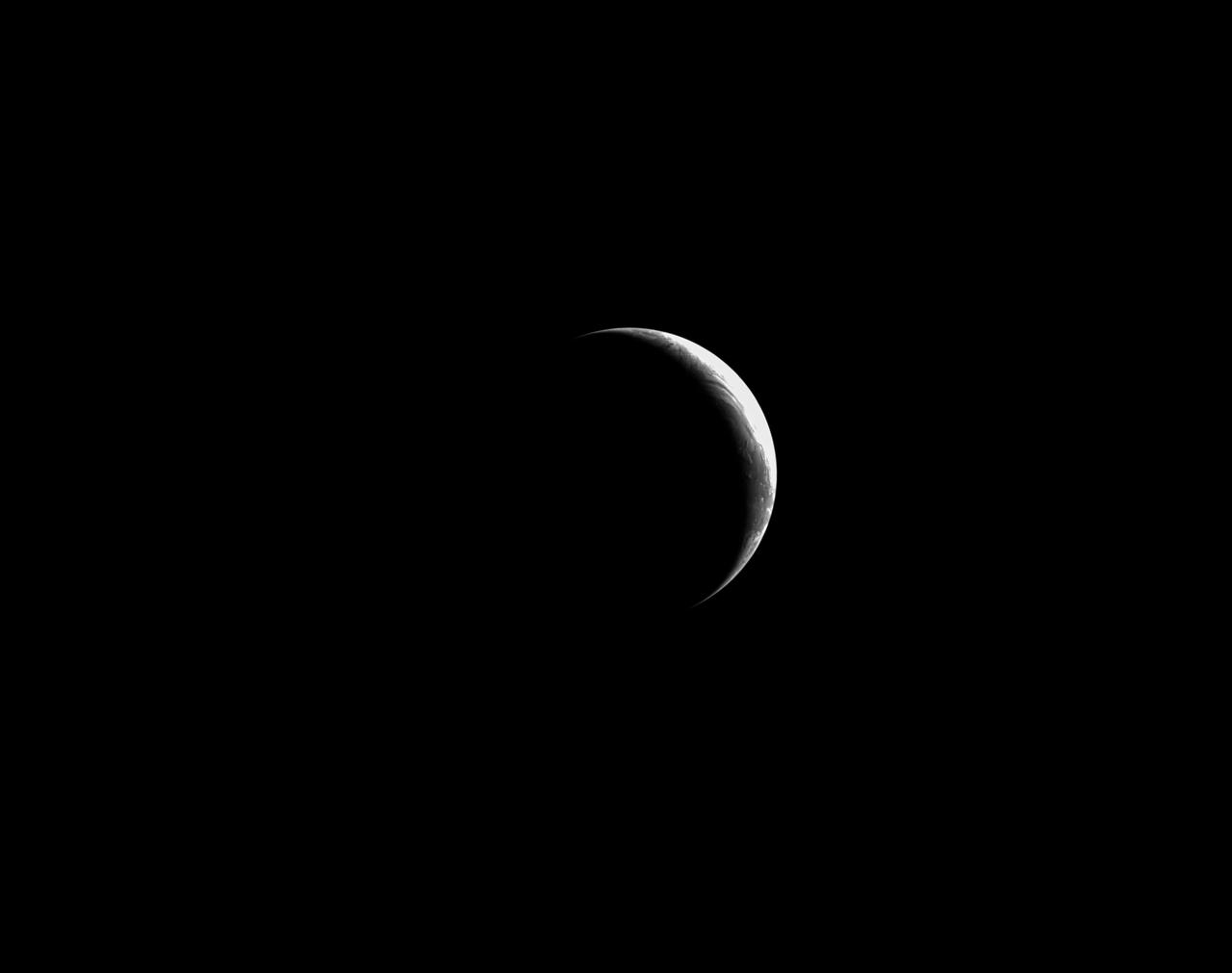
art001e003069 (Dec. 11, 2022) On the day of its return to Earth, Orion’s optical navigation camera captured this image of the planet. The spacecraft splashed down at 12:40 p.m. EST Dec. 11, completing the Artemis I mission and paving the way for future Artemis missions to land the first woman and first person of color on the Moon.

jsc2022e090130 (Nov. 28, 2022): Flight Directors Paul Konyha and Nicole McElroy monitor the Orion spacecraft as it reaches its record-breaking distance from the Earth, nearly 270,000 miles, on flight day 14 of the Artemis I mission. Credit: NASA/Robert Markowitz

jsc2022e021198 (March 5, 2022) --- NASA astronaut Mark Vande Hei talks to media and answers social media questions at NASA's Johnson Space Center less than a week after returning to Earth and completing a 355-day mission aboard the International Space Station.
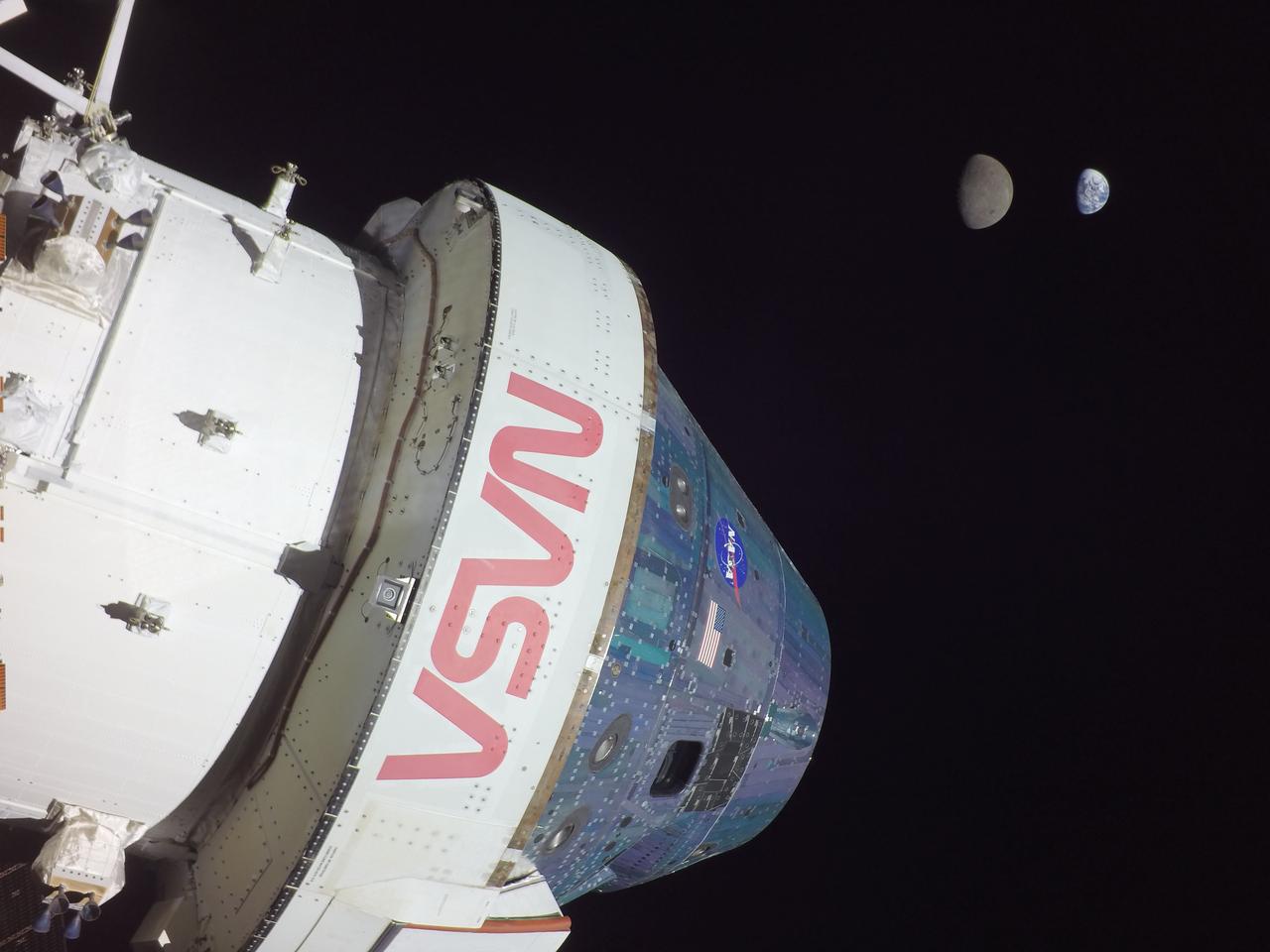
art001e000673 (Nov. 28, 2022) On flight day 13, Orion reached its maximum distance from Earth during the Artemis I mission when it was 268,563 miles away from our home planet. Orion has now traveled farther than any other spacecraft built for humans.
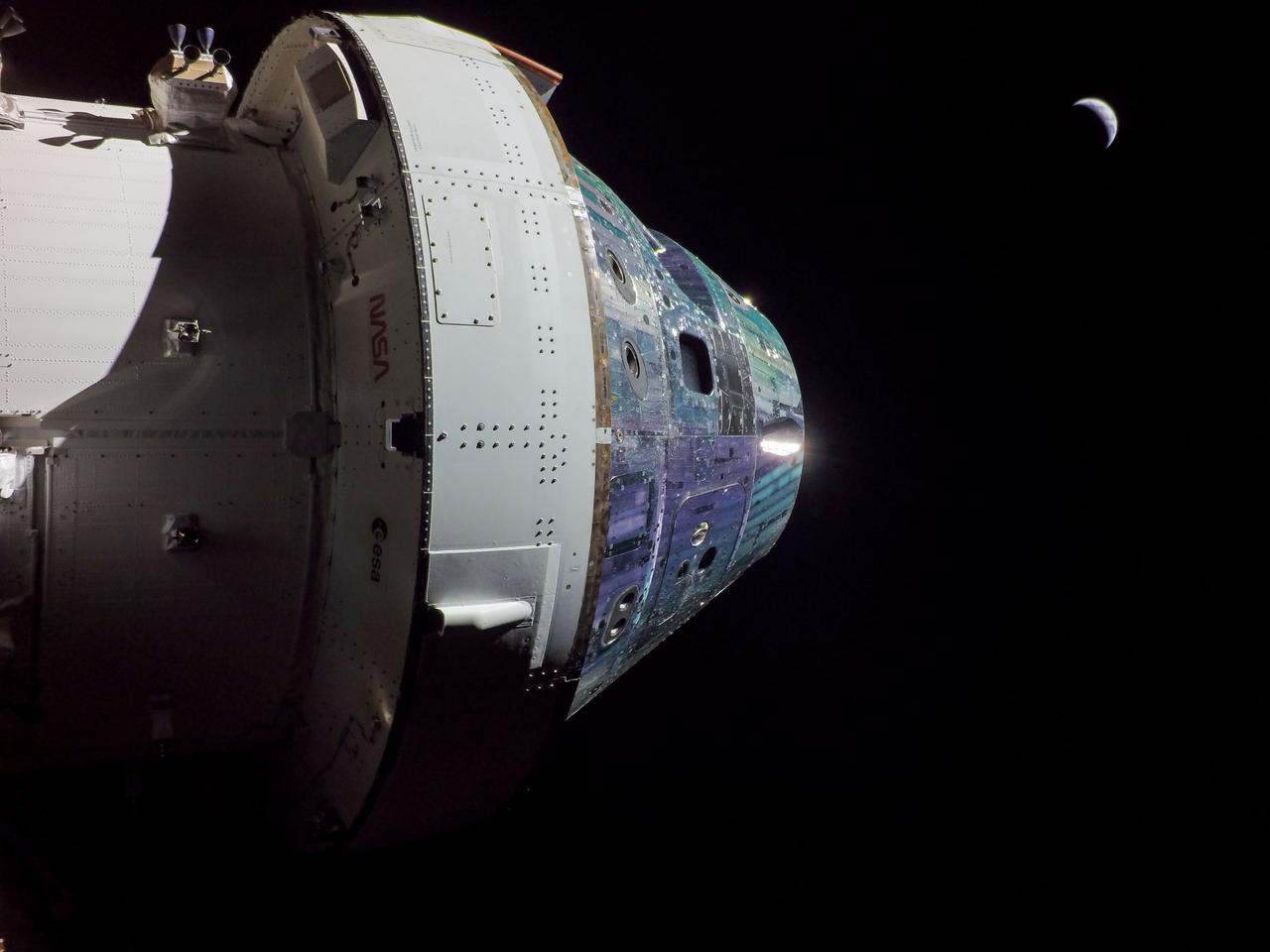
art001e002001 (Dec. 4, 2022) On the 19th day of the Artemis I mission, Orion captures Earth from a camera mounted on one of its solar arrays as the spacecraft prepares for the return powered flyby of the Moon on Dec. 5, when it will pass approximately 79 miles above the lunar surface.
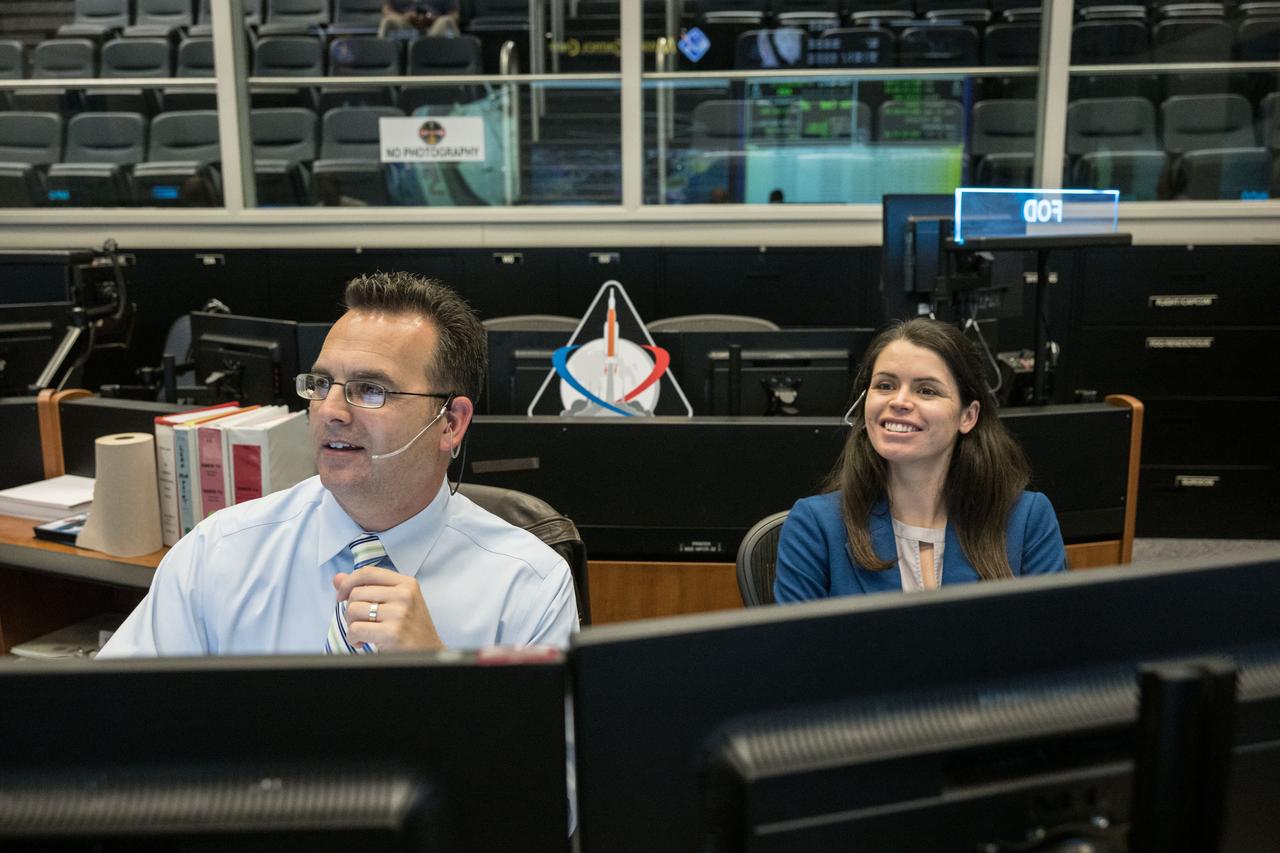
jsc2022e090070: (Nov. 28, 2022): Flight Directors Paul Konyha and Nicole McElroy smile as the Orion spacecraft reaches its record-breaking distance from the Earth, nearly 270,000 miles, on flight day 14 of the Artemis I mission. Credit: NASA/Robert Markowitz

NASA Administrator Bill Nelson, left, talks with DC area school children about Earth Day during his visit of NASA hands-on exhibits inside Union Station in Washington, Friday, April 22, 2022. Photo Credit: (NASA/Bill Ingalls)
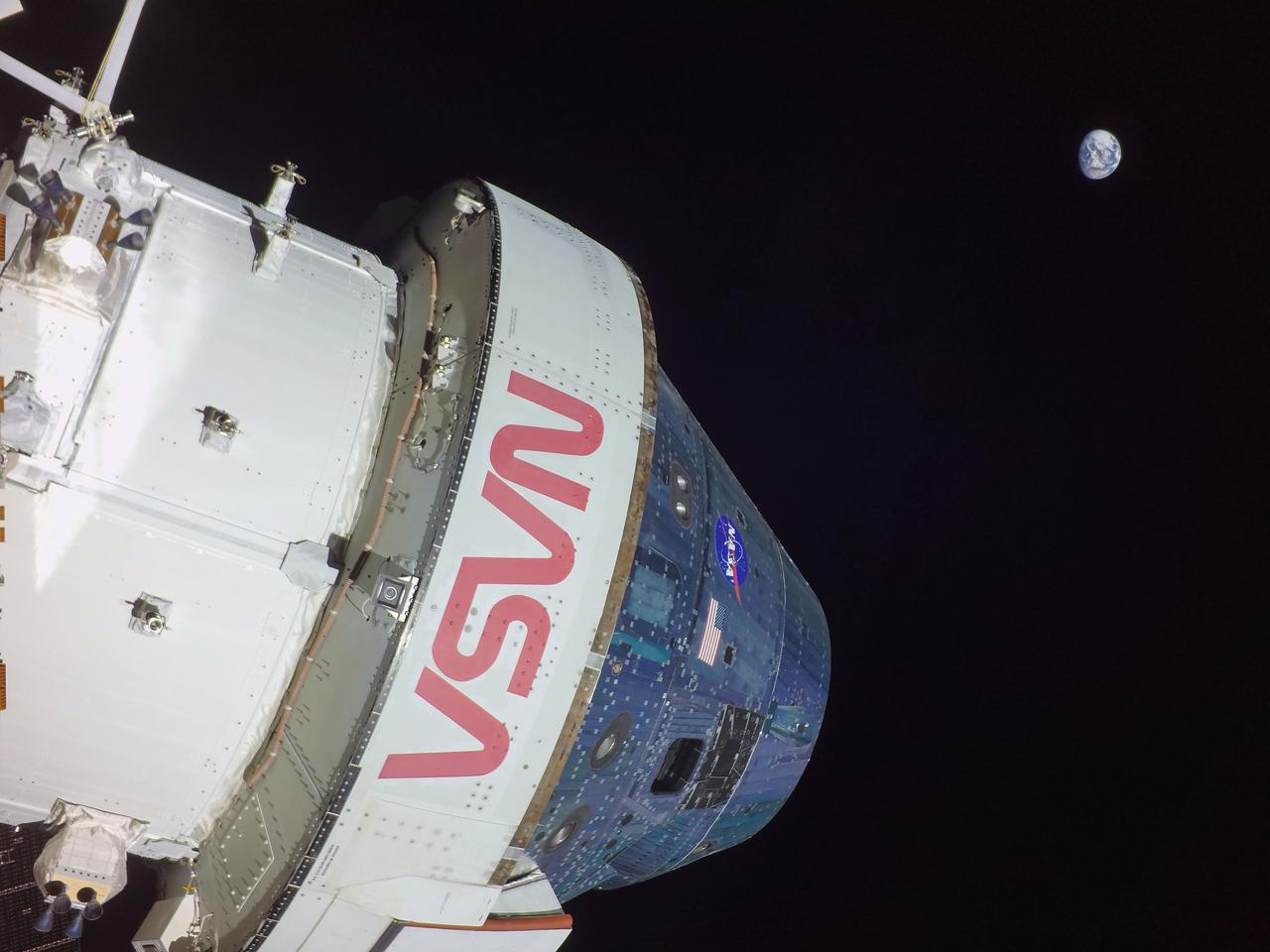
art001e000538 (Nov. 26, 2022)—On flight day 11, NASA’S Orion spacecraft captured imagery looking back at the Earth from a camera mounted on one of its solar arrays. The spacecraft is currently in a distant retrograde orbit around the Moon.
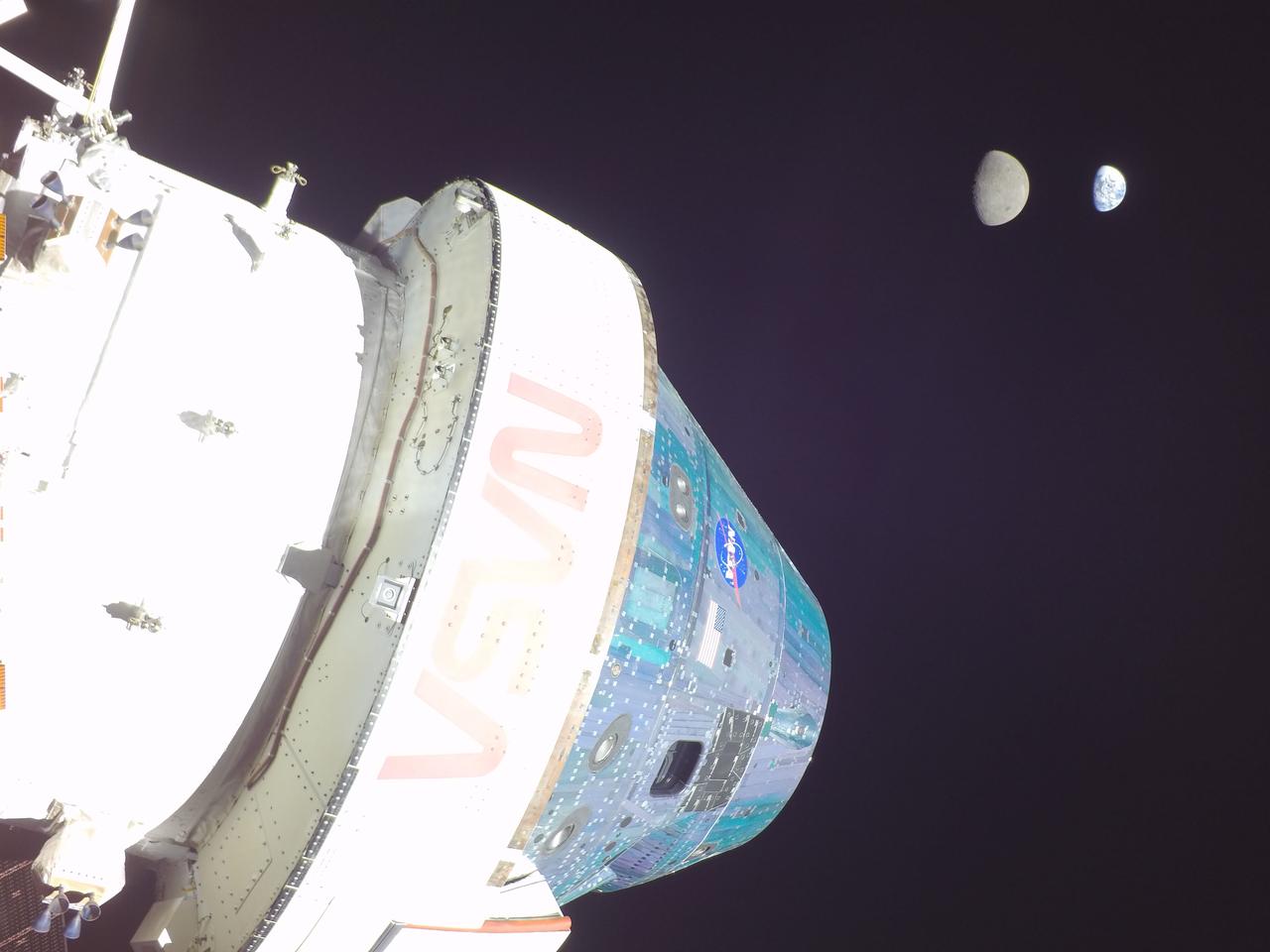
art001e000674 (Nov. 28, 2022) On flight day 13, Orion reached its maximum distance from Earth during the Artemis I mission when it was 268,563 miles away from our home planet. Orion has now traveled farther than any other spacecraft built for humans.
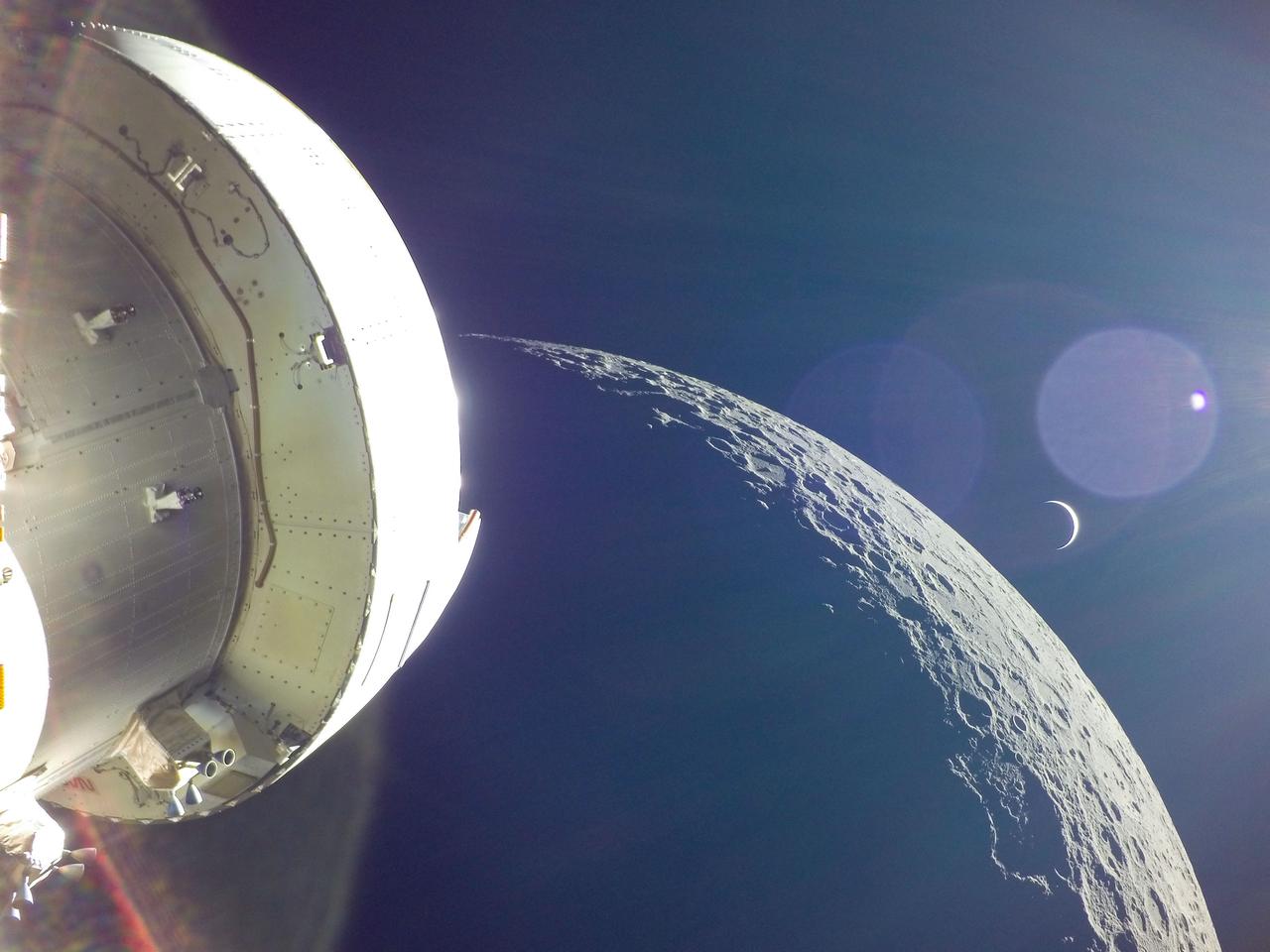
art0001e002083 (Dec. 5, 2022) On the 20th day of the Artemis I mission, Orion captured the Earth rising behind the Moon following the return powered flyby. The 3 minute, 27 second, return powered flyby burn, committed the spacecraft to a Dec. 11 splashdown in the Pacific Ocean.
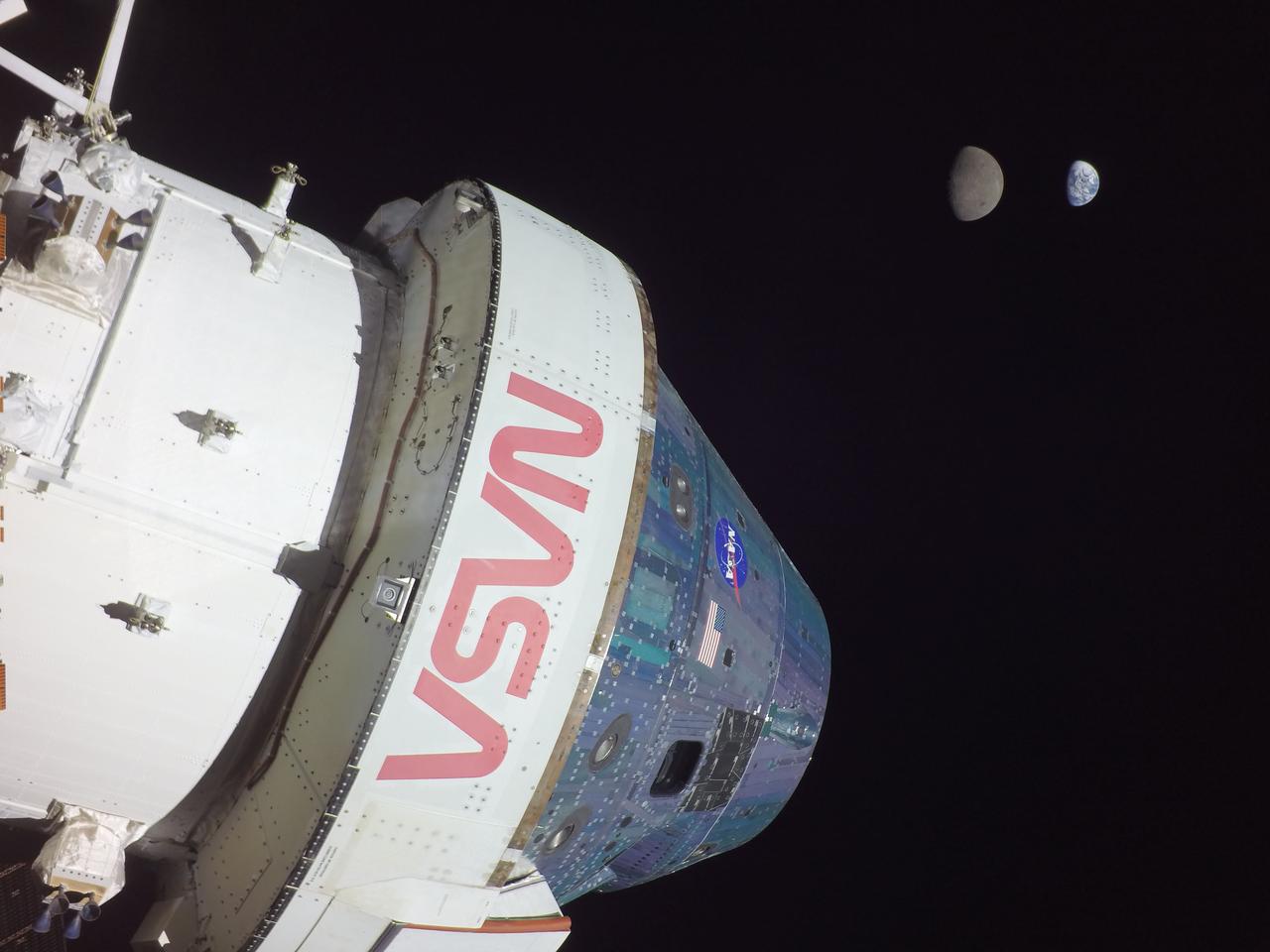
art001e000672 (Nov. 28, 2022) On flight day 13, Orion reached its maximum distance from Earth during the Artemis I mission when it was 268,563 miles away from our home planet. Orion has now traveled farther than any other spacecraft built for humans.
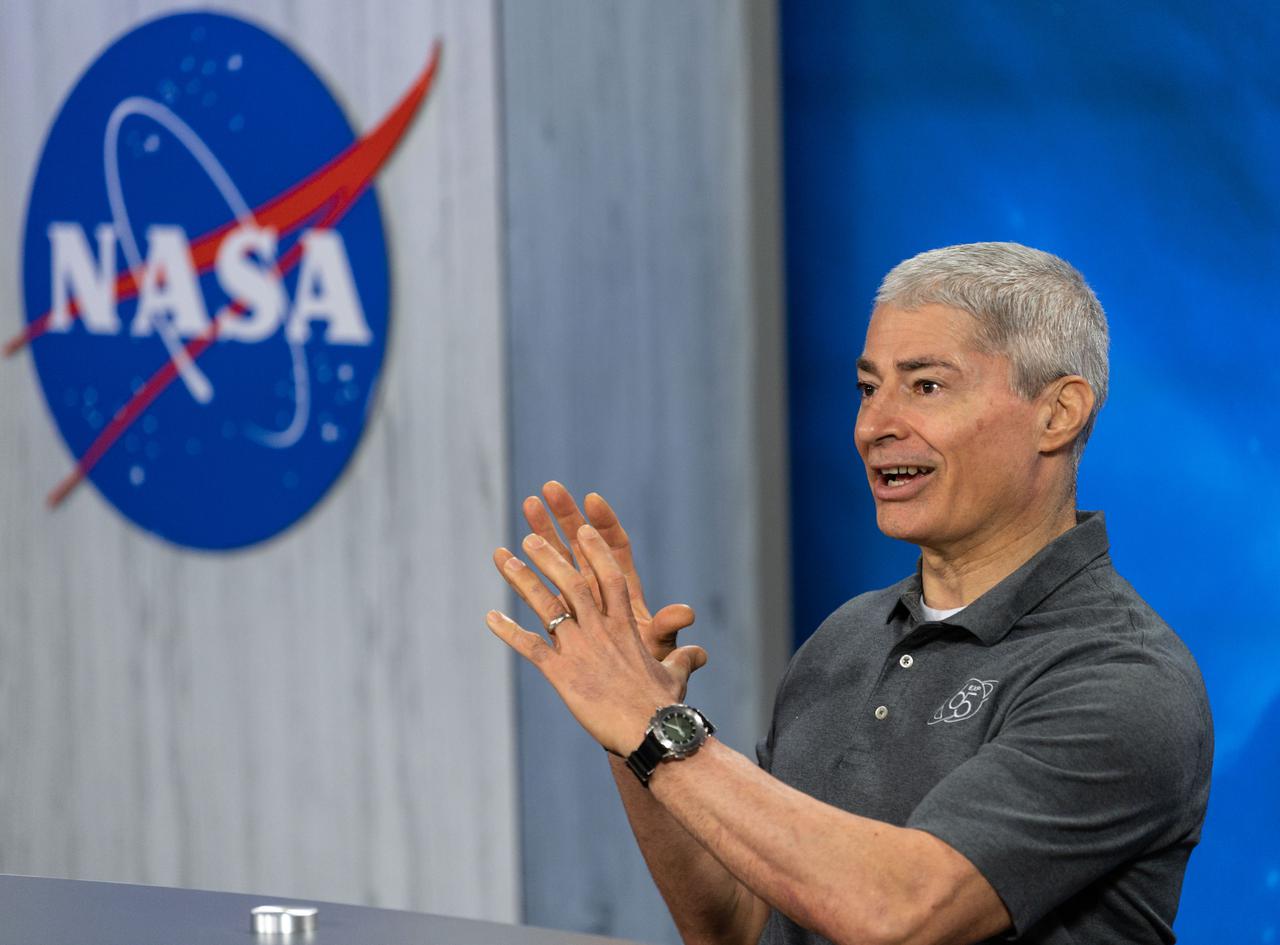
jsc2022e021201 (March 5, 2022) --- NASA astronaut Mark Vande Hei talks to media and answers social media questions at NASA's Johnson Space Center less than a week after returning to Earth and completing a 355-day mission aboard the International Space Station.
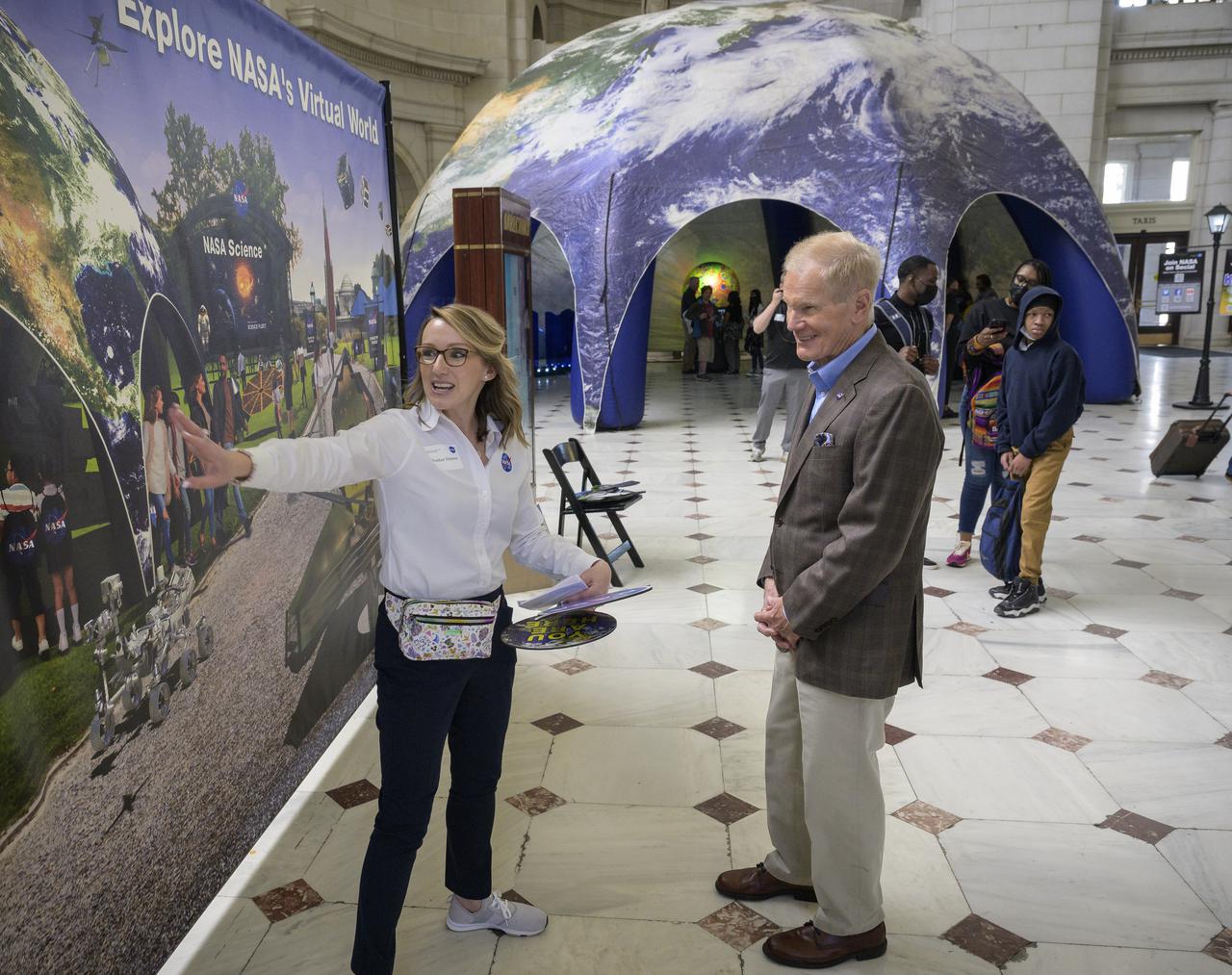
NASA Administrator Bill Nelson, right, talks with Heather Hanson from NASA’s Goddard Space Flight Center about Earth Day and the interactive exhibits NASA has featured inside Union Station in Washington, Friday, April 22, 2022. Photo Credit: (NASA/Bill Ingalls)
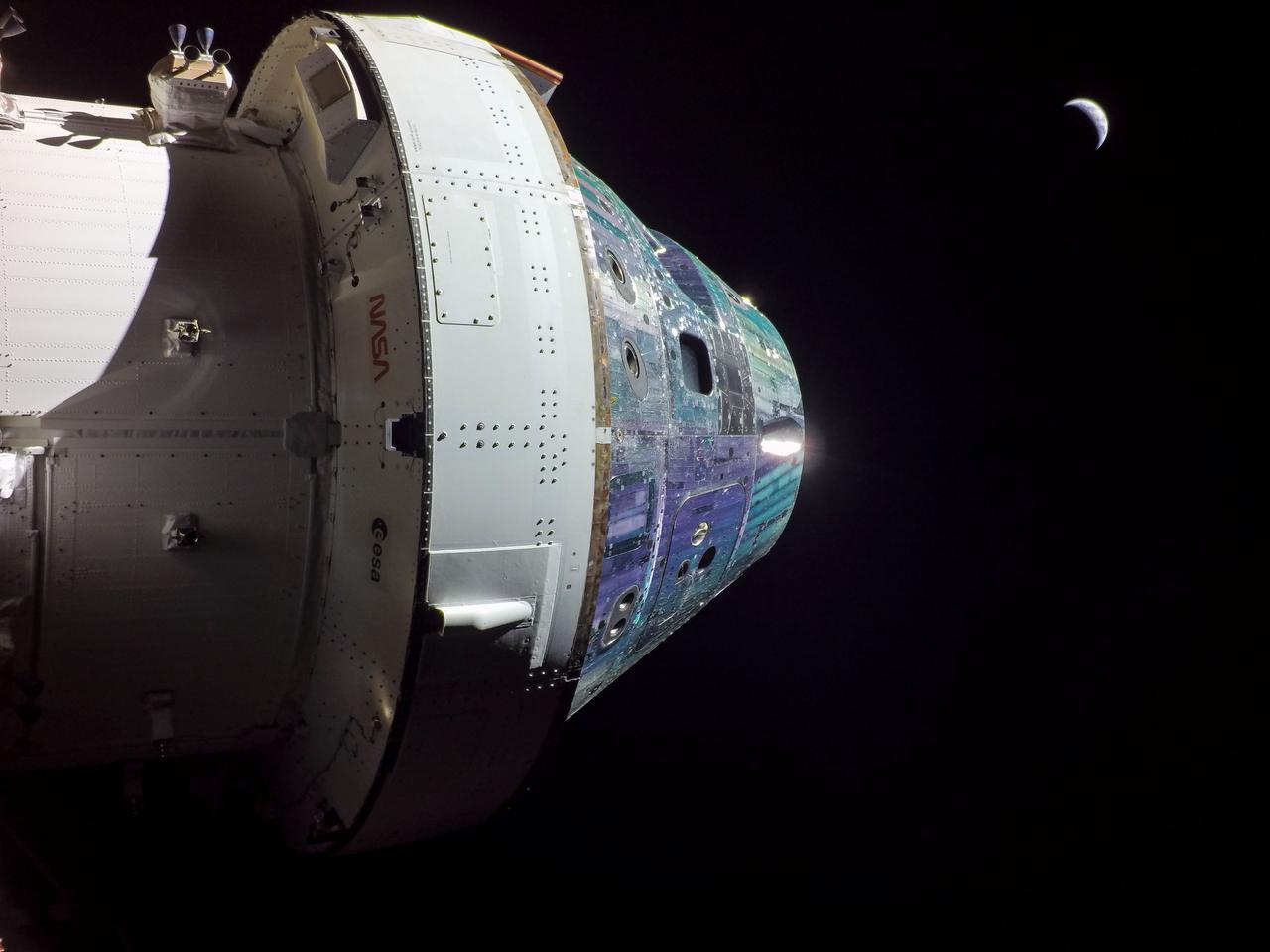
art001e002002 (Dec. 4, 2022) On the 19th day of the Artemis I mission, Orion captures Earth from a camera mounted on one of its solar arrays as the spacecraft prepares for the return powered flyby of the Moon on Dec. 5, when it will pass approximately 79 miles above the lunar surface.
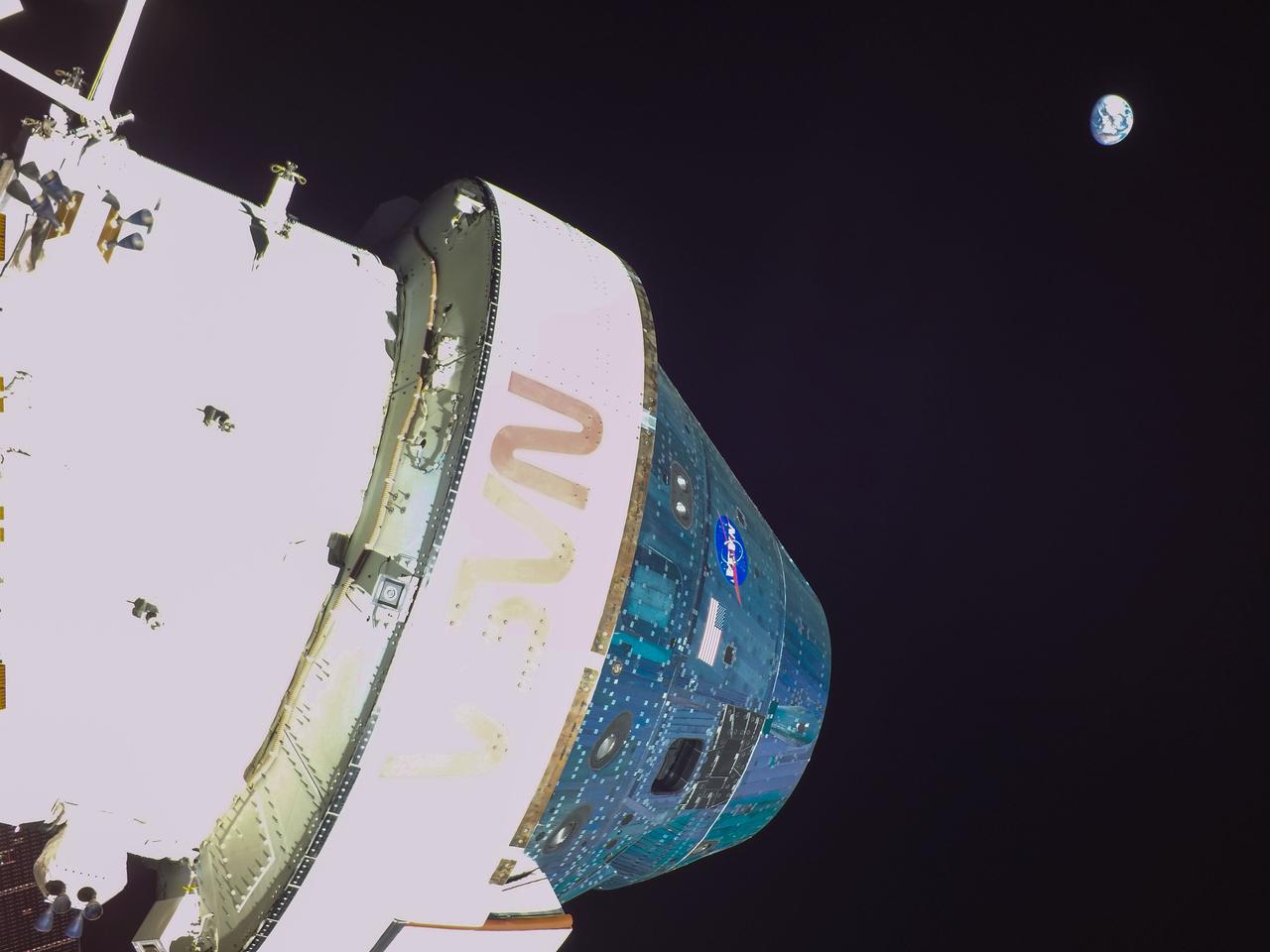
art001e000540 (Nov. 26, 2022)—On flight day 11, NASA’S Orion spacecraft captured imagery looking back at the Earth from a camera mounted on one of its solar arrays. The spacecraft is currently in a distant retrograde orbit around the Moon.
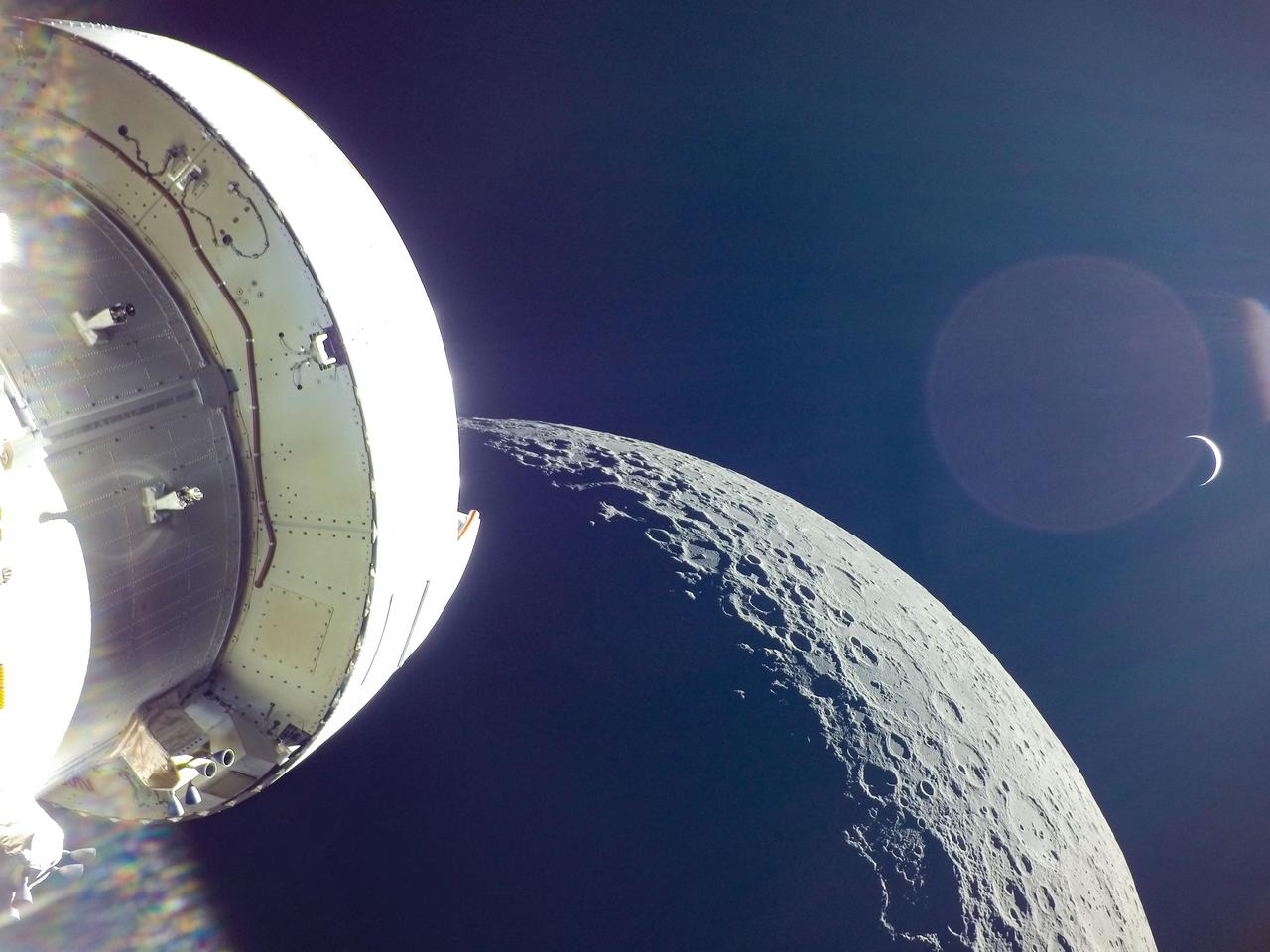
art0001e002092 (Dec. 5, 2022) On the 20th day of the Artemis I mission, Orion captured the Earth rising behind the Moon following the return powered flyby. The 3 minute, 27 second, return powered flyby burn, committed the spacecraft to a Dec. 11 splashdown in the Pacific Ocean.
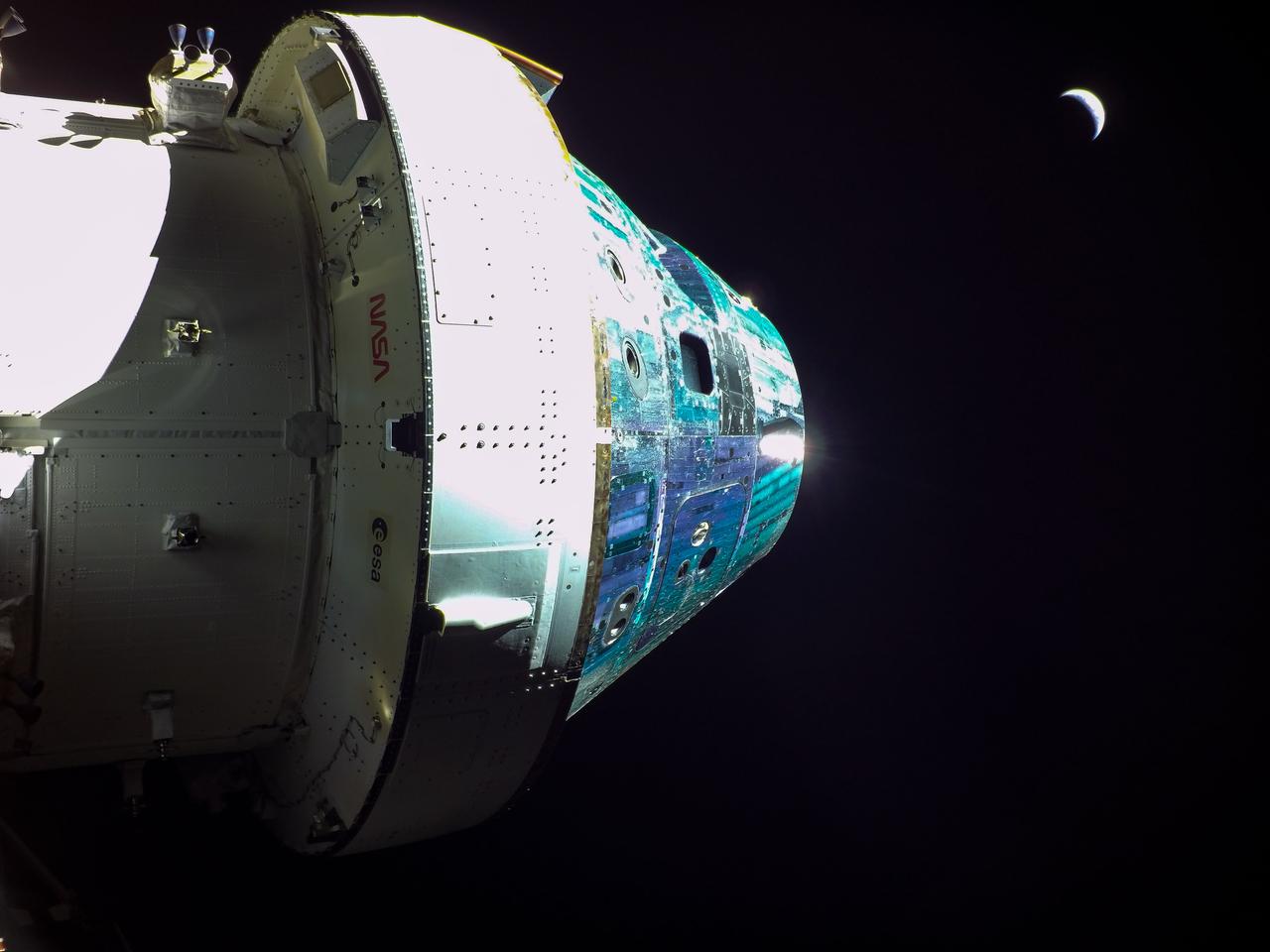
art001e002003 (Dec. 4, 2022) On the 19th day of the Artemis I mission, Orion captures Earth from a camera mounted on one of its solar arrays as the spacecraft prepares for the return powered flyby of the Moon on Dec. 5, when it will pass approximately 79 miles above the lunar surface.
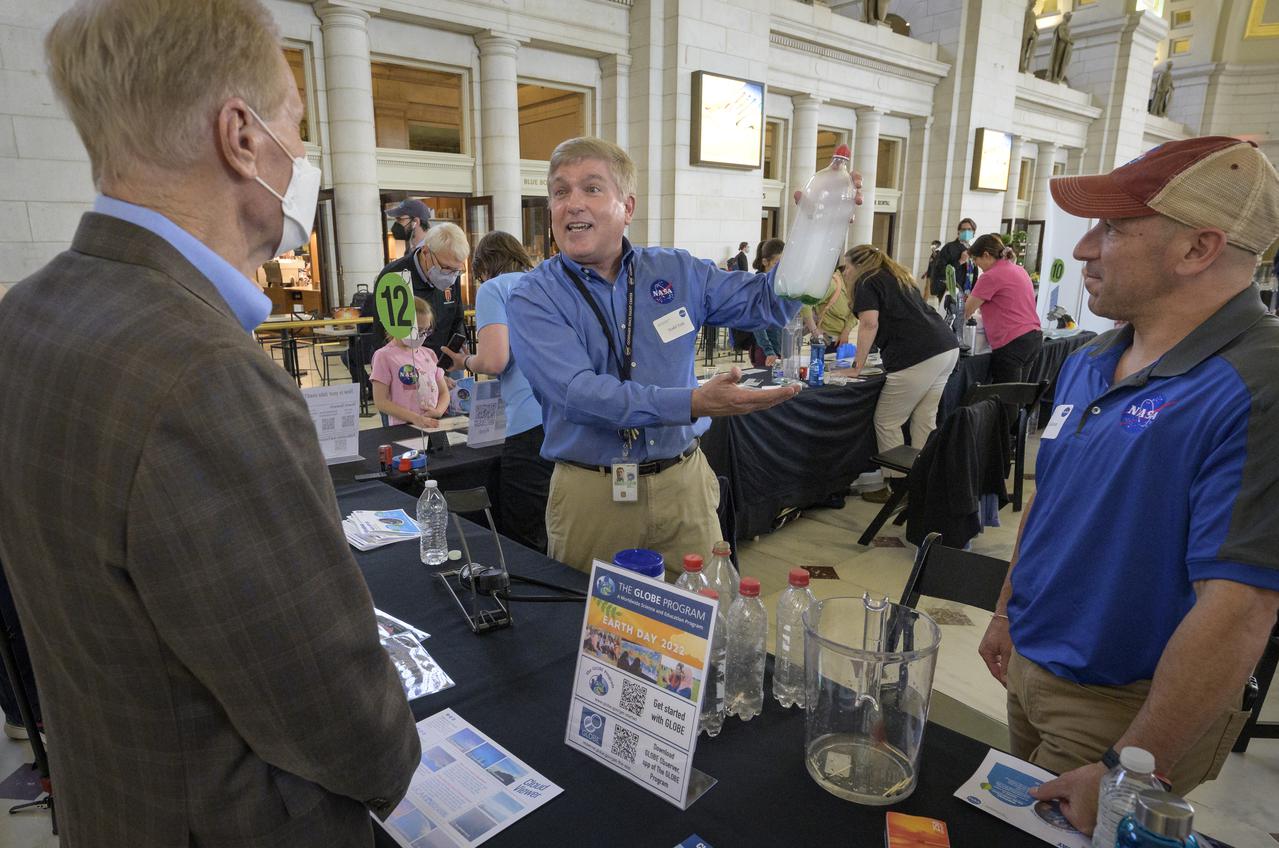
NASA Administrator Bill Nelson, left, talks with NASA team members about Earth Day during his tour of NASA hands-on exhibits inside Union Station in Washington, Friday, April 22, 2022. Photo Credit: (NASA/Bill Ingalls)

jsc2022e021197 (March 5, 2022) --- NASA astronaut Mark Vande Hei talks to media and answers social media questions at NASA's Johnson Space Center less than a week after returning to Earth and completing a 355-day mission aboard the International Space Station.
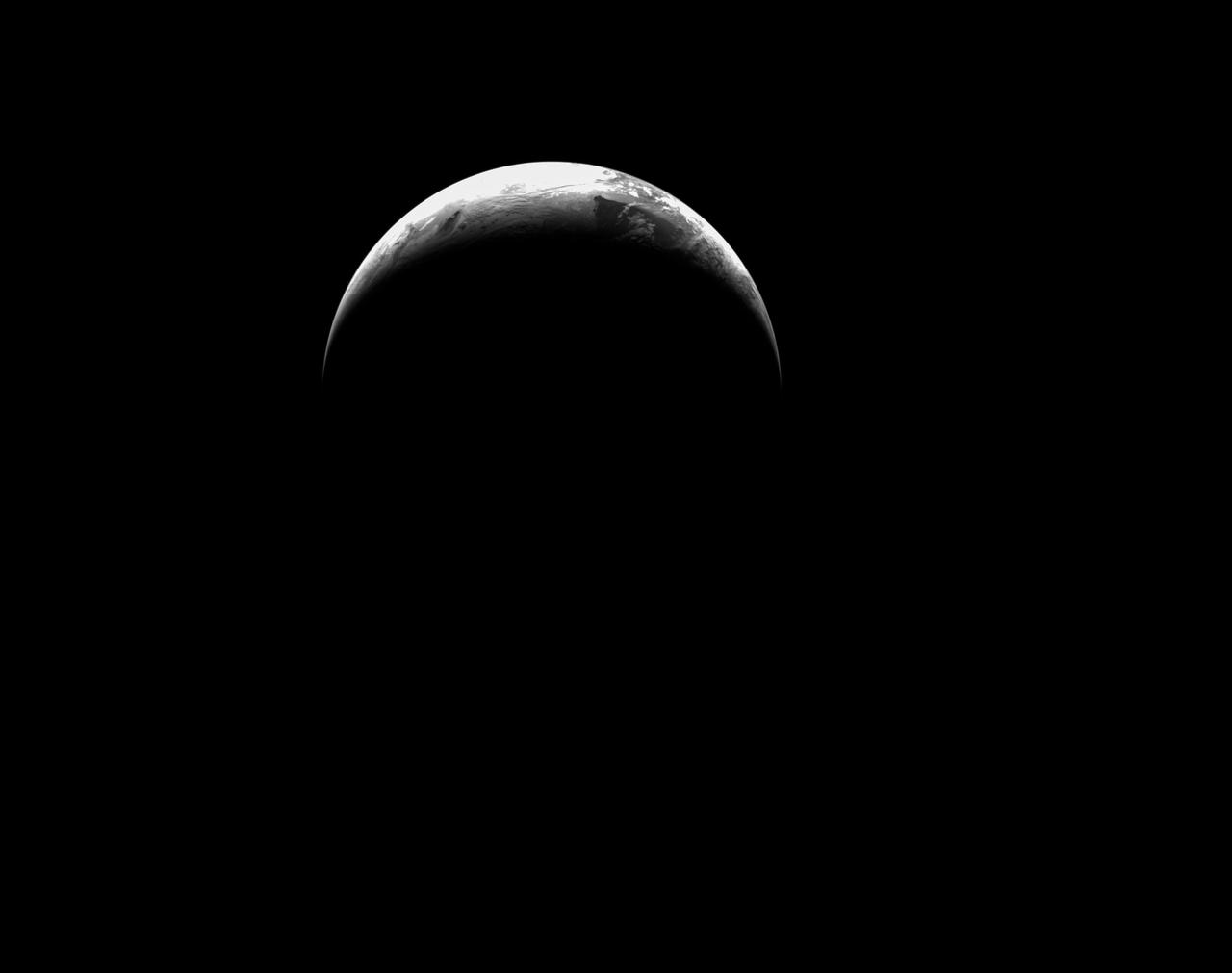
art001e003070 (Dec. 11, 2022) On the day of its return to Earth, Orion’s optical navigation camera captured this image of the planet. The spacecraft splashed down at 12:40 p.m. EST Dec. 11, completing the Artemis I mission and paving the way for future Artemis missions to land the first woman and first person of color on the Moon.
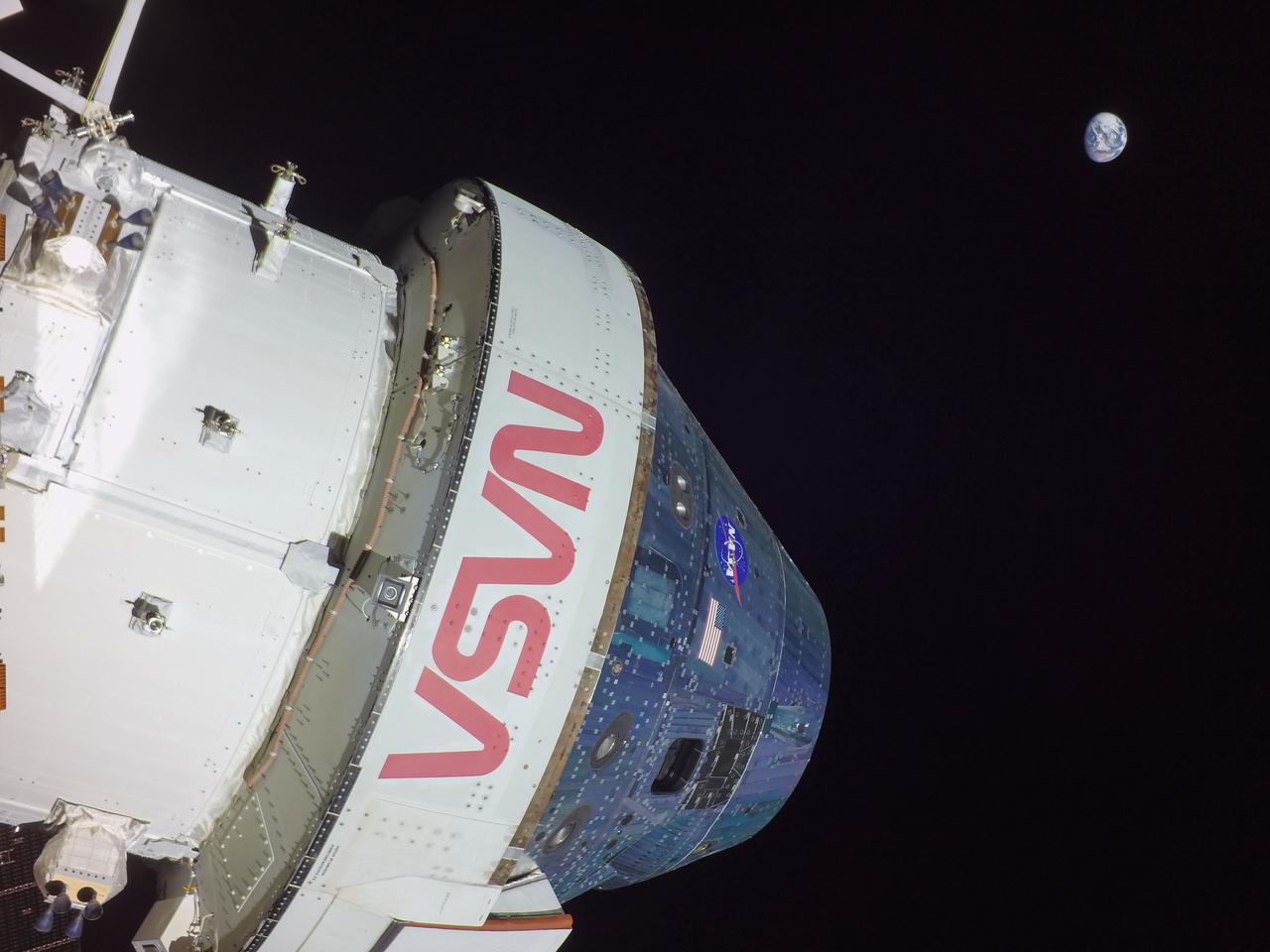
art001e000539 (Nov. 26, 2022)—On flight day 11, NASA’S Orion spacecraft captured imagery looking back at the Earth from a camera mounted on one of its solar arrays. The spacecraft is currently in a distant retrograde orbit around the Moon.
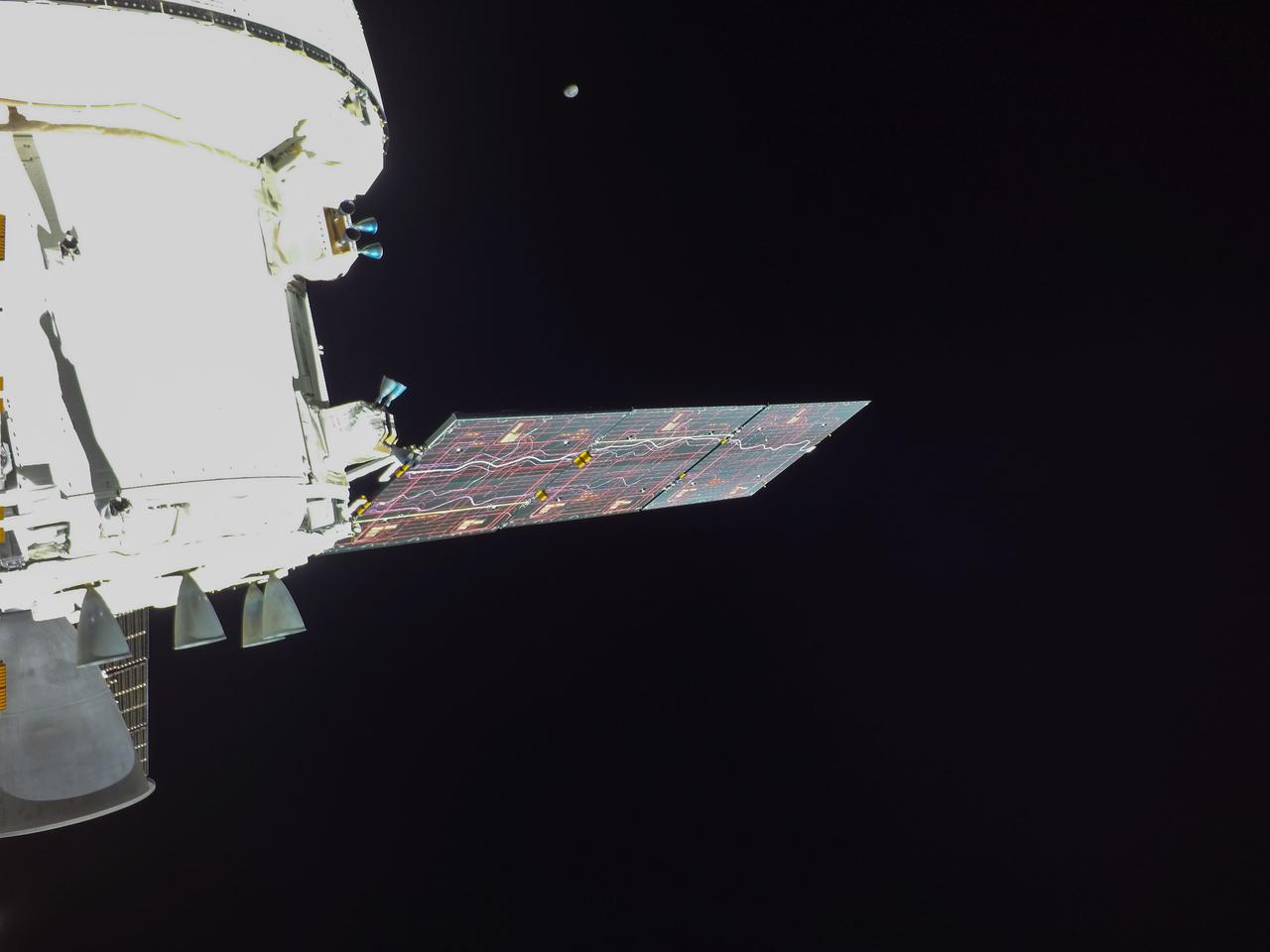
art001e003000 (Dec. 10, 2022) On flight day 25 of the Artemis I mission, Orion captured this photo of the Moon from a camera mounted on one of its solar arrays. The spacecraft is now closer to Earth than to the Moon, and will splash down on Sunday, Dec. 11.
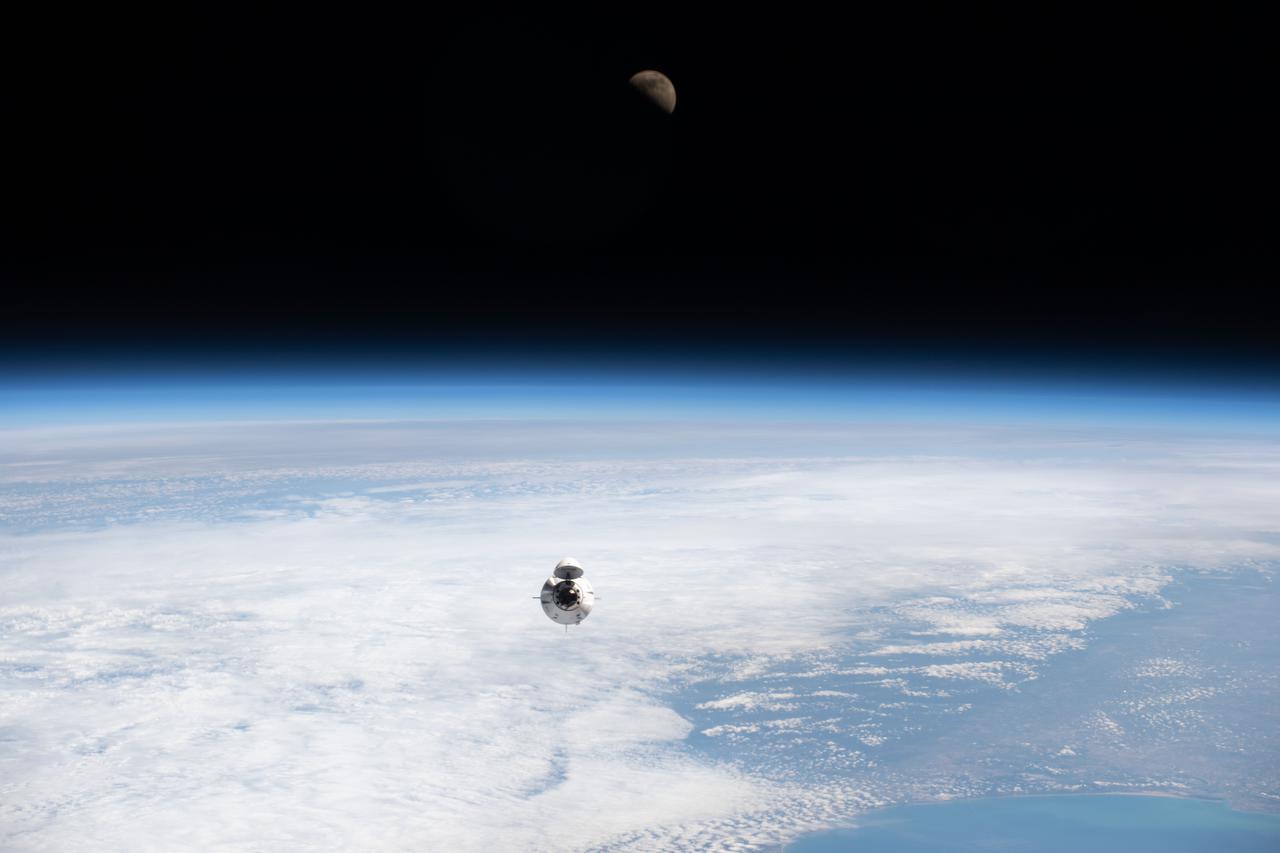
iss067e006192 (April 9, 2022) --- The SpaceX Dragon Endeavour carrying four Axiom Mission 1 astronauts approaches the International Space Station less than a day after launching from NASA's Kennedy Space Center in Florida. Pictured above Earth's horizon is the first quarter Moon.