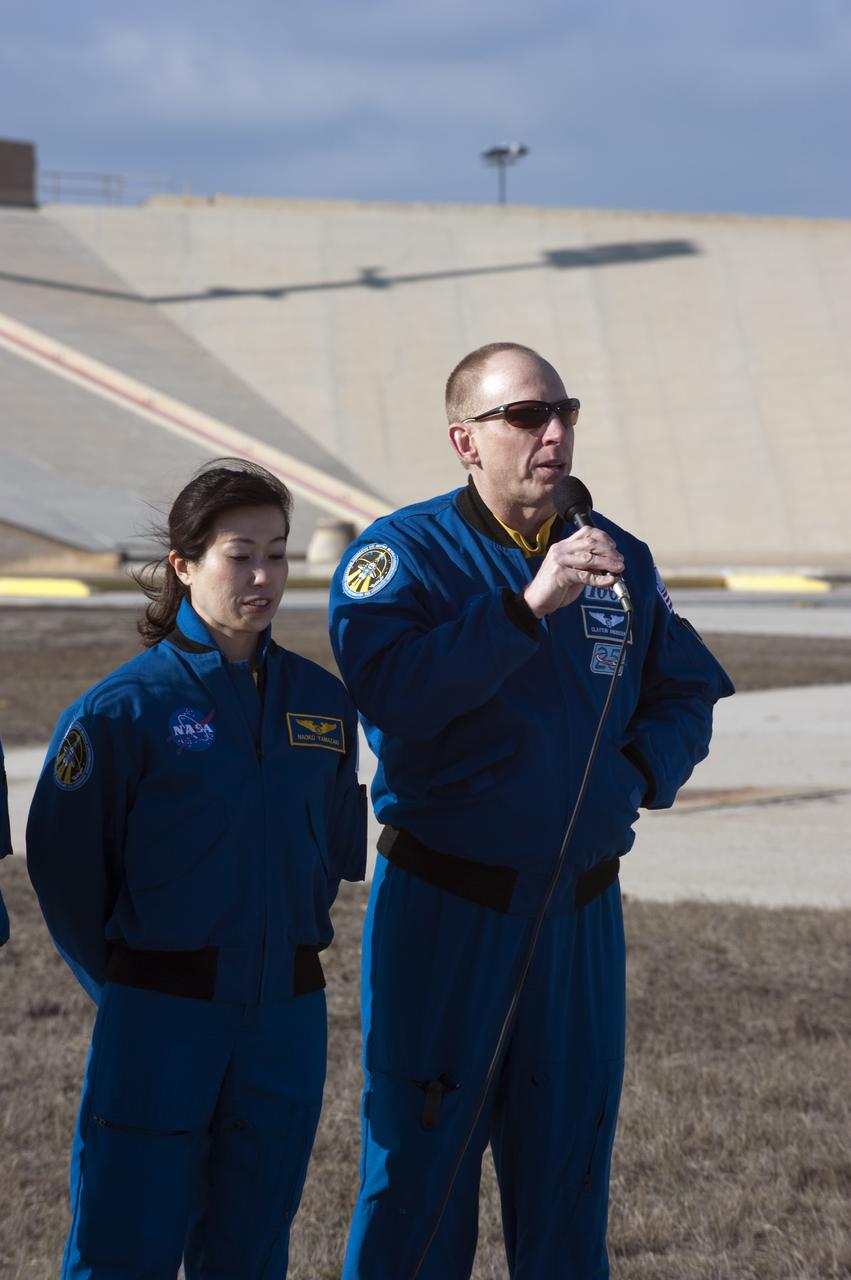
STS-131 TCDT - PAD Q & A
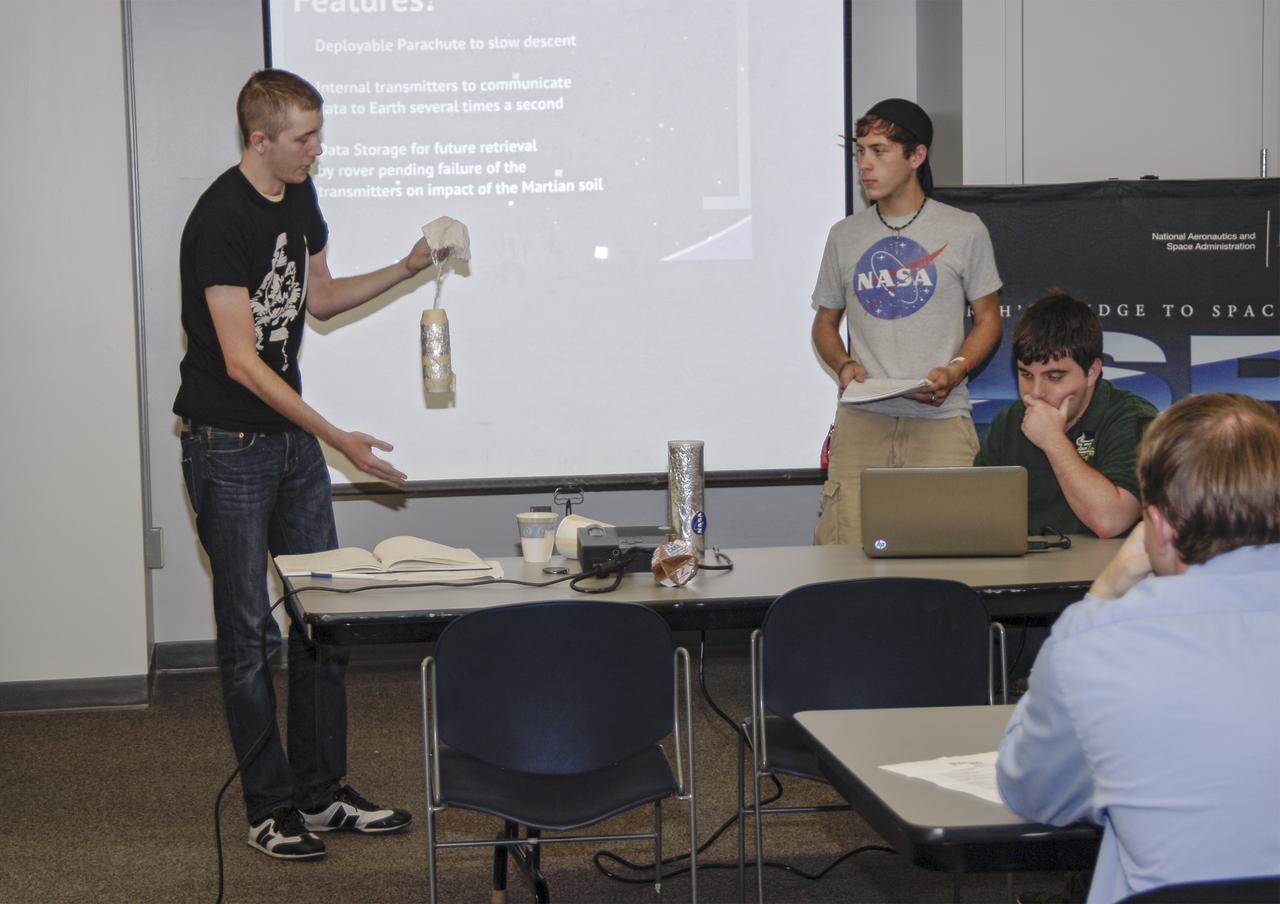
CAPE CANAVERAL, Fla. – Michael Strittmatter, at left, Joey Vars and Allan Pinkerton, all students at the University of South Florida St. Petersburg, present their ideas to a panel of technical and non-technical judges during the 2013 International Space Apps Challenge at The Astronaut Memorial Foundation’s Center for Space Education in Florida. During the worldwide two-day challenge, more than 9,000 people and 484 organizations came together in 83 cities across 44 countries, as well as online, to develop new ways of solving challenges that NASA faces. At Kennedy, four teams brainstormed ideas with subject matter experts and others and worked nearly 32 hours straight to present their concepts to a panel of three technical and non-technical judges. Challenges tackled at Kennedy were: Deployable Greenhouse, Kennedy Space Center 2040, Seven Minutes of Science, and Moonville – Lunar Industry Game. Photo credit: NASA_Charisse Nahser
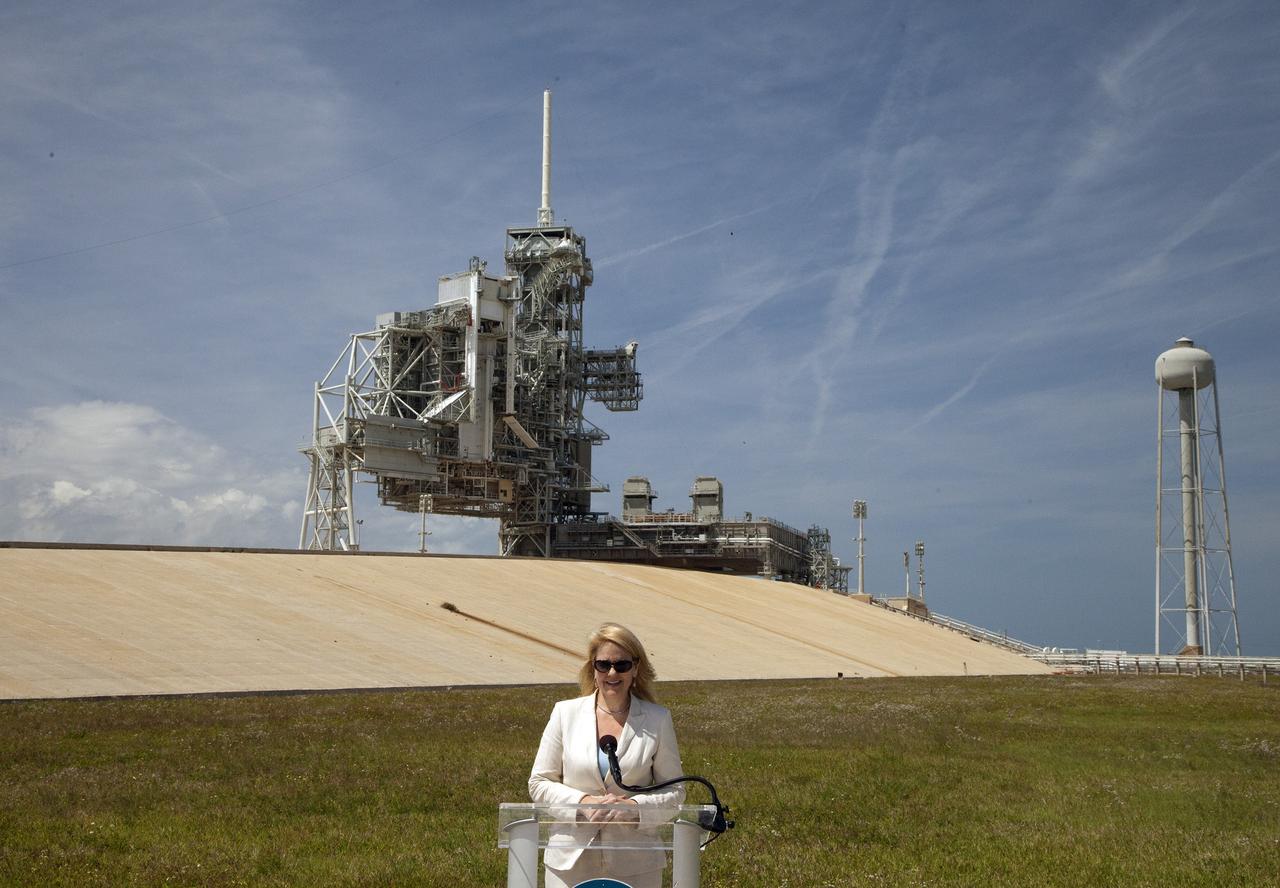
CAPE CANAVERAL, Fla. -- At Kennedy Space Center's Launch Pad 39A, Gwynne Shotwell, president and chief operating officer of Space Exploration Technologies SpaceX of Hawthorne, Calif., announces that NASA has just signed a lease agreement with SpaceX for use and operation of Launch Complex 39A. SpaceX will use Launch Complex 39A for rockets such as the Falcon Heavy, currently under development. Both launch pad 39A and 39B were originally built for the Apollo/Saturn V rockets that launched American astronauts on their historic journeys to the moon and later modified to support the 30-year shuttle program. Pad 39B is now being modified by NASA to support the Space Launch System SLS rocket boosting the Orion spacecraft part of the agency’s plan to explore beyond low-Earth orbit. To learn more about Launch Pad 39A visit: http://www.nasa.gov/mission_pages/shuttle/launch/launch-complex39-toc.html Photo credit: NASA/Dan Casper
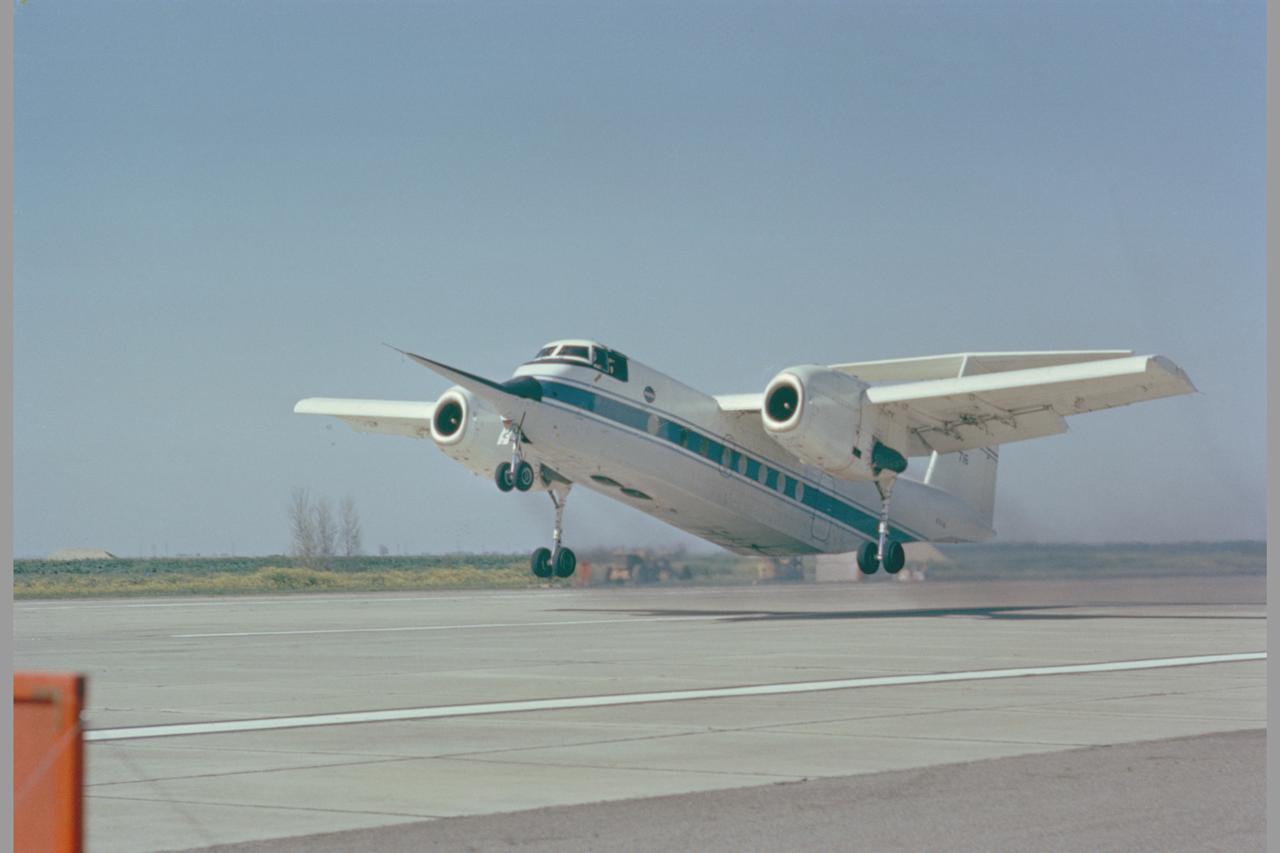
C-8A (NASA-716) Buffalo Augmentor Wing Jet STOL Research Aircraft at Crows Landing during take-off
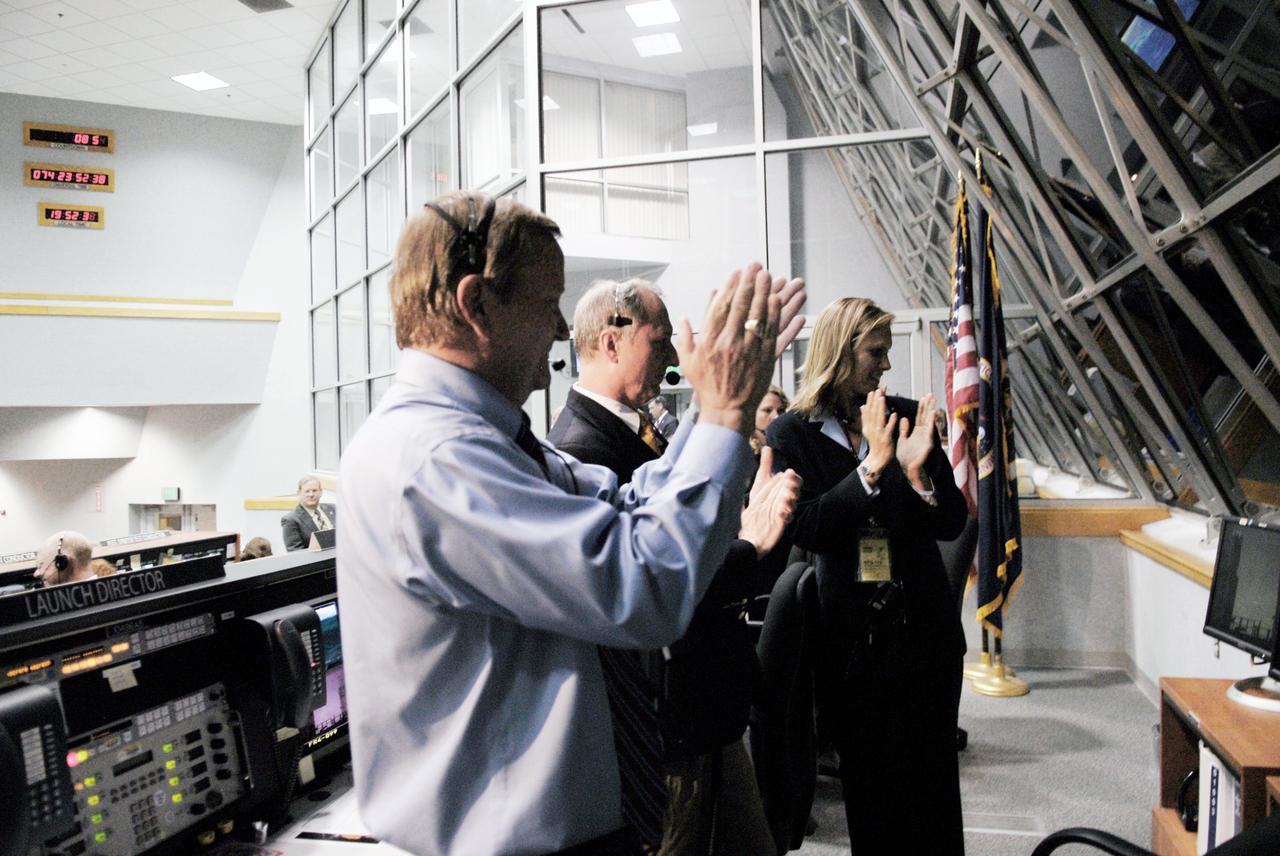
CAPE CANAVERAL, Fla. – In Firing Room 4 of the Launch Control Center at NASA's Kennedy Space Center in Florida, Shuttle Launch Director Mike Leinbach, Assistant Launch Director Pete Nickolenko and Flow Director for space shuttle Discovery Stephanie Stilson applaud the successful launch of space shuttle Discovery on the STS-119 mission. Launch was on time at 7:43 p.m. EDT. The STS-119 mission is the 28th to the space station and Discovery's 36th flight. Discovery will deliver the final pair of power-generating solar array wings and the S6 truss segment. Installation of S6 will signal the station's readiness to house a six-member crew for conducting increased science. Photo credit: NASA/Kim Shiflett
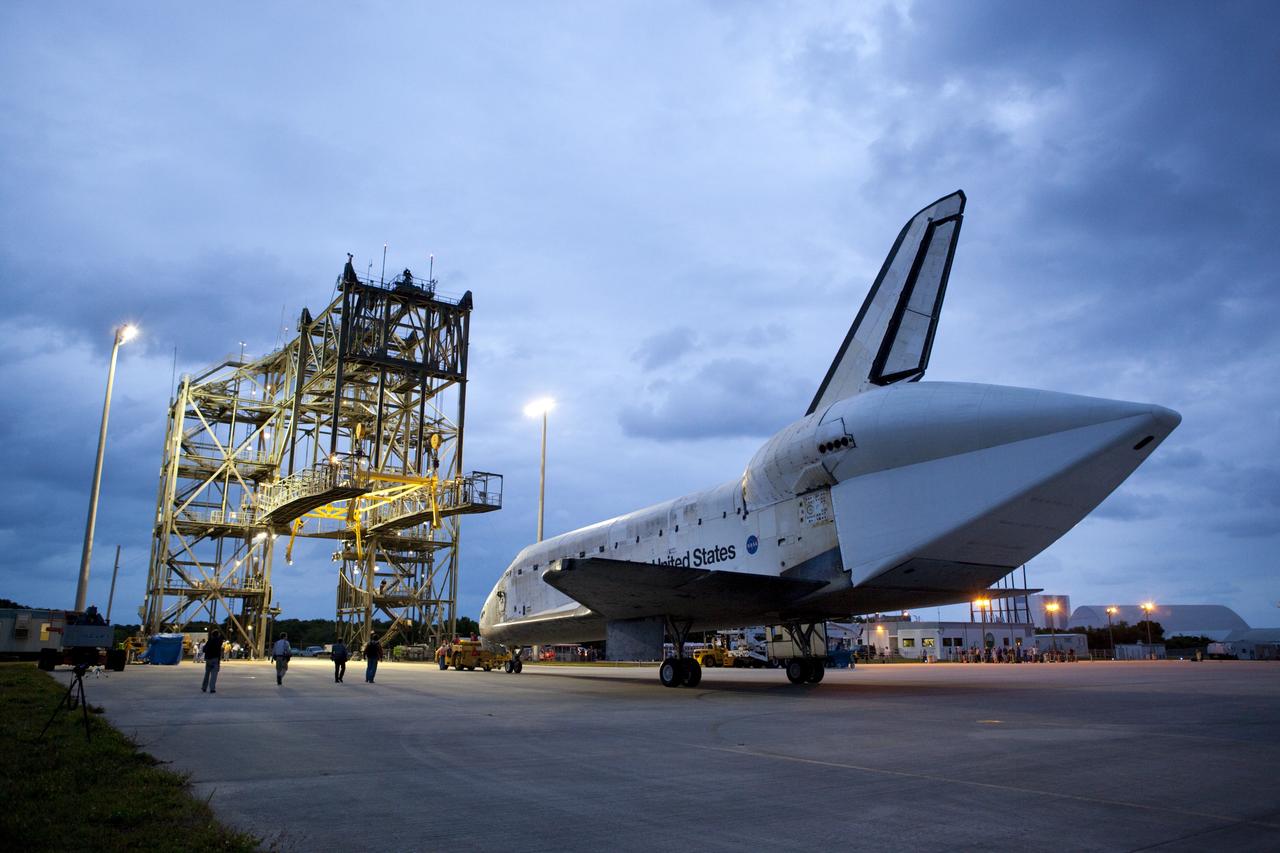
CAPE CANAVERAL, Fla. – Space shuttle Discovery is towed into position next to the mate-demate device, or MDD, at the Shuttle Landing Facility, or SLF, at NASA’s Kennedy Space Center in Florida. A tail cone has been installed over its three replica shuttle main engines to reduce aerodynamic drag and turbulence during its upcoming ferry flight. The MDD is a large gantry-like steel structure used to hoist a shuttle off the ground and position it onto the back of a Shuttle Carrier Aircraft, or SCA. The SCA is a Boeing 747 jet, originally manufactured for commercial use, which was modified by NASA to transport the shuttles between destinations on Earth. The SCA designated NASA 905 is assigned to the remaining ferry missions, delivering the shuttles to their permanent public display sites. Discovery’s new home will be the Smithsonian's National Air and Space Museum Steven F. Udvar-Hazy Center in Chantilly, Va. For more information on the SCA, visit http://www.nasa.gov/centers/dryden/news/FactSheets/FS-013-DFRC.html. For more information on shuttle transition and retirement activities, visit http://www.nasa.gov/transition. Photo credit: NASA/Dimitri Gerondidakis
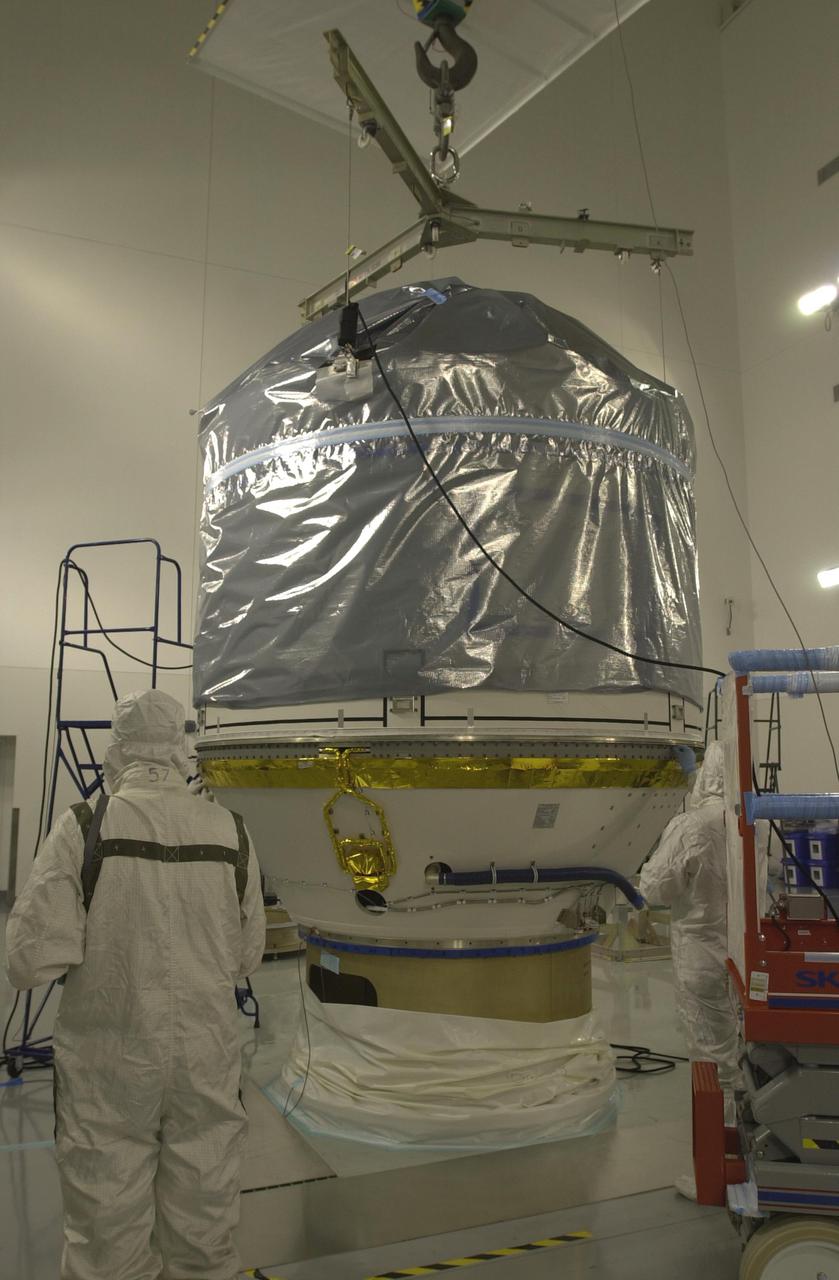
VANDENBERG AIR FORCE BASE, CALIF. - Inside the Astrotech Payload Processing Facility on Vandenberg Air Force Base in California, the upper Delta Payload Attach Fitting (UDPAF) has been mated with the lower Delta Payload Attach Fitting (LDPAF). The LDPAF holds the CloudSat satellite and the UDPAF will hold the CALIPSO satellite. CALIPSO stands for Cloud-Aerosol Lidar and Infrared Pathfinder Satellite Observation. CALIPSO and CloudSat are highly complementary satellites that will provide never-before-seen 3-D perspectives of how clouds and aerosols form, evolve, and affect weather and climate. CALIPSO and CloudSat will fly in formation with three other satellites in the A-train constellation to enhance understanding of our climate system. Launch of CALIPSO_CloudSat aboard a Boeing Delta II rocket is scheduled for 3:01 a.m. PDT Sept. 29.
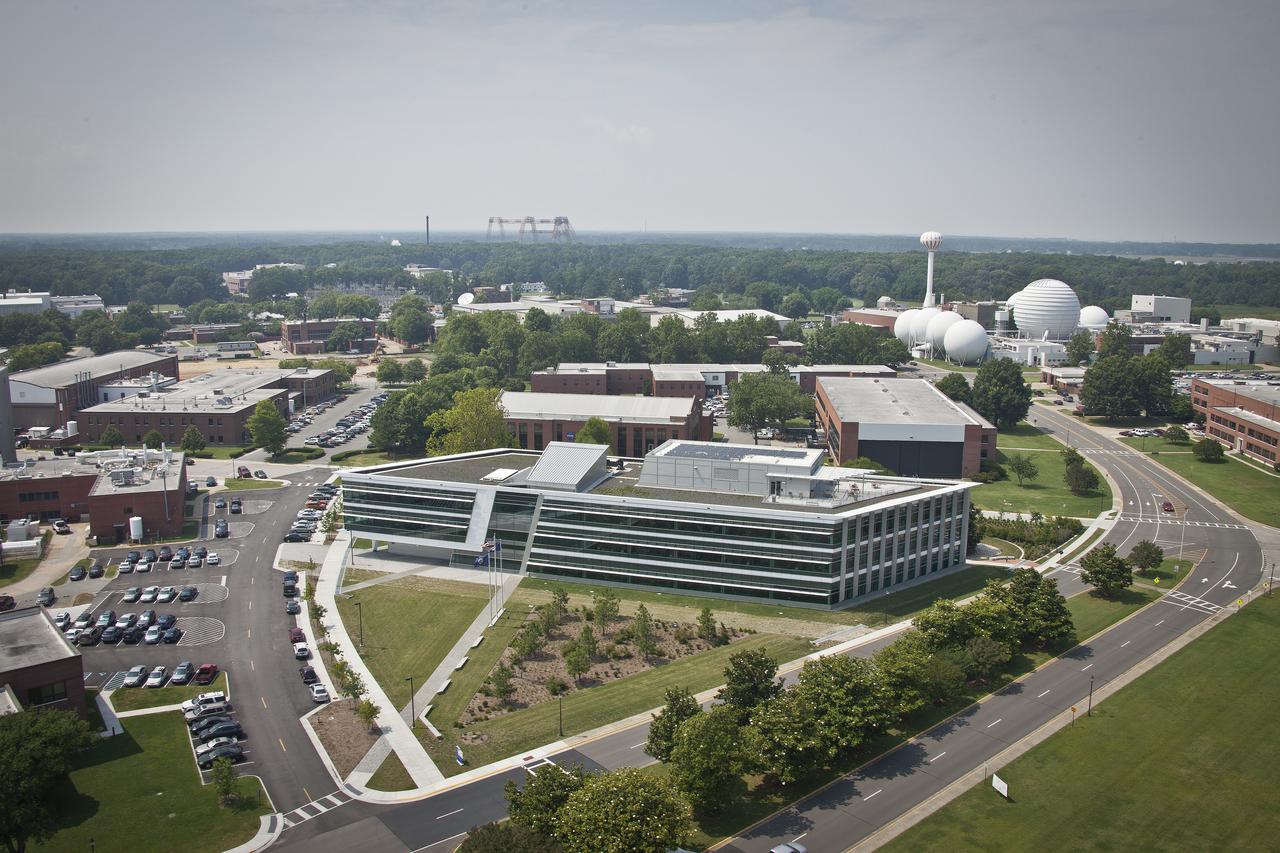
Aerial of NASA Langley Research Center New Town Center Head Quarters
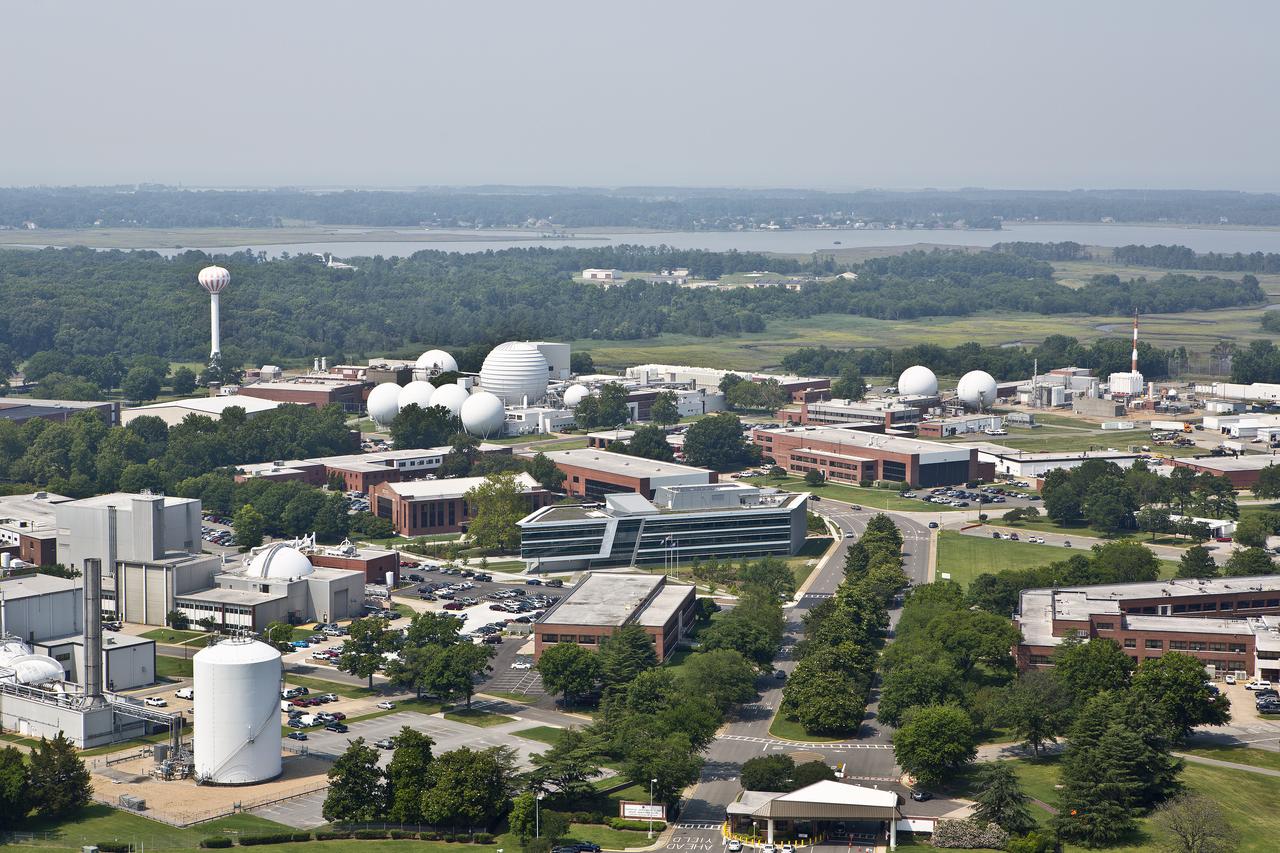
Aerial view of NASA Langley Research Center west side
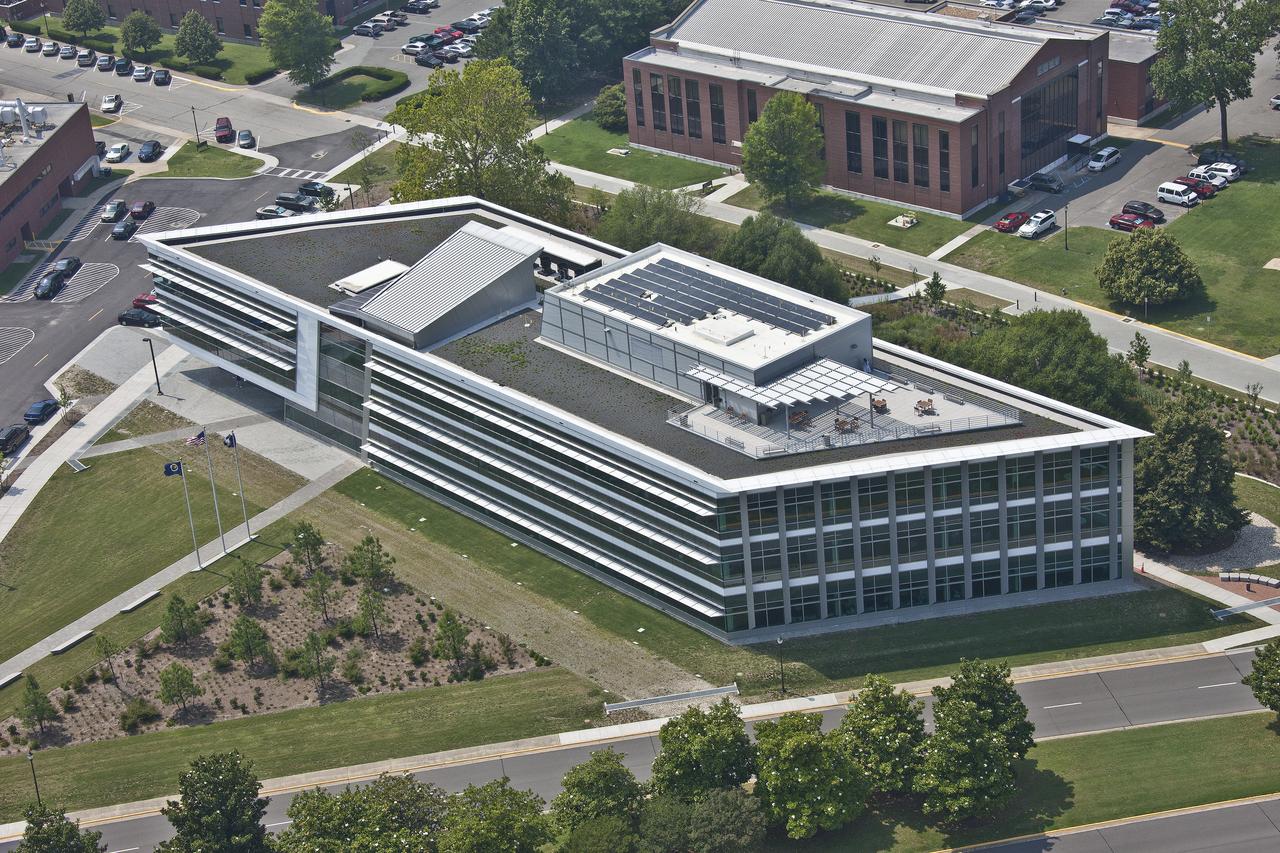
Aerial of NASA Langley Research Center New Town Center Head Quarters
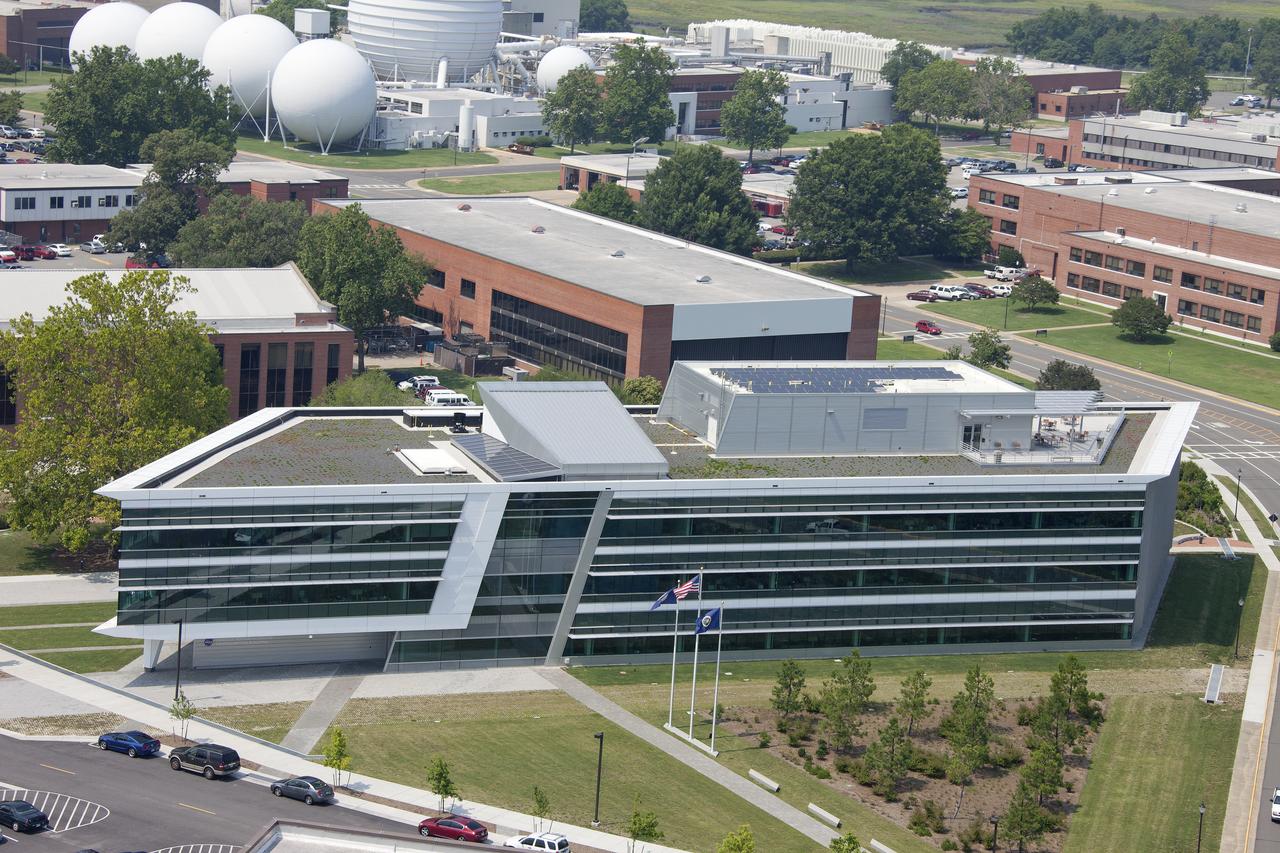
Aerial of NASA Langley Research Center New Town Center Head Quarters
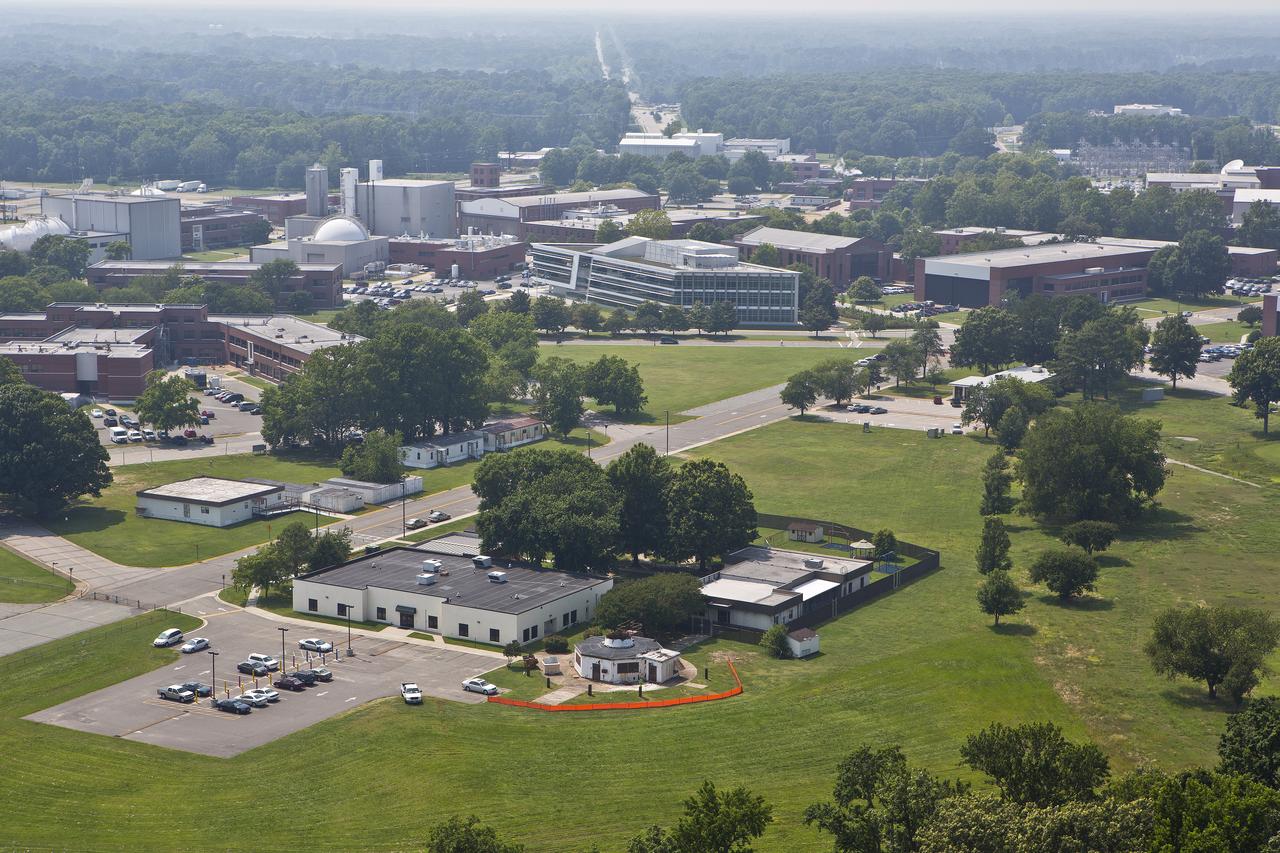
Aerials of NASA Langley Research Center west area
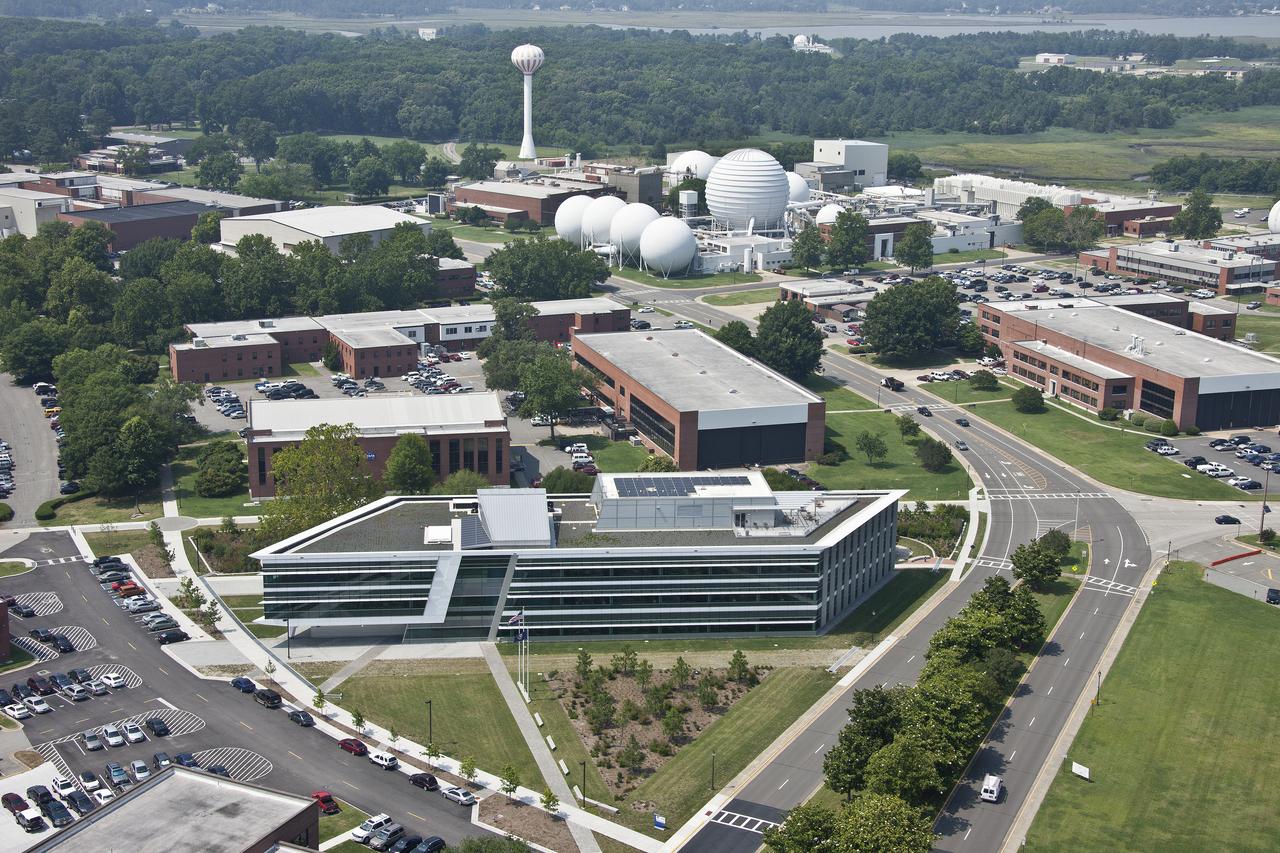
Aerial of NASA Langley Research Center with headquarter building in the fore ground