
IBM 2250 computer station with Paul Kutler

CAPE CANAVERAL, Fla. – Cranes and workers are in place to lift the nosecone part of a solid rocket booster replica into place at the Kennedy Space Center Visitor Complex where the Space Shuttle Atlantis exhibit and attraction is under construction. Photo credit: NASA_Dmitri Gerondidakis
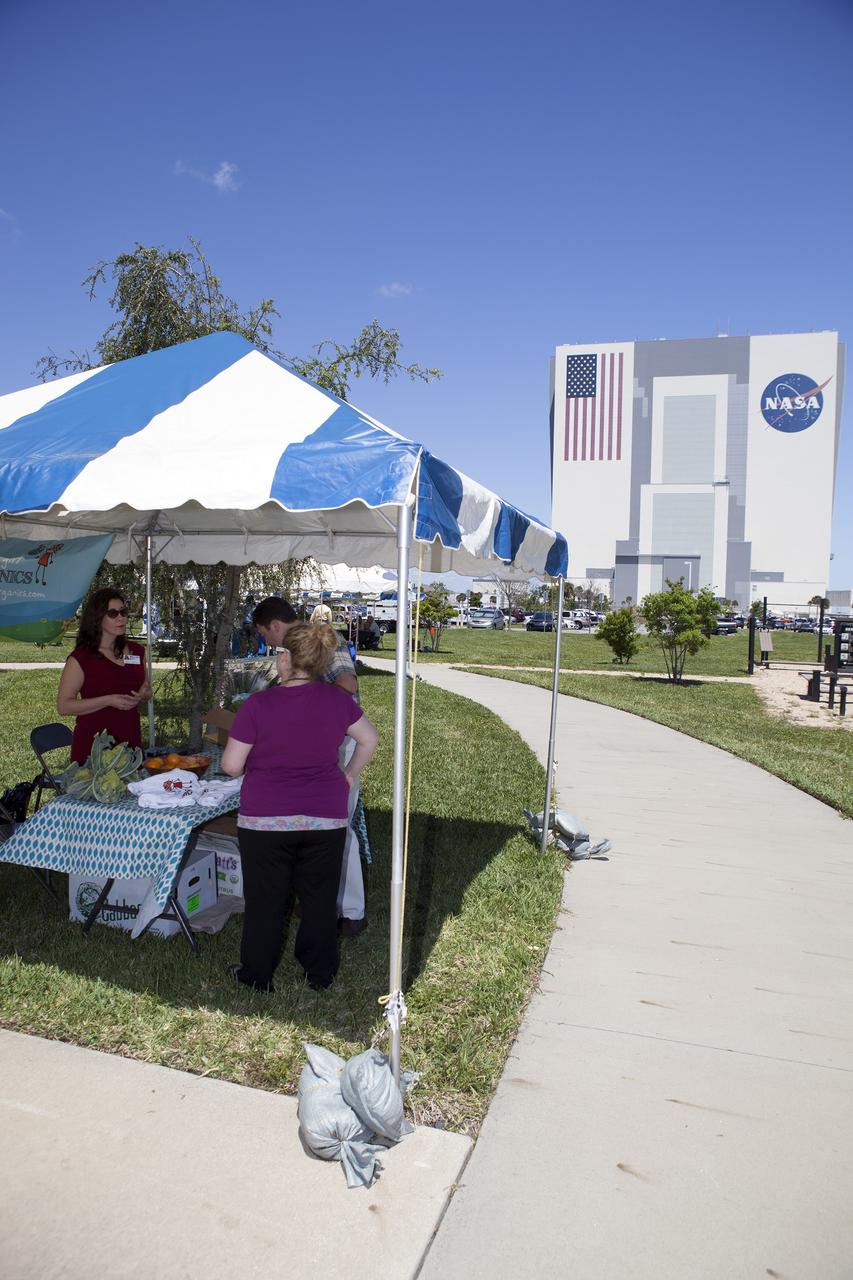
CAPE CANAVERAL, Fla. -- NASA's Kennedy Space Center in Florida hosts a Sustainability Fair in observance of Earth Day. The fair was held adjacent to the Pathfinder Fitness Trail across the street from the 525-foot-tall Vehicle Assembly Building in Launch Complex 39. Kennedy Earth Day events included booths by a dozen sustainable companies and environmental organizations, displays on organic gardening, recycling, sustainable materials, alternative fuels and wildlife, and test-drives of several alternative-fuel vehicles. In keeping with the national theme, "Green Cities," the fair provided employees with the opportunity to learn how to do their parts in securing a healthy and sustainable future for their cities and the planet. The space center's sustainability objective is to "promote, maintain and pioneer green practices in all aspects of our mission, striving to be an agency leader in everything we do." For more information on Kennedy's sustainability policy, visit http://www.nasa.gov/centers/kennedy/about/sustainability. Photo credit: NASA/Dimitri Gerondidakis
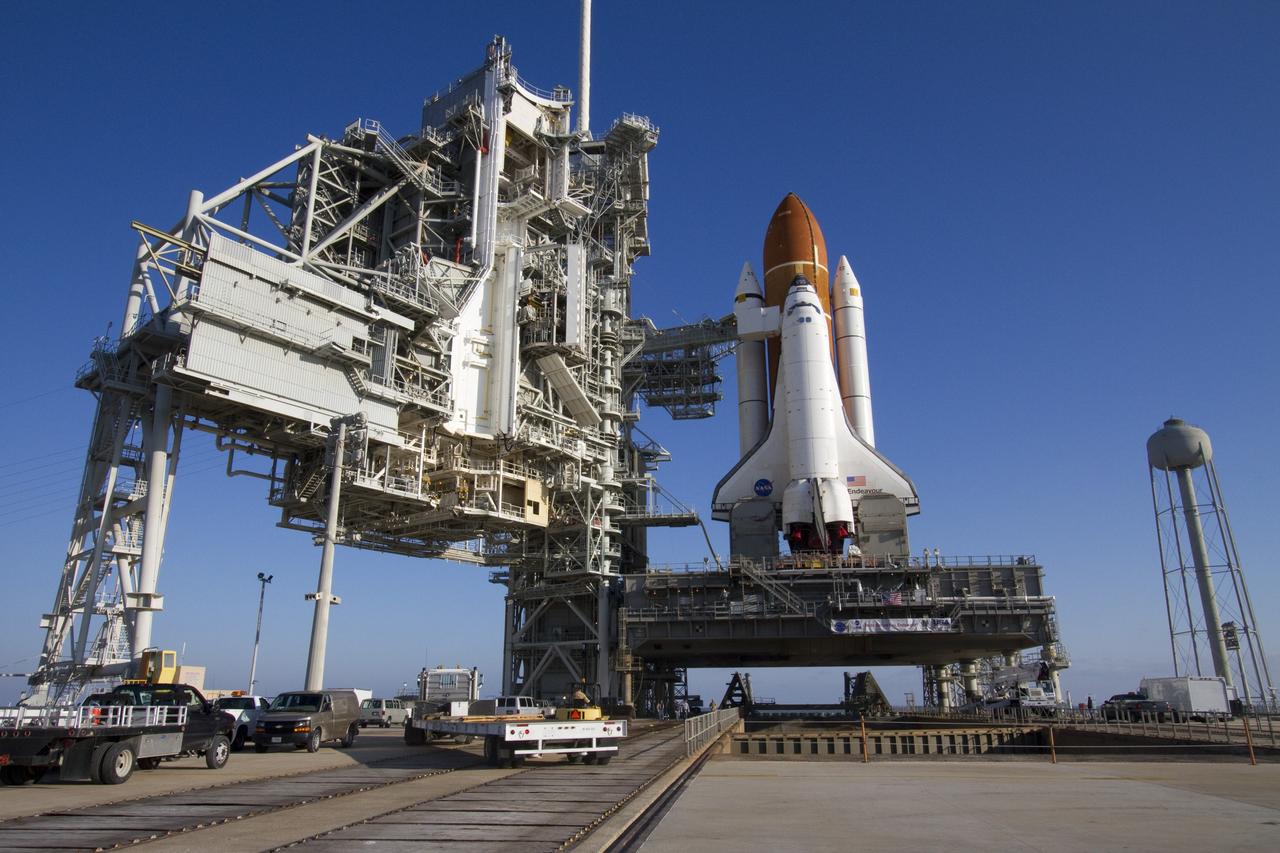
CAPE CANAVERAL, Fla. -- Space shuttle Endeavour's mobile launcher platform sits over the flame trench at Launch Pad 39A at NASA's Kennedy Space Center in Florida. Riding atop a crawler-transporter attached to its external fuel tank and solid rocket boosters, Endeavour's 3.4-mile trek, known as "rollout," began at the Vehicle Assembly Building at 7:56 p.m. EST March 10 and ended at 3:49 a.m. EST, nearly eight hours later. This is Endeavour's final scheduled rollout. Endeavour and its six-member crew will deliver the Express Logistics Carrier-3, Alpha Magnetic Spectrometer-2 (AMS), a high-pressure gas tank, additional spare parts for the Dextre robotic helper and micrometeoroid debris shields to the International Space Station on the shuttle's final spaceflight, STS-134. Launch is targeted for 7:48 p.m. EDT April 19. For more information, visit www.nasa.gov/mission_pages/shuttle/shuttlemissions/sts134/index.html. Photo credit: NASA/Jack Pfaller
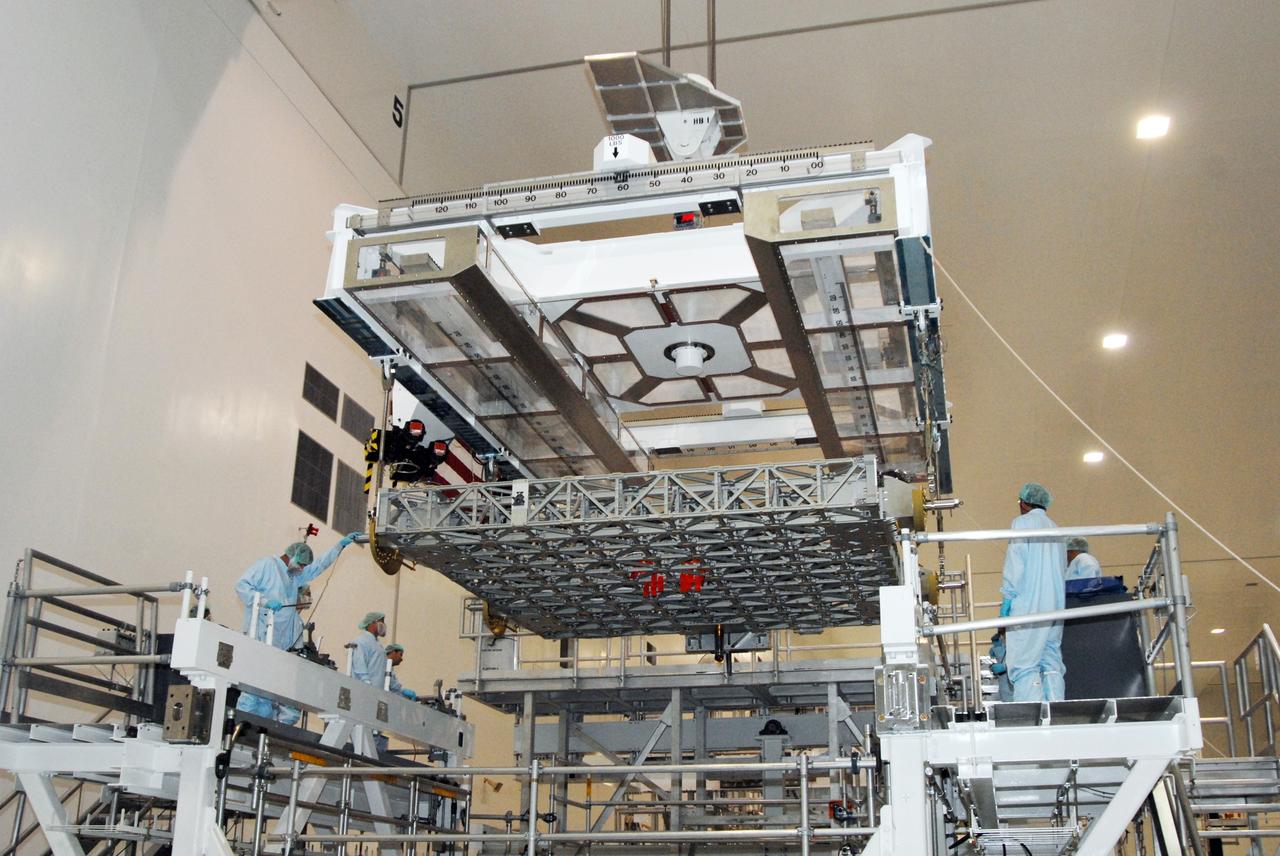
CAPE CANAVERAL, Fla. – Inside the Space Station Processing Facility at NASA's Kennedy Space Center in Florida, a crane lowers the EXPRESS Logistics Carrier onto a stand. The carrier is part of the payload on space shuttle Atlantis, which will deliver to the International Space Station components including two spare gyroscopes, two nitrogen tank assemblies, two pump modules, an ammonia tank assembly and a spare latching end effector for the station's robotic arm. STS-129 is targeted to launch Nov. 12. Photo credit: NASA/Tim Jacobs

CAPE CANAVERAL, Fla. – As the sun rises, preparations are under way for the Shuttle Carrier Aircraft carrying space shuttle Discovery to back out of the Shuttle Landing Facility's mate-demate device at NASA’s Kennedy Space Center in Florida. The device, known as the MDD, is a large gantry-like steel structure used to hoist a shuttle off the ground and position it onto the back of the aircraft, or SCA. The SCA is a Boeing 747 jet that was originally manufactured for commercial use and modified by NASA to transport the shuttles between destinations on Earth. This SCA, designated NASA 905, is assigned to the remaining ferry missions, delivering the shuttles to their permanent public display sites. NASA 905 is scheduled to ferry Discovery to the Washington Dulles International Airport in Virginia on April 17, after which the shuttle will be placed on display in the Smithsonian's National Air and Space Museum Steven F. Udvar-Hazy Center. For more information on the SCA, visit http://www.nasa.gov/centers/dryden/news/FactSheets/FS-013-DFRC.html. For more information on shuttle transition and retirement activities, visit http://www.nasa.gov/transition. Photo credit: NASA/Kim Shiflett
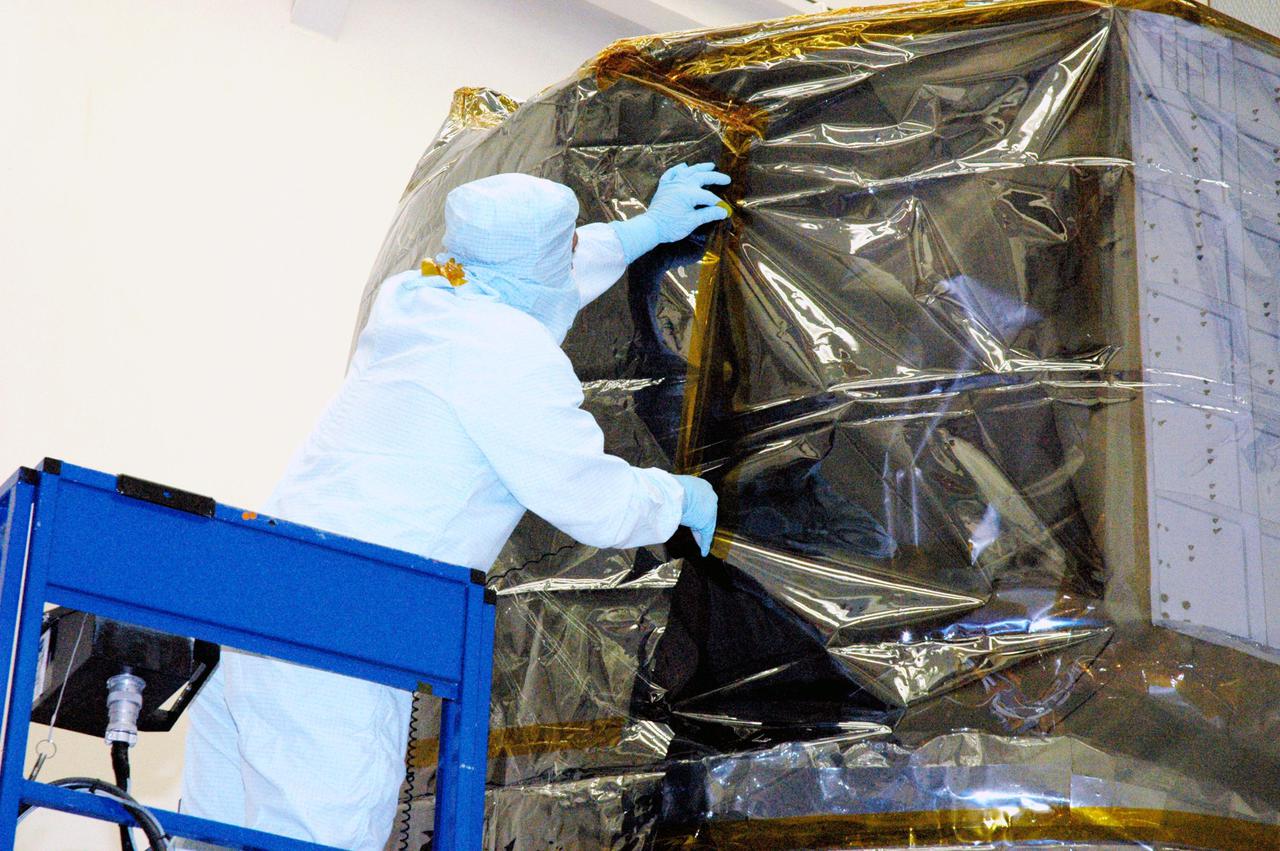
KENNEDY SPACE CENTER, FLA. - In Hangar AE at Cape Canaveral Air Force Station (CCAFS) in Florida, technicians with Spectrum Astro Inc. secure the plastic cover around the Swift spacecraft before moving it to the launch pad. The launch of the Swift observatory, a NASA spacecraft to pinpoint the location of gamma-ray bursts, is scheduled for Nov. 17 from Pad 17-A on CCAFS. Liftoff aboard a Boeing Delta II rocket is targeted at the opening of a one-hour launch window beginning at 12:09 p.m. EST. Gamma-ray bursts are distant, yet fleeting explosions that appear to signal the births of black holes. They are the most powerful explosions known in the universe, emitting more than 100 billion times the energy that the Sun emits in a year. Yet they last only from a few milliseconds to a few minutes, never to appear in the same spot again.
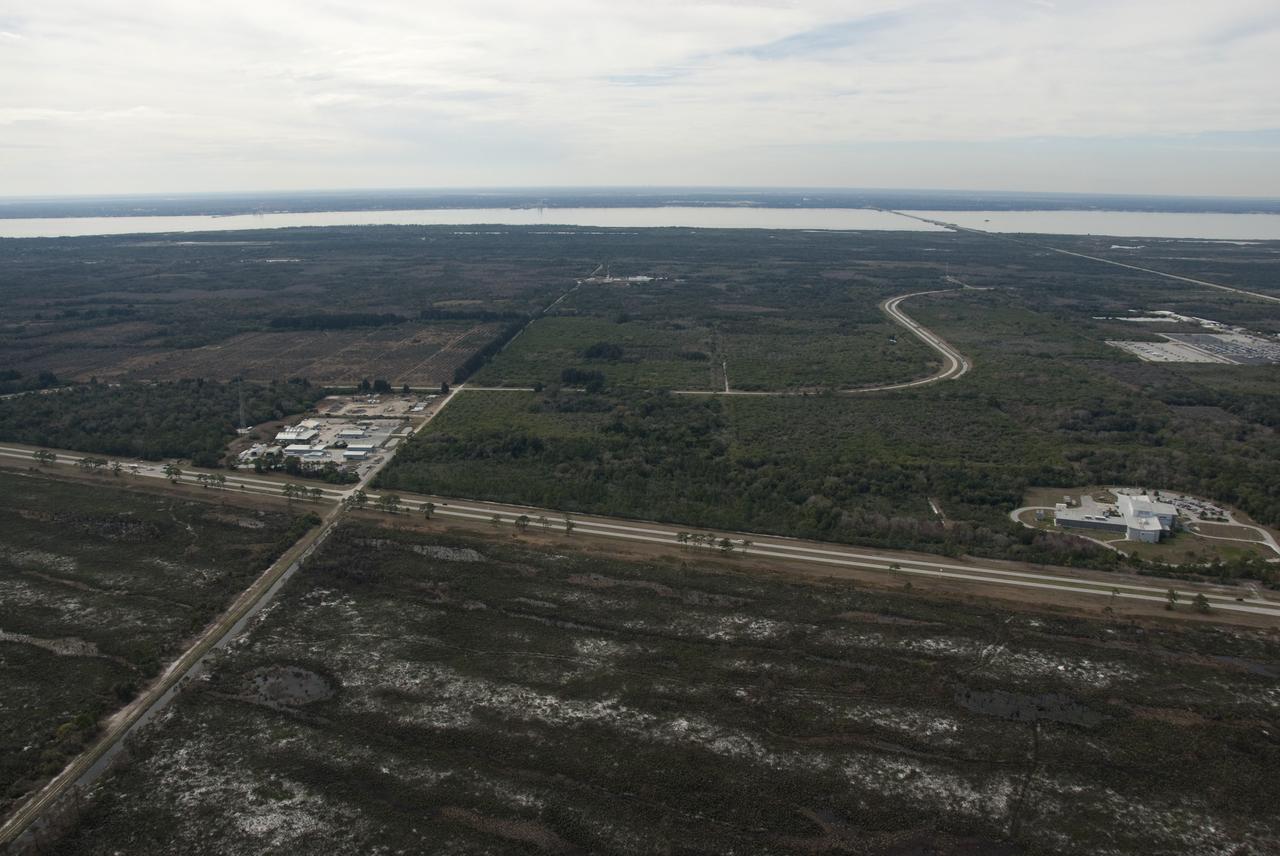
AERIALS - SR3 SOLAR FACILITY & NEW EXPANSION SITE, EXLORATION PARK
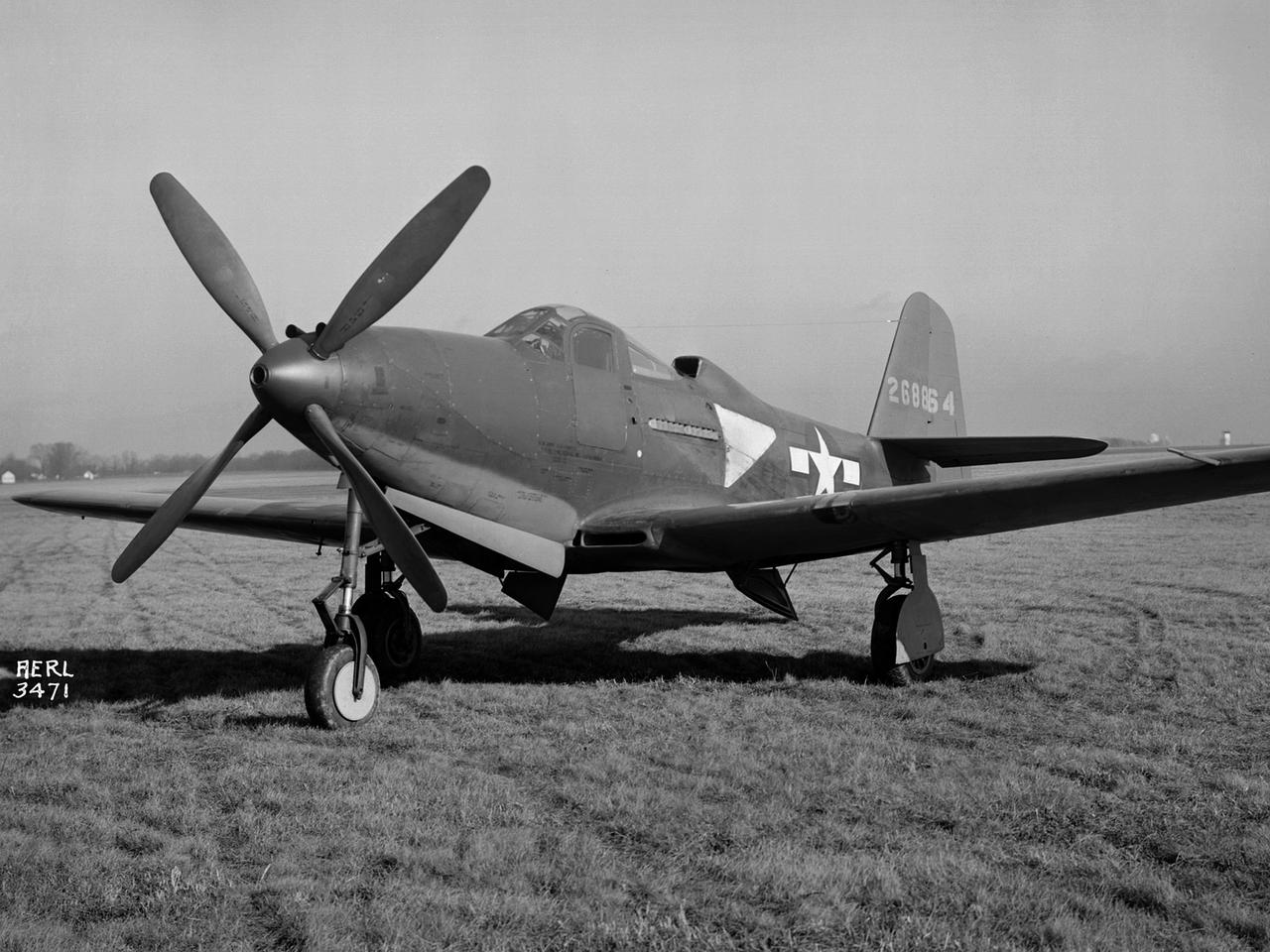
The Army Air Forces lent the National Advisory Committee for Aeronautics (NACA) Aircraft Engine Research Laboratory a Bell P–63A King Cobra in October 1943 to complement the lab's extensive efforts to improve the Allison V–1710 engine. The V–1710-powered P–63A was a single-seat fighter that could reach speeds of 410 miles per hour and an altitude of 43,000 feet. The fighter, first produced in 1942, was an improvement on Bell’s P–39, but persistent performance problems at high altitudes prevented its acceptance by the Air Corps. Instead many of the P–63s were transferred to the Soviet Union. Almost every test facility at the NACA’s engine lab was used to study the Allison V–1710 engine and its supercharger during World War II. Researchers were able to improve the efficiency, capacity and pressure ratio of the supercharger. They found that improved cooling significantly reduced engine knock in the fuel. Once the researchers were satisfied with their improvements, the new supercharger and cooling components were installed on the P–63A. The Flight Research Division first established the aircraft’s normal flight performance parameters such as speed at various altitudes, rate of climb, and peak altitude. Ensuing flights established the performance parameters of the new configuration in order to determine the improved performance. The program increased V–1710’s horsepower from 1650 to 2250.