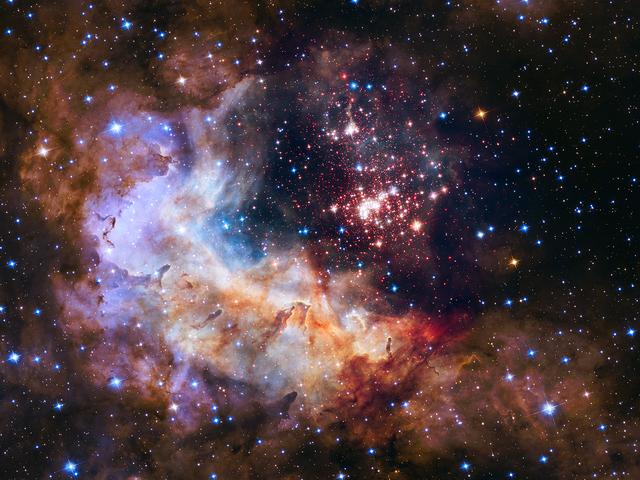
The brilliant tapestry of young stars flaring to life resemble a glittering fireworks display in the 25th anniversary NASA Hubble Space Telescope image, released to commemorate a quarter century of exploring the solar system and beyond since its launch on April 24, 1990. “Hubble has completely transformed our view of the universe, revealing the true beauty and richness of the cosmos” said John Grunsfeld, astronaut and associate administrator of NASA’s Science Mission Directorate. “This vista of starry fireworks and glowing gas is a fitting image for our celebration of 25 years of amazing Hubble science.” The sparkling centerpiece of Hubble’s anniversary fireworks is a giant cluster of about 3,000 stars called Westerlund 2, named for Swedish astronomer Bengt Westerlund who discovered the grouping in the 1960s. The cluster resides in a raucous stellar breeding ground known as Gum 29, located 20,000 light-years away from Earth in the constellation Carina. Read more: <a href="http://www.nasa.gov/press-release/nasa-unveils-celestial-fireworks-as-official-image-for-hubble-25th-anniversary" rel="nofollow">www.nasa.gov/press-release/nasa-unveils-celestial-firewor...</a> <b><a href="http://www.nasa.gov/audience/formedia/features/MP_Photo_Guidelines.html" rel="nofollow">NASA image use policy.</a></b> <b><a href="http://www.nasa.gov/centers/goddard/home/index.html" rel="nofollow">NASA Goddard Space Flight Center</a></b> enables NASA’s mission through four scientific endeavors: Earth Science, Heliophysics, Solar System Exploration, and Astrophysics. Goddard plays a leading role in NASA’s accomplishments by contributing compelling scientific knowledge to advance the Agency’s mission. <b>Follow us on <a href="http://twitter.com/NASAGoddardPix" rel="nofollow">Twitter</a></b> <b>Like us on <a href="http://www.facebook.com/pages/Greenbelt-MD/NASA-Goddard/395013845897?ref=tsd" rel="nofollow">Facebook</a></b> <b>Find us on <a href="http://instagrid.me/nasagoddard/?vm=grid" rel="nofollow">Instagram</a></b>
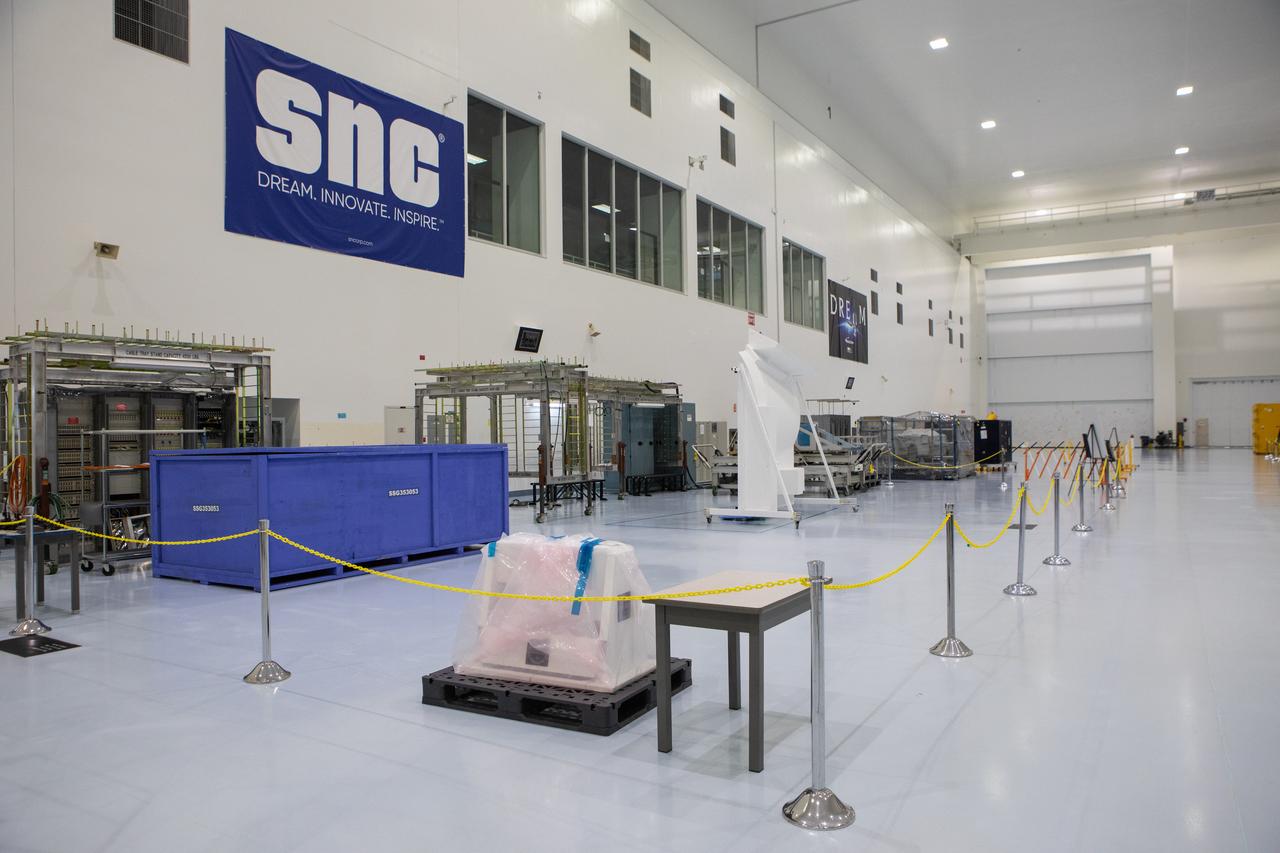
In view in this photograph, taken on May 16, 2019, is the area where the Sierra Nevada Corporation will process its Dream Chaser spacecraft in the high bay of the Space Station Processing Facility (SSPF) at NASA's Kennedy Space Center in Florida. The center is celebrating the SSPF’s 25th anniversary. The facility was built to process elements for the International Space Station. Now it is providing support for current and future NASA and commercial provider programs, including Commercial Resupply Services, Artemis 1, sending the first woman and next man to the Moon, and deep space destinations including Mars.
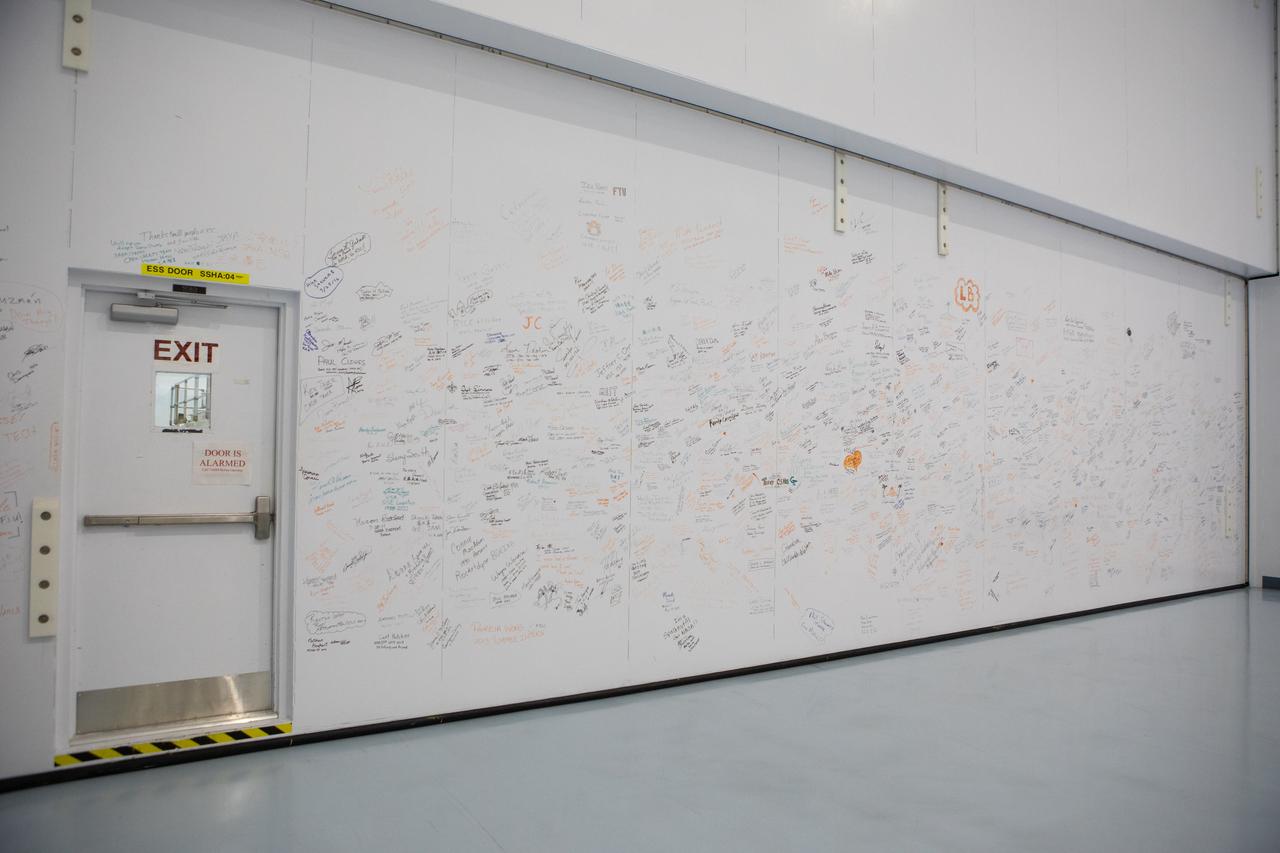
A photograph taken on May 16, 2019, shows a wall inside the Space Station Processing Facility (SSPF) at NASA's Kennedy Space Center in Florida, containing signatures of many of those who worked on the International Space Station Program. The center is celebrating the SSPF’s 25th anniversary. The facility was built to process elements for the space station. Now it is providing support for current and future NASA and commercial provider programs, including Commercial Resupply Services, Artemis 1, sending the first woman and next man to the Moon, and deep space destinations including Mars.
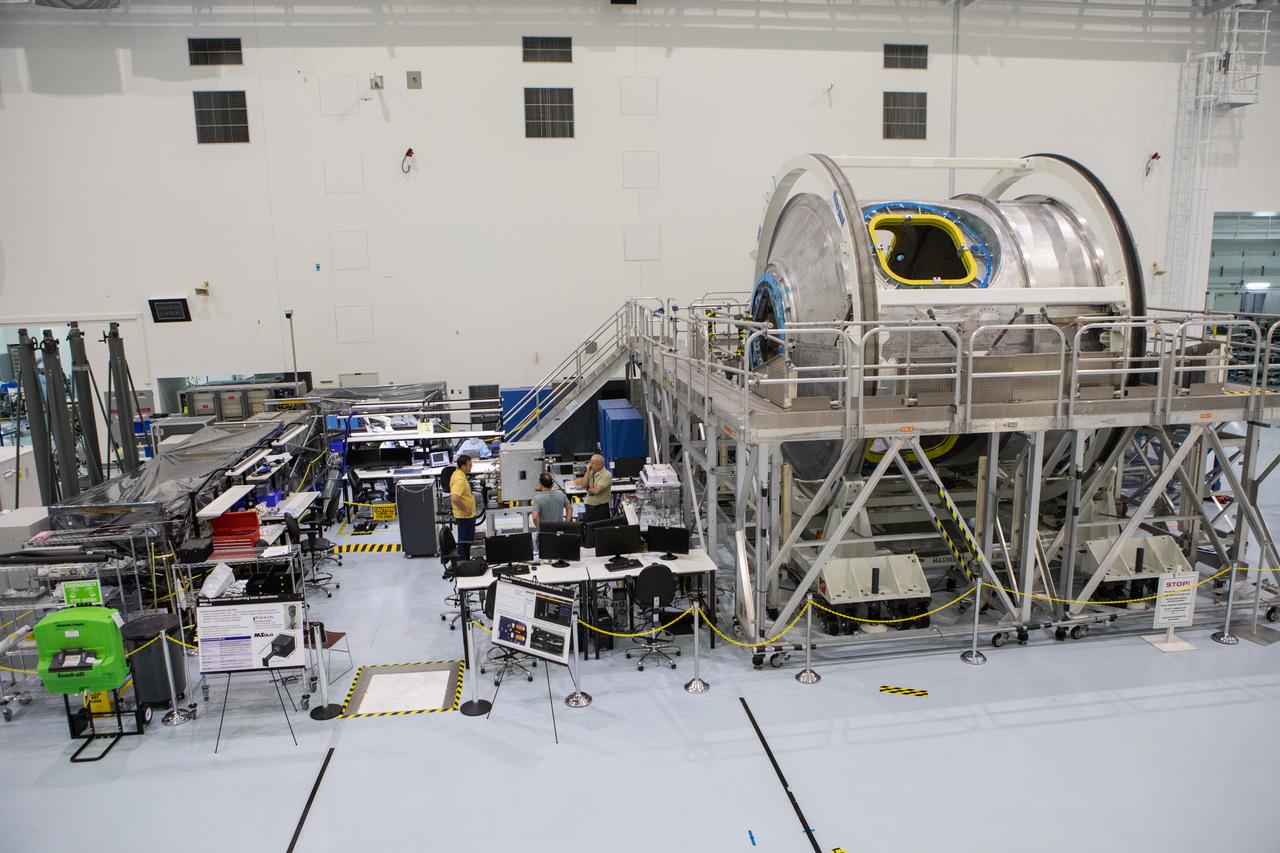
Instruments for NASA’s Mars Spectrometer observing lunar operations (MSolo) are in view at left in the high bay of the Space Station Processing Facility (SSPF) at NASA's Kennedy Space Center in Florida, on May 16, 2019. The center is celebrating the SSPF’s 25th anniversary. The facility was built to process elements for the International Space Station. Now it is providing support for current and future NASA and commercial provider programs, including Commercial Resupply Services, Artemis 1, sending the first woman and next man to the Moon, and deep space destinations including Mars.

NASA engineers work on the Restore-L payload in the high bay inside the Space Station Processing Facility (SSPF) at NASA's Kennedy Space Center in Florida, on May 16, 2019. Restore-L, managed by the agency’s Goddard Space Flight Center in Greenbelt, Maryland, is an in-flight robotic satellite servicer spacecraft. The center is celebrating the SSPF’s 25th anniversary. The SSPF was built to process elements for the International Space Station. Now it is providing support for current and future NASA and commercial provider programs, including Commercial Resupply Services, Artemis 1, sending the first woman and next man to the Moon, and deep space destinations including Mars.
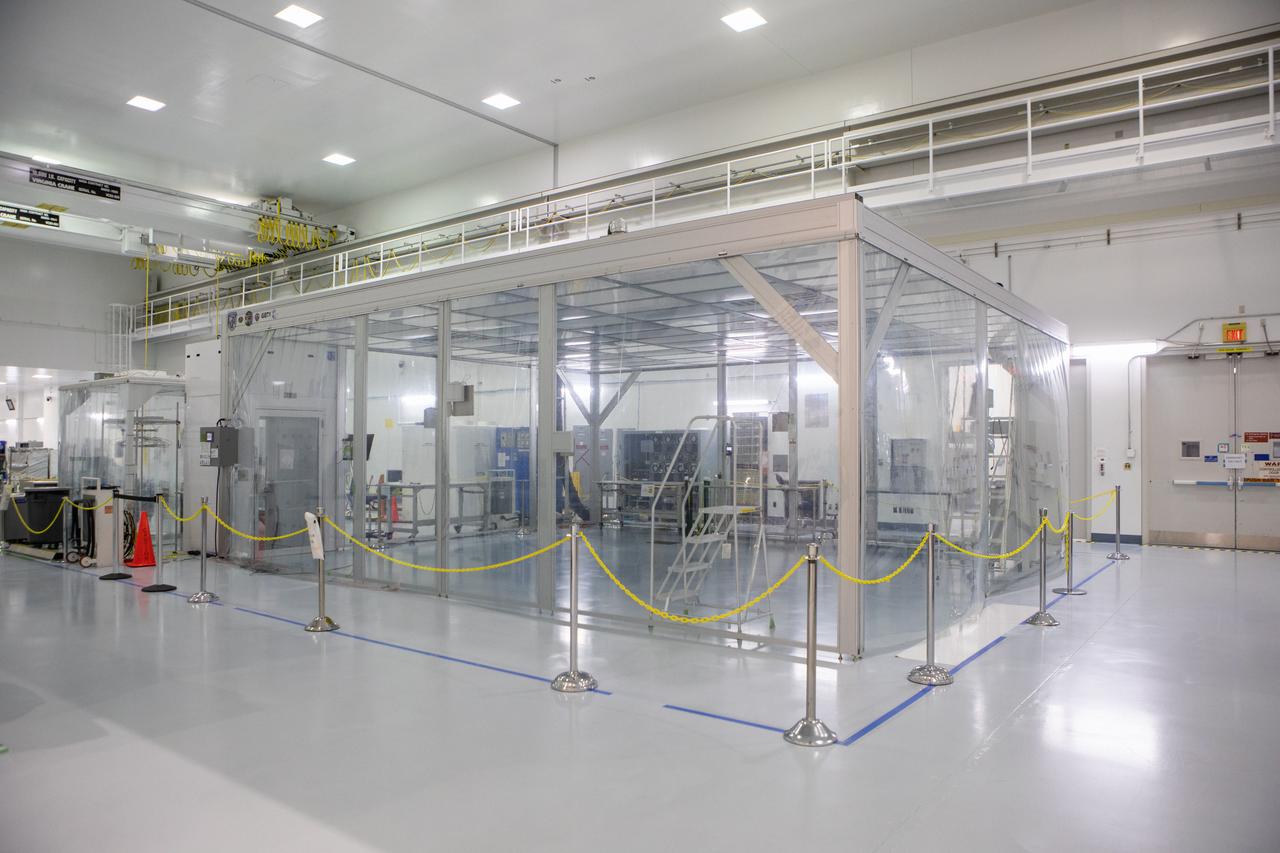
A clean room tent within the high bay of the Space Station Processing Facility (SSPF) at NASA's Kennedy Space Center in Florida, is in view on May 16, 2019. The extra clean environment is available for use by payload customers. The center is celebrating the SSPF’s 25th anniversary. The SSPF was built to process elements for the International Space Station. Now it is providing support for current and future NASA and commercial provider programs, including Commercial Resupply Services, Artemis 1, sending the first woman and next man to the Moon, and deep space destinations including Mars.
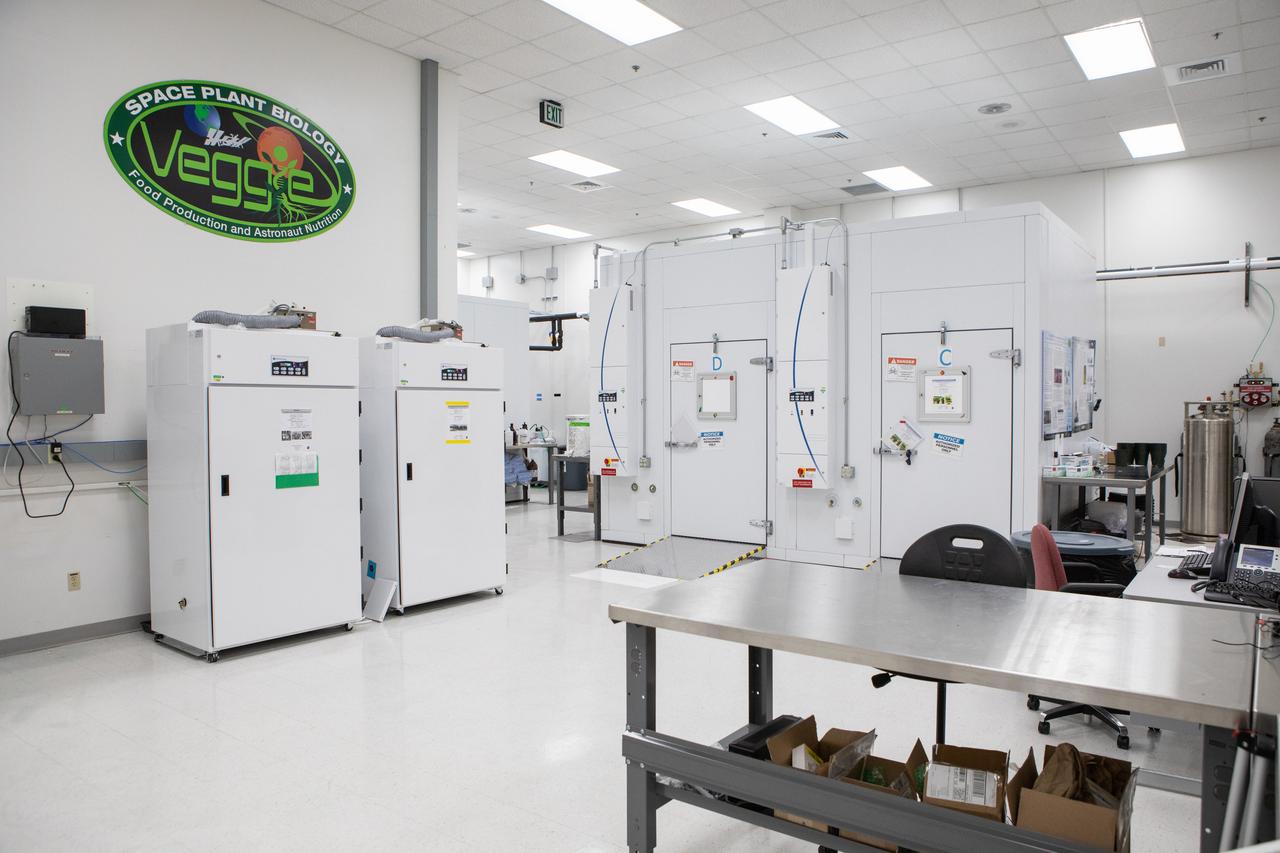
Experiment chambers are in view in the Veggie Laboratory inside the Space Station Processing Facility (SSPF) at NASA’s Kennedy Space Center in Florida, on May 16, 2019. The center is celebrating the SSPF’s 25th anniversary. The facility was built to process elements for the International Space Station. Now it is providing support for current and future NASA and commercial provider programs, including Commercial Resupply Services, Artemis 1, sending the first woman and next man to the Moon, and deep space destinations including Mars.
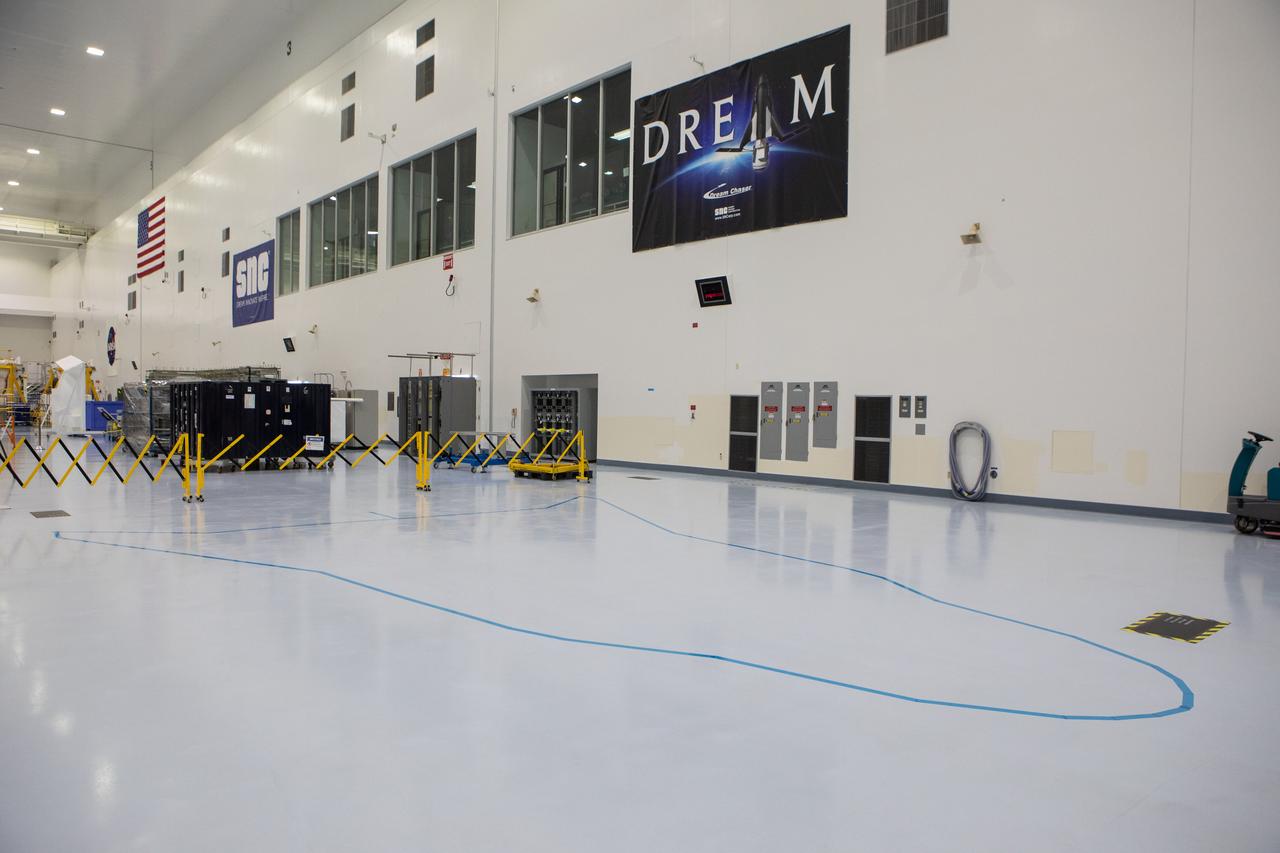
In view in this photograph, taken on May 16, 2019, is the area where the Sierra Nevada Corporation will process its Dream Chaser spacecraft in the high bay of the Space Station Processing Facility (SSPF) at NASA's Kennedy Space Center in Florida. The center is celebrating the SSPF’s 25th anniversary. The facility was built to process elements for the International Space Station. Now it is providing support for current and future NASA and commercial provider programs, including Commercial Resupply Services, Artemis 1, sending the first woman and next man to the Moon, and deep space destinations including Mars.
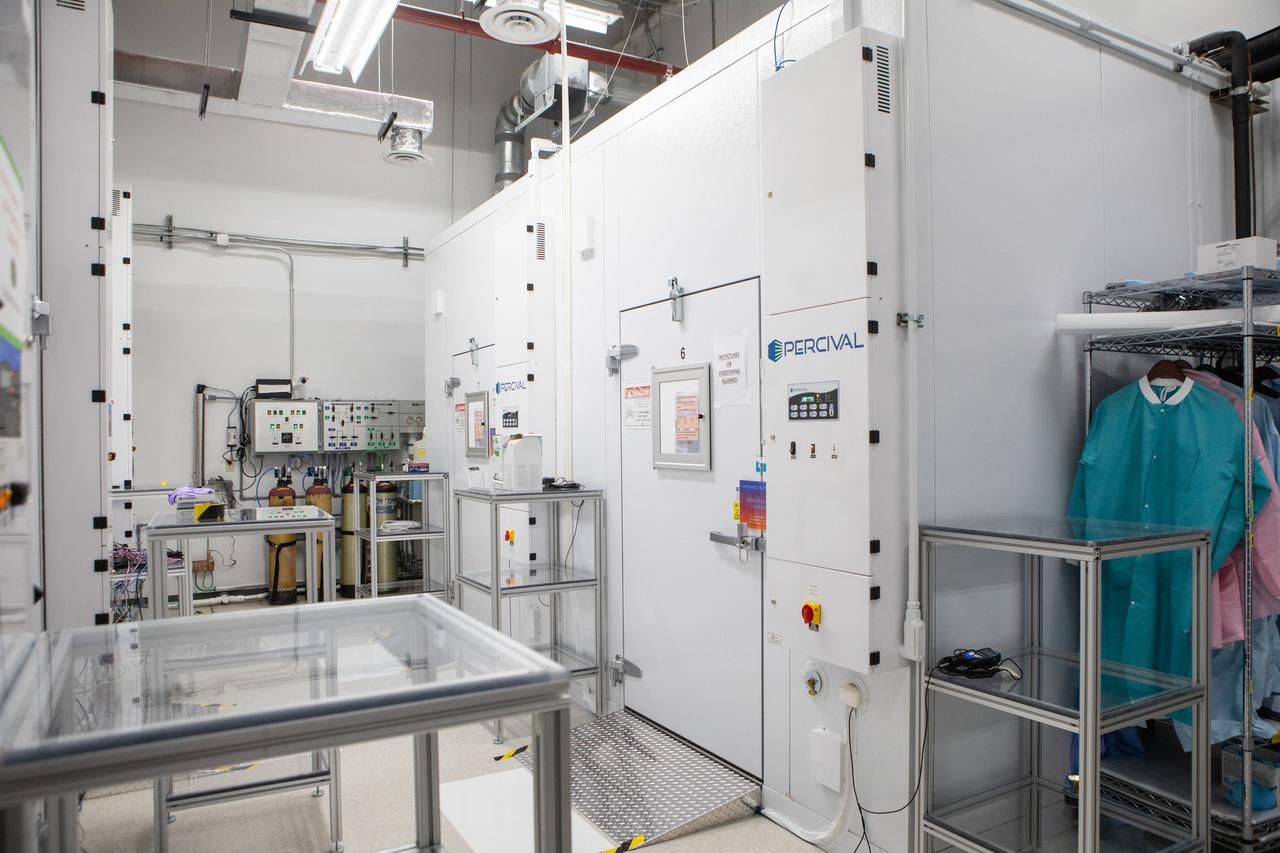
A walk-in experiment chamber for the Center for the Advancement of Science in Space (CASIS) is in view inside a laboratory in the Space Station Processing Facility (SSPF) at NASA's Kennedy Space Center in Florida, on May 16, 2019. The center is celebrating the SSPF’s 25th anniversary. The facility was built to process elements for the International Space Station. Now it is providing support for current and future NASA and commercial provider programs, including Commercial Resupply Services, Artemis 1, sending the first woman and next man to the Moon, and deep space destinations including Mars.
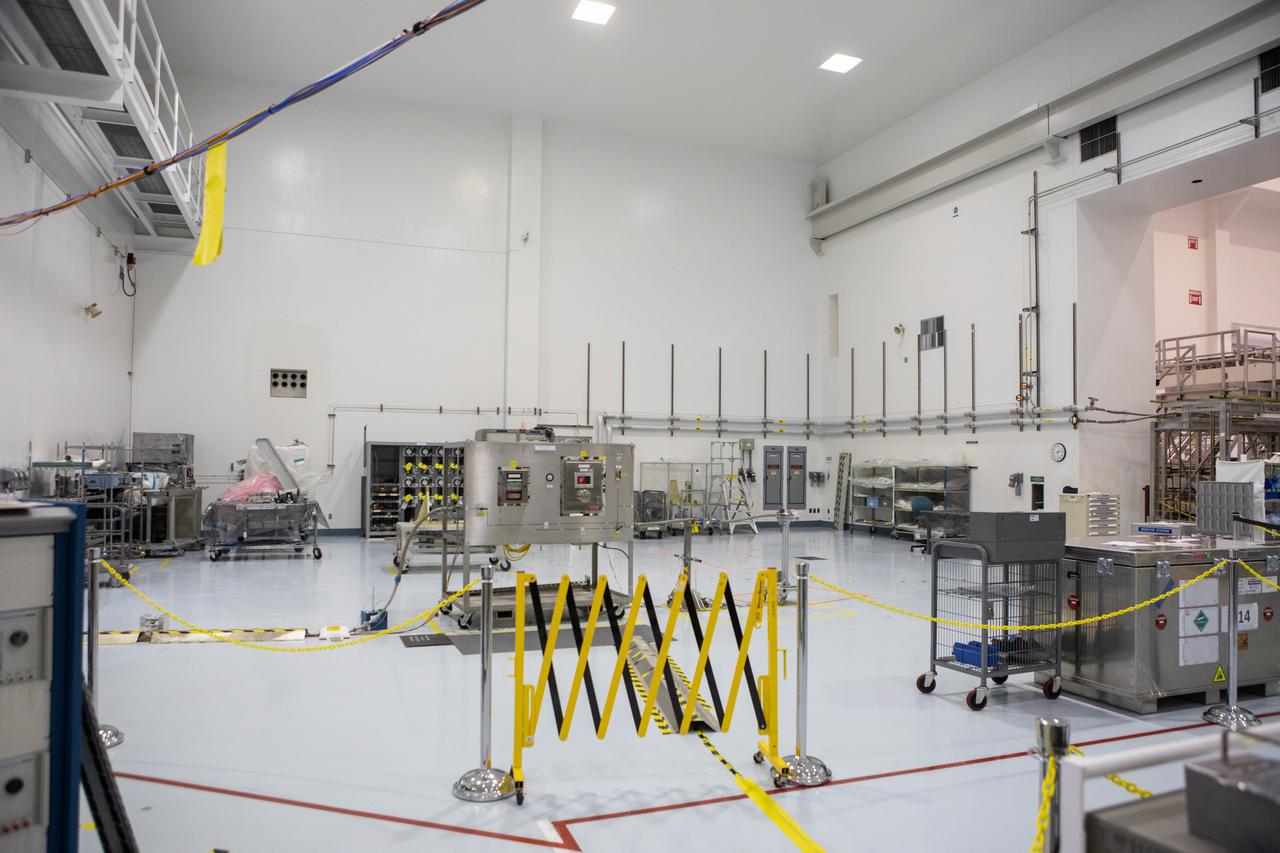
A Nitrogen Oxygen Recharge System (NORS) for the International Space Station is in view, center, in the high bay of the Space Station Processing Facility (SSPF) at NASA's Kennedy Space Center in Florida, on May 16, 2019. NORS are tanks that are used to fill the oxygen and nitrogen tanks that supply the needed gases to the station’s airlock for spacewalks and also are used as a secondary method to replenish the atmosphere inside the space station. The center is celebrating the SSPF’s 25th anniversary. The SSPF was built to process elements for the space station. Now it is providing support for current and future NASA and commercial provider programs, including Commercial Resupply Services, Artemis 1, sending the first woman and next man to the Moon, and deep space destinations including Mars.
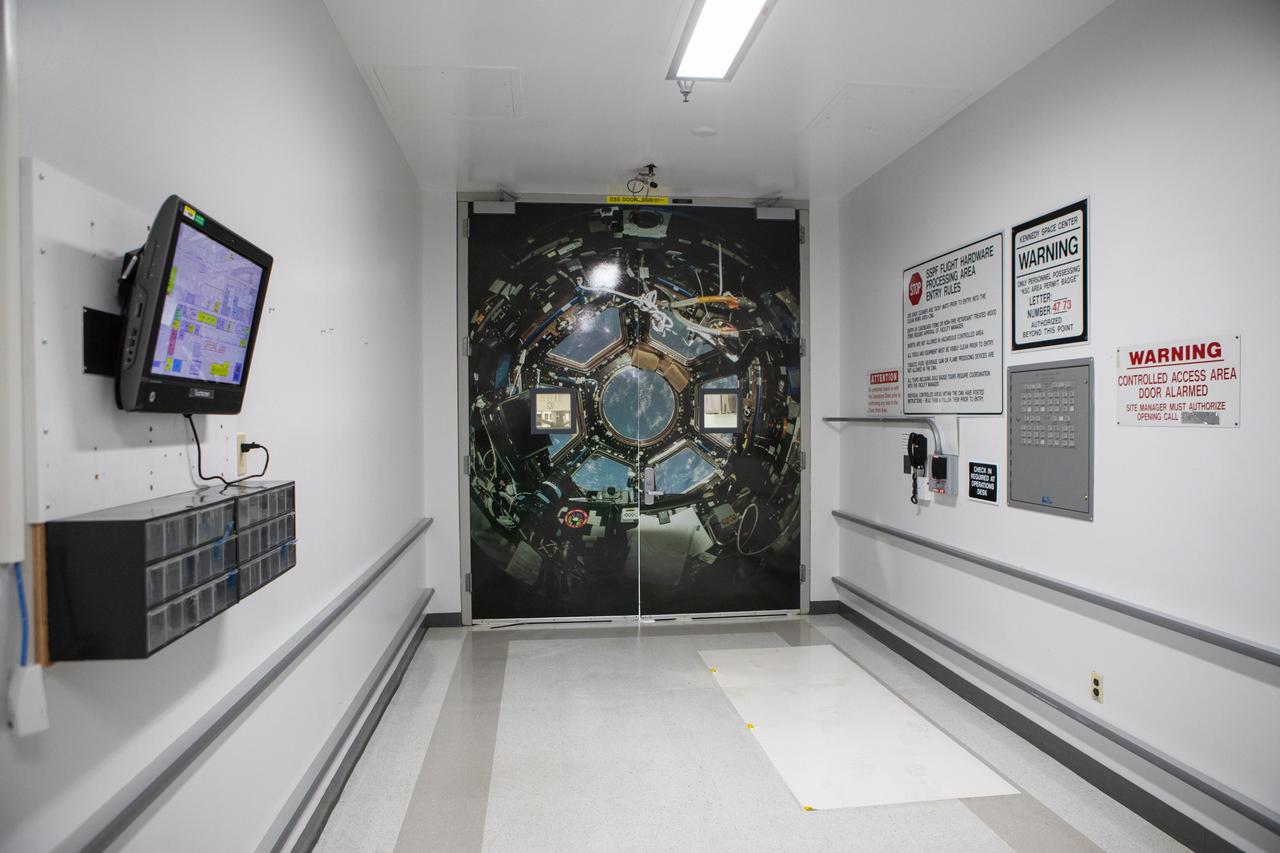
Artwork simulating a view inside the International Space Station marks the entranceway to the high bay in the Space Station Processing Facility (SSPF) at NASA's Kennedy Space Center in Florida, on May 16, 2019. The center is celebrating the SSPF’s 25th anniversary. The facility was built to process elements for the International Space Station. Now it is providing support for current and future NASA and commercial provider programs, including Commercial Resupply Services, Artemis 1, sending the first woman and next man to the Moon, and deep space destinations including Mars.
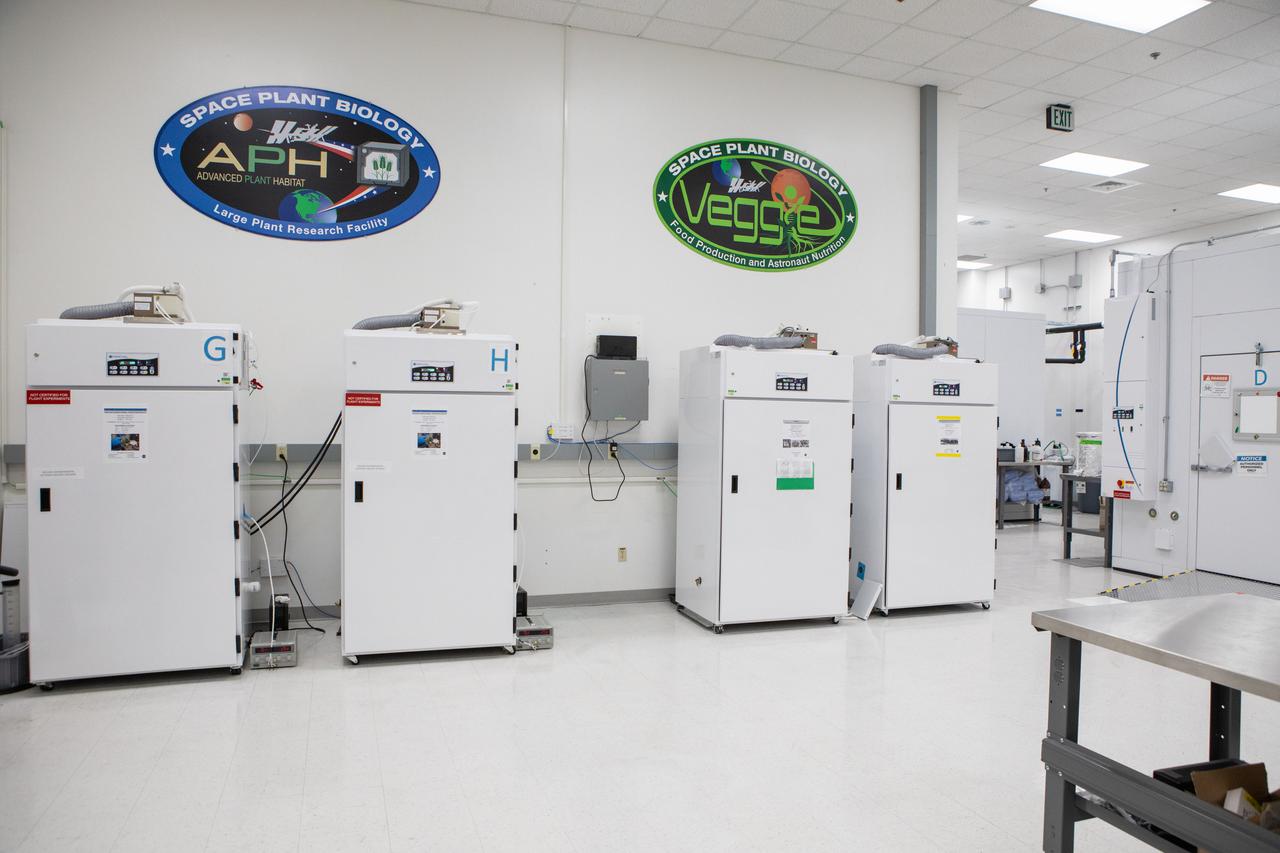
Ground unit experiment chambers for the Veggie plant growth system and the Advanced Plant Habitat are in view in a laboratory inside the Space Station Processing Facility (SSPF) at NASA’s Kennedy Space Center in Florida, on May 16, 2019. The center is celebrating the SSPF’s 25th anniversary. The facility was built to process elements for the International Space Station. Now it is providing support for current and future NASA and commercial provider programs, including Commercial Resupply Services, Artemis 1, sending the first woman and next man to the Moon, and deep space destinations including Mars.
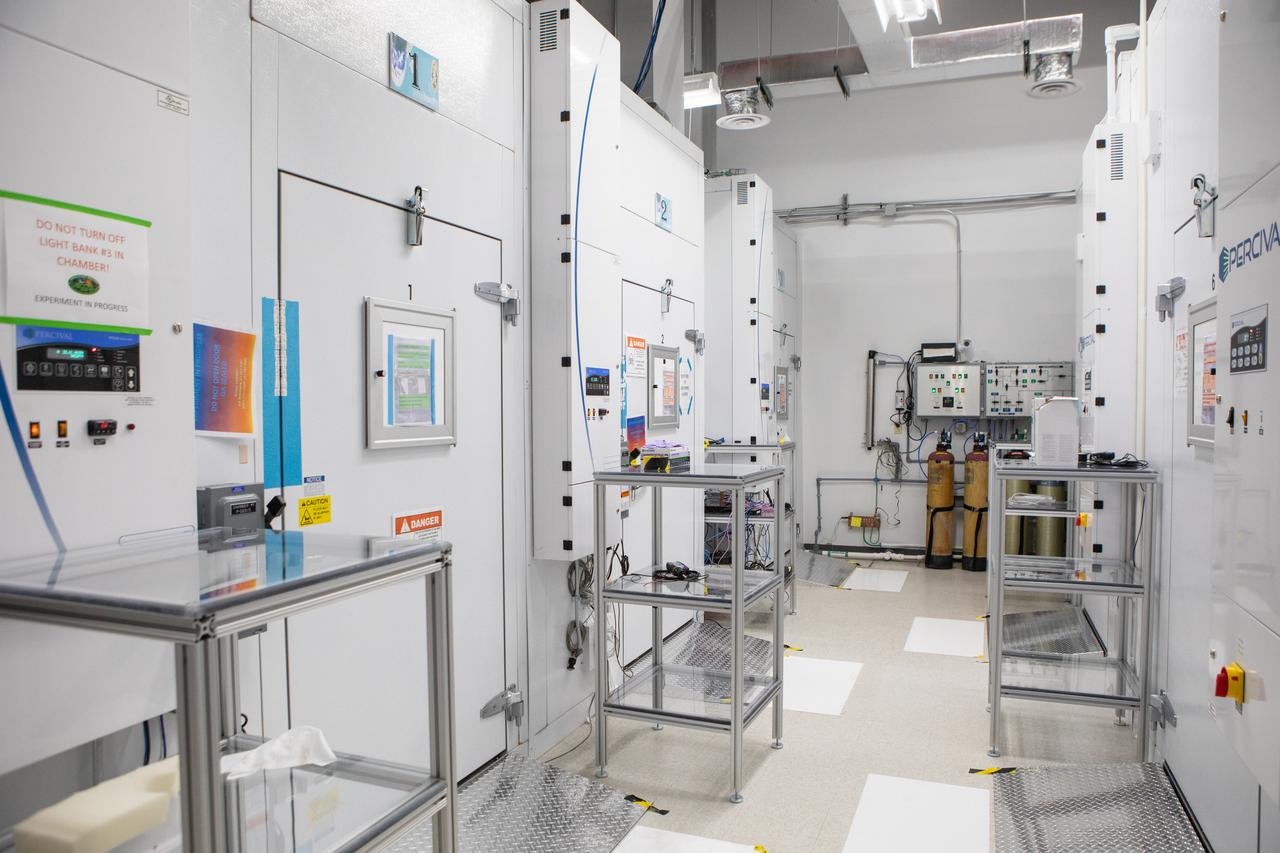
A walk-in experiment chamber for the Center for the Advancement of Science in Space (CASIS) is in view in the foreground inside a laboratory in the Space Station Processing Facility (SSPF) at NASA's Kennedy Space Center in Florida, on May 16, 2019. Further back is an experiment chamber for ground test flight experiments. The center is celebrating the SSPF’s 25th anniversary. The facility was built to process elements for the International Space Station. Now it is providing support for current and future NASA and commercial provider programs, including Commercial Resupply Services, Artemis 1, sending the first woman and next man to the Moon, and deep space destinations including Mars.
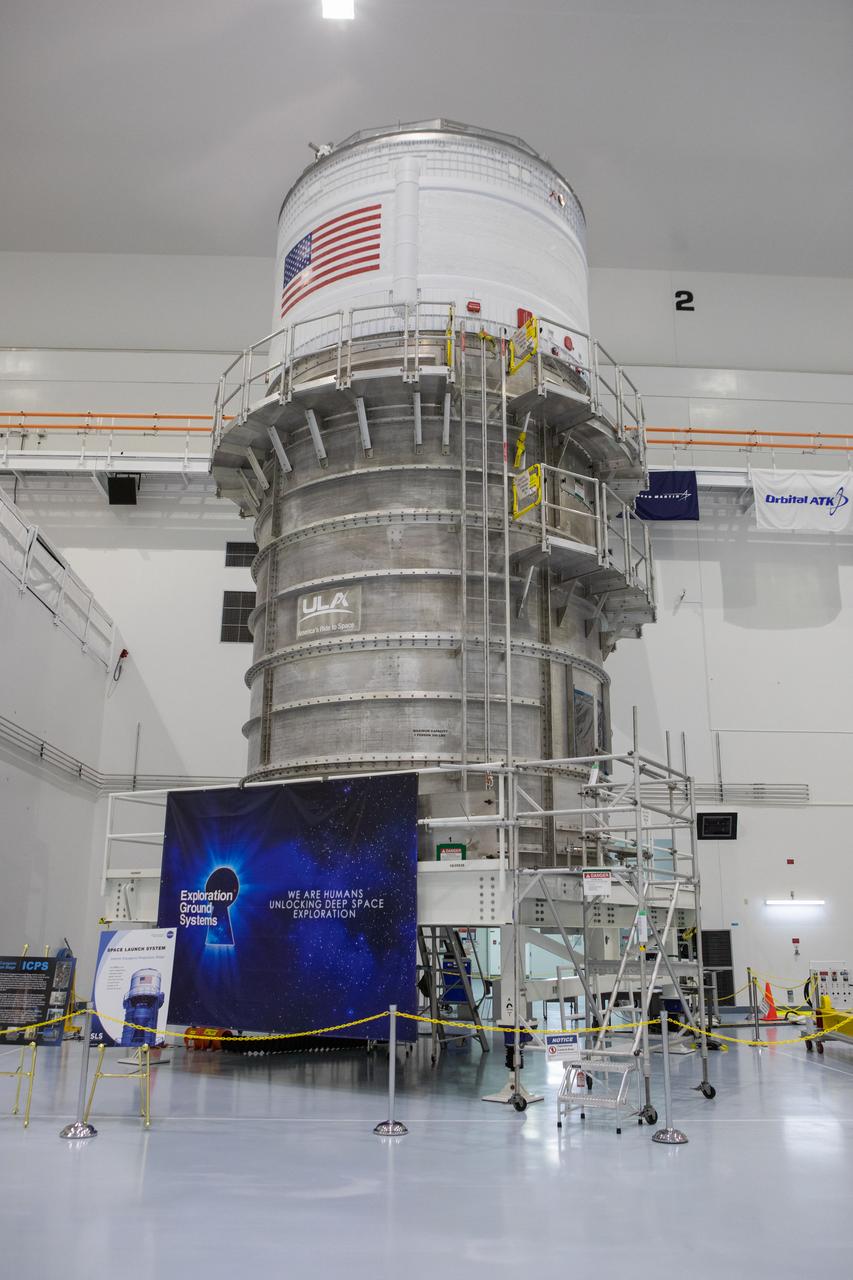
The Interim Cryogenic Propulsion Stage for Orion’s Artemis 1 mission is in view inside the high bay in the Space Station Processing Facility (SSPF) at NASA's Kennedy Space Center in Florida, on May 16, 2019. The center is celebrating the SSPF’s 25th anniversary. The facility was built to process elements for the International Space Station. Now it is providing support for current and future NASA and commercial provider programs, including Commercial Resupply Services, Artemis 1, sending the first woman and next man to the Moon, and deep space destinations including Mars.
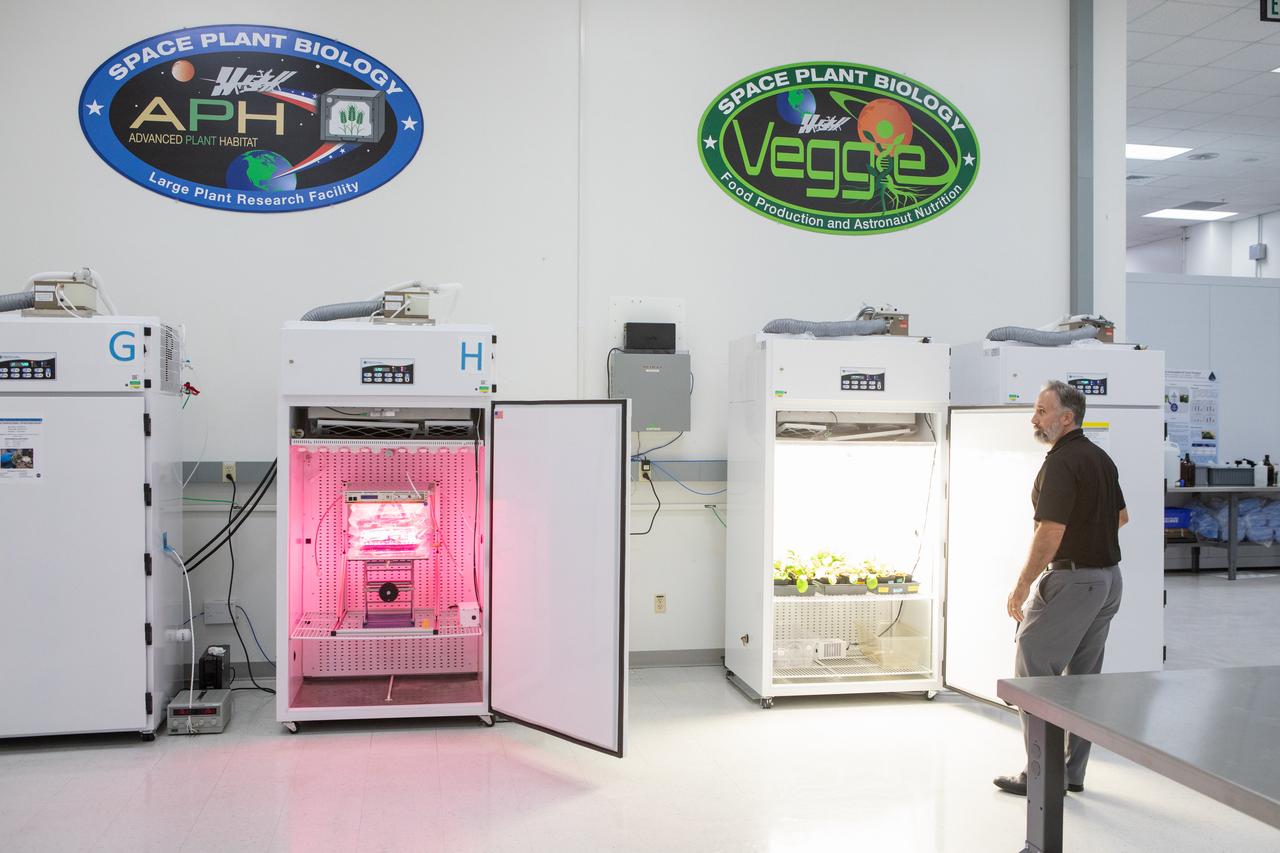
Ground unit experiment chambers for the Veggie plant growth system, at right, and the Advanced Plant Habitat, at left, are in view in a laboratory inside the Space Station Processing Facility (SSPF) at NASA’s Kennedy Space Center in Florida, on May 16, 2019. Trent Smith, Veggie project manager, Exploration Research and Technology Programs, checks the experiments. The center is celebrating the SSPF’s 25th anniversary. The facility was built to process elements for the International Space Station. Now it is providing support for current and future NASA and commercial provider programs, including Commercial Resupply Services, Artemis 1, sending the first woman and next man to the Moon, and deep space destinations including Mars.
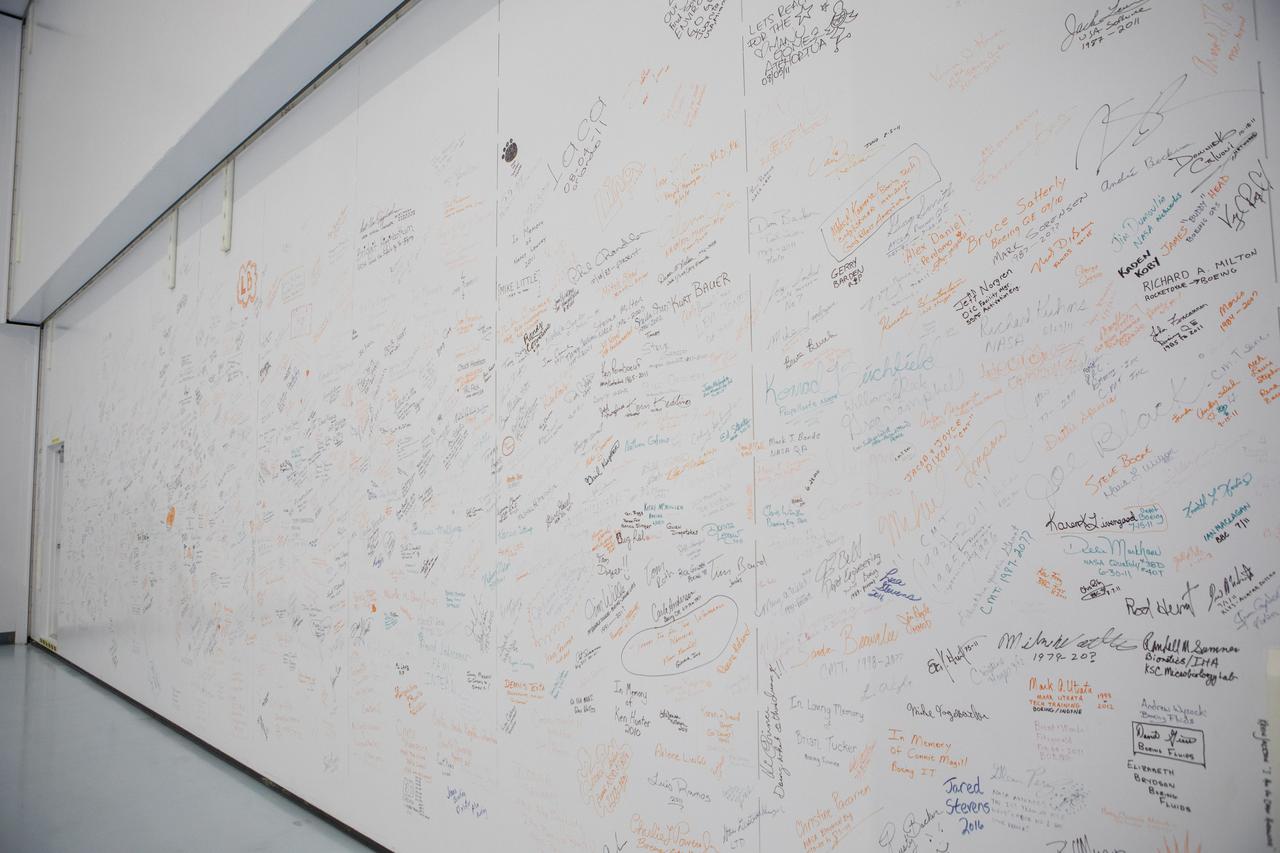
A photograph taken on May 16, 2019, shows a wall inside the Space Station Processing Facility (SSPF) at NASA's Kennedy Space Center in Florida, containing signatures of many of those who worked on the International Space Station Program. The center is celebrating the SSPF’s 25th anniversary. The facility was built to process elements for the space station. Now it is providing support for current and future NASA and commercial provider programs, including Commercial Resupply Services, Artemis 1, sending the first woman and next man to the Moon, and deep space destinations including Mars.
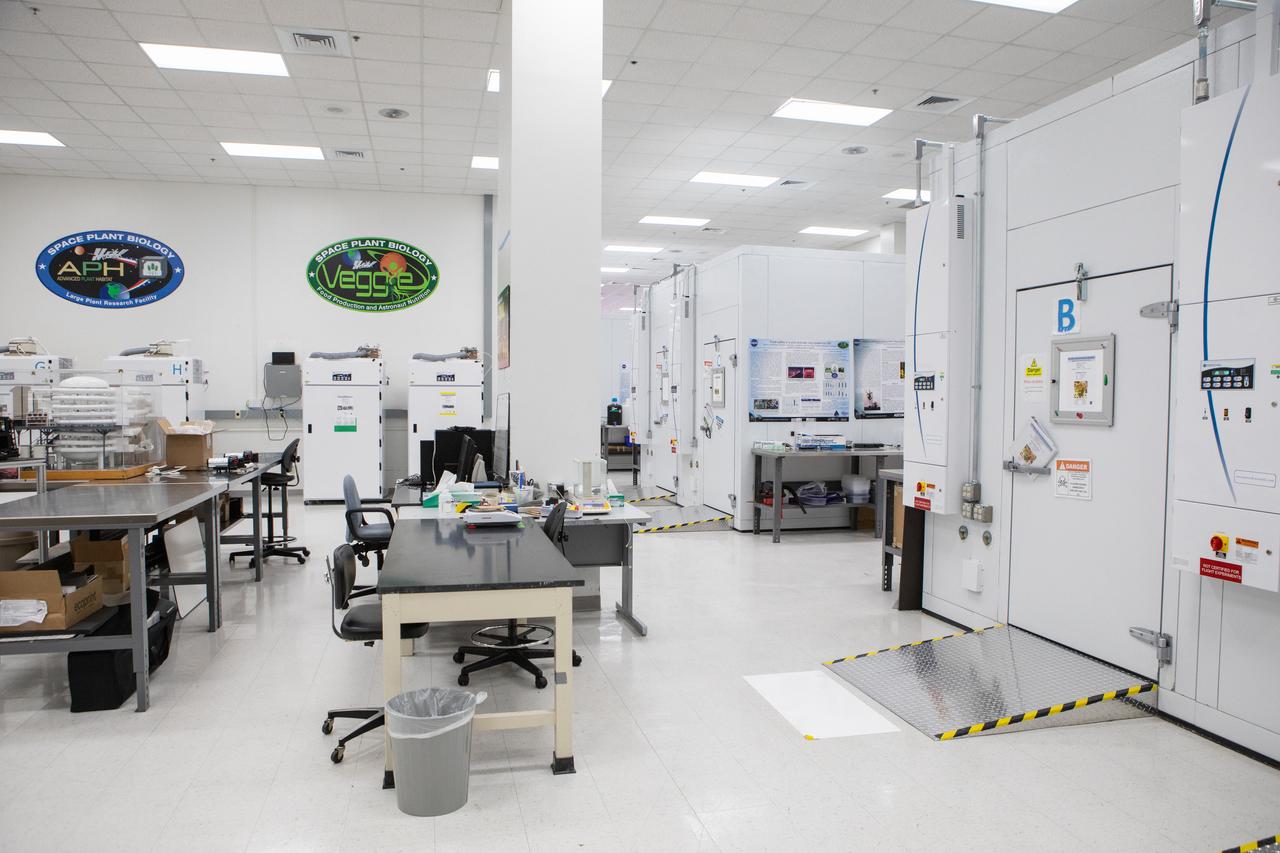
Ground unit experiment chambers for the Veggie plant growth system, at right, and the Advanced Plant Habitat, at left, are in view in a laboratory inside the Space Station Processing Facility (SSPF) at NASA’s Kennedy Space Center in Florida, on May 16, 2019. The center is celebrating the SSPF’s 25th anniversary. The facility was built to process elements for the International Space Station. Now it is providing support for current and future NASA and commercial provider programs, including Commercial Resupply Services, Artemis 1, sending the first woman and next man to the Moon, and deep space destinations including Mars.
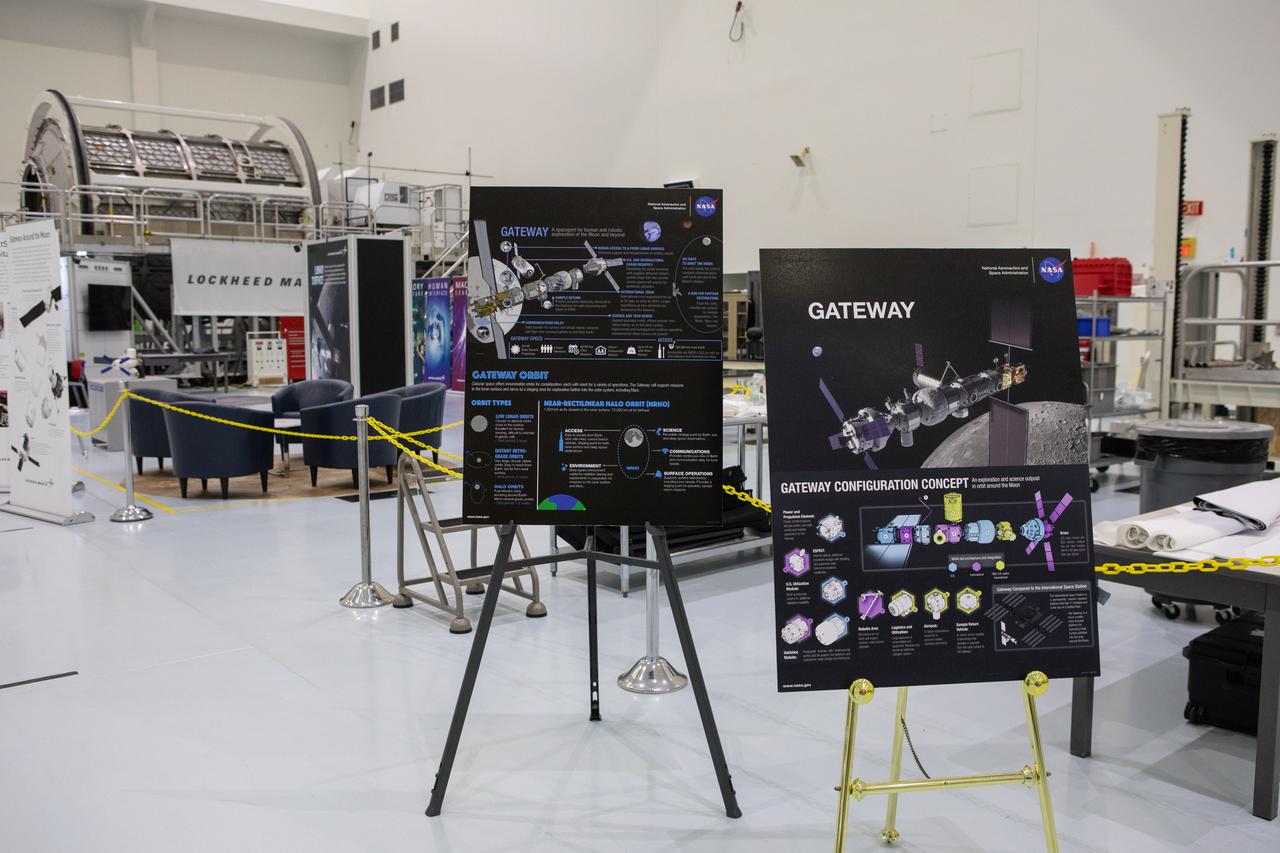
The Lockheed Martin prototype habitat for NASA’s lunar orbital platform, called the Gateway, is in view at far left in the high bay of the Space Station Processing Facility (SSPF) at NASA's Kennedy Space Center in Florida, on May 16, 2019. The center is celebrating the SSPF’s 25th anniversary. The facility was built to process elements for the International Space Station. Now it is providing support for current and future NASA and commercial provider programs, including Commercial Resupply Services, Artemis 1, sending the first woman and next man to the Moon, and deep space destinations including Mars.
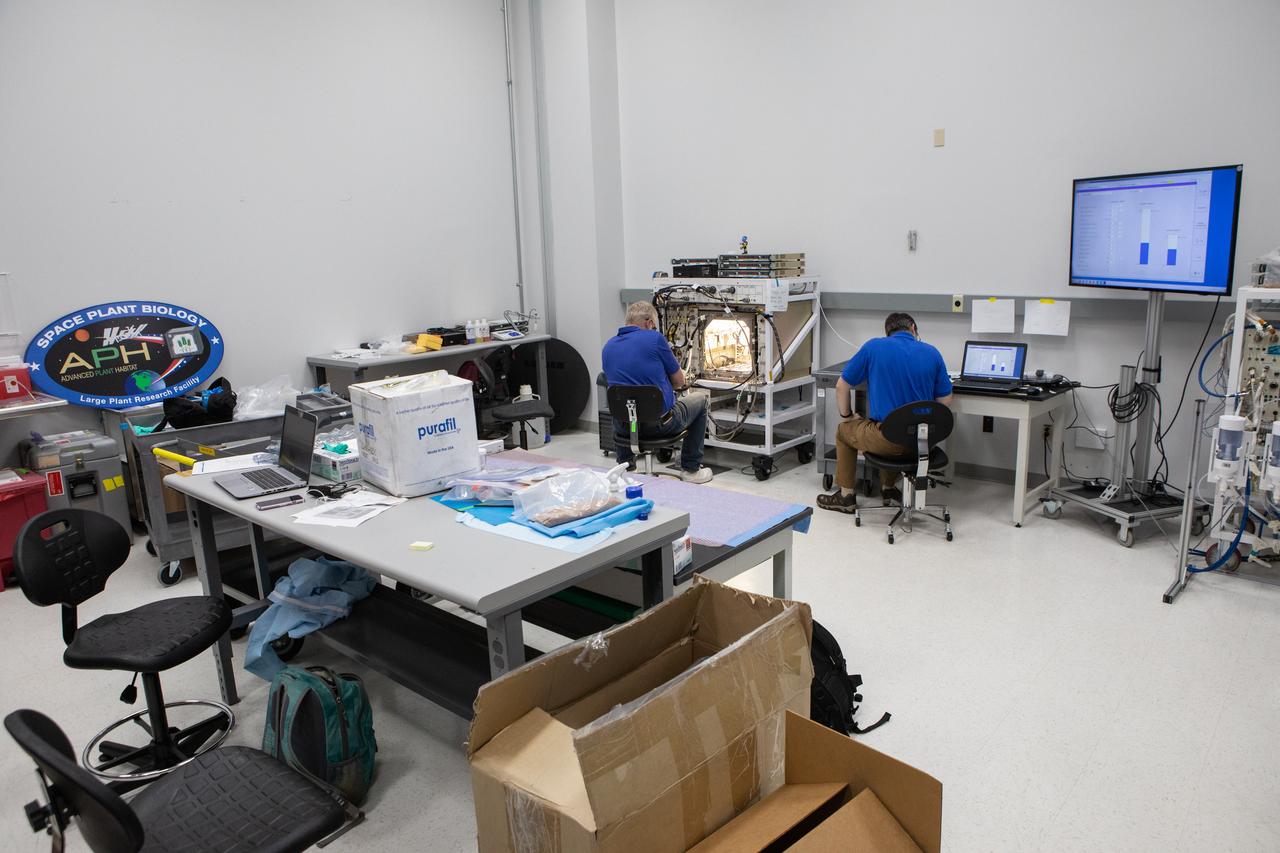
Researchers are testing plant growth in a ground unit of the Advanced Plant Habitat inside a laboratory in the Space Station Processing Facility (SSPF) at NASA's Kennedy Space Center in Florida, on May 16, 2019. The center is celebrating the SSPF’s 25th anniversary. The facility was built to process elements for the International Space Station. Now it is providing support for current and future NASA and commercial provider programs, including Commercial Resupply Services, Artemis 1, sending the first woman and next man to the Moon, and deep space destinations including Mars.
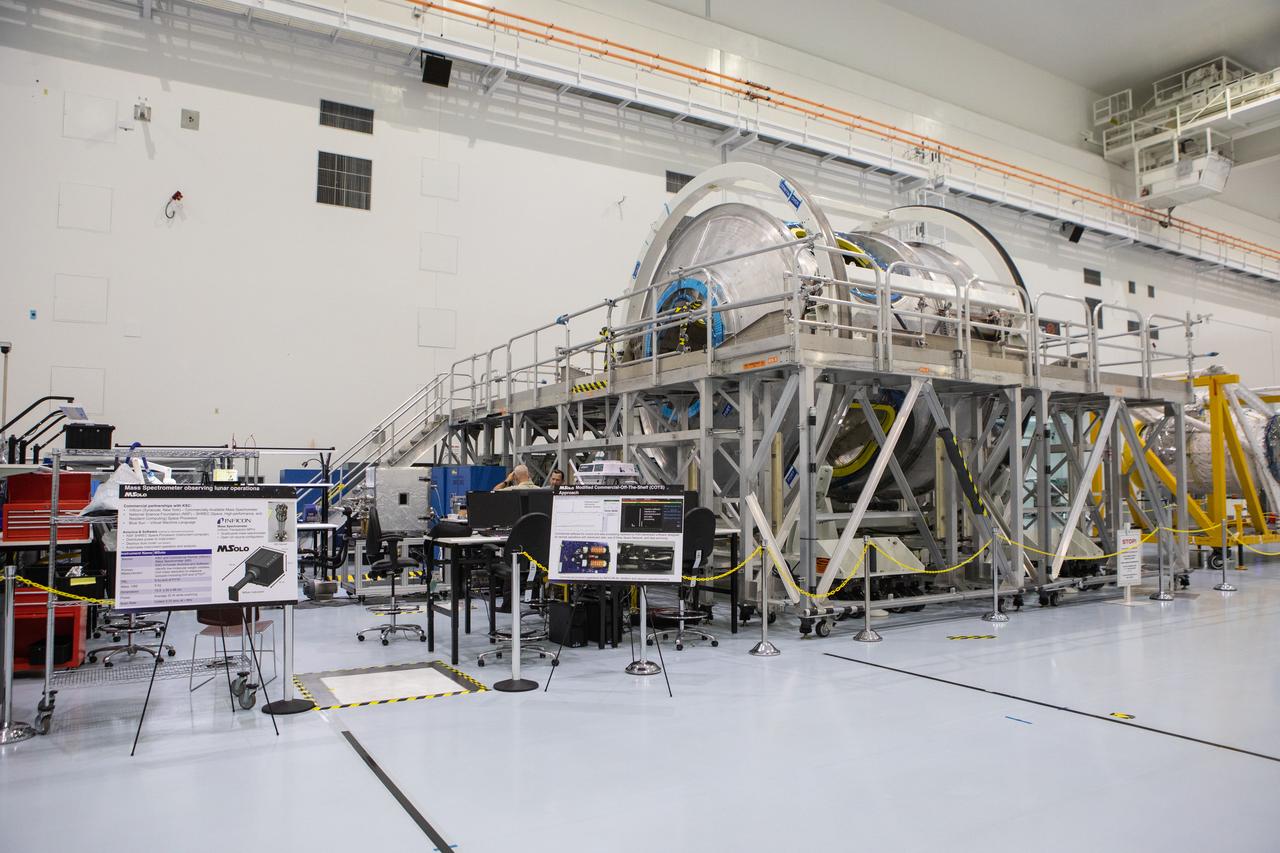
Instruments for NASA’s Mars Spectrometer observing lunar operations (MSolo) are in view at left in the high bay of the Space Station Processing Facility (SSPF) at NASA's Kennedy Space Center in Florida, on May 16, 2019. The center is celebrating the SSPF’s 25th anniversary. The facility was built to process elements for the International Space Station. Now it is providing support for current and future NASA and commercial provider programs, including Commercial Resupply Services, Artemis 1, sending the first woman and next man to the Moon, and deep space destinations including Mars.
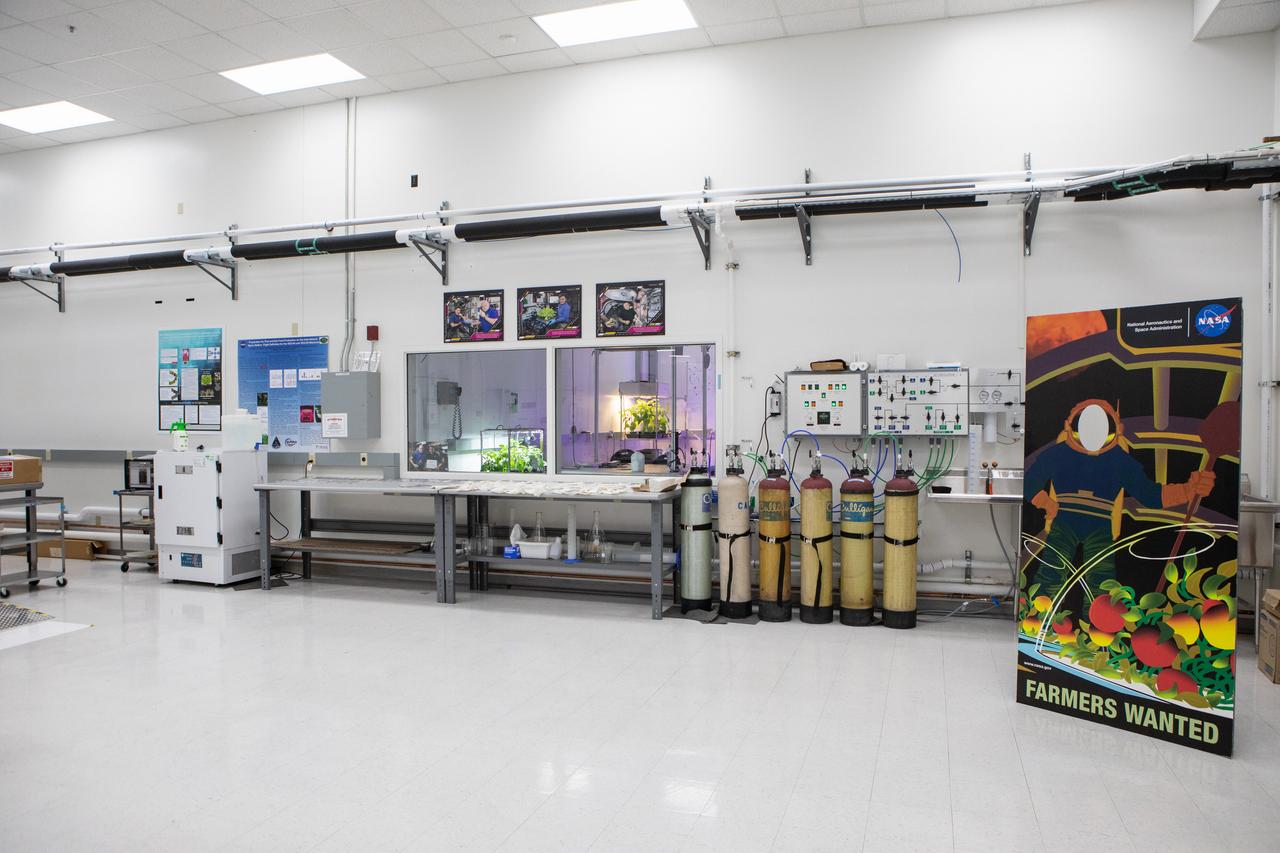
Two plant growth experiments are in view behind glass in a laboratory inside the Space Station Processing Facility (SSPF) at NASA’s Kennedy Space Center in Florida, on May 16, 2019. The center is celebrating the SSPF’s 25th anniversary. The facility was built to process elements for the International Space Station. Now it is providing support for current and future NASA and commercial provider programs, including Commercial Resupply Services, Artemis 1, sending the first woman and next man to the Moon, and deep space destinations including Mars.
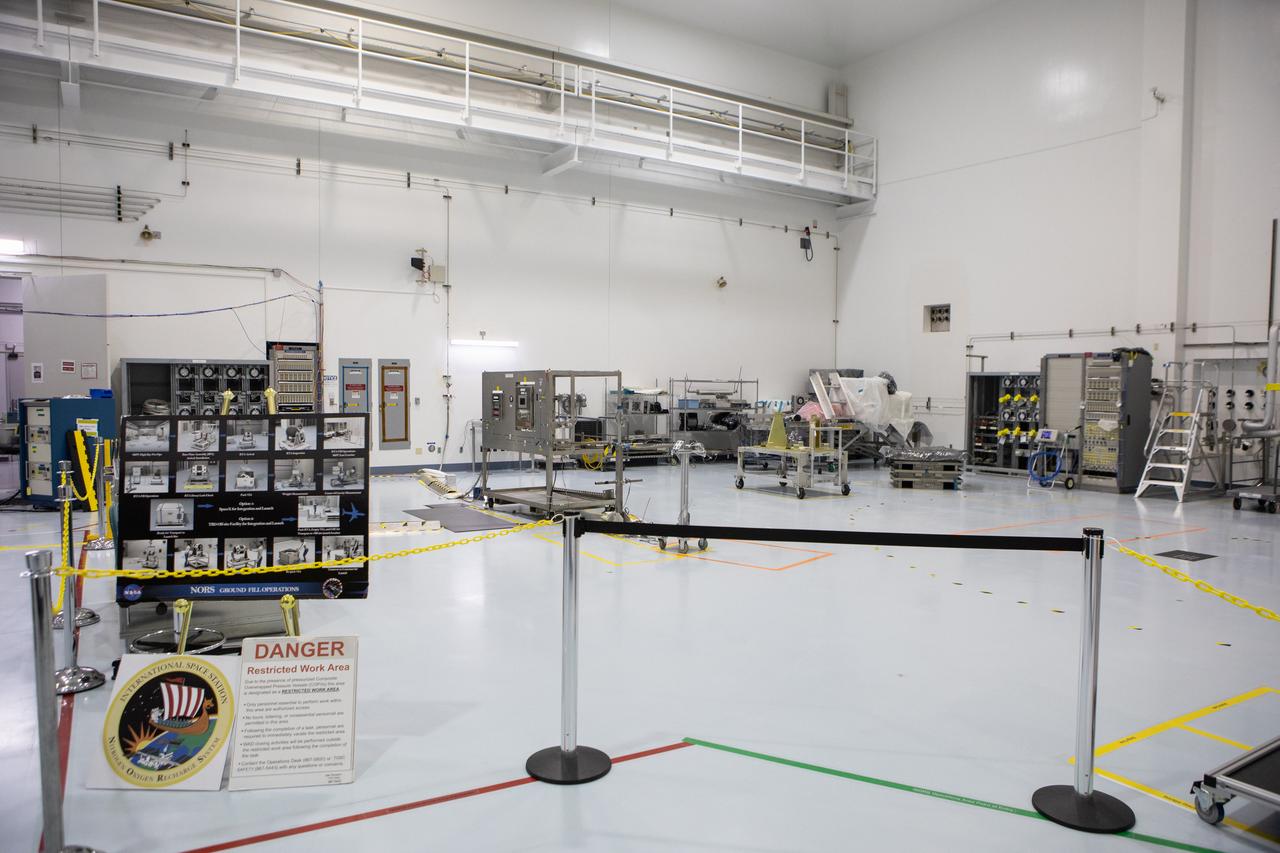
The processing area for the Nitrogen Oxygen Recharge System (NORS) for the International Space Station, is in view in the high bay of the Space Station Processing Facility (SSPF) at NASA's Kennedy Space Center in Florida, on May 16, 2019. NORS are tanks that are used to fill the oxygen and nitrogen tanks that supply the needed gases to the station’s airlock for spacewalks and also are used as a secondary method to replenish the atmosphere inside the space station. The center is celebrating the SSPF’s 25th anniversary. The SSPF was built to process elements for the space station. Now it is providing support for current and future NASA and commercial provider programs, including Commercial Resupply Services, Artemis 1, sending the first woman and next man to the Moon, and deep space destinations including Mars.
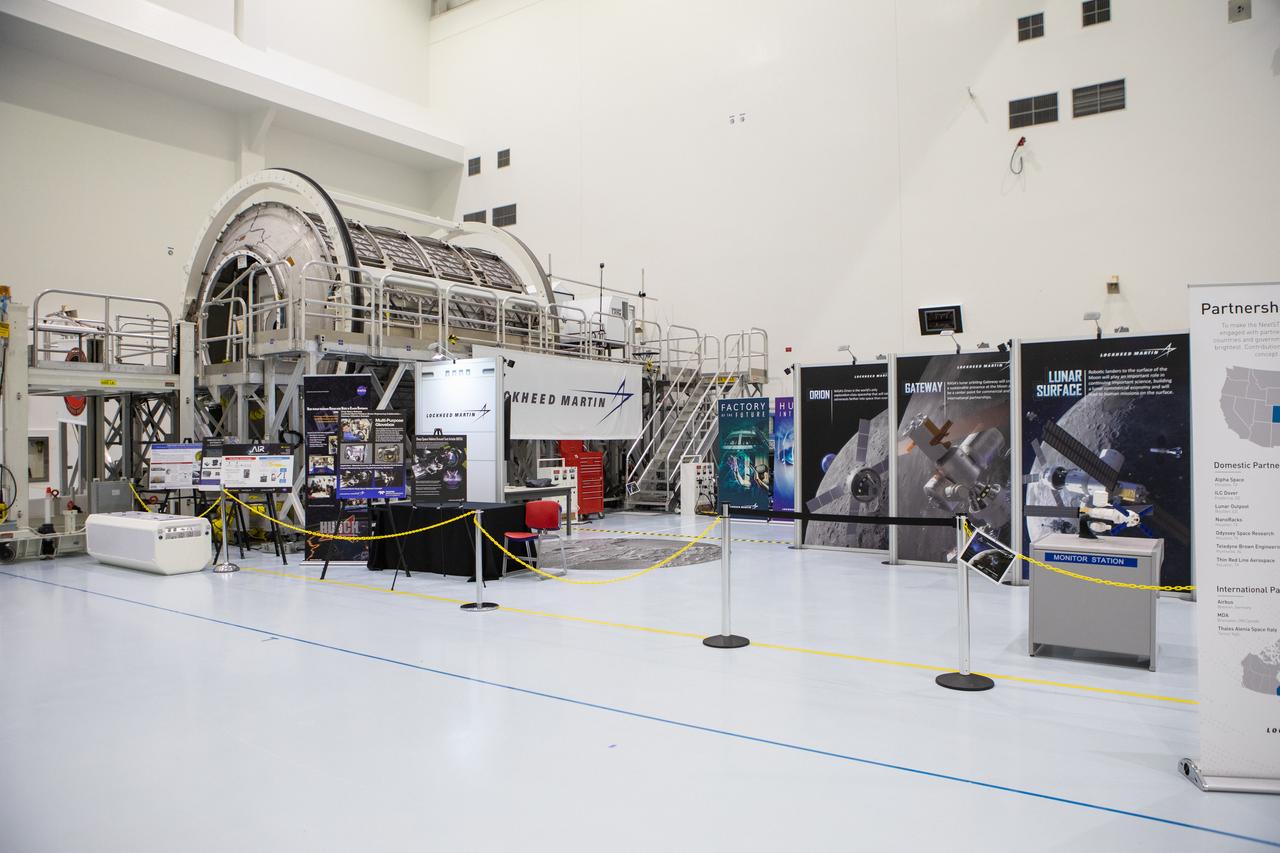
The Lockheed Martin prototype habitat for NASA’s lunar orbital platform, called the Gateway, is in view at left in the high bay of the Space Station Processing Facility (SSPF) at NASA's Kennedy Space Center in Florida, on May 16, 2019. The center is celebrating the SSPF’s 25th anniversary. The facility was built to process elements for the International Space Station. Now it is providing support for current and future NASA and commercial provider programs, including Commercial Resupply Services, Artemis 1, sending the first woman and next man to the Moon, and deep space destinations including Mars.
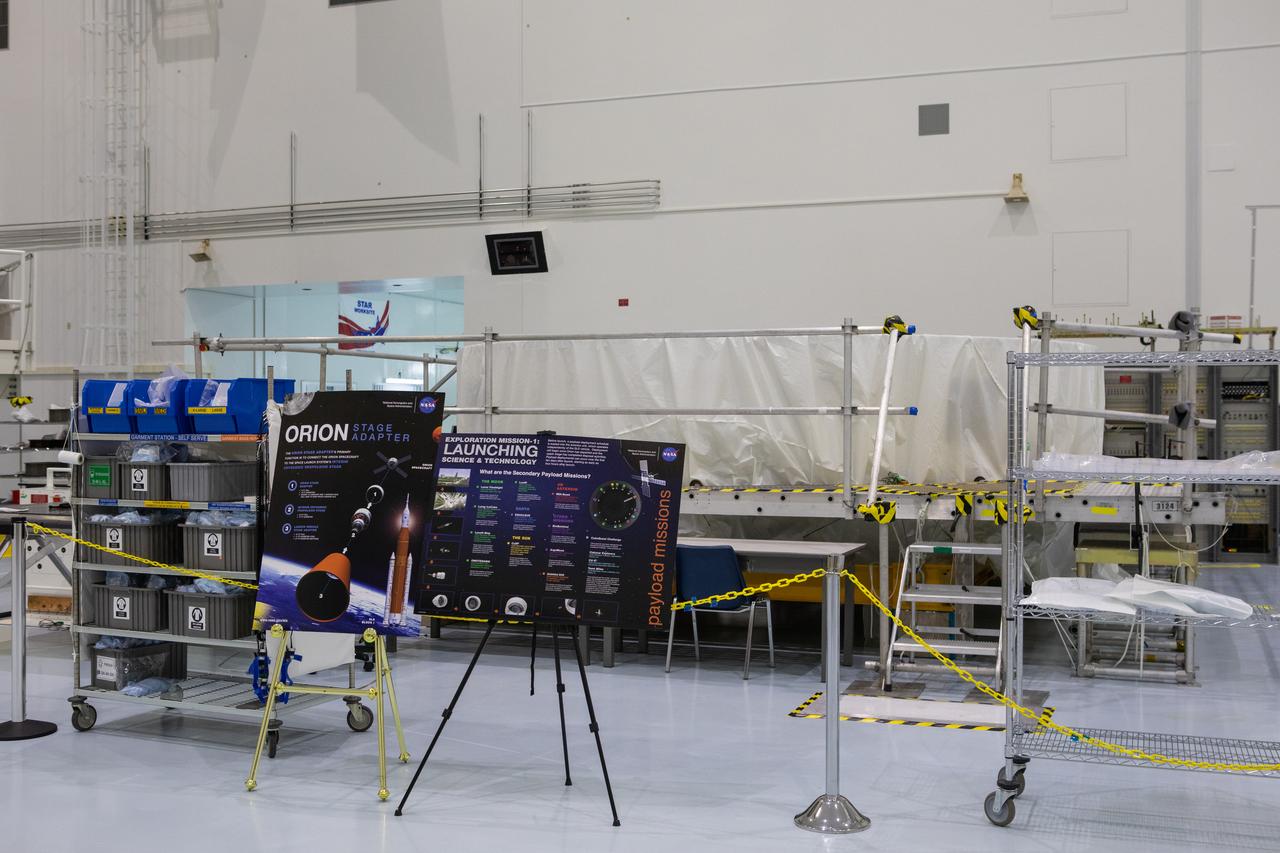
The Orion stage adapter for Artemis 1 is in view, wrapped in a protective covering, in this photograph taken on May 16, 2019, inside the high bay in the Space Station Processing Facility (SSPF) at NASA's Kennedy Space Center in Florida. The center is celebrating the SSPF’s 25th anniversary. The facility was built to process elements for the International Space Station. Now it is providing support for current and future NASA and commercial provider programs, including Commercial Resupply Services, Artemis 1, sending the first woman and next man to the Moon, and deep space destinations including Mars.
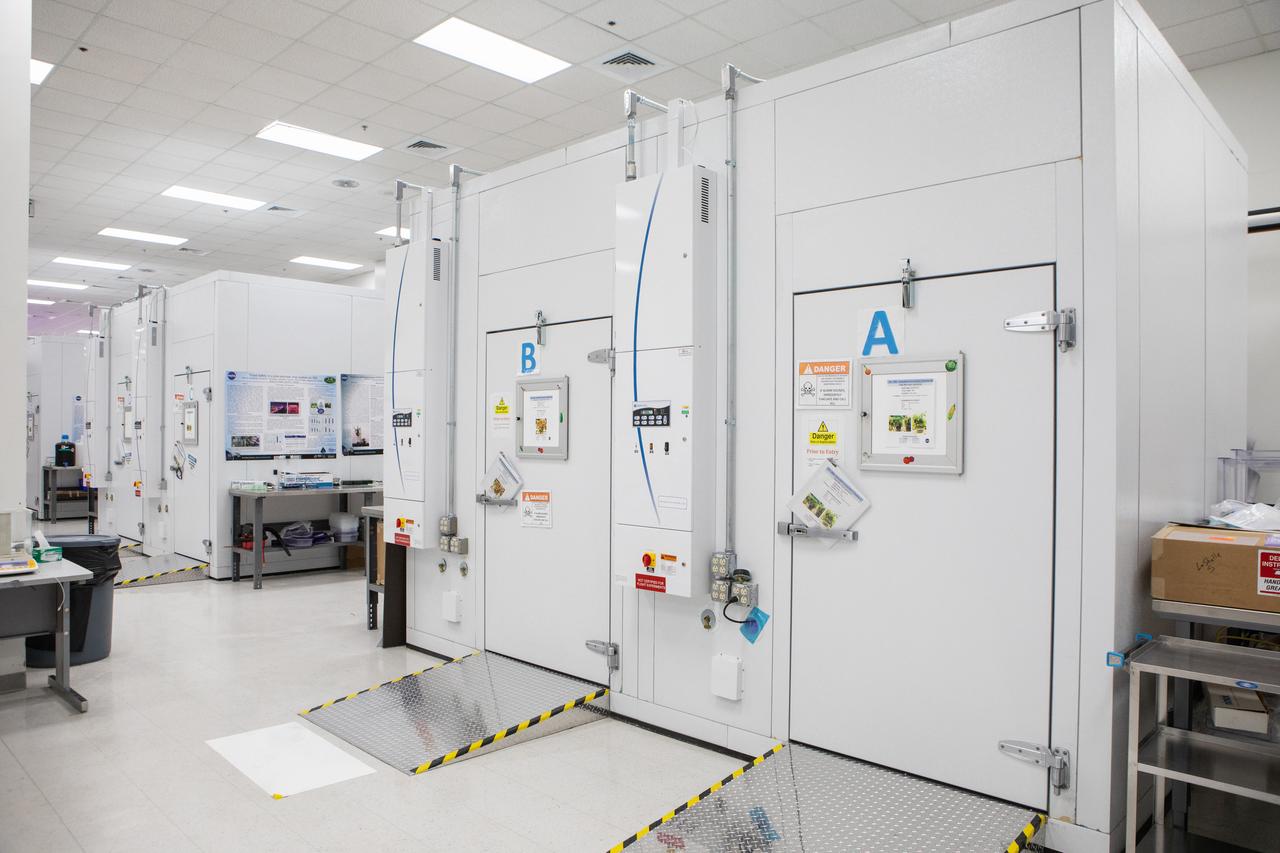
A view of the Veggie and Advanced Plant Habitat walk-in experiment chambers in a laboratory inside the Space Station Processing Facility (SSPF) at NASA's Kennedy Space Center in Florida, on May 16, 2019. The center is celebrating the SSPF’s 25th anniversary. The facility was built to process elements for the International Space Station. Now it is providing support for current and future NASA and commercial provider programs, including Commercial Resupply Services, Artemis 1, sending the first woman and next man to the Moon, and deep space destinations including Mars.
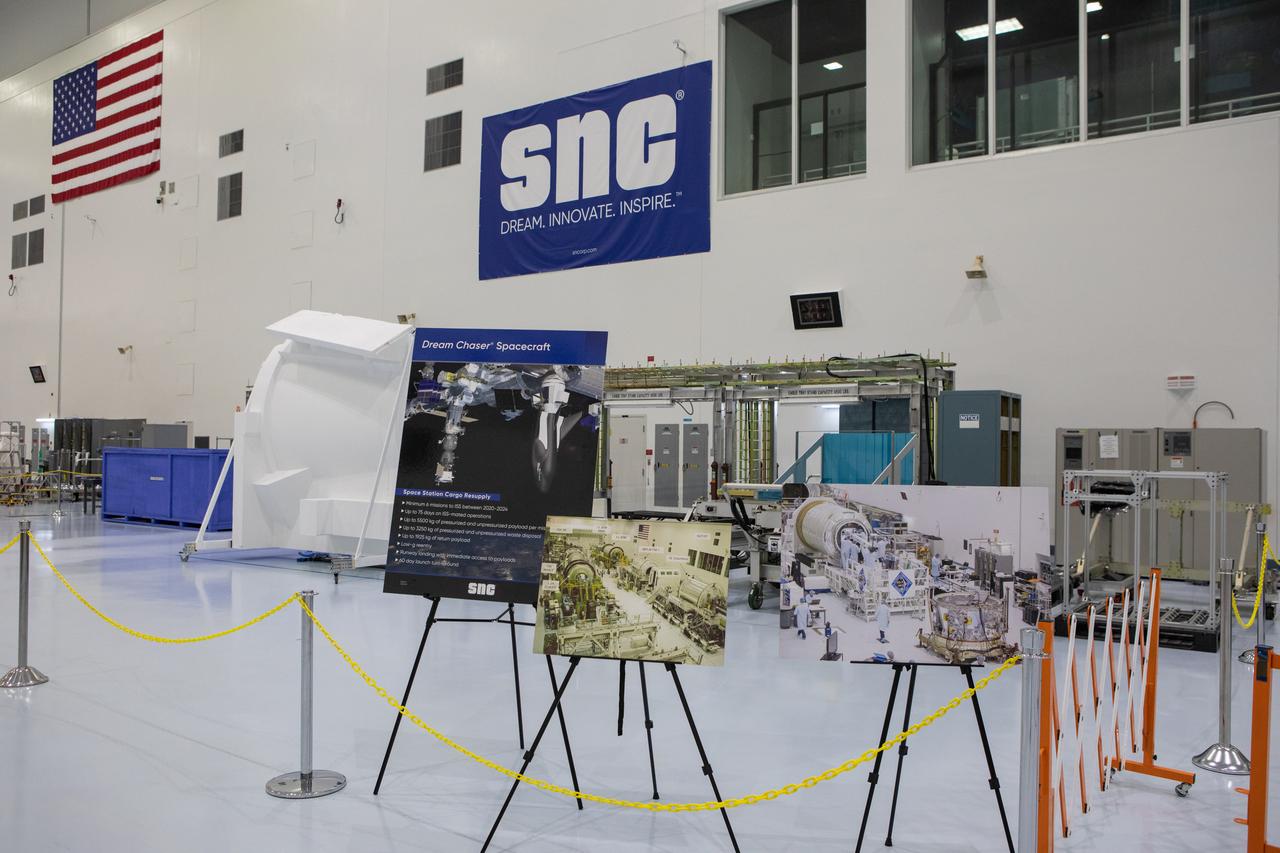
In view in this photograph, taken on May 16, 2019, is the area where the Sierra Nevada Corporation will process its Dream Chaser spacecraft in the high bay of the Space Station Processing Facility (SSPF) at NASA's Kennedy Space Center in Florida. The center is celebrating the SSPF’s 25th anniversary. The facility was built to process elements for the International Space Station. Now it is providing support for current and future NASA and commercial provider programs, including Commercial Resupply Services, Artemis 1, sending the first woman and next man to the Moon, and deep space destinations including Mars.
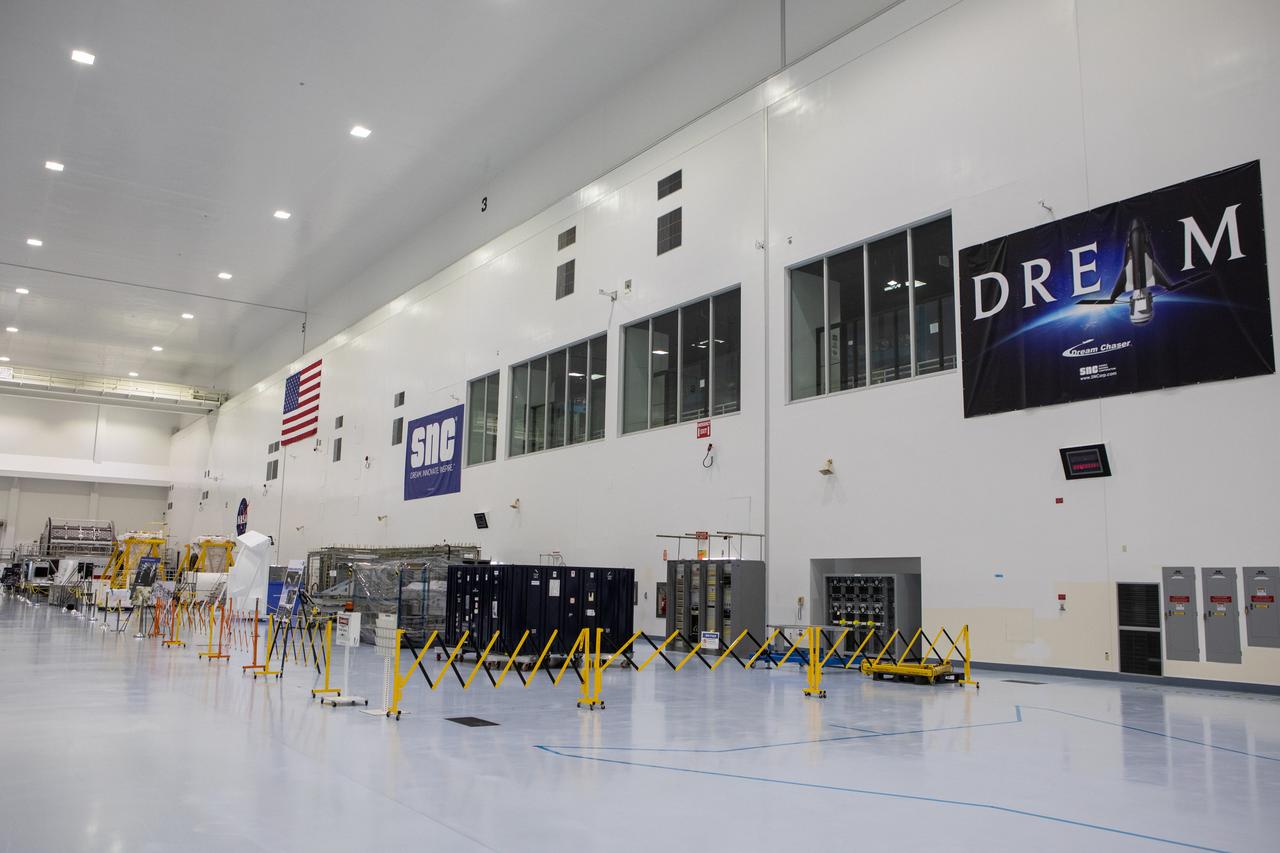
In view in this photograph, taken on May 16, 2019, is the area where the Sierra Nevada Corporation will process its Dream Chaser spacecraft in the high bay of the Space Station Processing Facility (SSPF) at NASA's Kennedy Space Center in Florida. The center is celebrating the SSPF’s 25th anniversary. The facility was built to process elements for the International Space Station. Now it is providing support for current and future NASA and commercial provider programs, including Commercial Resupply Services, Artemis 1, sending the first woman and next man to the Moon, and deep space destinations including Mars.
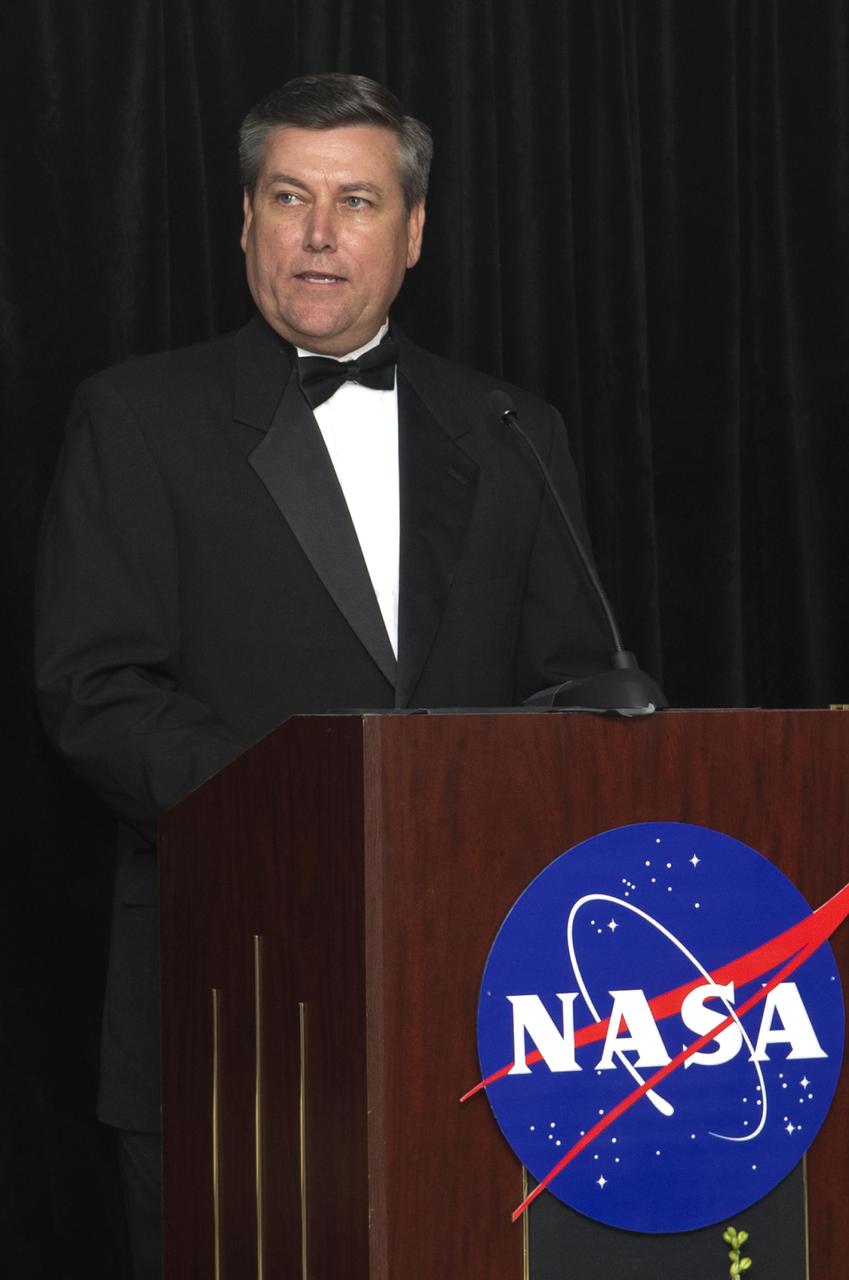
Stennis Space Center Director Patrick Scheuermann welcomes guests to the facility's 50th Anniversary Gala on Oct. 15. The event culminated Stennis' yearlong celebration of its 50th anniversary. NASA publicly announced plans to build the rocket engine test site Oct. 25, 1961.
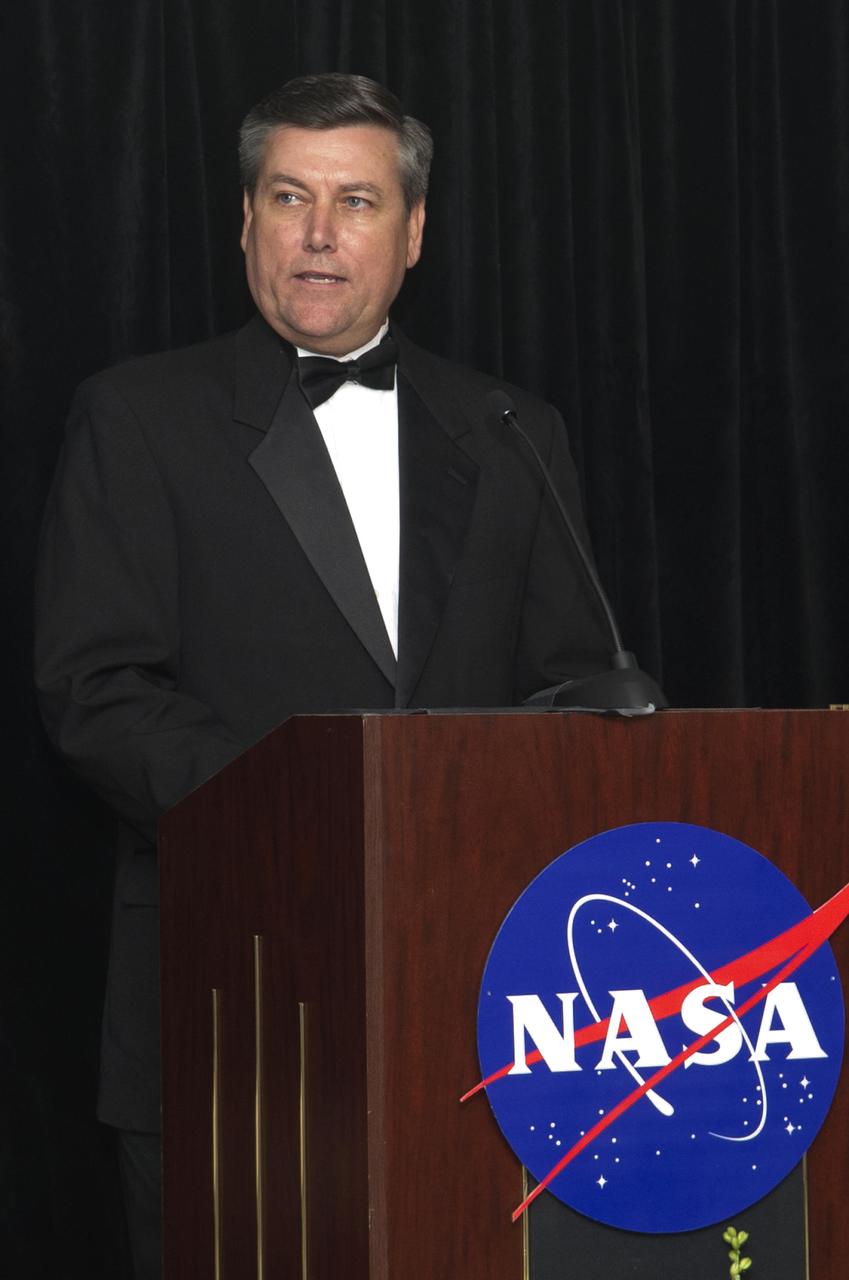
Stennis Space Center Director Patrick Scheuermann welcomes guests to the facility's 50th Anniversary Gala on Oct. 15. The event culminated Stennis' yearlong celebration of its 50th anniversary. NASA publicly announced plans to build the rocket engine test site Oct. 25, 1961.
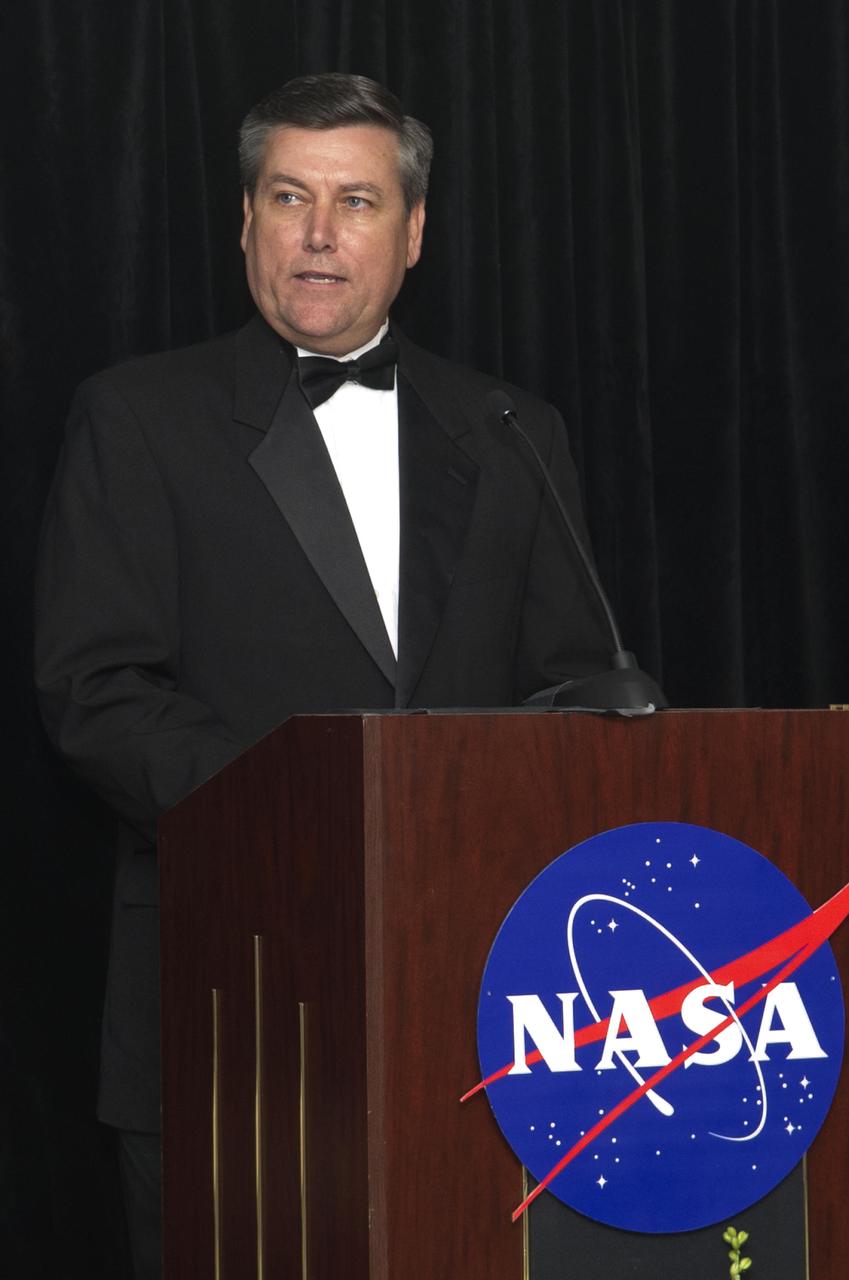
Stennis Space Center Director Patrick Scheuermann welcomes guests to the facility's 50th Anniversary Gala on Oct. 15. The event culminated Stennis' yearlong celebration of its 50th anniversary. NASA publicly announced plans to build the rocket engine test site Oct. 25, 1961.
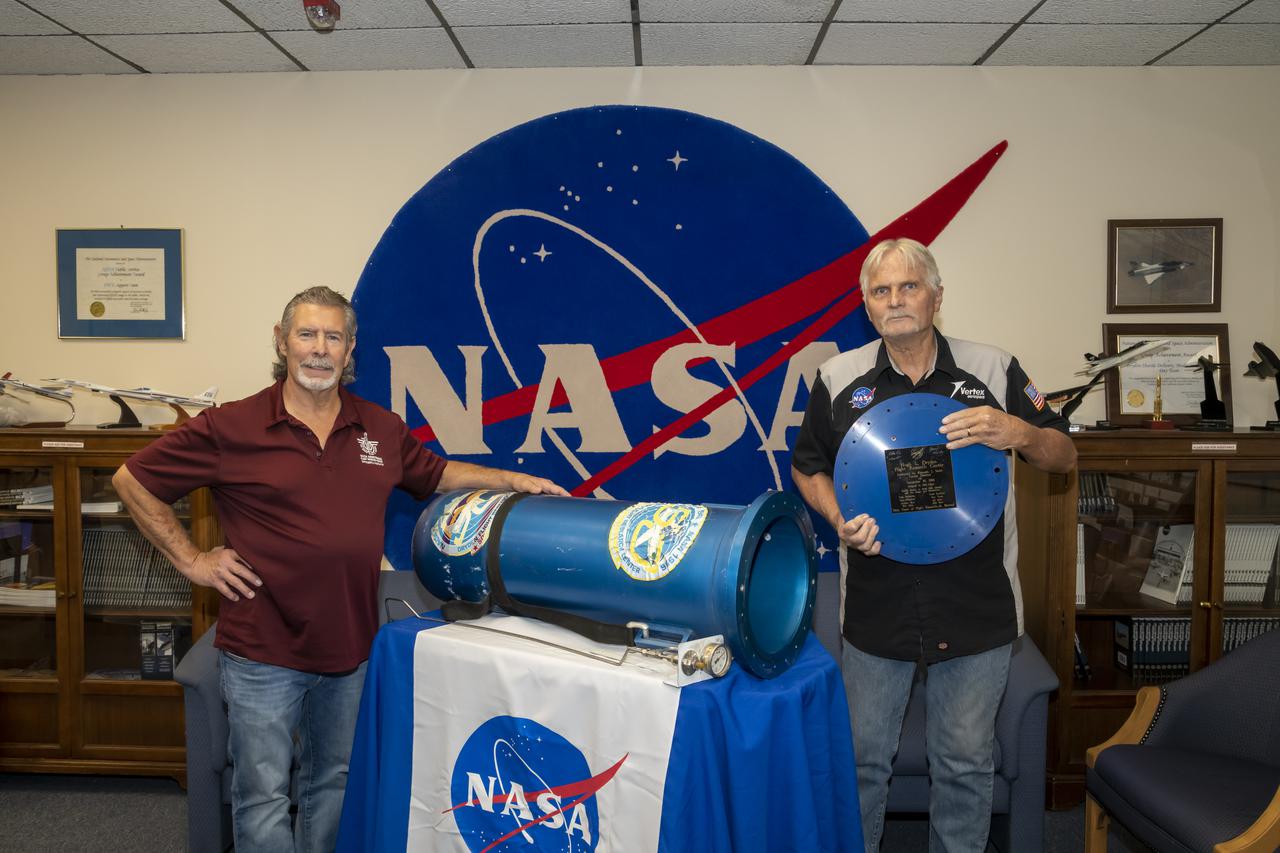
Andy Blua and Don Whitfield stand by the time capsule they helped construct 25 years ago on NASA Armstrong Flight Research Center's 50th anniversary. It was recently opened at the center, located in Edwards, California, on Oct. 13, 2021. The time capsule was opened as part of the activities commemorating the center's 75th anniversary.

Stennis Space Center Director Patrick Scheuermann (right) and Naval Meteorology and Oceanography Command Chief of Staff James Pettigrew drop the first shovelfuls of dirt on a time capsule to be opened on the rocket engine test facility's 100th anniversary in 2061. The time capsule was placed in front of the Roy S. Estess Building on Oct. 25 as Stennis concluded celebrations of its 50th anniversary. NASA publicly announced plans to build the rocket engine test site Oct. 25, 1961.
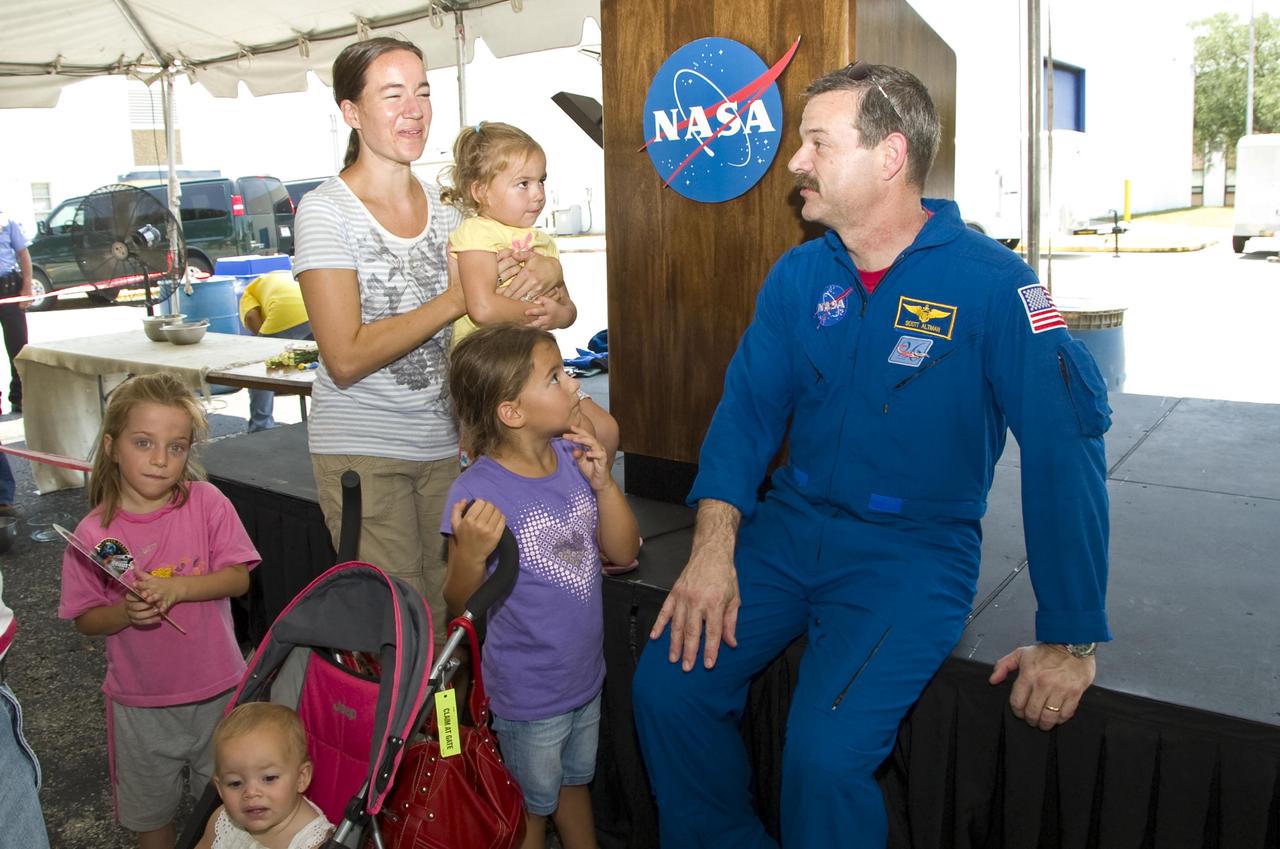
Astronaut Scott Altman talks with guests during a 50th Anniversary Open House activity at Stennis Space Center on June 2. Stennis' yearlong anniversary celebration culminates Oct. 25, the anniversary of the day in 1961 that NASA publicly announced plans to build the south Mississippi facility. The June 2 open house attracted more than 1,000 visitors.
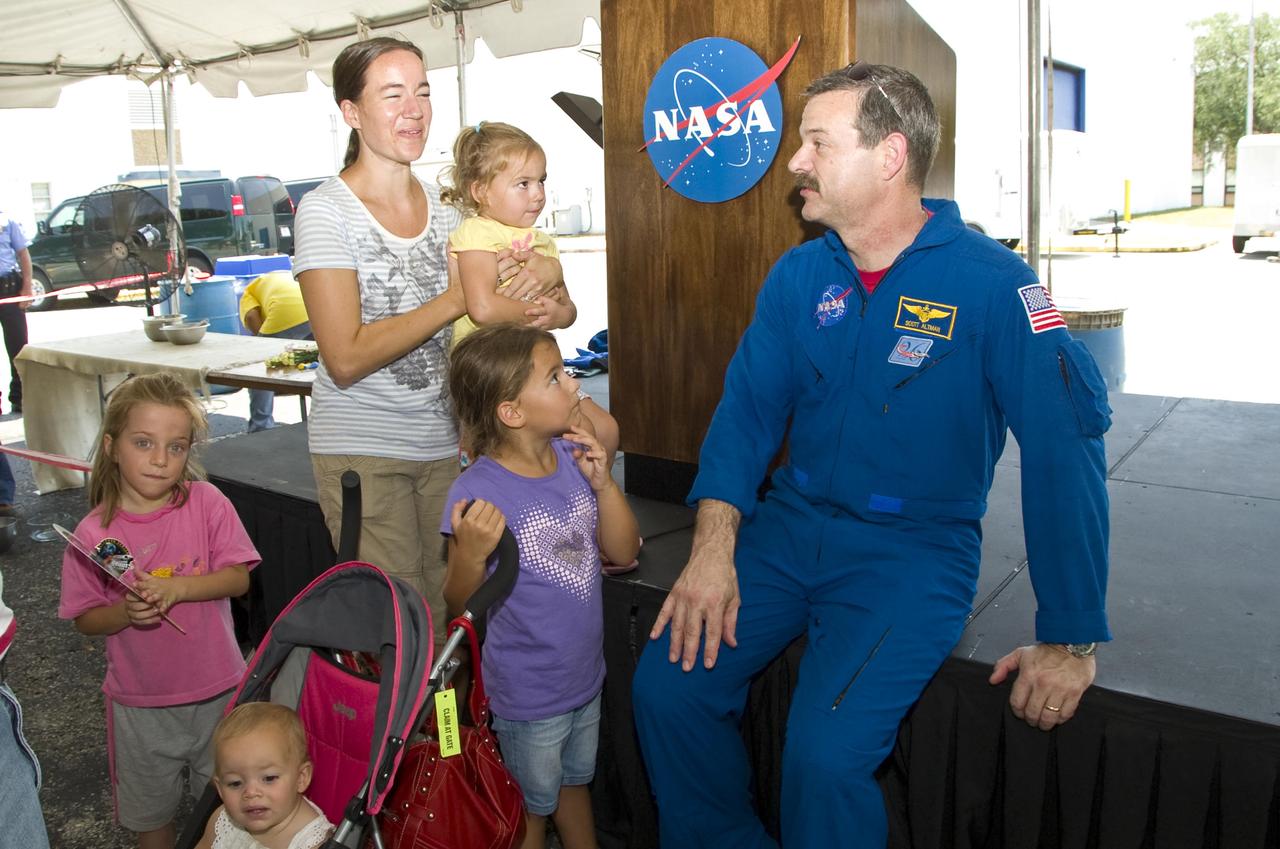
Astronaut Scott Altman talks with guests during a 50th Anniversary Open House activity at Stennis Space Center on June 2. Stennis' yearlong anniversary celebration culminates Oct. 25, the anniversary of the day in 1961 that NASA publicly announced plans to build the south Mississippi facility. The June 2 open house attracted more than 1,000 visitors.
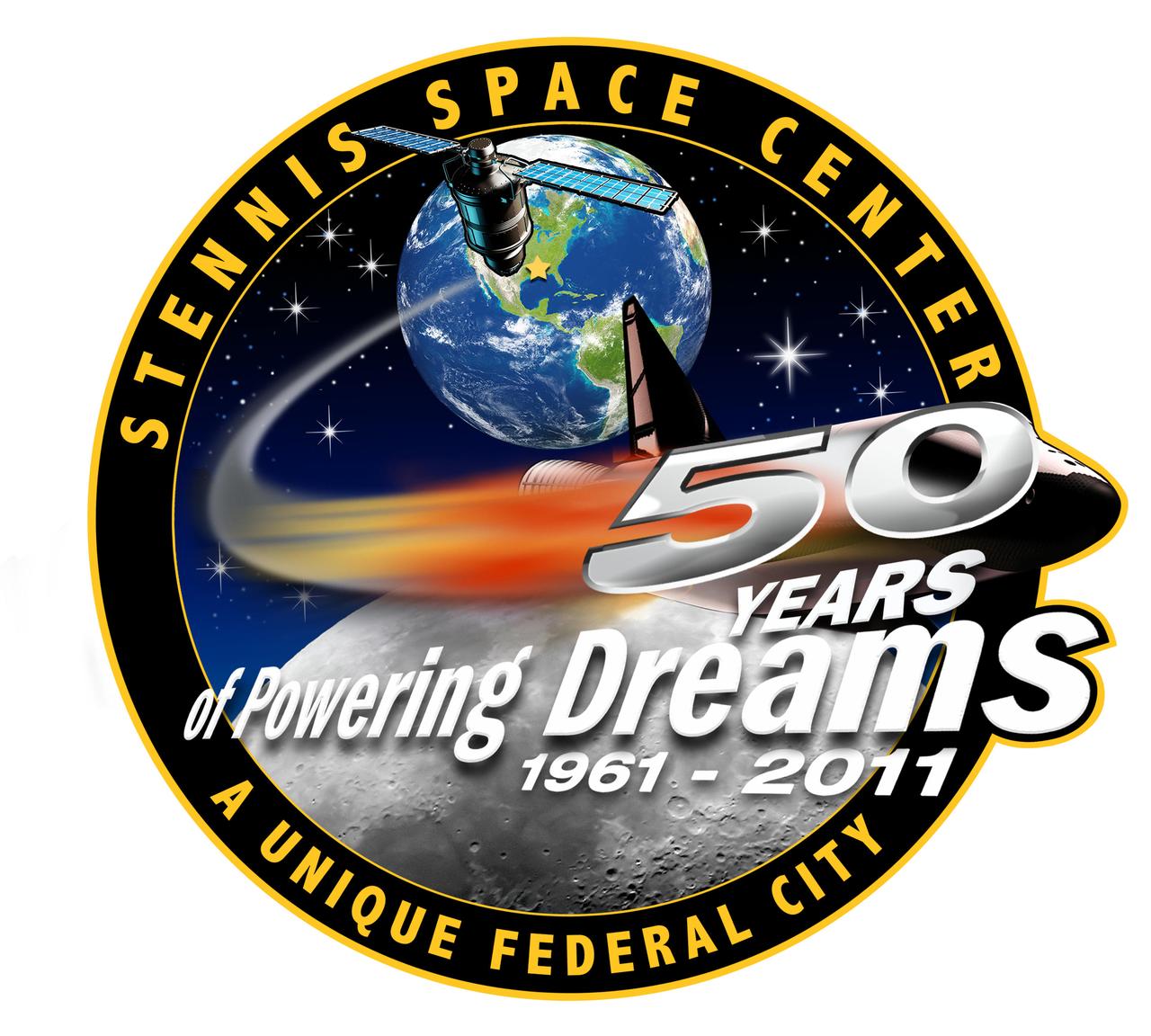
John C. Stennis Space Center is celebrating its 50th anniversary in 2011. NASA announced plans to build a rocket engine test facility in Hancock County, Miss., on Oct. 25, 1961. A new anniversary logo highlights the theme of the anniversary year - celebrating Stennis as a unique federal city and its five decades of powering America's space dreams. Stennis is home to more than 30 federal, state, academic and private organizations and several technology-based companies. In addition to testing Apollo Program rocket stages that carried humans to the moon, Stennis tested every main engine used in more than 130 space shuttle flights.

Stennis Space Center Director Patrick Scheuermann (right) and Naval Meteorology and Oceanography Command Chief of Staff James Pettigrew drop the first shovelfuls of dirt on a time capsule to be opened on the rocket engine test facility's 100th anniversary in 2061. The time capsule was placed in front of the Roy S. Estess Building on Oct. 25 as Stennis concluded celebrations of its 50th anniversary.
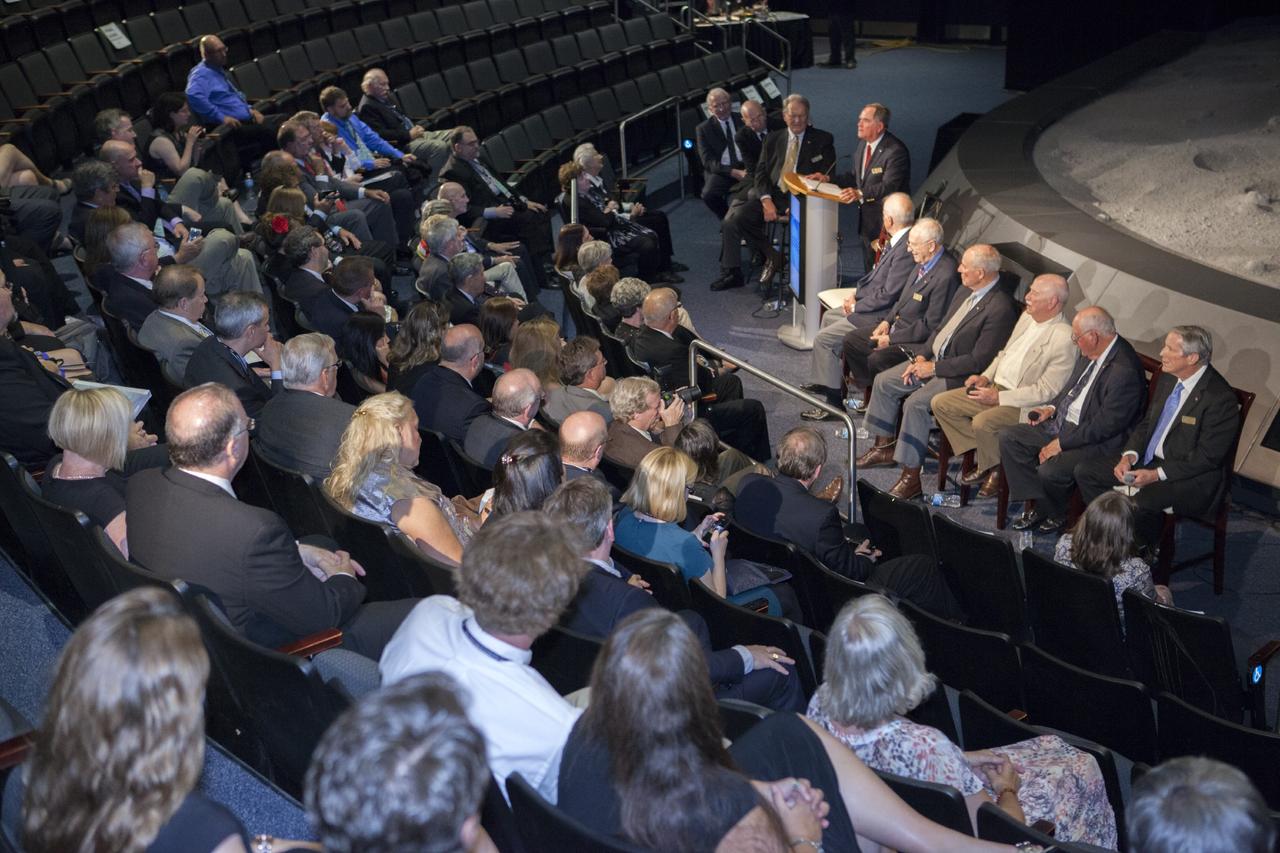
CAPE CANAVERAL, Fla. – Astronaut Scholarship Foundation guests at the Kennedy Space Center's Apollo/Saturn V Center listen as Skylab era astronauts celebrate the 40th anniversary of Skylab. The gala commemorating the 40th anniversary of Skylab included six of the nine astronauts who flew missions to America's first space station. The orbiting laboratory was launched unpiloted from Kennedy on May 14, 1973. Between May 25, 1973 and Feb. 8, 1974, crews of three spent 28, 59 and 84 days living and working in low-Earth orbit aboard the station. For more information, visit http://www.nasa.gov/mission_pages/skylab/ Photo credit: NASA/Kim Shiflett
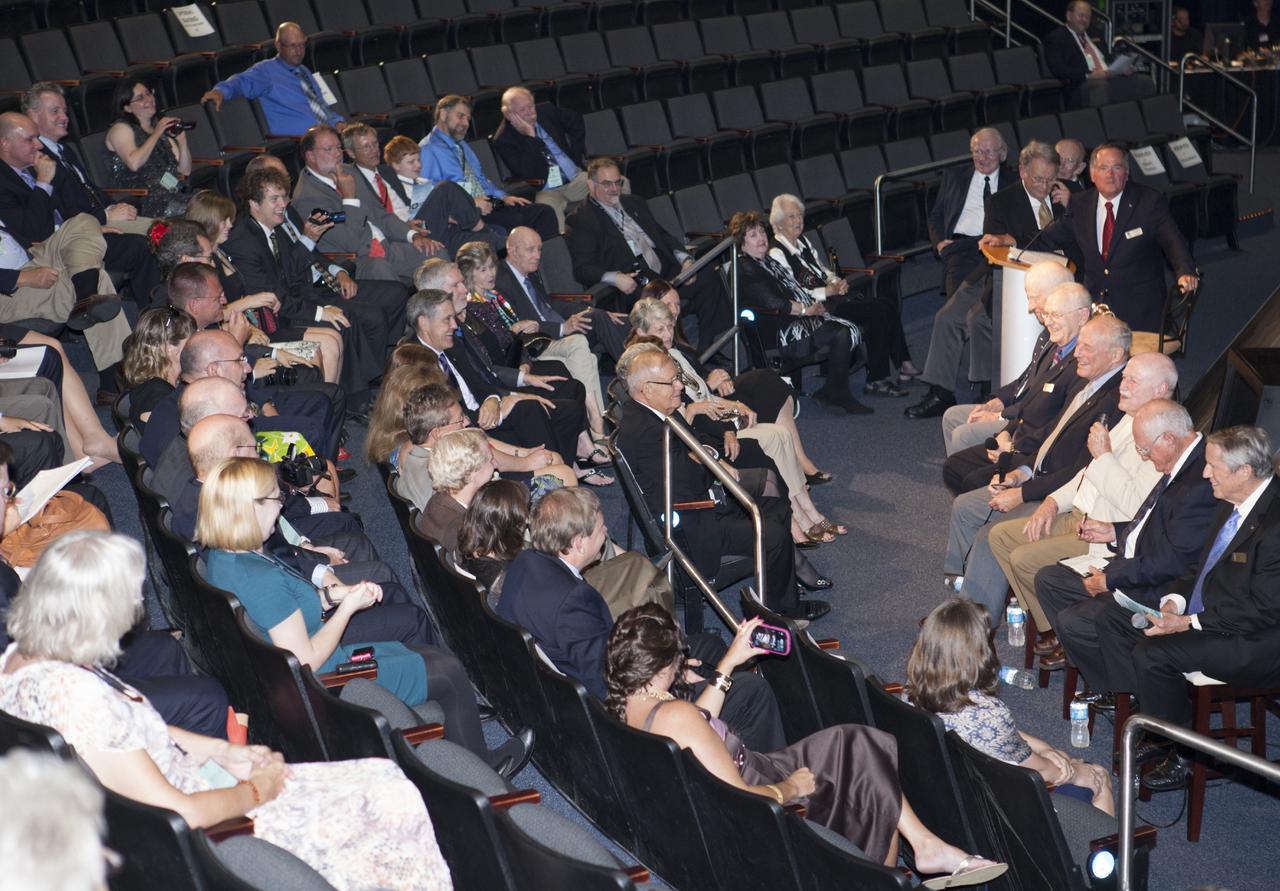
CAPE CANAVERAL, Fla. – Astronaut Scholarship Foundation guests at the Kennedy Space Center's Apollo/Saturn V Center listen as Skylab era astronauts celebrate the 40th anniversary of Skylab. The gala commemorating the 40th anniversary of Skylab included six of the nine astronauts who flew missions to America's first space station. The orbiting laboratory was launched unpiloted from Kennedy on May 14, 1973. Between May 25, 1973 and Feb. 8, 1974, crews of three spent 28, 59 and 84 days living and working in low-Earth orbit aboard the station. For more information, visit http://www.nasa.gov/mission_pages/skylab/ Photo credit: NASA/Kim Shiflett
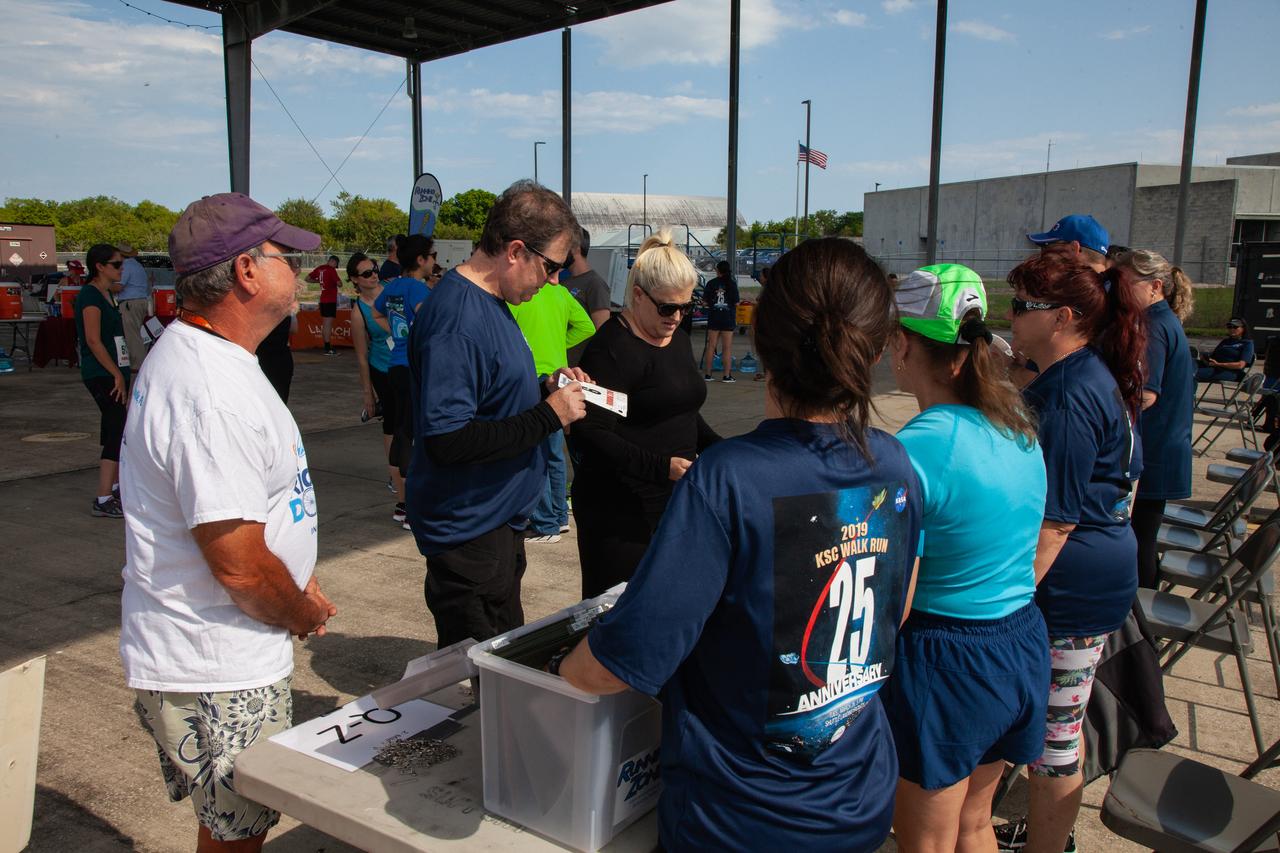
Kennedy Space Center employees and guests receive their race numbers prior to the start of the Florida spaceport’s annual KSC Walk Run on March 26, 2019. Part of Kennedy’s Safety and Health Days, the event takes place at the Shuttle Landing Facility runway and offers participants the chance to partake in a two-mile walk or run, a 5K or a 10K.
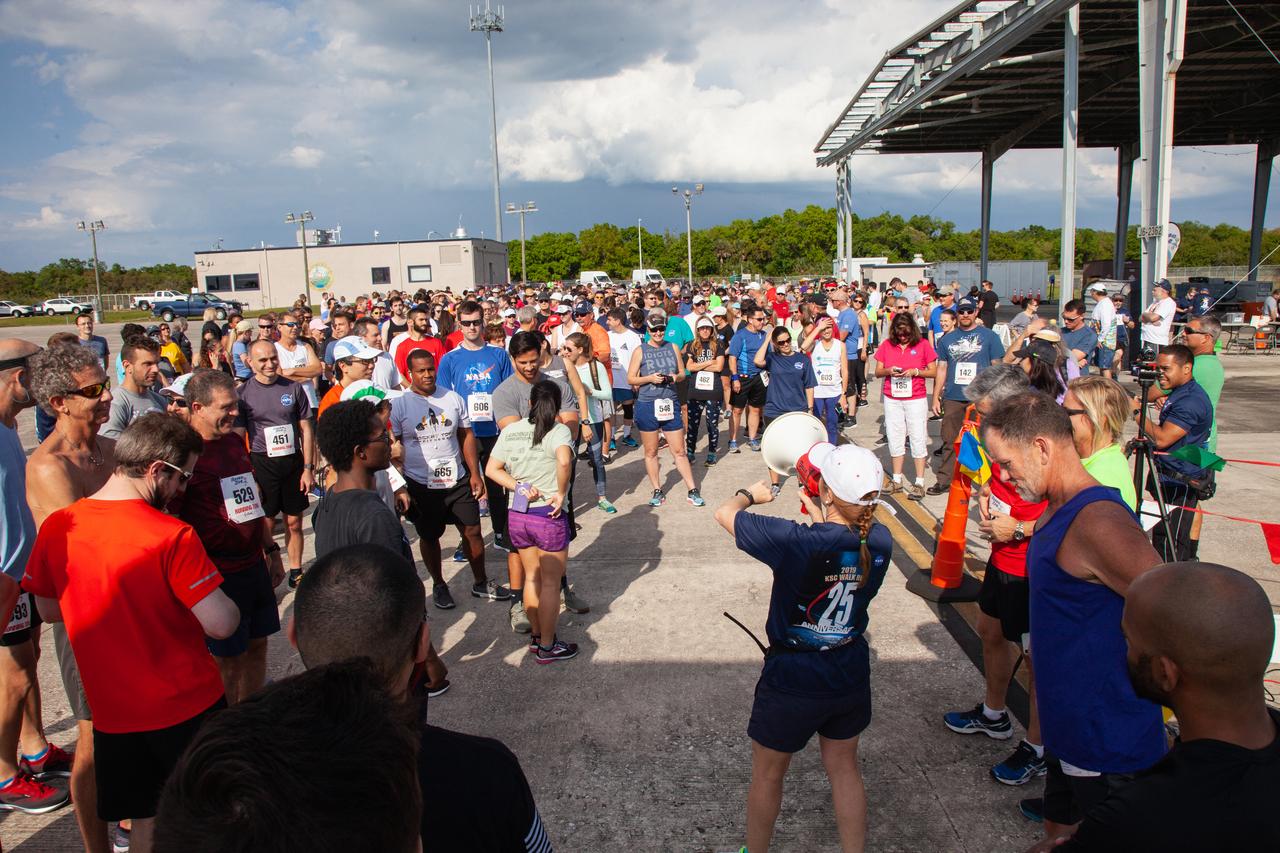
A speaker addresses Kennedy Space Center employees and guests prior to the start of the Florida spaceport’s annual KSC Walk Run on March 26, 2019. Part of Kennedy’s Safety and Health Days, the event takes place at the Shuttle Landing Facility runway and offers participants the chance to partake in a two-mile walk or run, a 5K or a 10K.
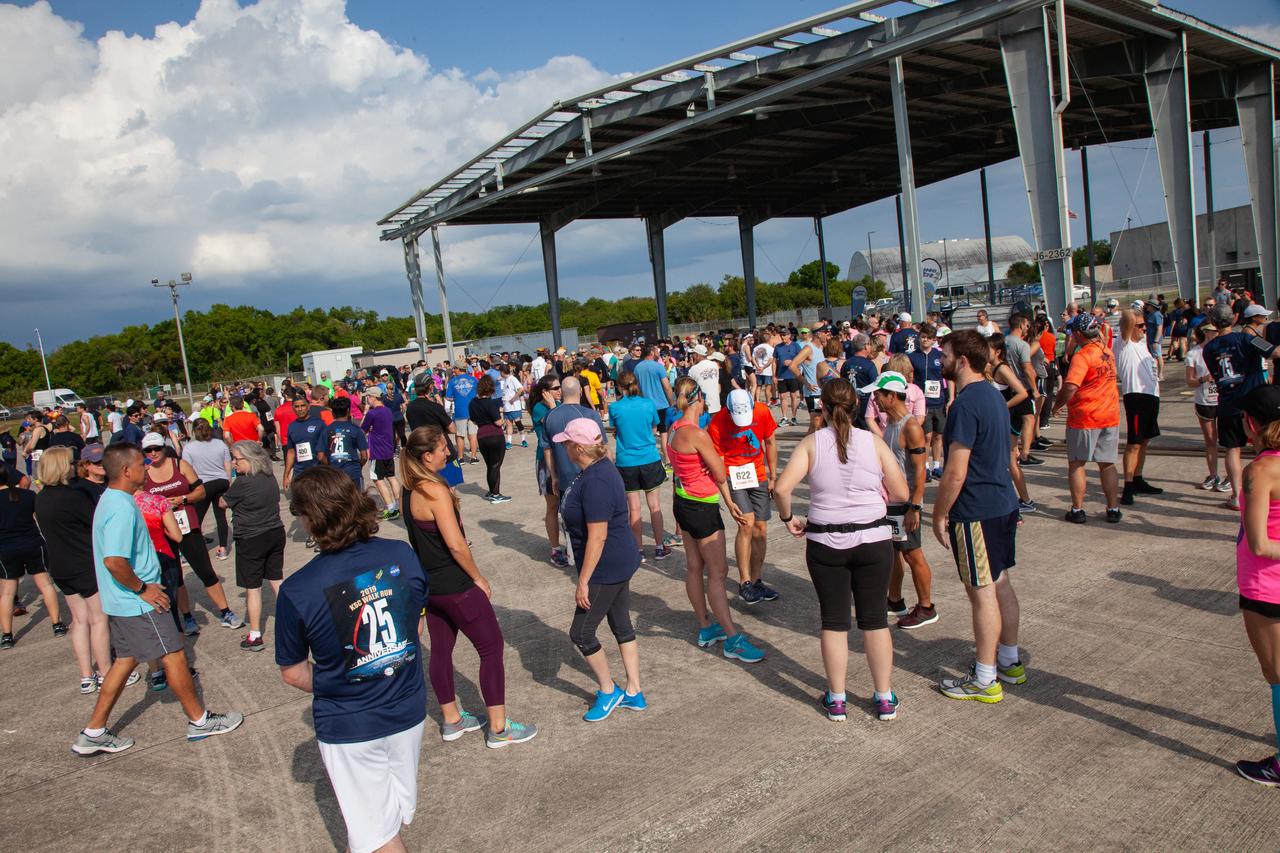
Kennedy Space Center employees and guests converse prior to the start of the Florida spaceport’s annual KSC Walk Run on March 26, 2019. Part of Kennedy’s Safety and Health Days, the event takes place at the Shuttle Landing Facility runway and offers participants the chance to partake in a two-mile walk or run, a 5K or a 10K.
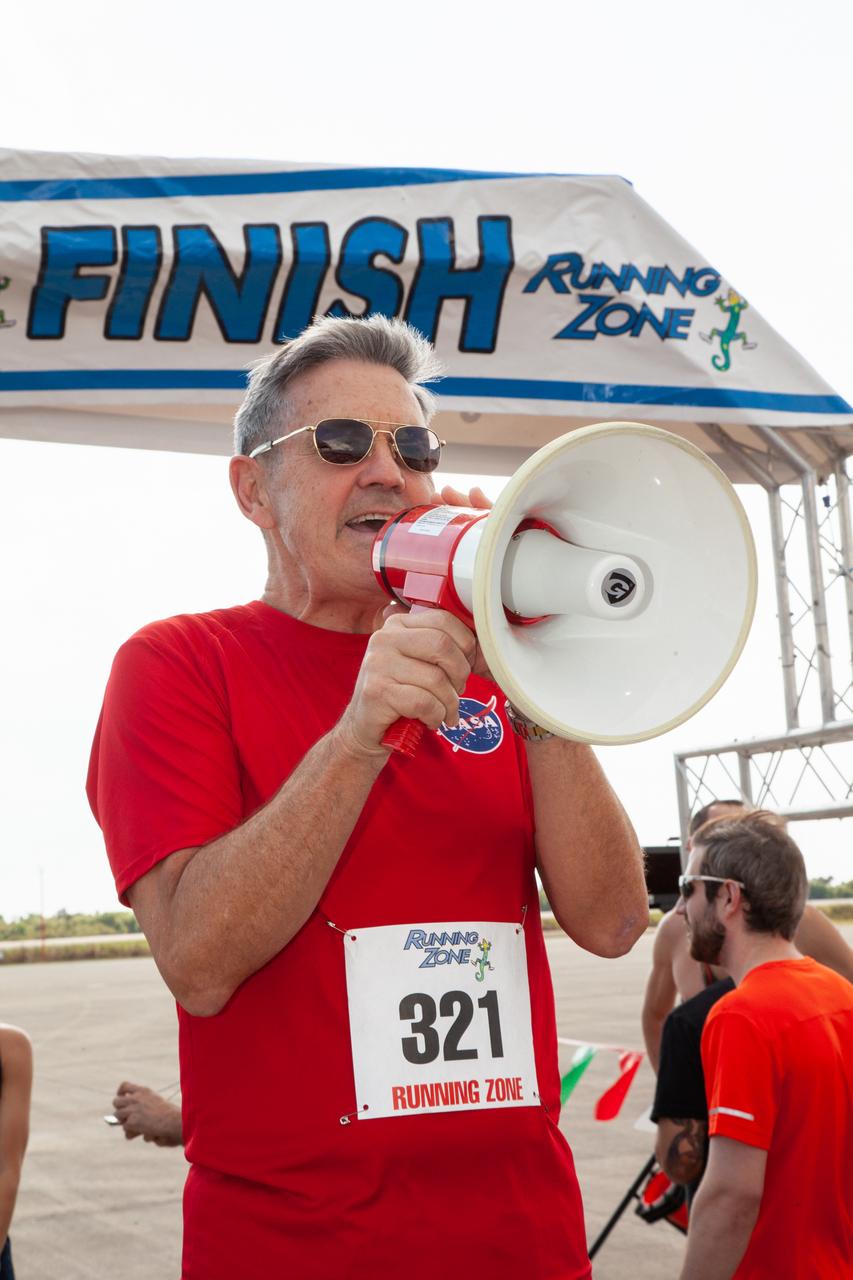
Kennedy Space Center Director Bob Cabana speaks to employees and guests before the start of the Florida spaceport’s annual KSC Walk Run on March 26, 2019. Part of Kennedy’s Safety and Health Days, the event takes place at the Shuttle Landing Facility runway and offers participants the chance to partake in a two-mile walk or run, a 5K or a 10K.
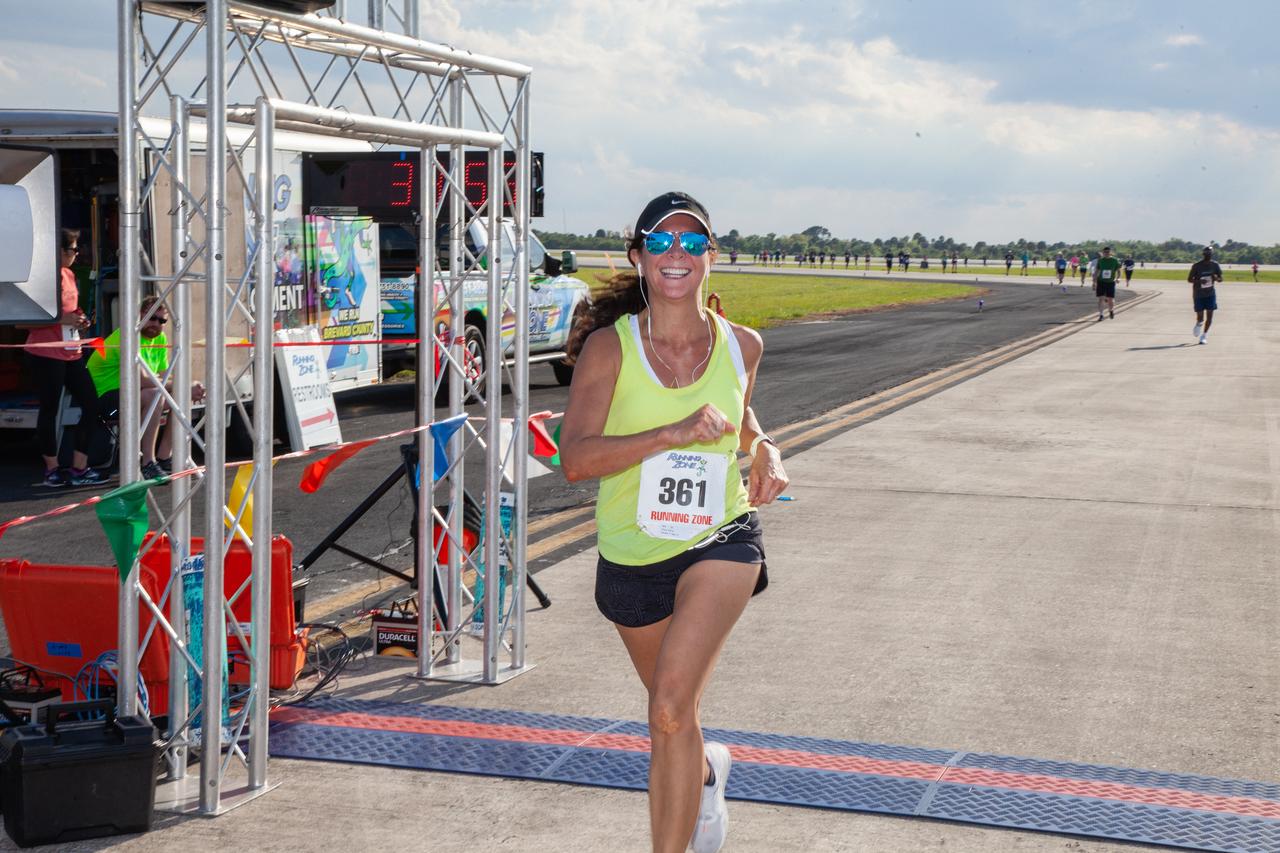
A participant crosses the finish line of Kennedy Space Center’s Walk Run on March 26, 2019. Part of Kennedy’s Safety and Health Days, the annual event takes place at the Florida spaceport’s Shuttle Landing Facility runway and offers employees and guests the chance to partake in a two-mile walk or run, a 5K or a 10K.
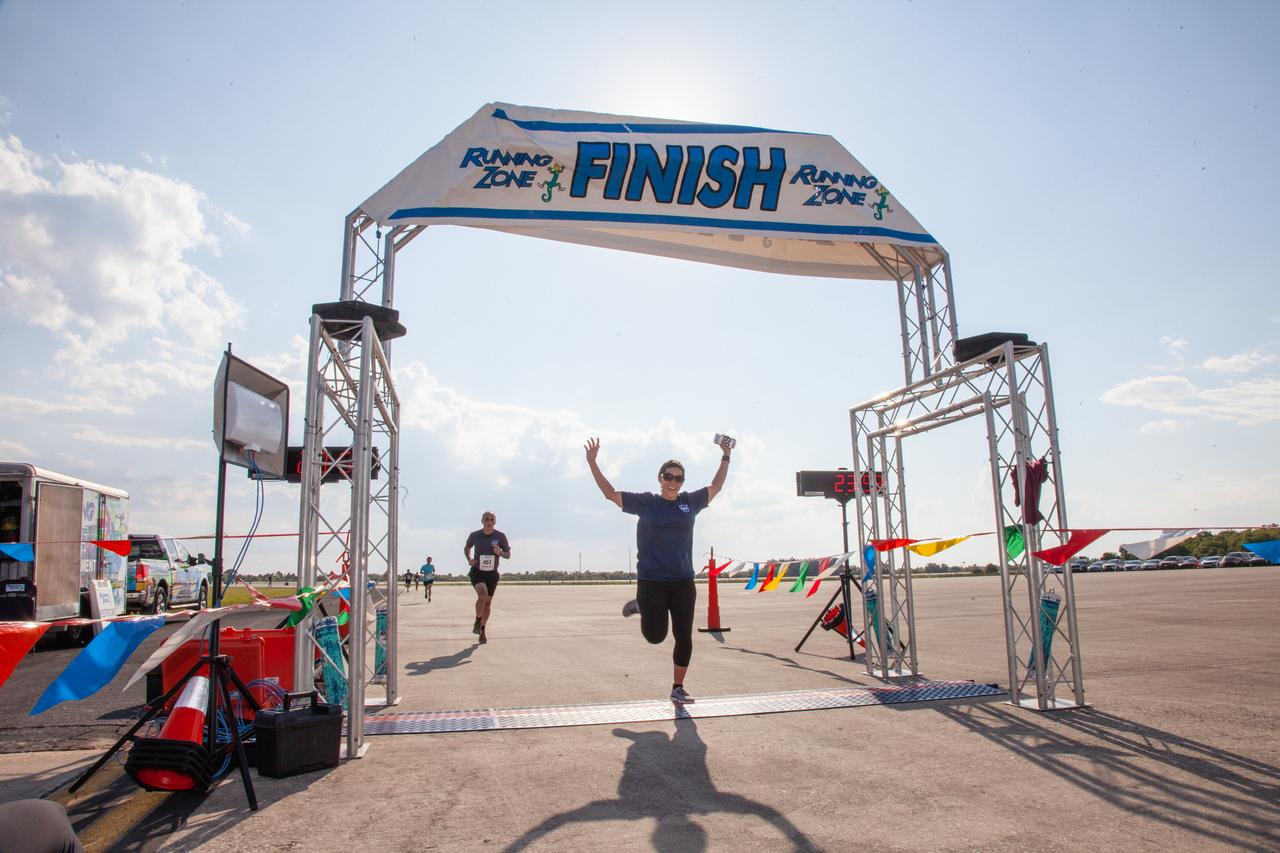
Kennedy Space Center employees and guests cross the finish line during the Florida spaceport’s annual KSC Walk Run on March 26, 2019. Part of Kennedy’s Safety and Health Days, the event takes place at the Shuttle Landing Facility runway and offers participants the chance to partake in a two-mile walk or run, a 5K or a 10K.
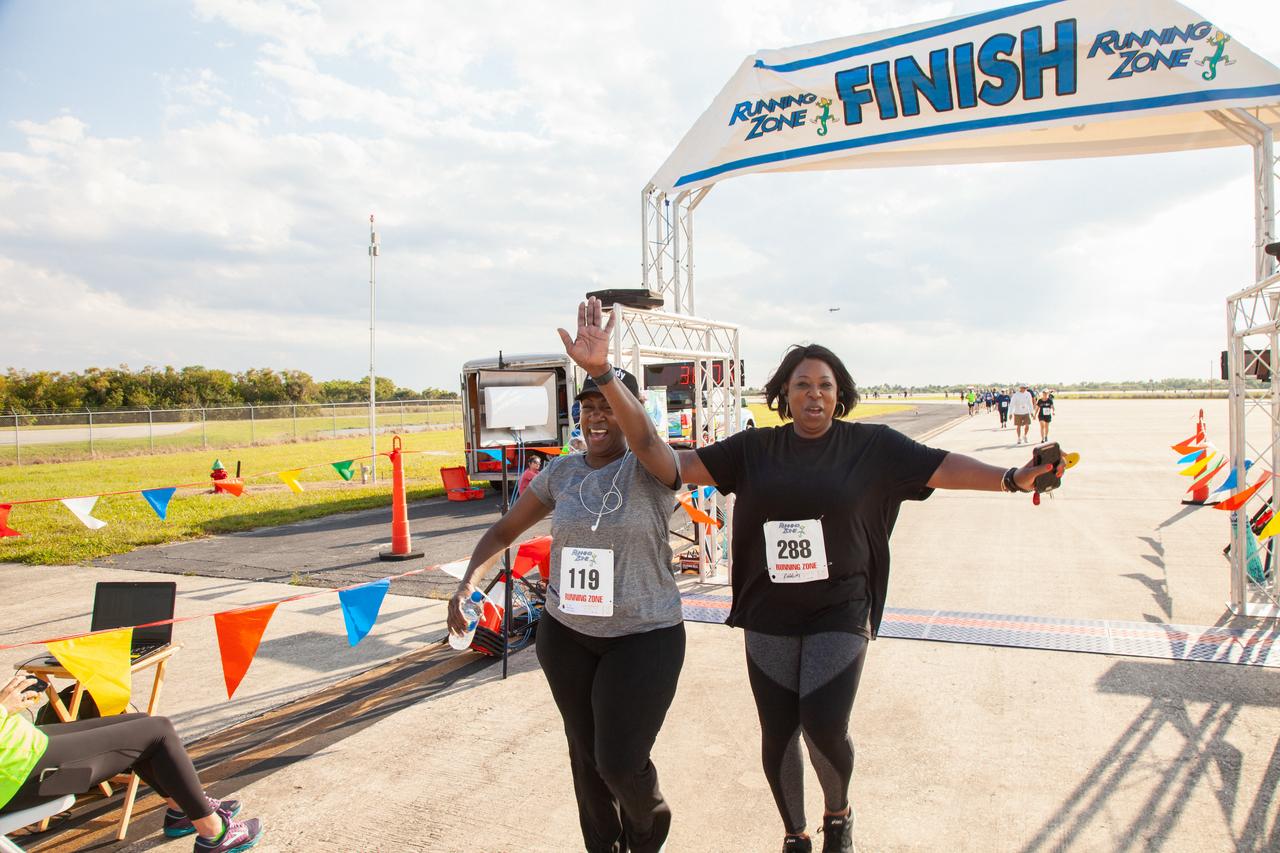
Participants cross the finish line of Kennedy Space Center’s Walk Run on March 26, 2019. Part of Kennedy’s Safety and Health Days, the annual event takes place at the Florida spaceport’s Shuttle Landing Facility runway and offers employees and guests the chance to partake in a two-mile walk or run, a 5K or a 10K.
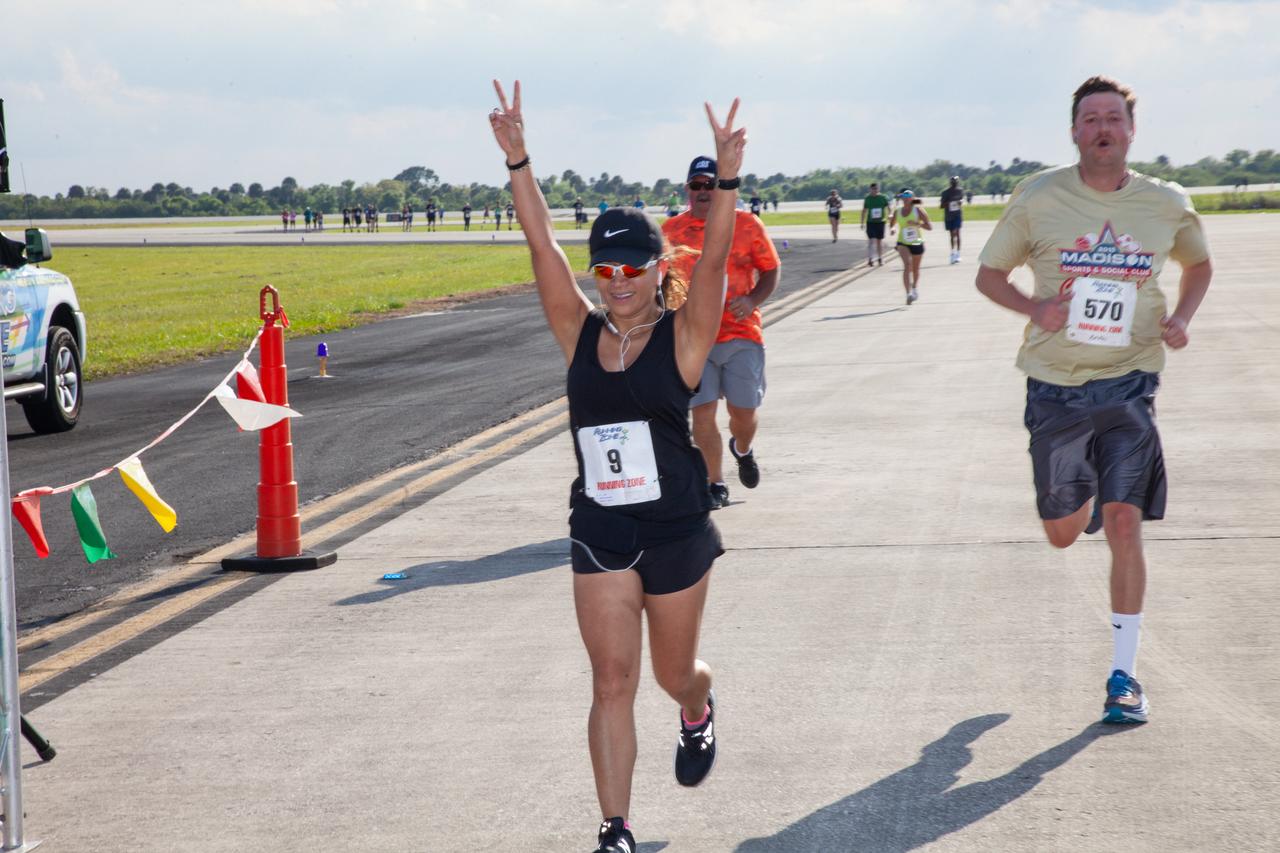
Kennedy Space Center employees and guests cross the finish line during the Florida spaceport’s annual KSC Walk Run on March 26, 2019. Part of Kennedy’s Safety and Health Days, the event takes place at the Shuttle Landing Facility runway and offers participants the chance to partake in a two-mile walk or run, a 5K or a 10K.
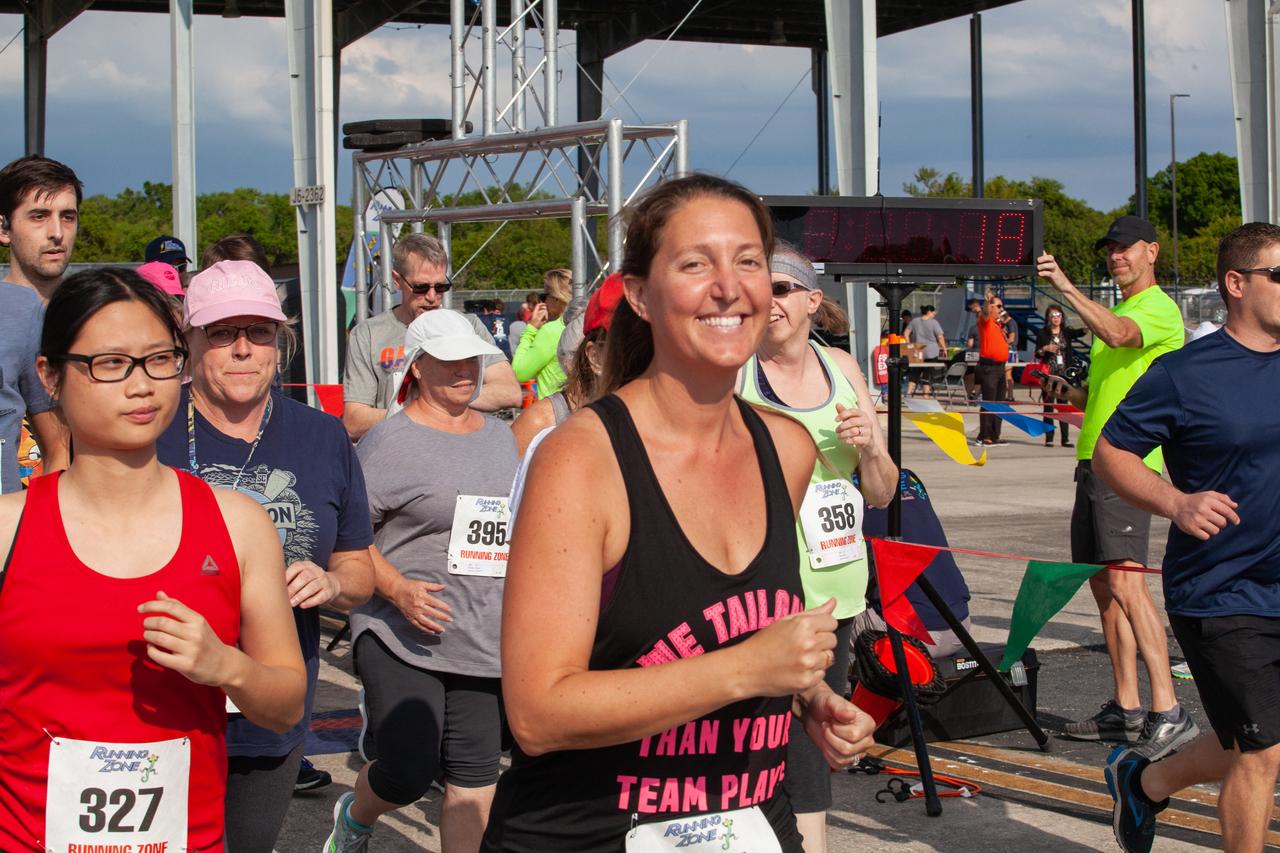
Kennedy Space Center employees and guests participate in the Florida spaceport’s annual KSC Walk Run on March 26, 2019. Part of Kennedy’s Safety and Health Days, the event takes place at the Shuttle Landing Facility runway and offers participants the chance to partake in a two-mile walk or run, a 5K or a 10K.
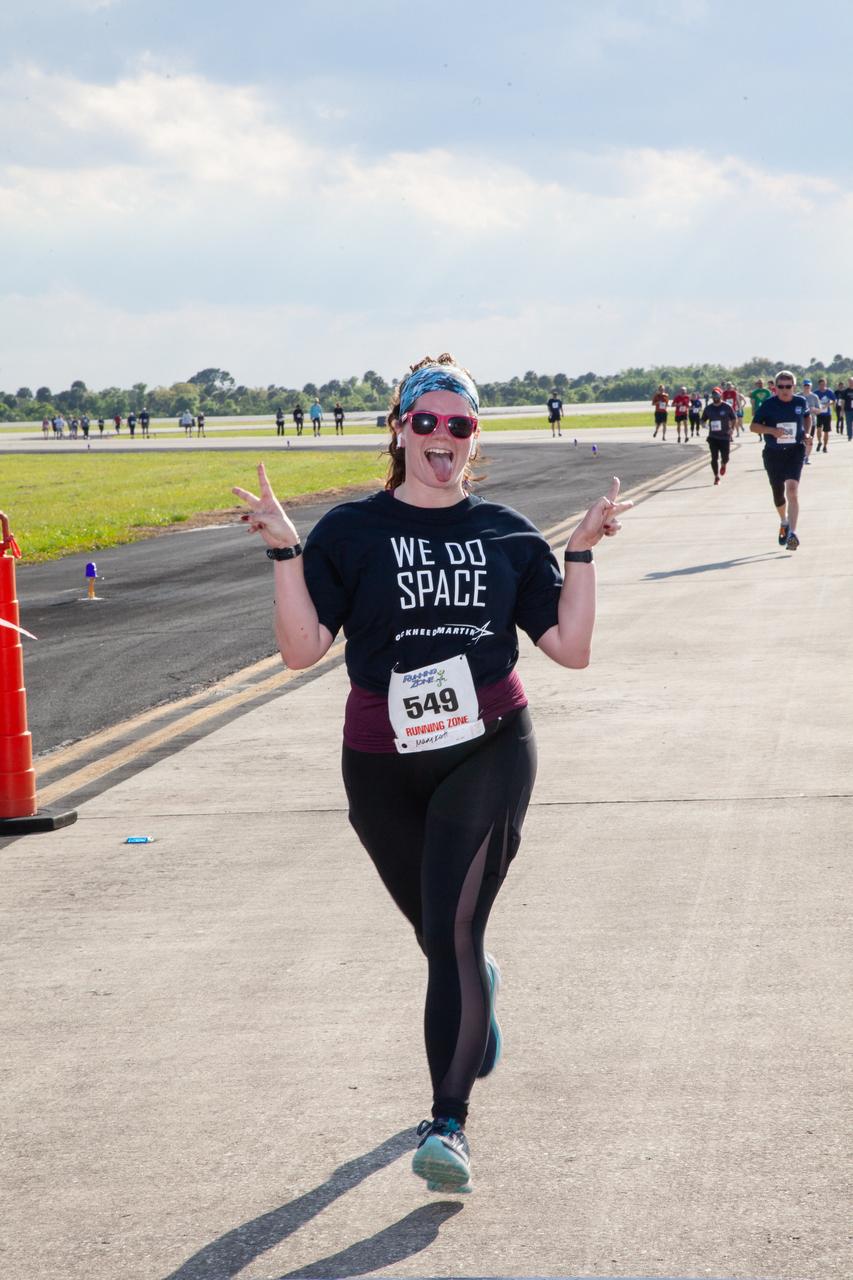
A participant poses as she crosses the finish line of Kennedy Space Center’s Walk Run on March 26, 2019. Part of Kennedy’s Safety and Health Days, the annual event takes place at the Florida spaceport’s Shuttle Landing Facility runway and offers employees and guests the chance to partake in a two-mile walk or run, a 5K or a 10K.
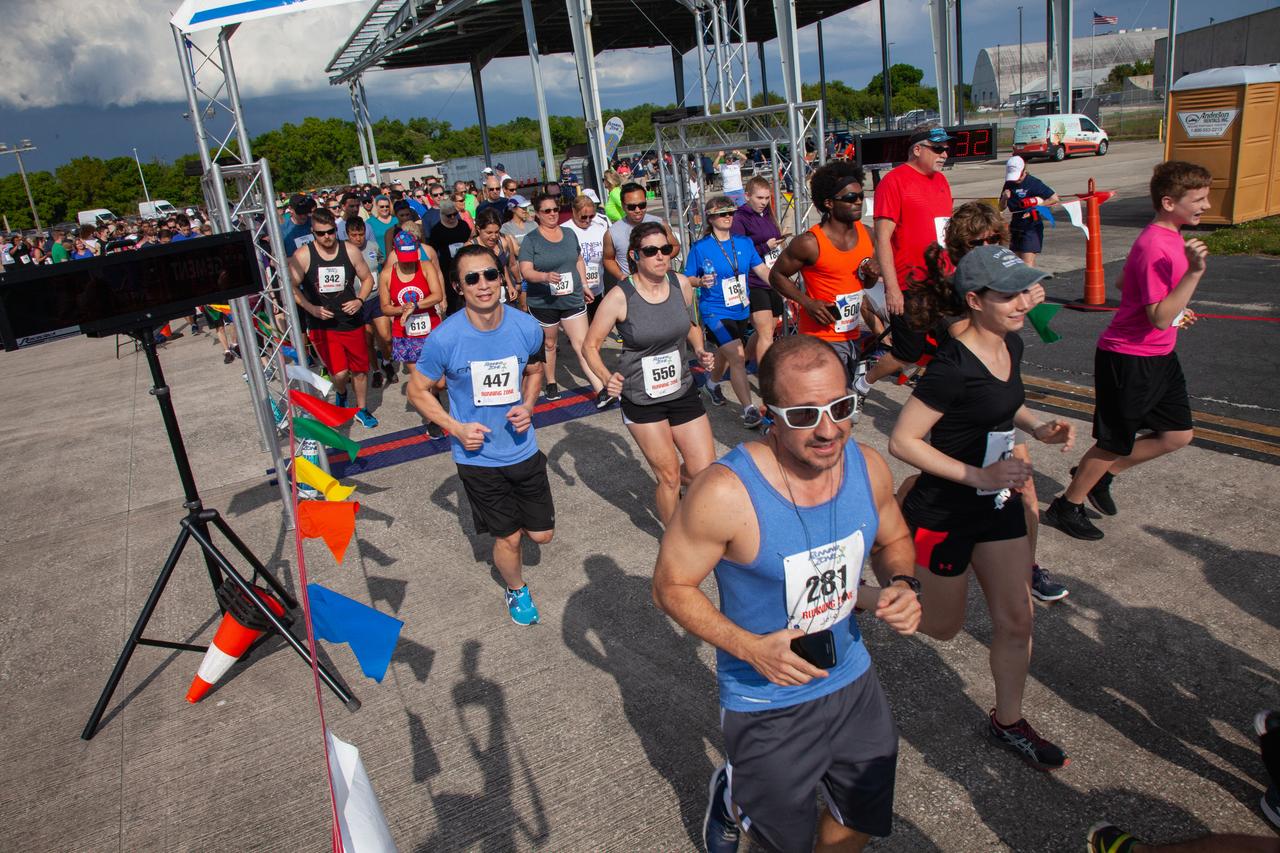
Kennedy Space Center employees and guests take off at the start of the Florida spaceport’s annual KSC Walk Run on March 26, 2019. Part of Kennedy’s Safety and Health Days, the event takes place at the Shuttle Landing Facility runway and offers participants the chance to partake in a two-mile walk or run, a 5K or a 10K.
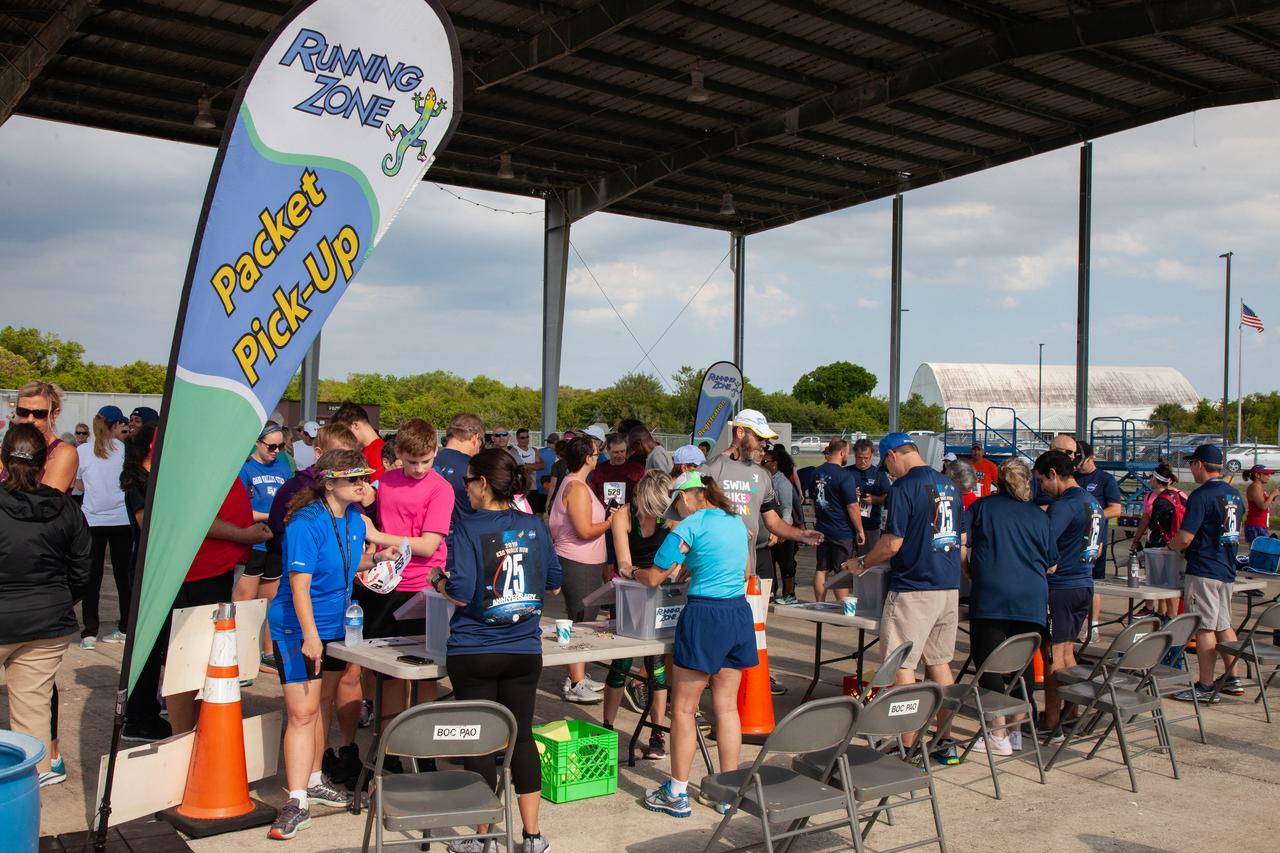
Kennedy Space Center employees and guests receive their race numbers prior to the start of the Florida spaceport’s annual KSC Walk Run on March 26, 2019. Part of Kennedy’s Safety and Health Days, the event takes place at the Shuttle Landing Facility runway and offers participants the chance to partake in a two-mile walk or run, a 5K or a 10K.
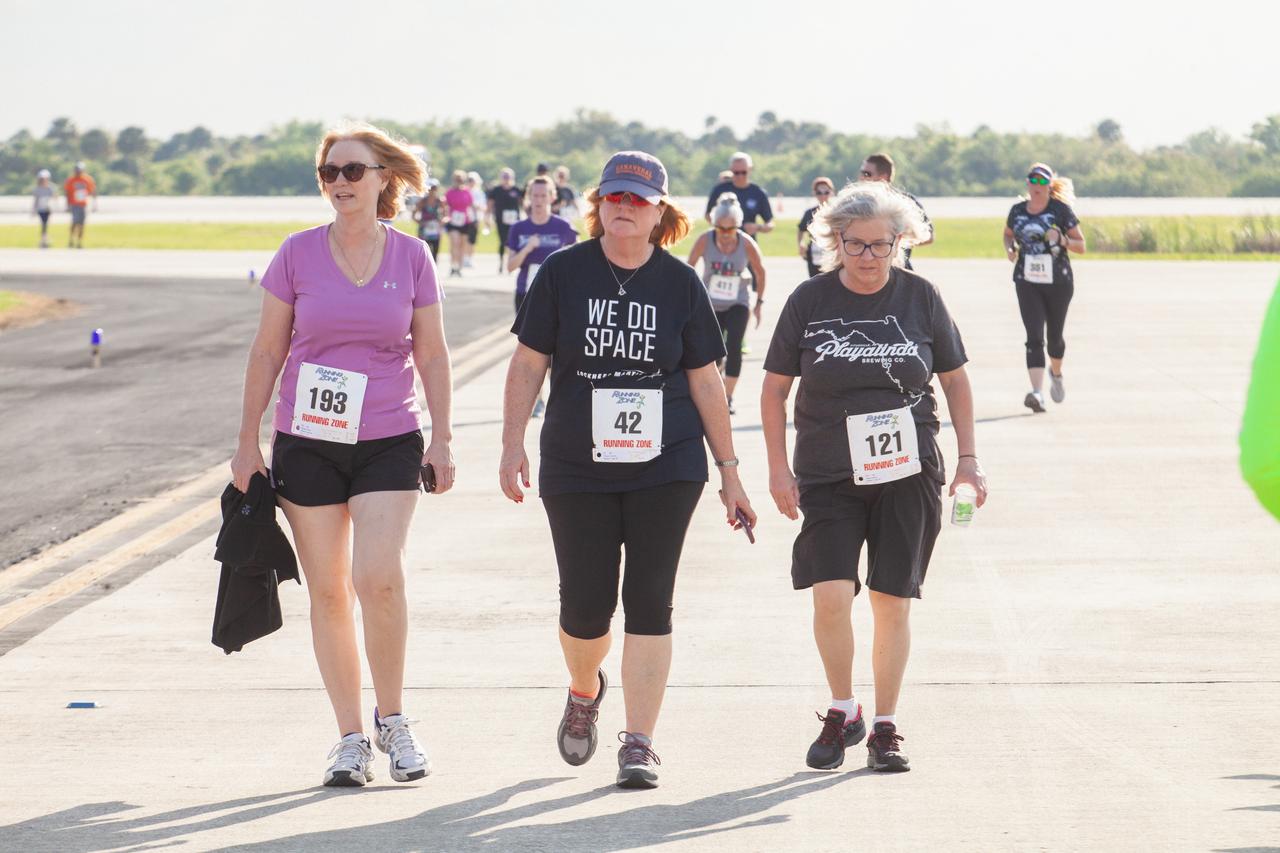
Kennedy Space Center employees and guests participate in the Florida spaceport’s annual KSC Walk Run on March 26, 2019. Part of Kennedy’s Safety and Health Days, the event takes place at the Shuttle Landing Facility runway and offers participants the chance to partake in a two-mile walk or run, a 5K or a 10K.
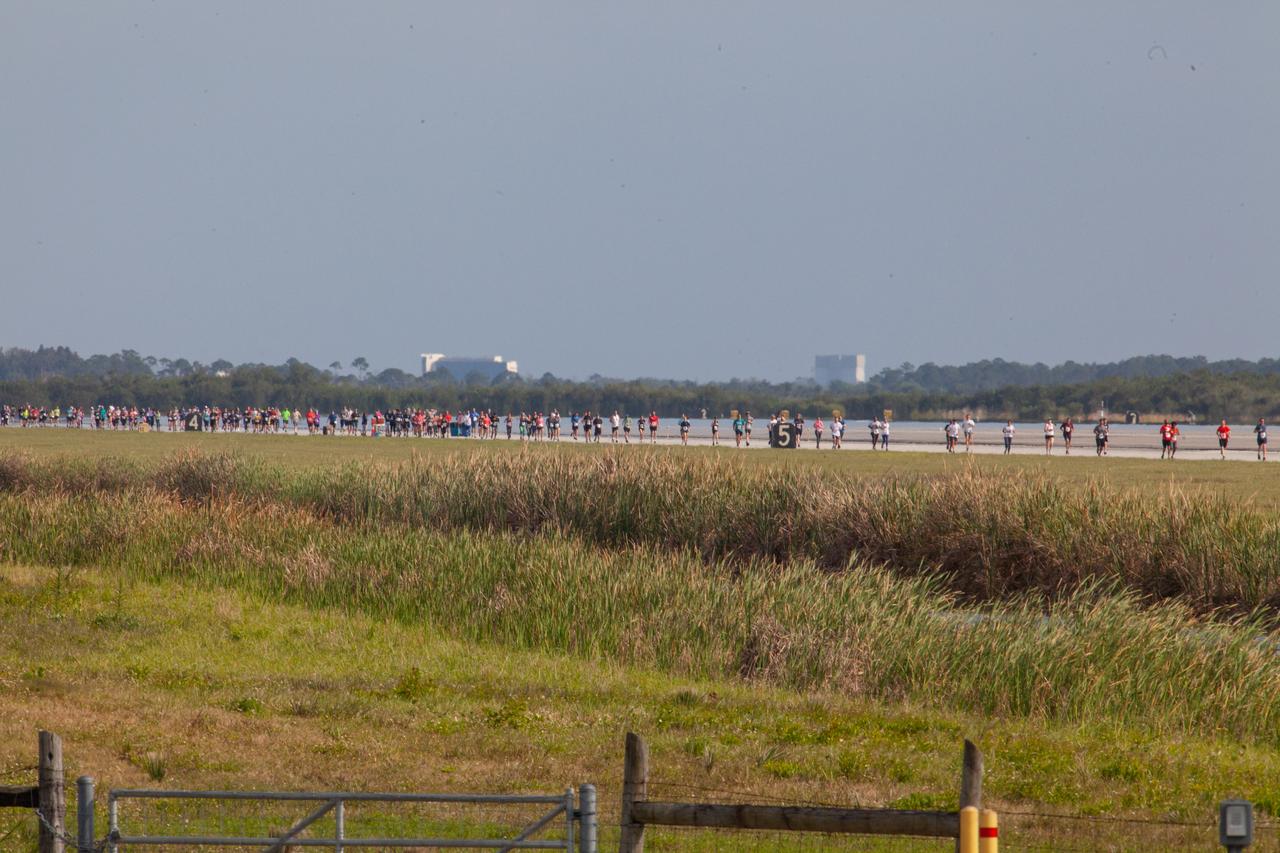
Kennedy Space Center employees and guests participate in the Florida spaceport’s annual KSC Walk Run on March 26, 2019. Part of Kennedy’s Safety and Health Days, the event takes place at the Shuttle Landing Facility runway and offers participants the chance to partake in a two-mile walk or run, a 5K or a 10K.
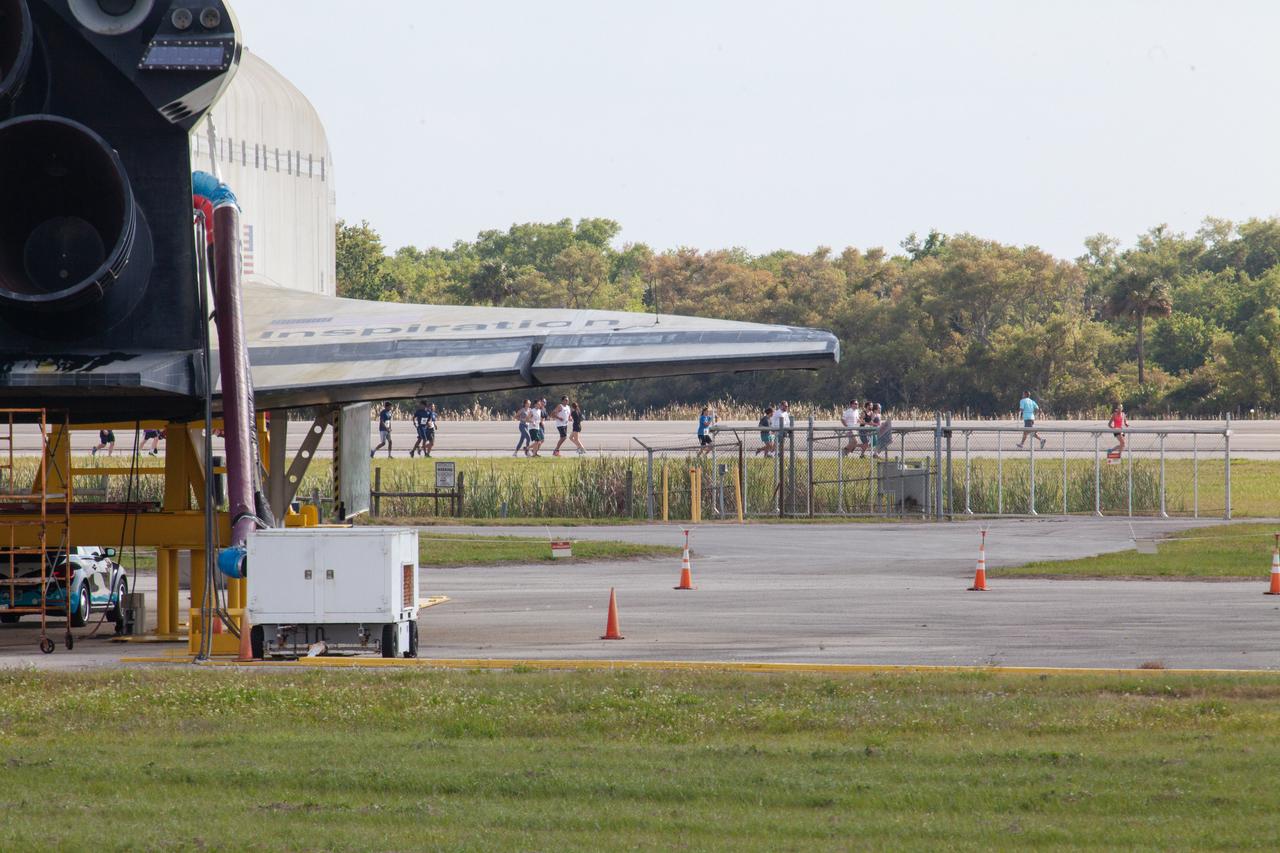
Kennedy Space Center employees and guests participate in the Florida spaceport’s annual KSC Walk Run on March 26, 2019. Part of Kennedy’s Safety and Health Days, the event takes place at the Shuttle Landing Facility runway and offers participants the chance to partake in a two-mile walk or run, a 5K or a 10K.
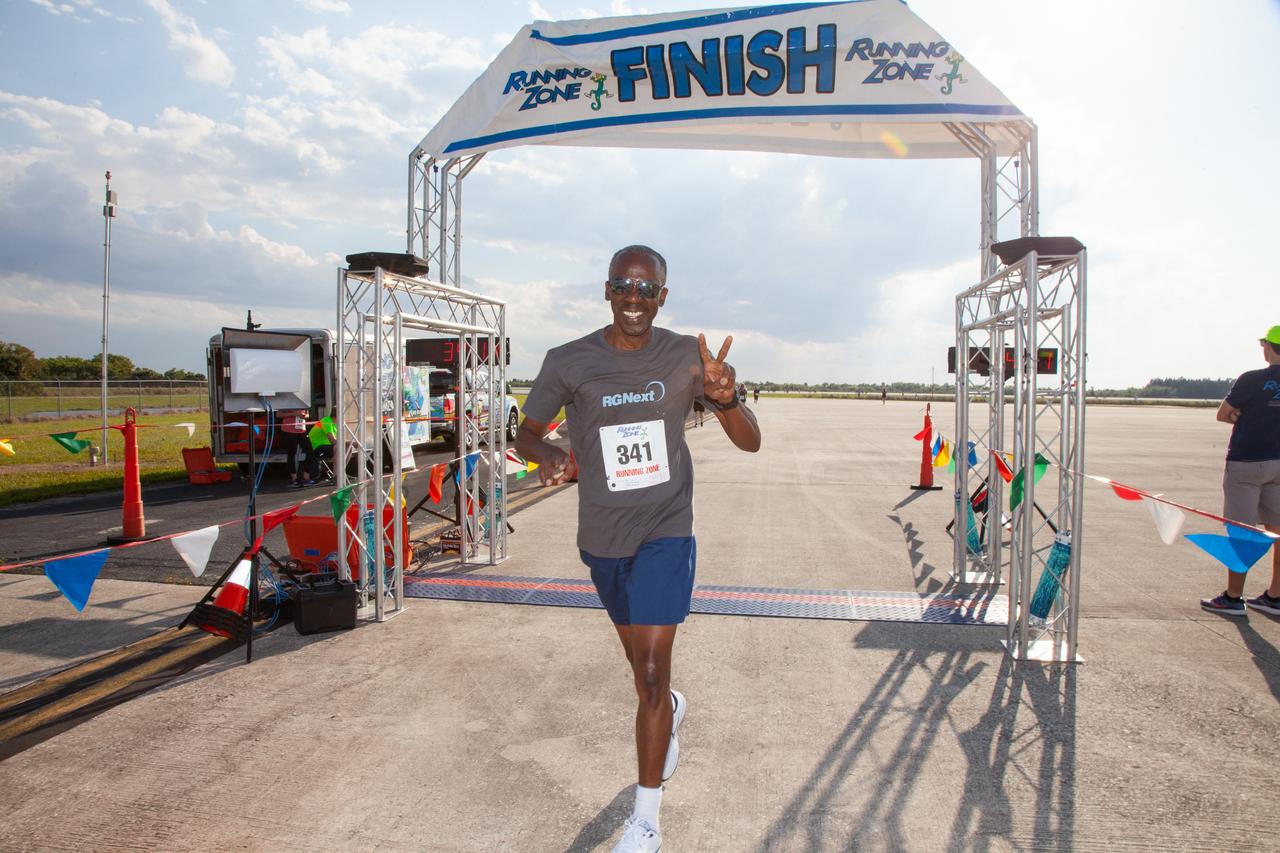
A participant crosses the finish line of Kennedy Space Center’s Walk Run on March 26, 2019. Part of Kennedy’s Safety and Health Days, the annual event takes place at the Florida spaceport’s Shuttle Landing Facility runway and offers employees and guests the chance to partake in a two-mile walk or run, a 5K or a 10K.
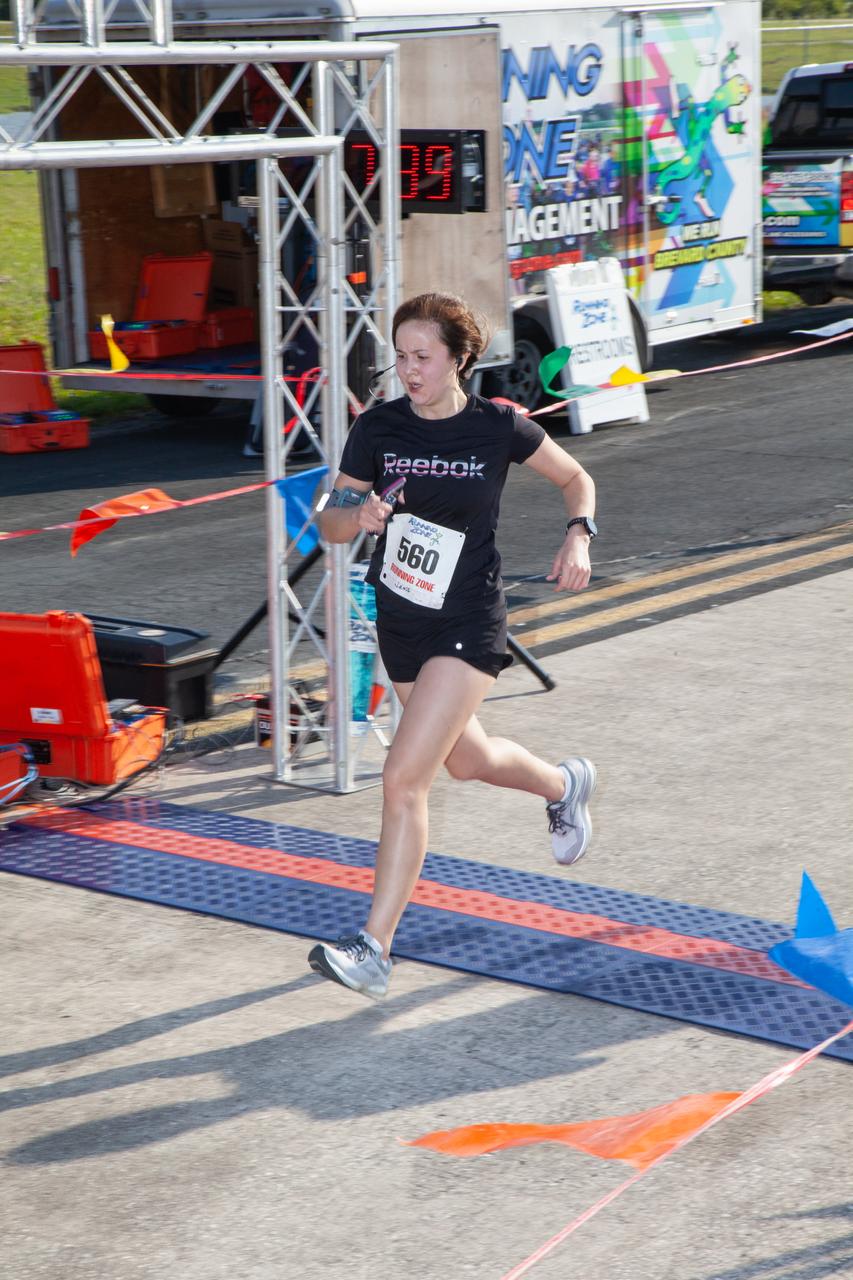
A participant crosses the finish line of Kennedy Space Center’s Walk Run on March 26, 2019. Part of Kennedy’s Safety and Health Days, the annual event takes place at the Florida spaceport’s Shuttle Landing Facility runway and offers employees and guests the chance to partake in a two-mile walk or run, a 5K or a 10K.
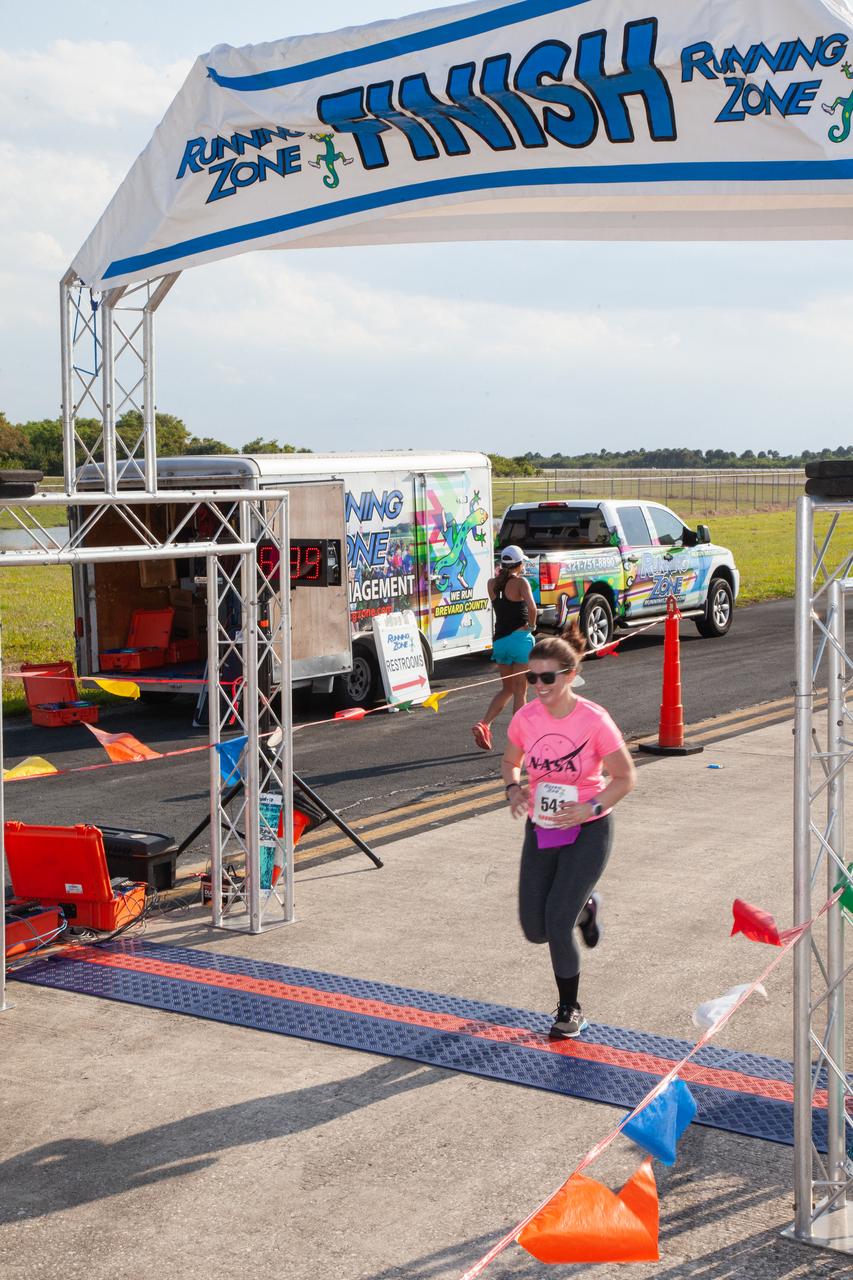
A participant crosses the finish line of Kennedy Space Center’s Walk Run on March 26, 2019. Part of Kennedy’s Safety and Health Days, the annual event takes place at the Florida spaceport’s Shuttle Landing Facility runway and offers employees and guests the chance to partake in a two-mile walk or run, a 5K or a 10K.
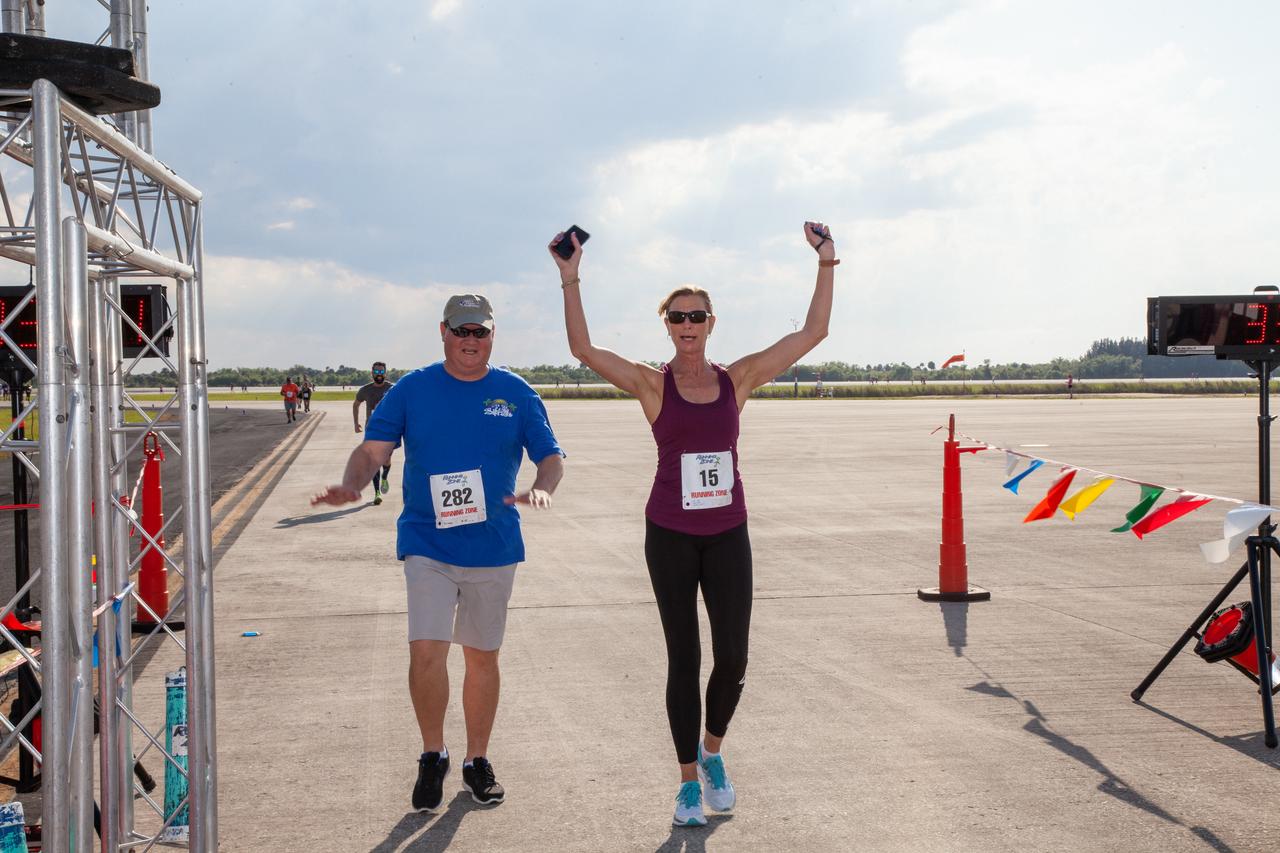
Kennedy Space Center employees and guests cross the finish line during the Florida spaceport’s annual KSC Walk Run on March 26, 2019. Part of Kennedy’s Safety and Health Days, the event takes place at the Shuttle Landing Facility runway and offers participants the chance to partake in a two-mile walk or run, a 5K or a 10K.
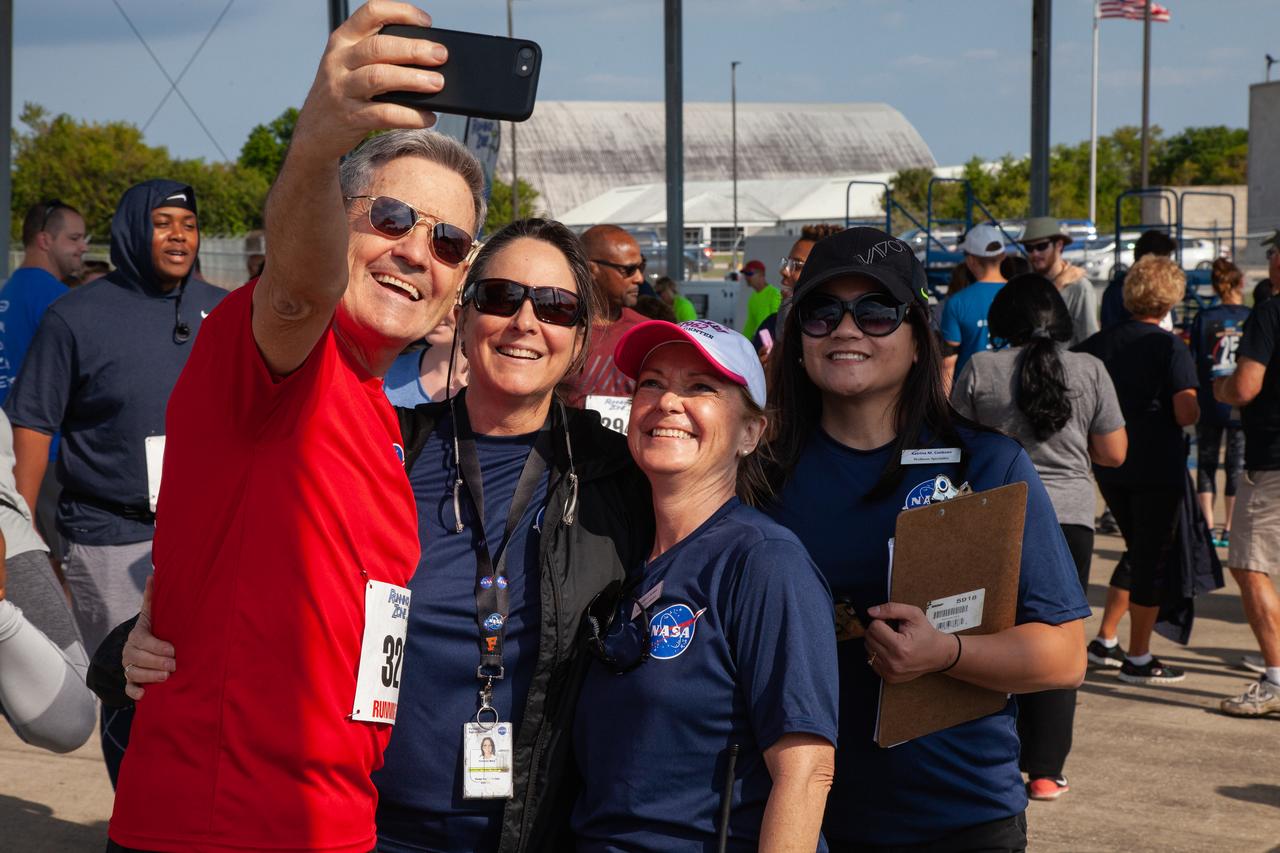
Kennedy Space Center employees and guests pose for a selfie with Center Director Bob Cabana prior to the start of the Florida spaceport’s annual KSC Walk Run on March 26, 2019. Part of Kennedy’s Safety and Health Days, the event takes place at the Shuttle Landing Facility runway and offers participants the chance to partake in a two-mile walk or run, a 5K or a 10K.
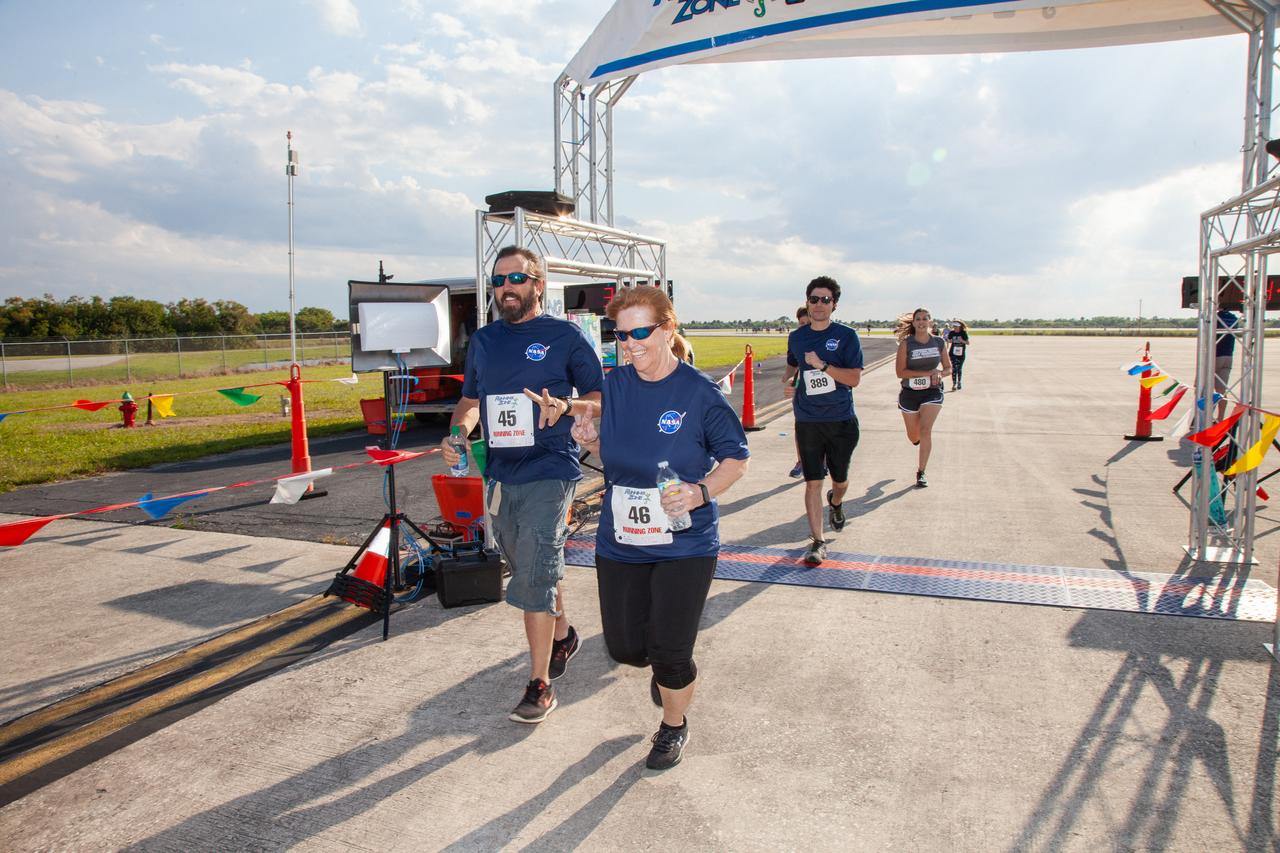
Kennedy Space Center employees and guests cross the finish line during the Florida spaceport’s annual KSC Walk Run on March 26, 2019. Part of Kennedy’s Safety and Health Days, the event takes place at the Shuttle Landing Facility runway and offers participants the chance to partake in a two-mile walk or run, a 5K or a 10K.
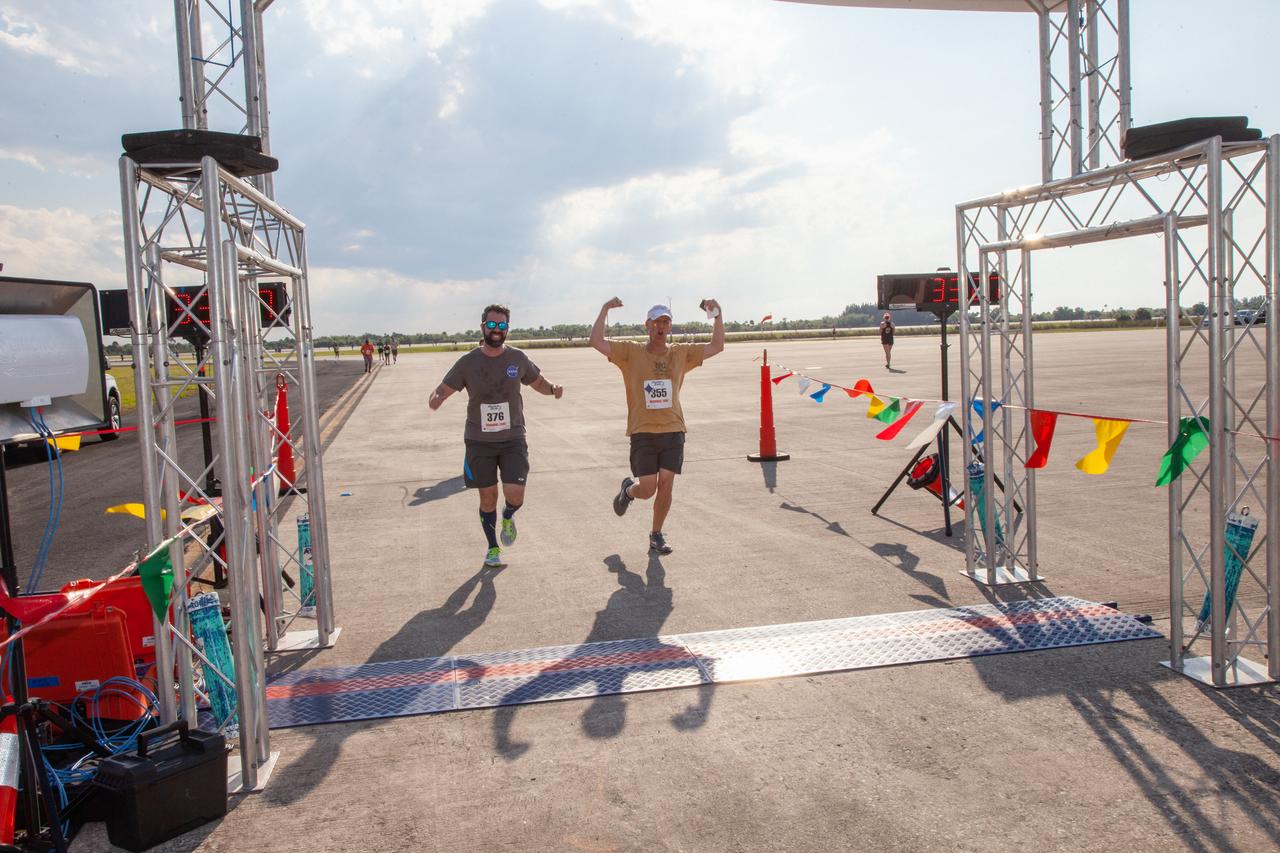
Kennedy Space Center employees and guests cross the finish line during the Florida spaceport’s annual KSC Walk Run on March 26, 2019. Part of Kennedy’s Safety and Health Days, the event takes place at the Shuttle Landing Facility runway and offers participants the chance to partake in a two-mile walk or run, a 5K or a 10K.
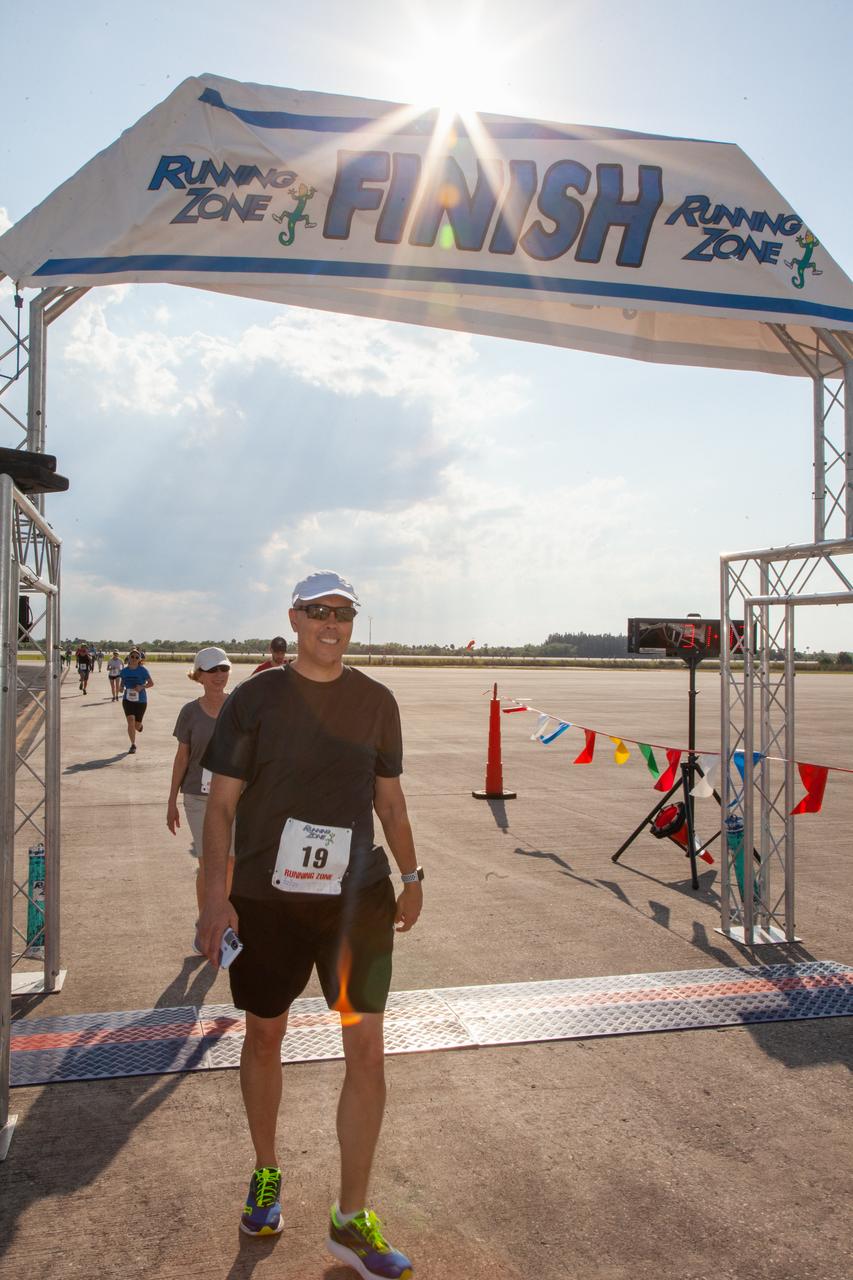
Kennedy Space Center employees and guests cross the finish line during the Florida spaceport’s annual KSC Walk Run on March 26, 2019. Part of Kennedy’s Safety and Health Days, the event takes place at the Shuttle Landing Facility runway and offers participants the chance to partake in a two-mile walk or run, a 5K or a 10K.
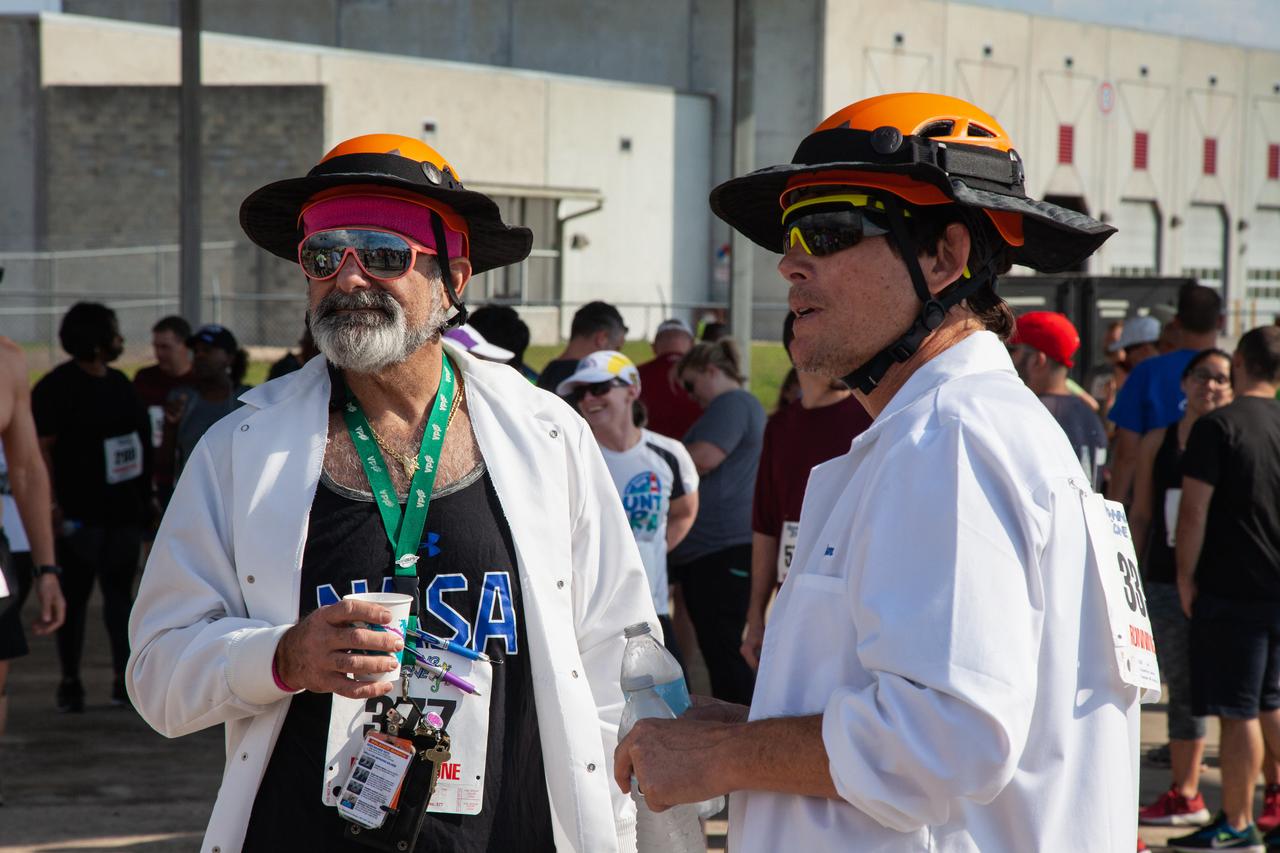
Kennedy Space Center employees and guests converse prior to the start of the Florida spaceport’s annual KSC Walk Run on March 26, 2019. Part of Kennedy’s Safety and Health Days, the event takes place at the Shuttle Landing Facility runway and offers participants the chance to partake in a two-mile walk or run, a 5K or a 10K.

Kennedy Space Center Director Bob Cabana poses after crossing the finish line of the KSC Walk Run on March 26, 2019. Part of Kennedy’s Safety and Health Days, the annual event takes place at the Florida spaceport’s Shuttle Landing Facility runway and offers employees and guests the chance to partake in a two-mile walk or run, a 5K or a 10K.
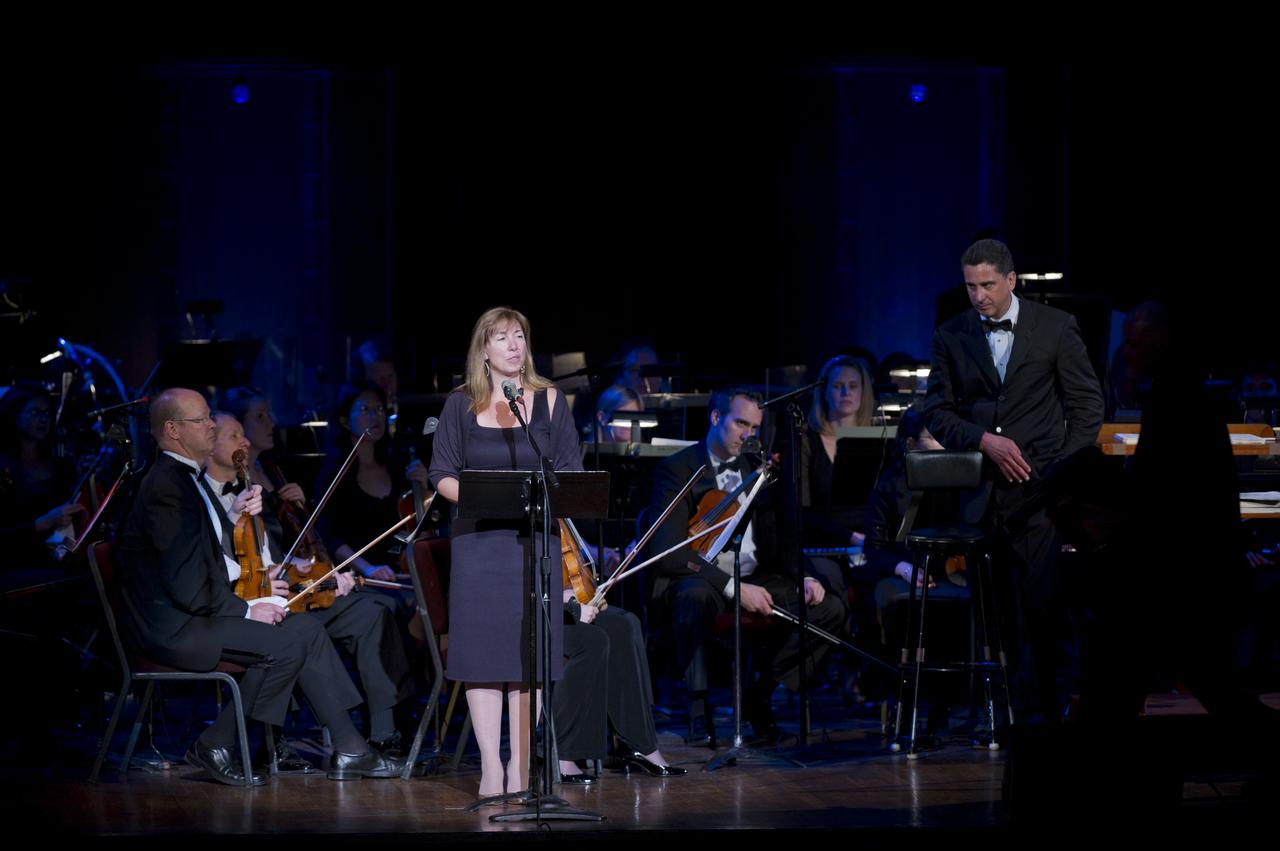
Deputy Administrator Lori Garver delivers remarks as Emil de Cou, right, looks on during a program commemorating Human Spaceflight and the Kennedy Legacy, Wednesday, May 25, 2011, in the concert hall at the John F. Kennedy Center for the Performing Arts in Washington. The event marked the 50th Anniversary of President John F. Kennedy's Special Message to the Congress on Urgent National Needs in which he stated "landing a man on the moon and returning him safely to earth". Photo Credit: (NASA/Paul E. Alers)
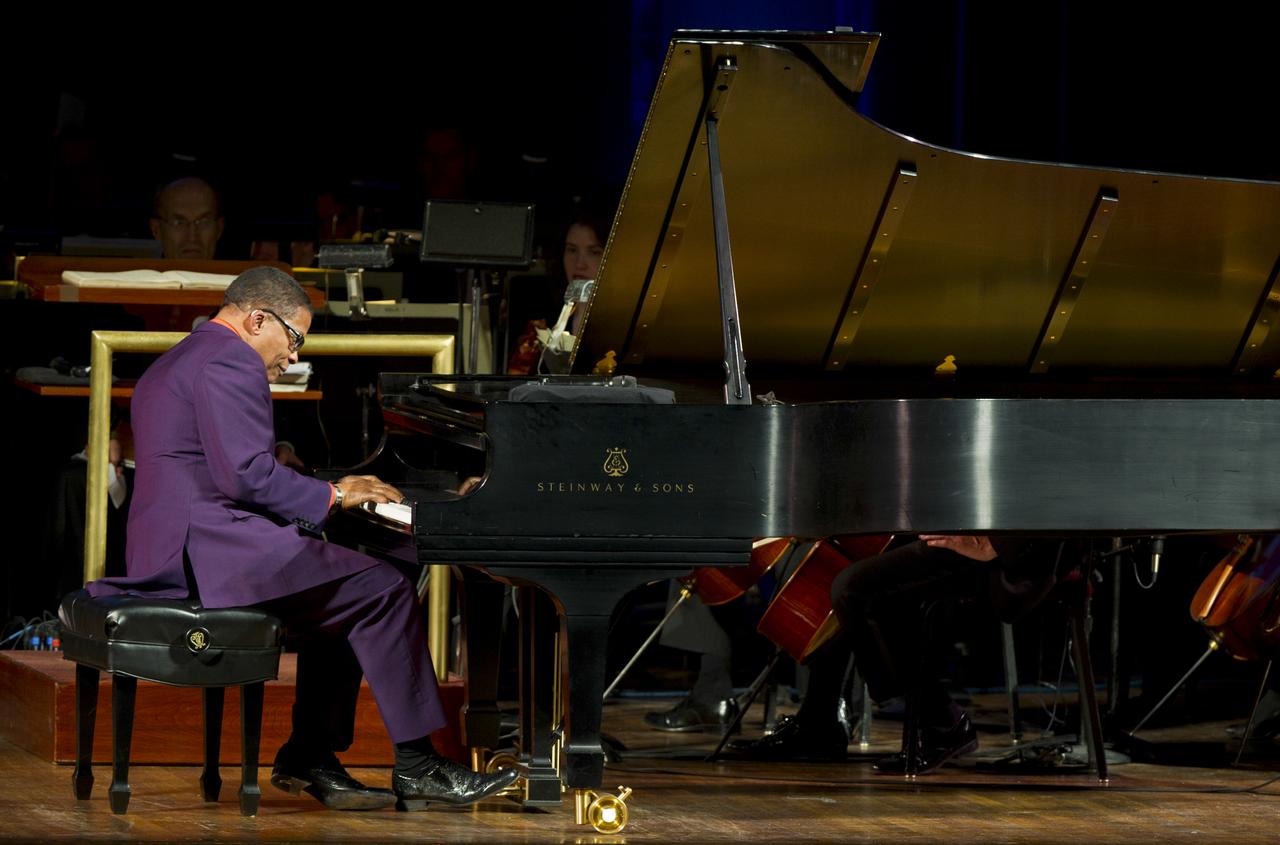
Musician Herbie Hancock plays a piece on the piano during a program commemorating Human Spaceflight and the Kennedy Legacy, Wednesday, May 25, 2011, in the concert hall at the John F. Kennedy Center for the Performing Arts in Washington. The event marked the 50th Anniversary of President John F. Kennedy's Special Message to the Congress on Urgent National Needs in which he stated "landing a man on the moon and returning him safely to earth". Photo Credit: (NASA/Paul E. Alers)
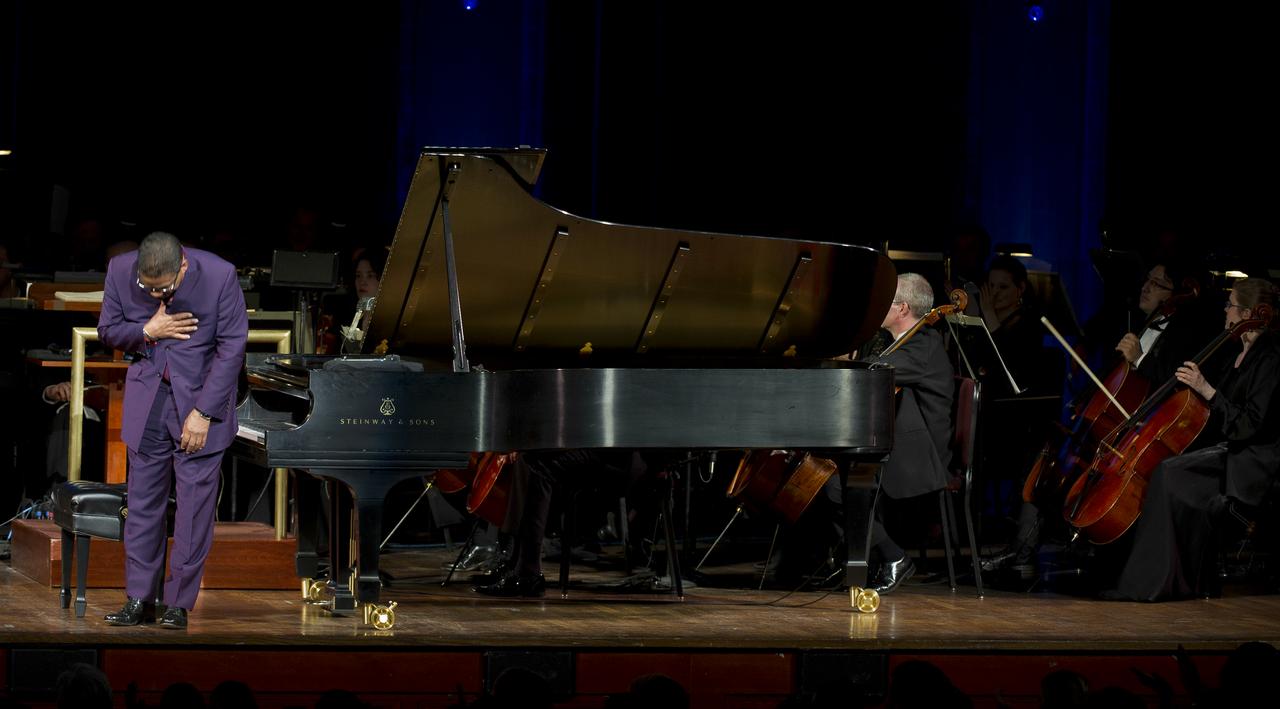
Musician Herbie Hancock bows to the audience after perfrorming during a program commemorating Human Spaceflight and the Kennedy Legacy, Wednesday, May 25, 2011, in the concert hall at the John F. Kennedy Center for the Performing Arts in Washington. The event marked the 50th Anniversary of President John F. Kennedy's Special Message to the Congress on Urgent National Needs in which he stated "landing a man on the moon and returning him safely to earth". Photo Credit: (NASA/Paul E. Alers)
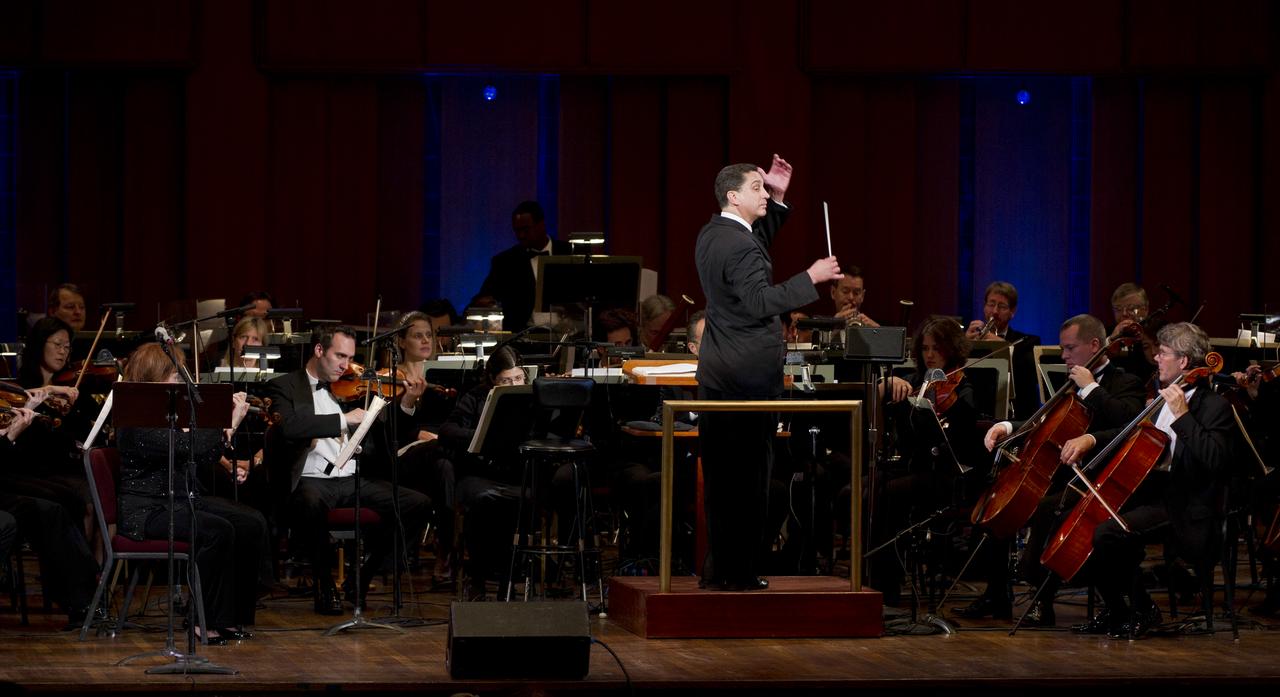
Emil de Cou conducts the Space Philharmonic during a program entitled Human Spaceflight: The Kennedy Legacy, Wednesday, May 25, 2011, in the concert hall at the John F. Kennedy Center for the Performing Arts in Washington. The event marked the 50th Anniversary of President John F. Kennedy's Special Message to the Congress on Urgent National Needs in which he stated "landing a man on the moon and returning him safely to earth". Photo Credit: (NASA/Paul E. Alers)
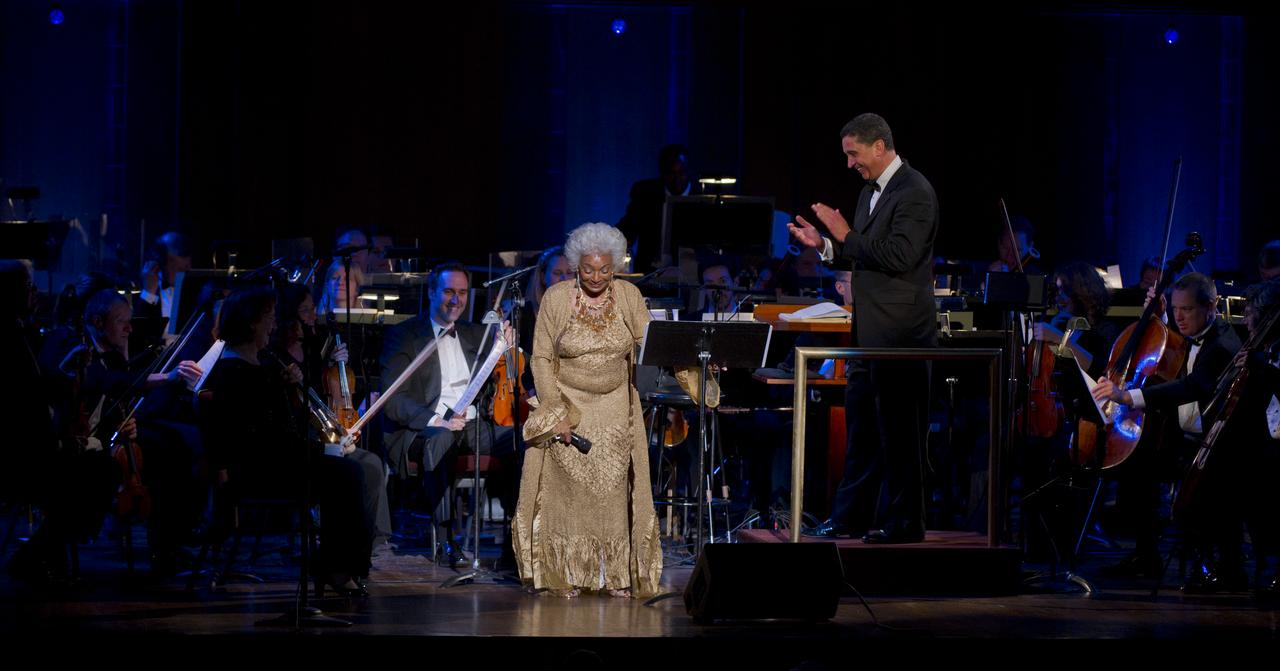
Actress Nichelle Nichols, best known for her role as communications officer Lieutenant Uhura in the series "Star Trek", bows as Emil de Cou, right, applauds, Wednesday, May 25, 2011, in the concert hall at the John F. Kennedy Center for the Performing Arts in Washington. The event marked the 50th Anniversary of President John F. Kennedy's Special Message to the Congress on Urgent National Needs in which he stated "landing a man on the moon and returning him safely to earth". Photo Credit: (NASA/Paul E. Alers)
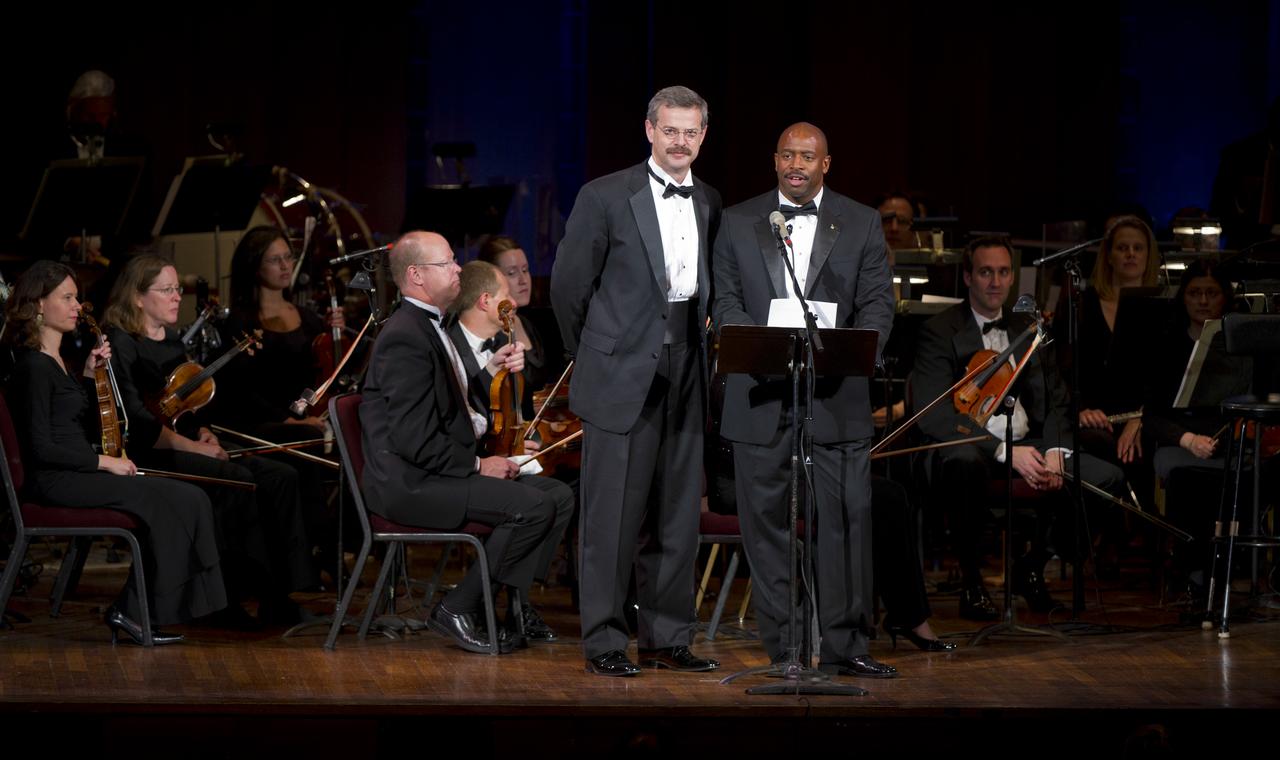
Astronauts Scott Altman, left, and Leland Melvin speak of their fallen comrades during a program commemorating Human Spaceflight and the Kennedy Legacy, Wednesday, May 25, 2011, in the concert hall at the John F. Kennedy Center for the Performing Arts in Washington. The event marked the 50th Anniversary of President John F. Kennedy's Special Message to the Congress on Urgent National Needs in which he stated "landing a man on the moon and returning him safely to earth". Photo Credit: (NASA/Paul E. Alers)
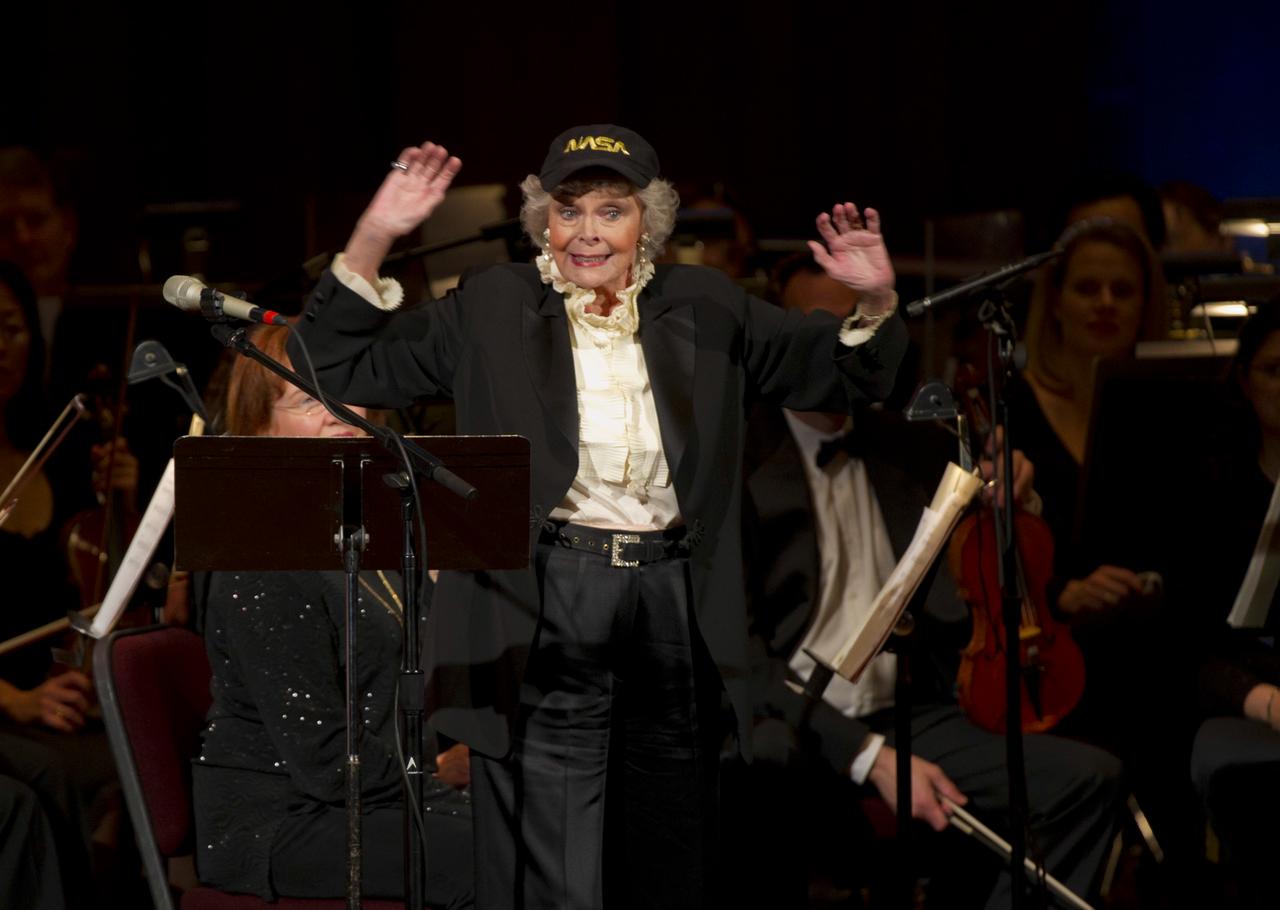
Actress June Lockhart livens up the audience after donning a NASA cap during a program entitled Human Spaceflight: The Kennedy Legacy, Wednesday, May 25, 2011, in the concert hall at the John F. Kennedy Center for the Performing Arts in Washington. The event marked the 50th Anniversary of President John F. Kennedy's Special Message to the Congress on Urgent National Needs in which he stated "landing a man on the moon and returning him safely to earth". Photo Credit: (NASA/Paul E. Alers)
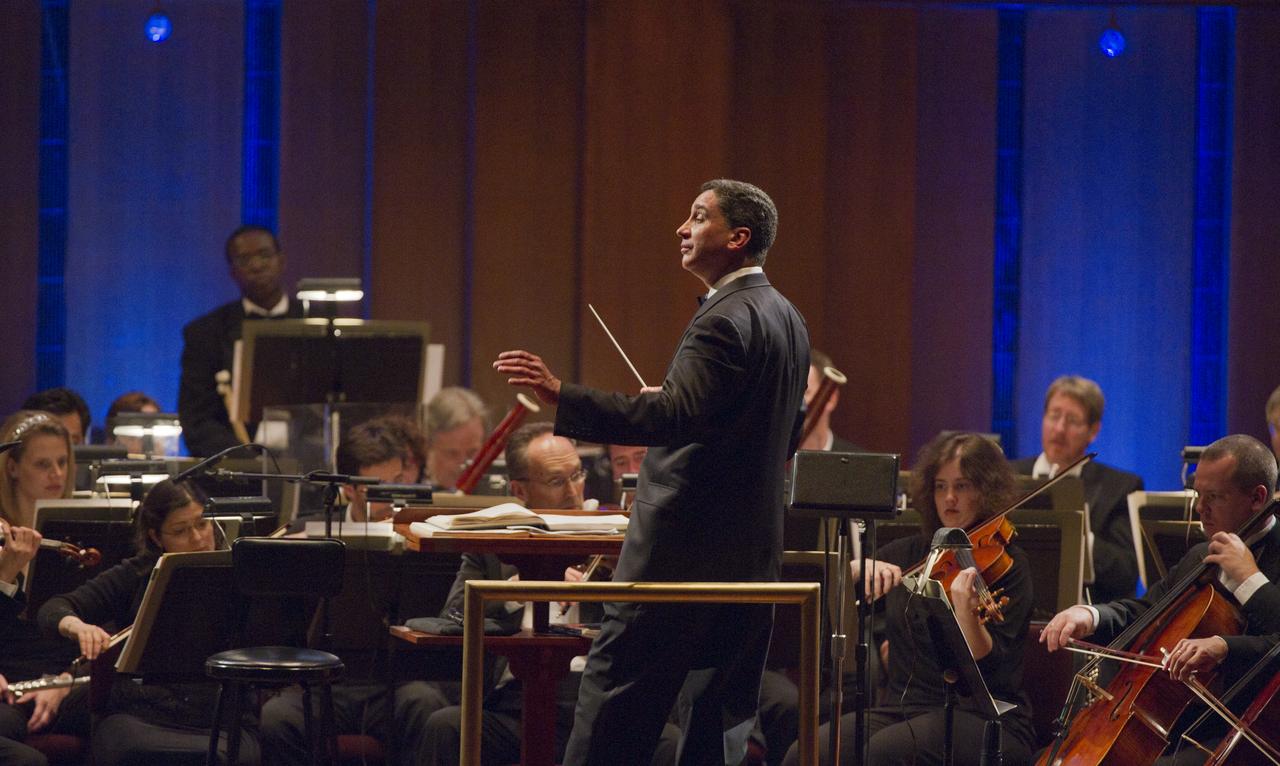
Emil de Cou conducts the Space Philharmonic during a program entitled Human Spaceflight: The Kennedy Legacy, Wednesday, May 25, 2011, in the concert hall at the John F. Kennedy Center for the Performing Arts in Washington. The event marked the 50th Anniversary of President John F. Kennedy's Special Message to the Congress on Urgent National Needs in which he stated "landing a man on the moon and returning him safely to earth". Photo Credit: (NASA/Paul E. Alers)
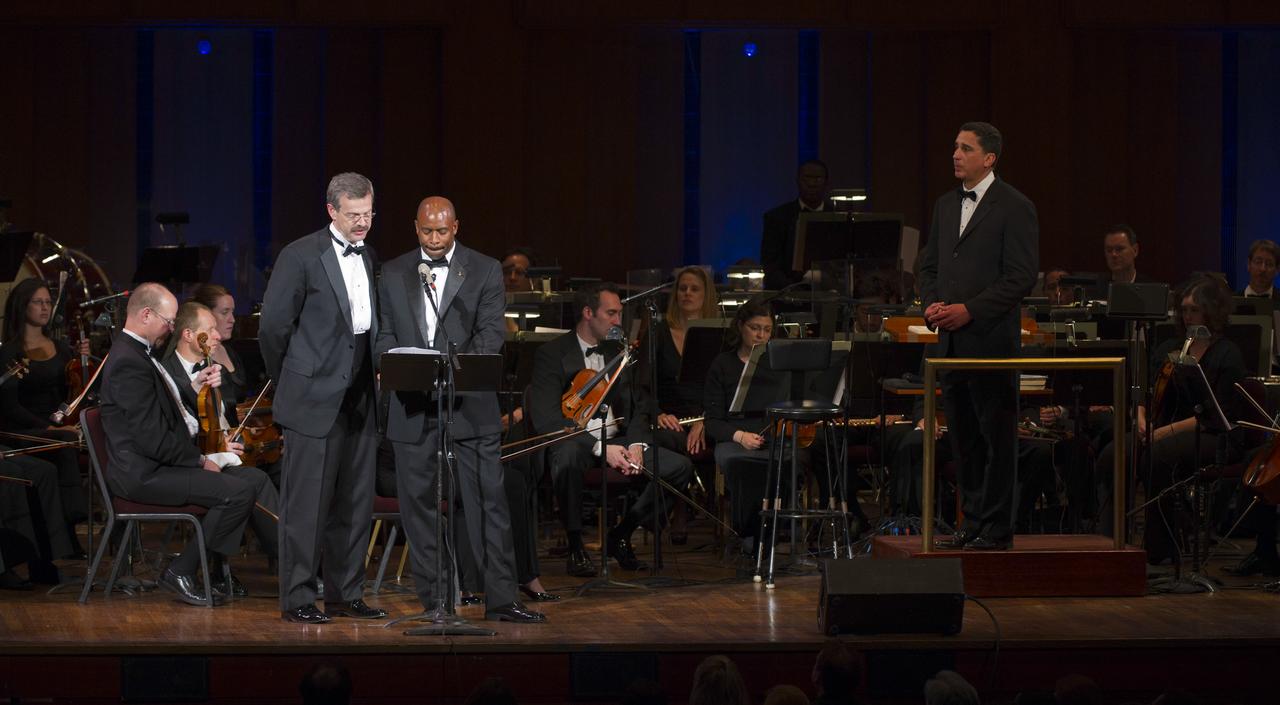
Astronauts Scott Altman, left, and Leland Melvin speak of their fallen comrades as Emil de Cou, right, looks on during a program commemorating Human Spaceflight and the Kennedy Legacy, Wednesday, May 25, 2011, in the concert hall at the John F. Kennedy Center for the Performing Arts in Washington. The event marked the 50th Anniversary of President John F. Kennedy's Special Message to the Congress on Urgent National Needs in which he stated "landing a man on the moon and returning him safely to earth". Photo Credit: (NASA/Paul E. Alers)
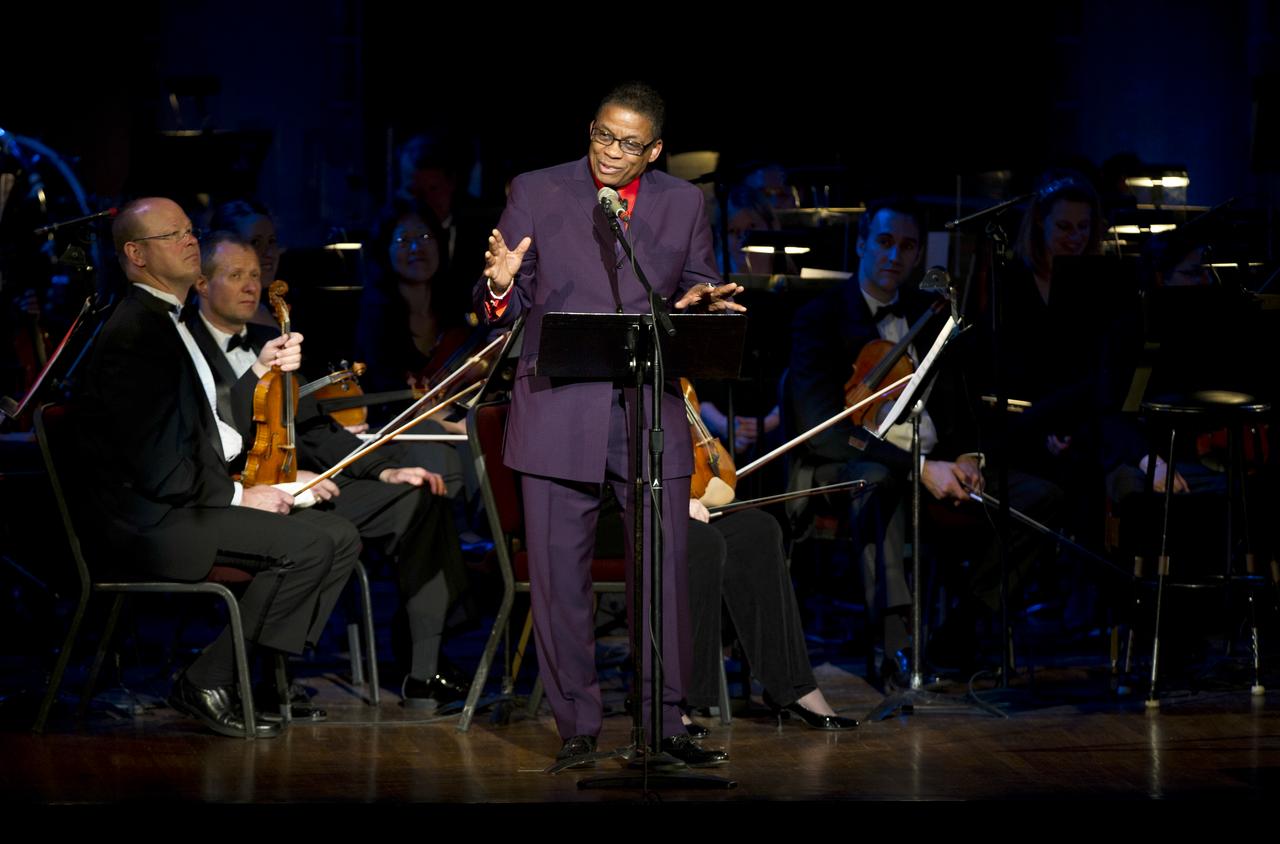
Musician Herbie Hancock delivers remarks as members of the Space Philharmonic look on during a program commemorating Human Spaceflight and the Kennedy Legacy, Wednesday, May 25, 2011, in the concert hall at the John F. Kennedy Center for the Performing Arts in Washington. The event marked the 50th Anniversary of President John F. Kennedy's Special Message to the Congress on Urgent National Needs in which he stated "landing a man on the moon and returning him safely to earth". Photo Credit: (NASA/Paul E. Alers)
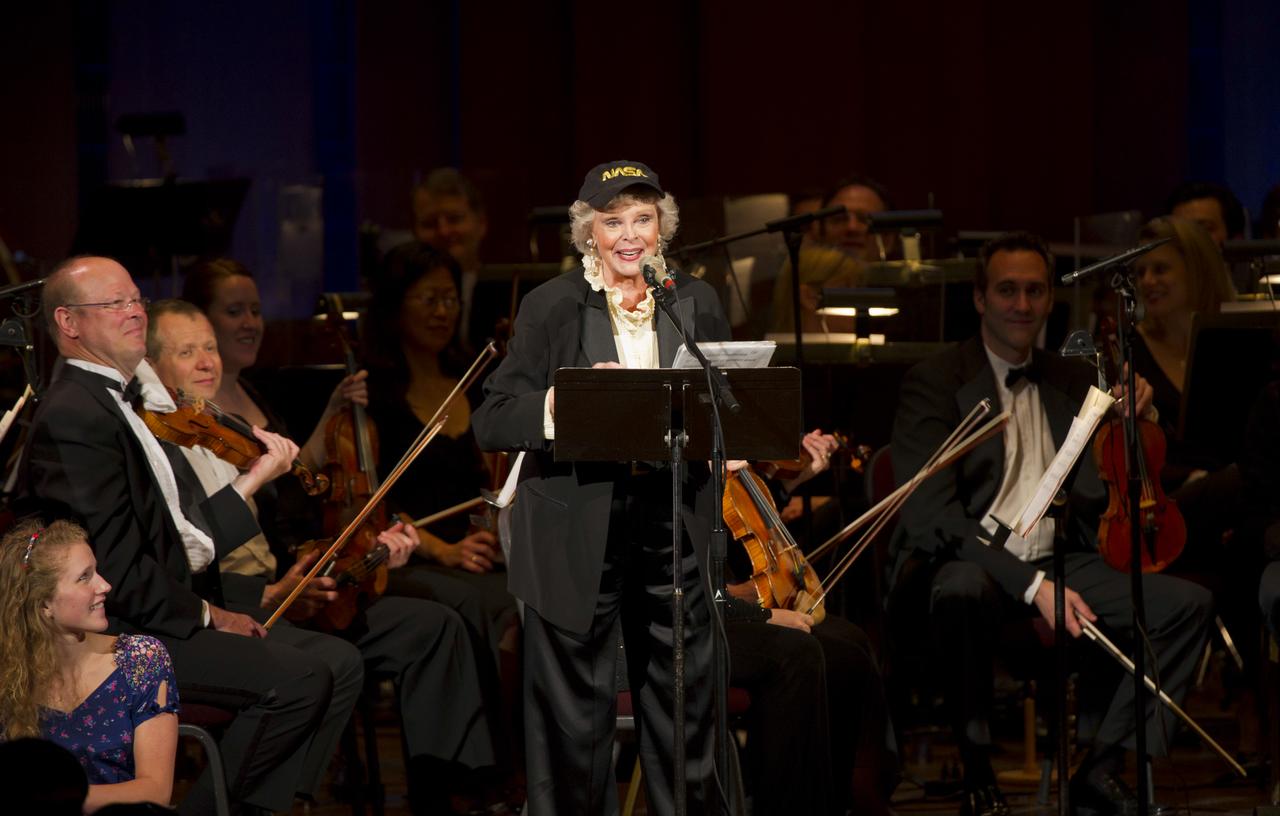
Actress June Lockhart delivers remarks during a program entitled Human Spaceflight: The Kennedy Legacy, Wednesday, May 25, 2011, in the concert hall at the John F. Kennedy Center for the Performing Arts in Washington. The event marked the 50th Anniversary of President John F. Kennedy's Special Message to the Congress on Urgent National Needs in which he stated "landing a man on the moon and returning him safely to earth". Photo Credit: (NASA/Paul E. Alers)
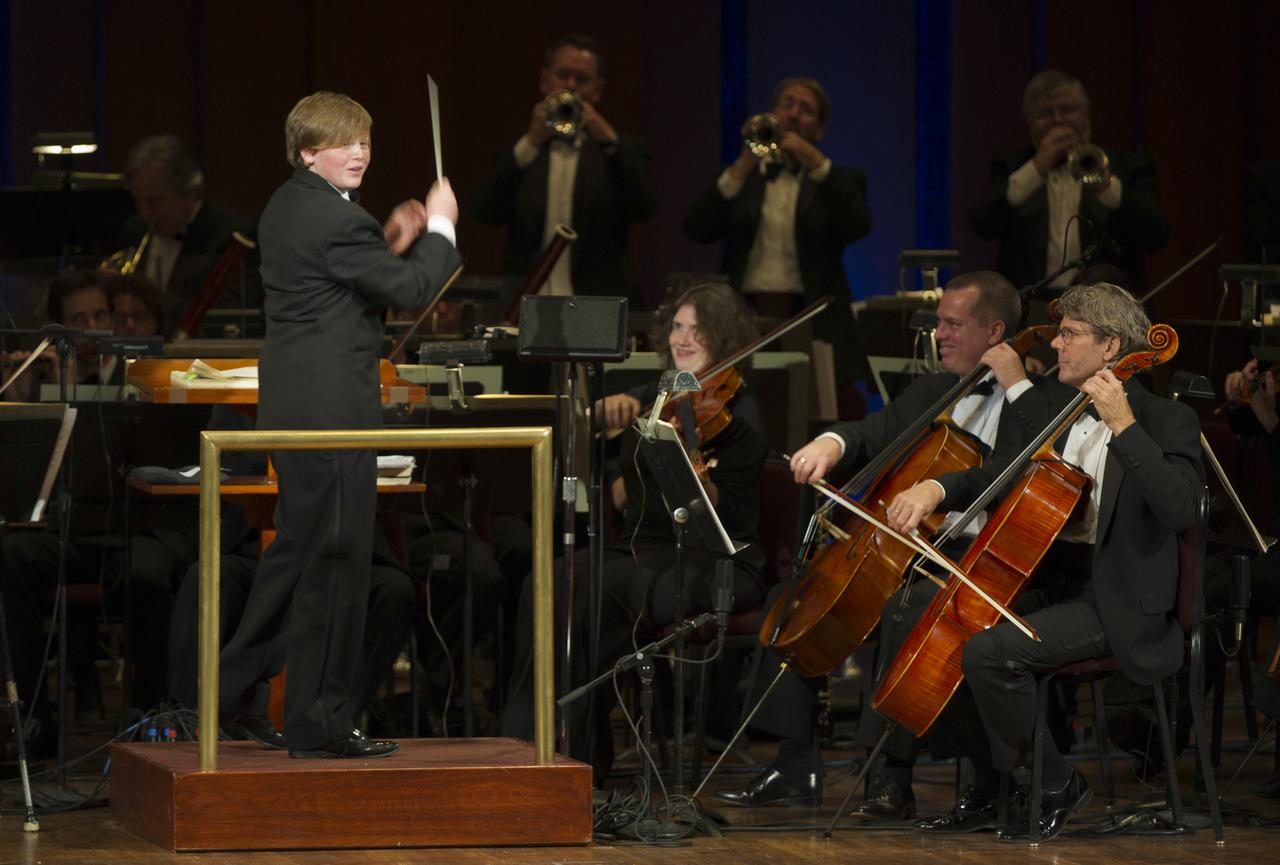
Ted Kennedy III guest conducts the Space Philharmonic during a program commemorating Human Spaceflight and the Kennedy Legacy, Wednesday, May 25, 2011, in the concert hall at the John F. Kennedy Center for the Performing Arts in Washington. The event marked the 50th Anniversary of President John F. Kennedy's Special Message to the Congress on Urgent National Needs in which he stated "landing a man on the moon and returning him safely to earth". Photo Credit: (NASA/Paul E. Alers)

Actress Nichelle Nichols, best known for her role as communications officer Lieutenant Uhura in the series "Star Trek", sings as she is escorted on stage, Wednesday, May 25, 2011, in the concert hall at the John F. Kennedy Center for the Performing Arts in Washington. The event marked the 50th Anniversary of President John F. Kennedy's Special Message to the Congress on Urgent National Needs in which he stated "landing a man on the moon and returning him safely to earth". Photo Credit: (NASA/Paul E. Alers)
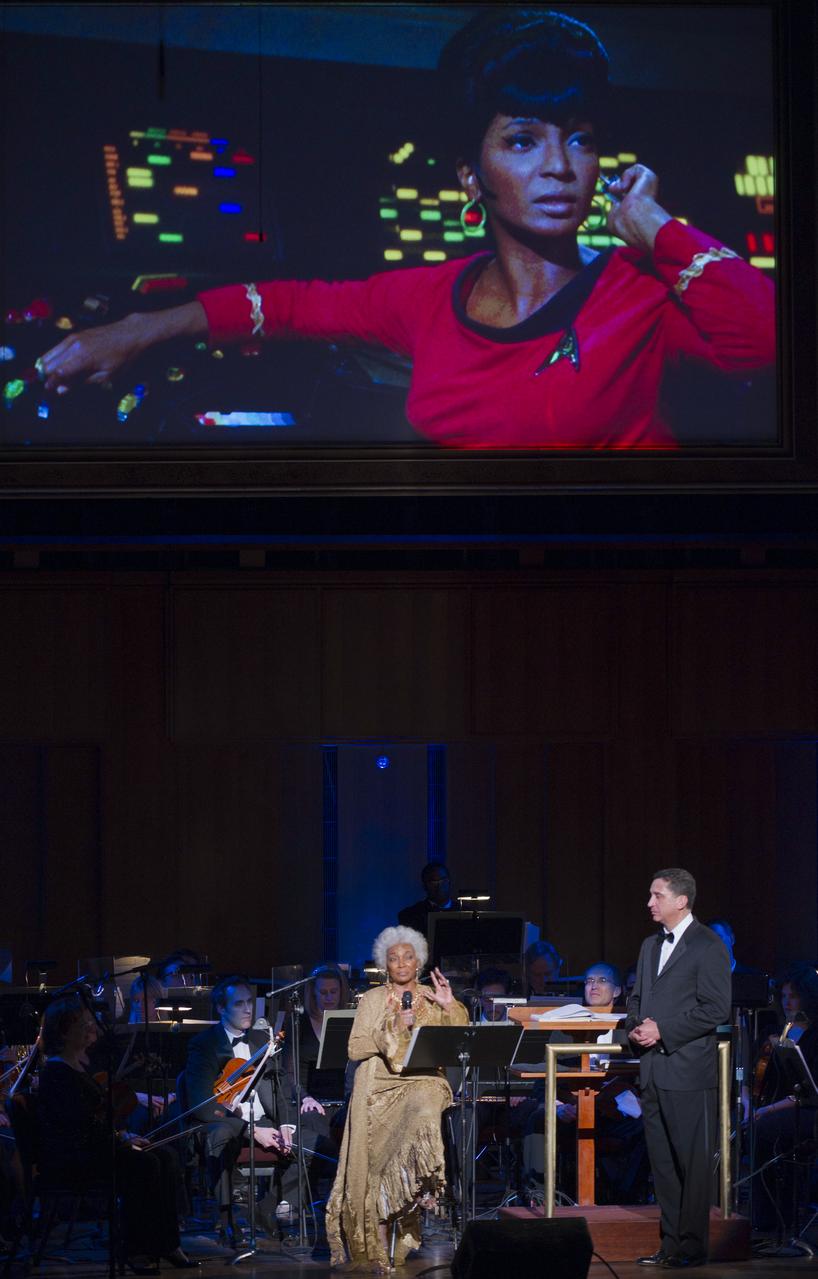
Actress Nichelle Nichols, best known for her role as communications officer Lieutenant Uhura in the series "Star Trek", speaks as Emil de Cou, right, looks on, Wednesday, May 25, 2011, in the concert hall at the John F. Kennedy Center for the Performing Arts in Washington. The event marked the 50th Anniversary of President John F. Kennedy's Special Message to the Congress on Urgent National Needs in which he stated "landing a man on the moon and returning him safely to earth". Photo Credit: (NASA/Paul E. Alers)
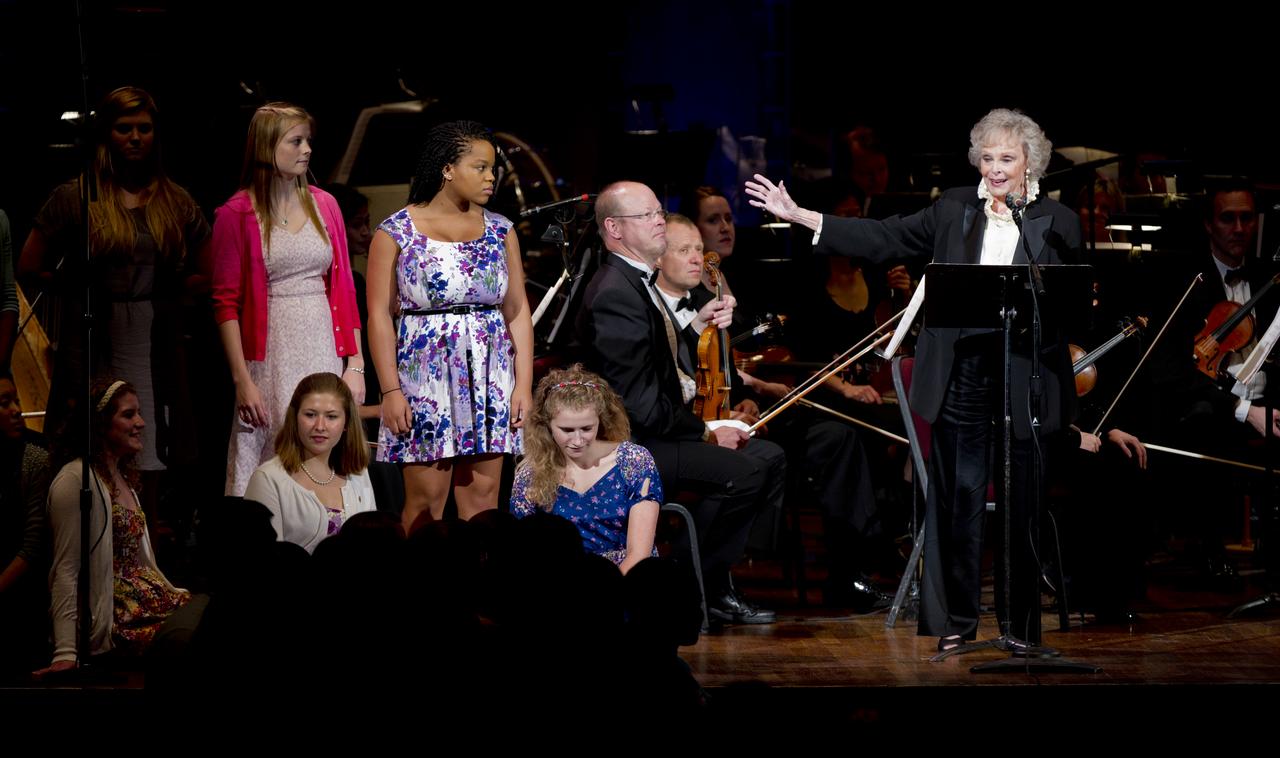
Actress June Lockhart speaks at a program entitled Human Spaceflight: The Kennedy Legacy, Wednesday, May 25, 2011, in the concert hall at the John F. Kennedy Center for the Performing Arts in Washington. The event marked the 50th Anniversary of President John F. Kennedy's Special Message to the Congress on Urgent National Needs in which he stated "landing a man on the moon and returning him safely to earth". Photo Credit: (NASA/Paul E. Alers)
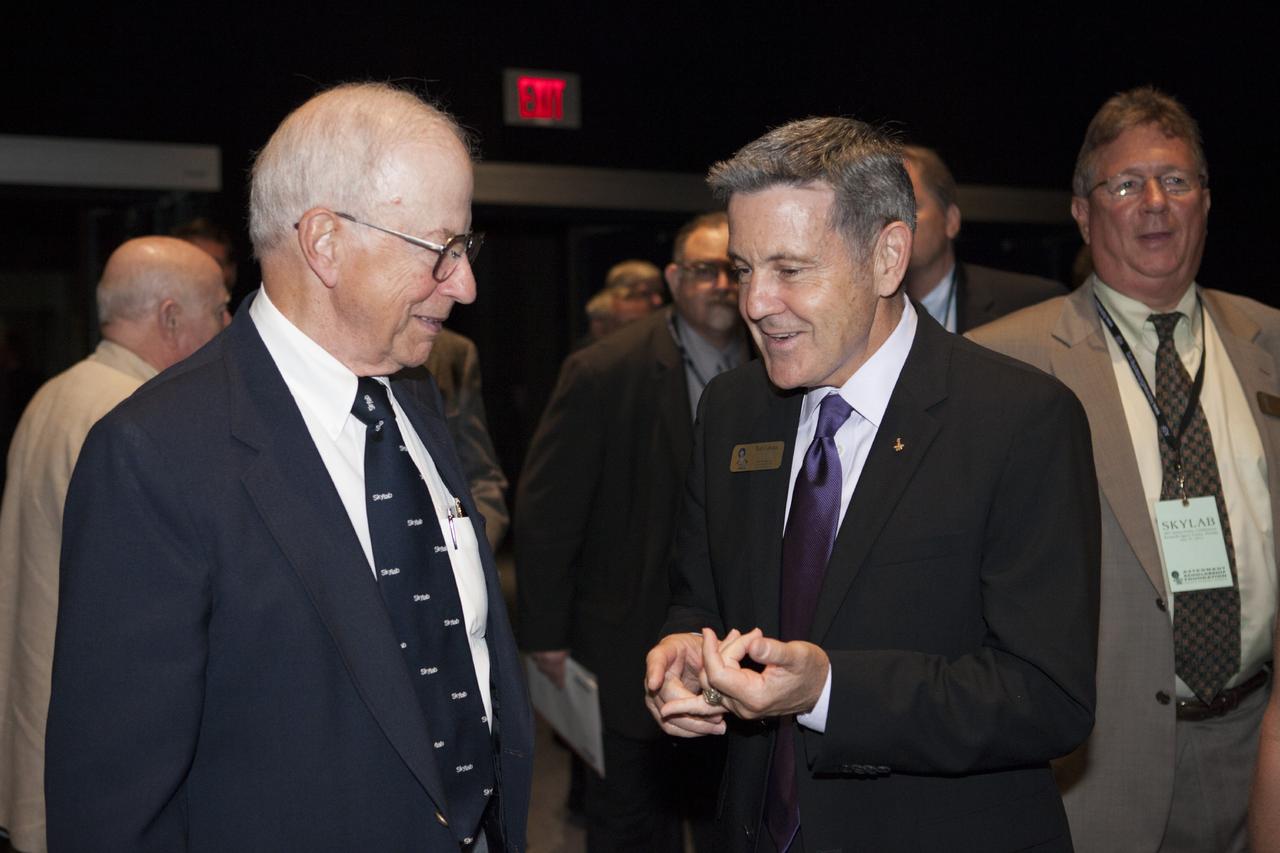
CAPE CANAVERAL, Fla. – At the Kennedy Space Center's Apollo/Saturn V Center Bob Cabana, Kennedy's director, right, speaks with Skylab 2 pilot Paul Weitz during an event sponsored by the Astronaut Scholarship Foundation celebrating the 40th anniversary of Skylab. Both astronauts also flew missions during the Space Shuttle Program. The gala commemorating the 40th anniversary of Skylab included six of the nine astronauts who flew missions to America's first space station. The orbiting laboratory was launched unpiloted from Kennedy on May 14, 1973. Between May 25, 1973 and Feb. 8, 1974, crews of three spent 28, 59 and 84 days living and working in low-Earth orbit aboard the station. For more information, visit http://www.nasa.gov/mission_pages/skylab/ Photo credit: NASA/Kim Shiflett
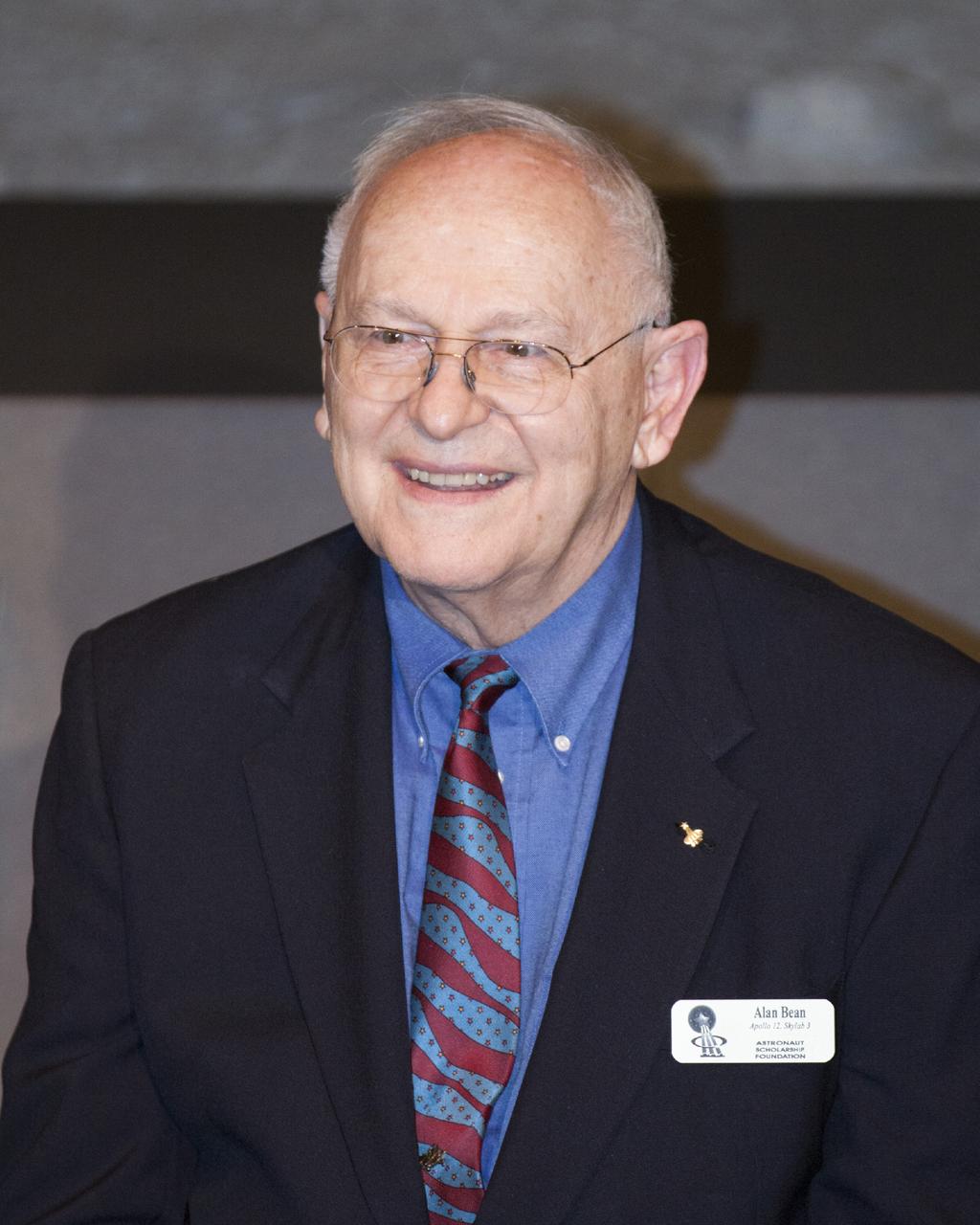
CAPE CANAVERAL, Fla. – At the Kennedy Space Center's Apollo/Saturn V Center, former NASA astronaut Alan Bean speaks to guests at the Astronaut Scholarship Foundation's event celebrating the 40th anniversary of Skylab. Bean served as commander of Skylab 3, the second piloted mission to the space station. In 1969, Bean was lunar module pilot on Apollo 12, the second mission to land on the moon. The gala commemorating the 40th anniversary of Skylab included six of the nine astronauts who flew missions to America's first space station. The orbiting laboratory was launched unpiloted from Kennedy on May 14, 1973. Between May 25, 1973 and Feb. 8, 1974, crews of three spent 28, 59 and 84 days living and working in low-Earth orbit aboard the station. For more information, visit http://www.nasa.gov/mission_pages/skylab/ Photo credit: NASA/Kim Shiflett
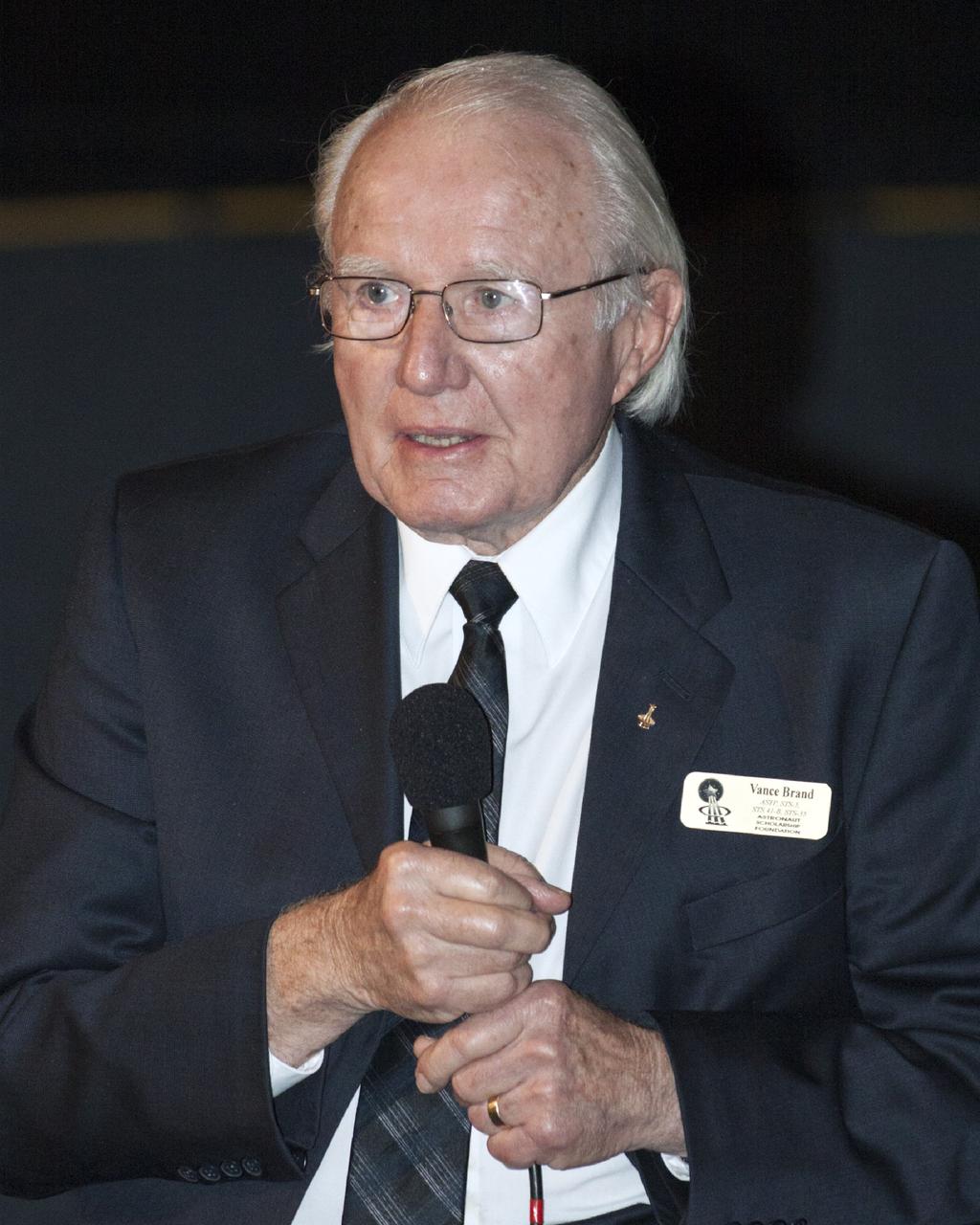
CAPE CANAVERAL, Fla. – At the Kennedy Space Center's Apollo/Saturn V Center, former NASA astronaut Vance Brand speaks to guests at the Astronaut Scholarship Foundation's event celebrating the 40th anniversary of Skylab. Brand, along with astronaut Don Lind, were prepared to fly a mission to rescue a Skylab crew if their Apollo command-service module was unusable. Brand went on to fly as pilot on the Apollo-Soyuz Test Project and missions aboard the space shuttle. The gala commemorating the 40th anniversary of Skylab included six of the nine astronauts who flew missions to America's first space station. The orbiting laboratory was launched unpiloted from Kennedy on May 14, 1973. Between May 25, 1973 and Feb. 8, 1974, crews of three spent 28, 59 and 84 days living and working in low-Earth orbit aboard the station. For more information, visit http://www.nasa.gov/mission_pages/skylab/ Photo credit: NASA/Kim Shiflett
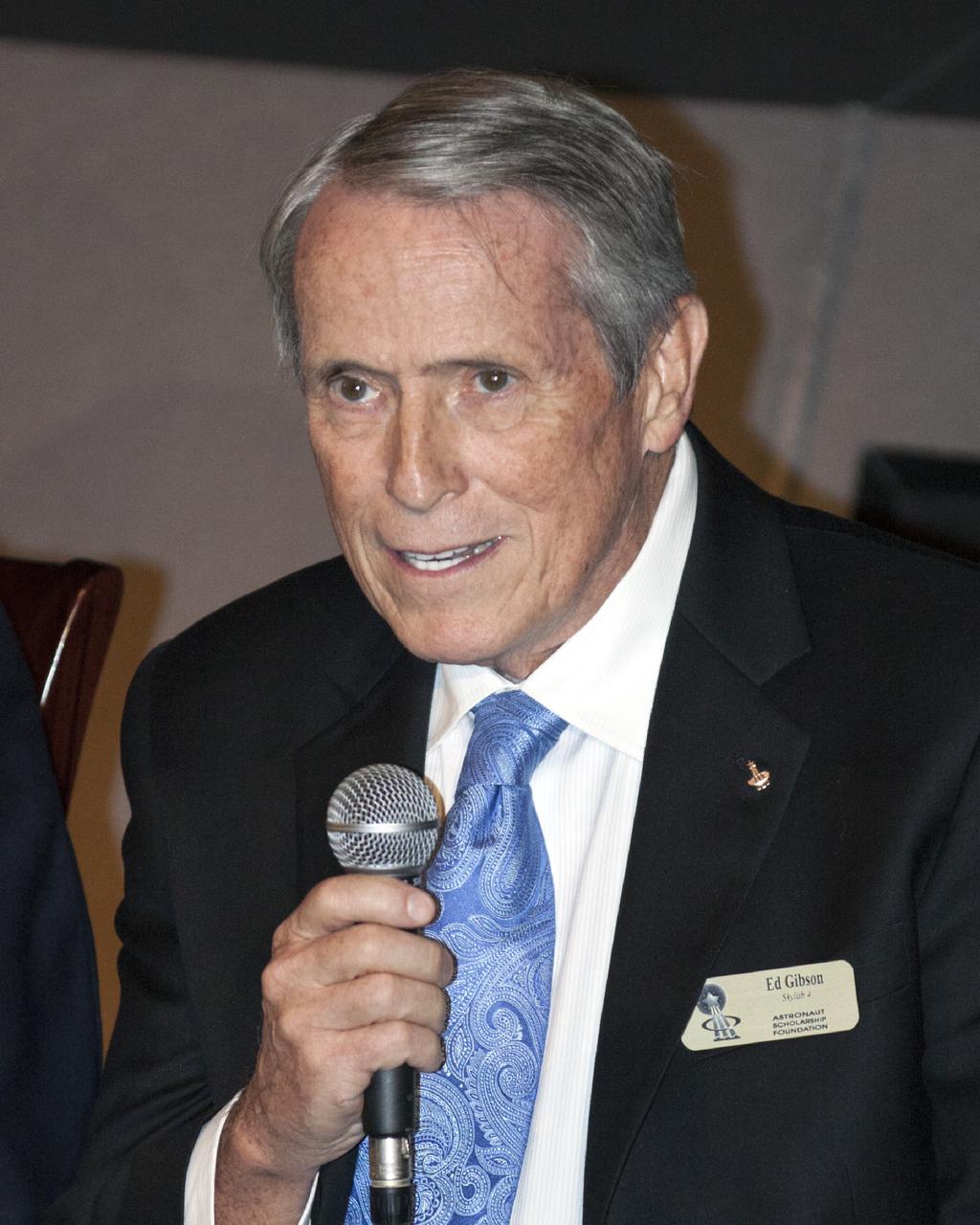
CAPE CANAVERAL, Fla. – At the Kennedy Space Center's Apollo/Saturn V Center, former NASA astronaut Edward Gibson speaks to guests at the Astronaut Scholarship Foundation's event celebrating the 40th anniversary of Skylab. Gibson served as science pilot on Skylab 4, the third piloted mission to the space station. The gala commemorating the 40th anniversary of Skylab included six of the nine astronauts who flew missions to America's first space station. The orbiting laboratory was launched unpiloted from Kennedy on May 14, 1973. Between May 25, 1973 and Feb. 8, 1974, crews of three spent 28, 59 and 84 days living and working in low-Earth orbit aboard the station. For more information, visit http://www.nasa.gov/mission_pages/skylab/ Photo credit: NASA/Kim Shiflett
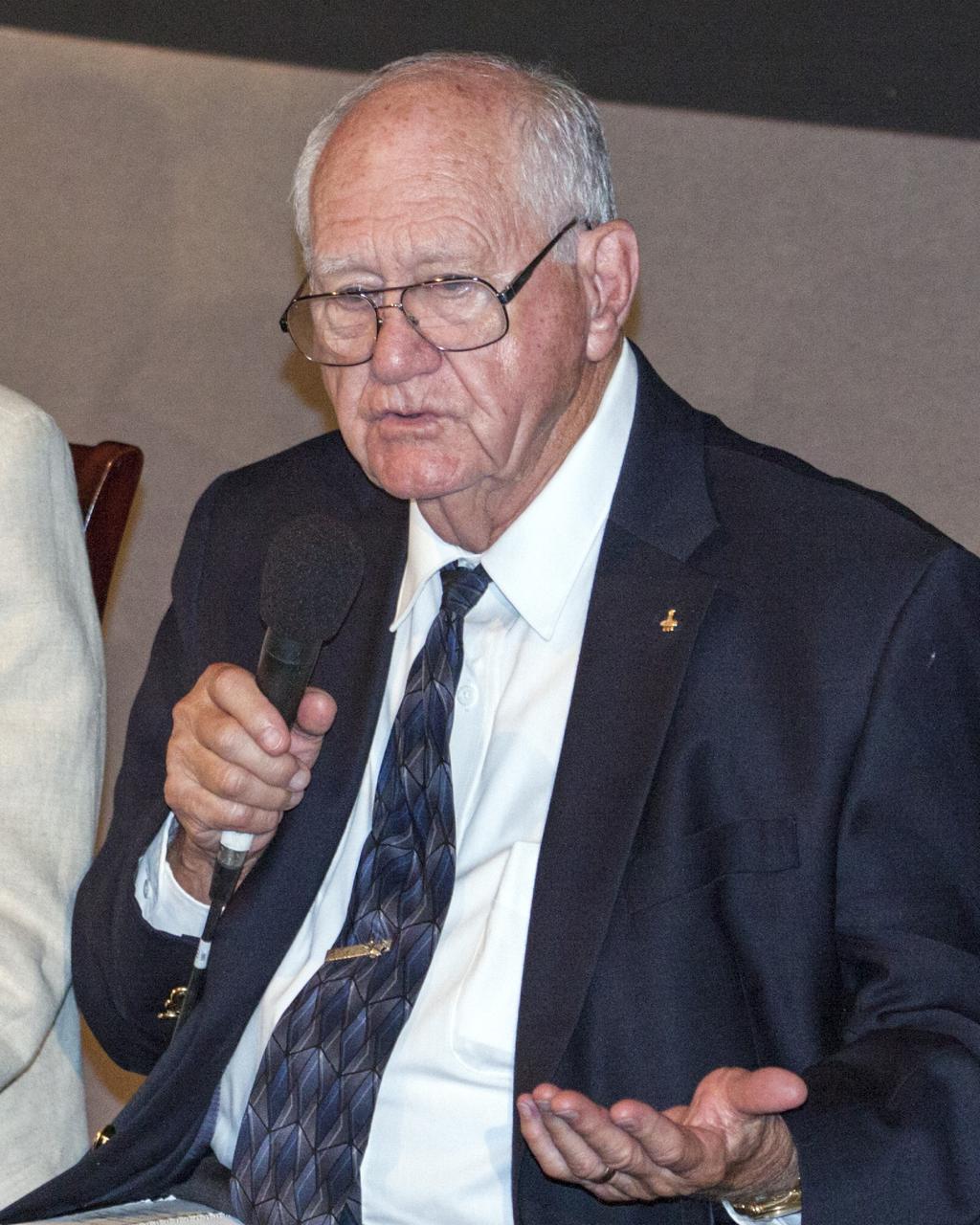
CAPE CANAVERAL, Fla. – At the Kennedy Space Center's Apollo/Saturn V Center, former NASA astronaut William Pogue speaks to guests at the Astronaut Scholarship Foundation's event celebrating the 40th anniversary of Skylab. Pogue served as pilot on Skylab 4, the third piloted mission to the space station. The gala commemorating the 40th anniversary of Skylab included six of the nine astronauts who flew missions to America's first space station. The orbiting laboratory was launched unpiloted from Kennedy on May 14, 1973. Between May 25, 1973 and Feb. 8, 1974, crews of three spent 28, 59 and 84 days living and working in low-Earth orbit aboard the station. For more information, visit http://www.nasa.gov/mission_pages/skylab/ Photo credit: NASA/Kim Shiflett
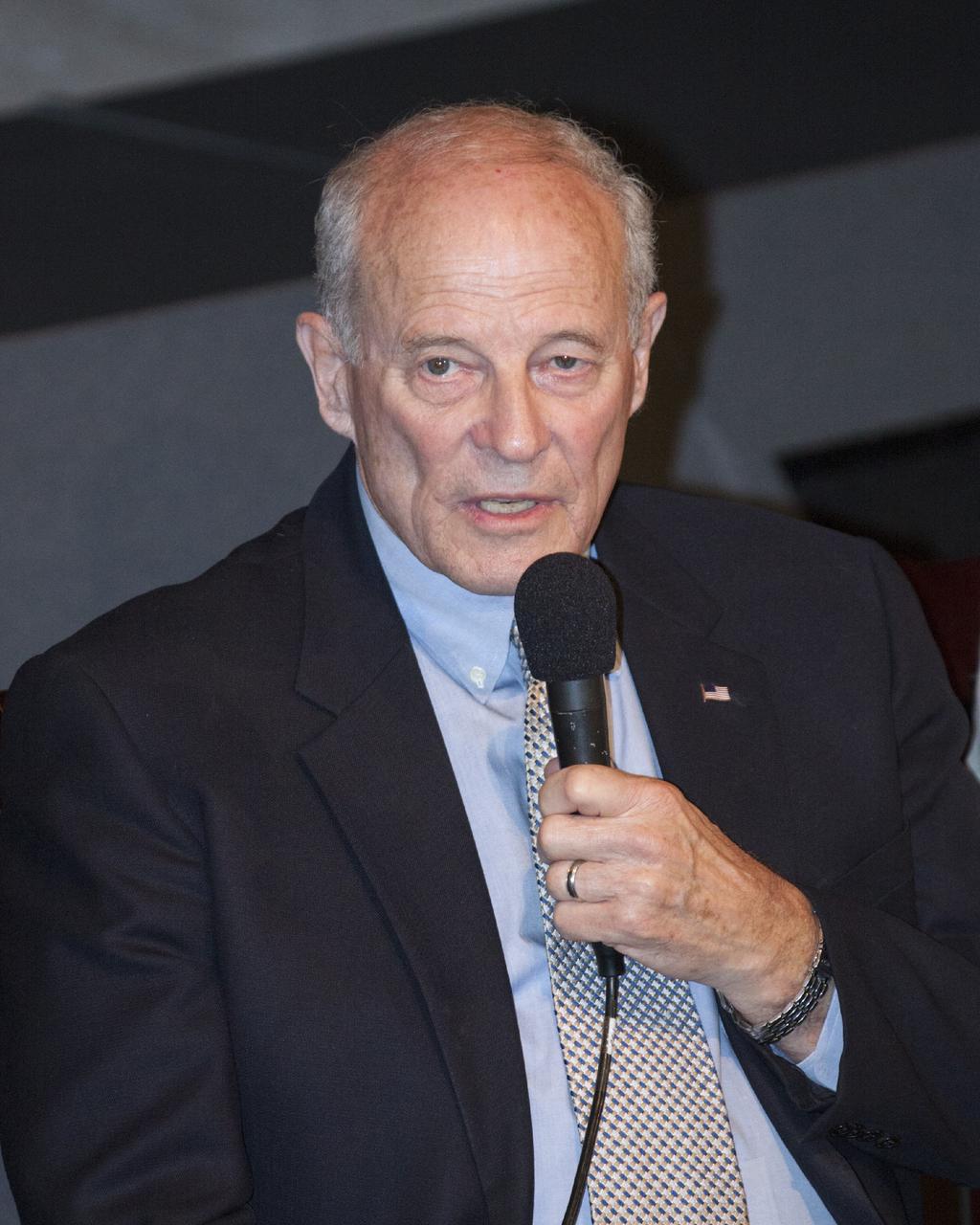
CAPE CANAVERAL, Fla. – At the Kennedy Space Center's Apollo/Saturn V Center, former NASA astronaut Jack Lousma speaks to guests at the Astronaut Scholarship Foundation's event celebrating the 40th anniversary of Skylab. Lousma served as pilot on Skylab 3, the second piloted mission to the space station. Lousma went on to command a mission of the space shuttle. The gala commemorating the 40th anniversary of Skylab included six of the nine astronauts who flew missions to America's first space station. The orbiting laboratory was launched unpiloted from Kennedy on May 14, 1973. Between May 25, 1973 and Feb. 8, 1974, crews of three spent 28, 59 and 84 days living and working in low-Earth orbit aboard the station. For more information, visit http://www.nasa.gov/mission_pages/skylab/ Photo credit: NASA/Kim Shiflett
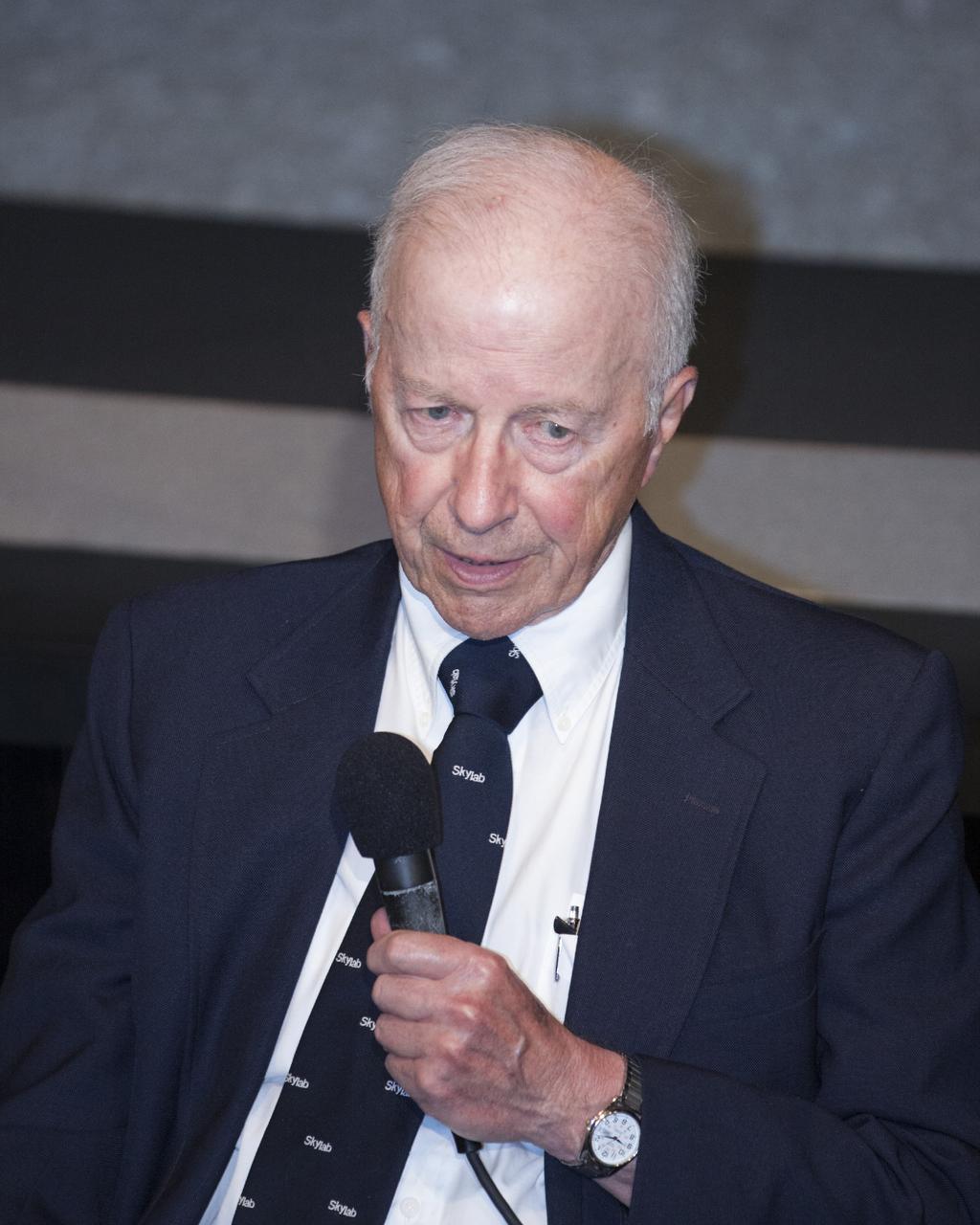
CAPE CANAVERAL, Fla. – At the Kennedy Space Center's Apollo/Saturn V Center, former NASA astronaut Paul Weitz speaks to guests at the Astronaut Scholarship Foundation's event celebrating the 40th anniversary of Skylab. Weitz served as pilot on Skylab 2, the first piloted mission to the space station. Weitz went on to fly missions aboard the space shuttle. The gala commemorating the 40th anniversary of Skylab included six of the nine astronauts who flew missions to America's first space station. The orbiting laboratory was launched unpiloted from Kennedy on May 14, 1973. Between May 25, 1973 and Feb. 8, 1974, crews of three spent 28, 59 and 84 days living and working in low-Earth orbit aboard the station. For more information, visit http://www.nasa.gov/mission_pages/skylab/ Photo credit: NASA/Kim Shiflett
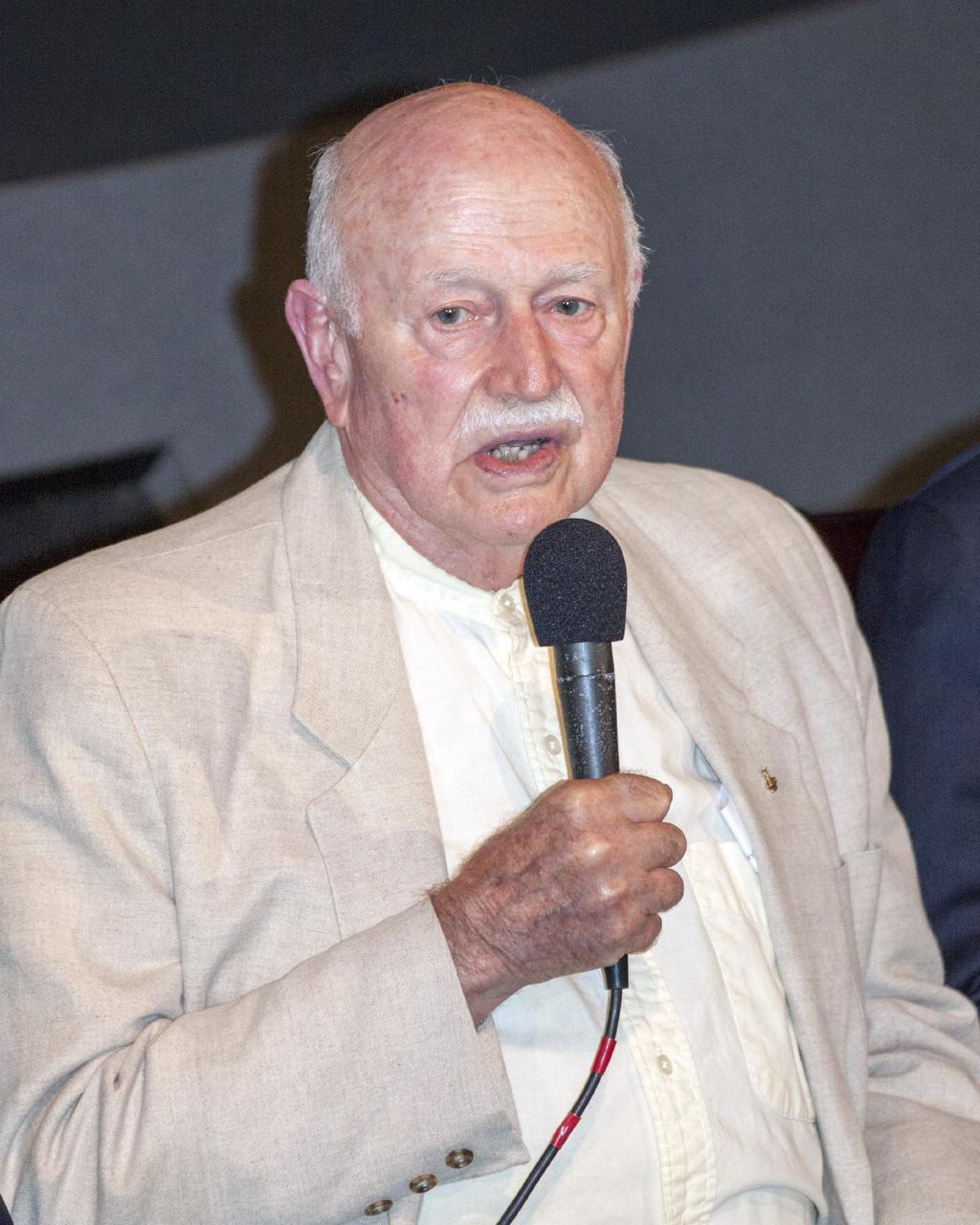
CAPE CANAVERAL, Fla. – At the Kennedy Space Center's Apollo/Saturn V Center, former NASA astronaut Gerald Carr speaks to guests at the Astronaut Scholarship Foundation's event celebrating the 40th anniversary of Skylab. Carr served as commander of Skylab 4, the third piloted mission to the space station. The gala commemorating the 40th anniversary of Skylab included six of the nine astronauts who flew missions to America's first space station. The orbiting laboratory was launched unpiloted from Kennedy on May 14, 1973. Between May 25, 1973 and Feb. 8, 1974, crews of three spent 28, 59 and 84 days living and working in low-Earth orbit aboard the station. For more information, visit http://www.nasa.gov/mission_pages/skylab/ Photo credit: NASA/Kim Shiflett
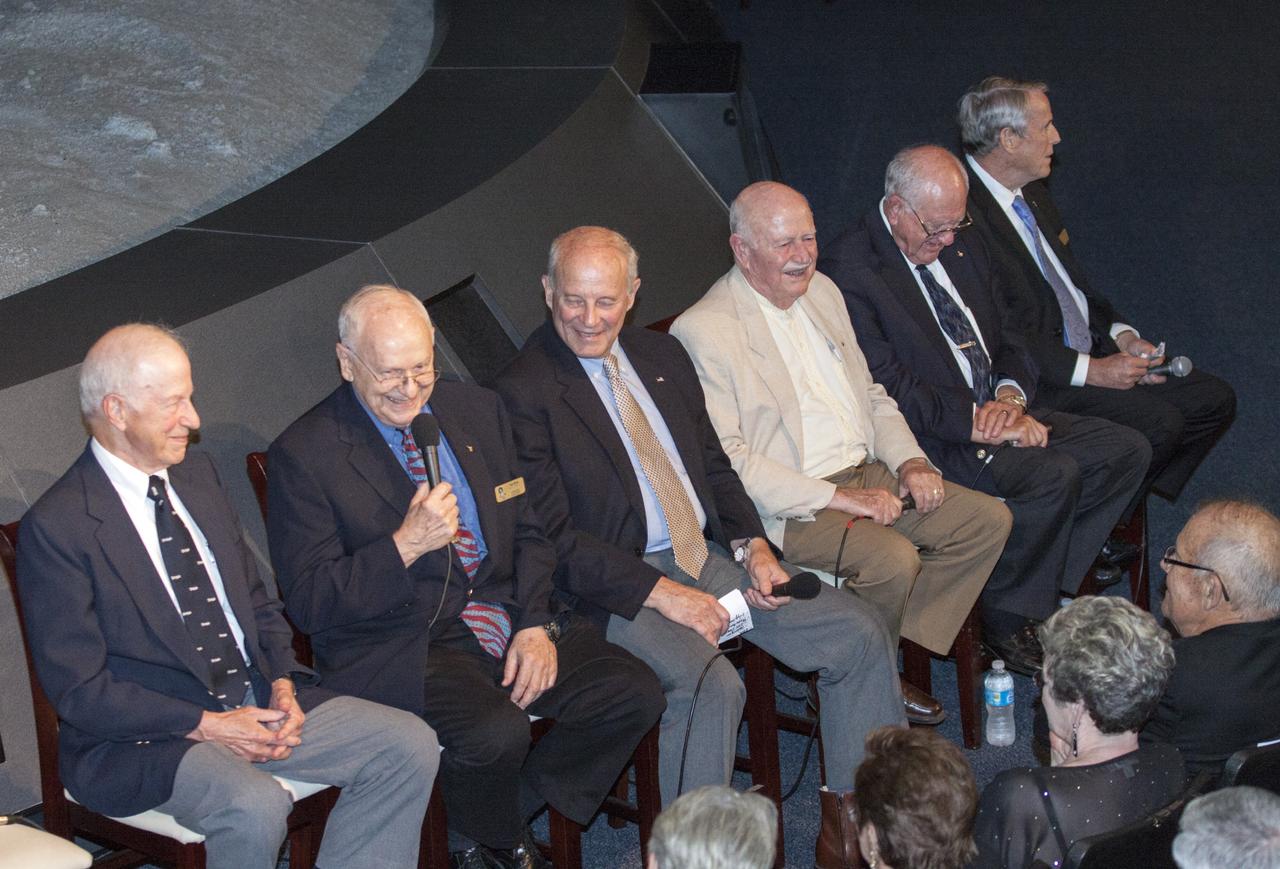
CAPE CANAVERAL, Fla. – At the Kennedy Space Center's Apollo/Saturn V Center, Skylab astronauts, from the left, Paul Weitz, Alan Bean, Jack Lousma, Gerald Carr, William Pogue and Edward Gibson recall experiences during the Astronaut Scholarship Foundation's event celebrating the 40th anniversary of Skylab. The gala commemorating the 40th anniversary of Skylab included six of the nine astronauts who flew missions to America's first space station. The orbiting laboratory was launched unpiloted from Kennedy on May 14, 1973. Between May 25, 1973 and Feb. 8, 1974, crews of three spent 28, 59 and 84 days living and working in low-Earth orbit aboard the station. For more information, visit http://www.nasa.gov/mission_pages/skylab/ Photo credit: NASA/Kim Shiflett
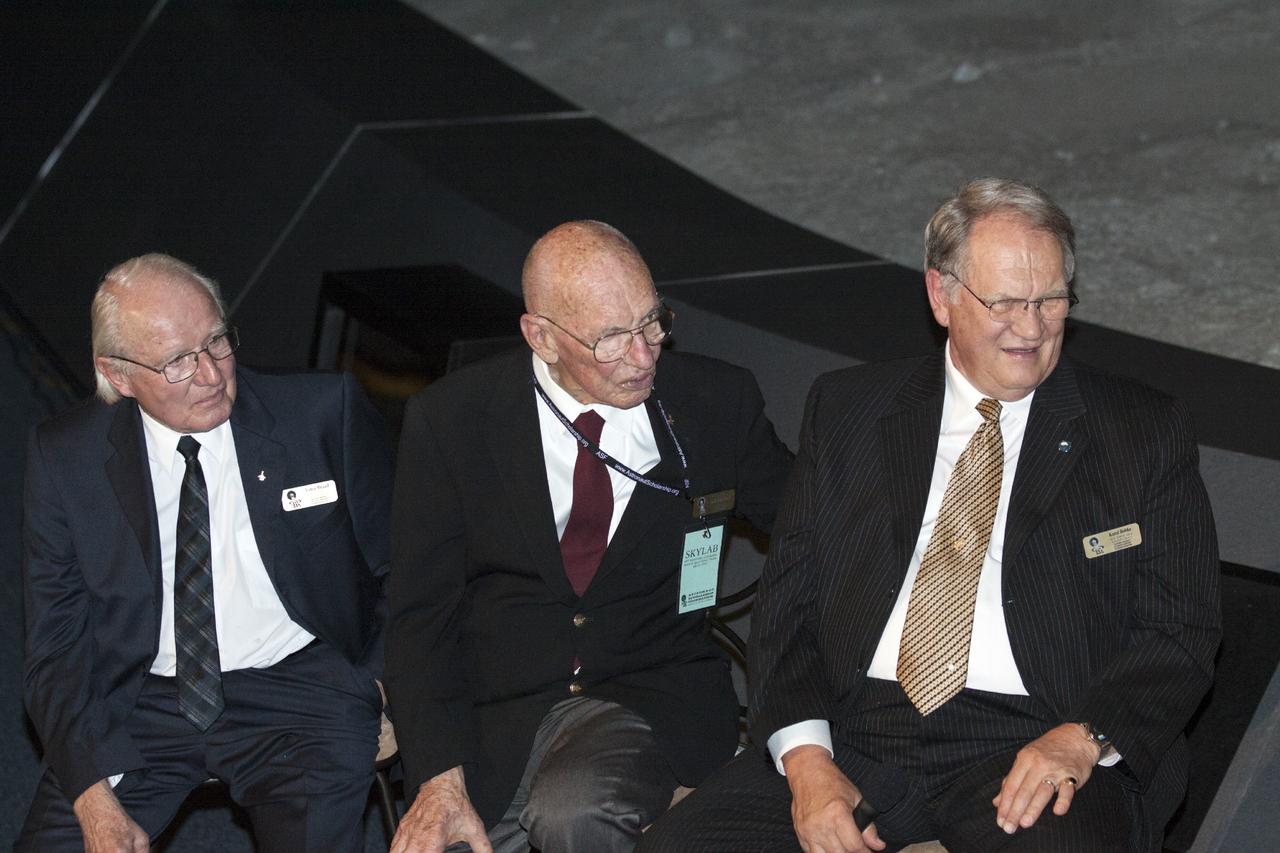
CAPE CANAVERAL, Fla. – At the Kennedy Space Center's Apollo/Saturn V Center, former NASA astronauts, from the left, Vance Brand, William Thornton and Karol Bobko recall experiences during the Astronaut Scholarship Foundation's event celebrating the 40th anniversary of Skylab. Each went on to fly missions during the Space Shuttle Program. Brand was also pilot on the Apollo-Soyuz Test Project. The gala commemorating the 40th anniversary of Skylab included six of the nine astronauts who flew missions to America's first space station. The orbiting laboratory was launched unpiloted from Kennedy on May 14, 1973. Between May 25, 1973 and Feb. 8, 1974, crews of three spent 28, 59 and 84 days living and working in low-Earth orbit aboard the station. For more information, visit http://www.nasa.gov/mission_pages/skylab/ Photo credit: NASA/Kim Shiflett
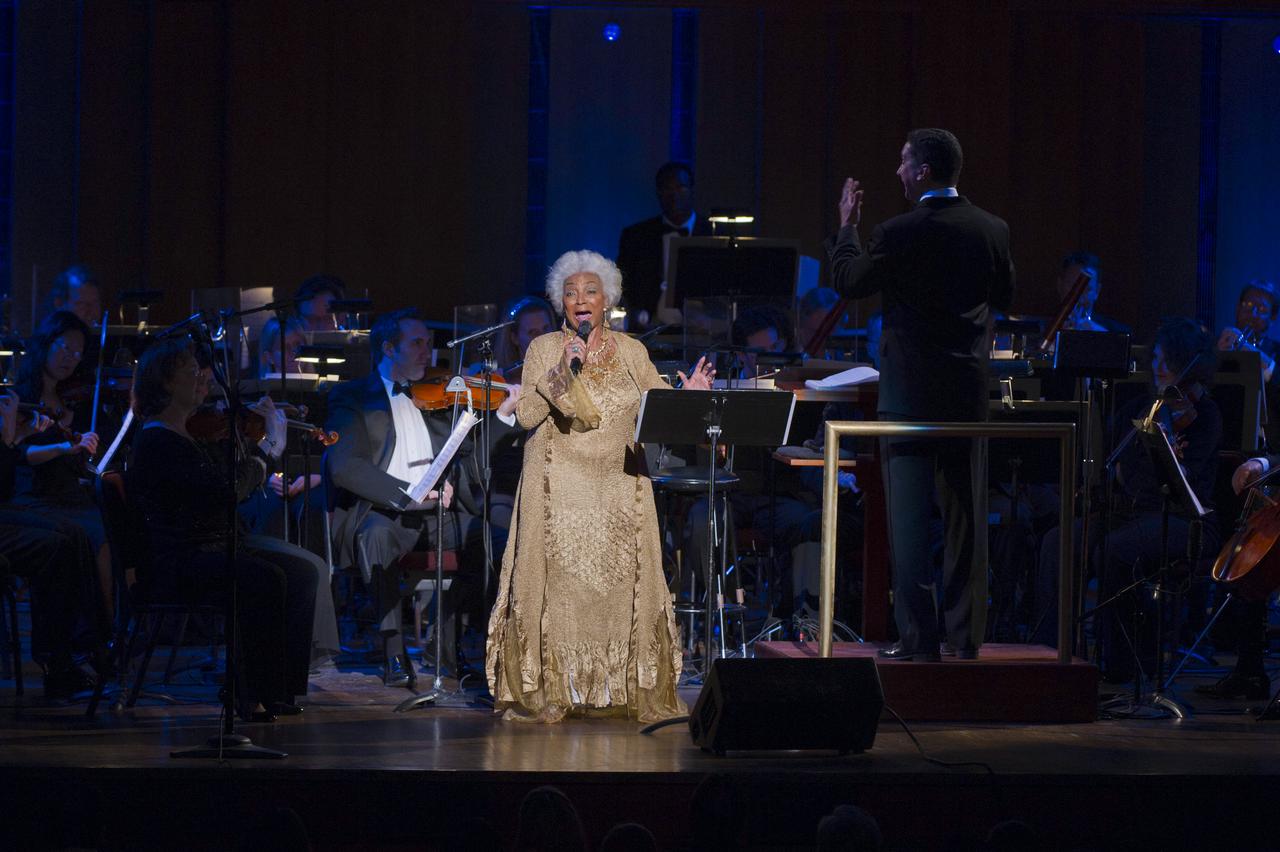
Actress Nichelle Nichols, best known for her role as communications officer Lieutenant Uhura in the series "Star Trek", sings as Emil de Cou, right, conducts the Space Philharmonic, Wednesday, May 25, 2011, in the concert hall at the John F. Kennedy Center for the Performing Arts in Washington. The event marked the 50th Anniversary of President John F. Kennedy's Special Message to the Congress on Urgent National Needs in which he stated "landing a man on the moon and returning him safely to earth". Photo Credit: (NASA/Paul E. Alers)
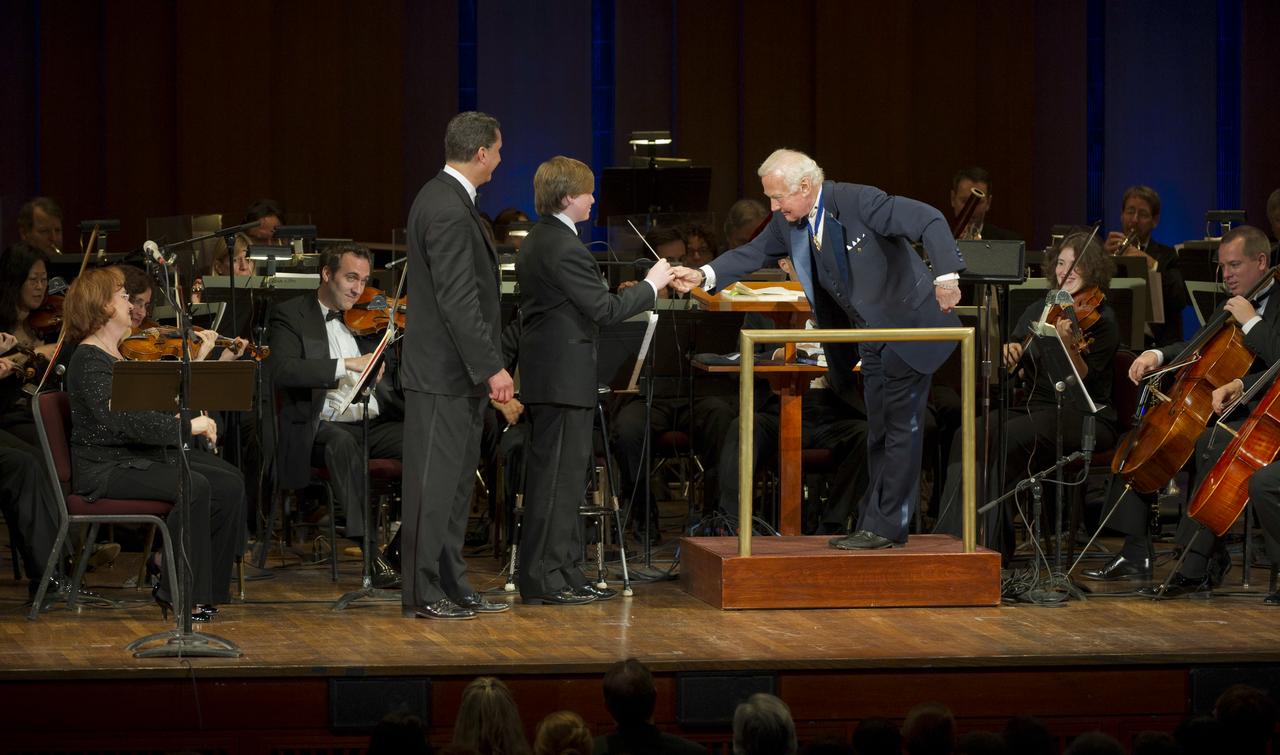
Former Apolo 11 astronaut Buzz Aldrin, right, passes the baton to second guest conductor Ted Kennedy III as conductor Emil de Cou looks on while the Space Philharmonic plays on during a program commemorating Human Spaceflight and the Kennedy Legacy, Wednesday, May 25, 2011, in the concert hall at the John F. Kennedy Center for the Performing Arts in Washington. The event marked the 50th Anniversary of President John F. Kennedy's Special Message to the Congress on Urgent National Needs in which he stated "landing a man on the moon and returning him safely to earth". Photo Credit: (NASA/Paul E. Alers)
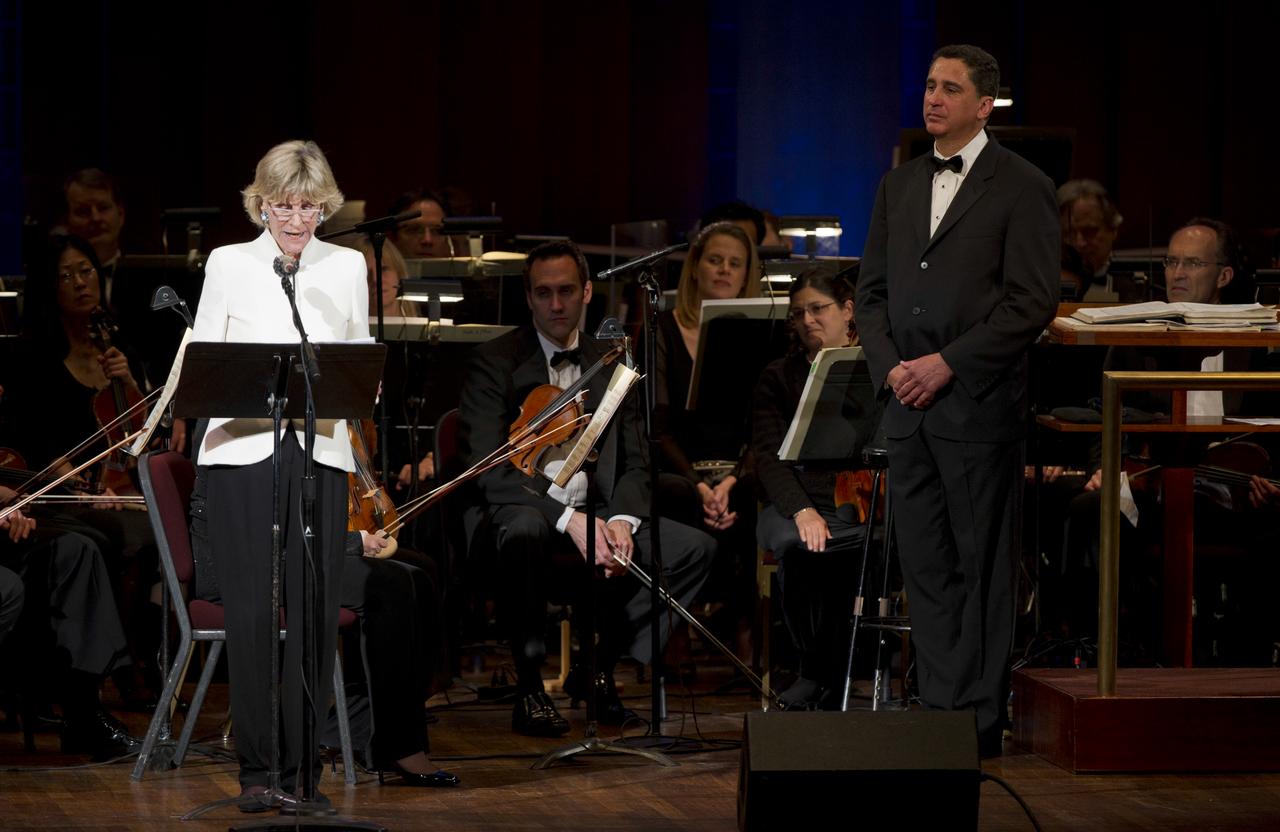
Jean Kennedy Smith, sister of John F. Kennedy, delivers remarks during a program entitled Human Spaceflight: The Kennedy Legacy as Emil de Cou, conductor of the Space Philharmonic, right, looks on, Wednesday, May 25, 2011, in the concert hall at the John F. Kennedy Center for the Performing Arts in Washington. The event marked the 50th Anniversary of President John F. Kennedy's Special Message to the Congress on Urgent National Needs in which he stated "landing a man on the moon and returning him safely to earth". Photo Credit: (NASA/Paul E. Alers)
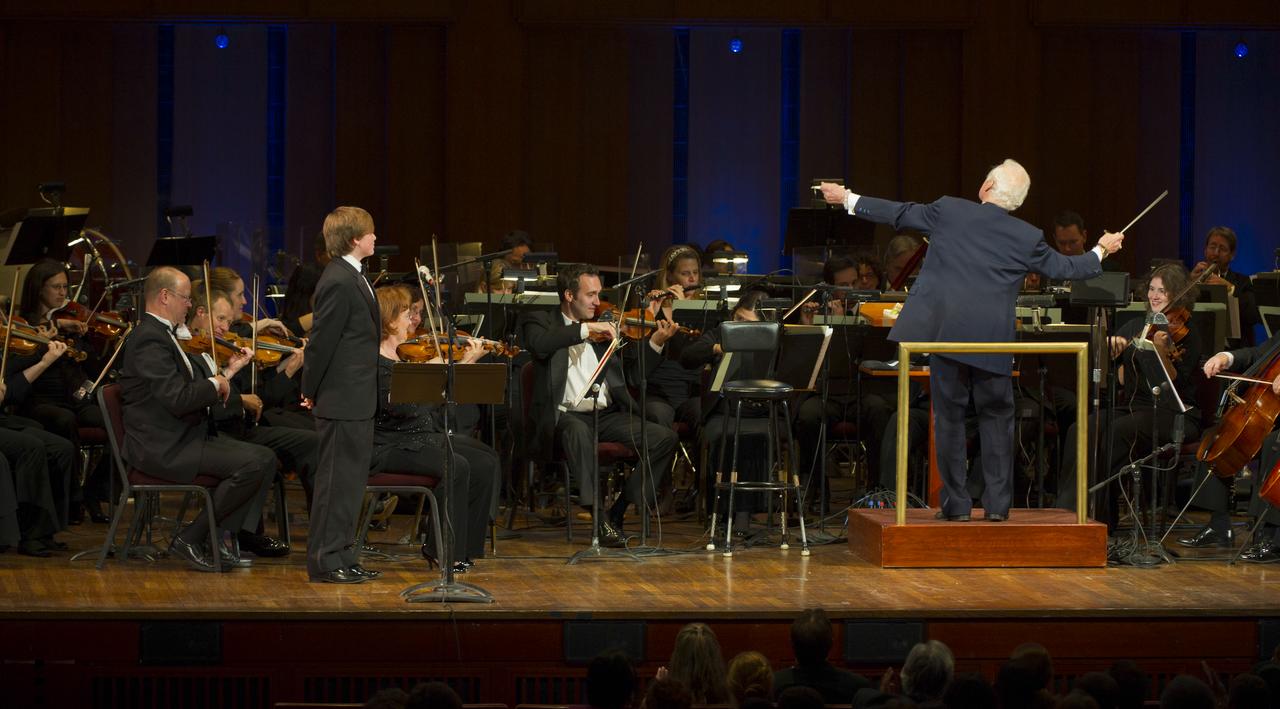
Former Apolo 11 astronaut Buzz Aldrin guest conducts the Space Philharmonic as Ted Kennedy III, left, looks on during a program commemorating Human Spaceflight and the Kennedy Legacy, Wednesday, May 25, 2011, in the concert hall at the John F. Kennedy Center for the Performing Arts in Washington. The event marked the 50th Anniversary of President John F. Kennedy's Special Message to the Congress on Urgent National Needs in which he stated "landing a man on the moon and returning him safely to earth". Photo Credit: (NASA/Paul E. Alers)
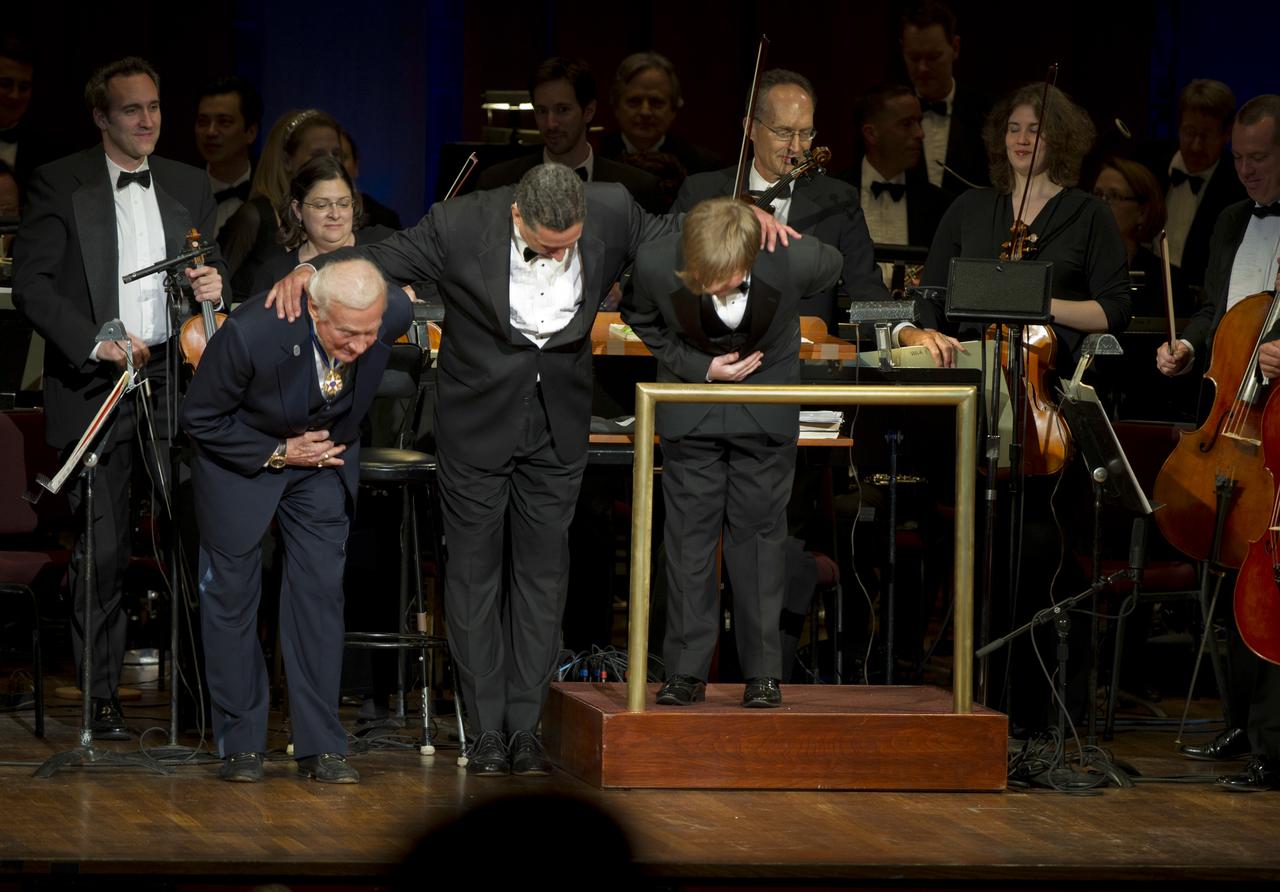
Former Apolo 11 astronaut Buzz Aldrin, left, Emil de Cou, and Ted Kennedy III, right, bow at the end of a program commemorating Human Spaceflight and the Kennedy Legacy, Wednesday, May 25, 2011, in the concert hall at the John F. Kennedy Center for the Performing Arts in Washington. The event marked the 50th Anniversary of President John F. Kennedy's Special Message to the Congress on Urgent National Needs in which he stated "landing a man on the moon and returning him safely to earth". Photo Credit: (NASA/Paul E. Alers)
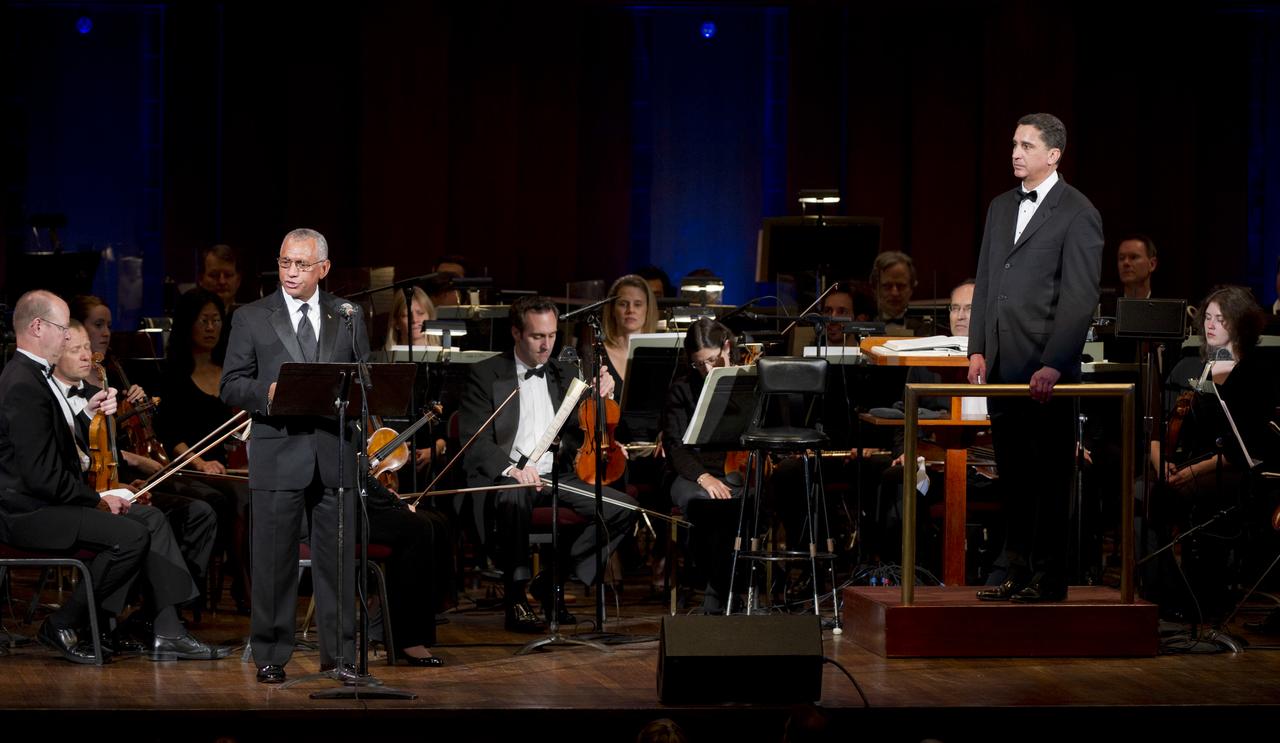
NASA Administrator Charles Bolden delivers opening remarks at the beginning of a program entitled Human Spaceflight: The Kennedy Legacy as Emil de Cou, conductor of the Space Philharmonic, right, looks on, Wednesday, May 25, 2011, in the concert hall at the John F. Kennedy Center for the Performing Arts in Washington. The event marked the 50th Anniversary of President John F. Kennedy's Special Message to the Congress on Urgent National Needs in which he stated "landing a man on the moon and returning him safely to earth". Photo Credit: (NASA/Paul E. Alers)
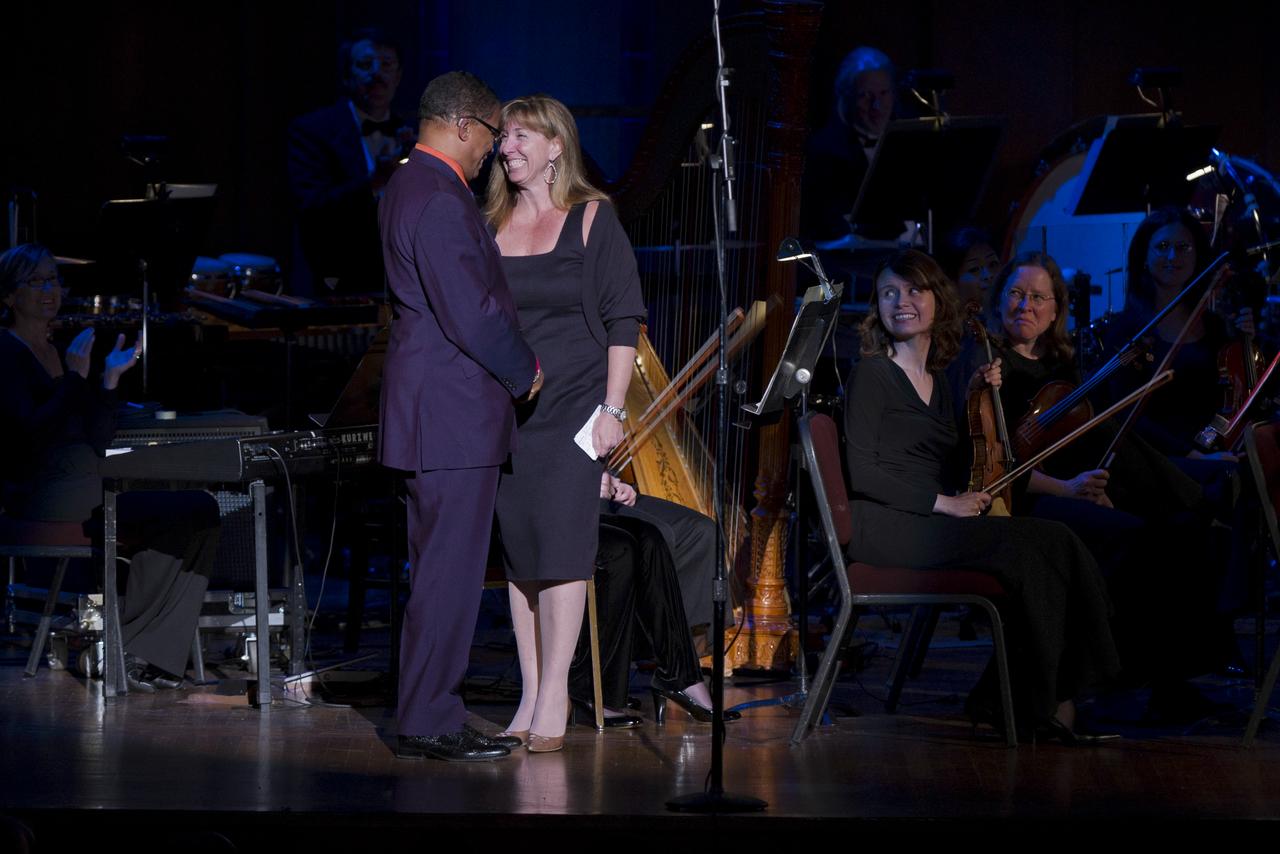
Deputy Administrator Lori Garver, right, smiles after introducing musical guest Herbie Hancock, left, as members of the Space Philharmonic look on during a program commemorating Human Spaceflight and the Kennedy Legacy, Wednesday, May 25, 2011, in the concert hall at the John F. Kennedy Center for the Performing Arts in Washington. The event marked the 50th Anniversary of President John F. Kennedy's Special Message to the Congress on Urgent National Needs in which he stated "landing a man on the moon and returning him safely to earth". Photo Credit: (NASA/Paul E. Alers)
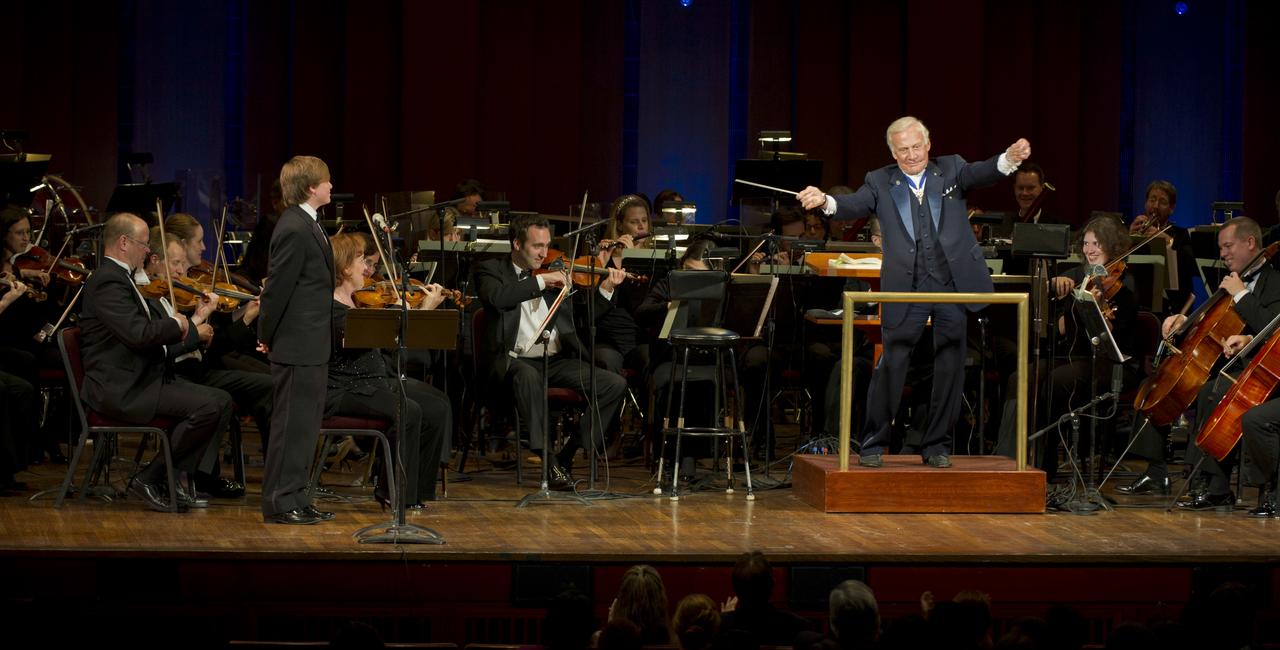
Former Apolo 11 astronaut Buzz Aldrin guest conducts the Space Philharmonic as Ted Kennedy III, left, looks on during a program commemorating Human Spaceflight and the Kennedy Legacy, Wednesday, May 25, 2011, in the concert hall at the John F. Kennedy Center for the Performing Arts in Washington. The event marked the 50th Anniversary of President John F. Kennedy's Special Message to the Congress on Urgent National Needs in which he stated "landing a man on the moon and returning him safely to earth". Photo Credit: (NASA/Paul E. Alers)
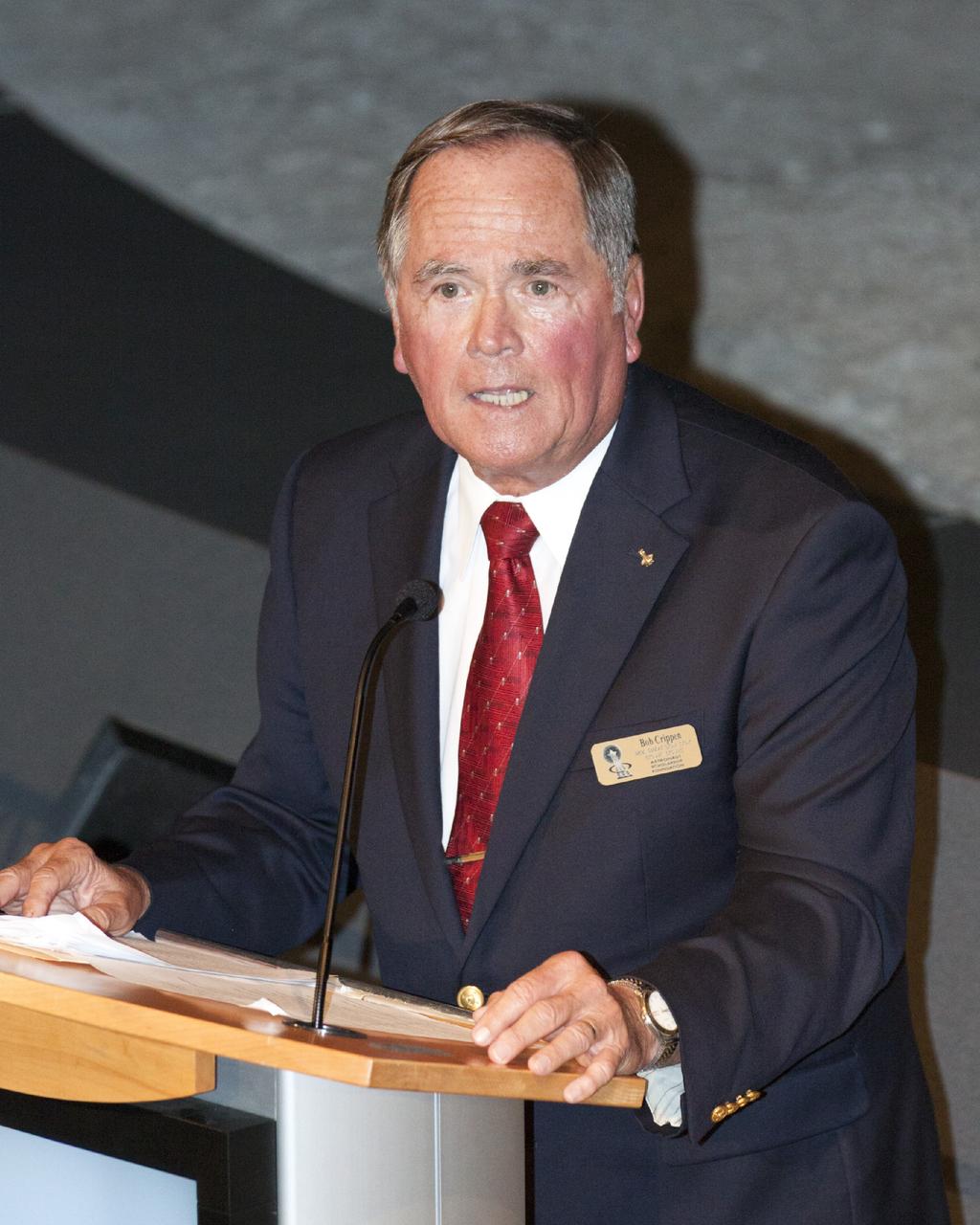
CAPE CANAVERAL, Fla. – At the Kennedy Space Center's Apollo/Saturn V Center, former NASA astronaut Robert Crippen speaks to guests at the Astronaut Scholarship Foundation's event celebrating the 40th anniversary of Skylab. Crippen, along with astronauts William Thornton and Karol Bobko, took part in a 56-day activity during 1972 called SMEAT -- Skylab Medical Experiment Altitude Test -- that preceded the launch of Skylab and helped NASA evaluate equipment and procedures proposed for the long-duration Skylab missions. Crippen went on to fly missions during the Space Shuttle Program and served as center director at Kennedy from January 1992 until January 1995. The gala commemorating the 40th anniversary of Skylab included six of the nine astronauts who flew missions to America's first space station. The orbiting laboratory was launched unpiloted from Kennedy on May 14, 1973. Between May 25, 1973 and Feb. 8, 1974, crews of three spent 28, 59 and 84 days living and working in low-Earth orbit aboard the station. For more information, visit http://www.nasa.gov/mission_pages/skylab/ Photo credit: NASA/Kim Shiflett
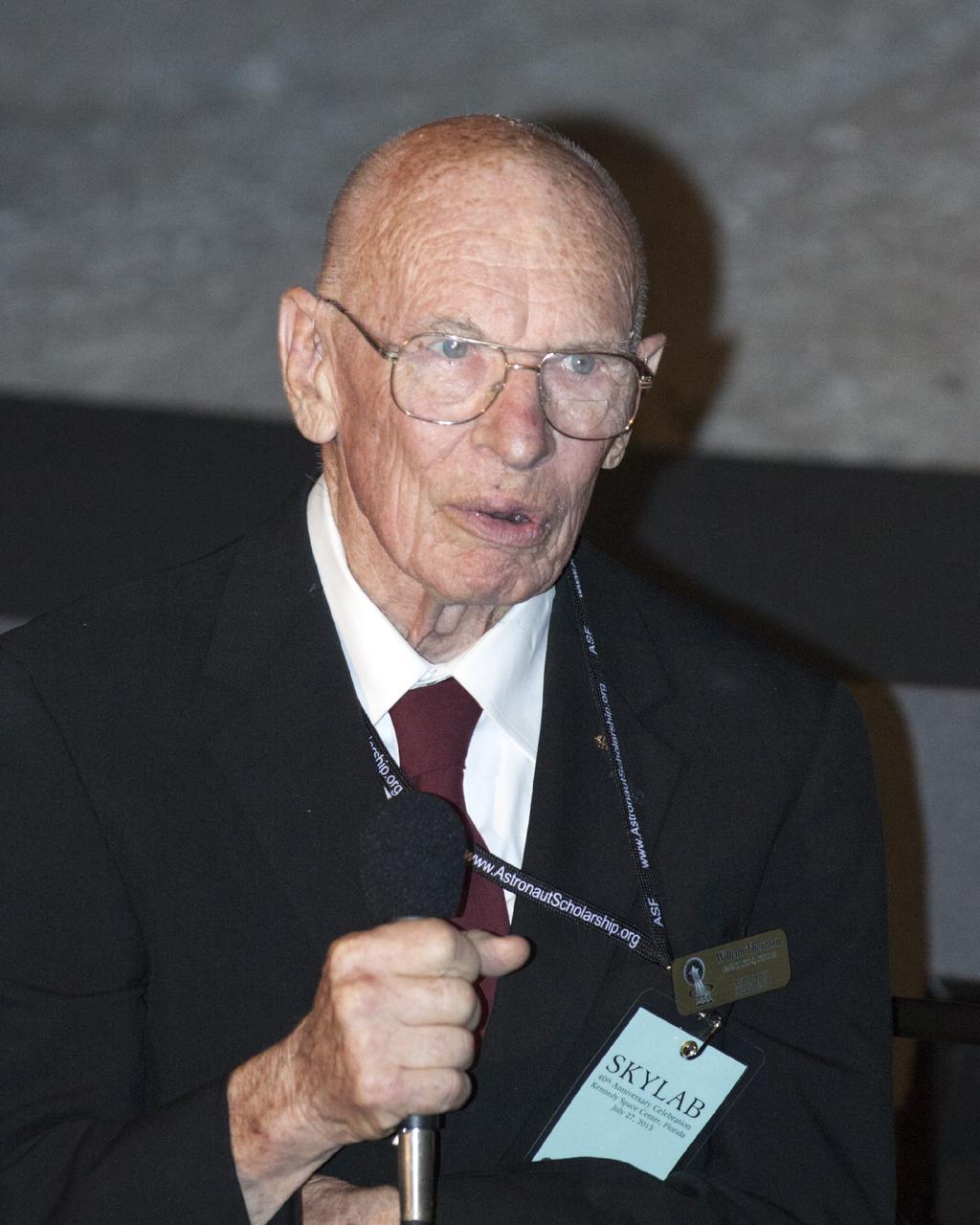
CAPE CANAVERAL, Fla. – At the Kennedy Space Center's Apollo/Saturn V Center, former NASA astronaut William Thornton speaks to guests at the Astronaut Scholarship Foundation's event celebrating the 40th anniversary of Skylab. Thornton, along with astronauts Robert Crippen and Karol Bobko, took part in a 56-day activity during 1972 called SMEAT -- Skylab Medical Experiment Altitude Test -- that preceded the launch of Skylab and helped NASA evaluate equipment and procedures proposed for the long-duration Skylab missions. Thornton went on to fly missions during the Space Shuttle Program. The gala commemorating the 40th anniversary of Skylab included six of the nine astronauts who flew missions to America's first space station. The orbiting laboratory was launched unpiloted from Kennedy on May 14, 1973. Between May 25, 1973 and Feb. 8, 1974, crews of three spent 28, 59 and 84 days living and working in low-Earth orbit aboard the station. For more information, visit http://www.nasa.gov/mission_pages/skylab/ Photo credit: NASA/Kim Shiflett
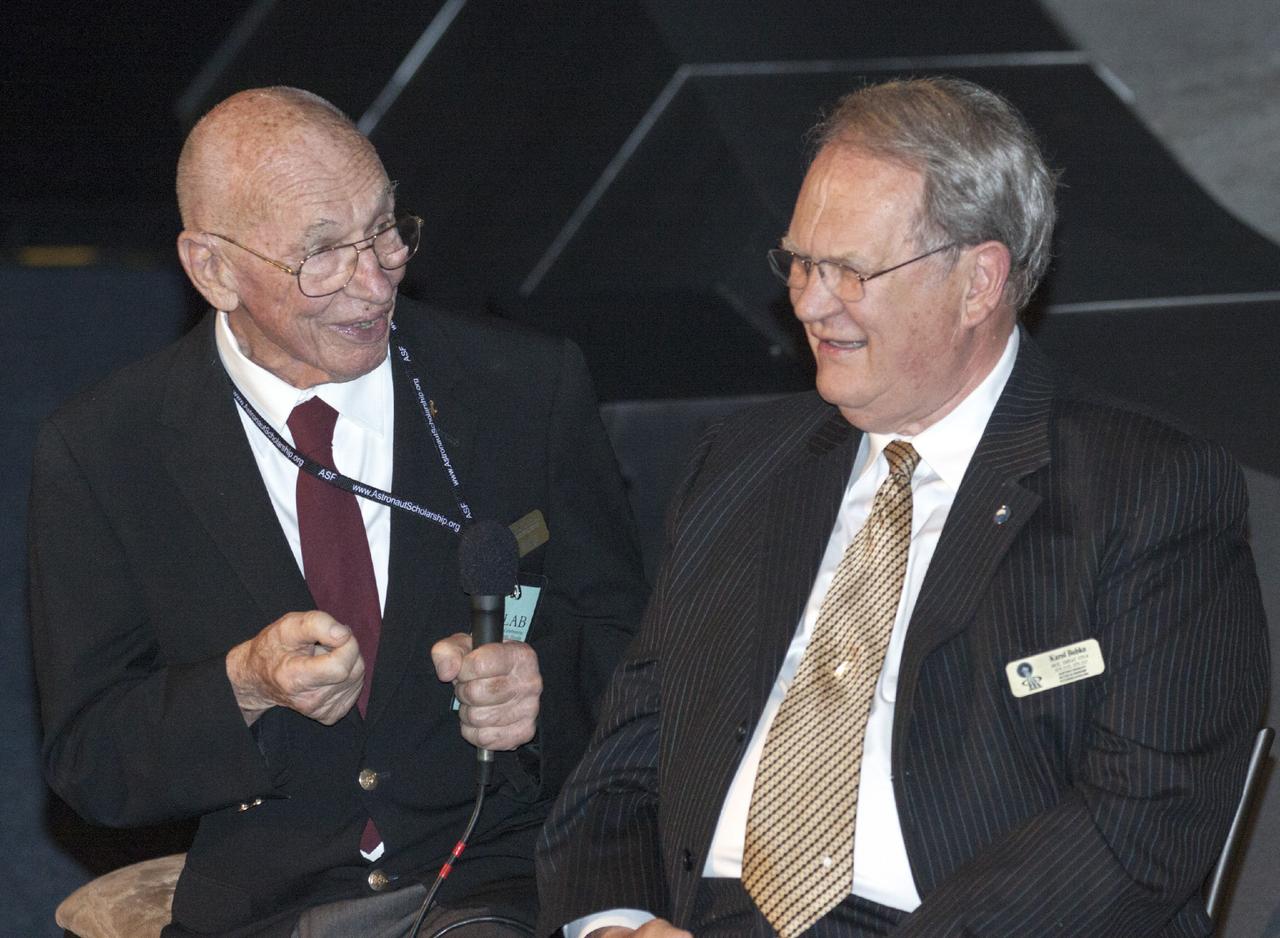
CAPE CANAVERAL, Fla. – At the Kennedy Space Center's Apollo/Saturn V Center, former NASA astronauts William Thornton, left, and Karol Bobko recall experiences during the Astronaut Scholarship Foundation's event celebrating the 40th anniversary of Skylab. Along with astronaut Robert Crippen, Thornton, and Bobko, took part in a 56-day activity during 1972 called SMEAT -- Skylab Medical Experiment Altitude Test -- that preceded the launch of Skylab and helped NASA evaluate equipment and procedures proposed for the long-duration Skylab missions. Thornton and Bobko went on to fly missions during the Space Shuttle Program. The gala commemorating the 40th anniversary of Skylab included six of the nine astronauts who flew missions to America's first space station. The orbiting laboratory was launched unpiloted from Kennedy on May 14, 1973. Between May 25, 1973 and Feb. 8, 1974, crews of three spent 28, 59 and 84 days living and working in low-Earth orbit aboard the station. For more information, visit http://www.nasa.gov/mission_pages/skylab/ Photo credit: NASA/Kim Shiflett
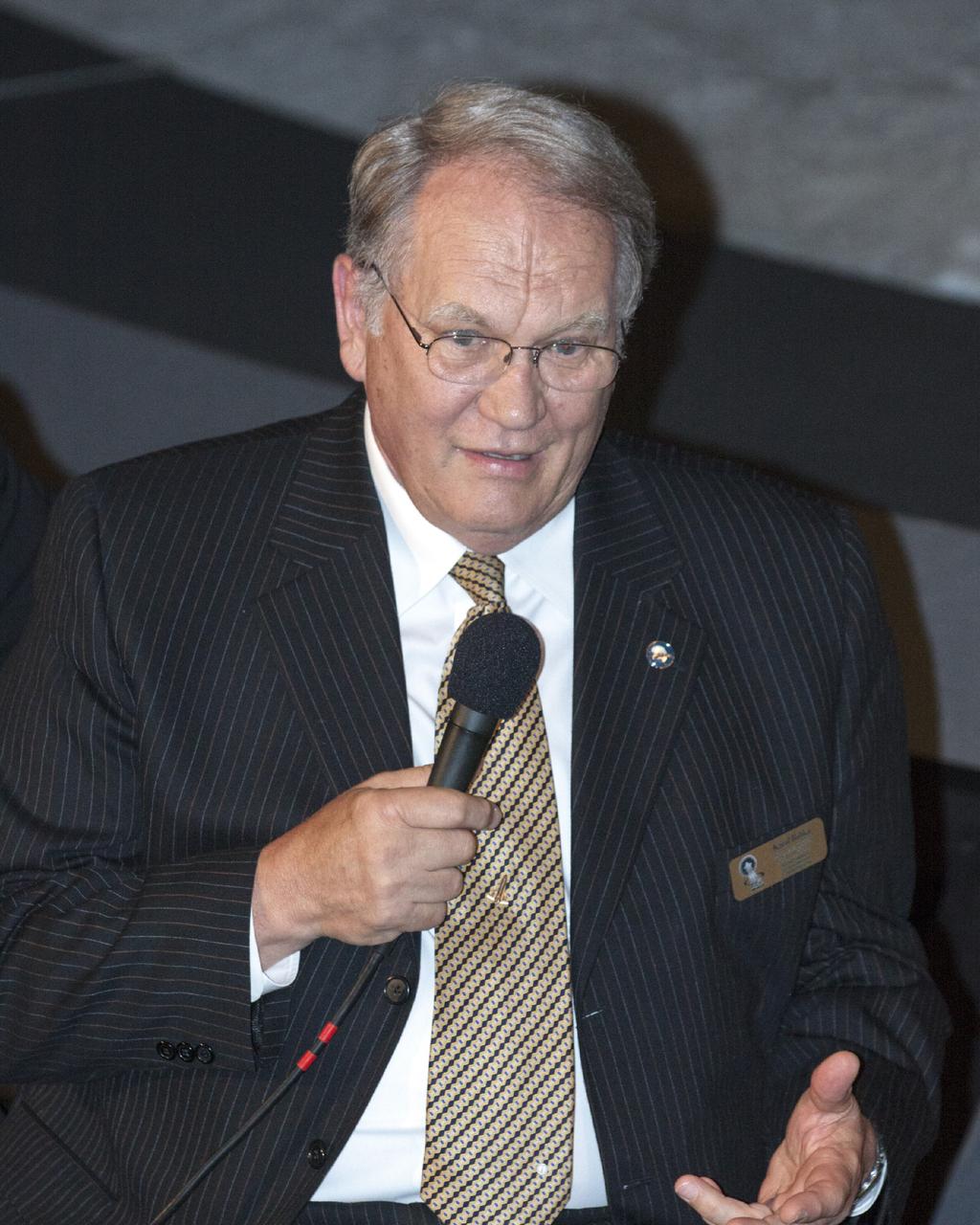
CAPE CANAVERAL, Fla. – At the Kennedy Space Center's Apollo/Saturn V Center, former NASA astronaut Karol Bobko speaks to guests at the Astronaut Scholarship Foundation's event celebrating the 40th anniversary of Skylab. Bobko, along with astronauts Robert Crippen and William Thornton, took part in a 56-day activity during 1972 called SMEAT -- Skylab Medical Experiment Altitude Test -- that preceded the launch of Skylab and helped NASA evaluate equipment and procedures proposed for the long-duration Skylab missions. Bobko went on to fly missions during the Space Shuttle Program. The gala commemorating the 40th anniversary of Skylab included six of the nine astronauts who flew missions to America's first space station. The orbiting laboratory was launched unpiloted from Kennedy on May 14, 1973. Between May 25, 1973 and Feb. 8, 1974, crews of three spent 28, 59 and 84 days living and working in low-Earth orbit aboard the station. For more information, visit http://www.nasa.gov/mission_pages/skylab/ Photo credit: NASA/Kim Shiflett