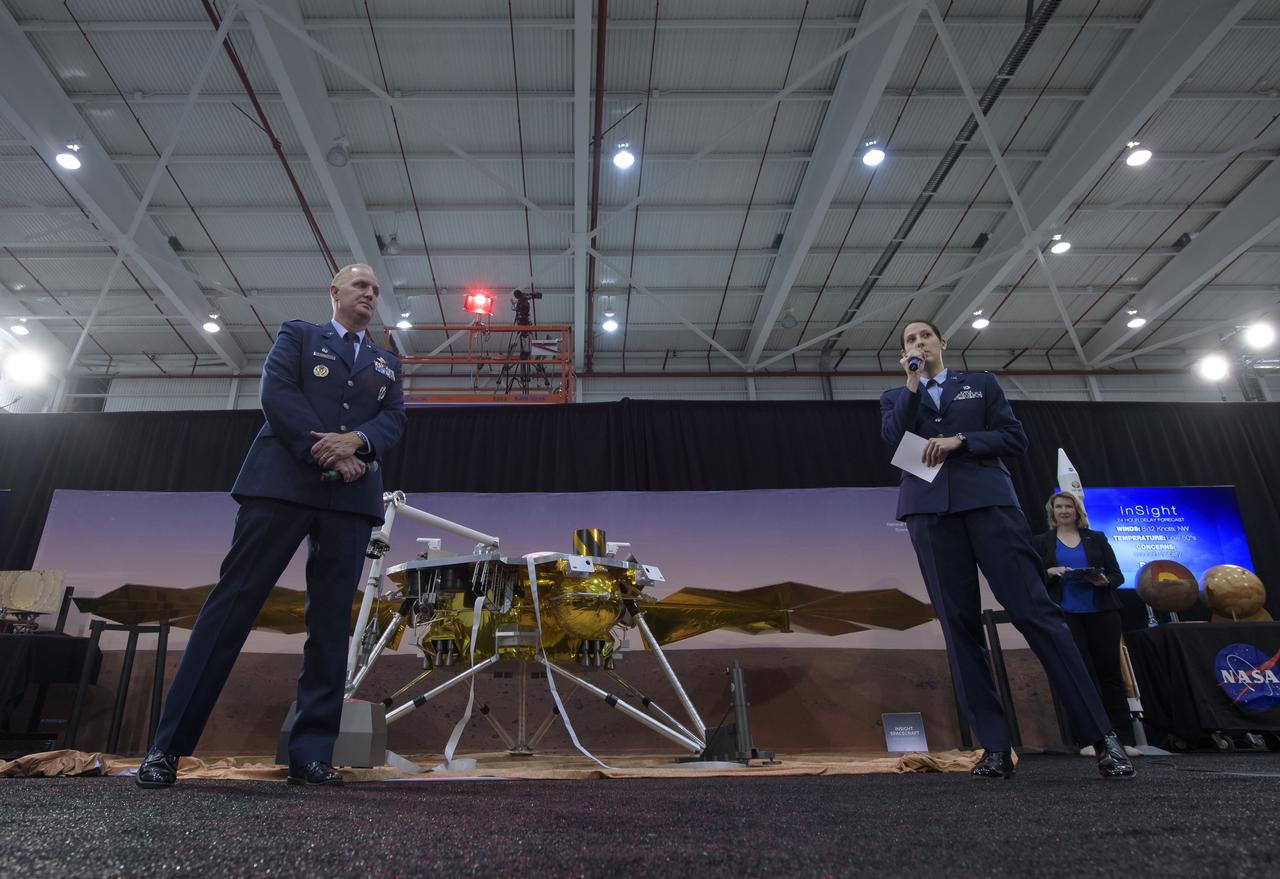
Col. Michael Hough, Commander 30th Space Wing, Vandenberg Air Force Base, left, and 1st Lieutenant Kristina Williams, weather officer, 30th Space Wing, Vandenberg Air Force Base, discuss NASA's InSight mission during a prelaunch media briefing, Thursday, May 3, 2018, at Vandenberg Air Force Base in California. InSight, short for Interior Exploration using Seismic Investigations, Geodesy and Heat Transport, is a Mars lander designed to study the "inner space" of Mars: its crust, mantle, and core. Photo Credit: (NASA/Bill Ingalls)
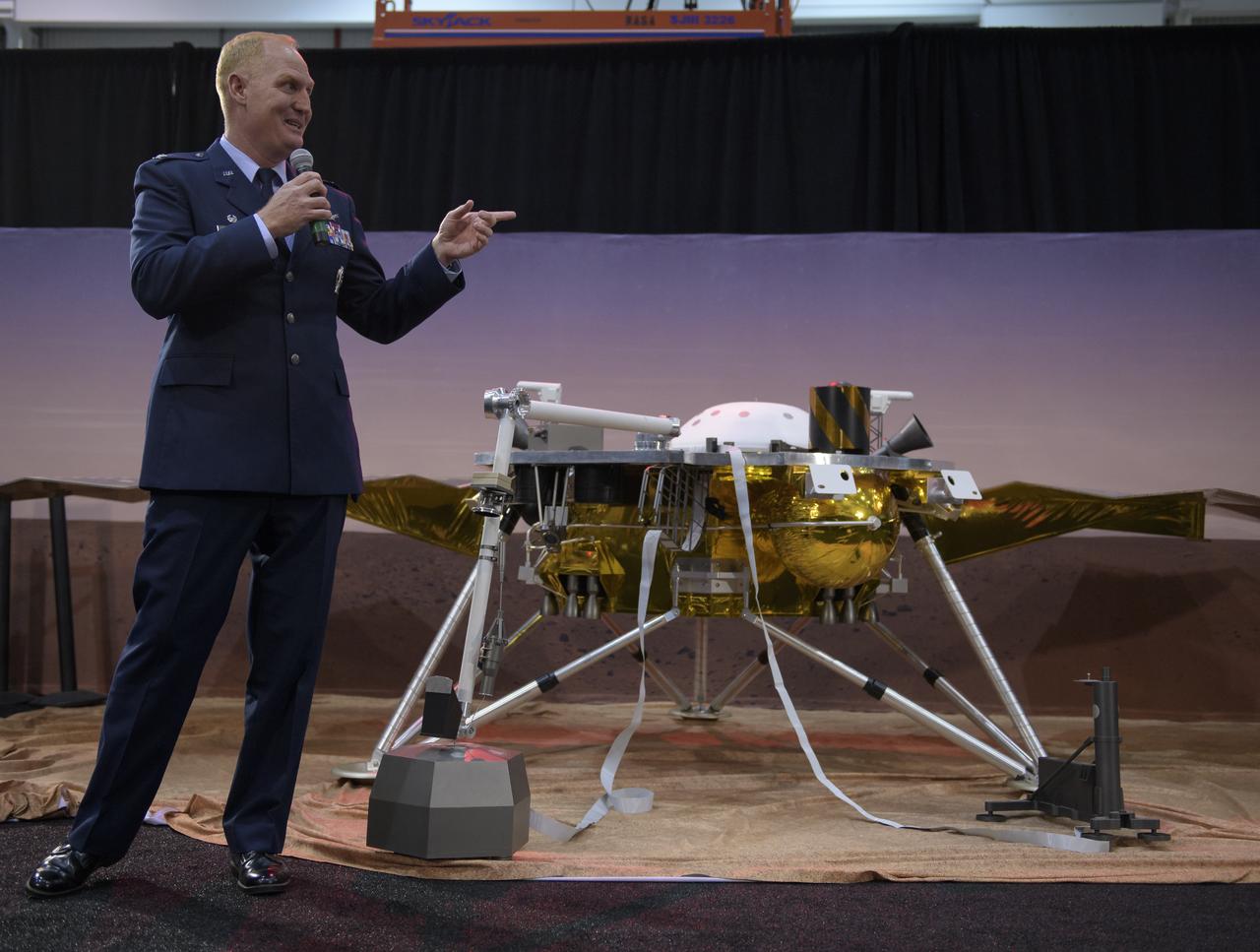
Col. Michael Hough, Commander 30th Space Wing, Vandenberg Air Force Base, discusses NASA's InSight mission during a prelaunch media briefing, Thursday, May 3, 2018, at Vandenberg Air Force Base in California. InSight, short for Interior Exploration using Seismic Investigations, Geodesy and Heat Transport, is a Mars lander designed to study the "inner space" of Mars: its crust, mantle, and core. Photo Credit: (NASA/Bill Ingalls)
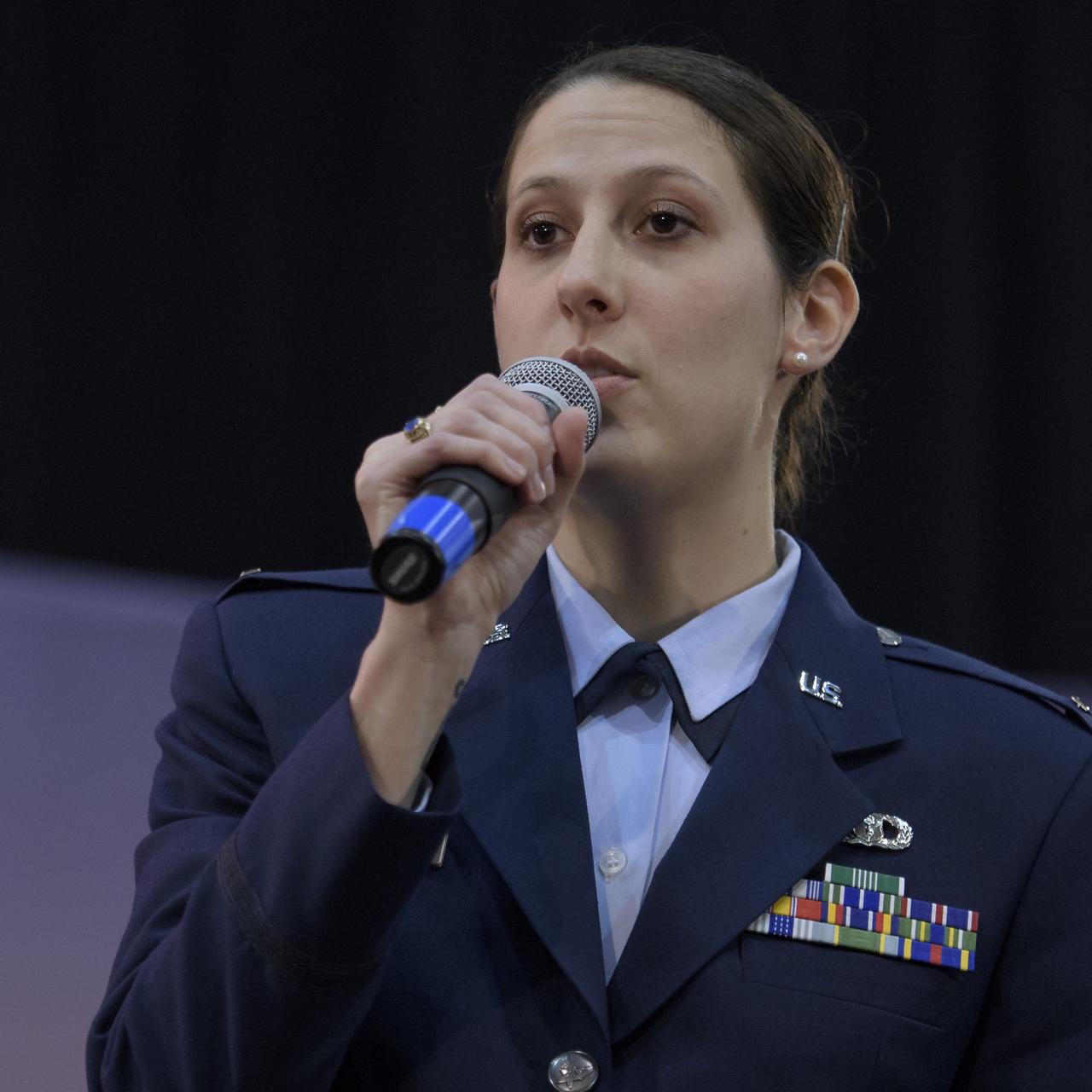
1st Lieutenant Kristina Williams, weather officer, 30th Space Wing, Vandenberg Air Force Base, discusses NASA's InSight mission during a prelaunch media briefing, Thursday, May 3, 2018, at Vandenberg Air Force Base in California. InSight, short for Interior Exploration using Seismic Investigations, Geodesy and Heat Transport, is a Mars lander designed to study the "inner space" of Mars: its crust, mantle, and core. Photo Credit: (NASA/Bill Ingalls)
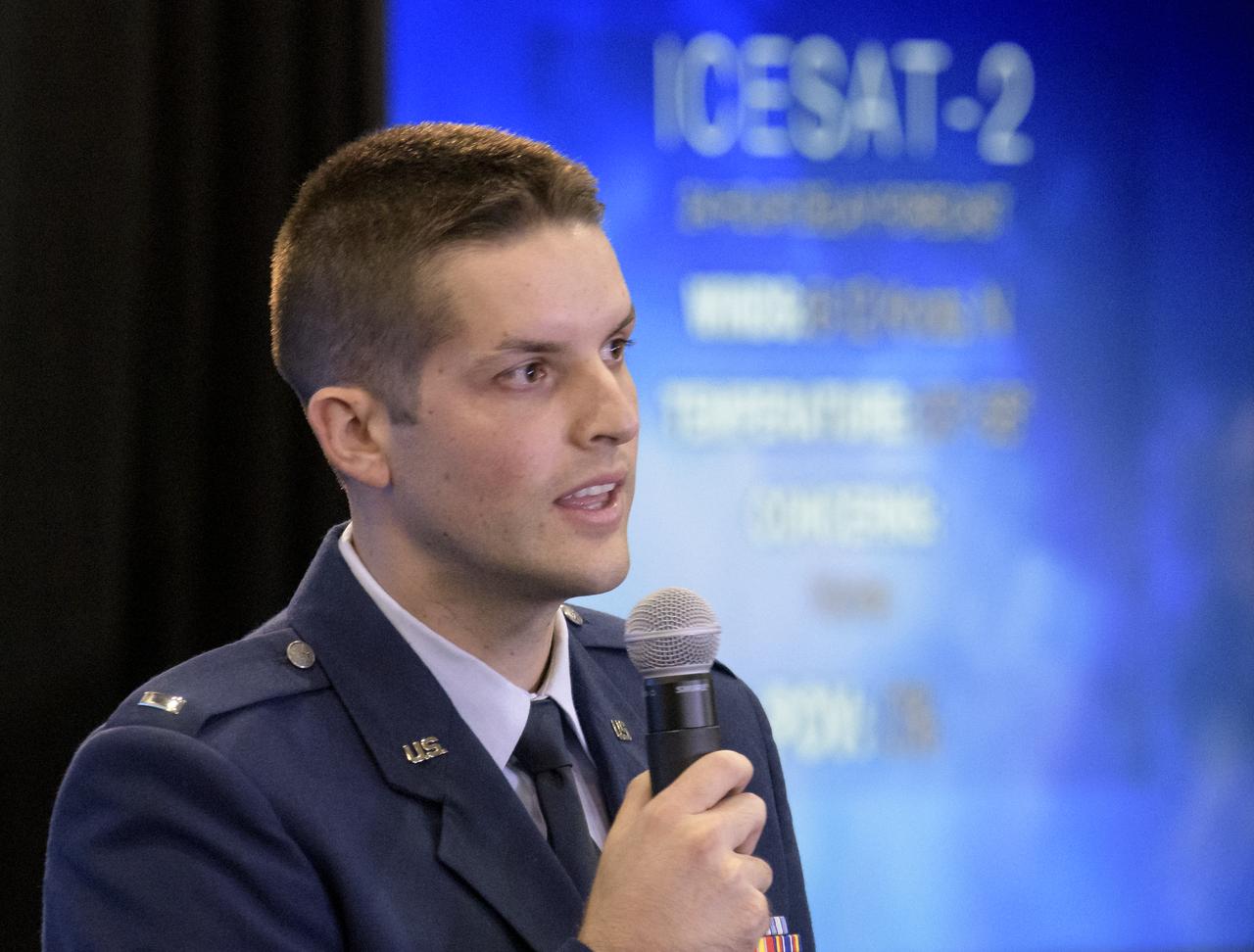
1st Lt. Daniel Smith, Weather Officer, 30th Space Wing, Vandenberg Air Force Base, is seen during a NASA Ice, Cloud and land Elevation Satellite-2 (ICESat-2) prelaunch briefing, Thursday, Sept. 13, 2018, at Vandenberg Air Force Base in California. The ICESat-2 mission will measure the changing height of Earth's ice. Photo Credit: (NASA/Bill Ingalls)
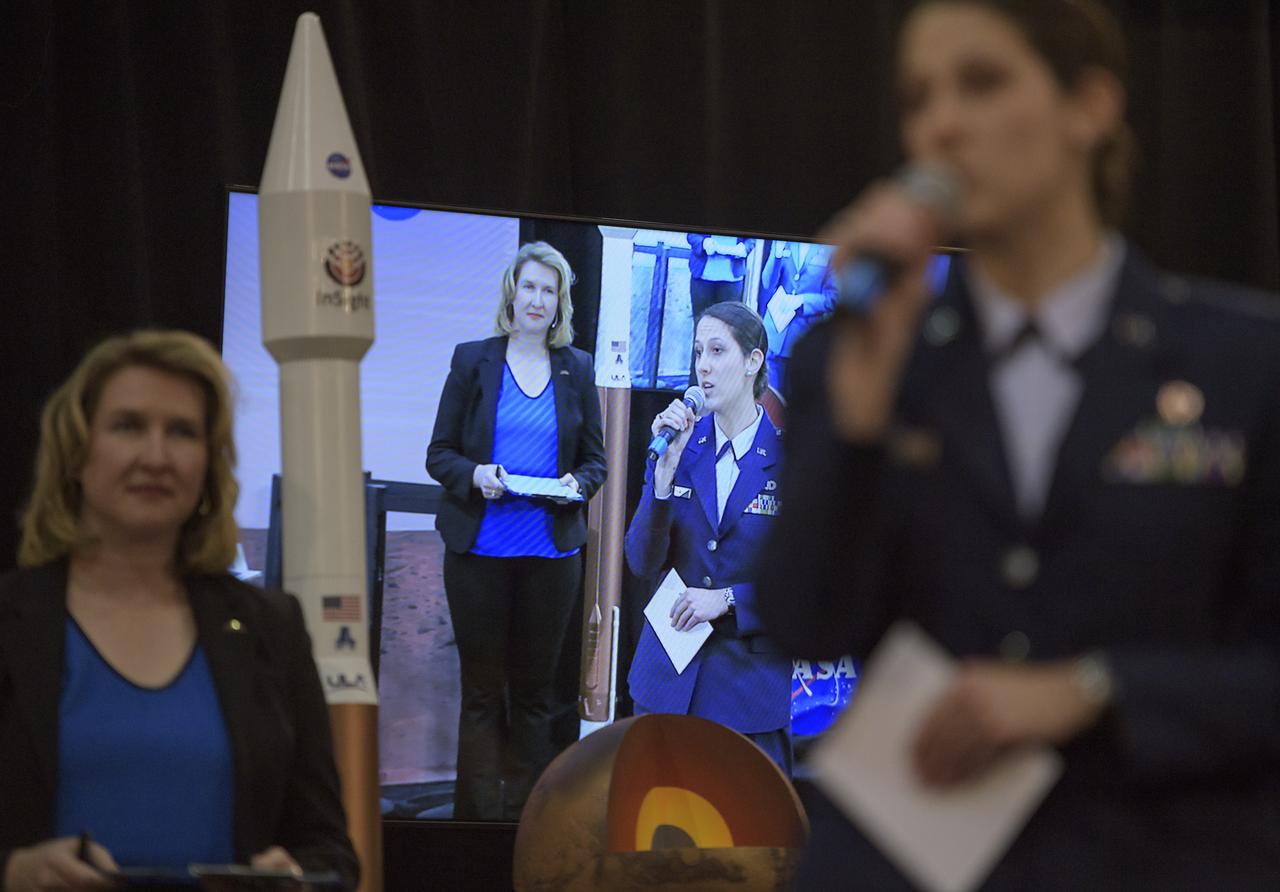
1st Lieutenant Kristina Williams, weather officer, 30th Space Wing, Vandenberg Air Force Base, right, discusses NASA's InSight mission during a prelaunch media briefing, Thursday, May 3, 2018, at Vandenberg Air Force Base in California. InSight, short for Interior Exploration using Seismic Investigations, Geodesy and Heat Transport, is a Mars lander designed to study the "inner space" of Mars: its crust, mantle, and core. Photo Credit: (NASA/Bill Ingalls)
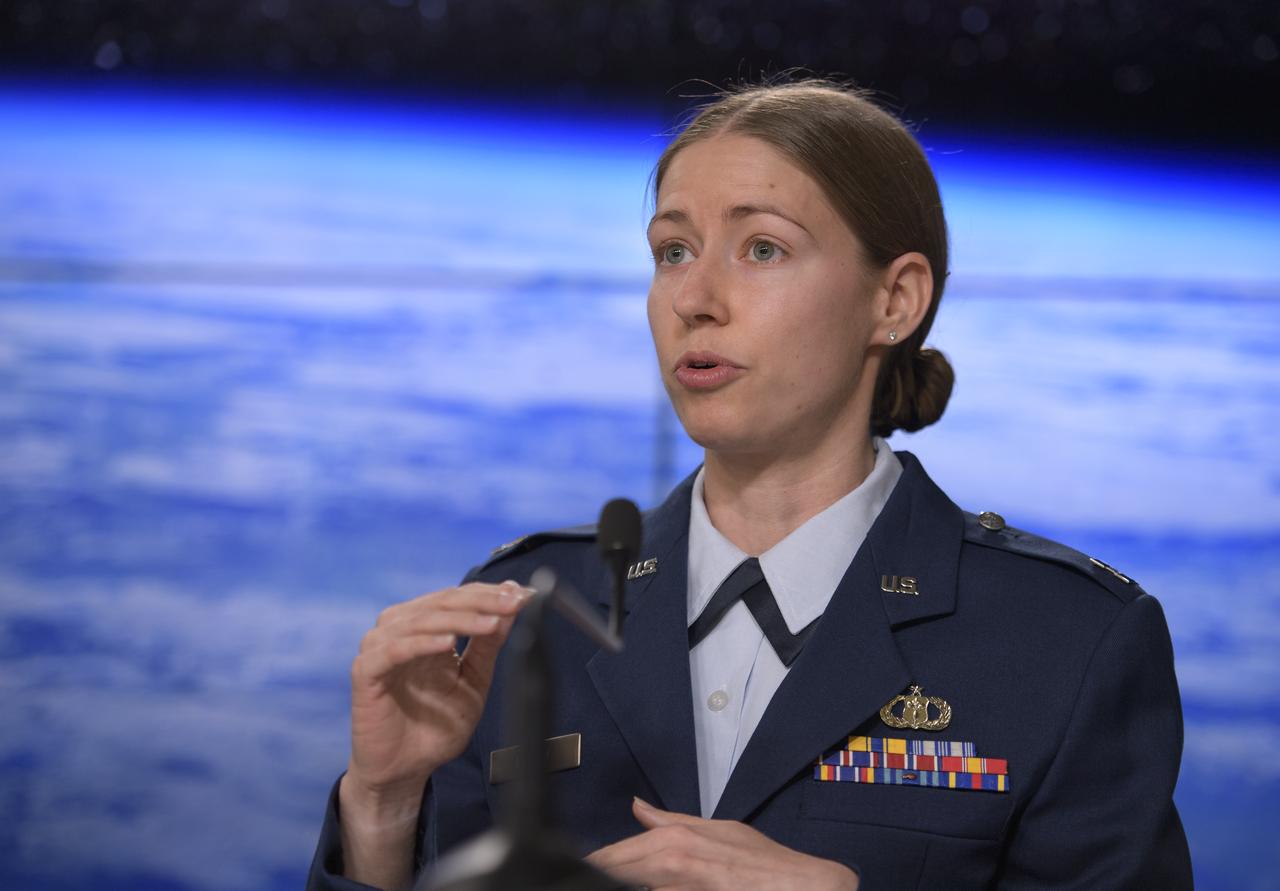
Capt. Jennifer Haden, weather officer, 30th Space Wing, Vandenberg Air Force Base, discusses the weather forecast during a Gravity Recovery and Climate Experiment Follow-On (GRACE-FO) mission prelaunch media briefing, Monday, May 21, 2018, at Vandenberg Air Force Base in California. The twin GRACE-FO spacecraft will measure changes in how mass is redistributed within and among Earth's atmosphere, oceans, land and ice sheets, as well as within Earth itself. Photo Credit: (NASA/Bill Ingalls)
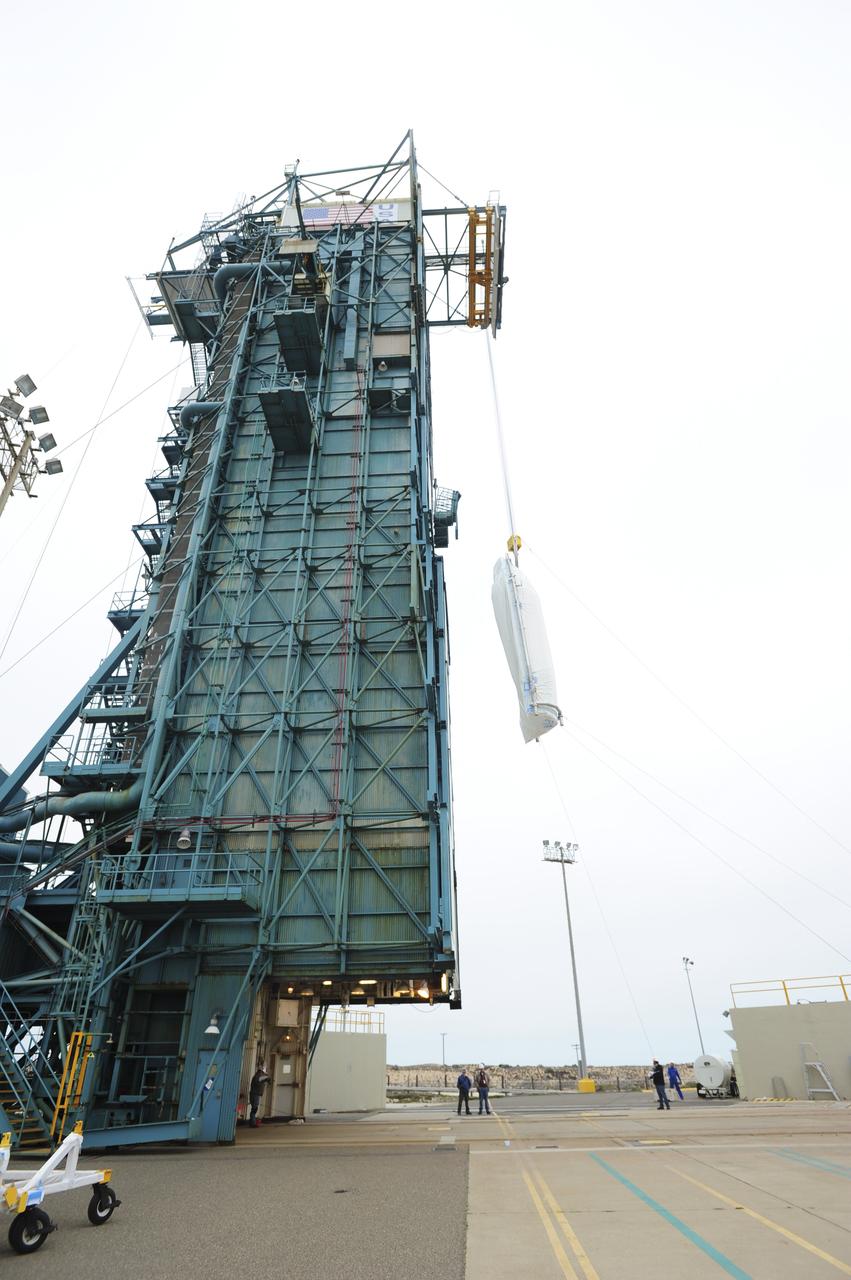
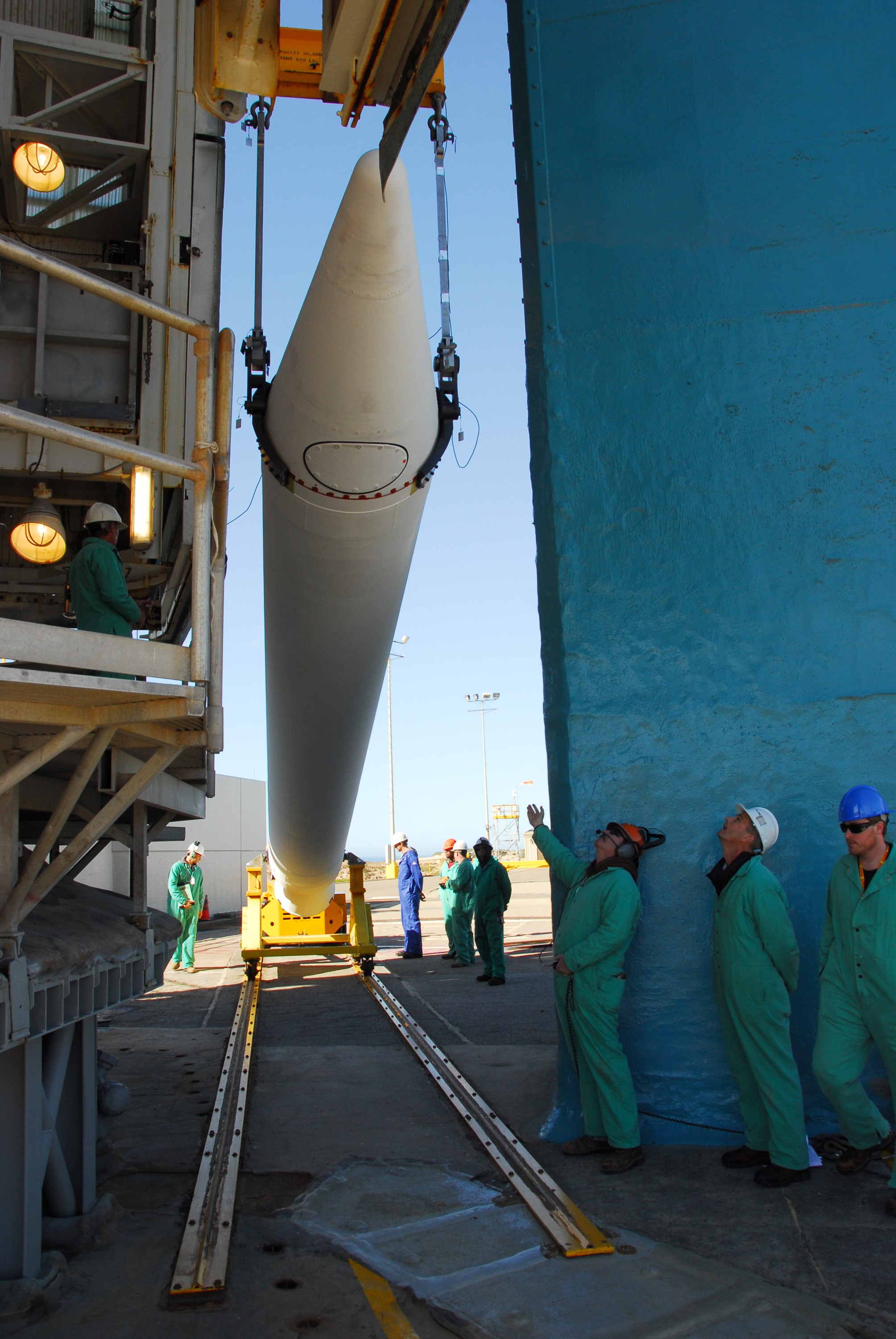
VANDENBERG AIR FORCE BASE, Calif. – Half of the fairing for NASA's Orbiting Carbon Observatory-2 mission, or OCO-2, is lifted up the side of the mobile service tower at Space Launch Complex 2 on Vandenberg Air Force Base in California toward the Delta II launcher's environmental enclosure, or clean room, at the top of the tower. The fairing will protect OCO-2 during launch aboard a United Launch Alliance Delta II rocket from Space Launch Complex 2 in July. The observatory will collect precise global measurements of carbon dioxide in the Earth's atmosphere and provide scientists with a better idea of the chemical compound's impacts on climate change. Scientists will analyze this data to improve our understanding of the natural processes and human activities that regulate the abundance and distribution of this important atmospheric gas. To learn more about OCO-2, visit http://oco.jpl.nasa.gov. Photo credit: NASA/30th Space Wing, VAFB
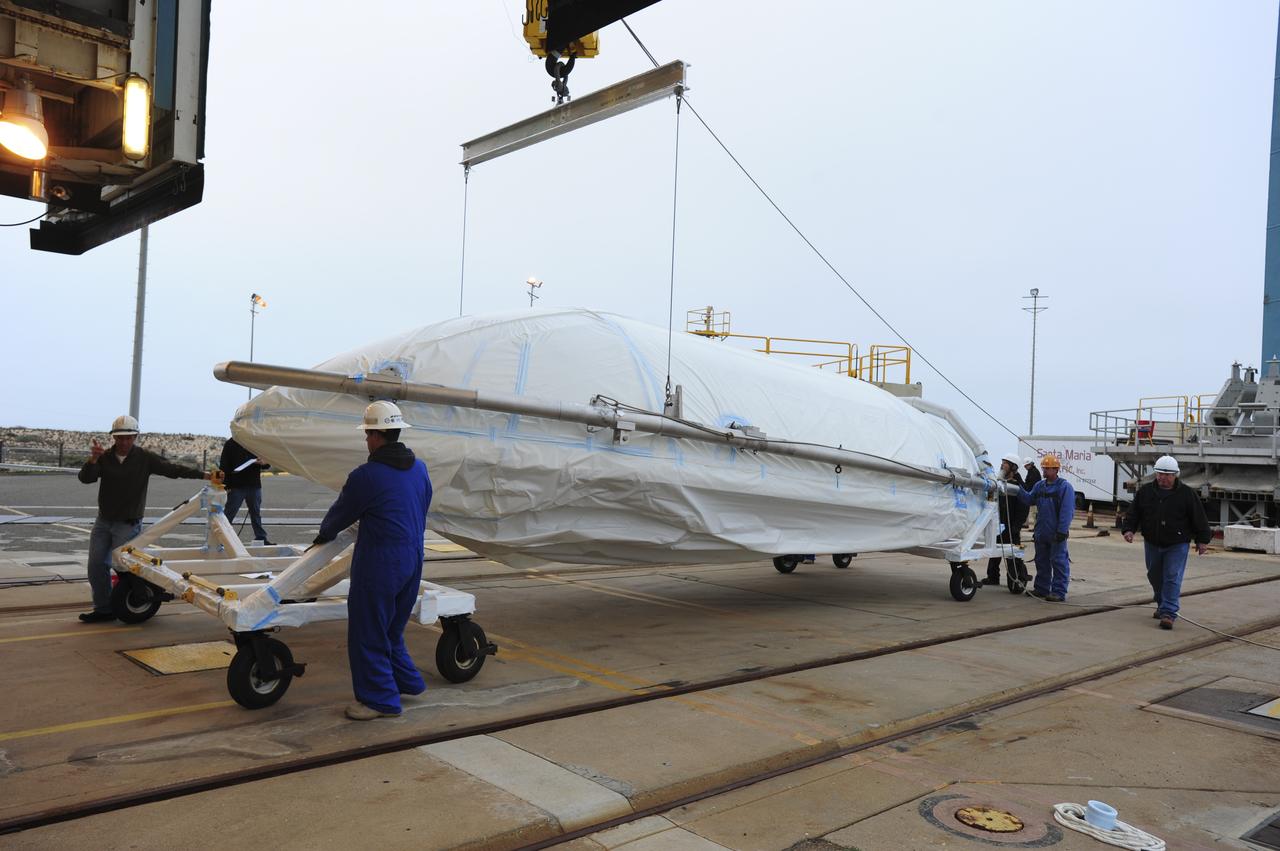
VANDENBERG AIR FORCE BASE, Calif. – Half of the fairing for NASA's Orbiting Carbon Observatory-2 mission, or OCO-2, is attached to a crane for its lift into the Delta II launcher's environmental enclosure, or clean room, at the top of the mobile service tower at Space Launch Complex 2 on Vandenberg Air Force Base in California. The fairing will protect OCO-2 during launch aboard a United Launch Alliance Delta II rocket from Space Launch Complex 2 in July. The observatory will collect precise global measurements of carbon dioxide in the Earth's atmosphere and provide scientists with a better idea of the chemical compound's impacts on climate change. Scientists will analyze this data to improve our understanding of the natural processes and human activities that regulate the abundance and distribution of this important atmospheric gas. To learn more about OCO-2, visit http://oco.jpl.nasa.gov. Photo credit: NASA/30th Space Wing, VAFB
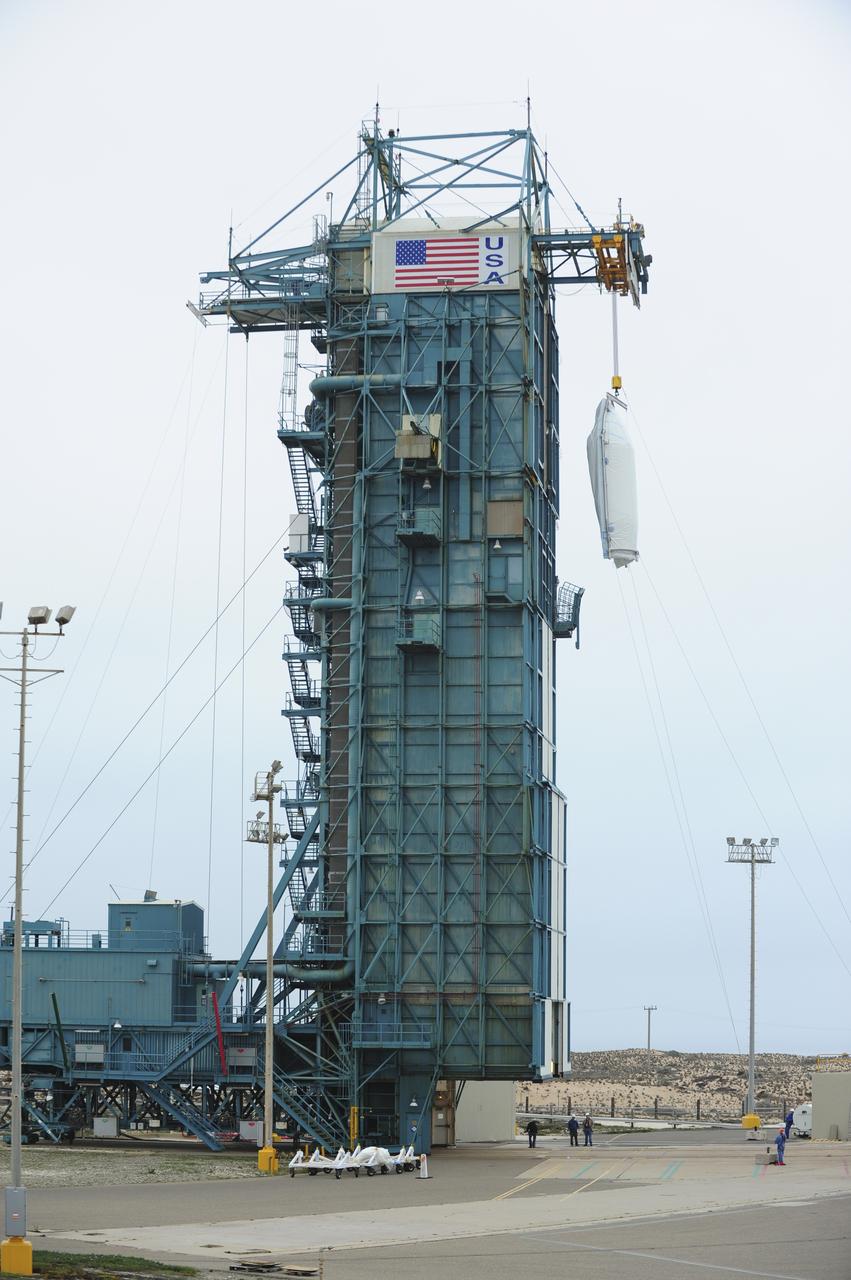
VANDENBERG AIR FORCE BASE, Calif. – Half of the fairing for NASA's Orbiting Carbon Observatory-2 mission, or OCO-2, is lifted up the side of the mobile service tower at Space Launch Complex 2 on Vandenberg Air Force Base in California toward the Delta II launcher's environmental enclosure, or clean room, at the top of the tower. The fairing will protect OCO-2 during launch aboard a United Launch Alliance Delta II rocket from Space Launch Complex 2 in July. The observatory will collect precise global measurements of carbon dioxide in the Earth's atmosphere and provide scientists with a better idea of the chemical compound's impacts on climate change. Scientists will analyze this data to improve our understanding of the natural processes and human activities that regulate the abundance and distribution of this important atmospheric gas. To learn more about OCO-2, visit http://oco.jpl.nasa.gov. Photo credit: NASA/30th Space Wing, VAFB
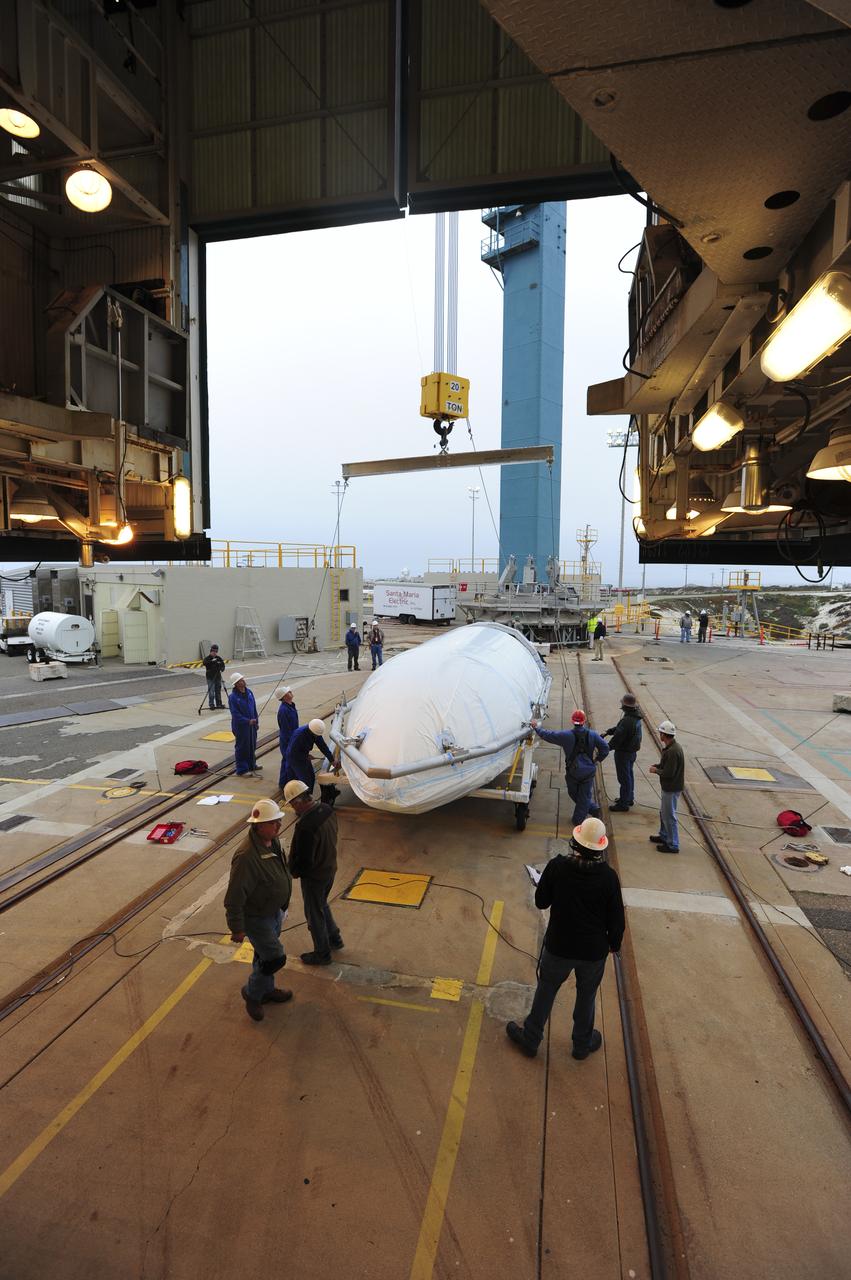
VANDENBERG AIR FORCE BASE, Calif. – Workers attach half of the fairing for NASA's Orbiting Carbon Observatory-2 mission, or OCO-2, to a crane at Space Launch Complex 2 on Vandenberg Air Force Base in California. Operations have begun to hoist the sections of the fairing into the Delta II launcher's environmental enclosure, or clean room, at the top of the pad's mobile service tower. The fairing will protect OCO-2 during launch aboard a United Launch Alliance Delta II rocket from Space Launch Complex 2 in July. The observatory will collect precise global measurements of carbon dioxide in the Earth's atmosphere and provide scientists with a better idea of the chemical compound's impacts on climate change. Scientists will analyze this data to improve our understanding of the natural processes and human activities that regulate the abundance and distribution of this important atmospheric gas. To learn more about OCO-2, visit http://oco.jpl.nasa.gov. Photo credit: NASA/30th Space Wing, VAFB
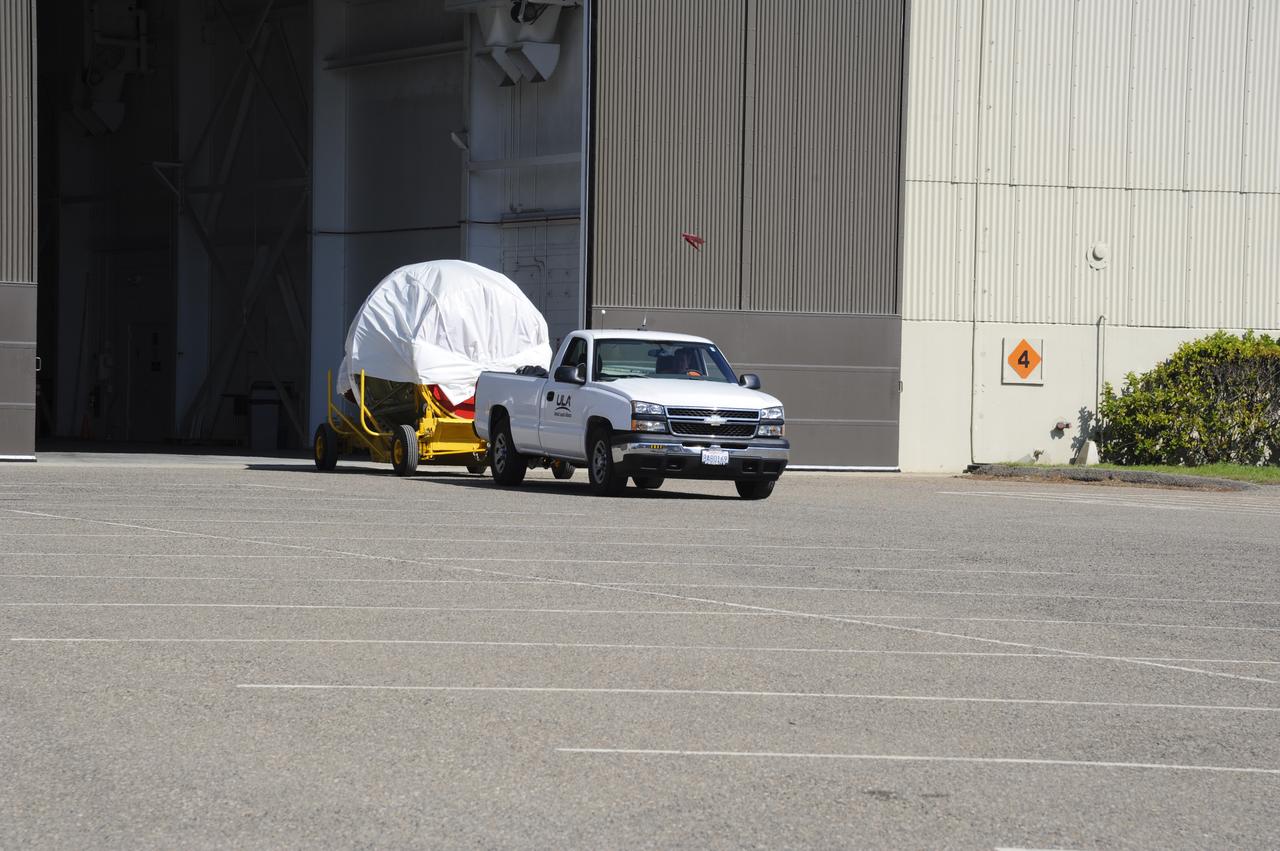
VANDENBERG AIR FORCE BASE, Calif. – The second stage for NASA's Orbiting Carbon Observatory-2 mission, or OCO-2, is being towed from the Building 836 hangar to the Horizontal Processing Facility at Space Launch Complex 2 on Vandenberg Air Force Base in California. OCO-2 is scheduled to launch aboard a United Launch Alliance Delta II rocket in July. The rocket's second stage will insert OCO-2 into a polar Earth orbit. OCO-2 will collect precise global measurements of carbon dioxide in the Earth's atmosphere and provide scientists with a better idea of the chemical compound's impacts on climate change. Scientists will analyze this data to improve our understanding of the natural processes and human activities that regulate the abundance and distribution of this important atmospheric gas. To learn more about OCO-2, visit http://oco.jpl.nasa.gov. Photo credit: NASA/Arron Tauman, 30th Space Wing, VAFB
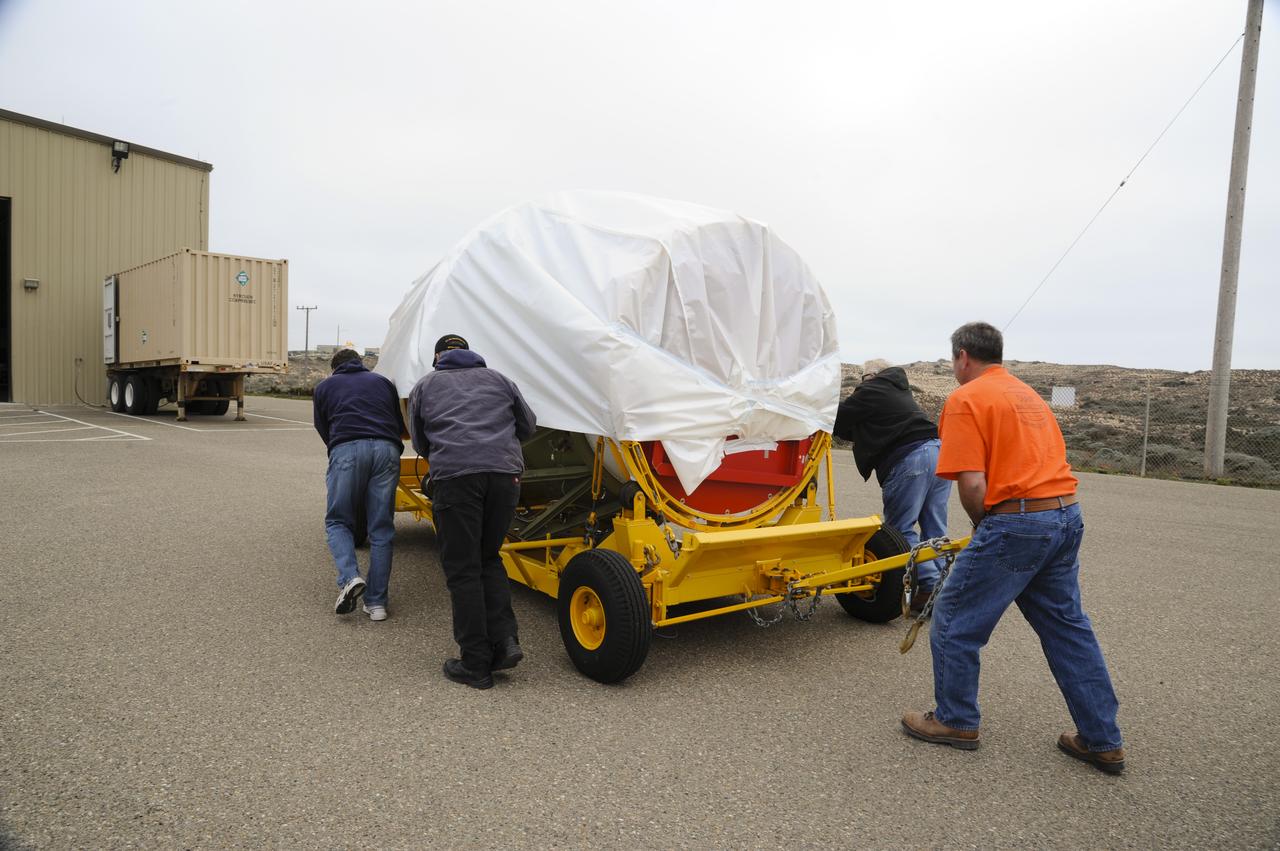
VANDENBERG AIR FORCE BASE, Calif. – Workers push the second stage for NASA's Orbiting Carbon Observatory-2 mission, or OCO-2, toward the Horizontal Processing Facility at Space Launch Complex 2 on Vandenberg Air Force Base in California. OCO-2 is scheduled to launch aboard a United Launch Alliance Delta II rocket in July. The rocket's second stage will insert OCO-2 into a polar Earth orbit. OCO-2 will collect precise global measurements of carbon dioxide in the Earth's atmosphere and provide scientists with a better idea of the chemical compound's impacts on climate change. Scientists will analyze this data to improve our understanding of the natural processes and human activities that regulate the abundance and distribution of this important atmospheric gas. To learn more about OCO-2, visit http://oco.jpl.nasa.gov. Photo credit: NASA/Arron Tauman, 30th Space Wing, VAFB
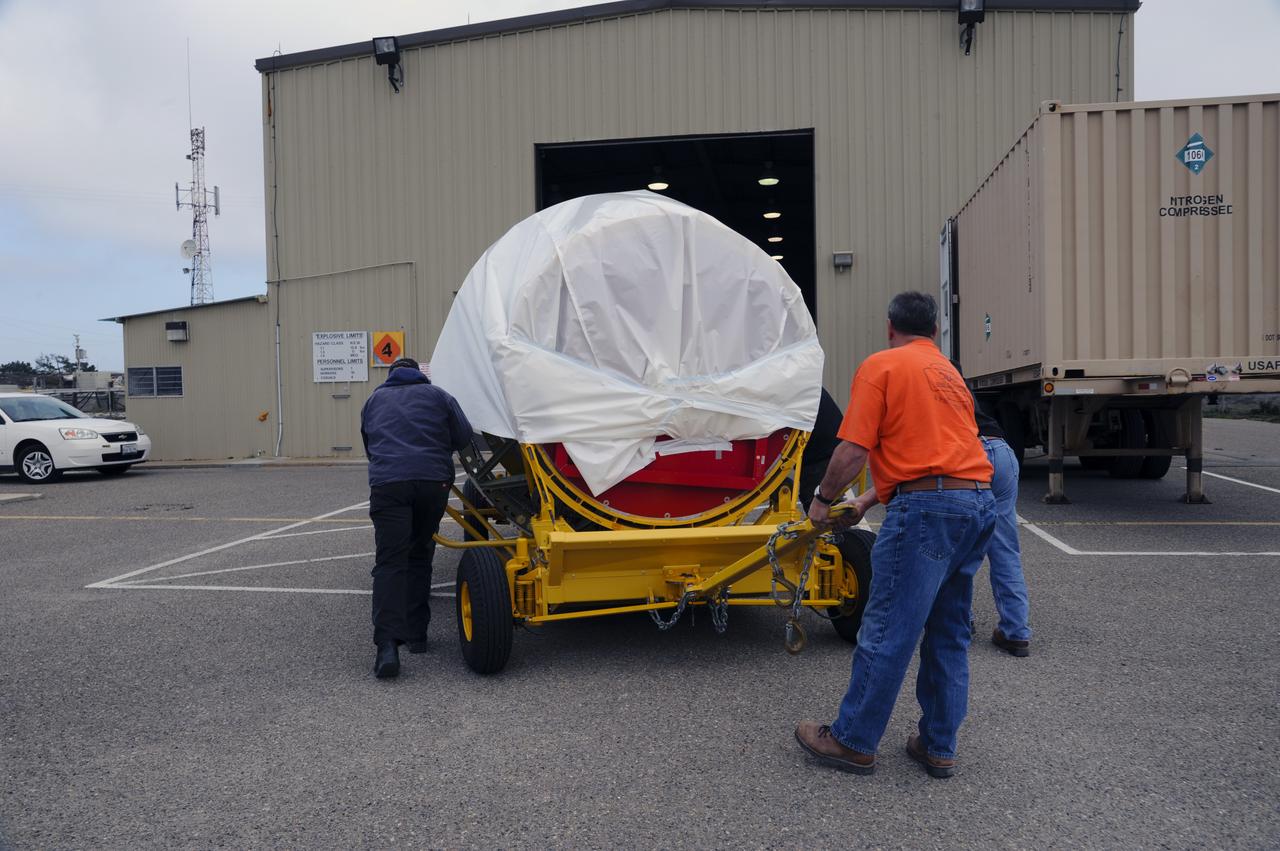
VANDENBERG AIR FORCE BASE, Calif. – Workers guide the second stage for NASA's Orbiting Carbon Observatory-2 mission, or OCO-2, into the Horizontal Processing Facility at Space Launch Complex 2 on Vandenberg Air Force Base in California. OCO-2 is scheduled to launch aboard a United Launch Alliance Delta II rocket in July. The rocket's second stage will insert OCO-2 into a polar Earth orbit. OCO-2 will collect precise global measurements of carbon dioxide in the Earth's atmosphere and provide scientists with a better idea of the chemical compound's impacts on climate change. Scientists will analyze this data to improve our understanding of the natural processes and human activities that regulate the abundance and distribution of this important atmospheric gas. To learn more about OCO-2, visit http://oco.jpl.nasa.gov. Photo credit: NASA/Arron Tauman, 30th Space Wing, VAFB
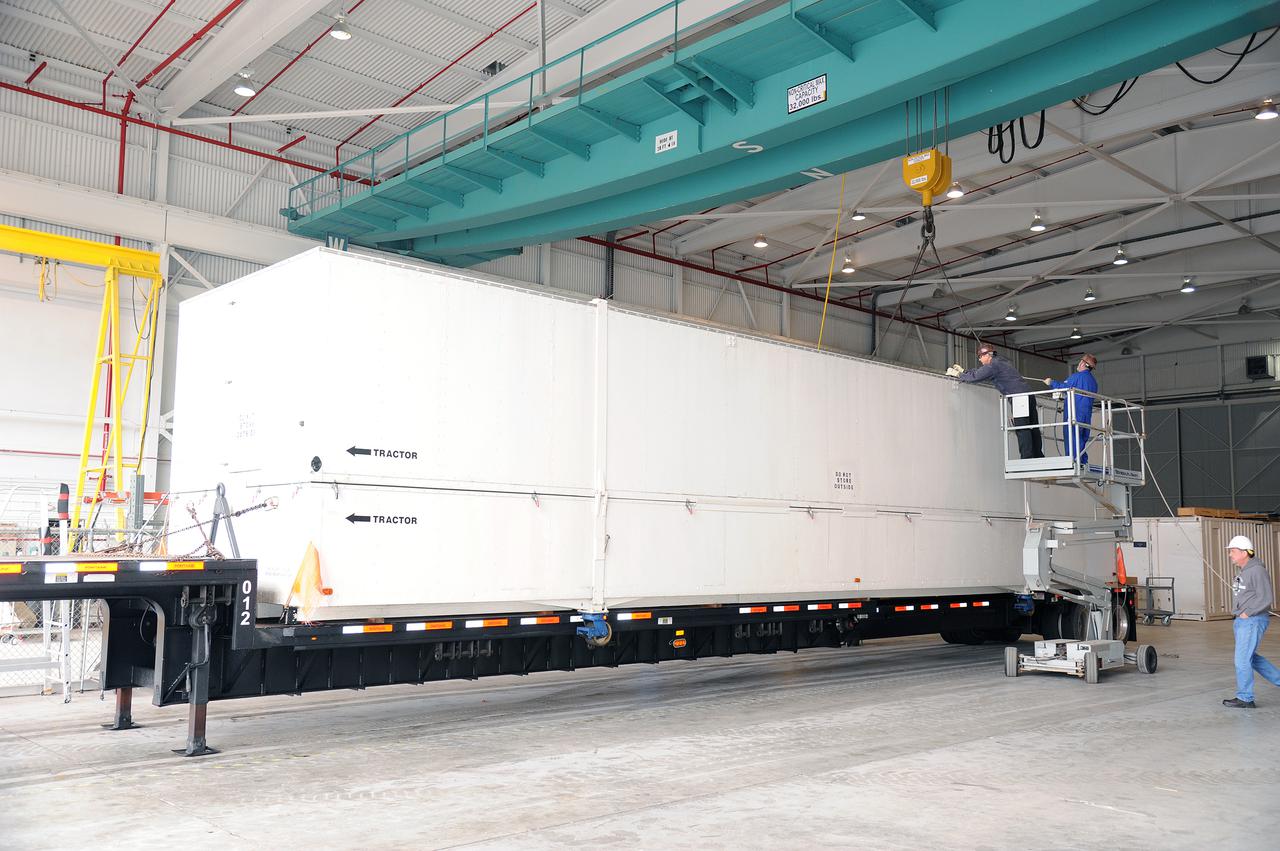
VANDENBERG AIR FORCE BASE, Calif. – A truck transporting the interstage adapter, or ISA, for NASA's Orbiting Carbon Observatory-2 mission, or OCO-2, backs into the high bay of the Building 836 hangar on Vandenberg Air Force Base in California. OCO-2 is scheduled to launch aboard a United Launch Alliance Delta II rocket from Space Launch Complex 2 in July. The ISA is the interface between the Delta II first and second stages. The second stage engine fits within the ISA. OCO-2 will collect precise global measurements of carbon dioxide in the Earth's atmosphere and provide scientists with a better idea of the chemical compound's impacts on climate change. Scientists will analyze this data to improve our understanding of the natural processes and human activities that regulate the abundance and distribution of this important atmospheric gas. To learn more about OCO-2, visit http:__oco.jpl.nasa.gov. Photo credit: NASA_Jeremy Moore, 30th Space Wing, VAFB
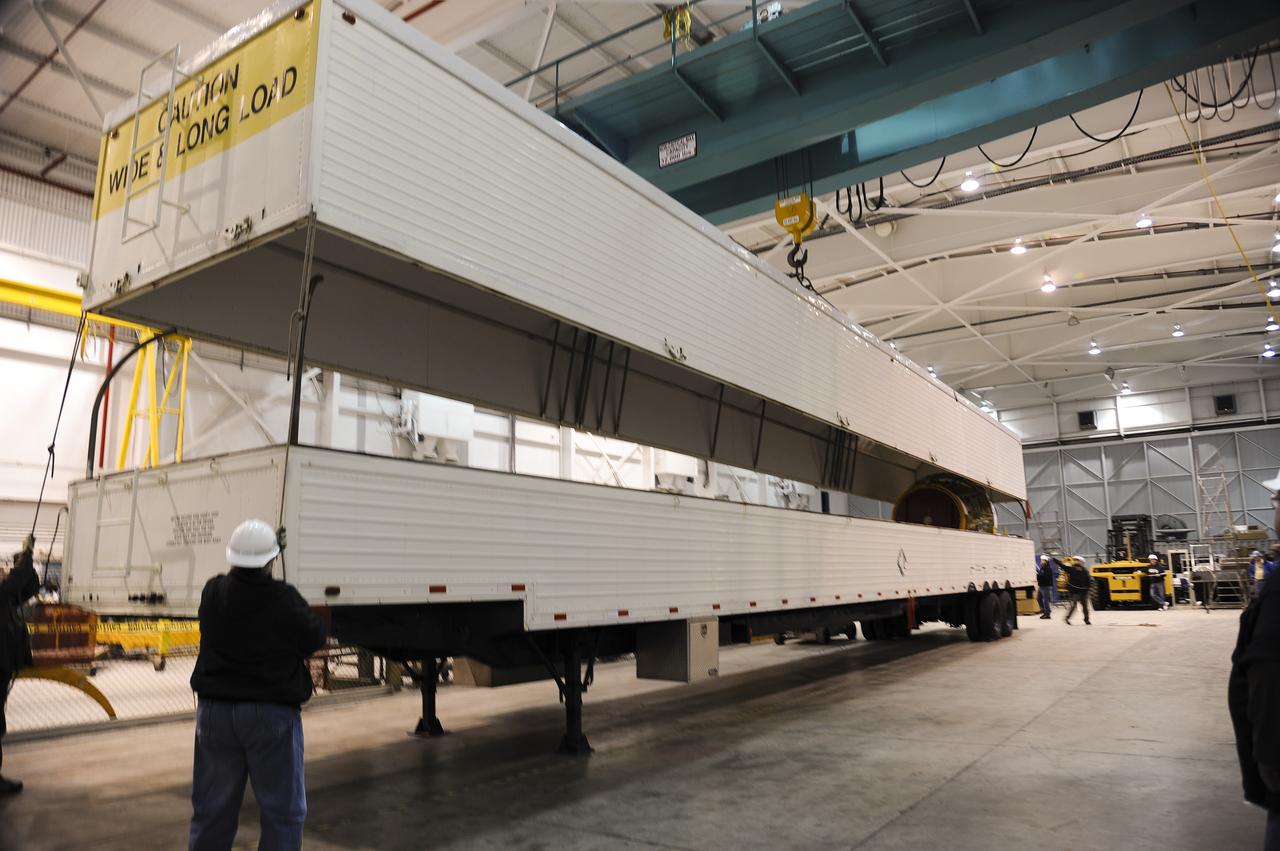
VANDENBERG AIR FORCE BASE, Calif. – As the cover of the transportation trailer is lifted in the high bay of the Building 836 hangar on Vandenberg Air Force Base in California, the second stage for NASA's Orbiting Carbon Observatory-2 mission, or OCO-2, comes into view. OCO-2 is scheduled to launch aboard a United Launch Alliance Delta II rocket from Space Launch Complex 2 in July. The rocket's second stage will insert OCO-2 into a polar Earth orbit. OCO-2 will collect precise global measurements of carbon dioxide in the Earth's atmosphere and provide scientists with a better idea of the chemical compound's impacts on climate change. Scientists will analyze this data to improve our understanding of the natural processes and human activities that regulate the abundance and distribution of this important atmospheric gas. To learn more about OCO-2, visit http://oco.jpl.nasa.gov. Photo credit: NASA/Arron Tauman, 30th Space Wing, VAFB
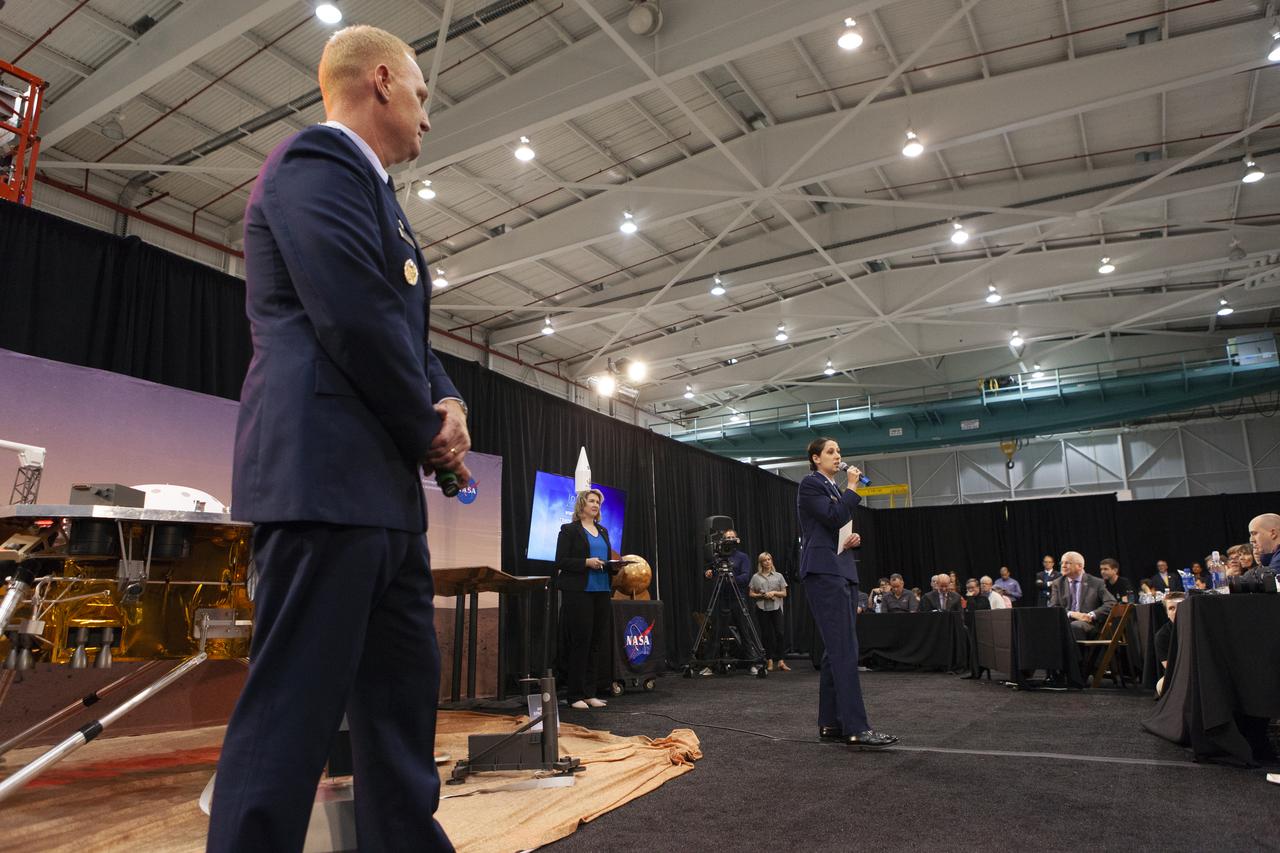
During a prelaunch briefing at Vandenberg Air Force Base in California, Col. Michael Hough, Commander 30th Space Wing (left), and 1st Lt. Kristina Williams, 30th Space Wing Weather Officer (right), speak to members of the media. The presentation focused on NASA's Interior Exploration using Seismic Investigations, Geodesy and Heat Transport, or InSight, Mars lander. InSight is scheduled for liftoff May 5, 2018, atop a United Launch Alliance (ULA) Atlas V rocket from Space Launch Complex 3 at Vandenberg. The spacecraft will be the first mission to look deep beneath the Martian surface studying the planet's interior by measuring its heat output and listen for marsquakes.
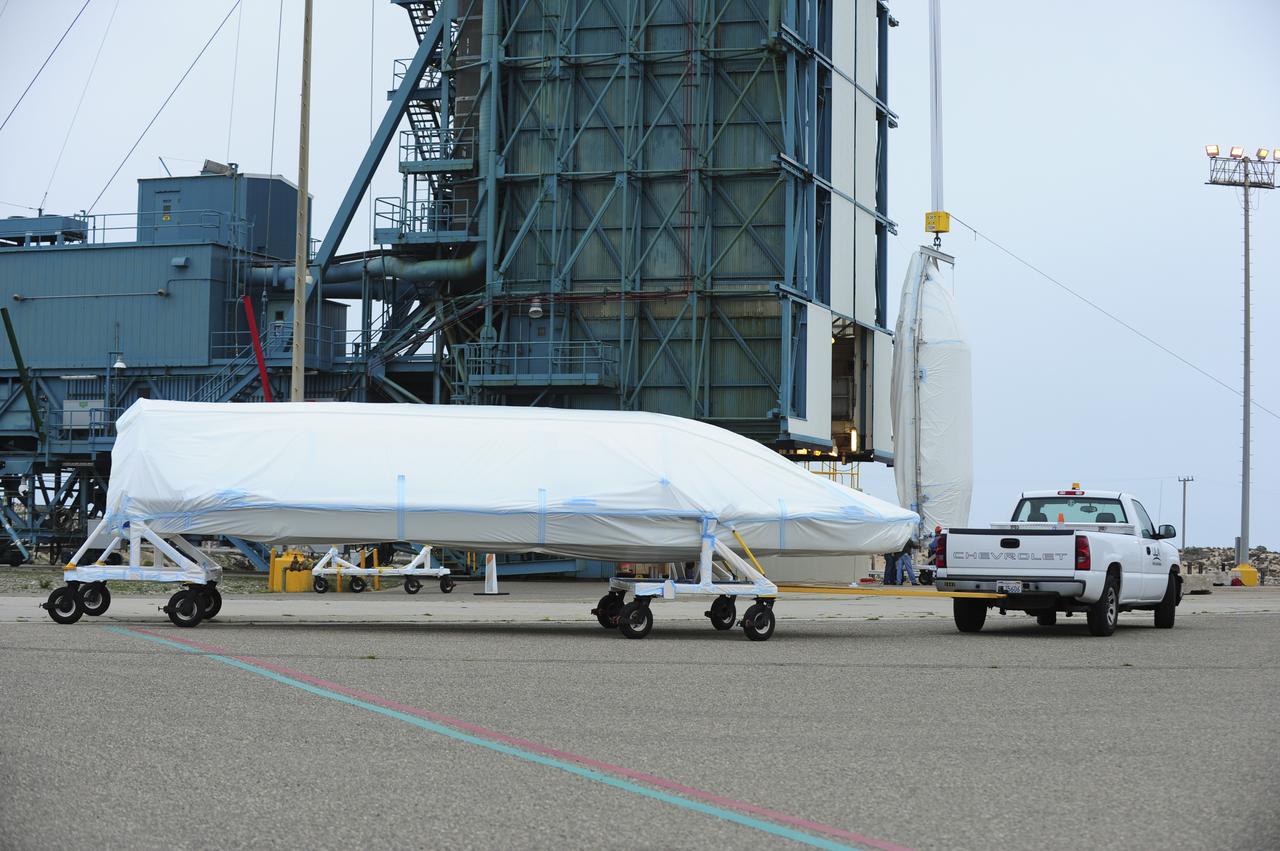
VANDENBERG AIR FORCE BASE, Calif. – Half of the fairing for NASA's Orbiting Carbon Observatory-2 mission, or OCO-2, is towed from the Building 836 hangar to Space Launch Complex 2 on Vandenberg Air Force Base in California. Operations have begun to hoist the sections of the fairing into the Delta II launcher's environmental enclosure, or clean room, at the top of the pad's mobile service tower. The fairing will protect OCO-2 during launch aboard a United Launch Alliance Delta II rocket from Space Launch Complex 2 in July. The observatory will collect precise global measurements of carbon dioxide in the Earth's atmosphere and provide scientists with a better idea of the chemical compound's impacts on climate change. Scientists will analyze this data to improve our understanding of the natural processes and human activities that regulate the abundance and distribution of this important atmospheric gas. To learn more about OCO-2, visit http://oco.jpl.nasa.gov. Photo credit: NASA/30th Space Wing, VAFB
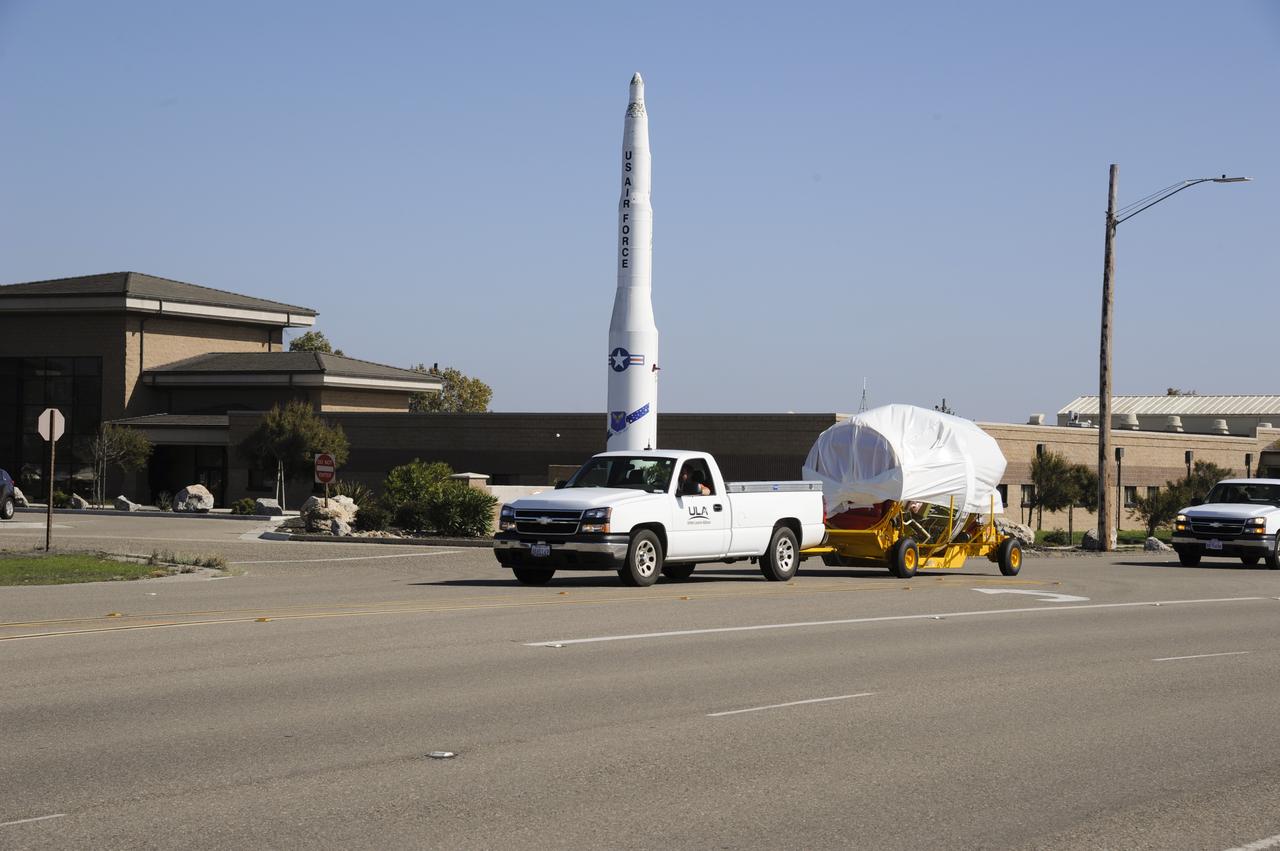
VANDENBERG AIR FORCE BASE, Calif. – The second stage for NASA's Orbiting Carbon Observatory-2 mission, or OCO-2, passes a static display of a U.S. Air Force Minuteman III intercontinental ballistic missile on its move from the Building 836 hangar to the Horizontal Processing Facility at Space Launch Complex 2 on Vandenberg Air Force Base in California. OCO-2 is scheduled to launch aboard a United Launch Alliance Delta II rocket in July. The rocket's second stage will insert OCO-2 into a polar Earth orbit. OCO-2 will collect precise global measurements of carbon dioxide in the Earth's atmosphere and provide scientists with a better idea of the chemical compound's impacts on climate change. Scientists will analyze this data to improve our understanding of the natural processes and human activities that regulate the abundance and distribution of this important atmospheric gas. To learn more about OCO-2, visit http://oco.jpl.nasa.gov. Photo credit: NASA/Arron Tauman, 30th Space Wing, VAFB
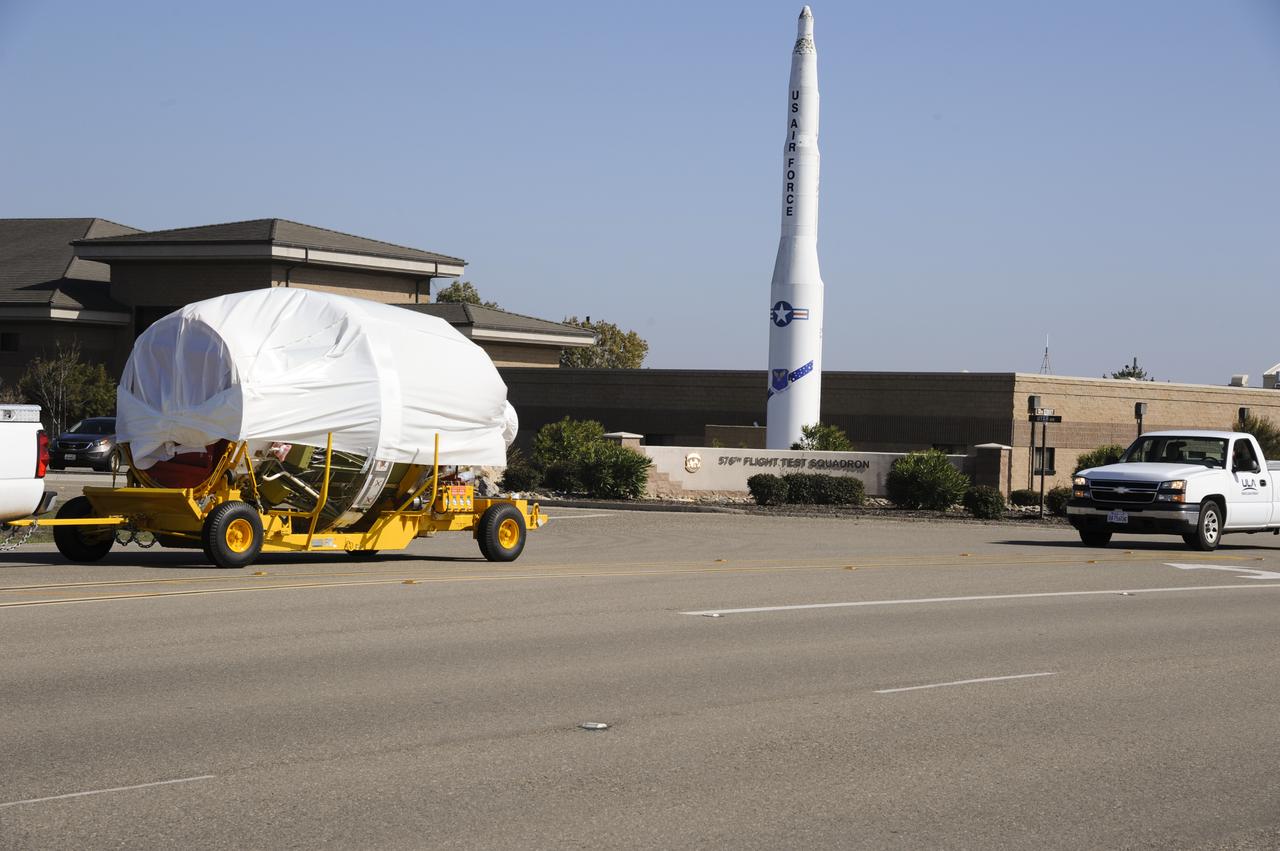
VANDENBERG AIR FORCE BASE, Calif. – The second stage for NASA's Orbiting Carbon Observatory-2 mission, or OCO-2, passes a static display of a U.S. Air Force Minuteman III intercontinental ballistic missile on its move from the Building 836 hangar to the Horizontal Processing Facility at Space Launch Complex 2 on Vandenberg Air Force Base in California. OCO-2 is scheduled to launch aboard a United Launch Alliance Delta II rocket in July. The rocket's second stage will insert OCO-2 into a polar Earth orbit. OCO-2 will collect precise global measurements of carbon dioxide in the Earth's atmosphere and provide scientists with a better idea of the chemical compound's impacts on climate change. Scientists will analyze this data to improve our understanding of the natural processes and human activities that regulate the abundance and distribution of this important atmospheric gas. To learn more about OCO-2, visit http://oco.jpl.nasa.gov. Photo credit: NASA/Arron Tauman, 30th Space Wing, VAFB
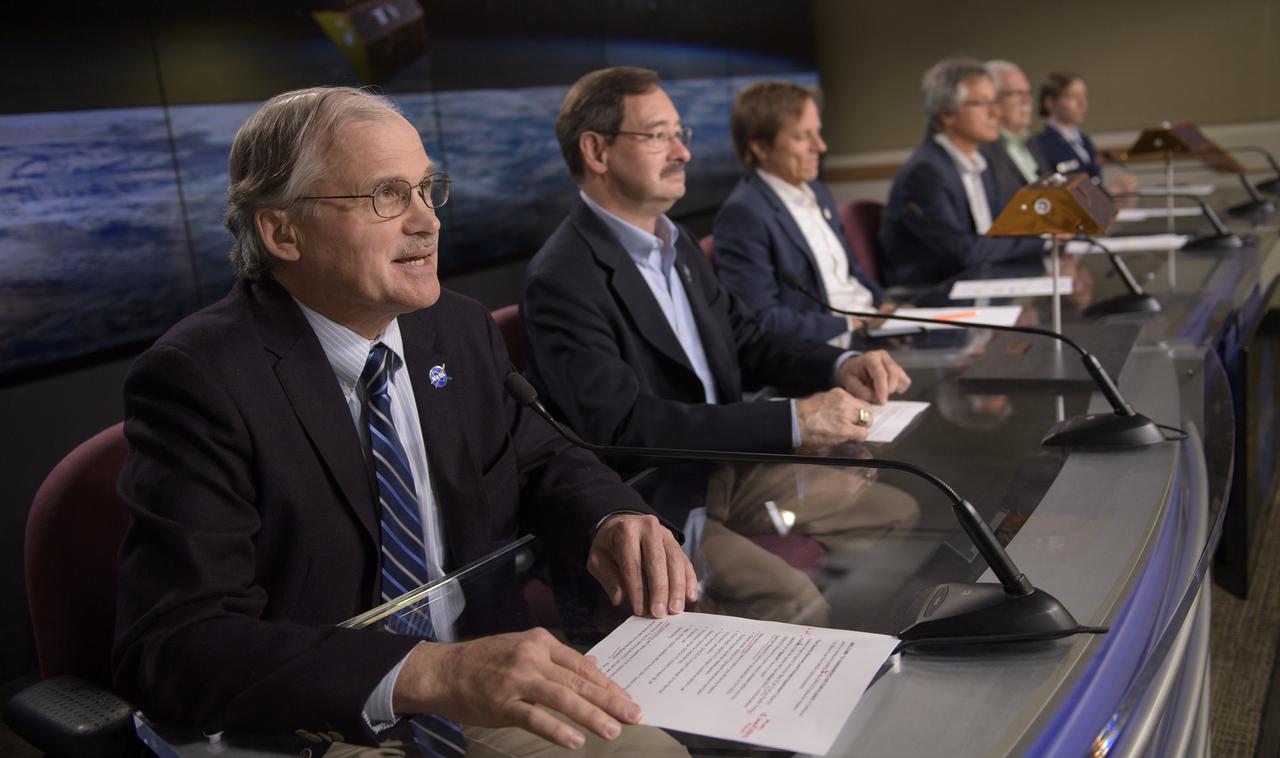
NASA Headquarters Public Affairs Officer Steve Cole, left, moderates the Gravity Recovery and Climate Experiment Follow-On (GRACE-FO) mission prelaunch media briefing with David Jarrett, GRACE-FO program executive in the Earth Science Division at NASA Headquarters; Frank Webb, GRACE-FO project scientist at JPL; Frank Flechtner, GRACE-FO project manager for the German Research Centre for Geosciences (GFZ) in Potsdam, Germany; Phil Morton, NASA GRACE-FO project manager at JPL; and Capt. Jennifer Haden, weather officer, 30th Space Wing, Vandenberg Air Force Base, right, Monday, May 21, 2018, at Vandenberg Air Force Base in California. The twin GRACE-FO spacecraft will measure changes in how mass is redistributed within and among Earth's atmosphere, oceans, land and ice sheets, as well as within Earth itself. Photo Credit: (NASA/Bill Ingalls)
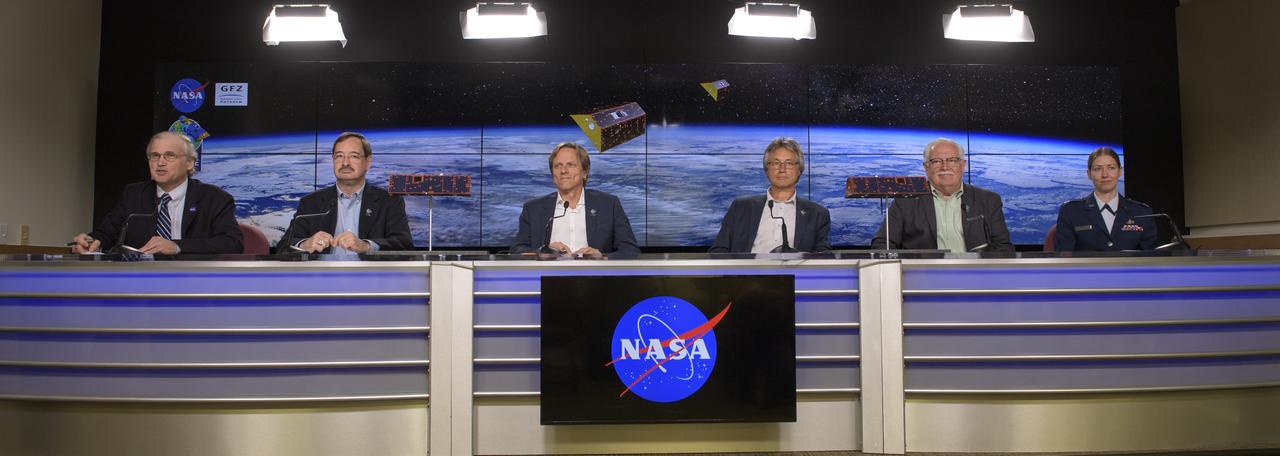
NASA Headquarters Public Affairs Officer Steve Cole, left, moderates the Gravity Recovery and Climate Experiment Follow-On (GRACE-FO) mission prelaunch media briefing with David Jarrett, GRACE-FO program executive in the Earth Science Division at NASA Headquarters; Frank Webb, GRACE-FO project scientist at JPL; Frank Flechtner, GRACE-FO project manager for the German Research Centre for Geosciences (GFZ) in Potsdam, Germany; Phil Morton, NASA GRACE-FO project manager at JPL; and Capt. Jennifer Haden, weather officer, 30th Space Wing, Vandenberg Air Force Base, right, Monday, May 21, 2018, at Vandenberg Air Force Base in California. The twin GRACE-FO spacecraft will measure changes in how mass is redistributed within and among Earth's atmosphere, oceans, land and ice sheets, as well as within Earth itself. Photo Credit: (NASA/Bill Ingalls)
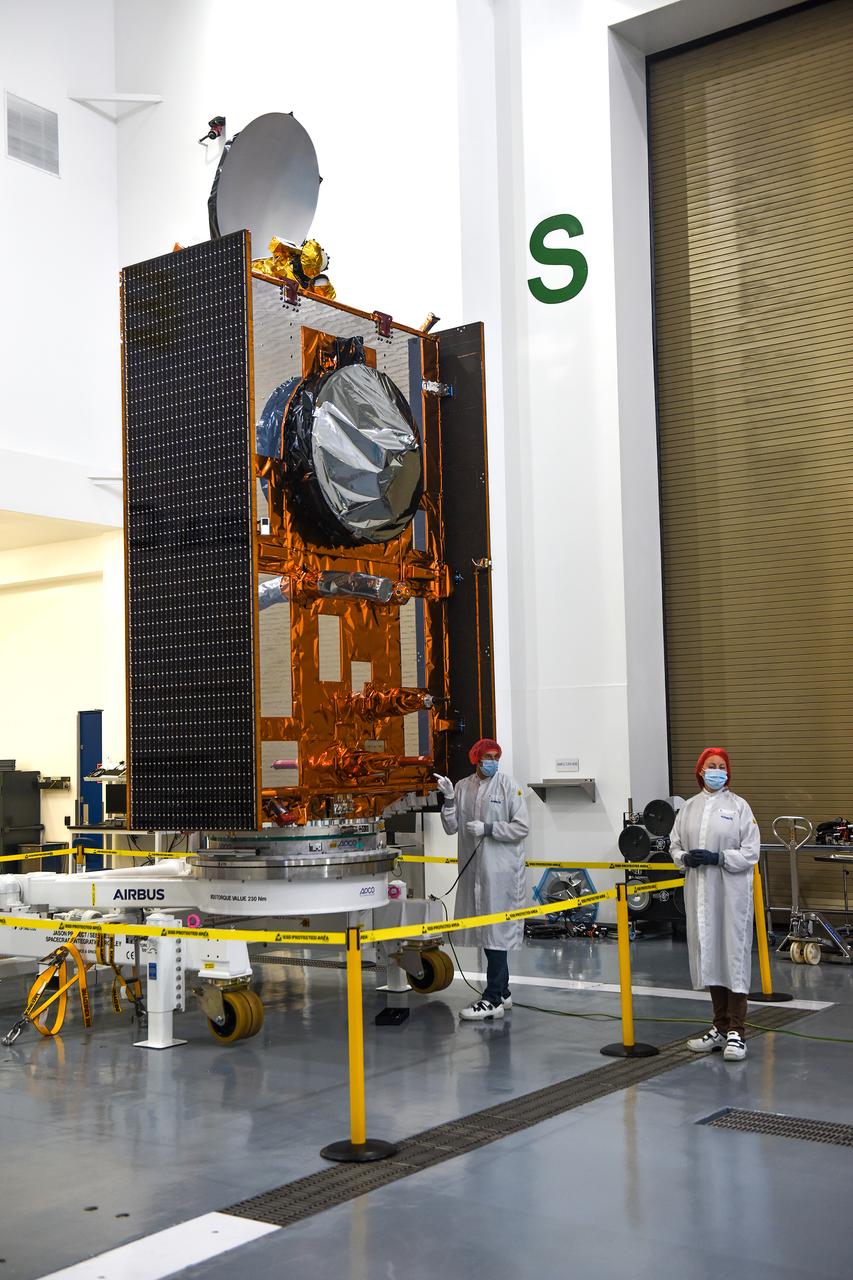
Airbus Defence and Space technicians position the Sentinel-6 Michael Freilich spacecraft for fueling inside SpaceX’s Payload Processing Facility at Vandenberg Air Force Base (VAFB) in California on Oct. 22, 2020. The mission is an international collaboration and will be the first of two satellites launched to continue observing changes in Earth’s sea levels for at least the next decade. The Sentinel-6 Michael Freilich satellite is scheduled to launch from VAFB atop a SpaceX Falcon 9 rocket. NASA’s Launch Services Program at Kennedy Space Center in Florida is responsible for launch management.
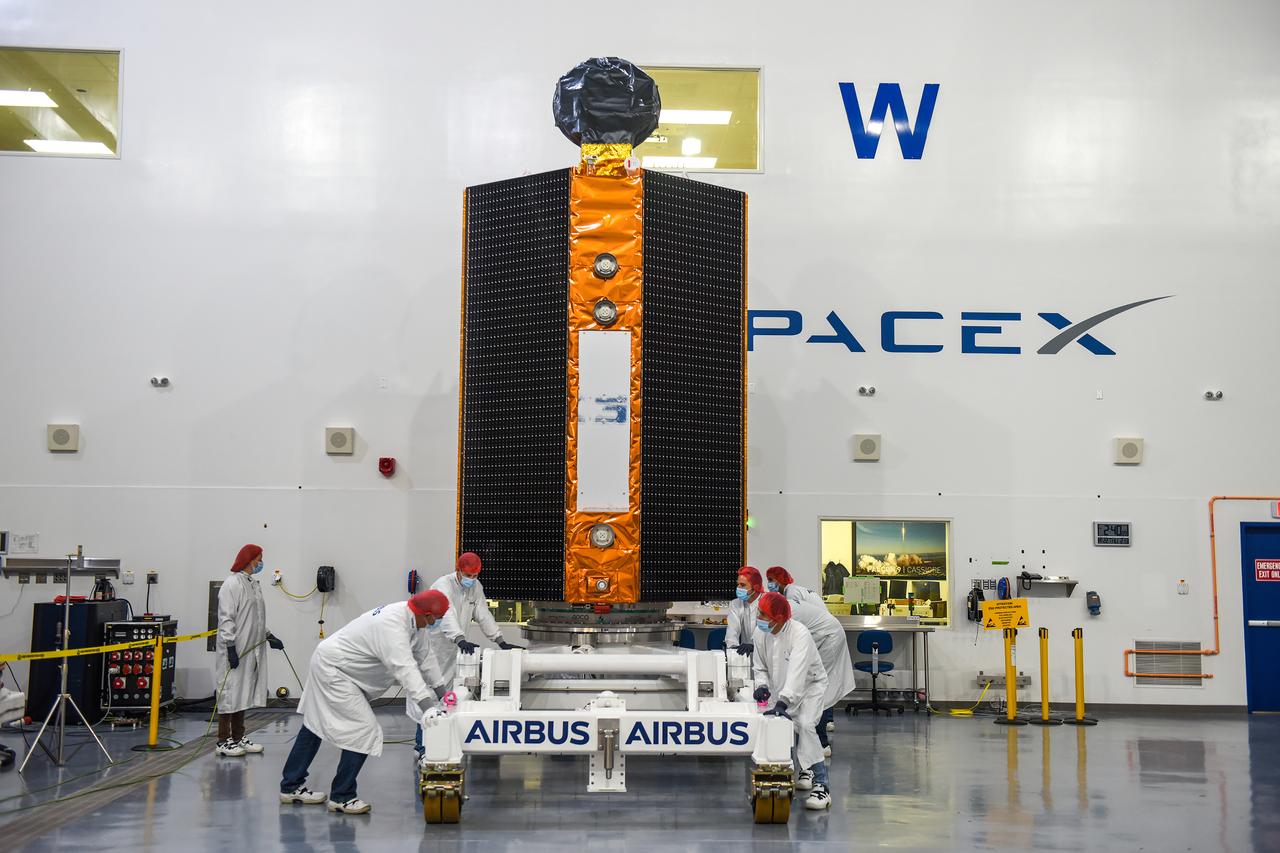
Airbus Defence and Space technicians position the Sentinel-6 Michael Freilich spacecraft for fueling inside SpaceX’s Payload Processing Facility at Vandenberg Air Force Base (VAFB) in California on Oct. 22, 2020. The mission is an international collaboration and will be the first of two satellites launched to continue observing changes in Earth’s sea levels for at least the next decade. The Sentinel-6 Michael Freilich satellite is scheduled to launch from VAFB atop a SpaceX Falcon 9 rocket. NASA’s Launch Services Program at Kennedy Space Center in Florida is responsible for launch management.
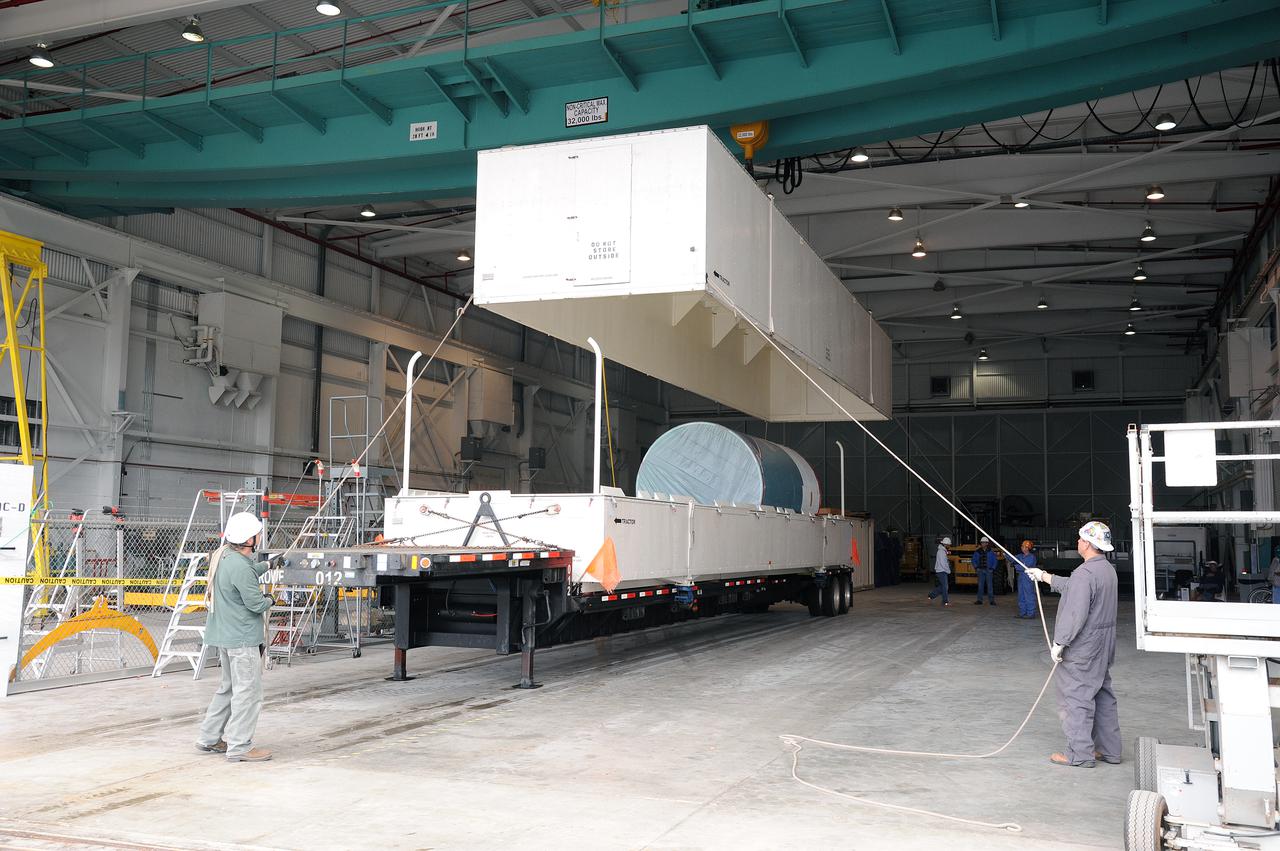
VANDENBERG AIR FORCE BASE, Calif. – As the cover of the transportation trailer is lifted in the high bay of the Building 836 hangar on Vandenberg Air Force Base in California, the interstage adapter, or ISA, for NASA's Orbiting Carbon Observatory-2 mission, or OCO-2, comes into view. OCO-2 is scheduled to launch aboard a United Launch Alliance Delta II rocket from Space Launch Complex 2 in July. The ISA is the interface between the Delta II first and second stages. The second stage engine fits within the ISA. OCO-2 will collect precise global measurements of carbon dioxide in the Earth's atmosphere and provide scientists with a better idea of the chemical compound's impacts on climate change. Scientists will analyze this data to improve our understanding of the natural processes and human activities that regulate the abundance and distribution of this important atmospheric gas. To learn more about OCO-2, visit http:__oco.jpl.nasa.gov. Photo credit: NASA_Jeremy Moore, 30th Space Wing, VAFB
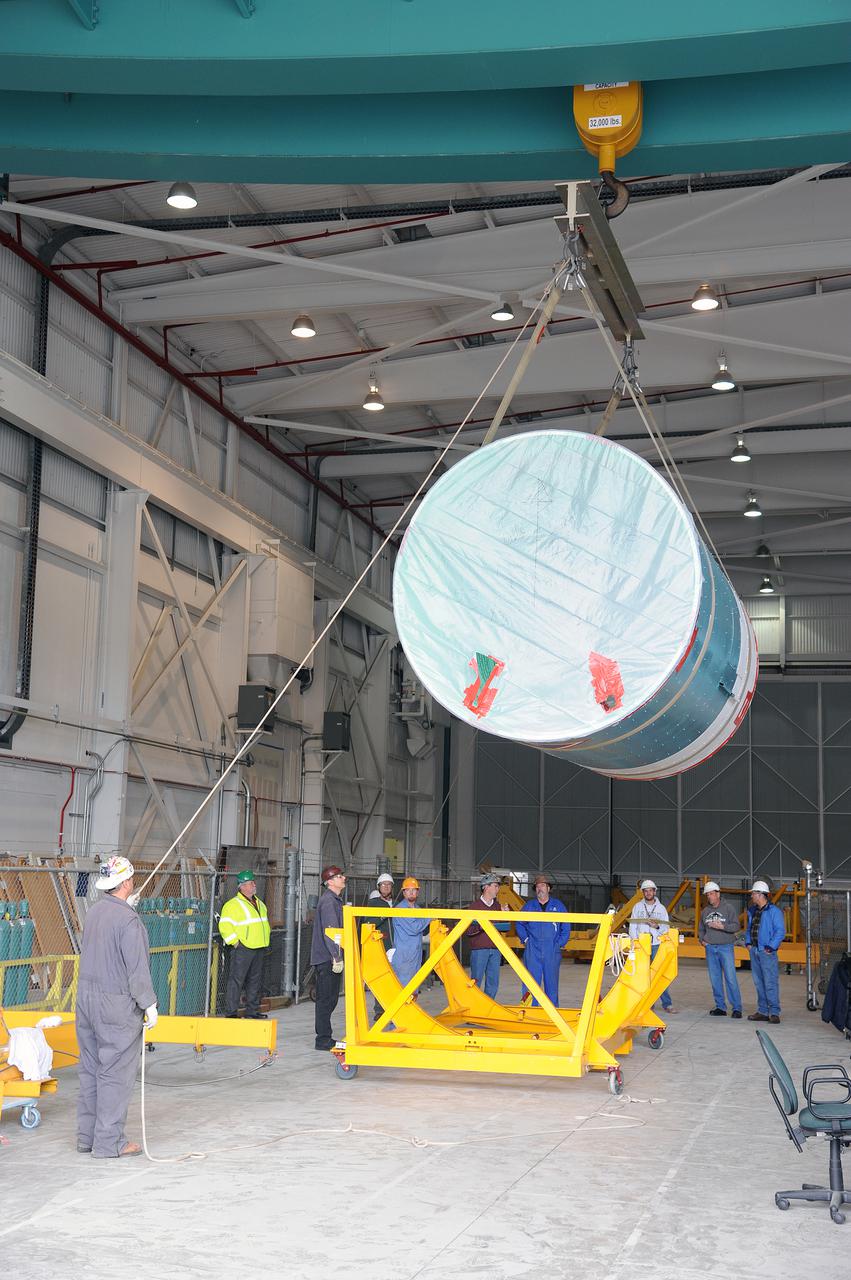
VANDENBERG AIR FORCE BASE, Calif. – Workers lower the interstage adapter, or ISA, for NASA's Orbiting Carbon Observatory-2 mission, or OCO-2, toward a transportation hardware cradle in the high bay of the Building 836 hangar on Vandenberg Air Force Base in California. OCO-2 is scheduled to launch aboard a United Launch Alliance Delta II rocket from Space Launch Complex 2 in July. The ISA is the interface between the Delta II first and second stages. The second stage engine fits within the ISA. OCO-2 will collect precise global measurements of carbon dioxide in the Earth's atmosphere and provide scientists with a better idea of the chemical compound's impacts on climate change. Scientists will analyze this data to improve our understanding of the natural processes and human activities that regulate the abundance and distribution of this important atmospheric gas. To learn more about OCO-2, visit http:__oco.jpl.nasa.gov. Photo credit: NASA_Jeremy Moore, 30th Space Wing, VAFB
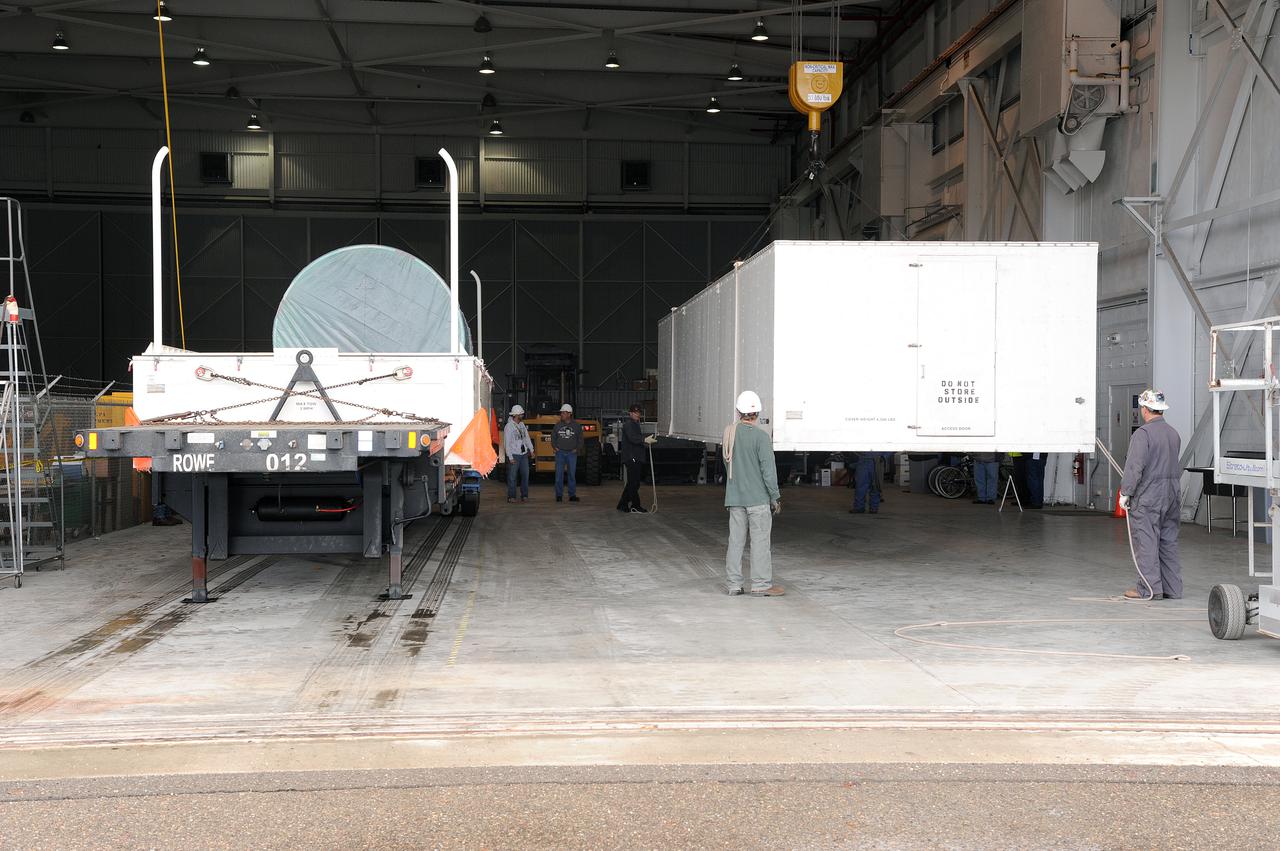
VANDENBERG AIR FORCE BASE, Calif. – Workers remove the cover of the transportation trailer protecting the interstage adapter, or ISA, for NASA's Orbiting Carbon Observatory-2 mission, or OCO-2, in the high bay of the Building 836 hangar on Vandenberg Air Force Base in California. OCO-2 is scheduled to launch aboard a United Launch Alliance Delta II rocket from Space Launch Complex 2 in July. The ISA is the interface between the Delta II first and second stages. The second stage engine fits within the ISA. OCO-2 will collect precise global measurements of carbon dioxide in the Earth's atmosphere and provide scientists with a better idea of the chemical compound's impacts on climate change. Scientists will analyze this data to improve our understanding of the natural processes and human activities that regulate the abundance and distribution of this important atmospheric gas. To learn more about OCO-2, visit http:__oco.jpl.nasa.gov. Photo credit: NASA_Jeremy Moore, 30th Space Wing, VAFB
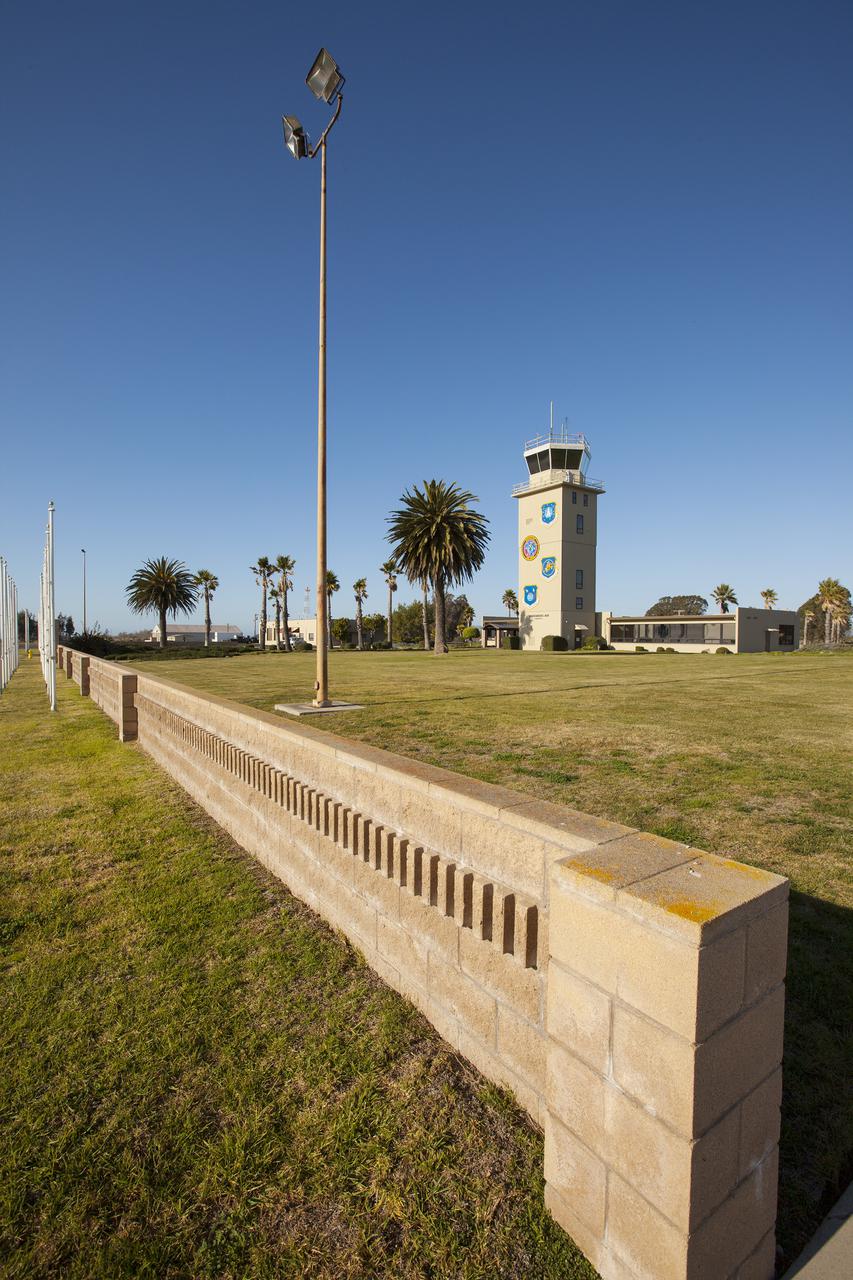
VANDENBERG AFB, Calif. -- The air traffic control tower for the 30th Space Wing air field at Vandenberg Air Force Base in California. Vandenberg Air Force Base has a mission of placing satellites into polar orbit from the West Coast, using expendable boosters such as the Pegasus, Taurus, Minotaur, Atlas V and Delta IV. Photo credit: NASA_Cory Huston
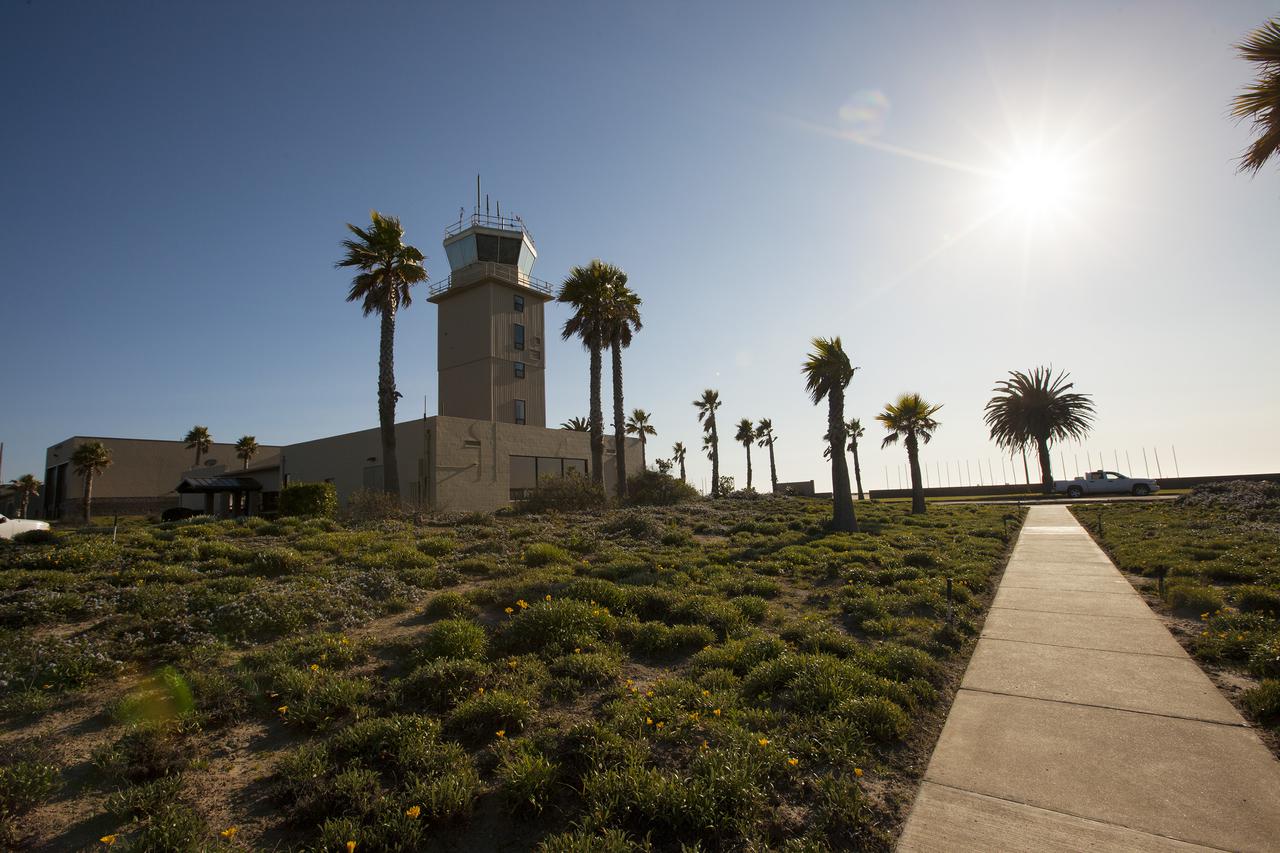
VANDENBERG AFB, Calif. -- The air traffic control tower for the 30th Space Wing air field at Vandenberg Air Force Base in California. Vandenberg Air Force Base has a mission of placing satellites into polar orbit from the West Coast, using expendable boosters such as the Pegasus, Taurus, Minotaur, Atlas V and Delta IV. Photo credit: NASA_Cory Huston
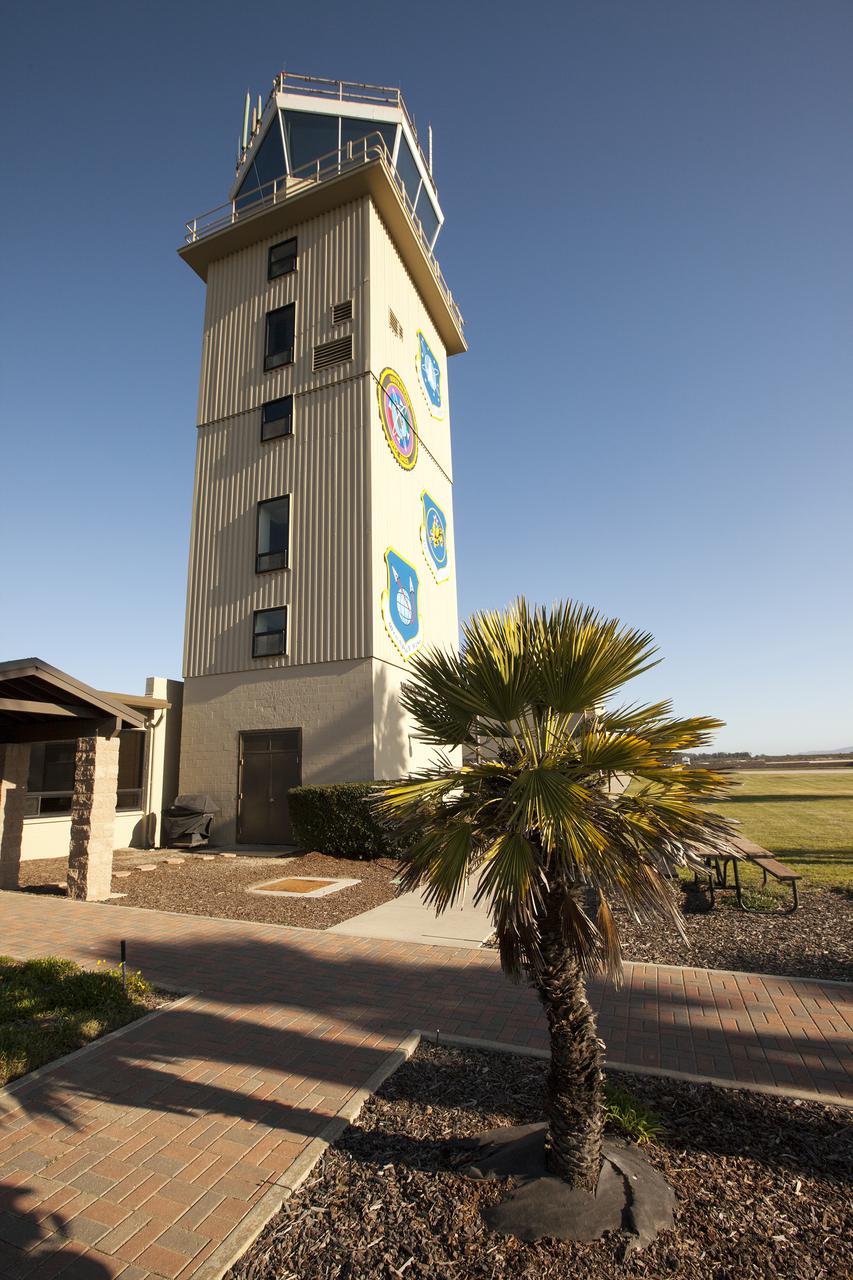
VANDENBERG AFB, Calif. -- The air traffic control tower for the 30th Space Wing air field at Vandenberg Air Force Base in California. Vandenberg Air Force Base has a mission of placing satellites into polar orbit from the West Coast, using expendable boosters such as the Pegasus, Taurus, Minotaur, Atlas V and Delta IV. Photo credit: NASA_Cory Huston
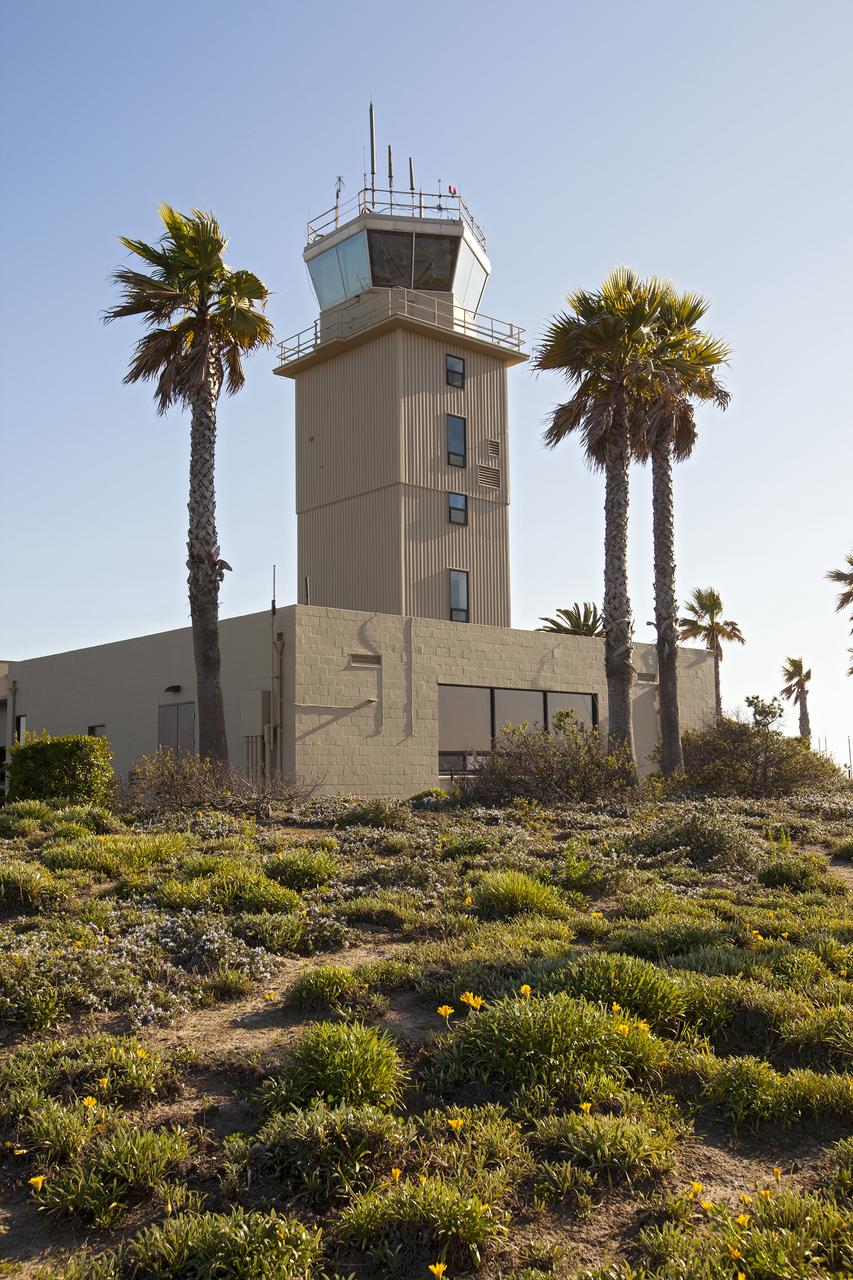
VANDENBERG AFB, Calif. -- The air traffic control tower for the 30th Space Wing air field at Vandenberg Air Force Base in California. Vandenberg Air Force Base has a mission of placing satellites into polar orbit from the West Coast, using expendable boosters such as the Pegasus, Taurus, Minotaur, Atlas V and Delta IV. Photo credit: NASA_Cory Huston
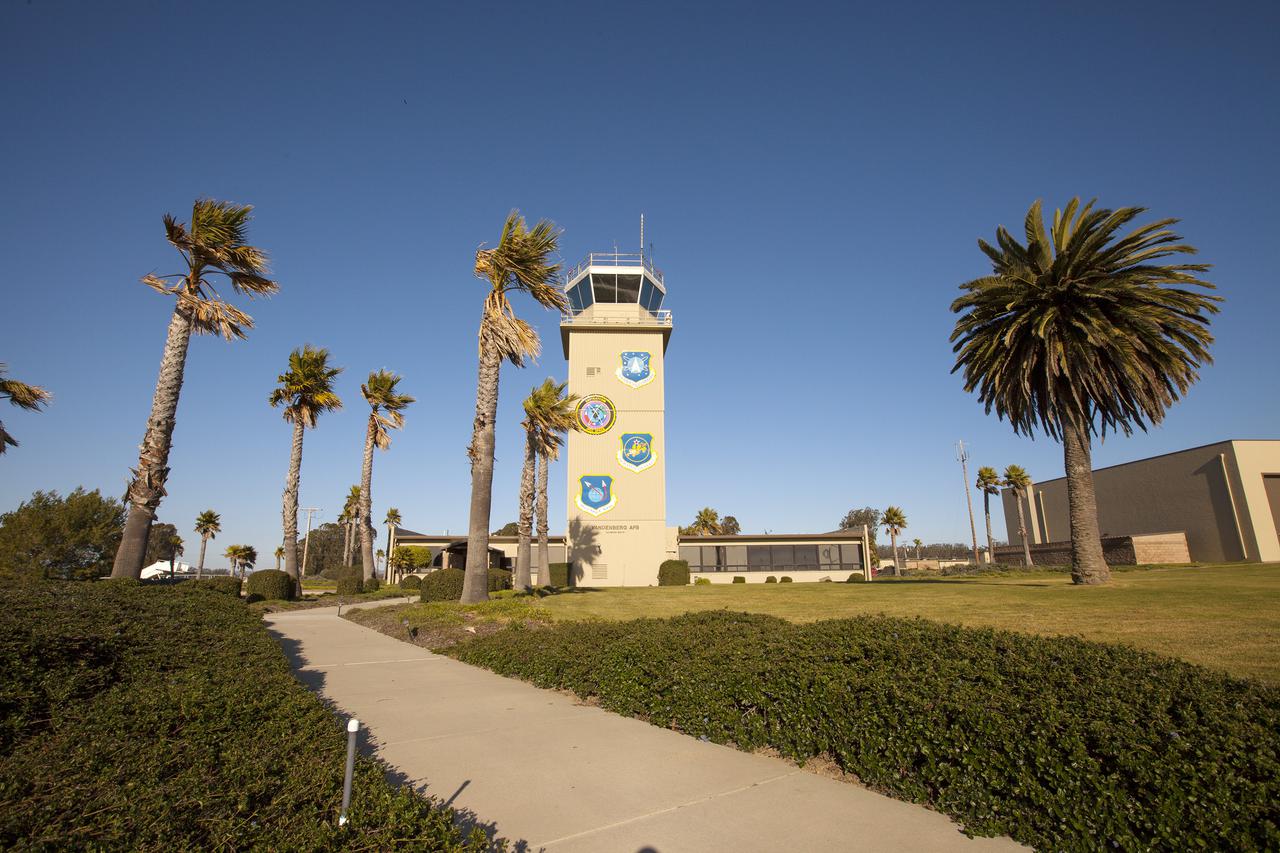
VANDENBERG AFB, Calif. -- The air traffic control tower for the 30th Space Wing air field at Vandenberg Air Force Base in California. Vandenberg Air Force Base has a mission of placing satellites into polar orbit from the West Coast, using expendable boosters such as the Pegasus, Taurus, Minotaur, Atlas V and Delta IV. Photo credit: NASA_Cory Huston
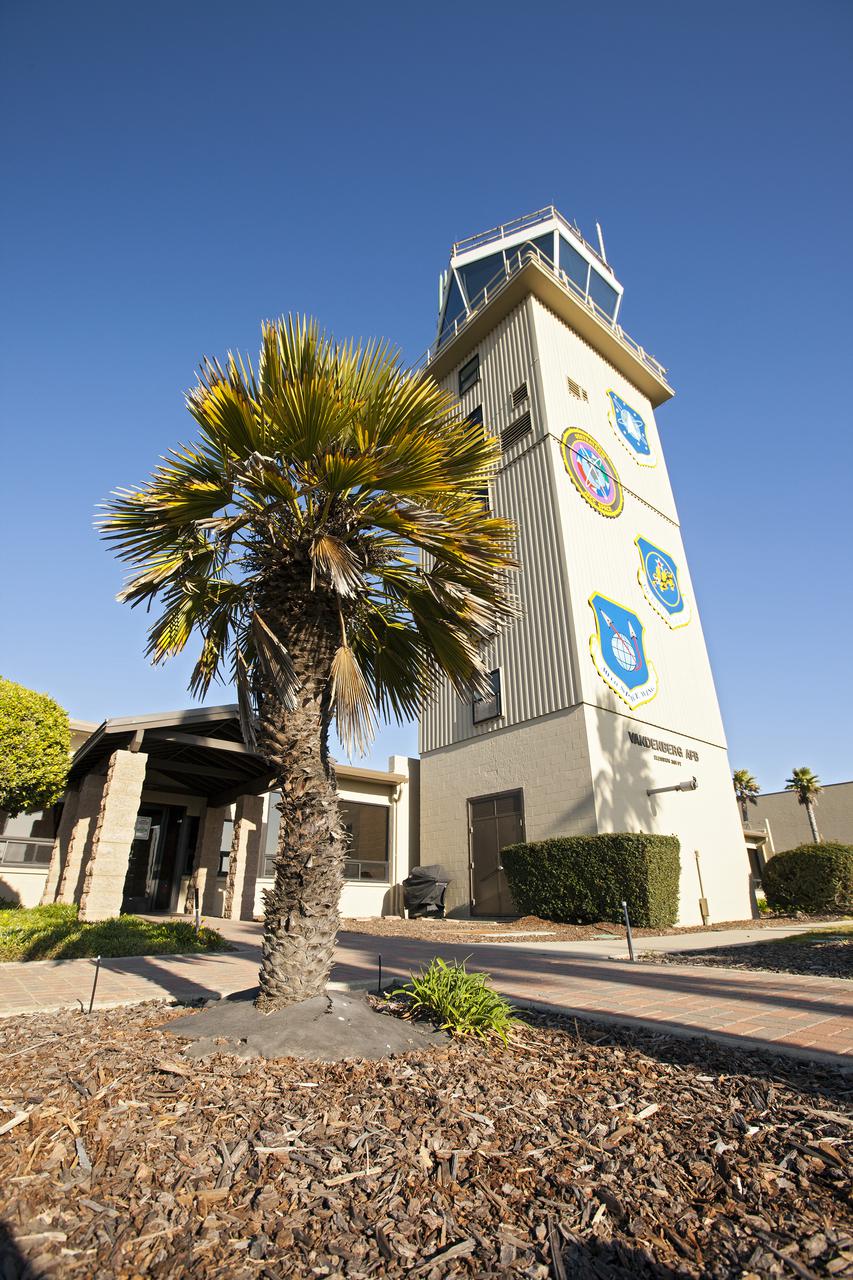
VANDENBERG AFB, Calif. -- The air traffic control tower for the 30th Space Wing air field at Vandenberg Air Force Base in California. Vandenberg Air Force Base has a mission of placing satellites into polar orbit from the West Coast, using expendable boosters such as the Pegasus, Taurus, Minotaur, Atlas V and Delta IV. Photo credit: NASA_Cory Huston
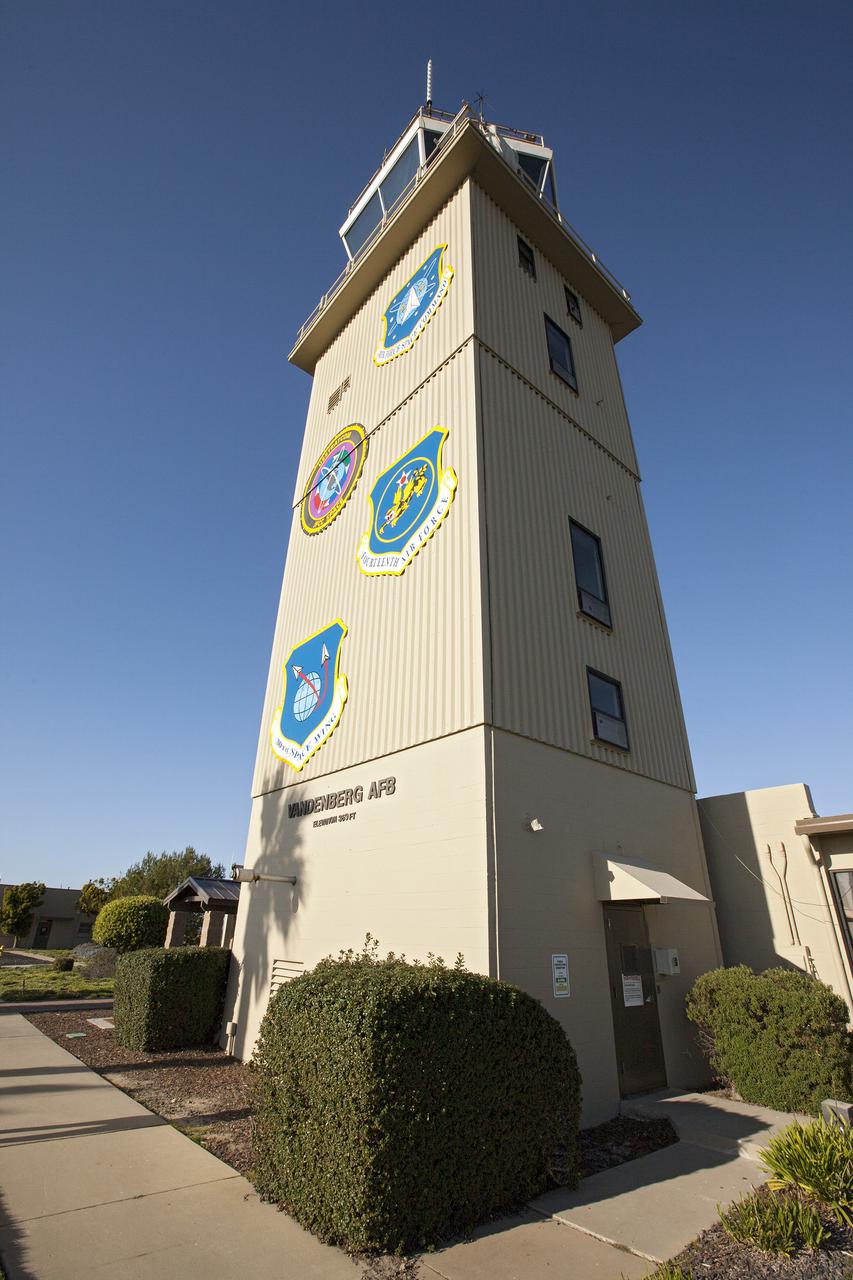
VANDENBERG AFB, Calif. -- The air traffic control tower for the 30th Space Wing air field at Vandenberg Air Force Base in California. Vandenberg Air Force Base has a mission of placing satellites into polar orbit from the West Coast, using expendable boosters such as the Pegasus, Taurus, Minotaur, Atlas V and Delta IV. Photo credit: NASA_Cory Huston
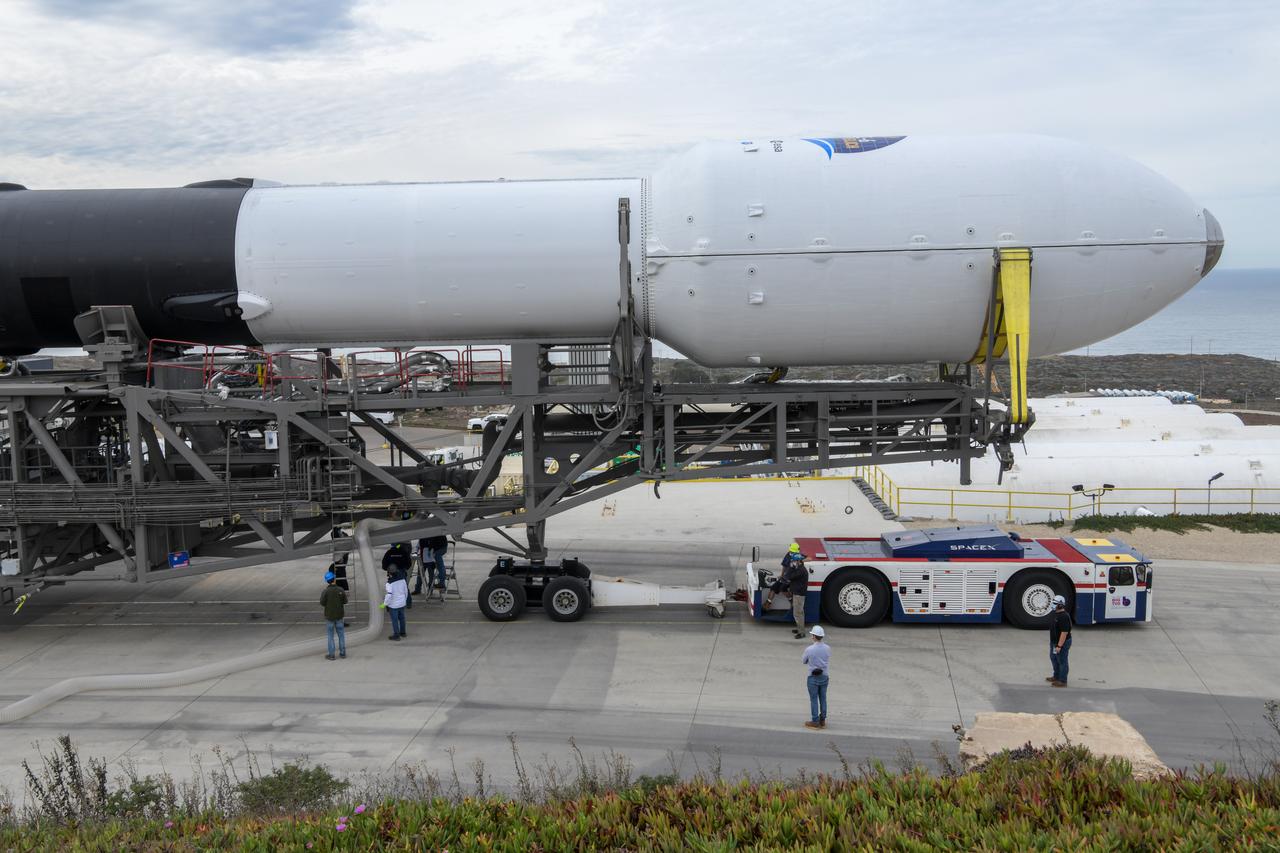
The SpaceX Falcon 9 rocket, topped with the Sentinel-6 Michael Freilich satellite secured inside its payload fairing, rolls from SpaceX’s Payload Processing Facility at Vandenberg Air Force Base in California to Space Launch Complex 4 on Nov. 20, 2020. The Sentinel-6/Jason-CS (Continuity of Service) mission consists of the Sentinel-6 Michael Freilich satellite, which will be followed by its twin, the Sentinel-6B satellite, in 2025. The Sentinel-6/Jason-CS mission is part of Copernicus, the European Union’s Earth observation program, managed by the European Commission. Continuing the legacy of the Jason series missions, Sentinel-6/Jason-CS will extend the records of sea level into their fourth decade, collecting accurate measurements of sea surface height for more than 90% of the world’s seas, and providing crucial information for operational oceanography, marine meteorology, and climate studies. Sentinel-6 Michael Freilich launched Nov. 21, 2020, at 9:17 PST (12:17 EST). NASA’s Launch Services Program at Kennedy Space Center was responsible for launch management.
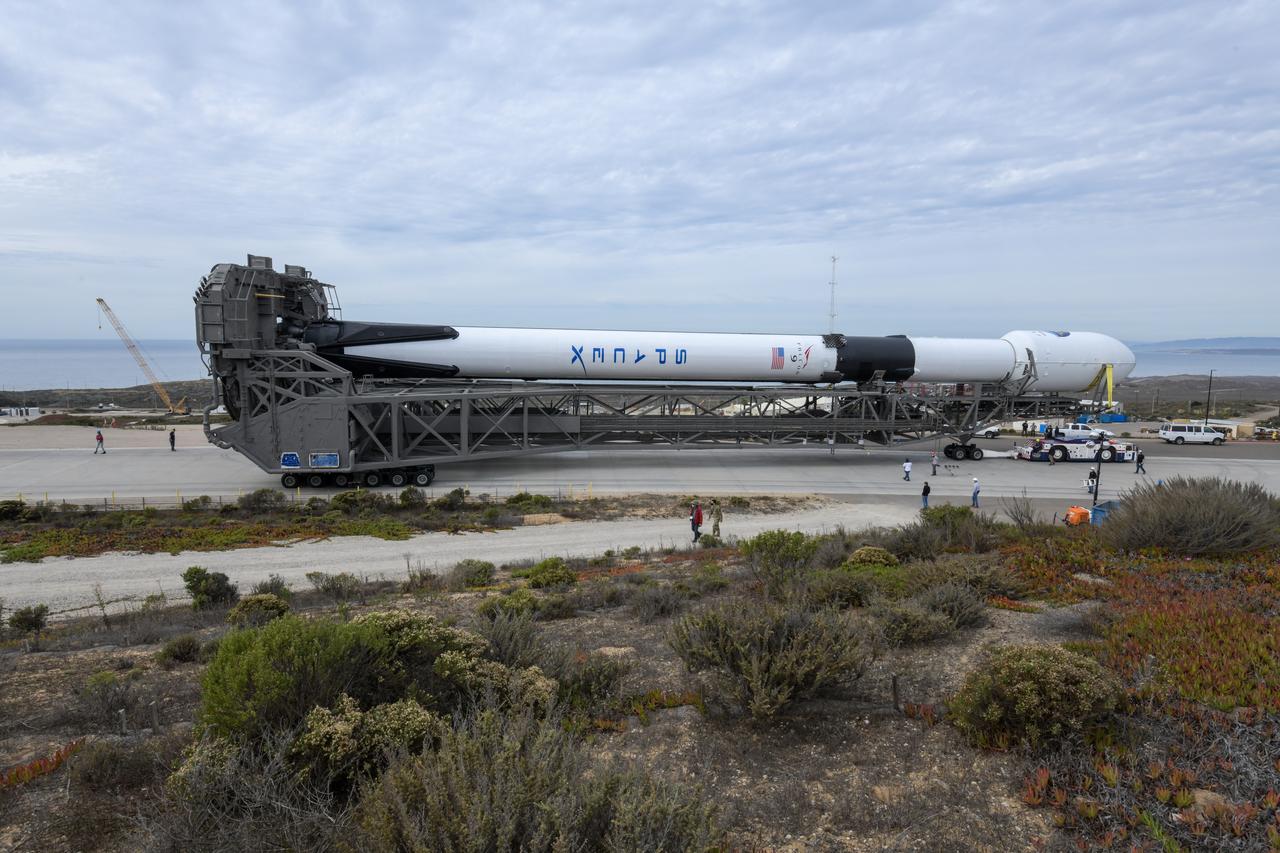
The SpaceX Falcon 9 rocket, topped with the Sentinel-6 Michael Freilich satellite secured inside its payload fairing, rolls from SpaceX’s Payload Processing Facility at Vandenberg Air Force Base in California to Space Launch Complex 4 on Nov. 20, 2020. The Sentinel-6/Jason-CS (Continuity of Service) mission consists of the Sentinel-6 Michael Freilich satellite, which will be followed by its twin, the Sentinel-6B satellite, in 2025. The Sentinel-6/Jason-CS mission is part of Copernicus, the European Union’s Earth observation program, managed by the European Commission. Continuing the legacy of the Jason series missions, Sentinel-6/Jason-CS will extend the records of sea level into their fourth decade, collecting accurate measurements of sea surface height for more than 90% of the world’s seas, and providing crucial information for operational oceanography, marine meteorology, and climate studies. Sentinel-6 Michael Freilich launched Nov. 21, 2020, at 9:17 PST (12:17 EST). NASA’s Launch Services Program at Kennedy Space Center was responsible for launch management.
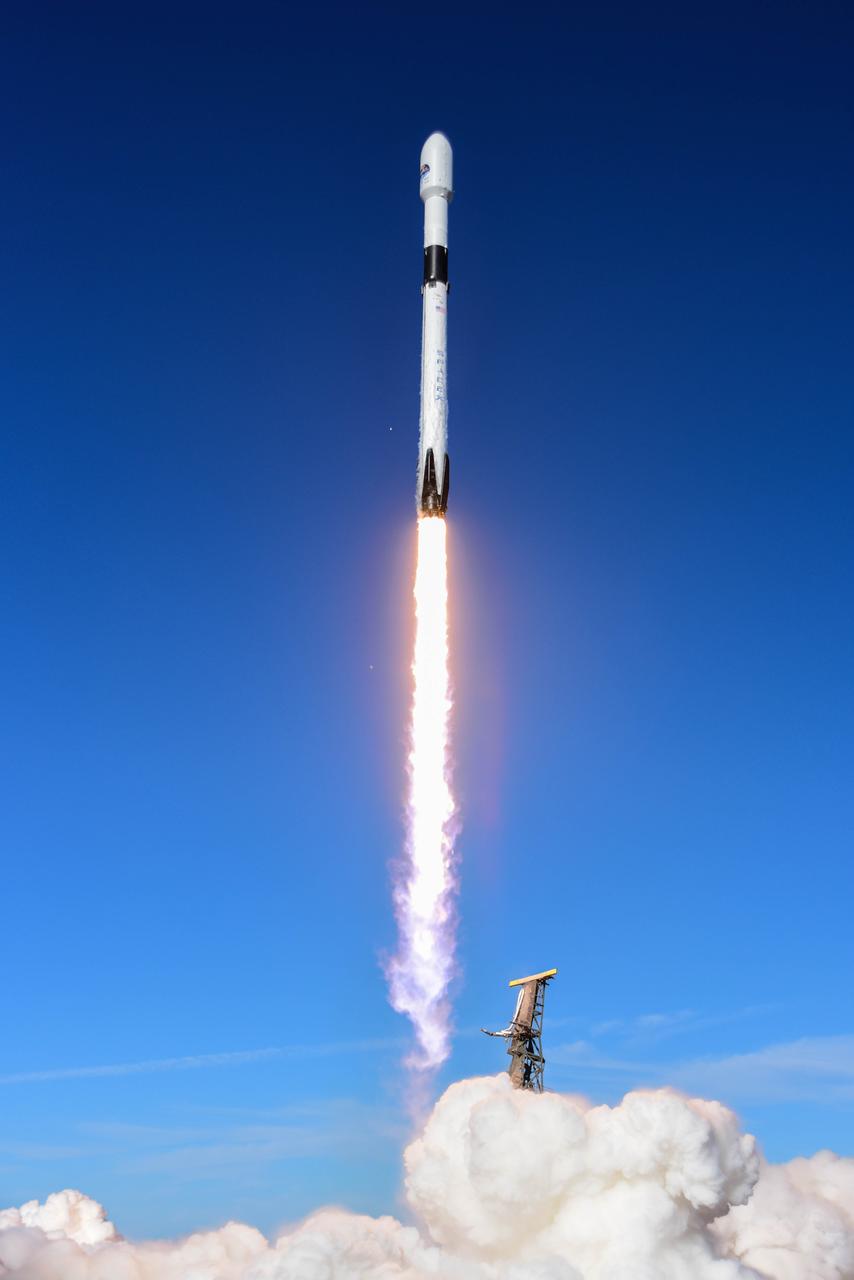
The SpaceX Falcon 9 rocket carrying the Sentinel-6 Michael Freilich spacecraft lifts off from Space Launch Complex 4 at Vandenberg Air Force Base in California, Nov. 21, 2020, at 9:17 a.m. PST (12:17 p.m. EST). The Sentinel-6/Jason-CS (Continuity of Service) mission consists of the Sentinel-6 Michael Freilich satellite, which will be followed by its twin, the Sentinel-6B satellite, in 2025. The Sentinel-6/Jason-CS mission is part of Copernicus, the European Union’s Earth observation program, managed by the European Commission. Continuing the legacy of the Jason series missions, Sentinel-6/Jason-CS will extend the records of sea level into their fourth decade, collecting accurate measurements of sea surface height for more than 90% of the world’s seas, and providing crucial information for operational oceanography, marine meteorology, and climate studies. NASA’s Launch Services Program at Kennedy Space Center was responsible for launch management.
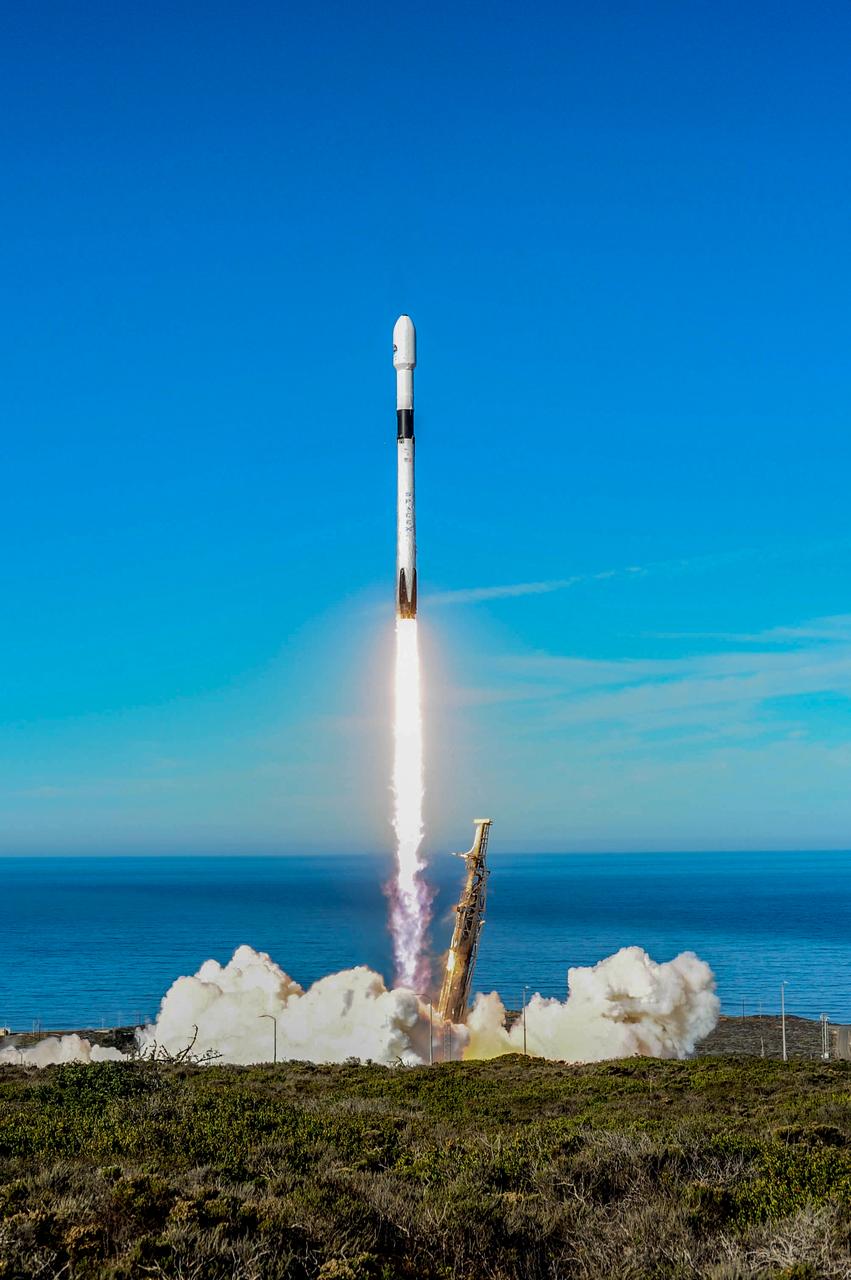
The SpaceX Falcon 9 rocket carrying the Sentinel-6 Michael Freilich spacecraft lifts off from Space Launch Complex 4 at Vandenberg Air Force Base in California, Nov. 21, 2020, at 9:17 a.m. PST (12:17 p.m. EST). The Sentinel-6/Jason-CS (Continuity of Service) mission consists of the Sentinel-6 Michael Freilich satellite, which will be followed by its twin, the Sentinel-6B satellite, in 2025. The Sentinel-6/Jason-CS mission is part of Copernicus, the European Union’s Earth observation program, managed by the European Commission. Continuing the legacy of the Jason series missions, Sentinel-6/Jason-CS will extend the records of sea level into their fourth decade, collecting accurate measurements of sea surface height for more than 90% of the world’s seas, and providing crucial information for operational oceanography, marine meteorology, and climate studies. NASA’s Launch Services Program at Kennedy Space Center was responsible for launch management.
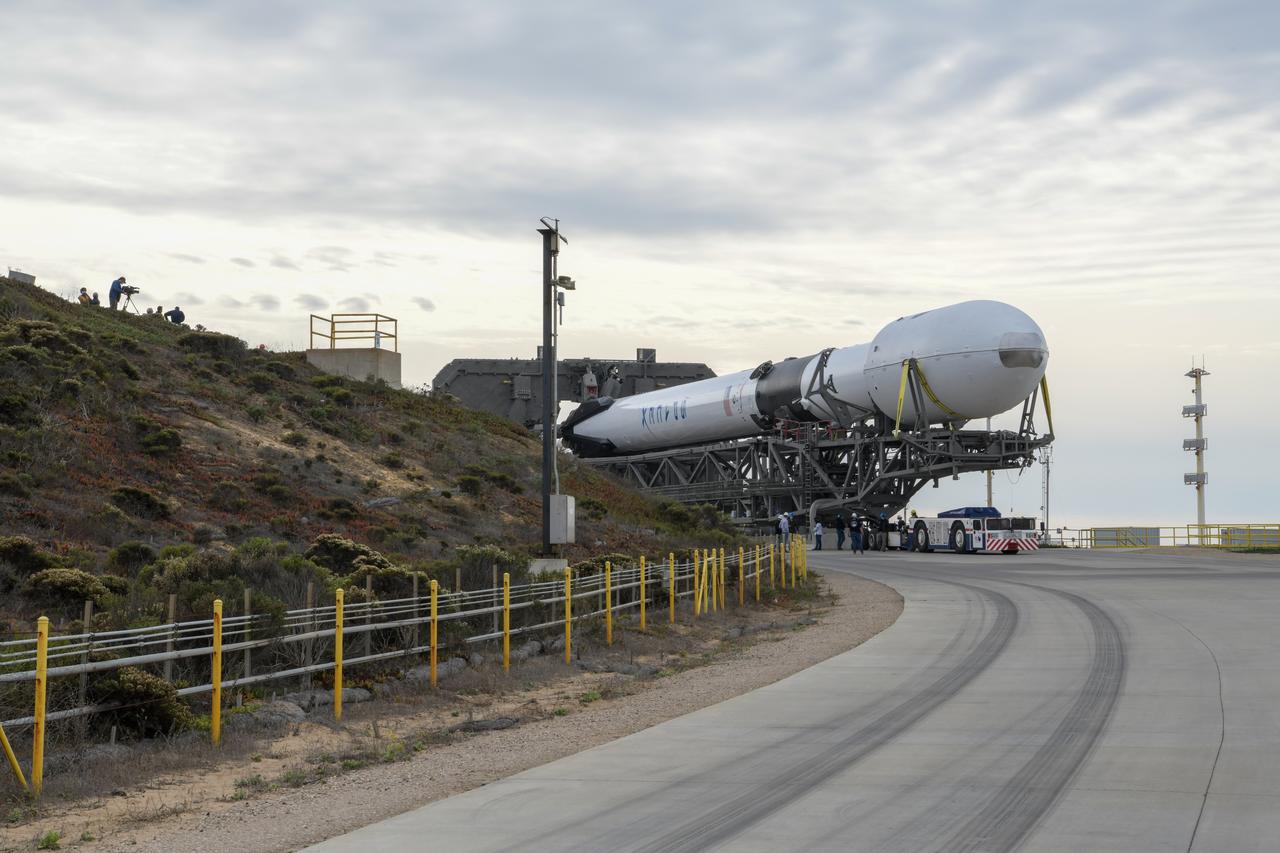
The SpaceX Falcon 9 rocket, topped with the Sentinel-6 Michael Freilich satellite secured inside its payload fairing, rolls from SpaceX’s Payload Processing Facility at Vandenberg Air Force Base in California to Space Launch Complex 4 on Nov. 20, 2020. The Sentinel-6/Jason-CS (Continuity of Service) mission consists of the Sentinel-6 Michael Freilich satellite, which will be followed by its twin, the Sentinel-6B satellite, in 2025. The Sentinel-6/Jason-CS mission is part of Copernicus, the European Union’s Earth observation program, managed by the European Commission. Continuing the legacy of the Jason series missions, Sentinel-6/Jason-CS will extend the records of sea level into their fourth decade, collecting accurate measurements of sea surface height for more than 90% of the world’s seas, and providing crucial information for operational oceanography, marine meteorology, and climate studies. Sentinel-6 Michael Freilich launched Nov. 21, 2020, at 9:17 PST (12:17 EST). NASA’s Launch Services Program at Kennedy Space Center was responsible for launch management.
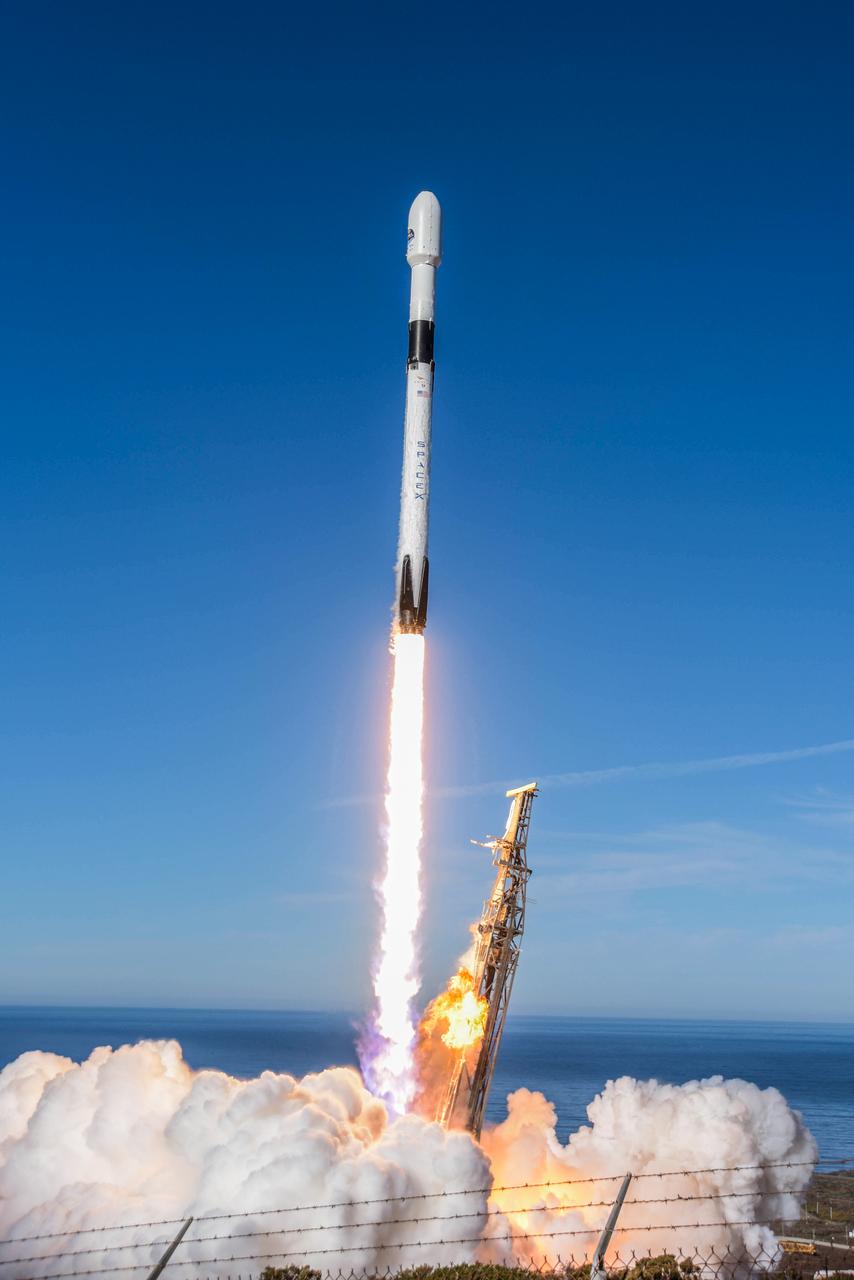
The SpaceX Falcon 9 rocket carrying the Sentinel-6 Michael Freilich spacecraft lifts off from Space Launch Complex 4 at Vandenberg Air Force Base in California, Nov. 21, 2020, at 9:17 a.m. PST (12:17 p.m. EST). The Sentinel-6/Jason-CS (Continuity of Service) mission consists of the Sentinel-6 Michael Freilich satellite, which will be followed by its twin, the Sentinel-6B satellite, in 2025. The Sentinel-6/Jason-CS mission is part of Copernicus, the European Union’s Earth observation program, managed by the European Commission. Continuing the legacy of the Jason series missions, Sentinel-6/Jason-CS will extend the records of sea level into their fourth decade, collecting accurate measurements of sea surface height for more than 90% of the world’s seas, and providing crucial information for operational oceanography, marine meteorology, and climate studies. NASA’s Launch Services Program at Kennedy Space Center was responsible for launch management.
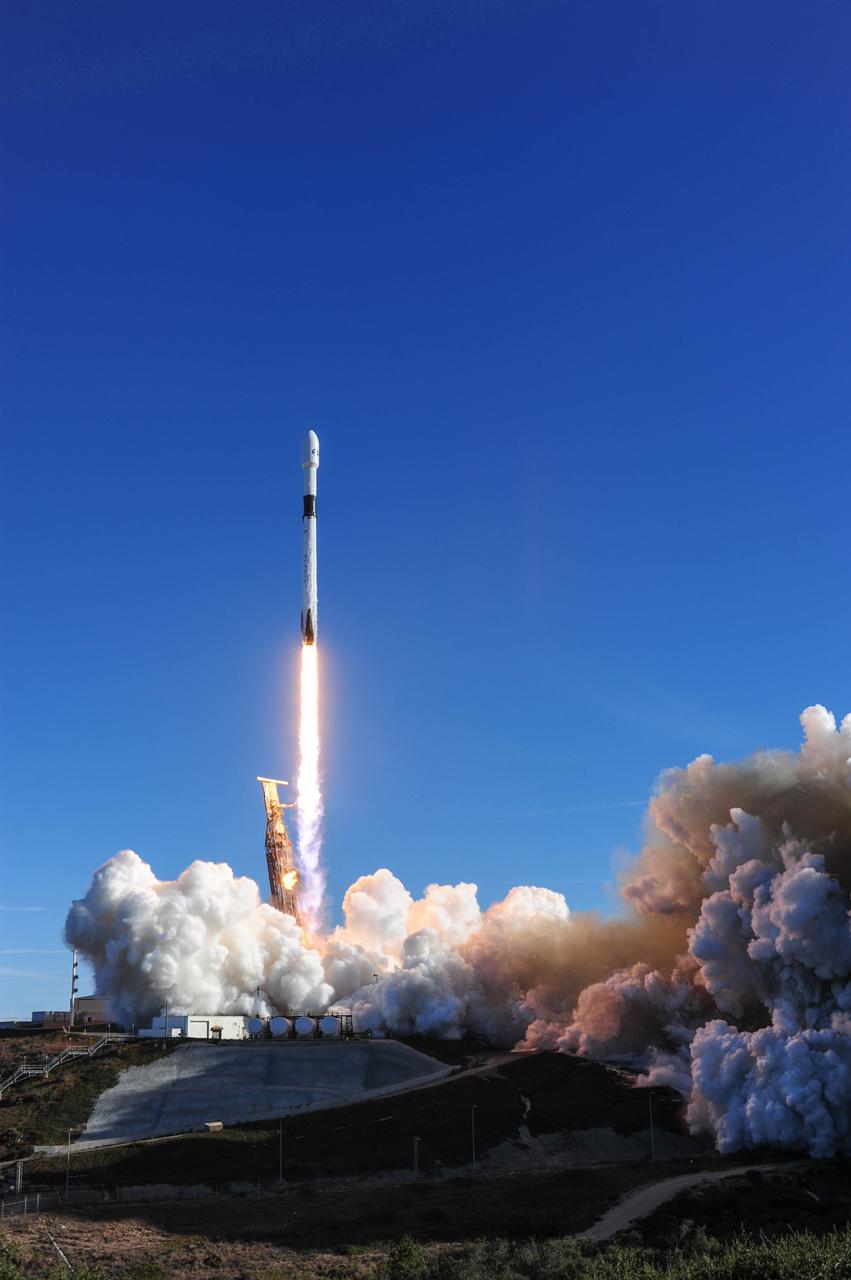
The SpaceX Falcon 9 rocket carrying the Sentinel-6 Michael Freilich spacecraft lifts off from Space Launch Complex 4 at Vandenberg Air Force Base in California, Nov. 21, 2020, at 9:17 a.m. PST (12:17 p.m. EST). The Sentinel-6/Jason-CS (Continuity of Service) mission consists of the Sentinel-6 Michael Freilich satellite, which will be followed by its twin, the Sentinel-6B satellite, in 2025. The Sentinel-6/Jason-CS mission is part of Copernicus, the European Union’s Earth observation program, managed by the European Commission. Continuing the legacy of the Jason series missions, Sentinel-6/Jason-CS will extend the records of sea level into their fourth decade, collecting accurate measurements of sea surface height for more than 90% of the world’s seas, and providing crucial information for operational oceanography, marine meteorology, and climate studies. NASA’s Launch Services Program at Kennedy Space Center was responsible for launch management.
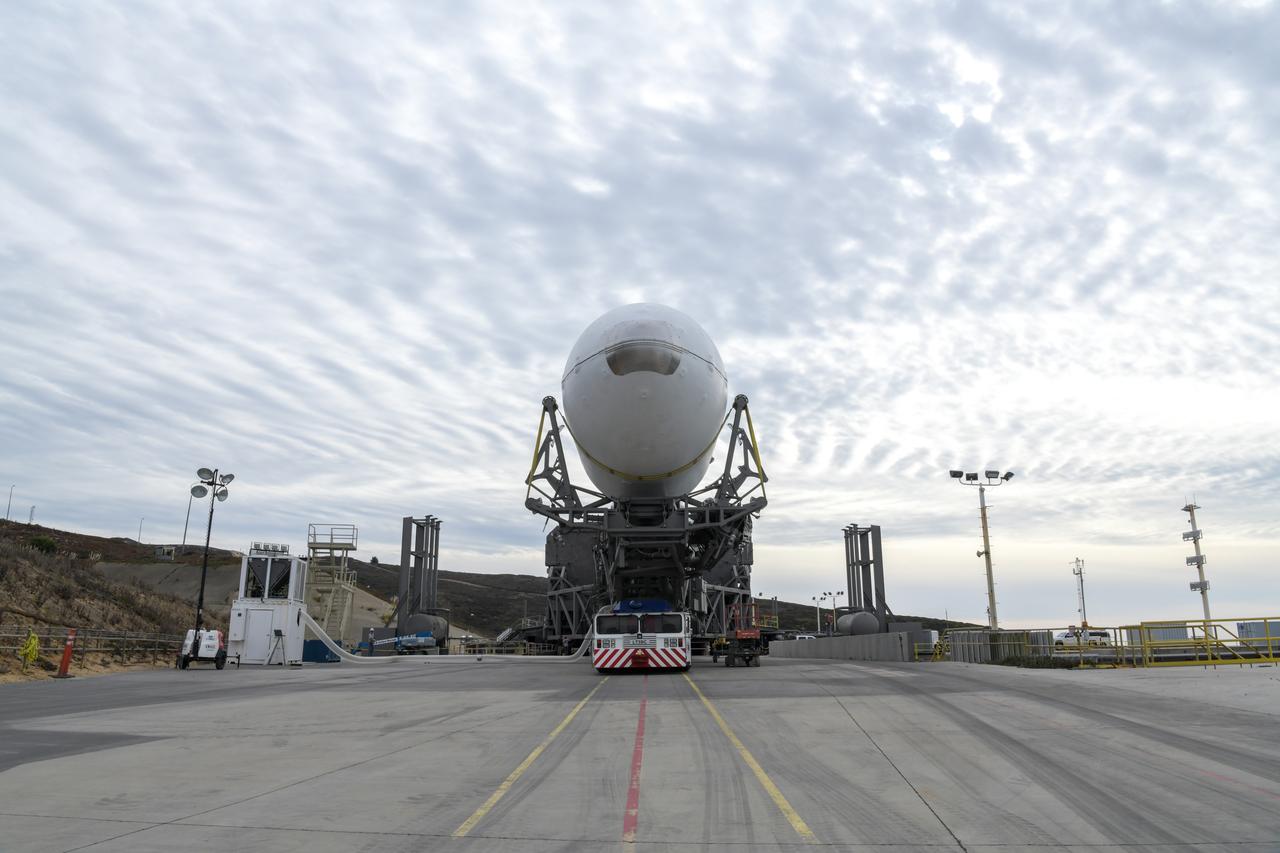
The SpaceX Falcon 9 rocket, topped with the Sentinel-6 Michael Freilich satellite secured inside its payload fairing, rolls from SpaceX’s Payload Processing Facility at Vandenberg Air Force Base in California to Space Launch Complex 4 on Nov. 20, 2020. The Sentinel-6/Jason-CS (Continuity of Service) mission consists of the Sentinel-6 Michael Freilich satellite, which will be followed by its twin, the Sentinel-6B satellite, in 2025. The Sentinel-6/Jason-CS mission is part of Copernicus, the European Union’s Earth observation program, managed by the European Commission. Continuing the legacy of the Jason series missions, Sentinel-6/Jason-CS will extend the records of sea level into their fourth decade, collecting accurate measurements of sea surface height for more than 90% of the world’s seas, and providing crucial information for operational oceanography, marine meteorology, and climate studies. Sentinel-6 Michael Freilich launched Nov. 21, 2020, at 9:17 PST (12:17 EST). NASA’s Launch Services Program at Kennedy Space Center was responsible for launch management.
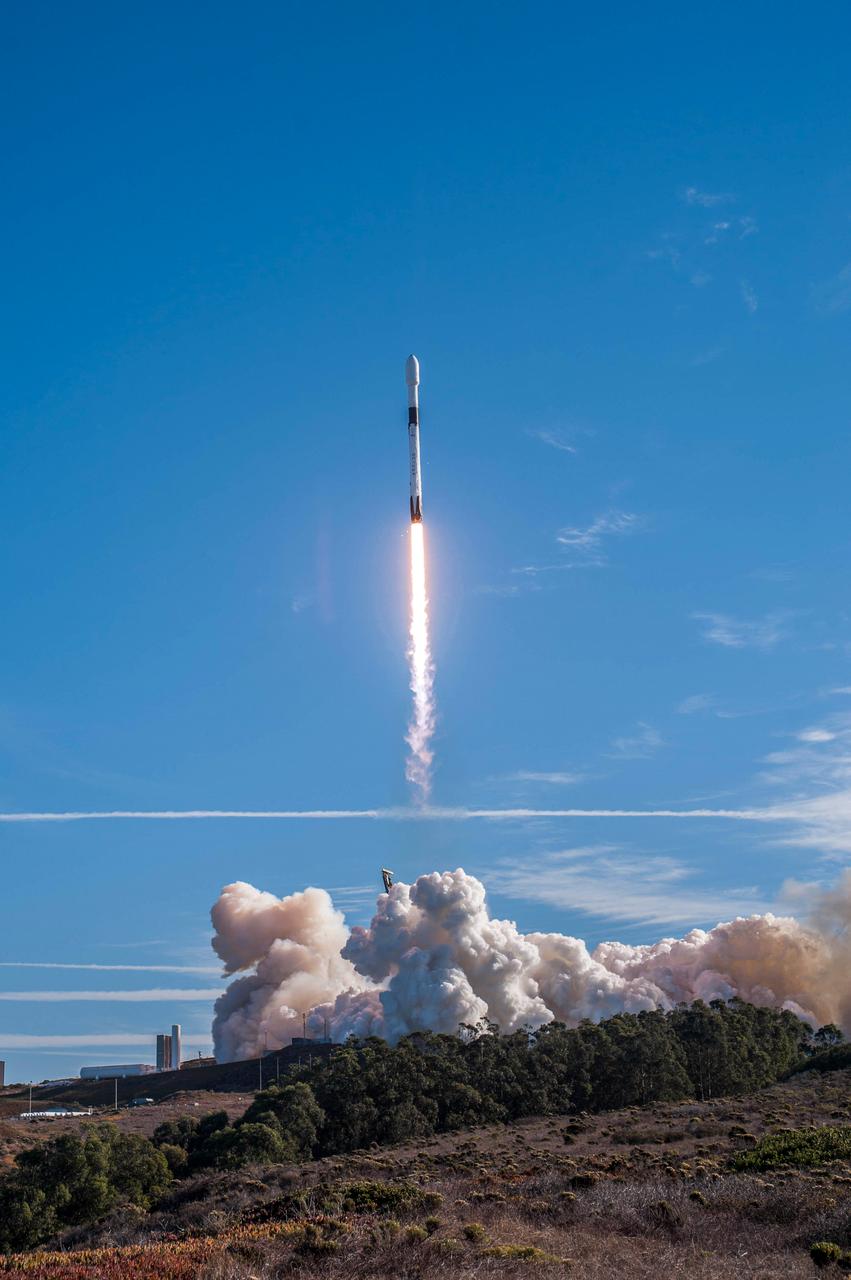
The SpaceX Falcon 9 rocket carrying the Sentinel-6 Michael Freilich spacecraft lifts off from Space Launch Complex 4 at Vandenberg Air Force Base in California, Nov. 21, 2020, at 9:17 a.m. PST (12:17 p.m. EST). The Sentinel-6/Jason-CS (Continuity of Service) mission consists of the Sentinel-6 Michael Freilich satellite, which will be followed by its twin, the Sentinel-6B satellite, in 2025. The Sentinel-6/Jason-CS mission is part of Copernicus, the European Union’s Earth observation program, managed by the European Commission. Continuing the legacy of the Jason series missions, Sentinel-6/Jason-CS will extend the records of sea level into their fourth decade, collecting accurate measurements of sea surface height for more than 90% of the world’s seas, and providing crucial information for operational oceanography, marine meteorology, and climate studies. NASA’s Launch Services Program at Kennedy Space Center was responsible for launch management.
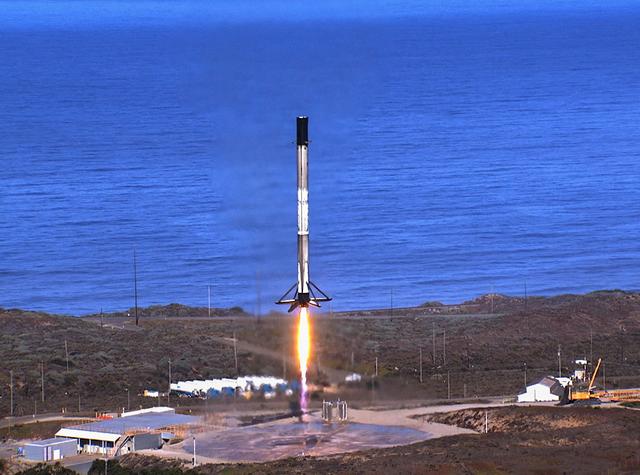
The SpaceX Falcon 9 first stage booster lands at Space Launch Complex 4 at Vandenberg Air Force Base in California after launching the Sentinel-6 Michael Freilich spacecraft on Nov. 21, 2020, at 9:17 a.m. PST (12:17 p.m. EST). The Sentinel-6/Jason-CS (Continuity of Service) mission consists of the Sentinel-6 Michael Freilich satellite, which will be followed by its twin, the Sentinel-6B satellite, in 2025. The Sentinel-6/Jason-CS mission is part of Copernicus, the European Union’s Earth observation program, managed by the European Commission. Continuing the legacy of the Jason series missions, Sentinel-6/Jason-CS will extend the records of sea level into their fourth decade, collecting accurate measurements of sea surface height for more than 90% of the world’s seas, and providing crucial information for operational oceanography, marine meteorology, and climate studies. NASA’s Launch Services Program at Kennedy Space Center was responsible for launch management.

A replica of the Saturn V rocket that propelled man from the confines of Earth's gravity to the surface of the Moon was built on the grounds of the U. S. Space and Rocket Center in Huntsville, AL. in time for the 30th arniversary celebration of that historic occasion. Marshall Space Flight Center and its team of German rocket scientists headed by Dr. Wernher von Braun were responsible for the design and development of the Saturn V rocket. Pictured are MSFC's current Center Director Art Stephenson, Alabama Congressman Bud Cramer, NASA Administrator Dan Goldin, and director of the U. S. Space and Rocket Center Mike Wing during the dedication ceremony.
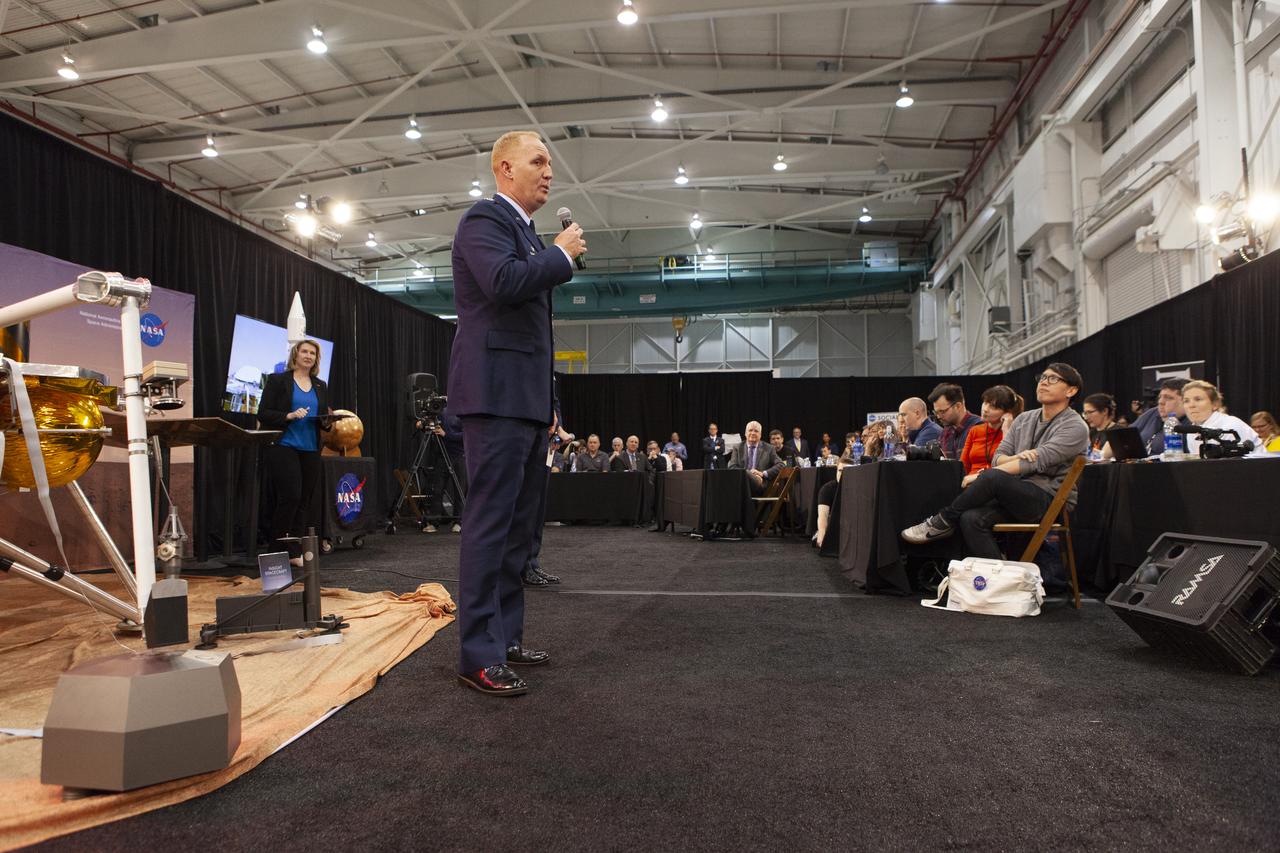
During a prelaunch briefing at Vandenberg Air Force Base in California, Col. Michael Hough, Commander 30th Space Wing, speaks to members of the media. The presentation focused on NASA's Interior Exploration using Seismic Investigations, Geodesy and Heat Transport, or InSight, Mars lander. InSight is scheduled for liftoff May 5, 2018, atop a United Launch Alliance (ULA) Atlas V rocket from Space Launch Complex 3 at Vandenberg. The spacecraft will be the first mission to look deep beneath the Martian surface studying the planet's interior by measuring its heat output and listen for marsquakes.
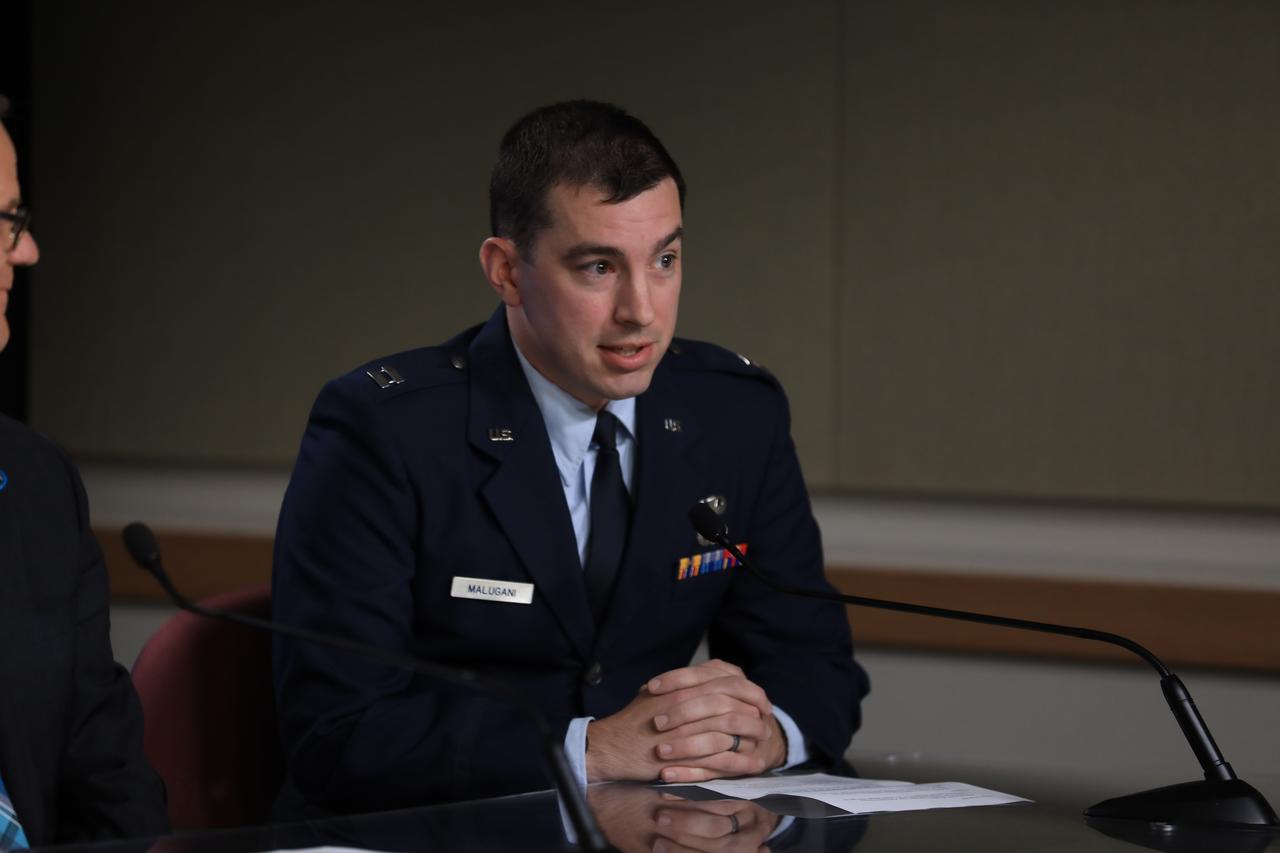
At Vandenberg Air Force Base in California, U. S. Air Force Capt. Ross Malugani, launch weather officer at Vandenberg's 30th Space Wing, speaks to members of the media at a prelaunch news conference for the Joint Polar Satellite System-1, or JPSS-1. Built by Ball Aerospace and Technologies Corp. of Boulder, Colorado, JPSS is the first in a series four next-generation environmental satellites in a collaborative program between the NOAA and NASA. Liftoff atop a United Launch Alliance Delta II rocket is scheduled to take place from Vandenberg's Space Launch Complex 2 at 1:47 a.m. PST (4:47 a.m. EST), on Nov. 14, 2017.
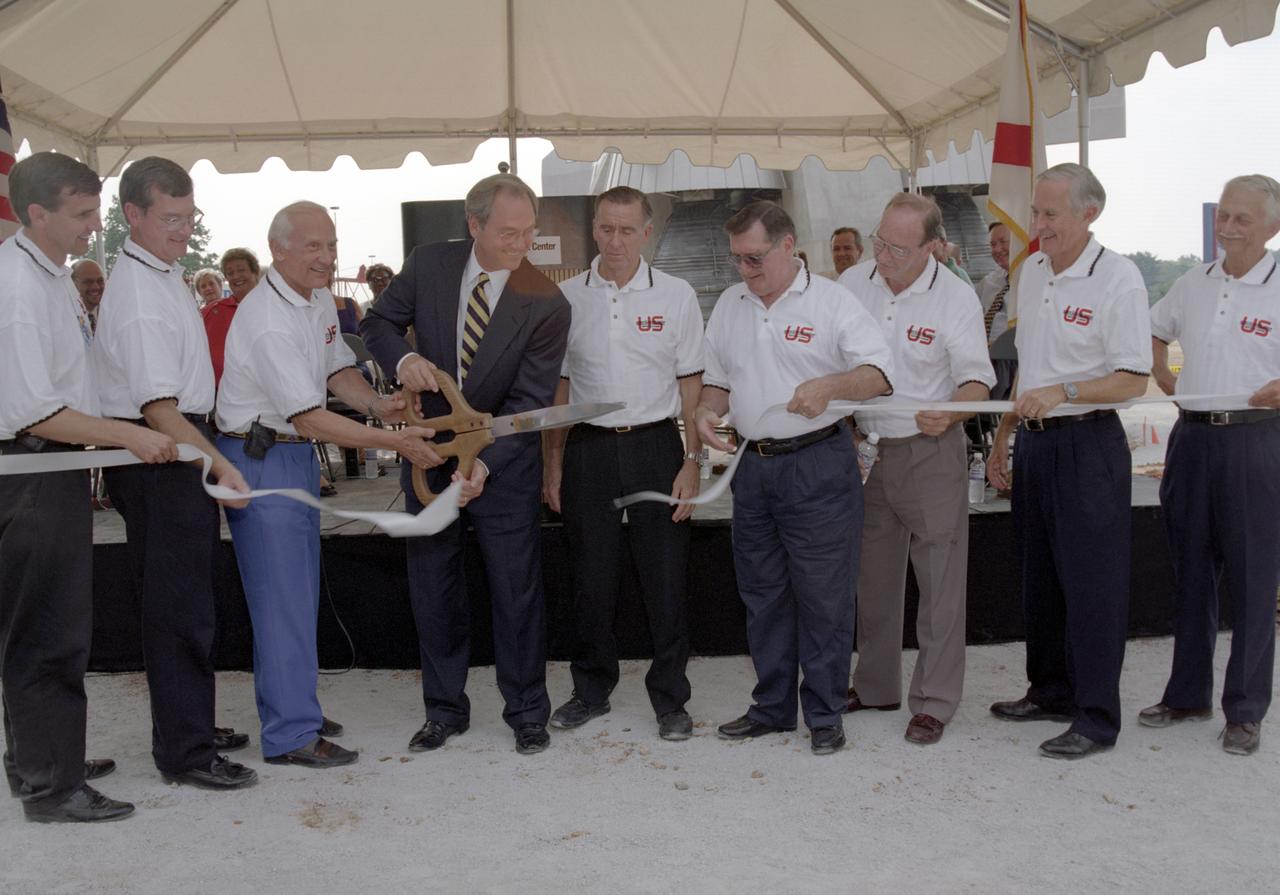
Alabama Governor Don Seigleman cuts the ribbon marking the dedication of the Saturn V rocket replica that was constructed at the U. S. Space and Rocket Center in honor of the 30th arniversary of the lunar landing. Accompanying the Governor are (L/R): Mike Wing, CEO US Space Rocket Center; Mike Gillespie, Madison County Commissioner, Dist. Seven; Buzz Aldrin, Apollo 11 Astronaut; Governor Seigleman; Walt Cunningham, Apollo 7 Astronaut; Dick Gordon, Apollo 12 Astronaut; Ed Mitchell, Apollo 14 Astronaut; Charlie Duke, Apollo 16 Astronaut; and Owen Garriott, Skylab 3 Astronaut.
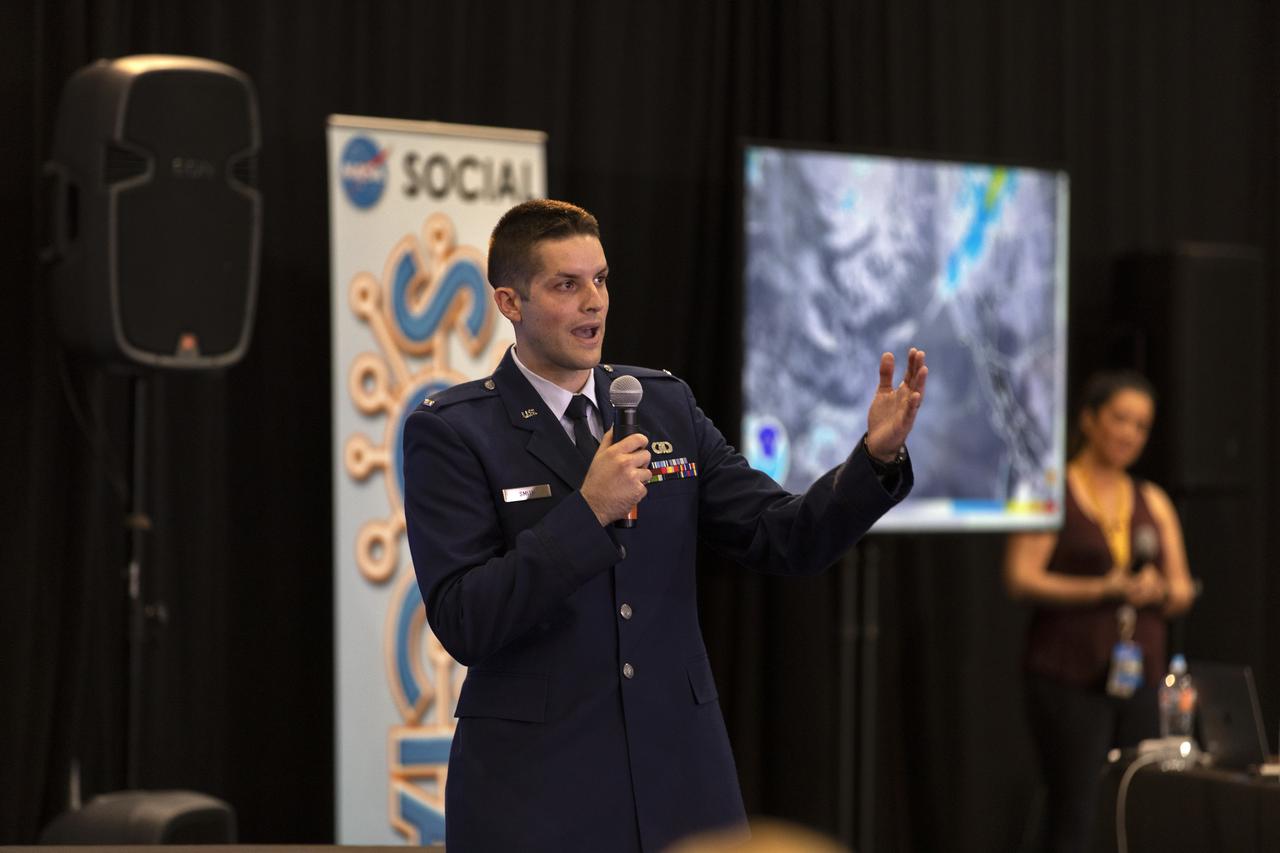
1st Lt. Daniel Smith, launch weather officer, 30th Space Wing, Vandenberg Air Force Base, speaks to members of the news media and social media participants during a prelaunch mission briefing for NASA's Ice, Cloud and land Elevation Satellite-2 (ICESat-2), a mission to measure the changing height of Earth's ice, on Sept. 13, 2018 at Vandenberg Air Force Base (VAFB) in California. ICESat-2 will launch aboard a United Launch Alliance Delta II, the rocket’s final mission, from Space Launch Complex 2 at VAFB. Launch is scheduled for 8:46 a.m. EDT (5:46 a.m. PDT).
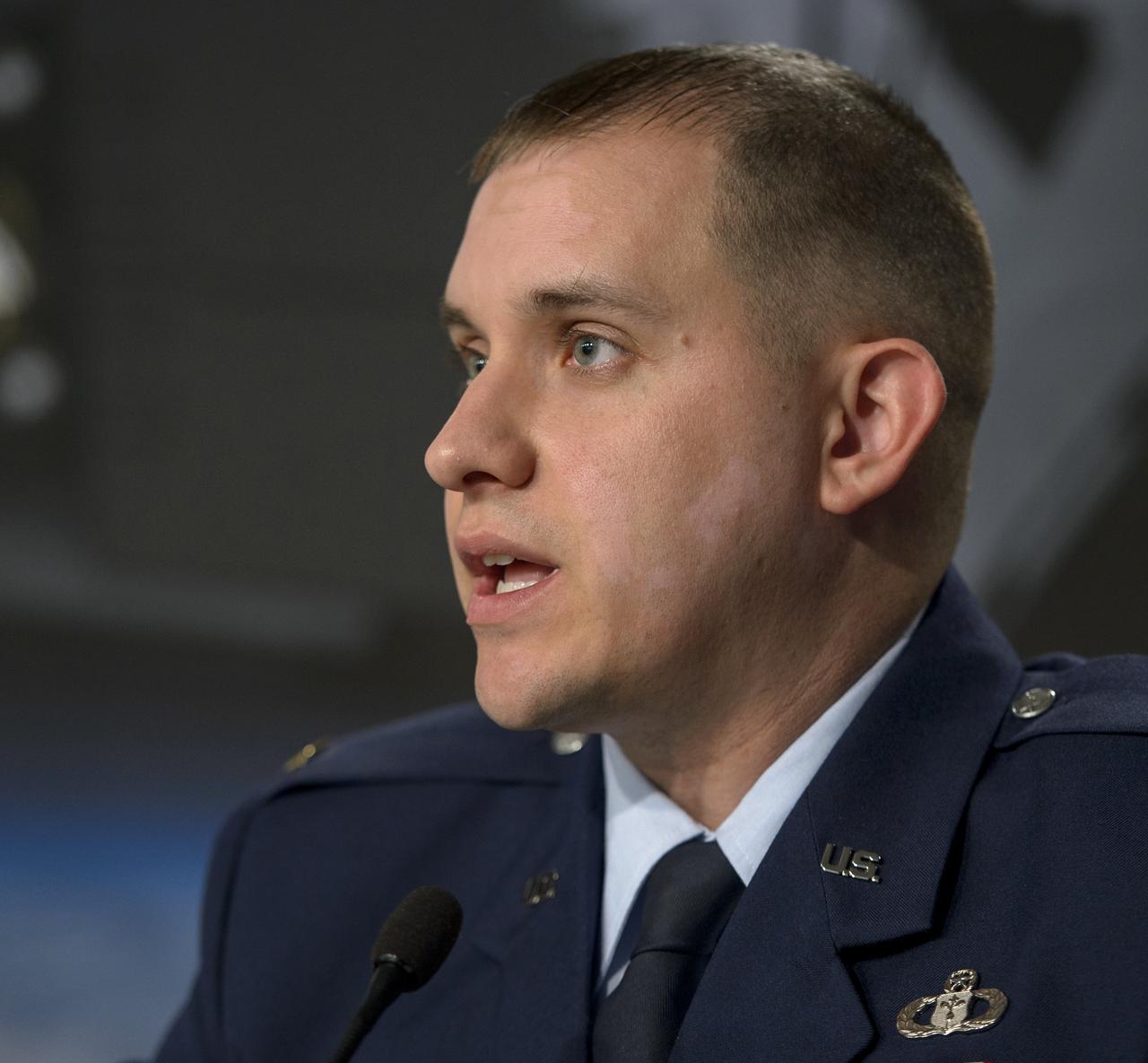
Lt. Joseph Round, launch weather officer, USAF 30th Space Wing Weather Squadron, discusses the weather forecast for launch of NASA’s Orbiting Carbon Observatory-2 (OCO-2) onboard a ULA Delta II rocket, during a press briefing, Sunday, June 29, 2014, at the Vandenberg Air Force Base, Calif. OCO-2 will measure the global distribution of carbon dioxide, the leading human-produced greenhouse gas driving changes in Earth’s climate. OCO-2 is set to launch on July 1, 2014 at 2:59 a.m. PDT. Photo Credit: (NASA/Bill Ingalls)
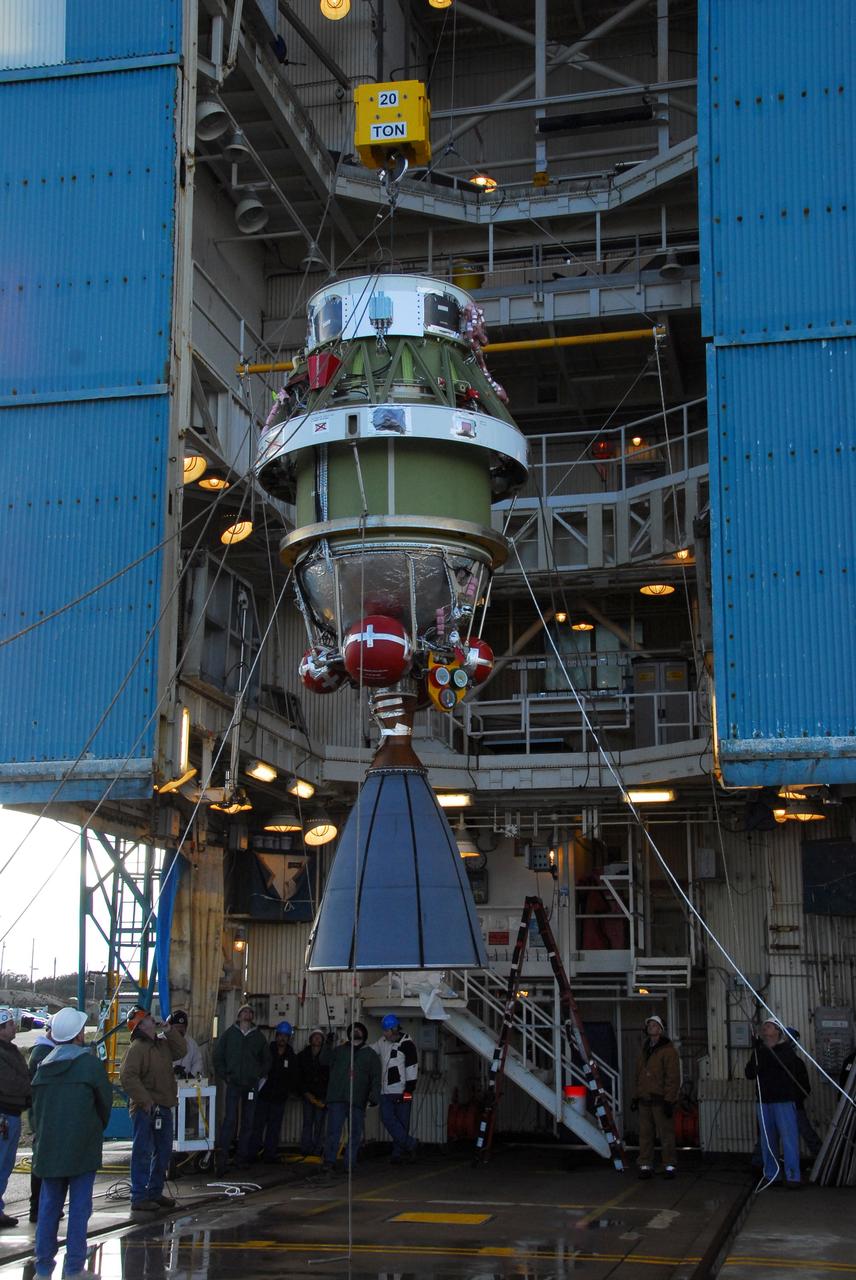
VANDENBERG AIR FORCE BASE, Calif. -- United Space Alliance technicians hoist the second stage of a Delta II rocket into position in the Space Launch Complex-2 (SLC-2) service tower at Vandenberg Air Force Base in California. The rocket is being prepared to launch NASA's Aquarius satellite into low Earth orbit. Scheduled to launch in June, Aquarius' mission will be to provide monthly maps of global changes in sea surface salinity. By measuring ocean salinity from space, Aquarius will provide new insights into how the massive natural exchange of freshwater between the ocean, atmosphere and sea ice influences ocean circulation, weather and climate. Also going up with the satellite are optical and thermal cameras, a microwave radiometer and the SAC-D spacecraft, which were developed with the help of institutions in Italy, France, Canada and Argentina. Photo credit: VAFB/30th Space Wing
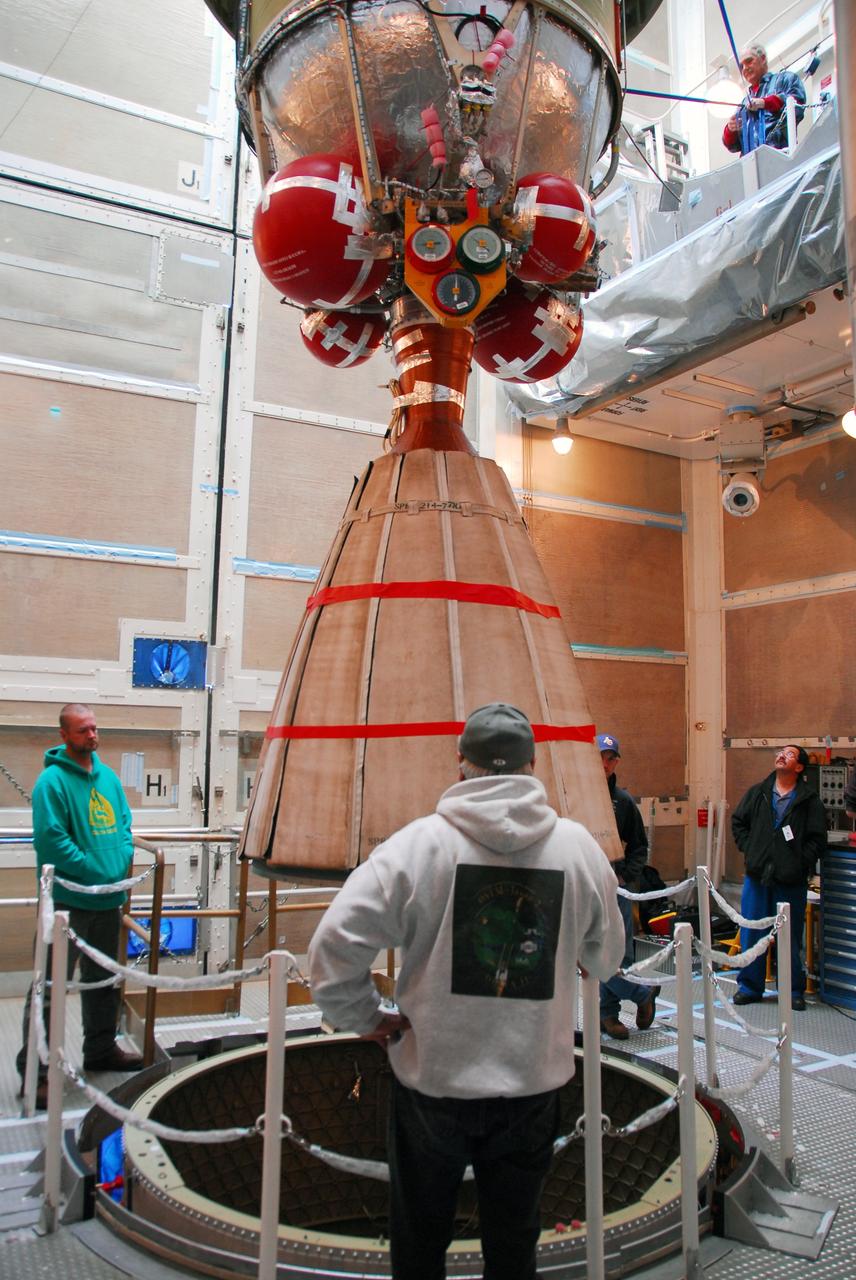
VANDENBERG AIR FORCE BASE, Calif. -- With the Space Launch Complex-2 (SLC-2) service tower at Vandenberg Air Force Base in California back in place, United Space Alliance technicians lower the second stage of a Delta II rocket into position over the first stage. The rocket is being prepared to launch NASA's Aquarius satellite into low Earth orbit. Scheduled to launch in June, Aquarius' mission will be to provide monthly maps of global changes in sea surface salinity. By measuring ocean salinity from space, Aquarius will provide new insights into how the massive natural exchange of freshwater between the ocean, atmosphere and sea ice influences ocean circulation, weather and climate. Also going up with the satellite are optical and thermal cameras, a microwave radiometer and the SAC-D spacecraft, which were developed with the help of institutions in Italy, France, Canada and Argentina. Photo credit: VAFB/30th Space Wing
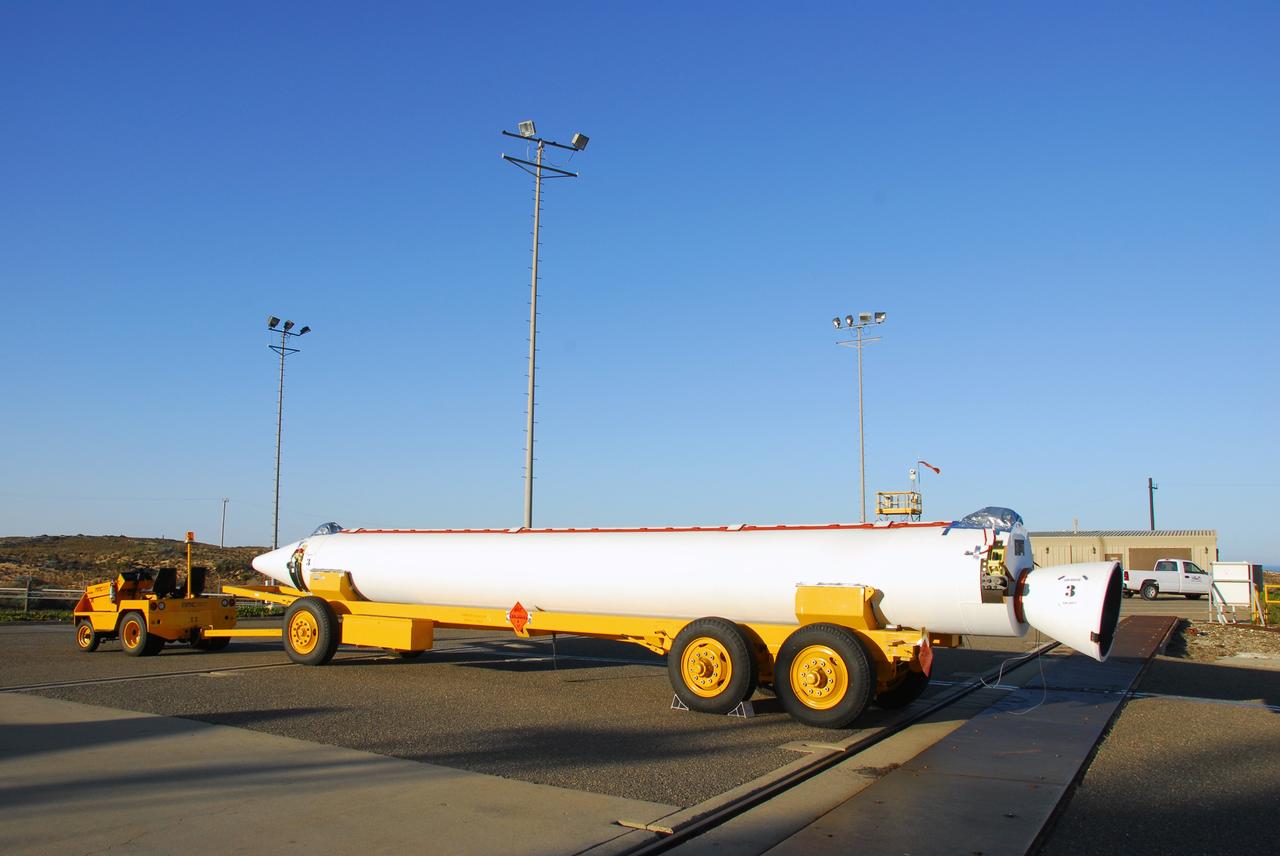
VANDENBERG AIR FORCE BASE, Calif. --At Vandenberg Air Force Base in California, one of three United Space Alliance Delta II solid rocket motors is atop a tug for the move from the solid motor facility to Space Launch Complex-2 West (SLC-2W). Scheduled to launch in June, the Delta II rocket will carry NASA's Aquarius satellite into low Earth orbit. Aquarius' mission will be to provide monthly maps of global changes in sea surface salinity. By measuring ocean salinity from space, Aquarius will provide new insights into how the massive natural exchange of freshwater between the ocean, atmosphere and sea ice influences ocean circulation, weather and climate. Also going up with the satellite are optical and thermal cameras, a microwave radiometer and the SAC-D spacecraft, which were developed with the help of institutions in Italy, France, Canada and Argentina. Photo credit: VAFB/30th Space Wing
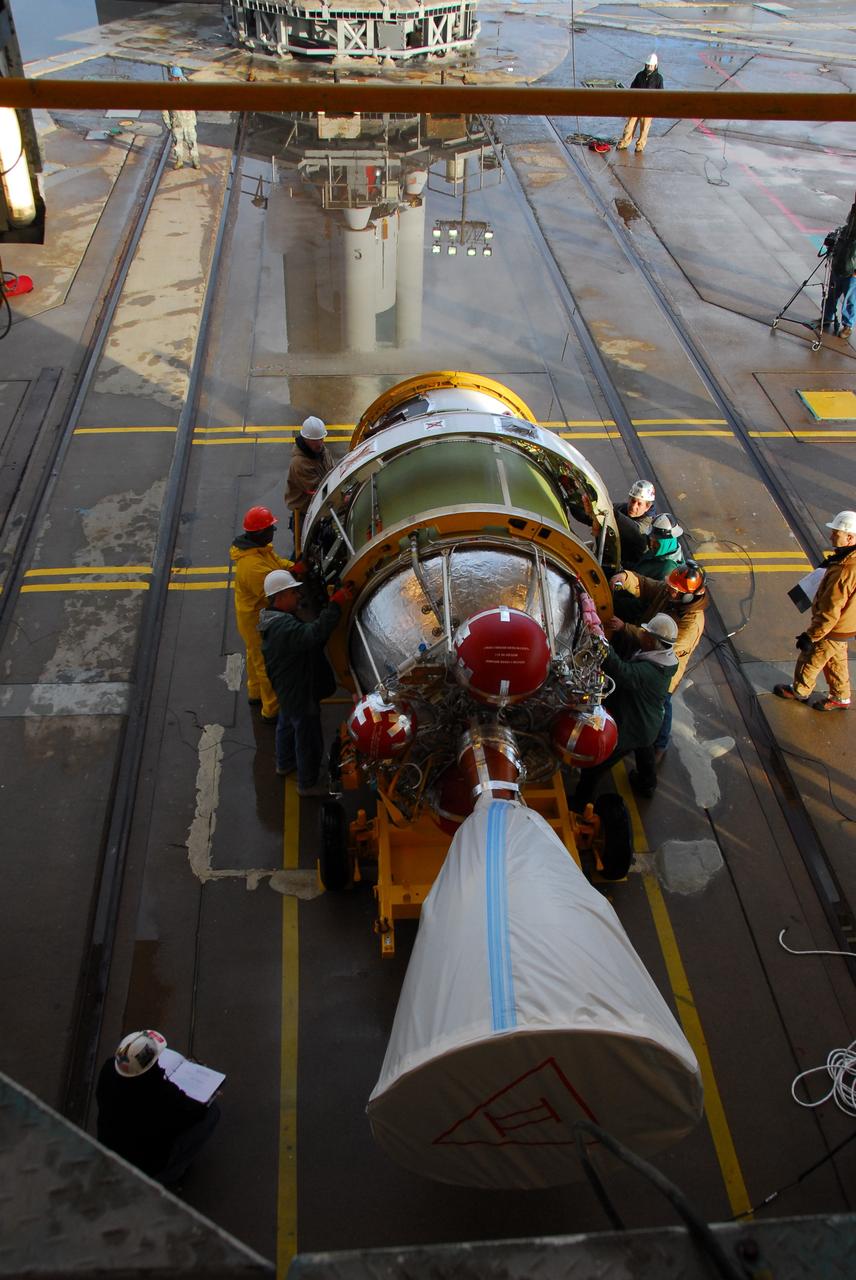
VANDENBERG AIR FORCE BASE, Calif. -- United Space Alliance technicians prepare to hoist the second stage of a Delta II rocket into position in the Space Launch Complex-2 (SLC-2) service tower at Vandenberg Air Force Base in California. The rocket is being prepared to launch NASA's Aquarius satellite into low Earth orbit. Scheduled to launch in June, Aquarius' mission will be to provide monthly maps of global changes in sea surface salinity. By measuring ocean salinity from space, Aquarius will provide new insights into how the massive natural exchange of freshwater between the ocean, atmosphere and sea ice influences ocean circulation, weather and climate. Also going up with the satellite are optical and thermal cameras, a microwave radiometer and the SAC-D spacecraft, which were developed with the help of institutions in Italy, France, Canada and Argentina. Photo credit: VAFB/30th Space Wing
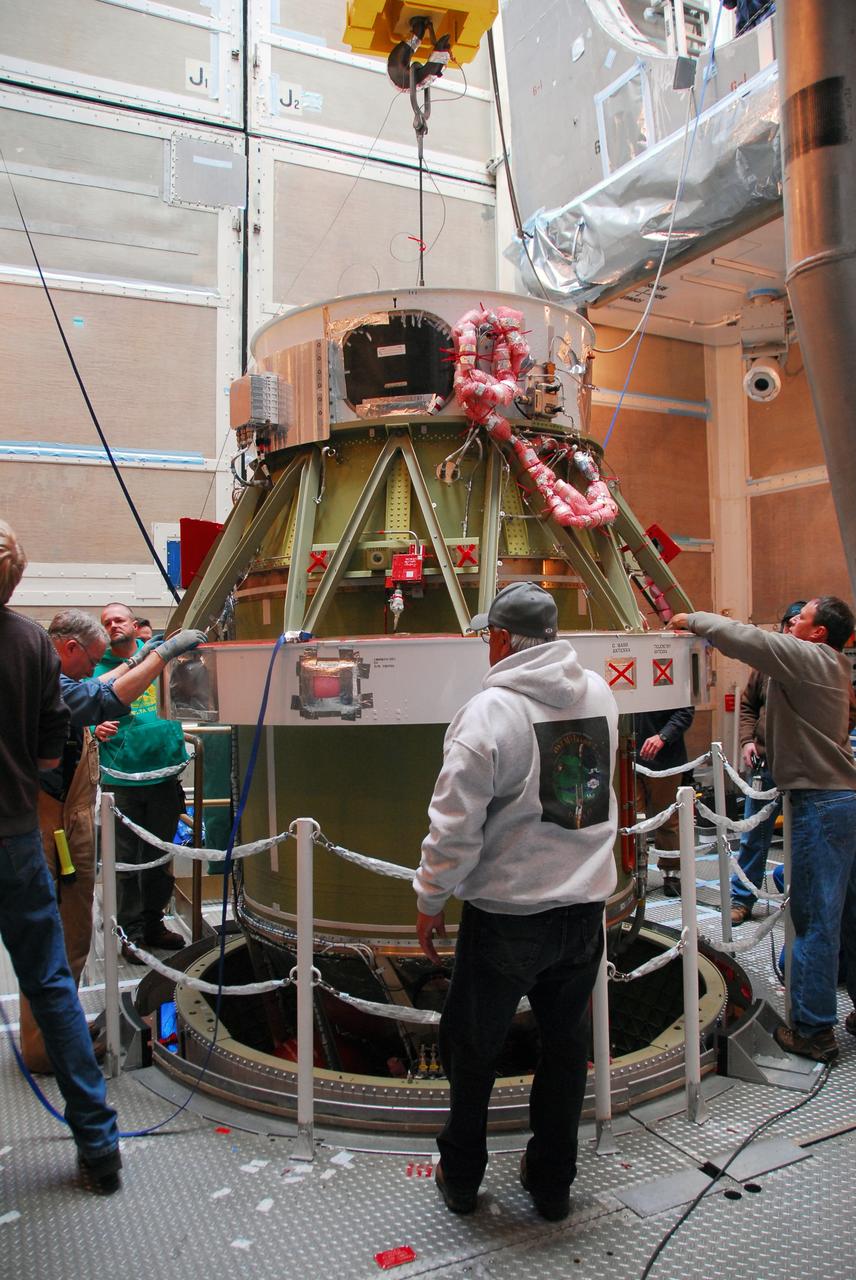
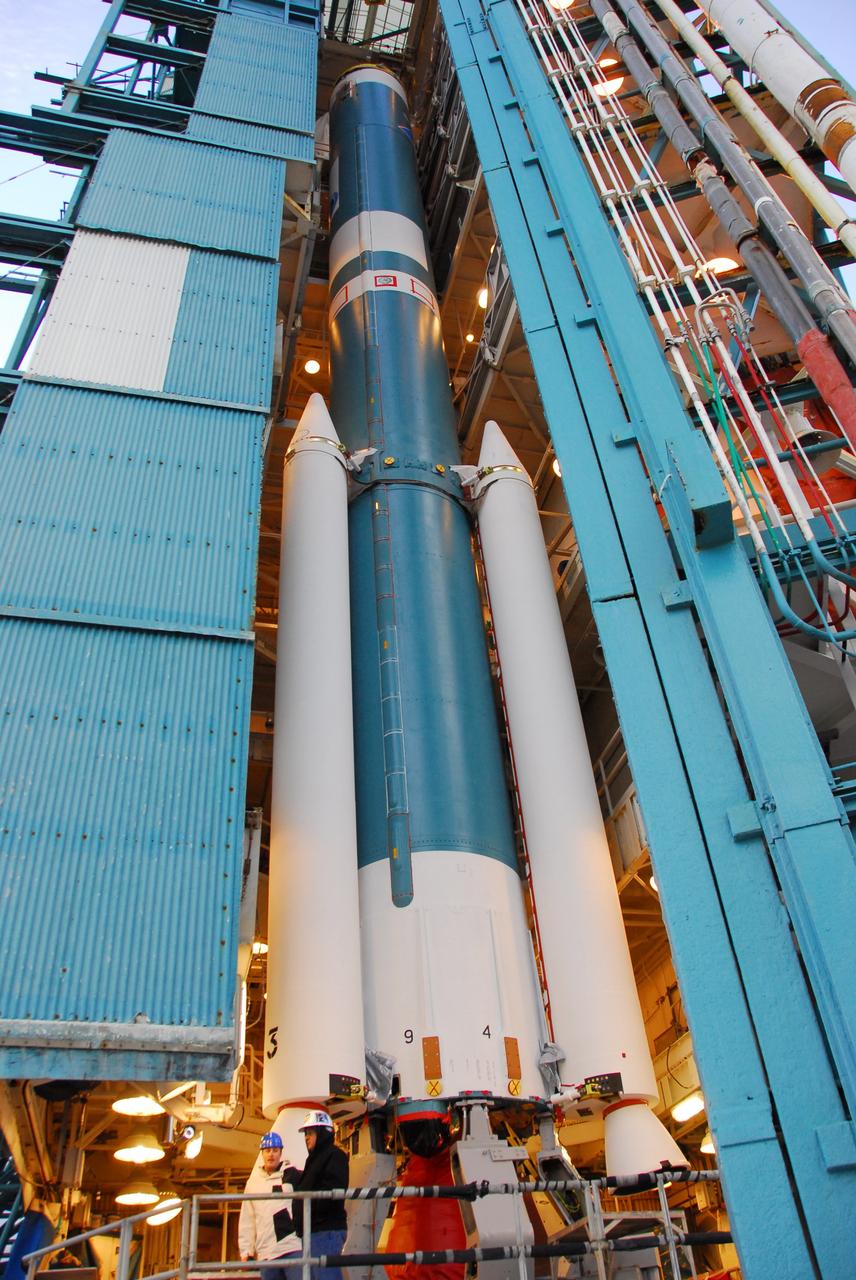
VANDENBERG AIR FORCE BASE, Calif. -- With the Space Launch Complex-2 (SLC-2) service tower at Vandenberg Air Force Base in California back in place, United Space Alliance technicians lower the second stage of a Delta II rocket into position over the first stage and three solid rocket motors. The rocket is being prepared to launch NASA's Aquarius satellite into low Earth orbit. Scheduled to launch in June, Aquarius' mission will be to provide monthly maps of global changes in sea surface salinity. By measuring ocean salinity from space, Aquarius will provide new insights into how the massive natural exchange of freshwater between the ocean, atmosphere and sea ice influences ocean circulation, weather and climate. Also going up with the satellite are optical and thermal cameras, a microwave radiometer and the SAC-D spacecraft, which were developed with the help of institutions in Italy, France, Canada and Argentina. Photo credit: VAFB/30th Space Wing
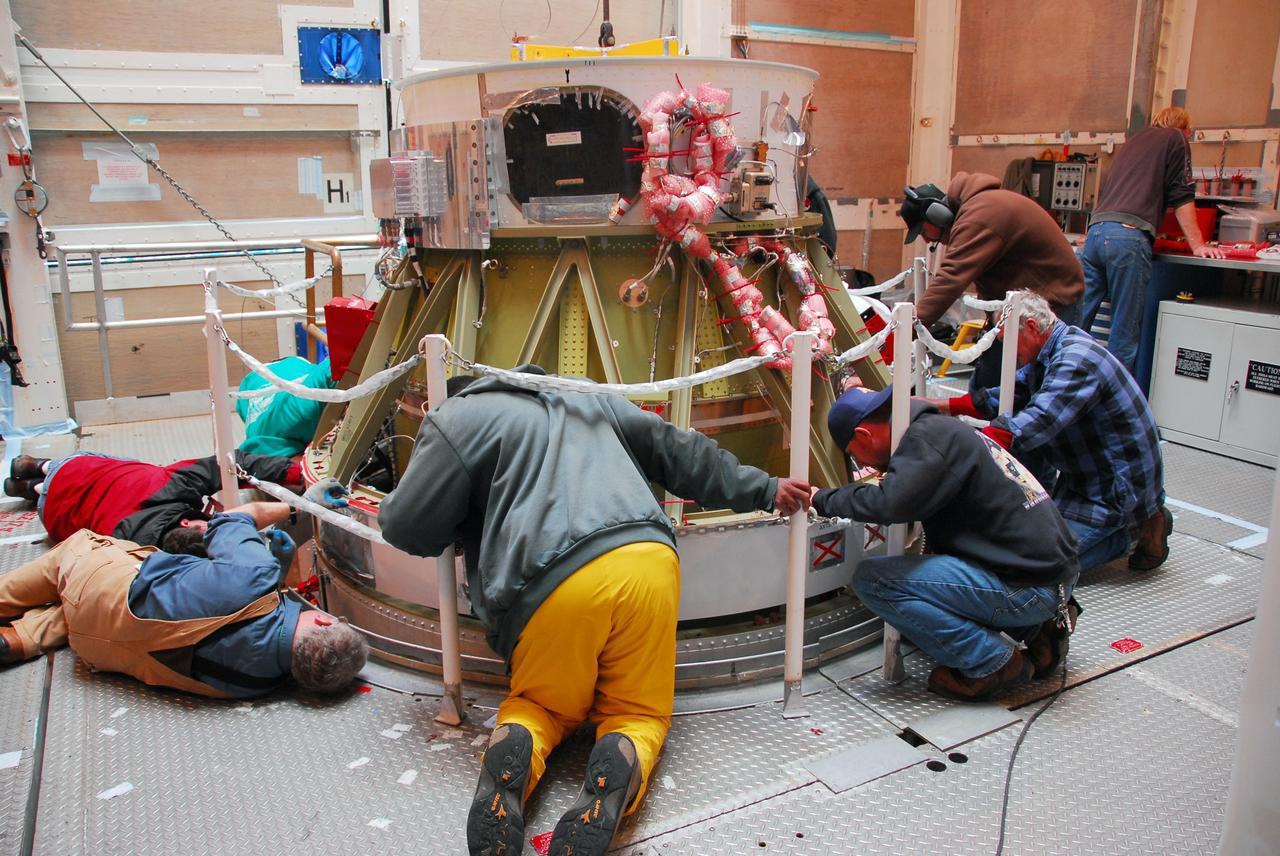
VANDENBERG AIR FORCE BASE, Calif. -- With the Space Launch Complex-2 (SLC-2) service tower at Vandenberg Air Force Base in California back in place, United Space Alliance technicians complete the installation of the second stage of a Delta II rocket to the first stage. The rocket is being prepared to launch NASA's Aquarius satellite into low Earth orbit. Scheduled to launch in June, Aquarius' mission will be to provide monthly maps of global changes in sea surface salinity. By measuring ocean salinity from space, Aquarius will provide new insights into how the massive natural exchange of freshwater between the ocean, atmosphere and sea ice influences ocean circulation, weather and climate. Also going up with the satellite are optical and thermal cameras, a microwave radiometer and the SAC-D spacecraft, which were developed with the help of institutions in Italy, France, Canada and Argentina. Photo credit: VAFB/30th Space Wing
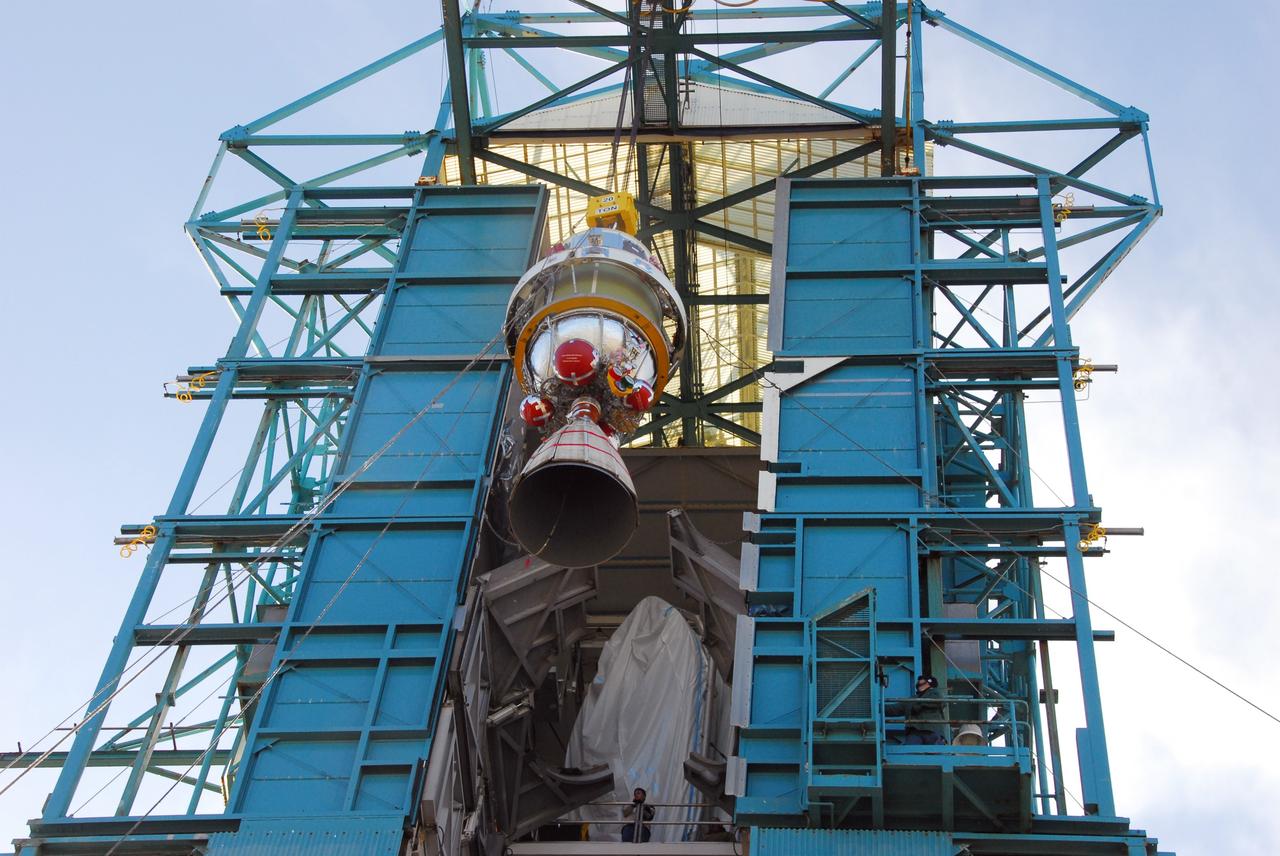
VANDENBERG AIR FORCE BASE, Calif. -- United Space Alliance technicians hoist the second stage of a Delta II rocket into position in the Space Launch Complex-2 (SLC-2) service tower at Vandenberg Air Force Base in California. The rocket is being prepared to launch NASA's Aquarius satellite into low Earth orbit. Scheduled to launch in June, Aquarius' mission will be to provide monthly maps of global changes in sea surface salinity. By measuring ocean salinity from space, Aquarius will provide new insights into how the massive natural exchange of freshwater between the ocean, atmosphere and sea ice influences ocean circulation, weather and climate. Also going up with the satellite are optical and thermal cameras, a microwave radiometer and the SAC-D spacecraft, which were developed with the help of institutions in Italy, France, Canada and Argentina. Photo credit: VAFB/30th Space Wing
VANDENBERG AIR FORCE BASE, Calif. -- United Space Alliance technicians prepare to move the Space Launch Complex-2 (SLC-2) service tower at Vandenberg Air Force Base in California. The move will allow technicians to hoist into position the second stage of the Delta II rocket that will carry NASA's Aquarius satellite into low Earth orbit. Scheduled to launch in June, Aquarius' mission will be to provide monthly maps of global changes in sea surface salinity. By measuring ocean salinity from space, Aquarius will provide new insights into how the massive natural exchange of freshwater between the ocean, atmosphere and sea ice influences ocean circulation, weather and climate. Also going up with the satellite are optical and thermal cameras, a microwave radiometer and the SAC-D spacecraft, which were developed with the help of institutions in Italy, France, Canada and Argentina. Photo credit: VAFB/30th Space Wing
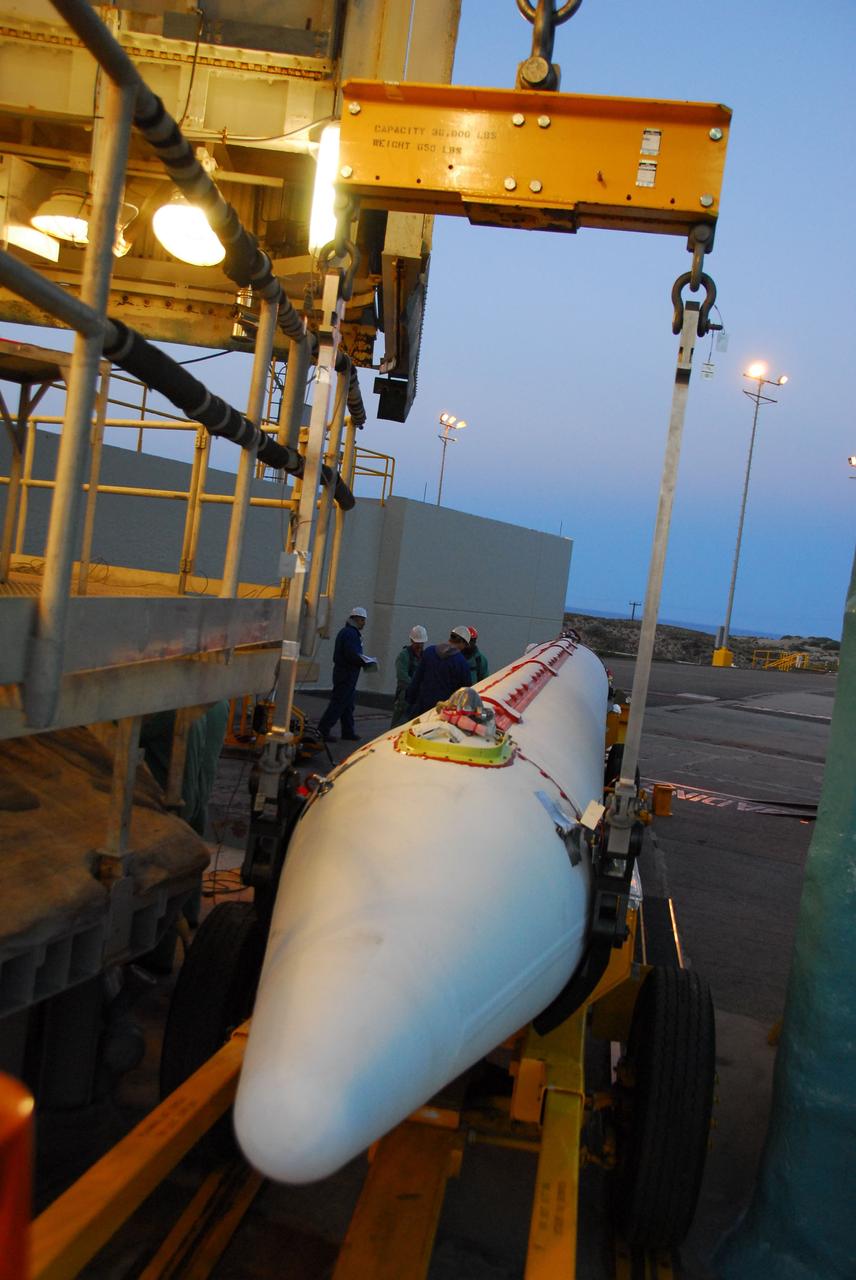
VANDENBERG AIR FORCE BASE, Calif. --As the sun rises over Vandenberg Air Force Base in California, United Launch Alliance technicians prepare to raise one of three Delta II solid rocket motors on the pad at Space Launch Complex-2 West (SLC-2W). Scheduled to launch in June, the Delta II rocket will carry NASA's Aquarius satellite into low Earth orbit. Aquarius' mission will be to provide monthly maps of global changes in sea surface salinity. By measuring ocean salinity from space, Aquarius will provide new insights into how the massive natural exchange of freshwater between the ocean, atmosphere and sea ice influences ocean circulation, weather and climate. Also going up with the satellite are optical and thermal cameras, a microwave radiometer and the SAC-D spacecraft, which were developed with the help of institutions in Italy, France, Canada and Argentina. Photo credit: VAFB/30th Space Wing
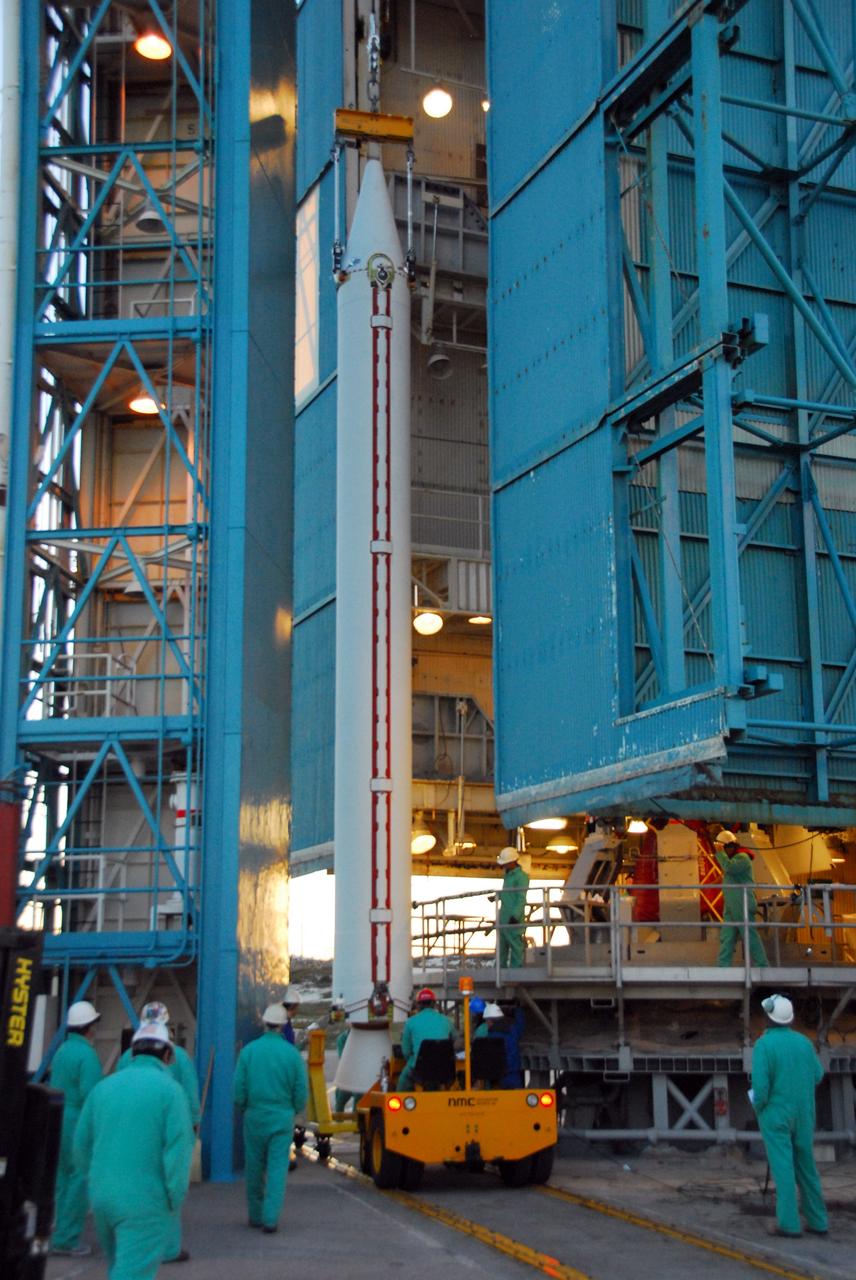
VANDENBERG AIR FORCE BASE, Calif. --As the sun rises over Vandenberg Air Force Base in California, a crane raises one of three United Launch Alliance Delta II solid rocket motors on the pad at Space Launch Complex-2 West (SLC-2W). Scheduled to launch in June, the Delta II rocket will carry NASA's Aquarius satellite into low Earth orbit. Aquarius' mission will be to provide monthly maps of global changes in sea surface salinity. By measuring ocean salinity from space, Aquarius will provide new insights into how the massive natural exchange of freshwater between the ocean, atmosphere and sea ice influences ocean circulation, weather and climate. Also going up with the satellite are optical and thermal cameras, a microwave radiometer and the SAC-D spacecraft, which were developed with the help of institutions in Italy, France, Canada and Argentina. Photo credit: VAFB/30th Space Wing
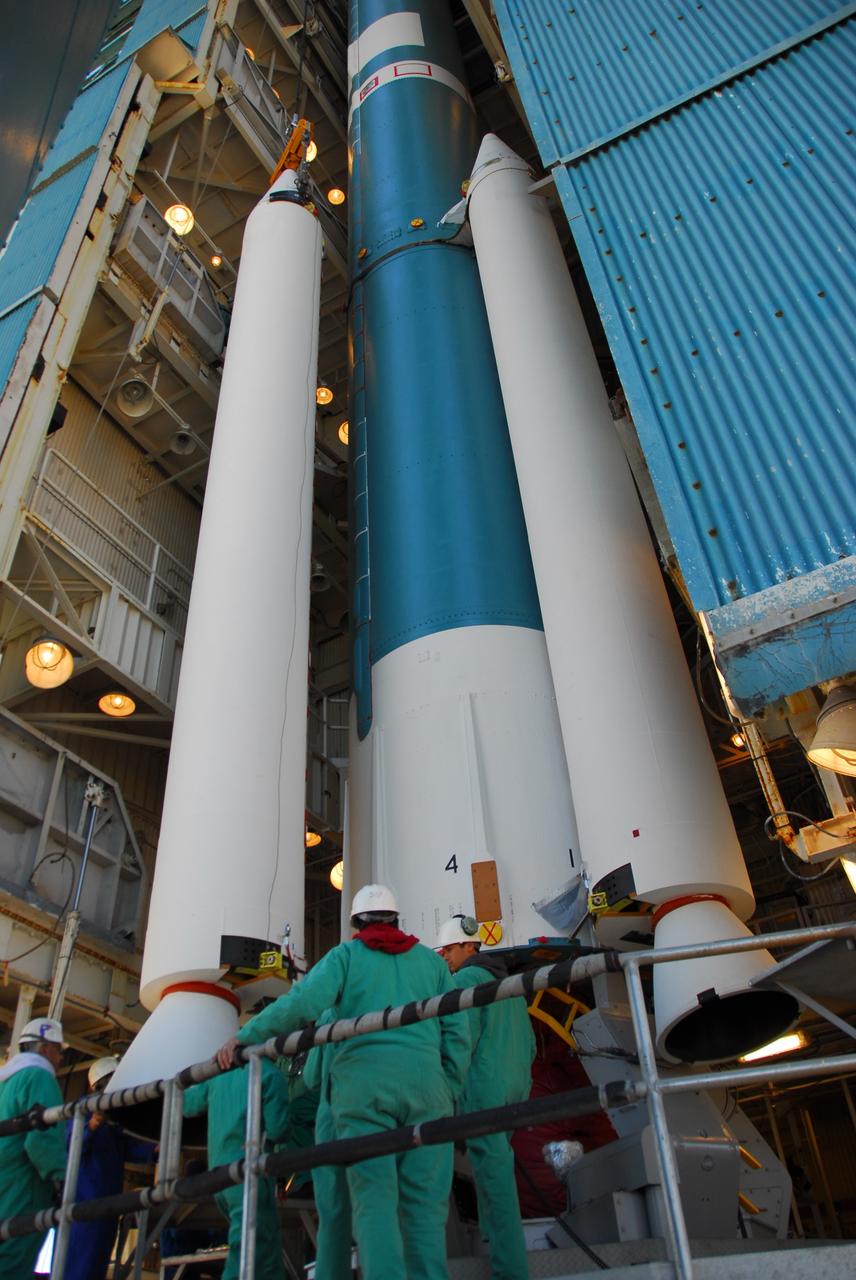
VANDENBERG AIR FORCE BASE, Calif. --At Vandenberg Air Force Base in California, a crane raises one of three United Launch Alliance Delta II solid rocket motors on the pad at Space Launch Complex-2 West (SLC-2W). A second motor was installed earlier in the morning. Scheduled to launch in June, the Delta II rocket will carry NASA's Aquarius satellite into low Earth orbit. Aquarius' mission will be to provide monthly maps of global changes in sea surface salinity. By measuring ocean salinity from space, Aquarius will provide new insights into how the massive natural exchange of freshwater between the ocean, atmosphere and sea ice influences ocean circulation, weather and climate. Also going up with the satellite are optical and thermal cameras, a microwave radiometer and the SAC-D spacecraft, which were developed with the help of institutions in Italy, France, Canada and Argentina. Photo credit: VAFB/30th Space Wing
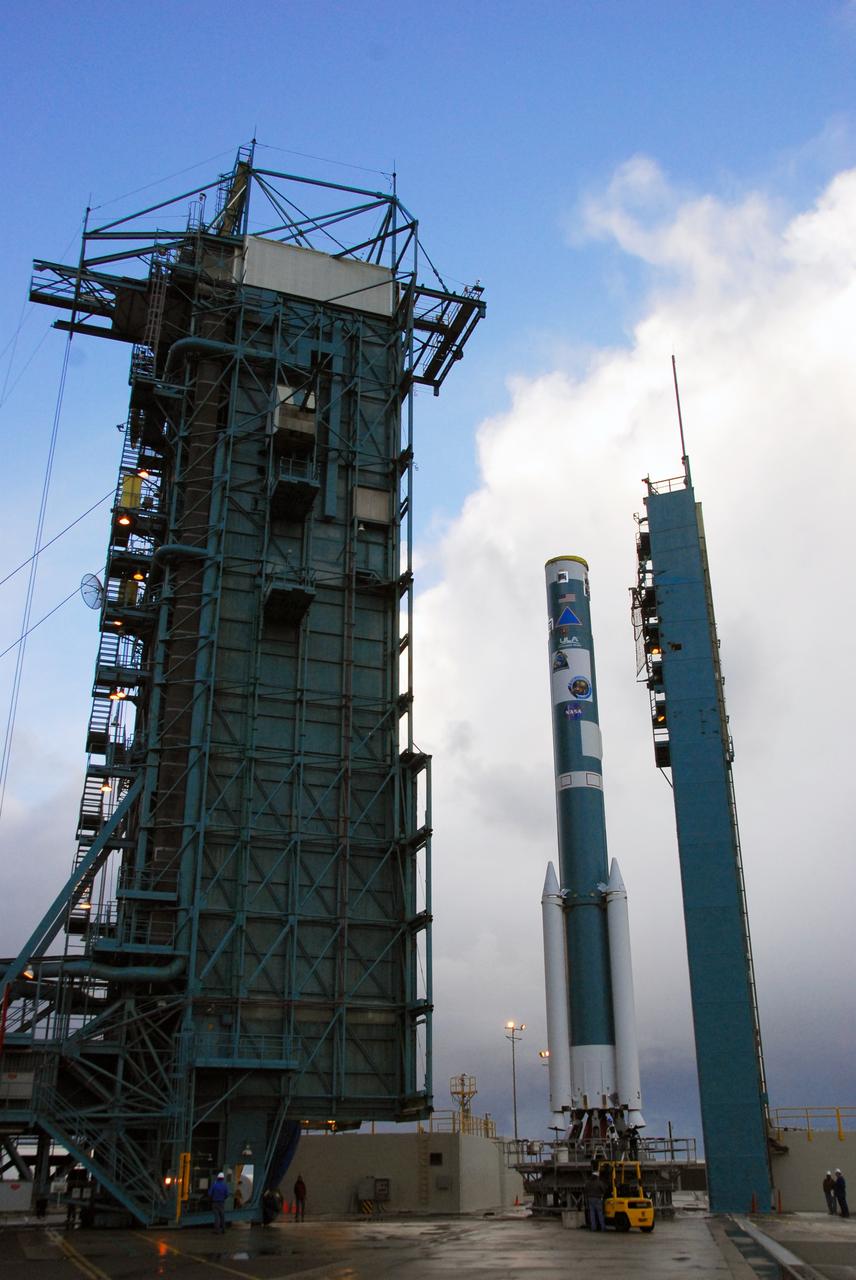
VANDENBERG AIR FORCE BASE, Calif. -- The Space Launch Complex-2 (SLC-2) service tower at Vandenberg Air Force Base in California is moved to allow United Launch Alliance technicians to hoist into position the second stage of the Delta II rocket that will carry NASA's Aquarius satellite into low Earth orbit. Scheduled to launch in June, Aquarius' mission will be to provide monthly maps of global changes in sea surface salinity. By measuring ocean salinity from space, Aquarius will provide new insights into how the massive natural exchange of freshwater between the ocean, atmosphere and sea ice influences ocean circulation, weather and climate. Also going up with the satellite are optical and thermal cameras, a microwave radiometer and the SAC-D spacecraft, which were developed with the help of institutions in Italy, France, Canada and Argentina. Photo credit: VAFB/30th Space Wing
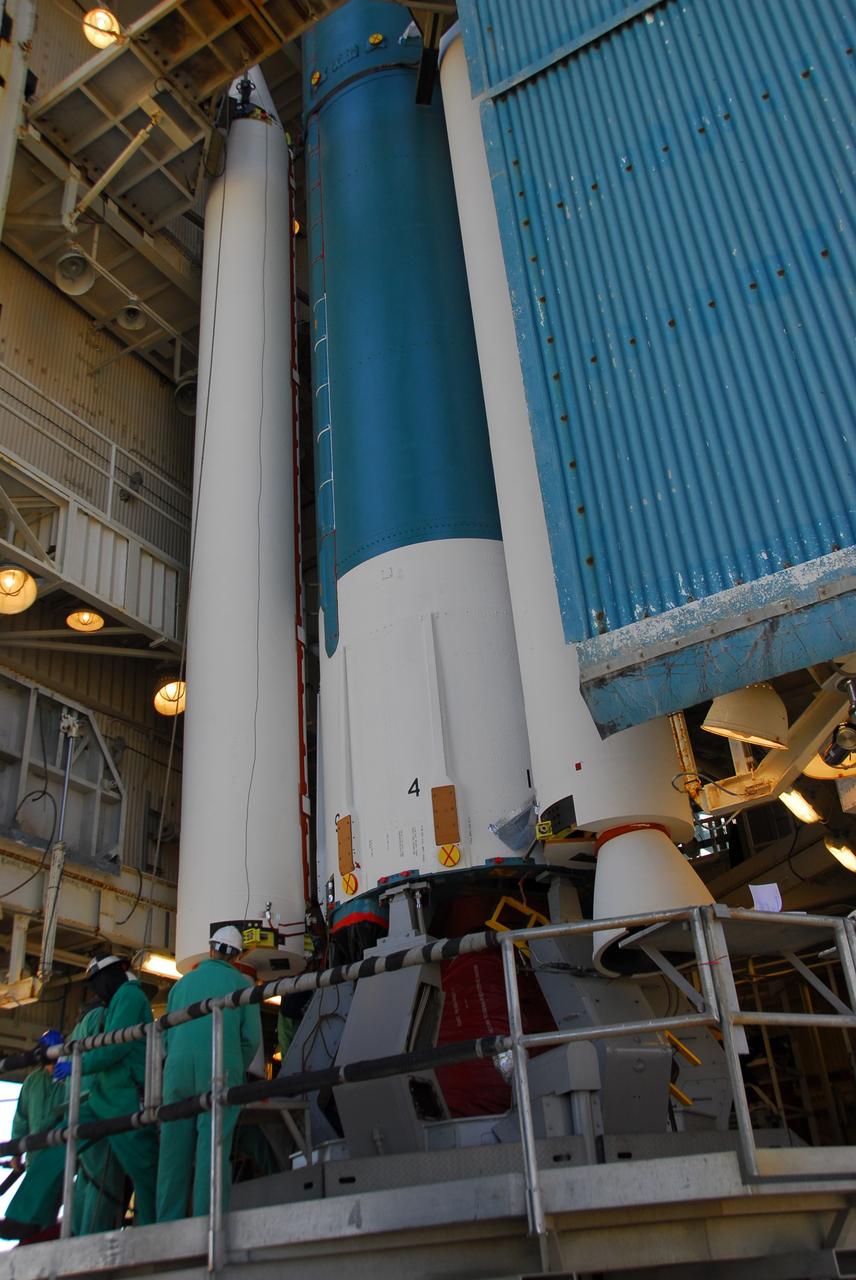
VANDENBERG AIR FORCE BASE, Calif. --At Vandenberg Air Force Base in California, United Launch Alliance technicians finish installing one of three Delta II solid rocket motors on the pad at Space Launch Complex-2 West (SLC-2W). A second motor was installed earlier in the morning. Scheduled to launch in June, the Delta II rocket will carry NASA's Aquarius satellite into low Earth orbit. Aquarius' mission will be to provide monthly maps of global changes in sea surface salinity. By measuring ocean salinity from space, Aquarius will provide new insights into how the massive natural exchange of freshwater between the ocean, atmosphere and sea ice influences ocean circulation, weather and climate. Also going up with the satellite are optical and thermal cameras, a microwave radiometer and the SAC-D spacecraft, which were developed with the help of institutions in Italy, France, Canada and Argentina. Photo credit: VAFB/30th Space Wing

VANDENBERG AIR FORCE BASE, Calif. --As the sun rises over Vandenberg Air Force Base in California, a crane begins to raise one of three United Launch Alliance Delta II solid rocket motors on the pad at Space Launch Complex-2 West (SLC-2W). Scheduled to launch in June, the Delta II rocket will carry NASA's Aquarius satellite into low Earth orbit. Aquarius' mission will be to provide monthly maps of global changes in sea surface salinity. By measuring ocean salinity from space, Aquarius will provide new insights into how the massive natural exchange of freshwater between the ocean, atmosphere and sea ice influences ocean circulation, weather and climate. Also going up with the satellite are optical and thermal cameras, a microwave radiometer and the SAC-D spacecraft, which were developed with the help of institutions in Italy, France, Canada and Argentina. Photo credit: VAFB/30th Space Wing
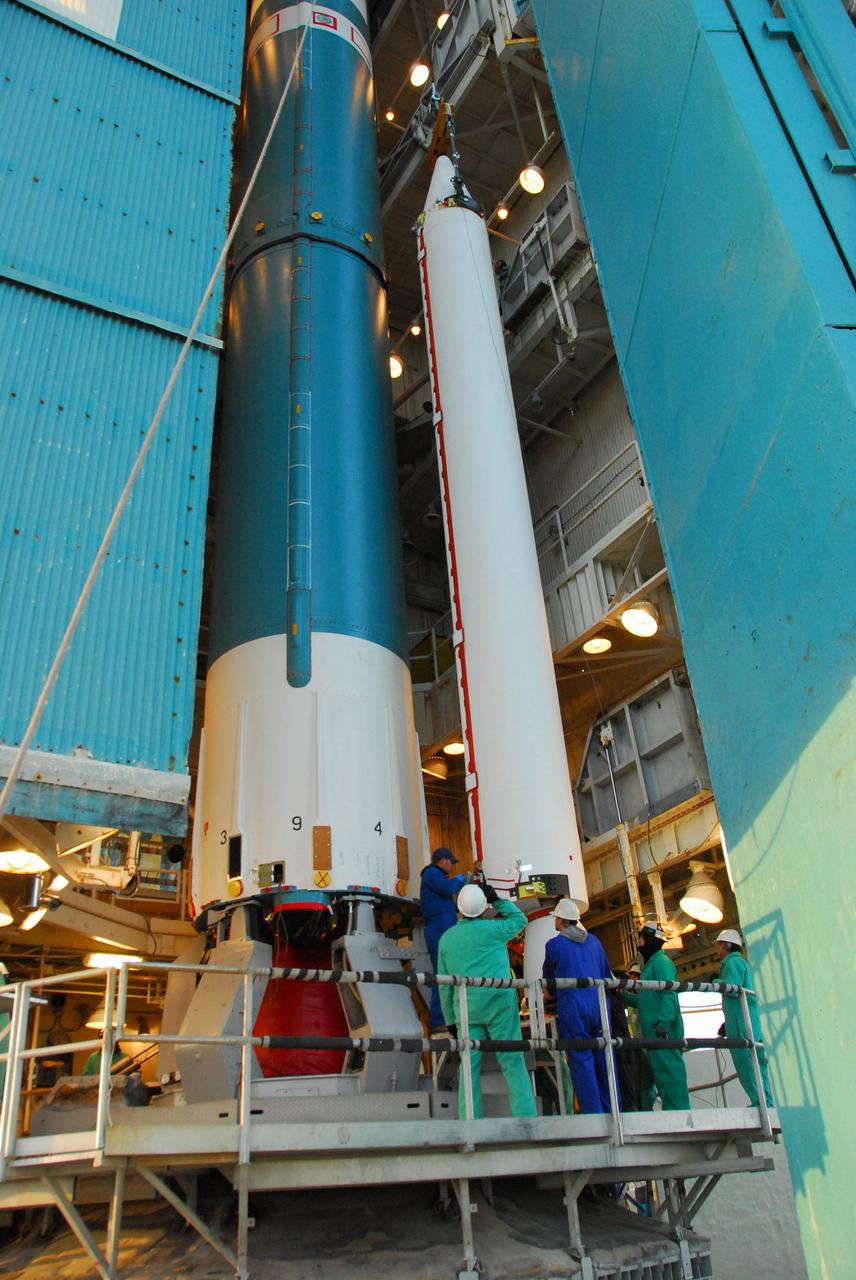
VANDENBERG AIR FORCE BASE, Calif. --As the sun rises over Vandenberg Air Force Base in California, a crane raises one of three United Launch Alliance Delta II solid rocket motors on the pad at Space Launch Complex-2 West (SLC-2W). Scheduled to launch in June, the Delta II rocket will carry NASA's Aquarius satellite into low Earth orbit. Aquarius' mission will be to provide monthly maps of global changes in sea surface salinity. By measuring ocean salinity from space, Aquarius will provide new insights into how the massive natural exchange of freshwater between the ocean, atmosphere and sea ice influences ocean circulation, weather and climate. Also going up with the satellite are optical and thermal cameras, a microwave radiometer and the SAC-D spacecraft, which were developed with the help of institutions in Italy, France, Canada and Argentina. Photo credit: VAFB/30th Space Wing
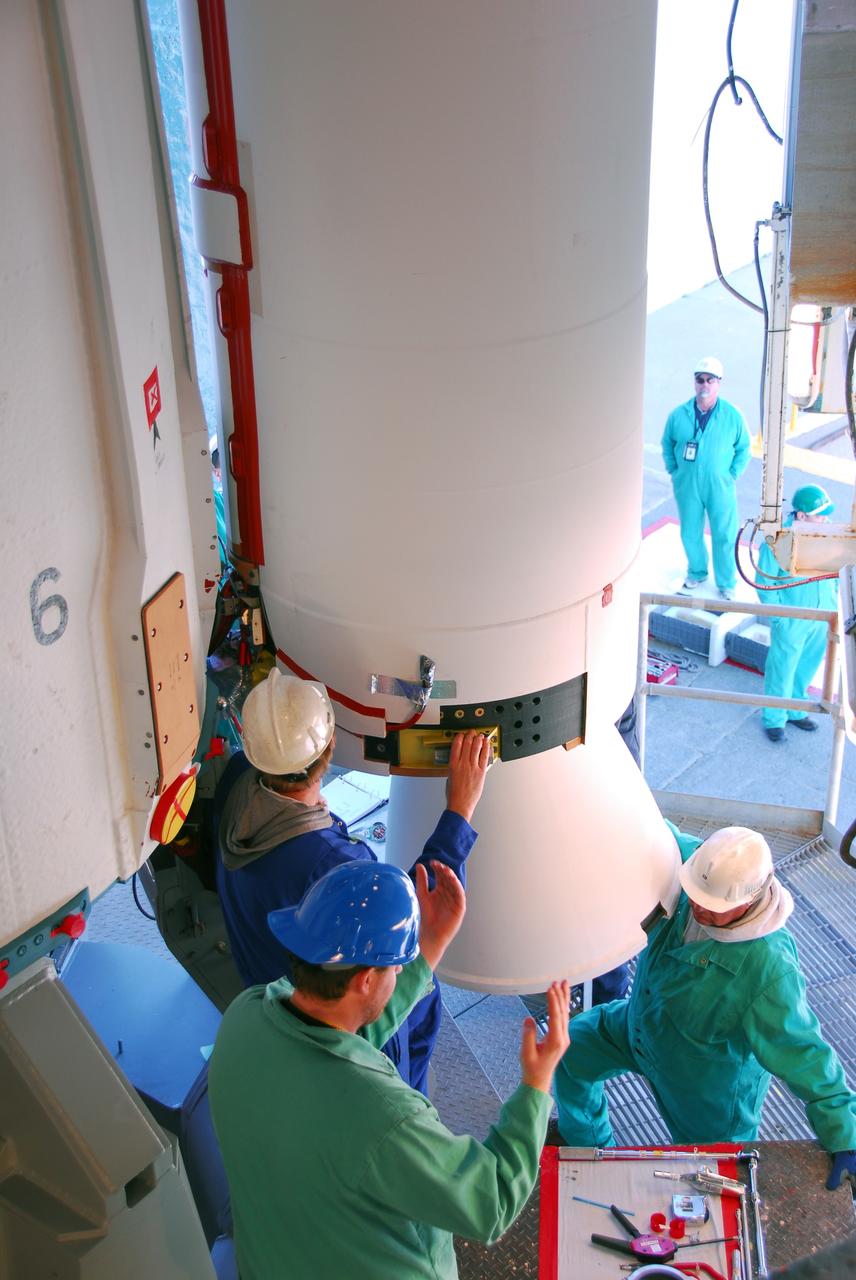
VANDENBERG AIR FORCE BASE, Calif. --At Vandenberg Air Force Base in California, United Launch Alliance technicians finish installing one of three Delta II solid rocket motors on the pad at Space Launch Complex-2 West (SLC-2W). Scheduled to launch in June, the Delta II rocket will carry NASA's Aquarius satellite into low Earth orbit. Aquarius' mission will be to provide monthly maps of global changes in sea surface salinity. By measuring ocean salinity from space, Aquarius will provide new insights into how the massive natural exchange of freshwater between the ocean, atmosphere and sea ice influences ocean circulation, weather and climate. Also going up with the satellite are optical and thermal cameras, a microwave radiometer and the SAC-D spacecraft, which were developed with the help of institutions in Italy, France, Canada and Argentina. Photo credit: VAFB/30th Space Wing
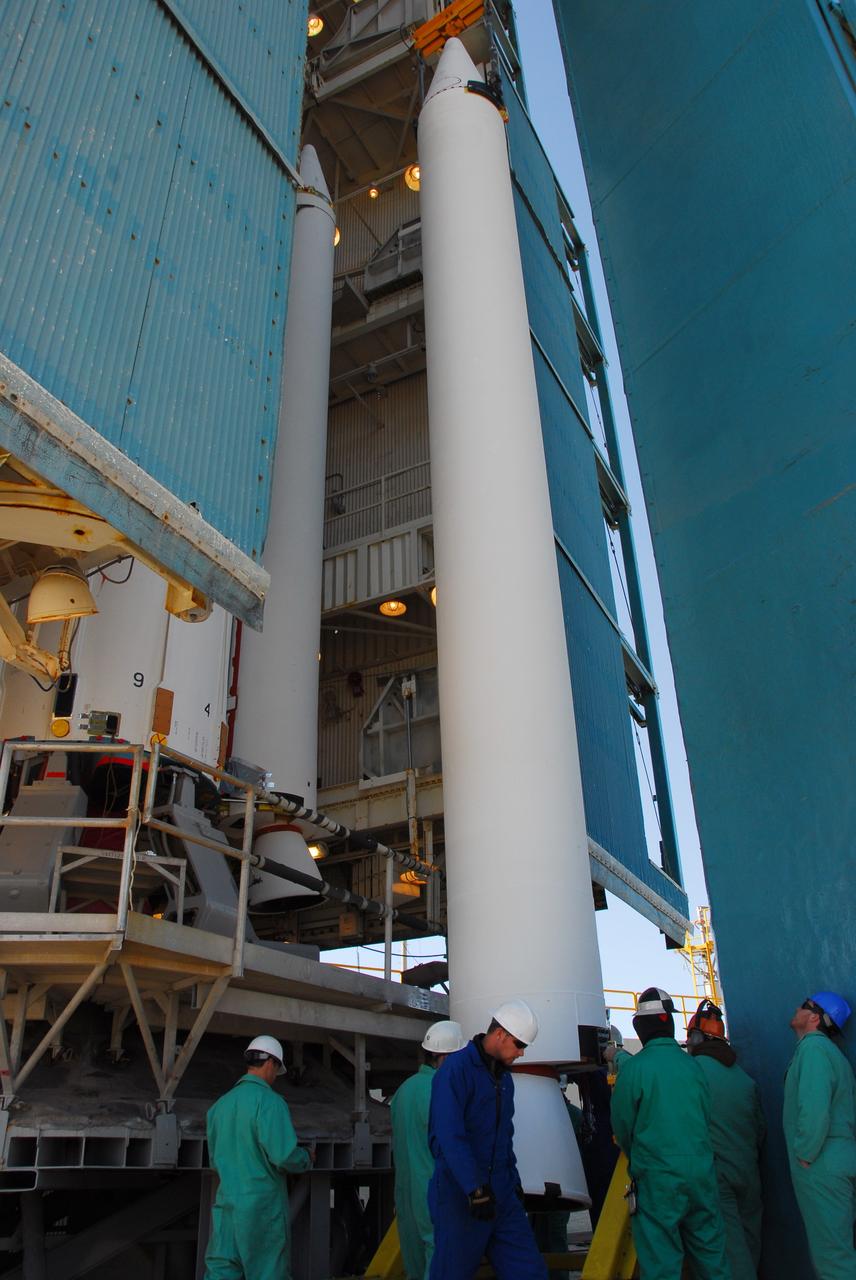
VANDENBERG AIR FORCE BASE, Calif. --At Vandenberg Air Force Base in California, a crane raises one of three United Launch Alliance Delta II solid rocket motors on the pad at Space Launch Complex-2 West (SLC-2W). A second motor was installed earlier in the morning. Scheduled to launch in June, the Delta II rocket will carry NASA's Aquarius satellite into low Earth orbit. Aquarius' mission will be to provide monthly maps of global changes in sea surface salinity. By measuring ocean salinity from space, Aquarius will provide new insights into how the massive natural exchange of freshwater between the ocean, atmosphere and sea ice influences ocean circulation, weather and climate. Also going up with the satellite are optical and thermal cameras, a microwave radiometer and the SAC-D spacecraft, which were developed with the help of institutions in Italy, France, Canada and Argentina. Photo credit: VAFB/30th Space Wing
VANDENBERG AIR FORCE BASE, Calif. --At Vandenberg Air Force Base in California, a crane raises one of three United Launch Alliance Delta II solid rocket motors on the pad at Space Launch Complex-2 West (SLC-2W). Scheduled to launch in June, the Delta II rocket will carry NASA's Aquarius satellite into low Earth orbit. Aquarius' mission will be to provide monthly maps of global changes in sea surface salinity. By measuring ocean salinity from space, Aquarius will provide new insights into how the massive natural exchange of freshwater between the ocean, atmosphere and sea ice influences ocean circulation, weather and climate. Also going up with the satellite are optical and thermal cameras, a microwave radiometer and the SAC-D spacecraft, which were developed with the help of institutions in Italy, France, Canada and Argentina. Photo credit: VAFB/30th Space Wing
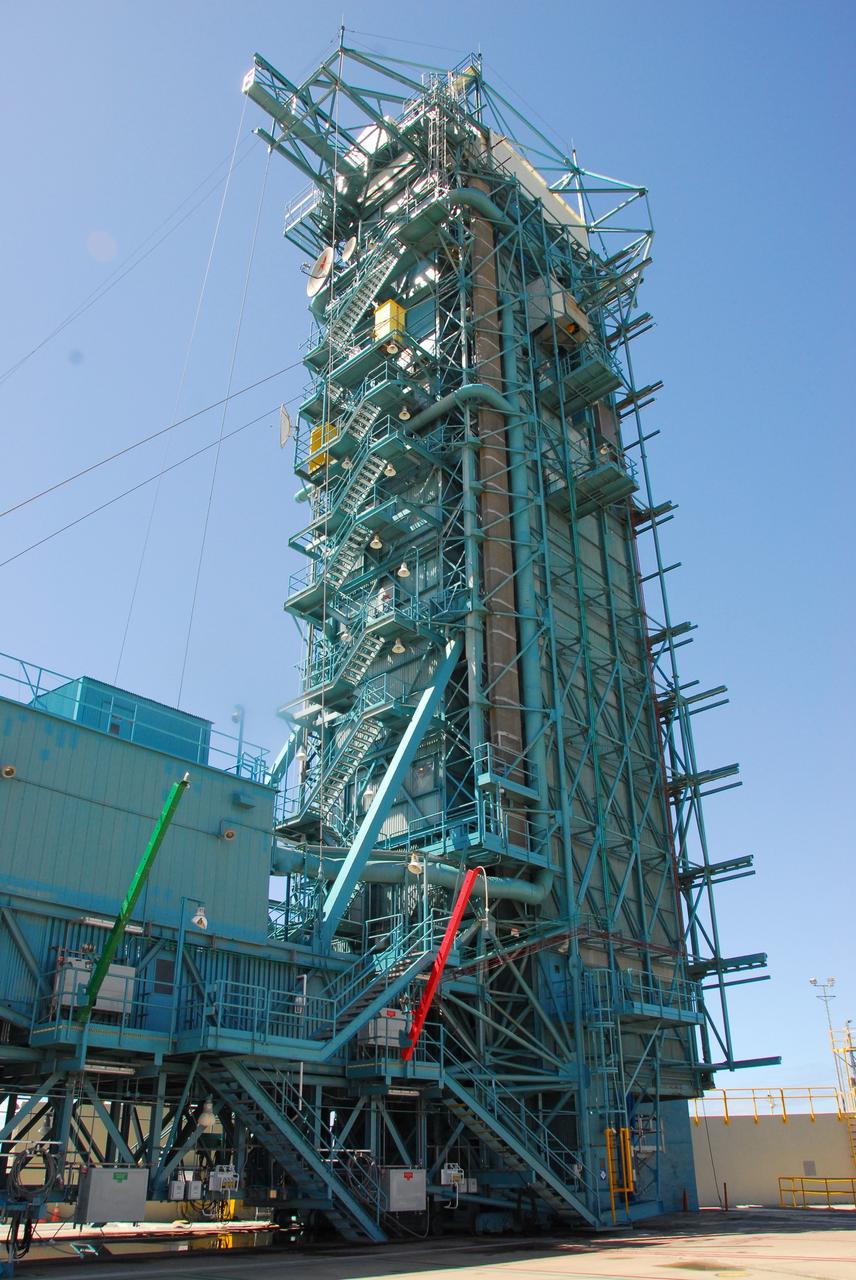
VANDENBERG AIR FORCE BASE, Calif. -- With the Space Launch Complex-2 (SLC-2) service tower at Vandenberg Air Force Base in California back in place, the first and second stages, and three solid rocket motors of a Delta II rocket are in their launch configuration. The rocket is being prepared to launch NASA's Aquarius satellite into low Earth orbit. Scheduled to launch in June, Aquarius' mission will be to provide monthly maps of global changes in sea surface salinity. By measuring ocean salinity from space, Aquarius will provide new insights into how the massive natural exchange of freshwater between the ocean, atmosphere and sea ice influences ocean circulation, weather and climate. Also going up with the satellite are optical and thermal cameras, a microwave radiometer and the SAC-D spacecraft, which were developed with the help of institutions in Italy, France, Canada and Argentina. Photo credit: VAFB/30th Space Wing
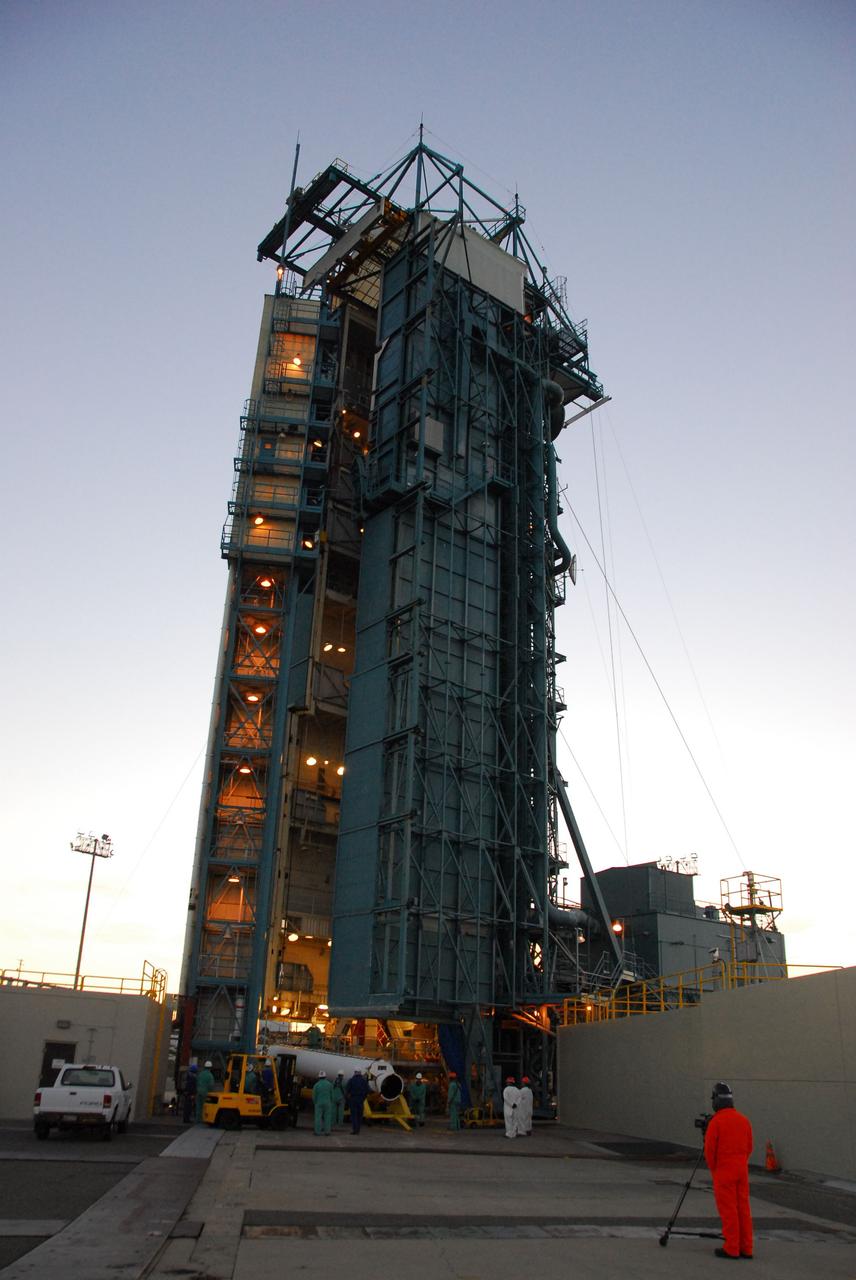
VANDENBERG AIR FORCE BASE, Calif. --As the sun rises over Vandenberg Air Force Base in California, United Launch Alliance technicians prepare to raise one of three Delta II solid rocket motors on the pad at Space Launch Complex-2 West (SLC-2W). Scheduled to launch in June, the Delta II rocket will carry NASA's Aquarius satellite into low Earth orbit. Aquarius' mission will be to provide monthly maps of global changes in sea surface salinity. By measuring ocean salinity from space, Aquarius will provide new insights into how the massive natural exchange of freshwater between the ocean, atmosphere and sea ice influences ocean circulation, weather and climate. Also going up with the satellite are optical and thermal cameras, a microwave radiometer and the SAC-D spacecraft, which were developed with the help of institutions in Italy, France, Canada and Argentina. Photo credit: VAFB/30th Space Wing
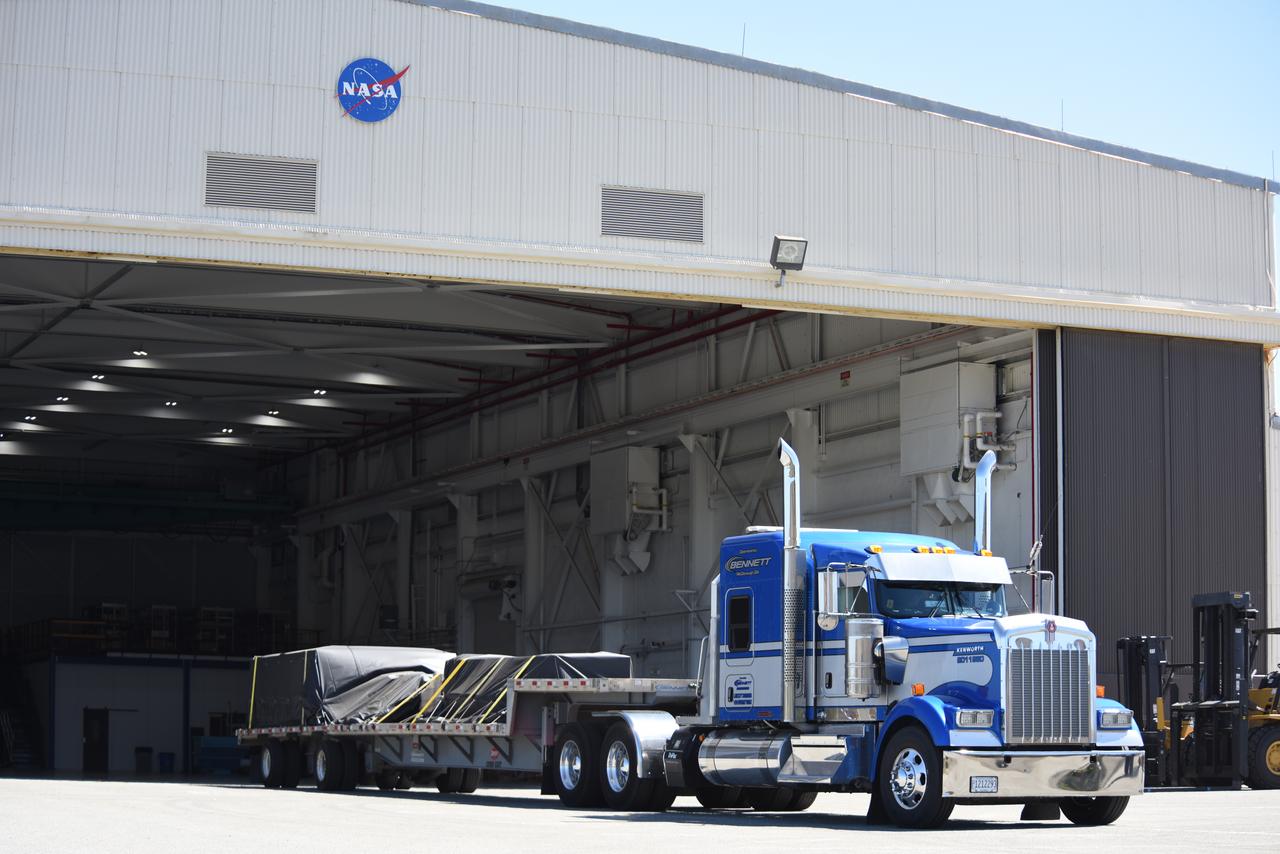
Wrapped in protective coverings, ground support equipment for the Sentinel-6B spacecraft, a collaboration between NASA, ESA (European Space Agency), EUMETSAT (European Organisation for the Exploitation of Meteorological Satellites), and the National Oceanic and Atmospheric Administration (NOAA), arrives by truck to NASA’s Building 836 at Vandenberg Space Force Base in California on Monday, Aug. 18, 2025. The second of two spacecraft that constitutes the Sentinel-6/Jason-CS (Continuity of Service) mission, Sentinel-6B will measure sea surface height and provide crucial information to help improve coastal planning, enabling local and state governments to make informed decisions about protecting coastal infrastructure, real estate, and energy sites. Launch is targeted for no earlier than November on a SpaceX Falcon 9 from Vandenberg.
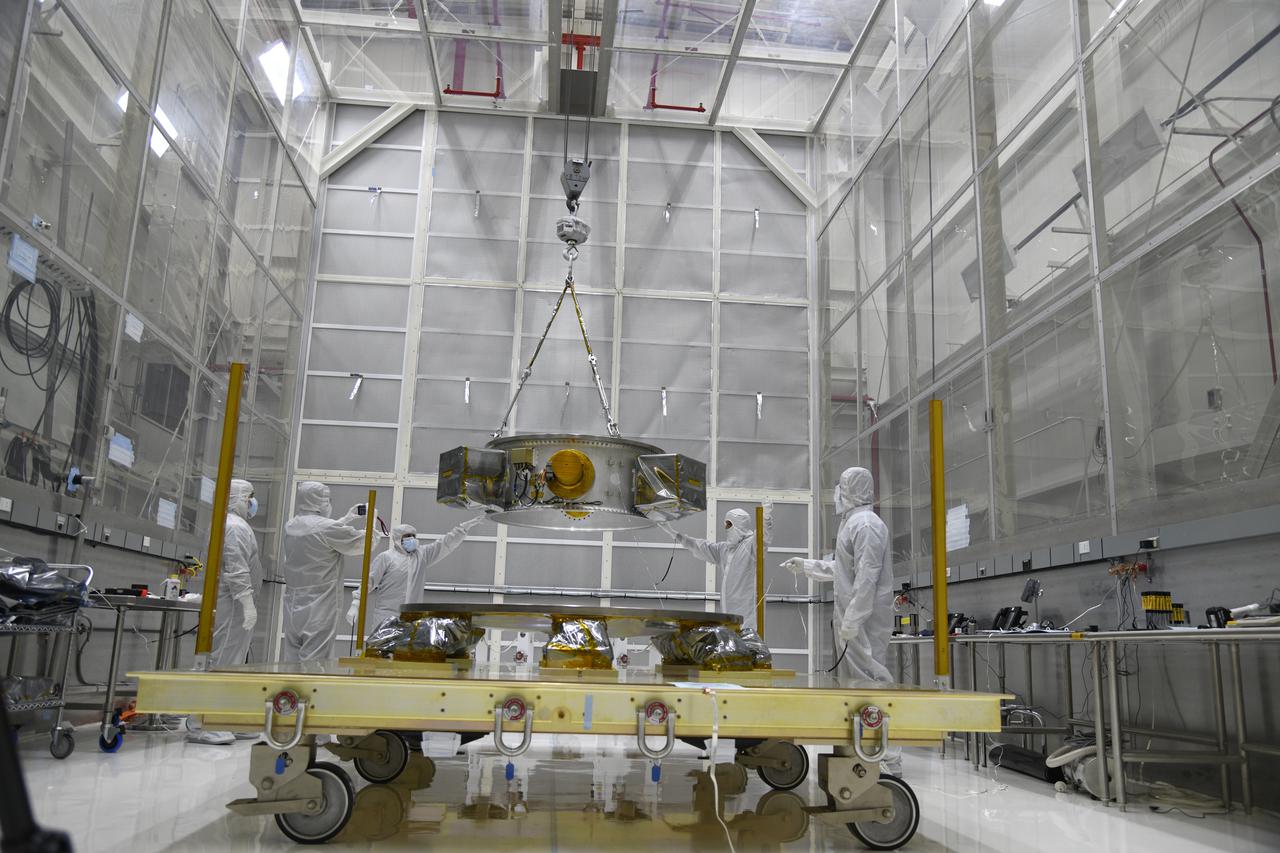
Technicians monitor the progress as a crane is used to lift the secondary payload adapter for NASA’s Landsat 9 mission onto a transporter stand at Vandenberg Space Force Base in California, on Aug. 4, 2021. The payload adapter will be transported to the Integrated Processing Facility. Several secondary payloads, called CubeSats, will launch with Landsat 9 atop a United Launch Alliance Atlas V rocket from Vandenberg in September 2021. The launch is being managed by NASA’s Launch Services Program based at Kennedy Space Center, America’s multi-user spaceport. The Landsat 9 satellite will continue the nearly 50-year legacy of previous Landsat missions. It will monitor key natural and economic resources from orbit. Landsat 9 is managed by the agency’s Goddard Space Flight Center in Greenbelt, Maryland. The satellite will carry two instruments: the Operational Land Imager 2, which collects images of Earth’s landscapes in visible, near infrared and shortwave infrared light, and the Thermal Infrared Sensor 2, which measures the temperature of land surfaces. Like its predecessors, Landsat 9 is a joint mission between NASA and the U.S. Geological Survey.
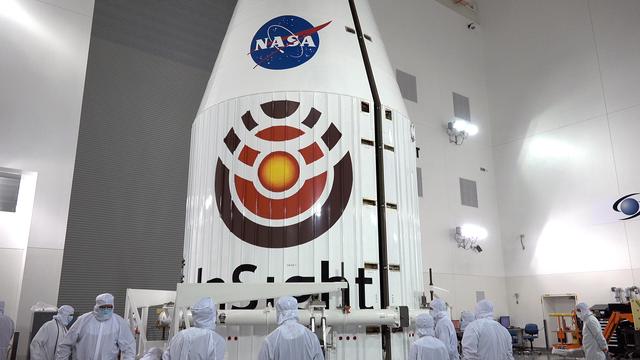
In the Astrotech facility at Vandenberg Air Force Base in California, technicians and engineers encapsulate NASA's Interior Exploration using Seismic Investigations, Geodesy and Heat Transport, or InSight, Mars lander in its payload fairing. InSight will be the first mission to look deep beneath the Martian surface. It will study the planet's interior by measuring its heat output and listen for marsquakes. The spacecraft will use the seismic waves generated by marsquakes to develop a map of the planet’s deep interior. The resulting insight into Mars’ formation will provide a better understanding of how other rocky planets, including Earth, were created. InSight is scheduled for liftoff May 5, 2018.
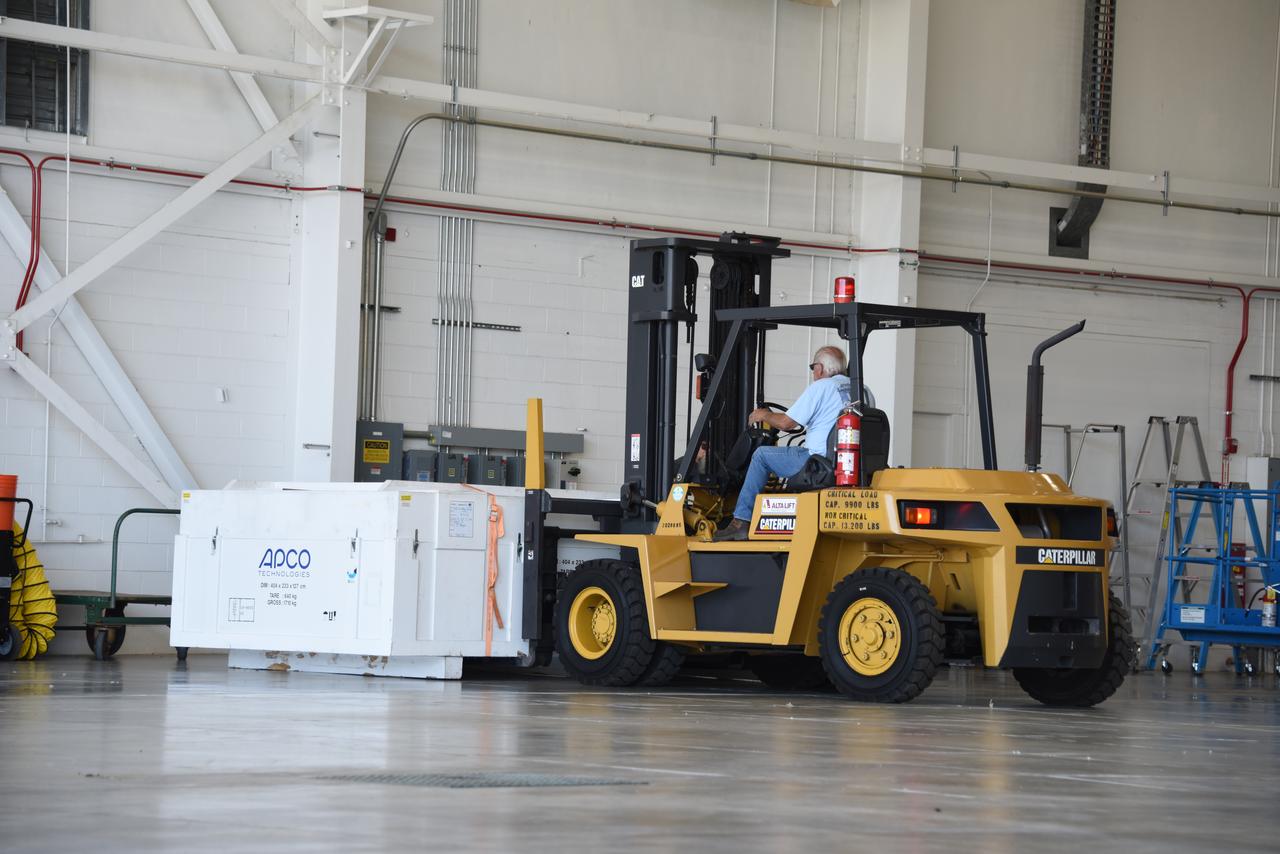
Ground support equipment for the Sentinel-6B spacecraft, a collaboration between NASA, ESA (European Space Agency), EUMETSAT (European Organisation for the Exploitation of Meteorological Satellites), and the National Oceanic and Atmospheric Administration (NOAA), is offloaded inside NASA’s Building 836 at Vandenberg Space Force Base in California on Monday, Aug. 18, 2025. The second of two spacecraft that constitutes the Sentinel-6/Jason-CS (Continuity of Service) mission, Sentinel-6B will measure sea surface height and provide crucial information to help improve coastal planning, enabling local and state governments to make informed decisions about protecting coastal infrastructure, real estate, and energy sites. Launch is targeted for no earlier than November on a SpaceX Falcon 9 from Vandenberg.
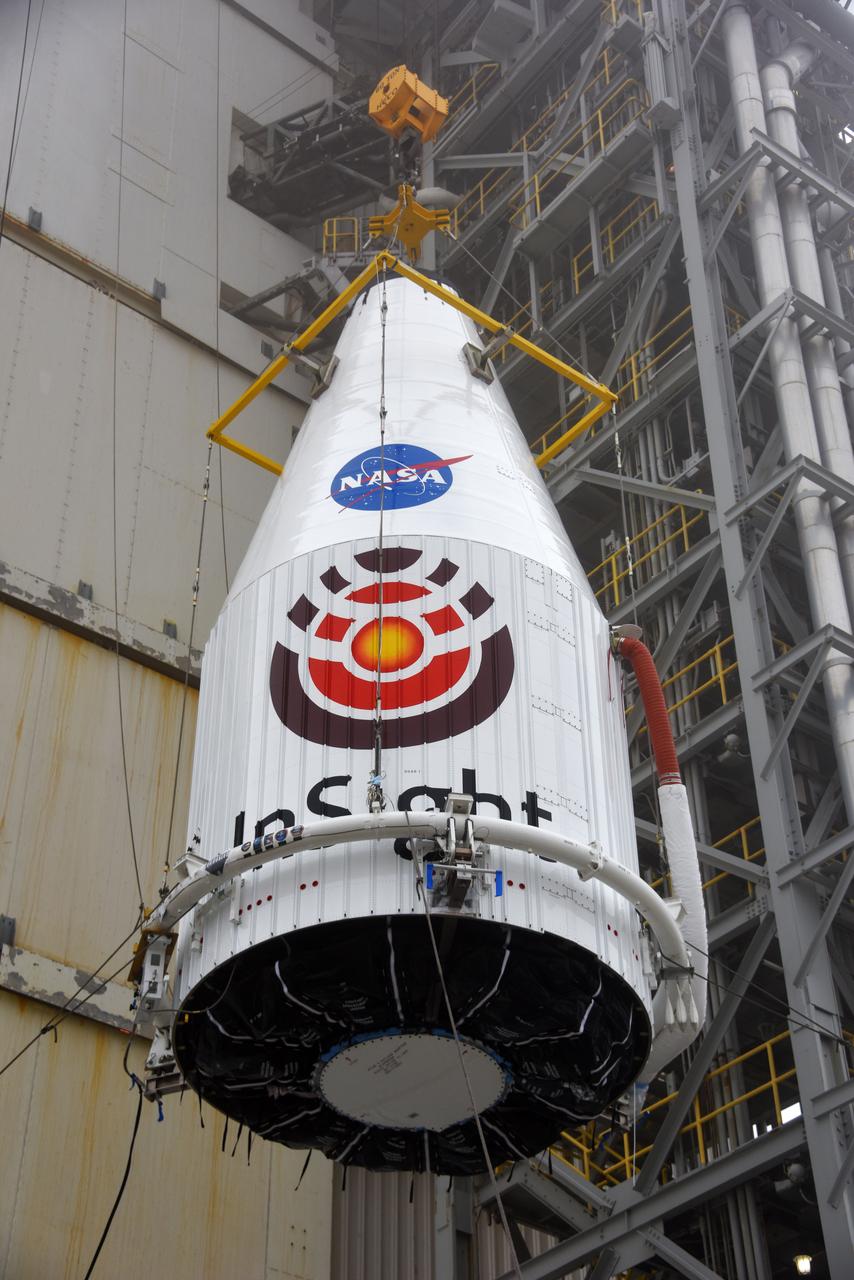
At Space Launch Complex 3 at Vandenberg Air Force Base in California, a crane is used to lift NASA's Interior Exploration using Seismic Investigations, Geodesy and Heat Transport, or InSight, Mars lander for mating atop a United Launch Alliance Atlas V rocket. InSight will be the first mission to look deep beneath the Martian surface. It will study the planet's interior by measuring its heat output and listen for marsquakes. The spacecraft will use the seismic waves generated by marsquakes to develop a map of the planet’s deep interior. The resulting insight into Mars’ formation will provide a better understanding of how other rocky planets, including Earth, were created. InSight is scheduled for liftoff May 5, 2018.
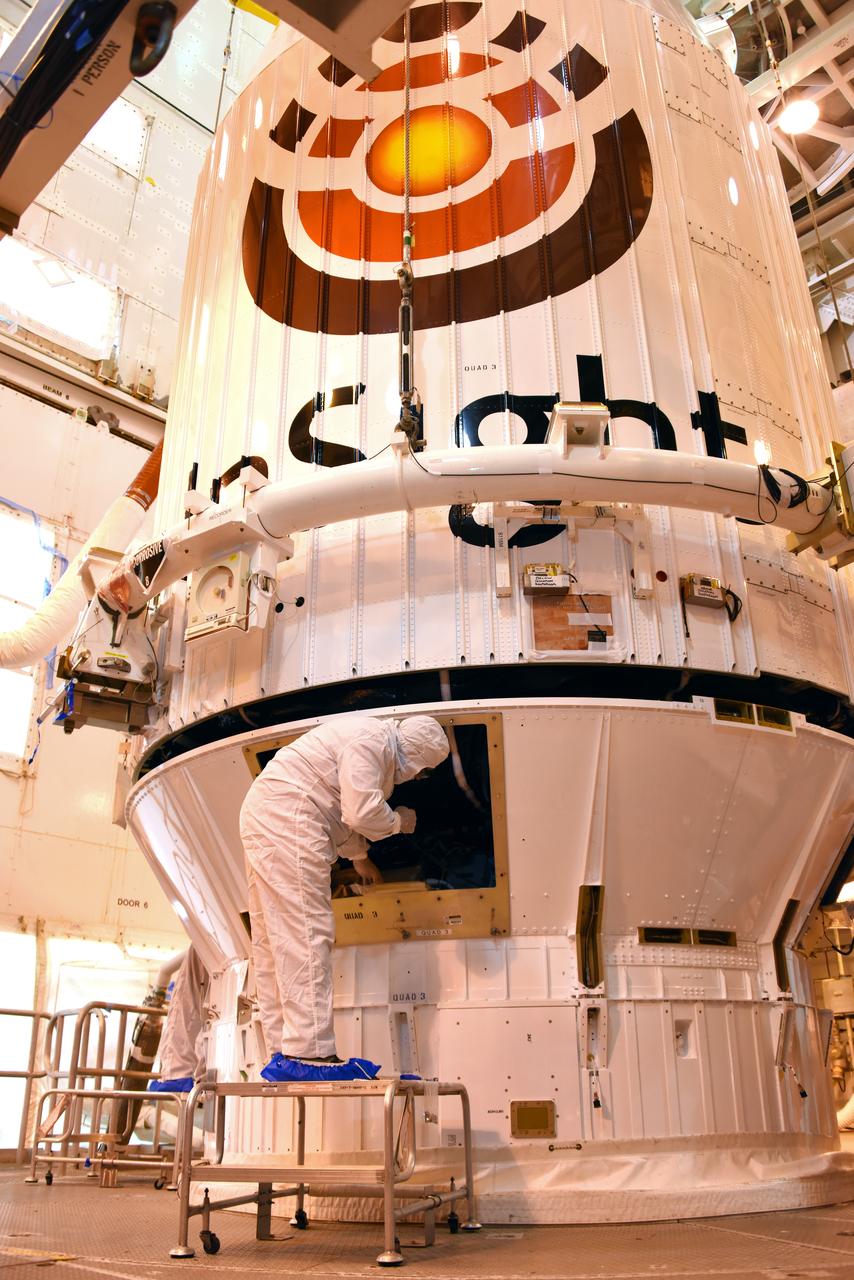
At Space Launch Complex 3 at Vandenberg Air Force Base in California, technicians and engineers position NASA's Interior Exploration using Seismic Investigations, Geodesy and Heat Transport, or InSight, Mars lander atop a United Launch Alliance Atlas V rocket. InSight will be the first mission to look deep beneath the Martian surface. It will study the planet's interior by measuring its heat output and listen for marsquakes. The spacecraft will use the seismic waves generated by marsquakes to develop a map of the planet’s deep interior. The resulting insight into Mars’ formation will provide a better understanding of how other rocky planets, including Earth, were created. InSight is scheduled for liftoff May 5, 2018.
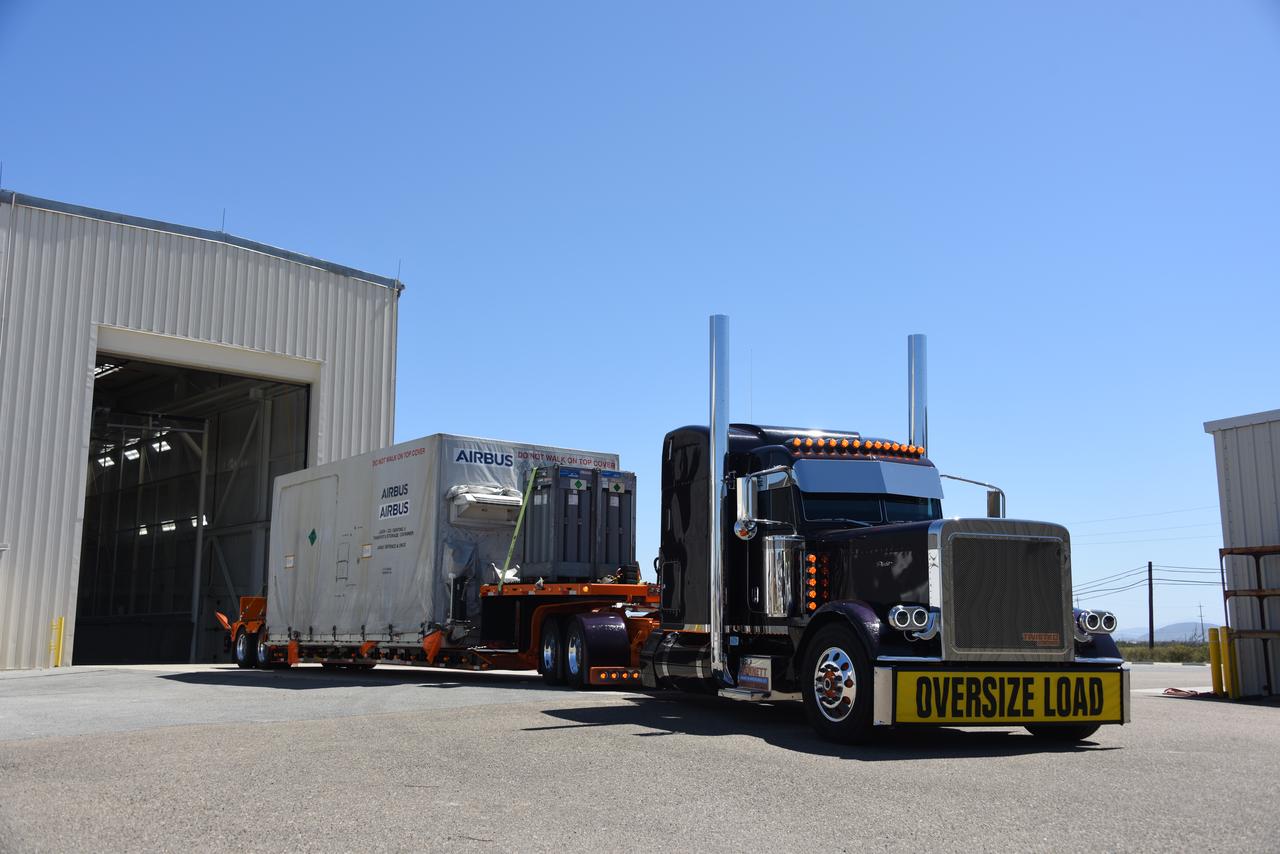
Packed in its shipping container, the Sentinel-6B spacecraft, a collaboration between NASA, ESA (European Space Agency), EUMETSAT (European Organisation for the Exploitation of Meteorological Satellites), and the National Oceanic and Atmospheric Administration (NOAA), arrives by truck at the entrance NASA’s Building 836 at Vandenberg Space Force Base in California on Monday, Aug. 18, 2025. The second of two spacecraft that constitutes the Sentinel-6/Jason-CS (Continuity of Service) mission, Sentinel-6B will measure sea surface height and provide crucial information to help improve coastal planning, enabling local and state governments to make informed decisions about protecting coastal infrastructure, real estate, and energy sites. Launch is targeted for no earlier than November on a SpaceX Falcon 9 from Vandenberg.
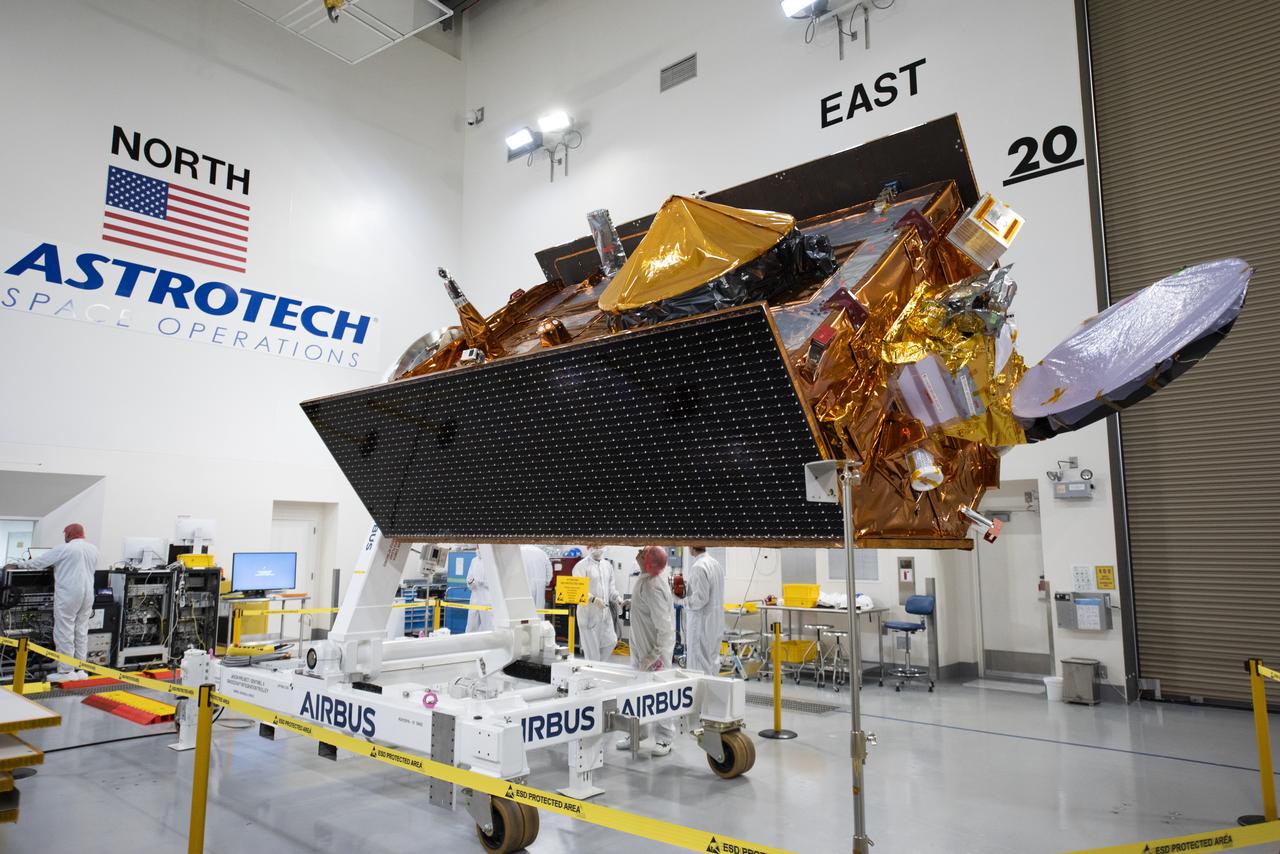
Technicians transfer the Sentinel-6B spacecraft from the NASA hangar to the Astrotech Space Operations payload processing facility at Vandenberg Space Force Base in California on Thursday, Sept. 25, 2025. Sentinel-6B will undergo detailed inspections, tests, and fueling in a cleanroom as it prepares for a November launch on a SpaceX Falcon 9 rocket. The spacecraft is designed to measure sea levels down to roughly an inch for about 90% of the world’s oceans. Sentinel-6B also will extend the record of atmospheric temperatures, begun by Sentinel-6 Michael Freilich, out to a decade.
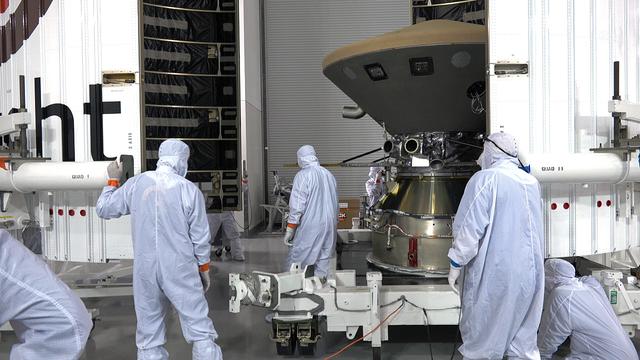
In the Astrotech facility at Vandenberg Air Force Base in California, technicians and engineers encapsulate NASA's Interior Exploration using Seismic Investigations, Geodesy and Heat Transport, or InSight, Mars lander in its payload fairing. InSight will be the first mission to look deep beneath the Martian surface. It will study the planet's interior by measuring its heat output and listen for marsquakes. The spacecraft will use the seismic waves generated by marsquakes to develop a map of the planet’s deep interior. The resulting insight into Mars’ formation will provide a better understanding of how other rocky planets, including Earth, were created. InSight is scheduled for liftoff May 5, 2018.
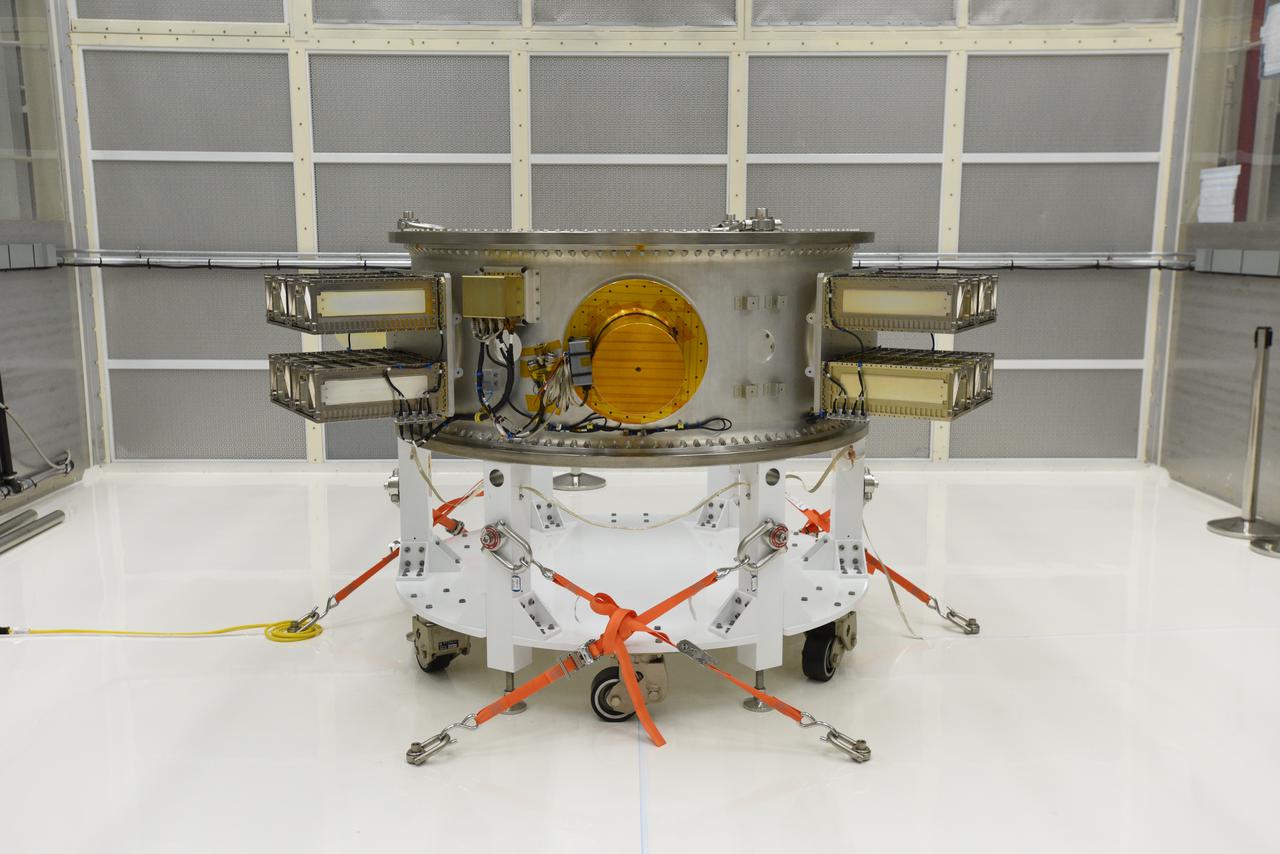
The secondary payload adapter for NASA’s Landsat 9 mission is staged for further testing at Vandenberg Space Force Base in California, on Aug. 3, 2021, before it is transported to the Integrated Processing Facility. Several secondary payloads, called CubeSats, will launch with Landsat 9 atop a United Launch Alliance Atlas V rocket from Vandenberg in September 2021. The launch is being managed by NASA’s Launch Services Program based at Kennedy Space Center, America’s multi-user spaceport. The Landsat 9 satellite will continue the nearly 50-year legacy of previous Landsat missions. It will monitor key natural and economic resources from orbit. Landsat 9 is managed by the agency’s Goddard Space Flight Center in Greenbelt, Maryland. The satellite will carry two instruments: the Operational Land Imager 2, which collects images of Earth’s landscapes in visible, near infrared and shortwave infrared light, and the Thermal Infrared Sensor 2, which measures the temperature of land surfaces. Like its predecessors, Landsat 9 is a joint mission between NASA and the U.S. Geological Survey.
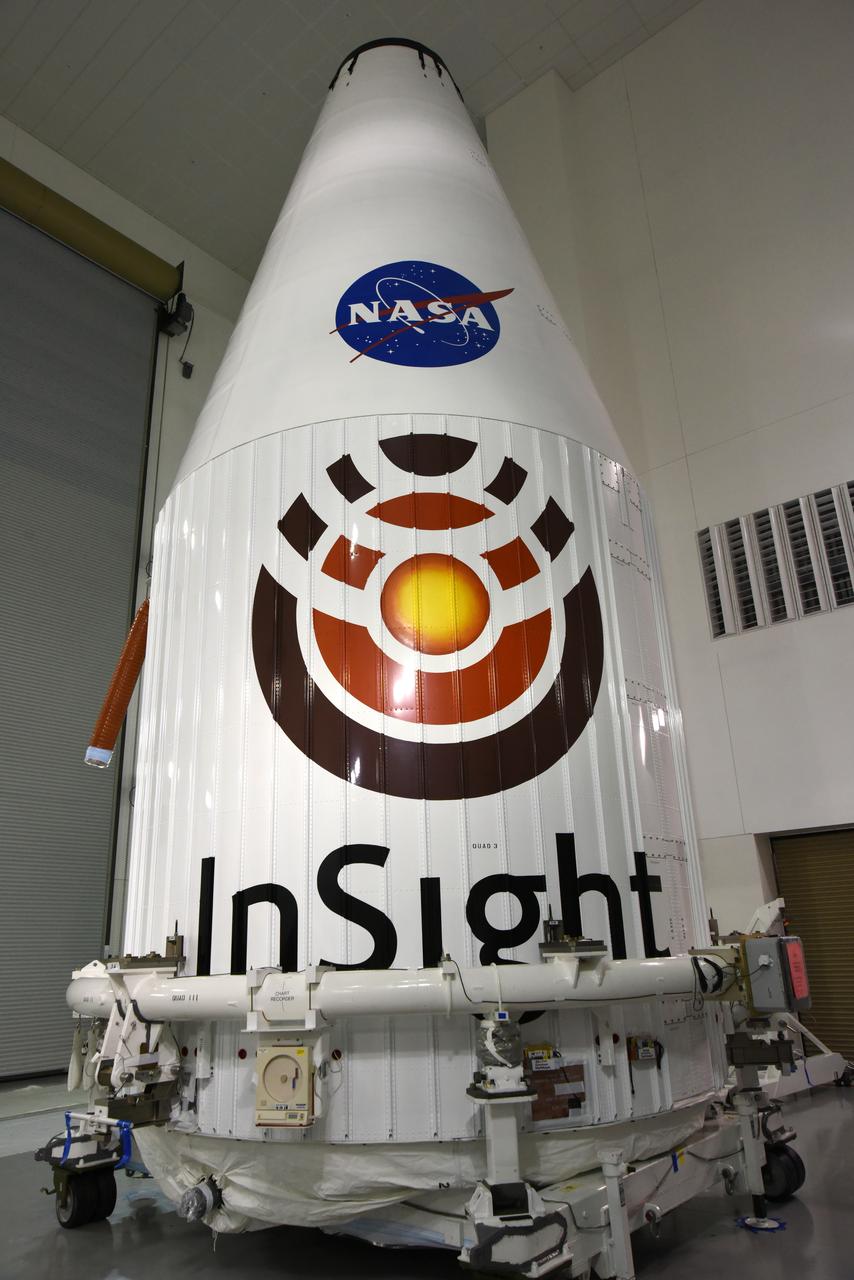
Encapsulated in its payload fairing NASA's Interior Exploration using Seismic Investigations, Geodesy and Heat Transport, or InSight, Mars lander is prepared for transport to Space Launch Complex 3 at Vandenberg Air Force Base in California. InSight will be the first mission to look deep beneath the Martian surface. It will study the planet's interior by measuring its heat output and listen for marsquakes. The spacecraft will use the seismic waves generated by marsquakes to develop a map of the planet’s deep interior. The resulting insight into Mars’ formation will provide a better understanding of how other rocky planets, including Earth, were created. InSight is scheduled for liftoff May 5, 2018.
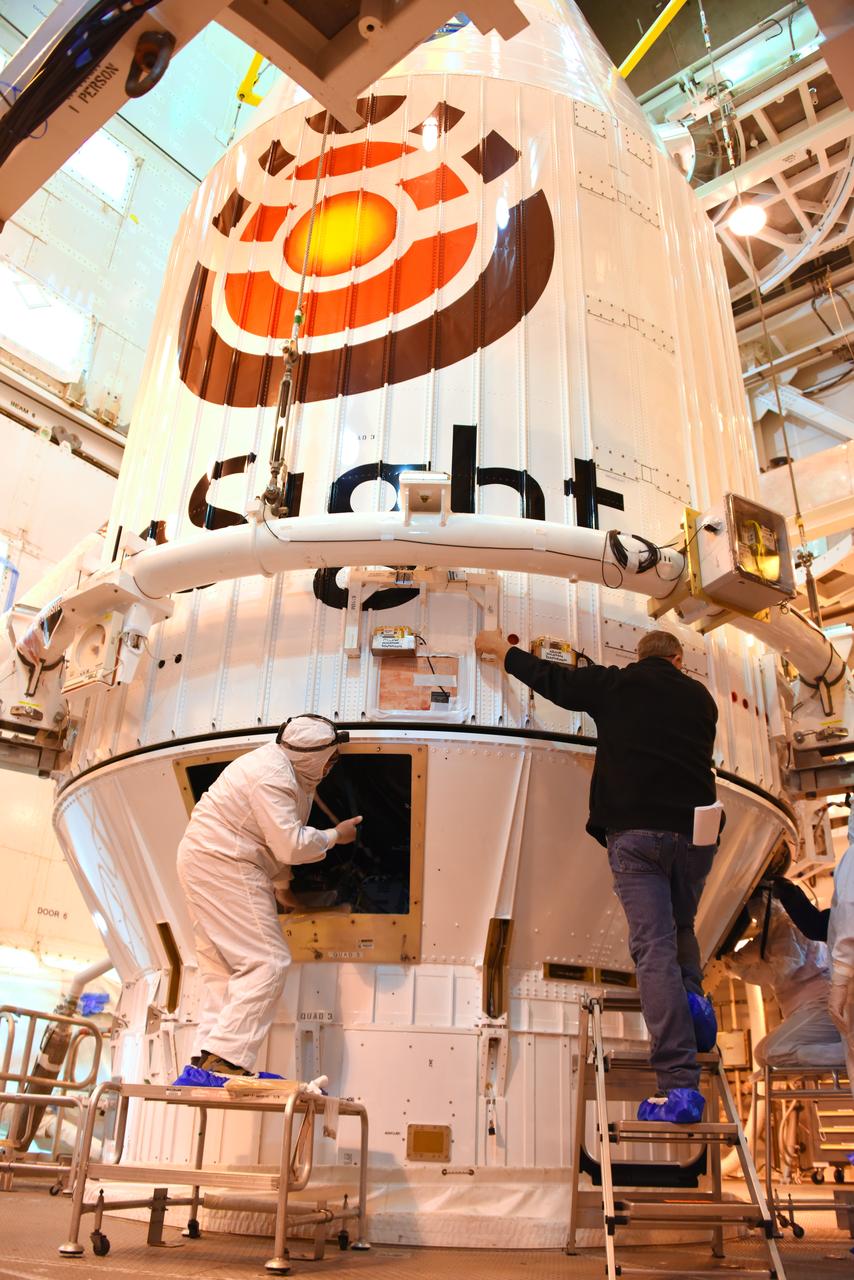
At Space Launch Complex 3 at Vandenberg Air Force Base in California, technicians and engineers position NASA's Interior Exploration using Seismic Investigations, Geodesy and Heat Transport, or InSight, Mars lander atop a United Launch Alliance Atlas V rocket. InSight will be the first mission to look deep beneath the Martian surface. It will study the planet's interior by measuring its heat output and listen for marsquakes. The spacecraft will use the seismic waves generated by marsquakes to develop a map of the planet’s deep interior. The resulting insight into Mars’ formation will provide a better understanding of how other rocky planets, including Earth, were created. InSight is scheduled for liftoff May 5, 2018.

In the Astrotech facility at Vandenberg Air Force Base in California, NASA's Interior Exploration using Seismic Investigations, Geodesy and Heat Transport, or InSight, Mars lander is encapsulated in its payload fairing. InSight will be the first mission to look deep beneath the Martian surface. It will study the planet's interior by measuring its heat output and listen for marsquakes. The spacecraft will use the seismic waves generated by marsquakes to develop a map of the planet’s deep interior. The resulting insight into Mars’ formation will provide a better understanding of how other rocky planets, including Earth, were created. InSight is scheduled for liftoff May 5, 2018.

Packed in its shipping container, the Sentinel-6B spacecraft, a collaboration between NASA, ESA (European Space Agency), EUMETSAT (European Organisation for the Exploitation of Meteorological Satellites), and the National Oceanic and Atmospheric Administration (NOAA), arrives by truck at the entrance NASA’s Building 836 at Vandenberg Space Force Base in California on Monday, Aug. 18, 2025. The second of two spacecraft that constitutes the Sentinel-6/Jason-CS (Continuity of Service) mission, Sentinel-6B will measure sea surface height and provide crucial information to help improve coastal planning, enabling local and state governments to make informed decisions about protecting coastal infrastructure, real estate, and energy sites. Launch is targeted for no earlier than November on a SpaceX Falcon 9 from Vandenberg.
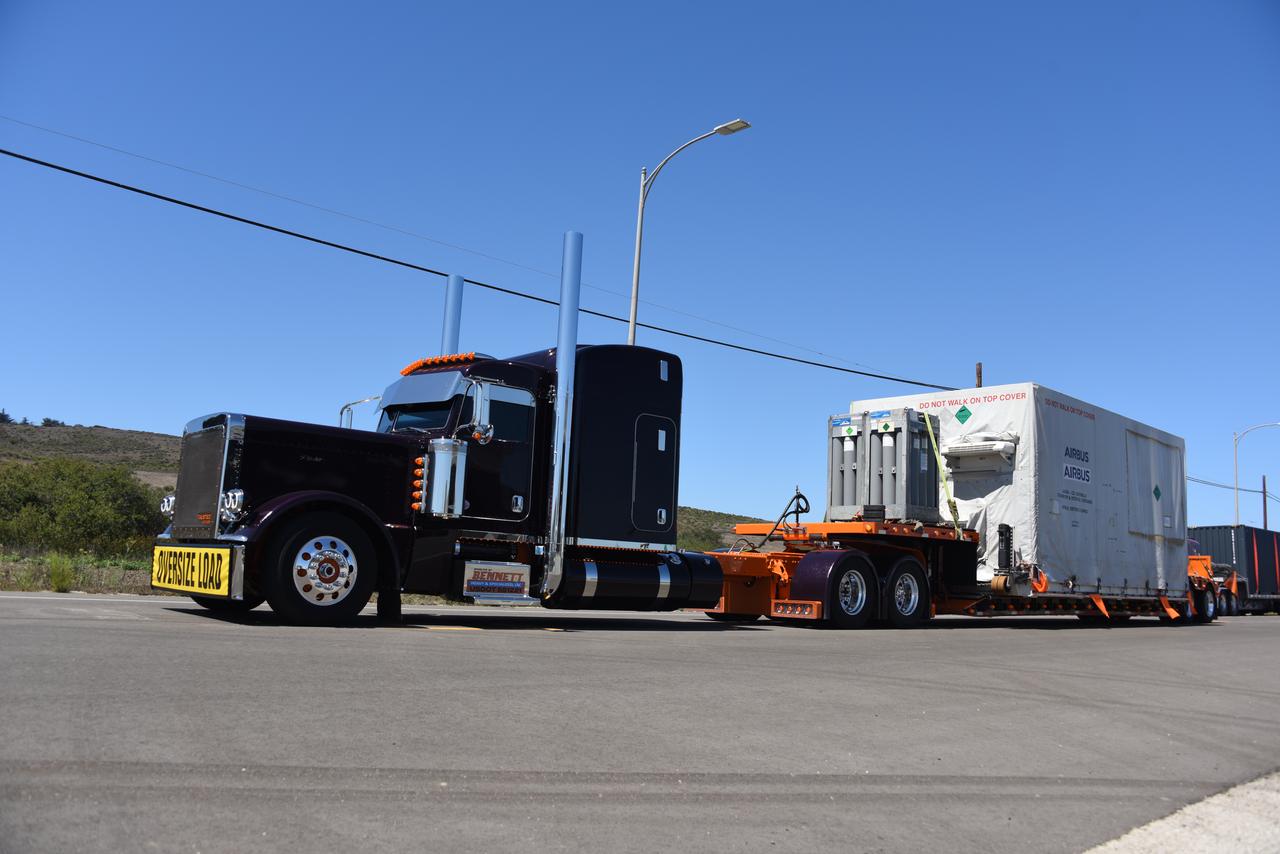
Packed in its shipping container, the Sentinel-6B spacecraft, a collaboration between NASA, ESA (European Space Agency), EUMETSAT (European Organisation for the Exploitation of Meteorological Satellites), and the National Oceanic and Atmospheric Administration (NOAA), arrives by truck at the entrance NASA’s Building 836 at Vandenberg Space Force Base in California on Monday, Aug. 18, 2025. The second of two spacecraft that constitutes the Sentinel-6/Jason-CS (Continuity of Service) mission, Sentinel-6B will measure sea surface height and provide crucial information to help improve coastal planning, enabling local and state governments to make informed decisions about protecting coastal infrastructure, real estate, and energy sites. Launch is targeted for no earlier than November on a SpaceX Falcon 9 from Vandenberg.
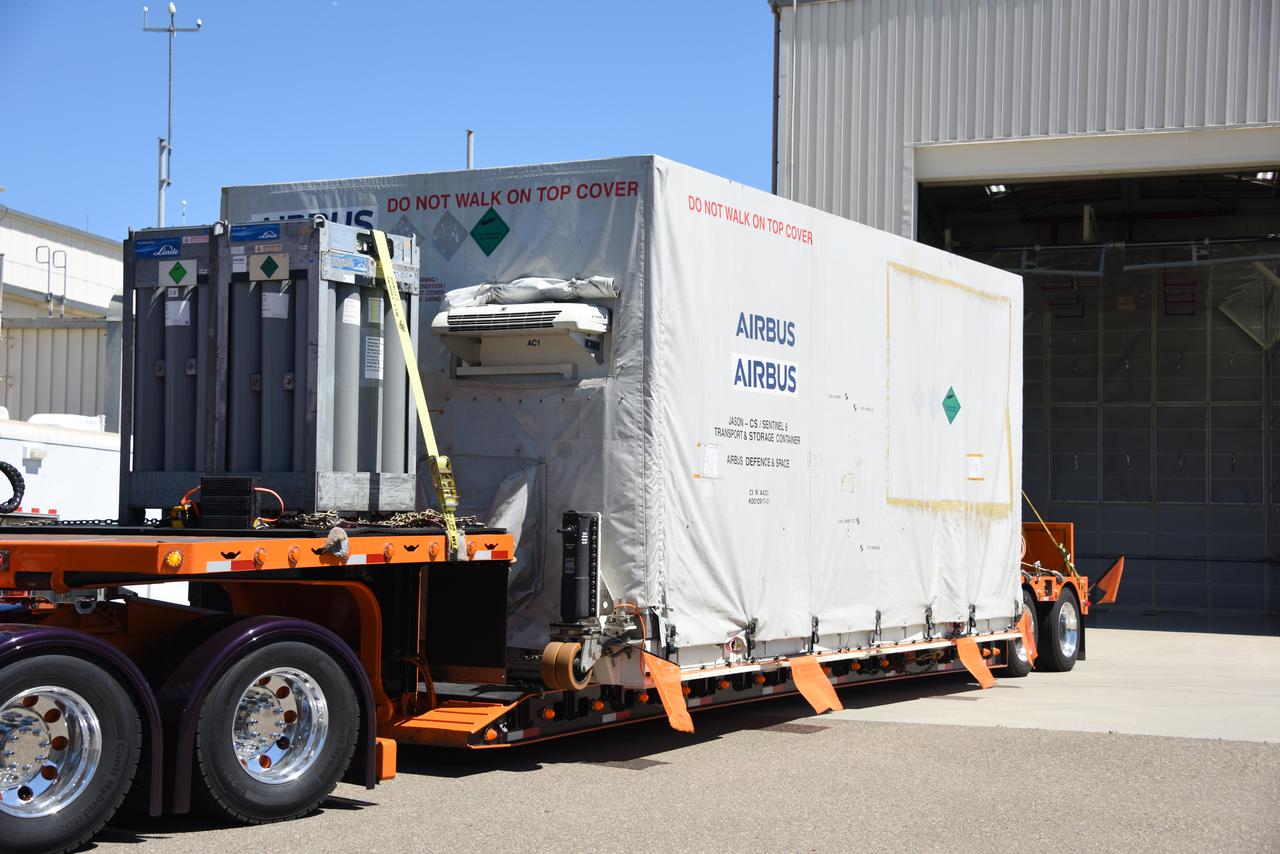
Packed in its shipping container, the Sentinel-6B spacecraft, a collaboration between NASA, ESA (European Space Agency), EUMETSAT (European Organisation for the Exploitation of Meteorological Satellites), and the National Oceanic and Atmospheric Administration (NOAA), arrives by truck at the entrance NASA’s Building 836 at Vandenberg Space Force Base in California on Monday, Aug. 18, 2025. The second of two spacecraft that constitutes the Sentinel-6/Jason-CS (Continuity of Service) mission, Sentinel-6B will measure sea surface height and provide crucial information to help improve coastal planning, enabling local and state governments to make informed decisions about protecting coastal infrastructure, real estate, and energy sites. Launch is targeted for no earlier than November on a SpaceX Falcon 9 from Vandenberg.
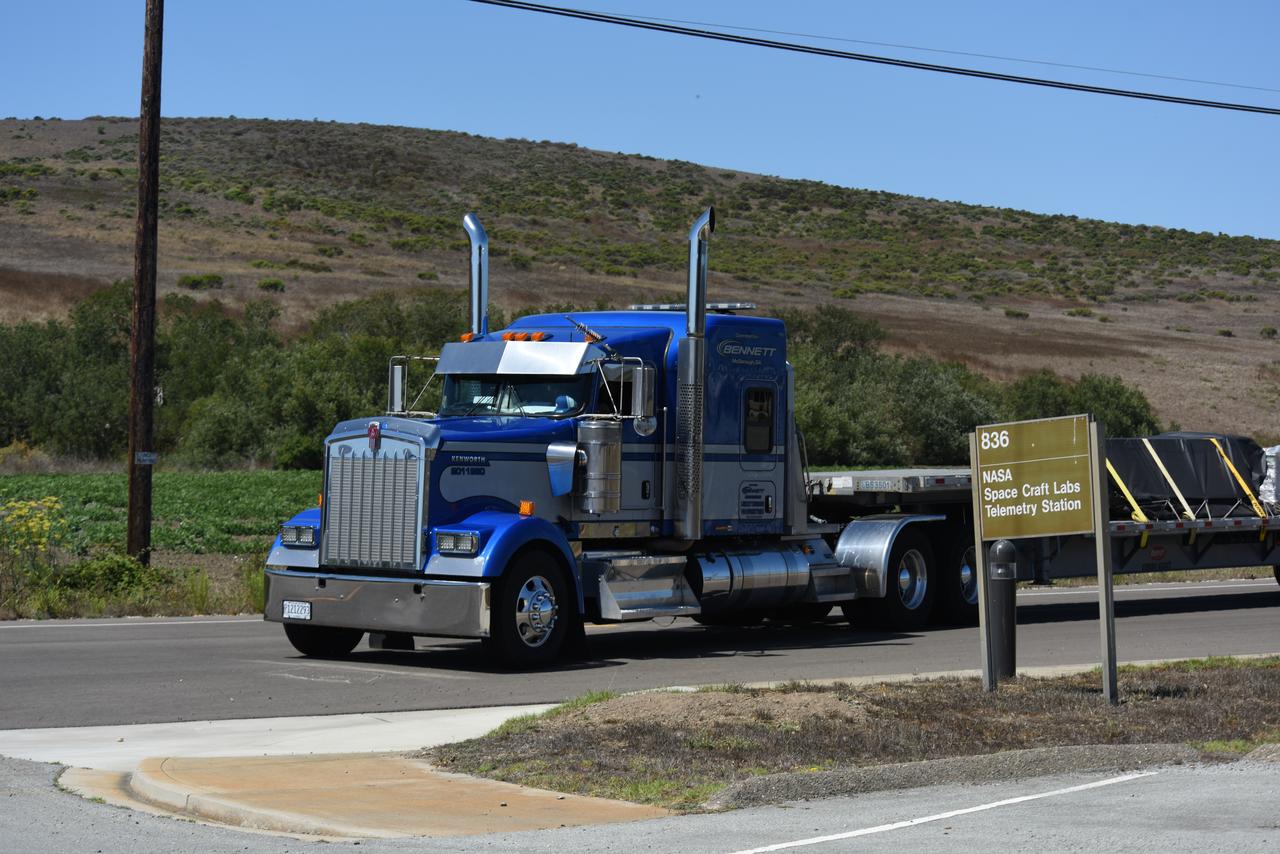
Wrapped in protective coverings, ground support equipment for the Sentinel-6B spacecraft, a collaboration between NASA, ESA (European Space Agency), EUMETSAT (European Organisation for the Exploitation of Meteorological Satellites), and the National Oceanic and Atmospheric Administration (NOAA), arrives by truck to NASA’s Building 836 at Vandenberg Space Force Base in California on Monday, Aug. 18, 2025. The second of two spacecraft that constitutes the Sentinel-6/Jason-CS (Continuity of Service) mission, Sentinel-6B will measure sea surface height and provide crucial information to help improve coastal planning, enabling local and state governments to make informed decisions about protecting coastal infrastructure, real estate, and energy sites. Launch is targeted for no earlier than November on a SpaceX Falcon 9 from Vandenberg.
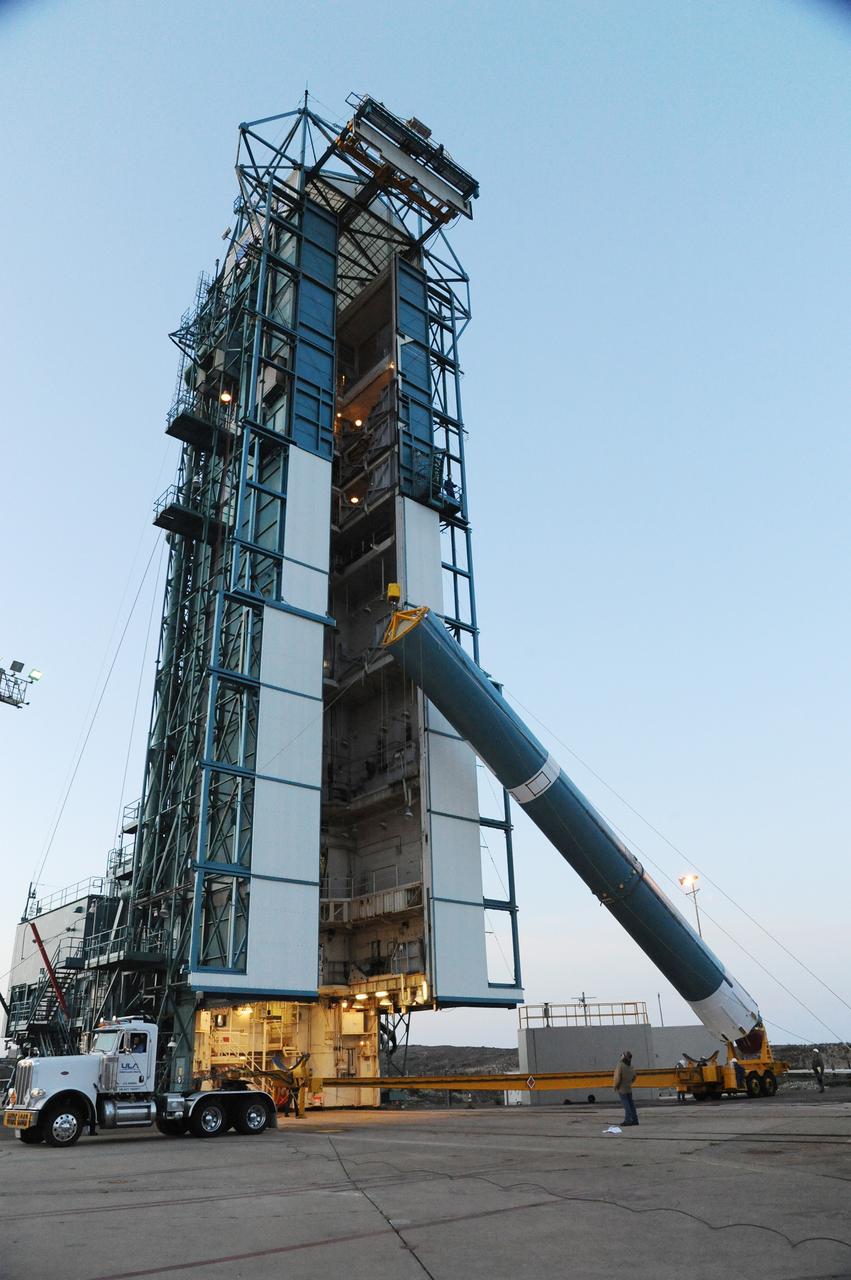
VANDENBERG AIR FORCE BASE, Calif. – The United Launch Alliance Delta II rocket for NASA's Orbiting Carbon Observatory-2 mission, or OCO-2, is lifted into a vertical position beside the mobile service tower at Space Launch Complex 2 on Vandenberg Air Force Base in California. Launch is scheduled for July 1, 2014. The observatory will collect precise global measurements of carbon dioxide in the Earth's atmosphere and provide scientists with a better idea of the chemical compound's impacts on climate change. Scientists will analyze this data to improve our understanding of the natural processes and human activities that regulate the abundance and distribution of this important atmospheric gas. To learn more about OCO-2, visit http://oco.jpl.nasa.gov. Photo credit: NASA/Mark Mackley, 30th Space Wing
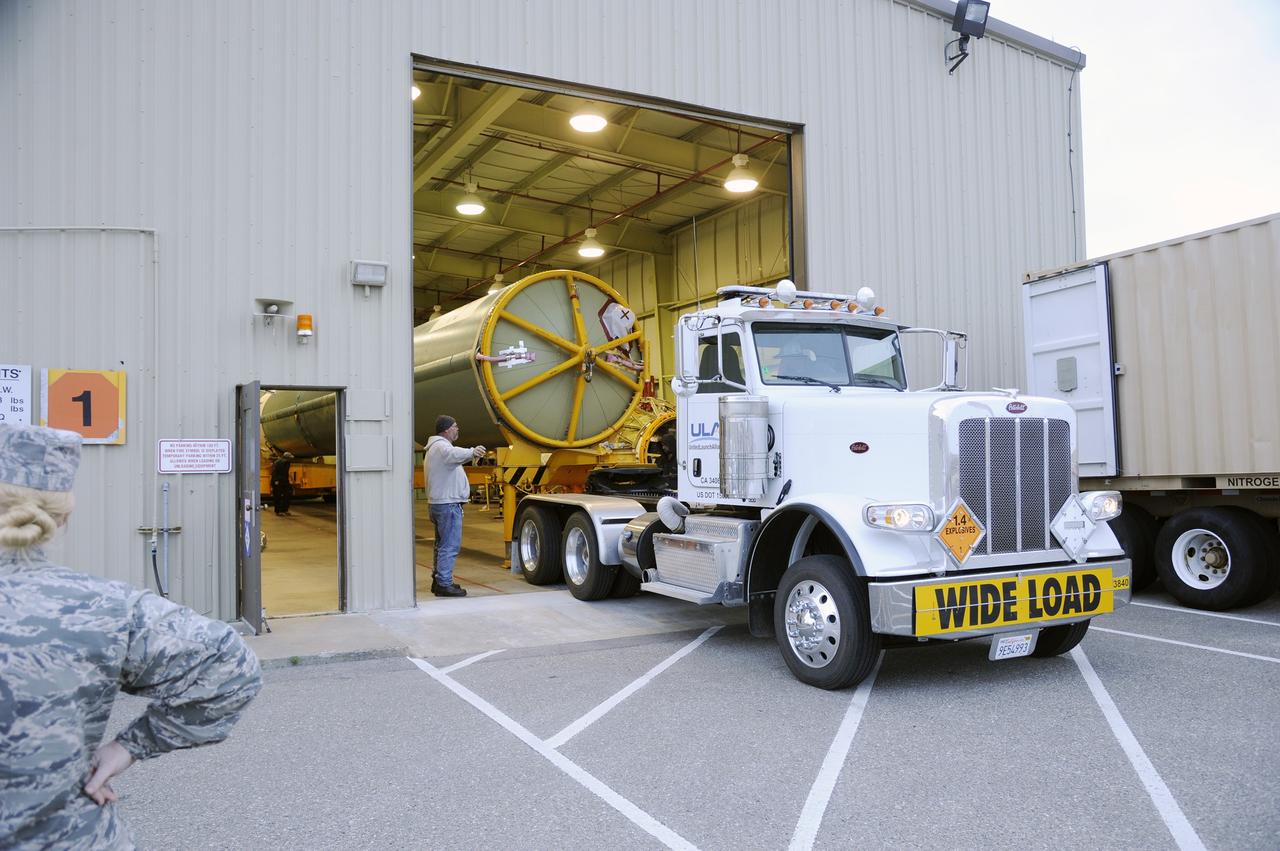
VANDENBERG AIR FORCE BASE, Calif. – The Delta first-stage booster for NASA's Orbiting Carbon Observatory-2 mission, or OCO-2, rolls into position through the open door of the Horizontal Processing Facility at Space Launch Complex 2 on Vandenberg Air Force Base in California. OCO-2 is scheduled to launch aboard a United Launch Alliance Delta II rocket on July 1, 2014. The observatory will collect precise global measurements of carbon dioxide in the Earth's atmosphere and provide scientists with a better idea of the chemical compound's impacts on climate change. Scientists will analyze this data to improve our understanding of the natural processes and human activities that regulate the abundance and distribution of this important atmospheric gas. To learn more about OCO-2, visit http://oco.jpl.nasa.gov. Photo credit: NASA/D. Liberotti, 30th Space Wing, VAFB
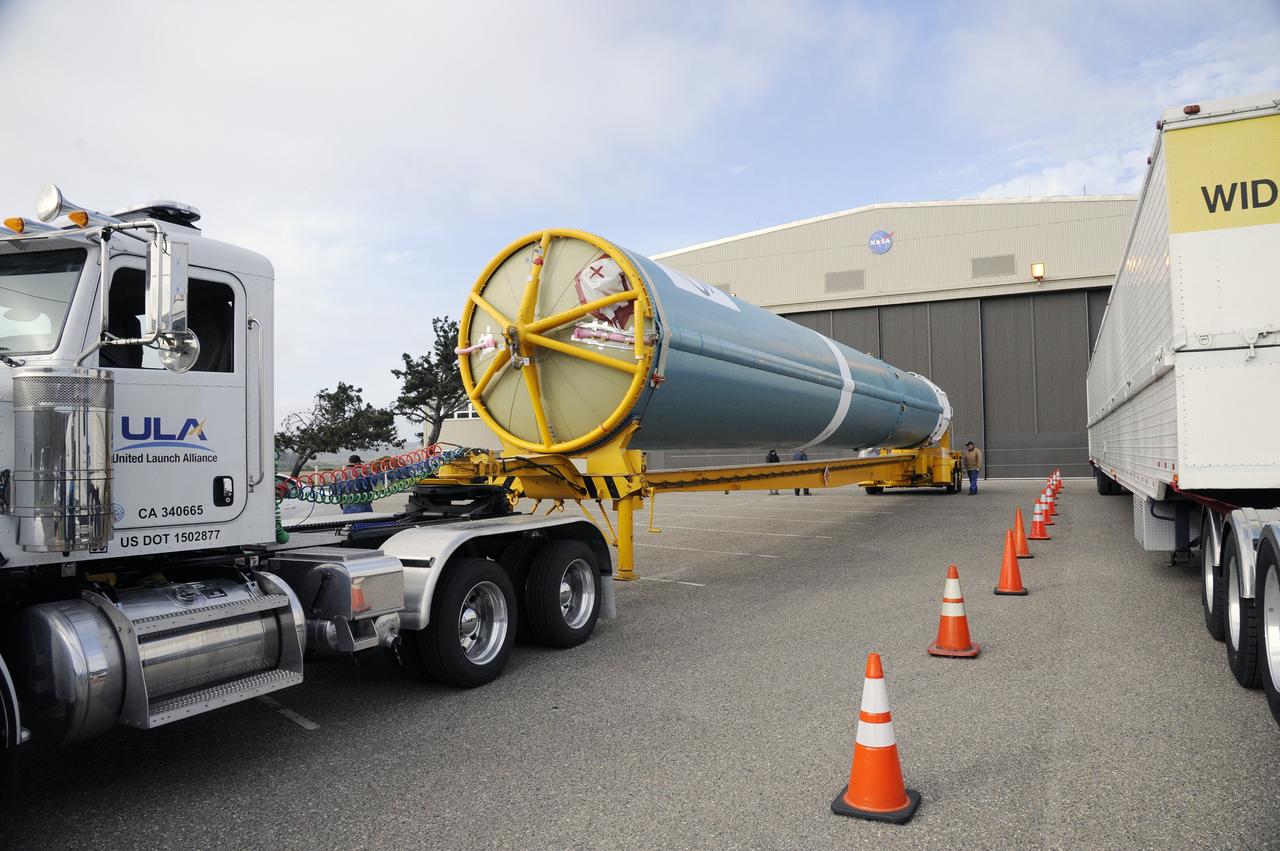
VANDENBERG AIR FORCE BASE, Calif. – The Delta first-stage booster for NASA's Orbiting Carbon Observatory-2 mission, or OCO-2, rolls out of the Building 836 hangar for its trip along the roads on Vandenberg Air Force Base in California to the Horizontal Processing Facility at Space Launch Complex 2. OCO-2 is scheduled to launch aboard a United Launch Alliance Delta II rocket on July 1, 2014. The observatory will collect precise global measurements of carbon dioxide in the Earth's atmosphere and provide scientists with a better idea of the chemical compound's impacts on climate change. Scientists will analyze this data to improve our understanding of the natural processes and human activities that regulate the abundance and distribution of this important atmospheric gas. To learn more about OCO-2, visit http://oco.jpl.nasa.gov. Photo credit: NASA/D. Liberotti, 30th Space Wing, VAFB

VANDENBERG AIR FORCE BASE, Calif. – The Delta first-stage booster for NASA's Orbiting Carbon Observatory-2 mission, or OCO-2, rests on its hardware transportation cradle in the Horizontal Processing Facility at Space Launch Complex 2 on Vandenberg Air Force Base in California. OCO-2 is scheduled to launch aboard a United Launch Alliance Delta II rocket on July 1, 2014. The observatory will collect precise global measurements of carbon dioxide in the Earth's atmosphere and provide scientists with a better idea of the chemical compound's impacts on climate change. Scientists will analyze this data to improve our understanding of the natural processes and human activities that regulate the abundance and distribution of this important atmospheric gas. To learn more about OCO-2, visit http://oco.jpl.nasa.gov. Photo credit: NASA/D. Liberotti, 30th Space Wing, VAFB
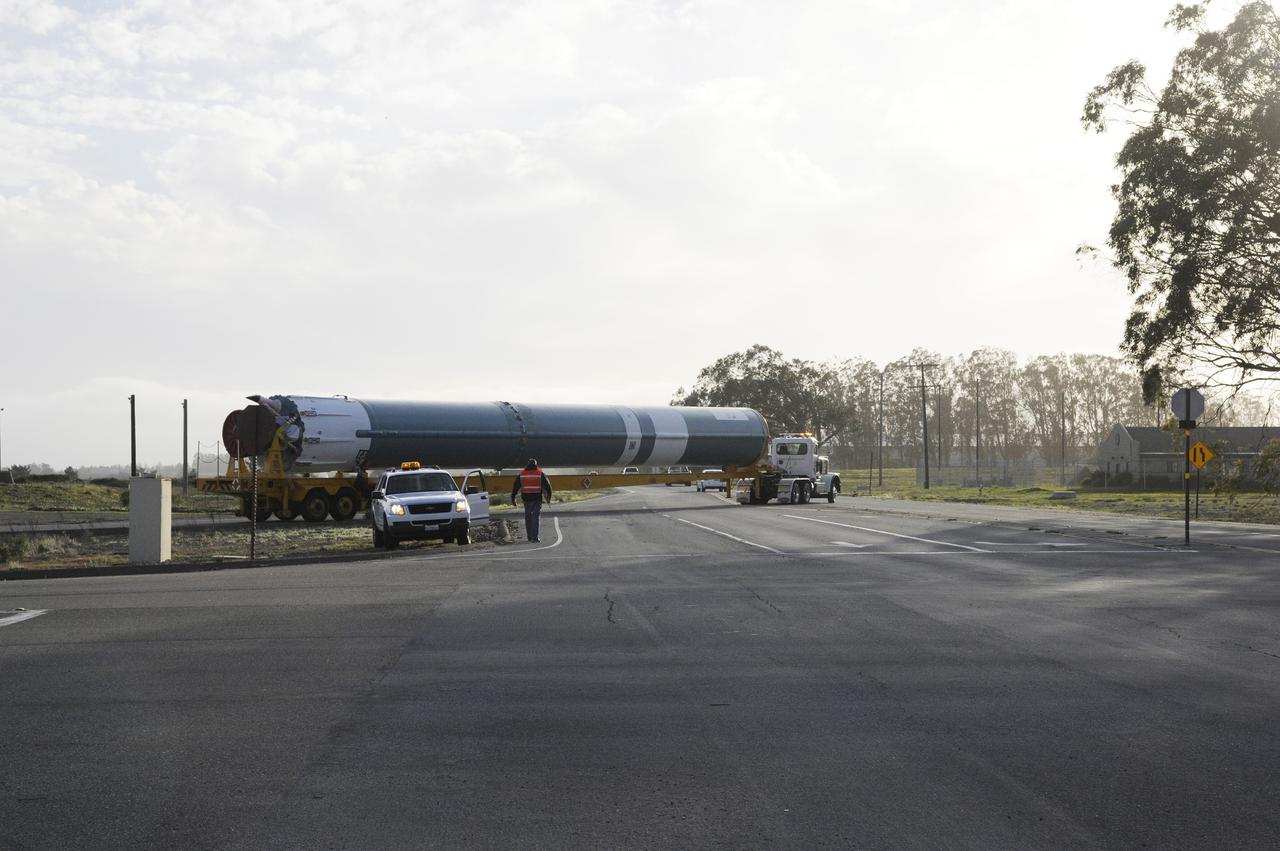
VANDENBERG AIR FORCE BASE, Calif. – The Delta first-stage booster for NASA's Orbiting Carbon Observatory-2 mission, or OCO-2, makes its way past a security guard as it travels along the roads at Vandenberg Air Force Base in California on its move from the Building 836 hangar to the Horizontal Processing Facility at Space Launch Complex 2. OCO-2 is scheduled to launch aboard a United Launch Alliance Delta II rocket on July 1, 2014. The observatory will collect precise global measurements of carbon dioxide in the Earth's atmosphere and provide scientists with a better idea of the chemical compound's impacts on climate change. Scientists will analyze this data to improve our understanding of the natural processes and human activities that regulate the abundance and distribution of this important atmospheric gas. To learn more about OCO-2, visit http://oco.jpl.nasa.gov. Photo credit: NASA/D. Liberotti, 30th Space Wing, VAFB
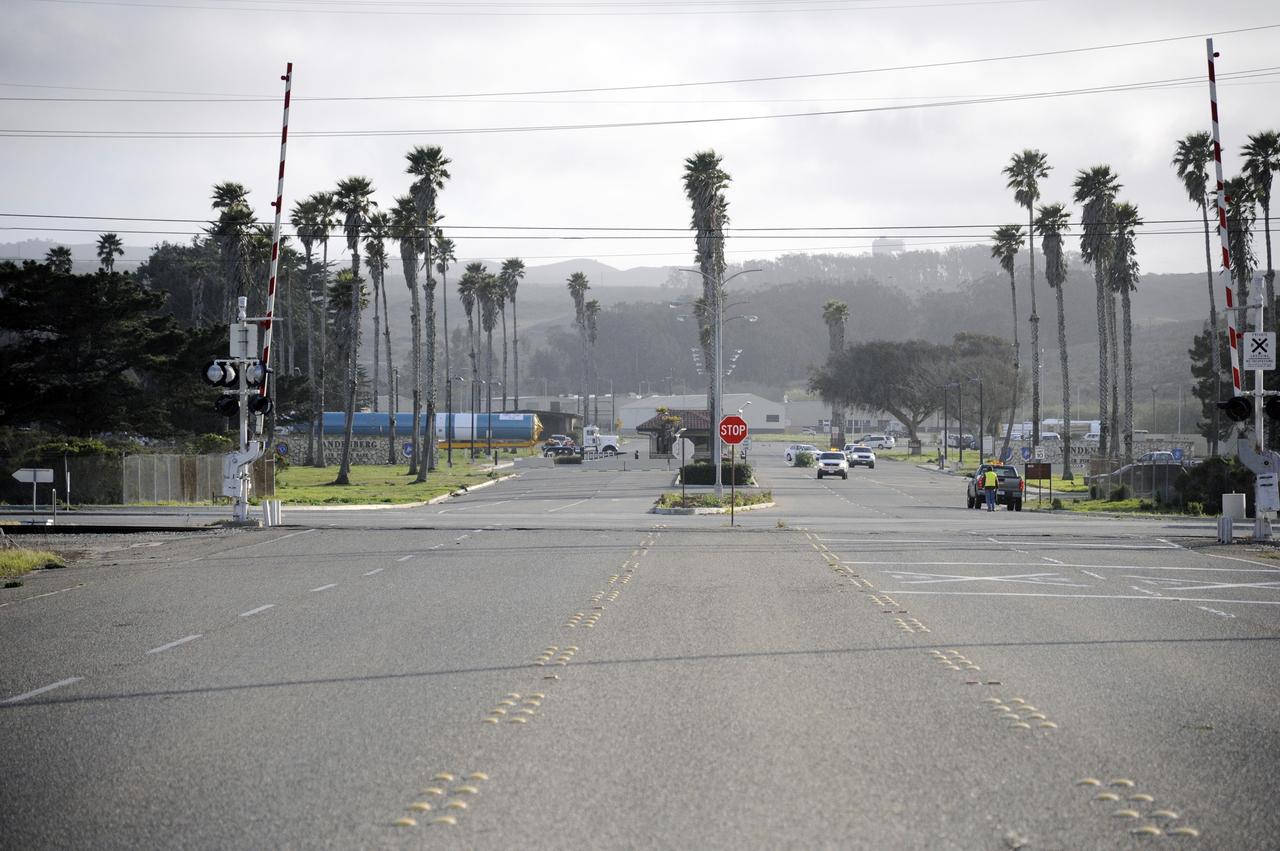
VANDENBERG AIR FORCE BASE, Calif. – The Delta first-stage booster for NASA's Orbiting Carbon Observatory-2 mission, or OCO-2, noses its way into the traffic on the roads at Vandenberg Air Force Base in California on its move from the Building 836 hangar to the Horizontal Processing Facility at Space Launch Complex 2. OCO-2 is scheduled to launch aboard a United Launch Alliance Delta II rocket on July 1, 2014. The observatory will collect precise global measurements of carbon dioxide in the Earth's atmosphere and provide scientists with a better idea of the chemical compound's impacts on climate change. Scientists will analyze this data to improve our understanding of the natural processes and human activities that regulate the abundance and distribution of this important atmospheric gas. To learn more about OCO-2, visit http://oco.jpl.nasa.gov. Photo credit: NASA/D. Liberotti, 30th Space Wing, VAFB
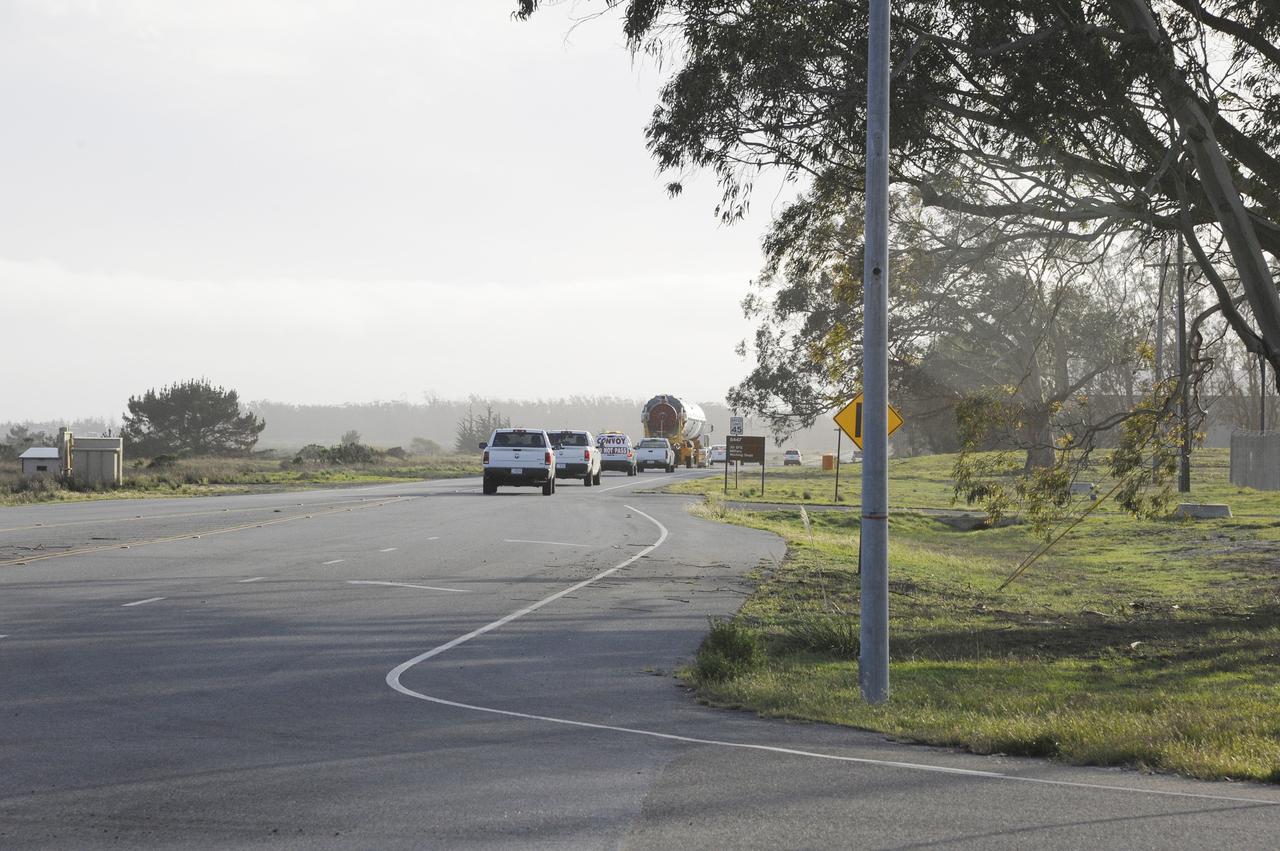
VANDENBERG AIR FORCE BASE, Calif. – The Delta first-stage booster for NASA's Orbiting Carbon Observatory-2 mission, or OCO-2, is escorted along the roads at Vandenberg Air Force Base in California on its move from the Building 836 hangar to the Horizontal Processing Facility at Space Launch Complex 2. OCO-2 is scheduled to launch aboard a United Launch Alliance Delta II rocket on July 1, 2014. The observatory will collect precise global measurements of carbon dioxide in the Earth's atmosphere and provide scientists with a better idea of the chemical compound's impacts on climate change. Scientists will analyze this data to improve our understanding of the natural processes and human activities that regulate the abundance and distribution of this important atmospheric gas. To learn more about OCO-2, visit http://oco.jpl.nasa.gov. Photo credit: NASA/D. Liberotti, 30th Space Wing, VAFB
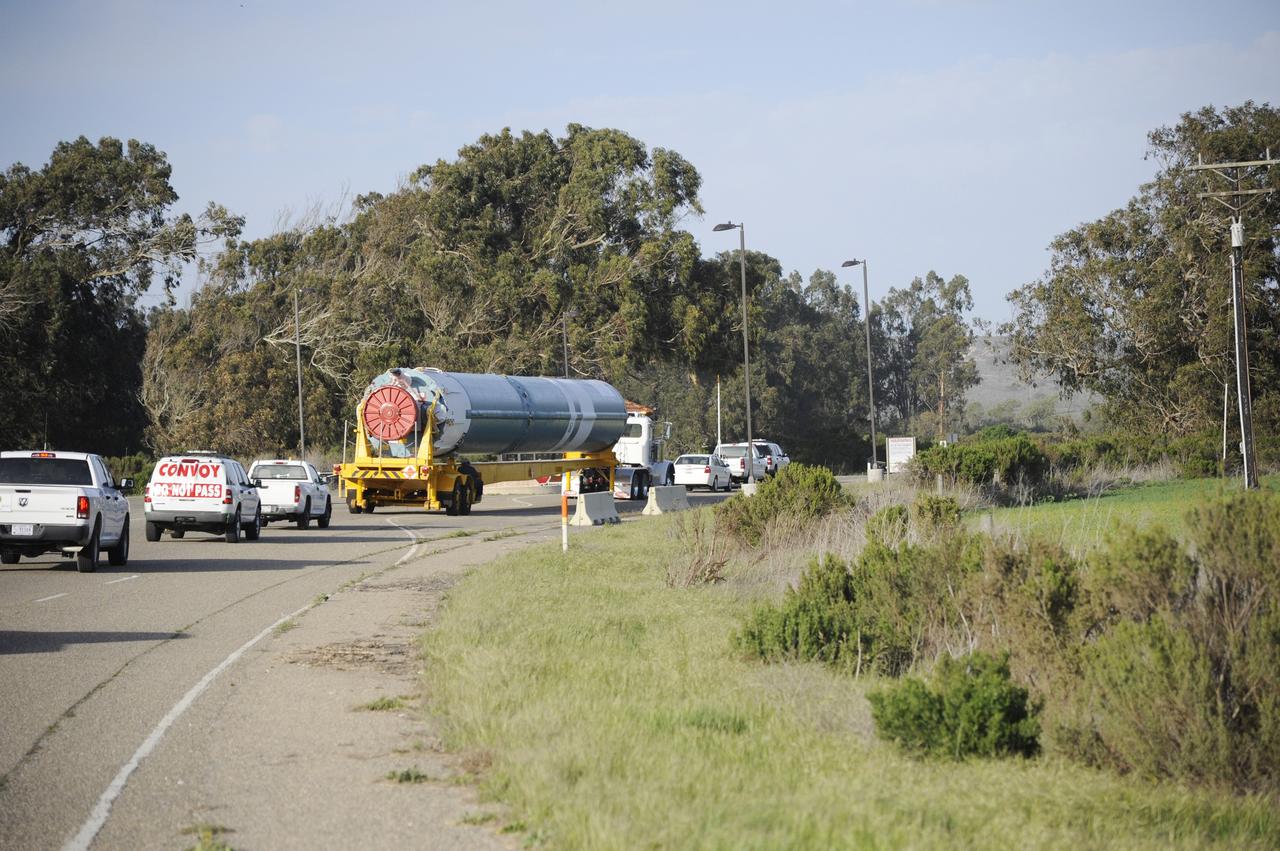
VANDENBERG AIR FORCE BASE, Calif. – The Delta first-stage booster for NASA's Orbiting Carbon Observatory-2 mission, or OCO-2, winds its way along the roads at Vandenberg Air Force Base in California on its move from the Building 836 hangar to the Horizontal Processing Facility at Space Launch Complex 2. OCO-2 is scheduled to launch aboard a United Launch Alliance Delta II rocket on July 1, 2014. The observatory will collect precise global measurements of carbon dioxide in the Earth's atmosphere and provide scientists with a better idea of the chemical compound's impacts on climate change. Scientists will analyze this data to improve our understanding of the natural processes and human activities that regulate the abundance and distribution of this important atmospheric gas. To learn more about OCO-2, visit http://oco.jpl.nasa.gov. Photo credit: NASA/D. Liberotti, 30th Space Wing, VAFB

VANDENBERG AIR FORCE BASE, Calif. – The Delta first-stage booster for NASA's Orbiting Carbon Observatory-2 mission, or OCO-2, is escorted through the traffic on the roads at Vandenberg Air Force Base in California on its move from the Building 836 hangar to the Horizontal Processing Facility at Space Launch Complex 2. OCO-2 is scheduled to launch aboard a United Launch Alliance Delta II rocket on July 1, 2014. The observatory will collect precise global measurements of carbon dioxide in the Earth's atmosphere and provide scientists with a better idea of the chemical compound's impacts on climate change. Scientists will analyze this data to improve our understanding of the natural processes and human activities that regulate the abundance and distribution of this important atmospheric gas. To learn more about OCO-2, visit http://oco.jpl.nasa.gov. Photo credit: NASA/D. Liberotti, 30th Space Wing, VAFB
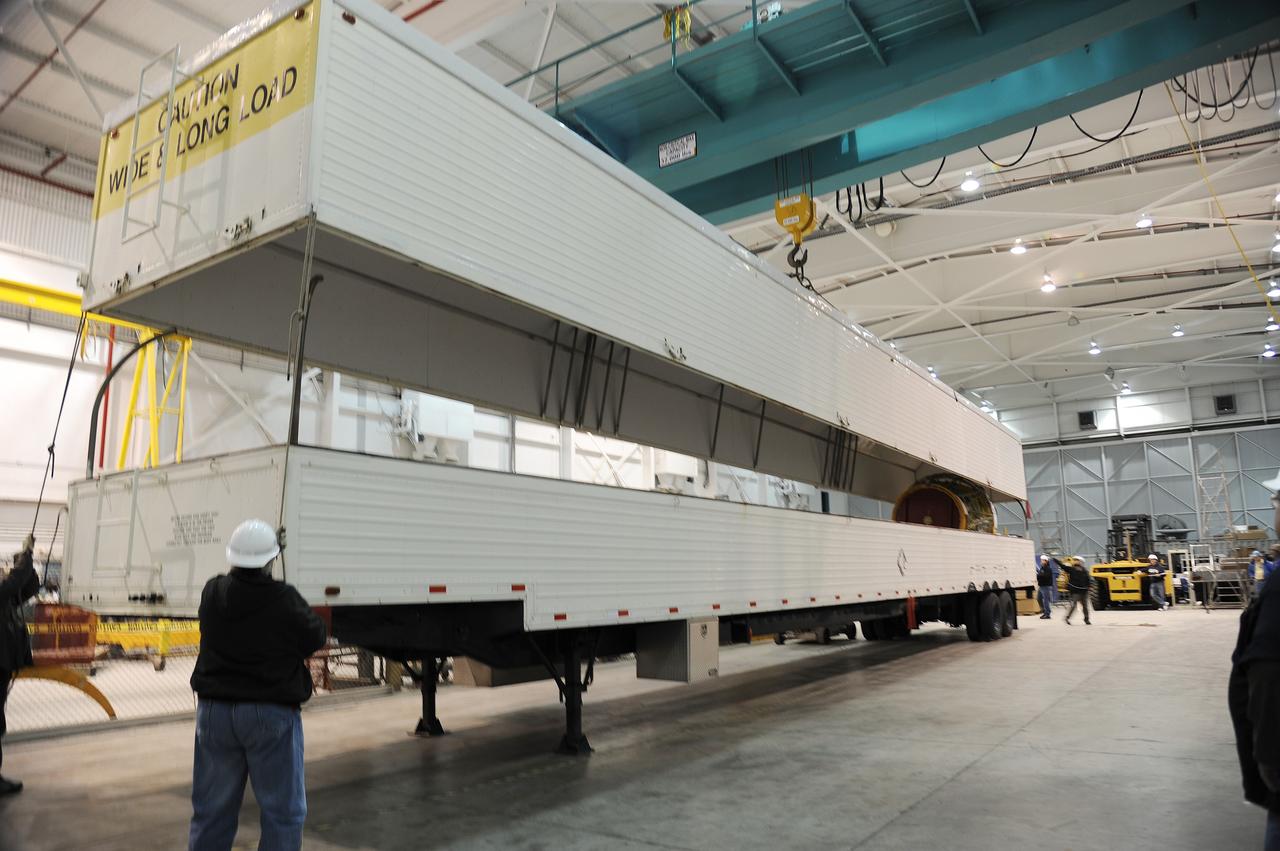
VANDENBERG AIR FORCE BASE, Calif. – As the cover of the transportation trailer is lifted in the high bay of the Building 836 hangar on Vandenberg Air Force Base in California, the second stage for NASA's Orbiting Carbon Observatory-2 mission, or OCO-2, comes into view. OCO-2 is scheduled to launch aboard a United Launch Alliance Delta II rocket from Space Launch Complex 2 in July. The rocket's second stage will insert OCO-2 into a polar Earth orbit. OCO-2 will collect precise global measurements of carbon dioxide in the Earth's atmosphere and provide scientists with a better idea of the chemical compound's impacts on climate change. Scientists will analyze this data to improve our understanding of the natural processes and human activities that regulate the abundance and distribution of this important atmospheric gas. To learn more about OCO-2, visit http://oco.jpl.nasa.gov. Photo credit: NASA/Arron Tauman, 30th Space Wing, VAFB
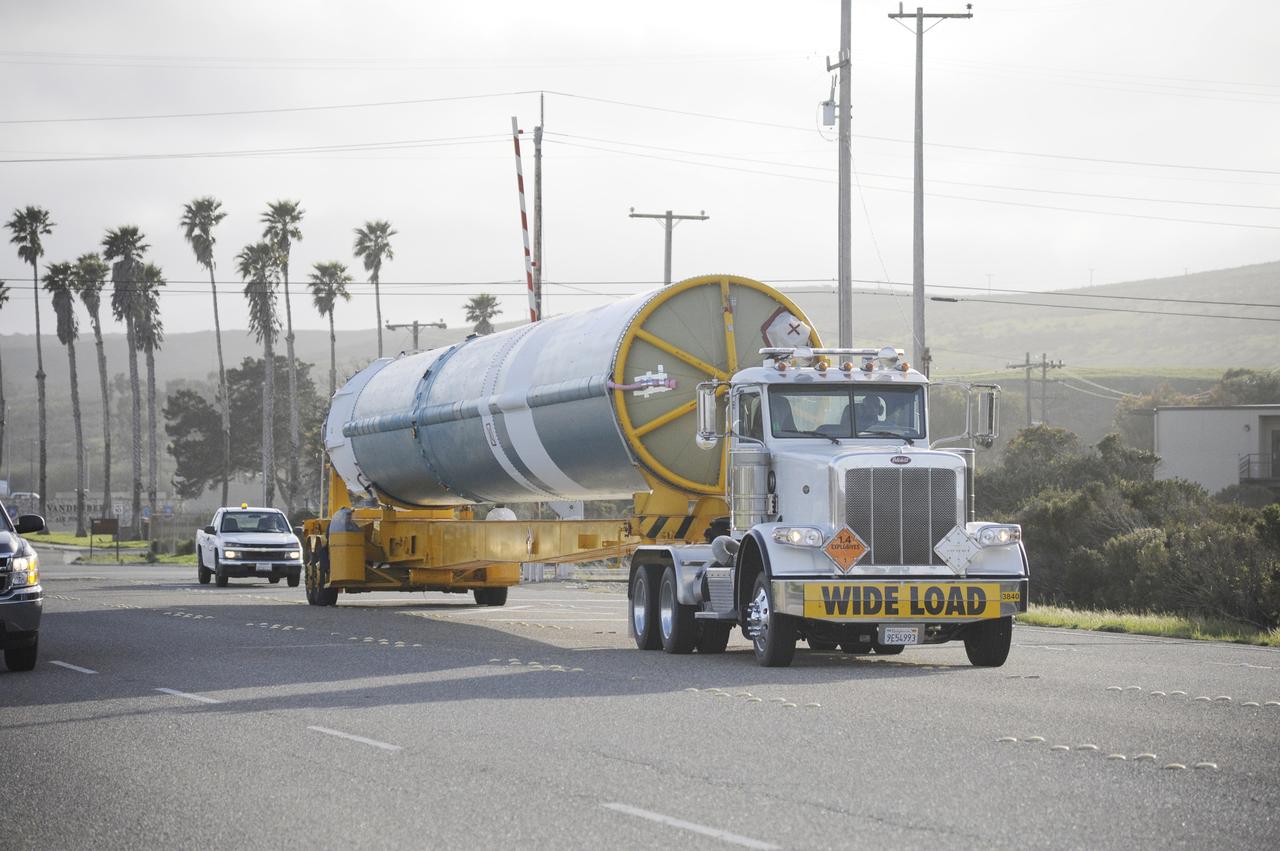
VANDENBERG AIR FORCE BASE, Calif. – The Delta first-stage booster for NASA's Orbiting Carbon Observatory-2 mission, or OCO-2, makes its way along the roads at Vandenberg Air Force Base in California on its move from the Building 836 hangar to the Horizontal Processing Facility at Space Launch Complex 2. OCO-2 is scheduled to launch aboard a United Launch Alliance Delta II rocket on July 1, 2014. The observatory will collect precise global measurements of carbon dioxide in the Earth's atmosphere and provide scientists with a better idea of the chemical compound's impacts on climate change. Scientists will analyze this data to improve our understanding of the natural processes and human activities that regulate the abundance and distribution of this important atmospheric gas. To learn more about OCO-2, visit http://oco.jpl.nasa.gov. Photo credit: NASA/D. Liberotti, 30th Space Wing, VAFB
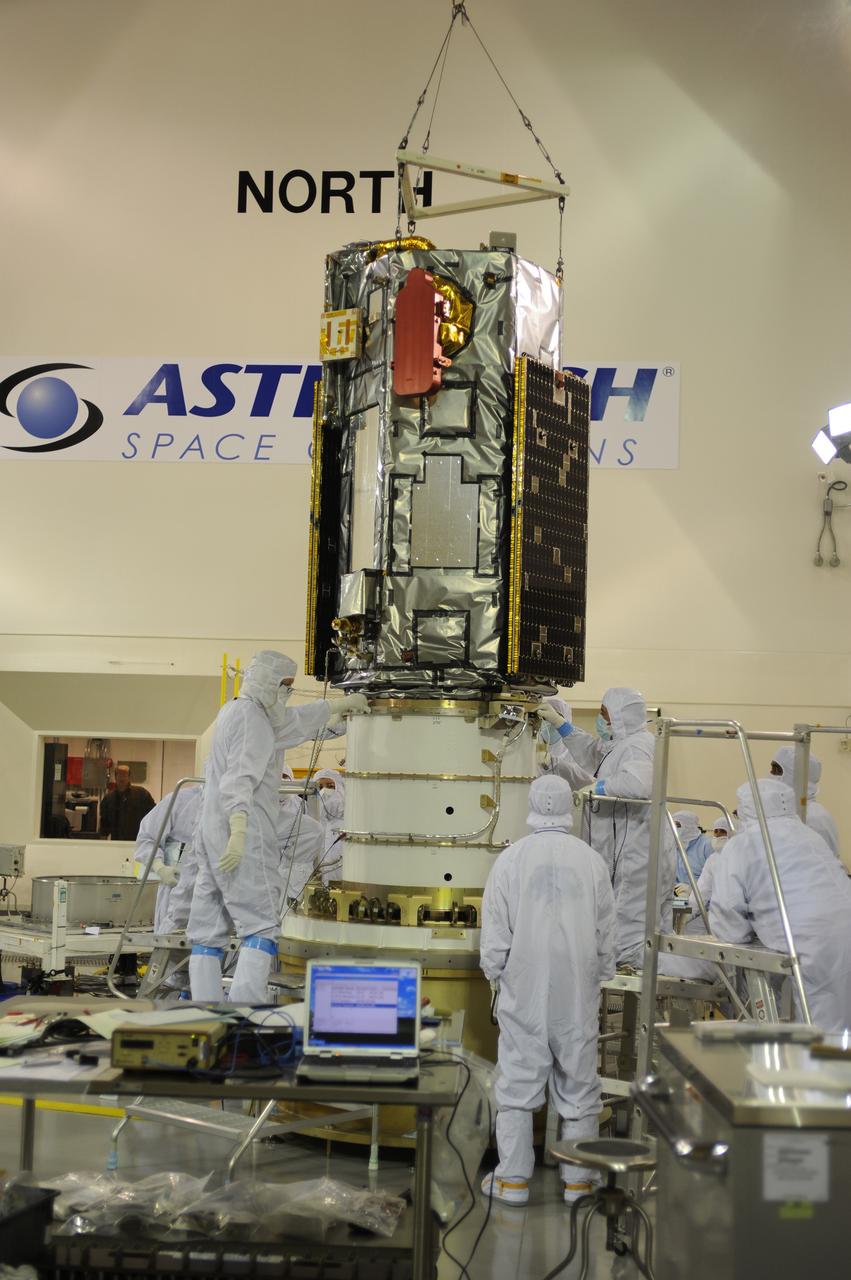
VANDENBERG AIR FORCE BASE, Calif. – Connection of NASA's Orbiting Carbon Observatory-2, or OCO-2, to the payload attach system is complete inside a clean room in the Astrotech Payload Processing Facility at Vandenberg Air Force Base in California. Launch aboard a United Launch Alliance Delta II rocket is scheduled for July 1, 2014, from Space Launch Complex 2. The observatory will collect precise global measurements of carbon dioxide in the Earth's atmosphere and provide scientists with a better idea of the chemical compound's impacts on climate change. Scientists will analyze this data to improve our understanding of the natural processes and human activities that regulate the abundance and distribution of this important atmospheric gas. To learn more about OCO-2, visit http://oco.jpl.nasa.gov. Photo credit: NASA/U. S. Air Force 30th Space Wing
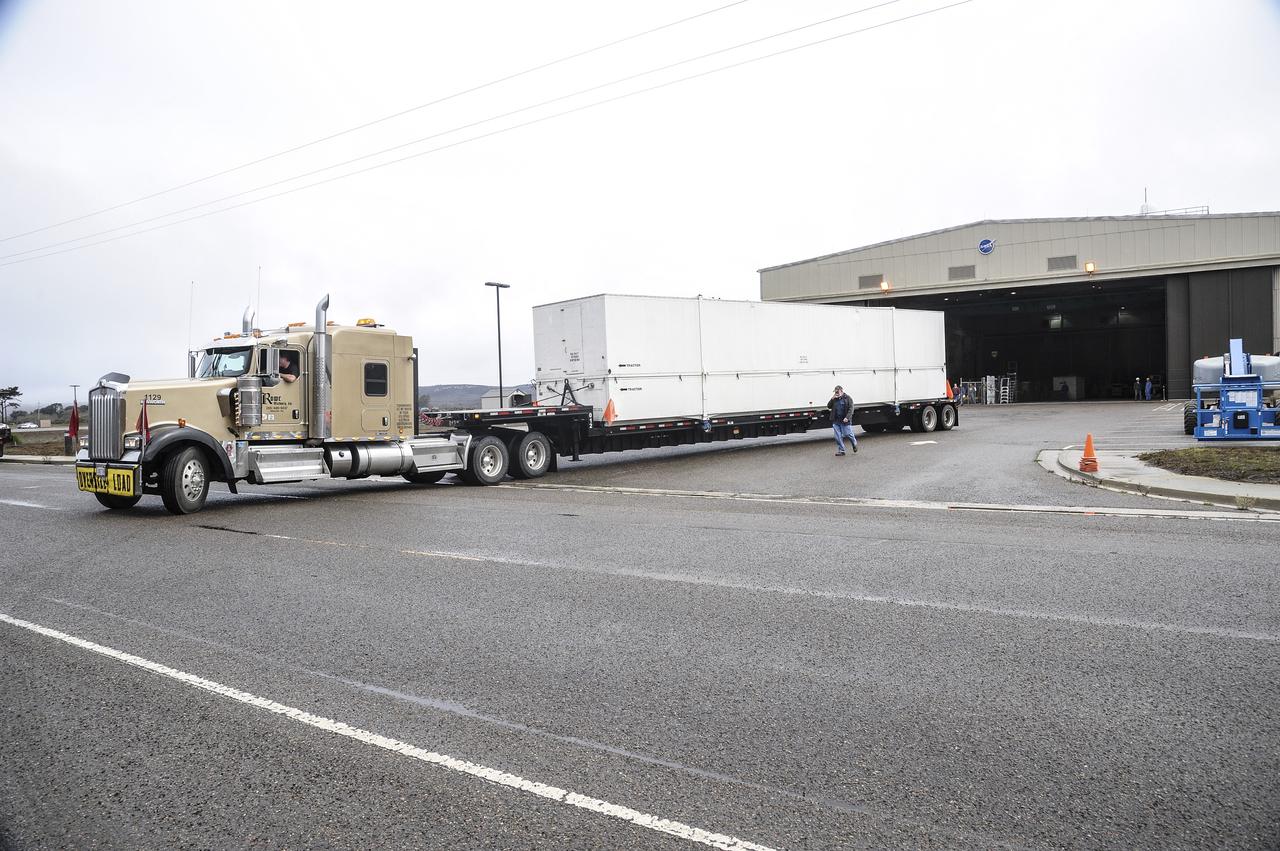
VANDENBERG AIR FORCE BASE, Calif. – The interstage adapter, or ISA, for NASA's Orbiting Carbon Observatory-2 mission, or OCO-2, arrives at the Building 836 hangar on Vandenberg Air Force Base in California. OCO-2 is scheduled to launch aboard a United Launch Alliance Delta II rocket from Space Launch Complex 2 in July. The ISA is the interface between the Delta II first and second stages. The second stage engine fits within the ISA. OCO-2 will collect precise global measurements of carbon dioxide in the Earth's atmosphere and provide scientists with a better idea of the chemical compound's impacts on climate change. Scientists will analyze this data to improve our understanding of the natural processes and human activities that regulate the abundance and distribution of this important atmospheric gas. To learn more about OCO-2, visit http://oco.jpl.nasa.gov. Photo credit: NASA/Jeremy Moore, 30th Space Wing, VAFB

VANDENBERG AIR FORCE BASE, Calif. – The first stage of the United Launch Alliance Delta II rocket for NASA's Soil Moisture Active Passive mission, or SMAP, crosses a railroad bridge on its move from the Building 836 hangar to the Horizontal Processing Facility at Space Launch Complex 2 on Vandenberg Air Force Base in California. SMAP will provide global measurements of soil moisture and its freeze/thaw state. These measurements will be used to enhance understanding of processes that link the water, energy and carbon cycles, and to extend the capabilities of weather and climate prediction models. SMAP data also will be used to quantify net carbon flux in boreal landscapes and to develop improved flood prediction and drought monitoring capabilities. Launch is scheduled for November 2014. To learn more about SMAP, visit http://smap.jpl.nasa.gov. Photo credit: NASA/U.S. Air Force 30th Space Wing