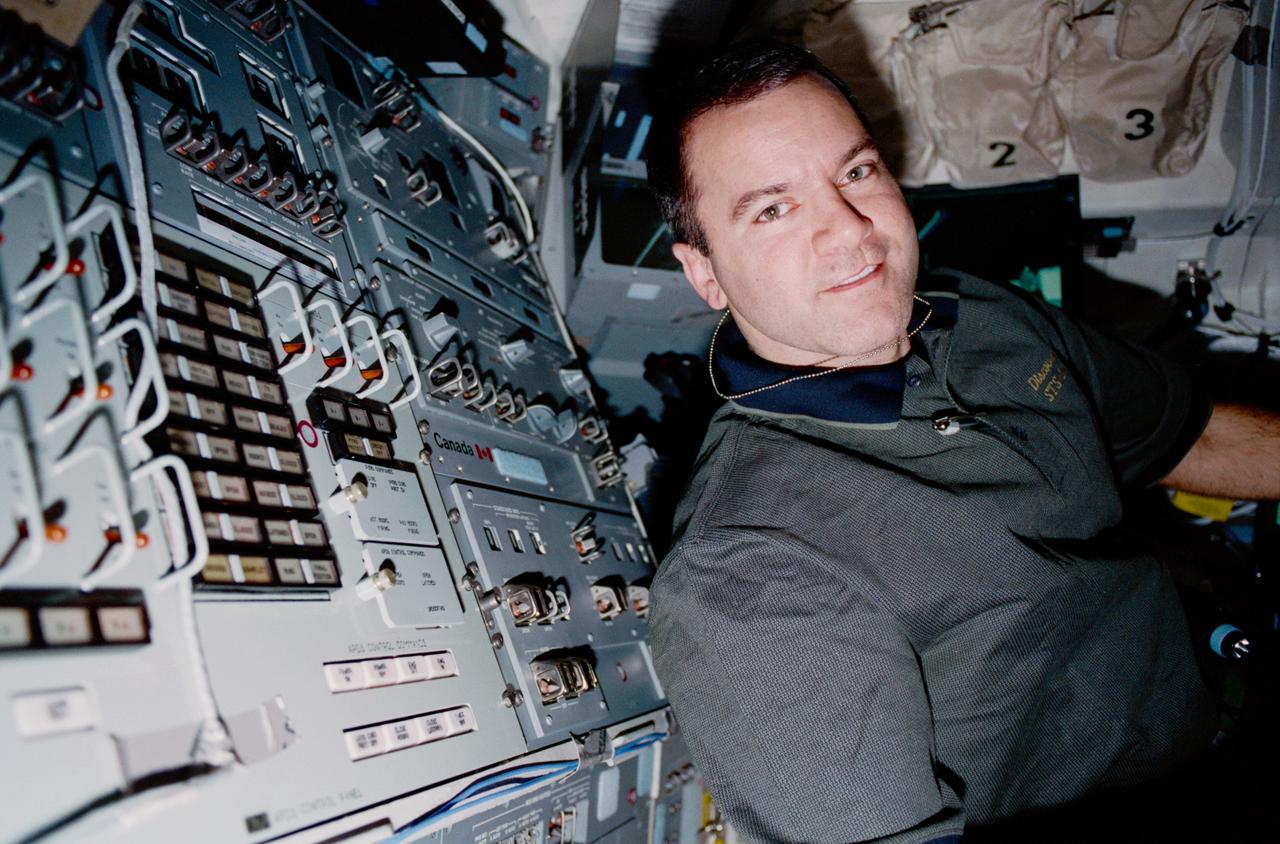
STS102-317-030 (8-21 March 2001)--- Astronaut Paul W. Richards, mission specialist, is photographed on the aft flight deck of the orbiting Space Shuttle Discovery during the STS-102 mission.
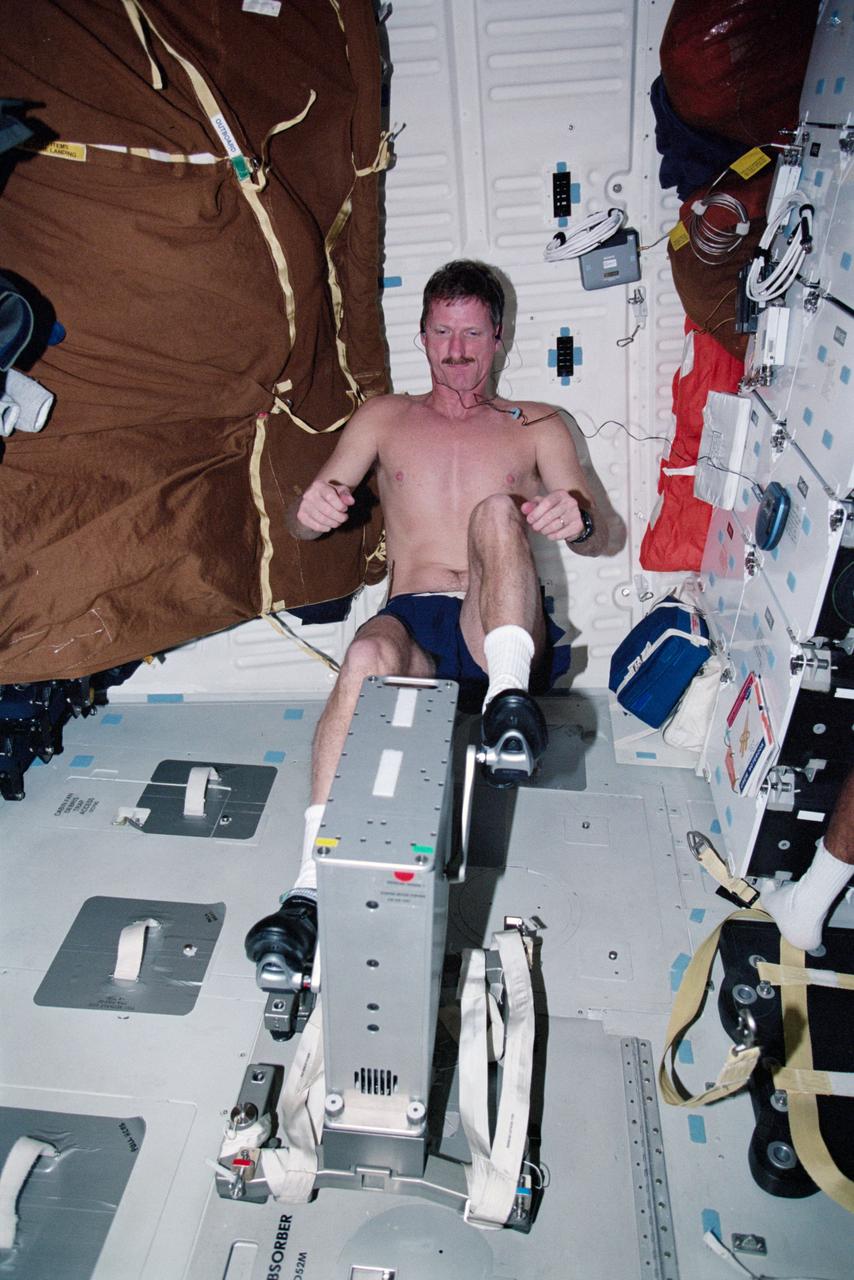
STS097-317-017 (30 Nov. - 11 Dec. 2000) Astronaut Joseph R. Tanner, STS-97 mission specialist, works out on the bicycle ergometer aboard the Space Shuttle Endeavour.
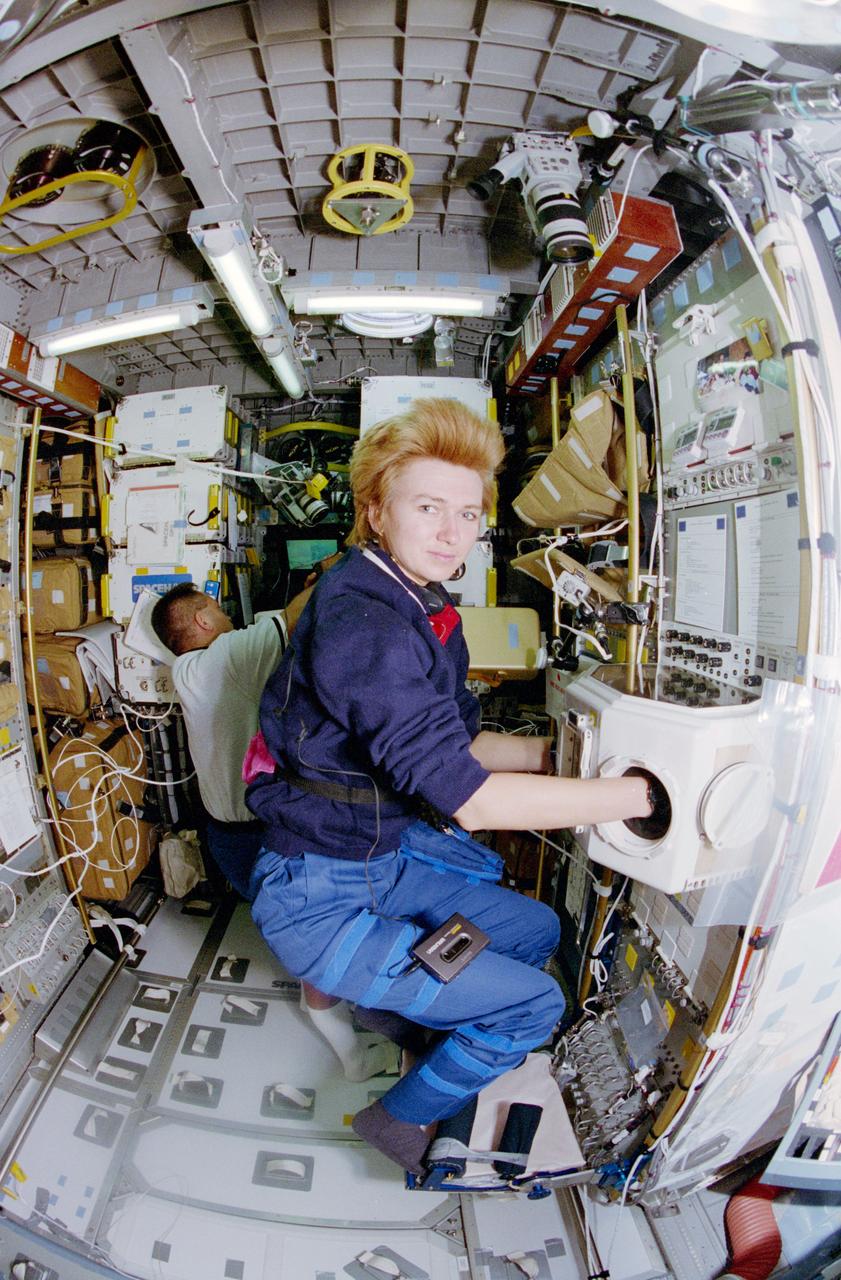
STS084-317-020 (15-24 May 1997) --- Elena V. Kondakova works in the Spacehab glovebox, aboard the Space Shuttle Atlantis, as Carlos I. Noriega, a fellow mission specialist, checks on an experiment in the background.
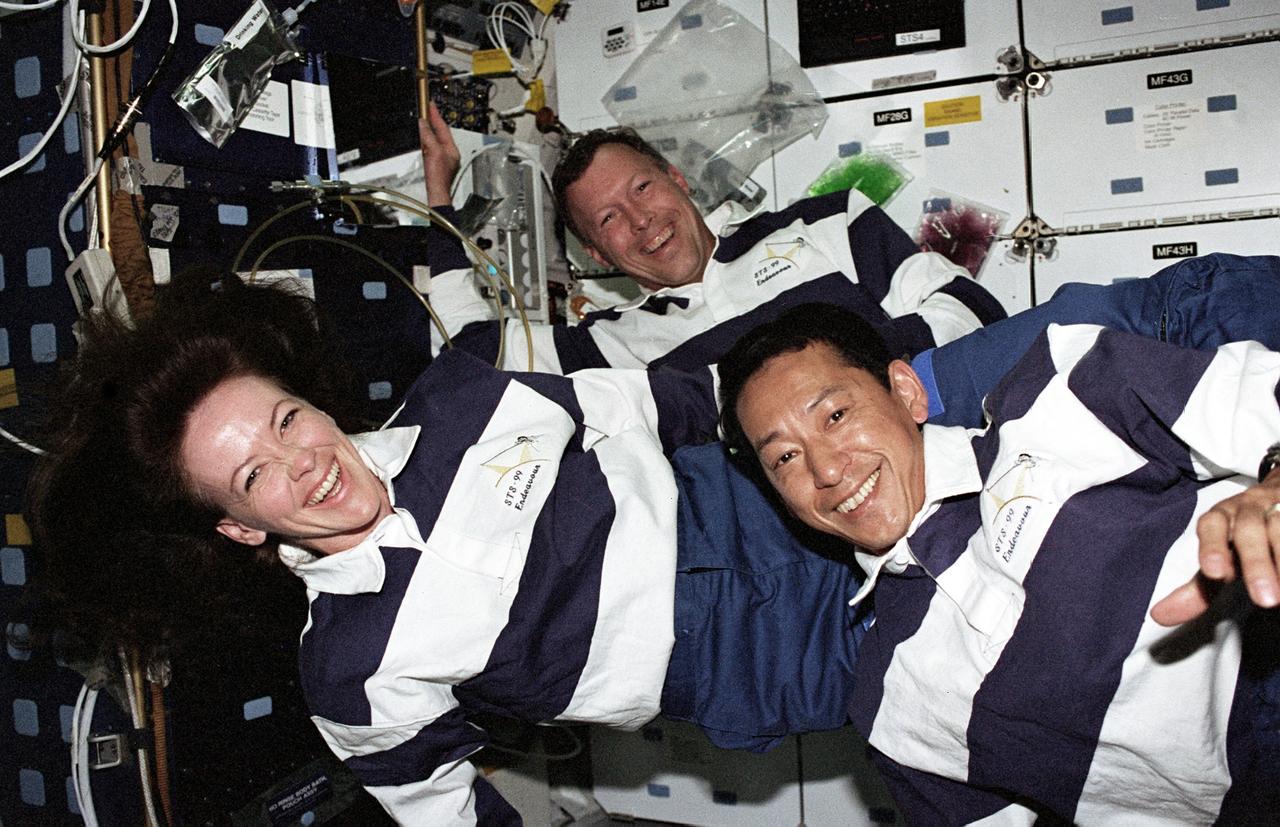
STS099-317-035 (11-22 February 2000) --- Astronauts (from left) Janet L. Kavandi, Dominic L. Gorie and Mamoru Mohri float on Endeavour's mid deck during one of the eleven-day SRTM mission's lighter moments.
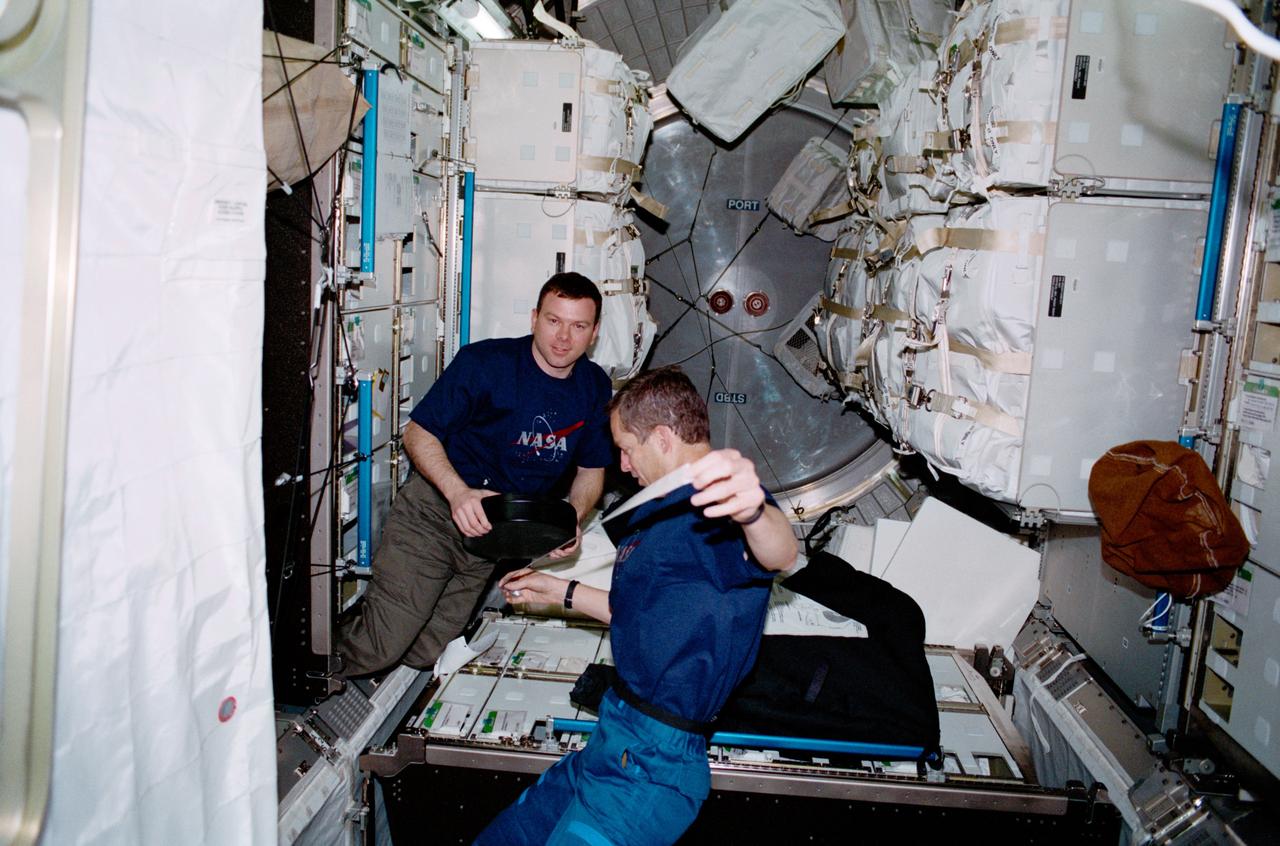
STS102-317-001 (8 - 21 March 2001) --- Astronauts James M. Kelly (left) and James D. Wetherbee, pilot and commander, respectively, for the STS-102 mission, participate in the movement of supplies inside Leonardo, the Italian Space Agency-built Multipurpose Logistics Module (MPLM).

LCROSS in Ames clean room of N-240 - during calibration and camera check out Kim Ennico in background
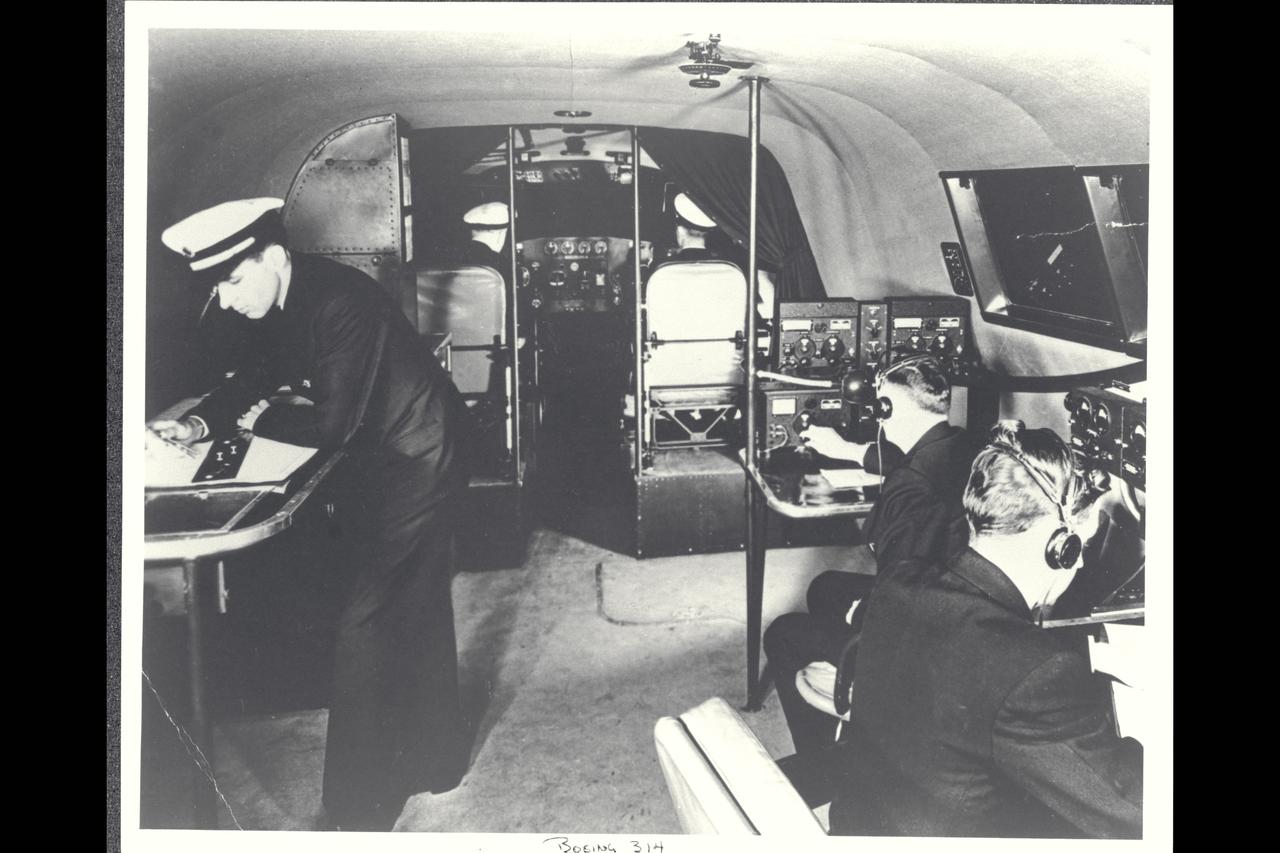
Boeing 314 'Yankee Clipper' Crew Station - Flying Boat
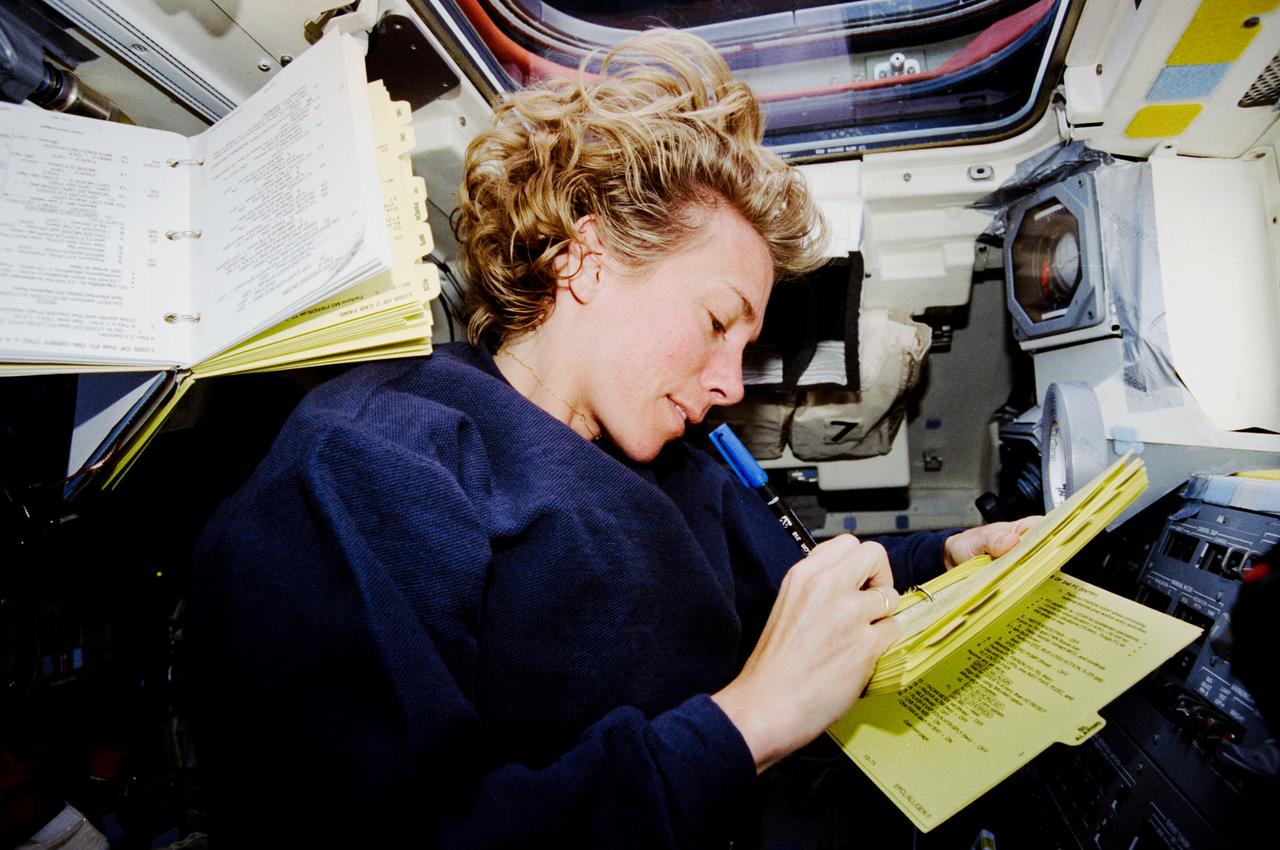
STS083-317-009 (4-8 April 1997) --- Astronaut Susan L. Still, pilot, goes over a checklist at the control panel on the aft flight deck of the Earth-orbiting Space Shuttle Columbia. Scheduled originally as a 16-day mission, the Microgravity Sciences Laboratory (MSL-1) flight completed about one-fourth of its manifest time frame prior to being cut short by a power shortage.

STS087-317-033 (19 November – 5 December 1997) --- Astronaut Takao Doi, mission specialist, prepares for one of two extravehicular activities (EVA) in the Airlock Module of the Earth-orbiting Space Shuttle Columbia. Takao Doi, an international astronaut stationed at Johnson Space Center (JSC), represents Japan's National Space Development Agency (NASDA). This view was taken with a 35mm camera.
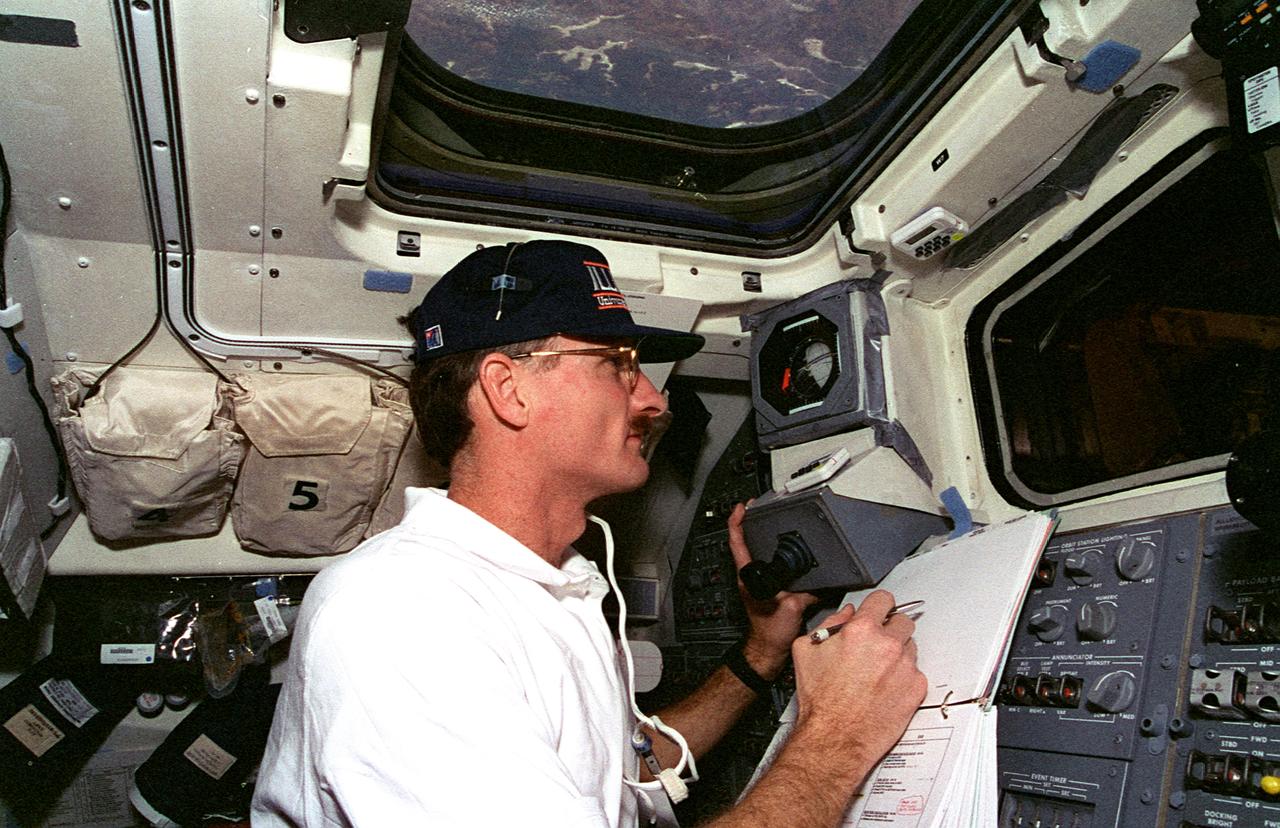
STS082-317-003 (11 -21 Feb. 1997) --- Astronaut Joseph R. Tanner, one half of a space walk team on mission STS-82 to service the Hubble Space Telescope (HST), watches the Extravehicular Activity (EVA) of another team from Discovery's aft flight deck. Through Discovery's overhead window, lakes and a timber area appear almost close enough for Tanner to touch.
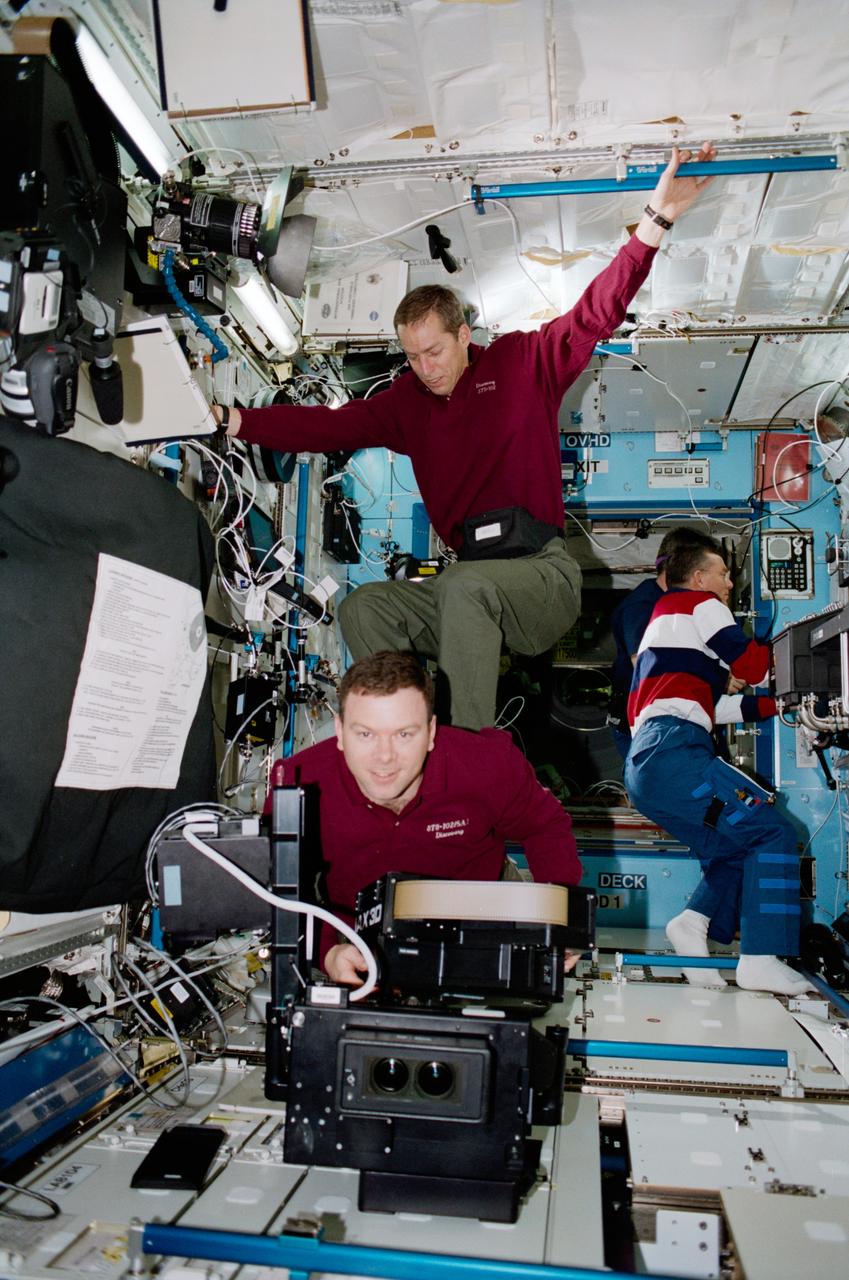
STS102-317-027 (8-21 March 2001)--- Onboard the Destiny laboratory on the International Space Station (ISS), astronaut James D. Wetherbee, mission commander, is photographed in a surfing position on astronaut James M. Kelly, pilot, while he is loading the IMAX camera. Astronaut James S. Voss, Expedition Two flight engineer is visible working in the background.
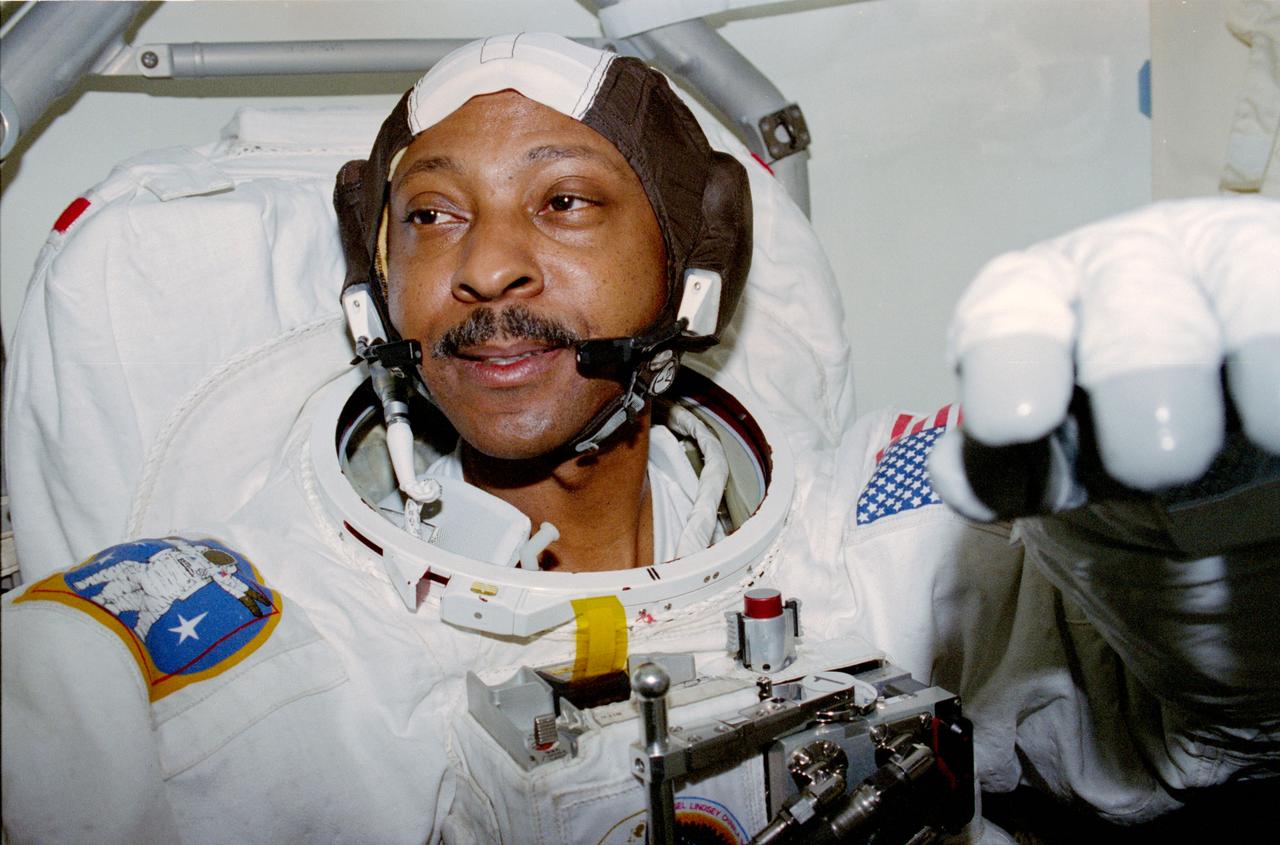
STS087-317-036 (19 November – 5 December 1997) --- Astronaut Winston E. Scott, mission specialist, goes through final touches of space suit donning in preparation for one of two extravehicular activities (EVA) he performed in and around the cargo bay of the Space Shuttle Columbia. Scott was joined by astronaut Takao Doi, an international mission specialist representing Japan's National Space Development Agency (NASDA), on both EVAs.
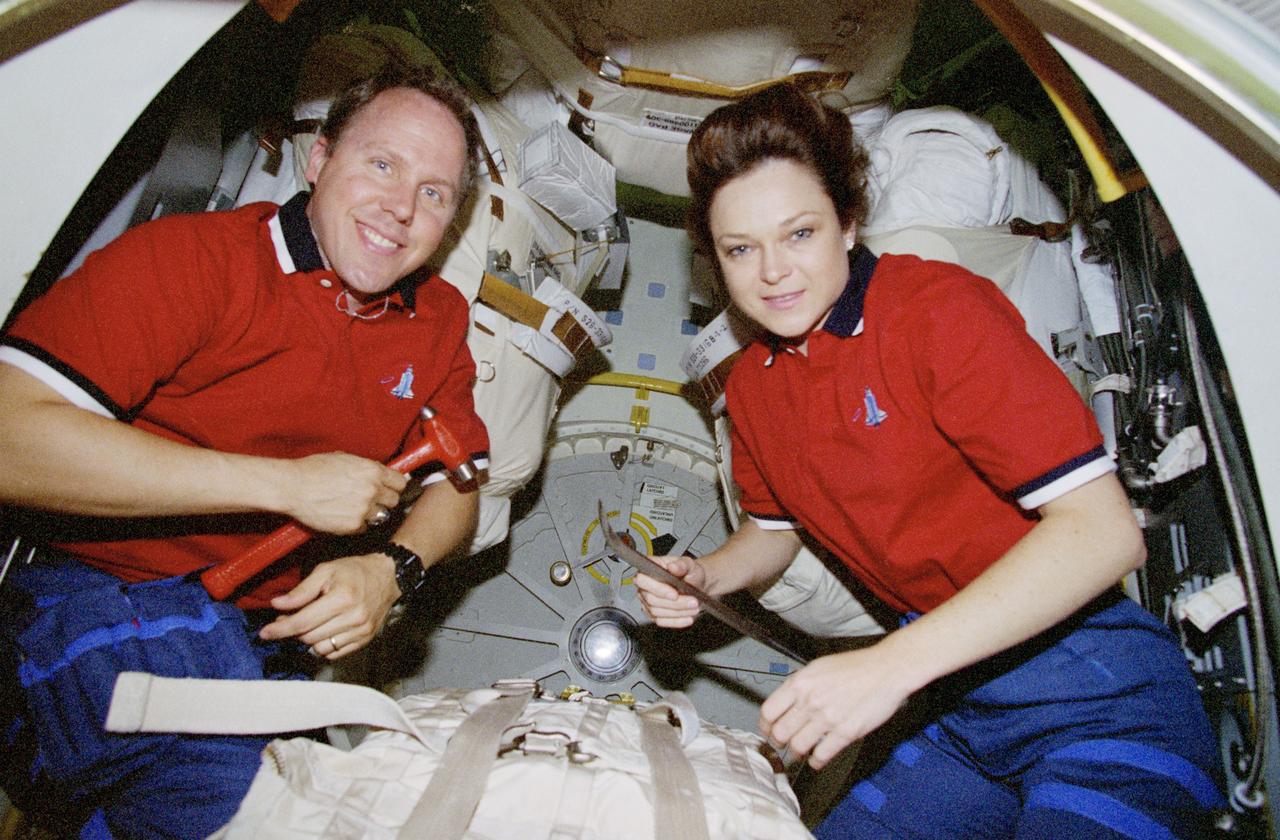
STS080-317-018 (28 Nov. 1996) --- Astronauts Thomas D. Jones, with a hammer, and Tamara E. Jernigan, holding a crow bar, display just two of the tools they called on during an intense effort to open the space shuttle Columbia's hatch leading to the cargo bay. Scheduled Extravehicular Activities (EVA) for the two were canceled by NASA when all efforts to open the hatch were unsuccessful.
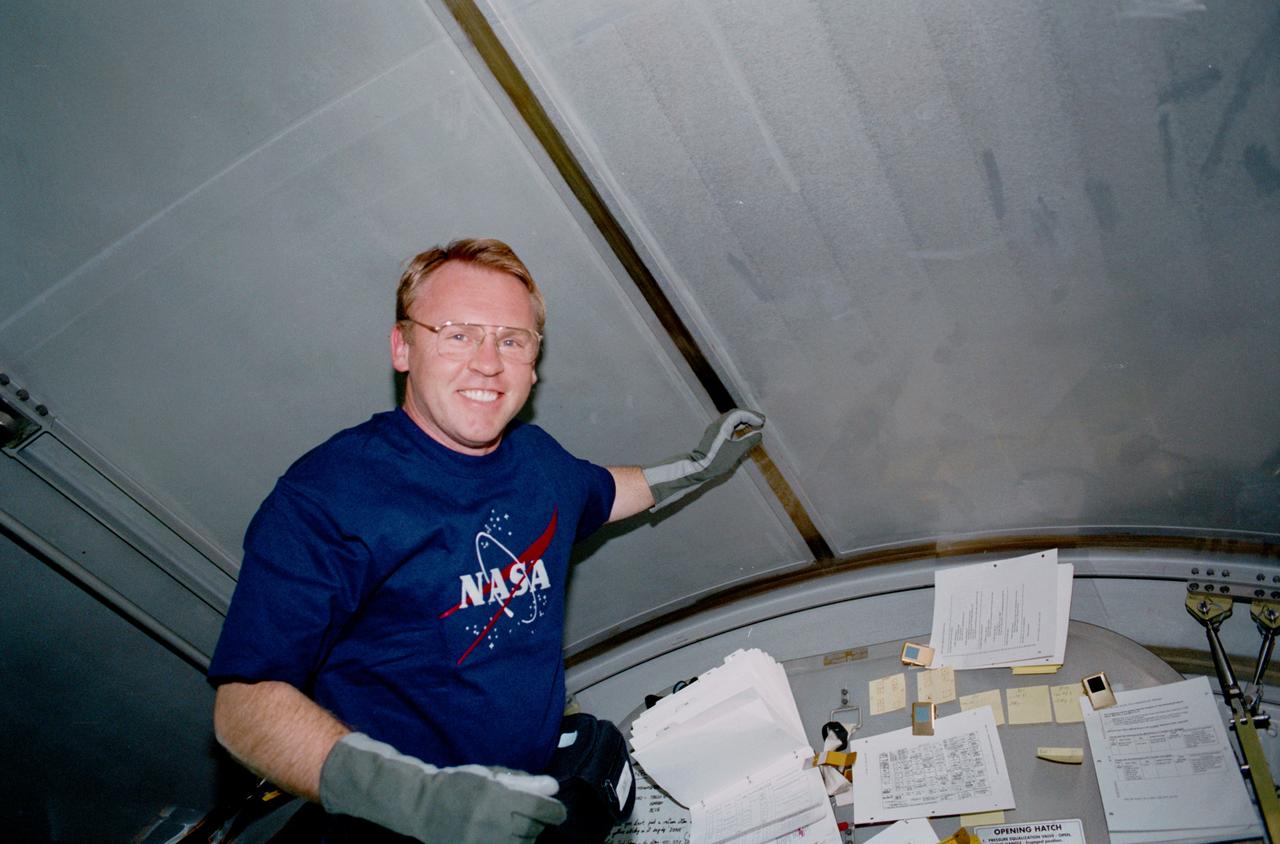
STS102-317-008 (8–21 March 2001) --- Astronaut Andrew S. W. Thomas, STS-102 mission specialist is photographed here in the Leonardo Multi-Purpose Logistics Module (MPLM) which was built by the Italian Space Agency (ASI). The MPLM is the first of three such pressurized modules that will serve as the International Space Station’s “moving vans”, carrying laboratory racks filled with equipment, experiments and supplies to and from the station aboard the space shuttle.
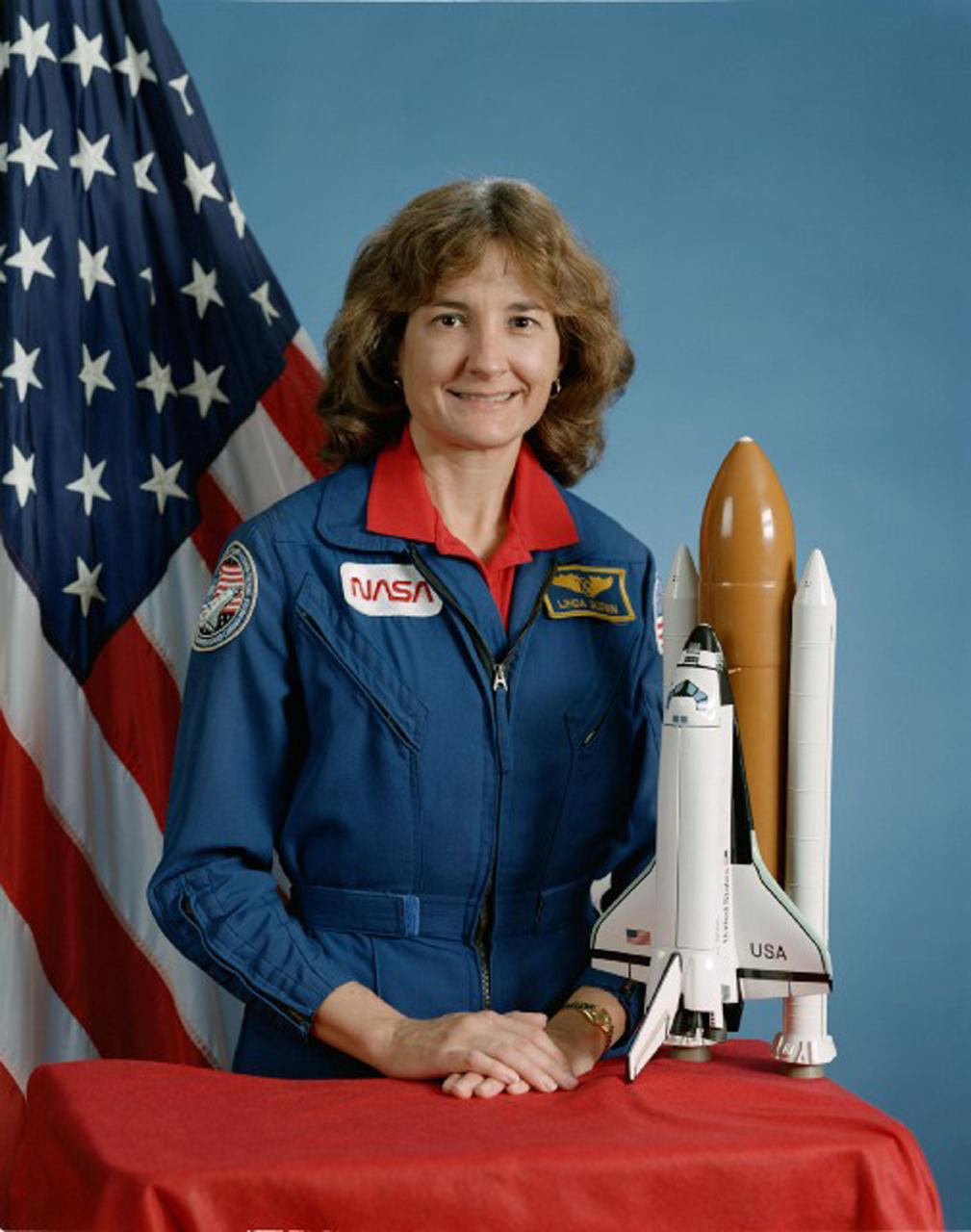
JOHNSON SPACE CENTER, HOUSTON, TEXAS -- Official portrait of Astronaut Linda M. Godwin (Ph.D.), Payload Commander
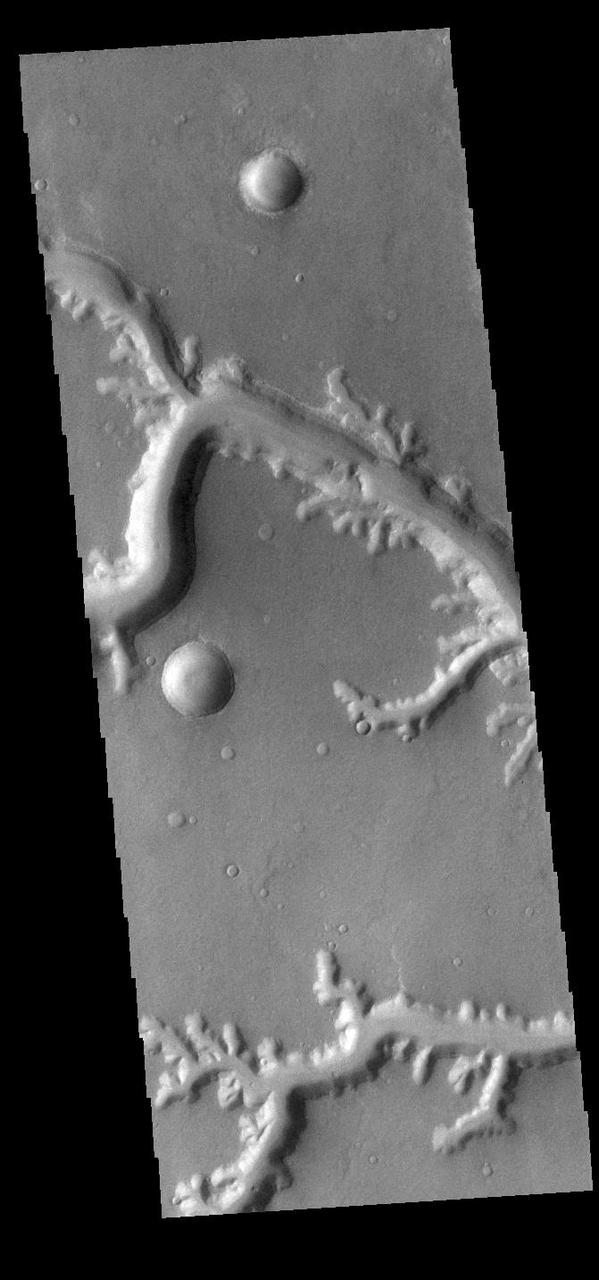
Today's VIS image shows Nirgal Vallis and several of its tributary channels. Located in Noachis Terra, Nirgal Valles is 610km long (379 miles). Orbit Number: 90895 Latitude: -27.1183 Longitude: 317 Instrument: VIS Captured: 2022-06-11 14:16 https://photojournal.jpl.nasa.gov/catalog/PIA25511
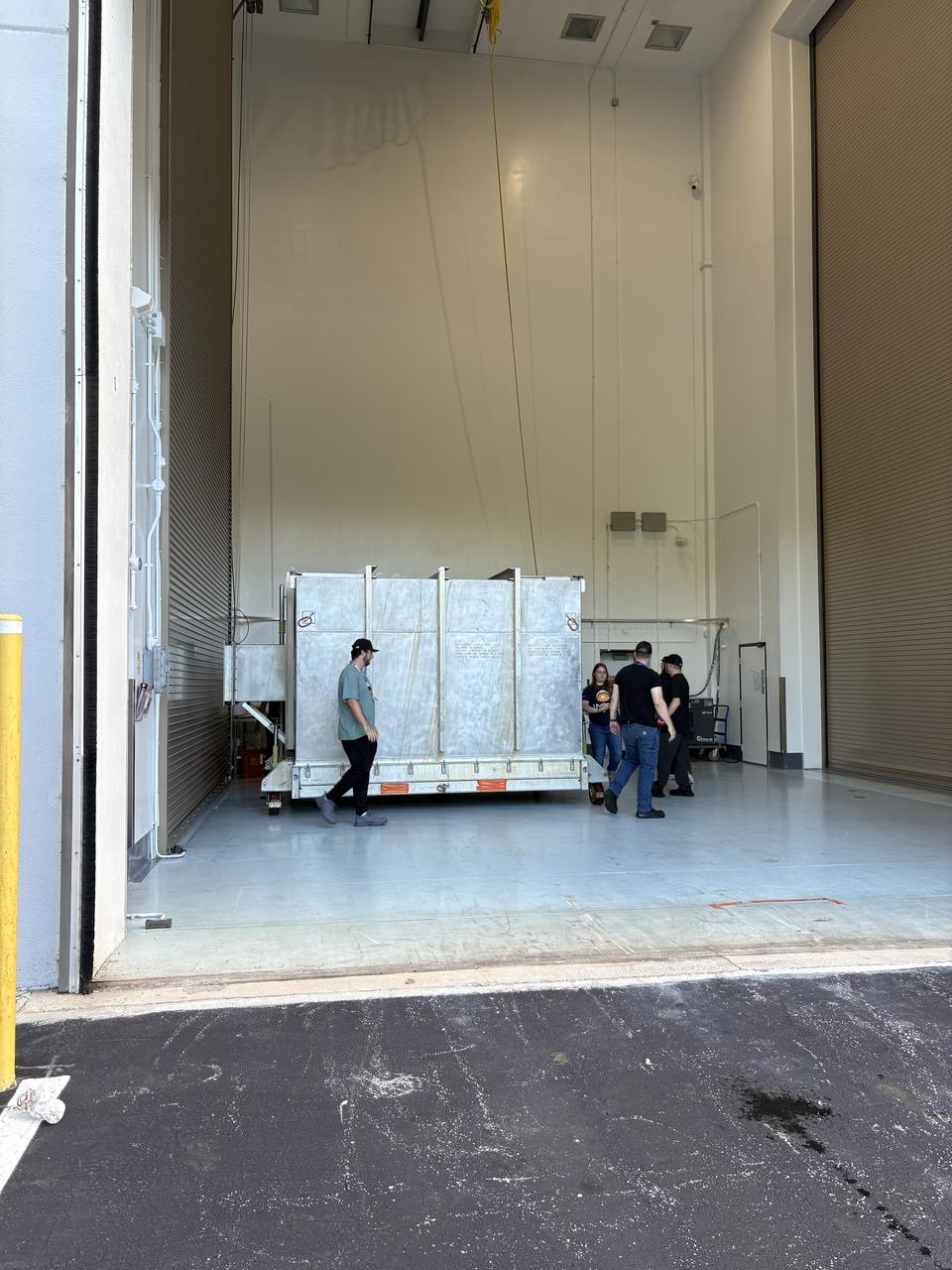
NASA’s IMAP (Interstellar Mapping and Acceleration Probe) observatory arrives at Building 2 where technicians will load 317 pounds (or 144 kilograms) of hydrazine into three tanks into the spacecraft at the Astrotech Space Operations Facility near NASA’s Kennedy Space Center in Florida on Tuesday, Aug. 12, 2025. IMAP will explore and map the boundaries of the heliosphere — a huge bubble created by the Sun’s wind that encapsulates our entire solar system — and study how the heliosphere interacts with the local galactic neighborhood beyond.
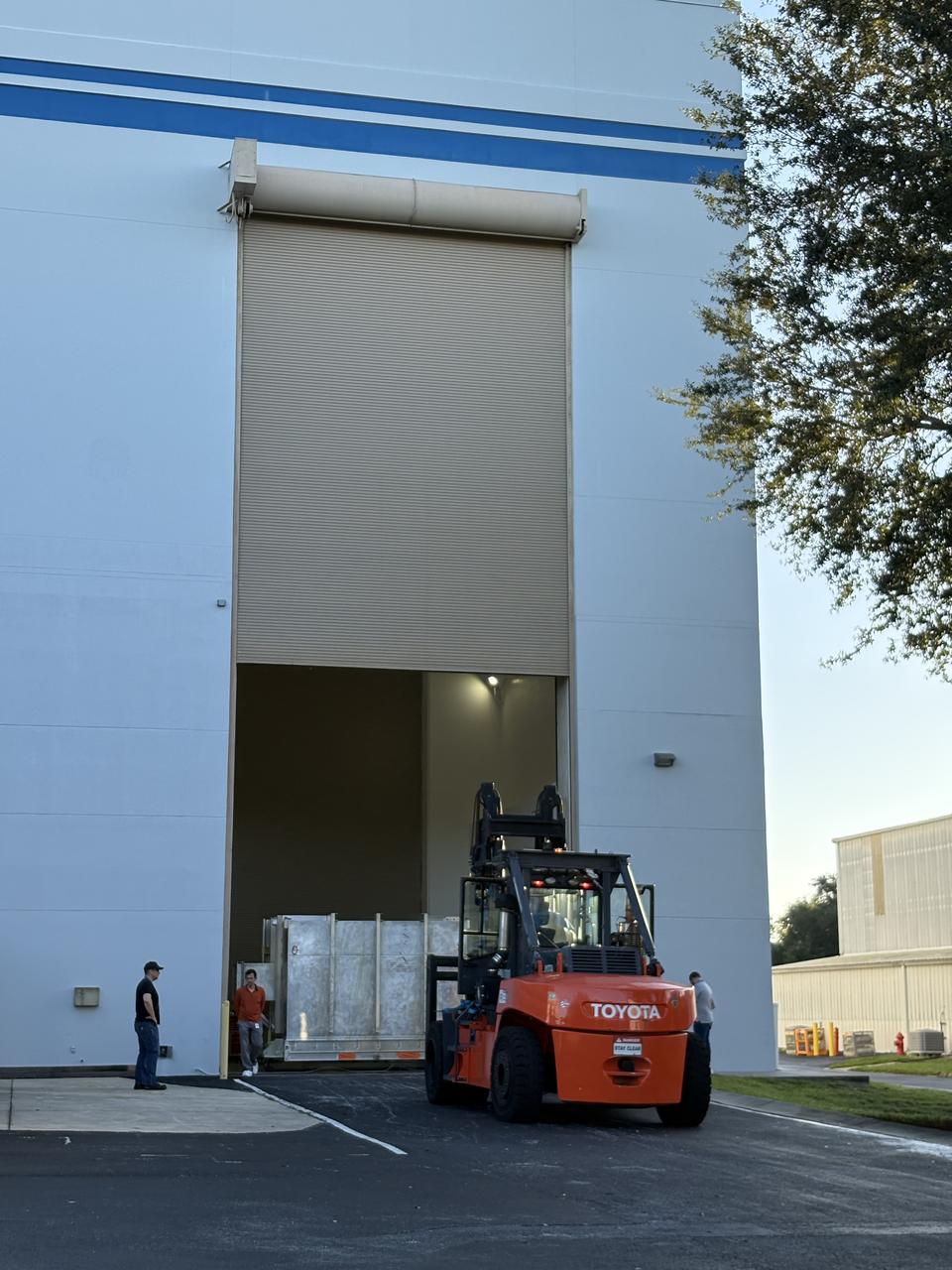
Technicians prepare to transport NASA’s IMAP (Interstellar Mapping and Acceleration Probe) observatory to Building 2 where they will load 317 pounds (or 144 kilograms) of hydrazine into three tanks into the spacecraft at the Astrotech Space Operations Facility near NASA’s Kennedy Space Center in Florida on Tuesday, Aug. 12, 2025. IMAP will explore and map the boundaries of the heliosphere — a huge bubble created by the Sun’s wind that encapsulates our entire solar system — and study how the heliosphere interacts with the local galactic neighborhood beyond.
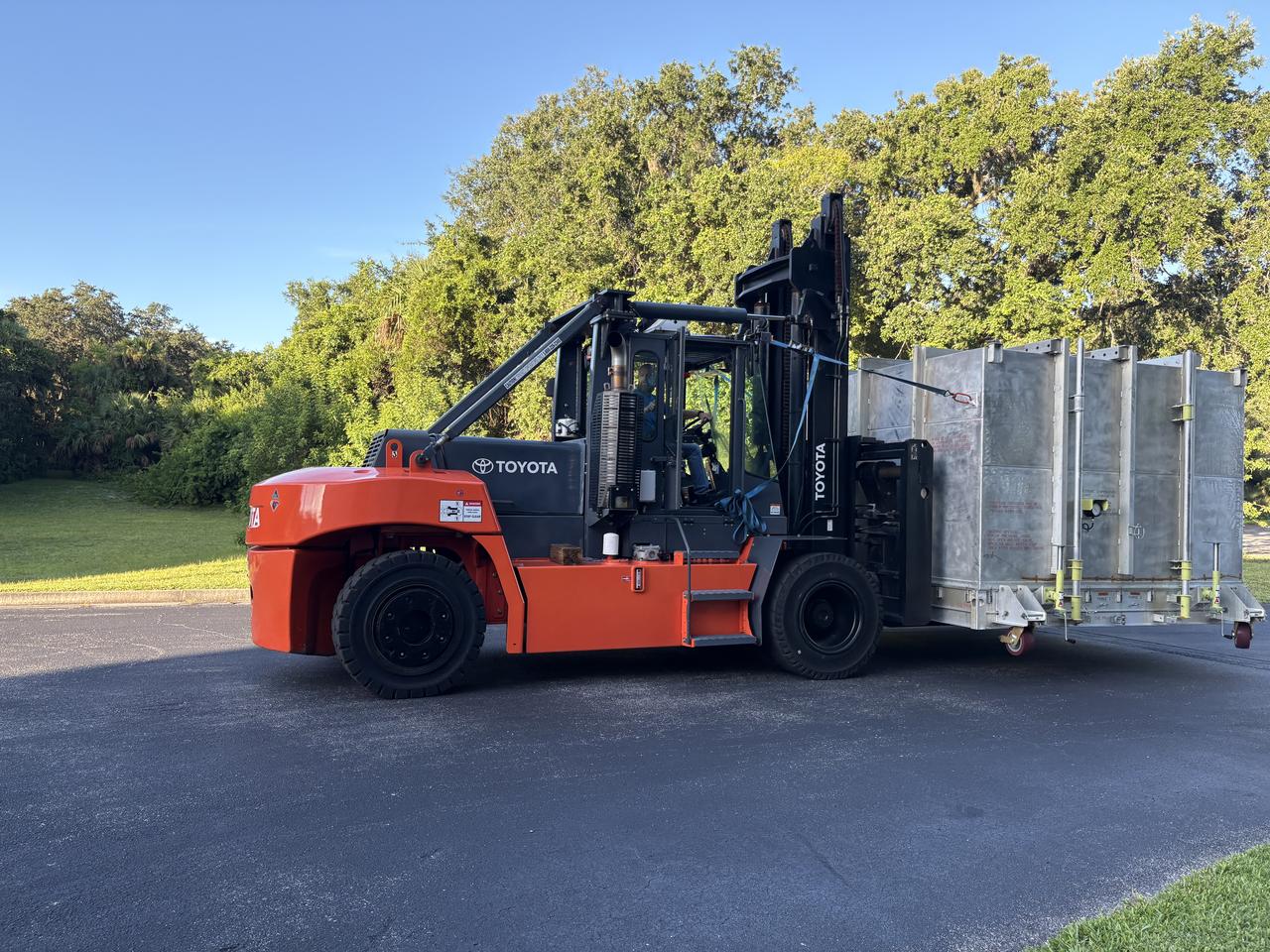
Technicians transport NASA’s IMAP (Interstellar Mapping and Acceleration Probe) observatory to Building 2 where they will load 317 pounds (or 144 kilograms) of hydrazine into three tanks into the spacecraft at the Astrotech Space Operations Facility near NASA’s Kennedy Space Center in Florida on Tuesday, Aug. 12, 2025. IMAP will explore and map the boundaries of the heliosphere — a huge bubble created by the Sun’s wind that encapsulates our entire solar system — and study how the heliosphere interacts with the local galactic neighborhood beyond.

Flight evaluation and comparison of a NACA submerged inlet and a scoop inlet on the North American YF-93A (AF48-317 NACA-139). The YF-93A's were the first aircraft to use flush NACA engine inlets. aircraft to use flush NACA engine inlets. Note: Used in publication in Flight Research at Ames; 57 Years of Development and Validation of Aeronautical Technology NASA SP-1998-3300 and Memoirs of a Flight Test Engineer NASA SP-2001-4525
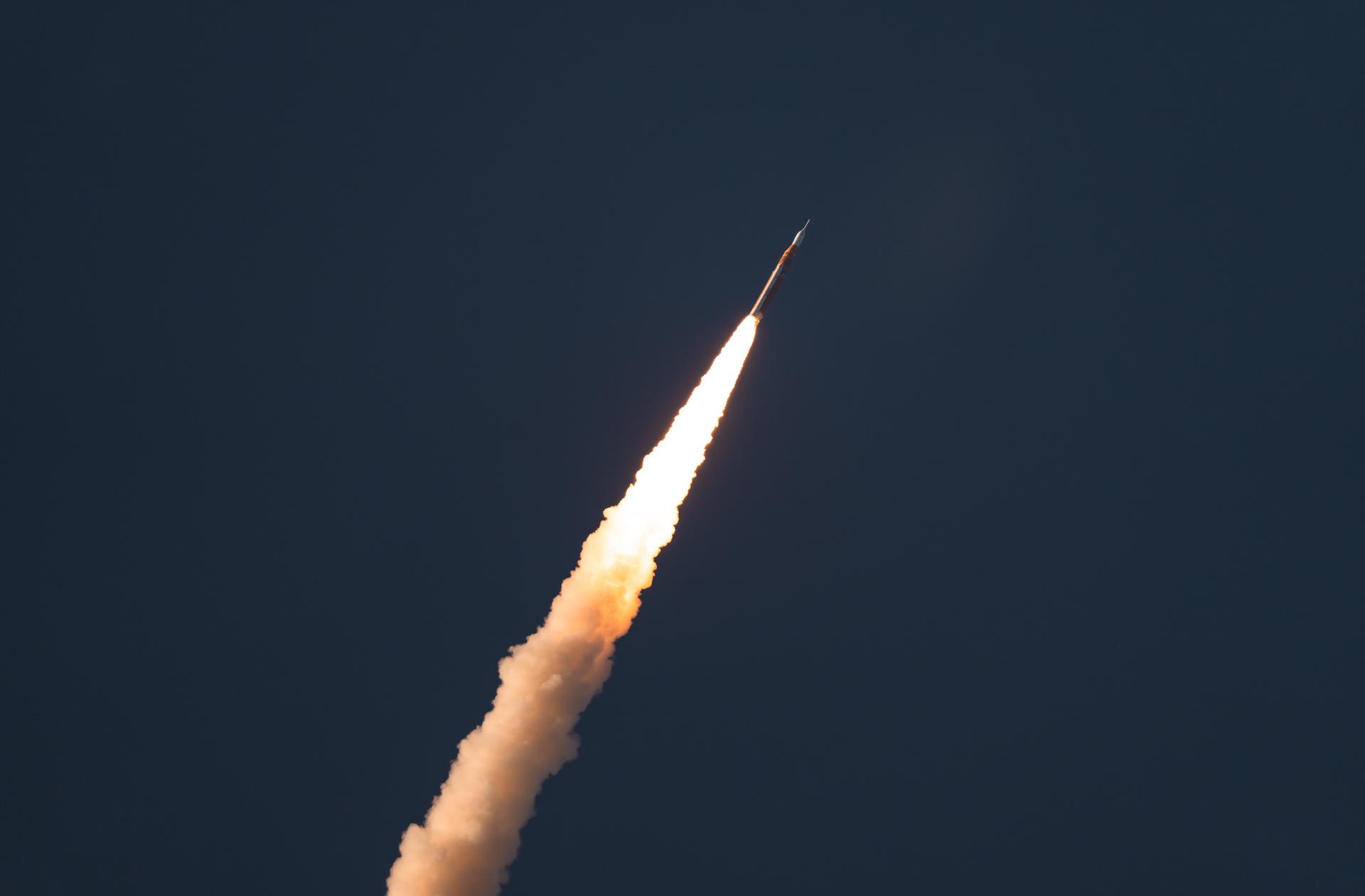
NASA’s Space Launch System rocket carrying the Orion spacecraft with NASA astronauts Reid Wiseman, commander; Victor Glover, pilot; Christina Koch, mission specialist; and CSA (Canadian Space Agency) astronaut Jeremy Hansen, mission specialist onboard launches on the Artemis II mission, Wednesday, April 1, 2026, from Launch Complex 39B at NASA’s Kennedy Space Center in Florida. NASA’s Artemis II mission will take Wiseman, Glover, Koch, and Hansen on a 10-day journey around the Moon and back aboard their Orion spacecraft. The quartet launched at 6:35 p.m. EDT, from Launch Complex 39B at the Kennedy Space Center. Photo Credit: (NASA/Steven B. Seipel)
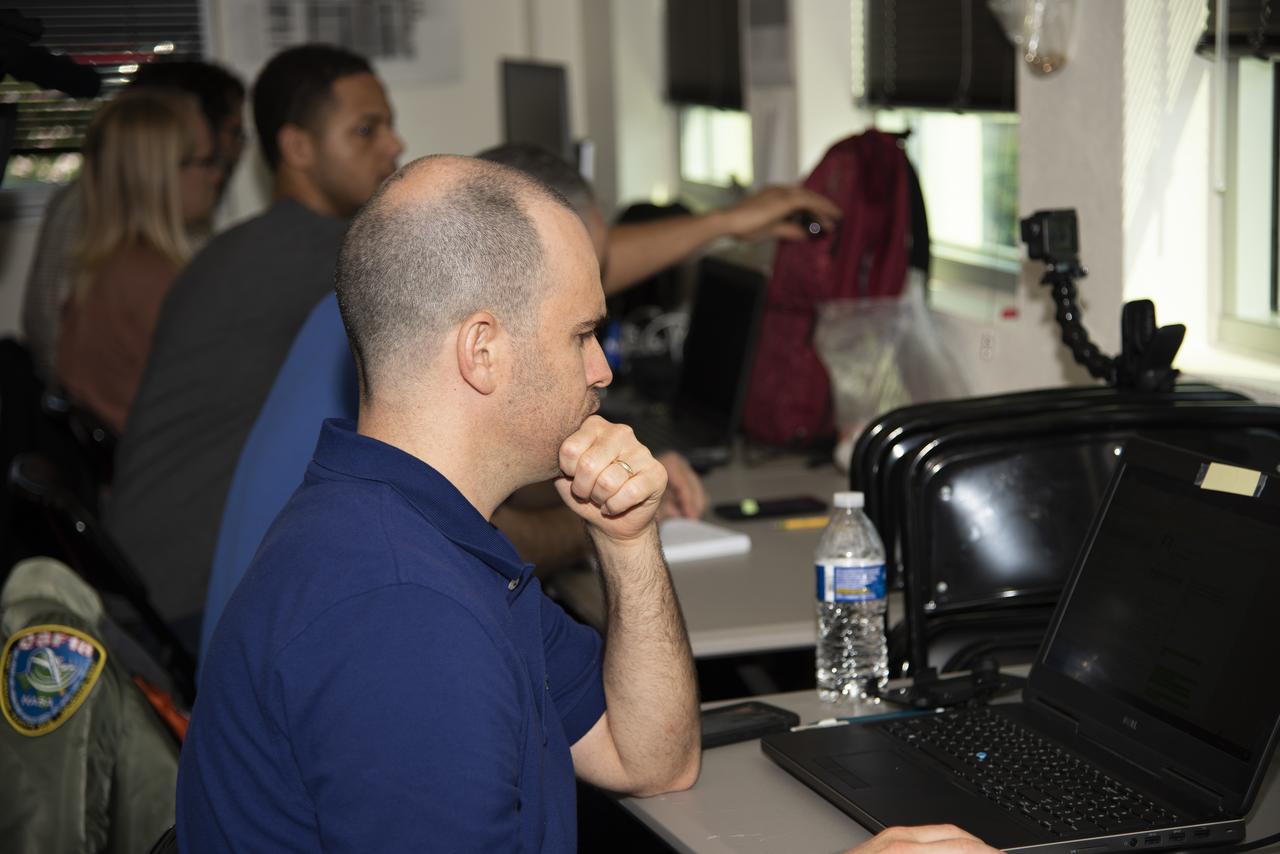
While NASA’s F/A-18 goes supersonic off the coast, a team of researchers monitor the flight and operate multiple sound monitor stations around Galveston and its surrounding area. This allows NASA to obtain accurate sound level data, which gets matched to community response data.
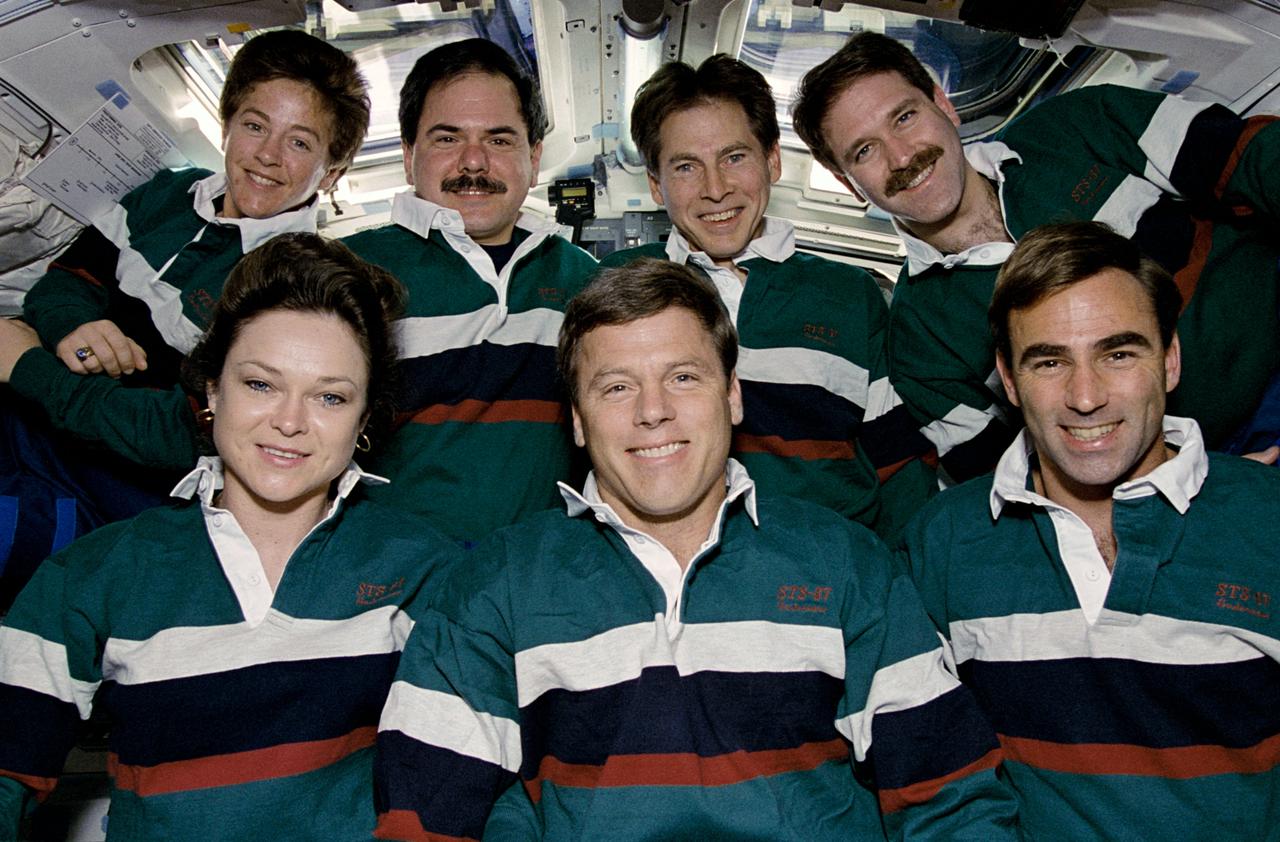
The STS-67/ASTRO-2 crew members pose for their traditional inflight portrait on the aft flight deck of the Earth orbiting Space Shuttle Endeavour. Left to right in the front are astronauts Tamara E. Jernigan, payload commander; Steven S. Oswald, mission commander; and William G. Gregory, pilot. Left to right on the back row are astronaut Wendy B. Lawrence, flight engineer; payload specialists Ronald A. Parise and Samuel T. Durrance; and John M. Grunsfeld, mission specialist.
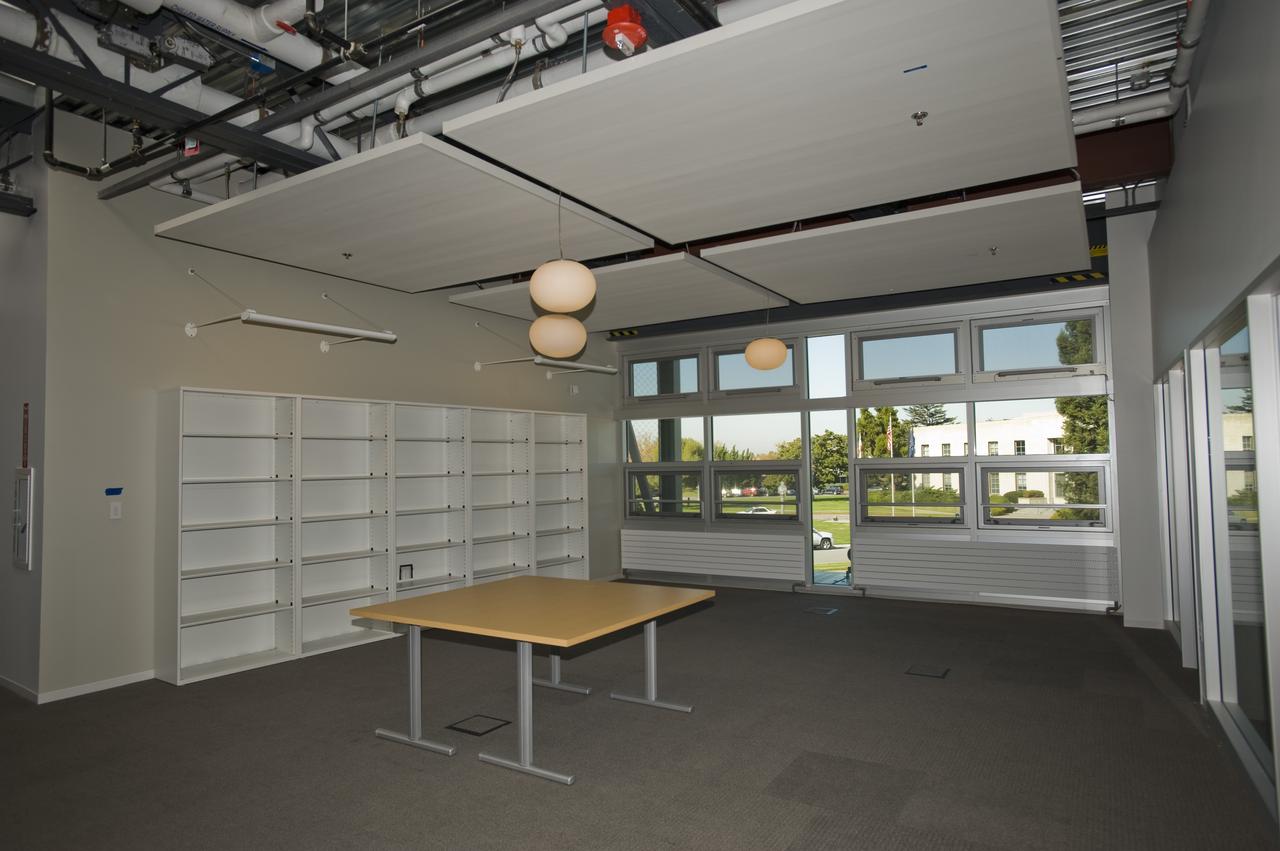
Halls and open space.
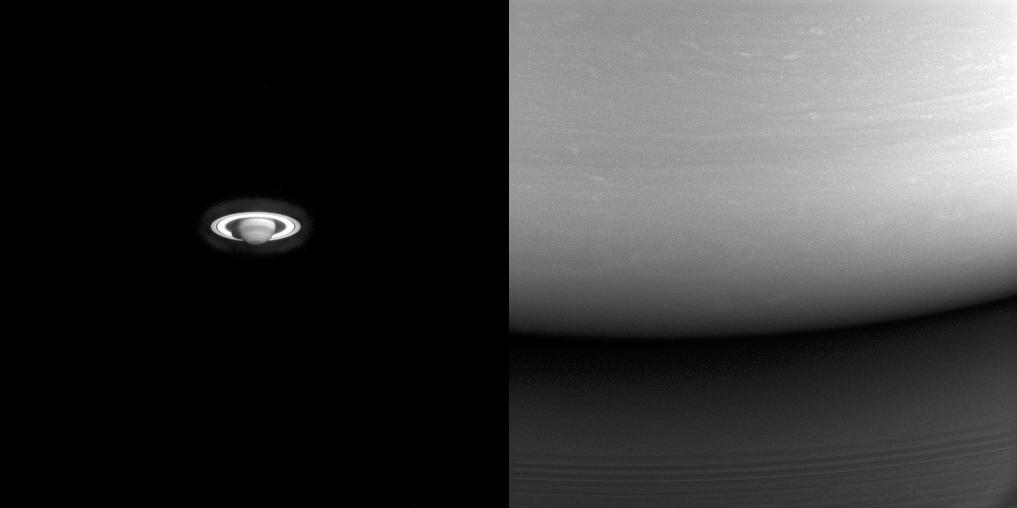
These two images illustrate just how far Cassini traveled to get to Saturn. On the left is one of the earliest images Cassini took of the ringed planet, captured during the long voyage from the inner solar system. On the right is one of Cassini's final images of Saturn, showing the site where the spacecraft would enter the atmosphere on the following day. In the left image, taken in 2001, about six months after the spacecraft passed Jupiter for a gravity assist flyby, the best view of Saturn using the spacecraft's high-resolution (narrow-angle) camera was on the order of what could be seen using the Earth-orbiting Hubble Space Telescope. At the end of the mission (at right), from close to Saturn, even the lower resolution (wide-angle) camera could capture just a tiny part of the planet. The left image looks toward Saturn from 20 degrees below the ring plane and was taken on July 13, 2001 in wavelengths of infrared light centered at 727 nanometers using the Cassini spacecraft narrow-angle camera. The view at right is centered on a point 6 degrees north of the equator and was taken in visible light using the wide-angle camera on Sept. 14, 2017. The view on the left was acquired at a distance of approximately 317 million miles (510 million kilometers) from Saturn. Image scale is about 1,900 miles (3,100 kilometers) per pixel. The view at right was acquired at a distance of approximately 360,000 miles (579,000 kilometers) from Saturn. Image scale is 22 miles (35 kilometers) per pixel. The Cassini spacecraft ended its mission on Sept. 15, 2017. https://photojournal.jpl.nasa.gov/catalog/PIA21353