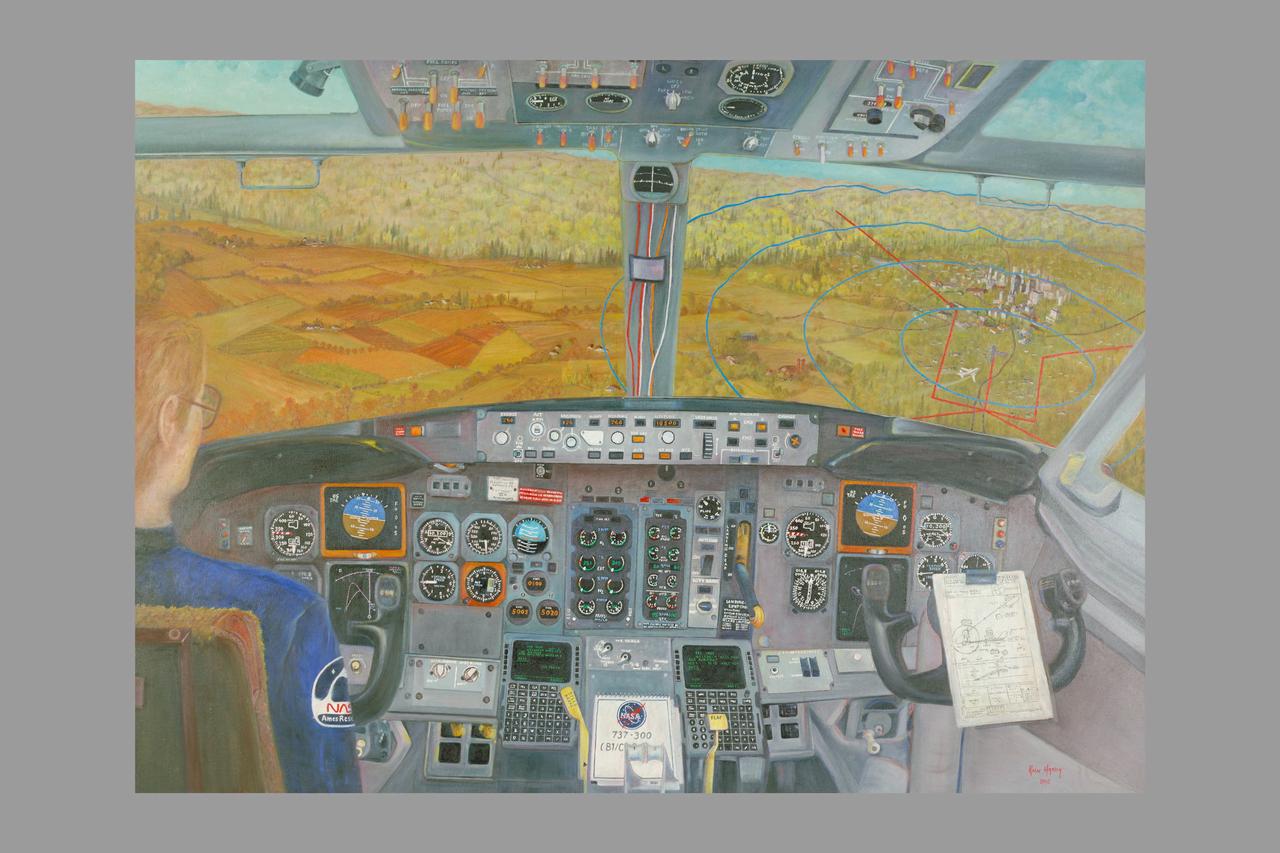
737 Cockpit Painting (N0210) Art by Ann Hardy
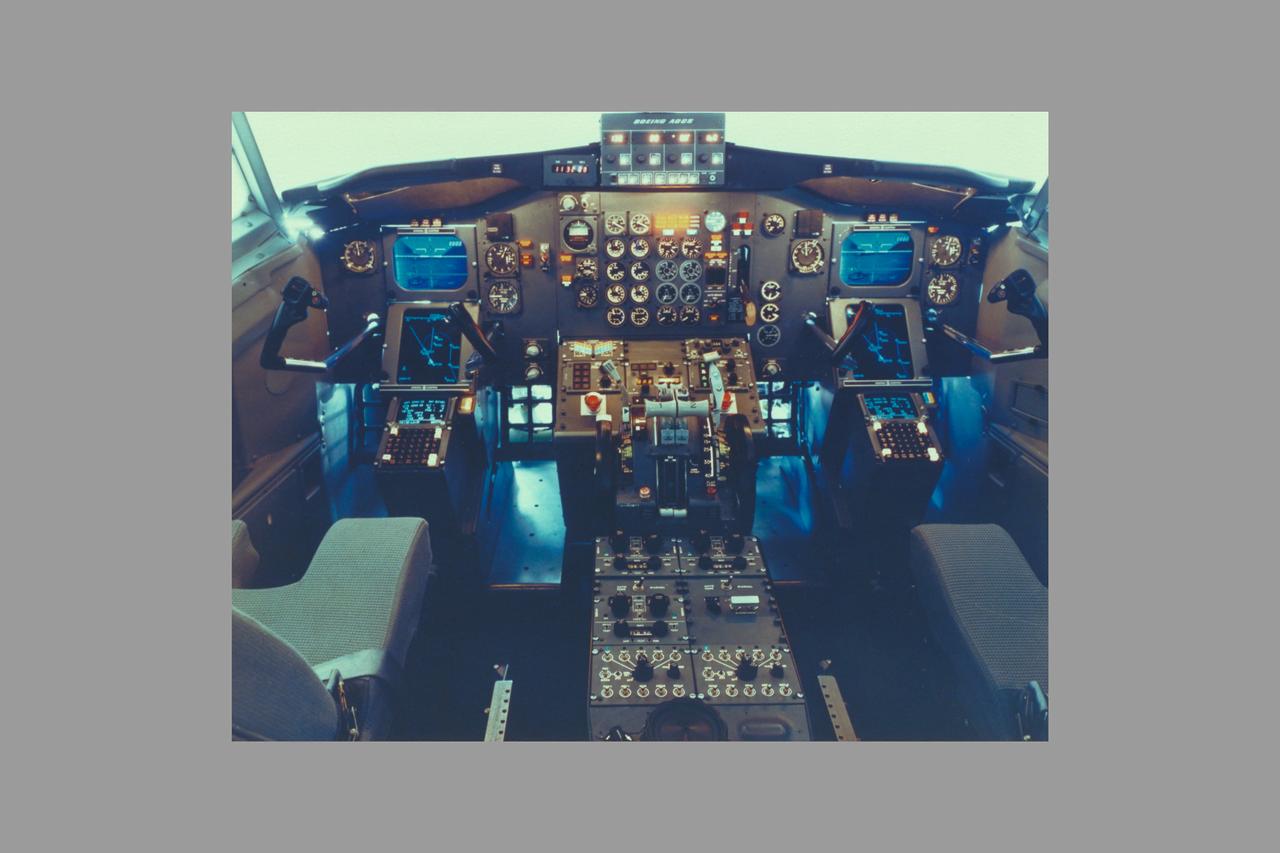
Boeing model 737 TCV research cockpit

Boeing 737 Aerodynamics in Air and Freon 12ft w.t. test-12-495
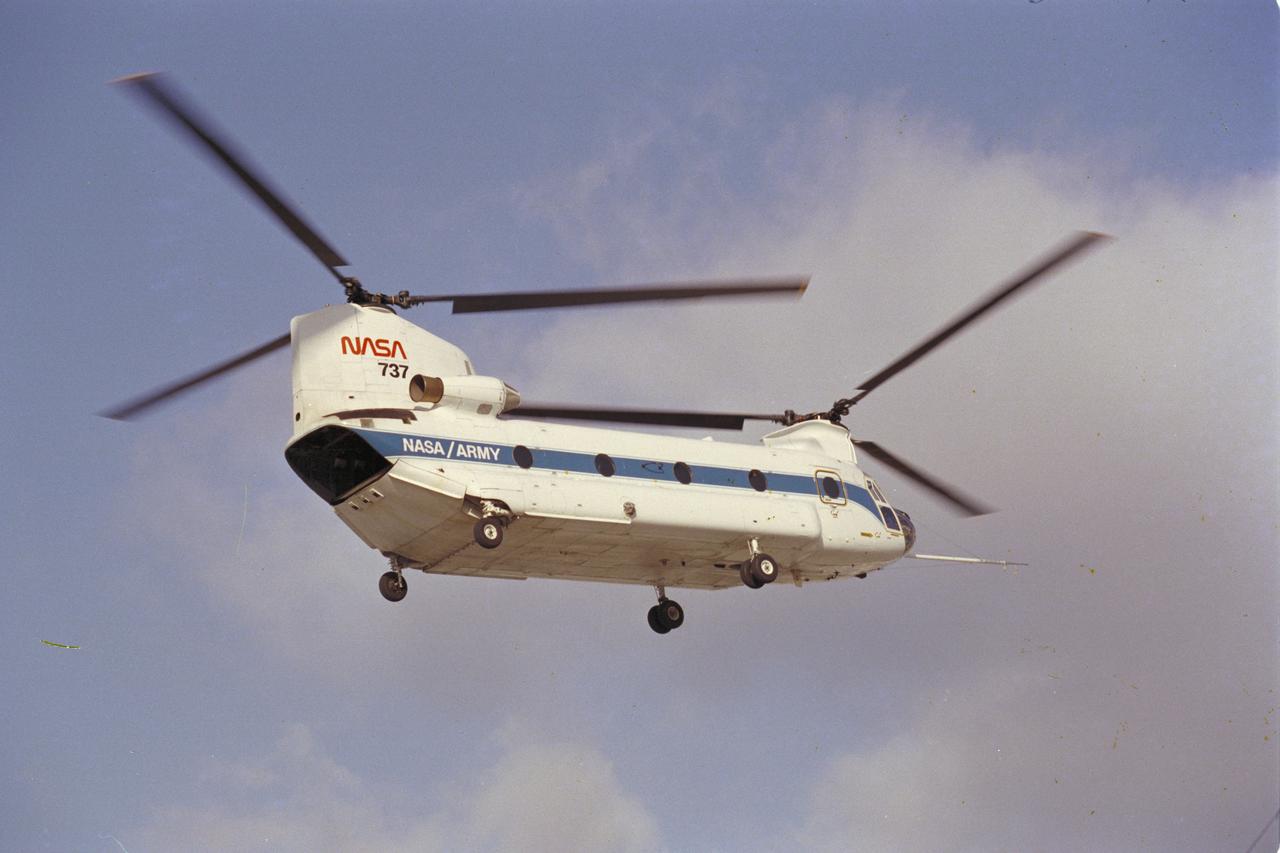
CH-47B (NASA-737) in flight.
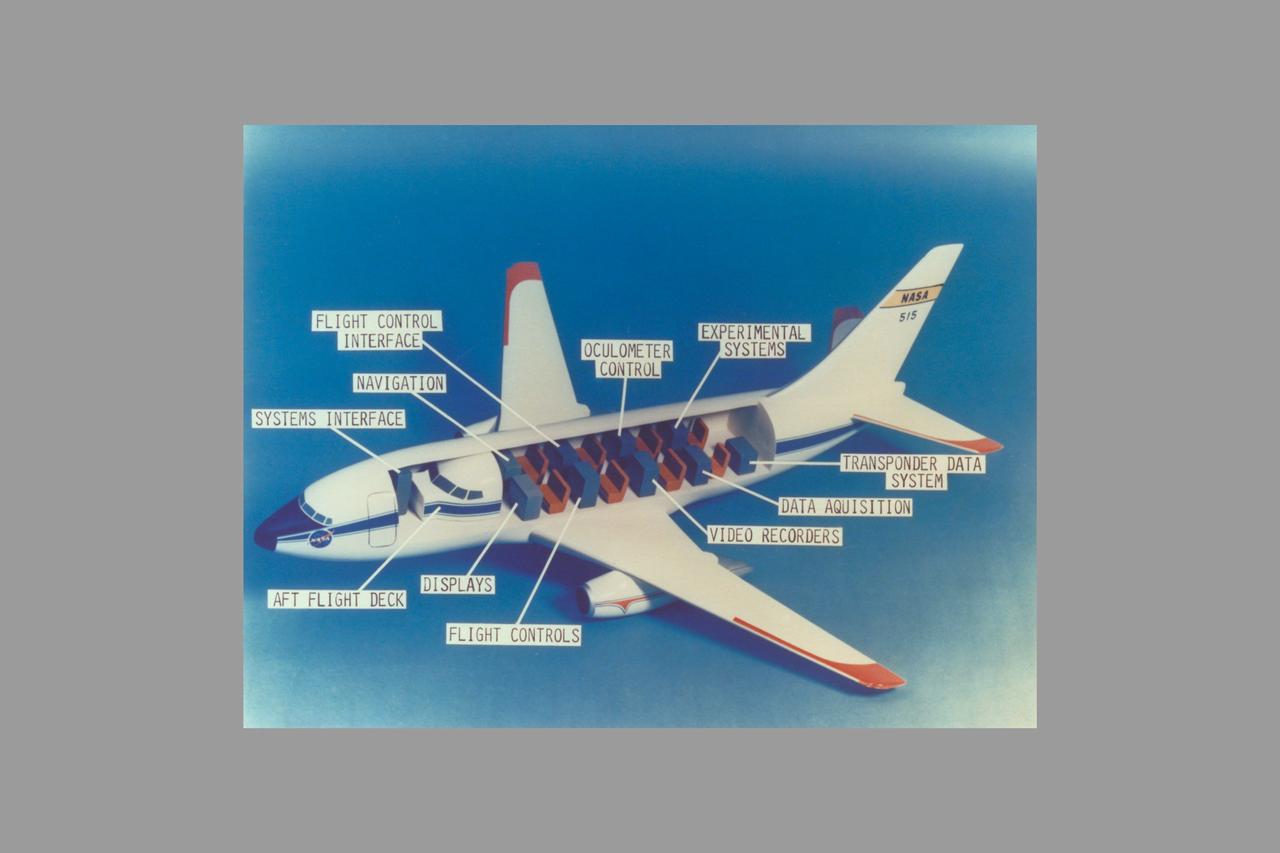
Boeing model 737 (TCV) Terminally configured vehicle cut away (ref: L80-8015)
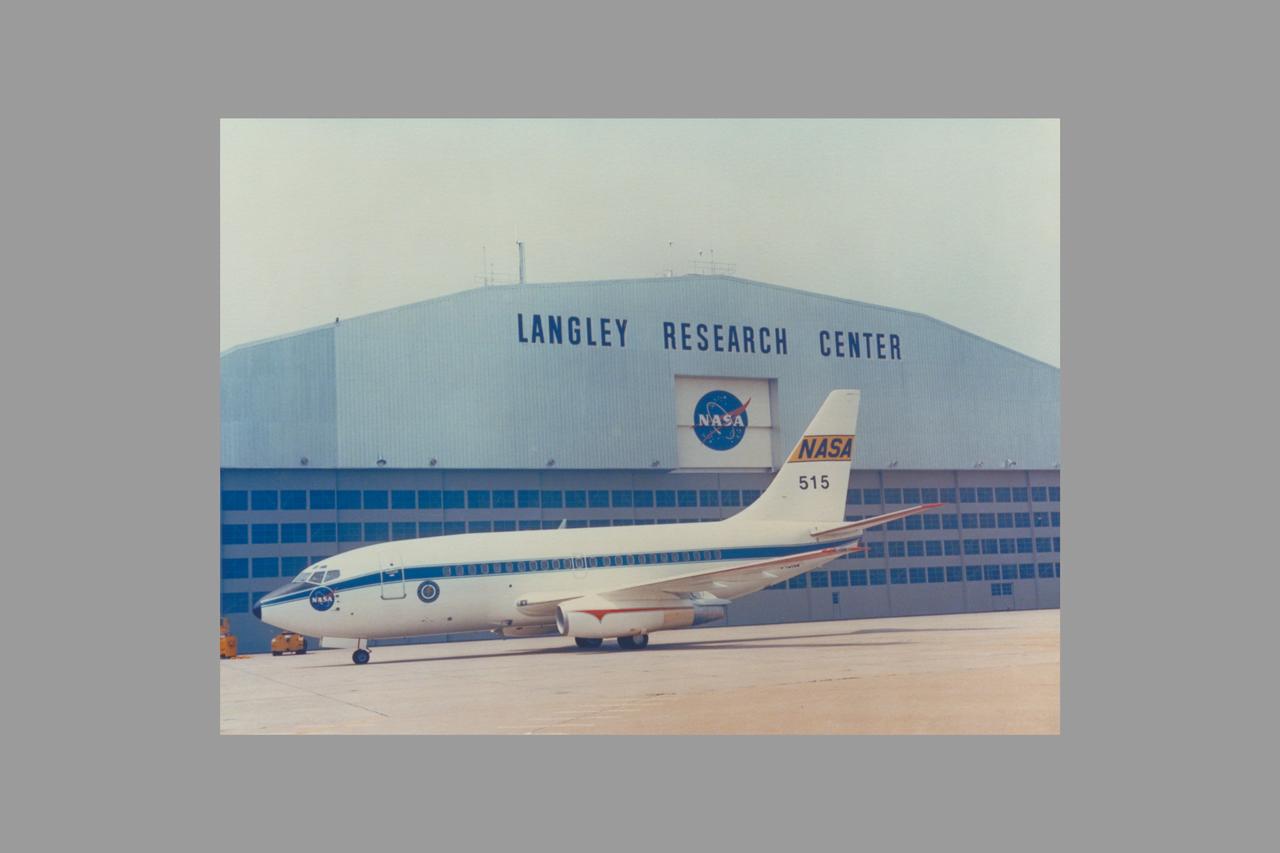
Boeing model 737 (TCV) Terminally configured vehicle on ramp at Langley center (ref: L73-6283)
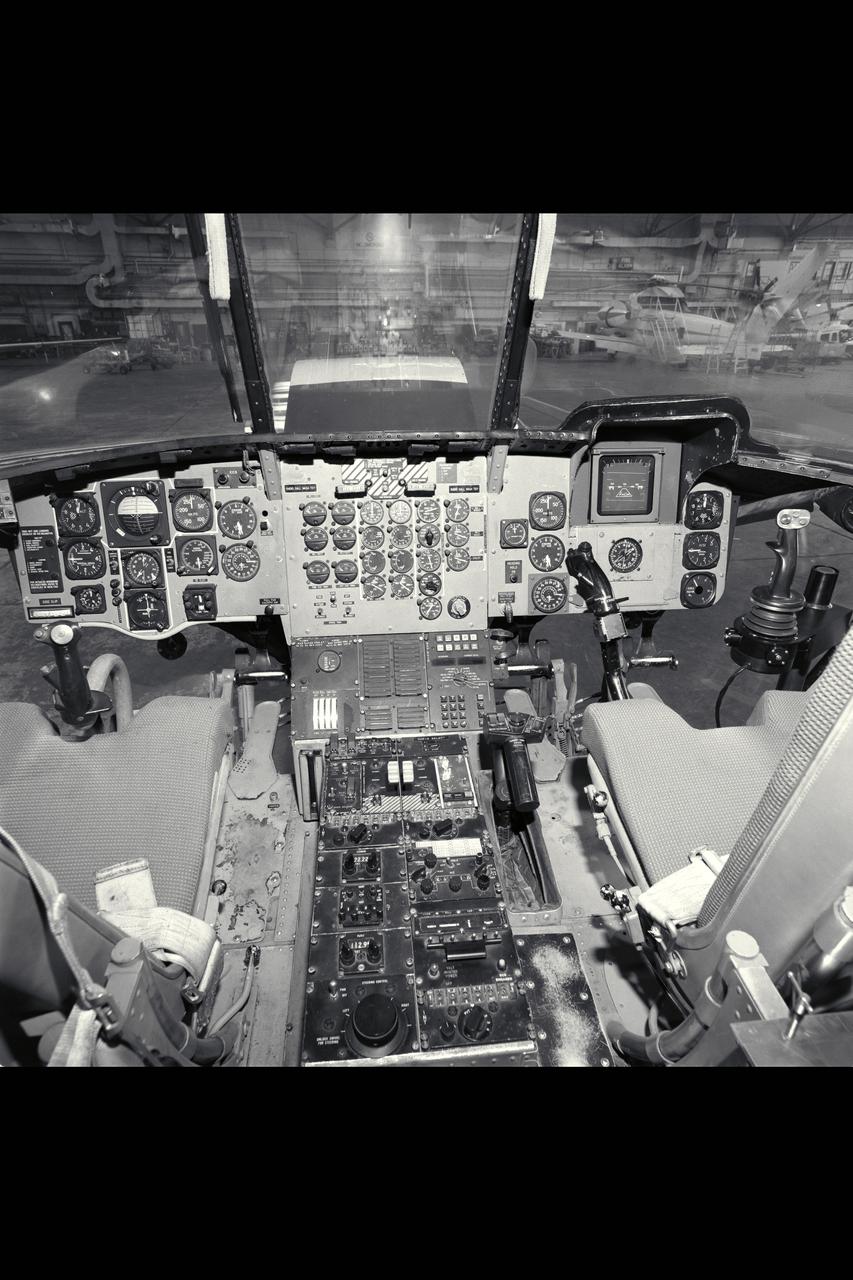
CH-47 (NASA-737) Control Panel and Cockpit
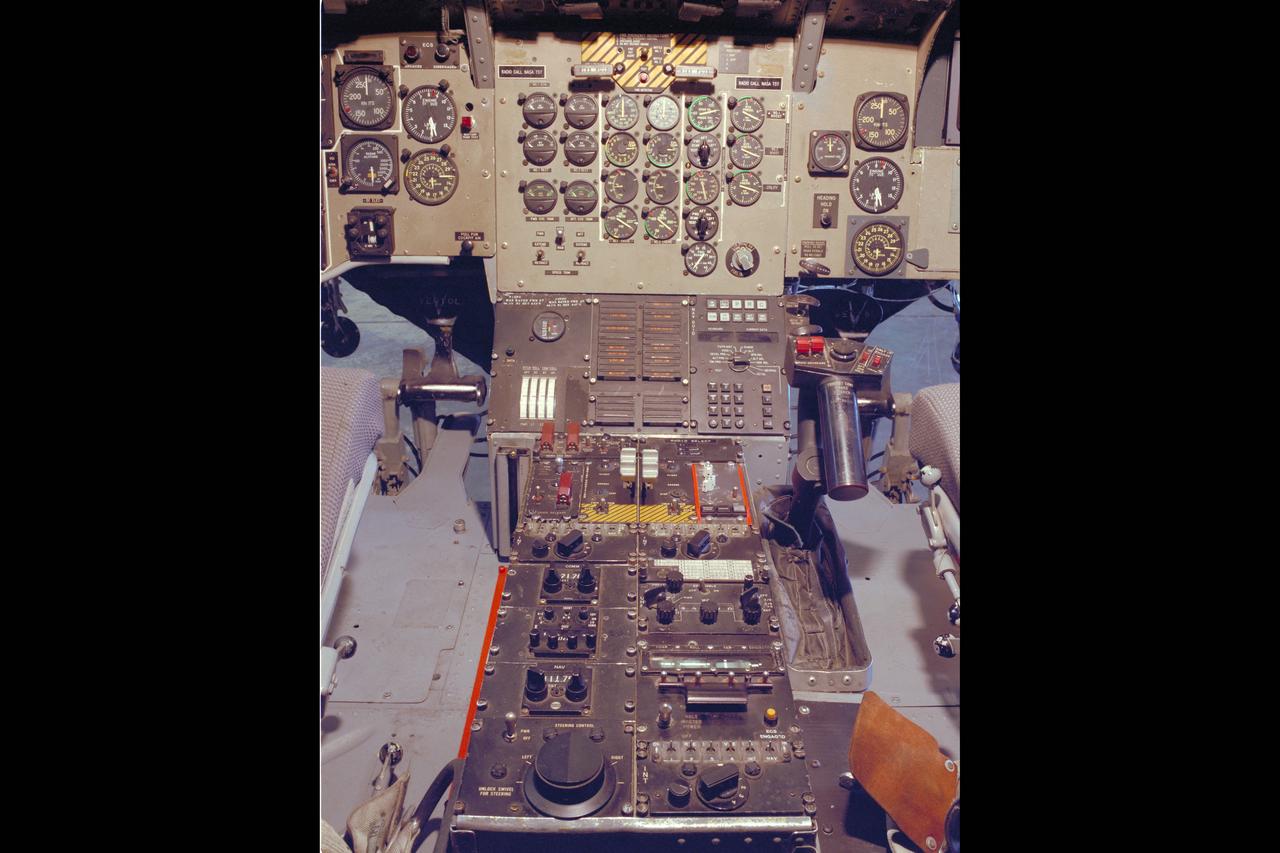
CH-47 (NASA-737) Control Panel and Cockpit
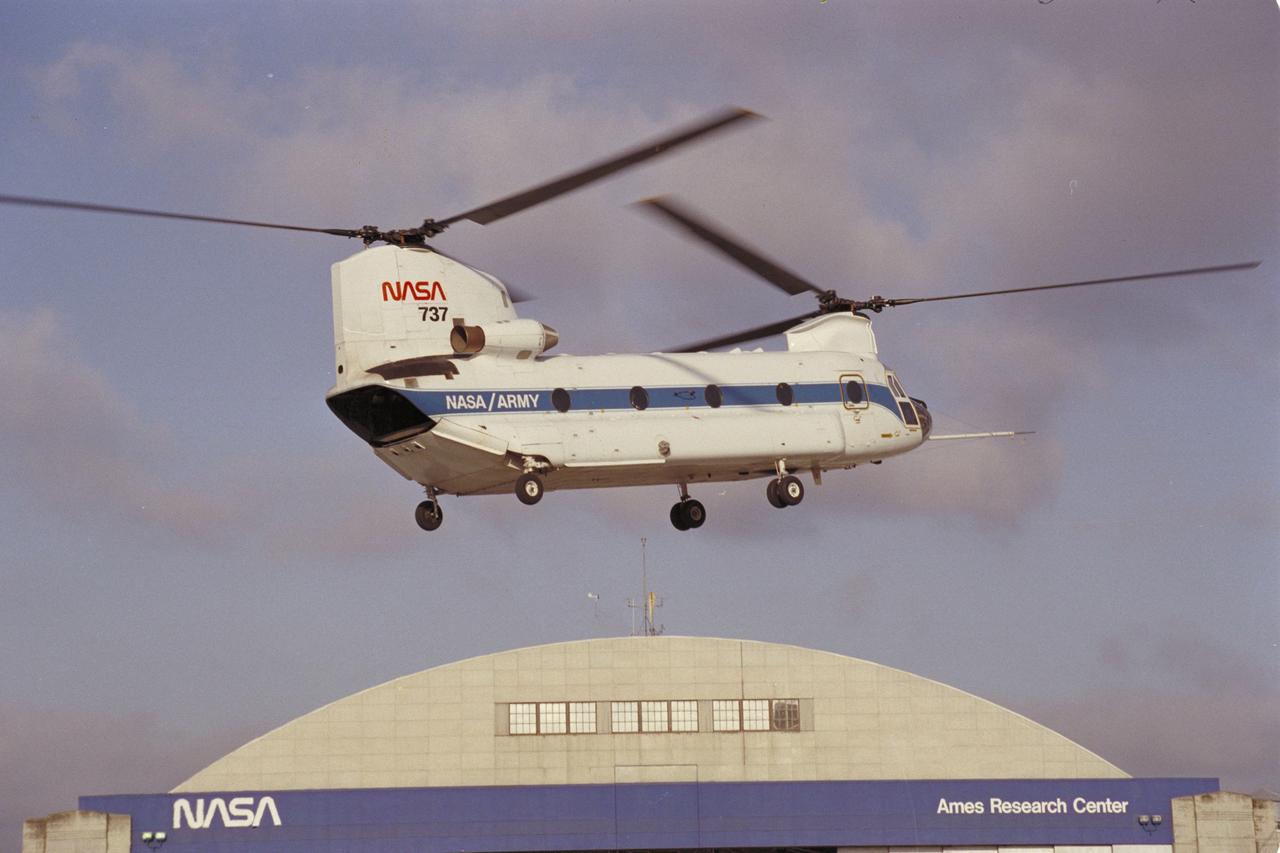
CH-47B (NASA-737) in flight with NASA Ames Research Center Hangar in the background.
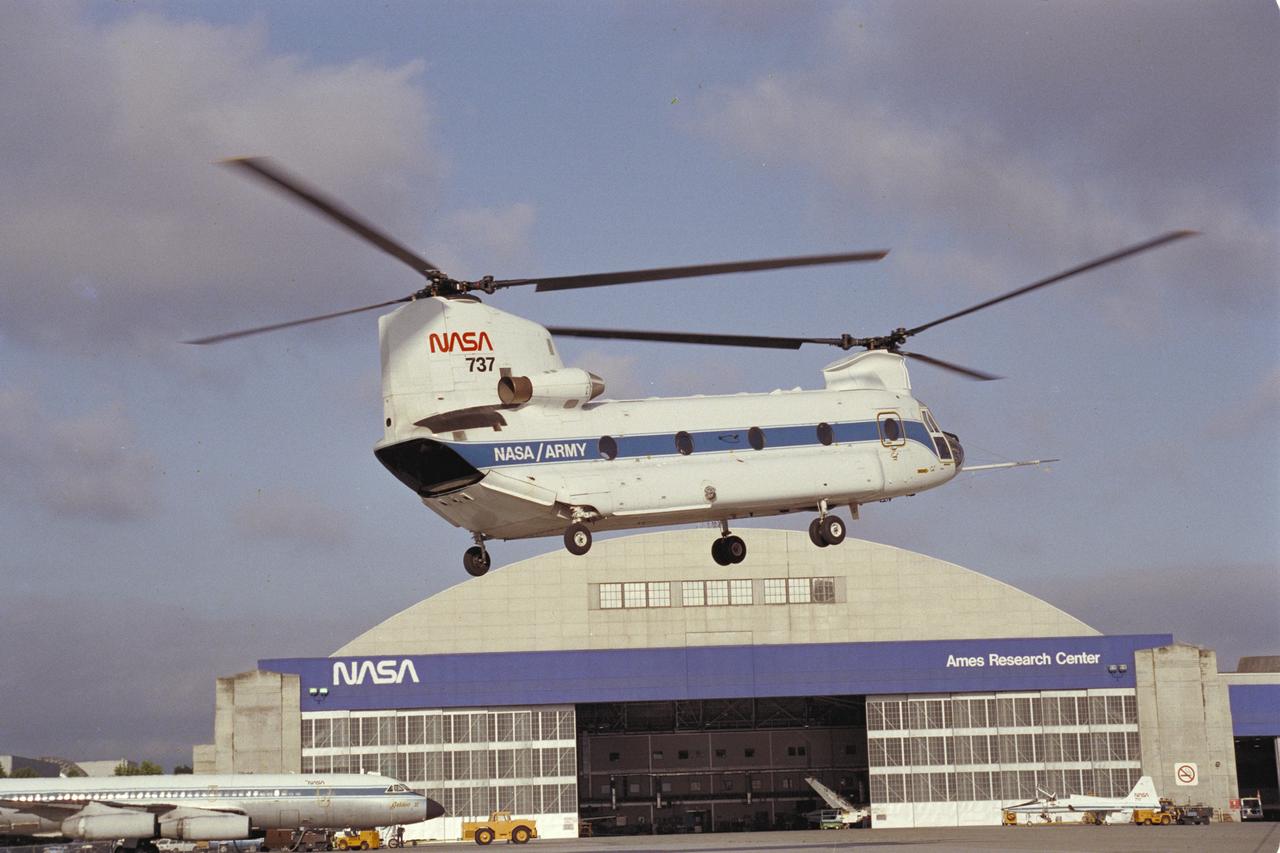
CH-47B (NASA-737) in flight with NASA Ames Research Center Hangar in the background.
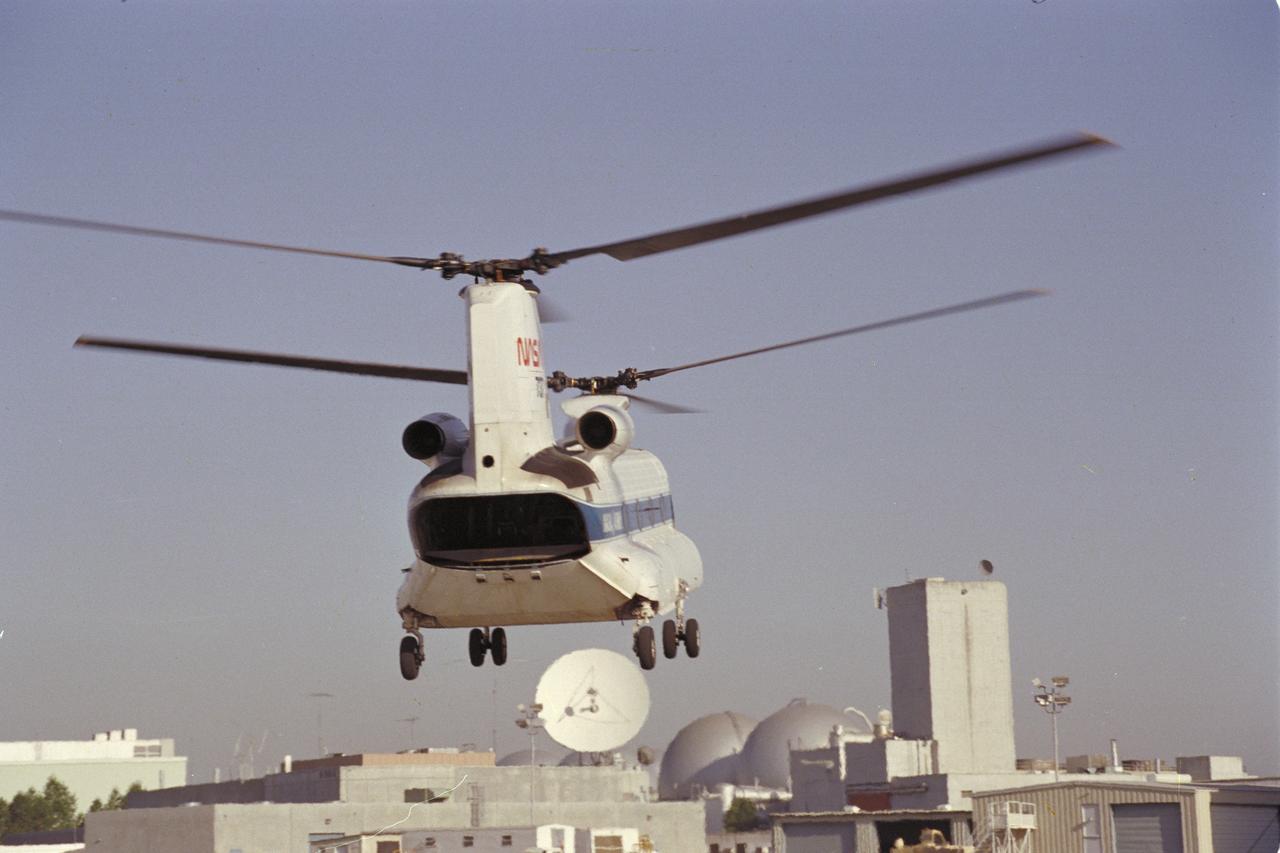
CH-47B (NASA-737) in flight over Moffet Air Field showing rearend.
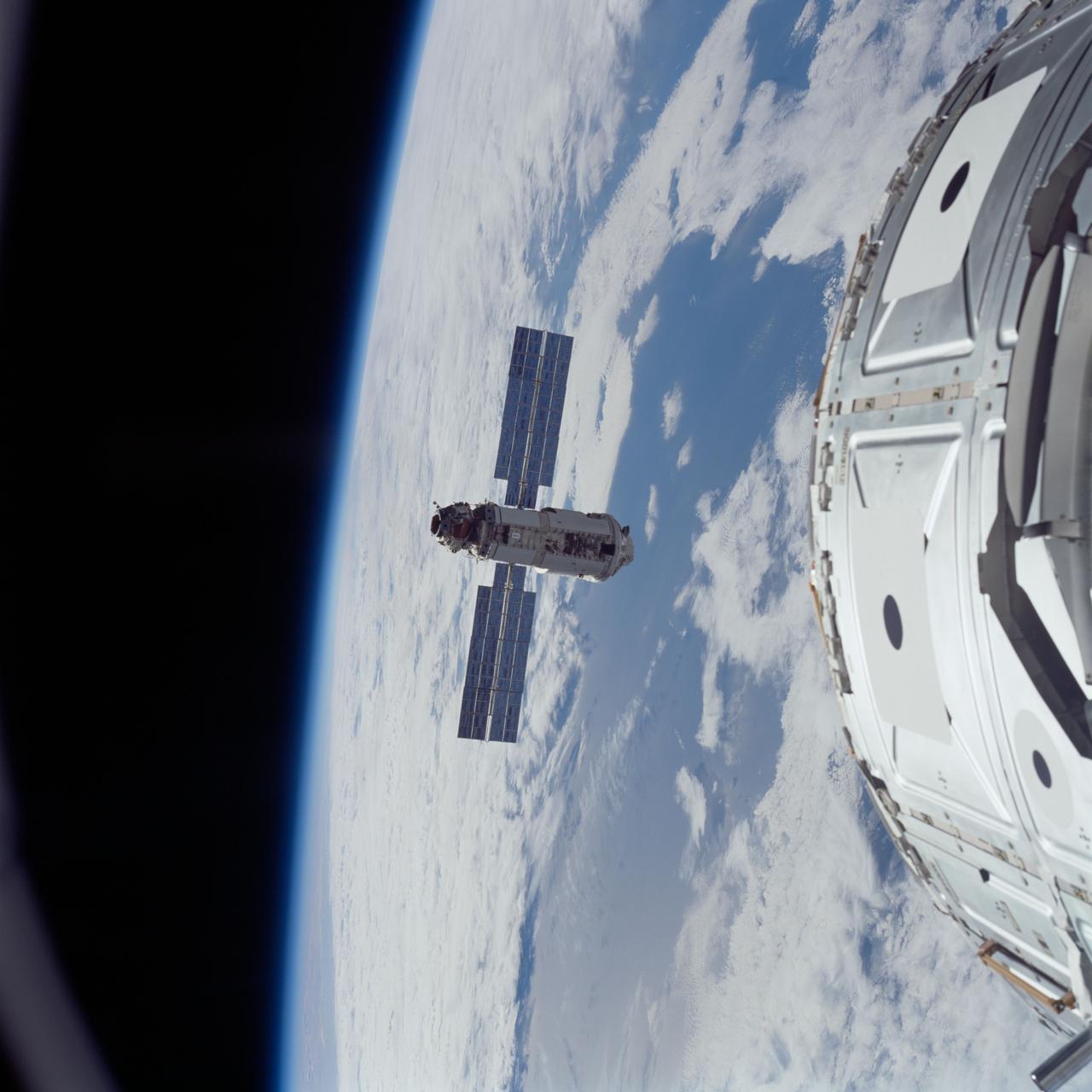
STS088-737-056 (4-15 Dec. 1998) --- With the U.S.-built Unity module in the foreground, the Space Shuttle Endeavour approaches the Russian-built FGB (Zarya) module in Earth-orbit. Once the two spacecraft were docked, three extravehicular activities (EVA) and a great deal of interior, shirt-sleeve environment work was accomplished by the crew to ready the tandem for its International Space Station (ISS) duty.
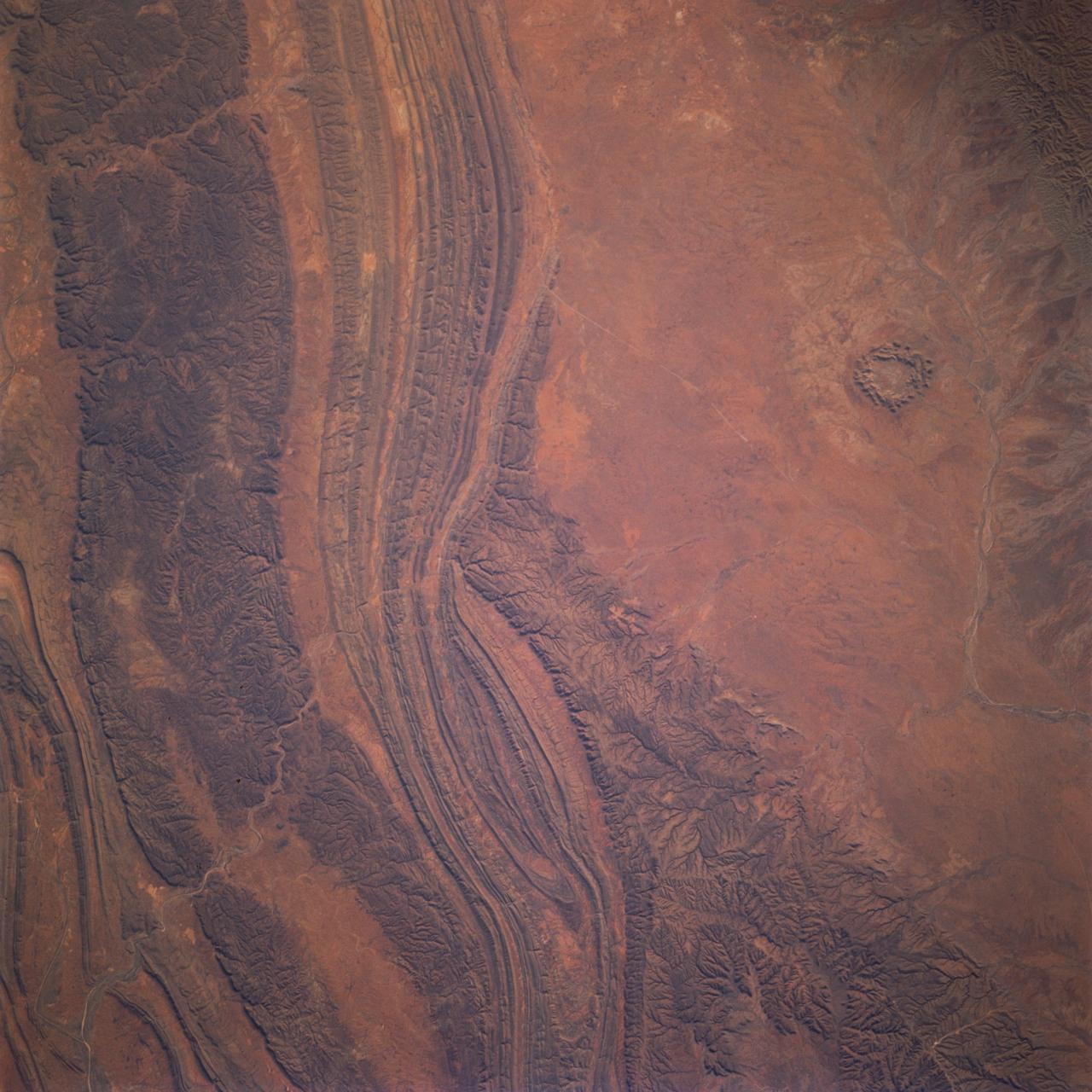
STS077-737-096 (19-29 May 1996) --- The Palmer River emerging from the left corner of the photograph separates the Gardener Range to the right from the James Ranges on the left. To the bottom and off the photograph is the MacDonnell Ranges. The circular feature at bottom right is a highly eroded impact crater located on Missionary Plain. Gosses Bluff is a complex crater about 22 kilometers in diameter and is estimated to be about 142 million years old.
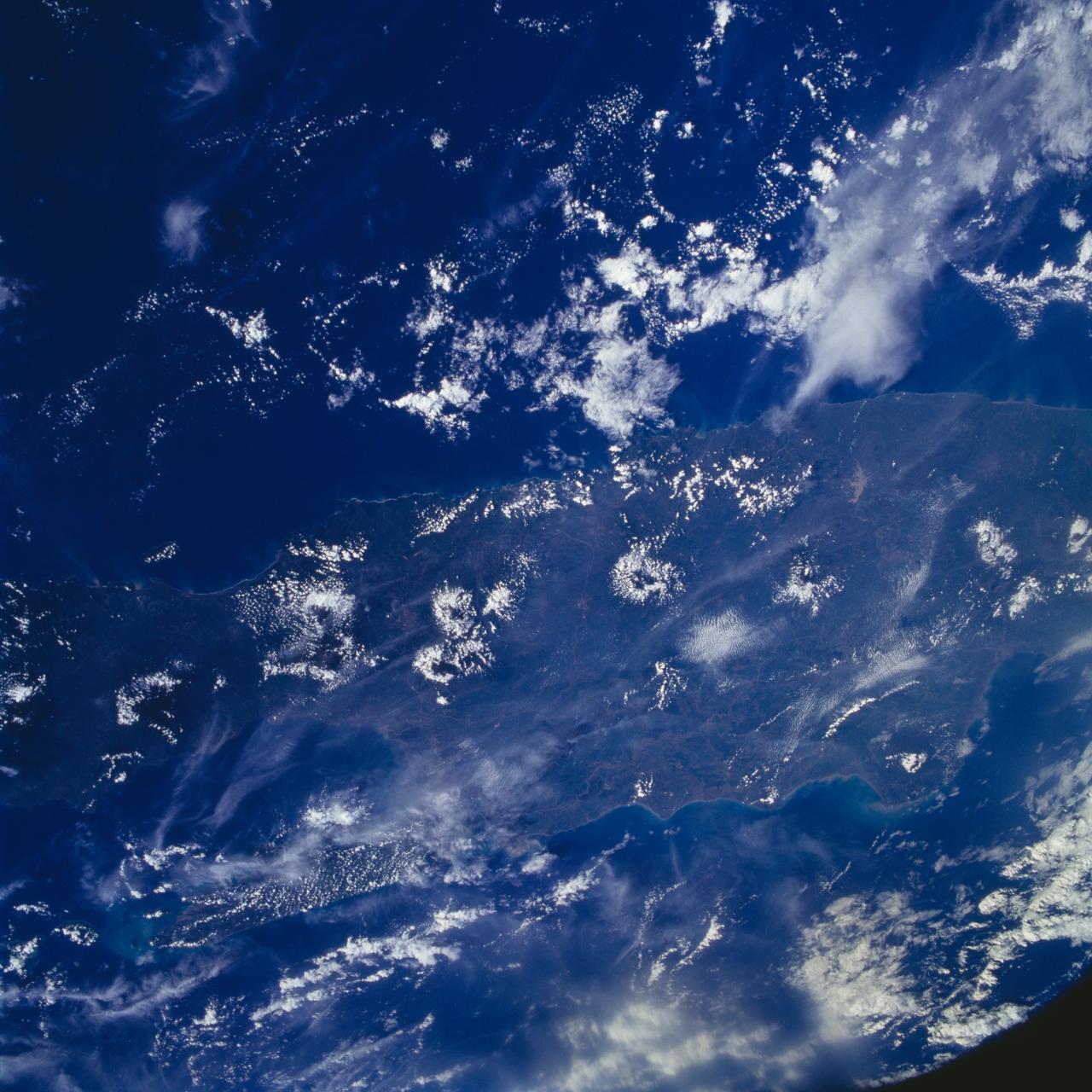
STS072-737-012 (11-20 Jan. 1996) --- The astronauts photographed this view of Java, an Indonesian island. Java lies between the Java Sea at top and the Indian Ocean at bottom (north is located at top center). A line of volcanoes on the southern edge of the island, trending from central to eastern areas, is highlighted by a ring of clouds. Off the southern coast of Java is the Java Trench where the Australian plate, to the south, is diving under the Eurasia plate to the north. According to anthropologists, Java has one of the highest populations in Indonesia because the soil is enriched by volcanic ash. Merapi volcano, at left edge, second volcano to the right, rises to 9,550 feet and erupts frequently. Madura Island, partially obscured by clouds, can be seen on the upper eastern end of Java.

AMES CH-47 (NASA-737) ON RAMP
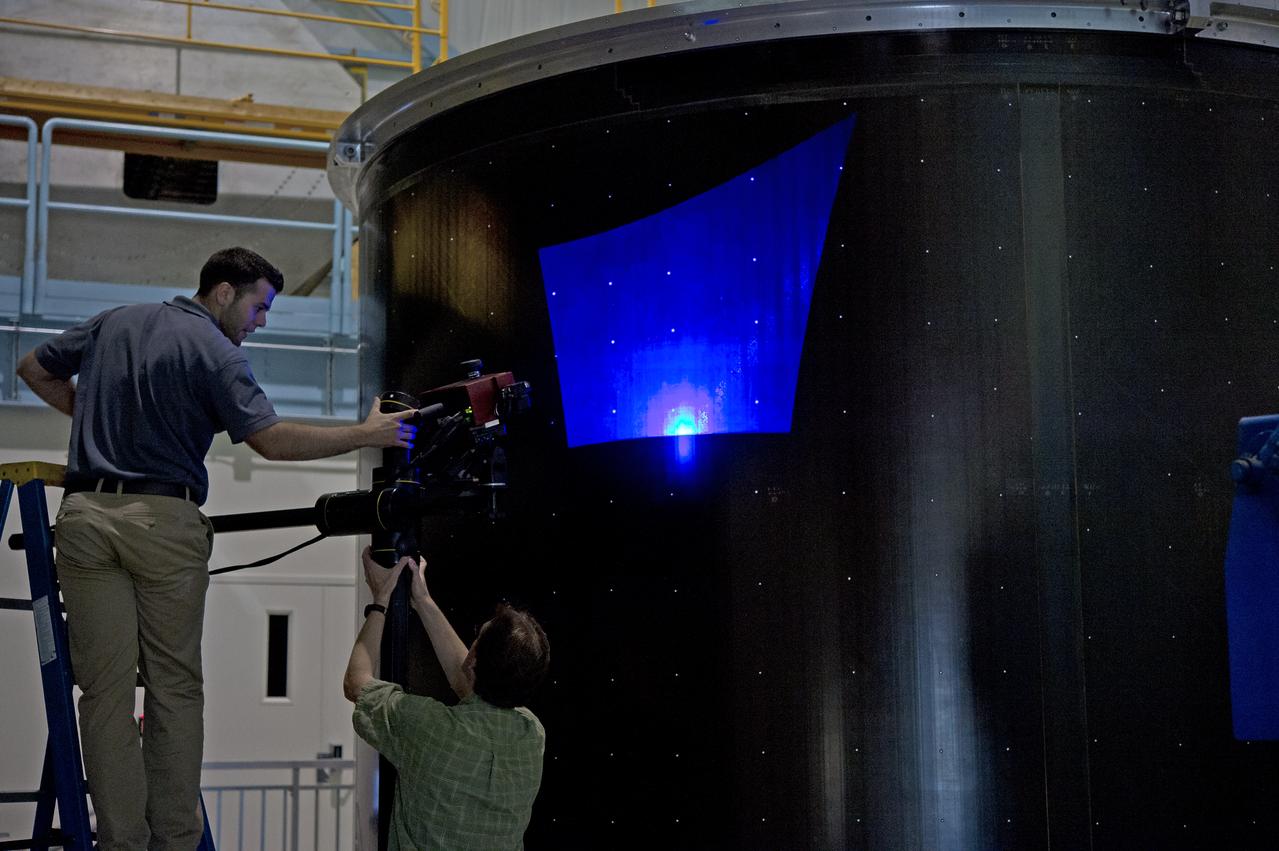
White light shape and measurement of a 13.1 Foot diameter fluted-core sandwich composite test article designed by LaRC and fabricated by Boeing Under Space Act Agreement SAA1-737, Annex 14. to be tested in LaRC's combined Loads Testing System (COLTS).
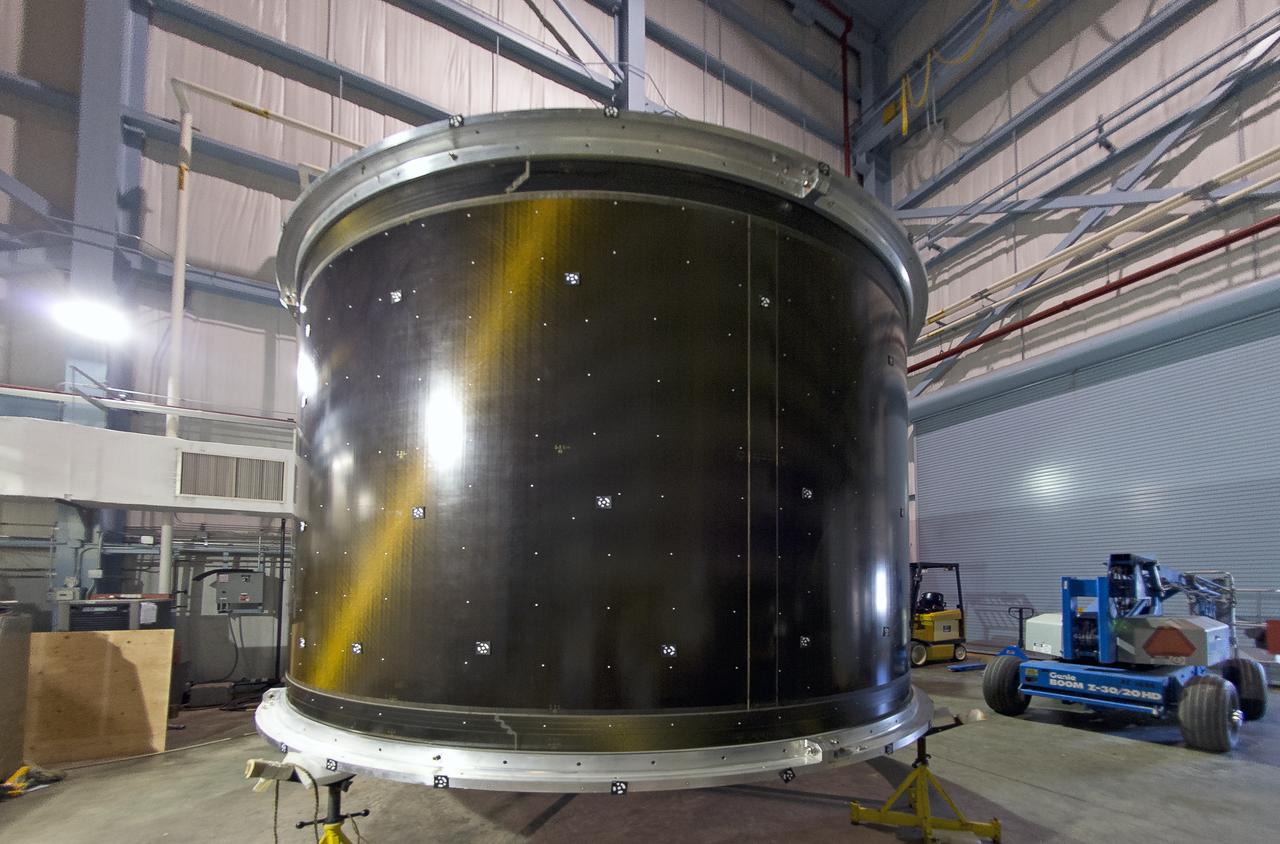
White light shape and measurement of a 13.1 Foot diameter fluted-core sandwich composite test article designed by LaRC and fabricated by Boeing Under Space Act Agreement SAA1-737, Annex 14. to be tested in LaRC's combined Loads Testing System (COLTS).
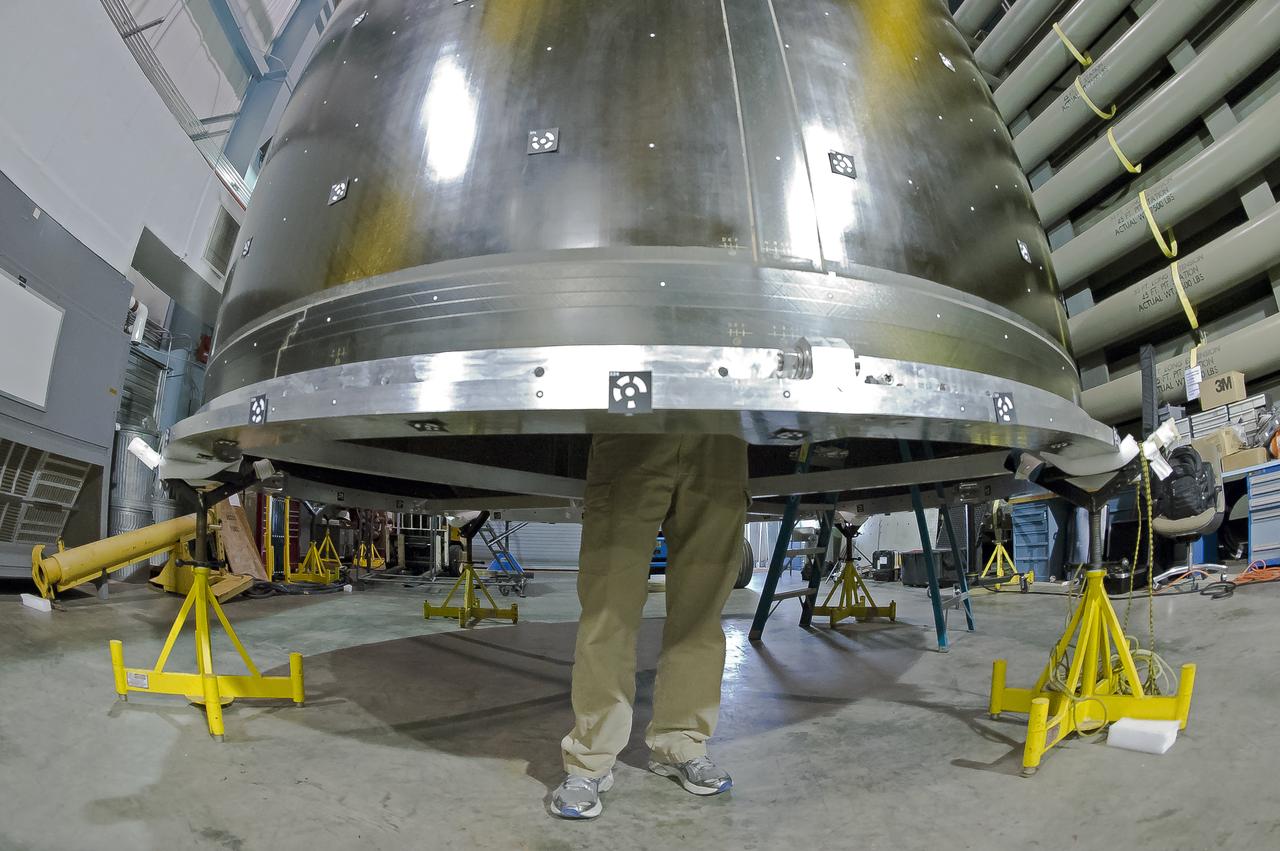
White light shape and measurement of a 13.1 Foot diameter fluted-core sandwich composite test article designed by LaRC and fabricated by Boeing Under Space Act Agreement SAA1-737, Annex 14. to be tested in LaRC's combined Loads Testing System (COLTS).
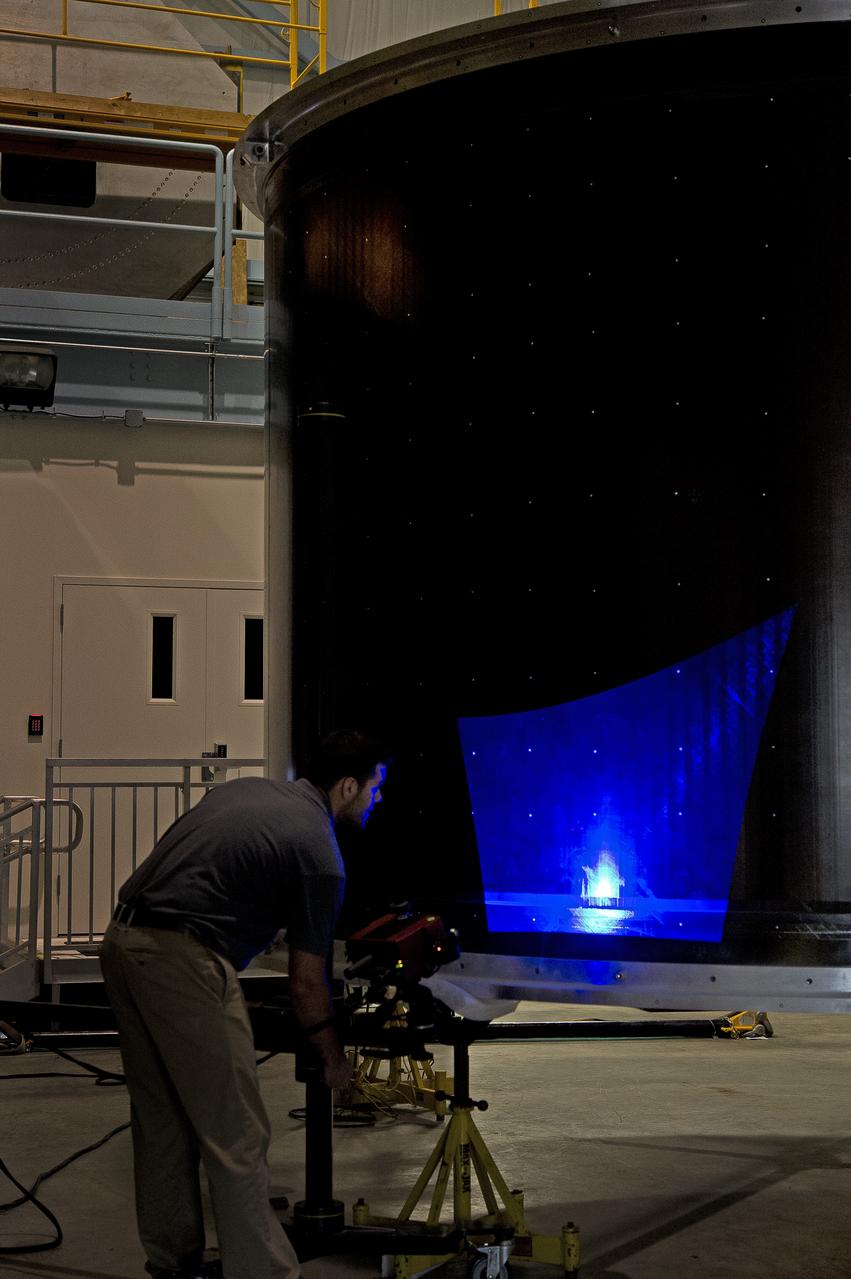
White light shape and measurement of a 13.1 Foot diameter fluted-core sandwich composite test article designed by LaRC and fabricated by Boeing Under Space Act Agreement SAA1-737, Annex 14. to be tested in LaRC's combined Loads Testing System (COLTS).
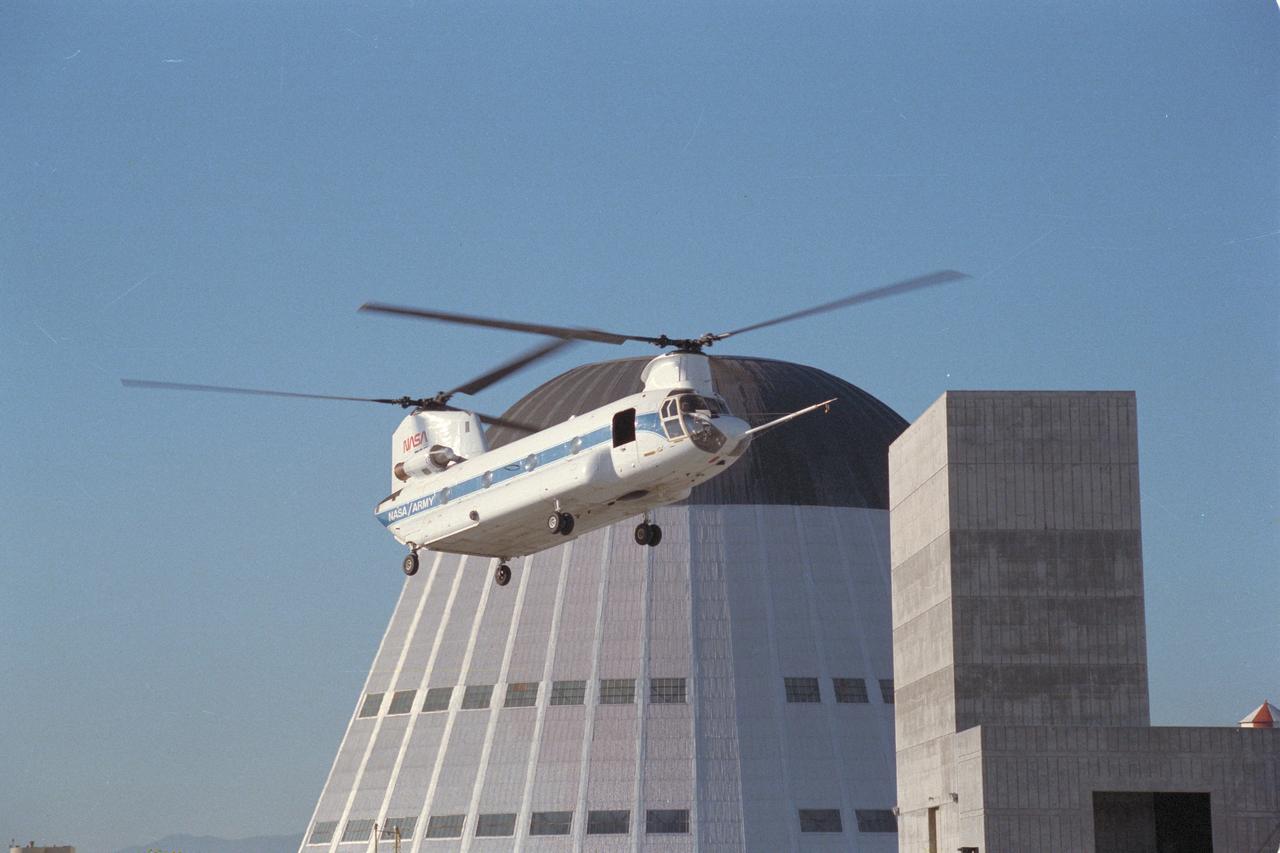
Boeing CH-47B (USA 66-19138 NASA-737) Chinook in-flight simulator with Moffet Field Navy Hangar and Ames VMS in background. Note: Used in publication in Flight Research at Ames; 57 Years of Development and Validation of Aeronautical Technology NASA SP-1998-3300 fig. 133
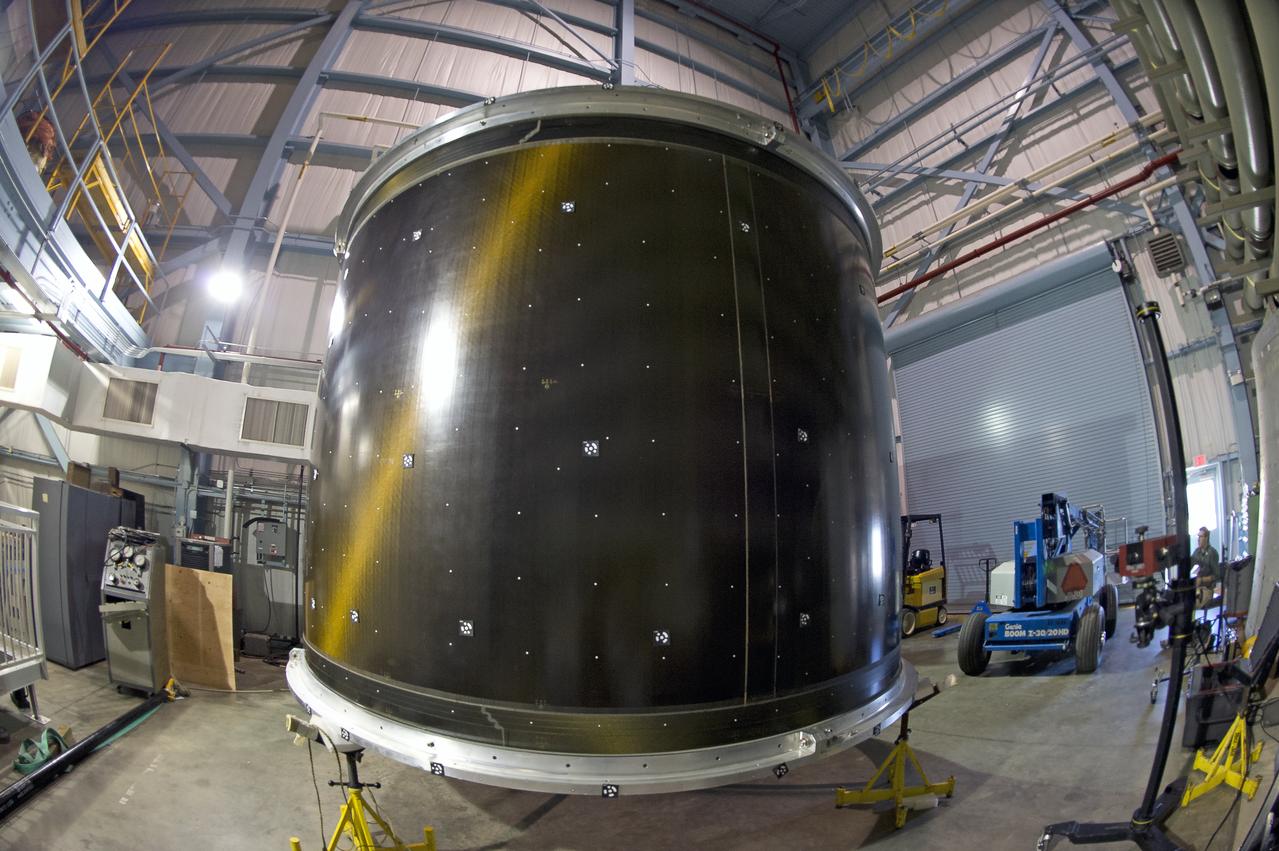
White light shape and measurement of a 13.1 Foot diameter fluted-core sandwich composite test article designed by LaRC and fabricated by Boeing Under Space Act Agreement SAA1-737, Annex 14. to be tested in LaRC's combined Loads Testing System (COLTS).
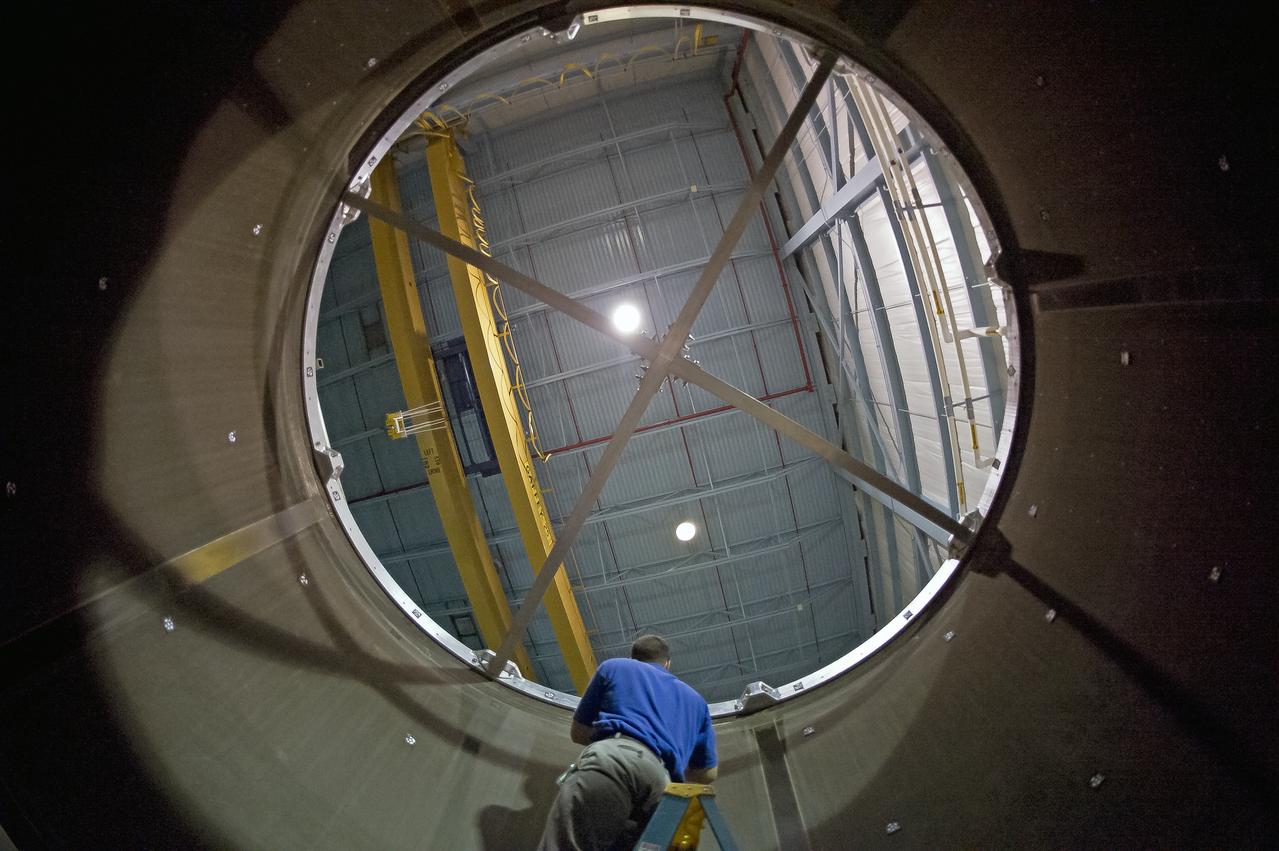
White light shape and measurement of a 13.1 Foot diameter fluted-core sandwich composite test article designed by LaRC and fabricated by Boeing Under Space Act Agreement SAA1-737, Annex 14. to be tested in LaRC's combined Loads Testing System (COLTS).

White light shape and measurement of a 13.1 Foot diameter fluted-core sandwich composite test article designed by LaRC and fabricated by Boeing Under Space Act Agreement SAA1-737, Annex 14. to be tested in LaRC's combined Loads Testing System (COLTS).
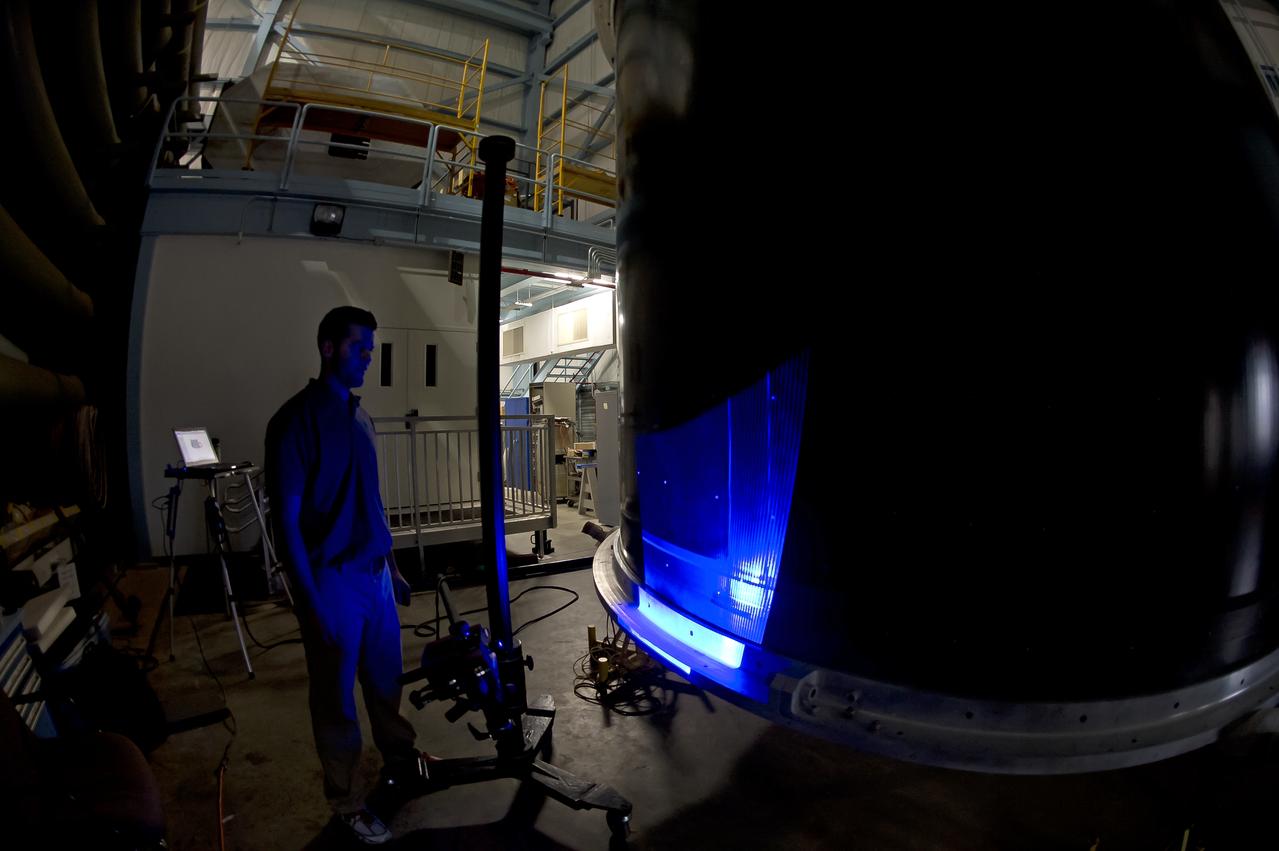
White light shape and measurement of a 13.1 Foot diameter fluted-core sandwich composite test article designed by LaRC and fabricated by Boeing Under Space Act Agreement SAA1-737, Annex 14. to be tested in LaRC's combined Loads Testing System (COLTS).
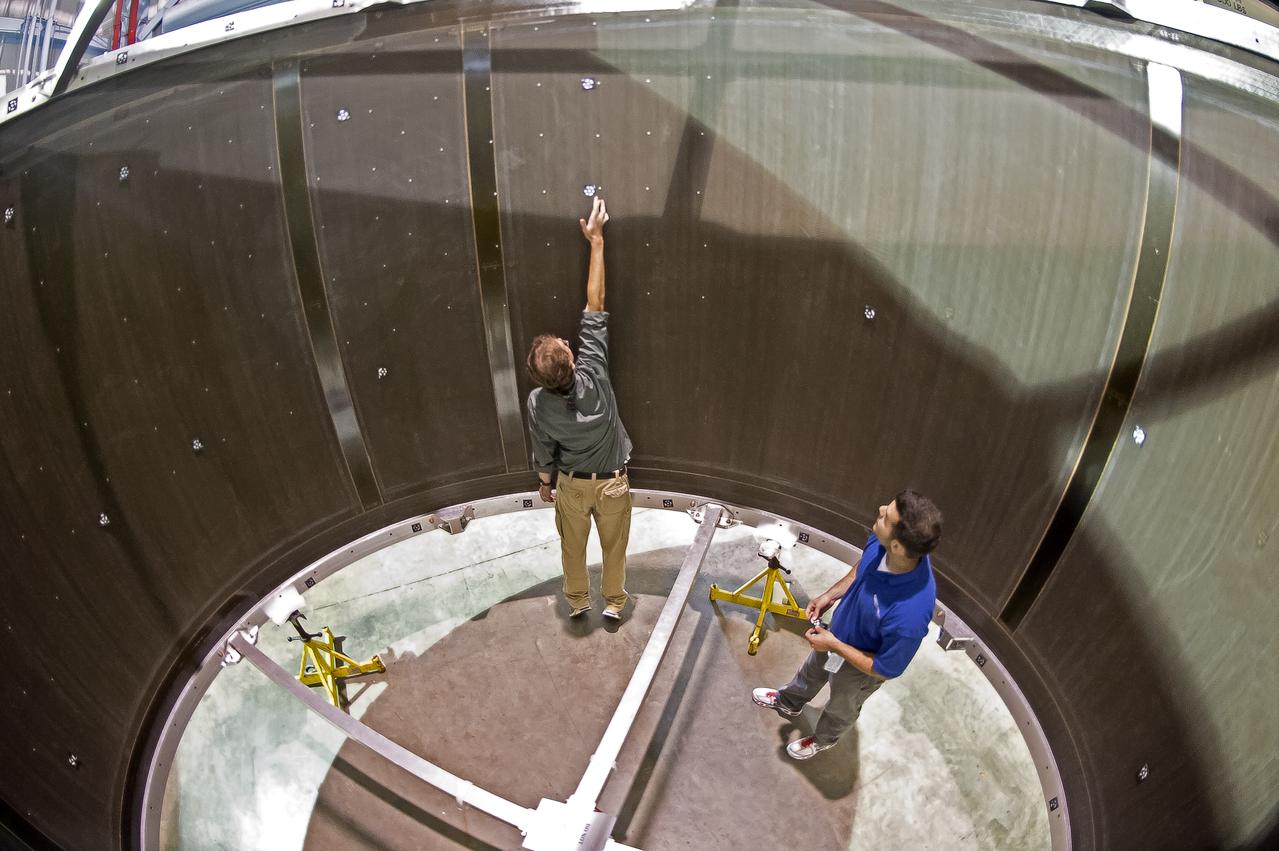
White light shape and measurement of a 13.1 Foot diameter fluted-core sandwich composite test article designed by LaRC and fabricated by Boeing Under Space Act Agreement SAA1-737, Annex 14. to be tested in LaRC's combined Loads Testing System (COLTS).
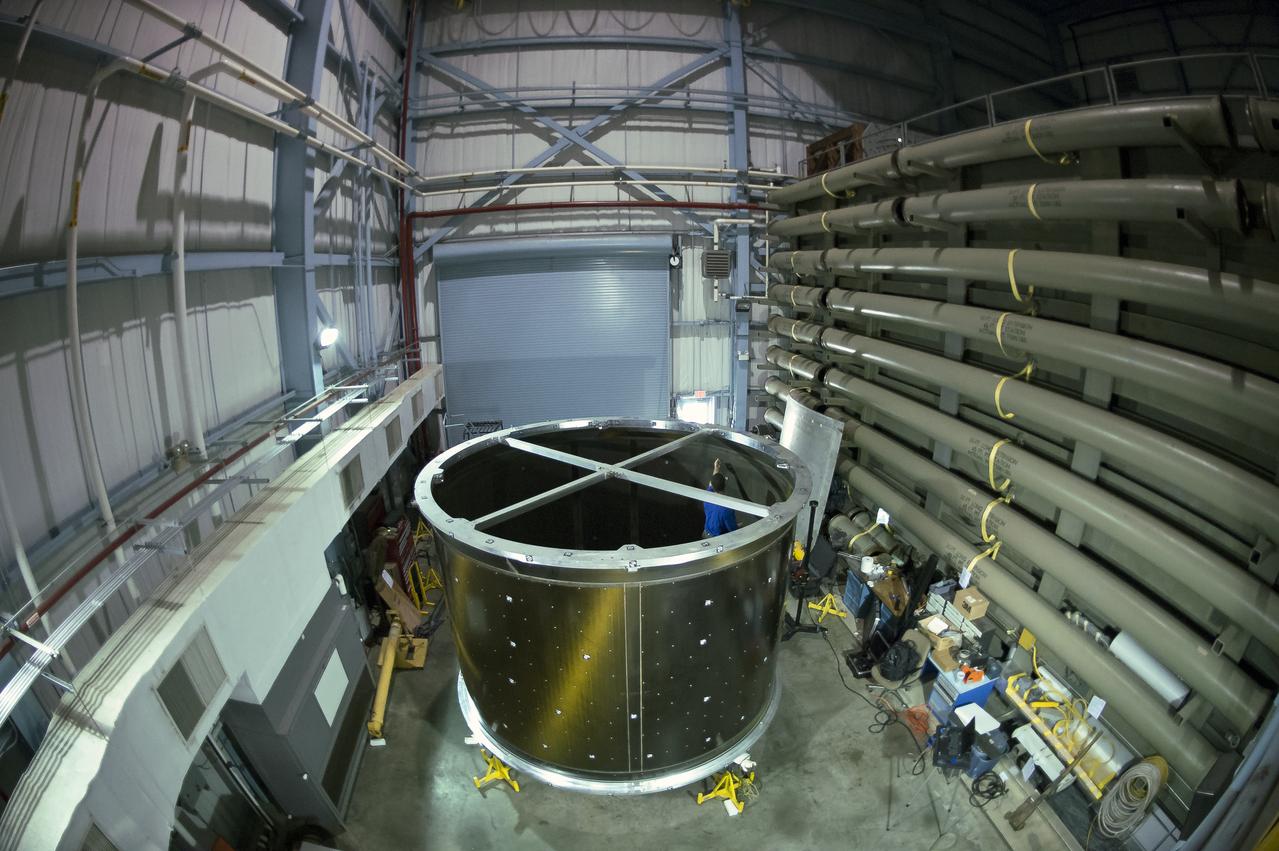
White light shape and measurement of a 13.1 Foot diameter fluted-core sandwich composite test article designed by LaRC and fabricated by Boeing Under Space Act Agreement SAA1-737, Annex 14. to be tested in LaRC's combined Loads Testing System (COLTS).
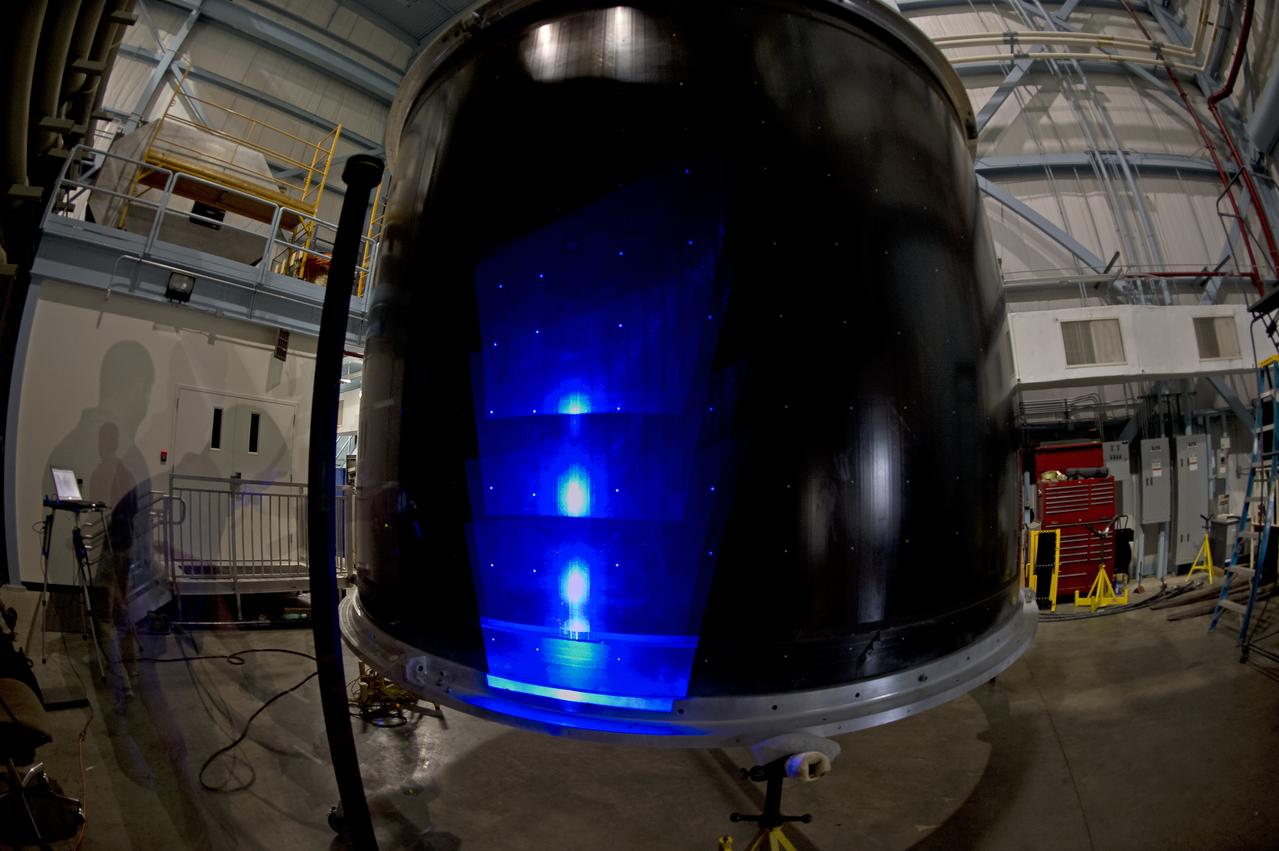
White light shape and measurement of a 13.1 Foot diameter fluted-core sandwich composite test article designed by LaRC and fabricated by Boeing Under Space Act Agreement SAA1-737, Annex 14. to be tested in LaRC's combined Loads Testing System (COLTS).
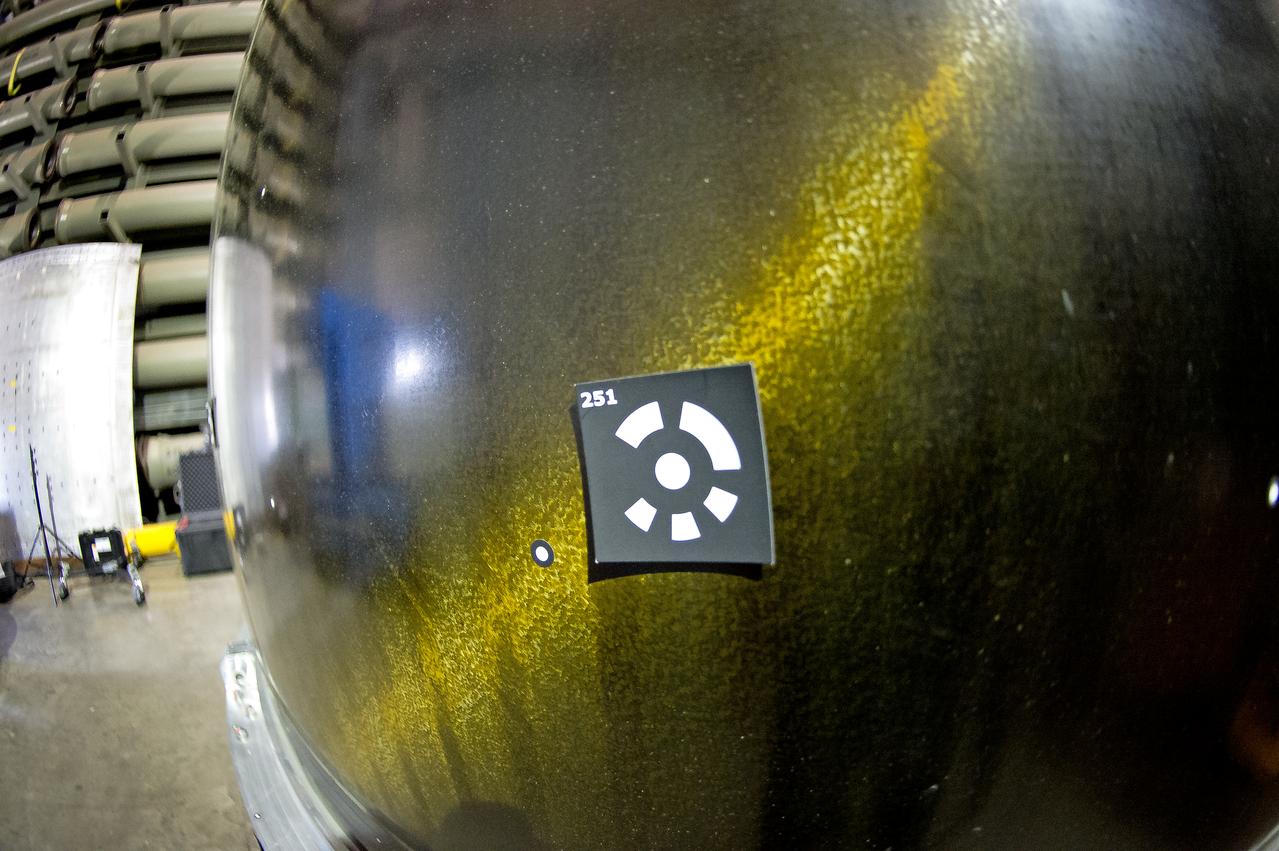
White light shape and measurement of a 13.1 Foot diameter fluted-core sandwich composite test article designed by LaRC and fabricated by Boeing Under Space Act Agreement SAA1-737, Annex 14. to be tested in LaRC's combined Loads Testing System (COLTS).

VANDENBERG AIR FORCE BASE, Calif. – On the ramp of Vandenberg Air Force Base in California, a Boeing 737 aircraft waits to accompany Orbital Sciences’ L-1011 aircraft when it takes off with NASA’s Interstellar Boundary Explorer, or IBEX, spacecraft and Pegasus XL rocket. The L-1011 will head for the Reagan Test Site at Kwajalein Atoll in the South Pacific. The 737 will fly ahead of the L-1011 as a pathfinder. Launch vehicle engineers are aboard in the unlikely event their expertise is needed. The IBEX satellite will make the first map of the boundary between the Solar System and interstellar space. IBEX is targeted for launch Oct. 19. The Pegasus rocket will be dropped from under the wing of the L-1011 over the Pacific Ocean to carry the spacecraft approximately 130 miles above Earth and place it in orbit. Photo credit: NASA/Randy Beaudoin, VAFB
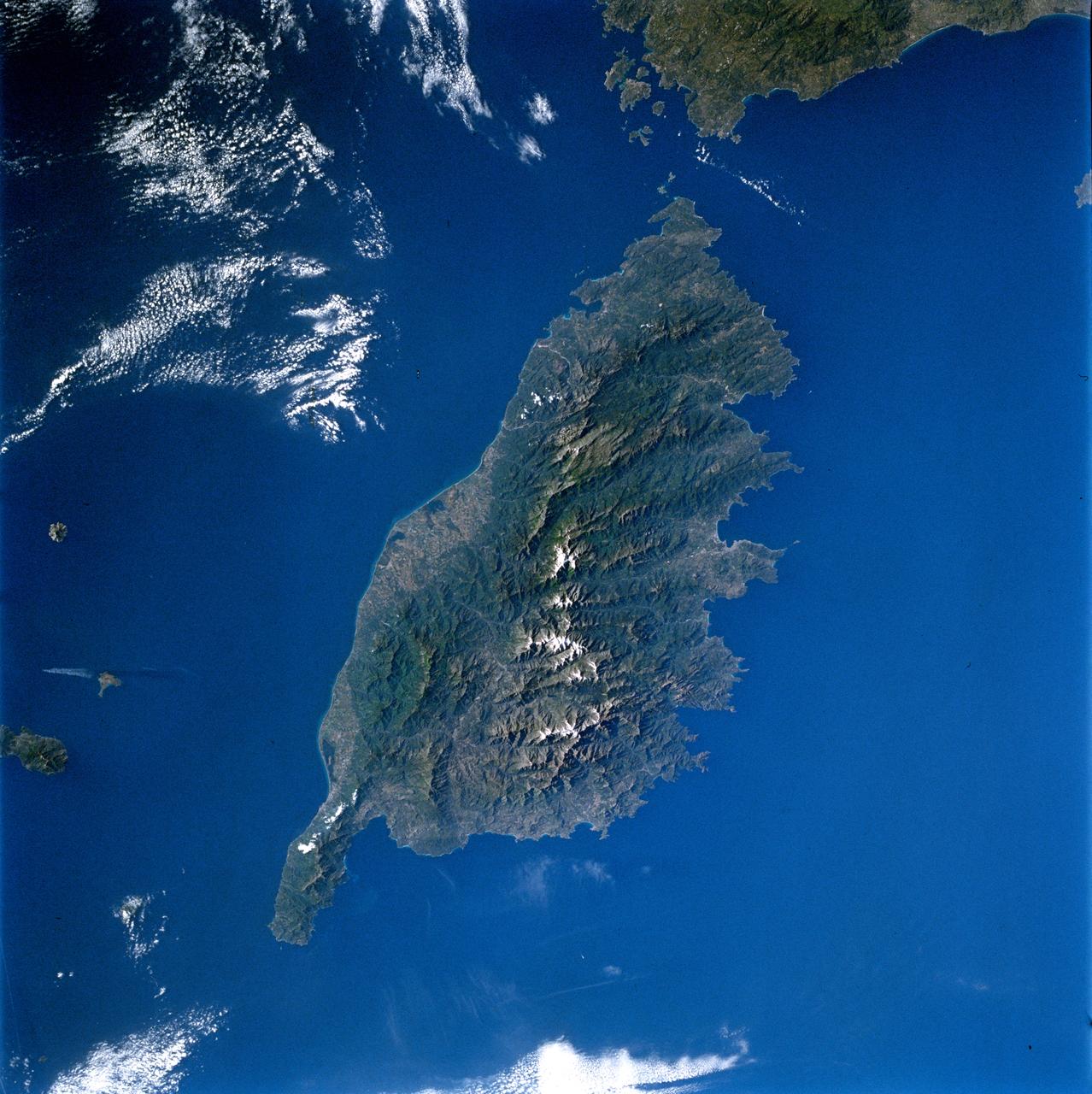
STS084-714-007 (15-24 May 1997) --- This 70mm image of the island of Corsica was photographed from the Space Shuttle Atlantis during the STS-84 mission. Birthplace of Napoleon Bonaparte, Corsica is the fourth largest island (after Sicily, Sardinia, and Cyprus) in the Mediterranean. Two-thirds of the island is mountainous with the majority of the population (1990-249, 737) living on the east coast (the "handle on the island points north). French is the official language.
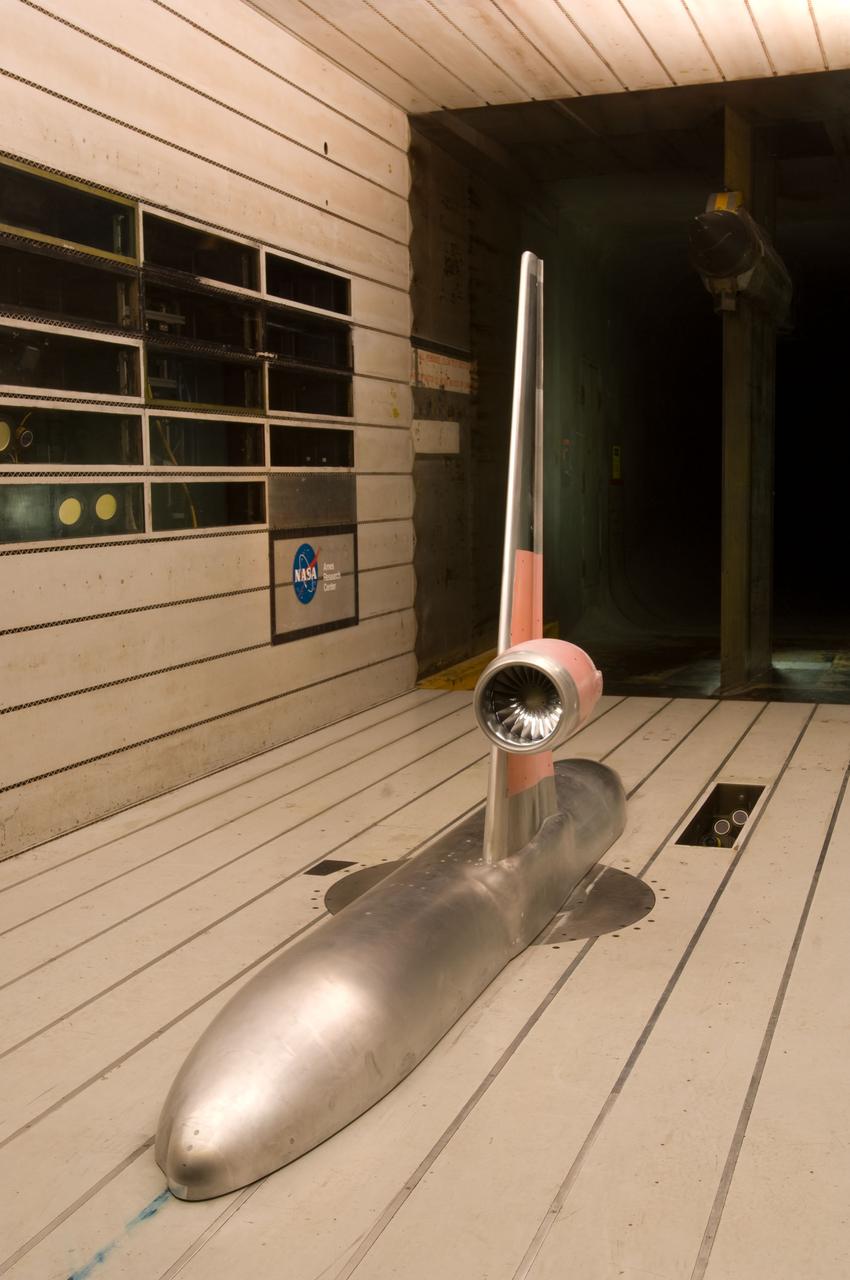
Next-Generation Aircraft, Pratt and Whitney Ultra-High Bypass Integration test at NASA Ames 11ft. wind tunnel (test 11-0182) assess the interaction effects of a scaled Pratt & Whitney geared turbofan on a Boeing 737-800 fuselage in an effort to use emerging technologies to make next-generation airliners quieter, more fuel efficient and lower on emissions. (printed in Aviation Week & Space Technology April 8, 2011 issue)
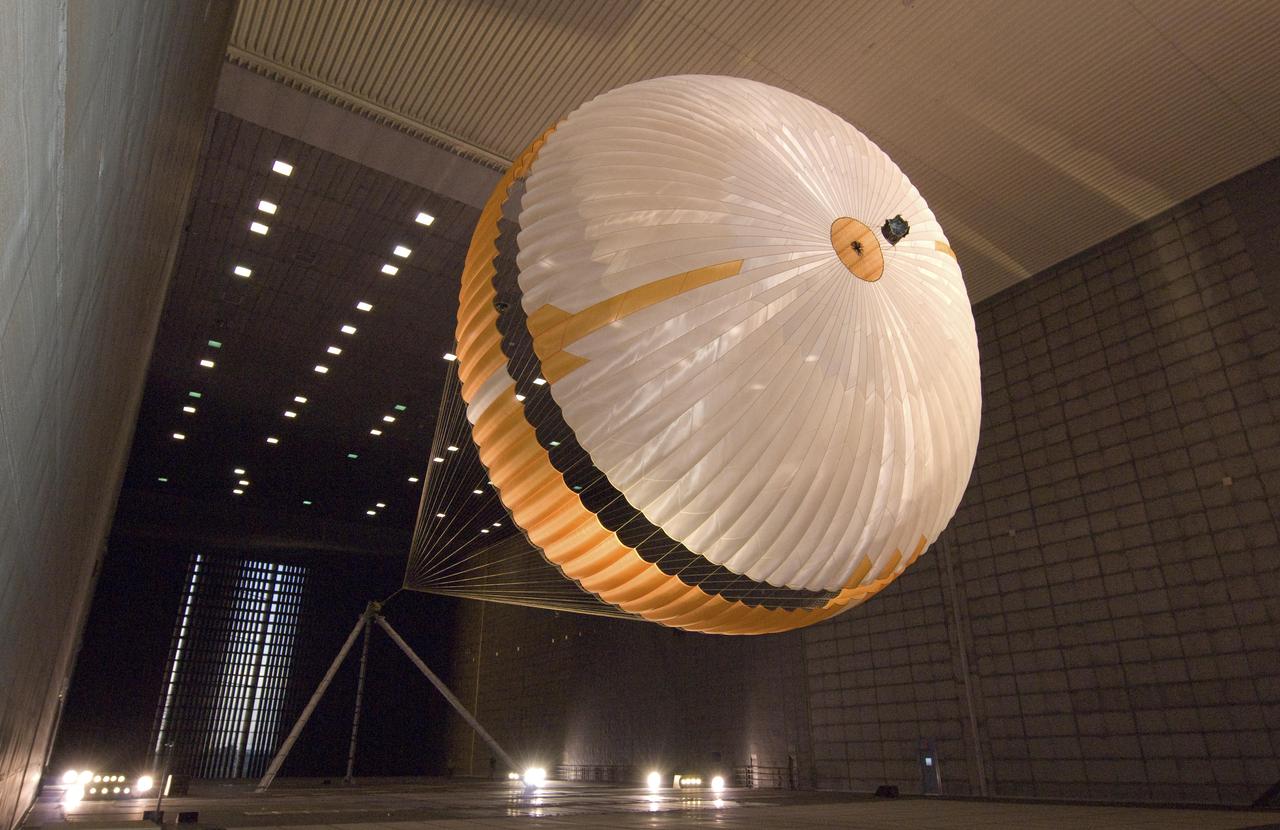
The parachute for NASA next mission to Mars passed flight-qualification testing in March and April 2009 inside the world largest wind tunnel, at NASA Ames Research Center, Moffett Field, Calif. NASA's Mars Science Laboratory mission, to be launched in 2011 and land on Mars in 2012, will use the largest parachute ever built to fly on an extraterrestrial mission. This image shows a duplicate qualification-test parachute inflated in an 80-mile-per-hour (36-meter-per-second) wind inside the test facility. The parachute uses a configuration called disk-gap-band. It has 80 suspension lines, measures more than 50 meters (165 feet) in length, and opens to a diameter of nearly 16 meters (51 feet). Most of the orange and white fabric is nylon, though a small disk of heavier polyester is used near the vent in the apex of the canopy due to higher stresses there. It is designed to survive deployment at Mach 2.2 in the Martian atmosphere, where it will generate up to 65,000 pounds of drag force. The wind tunnel is 24 meters (80 feet) tall and 37 meters (120 feet) wide, big enough to house a Boeing 737. It is part of the National Full-Scale Aerodynamics Complex, operated by the Arnold Engineering Development Center of the U.S. Air Force. http://photojournal.jpl.nasa.gov/catalog/PIA11995
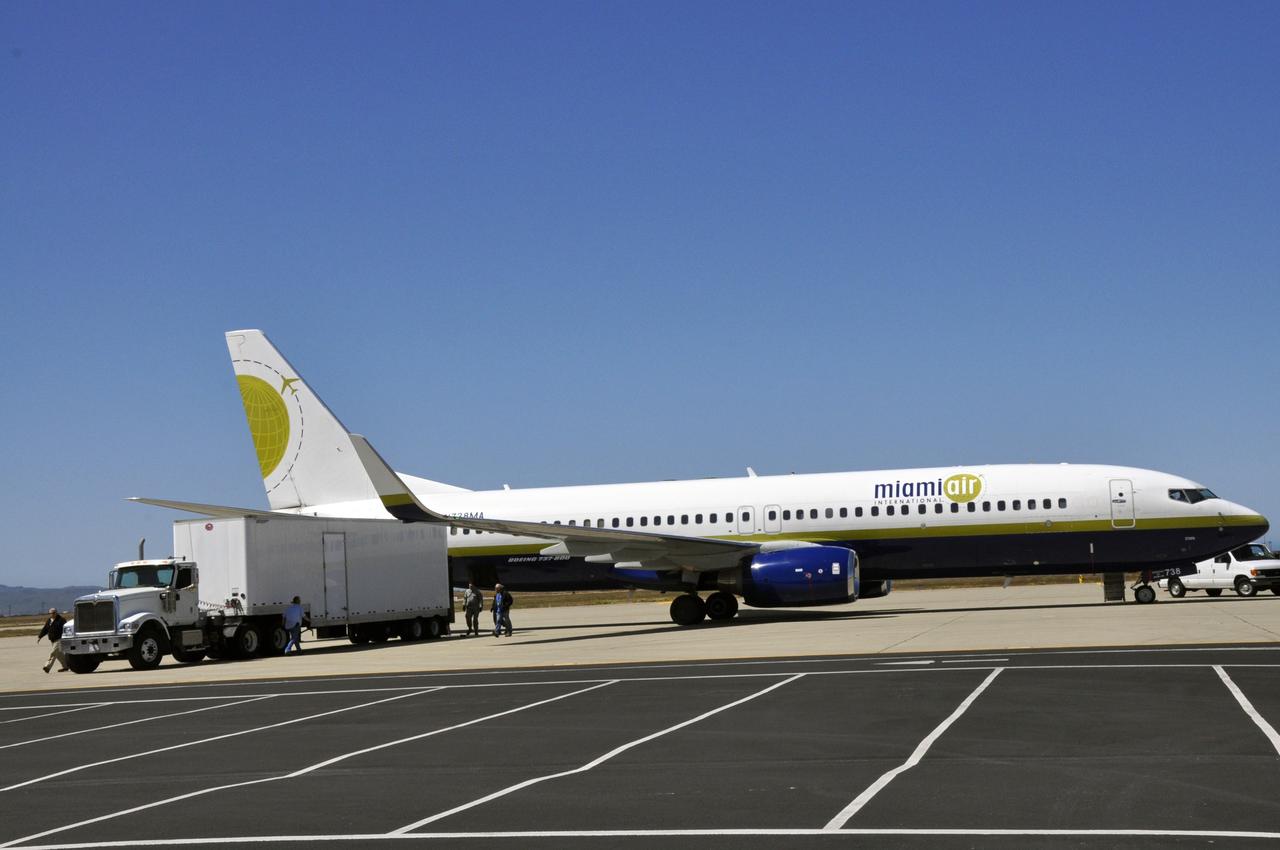
VANDENBERG AIR FORCE BASE, Calif. – Supplies are loaded onto the Miami Air International Boeing 737 airplane that will accompany Orbital Sciences’ L-1011 carrier aircraft from Vandenberg Air Force Base in California to the U.S. Army's Ronald Reagan Ballistic Missile Defense Test Site on Kwajalein Atoll, part of the Marshall Islands in the Pacific Ocean. Forty-nine passengers, including the launch team, are traveling to Kwajalein aboard the charter flight. The launch team is made up of employees of NASA, Orbital Sciences and a.i. solutions. The Pegasus, mated to its NuSTAR payload, will be launched from the carrier aircraft 117 nautical miles south of Kwajalein at latitude 6.75 degrees north of the equator. The high-energy X-ray telescope will conduct a census of black holes, map radioactive material in young supernovae remnants, and study the origins of cosmic rays and the extreme physics around collapsed stars. Launch is scheduled for June 13. For more information, visit http://www.nasa.gov/nustar. Photo credit: NASA/Randy Beaudoin, VAFB
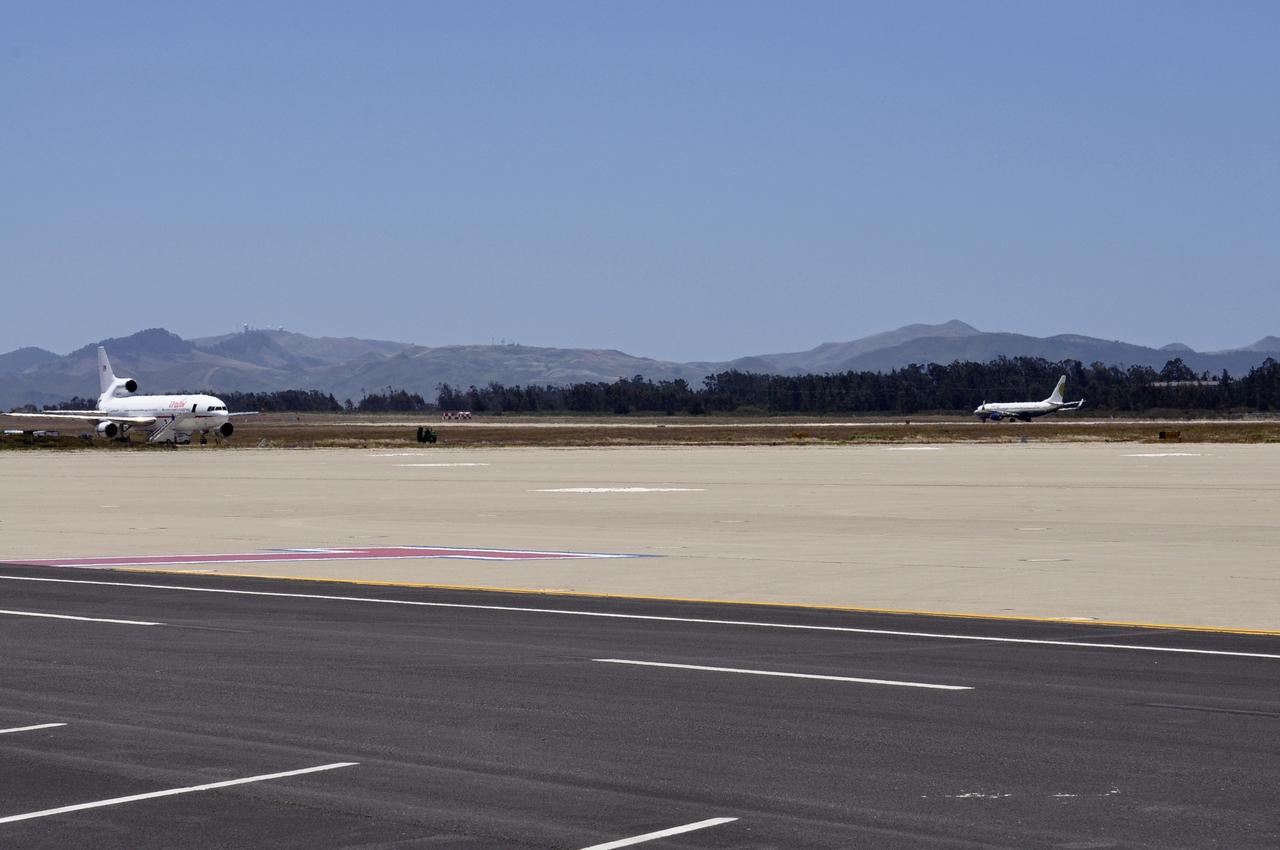
VANDENBERG AIR FORCE BASE, Calif. – The Miami Air International Boeing 737 airplane, at right, accompanying Orbital Sciences’ L-1011 carrier aircraft, prepares for takeoff from Vandenberg Air Force Base in California for the U.S. Army's Ronald Reagan Ballistic Missile Defense Test Site on Kwajalein Atoll, part of the Marshall Islands in the Pacific Ocean. Forty-nine passengers, including the launch team, are traveling to Kwajalein aboard the charter flight. The launch team is made up of employees of NASA, Orbital Sciences and a.i. solutions. Orbital’s L-1011, at left, transporting their Pegasus rocket and NASA’s Nuclear Spectroscopic Telescope Array, or NuSTAR, will follow close behind. The Pegasus, mated to its NuSTAR payload, will be launched from the carrier aircraft 117 nautical miles south of Kwajalein at latitude 6.75 degrees north of the equator. The high-energy X-ray telescope will conduct a census of black holes, map radioactive material in young supernovae remnants, and study the origins of cosmic rays and the extreme physics around collapsed stars. Launch is scheduled for June 13. For more information, visit http://www.nasa.gov/nustar. Photo credit: NASA/Randy Beaudoin, VAFB
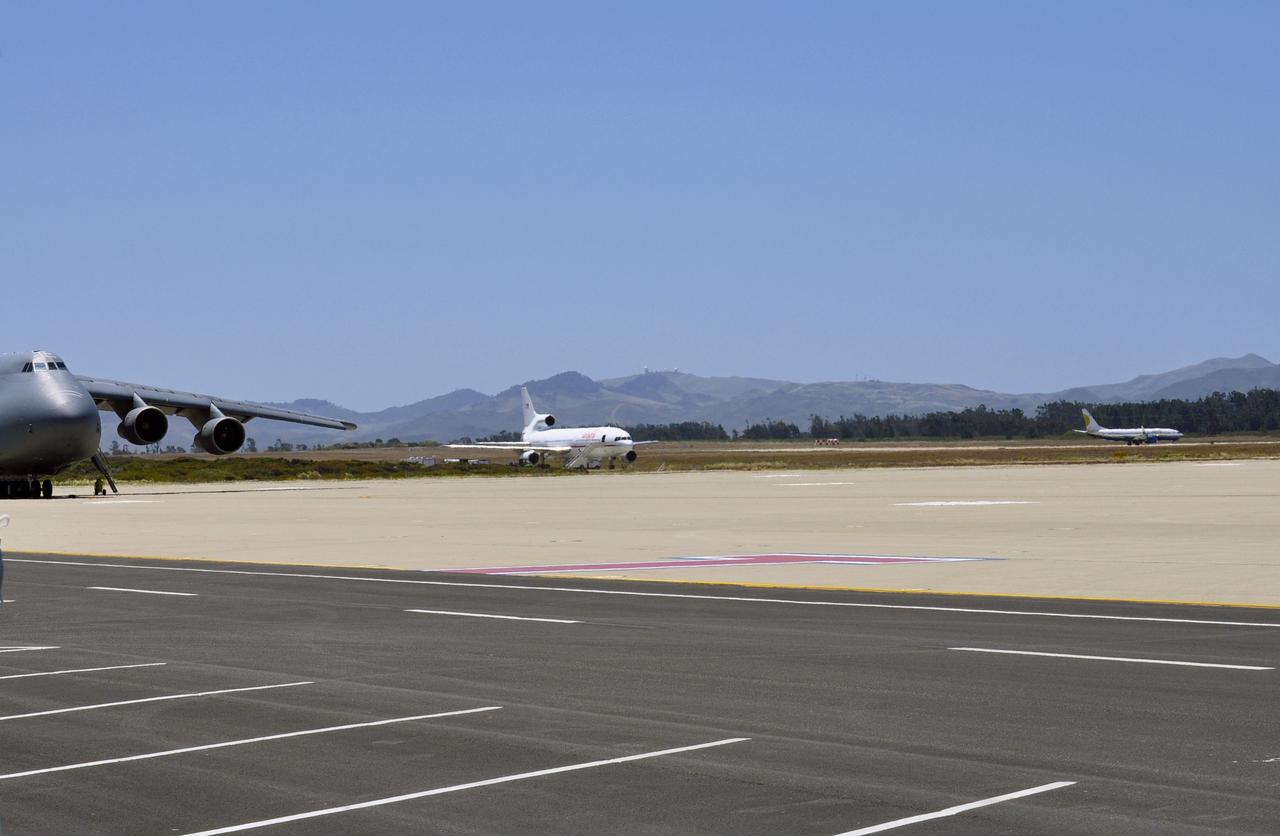
VANDENBERG AIR FORCE BASE, Calif. – The Miami Air International Boeing 737 airplane, at right, accompanying Orbital Sciences’ L-1011 carrier aircraft, takes off from Vandenberg Air Force Base in California for the U.S. Army's Ronald Reagan Ballistic Missile Defense Test Site on Kwajalein Atoll, part of the Marshall Islands in the Pacific Ocean. Forty-nine passengers, including the launch team, are traveling to Kwajalein aboard the charter flight. The launch team is made up of employees of NASA, Orbital Sciences and a.i. solutions. Orbital’s L-1011, at left, transporting their Pegasus rocket and NASA’s Nuclear Spectroscopic Telescope Array, or NuSTAR, will follow close behind. The Pegasus, mated to its NuSTAR payload, will be launched from the carrier aircraft 117 nautical miles south of Kwajalein at latitude 6.75 degrees north of the equator. The high-energy X-ray telescope will conduct a census of black holes, map radioactive material in young supernovae remnants, and study the origins of cosmic rays and the extreme physics around collapsed stars. Launch is scheduled for June 13. For more information, visit http://www.nasa.gov/nustar. Photo credit: NASA/Randy Beaudoin, VAFB
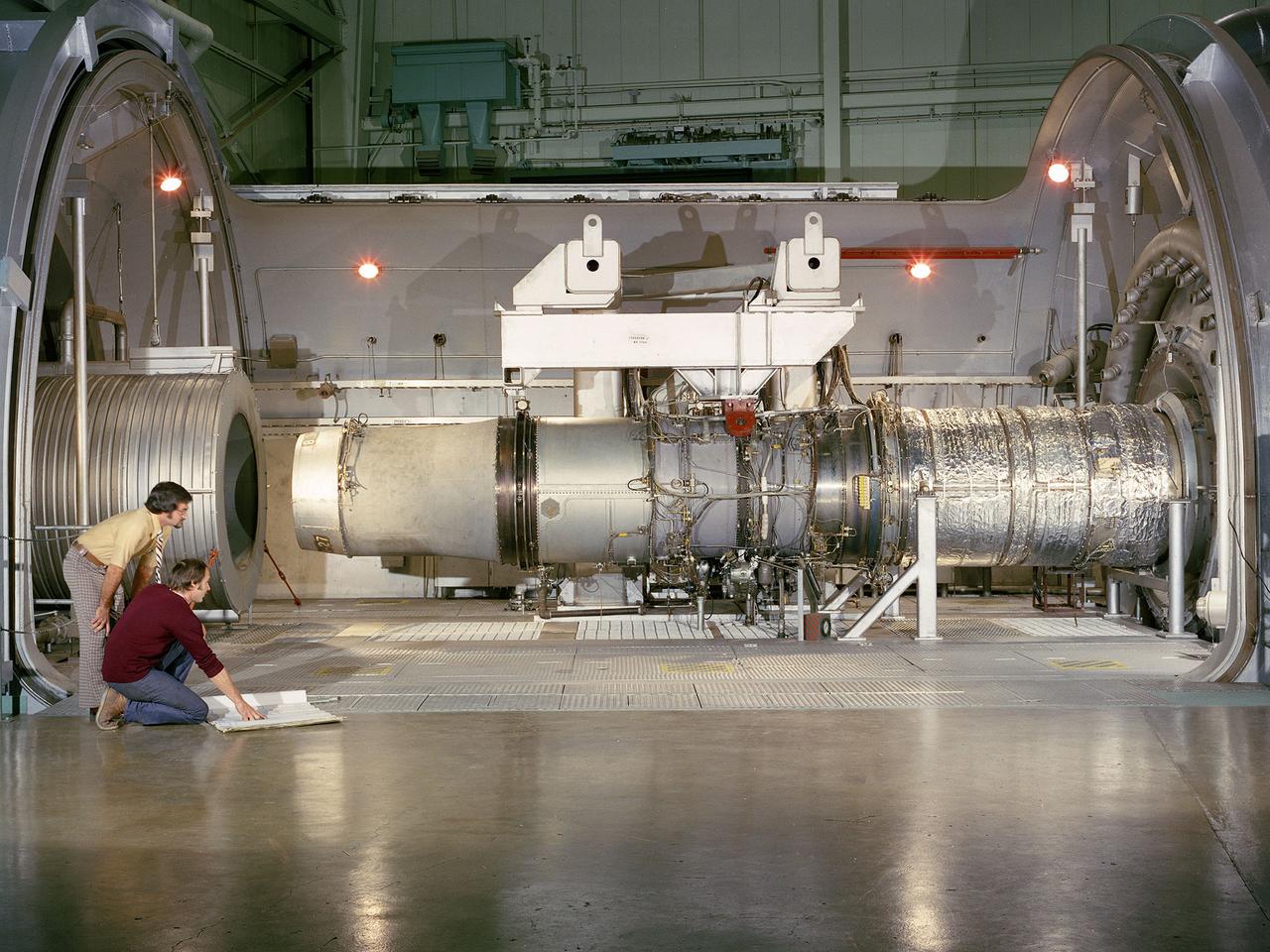
A refanned Pratt and Whitney JT-8D-109 turbofan engine installed in Cell 4 of the Propulsion Systems Laboratory at the National Aeronautics and Space Administration (NASA) Lewis Research Center. NASA Lewis’ Refan Program sought to demonstrate that noise reduction modifications could be applied to existing aircraft engines with minimal costs and without diminishing the engine’s performance or integrity. At the time, Pratt and Whitney’s JT-8D turbofans were one of the most widely used engines in the commercial airline industry. The engines powered Boeing’s 727 and 737 and McDonnell Douglas’ DC-9 aircraft. Pratt and Whitney worked with the airline manufacturers on a preliminary study that verified feasibility of replacing the JT-8D’s two-stage fan with a larger single-stage fan. The new fan slowed the engine’s exhaust, which significantly reduced the amount of noise it generated. Booster stages were added to maintain the proper level of airflow through the engine. Pratt and Whitney produced six of the modified engines, designated JT-8D-109, and performed the initial testing. One of the JT-8D-109 engines, seen here, was tested in simulated altitude conditions in NASA Lewis’ Propulsion Systems Laboratory. The Refan engine was ground-tested on an actual aircraft before making a series of flight tests on 727 and DC-9 aircraft in early 1976. The Refan Program reduced the JT-8D’s noise by 50 percent while increasing the fuel efficiency. The retro-fit kits were estimated to cost between $1 million and $1.7 million per aircraft.