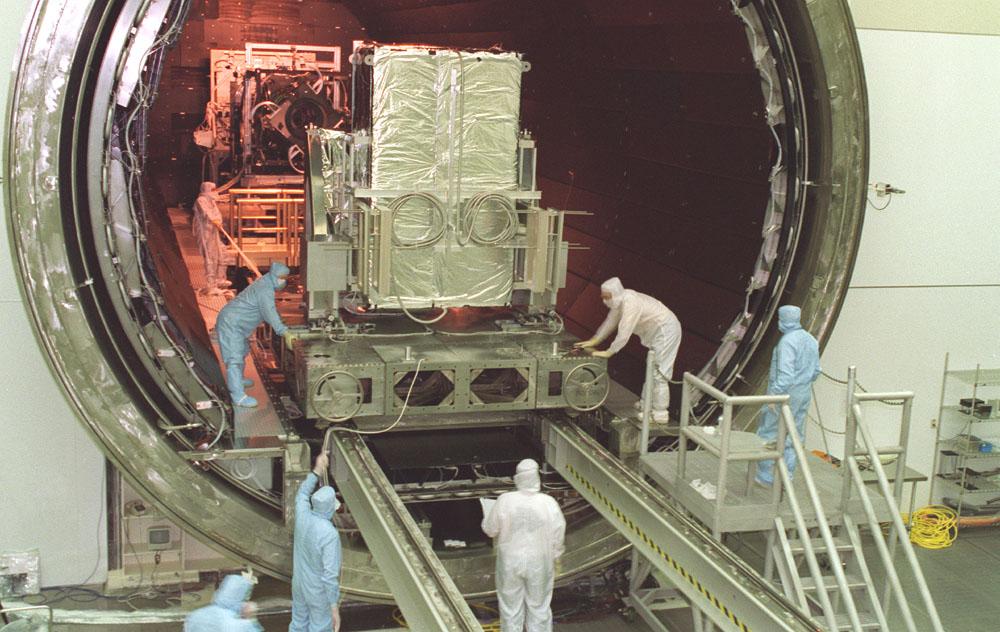
This photograph captures the installation of the Chandra X-Ray Observatory, formerly Advanced X-Ray Astrophysics Facility (AXAF), Advanced Charged-Coupled Device (CCD) Imaging Spectrometer (ACIS) into the Vacuum Chamber at the X-Ray Calibration Facility (XRCF) at Marshall Space Flight Center (MSFC). The AXAF was renamed Chandra X-Ray Observatory (CXO) in 1999. The CXO is the most sophisticated and the world's most powerful x-ray telescope ever built. It observes x-rays from high-energy regions of the universe, such as hot gas in the remnants of exploded stars. The ACIS is one of two focal plane instruments. As the name suggests, this instrument is an array of CCDs similar to those used in a camcorder. This instrument will be especially useful because it can make x-ray images and measure the energies of incoming x-rays. It is the instrument of choice for studying the temperature variation across x-ray sources, such as vast clouds of hot-gas intergalactic space. MSFC's XRCF is the world's largest, most advanced laboratory for simulating x-ray emissions from distant celestial objects. It produces a space-like environment in which components related to x-ray telescope imaging are tested and the quality of their performances in space is predicted. TRW, Inc. was the prime contractor for the development of the CXO and NASA's MSFC was responsible for its project management. The Smithsonian Astrophysical Observatory controls science and flight operations of the CXO for NASA from Cambridge, Massachusetts. The CXO was launched July 22, 1999 aboard the Space Shuttle Columbia (STS-93).
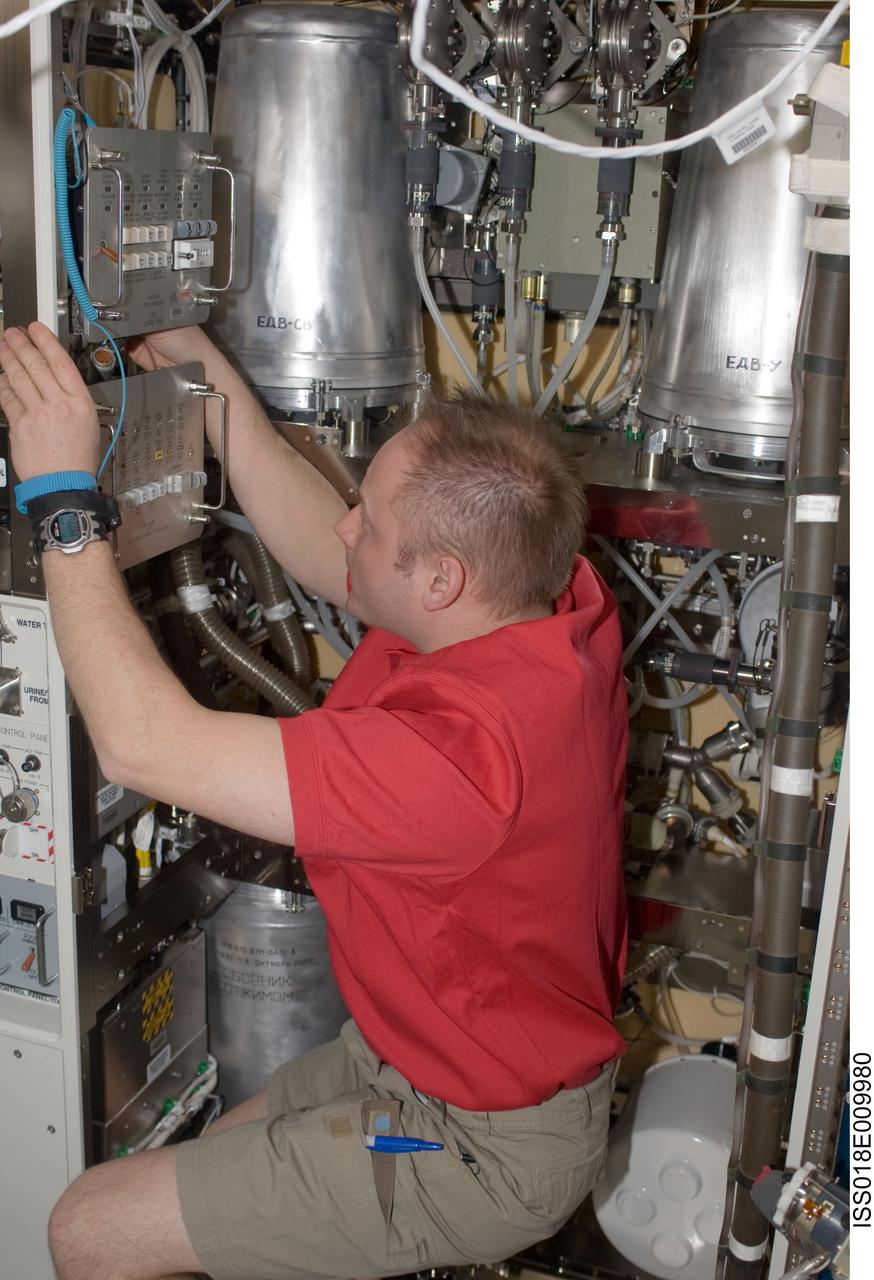
ISS018-E-009980 (2 Dec. 2008) --- Astronaut Michael Fincke, Expedition 18 commander, works with the ACY control panel on the Hygiene Maintenance System in the Zvezda Service Module of the International Space Station.
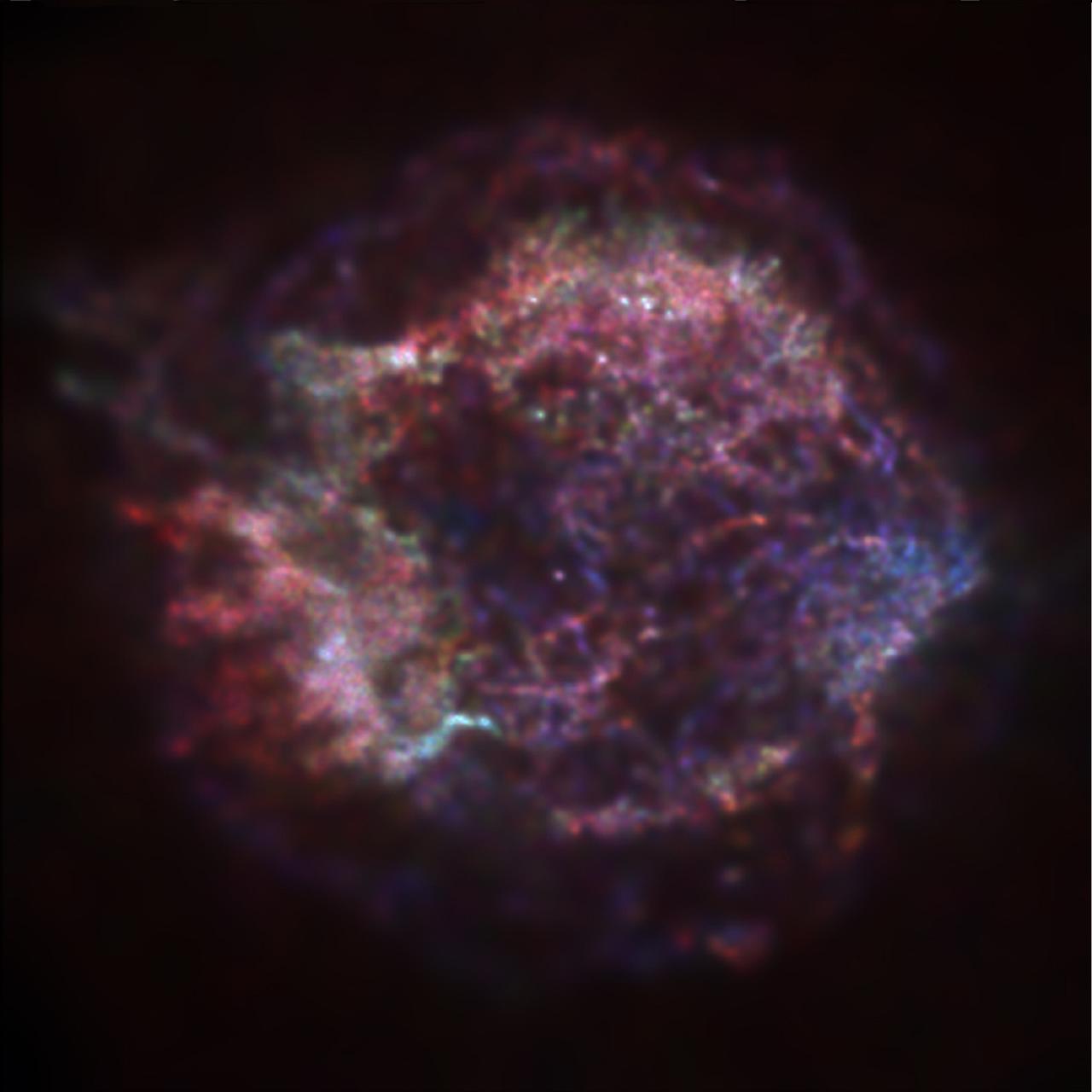
This is an extraordinary first image from the Chandra X-Ray Observatory (CXO), the supernova remnant Cassiopeia A, tracing the aftermath of a gigantic stellar explosion in such sturning detail that scientists can see evidence of what may be a neutron star or black hole near the center. The red, green, and blue regions in this image of the supernova remnant Cassiopeia A show where the intensity of low, medium, and high energy X-rays, respectively, is greatest. The red material on the left outer edge is enriched in iron, whereas the bright greenish white region on the low left is enriched in silicon and sulfur. In the blue region on the right edge, low and medium energy X-rays have been filtered out by a cloud of dust and gas in the remnant . The image was made with the CXO's Advanced Charged-Coupled Device (CCD) Imaging Spectrometer (ACIS). Photo credit: NASA/CXC/SAO/Rutgers/J.Hughes
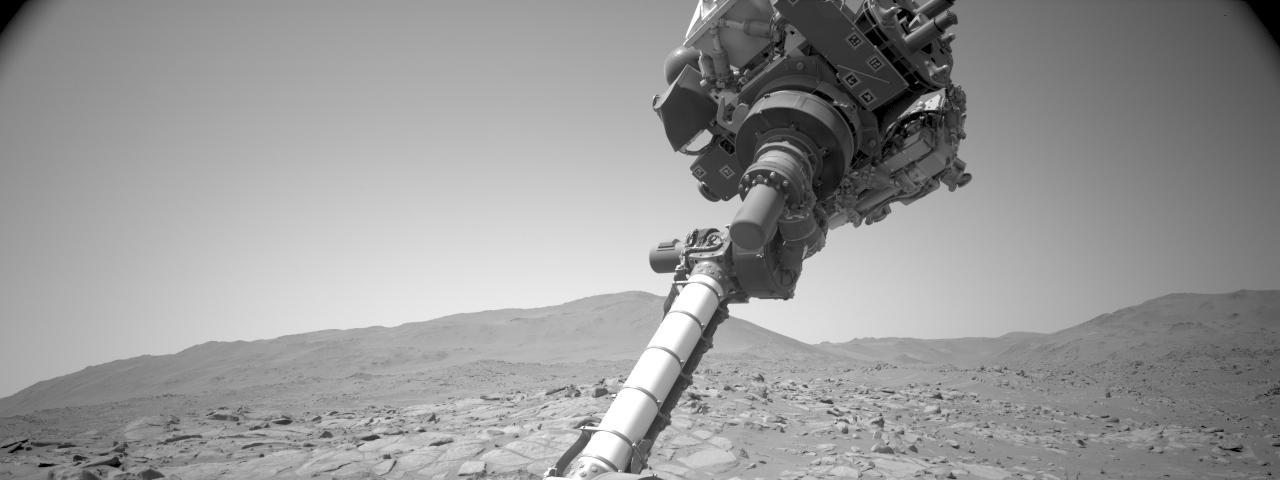
Video from a navigation camera aboard NASA's Perseverance Mars rover shows the position of a cover on the SHERLOC (Scanning Habitable Environments with Raman & Luminescence for Organics and Chemicals) instrument. During the video, the rover's robotic arm was commanded to move, allowing mission engineers to observe whether the cover for the Autofocus and Context Imager (ACI) camera would change position independent of the commanded motion. The imagery – acquired Jan. 23, 2024 (the 1,041 Martian day, or sol, of the mission) – indicated that the cover was not responsive. On Jan. 6, 2024, a movable lens cover designed to protect the instrument's spectrometer and one of its cameras from dust became frozen in a position that prevented SHERLOC from collecting data. The rover team found a way to address the issue and confirmed the instrument is working on June 17, 2024. A key objective for Perseverance's mission on Mars is astrobiology, including the search for signs of ancient microbial life. The rover is also characterizing the planet's geology and past climate, which paves the way for human exploration of the Red Planet. JPL, which is managed for NASA by Caltech in Pasadena, California, built and manages operations of the Perseverance rover. Animation available at https://photojournal.jpl.nasa.gov/catalog/PIA26339
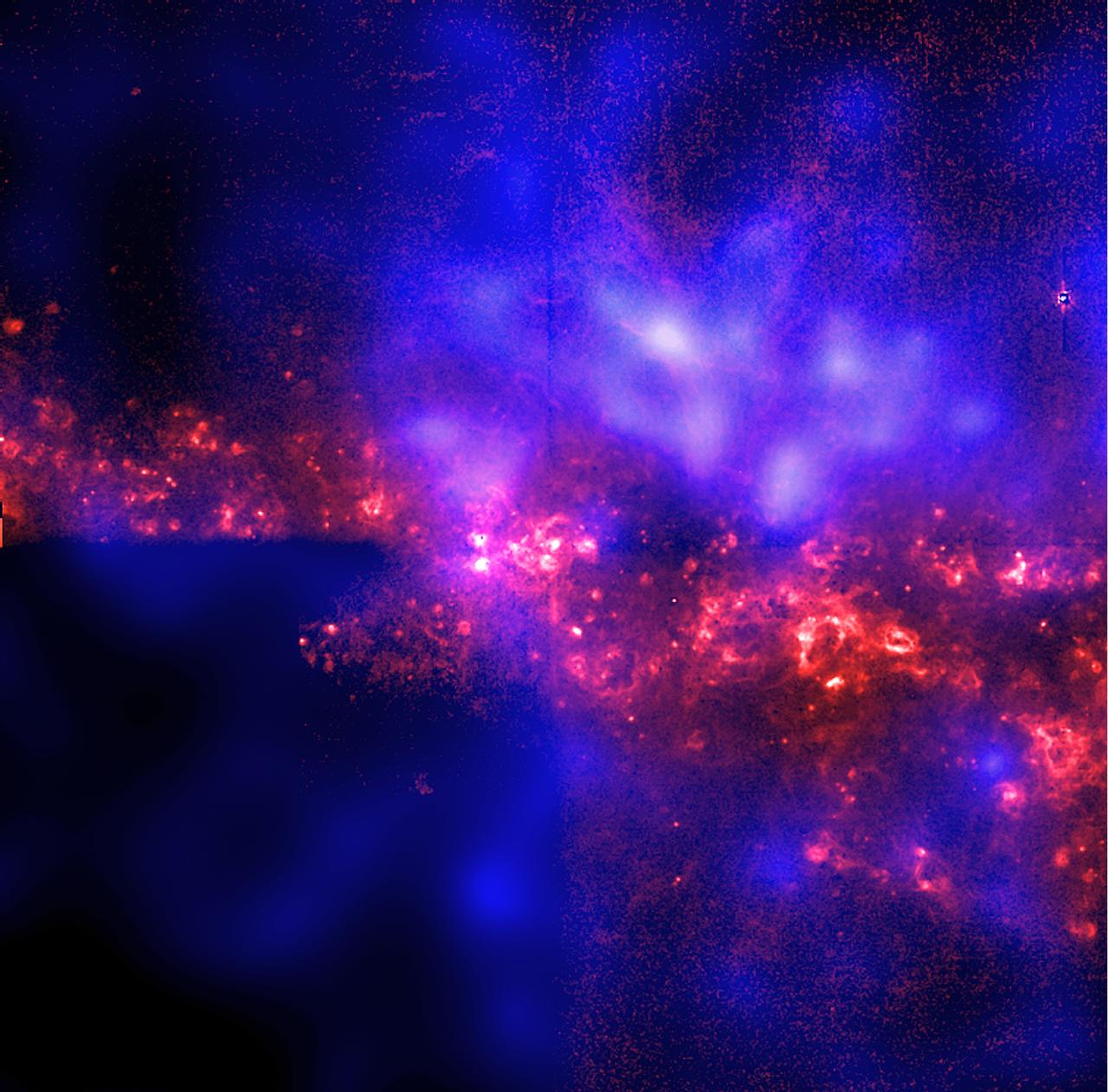
This image shows the central region of the spiral galaxy NGC 4631 as seen edge-on from the Chandra X-Ray Observatory (CXO) and the Hubble Space Telescope (HST). The Chandra data, shown in blue and purple, provide the first unambiguous evidence for a halo of hot gas surrounding a galaxy that is very similar to our Milky Way. The structure across the middle of the image and the extended faint filaments, shown in orange, represent the observation from the HST that reveals giant bursting bubbles created by clusters of massive stars. Scientists have debated for more than 40 years whether the Milky Way has an extended corona, or halo, of hot gas. Observations of NGC 4631 and similar galaxies provide astronomers with an important tool in the understanding our own galactic environment. A team of astronomers, led by Daniel Wang of the University of Massachusetts at Amherst, observed NGC 4631 with CXO's Advanced Charge-Coupled Device (CCD) Imaging Spectrometer (ACIS). The observation took place on April 15, 2000, and its duration was approximately 60,000 seconds.
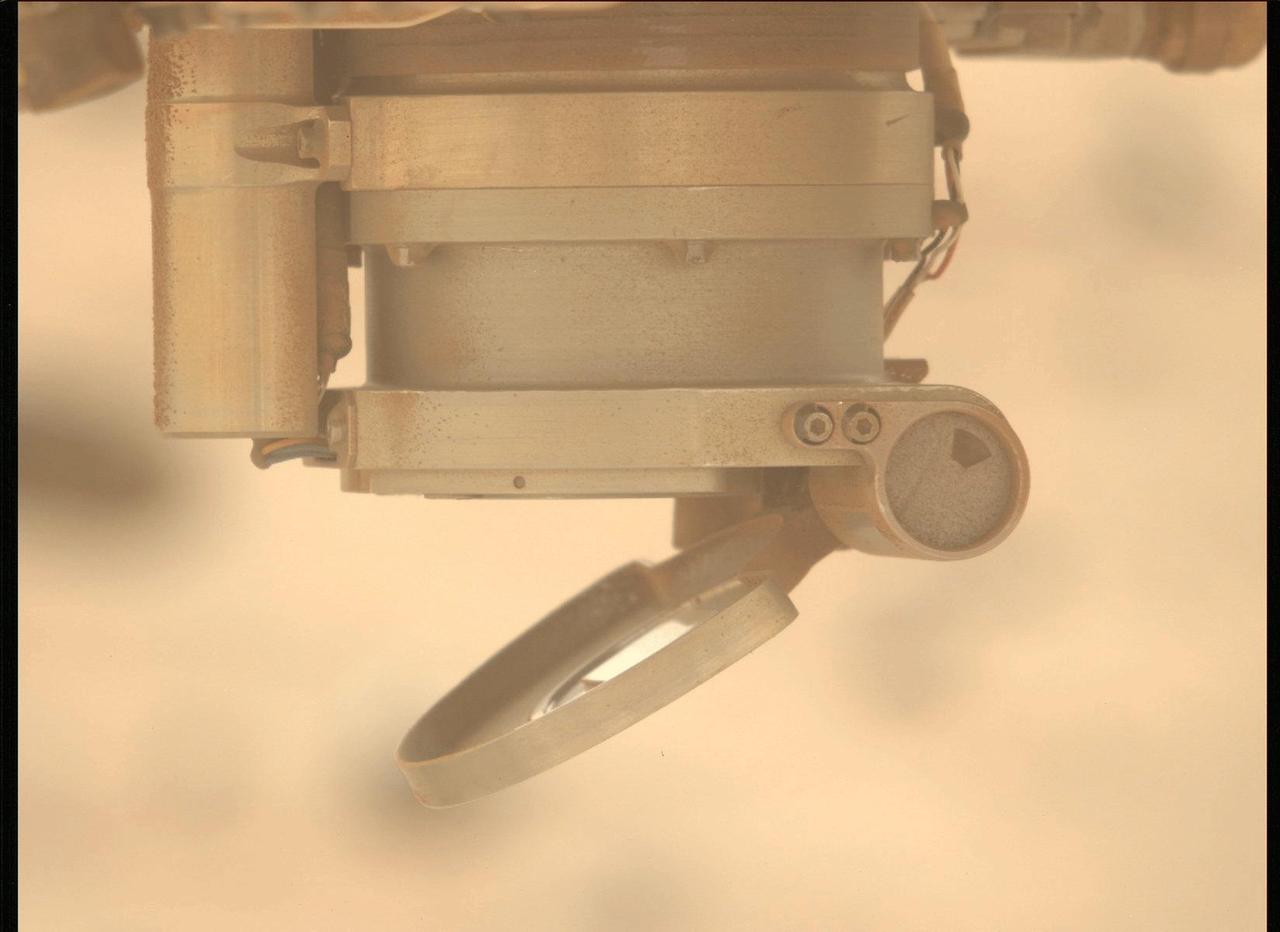
On May 11, 2024, the 1,147th Martian day, or sol, of Perseverance's mission, the Mastcam-Z instrument aboard the NASA Mars rover took these three images showing movement of the cover for the Autofocus and Context Imager (ACI) camera during a test to characterize the behavior of the cover mechanism. Part of the SHERLOC (Scanning Habitable Environments with Raman & Luminescence) instrument, the cover is designed to protect the instrument's spectrometer and one of its cameras from dust. On Jan. 6, 2024, the cover froze in a position that prevented SHERLOC from collecting data. The rover team found a way to address the issue so the instrument can continue to operate. A key objective for Perseverance's mission on Mars is astrobiology, including the search for signs of ancient microbial life. The rover is also characterizing the planet's geology and past climate, which paves the way for human exploration of the Red Planet. JPL, which is managed for NASA by Caltech in Pasadena, California, built and manages operations of the Perseverance rover. Animation available at https://photojournal.jpl.nasa.gov/catalog/PIA26338
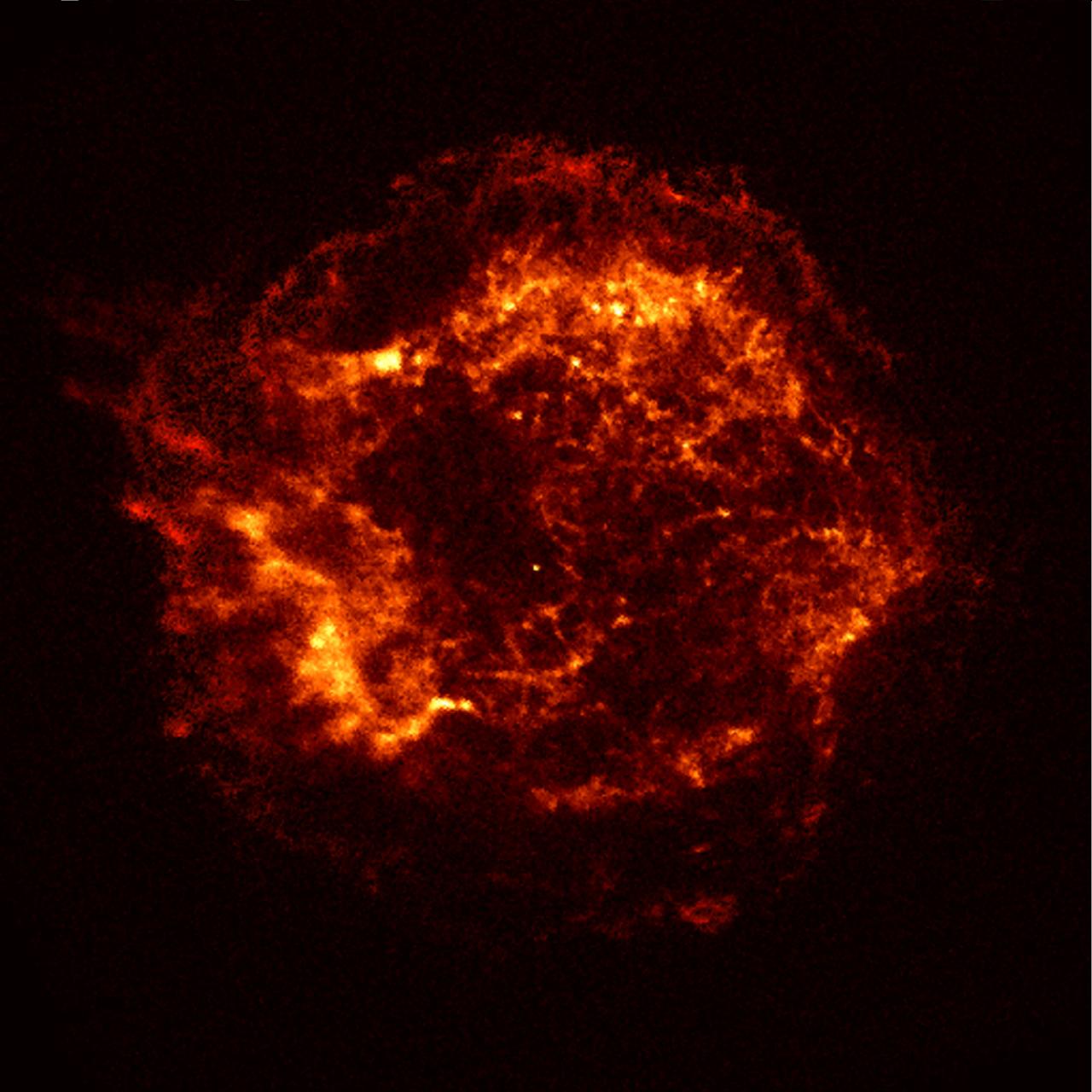
This x-ray image of the Cassiopeia A (CAS A) supernova remnant is the official first light image of the Chandra X-Ray Observatory (CXO). The 5,000-second image was made with the Advanced Charged Coupled Device (CCD) Image Spectrometer (ACIS). Two shock waves are visible: A fast outer shock and a slower irner shock. The inner shock wave is believed to be due to the collision of ejecta from the supernova explosion with a circumstellar shell of material, heating it to a temperature of 10 million-degrees Celsius. The outer shock wave is analogous to an awesome sonic boom resulting from this collision The x-rays reveal a bright object near the center, which may be the long-sought neutron star or black hole remnant of the explosion that produced Cassiopeia A. Cassiopeia A is the 320-year-old remnant of a massive star that exploded. Located in the constellation Cassiopeia, it is 10 light-years across and 10,000 light-years from Earth. A supernova occurs when a massive star has used up its nuclear fuel and the pressure drops in the central core of the star. The matter in the core is crushed by gravity to higher and higher densities, and temperatures reach billions of degrees. Under these extreme conditions, nuclear reactions occur violently and catastrophically, reversing the collapse. A thermonuclear shock wave races through the now expanding stellar debris, fusing lighter elements into heavier ones and producing a brilliant visual outburst.

After barely 2 months in space, the Chandra X-Ray Observatory (CXO) took this sturning image of the Crab Nebula, the spectacular remains of a stellar explosion, revealing something never seen before, a brilliant ring around the nebula's heart. The image shows the central pulsar surrounded by tilted rings of high-energy particles that appear to have been flung outward over a distance of more than a light-year from the pulsar. Perpendicular to the rings, jet-like structures produced by high-energy particles blast away from the pulsar. Hubble Space Telescope images have shown moving knots and wisps around the neutron star, and previous x-ray images have shown the outer parts of the jet and hinted at the ring structure. With CXO's exceptional resolution, the jet can be traced all the way in to the neutron star, and the ring pattern clearly appears. The image was made with CXO's Advanced Charge-Coupled Device (CCD) Imaging Spectrometer (ACIS) and High Energy Transmission Grating. The Crab Nebula, easily the most intensively studied object beyond our solar system, has been observed using virtually every astronomical instrument that could see that part of the sky
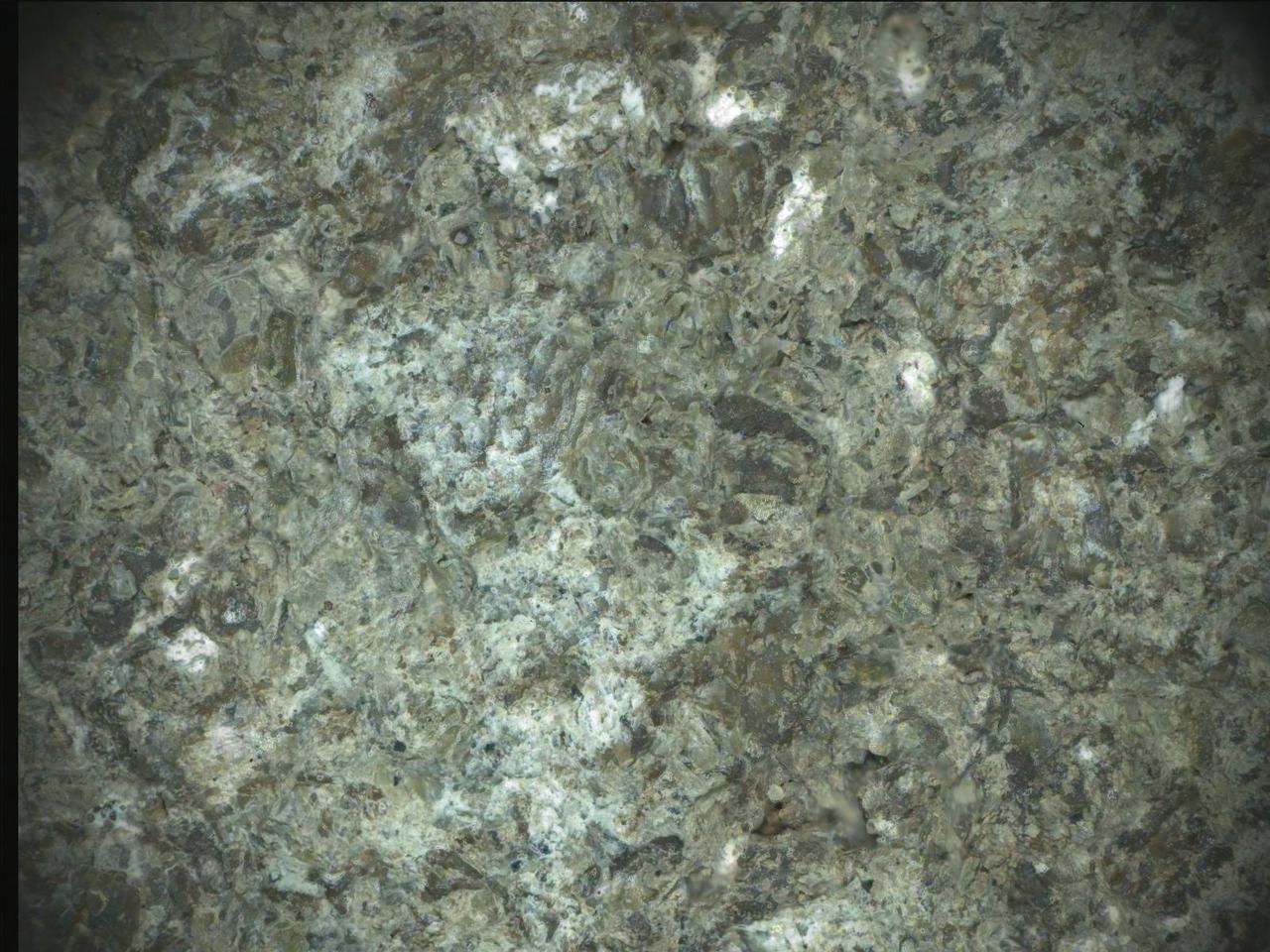
Before collecting a rock sample at a spot nicknamed "Lefroy Bay," NASA's Perseverance Mars rover employed an abrasion tool to wear down the rock surface and then used the Planetary Instrument for X-ray Lithochemistry, or PIXL, to study the rock's internal chemistry. This image is composed of multiple shots of the abrasion patch, dubbed "Bills Bay," that were taken on Oct. 7 and Oct. 11, 2023, the 935th and 939th Martian days, or sols, of the mission. The image was taken by PIXL's camera, the Autofocus and Context Imager, or ACI. Color was added by overlaying data from WATSON (Wide Angle Topographic Sensor for Operations and eNgineering), a pair of cameras that are part of an instrument called Scanning Habitable Environments with Raman & Luminescence for Organics & Chemicals, or SHERLOC. On Earth, both silica and carbonates are good at preserving materials left behind by ancient life. Sand grains made of iron-rich carbonate are also mostly found in places on Earth that are good at protecting carbon-based materials known as organics. Organics can be made from both geological and biological sources; the Lefroy Bay sample does not necessarily show signs of ancient microbial life. Samples like Lefroy Bay would have to be brought back to Earth and studied with complex instruments in laboratories for scientists to confirm signs of ancient life, if indeed they are present. A key objective for Perseverance's mission on Mars is astrobiology, including the search for signs of ancient microbial life. The rover will characterize the planet's geology and past climate, pave the way for human exploration of the Red Planet, and be the first mission to collect and cache Martian rock and regolith (broken rock and dust). Subsequent NASA missions, in cooperation with ESA (European Space Agency), would send spacecraft to Mars to collect these sealed samples from the surface and return them to Earth for in-depth analysis. The Mars 2020 Perseverance mission is part of NASA's Moon to Mars exploration approach, which includes Artemis missions to the Moon that will help prepare for human exploration of the Red Planet. https://photojournal.jpl.nasa.gov/catalog/PIA26205
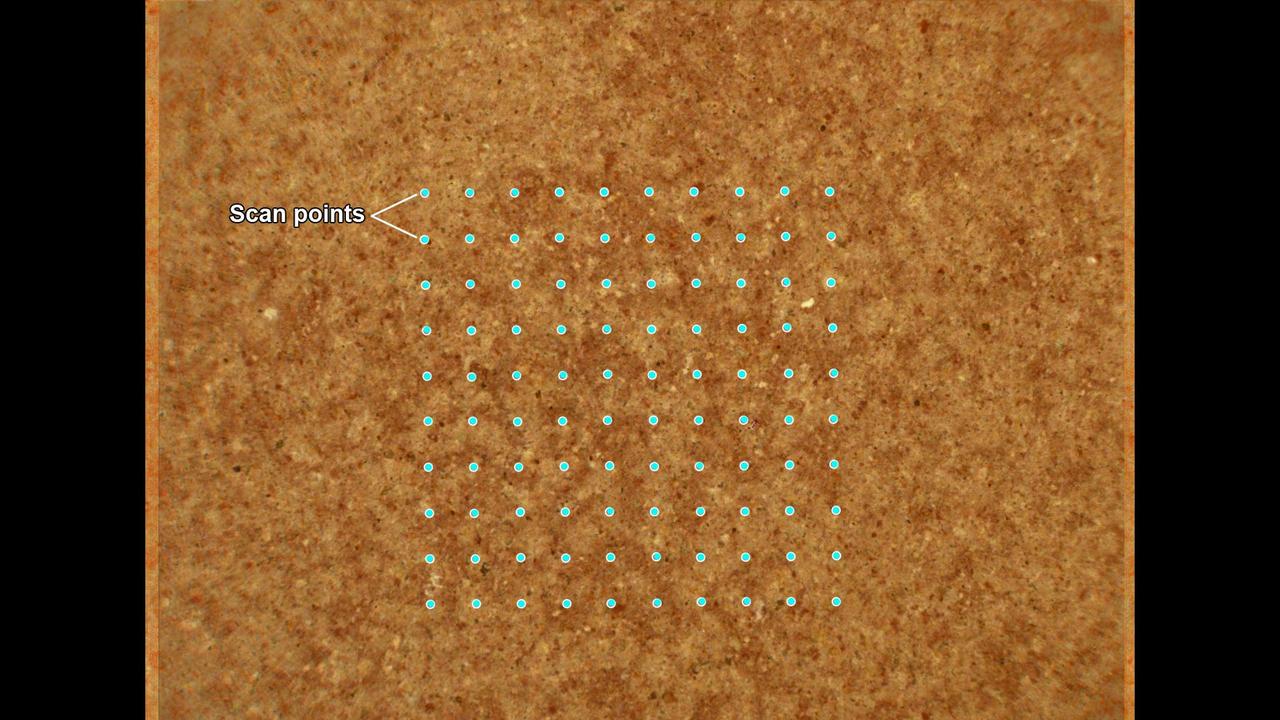
This annotated image from NASA's Perseverance Mars rover shows how its SHERLOC (Scanning Habitable Environments with Raman and Luminescence for Organics and Minerals) instrument investigates a rock surface. After an area has been ground down by the abrasion tool on the rover's arm, SHERLOC fires its laser in a grid pattern, shown here with blue dots. This scan area is roughly the size of a pencil eraser. SHERLOC's laser allows scientists to see how light interacts with the rock surface and reveals different components in the rock, including chemicals, minerals, and organic matter. The image was created by combining two SHERLOC images: one from the Wide Angle Topographic Sensor for Operations and eNgineering (WATSON) camera, and one from the Autofocus and Context Imager (ACI) camera. Those images were taken at a location called "Wildcat Ridge" on July 22, 2022, the 505th Martian day, or sol, of the mission. The image color has been enhanced to increase contrast so different rock components are easier to distinguish. A key objective for Perseverance's mission on Mars is astrobiology, including the search for signs of ancient microbial life. The rover will characterize the planet's geology and past climate, pave the way for human exploration of the Red Planet, and be the first mission to collect and cache Martian rock and regolith (broken rock and dust). Subsequent NASA missions, in cooperation with ESA (European Space Agency), would send spacecraft to Mars to collect these sealed samples from the surface and return them to Earth for in-depth analysis. The Mars 2020 Perseverance mission is part of NASA's Moon to Mars exploration approach, which includes Artemis missions to the Moon that will help prepare for human exploration of the Red Planet. https://photojournal.jpl.nasa.gov/catalog/PIA25245
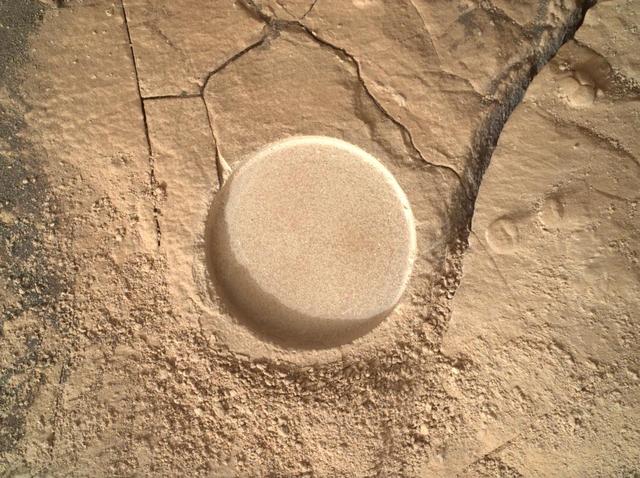
This video from NASA's Perseverance rover shows increasingly close views of an abraded rock at "Wildcat Ridge" in Mars' Jezero Crater, an area scientists consider one of the best places to search for signs of ancient microbial life. The images were taken by the cameras on the SHERLOC (Scanning Habitable Environments with Raman and Luminescence for Organics and Minerals) instrument at the end of Perseverance's robotic arm. The clip is a collection of six images taken on July 21 and 22, 2022, the 504th and 505th Martian day, or sol, of the mission. The first five images were taken by the Wide Angle Topographic Sensor for Operations and eNgineering (WATSON) camera. The final image, which is colorized, was created by combining images from WATSON and the Autofocus and Context Imager (ACI) camera. The team uses the SHERLOC instrument to see how light interacts with the rock surface, revealing different components in the rock, including chemicals, minerals, and organic matter. By putting together the image and spectral information the instrument collects, SHERLOC can help scientists understand where organics and minerals are in the rock, and select samples for return to Earth. The verification of ancient life on Mars carries an enormous burden of proof. A key objective for Perseverance's mission on Mars is astrobiology, including the search for signs of ancient microbial life. The rover will characterize the planet's geology and past climate, pave the way for human exploration of the Red Planet, and be the first mission to collect and cache Martian rock and regolith (broken rock and dust). Subsequent NASA missions, in cooperation with ESA (European Space Agency), would send spacecraft to Mars to collect these sealed samples from the surface and return them to Earth for in-depth analysis. The Mars 2020 Perseverance mission is part of NASA's Moon to Mars exploration approach, which includes Artemis missions to the Moon that will help prepare for human exploration of the Red Planet. Movie available at https://photojournal.jpl.nasa.gov/catalog/PIA25246
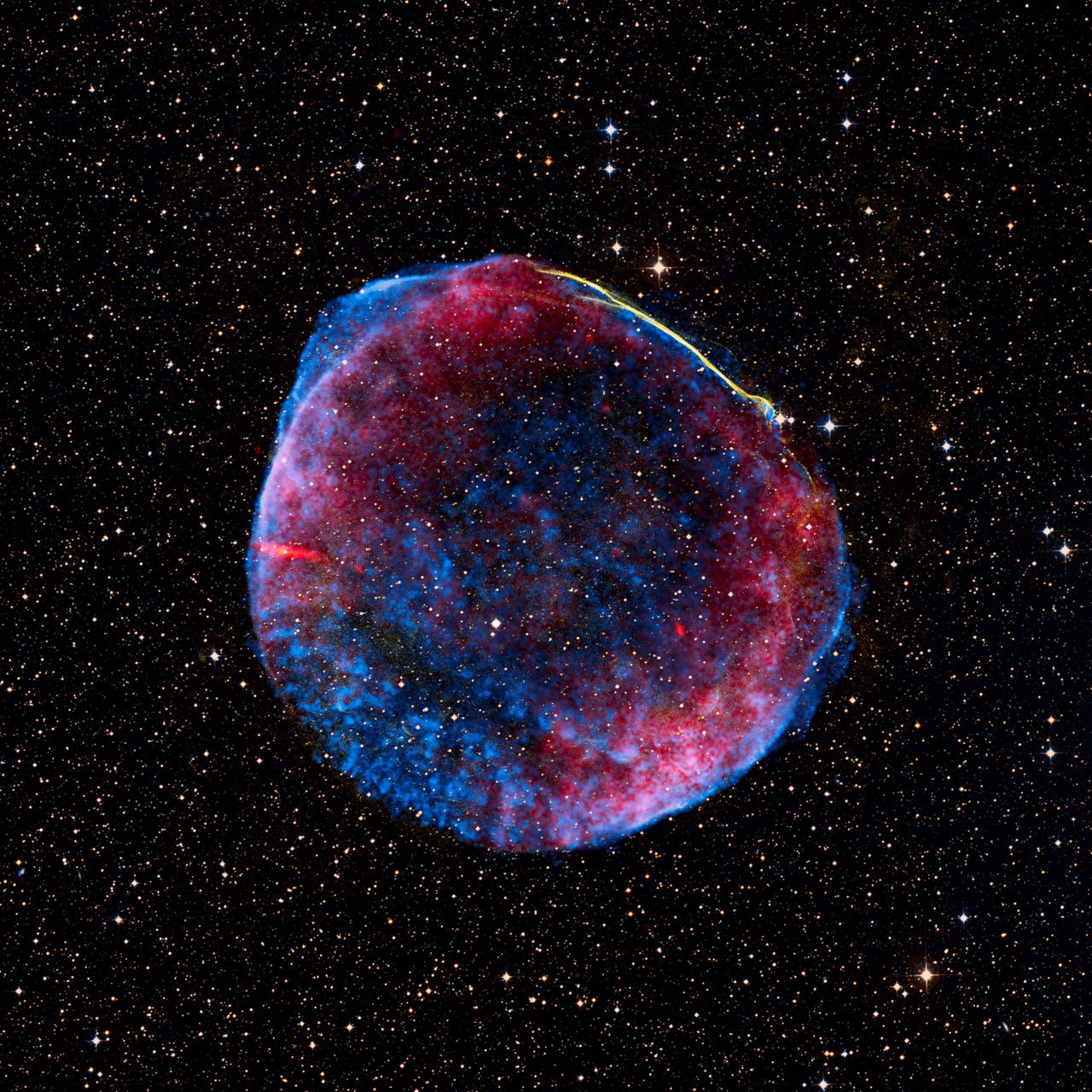
Release date: July 1, 2008 This image is a composite of visible (or optical), radio, and X-ray data of the full shell of the supernova remnant from SN 1006. The radio data show much of the extent that the X-ray image shows. In contrast, only a small linear filament in the northwest corner of the shell is visible in the optical data. The object has an angular size of roughly 30 arcminutes (0.5 degree, or about the size of the full moon), and a physical size of 60 light-years (18 parsecs) based on its distance of nearly 7,000 light-years. The small green box along the bright filament at the top of the image corresponds to the dimensions of the Hubble release image. The optical data was obtained at the University of Michigan's 0.9-meter Curtis Schmidt telescope at the National Science Foundation's Cerro Tololo Inter-American Observatory (CTIO) near La Serena, Chile. H-alpha, continuum-subtracted data were provided by F. Winkler (Middlebury COllege) et al. The X-ray data were acquired from the Chandra X-ray Observatory's AXAF CCD Imaging Spectrometer (ACIS) at 0.5-3keV, and were provided by J. Hughes (Rutgers University) et al. The radio data, supplied by K. Dyer (NRAO, Socorro) et al., were a composite from the National Radio Astronomy Observatory's Very Large Array (NRAO/VLA) in Socorro, New Mexico, along with the Green Bank Telescope (GBT) in Green Bank, West Virginia. Data of the supernova remnant were blended on a visible-light stellar background created using the Digitized Sky Survey's Anglo-Australian Observatory (AAO2) blue and red plates. Photo Credit: NASA, ESA, and Z. Levay (STScI) Science Credit: Radio: NRAO/AUI/NSF GBT+VLA 1.4 GHz mosaic (Dyer, Maddalena and Cornwell, NRAO); X-ray: NASA/CXC/Rutgers/G. Cassam-Chenai and J. Hughes et al.; Optical: F.Winkler/Middlebury College and NOAO/AURA/NSF; and DSS To learn more about the Hubble Space Telescope go here: <a href="http://www.nasa.gov/mission_pages/hubble/main/index.html" rel="nofollow">www.nasa.gov/mission_pages/hubble/main/index.html</a> <b><a href="http://www.nasa.gov/centers/goddard/home/index.html" rel="nofollow">NASA Goddard Space Flight Center</a></b> is home to the nation's largest organization of combined scientists, engineers and technologists that build spacecraft, instruments and new technology to study the Earth, the sun, our solar system, and the universe. <b>Follow us on <a href="http://twitter.com/NASAGoddardPix" rel="nofollow">Twitter</a></b> <b>Join us on <a href="http://www.facebook.com/pages/Greenbelt-MD/NASA-Goddard/395013845897?ref=tsd" rel="nofollow">Facebook</a><b> </b></b>
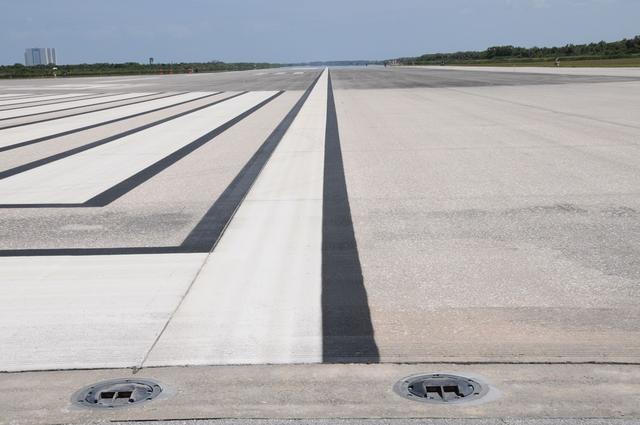
View of the Shuttle Landing Facility
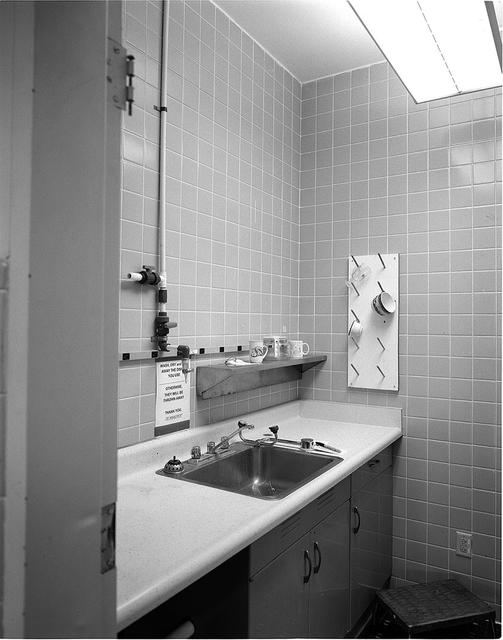
Interior View of BOSU
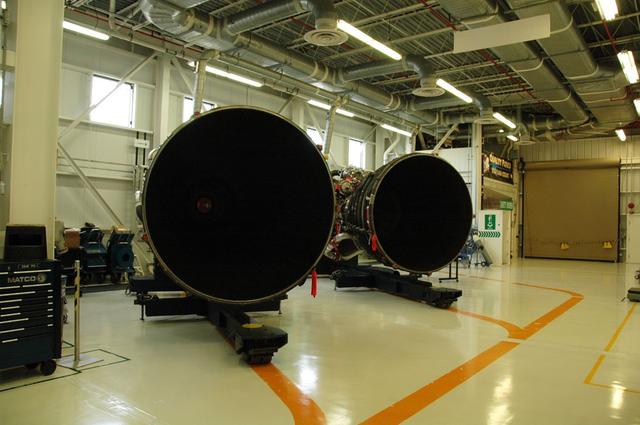
Interior View of Orbiter Processing Facility 3
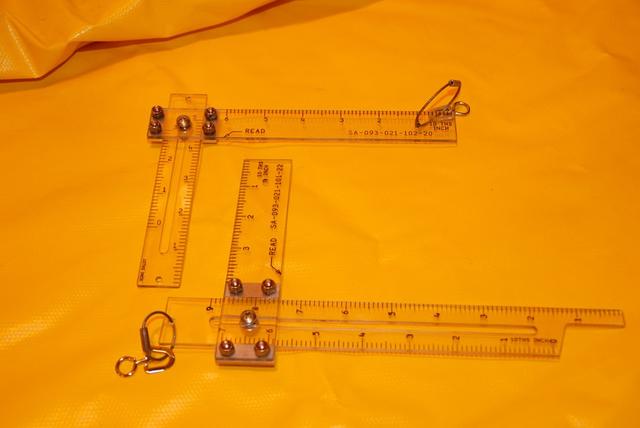
Interior view of Launch Pad 39A
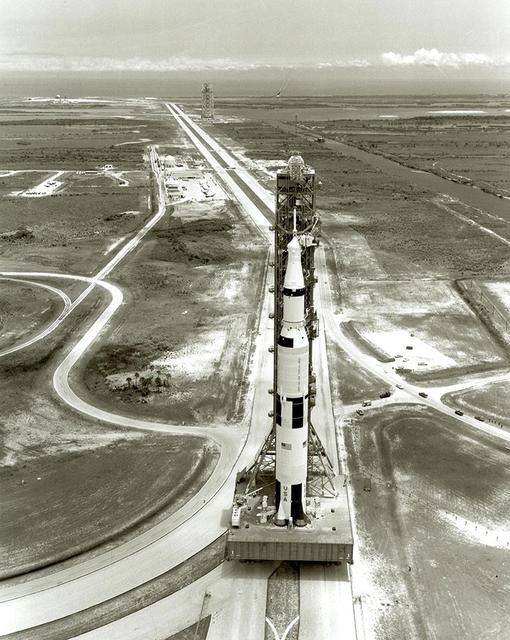
Aerial view of Crawlerway
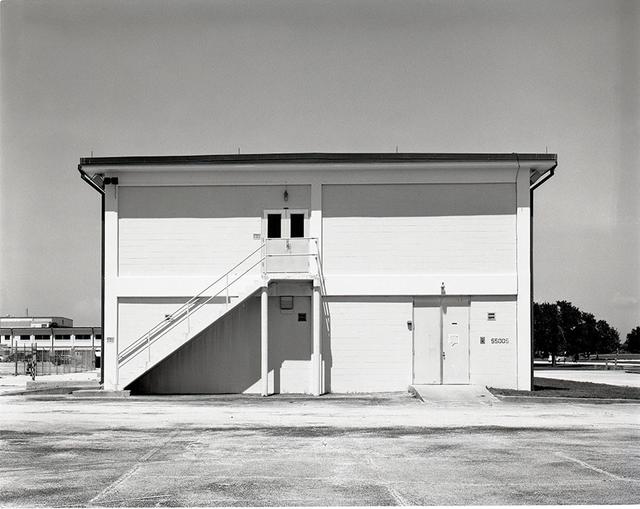
Exterior View of Hangar M Annex
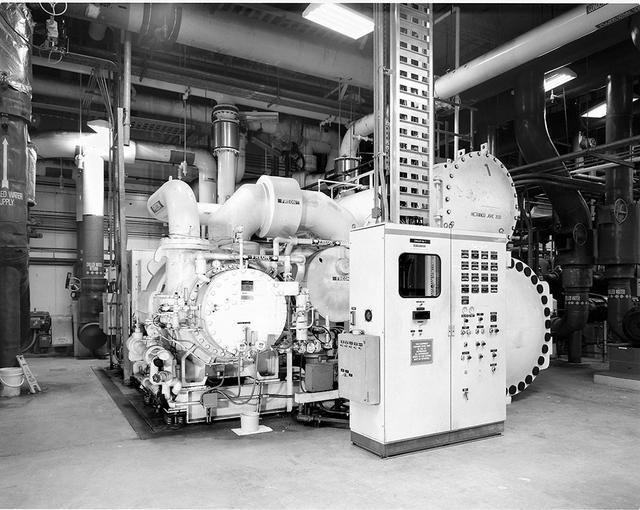
Internal view of the VAB Utility Annex
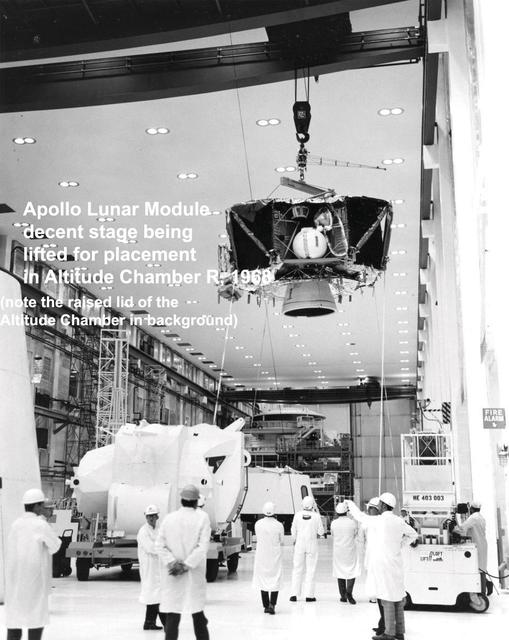
View of O&C Building Altitude Chambers
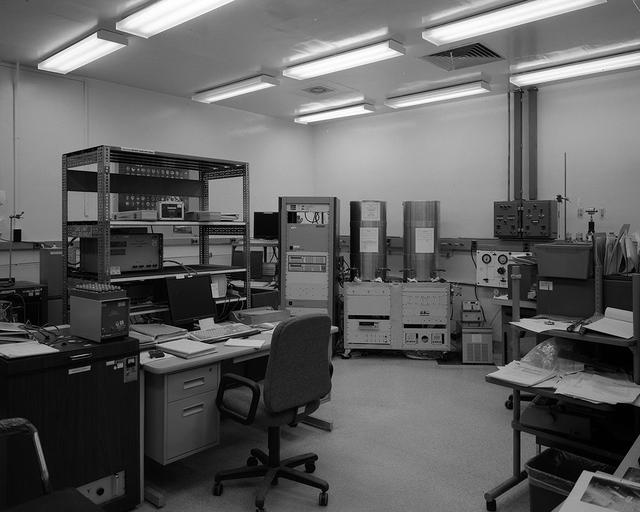
Interior View of CIF
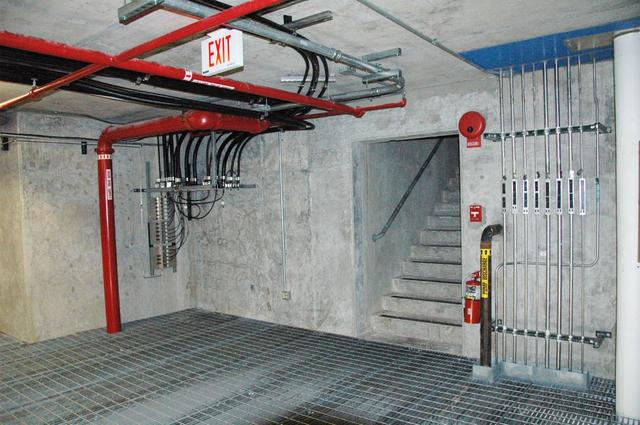
Interior view of the Space Station Processing Facility
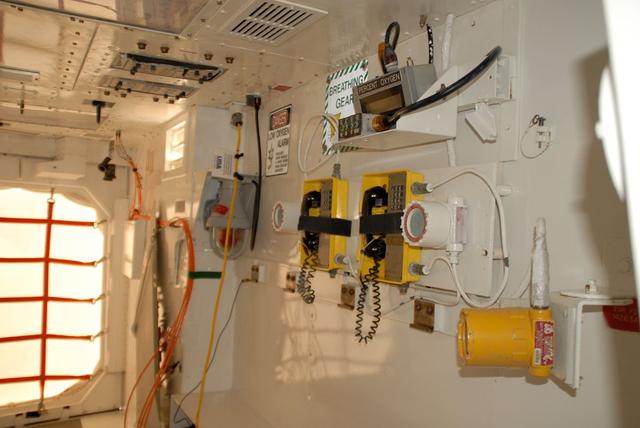
Interior view of White Room of Launch Complex 39A
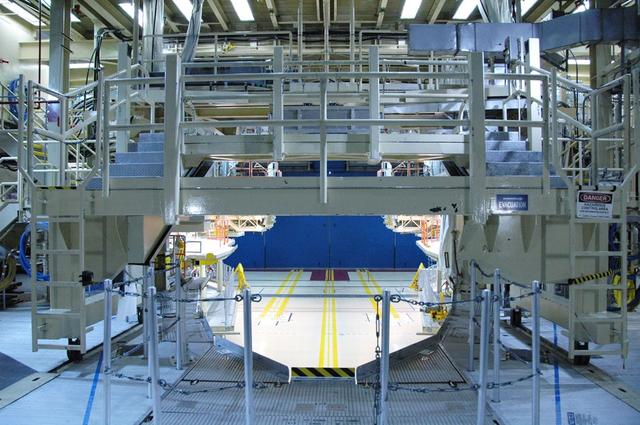
Interior View of Orbiter Processing Facility 3
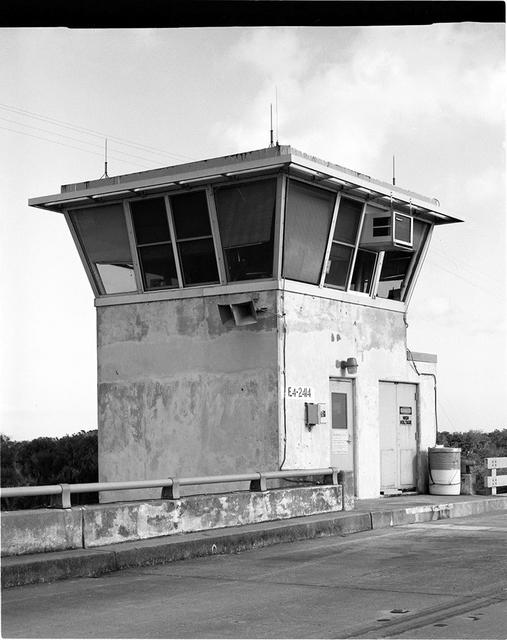
View of the Haulover Canal Bridge
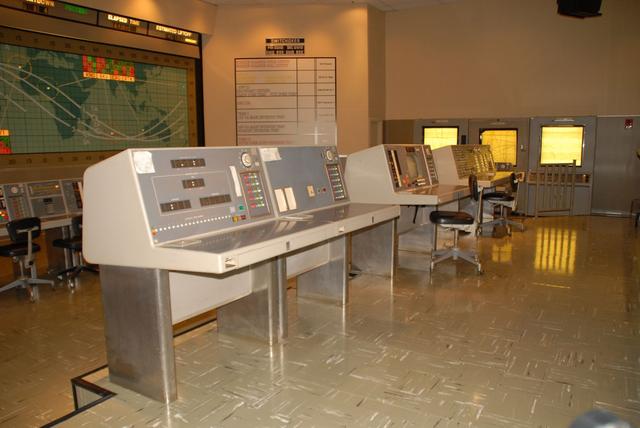
Interior view of the Mission Control Center

Interior view of the Space Station Processing Facility
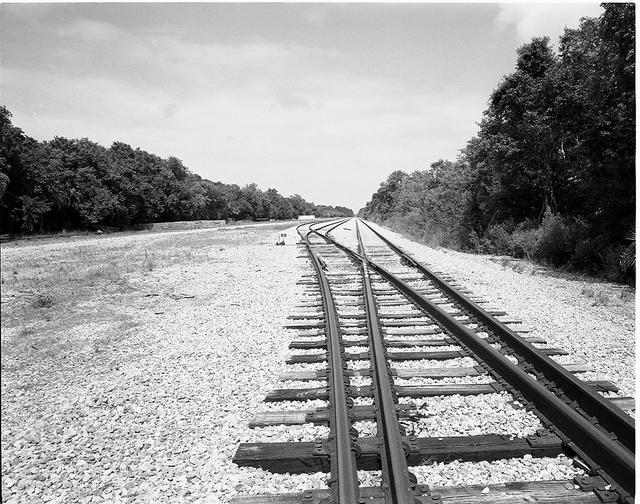
View of the Railway System
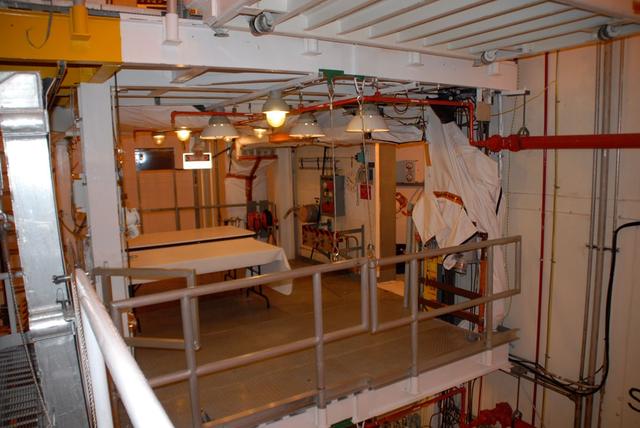
Interior view of Launch Pad 39A
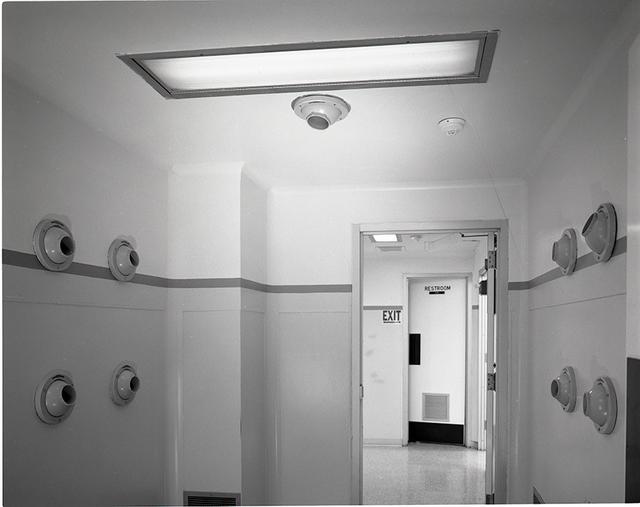
Interior View of Hangar M Annex
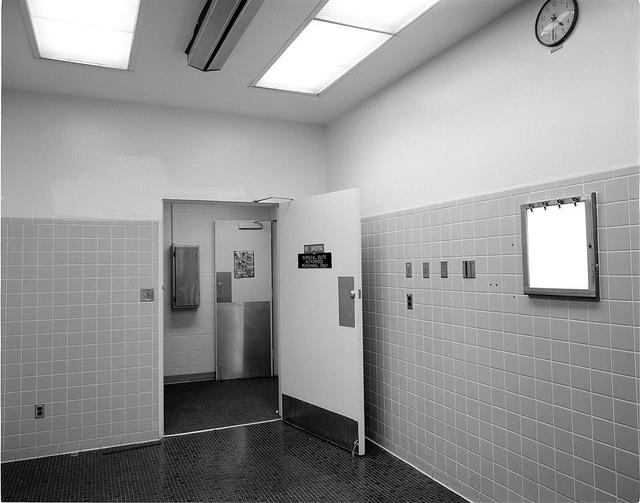
Interior View of BOSU
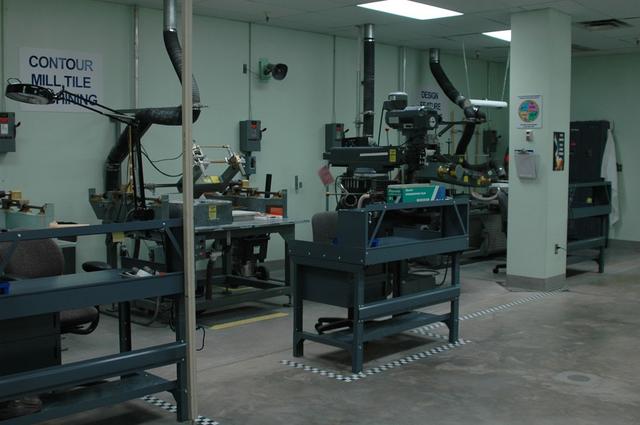
Interior view of the Thermal Ptroctection System facility
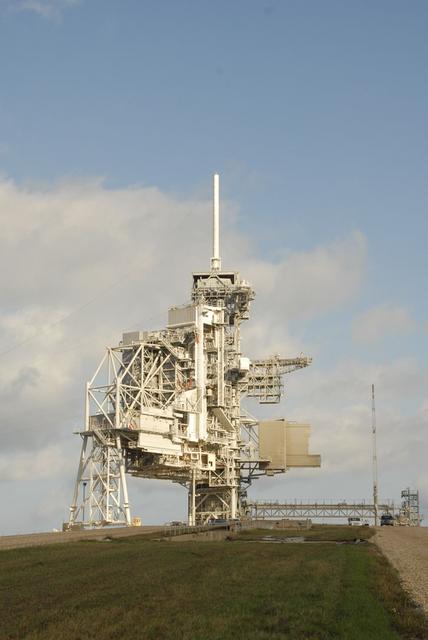
Exterior view of Launch Complex 39A
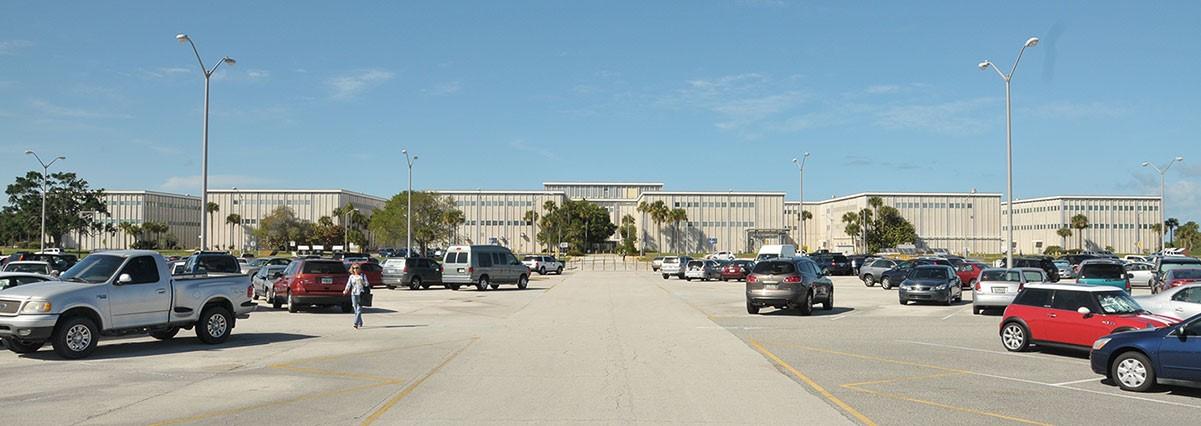
Exterior view of KSC Headquarters Building
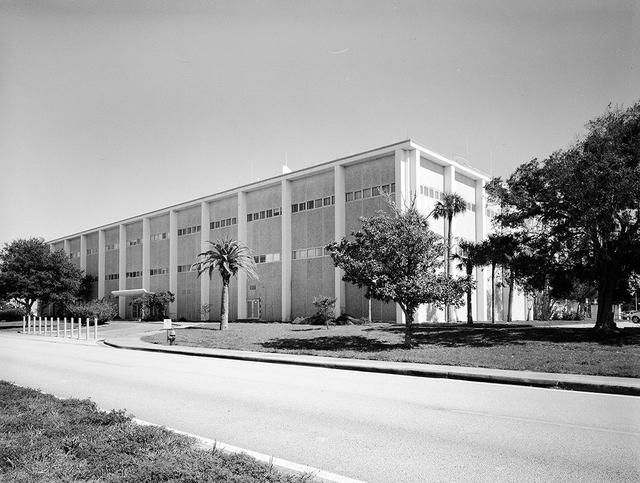
Exterior View of CIF
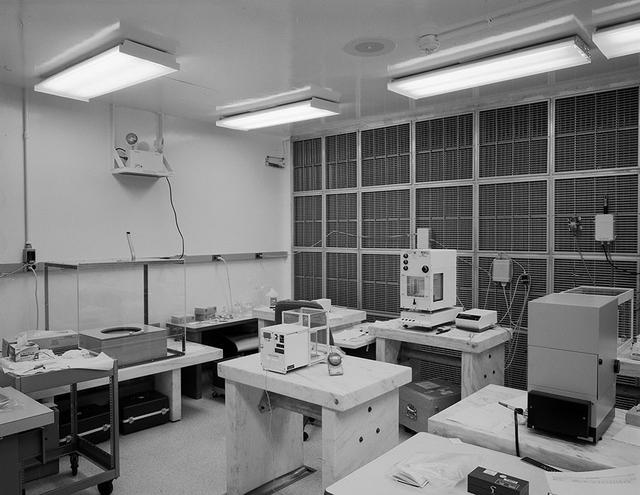
Interior View of CIF
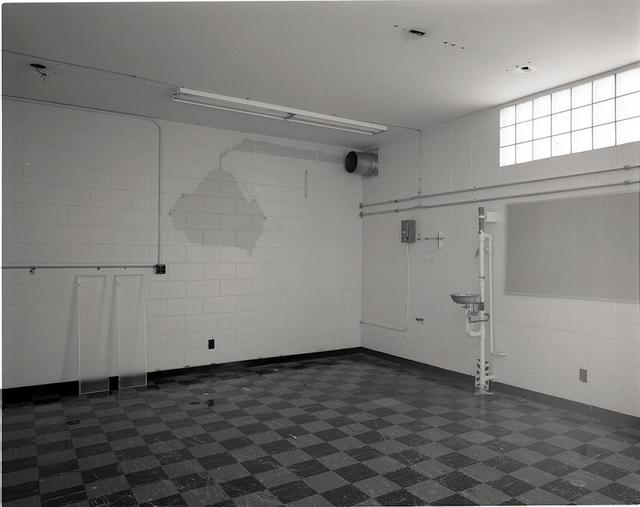
Interior View of Hangar M Annex
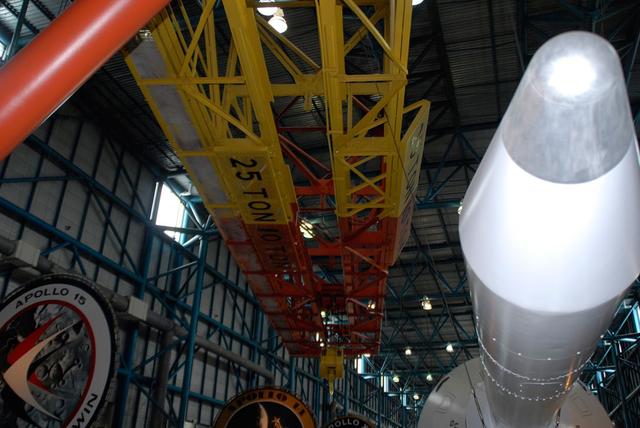
Interior view of Saturn V Exhibit
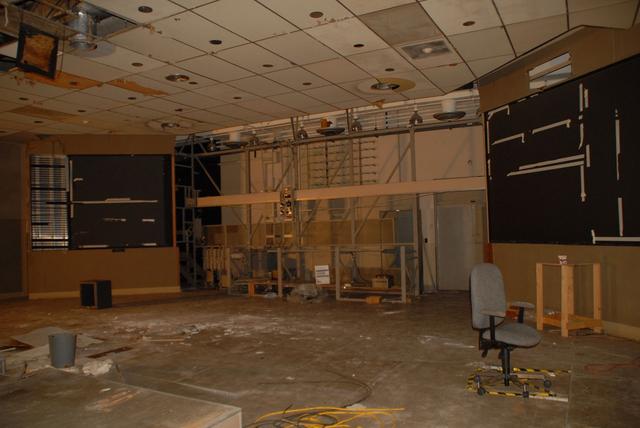
Interior view of the Mission Control Center
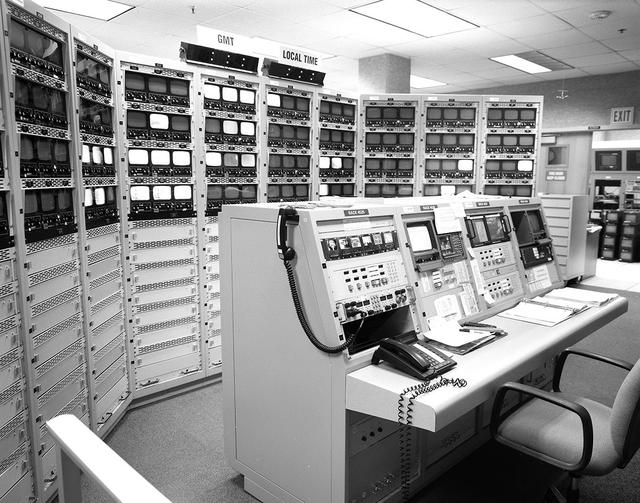
Interior view of the Operations & Checkout Building

Interior View of Orbiter Processing Facility 3
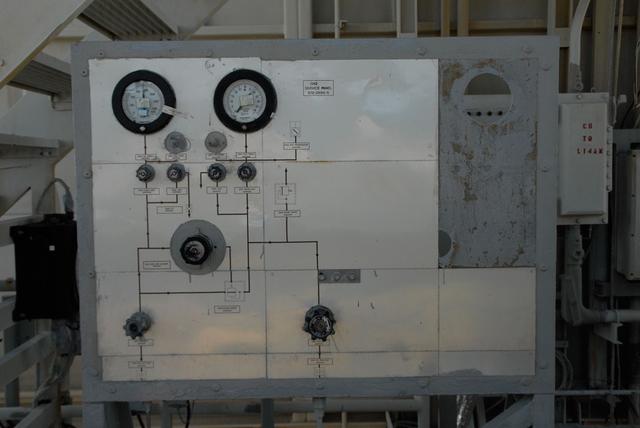
Exterior view of Launch Complex 39A
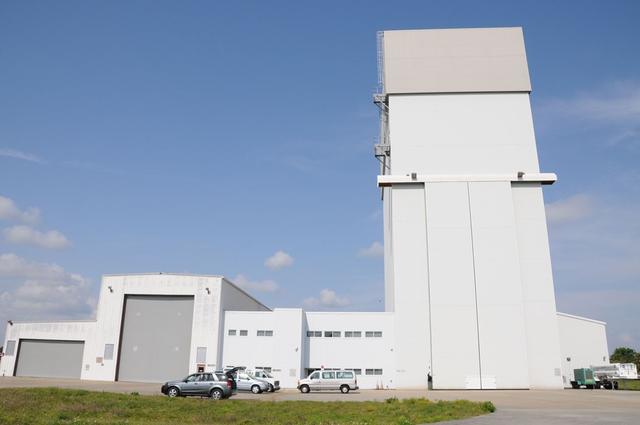
Exterior View of CRF
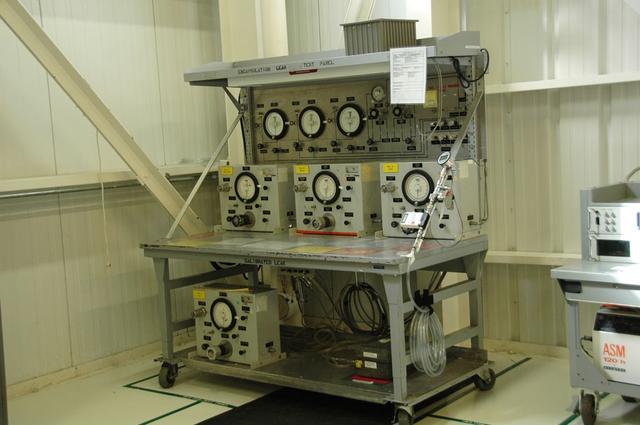
Interior View of Orbiter Processing Facility 3

Interior View of CIF

View of Crawlerway
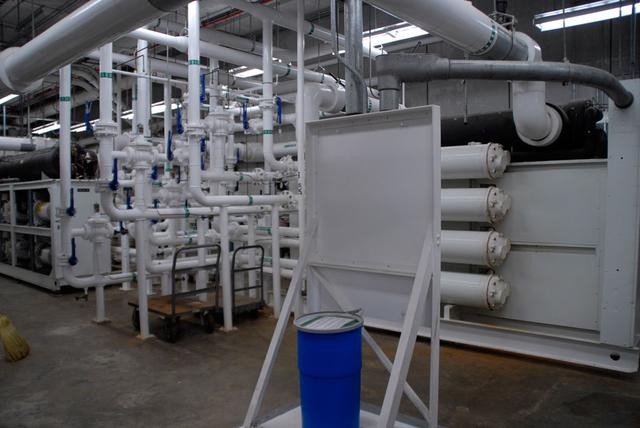
Interior view of Launch Complex 39A

Interior view of the Space Station Processing Facility
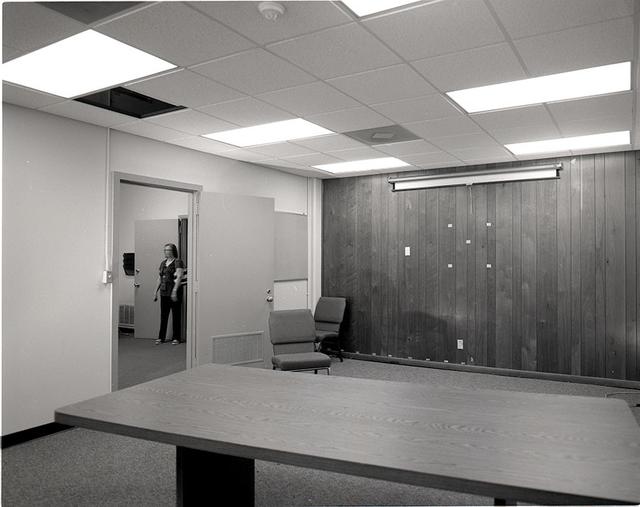
Interior View of Hangar M Annex
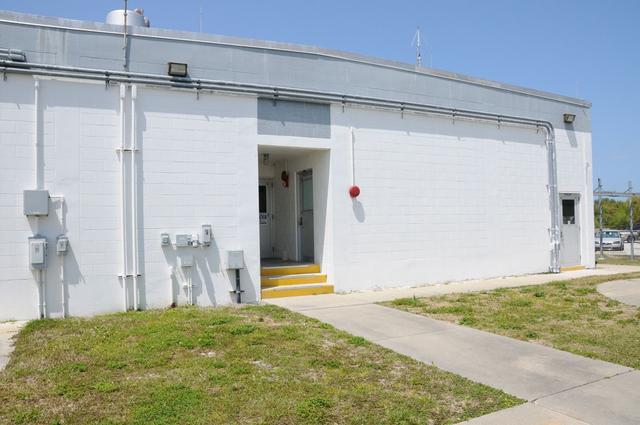
View of the Landing Aids Control Building
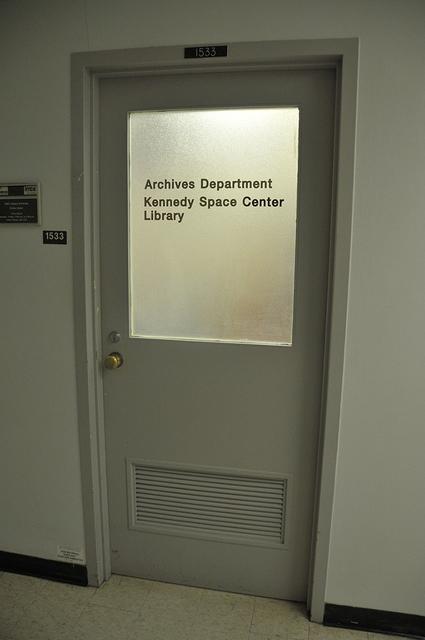
Interior view of KSC Headquarters Building
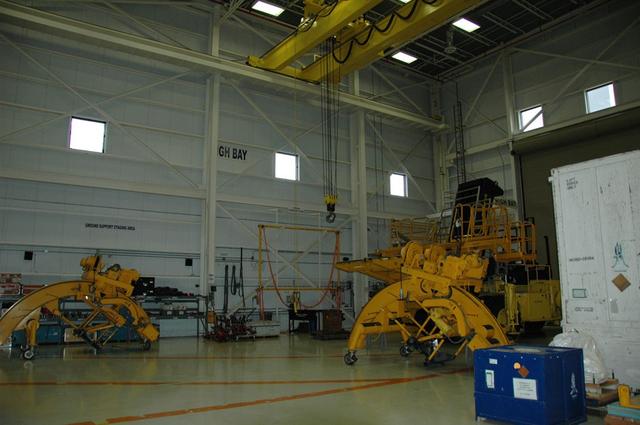
Interior View of Orbiter Processing Facility 3
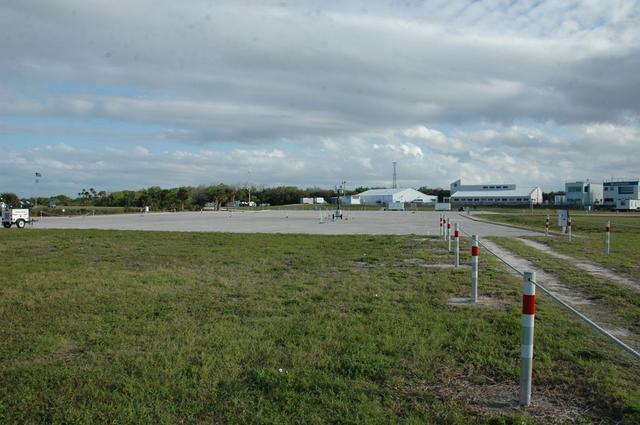
Press Site
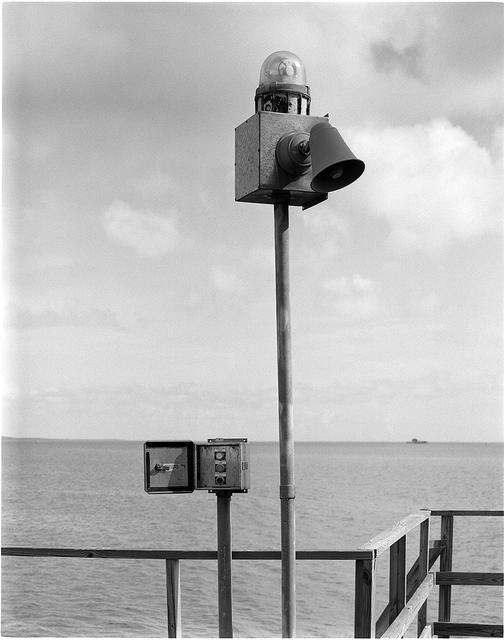
View of the Jay Jay Bridge
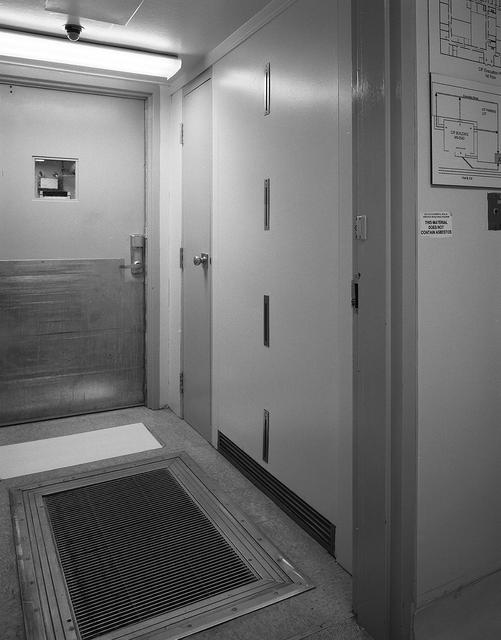
Interior View of CIF
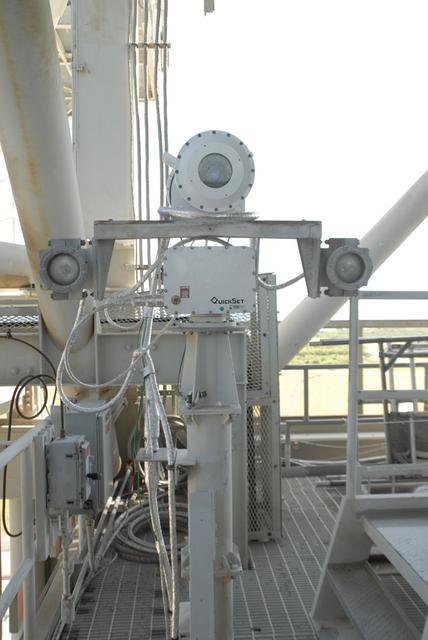
Interior view of Launch Pad 39A
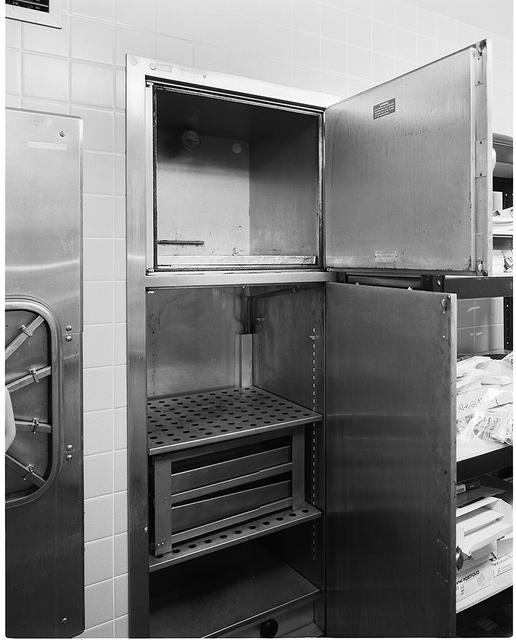
Interior View of BOSU
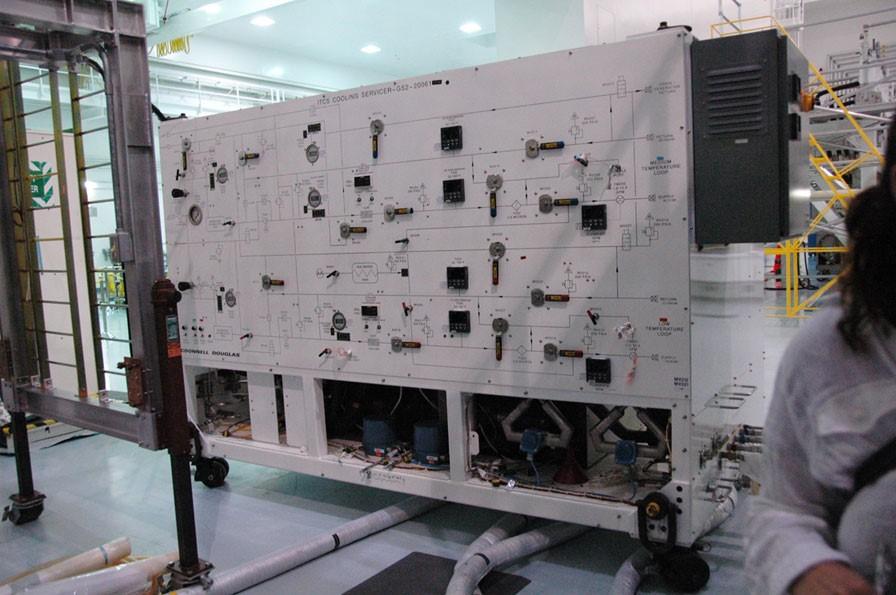
Interior view of the Space Station Processing Facility
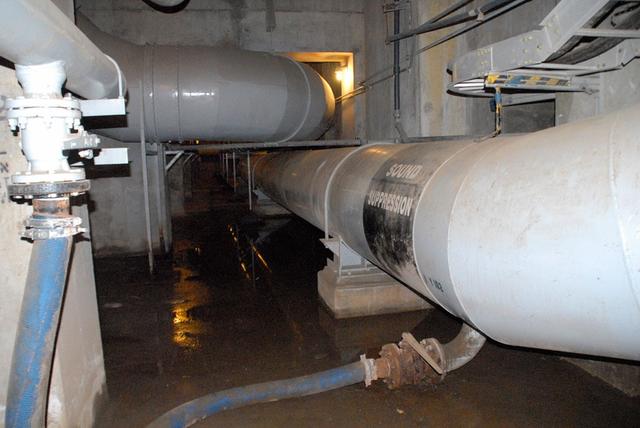
Exterior view of Launch Complex 39A
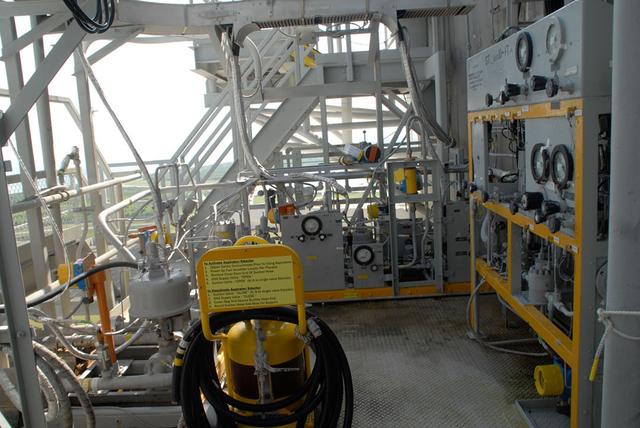
Exterior view of Launch Complex 39A
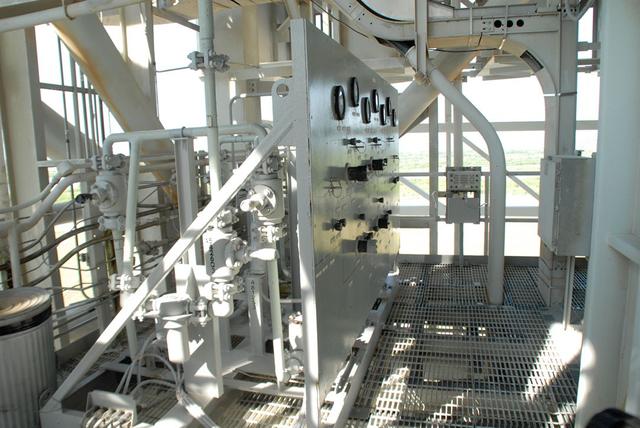
Exterior view of Launch Complex 39A
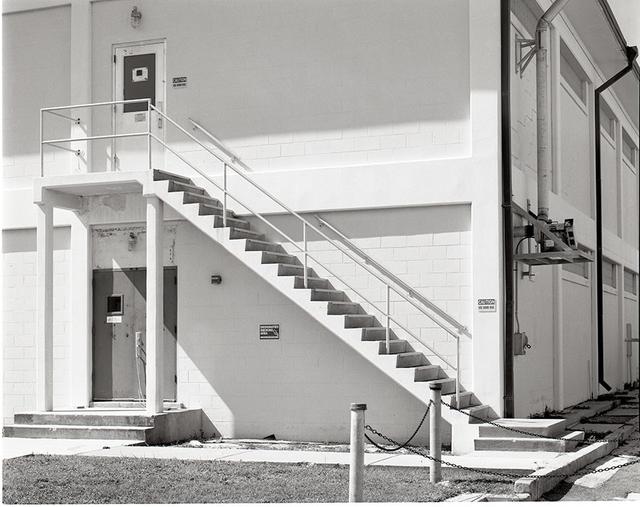
Exterior View of Hangar M Annex
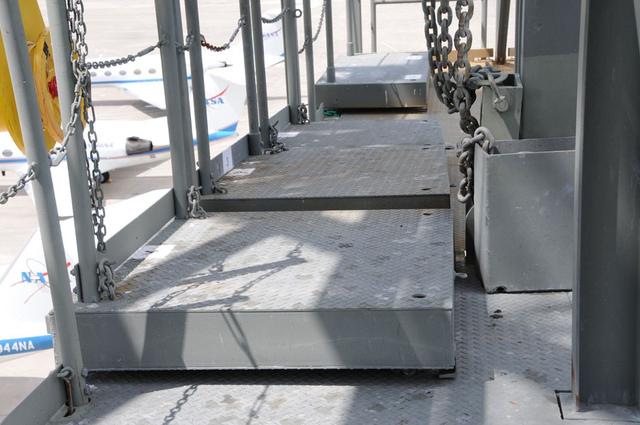
View of the Shuttle Landing Facility
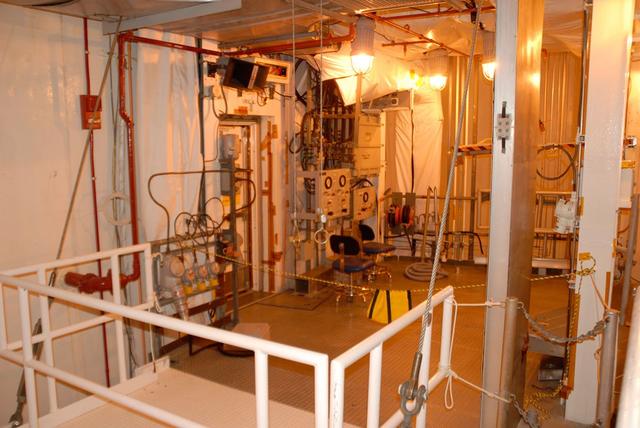
Interior view of Launch Pad 39A
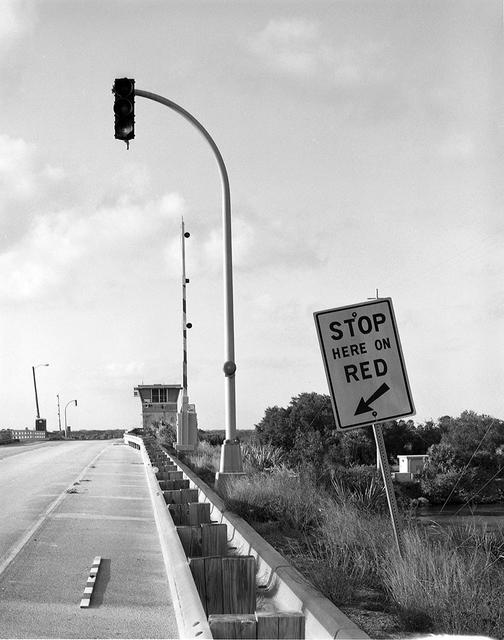
View of the Haulover Canal Bridge
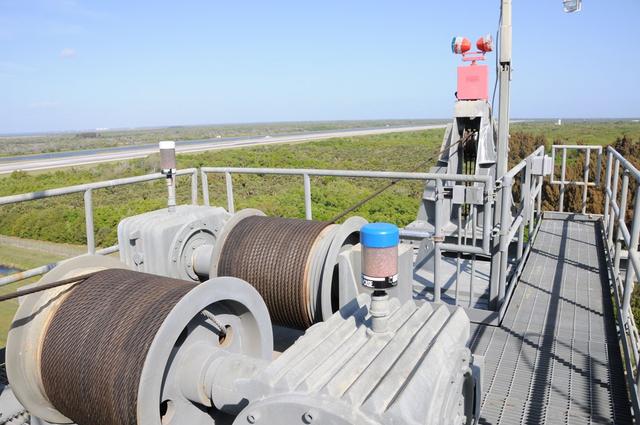
View of the Shuttle Landing Facility

View of the Indian River Bridge
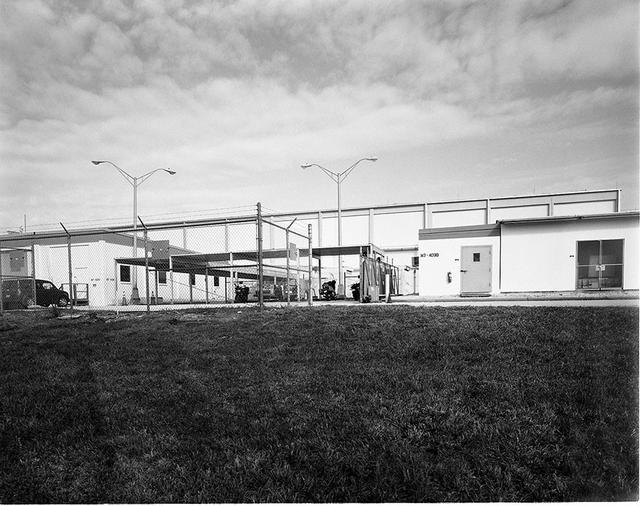
Exterior View of FCTB/EDL
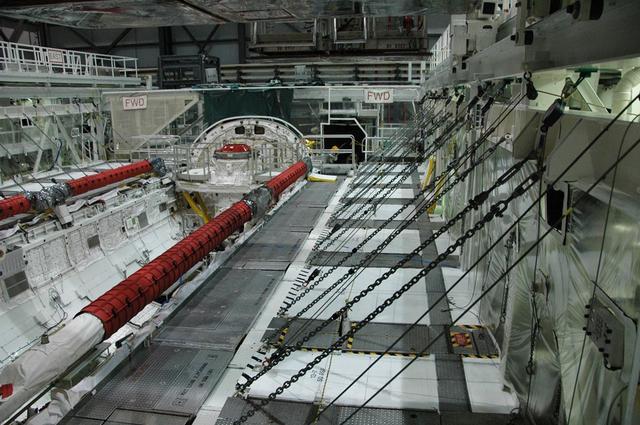
Interior View of Orbiter Processing Facility 3
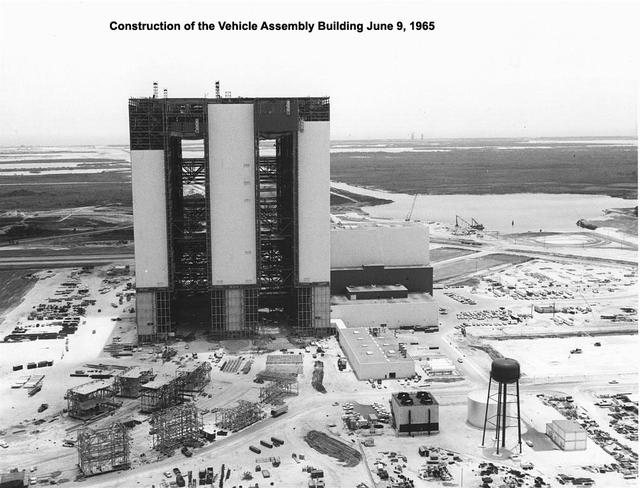
Aerial view of the Vehicle Assembly Building
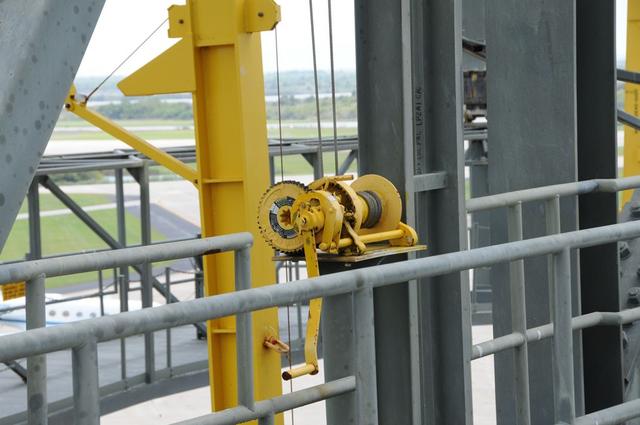
View of SLF structure
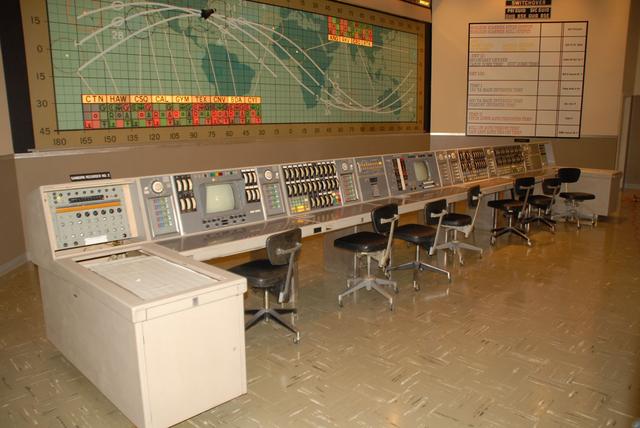
Interior view of the Mission Control Center
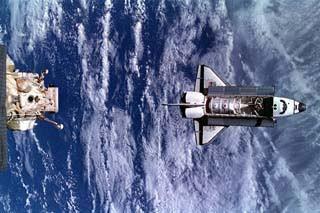
Atlantis docking with MIR
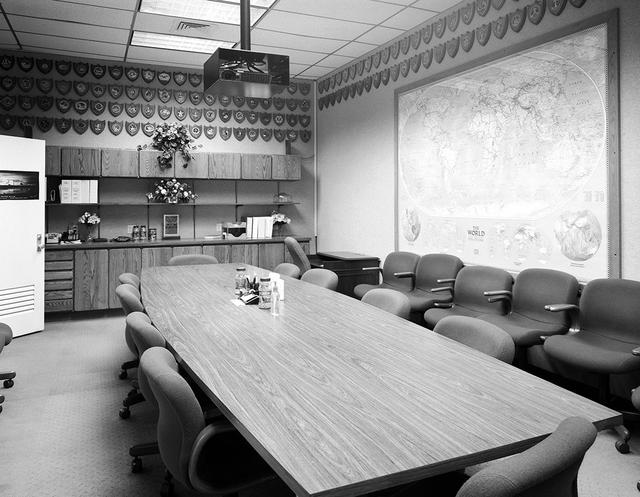
Interior view of the Operations & Checkout Building
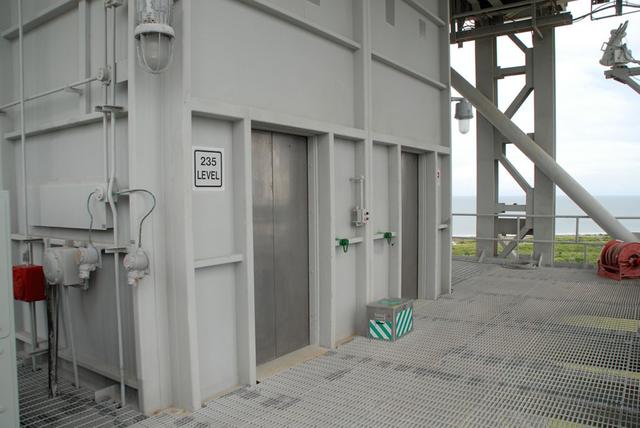
Exterior view of Launch Complex 39A
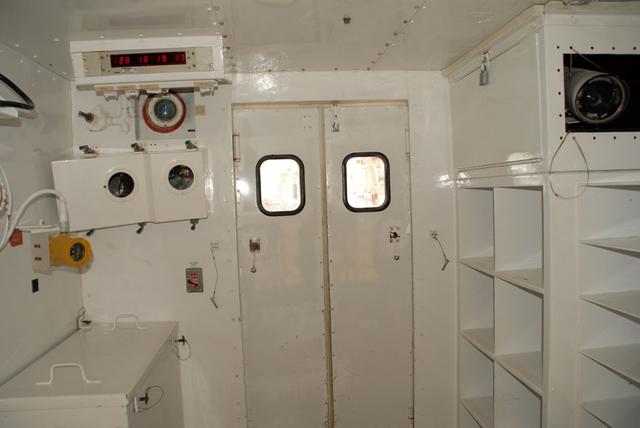
Interior view of White Room of Launch Complex 39A

Exterior view of KSC Headquarters Building
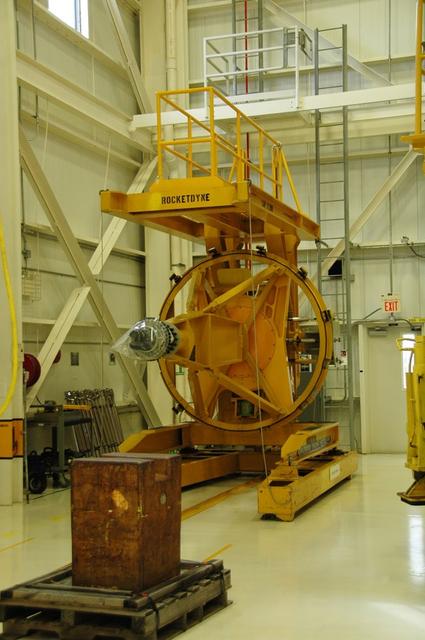
Interior View of Orbiter Processing Facility 3
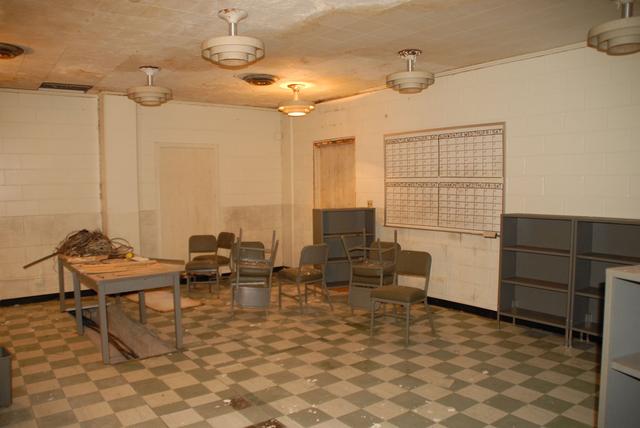
Interior view of the Mission Control Center
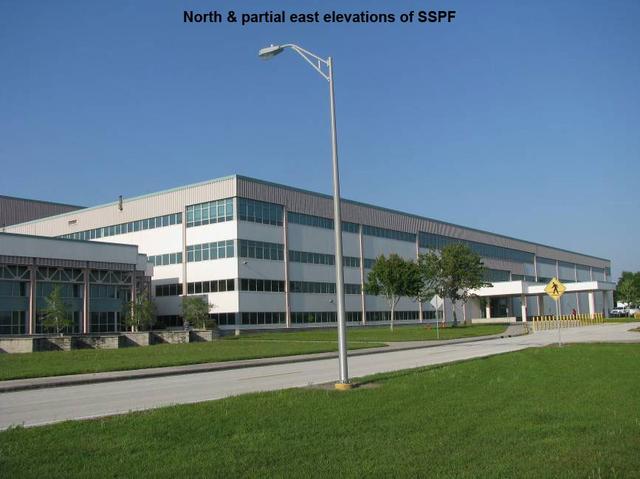
Exterior view of the Space Station Processing Facility
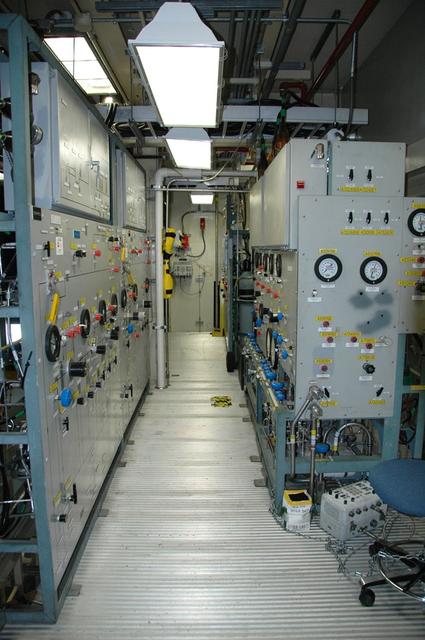
Interior View of Orbiter Processing Facility 3
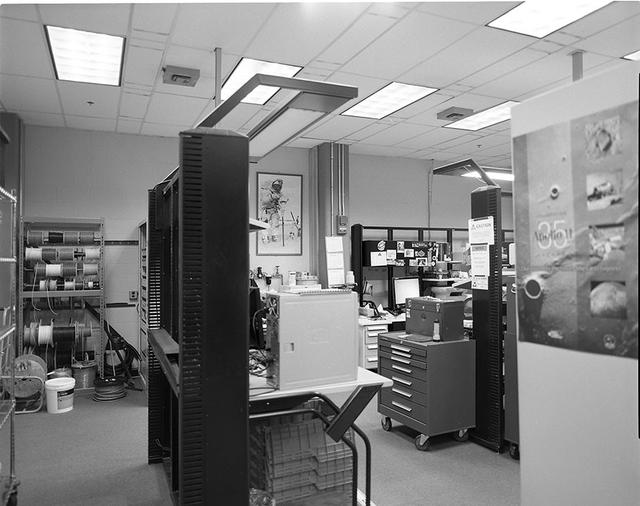
Interior View of FCTB/EDL

Interior view of the Mission Control Center

Interior View of FCTB/EDL
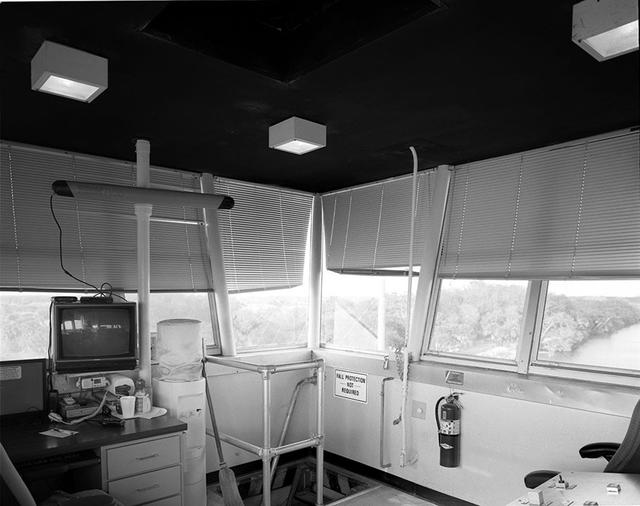
Interior view of the Haulover Canal Bridge Control Tower
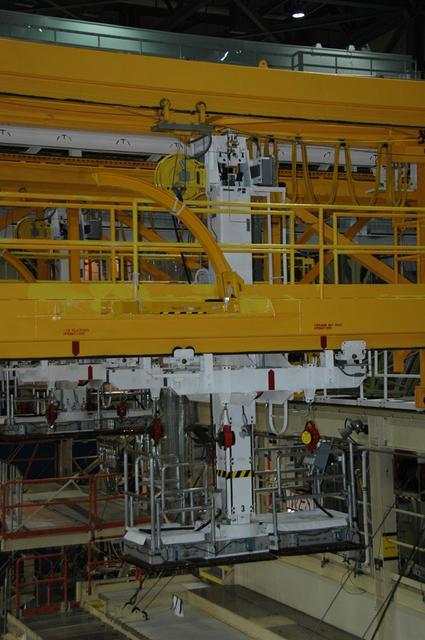
Interior View of Orbiter Processing Facility 3
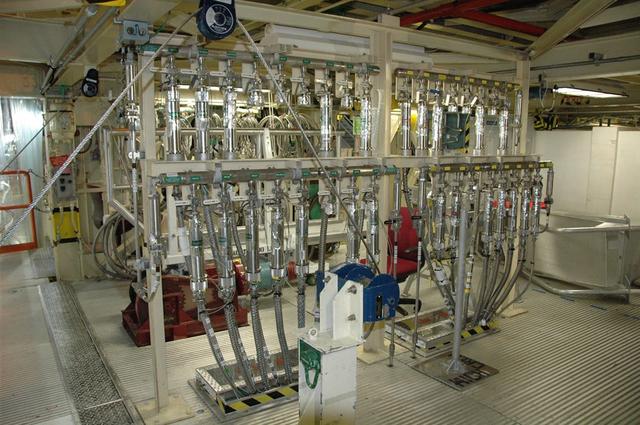
Interior View of Orbiter Processing Facility 3
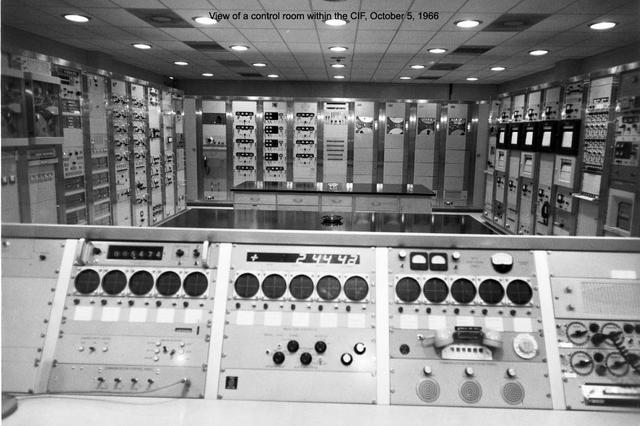
Interior View of CIF
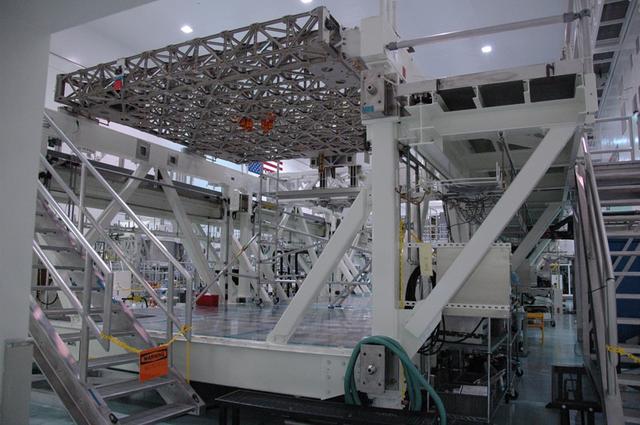
Interior view of the Space Station Processing Facility
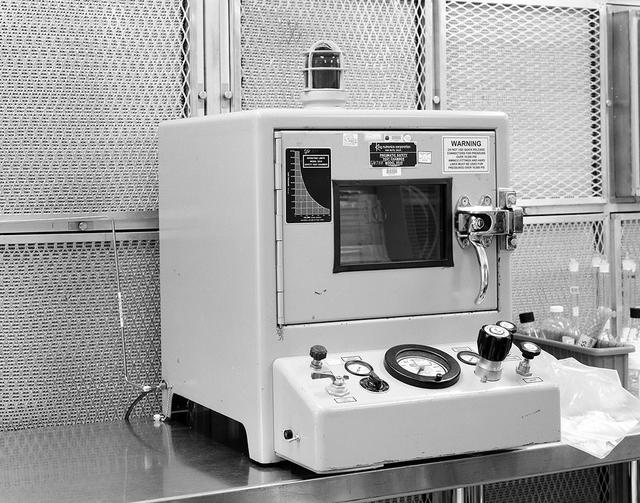
Interior View of CIF
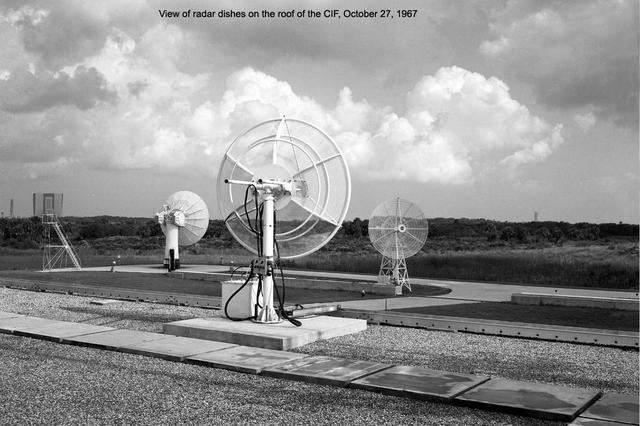
View of CIF Roof
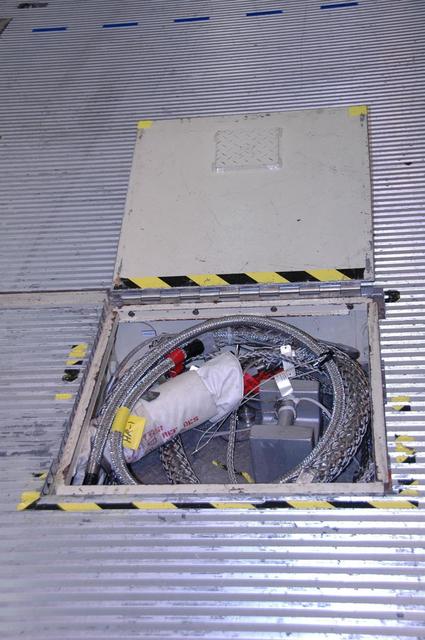
Interior View of Orbiter Processing Facility 3
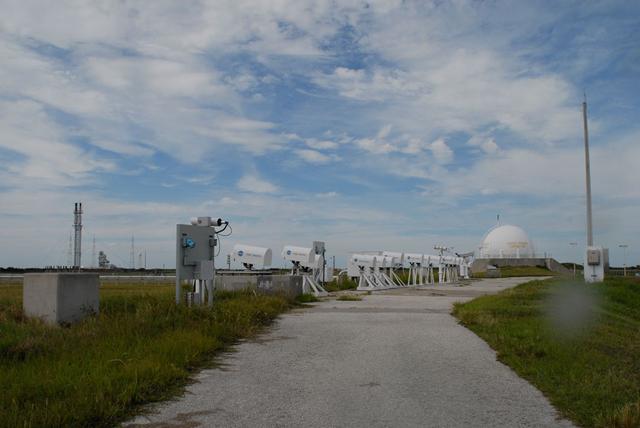
Exterior view of Launch Complex 39A

Interior view of the Mission Control Center
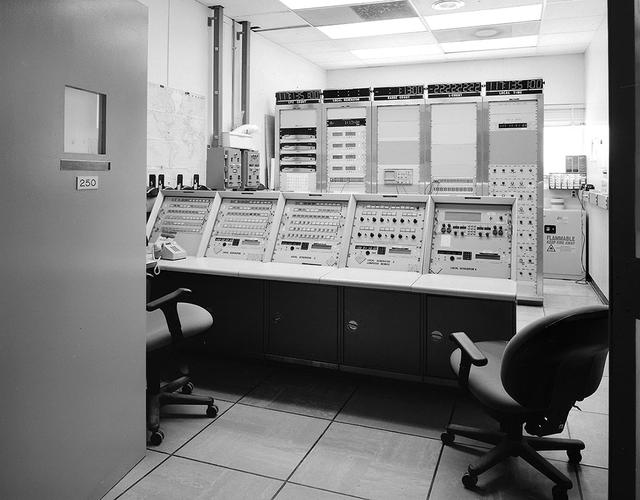
Interior View of CIF
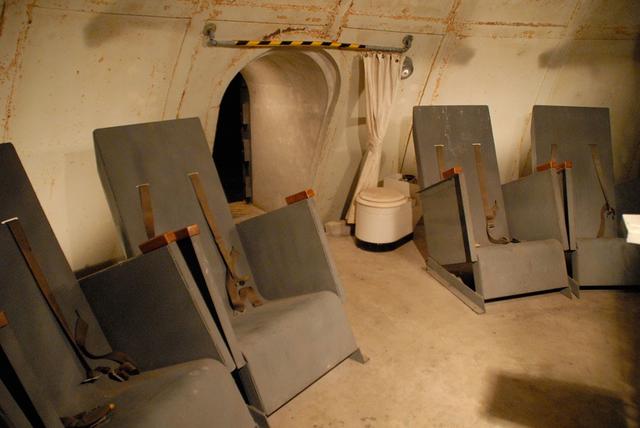
Interior view of Launch Complex 39A
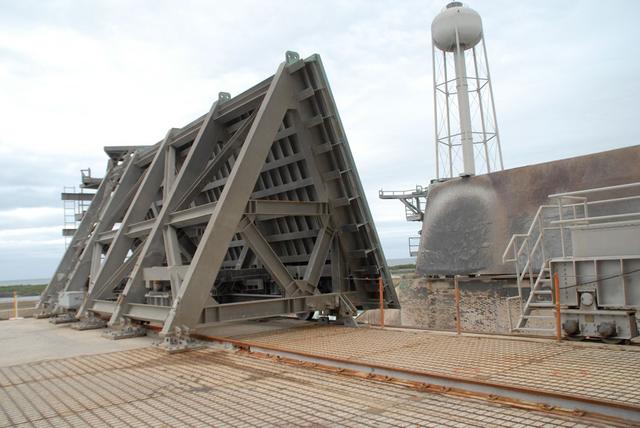
Exterior view of Launch Complex 39A
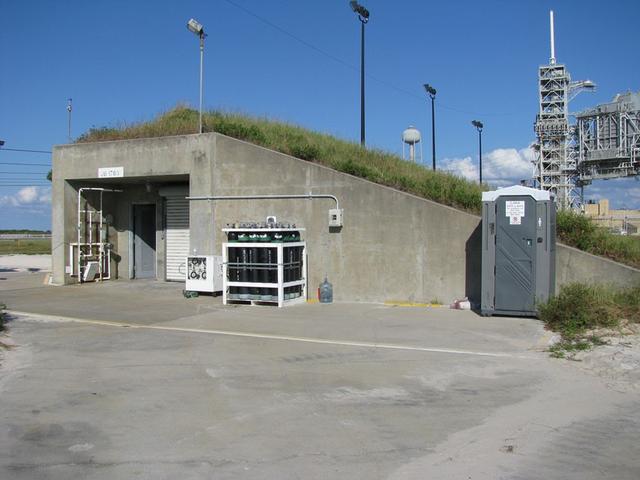
Exterior view of Launch Complex 39A
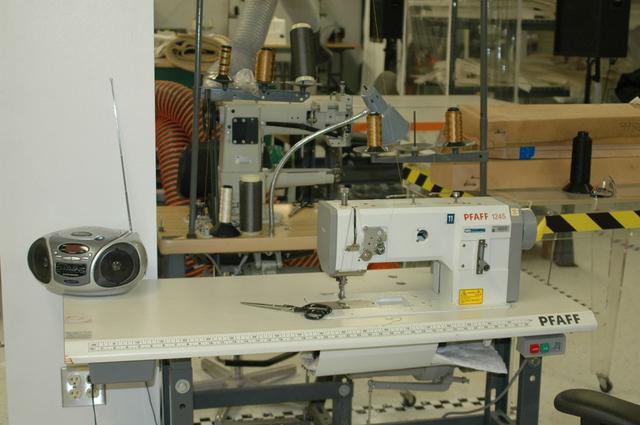
Interior view of the Thermal Ptroctection System facility
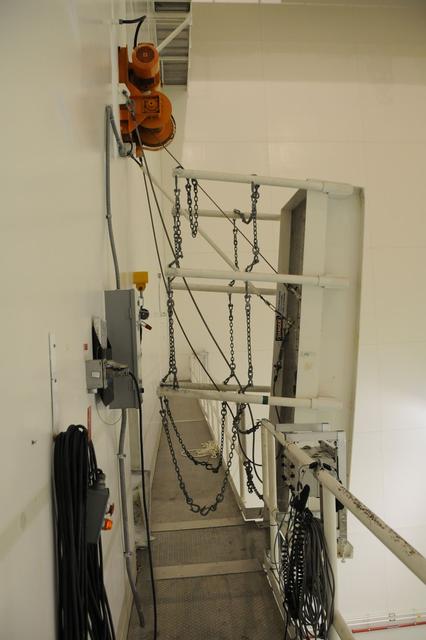
Interior View of CRF