Hangar AE
Hangar AE
Hangar AE
Hangar AE
Hangar AE
Hangar AE
Hangar AE
Hangar AE
Hangar AE
Hangar AE
Hangar AE
Hangar AE
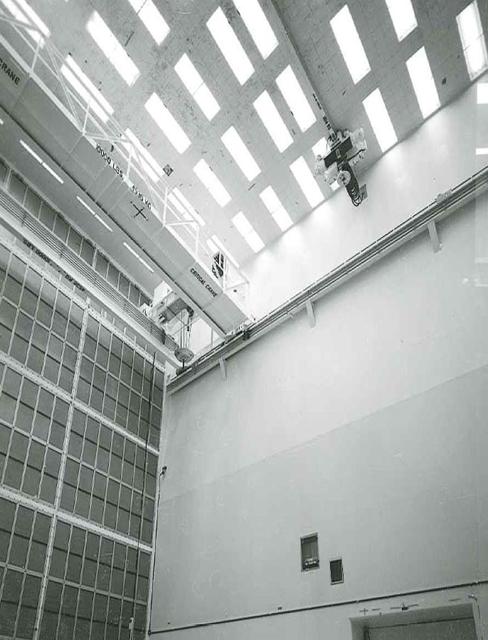
Hangar AE
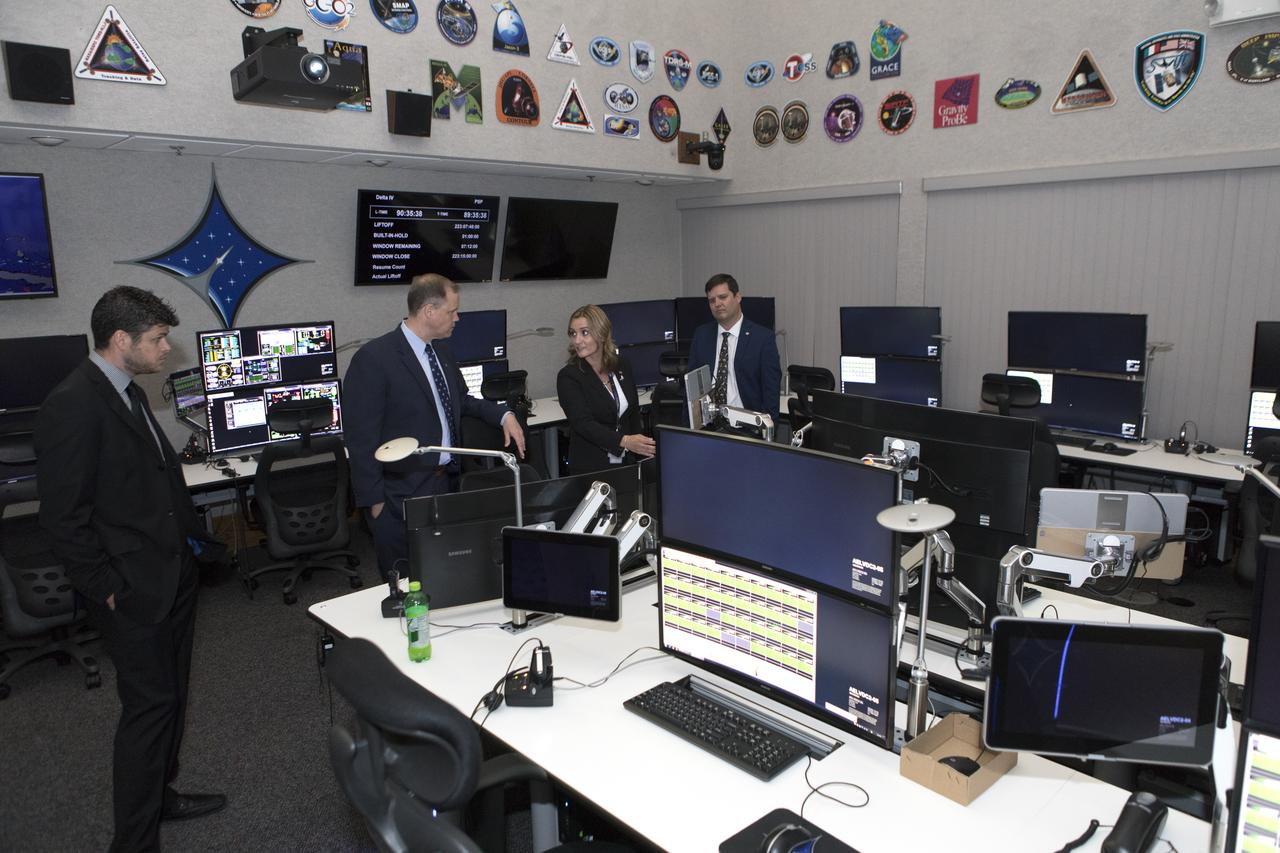
NASA Administrator Jim Bridenstine, second from left, tours the Launch Services Program's Mission Director's Center in Hangar AE, on Aug. 7, 2018, at Cape Canaveral Air Force Station in Florida. Bridenstine talked with workers and received updates on LSP missions and accomplishments.
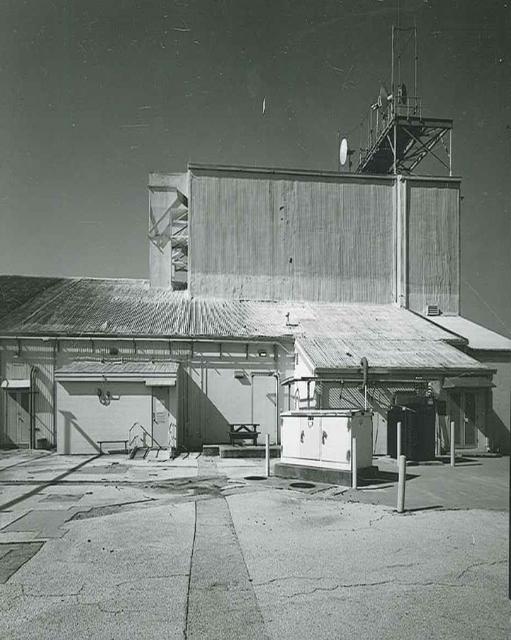
Exterior View of Hangar AE
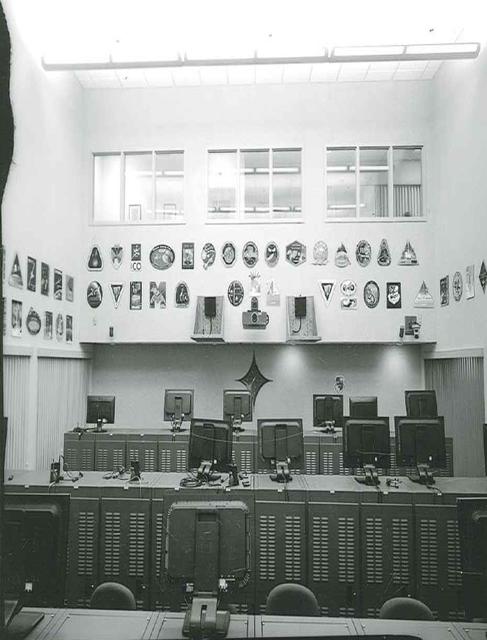
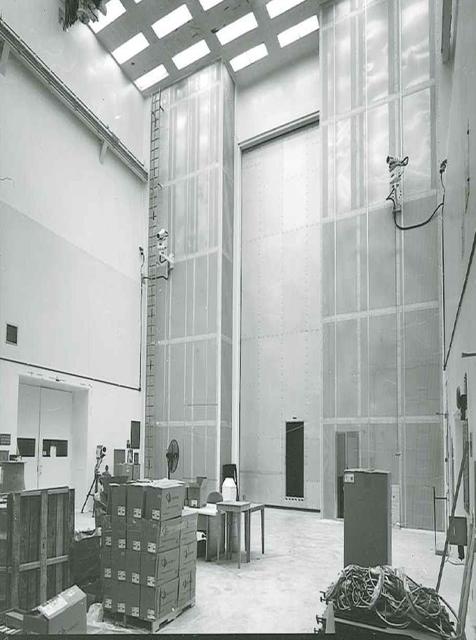
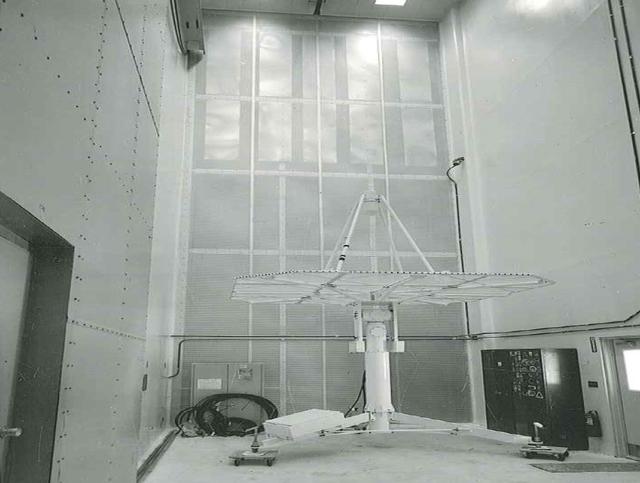
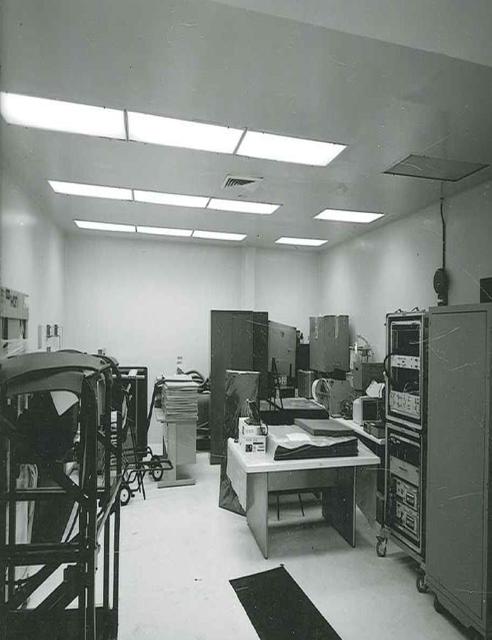
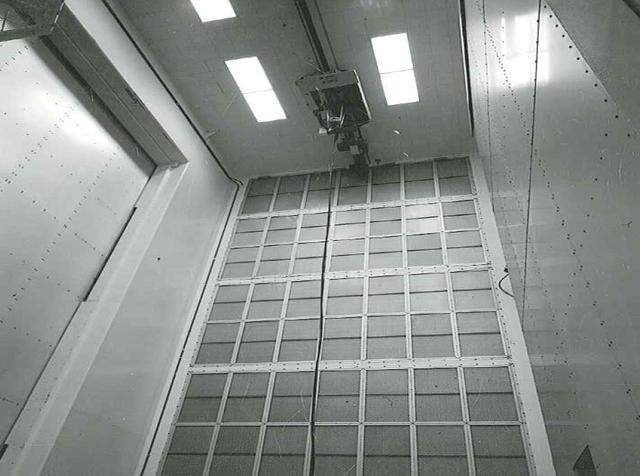
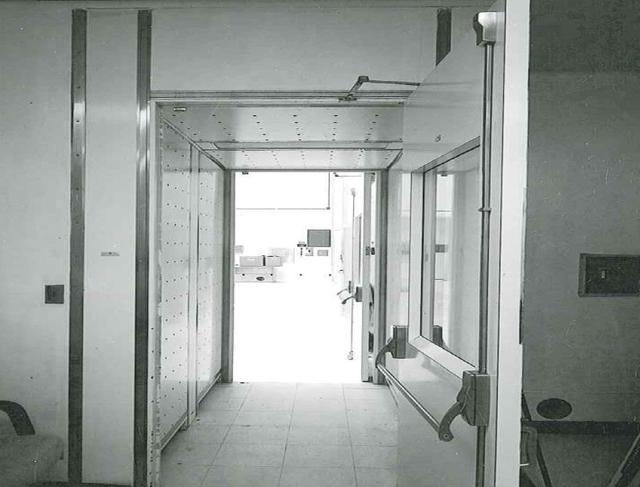
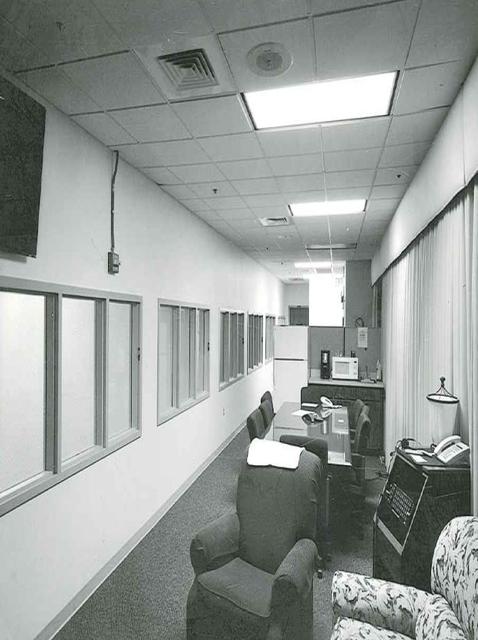
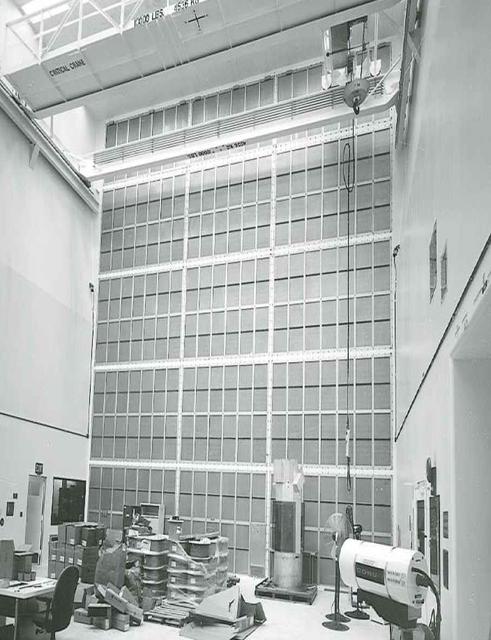
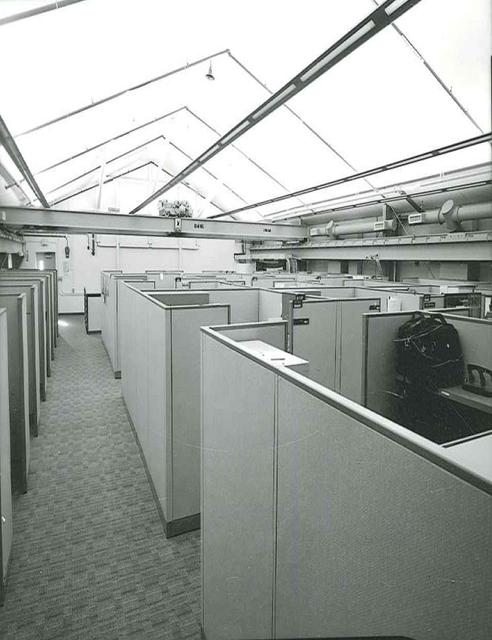
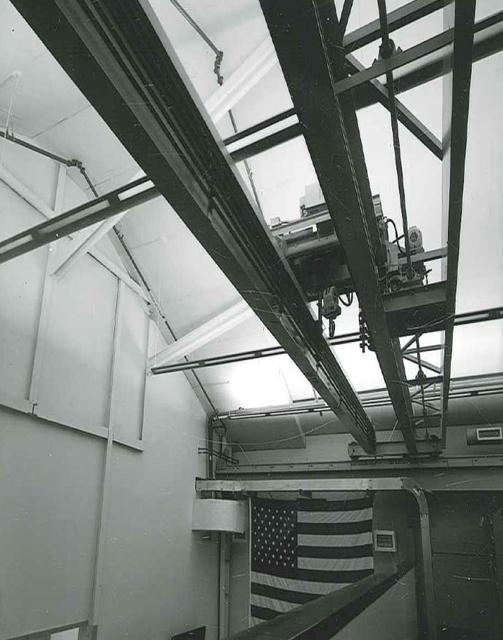
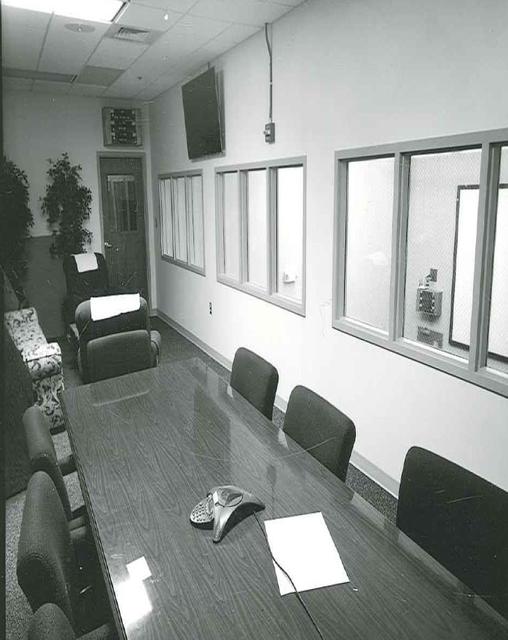
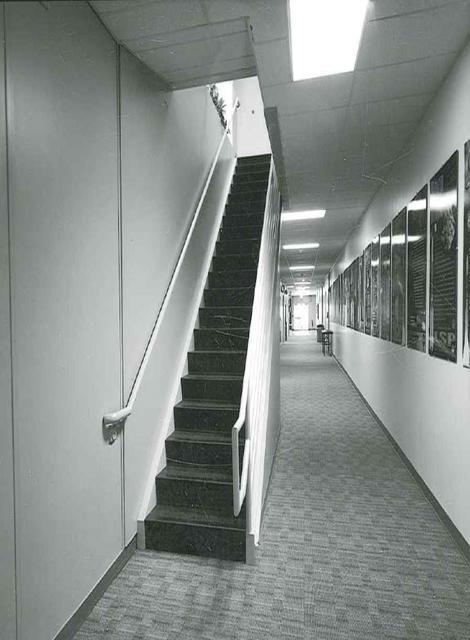
Interior View of Hangar AE
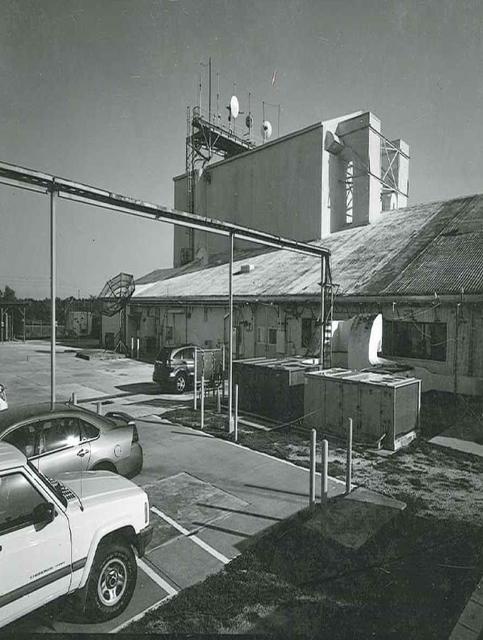
Exterior View of Hangar AE
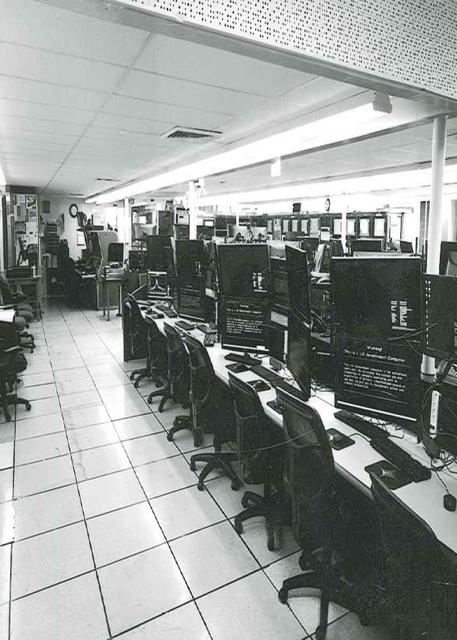
Interior View of Hangar AE
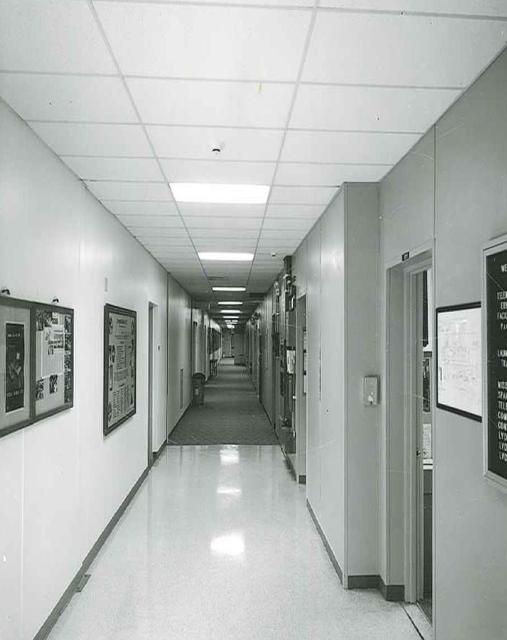
Interior View of Hangar AE
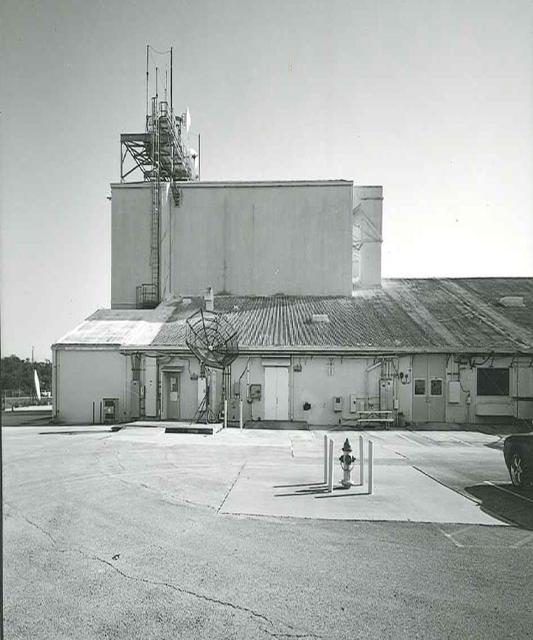
Exterior View of Hangar AE
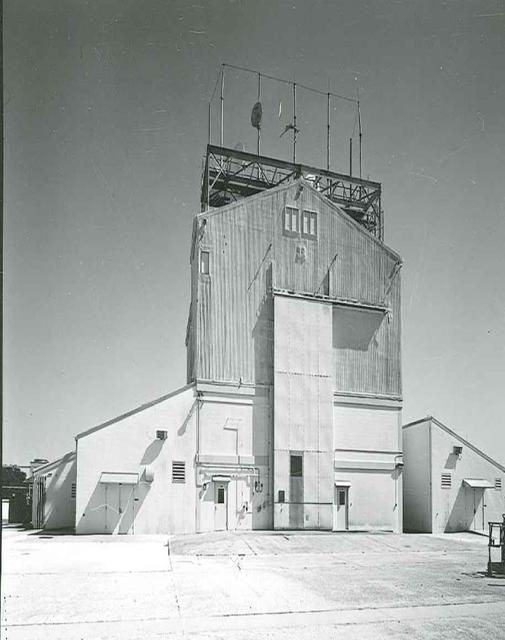
Exterior View of Hangar AE
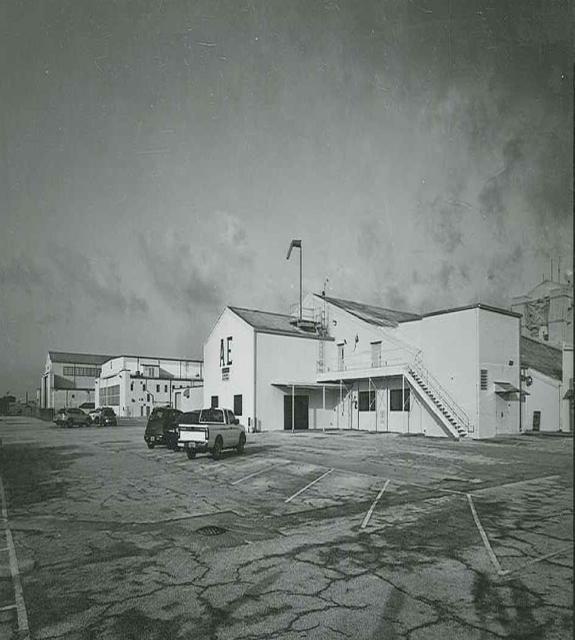
Exterior View of Hangar AE
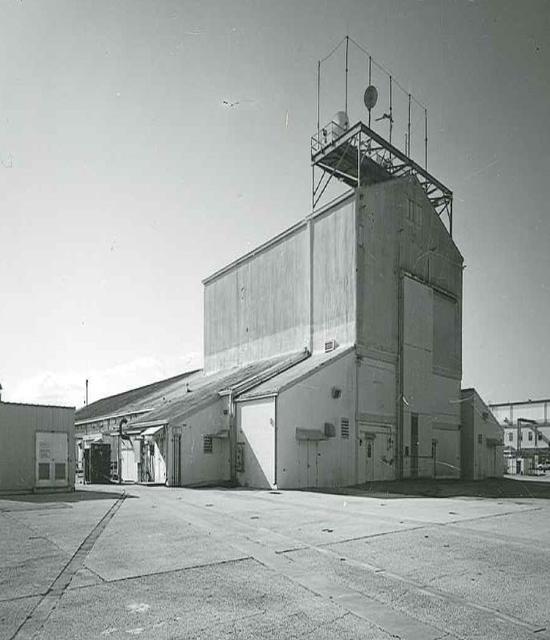
Exterior View of Hangar AE
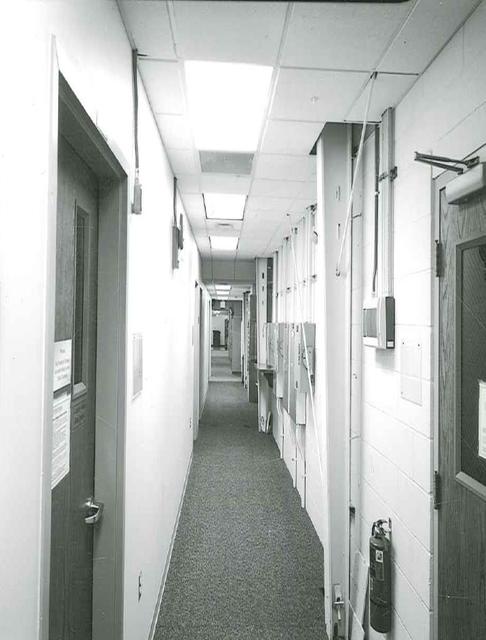
Interior View of Hangar AE
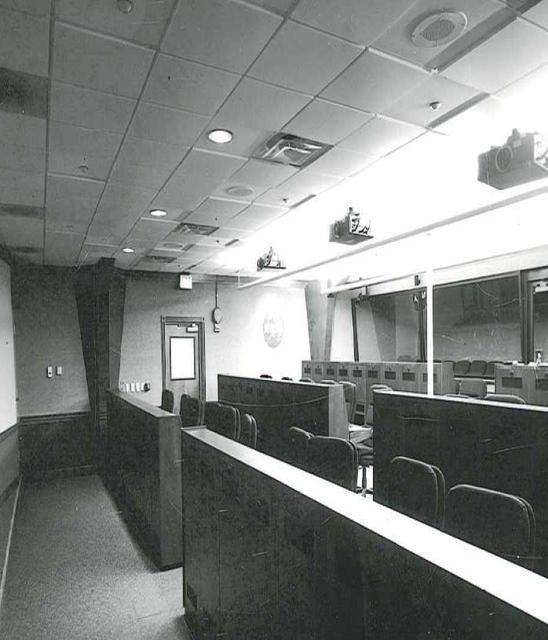
Interior View of Hangar AE
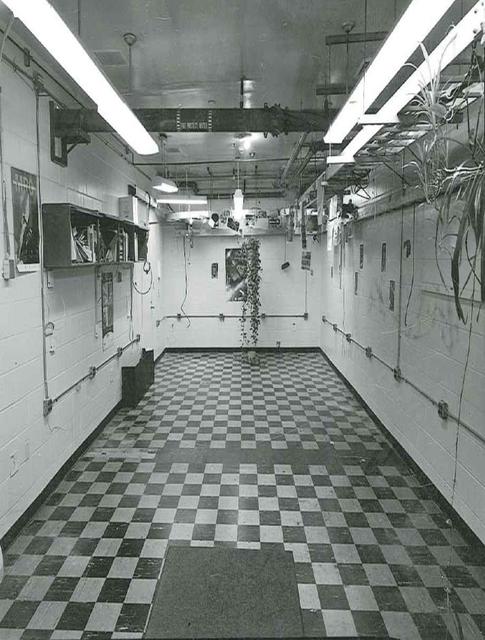
Interior View of Hangar AE
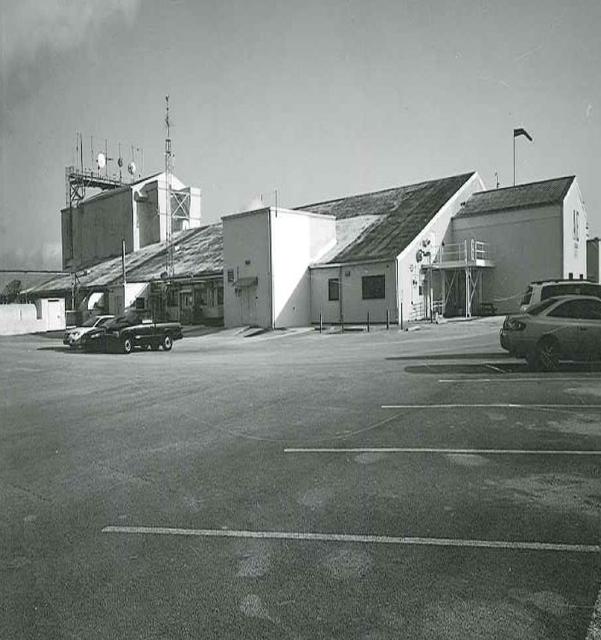
Exterior View of Hangar AE
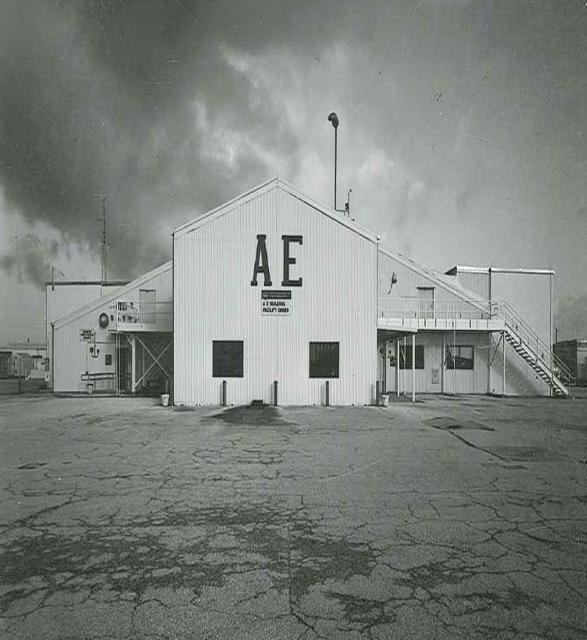
Exterior View of Hangar AE
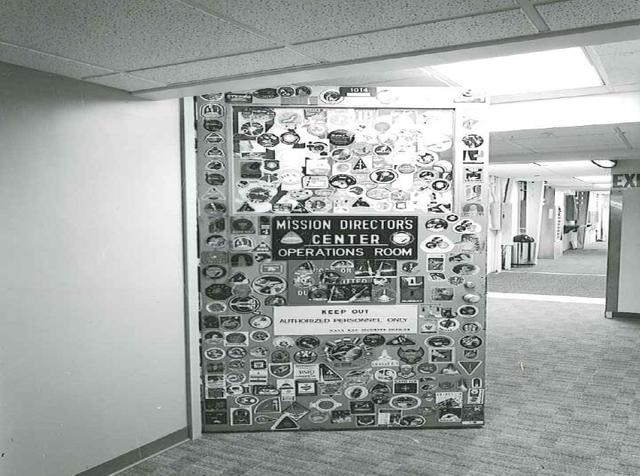
Interior View of Hangar AE
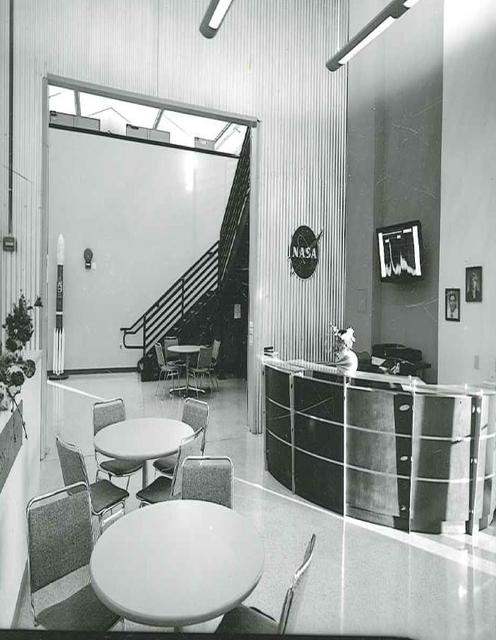
Interior View of Hangar AE
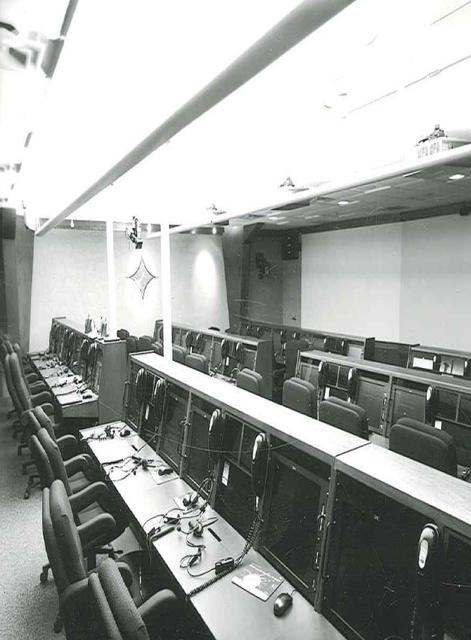
Interior View of Hangar AE
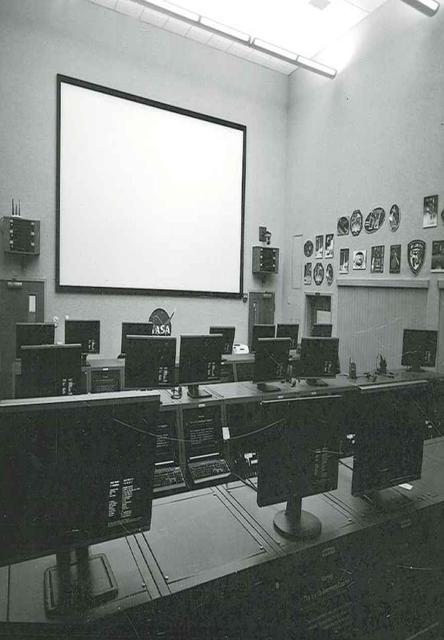
Interior View of Hangar AE
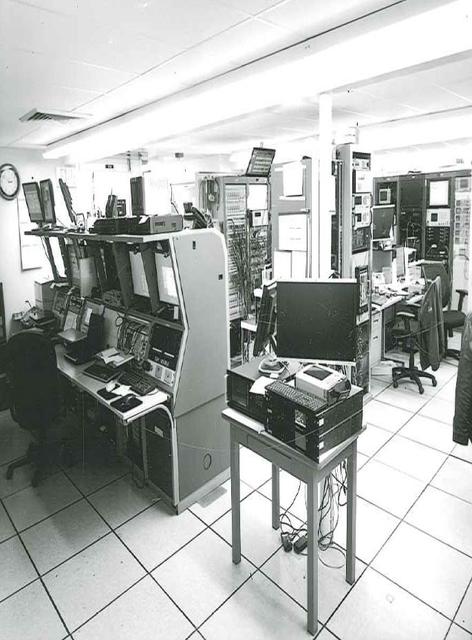
Interior View of Hangar AE
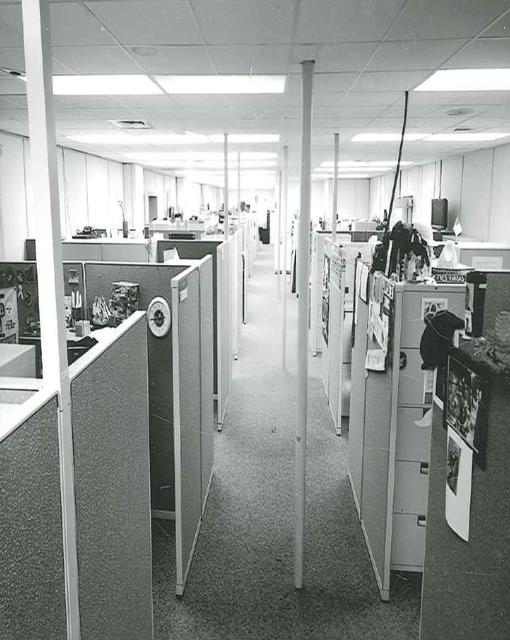
Interior View of Hangar AE
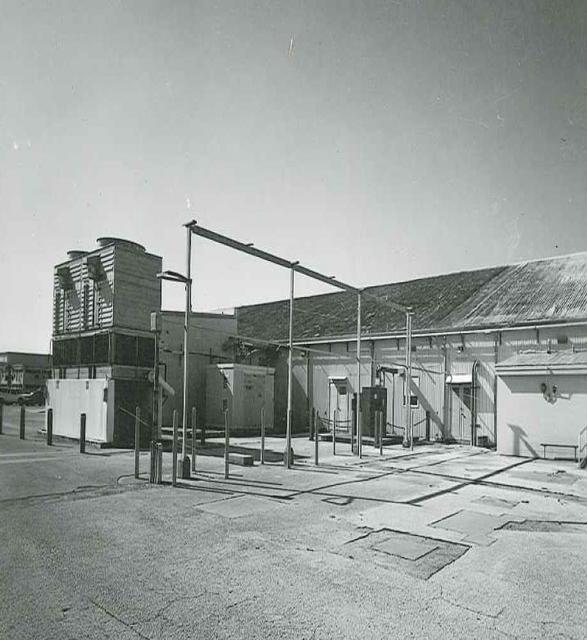
Exterior View of Hangar AE
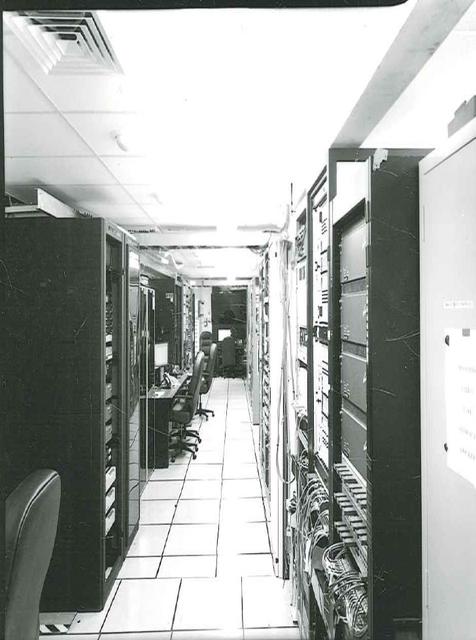
Interior View of Hangar AE
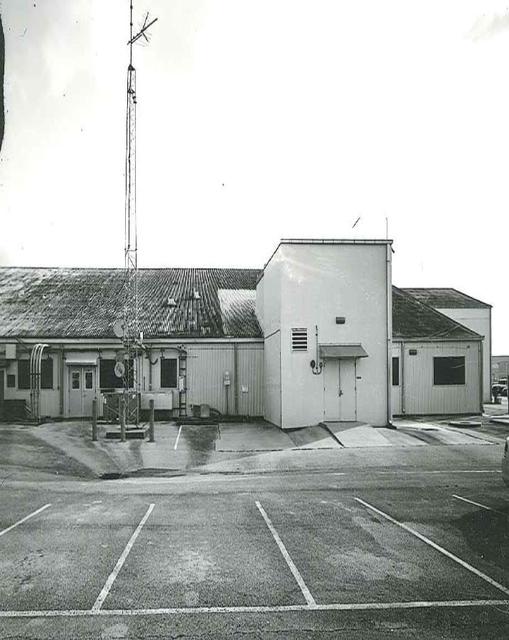
Exterior View of Hangar AE
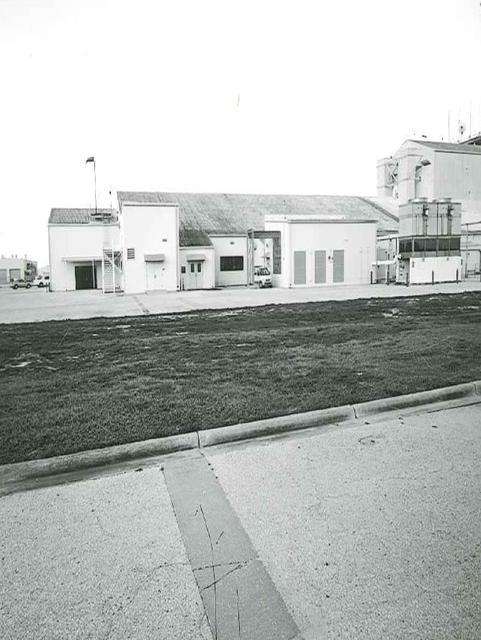
Exterior View of Hangar AE
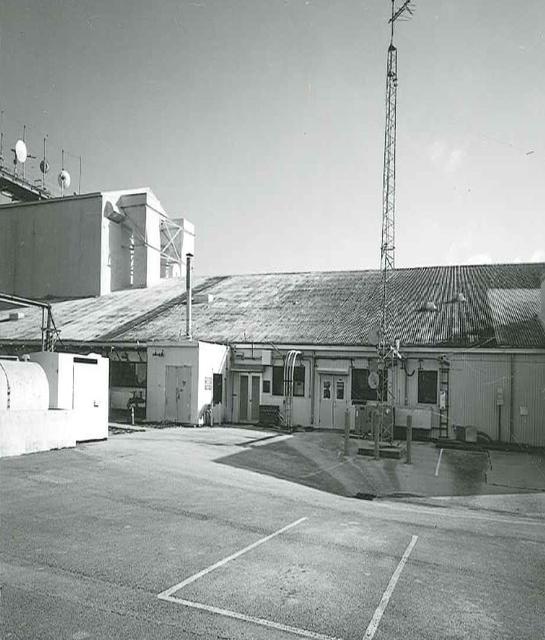
Exterior View of Hangar AE
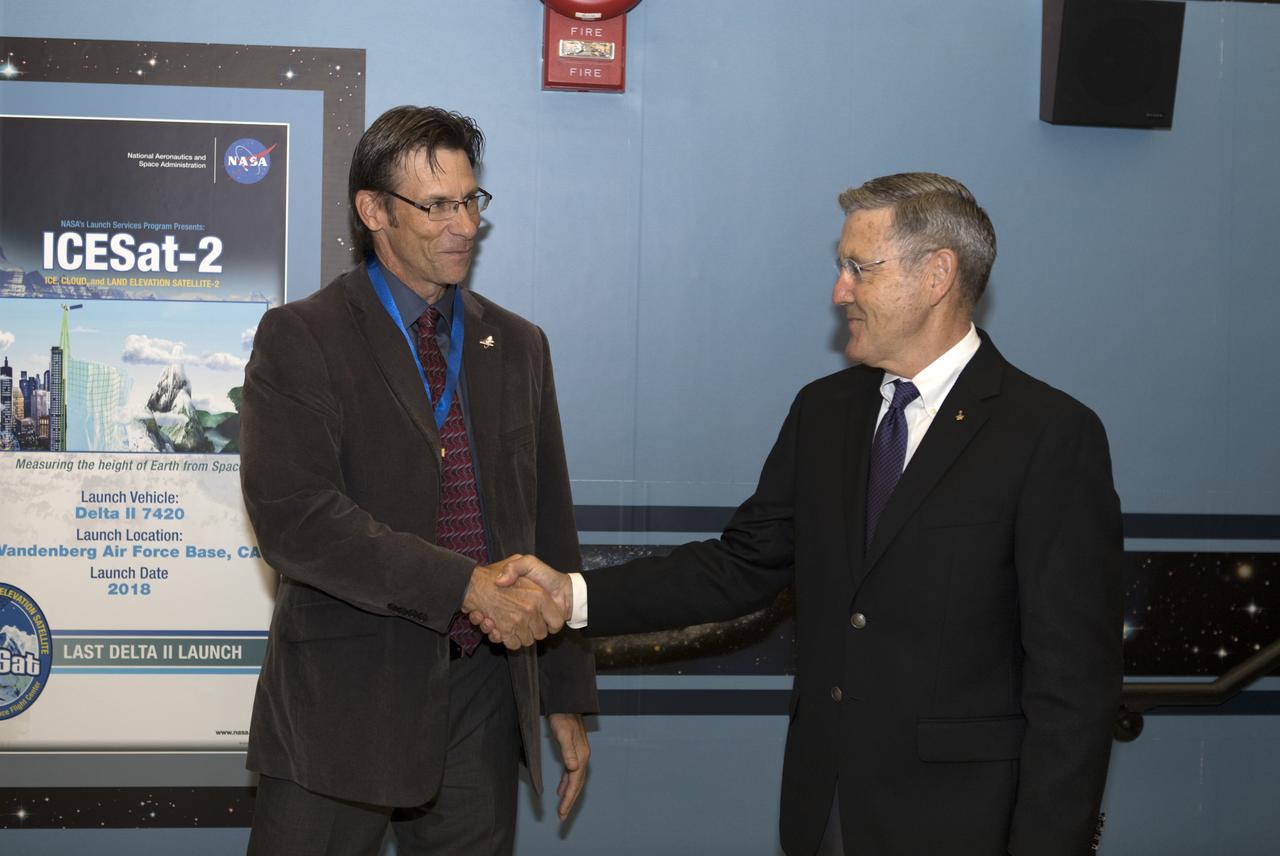
NASA Kennedy Space Center Director Bob Cabana, at right, congratulates Chuck Dovale, deputy program manager for the Launch Services Program (LSP), on Aug. 7, 2018. During a visit to the center, NASA Administrator Jim Bridenstine presents a NASA Distinguished Service Medal to Dovale. During his tour of Hangar AE and LSP's Mission Director's Center, Bridenstine received updates on LSP missions and accomplishments.
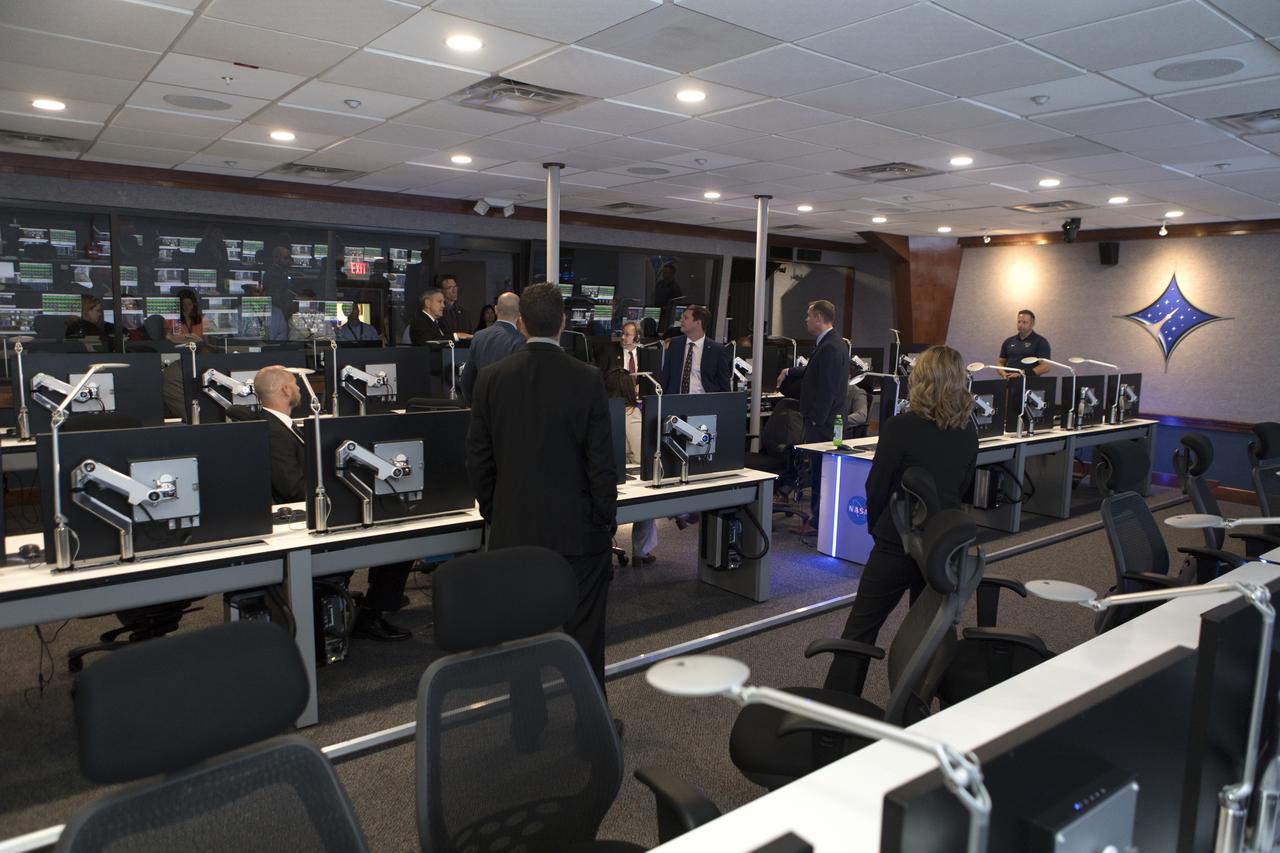
NASA Administrator Jim Bridenstine, third row from front, second from right, tours the Launch Services Program's Mission Director's Center in Hangar AE, on Aug. 7, 2018, at Cape Canaveral Air Force Station in Florida. Kennedy Space Center Director Bob Cabana, first row up front, center, updates the administrator on LSP missions and accomplishments.
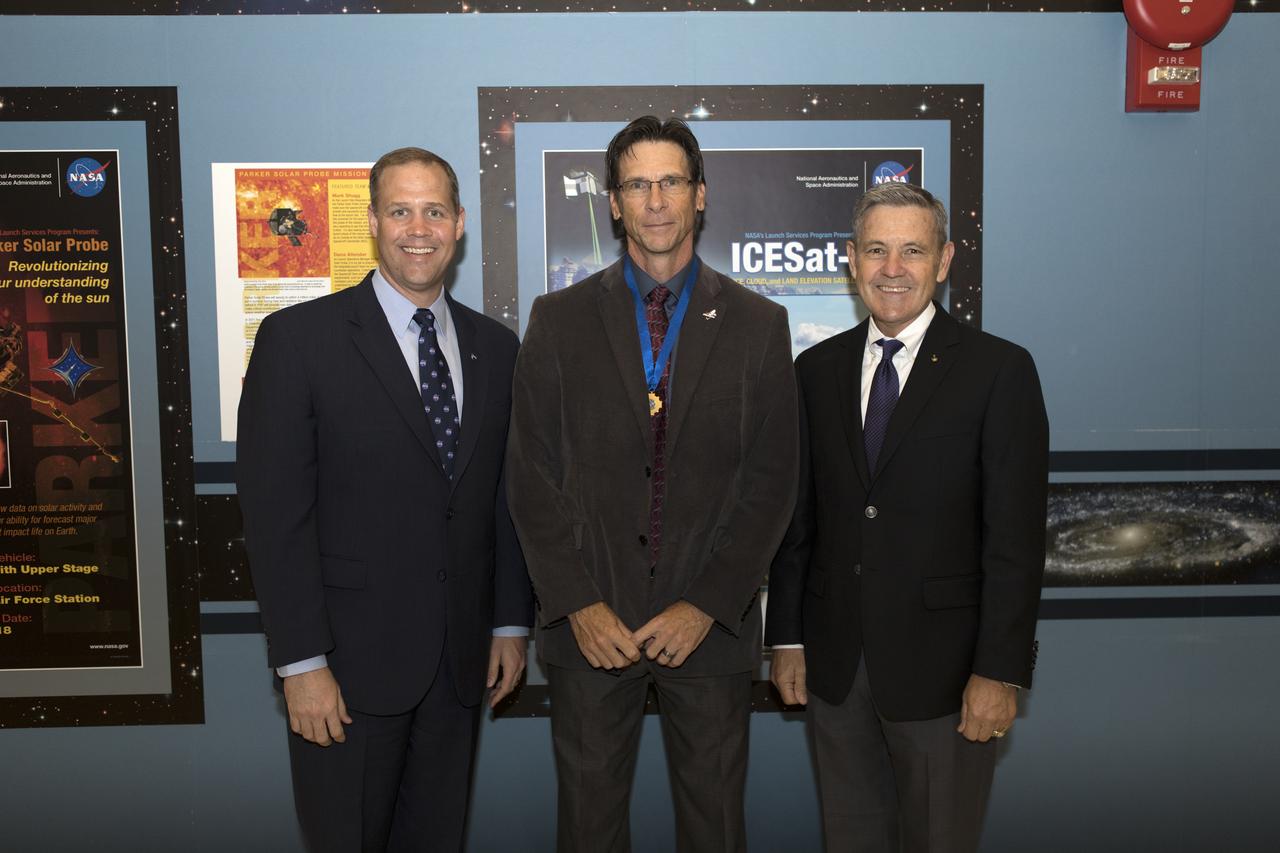
NASA Administrator Jim Bridenstine, left, tours Kennedy Space Center facilities and awards Chuck Dovale, center, deputy program manager for the Launch Services Program (LSP), a NASA Distinguished Service Medal on Aug. 7, 2018. At right is Kennedy Center Director Bob Cabana. During his tour of Hangar AE and LSP's Mission Director's Center, Bridenstine received updates on LSP missions and accomplishments.
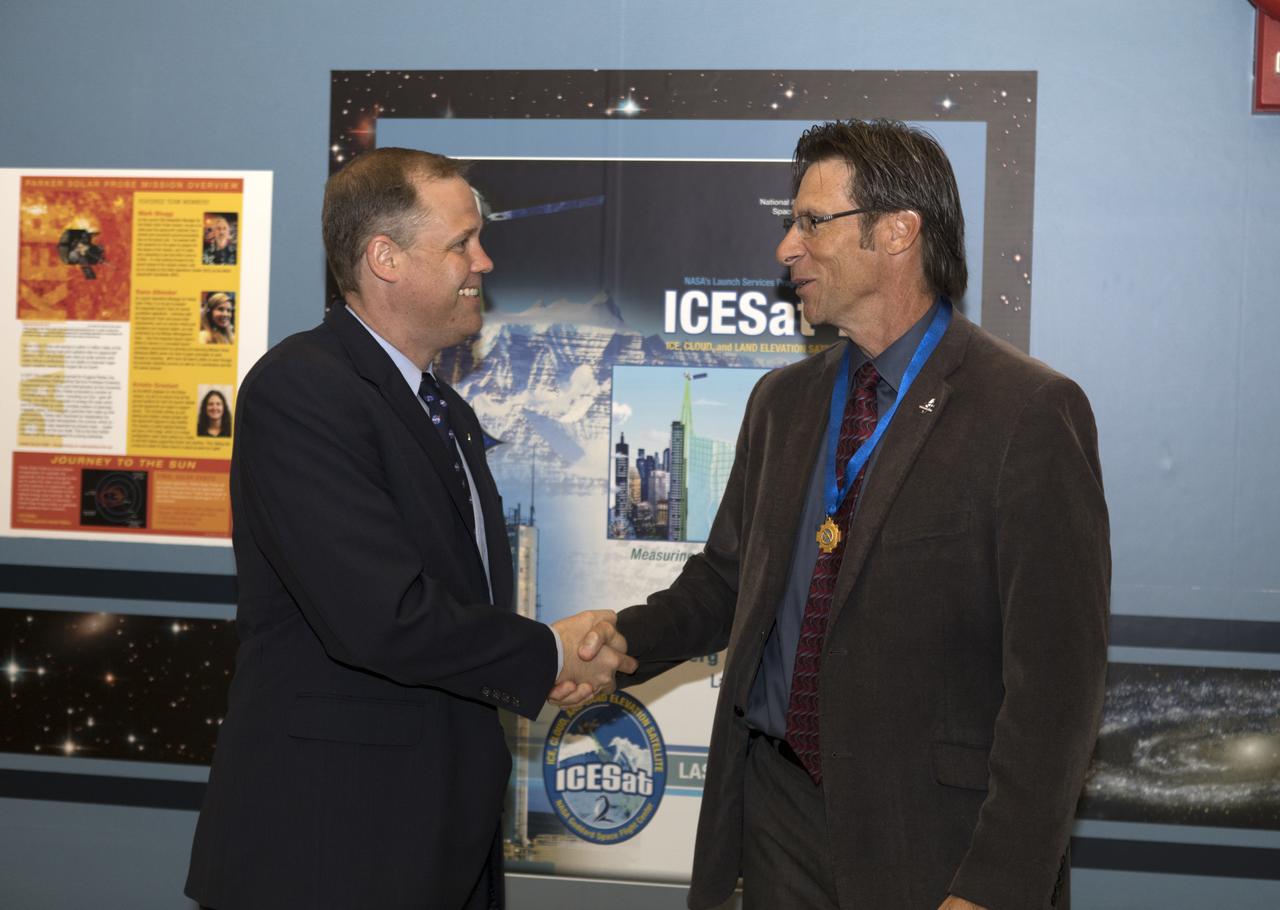
NASA Administrator Jim Bridenstine, left, congratulates Chuck Dovale, deputy program manager for the Launch Services Program (LSP), on Aug. 7, 2018, during a visit to the agency's Kennedy Space Center in Florida. Bridenstine presented a NASA Distinguished Service Medal to Dovale. During his tour of Hangar AE and LSP's Mission Director's Center, Bridenstine received updates on LSP missions and accomplishments.
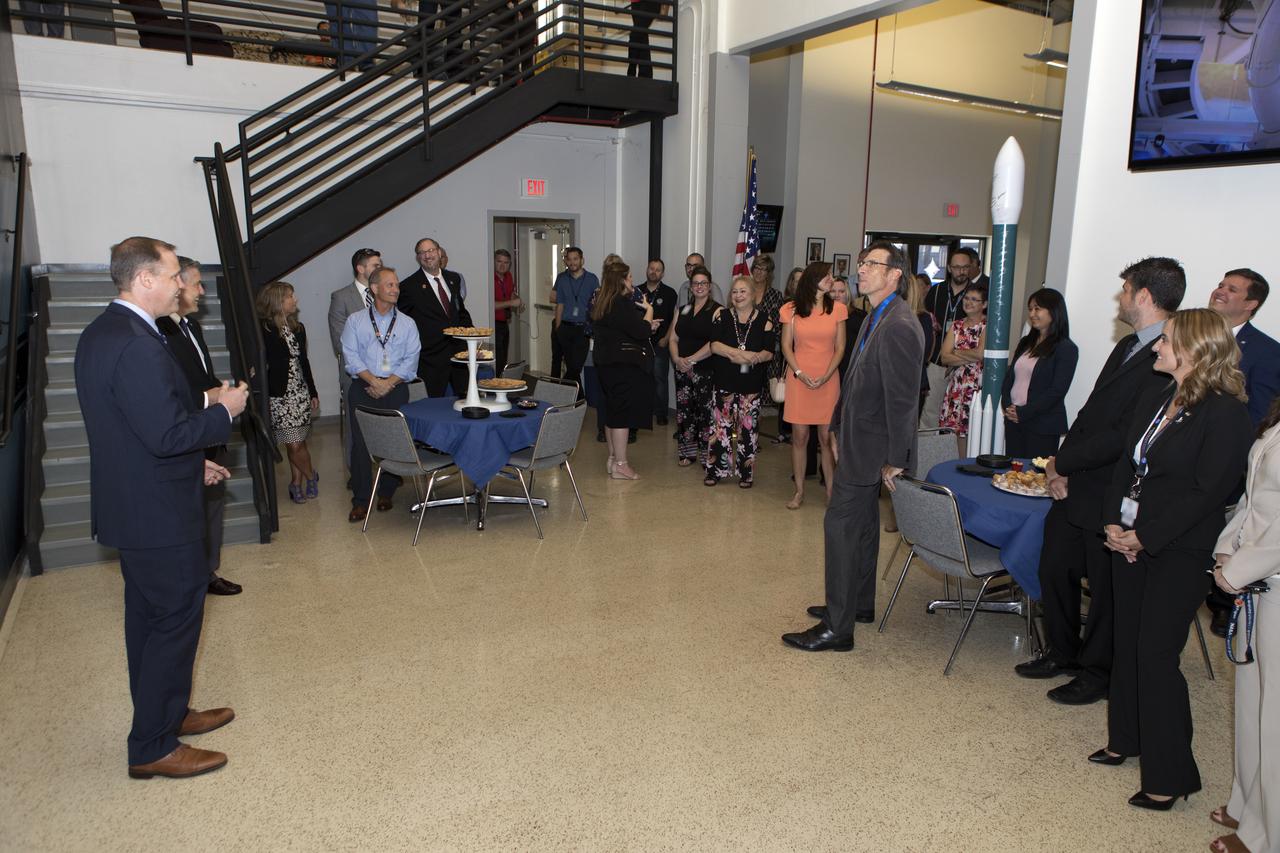
NASA Administrator Jim Bridenstine, left, tours Hangar AE and the Launch Services Program's (LSP) Mission Director's Center at Cape Canaveral Air Force Station in Florida on Aug. 7, 2018. Bridenstine spoke to workers and received updates on LSP missions and accomplishments. At right, standing near a chair, is Chuck Dovale, deputy program manager for LSP. Bridenstine presented a NASA Distinguished Service Medal to Dovale.
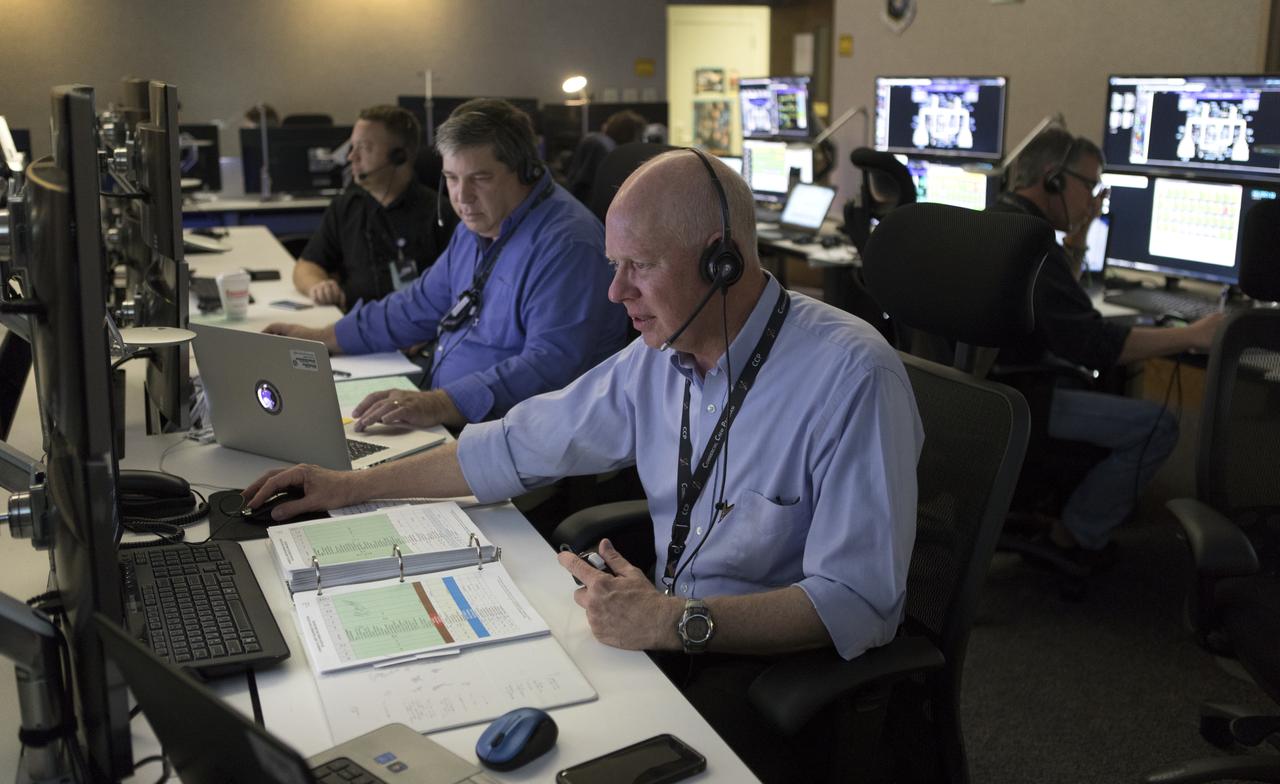
NASA, Boeing and United Launch Alliance (ULA) conduct a simulation of launch procedures for Boeing’s Orbital Test Flight, the first uncrewed test of the company’s CST-100 Starliner and a ULA Atlas V rocket. Launch teams participated in the simulation across the country, including inside the Launch Vehicle Data Center at Hangar AE at Cape Canaveral Air Force Station in Florida. The Starliner will launch on an Atlas V rocket to the International Space Station as part of NASA’s Commercial Crew Program.
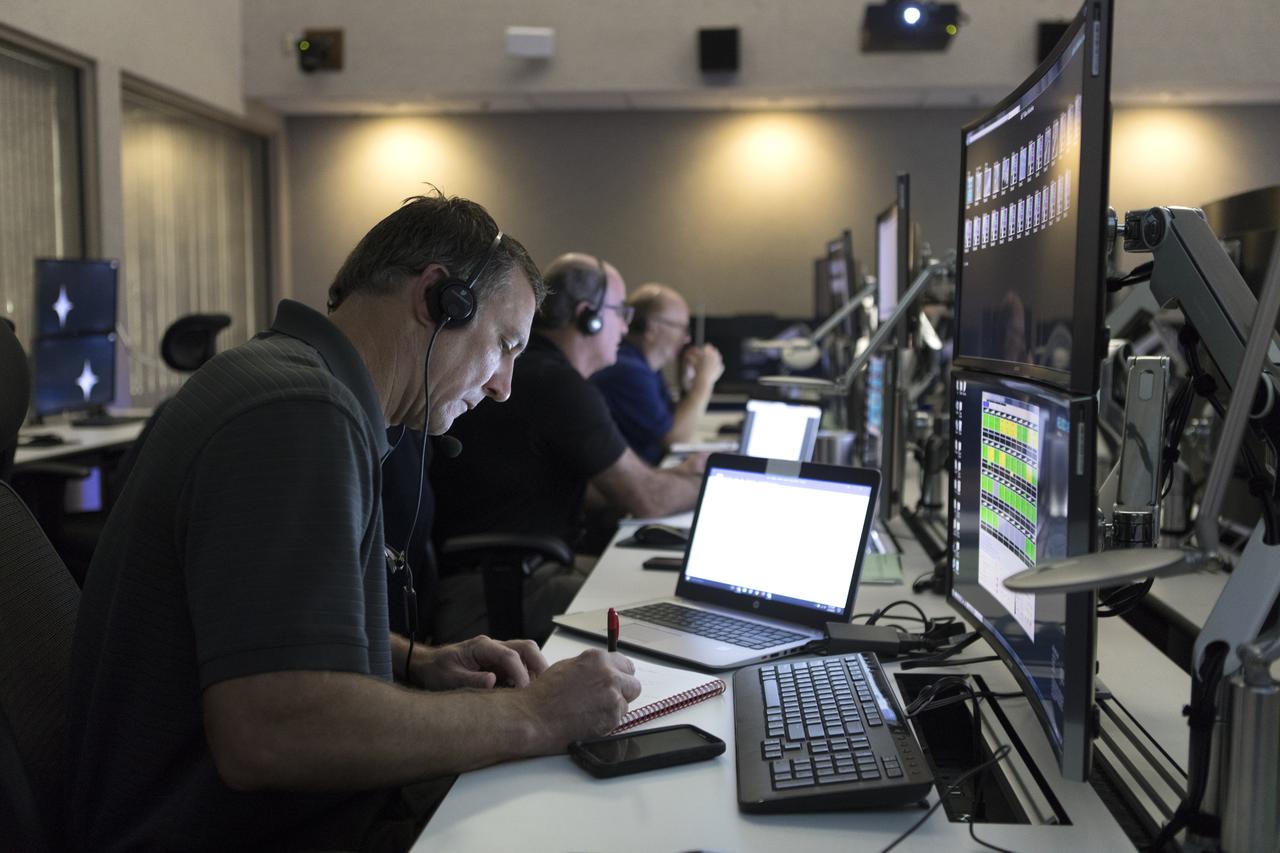
NASA, Boeing and United Launch Alliance (ULA) conduct a simulation of launch procedures for Boeing’s Orbital Test Flight, the first uncrewed test of the company’s CST-100 Starliner and a ULA Atlas V rocket. Launch teams participated in the simulation across the country, including inside the Launch Vehicle Data Center at Hangar AE at Cape Canaveral Air Force Station in Florida. The Starliner will launch on an Atlas V rocket to the International Space Station as part of NASA’s Commercial Crew Program.
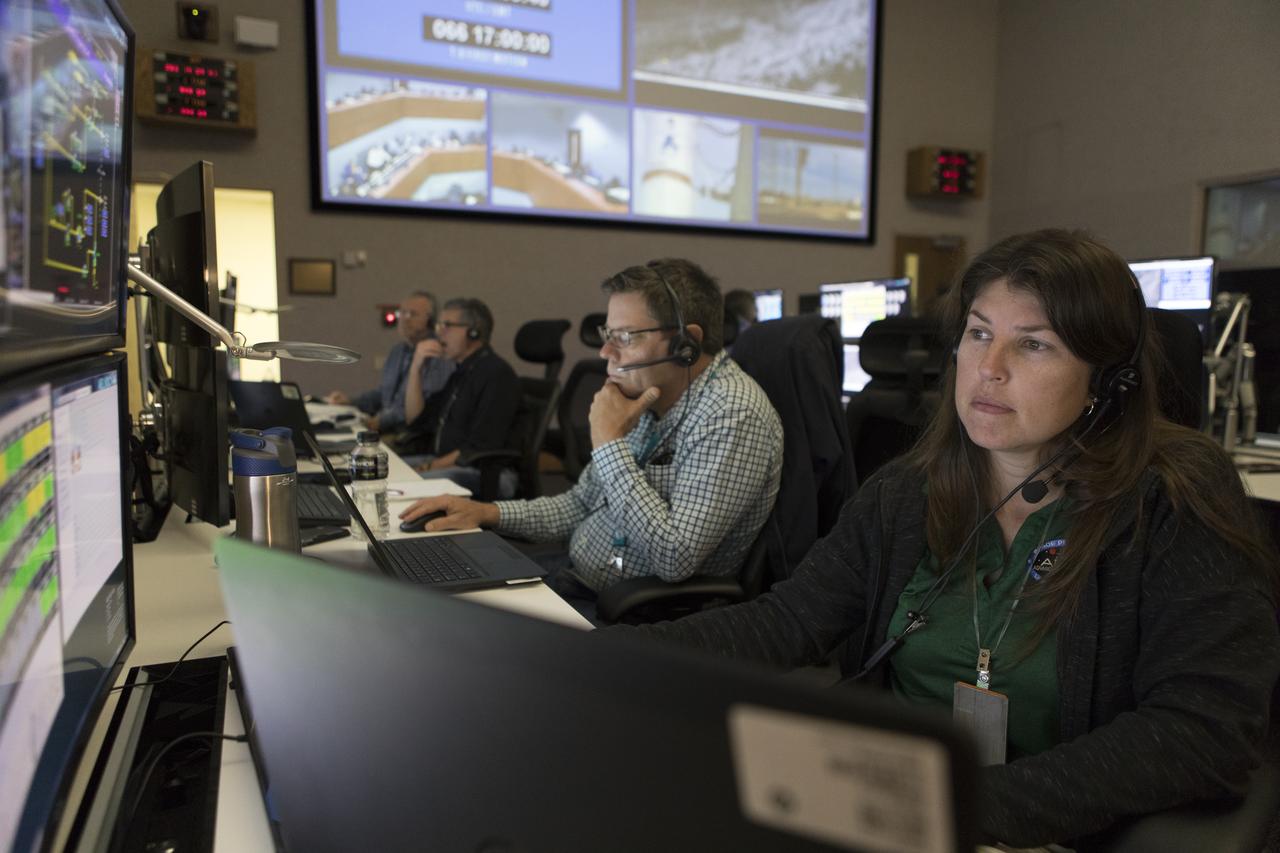
NASA, Boeing and United Launch Alliance (ULA) conduct a simulation of launch procedures for Boeing’s Orbital Test Flight, the first uncrewed test of the company’s CST-100 Starliner and a ULA Atlas V rocket. Launch teams participated in the simulation across the country, including inside the Launch Vehicle Data Center at Hangar AE at Cape Canaveral Air Force Station in Florida. The Starliner will launch on an Atlas V rocket to the International Space Station as part of NASA’s Commercial Crew Program.
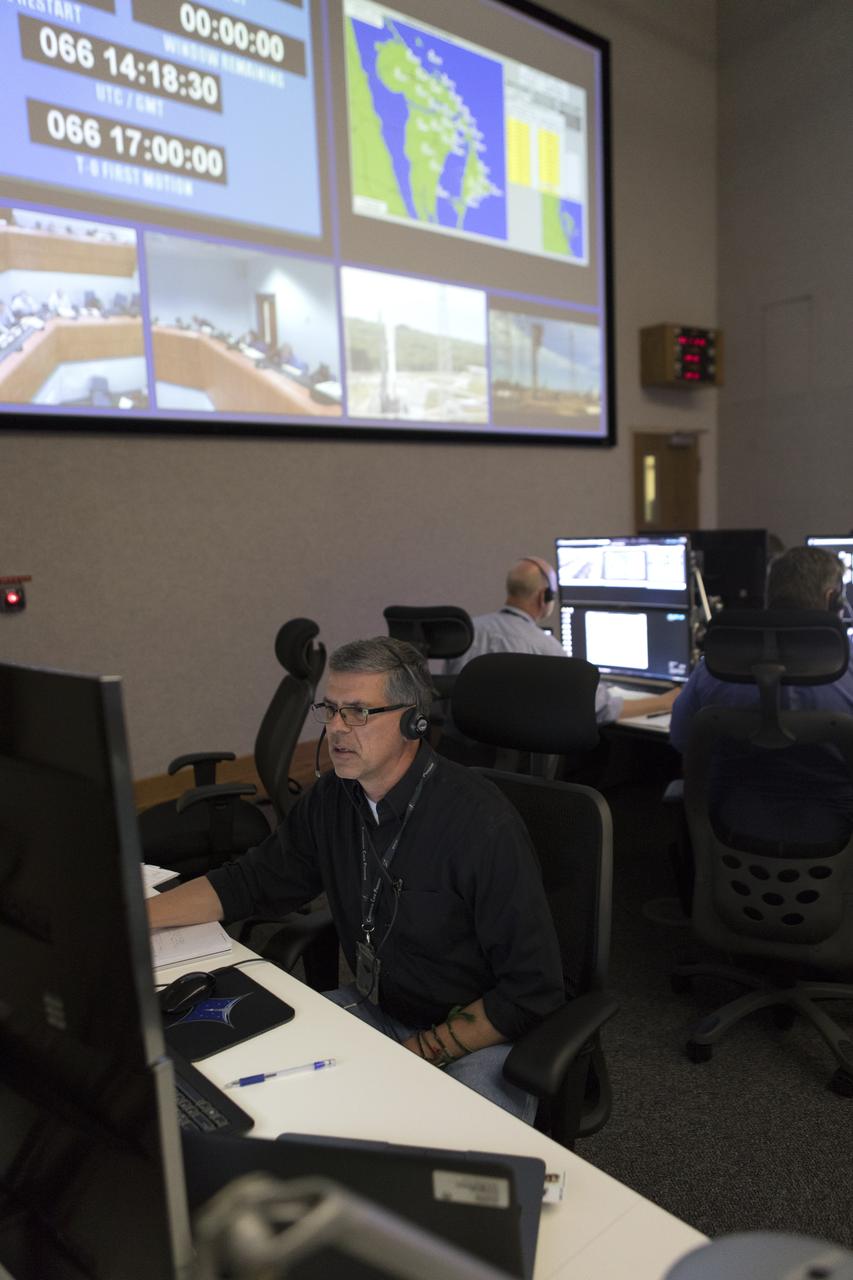
NASA, Boeing and United Launch Alliance (ULA) conduct a simulation of launch procedures for Boeing’s Orbital Test Flight, the first uncrewed test of the company’s CST-100 Starliner and a ULA Atlas V rocket. Launch teams participated in the simulation across the country, including inside the Launch Vehicle Data Center at Hangar AE at Cape Canaveral Air Force Station in Florida. The Starliner will launch on an Atlas V rocket to the International Space Station as part of NASA’s Commercial Crew Program.
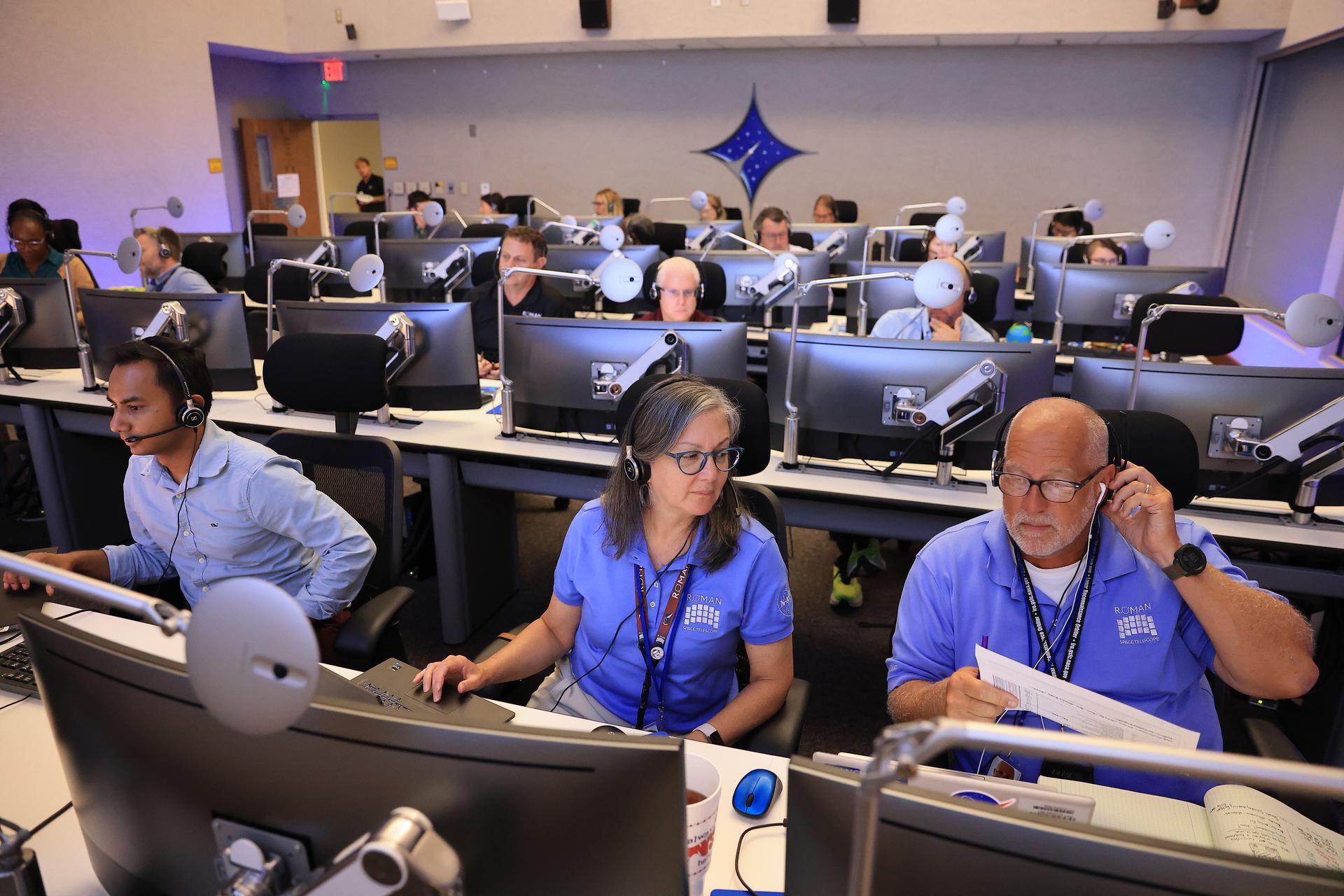
Personnel, including engineers, technicians, and mission managers, with the Launch Services Program at NASA’s Kennedy Space Center and NASA’s Nancy Grace Roman Space Telescope participate in a mission dress rehearsal on Thursday, Aug. 20, 2026, inside Hangar AE at Cape Canaveral Space Force Station in Florida. Teams ran through a full end-to-end simulation of every major step they will experience on launch day except liftoff, including powering up the spacecraft, fueling the rocket, conducting weather briefings, and other operations.
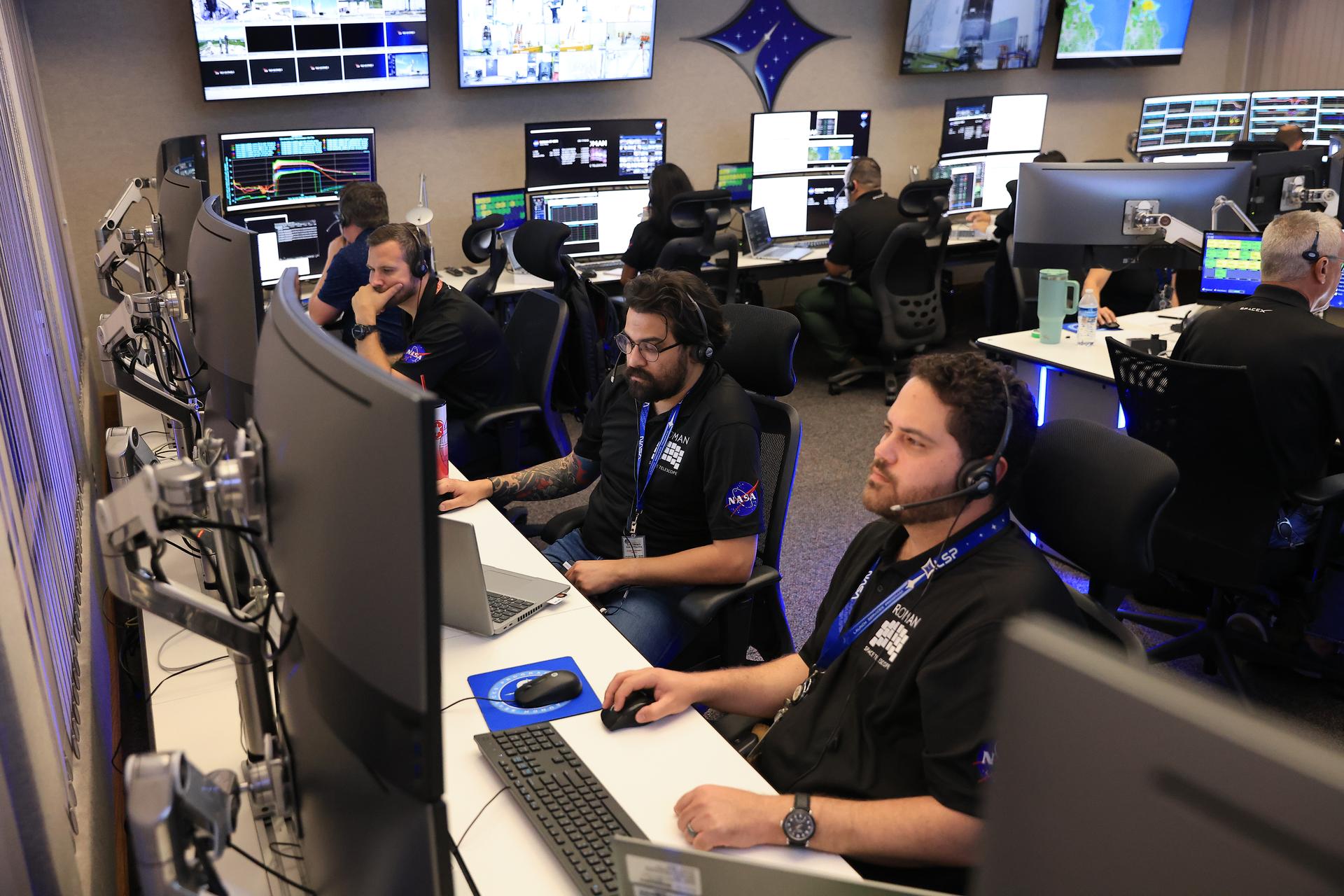
Personnel, including engineers, technicians, and mission managers, with the Launch Services Program at NASA’s Kennedy Space Center and NASA’s Nancy Grace Roman Space Telescope participate in a mission dress rehearsal on Thursday, Aug. 20, 2026, inside Hangar AE at Cape Canaveral Space Force Station in Florida. Teams ran through a full end-to-end simulation of every major step they will experience on launch day except liftoff, including powering up the spacecraft, fueling the rocket, conducting weather briefings, and other operations.
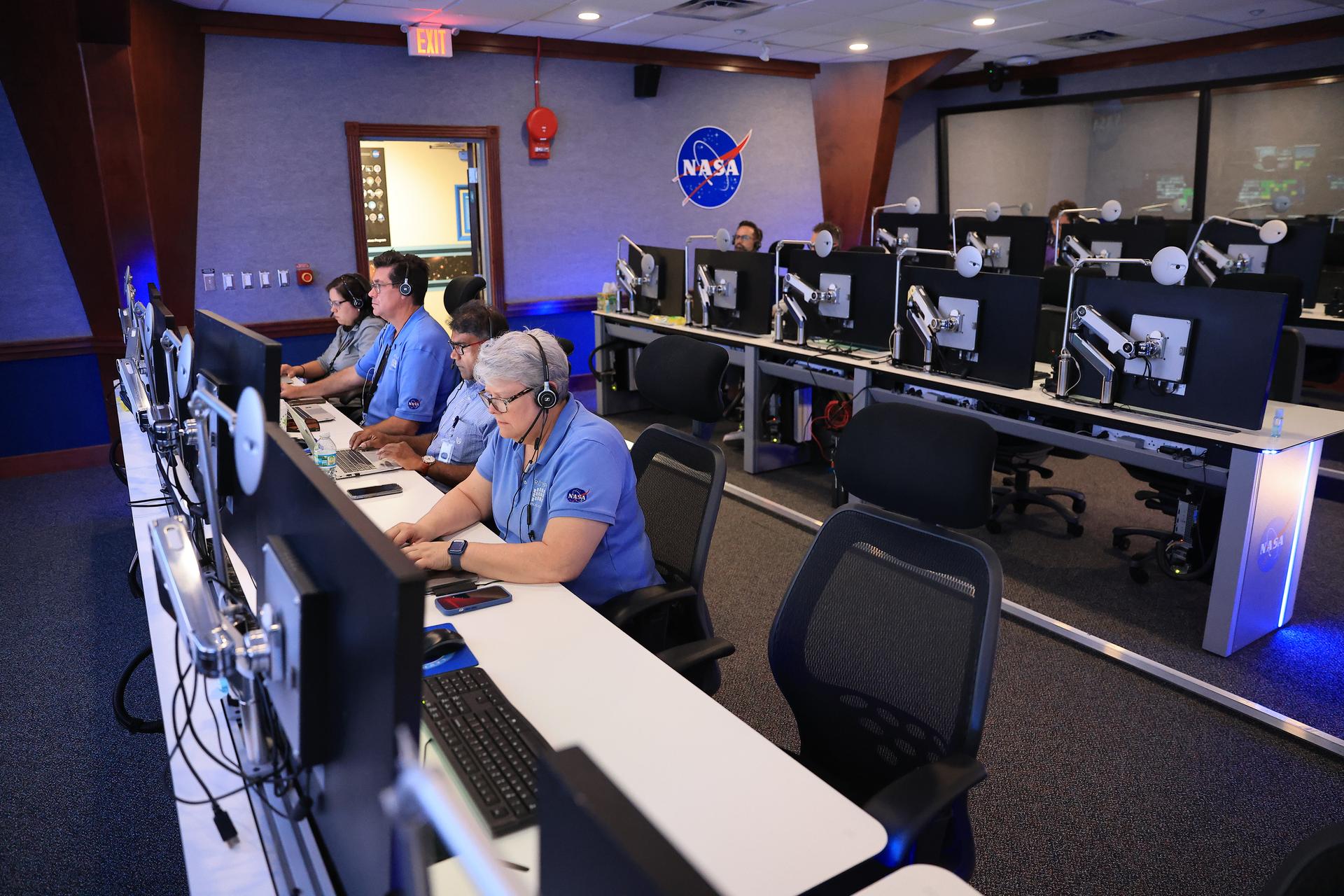
Jackie Townsend, Nancy Grace Roman Space Telescope project manager, NASA’s Goddard Space Flight Center in Greenbelt, Maryland, participates in a mission dress rehearsal for Roman on Thursday, Aug. 20, 2026, inside Hangar AE at Cape Canaveral Space Force Station in Florida. Teams ran through a full end-to-end simulation of every major step they will experience on launch day except liftoff, including powering up the spacecraft, fueling the rocket, conducting weather briefings, and other operations.
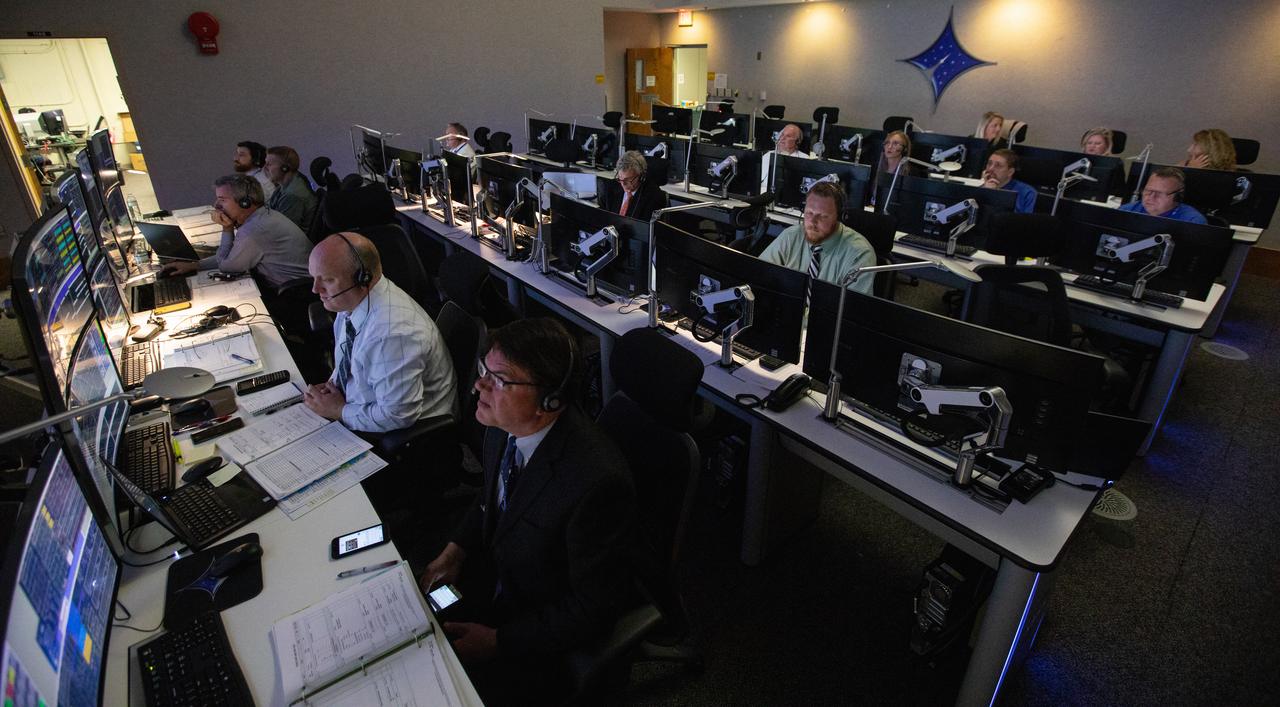
Members of the launch team monitor the launch of NASA’s Ionospheric Connection Explorer (ICON) satellite inside Hangar AE at Cape Canaveral Air Force Station (CCAFS) in Florida. The Northrop Grumman Pegasus XL rocket carrying ICON was released from the company’s L-1011 Stargazer aircraft at 9:59 p.m. EDT on Oct. 10, 2019, over the Atlantic Ocean about 50 miles from Daytona Beach following takeoff from CCAFS. ICON will spend two years studying the Earth’s ionosphere – the dynamic zone in our atmosphere where terrestrial weather from below meets space weather from above. The launch was managed by the agency’s Launch Services Program.
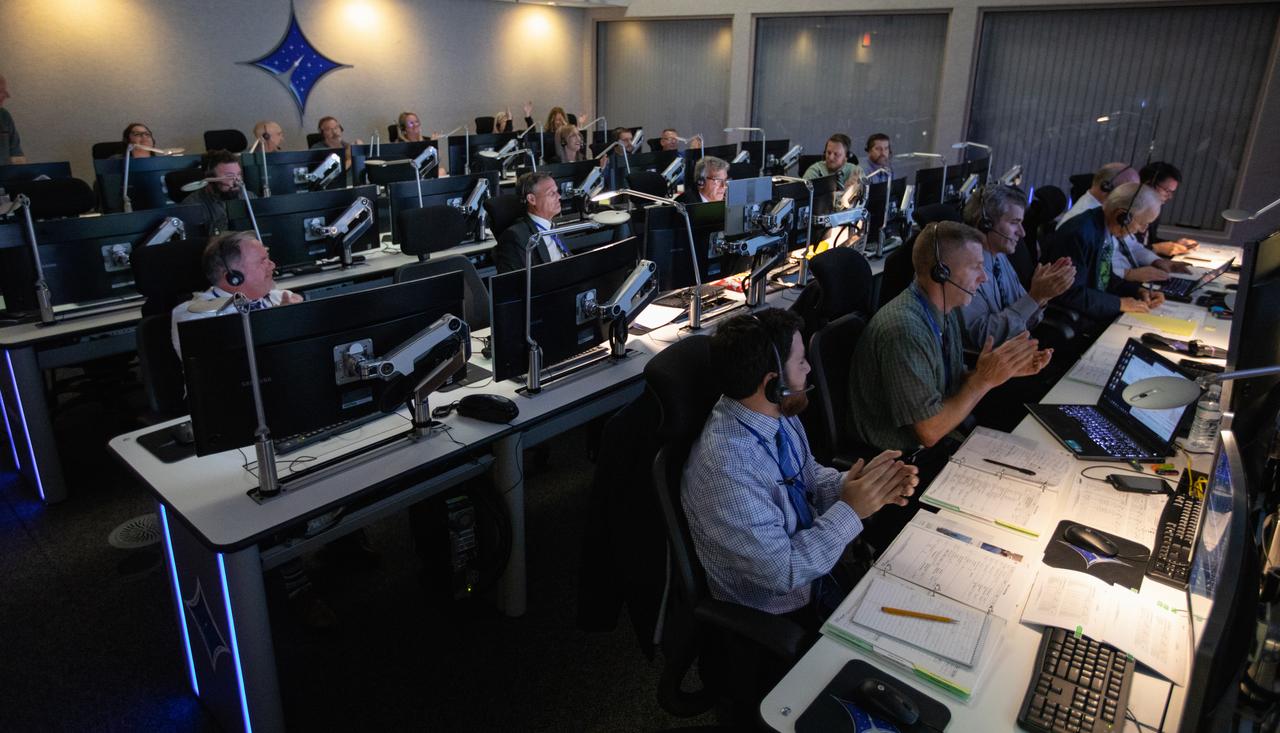
Inside Hangar AE at Cape Canaveral Air Force Station (CCAFS), members of the launch team applaud the successful launch of NASA’s Ionospheric Connection Explorer (ICON) satellite on Oct. 10, 2019. The Northrop Grumman Pegasus XL rocket carrying ICON was released from the company’s L-1011 Stargazer aircraft at 9:59 p.m. EDT over the Atlantic Ocean about 50 miles from Daytona Beach, Florida, following takeoff from CCAFS. ICON will spend two years studying the Earth’s ionosphere – the dynamic zone in our atmosphere where terrestrial weather from below meets space weather from above. The launch was managed by the agency’s Launch Services Program.

A member of the launch team monitors the launch of NASA’s Ionospheric Connection Explorer (ICON) satellite inside Hangar AE at Cape Canaveral Air Force Station (CCAFS) in Florida. The Northrop Grumman Pegasus XL rocket carrying ICON was released from the company’s L-1011 Stargazer aircraft at 9:59 p.m. EDT on Oct. 10, 2019, over the Atlantic Ocean about 50 miles from Daytona Beach following takeoff from CCAFS. ICON will spend two years studying the Earth’s ionosphere – the dynamic zone in our atmosphere where terrestrial weather from below meets space weather from above. The launch was managed by the agency’s Launch Services Program.

Members of the launch team monitor the launch of NASA’s Ionospheric Connection Explorer (ICON) satellite inside Hangar AE at Cape Canaveral Air Force Station (CCAFS) in Florida. The Northrop Grumman Pegasus XL rocket carrying ICON was released from the company’s L-1011 Stargazer aircraft at 9:59 p.m. EDT on Oct. 10, 2019, over the Atlantic Ocean about 50 miles from Daytona Beach following takeoff from CCAFS. ICON will spend two years studying the Earth’s ionosphere – the dynamic zone in our atmosphere where terrestrial weather from below meets space weather from above. The launch was managed by the agency’s Launch Services Program.

Members of the launch team monitor the launch of NASA’s Ionospheric Connection Explorer (ICON) satellite inside Hangar AE at Cape Canaveral Air Force Station (CCAFS) in Florida. The Northrop Grumman Pegasus XL rocket carrying ICON was released from the company’s L-1011 Stargazer aircraft at 9:59 p.m. EDT on Oct. 10, 2019, over the Atlantic Ocean about 50 miles from Daytona Beach following takeoff from CCAFS. ICON will spend two years studying the Earth’s ionosphere – the dynamic zone in our atmosphere where terrestrial weather from below meets space weather from above. The launch was managed by the agency’s Launch Services Program.

Members of the launch team monitor the launch of NASA’s Ionospheric Connection Explorer (ICON) satellite inside Hangar AE at Cape Canaveral Air Force Station (CCAFS) in Florida. The Northrop Grumman Pegasus XL rocket carrying ICON was released from the company’s L-1011 Stargazer aircraft at 9:59 p.m. EDT on Oct. 10, 2019, over the Atlantic Ocean about 50 miles from Daytona Beach following takeoff from CCAFS. ICON will spend two years studying the Earth’s ionosphere – the dynamic zone in our atmosphere where terrestrial weather from below meets space weather from above. The launch was managed by the agency’s Launch Services Program.

Members of the launch team monitor the launch of NASA’s Ionospheric Connection Explorer (ICON) satellite inside Hangar AE at Cape Canaveral Air Force Station (CCAFS) in Florida. The Northrop Grumman Pegasus XL rocket carrying ICON was released from the company’s L-1011 Stargazer aircraft at 9:59 p.m. EDT on Oct. 10, 2019, over the Atlantic Ocean about 50 miles from Daytona Beach following takeoff from CCAFS. ICON will spend two years studying the Earth’s ionosphere – the dynamic zone in our atmosphere where terrestrial weather from below meets space weather from above. The launch was managed by the agency’s Launch Services Program.
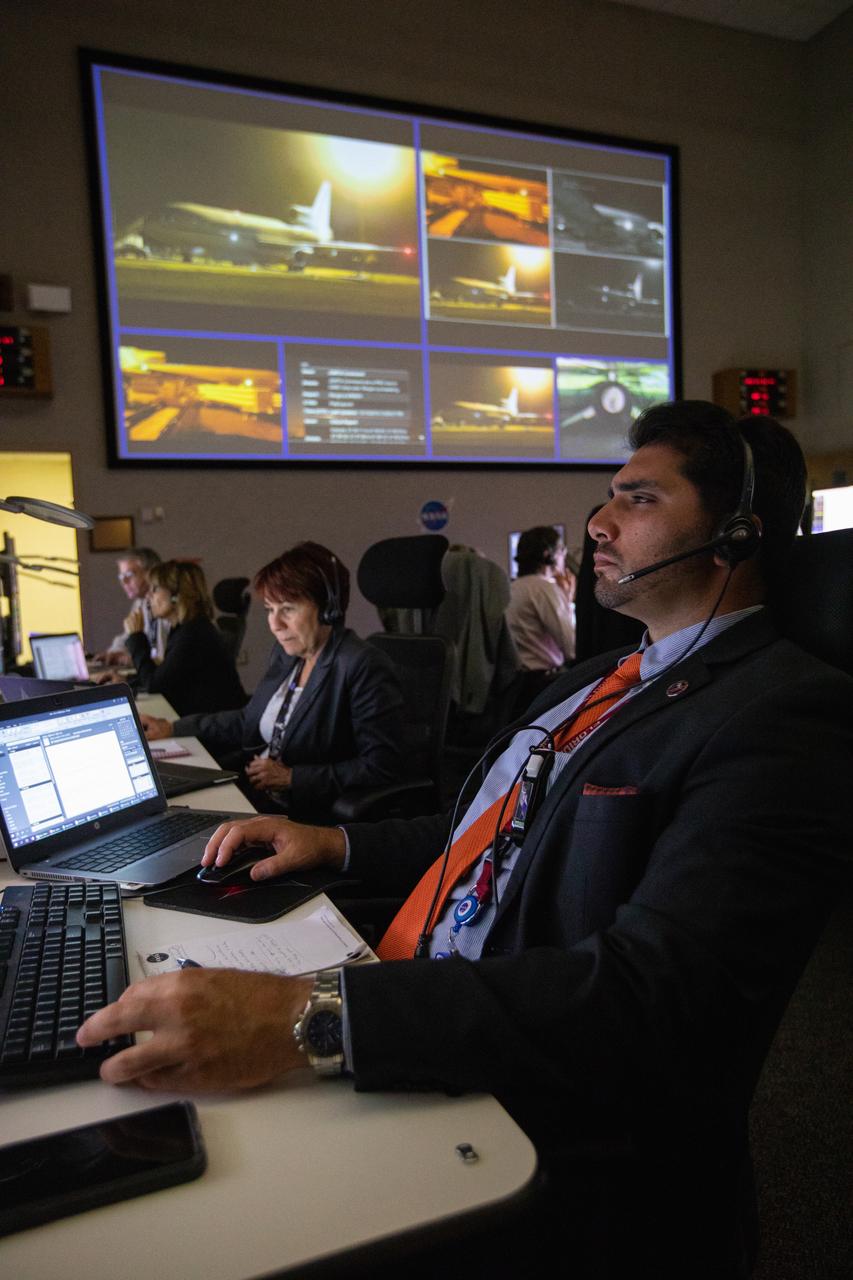
Members of the launch team monitor the launch of NASA’s Ionospheric Connection Explorer (ICON) satellite inside Hangar AE at Cape Canaveral Air Force Station (CCAFS) in Florida. The Northrop Grumman Pegasus XL rocket carrying ICON was released from the company’s L-1011 Stargazer aircraft at 9:59 p.m. EDT on Oct. 10, 2019, over the Atlantic Ocean about 50 miles from Daytona Beach following takeoff from CCAFS. ICON will spend two years studying the Earth’s ionosphere – the dynamic zone in our atmosphere where terrestrial weather from below meets space weather from above. The launch was managed by the agency’s Launch Services Program.
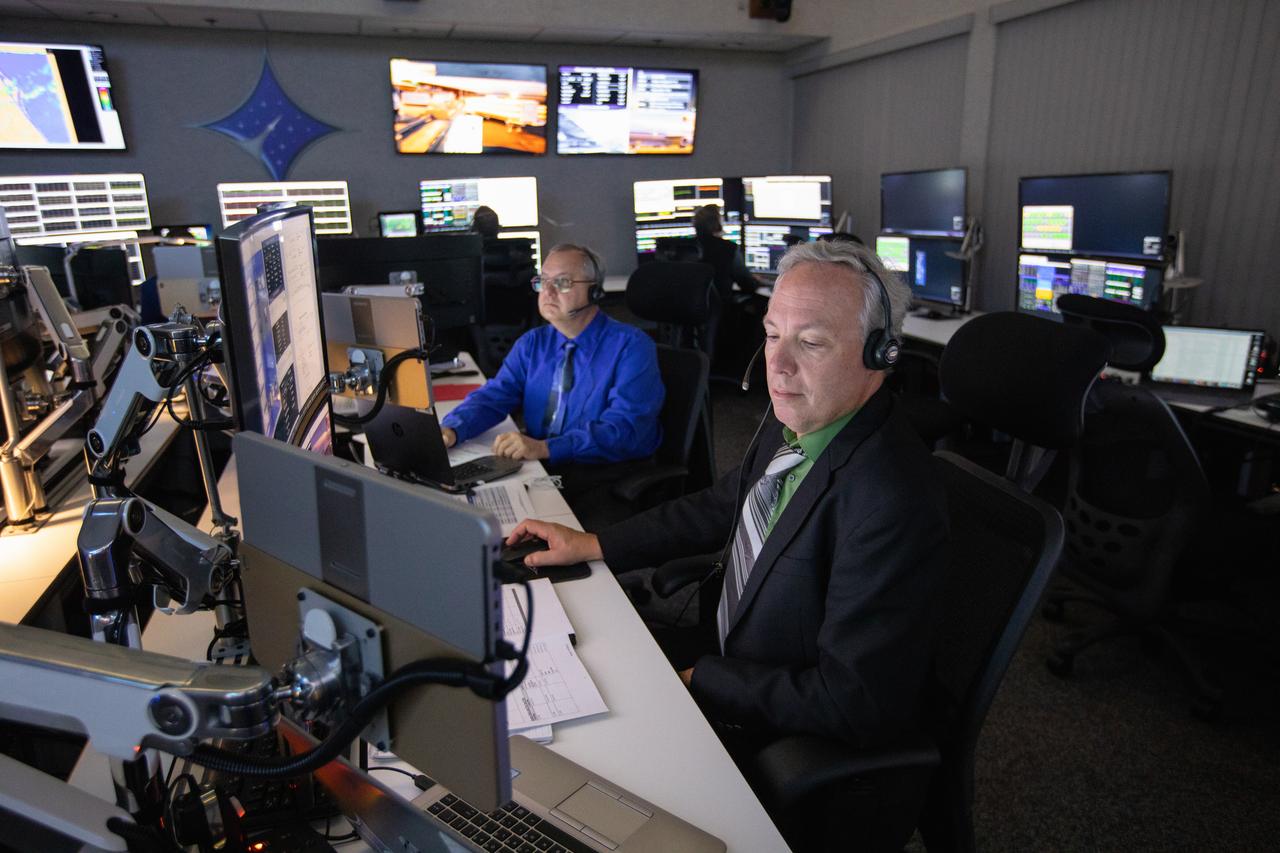
Members of the launch team monitor the launch of NASA’s Ionospheric Connection Explorer (ICON) satellite inside Hangar AE at Cape Canaveral Air Force Station (CCAFS) in Florida. The Northrop Grumman Pegasus XL rocket carrying ICON was released from the company’s L-1011 Stargazer aircraft at 9:59 p.m. EDT on Oct. 10, 2019, over the Atlantic Ocean about 50 miles from Daytona Beach following takeoff from CCAFS. ICON will spend two years studying the Earth’s ionosphere – the dynamic zone in our atmosphere where terrestrial weather from below meets space weather from above. The launch was managed by the agency’s Launch Services Program.

Members of the launch team monitor the launch of NASA’s Ionospheric Connection Explorer (ICON) satellite inside Hangar AE at Cape Canaveral Air Force Station (CCAFS) in Florida. The Northrop Grumman Pegasus XL rocket carrying ICON was released from the company’s L-1011 Stargazer aircraft at 9:59 p.m. EDT on Oct. 10, 2019, over the Atlantic Ocean about 50 miles from Daytona Beach following takeoff from CCAFS. ICON will spend two years studying the Earth’s ionosphere – the dynamic zone in our atmosphere where terrestrial weather from below meets space weather from above. The launch was managed by the agency’s Launch Services Program.

Members of the launch team monitor the launch of NASA’s Ionospheric Connection Explorer (ICON) satellite inside Hangar AE at Cape Canaveral Air Force Station (CCAFS) in Florida. The Northrop Grumman Pegasus XL rocket carrying ICON was released from the company’s L-1011 Stargazer aircraft at 9:59 p.m. EDT on Oct. 10, 2019, over the Atlantic Ocean about 50 miles from Daytona Beach following takeoff from CCAFS. ICON will spend two years studying the Earth’s ionosphere – the dynamic zone in our atmosphere where terrestrial weather from below meets space weather from above. The launch was managed by the agency’s Launch Services Program.

Members of the launch team monitor the launch of NASA’s Ionospheric Connection Explorer (ICON) satellite inside Hangar AE at Cape Canaveral Air Force Station (CCAFS) in Florida. The Northrop Grumman Pegasus XL rocket carrying ICON was released from the company’s L-1011 Stargazer aircraft at 9:59 p.m. EDT on Oct. 10, 2019, over the Atlantic Ocean about 50 miles from Daytona Beach following takeoff from CCAFS. ICON will spend two years studying the Earth’s ionosphere – the dynamic zone in our atmosphere where terrestrial weather from below meets space weather from above. The launch was managed by the agency’s Launch Services Program.
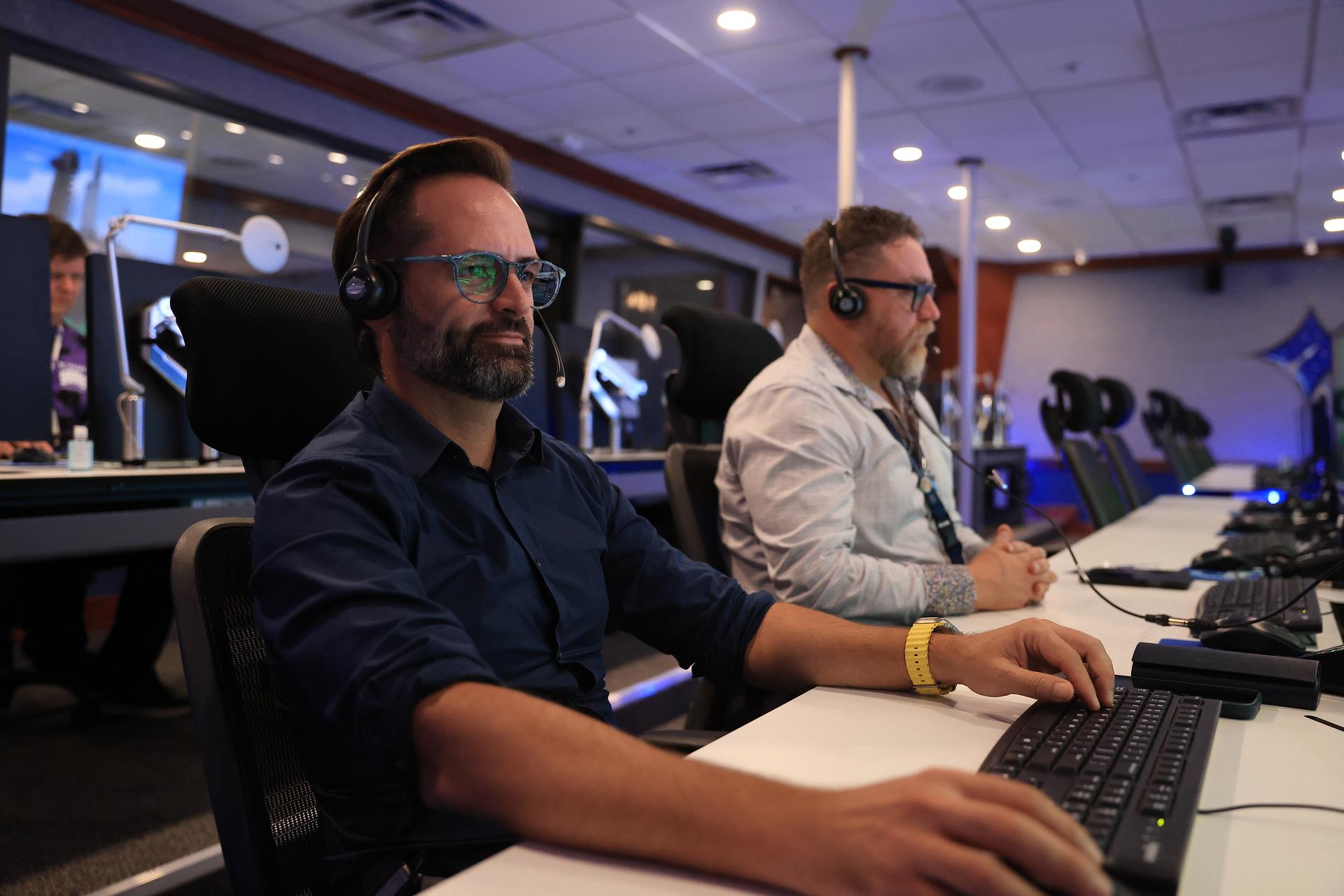
Dr. Lucas Paganini, program executive for NASA’s Nancy Grace Roman Space Telescope in the Astrophysics Division of NASA’s Science Mission Directorate, and Miles Skow, the deputy program executive for Roman at NASA Headquarters, participates in a mission dress rehearsal for Roman on Thursday, Aug. 20, 2026, inside Hangar AE at Cape Canaveral Space Force Station in Florida. Teams ran through a full end-to-end simulation of every major step they will experience on launch day except liftoff, including powering up the spacecraft, fueling the rocket, conducting weather briefings, and other operations.
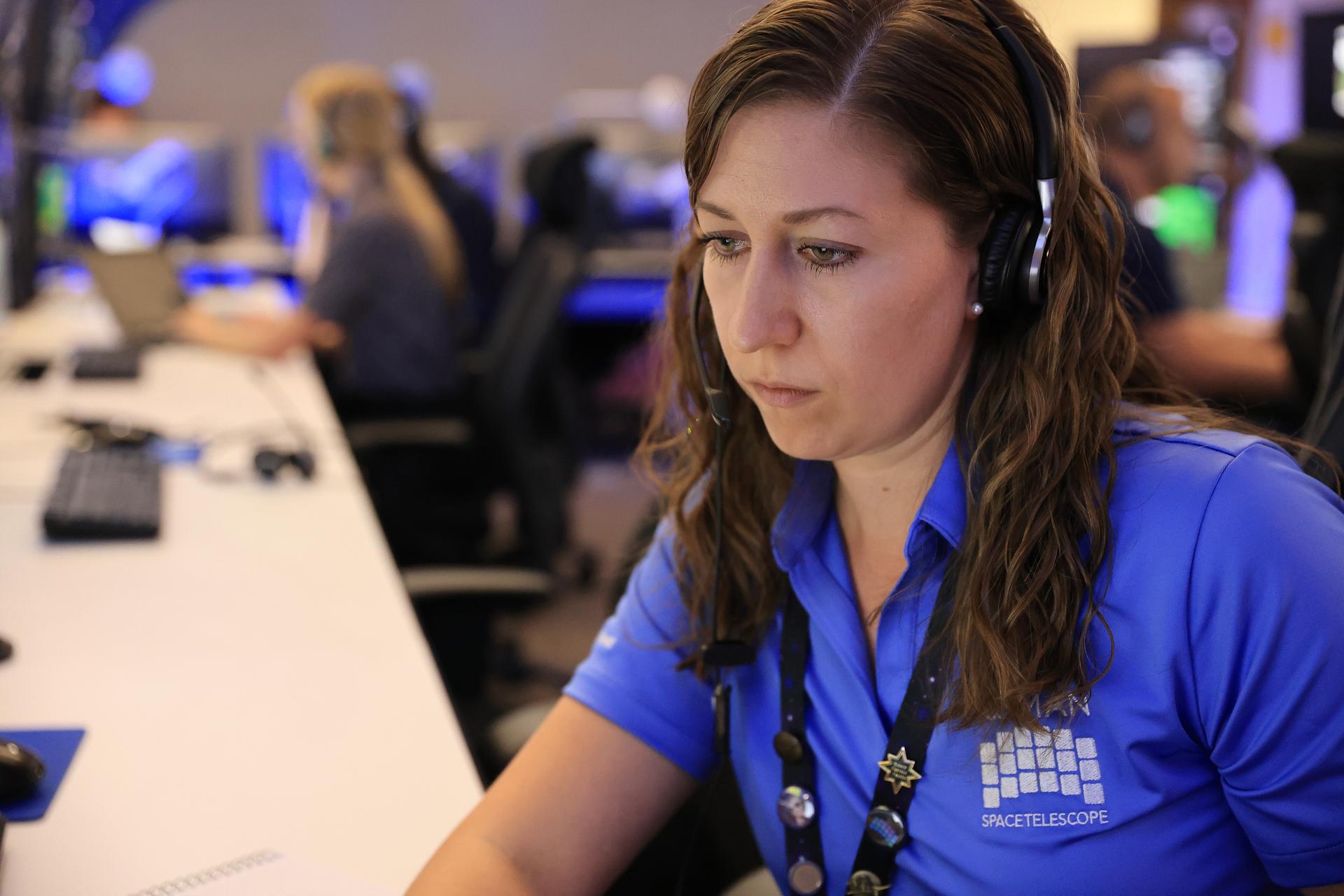
Theresa Trzupek, a mission assurance manager with the Safety Mission Assurance Program with the Launch Services Program at NASA’s Kennedy Space Center participates in a mission dress rehearsal for NASA’s Nancy Grace Roman Space Telescope on Thursday, Aug. 20, 2026, inside Hangar AE at Cape Canaveral Space Force Station in Florida. Teams ran through a full end-to-end simulation of every major step they will experience on launch day except liftoff, including powering up the spacecraft, fueling the rocket, conducting weather briefings, and other operations.

Omar Baez, right, launch director in NASA’s Launch Services Program (LSP), monitors the launch of the agency’s Ionospheric Connection Explorer (ICON) satellite inside Hangar AE’s Mission Director’s Center at Cape Canaveral Air Force Station (CCAFS). The Northrop Grumman Pegasus XL rocket carrying ICON was released from the company’s L-1011 Stargazer aircraft at 9:59 p.m. EDT on Oct. 10, 2019, over the Atlantic Ocean about 50 miles from Daytona Beach, Florida, following takeoff from CCAFS. ICON will spend two years studying the Earth’s ionosphere – the dynamic zone in our atmosphere where terrestrial weather from below meets space weather from above. The ICON launch was managed by LSP.
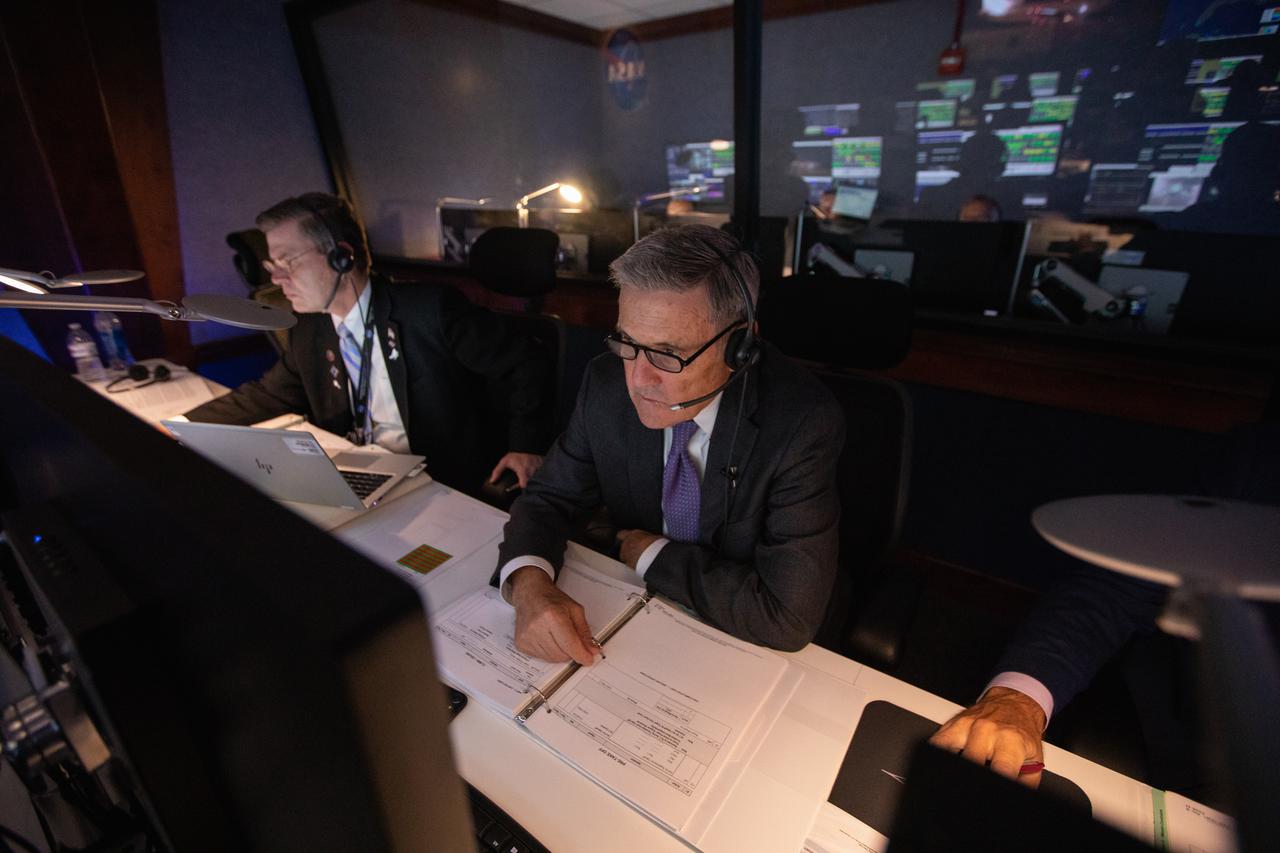
Inside Hangar AE’s Mission Director’s Center at Cape Canaveral Air Force Station (CCAFS), Kennedy Space Center Director Bob Cabana monitors the launch of NASA’s Ionospheric Connection Explorer (ICON) satellite. The Northrop Grumman Pegasus XL rocket carrying ICON was released from the company’s L-1011 Stargazer aircraft at 9:59 p.m. EDT on Oct. 10, 2019, over the Atlantic Ocean about 50 miles from Daytona Beach, Florida, following takeoff from CCAFS. ICON will spend two years studying the Earth’s ionosphere – the dynamic zone in our atmosphere where terrestrial weather from below meets space weather from above. The launch was managed by the agency’s Launch Services Program.
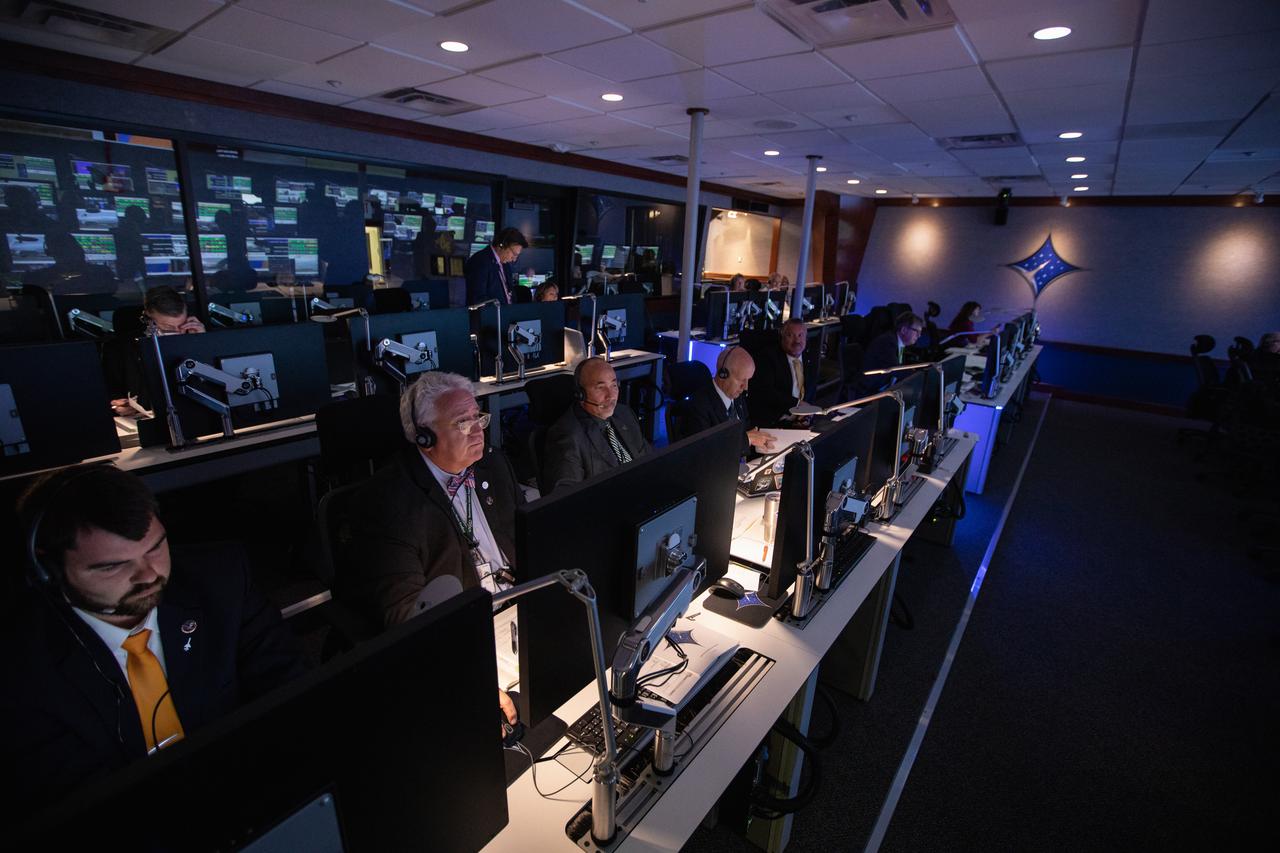
Inside Hangar AE’s Mission Director’s Center at Cape Canaveral Air Force Station (CCAFS), members of the launch team monitor the launch of NASA’s Ionospheric Connection Explorer (ICON) satellite. The Northrop Grumman Pegasus XL rocket carrying ICON was released from the company’s L-1011 Stargazer aircraft at 9:59 p.m. EDT on Oct. 10, 2019, over the Atlantic Ocean about 50 miles from Daytona Beach, Florida, following takeoff from CCAFS. ICON will spend two years studying the Earth’s ionosphere – the dynamic zone in our atmosphere where terrestrial weather from below meets space weather from above. The launch was managed by the agency’s Launch Services Program.

From left, Kennedy Space Center Director Bob Cabana, NASA’s Launch Services Program (LSP) Deputy Program Manager Chuck Dovale and LSP Program Manager Amanda Mitskevich monitor the launch of the agency’s Ionospheric Connection Explorer (ICON) satellite inside Hangar AE’s Mission Director’s Center at Cape Canaveral Air Force Station (CCAFS). The Northrop Grumman Pegasus XL rocket carrying ICON was released from the company’s L-1011 Stargazer aircraft at 9:59 p.m. EDT on Oct. 10, 2019, over the Atlantic Ocean about 50 miles from Daytona Beach, Florida, following takeoff from CCAFS. ICON will spend two years studying the Earth’s ionosphere – the dynamic zone in our atmosphere where terrestrial weather from below meets space weather from above. The ICON launch was managed by LSP.
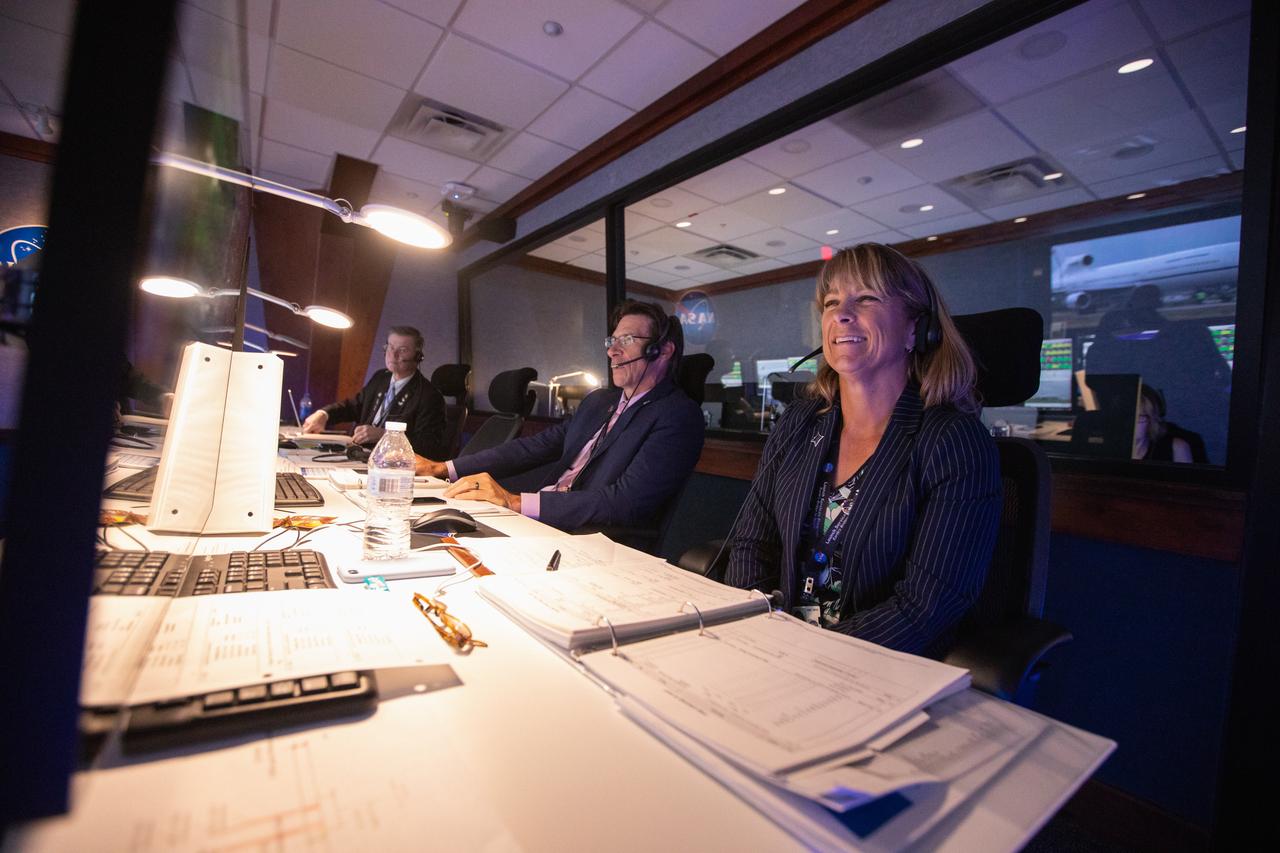
Inside Hangar AE’s Mission Director’s Center at Cape Canaveral Air Force Station (CCAFS), Amanda Mitskevich, right, program manager in NASA’s Launch Services Program (LSP), and Chuck Dovale, second from right, LSP deputy program manager, monitor the launch of the agency’s Ionospheric Connection Explorer (ICON). The Northrop Grumman Pegasus XL rocket carrying ICON was released from the company’s L-1011 Stargazer aircraft at 9:59 p.m. EDT on Oct. 10, 2019, over the Atlantic Ocean about 50 miles from Daytona Beach, Florida, following takeoff from CCAFS. ICON will spend two years studying the Earth’s ionosphere – the dynamic zone in our atmosphere where terrestrial weather from below meets space weather from above. The ICON launch was managed by LSP.
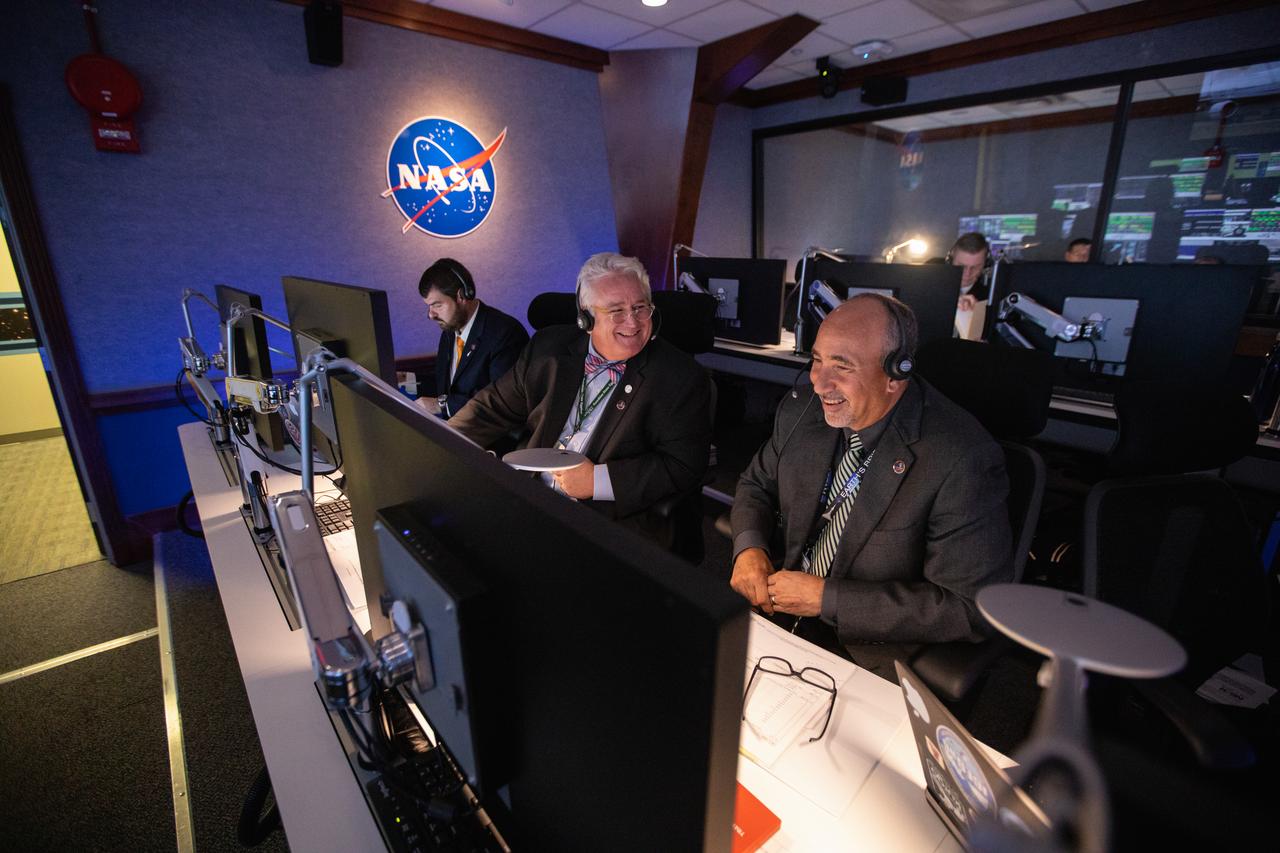
Albert Sierra (right), chief of NASA’s Launch Services Program’s (LSP) Flight Projects Office, and Garrett Lee Skrobot (second from right), senior mission manager, monitor the launch of the agency’s Ionospheric Connection Explorer (ICON) inside Hangar AE’s Mission Director’s Center at Cape Canaveral Air Force Station (CCAFS). The Northrop Grumman Pegasus XL rocket carrying ICON was released from the company’s L-1011 Stargazer aircraft at 9:59 p.m. EDT on Oct. 10, 2019, over the Atlantic Ocean about 50 miles from Daytona Beach, Florida, following takeoff from CCAFS. ICON will spend two years studying the Earth’s ionosphere – the dynamic zone in our atmosphere where terrestrial weather from below meets space weather from above. The ICON launch was managed by LSP.

From left, Kennedy Space Center Director Bob Cabana, NASA’s Launch Services Program (LSP) Deputy Program Manager Chuck Dovale and LSP Program Manager Amanda Mitskevich monitor the launch of the agency’s Ionospheric Connection Explorer (ICON) satellite inside Hangar AE’s Mission Director’s Center at Cape Canaveral Air Force Station (CCAFS). The Northrop Grumman Pegasus XL rocket carrying ICON was released from the company’s L-1011 Stargazer aircraft at 9:59 p.m. EDT on Oct. 10, 2019, over the Atlantic Ocean about 50 miles from Daytona Beach, Florida, following takeoff from CCAFS. ICON will spend two years studying the Earth’s ionosphere – the dynamic zone in our atmosphere where terrestrial weather from below meets space weather from above. The ICON launch was managed by LSP.
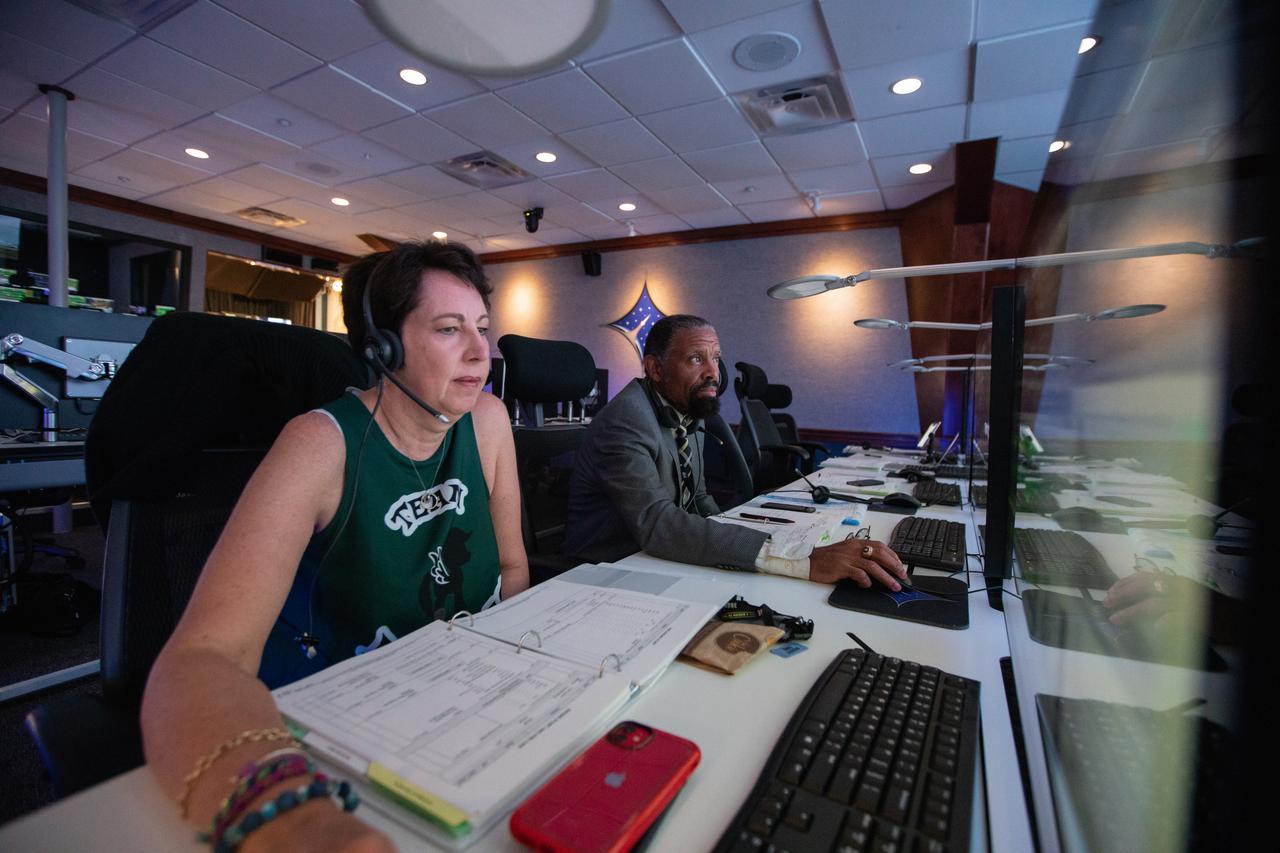
Inside Hangar AE’s Mission Director’s Center at Cape Canaveral Air Force Station (CCAFS), Nicola Fox, left, Heliophysics division director in NASA’s Science Mission Directorate, monitors the launch of the agency’s Ionospheric Connection Explorer (ICON) satellite. The Northrop Grumman Pegasus XL rocket carrying ICON was released from the company’s L-1011 Stargazer aircraft at 9:59 p.m. EDT on Oct. 10, 2019, over the Atlantic Ocean about 50 miles from Daytona Beach, Florida, following takeoff from CCAFS. ICON will spend two years studying the Earth’s ionosphere – the dynamic zone in our atmosphere where terrestrial weather from below meets space weather from above. The launch was managed by the agency’s Launch Services Program.
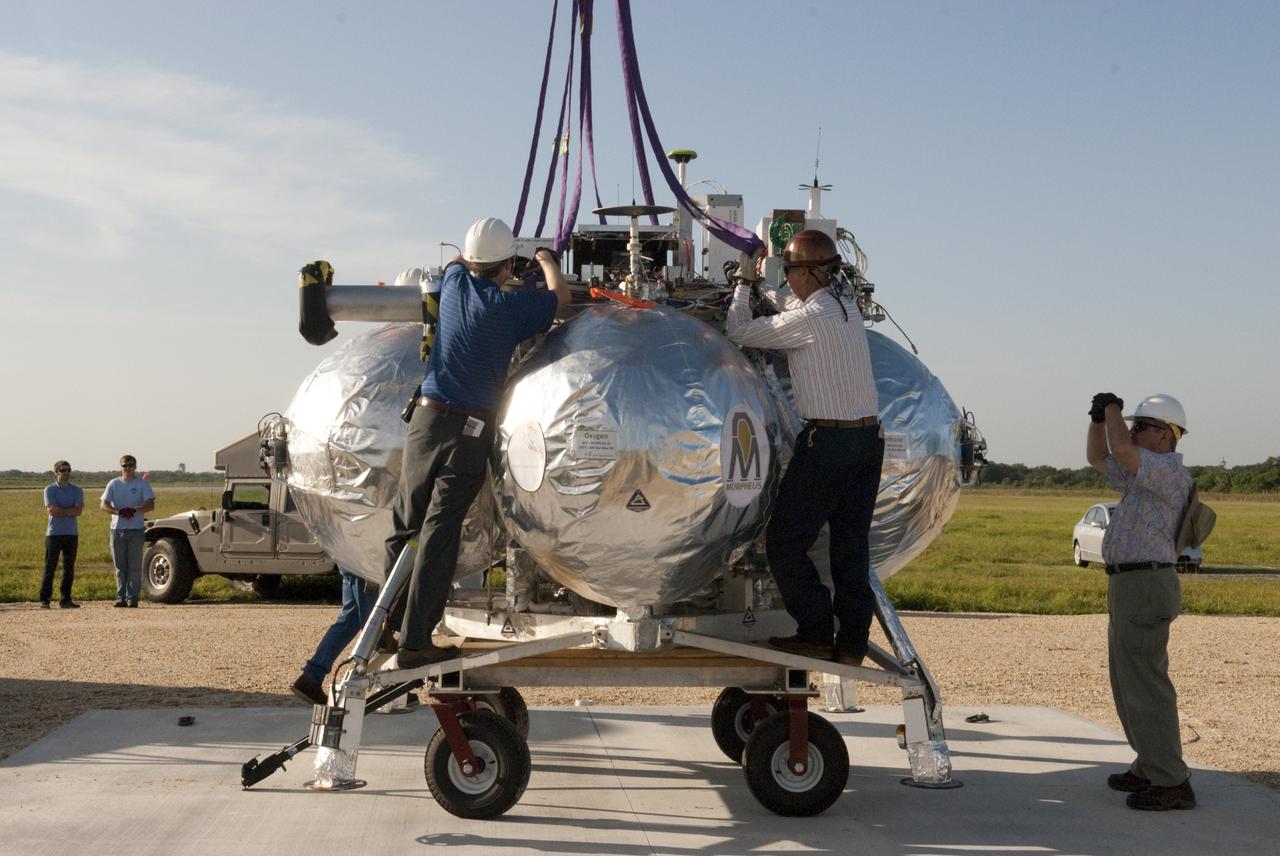
CAPE CANAVERAL, Fla. - Technicians secure connections for a crane which will be used to set up NASA's Morpheus lander, a vertical test bed vehicle, at its launch position along the runway at the Shuttle Landing Facility, or SLF, at the Kennedy Space Center in Florida. Morpheus is designed to demonstrate new green propellant propulsion systems and autonomous landing and an Autonomous Landing and Hazard Avoidance Technology, or ALHAT, system. Checkout of the prototype lander has been ongoing at NASA’s Johnson Space Center in Houston in preparation for its first free flight. The SLF site will provide the lander with the kind of field necessary for realistic testing. Project Morpheus is one of 20 small projects comprising the Advanced Exploration Systems, or AES, program in NASA’s Human Exploration and Operations Mission Directorate. AES projects pioneer new approaches for rapidly developing prototype systems, demonstrating key capabilities and validating operational concepts for future human missions beyond Earth orbit. For more information on Project Morpheus, visit http://www.nasa.gov/centers/johnson/exploration/morpheus/index.html Photo credit: NASA/Dimitri Gerondidakis
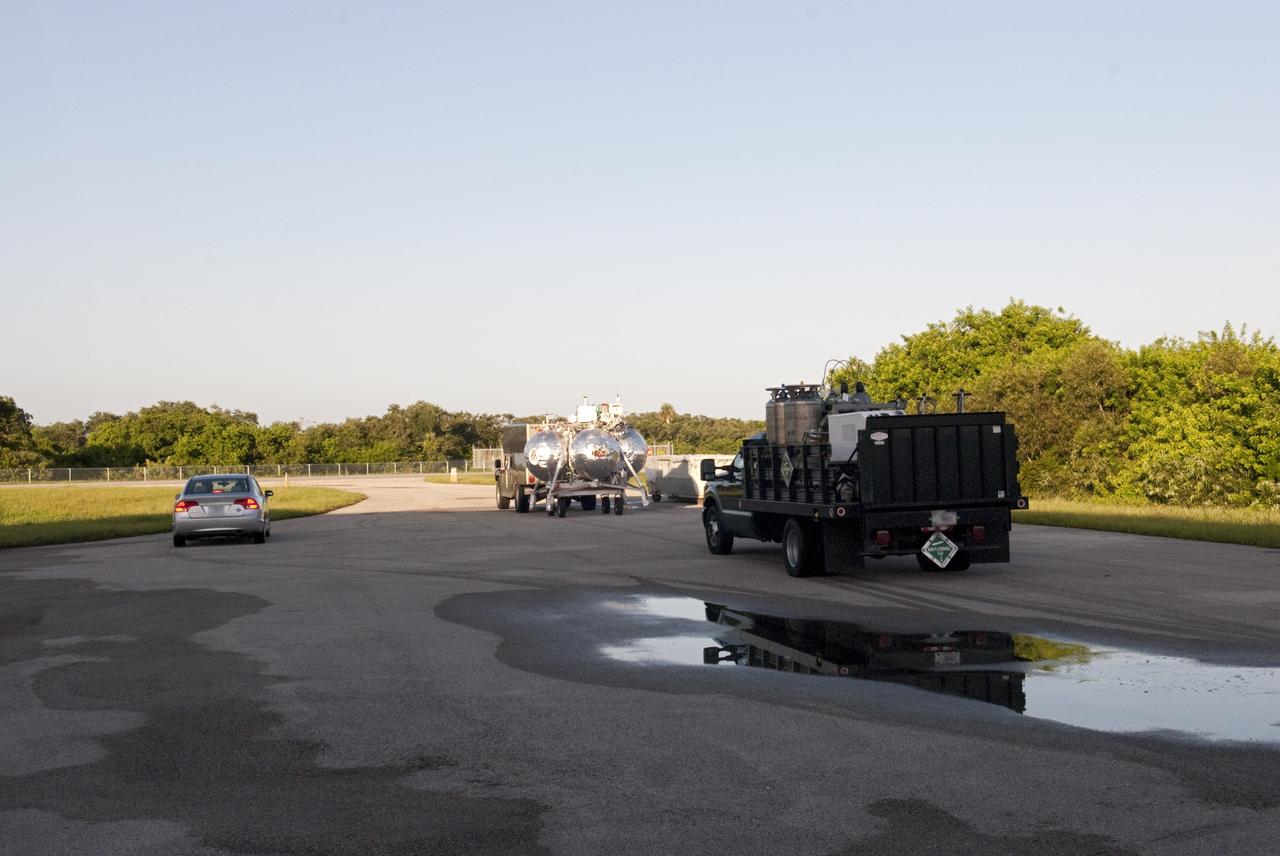
CAPE CANAVERAL, Fla. - NASA's Morpheus lander, a vertical test bed vehicle, is being transported out from its checkout building for a short trip to a launch position at the Shuttle Landing Facility, or SLF, at the Kennedy Space Center in Florida. Morpheus is designed to demonstrate new green propellant propulsion systems and autonomous landing and an Autonomous Landing and Hazard Avoidance Technology, or ALHAT, system. Checkout of the prototype lander has been ongoing at NASA’s Johnson Space Center in Houston in preparation for its first free flight. The SLF site will provide the lander with the kind of field necessary for realistic testing. Project Morpheus is one of 20 small projects comprising the Advanced Exploration Systems, or AES, program in NASA’s Human Exploration and Operations Mission Directorate. AES projects pioneer new approaches for rapidly developing prototype systems, demonstrating key capabilities and validating operational concepts for future human missions beyond Earth orbit. For more information on Project Morpheus, visit http://www.nasa.gov/centers/johnson/exploration/morpheus/index.html Photo credit: NASA/Dimitri Gerondidakis
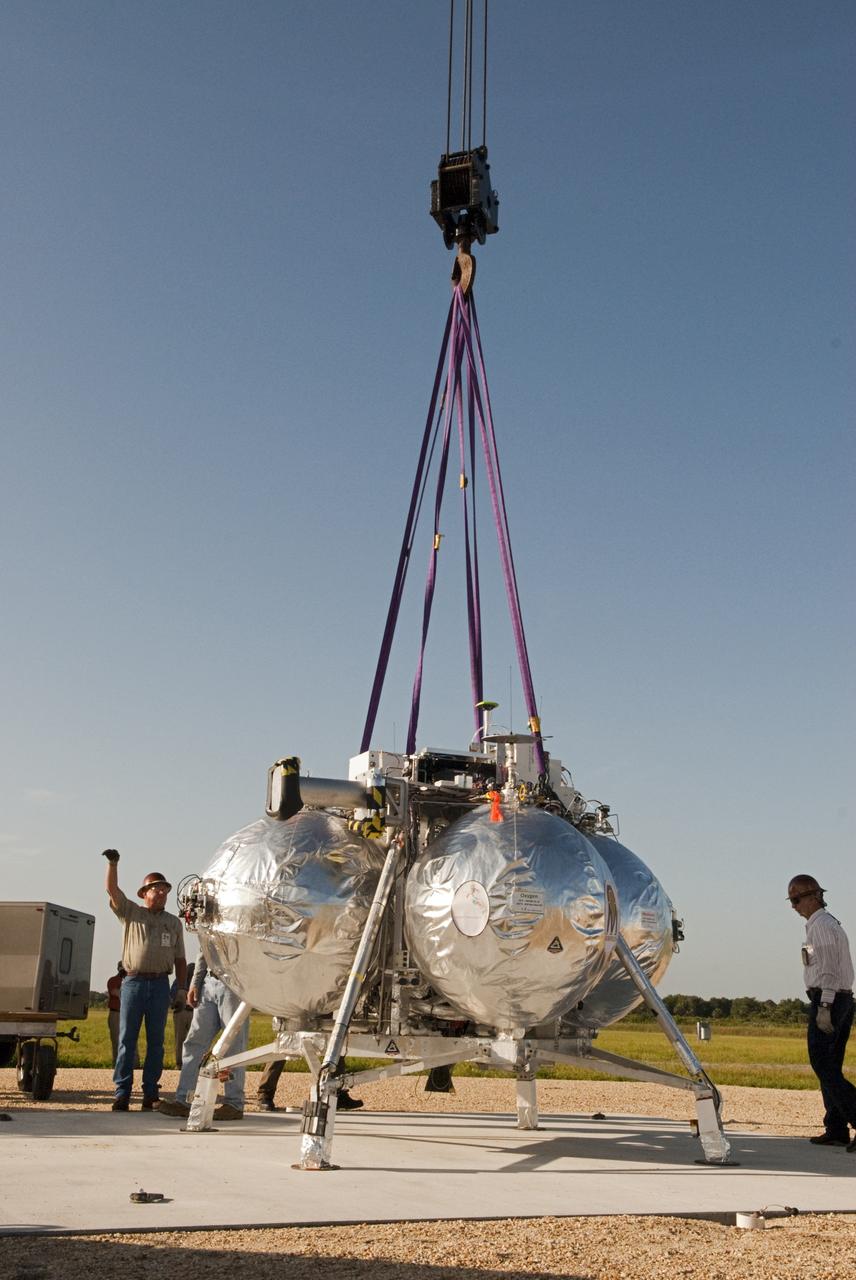
CAPE CANAVERAL, Fla. - A crane is being used to set up NASA's Morpheus lander, a vertical test bed vehicle, at its launch position along the runway at the Shuttle Landing Facility, or SLF, at the Kennedy Space Center in Florida. Morpheus is designed to demonstrate new green propellant propulsion systems and autonomous landing and an Autonomous Landing and Hazard Avoidance Technology, or ALHAT, system. Checkout of the prototype lander has been ongoing at NASA’s Johnson Space Center in Houston in preparation for its first free flight. The SLF site will provide the lander with the kind of field necessary for realistic testing. Project Morpheus is one of 20 small projects comprising the Advanced Exploration Systems, or AES, program in NASA’s Human Exploration and Operations Mission Directorate. AES projects pioneer new approaches for rapidly developing prototype systems, demonstrating key capabilities and validating operational concepts for future human missions beyond Earth orbit. For more information on Project Morpheus, visit http://www.nasa.gov/centers/johnson/exploration/morpheus/index.html Photo credit: NASA/Dimitri Gerondidakis

CAPE CANAVERAL, Fla. - NASA's Morpheus lander, a vertical test bed vehicle, arrives at its launch position along the runway at the Shuttle Landing Facility, or SLF, at the Kennedy Space Center in Florida. Morpheus is designed to demonstrate new green propellant propulsion systems and autonomous landing and an Autonomous Landing and Hazard Avoidance Technology, or ALHAT, system. Checkout of the prototype lander has been ongoing at NASA’s Johnson Space Center in Houston in preparation for its first free flight. The SLF site will provide the lander with the kind of field necessary for realistic testing. Project Morpheus is one of 20 small projects comprising the Advanced Exploration Systems, or AES, program in NASA’s Human Exploration and Operations Mission Directorate. AES projects pioneer new approaches for rapidly developing prototype systems, demonstrating key capabilities and validating operational concepts for future human missions beyond Earth orbit. For more information on Project Morpheus, visit http://www.nasa.gov/centers/johnson/exploration/morpheus/index.html Photo credit: NASA/Dimitri Gerondidakis
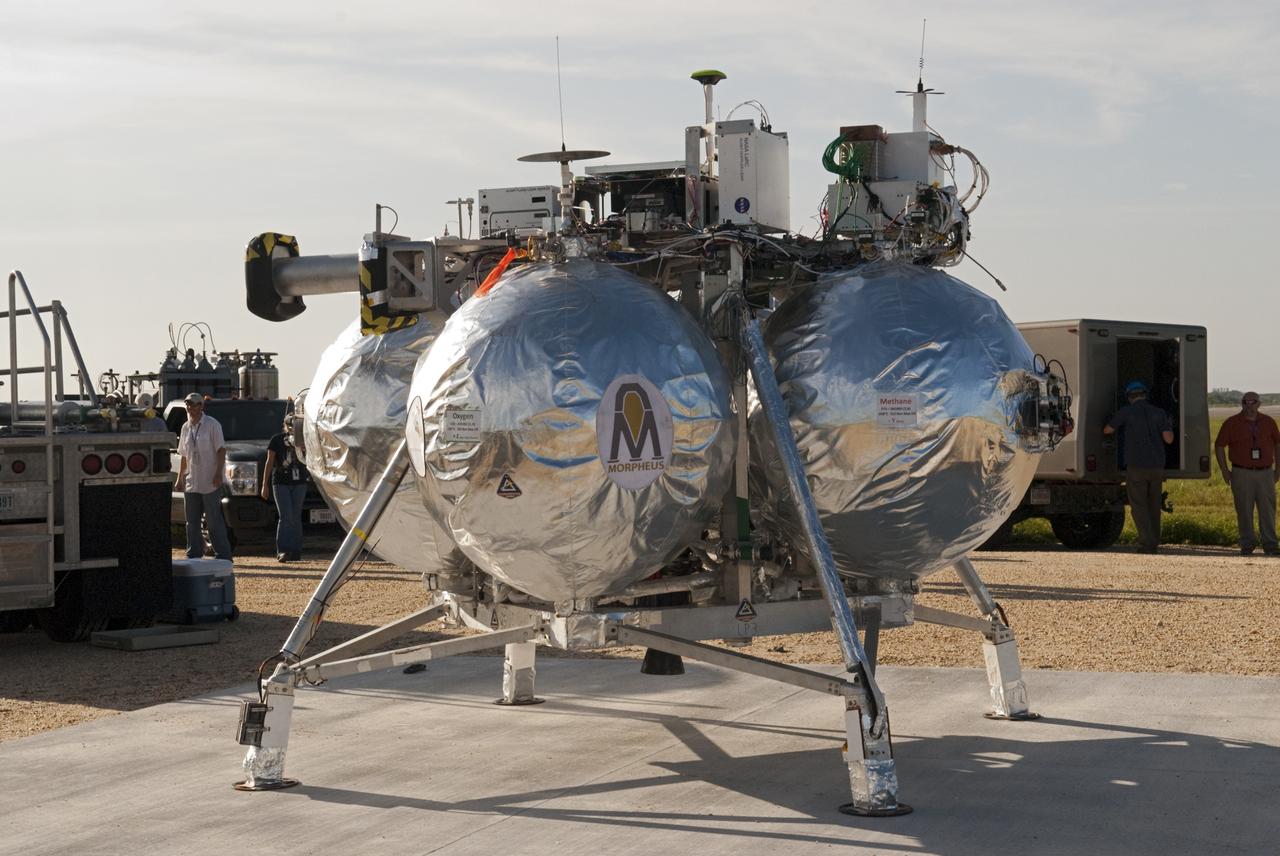
CAPE CANAVERAL, Fla. - NASA's Morpheus lander, a vertical test bed vehicle, has been set up at its launch position along the runway at the Shuttle Landing Facility, or SLF, at the Kennedy Space Center in Florida. Morpheus is designed to demonstrate new green propellant propulsion systems and autonomous landing and an Autonomous Landing and Hazard Avoidance Technology, or ALHAT, system. Checkout of the prototype lander has been ongoing at NASA’s Johnson Space Center in Houston in preparation for its first free flight. The SLF site will provide the lander with the kind of field necessary for realistic testing. Project Morpheus is one of 20 small projects comprising the Advanced Exploration Systems, or AES, program in NASA’s Human Exploration and Operations Mission Directorate. AES projects pioneer new approaches for rapidly developing prototype systems, demonstrating key capabilities and validating operational concepts for future human missions beyond Earth orbit. For more information on Project Morpheus, visit http://www.nasa.gov/centers/johnson/exploration/morpheus/index.html Photo credit: NASA/Dimitri Gerondidakis

CAPE CANAVERAL, Fla. - NASA's Morpheus lander, a vertical test bed vehicle, is being transported along the Shuttle Landing Facility, or SLF, at the Kennedy Space Center in Florida for a short trip to a launch position along the runway. Morpheus is designed to demonstrate new green propellant propulsion systems and autonomous landing and an Autonomous Landing and Hazard Avoidance Technology, or ALHAT, system. Checkout of the prototype lander has been ongoing at NASA’s Johnson Space Center in Houston in preparation for its first free flight. The SLF site will provide the lander with the kind of field necessary for realistic testing. Project Morpheus is one of 20 small projects comprising the Advanced Exploration Systems, or AES, program in NASA’s Human Exploration and Operations Mission Directorate. AES projects pioneer new approaches for rapidly developing prototype systems, demonstrating key capabilities and validating operational concepts for future human missions beyond Earth orbit. For more information on Project Morpheus, visit http://www.nasa.gov/centers/johnson/exploration/morpheus/index.html Photo credit: NASA/Dimitri Gerondidakis
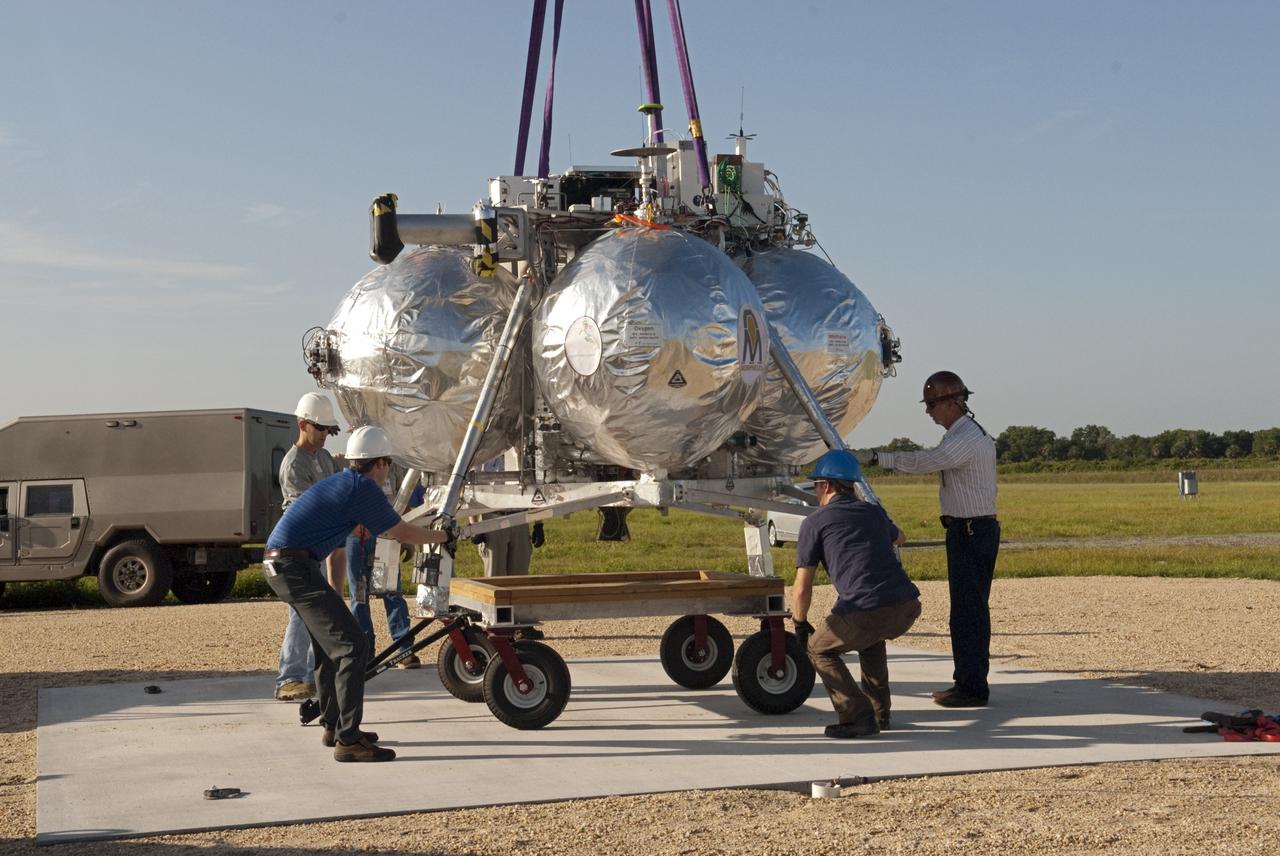
CAPE CANAVERAL, Fla. - Technicians set up NASA's Morpheus lander, a vertical test bed vehicle, at its launch position along the runway at the Shuttle Landing Facility, or SLF, at the Kennedy Space Center in Florida. Morpheus is designed to demonstrate new green propellant propulsion systems and autonomous landing and an Autonomous Landing and Hazard Avoidance Technology, or ALHAT, system. Checkout of the prototype lander has been ongoing at NASA’s Johnson Space Center in Houston in preparation for its first free flight. The SLF site will provide the lander with the kind of field necessary for realistic testing. Project Morpheus is one of 20 small projects comprising the Advanced Exploration Systems, or AES, program in NASA’s Human Exploration and Operations Mission Directorate. AES projects pioneer new approaches for rapidly developing prototype systems, demonstrating key capabilities and validating operational concepts for future human missions beyond Earth orbit. For more information on Project Morpheus, visit http://www.nasa.gov/centers/johnson/exploration/morpheus/index.html Photo credit: NASA/Dimitri Gerondidakis

CAPE CANAVERAL, Fla. - A crane is being used to set up NASA's Morpheus lander, a vertical test bed vehicle, at its launch position along the runway at the Shuttle Landing Facility, or SLF, at the Kennedy Space Center in Florida. Morpheus is designed to demonstrate new green propellant propulsion systems and autonomous landing and an Autonomous Landing and Hazard Avoidance Technology, or ALHAT, system. Checkout of the prototype lander has been ongoing at NASA’s Johnson Space Center in Houston in preparation for its first free flight. The SLF site will provide the lander with the kind of field necessary for realistic testing. Project Morpheus is one of 20 small projects comprising the Advanced Exploration Systems, or AES, program in NASA’s Human Exploration and Operations Mission Directorate. AES projects pioneer new approaches for rapidly developing prototype systems, demonstrating key capabilities and validating operational concepts for future human missions beyond Earth orbit. For more information on Project Morpheus, visit http://www.nasa.gov/centers/johnson/exploration/morpheus/index.html Photo credit: NASA/Dimitri Gerondidakis
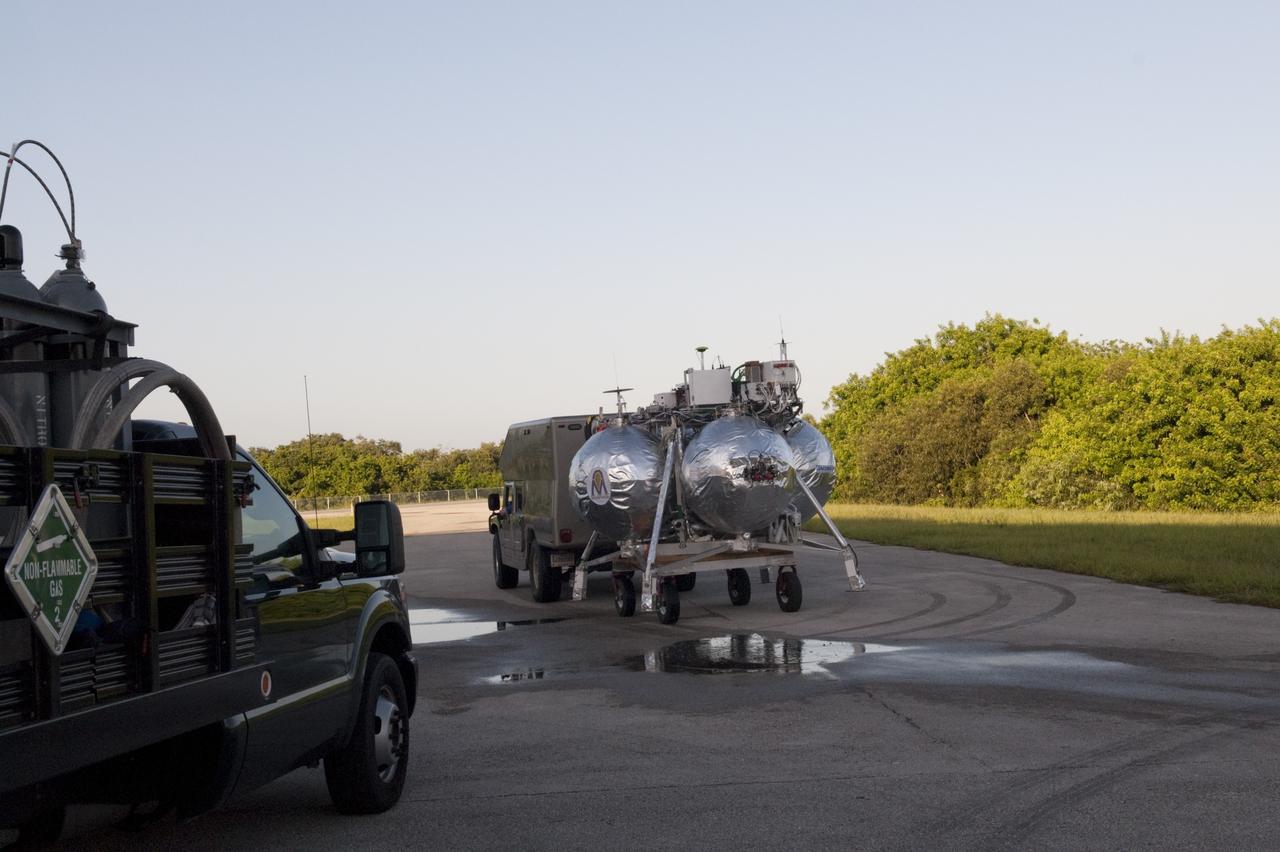
CAPE CANAVERAL, Fla. - NASA's Morpheus lander, a vertical test bed vehicle, is being transported out from its checkout building for a short trip to a launch position at the Shuttle Landing Facility, or SLF, at the Kennedy Space Center in Florida. Morpheus is designed to demonstrate new green propellant propulsion systems and autonomous landing and an Autonomous Landing and Hazard Avoidance Technology, or ALHAT, system. Checkout of the prototype lander has been ongoing at NASA’s Johnson Space Center in Houston in preparation for its first free flight. The SLF site will provide the lander with the kind of field necessary for realistic testing. Project Morpheus is one of 20 small projects comprising the Advanced Exploration Systems, or AES, program in NASA’s Human Exploration and Operations Mission Directorate. AES projects pioneer new approaches for rapidly developing prototype systems, demonstrating key capabilities and validating operational concepts for future human missions beyond Earth orbit. For more information on Project Morpheus, visit http://www.nasa.gov/centers/johnson/exploration/morpheus/index.html Photo credit: NASA/Dimitri Gerondidakis
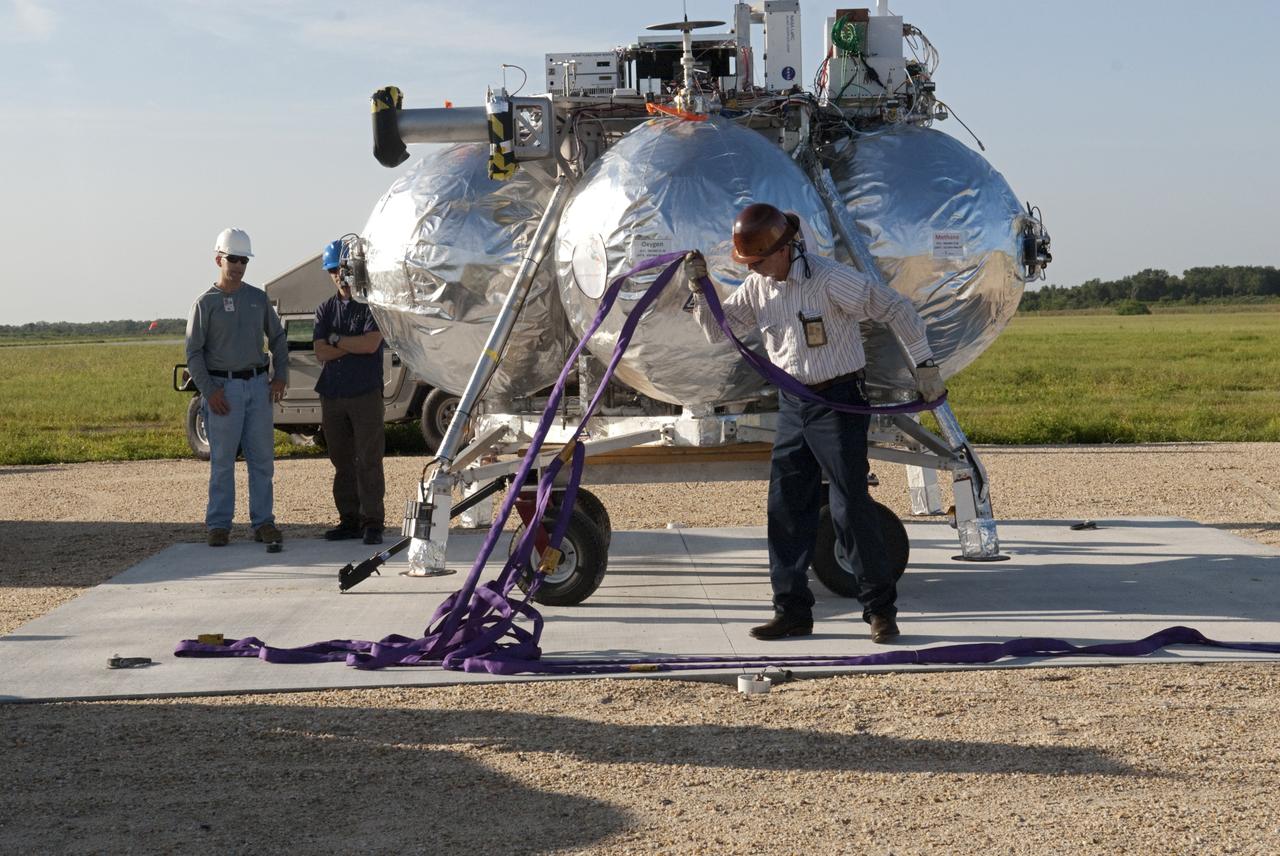
CAPE CANAVERAL, Fla. - NASA's Morpheus lander, a vertical test bed vehicle, is being set up at its launch position along the runway at the Shuttle Landing Facility, or SLF, at the Kennedy Space Center in Florida. Morpheus is designed to demonstrate new green propellant propulsion systems and autonomous landing and an Autonomous Landing and Hazard Avoidance Technology, or ALHAT, system. Checkout of the prototype lander has been ongoing at NASA’s Johnson Space Center in Houston in preparation for its first free flight. The SLF site will provide the lander with the kind of field necessary for realistic testing. Project Morpheus is one of 20 small projects comprising the Advanced Exploration Systems, or AES, program in NASA’s Human Exploration and Operations Mission Directorate. AES projects pioneer new approaches for rapidly developing prototype systems, demonstrating key capabilities and validating operational concepts for future human missions beyond Earth orbit. For more information on Project Morpheus, visit http://www.nasa.gov/centers/johnson/exploration/morpheus/index.html Photo credit: NASA/Dimitri Gerondidakis
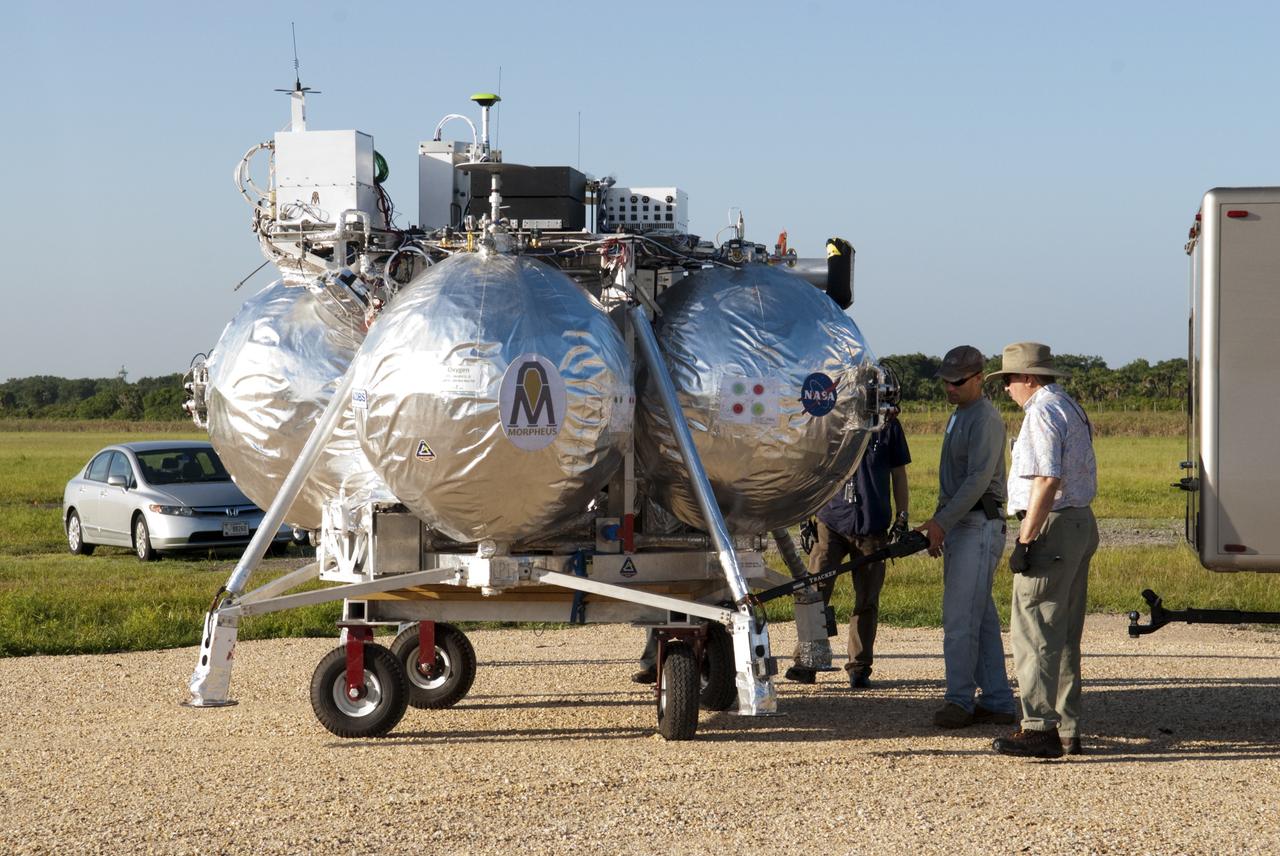
CAPE CANAVERAL, Fla. - NASA's Morpheus lander, a vertical test bed vehicle, is being set up at its launch position along the runway at the Shuttle Landing Facility, or SLF, at the Kennedy Space Center in Florida. Morpheus is designed to demonstrate new green propellant propulsion systems and autonomous landing and an Autonomous Landing and Hazard Avoidance Technology, or ALHAT, system. Checkout of the prototype lander has been ongoing at NASA’s Johnson Space Center in Houston in preparation for its first free flight. The SLF site will provide the lander with the kind of field necessary for realistic testing. Project Morpheus is one of 20 small projects comprising the Advanced Exploration Systems, or AES, program in NASA’s Human Exploration and Operations Mission Directorate. AES projects pioneer new approaches for rapidly developing prototype systems, demonstrating key capabilities and validating operational concepts for future human missions beyond Earth orbit. For more information on Project Morpheus, visit http://www.nasa.gov/centers/johnson/exploration/morpheus/index.html Photo credit: NASA/Dimitri Gerondidakis
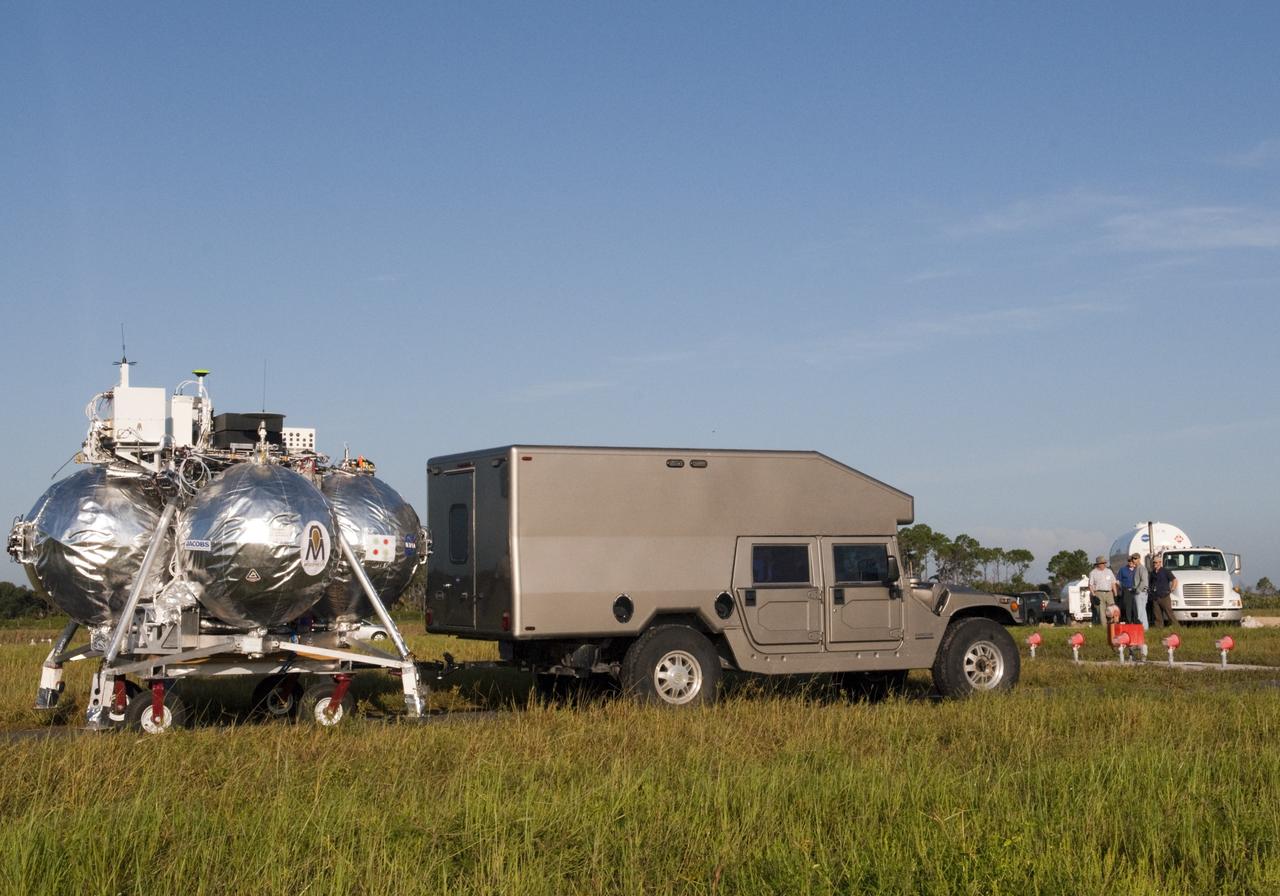
CAPE CANAVERAL, Fla. - NASA's Morpheus lander, a vertical test bed vehicle, is being transported along the Shuttle Landing Facility, or SLF, at the Kennedy Space Center in Florida for a short trip to a launch position along the runway. Morpheus is designed to demonstrate new green propellant propulsion systems and autonomous landing and an Autonomous Landing and Hazard Avoidance Technology, or ALHAT, system. Checkout of the prototype lander has been ongoing at NASA’s Johnson Space Center in Houston in preparation for its first free flight. The SLF site will provide the lander with the kind of field necessary for realistic testing. Project Morpheus is one of 20 small projects comprising the Advanced Exploration Systems, or AES, program in NASA’s Human Exploration and Operations Mission Directorate. AES projects pioneer new approaches for rapidly developing prototype systems, demonstrating key capabilities and validating operational concepts for future human missions beyond Earth orbit. For more information on Project Morpheus, visit http://www.nasa.gov/centers/johnson/exploration/morpheus/index.html Photo credit: NASA/Dimitri Gerondidakis
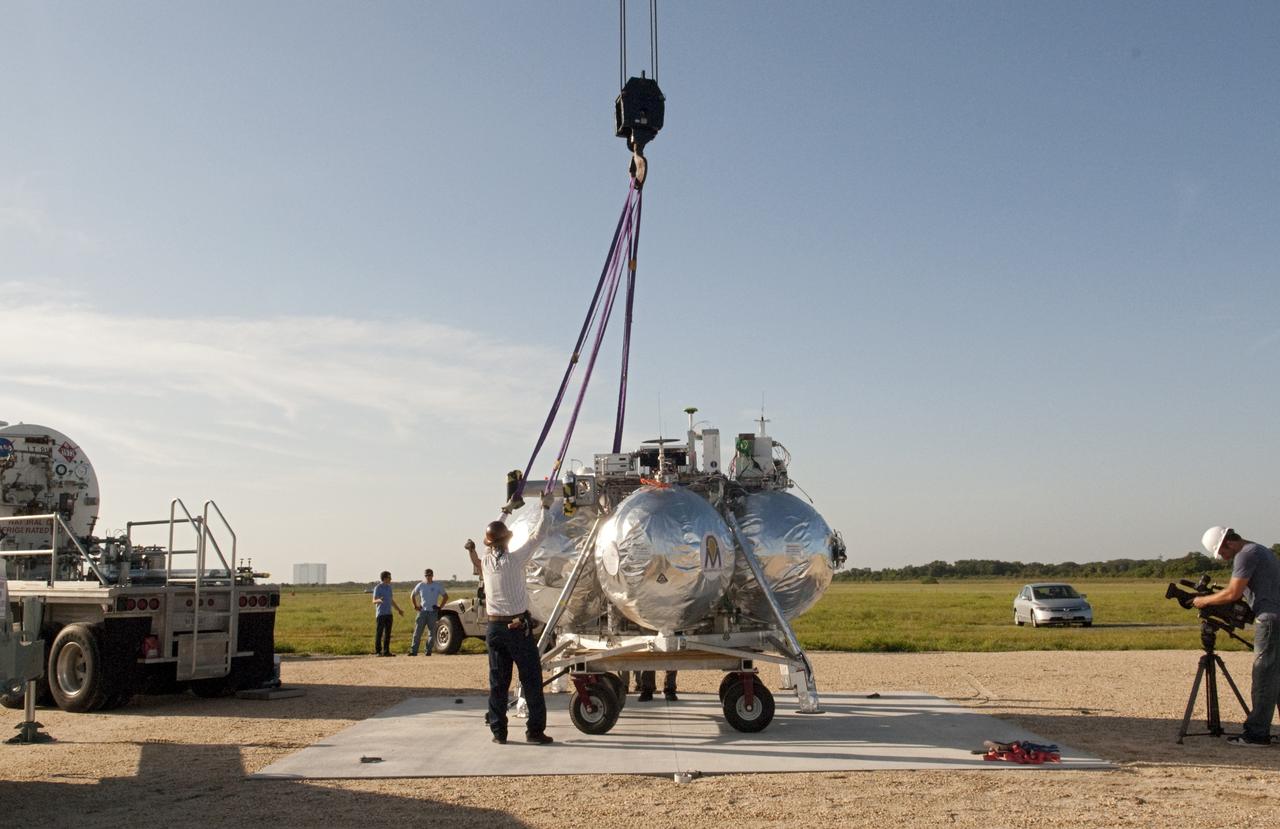
CAPE CANAVERAL, Fla. - A crane is being used to set up NASA's Morpheus lander, a vertical test bed vehicle, at its launch position along the runway at the Shuttle Landing Facility, or SLF, at the Kennedy Space Center in Florida. Morpheus is designed to demonstrate new green propellant propulsion systems and autonomous landing and an Autonomous Landing and Hazard Avoidance Technology, or ALHAT, system. Checkout of the prototype lander has been ongoing at NASA’s Johnson Space Center in Houston in preparation for its first free flight. The SLF site will provide the lander with the kind of field necessary for realistic testing. Project Morpheus is one of 20 small projects comprising the Advanced Exploration Systems, or AES, program in NASA’s Human Exploration and Operations Mission Directorate. AES projects pioneer new approaches for rapidly developing prototype systems, demonstrating key capabilities and validating operational concepts for future human missions beyond Earth orbit. For more information on Project Morpheus, visit http://www.nasa.gov/centers/johnson/exploration/morpheus/index.html Photo credit: NASA/Dimitri Gerondidakis
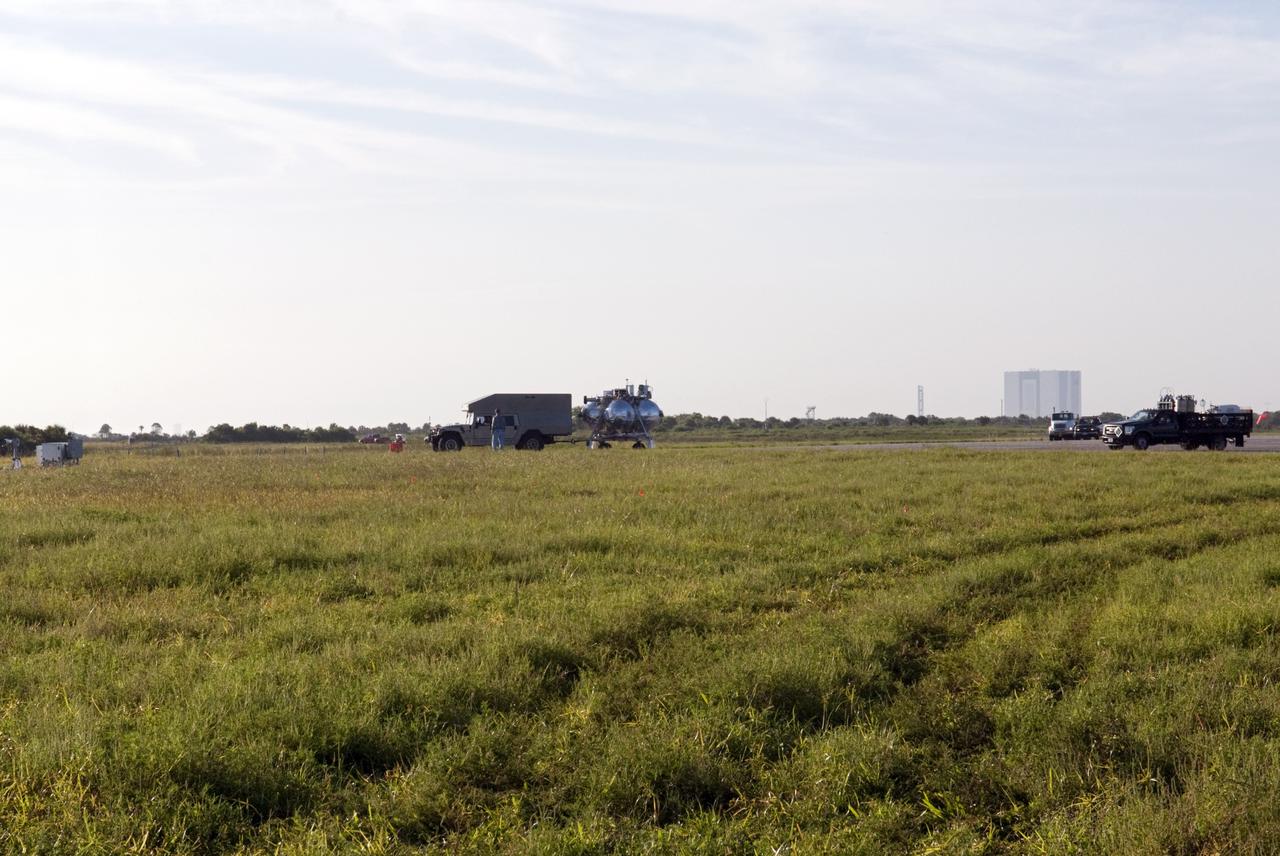
CAPE CANAVERAL, Fla. - NASA's Morpheus lander, a vertical test bed vehicle, is being transported along the Shuttle Landing Facility, or SLF, at the Kennedy Space Center in Florida for a short trip to a launch position along the runway. Morpheus is designed to demonstrate new green propellant propulsion systems and autonomous landing and an Autonomous Landing and Hazard Avoidance Technology, or ALHAT, system. Checkout of the prototype lander has been ongoing at NASA’s Johnson Space Center in Houston in preparation for its first free flight. The SLF site will provide the lander with the kind of field necessary for realistic testing. Project Morpheus is one of 20 small projects comprising the Advanced Exploration Systems, or AES, program in NASA’s Human Exploration and Operations Mission Directorate. AES projects pioneer new approaches for rapidly developing prototype systems, demonstrating key capabilities and validating operational concepts for future human missions beyond Earth orbit. For more information on Project Morpheus, visit http://www.nasa.gov/centers/johnson/exploration/morpheus/index.html Photo credit: NASA/Dimitri Gerondidakis
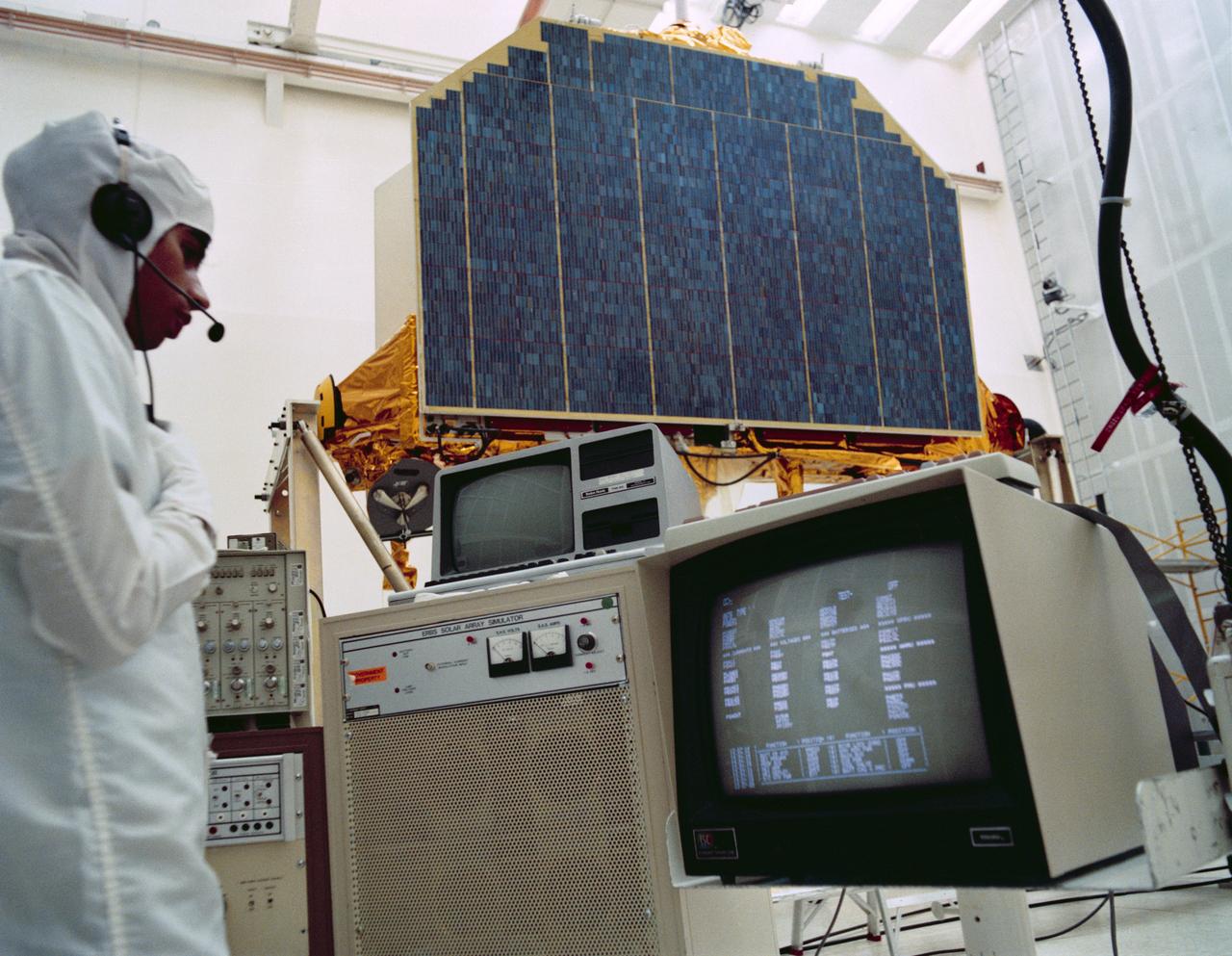
Documentation of STS 41-G payloads while in Hangar AE at Cape Canaveral. Views include documentation of the Earth Radiation Budget Satllite (ERBS) antenna (41266) and solar array panels (41265).
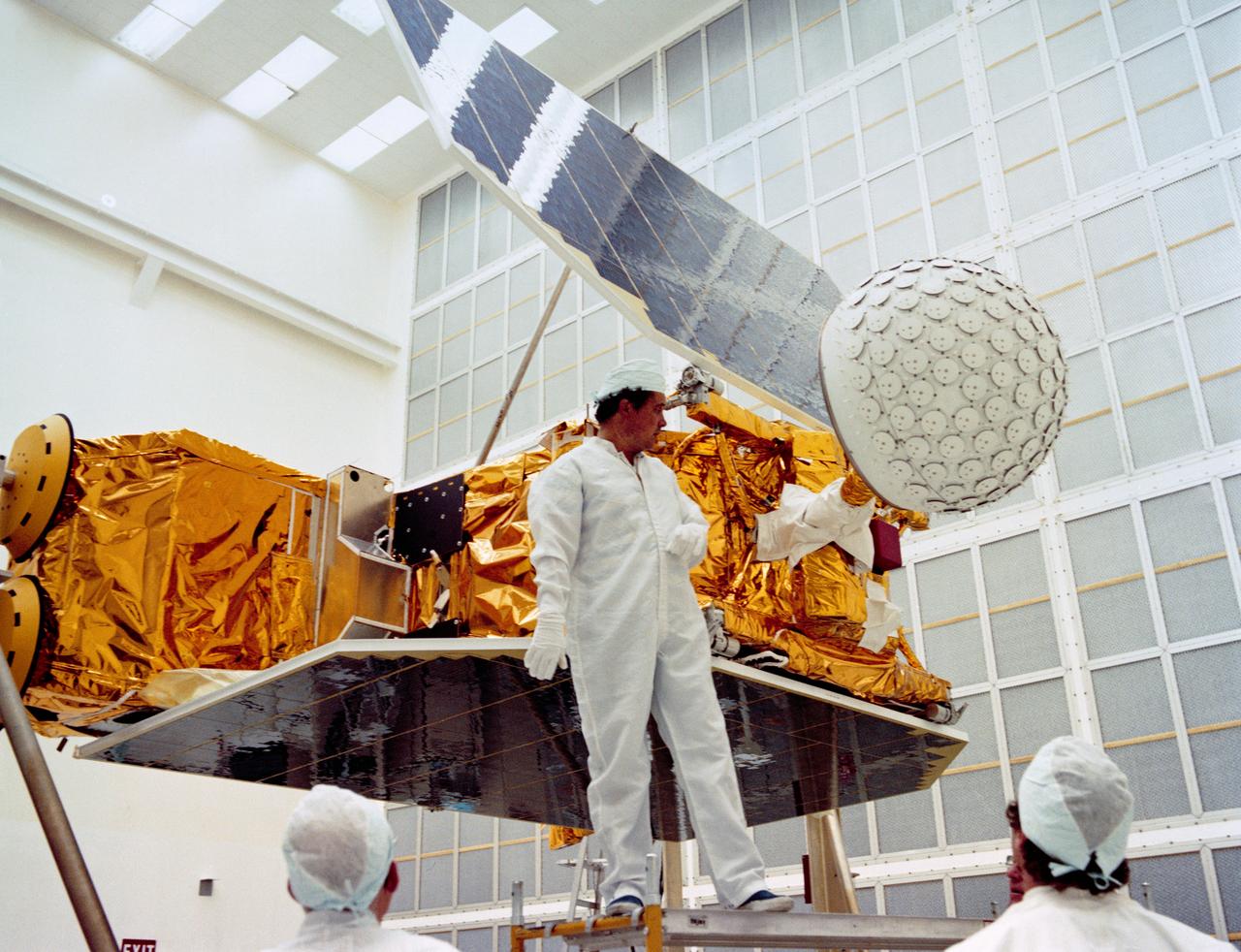
Documentation of STS 41-G payloads while in Hangar AE at Cape Canaveral. Views include documentation of the Earth Radiation Budget Satllite (ERBS) antenna (41266) and solar array panels (41265).
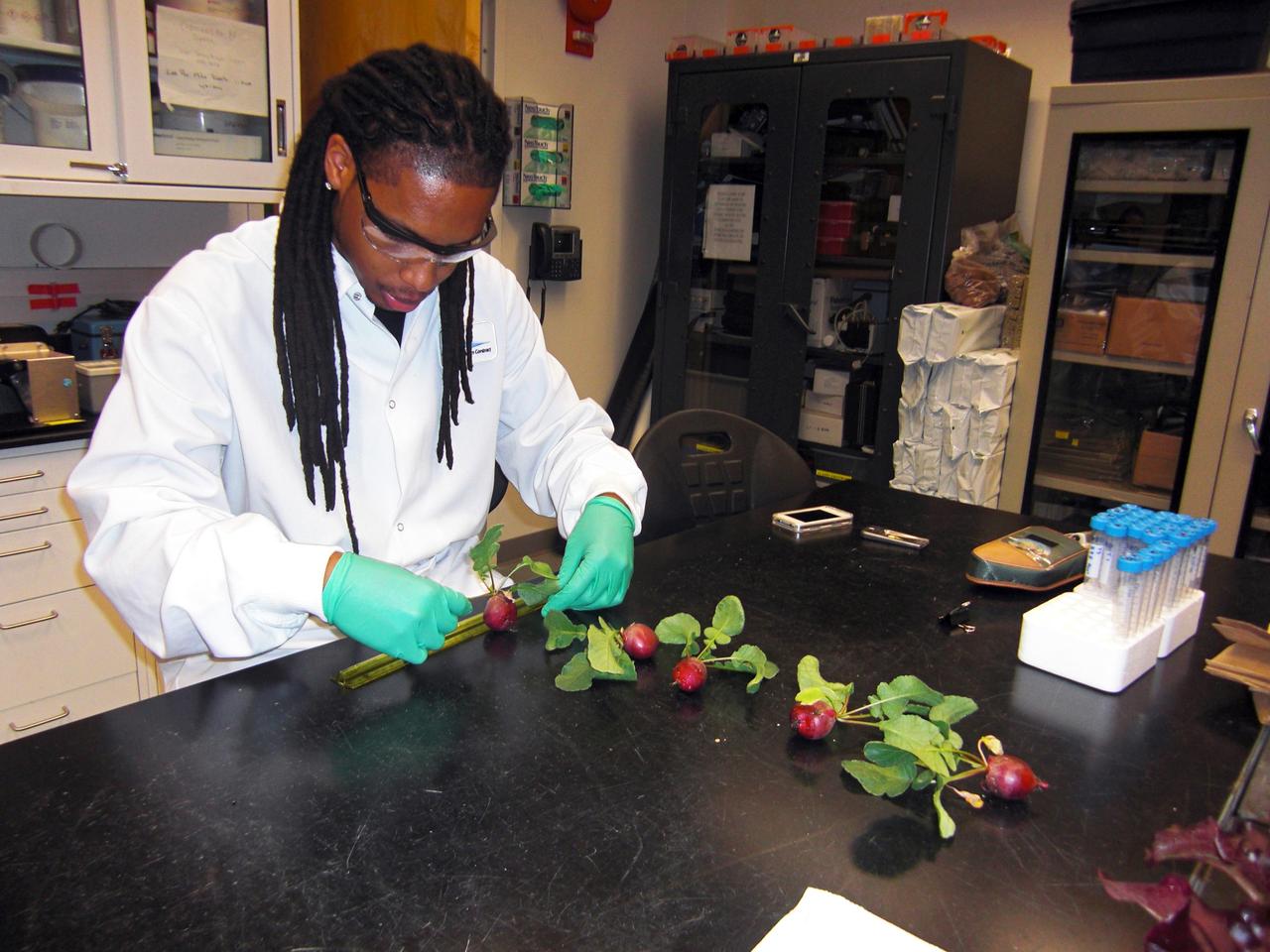
CAPE CANAVERAL, Fla. – Inside the Space Life Sciences Laboratory, or SLSL, at NASA’s Kennedy Space Center in Florida, Dr. Matthew Mickens, a plant biologist from North Carolina Agriculture and Technical State University in North Carolina, measures radish plants that were just harvested from a plant growth chamber. The plants were grown under red and blue LED lights. The plant experiment at Kennedy is part of the Advanced Exploration Systems, or AES, program in NASA’s Human Exploration and Operations Mission Directorate. This plant experiment studies the effects of different types of lighting on plants such as radishes and leaf lettuce. Results of these studies will help provide information on how to grow food sources for deep space exploration missions. AES projects pioneer new approaches for rapidly developing prototype systems, demonstrating key capabilities and validating operational concepts for future human missions beyond Earth orbit. Photo credit: NASA/Frank Ochoa-Gonzales
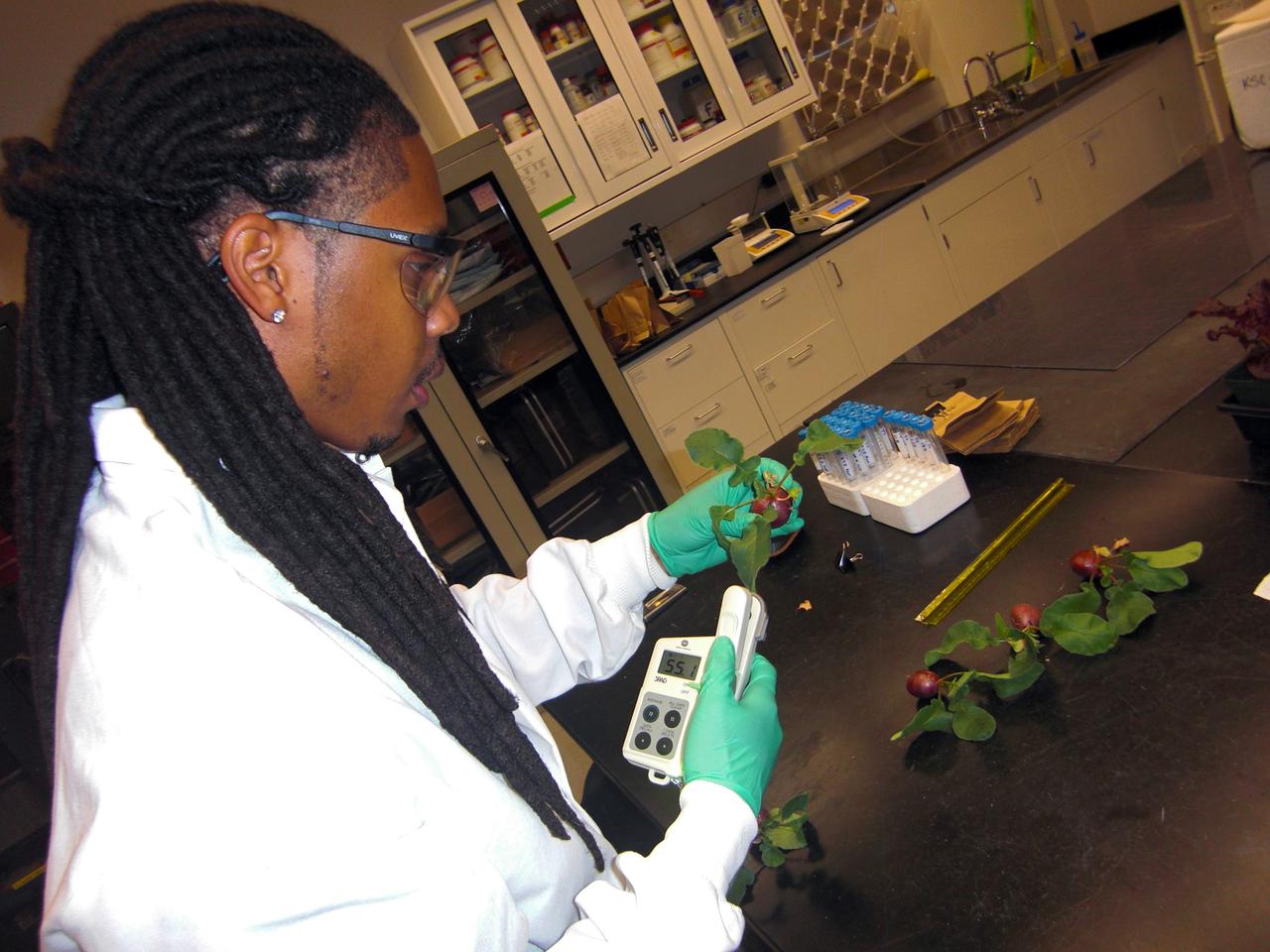
CAPE CANAVERAL, Fla. – Inside the Space Life Sciences Laboratory, or SLSL, at NASA’s Kennedy Space Center in Florida, Dr. Matthew Mickens, a plant biologist from North Carolina Agriculture and Technical State University in North Carolina, measures radish plants that were just harvested from a plant growth chamber. The plants were grown under red and blue LED lights. The plant experiment at Kennedy is part of the Advanced Exploration Systems, or AES, program in NASA’s Human Exploration and Operations Mission Directorate. This plant experiment studies the effects of different types of lighting on plants such as radishes and leaf lettuce. Results of these studies will help provide information on how to grow food sources for deep space exploration missions. AES projects pioneer new approaches for rapidly developing prototype systems, demonstrating key capabilities and validating operational concepts for future human missions beyond Earth orbit. Photo credit: NASA/Frank Ochoa-Gonzales
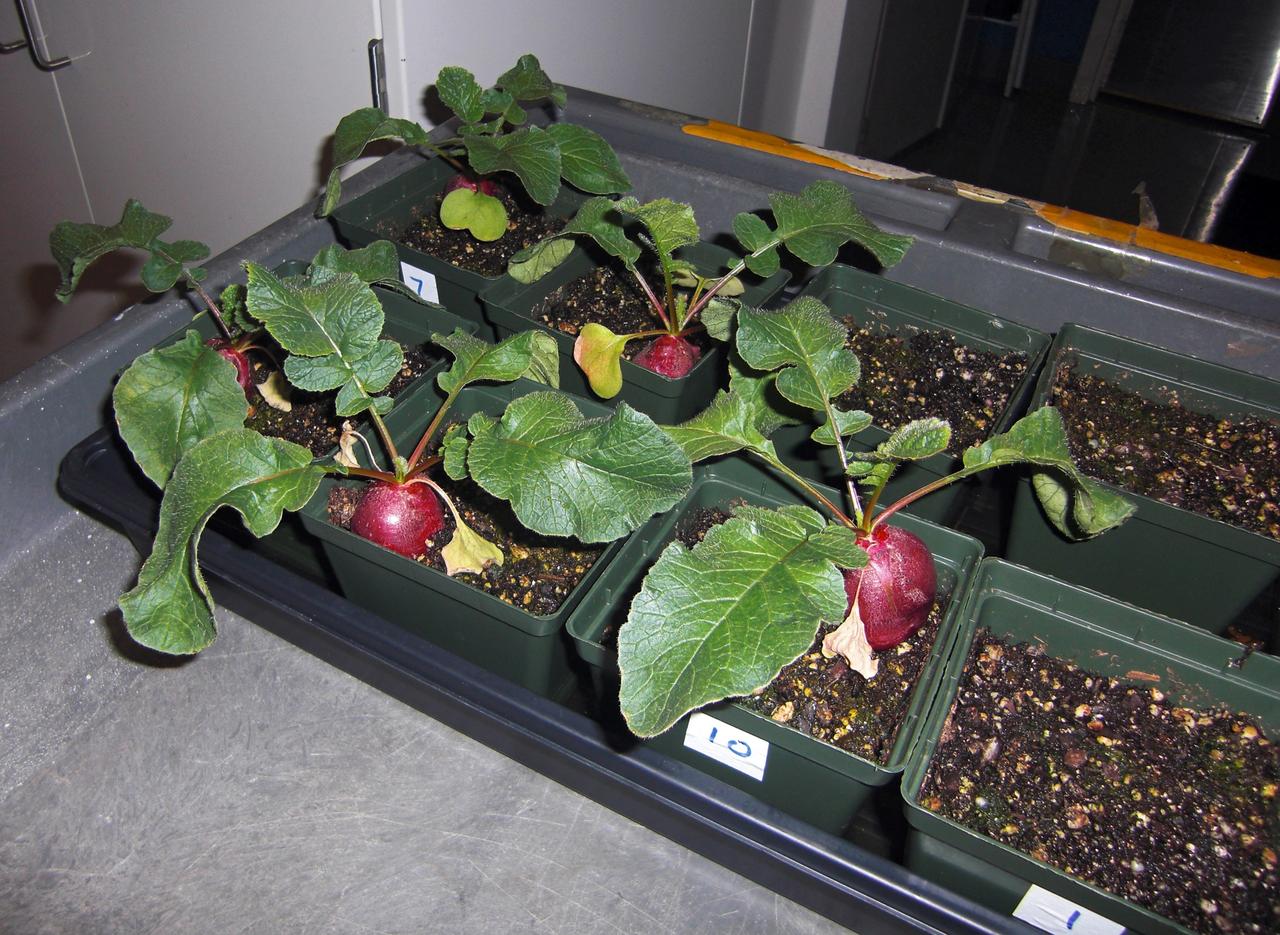
CAPE CANAVERAL, Fla. – Inside the Space Life Sciences Laboratory, or SLSL, at NASA’s Kennedy Space Center in Florida, radish plants are being harvested in a plant growth chamber. The plants were grown under red and blue LED lights. The plant experiment at Kennedy is part of the Advanced Exploration Systems, or AES, program in NASA’s Human Exploration and Operations Mission Directorate. This plant experiment studies the effects of different types of lighting on plants such as radishes and leaf lettuce. Results of these studies will help provide information on how to grow food sources for deep space exploration missions. AES projects pioneer new approaches for rapidly developing prototype systems, demonstrating key capabilities and validating operational concepts for future human missions beyond Earth orbit. Photo credit: NASA/Frank Ochoa-Gonzales
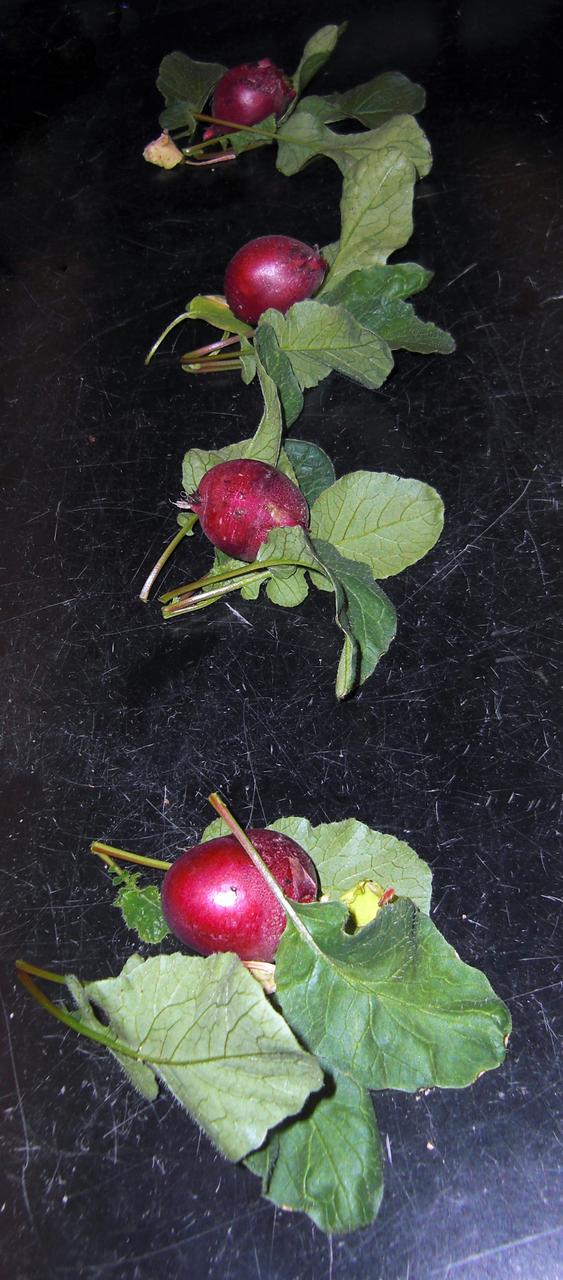
CAPE CANAVERAL, Fla. – Inside the Space Life Sciences Laboratory, or SLSL, at NASA’s Kennedy Space Center in Florida, radish plants were harvested from a plant growth chamber. The plants were grown under red and blue LED lights. The plant experiment at Kennedy is part of the Advanced Exploration Systems, or AES, program in NASA’s Human Exploration and Operations Mission Directorate. This plant experiment studies the effects of different types of lighting on plants such as radishes and leaf lettuce. Results of these studies will help provide information on how to grow food sources for deep space exploration missions. AES projects pioneer new approaches for rapidly developing prototype systems, demonstrating key capabilities and validating operational concepts for future human missions beyond Earth orbit. Photo credit: NASA/Frank Ochoa-Gonzales
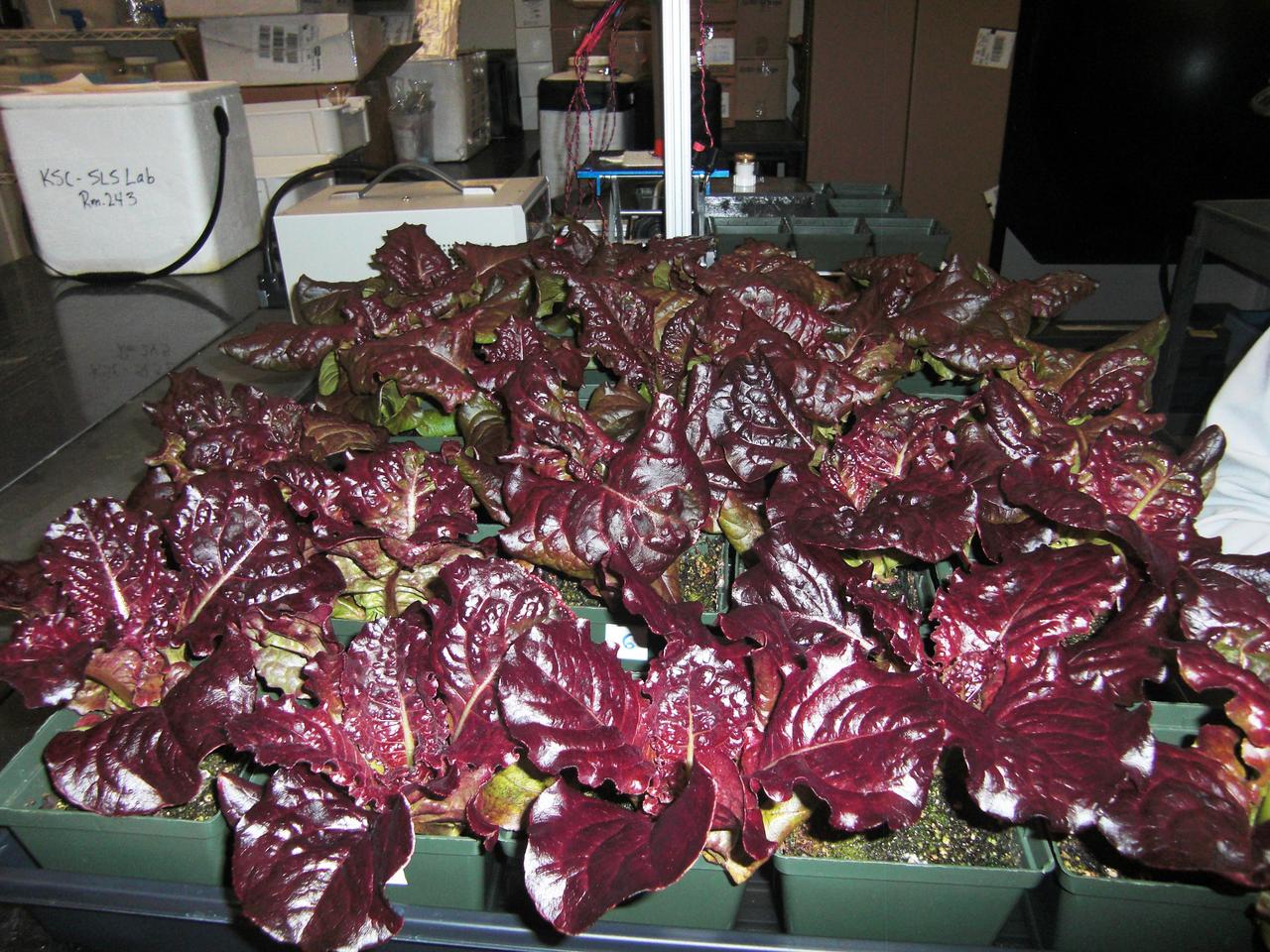
CAPE CANAVERAL, Fla. – Inside the Space Life Sciences Laboratory, or SLSL, at NASA’s Kennedy Space Center in Florida, red leaf lettuce plants were harvested from a plant growth chamber. The plants were grown under red and blue LED lights. The plant experiment at Kennedy is part of the Advanced Exploration Systems, or AES, program in NASA’s Human Exploration and Operations Mission Directorate. This plant experiment studies the effects of different types of lighting on plants such as radishes and leaf lettuce. Results of these studies will help provide information on how to grow food sources for deep space exploration missions. AES projects pioneer new approaches for rapidly developing prototype systems, demonstrating key capabilities and validating operational concepts for future human missions beyond Earth orbit. Photo credit: NASA/Frank Ochoa-Gonzales
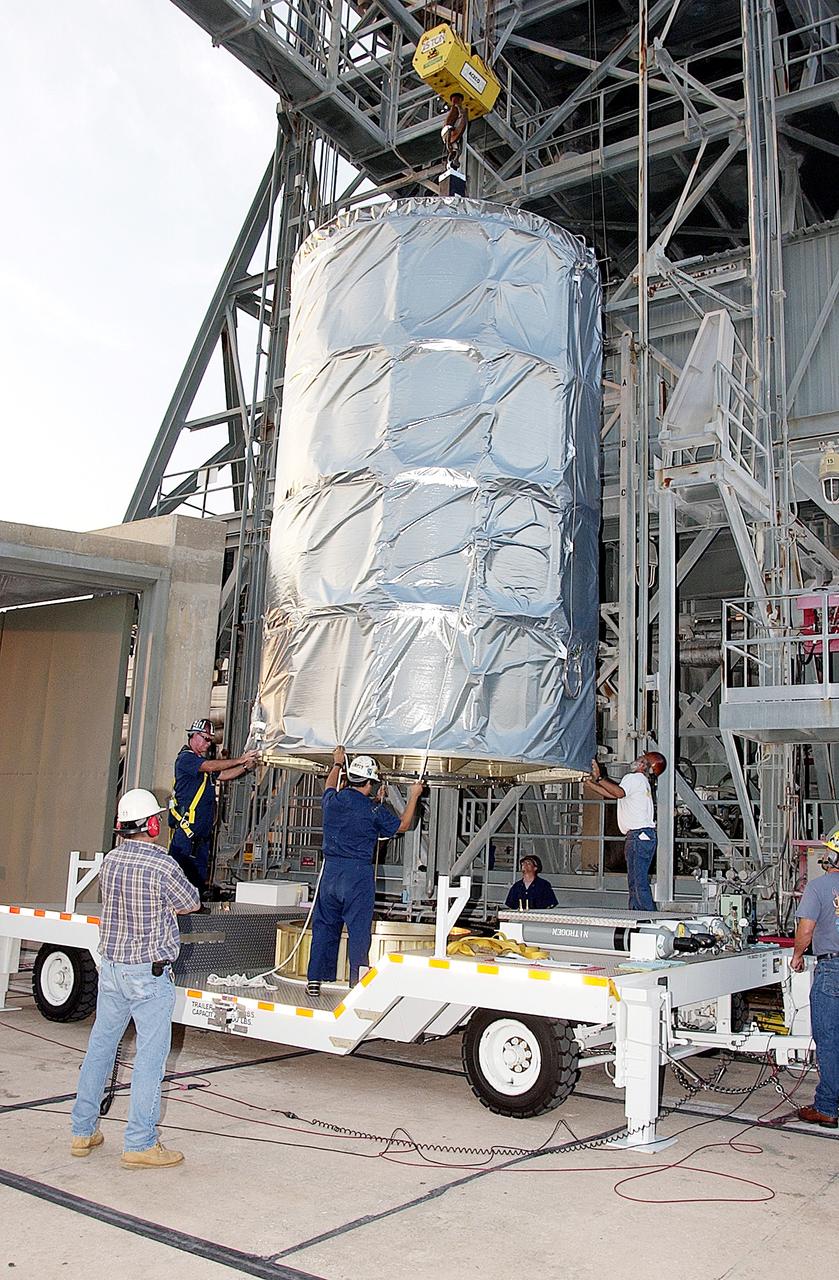
KENNEDY SPACE CENTER, FLA. - On Launch Complex 17-B, Cape Canaveral Air Force Station, the Space Infrared Telescope Facility (SIRTF) observatory is lowered onto a transporter to be taken back to NASA Spacecraft Hangar AE. SIRTF will remain in the clean room at Hangar AE until it returns to the pad in early August.
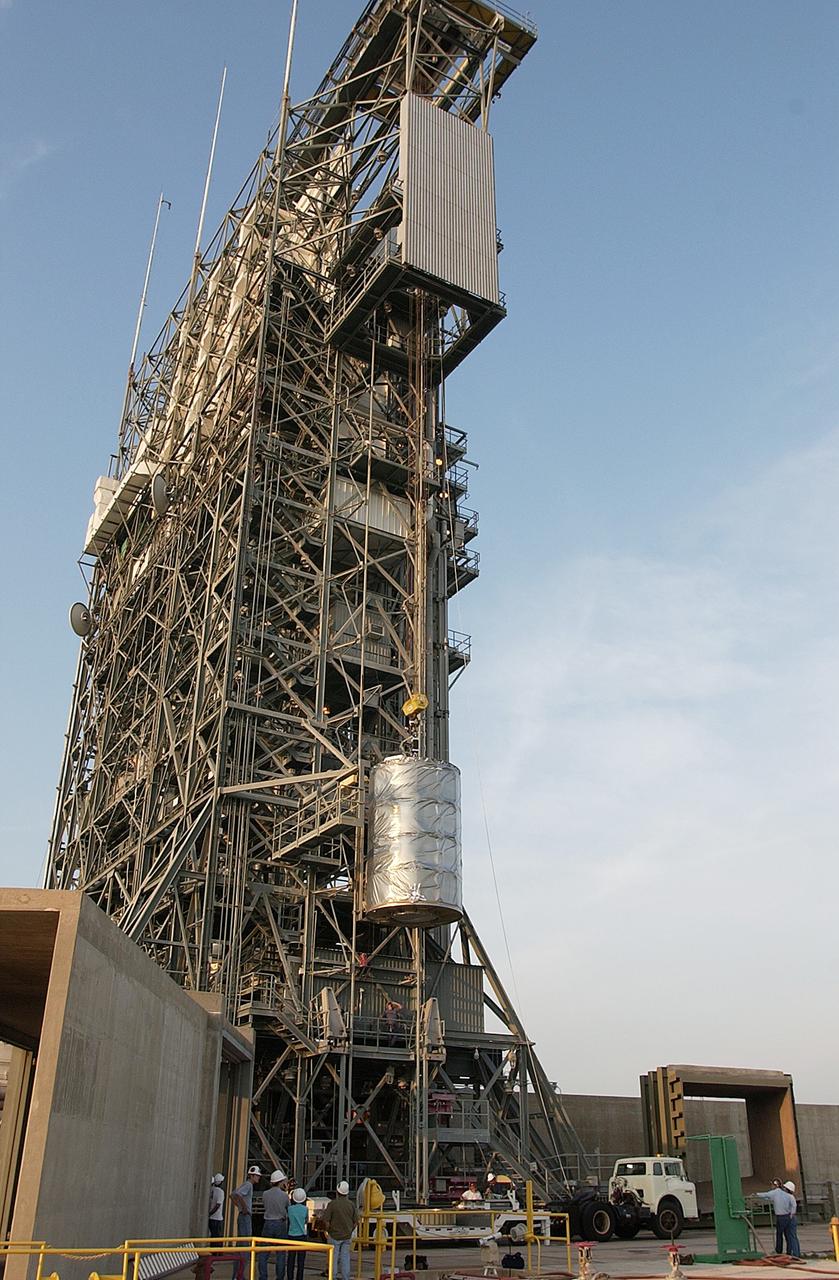
KENNEDY SPACE CENTER, FLA. - On Launch Complex 17-B, Cape Canaveral Air Force Station, the Space Infrared Telescope Facility (SIRTF) observatory is lowered to the ground and taken back to NASA Spacecraft Hangar AE. SIRTF will remain in the clean room at Hangar AE until it returns to the pad in early August.
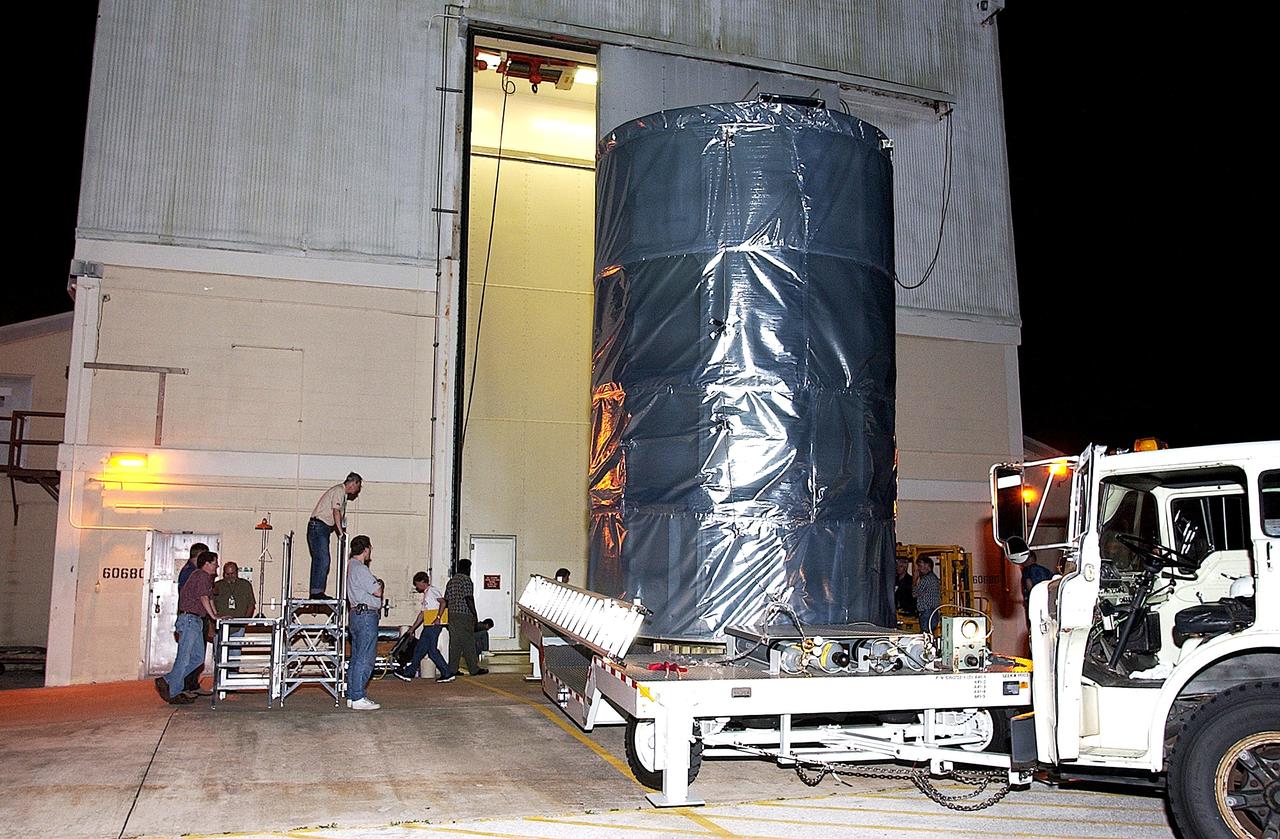
KENNEDY SPACE CENTER, FLA. - On Launch Complex 17-B, Cape Canaveral Air Force Station, the Space Infrared Telescope Facility (SIRTF) observatory is on a transporter to be taken back to NASA Spacecraft Hangar AE. SIRTF will remain in the clean room at Hangar AE until it returns to the pad in early August.
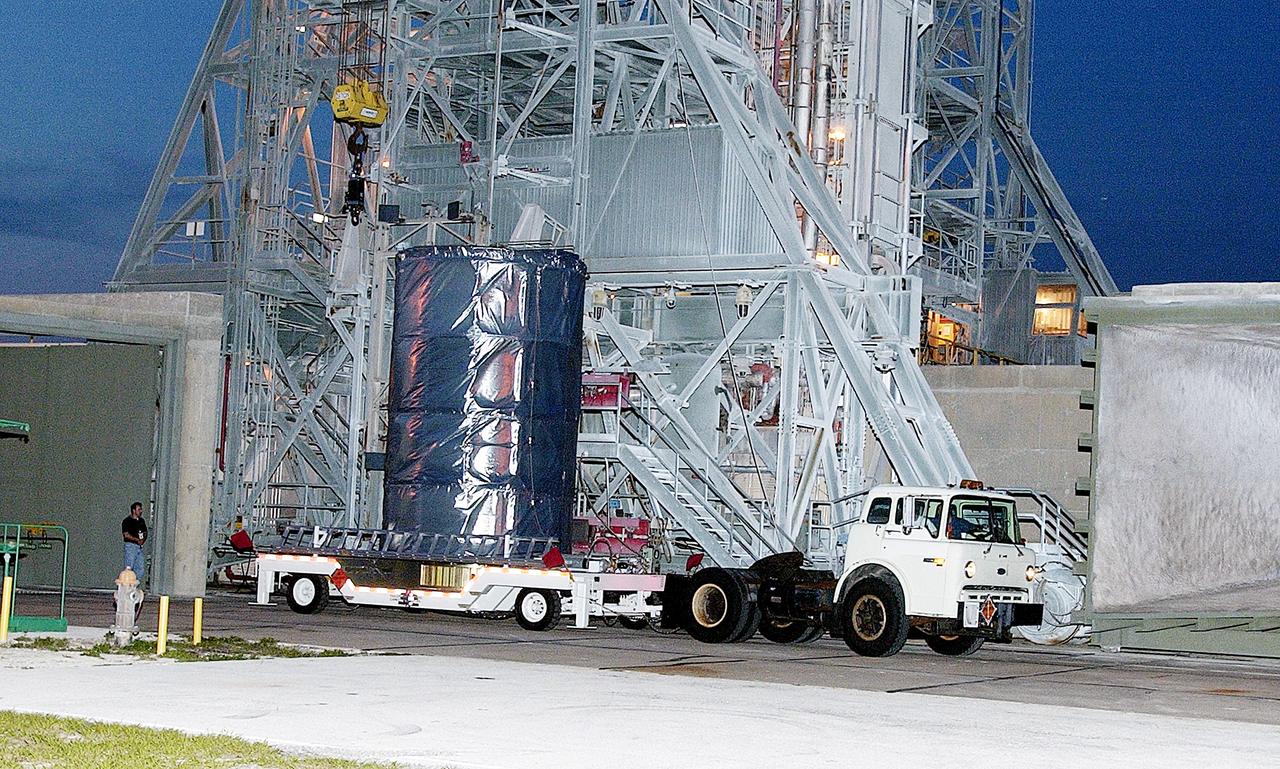
KENNEDY SPACE CENTER, FLA. - On Launch Complex 17-B, Cape Canaveral Air Force Station, the Space Infrared Telescope Facility (SIRTF) observatory is on a transporter to be taken back to NASA Spacecraft Hangar AE. SIRTF will remain in the clean room at Hangar AE until it returns to the pad in early August.
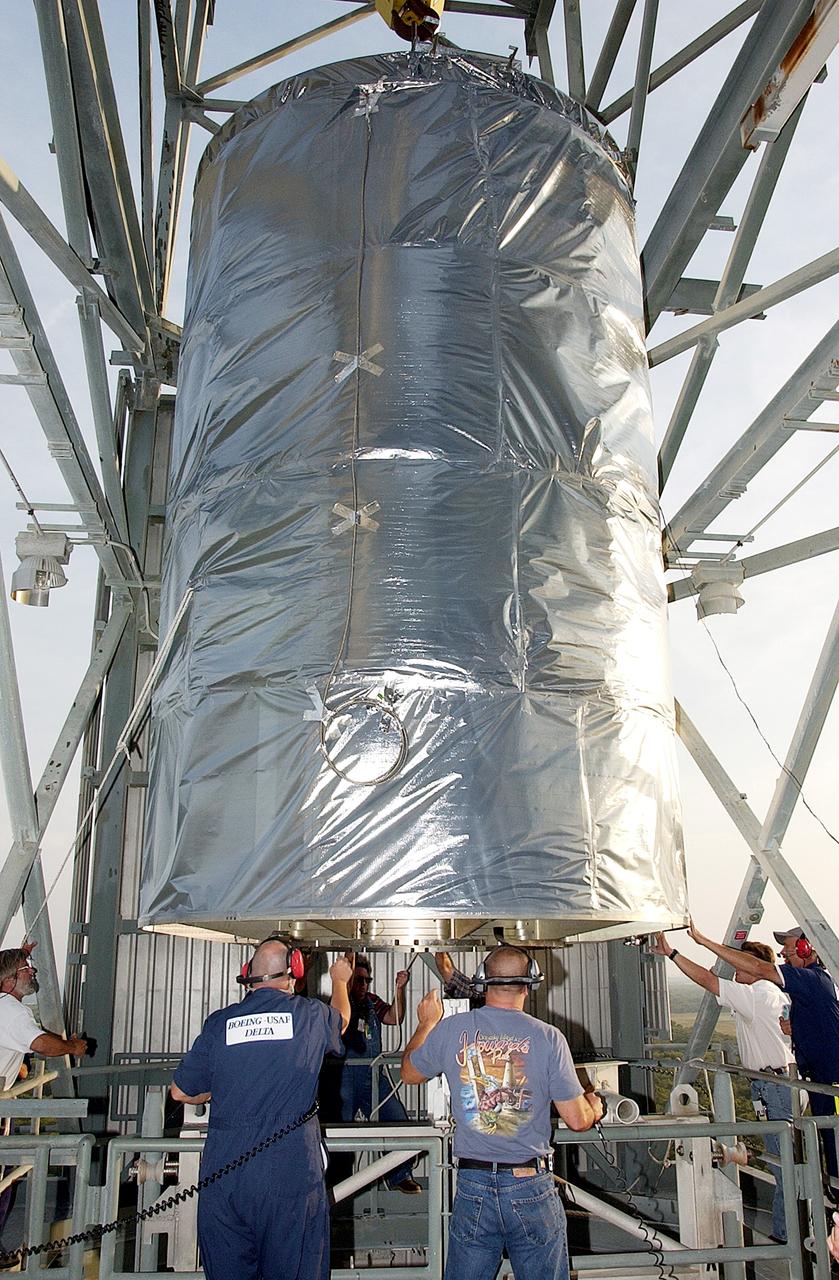
KENNEDY SPACE CENTER, FLA. - On Launch Complex 17-B, Cape Canaveral Air Force Station, the Space Infrared Telescope Facility (SIRTF) observatory is ready to be lowered to the ground and taken back to NASA Spacecraft Hangar AE. SIRTF will remain in the clean room at Hangar AE until it returns to the pad in early August.
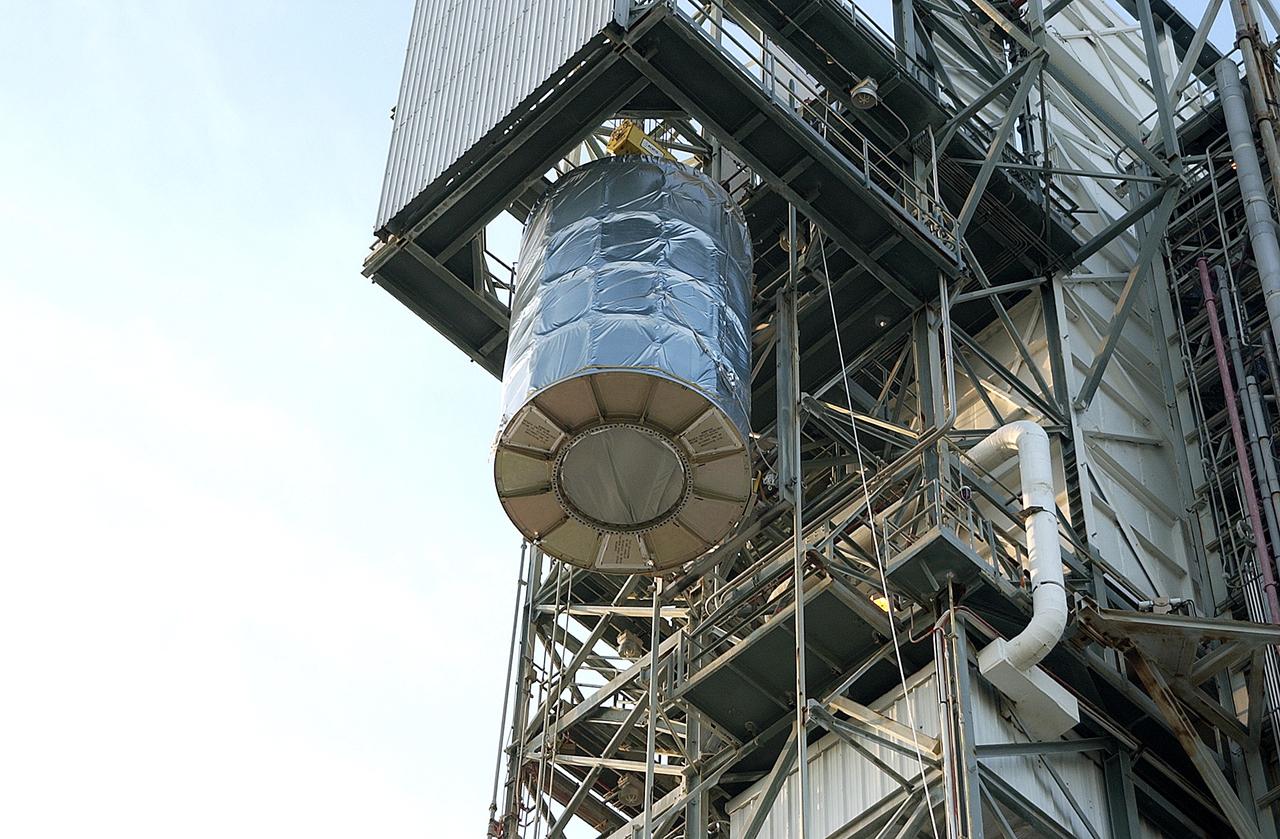
KENNEDY SPACE CENTER, FLA. - On Launch Complex 17-B, Cape Canaveral Air Force Station, the Space Infrared Telescope Facility (SIRTF) observatory is lowered to the ground and taken back to NASA Spacecraft Hangar AE. SIRTF will remain in the clean room at Hangar AE until it returns to the pad in early August.