Lanes of Air
The Air Up There
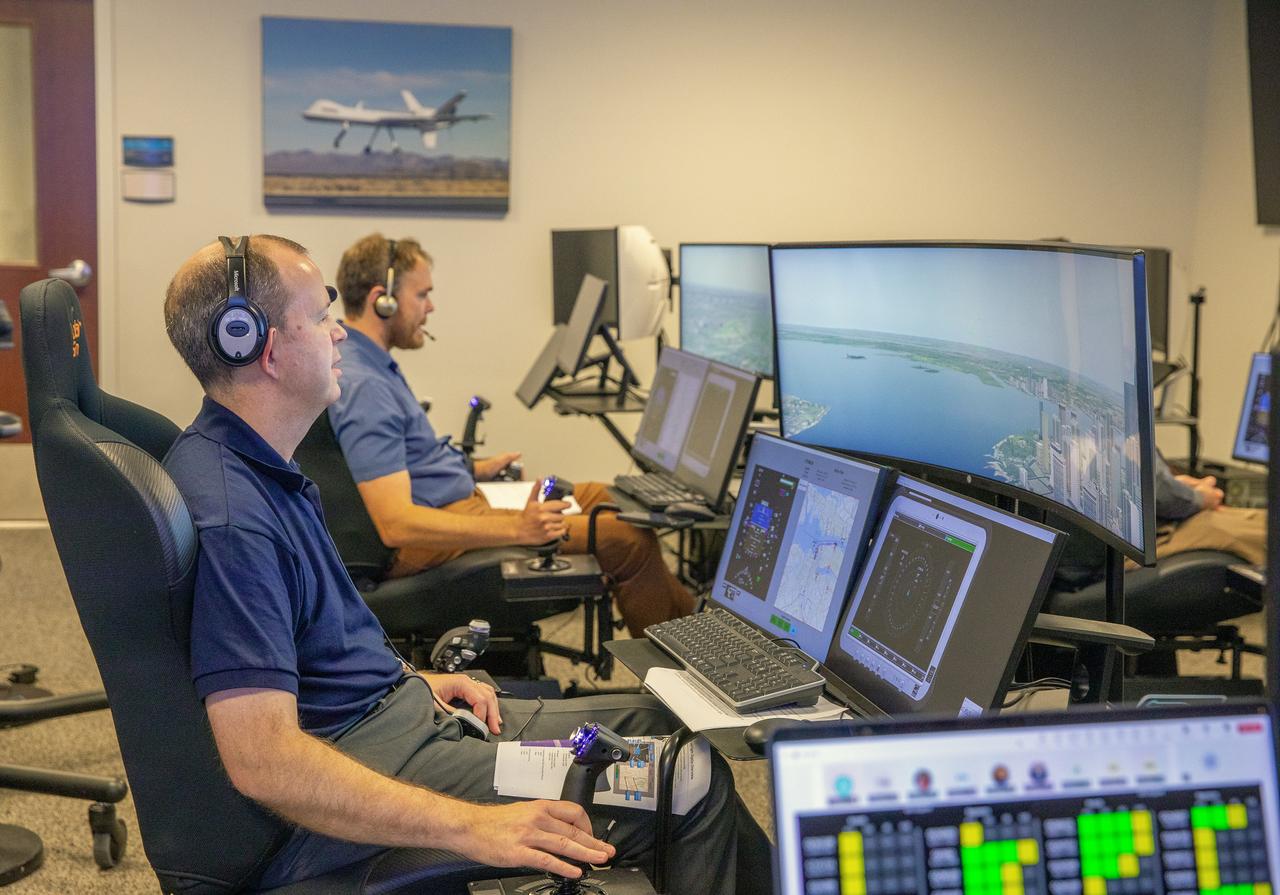
Focus on active photos –Class B Simulation Evaluation in the ATOL Lab at Langley (Also at FAA Tech Center) where team is working with one another in the lab, reviewing data on the monitors. Working the software, adjusting the software systems. Going over the shoulder to show the displays and screens as the software is running. Andy Burroughs (left) and Paul Friz in the roles of air taxi pilots running through air taxi integration simulations focusing on urban air space at NASA’s Langley Research in Hampton, Virginia on Sept. 25, 2024.
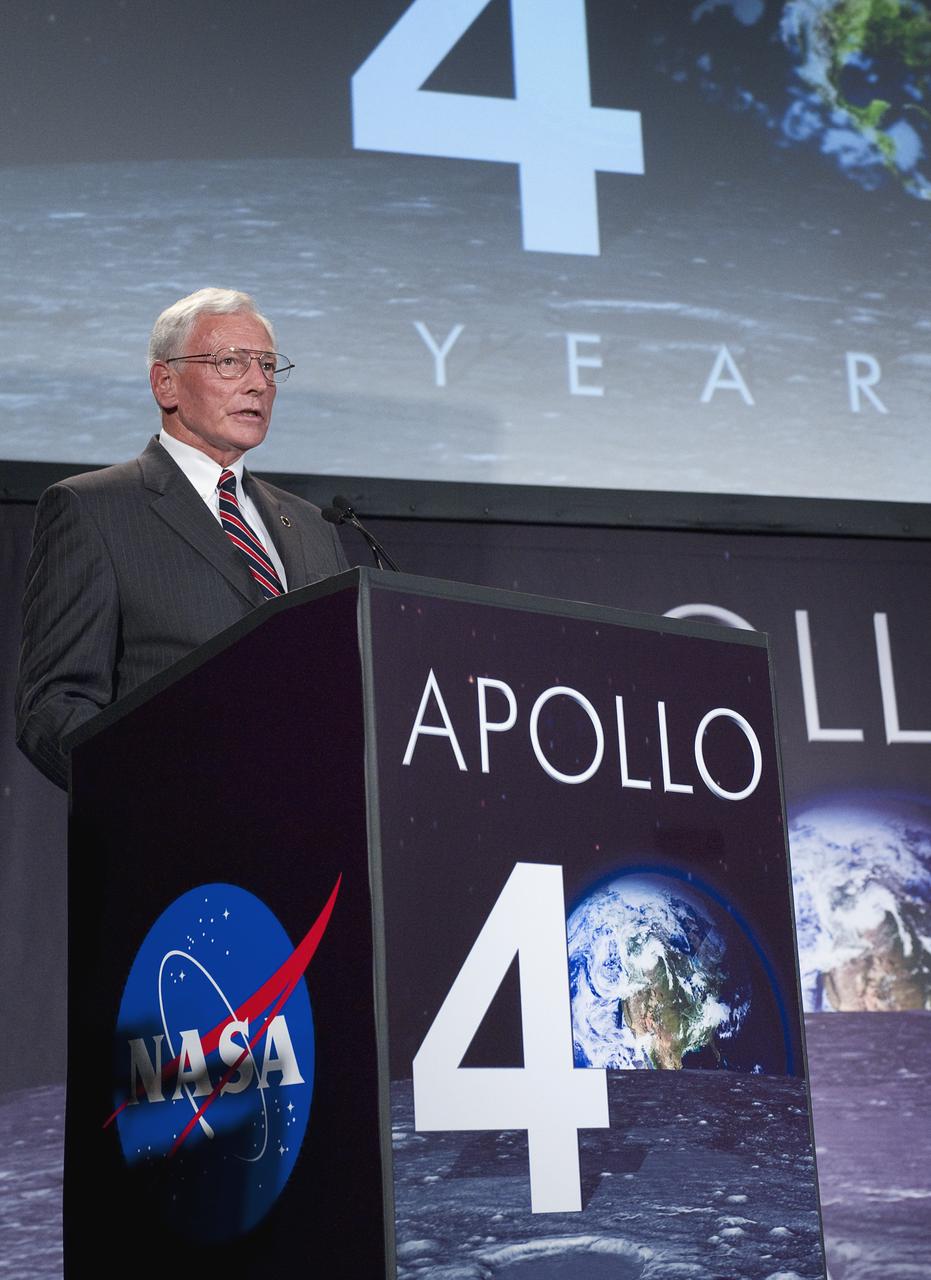
Director of the Smithsonian's National Air and Space Museum Gen. John R. "Jack" Dailey gives his opening remarks at the Apollo 40th anniversary celebration held at the National Air and Space Museum, Monday, July 20, 2009 in Washington. Photo Credit: (NASA/Bill Ingalls)
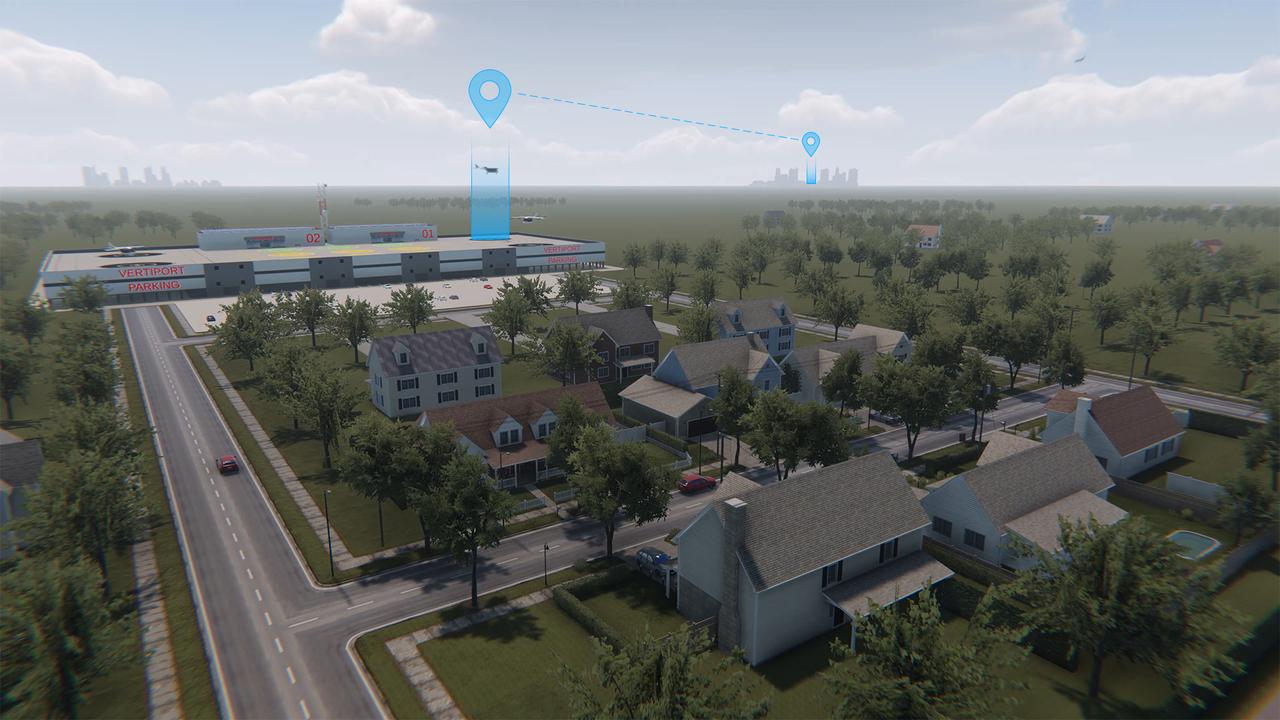
Advanced Air Mobility will connect both urban dwellers and rural residents by adding a new way to travel by air. As shown in this concept art, passengers could travel from rural areas into the city quicker than by car to board a commercial airliner, access medical care or to purchase goods.
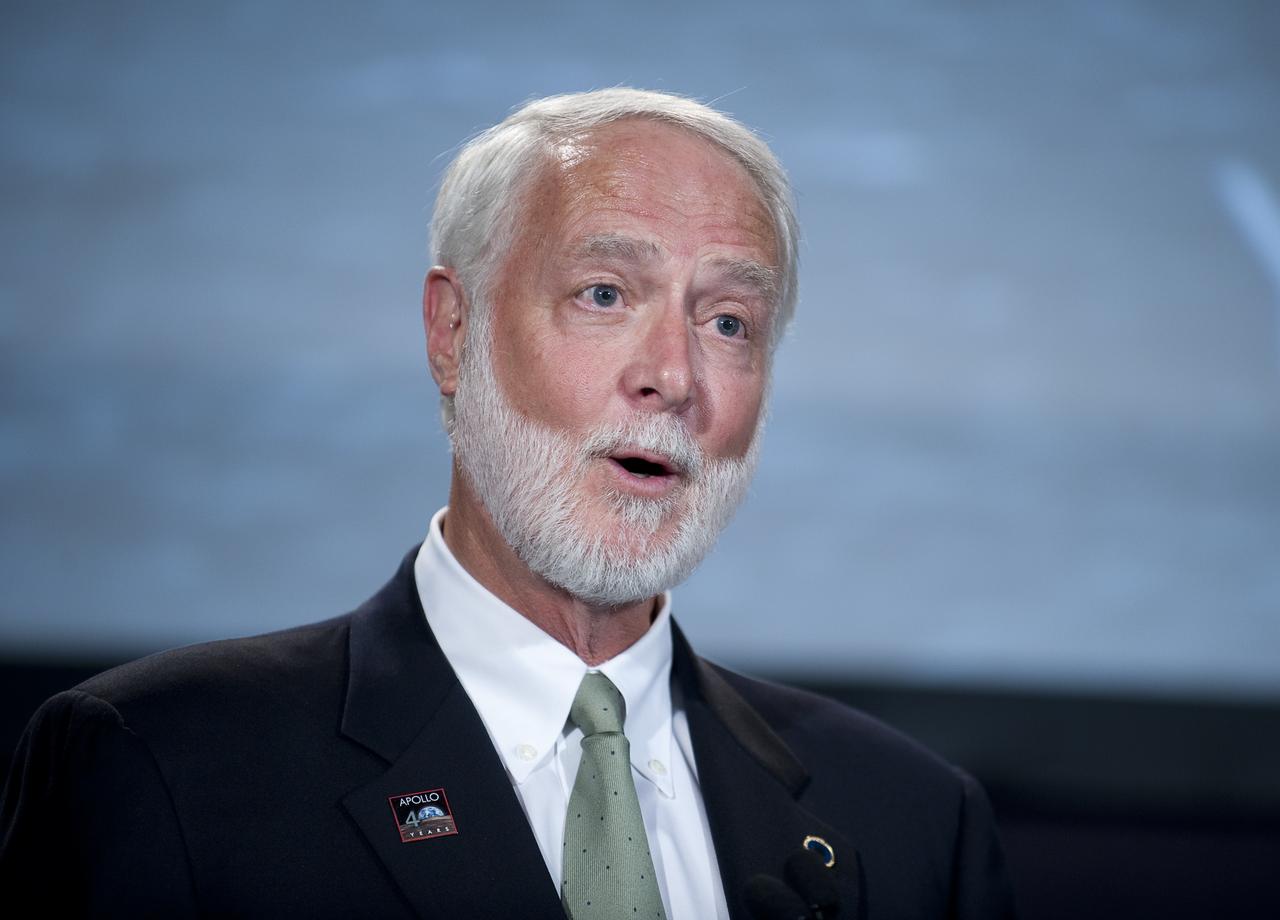
Secretary of the Smithsonian Institution Wayne Clough speaks at the Apollo 40th anniversary celebration held at the National Air and Space Museum, Monday, July 20, 2009 in Washington. Photo Credit: (NASA/Bill Ingalls)
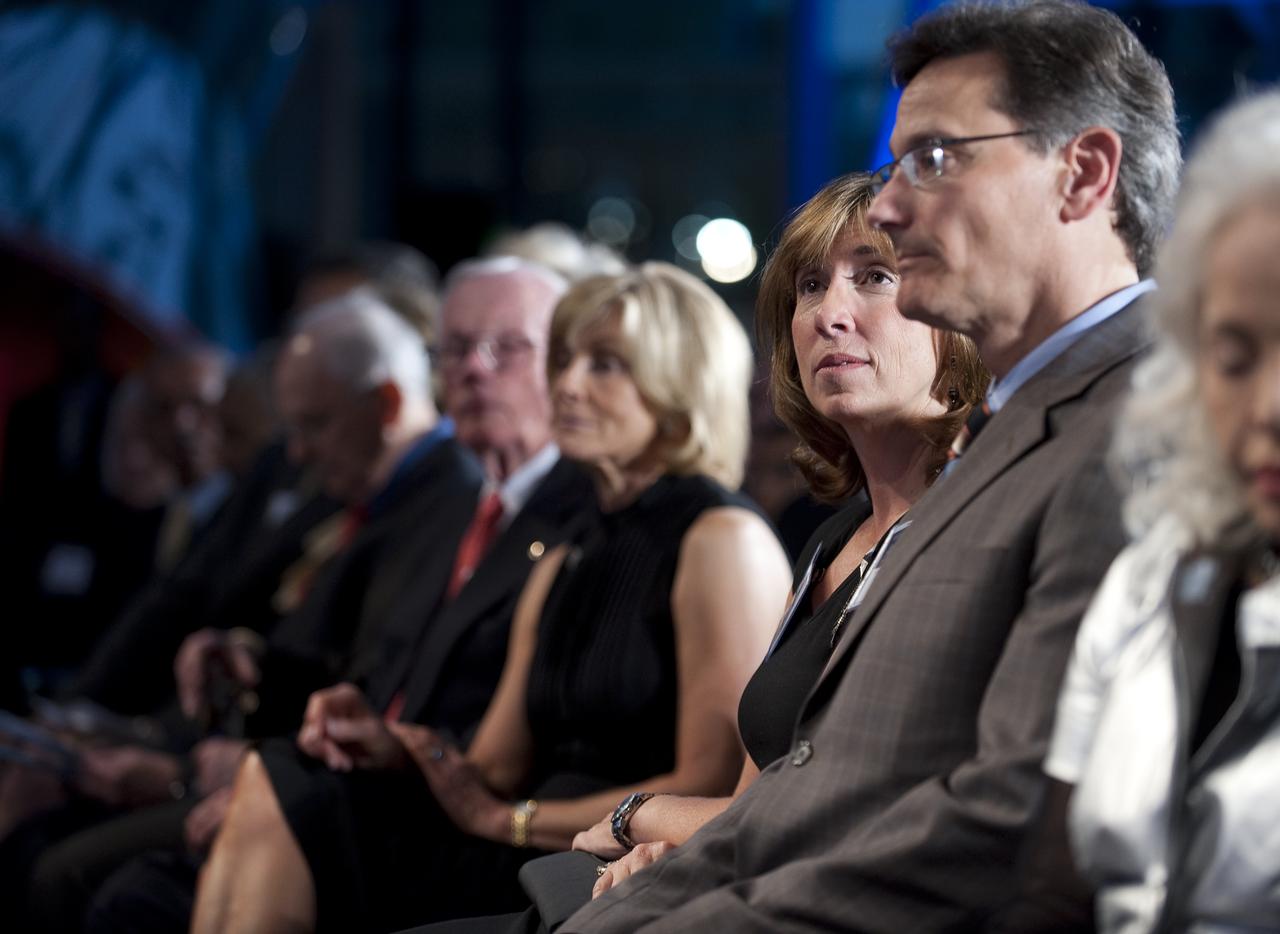
NASA Deputy Administrator Lori Garver listens during the Apollo 40th anniversary celebration held at the National Air and Space Museum, Monday, July 20, 2009 in Washington. Photo Credit: (NASA/Bill Ingalls)
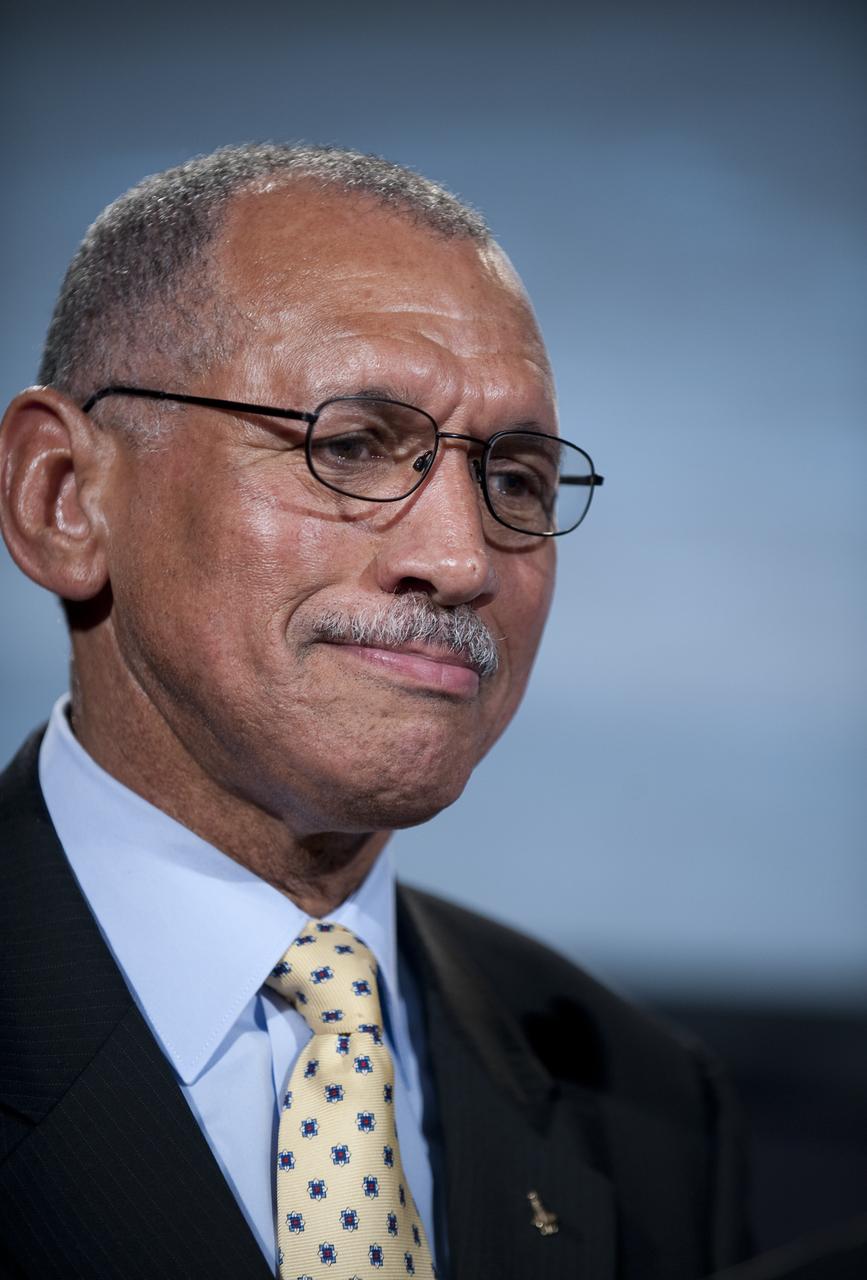
NASA Administrator Charles F. Bolden, Jr. speaks at the Apollo 40th anniversary celebration held at the National Air and Space Museum, Monday, July 20, 2009 in Washington. Photo Credit: (NASA/Bill Ingalls)
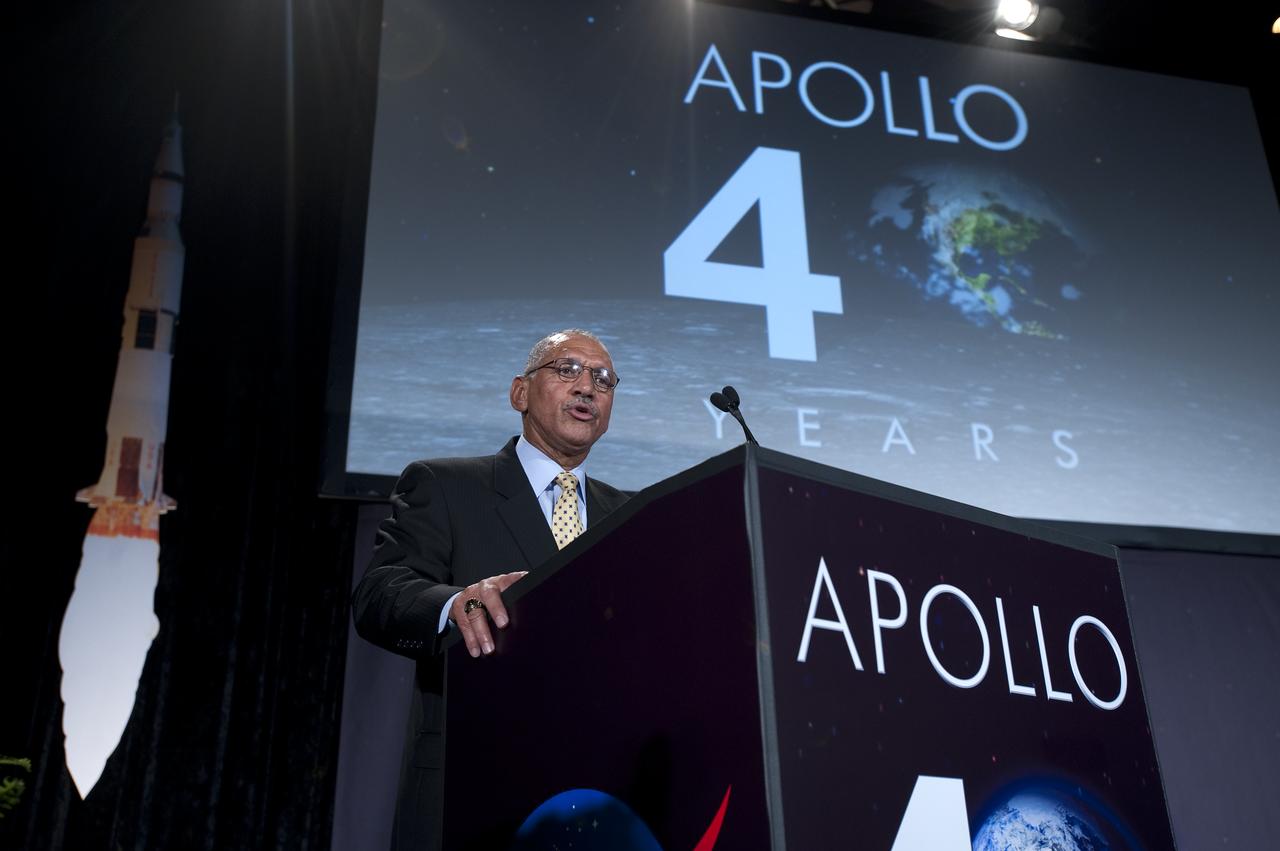
NASA Administrator Charles F. Bolden, Jr. speaks at the Apollo 40th anniversary celebration held at the National Air and Space Museum, Monday, July 20, 2009 in Washington. Photo Credit: (NASA/Bill Ingalls)
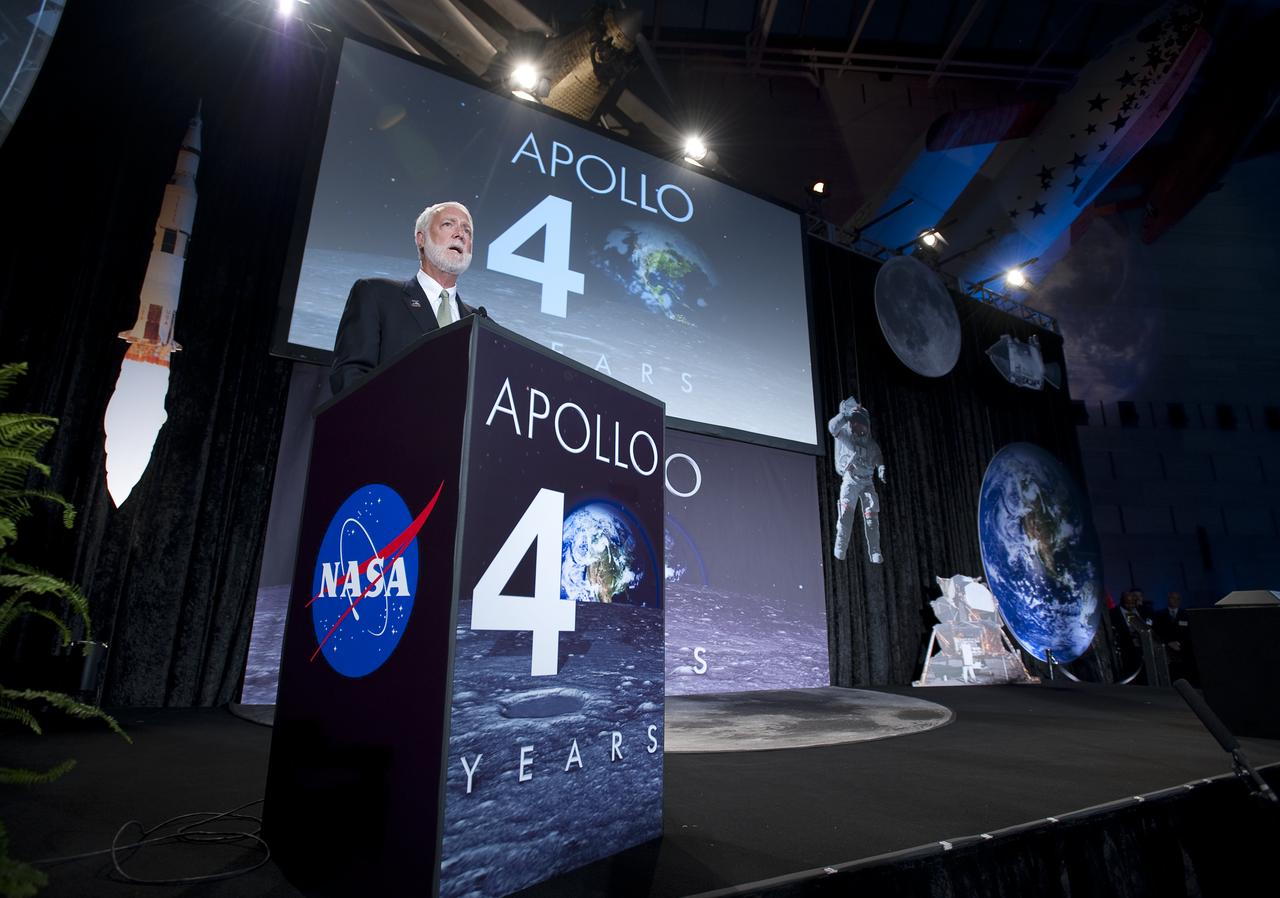
Secretary of the Smithsonian Institution Wayne Clough speaks at the Apollo 40th anniversary celebration held at the National Air and Space Museum, Monday, July 20, 2009 in Washington. Photo Credit: (NASA/Bill Ingalls)
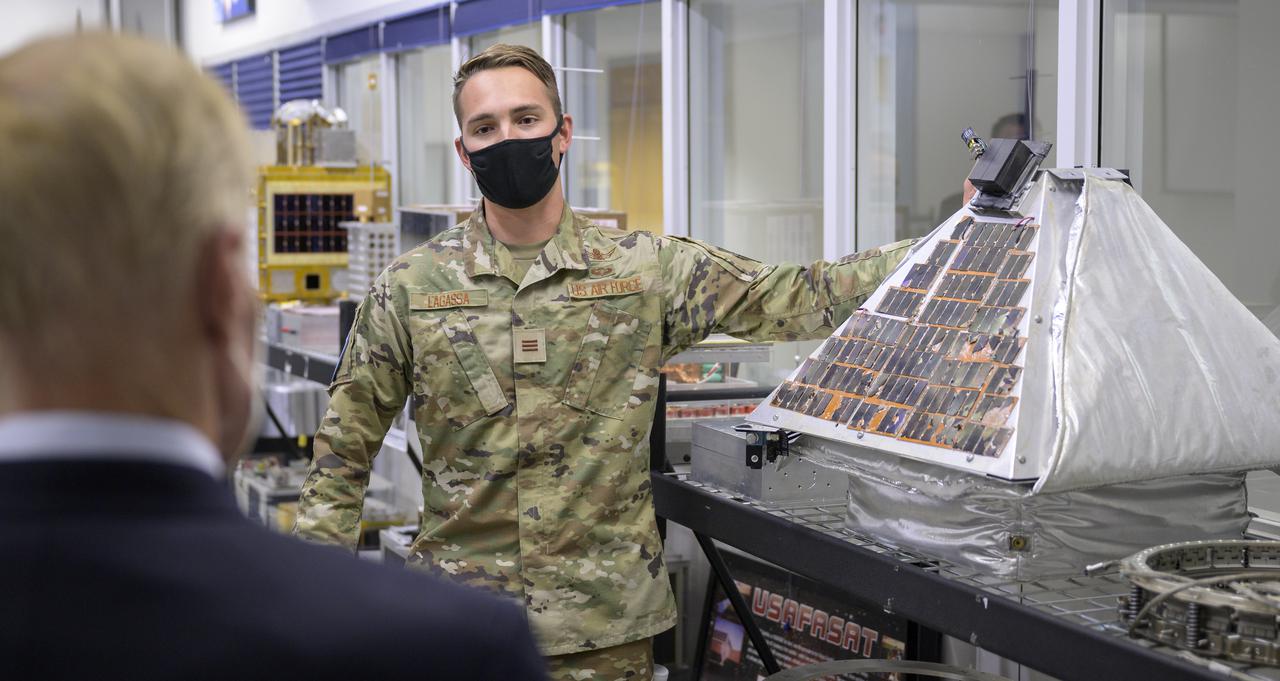
NASA Administrator Bill Nelson listens as Cadet First Class Andrew LaGassa talks about his classes work in the astronautics lab of the United States Air Force Academy, Wednesday, Aug. 25, 2021, north of Colorado Springs, Colorado. Photo Credit: (NASA/Bill Ingalls)
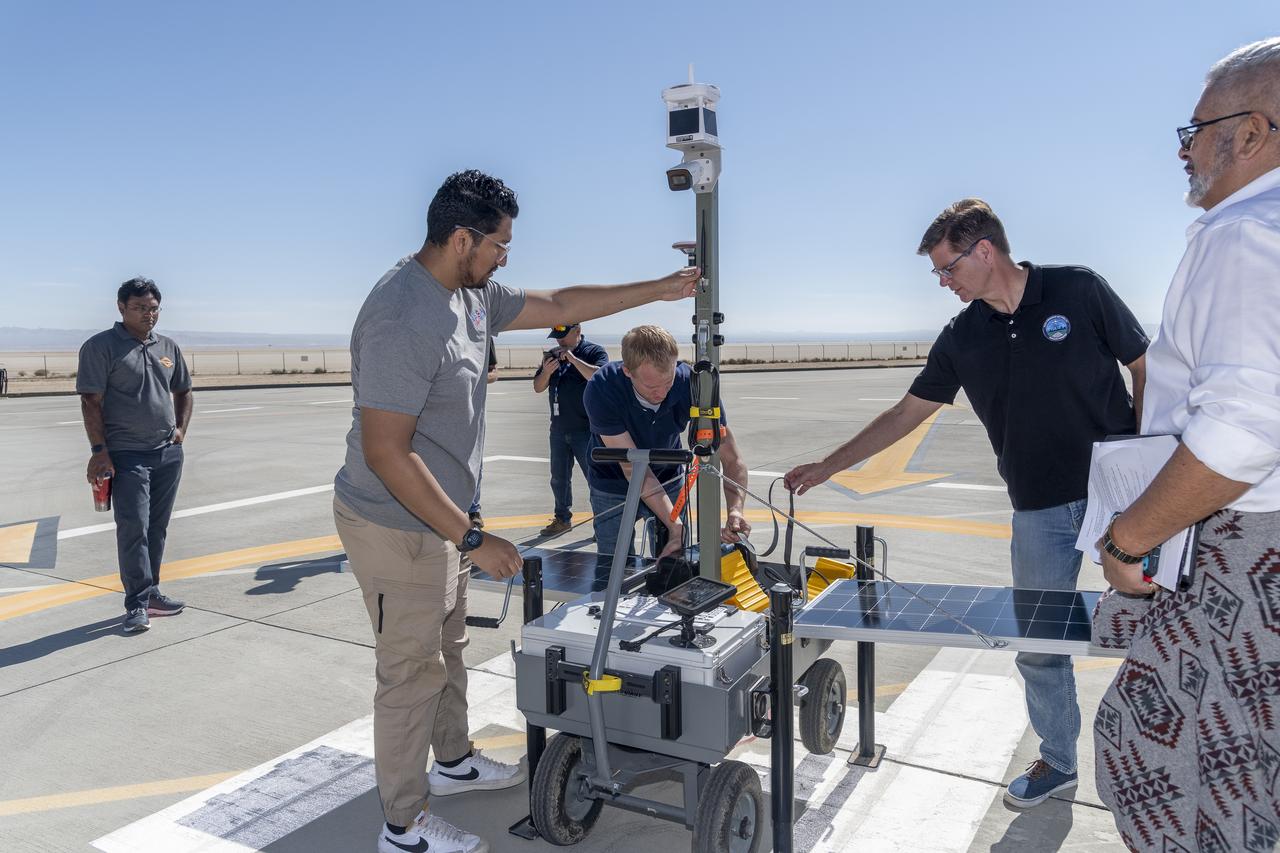
NASA operations engineer Daniel Velasquez, left, is reviewing the Mobile Vertipad Sensor Package system as part of the Air Mobility Pathways test project at NASA's Armstrong Flight Research Center in Edwards, California on October 17, 2023. The portable system allows Advanced Air Mobility researchers to test and evaluate several factors involved in monitoring takeoff and landing conditions at vertipad sites. "Vertipads" or "vertiports" will be where future air taxis will land and take off to transport passengers.
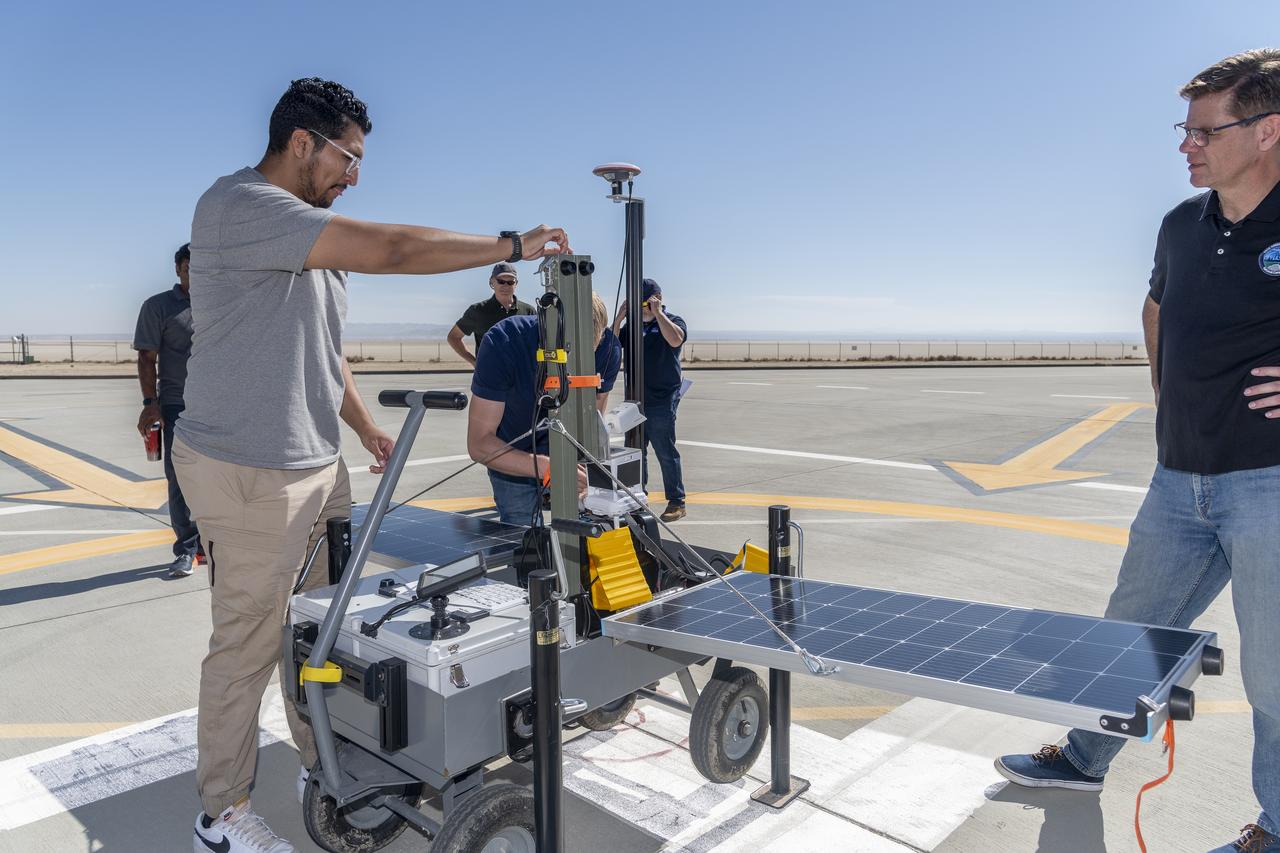
NASA operations engineer Daniel Velasquez, left, is reviewing the Mobile Vertipad Sensor Package system as part of the Air Mobility Pathways test project at NASA's Armstrong Flight Research Center in Edwards, California on October 17, 2023. The portable system allows Advanced Air Mobility researchers to test and evaluate several factors involved in monitoring takeoff and landing conditions at vertipad sites. "Vertipads" or "vertiports" will be where future air taxis will land and take off to transport passengers.
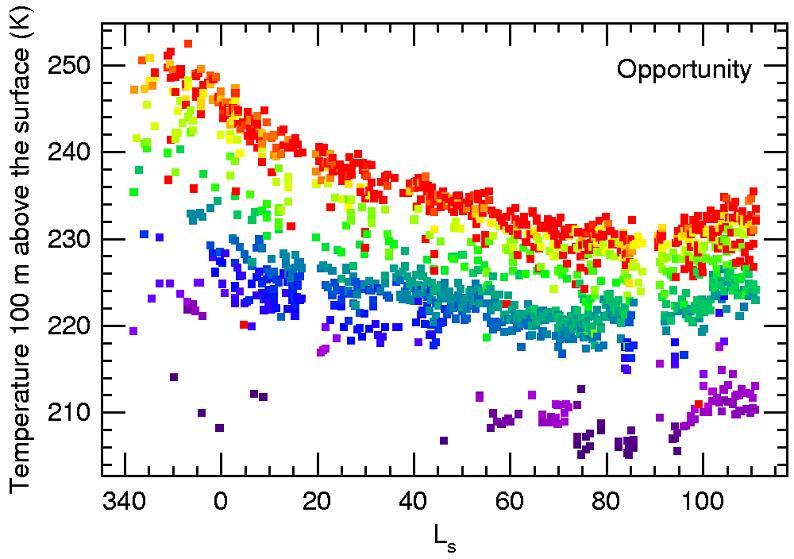
Seasonal Air Temperatures Above Opportunity
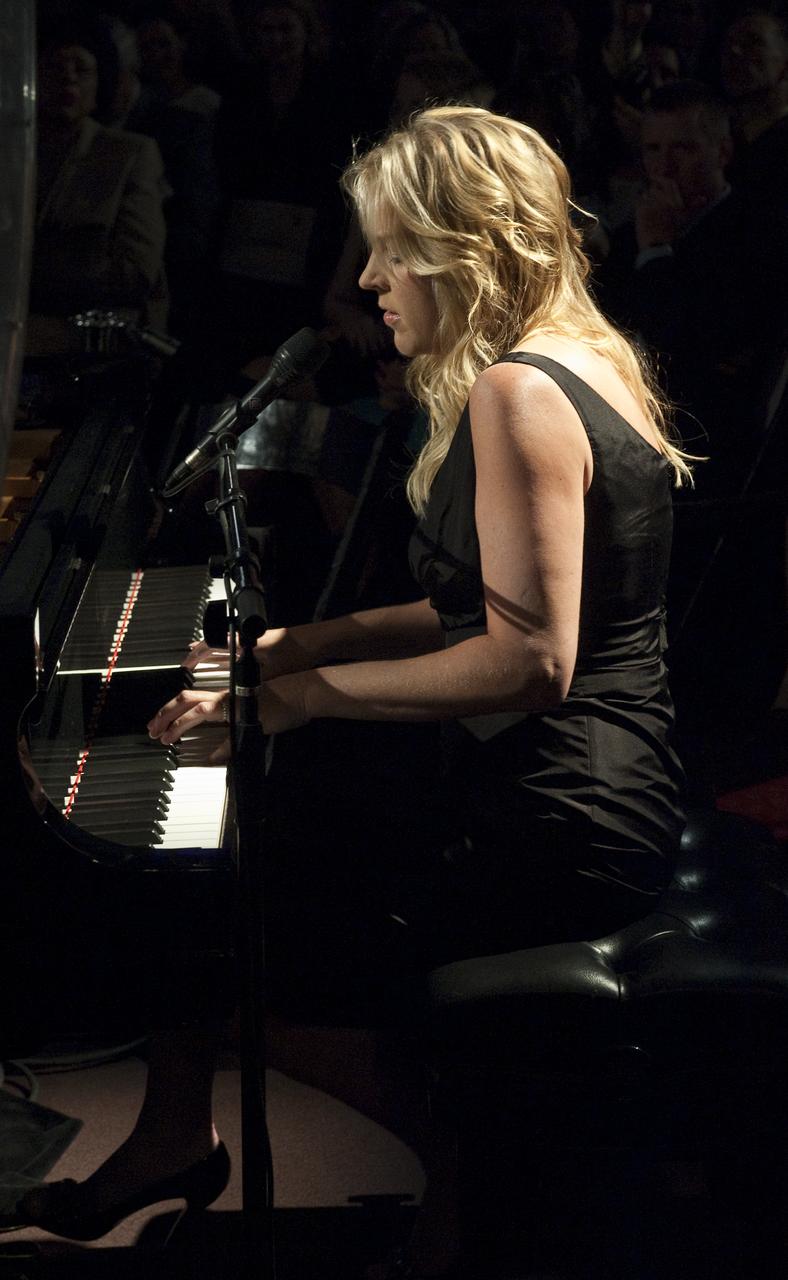
Jazz pianist and singer Diana Krall performs at the Apollo 40th anniversary celebration held at the National Air and Space Museum, Monday, July 20, 2009 in Washington. Diana Krall talked about her love of space flight and showed off her temporary tattoo that honors Canadian Astronaut Bob Thirsk who is currently onboard the International Space Station. Photo Credit: (NASA/Carla Cioffi)
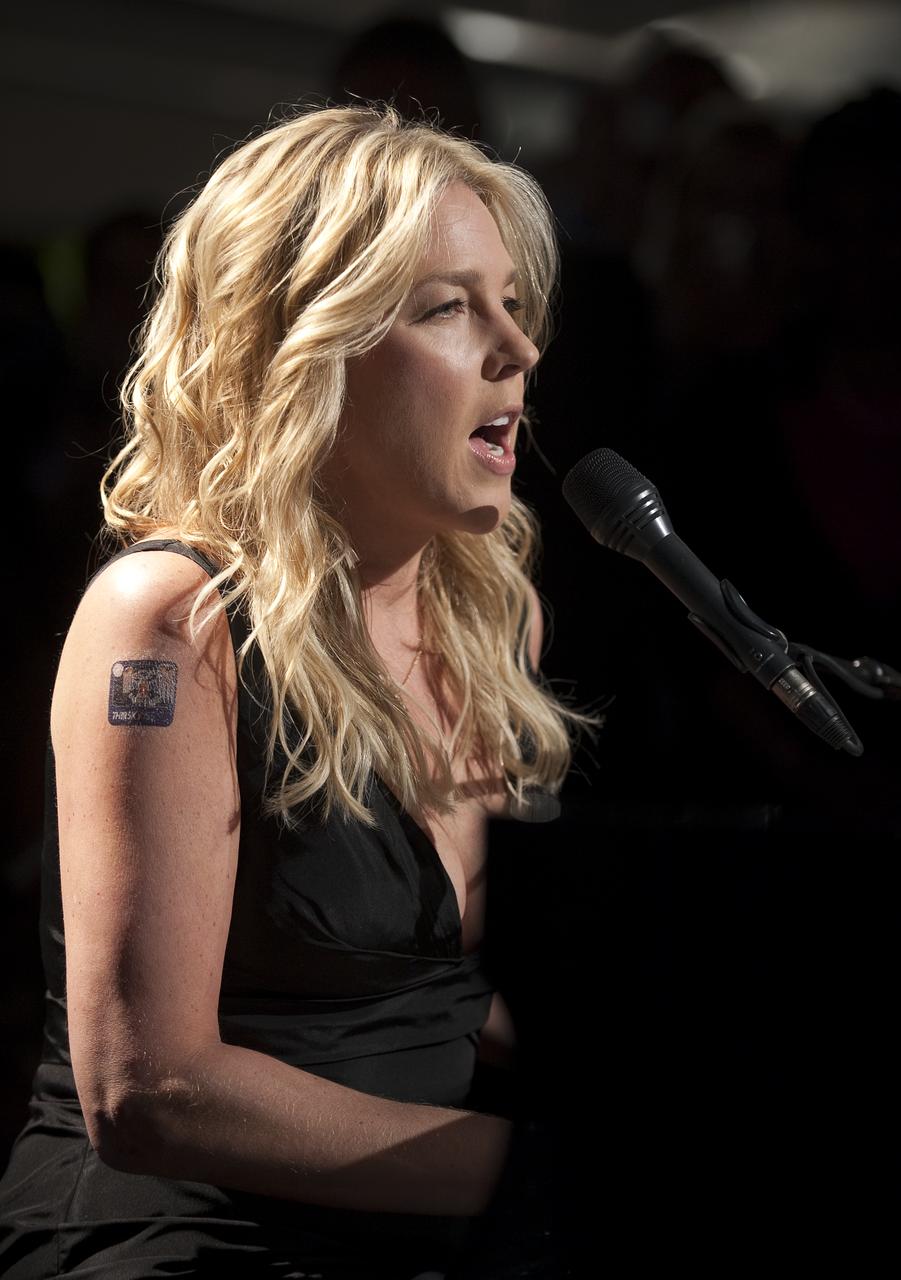
Jazz pianist and singer Diana Krall performs at the Apollo 40th anniversary celebration held at the National Air and Space Museum, Monday, July 20, 2009 in Washington. Diana Krall talked about her love of space flight and showed off her temporary tattoo that honors Canadian Astronaut Bob Thirsk who is currently onboard the International Space Station. Photo Credit: (NASA/Bill Ingalls)
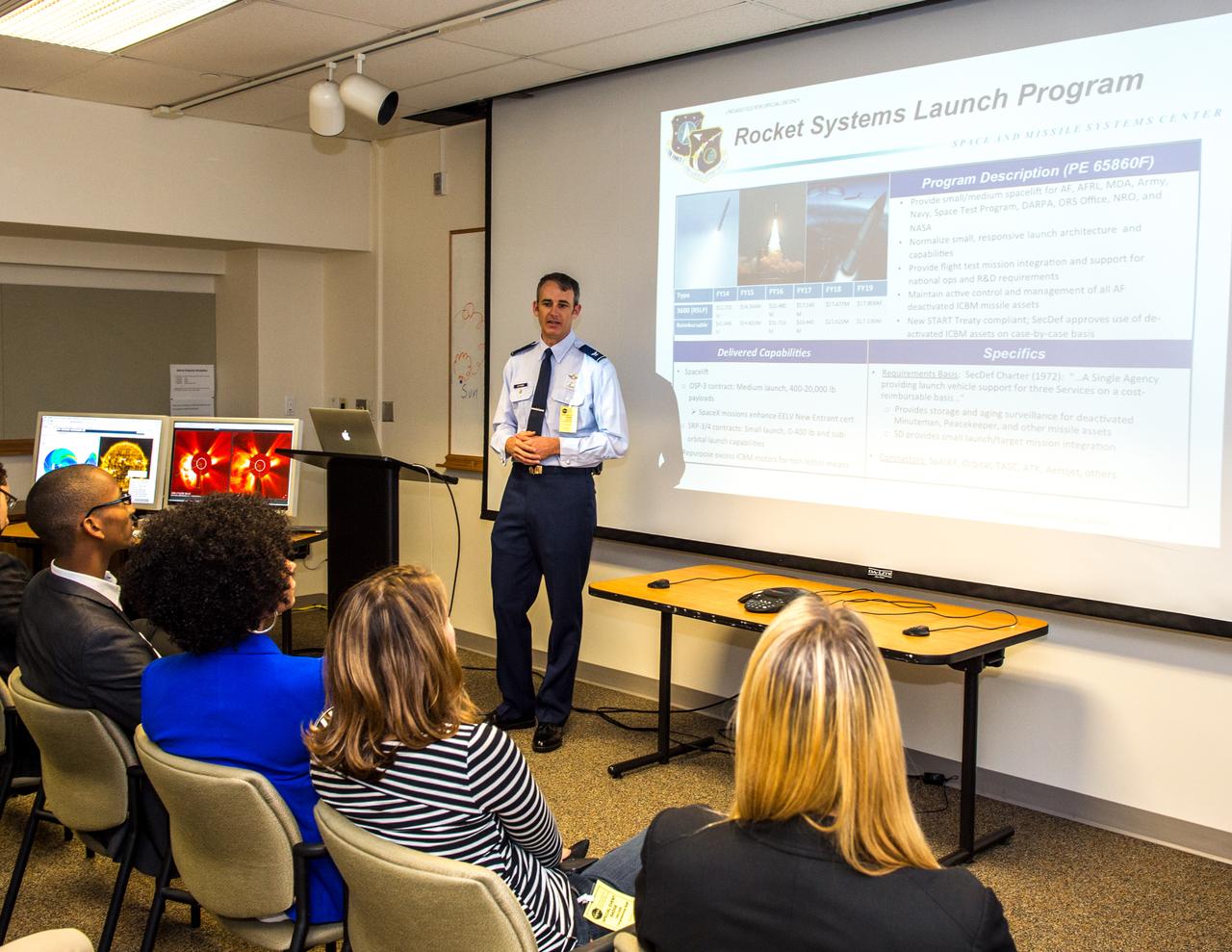
Col. Robert Swanson, Air Force at the Joint NASA-NOAA-Air Force Congressional Staff Day Goddard Space Flight Center
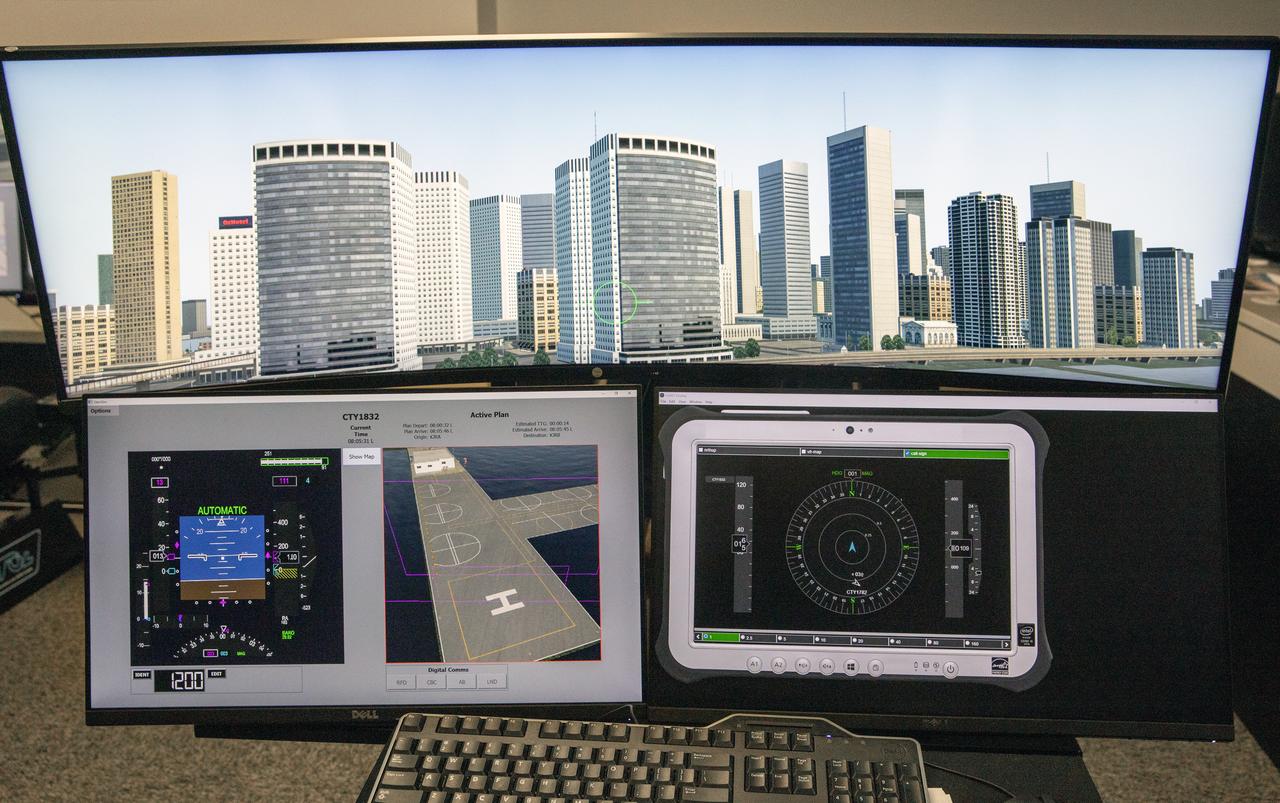
Focus on active photos –Class B Simulation Evaluation in the ATOL Lab at Langley (Also at FAA Tech Center) where team is working with one another in the lab, reviewing data on the monitors. Working the software, adjusting the software systems. Going over the shoulder to show the displays and screens as the software is running. A pilot’s point of view from the controls of the air taxi simulator. An out-the-window simulation appears on the top screen, the primary flight display on the lower left, the virtual moving map in the middle, and the detect and avoid display on the lower right at NASA’s Langley Research Center in Hampton, Virginia on Sept. 25, 2024.
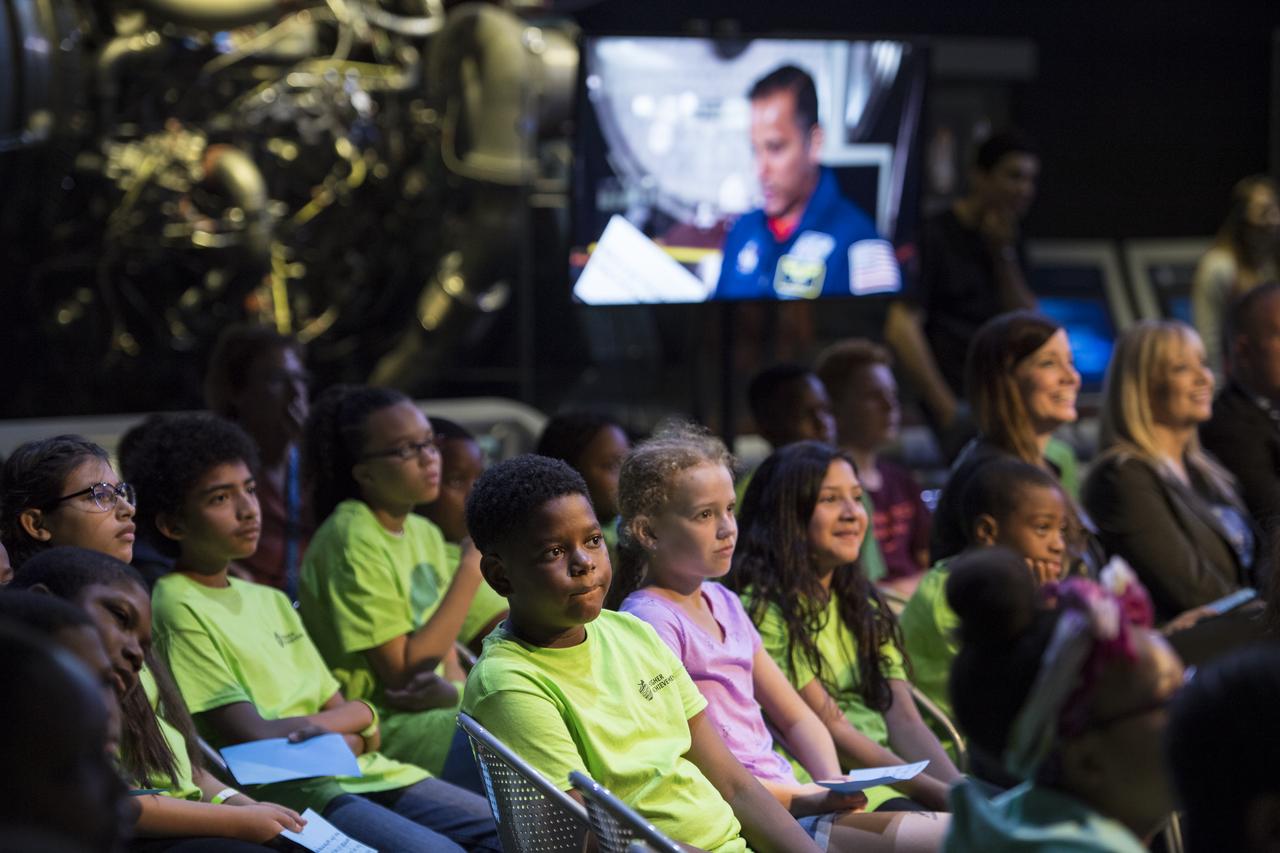
Students watch a video about NASA astronaut Joe Acaba during a STEM in 30 event, Wednesday, June 27, 2018 at Smithsonian's National Air and Space Museum in Washington. Photo Credit: (NASA/Aubrey Gemignani)
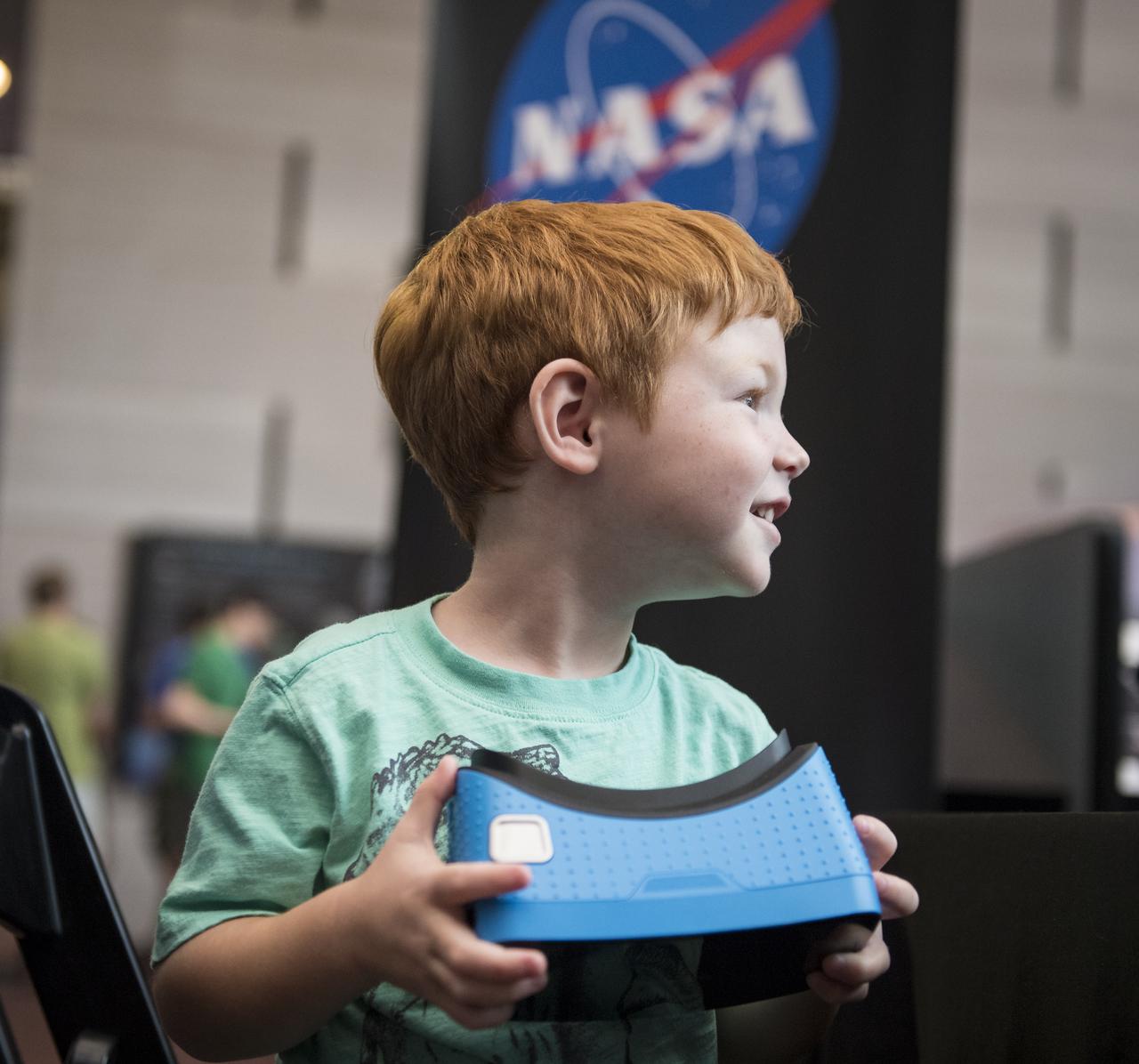
Visitors explore the activities in the Space Race Gallery at Smithsonian's National Air and Space Museum, Wednesday, June 27, 2018 in Washington. Photo Credit: (NASA/Aubrey Gemignani)
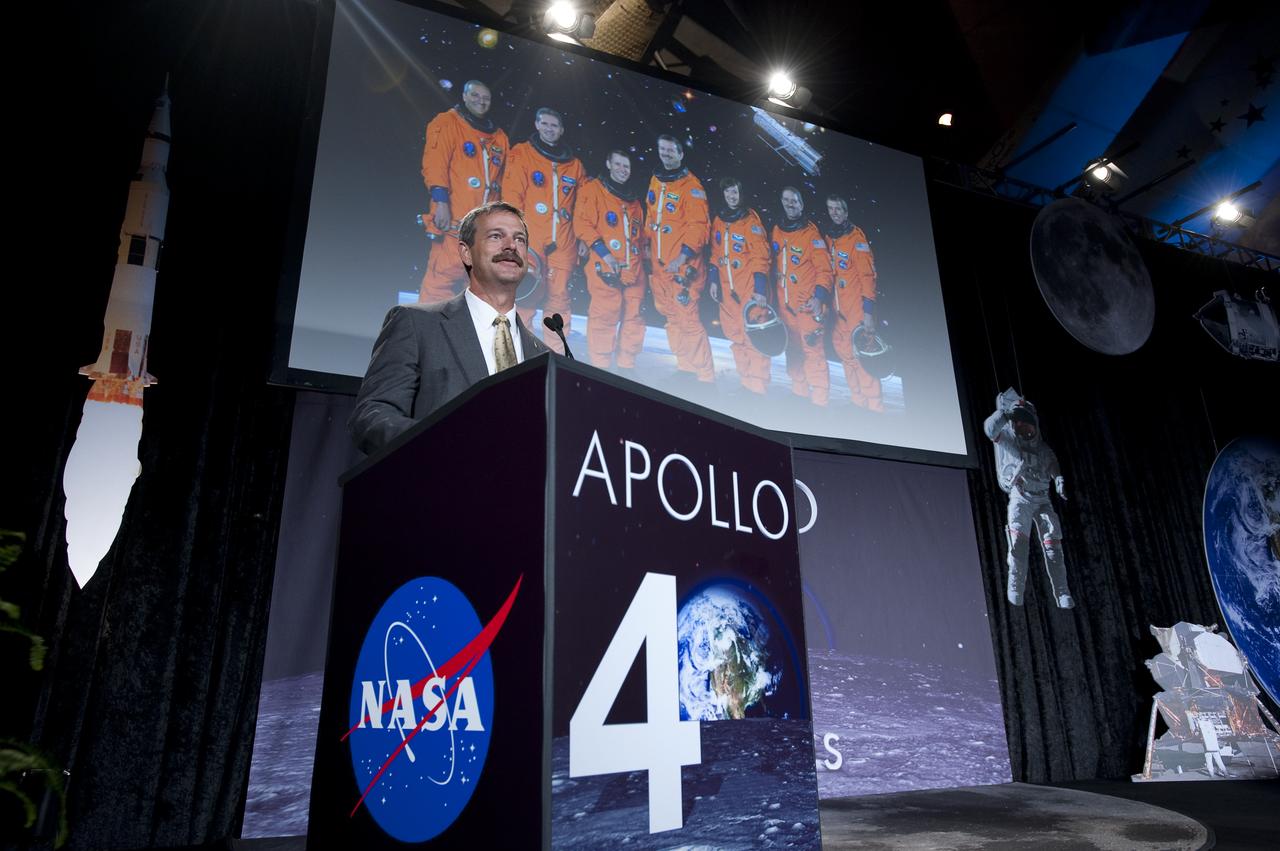
NASA STS-125 Mission Commander Scott Altman speaks at the Apollo 40th anniversary celebration held at the National Air and Space Museum, Monday, July 20, 2009 in Washington. Photo Credit: (NASA/Bill Ingalls)
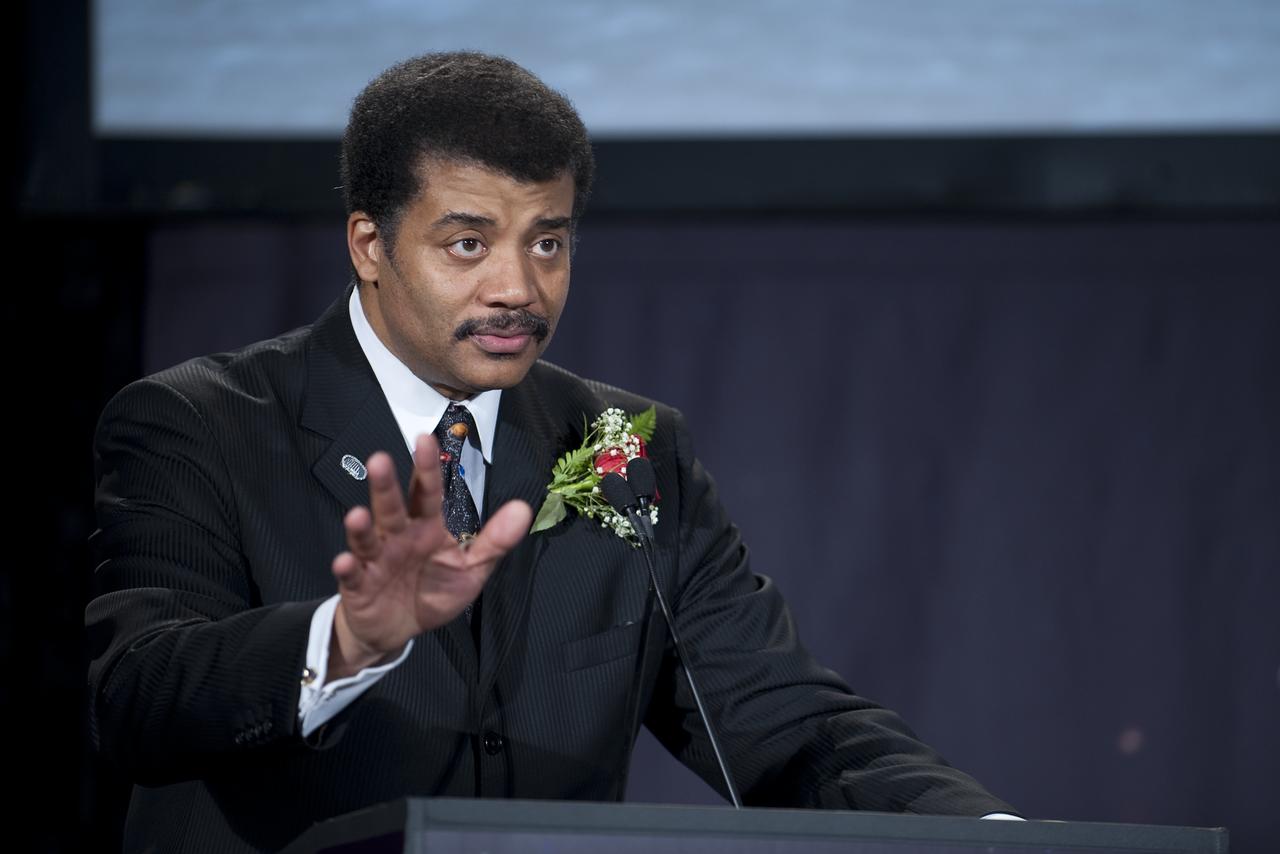
Director of the Hayden Planetarium Neil deGrasse Tyson speaks as host of the Apollo 40th anniversary celebration held at the National Air and Space Museum, Monday, July 20, 2009 in Washington. Photo Credit: (NASA/Bill Ingalls)
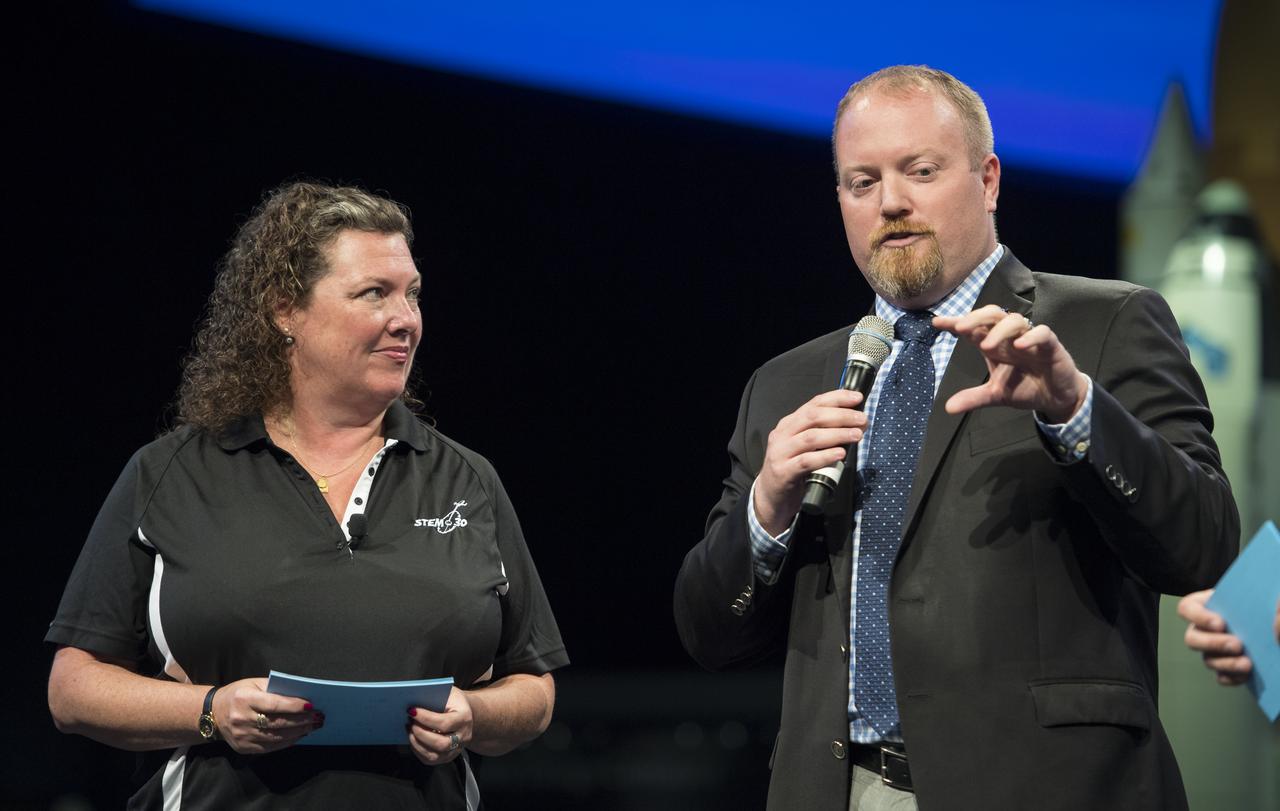
Jason Crusan, director, NASA Advanced Exploration Systems (AES) Division, speaks with the STEM in 30 team Wednesday, June 27, 2018 at Smithsonian's National Air and Space Museum in Washington. Photo Credit: (NASA/Aubrey Gemignani)
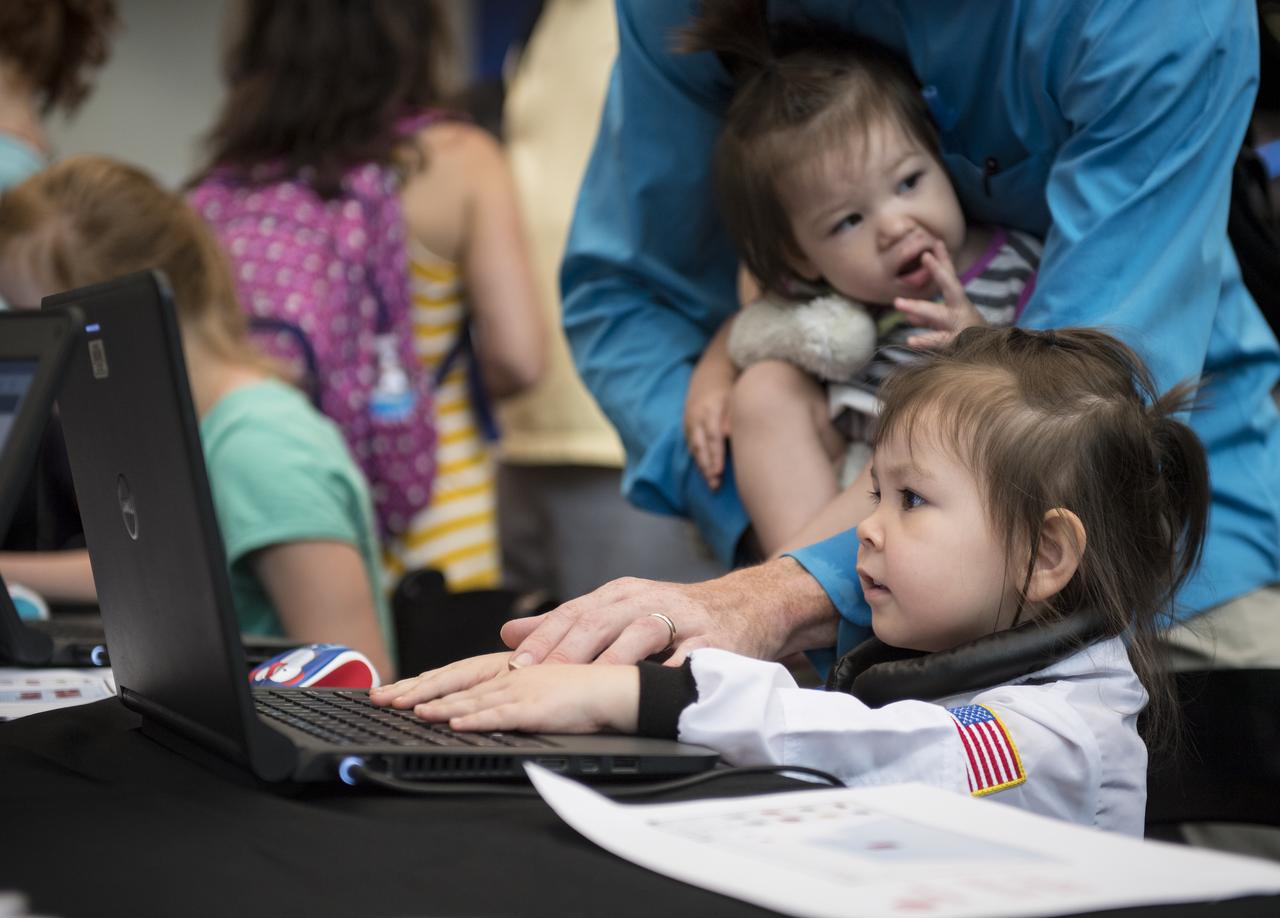
Visitors explore the activities in the Space Race Gallery at Smithsonian's National Air and Space Museum, Wednesday, June 27, 2018 in Washington. Photo Credit: (NASA/Aubrey Gemignani)
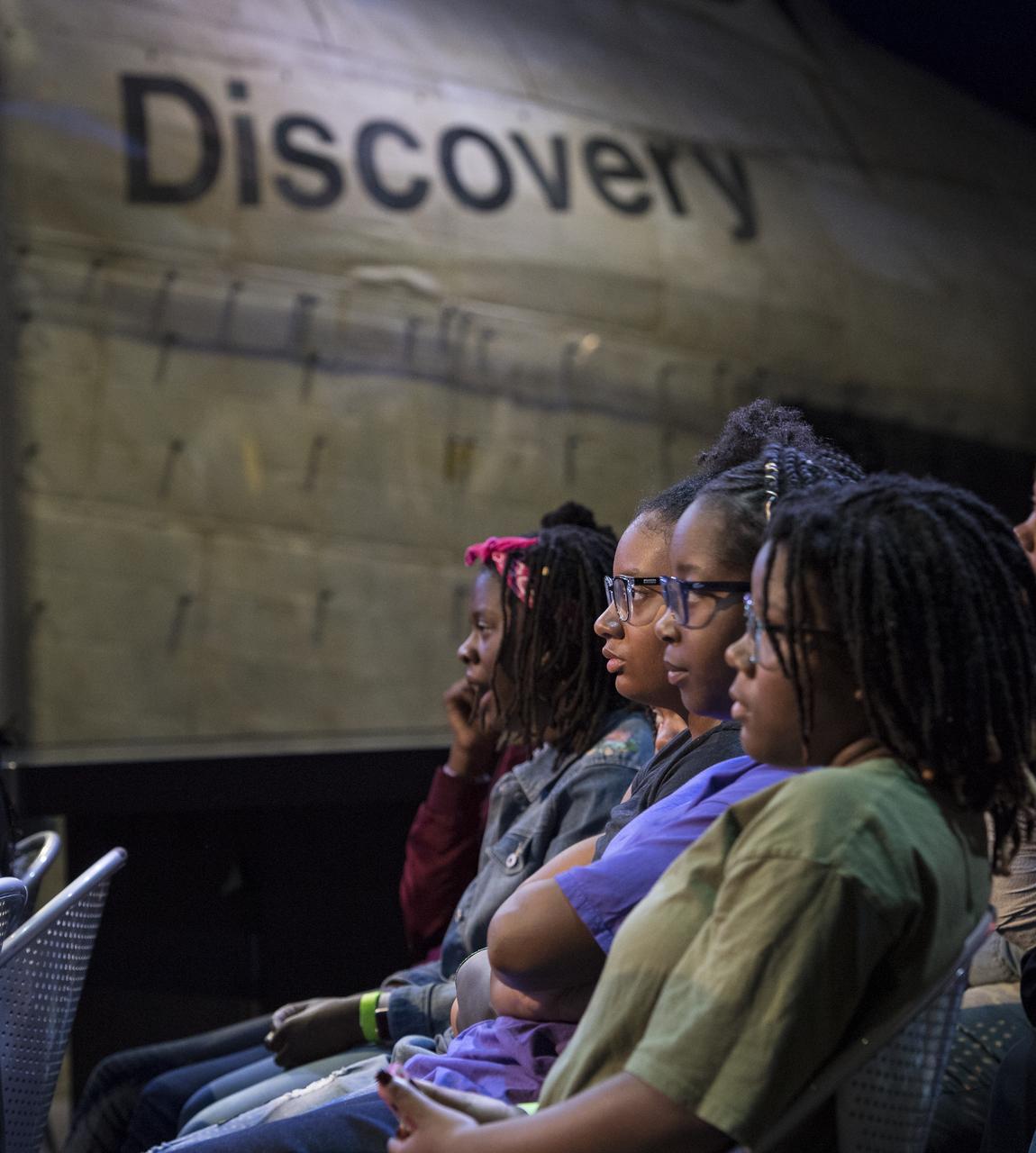
Students watch a video about NASA astronaut Joe Acaba during a STEM in 30 event, Wednesday, June 27, 2018 at Smithsonian's National Air and Space Museum in Washington. Photo Credit: (NASA/Aubrey Gemignani)
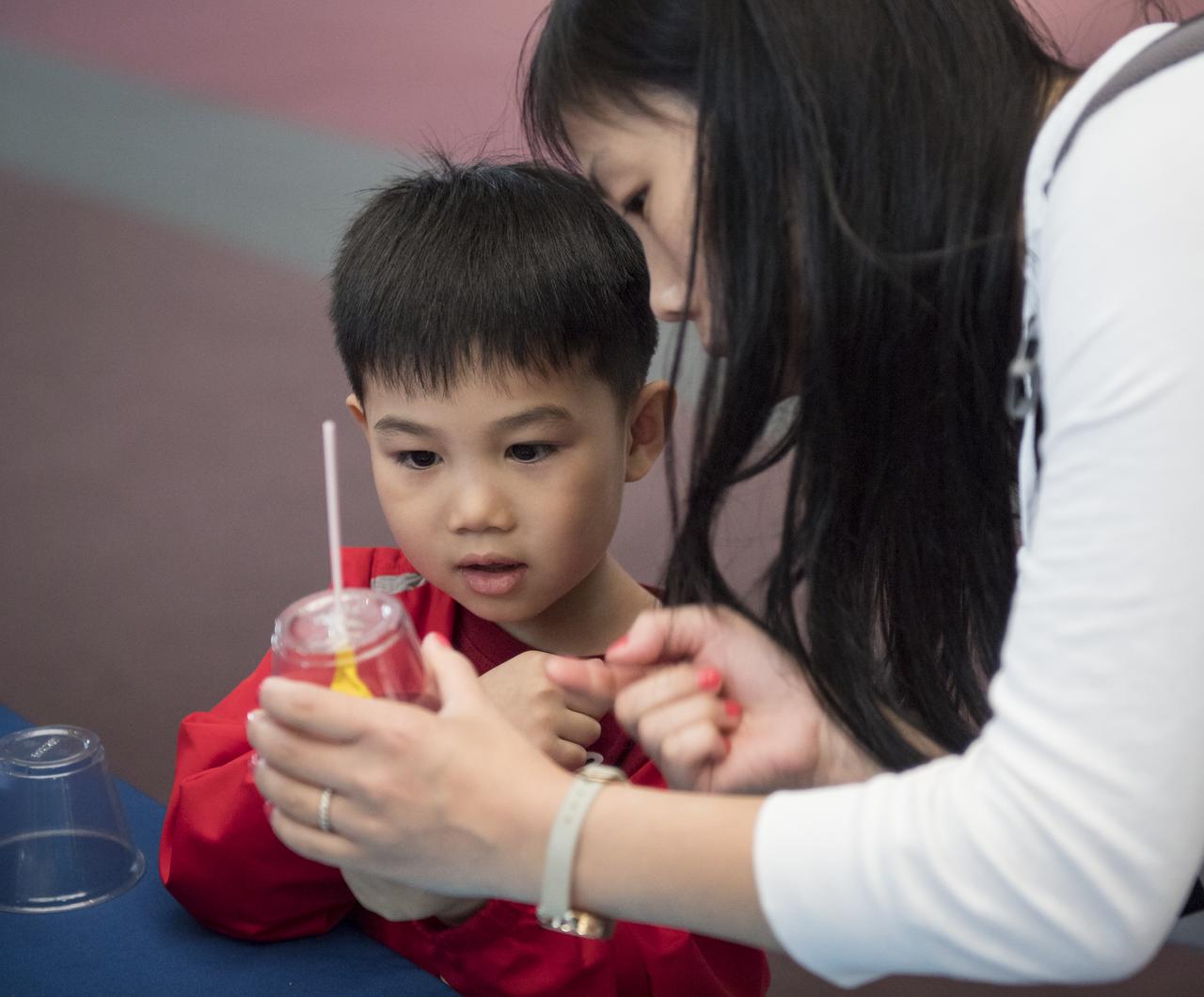
Visitors explore the activities in the Space Race Gallery at Smithsonian's National Air and Space Museum, Wednesday, June 27, 2018 in Washington. Photo Credit: (NASA/Aubrey Gemignani)
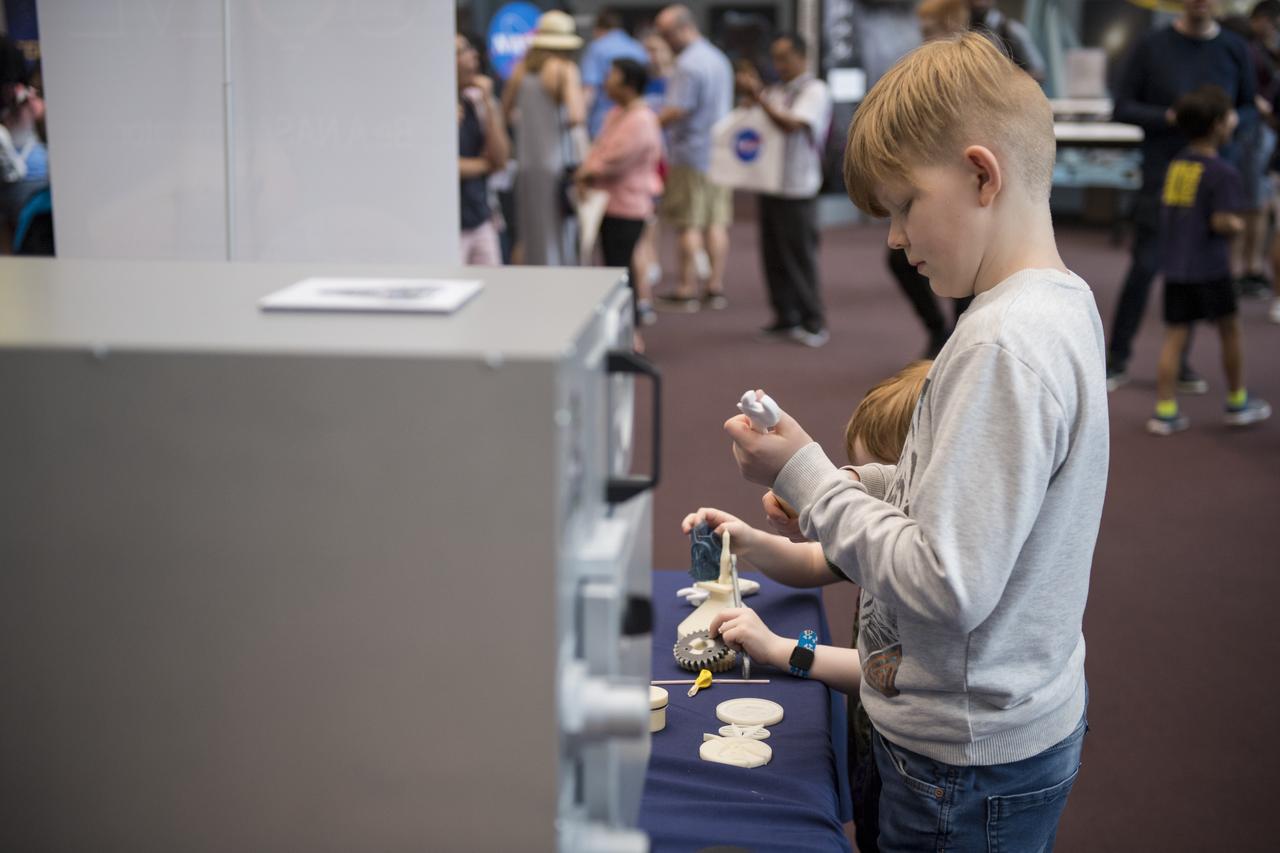
Visitors explore the activities in the Space Race Gallery at Smithsonian's National Air and Space Museum, Wednesday, June 27, 2018 in Washington. Photo Credit: (NASA/Aubrey Gemignani)
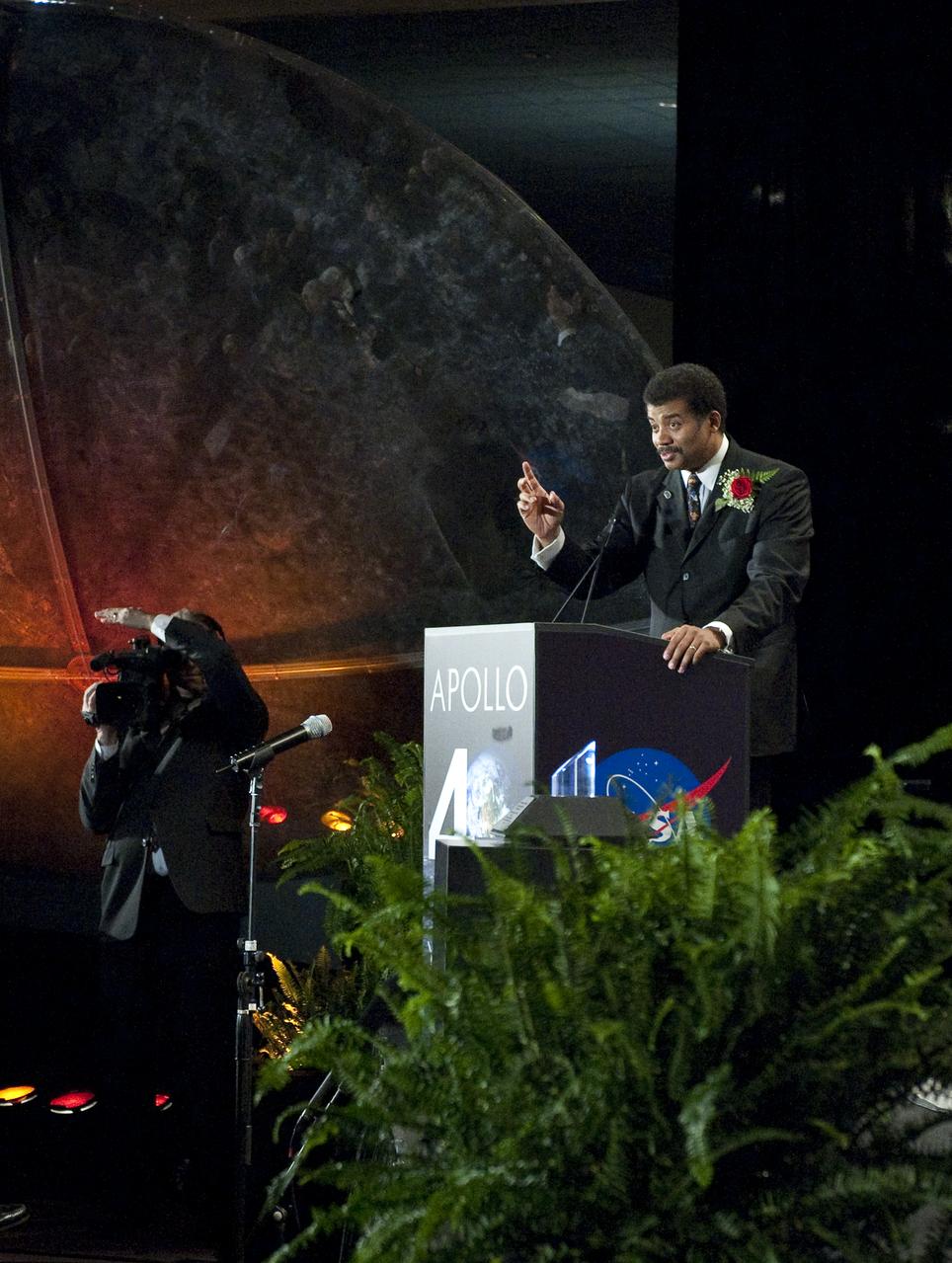
Director of the Hayden Planetarium Neil deGrasse Tyson speaks as host of the Apollo 40th anniversary celebration held at the National Air and Space Museum, Monday, July 20, 2009 in Washington. Photo Credit: (NASA/Carla Cioffi)
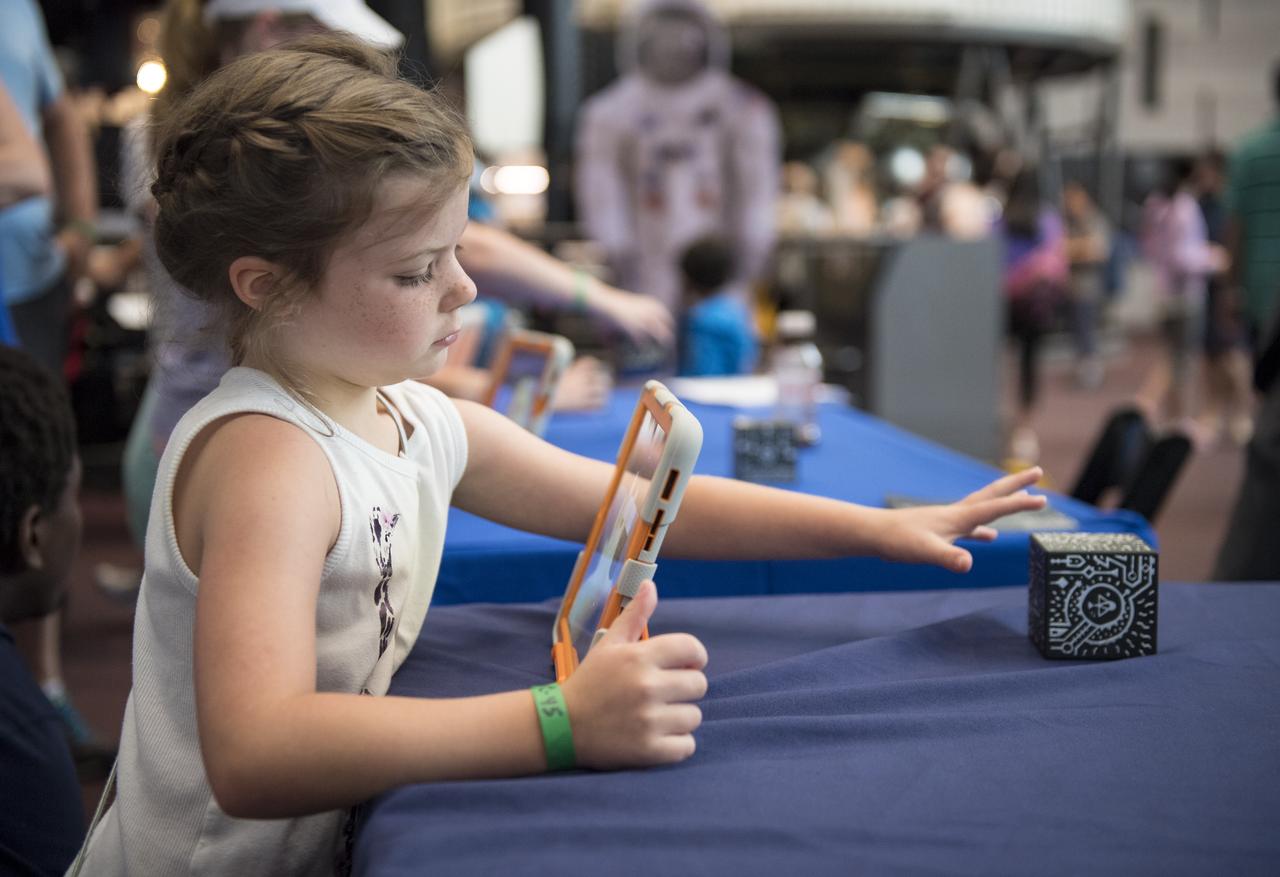
Visitors explore the activities in the Space Race Gallery at Smithsonian's National Air and Space Museum, Wednesday, June 27, 2018 in Washington. Photo Credit: (NASA/Aubrey Gemignani)
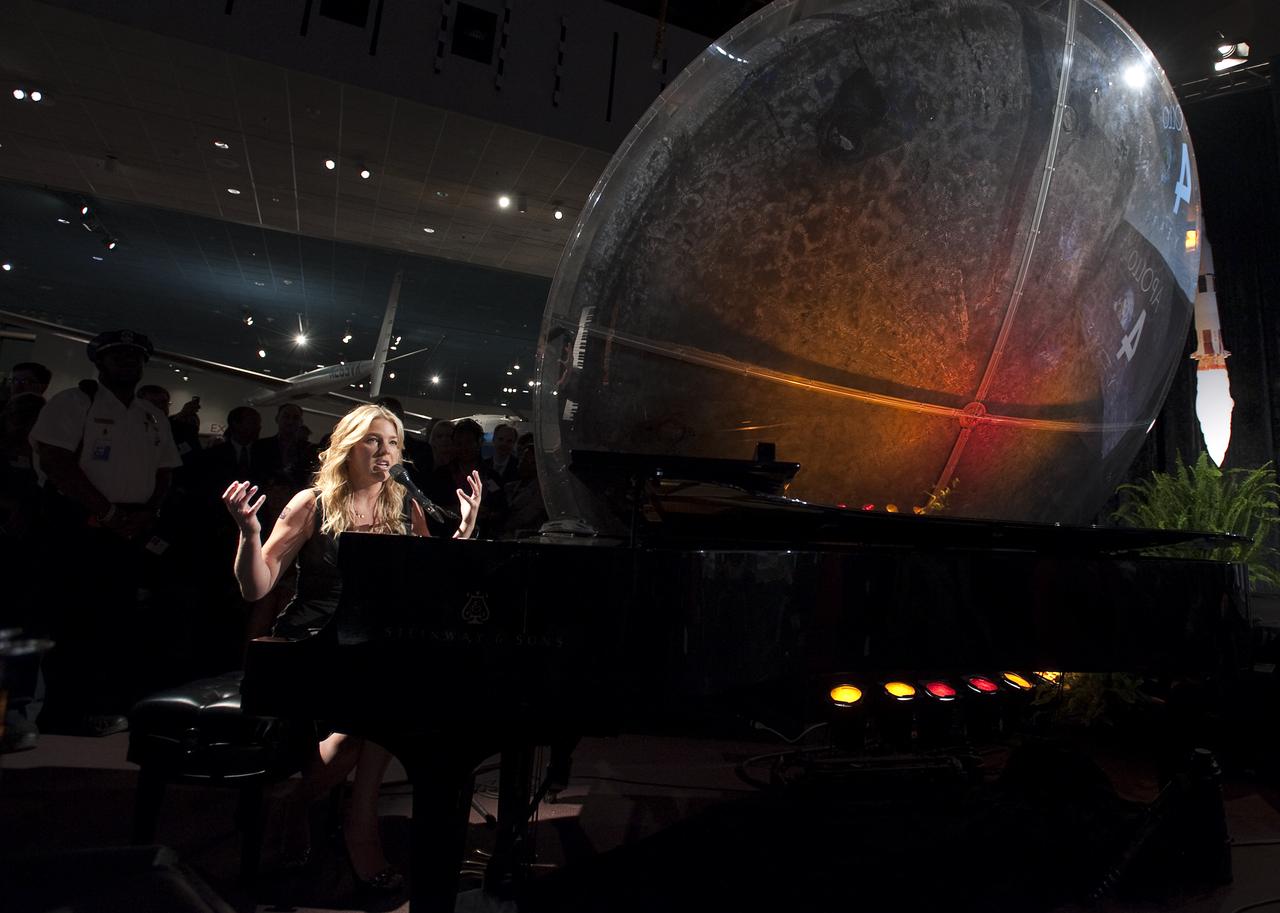
Jazz pianist and singer Diana Krall gives an introduction prior to her performance at the Apollo 40th anniversary celebration held at the National Air and Space Museum, Monday, July 20, 2009 in Washington. Ms. Krall's piano was staged right next to the Apollo 11 Command Capsule. Photo Credit: (NASA/Bill Ingalls)

Future Engineers "Two for the Crew" competition winner, Austin Suder, speaks about his Carabiner Tool Clip, during a STEM in 30 event, Wednesday, June 27, 2018 at Smithsonian's National Air and Space Museum in Washington. Photo Credit: (NASA/Aubrey Gemignani)
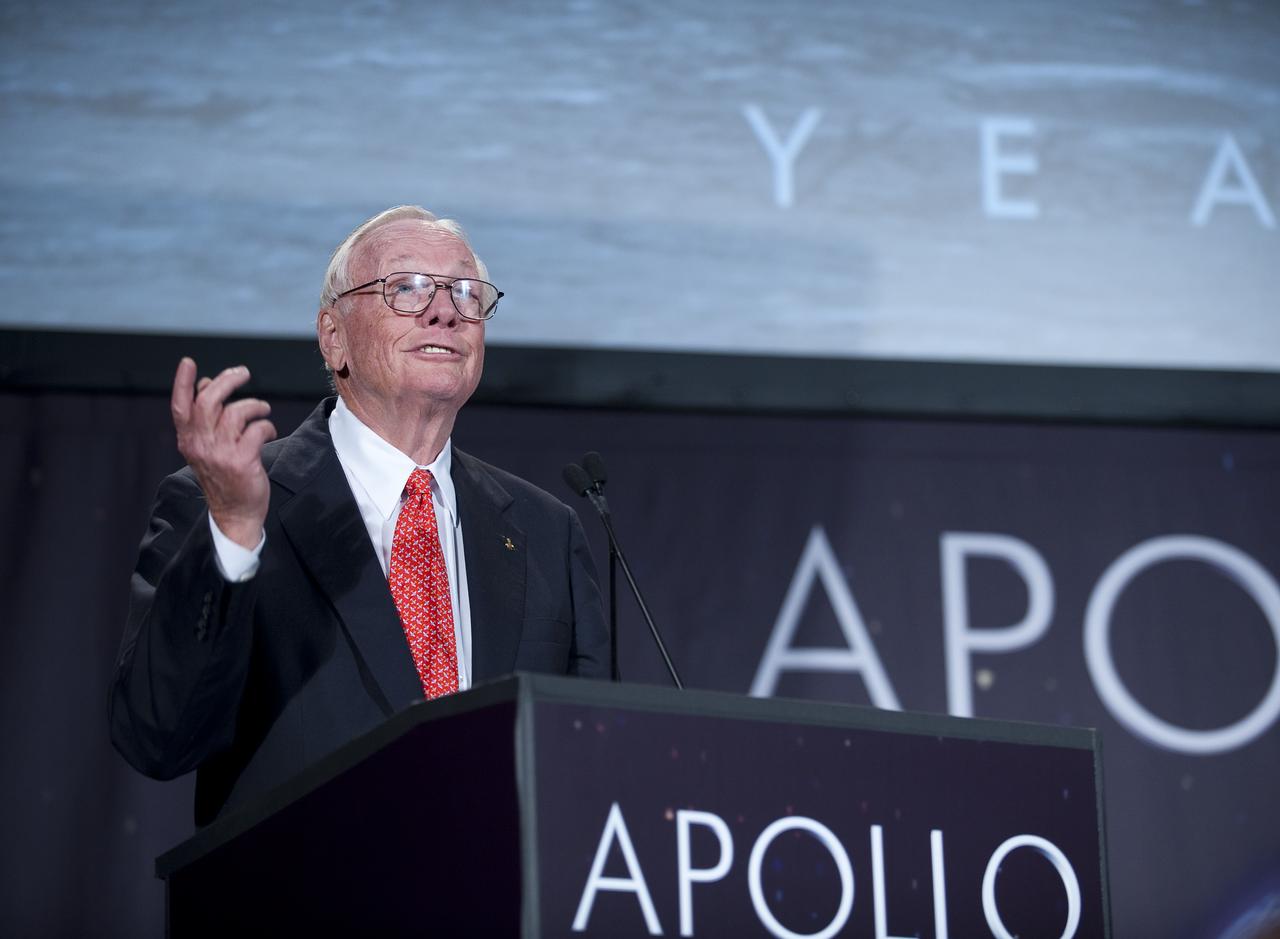
NASA Apollo 11 Mission Commander and first man to set foot on the Moon, Neil Armstrong speaks at the Apollo 40th anniversary celebration held at the National Air and Space Museum, Monday, July 20, 2009 in Washington. Photo Credit: (NASA/Bill Ingalls)
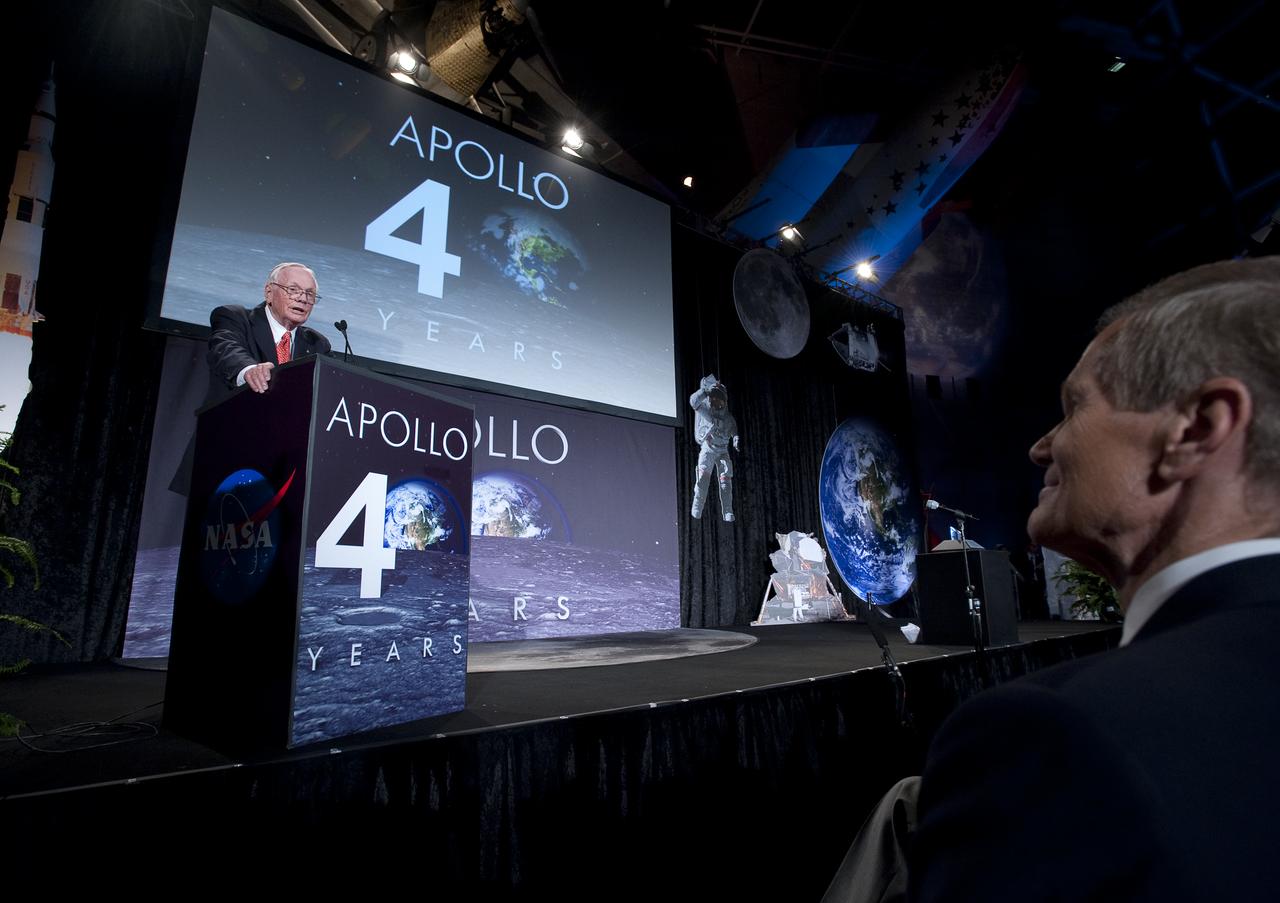
NASA Apollo 11 Mission Commander and first man to set foot on the Moon, Neil Armstrong speaks at the Apollo 40th anniversary celebration held at the National Air and Space Museum, Monday, July 20, 2009 in Washington. Photo Credit: (NASA/Bill Ingalls)

NASA Apollo 11 Mission Commander and first man to set foot on the Moon, Neil Armstrong speaks at the Apollo 40th anniversary celebration held at the National Air and Space Museum, Monday, July 20, 2009 in Washington. Photo Credit: (NASA/Bill Ingalls)
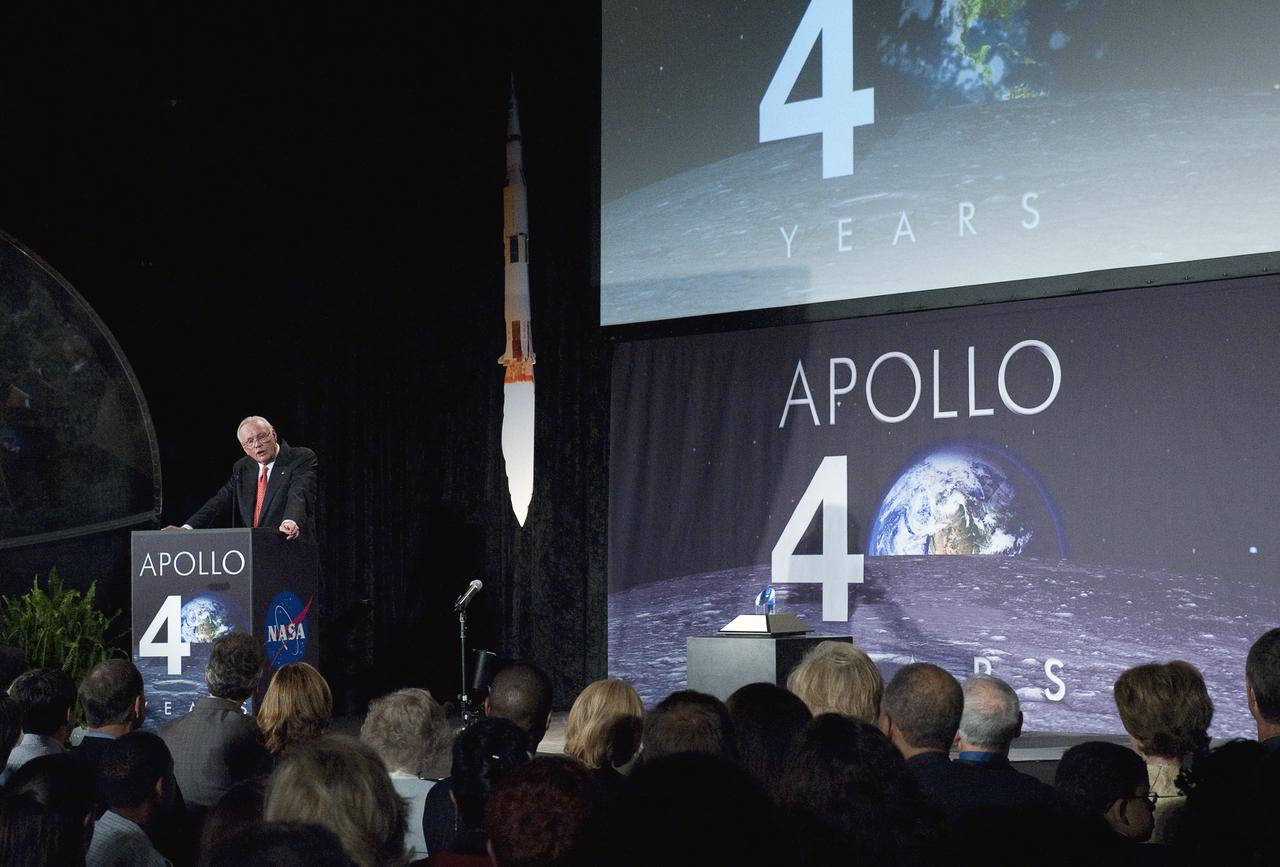
NASA Apollo 11 Mission Commander and first man to set foot on the Moon, Neil Armstrong speaks at the Apollo 40th anniversary celebration held at the National Air and Space Museum, Monday, July 20, 2009 in Washington. Photo Credit: (NASA/Carla Cioffi)
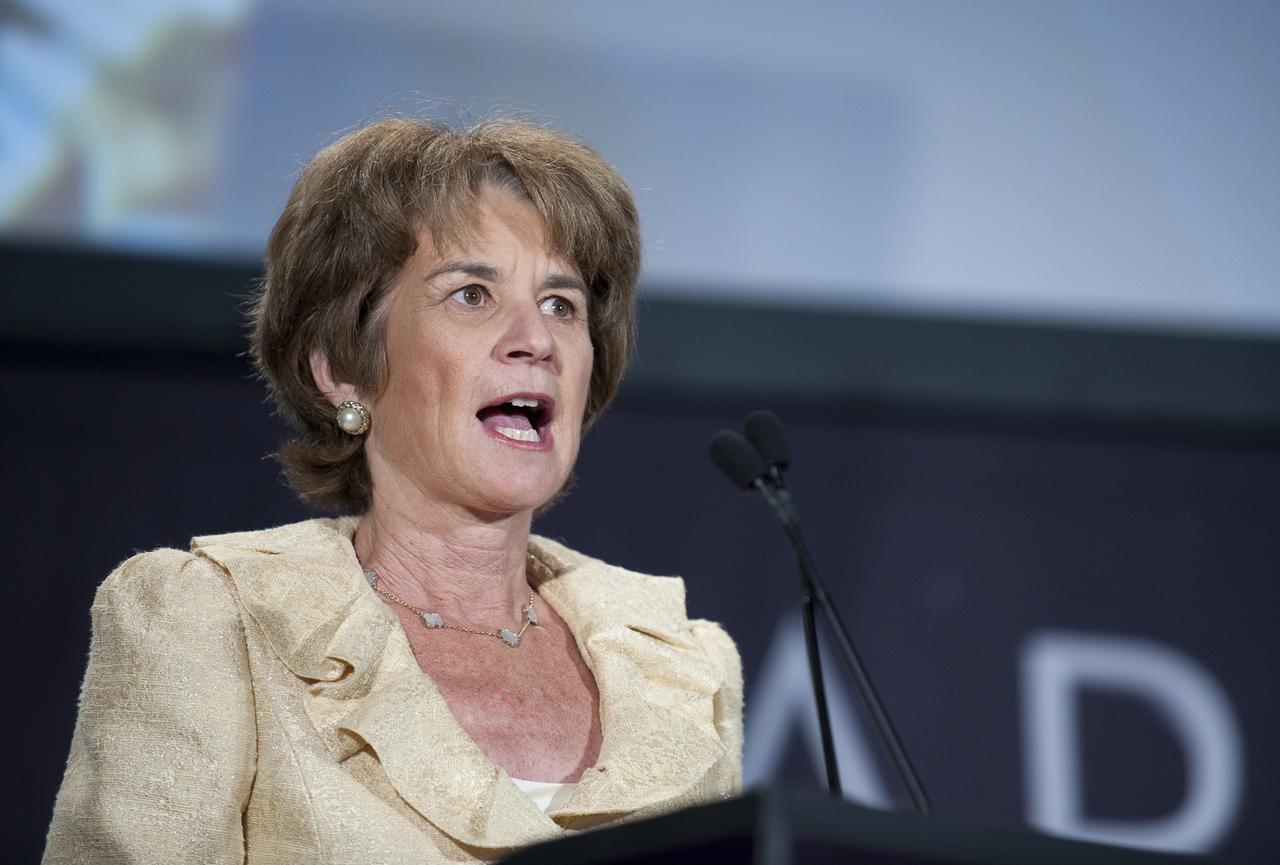
Former Maryland Lieutenant Governor and niece of President John F. Kennedy, Kathleen Kennedy Townsend speaks at the Apollo 40th anniversary celebration held at the National Air and Space Museum, Monday, July 20, 2009 in Washington. Photo Credit: (NASA/Bill Ingalls)
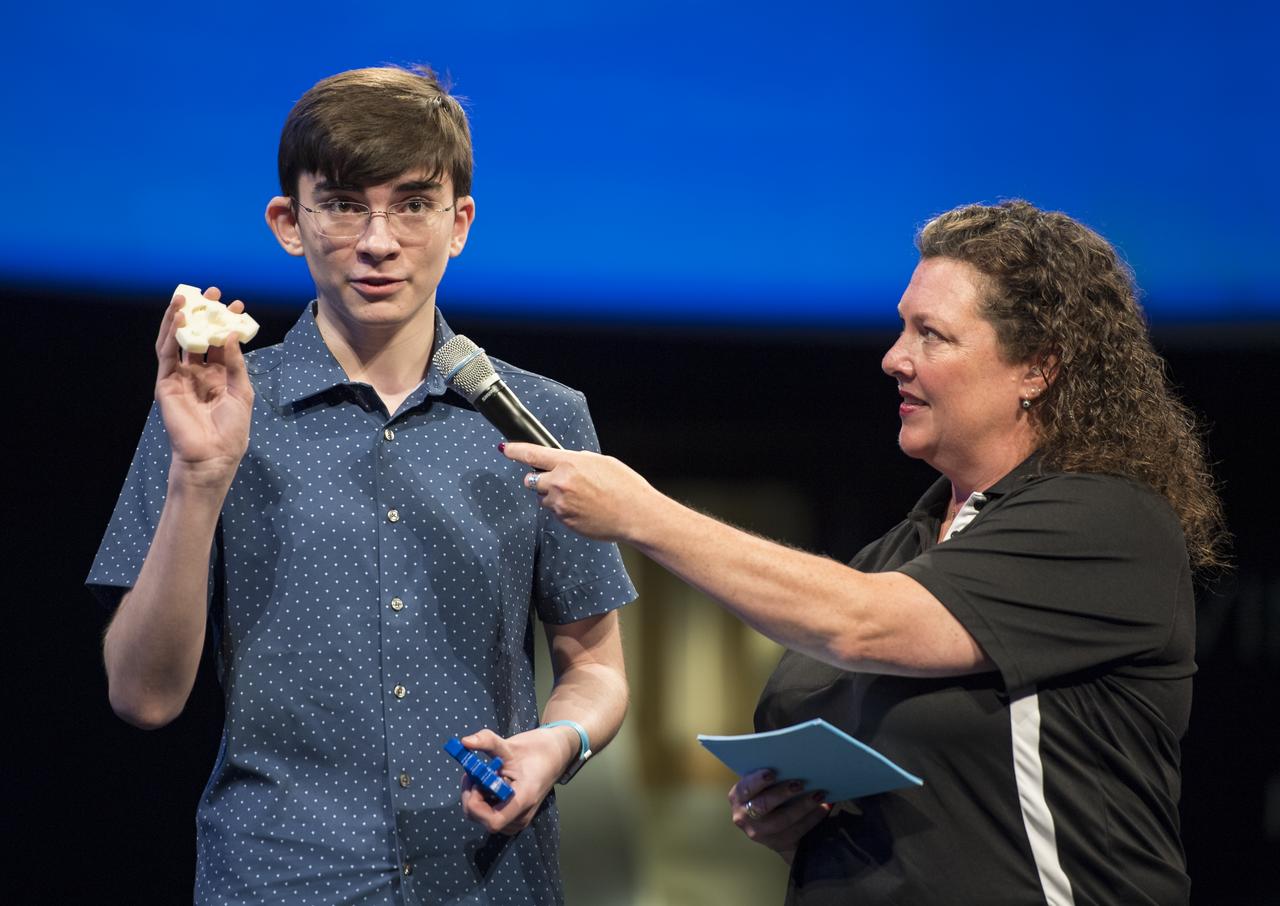
Future Engineers "Two for the Crew" competition winner, Ansel Austin, speaks about his Trillium Tool, a type of wrench, during a STEM in 30 event, Wednesday, June 27, 2018 at Smithsonian's National Air and Space Museum in Washington. Photo Credit: (NASA/Aubrey Gemignani)
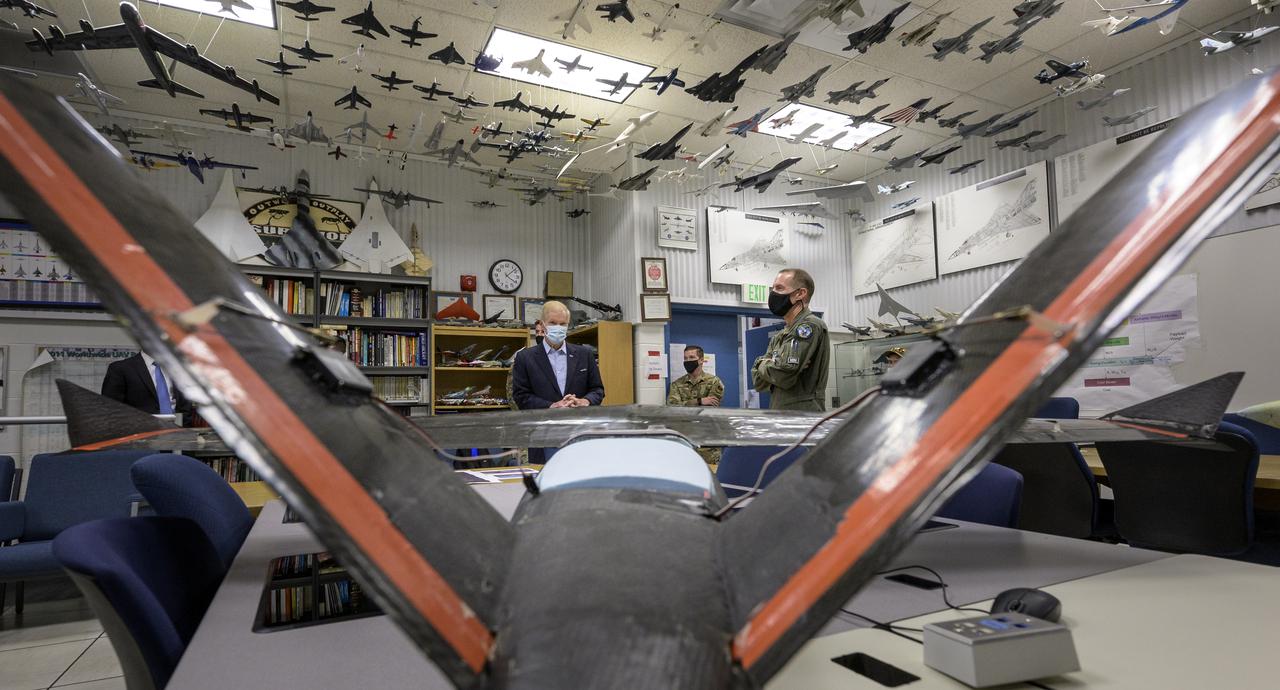
NASA Administrator Bill Nelson, left, listens to Col Douglas “Beaker” Wickert, right, during a tour of the aeronautics lab at the United States Air Force Academy, Wednesday, Aug. 25, 2021, north of Colorado Springs, Colorado. Photo Credit: (NASA/Bill Ingalls)
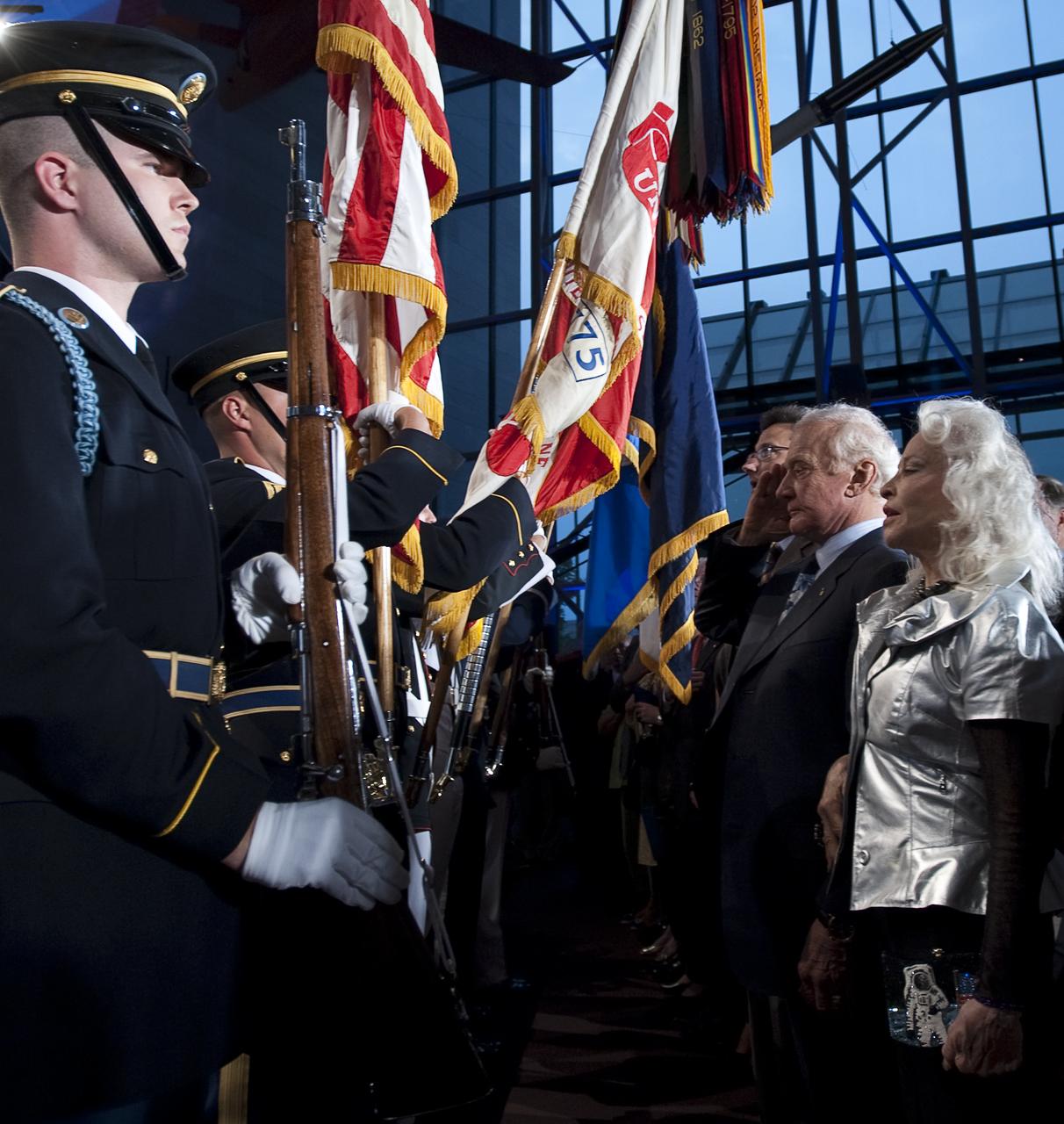
NASA Apollo 11 Astronaut Buzz Aldrin, right, and his wife Lois stand at attention in front of the color guard during the opening of the Apollo 40th anniversary celebration held at the National Air and Space Museum, Monday, July 20, 2009 in Washington. Photo Credit: (NASA/Bill Ingalls)
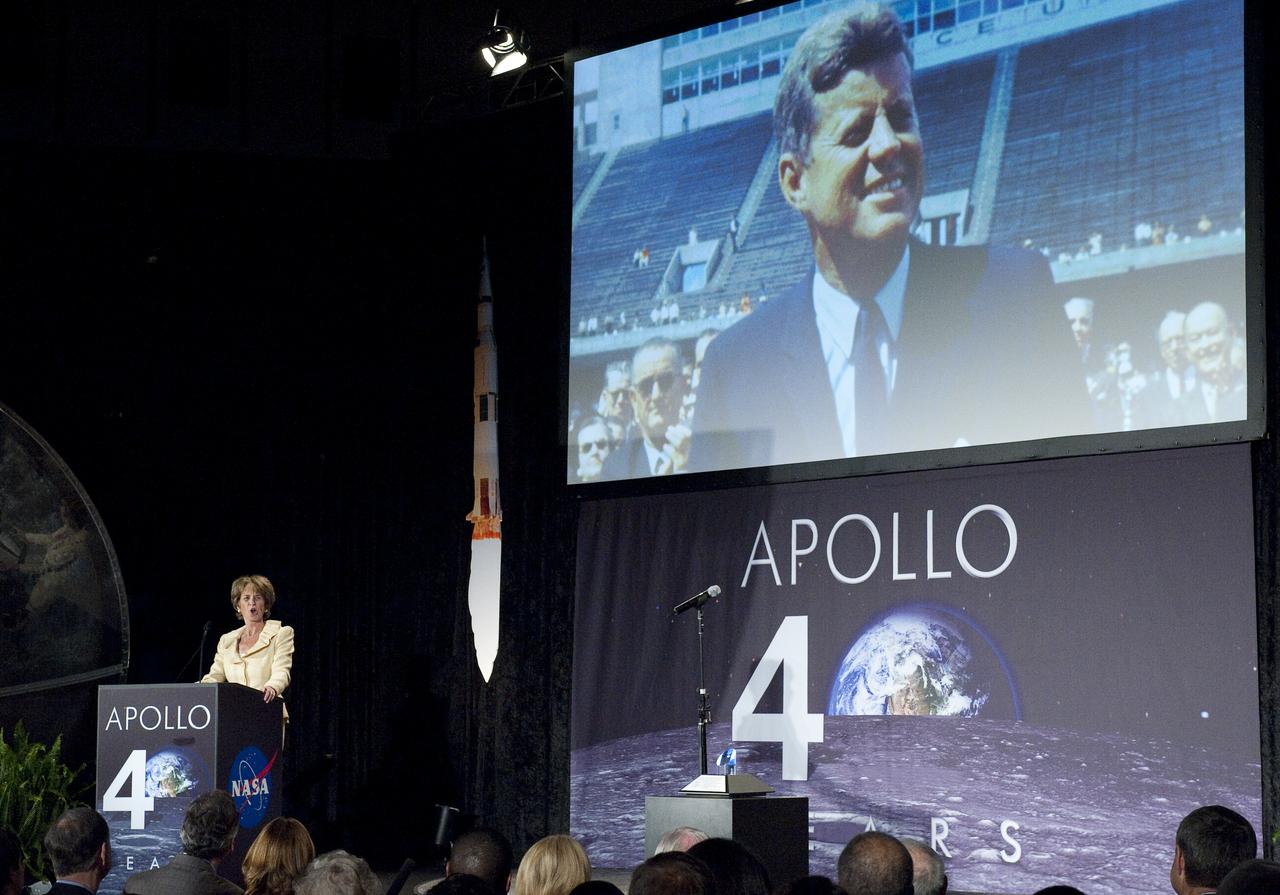
Former Maryland Lieutenant Governor and niece of President John F. Kennedy, Kathleen Kennedy Townsend speaks at the Apollo 40th anniversary celebration held at the National Air and Space Museum, Monday, July 20, 2009 in Washington. Photo Credit: (NASA/Carla Cioffi)
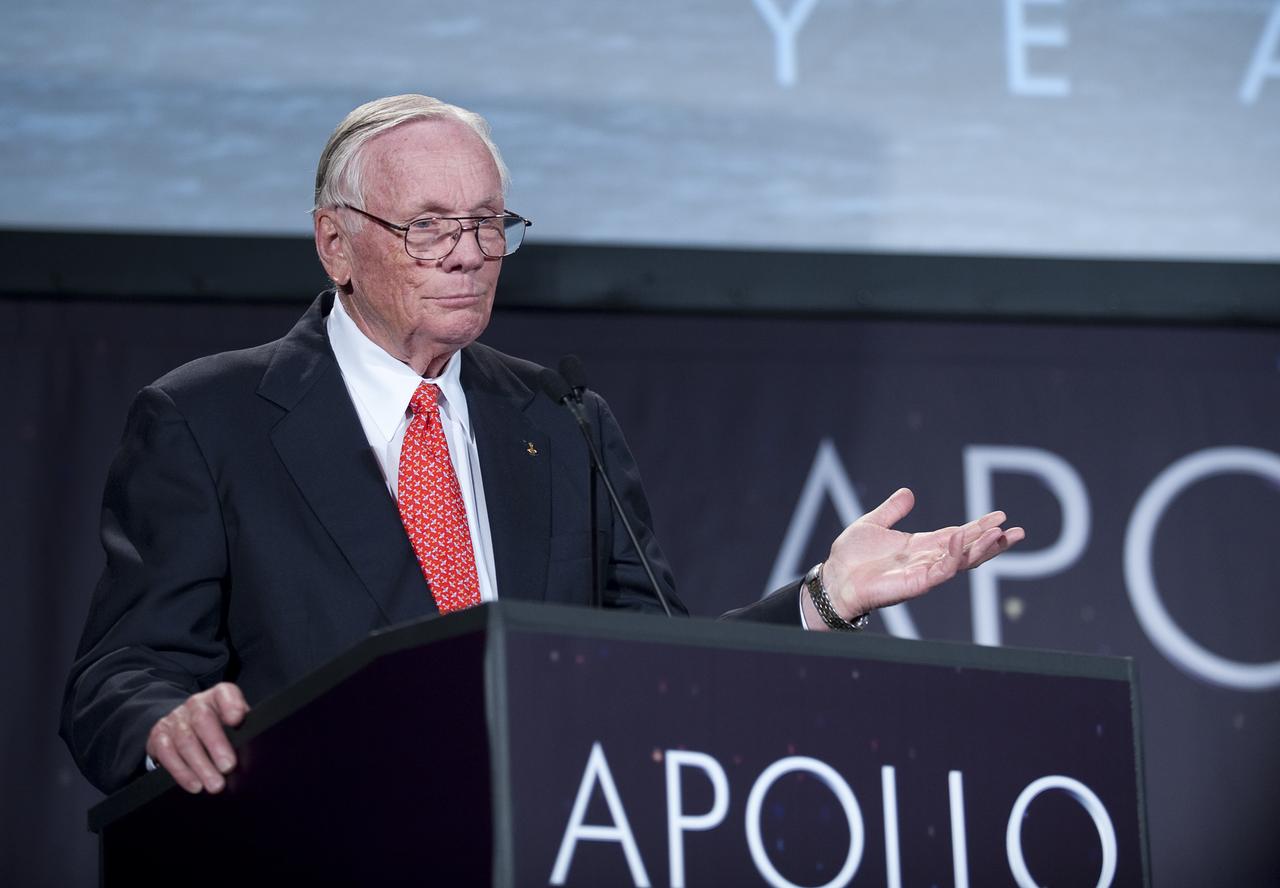
NASA Apollo 11 Mission Commander and first man to set foot on the Moon, Neil Armstrong speaks at the Apollo 40th anniversary celebration held at the National Air and Space Museum, Monday, July 20, 2009 in Washington. Photo Credit: (NASA/Bill Ingalls)
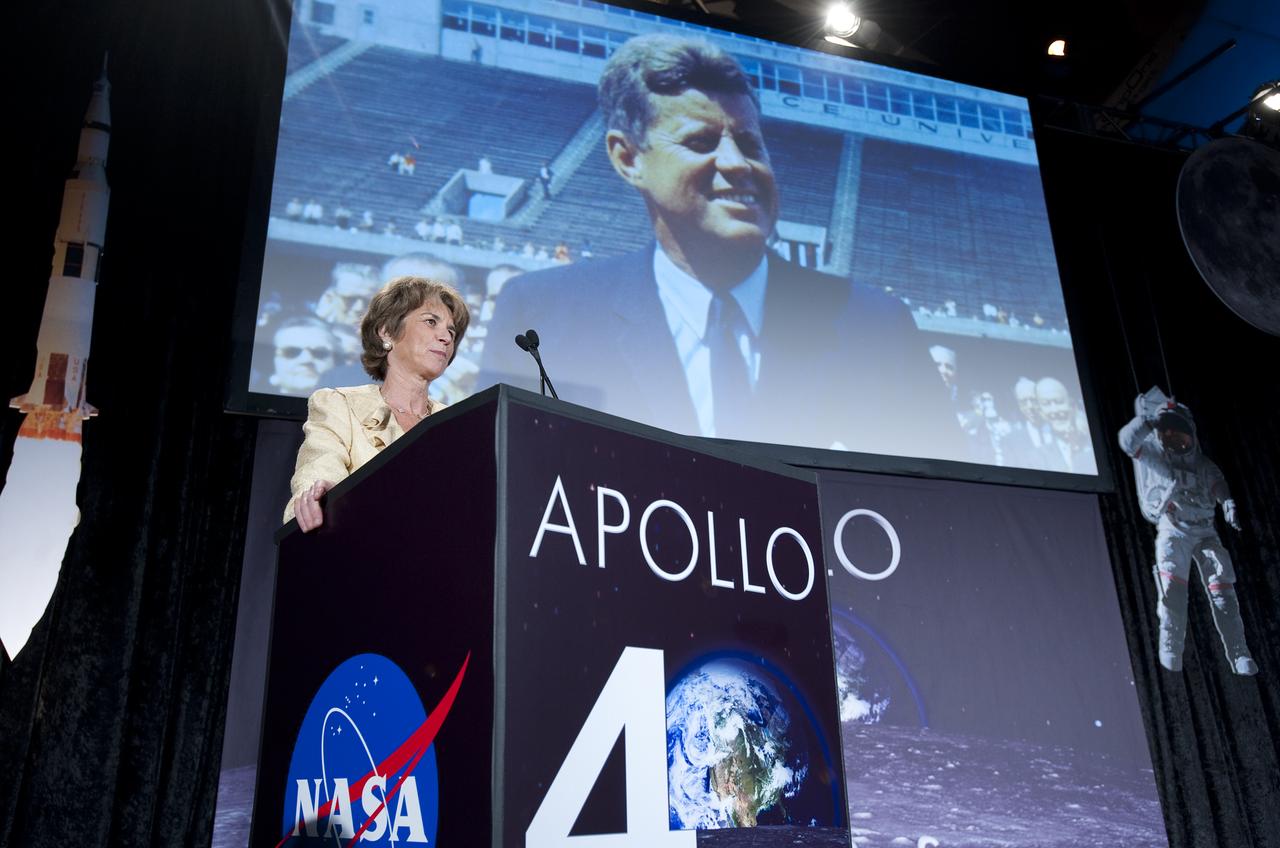
Former Maryland Lieutenant Governor and niece of President John F. Kennedy, Kathleen Kennedy Townsend speaks at the Apollo 40th anniversary celebration held at the National Air and Space Museum, Monday, July 20, 2009 in Washington. Photo Credit: (NASA/Bill Ingalls)
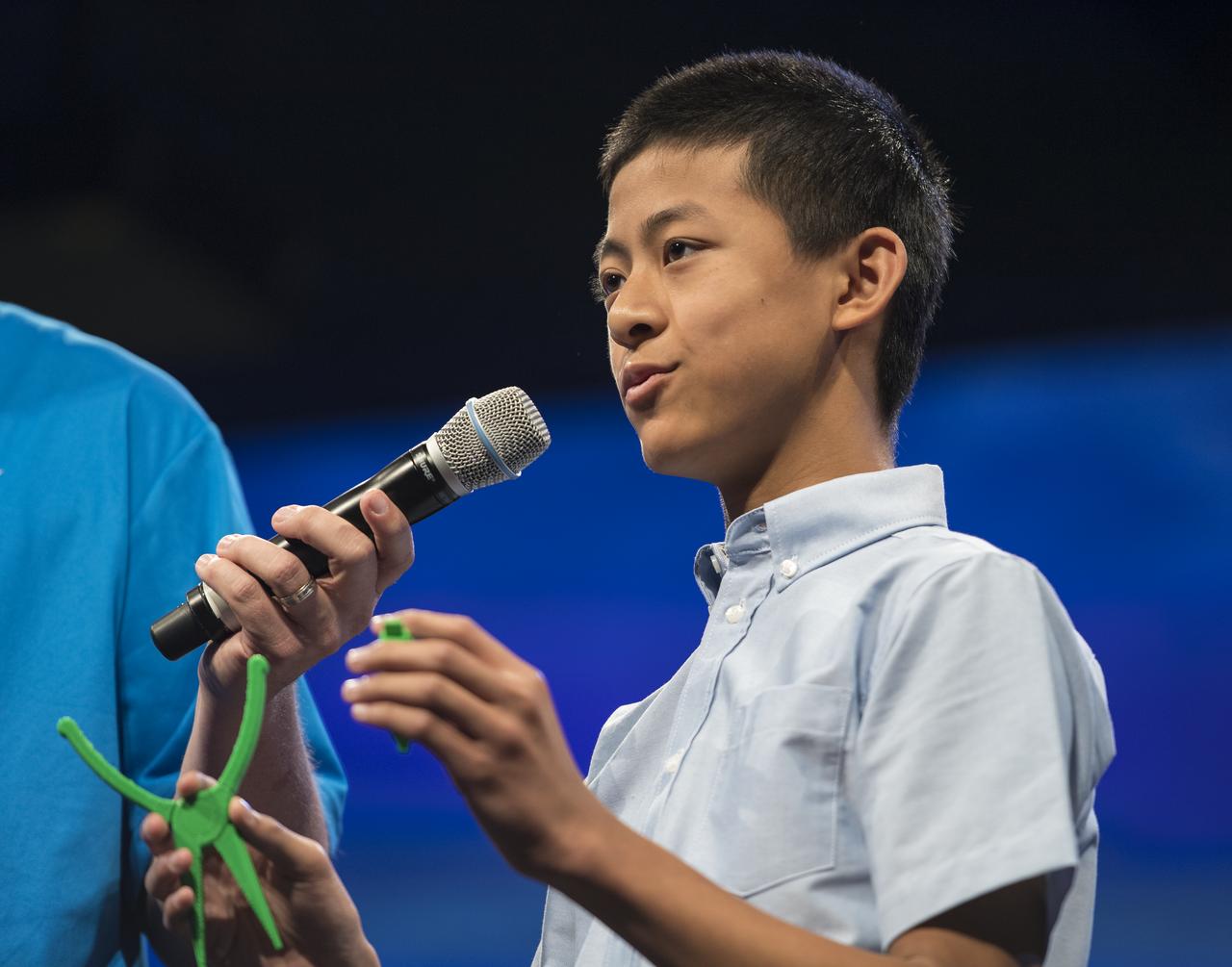
Future Engineers "Two for the Crew" competition winner, Jason Qin, speaks about his Two Pliers + 1 Handle, during a STEM in 30 event, Wednesday, June 27, 2018 at Smithsonian's National Air and Space Museum in Washington. Photo Credit: (NASA/Aubrey Gemignani)
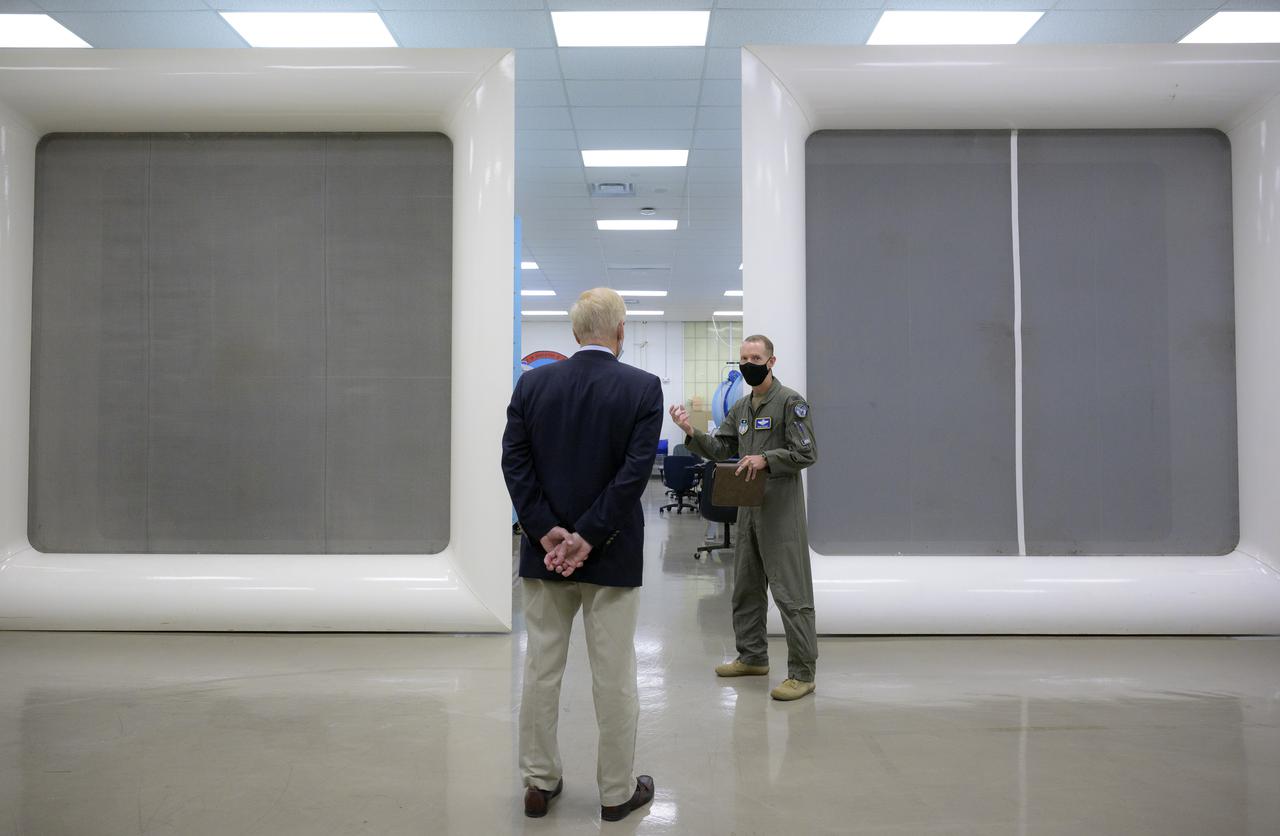
NASA Administrator Bill Nelson, left, listens to Col Douglas “Beaker” Wickert during a tour of the aeronautics lab at the United States Air Force Academy, Wednesday, Aug. 25, 2021, north of Colorado Springs, Colorado. Photo Credit: (NASA/Bill Ingalls)

NASA Administrator Bill Nelson, left, listens to Col Douglas “Beaker” Wickert, right, during a tour of the aeronautics lab at the United States Air Force Academy, Wednesday, Aug. 25, 2021, north of Colorado Springs, Colorado. Photo Credit: (NASA/Bill Ingalls)
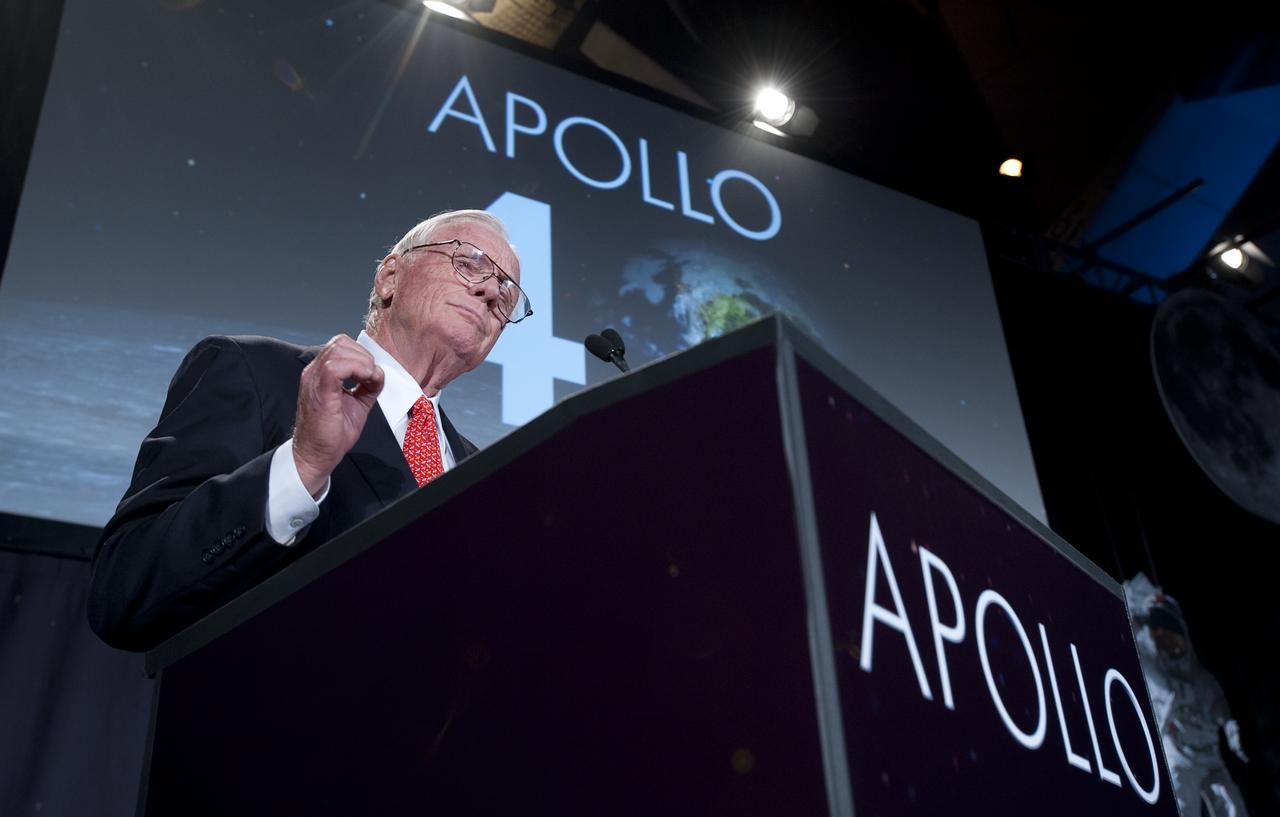
NASA Apollo 11 Mission Commander and first man to set foot on the Moon, Neil Armstrong speaks at the Apollo 40th anniversary celebration held at the National Air and Space Museum, Monday, July 20, 2009 in Washington. Photo Credit: (NASA/Bill Ingalls)
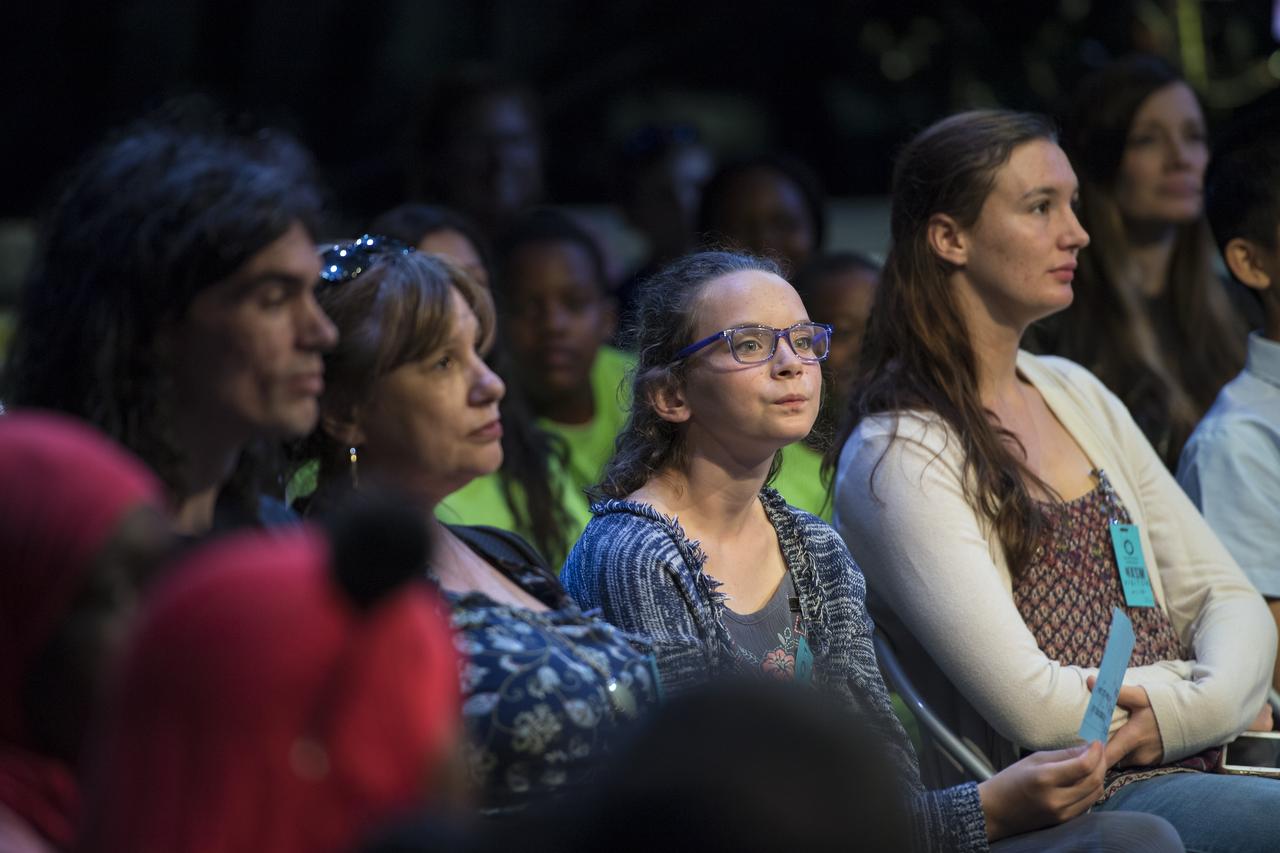
NASA astronaut Serena Auñon-Chancellor's niece, Anna Sophia, listens as Jason Crusan, director, NASA Advanced Exploration Systems (AES) Division, speaks with the STEM in 30 team Wednesday, June 27, 2018 at Smithsonian's National Air and Space Museum in Washington. Photo Credit: (NASA/Aubrey Gemignani)
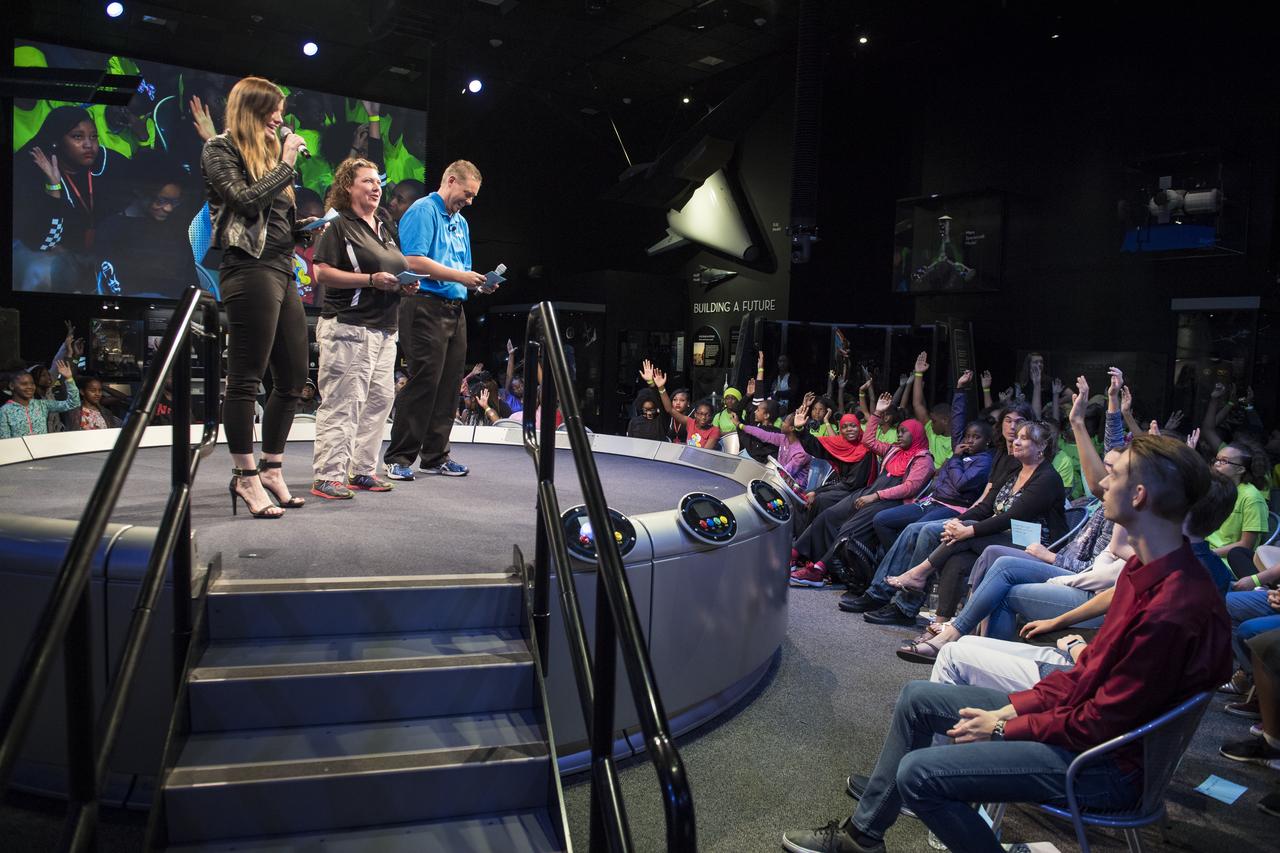
Deanne Bell, engineer, television host, and the founder & CEO of Future Engineers speaks to students during a STEM in 30 event where they announced the winners of the "Two for the Crew" competition, Wednesday, June 27, 2018 at Smithsonian's National Air and Space Museum in Washington. Photo Credit: (NASA/Aubrey Gemignani)
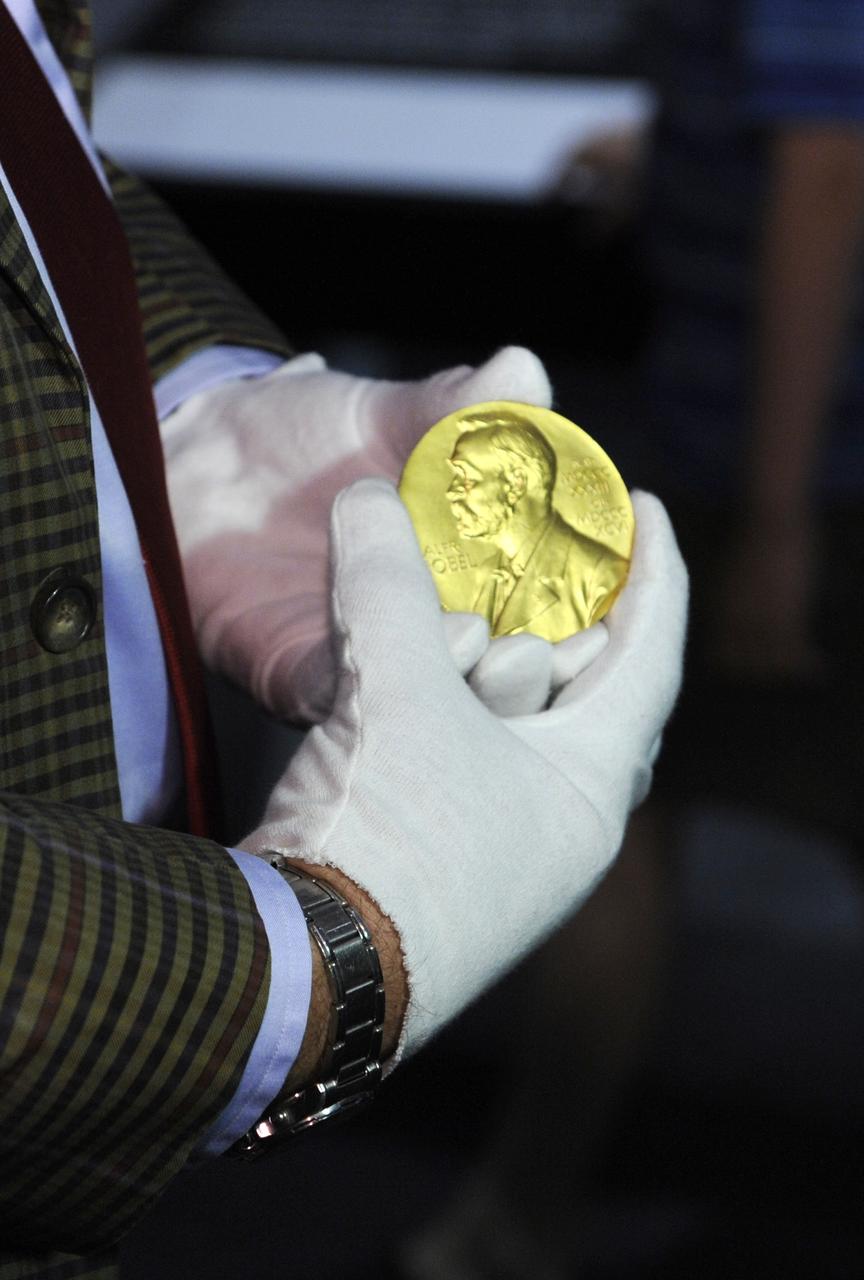
A replica of the Nobel Prize that is in the museum's collection and was flown aboard STS-132 Atlantis is seen, Tuesday, July 27, 2010, at the Smithsonian National Air and Space Museum in Washington. STS-132 astronaut Piers Sellers returned the replica during a ceremony at the museum. Photo Credit: (NASA/Paul E. Alers)
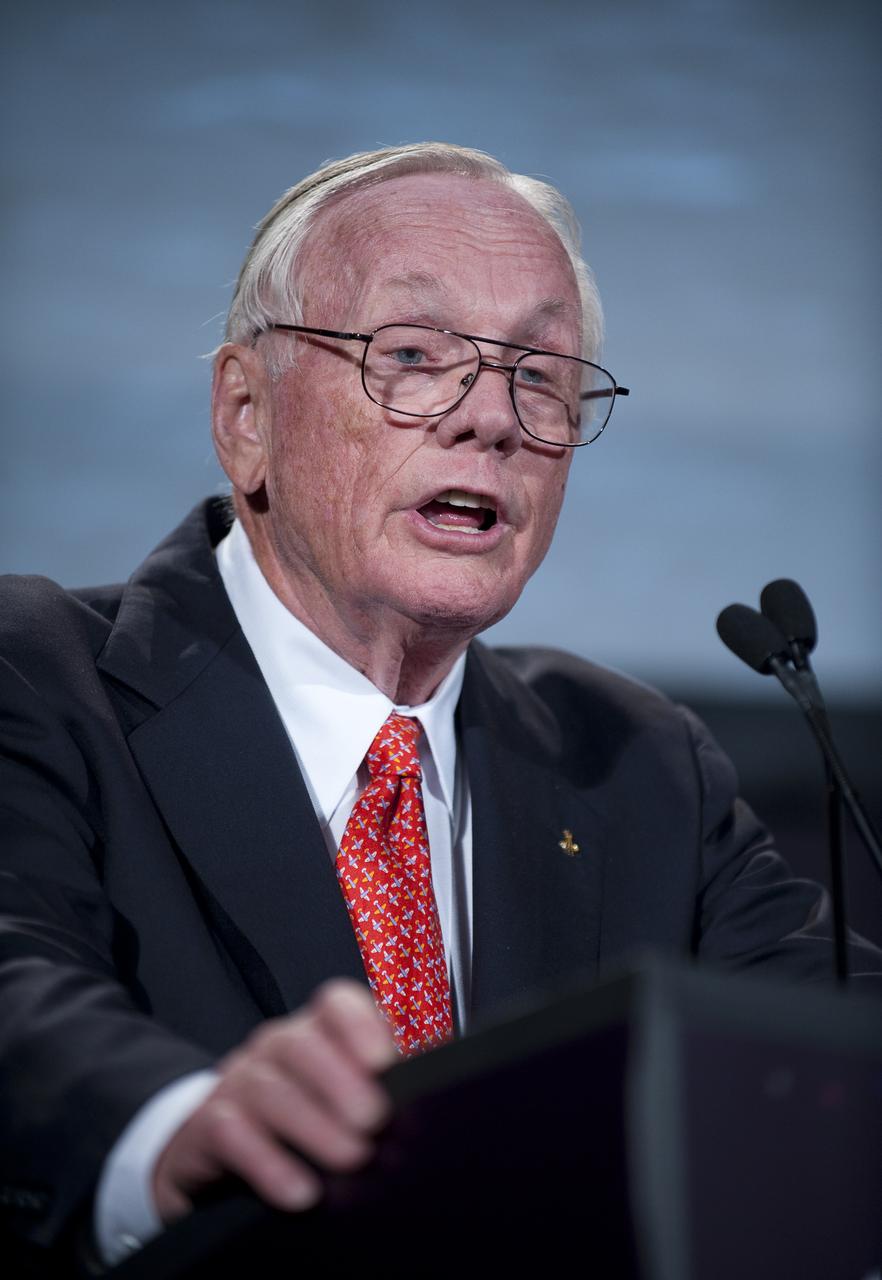
NASA Apollo 11 Mission Commander and first man to set foot on the Moon, Neil Armstrong speaks at the Apollo 40th anniversary celebration held at the National Air and Space Museum, Monday, July 20, 2009 in Washington. Photo Credit: (NASA/Bill Ingalls)
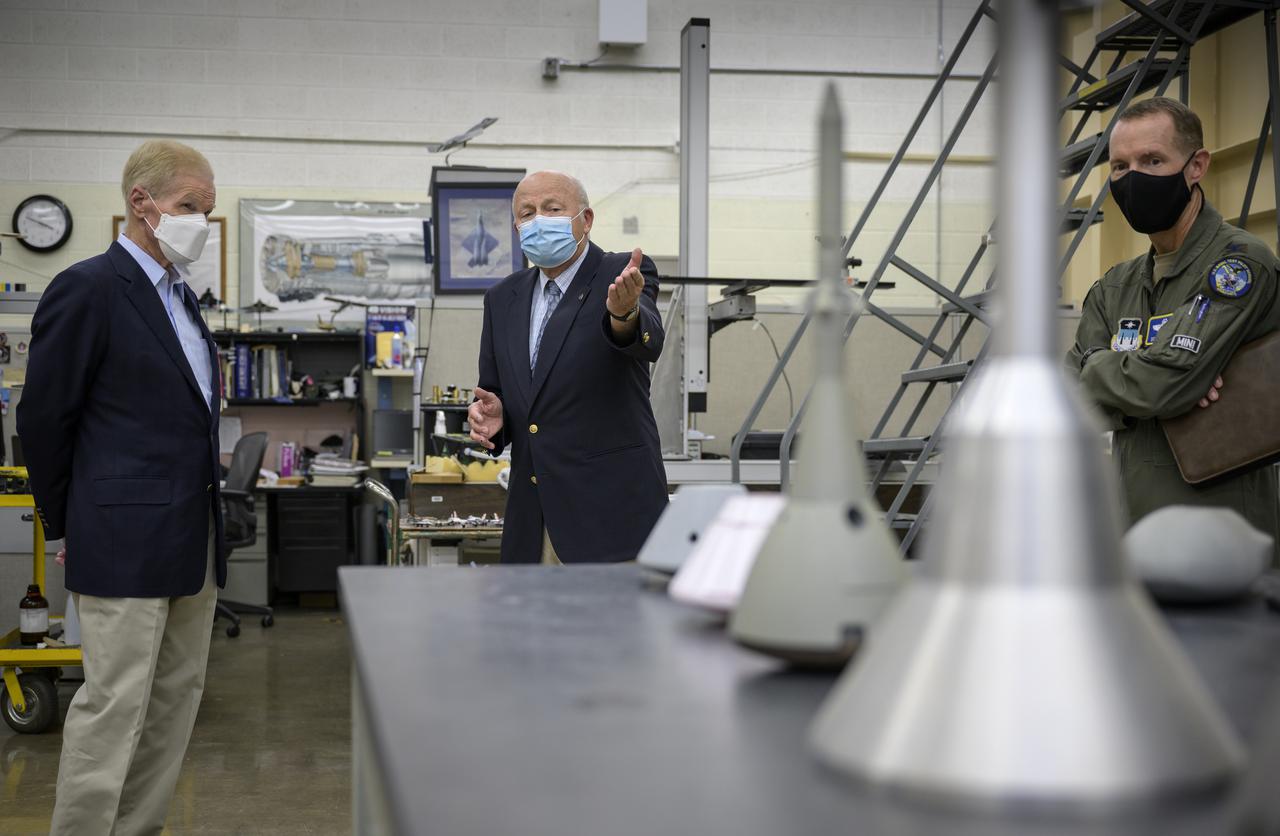
NASA Administrator Bill Nelson, left, listens as Dr. Tom Yechout, center, and Col Douglas “Beaker” Wickert provide a tour of the aeronautics lab at the United States Air Force Academy, Wednesday, Aug. 25, 2021, north of Colorado Springs, Colorado. Photo Credit: (NASA/Bill Ingalls)
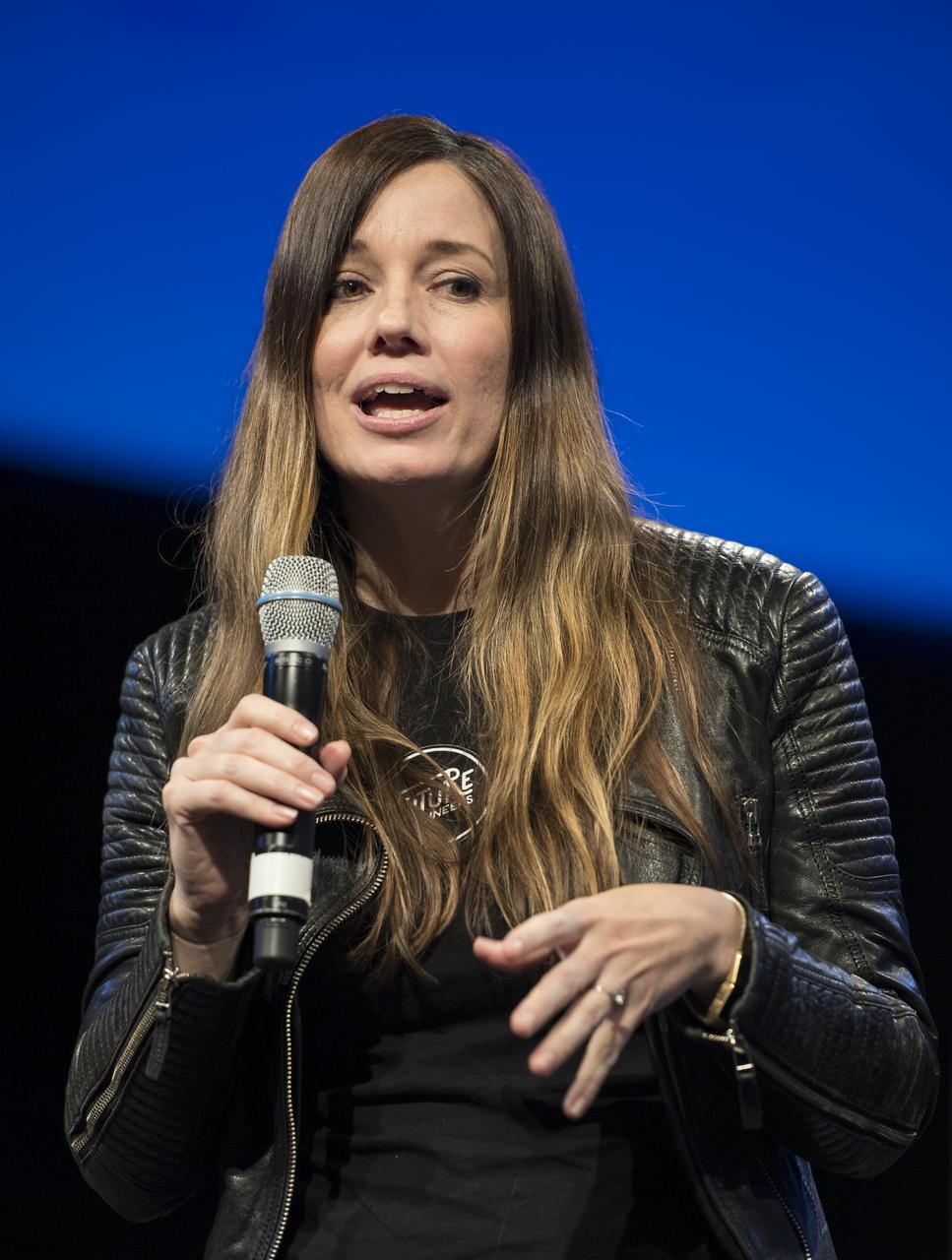
Deanne Bell, engineer, television host, and the founder & CEO of Future Engineers speaks to students during a STEM in 30 event where they announced the winners of the "Two for the Crew" competition, Wednesday, June 27, 2018 at Smithsonian's National Air and Space Museum in Washington. Photo Credit: (NASA/Aubrey Gemignani)
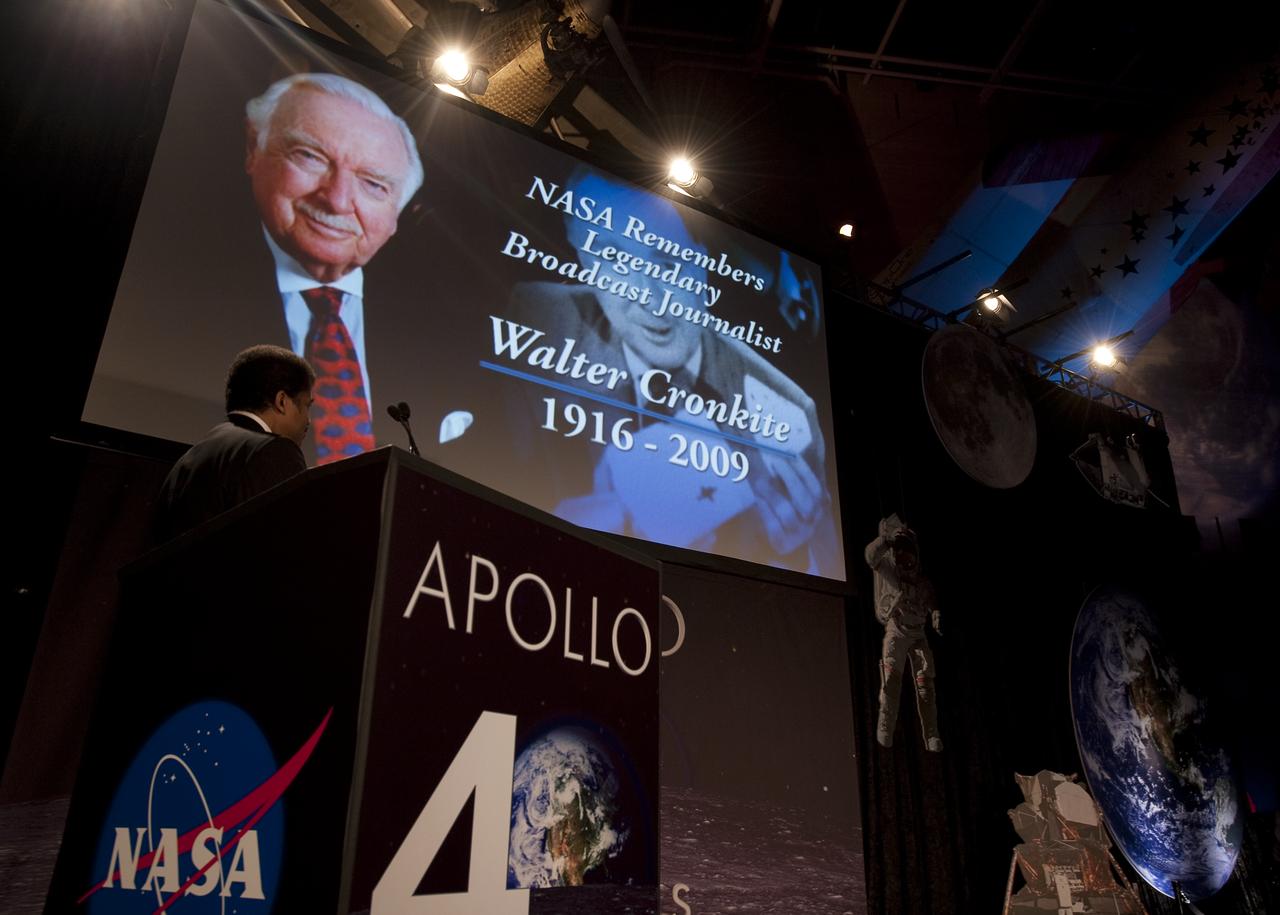
Director of the Hayden Planetarium Neil deGrasse Tyson watches as a video is played recognizing journalist Walter Cronkite during the Apollo 40th anniversary celebration held at the National Air and Space Museum, Monday, July 20, 2009 in Washington. Photo Credit: (NASA/Bill Ingalls)
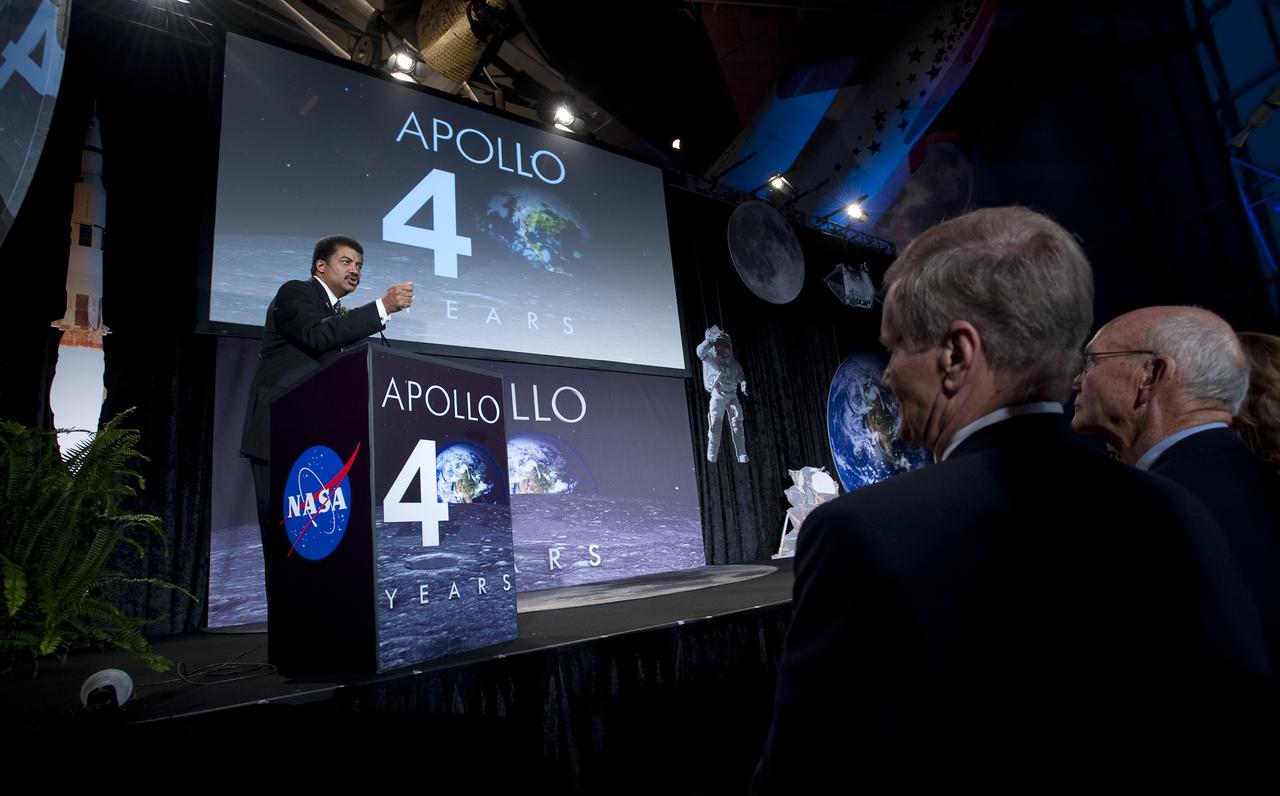
Director of the Hayden Planetarium Neil deGrasse Tyson speaks as host of the Apollo 40th anniversary celebration held at the National Air and Space Museum, Monday, July 20, 2009 in Washington. Photo Credit: (NASA/Bill Ingalls)
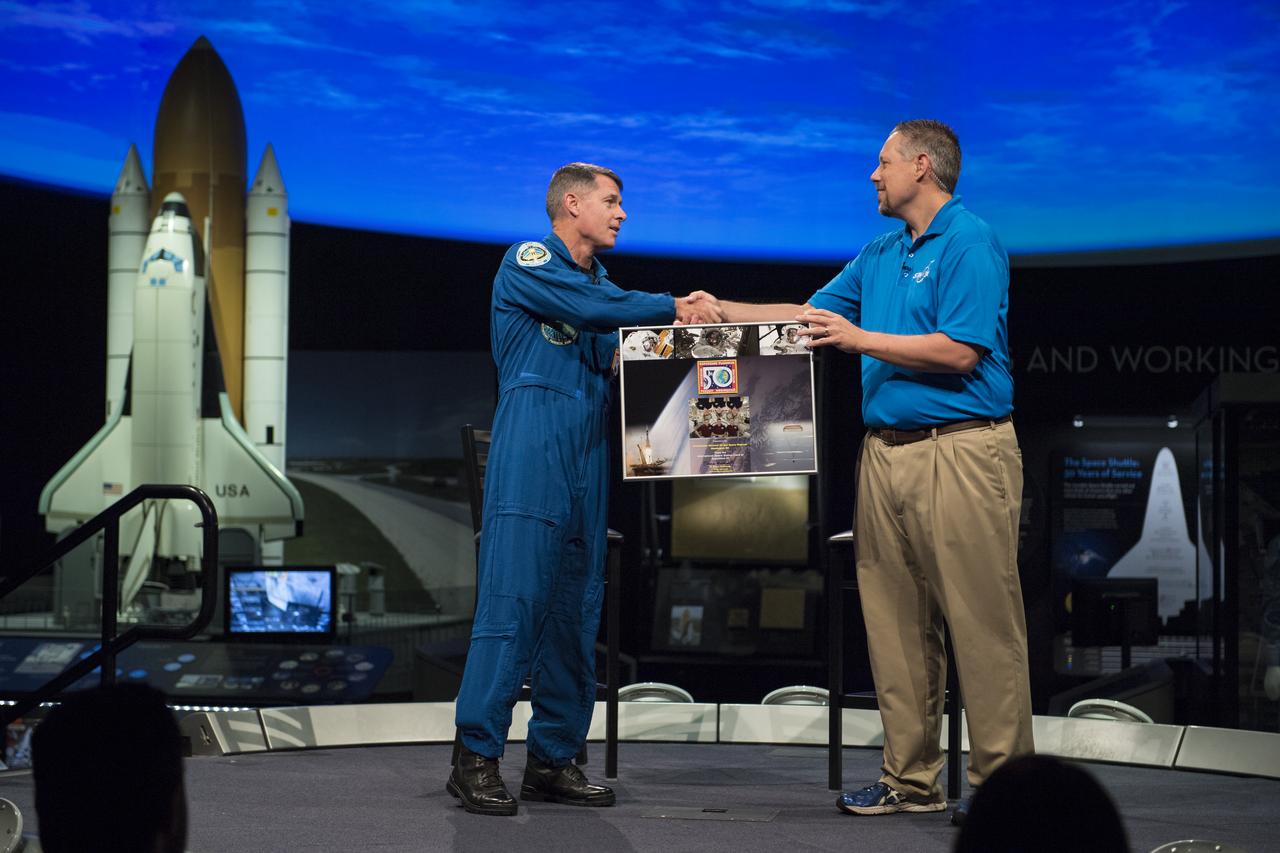
NASA astronaut Shane Kimbrough presents Marty Kelsey, STEM in 30 host, Smithsonian National Air and Space Museum (NASM), a montage with photos and a patch from Expedition 50, Tuesday, September 12, 2017 at Smithsonian's National Air and Space Museum in Washington. During Expedition 50, Kimbrough completed four spacewalks for a total of 39 hours outside the ISS, and concluded his 173-day mission when he landed in a remote area near the town of Zhezkazgan, Kazakhstan in April 2017. Photo Credit: (NASA/Aubrey Gemignani)
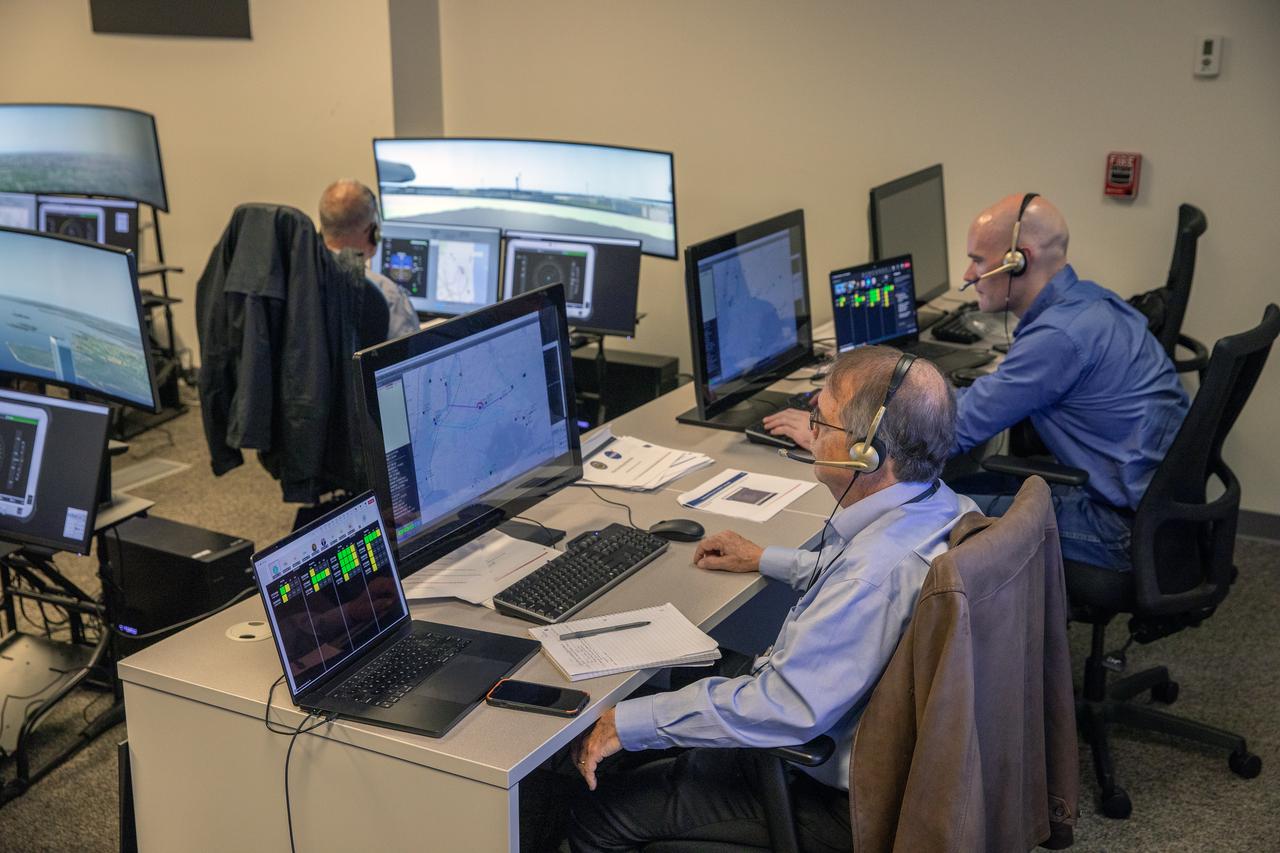
Focus on active photos –Class B Simulation Evaluation in the ATOL Lab at Langley (Also at FAA Tech Center) where team is working with one another in the lab, reviewing data on the monitors. Working the software, adjusting the software systems. Going over the shoulder to show the displays and screens as the software is running. John Foster (left) in the role of an air taxi pilot in the simulator chair with Jim Chamberlain and Terence McClain at the flight manager stations running virtual air taxi integration simulations focusing on urban air space at NASA’s Langley Research Center in Hampton, Virginia on Sept. 25, 2024.

NASA's Atmospheric Infrared Sounder (AIRS) instrument captures a polar vortex moving from Central Canada into the U.S. Midwest from January 20 through January 29, 2019. The images show air temperatures at 600 millibars, around 2.5 miles (4 kilometers) high in Earth's troposphere. This polar vortex is responsible for surface air temperatures as low as -40 degrees Fahrenheit (also -40 degrees Celsius) and wind chill readings as low as the -50s and -60s Fahrenheit (-46 and -51 Celsius). Animation available at https://photojournal.jpl.nasa.gov/catalog/PIA22823
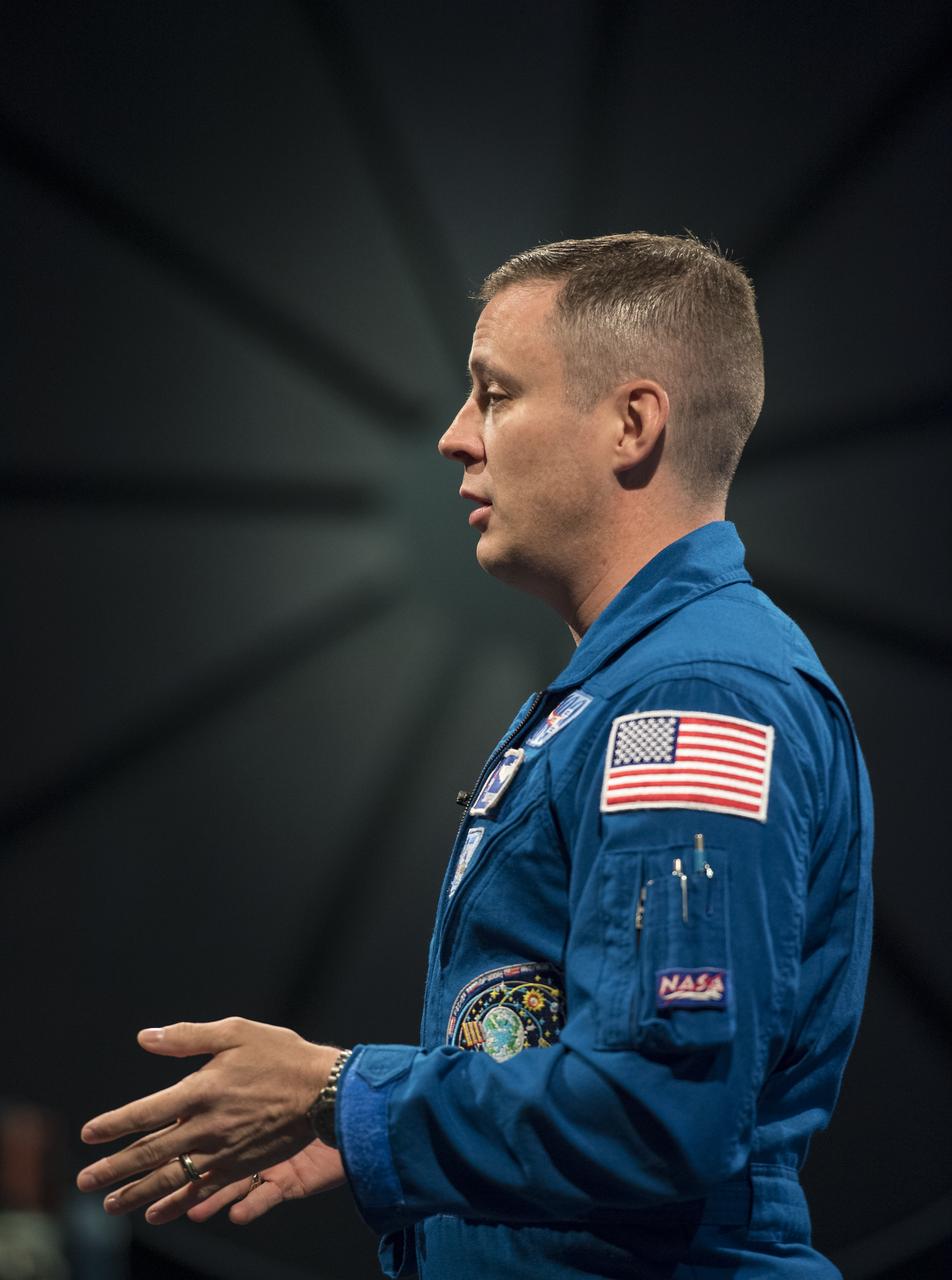
NASA astronaut Jack Fischer speaks about his time onboard the International Space Station (ISS) during Expeditions 51/52, Friday, Nov. 3, 2017 at Smithsonian's National Air and Space Museum in Washington. During Expedition 52, Fischer completed hundreds of scientific experiments and two spacewalks, and concluded his 136-day mission when he landed in a remote area near the town of Zhezkazgan, Kazakhstan in September 2017. Photo Credit: (NASA/Aubrey Gemignani)
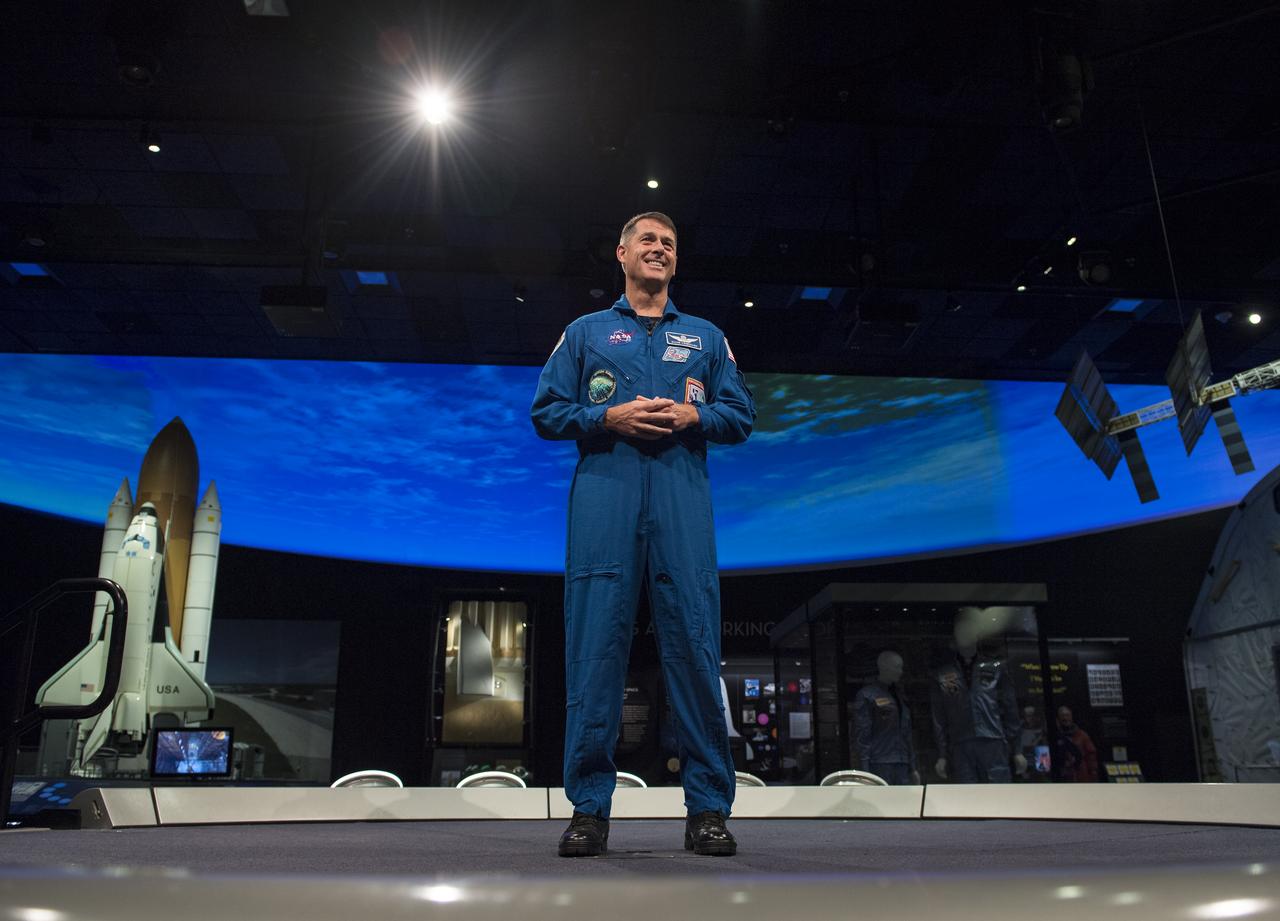
NASA astronaut Shane Kimbrough speaks about his time onboard the International Space Station (ISS) during Expeditions 49/50, Tuesday, September 12, 2017 at Smithsonian's National Air and Space Museum in Washington. During Expedition 50, Kimbrough completed four spacewalks for a total of 39 hours outside the ISS, and concluded his 173-day mission when he landed in a remote area near the town of Zhezkazgan, Kazakhstan in April 2017. Photo Credit: (NASA/Aubrey Gemignani)
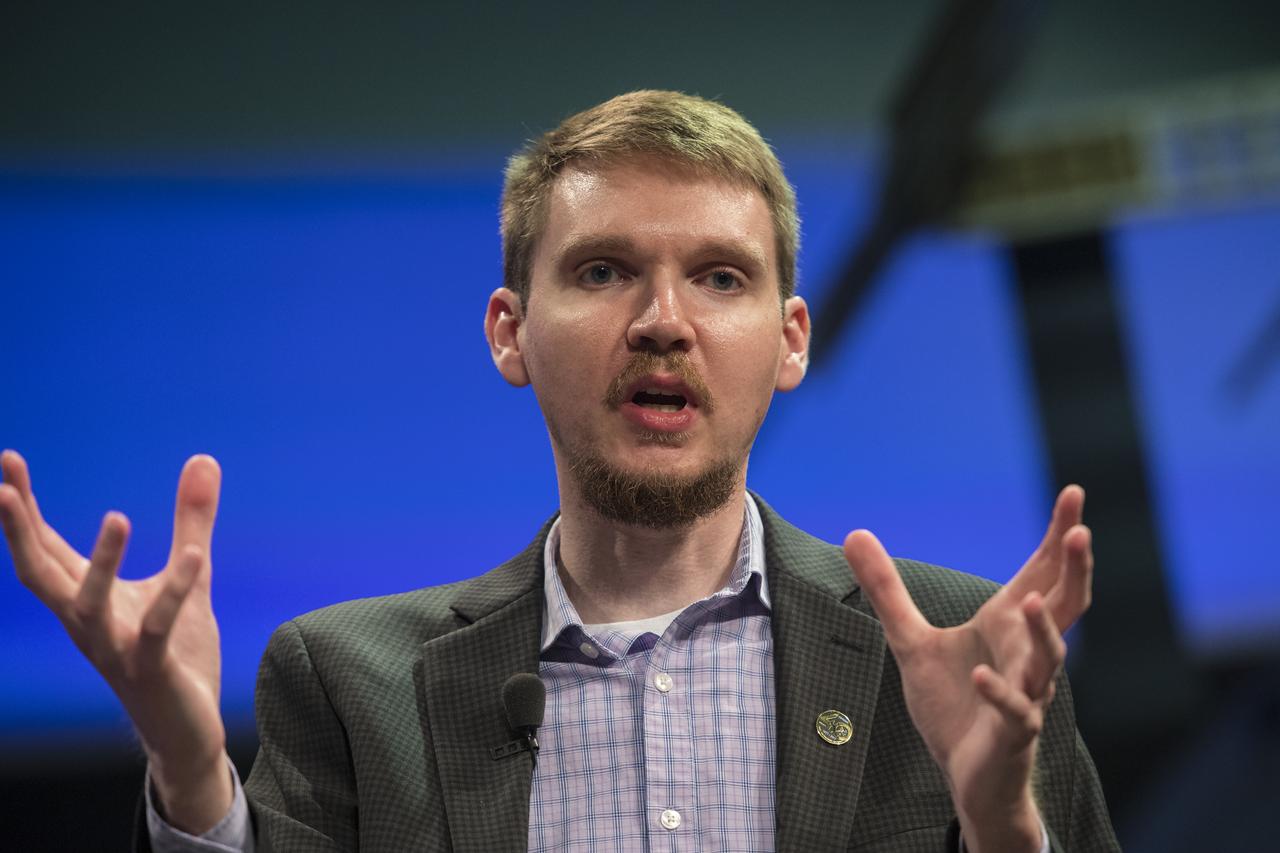
Eric Zirnstein, researcher, Princeton University, speaks at an event to celebrate the 40th Anniversary of the launch of the Voyager 1 and 2 missions, Tuesday, September 5, 2017 at Smithsonian's National Air and Space Museum in Washington. Voyager 1 was launched September 5, 1977, with a mission to study Jupiter and Saturn, but now the twin Voyager spacecrafts are on a journey into interstellar space to search for the heliopause, a region never reached by any other spacecraft. Photo Credit: (NASA/Aubrey
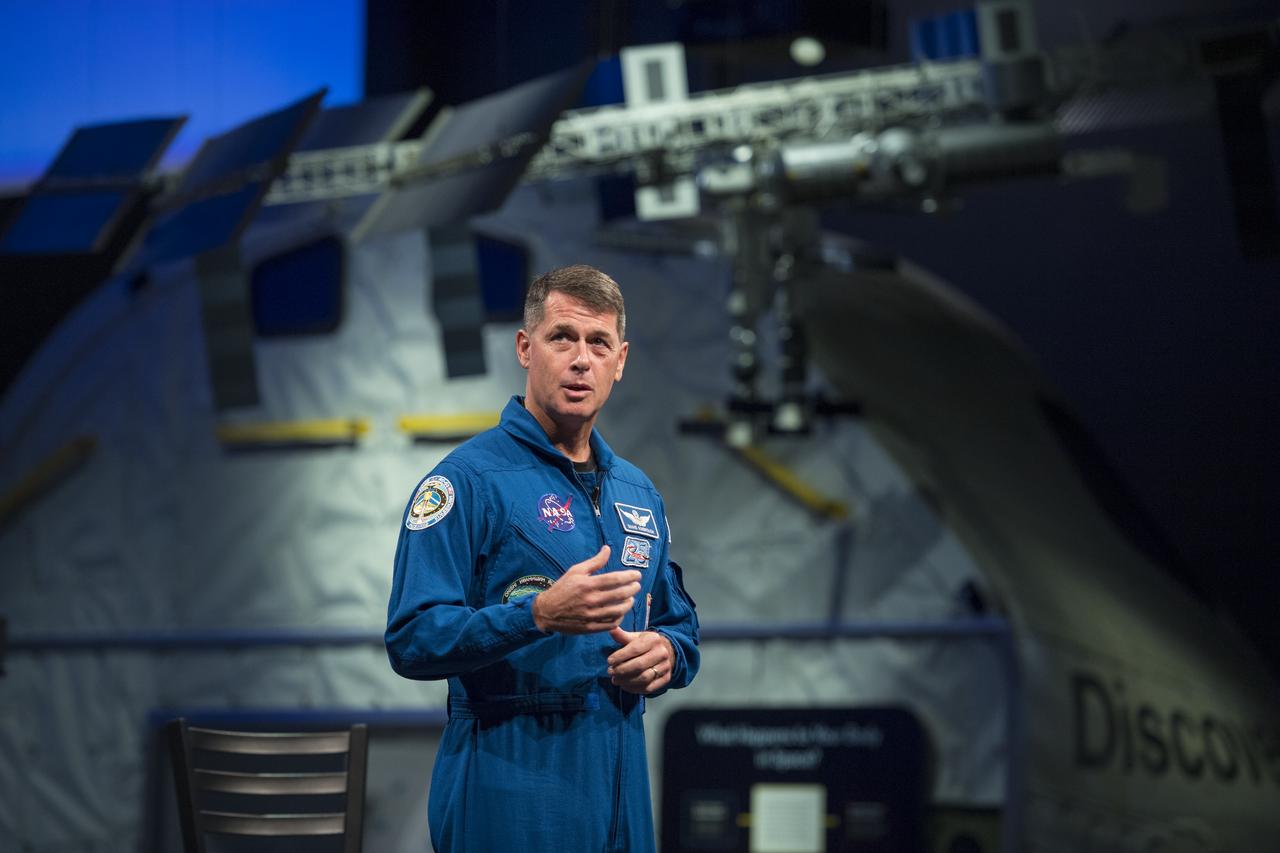
NASA astronaut Shane Kimbrough speaks about his time onboard the International Space Station (ISS) during Expeditions 49/50, Tuesday, September 12, 2017 at Smithsonian's National Air and Space Museum in Washington. During Expedition 50, Kimbrough completed four spacewalks for a total of 39 hours outside the ISS, and concluded his 173-day mission when he landed in a remote area near the town of Zhezkazgan, Kazakhstan in April 2017. Photo Credit: (NASA/Aubrey Gemignani)
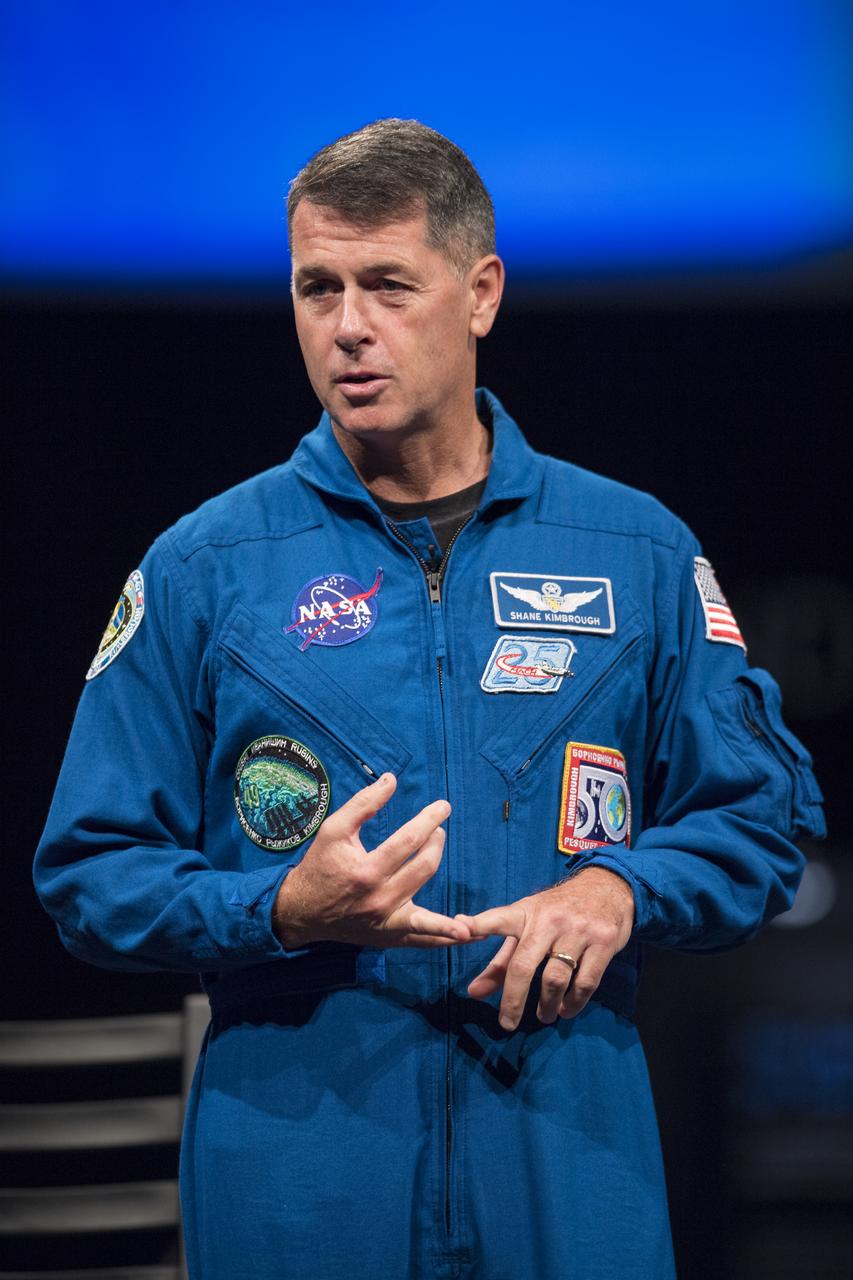
NASA astronaut Shane Kimbrough speaks about his time onboard the International Space Station (ISS) during Expeditions 49/50, Tuesday, September 12, 2017 at Smithsonian's National Air and Space Museum in Washington. During Expedition 50, Kimbrough completed four spacewalks for a total of 39 hours outside the ISS, and concluded his 173-day mission when he landed in a remote area near the town of Zhezkazgan, Kazakhstan in April 2017. Photo Credit: (NASA/Aubrey Gemignani)

Ann Druyan, writer/producer and golden record visionary, speaks at an event to celebrate the 40th Anniversary of the launch of the Voyager 1 and 2 missions, Tuesday, September 5, 2017 at Smithsonian's National Air and Space Museum in Washington. Voyager 1 was launched September 5, 1977, with a mission to study Jupiter and Saturn, but now the twin Voyager spacecrafts are on a journey into interstellar space to search for the heliopause, a region never reached by any other spacecraft. Photo Credit: (NASA/Aubrey
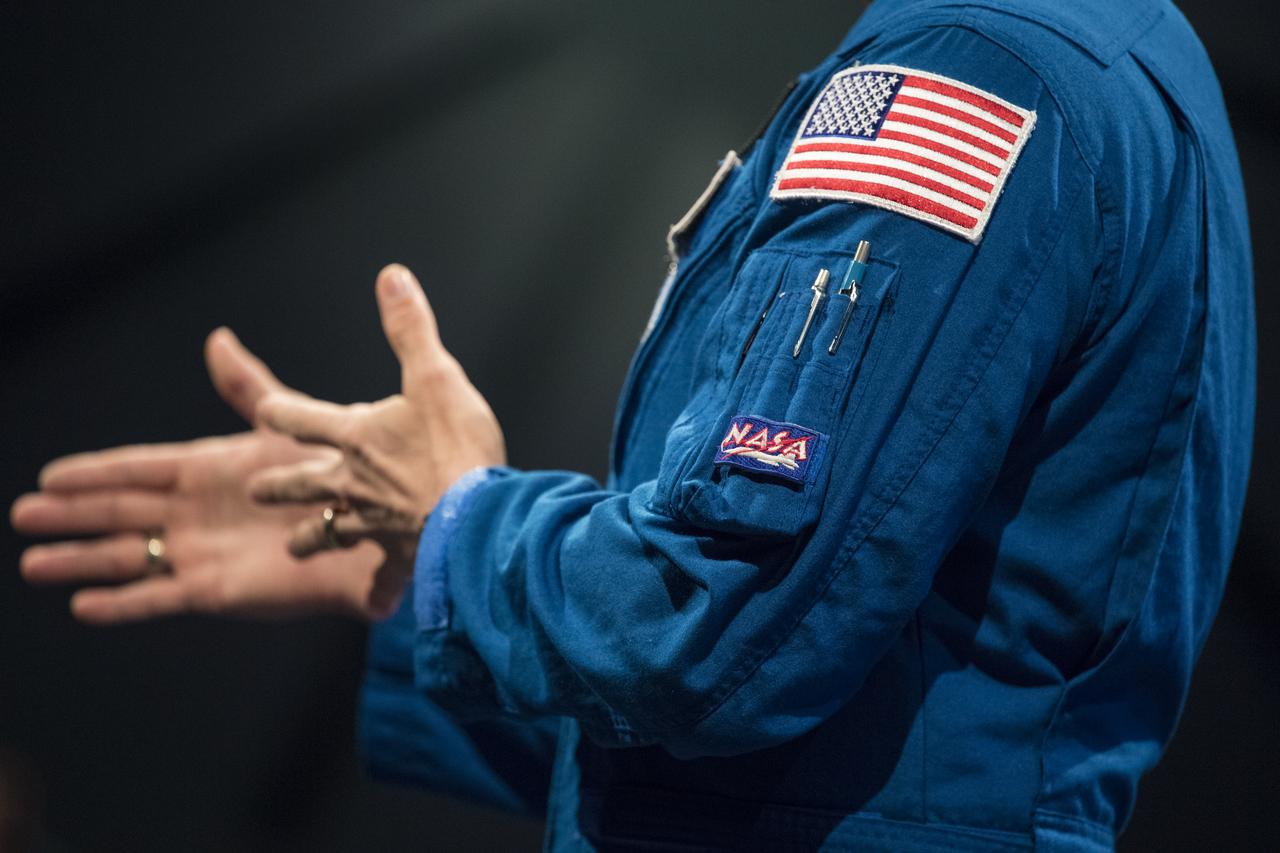
NASA astronaut Jack Fischer speaks about his time onboard the International Space Station (ISS) during Expeditions 51/52, Friday, Nov. 3, 2017 at Smithsonian's National Air and Space Museum in Washington. During Expedition 52, Fischer completed hundreds of scientific experiments and two spacewalks, and concluded his 136-day mission when he landed in a remote area near the town of Zhezkazgan, Kazakhstan in September 2017. Photo Credit: (NASA/Aubrey Gemignani)
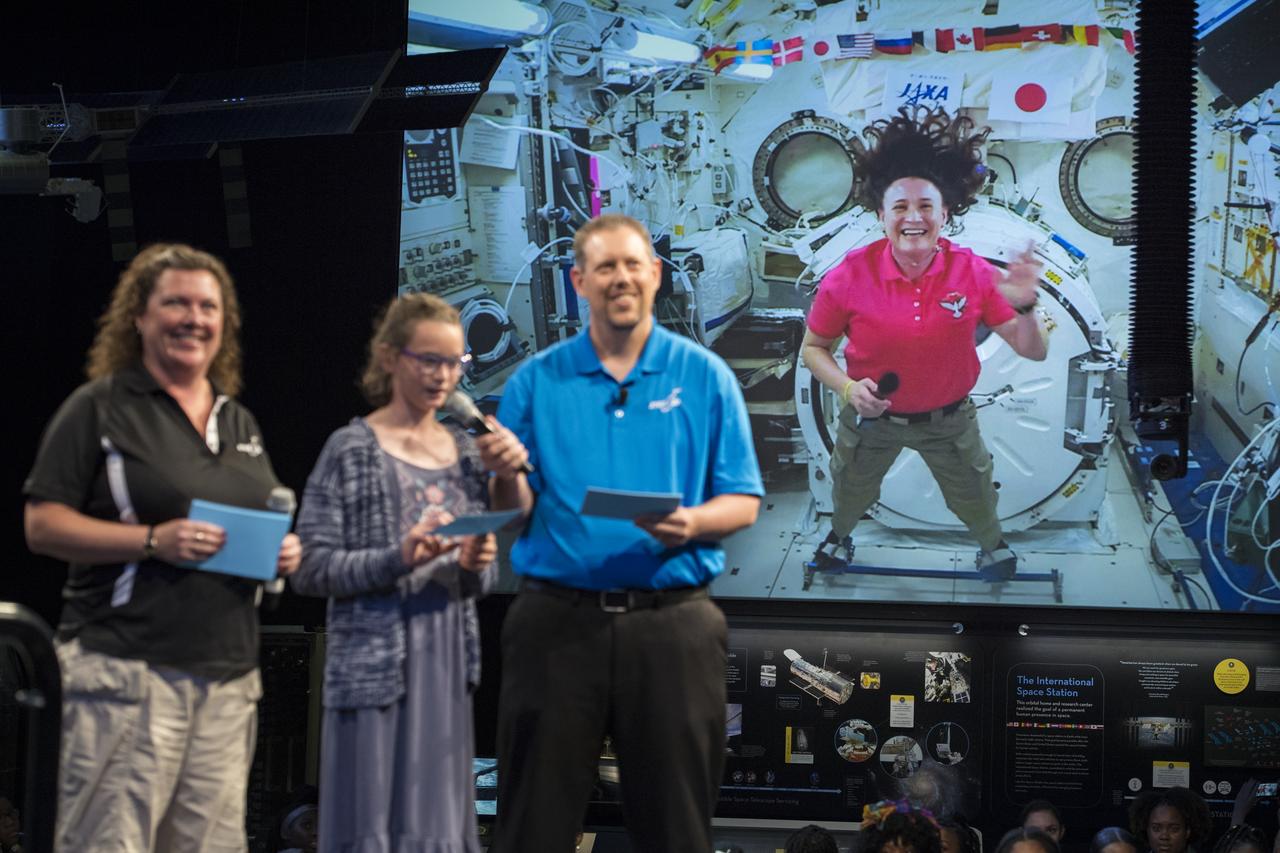
NASA astronaut Serena Auñon-Chancellor's niece, Anna Sophia, surprises her by asking her a question during a live downlink with the International Space Station (ISS), Wednesday, June 27, 2018 at Smithsonian's National Air and Space Museum in Washington. Serena is part of the Expedition 56/57 crew that launched to the ISS June 6, 2018. Photo Credit: (NASA/Aubrey Gemignani)

Students from the audience gesture toward the camera at the beginning of the STEM in 30 program where NASA astronaut Randy Bresnik and ESA astronaut Paolo Nespoli spoke about their time onboard the International Space Station, Thursday, May 10, 2018 at the Smithsonian National Air and Space Museum in Washington. Photo Credit: (NASA/Aubrey Gemignani)
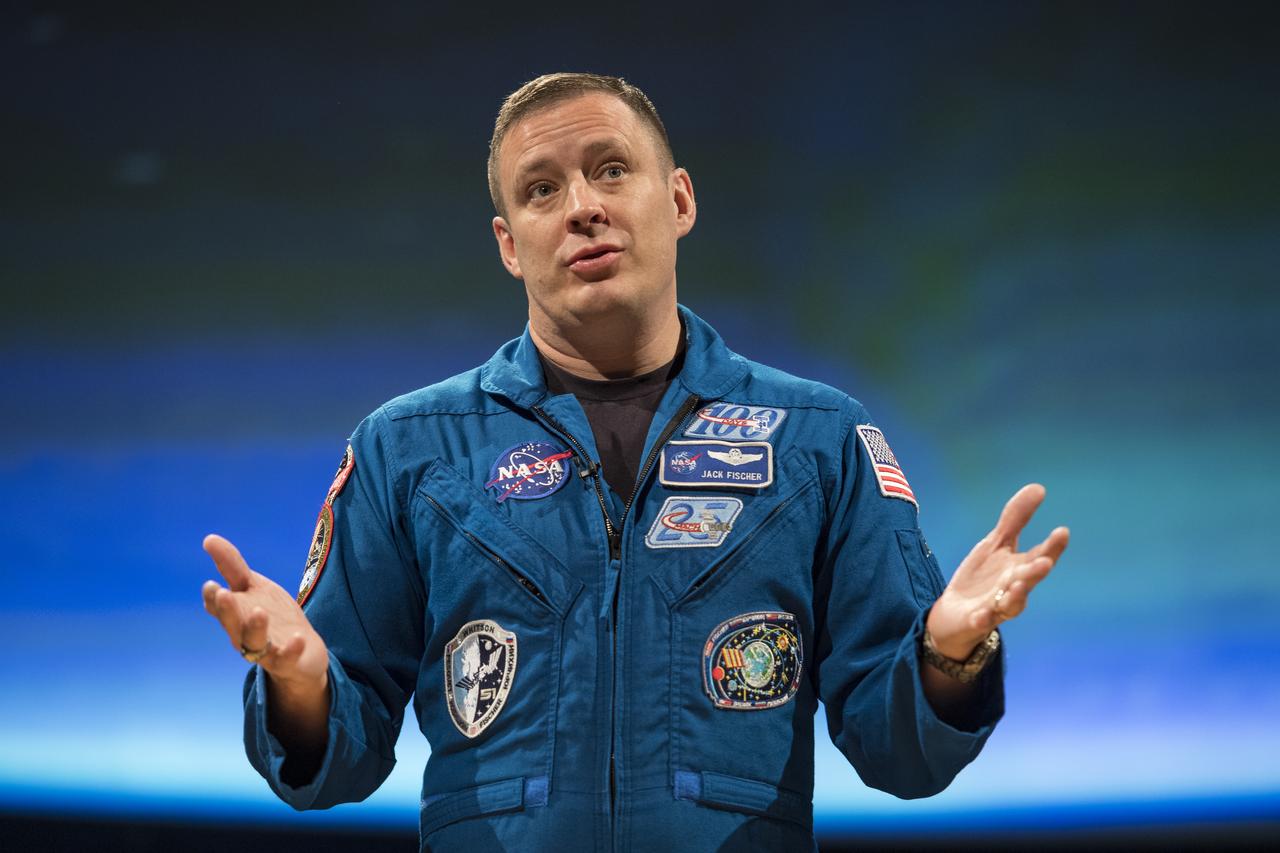
NASA astronaut Jack Fischer speaks about his time onboard the International Space Station (ISS) during Expeditions 51/52, Friday, Nov. 3, 2017 at Smithsonian's National Air and Space Museum in Washington. During Expedition 52, Fischer completed hundreds of scientific experiments and two spacewalks, and concluded his 136-day mission when he landed in a remote area near the town of Zhezkazgan, Kazakhstan in September 2017. Photo Credit: (NASA/Aubrey Gemignani)
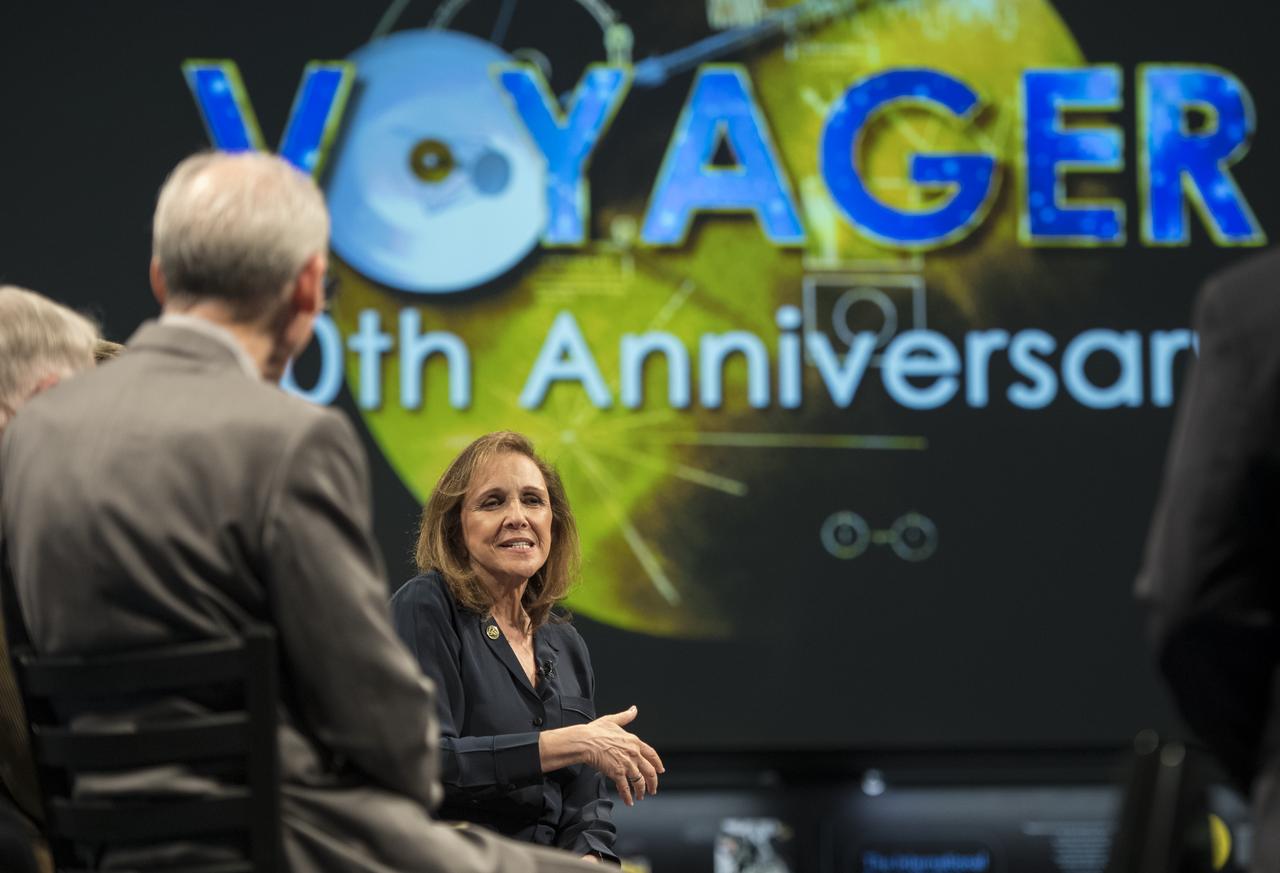
Ann Druyan, writer/producer and golden record visionary, speaks at an event to celebrate the 40th Anniversary of the launch of the Voyager 1 and 2 missions, Tuesday, September 5, 2017 at Smithsonian's National Air and Space Museum in Washington. Voyager 1 was launched September 5, 1977, with a mission to study Jupiter and Saturn, but now the twin Voyager spacecrafts are on a journey into interstellar space to search for the heliopause, a region never reached by any other spacecraft. Photo Credit: (NASA/Aubrey
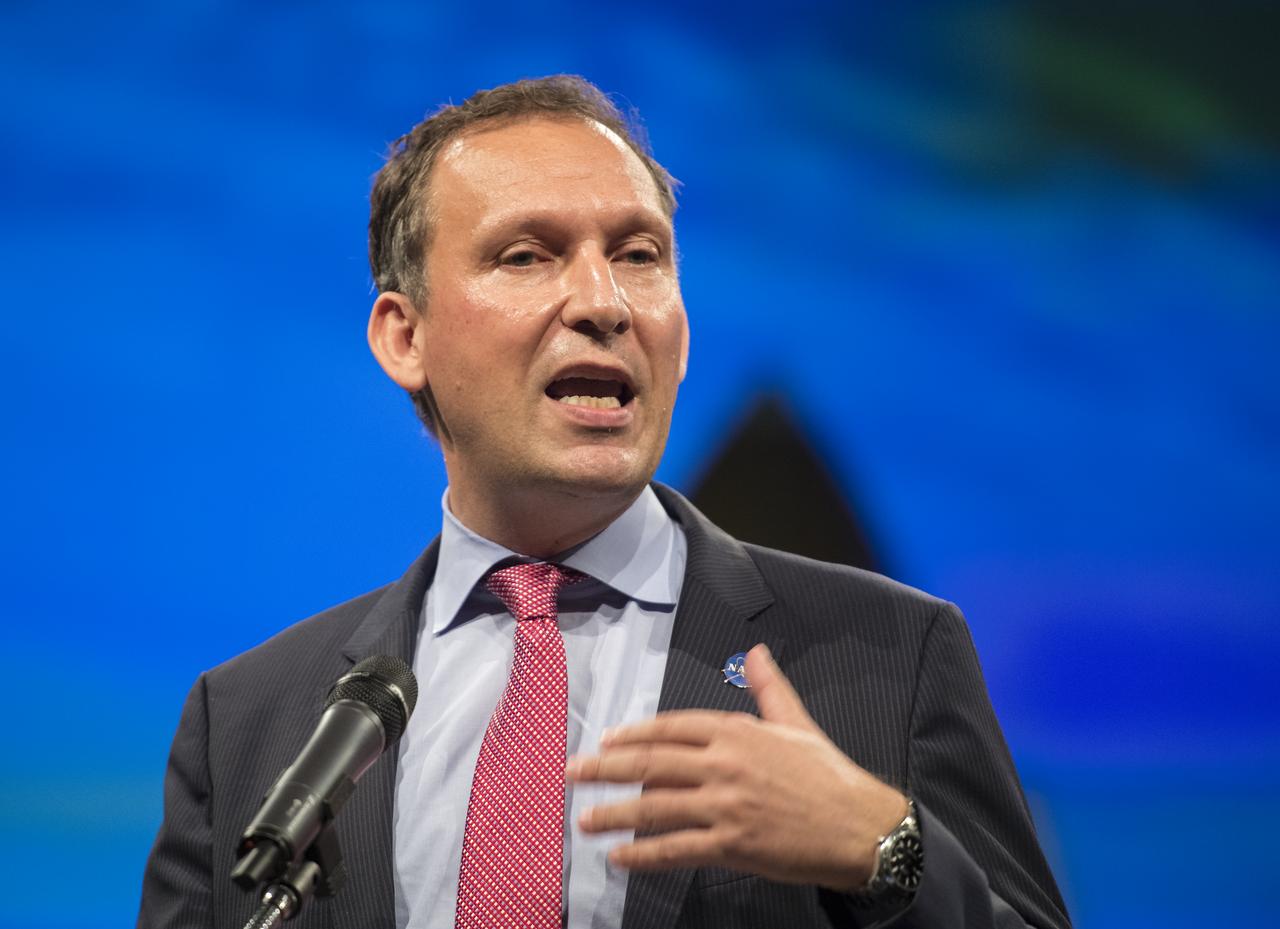
Thomas Zurbuchen, NASA associate administrator, Science Mission Directorate, gives opening remarks at an event to celebrate the 40th Anniversary of the launch of the Voyager 1 and 2 missions, Tuesday, September 5, 2017 at Smithsonian's National Air and Space Museum in Washington. Voyager 1 was launched September 5, 1977, with a mission to study Jupiter and Saturn, but now the twin Voyager spacecrafts are on a journey into interstellar space to search for the heliopause, a region never reached by any other spacecraft. Photo Credit: (NASA/Aubrey Gemignani)
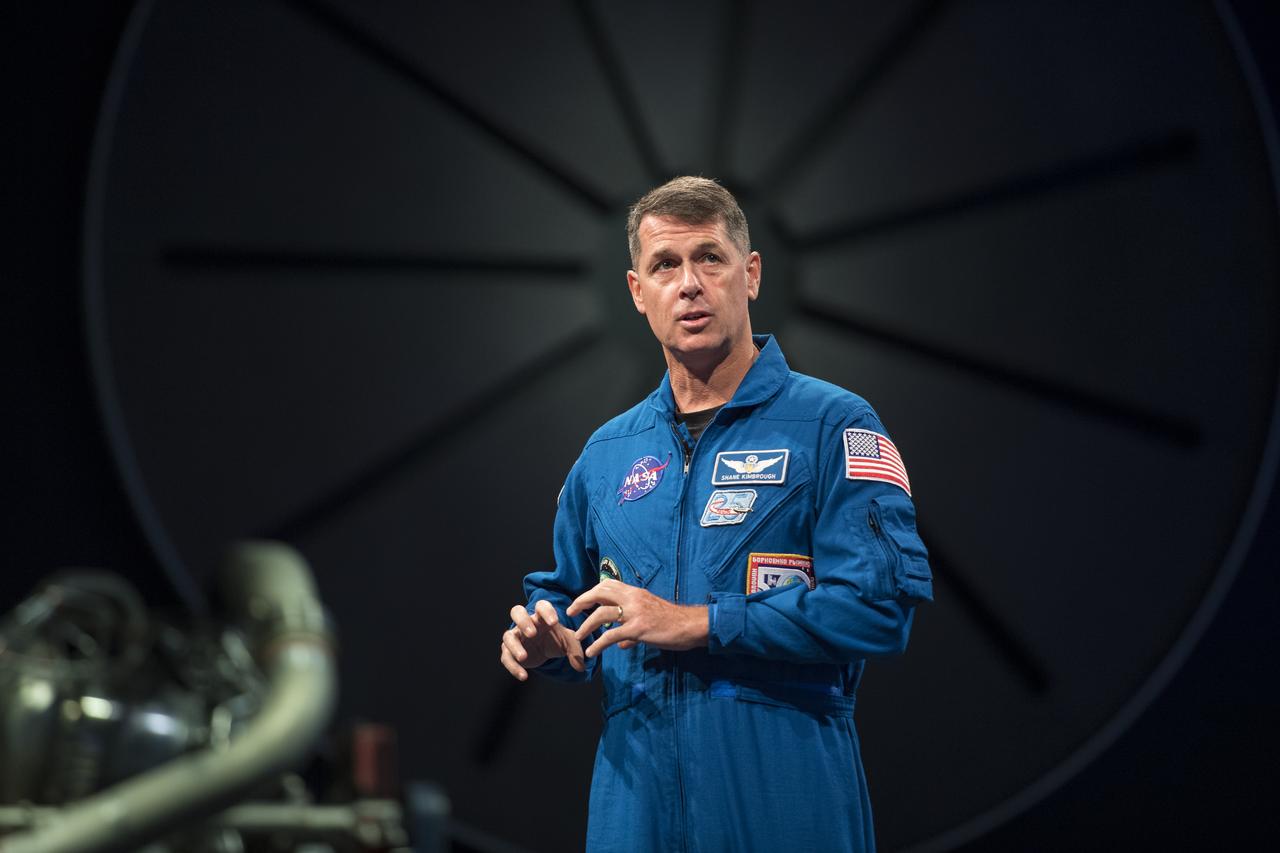
NASA astronaut Shane Kimbrough speaks about his time onboard the International Space Station (ISS) during Expeditions 49/50, Tuesday, September 12, 2017 at Smithsonian's National Air and Space Museum in Washington. During Expedition 50, Kimbrough completed four spacewalks for a total of 39 hours outside the ISS, and concluded his 173-day mission when he landed in a remote area near the town of Zhezkazgan, Kazakhstan in April 2017. Photo Credit: (NASA/Aubrey Gemignani)
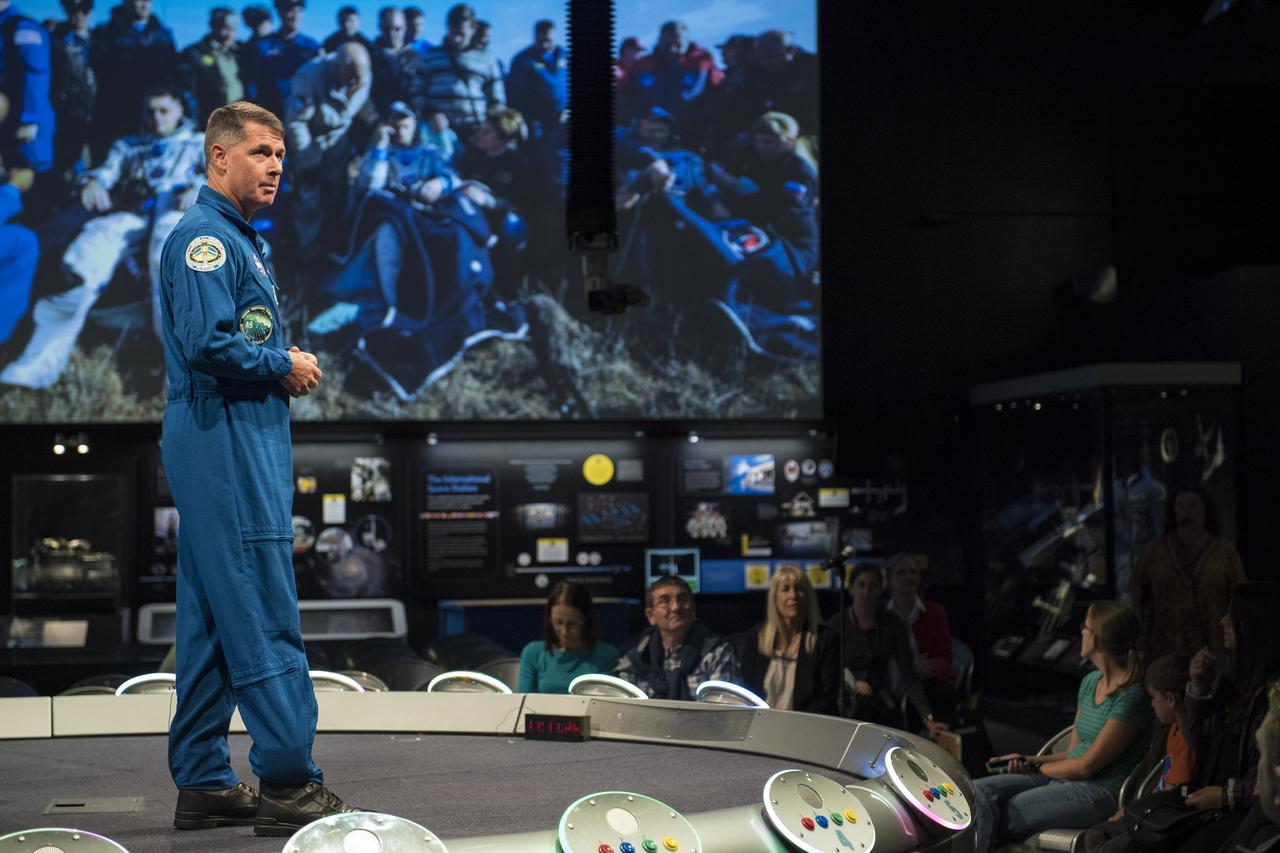
NASA astronaut Shane Kimbrough speaks about his time onboard the International Space Station (ISS) during Expeditions 49/50, Tuesday, September 12, 2017 at Smithsonian's National Air and Space Museum in Washington. During Expedition 50, Kimbrough completed four spacewalks for a total of 39 hours outside the ISS, and concluded his 173-day mission when he landed in a remote area near the town of Zhezkazgan, Kazakhstan in April 2017. Photo Credit: (NASA/Aubrey Gemignani)
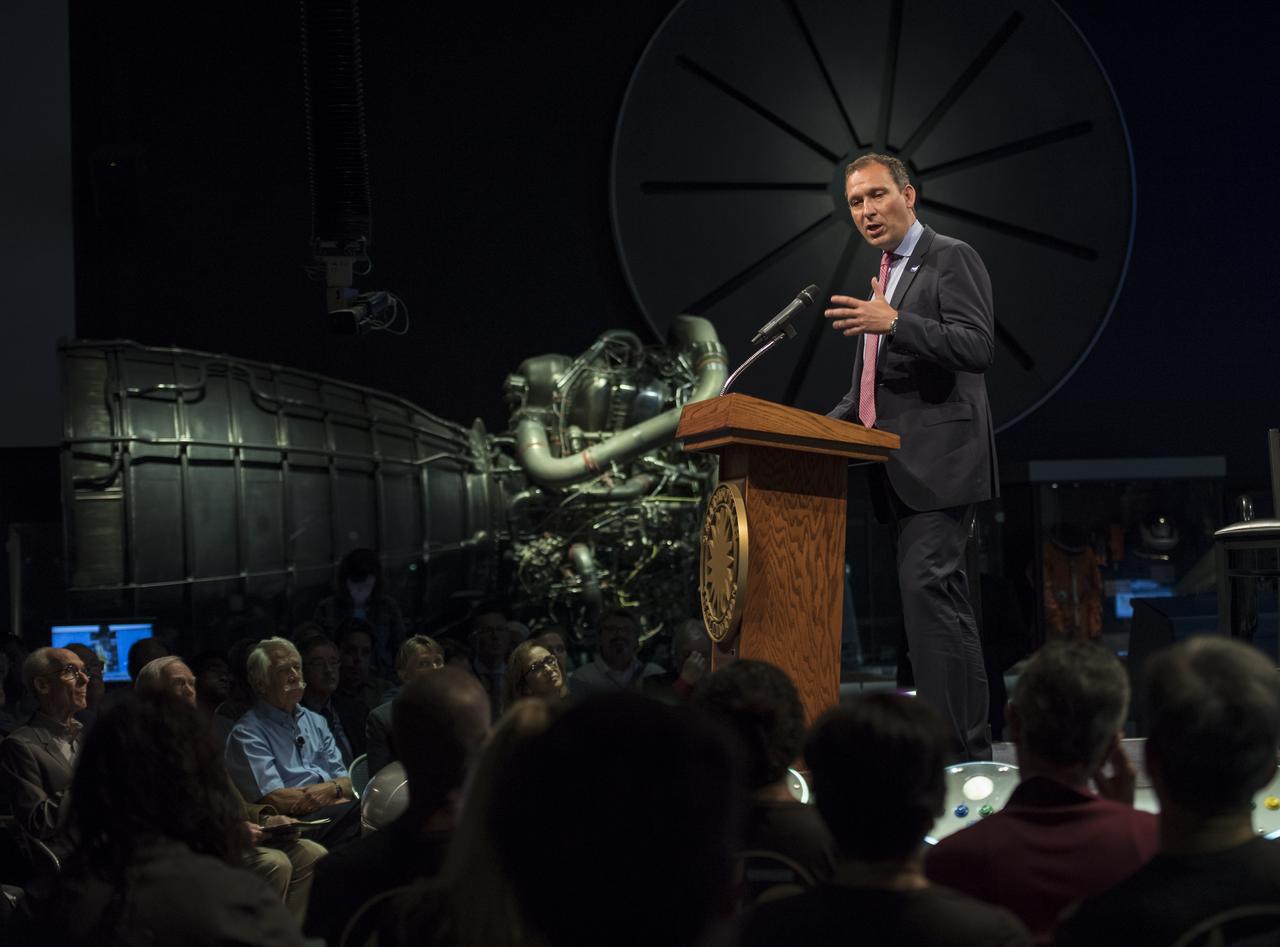
Thomas Zurbuchen, NASA associate administrator, Science Mission Directorate, gives opening remarks at an event to celebrate the 40th Anniversary of the launch of the Voyager 1 and 2 missions, Tuesday, September 5, 2017 at Smithsonian's National Air and Space Museum in Washington. Voyager 1 was launched September 5, 1977, with a mission to study Jupiter and Saturn, but now the twin Voyager spacecrafts are on a journey into interstellar space to search for the heliopause, a region never reached by any other spacecraft. Photo Credit: (NASA/Aubrey Gemignani)
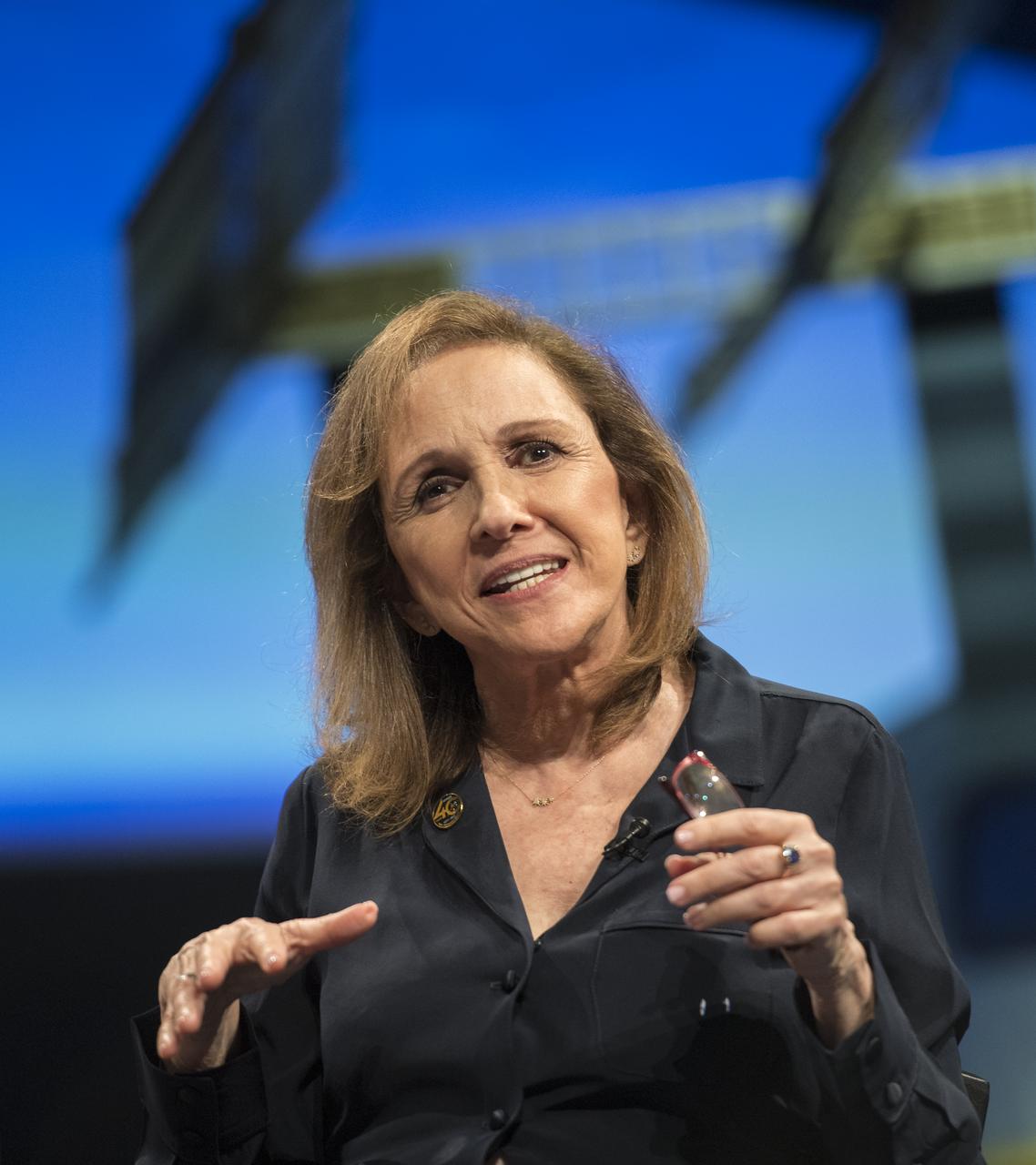
Ann Druyan, writer/producer and golden record visionary, speaks at an event to celebrate the 40th Anniversary of the launch of the Voyager 1 and 2 missions, Tuesday, September 5, 2017 at Smithsonian's National Air and Space Museum in Washington. Voyager 1 was launched September 5, 1977, with a mission to study Jupiter and Saturn, but now the twin Voyager spacecrafts are on a journey into interstellar space to search for the heliopause, a region never reached by any other spacecraft. Photo Credit: (NASA/Aubrey
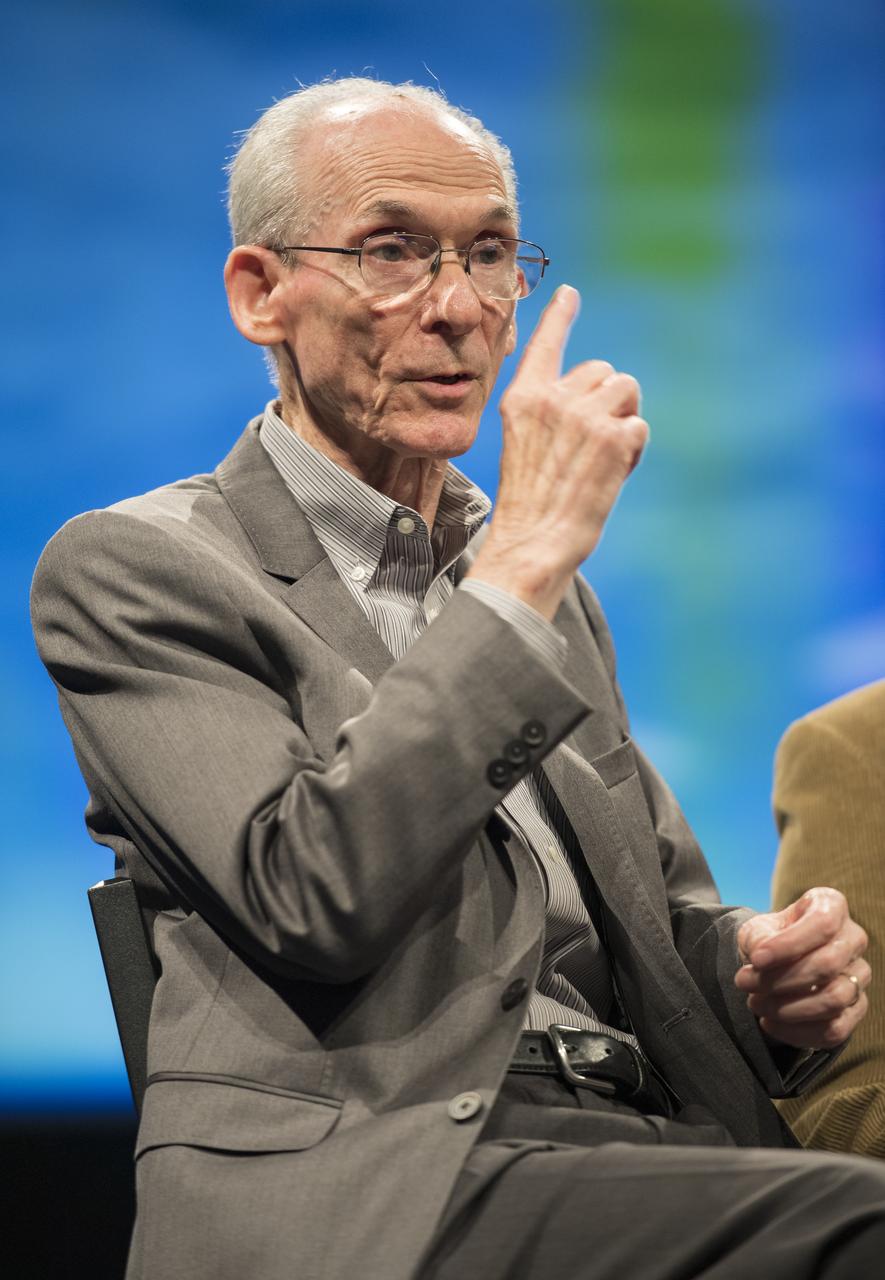
Ed Stone, Voyager project scientist, speaks at an event to celebrate the 40th Anniversary of the launch of the Voyager 1 and 2 missions, Tuesday, September 5, 2017 at Smithsonian's National Air and Space Museum in Washington. Voyager 1 was launched September 5, 1977, with a mission to study Jupiter and Saturn, but now the twin Voyager spacecrafts are on a journey into interstellar space to search for the heliopause, a region never reached by any other spacecraft. Photo Credit: (NASA/Aubrey Gemignani)
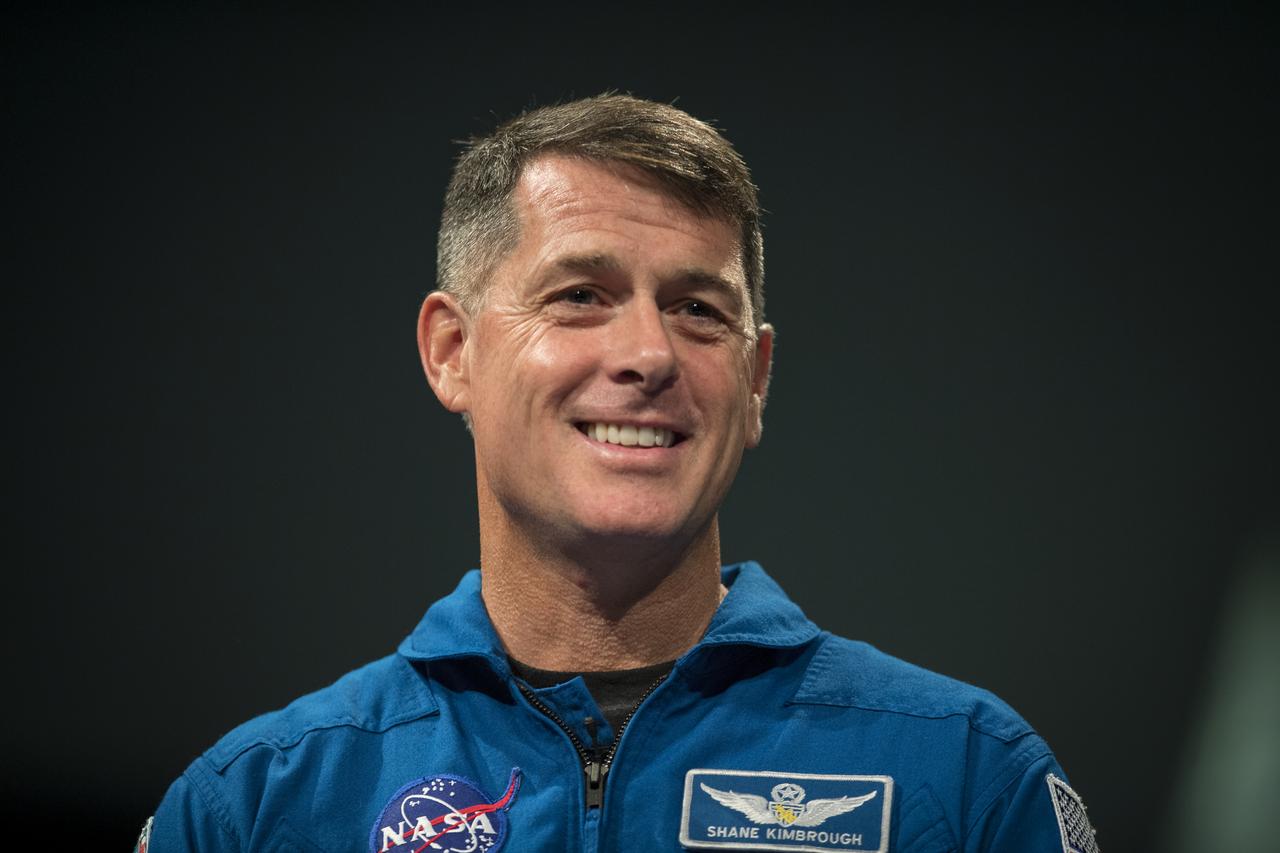
NASA astronaut Shane Kimbrough is seen after providing a presentation about his time onboard the International Space Station (ISS) during Expeditions 49/50, Tuesday, September 12, 2017 at Smithsonian's National Air and Space Museum in Washington. During Expedition 50, Kimbrough completed four spacewalks for a total of 39 hours outside the ISS, and concluded his 173-day mission when he landed in a remote area near the town of Zhezkazgan, Kazakhstan in April 2017. Photo Credit: (NASA/Aubrey Gemignani)
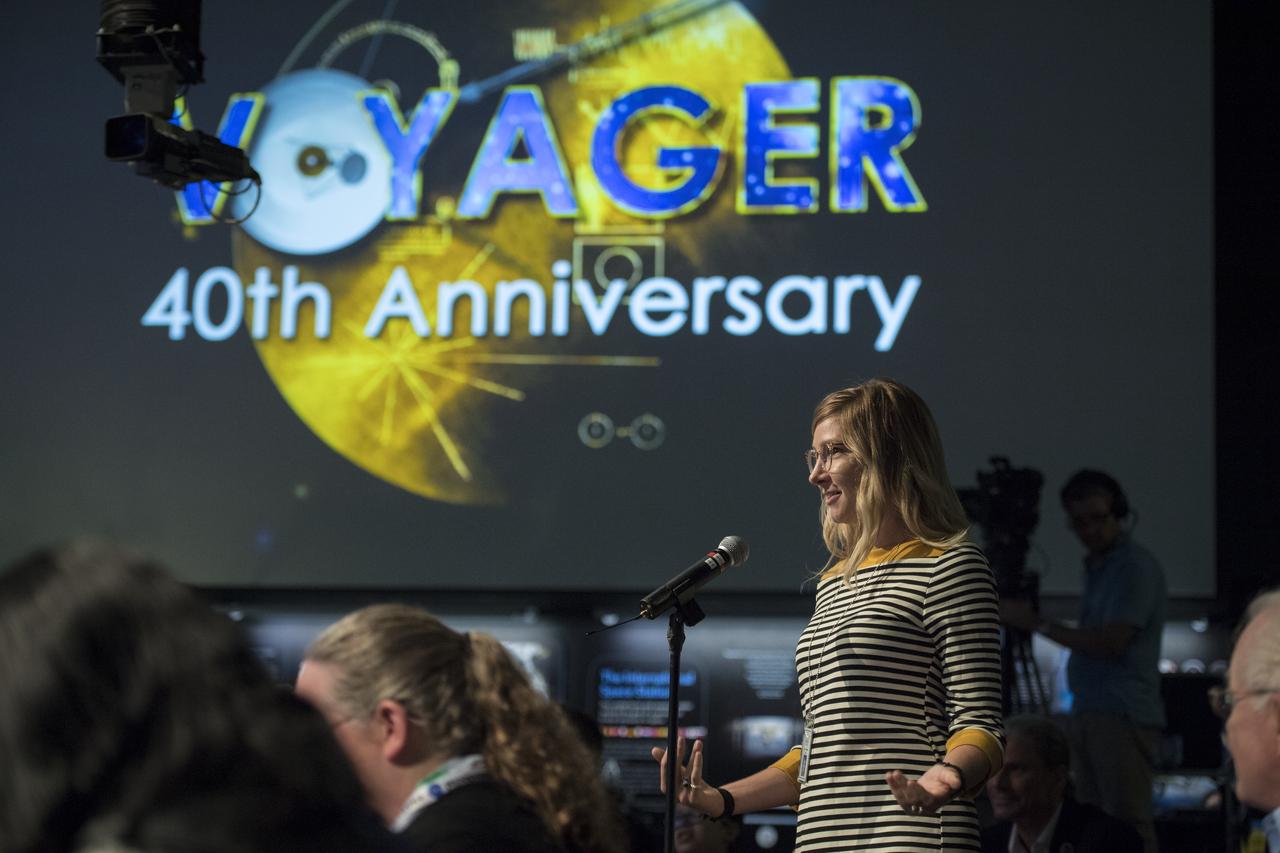
An audience member asks a question at an event to celebrate the 40th Anniversary of the launch of the Voyager 1 and 2 missions, Tuesday, September 5, 2017 at Smithsonian's National Air and Space Museum in Washington. Voyager 1 was launched September 5, 1977, with a mission to study Jupiter and Saturn, but now the twin Voyager spacecrafts are on a journey into interstellar space to search for the heliopause, a region never reached by any other spacecraft. Photo Credit: (NASA/Aubrey

Audience members listen during a STEM in 30 event where NASA astronaut Serena Auñon-Chancellor spoke to students while onboard the International Space Station (ISS), Wednesday, June 27, 2018 at Smithsonian's National Air and Space Museum in Washington. Serena is part of the Expedition 56/57 crew that launched to the ISS June 6, 2018. Photo Credit: (NASA/Aubrey Gemignani)
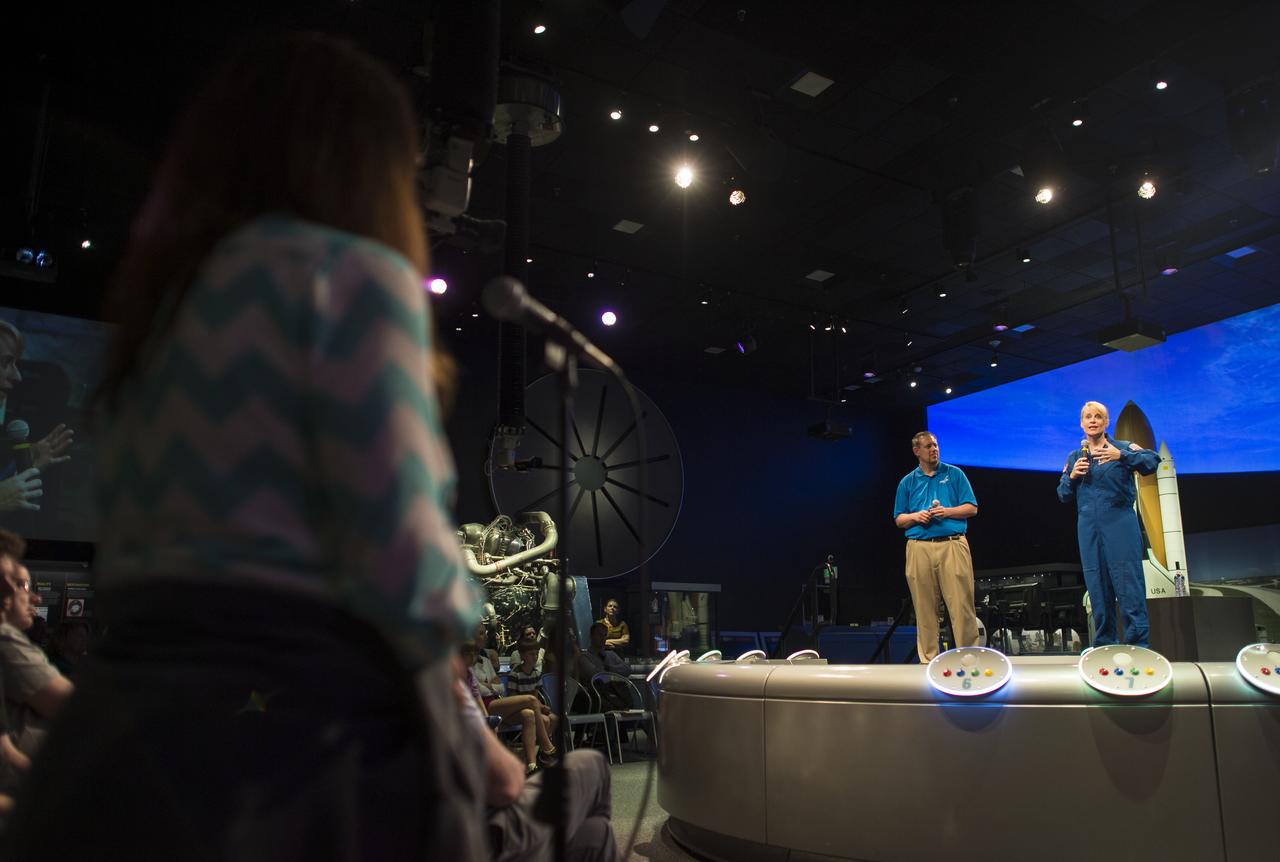
NASA Astronaut Kate Rubins answers a question from an audience member about her time onboard the International Space Station during Expeditions 48 and 49, Thursday, April 27, 2017 at Smithsonian's National Air and Space Museum in Washington. Rubins became the first person to sequence DNA in space and completed her first mission when she landed in a remote area near the town of Zhezkazgan, Kazakhstan in October 2016. Photo Credit: (NASA/Aubrey Gemignani)
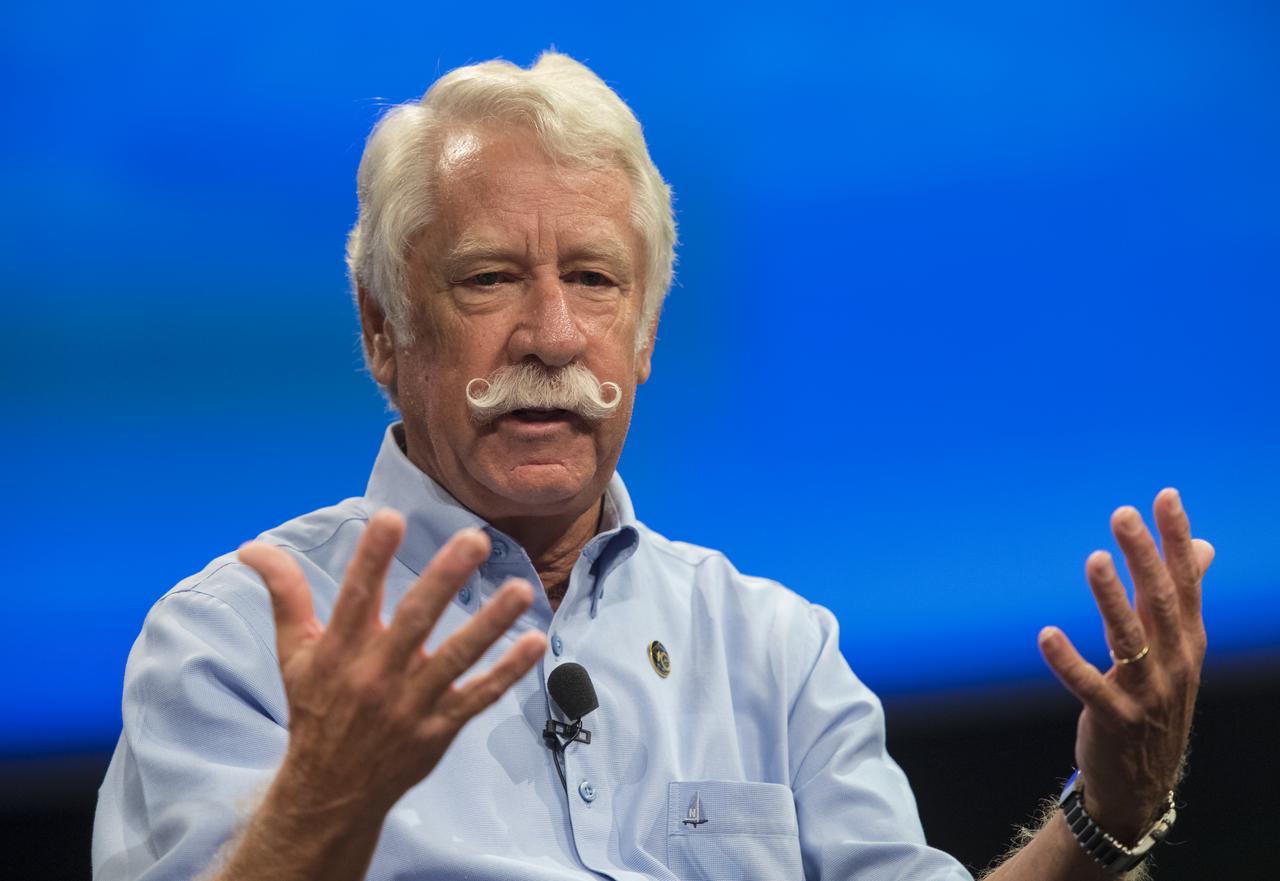
Alan Cummings, Voyager researcher, Caltech, speaks at an event to celebrate the 40th Anniversary of the launch of the Voyager 1 and 2 missions, Tuesday, September 5, 2017 at Smithsonian's National Air and Space Museum in Washington. Voyager 1 was launched September 5, 1977, with a mission to study Jupiter and Saturn, but now the twin Voyager spacecrafts are on a journey into interstellar space to search for the heliopause, a region never reached by any other spacecraft. Photo Credit: (NASA/Aubrey Gemignani)
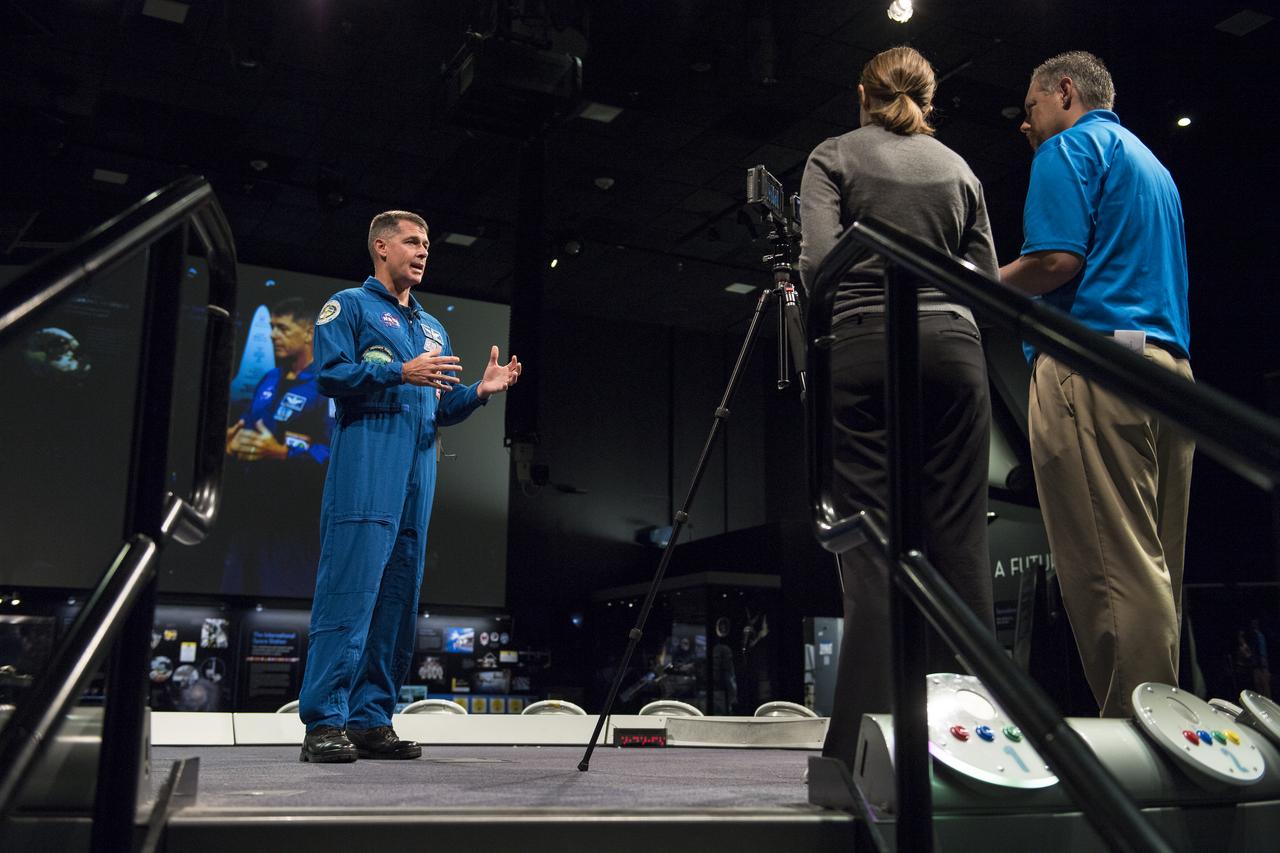
NASA astronaut Shane Kimbrough participates in a live broadcast on Periscope about his time onboard the International Space Station (ISS) during Expeditions 49/50, Tuesday, September 12, 2017 at Smithsonian's National Air and Space Museum in Washington. During Expedition 50, Kimbrough completed four spacewalks for a total of 39 hours outside the ISS, and concluded his 173-day mission when he landed in a remote area near the town of Zhezkazgan, Kazakhstan in April 2017. Photo Credit: (NASA/Aubrey Gemignani)
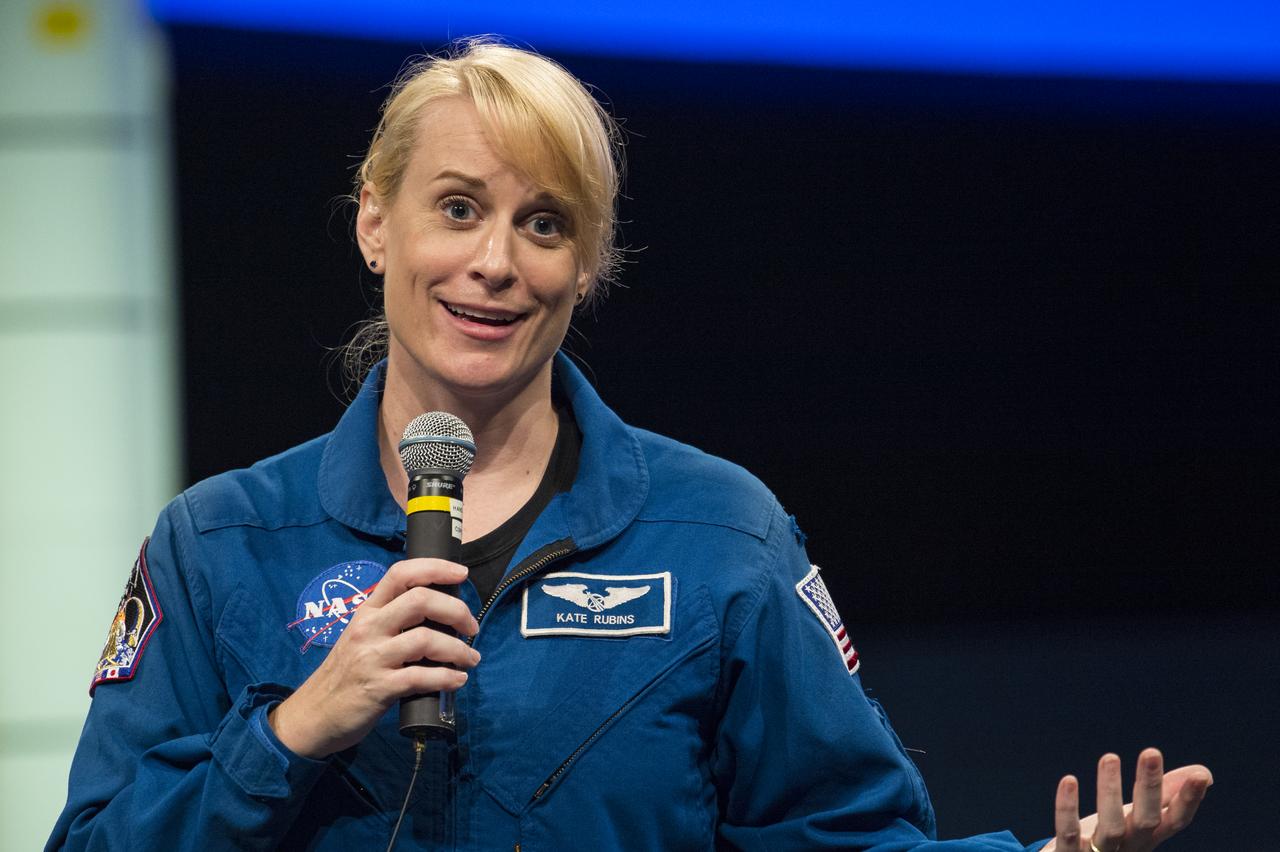
NASA Astronaut Kate Rubins speaks about her time onboard the International Space Station during Expeditions 48 and 49 Thursday, April 27, 2017 at Smithsonian's National Air and Space Museum in Washington. Rubins became the first person to sequence DNA in space and completed her first mission when she landed in a remote area near the town of Zhezkazgan, Kazakhstan in October 2016. Photo Credit: (NASA/Aubrey Gemignani)
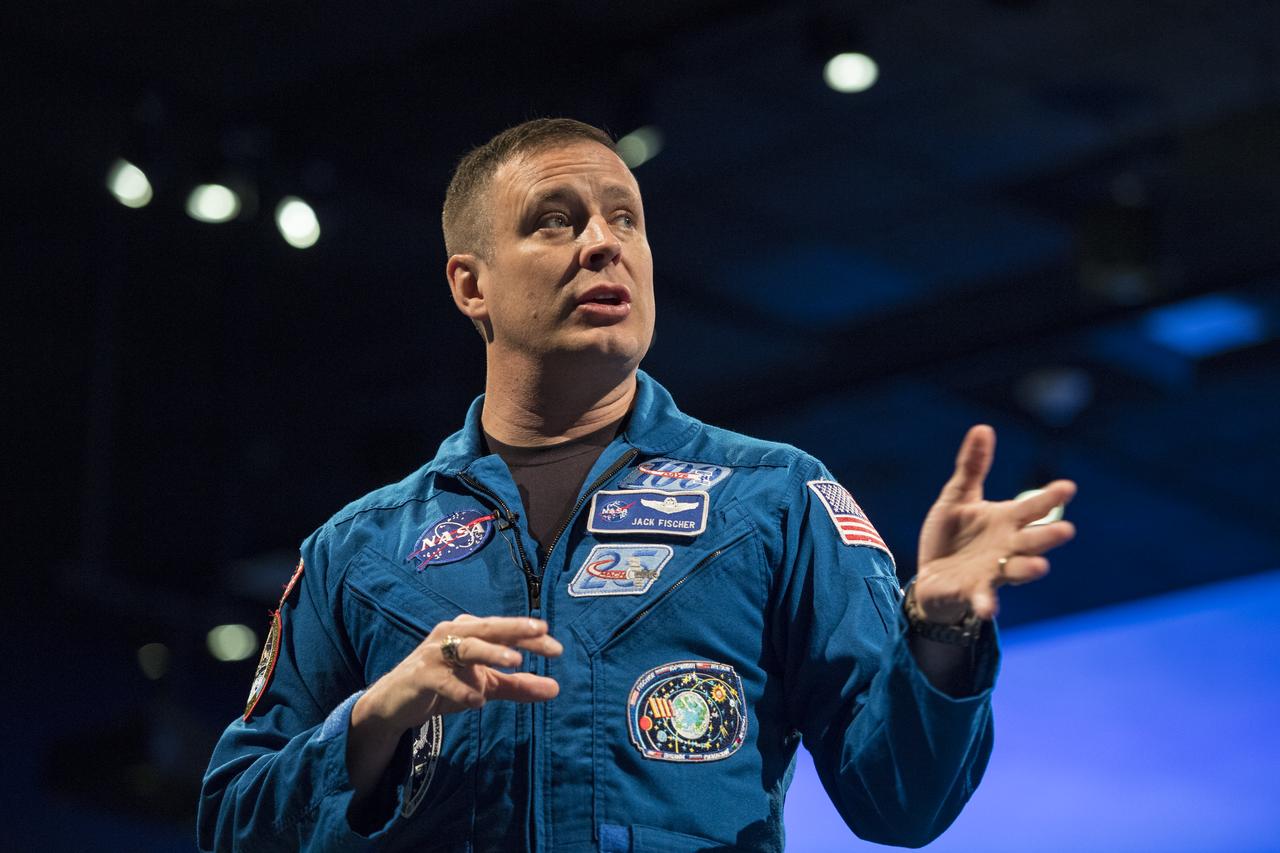
NASA astronaut Jack Fischer speaks about his time onboard the International Space Station (ISS) during Expeditions 51/52, Friday, Nov. 3, 2017 at Smithsonian's National Air and Space Museum in Washington. During Expedition 52, Fischer completed hundreds of scientific experiments and two spacewalks, and concluded his 136-day mission when he landed in a remote area near the town of Zhezkazgan, Kazakhstan in September 2017. Photo Credit: (NASA/Aubrey Gemignani)
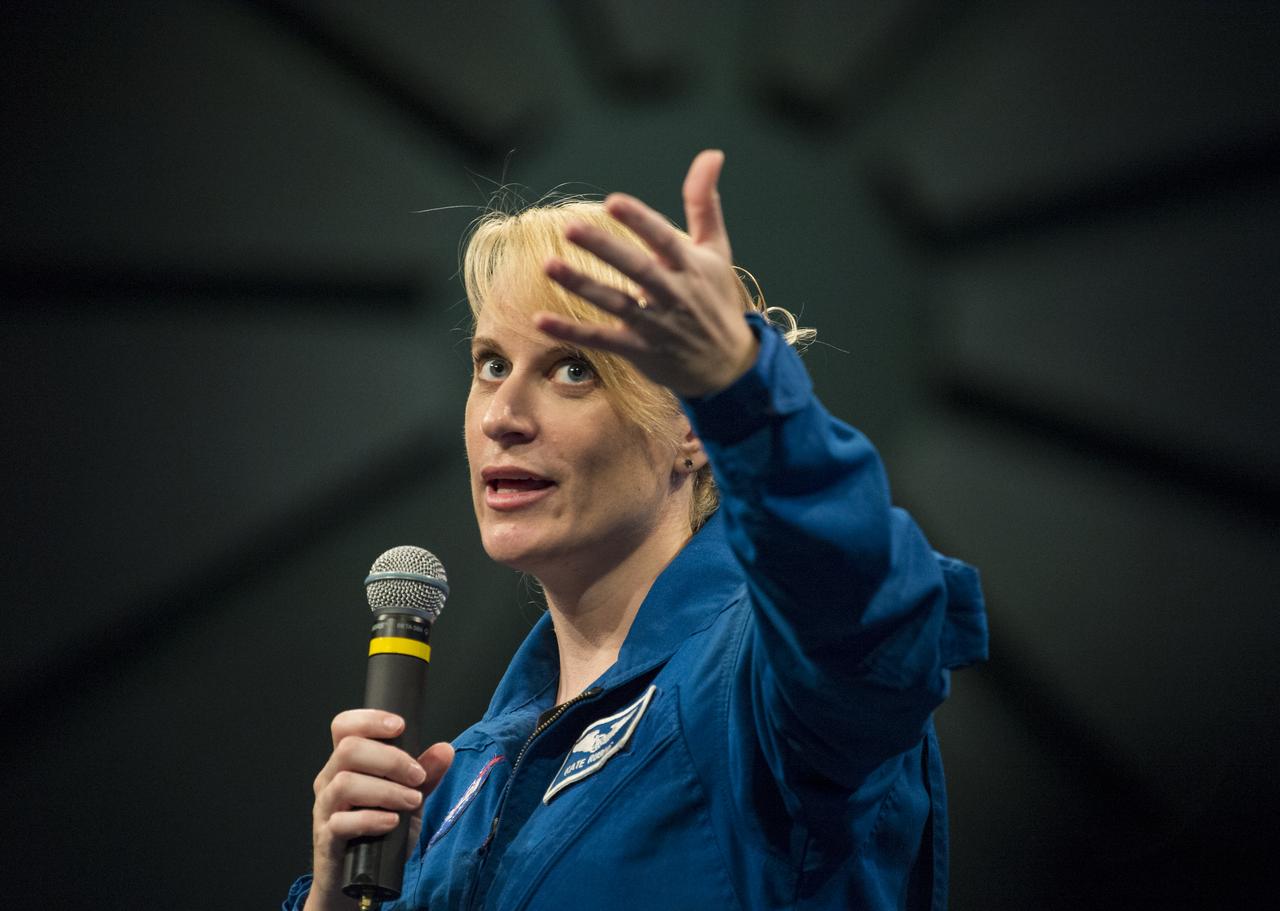
NASA Astronaut Kate Rubins speaks about her time onboard the International Space Station during Expeditions 48 and 49 Thursday, April 27, 2017 at Smithsonian's National Air and Space Museum in Washington. Rubins became the first person to sequence DNA in space and completed her first mission when she landed in a remote area near the town of Zhezkazgan, Kazakhstan in October 2016. Photo Credit: (NASA/Aubrey Gemignani)
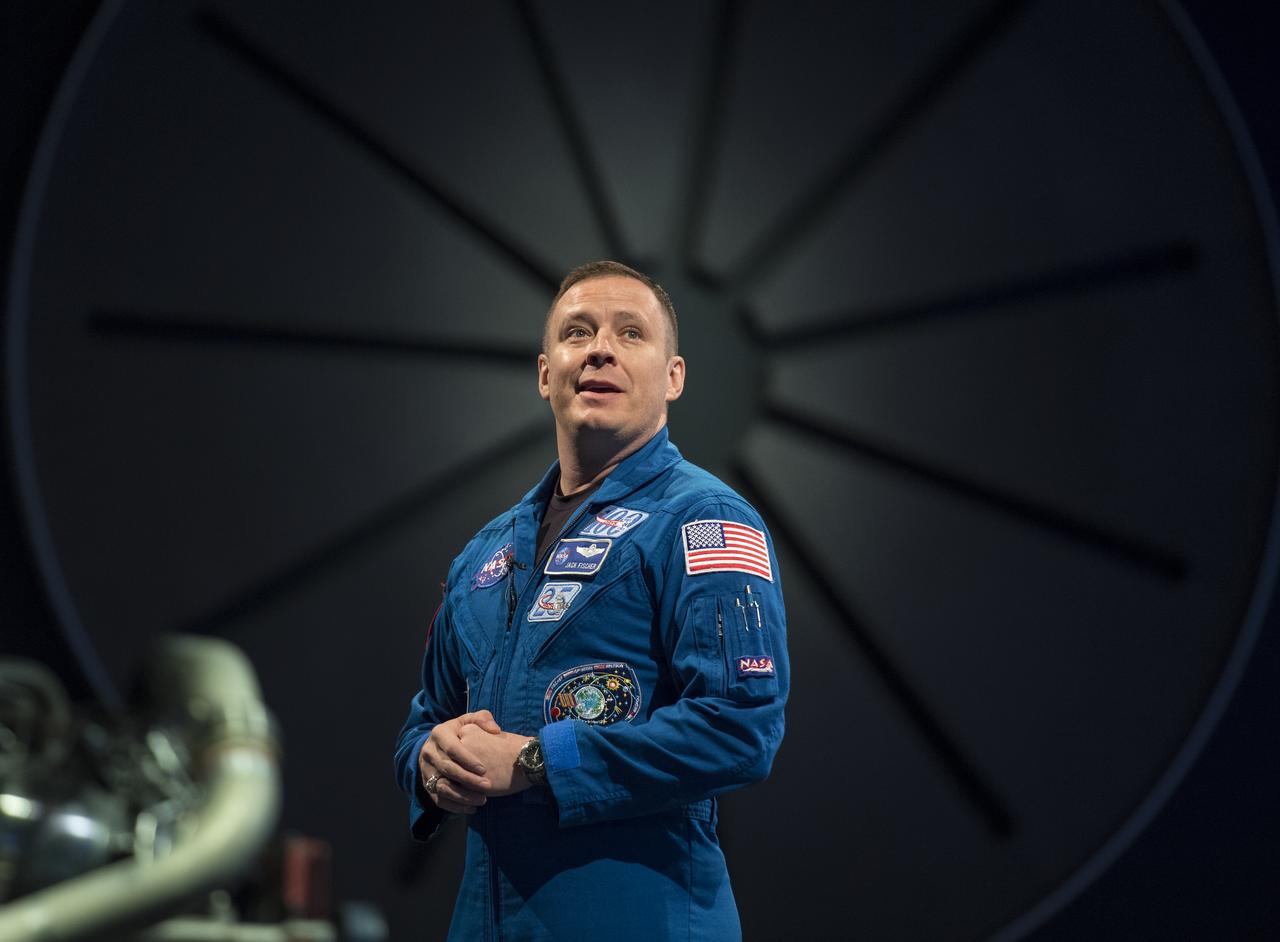
NASA astronaut Jack Fischer speaks about his time onboard the International Space Station (ISS) during Expeditions 51/52, Friday, Nov. 3, 2017 at Smithsonian's National Air and Space Museum in Washington. During Expedition 52, Fischer completed hundreds of scientific experiments and two spacewalks, and concluded his 136-day mission when he landed in a remote area near the town of Zhezkazgan, Kazakhstan in September 2017. Photo Credit: (NASA/Aubrey Gemignani)
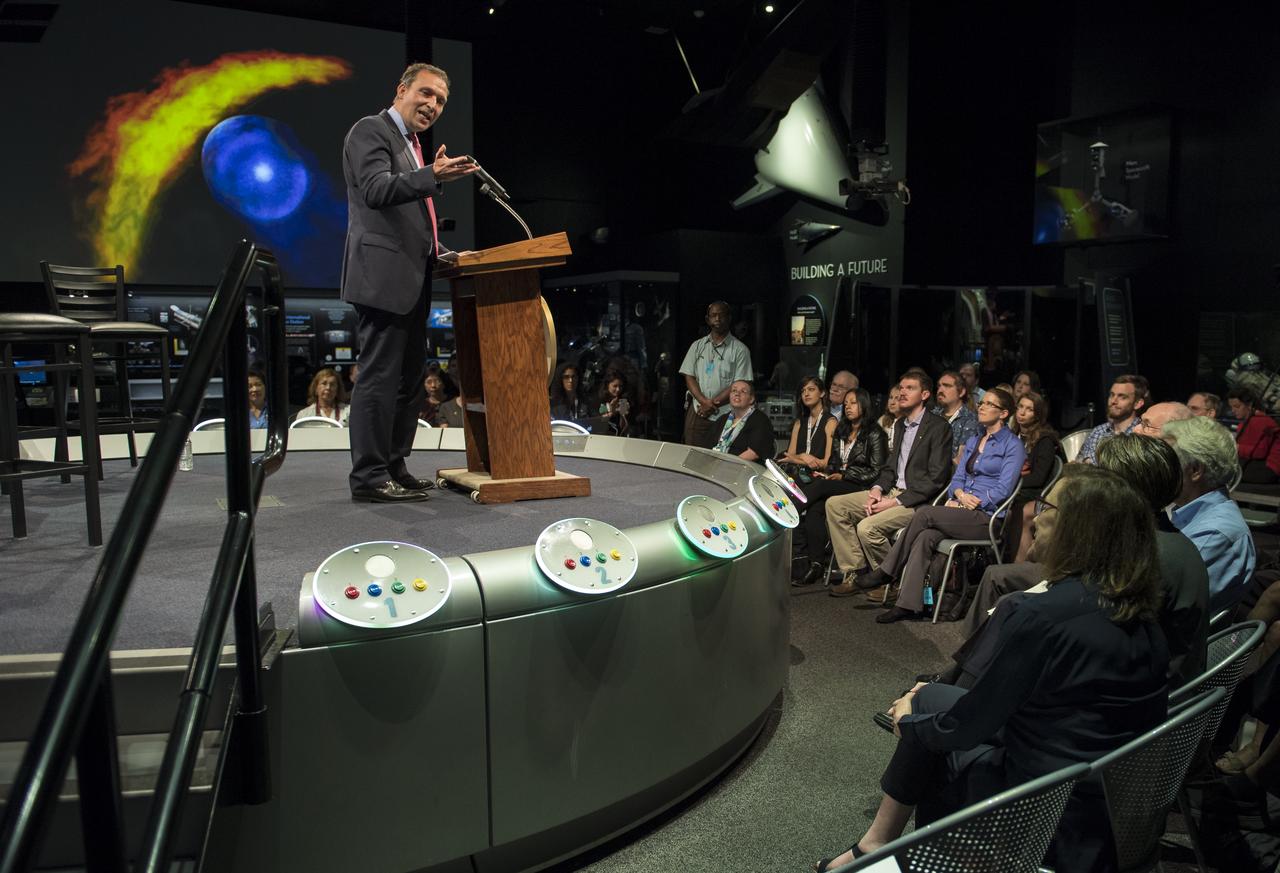
Thomas Zurbuchen, NASA associate administrator, Science Mission Directorate, gives opening remarks at an event to celebrate the 40th Anniversary of the launch of the Voyager 1 and 2 missions, Tuesday, September 5, 2017 at Smithsonian's National Air and Space Museum in Washington. Voyager 1 was launched September 5, 1977, with a mission to study Jupiter and Saturn, but now the twin Voyager spacecrafts are on a journey into interstellar space to search for the heliopause, a region never reached by any other spacecraft. Photo Credit: (NASA/Aubrey Gemignani)
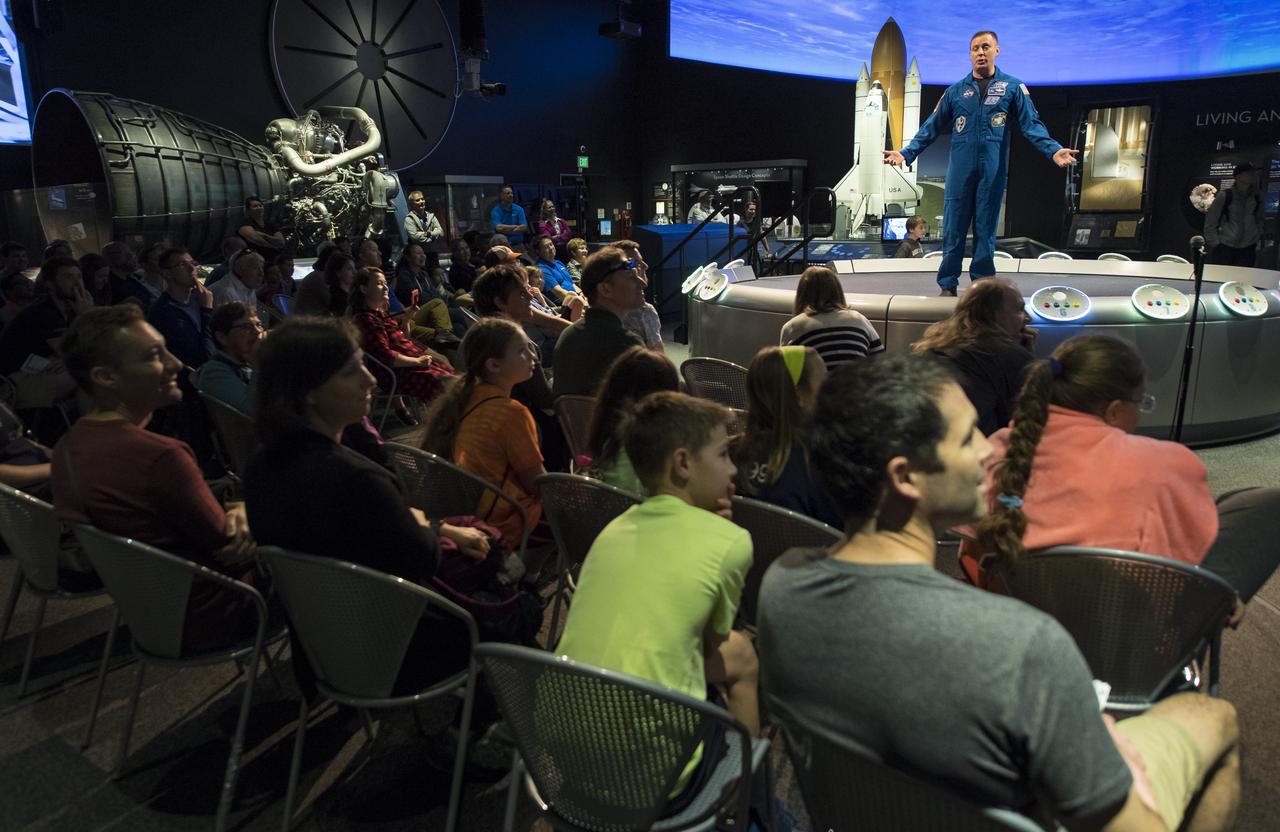
NASA astronaut Jack Fischer speaks about his time onboard the International Space Station (ISS) during Expeditions 51/52, Friday, Nov. 3, 2017 at Smithsonian's National Air and Space Museum in Washington. During Expedition 52, Fischer completed hundreds of scientific experiments and two spacewalks, and concluded his 136-day mission when he landed in a remote area near the town of Zhezkazgan, Kazakhstan in September 2017. Photo Credit: (NASA/Aubrey Gemignani)
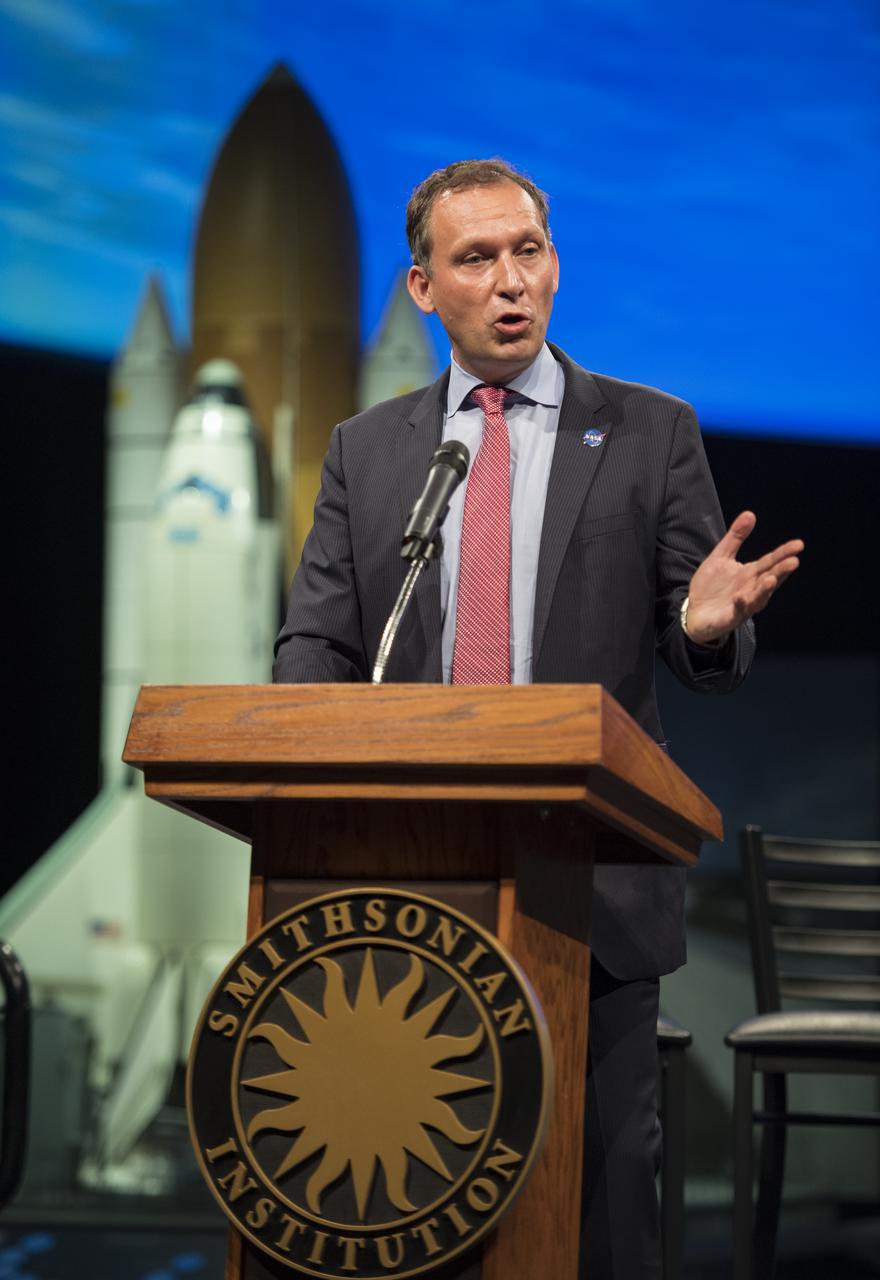
Thomas Zurbuchen, NASA associate administrator, Science Mission Directorate, gives opening remarks at an event to celebrate the 40th Anniversary of the launch of the Voyager 1 and 2 missions, Tuesday, September 5, 2017 at Smithsonian's National Air and Space Museum in Washington. Voyager 1 was launched September 5, 1977, with a mission to study Jupiter and Saturn, but now the twin Voyager spacecrafts are on a journey into interstellar space to search for the heliopause, a region never reached by any other spacecraft. Photo Credit: (NASA/Aubrey Gemignani)
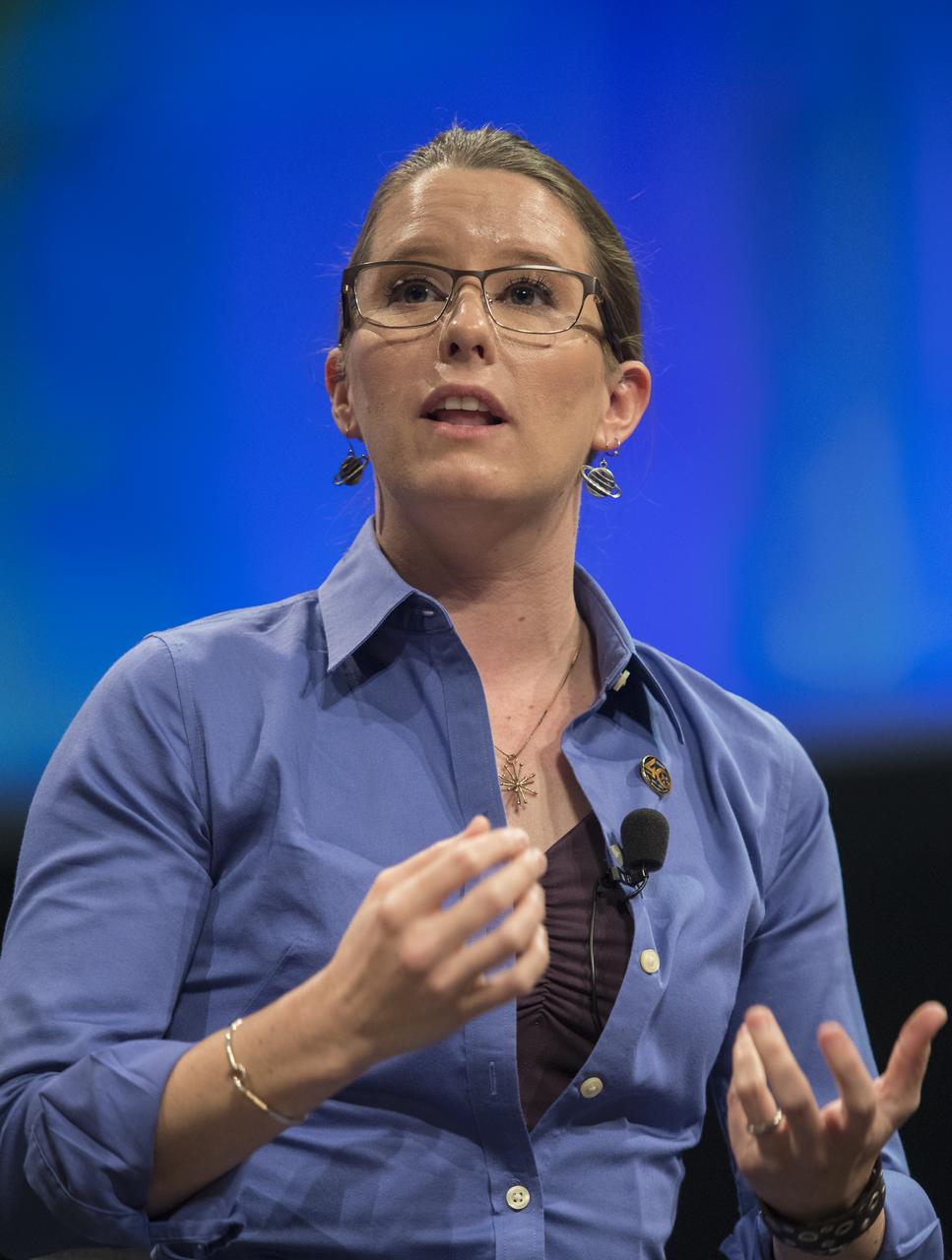
Morgan Cable, researcher, NASA's Jet Propulsion Laboratory, speaks at an event to celebrate the 40th Anniversary of the launch of the Voyager 1 and 2 missions, Tuesday, September 5, 2017 at Smithsonian's National Air and Space Museum in Washington. Voyager 1 was launched September 5, 1977, with a mission to study Jupiter and Saturn, but now the twin Voyager spacecrafts are on a journey into interstellar space to search for the heliopause, a region never reached by any other spacecraft. Photo Credit: (NASA/Aubrey
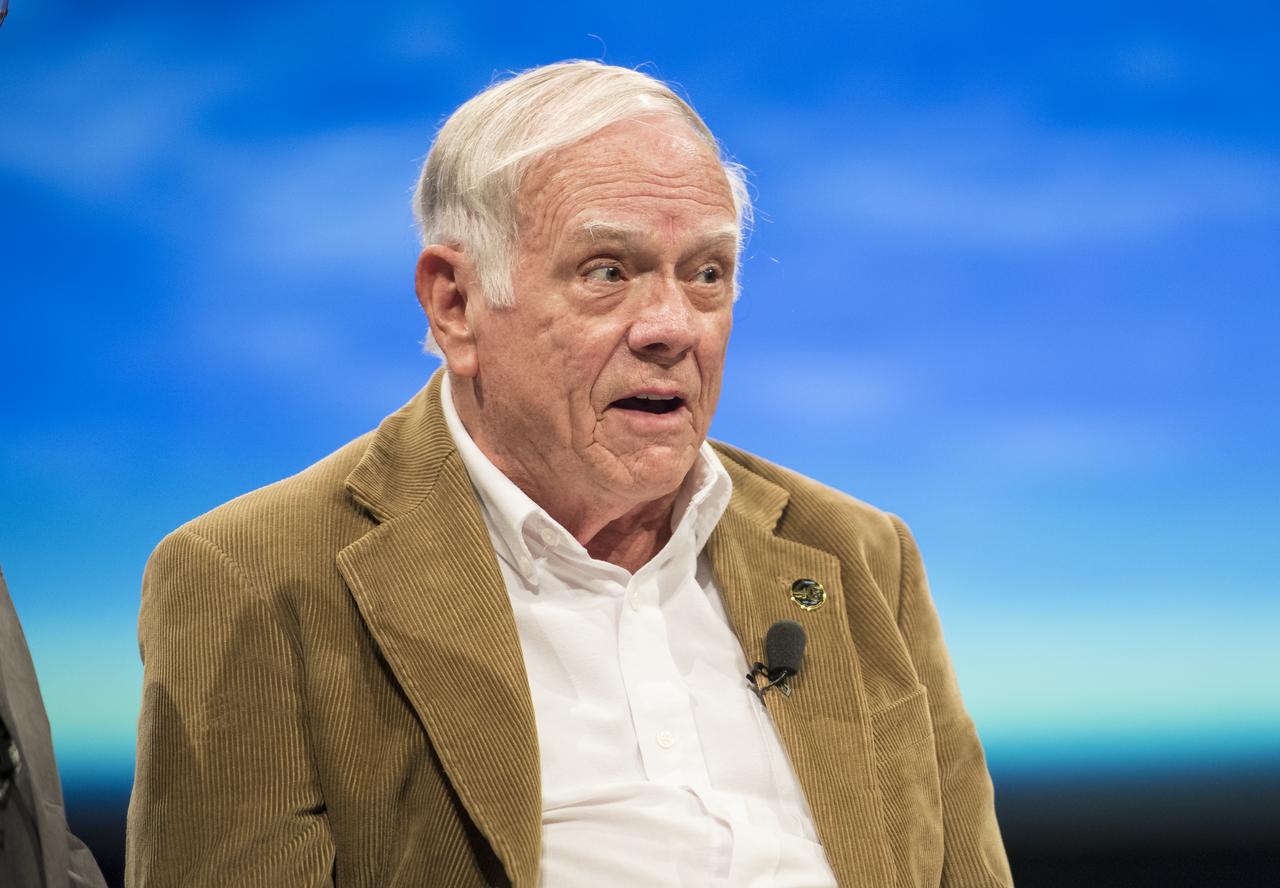
Gary Flandro, Voyager mission grand tour creator, speaks at an event to celebrate the 40th Anniversary of the launch of the Voyager 1 and 2 missions, Tuesday, September 5, 2017 at Smithsonian's National Air and Space Museum in Washington. Voyager 1 was launched September 5, 1977, with a mission to study Jupiter and Saturn, but now the twin Voyager spacecrafts are on a journey into interstellar space to search for the heliopause, a region never reached by any other spacecraft. Photo Credit: (NASA/Aubrey
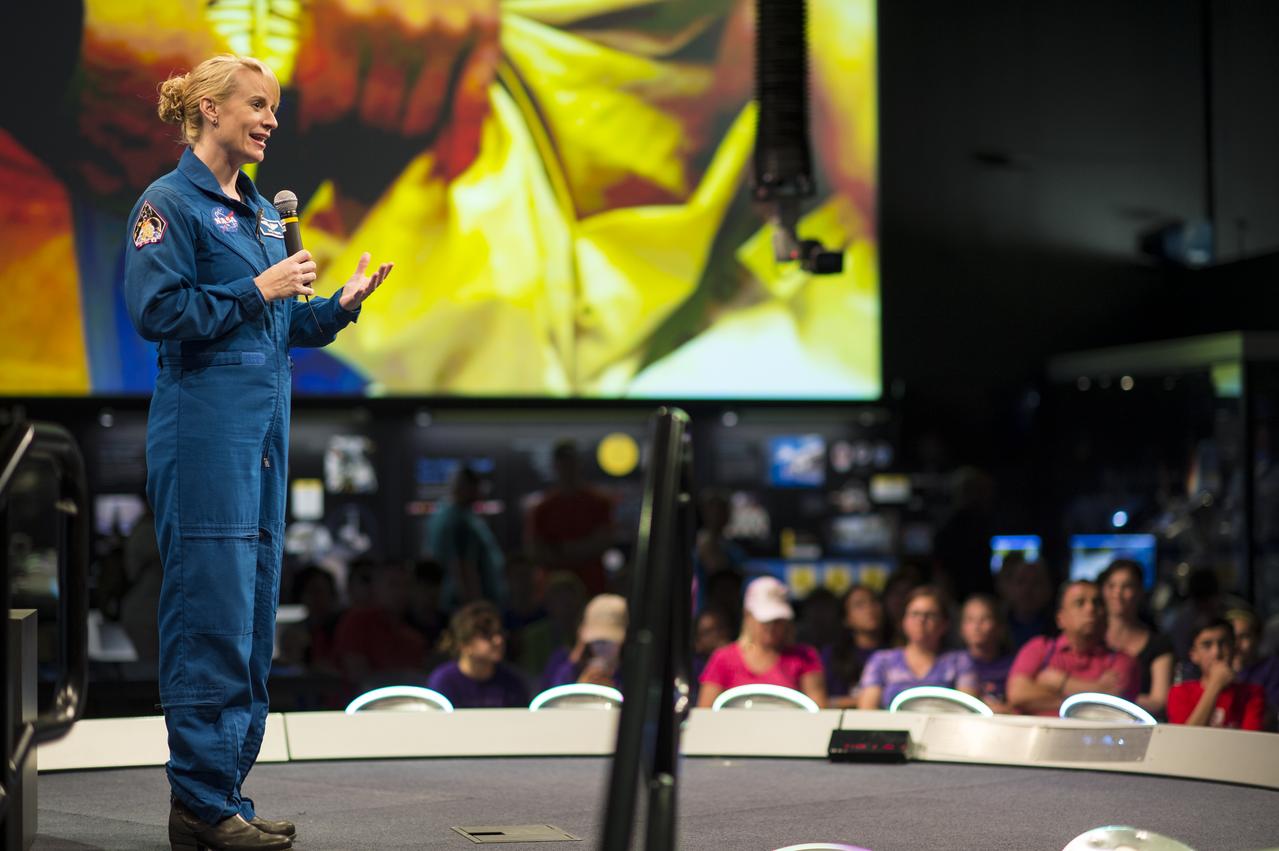
NASA Astronaut Kate Rubins speaks about her time onboard the International Space Station during Expeditions 48 and 49 Thursday, April 27, 2017 at Smithsonian's National Air and Space Museum in Washington. Rubins became the first person to sequence DNA in space and completed her first mission when she landed in a remote area near the town of Zhezkazgan, Kazakhstan in October 2016. Photo Credit: (NASA/Aubrey Gemignani)
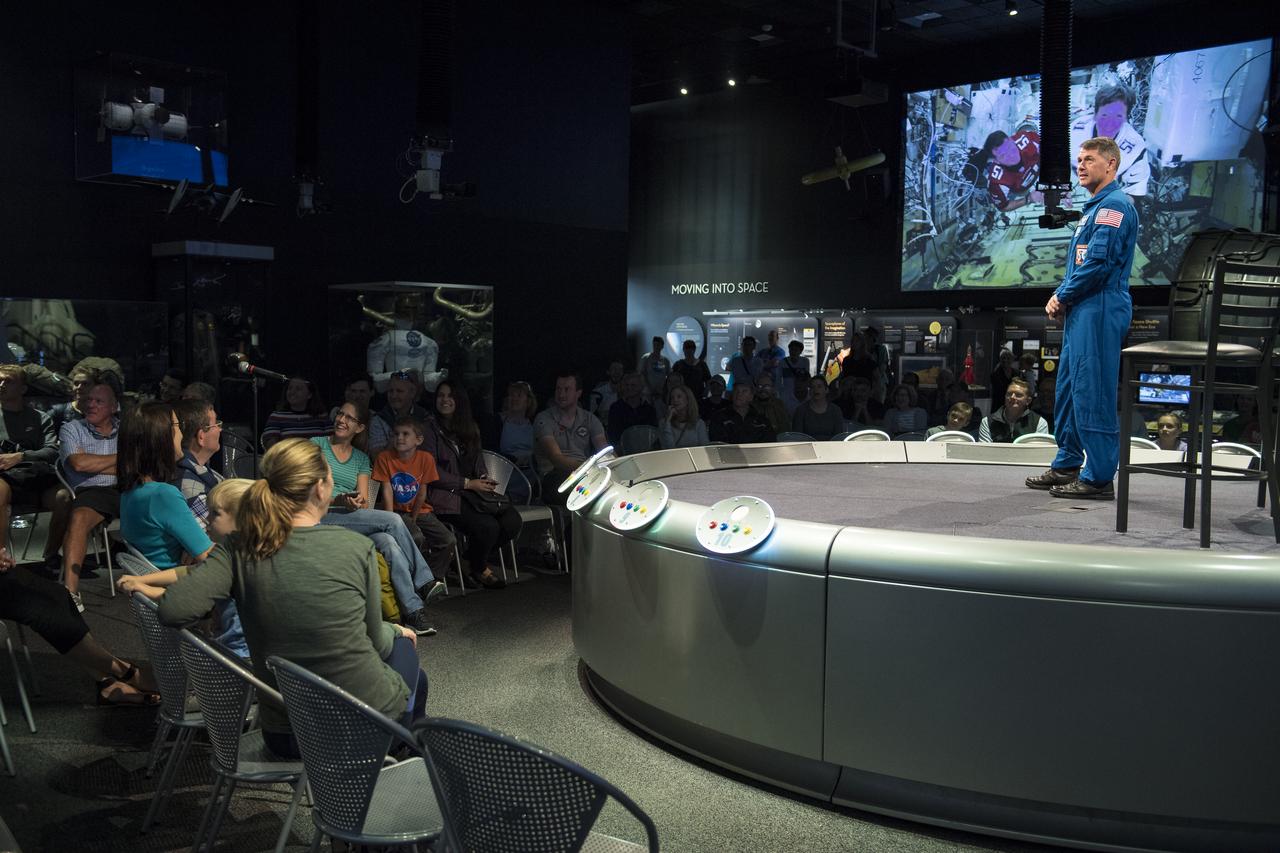
NASA astronaut Shane Kimbrough speaks about his time onboard the International Space Station (ISS) during Expeditions 49/50, Tuesday, September 12, 2017 at Smithsonian's National Air and Space Museum in Washington. During Expedition 50, Kimbrough completed four spacewalks for a total of 39 hours outside the ISS, and concluded his 173-day mission when he landed in a remote area near the town of Zhezkazgan, Kazakhstan in April 2017. Photo Credit: (NASA/Aubrey Gemignani)
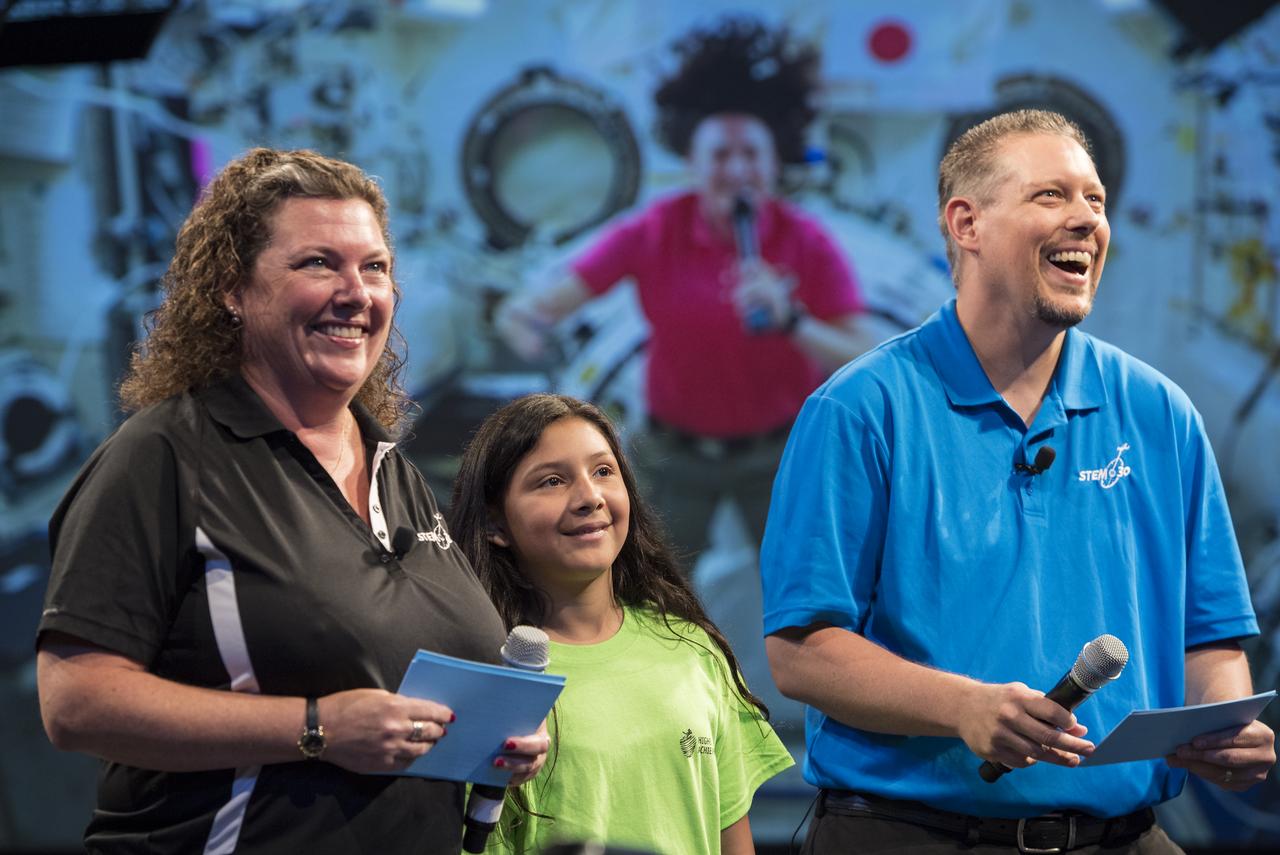
A student asks NASA astronaut Serena Auñon-Chancellor a question during a live downlink with the International Space Station (ISS), Wednesday, June 27, 2018 at Smithsonian's National Air and Space Museum in Washington. Serena is part of the Expedition 56/57 crew that launched to the ISS June 6, 2018. Photo Credit: (NASA/Aubrey Gemignani)
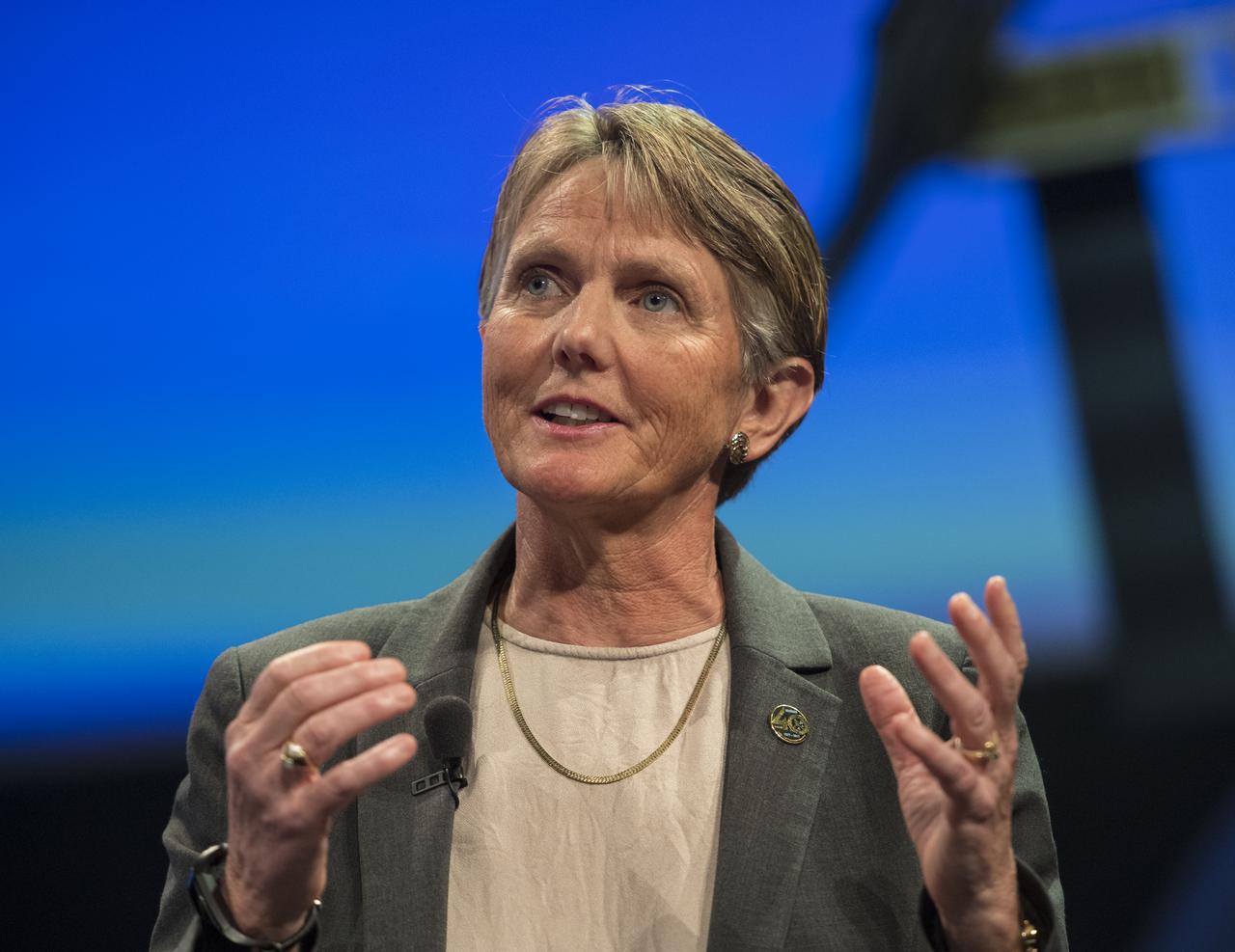
Suzy Dodd, Voyager project manager, NASA's Jet Propulsion Laboratory, speaks at an event to celebrate the 40th Anniversary of the launch of the Voyager 1 and 2 missions, Tuesday, September 5, 2017 at Smithsonian's National Air and Space Museum in Washington. Voyager 1 was launched September 5, 1977, with a mission to study Jupiter and Saturn, but now the twin Voyager spacecrafts are on a journey into interstellar space to search for the heliopause, a region never reached by any other spacecraft. Photo Credit: (NASA/Aubrey Gemignani)
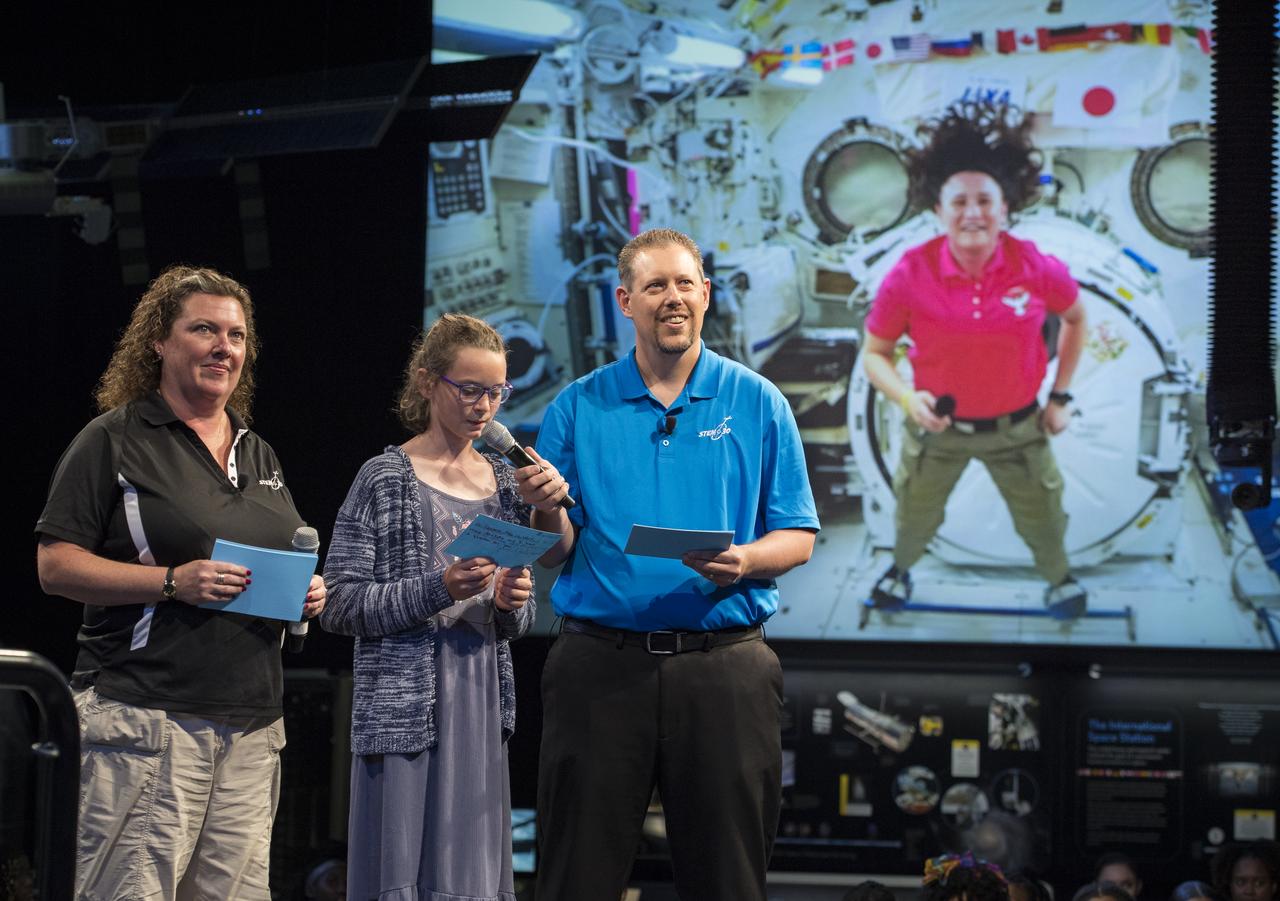
NASA astronaut Serena Auñon-Chancellor's niece, Anna Sophia, surprises her by asking her a question during a live downlink with the International Space Station (ISS), Wednesday, June 27, 2018 at Smithsonian's National Air and Space Museum in Washington. Serena is part of the Expedition 56/57 crew that launched to the ISS June 6, 2018. Photo Credit: (NASA/Aubrey Gemignani)
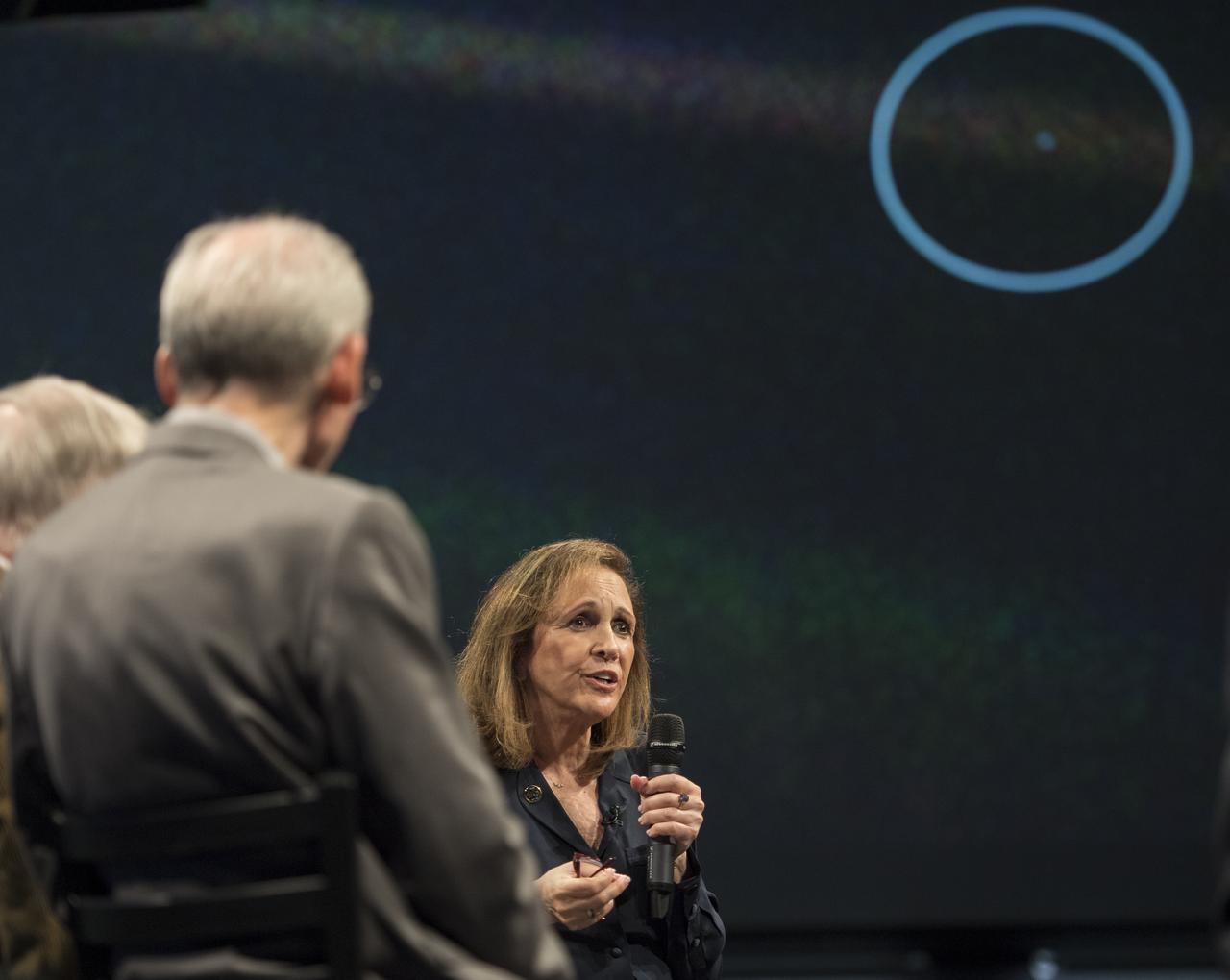
Ann Druyan, writer/producer and golden record visionary, speaks about the last image of Earth from the Voyager spacecraft, at an event to celebrate the 40th Anniversary of the launch of the Voyager 1 and 2 missions, Tuesday, September 5, 2017 at Smithsonian's National Air and Space Museum in Washington. Voyager 1 was launched September 5, 1977, with a mission to study Jupiter and Saturn, but now the twin Voyager spacecrafts are on a journey into interstellar space to search for the heliopause, a region never reached by any other spacecraft. Photo Credit: (NASA/Aubrey
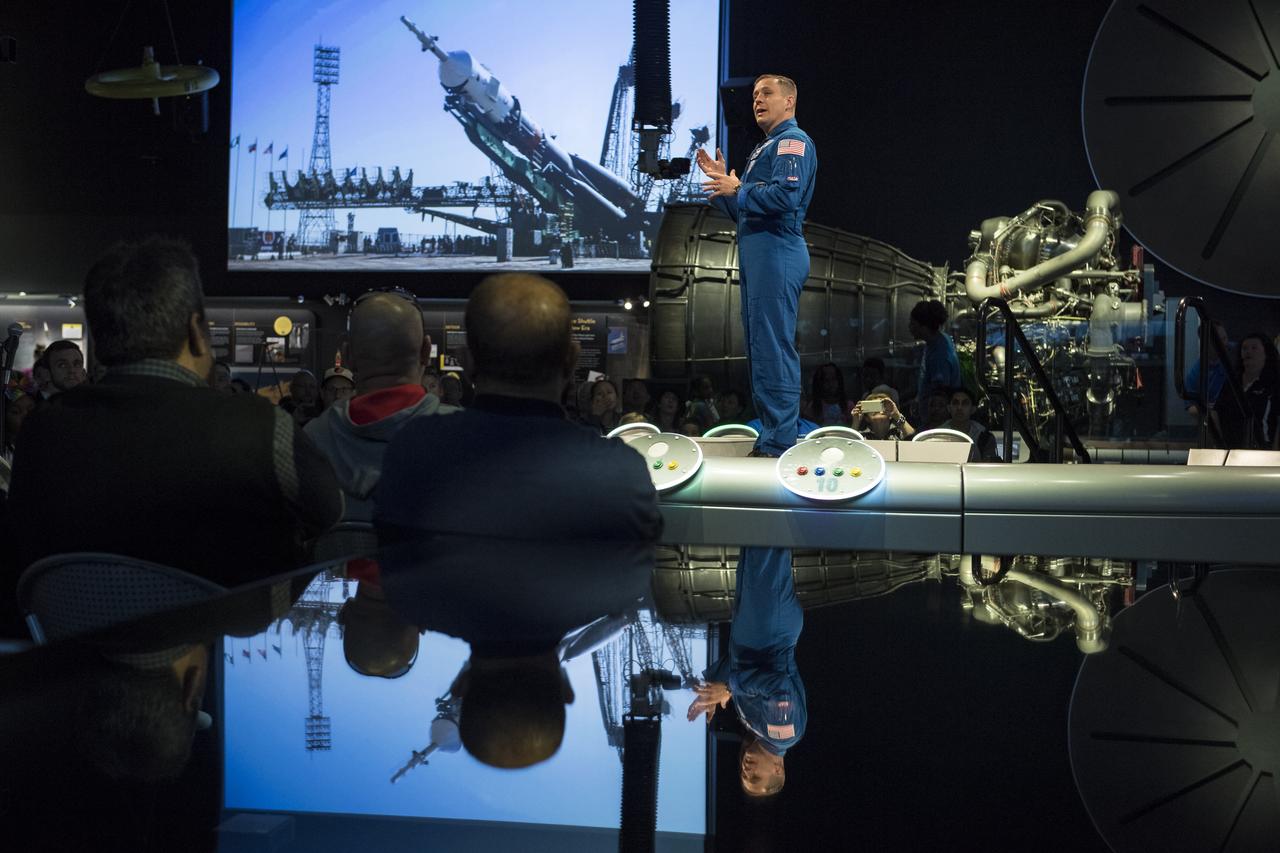
NASA astronaut Jack Fischer speaks about his time onboard the International Space Station (ISS) during Expeditions 51/52, Friday, Nov. 3, 2017 at Smithsonian's National Air and Space Museum in Washington. During Expedition 52, Fischer completed hundreds of scientific experiments and two spacewalks, and concluded his 136-day mission when he landed in a remote area near the town of Zhezkazgan, Kazakhstan in September 2017. Photo Credit: (NASA/Aubrey Gemignani)
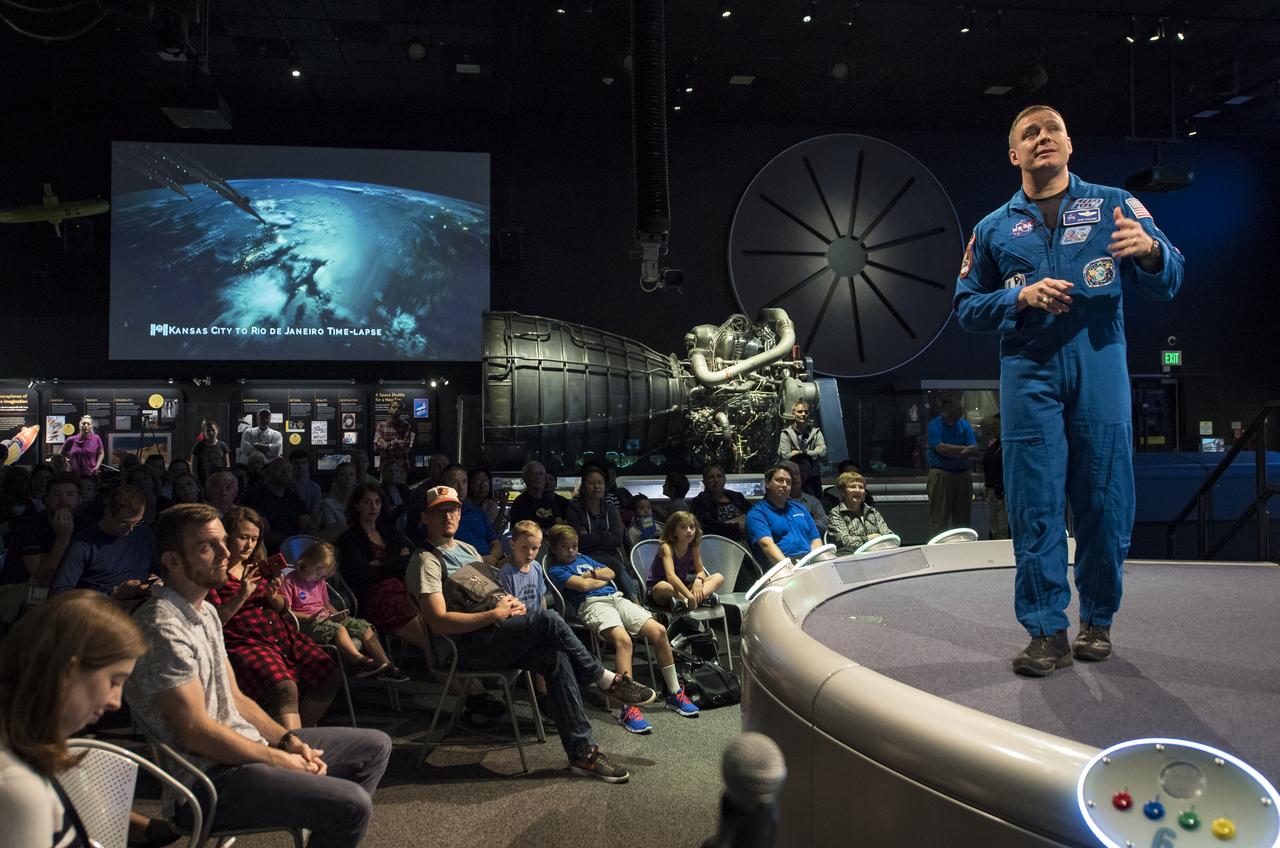
NASA astronaut Jack Fischer speaks about his time onboard the International Space Station (ISS) during Expeditions 51/52, Friday, Nov. 3, 2017 at Smithsonian's National Air and Space Museum in Washington. During Expedition 52, Fischer completed hundreds of scientific experiments and two spacewalks, and concluded his 136-day mission when he landed in a remote area near the town of Zhezkazgan, Kazakhstan in September 2017. Photo Credit: (NASA/Aubrey Gemignani)
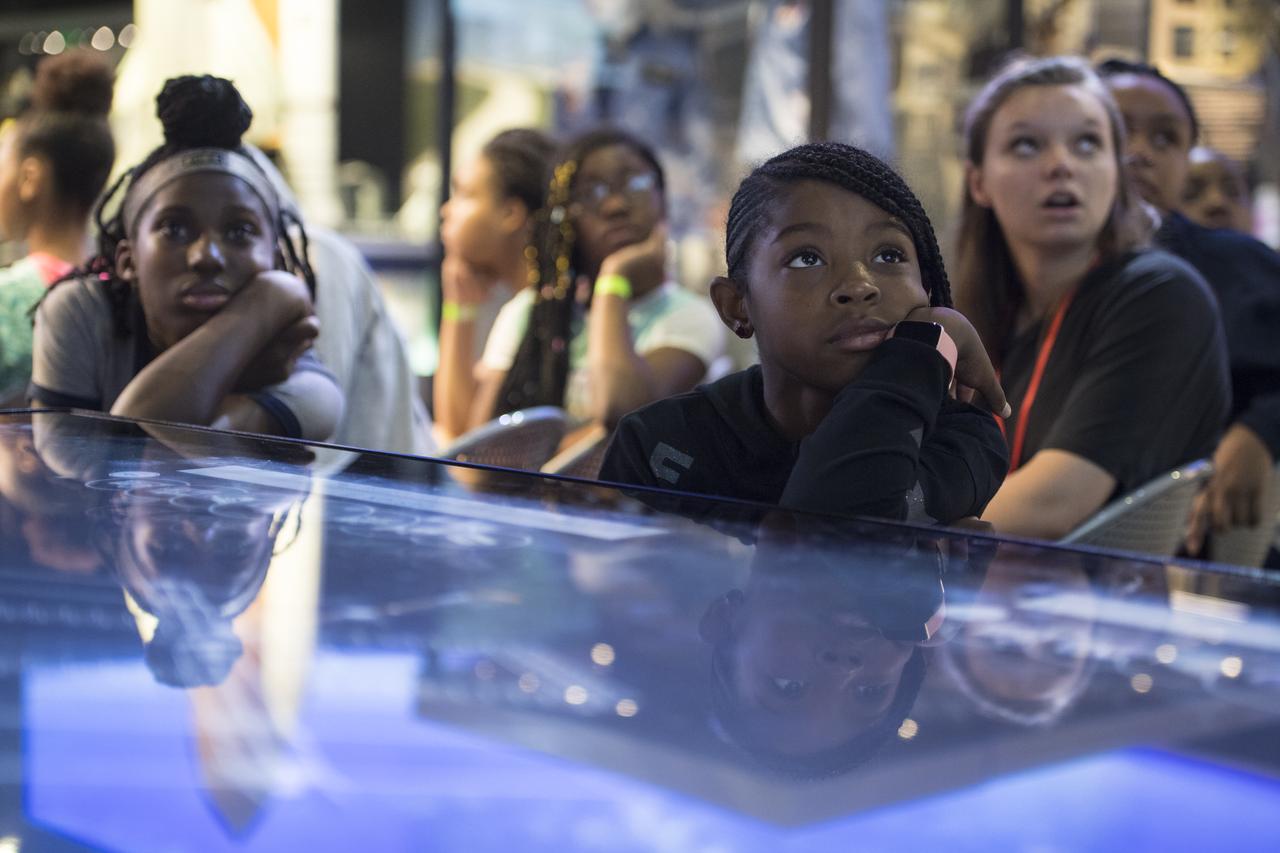
Audience members listen during a STEM in 30 event where NASA astronaut Serena Auñon-Chancellor spoke to students while onboard the International Space Station (ISS), Wednesday, June 27, 2018 at Smithsonian's National Air and Space Museum in Washington. Serena is part of the Expedition 56/57 crew that launched to the ISS June 6, 2018. Photo Credit: (NASA/Aubrey Gemignani)

An audience member asks a question after a presentation by NASA astronaut Jack Fischer about his time onboard the International Space Station (ISS) during Expeditions 51/52, Friday, Nov. 3, 2017 at Smithsonian's National Air and Space Museum in Washington. During Expedition 52, Fischer completed hundreds of scientific experiments and two spacewalks, and concluded his 136-day mission when he landed in a remote area near the town of Zhezkazgan, Kazakhstan in September 2017. Photo Credit: (NASA/Aubrey Gemignani)
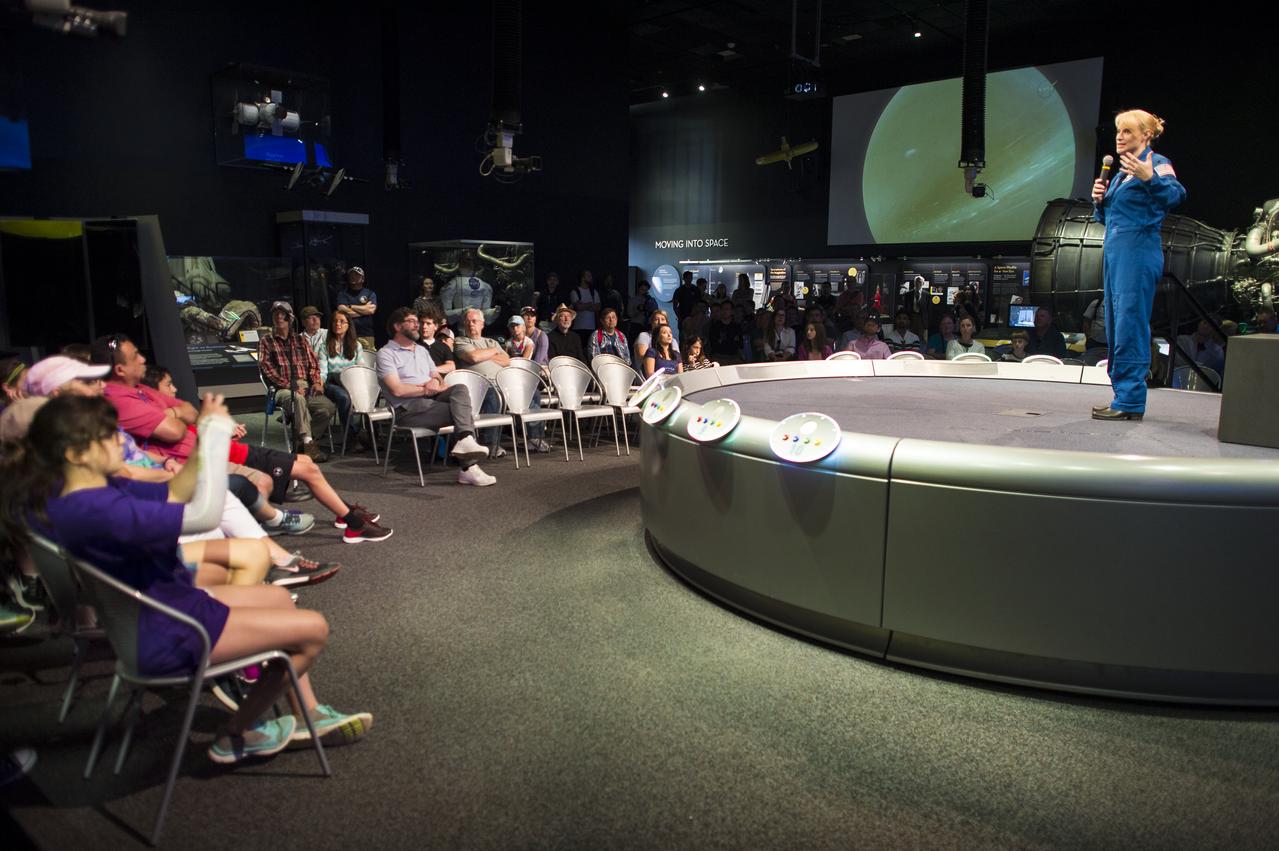
NASA Astronaut Kate Rubins speaks about her time onboard the International Space Station during Expeditions 48 and 49 Thursday, April 27, 2017 at Smithsonian's National Air and Space Museum in Washington. Rubins became the first person to sequence DNA in space and completed her first mission when she landed in a remote area near the town of Zhezkazgan, Kazakhstan in October 2016. Photo Credit: (NASA/Aubrey Gemignani)