
Portrait of April Albert in front of NASA Langley's Hawker Siddeley P-1127 on display at Air Power Park in Hampton, Virginia. Due to the COVID-19 pandemic, masks were mandated by Governor Northam in Virginia in public settings. This is for the faces of NASA project. "I am really made to feel like I am part of a family. I don’t feel like anybody is treated differently. We are all one team. To be a part of NASA, to me, is to be part of something special. There is nothing like the camaraderie of NASA. I feel like I’m where I belong.” — April Albert, Schedule Analyst, Langley Research Center
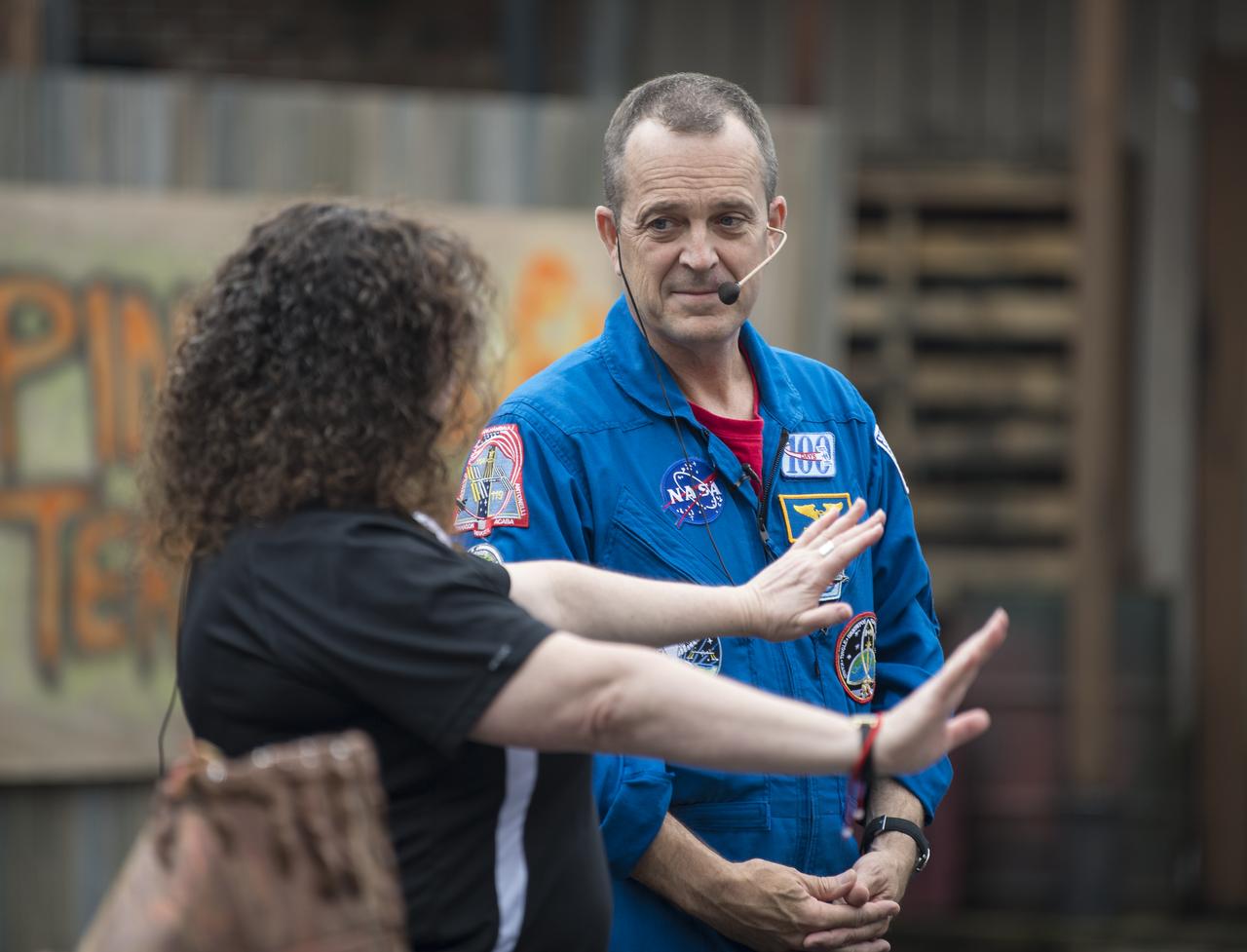
NASA astronaut Ricky Arnold speaks with Beth Wilson of Smithsonian National Air and Space Museum's Stem in 30 production, Friday, May 3, 2019 at Six Flags America theme park in Upper Marlboro, MD. During Expedition 55/56, Arnold completed three spacewalks for a total of 19.5 hours outside the space station, and concluded his 197 day mission when he landed in a remote area near the town of Zhezkazgan, Kazakhstan in Oct. 2018. He also flew to the space station on shuttle mission STS-119 to deliver the final pair of power-generating solar array wings. Photo Credit: (NASA/Aubrey Gemignani)
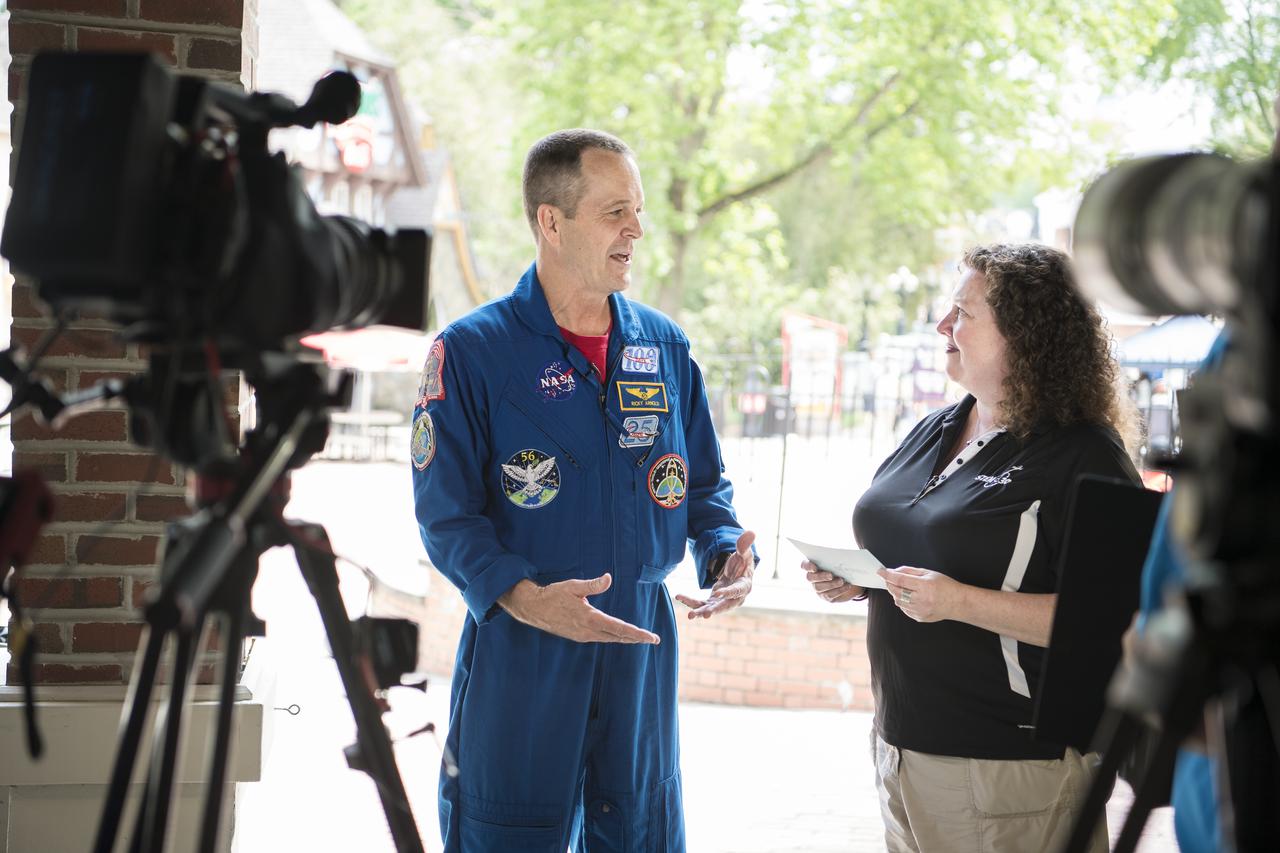
NASA astronaut Ricky Arnold is interviewed for a Smithsonian National Air and Space Museum production of Stem in 30, Friday, May 3, 2019 at Six Flags America theme park in Upper Marlboro, MD. During Expedition 55/56, Arnold completed three spacewalks for a total of 19.5 hours outside the space station, and concluded his 197 day mission when he landed in a remote area near the town of Zhezkazgan, Kazakhstan in Oct. 2018. He also flew to the space station on shuttle mission STS-119 to deliver the final pair of power-generating solar array wings. Photo Credit: (NASA/Aubrey Gemignani)
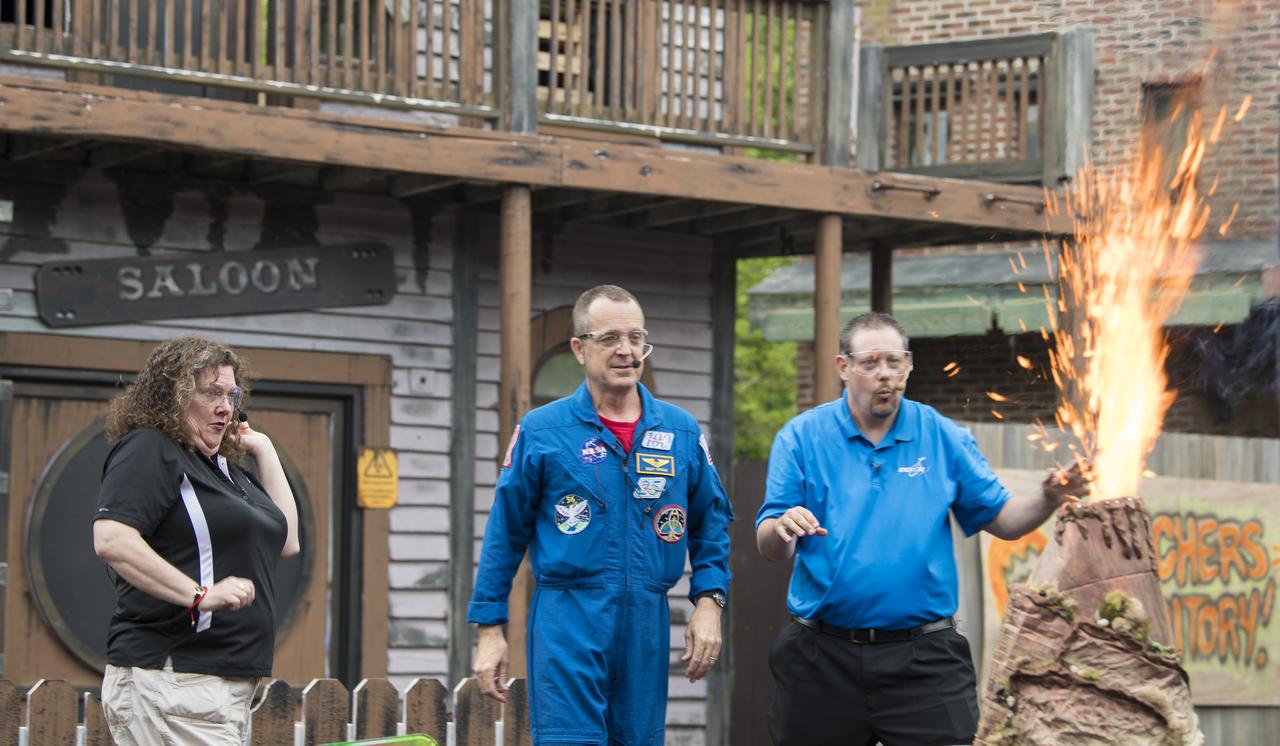
NASA astronaut Ricky Arnold, center, and Smithsonian National Air and Space Museum's Beth Wilson, left, and Marty Kelsey, right, jump backwards as a model volcano erupts with fire during a Stem in 30 segment, Friday, May 3, 2019 at Six Flags America theme park in Upper Marlboro, MD. During Expedition 55/56, Arnold completed three spacewalks for a total of 19.5 hours outside the space station, and concluded his 197 day mission when he landed in a remote area near the town of Zhezkazgan, Kazakhstan in Oct. 2018. He also flew to the space station on shuttle mission STS-119 to deliver the final pair of power-generating solar array wings. Photo Credit: (NASA/Aubrey Gemignani)
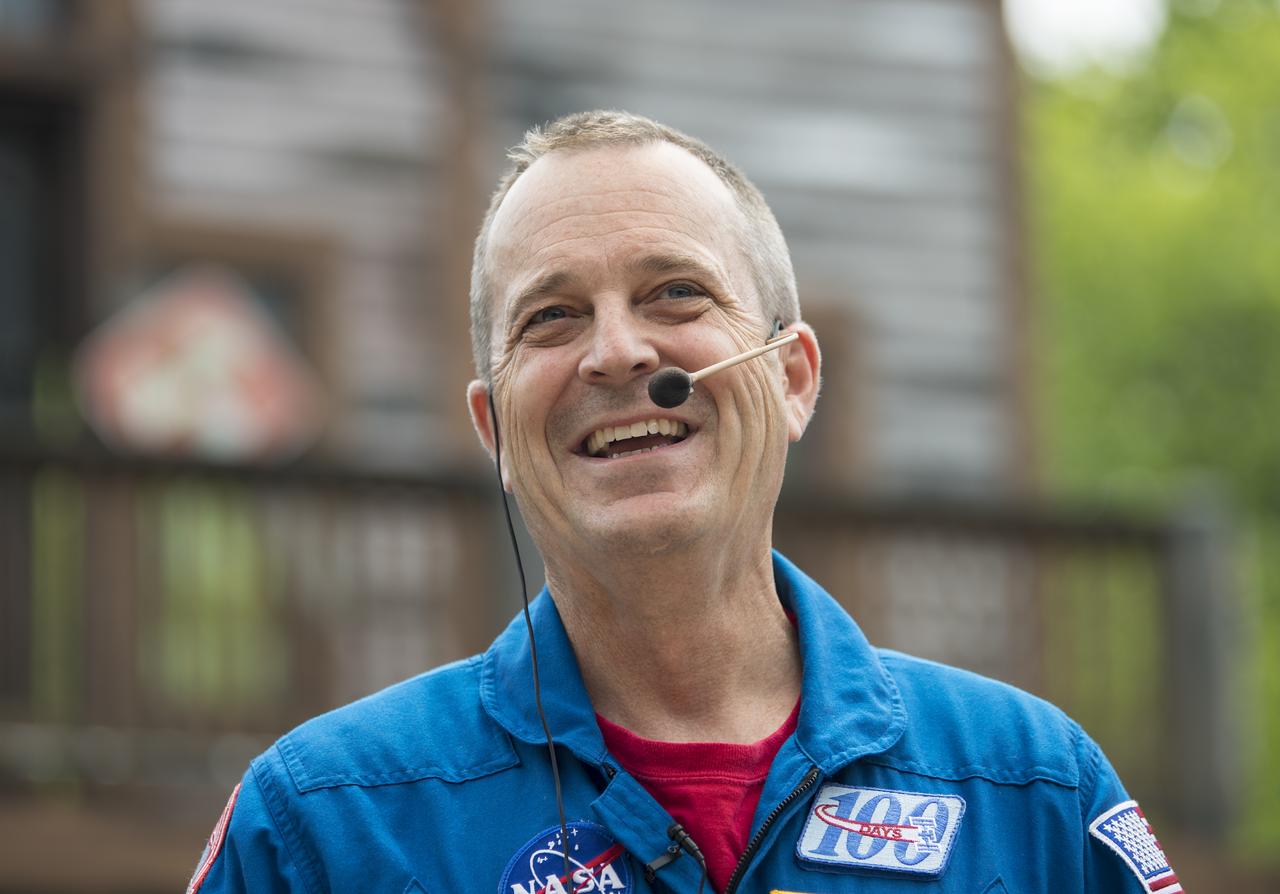
NASA astronaut Ricky Arnold answers questions from the audience about his time onboard the International Space Station (ISS) during a Smithsonian National Air and Space Museum production of Stem in 30, Friday, May 3, 2019 at Six Flags America theme park in Upper Marlboro, MD. During Expedition 55/56, Arnold completed three spacewalks for a total of 19.5 hours outside the space station, and concluded his 197 day mission when he landed in a remote area near the town of Zhezkazgan, Kazakhstan in Oct. 2018. He also flew to the space station on shuttle mission STS-119 to deliver the final pair of power-generating solar array wings. Photo Credit: (NASA/Aubrey Gemignani)
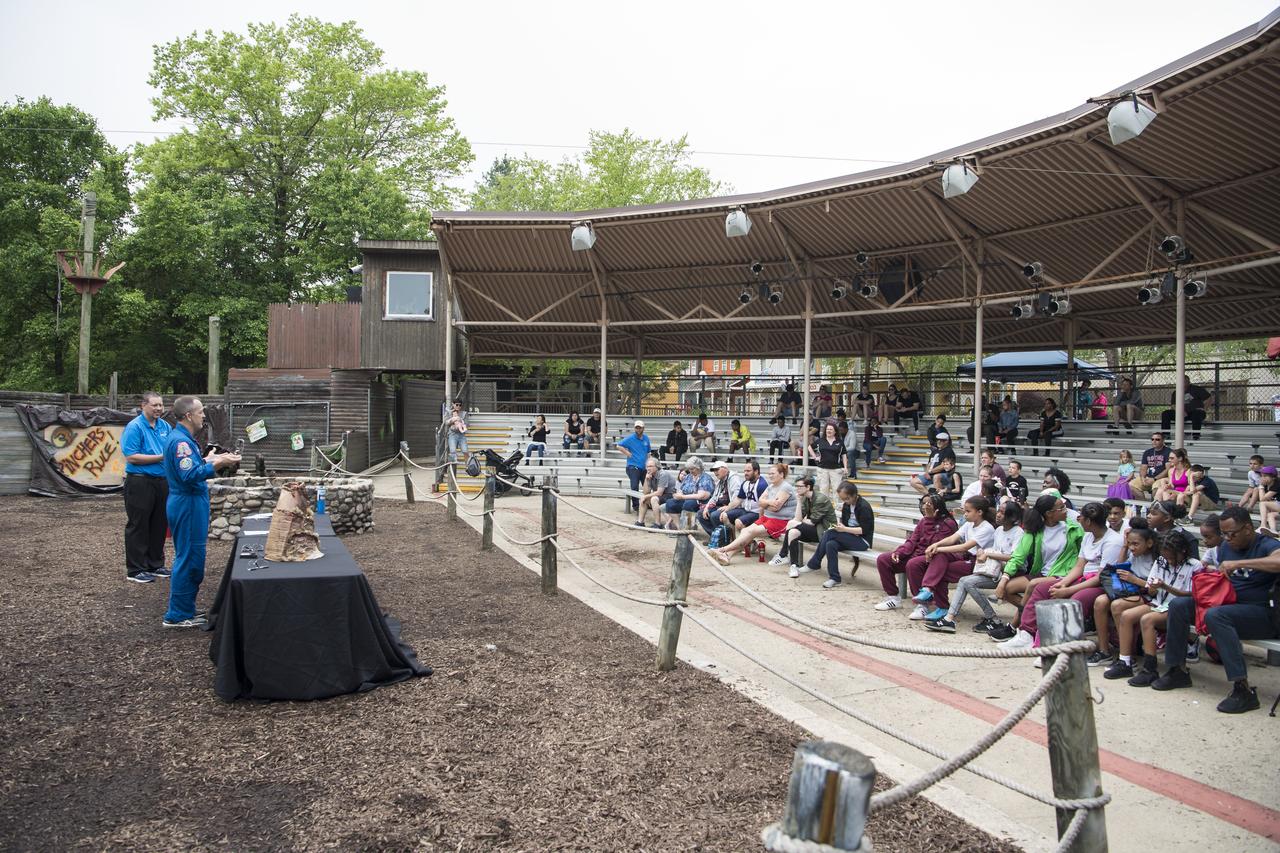
NASA astronaut Ricky Arnold answers questions from the audience about his time onboard the International Space Station (ISS) during a Smithsonian National Air and Space Museum production of Stem in 30, Friday, May 3, 2019 at Six Flags America theme park in Upper Marlboro, MD. During Expedition 55/56, Arnold completed three spacewalks for a total of 19.5 hours outside the space station, and concluded his 197 day mission when he landed in a remote area near the town of Zhezkazgan, Kazakhstan in Oct. 2018. He also flew to the space station on shuttle mission STS-119 to deliver the final pair of power-generating solar array wings. Photo Credit: (NASA/Aubrey Gemignani)
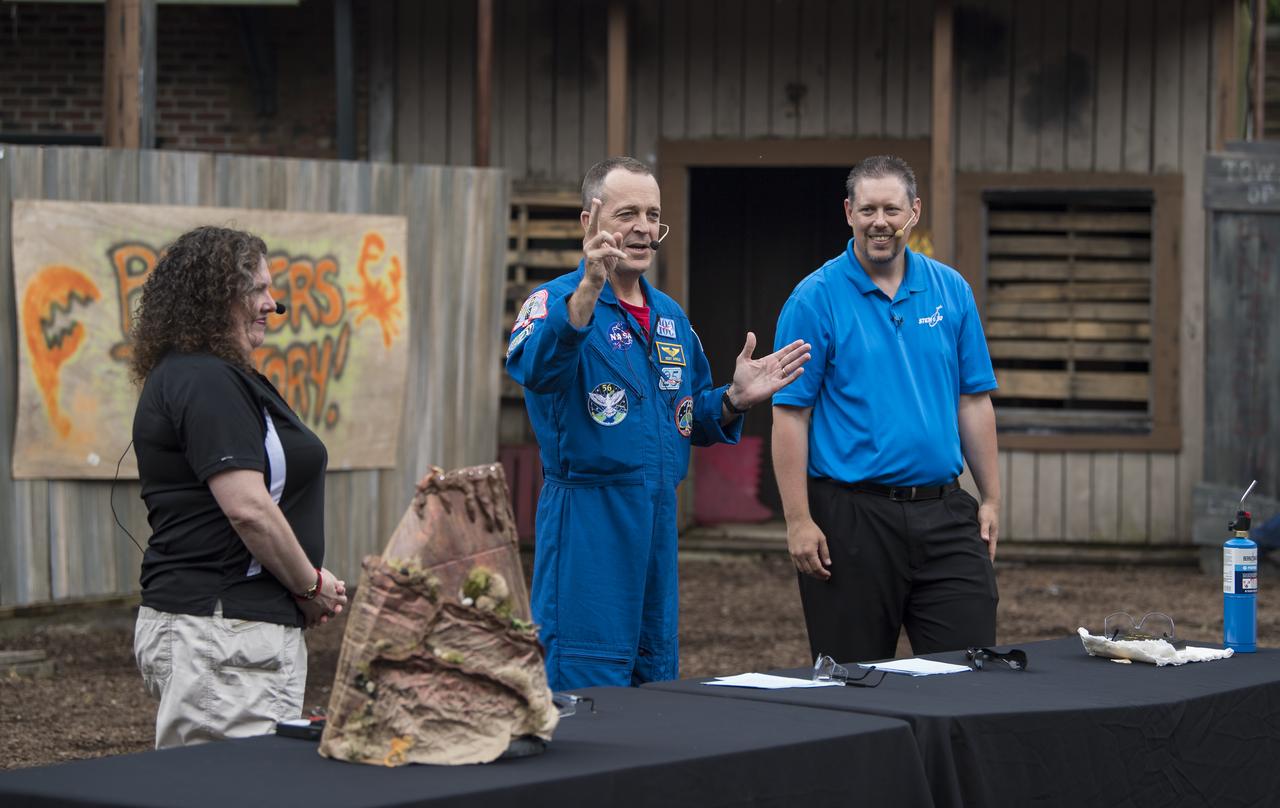
NASA astronaut Ricky Arnold answers questions from the audience about his time onboard the International Space Station (ISS) during a Smithsonian National Air and Space Museum production of Stem in 30, Friday, May 3, 2019 at Six Flags America theme park in Upper Marlboro, MD. During Expedition 55/56, Arnold completed three spacewalks for a total of 19.5 hours outside the space station, and concluded his 197 day mission when he landed in a remote area near the town of Zhezkazgan, Kazakhstan in Oct. 2018. He also flew to the space station on shuttle mission STS-119 to deliver the final pair of power-generating solar array wings. Photo Credit: (NASA/Aubrey Gemignani)
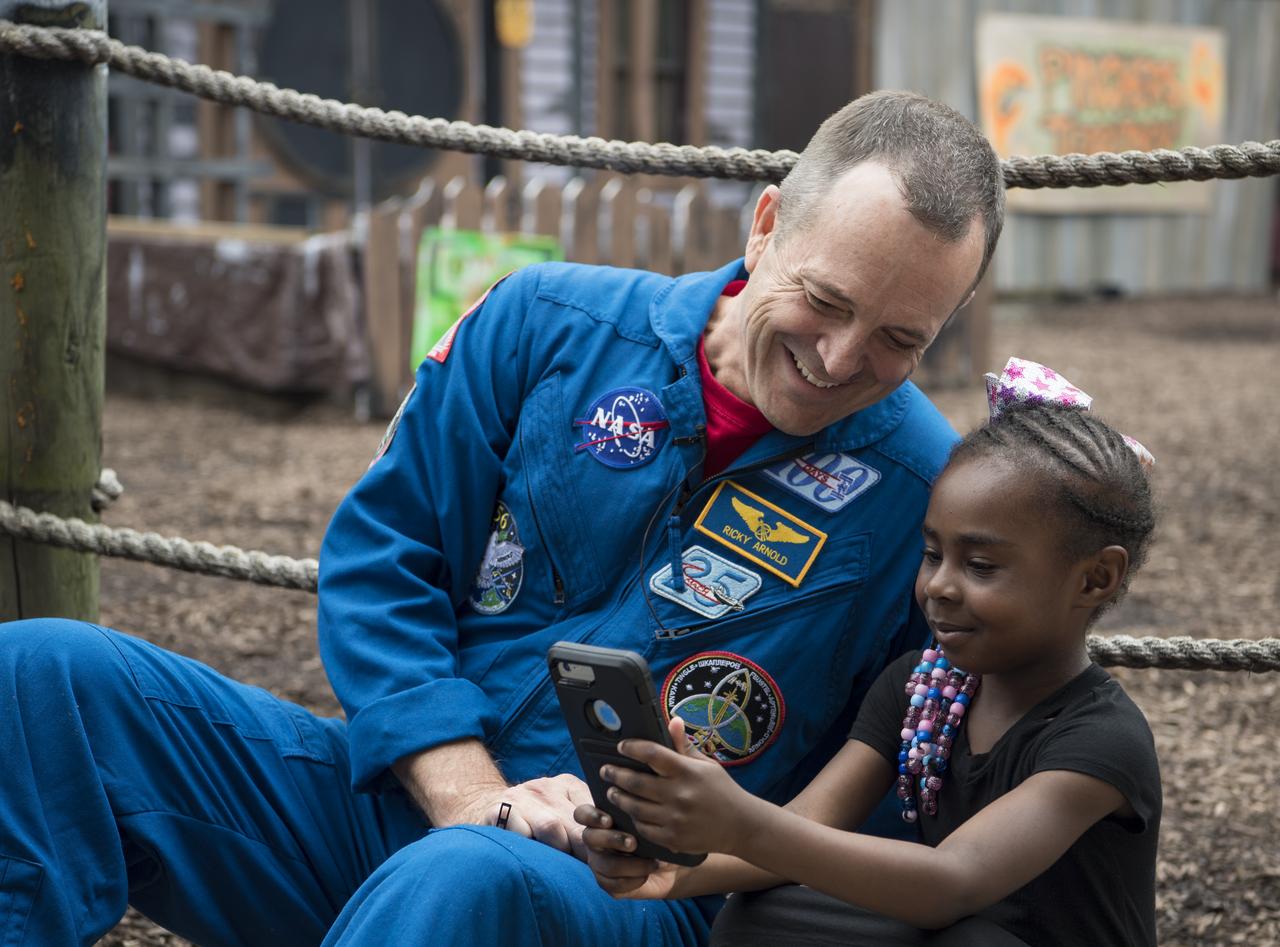
NASA astronaut Ricky Arnold poses for a selfie with an audience member after speaking about his time onboard the International Space Station (ISS) during a Smithsonian National Air and Space Museum production of Stem in 30, Friday, May 3, 2019 at Six Flags America theme park in Upper Marlboro, MD. During Expedition 55/56, Arnold completed three spacewalks for a total of 19.5 hours outside the space station, and concluded his 197 day mission when he landed in a remote area near the town of Zhezkazgan, Kazakhstan in Oct. 2018. He also flew to the space station on shuttle mission STS-119 to deliver the final pair of power-generating solar array wings. Photo Credit: (NASA/Aubrey Gemignani)
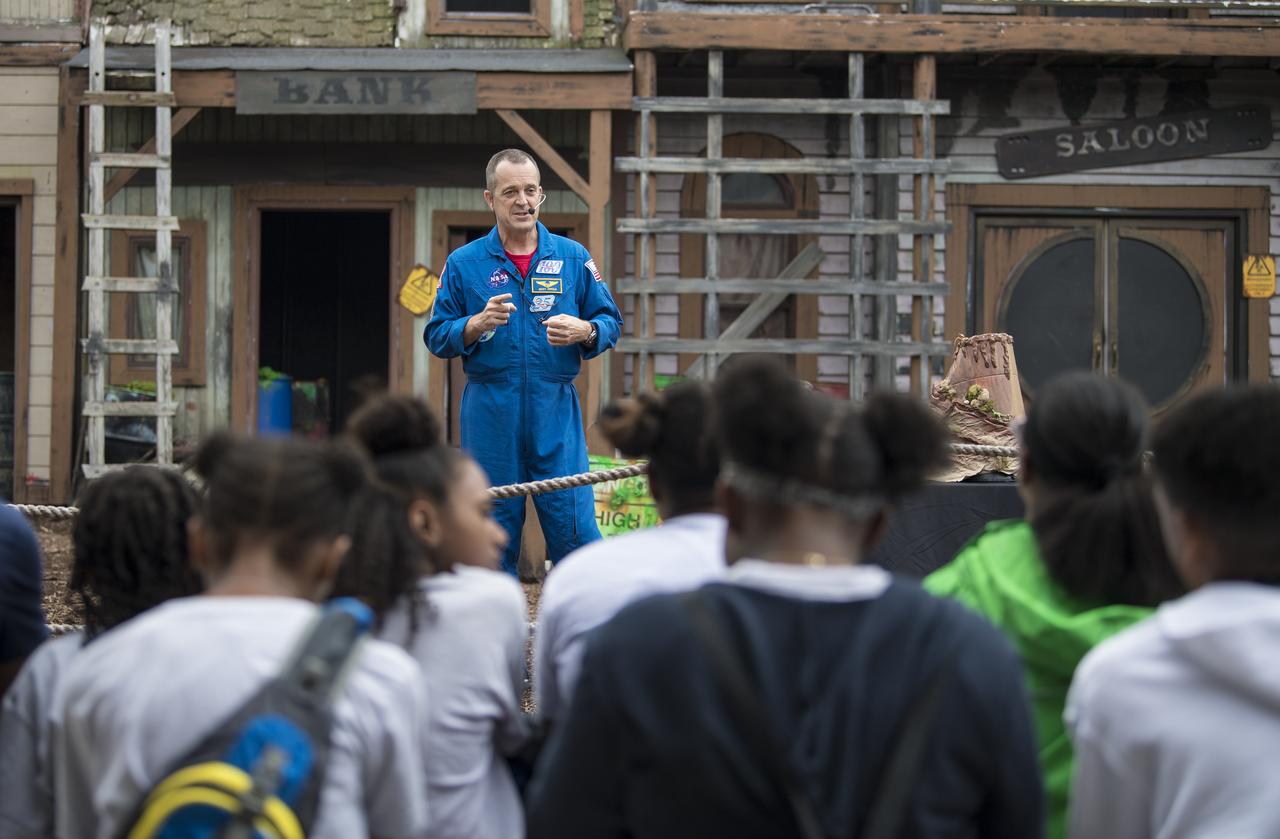
NASA astronaut Ricky Arnold answers questions from the audience about his time onboard the International Space Station (ISS) during a Smithsonian National Air and Space Museum production of Stem in 30, Friday, May 3, 2019 at Six Flags America theme park in Upper Marlboro, MD. During Expedition 55/56, Arnold completed three spacewalks for a total of 19.5 hours outside the space station, and concluded his 197 day mission when he landed in a remote area near the town of Zhezkazgan, Kazakhstan in Oct. 2018. He also flew to the space station on shuttle mission STS-119 to deliver the final pair of power-generating solar array wings. Photo Credit: (NASA/Aubrey Gemignani)
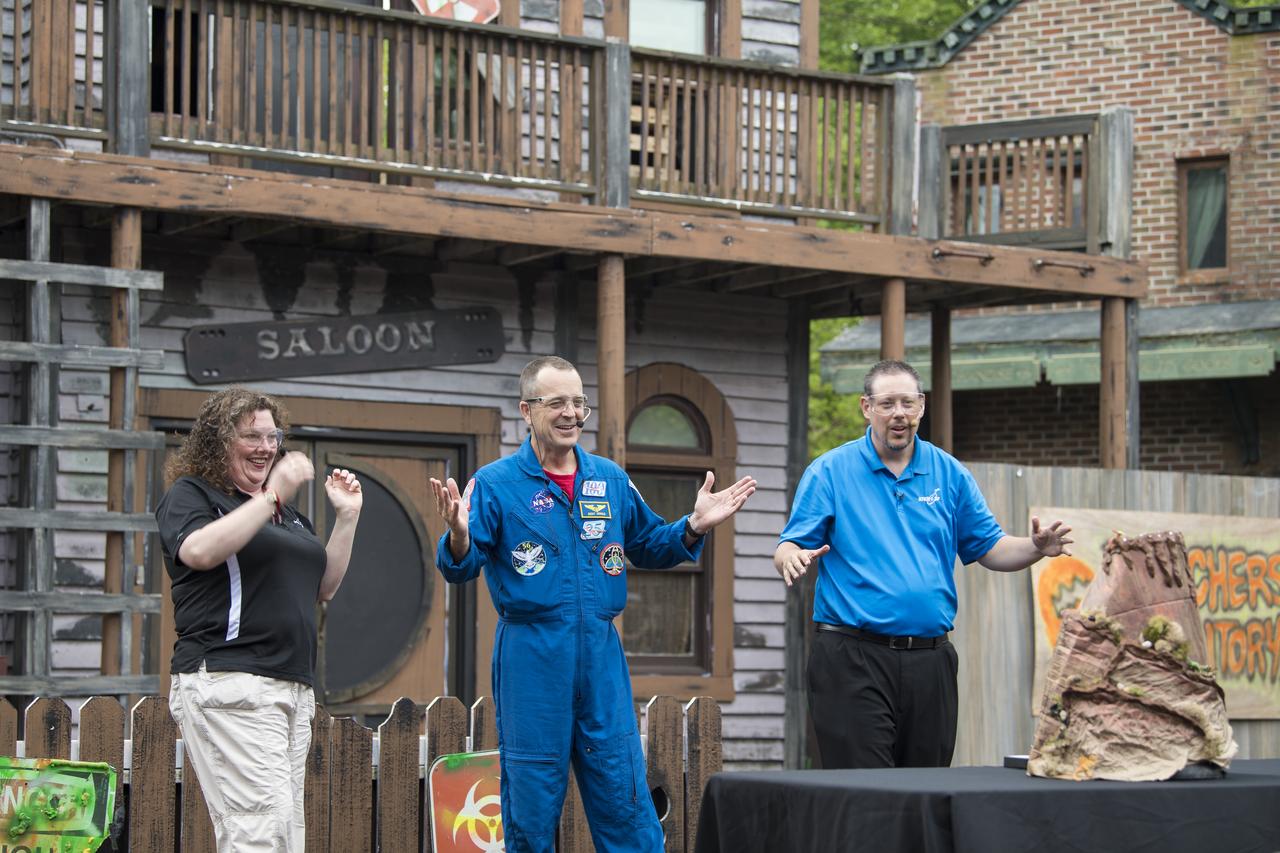
NASA astronaut Ricky Arnold, center, and Smithsonian National Air and Space Museum's Beth Wilson, left, and Marty Kelsey, right, react after a model volcano erupted with fire during a Stem in 30 segment, Friday, May 3, 2019 at Six Flags America theme park in Upper Marlboro, MD. During Expedition 55/56, Arnold completed three spacewalks for a total of 19.5 hours outside the space station, and concluded his 197 day mission when he landed in a remote area near the town of Zhezkazgan, Kazakhstan in Oct. 2018. He also flew to the space station on shuttle mission STS-119 to deliver the final pair of power-generating solar array wings. Photo Credit: (NASA/Aubrey Gemignani)
NASA astronaut Ricky Arnold answers questions from the audience about his time onboard the International Space Station (ISS) during a Smithsonian National Air and Space Museum production of Stem in 30, Friday, May 3, 2019 at Six Flags America theme park in Upper Marlboro, MD. During Expedition 55/56, Arnold completed three spacewalks for a total of 19.5 hours outside the space station, and concluded his 197 day mission when he landed in a remote area near the town of Zhezkazgan, Kazakhstan in Oct. 2018. He also flew to the space station on shuttle mission STS-119 to deliver the final pair of power-generating solar array wings. Photo Credit: (NASA/Aubrey Gemignani)
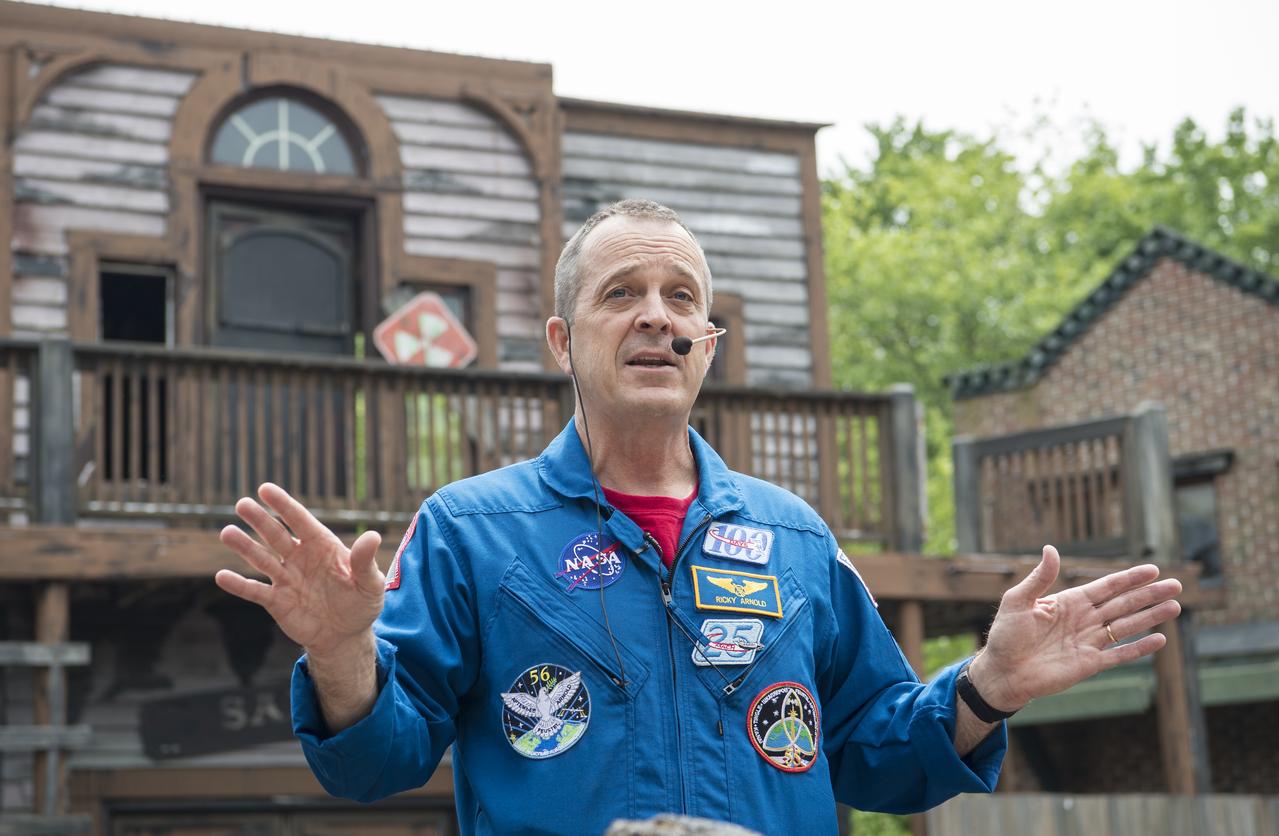
NASA astronaut Ricky Arnold answers questions from the audience about his time onboard the International Space Station (ISS) during a Smithsonian National Air and Space Museum production of Stem in 30, Friday, May 3, 2019 at Six Flags America theme park in Upper Marlboro, MD. During Expedition 55/56, Arnold completed three spacewalks for a total of 19.5 hours outside the space station, and concluded his 197 day mission when he landed in a remote area near the town of Zhezkazgan, Kazakhstan in Oct. 2018. He also flew to the space station on shuttle mission STS-119 to deliver the final pair of power-generating solar array wings. Photo Credit: (NASA/Aubrey Gemignani)
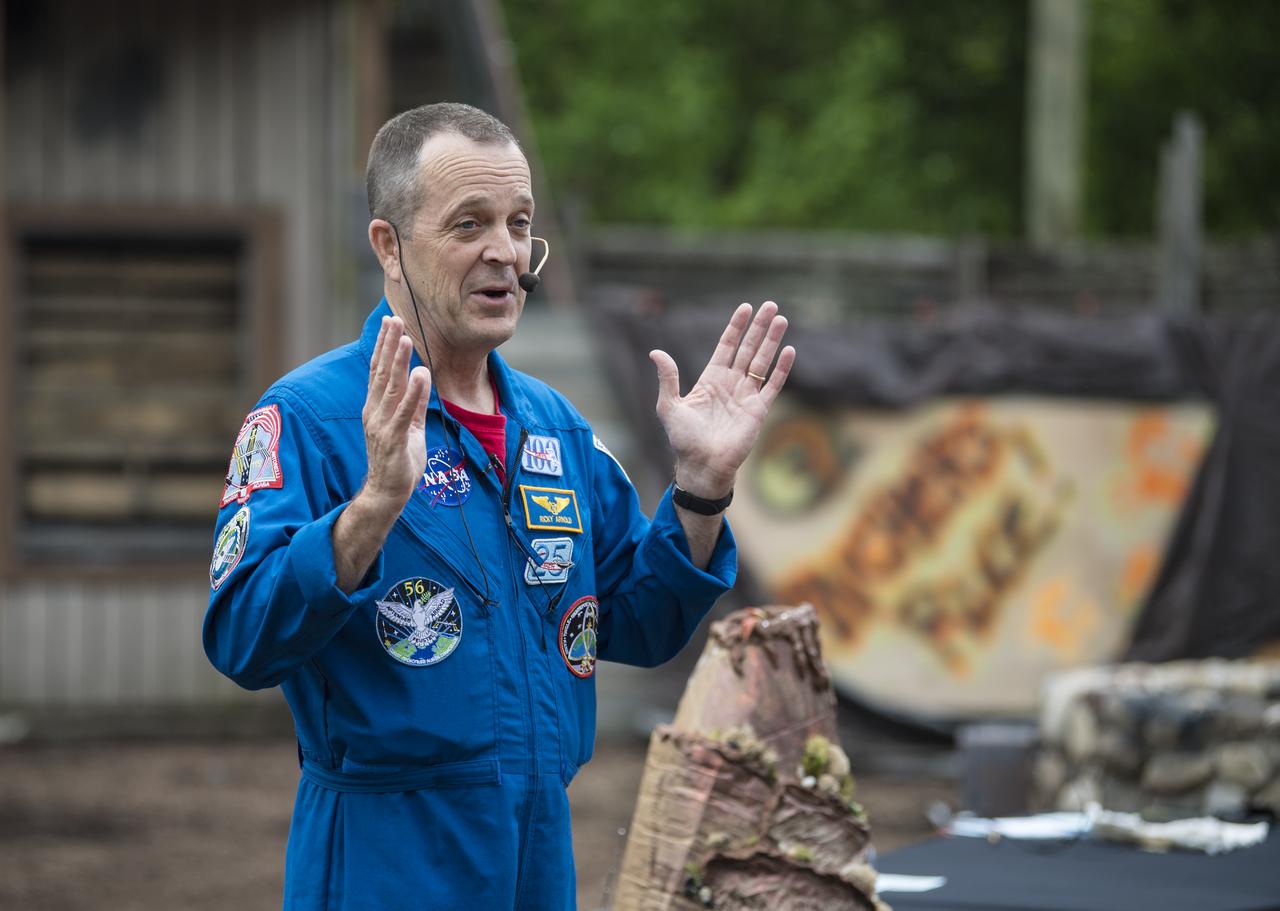
NASA astronaut Ricky Arnold answers questions from the audience about his time onboard the International Space Station (ISS) during a Smithsonian National Air and Space Museum production of Stem in 30, Friday, May 3, 2019 at Six Flags America theme park in Upper Marlboro, MD. During Expedition 55/56, Arnold completed three spacewalks for a total of 19.5 hours outside the space station, and concluded his 197 day mission when he landed in a remote area near the town of Zhezkazgan, Kazakhstan in Oct. 2018. He also flew to the space station on shuttle mission STS-119 to deliver the final pair of power-generating solar array wings. Photo Credit: (NASA/Aubrey Gemignani)
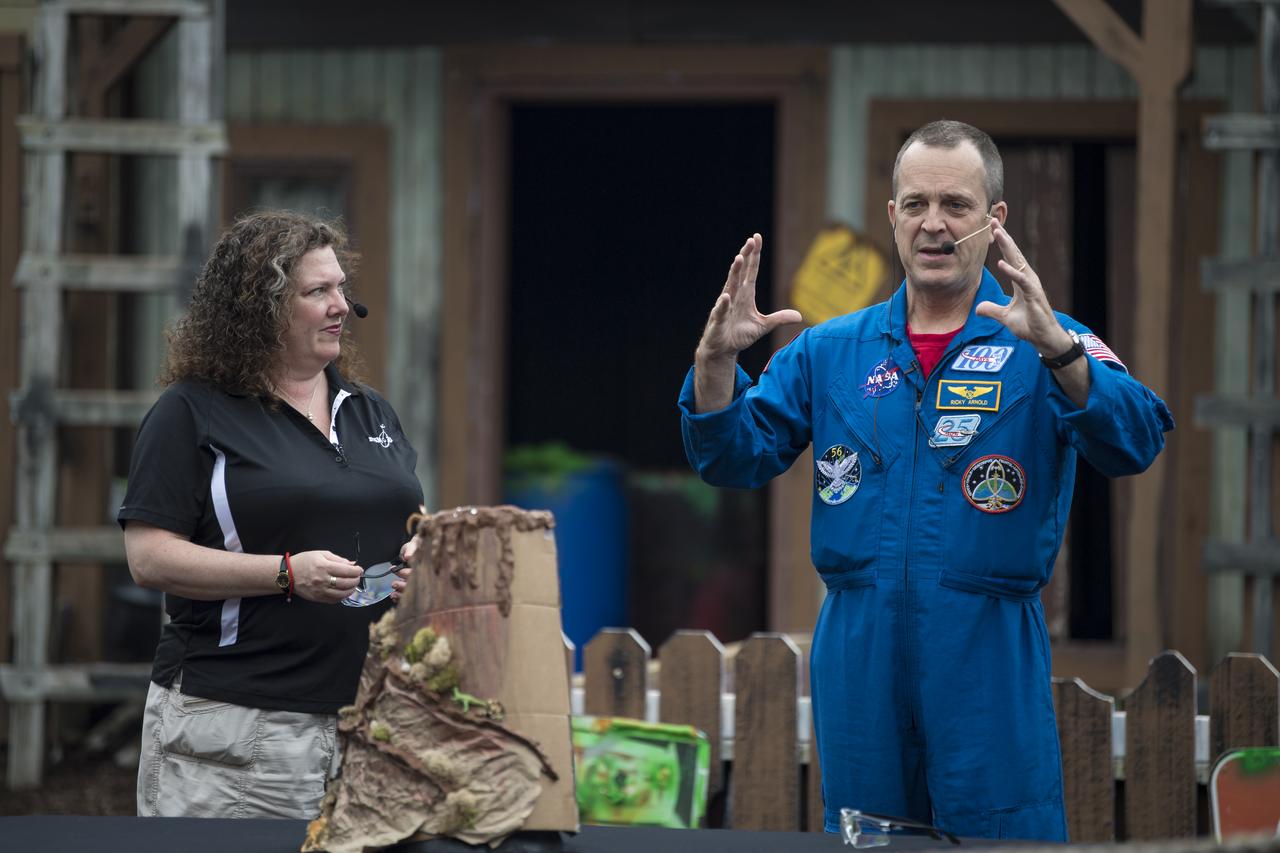
NASA astronaut Ricky Arnold answers questions from the audience about his time onboard the International Space Station (ISS) during a Smithsonian National Air and Space Museum production of Stem in 30, Friday, May 3, 2019 at Six Flags America theme park in Upper Marlboro, MD. During Expedition 55/56, Arnold completed three spacewalks for a total of 19.5 hours outside the space station, and concluded his 197 day mission when he landed in a remote area near the town of Zhezkazgan, Kazakhstan in Oct. 2018. He also flew to the space station on shuttle mission STS-119 to deliver the final pair of power-generating solar array wings. Photo Credit: (NASA/Aubrey Gemignani)
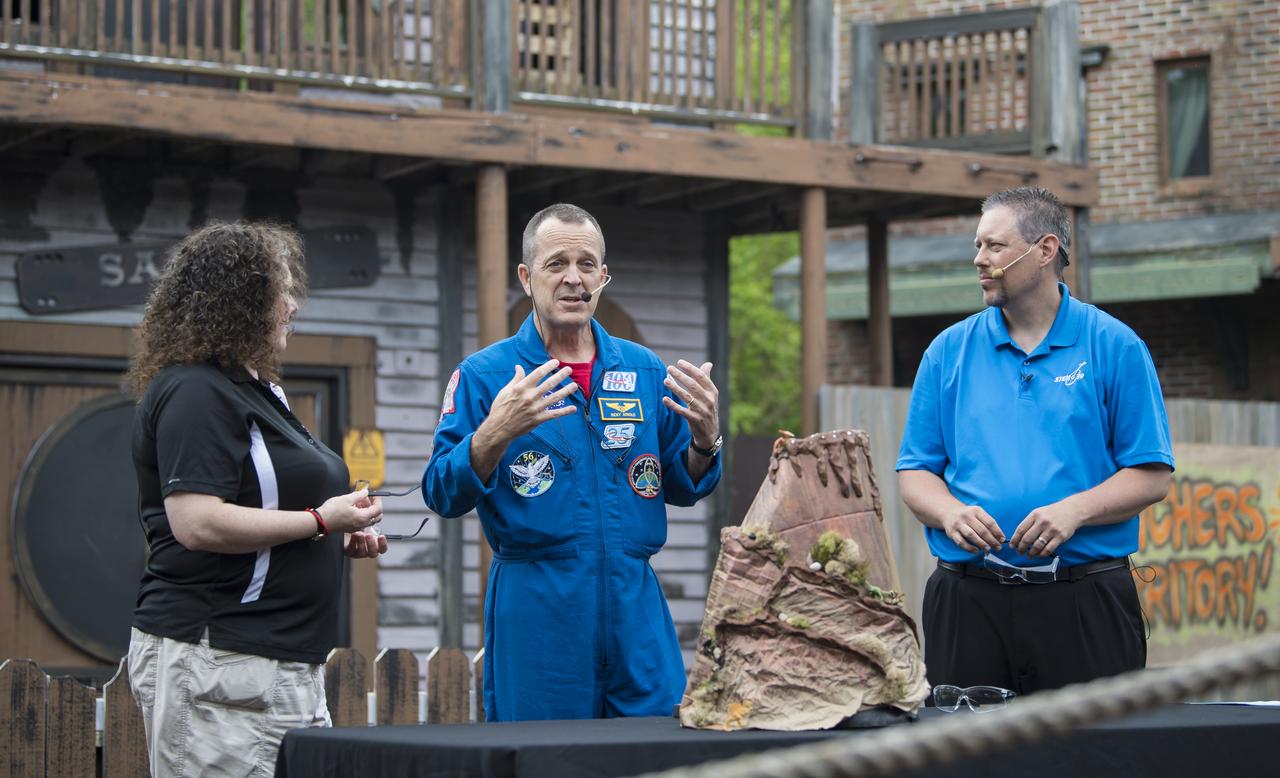
NASA astronaut Ricky Arnold answers questions from the audience about his time onboard the International Space Station (ISS) during a Smithsonian National Air and Space Museum production of Stem in 30, Friday, May 3, 2019 at Six Flags America theme park in Upper Marlboro, MD. During Expedition 55/56, Arnold completed three spacewalks for a total of 19.5 hours outside the space station, and concluded his 197 day mission when he landed in a remote area near the town of Zhezkazgan, Kazakhstan in Oct. 2018. He also flew to the space station on shuttle mission STS-119 to deliver the final pair of power-generating solar array wings. Photo Credit: (NASA/Aubrey Gemignani)
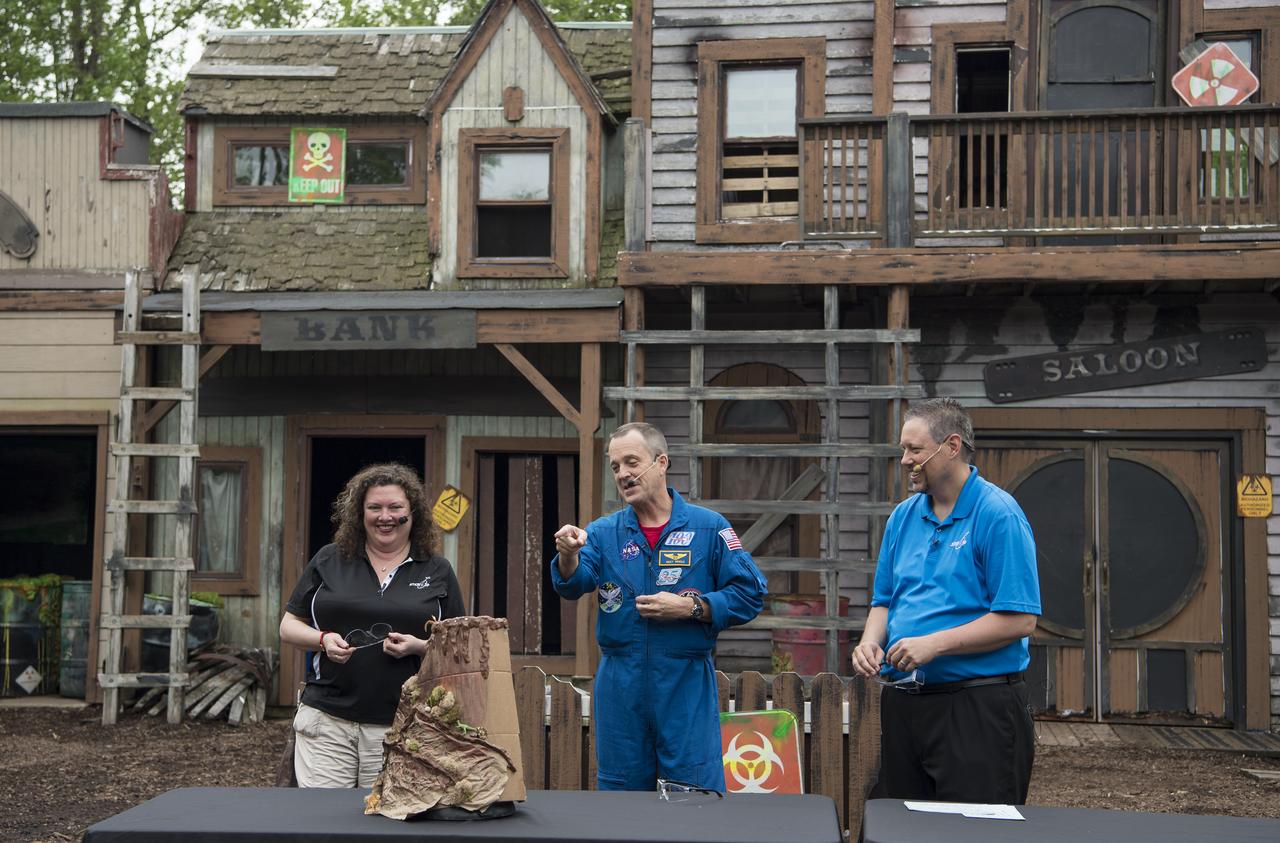
NASA astronaut Ricky Arnold answers questions from the audience about his time onboard the International Space Station (ISS) during a Smithsonian National Air and Space Museum production of Stem in 30, Friday, May 3, 2019 at Six Flags America theme park in Upper Marlboro, MD. During Expedition 55/56, Arnold completed three spacewalks for a total of 19.5 hours outside the space station, and concluded his 197 day mission when he landed in a remote area near the town of Zhezkazgan, Kazakhstan in Oct. 2018. He also flew to the space station on shuttle mission STS-119 to deliver the final pair of power-generating solar array wings. Photo Credit: (NASA/Aubrey Gemignani)
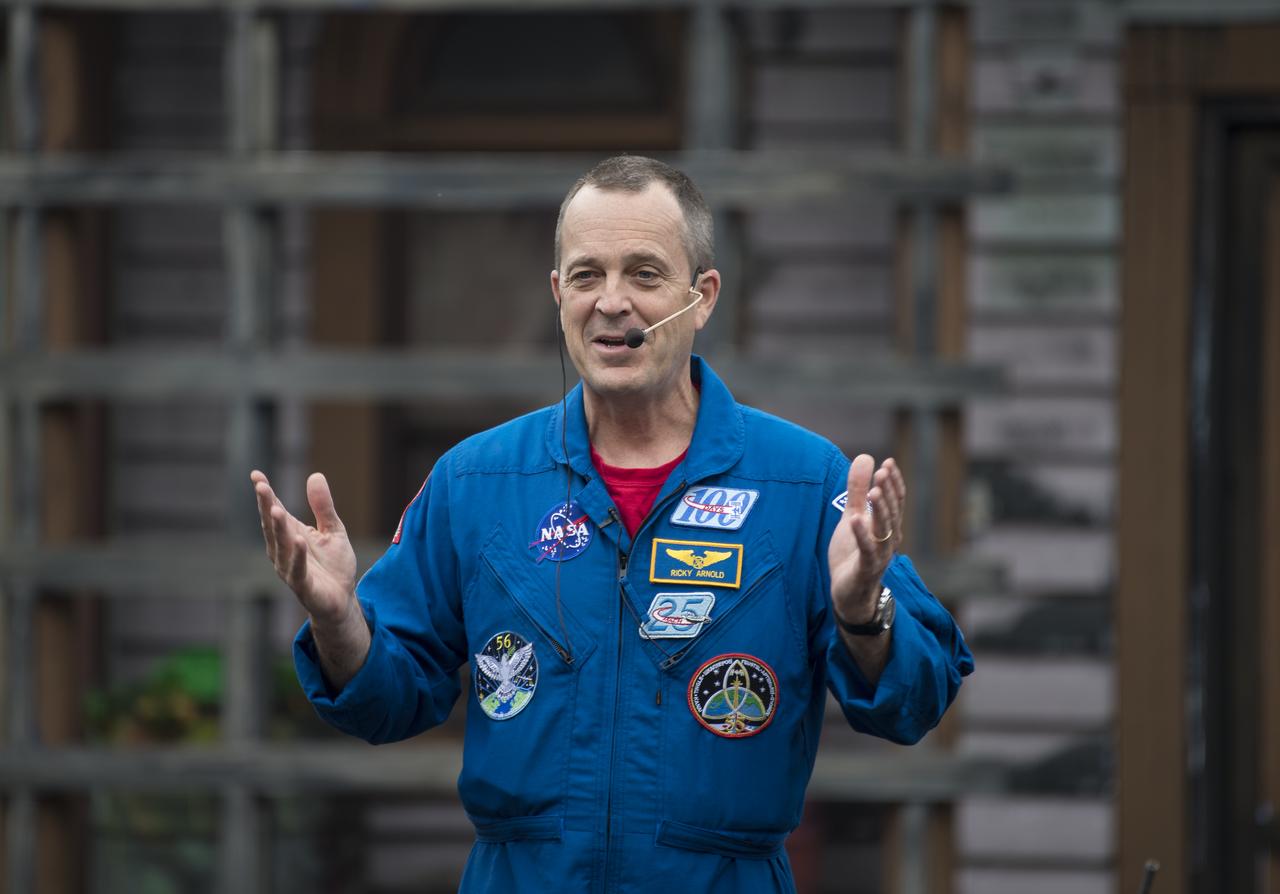
NASA astronaut Ricky Arnold answers questions from the audience about his time onboard the International Space Station (ISS) during a Smithsonian National Air and Space Museum production of Stem in 30, Friday, May 3, 2019 at Six Flags America theme park in Upper Marlboro, MD. During Expedition 55/56, Arnold completed three spacewalks for a total of 19.5 hours outside the space station, and concluded his 197 day mission when he landed in a remote area near the town of Zhezkazgan, Kazakhstan in Oct. 2018. He also flew to the space station on shuttle mission STS-119 to deliver the final pair of power-generating solar array wings. Photo Credit: (NASA/Aubrey Gemignani)
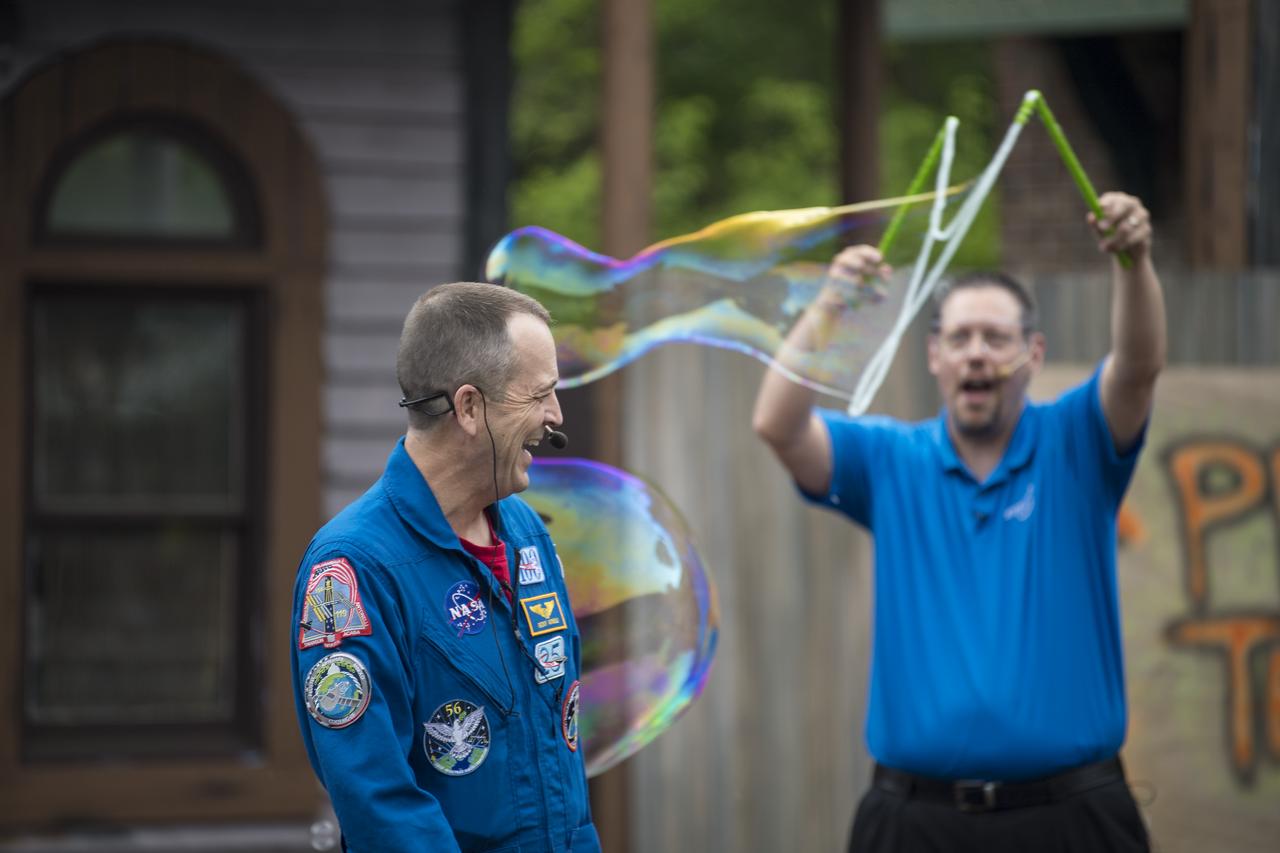
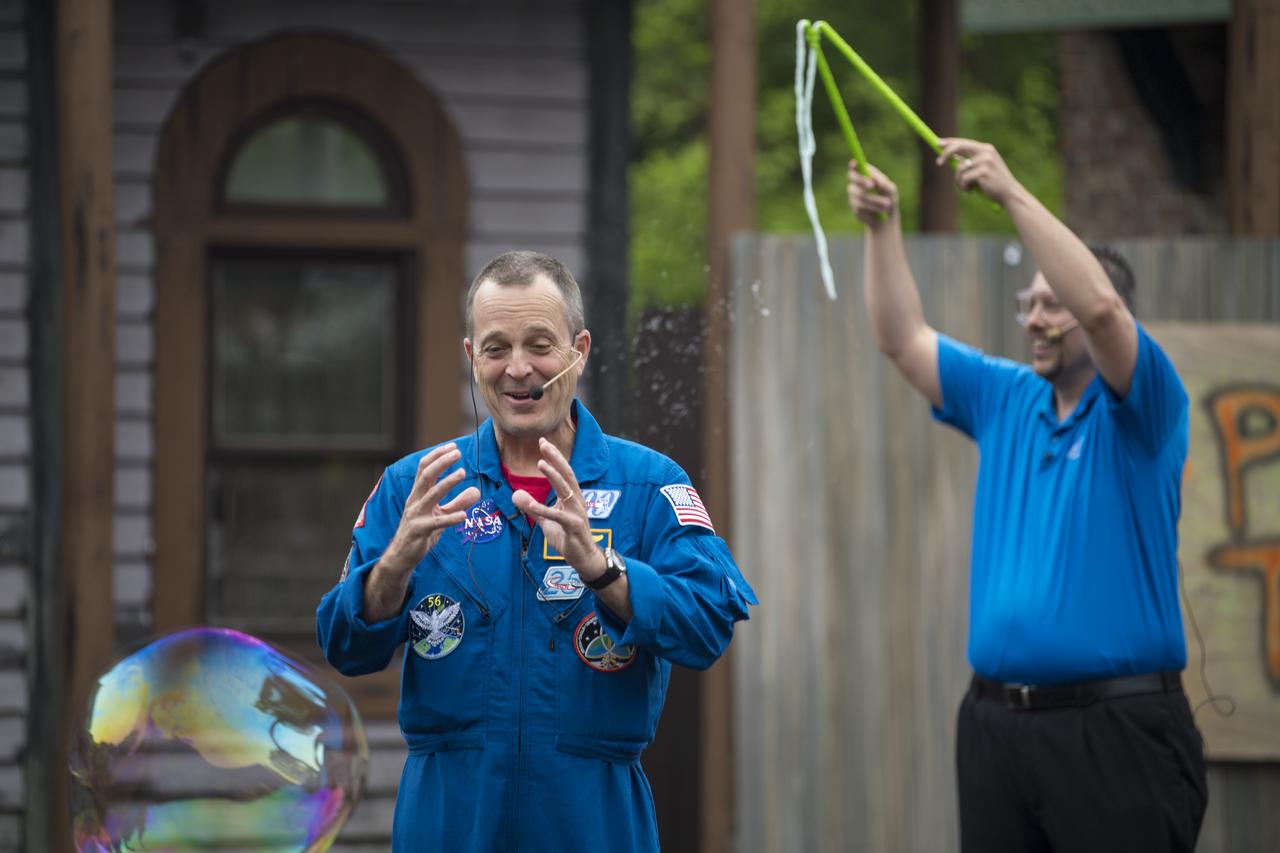
NASA astronaut Ricky Arnold reacts as Marty Kelsey from Smithsonian National Air and Space Museum's production, Stem in 30, makes large bubbles behind him, while he speaks about his time onboard the International Space Station (ISS), Friday, May 3, 2019 at Six Flags America theme park in Upper Marlboro, MD. During Expedition 55/56, Arnold completed three spacewalks for a total of 19.5 hours outside the space station, and concluded his 197 day mission when he landed in a remote area near the town of Zhezkazgan, Kazakhstan in Oct. 2018. He also flew to the space station on shuttle mission STS-119 to deliver the final pair of power-generating solar array wings. Photo Credit: (NASA/Aubrey Gemignani)
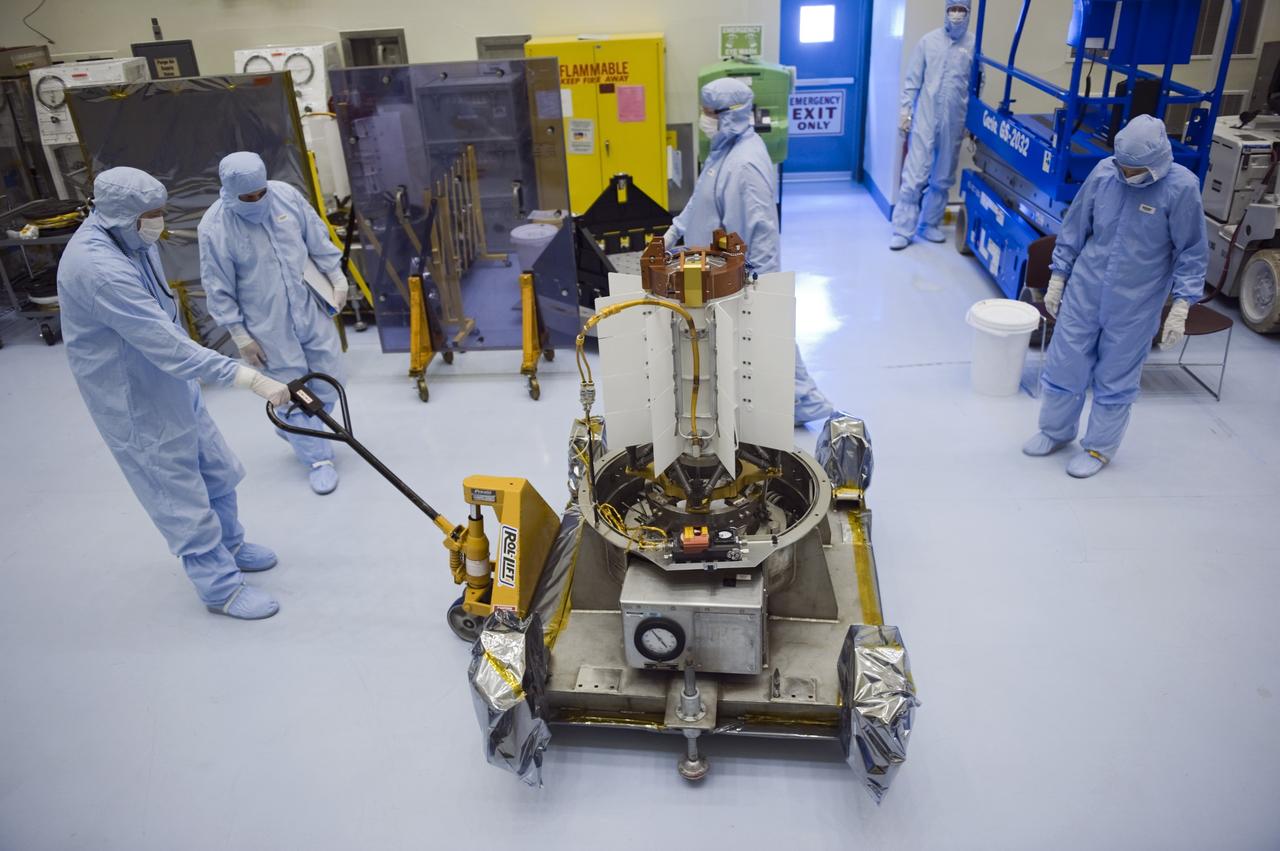
CAPE CANAVERAL, Fla. -- In the Payload Hazardous Servicing Facility at NASA's Kennedy Space Center in Florida, spacecraft technicians from NASA's Jet Propulsion Laboratory park the multi-mission radioisotope thermoelectric generator (MMRTG) for NASA's Mars Science Laboratory (MSL) mission on its support base in the airlock following the MMRTG fit check on the Curiosity rover in the high bay. The MMRTG will generate the power needed for the mission from the natural decay of plutonium-238, a non-weapons-grade form of the radioisotope. Heat given off by this natural decay will provide constant power through the day and night during all seasons. MSL's components include a car-sized rover, Curiosity, which has 10 science instruments designed to search for signs of life, including methane, and help determine if the gas is from a biological or geological source. Waste heat from the MMRTG will be circulated throughout the rover system to keep instruments, computers, mechanical devices and communications systems within their operating temperature ranges. Launch of MSL aboard a United Launch Alliance Atlas V rocket is targeted for Nov. 25 from Space Launch Complex 41 on Cape Canaveral Air Force Station. For more information, visit http://www.nasa.gov/msl. Photo credit: NASA/Kim Shiflett
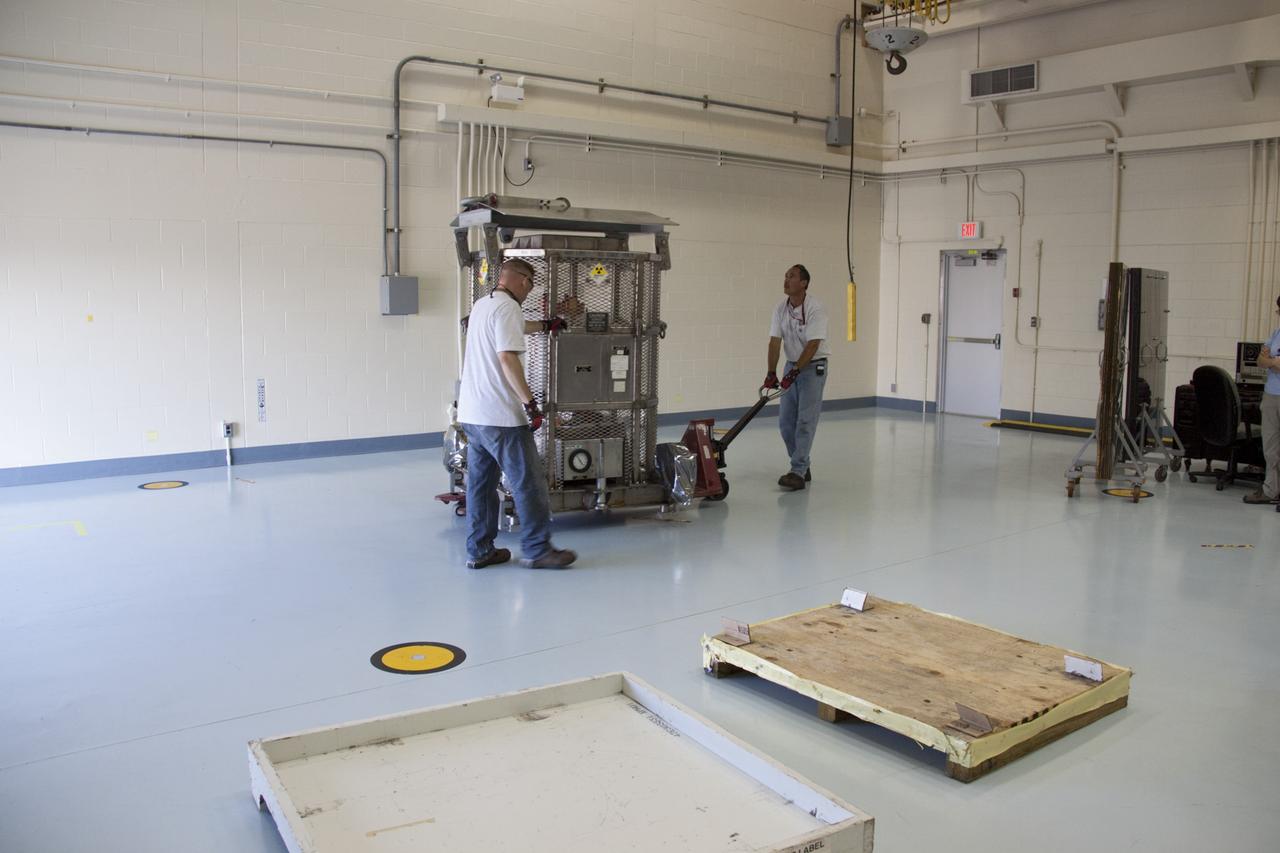
CAPE CANAVERAL, Fla. -- Department of Energy workers park the multi-mission radioisotope thermoelectric generator (MMRTG) for NASA's Mars Science Laboratory (MSL) mission in the high bay of the RTG storage facility (RTGF) at NASA's Kennedy Space Center in Florida. The MMRTG is enclosed in a mesh container, known as the "gorilla cage," which protects it during transport and allows any excess heat generated to dissipate into the air. The MMRTG is returning to the RTGF following a fit check on MSL's Curiosity rover in the Payload Hazardous Servicing Facility (PHSF). The MMRTG will generate the power needed for the mission from the natural decay of plutonium-238, a non-weapons-grade form of the radioisotope. Heat given off by this natural decay will provide constant power through the day and night during all seasons. MSL's components include a compact car-sized rover, Curiosity, which has 10 science instruments designed to search for signs of life, including methane, and help determine if the gas is from a biological or geological source. Waste heat from the MMRTG will be circulated throughout the rover system to keep instruments, computers, mechanical devices and communications systems within their operating temperature ranges. Launch of MSL aboard a United Launch Alliance Atlas V rocket is targeted for Nov. 25 from Space Launch Complex 41 on Cape Canaveral Air Force Station. For more information, visit http://www.nasa.gov/msl. Photo credit: NASA/Troy Cryder

The XV-15 tilt rotor ships #1 and #2 parked on the NASA Dryden Flight Research Center ramp. The XV-15s, manufactured by Bell, were involved in limited research at Dryden in 1980 and 1981. The development of the XV-15 Tiltrotor research aircraft was initiated in 1973 with joint Army/NASA funding as a "proof of concept", or "technology demonstrator" program, with two aircraft being built by Bell Helicopter Textron (BHT) in 1977. The aircraft are powered by twin Lycoming T-53 turboshaft engines that are connected by a cross-shaft and drive three-bladed, 25 ft diameter metal rotors (the size extensively tested in a wind tunnel). The engines and main transmissions are located in wingtip nacelles to minimize the operational loads on the cross-shaft system and, with the rotors, tilt as a single unit. For takeoff, the proprotors and their engines are used in the straight-up position where the thrust is directed downward. The XV-15 then climbs vertically into the air like a helicopter. In this VTOL mode, the vehicle can lift off and hover for approximately one hour. Once off the ground, the XV-15 has the ability to fly in one of two different modes. It can fly as a helicopter, in the partially converted airplane mode. The XV-15 can also then convert from the helicopter mode to the airplane mode. This is accomplished by continuous rotation of the proprotors from the helicopter rotor position to the conventional airplane propeller position. During the ten to fifteen second conversion period, the aircraft speed increases and lift is transferred from the rotors to the wing. To land, the proprotors are rotated up to the helicopter rotor position and flown as a helicopter to a vertical landing.
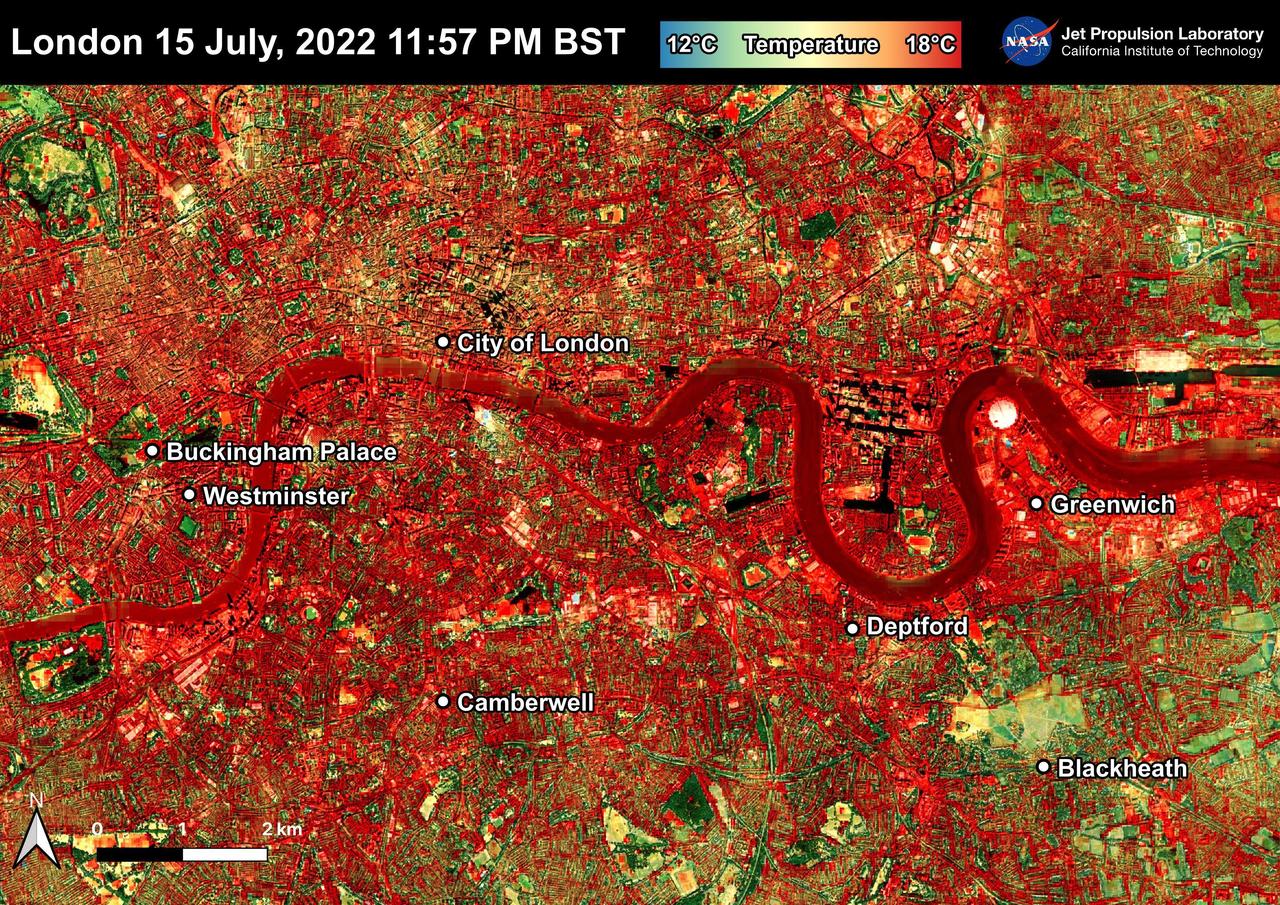
NASA's Ecosystem Spaceborne Thermal Radiometer Experiment on Space Station (ECOSTRESS) instrument recorded this image of ground surface temperatures in London and surrounding areas on July 15, 2022, just before midnight local time. It shows surface temperatures exceeding 68 degrees Fahrenheit (20 degrees Celsius) at 11:57 p.m. British Summer Time. Parts of Europe in mid-July experienced a record-breaking heat wave. The United Kingdom reaching its highest air temperature on record on July 19, 104.5 F (40.3 C) in Coningsby, about 110 miles (177 kilometers) north of London, which itself saw a high of 104.3 F (40.2 C) the same day. That evening, the overnight low was also a record-breaker: 78.4 F (25.8 C) at Kenley Airfield in Greater London. In this image, the red areas indicate hotter temperatures commonly associated with developed areas. These surfaces – roofs, paved streets, and other built structures – remain warm long after the sun sets. Blue and green areas indicate cooler areas commonly associated with parks and other natural land surfaces. Because this image was acquired at night, it shows bodies of water being warmer than the land surface. This is because water tends to change temperature more slowly, so its temperature stays elevated long after land surfaces have cooled down. Cities are usually warmer than open land with natural surfaces because of human activities as well as the materials used in building and construction. Streets are often the hottest part of the built environment due to asphalt paving. Dark-colored surfaces absorb more heat from the Sun than lighter-colored ones; asphalt absorbs up to 95% of solar radiation and retains the heat for hours into nighttime. This image overlays ECOSTRESS surface temperature data on a Google satellite map for context. ECOSTRESS measures the temperature of the ground, which is hotter than the air temperature during the daytime. The instrument launched to the space station in 2018. Its primary mission is to identify plants' thresholds for water use and water stress, giving insight into their ability to adapt to a warming climate. However, ECOSTRESS is also useful for documenting other heat-related phenomena, like patterns of heat absorption and retention. Its high-resolution images, with a pixel size of about 225 feet (70 meters) by 125 feet (38 meters), are a powerful tool for understanding our environment. https://photojournal.jpl.nasa.gov/catalog/PIA25423

The single fire that ignited and split into nine separate fires still blazes in Southern California today. Firefighters are hoping for a break today (Thursday, May 15, 2014) but it doesn't look like luck may be on their side. Conditions continue to be bone dry with unseasonal heat (98-106 degrees) and the Santa Ana winds are kicking up and allowing these fires to easy jump fire lines. This particular fire started on Wednesday as a single fire and within a day is now nine separate fires which have burned close to 10,000 acres. These fires are threatening more than just landscape in San Diego county, they are also threatening homes, universities, a military base and a nuclear power plant. Day Two of the fires have seen them already destroying dozens of homes and forcing tens of thousands to evacuate. Camp Pendleton has also been partially evacuated due to the blazes as has the popular amusement park, Legoland. The Governor of California has declared a state of emergency. Thousands of firefighters are battling the flames both on the ground and in the air. Seven tankers and 20 military aircraft are also assisting the firefighters with their mission. Temperatures soaring over 100 degrees coupled with 30 mph wind gusts have severely hampered the efforts, however, and fire tornadoes have broken out. Fire tornadoes are caused by crosswinds that create a vortex and produce winds that twist and swirl just like a tornado but with flames that coil upwards in the center of the twister creating a terrifying specter. Although there is no chance of rain in the area for the next several days, the temperatures will start to subside on Friday and into the weekend. Winds are also expected to start to subside, giving firefighters that break that they so desperately need. This natural-color satellite image was collected by the Moderate Resolution Imaging Spectroradiometer (MODIS) aboard the Aqua satellite on May 14, 2014. Actively burning areas, detected by MODIS’s thermal bands, are outlined in red. Credit: NASA/GSFC/Jeff Schmaltz/MODIS Land Rapid Response Team <b><a href="http://www.nasa.gov/audience/formedia/features/MP_Photo_Guidelines.html" rel="nofollow">NASA image use policy.</a></b> <b><a href="http://www.nasa.gov/centers/goddard/home/index.html" rel="nofollow">NASA Goddard Space Flight Center</a></b> enables NASA’s mission through four scientific endeavors: Earth Science, Heliophysics, Solar System Exploration, and Astrophysics. Goddard plays a leading role in NASA’s accomplishments by contributing compelling scientific knowledge to advance the Agency’s mission. <b>Follow us on <a href="http://twitter.com/NASAGoddardPix" rel="nofollow">Twitter</a></b> <b>Like us on <a href="http://www.facebook.com/pages/Greenbelt-MD/NASA-Goddard/395013845897?ref=tsd" rel="nofollow">Facebook</a></b> <b>Find us on <a href="http://instagram.com/nasagoddard?vm=grid" rel="nofollow">Instagram</a></b>