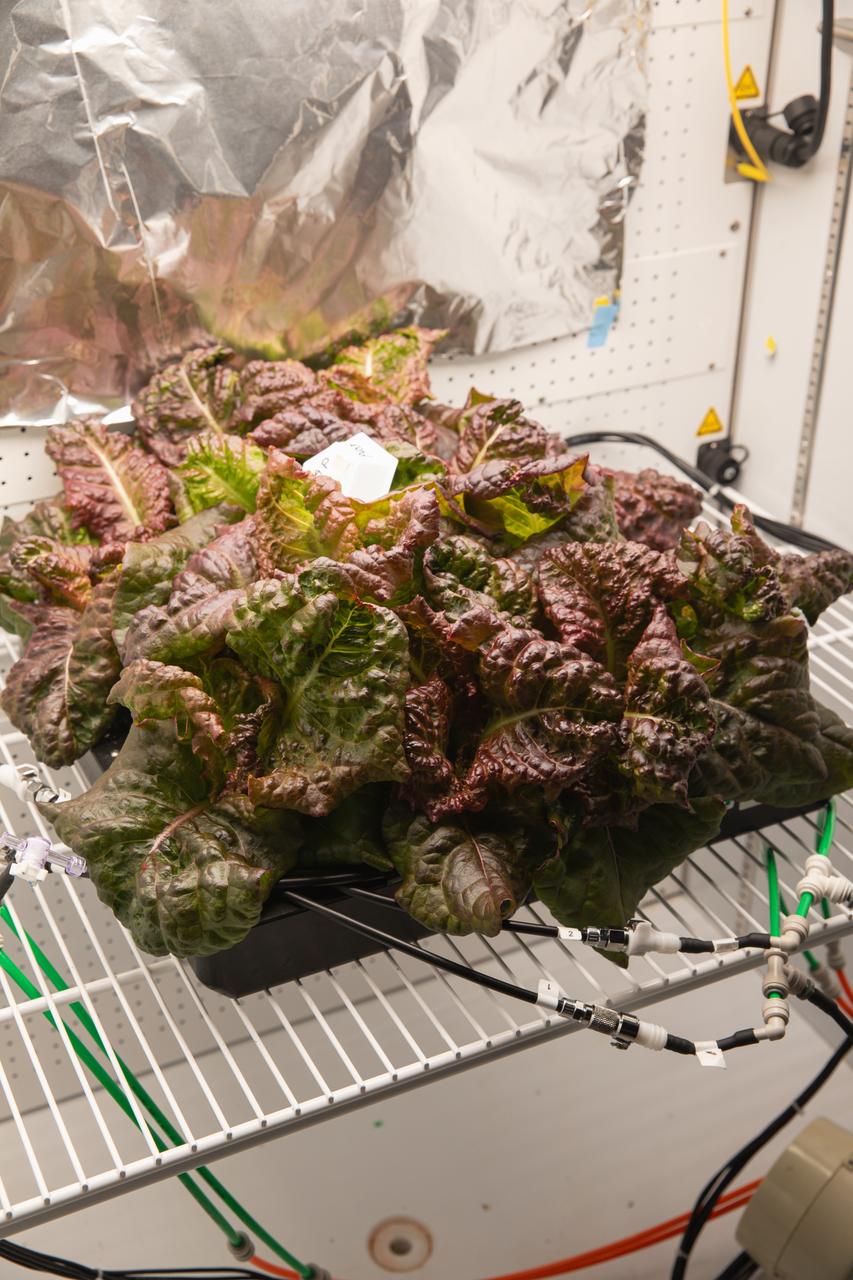
Space crop production scientists inside a laboratory at the Space Systems Processing Facility at NASA’s Kennedy Space Center in Florida harvest Outredgeous romaine lettuce for preflight testing of the Plant Habitat-07 (PH-07) experiment on Thursday, Aug. 29, 2024. PH-07 will be sent to the International Space Station on NASA’s SpaceX 31st commercial resupply services mission to study how optimal and suboptimal moisture conditions impact plant growth, nutrient content, and the plant microbiome.
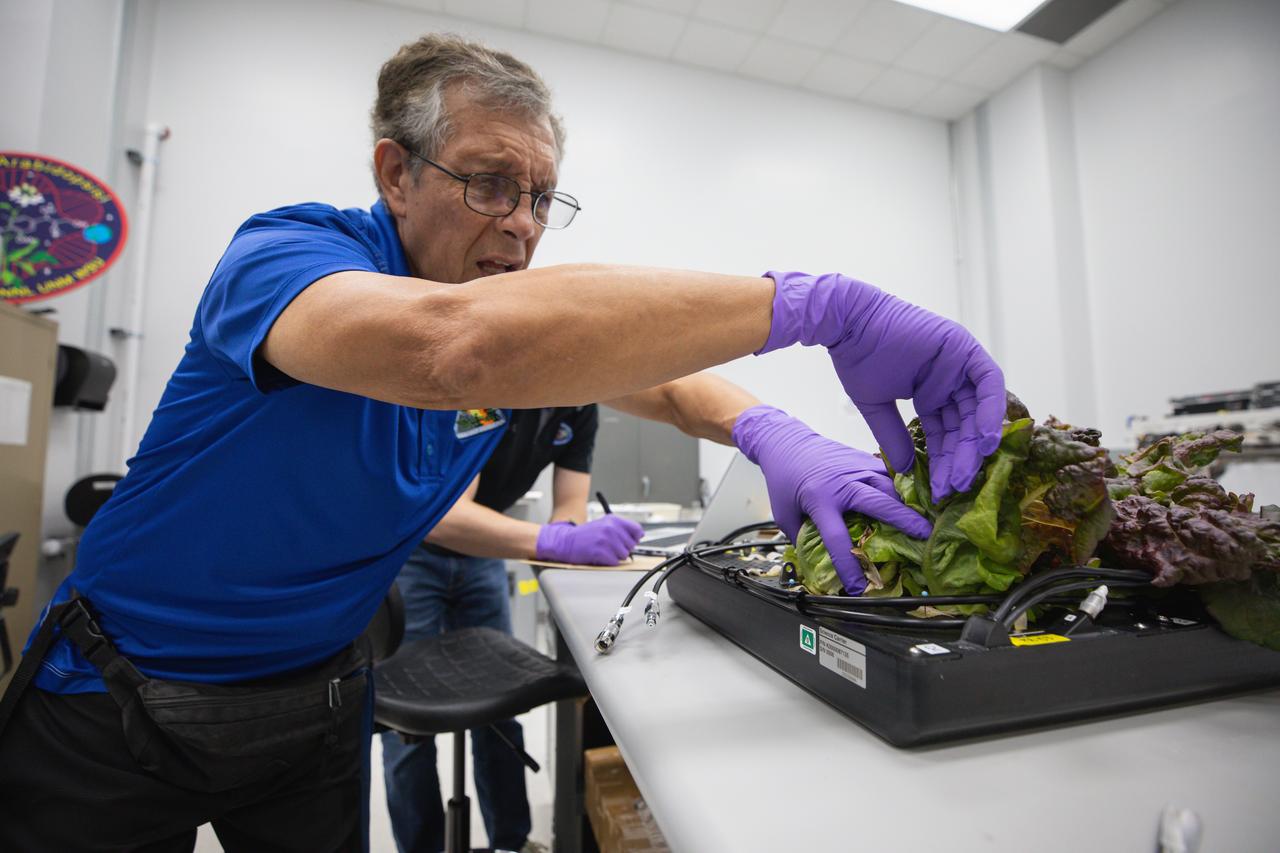
Space crop production scientist Oscar Monje harvests Outredgeous romaine lettuce for preflight testing of the Plant Habitat-07 (PH-07) experiment inside a laboratory at the Space Systems Processing Facility at NASA’s Kennedy Space Center in Florida on Thursday, Aug. 29, 2024. PH-07 will be sent to the International Space Station on NASA’s SpaceX 31st commercial resupply services mission to study how optimal and suboptimal moisture conditions impact plant growth, nutrient content, and the plant microbiome.
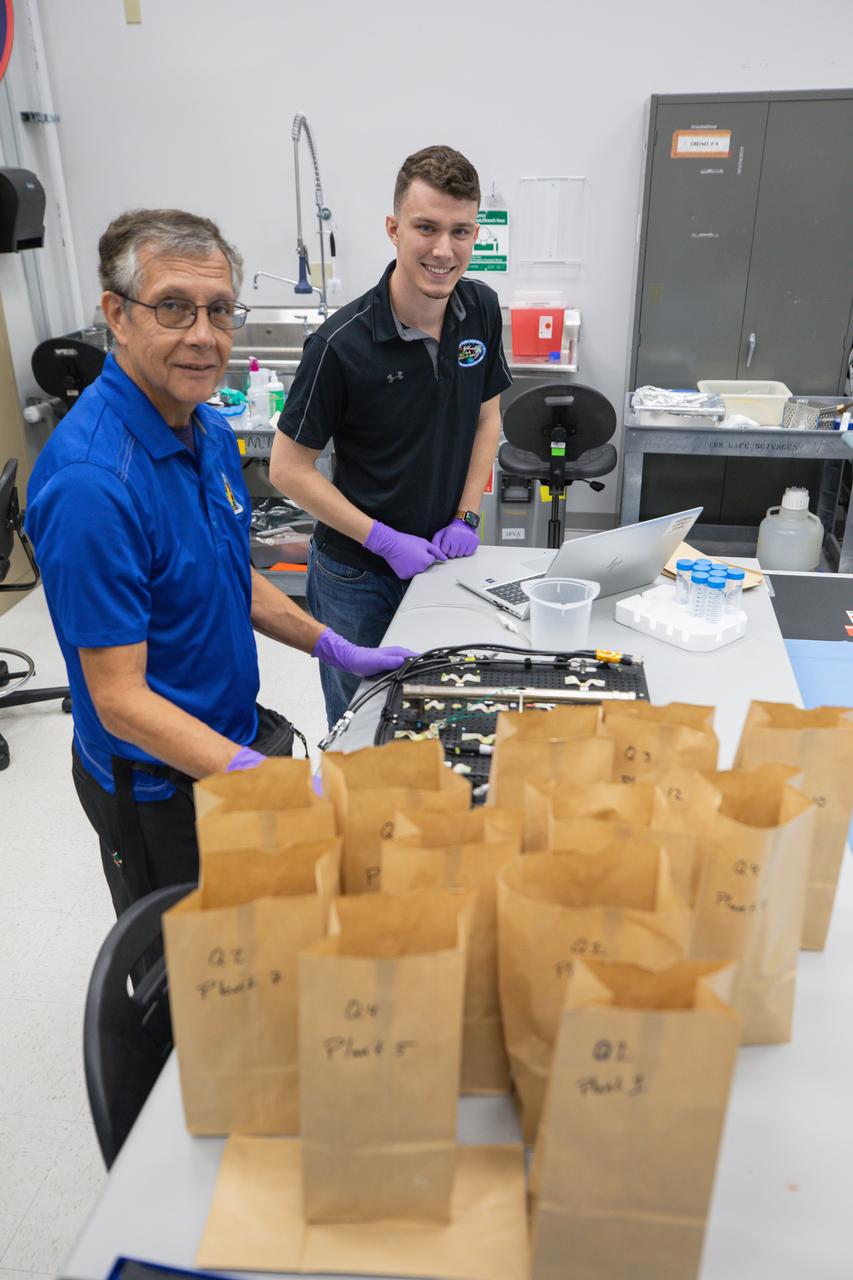
Space crop production scientists Oscar Monje (left) and Blake Costine harvest Outredgeous romaine lettuce for preflight testing of the Plant Habitat-07 (PH-07) experiment inside a laboratory at the Space Systems Processing Facility at NASA’s Kennedy Space Center in Florida on Thursday, Aug. 29, 2024. PH-07 will be sent to the International Space Station on NASA’s SpaceX 31st commercial resupply services mission to study how optimal and suboptimal moisture conditions impact plant growth, nutrient content, and the plant microbiome.
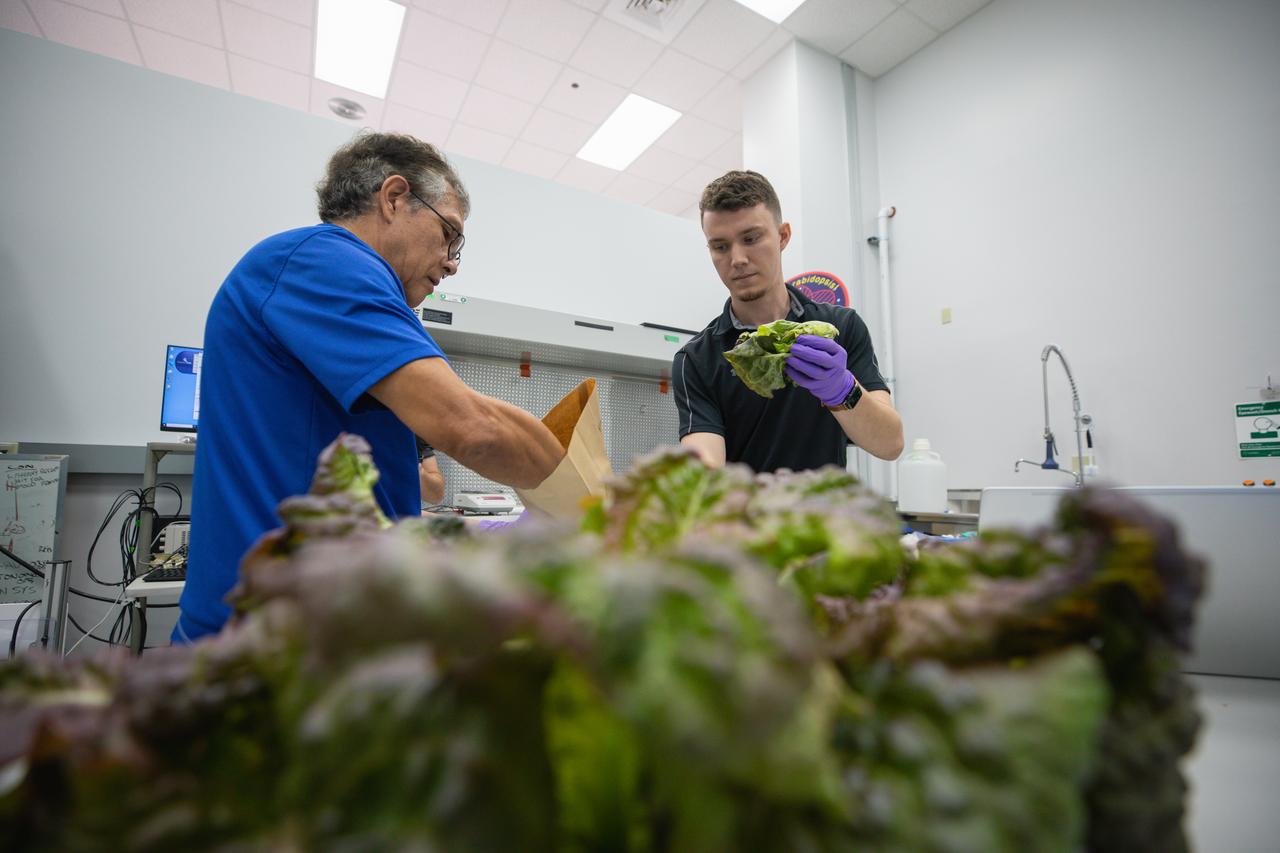
Space crop production scientists Oscar Monje (left) and Blake Costine harvest Outredgeous romaine lettuce for preflight testing of the Plant Habitat-07 (PH-07) experiment inside a laboratory at the Space Systems Processing Facility at NASA’s Kennedy Space Center in Florida on Thursday, Aug. 29, 2024. PH-07 will be sent to the International Space Station on NASA’s SpaceX 31st commercial resupply services mission to study how optimal and suboptimal moisture conditions impact plant growth, nutrient content, and the plant microbiome.
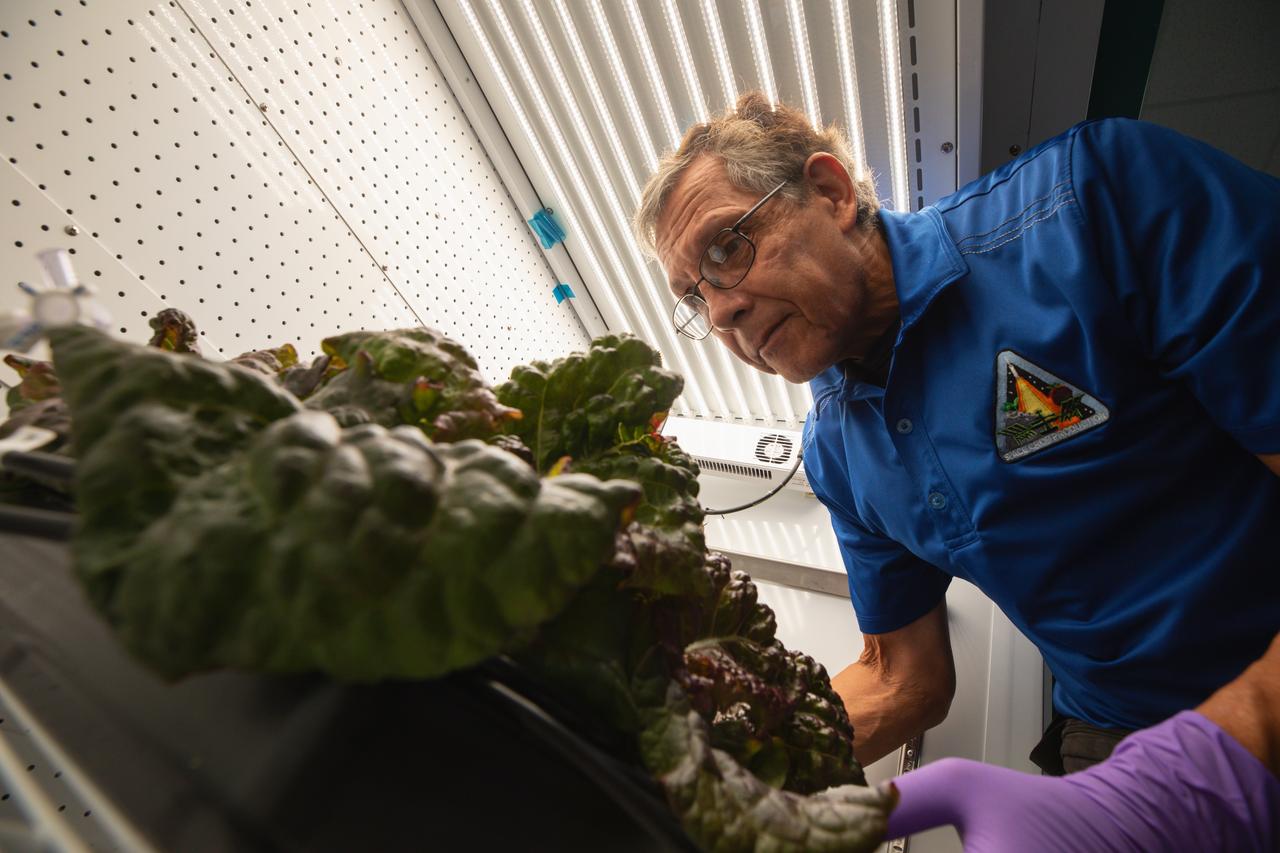
Space crop production scientist Oscar Monje harvests Outredgeous romaine lettuce for preflight testing of the Plant Habitat-07 (PH-07) experiment inside a laboratory at the Space Systems Processing Facility at NASA’s Kennedy Space Center in Florida on Thursday, Aug. 29, 2024. PH-07 will be sent to the International Space Station on NASA’s SpaceX 31st commercial resupply services mission to study how optimal and suboptimal moisture conditions impact plant growth, nutrient content, and the plant microbiome.

Karl Hasenstein, the principal investigator for the Plant Habitat-02, or PH-02, plants radish seeds in seed carriers for the Addvanced Plant Habitat (APH) in the Space Life Sciences Lab at Kennedy Space Center on Sept. 23, 2020. The carriers will fly aboard Northrop Grumman’s 14th commercial resupply services mission to the International Space Station. The launch, aboard Northrop Grumman’s Cygnus spacecraft, is targeted for Sept. 29 from NASA’s Wallops Flight Facility in Virginia. Astronauts will grow radish plants in the APH, NASA’s largest and most advanced growth chamber on station.

Karl Hasenstein, the principal investigator for the Plant Habitat-02, or PH-02, plants radish seeds in seed carriers for the Addvanced Plant Habitat (APH) in the Space Life Sciences Lab at Kennedy Space Center on Sept. 23, 2020. The carriers will fly aboard Northrop Grumman’s 14th commercial resupply services mission to the International Space Station. The launch, aboard Northrop Grumman’s Cygnus spacecraft, is targeted for Sept. 29 from NASA’s Wallops Flight Facility in Virginia. Astronauts will grow radish plants in the APH, NASA’s largest and most advanced growth chamber on station.

Karl Hasenstein, the principal investigator for the Plant Habitat-02, or PH-02, plants radish seeds in seed carriers for the Addvanced Plant Habitat (APH) in the Space Life Sciences Lab at Kennedy Space Center on Sept. 23, 2020. The carriers will fly aboard Northrop Grumman’s 14th commercial resupply services mission to the International Space Station. The launch, aboard Northrop Grumman’s Cygnus spacecraft, is targeted for Sept. 29 from NASA’s Wallops Flight Facility in Virginia. Astronauts will grow radish plants in the APH, NASA’s largest and most advanced growth chamber on station.

Karl Hasenstein, the principal investigator for the Plant Habitat-02, or PH-02, plants radish seeds in seed carriers for the Addvanced Plant Habitat (APH) in the Space Life Sciences Lab at Kennedy Space Center on Sept. 23, 2020. The carriers will fly aboard Northrop Grumman’s 14th commercial resupply services mission to the International Space Station. The launch, aboard Northrop Grumman’s Cygnus spacecraft, is targeted for Sept. 29 from NASA’s Wallops Flight Facility in Virginia. Astronauts will grow radish plants in the APH, NASA’s largest and most advanced growth chamber on station.

Karl Hasenstein, the principal investigator for the Plant Habitat-02, or PH-02, plants radish seeds in seed carriers for the Addvanced Plant Habitat (APH) in the Space Life Sciences Lab at Kennedy Space Center on Sept. 23, 2020. The carriers will fly aboard Northrop Grumman’s 14th commercial resupply services mission to the International Space Station. The launch, aboard Northrop Grumman’s Cygnus spacecraft, is targeted for Sept. 29 from NASA’s Wallops Flight Facility in Virginia. Astronauts will grow radish plants in the APH, NASA’s largest and most advanced growth chamber on station.

Karl Hasenstein, the principal investigator for the Plant Habitat-02, or PH-02, plants radish seeds in seed carriers for the Addvanced Plant Habitat (APH) in the Space Life Sciences Lab at Kennedy Space Center on Sept. 23, 2020. The carriers will fly aboard Northrop Grumman’s 14th commercial resupply services mission to the International Space Station. The launch, aboard Northrop Grumman’s Cygnus spacecraft, is targeted for Sept. 29 from NASA’s Wallops Flight Facility in Virginia. Astronauts will grow radish plants in the APH, NASA’s largest and most advanced growth chamber on station.

Karl Hasenstein, the principal investigator for the Plant Habitat-02, or PH-02, plants radish seeds in seed carriers for the Addvanced Plant Habitat (APH) in the Space Life Sciences Lab at Kennedy Space Center on Sept. 23, 2020. The carriers will fly aboard Northrop Grumman’s 14th commercial resupply services mission to the International Space Station. The launch, aboard Northrop Grumman’s Cygnus spacecraft, is targeted for Sept. 29 from NASA’s Wallops Flight Facility in Virginia. Astronauts will grow radish plants in the APH, NASA’s largest and most advanced growth chamber on station.

Karl Hasenstein, the principal investigator for the Plant Habitat-02, or PH-02, plants radish seeds in seed carriers for the Addvanced Plant Habitat (APH) in the Space Life Sciences Lab at Kennedy Space Center on Sept. 23, 2020. The carriers will fly aboard Northrop Grumman’s 14th commercial resupply services mission to the International Space Station. The launch, aboard Northrop Grumman’s Cygnus spacecraft, is targeted for Sept. 29 from NASA’s Wallops Flight Facility in Virginia. Astronauts will grow radish plants in the APH, NASA’s largest and most advanced growth chamber on station.

Karl Hasenstein, the principal investigator for the Plant Habitat-02, or PH-02, plants radish seeds in seed carriers for the Addvanced Plant Habitat (APH) in the Space Life Sciences Lab at Kennedy Space Center on Sept. 23, 2020. The carriers will fly aboard Northrop Grumman’s 14th commercial resupply services mission to the International Space Station. The launch, aboard Northrop Grumman’s Cygnus spacecraft, is targeted for Sept. 29 from NASA’s Wallops Flight Facility in Virginia. Astronauts will grow radish plants in the APH, NASA’s largest and most advanced growth chamber on station.

Karl Hasenstein, the principal investigator for the Plant Habitat-02, or PH-02, plants radish seeds in seed carriers for the Addvanced Plant Habitat (APH) in the Space Life Sciences Lab at Kennedy Space Center on Sept. 23, 2020. The carriers will fly aboard Northrop Grumman’s 14th commercial resupply services mission to the International Space Station. The launch, aboard Northrop Grumman’s Cygnus spacecraft, is targeted for Sept. 29 from NASA’s Wallops Flight Facility in Virginia. Astronauts will grow radish plants in the APH, NASA’s largest and most advanced growth chamber on station.

Inside the Space Life Sciences Lab at NASA’s Kennedy Space Center in Florida, researchers plant pepper seeds in a science carrier on April 8, 2021, in preparation for the Plant Habitat-04 (PH-04) experiment. The seeds will fly to the International Space Station on SpaceX’s 22nd Commercial Resupply Services (CRS-22) mission. When the experiment starts, astronauts will grow the pepper seeds in the Advanced Plant Habitat (APH) growth chamber, which will monitor the experiment with more than 180 sensors. The astronauts will observe plant growth for about four months and conduct two harvests to study whether microgravity affects growth, flavor, or texture. Since peppers take longer to germinate, grow, and develop than previous crops grown in space, the PH-04 experiment also will test the durability and reliability of the various systems within the APH.

A researcher from NASA’s Kennedy Space Center in Florida prepares pepper seeds for planting inside science carriers on April 8, 2021, inside the Space Life Sciences Lab for the Plant Habitat-04 (PH-04) experiment. The seeds will fly to the International Space Station on SpaceX’s 22nd Commercial Resupply Services (CRS-22) mission. When the experiment starts, astronauts will grow the pepper seeds in the Advanced Plant Habitat (APH) growth chamber, which will monitor the experiment with more than 180 sensors. The astronauts will observe plant growth for about four months and conduct two harvests to study whether microgravity affects growth, flavor, or texture. Since peppers take longer to germinate, grow, and develop than previous crops grown in space, the PH-04 experiment also will test the durability and reliability of the various systems within the APH.

A researcher from NASA’s Kennedy Space Center in Florida prepares pepper seeds for planting inside science carriers on April 8, 2021, inside the Space Life Sciences Lab for the Plant Habitat-04 (PH-04) experiment. The seeds will fly to the International Space Station on SpaceX’s 22nd Commercial Resupply Services (CRS-22) mission. When the experiment starts, astronauts will grow the pepper seeds in the Advanced Plant Habitat (APH) growth chamber, which will monitor the experiment with more than 180 sensors. The astronauts will observe plant growth for about four months and conduct two harvests to study whether microgravity affects growth, flavor, or texture. Since peppers take longer to germinate, grow, and develop than previous crops grown in space, the PH-04 experiment also will test the durability and reliability of the various systems within the APH.

Inside the Space Life Sciences Lab at NASA’s Kennedy Space Center in Florida, a researcher plants pepper seeds in science carriers on April 8, 2021, in preparation for the Plant Habitat-04 (PH-04) experiment. The seeds will fly to the International Space Station on SpaceX’s 22nd Commercial Resupply Services (CRS-22) mission. When the experiment starts, astronauts will grow the pepper seeds in the Advanced Plant Habitat (APH) growth chamber, which will monitor the experiment with more than 180 sensors. The astronauts will observe plant growth for about four months and conduct two harvests to study whether microgravity affects growth, flavor, or texture. Since peppers take longer to germinate, grow, and develop than previous crops grown in space, the PH-04 experiment also will test the durability and reliability of the various systems within the APH.

A close-up photo of a pepper seed prepared by researchers at NASA’s Kennedy Space Center in Florida is shown before it’s planted inside a science carrier on April 8, 2021, inside the Space Life Sciences Lab for the Plant Habitat-04 (PH-04) experiment. The seeds will fly to the International Space Station on SpaceX’s 22nd Commercial Resupply Services (CRS-22) mission. When the experiment starts, astronauts will grow the pepper seeds in the Advanced Plant Habitat (APH) growth chamber, which will monitor the experiment with more than 180 sensors. The astronauts will observe plant growth for about four months and conduct two harvests to study whether microgravity affects growth, flavor, or texture. Since peppers take longer to germinate, grow, and develop than previous crops grown in space, the PH-04 experiment also will test the durability and reliability of the various systems within the APH.

A researcher from NASA’s Kennedy Space Center in Florida prepares pepper seeds for planting inside science carriers on April 8, 2021, inside the Space Life Sciences Lab for the Plant Habitat-04 (PH-04) experiment. The seeds will fly to the International Space Station on SpaceX’s 22nd Commercial Resupply Services (CRS-22) mission. When the experiment starts, astronauts will grow the pepper seeds in the Advanced Plant Habitat (APH) growth chamber, which will monitor the experiment with more than 180 sensors. The astronauts will observe plant growth for about four months and conduct two harvests to study whether microgravity affects growth, flavor, or texture. Since peppers take longer to germinate, grow, and develop than previous crops grown in space, the PH-04 experiment also will test the durability and reliability of the various systems within the APH.
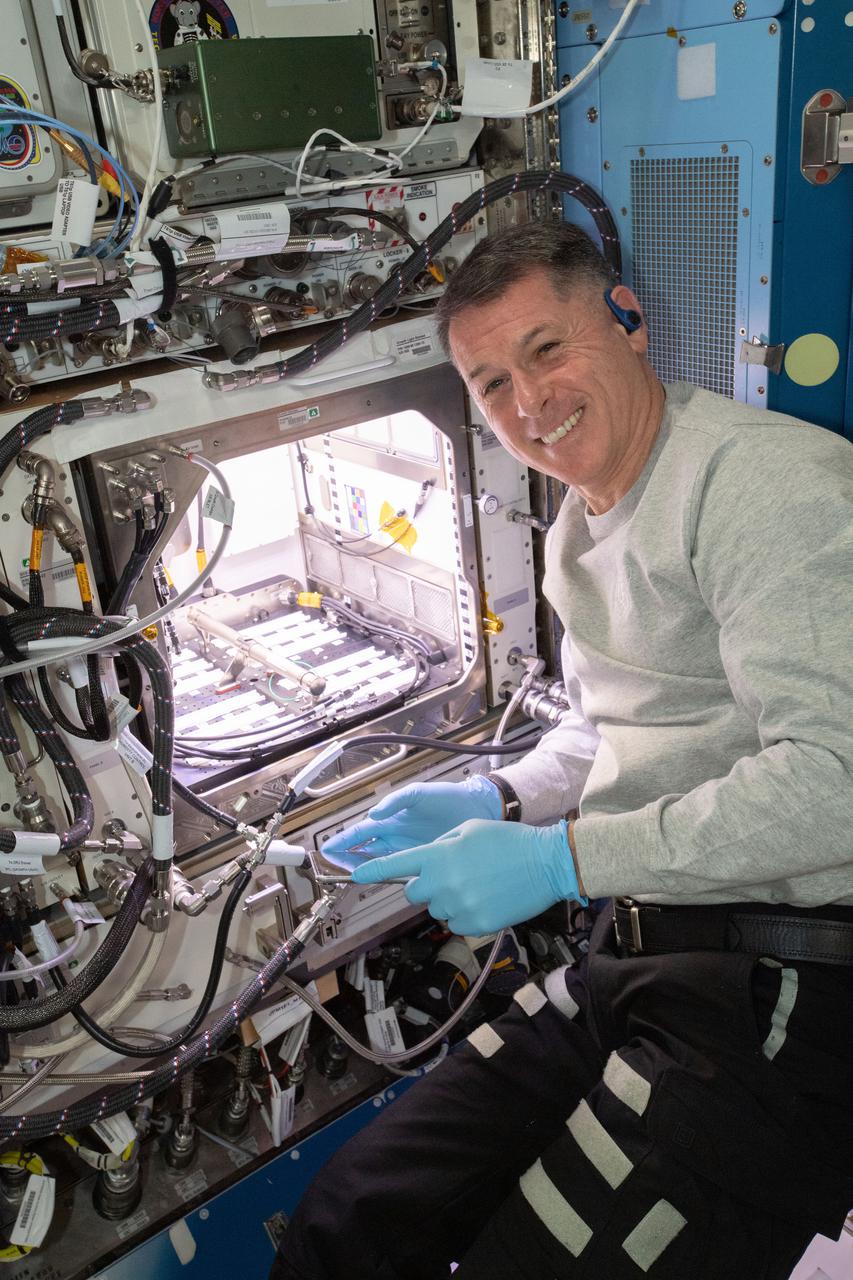
(iss065e163671) July 12, 2021 --- NASA astronaut and Expedition 65 Flight Engineer Shane Kimbrough inserts a device called a science carrier into the Advanced Plant Habitat (APH), which contains 48 Hatch chile pepper seeds NASA started growing on July 12, 2021 as part of the Plant Habitat-04 experiment. Astronauts on station and a team of researchers at Kennedy will work together to monitor the peppers’ growth for about four months before harvesting them. This will be one of the longest and most challenging plant experiments attempted aboard the orbital lab.
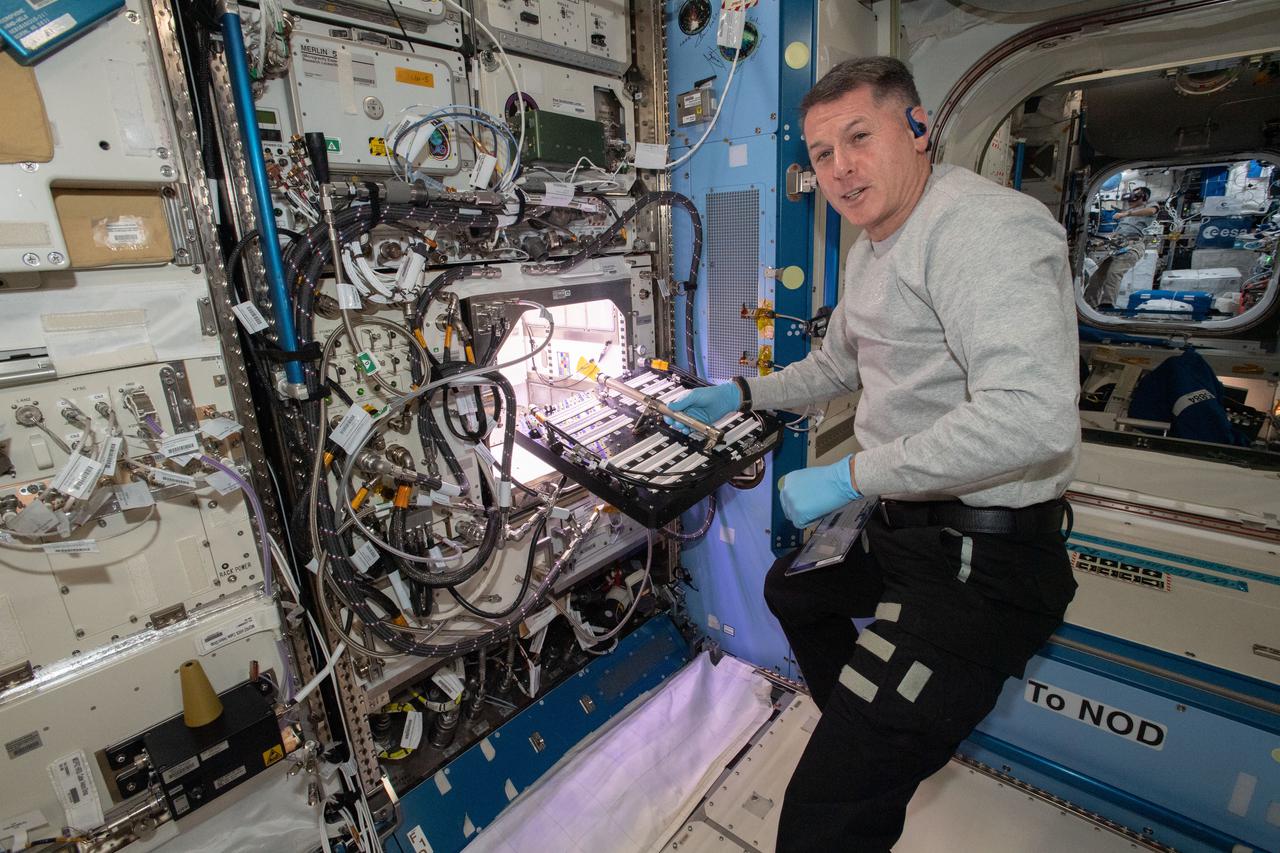
(iss065e163668) July 12, 2021 --- NASA astronaut and Expedition 65 Flight Engineer Shane Kimbrough inserts a device called a science carrier into the Advanced Plant Habitat (APH), which contains 48 Hatch chile pepper seeds NASA started growing on July 12, 2021 as part of the Plant Habitat-04 experiment. Astronauts on station and a team of researchers at Kennedy will work together to monitor the peppers’ growth for about four months before harvesting them. This will be one of the longest and most challenging plant experiments attempted aboard the orbital lab.
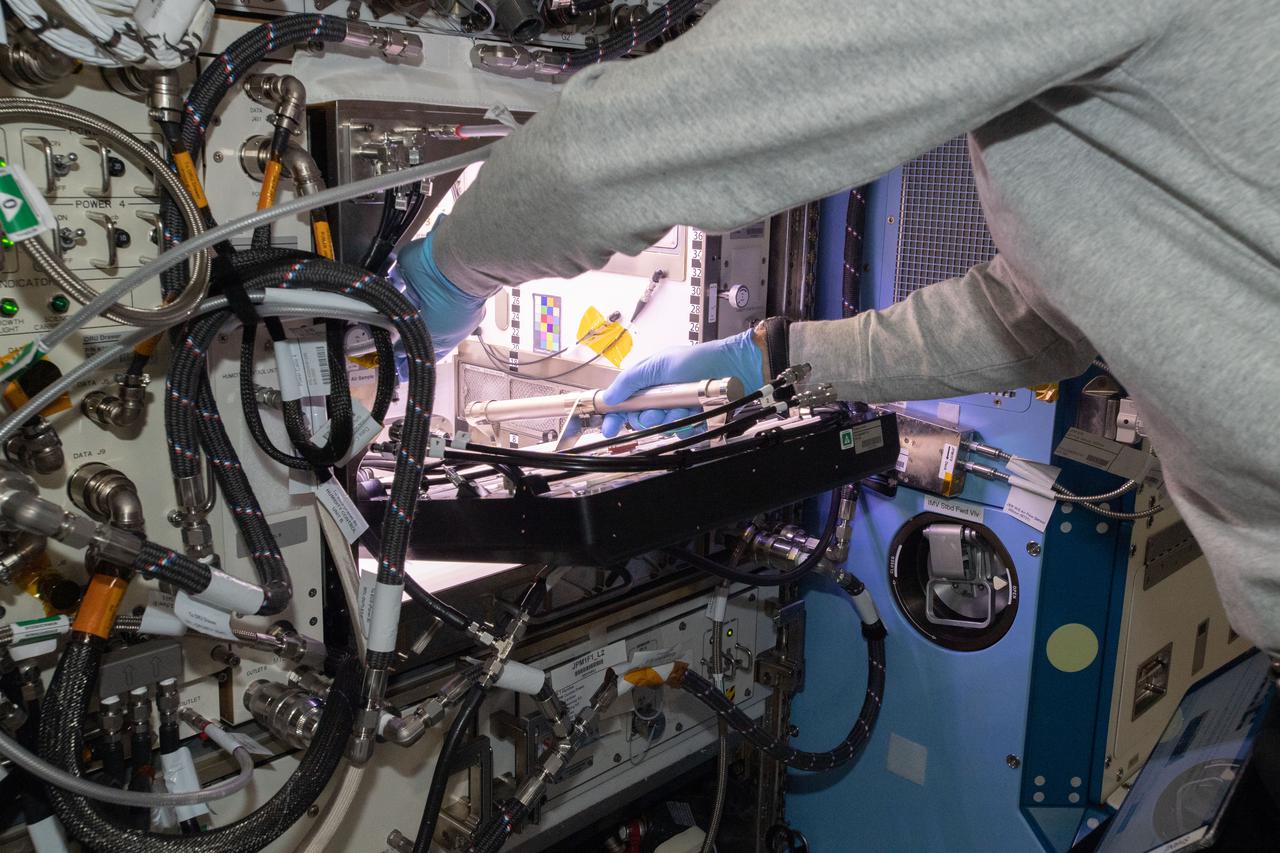
(iss065e163669) July 12, 2021 --- NASA astronaut and Expedition 65 Flight Engineer Shane Kimbrough inserts a device called a science carrier into the Advanced Plant Habitat (APH), which contains 48 Hatch chili pepper seeds NASA started growing on July 12, 2021 as part of the Plant Habitat-04 experiment. Astronauts on station and a team of researchers at Kennedy will work together to monitor the peppers’ growth for about four months before harvesting them. This will be one of the longest and most challenging plant experiments attempted aboard the orbital lab.