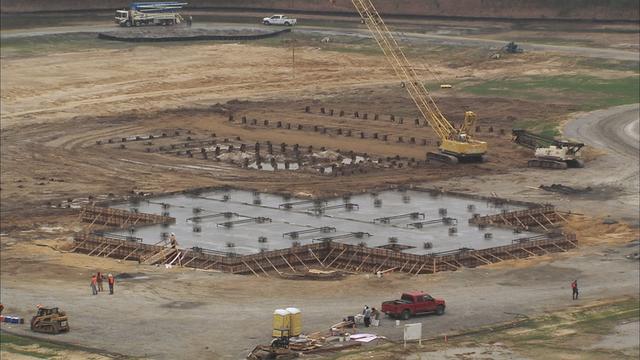
THIS IMAGE DOCUMENTS THE DEVELOPMENT AND CONSTRUCTION OF THE A3 TEST STAND IN SUPPORT OF THE ARES/CLV UPPER STAGE ENGINE DEVELOPMENT AT STENNIS SPACE CENTER, MISSIPPI IN SUPPORT OF THE DEVELOPMENT OF THE CONSTELLATION/ARES PROJECT. THIS IMAGE IS EXTRACTED FROM A HIGH DEFINITION VIDEO FILE AND IS THE HIGHEST RESOLUTION AVAILABLE
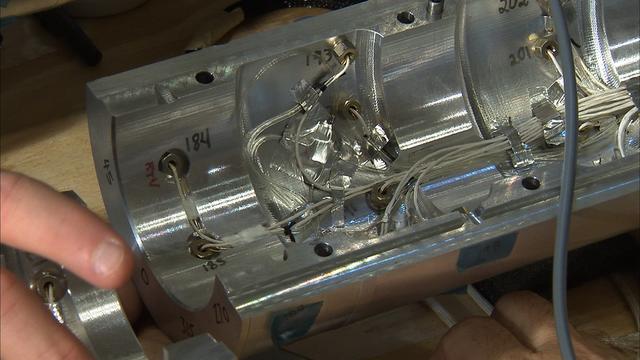
Shown is testing of a 3.5% Ares 1-X buffet model at the transonic wind tunnel at Langley Research Center, Virginia in support of the Ares/Constellation program. This image is extracted from high definition video and is the highest resolution available
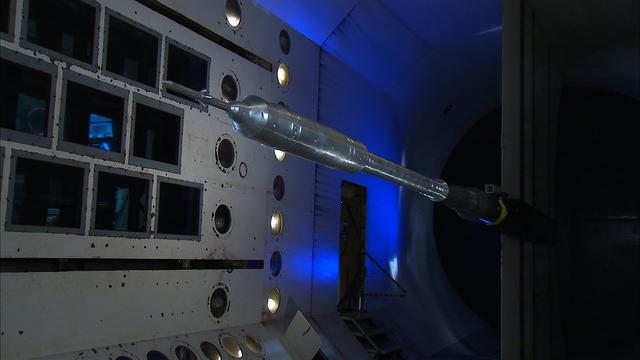
Shown is testing of a 3.5% Ares 1-X buffet model at the transonic wind tunnel at Langley Research Center, Virginia in support of the Ares/Constellation program. This image is extracted from high definition video and is the highest resolution available.
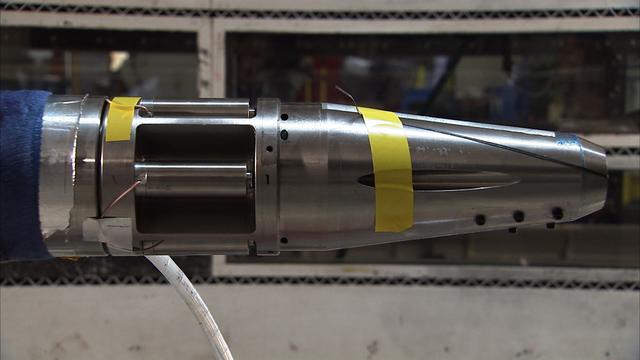
Active damper wind tunnel test in support of the development of Constellation/Ares. Testing of the 1% and .548% models for active damper and wall interference assessment in support of the Ares/CLV integrated vehicle. This test occurred at the 11 foot wind tunnel at the Ames Research Center, California. This image is extracted from high definition video file and is the highest resolution available.
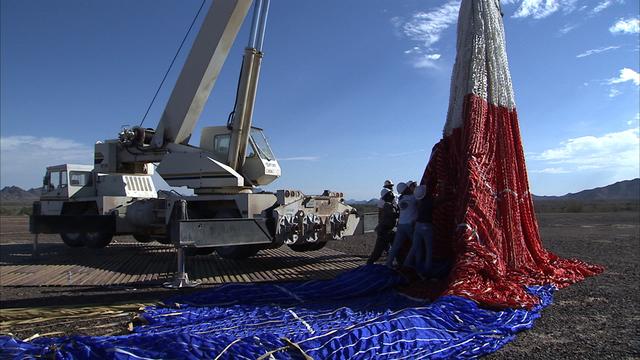
Shown is the testing of the Main Parachute for the Ares/CLV first stage in support of the Ares/Constellation program at the Yuma Proving Ground, Arizona. This image is extracted from high definition video and is the highest resolution available.
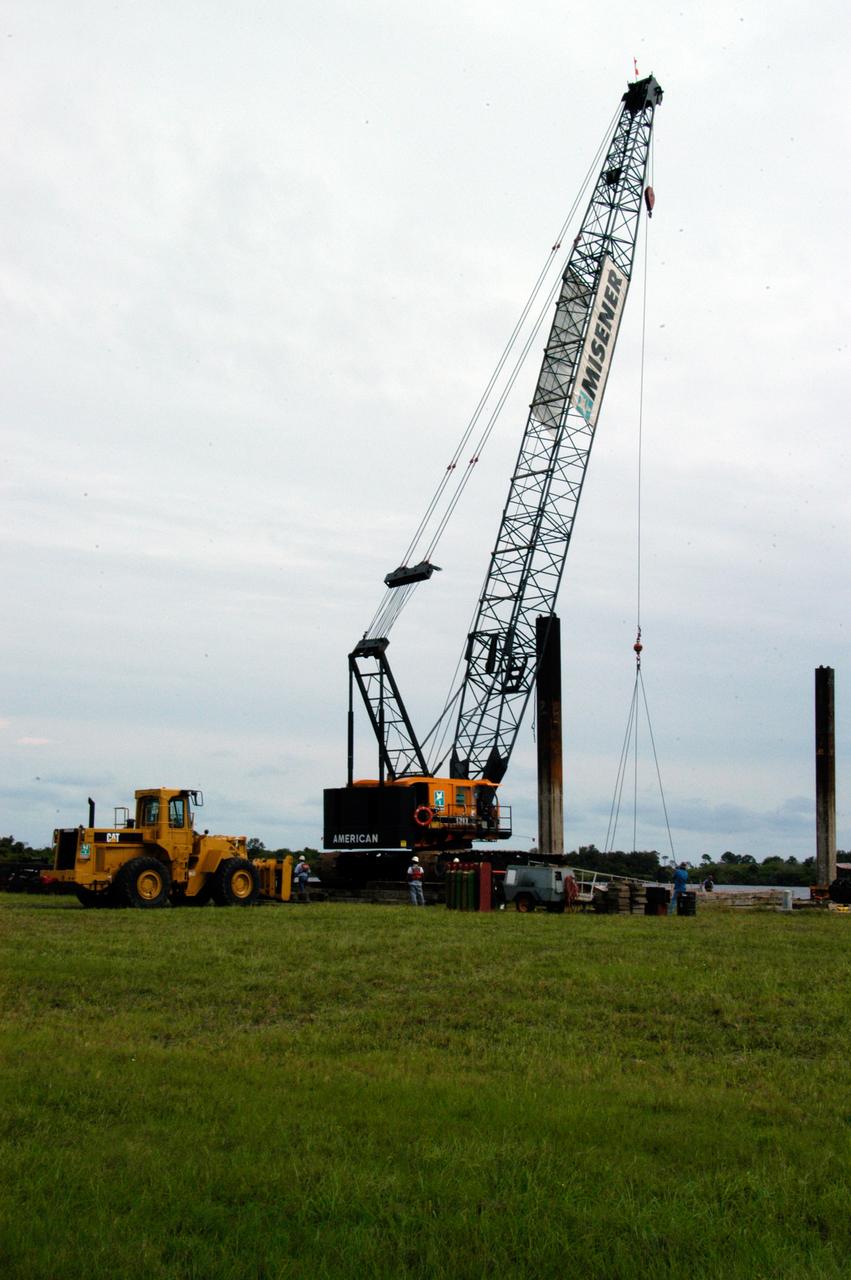
A large crawler crane arrives at the turn basin at the Launch Complex 39 Area on NASA's Kennedy Space Center. The crane with its 70-foot boom will be moved to Launch Pad 39B and used to construct a new lightning protection system for the Constellation Program and Ares/Orion launches. Pad B will be the site of the first Ares vehicle launch, including Ares I-X which is scheduled for April 2009.
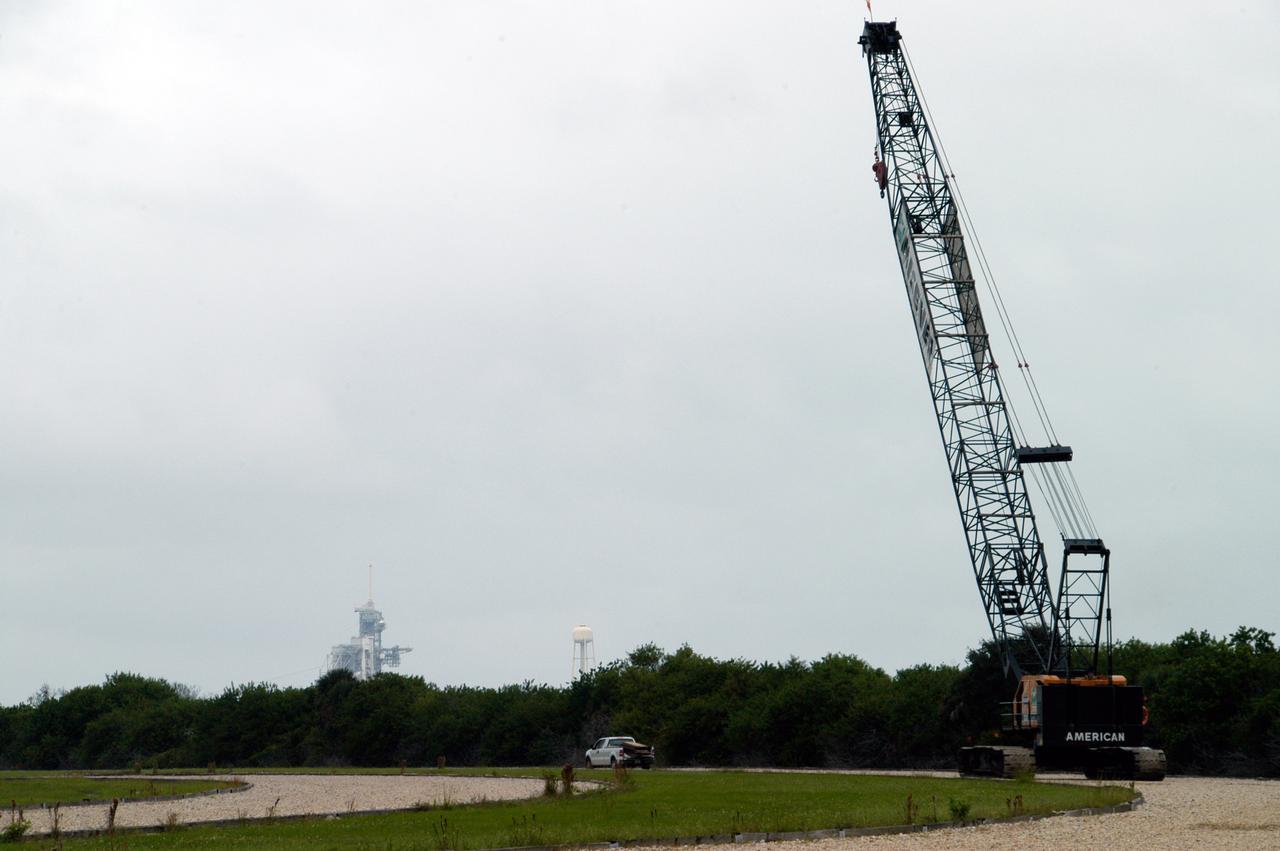
A large crawler crane traveling long one of the crawlerway tracks makes the turn toward Launch Pad 39B. The crane with its 70-foot boom will be used to construct a new lightning protection system for the Constellation Program and Ares/Orion launches. Pad B will be the site of the first Ares vehicle launch, including Ares I-X which is scheduled for April 2009.
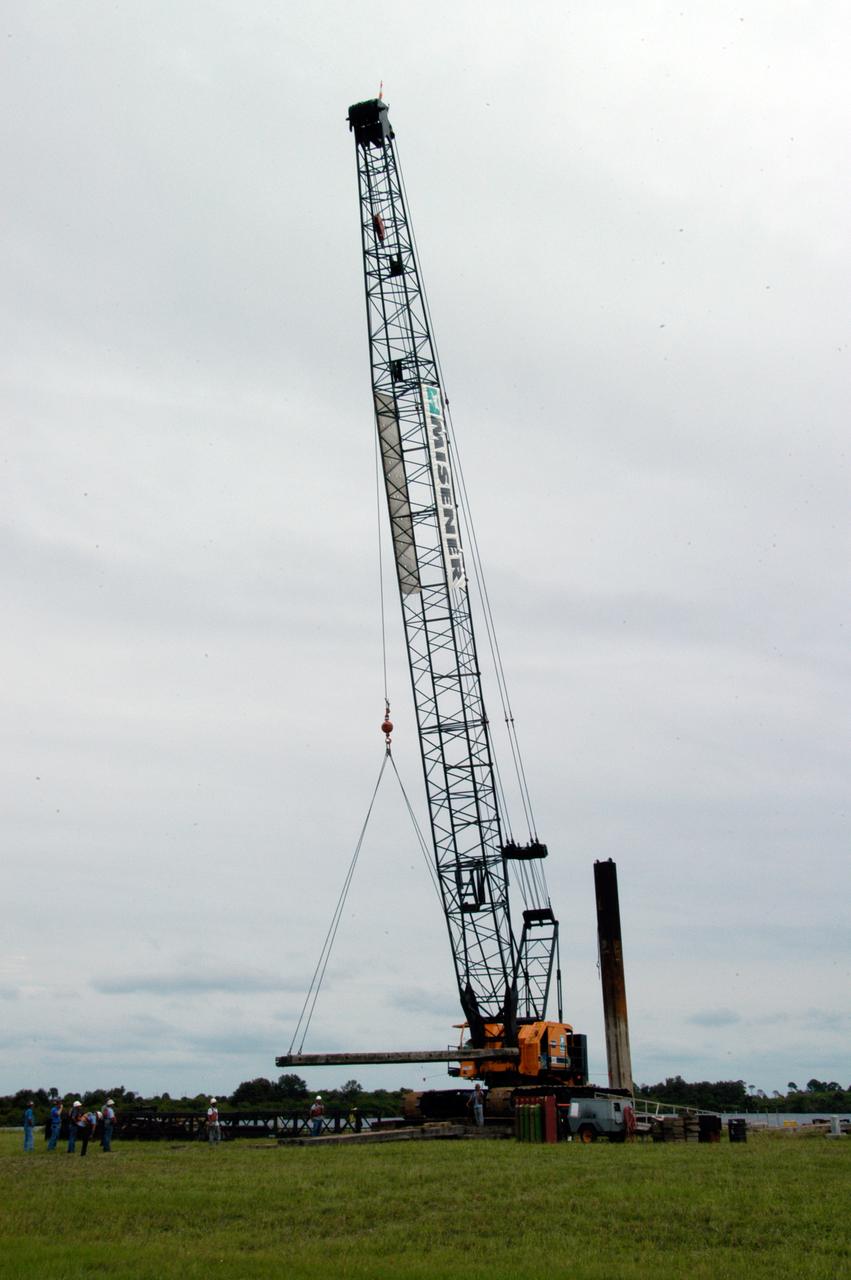
A large crawler crane arrives at the turn basin at the Launch Complex 39 Area on NASA's Kennedy Space Center. The crane with its 70-foot boom will be moved to Launch Pad 39B and used to construct a new lightning protection system for the Constellation Program and Ares/Orion launches. Pad B will be the site of the first Ares vehicle launch, including Ares I-X which is scheduled for April 2009.
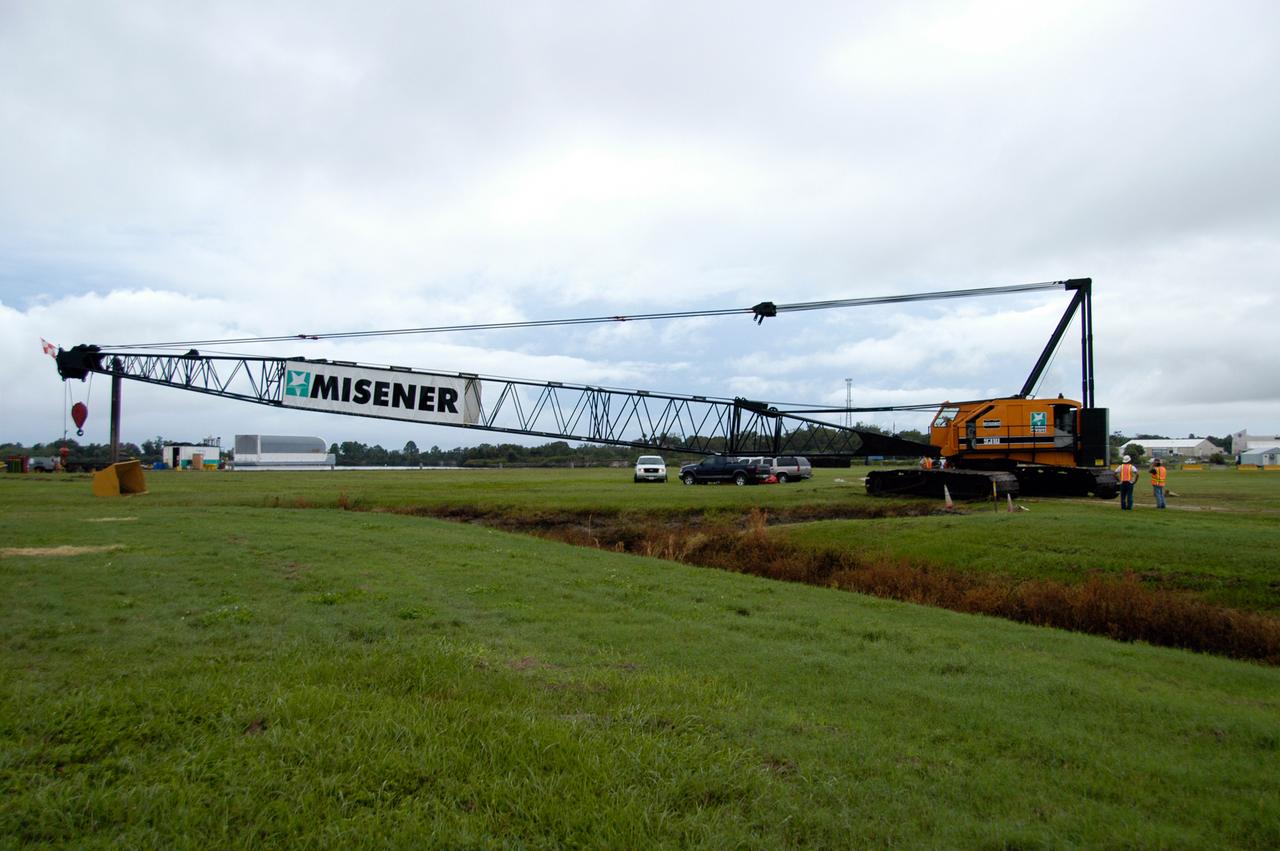
A large crawler crane begins moving away from the turn basin at the Launch Complex 39 Area on NASA's Kennedy Space Center. The crane with its 70-foot boom will be moved to Launch Pad 39B and used to construct a new lightning protection system for the Constellation Program and Ares/Orion launches. Pad B will be the site of the first Ares vehicle launch, including Ares I-X which is scheduled for April 2009.
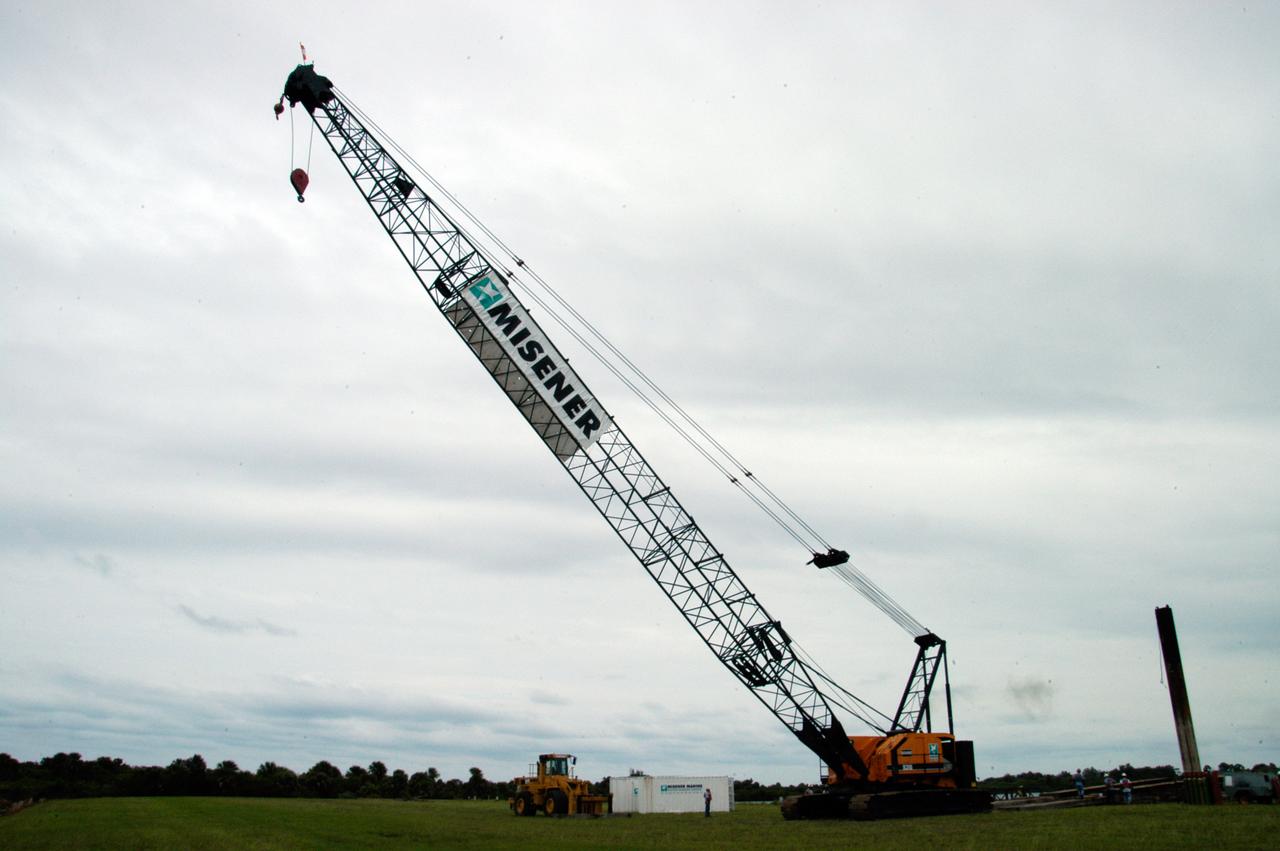
A large crawler crane begins moving away from the turn basin at the Launch Complex 39 Area on NASA's Kennedy Space Center. The crane with its 70-foot boom will be moved to Launch Pad 39B and used to construct a new lightning protection system for the Constellation Program and Ares/Orion launches. Pad B will be the site of the first Ares vehicle launch, including Ares I-X which is scheduled for April 2009.
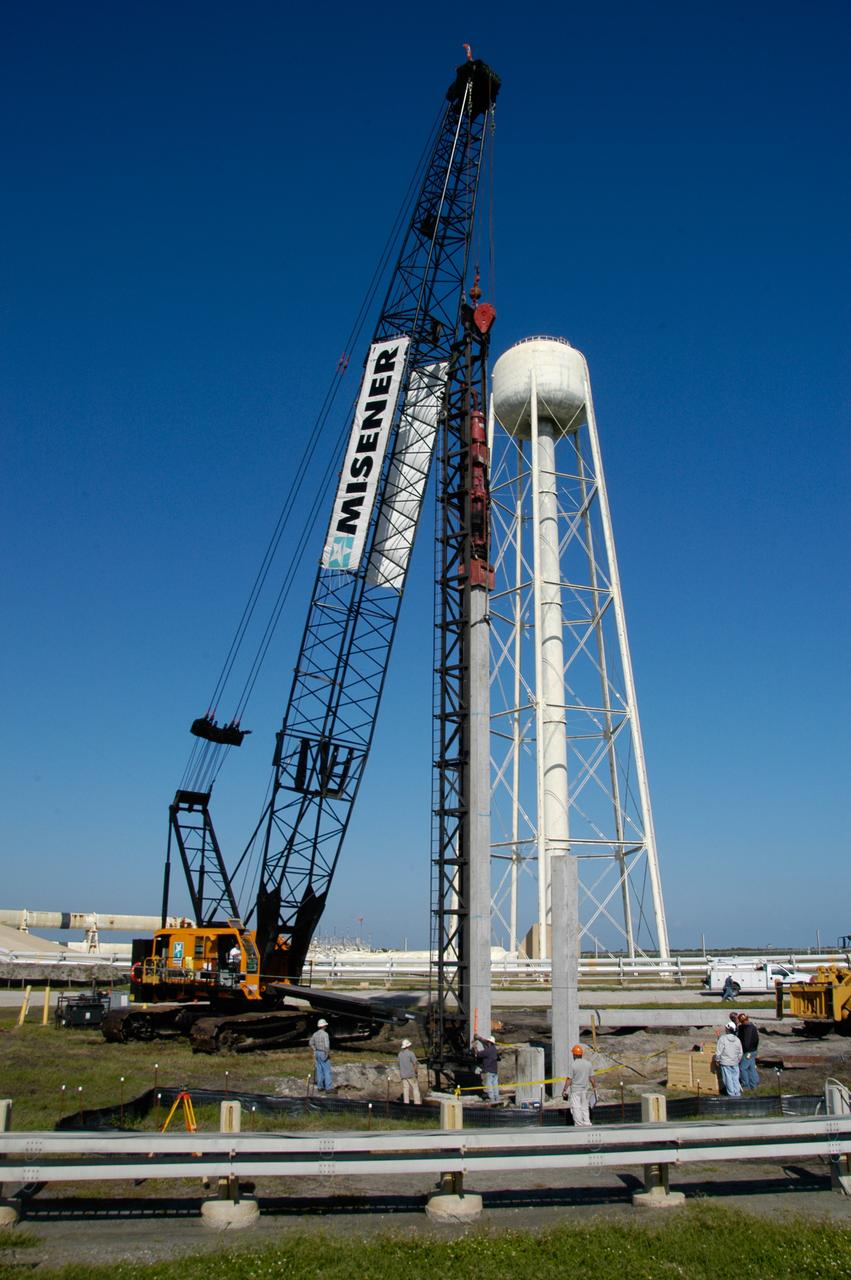
On Launch Pad 39B at NASA's Kennedy Space Center, the crane crawler puts a piling into place to be pounded into the ground to help construct lightning towers for the Constellation Program and Ares/Orion launches. Pad B will be the site of the first Ares vehicle launch, including Ares I-X which is scheduled for April 2009.

On Launch Pad 39B at NASA's Kennedy Space Center, the crane crawler lifts a piling off a truck. The piling will be pounded into the ground to help construct lightning towers for the Constellation Program and Ares/Orion launches. Pad B will be the site of the first Ares vehicle launch, including Ares I-X which is scheduled for April 2009.
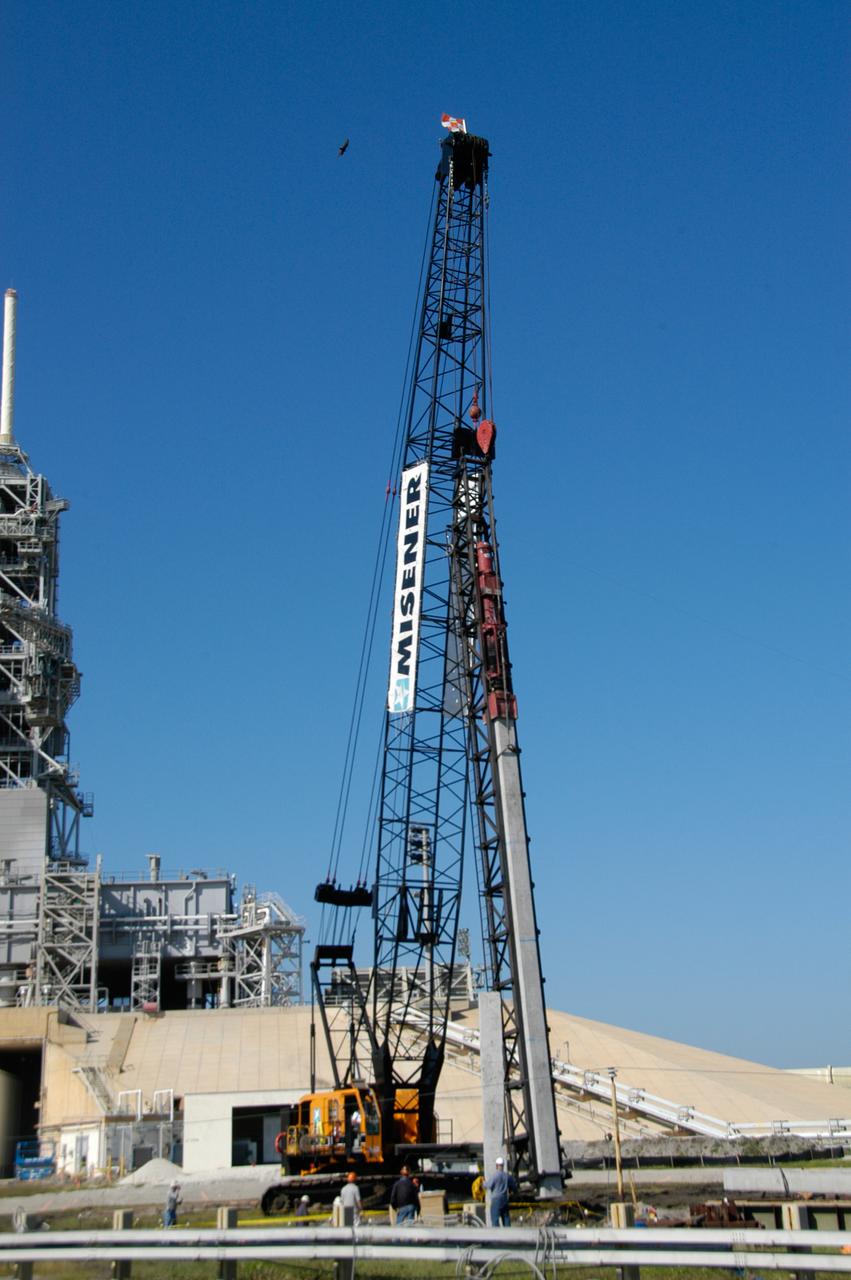
On Launch Pad 39B at NASA's Kennedy Space Center, the crane crawler lifts a piling into place to be pounded into the ground to help construct lightning towers for the Constellation Program and Ares/Orion launches. Pad B will be the site of the first Ares vehicle launch, including Ares I-X which is scheduled for April 2009.
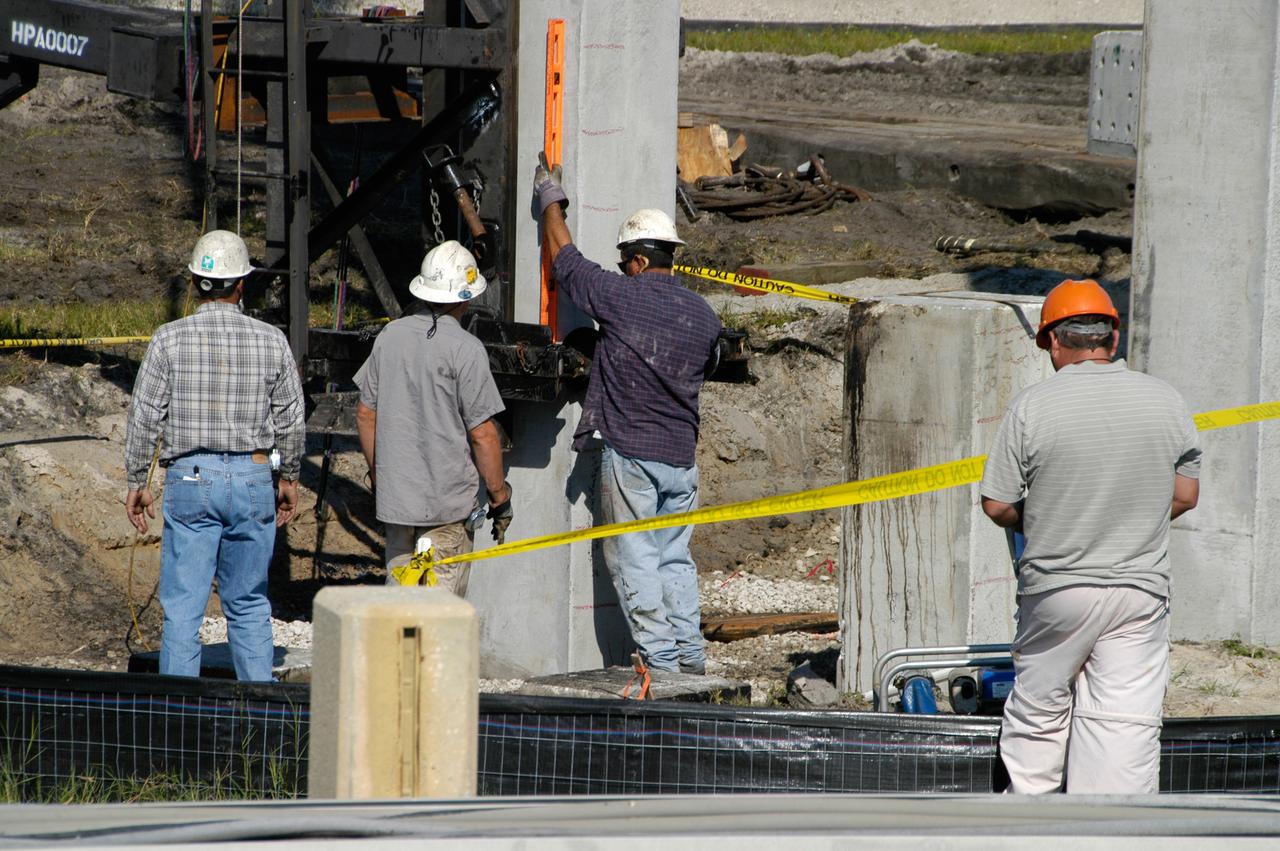
On Launch Pad 39B at NASA's Kennedy Space Center, workers measure the piling being pounded into the ground to help construct lightning towers for the Constellation Program and Ares/Orion launches. Pad B will be the site of the first Ares vehicle launch, including Ares I-X which is scheduled for April 2009.
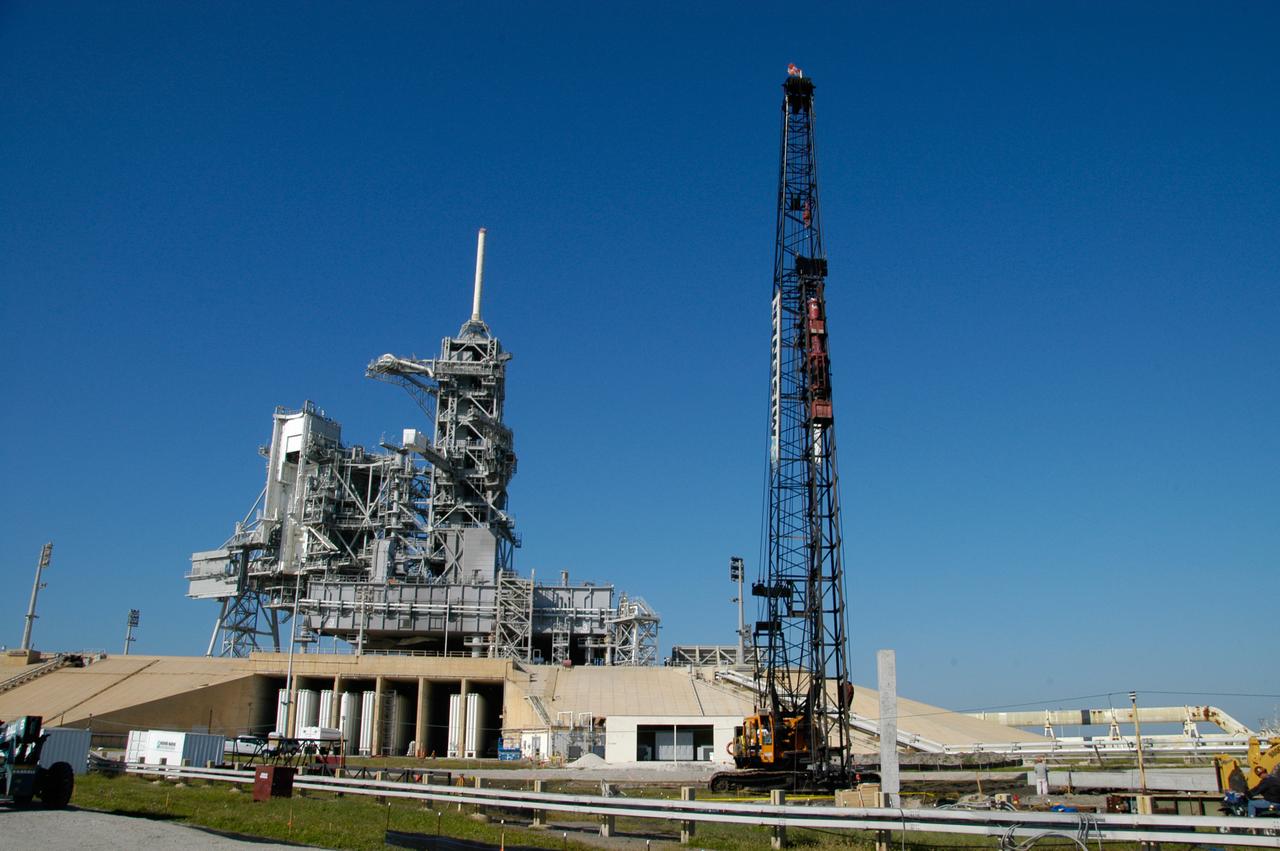
On Launch Pad 39B at NASA's Kennedy Space Center, pilings are being pounded into the ground to help construct lightning towers for the Constellation Program and Ares/Orion launches. Pad B will be the site of the first Ares vehicle launch, including Ares I-X which is scheduled for April 2009.
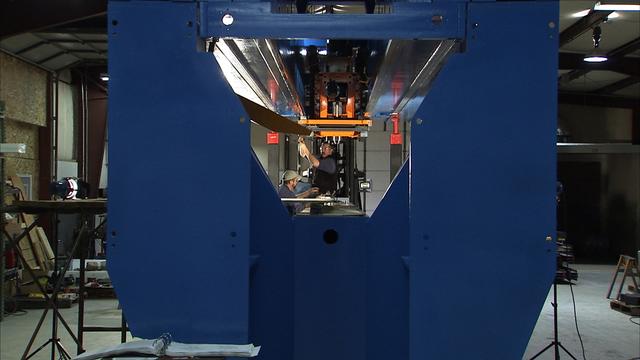
Workers are shown assembling the vertical weld tool in support of the Ares/Constellation upperstage project. This image extracted from high definition video and is the highest resolution available.
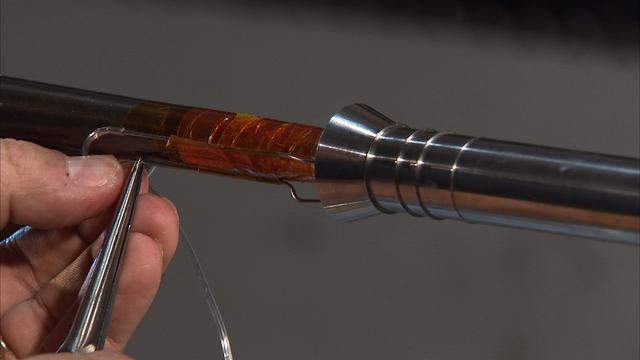
Active damper wind tunnel test in support of the development of Constellation/Ares. Testing of the 1% and .548% models for active damper and wall interference assessment in support of the Ares/CLV integrated vehicle. This test occurred at the 11 foot wind tunnel at the Ames Research Center, California. This image is extracted from high definition video file and is the highest resolution available.
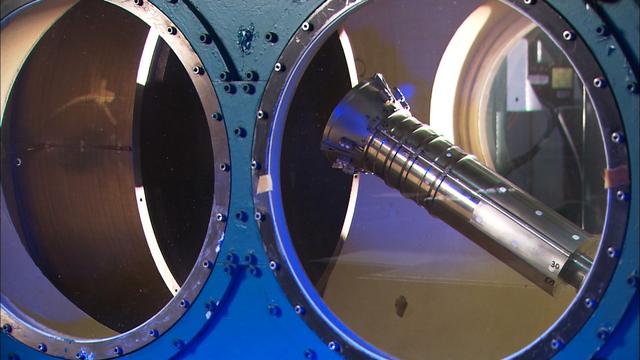
THIS IS A MODEL TEST OF THE 1ST STAGE RE-ENTRY. HEAT TESTING OF A 3% MODEL TO SUPPORT THE ARES/CLV FIRST STAGE RE-ENTRY. THIS OCCURRED AT ARNOLD AIR FORCE BASE, TENNESSEE IN SUPPORT OF THE CONSTELLATION/ARES PROJECT. THIS IMAGE IS EXTRACTED FROM A HIGH DEFINITION VIDEO FILE AND IS THE HIGHEST RESOLUTION AVAILABLE.
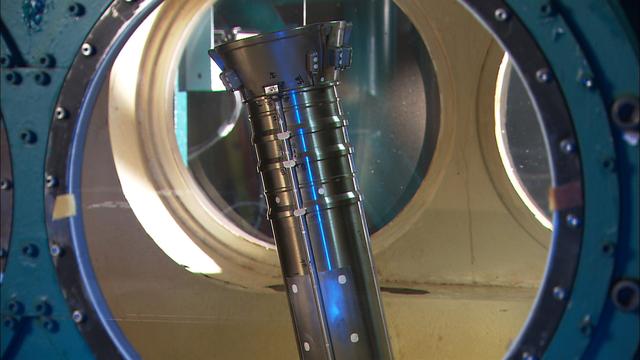
THIS IS A TEST OF THE 1ST STAGE RE-ENTRY VEHICLE. HEAT TESTING OF A 3% MODEL TO SUPPORT THE ARES/ CLV FIRST STAGE RE-ENTRY. THIS TEST OCCURRED AT ARNOLD AIR FORCE BASE, TENNESSEE. THIS TESTING SUPPORTS THE DEVELOPMENT OF THE CONSTELLATION/ARES PROJECT. THIS IMAGE IS EXTRACTED FROM A HIGH DEFINITION VIDEO FILE AND IS THE HIGHEST RESOLUTION AVAILABLE.
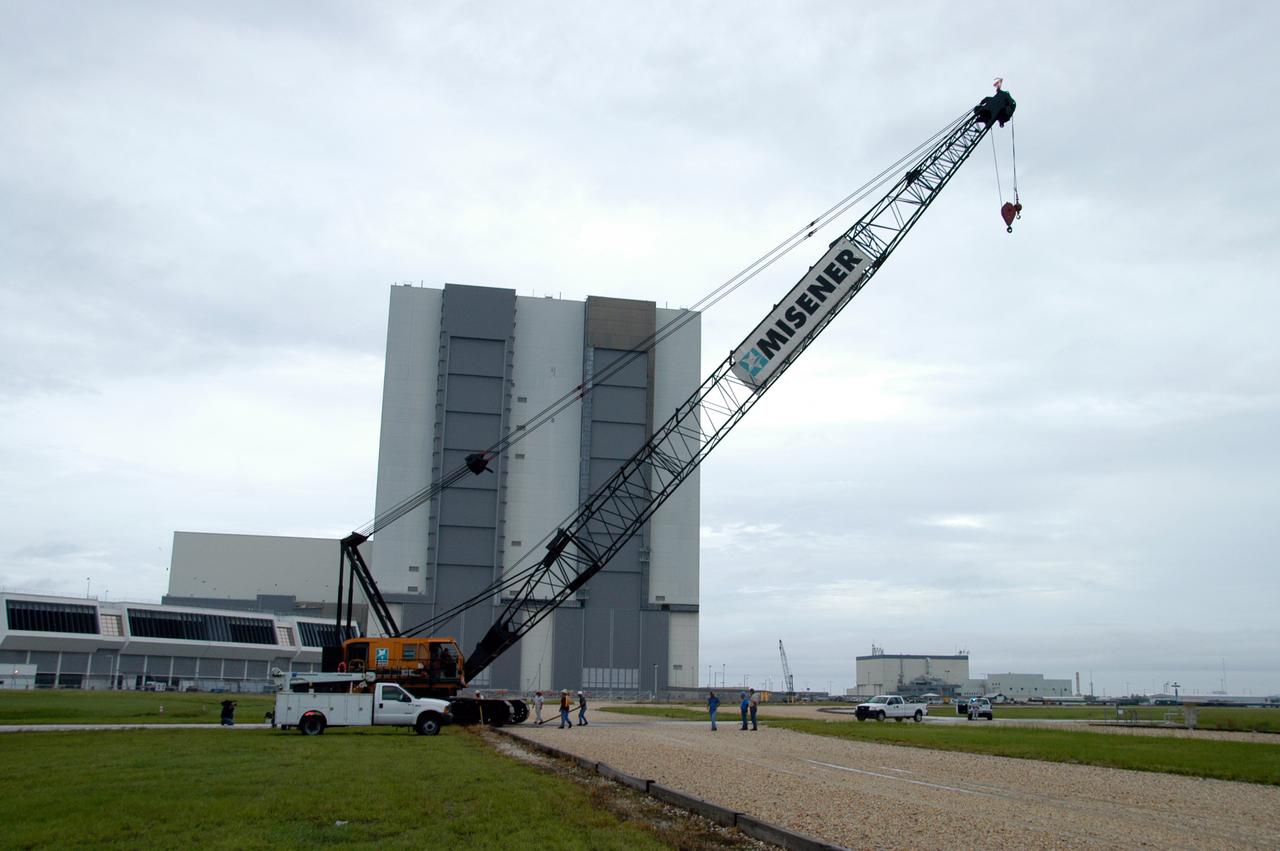
A large crawler crane moves past the Vehicle Assembly Building on its way to Launch Pad 39B. The crane with its 70-foot boom will be used to construct a new lightning protection system for the Constellation Program and Ares/Orion launches. Pad B will be the site of the first Ares vehicle launch, including Ares I-X which is scheduled for April 2009.

A large crawler crane travels along one of the crawlerway tracks on its way to Launch Pad 39B. The crane with its 70-foot boom will be used to construct a new lightning protection system for the Constellation Program and Ares/Orion launches. Pad B will be the site of the first Ares vehicle launch, including Ares I-X which is scheduled for April 2009.
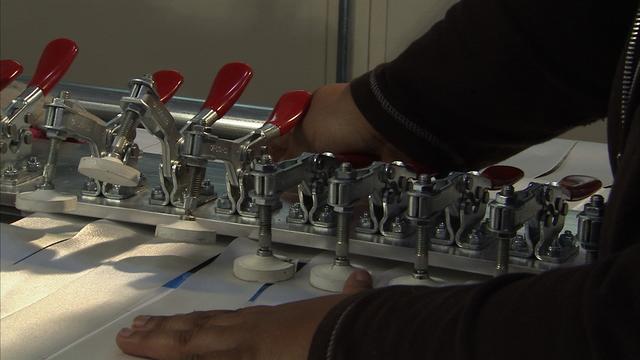
Shown is the fabrication of the First Stage Main Parachute in support of Ares/CLV at the Pioneer Zodiac Facility in Mississippi in support of the Constellation/Ares project. This image is extracted from a high definition video file and is the highest resolution available
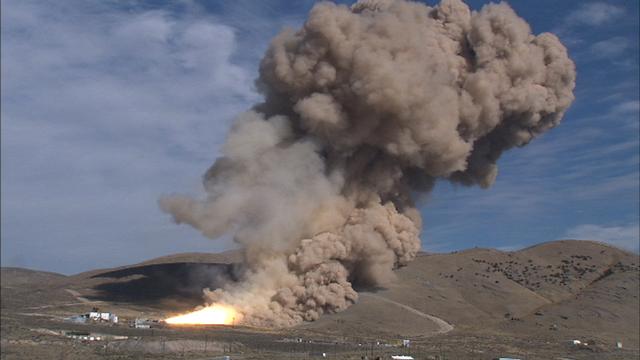
Shown is a test of the TEM-13 Solid Rocket Motor in support of the Ares/CLV first stage at ATK, Utah . Constellation/Ares project. This image is extracted from a high definition video file and is the highest resolution available.
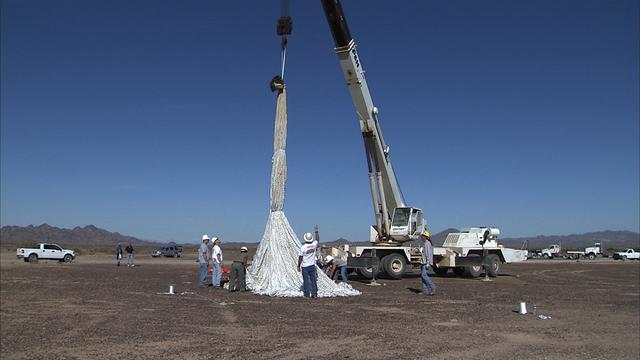
Shown is the testing of the Main Parachute for the Ares/CLV first stage in support of the Ares/Constellation program at the Yuma Proving Ground, Arizona. This image is extracted from high definition video and is the highest resolution available.
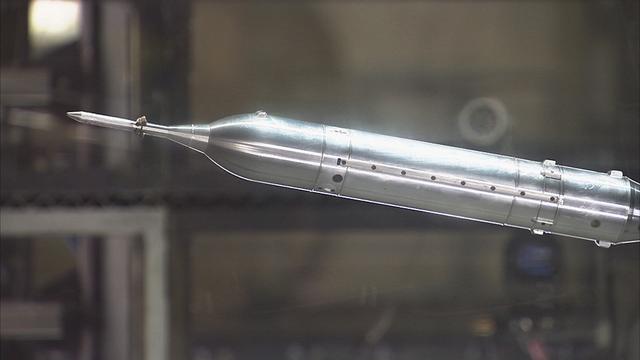
Active damper wind tunnel test in support of the development of Constellation/Ares. Testing of the 1% and .548% models for active damper and wall interference assessment in support of the Ares/CLV integrated vehicle. This test occurred at the 11 foot wind tunnel at the Ames Research Center, California. This image is extracted from high definition video file and is the highest resolution available
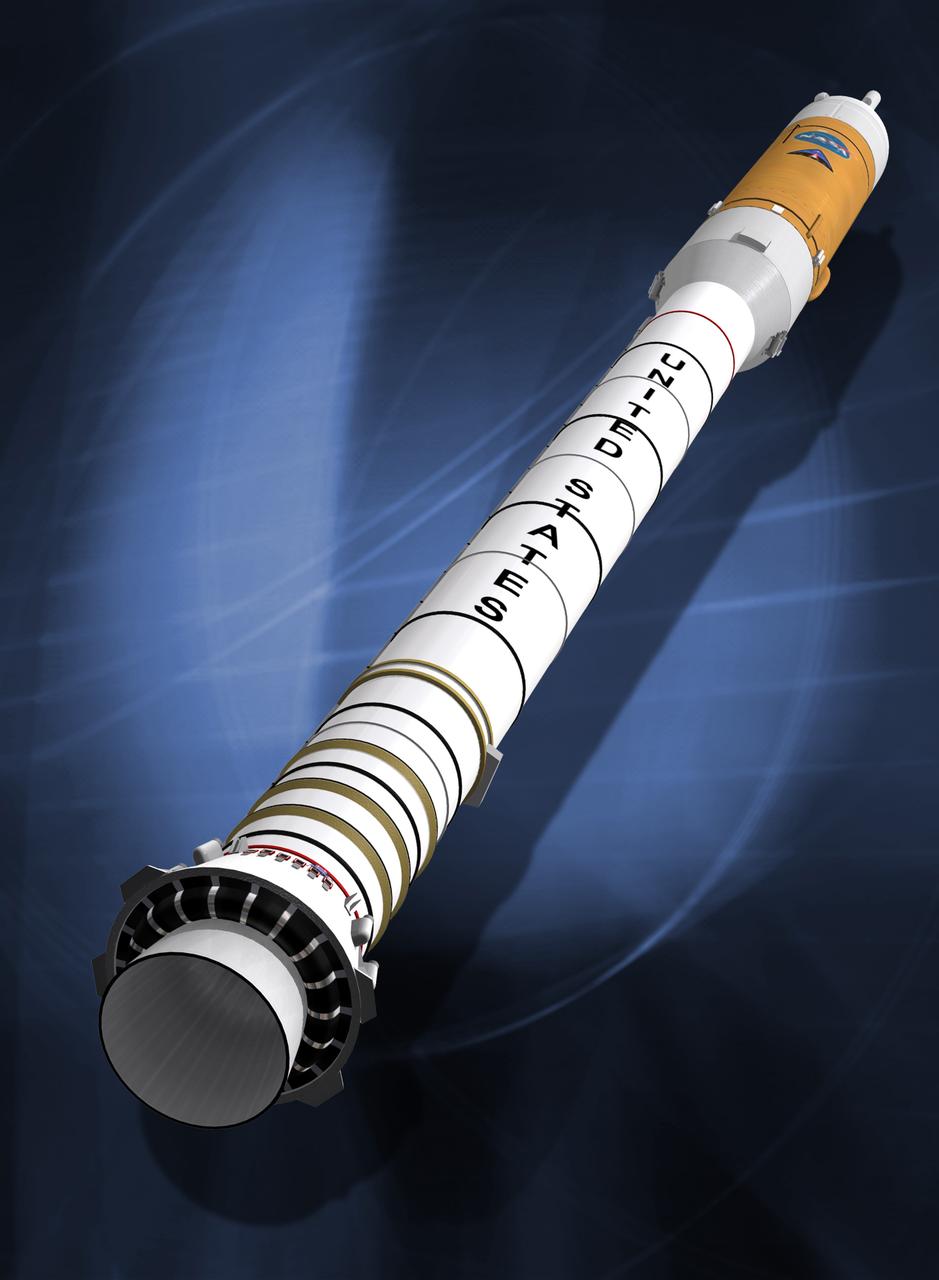
Shown is an illustration of the Ares I concept. The first stage will be a single, five-segment solid rocket booster derived from the space shuttle programs reusable solid rocket motor. The first stage is managed by NASA's Marshall Space Flight Center in Huntsville, Alabama for NASA's Constellation program.
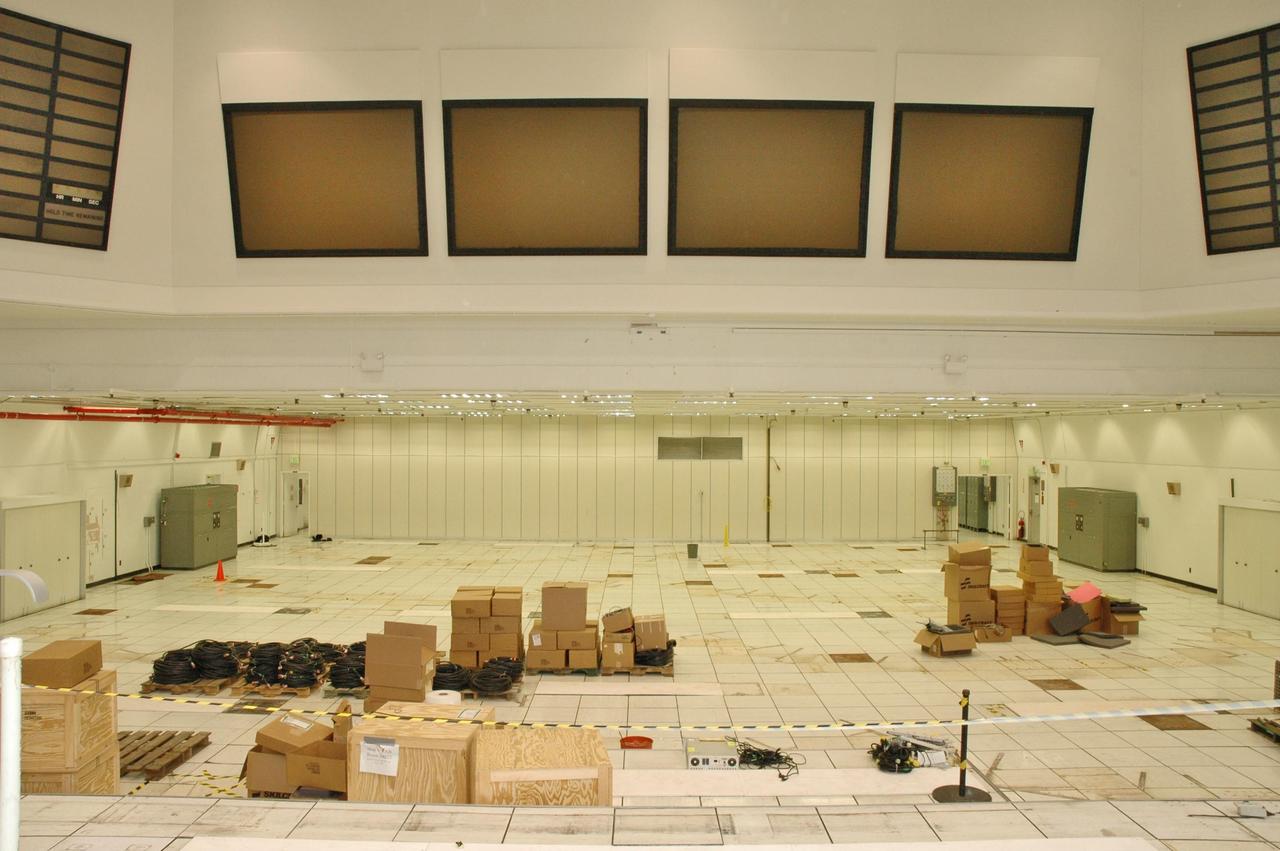
KENNEDY SPACE CENTER, FLA. -- Firing Room 1 of the Launch Control Center has been stripped of its equipment in preparation for transforming it to support the launch operations for the Ares launch vehicles. The Shuttle Processing Transition Team has worked to decommission Firing Room 1, also known as FR1, for transfer to the Constellation Program. The transition includes removing all the computer systems currently in the room and installing new equipment and software. The room was recently renamed the Young/Crippen Firing Room to honor Commander John Young and Pilot Robert Crippen in tribute to the 25th anniversary of the first space shuttle flight on April 12, 1981. It was this firing room that launched the historic flight and the crew of STS-1, Young and Crippen. Photo credit: NASA/Jim Grossmann

KENNEDY SPACE CENTER, FLA. -- Firing Room 1 of the Launch Control Center has been stripped of its equipment in preparation for transforming it to support the launch operations for the Ares launch vehicles. The Shuttle Processing Transition Team has worked to decommission Firing Room 1, also known as FR1, for transfer to the Constellation Program. The transition includes removing all the computer systems currently in the room and installing new equipment and software. The room was recently renamed the Young/Crippen Firing Room to honor Commander John Young and Pilot Robert Crippen in tribute to the 25th anniversary of the first space shuttle flight on April 12, 1981. It was this firing room that launched the historic flight and the crew of STS-1, Young and Crippen. Photo credit: NASA/Jim Grossmann

KENNEDY SPACE CENTER, FLA. -- Firing Room 1 of the Launch Control Center has been stripped of its equipment in preparation for transforming it to support the launch operations for the Ares launch vehicles. The Shuttle Processing Transition Team has worked to decommission Firing Room 1, also known as FR1, for transfer to the Constellation Program. The transition includes removing all the computer systems currently in the room and installing new equipment and software. The room was recently renamed the Young/Crippen Firing Room to honor Commander John Young and Pilot Robert Crippen in tribute to the 25th anniversary of the first space shuttle flight on April 12, 1981. It was this firing room that launched the historic flight and the crew of STS-1, Young and Crippen. Photo credit: NASA/Jim Grossmann
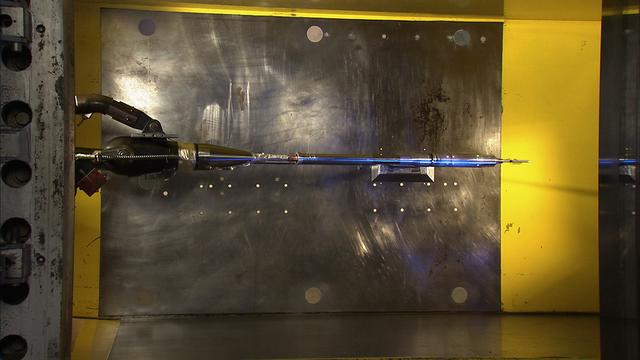
Under the goals of the Vision for Space Exploration, Ares I is a chief component of the cost-effective space transportation infrastructure being developed by NASA's Constellation Program. This transportation system will safely and reliably carry human explorers back to the moon, and then onward to Mars and other destinations in the solar system. The Ares I effort includes multiple project element teams at NASA centers and contract organizations around the nation, and is managed by the Exploration Launch Projects Office at NASA's Marshall Space Flight Center (MFSC). ATK Launch Systems near Brigham City, Utah, is the prime contractor for the first stage booster. ATK's subcontractor, United Space Alliance of Houston, is designing, developing and testing the parachutes at its facilities at NASA's Kennedy Space Center in Florida. NASA's Johnson Space Center in Houston hosts the Constellation Program and Orion Crew Capsule Project Office and provides test instrumentation and support personnel. Together, these teams are developing vehicle hardware, evolving proven technologies, and testing components and systems. Their work builds on powerful, reliable space shuttle propulsion elements and nearly a half-century of NASA space flight experience and technological advances. Ares I is an inline, two-stage rocket configuration topped by the Crew Exploration Vehicle, its service module, and a launch abort system. In this HD video image, an Ares I x-test involves the upper stage separating from the first stage. This particular test was conducted at the NASA Langley Research Center in July 2007. (Highest resolution available)
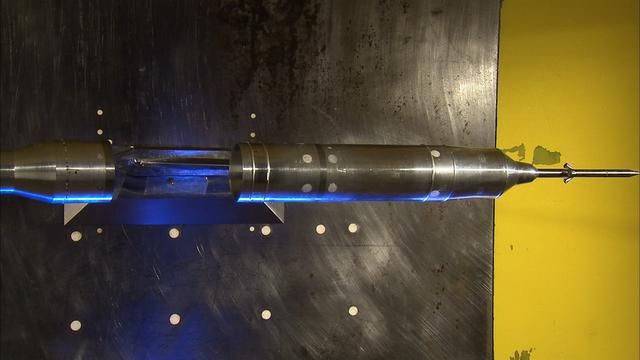
Under the goals of the Vision for Space Exploration, Ares I is a chief component of the cost-effective space transportation infrastructure being developed by NASA's Constellation Program. This transportation system will safely and reliably carry human explorers back to the moon, and then onward to Mars and other destinations in the solar system. The Ares I effort includes multiple project element teams at NASA centers and contract organizations around the nation, and is managed by the Exploration Launch Projects Office at NASA's Marshall Space Flight Center (MFSC). ATK Launch Systems near Brigham City, Utah, is the prime contractor for the first stage booster. ATK's subcontractor, United Space Alliance of Houston, is designing, developing and testing the parachutes at its facilities at NASA's Kennedy Space Center in Florida. NASA's Johnson Space Center in Houston hosts the Constellation Program and Orion Crew Capsule Project Office and provides test instrumentation and support personnel. Together, these teams are developing vehicle hardware, evolving proven technologies, and testing components and systems. Their work builds on powerful, reliable space shuttle propulsion elements and nearly a half-century of NASA space flight experience and technological advances. Ares I is an inline, two-stage rocket configuration topped by the Crew Exploration Vehicle, its service module, and a launch abort system. In this HD video image, an Ares I x-test involves the upper stage separating from the first stage. This particular test was conducted at the NASA Langley Research Center in July 2007. (Highest resolution available)
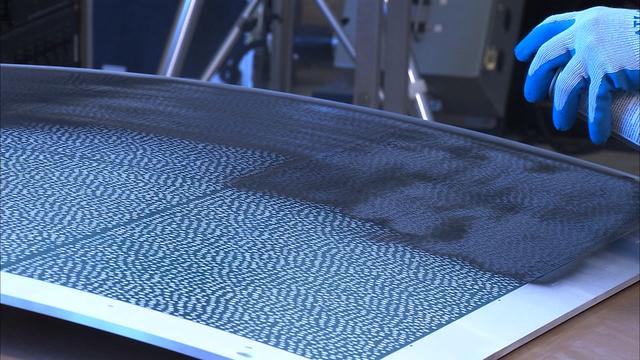
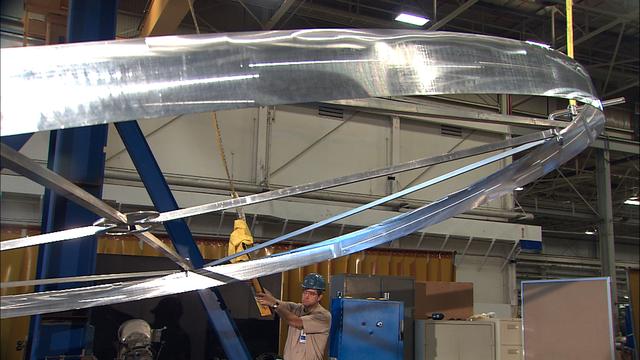
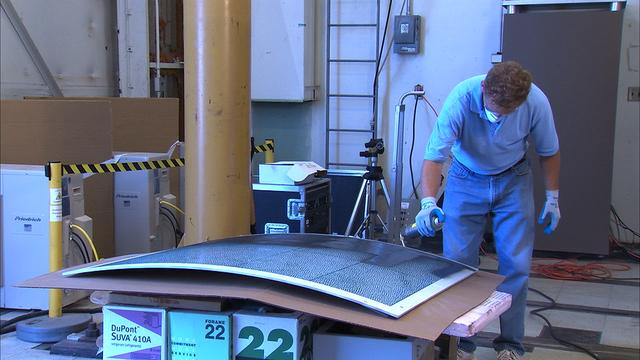
Under the goals of the Vision for Space Exploration, Ares I is a chief component of the cost-effective space transportation infrastructure being developed by NASA's Constellation Program. This transportation system will safely and reliably carry human explorers back to the moon, and then onward to Mars and other destinations in the solar system. The Ares I effort includes multiple project element teams at NASA centers and contract organizations around the nation, and is managed by the Exploration Launch Projects Office at NASA's Marshall Space Flight Center (MFSC). ATK Launch Systems near Brigham City, Utah, is the prime contractor for the first stage booster. ATK's subcontractor, United Space Alliance of Houston, is designing, developing and testing the parachutes at its facilities at NASA's Kennedy Space Center in Florida. NASA's Johnson Space Center in Houston hosts the Constellation Program and Orion Crew Capsule Project Office and provides test instrumentation and support personnel. Together, these teams are developing vehicle hardware, evolving proven technologies, and testing components and systems. Their work builds on powerful, reliable space shuttle propulsion elements and nearly a half-century of NASA space flight experience and technological advances. Ares I is an inline, two-stage rocket configuration topped by the Crew Exploration Vehicle, its service module, and a launch abort system. This HD video image depicts a manufactured aluminum panel, that will fabricate the Ares I upper stage barrel, undergoing a confidence panel test. In this test, the bent aluminum is stressed to breaking point and thoroughly examined. The panels are manufactured by AMRO Manufacturing located in El Monte, California. (Highest resolution available)
Under the goals of the Vision for Space Exploration, Ares I is a chief component of the cost-effective space transportation infrastructure being developed by NASA's Constellation Program. This transportation system will safely and reliably carry human explorers back to the moon, and then onward to Mars and other destinations in the solar system. The Ares I effort includes multiple project element teams at NASA centers and contract organizations around the nation, and is managed by the Exploration Launch Projects Office at NASA's Marshall Space Flight Center (MFSC). ATK Launch Systems near Brigham City, Utah, is the prime contractor for the first stage booster. ATK's subcontractor, United Space Alliance of Houston, is designing, developing and testing the parachutes at its facilities at NASA's Kennedy Space Center in Florida. NASA's Johnson Space Center in Houston hosts the Constellation Program and Orion Crew Capsule Project Office and provides test instrumentation and support personnel. Together, these teams are developing vehicle hardware, evolving proven technologies, and testing components and systems. Their work builds on powerful, reliable space shuttle propulsion elements and nearly a half-century of NASA space flight experience and technological advances. Ares I is an inline, two-stage rocket configuration topped by the Crew Exploration Vehicle, its service module, and a launch abort system. This HD video image depicts a manufactured aluminum panel, that will fabricate the Ares I upper stage barrel, undergoing a confidence panel test. In this test, bent aluminum is stressed to breaking point and thoroughly examined. The panels are manufactured by AMRO Manufacturing located in El Monte, California. (Highest resolution available)
Under the goals of the Vision for Space Exploration, Ares I is a chief component of the cost-effective space transportation infrastructure being developed by NASA's Constellation Program. This transportation system will safely and reliably carry human explorers back to the moon, and then onward to Mars and other destinations in the solar system. The Ares I effort includes multiple project element teams at NASA centers and contract organizations around the nation, and is managed by the Exploration Launch Projects Office at NASA's Marshall Space Flight Center (MFSC). ATK Launch Systems near Brigham City, Utah, is the prime contractor for the first stage booster. ATK's subcontractor, United Space Alliance of Houston, is designing, developing and testing the parachutes at its facilities at NASA's Kennedy Space Center in Florida. NASA's Johnson Space Center in Houston hosts the Constellation Program and Orion Crew Capsule Project Office and provides test instrumentation and support personnel. Together, these teams are developing vehicle hardware, evolving proven technologies, and testing components and systems. Their work builds on powerful, reliable space shuttle propulsion elements and nearly a half-century of NASA space flight experience and technological advances. Ares I is an inline, two-stage rocket configuration topped by the Crew Exploration Vehicle, its service module, and a launch abort system. This HD video image depicts friction stir welding used in manufacturing aluminum panels that will fabricate the Ares I upper stage barrel. The aluminum panels are subjected to confidence panel tests during which the bent aluminum is stressed to breaking point and thoroughly examined. The panels are manufactured by AMRO Manufacturing located in El Monte, California. (Highest resolution available)
Under the goals of the Vision for Space Exploration, Ares I is a chief component of the cost-effective space transportation infrastructure being developed by NASA's Constellation Program. This transportation system will safely and reliably carry human explorers back to the moon, and then onward to Mars and other destinations in the solar system. The Ares I effort includes multiple project element teams at NASA centers and contract organizations around the nation, and is managed by the Exploration Launch Projects Office at NASA's Marshall Space Flight Center (MFSC). ATK Launch Systems near Brigham City, Utah, is the prime contractor for the first stage booster. ATK's subcontractor, United Space Alliance of Houston, is designing, developing and testing the parachutes at its facilities at NASA's Kennedy Space Center in Florida. NASA's Johnson Space Center in Houston hosts the Constellation Program and Orion Crew Capsule Project Office and provides test instrumentation and support personnel. Together, these teams are developing vehicle hardware, evolving proven technologies, and testing components and systems. Their work builds on powerful, reliable space shuttle propulsion elements and nearly a half-century of NASA space flight experience and technological advances. Ares I is an inline, two-stage rocket configuration topped by the Crew Exploration Vehicle, its service module, and a launch abort system. This HD video image depicts a manufactured aluminum panel that will be used to fabricate the Ares I upper stage barrel, undergoing a confidence panel test. In this test, the bent aluminum is stressed to breaking point and thoroughly examined. The panels are manufactured by AMRO Manufacturing located in El Monte, California.
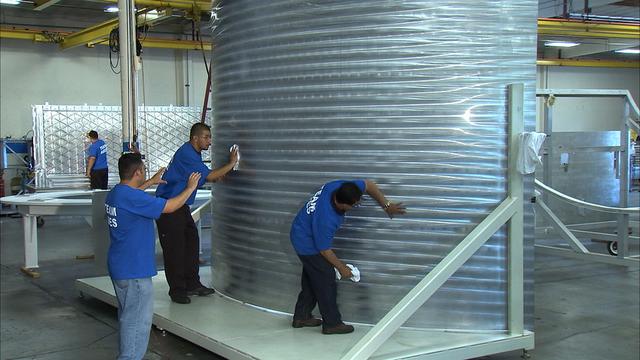
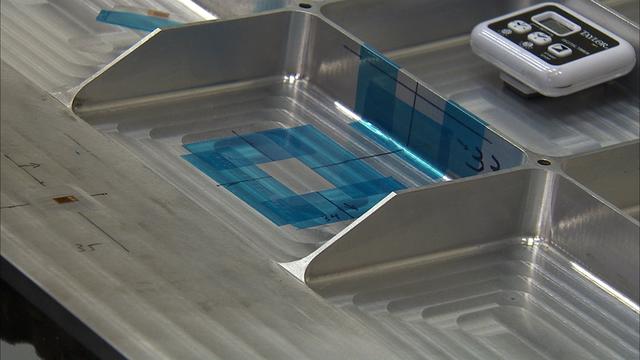
Under the goals of the Vision for Space Exploration, Ares I is a chief component of the cost-effective space transportation infrastructure being developed by NASA's Constellation Program. This transportation system will safely and reliably carry human explorers back to the moon, and then onward to Mars and other destinations in the solar system. The Ares I effort includes multiple project element teams at NASA centers and contract organizations around the nation, and is managed by the Exploration Launch Projects Office at NASA's Marshall Space Flight Center (MFSC). ATK Launch Systems near Brigham City, Utah, is the prime contractor for the first stage booster. ATK's subcontractor, United Space Alliance of Houston, is designing, developing and testing the parachutes at its facilities at NASA's Kennedy Space Center in Florida. NASA's Johnson Space Center in Houston hosts the Constellation Program and Orion Crew Capsule Project Office and provides test instrumentation and support personnel. Together, these teams are developing vehicle hardware, evolving proven technologies, and testing components and systems. Their work builds on powerful, reliable space shuttle propulsion elements and nearly a half-century of NASA space flight experience and technological advances. Ares I is an inline, two-stage rocket configuration topped by the Crew Exploration Vehicle, its service module, and a launch abort system. This HD video image depicts the manufacturing of aluminum panels that will be used to form the Ares I barrel. The panels are manufacturing process demonstration articles that will undergo testing until perfected. The panels are built by AMRO Manufacturing located in El Monte, California. (Highest resolution available)
Under the goals of the Vision for Space Exploration, Ares I is a chief component of the cost-effective space transportation infrastructure being developed by NASA's Constellation Program. This transportation system will safely and reliably carry human explorers back to the moon, and then onward to Mars and other destinations in the solar system. The Ares I effort includes multiple project element teams at NASA centers and contract organizations around the nation, and is managed by the Exploration Launch Projects Office at NASA's Marshall Space Flight Center (MFSC). ATK Launch Systems near Brigham City, Utah, is the prime contractor for the first stage booster. ATK's subcontractor, United Space Alliance of Houston, is designing, developing and testing the parachutes at its facilities at NASA's Kennedy Space Center in Florida. NASA's Johnson Space Center in Houston hosts the Constellation Program and Orion Crew Capsule Project Office and provides test instrumentation and support personnel. Together, these teams are developing vehicle hardware, evolving proven technologies, and testing components and systems. Their work builds on powerful, reliable space shuttle propulsion elements and nearly a half-century of NASA space flight experience and technological advances. Ares I is an inline, two-stage rocket configuration topped by the Crew Exploration Vehicle, its service module, and a launch abort system. This HD video image depicts confidence testing of a manufactured aluminum panel that will fabricate the Ares I upper stage barrel. In this test, bent aluminum is stressed to breaking point and thoroughly examined. The panels are manufactured by AMRO Manufacturing located in El Monte, California. (Highest resolution available)
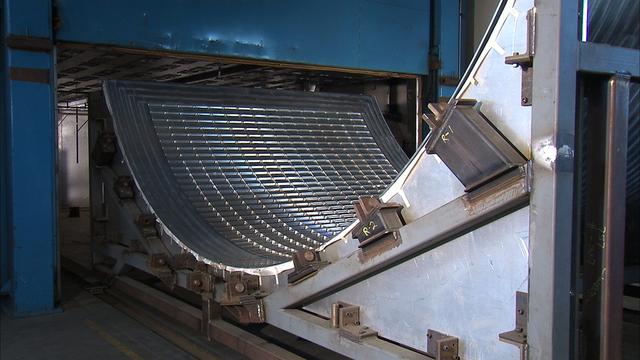
Under the goals of the Vision for Space Exploration, Ares I is a chief component of the cost-effective space transportation infrastructure being developed by NASA's Constellation Program. This transportation system will safely and reliably carry human explorers back to the moon, and then onward to Mars and other destinations in the solar system. The Ares I effort includes multiple project element teams at NASA centers and contract organizations around the nation, and is managed by the Exploration Launch Projects Office at NASA's Marshall Space Flight Center (MFSC). ATK Launch Systems near Brigham City, Utah, is the prime contractor for the first stage booster. ATK's subcontractor, United Space Alliance of Houston, is designing, developing and testing the parachutes at its facilities at NASA's Kennedy Space Center in Florida. NASA's Johnson Space Center in Houston hosts the Constellation Program and Orion Crew Capsule Project Office and provides test instrumentation and support personnel. Together, these teams are developing vehicle hardware, evolving proven technologies, and testing components and systems. Their work builds on powerful, reliable space shuttle propulsion elements and nearly a half-century of NASA space flight experience and technological advances. Ares I is an inline, two-stage rocket configuration topped by the Crew Exploration Vehicle, its service module, and a launch abort system. This HD video image depicts a manufactured panel that will be used for the Ares I upper stage barrel fabrication. The aluminum panels are manufacturing process demonstration articles that will undergo testing until perfected. The panels are built by AMRO Manufacturing located in El Monte, California. (Highest resolution available)
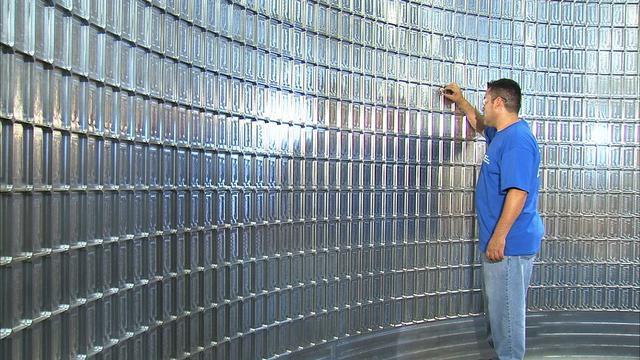
Under the goals of the Vision for Space Exploration, Ares I is a chief component of the cost-effective space transportation infrastructure being developed by NASA's Constellation Program. This transportation system will safely and reliably carry human explorers back to the moon, and then onward to Mars and other destinations in the solar system. The Ares I effort includes multiple project element teams at NASA centers and contract organizations around the nation, and is managed by the Exploration Launch Projects Office at NASA's Marshall Space Flight Center (MFSC). ATK Launch Systems near Brigham City, Utah, is the prime contractor for the first stage booster. ATK's subcontractor, United Space Alliance of Houston, is designing, developing and testing the parachutes at its facilities at NASA's Kennedy Space Center in Florida. NASA's Johnson Space Center in Houston hosts the Constellation Program and Orion Crew Capsule Project Office and provides test instrumentation and support personnel. Together, these teams are developing vehicle hardware, evolving proven technologies, and testing components and systems. Their work builds on powerful, reliable space shuttle propulsion elements and nearly a half-century of NASA space flight experience and technological advances. Ares I is an inline, two-stage rocket configuration topped by the Crew Exploration Vehicle, its service module, and a launch abort system. This HD video image depicts a manufactured aluminum panel that will be used to fabricate the Ares I upper stage barrel, undergoing a confidence panel test. In this test, the bent aluminum is stressed to breaking point and thoroughly examined. The panels are manufactured by AMRO Manufacturing located in El Monte, California. (Highest resolution available)
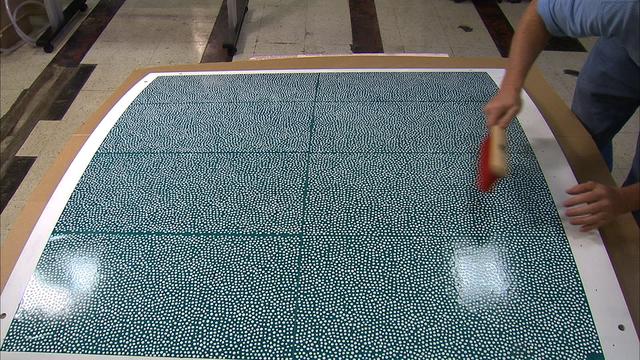
Under the goals of the Vision for Space Exploration, Ares I is a chief component of the cost-effective space transportation infrastructure being developed by NASA's Constellation Program. This transportation system will safely and reliably carry human explorers back to the moon, and then onward to Mars and other destinations in the solar system. The Ares I effort includes multiple project element teams at NASA centers and contract organizations around the nation, and is managed by the Exploration Launch Projects Office at NASA's Marshall Space Flight Center (MFSC). ATK Launch Systems near Brigham City, Utah, is the prime contractor for the first stage booster. ATK's subcontractor, United Space Alliance of Houston, is designing, developing and testing the parachutes at its facilities at NASA's Kennedy Space Center in Florida. NASA's Johnson Space Center in Houston hosts the Constellation Program and Orion Crew Capsule Project Office and provides test instrumentation and support personnel. Together, these teams are developing vehicle hardware, evolving proven technologies, and testing components and systems. Their work builds on powerful, reliable space shuttle propulsion elements and nearly a half-century of NASA space flight experience and technological advances. Ares I is an inline, two-stage rocket configuration topped by the Crew Exploration Vehicle, its service module, and a launch abort system. This HD video image, depicts a manufactured aluminum panel, that will be used to fabricate the Ares I upper stage barrel, undergoing a confidence panel test. In this test, the bent aluminum is stressed to breaking point and thoroughly examined. The panels are manufactured by AMRO Manufacturing located in El Monte, California. (Highest resolution available)
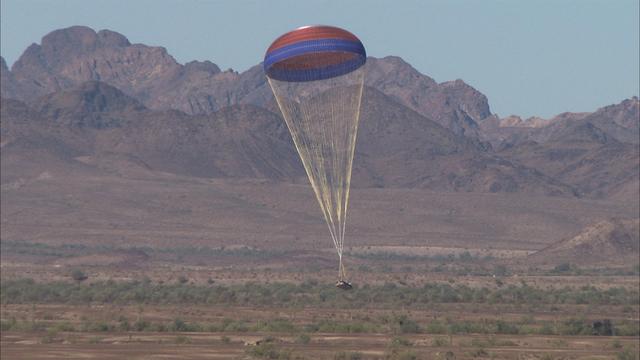
Under the goals of the Vision for Space Exploration, Ares I is a chief component of the cost-effective space transportation infrastructure being developed by NASA's Constellation Program. This transportation system will safely and reliably carry human explorers back to the moon, and then onward to Mars and other destinations in the solar system. The Ares I effort includes multiple project element teams at NASA centers and contract organizations around the nation, and is managed by the Exploration Launch Projects Office at NASA's Marshall Space Flight Center (MFSC). ATK Launch Systems near Brigham City, Utah, is the prime contractor for the first stage booster. ATK's subcontractor, United Space Alliance of Houston, is designing, developing and testing the parachutes at its facilities at NASA's Kennedy Space Center in Florida. NASA's Johnson Space Center in Houston hosts the Constellation Program and Orion Crew Capsule Project Office and provides test instrumentation and support personnel. Together, these teams are developing vehicle hardware, evolving proven technologies, and testing components and systems. Their work builds on powerful, reliable space shuttle propulsion elements and nearly a half-century of NASA space flight experience and technological advances. Ares I is an inline, two-stage rocket configuration topped by the Crew Exploration Vehicle, its service module, and a launch abort system. In this HD video image, the first stage reentry parachute drop test is conducted at the Yuma, Arizona proving ground. The parachute tests demonstrated a three-stage deployment sequence that included the use of an Orbiter drag chute to properly stage the unfurling of the main chute. The parachute recovery system for Orion will be similar to the system used for Apollo command module landings and include two drogue, three pilot, and three main parachutes. (Highest resolution available)
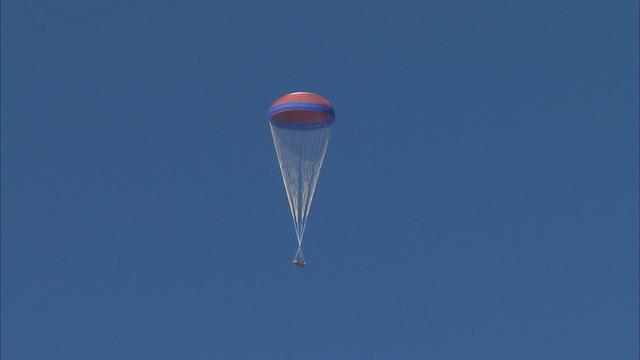
Under the goals of the Vision for Space Exploration, Ares I is a chief component of the cost-effective space transportation infrastructure being developed by NASA's Constellation Program. This transportation system will safely and reliably carry human explorers back to the moon, and then onward to Mars and other destinations in the solar system. The Ares I effort includes multiple project element teams at NASA centers and contract organizations around the nation, and is managed by the Exploration Launch Projects Office at NASA's Marshall Space Flight Center (MFSC). ATK Launch Systems near Brigham City, Utah, is the prime contractor for the first stage booster. ATK's subcontractor, United Space Alliance of Houston, is designing, developing and testing the parachutes at its facilities at NASA's Kennedy Space Center in Florida. NASA's Johnson Space Center in Houston hosts the Constellation Program and Orion Crew Capsule Project Office and provides test instrumentation and support personnel. Together, these teams are developing vehicle hardware, evolving proven technologies, and testing components and systems. Their work builds on powerful, reliable space shuttle propulsion elements and nearly a half-century of NASA space flight experience and technological advances. Ares I is an inline, two-stage rocket configuration topped by the Crew Exploration Vehicle, its service module, and a launch abort system. In this HD video image, the first stage reentry parachute drop test is conducted at the Yuma, Arizona proving ground. The parachute tests demonstrated a three-stage deployment sequence that included the use of an Orbiter drag chute to properly stage the unfurling of the main chute. The parachute recovery system for Orion will be similar to the system used for Apollo command module landings and include two drogue, three pilot, and three main parachutes. (Highest resolution available)
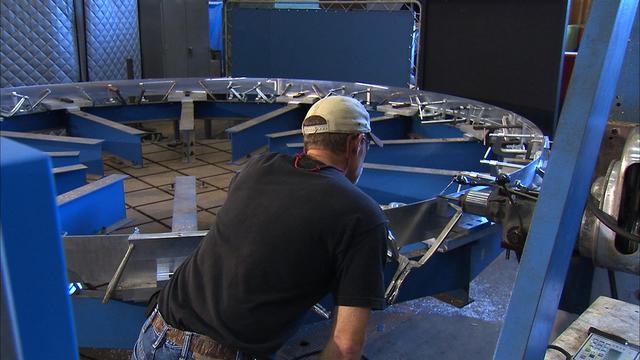
Under the goals of the Vision for Space Exploration, Ares I is a chief component of the cost-effective space transportation infrastructure being developed by NASA's Constellation Program. This transportation system will safely and reliably carry human explorers back to the moon, and then onward to Mars and other destinations in the solar system. The Ares I effort includes multiple project element teams at NASA centers and contract organizations around the nation, and is managed by the Exploration Launch Projects Office at NASA's Marshall Space Flight Center (MFSC). ATK Launch Systems near Brigham City, Utah, is the prime contractor for the first stage booster. ATK's subcontractor, United Space Alliance of Houston, is designing, developing and testing the parachutes at its facilities at NASA's Kennedy Space Center in Florida. NASA's Johnson Space Center in Houston hosts the Constellation Program and Orion Crew Capsule Project Office and provides test instrumentation and support personnel. Together, these teams are developing vehicle hardware, evolving proven technologies, and testing components and systems. Their work builds on powerful, reliable space shuttle propulsion elements and nearly a half-century of NASA space flight experience and technological advances. Ares I is an inline, two-stage rocket configuration topped by the Crew Exploration Vehicle, its service module, and a launch abort system. This HD video image depicts the preparation and placement of a confidence ring for friction stir welding used in manufacturing aluminum panels that will fabricate the Ares I upper stage barrel. The aluminum panels are manufactured and subjected to confidence tests during which the bent aluminum is stressed to breaking point and thoroughly examined. The panels are manufactured by AMRO Manufacturing located in El Monte, California. (Highest resolution available)
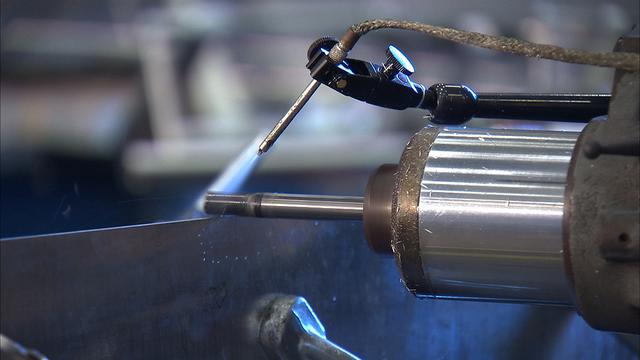
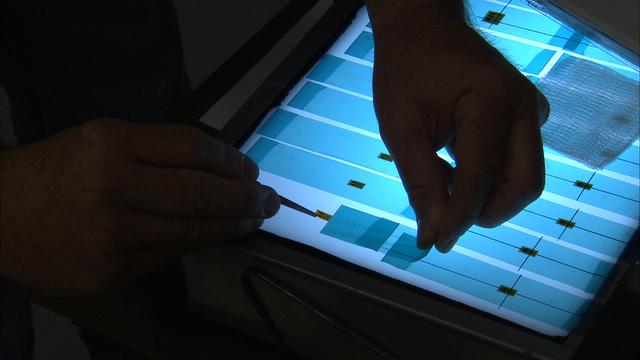
Under the goals of the Vision for Space Exploration, Ares I is a chief component of the cost-effective space transportation infrastructure being developed by NASA's Constellation Program. This transportation system will safely and reliably carry human explorers back to the moon, and then onward to Mars and other destinations in the solar system. The Ares I effort includes multiple project element teams at NASA centers and contract organizations around the nation, and is managed by the Exploration Launch Projects Office at NASA's Marshall Space Flight Center (MFSC). ATK Launch Systems near Brigham City, Utah, is the prime contractor for the first stage booster. ATK's subcontractor, United Space Alliance of Houston, is designing, developing and testing the parachutes at its facilities at NASA's Kennedy Space Center in Florida. NASA's Johnson Space Center in Houston hosts the Constellation Program and Orion Crew Capsule Project Office and provides test instrumentation and support personnel. Together, these teams are developing vehicle hardware, evolving proven technologies, and testing components and systems. Their work builds on powerful, reliable space shuttle propulsion elements and nearly a half-century of NASA space flight experience and technological advances. Ares I is an inline, two-stage rocket configuration topped by the Crew Exploration Vehicle, its service module, and a launch abort system. This HD video image depicts friction stir welding used in manufacturing aluminum panels that will fabricate the Ares I upper stage barrel. The panels are subjected to confidence tests in which the bent aluminum is stressed to breaking point and thoroughly examined. The panels are manufactured by AMRO Manufacturing located in El Monte, California. (Highest resolution available)
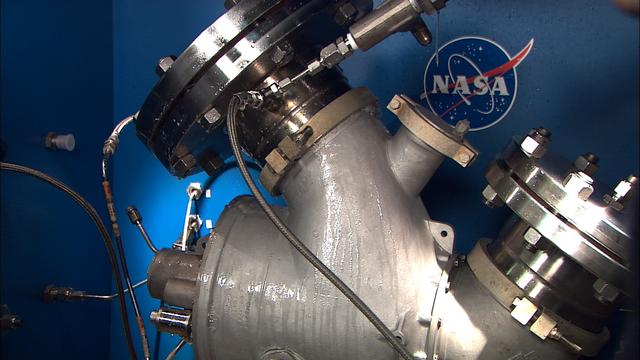
Shown is the disassembly, examination, refurbishment and testing of the LH2 ( liquid hydrogen) and LOX (liquid oxygen) vent and relief valves for the S-IVB-211 engine stage in support of the Constellation/Ares project. This image is extracted from high definition video and is the highest resolution available.
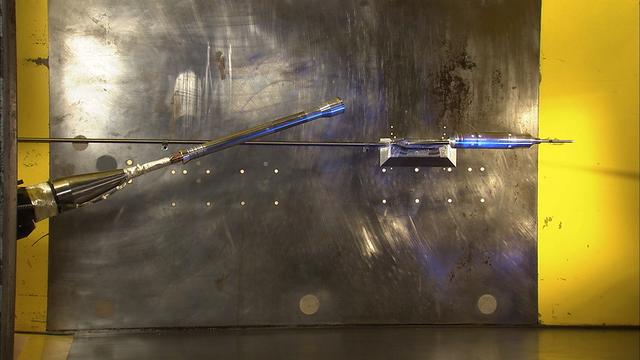
Under the goals of the Vision for Space Exploration, Ares I is a chief component of the cost-effective space transportation infrastructure being developed by NASA's Constellation Program. This transportation system will safely and reliably carry human explorers back to the moon, and then onward to Mars and other destinations in the solar system. The Ares I effort includes multiple project element teams at NASA centers and contract organizations around the nation, and is managed by the Exploration Launch Projects Office at NASA's Marshall Space Flight Center (MFSC). ATK Launch Systems near Brigham City, Utah, is the prime contractor for the first stage booster. ATK's subcontractor, United Space Alliance of Houston, is designing, developing and testing the parachutes at its facilities at NASA's Kennedy Space Center in Florida. NASA's Johnson Space Center in Houston hosts the Constellation Program and Orion Crew Capsule Project Office and provides test instrumentation and support personnel. Together, these teams are developing vehicle hardware, evolving proven technologies, and testing components and systems. Their work builds on powerful, reliable space shuttle propulsion elements and nearly a half-century of NASA space flight experience and technological advances. Ares I is an inline, two-stage rocket configuration topped by the Crew Exploration Vehicle, its service module, and a launch abort system. In this HD video image, the first stage reentry 1/2% model is undergoing pressure measurements inside the wind tunnel testing facility at MSFC. (Highest resolution available)
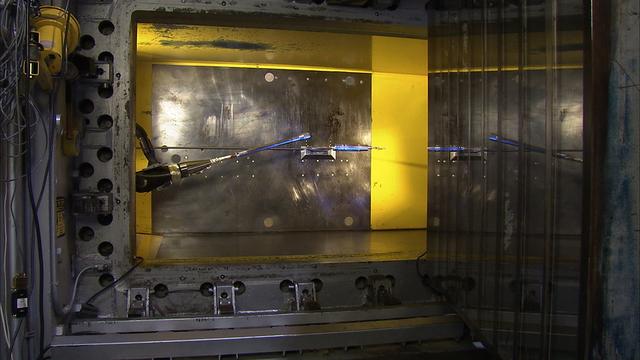
Under the goals of the Vision for Space Exploration, Ares I is a chief component of the cost-effective space transportation infrastructure being developed by NASA's Constellation Program. This transportation system will safely and reliably carry human explorers back to the moon, and then onward to Mars and other destinations in the solar system. The Ares I effort includes multiple project element teams at NASA centers and contract organizations around the nation, and is managed by the Exploration Launch Projects Office at NASA's Marshall Space Flight Center (MFSC). ATK Launch Systems near Brigham City, Utah, is the prime contractor for the first stage booster. ATK's subcontractor, United Space Alliance of Houston, is designing, developing and testing the parachutes at its facilities at NASA's Kennedy Space Center in Florida. NASA's Johnson Space Center in Houston hosts the Constellation Program and Orion Crew Capsule Project Office and provides test instrumentation and support personnel. Together, these teams are developing vehicle hardware, evolving proven technologies, and testing components and systems. Their work builds on powerful, reliable space shuttle propulsion elements and nearly a half-century of NASA space flight experience and technological advances. Ares I is an inline, two-stage rocket configuration topped by the Crew Exploration Vehicle, its service module, and a launch abort system. In this HD video image, the first stage reentry 1/2% model is undergoing pressure measurements inside the wind tunnel testing facility at MSFC. (Highest resolution available)
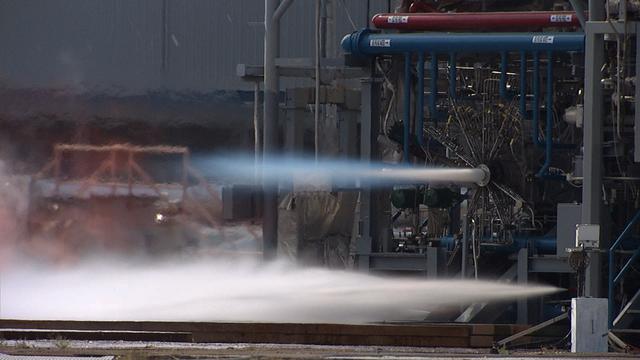
Under the goals of the Vision for Space Exploration, Ares I is a chief component of the cost-effective space transportation infrastructure being developed by NASA's Constellation Program. This transportation system will safely and reliably carry human explorers back to the moon, and then onward to Mars and other destinations in the solar system. The Ares I effort includes multiple project element teams at NASA centers and contract organizations around the nation, and is managed by the Exploration Launch Projects Office at NASA's Marshall Space Flight Center (MFSC). ATK Launch Systems near Brigham City, Utah, is the prime contractor for the first stage booster. ATK's subcontractor, United Space Alliance of Houston, is designing, developing and testing the parachutes at its facilities at NASA's Kennedy Space Center in Florida. NASA's Johnson Space Center in Houston hosts the Constellation Program and Orion Crew Capsule Project Office and provides test instrumentation and support personnel. Together, these teams are developing vehicle hardware, evolving proven technologies, and testing components and systems. Their work builds on powerful, reliable space shuttle propulsion elements and nearly a half-century of NASA space flight experience and technological advances. Ares I is an inline, two-stage rocket configuration topped by the Crew Exploration Vehicle, its service module, and a launch abort system. The launch vehicle's first stage is a single, five-segment reusable solid rocket booster derived from the Space Shuttle Program's reusable solid rocket motor that burns a specially formulated and shaped solid propellant called polybutadiene acrylonitrile (PBAN). The second or upper stage will be propelled by a J-2X main engine fueled with liquid oxygen and liquid hydrogen. This HD video image depicts a test firing of a 40k subscale J2X injector at MSFC's test stand 115. (Highest resolution available)

The A-1 Test Stand at NASA Stennis Space Center near Bay St. Louis, Miss., was the focus of a ceremony held Thursday to transition the storied facility to a new program of work: testing the J-2X engines that will power the agency's next generation spacecraft, Ares I & V. Standing before the historic structure, with a plaque commemorating the change, are (from left) SSC Center Director Richard Gilbrech; NASA Associate Administrator for Exploration Systems Scott Horowitz; and NASA Space Operations Deputy Associate Administrator for Program Integration Michael Hawes. Ares vehicles are the crew and cargo launch vehicles being developed under NASA's Constellation Program.
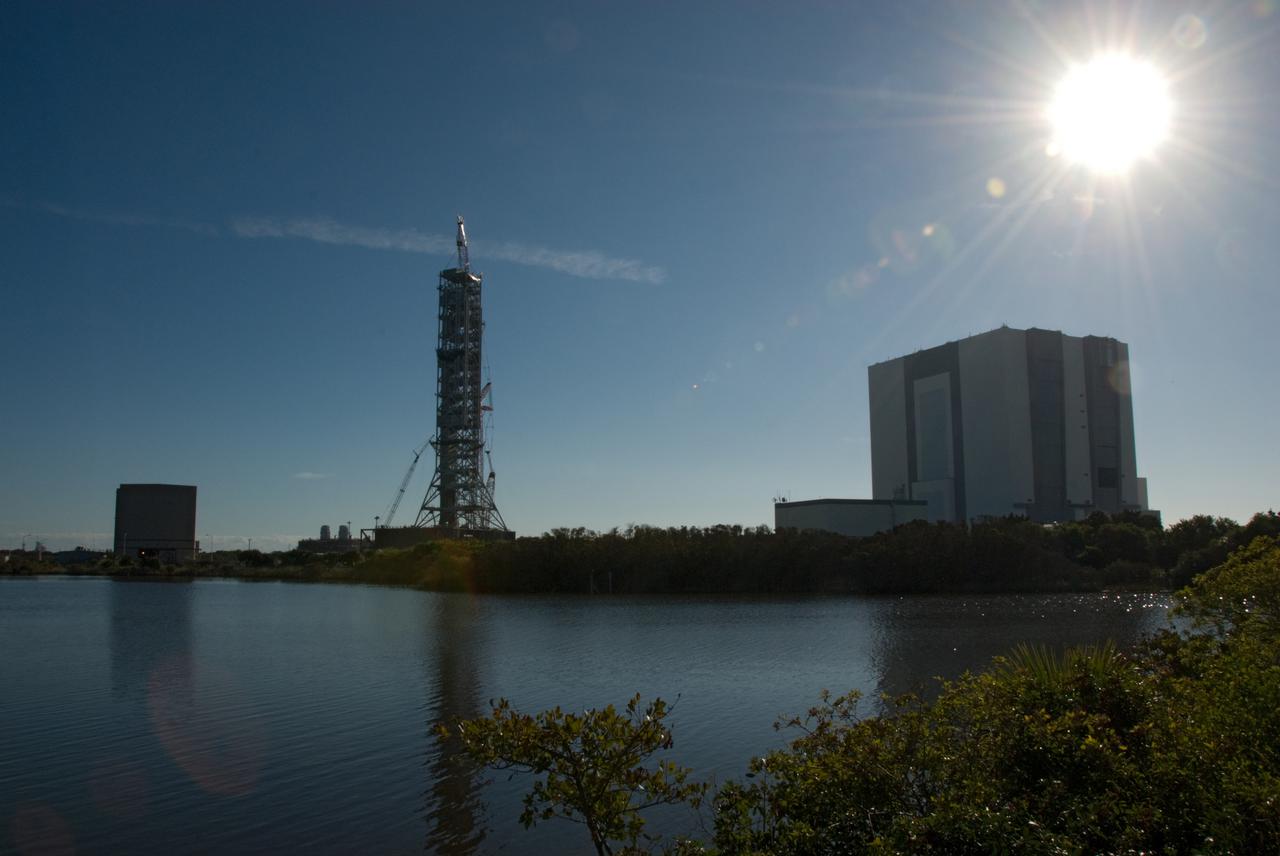
CAPE CANAVERAL, Fla. – At NASA’s Kennedy Space Center in Florida, the sun shines brightly over the Vehicle Assembly Building as a large crane lowers the tenth and final segment of a new mobile launcher, or ML, being constructed to support the Constellation Program, onto the top of the tower. When completed, the tower will be approximately 345 feet tall and have multiple platforms for personnel access. Its base is being made lighter than space shuttle mobile launcher platforms so the crawler-transporter can pick up the heavier load of the tower and a taller rocket. For information on the Constellation Program, visit http:__www.nasa.gov_constellation. Photo credit: NASA_Kim Shiflett
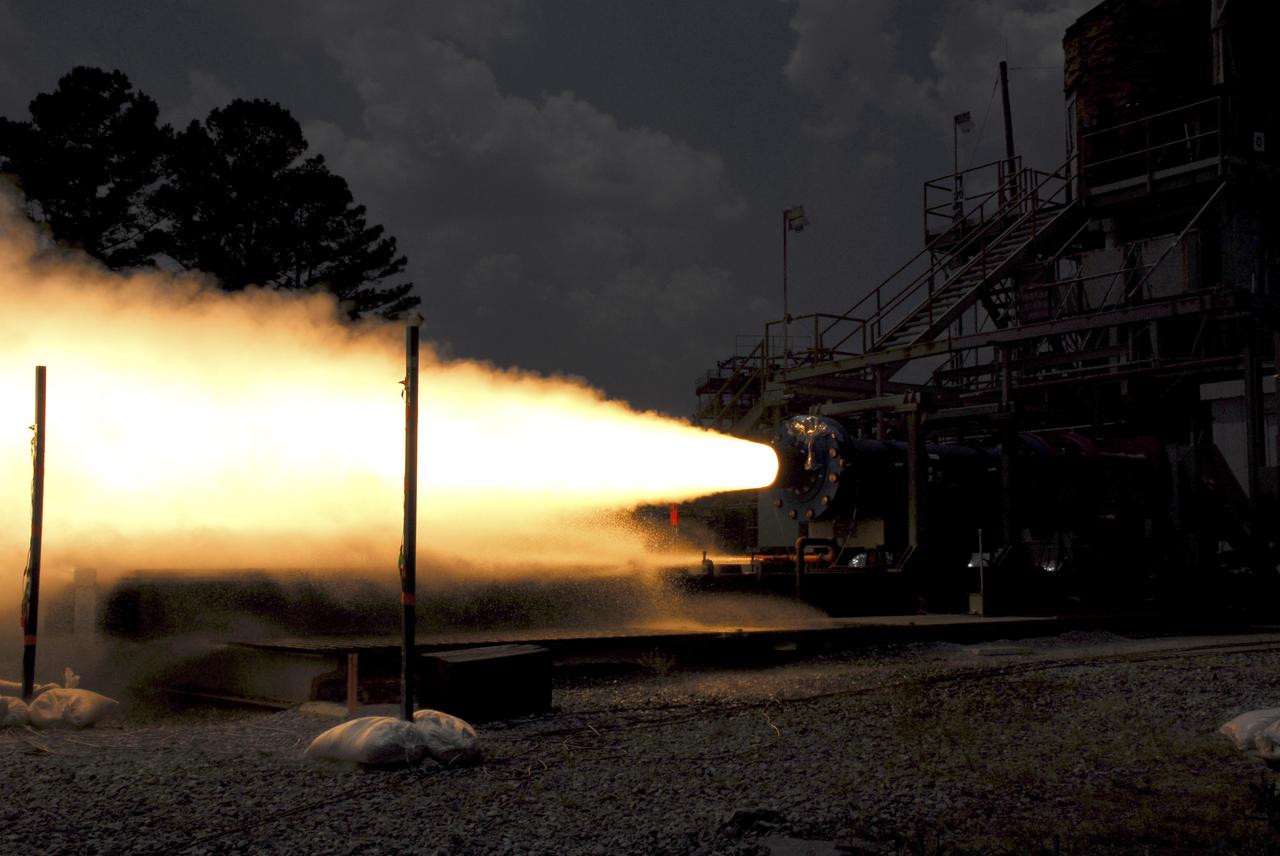
HOT FIRE P9038-SRTMV-N1 24". THE FIRST SUBSCALE MOTOR FOR THE ARES PROGRAM. THE PRIMARY OBJECTIVE FOR THE TEST IS TO ESTABLISH A BASELINE SUBSCALE CONFIGURATION FOR THE ARES 1ST STAGE NOZZLE.
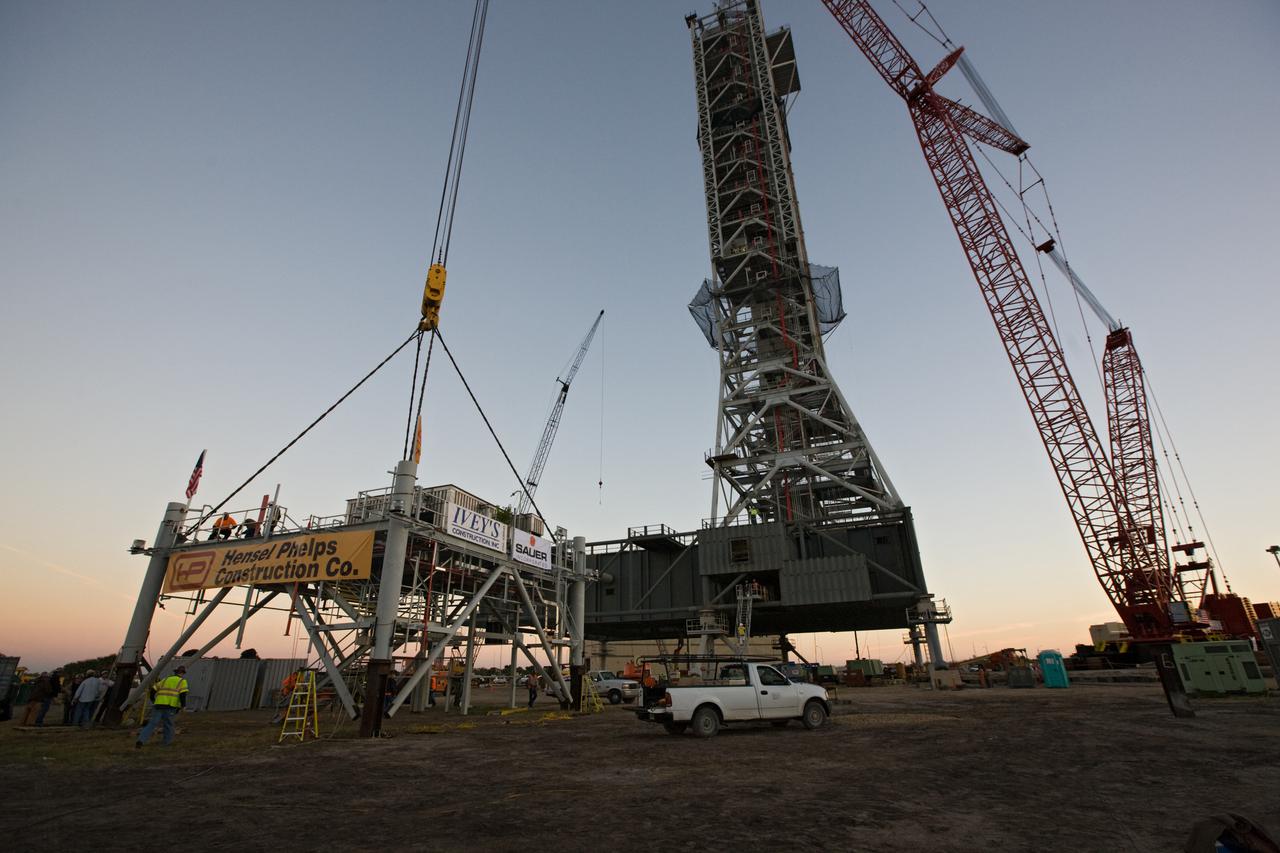
CAPE CANAVERAL, Fla. – At NASA’s Kennedy Space Center in Florida, a large crane is attached to the tenth and final tower segment of the new mobile launcher, or ML, being constructed to support the Constellation Program. When completed, the tower will be approximately 345 feet tall and have multiple platforms for personnel access. Its base is being made lighter than space shuttle mobile launcher platforms so the crawler-transporter can pick up the heavier load of the tower and a taller rocket. For information on the Constellation Program, visit http:__www.nasa.gov_constellation. Photo credit: NASA_Amanda Diller
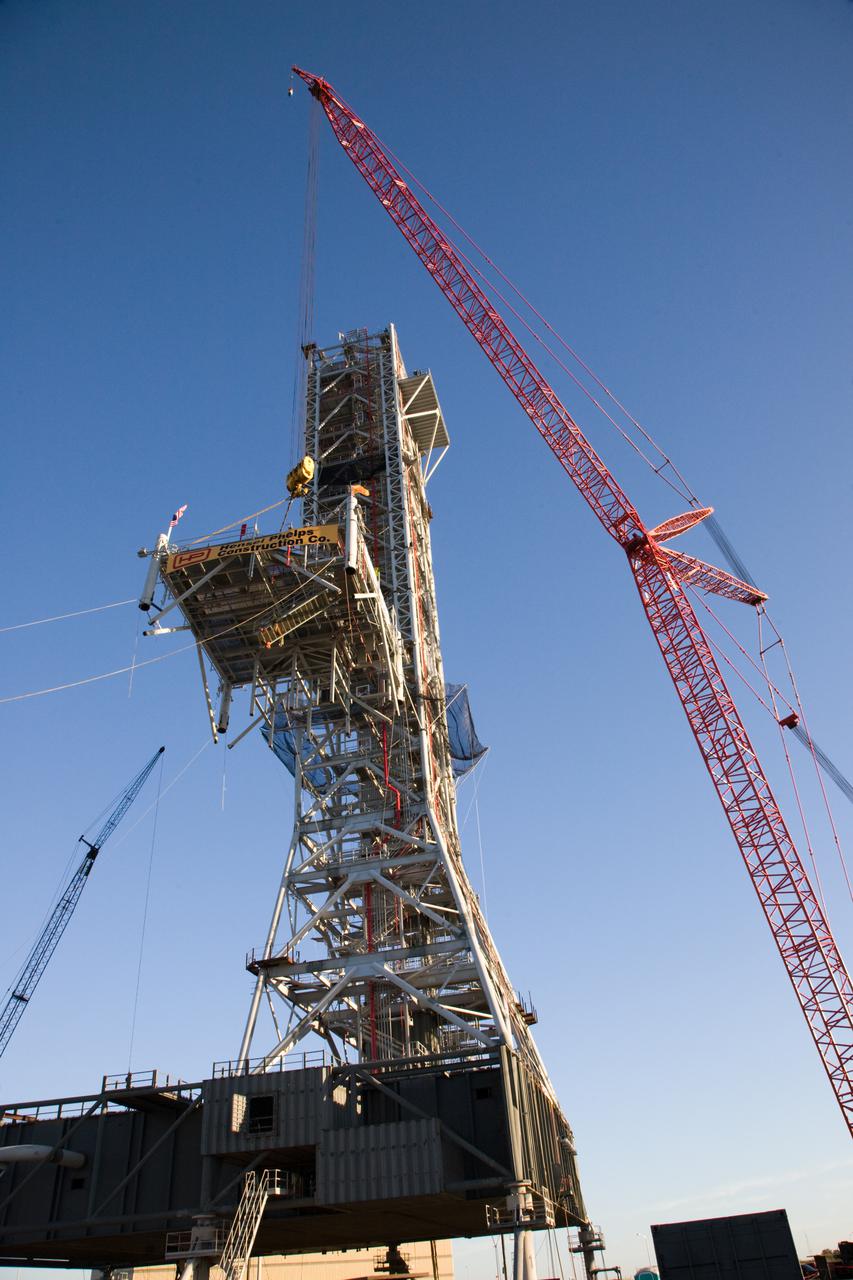
CAPE CANAVERAL, Fla. – At NASA’s Kennedy Space Center in Florida, a large crane lifts the tenth and final tower segment of a new mobile launcher, or ML, being constructed to support the Constellation Program, to the top of the growing tower. When completed, the tower will be approximately 345 feet tall and have multiple platforms for personnel access. Its base is being made lighter than space shuttle mobile launcher platforms so the crawler-transporter can pick up the heavier load of the tower and a taller rocket. For information on the Constellation Program, visit http:__www.nasa.gov_constellation. Photo credit: NASA_Amanda Diller
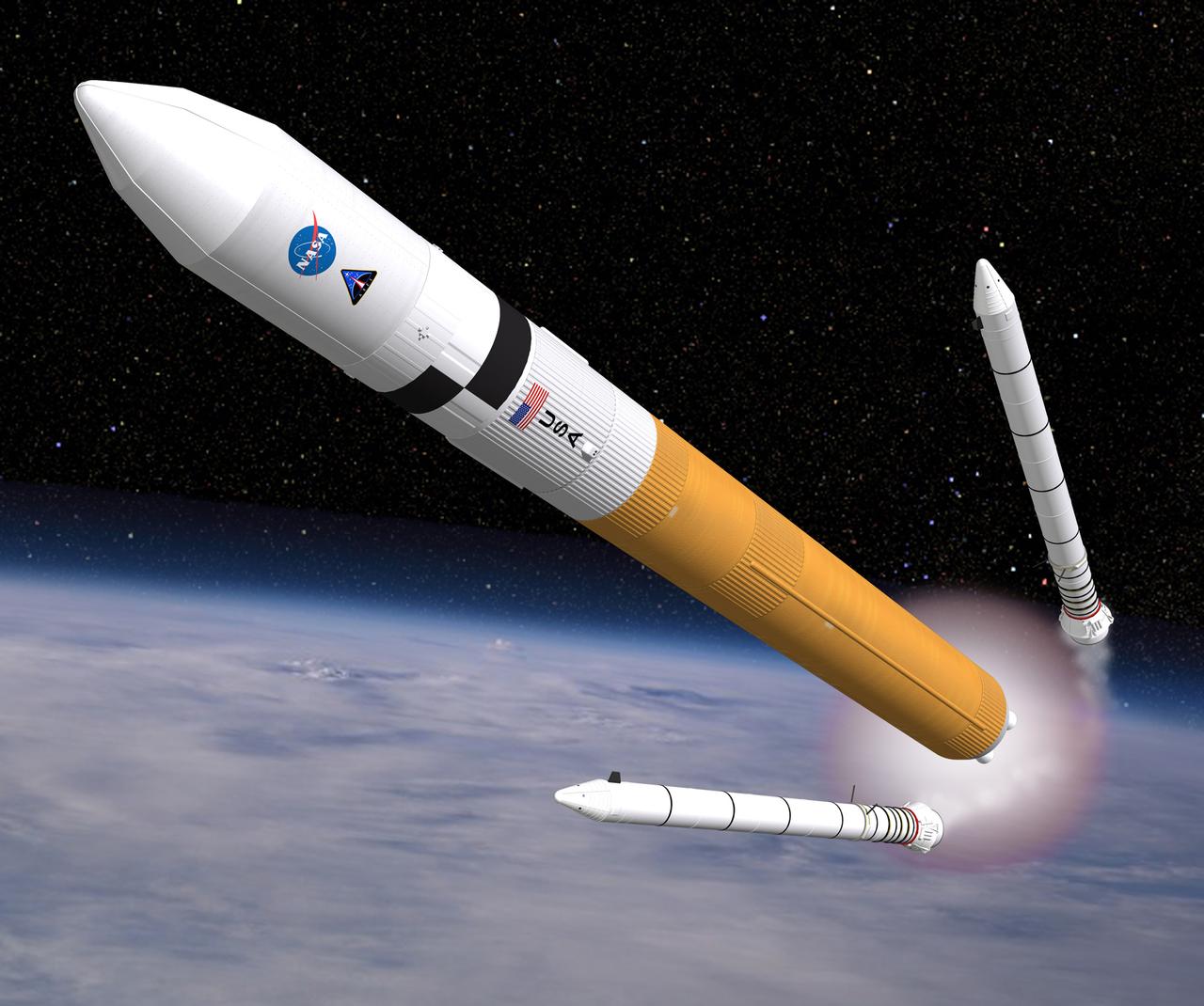
THIS CONCEPT IMAGE SHOWS THE ARES V CARGO LAUNCH VEHICLE. THE HEAVY LIFTING ARES V IS NASA'S PRIMARY VEHICLE FOR SAFE AND RELIABLE DELIVERY OF LARGE SCALE HARDWARE TO SPACE. THIS INCLUDES THE LUNAR LANDER, MATERIALS FOR ESTABLISHING A PERMANENT MOON BASE, AND THE VEHICLES AND HARDWARE NEEDED TO EXTEND A HUMAN PRESENCE BEYOND EARTH ORBIT. ARES V CAN CARRY APPROXIMATELY 290,000 POUNDS TO LOW EARTH ORBIT AND 144,000 POUNDS TO LUNAR ORBIT.

ARES 7 AXIS MILLING EQUIPMENT AND FACILITIES.
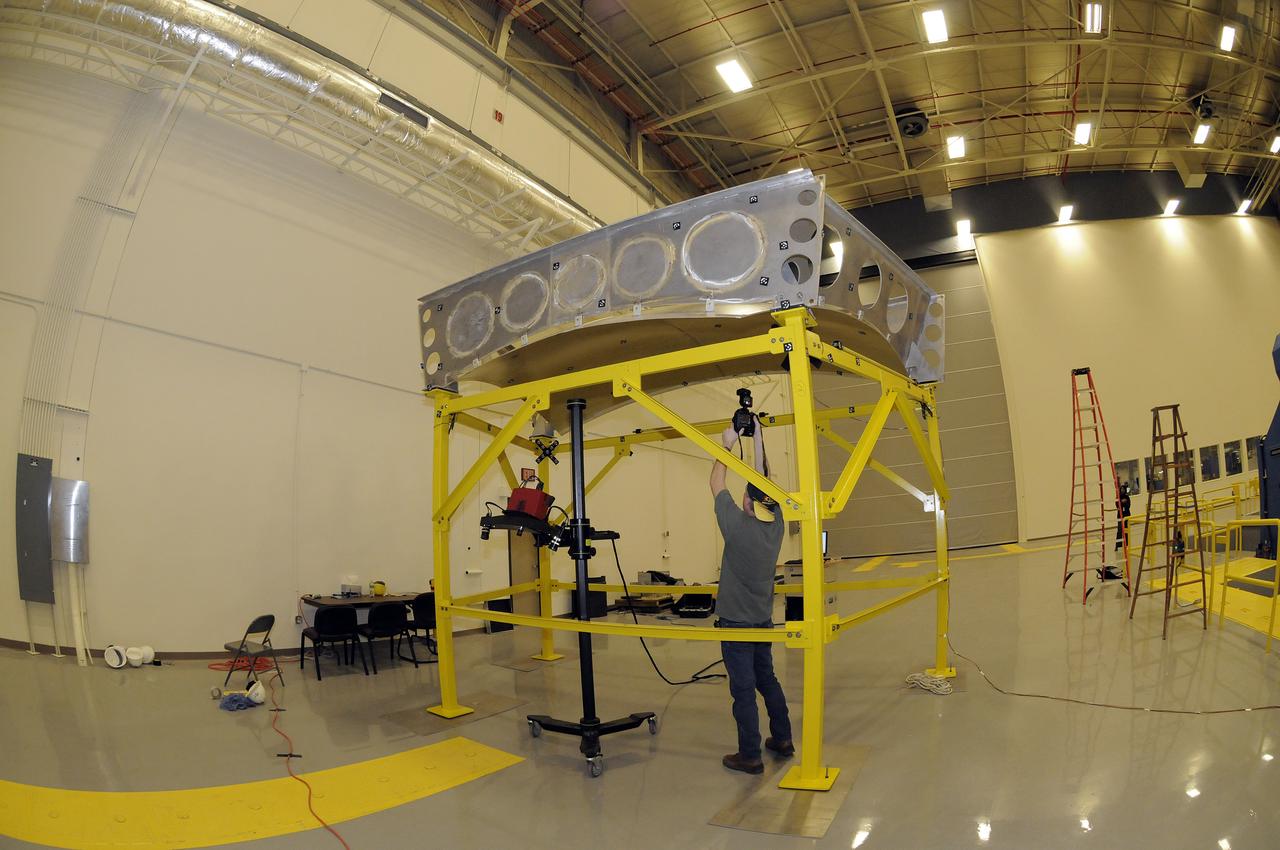
ARES 7 AXIS MILLING EQUIPMENT AND FACILITIES.
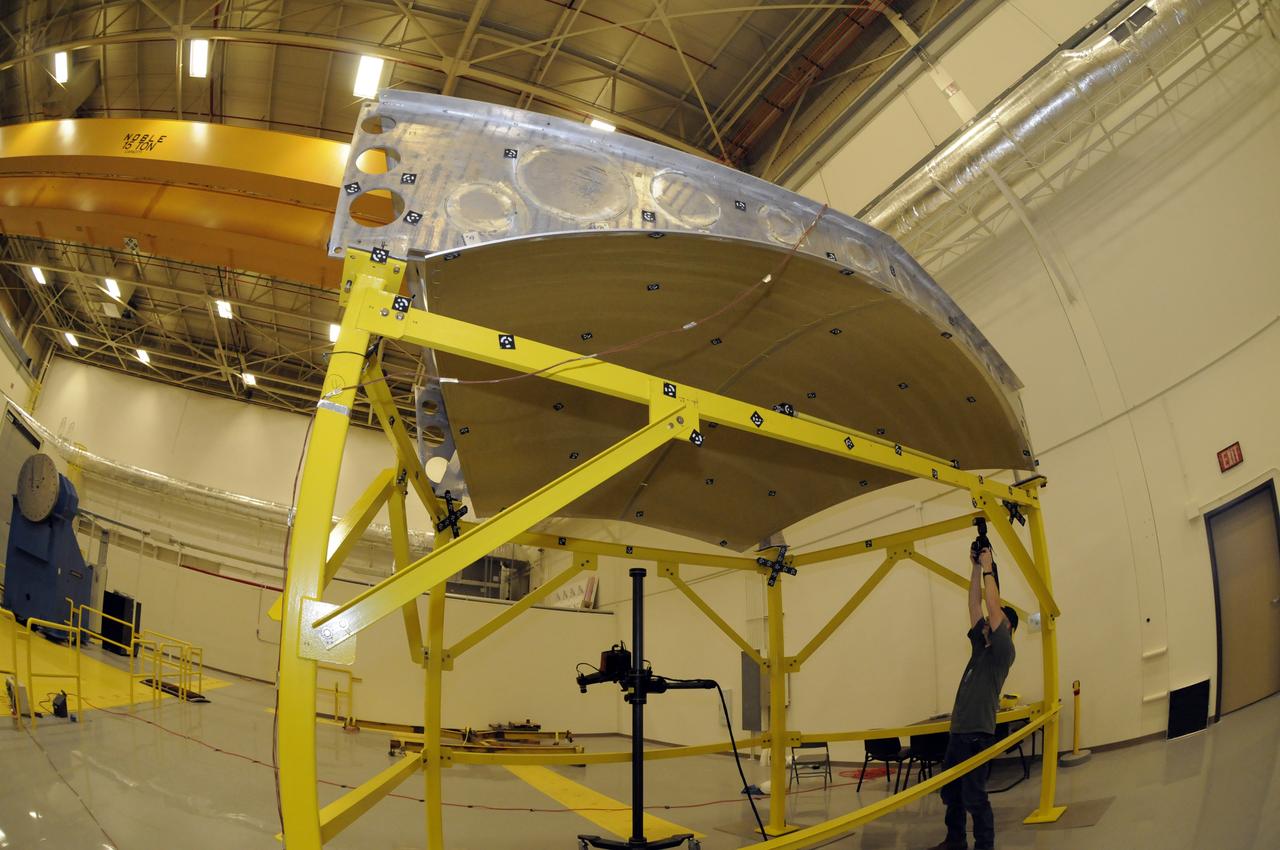
ARES 7 AXIS MILLING EQUIPMENT AND FACILITIES.
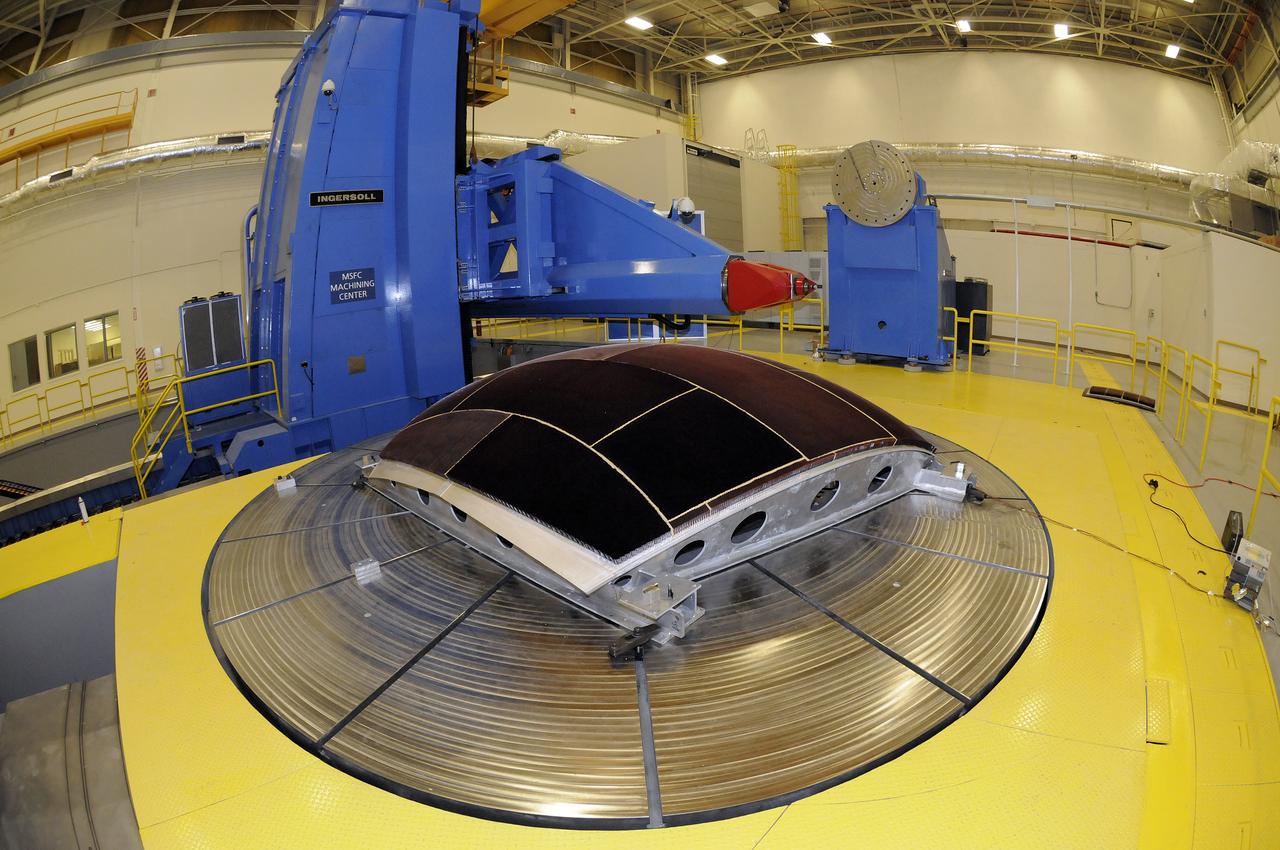
ARES 7 AXIS MILLING EQUIPMENT AND FACILITIES.
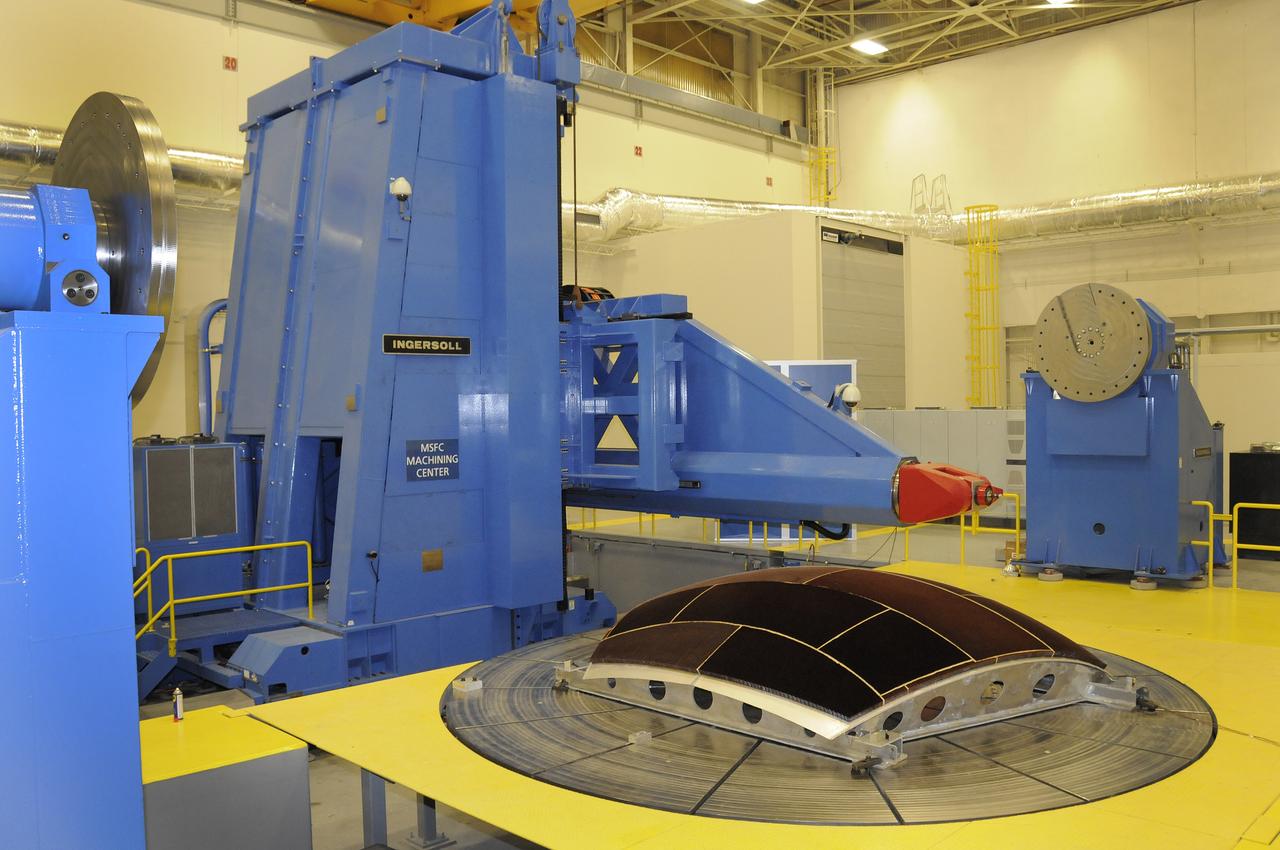
ARES 7 AXIS MILLING EQUIPMENT AND FACILITIES.
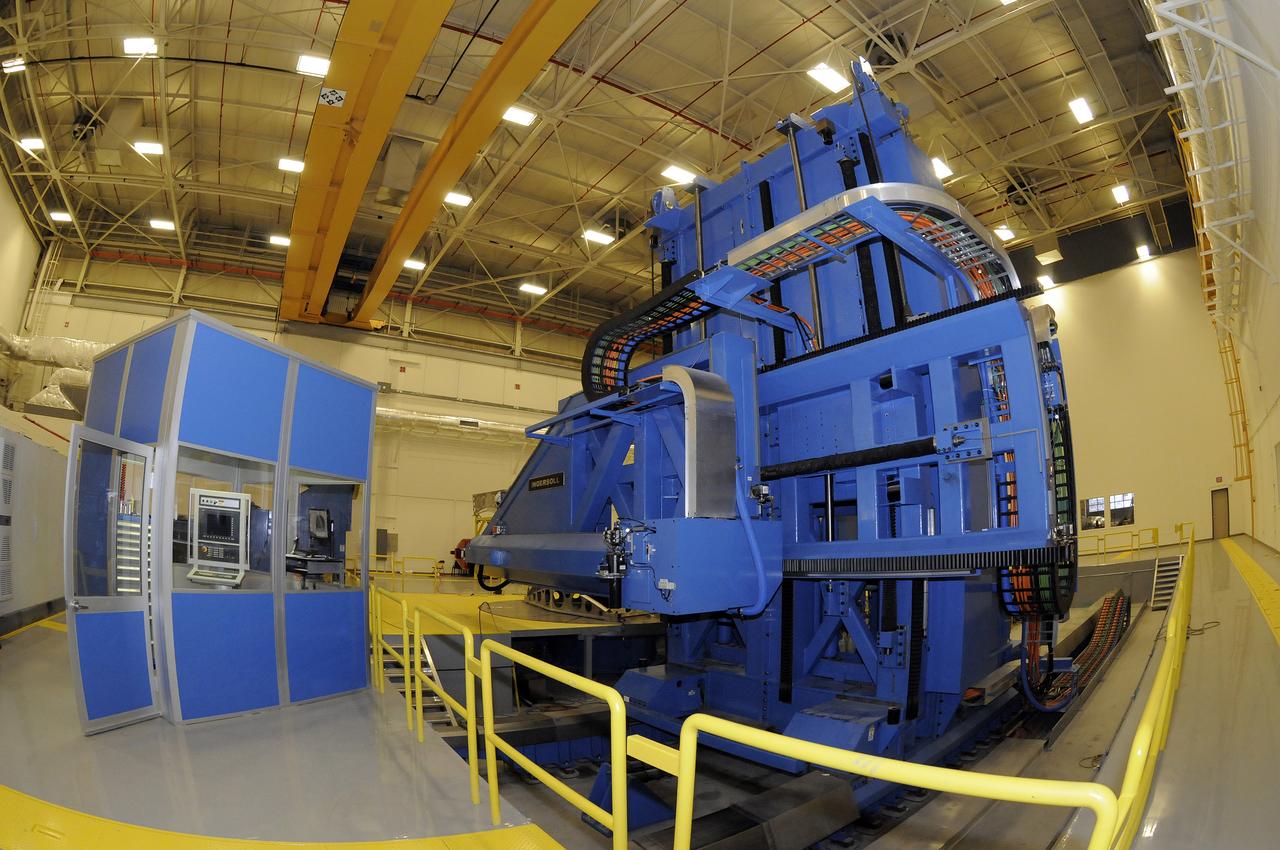
ARES 7 AXIS MILLING EQUIPMENT AND FACILITIES.
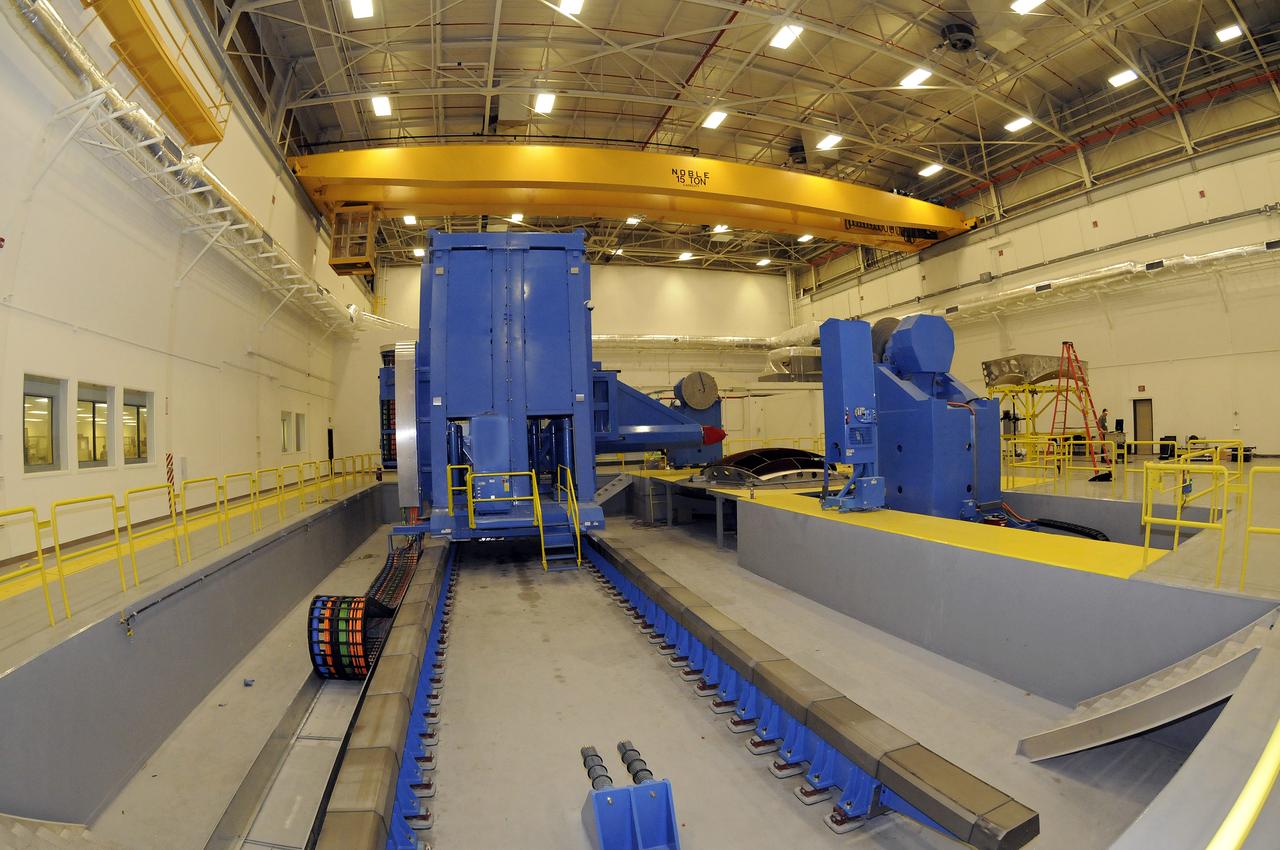
ARES 7 AXIS MILLING EQUIPMENT AND FACILITIES.
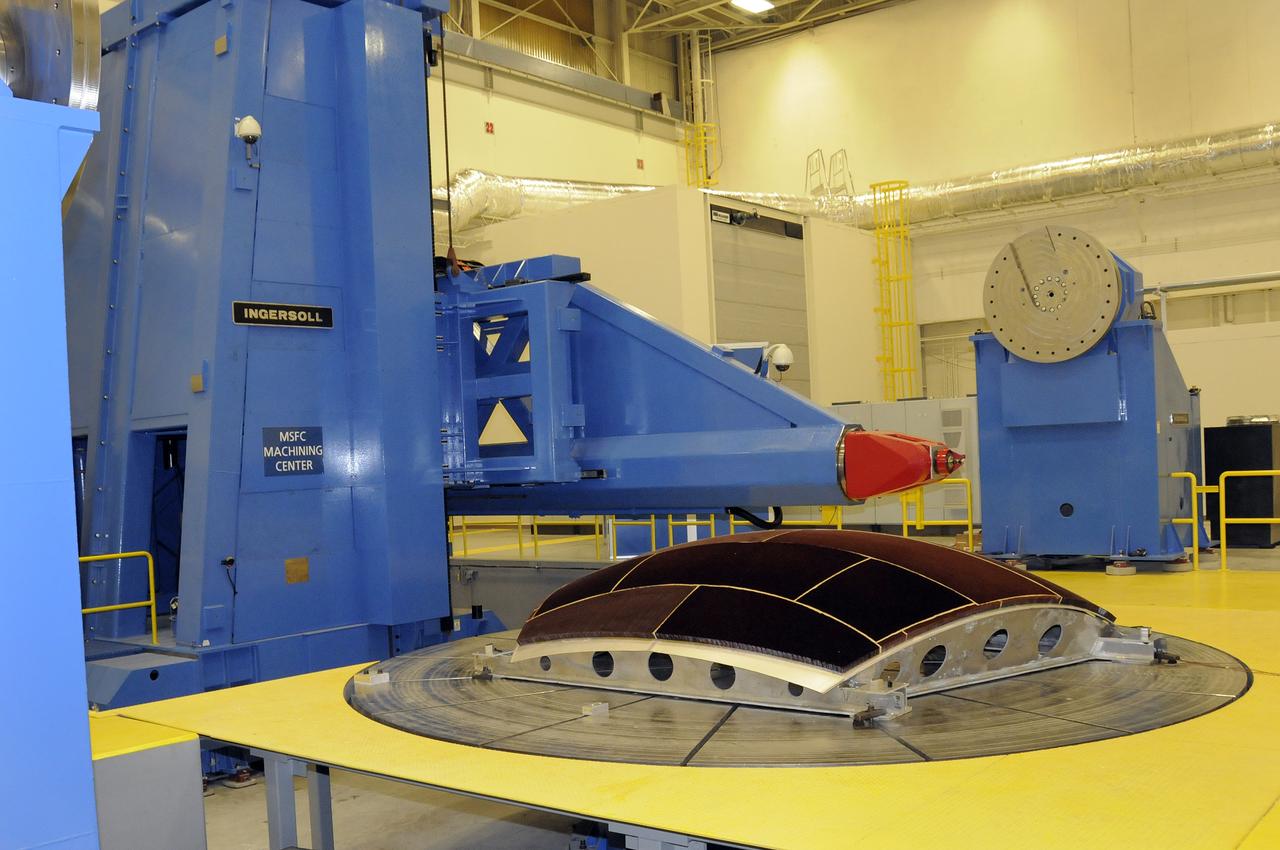
ARES 7 AXIS MILLING EQUIPMENT AND FACILITIES.
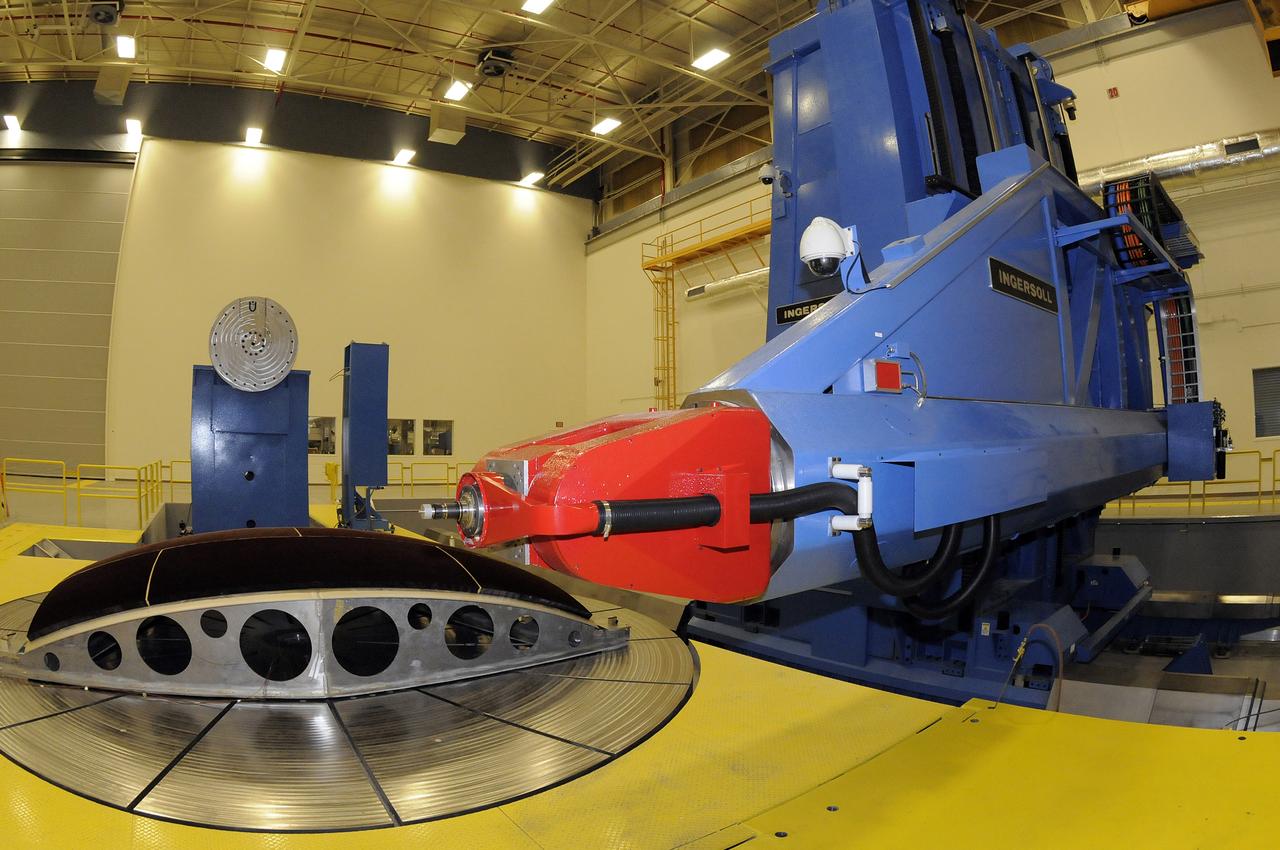
ARES 7 AXIS MILLING EQUIPMENT AND FACILITIES.
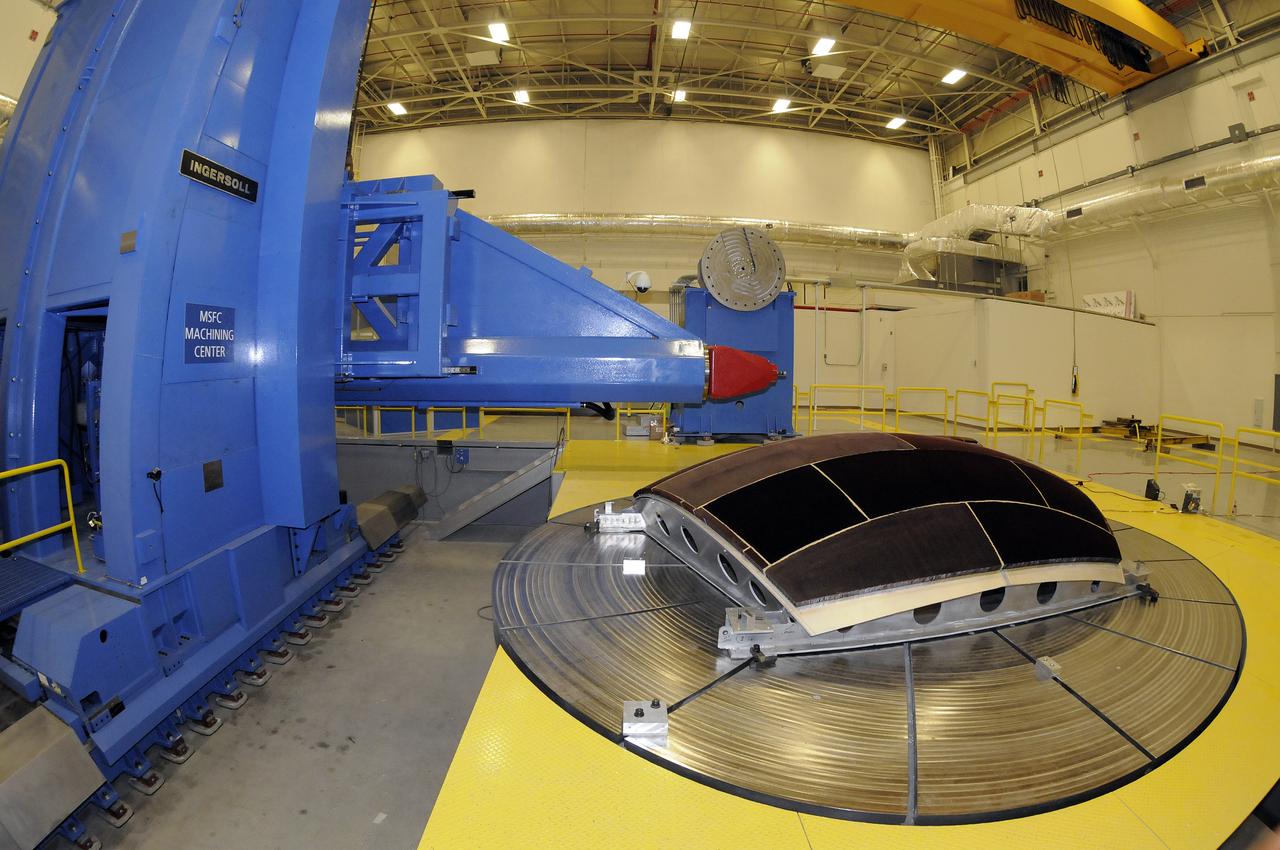
ARES 7 AXIS MILLING EQUIPMENT AND FACILITIES.
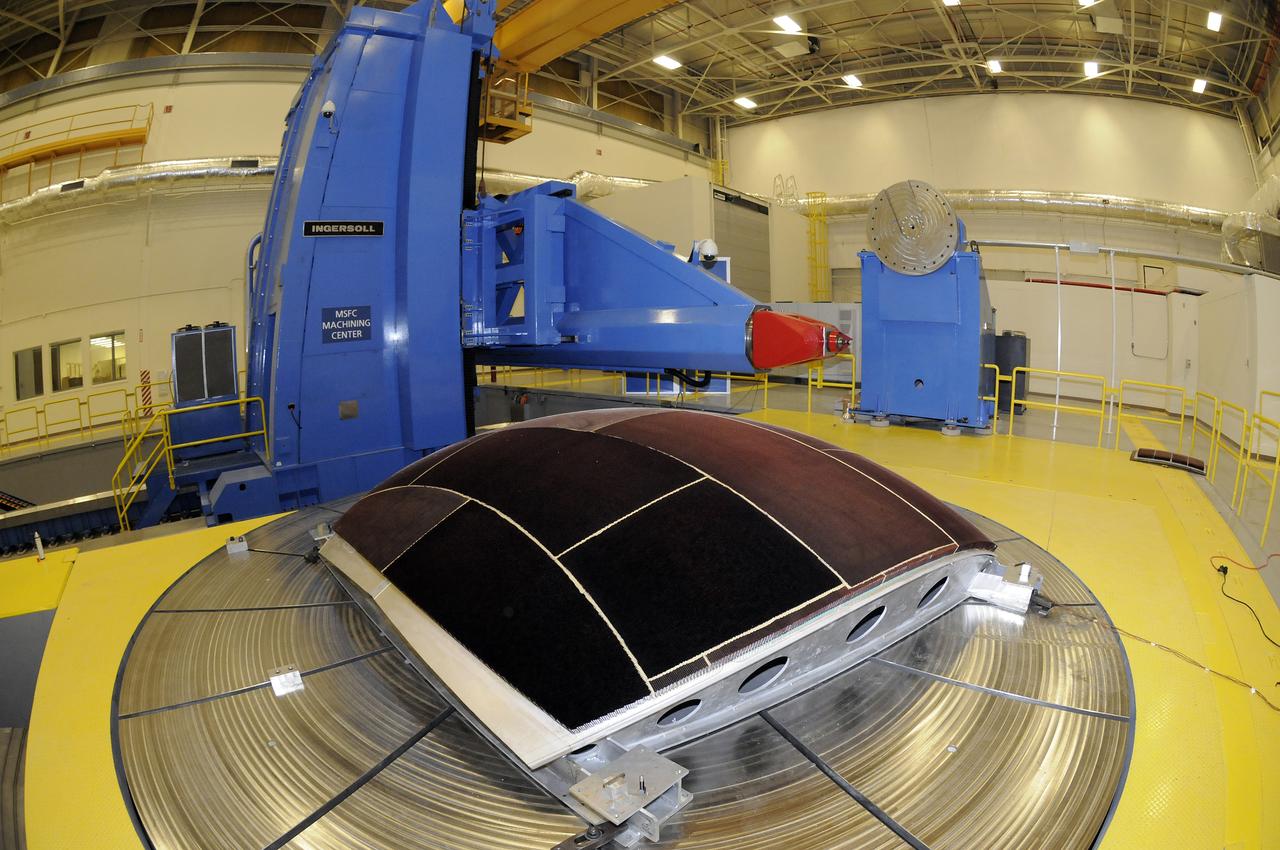
ARES 7 AXIS MILLING EQUIPMENT AND FACILITIES.
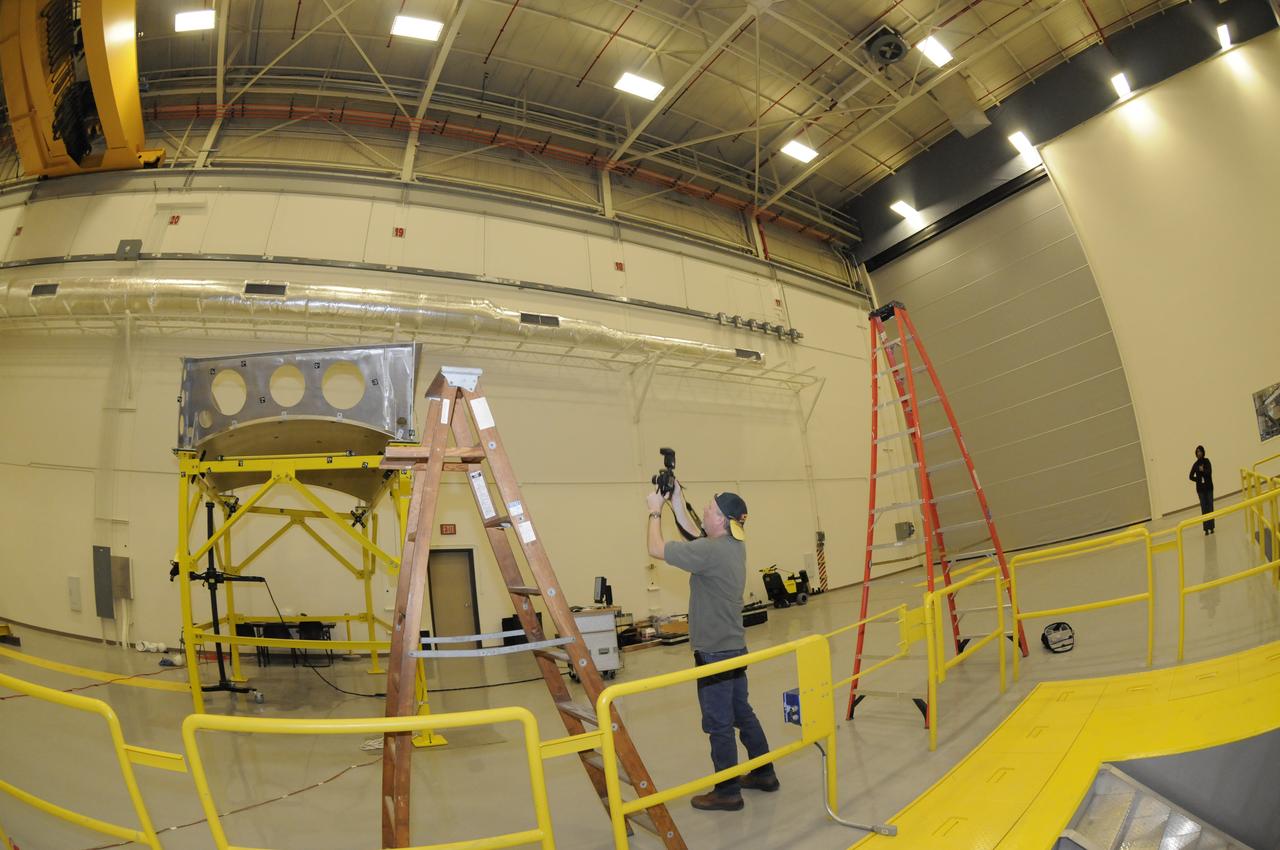
ARES 7 AXIS MILLING EQUIPMENT AND FACILITIES.
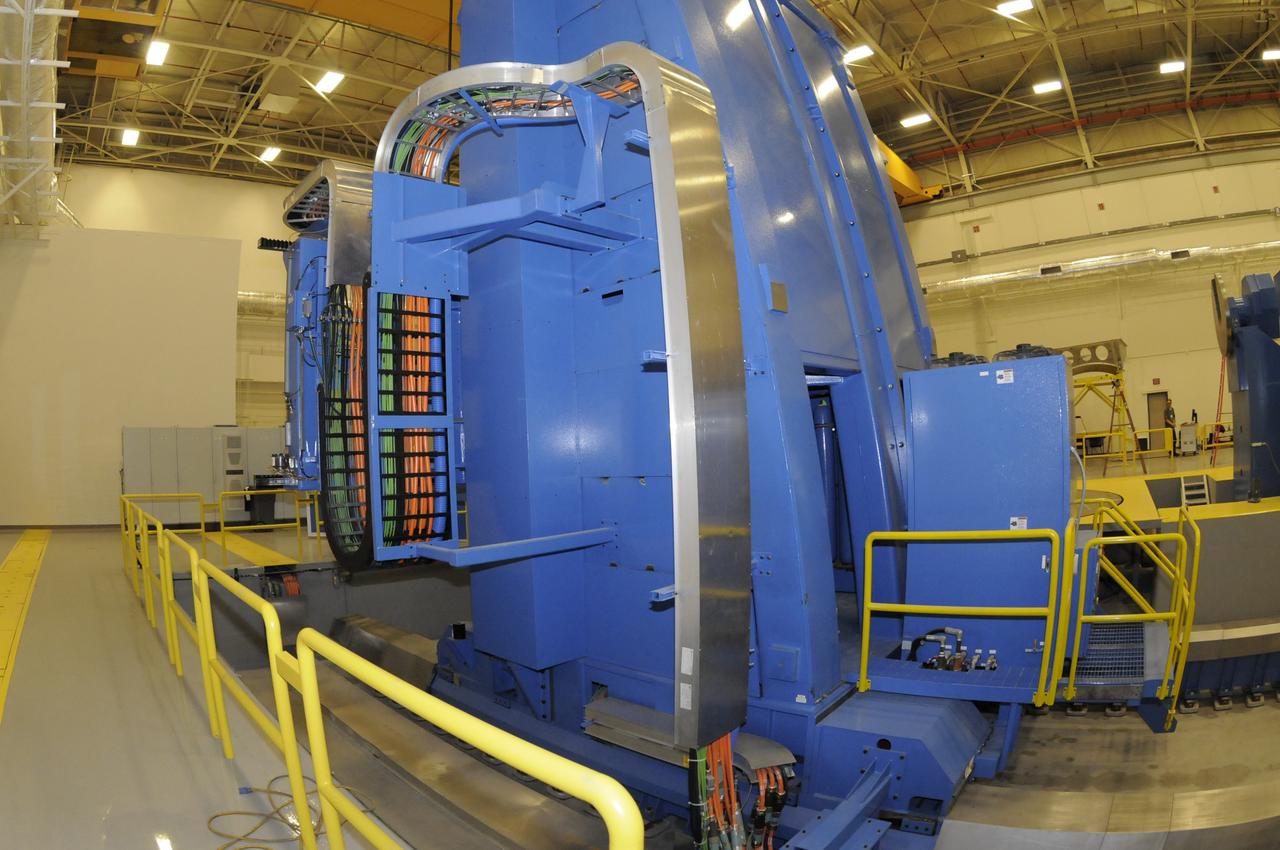
ARES 7 AXIS MILLING EQUIPMENT AND FACILITIES.
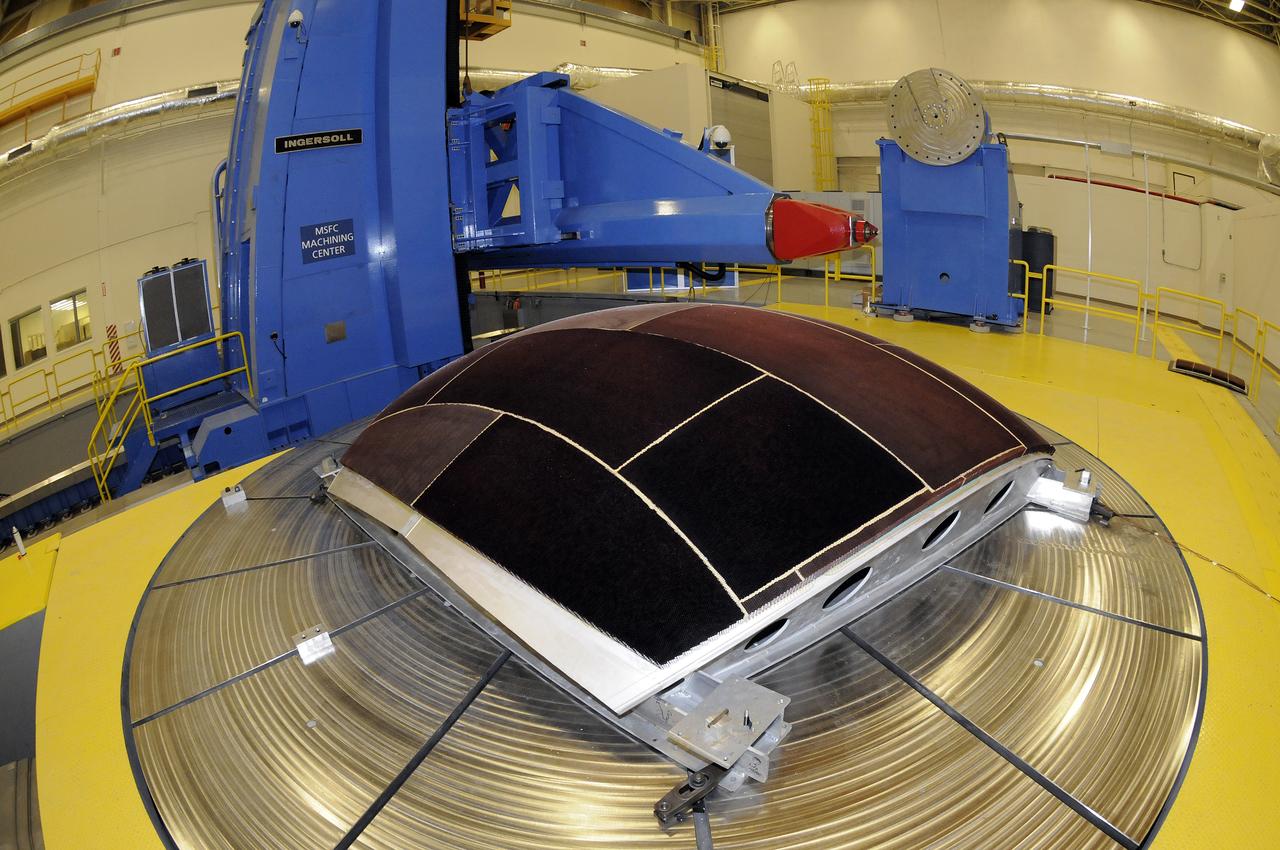
ARES 7 AXIS MILLING EQUIPMENT AND FACILITIES.
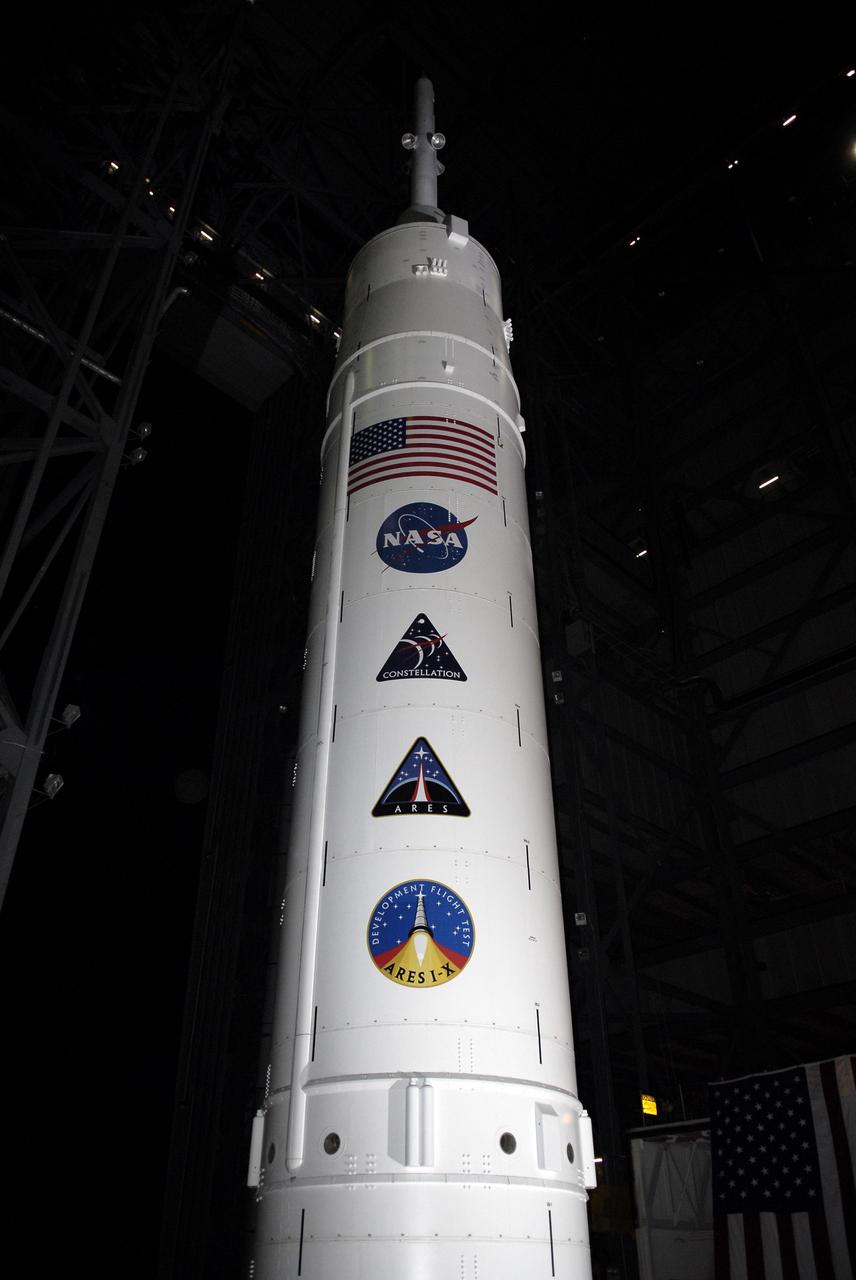
CAPE CANAVERAL, Fla. - Poised inside Vehicle Assembly Building at NASA's Kennedy Space Center in Florida, the Ares I-X rocket's upper stage is adorned with the American flag, NASA logo, and the logos of the Constellation Program, Ares, and Ares I-X. The transfer of the pad from the Space Shuttle Program to the Constellation Program took place May 31. Modifications made to the pad include the removal of shuttle unique subsystems, such as the orbiter access arm and a section of the gaseous oxygen vent arm, along with the installation of three 600-foot lightning towers, access platforms, environmental control systems and a vehicle stabilization system. Part of the Constellation Program, the Ares I-X is the test vehicle for the Ares I. The Ares I-X flight test is targeted for Oct. 27. For information on the Ares I-X vehicle and flight test, visit http://www.nasa.gov/aresIX. Photo credit: NASA/Kim Shiflett
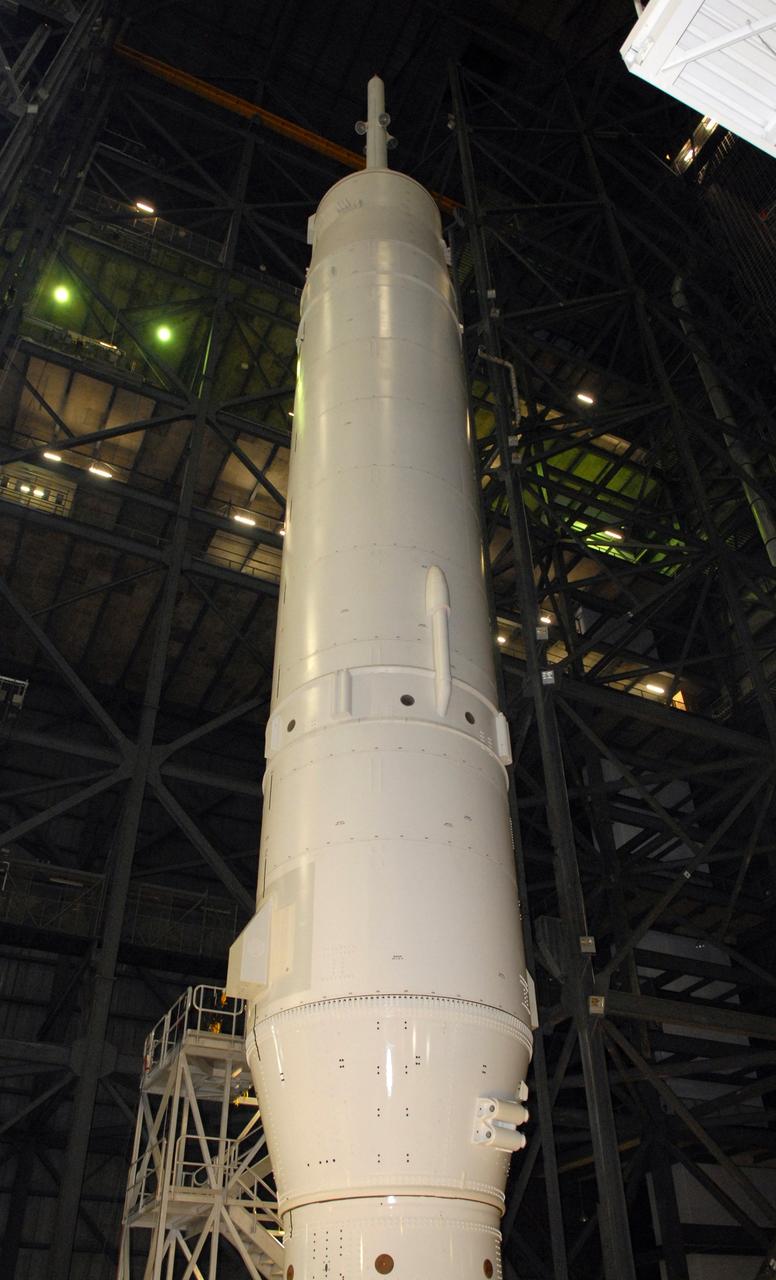
CAPE CANAVERAL, Fla. – Processing of the Ares I-X vehicle nears completion in the Vehicle Assembly Building's High Bay 3 at NASA's Kennedy Space Center in Florida. Rollout to Launch Pad 39B is targeted for Oct. 19. Part of the Constellation Program, the Ares I-X is the test vehicle for the Ares I, which is the essential core of a space transportation system designed to carry crewed missions back to the moon, on to Mars and out into the solar system. The Ares I-X flight test is targeted for Oct. 27. For information on the Ares I-X vehicle and flight test, visit http://www.nasa.gov/mission_pages/constellation/ares/flighttests/aresIx/index.html. Photo credit: NASA/Jim Grossmann
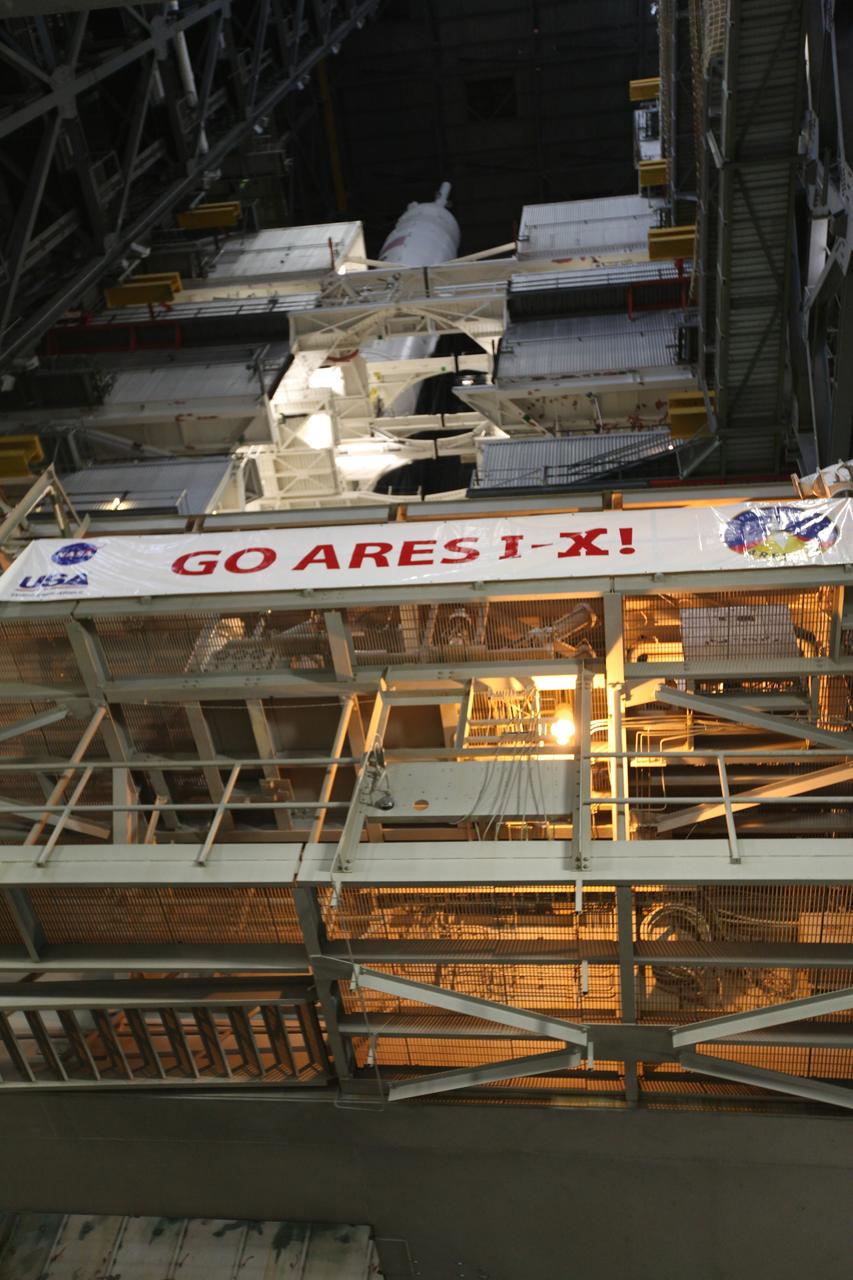
CAPE CANAVERAL, Fla. – A banner inside NASA Kennedy Space Center's Vehicle Assembly Building captures the excitement building at Kennedy in anticipation of the flight test of the Ares I-X rocket, towering above it in High Bay 3. Part of the Constellation Program, the Ares I-X is the test vehicle for the Ares I, which is the essential core of a space transportation system designed to carry crewed missions back to the moon, on to Mars and out into the solar system. The Ares I-X flight test is targeted for Oct. 27. For information on the Ares I-X vehicle and flight test, visit http://www.nasa.gov/mission_pages/constellation/ares/flighttests/aresIx/index.html. Photo credit: NASA/Glenn Benson
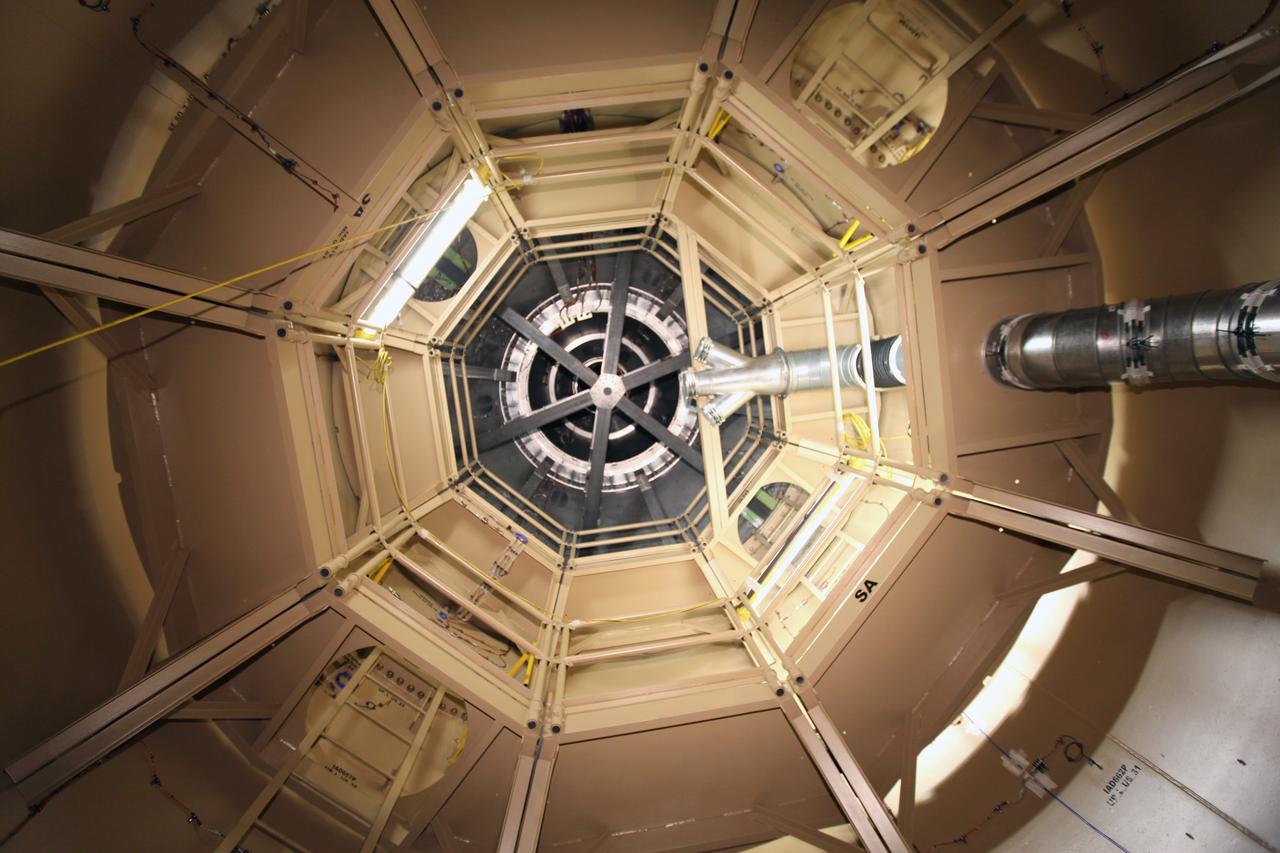
CAPE CANAVERAL, Fla. – Steep ladders mounted to opposing sides of the interior wall of the upper stage simulator of the Ares I-X rocket provide the only access inside the vehicle for the installation of instruments and equipment. Part of the Constellation Program, the Ares I-X is the test vehicle for the Ares I, which is the essential core of a space transportation system designed to carry crewed missions back to the moon, on to Mars and out into the solar system. The Ares I-X flight test is targeted for Oct. 27. For information on the Ares I-X vehicle and flight test, visit http://www.nasa.gov/mission_pages/constellation/ares/flighttests/aresIx/index.html. Photo credit: NASA/Glenn Benson
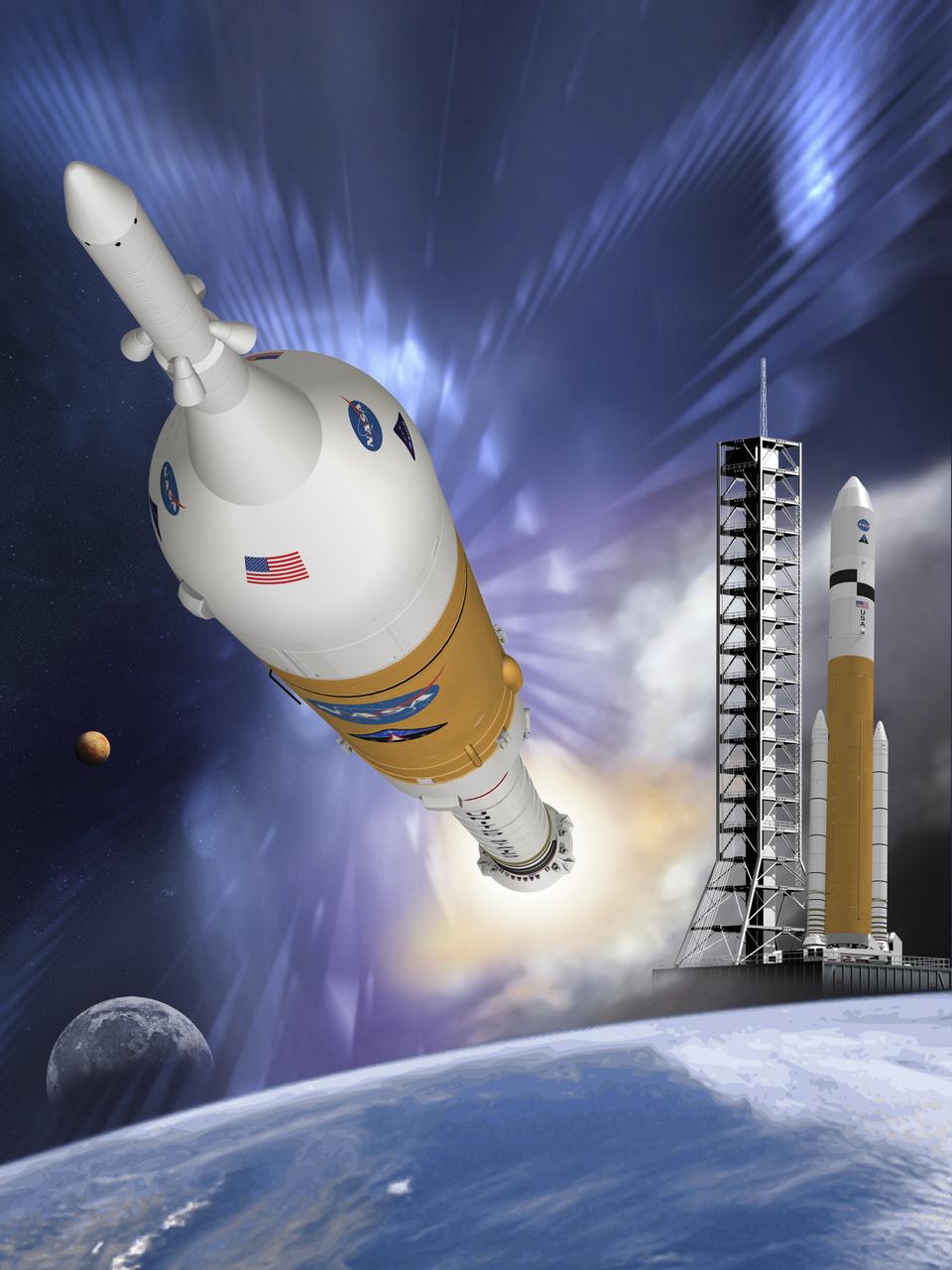
Shown is a concept illustration of the Ares I crew launch vehicle during launch and the Ares V cargo launch vehicle on the launch pad. Ares I will carry the Orion Crew Exploration Vehicle with an astronaut crew to Earth orbit. Ares V will deliver large-scale hardware to space. This includes the Altair Lunar Lander, materials for establishing an outpost on the moon, and the vehicles and hardware needed to extend a human presence beyond Earth orbit.
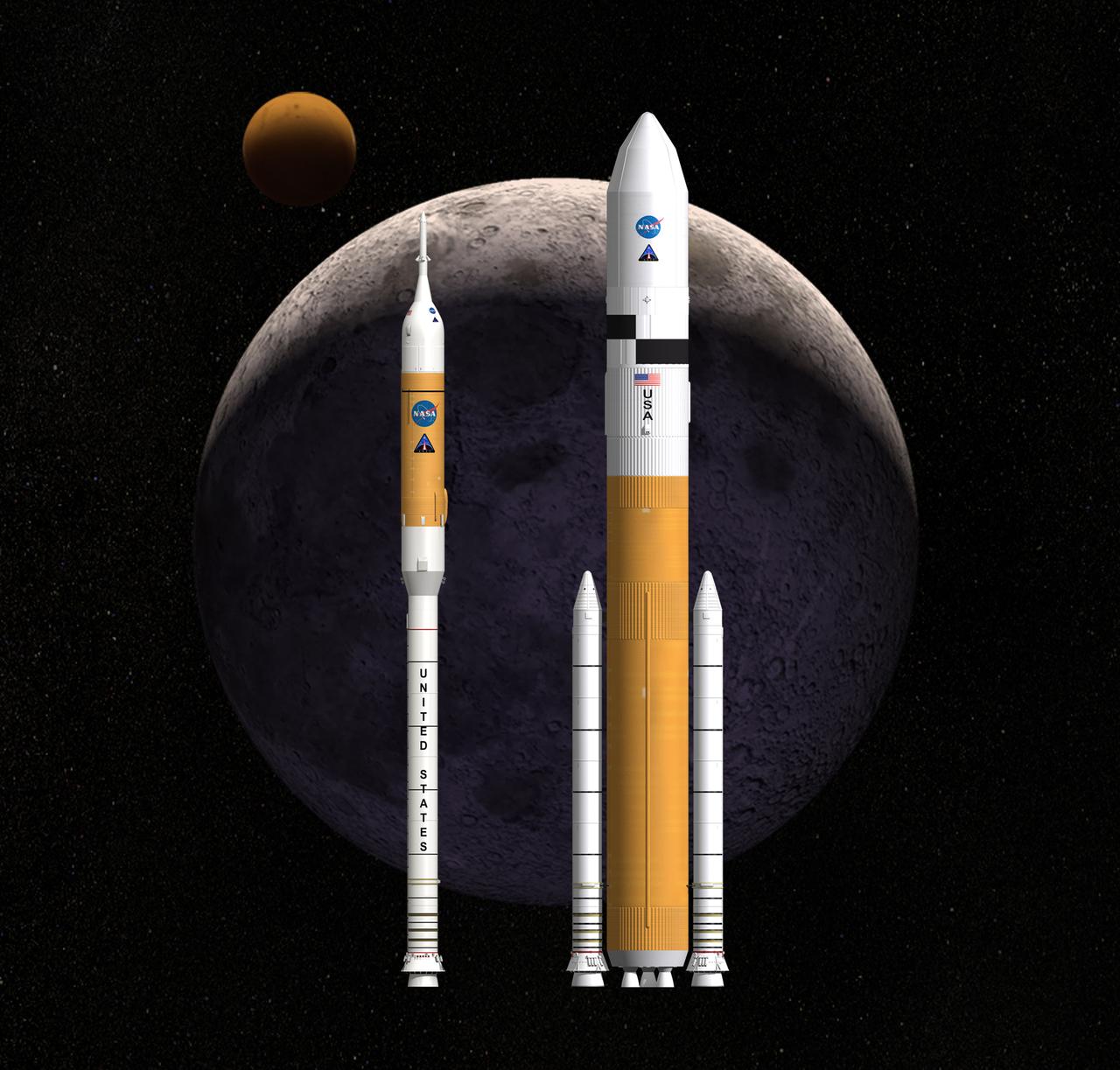
THIS CONCEPT IMAGE SHOWS NASA'S NEXT GENERATION LAUNCH VEHICLE SYSTEMS STANDING SIDE BY SIDE. ARES I, LEFT, IS THE CREW LAUNCH VEHICLE THAT WILL CARRY THE ORION CREW EXPLORATION VEHICLE TO SPACE. ARES V IS THE CARGO LAUNCH VEHICLE THAT WILL DELIVER LARGE SCALE HARDWARE, INCLUDING THE LUNAR LANDER, TO SPACE.
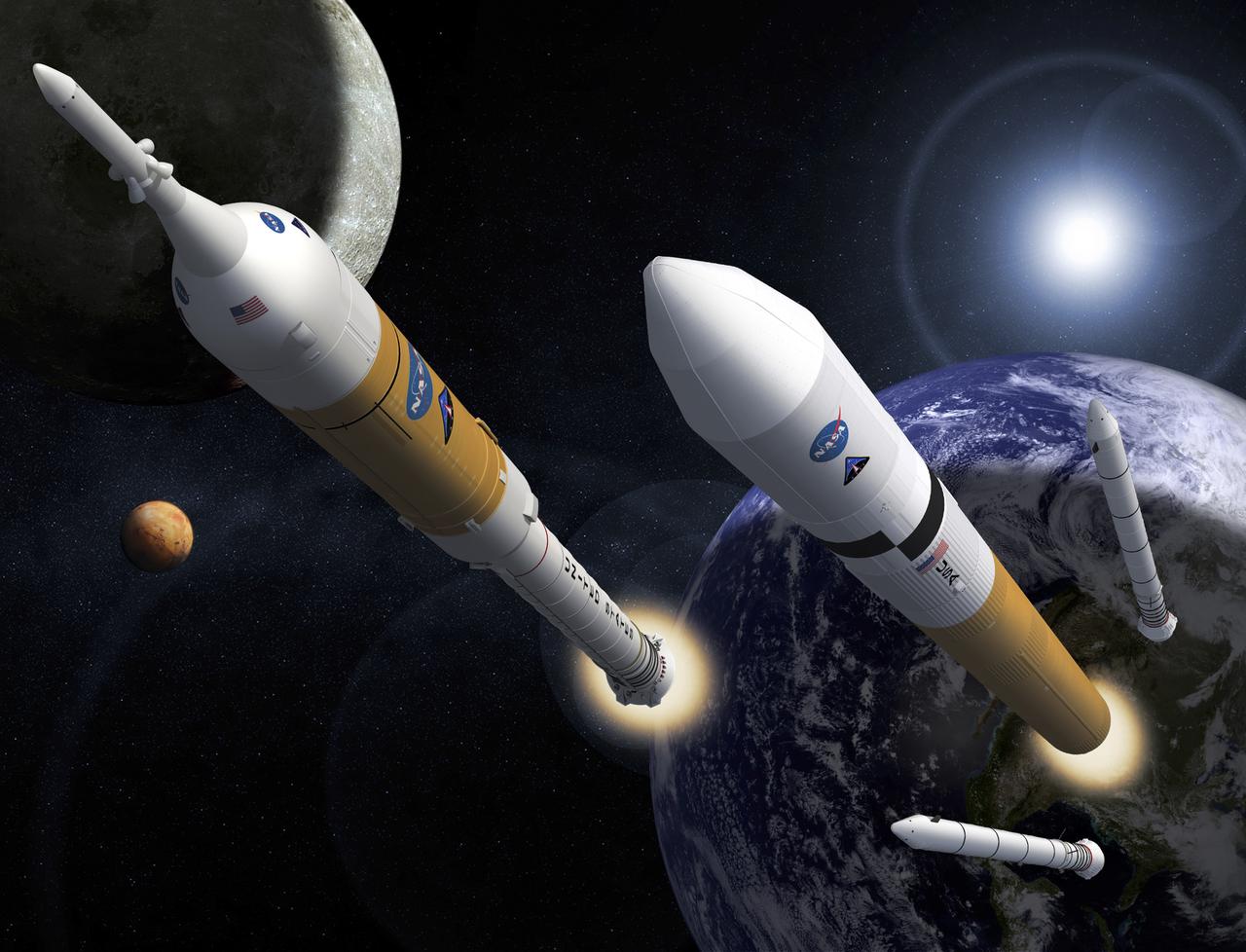
Shown is a concept illustration of the Ares I crew launch vehicle, left, and Ares V cargo launch vehicle. Ares I will carry the Orion Crew Exploration Vehicle to space. Ares V will serve as NASA's primary vehicle for delivery of large-scale hardware to space.
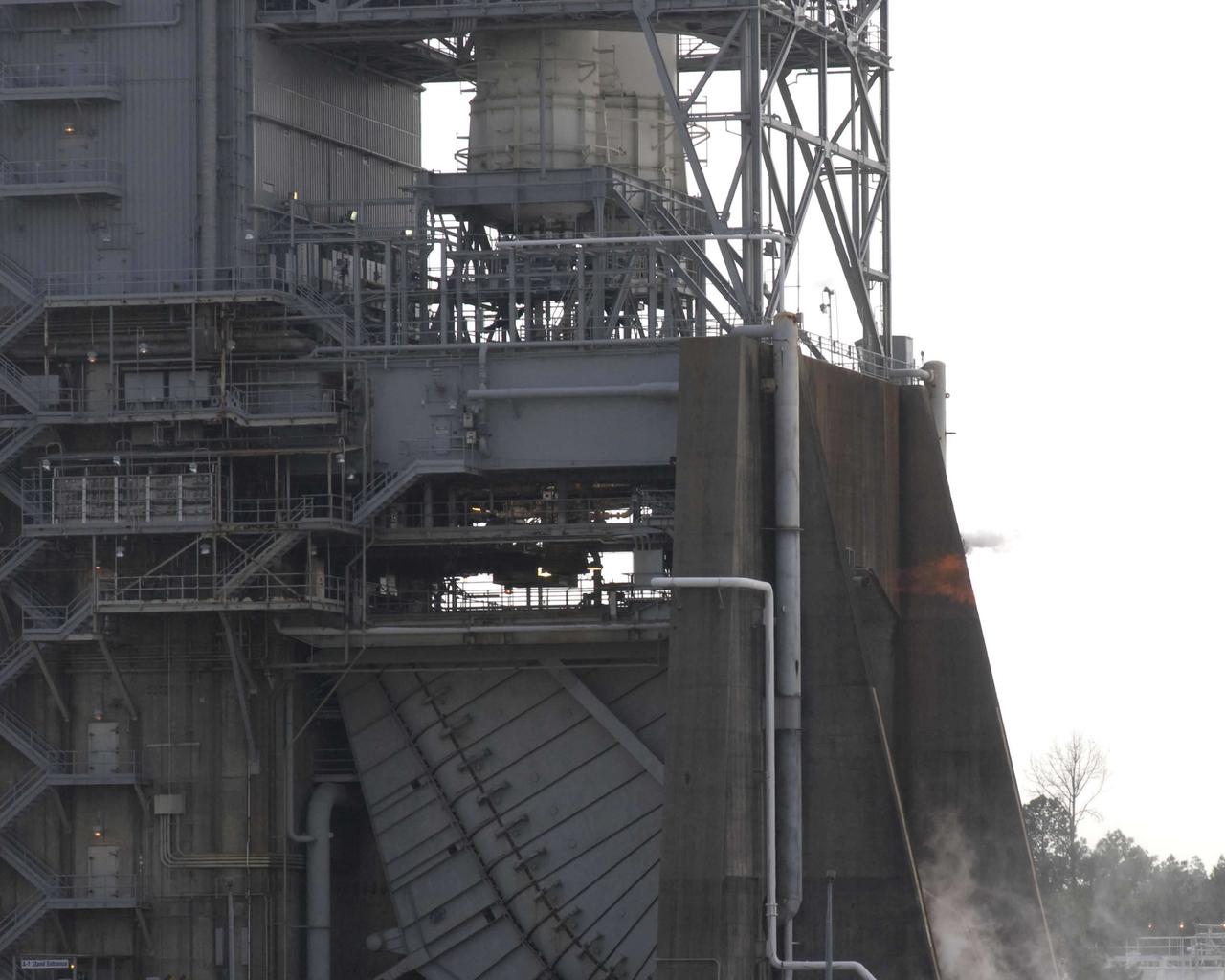
NASA engineers successfully complete the first series of tests in the early development of the J-2X engine that will power the Ares I and Ares V rockets, key components of NASA's Constellation Program.
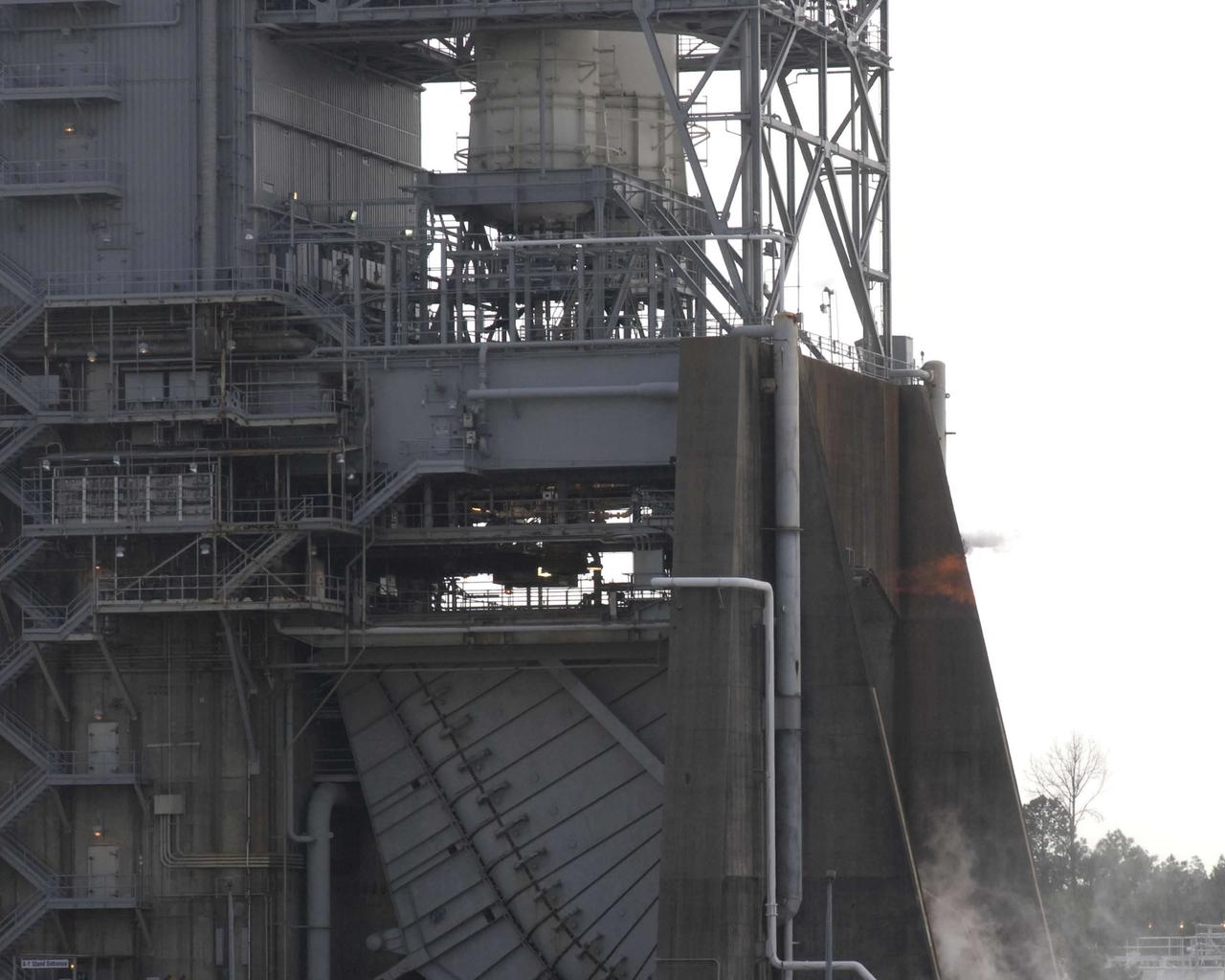
NASA engineers successfully complete the first series of tests in the early development of the J-2X engine that will power the Ares I and Ares V rockets, key components of NASA's Constellation Program.
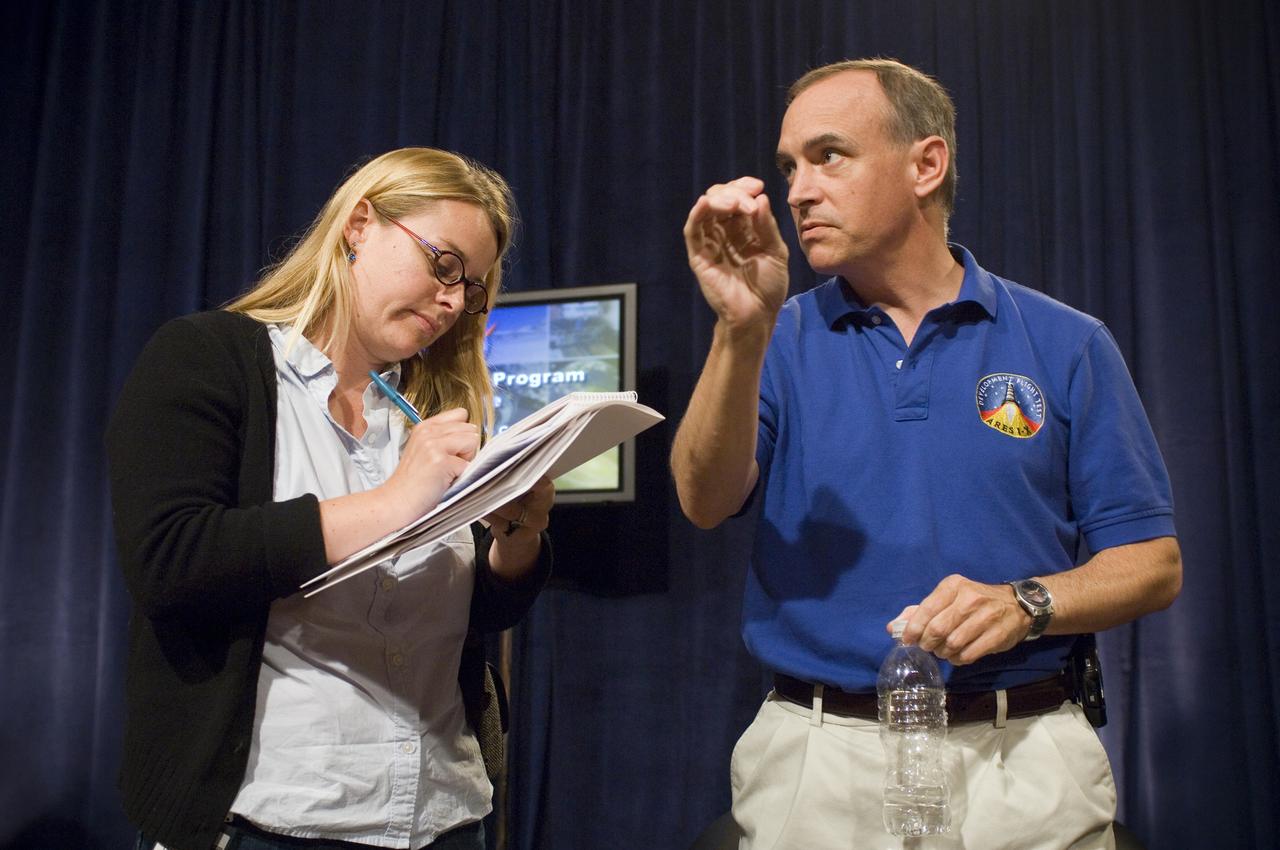
NASA Officials gather at Ames Research Center to discuss Spaceship development progress. Constellation is developing the Orion spacecraft and Ares rockets to support an American return to the moon by 2020. Speaker Jeff Hanley, JSC Constellation program manager
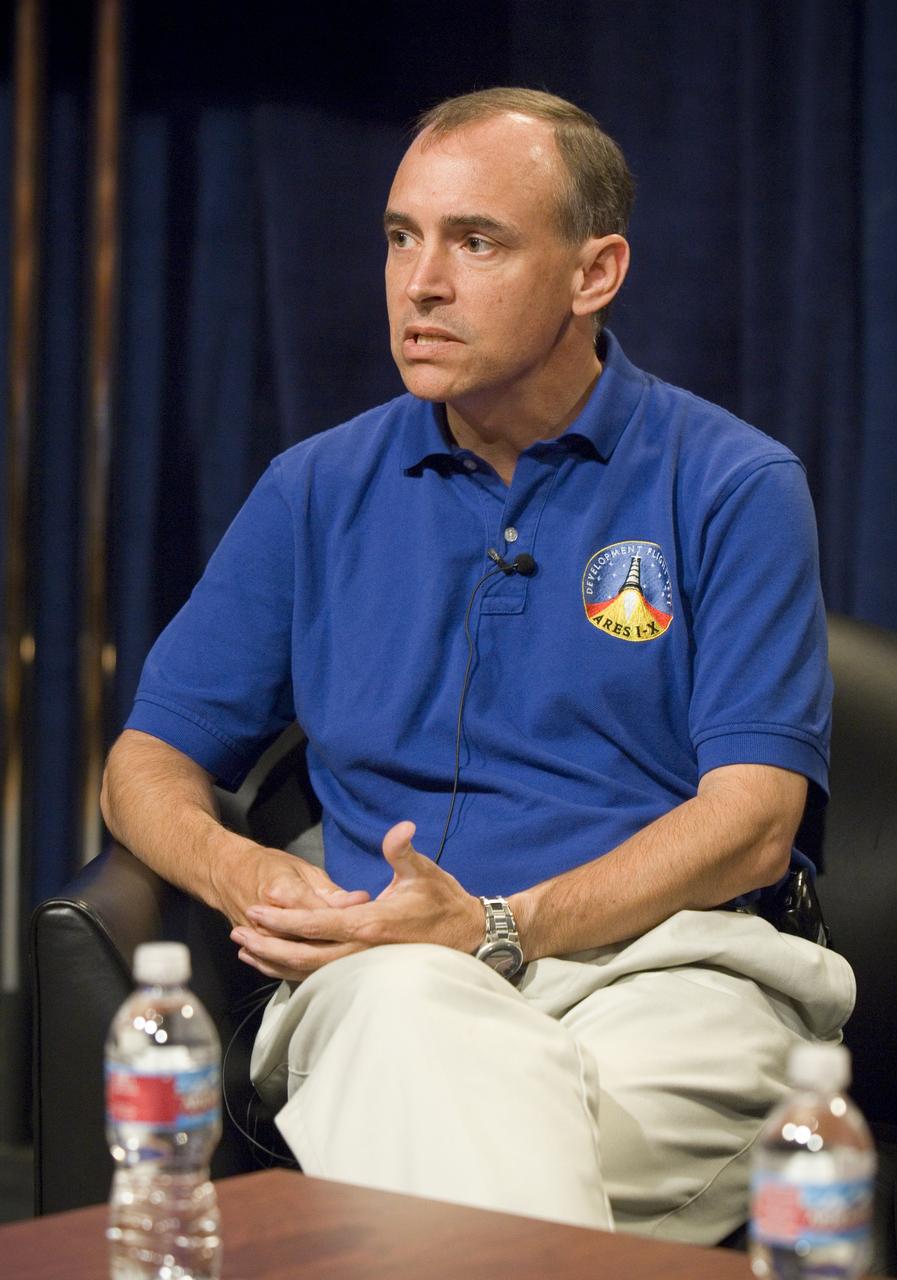
NASA Officials gather at Ames Research Center to discuss Spaceship development progress. Constellation is developing the Orion spacecraft and Ares rockets to support an American return to the moon by 2020. Speaker Jeff Hanley, JSC Constellation program manager
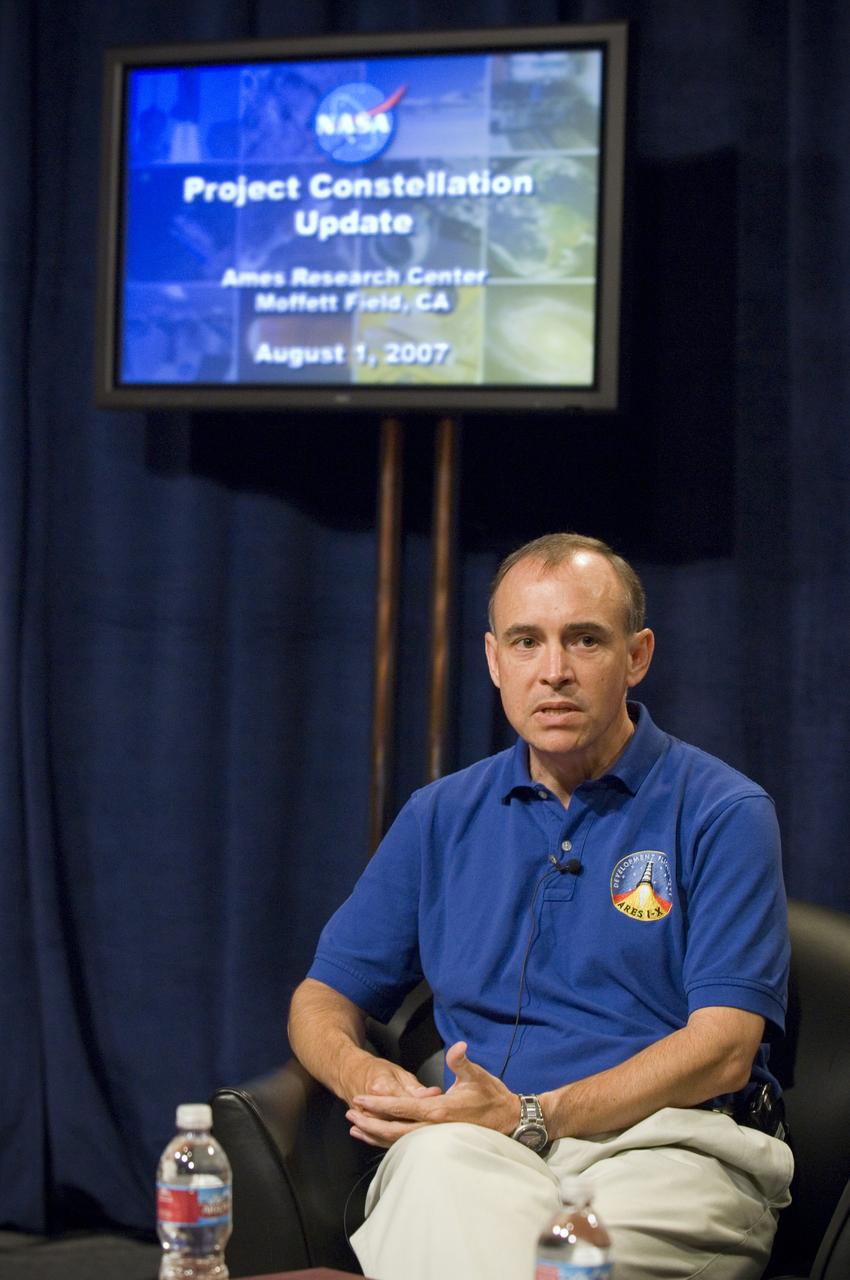
NASA Officials gather at Ames Research Center to discuss Spaceship development progress. Constellation is developing the Orion spacecraft and Ares rockets to support an American return to the moon by 2020. Speaker Jeff Hanley, JSC Constellation program manager
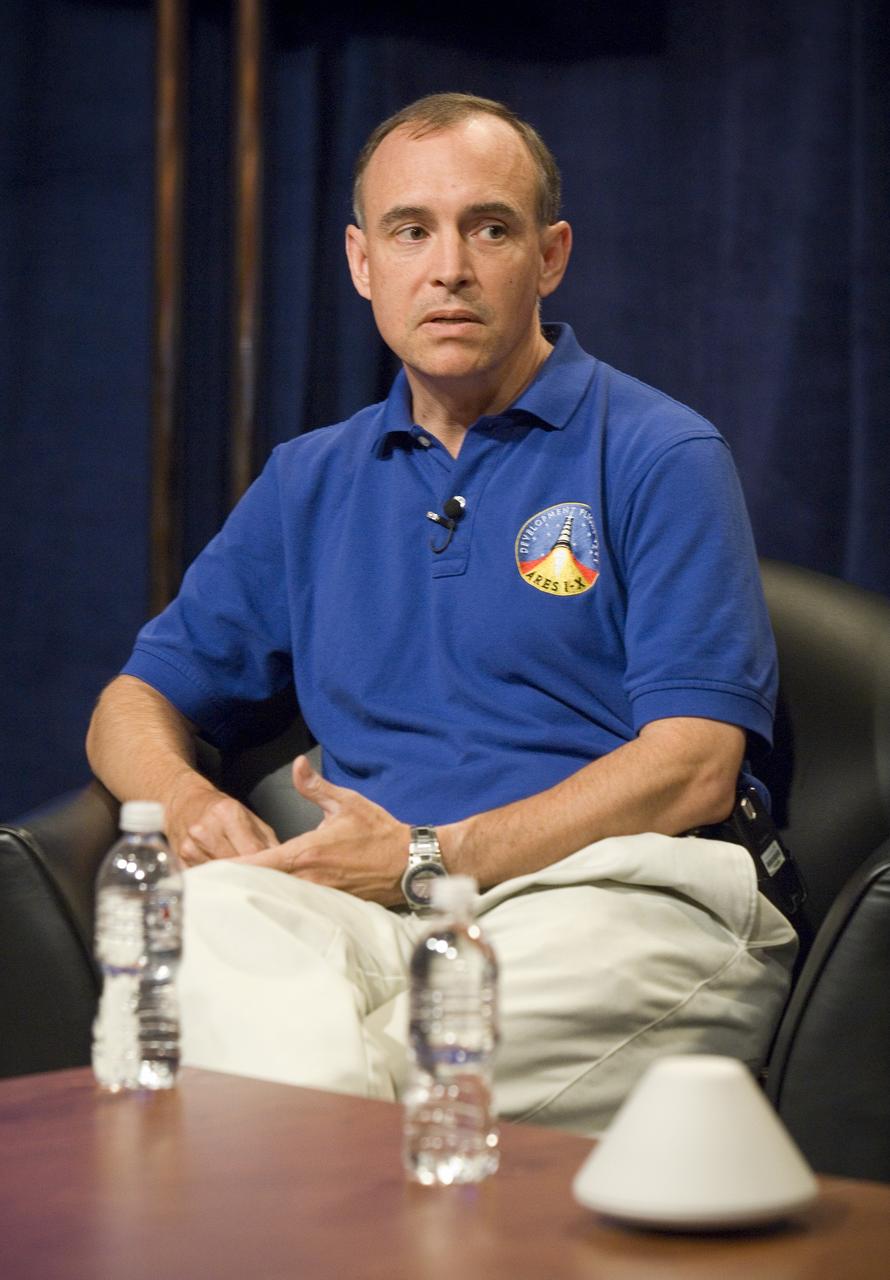
NASA Officials gather at Ames Research Center to discuss Spaceship development progress. Constellation is developing the Orion spacecraft and Ares rockets to support an American return to the moon by 2020. Speaker Jeff Hanley, JSC Constellation program manager
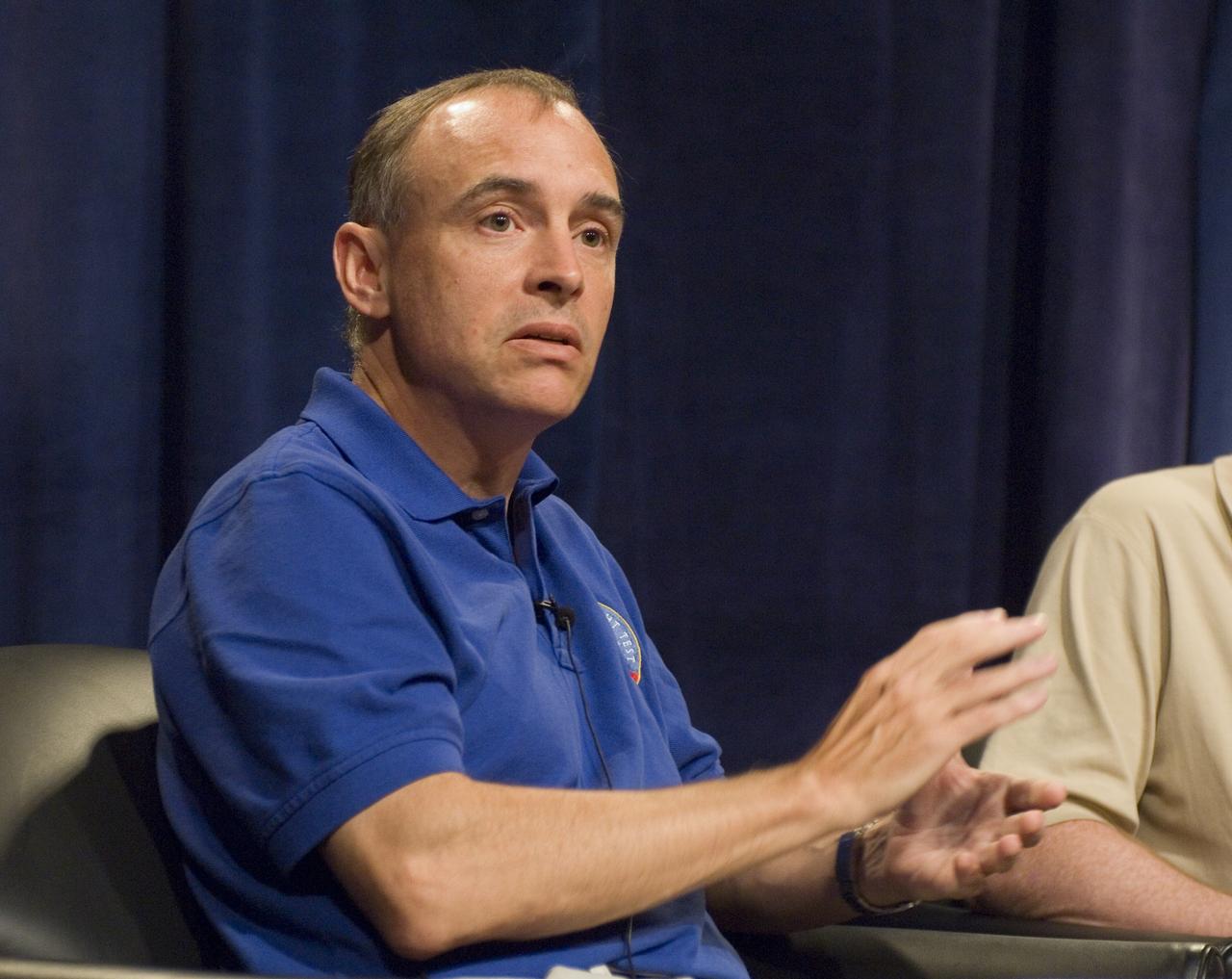
NASA Officials gather at Ames Research Center to discuss Spaceship development progress. Constellation is developing the Orion spacecraft and Ares rockets to support an American return to the moon by 2020. Speaker Jeff Hanley, JSC Constellation program manager
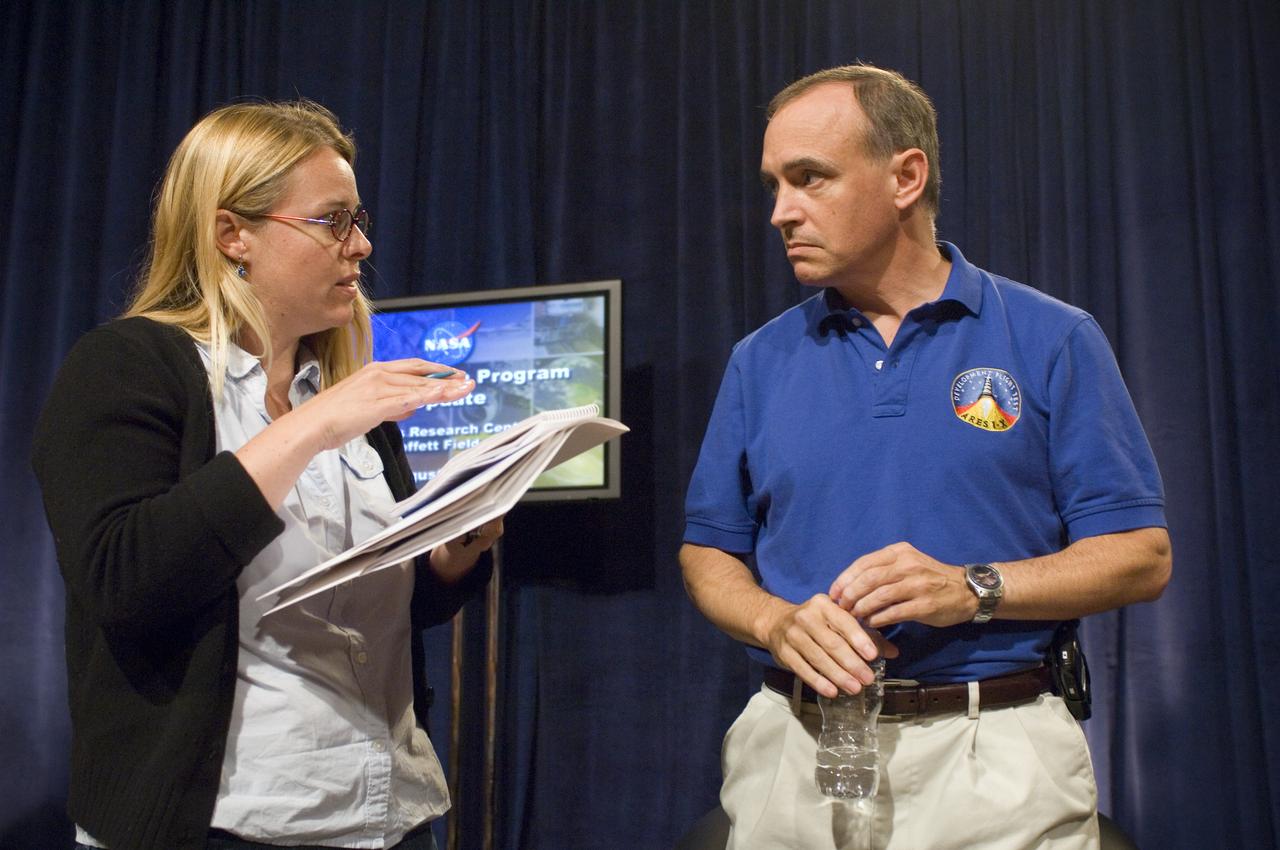
NASA Officials gather at Ames Research Center to discuss Spaceship development progress. Constellation is developing the Orion spacecraft and Ares rockets to support an American return to the moon by 2020. Speaker Jeff Hanley, JSC Constellation program manager
CAPE CANAVERAL, Fla. – Part of the Constellation Program, the Ares I-X is the flight test vehicle for the Ares I, which is the essential core of a space transportation system that eventually will carry crewed missions back to the moon, on to Mars and out into the solar system. The Ares I-X flight test is targeted for no earlier than Aug. 30.
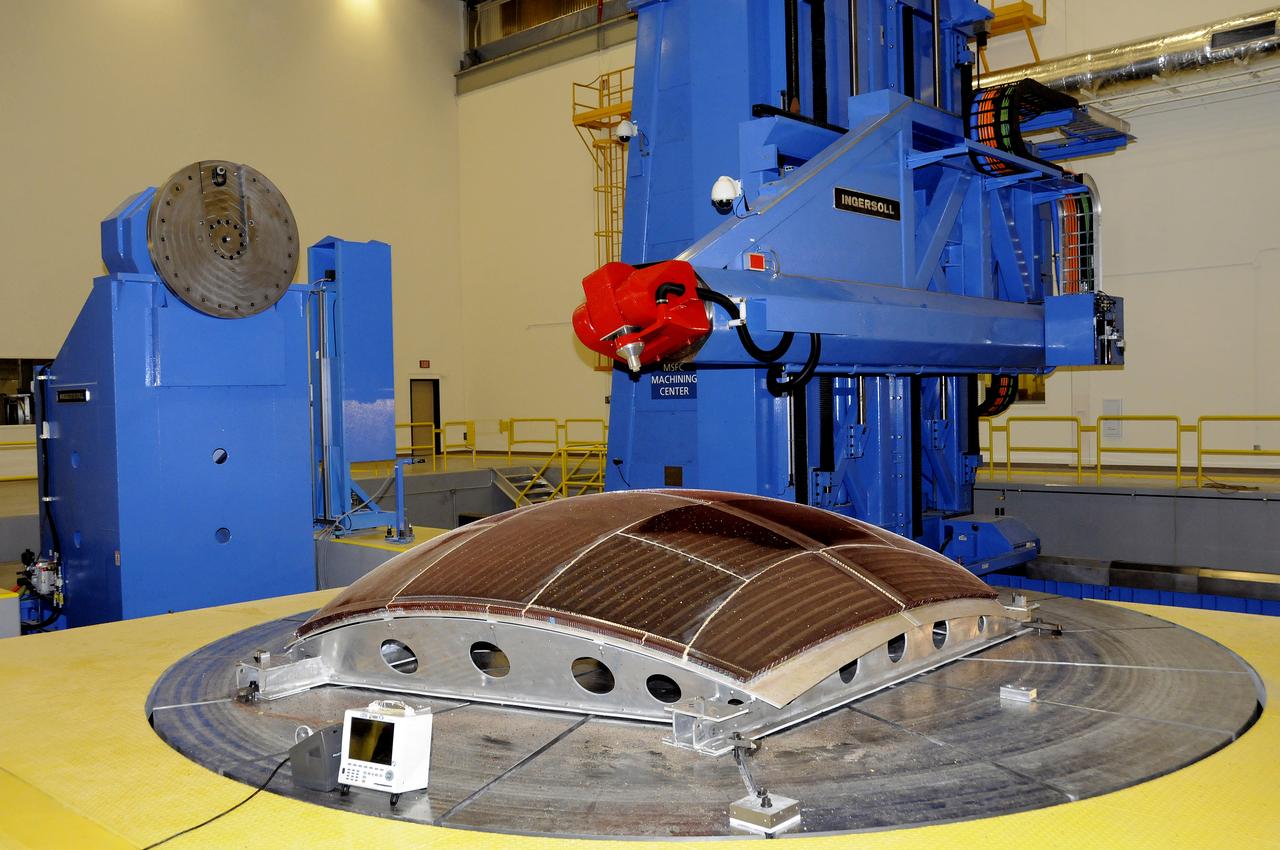
7-AXIS MILLING MACHINE PERFORMING THE ROUGH CUT ON THE 2ND QUARTER DOME DEMONSTRATION ARTICLE HONEYCOMB CORE
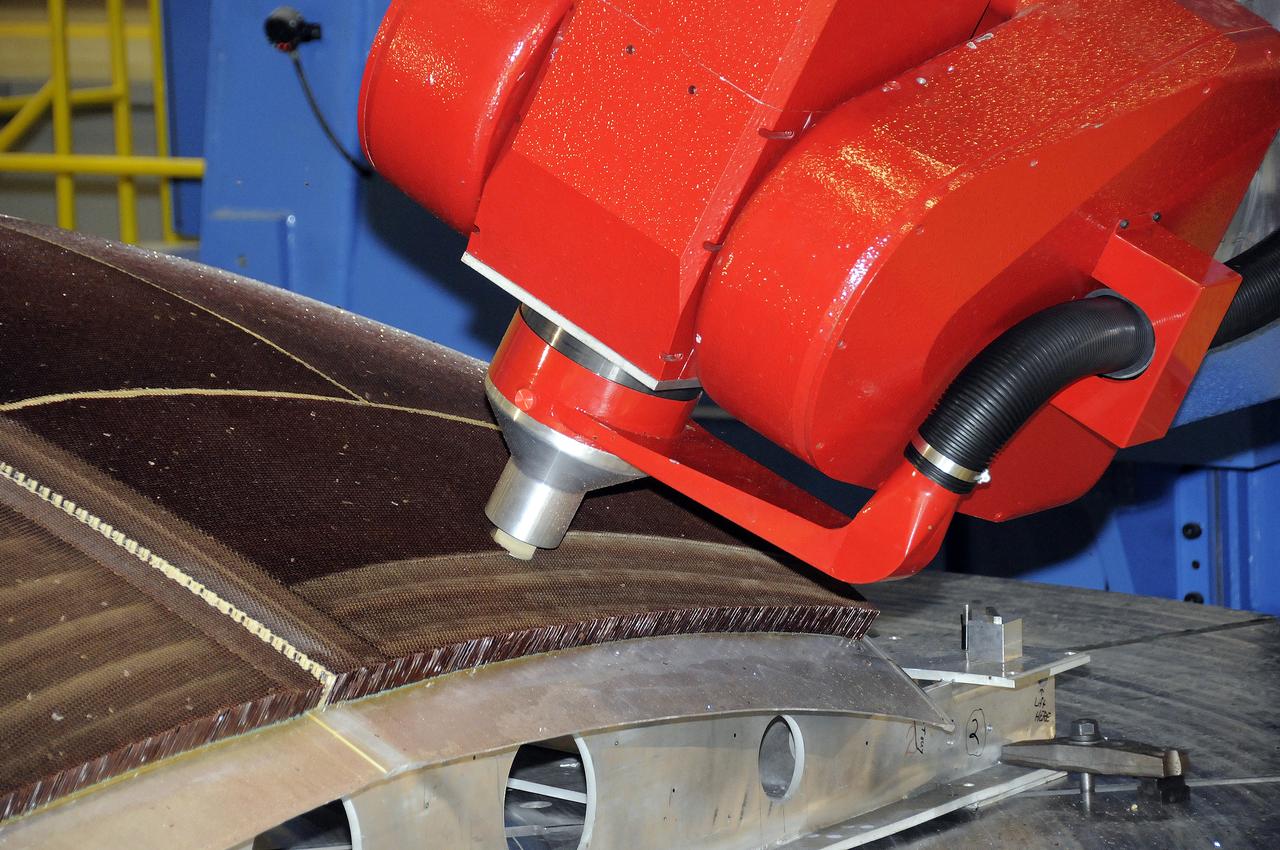
7-AXIS MILLING MACHINE PERFORMING THE ROUGH CUT ON THE 2ND QUARTER DOME DEMONSTRATION ARTICLE HONEYCOMB CORE
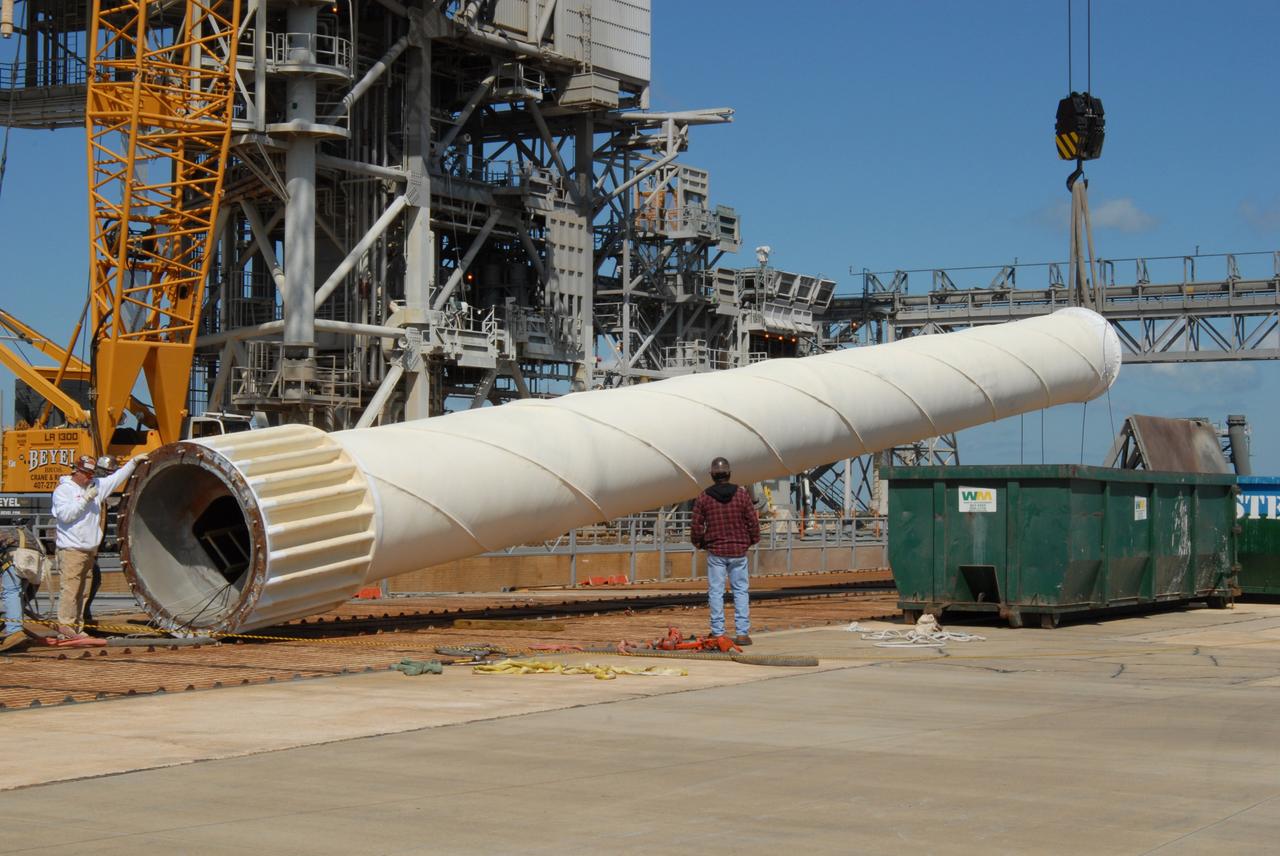
CAPE CANAVERAL, Fla. – On Launch Pad 39B at NASA's Kennedy Space Center in Florida, the 80-foot lightning mast removed from the top of the fixed service structure (behind it) is lowered onto the pad surface. The mast is no longer needed with the erection of the three lightning towers around the pad. Pad 39B will be the site of the first Ares vehicle launch, including the Ares I-X test flight that is targeted for July 2009. The three new lightning towers are 500 feet tall with an additional 100-foot fiberglass mast atop supporting a wire catenary system. This improved lightning protection system allows for the taller height of the Ares I rocket compared to the space shuttle. Photo credit: NASA/Amanda Diller
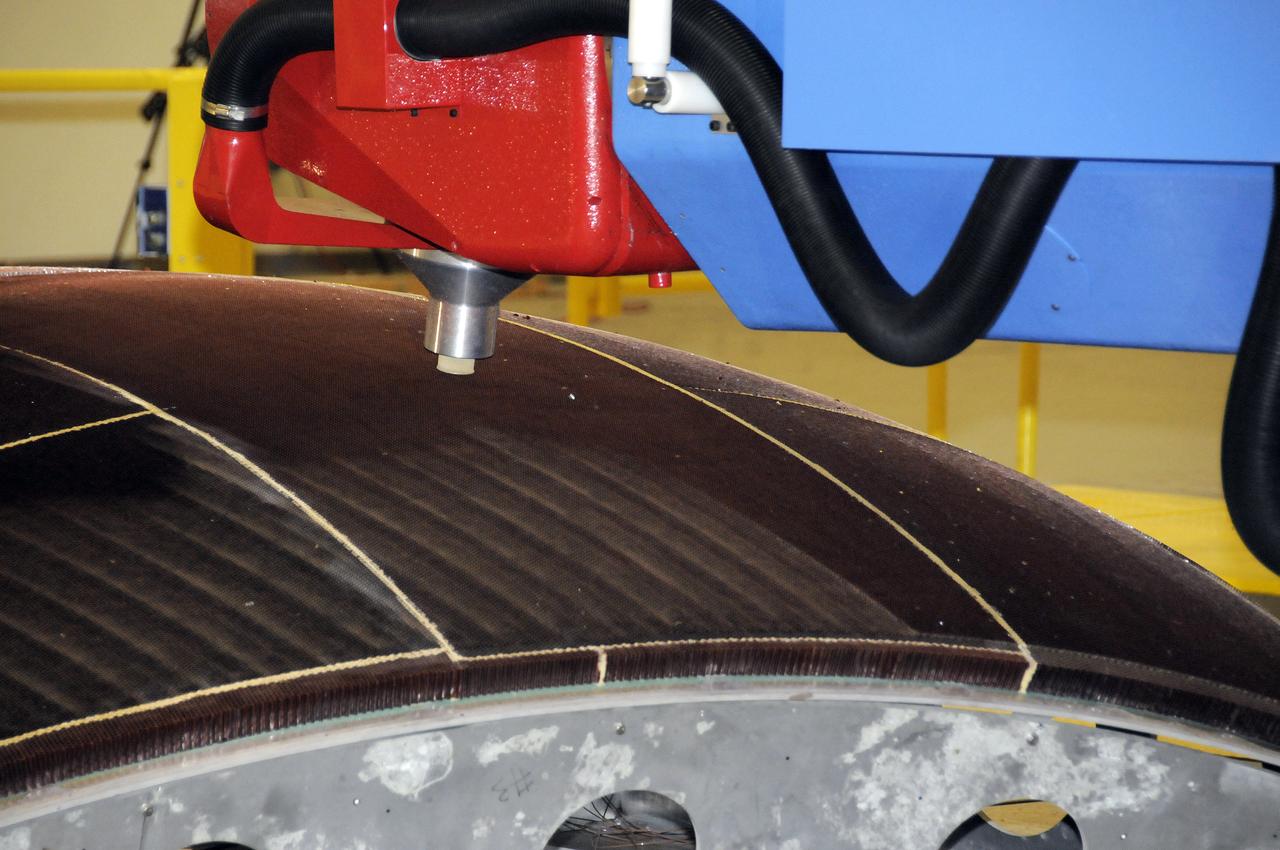
7-AXIS MILLING MACHINE PERFORMING THE ROUGH CUT ON THE 2ND QUARTER DOME DEMONSTRATION ARTICLE HONEYCOMB CORE
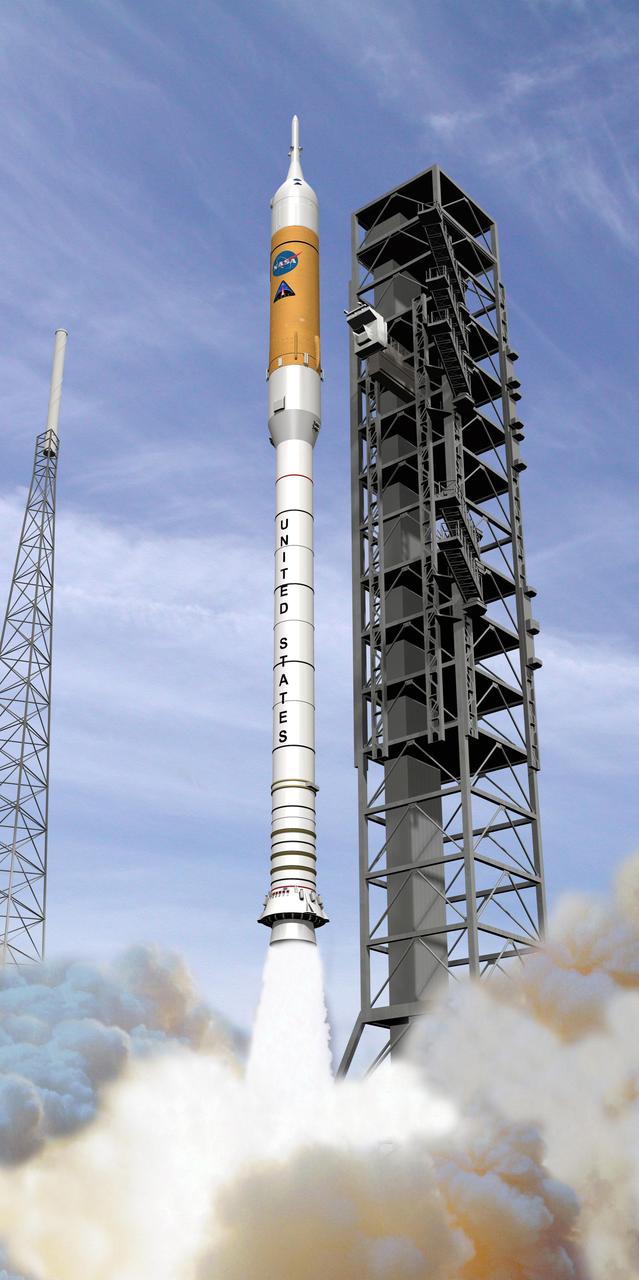
Shown is an illustration of the Ares I crew launch vehicle on the launch pad at NASA's Kennedy Space Center, Florida.
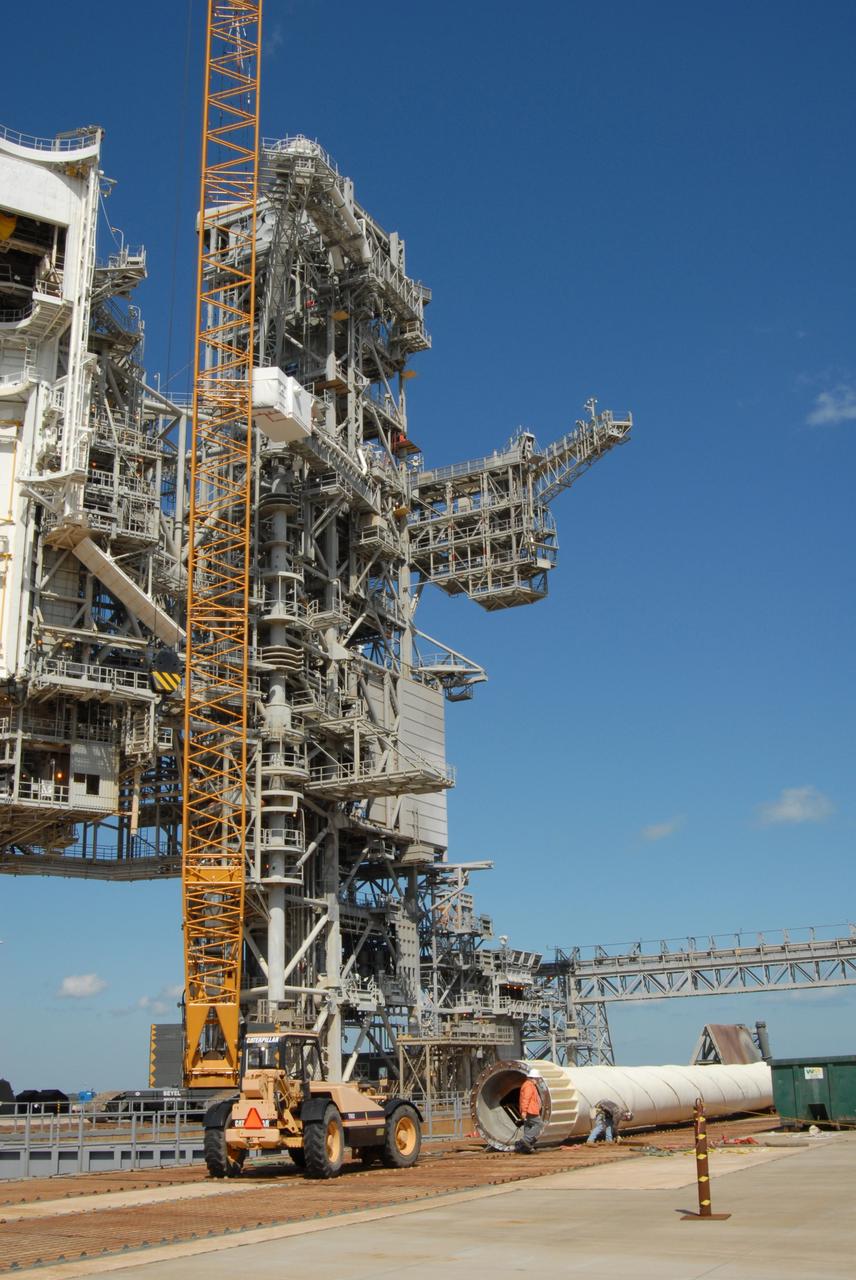
CAPE CANAVERAL, Fla. – On Launch Pad 39B at NASA's Kennedy Space Center in Florida, the 80-foot lightning mast removed from the top of the fixed service structure (center) rests on the pad surface. The mast is no longer needed with the erection of the three lightning towers around the pad. Pad 39B will be the site of the first Ares vehicle launch, including the Ares I-X test flight that is targeted for July 2009. The three new lightning towers are 500 feet tall with an additional 100-foot fiberglass mast atop supporting a wire catenary system. This improved lightning protection system allows for the taller height of the Ares I rocket compared to the space shuttle. Photo credit: NASA/Amanda Diller
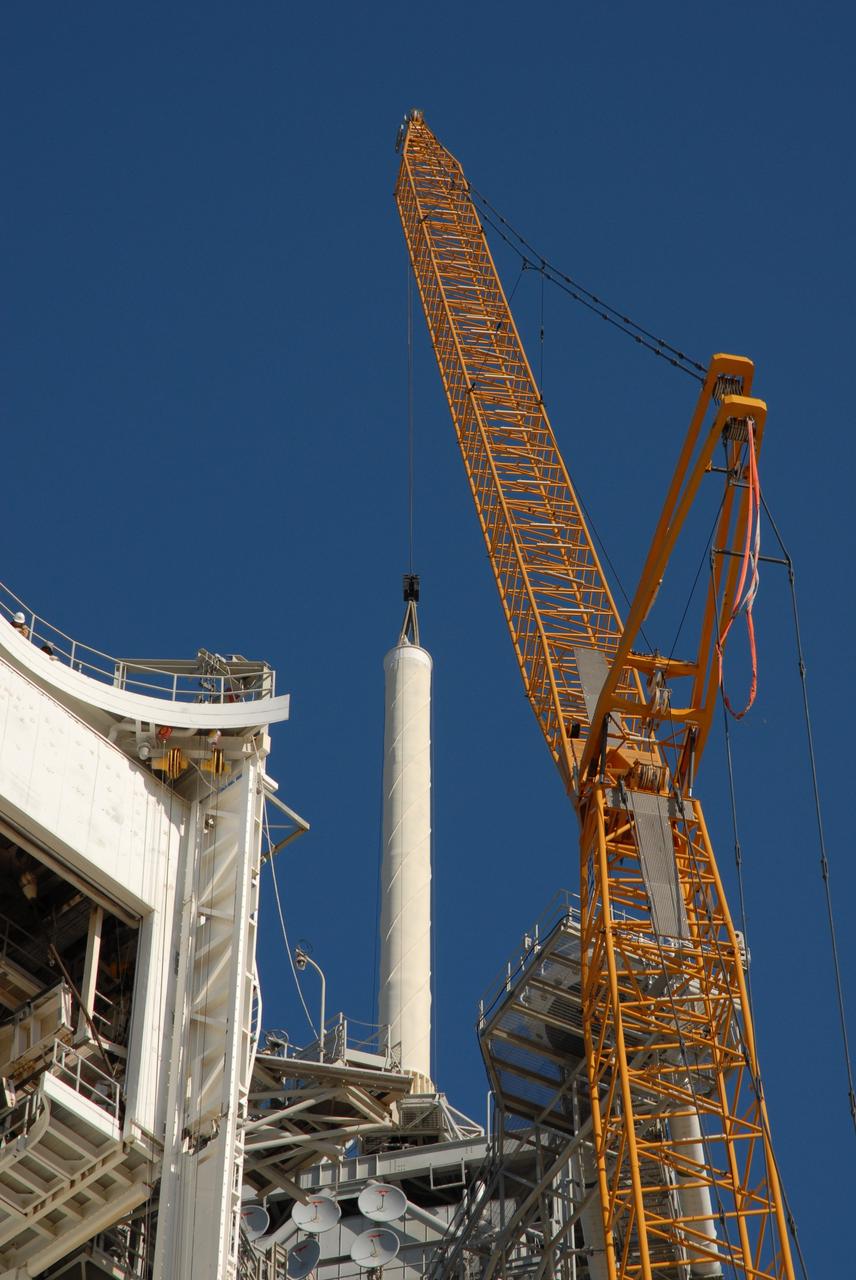
CAPE CANAVERAL, Fla. – On Launch Pad 39B at NASA's Kennedy Space Center in Florida, a crane is being used to remove the 80-foot lightning mast from the top of the fixed service structure. The mast is no longer needed with the erection of the three lightning towers around the pad. Pad 39B will be the site of the first Ares vehicle launch, including the Ares I-X test flight that is targeted for July 2009. The three new lightning towers are 500 feet tall with an additional 100-foot fiberglass mast atop supporting a wire catenary system. This improved lightning protection system allows for the taller height of the Ares I rocket compared to the space shuttle. Photo credit: NASA/Amanda Diller
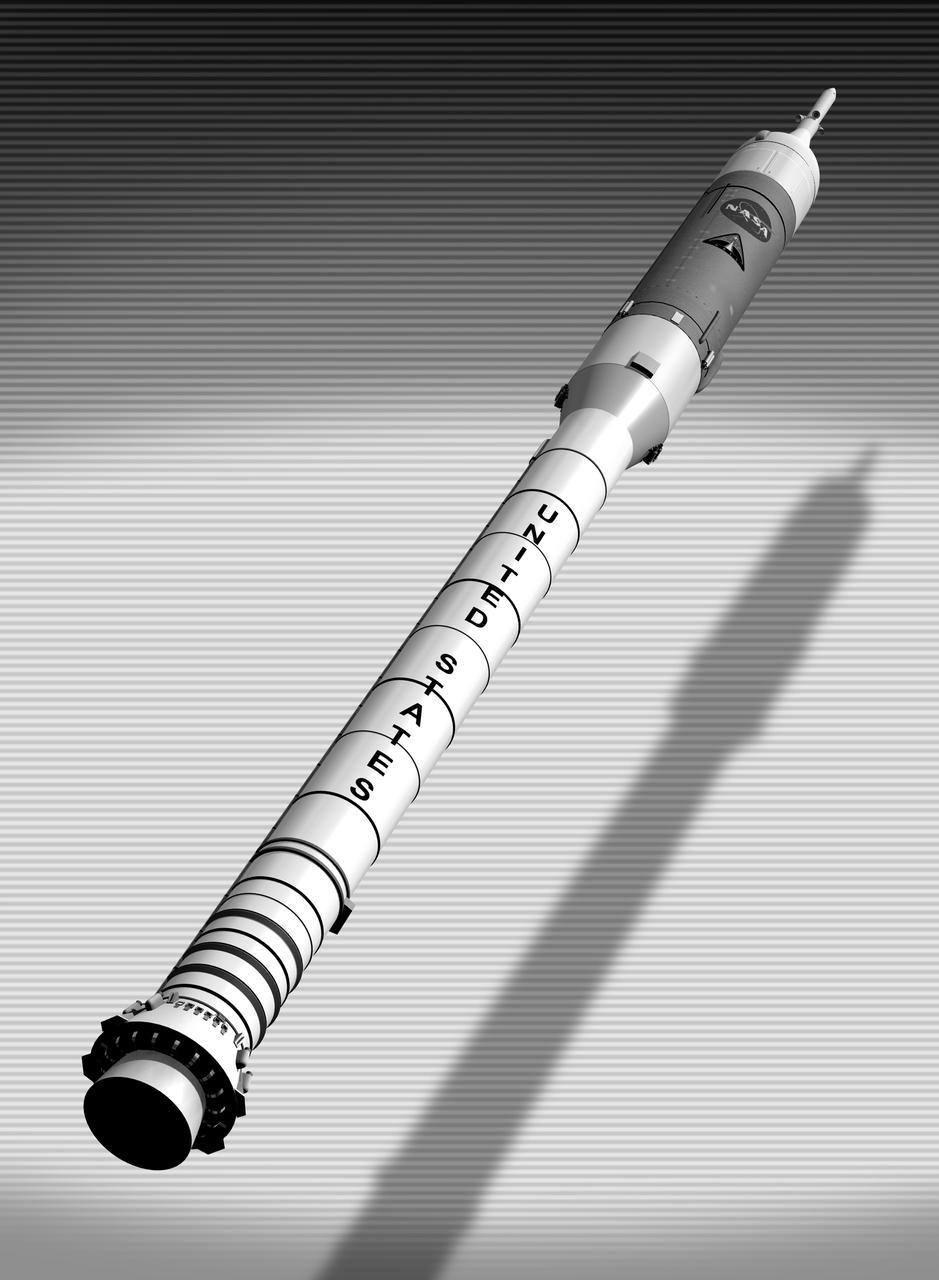
Shown is a concept illustration of Ares I which is an in-line, two-stage rocket that will transport the Orion Crew Exploration Vehicle to low earth orbit. Orion will accommodate as many as six astronauts. The first stage will consist of the five-segment solid rocket booster.
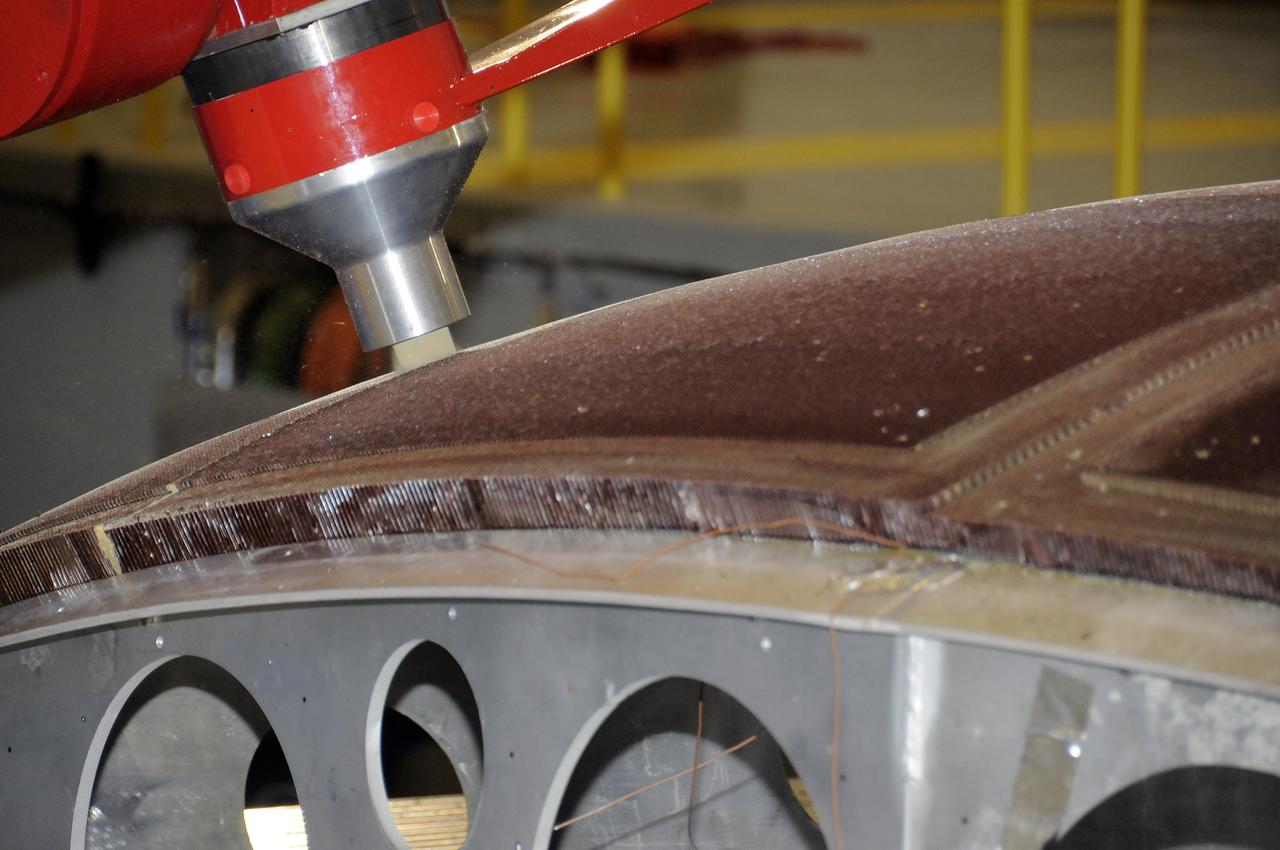
7-AXIS MILLING MACHINE PERFORMING THE ROUGH CUT ON THE 2ND QUARTER DOME DEMONSTRATION ARTICLE HONEYCOMB CORE
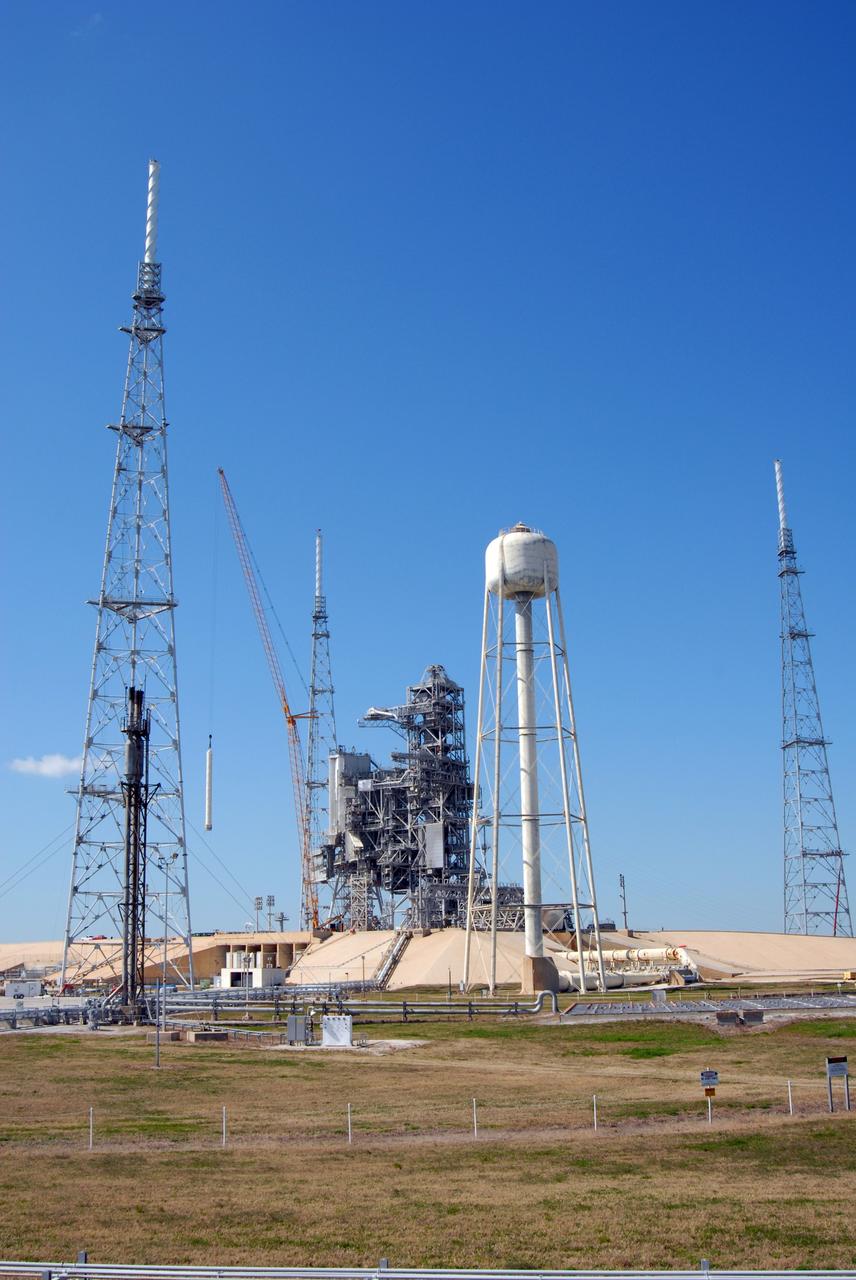
CAPE CANAVERAL, Fla. – On Launch Pad 39B at NASA's Kennedy Space Center in Florida, a crane has removed the 80-foot lightning mast from the top of the fixed service structure. The mast is no longer needed with the erection of the three lightning towers around the pad. Pad 39B will be the site of the first Ares vehicle launch, including the Ares I-X test flight that is targeted for July 2009. The three new lightning towers are 500 feet tall with an additional 100-foot fiberglass mast atop supporting a wire catenary system. This improved lightning protection system allows for the taller height of the Ares I rocket compared to the space shuttle. Photo credit: NASA/Amanda Diller
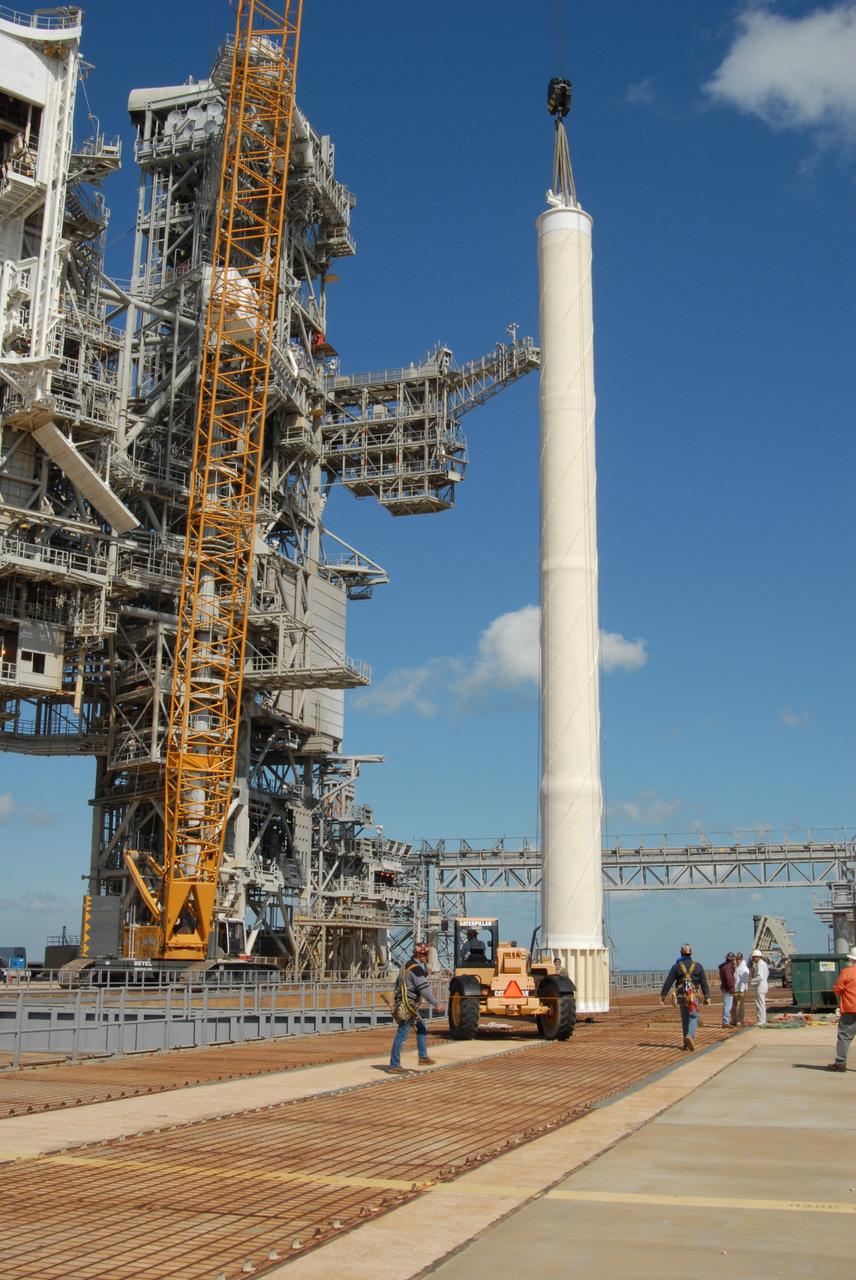
CAPE CANAVERAL, Fla. – On Launch Pad 39B at NASA's Kennedy Space Center in Florida, a crane lowers the 80-foot lightning mast removed from the top of the fixed service structure (left) onto the pad surface. The mast is no longer needed with the erection of the three lightning towers around the pad. Pad 39B will be the site of the first Ares vehicle launch, including the Ares I-X test flight that is targeted for July 2009. The three new lightning towers are 500 feet tall with an additional 100-foot fiberglass mast atop supporting a wire catenary system. This improved lightning protection system allows for the taller height of the Ares I rocket compared to the space shuttle. Photo credit: NASA/Amanda Diller
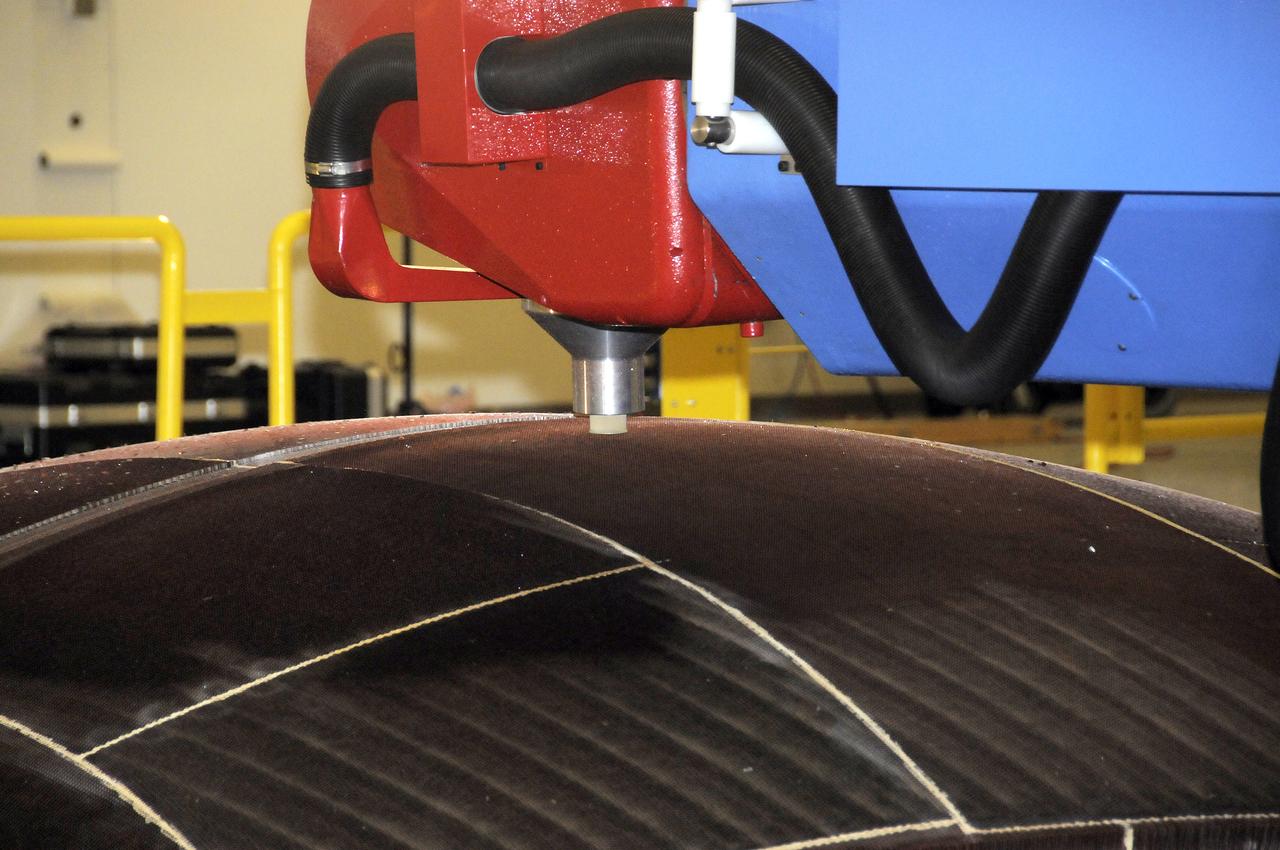
7-AXIS MILLING MACHINE PERFORMING THE ROUGH CUT ON THE 2ND QUARTER DOME DEMONSTRATION ARTICLE HONEYCOMB CORE
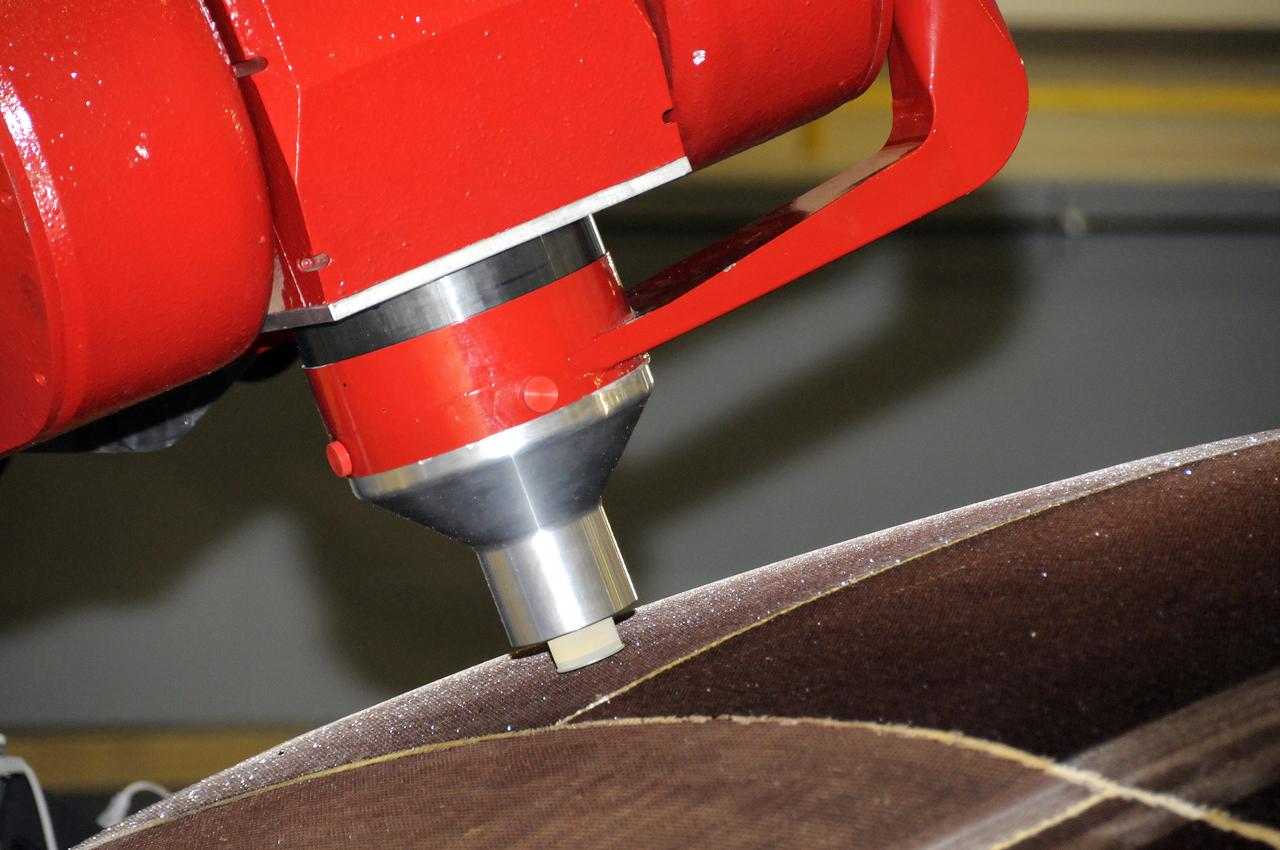
7-AXIS MILLING MACHINE PERFORMING THE ROUGH CUT ON THE 2ND QUARTER DOME DEMONSTRATION ARTICLE HONEYCOMB CORE
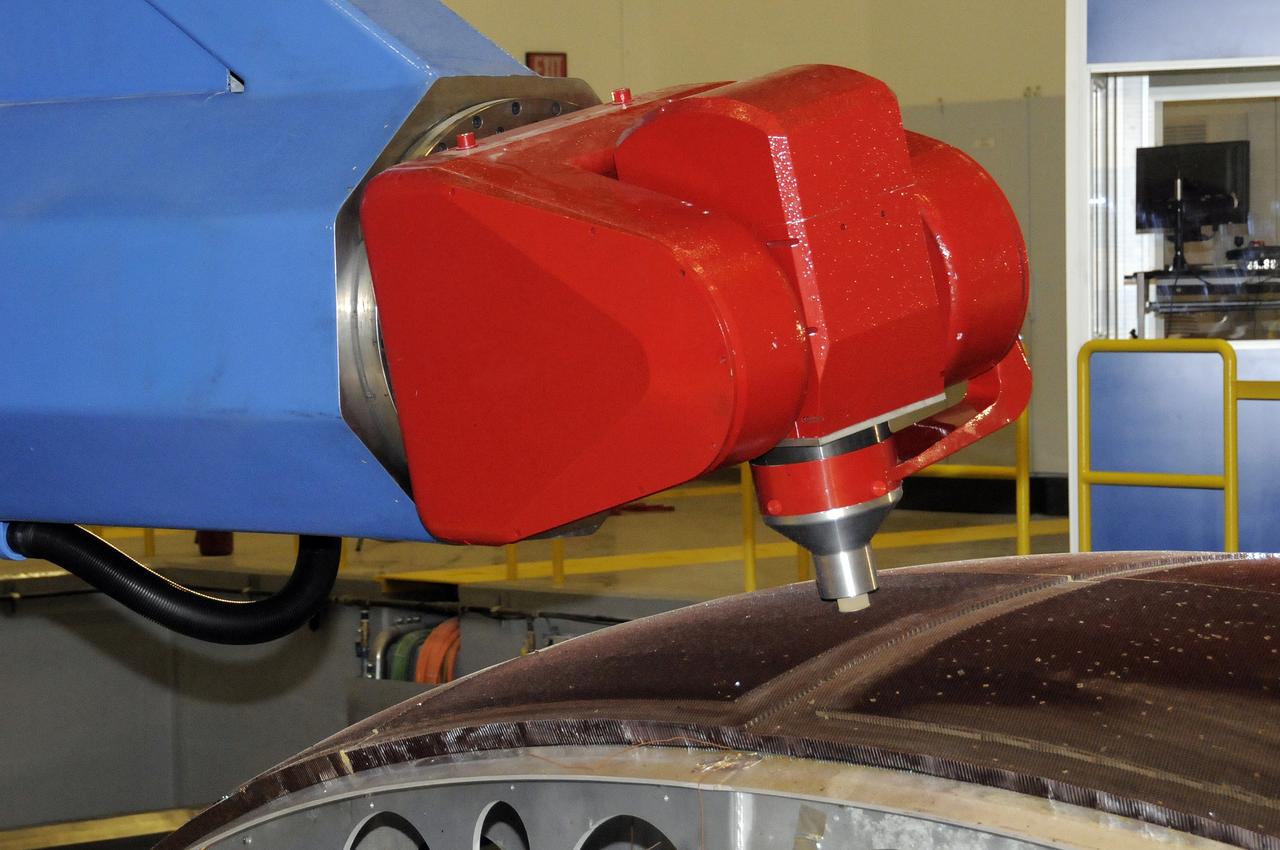
7-AXIS MILLING MACHINE PERFORMING THE ROUGH CUT ON THE 2ND QUARTER DOME DEMONSTRATION ARTICLE HONEYCOMB CORE
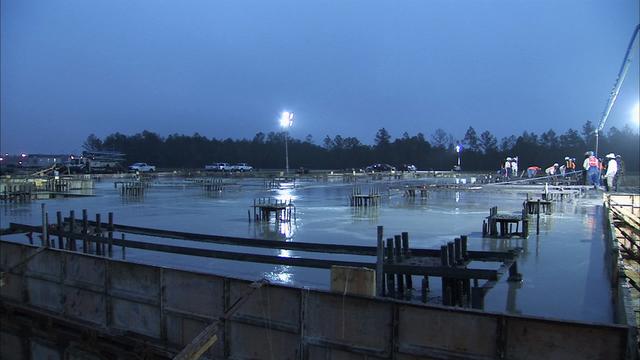
THIS IMAGE SHOWS THE DEVELOPMENT AND CONSTRUCTION OF THE A3 TEST STAND IN SUPPORT OF THE ARES/CLV UPPER STAGE ENGINE AT STENNIS SPACE CENTER, MISSISSIPPI. THIS IMAGE IS EXTRACTED FROM A HIGH DEFINITION VIDEO FILE AND IS THE HIGHEST RESOLUTION AVAILABLE.
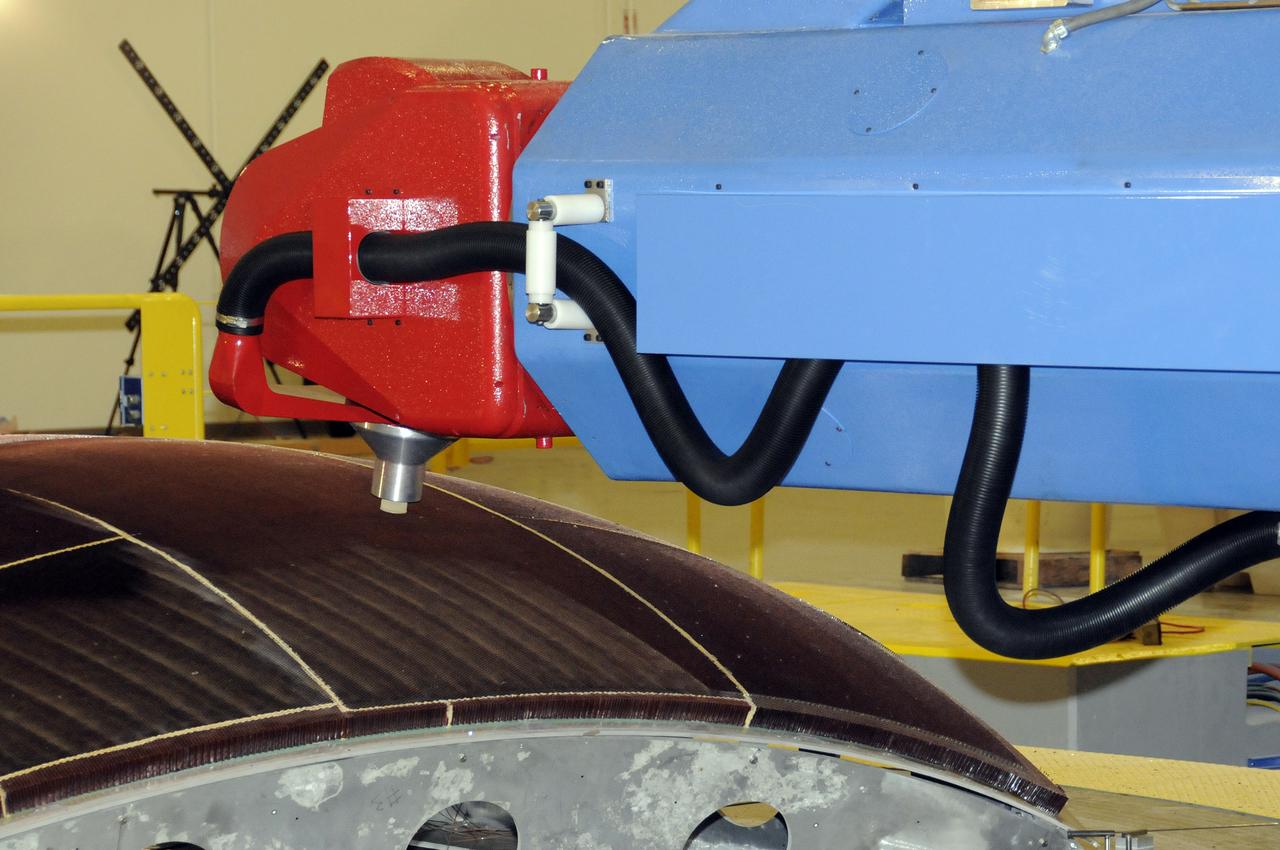
7-AXIS MILLING MACHINE PERFORMING THE ROUGH CUT ON THE 2ND QUARTER DOME DEMONSTRATION ARTICLE HONEYCOMB CORE