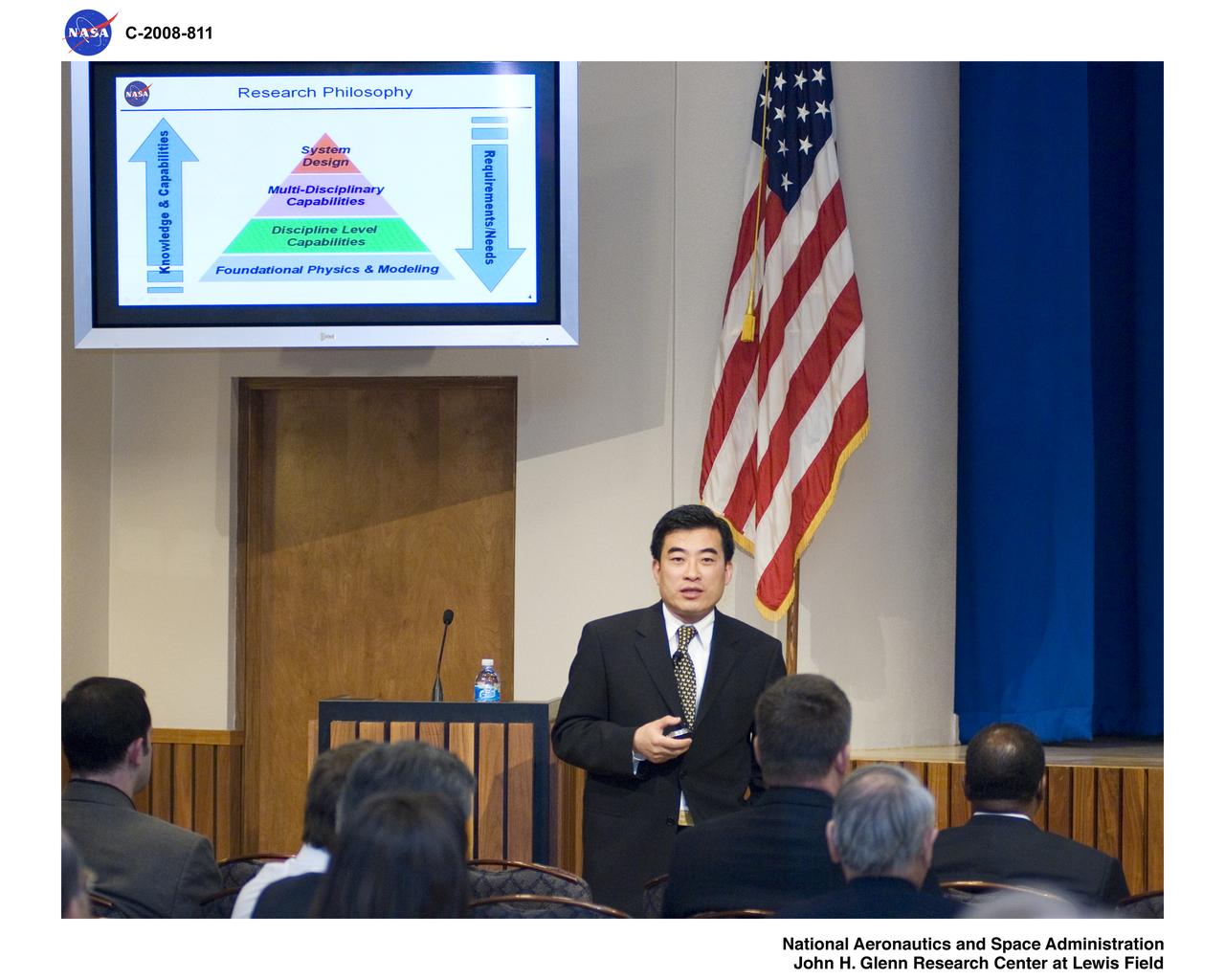
All Hands meeting with the Associate Administrator for the Aeronautics Research Mission Directorate (ARMD)
GRC-2008-C-00811
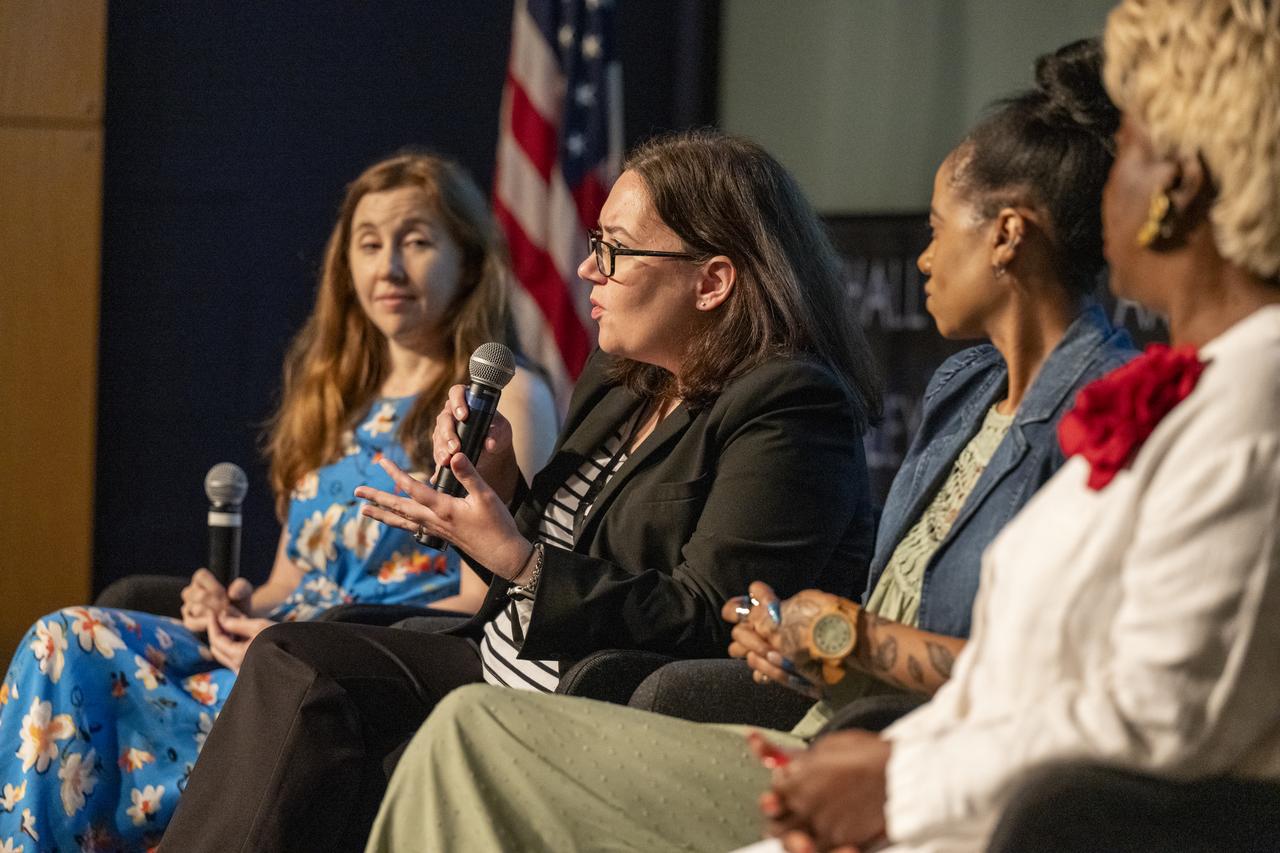
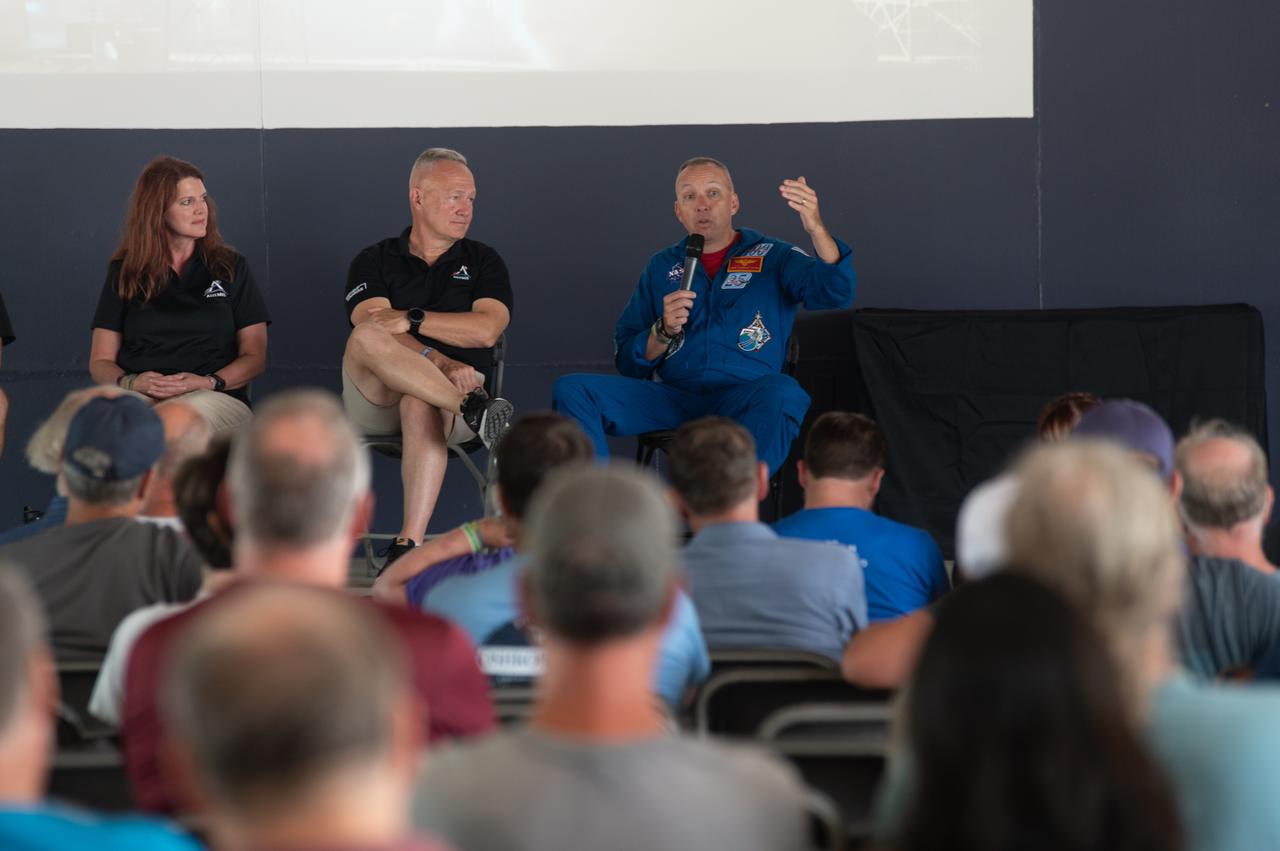
Chief Knowledge Officer for NASA’s Aeronautics Research Mission Directorate (ARMD) Tiffany Smith, second from left, answers questions during a high school student engagement event, Thursday, July 6, 2023, at the Mary W. Jackson NASA Headquarters building in Washington. Photo Credit: (NASA/Keegan Barber)
HIgh School Student Engagement
From left to right, Senior Communications Specialist Elizabeth Landau, Chief Knowledge Officer for NASA’s Aeronautics Research Mission Directorate (ARMD) Tiffany Smith, Strategic Communications and Outreach Lead Denise Hill, and Strategic Integration & Management Division Director Alotta Taylor, answer questions during a high school student engagement event, Thursday, July 6, 2023, at the Mary W. Jackson NASA Headquarters building in Washington. Photo Credit: (NASA/Keegan Barber)
HIgh School Student Engagement
From left to right, Senior Communications Specialist Elizabeth Landau, Chief Knowledge Officer for NASA’s Aeronautics Research Mission Directorate (ARMD) Tiffany Smith, Strategic Communications and Outreach Lead Denise Hill, and Strategic Integration & Management Division Director Alotta Taylor, answer questions during a high school student engagement event, Thursday, July 6, 2023, at the Mary W. Jackson NASA Headquarters building in Washington. Photo Credit: (NASA/Keegan Barber)
HIgh School Student Engagement
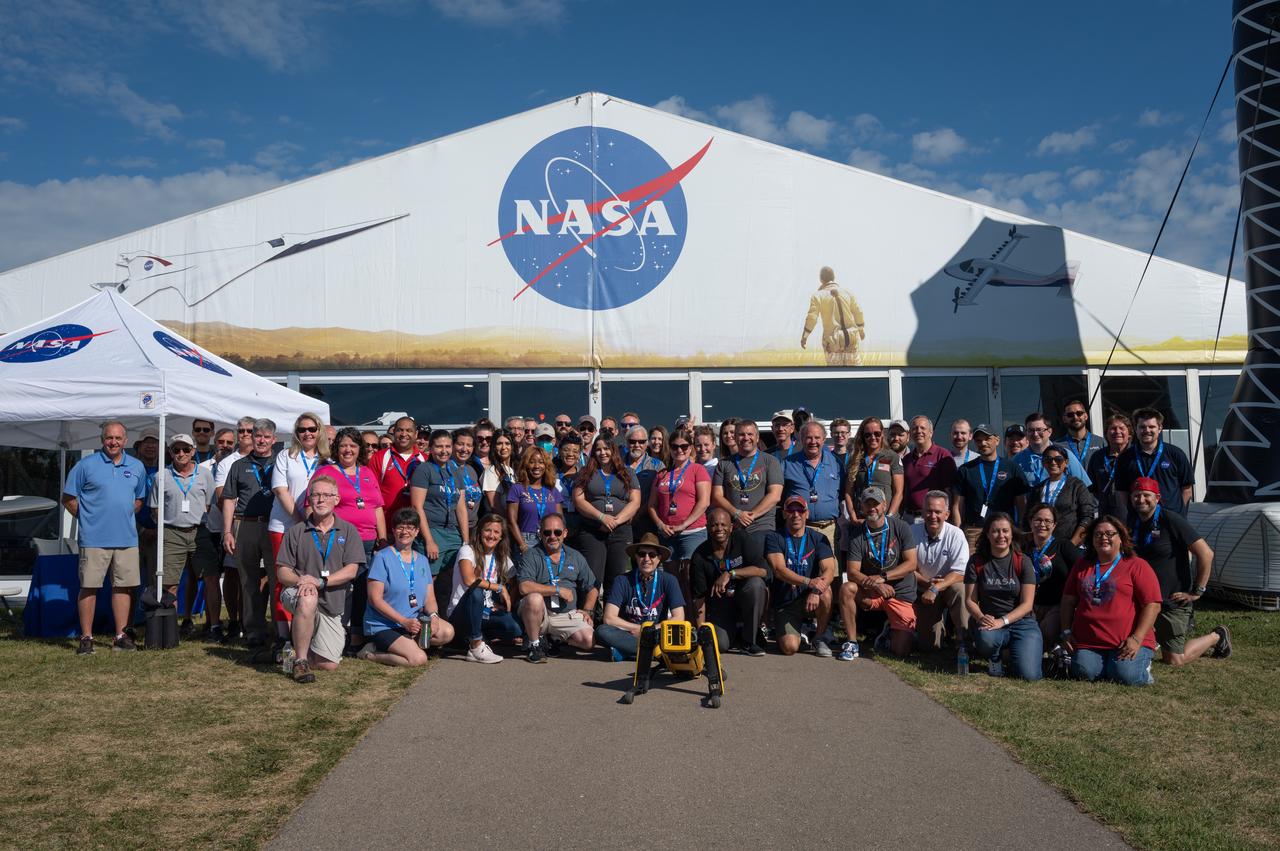
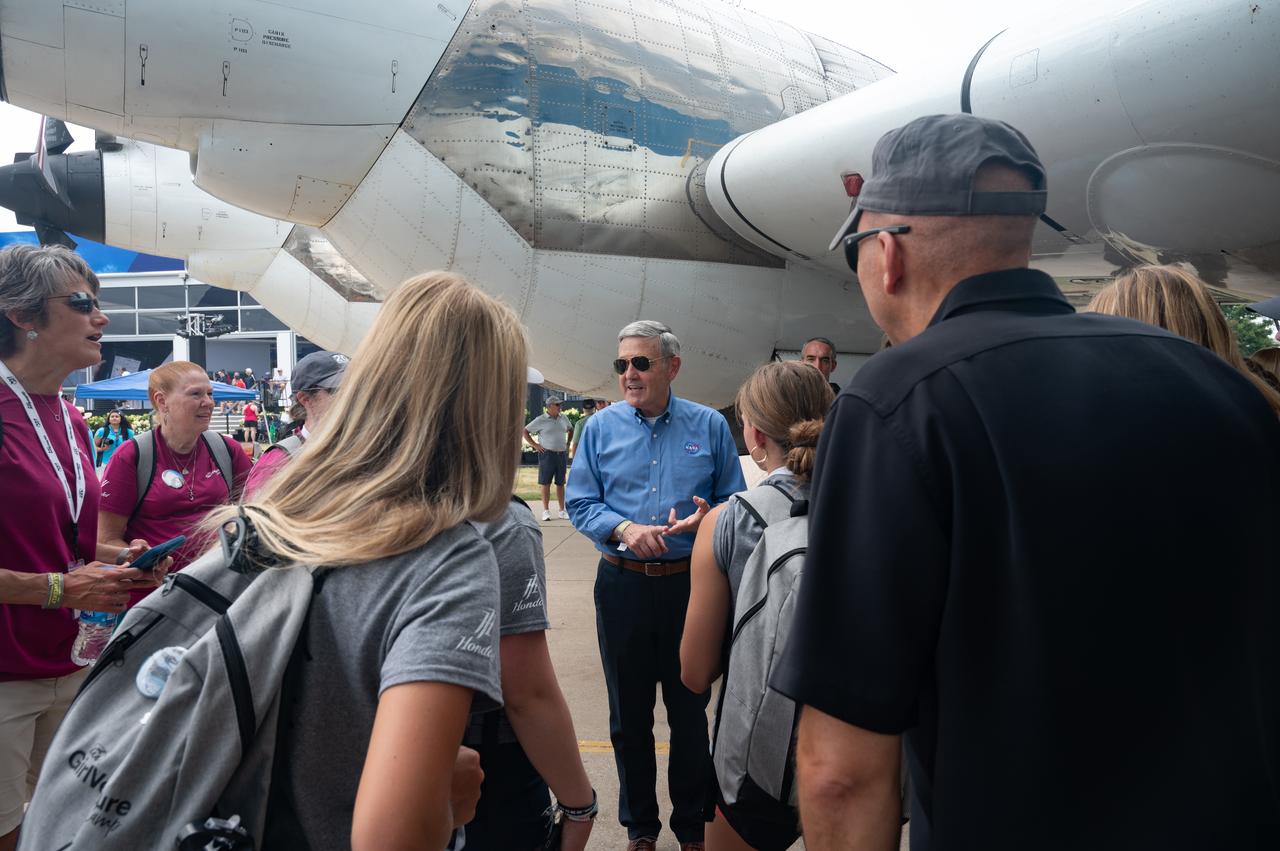
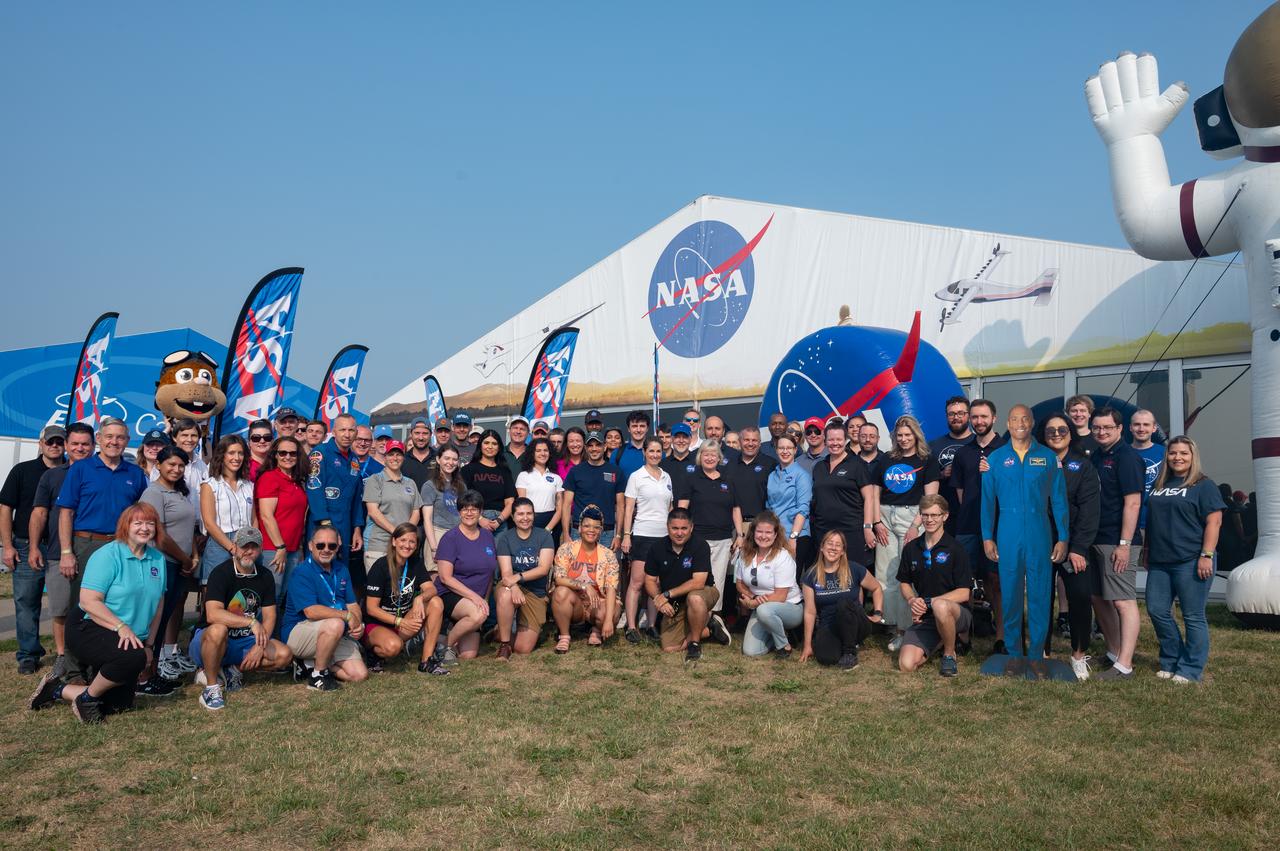
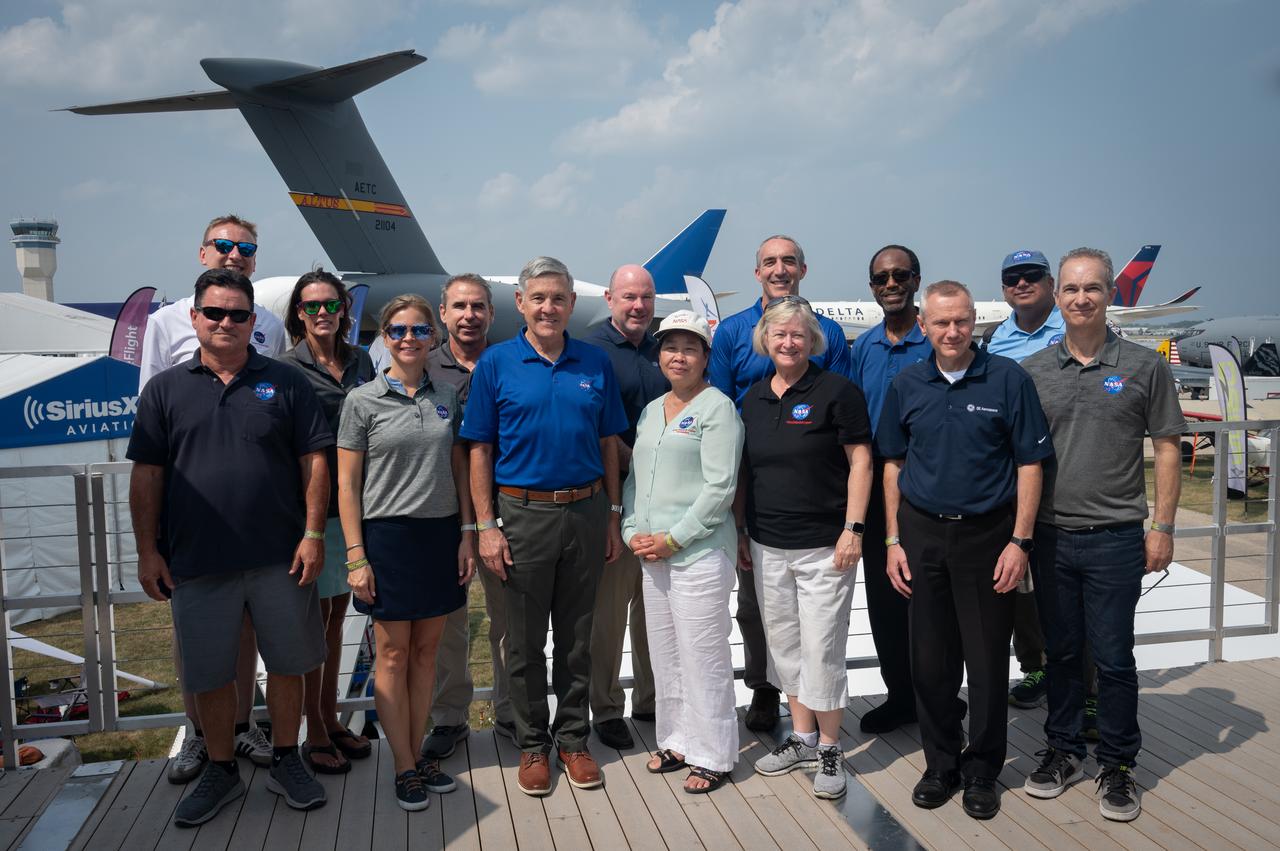
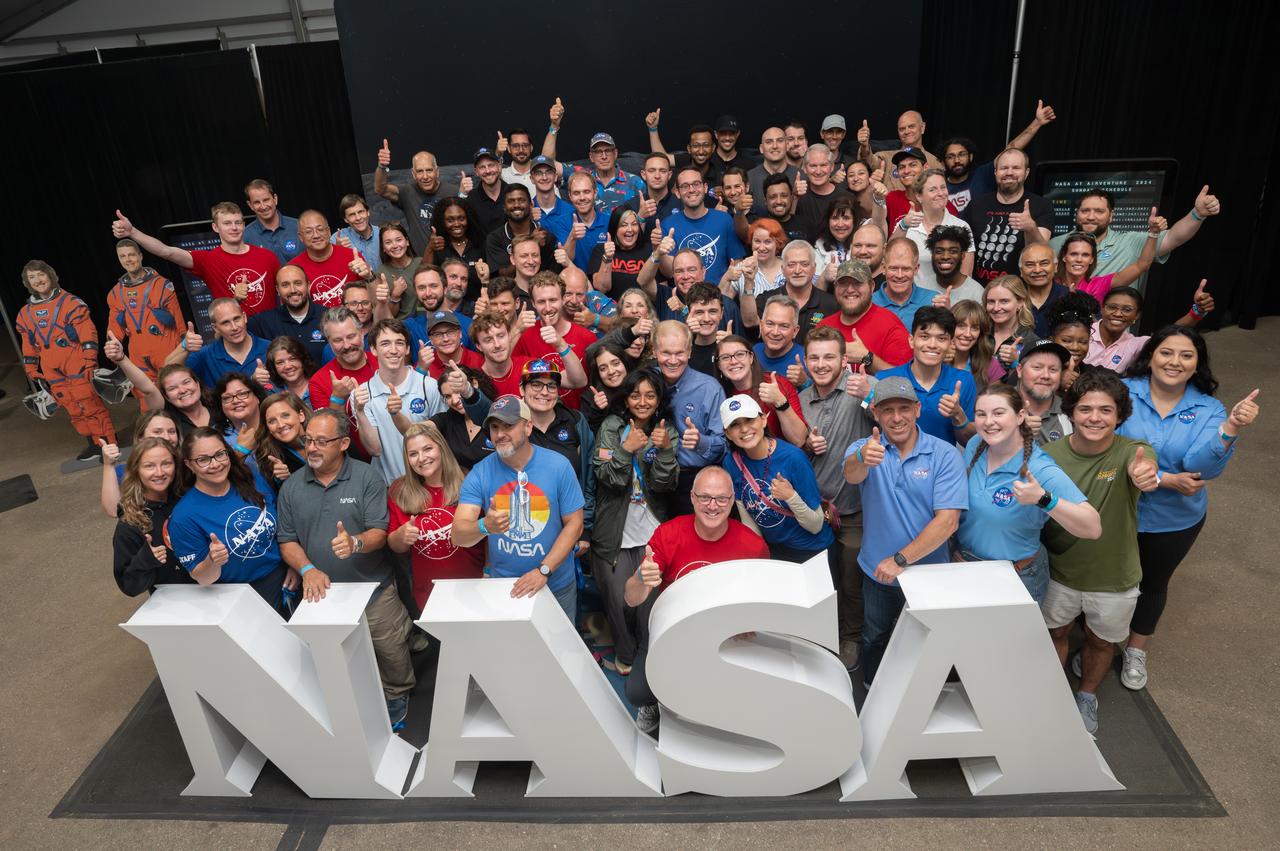
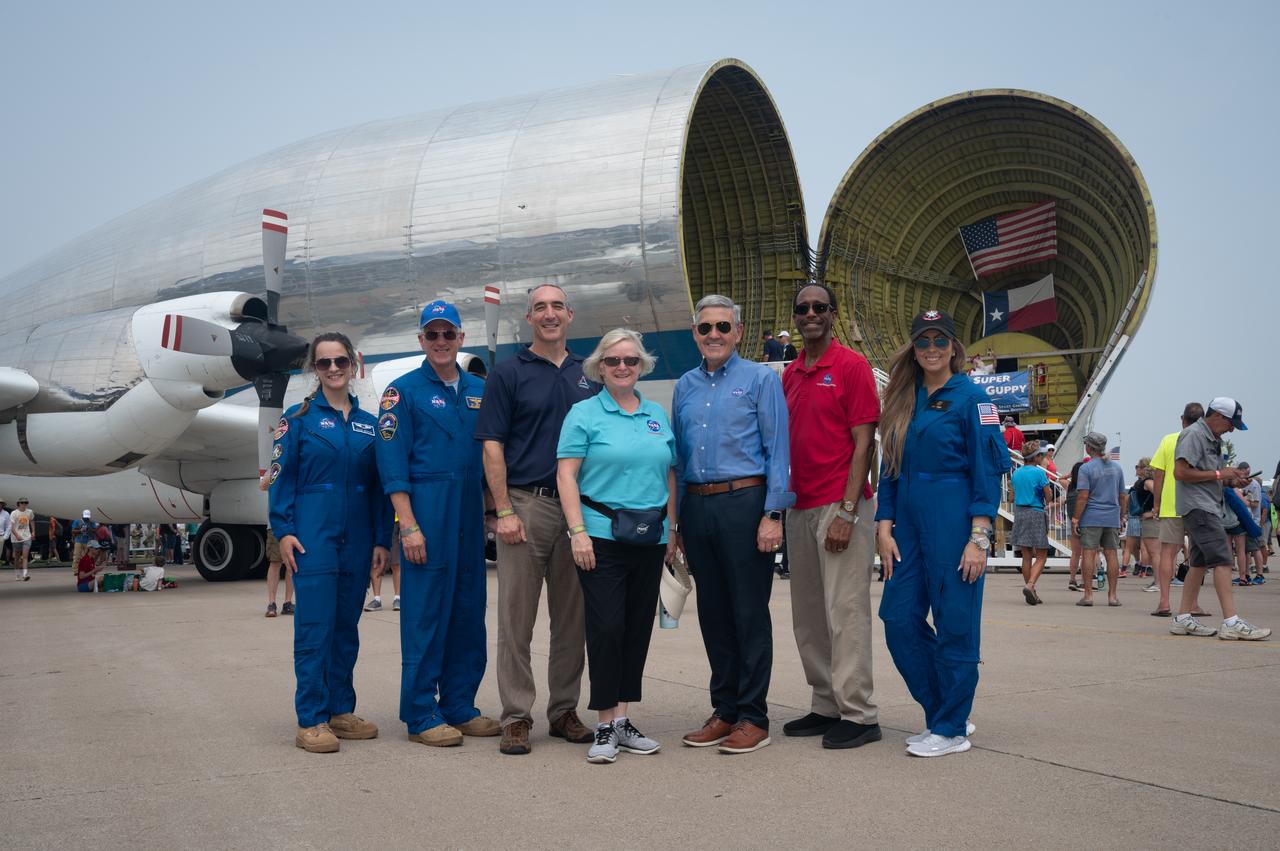
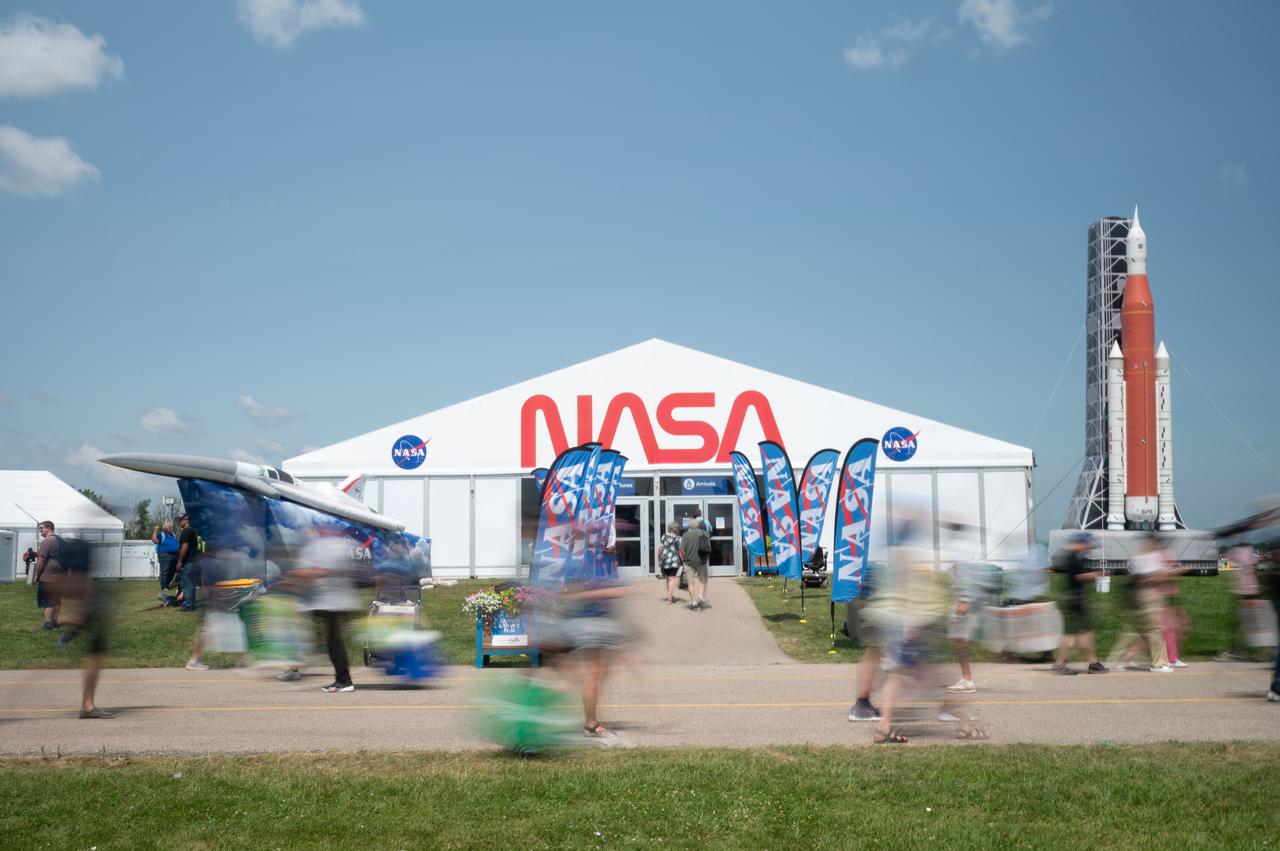
NASA staff pose for a group picture in front of the NASA's exhibit pavilion on Wednesday, July 27, 2022, at the EAA AirVenture at Oshkosh event.
AirVenture 2022
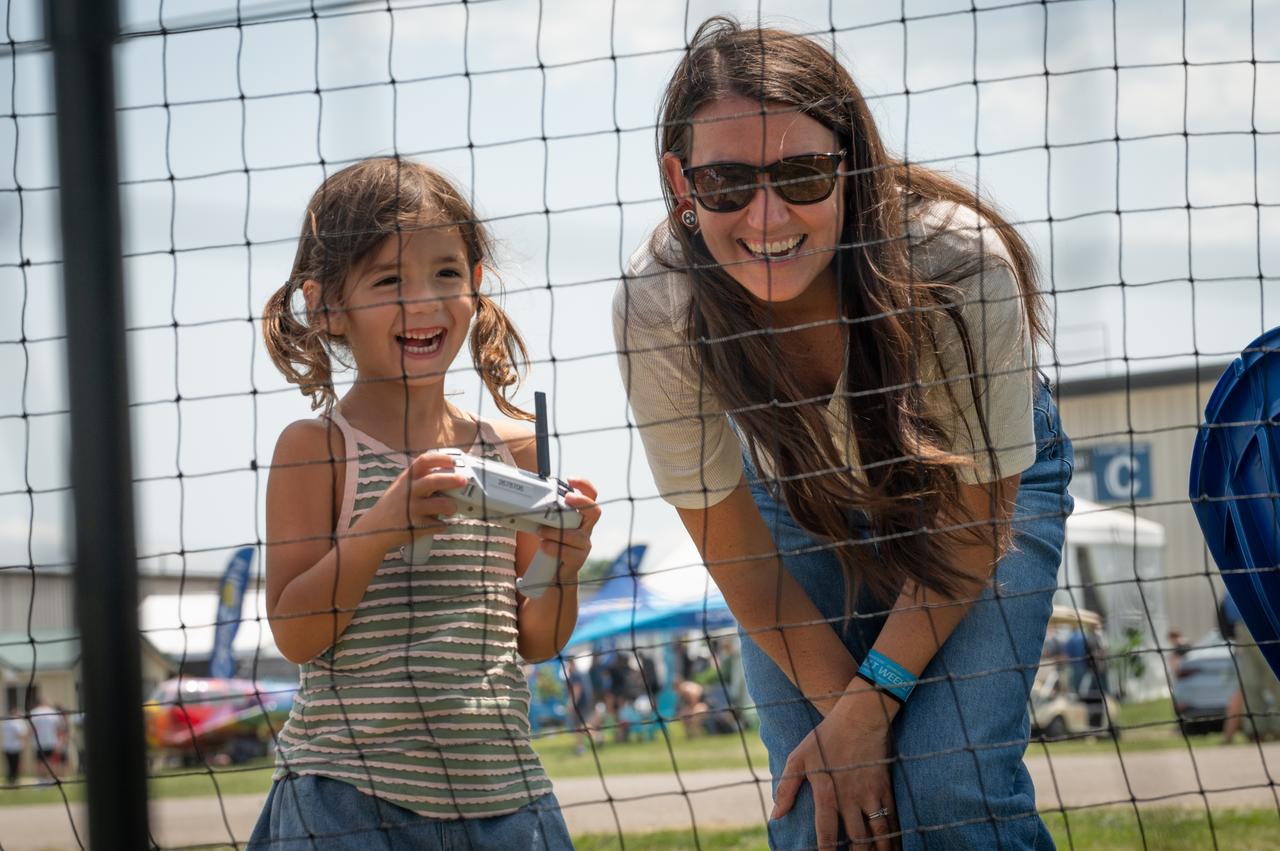
AirVenture at Oshkosh 2024
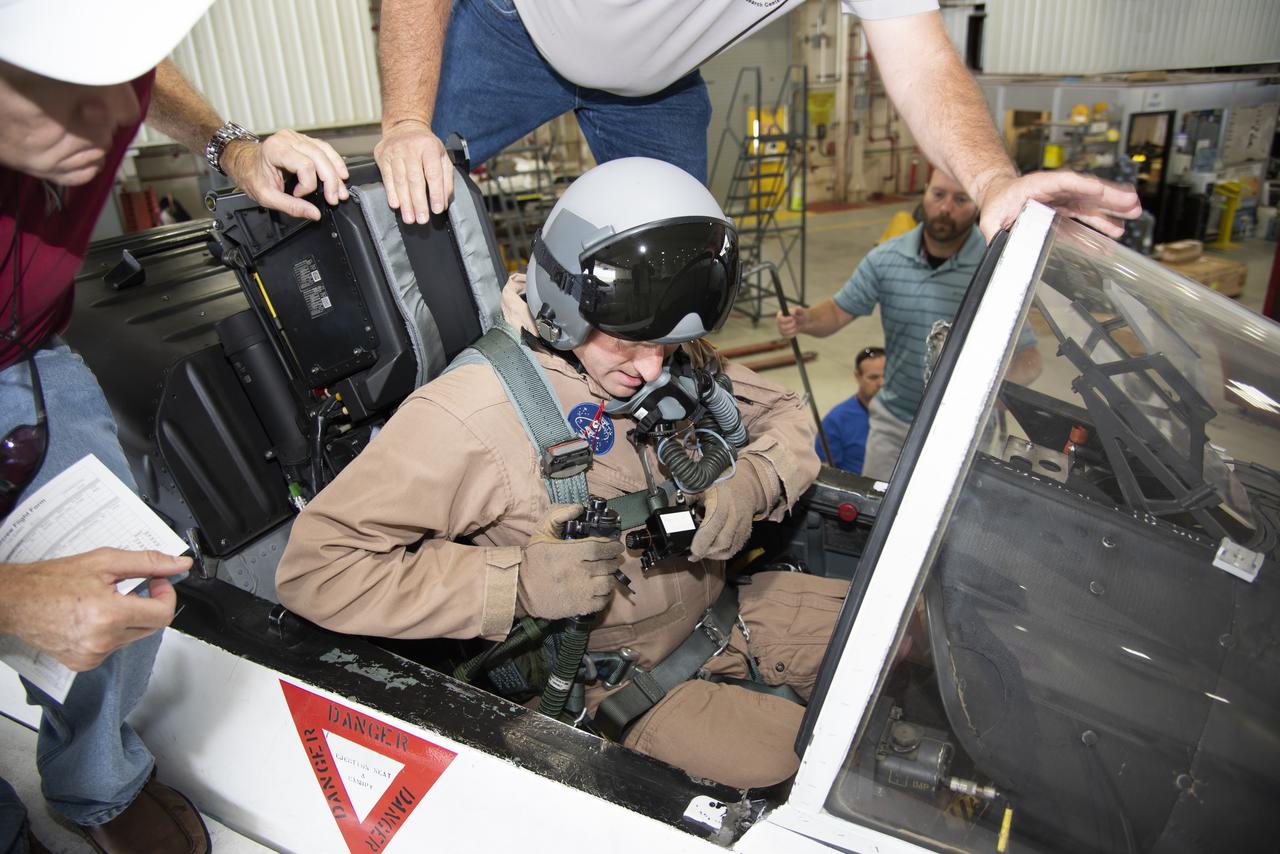
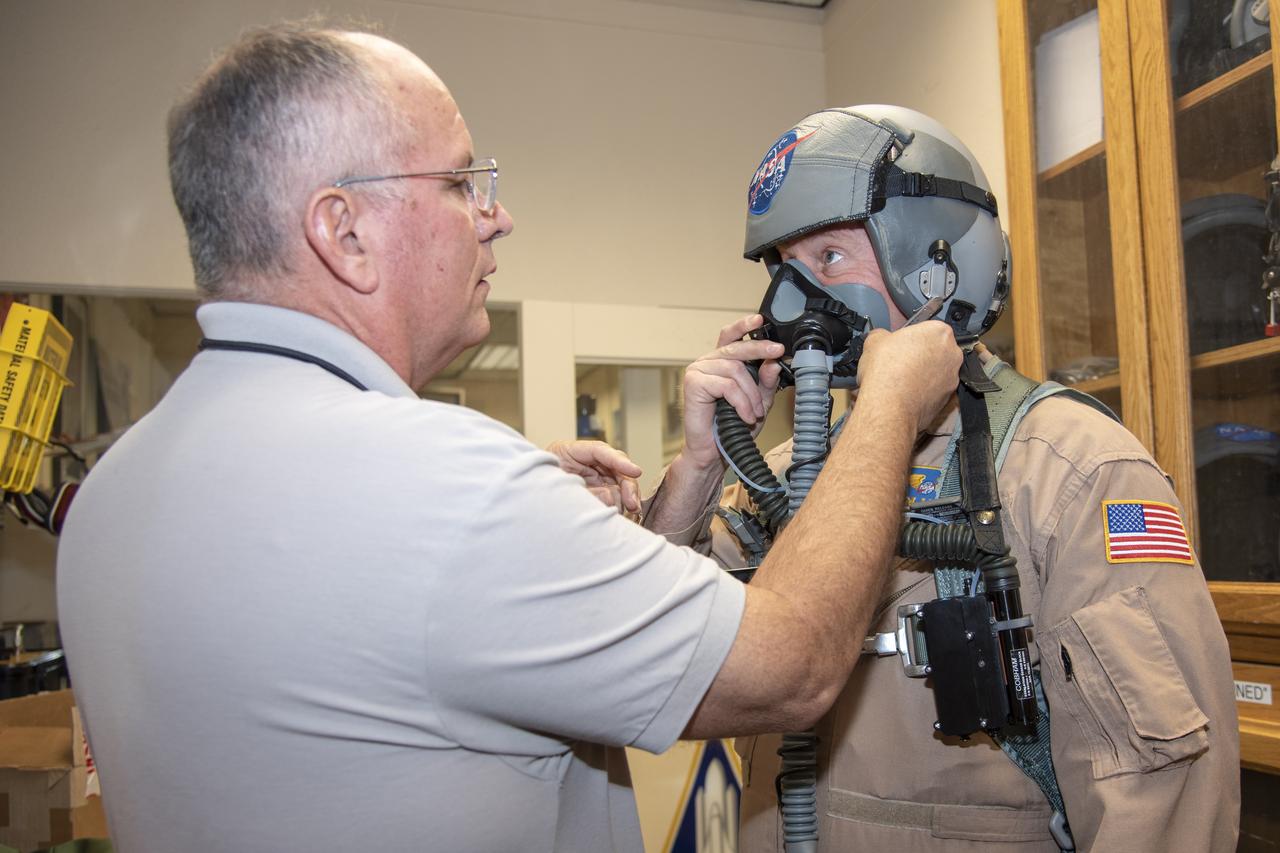
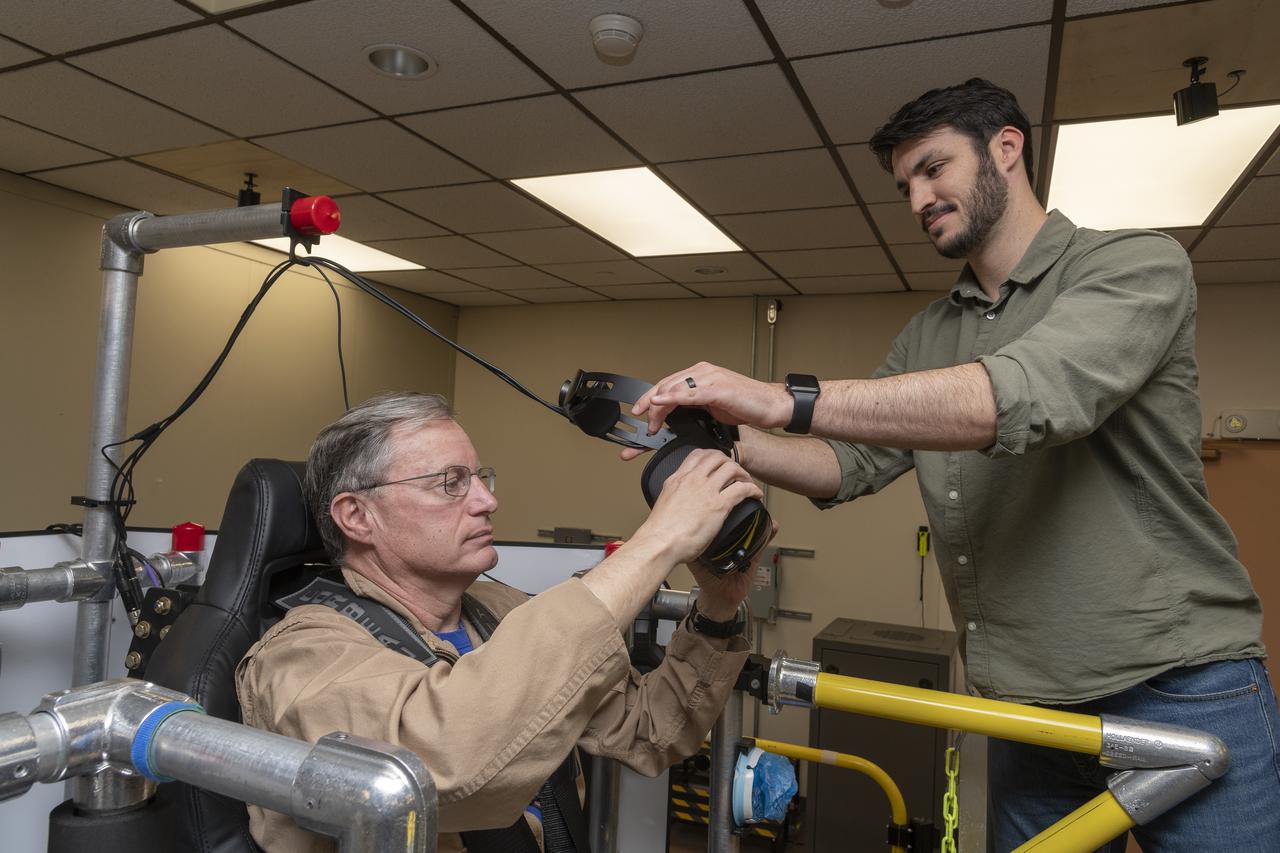
NASA pilot Jim Less is assisted by life support as he is fitted with a Cobham designed VigiLOX pilot oxygen monitoring system. VigiLOX is a sensing system that is attached to a pilot's existing gear to capture real-time physiological, breathing gas and cockpit environmental data.
VigiLOX Pilot Oxygen Monitoring System
AirVenture at Oshkosh 2023
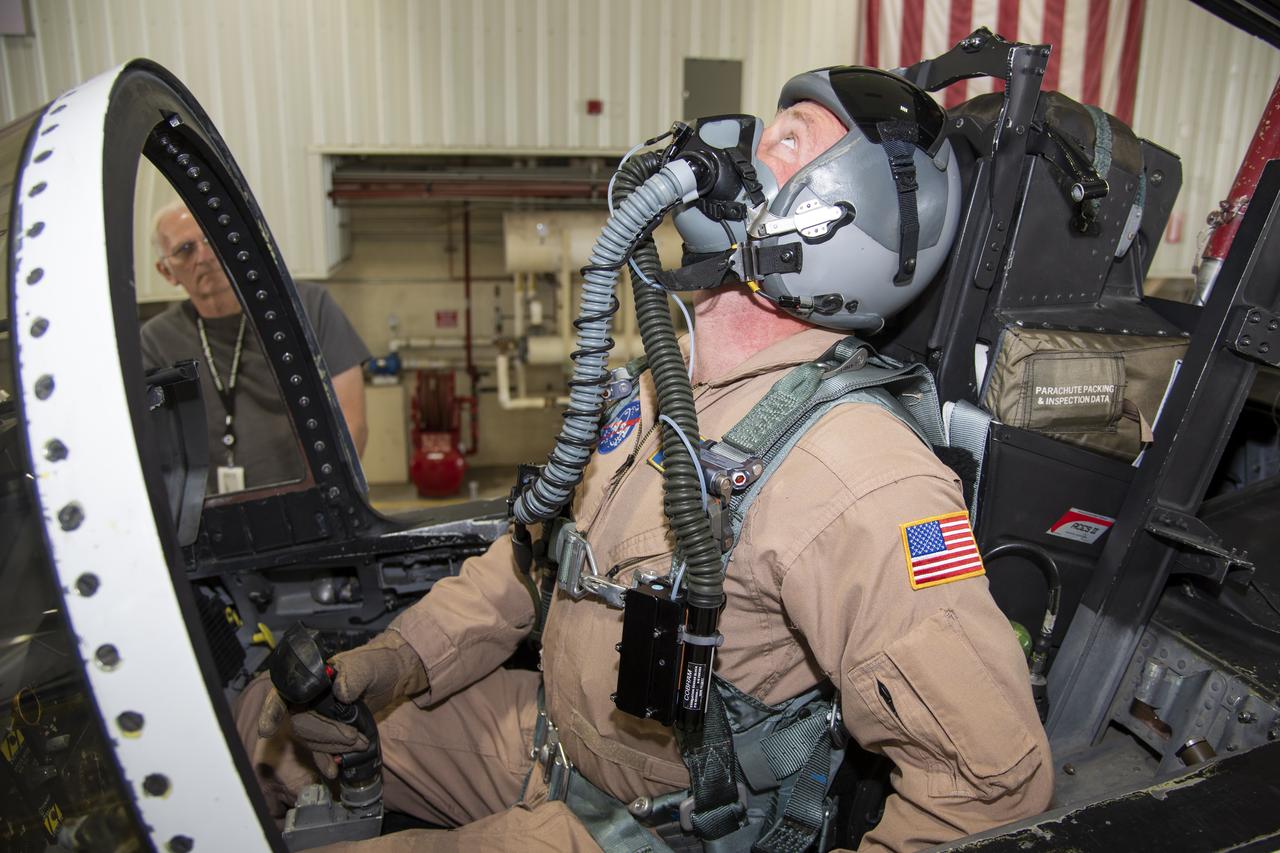
NASA pilot Jim Less sits in the cockpit of a NASA F/A-18 aircraft in preparation for flight tests that will be used to understand the physiological impacts that high-performance aircraft have on pilots.
Armstrong Pilot with VigiLOX Pilot Oxygen Monitoring System
AirVenture at Oshkosh 2023
NASA pilot Jim Less is assisted by life support as he is fitted with a Cobham designed VigiLOX pilot oxygen monitoring system. VigiLOX is a sensing system that is attached to a pilot's existing gear to capture real-time physiological, breathing gas and cockpit environmental data.
VigiLOX Pilot Oxygen Monitoring System
AirVenture at Oshkosh 2023
AirVenture at Oshkosh 2024
AirVenture at Oshkosh 2023
AirVenture at Oshkosh 2024
AirVenture at Oshkosh 2023
AirVenture at Oshkosh 2024
AirVenture at Oshkosh 2023
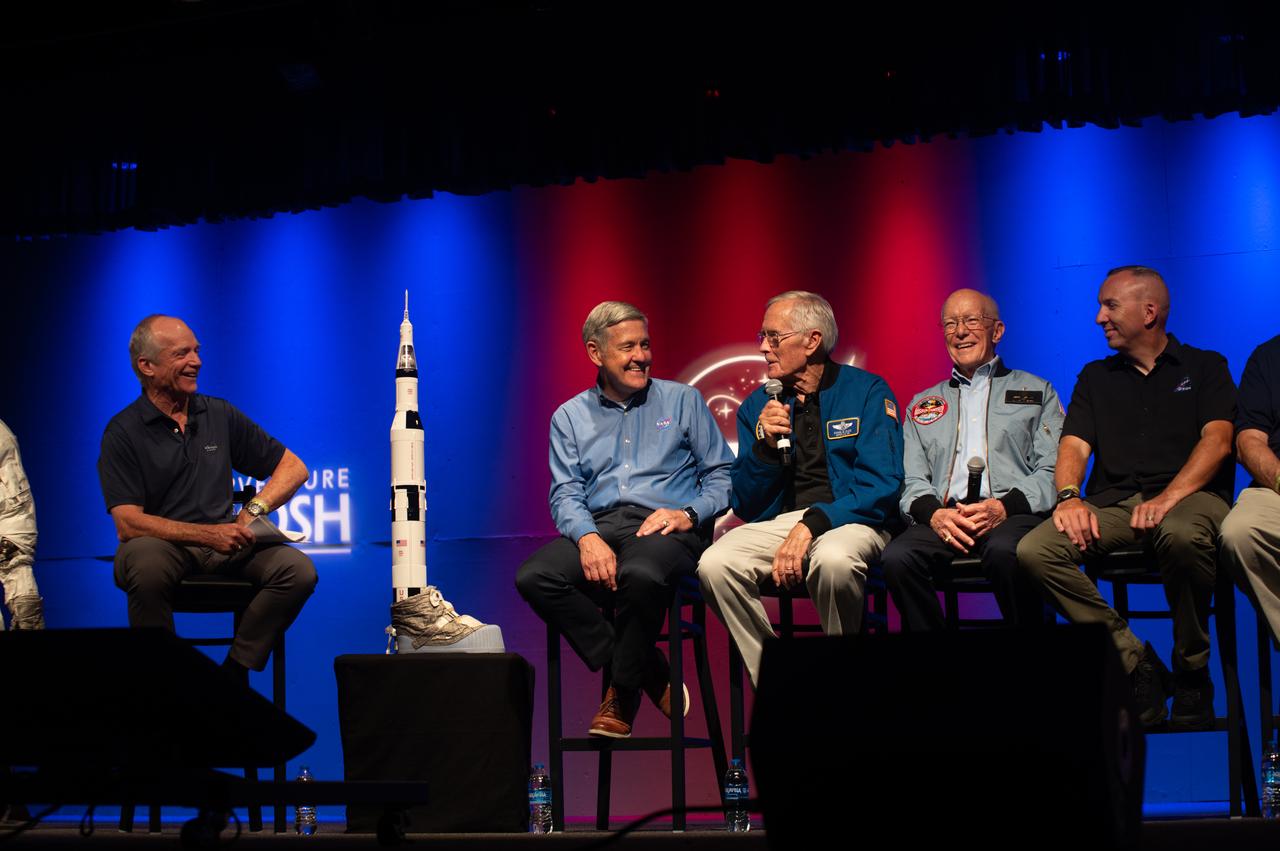
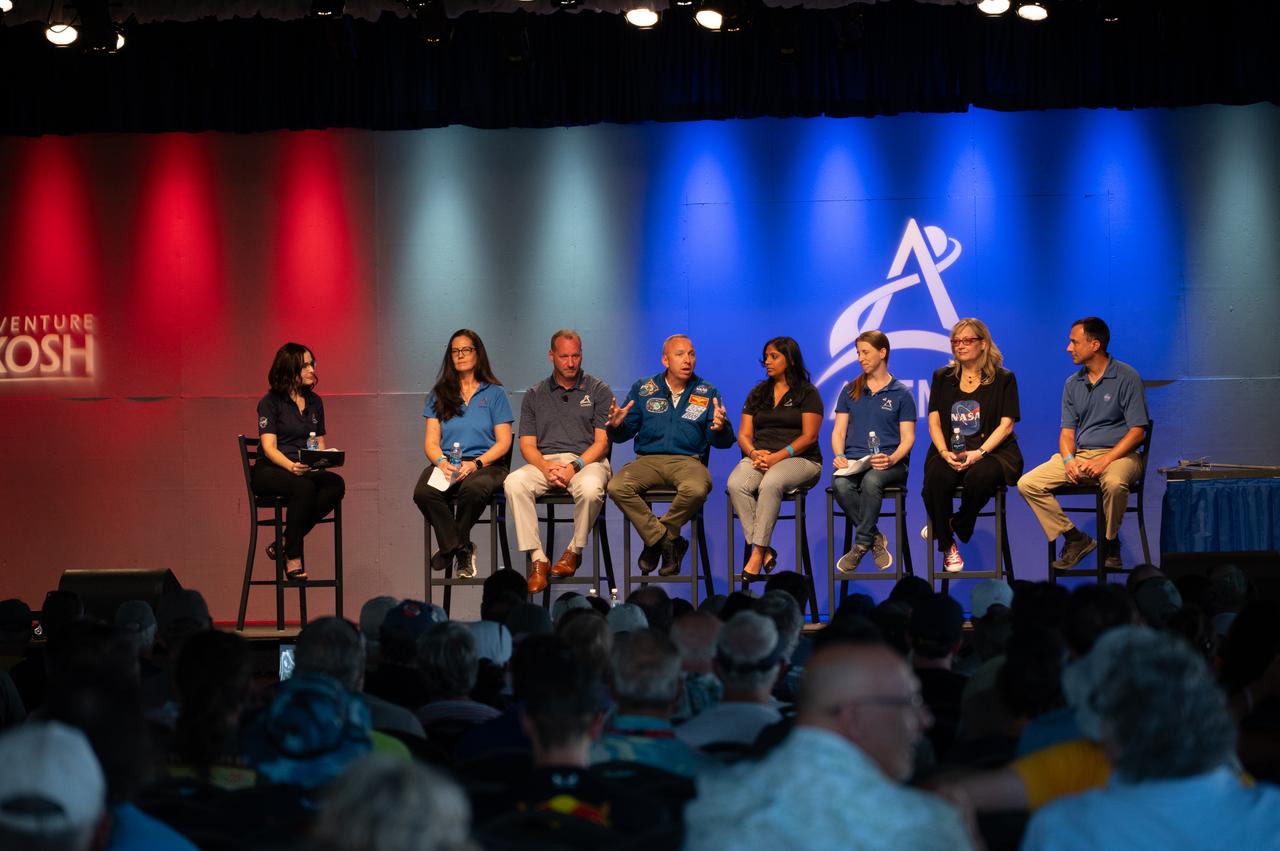
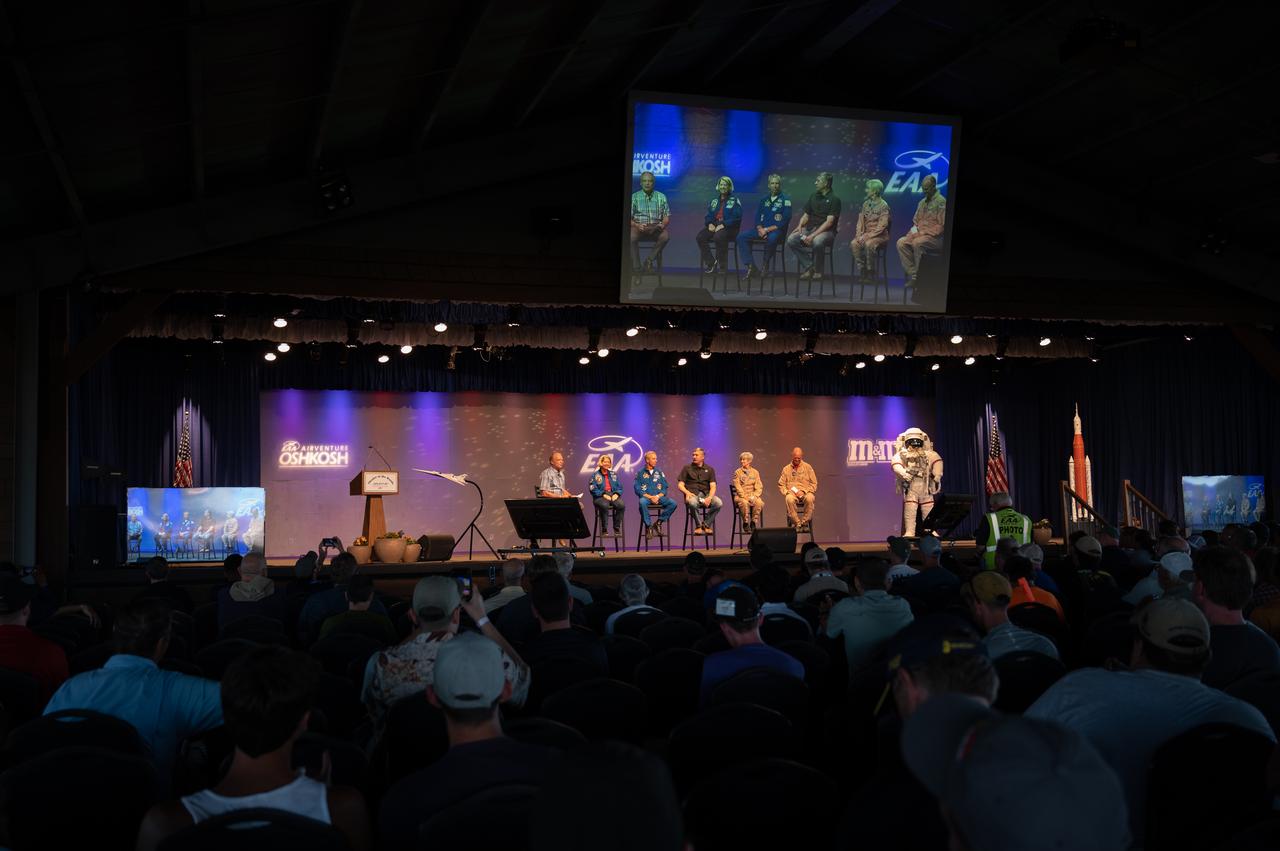
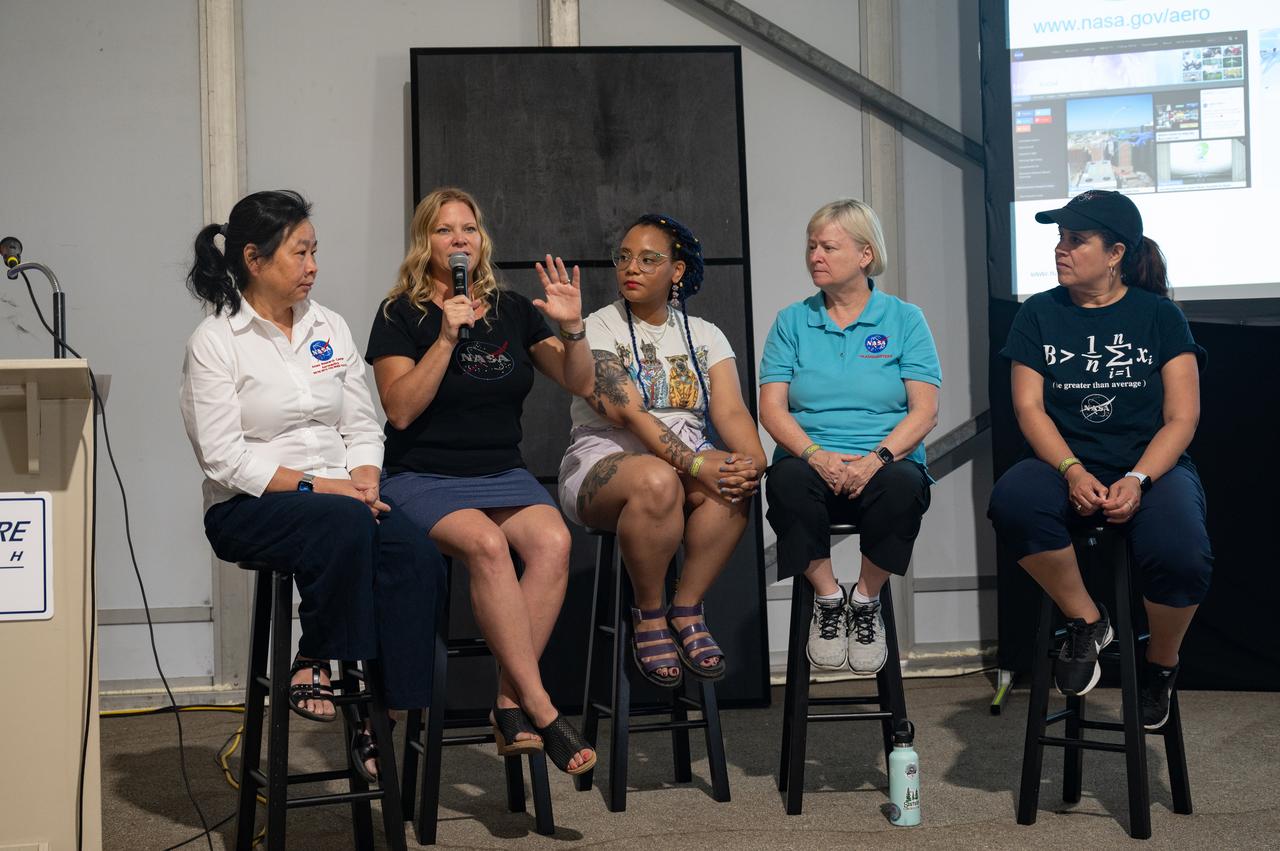
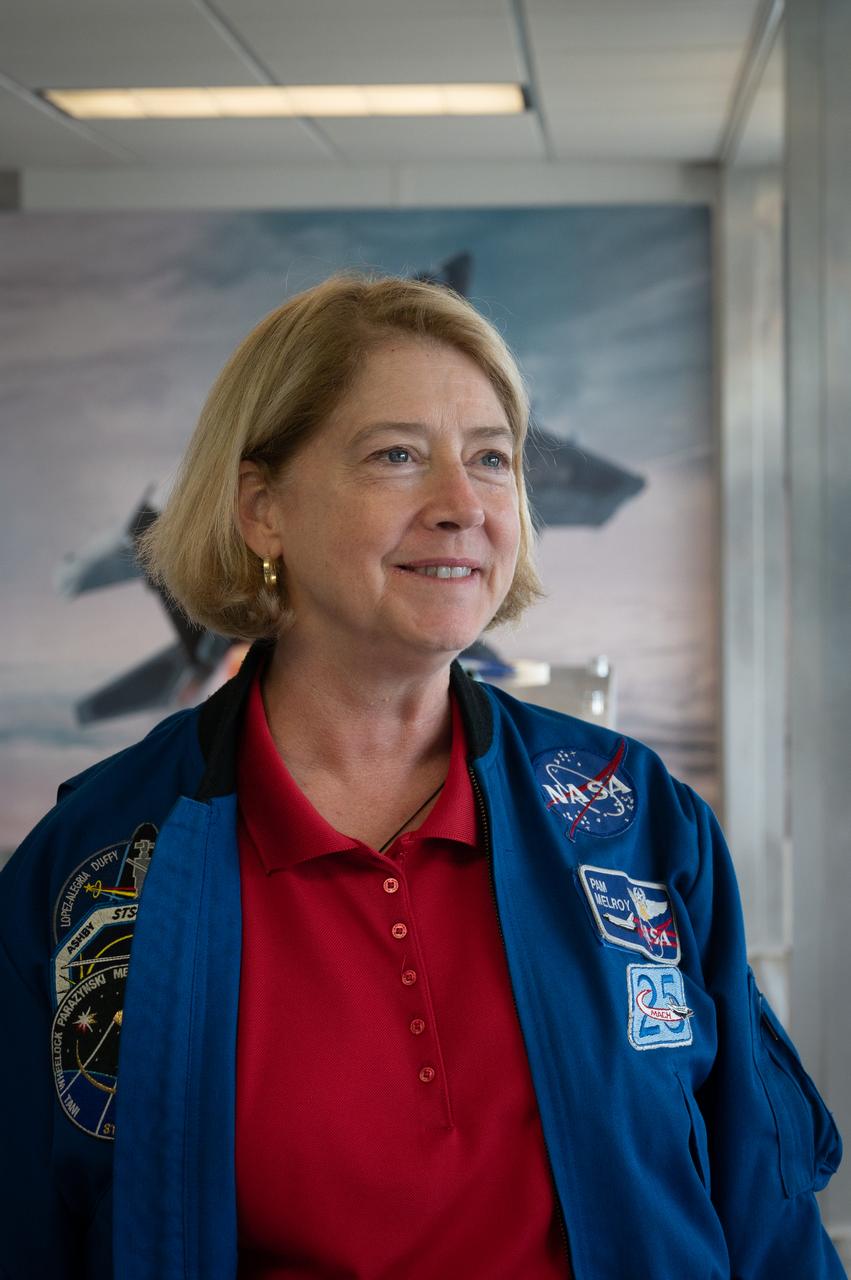
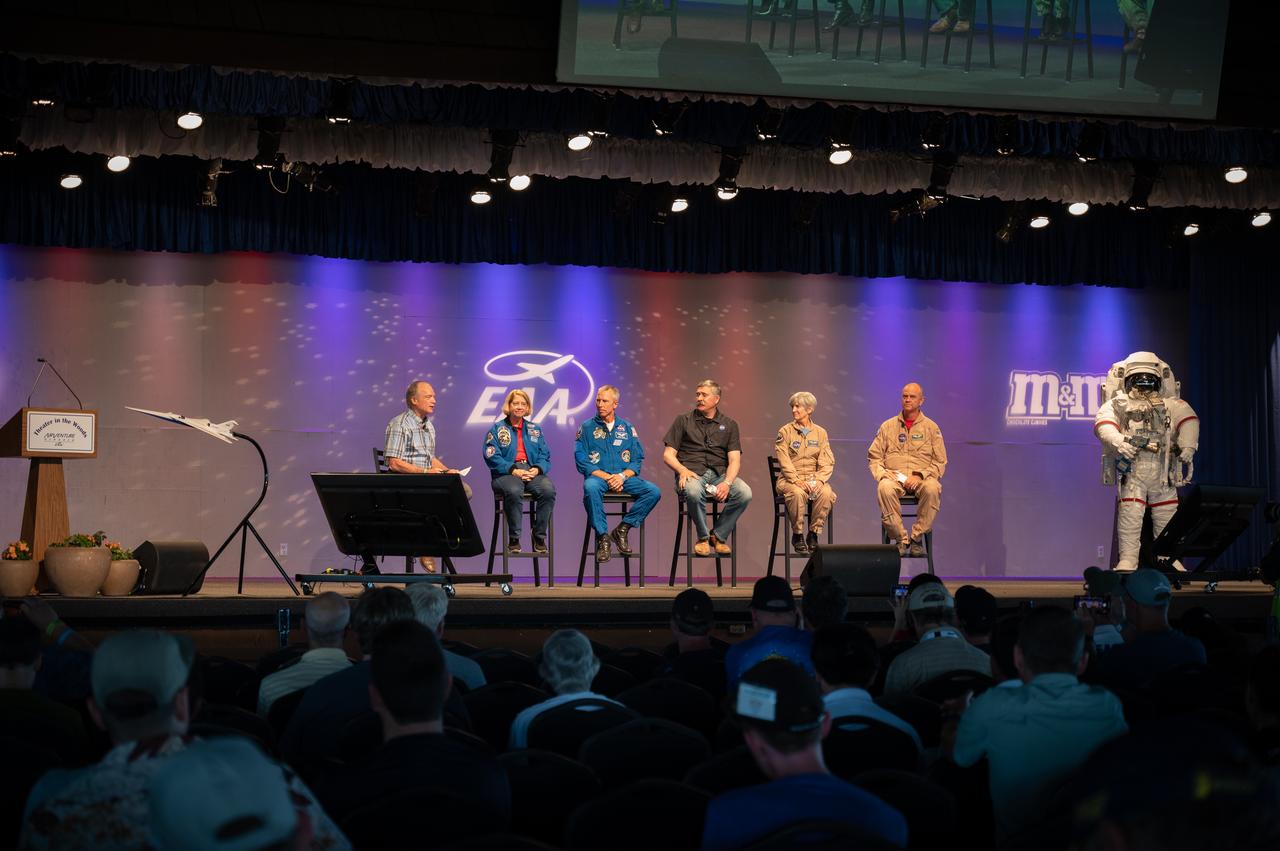
NASA panelists appear at special panel titled “The Next Bold Step: The Future of Space Flight and Aerospace,” on July 29, 2022, at EAA Airventure. Panelists include Deputy Administrator Pam Melroy, Astronaut Drew Feustel, Artemis Mission Manager Michael Sarafin, Research Pilot Liz Ruth and Test Pilot Nils Larson.
AirVenture 2022
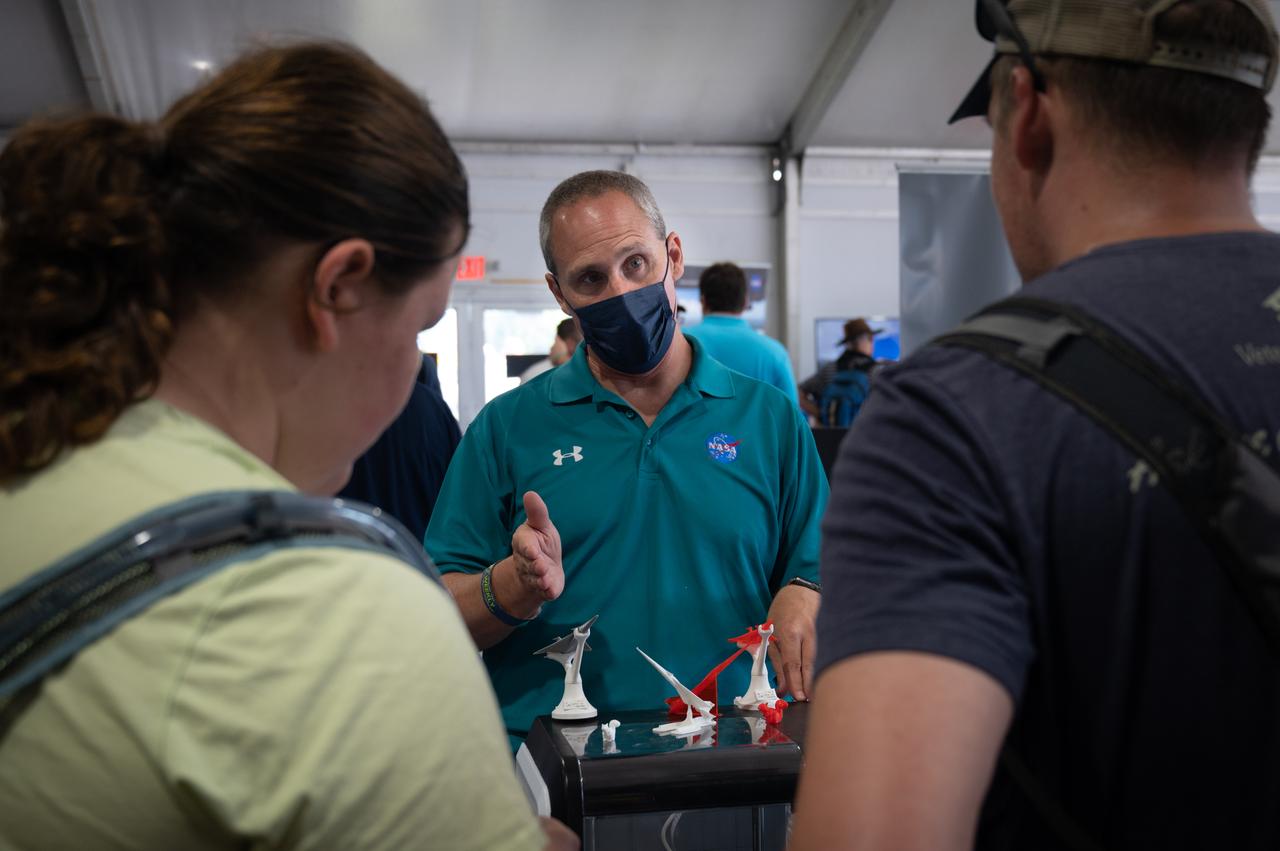
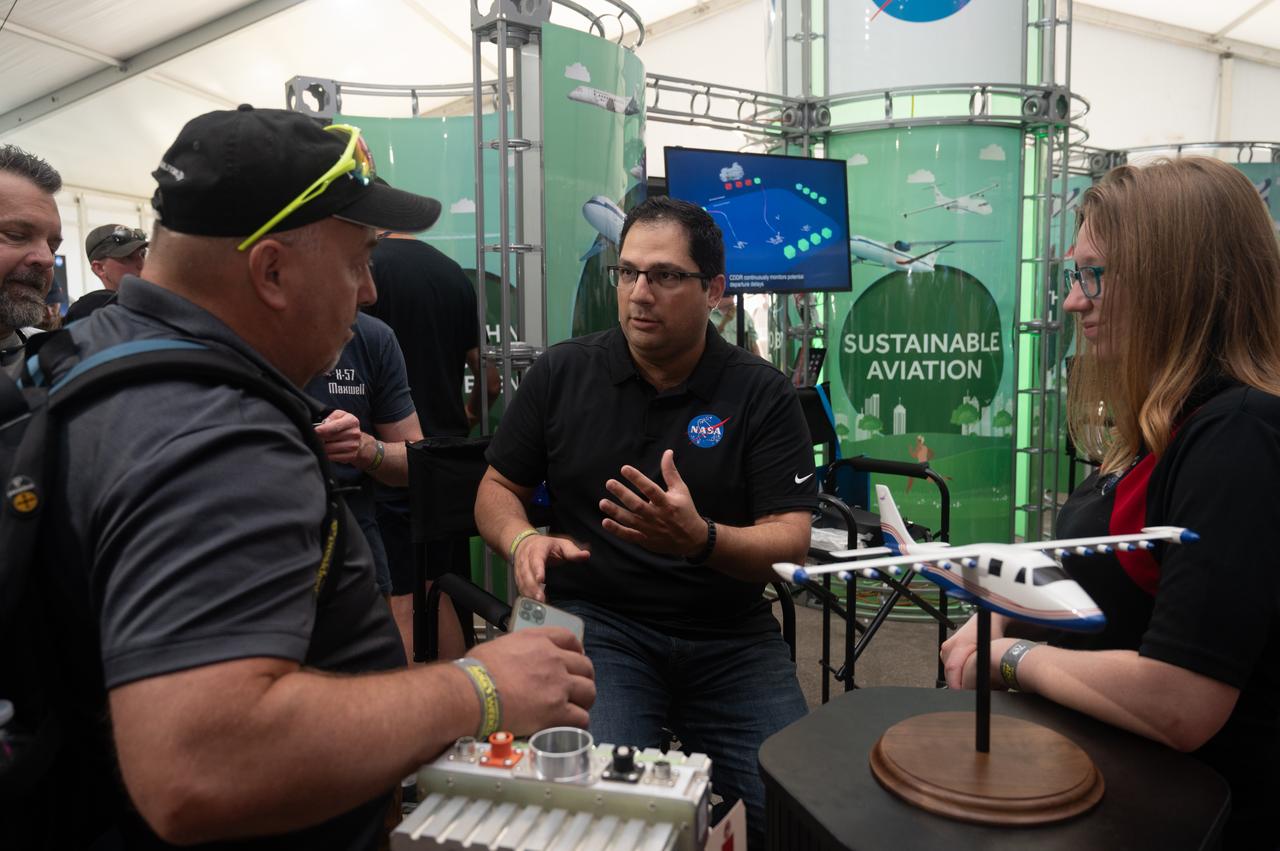
Steve Kirsche educates AirVenture visitors about the X-59 on Friday, July 29, 2022 in NASA's STEM Zone at AirVenture at Oshkosh
AirVenture 2022
AirVenture at Oshkosh 2023
AirVenture at Oshkosh 2024
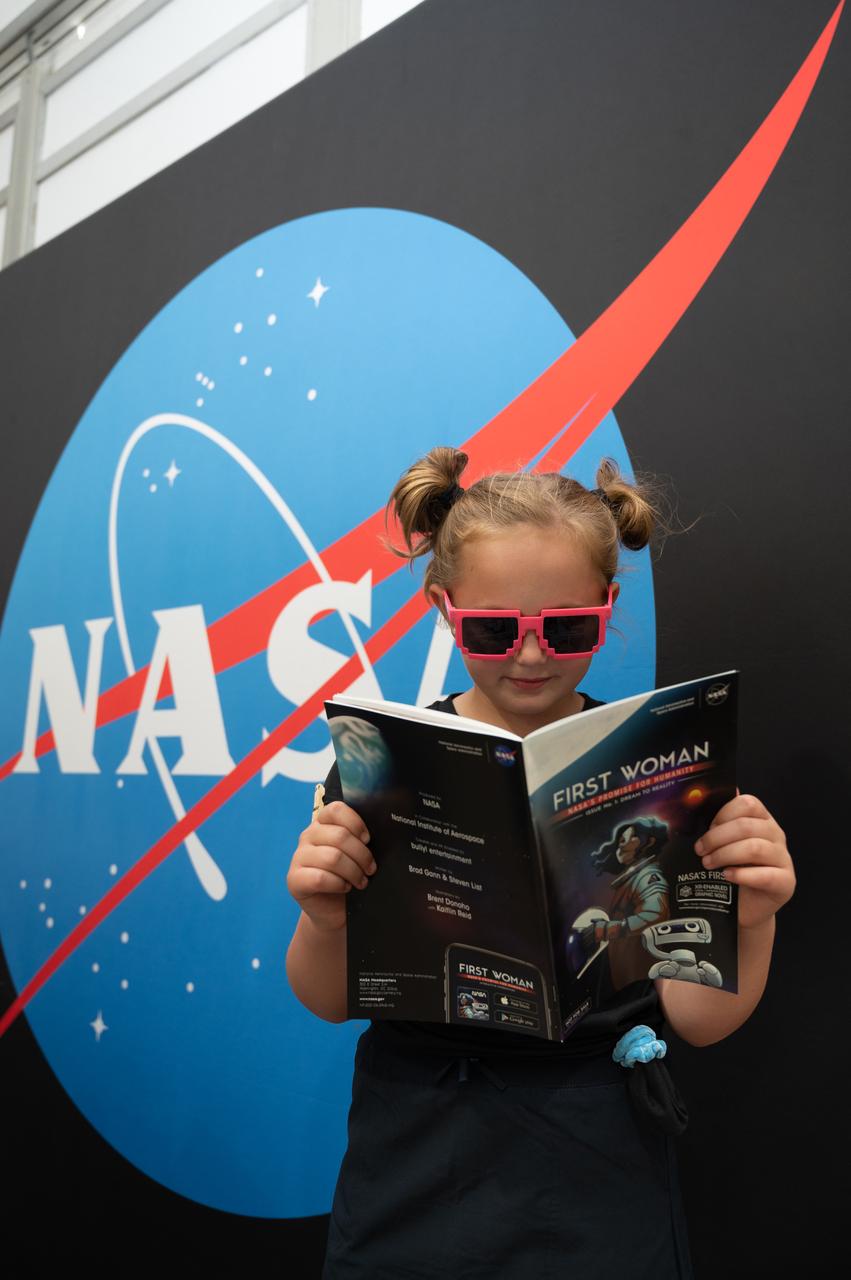
Ruby Flottum reads the first issue of NASA's "First Woman" graphic novel, entitled "Dream to Reality," on Monday, July 25, 2022 at AirVenture at Oshkosh.
AirVenture 2022
AirVenture at Oshkosh 2023
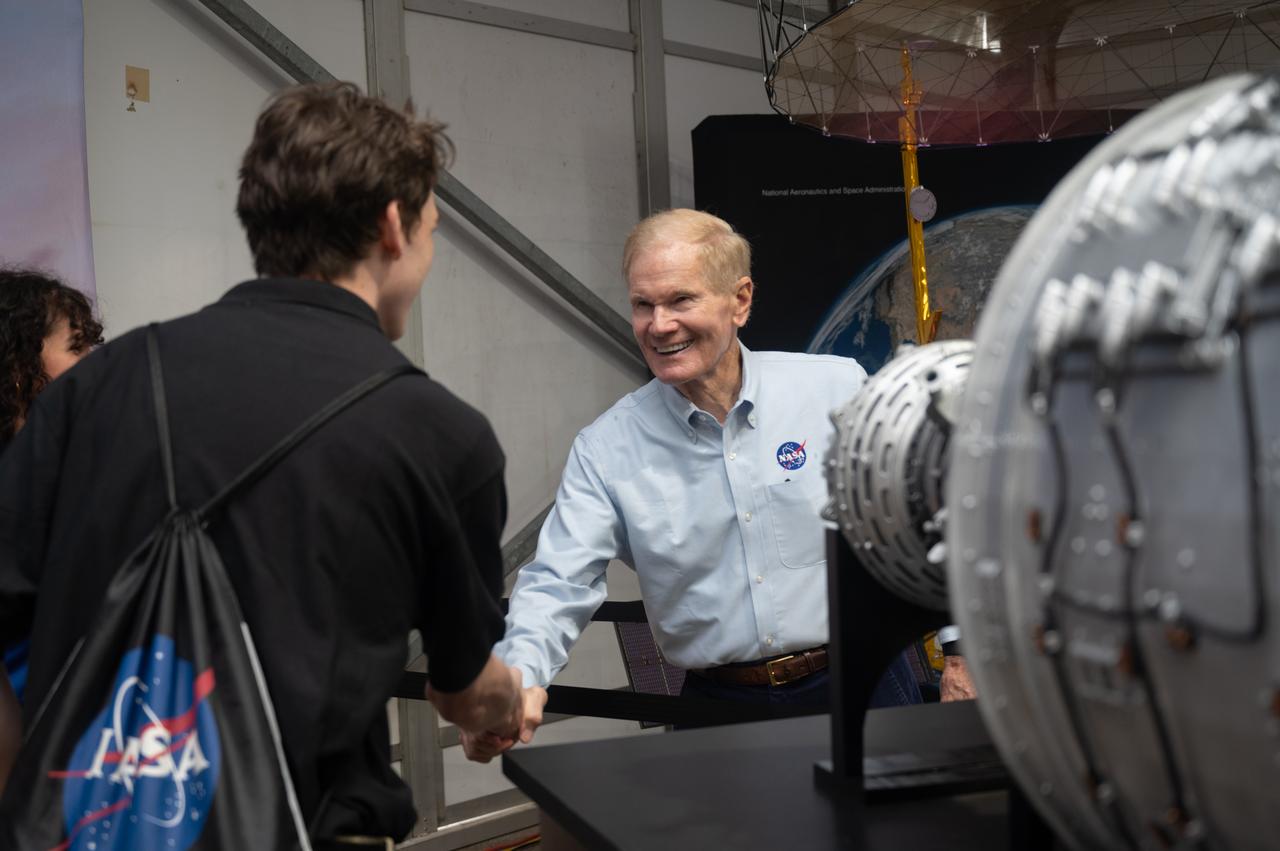
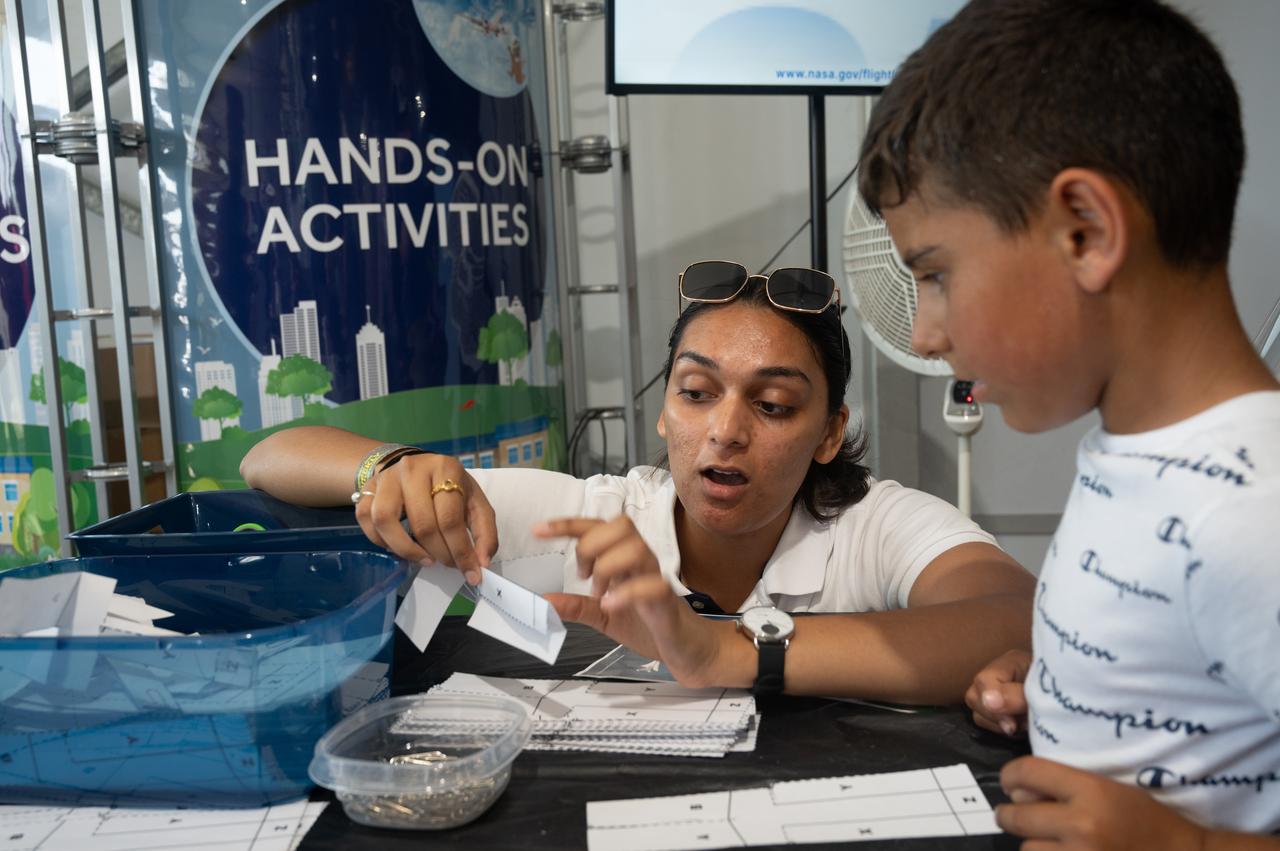
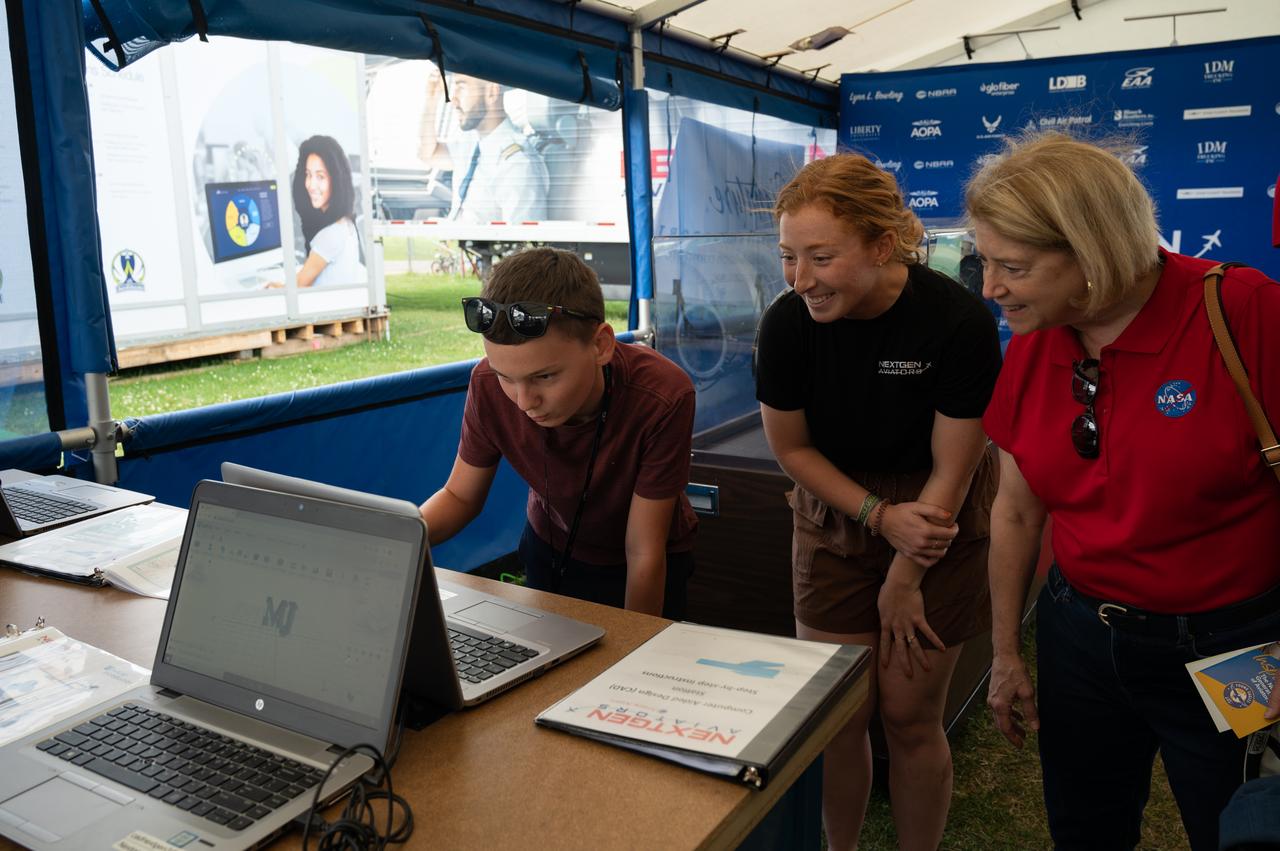
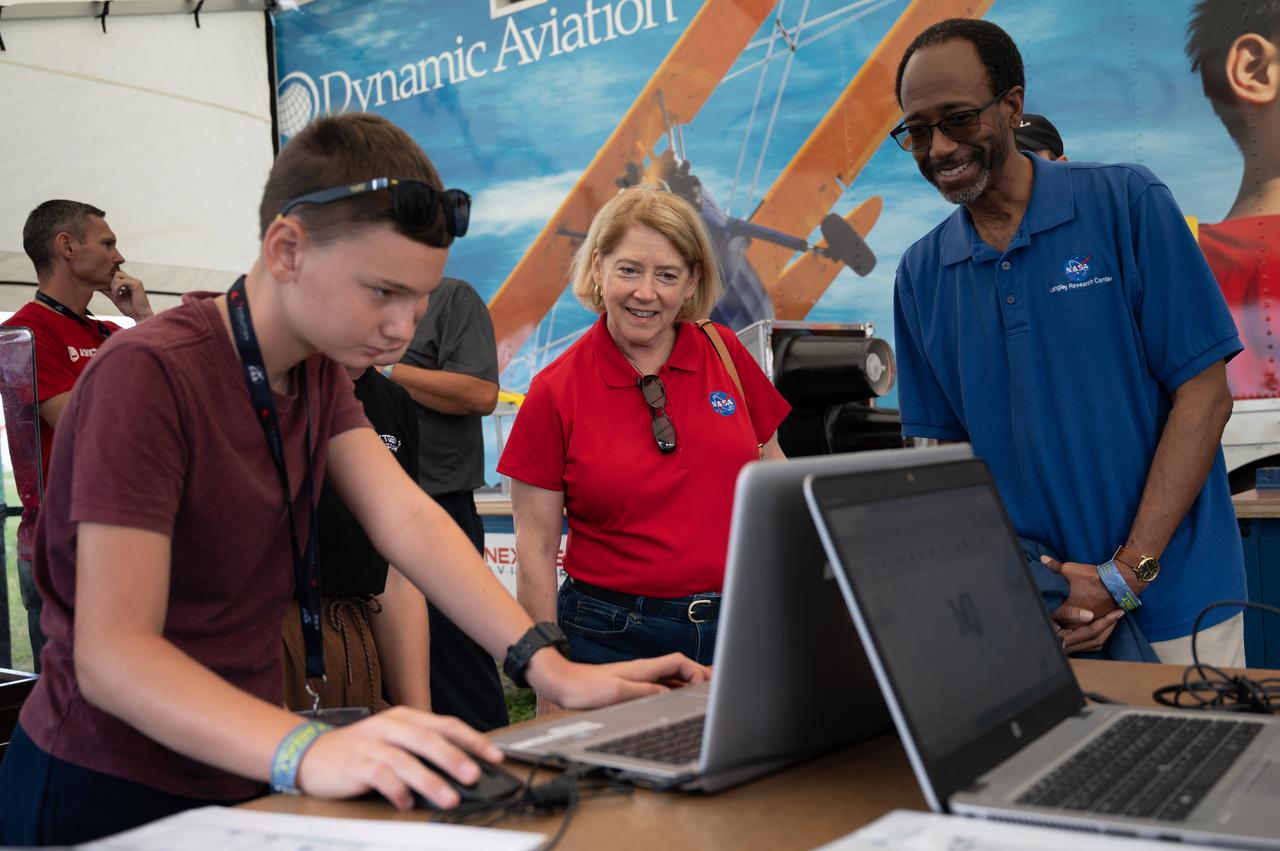
Deputy Administrator Pam Melroy tours the NEXTGEN Aviators exhibit on Thursday, July 28, 2022, at EAA AirVenture. Here Silas Webb explains his CAD aircraft design with the help of Kala Dougan.
AirVenture 2022
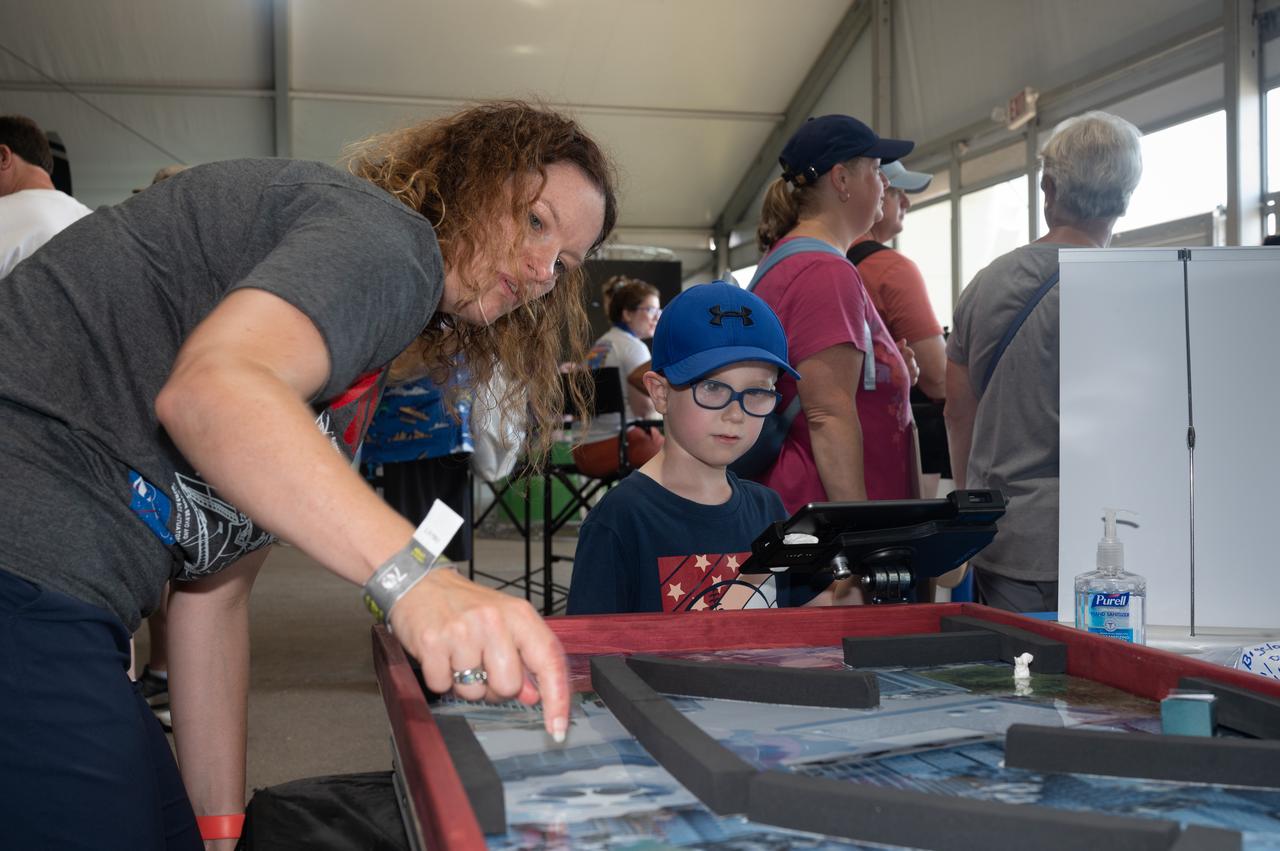
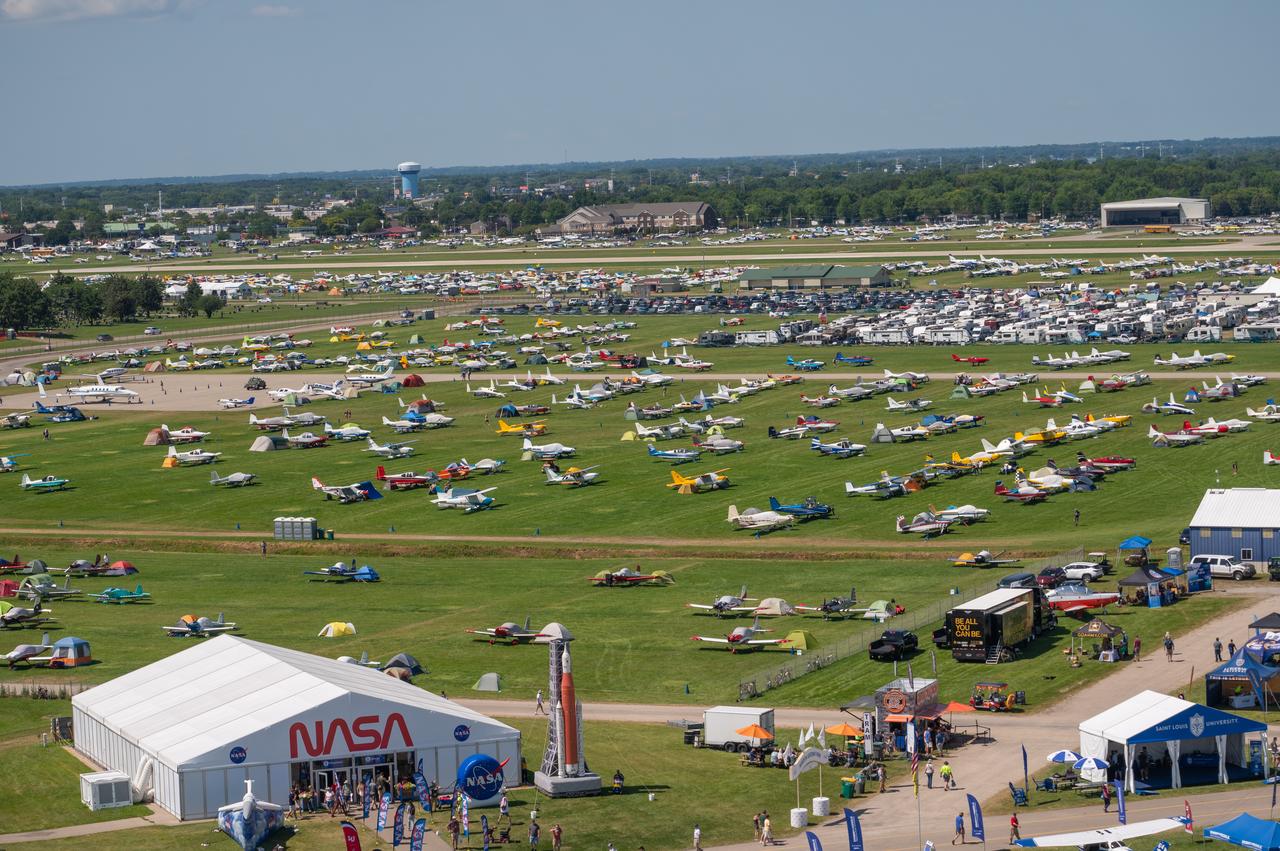
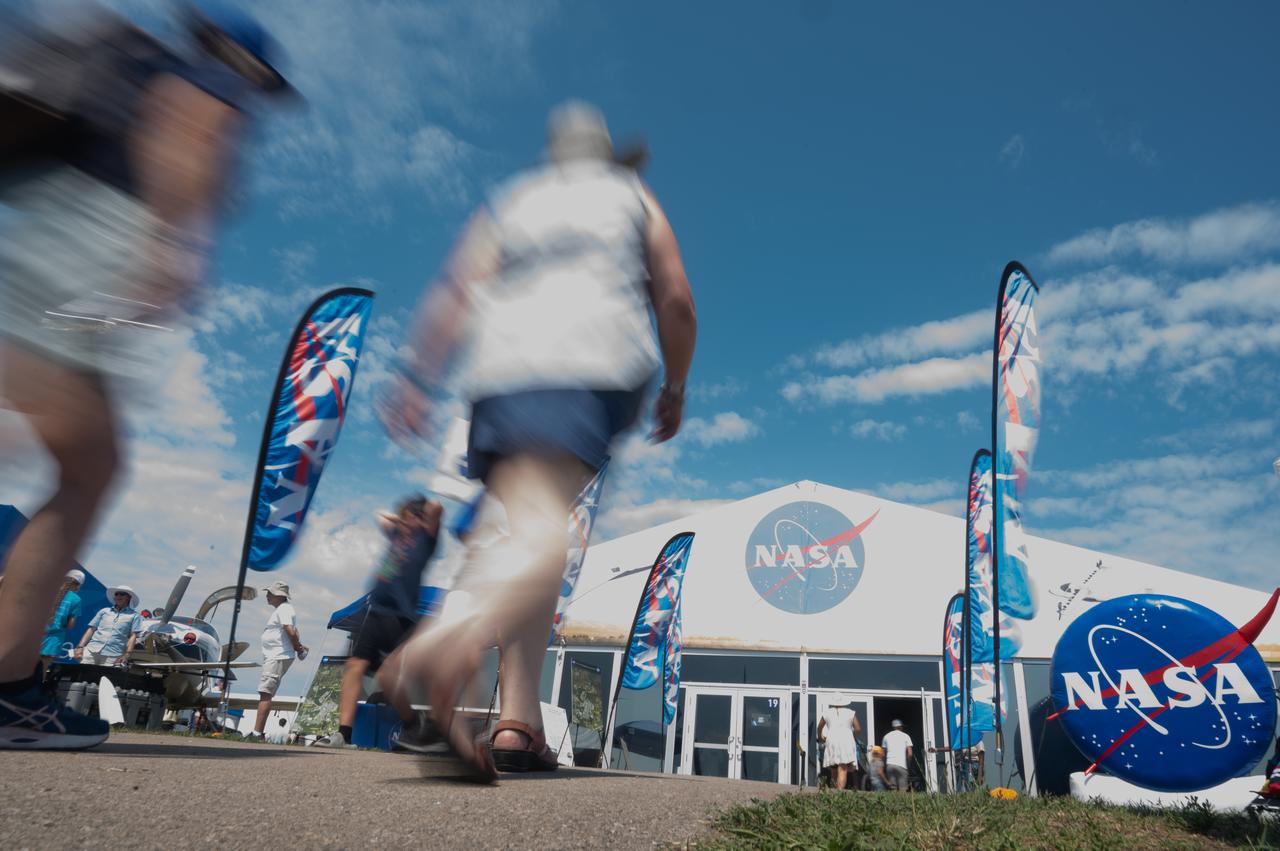
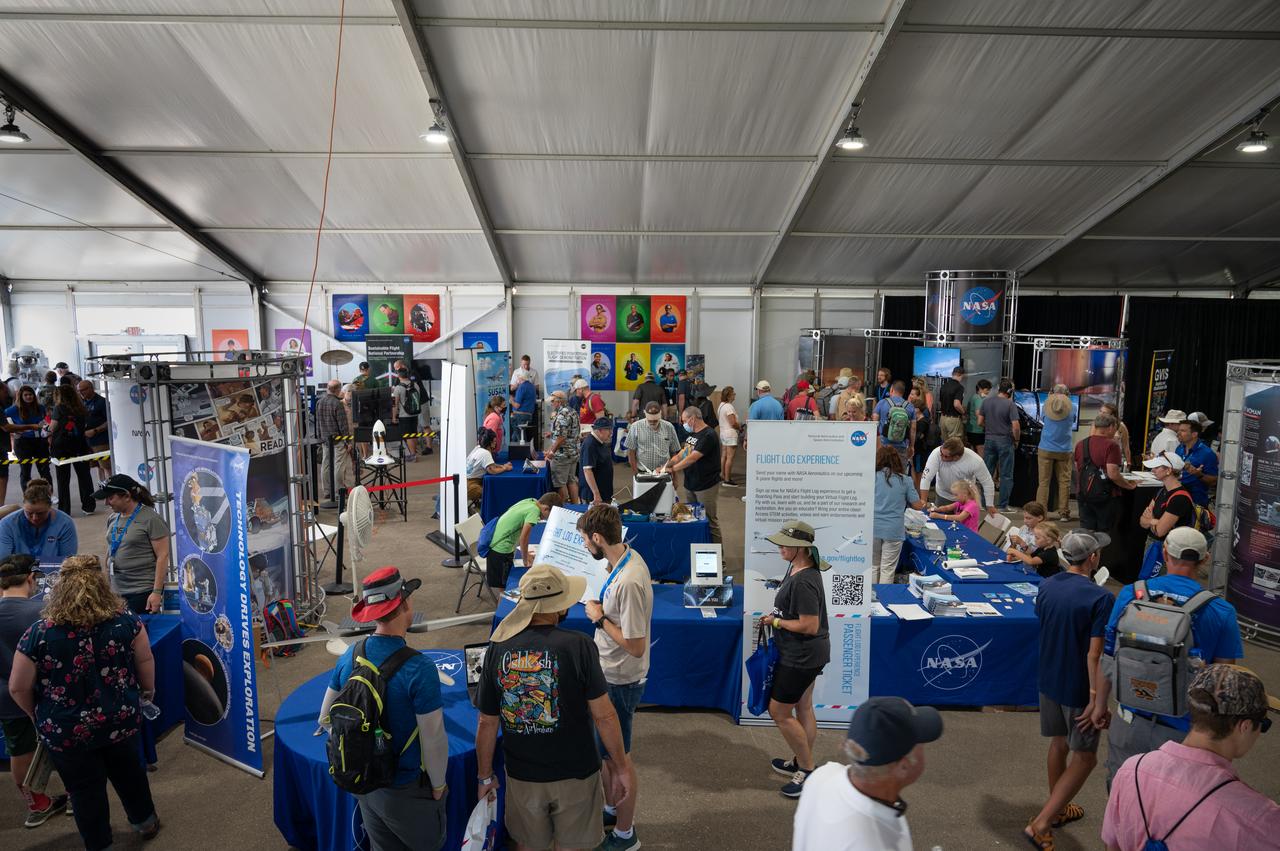
Attendees visit the NASA pavilion at AirVenture on Wednesday, July 27, 2022.
AirVenture 2022
AirVenture at Oshkosh 2024
AirVenture at Oshkosh 2023
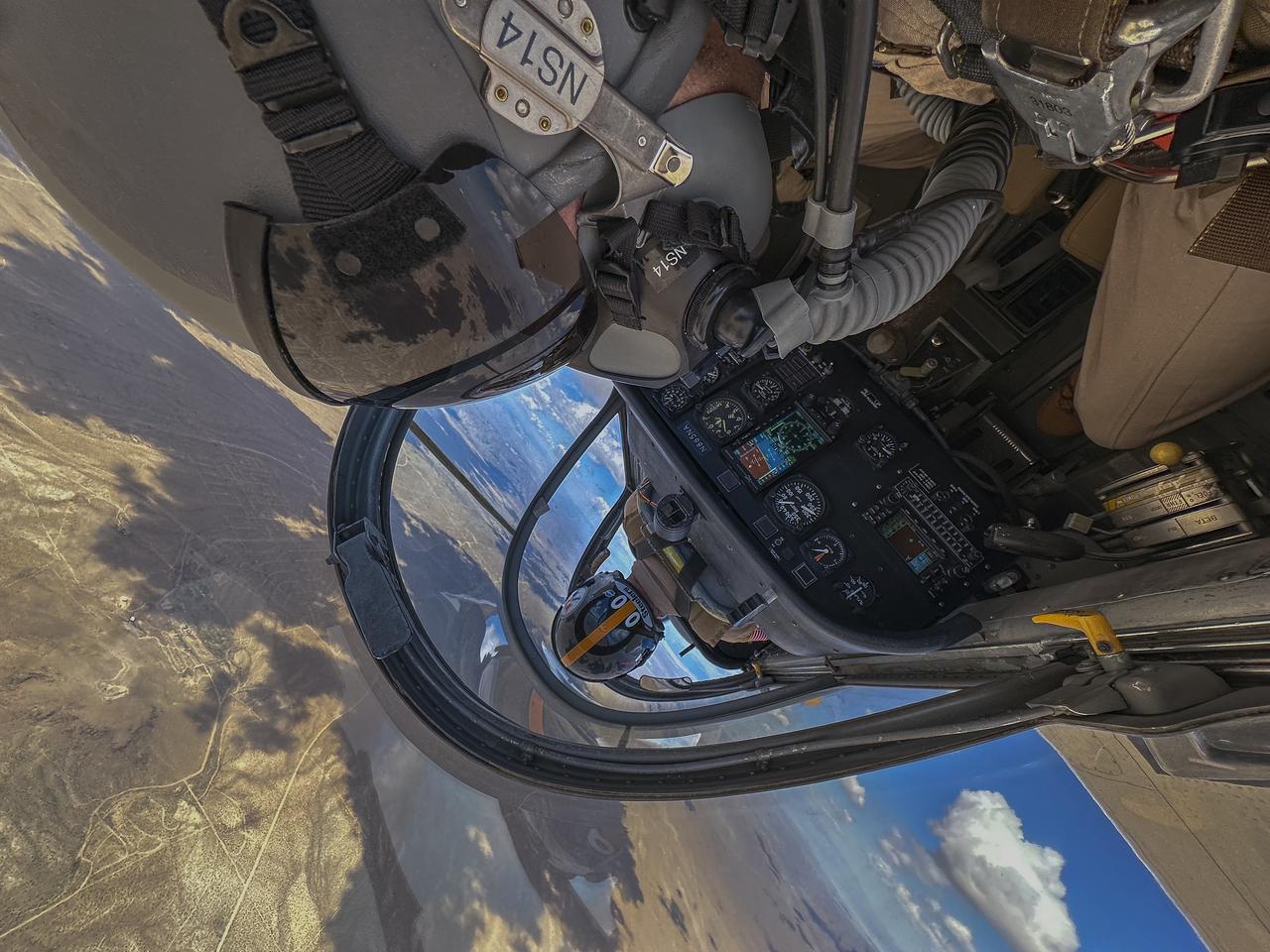
NASA research pilot Nils Larson and photographer Jim Ross complete aerobatic maneuvers in a NASA Armstrong Flight Research Center in Edwards, California owned T-34C aircraft during a proficiency flight. 
NASA Armstrong Flight Research Center T-34C Aircraft in Flight
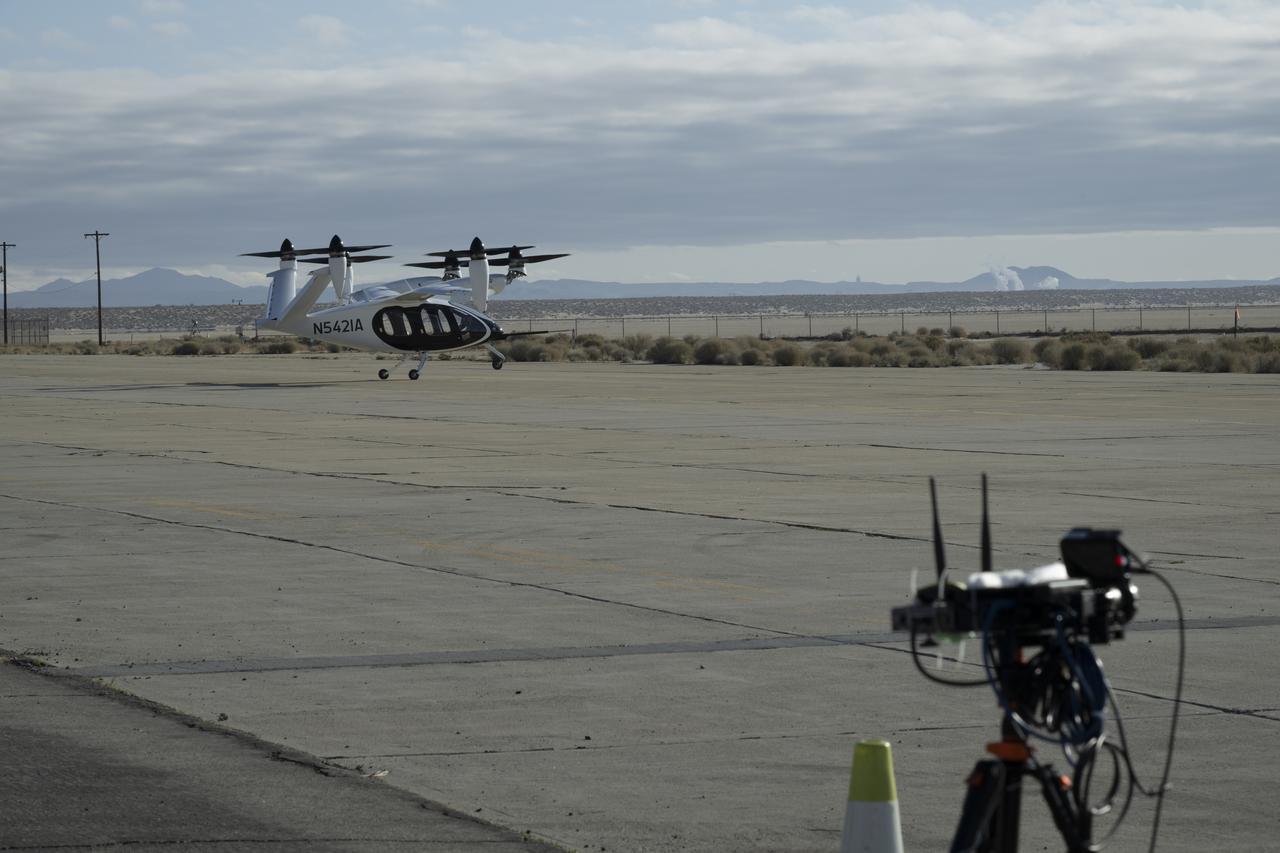
One of multiple NASA distributed sensing ground nodes is set up in the foreground while an experimental air taxi aircraft owned by Joby Aviation prepares to take off in the background near NASA’s Armstrong Flight Research Center in Edwards, California, on March 12, 2025. NASA is collecting information during this study to help advance future air taxi flights, especially those occurring in cities, to track aircraft moving through traffic corridors and around landing zones. 
NASA and Joby Research Near NASA’s Armstrong Flight Research Center
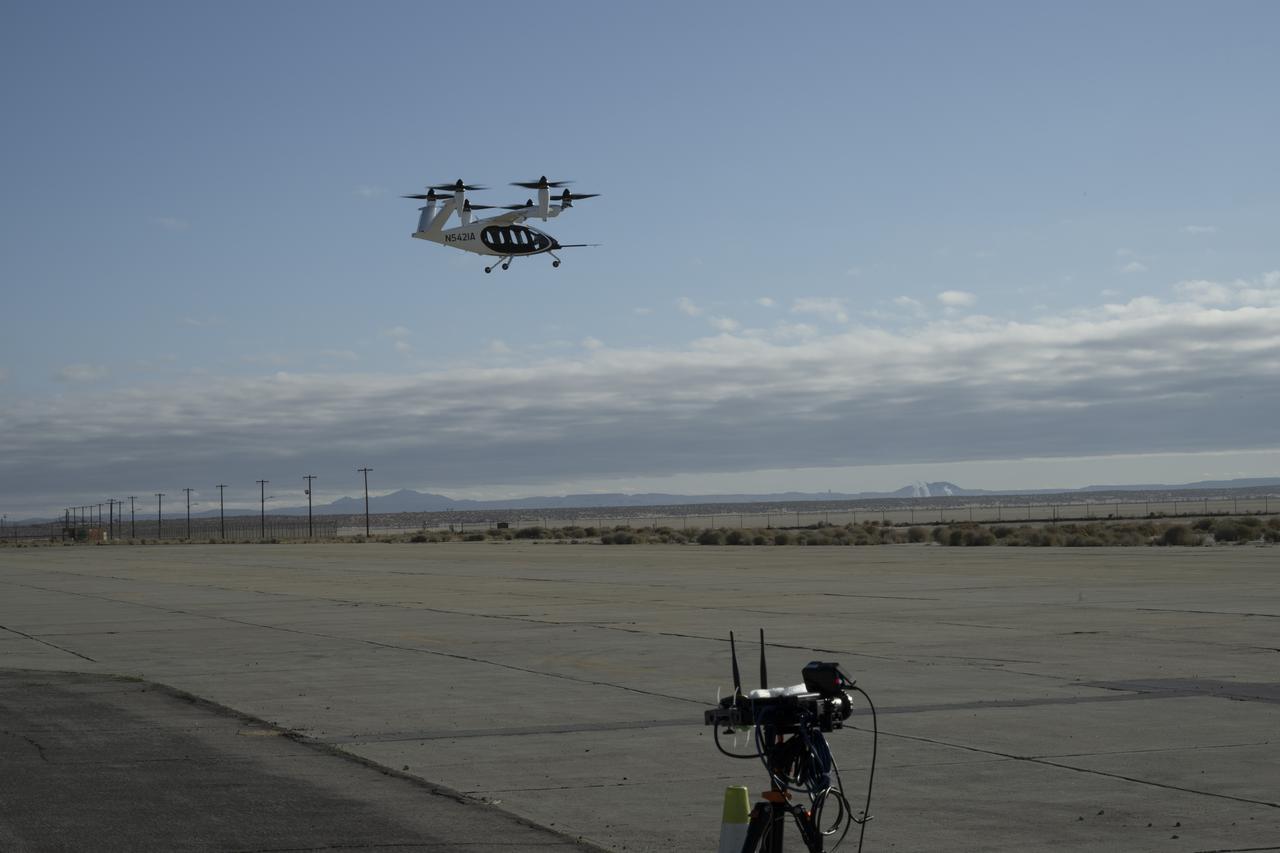
One of multiple NASA distributed sensing ground nodes is set up in the foreground while an experimental air taxi aircraft owned by Joby Aviation hovers in the background near NASA’s Armstrong Flight Research Center in Edwards, California, on March 12, 2025. NASA is collecting information during this study to help advance future air taxi flights, especially those occurring in cities, to track aircraft moving through traffic corridors and around landing zones.
NASA and Joby Research Near NASA’s Armstrong Flight Research Center
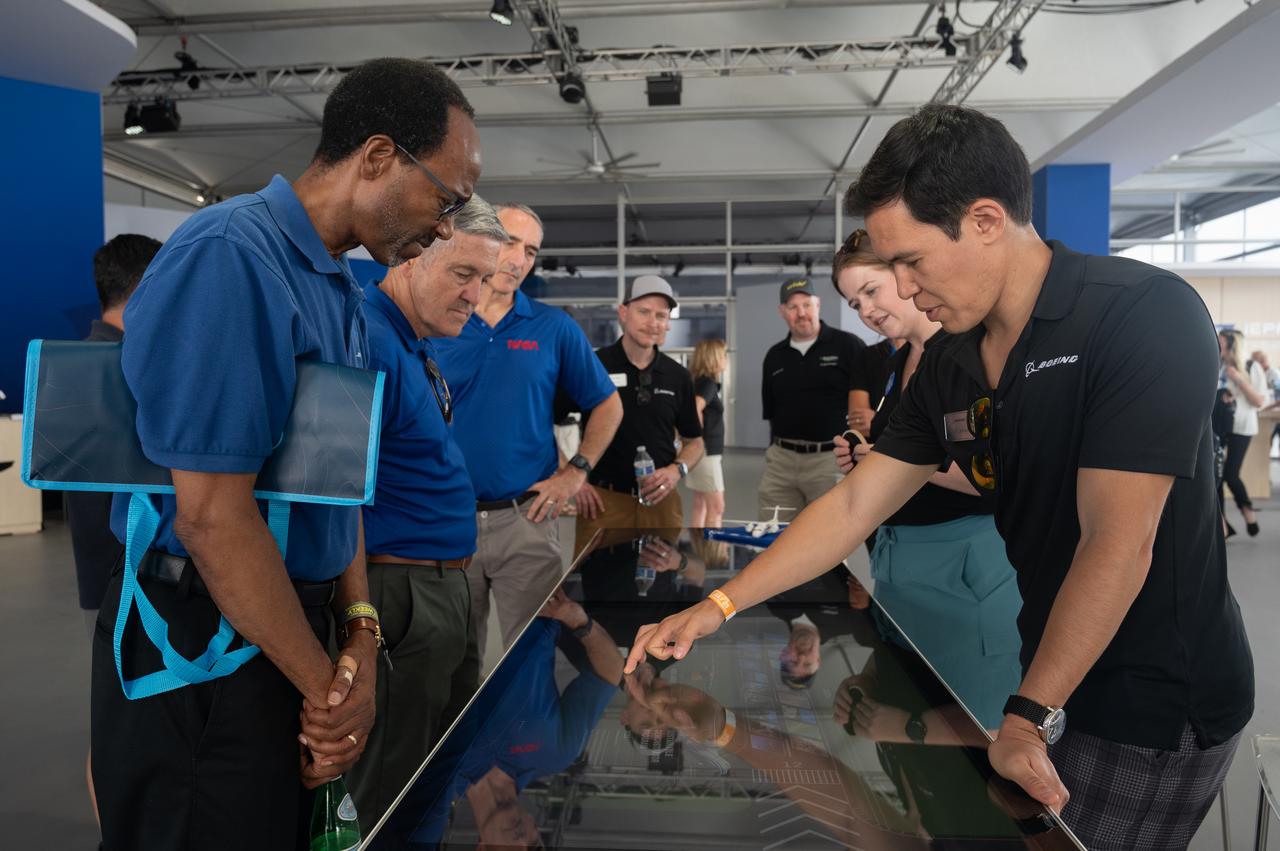
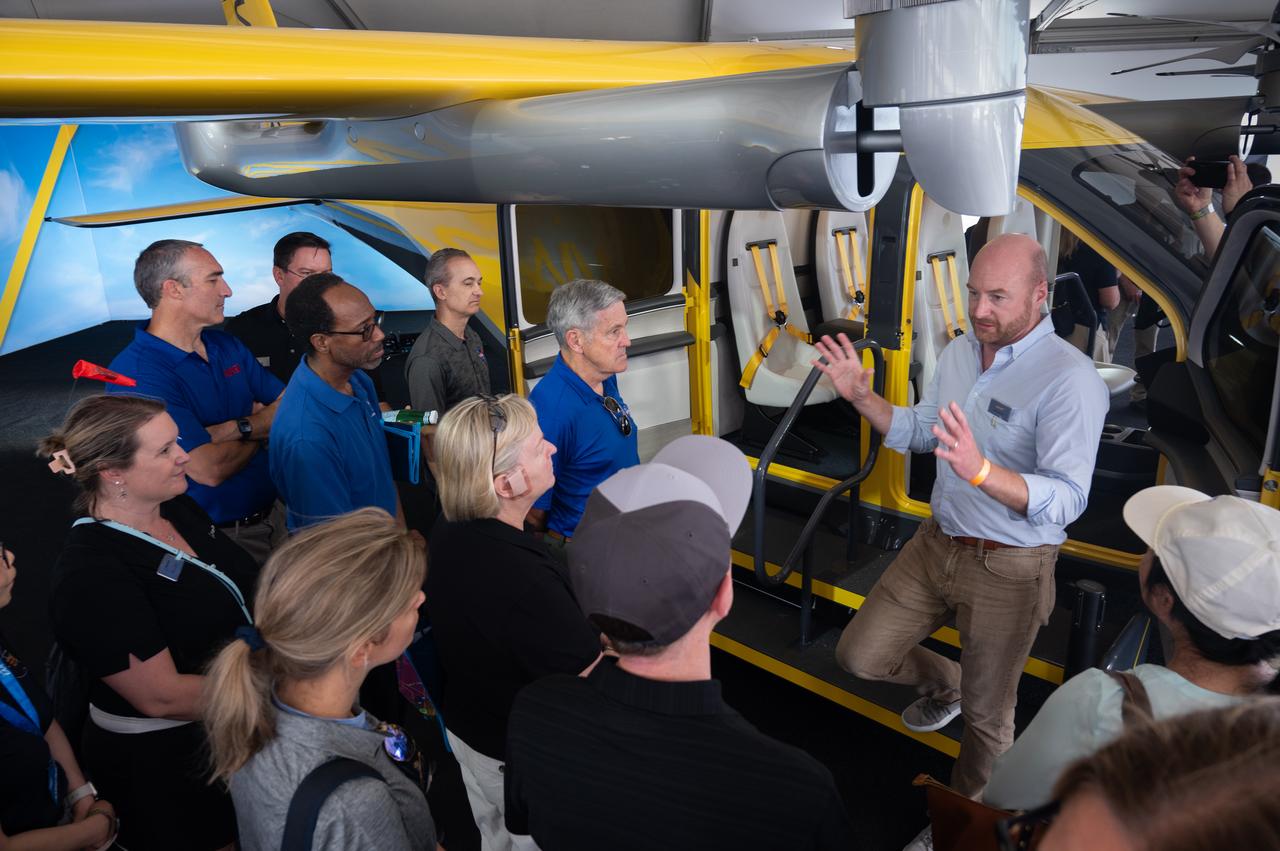
Deputy Administrator Pam Melroy tours the JOBY Aviation exhibit on Friday, July 29, at EAA AirVenture.
AirVenture 2022
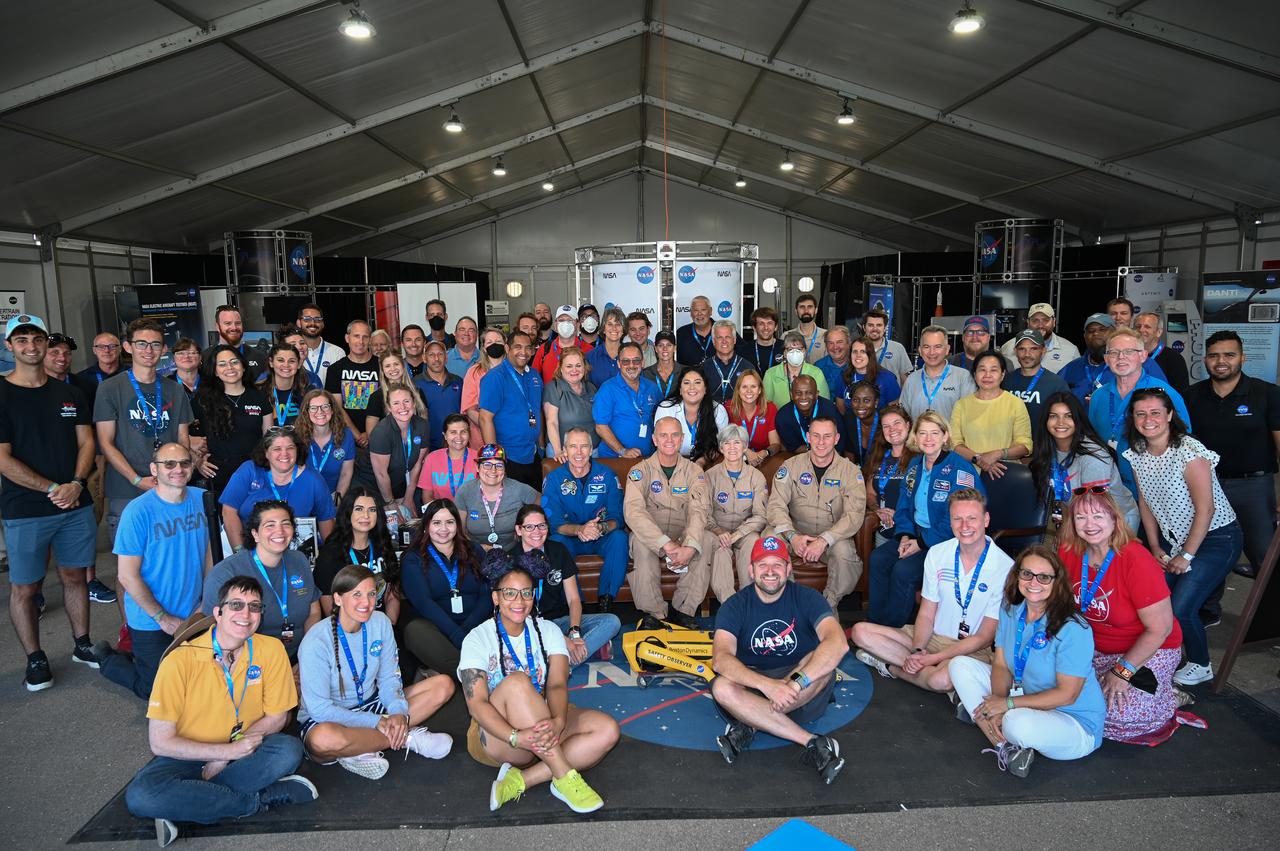
NASA pavilion staff pose for a group picture on Thursday, July 28, 2022, at the EAA AirVenture. They were joined by Deputy Administrator Pam Melroy.
AirVenture 2022
AirVenture at Oshkosh 2023
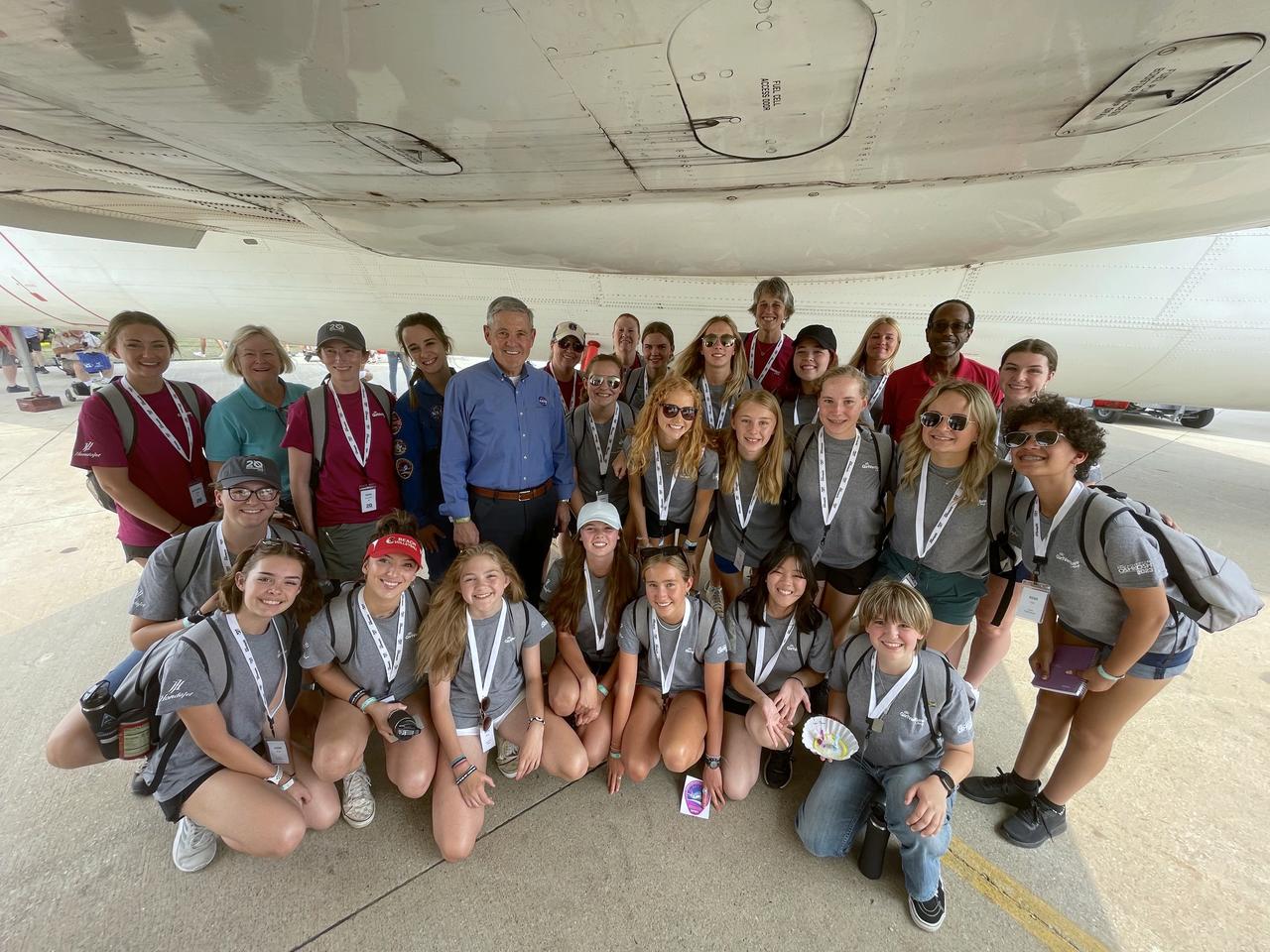
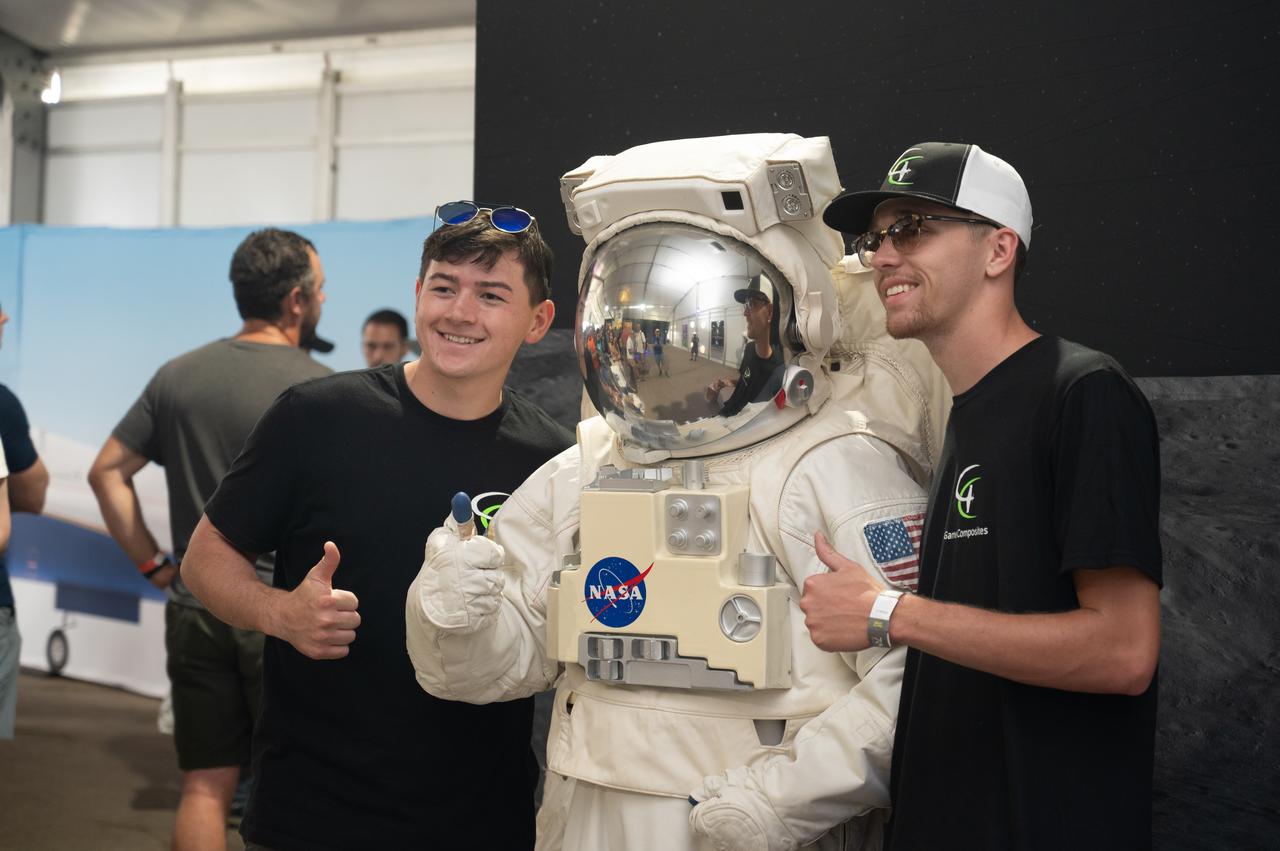
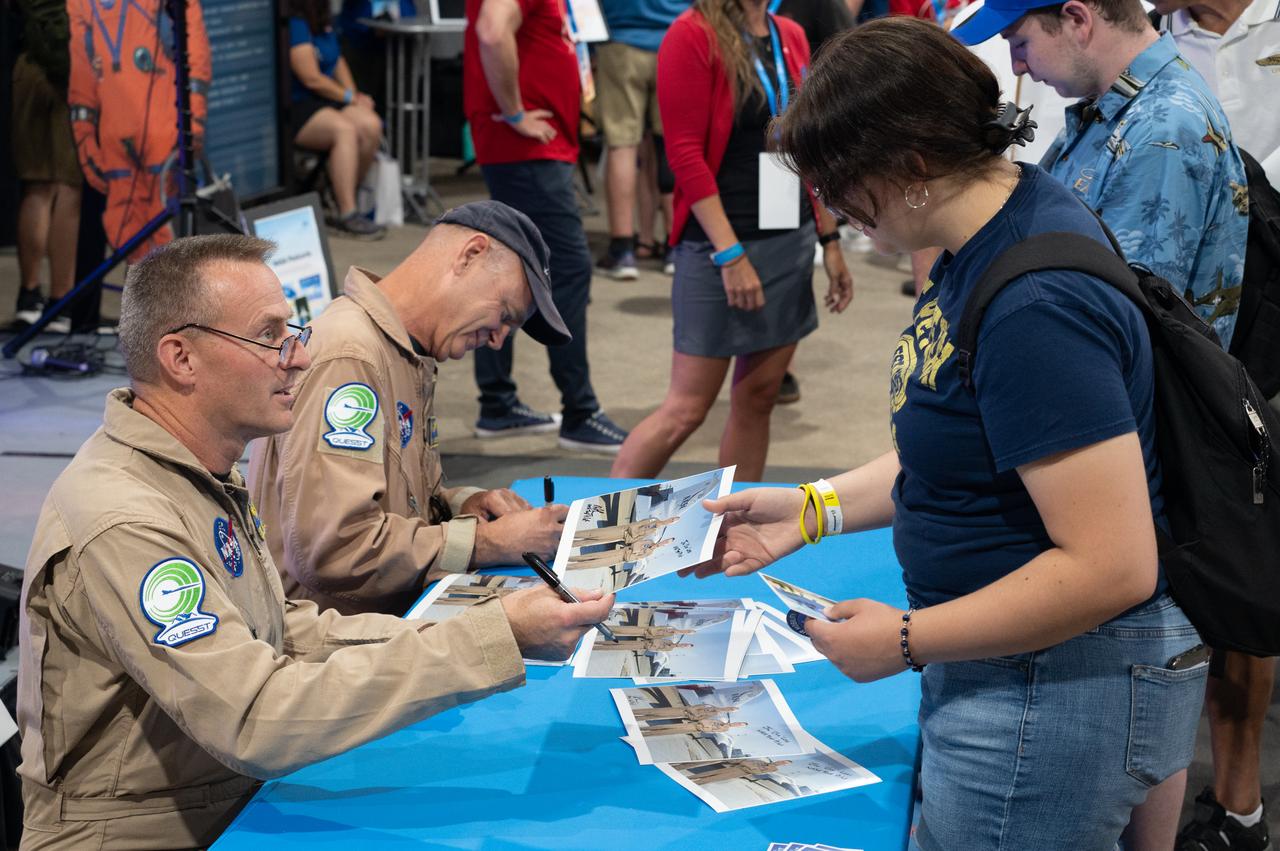
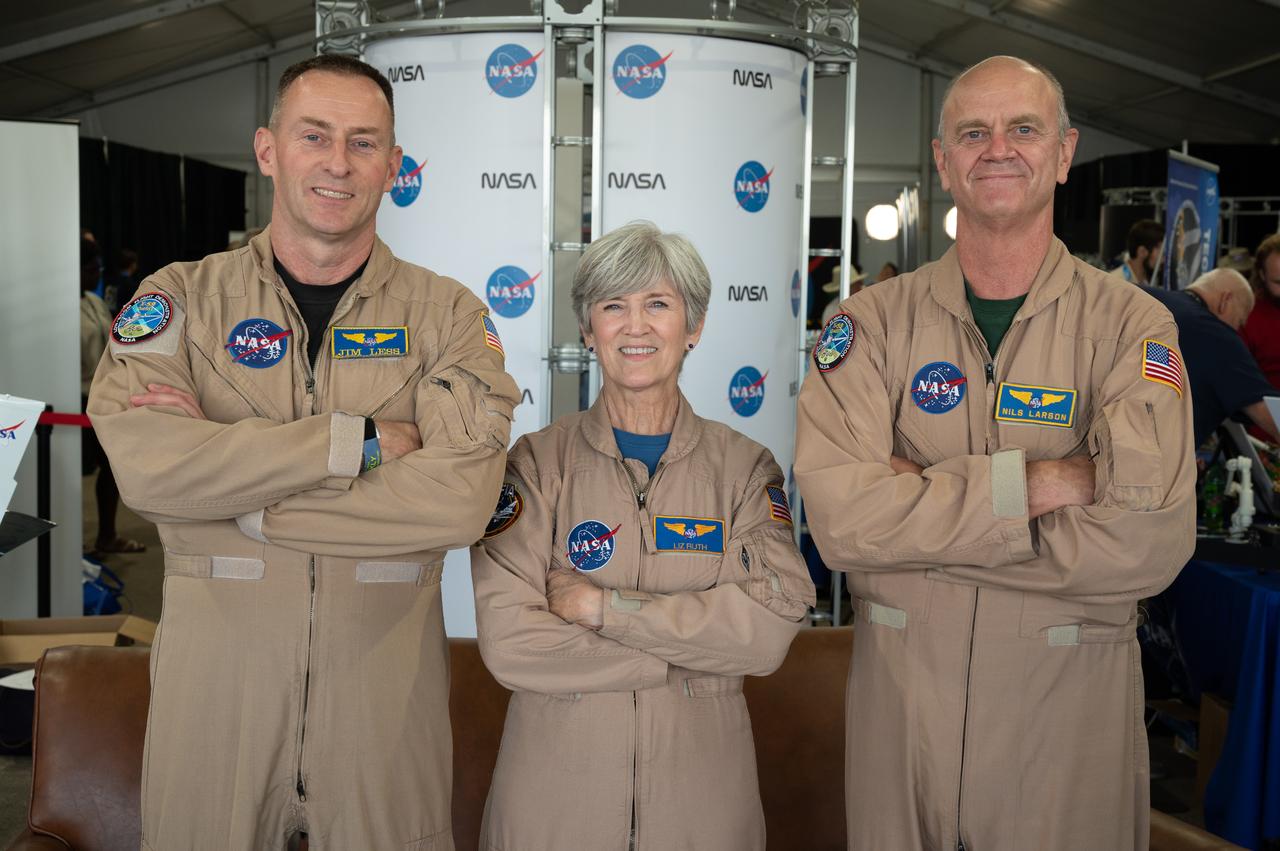
NASA pilots Jim Less, Liz Ruth and Nils Larson pose for a photo on Friday, July 28, 2022, during a meet and greet session in the NASA pavilion at AirVenture Oshkosh.
AirVenture 2022
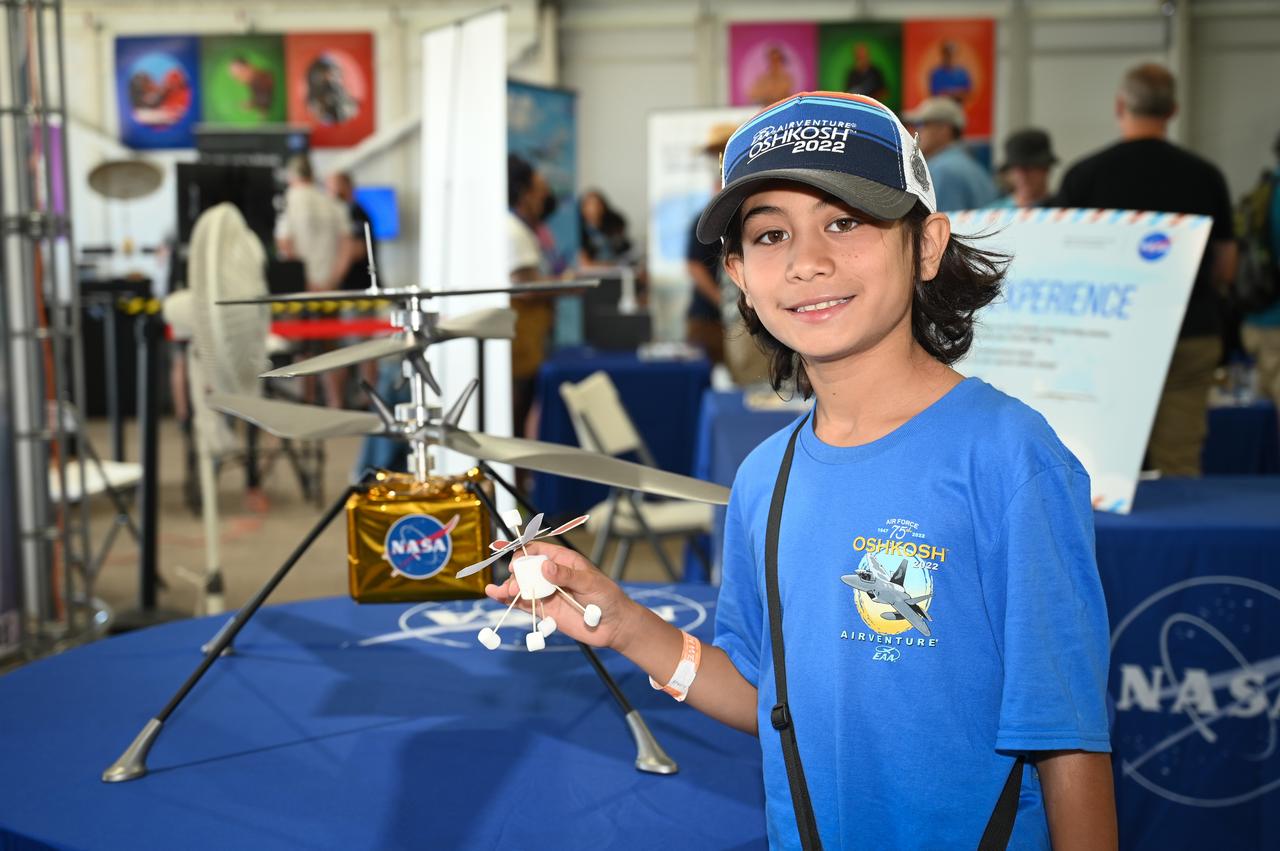
Ioannis Allan Torounidis shows off his interpretation of the Ingenuity Mars Helicopter on Wednesday, July 27, 2022 at AirVenture at Oshkosh.
NHQ20220811ARMD30
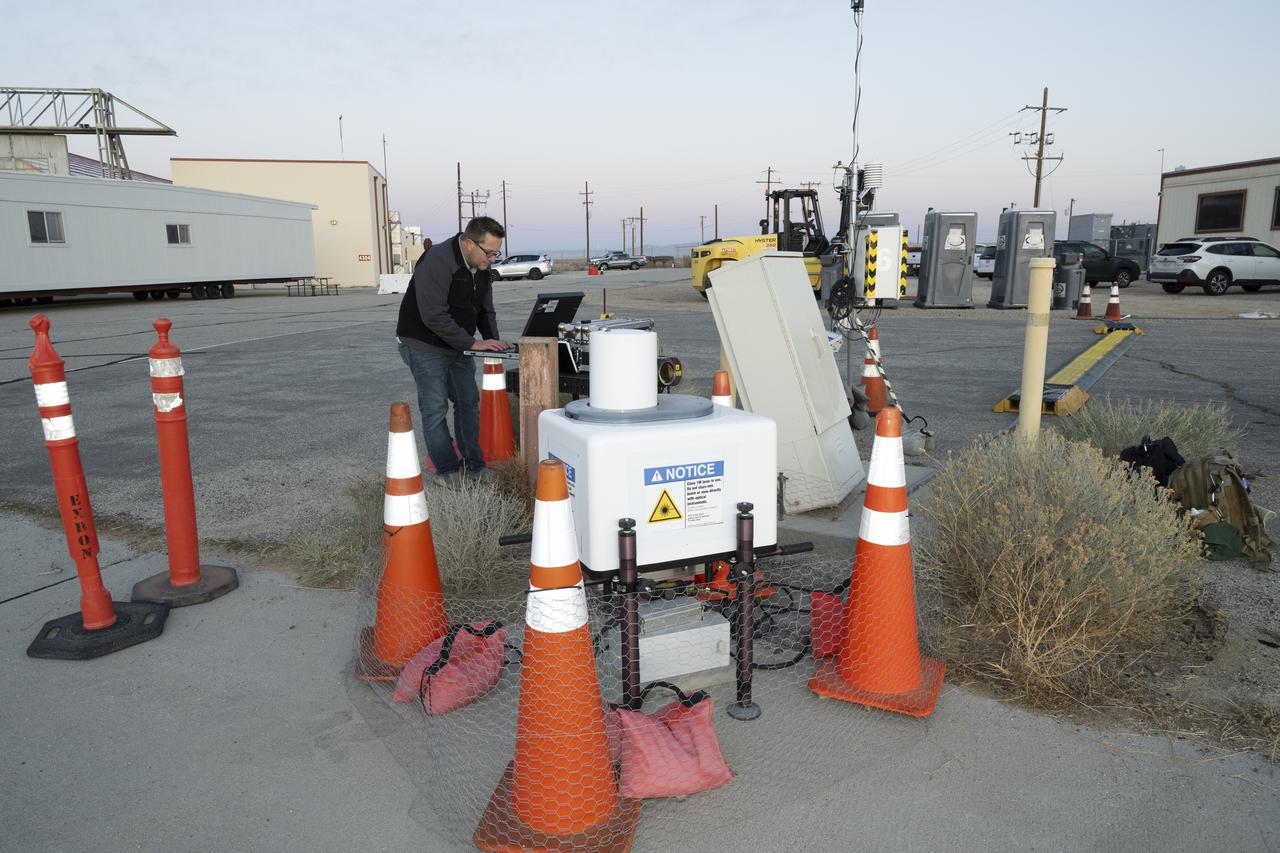
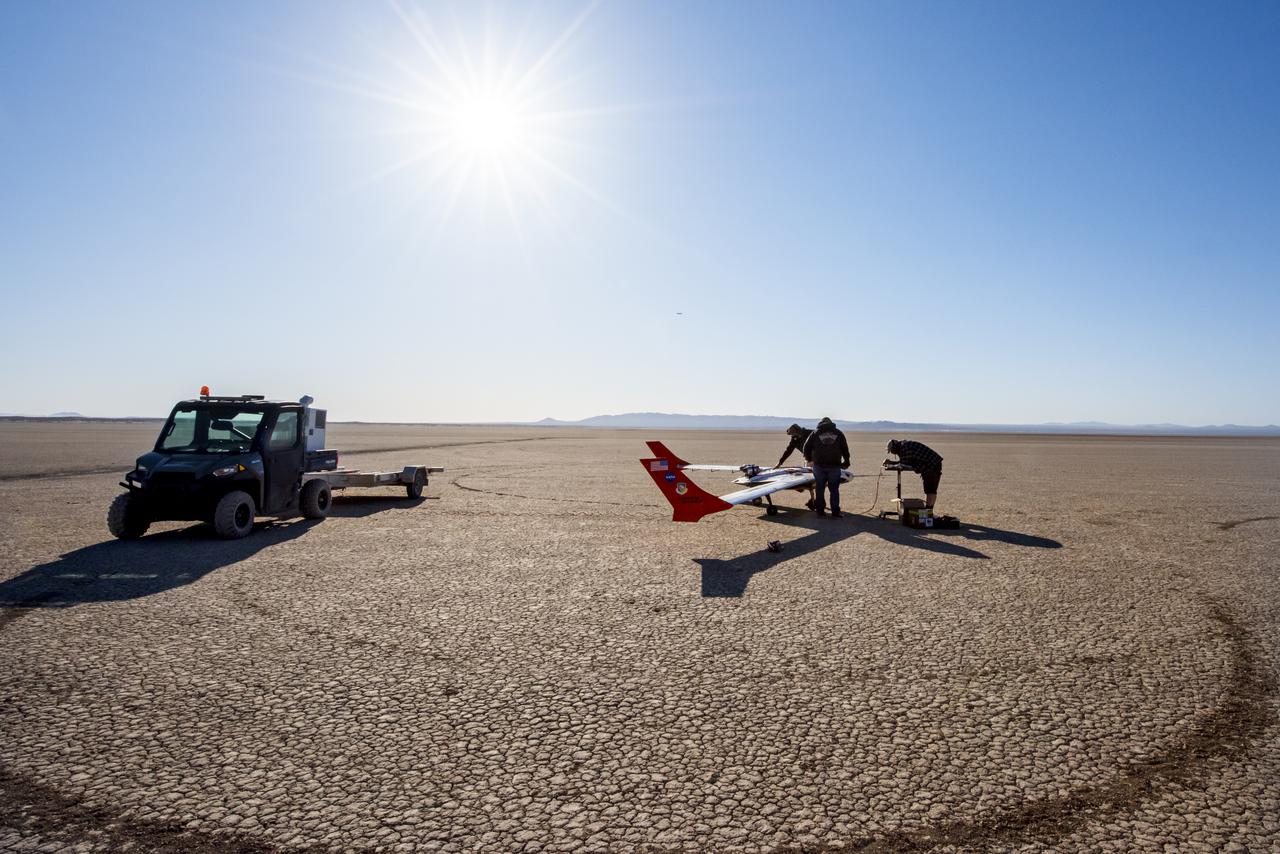
NASA aeronautical meteorologist Luke Bard adjusts one of several wind lidar (light detection and ranging) sensors near NASA’s Armstrong Flight Research Center in Edwards, California, on March 12, 2025, in preparation to collect data from Joby Aviation’s experimental air taxi aircraft. NASA is collecting information during this study to help advance weather-tolerant air taxi operations for the entire industry
NASA and Joby Research Near NASA’s Armstrong Flight Research Center
AirVenture at Oshkosh 2024
Deputy Administrator Pam Melroy tours the General Electric exhibit on Friday, July 29, 2022 at EAA AirVenture.
AirVenture 2022
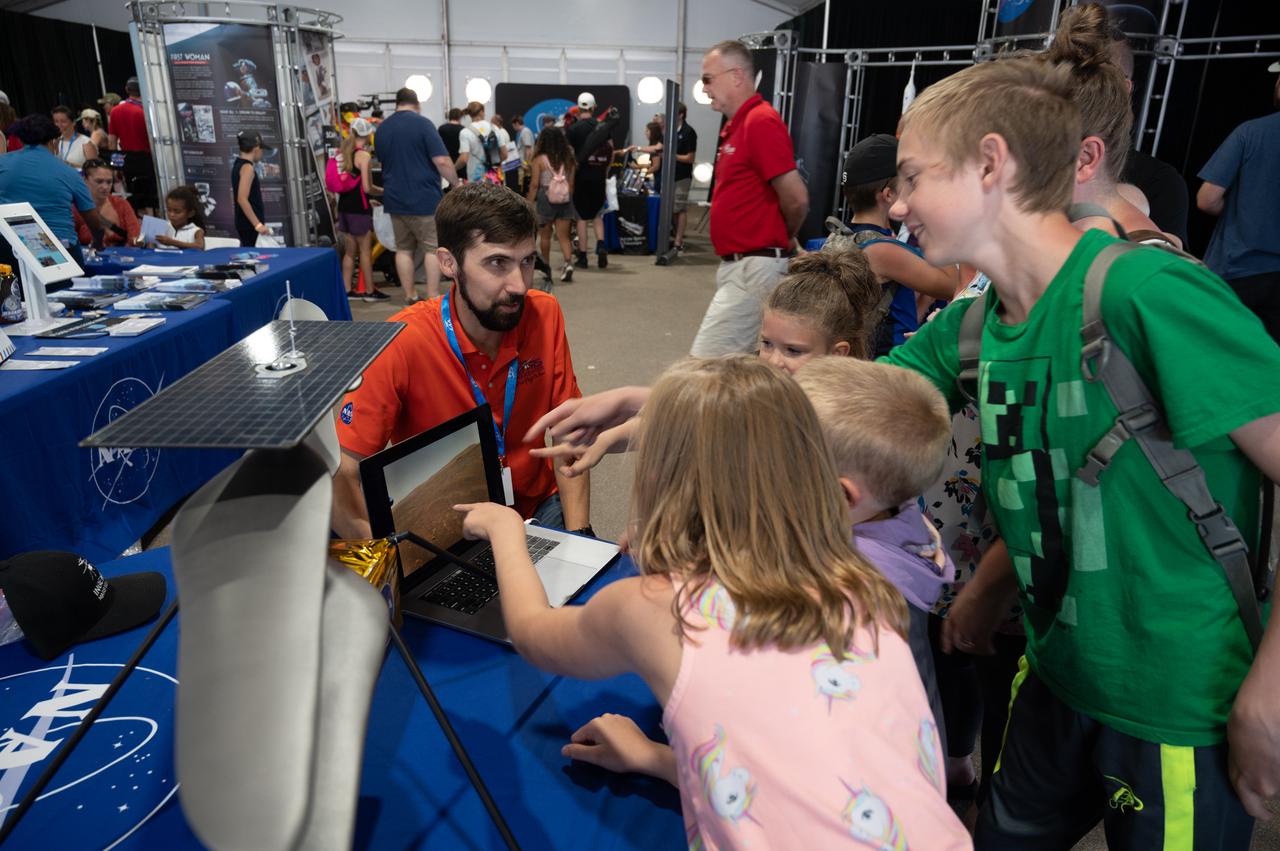
JPL Robotics Technologist Ben Morrell introduces the Mars Ingenuity Helicopter to a group of visitors on Saturday, July 30, 2022, in the NASA pavilion at AirVenture Oshkosh.
AirVenture 2022
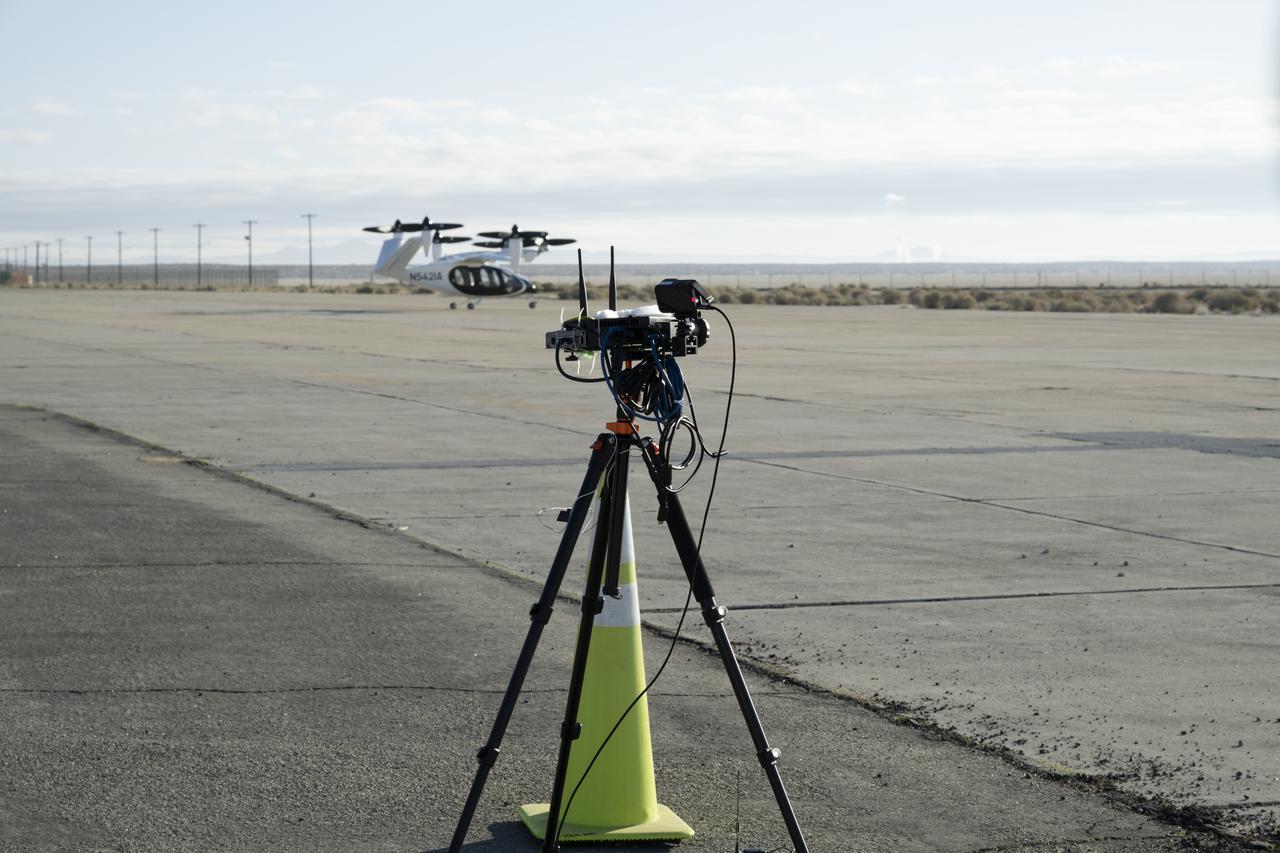
One of several NASA distributed sensing ground nodes is set up in the foreground while an experimental air taxi aircraft owned by Joby Aviation sits in the background near NASA’s Armstrong Flight Research Center in Edwards, California, on March 12, 2025. NASA is collecting information during this study to help advance future air taxi flights, especially those occurring in cities, to track aircraft moving through traffic corridors and around landing zones.
NASA and Joby Research Near NASA’s Armstrong Flight Research Center
Silas Webb explains his CAD aircraft design to Deputy Administrator Pam Melroy and Langley Director Clayton Turner on Thursday, July 28, 2022, at the NEXTGEN Aviators exhibit at AirVenture Oshkosh.
NHQ20220811ARMD13
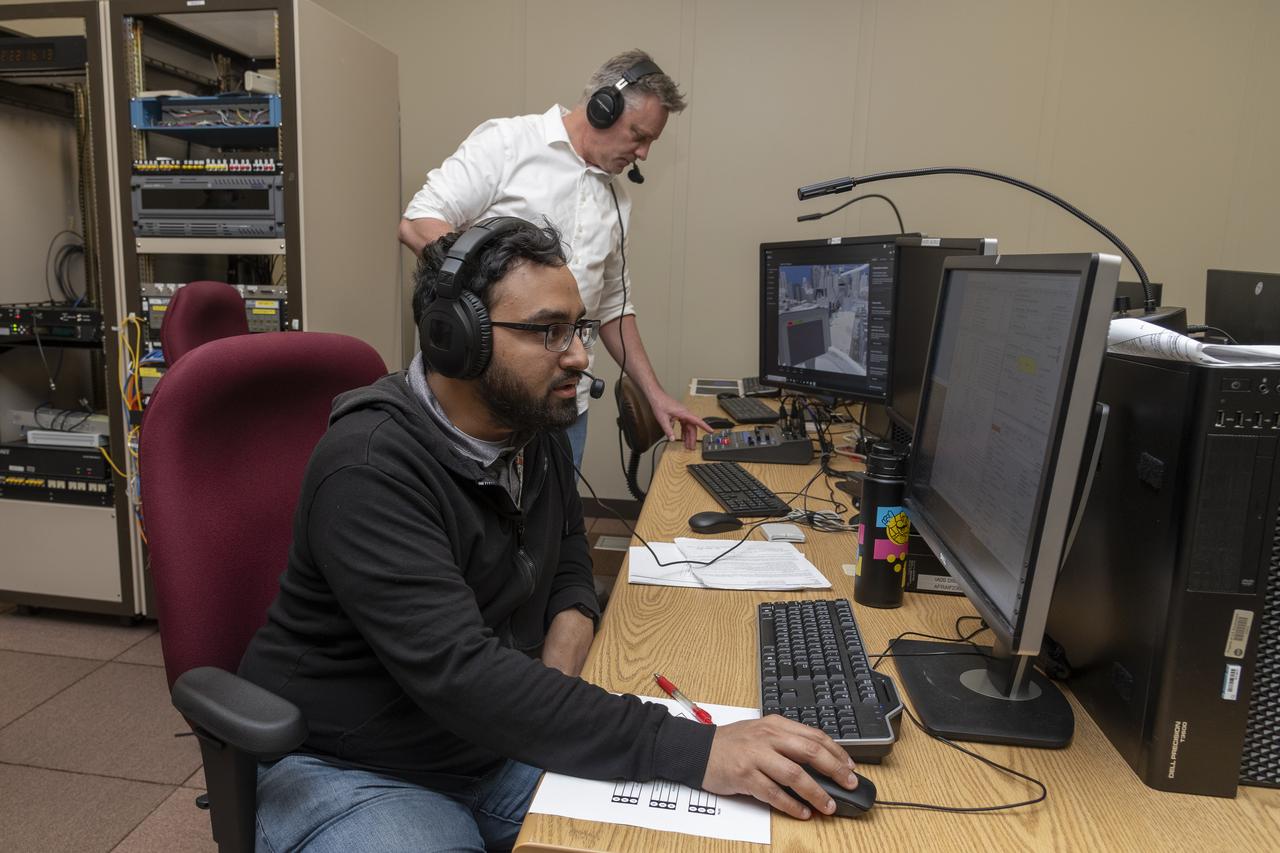
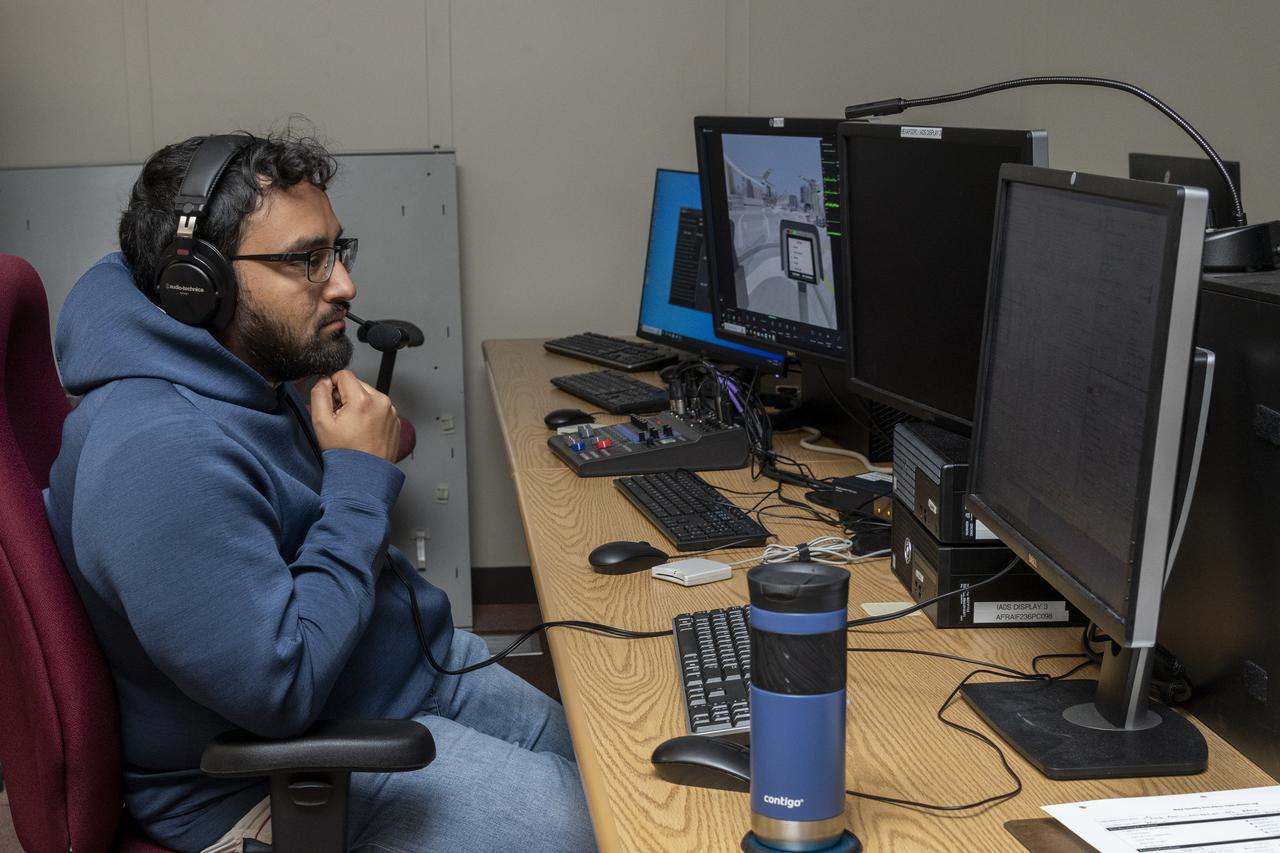
NASA researchers Curt Hanson (background) and Saravanakumaar Ramia (foreground) control the air taxi virtual reality flight simulator from computers during a test at NASA’s Armstrong Flight Research Center in Edwards, California in March 2024.
Air Taxi Passenger Comfort Simulator at NASA’s Armstrong Flight Research Center with Pilot
NASA panelists appear at special panel titled “The Next Bold Step: The Future of Space Flight and Aerospace,” on July 29, 2022, at EAA Airventure. Panelists include Deputy Administrator Pam Melroy, Astronaut Drew Feustel, Artemis Mission Manager Michael Sarafin, Research Pilot Liz Ruth and Test Pilot Nils Larson.
AirVenture 2022
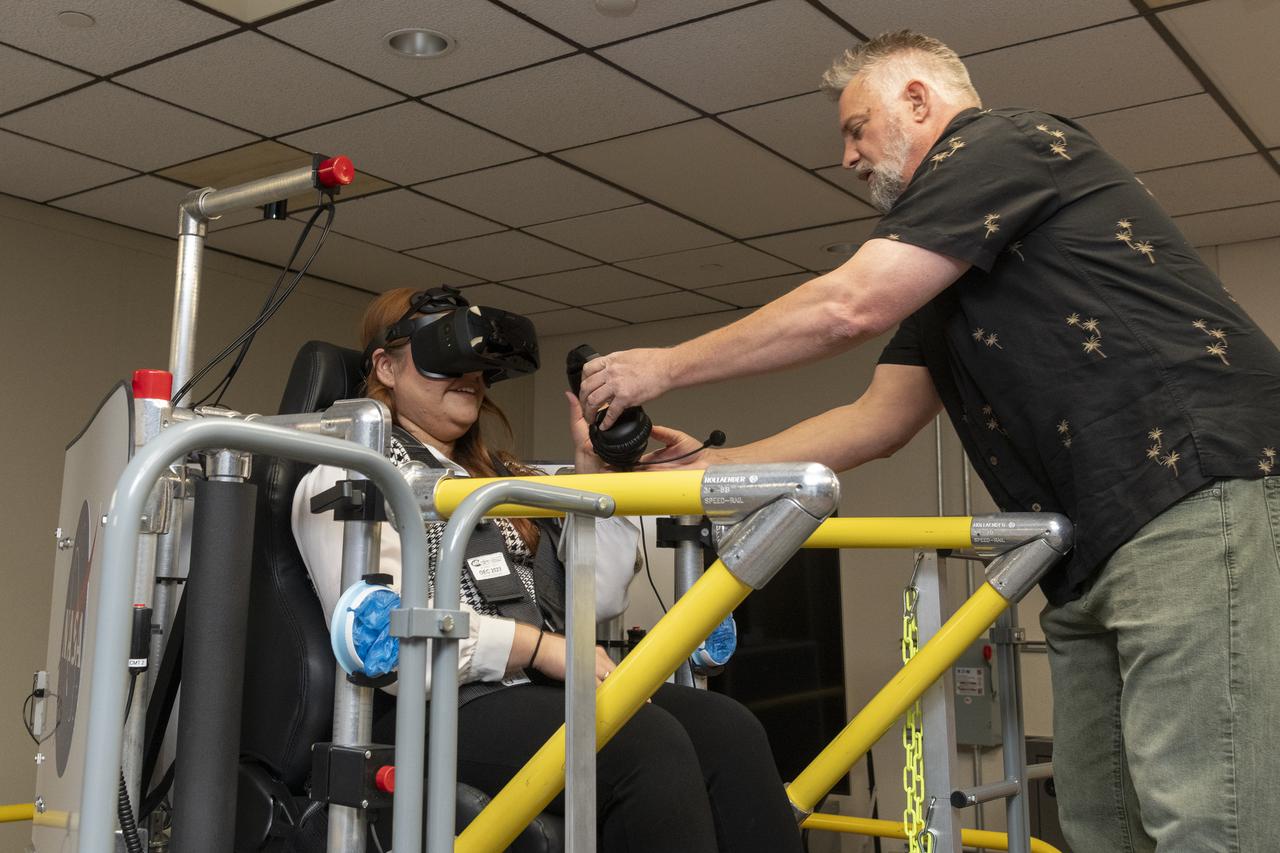
NASA test pilot Wayne Ringelberg and NASA researcher Kyle Barnes prepare for Ringelberg’s ride in the air taxi virtual reality flight simulator during a test at NASA’s Armstrong Flight Research Center in Edwards, California in March 2024.
Air Taxi Passenger Comfort Simulator at NASA’s Armstrong Flight Research Center with Pilot
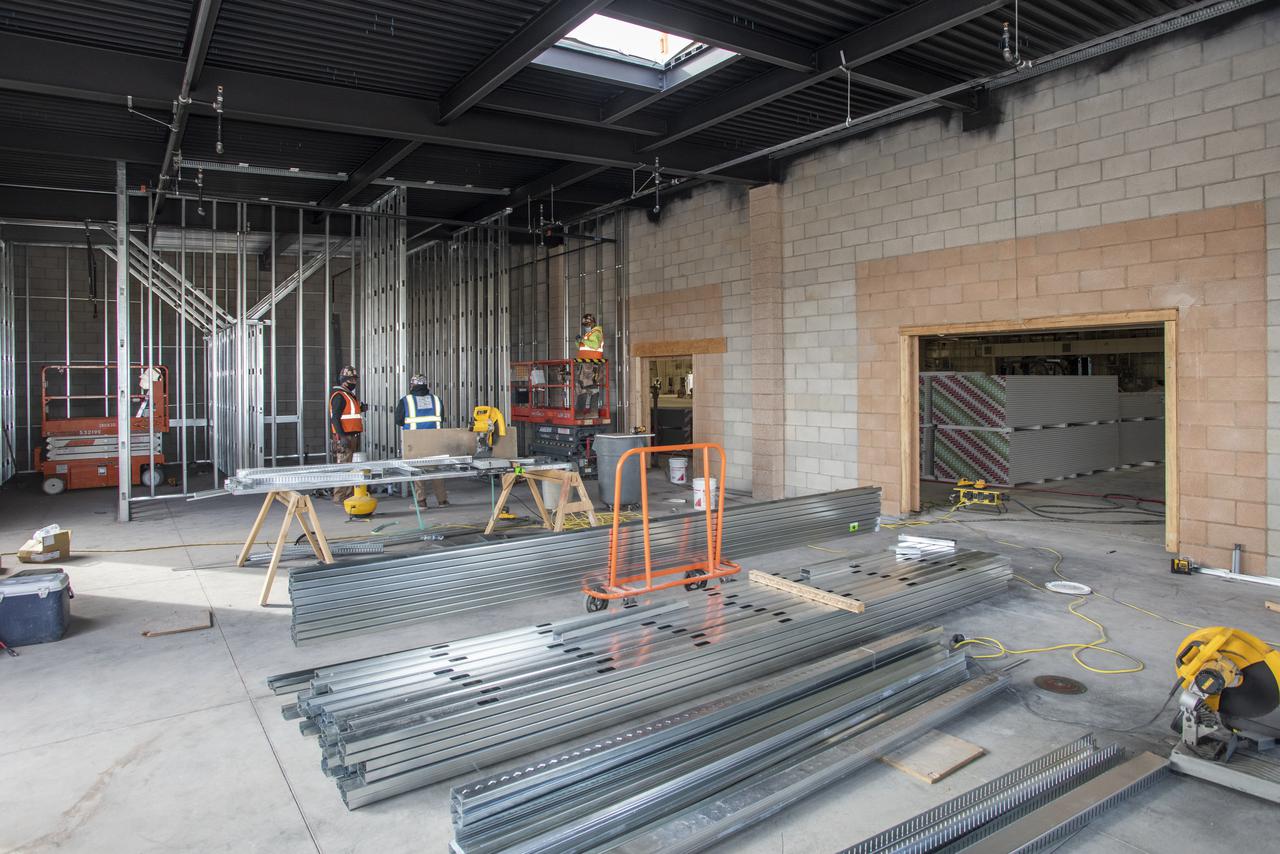
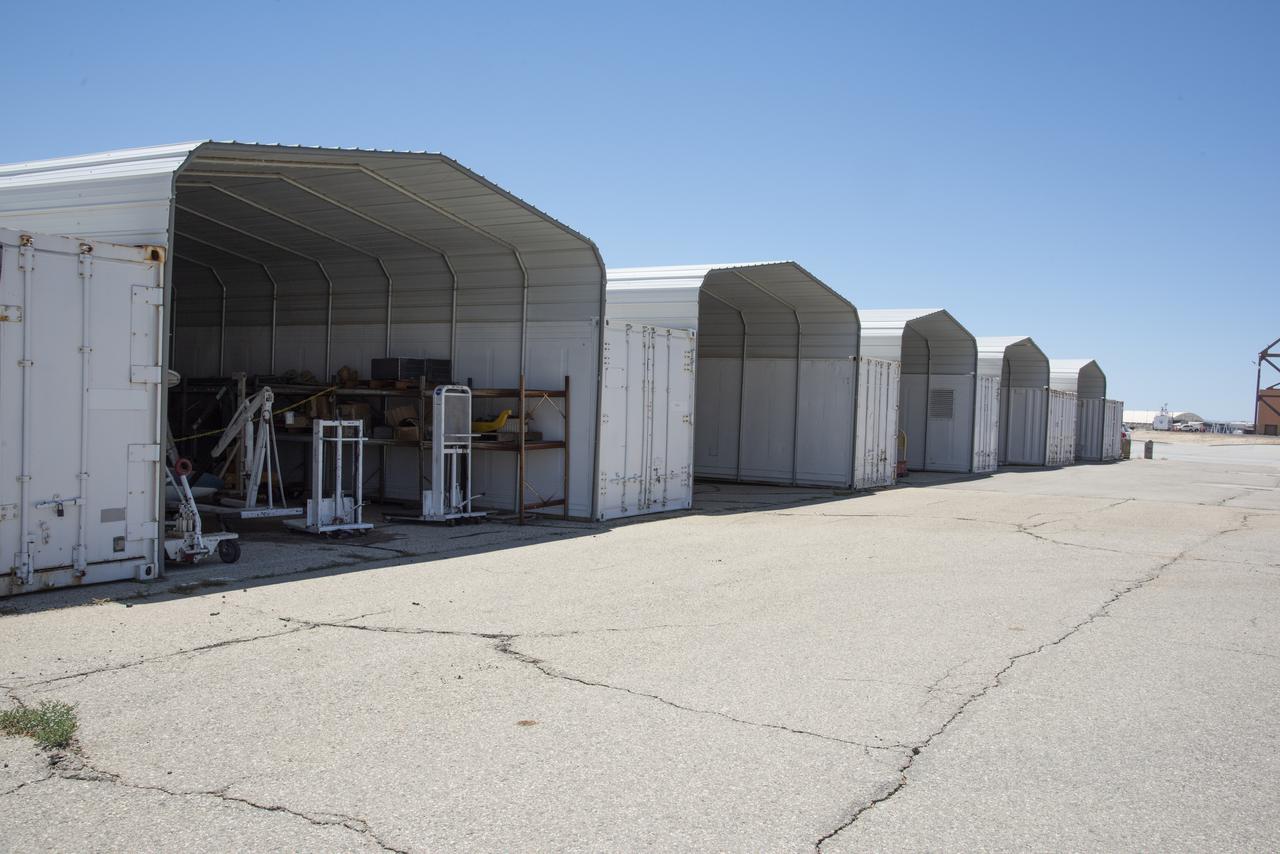
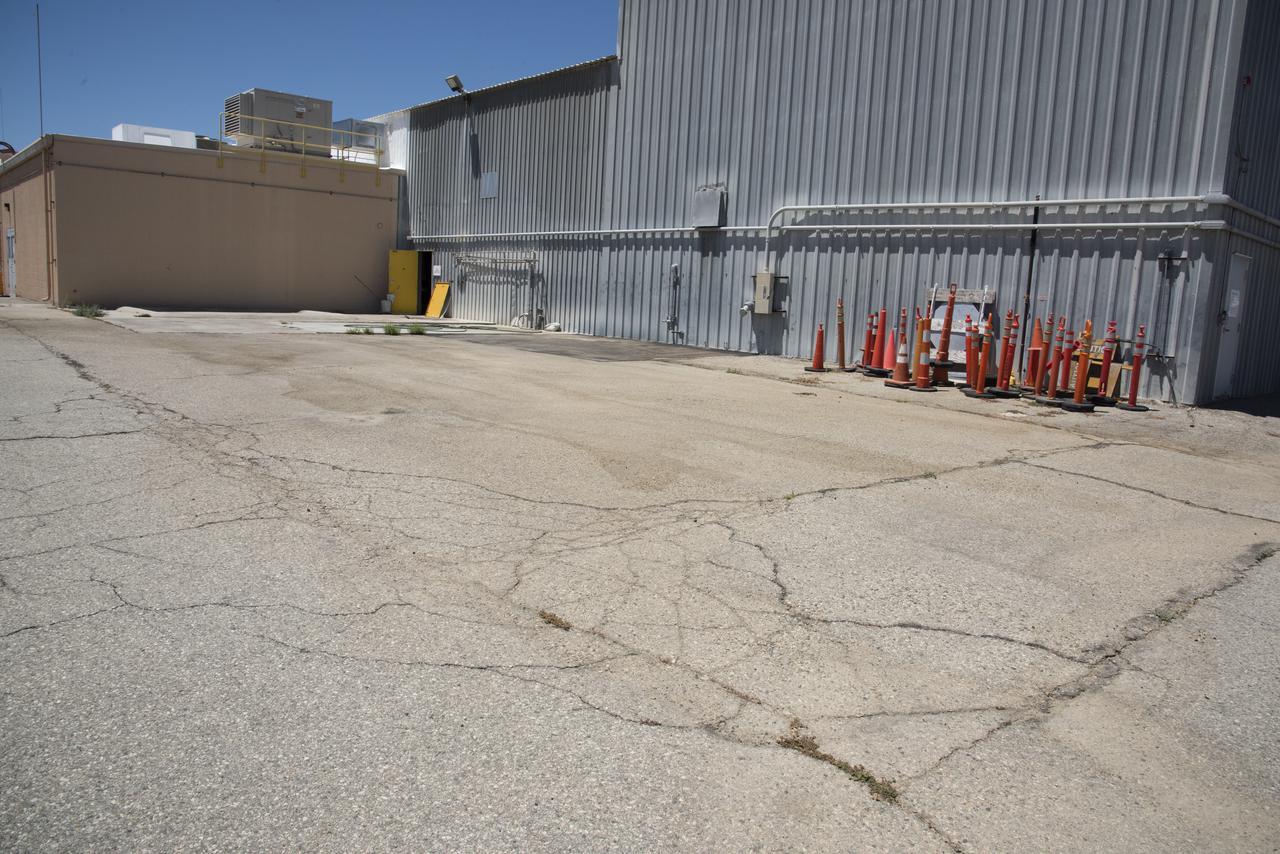
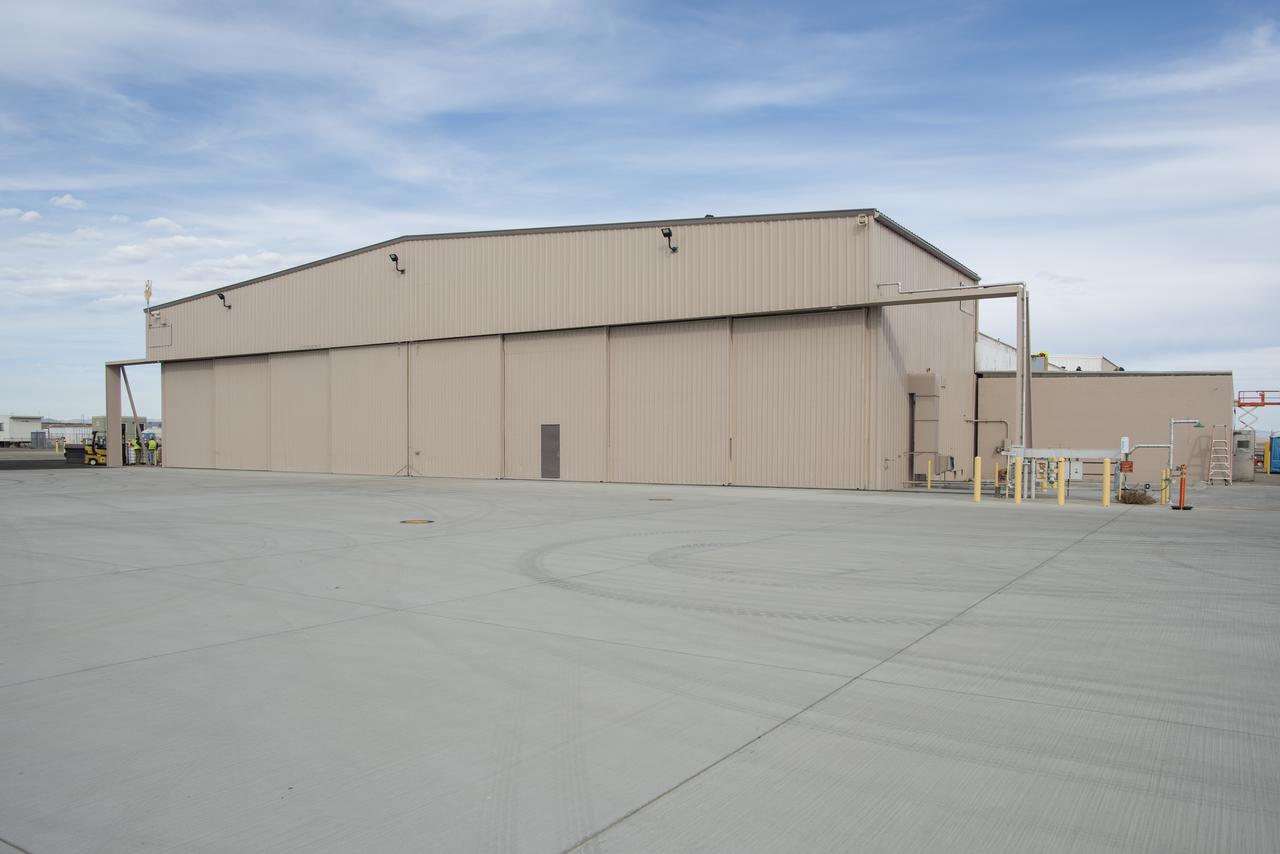
This is how Building 4826, the future home of the X-59 Quiet SuperSonic Technology aircraft, at NASA's Armstrong Flight Research Center in Edwards, California, looked prior to the building's renovations.
Work Continues on Future X-59 Home
On the east side of Building 4826, the future home of the X-59 Quiet SuperSonic Technology aircraft, a conference room, offices, restrooms and a communications room are under construction at NASA's Armstrong Flight Research Center in Edwards, California.
Work Continues on Future X-59 Home
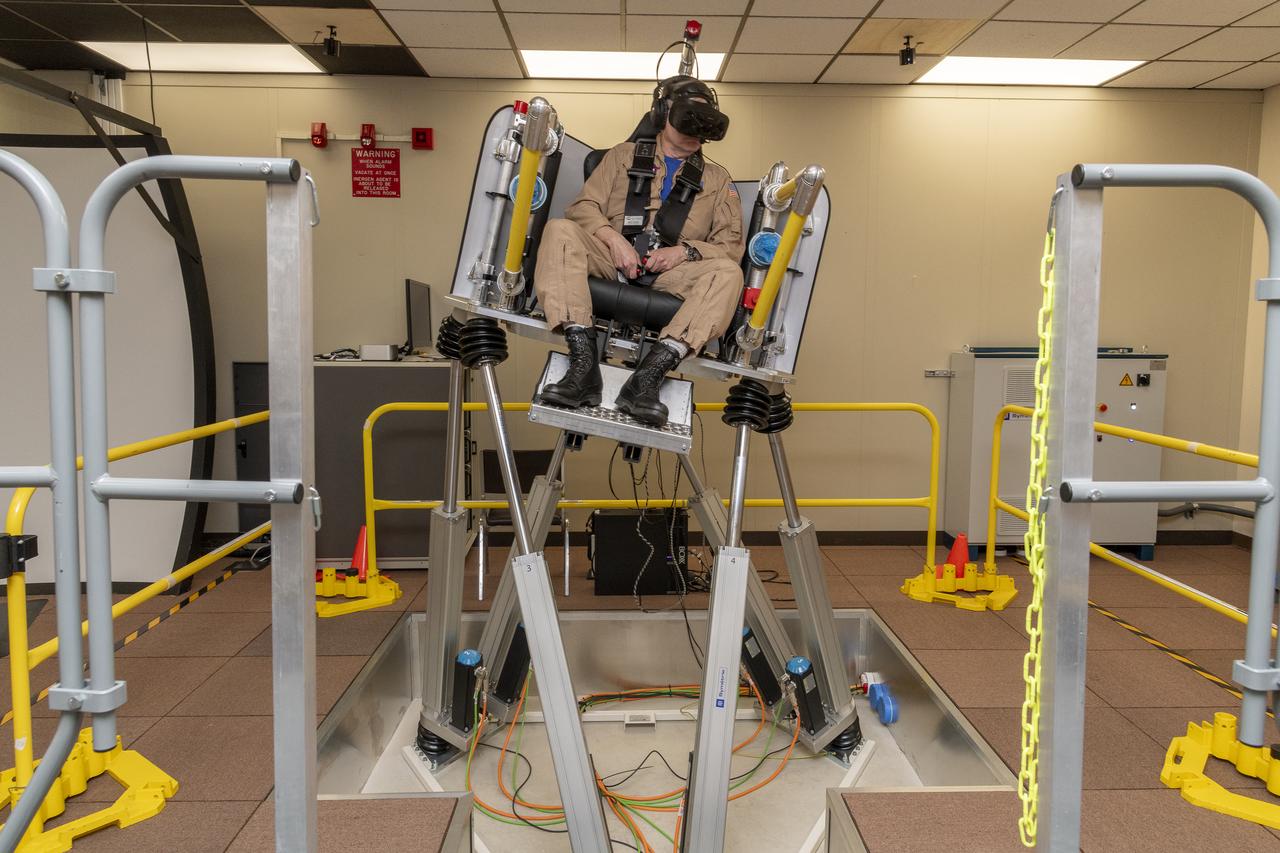
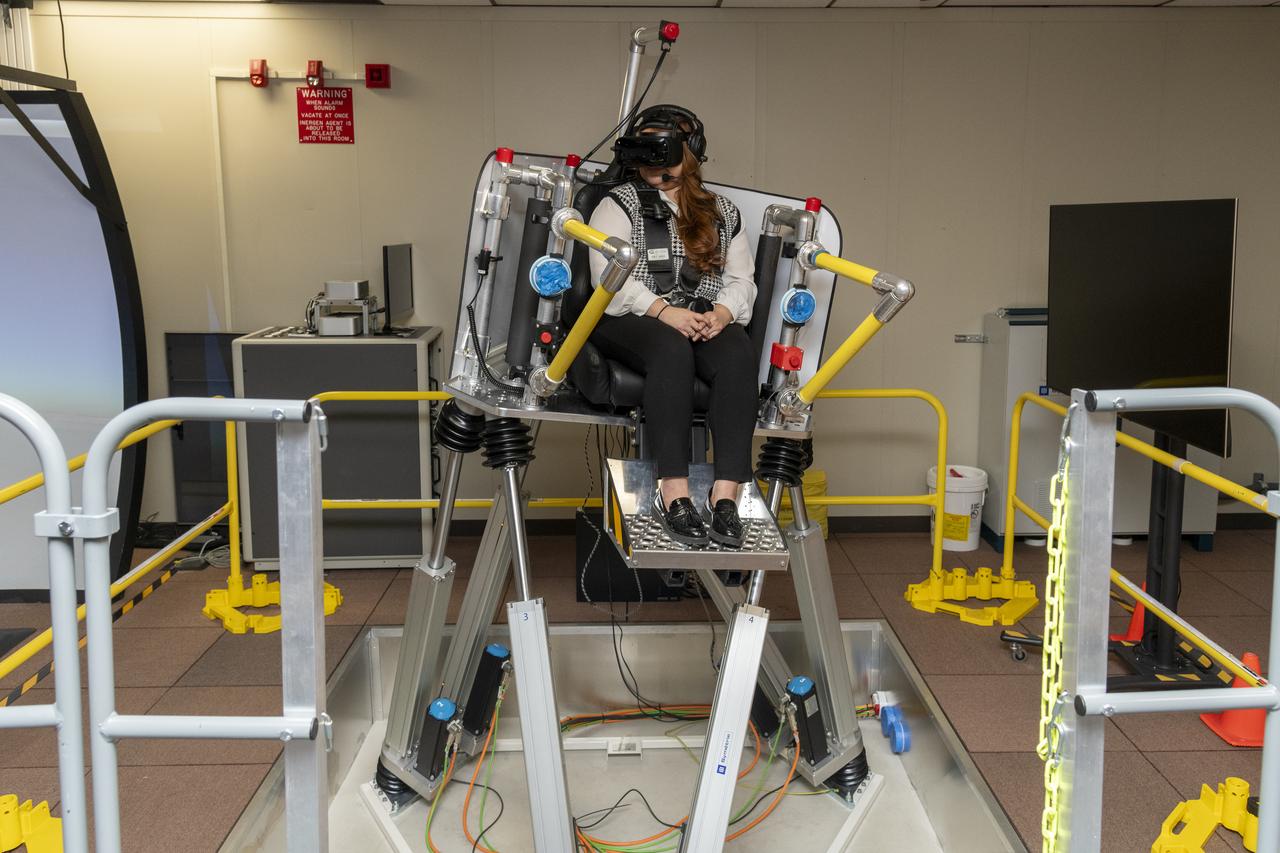
NASA test pilot Wayne Ringelberg sits in the air taxi virtual reality flight simulator during a test at NASA’s Armstrong Flight Research Center in Edwards, California in March 2024.
Air Taxi Passenger Comfort Simulator at NASA’s Armstrong Flight Research Center with Pilot
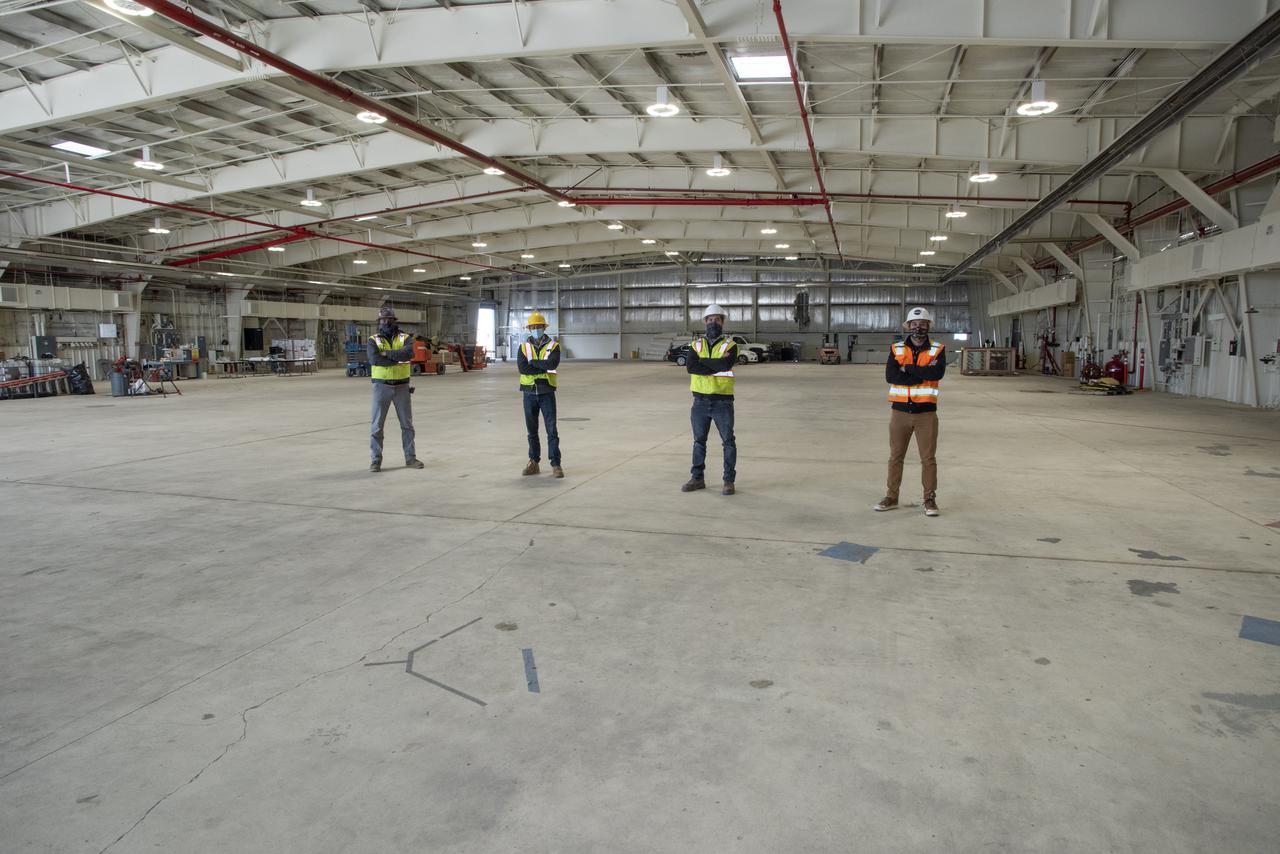
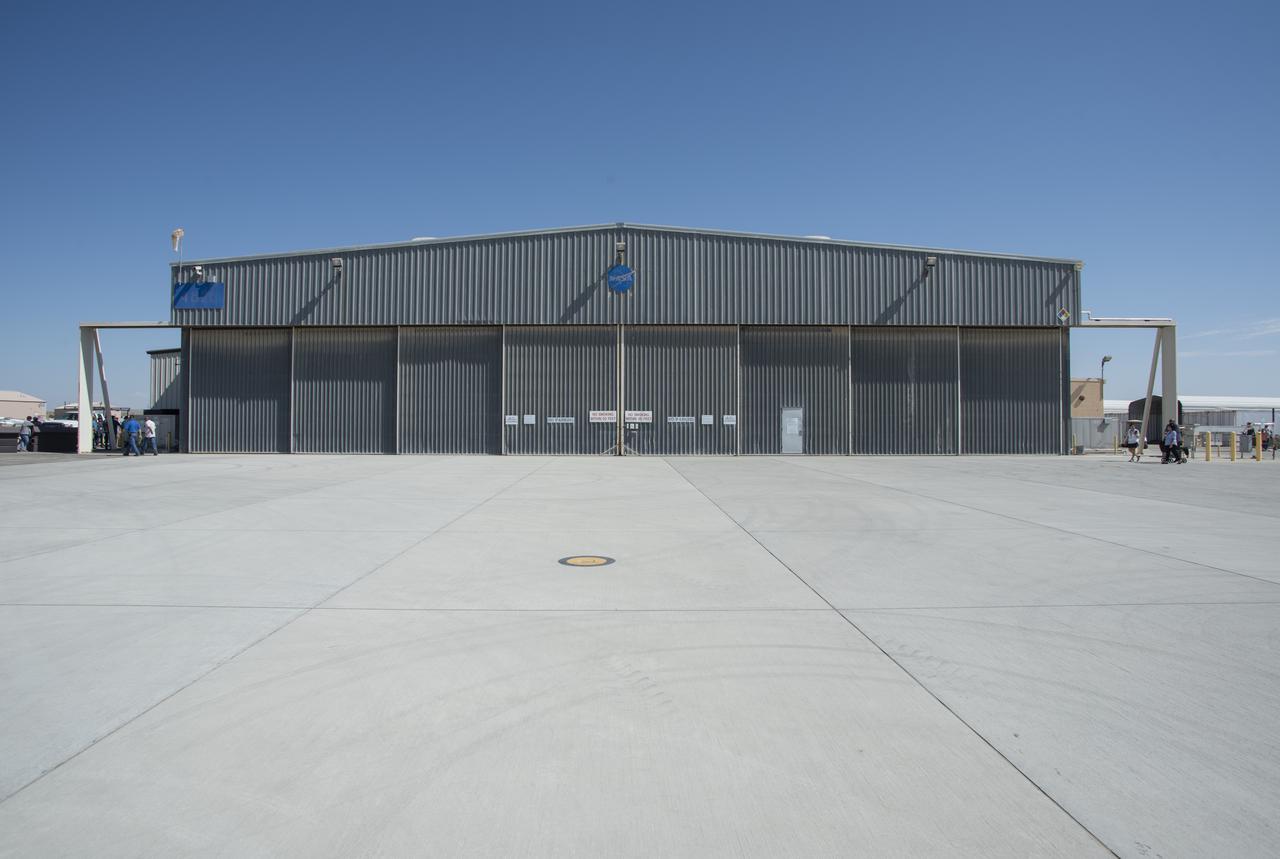
This is how Building 4826, the future home of the X-59 Quiet SuperSonic Technology aircraft, at NASA's Armstrong Flight Research Center in Edwards, California, looks as the building's renovations continue.
Work Continues on Future X-59 Home
Work continues at Building 4826, the future home of the X-59 Quiet SuperSonic Technology aircraft, at NASA's Armstrong Flight Research Center in Edwards, California.
Work Continues on Future X-59 Home
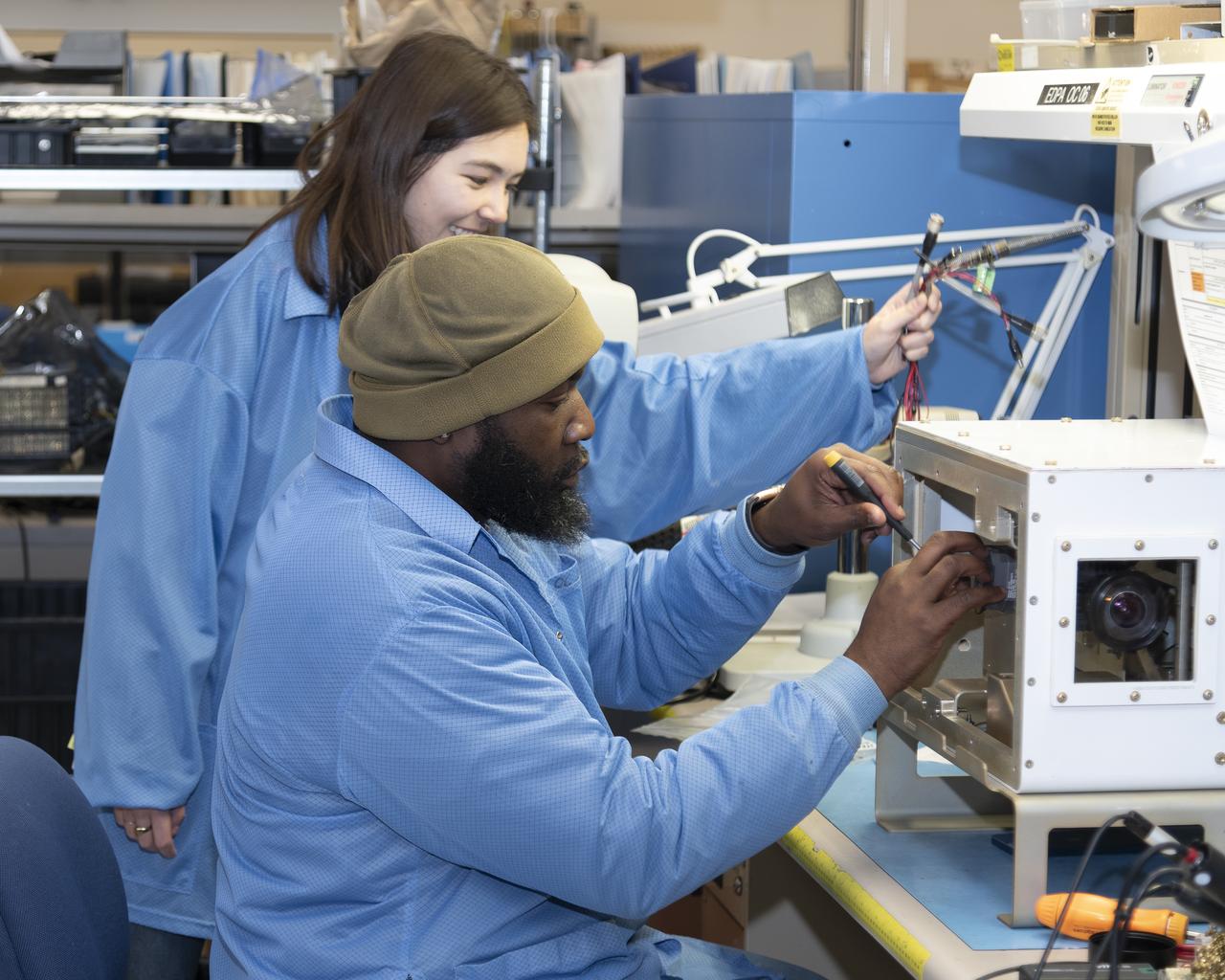
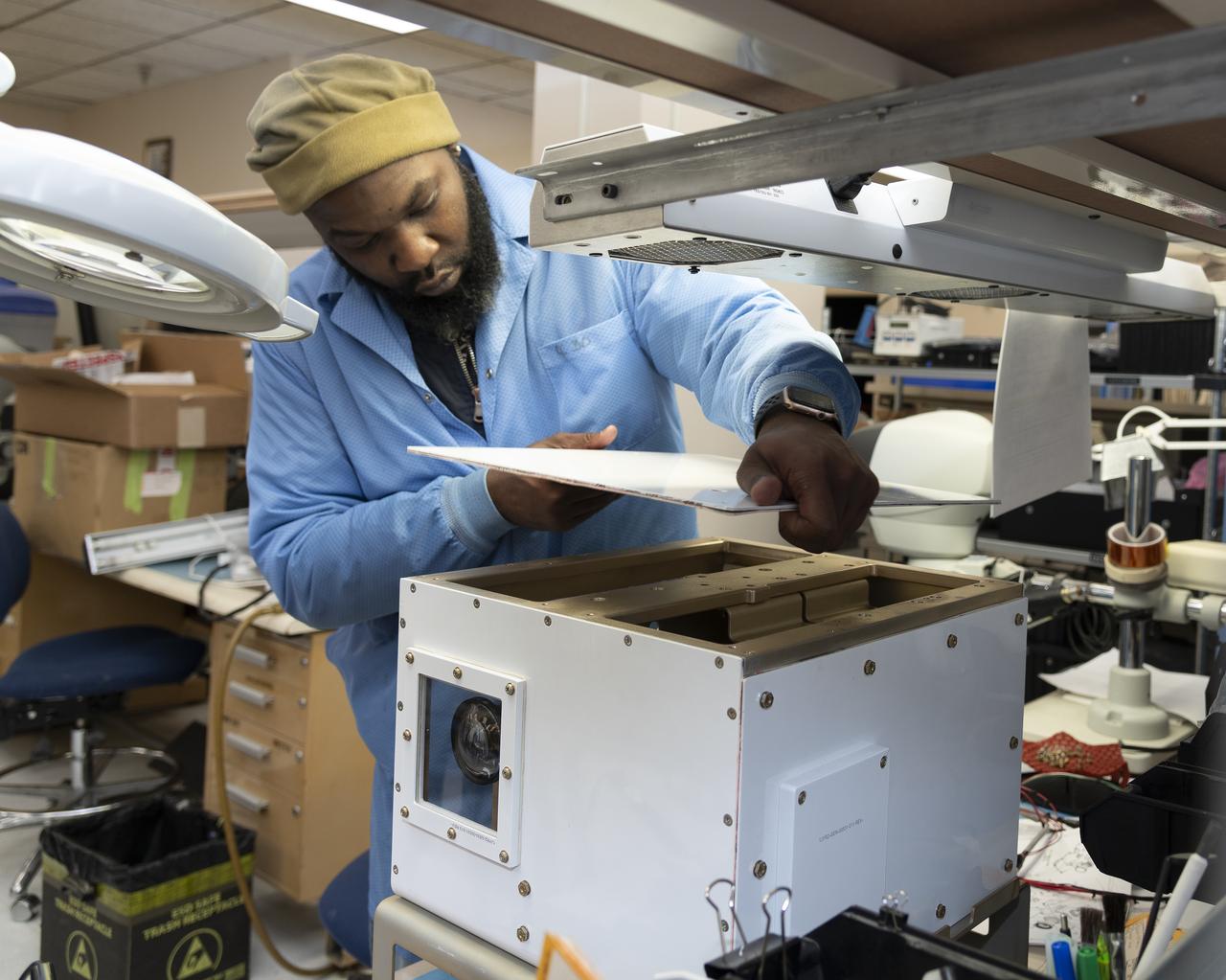
NASA researchers James Cowart and Elizabeth Nail add sensors, wiring and cameras, to the NASA Airborne Instrumentation for Real-world Video of Urban Environments (AIRVUE) sensor pod at NASA’s Armstrong Flight Research Center in Edwards, California in late February 2024. The AIRVUE pod was flown on a helicopter at NASA’s Kennedy Space Center in Florida and is used to collect data for future autonomous aircraft.
Airborne Instrumentation for Real-world Video of Urban Environments (AIRVUE) Sensor Pod Build at NASA Armstrong 
NASA researcher James Cowart adds the top back onto the NASA Airborne Instrumentation for Real-world Video of Urban Environments (AIRVUE) sensor pod at NASA’s Armstrong Flight Research Center in Edwards, California in late February 2024. The pod houses sensors, wiring and cameras. The AIRVUE pod was flown on a helicopter at NASA’s Kennedy Space Center in Florida and is used to collect data for future autonomous aircraft.
Airborne Instrumentation for Real-world Video of Urban Environments (AIRVUE) Sensor Pod Build at NASA Armstrong 
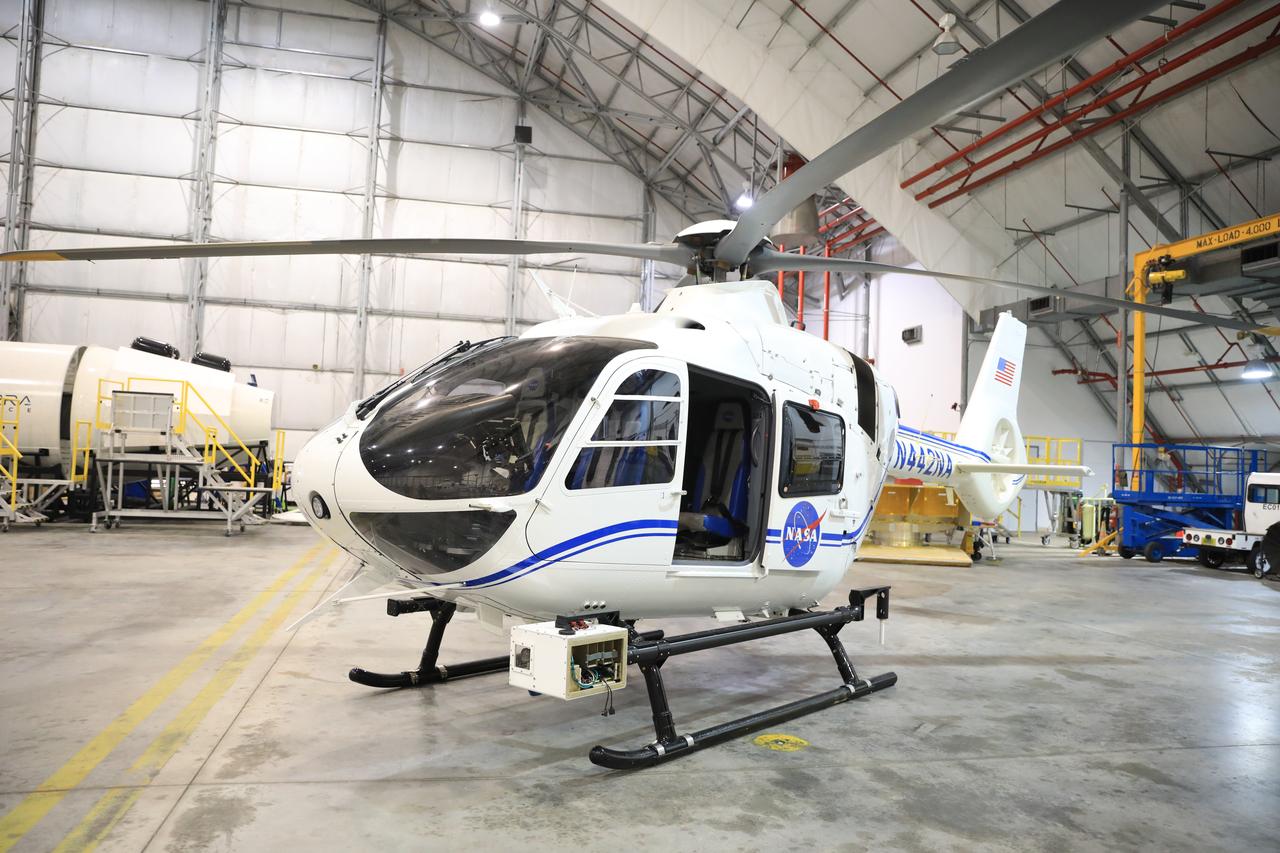
The NASA Airborne Instrumentation for Real-world Video of Urban Environments (AIRVUE) sensor pod is attached to the base of a NASA helicopter at NASA’s Kennedy Space Center in Cape Canaveral, Florida in April 2024 before a flight to test the pod’s cameras and sensors. The AIRVUE pod will be used to collect data for autonomous aircraft like air taxis, drones, or other Advanced Air Mobility aircraft.
Airborne Instrumentation for Real-world Video of Urban Environments (AIRVUE) Sensor Pod on NASA’s Kennedy Space Center’s Helicopter
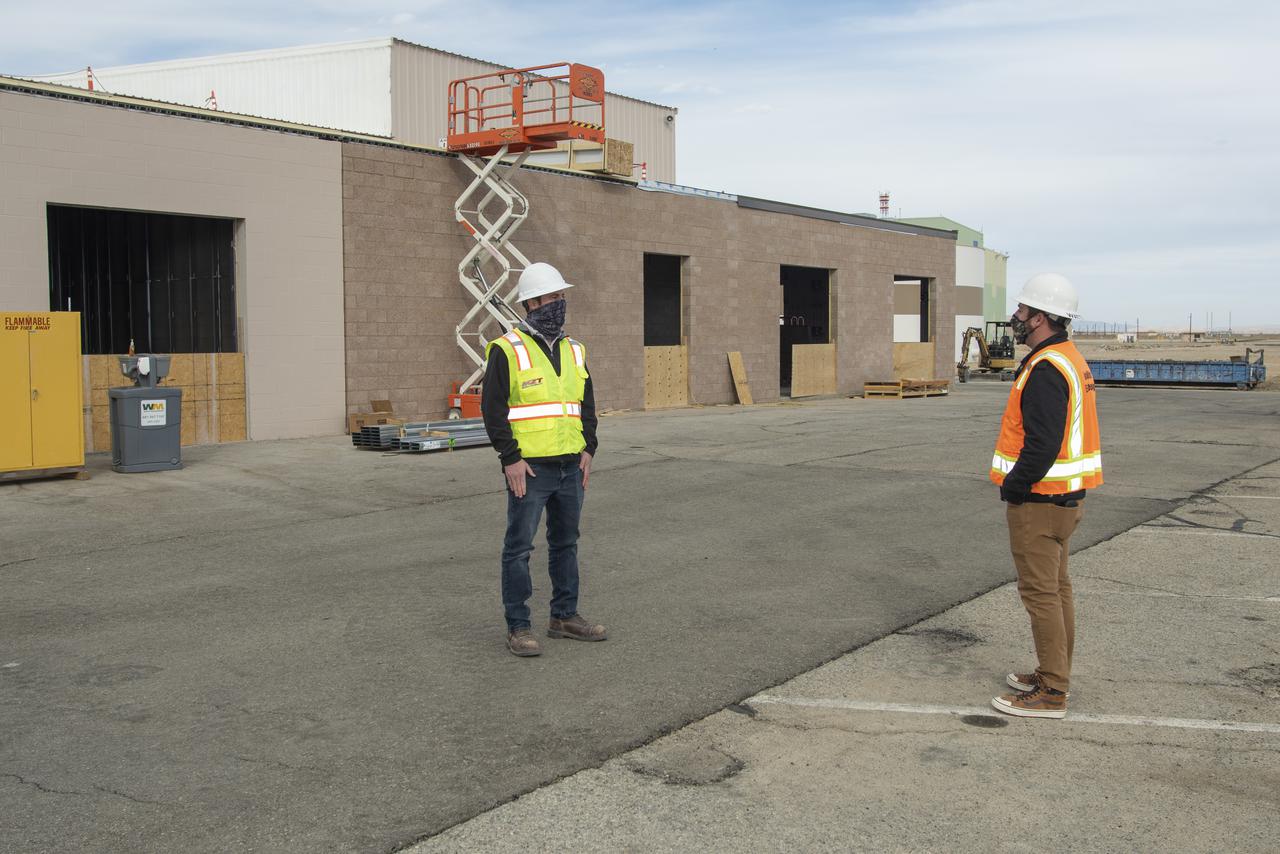
Collin Morris, CJW/MZT project manager and Bryan Watters, NASA civil/structural engineer and project manager, discuss work on the east side of Building 4826. Building 4826 is the future home of the X-59 Quiet SuperSonic Technology aircraft, where a conference room, offices, restrooms and a communications room will be added at NASA's Armstrong Flight Research Center in Edwards, California.
Work Continues on Future X-59 Home
This 8,800-square-foot canopy area was demolished during the refurbishment of the east side of Building 4826, the future home of the X-59 Quiet SuperSonic Technology aircraft, at NASA's Armstrong Flight Research Center in Edwards, California.
Work Continues on Future X-59 Home
The future home of the X-59 Quiet SuperSonic Technology aircraft is taking shape at NASA's Armstrong Flight Research Center in Edwards, California. Some of the staff working on the project include from left to right Hector Mendoza, CJW/MZT Joint Venture site superintendent, Tim Nazer, CJW/MZT quality control manager, Collin Morris, CJW/MZT project manager and Bryan Watters, NASA civil/structural engineer and project manager.
Work Continues on Future X-59 Home
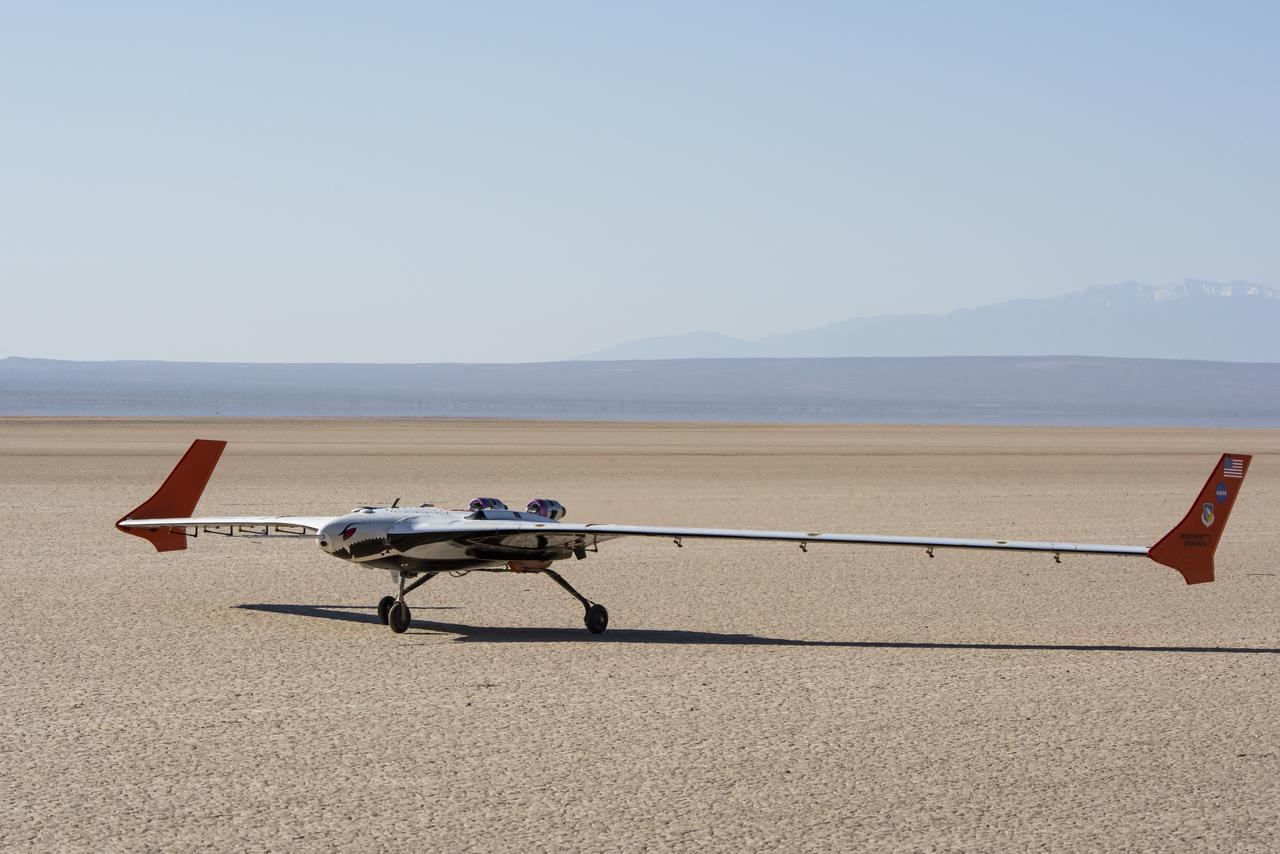
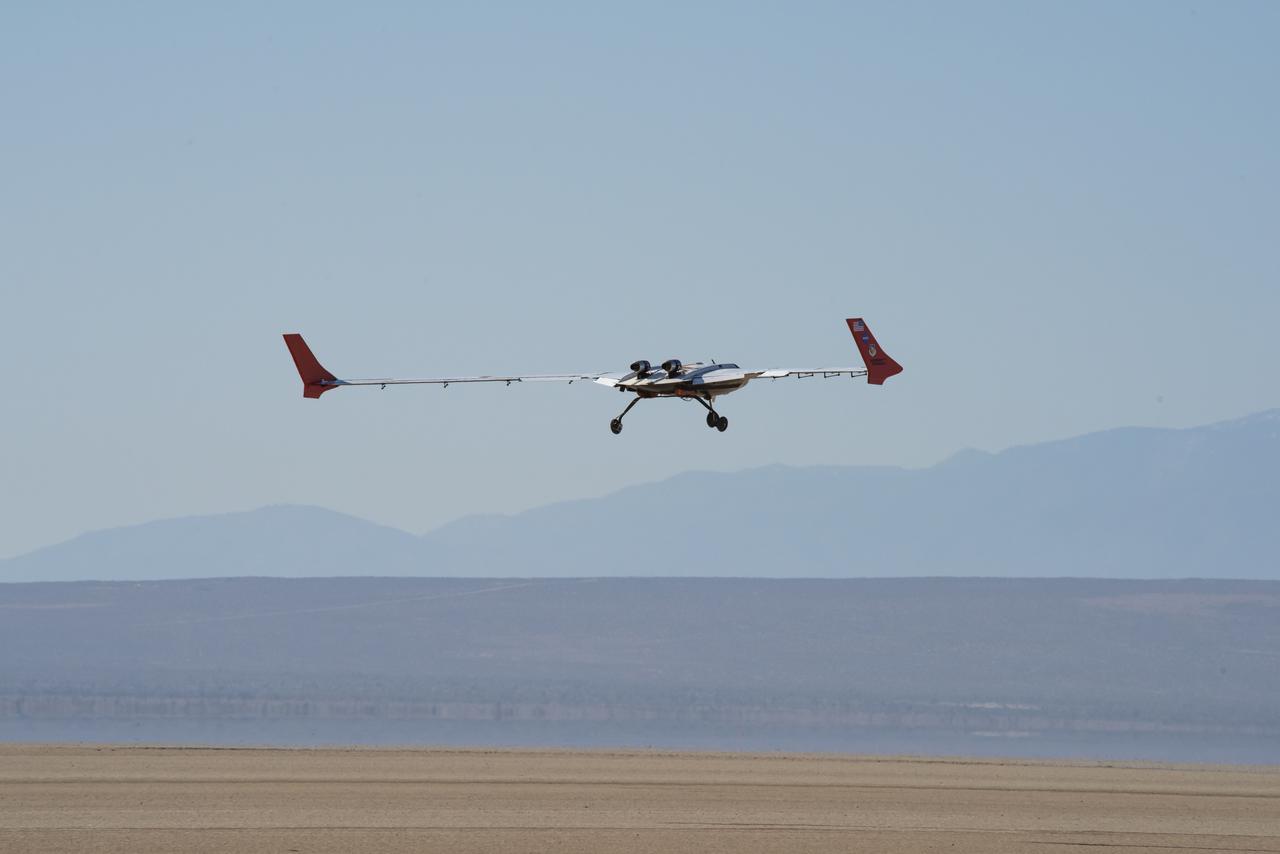
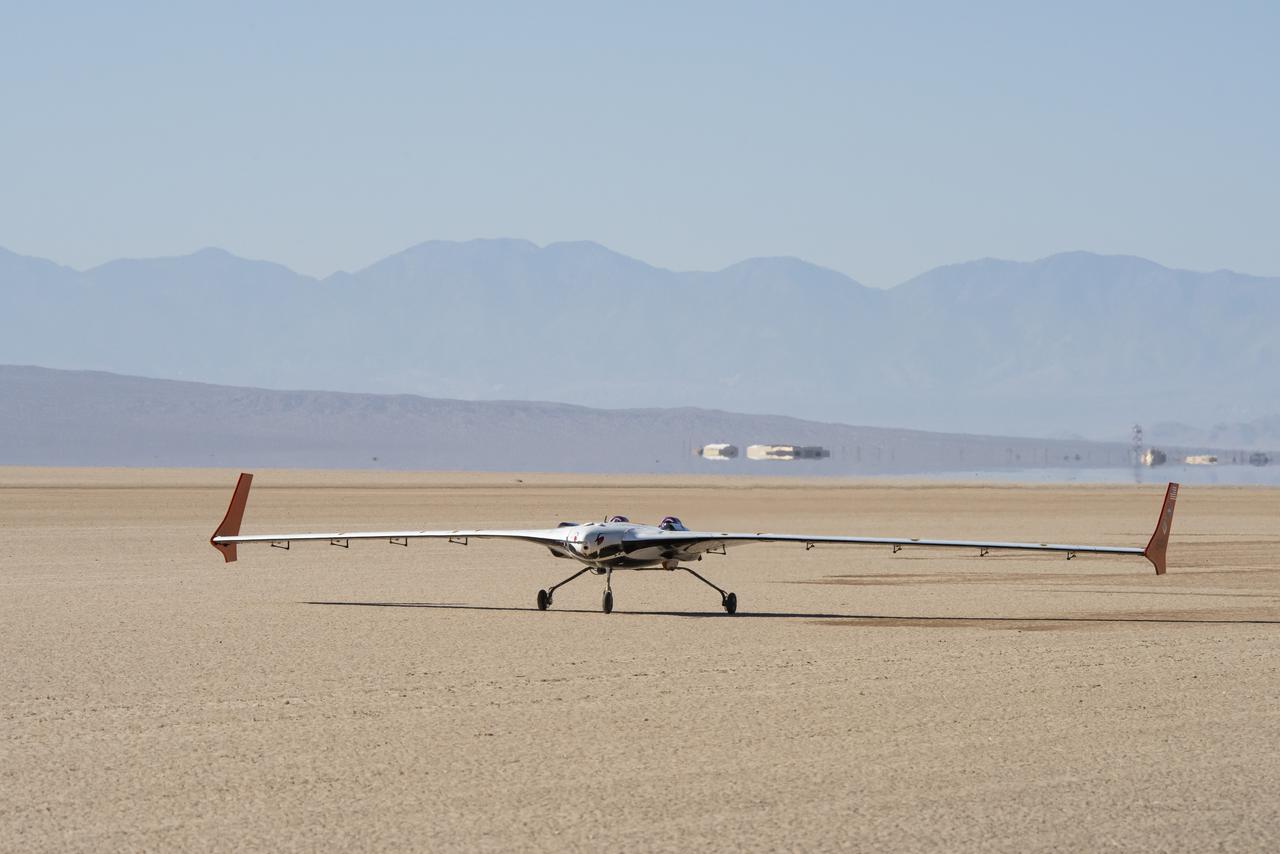
The X-56B remotely piloted aircraft lands following the first of a new flight series. The flight was April 19 at NASA's Armstrong Flight Research Center in Edwards, California, with partner Northrop Grumman.
X-56B Begins New Flight Series
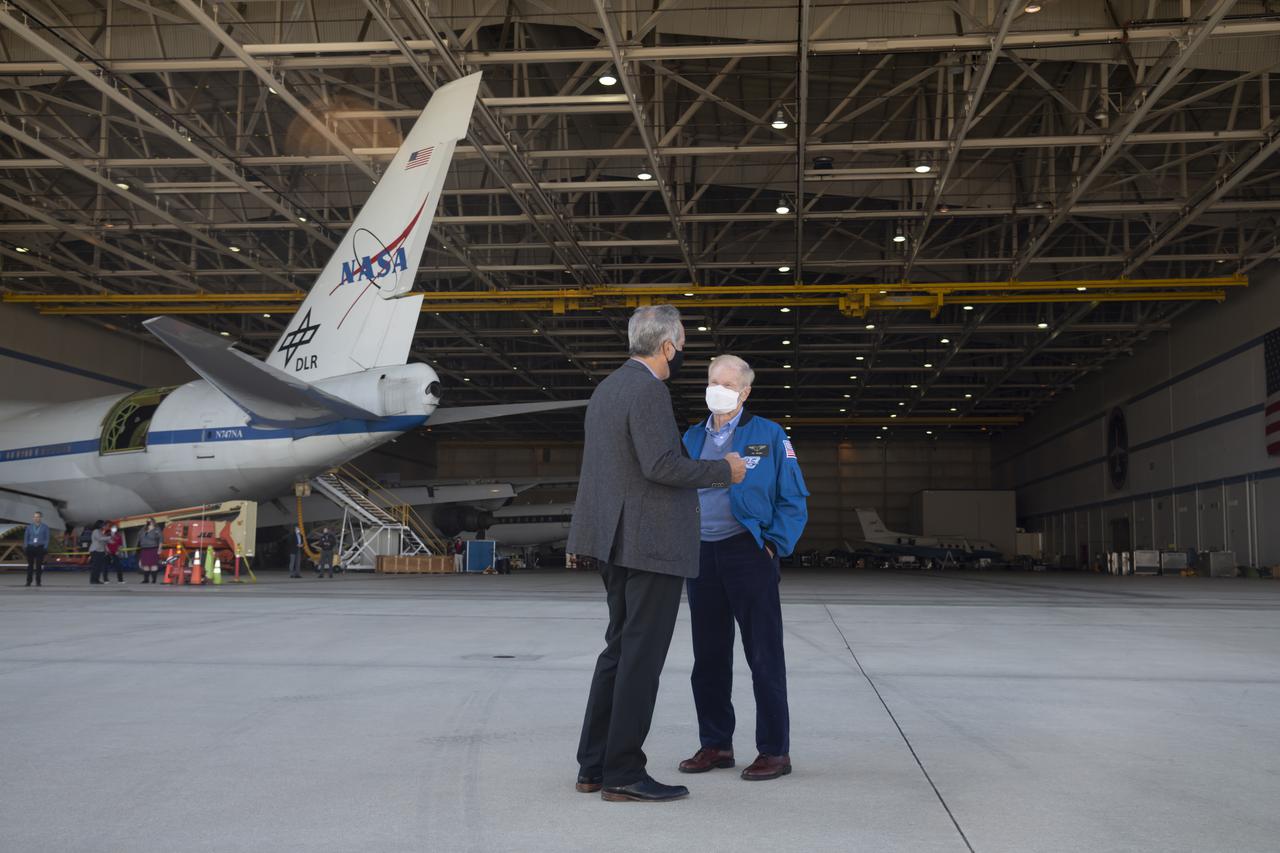
NASA Administrator Bill Nelson, right, and David McBride, center director at NASA’s Armstrong Flight Research Center in Edwards, California, talk by the Stratospheric Observatory for Infrared Science during the administrator’s visit to NASA Armstrong’s Building 703 in Palmdale, California, on Oct. 12.
NASA Administrator Visits NASA Armstrong
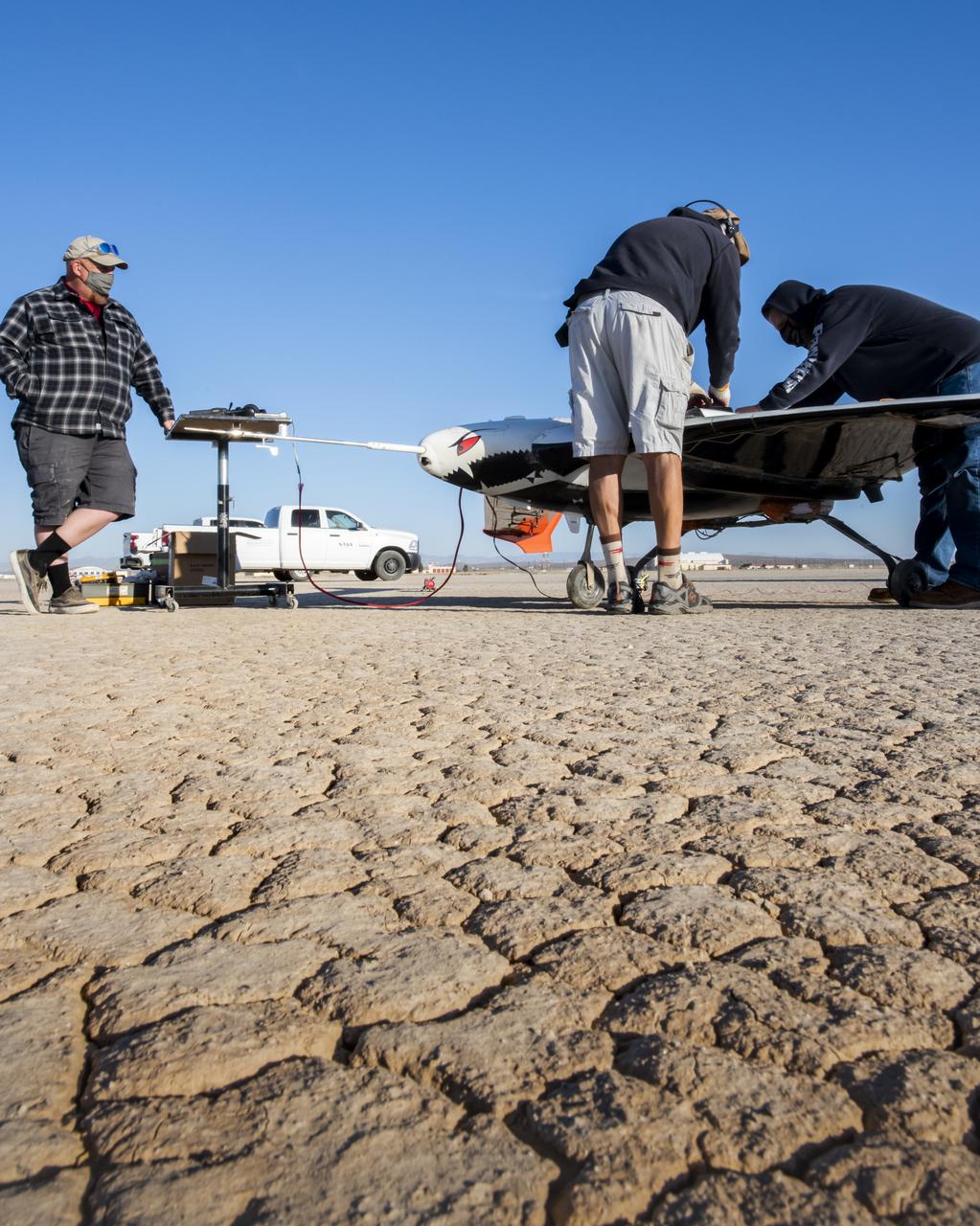
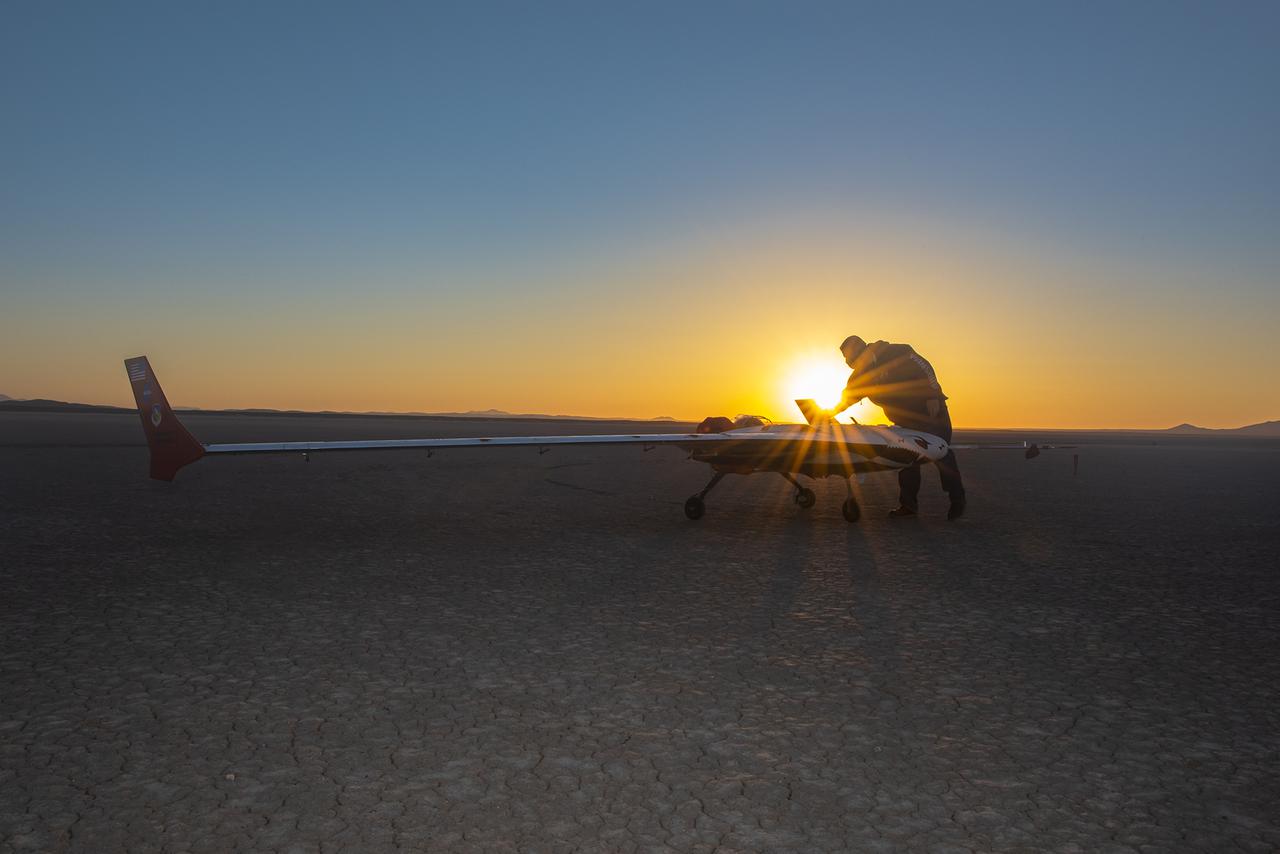
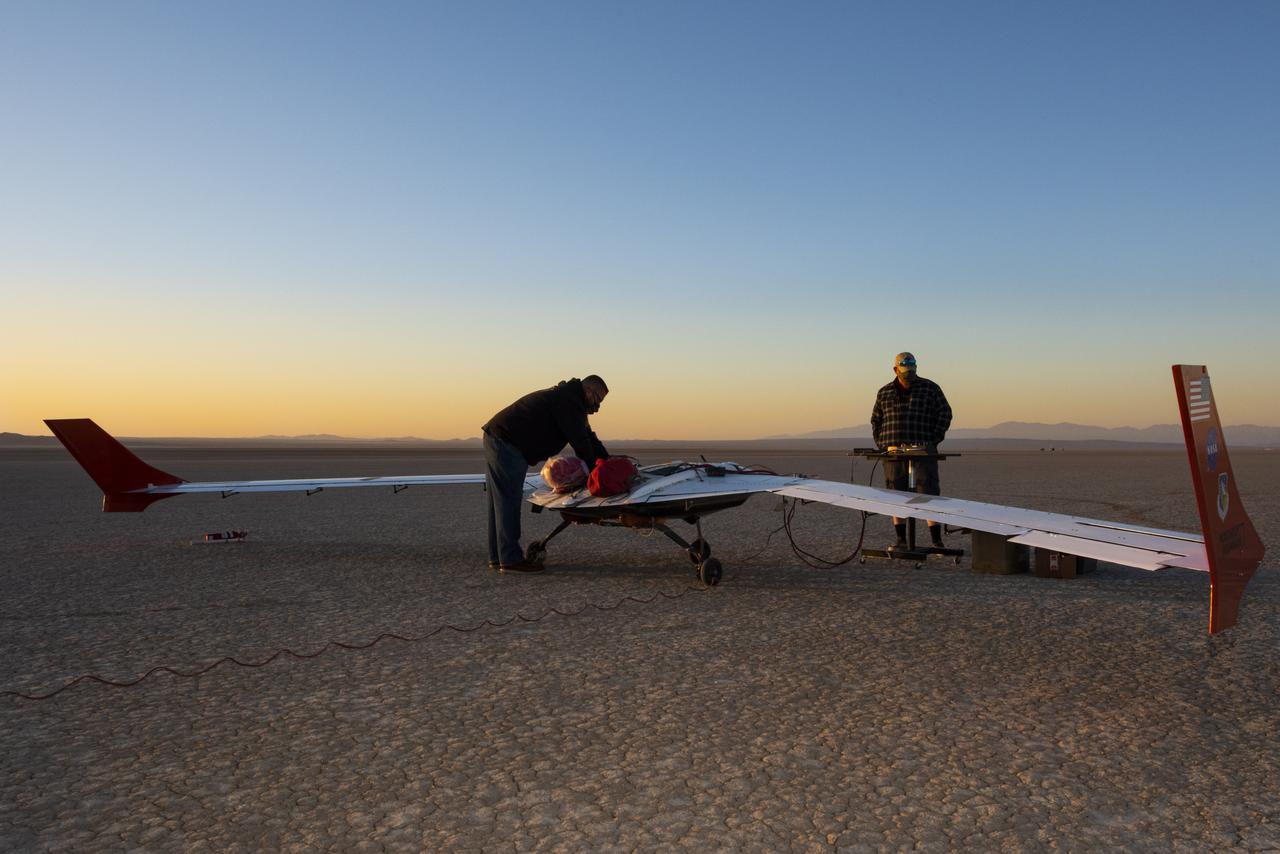
The X-56B remotely piloted aircraft ground crew prepares the aircraft to begin a new flight series. The flight was April 19 at NASA's Armstrong Flight Research Center in Edwards, California, with partner Northrop Grumman.
X-56B Begins New Flight Series
The X-56B remotely piloted aircraft lands following the first of a new flight series. The flight was April 19 at NASA's Armstrong Flight Research Center in Edwards, California, with partner Northrop Grumman.
X-56B Begins New Flight Series
The X-56B remotely piloted aircraft ground crew prepares the aircraft to begin a new flight series. The flight was April 19 at NASA's Armstrong Flight Research Center in Edwards, California, with partner Northrop Grumman.
X-56B Begins New Flight Series
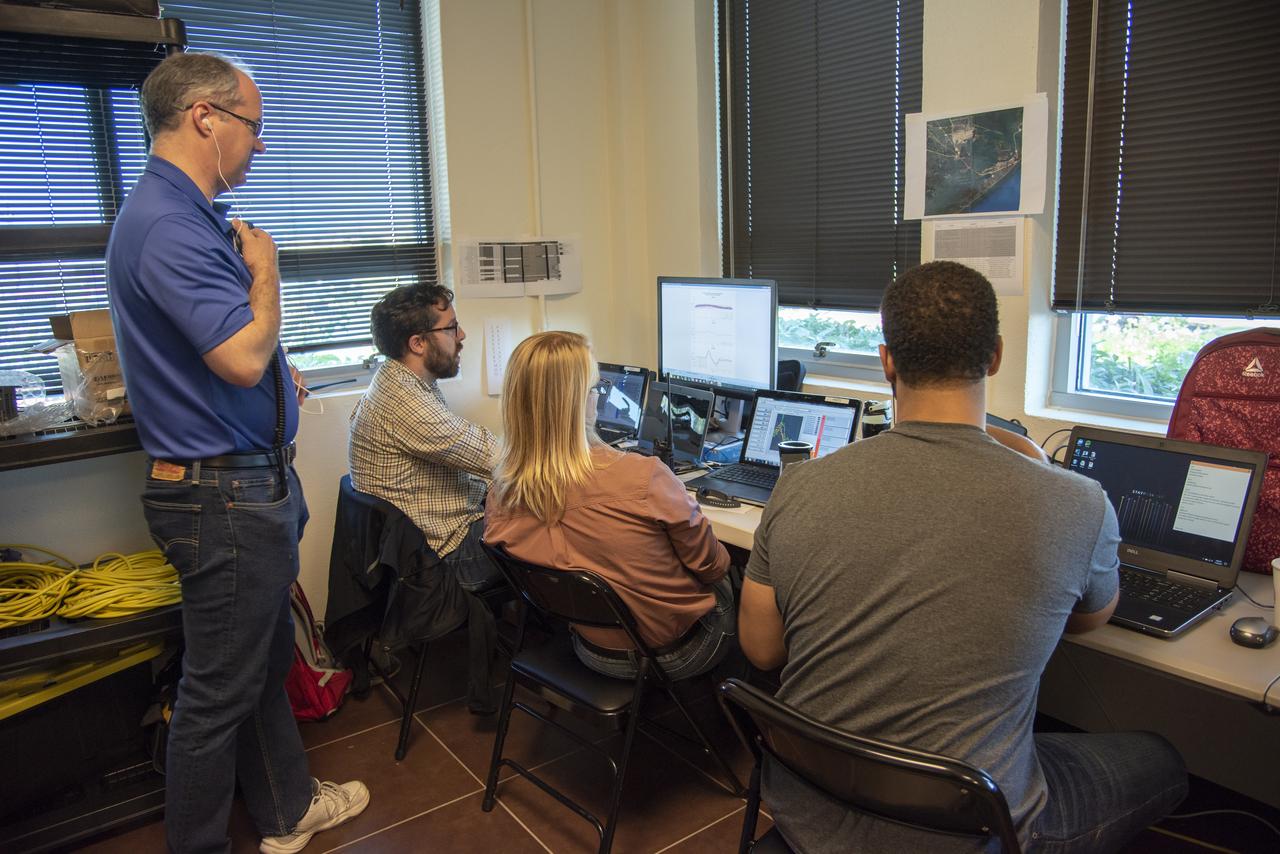
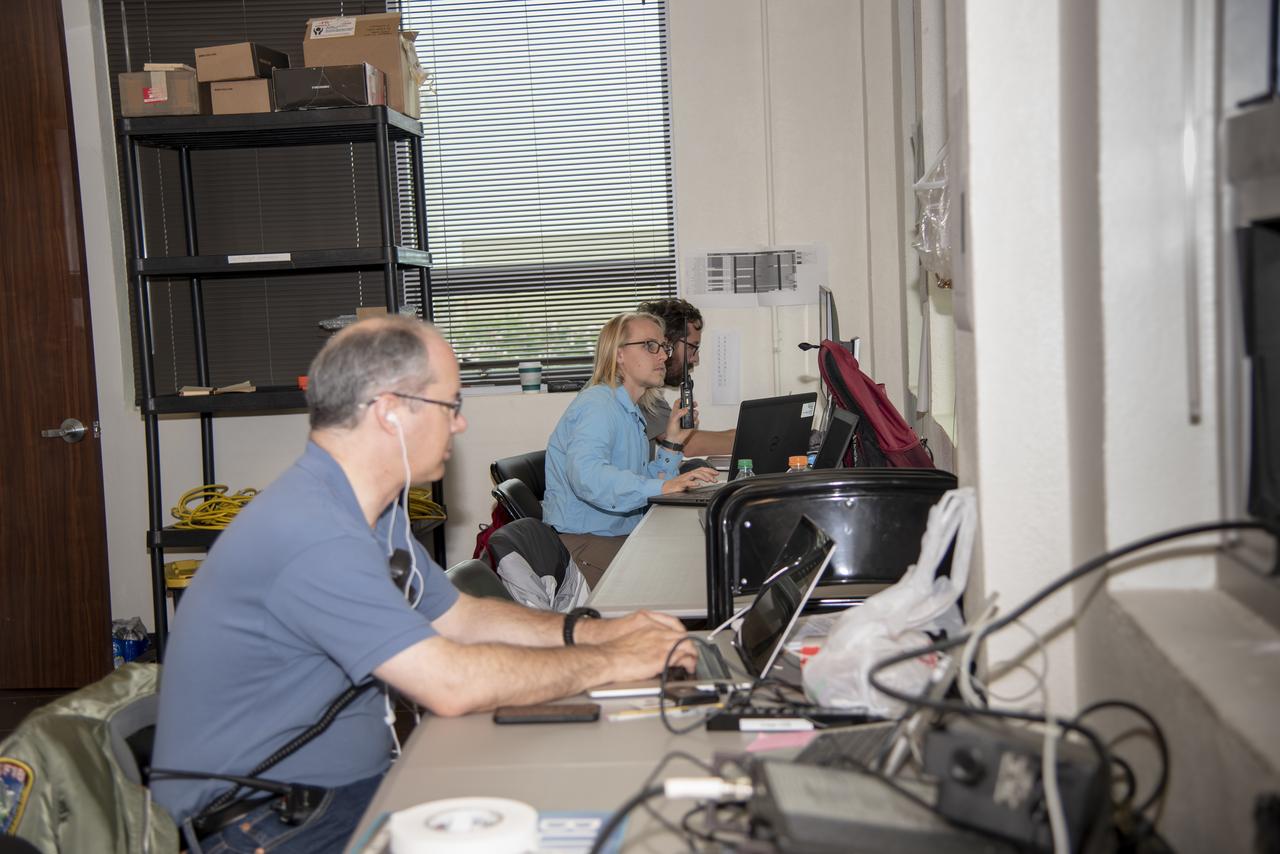
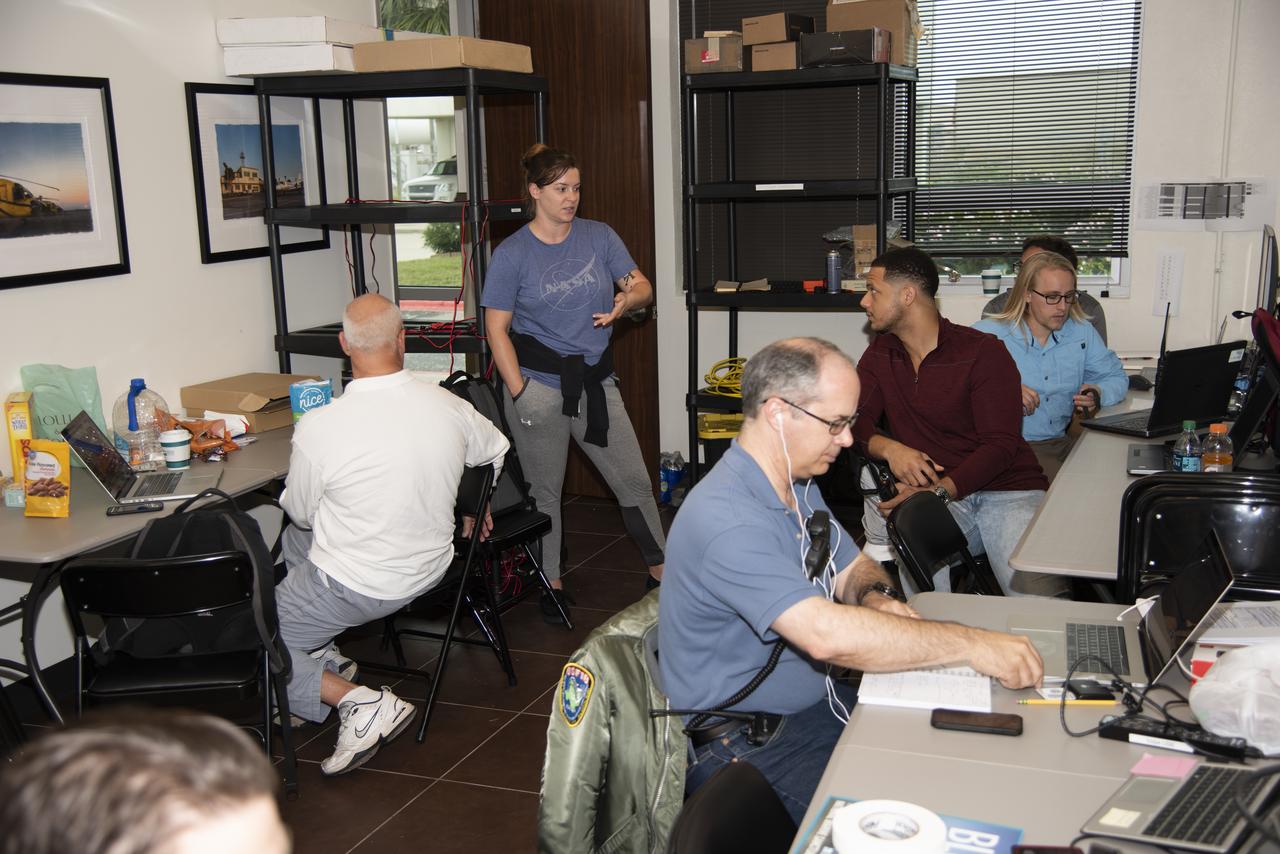
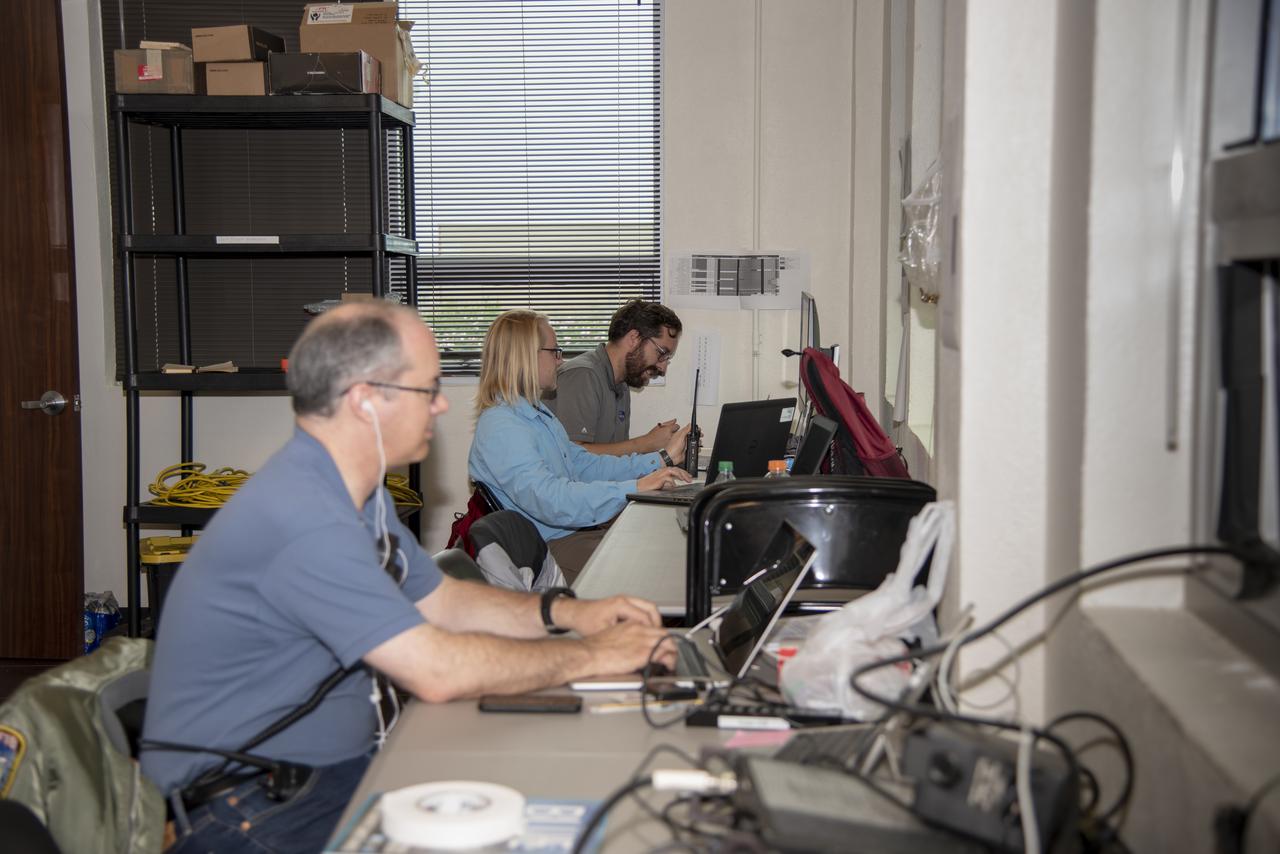
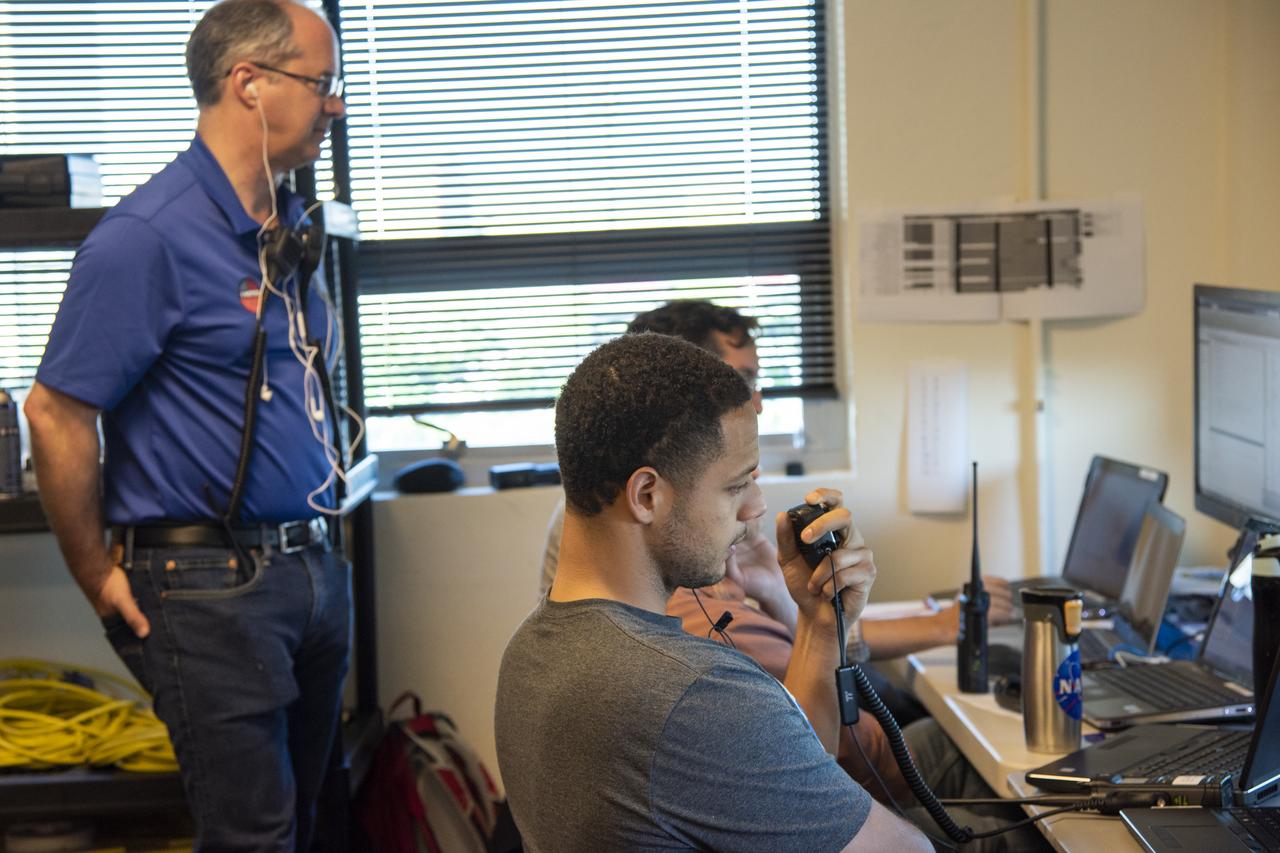
While NASA’s F/A-18 goes supersonic off the coast, a team of researchers monitor the flight and operate multiple sound monitor stations around Galveston and its surrounding area. This allows NASA to obtain accurate sound level data, which gets matched to community response data.
QSF18 Field Research Team Monitors Data from Flight
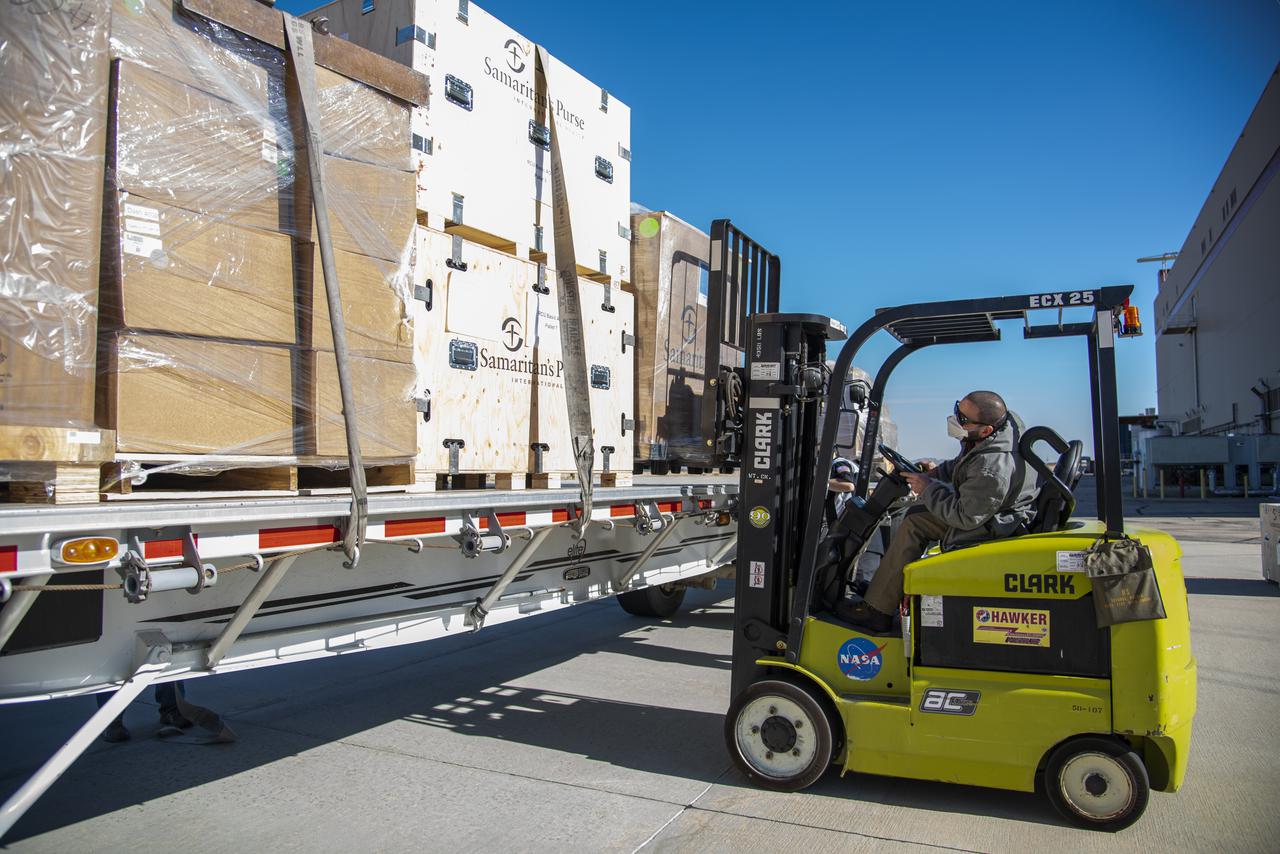
Marlon Espinoza uses a forklift at NASA's Armstrong Flight Research Center Building 703 in Palmdale, California, to assist in Samaritan Purse's COVID-19 aid work. The supplies were unloaded from a DC-8 and loaded onto a truck.
NASA Armstrong Supports Samaritan Purse's COVID-19 Aid Work
NASA researcher A.J. Jaffe prepares the NASA Airborne Instrumentation for Real-world Video of Urban Environments (AIRVUE) sensor pod for testing at NASA’s Kennedy Space Center in Cape Canaveral, Florida in April 2024. The AIRVUE pod will be used to collect data for autonomous aircraft like air taxis, drones, or other Advanced Air Mobility aircraft.
Airborne Instrumentation for Real-world Video of Urban Environments (AIRVUE) Sensor Pod on NASA’s Kennedy Space Center’s Helicopter
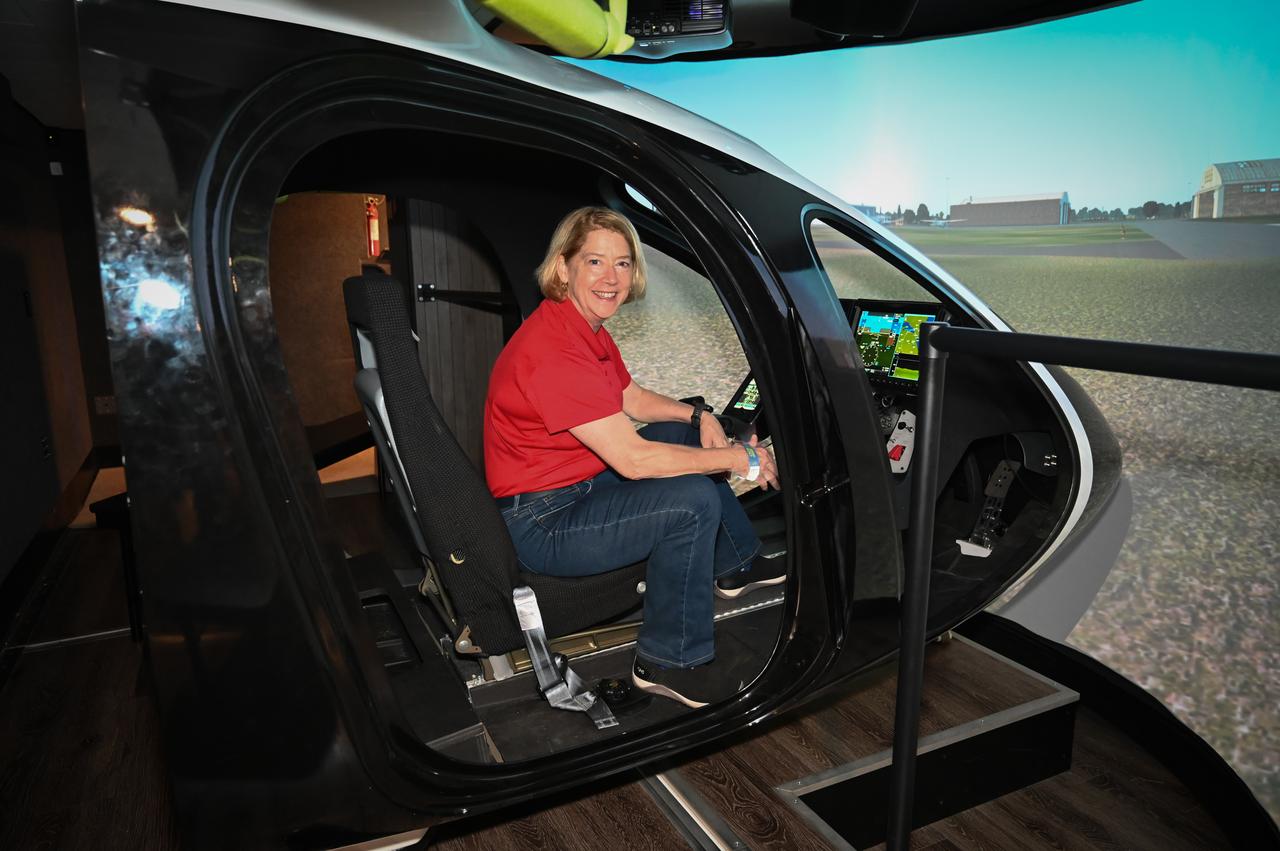
NASA employee Naomi Torres sits inside the air taxi passenger ride quality simulator at NASA’s Armstrong Flight Research Center in Edwards, California, during a study on Oct. 23, 2024. Research continues to better understand how humans may interact with these new types of aircraft.
NASA Air Taxi Passenger Comfort Studies
NASA Deputy Administrator Pam Melroy shows NASA Administrator Bill Nelson and NASA Armstrong Flight Research Center Deputy Director Patrick Stolicker a floppy disk, one of the treasures contained in a time capsule opened Oct. 13. The capsule was sealed on the center's 50th anniversary and opened to commemorate its 75th anniversary. NASA Armstrong is in Edwards, California.
NASA Administrator Visits NASA Armstrong
Samaritan Purse landed its DC-8 at NASA's Armstrong Flight Research Center Building 703 in Palmdale, California, to deliver supplies needed to meet the demands of the COVID-19 pandemic. NASA Armstrong personnel assisted in unloading the aircraft.
NASA Armstrong Supports Samaritan Purse's COVID-19 Aid Work
The X-56B remotely piloted aircraft prepares for a landing following the first of a new flight series. The flight was April 19 at NASA's Armstrong Flight Research Center in Edwards, California, with partner Northrop Grumman.
X-56B Begins New Flight Series
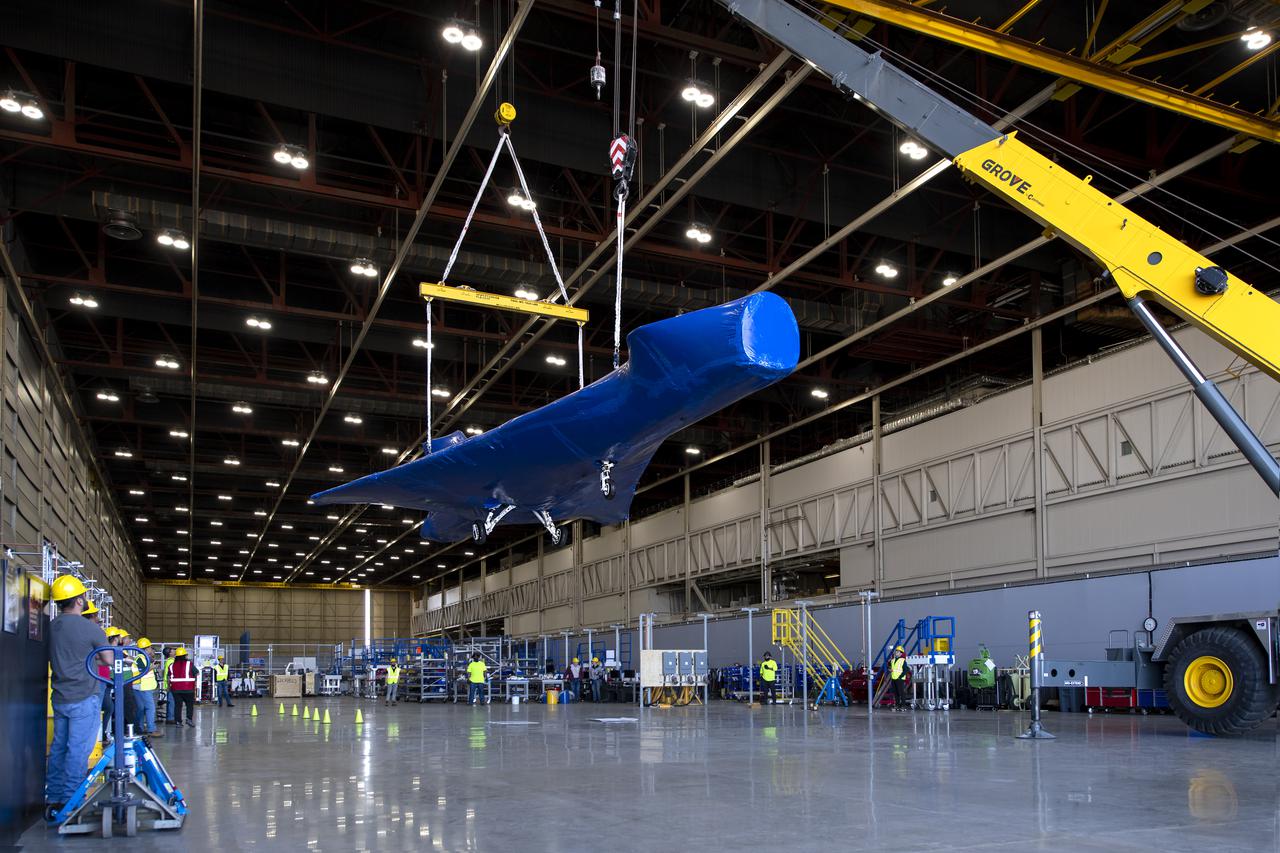
The X-59, NASA’s quiet supersonic technology experimental aircraft, is suspended in the air at Lockheed Martin’s Skunk Works facility in Palmdale, California, following several months of critical ground testing in Ft. Worth, Texas
X-59 Arrives Back in California After Critical Ground Tests
The communication antenna is used primarily for test flights to receive downlink flight data and video from test aircraft and also to support command uplink of data to test aircraft for command and control. It is one of two such assets of the Dryden Aeronautical Test Range at NASA’s Armstrong Flight Research Center in California.
DATR Supports Space Communication, Research Flights
NASA employee Naomi Torres sits inside the air taxi passenger ride quality simulator at NASA’s Armstrong Flight Research Center in Edwards, California, as the simulator moves during a study on Oct. 23, 2024. Research continues to better understand how humans may interact with these new types of aircraft.
NASA Air Taxi Passenger Comfort Studies
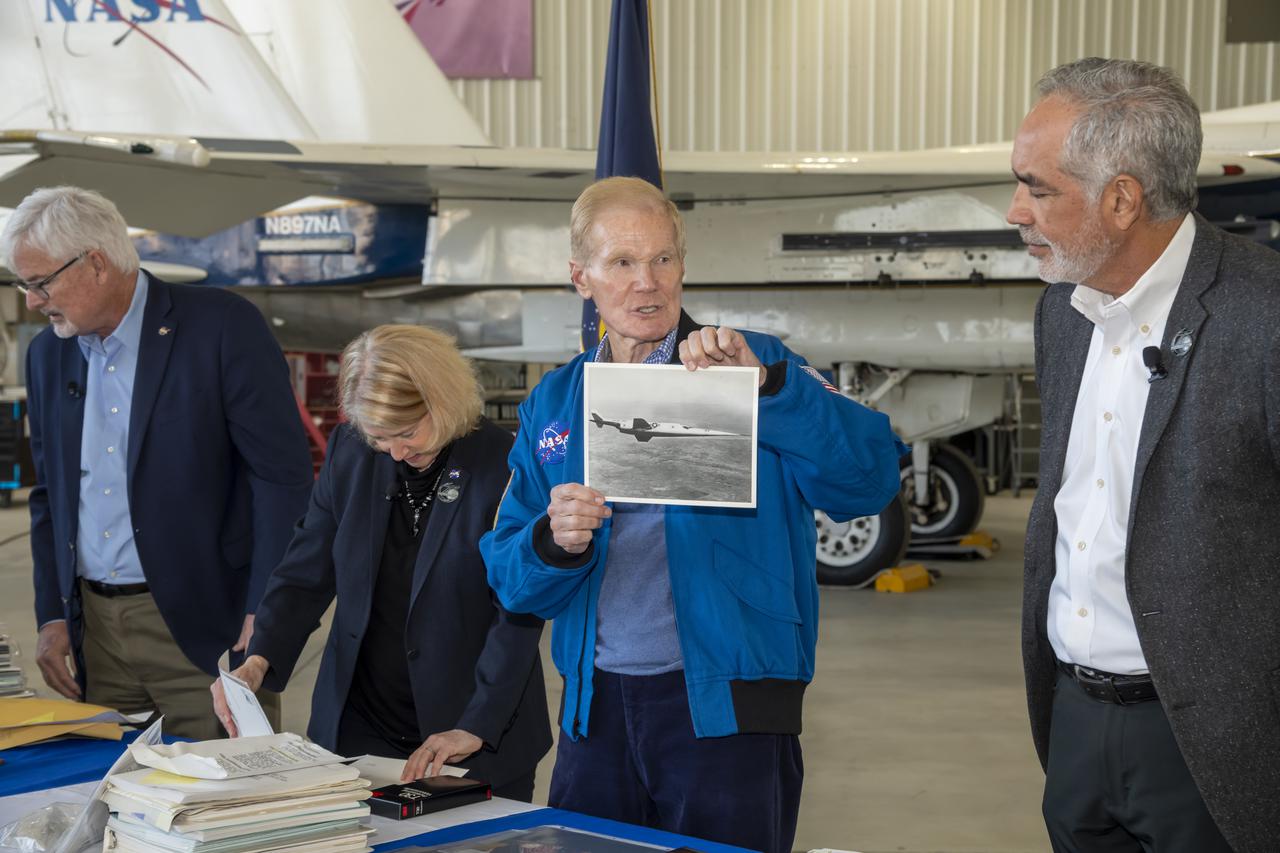
NASA Administrator Bill Nelson shows a picture of the X-3 to NASA Armstrong Flight Research Center Director David McBride on Oct. 13. NASA Armstrong Deputy Center Director Patrick Stoliker and NASA Deputy Administrator Pam Melroy also are with Nelson and McBride. The photo was contained in a time capsule that was sealed on the center's 50th anniversary and opened to commemorate its 75th anniversary. NASA Armstrong is in Edwards, California.
NASA Administrator Visits NASA Armstrong
While NASA’s F/A-18 goes supersonic off the coast, a team of researchers monitor the flight and operate multiple sound monitor stations around Galveston and its surrounding area. This allows NASA to obtain accurate sound level data, which gets matched to community response data.
QSF18 Field Research Team Monitors Data from Flight
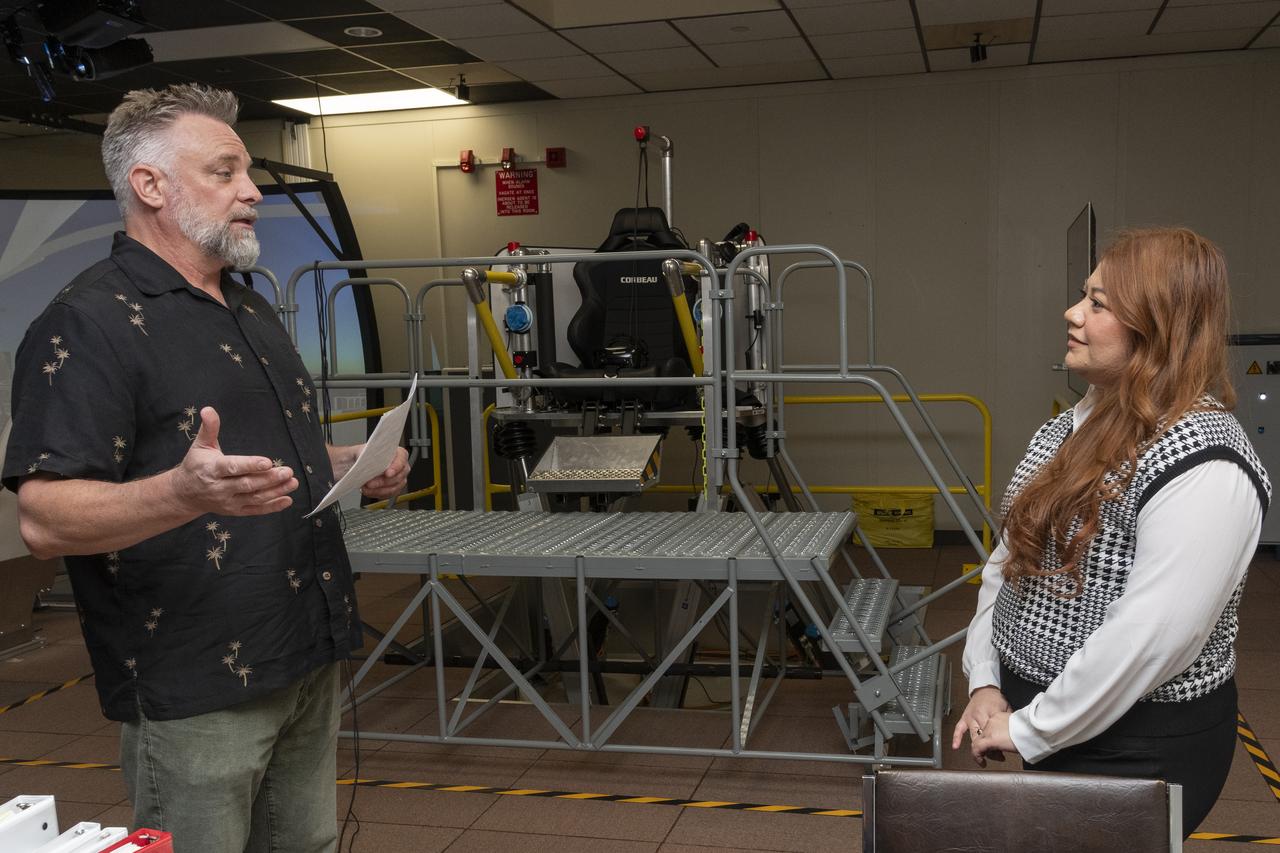
Curt Hanson, senior flight controls researcher for the Revolutionary Vertical Lift Technology project based at NASA’s Armstrong Flight Research Center in Edwards, California, explains the study about to begin to NASA employee and test subject Naomi Torres on Oct. 23, 2024. Behind them is the air taxi passenger ride quality simulator in NASA Armstrong’s Ride Quality Laboratory. Studies continue to better understand passenger comfort for future air taxi rides.
NASA Air Taxi Passenger Comfort Studies
Preparations begin before dawn for the X-56B remotely piloted aircraft for a new flight series. The flight was April 19 at NASA's Armstrong Flight Research Center in Edwards, California, with partner Northrop Grumman.
X-56B Begins New Flight Series
While NASA’s F/A-18 goes supersonic off the coast, a team of researchers monitor the flight and operate multiple sound monitor stations around Galveston and its surrounding area. This allows NASA to obtain accurate sound level data, which gets matched to community response data.
QSF18 Field Research Team Monitors Data from Flight
While NASA's F/A-18 goes supersonic off the coast, a team of researchers monitor the flight and operate multiple sound monitor stations around Galveston and its surrounding area. This allows NASA to obtain accurate sound level data, which gets matched to community response data.
QSF18 Field Research Team Monitors Data from Flight
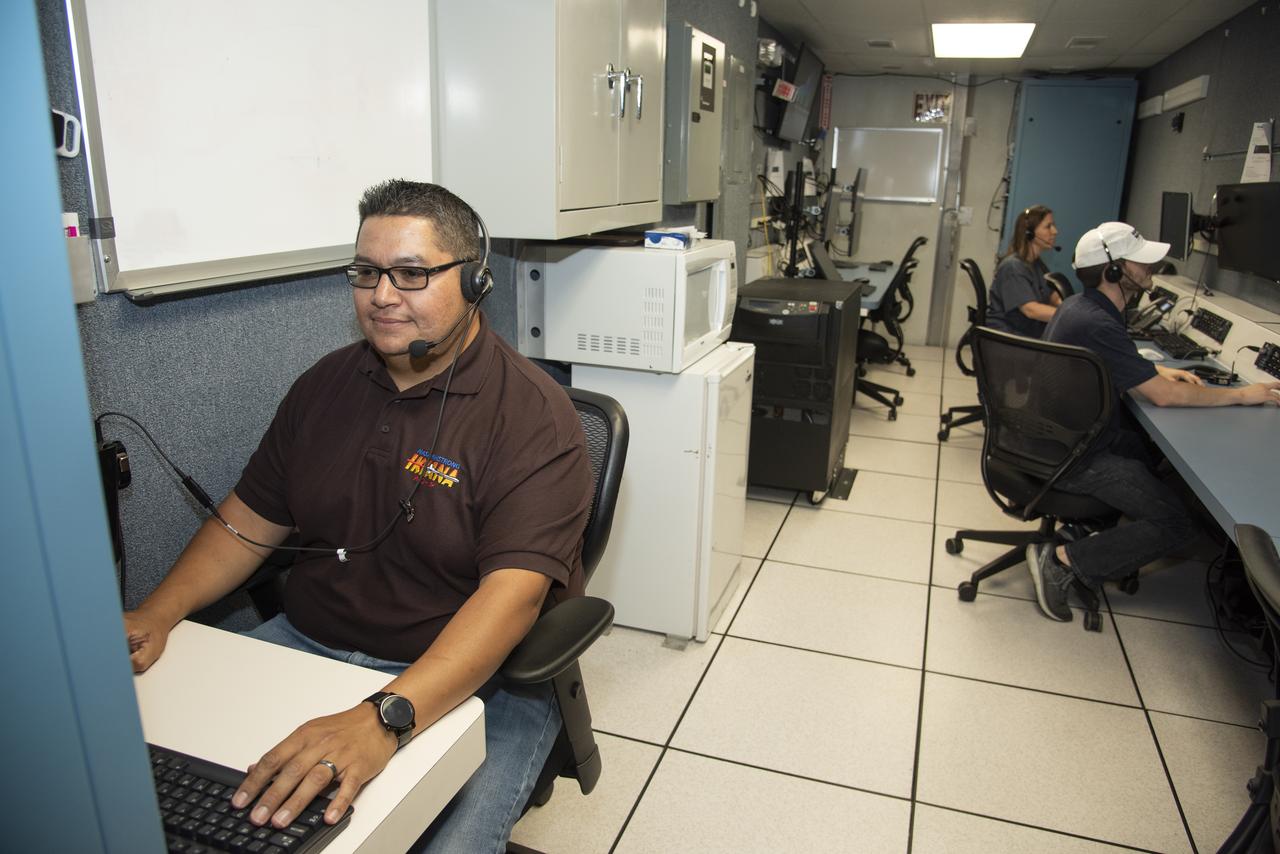
Jesus Vazquez, Zach Springer and Sonja Belcher, from left, are at stations in the Mobile Operations Facility 5 at NASA’s Armstrong Flight Research Center in California. The mobile station support included the Pad Abort-1 test of the Orion Launch Abort System at White Sands, New Mexico, the first Dream Chaser air launch and most recently supported the TigerShark remotely piloted aircraft for the Unmanned Aircraft Systems Integration in the National Airspace System flights.
DATR Supports Space Communication, Research Flights
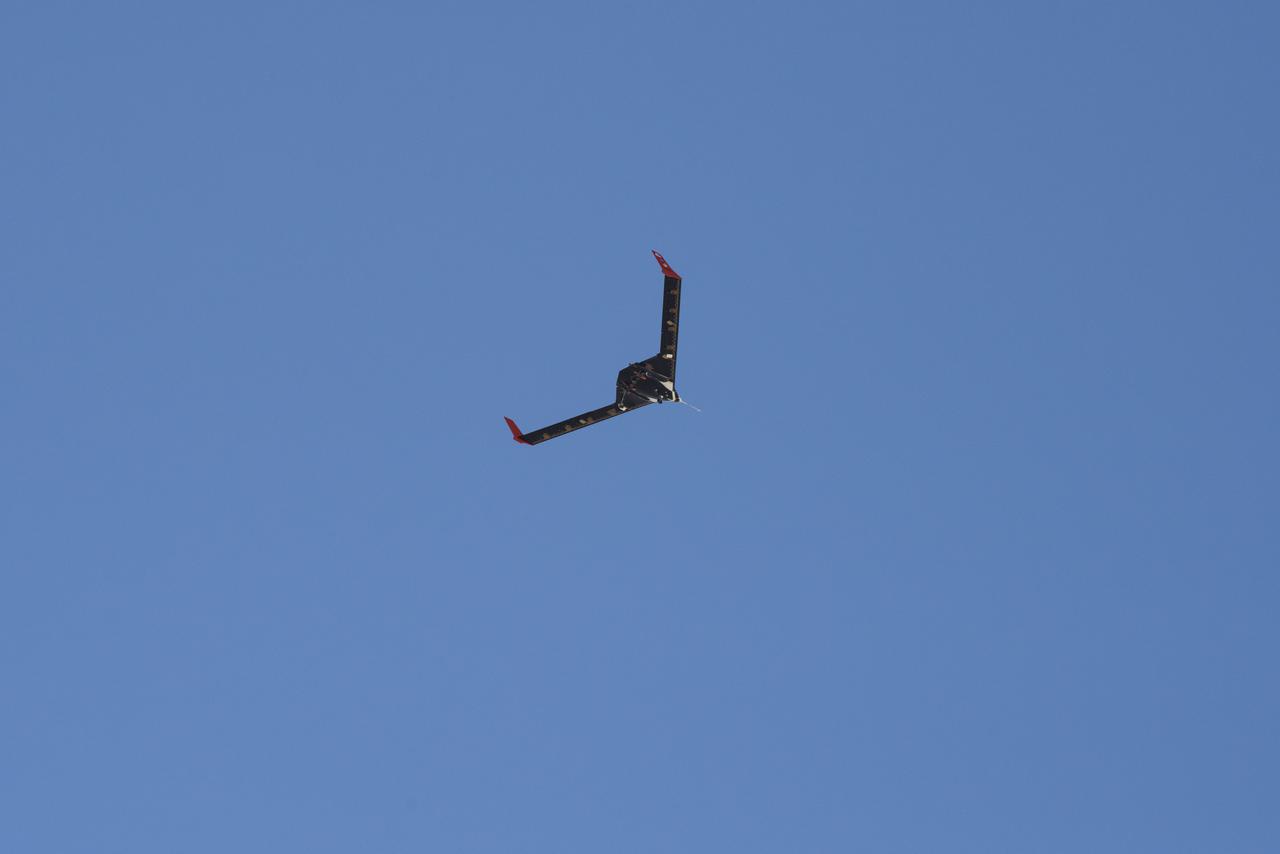
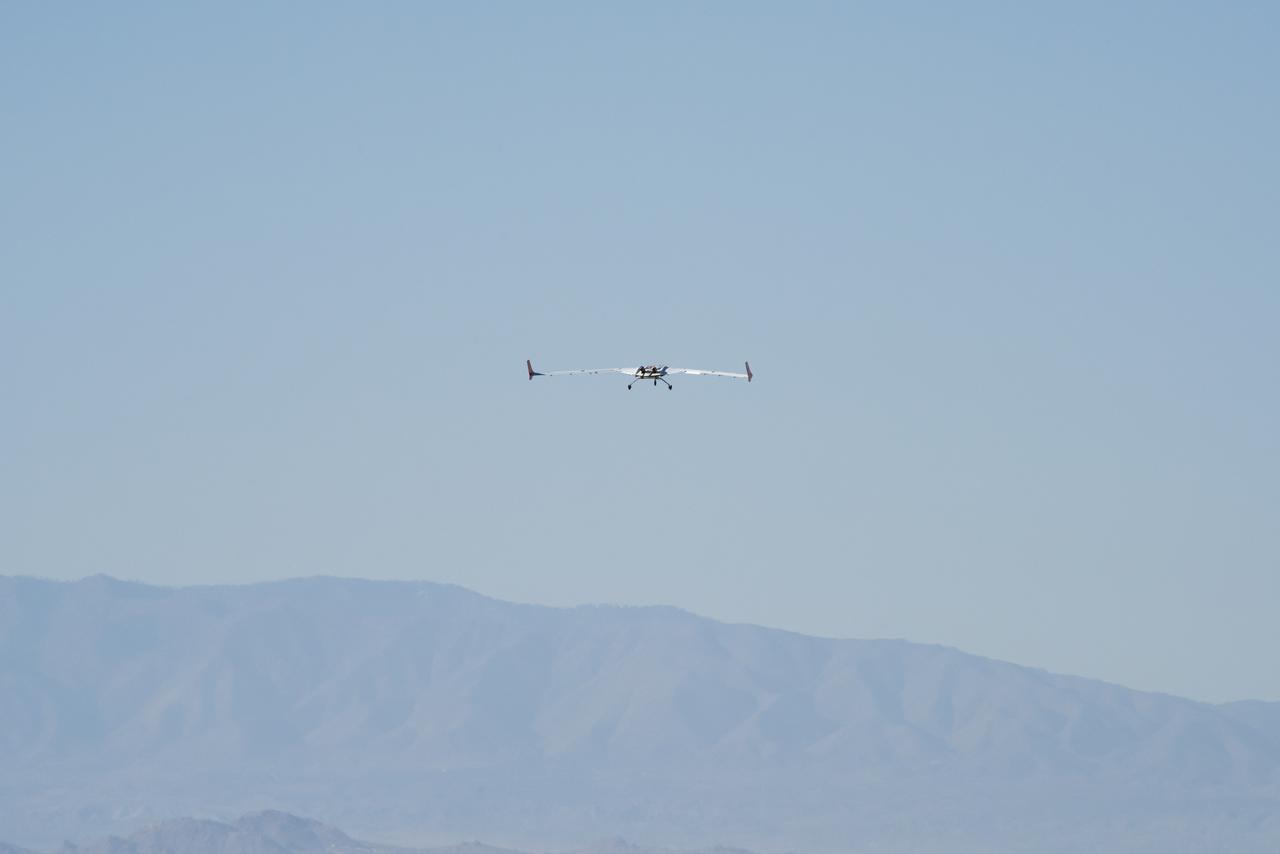
The X-56B remotely piloted aircraft flies the first of a new flight series. The flight was April 19 at NASA's Armstrong Flight Research Center in Edwards, California, with partner Northrop Grumman.
X-56B Begins New Flight Series
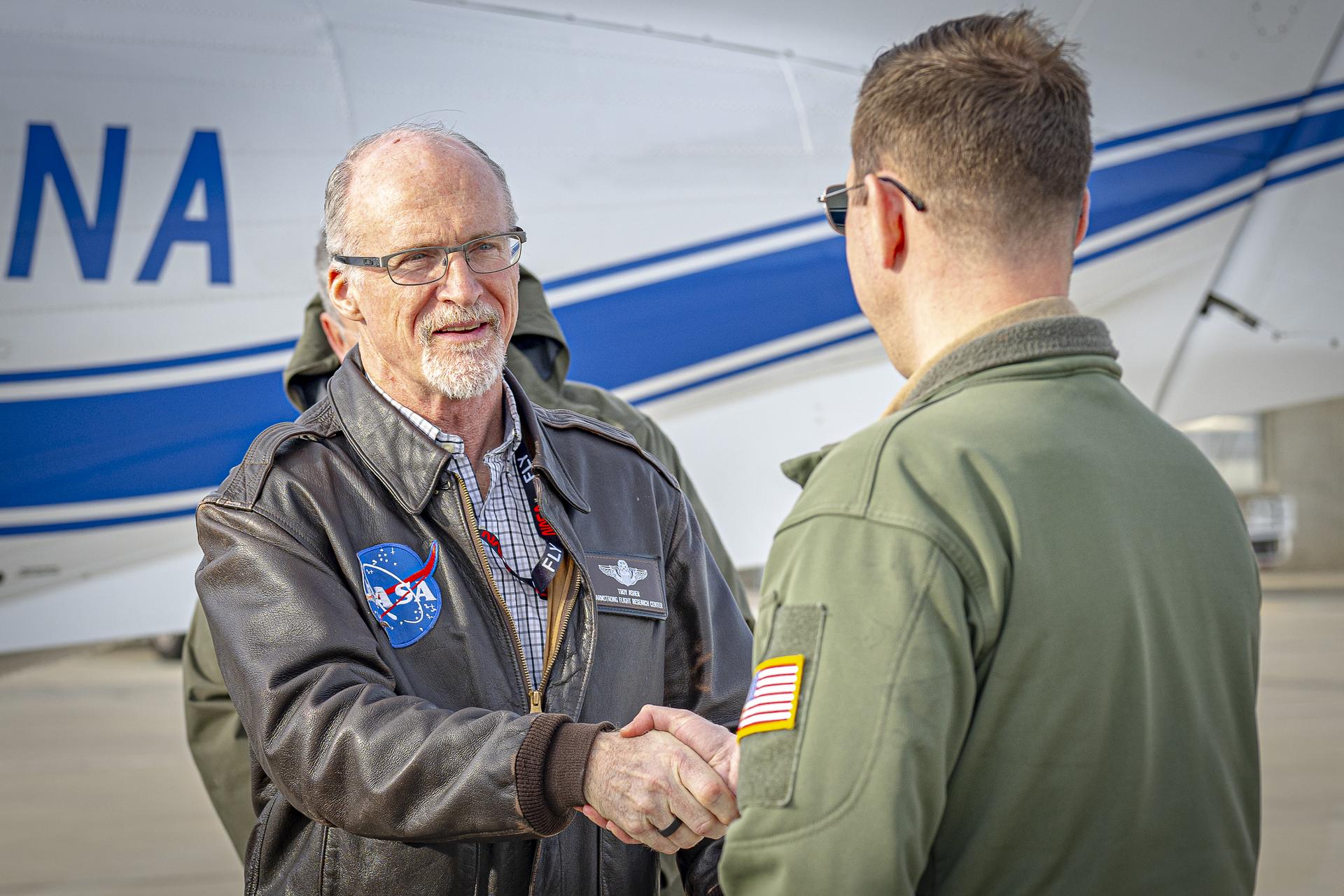
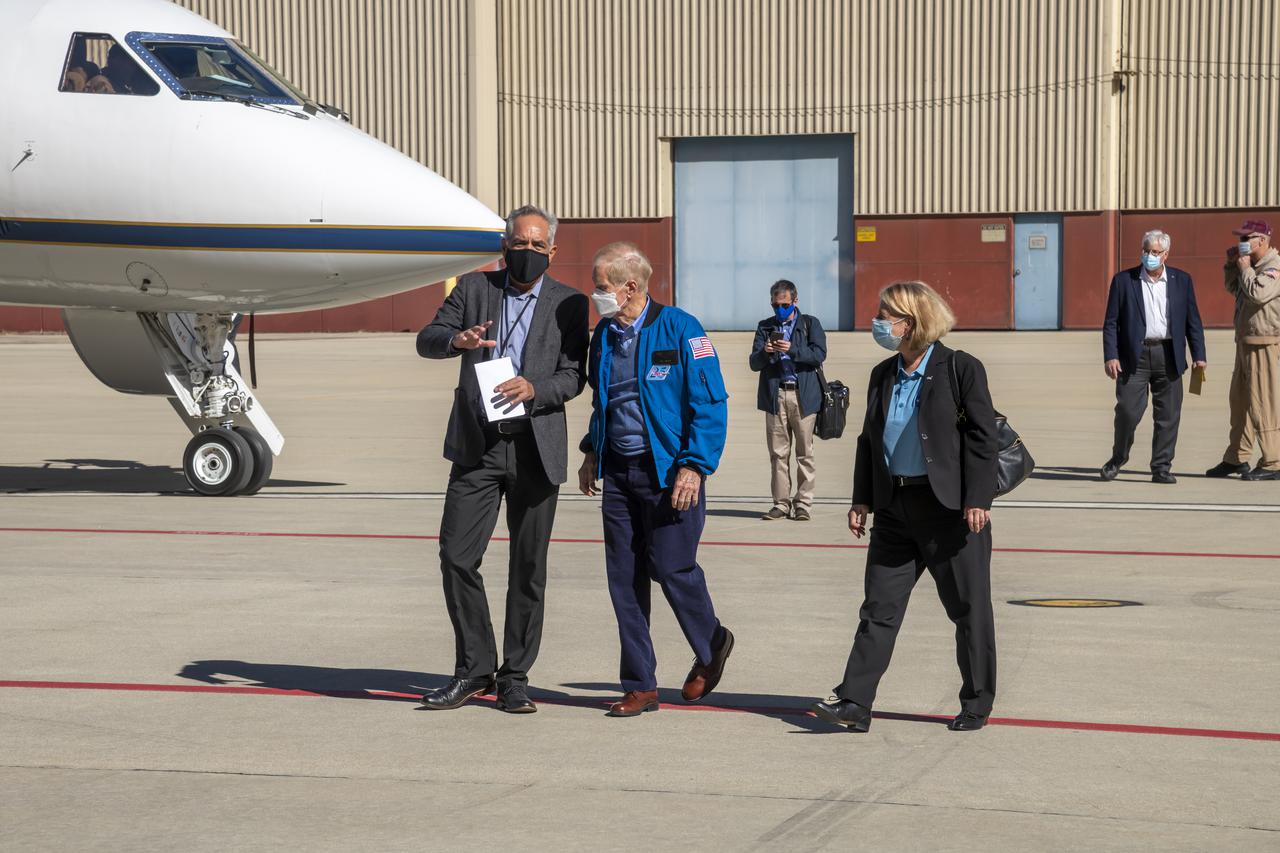
NASA Administrator Bill Nelson and NASA Deputy Administrator Pam Melroy land at the U.S. Air Force Base Plant 42 in Palmdale, California, near Building 703 on Oct. 12. That building is part of NASA’s Armstrong Flight Research Center in Edwards, California. NASA Armstrong Center Director David McBride, at left, talks to Nelson and Melroy as they begin a tour.
NASA Administrator Visits NASA Armstrong
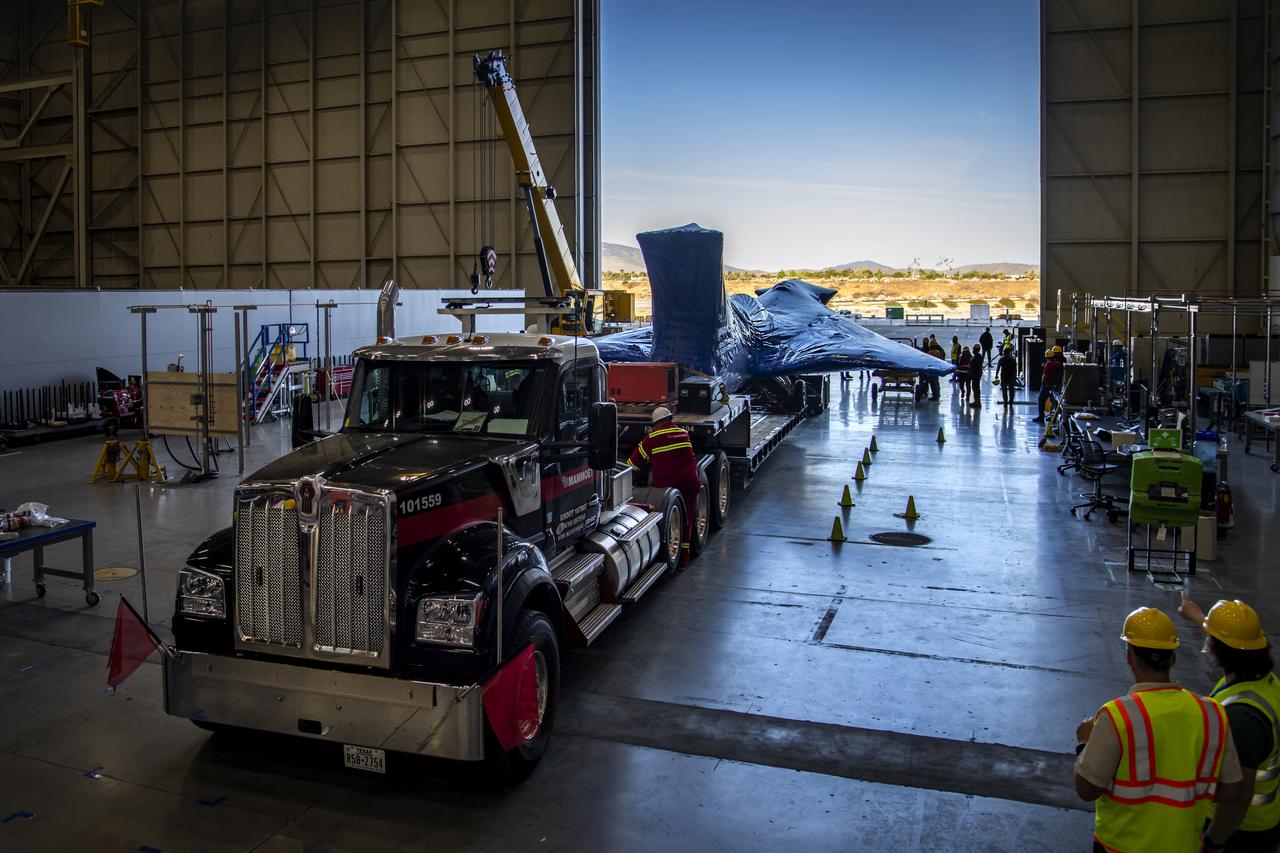
The X-59, NASA’s quiet supersonic technology experimental aircraft, arrives back at Lockheed Martin’s Skunk Works facility in Palmdale, California, following several months of critical ground testing in Ft. Worth, Texas
X-59 Arrives Back in California After Critical Ground Tests
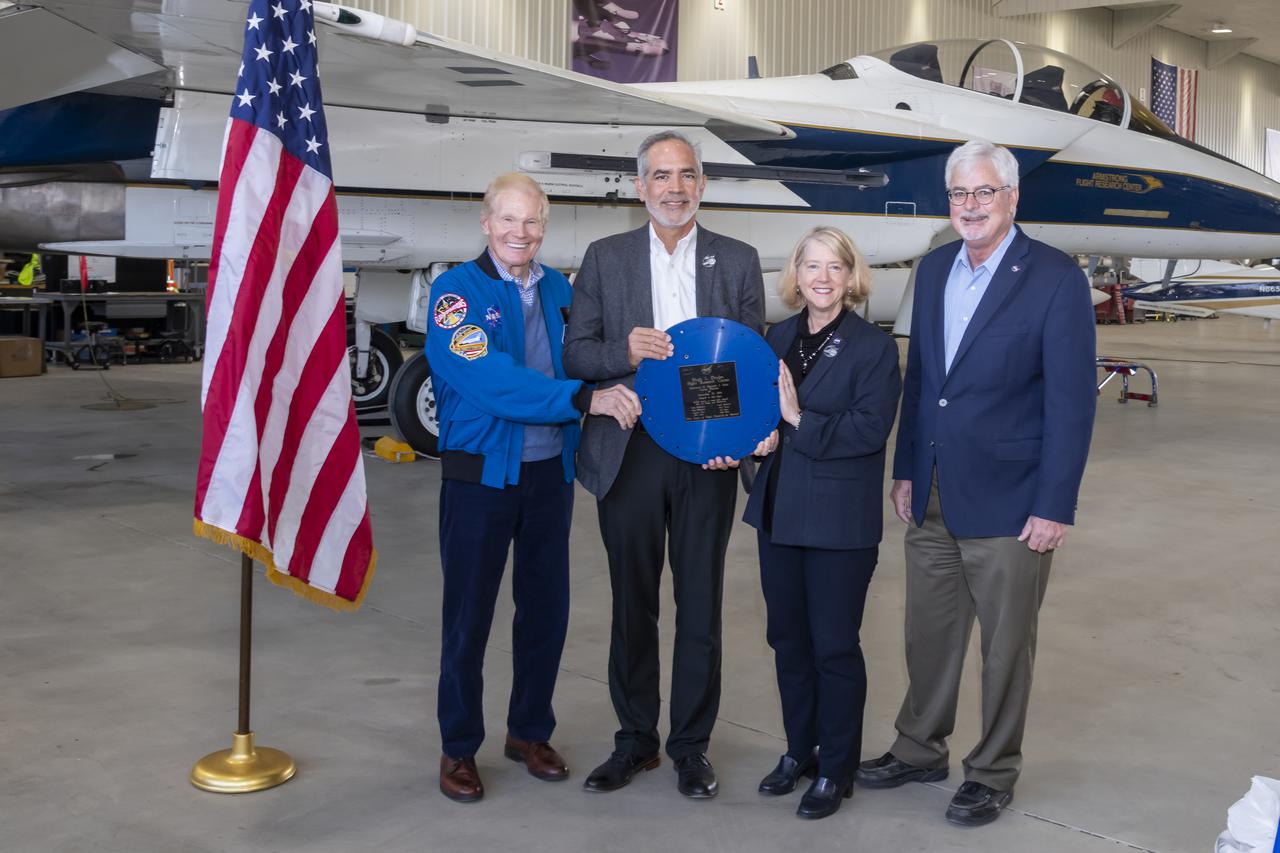
NASA Administrator Bill Nelson, from left, NASA Armstrong Flight Research Center Director David McBride, NASA Deputy Administrator Pam Melroy, and NASA Armstrong Deputy Center Director Patrick Stoliker, display the lid to a time capsule on Oct. 13. The time capsule was sealed on the center's 50th anniversary and opened to commemorate its 75th anniversary. NASA Armstrong is in Edwards, California.
NASA Administrator Visits NASA Armstrong
Kevin Knutson sits at a station in the main Blue Control Room at NASA’s Armstrong Flight Research Center in California used during complex flight missions to house the many technical discipline experts required to gather all of the required data and to enhance mission safety.
DATR Supports Space Communication, Research Flights
Preparations for the X-56B remotely piloted aircraft to begin a new flight series continue as the sun rises on Rogers Dry Lake. The flight was April 19 at NASA's Armstrong Flight Research Center in Edwards, California, with partner Northrop Grumman.
X-56B Begins New Flight Series
The X-56B remotely piloted aircraft began a new flight series April 19 at NASA's Armstrong Flight Research Center in Edwards, California, with partner Northrop Grumman.
X-56B Begins New Flight Series
The communication antenna is used primarily for test flights to receive downlink flight data and video from test aircraft and also to support command uplink of data to test aircraft for command and control. It is one of two such assets of the Dryden Aeronautical Test Range at NASA’s Armstrong Flight Research Center in California.
DATR Supports Space Communication, Research Flights
While NASA’s F/A-18 goes supersonic off the coast, a team of researchers monitor the flight and operate multiple sound monitor stations around Galveston and its surrounding area. This allows NASA to obtain accurate sound level data, which gets matched to community response data.
QSF18 Field Research Team Monitors Data from Flight
NASA employee Naomi Torres sits inside the air taxi passenger ride quality simulator at NASA’s Armstrong Flight Research Center in Edwards, California, as Curt Hanson, senior flight controls researcher for the Revolutionary Vertical Lift Technology project, sets up her equipment on Oct. 23, 2024. Studies continue in this lab to better understand passenger comfort for future air taxi rides.
NASA Air Taxi Passenger Comfort Studies
NASA Administrator Bill Nelson and NASA Deputy Administrator Pam Melroy receive a briefing on the high-altitude ER-2 aircraft and its missions from ER-2 pilot Greg "Coach" Nelson and ER-2 deputy project manager Fran Becker, and ER-2 pilot Tim Williams at Building 703 in Palmdale, California. The building is part of NASA's Armstrong Flight Research Center, which has its main campus in Edwards, California.
NASA Administrator Visits NASA Armstrong
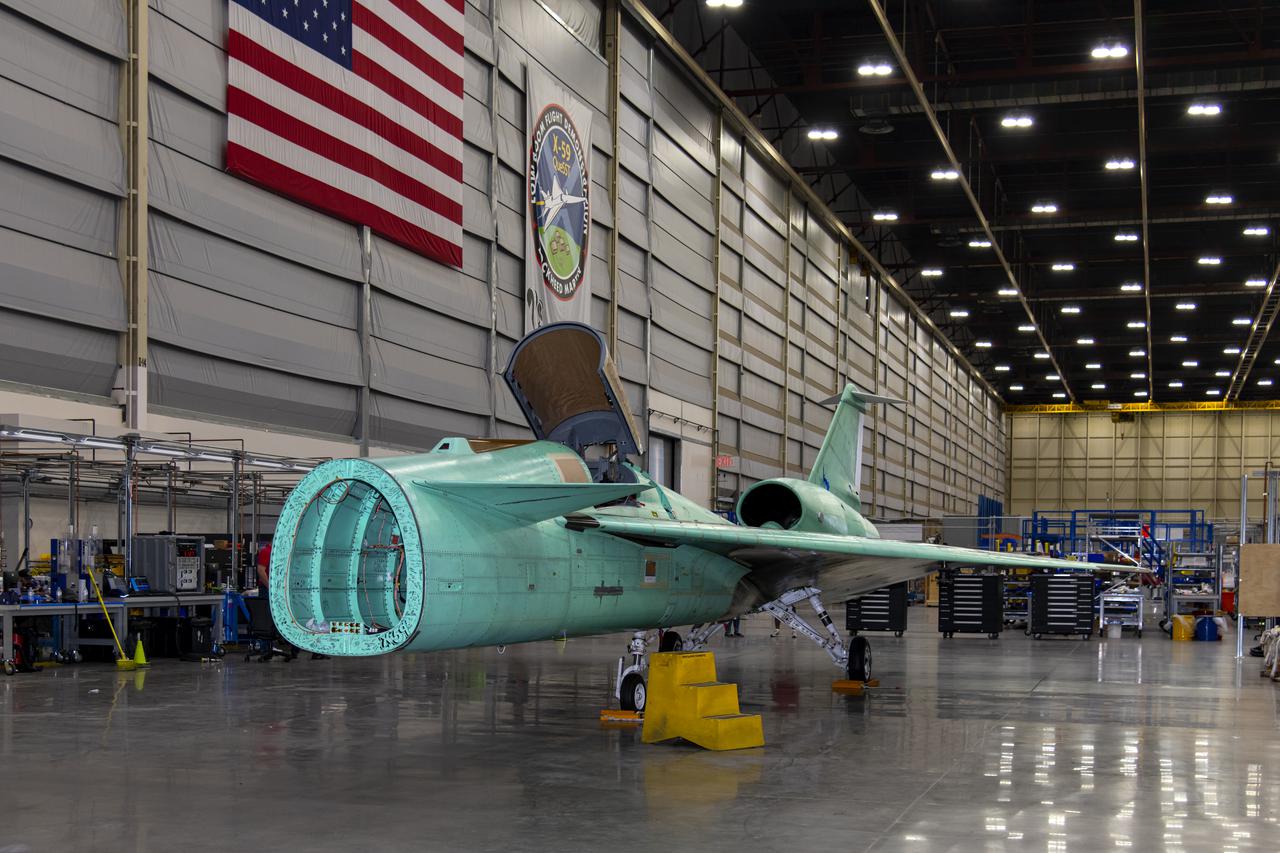
The X-59, NASA's quiet supersonic technology experimental aircraft, sits in Lockheed Martin's Skunk Works facility in Palmdale, California, following its return from several months of critical ground testing in Ft. Worth, Texas
X-59 Arrives Back in California After Critical Ground Tests
The X-56B remotely piloted aircraft began a new flight series April 19 at NASA's Armstrong Flight Research Center in Edwards, California, with partner Northrop Grumman.
X-56B Begins New Flight Series
While NASA’s F/A-18 goes supersonic off the coast, a team of researchers monitor the flight and operate multiple sound monitor stations around Galveston and its surrounding area. This allows NASA to obtain accurate sound level data, which gets matched to community response data.
QSF18 Field Research Team Monitors Data from Flight