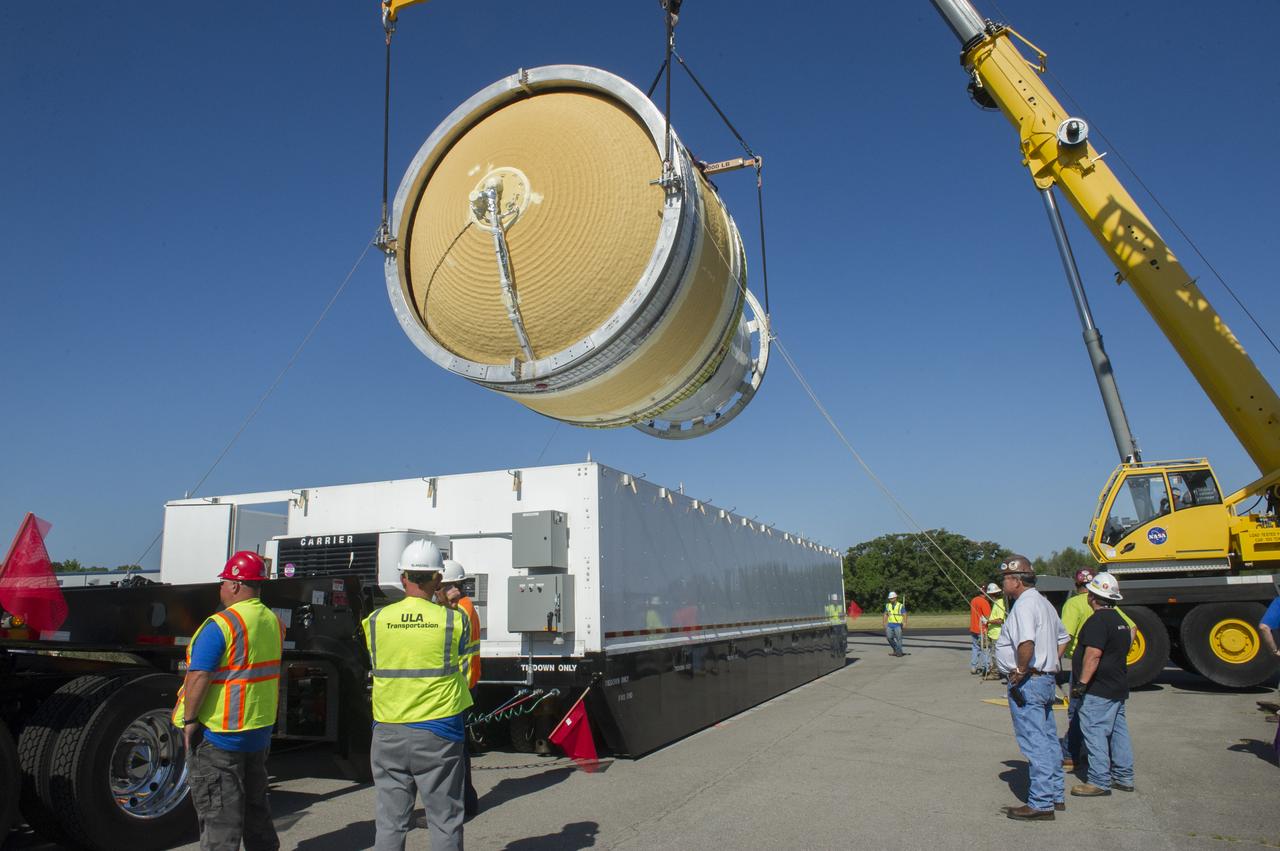
TWO CRANES LIFT THE APPROXIMATELY 8,000-POUND INTERIM CRYOGENIC PROPULSION STAGE TEST ARTICLE OUT OF ITS CRATE AT MARSHALL.
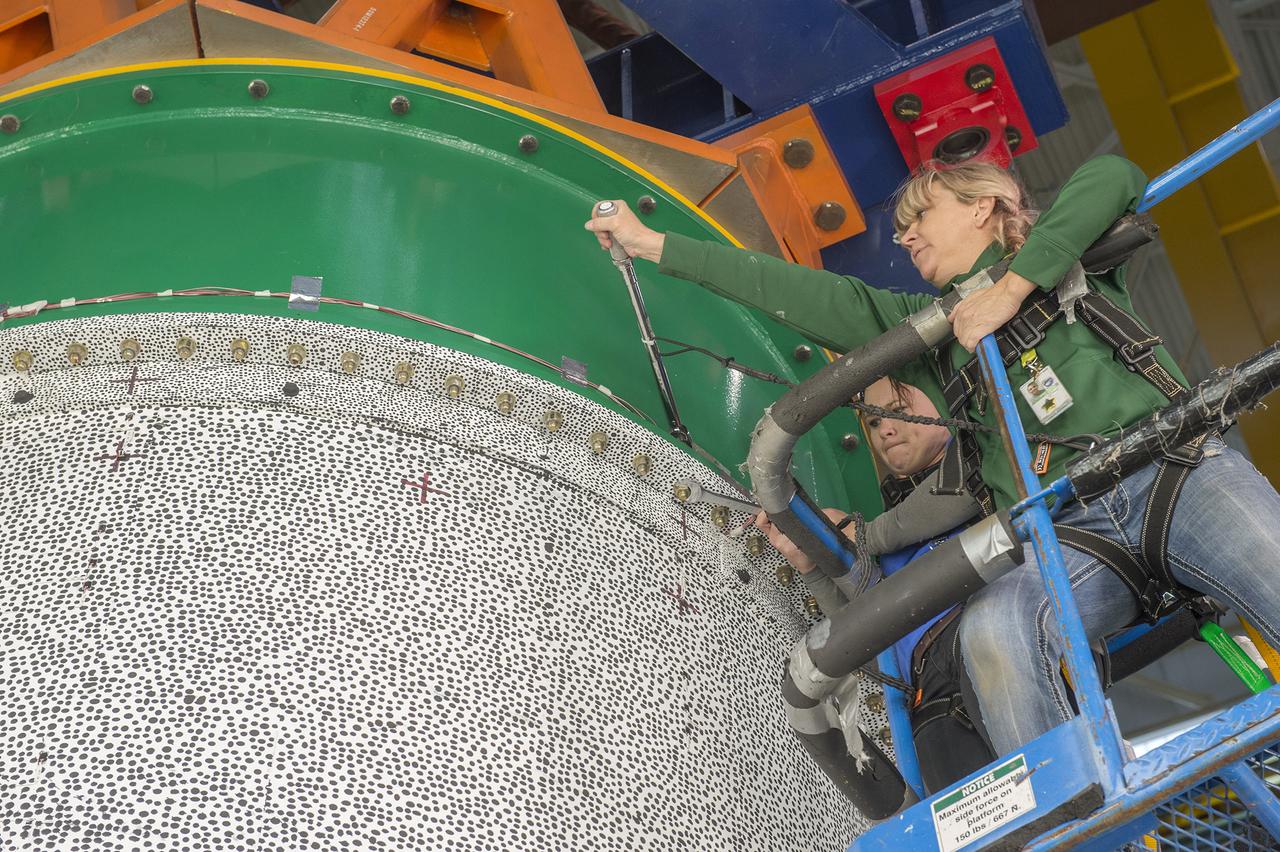
FROM RIGHT, KATHRYN GUELDE AND ASHLEY HOLLADAY OF AERIE AEROSPACE LLC IN HUNTSVILLE, INSTALL THE STRUCTURAL TEST ARTICLE FOR THE FIRST SERIES OF COMPOSITE TESTS FOR THE SHELL BUCKLING KNOCKDOWN FACTOR PROJECT.
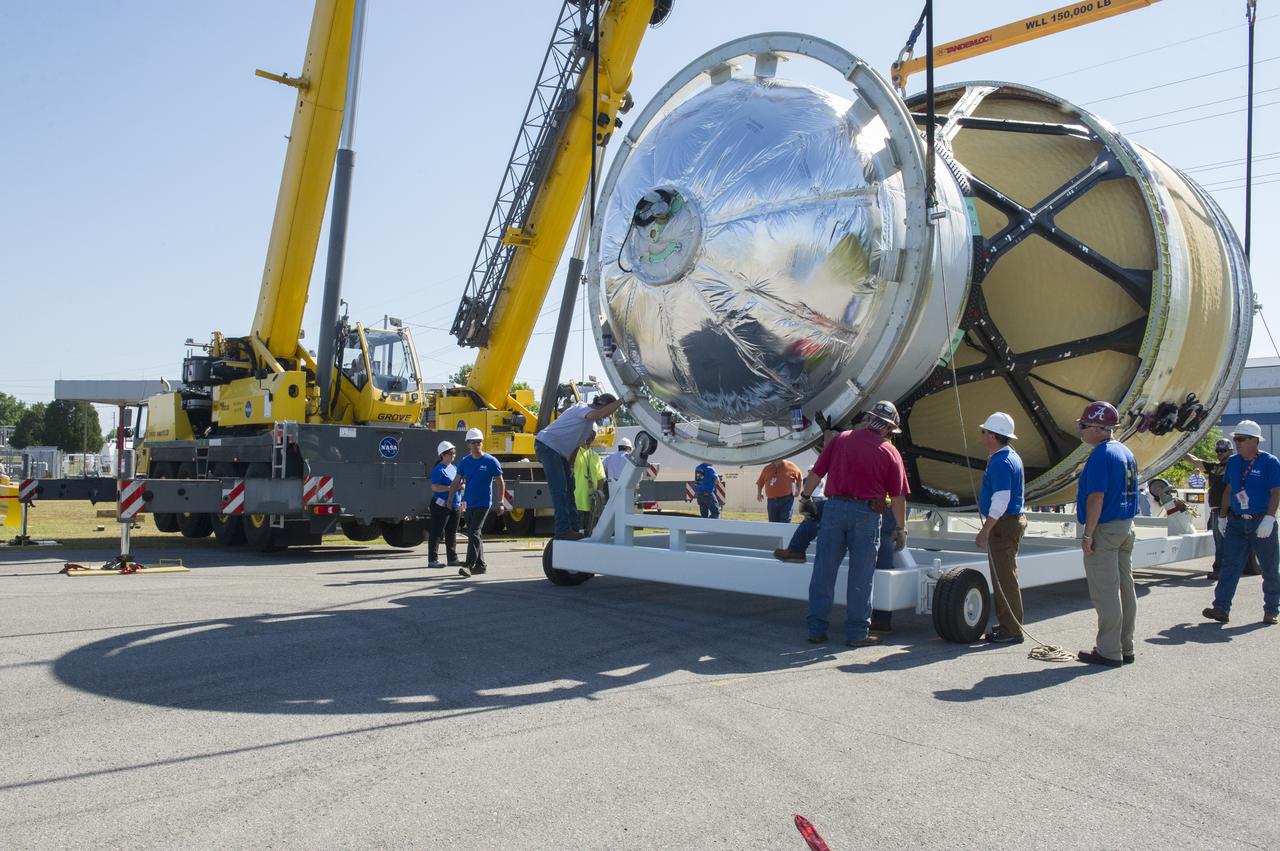
TWO CRANES LIFT THE APPROXIMATELY 8,000-POUND INTERIM CRYOGENIC PROPULSION STAGE TEST ARTICLE OUT OF ITS CRATE AT MARSHALL. THE TEST ARTICLE ARRIVED AT MARSHALL SPACE FLIGHT CENTER VIA BARGE ON THE TENNESSEE RIVER AND WAS TRANSPORTED TO BUILDING 4649 WHERE TESTING WILL BEGIN.
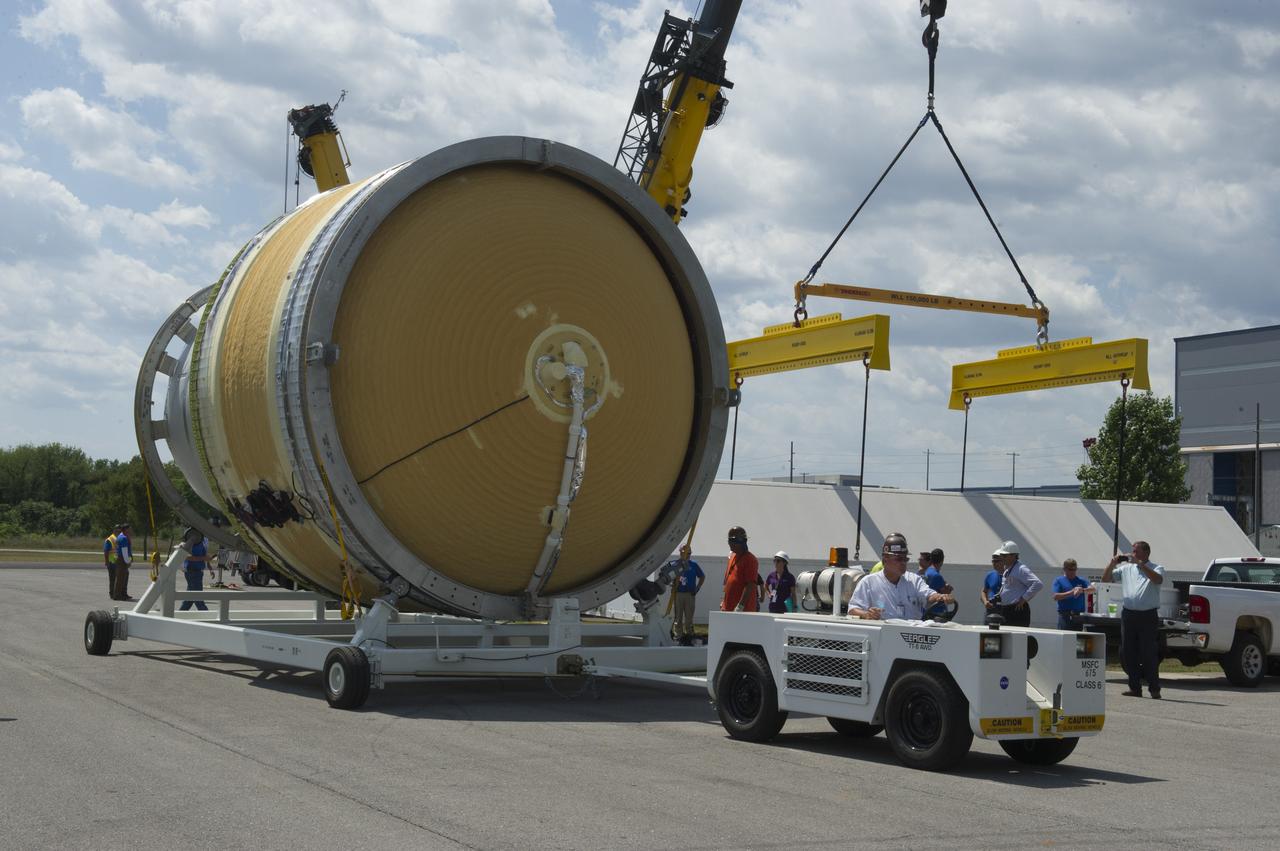
TWO CRANES LIFT THE APPROXIMATELY 8,000-POUND INTERIM CRYOGENIC PROPULSION STAGE TEST ARTICLE OUT OF ITS CRATE AT MARSHALL. THE TEST ARTICLE ARRIVED AT MARSHALL SPACE FLIGHT CENTER VIA BARGE ON THE TENNESSEE RIVER AND WAS TRANSPORTED TO BUILDING 4649 WHERE TESTING WILL BEGIN.
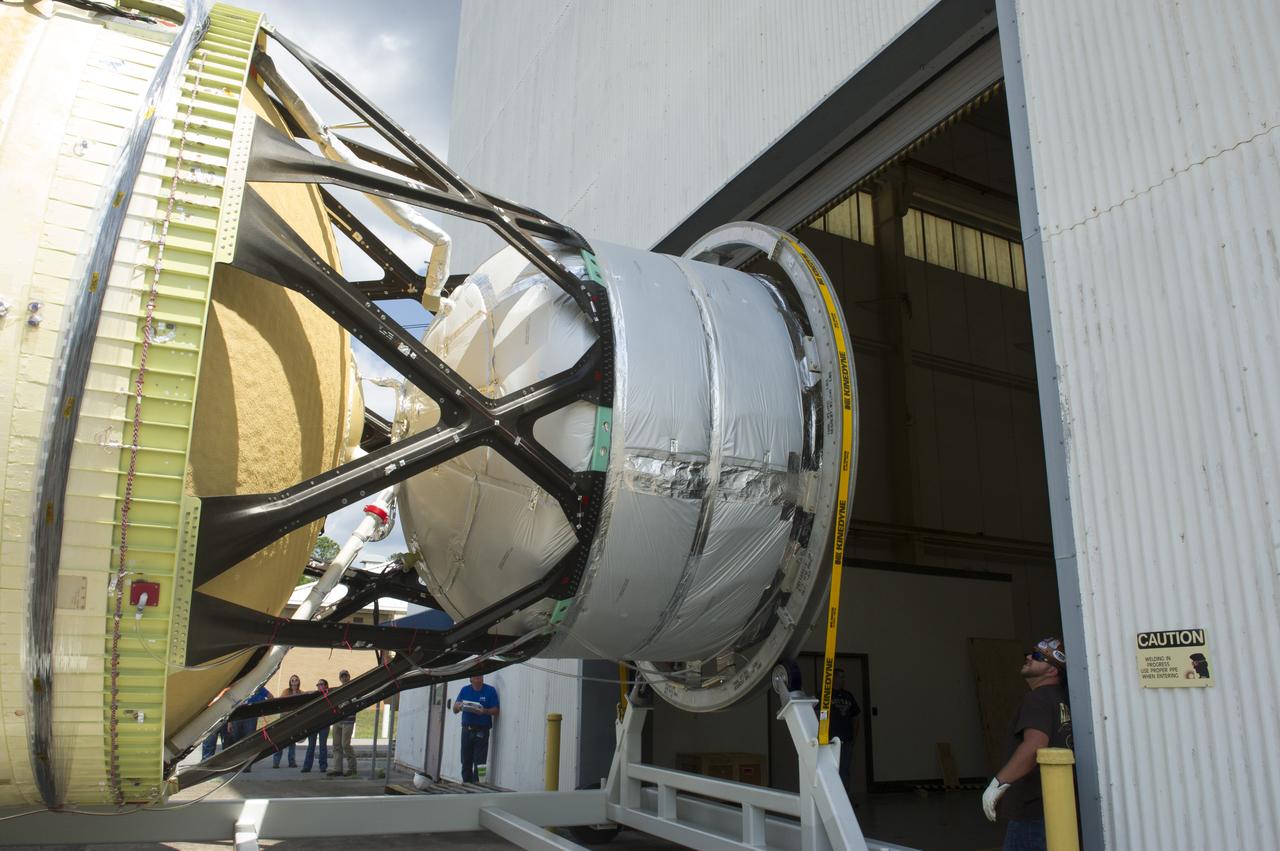
TWO CRANES LIFT THE APPROXIMATELY 8,000-POUND INTERIM CRYOGENIC PROPULSION STAGE TEST ARTICLE OUT OF ITS CRATE AT MARSHALL. THE TEST ARTICLE ARRIVED AT MARSHALL SPACE FLIGHT CENTER VIA BARGE ON THE TENNESSEE RIVER AND WAS TRANSPORTED TO BUILDING 4649 WHERE TESTING WILL BEGIN.
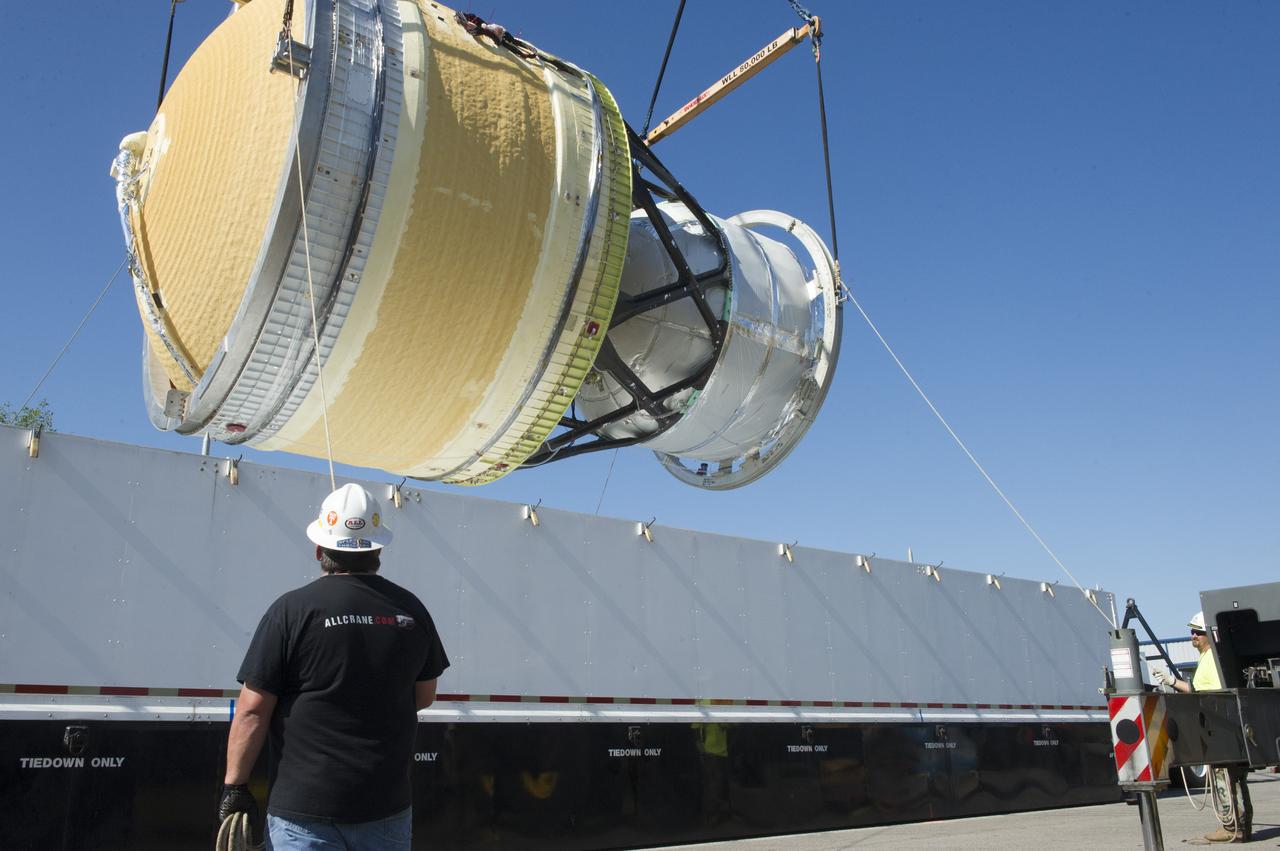
TWO CRANES LIFT THE APPROXIMATELY 8,000-POUND INTERIM CRYOGENIC PROPULSION STAGE TEST ARTICLE OUT OF ITS CRATE AT MARSHALL. THE TEST ARTICLE ARRIVED AT MARSHALL SPACE FLIGHT CENTER VIA BARGE ON THE TENNESSEE RIVER AND WAS TRANSPORTED TO BUILDING 4649 WHERE TESTING WILL BEGIN.
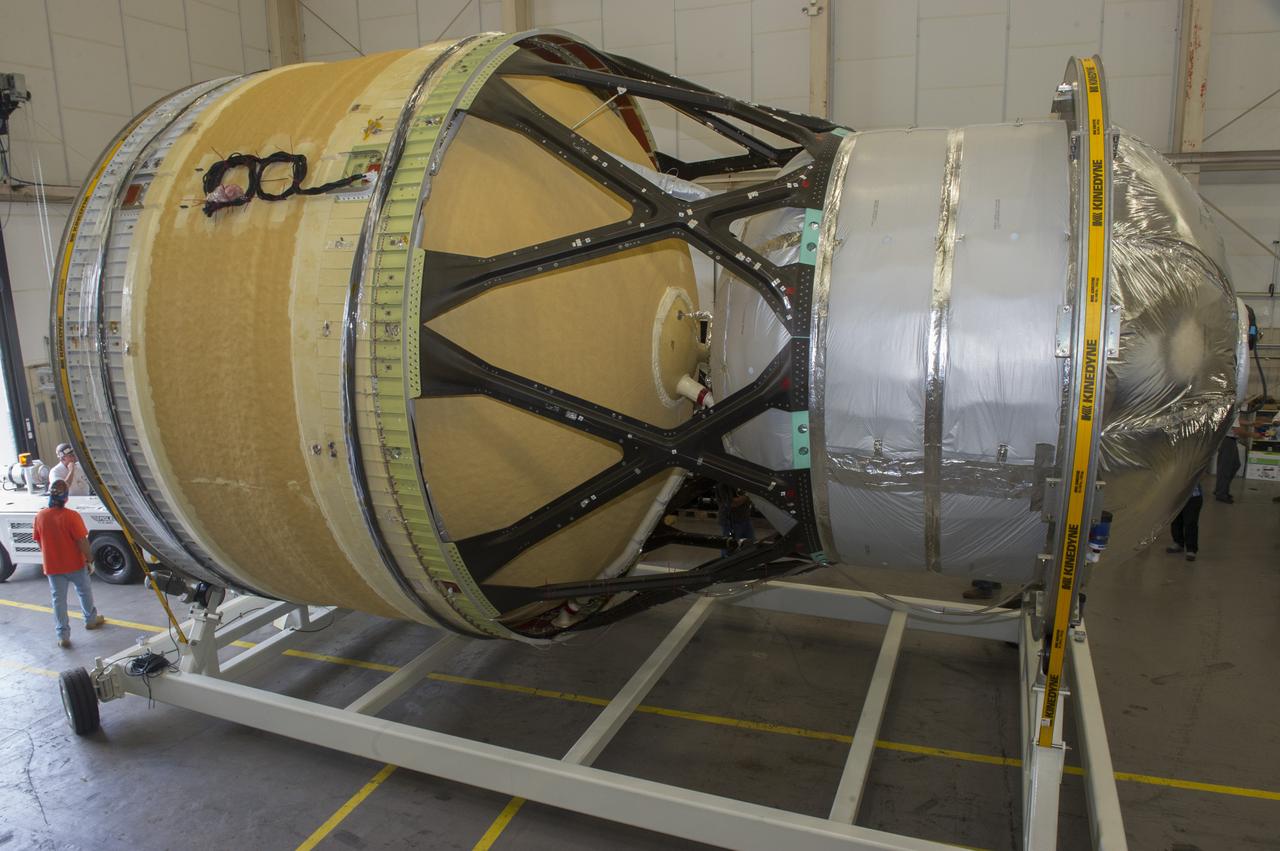
TWO CRANES LIFT THE APPROXIMATELY 8,000-POUND INTERIM CRYOGENIC PROPULSION STAGE TEST ARTICLE OUT OF ITS CRATE AT MARSHALL. THE TEST ARTICLE ARRIVED AT MARSHALL SPACE FLIGHT CENTER VIA BARGE ON THE TENNESSEE RIVER AND WAS TRANSPORTED TO BUILDING 4649 WHERE TESTING WILL BEGIN.
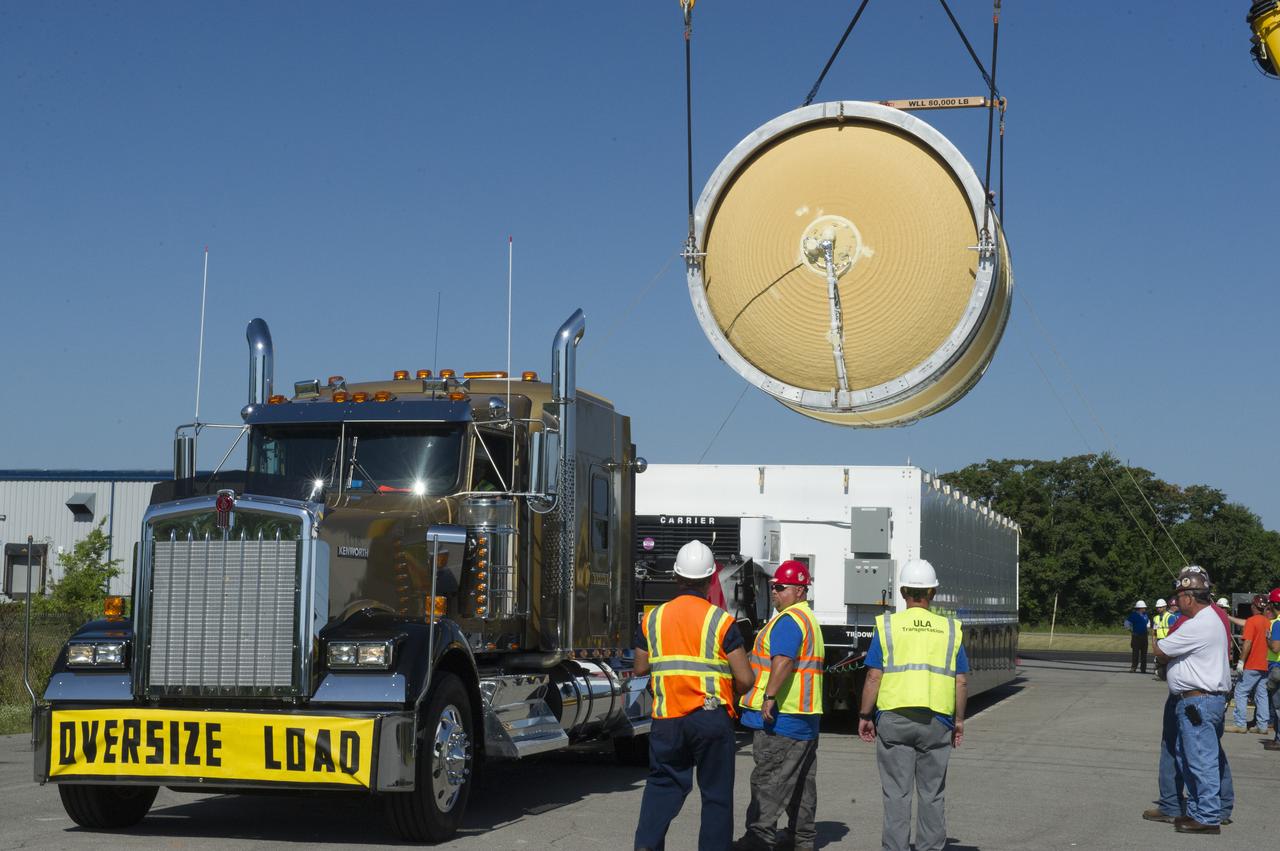
TWO CRANES LIFT THE APPROXIMATELY 8,000-POUND INTERIM CRYOGENIC PROPULSION STAGE TEST ARTICLE OUT OF ITS CRATE AT MARSHALL. THE TEST ARTICLE ARRIVED AT MARSHALL SPACE FLIGHT CENTER VIA BARGE ON THE TENNESSEE RIVER AND WAS TRANSPORTED TO BUILDING 4649 WHERE TESTING WILL BEGIN.
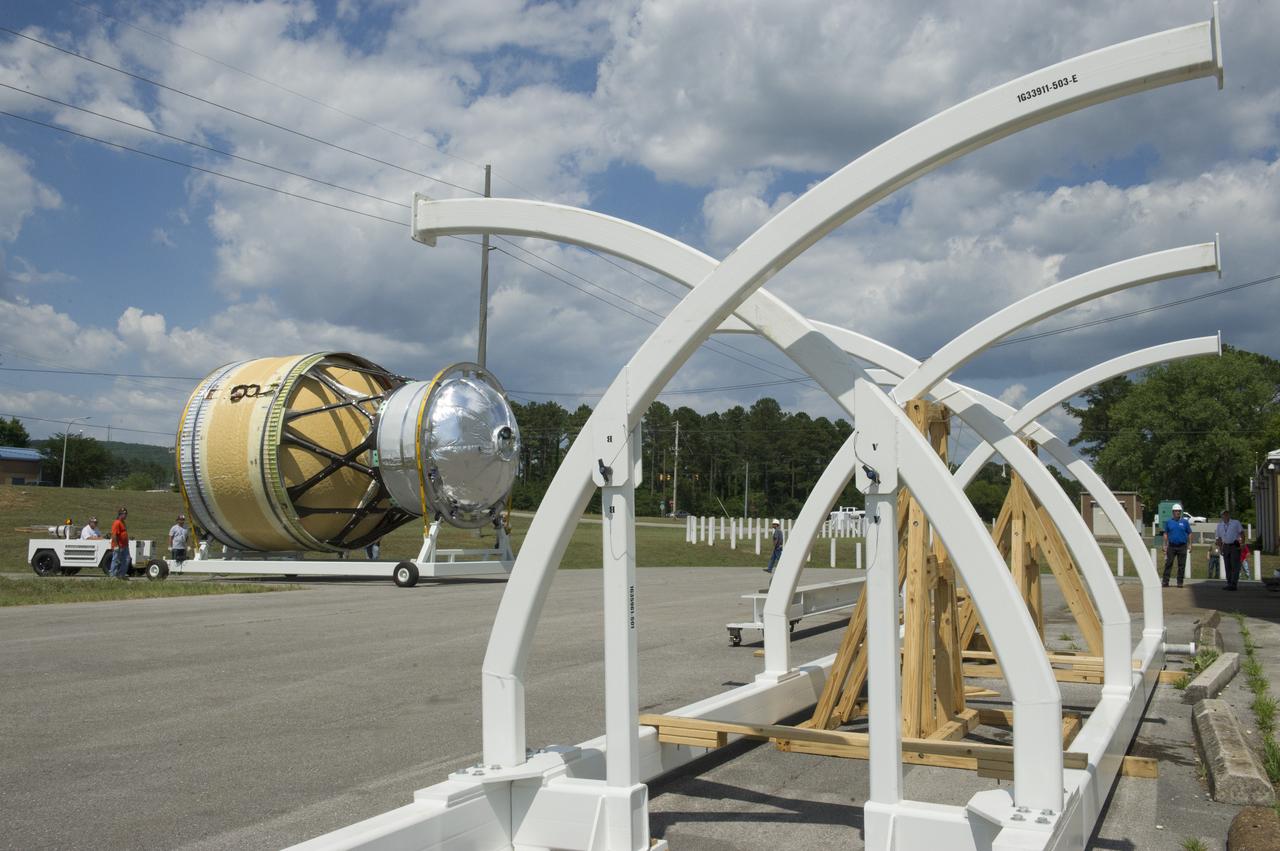
TWO CRANES LIFT THE APPROXIMATELY 8,000-POUND INTERIM CRYOGENIC PROPULSION STAGE TEST ARTICLE OUT OF ITS CRATE AT MARSHALL. THE TEST ARTICLE ARRIVED AT MARSHALL SPACE FLIGHT CENTER VIA BARGE ON THE TENNESSEE RIVER AND WAS TRANSPORTED TO BUILDING 4649 WHERE TESTING WILL BEGIN.
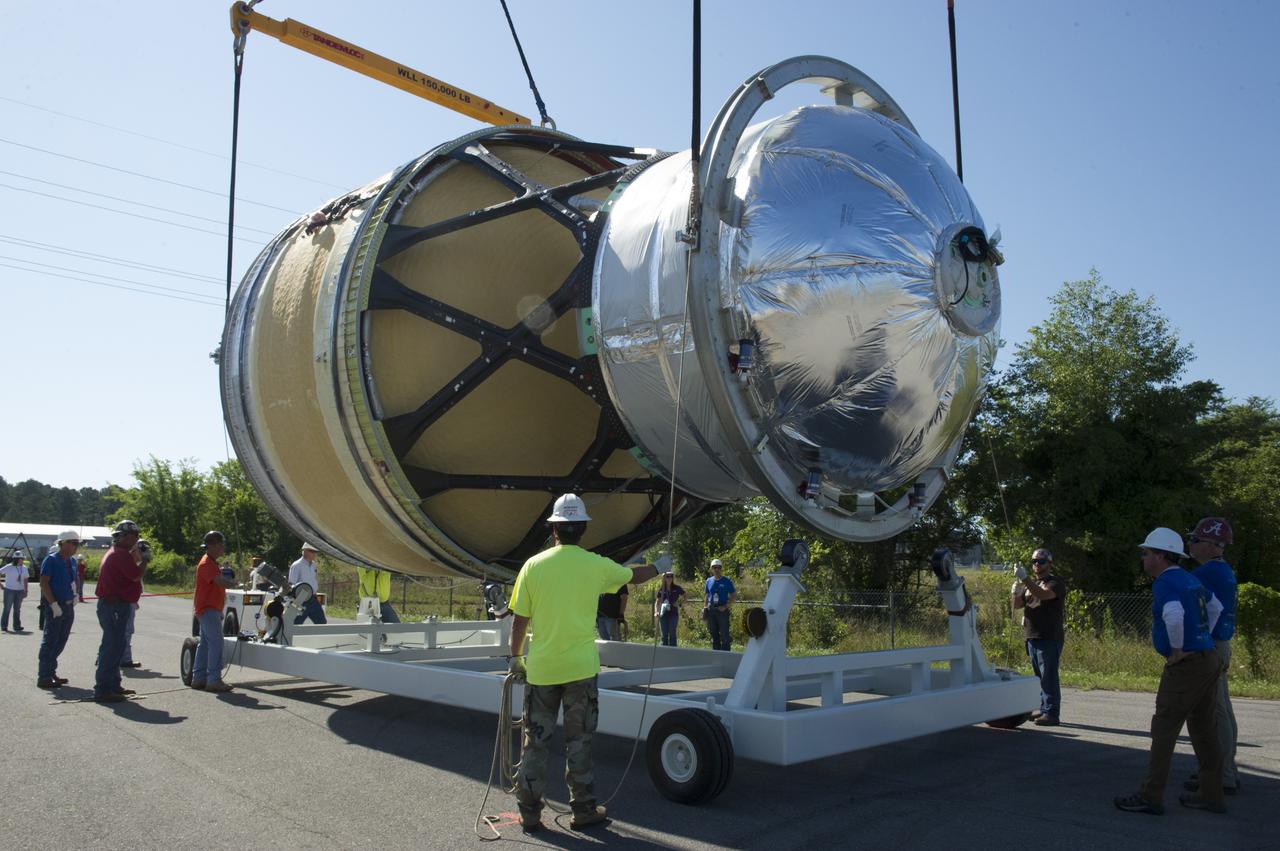
TWO CRANES LIFT THE APPROXIMATELY 8,000-POUND INTERIM CRYOGENIC PROPULSION STAGE TEST ARTICLE OUT OF ITS CRATE AT MARSHALL. THE TEST ARTICLE ARRIVED AT MARSHALL SPACE FLIGHT CENTER VIA BARGE ON THE TENNESSEE RIVER AND WAS TRANSPORTED TO BUILDING 4649 WHERE TESTING WILL BEGIN.
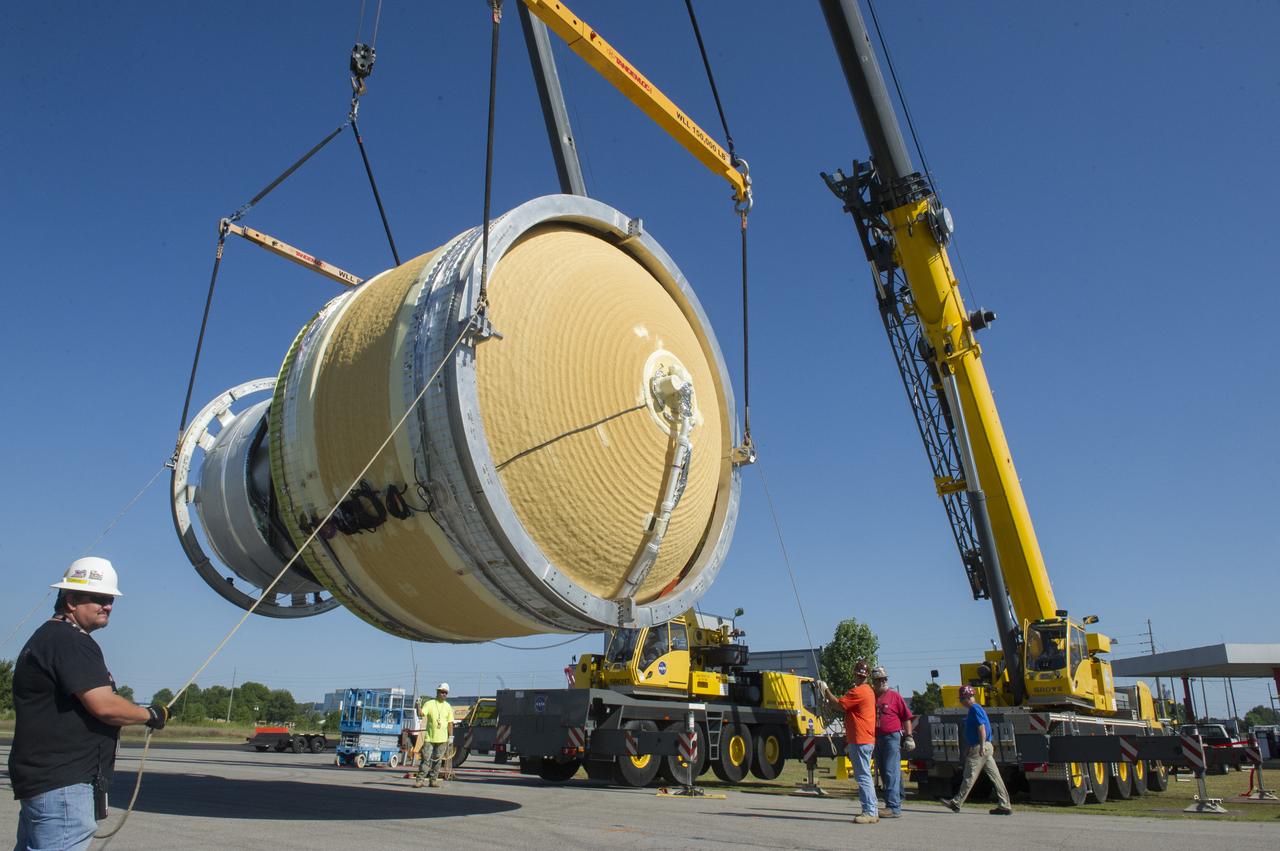
TWO CRANES LIFT THE APPROXIMATELY 8,000-POUND INTERIM CRYOGENIC PROPULSION STAGE TEST ARTICLE OUT OF ITS CRATE AT MARSHALL. THE TEST ARTICLE ARRIVED AT MARSHALL SPACE FLIGHT CENTER VIA BARGE ON THE TENNESSEE RIVER AND WAS TRANSPORTED TO BUILDING 4649 WHERE TESTING WILL BEGIN.
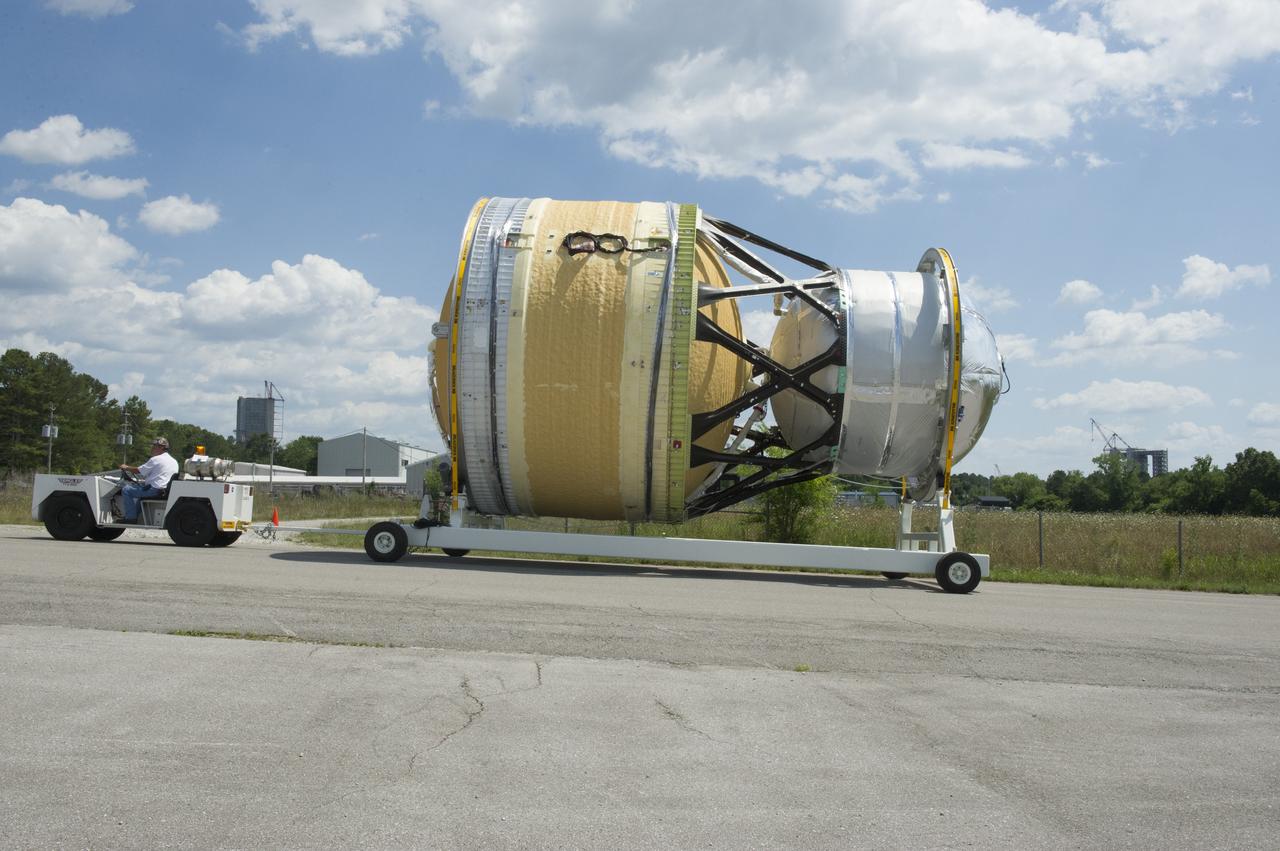
TWO CRANES LIFT THE APPROXIMATELY 8,000-POUND INTERIM CRYOGENIC PROPULSION STAGE TEST ARTICLE OUT OF ITS CRATE AT MARSHALL. THE TEST ARTICLE ARRIVED AT MARSHALL SPACE FLIGHT CENTER VIA BARGE ON THE TENNESSEE RIVER AND WAS TRANSPORTED TO BUILDING 4649 WHERE TESTING WILL BEGIN.
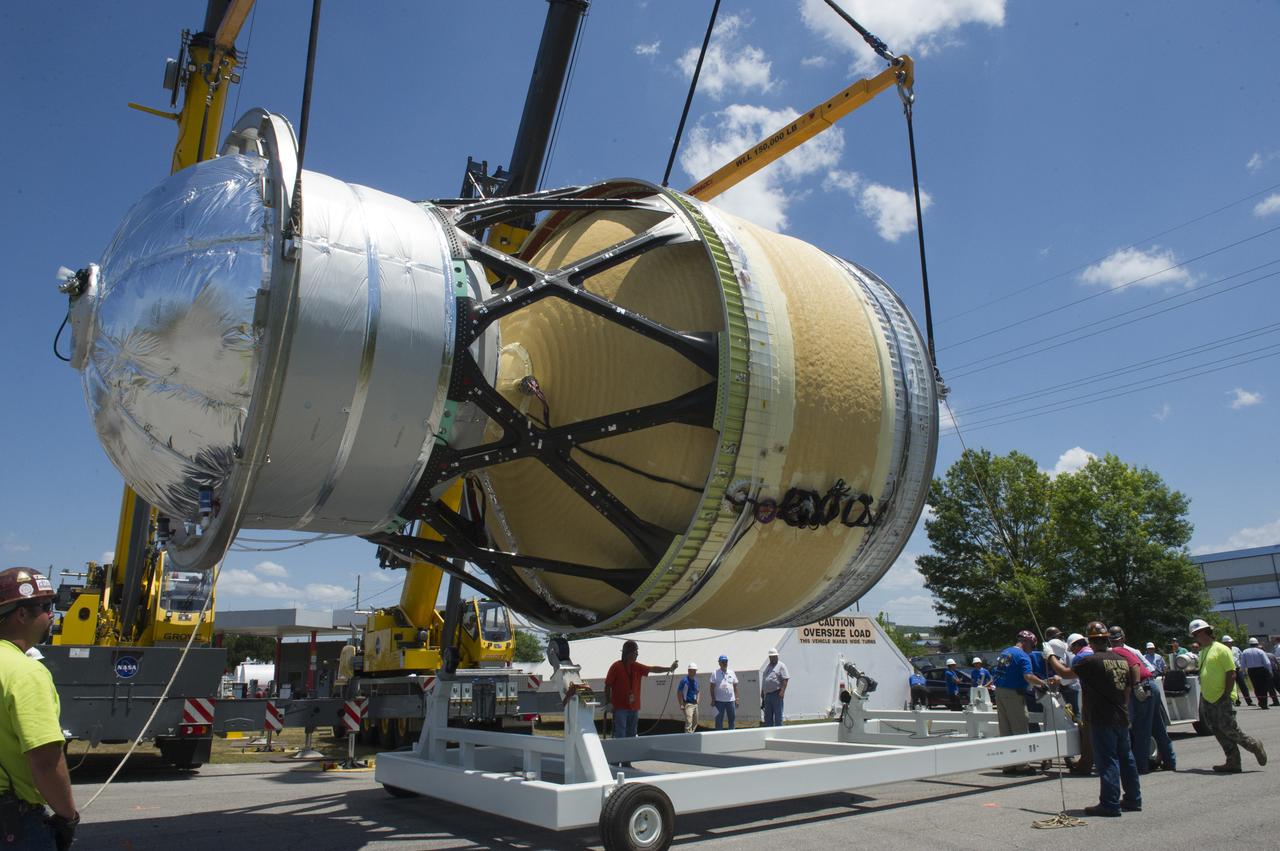
TWO CRANES LIFT THE APPROXIMATELY 8,000-POUND INTERIM CRYOGENIC PROPULSION STAGE TEST ARTICLE OUT OF ITS CRATE AT MARSHALL. THE TEST ARTICLE ARRIVED AT MARSHALL SPACE FLIGHT CENTER VIA BARGE ON THE TENNESSEE RIVER AND WAS TRANSPORTED TO BUILDING 4649 WHERE TESTING WILL BEGIN.
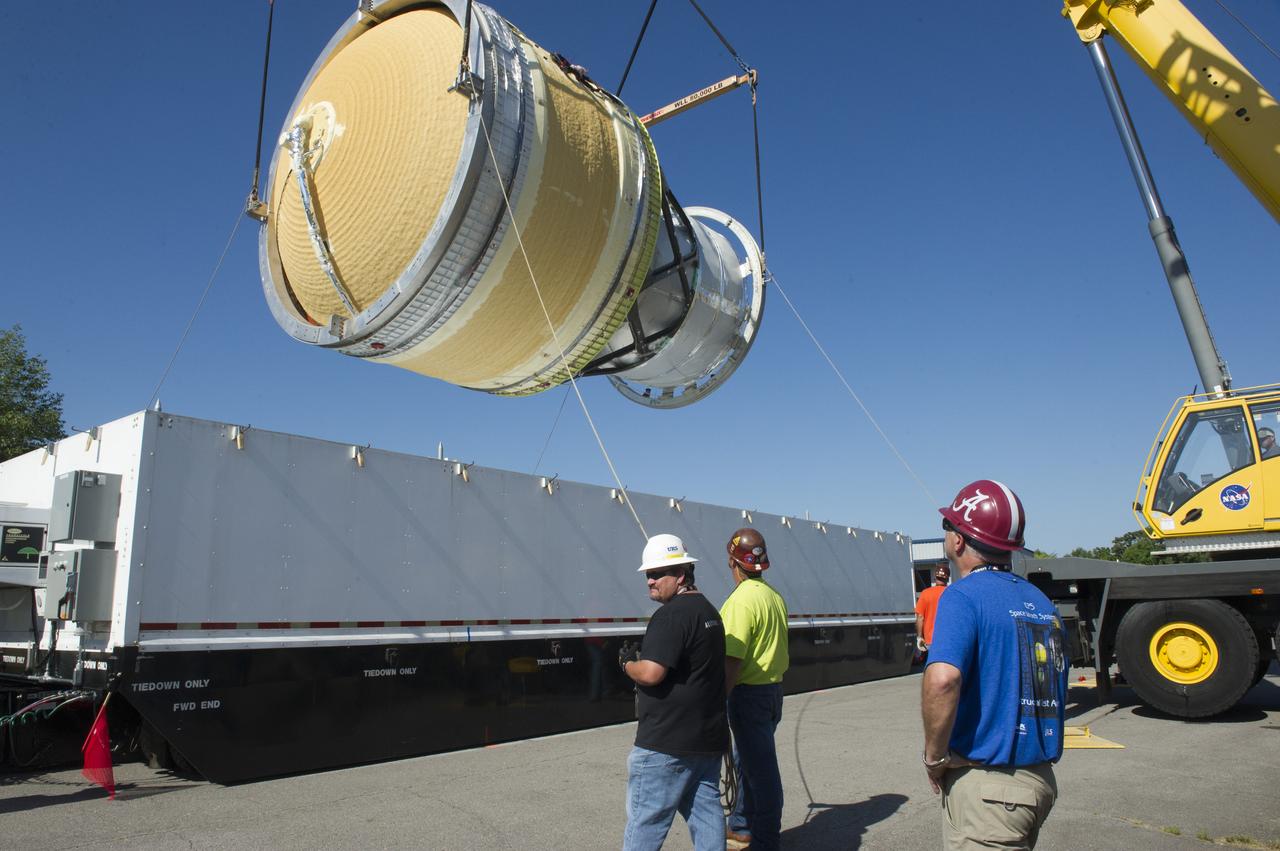
TWO CRANES LIFT THE APPROXIMATELY 8,000-POUND INTERIM CRYOGENIC PROPULSION STAGE TEST ARTICLE OUT OF ITS CRATE AT MARSHALL. THE TEST ARTICLE ARRIVED AT MARSHALL SPACE FLIGHT CENTER VIA BARGE ON THE TENNESSEE RIVER AND WAS TRANSPORTED TO BUILDING 4649 WHERE TESTING WILL BEGIN.
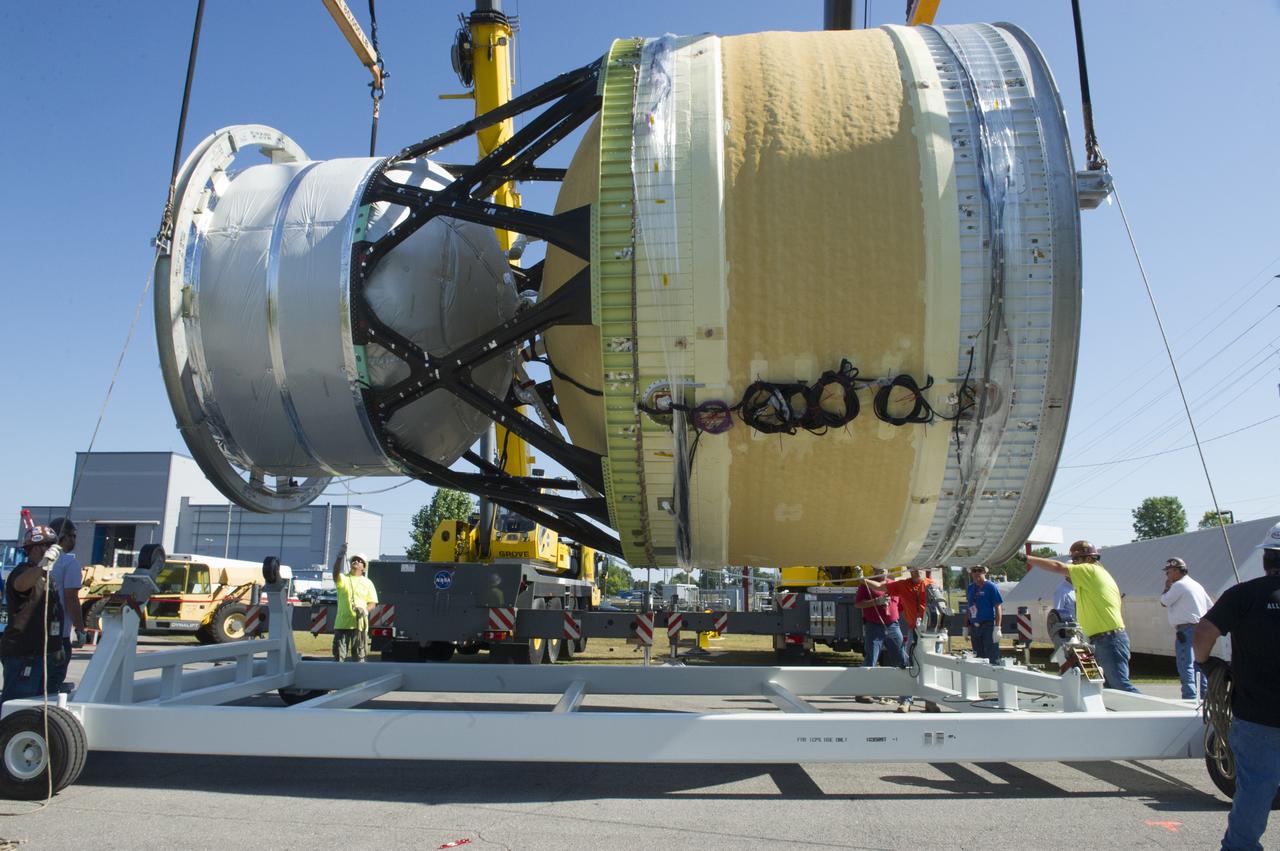
TWO CRANES LIFT THE APPROXIMATELY 8,000-POUND INTERIM CRYOGENIC PROPULSION STAGE TEST ARTICLE OUT OF ITS CRATE AT MARSHALL. THE TEST ARTICLE ARRIVED AT MARSHALL SPACE FLIGHT CENTER VIA BARGE ON THE TENNESSEE RIVER AND WAS TRANSPORTED TO BUILDING 4649 WHERE TESTING WILL BEGIN.
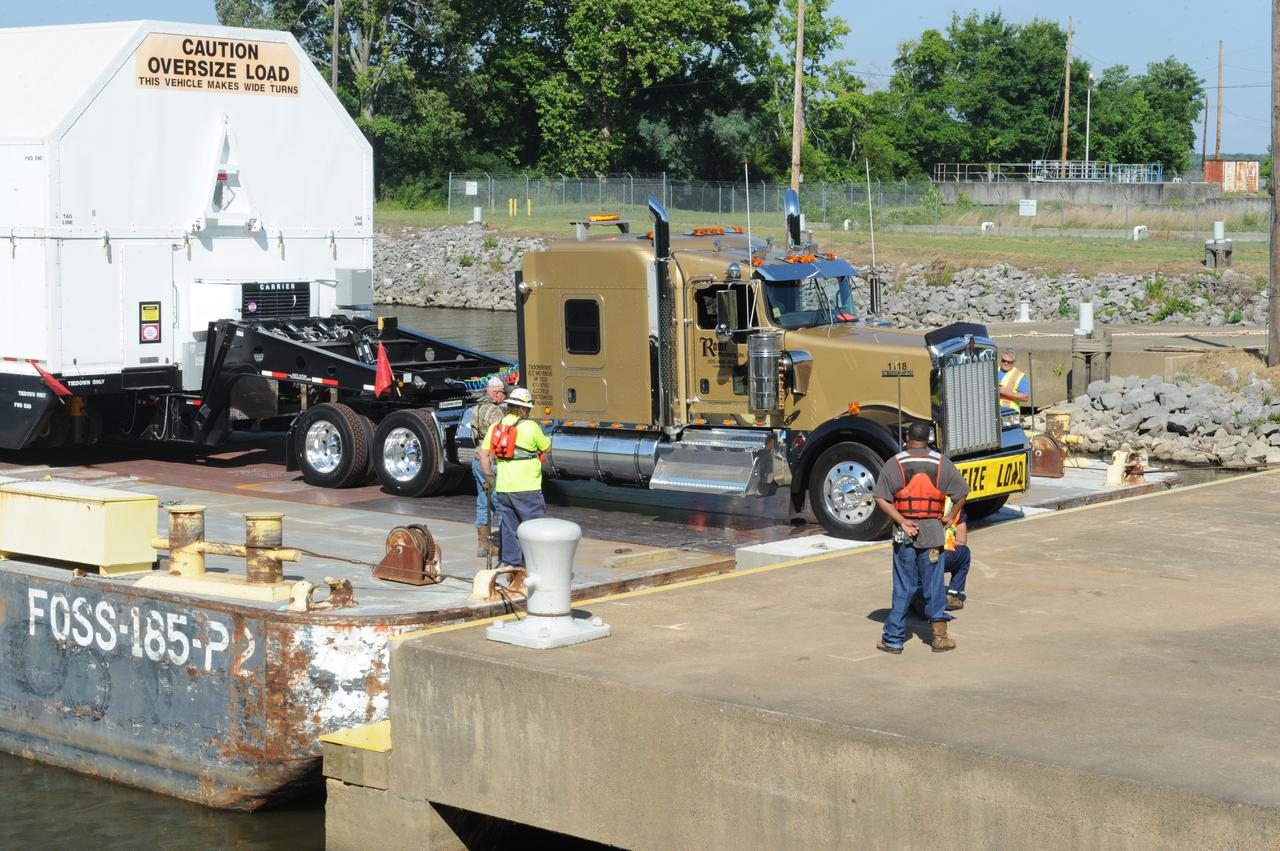
SLS INTERIM CRYOGENIC PROPULSION STAGE TEST ARTICLE ARRIVES AT WEST DOCK ON SHIELDS ROAD AND IS OFF LOADED FROM BARGE
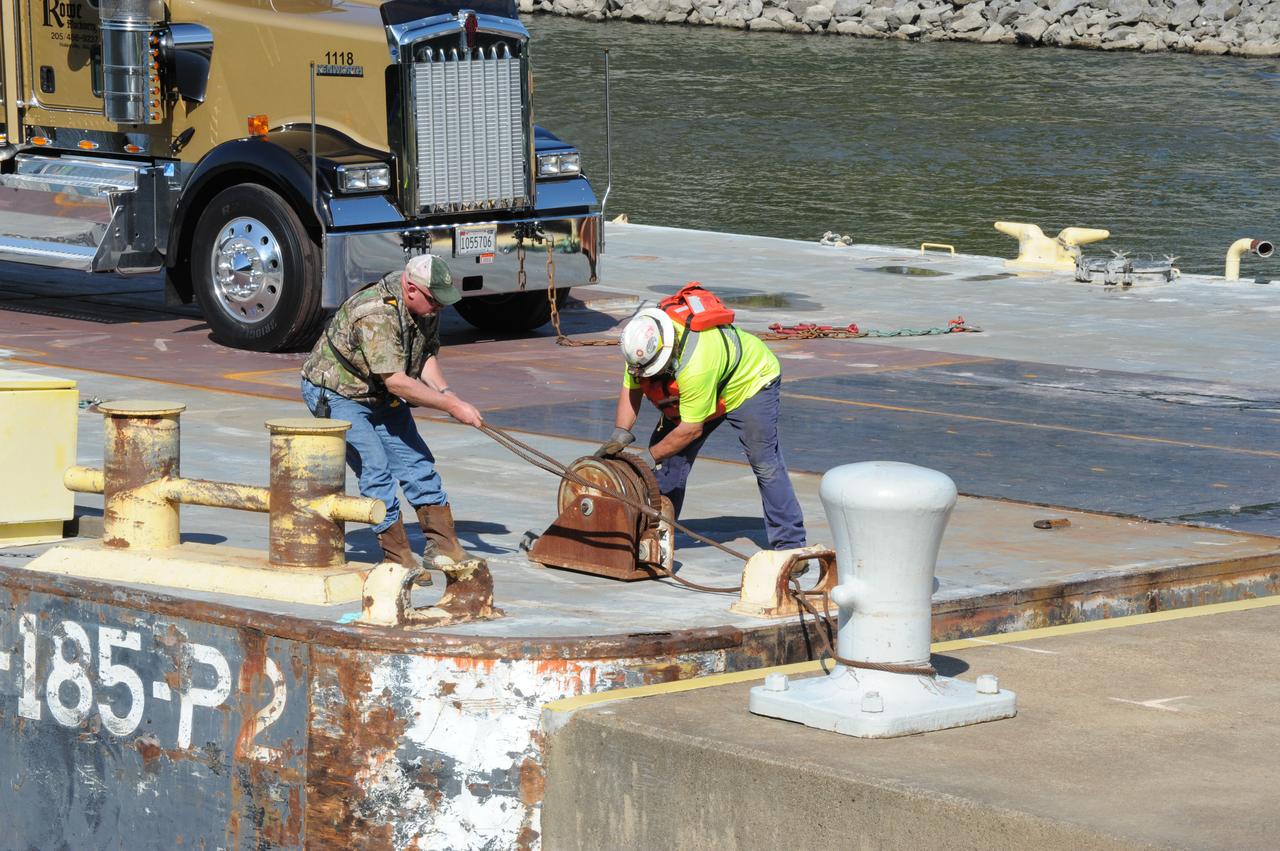
SLS INTERIM CRYOGENIC PROPULSION STAGE TEST ARTICLE ARRIVES AT WEST DOCK ON SHIELDS ROAD AND IS OFF LOADED FROM BARGE
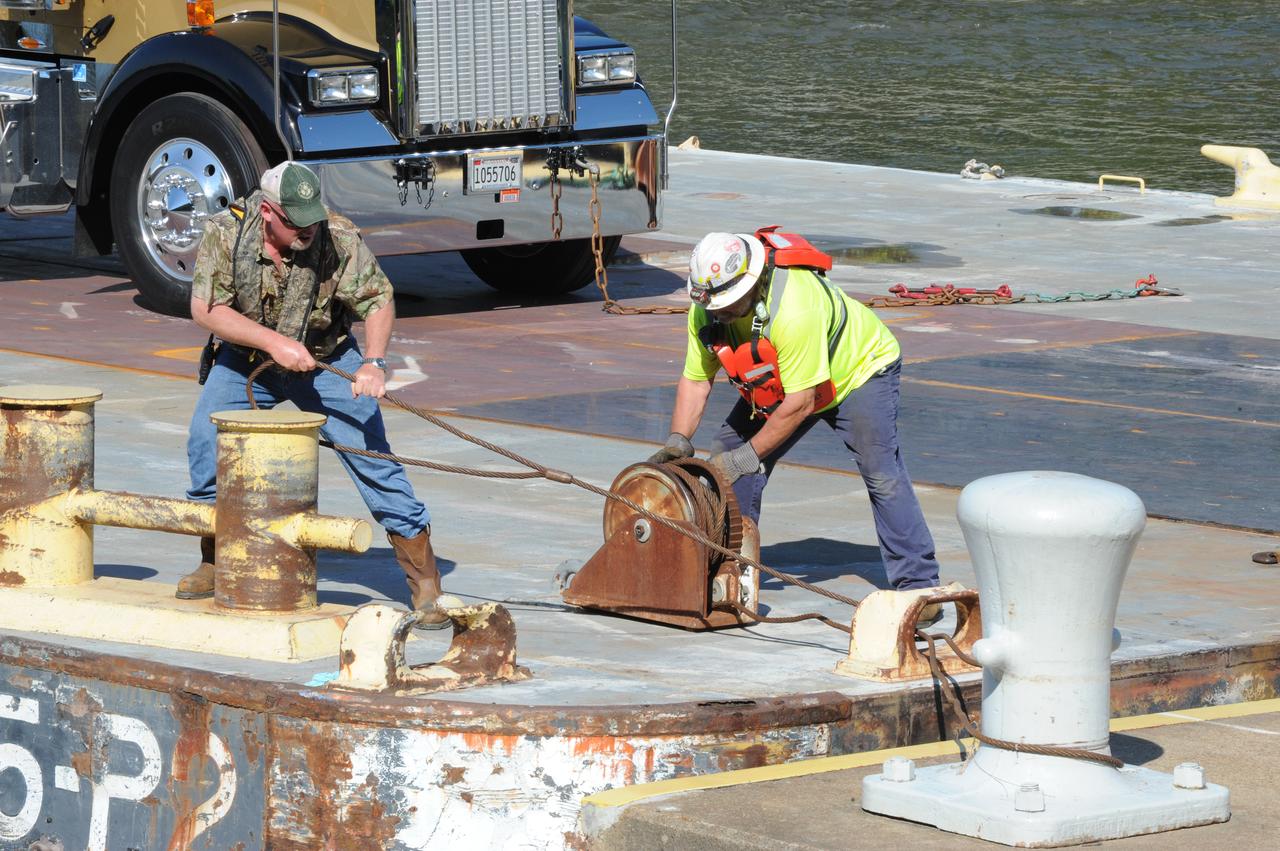
SLS INTERIM CRYOGENIC PROPULSION STAGE TEST ARTICLE ARRIVES AT WEST DOCK ON SHIELDS ROAD AND IS OFF LOADED FROM BARGE
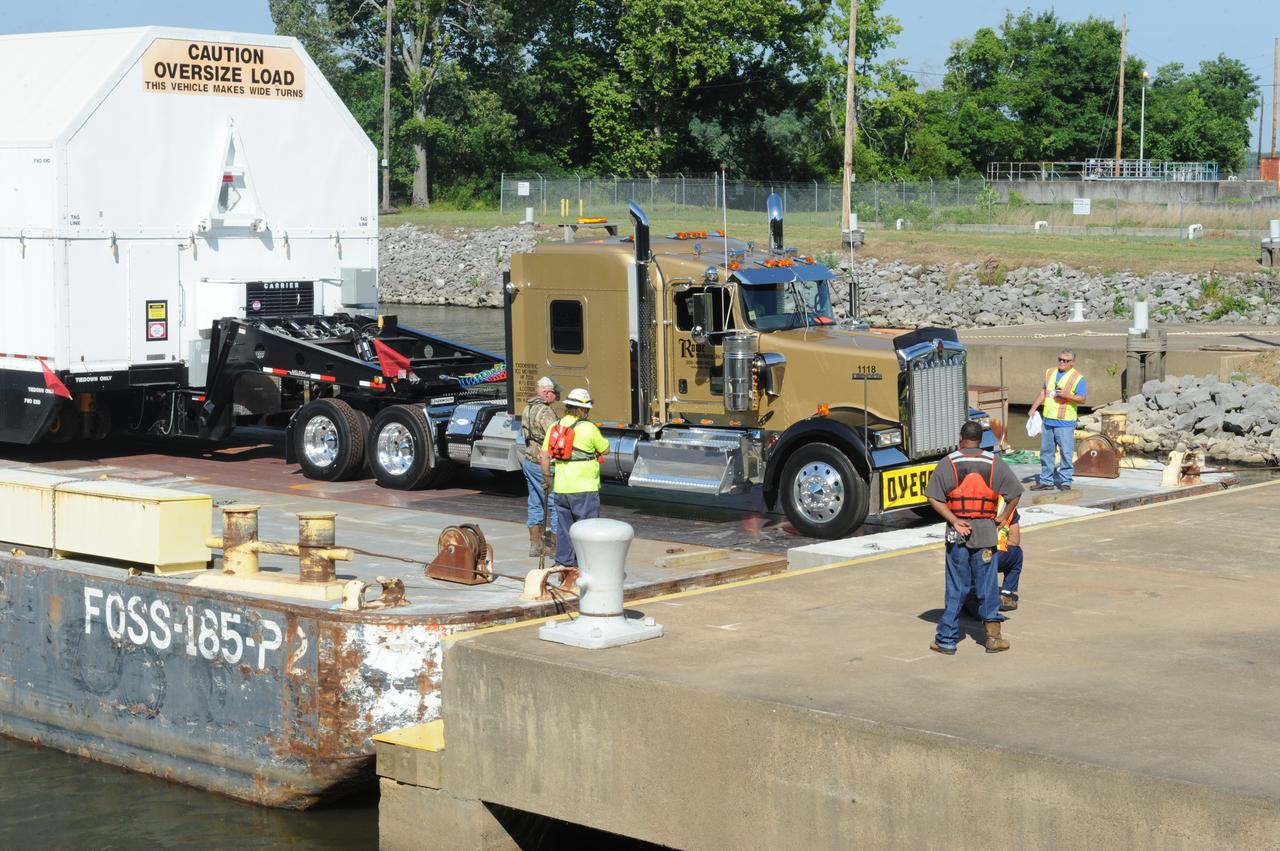
SLS INTERIM CRYOGENIC PROPULSION STAGE TEST ARTICLE ARRIVES AT WEST DOCK ON SHIELDS ROAD AND IS OFF LOADED FROM BARGE
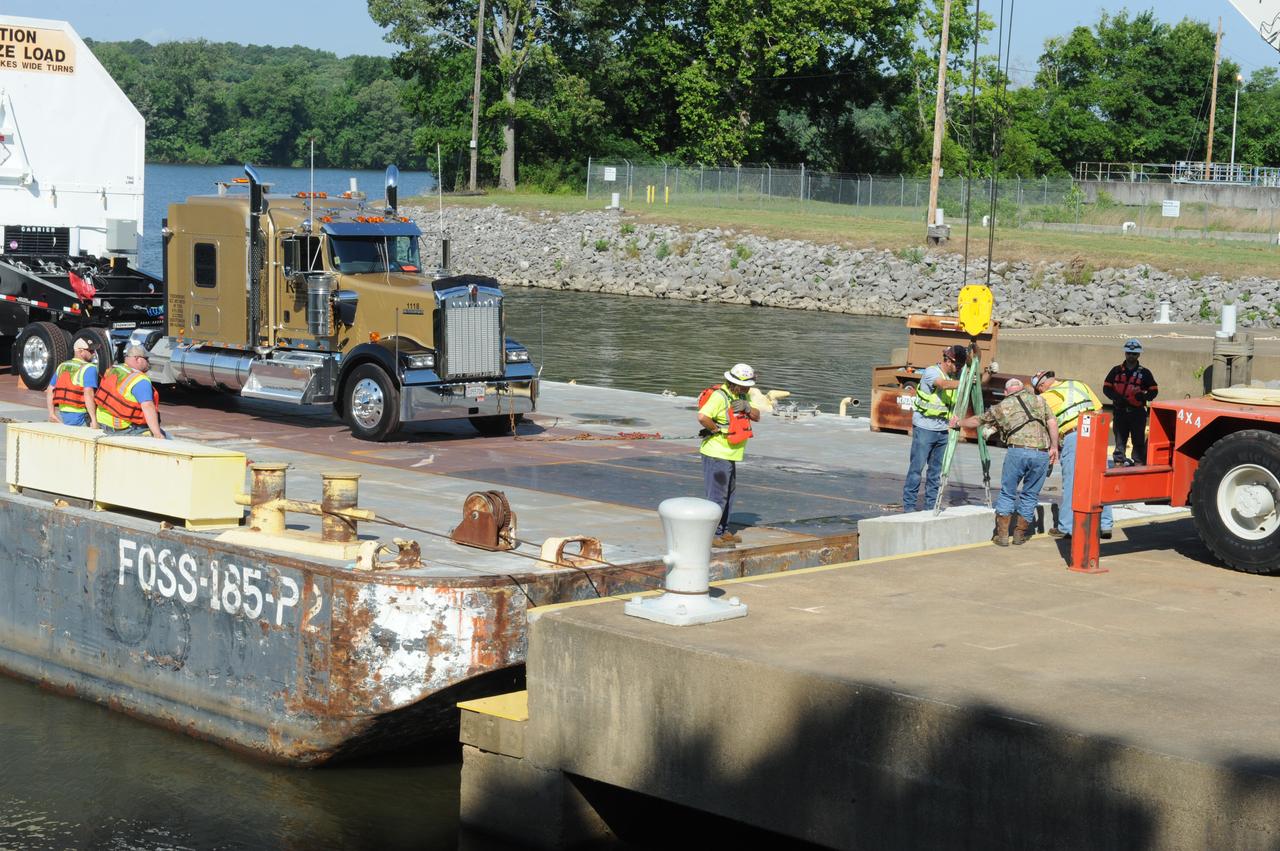
SLS INTERIM CRYOGENIC PROPULSION STAGE TEST ARTICLE ARRIVES AT WEST DOCK ON SHIELDS ROAD AND IS OFF LOADED FROM BARGE
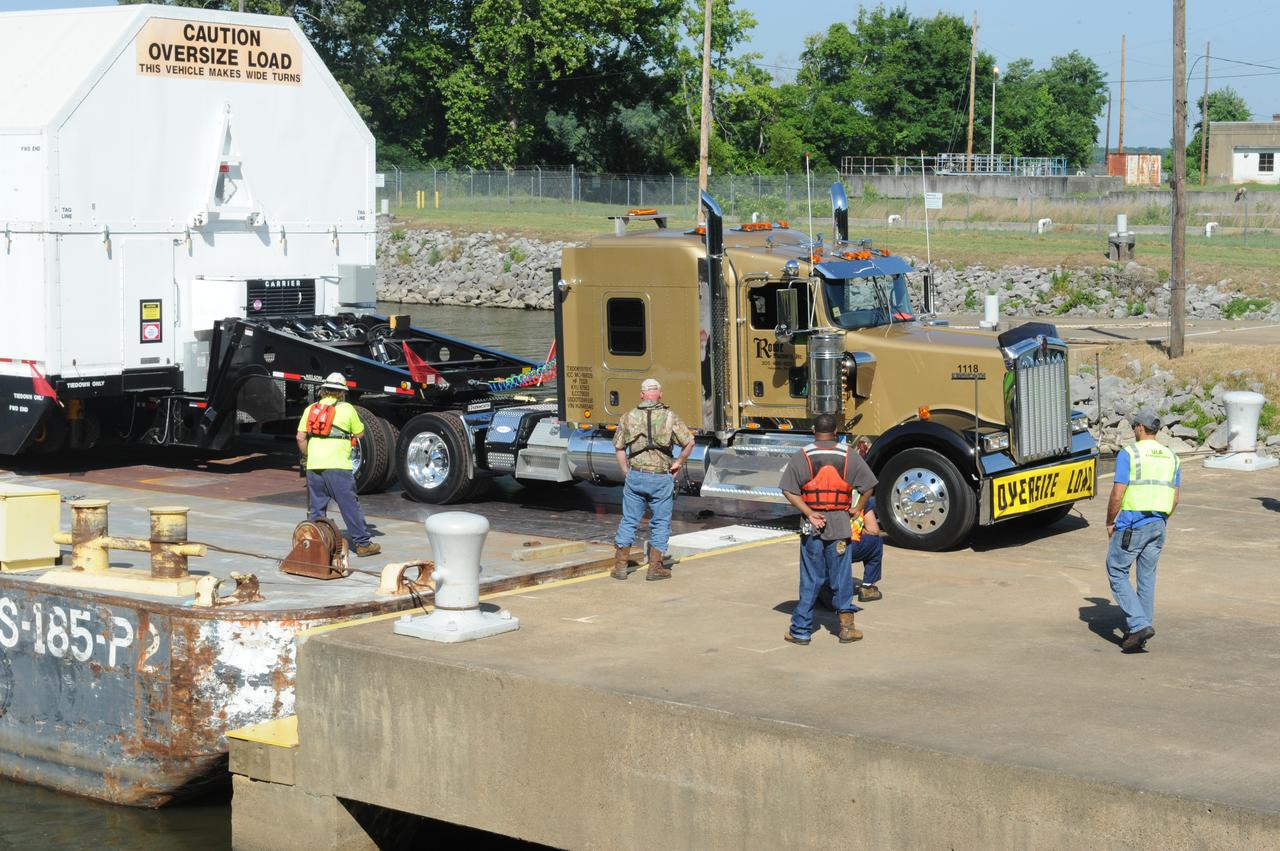
SLS INTERIM CRYOGENIC PROPULSION STAGE TEST ARTICLE ARRIVES AT WEST DOCK ON SHIELDS ROAD AND IS OFF LOADED FROM BARGE
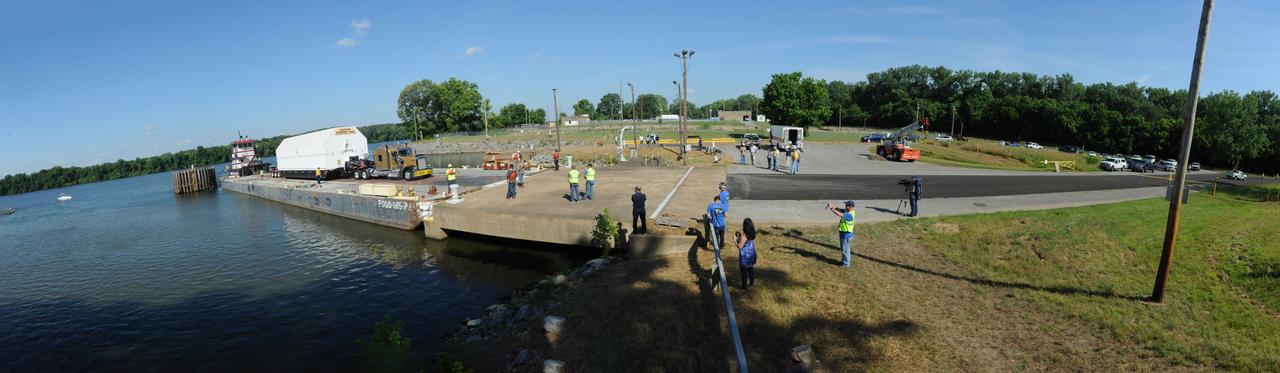
SLS INTERIM CRYOGENIC PROPULSION STAGE TEST ARTICLE ARRIVES AT WEST DOCK ON SHIELDS ROAD AND IS OFF LOADED FROM BARGE
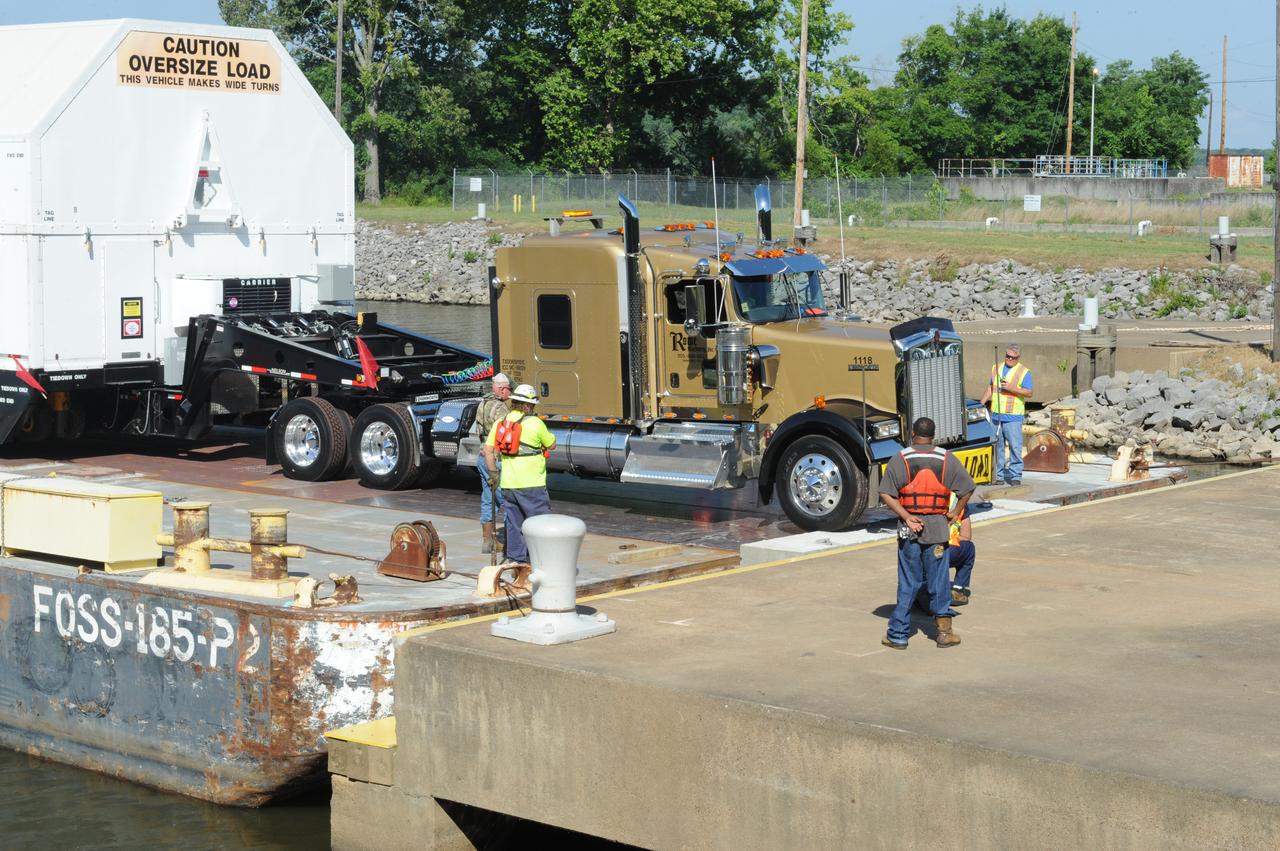
SLS INTERIM CRYOGENIC PROPULSION STAGE TEST ARTICLE ARRIVES AT WEST DOCK ON SHIELDS ROAD AND IS OFF LOADED FROM BARGE
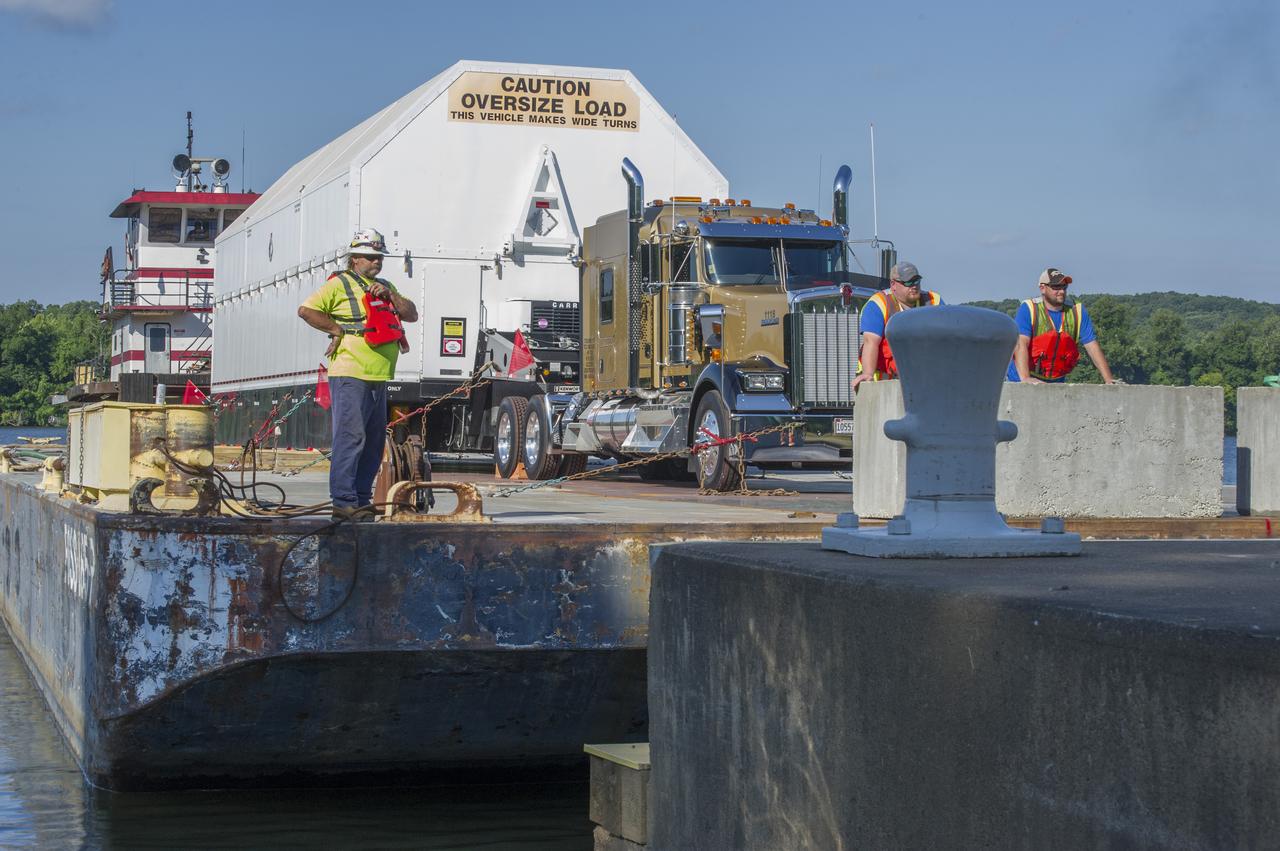
SLS INTERIM CRYOGENIC PROPULSION STAGE TEST ARTICLE ARRIVES AT WEST DOCK ON SHIELDS ROAD AND IS OFF LOADED FROM BARGE
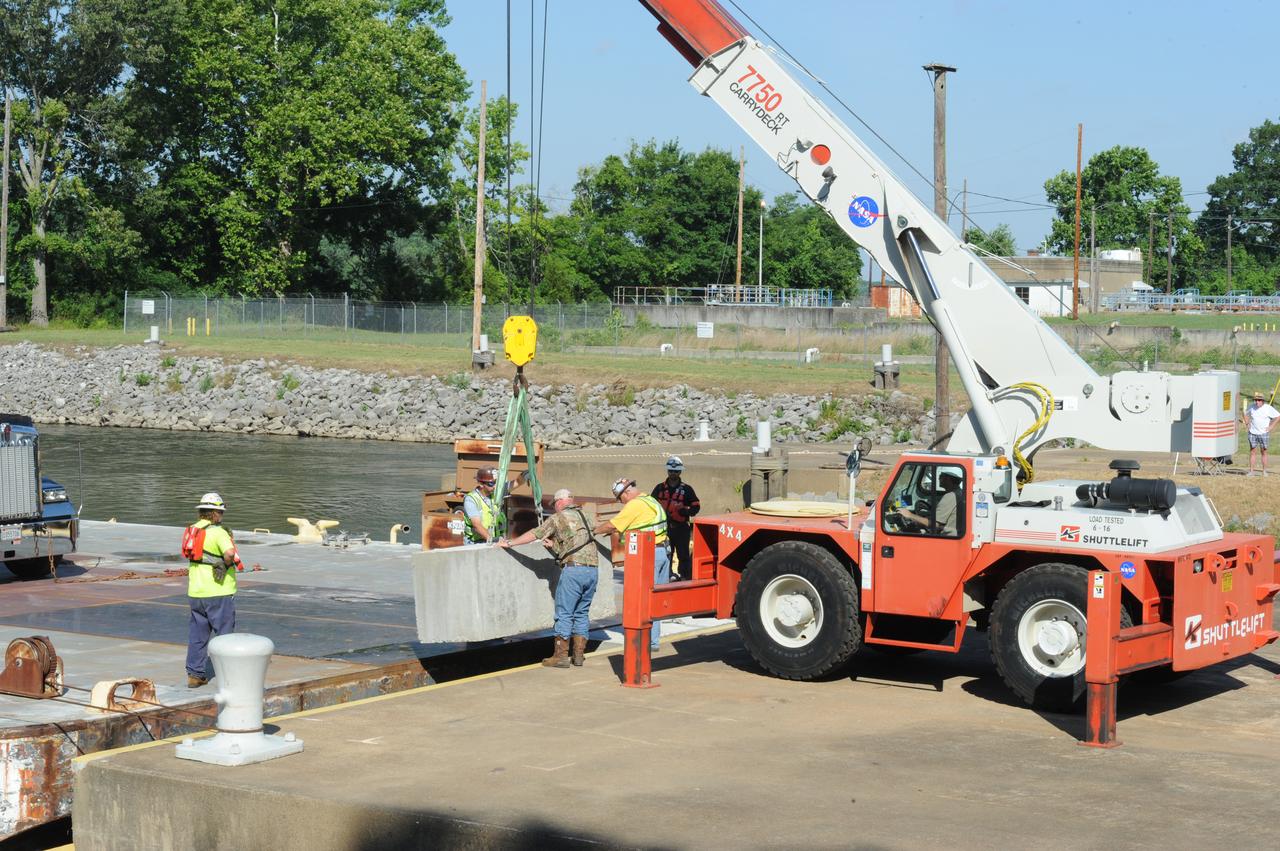
SLS INTERIM CRYOGENIC PROPULSION STAGE TEST ARTICLE ARRIVES AT WEST DOCK ON SHIELDS ROAD AND IS OFF LOADED FROM BARGE
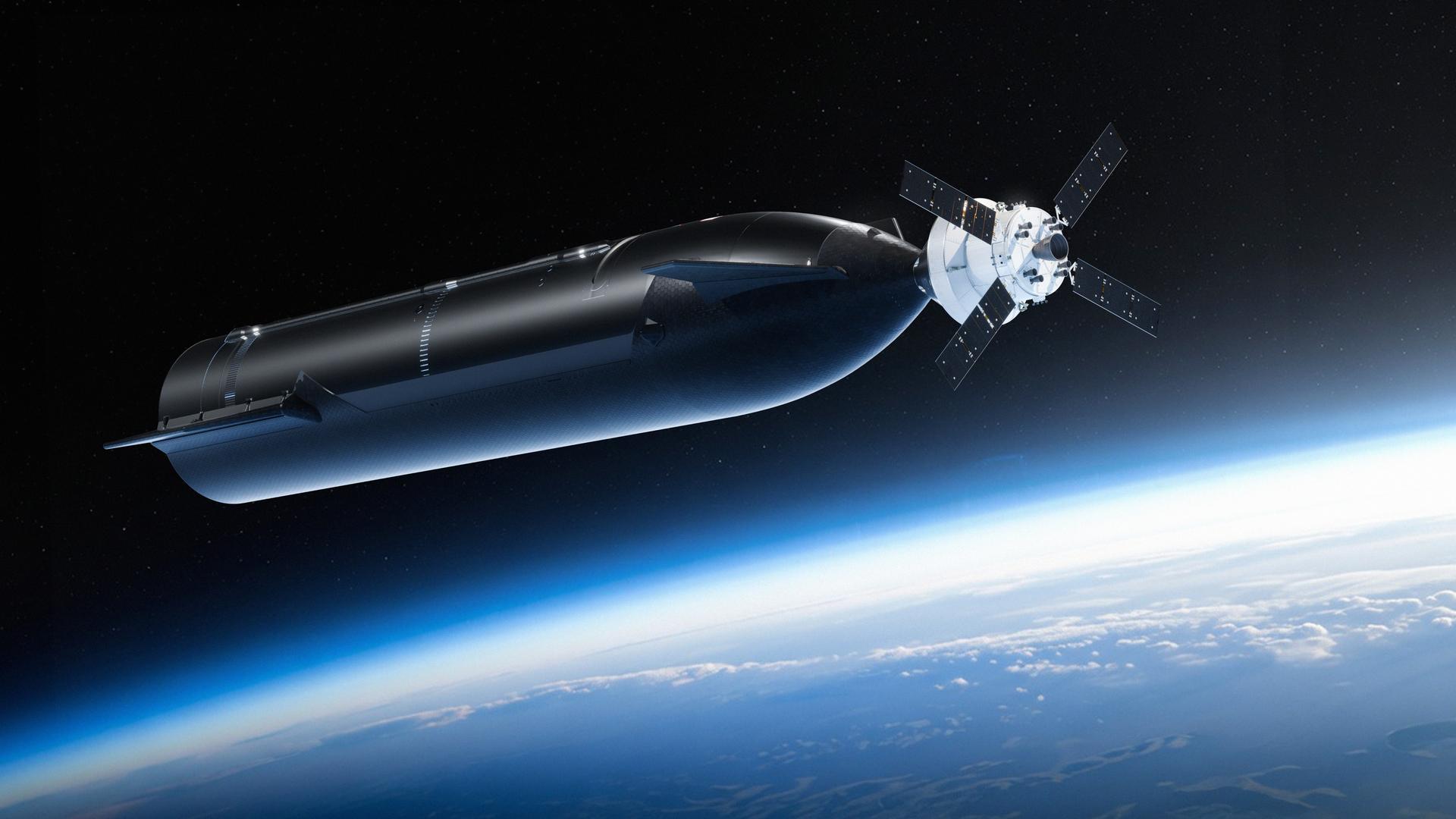
These artist’s concepts depict NASA’s Orion spacecraft and SpaceX’s Starship human landing system test article during rendezvous and docking operations as part of NASA’s upcoming Artemis III demonstration mission in low Earth orbit. NASA is working with two American companies to develop the human landing systems that will safely transport astronauts from lunar orbit to the Moon’s surface and back for future Artemis missions. For Artemis III, both SpaceX and Blue Origin will fly test versions, or test articles, of the crewed landers that will be used for future Moon landings. The lander test articles will launch by commercial rockets, while the Artemis III crew will launch to low Earth orbit in Orion atop the agency’s SLS (Space Launch System) rocket.
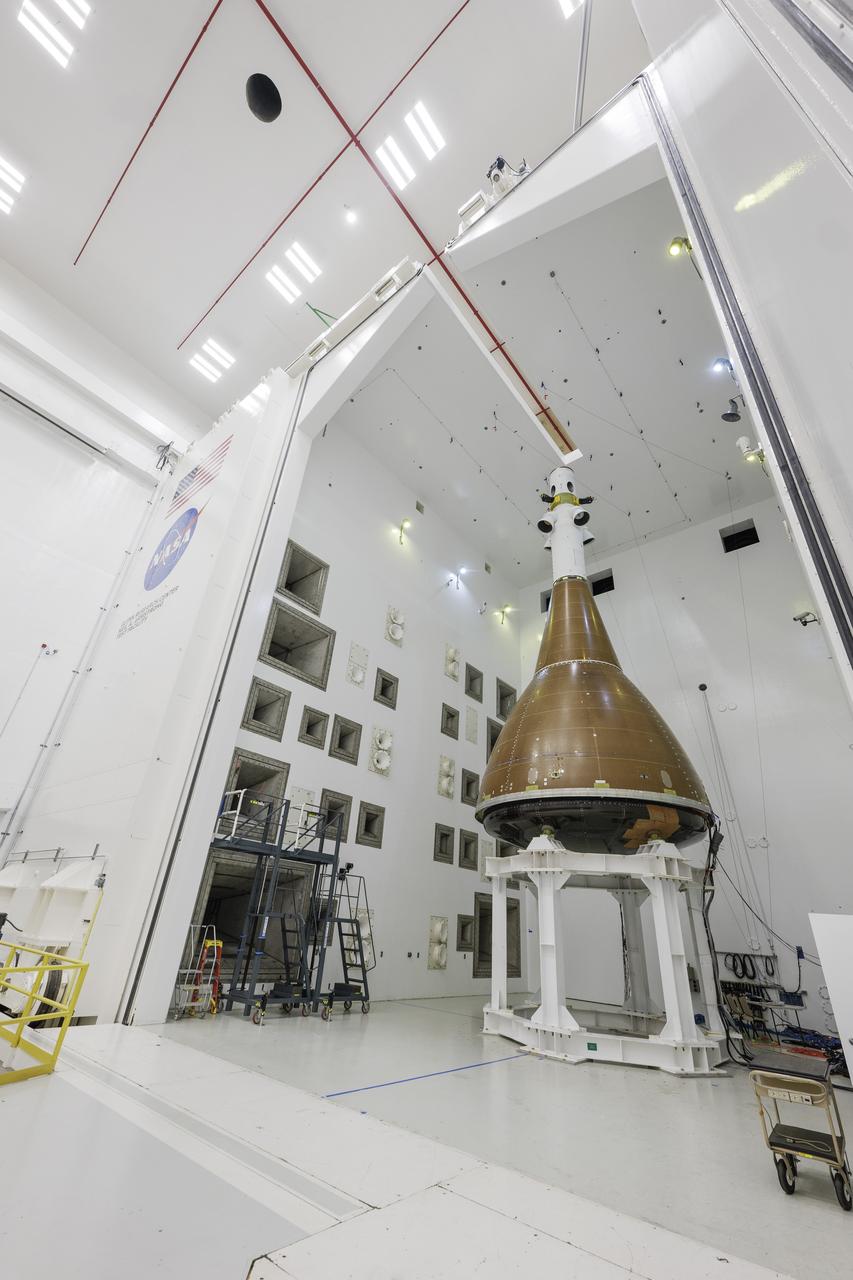
The team at NASA's Armstrong Test Facility in Sandusky, Ohio has begun vibro-acoustic testing on the Orion spacecraft that flew around the Moon on Artemis I, now known as the Environmental Test Article. The testing will help ensure the safety of future crews aboard Orion. Photo credit: NASA / Rad Sinyak
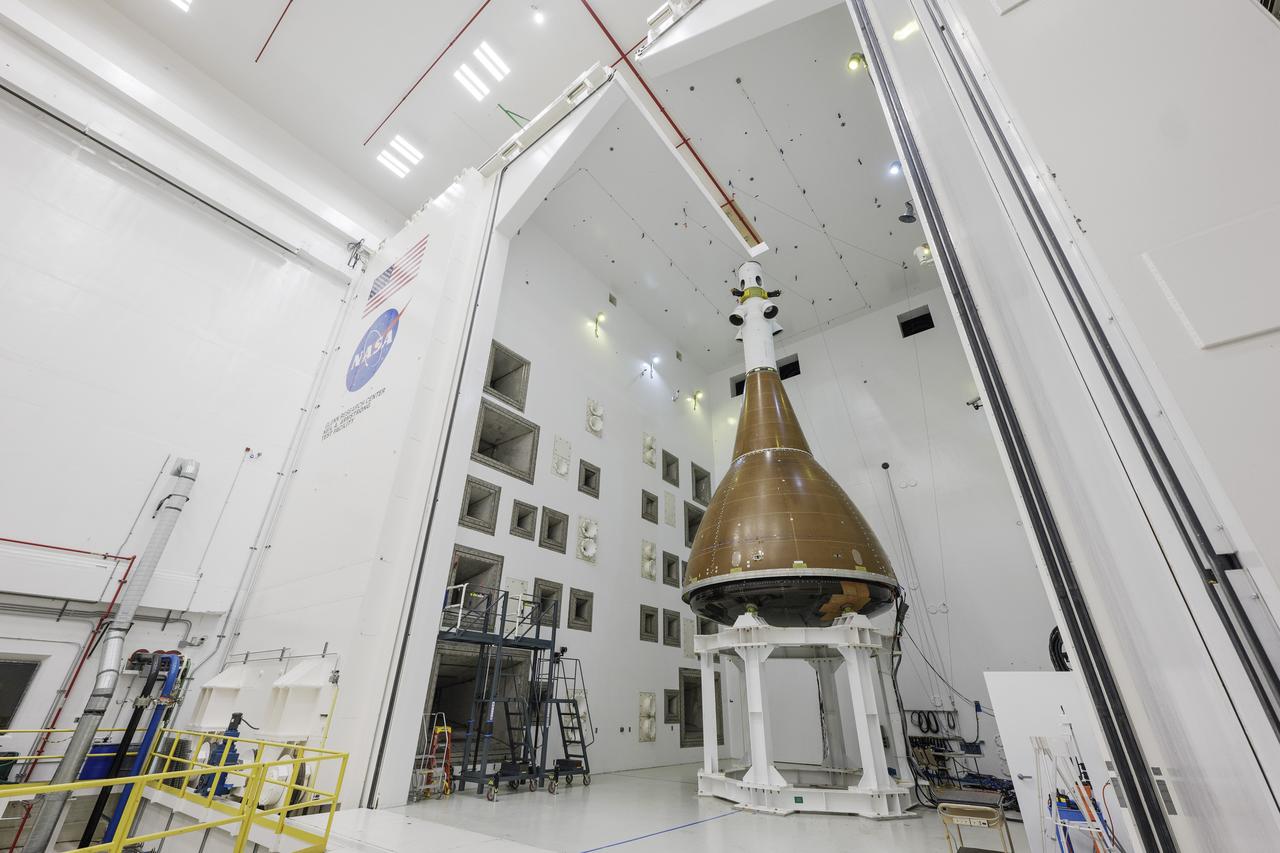
The team at NASA's Armstrong Test Facility in Sandusky, Ohio has begun vibro-acoustic testing on the Orion spacecraft that flew around the Moon on Artemis I, now known as the Environmental Test Article. The testing will help ensure the safety of future crews aboard Orion. Photo credit: NASA / Rad Sinyak
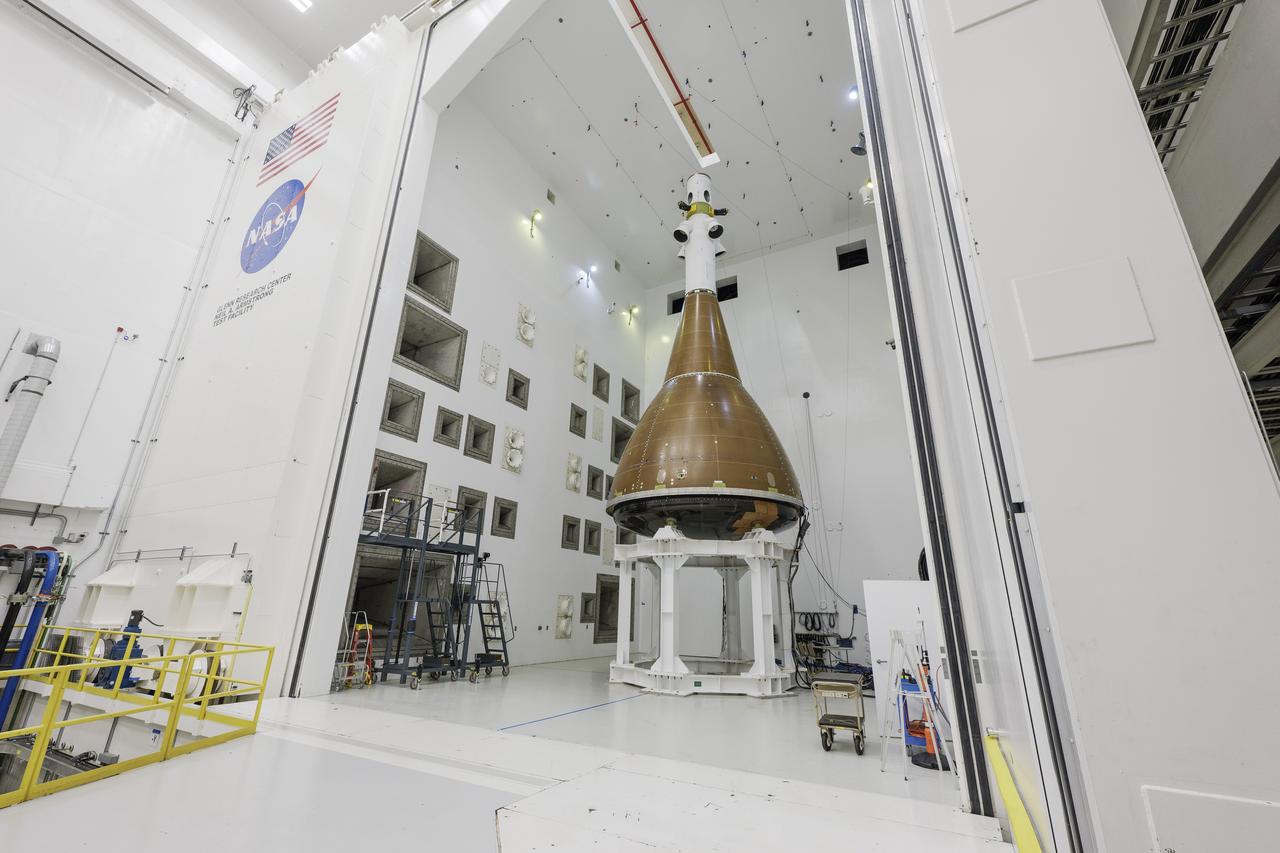
The team at NASA's Armstrong Test Facility in Sandusky, Ohio has begun vibro-acoustic testing on the Orion spacecraft that flew around the Moon on Artemis I, now known as the Environmental Test Article. The testing will help ensure the safety of future crews aboard Orion.
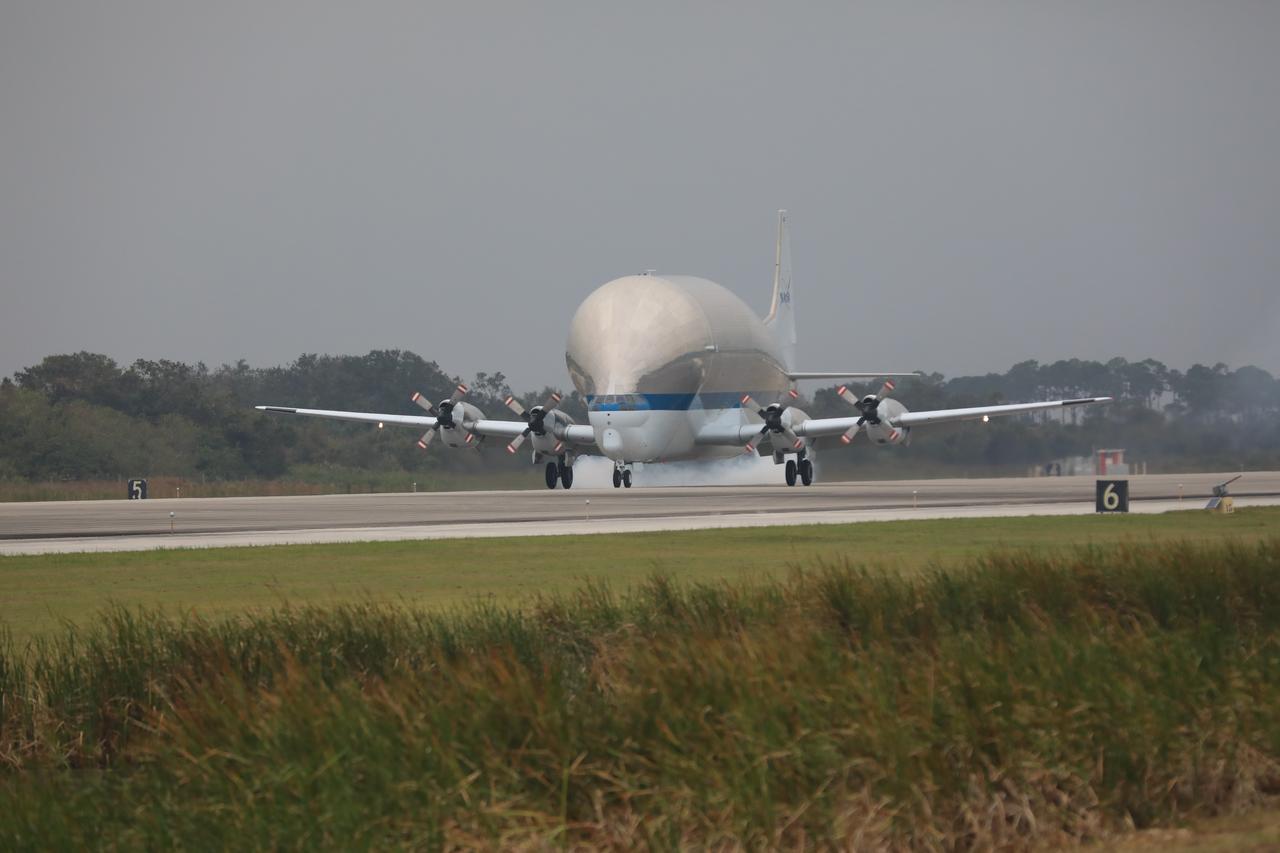
NASA’s Super Guppy aircraft touches down at the Shuttle Landing Facility at the agency’s Kennedy Space Center in Florida, carrying the Orion crew module structural test article (STA). The STA will be offloaded and transported to the Neil Armstrong Operations and Checkout Building high bay for further testing. Photo credit: NASA/Kim Shiflett
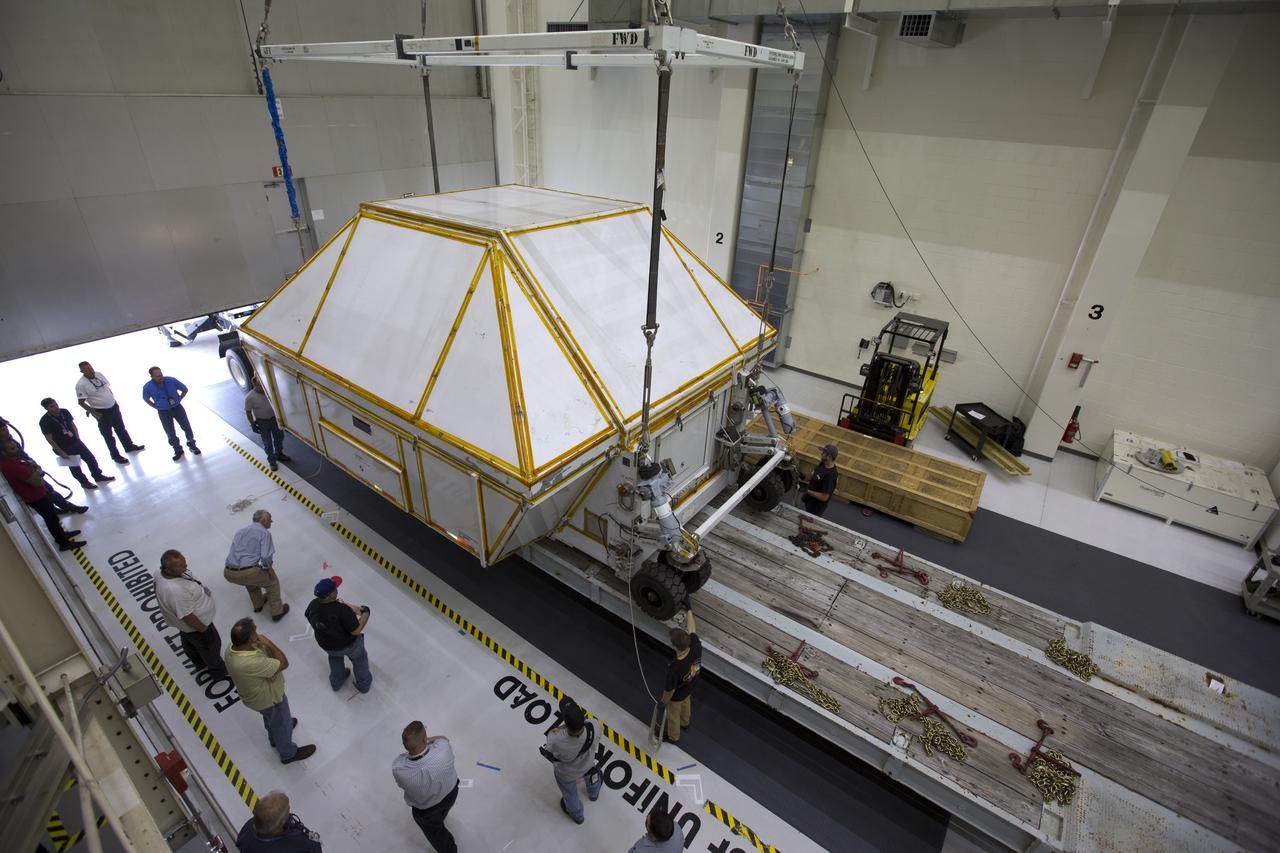
Inside the Neil Armstrong Operations and Checkout Building high bay at NASA's Kennedy Space Center in Florida, the Orion Exploration Mission-1 (EM-1) structural test article inside its transport container, is secured onto a transport vehicle for the move to the Shuttle Landing Facility. The test article will be loaded in NASA's Super Guppy airplane and transported to Lockheed Martin's Denver facility for testing. The Orion spacecraft will launch atop NASA’s Space Launch System rocket on EM-1, its first deep space mission.
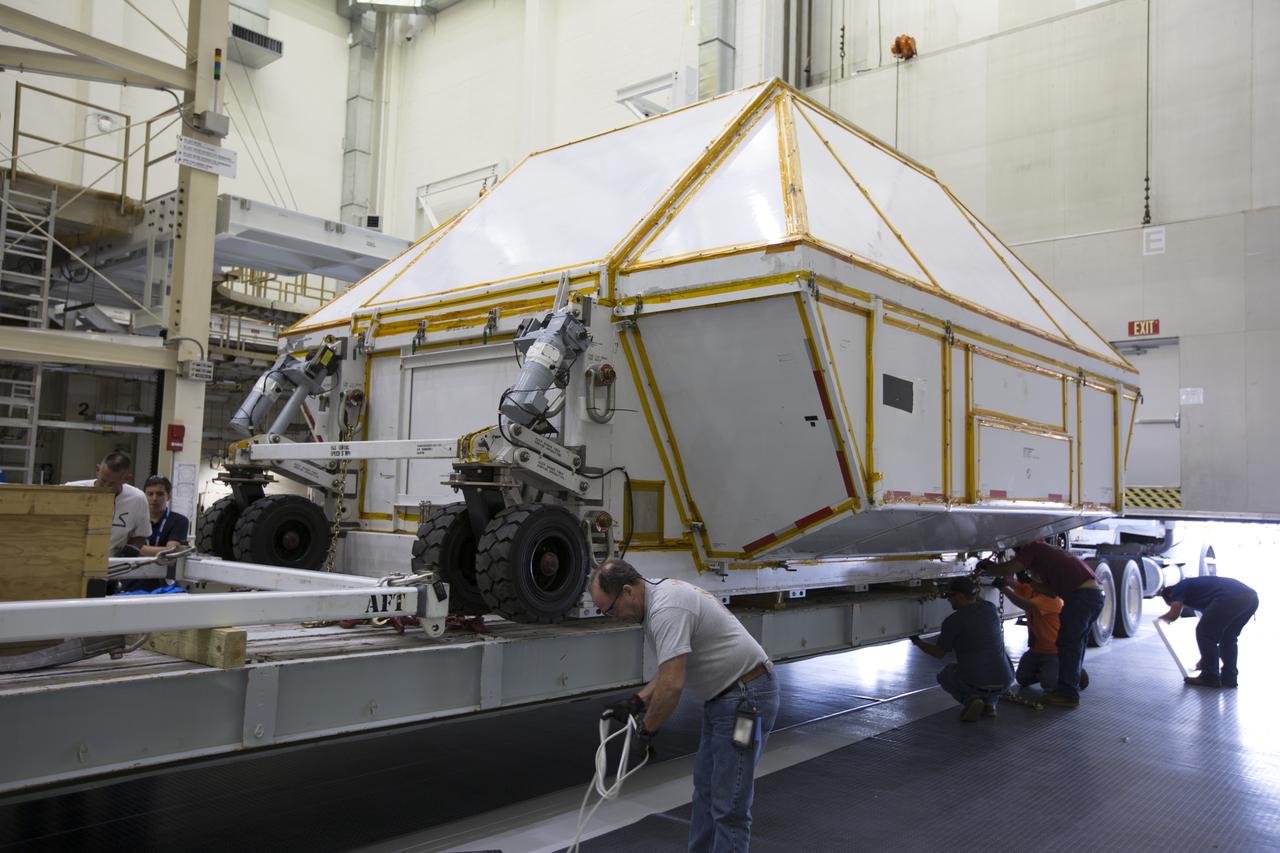
Inside the Neil Armstrong Operations and Checkout Building high bay at NASA's Kennedy Space Center in Florida, technicians secure the Orion Exploration Mission-1 (EM-1) structural test article in its transport container onto a transport vehicle for the move to the Shuttle Landing Facility. The test article will be loaded in NASA's Super Guppy airplane and transported to Lockheed Martin's Denver facility for testing. The Orion spacecraft will launch atop NASA’s Space Launch System rocket on EM-1, its first deep space mission.
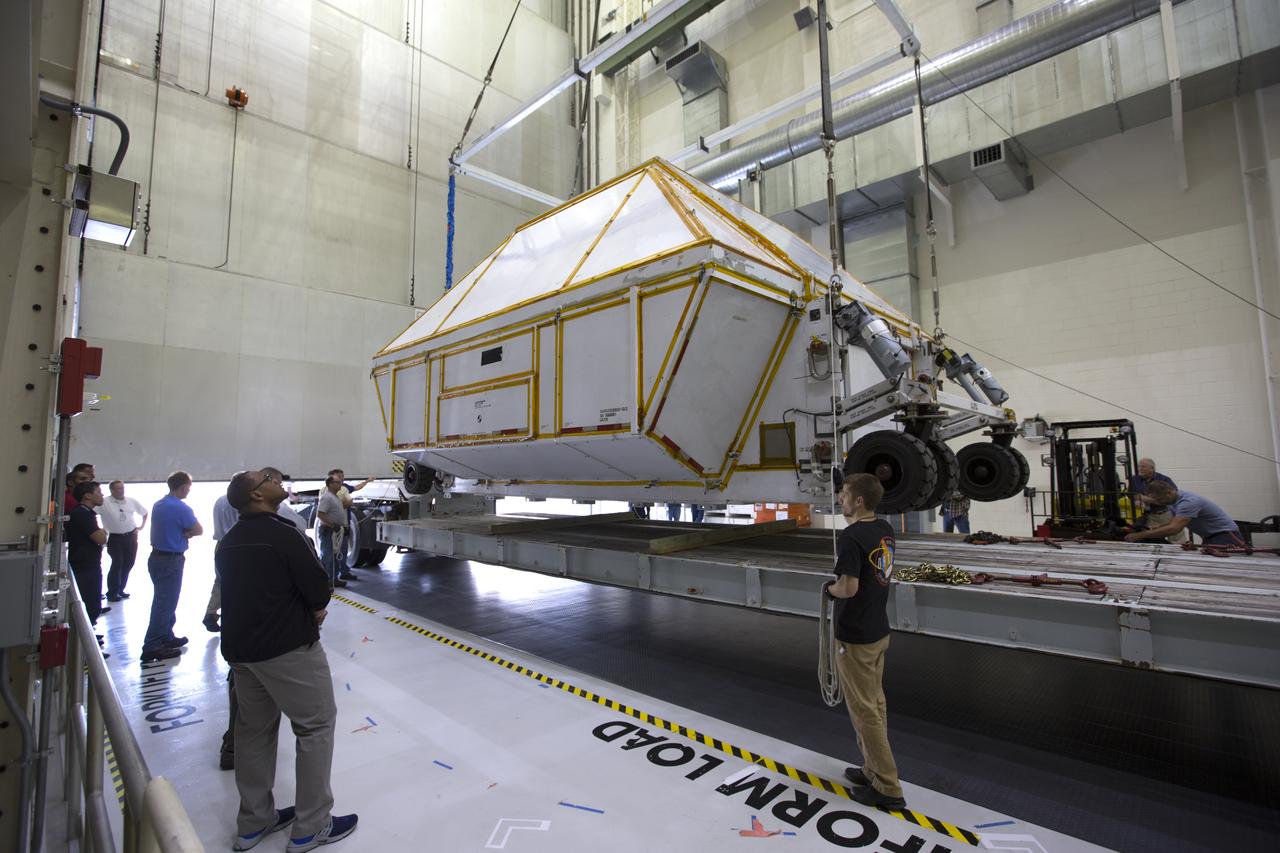
Inside the Neil Armstrong Operations and Checkout Building high bay at NASA's Kennedy Space Center in Florida, the Orion Exploration Mission-1 (EM-1) structural test article, secured inside its transport container, is lowered onto a transport vehicle for the move to the Shuttle Landing Facility. The test article will be loaded in NASA's Super Guppy airplane and transported to Lockheed Martin's Denver facility for testing. The Orion spacecraft will launch atop NASA’s Space Launch System rocket on EM-1, its first deep space mission.
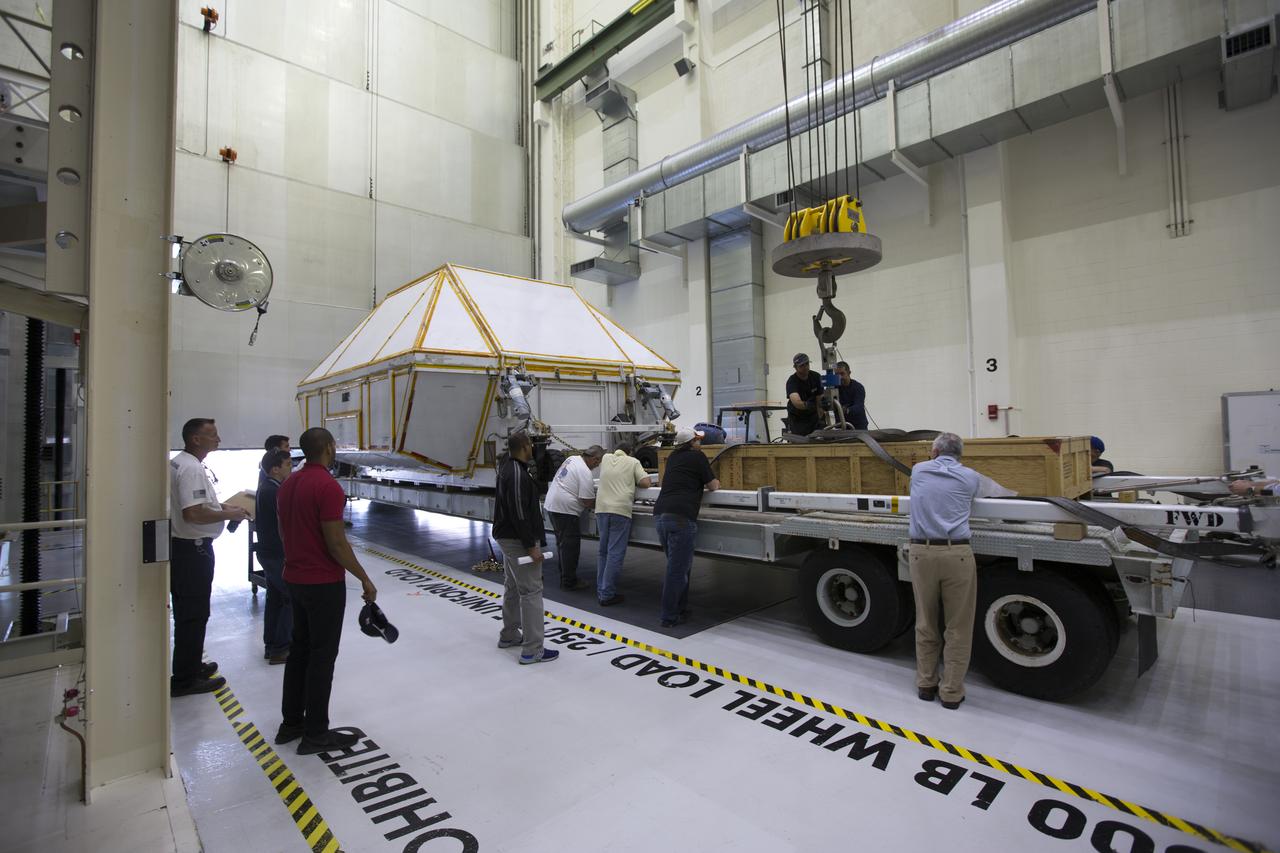
Inside the Neil Armstrong Operations and Checkout Building high bay at NASA's Kennedy Space Center in Florida, technicians secure the transport container with the Orion Exploration Mission-1 (EM-1) structural test article onto a transport vehicle for the move to the Shuttle Landing Facility. The test article will be loaded in NASA's Super Guppy airplane and transported to Lockheed Martin's Denver facility for testing. The Orion spacecraft will launch atop NASA’s Space Launch System rocket on EM-1, its first deep space mission.
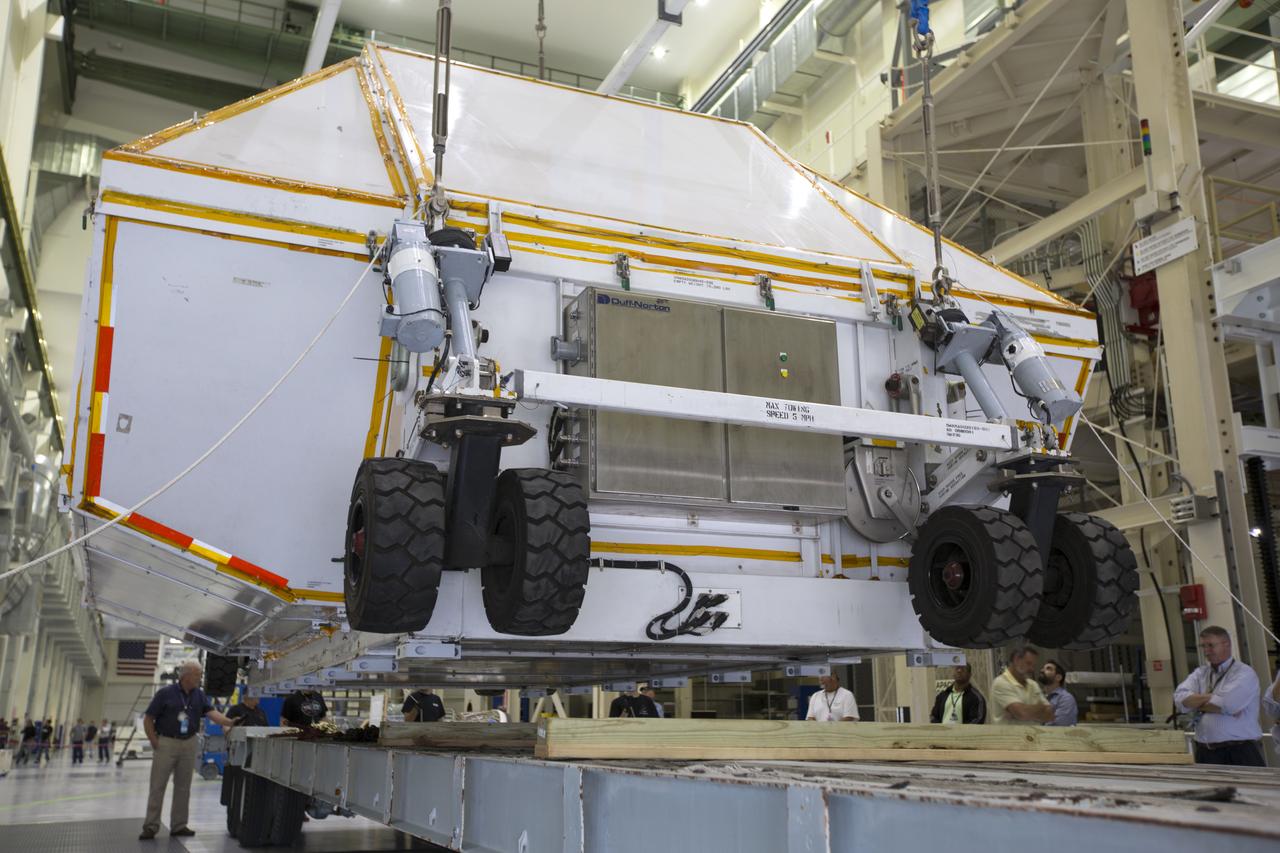
Inside the Neil Armstrong Operations and Checkout Building high bay at NASA's Kennedy Space Center in Florida, the Orion Exploration Mission-1 (EM-1) structural test article, secured inside its transport container, is lowered onto a transport vehicle for the move to the Shuttle Landing Facility. The test article will be loaded in NASA's Super Guppy airplane and transported to Lockheed Martin's Denver facility for testing. The Orion spacecraft will launch atop NASA’s Space Launch System rocket on EM-1, its first deep space mission.

Inside the Neil Armstrong Operations and Checkout Building at NASA’s Kennedy Space Center in Florida, the Orion crew module structural test article (STA) is secured on a test tool called the birdcage. The STA arrived aboard NASA's Super Guppy aircraft at the Shuttle Landing Facility operated by Space Florida. The test article will undergo further testing in the high bay. The Orion spacecraft will launch atop NASA’s Space Launch System rocket on EM-1, its first deep space mission, in late 2018.
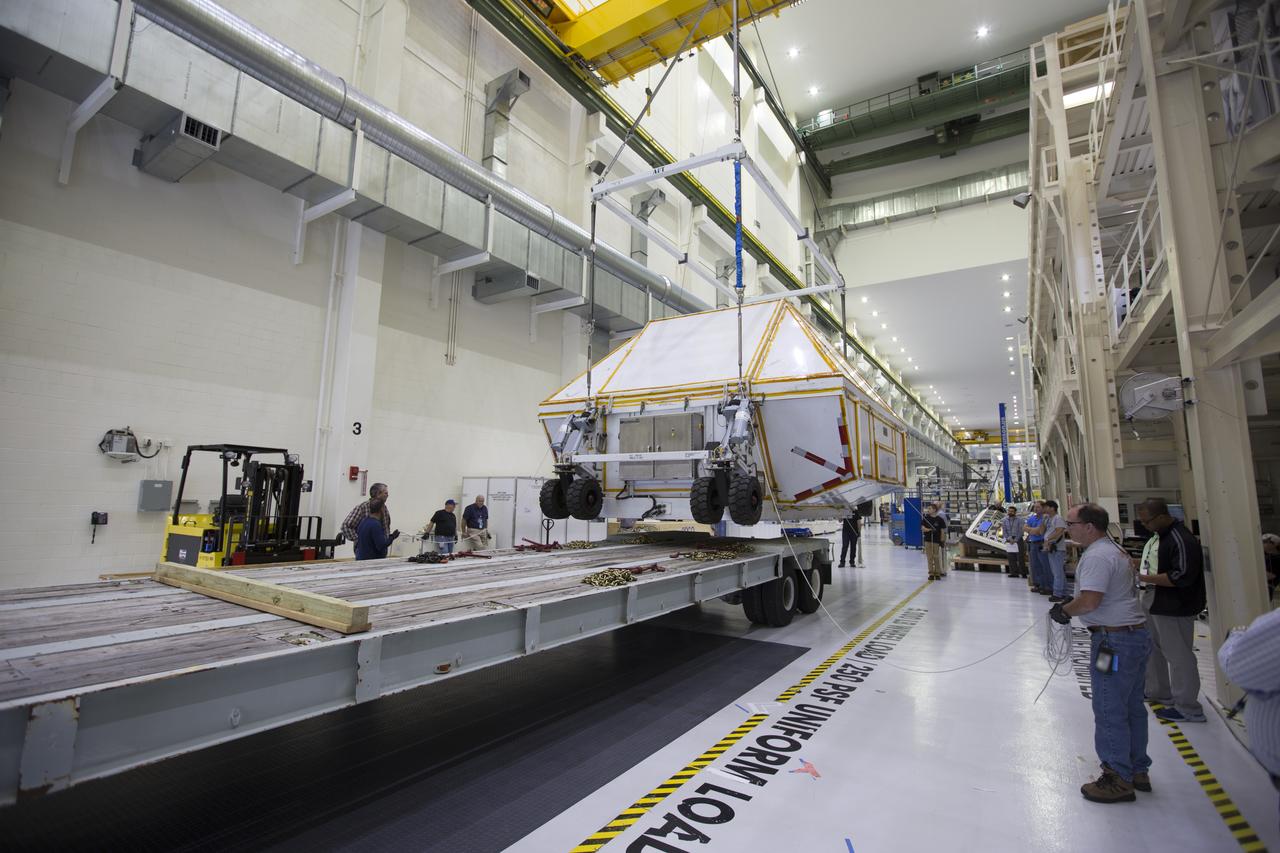
Inside the Neil Armstrong Operations and Checkout Building high bay at NASA's Kennedy Space Center in Florida, the Orion Exploration Mission-1 (EM-1) structural test article, secured inside its transport container, is lowered onto a transport vehicle for the move to the Shuttle Landing Facility. The test article will be loaded in NASA's Super Guppy airplane and transported to Lockheed Martin's Denver facility for testing. The Orion spacecraft will launch atop NASA’s Space Launch System rocket on EM-1, its first deep space mission.
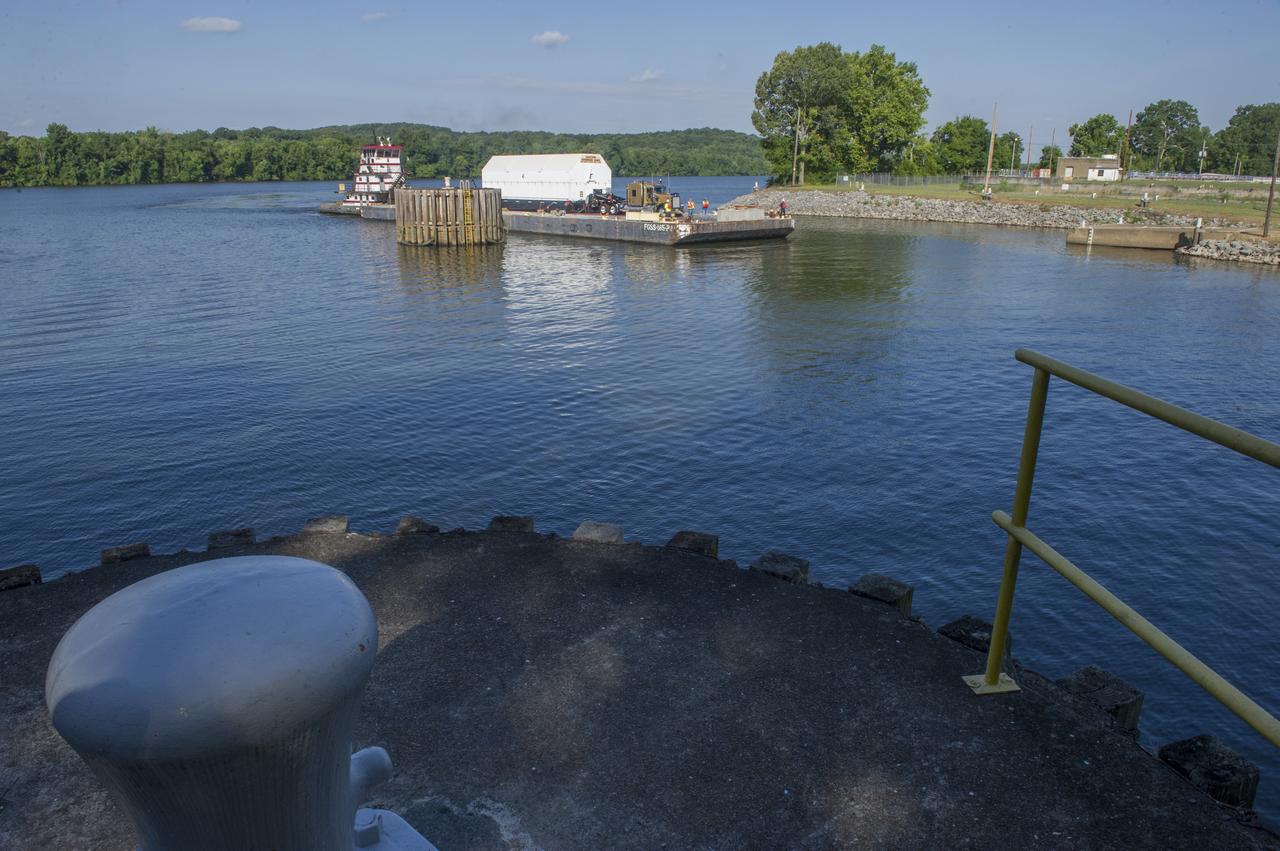
SLS INTERIM CRYOGENIC PROPULSION STAGE TEST ARTICLE ARRIVES AT WEST DOCK ON SHIELDS ROAD AND IS OFF LOADED FROM BARGEUAH ENGINEERING STUDENT ROBERT HILLAN TALKS TO SPACE STATION CREW MEMBERS ABOUT HIS WINNING 3-D PRINTED TOOL DESIGNED FOR USE ON ISS, AND IS INTERVIEWED BY LOCAL MEDIA
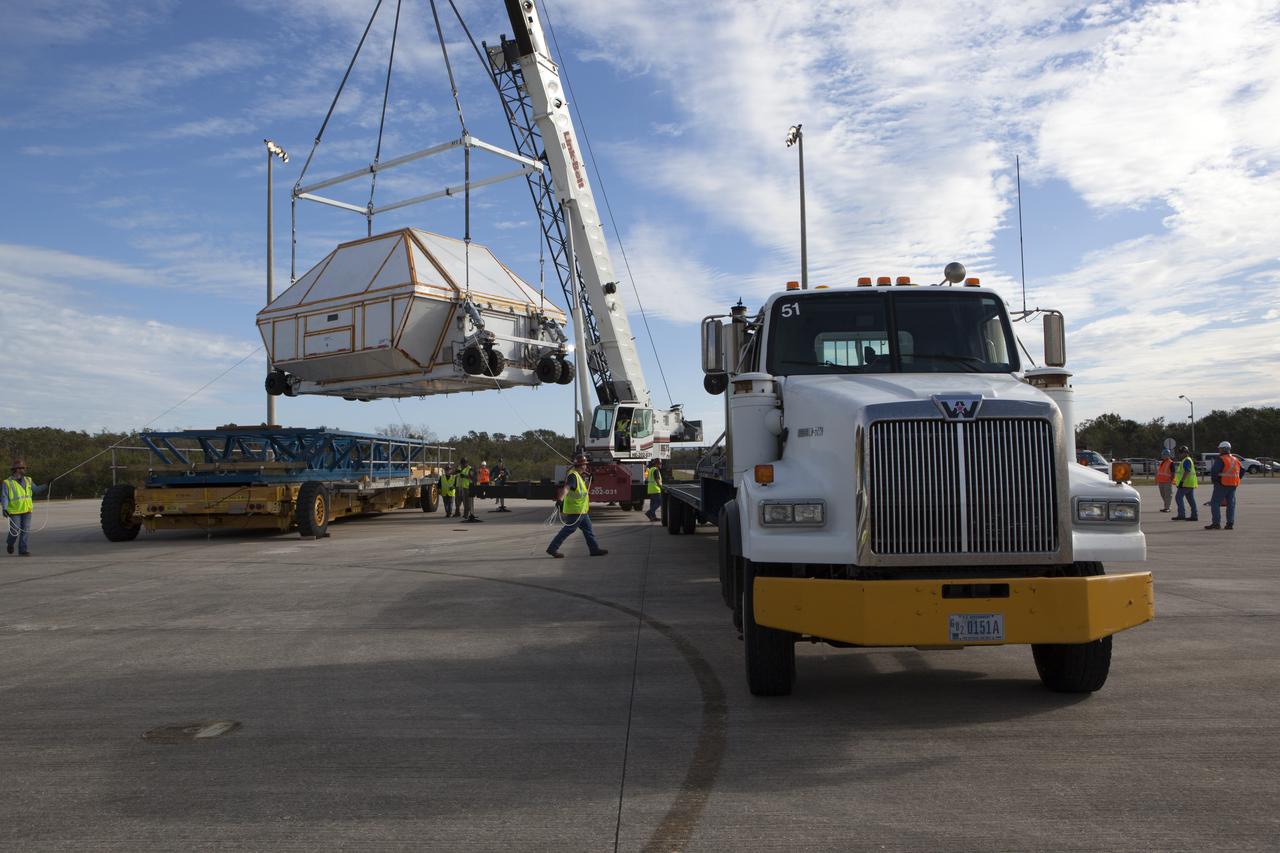
After arriving at the Shuttle Landing Facility operated by Space Florida at NASA's Kennedy Space Center in Florida, the agency's Super Guppy aircraft was opened and the container holding the Orion crew module structural test article (STA) was offloaded. A crane has lifted the container for placement on a transporter. The test article will be moved to the Neil Armstrong Operations and Checkout Building high bay for further testing. The Orion spacecraft will launch atop NASA’s Space Launch System rocket on EM-1, its first deep space mission, in late 2018.
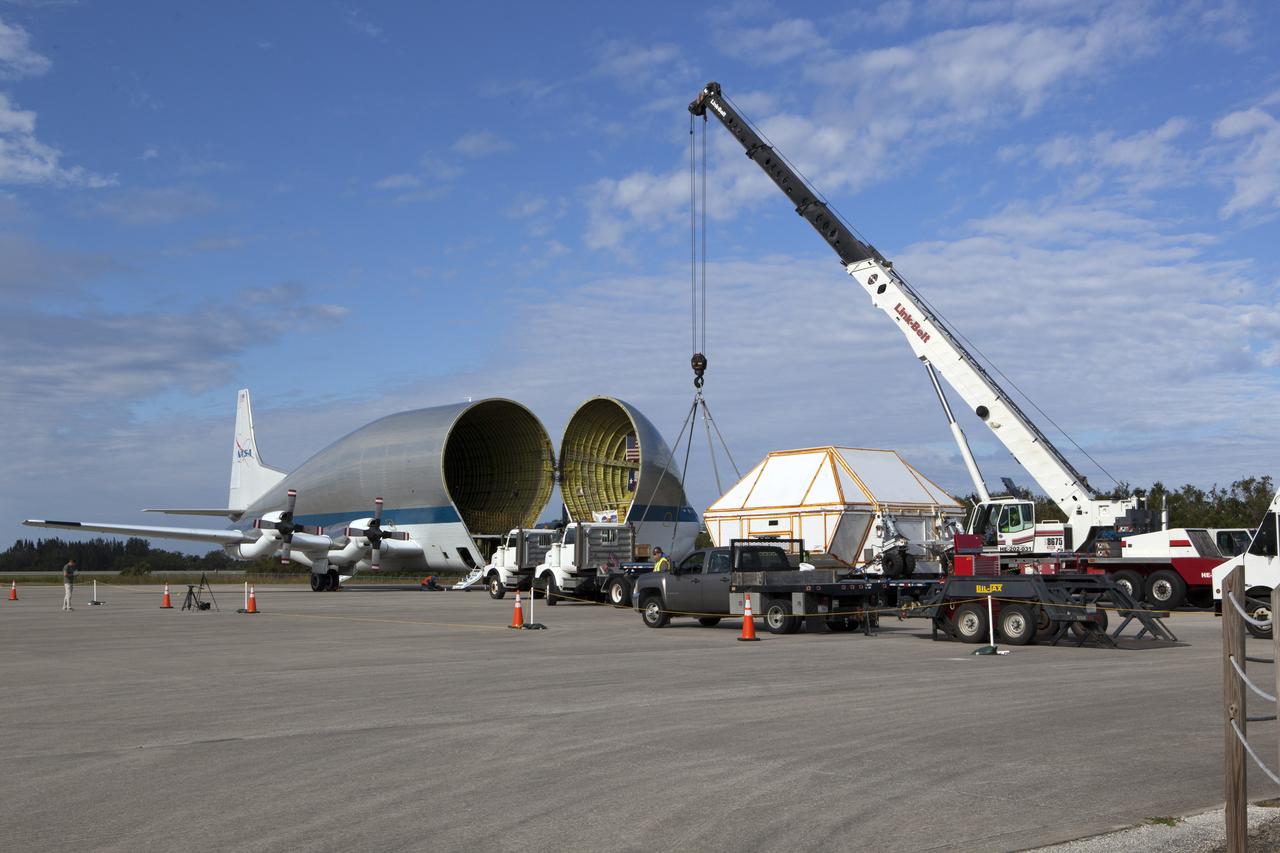
After arriving at the Shuttle Landing Facility operated by Space Florida at NASA's Kennedy Space Center in Florida, the agency's Super Guppy aircraft was opened and the container holding the Orion crew module structural test article (STA) was offloaded. A crane was used to lower the container onto a transporter. The test article will be moved to the Neil Armstrong Operations and Checkout Building high bay for further testing. The Orion spacecraft will launch atop NASA’s Space Launch System rocket on EM-1, its first deep space mission, in late 2018.
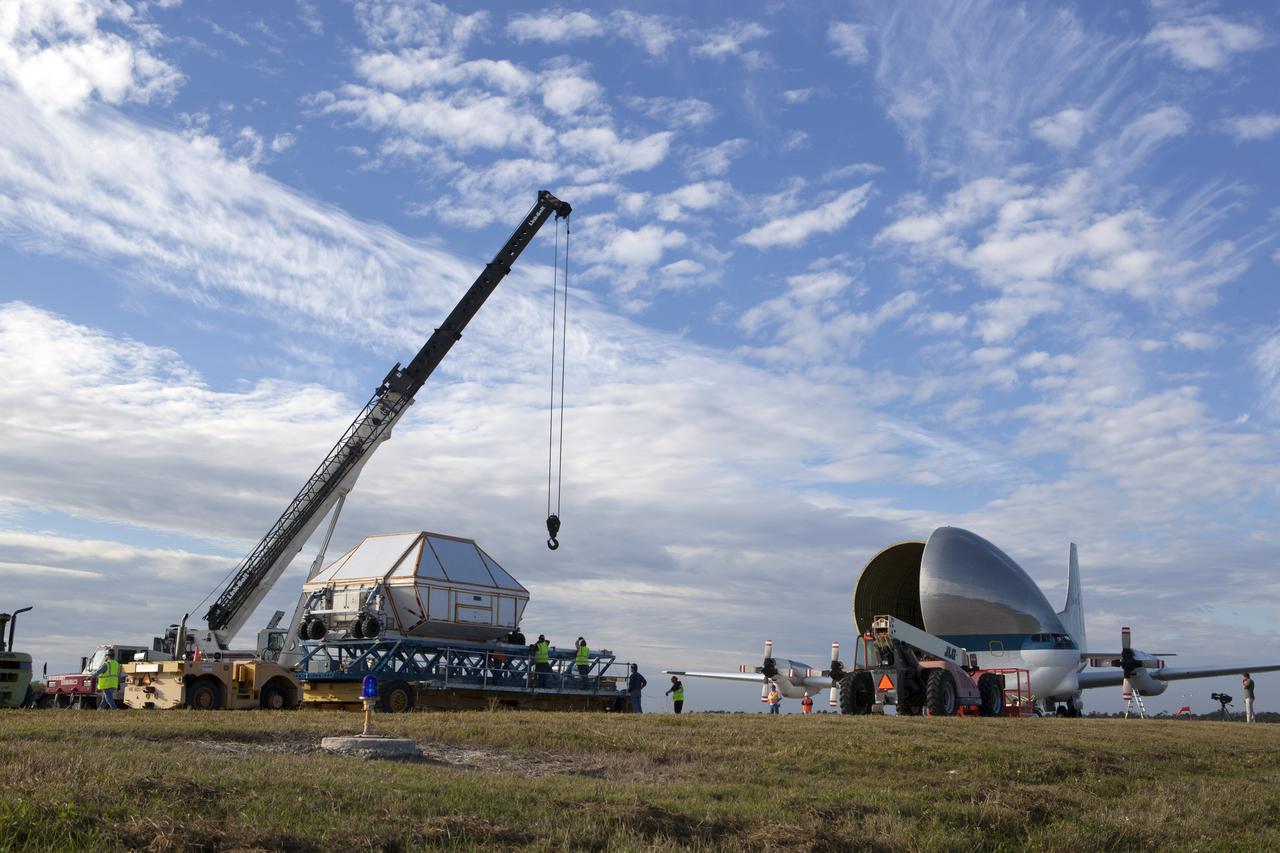
After arriving at the Shuttle Landing Facility operated by Space Florida at NASA's Kennedy Space Center in Florida, the agency's Super Guppy aircraft was opened and the container holding the Orion crew module structural test article (STA) was offloaded. The test article will be transported to the Neil Armstrong Operations and Checkout Building high bay for further testing. The Orion spacecraft will launch atop NASA’s Space Launch System rocket on EM-1, its first deep space mission, in late 2018.
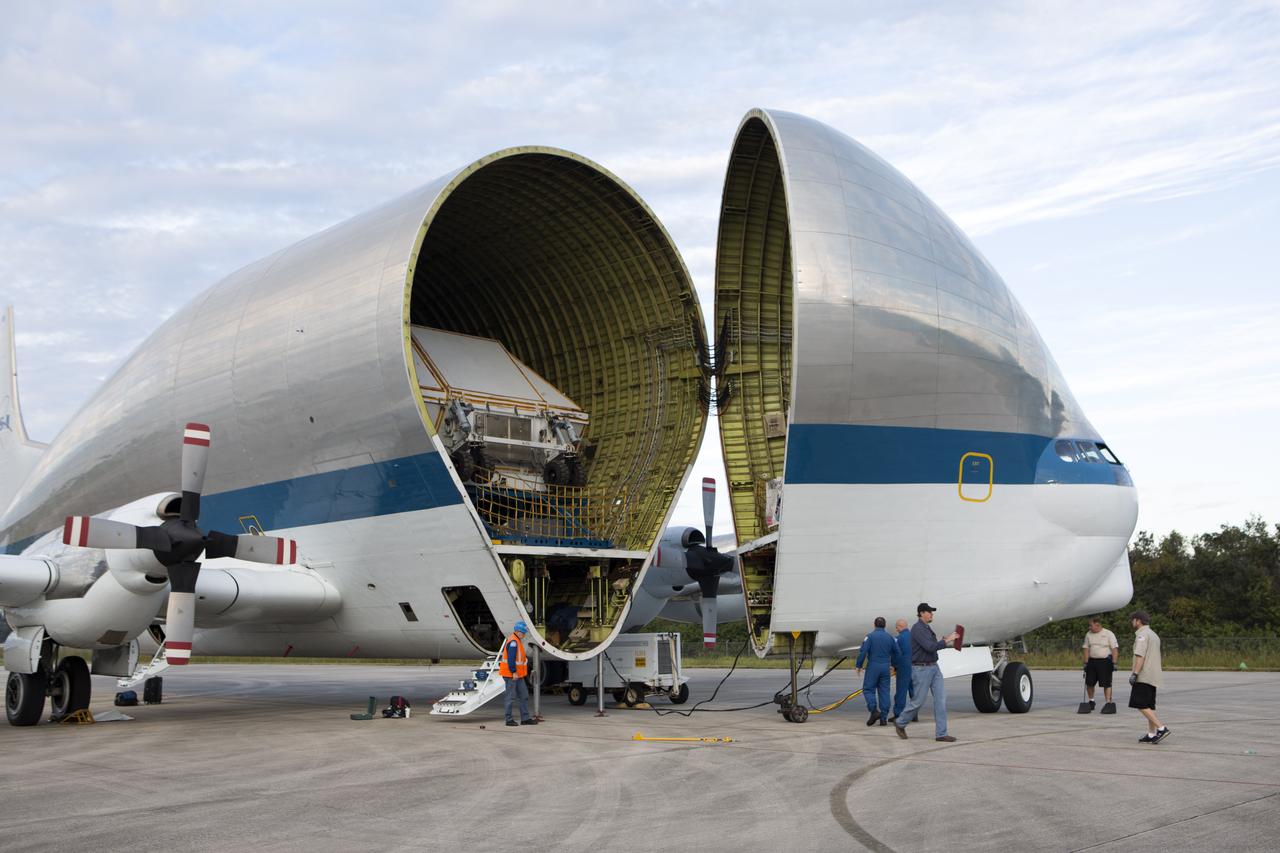
NASA’s Super Guppy aircraft, carrying the Orion crew module structural test article (STA), arrived at the Shuttle Landing Facility operated by Space Florida at NASA’s Kennedy Space Center in Florida. The unique aircraft is being opened to offload the STA. The test article will be transported to the Neil Armstrong Operations and Checkout Building high bay for further testing. The Orion spacecraft will launch atop NASA’s Space Launch System rocket on EM-1, its first deep space mission, in late 2018.
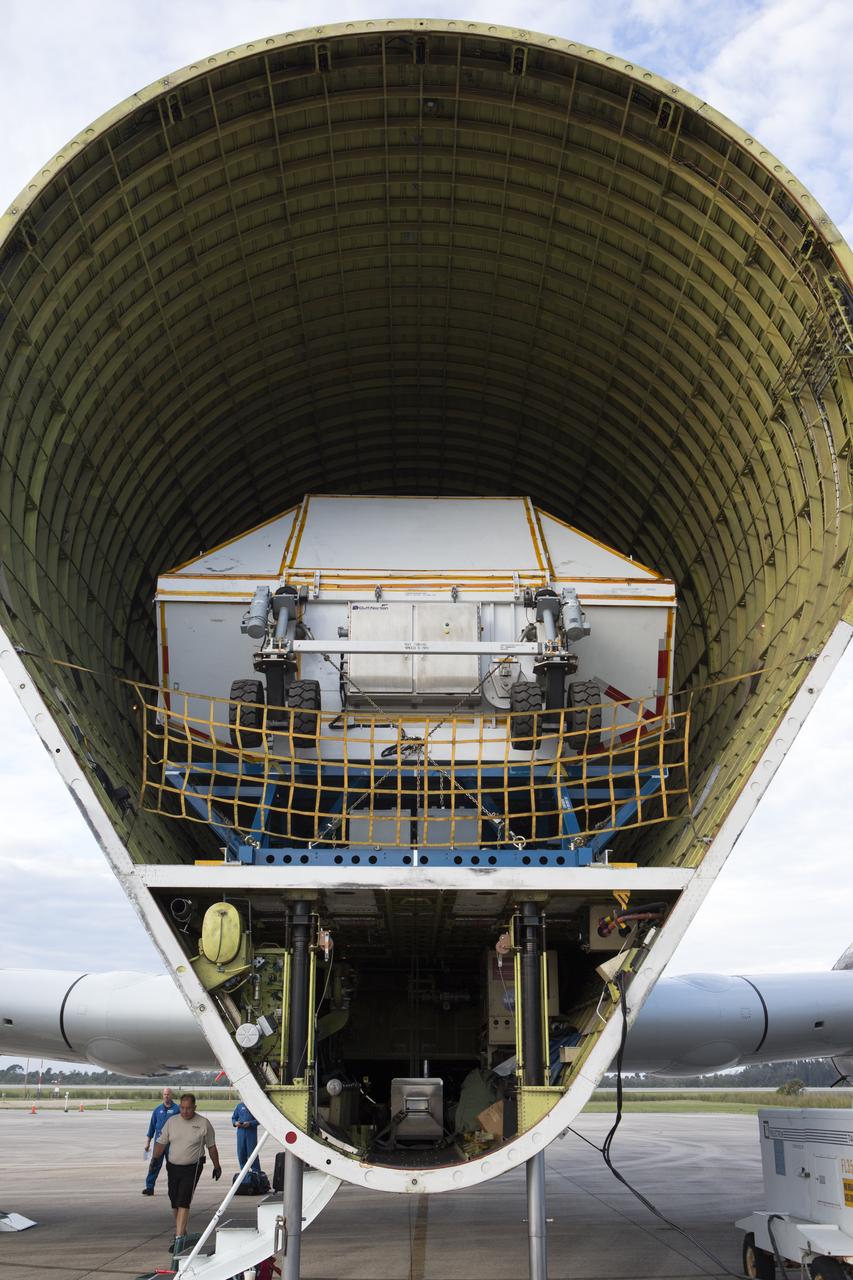
NASA’s Super Guppy aircraft, carrying the Orion crew module structural test article, arrived at the Shuttle Landing Facility operated by Space Florida at NASA’s Kennedy Space Center in Florida. The unique aircraft has been opened to reveal the container holding the STA. The test article will be transported to the Neil Armstrong Operations and Checkout Building high bay for further testing. The Orion spacecraft will launch atop NASA’s Space Launch System rocket on EM-1, its first deep space mission, in late 2018.
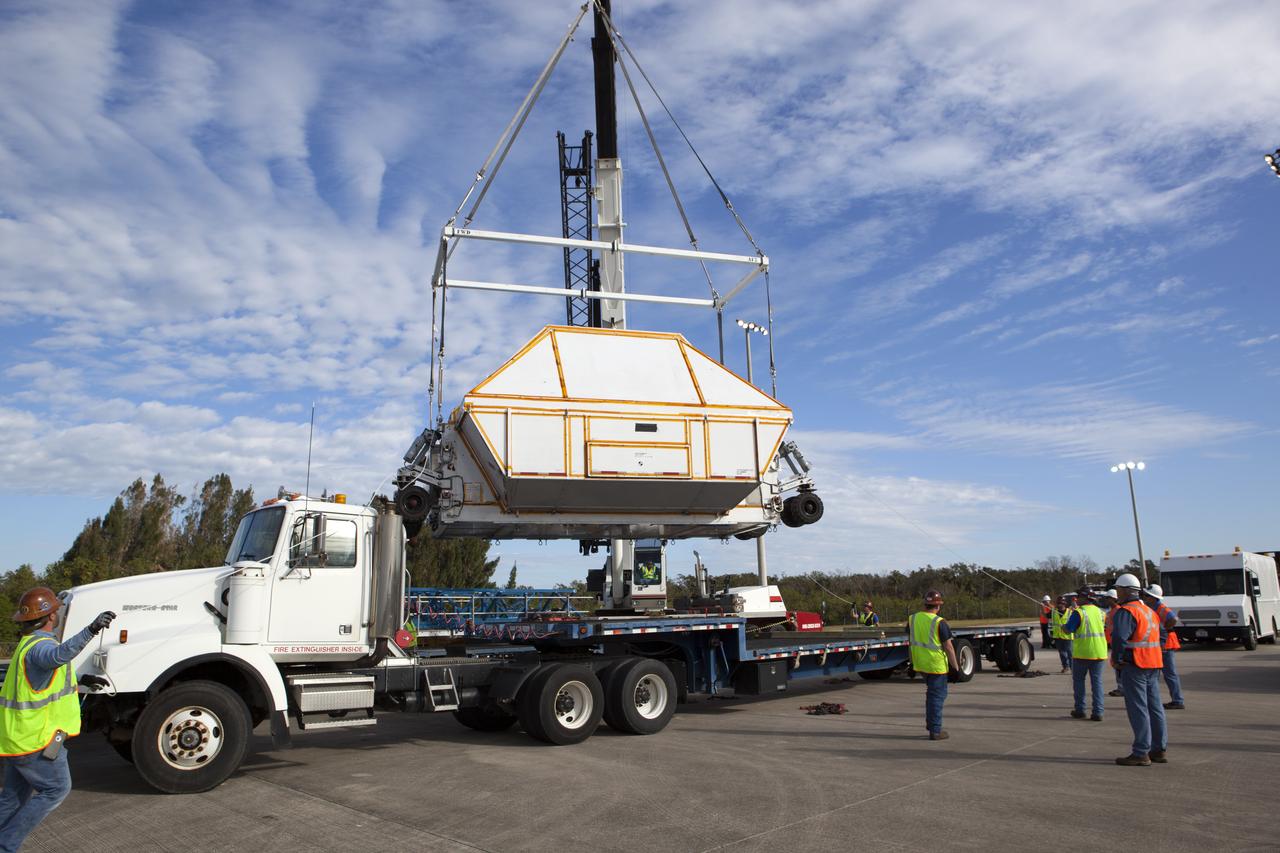
After arriving at the Shuttle Landing Facility operated by Space Florida at NASA's Kennedy Space Center in Florida, the agency's Super Guppy aircraft was opened and the container holding the Orion crew module structural test article (STA) was offloaded. A crane is used to lower the container for placement on a transporter. The test article will be moved to the Neil Armstrong Operations and Checkout Building high bay for further testing. The Orion spacecraft will launch atop NASA’s Space Launch System rocket on EM-1, its first deep space mission, in late 2018.
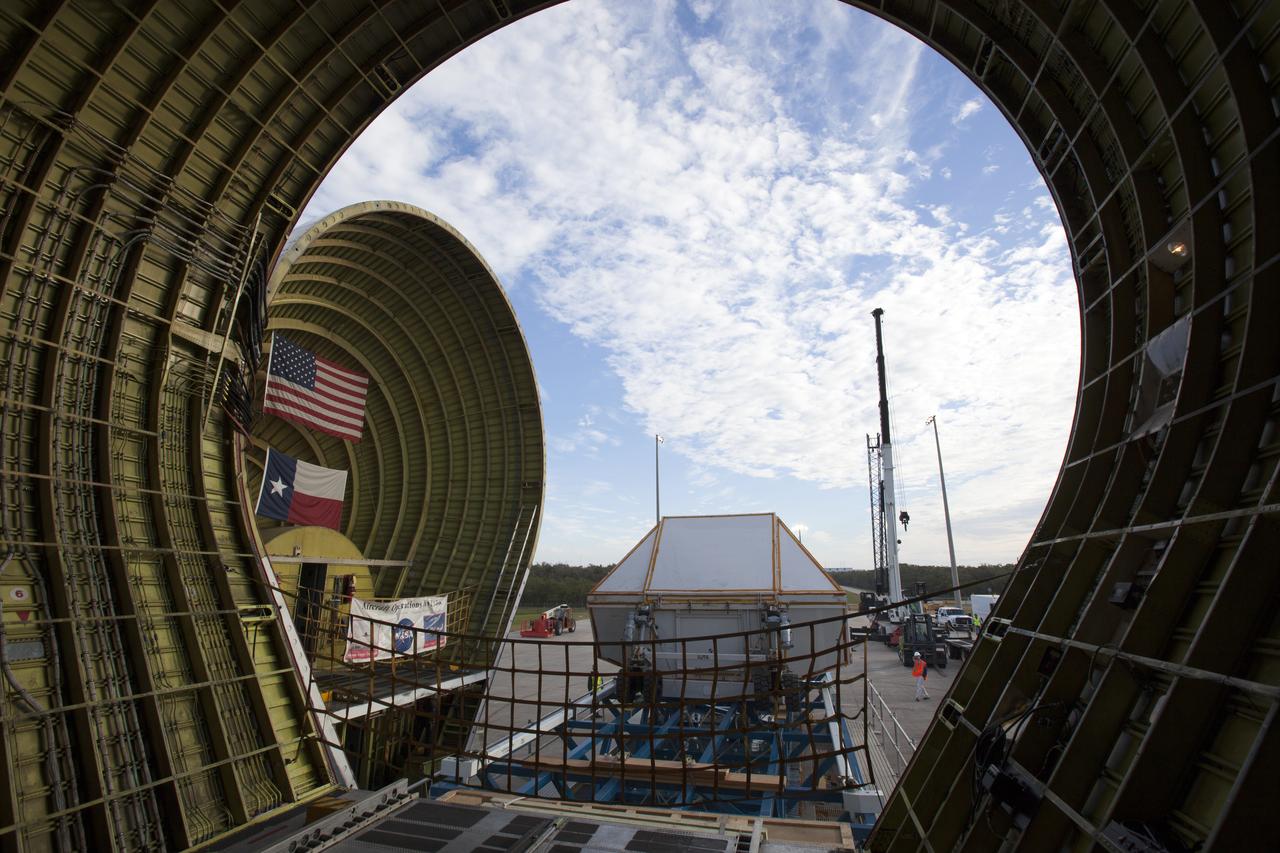
After arriving at the Shuttle Landing Facility operated by Space Florida at NASA's Kennedy Space Center in Florida, the agency's Super Guppy aircraft has been opened and the container holding the Orion crew module structural test article (STA) is being offloaded. The test article will be transported to the Neil Armstrong Operations and Checkout Building high bay for further testing. The Orion spacecraft will launch atop NASA’s Space Launch System rocket on EM-1, its first deep space mission, in late 2018.
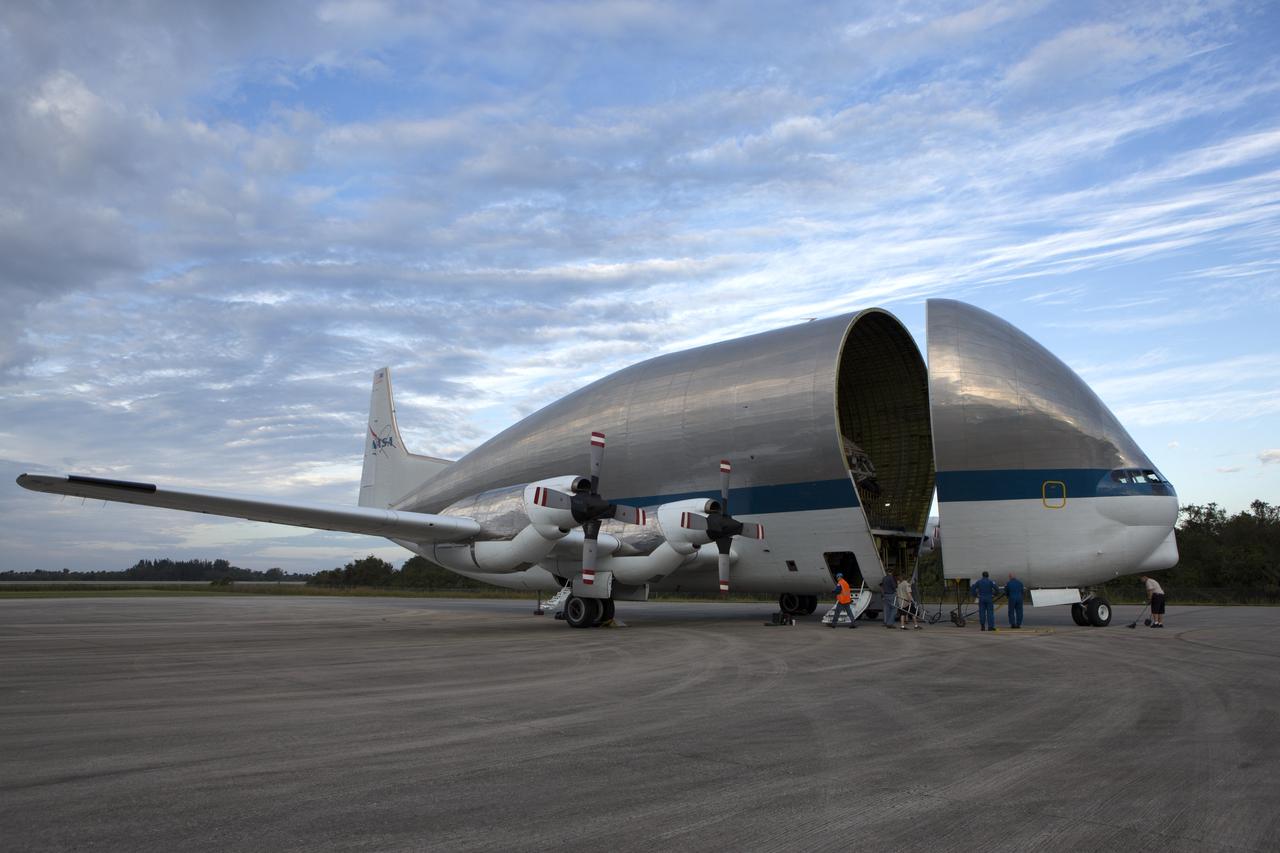
NASA’s Super Guppy aircraft, carrying the Orion crew module structural test article (STA), arrived at the Shuttle Landing Facility operated by Space Florida at NASA’s Kennedy Space Center in Florida. The front of the unique aircraft is being opened to offload the STA. The test article will be transported to the Neil Armstrong Operations and Checkout Building high bay for further testing. The Orion spacecraft will launch atop NASA’s Space Launch System rocket on EM-1, its first deep space mission, in late 2018.
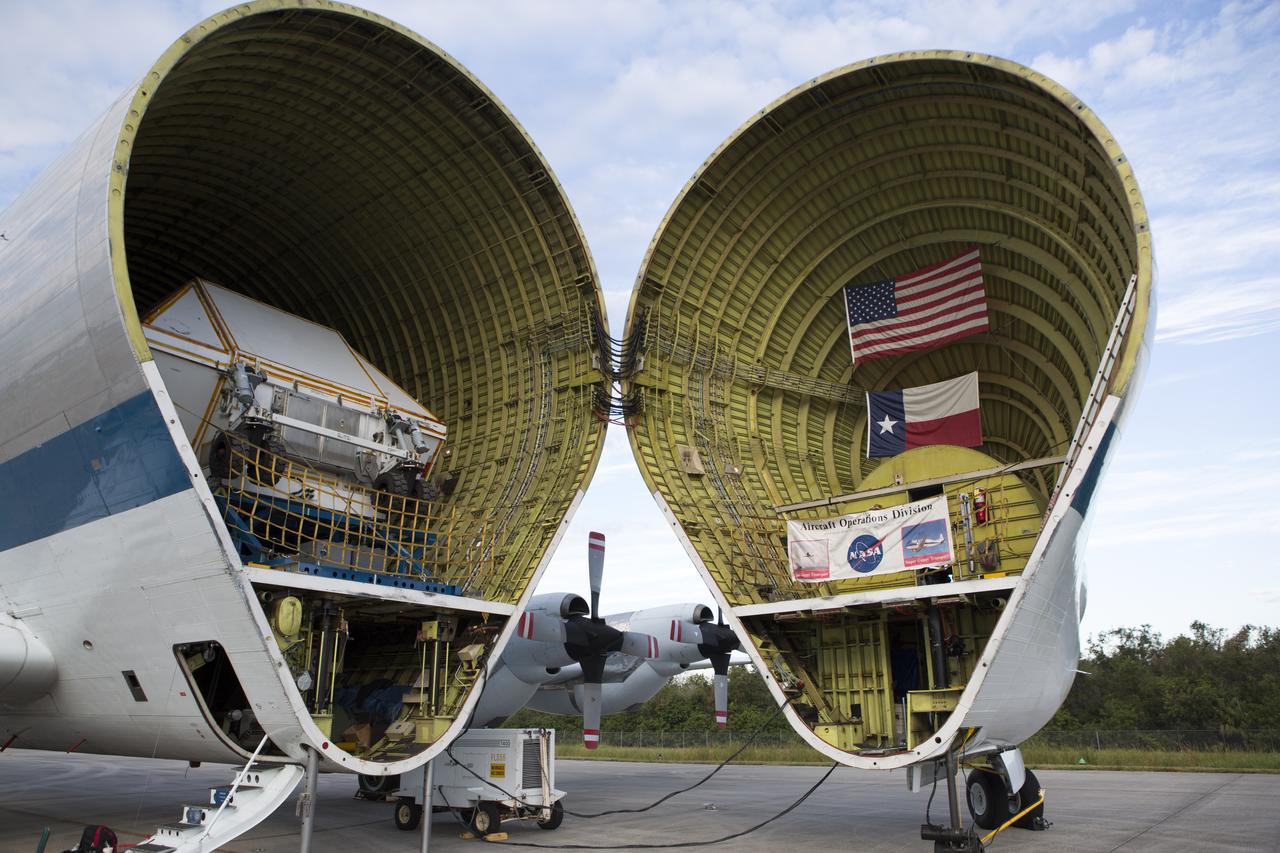
NASA’s Super Guppy aircraft, carrying the Orion crew module structural test article, arrived at the Shuttle Landing Facility operated by Space Florida at NASA’s Kennedy Space Center in Florida. The unique aircraft has been opened to reveal the container holding the STA. The test article will be transported to the Neil Armstrong Operations and Checkout Building high bay for further testing. The Orion spacecraft will launch atop NASA’s Space Launch System rocket on EM-1, its first deep space mission, in late 2018.
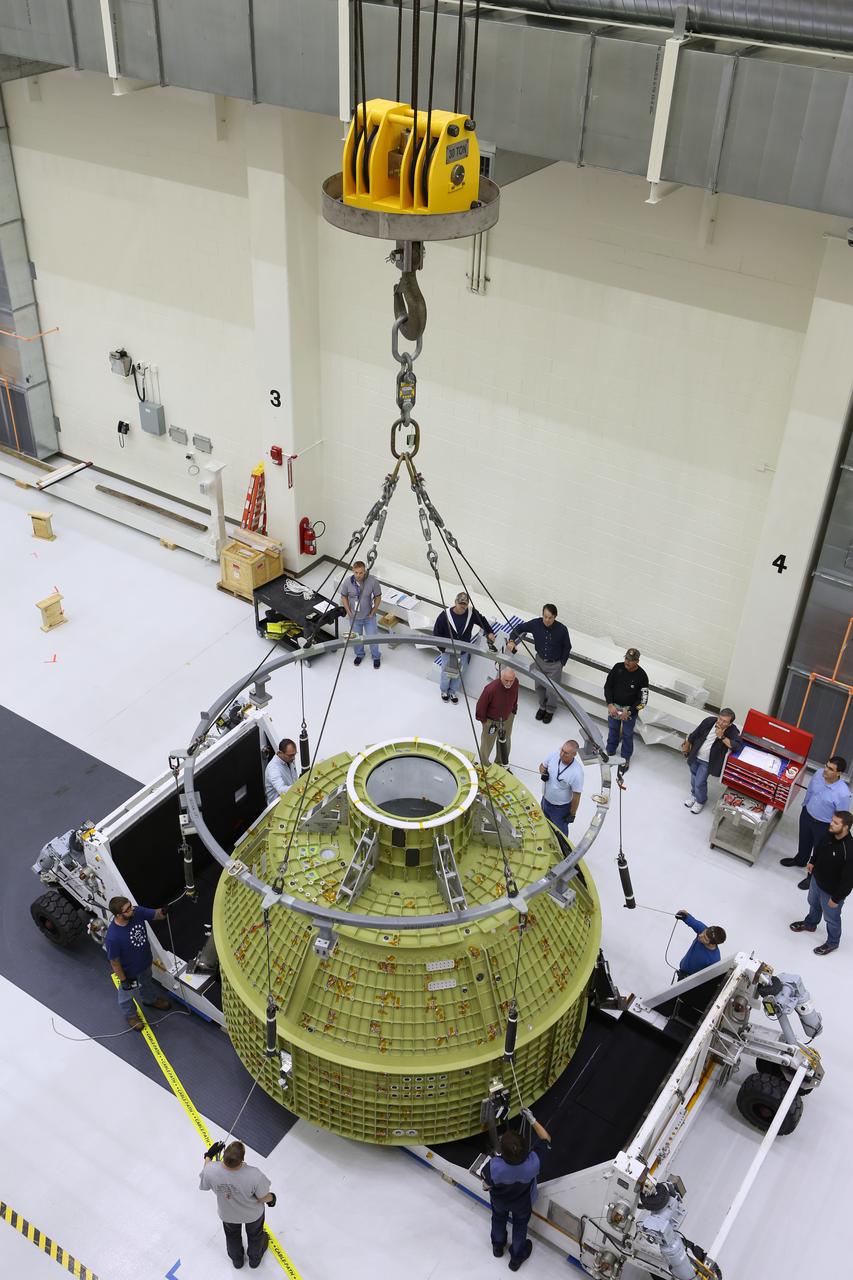
Inside the Neil Armstrong Operations and Checkout Building at NASA’s Kennedy Space Center in Florida, Lockheed Martin technicians attach lines from a crane to the Orion crew module structural test article (STA). The STA arrived aboard NASA's Super Guppy aircraft at the Shuttle Landing Facility operated by Space Florida. The test article will be lifted out of its container and moved to a test tool called the birdcage for further testing. The Orion spacecraft will launch atop NASA’s Space Launch System rocket on EM-1, its first deep space mission, in late 2018.
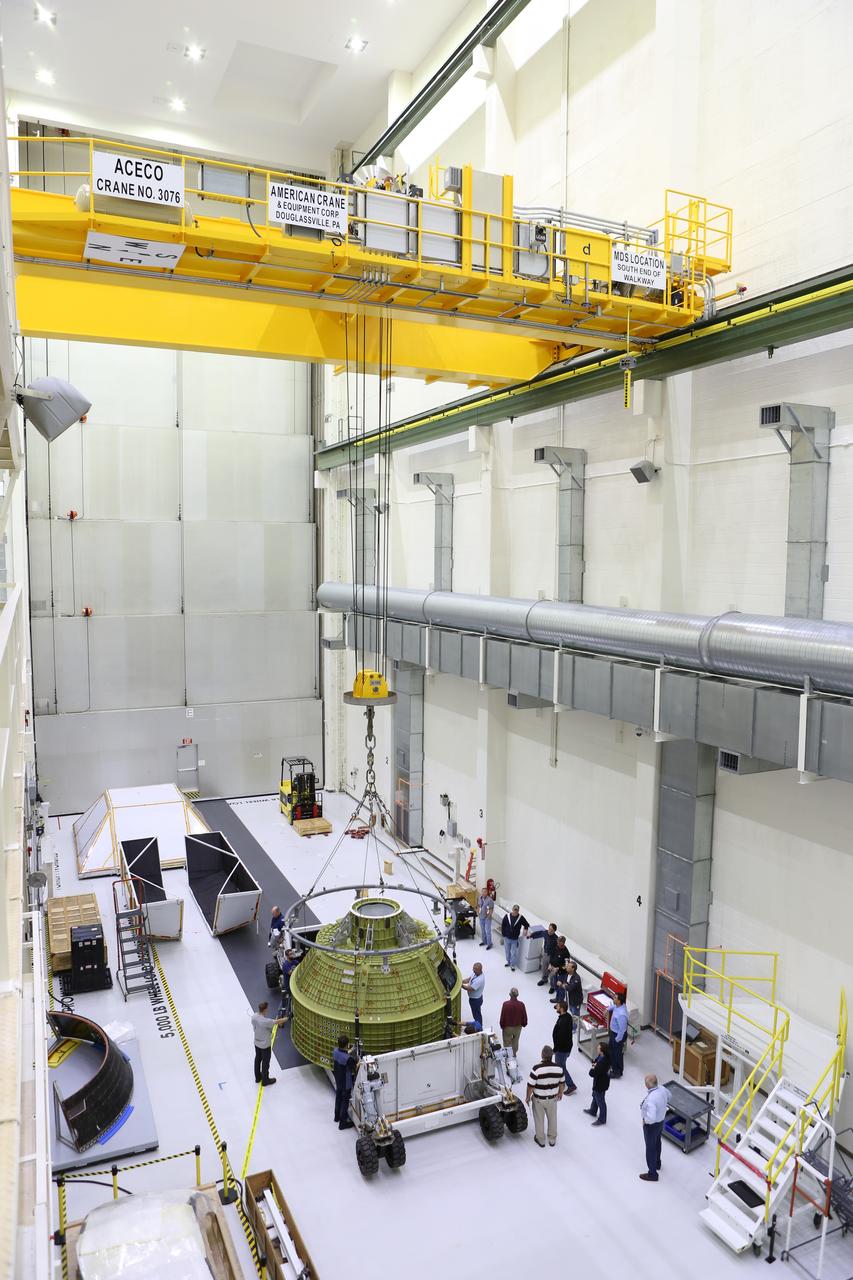
Inside the Neil Armstrong Operations and Checkout Building at NASA’s Kennedy Space Center in Florida, Lockheed Martin technicians attach lines from a crane to the Orion crew module structural test article (STA). The STA arrived aboard NASA's Super Guppy aircraft at the Shuttle Landing Facility operated by Space Florida. The test article will be lifted out of its container and moved to a test tool called the birdcage for further testing. The Orion spacecraft will launch atop NASA’s Space Launch System rocket on EM-1, its first deep space mission, in late 2018.
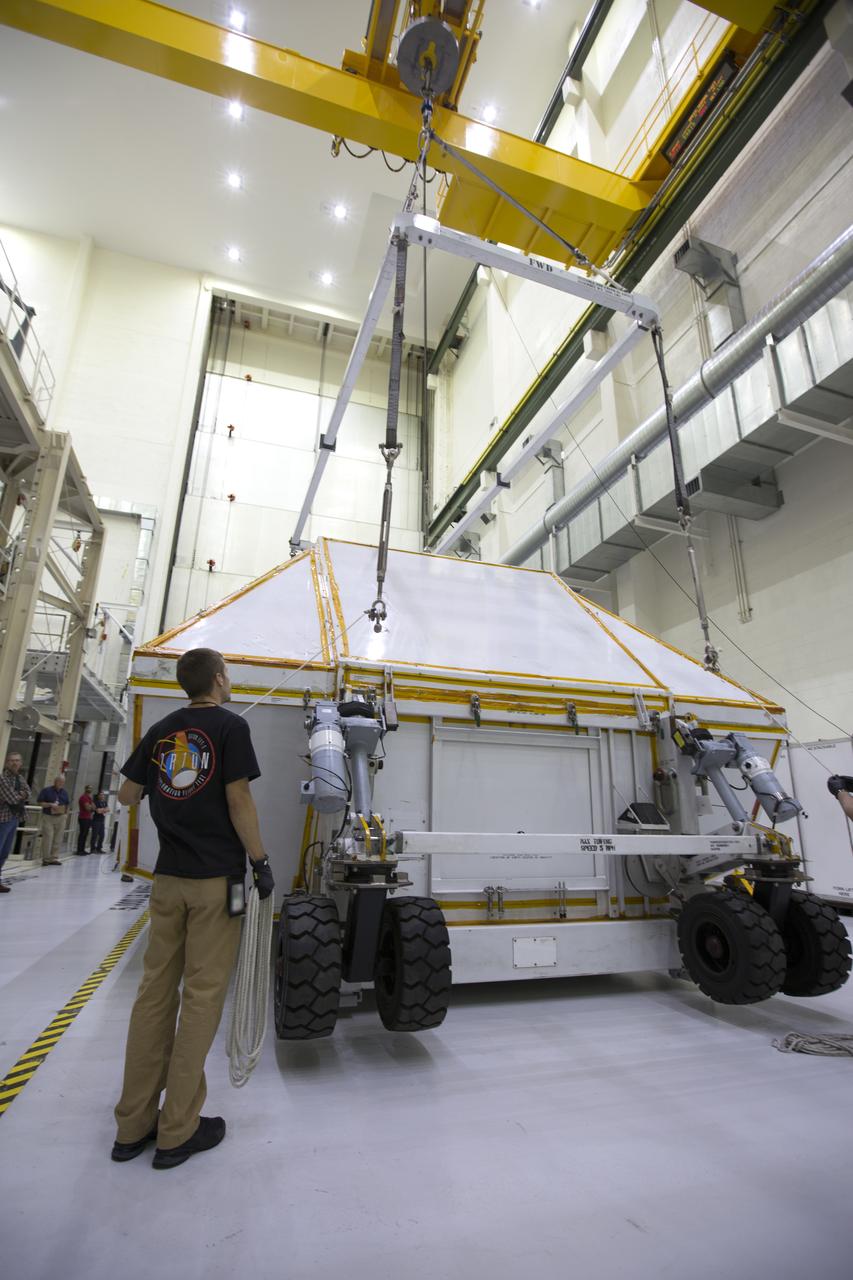
Inside the Neil Armstrong Operations and Checkout Building high bay at NASA's Kennedy Space Center in Florida, the Orion Exploration Mission-1 (EM-1) structural test article is secured inside its transport container. A crane is used to move the container toward a transport vehicle for the move to the Shuttle Landing Facility. The test article will be loaded in NASA's Super Guppy airplane and transported to Lockheed Martin's Denver facility for testing. The Orion spacecraft will launch atop NASA’s Space Launch System rocket on EM-1, its first deep space mission.
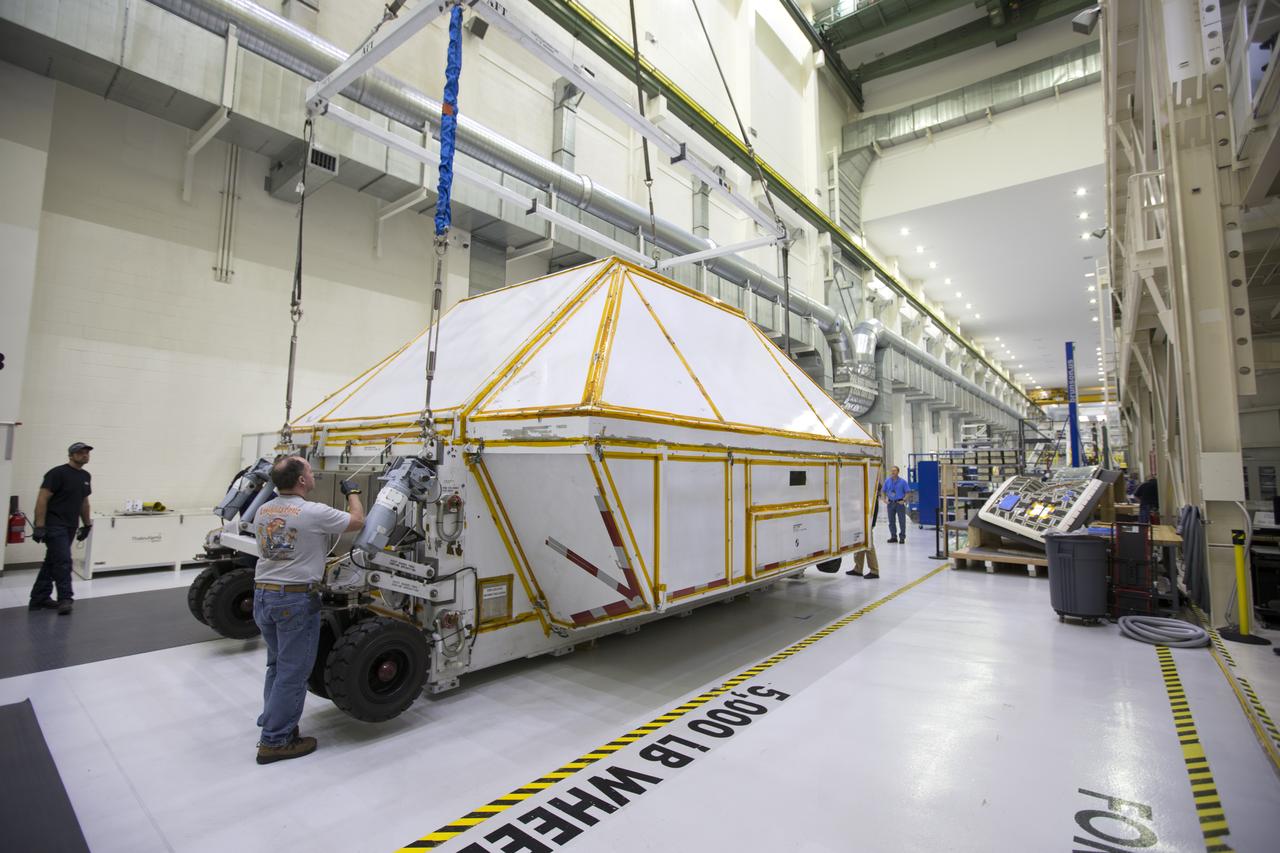
Inside the Neil Armstrong Operations and Checkout Building high bay at NASA's Kennedy Space Center in Florida, the Orion Exploration Mission-1 (EM-1) structural test article is secured inside its transport container. A crane is used to move the container toward a transport vehicle for the move to the Shuttle Landing Facility. The test article will be loaded in NASA's Super Guppy airplane and transported to Lockheed Martin's Denver facility for testing. The Orion spacecraft will launch atop NASA’s Space Launch System rocket on EM-1, its first deep space mission.
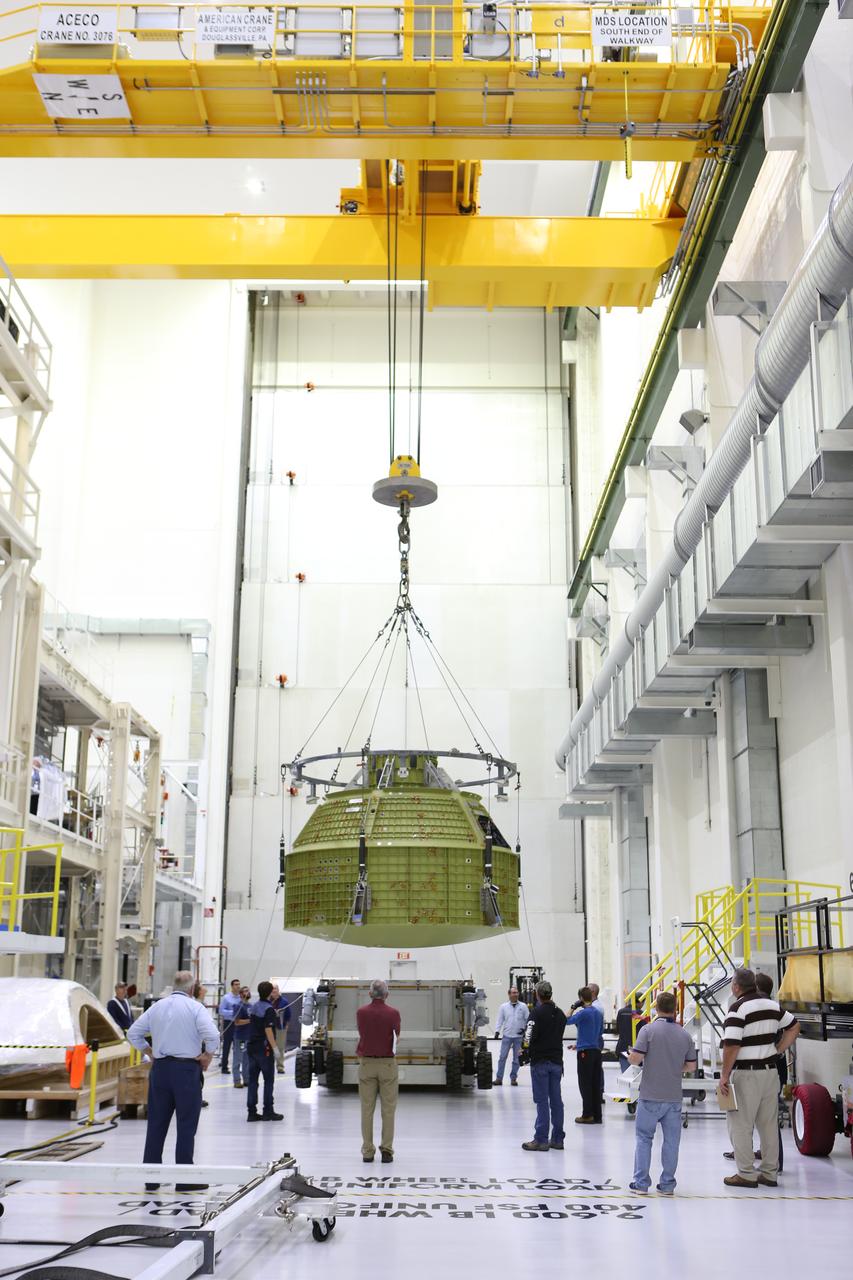
Inside the Neil Armstrong Operations and Checkout Building at NASA’s Kennedy Space Center in Florida, Lockheed Martin technicians monitor the progress as a crane lifts the Orion crew module structural test article (STA) away from the base of its transport container. The STA arrived aboard NASA's Super Guppy aircraft at the Shuttle Landing Facility operated by Space Florida. The test article will be moved to a test tool called the birdcage for further testing. The Orion spacecraft will launch atop NASA’s Space Launch System rocket on EM-1, its first deep space mission, in late 2018.
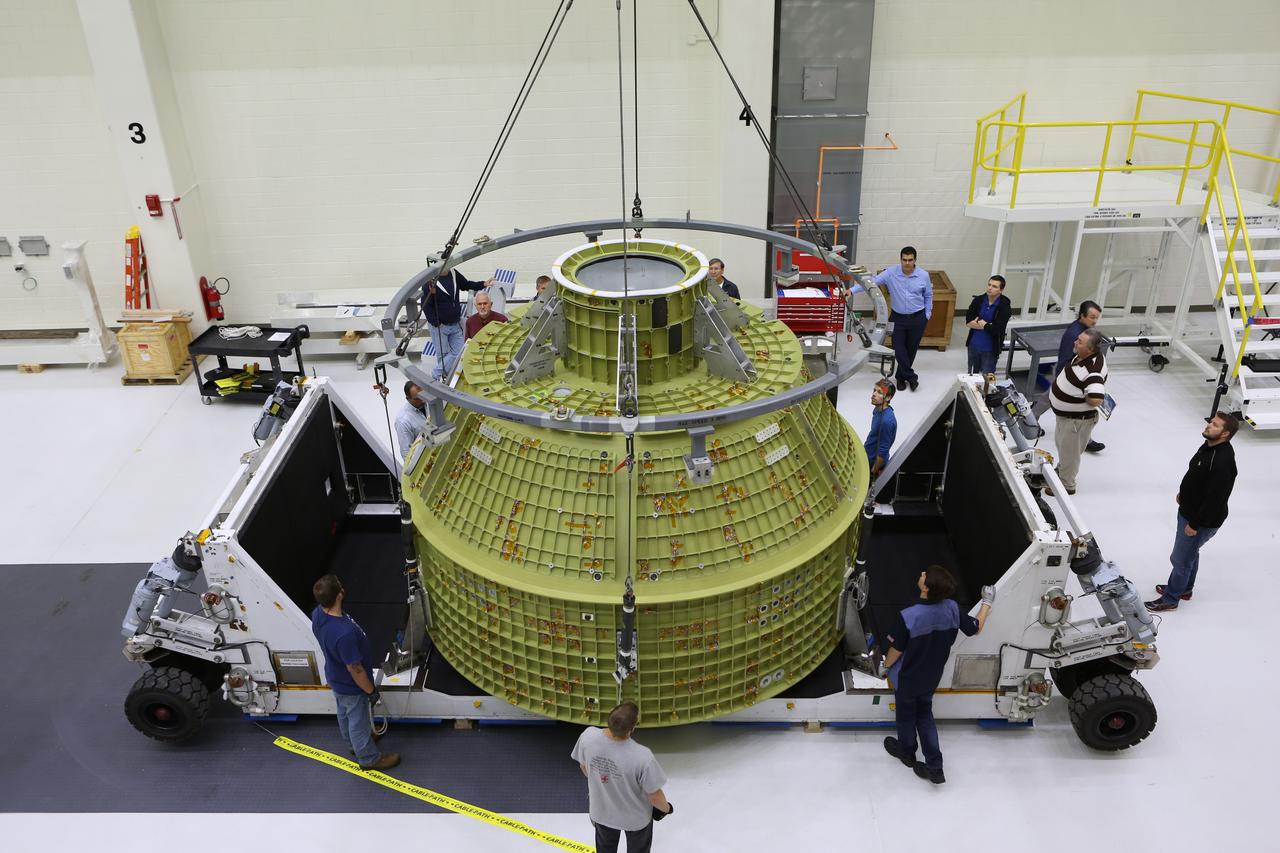
Inside the Neil Armstrong Operations and Checkout Building at NASA’s Kennedy Space Center in Florida, Lockheed Martin technicians monitor the progress as a crane begins to lift the Orion crew module structural test article (STA) up from the base of its transport container. The STA arrived aboard NASA's Super Guppy aircraft at the Shuttle Landing Facility operated by Space Florida. The test article will be moved to a test tool called the birdcage for further testing. The Orion spacecraft will launch atop NASA’s Space Launch System rocket on EM-1, its first deep space mission, in late 2018.
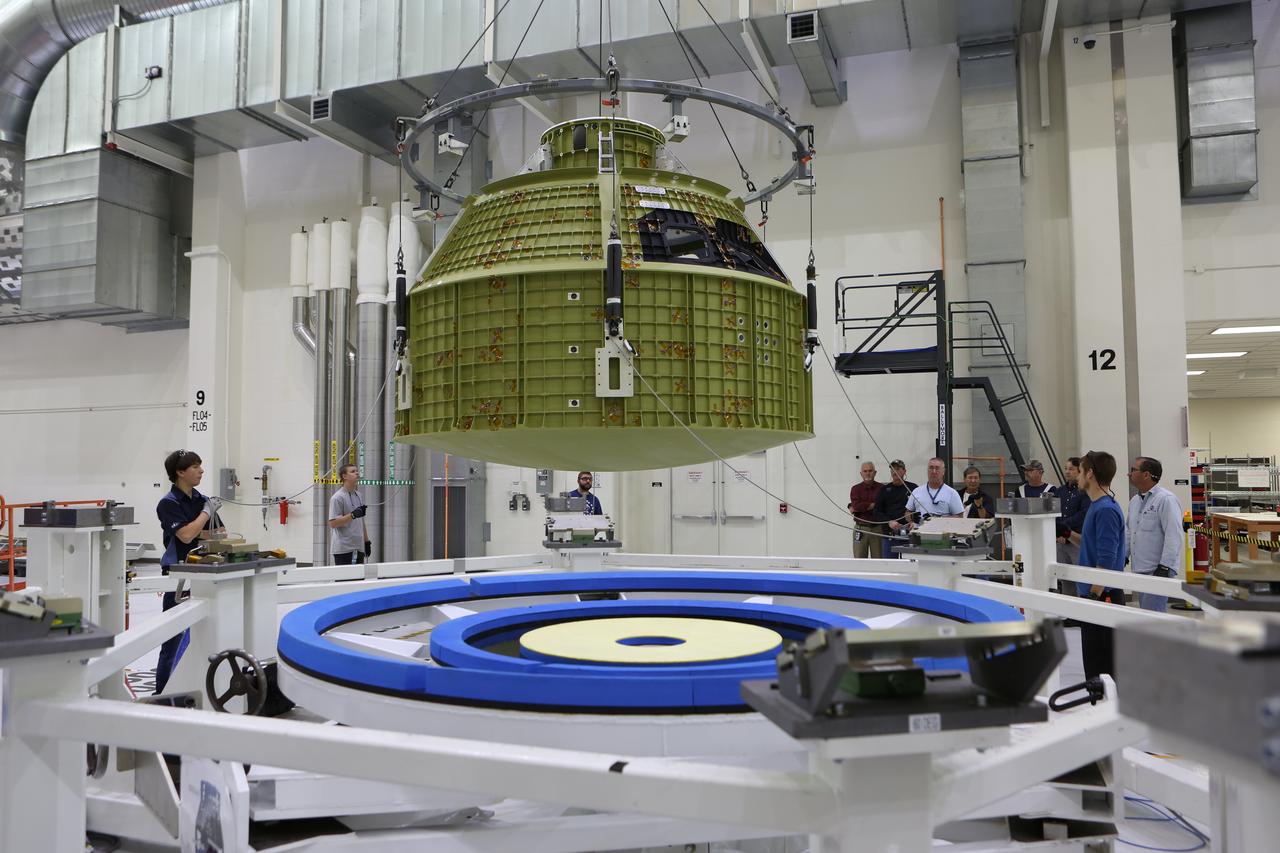
Inside the Neil Armstrong Operations and Checkout Building at NASA’s Kennedy Space Center in Florida, Lockheed Martin technicians monitor the progress as a crane lowers the Orion crew module structural test article (STA) toward a test tool called the birdcage. The STA arrived aboard NASA's Super Guppy aircraft at the Shuttle Landing Facility operated by Space Florida. The test article will be secured on the birdcage for further testing. The Orion spacecraft will launch atop NASA’s Space Launch System rocket on EM-1, its first deep space mission, in late 2018.
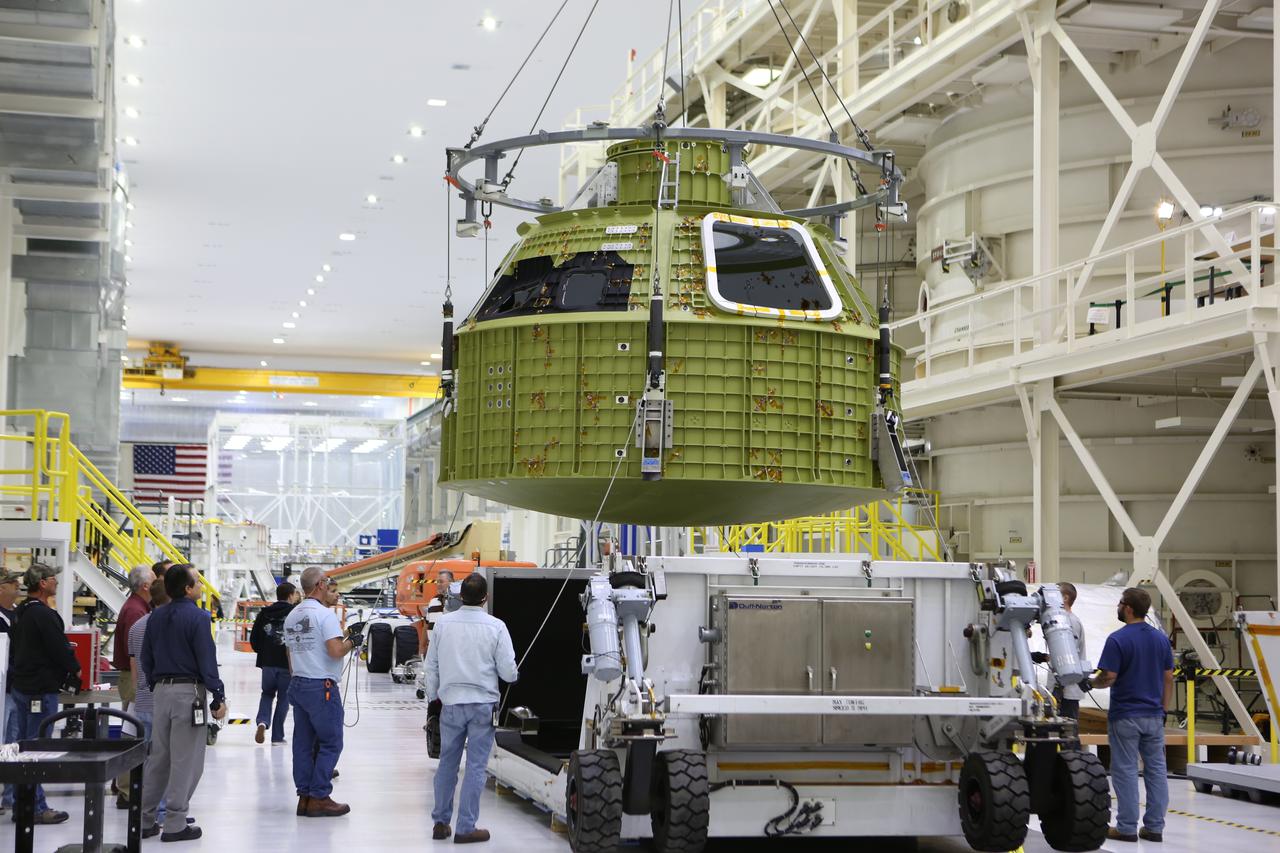
Inside the Neil Armstrong Operations and Checkout Building at NASA’s Kennedy Space Center in Florida, Lockheed Martin technicians monitor the progress as a crane lifts the Orion crew module structural test article (STA) up from the base of its transport container. The STA arrived aboard NASA's Super Guppy aircraft at the Shuttle Landing Facility operated by Space Florida. The test article will be moved to a test tool called the birdcage for further testing. The Orion spacecraft will launch atop NASA’s Space Launch System rocket on EM-1, its first deep space mission, in late 2018.
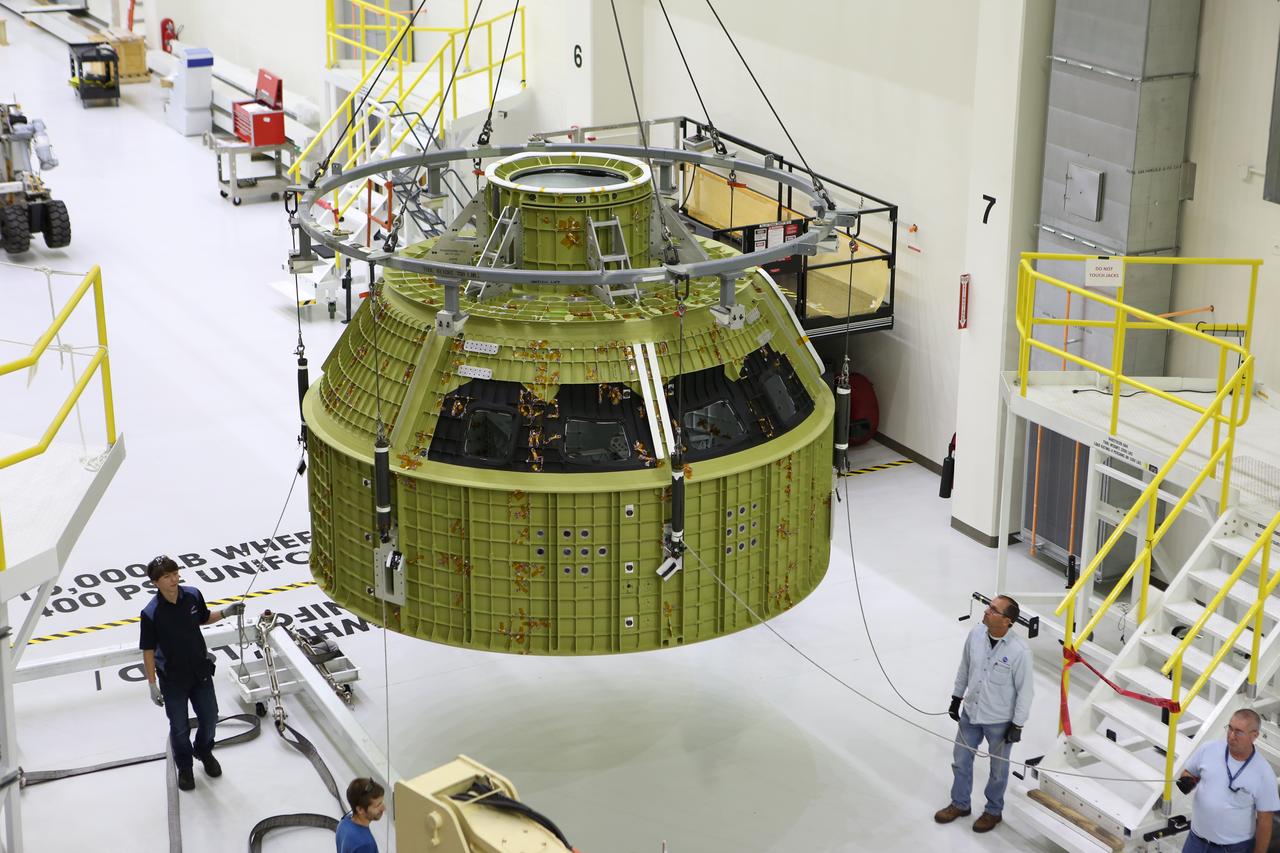
Inside the Neil Armstrong Operations and Checkout Building at NASA’s Kennedy Space Center in Florida, Lockheed Martin technicians monitor the progress as a crane moves the Orion crew module structural test article (STA) along the center aisle of the high bay. The STA arrived aboard NASA's Super Guppy aircraft at the Shuttle Landing Facility operated by Space Florida. The test article will be moved to a test tool called the birdcage for further testing. The Orion spacecraft will launch atop NASA’s Space Launch System rocket on EM-1, its first deep space mission, in late 2018.

Inside the Neil Armstrong Operations and Checkout Building at NASA’s Kennedy Space Center in Florida, Lockheed Martin technicians check the lines attached from a crane to the Orion crew module structural test article (STA). The STA arrived aboard NASA's Super Guppy aircraft at the Shuttle Landing Facility operated by Space Florida. The test article will be lifted out of its container and moved to a test tool called the birdcage for further testing. The Orion spacecraft will launch atop NASA’s Space Launch System rocket on EM-1, its first deep space mission, in late 2018.

Inside the Neil Armstrong Operations and Checkout Building at NASA’s Kennedy Space Center in Florida, Lockheed Martin technicians monitor the progress as a crane lowers the Orion crew module structural test article (STA) onto a test tool called the birdcage. The STA arrived aboard NASA's Super Guppy aircraft at the Shuttle Landing Facility operated by Space Florida. The test article will be secured on the birdcage for further testing. The Orion spacecraft will launch atop NASA’s Space Launch System rocket on EM-1, its first deep space mission, in late 2018.
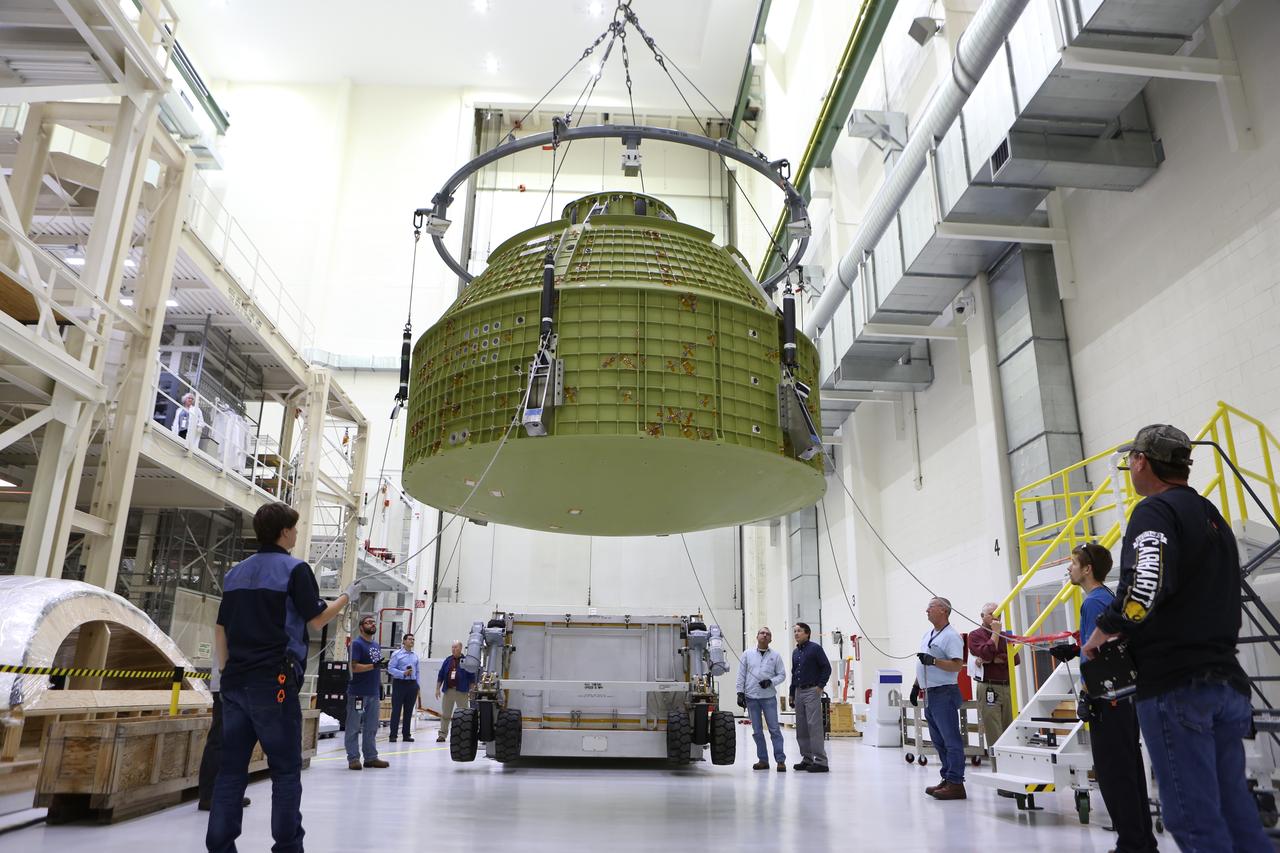
Inside the Neil Armstrong Operations and Checkout Building at NASA’s Kennedy Space Center in Florida, Lockheed Martin technicians monitor the progress as a crane moves the Orion crew module structural test article (STA) along the center aisle of the high bay. The STA arrived aboard NASA's Super Guppy aircraft at the Shuttle Landing Facility operated by Space Florida. The test article will be moved to a test tool called the birdcage for further testing. The Orion spacecraft will launch atop NASA’s Space Launch System rocket on EM-1, its first deep space mission, in late 2018.
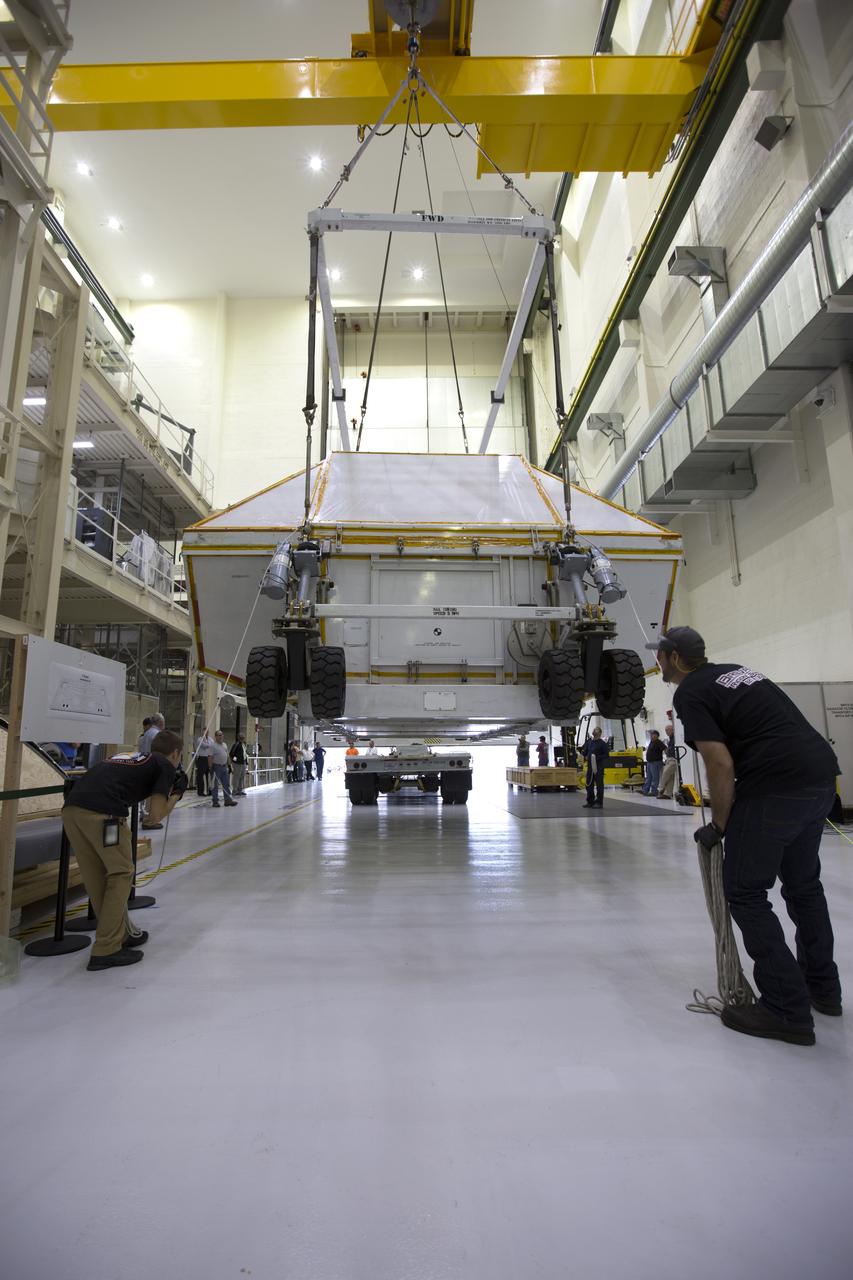
Inside the Neil Armstrong Operations and Checkout Building high bay at NASA's Kennedy Space Center in Florida, the Orion Exploration Mission-1 (EM-1) structural test article is secured inside its transport container. Technicians monitor the progress as a crane is used to move the container toward a transport vehicle for the move to the Shuttle Landing Facility. The test article will be loaded in NASA's Super Guppy airplane and transported to Lockheed Martin's Denver facility for testing. The Orion spacecraft will launch atop NASA’s Space Launch System rocket on EM-1, its first deep space mission.
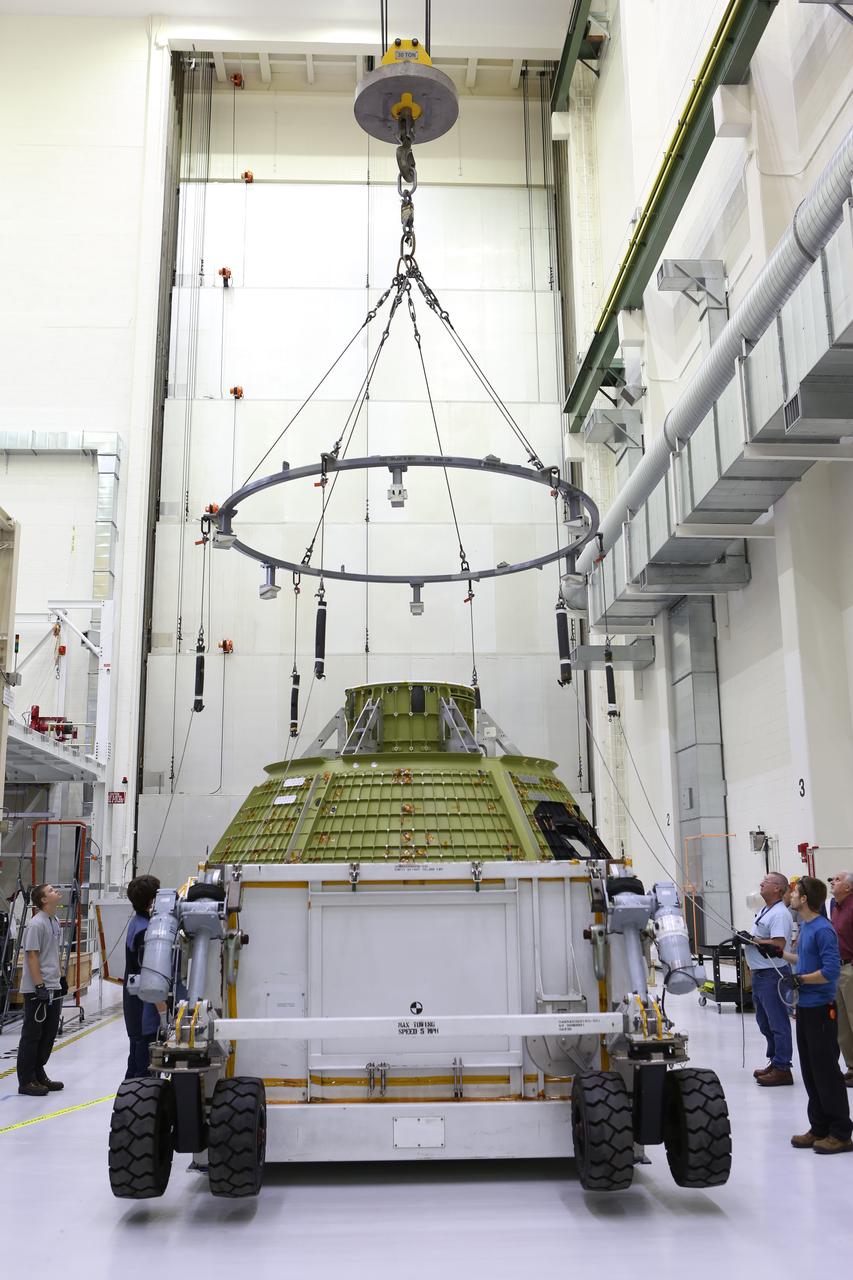
Inside the Neil Armstrong Operations and Checkout Building at NASA’s Kennedy Space Center in Florida, Lockheed Martin technicians prepare to attach lines from a crane to the Orion crew module structural test article (STA). The STA arrived aboard NASA's Super Guppy aircraft at the Shuttle Landing Facility operated by Space Florida. The test article will be lifted out of its container and moved to a test tool called the birdcage for further testing. The Orion spacecraft will launch atop NASA’s Space Launch System rocket on EM-1, its first deep space mission, in late 2018.
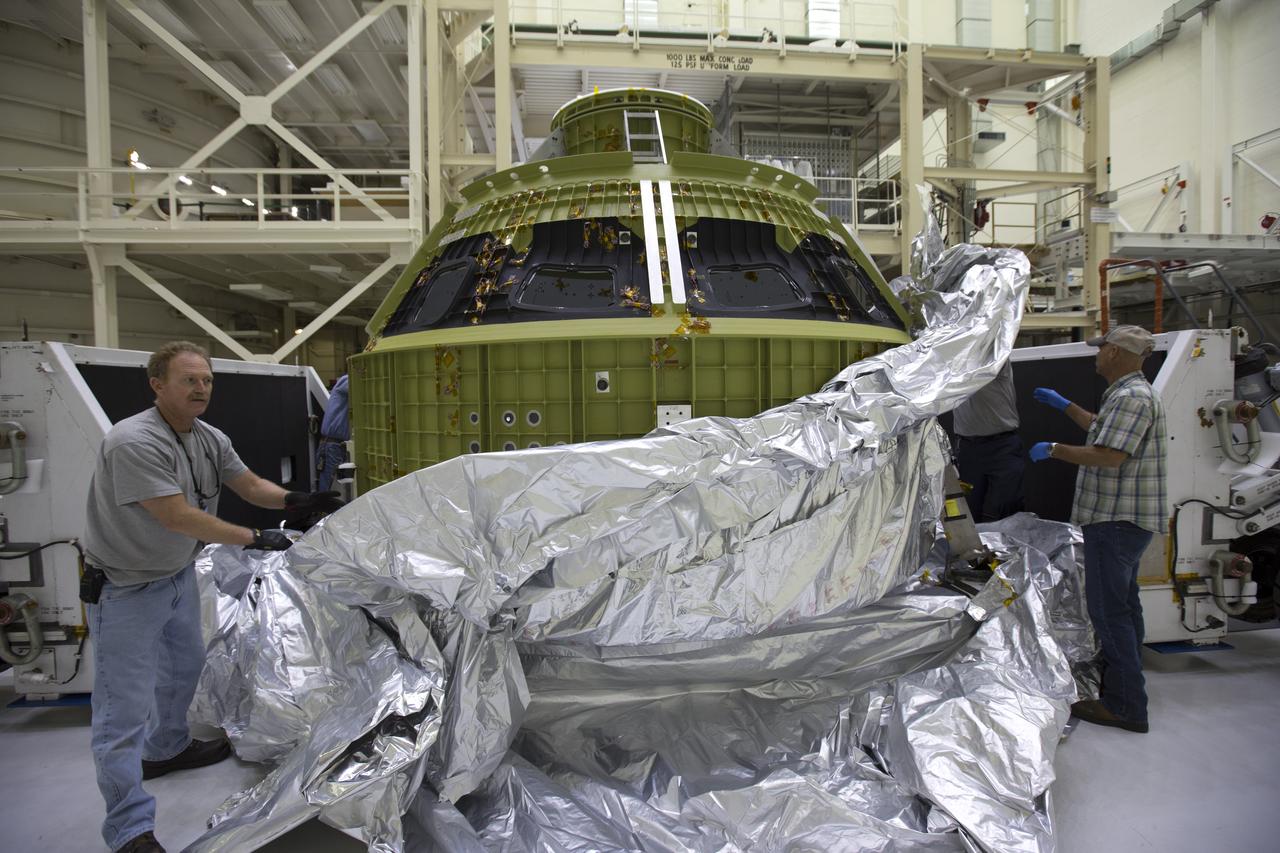
Inside the Neil Armstrong Operations and Checkout Building high bay at NASA's Kennedy Space Center in Florida, Lockheed Martin technicians remove the protective covering from the Orion crew module structural test article (STA). The STA arrived aboard NASA's Super Guppy aircraft at the Shuttle Landing Facility operated by Space Florida. The test article was moved inside the facility's high bay for further testing. The Orion spacecraft will launch atop NASA’s Space Launch System rocket on EM-1, its first deep space mission, in late 2018.
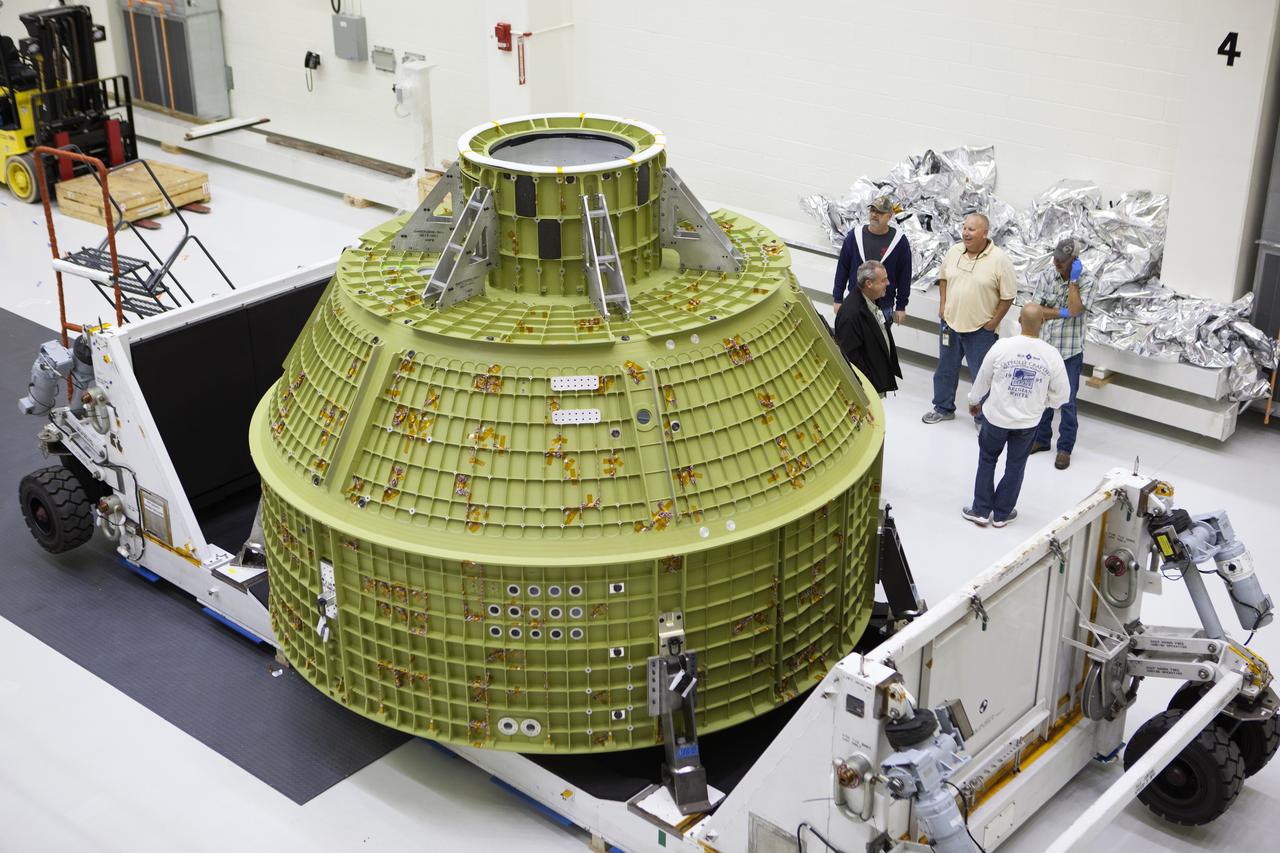
Inside the Neil Armstrong Operations and Checkout Building high bay at NASA's Kennedy Space Center in Florida, the protective covering was removed from the Orion crew module structural test article (STA). It remains secured on the bottom of its transport container. The STA arrived aboard NASA's Super Guppy aircraft at the Shuttle Landing Facility operated by Space Florida. The test article was moved inside the facility's high bay for further testing. The Orion spacecraft will launch atop NASA’s Space Launch System rocket on EM-1, its first deep space mission, in late 2018.
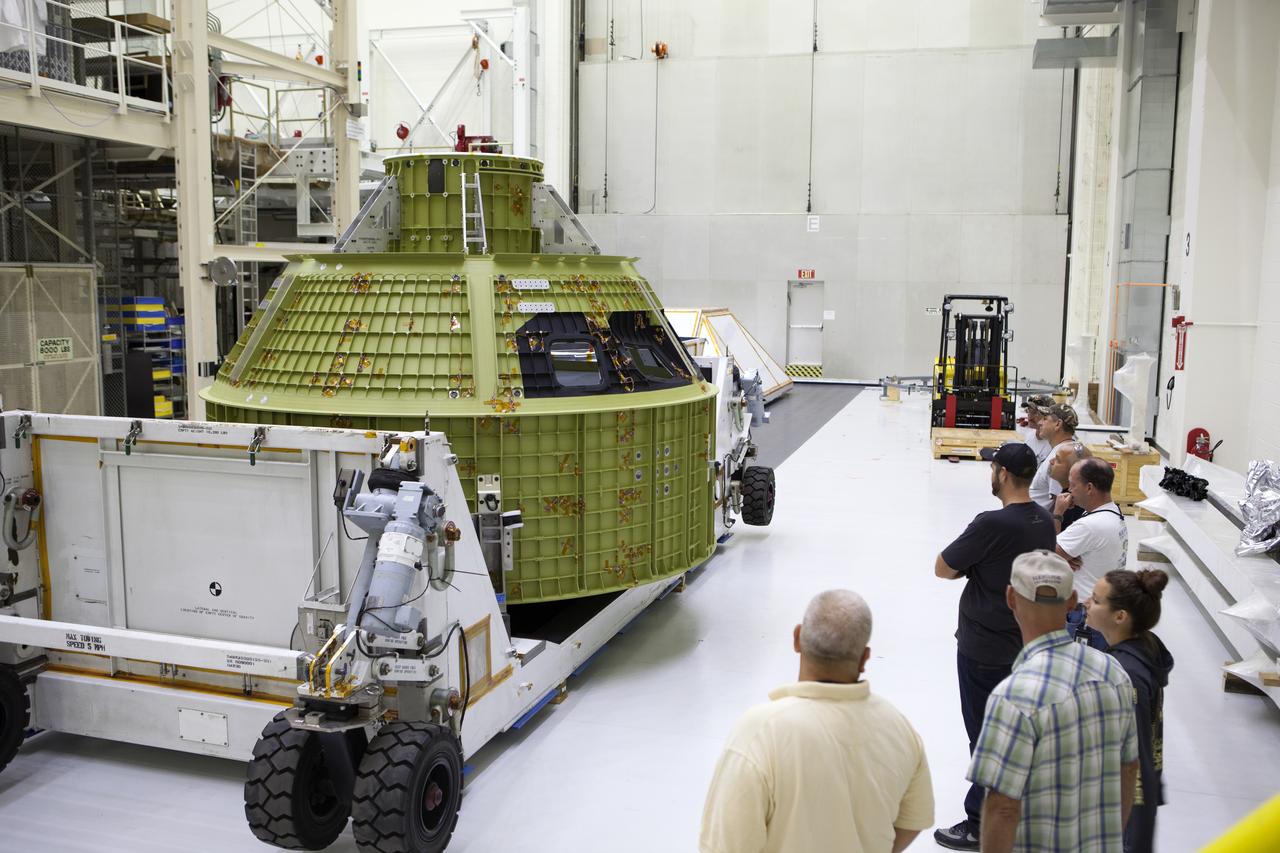
Inside the Neil Armstrong Operations and Checkout Building high bay at NASA's Kennedy Space Center in Florida, technicians with Lockheed Martin look over the Orion crew module structural test article (STA) secured on the bottom of its transport container. The STA arrived aboard NASA's Super Guppy aircraft at the Shuttle Landing Facility operated by Space Florida. The test article was moved inside the facility's high bay for further testing. The Orion spacecraft will launch atop NASA’s Space Launch System rocket on EM-1, its first deep space mission, in late 2018.
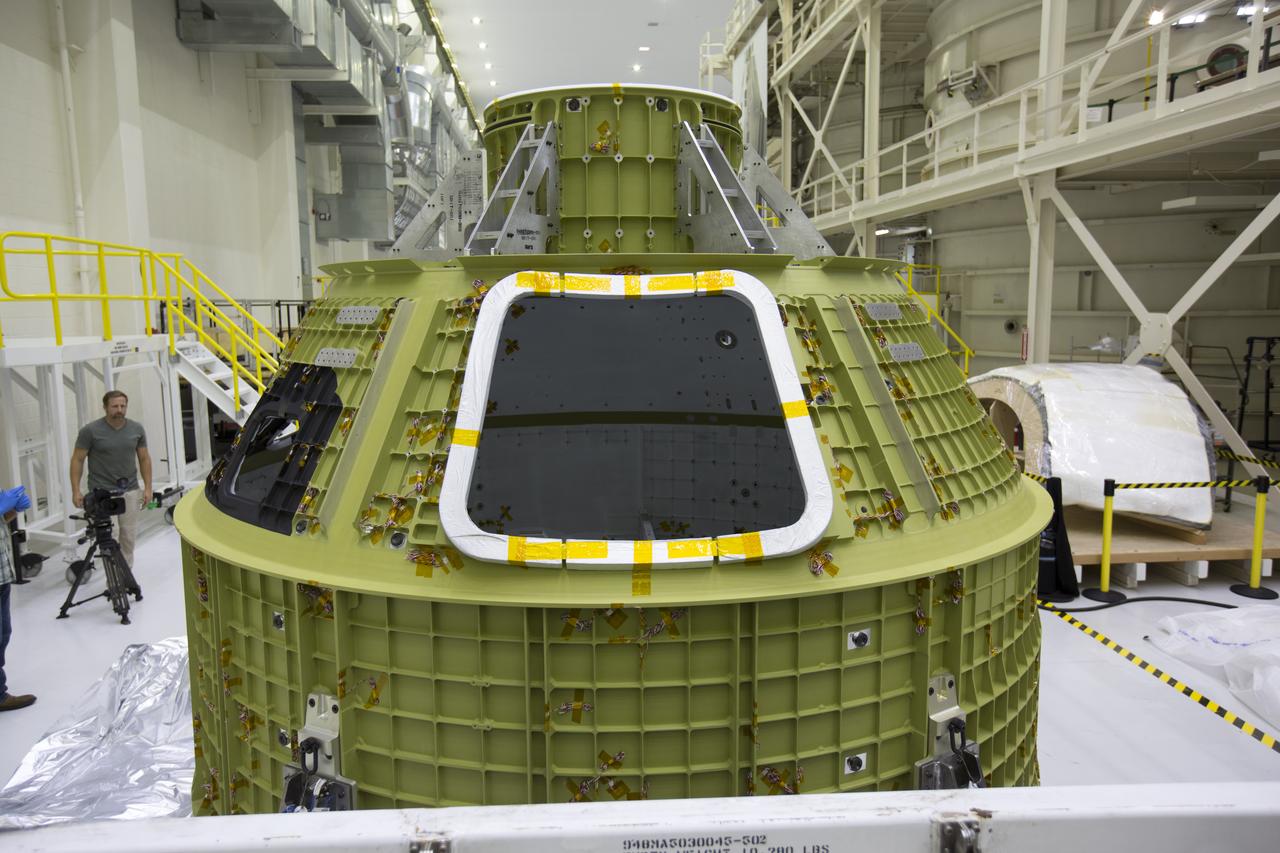
Inside the Neil Armstrong Operations and Checkout Building high bay at NASA's Kennedy Space Center in Florida, the protective covering was removed from the Orion crew module structural test article (STA). It remains secured on the bottom of its transport container. The STA arrived aboard NASA's Super Guppy aircraft at the Shuttle Landing Facility operated by Space Florida. The test article was moved inside the facility's high bay for further testing. The Orion spacecraft will launch atop NASA’s Space Launch System rocket on EM-1, its first deep space mission, in late 2018.
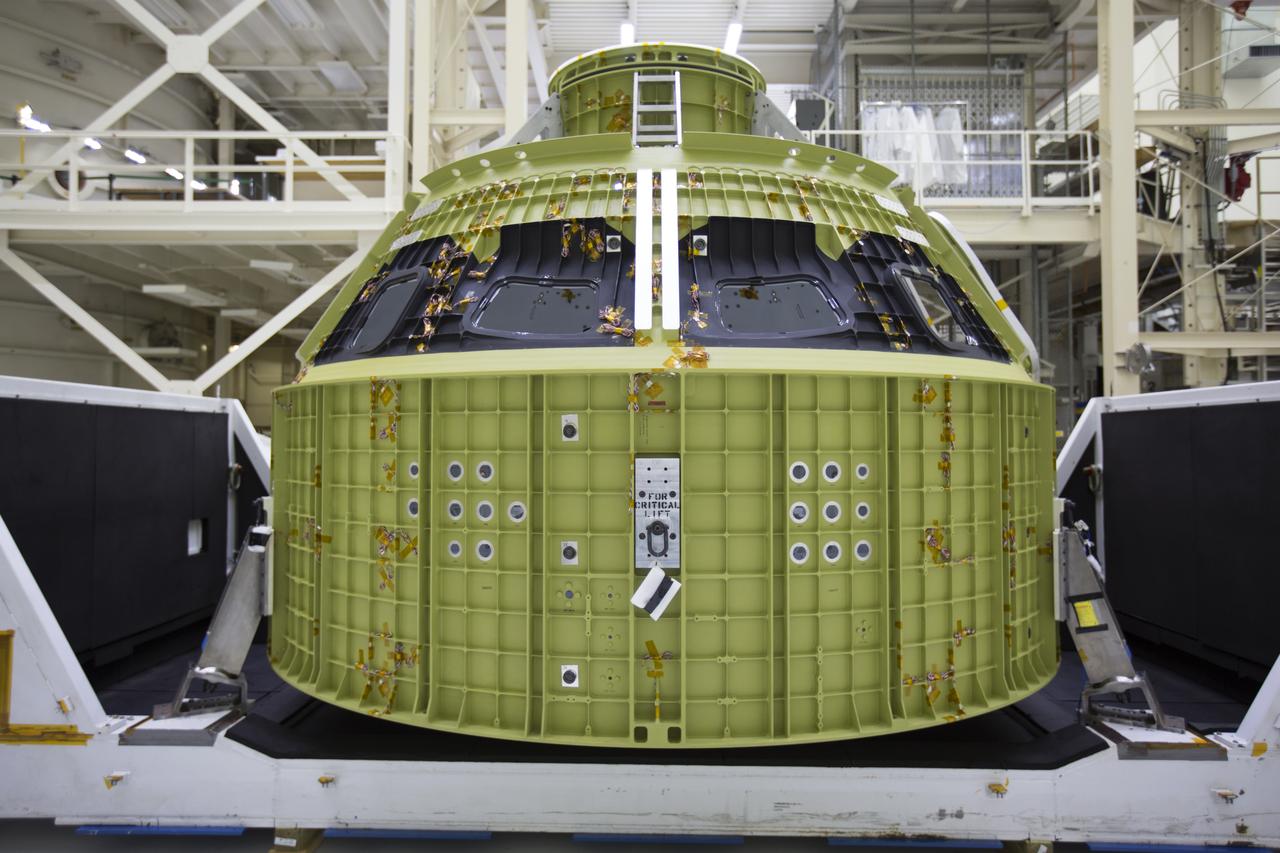
Inside the Neil Armstrong Operations and Checkout Building high bay at NASA's Kennedy Space Center in Florida, the protective covering was removed from the Orion crew module structural test article (STA). It remains secured on the bottom of its transport container. The STA arrived aboard NASA's Super Guppy aircraft at the Shuttle Landing Facility operated by Space Florida. The test article was moved inside the facility's high bay for further testing. The Orion spacecraft will launch atop NASA’s Space Launch System rocket on EM-1, its first deep space mission, in late 2018.
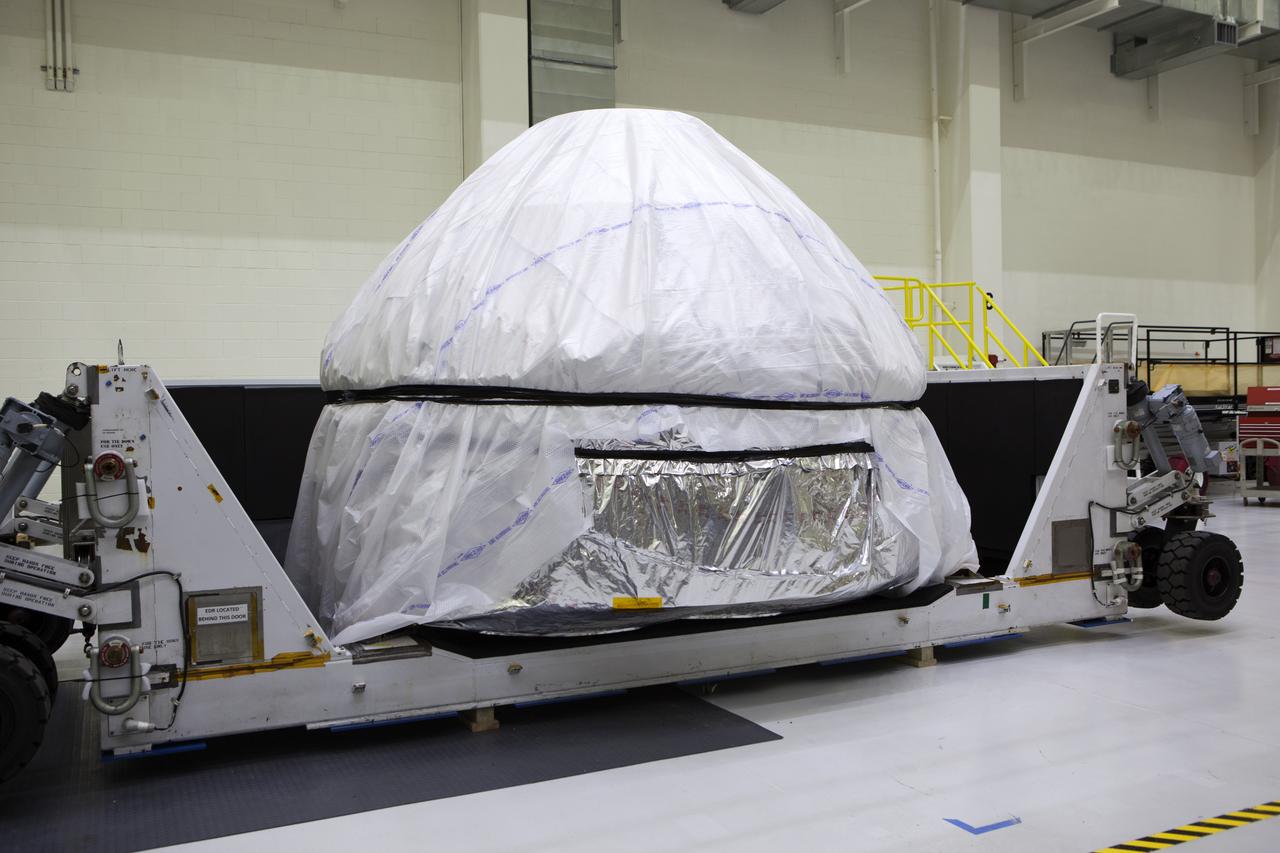
Inside the Neil Armstrong Operations and Checkout Building high bay at NASA's Kennedy Space Center in Florida, the cover has been removed from the container holding the Orion crew module structural test article (STA). The STA arrived aboard NASA's Super Guppy aircraft at the Shuttle Landing Facility operated by Space Florida. The test article was moved inside the facility's high bay for further testing. The Orion spacecraft will launch atop NASA’s Space Launch System rocket on EM-1, its first deep space mission, in late 2018.
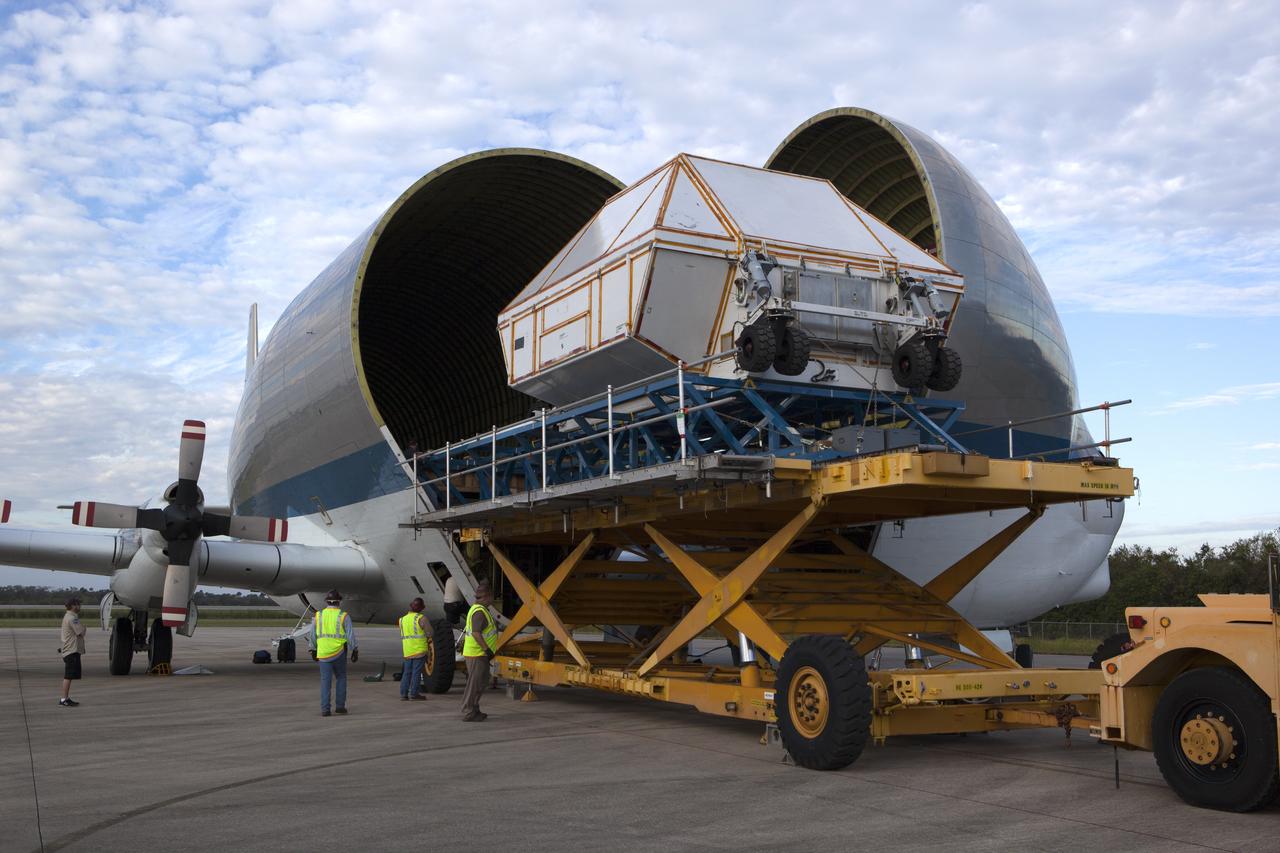
After arriving at the Shuttle Landing Facility operated by Space Florida at NASA's Kennedy Space Center in Florida, the agency's Super Guppy aircraft has been opened and the container holding the Orion crew module structural test article (STA) is being offloaded. The test article will be transported to the Neil Armstrong Operations and Checkout Building high bay for further testing. The Orion spacecraft will launch atop NASA’s Space Launch System rocket on EM-1, its first deep space mission, in late 2018. Photo credit: NASA/Ben Smegelsky
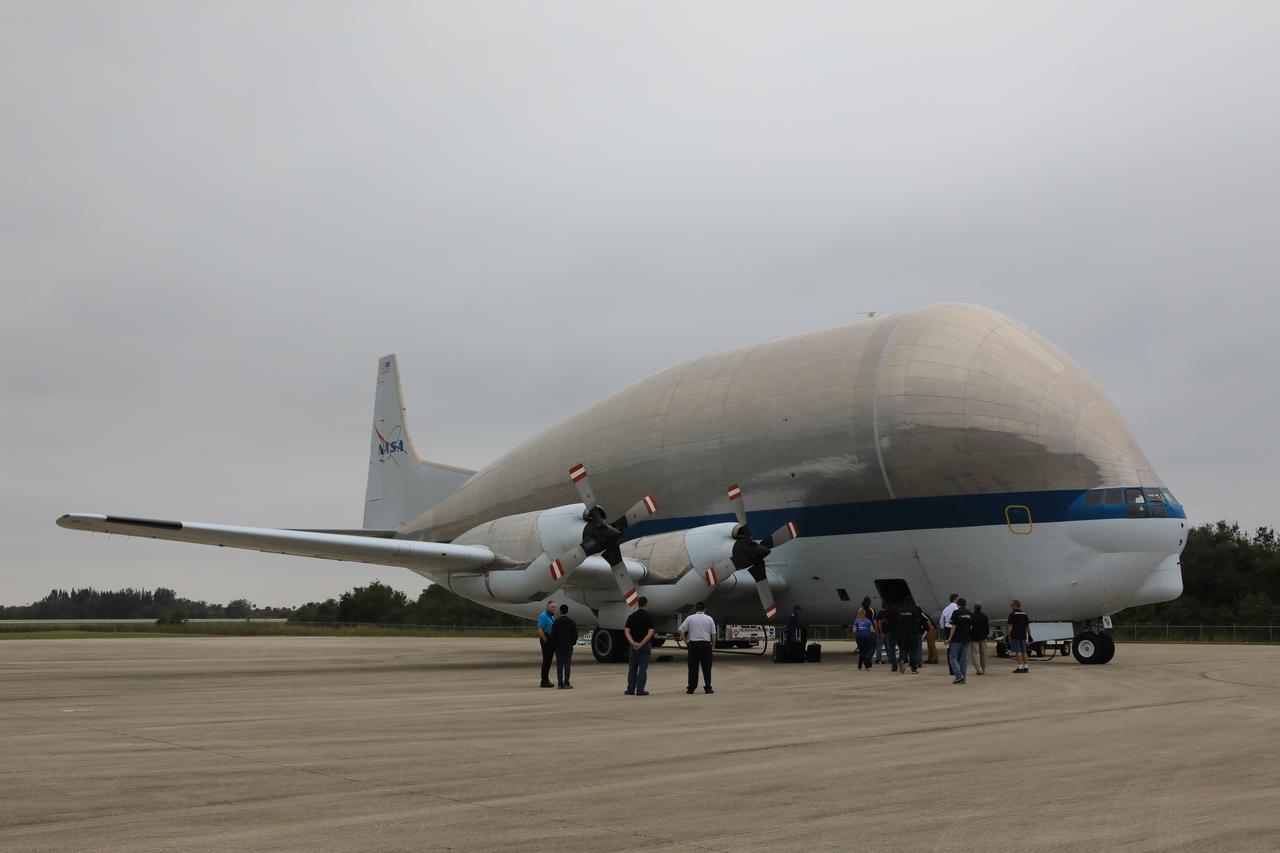
NASA’s Super Guppy aircraft arrives on the tarmac after touching down at the Shuttle Landing Facility at the agency’s Kennedy Space Center in Florida. The guppy is carrying the Orion crew module structural test article (STA). The STA will be offloaded and transported to the Neil Armstrong Operations and Checkout Building high bay for further testing. Photo credit: NASA/Kim Shiflett
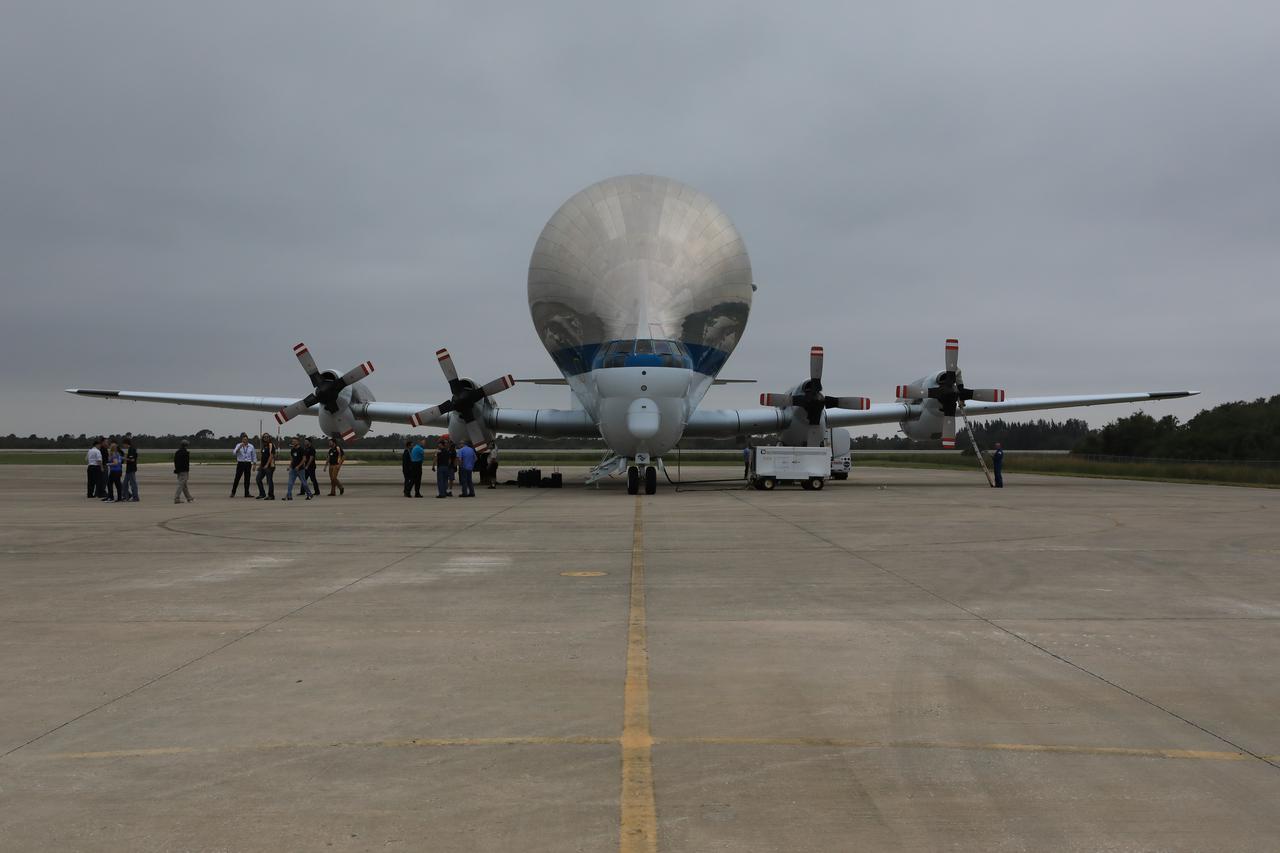
NASA’s Super Guppy aircraft arrives on the tarmac after touching down at the Shuttle Landing Facility at the agency’s Kennedy Space Center in Florida. The guppy is carrying the Orion crew module structural test article (STA). The STA will be offloaded and transported to the Neil Armstrong Operations and Checkout Building high bay for further testing. Photo credit: NASA/Kim Shiflett
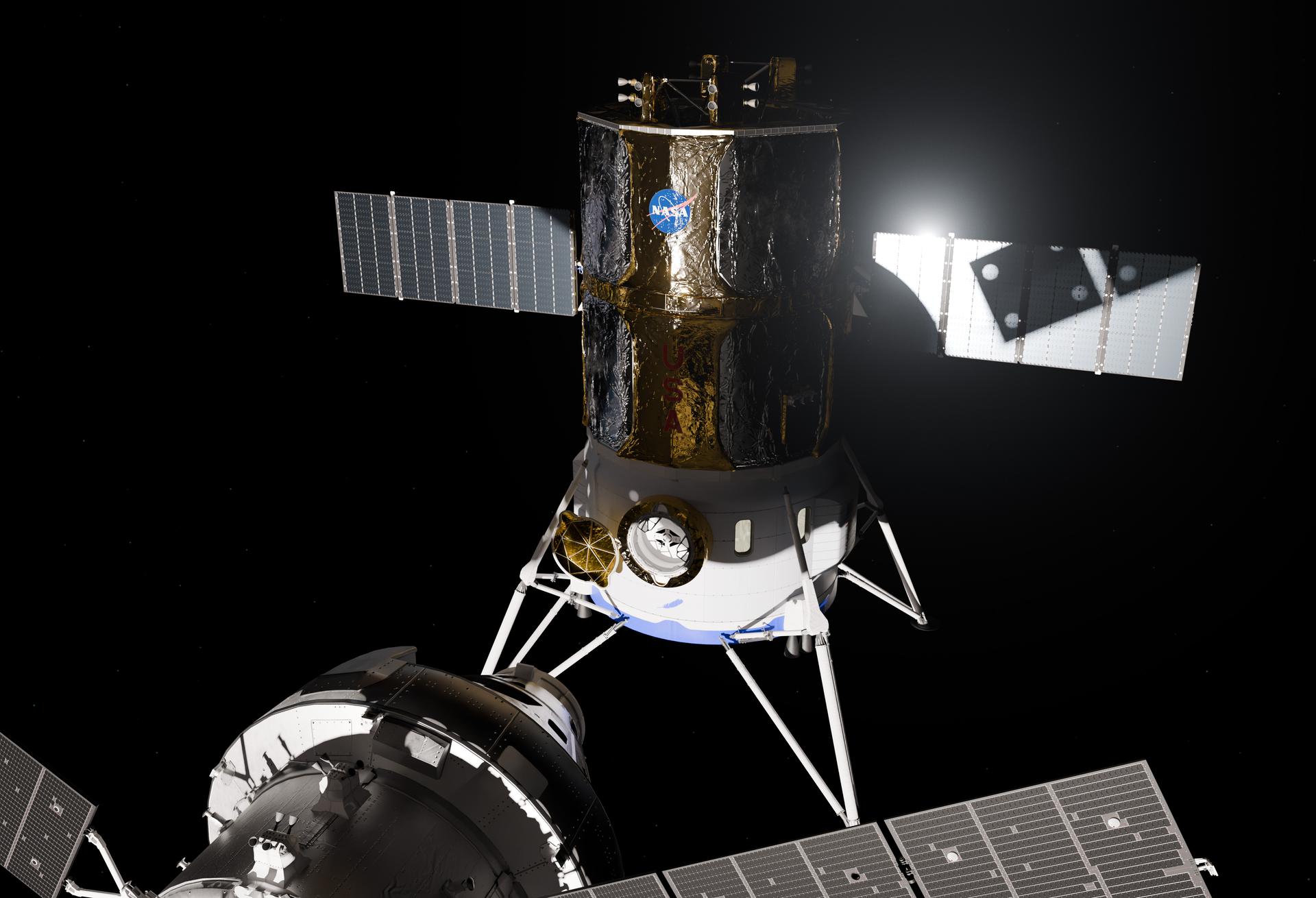
This artist’s concept depicts Blue Origin’s Blue Moon Mark 2 human landing system test article in Earth orbit with NASA’s Orion spacecraft during rendezvous and docking operations as part of NASA’s upcoming Artemis III demonstration mission in low Earth orbit. NASA is working with two American companies to develop the human landing systems that will safely transport astronauts from lunar orbit to the Moon’s surface and back for future Artemis missions. For Artemis III, both SpaceX and Blue Origin will fly test versions, or test articles, of the crewed landers that will be used for future Moon landings. The lander test articles will launch by commercial rockets, while the Artemis III crew will launch to low Earth orbit in Orion atop the agency’s SLS (Space Launch System) rocket.
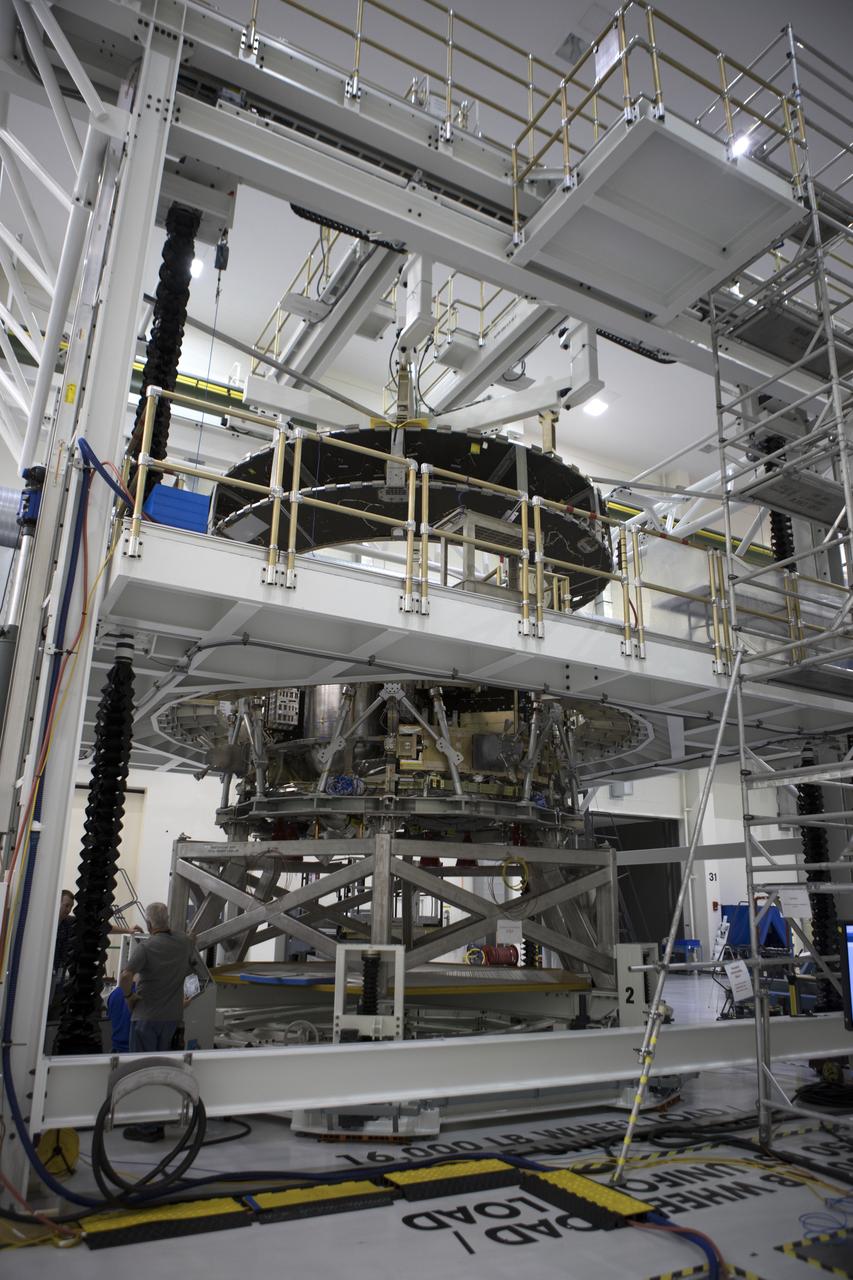
Inside the Neil Armstrong Operations and Checkout Building high bay at NASA's Kennedy Space Center in Florida, operations are underway to lower the Orion crew module adapter structural test article onto the European Space Agency's service module structural test article. After the hardware is attached, the structure will be packed and shipped to Lockheed Martin's Denver facility to undergo testing. The Orion spacecraft will launch atop the agency's Space Launch System rocket on Exploration Mission-1 in 2019.
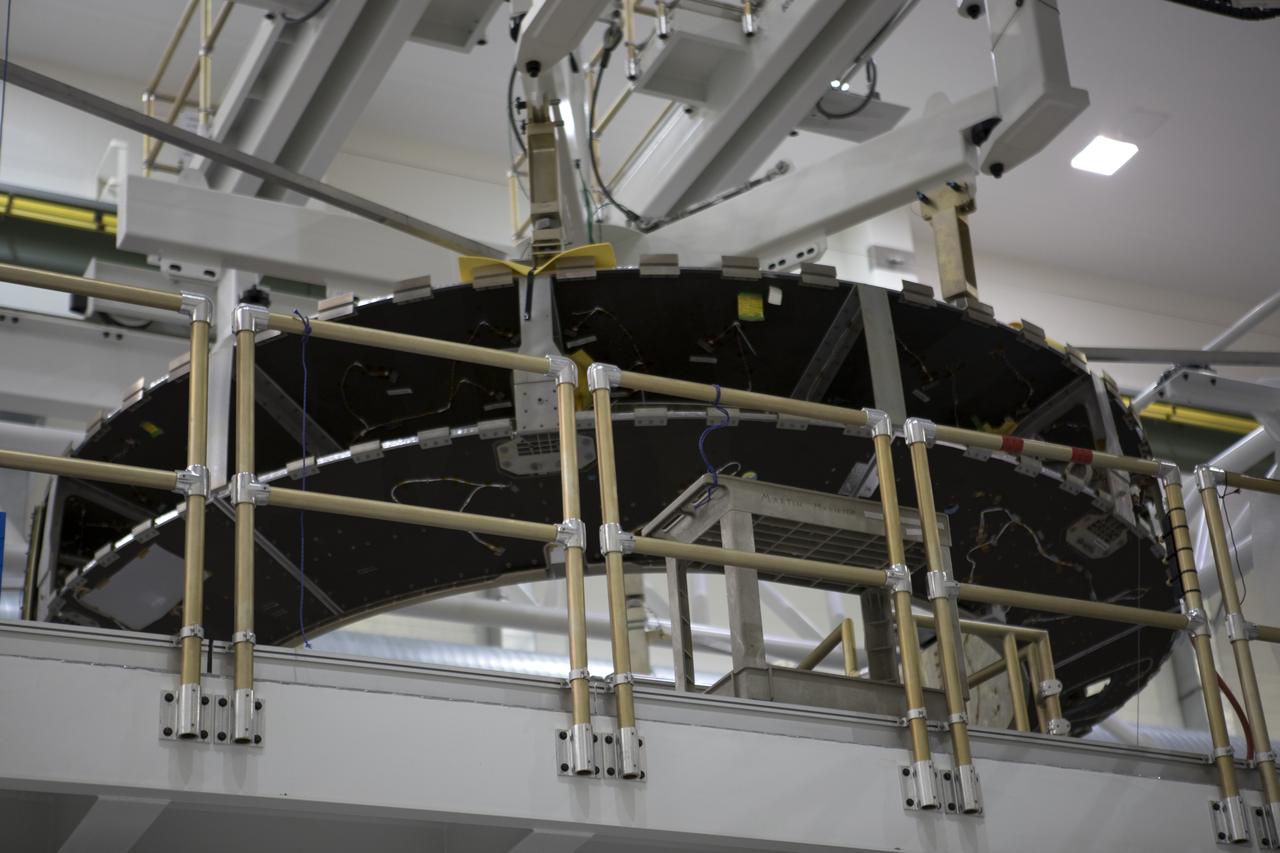
Inside the Neil Armstrong Operations and Checkout Building high bay at NASA's Kennedy Space Center in Florida, operations are underway to lower the Orion crew module adapter structural test article onto the European Space Agency's service module structural test article. After the hardware is attached, the structure will be packed and shipped to Lockheed Martin's Denver facility to undergo testing. The Orion spacecraft will launch atop the agency's Space Launch System rocket on Exploration Mission-1 in 2019.
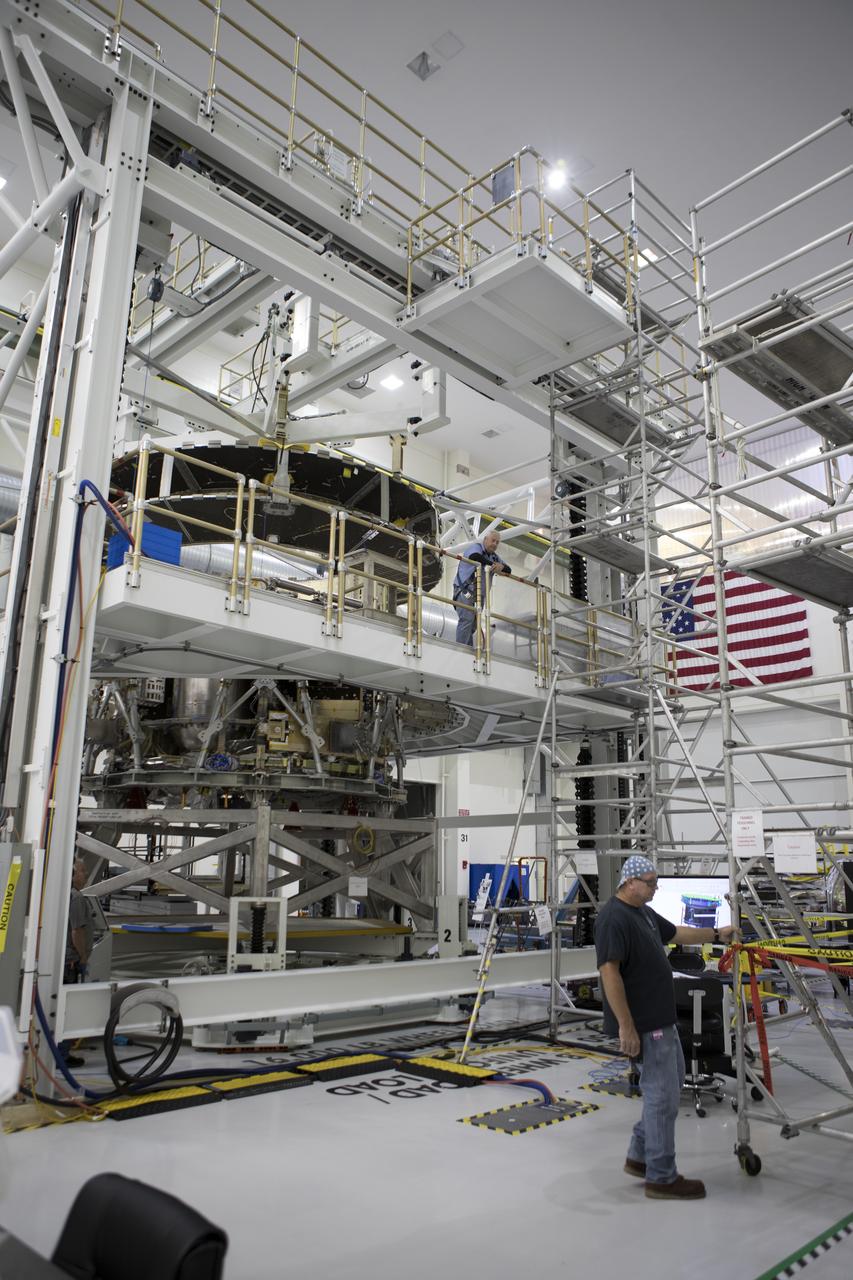
Inside the Neil Armstrong Operations and Checkout Building high bay at NASA's Kennedy Space Center in Florida, operations are underway to lower the Orion crew module adapter structural test article onto the European Space Agency's service module structural test article. After the hardware is attached, the structure will be packed and shipped to Lockheed Martin's Denver facility to undergo testing. The Orion spacecraft will launch atop the agency's Space Launch System rocket on Exploration Mission-1 in 2019.
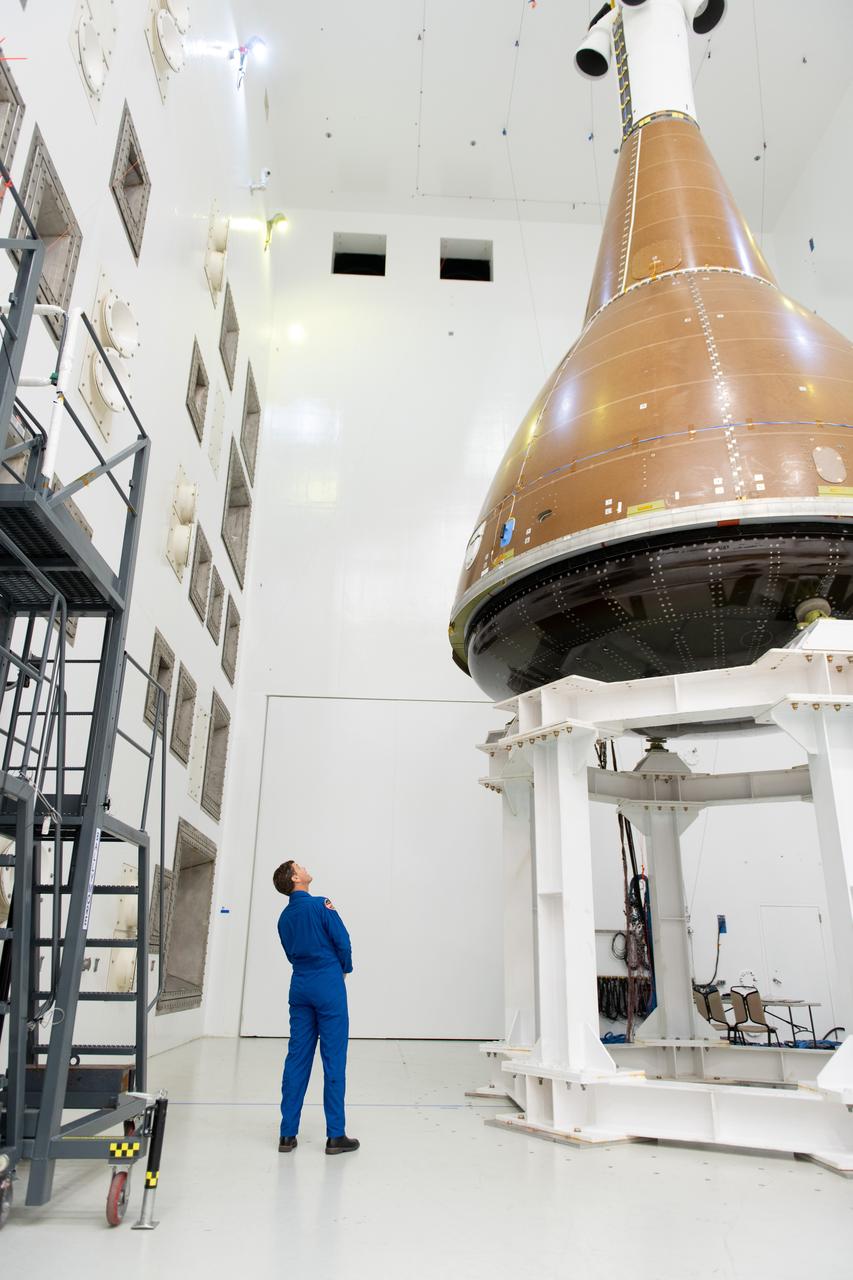
The team at NASA's Armstrong Test Facility in Sandusky, Ohio has begun vibro-acoustic testing on the Orion spacecraft that flew around the Moon on Artemis I, now known as the Environmental Test Article. The testing will help ensure the safety of future crews aboard Orion. Commander Reid Wiseman looks up at the Orion capsule during tours on September 11, 2024 of the acoustic lab. Photo Credit: (NASA/Sara Lowthian-Hanna)
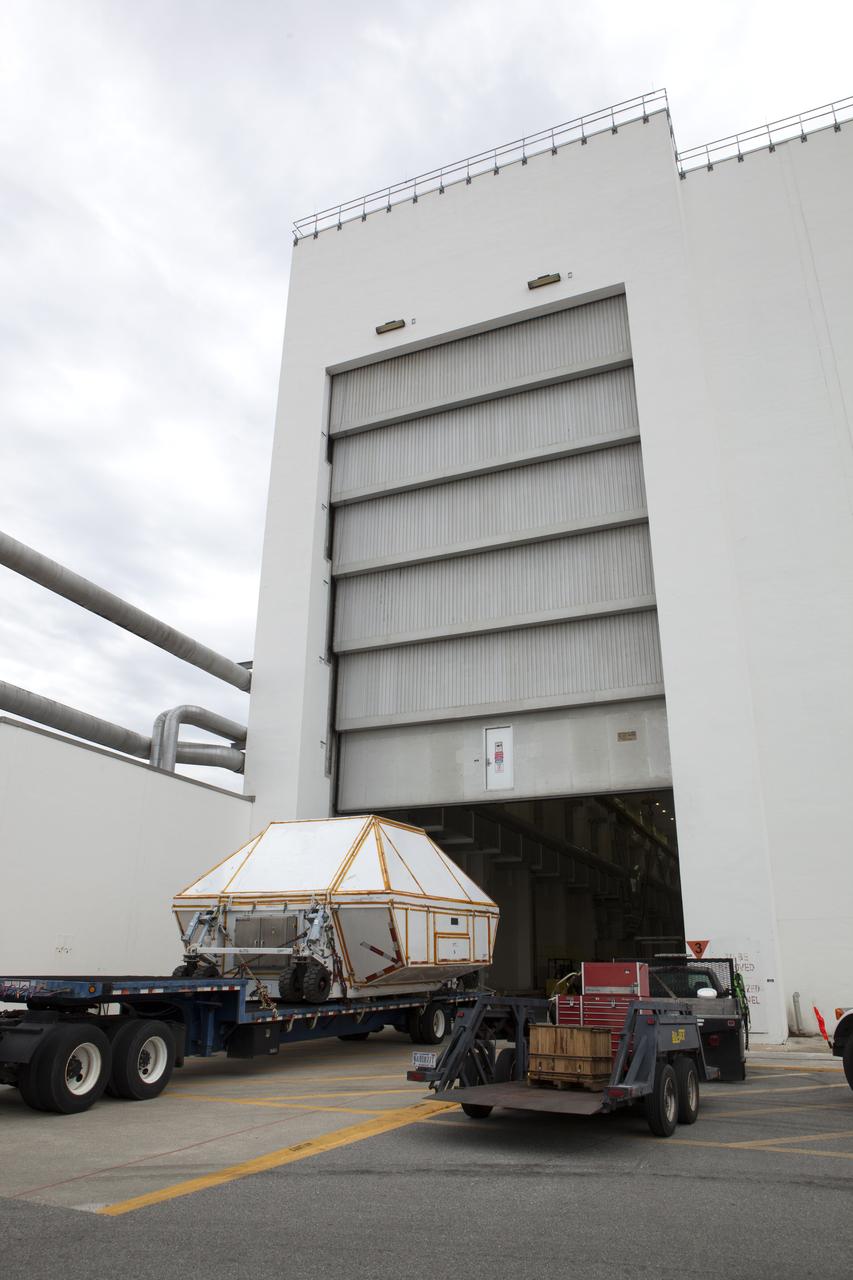
A transporter carrying the Orion crew module structural test article (STA) in its container arrives at the low bay entrance of the Neil Armstrong Operations and Checkout Building at NASA's Kennedy Space Center in Florida. The STA arrived aboard NASA's Super Guppy aircraft at the Shuttle Landing Facility operated by Space Florida. The test article will be moved inside the facility's high bay for further testing. The Orion spacecraft will launch atop NASA’s Space Launch System rocket on EM-1, its first deep space mission, in late 2018.
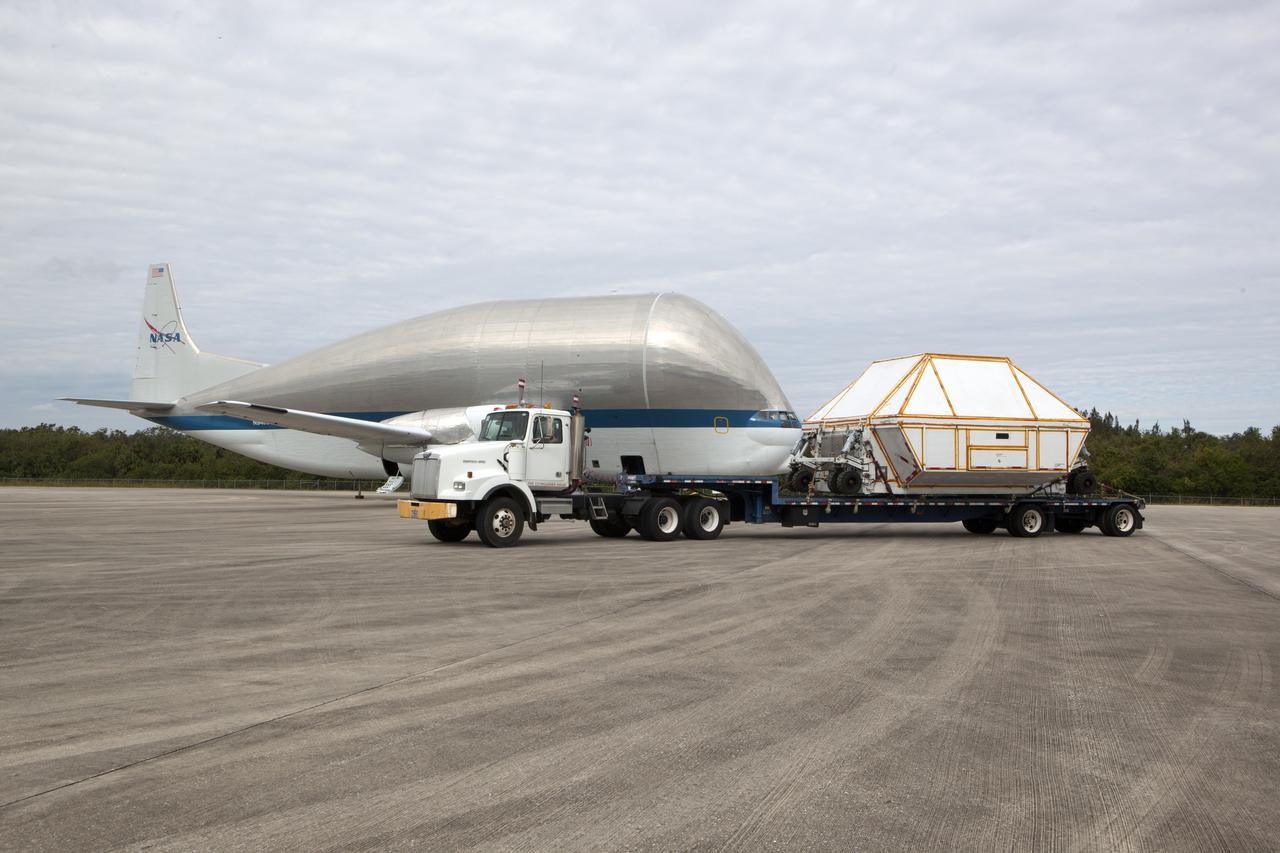
After arriving at the Shuttle Landing Facility operated by Space Florida at NASA's Kennedy Space Center in Florida, the agency's Super Guppy aircraft was opened and the container holding the Orion crew module structural test article (STA) was offloaded. A crane was used to lower the container for placement on a transporter. The Super Guppy has been closed. The test article will be moved to the Neil Armstrong Operations and Checkout Building high bay for further testing. The Orion spacecraft will launch atop NASA’s Space Launch System rocket on EM-1, its first deep space mission, in late 2018.
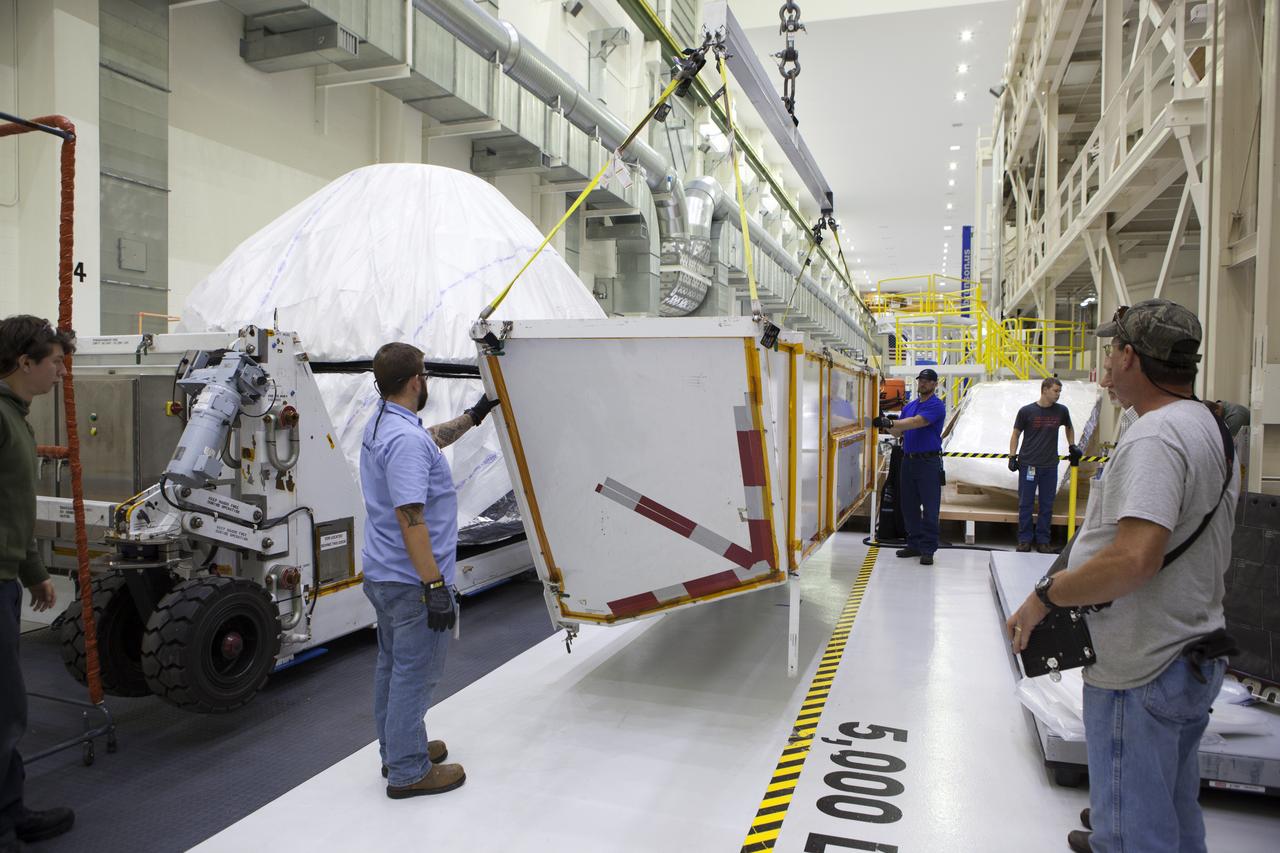
Inside the Neil Armstrong Operations and Checkout Building high bay at NASA's Kennedy Space Center in Florida, technicians with Lockheed Martin assist as a crane lifts the cover away from the container holding the Orion crew module structural test article (STA). The STA arrived aboard NASA's Super Guppy aircraft at the Shuttle Landing Facility operated by Space Florida. The test article was moved inside the facility's high bay for further testing. The Orion spacecraft will launch atop NASA’s Space Launch System rocket on EM-1, its first deep space mission, in late 2018.
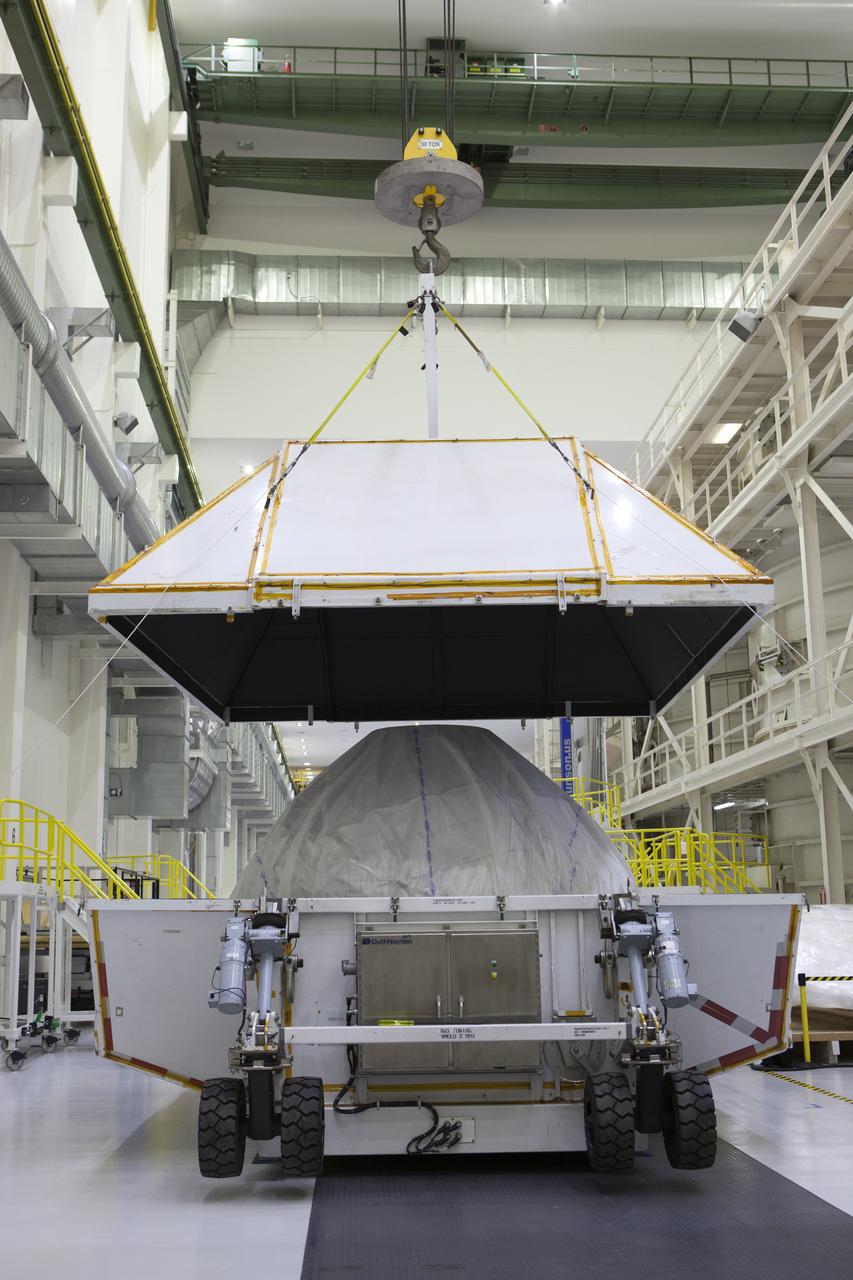
Inside the Neil Armstrong Operations and Checkout Building high bay at NASA's Kennedy Space Center in Florida, a crane lifts the cover up from the container holding the Orion crew module structural test article (STA). The STA arrived aboard NASA's Super Guppy aircraft at the Shuttle Landing Facility operated by Space Florida. The test article was moved inside the facility's high bay for further testing. The Orion spacecraft will launch atop NASA’s Space Launch System rocket on EM-1, its first deep space mission, in late 2018.
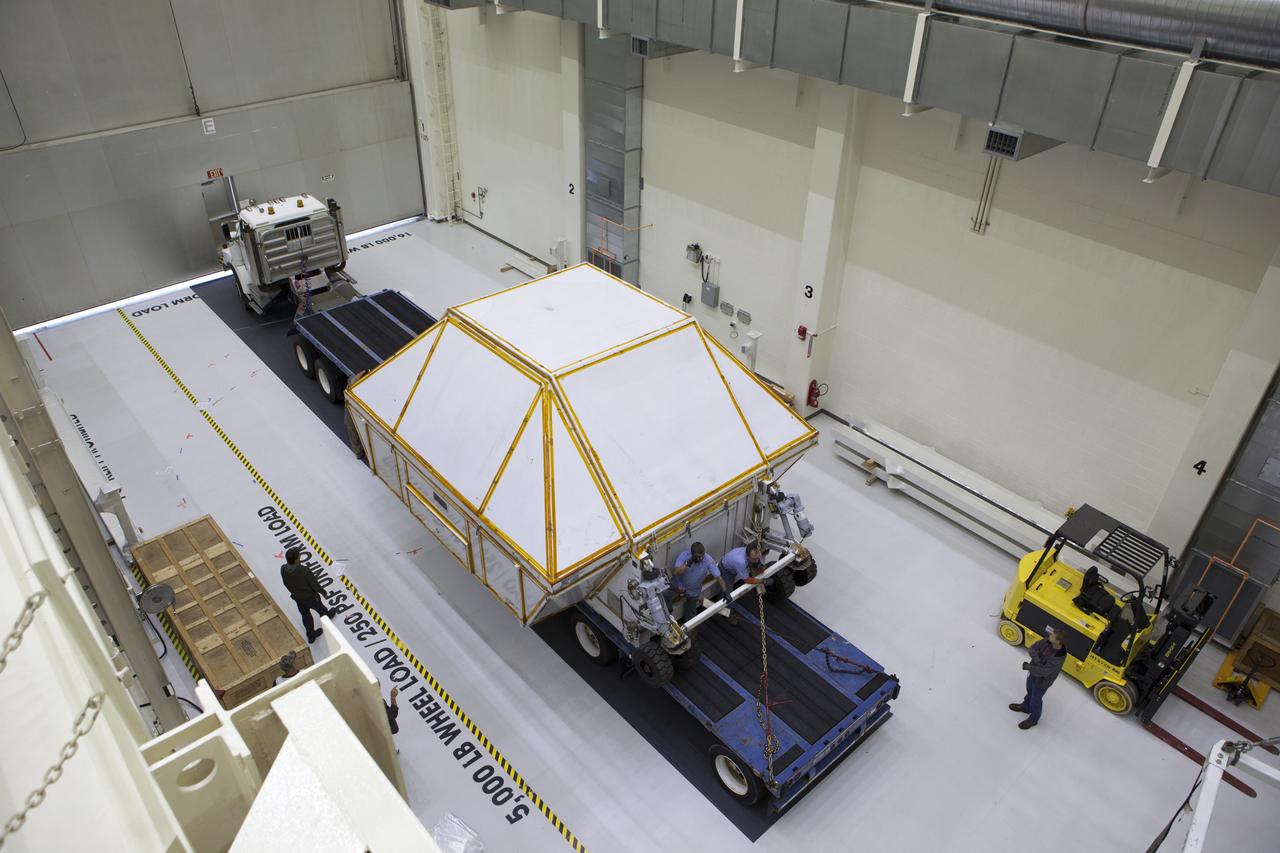
A transporter carrying the Orion crew module structural test article (STA) in its container arrives inside the low bay of the Neil Armstrong Operations and Checkout Building at NASA's Kennedy Space Center in Florida. The STA arrived aboard NASA's Super Guppy aircraft at the Shuttle Landing Facility operated by Space Florida. The test article will be moved inside the facility's high bay for further testing. The Orion spacecraft will launch atop NASA’s Space Launch System rocket on EM-1, its first deep space mission, in late 2018.
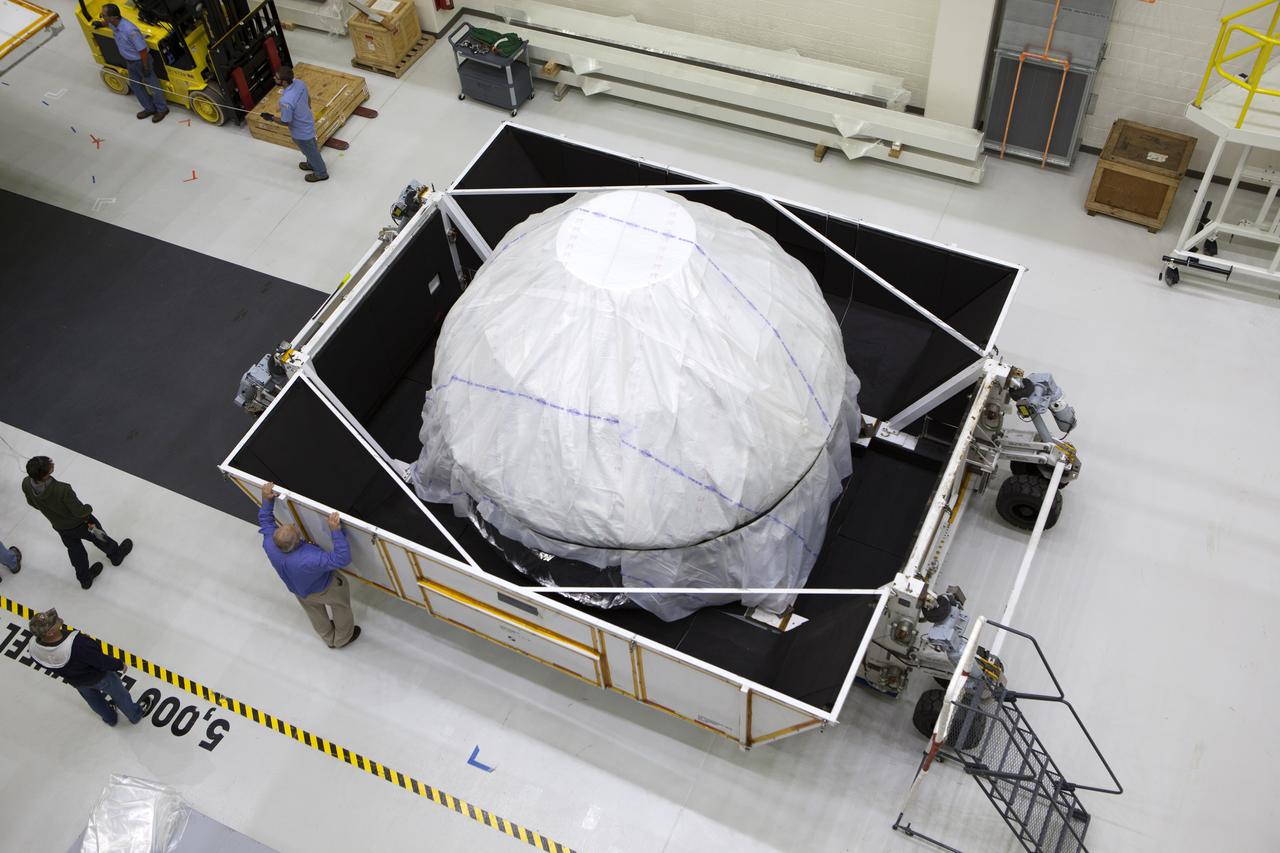
Inside the Neil Armstrong Operations and Checkout Building high bay at NASA's Kennedy Space Center in Florida, the cover has been removed from the container holding the Orion crew module structural test article (STA). The STA arrived aboard NASA's Super Guppy aircraft at the Shuttle Landing Facility operated by Space Florida. The test article was moved inside the facility's high bay for further testing. The Orion spacecraft will launch atop NASA’s Space Launch System rocket on EM-1, its first deep space mission, in late 2018.

Vibro-acoustic testing on the Orion spacecraft that flew around the Moon on Artemis I, now known as the Environmental Test Article. The testing at Armstrong Test Facility will help ensure the safety of future crews aboard Orion. Photograph taken on September 11, 2024. Photo Credit: (NASA/Sara Lowthian-Hanna)
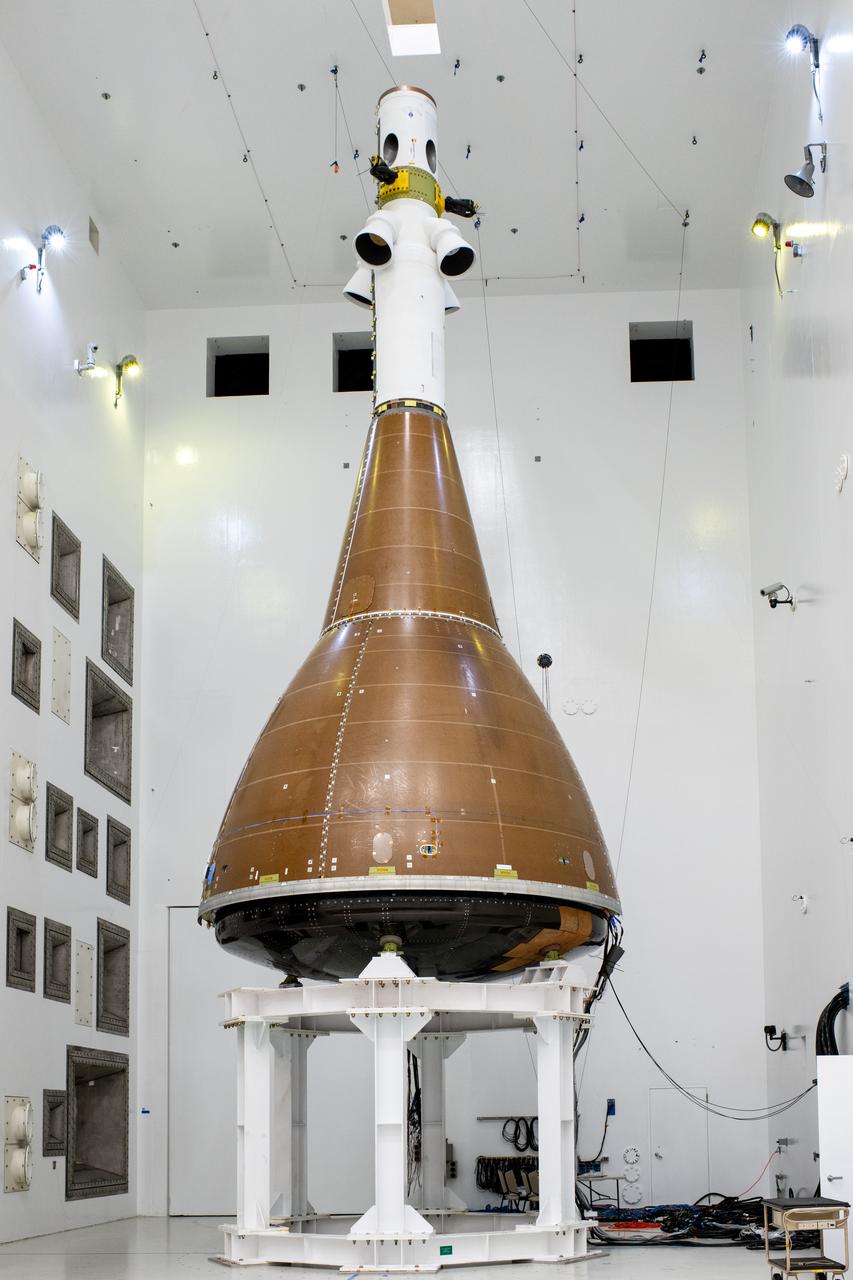
The team at NASA's Armstrong Test Facility in Sandusky, Ohio has begun vibro-acoustic testing on the Orion spacecraft that flew around the Moon on Artemis I, now known as the Environmental Test Article. The testing will help ensure the safety of future crews aboard Orion.
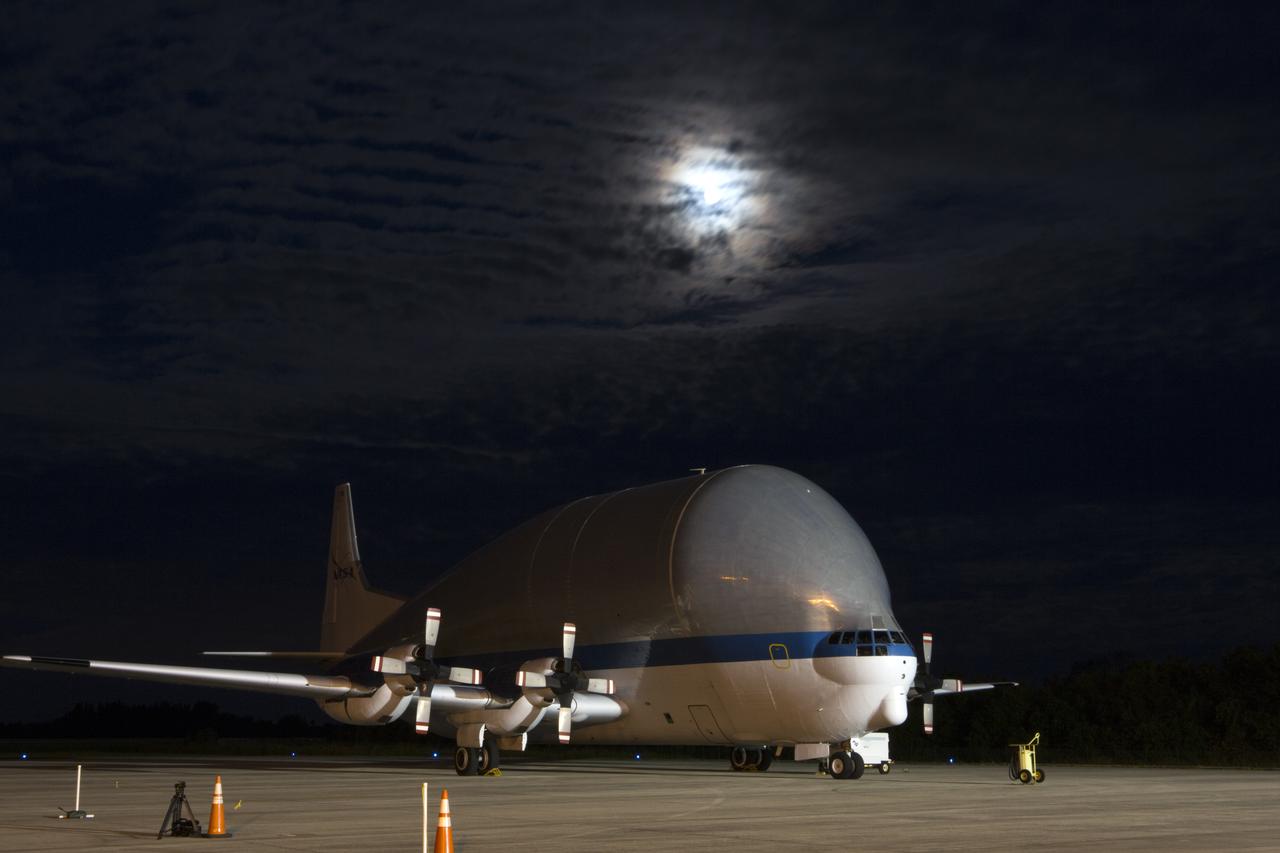
NASA’s Super Guppy aircraft, carrying the Orion crew module structural test article (STA), arrives at the Shuttle Landing Facility operated by Space Florida at NASA’s Kennedy Space Center in Florida. The STA will be offloaded and transported to the Neil Armstrong Operations and Checkout Building high bay for further testing. The Orion spacecraft will launch atop NASA’s Space Launch System rocket on EM-1, its first deep space mission, in late 2018.
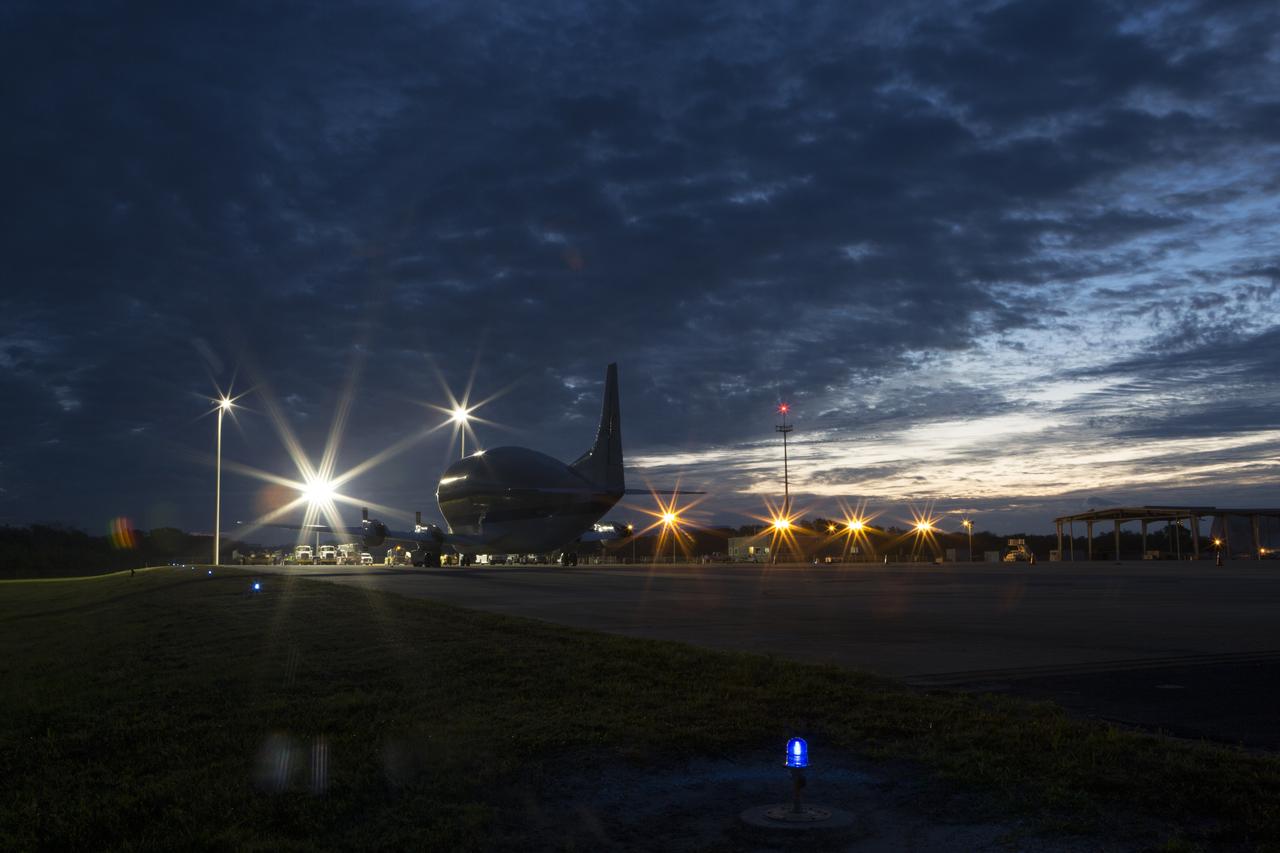
NASA’s Super Guppy aircraft, carrying the Orion crew module structural test article (STA), arrives at the Shuttle Landing Facility operated by Space Florida at NASA’s Kennedy Space Center in Florida. The STA will be offloaded and transported to the Neil Armstrong Operations and Checkout Building high bay for further testing. The Orion spacecraft will launch atop NASA’s Space Launch System rocket on EM-1, its first deep space mission, in late 2018.
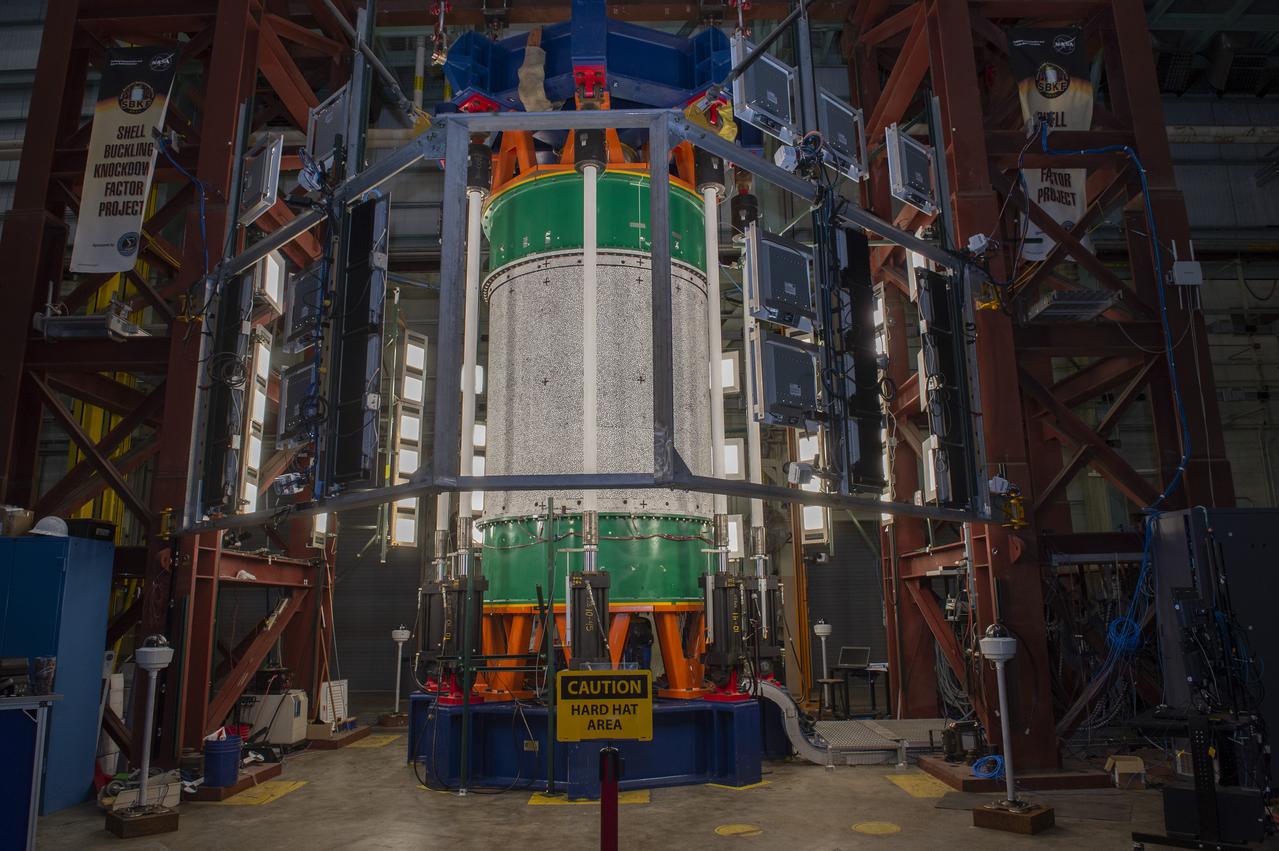
SHELL BUCKLING KNOCKDOWN FACTOR (SBKF) PROJECT - COMPOSITE TEST ARTICLE, (CTA) 8.3 – 12/17/19 – VIEW 1 OF 12
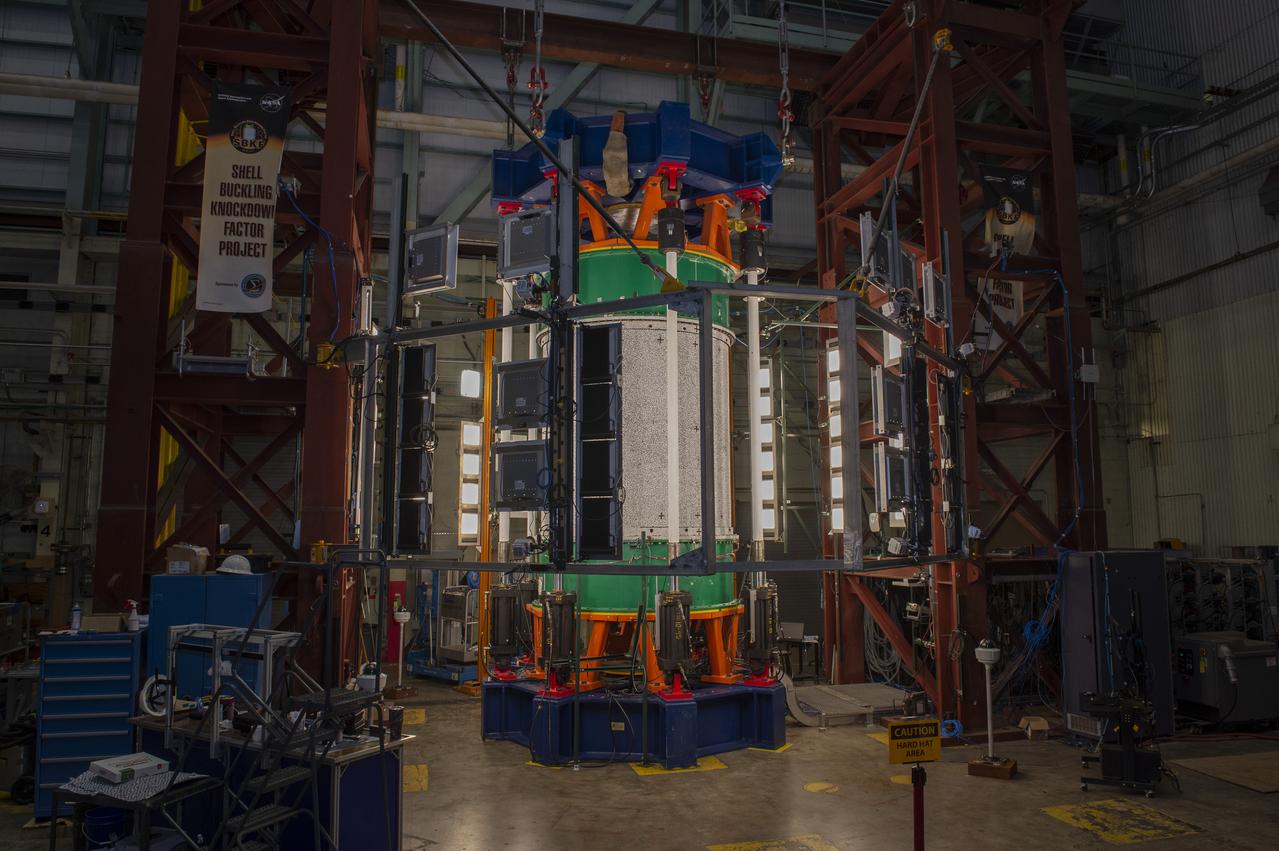
SHELL BUCKLING KNOCKDOWN FACTOR (SBKF) PROJECT - COMPOSITE TEST ARTICLE, (CTA) 8.3 – 12/17/19 – VIEW 1 OF 12
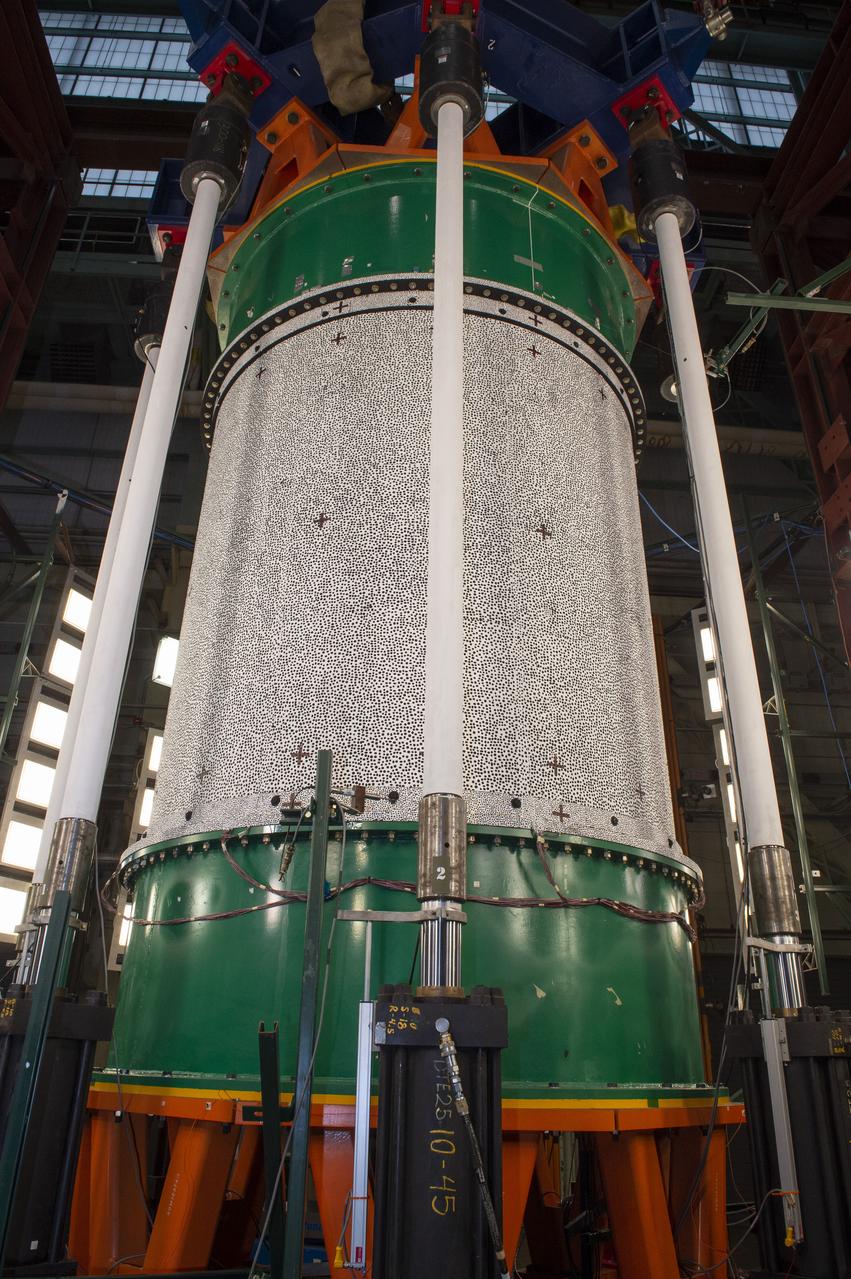
SHELL BUCKLING KNOCKDOWN FACTOR (SBKF) PROJECT - COMPOSITE TEST ARTICLE, (CTA) 8.3 – 12/17/19 – VIEW 1 OF 12
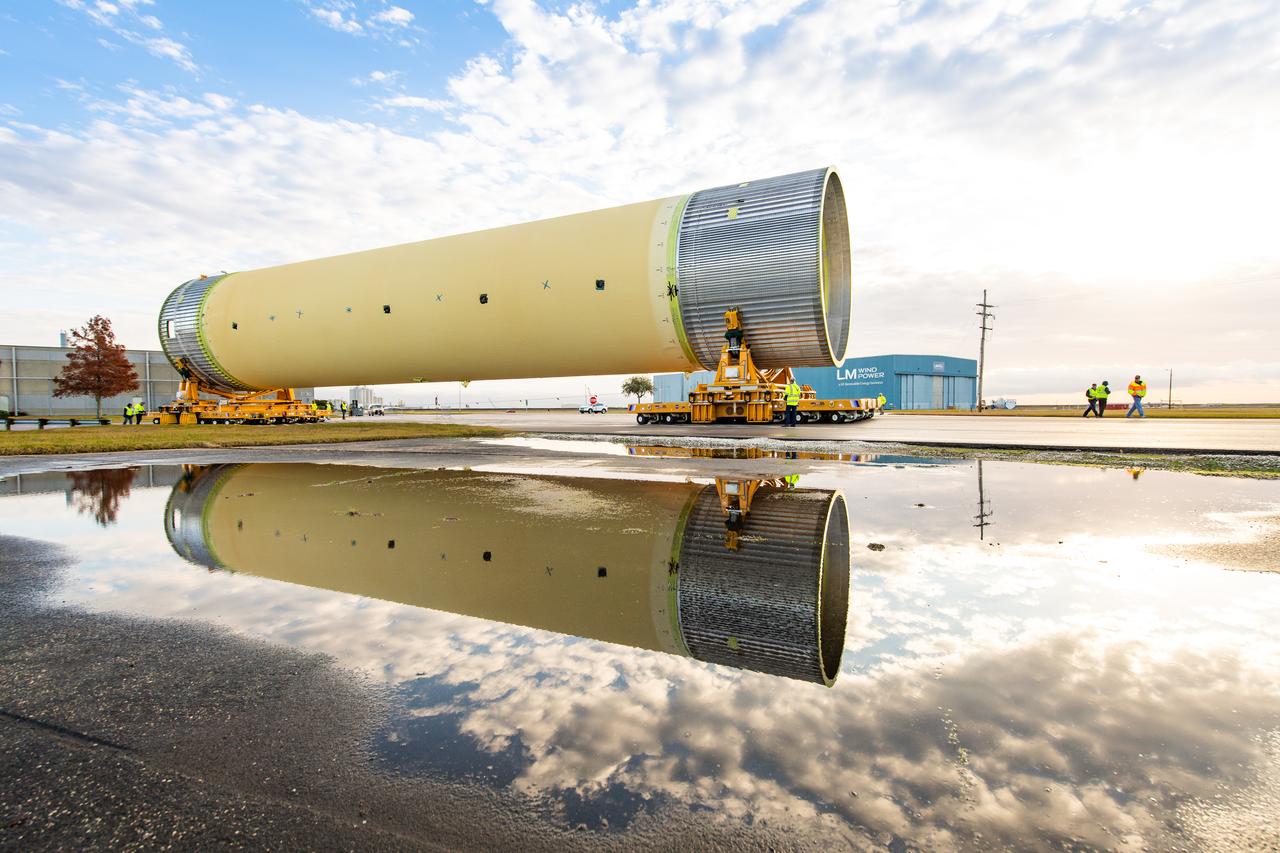
SLS Liquid Hydrogen Tank Test Article Moved at NASA’s Michoud Assembly Facility
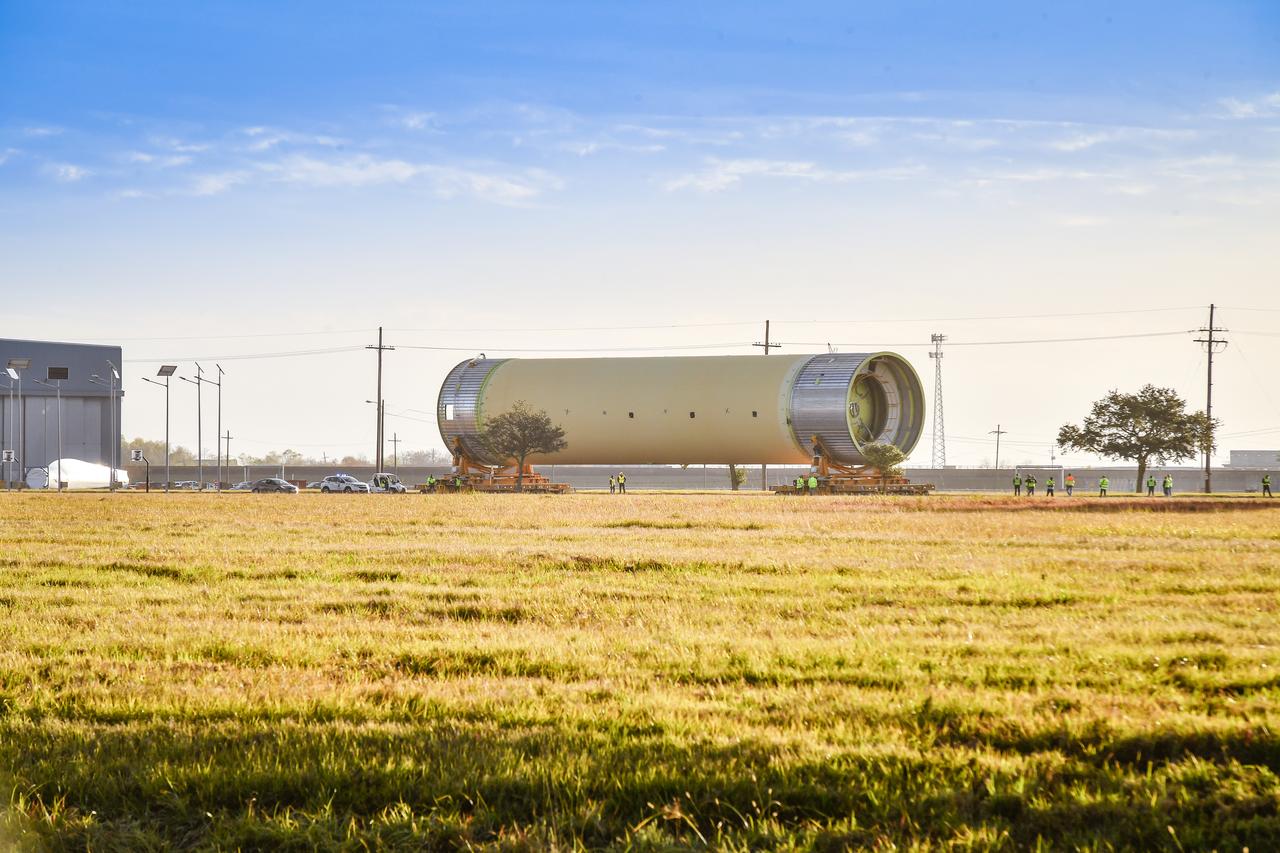
SLS Liquid Hydrogen Tank Test Article Moved at NASA’s Michoud Assembly Facility
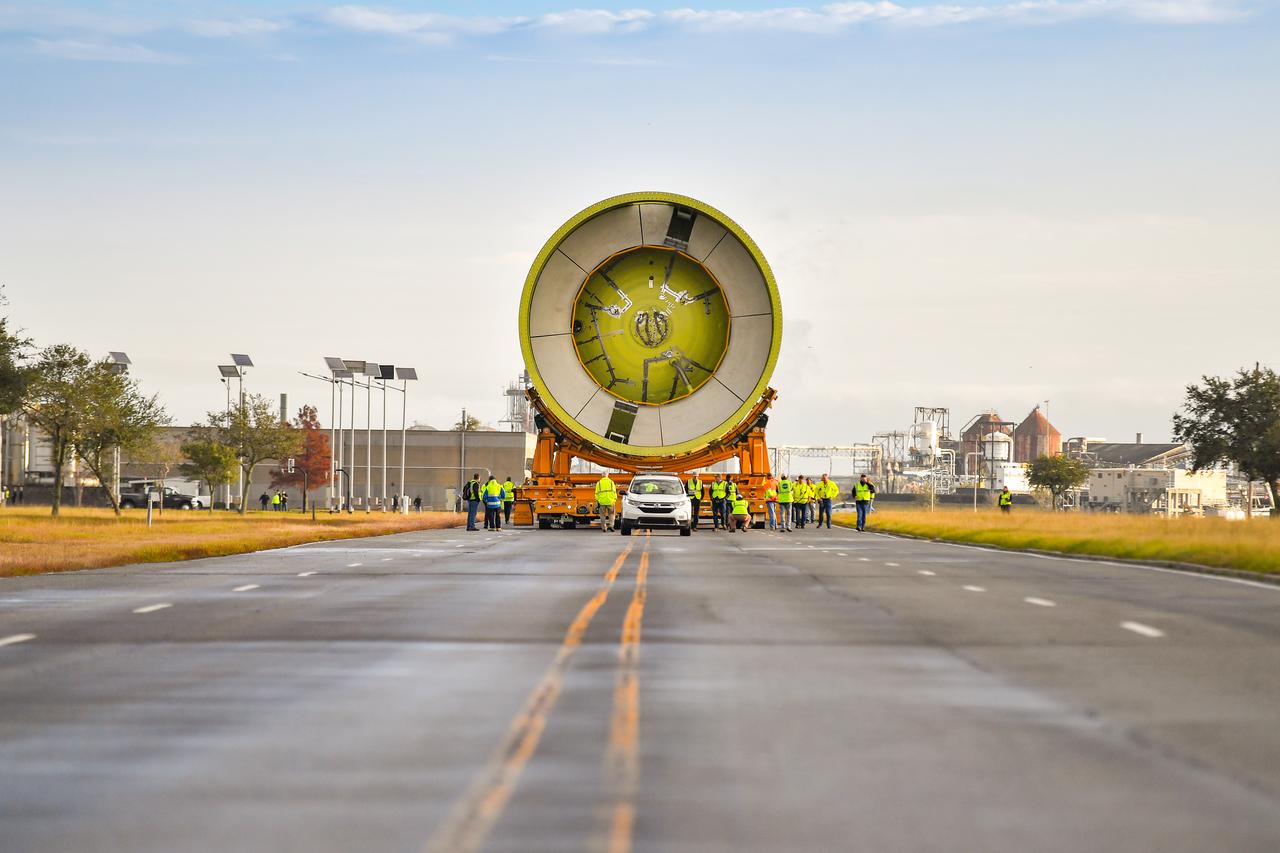
SLS Liquid Hydrogen Tank Test Article Moved at NASA’s Michoud Assembly Facility
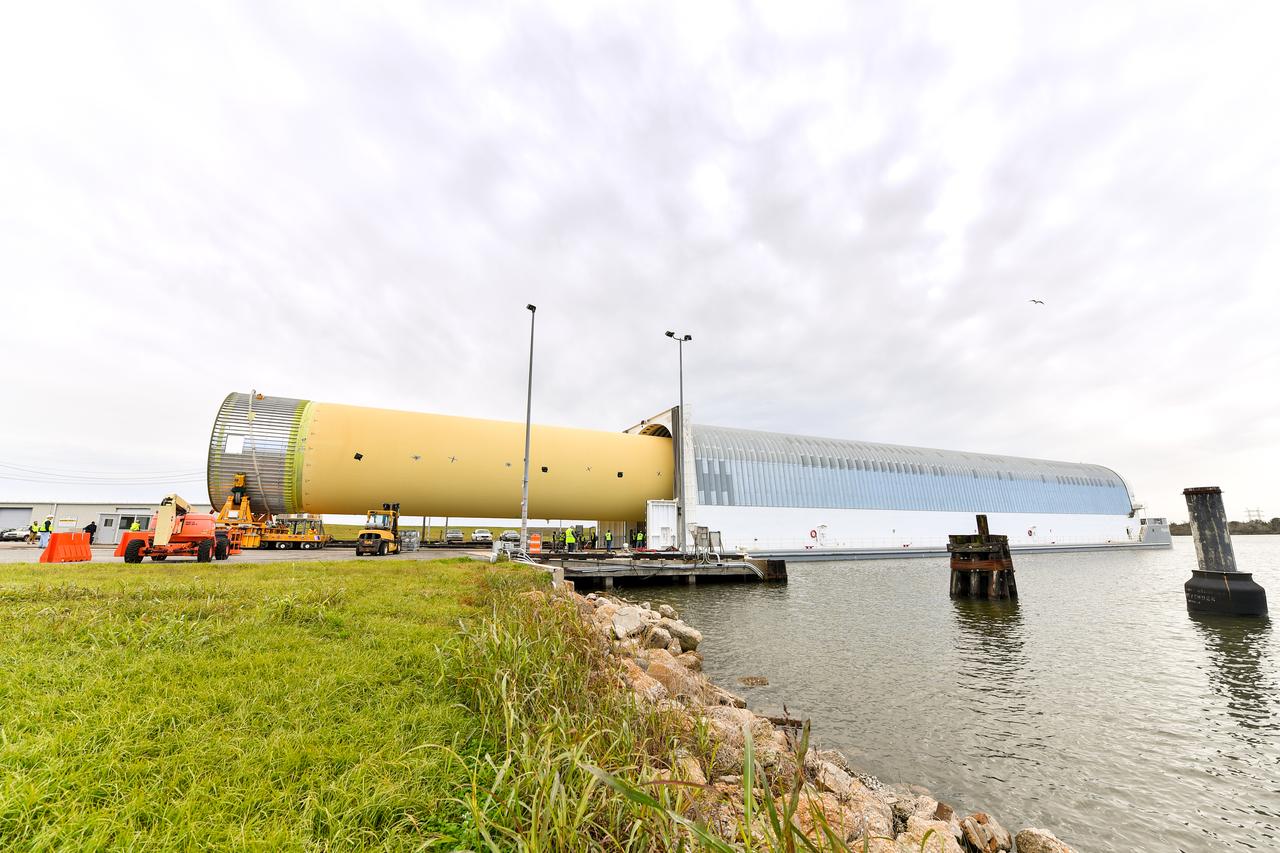
SLS Liquid Hydrogen Tank Test Article Moved at NASA’s Michoud Assembly Facility
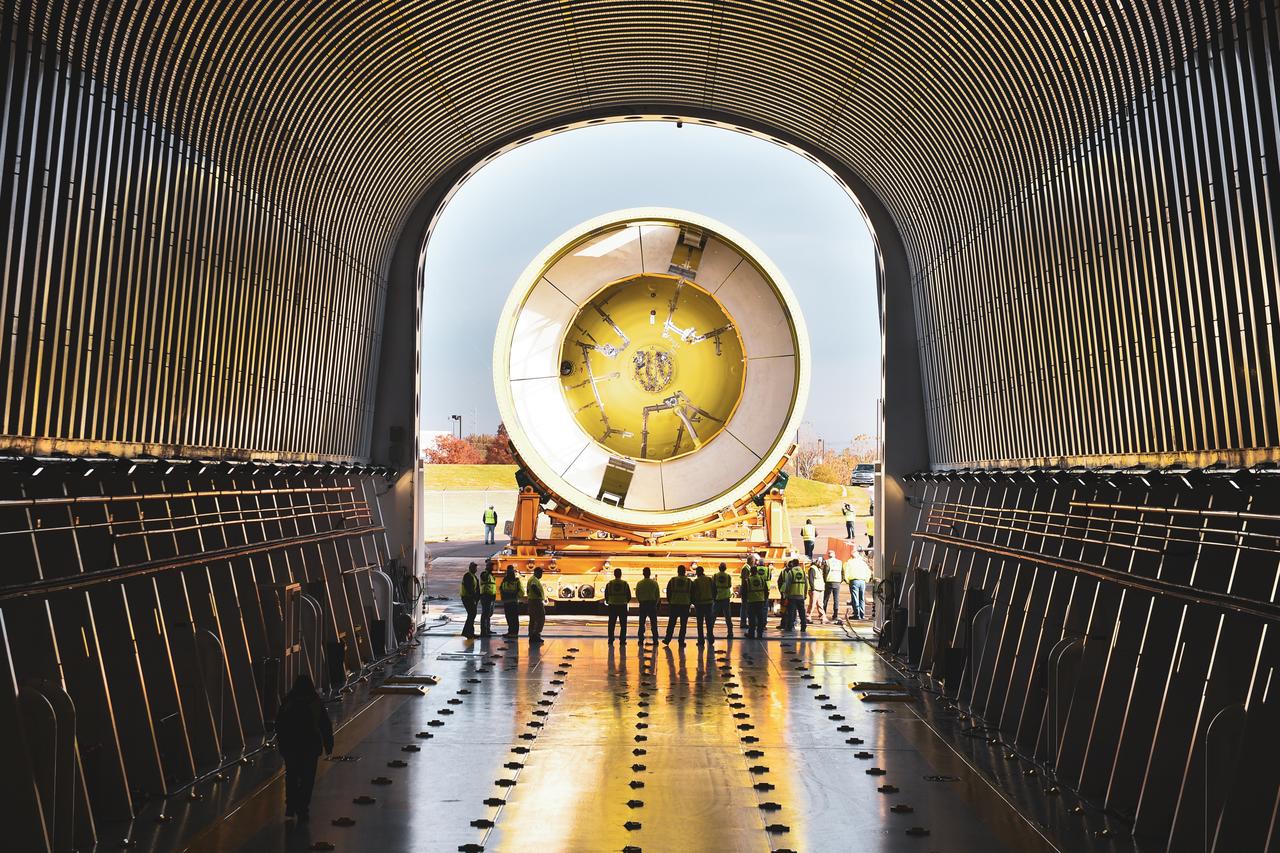
SLS Liquid Hydrogen Tank Test Article Moved at NASA’s Michoud Assembly Facility
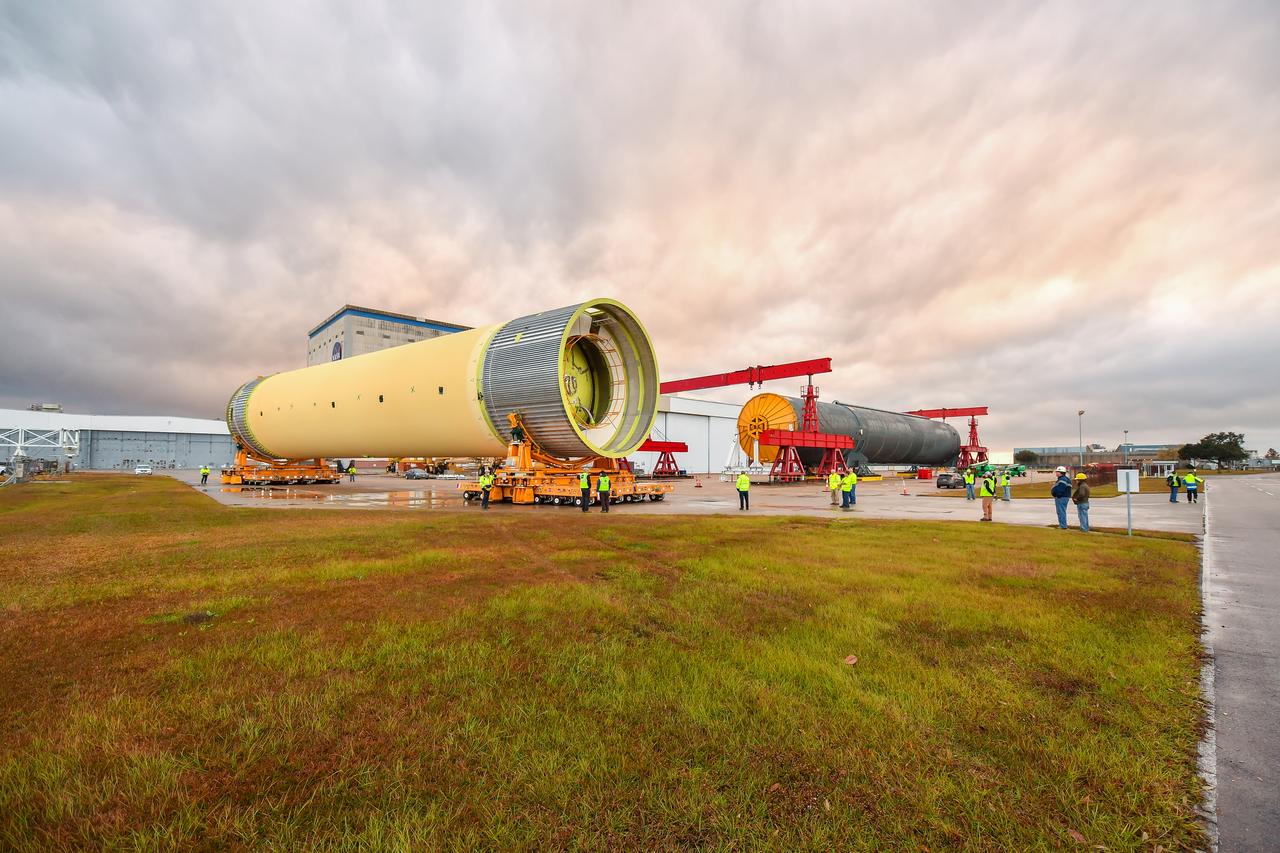
SLS Liquid Hydrogen Tank Test Article Moved at NASA’s Michoud Assembly Facility
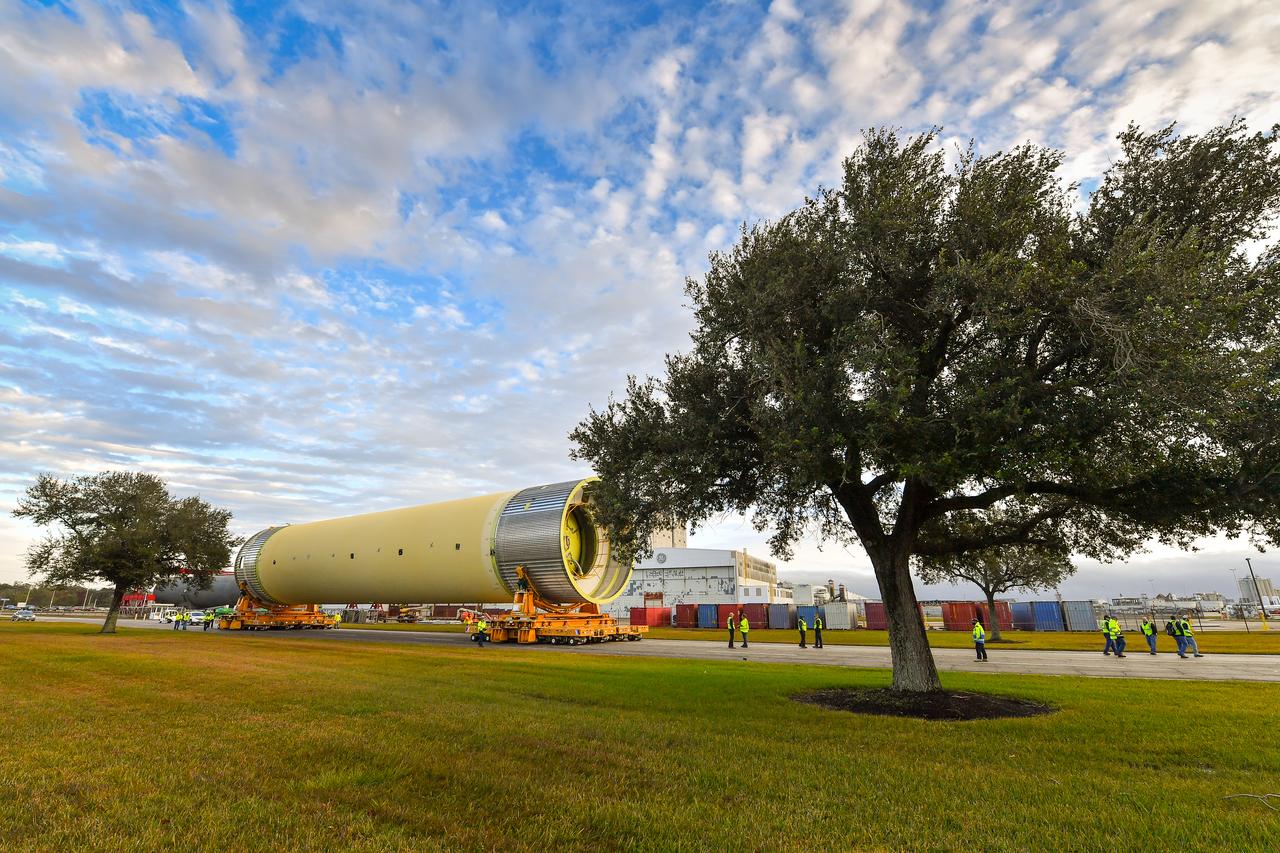
SLS Liquid Hydrogen Tank Test Article Moved at NASA’s Michoud Assembly Facility
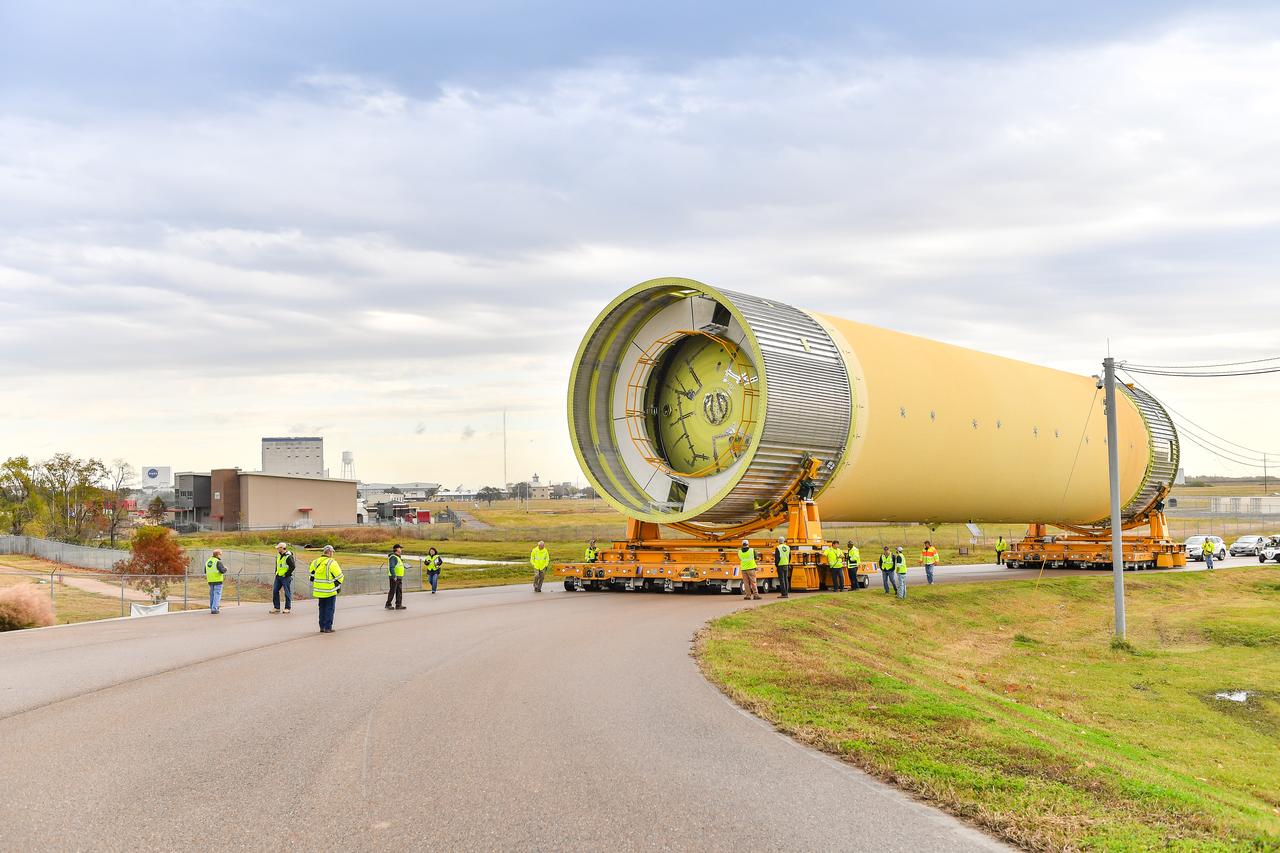
SLS Liquid Hydrogen Tank Test Article Moved at NASA’s Michoud Assembly Facility
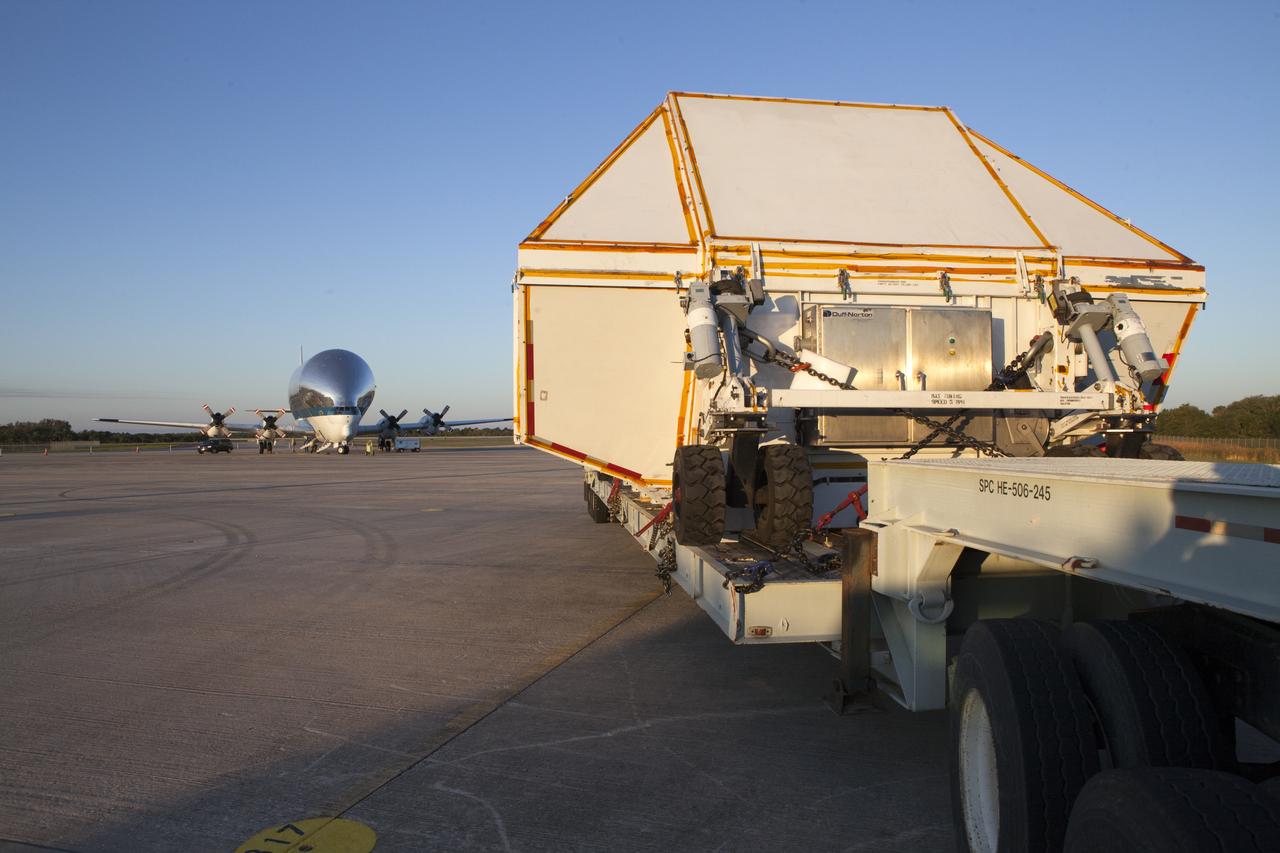
The Orion Exploration Mission-1 (EM-1) structural test article, secured inside its transport container, arrives at the Shuttle Landing Facility at NASA's Kennedy Space Center in Florida. The test article will be loaded into NASA's Super Guppy aircraft, in view at left, and transported to Lockheed Martin's Denver facility for testing. The Orion spacecraft will launch atop NASA’s Space Launch System rocket on EM-1, its first deep space mission.
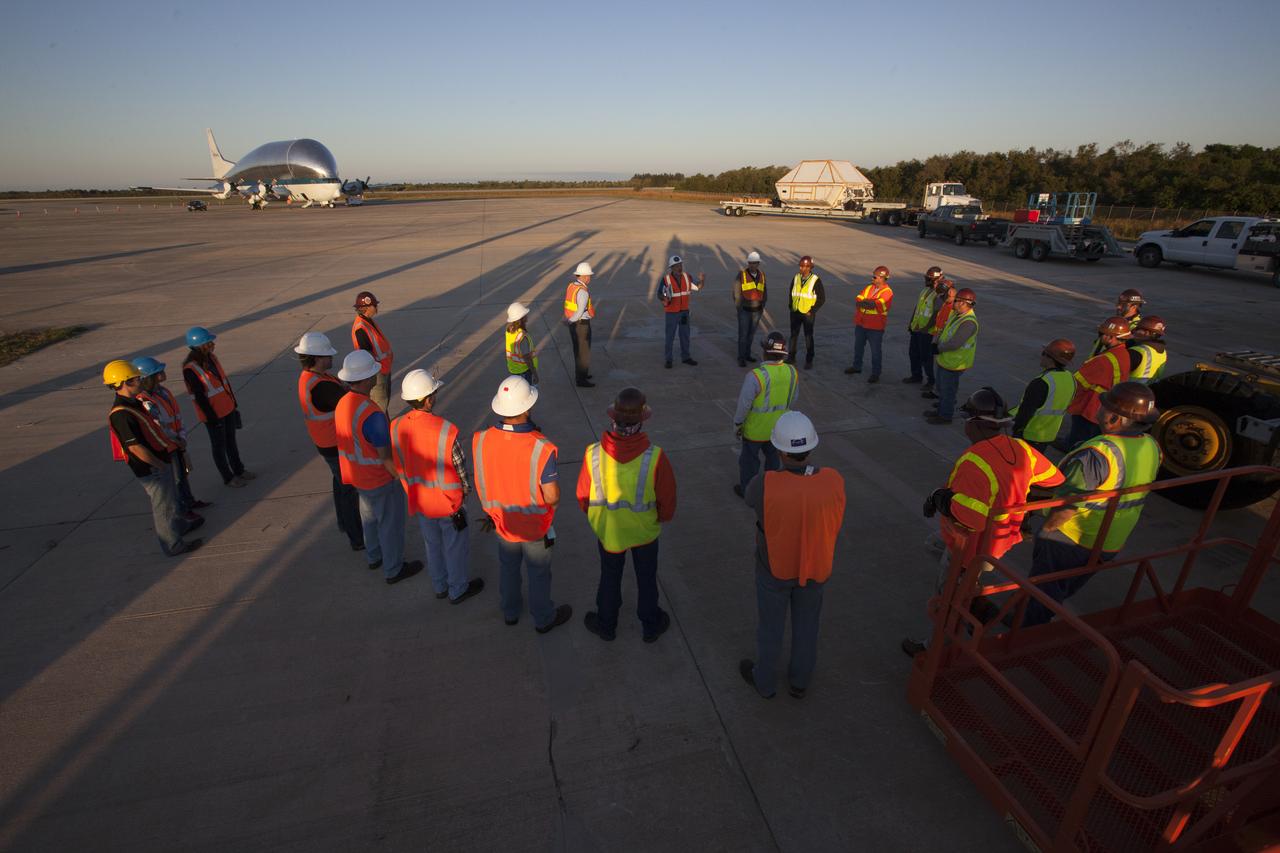
On the tarmac at the Shuttle Landing Facility at NASA's Kennedy Space Center in Florida, NASA and contractor workers review procedures before beginning loading of the Orion Exploration Mission-1 (EM-1) structural test article in its transport container into NASA's Super Guppy aircraft. The test article will be transported to Lockheed Martin's Denver facility for testing. The Orion spacecraft will launch atop NASA’s Space Launch System rocket on EM-1, its first deep space mission.
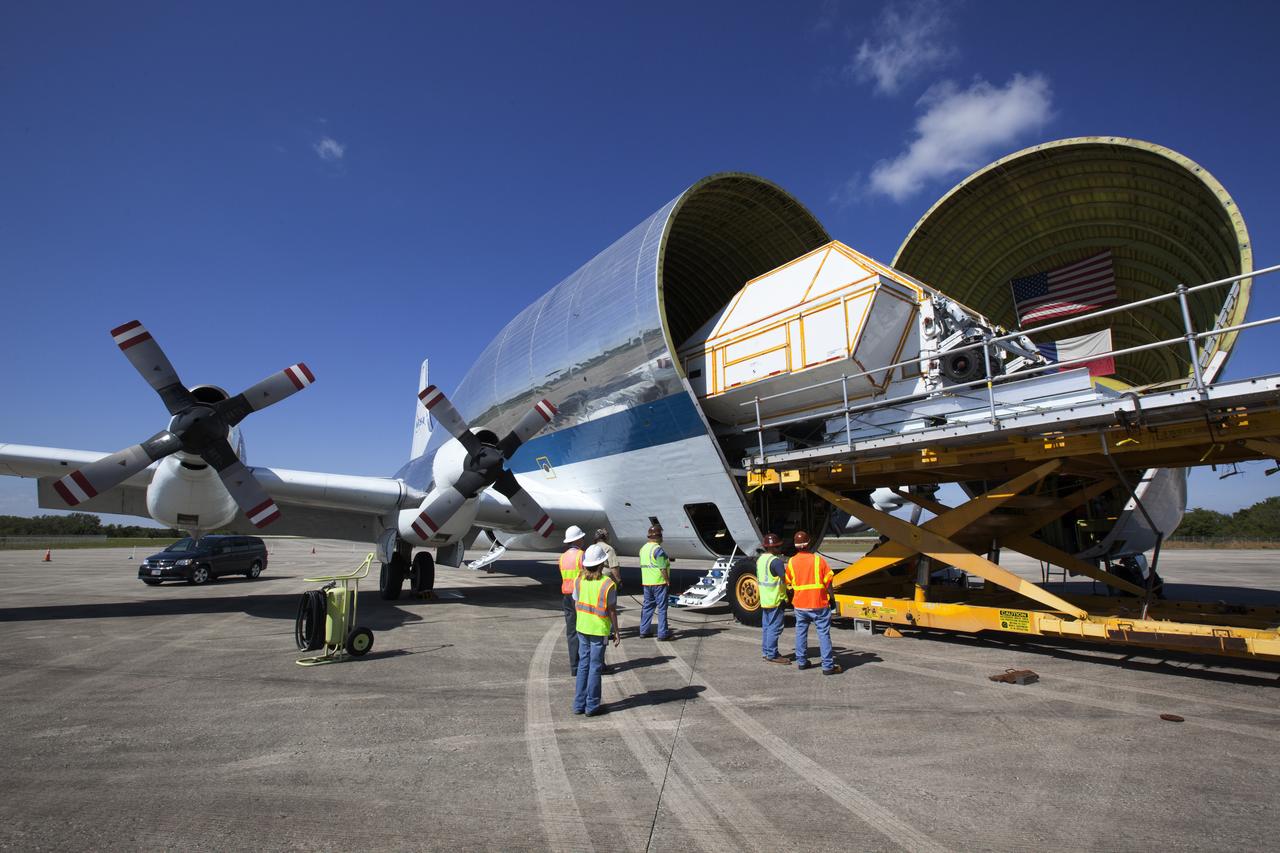
The Orion Exploration Mission-1 (EM-1) structural test article, secured inside its transport container, is loaded into NASA's Super Guppy aircraft at the Shuttle Landing Facility at NASA's Kennedy Space Center in Florida. The test article will be transported to Lockheed Martin's Denver facility for testing. The Orion spacecraft will launch atop NASA’s Space Launch System rocket on EM-1, its first deep space mission.
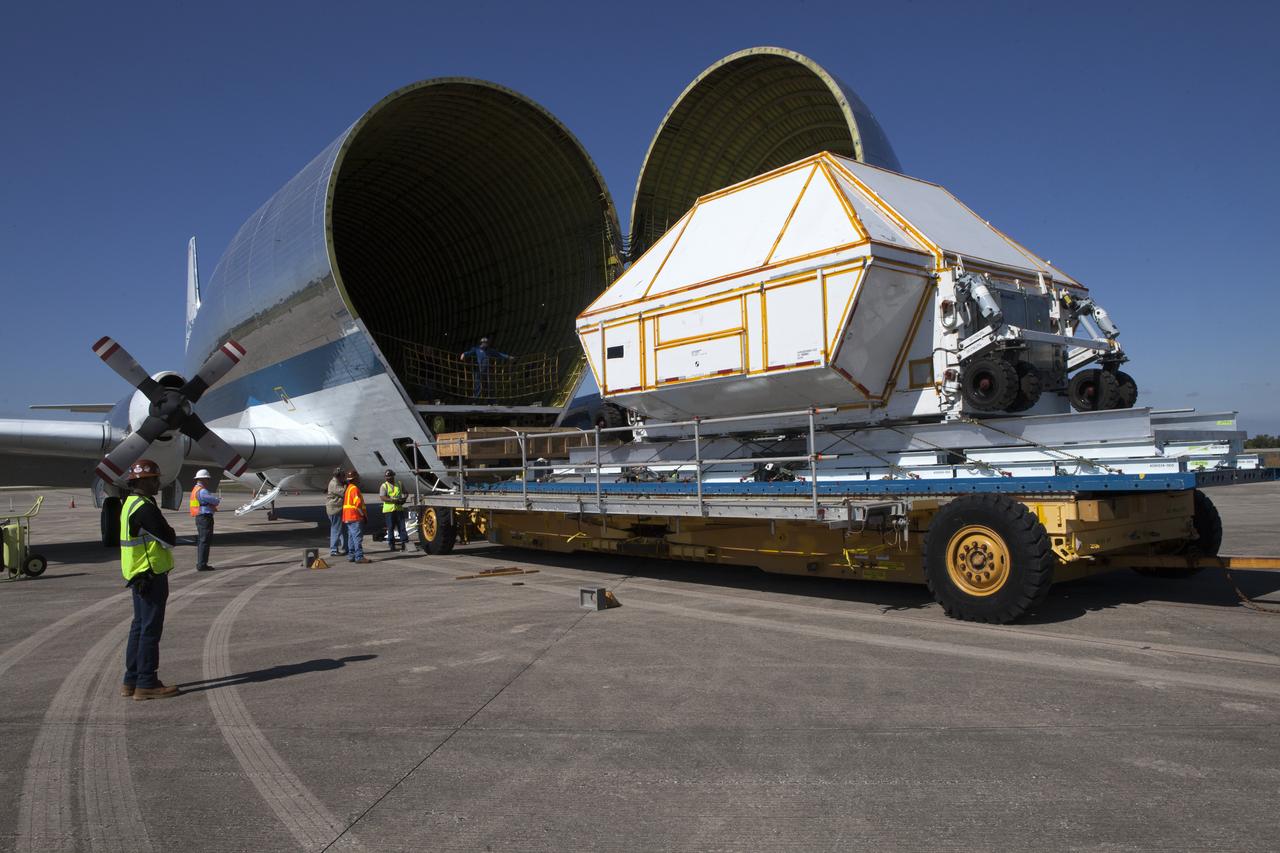
On the tarmac at the Shuttle Landing Facility at NASA's Kennedy Space Center in Florida, the Orion Exploration Mission-1 (EM-1) structural test article, secured in its transport container, is loaded into the agency's Super Guppy aircraft. The test article will be transported to Lockheed Martin's Denver facility for testing. The Orion spacecraft will launch atop NASA’s Space Launch System rocket on EM-1, its first deep space mission.